WILLOW PARK REHABILITATION AND CARE CENTER
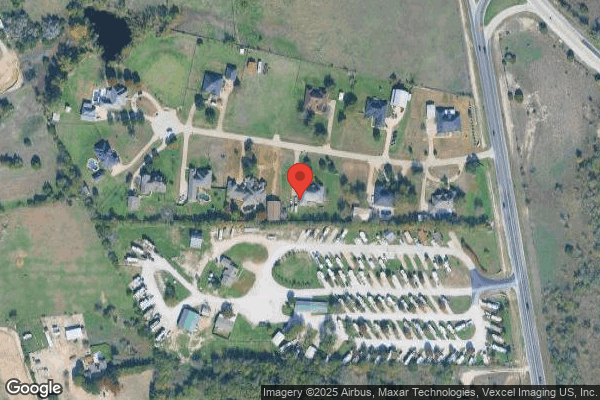
300 CROWNE POINT BLVD, WILLOW PARK, TX 76087 (817) 757-1200
For profit - Corporation 125 Beds Independent Data: November 2025
Trust Grade
60/100
#377 of 1168 in TX
Last Inspection: April 2025

Within standard 12-15 month inspection cycle. Federal law requires annual inspections.

Overview

Willow Park Rehabilitation and Care Center has a Trust Grade of C+, indicating it is slightly above average but not outstanding. It ranks #377 out of 1,168 facilities in Texas, placing it in the top half, and #4 of 9 in Parker County, meaning only three local options are better. The facility is improving, with issues decreasing from 10 in 2024 to 7 in 2025. However, staffing is a concern with a rating of 2 out of 5 stars and a high turnover rate of 80%, significantly above the Texas average of 50%. On a positive note, there are no fines on record, and the facility has more RN coverage than 98% of Texas facilities, which is excellent for resident care. Despite these strengths, there are notable weaknesses. Recent inspections found that the emergency call system was not audible at the nurse's stations, risking timely assistance for residents. Additionally, the kitchen was criticized for poor sanitation, with food debris and grease present, potentially leading to foodborne illnesses. There were also concerns about hiring practices, as background checks were not adequately performed for some new employees, raising risks regarding resident safety. Overall, families should weigh these strengths and weaknesses carefully when considering this facility for their loved ones.

Trust Score
C+
60/100
In Texas
#377/1168
Top 32%
Safety Record
Low Risk
No red flags
Inspections
Getting Better
10 → 7 violations
Staff Stability
⚠ Watch
80% turnover. Very high, 32 points above average. Constant new faces learning your loved one's needs.
Penalties
✓ Good
No fines on record. Clean compliance history, better than most Texas facilities.
Skilled Nurses
✓ Good
Each resident gets 60 minutes of Registered Nurse (RN) attention daily — more than 97% of Texas nursing homes. RNs are the most trained staff who catch health problems before they become serious.
Violations
⚠ Watch
23 deficiencies on record. Higher than average. Multiple issues found across inspections.
★★★★☆
4.0
Overall Rating
★★☆☆☆
2.0
Staff Levels
★★★☆☆
3.0
Care Quality
★★★★☆
4.0
Inspection Score
Stable
2024: 10 issues
2025: 7 issues

The Good

  • Full Sprinkler Coverage · Fire safety systems throughout facility
  • No fines on record

Facility shows strength in fire safety.

The Bad

Staff Turnover: 80%

34pts above Texas avg (46%)

Frequent staff changes - ask about care continuity

Staff turnover is very high (80%)

32 points above Texas average of 48%

The Ugly 23 deficiencies on record

May 2025 2 deficiencies
CONCERN (D) 📢 Someone Reported This

A family member, employee, or ombudsman was alarmed enough to file a formal complaint

Potential for Harm - no one hurt, but risky conditions existed

Deficiency F0558 (Tag F0558)

Could have caused harm · This affected 1 resident

**NOTE- TERMS IN BRACKETS HAVE BEEN EDITED TO PROTECT CONFIDENTIALITY** Based on observations, interviews, and record review the facility failed to ensure the right to reside and receive services in t...

Read full inspector narrative →
**NOTE- TERMS IN BRACKETS HAVE BEEN EDITED TO PROTECT CONFIDENTIALITY** Based on observations, interviews, and record review the facility failed to ensure the right to reside and receive services in the facility with reasonable accommodation of resident needs and preferences for two (Resident #12 and Resident #13) of thirteen residents reviewed for Reasonable Accommodation of Needs. The facility failed to ensure the call light was in reach and accessible for Resident #12 and Resident #13 on 05/22/25. This failure could place the residents at risk of being unable to obtain assistance when needed and help in the event of an emergency. Findings included: Review of Resident #12's Face Sheet, dated 5/22/25, reflected a [AGE] year-old female, admitted on [DATE]. Resident #12 had diagnoses of, Cerebral infarction (stroke), need for assistance with personal care, vascular dementia (reduced blood flow to brain), muscle wasting (loss of muscle mass). Review of Resident #12's Quarterly MDS Assessment, dated 5/11/25, reflected that Resident #12 had a BIMS score of 3, indicating severe cognitive impairment. The Quarterly MDS Assessment indicated the resident required assistance for toileting, dressing, personal hygiene and transferring. Review of Resident #12's Comprehensive Care Plan, dated 3/13/25, reflected Resident #12 was a fall risk, and one of the interventions was a reachable call light. Observation and interview on 5/22/25 at 11:55am revealed Resident #12 lying in bed. The call light was observed clipped to a power cord of the mini refrigerator located at the foot of Resident #12's bed. Resident #12 stated that she can operate the call light for help if the call light is within reach. Resident #12 pointed to the call light at the foot of her bed and stated she cannot reach that. Review of Resident #13's Face Sheet dated 5/22/25, reflected a [AGE] year-old female, admitted [DATE]. Resident #13 had diagnoses of Dementia (decline in cognitive abilities), malignant neoplasms (cancerous tumors), muscle weakness, history of falling. Review of Resident #13's Quarterly MDS Assessment, dated 3/18/25 reflected that Resident #13 had a BIMS score of 12, indicating moderate cognitive impairment. The Quarterly MDS Assessment indicated that Resident #13 needed assistance with transferring, and toileting. Review of Resident #13's Comprehensive Care Plan dated 4/2/25 reflected that Resident #13 was a fall risk, and an intervention listed was call light within reach. Observation and interview on 5/22/25 at 12:00pm, revealed Resident #13 lying in bed. The call light was laying on the floor under the left side of the bed. Resident #13 stated that sometimes her call light was not within reach. She said staff generally clip it on the bed or handrail, but sometimes she cannot find it when she needs it. Resident #13 stated she did not know where it was now. In an interview on 5/22/25 at 12:07pm, CNA L came into Resident #13's room and stated that she had come from Resident #12's room and placed the call light within reach and then picked up Resident #13's call light and clipped it to her handrail within reach. CNA L stated that call lights need to be within reach for residents, residents that need assistance use the call light, and if residents cannot find or reach the call light, residents could have accidents. CNA L stated that call lights should be always within reach. In an interview on 5/22/25 at 12:15pm, LVN M stated that call lights are to be always within reach for residents, and staff are to make sure when they monitor and provide care, before they leave, the call light is within reach. In an interview on 5/23/25 at 3:05pm, Administrator stated it was his expectation that call lights were to be always within reach for residents, and staff were to make sure when they monitor and provide care, before they leave, the call light is within reach. Incidents can happen if residents cannot call for assistance when needed.
CONCERN (F) 📢 Someone Reported This

A family member, employee, or ombudsman was alarmed enough to file a formal complaint

Potential for Harm - no one hurt, but risky conditions existed

Deficiency F0919 (Tag F0919)

Could have caused harm · This affected most or all residents

**NOTE- TERMS IN BRACKETS HAVE BEEN EDITED TO PROTECT CONFIDENTIALITY** Based on observation, interview, and record review the facility failed to ensure it was adequately equipped to allow residents t...

Read full inspector narrative →
**NOTE- TERMS IN BRACKETS HAVE BEEN EDITED TO PROTECT CONFIDENTIALITY** Based on observation, interview, and record review the facility failed to ensure it was adequately equipped to allow residents to call for staff assistance through a communication system which relays the call directly to a staff member or to a centralized staff work area from each resident's bedside and toilet and bathing facilities for 2 of 2 nurse's stations (Hall 100/200 station and Hall 300/400 station). Resident's emergency call light was not audible at either the Hall 100/200 or Hall 300/400 nurse's stations. This failure placed residents at risk of not receiving timely care/assistance, falls, fall related injuries, head trauma, and hospitalization. Findings included: During observation on 5/23/25 at 5:00am, surveyor was standing at the nurse's station for Halls 100 and 200. Surveyor observed the call light outside of room [ROOM NUMBER] flashing but there was no audible sound at the nurse's station. Surveyor observed that at nurse's station for Halls 300 and 400 the call light system did not submit an audible when the call light was activated from room [ROOM NUMBER]. During an interview on 5/23/25 at 5:06am, LVN CC stated he has worked at the facility for 1 year, on Halls 100 and 200, and the audible system worked when he first started but stated that the audible sound at the nurse's station has not worked in a while. He said he did not recall when it stopped working. LVN CC stated that administration knew it was not working and the maintenance person was working on repairing until the maintenance person quit working at the facility. LVN CC stated he did not know who was working on it now. LVN CC stated that having an audible sound at the nurse's station would help staff on recognizing when a resident needed assistance. During an interview on 5/23/25 at 5:15am, CNA DD stated he has worked at the facility for 2 months. CNA DD stated that he knew to answer call lights by observing the room lights flashing. He said there was no audible sound for the call lights since he has worked here. CNA DD stated it would help if there was an audible sound to go with the light flashing when residents used the call light. During an interview on 5/23/25 at 5:30am, LVN G stated she has worked at the facility for 6 months, on Halls 300 and 400. LVN G stated the call light audible system has not worked since she has worked here. LVN G stated that it would help a lot if they had an audible sound along with the light flashing outside of resident's room. During an interview on 5/23/25 at 10:30am, the Administrator stated the call light system should have a flashing light outside the resident's room and be accompanied by sound at the nurse's station so that if staff could not see a call light request, they could hear it to ensure residents received timely help after pushing their call light. The Administrator stated that without sound the call light system placed residents at risk of falls, not having needs met, food aspiration and then stated, there are so many things that could go wrong if the call lights did not have a sound . The Administrator stated the facility did not have documentation that the call system was routinely maintained or tested by the maintenance department. Record review of the facility's policy titled Resident Call System,, dated September 2022, revealed Residents are provided with a means to call staff for assistance through a communication system that directly calls a staff member or a centralized workstation . The resident call system remains functional at all times. If audible communication is used, the volume is maintained at an audible level that can be easily heard.
Apr 2025 1 deficiency
CONCERN (D) 📢 Someone Reported This

A family member, employee, or ombudsman was alarmed enough to file a formal complaint

Potential for Harm - no one hurt, but risky conditions existed

Pressure Ulcer Prevention (Tag F0686)

Could have caused harm · This affected 1 resident

**NOTE- TERMS IN BRACKETS HAVE BEEN EDITED TO PROTECT CONFIDENTIALITY** Based on observation, interview, and record review the facility failed to ensure a resident receives care to prevent pressure ul...

Read full inspector narrative →
**NOTE- TERMS IN BRACKETS HAVE BEEN EDITED TO PROTECT CONFIDENTIALITY** Based on observation, interview, and record review the facility failed to ensure a resident receives care to prevent pressure ulcers and does not develop pressure ulcers unless the individual's clinical condition demonstrates they were unavoidable and a resident with pressure ulcers receives necessary treatment and services to promote healing, prevent infection, and prevent new ulcers from developing for 1 (Resident #3) of 3 residents reviewed for pressure ulcers/wounds. The RN B failed to provide wound care for Resident #3's unstageable pressure ulcer to the right buttock and unstageable pressure ulcer to her right lateral foot on the date of 04/12/25. This deficient practice could place residents at risk for worsening pressure injuries, pain, and a decline in health. Findings included: Review of Resident # 3's electronic face sheet reflected the resident was an [AGE] year-old female who was admitted to the facility on [DATE] with diagnoses that included: leg fracture, dementia, and mild protein calorie malnutrition ( nutritional state in which reduced availability of nutrients leads to changes in body composition and function). Review of Resident # 3's admission MDS assessment dated [DATE] reflected Resident #3 had a BIMS score of 04 indicating severe cognitive impairment. Further review of Section M reflected resident was at risk for pressure ulcers and had no pressure ulcers. Review of Resident #'3's care plan on 04/12/25 last revised 04/09/25 reflected: Focus: The resident has pressure ulcer development .Unstageable to right buttock (04/02/25) worsened due to favoring right side/declining. Review of Resident # 3's electronic physicians orders dated 04/12/25 reflected: Cleanse pressure injury to right buttocks and right lateral ankle with wound cleanse, pat dry, apply collagen sheet, cover with hydrocolloid dressing, dated 04/03/2025 and Cleanse unstageable pressure injury to right buttock with wound cleanser, pat dry, apply calcium alginate with Santyl, cover with dry dressing, order initiated on 04/9/25. Review of Resident #3's Initial Wound Evaluation by wound care physician on 04/08/25, reflected an unstageable pressure ulcer to the right buttocks measuring 2.5 cm by 4.0 cm and an unstageable pressure area covered with necrotic tissue measuring 2 cm by 2 cm. Record review of Resident #3's Administration Report on 04/13/25 which was dated 04/1/25 to 04/30/25 revealed, wound care was documented as completed for 04/11/25, and 04/12/25 on the day shift. An observation on 04/13/25 at 1:00 pm revealed Resident # 3 had a dressing to her right buttocks that was dated 04/11/25. Her right foot was covered by a sock. The paid care giver removed the sock from Resident# 3's Right foot and there was no dressing on the foot covering the wound. In an interview on 04/13/25 at 1:05 PM the paid caregiver stated the dressings on the right buttocks and the right lateral ankle was last changedon 04/11/25 The paid caregiver stated she had not told a nurse that Resident # 3's dressing hadn't been changed. During an interview on 04/13/25 at 1: 10 PM , with the DON, who stated wound care was supposed to be done as ordered. The DON stated during the weekday the Treatment Nurse conducts the wound care and on the weekend the nurses are able and have to do the wound care. The DON stated that nurses are trained to look at the orders while gathering the supplies for the wound treatment and cannot be looking at the orders earlier in the day and doing the wound treatment without looking to verify the orders. The ADON stated the risk would be a decline in the resident's wound condition or infection In an interview at 1:30 PM on 04/13/25 with RN B, who stated he worked on 04/12/25 as charge nurse. He stated it was his responsibility to do the wound care for Resident # 3 and he had not done her wound care on 04/12/24. He stated there was no wound care nurse to help on the weekends and he just got busy and forgot. He stated he documented that the treatment was done because he intended to do it. RN B stated that there was not a Wound Care Nurse on the weekend, but all nurses were able to provide wound care. RN B stated the risk of not providing wound care could be the wound getting worse or infection. In an interview on 04/14/25 at 10:45 AM, with the Treatment Nurse, who stated she provided wound care during the weekdays and on the weekend nurses, the nurses were to be providing the wound care. The Treatment Nurse stated the nurses on the weekend would be able to provide wound care for those residents needing wound care. The Treatment Nurse stated she changed Resident #3s dressing to her right buttocks and right lateral ankle on 04/11/25. She stated she did not work on 04/12/25, and that RN B worked that day. She stated a negative outcome that could result in failure to perform treatments at the ordered frequency could be a delay in the wound in healing. In an interview on 04/14/25 at 2:00 PM the Wound Care Doctor stated the nurses were to be providing wound care. The Wound Care Doctor stated these issues of failure to do wound care had not been brought to his attention. The Wound Care Doctor stated he should have been informed of any missed wound care or significant changes but he was not notified. The Wound Care Doctor stated the risks of failure to provide wound care would be deterioration, or infection. He stated failure to do wound care was definitely a problem that needed to be addressed by the DON and she needed to pinpoint where the failure occurred and correct the problem in order to prevent it happening again. Record review of the facility policy titled Skin Management and Pressure Ulcer Prevention, dated 10/11/22, revealed the following [in part]: This facility is committed to the prevention of avoidable pressure injuries, unless clinically unavoidable, other altered skin integrity, and to provide treatment and services to heal pressure ulcer/injury and/or altered skin integrity, prevent infection and the development of additional pressure ulcers/injuries. It is our policy to perform a full body skin assessment as part of our systemic approach to pressure injury prevention and skin management. 1. The facility shall establish and utilize a systematic approach for pressure injury prevention and management, including prompt assessment and treatment; intervening to stabilize, reduce or remove underlying risk factors; monitoring the impact of the interventions; and modifying the interventions as appropriate. 2. Assessment of Pressure Injury Risk a. Licensed nurses will conduct a pressure injury risk assessment, using the Braden Scale on all residents upon admission/re-admission, weekly x four weeks, then quarterly or whenever the resident's condition changes significantly. b. The tool will be used in conjunction with other risk factors not captured by the risk assessment tool. Examples of risk factors include, but are not limited to: i. Impaired/decreased mobility and decreased functional ability: ii. Co-morbid conditions, such as end stage renal disease, thyroid disease, or diabetes mellitus. iii. Drugs such as steroids that may affect healing. iv. Impaired diffuse or localized blood flow, for example, generalized atherosclerosis or lower extremity arterial insufficiency. v. Resident refusal of some aspects of care and treatment. vi. Cognitive impairment. vii. Exposure of skin to urinary and fecal incontinence. viii. Under nutrition, malnutrition, and hydration deficits; and ix. The presence of a previously healed pressure injury. c. Licensed nurses will conduct a full body skin assessment on all residents upon admission/re-admission, weekly, and after any newly identified pressure injury. Findings will be documented in the medical record. d. Assessments of pressure injuries and altered skin integrity will be performed by a licensed nurse and documented on the Skin Observation Tool. The staging of pressure injuries will be clearly identified to ensure correct coding on the MDS. e. Nursing assistants will inspect skin during bath and will report any concerns to the resident's nurse immediately after the task.
Apr 2025 4 deficiencies
CONCERN (D)

Potential for Harm - no one hurt, but risky conditions existed

Assessment Accuracy (Tag F0641)

Could have caused harm · This affected 1 resident

**NOTE- TERMS IN BRACKETS HAVE BEEN EDITED TO PROTECT CONFIDENTIALITY** Based on observation, interview, and record review the facility failed to conduct an accurate assessment for 1 (Resident #47) of...

Read full inspector narrative →
**NOTE- TERMS IN BRACKETS HAVE BEEN EDITED TO PROTECT CONFIDENTIALITY** Based on observation, interview, and record review the facility failed to conduct an accurate assessment for 1 (Resident #47) of 18 residents reviewed for assessments. The Facility failed to ensure Resident # 47 most recent MDS dated [DATE] was accurately completed with Resident's hospice status, who was receiving hospice care. These failures could place residents at risk by decreasing the accurate information available to determine the care and services needed for each resident. The findings included: Record review of Resident # 47's face sheet dated 04/09/2025 revealed a [AGE] year-old female admitted on [DATE] with the following diagnoses heart failure, high blood pressure, and chronic kidney disease. Record review of Resident #47's Quarterly MDS dated [DATE] revealed: Section C- Cognitive Pattern- Resident had a BIMS of 7, meaning moderate cognitive impairment; Section O- Special Treatments, Procedures, and Programs revealed no evidence Resident #47 received hospice care. Record review of Resident #47's most recent physician orders revealed an active order with a start date of 09/17/2025 Admit to {hospice name} for DX: heart Failure; active order with a start date of 02/13/2025 stated Admit to {hospice name} with a diagnosis of heart failure. Record review of Resident #47's Care Plan dated revealed: Resident was admitted to hospice care on 09/19/2024. Observation on 04/07/2025 at 11:56 AM revealed Resident #47 laying in her bed awake. Resident #47 had equipment with hospice name written on it. During an interview on 04/09/25 at 2:25 PM the DON stated the MDS Coordinators were responsible to complete the MDS. The DON stated her expectation was for MDS' to be completed timely and completely. The DON stated if a Resident was receiving hospice care, then their MDS should reflect they were receiving hospice care. The DON stated Resident #47 had been receiving hospice care. The DON stated they did not have a policy for MDS that they followed the RAI. During an interview on 04/09/25 at 03:10PM MDS C stated she was responsible for completing the Resident # 47's MDS. MDS C stated the MDS should have reflected all the current care areas and services a resident was currently receiving. MDS C stated she had only been one of the MDS coordinators for a few weeks and was still learning. MDS C stated she had forgotten to check the box for hospice care on the MDS but had ensured the care plan and orders had stated hospice. MDS C stated she did not think there was a negative effect on residents because Resident #47 was receiving hospice care. MDS C stated oversight on her part led to failure of hospice not being checked on the MDS. During an interview on 04/09/2025 at 3:21 PM the ADMN stated his expectation was that the MDS be updated per policy and procedure. The ADMN stated the effect on Residents could have been a potential for inappropriate communication of resident care needs. The ADMN stated the nursing leadership and the ADMN were responsible for monitoring completion of MDS. The ADMN stated miscommunication of the MDS process by nursing leadership led to failure of items being missed on the MDS.
CONCERN (D)

Potential for Harm - no one hurt, but risky conditions existed

Medical Records (Tag F0842)

Could have caused harm · This affected 1 resident

**NOTE- TERMS IN BRACKETS HAVE BEEN EDITED TO PROTECT CONFIDENTIALITY** Based on interviews and record review, the facility failed to maintain medical records in accordance with accepted professional ...

Read full inspector narrative →
**NOTE- TERMS IN BRACKETS HAVE BEEN EDITED TO PROTECT CONFIDENTIALITY** Based on interviews and record review, the facility failed to maintain medical records in accordance with accepted professional standards and practices that were complete and accurately documented for 1 of 18 residents (Resident #74) reviewed for accuracy of records, in that: The facility failed to document in Resident #74's weekly skin assessment dated [DATE], that Resident #74 had a pressure ulcer to her right buttocks discovered on 04/02/25. This failure could affect residents whose records are maintained by the facility and could place them at risk for errors in care. The findings included: Review of Resident #74's electronic face sheet reflected the resident was an [AGE] year-old female who was admitted to the facility on [DATE] with diagnoses that included: leg fracture, dementia, and malnutrition. Review of Resident #74's admission MDS assessment dated [DATE] reflected Resident #74 had a BIMS score of 04 indicating severe cognitive impairment. Further review of Section M reflected resident was at risk for pressure ulcers and had no pressure ulcers. Review of Resident #74's care plan last revised 04/09/25 reflected: Focus: The resident has pressure ulcer development .Unstageable to right buttock (04/02/25) worsened due to favoring right side/declining. Review of Resident #74's weekly skin assessment dated [DATE], reflected no evidence of a wound to the right buttocks. Review of Resident #74's electronic physicians orders reflected: Cleanse pressure injury to buttocks with wound cleanse, pat dry, apply collagen sheet l, cover with hydrocolloid dressing, dated 04/03/2025 and Cleanse unstageable pressure injury to right buttock with wound cleanser, pat dry, apply calcium alginate with Santyl, cover with dry dressing, dated 04/09/2025. Review of Resident #74's electronic progress notes reflected: 04/02/2025 2:53 pm noted pressure wound to sacrum measuring 2 by 4 cm, signed by wound care nurse. Review of Resident #74's Initial Wound Evaluation dated 04/08/25, reflected an unstageable pressure ulcer to the right buttocks measuring 2.5 cm by 4.0 cm. During an interview on 04/09/25 at 10:00 AM, the wound care nurse stated the floor nurses were responsible for completing skin assessments and were to notify her of any changes. During an interview on 04/09/25 at 1:45 PM, LVN A she stated she did perform a skin assessment on Resident #74 on 04/08/2025 She stated she did not recall if the resident had a wound to her buttocks or not. She stated that whatever she documented was what she saw. LVN A then stated she must have forgotten and got confused when she completed the skin assessment document and forgot to add the wound. During an interview on 04/09/25 at 03:17 PM, the DON she stated her expectation was for documentation to be completed accurately. She stated she felt the error was from staff not paying attention or not actually doing the skin assessment and just coping the last documentation which was false documentation. She stated all nurses had been repeatedly in-serviced regarding documentation. She stated the negative outcome could be residents would have wounds and they would not get identified or treated which could lead to infection and further skin break down. Review of facility policy titled, Documentation in Medical Record, revised 01/01/24, reflected in part: Policy: Each residents medical record shall contain an accurate representation of the actual experiences of the resident and include enough information to provide a picture of the residents progress through complete, accurate, and timely documentation.
CONCERN (E)

Potential for Harm - no one hurt, but risky conditions existed

Abuse Prevention Policies (Tag F0607)

Could have caused harm · This affected multiple residents

Based on interviews and record reviews, the facility failed to implement written policies and procedures that prohibit and prevent abuse, neglect, exploitation of residents and misappropriation of res...

Read full inspector narrative →
Based on interviews and record reviews, the facility failed to implement written policies and procedures that prohibit and prevent abuse, neglect, exploitation of residents and misappropriation of resident property for 2 of 15 employees (MM and CNA B) reviewed for employability. The facility failed to ensure record of criminal history check and/or an EMR/NAR check prior to offering employment were maintained. These findings placed residents at risk of receiving care by someone that was unemployable. The findings included: Record review of MM's employee file revealed a hire date of 07/22/2024 and no evidence of criminal history or an EMR check were completed prior to offering employment. Record review of CNA B's employee filed revealed a hire date of 08/08/2024 and no evidence of criminal history check or a NAR check were completed prior to offering employment. During an interview on 04/09/25 at 02:25 PM the DON stated she was not able to locate the criminal history and EMR/NAR check for MM and CNA B. The DON stated that there has been turn over in the HR position and does not know what had happened to the criminal history and EMR/NAR checks. During an interview on 04/09/25 at 2:45 PM HR stated she had been at this position since February. HR stated she was responsible to complete the criminal history and EMR/NAR checks. HR stated criminal history and EMR/NAR checks should have been completed prior to hiring and kept in the employee file. HR stated she had looked and was not able to locate MM and CNA B's background checks and was not sure why they were not there. During an interview on 04/09/25 at 03:21 PM the ADMN stated his expectation was that criminal history and EMR/NAR checks were completed and maintained per stated and federal requirements, for employees prior to employment. The ADMN stated HR was responsible for completing criminal history EMR/NAR checks. The ADMN stated he monitored background checks being completed monthly and but had only been monitoring for the new hires. The ADMN stated the affect on residents could have been the potential of residents being exposed to someone who could have done them harm. The ADMN stated he felt the checks had been completed but were misplaced. The ADMN stated what led to the failure was staff turnover, in HR position and the Administrator position. Record review of facility policy titled, Background Screening Investigations dated March 2019 revealed: 1. For purposes of this policy direct access employee means any individual who has access to a resident or patient of a long term care (LTC) facility or provider through employment or through a contract and has duties that involve (or may involve) one-on-one contact with a patient or resident of the facility or provider, as determined by the state for purposes of the national background check program. 2.The director of personnel, or designee, conducts background checks, reference checks and criminal conviction checks (including fingerprinting as may be required by state law) on all potential direct access employees and contractors. Background and criminal checks are initiated within two days of an offer of employment or contract agreement and completed prior to employment. 3. For any individual applying for a position as a certified nursing assistant, the state nurse aide registry is contacted to determine if any findings of abuse, neglect, mistreatment of individuals, and/or theft of property have been entered into the applicant's file.
CONCERN (E)

Potential for Harm - no one hurt, but risky conditions existed

Menu Adequacy (Tag F0803)

Could have caused harm · This affected multiple residents

Based on observation, interview and record review, the facility failed to follow the menu for 1 of 1 lunch meals observed. 1.The facility failed to ensure a sufficient amount of vegetables were prepa...

Read full inspector narrative →
Based on observation, interview and record review, the facility failed to follow the menu for 1 of 1 lunch meals observed. 1.The facility failed to ensure a sufficient amount of vegetables were prepared for residents on a regular diet. 2. The facility failed to ensure residents who were on a regular diet received vegetables that were not pureed. These failures could place residents at risk for dissatisfaction, poor intake, altered nutritional status, choking, and/or weight loss. The findings included: During an observation on 04/07/2025 at 11:00 AM the daily menu posted on wall outside of kitchen revealed: Lunch-Smothered Port Tips, Baby Baker, Fried Cabbage, Cornbread, Cookie, Beverage. During an observation of meal service on 04/07/2025 at 12:15 PM dietary staff ran out of regular cabbage for residents on a regular diet. The dietary staff served 3 resident's trays, who were on a regular diet, pureed cabbage. During an observation on 04/07/2025 at 12:36 PM the requested test tray did not have fried cabbage or pureed cabbage on the test tray. During an interview on 04/07/2025 at 12:45 PM the DM stated she did not usually run out of food. The DM stated she would monitor food line and if she saw an item was running low, she would prepare more of that item in case a resident wanted more of that item. The DM stated some residents would not like to eat a pureed food if they normally ate a regular diet. The DM stated not having enough food or the right consistency could cause residents to not eat and to lose weight. During an interview on 04/09/2025 at 2:23 PM the facility's dietician stated any pureed vegetable, meat, starch should not be served to resident who was on a regular diet. The dietician stated the cook should not have run out of anything that was being served for that meal. The dietician stated the cook should have known how much to cook of each item for meals in case the residents wanted an additional serving. The dietician stated the cook should have made sure she was ordering enough groceries for all meals. The dietician stated a resident who was on a regular diet would probably not eat something that was pureed. The dietician stated a resident on a regular diet would possibly not find a pureed food as appealing and would not eat it. The dietician stated this could have led to weight loss for the resident. The dietician stated she monitored the DM and visits facility 2 times a month and monitored lunch service on her visits. The dietician stated she did not know how this failure occurred. During an interview on 04/09/2025 at 3:30 PM the ADMN stated residents should have been served a diet consistency that was ordered by their physician. The ADMN stated a resident with a regular diet should not have been served a puree vegetable. The ADMN stated the residents might be disinterested in eating the food which could have caused weight loss. The ADMN stated the DM or designee should have monitored to ensure there was enough food with the appropriate consistency. The ADMN stated this failure occurred due to miscalculation of needs for regular diets. Record review of facility's policy titled: Menus and Adequate Nutrition (no date) revealed: The purpose of this policy is to assure menus are developed and prepared to meet resident choices including their nutritional, religious, cultural, and ethnic needs, while using established guidelines. The facility will ensure that menus meet the nutritional needs of the residents in accordance with established national guidelines . Menus will be followed as posted. Notification of any deviations from the menu shall be made as soon as practicable. Substitutions shall comprise of foods with comparable nutritive value The facility's dietician or other clinically qualified nutrition professional will review all menus for nutritional adequacy and approve the menus.
Oct 2024 4 deficiencies
CONCERN (D) 📢 Someone Reported This

A family member, employee, or ombudsman was alarmed enough to file a formal complaint

Potential for Harm - no one hurt, but risky conditions existed

Deficiency F0558 (Tag F0558)

Could have caused harm · This affected 1 resident

**NOTE- TERMS IN BRACKETS HAVE BEEN EDITED TO PROTECT CONFIDENTIALITY** Based on observation, interview, and record review the facility failed to provide services with reasonable accommodation of need...

Read full inspector narrative →
**NOTE- TERMS IN BRACKETS HAVE BEEN EDITED TO PROTECT CONFIDENTIALITY** Based on observation, interview, and record review the facility failed to provide services with reasonable accommodation of needs for 1 (Resident #3) of 10 residents reviewed for resident call system. The facility failed to provide a working communication system on 10/01/2024 that was easily at reach and that would allow Resident #3 the ability to safely call for staff for assistance. This failure could place residents at risk of not having a means of directly contacting caregivers in an emergency or when they need support for daily living. The findings included: Record review of Resident #3's face sheet dated 10/03/2024, revealed: an [AGE] year-old-female admitted on [DATE], with the following diagnosis Hemiplegia and Hemiparesis following Cerebral infraction right dominant side(weakness and paralysis to right side due to stroke), Atrial Fibrillation(irregular heart rate), Type 2 Diabetes, lack of coordination, . Record review of Resident #3's Quarterly MDS dated [DATE] revealed the following: *Section C- Cognitive Patterns revealed Resident #3 did not have a BIMS score completed due to resident was rarely/never understood. *Section GG- Functional Abilities and Goals revealed Resident #3 was dependent on staff for all ADL's. *Section J Health Conditions revealed Resident #3 had a history of falls. Record review of Resident #3's Care Plan dated 09/05/2024 revealed Resident #3 had a history of falls, and an intervention was for the call light to be in reach. During an observation on 10/01/2024 at 10:30 AM Resident #3 was lying in her bed in her room, the call light was lying in the floor out of Resident # 3's reach. During an interview on 10/01/2024 at 10:50 AM LVN A stated Resident #3 had a soft touch call light. LVN A stated Resident # 3 did not really know how to push the call light for assistance. LVN A stated Resident #3's call light was flat and had a sensor that when Resident #3 moved would alert staff that Resident #3 was trying to move, and staff could respond to prevent Resident #3 from having a fall. LVN A stated Resident #3 should have had call within reach. During an interview on 10/02/2024 at 10:10 AM LVN B stated Resident # 3 should have had her call light within reach. During an interview on 10/03/2024 at 11:45 AM the DON stated her expectation was that call lights should have been placed in reach and attached to the bed, blanket, or chair, to prevent from falling out of reach. The DON stated the effect on residents if call light were not placed within reach could have caused residents to fall if trying to get up to toilet themselves. The DON stated all staff were responsible to monitor the placement of call lights. The DON stated she did not what led to failure of call light no being in place, but stated staff may not have been paying attention. During an interview on 10/3/2024 at 12:30 PM the CD stated expectation was that call lights should have been placed within reach of residents. The CD stated the effect on residents was it could have prevented them to call for assistance. The CD stated that everyone that walks in the room was responsible to ensure the call light was in reach of residents. The CD could not provide a reason to what led to failure of the call light not being within reach of the resident. Record review of facility policy titled, Call Lights: Accessibility and Timely Response dated 01/01/2024 revealed: Staff will ensure the call light is within reach of resident and secured, as needed. The call system will be accessible to residents while in their bed .Providing access to assistive devices . Installing longer cords or providing remote controlled overhead or task lighting so that they are easily accessible.
CONCERN (D) 📢 Someone Reported This

A family member, employee, or ombudsman was alarmed enough to file a formal complaint

Potential for Harm - no one hurt, but risky conditions existed

Transfer Requirements (Tag F0622)

Could have caused harm · This affected 1 resident

**NOTE- TERMS IN BRACKETS HAVE BEEN EDITED TO PROTECT CONFIDENTIALITY** Based on interview and record review, the facility failed to permit each resident to remain in the facility, and not transfer or...

Read full inspector narrative →
**NOTE- TERMS IN BRACKETS HAVE BEEN EDITED TO PROTECT CONFIDENTIALITY** Based on interview and record review, the facility failed to permit each resident to remain in the facility, and not transfer or discharge the resident from the facility unless the discharge was necessary for 1 (Resident #1) of 4 residents reviewed for discharge requirements. The facility failed to ensure Resident #1 was provided a discharge in writing with appropriate reason for the necessity of discharge. This failure placed residents at risk of not receiving necessary care and services. Findings included: Record Review of Resident #1's Face Sheet dated 10/03/2024, revealed a [AGE] year-old male, admitted to the facility on [DATE], discharged on 09/25/2024 with the following diagnoses Insomnia, Intellectual Disabilities and Depression. Record review of Resident #1's admission MDS dated [DATE] revealed: Section C- Cognitive Patterns Resident #1 had a BIMS score of 5, meaning severe cognitive impairment. Record review of Resident #1's progress notes revealed the following: *09/25/2024 at 8:15 AM written by LVN Aindicated Resident has been wandering in and out of other residents room collecting their personal items when trying to redirect resident ,resident states that all items belong to him, this nurse received report from night shift nurse stating that resident has had no sleep and been wandering the halls all night, resident has taken some of his room mates personal items placing them with his things, this nurse reported to DON of building about residents behavior, DON went into residents room to assess resident upon doing so, window was notice with blinds open and window up but screen still intact, resident was not in room staff started looking for resident, became aware that resident had gotten out of facility through window, and had went across street, resident was brought back to facility by [city] police, resident is now one on one with staff, family was notified resident will continue to be monitored. *09/25/2024 at 6:14 PM written by the social worker indicated Per the incident this morning, SW contacted [Resident #'1] [family members] to request that they take him home tonight. SW will continue to find alternative placements for him. Record review of Resident #1's Transfer/Discharge Report dated on 09/25/2024, and signed by Resident #1's family representative, revealed no evidence of why Resident #1 was discharged from the facility. During an interview on 10/01/2024 at 10:50 AM LVN A stated Resident #1 had not been exit seeking and had not been aggressive to other resident or staff. During an interview on 10/02/2024 at 10:30 AM Resident # 1 family representative stated he was called to come get Resident #1 on 09/25/2024 and was not given a reason to why except that Resident #1 had eloped from the building that morning. Resident #1 family representative stated he and a family member were not in good health and could not take care of Resident #1. Resident #1 family representative stated Resident #1 stated he loved the facility and did not want to leave. During an interview on 10/03/2024 at 11:27 AM the SW stated she and the MDS coordinator were responsible for discharges. The SW stated when it was determined a discharge was necessary, she was responsible to make referral to locate alternative placements or ensure that services were in place if going home, arrange transportation and make sure nursing had put orders in chart to ensure medications were ready to be sent home. The SW stated what initiated an immediate discharge was if the facility felt they could no longer meet a resident's needs. The SW stated if residents were eloping, they might need a facility that had a secure unit and they would discharge on ce they located a facility for the resident to go to. The SW stated she had made some referrals for Resident #1 that day but could not locate a facility to take him that day, so they contacted family to pick Resident #1 that day because they did not want him to escape again. The SW stated the ADMN was the one who stated Resident #1 needed to be discharged that day. The SW stated there was no change in medical condition that warranted him to be discharged , and that they could have continued to do one on ones until a new placement could be located. The SW stated she did not feel the family was given appropriate time to find a new facility and stated family were elderly and were not able to properly take care of resident. The SW stated in her previous experience family should have been given a letter of discharge and also given at least 24 hours. The SW stated she had never encountered a discharge happening same day. During an interview on 10/03/2024 at 11:45 AM the DON sated the facility does not usually do an immediate discharge. The DON stated an immediate discharge would be given due to safety of resident. The DON stated if residents were exit seeking, she would start the conversation about starting to looking for another appropriate facility, especially if they had gotten out of the facility. The DON stated the only interventions that were done after the elopement was Resident #1 was placed on one on ones once until family picked him up. The DON stated there had not been a change in Resident #1's medical condition that the facility was not able to provide appropriate care. During an interview on 10/03/2024 at 12:30 PM the CD stated his expectation was that if a resident was a danger to self or others that would warrant and an immediate discharge as soon as possible. The CD stated the facility should attempt to find alternative placement. The CD stated he was a part of the conversation to discharge Resident #1. The CD stated Resident #1 discharge was appropriate because he was at risk of getting out a window again and it would have been unwise to keep him at the facility. The CD stated Resident #1 was his own decision maker, on admission he was informed that if he wanted to leave to let them know. The CD stated Resident # 1's BIMS score was not a good indicator on his ability to make decisions that it was one tool of many tools used to assess. The CD stated the resident was not aggressive to staff or other residents. The CD stated the elopement piece was what changed the medical needs they could no longer provide for. The CD stated they did not have the staff to do one on ones with resident. Record review of facility policy titled, Transfer and Discharge (including AMA) dated 1/1/24 revealed: once admitted , the resident has the right to remain at the facility unless their transfer or discharge meets one of the following species exemptions: A. The transfer discharge is necessary for the residents welfare and the residents needs cannot be met in the facility. B. The transfer or discharge is appropriate because the residents health has improved sufficiently so the resident no longer needs the services provided by the facility. C. The safety of individuals and the facility is in danger due to the clinical or behavioral status to the resident. D. The health of individuals in the facility would otherwise be endangered. E. The resident has failed, after a reasonable and appropriate notice, to pay or have paid under Medicare or Medicaid for his or her stay at the facility. Nonpayment applies if the resident it's not submit the necessary paperwork for the third party payment or after the third party, including Medicare or Medicaid, denies the claim and the resident refuses to pay for his or her state. F. The facility ceases to operate.
CONCERN (D) 📢 Someone Reported This

A family member, employee, or ombudsman was alarmed enough to file a formal complaint

Potential for Harm - no one hurt, but risky conditions existed

Deficiency F0660 (Tag F0660)

Could have caused harm · This affected 1 resident

**NOTE- TERMS IN BRACKETS HAVE BEEN EDITED TO PROTECT CONFIDENTIALITY** Based on interview and record review the facility failed to develop and implement an effective discharge planning process that f...

Read full inspector narrative →
**NOTE- TERMS IN BRACKETS HAVE BEEN EDITED TO PROTECT CONFIDENTIALITY** Based on interview and record review the facility failed to develop and implement an effective discharge planning process that focused on the resident's discharge goals, the preparation of residents to be active partners and effectively transition them to post-discharge care, and the reduction of factors leading to preventable readmission for one of four residents (Resident #1) reviewed for discharge planning. 1. The facility failed to implement discharge plan for Resident #1 who was admitted on [DATE] until the day he was discharged on 09/25/2024 . 2. The facility failed to notify the Ombudsman of Resident #1's discharge. 3. The facility failed to notify Resident #1's physician of the discharge. These failures could place residents at risk of not having their care needs addressed after discharge. Findings include: Record review of Resident #1's face sheet, dated 10/18/24, reflected 59 years-old male who was admitted to the facility on [DATE]. Record review of Resident #1's physician's admission notes, dated 09/10/2024, reflected Resident #1 had Intellectual disability, history of substance abuse, depression with anxiety, and mood disorder. Record review of Resident #1's care plan, dated 09/30/2024 , reflected Resident #1's care plan did not address discharge planning. Record review of Resident #1's admission MDS Assessment, dated 09/17/24, reflected Resident #1's BIMS score was 5, which indicated the resident had severe cognitive impairment. Resident #1 had symptoms of depression. Resident #1 had no symptom of delirium, psychosis or behaviors. Resident #1 had no impairment to upper or lower extremities and needed limited set-up or clean-up assistance to eat, toilet, bathe, dress, or personal hygiene. No special treatments or programs needed. Resident #1 participated in his assessment and goal setting. Resident #1's overall goal was to remain in the facility. Active discharge planning for the resident to return to the community had not yet begun. No referrals were made to a local contact agency because the referral was not wanted. In an interview on 10/18/2024 at 10:25 AM with Resident #1's responsible party stated he was notified by the facility's SW of Resident #1's desire to discharge and was asked to meet at the facility to talk about possibly taking Resident #1 home. At the meeting on 09/25/24 at 11:00 AM the family member stated the DON, Administrator, SW, Resident #1, and him were in the facility's conference room. The family member stated he agreed to take Resident #1 home. The family member stated he received Resident #1's medications with written and verbal instruction and that was it. The family member stated he did not receive any Discharge notice from the facility. In an interview on 10/21/2024 at 1:10 PM, the SW stated she was responsible for discharges, and notifying ombudsman, physician, and any care services if resident required. The SW stated she tried to contact the Ombudsman by phone to notify them of the discharge but, was not able to speak to Ombudsman but left a message. The SW stated she did not notify Resident #1's primary physician and did not provide Resident #1 or the family with a Discharge notice or written reason for discharge. The SW stated the discharge happened so quick she did not have time to follow the facility's Discharge procedures. The SW stated she discharge happened quickly because Resident #1 wanted to leave that day. In an interview on 10/21/2024 at 3:15 PM, Resident #1's primary physician stated he was not notified of discharge . Physician stated he is generally notified of any of his resident's discharge. In an interview on 10/23/2024 at 3:30 PM, the Ombudsman stated she was not notified of the resident's discharge and did not receive a phone call or message from the facility or the facility's SW on 09/25/2024. In an interview on 10/23/2024 at 1:48 PM, the DON stated the SW was responsible for resident discharges. The DON stated after the meeting with Resident #1's family, they agreed to take the resident home and she had nothing else to do with the discharge . In an interview on 10/24/2024 at 1:43 PM, by phone, (Previous Administrator working at facility on 09/25/2024 but no longer employed at facility) stated she, the DON and SW had meeting with Resident #1 and his family on 09/25/24 at 11:00 AM. The Administrator stated it was decided Resident #1 would go home with family. The Administrator stated the SW was responsible for discharge. The Administrator stated the SW was to notify the Ombudsman, physician and provide written notice of discharge to the resident and the family. The Administrator stated not following policy and procedure could affect resident's care while in the community. Record review of the Transfer and Discharge policy, dated: 01/01/2024, reflected the following: Policy .4. The facility's transfer/discharge notice will be provided to the resident and the resident's representative in a language and manner in which they can understand. The notice will include all the following at the time it is provided: a. The specific reason and basis for transfer or discharge. b. The effective date of transfer or discharge. c. The specific location (such as the name of the new provider or description and/or address if the location is a residence) to which the resident is to be transferred or discharged . d. An explanation of the right to appeal the transfer or discharge to the State. e. The name, address (mailing and email) and telephone number of the State entity which receives such appeal hearing requests. f. Information on how to obtain an appeal form. g. Information on obtaining assistance in completing and submitting the appeal hearing request. h. The name, address (mailing and email), and phone number of the representative of the Office of the State Long-Term Care Ombudsman. i. For nursing facility residents with intellectual and developmental disabilities (or related disabilities) or with mental illness (or related disabilities), the notice will include the name, mailing and e-mail addresses and phone number of the state agency responsible for the protection and advocacy of these populations.
MINOR (B) 📢 Someone Reported This

A family member, employee, or ombudsman was alarmed enough to file a formal complaint

Minor Issue - procedural, no safety impact

Staffing Information (Tag F0732)

Minor procedural issue · This affected multiple residents

Based on interviews and record reviews, the facility failed to ensure staffing information was posted in a prominent place readily accessible to residents and visitors that included: The total number ...

Read full inspector narrative →
Based on interviews and record reviews, the facility failed to ensure staffing information was posted in a prominent place readily accessible to residents and visitors that included: The total number and the actual hours worked by the registered nurses, licensed practical nurses or licensed vocational nurses and certified nurse aides directly responsible for resident care per shift for 21 of 21 days reviewed for required postings. The facility failed to ensure the daily staffing information was posted in a prominent location on 10/02/2024. This failure could place residents, their families, and visitors at risk of not knowing how many staff are currently working to provide care on all shifts. Findings Included: During an observation on 10/02/2024 at 11:40 AM, the daily staffing posted in hallways was dated 09/11/2024. During an interview on 10/02/2024 at 11:45 AM, the DON stated her expectation was that the daily staffing be posted daily. The DON stated a previous employee was responsible for posting the daily staffing and when she left, she had not realized that it was not being posted. The DON stated it was now her responsibility. The DON stated she did not think there was a negative effect to residents. During an interview on 10/03/2024 at 12:30 PM the CD stated his expectation was that the daily staffing should have been posted every day per regulation. The CD stated the ADMN was responsible to monitor and ensure it was posted. The CD stated he did not feel there was a negative effect on residents. The CD stated what led to failure was lack of the DON and ADMN following up to ensure the daily staffing was posted. Review of policy titled Nurse Staffing Posting Information dated 01/01/2024 revealed: It is the policy of this facility to make staffing information readily available in a readable format to residents and visitors at any given time . The nurse staffing sheet will be posted on a daily basis.
Feb 2024 6 deficiencies
CONCERN (D)

Potential for Harm - no one hurt, but risky conditions existed

Assessment Accuracy (Tag F0641)

Could have caused harm · This affected 1 resident

**NOTE- TERMS IN BRACKETS HAVE BEEN EDITED TO PROTECT CONFIDENTIALITY** Based on interview and record review, the facility failed to ensure the Minimum Data Set assessments accurately reflected the re...

Read full inspector narrative →
**NOTE- TERMS IN BRACKETS HAVE BEEN EDITED TO PROTECT CONFIDENTIALITY** Based on interview and record review, the facility failed to ensure the Minimum Data Set assessments accurately reflected the residents' status for 2 of 4 residents (Residents #2 and #14) whose records were reviewed for accurate assessment of nutritional status, in that: 1- Resident #2 had a significant weight loss of 12.86 % in a 6-month time frame, going from 171 pounds during July 2023 to 149 pounds during January 2024. Resident #2's annual MDS assessment, dated 7/20/2023 documented a weight of 171 pounds, and the quarterly MDS assessment, dated 1/01/2024 documented a weight of 149 pounds with no weight loss of 10% or more during the past 6 months. 2- Resident #14 had a significant weight loss of 14.29% in a 5-month time frame, going from 157.5 pounds during August 2023 to 135 pounds during January 2024. Resident #14's annual MDS assessment, dated 01/12/2024 documented a weight of 135 pounds with no weight loss of 10% or more during the past 6 months. This failure placed the residents at risk for significant weight loss not being identified and addressed to prevent further weight loss and compromised nutritional status. The findings included: 1. Review of Resident #2's admission Record, dated 2/15/2024, revealed a [AGE] year-old female admitted to the facility on [DATE]. The resident's diagnoses included cerebral infarction (stroke), vascular dementia (lack of blood that carries oxygen and nutrients to a part of the brain that causes problems with reasoning, planning, judgment, and memory), edema (fluid retention), dysphagia (difficulty swallowing), type 2 diabetes mellitus (insufficient production of insulin which causes high blood sugar), hypertension (high blood pressure), and gastro-esophageal reflux disease (back-up of stomach acid into the esophagus). Review of Resident #2's MDS assessments revealed a height of 67 and the following: - Annual assessment dated [DATE] documented a weight of 171 pounds; no weight loss/gain. - Quarterly assessment dated [DATE] documented a weight of 171pounds; no weight loss/gain. - Quarterly assessment dated [DATE] documented a weight of 155 pounds; no weight loss/gain. - Quarterly assessment dated [DATE] documented a weight of 149 pounds; no weight loss/gain. Review of the facility's resident weight variance report, dated February 2024, revealed Resident #2 weighed 172.1 pounds on 08/08/2023 and weighed 141 pounds and 02/02/2024, which was an 18.07 % weight loss in 6 months. Review of Resident #2's comprehensive care plan revealed a care plan dated as initiated 1/11/2022 that documented the resident had planned/expected weight loss related to diuretic use for pulmonary edema with Lasix started. The care plan documented additional unplanned weight loss was noted related to difficulty with chewing; the resident did not want puree texture. 10/2/23 - weight 154.6 pounds using the lift. During an interview and record review on 2/15/2024 at 2:17 PM, MDS Coordinator A stated there was not a facility policy and procedure for the accurate completion of MDS assessments. She stated she used RAI manual for guidance. She stated she had a Corporate MDS Consultant who reviewed the residents' electronic health records and MDS assessments. MDS Coordinator A stated she had not realized Resident #2 had lost weight. She stated the MDS was supposed to populate the current weight but did not show the prior weight. MDS Coordinator A reviewed Resident #2's MDS assessments. She stated the quarterly assessment dated [DATE] would have flagged for a 10% weight loss in 6 months. She stated she did not select weight loss on the assessment. MDS Coordinator A stated she would do an MDS correction assessment for Resident #2. She stated the new DON was setting up a weight monitoring system. 2.Review of Resident #14's admission Record, dated 2/15/2024, revealed an [AGE] year-old female admitted to the facility on [DATE]. The resident's diagnoses included cerebral infarction (stroke), hemiplegia and hemiparesis following cerebral infraction affecting right dominate side (paralysis), aphasia (A comprehension and communication (reading, speaking, or writing) disorder resulting from damage or injury to the specific area in the brain) following cerebral infraction, and hypertension (high blood pressure). Review of Resident #14's MDS assessments revealed a height of 65 and the following: Annual assessment dated [DATE] documented a weight of 135 pounds; no weight loss/gain. Review of Resident #14's comprehensive care plan revealed a care plan dated as initiated 12/18/2023 that documented the resident had planned/expected weight loss and to increase DiabetiSource from 3 cans a day to 5 cans a day. During an interview and record review on 2/15/2024 at 12:34 PM, MDS Coordinator A stated It was her responsibly to complete the MDS assessments for the long-term care residents. She said there was not a facility policy and procedure for the accurate completion of MDS assessments. She stated she used RAI manual for guidance. She said, It was missed. She said a potential negative outcome would that it could possibly be detrimental to the resident if it was not caught. In an interview with the DON on 02/15/2024 at 12:56 PM, she said the MDS Coordinator was responsible for completed the MDS assessments. She said a potential negative outcome of the failure would be the resident would not receive the needed treatment.
CONCERN (D)

Potential for Harm - no one hurt, but risky conditions existed

Deficiency F0646 (Tag F0646)

Could have caused harm · This affected 1 resident

Based on interviews and record reviews, the facility failed to notify the state mental health authority promptly after a significant change in the mental condition for 1 of 8 residents (Resident #51) ...

Read full inspector narrative →
Based on interviews and record reviews, the facility failed to notify the state mental health authority promptly after a significant change in the mental condition for 1 of 8 residents (Resident #51) reviewed for mental illness, intellectual disability, or developmental disability. The facility failed to complete a PL1 with addendum form -1012 when Resident # 51 received a new diagnosis for Bi-Polar Disorder, current episode manic severe with Psychotic features added on 11/18/2023. This failure placed resident at risk of mental health needs not being met. The findings included: A record review of Resident # 51's face sheet dated 2/14/24 revealed initial admission was 6/26/23. A diagnosis list that included Bipolar Disorder, Current Episode Manic Severe with Psychotic Features (diagnosis date 10/20/23). A record review of PASARR Level 1 (PL1) screening, dated 6/26/23, indicated Resident # 51 had no indication of mental illness. No PASARR Level II (PE) Screening or Form-1012 (mental illness/Dementia Resident Review) was found in the clinical record. A record review of Resident #51's of the last care plan updated 12/11/23, with a Problem start date of 10/20/23, indicated under the Focus category: Resident is at-risk for complications/mood issues related to depression, anxiety, PTSD, Bipolar Disorder-Interventions (in-part) Administer medications as ordered. Monitor/document for side effects and effectiveness. Date initiated 10/20/2023. During an interview, on 02/14/2024 at 3:30 PM, regarding Resident # 51's PL1's and PE's and completing the form 1012, MDS Coordinator A stated she was responsible for long term skilled resident's and entering them into the long-term care portal. She stated she did not complete a new PL1, PE or form 1012 on Resident # 51. The only PL1 completed was done on 06/26/23. She stated she just missed doing another PL1 on 10/20/23 and that she should have done a PE on 11/18/23 after new diagnosis of BIPOLAR DISORDER, CURRENT EPISODE MANIC SEVERE WITH PSYCHOTIC FEATURES. She acknowledged that there should be a positive PL1, and PE should have been completed. She stated she was familiar with this requirement. She stated the forms had been missed by an oversight on her part and acknowledged the failure. In an interview on 2/15/24 at 10:00 AM, the DON stated she had just started at the facility for a week. She said the MDS Nurse would be responsible for monitoring residents for changes in resident status related to ID/MI as far as she knew. The facility uses the RAI manual as their policy.
CONCERN (D)

Potential for Harm - no one hurt, but risky conditions existed

ADL Care (Tag F0677)

Could have caused harm · This affected 1 resident

**NOTE- TERMS IN BRACKETS HAVE BEEN EDITED TO PROTECT CONFIDENTIALITY** Based on interview and record review, the facility failed to ensure residents who were unable to carry out activities of daily l...

Read full inspector narrative →
**NOTE- TERMS IN BRACKETS HAVE BEEN EDITED TO PROTECT CONFIDENTIALITY** Based on interview and record review, the facility failed to ensure residents who were unable to carry out activities of daily living received necessary services to maintain personal hygiene for 1 of 2 residents (Resident #57) reviewed for ADLs. The facility failed to provide showers consistently for Resident #57. This failure could place residents at risk for poor personal hygiene and a decline in their quality of life and health status. Findings included: Record review of Resident #57's Face Sheet, dated 02/15/24 revealed the resident was a [AGE] year-old male admitted to the facility on [DATE] with a latest return date of 10/26/23 with the following diagnoses: cerebral infarction (stroke), contracture of muscle (A permanent tightening of the muscles, tendons, skin, and surrounding tissues that causes the joints to shorten and stiffen.) of right shoulder, right upper arm, right forearm, right hand and left hand. Review of Resident #57's quarterly MDS dated [DATE] revealed the resident was admitted to the facility on [DATE] his bathing was coded as dependent. Review of Resident #57's Care Plan last completed on 02/05/24 revealed he had ADL self-care performance deficit related to impaired balance and limited mobility. He required the assistance of 1 staff. In an interview on 02/13/24 at 9:34 AM, Resident #57 stated he was getting baths on Tuesday and Thursdays but not on Saturdays. He did not know why he was not getting baths on Saturdays. In an interview and record review with the DON on 02/15/24 at 2:28 PM, Resident #57's shower sheets were reviewed from January 2024 to present date of 02/15/24, revealed the resident did not receive any baths on Saturdays during the review period. There was no other documentation as to why the resident did not receive showers on Saturdays. The DON said she did not know why Resident #57 was not receiving baths on Saturdays. She said a potential negative outcome would be skin issues would not be identified. Record review of the facility policy Resident Showers, dated as revised 01/01/24, revealed the following [in part]: Policy: It is the practice of this facility to assist residents with bathing to maintain proper hygiene, stimulate circulation and help prevent skin issues as per current standards of practice. Policy Explanation and Compliance Guidelines: 1. Residents will be provided showers as per request or as per facility schedule protocols and based upon resident safety.
CONCERN (E)

Potential for Harm - no one hurt, but risky conditions existed

Menu Adequacy (Tag F0803)

Could have caused harm · This affected multiple residents

**NOTE- TERMS IN BRACKETS HAVE BEEN EDITED TO PROTECT CONFIDENTIALITY** Based on observation, interview, and record review, the facility failed to ensure the planned menus were followed and prepared a...

Read full inspector narrative →
**NOTE- TERMS IN BRACKETS HAVE BEEN EDITED TO PROTECT CONFIDENTIALITY** Based on observation, interview, and record review, the facility failed to ensure the planned menus were followed and prepared according to the weekly menu for 3 of 4 supper meals planned during the 4 day survey time frame. A menu substitution was hand-written on the Week at a Glance Fall / Winter Menu 2023 -2024, Week 1 for Monday's 2/12/24 supper meal. The substitution was not recorded on the Menu Substitution Sheet. The Week at a Glance Fall / Winter Menu 2023 -2024, Week 1 for Wednesday's 2/14/24 supper meal was partially substituted with the menu for Thursday's 2/15/24 supper meal due to the main entrée of chicken and dumplings not being prepared according to the planned menu for 2/14/24. This failure placed the residents at risk for not receiving meals adequate to meet their nutritional needs and a decline in nutritional health status. The findings included: Review of the Week at a Glance - Fall / Winter Menu 2023-2024, Week 1, revealed a hand-written substitution at the bottom of the page for the Monday 2/12/24 supper meal. The menu of beef stroganoff, Italian green beans, and dinner roll were being substituted for potato crusted [NAME], au gratin potatoes, and green peas with sauteed onion. Review of the Week at a Glance - Fall / Winter Menu 2023-2024, Week 1, revealed the following planned menus: Wednesday Supper 2/14/24: chicken and dumplings; tossed salad with dressing; cornbread with margarine; warm iced cinnamon roll; milk; beverage of choice; water. Thursday Supper 2/15/24: BBQ riblette; potato salad; fried okra; blushing pears; bread slice with margarine; milk; beverage of choice; water. Review of the Menu Substitution Sheet Sample Form revealed entries for the scheduled food item on 2/14/24, substitute, reason for substitution, and employee signature, dated 2/14/24 as follow: - Chicken and dumplings were substituted with BBQ riblettes due to the chicken and dumplings not being prepared; signed by [NAME] B. - Salad was substituted with beets due to switching days; signed by [NAME] B. - Chicken and dumplings were substituted with potato salad due to switching days; signed by [NAME] B. There were no other menu item substitutions recorded on the Menu Substitution Sheet Sample Form. There was no documentation for the hand-written menu substitution for Monday's Supper 2/12/24 menu on the Week at a Glance Menu. In an interview on 2/14/24 at 3:55 PM, [NAME] B stated she was substituting the menu for Wednesday's 22/14/24 supper meal with the menu for Thursday's 2/15/24 supper meal. [NAME] B stated the chicken and dumplings needed to be made from scratch. She stated she had all the ingredients to make them. She stated the Dietary Manager usually got things ready for her, but the Dietary Manger had not been there that day due to having appointments all day. [NAME] B stated the substituted menu would be BBQ riblettes, potato salad, sliced red beets, and cinnamon rolls. She stated she could not prepare fried okra as planned on Thursday's 2/15/24 supper menu due to the bottom of the deep fryer leaking and needing to be welded. She stated the fryer unit was taken out over 1 week ago and should be ready to be brought back soon. In an interview on 2/14/24 at 4:02 PM, [NAME] B stated she would write down the substitution of chicken and dumplings with BBQ riblettes. The cook proceeded to take a spiral notebook from a shelf, open it, and write down chicken and dumplings and BBQ riblettes on a blank page of lined paper. She stated the current cycle of menus started in January 2024. In an interview on 2/14/24 at 5:10 PM, [NAME] B stated she had made the potato salad with potatoes that were canned and pre-cooked. She stated the sliced beets were canned and pre-cooked and were to be served cold as a substitute for the menu vegetable. [It was not clear what menu vegetable was being substituted.] In an interview and observation on 2/15/24 at 5:20 PM, the Dietary Manager stated she had past food substitution logs. She proceeded to look in a desk drawer in her office and did not locate the past logs. Review of the facility's policy and procedure for Menu Planning, dated 2013, revealed the following [in part]: Policy: Nutritional needs of individuals will be provided in accordance with the recommended dietary allowances of the Food and Nutrition Board of the National Research Council, National Academy of Sciences (adjusted for age, gender, activity level and disability) through nourishing, well-balanced diets, unless contraindicated by medical needs. Procedure: 1. Menu planning is completed by the facility for at least two weeks in advance of need and menus are kept on file for a minimum of 90 days . Regular and therapeutic menus are written to provide a variety of foods served on different days of the week, adjusted for seasonal changes, and in adequate amounts at each meal to satisfy recommended daily allowances . 6. Temporary changes in the menu are noted on the menu substitution sheets and posted for the staff's benefit . Review of the facility's policy and procedure for Menu Substitutions, dated 2013, revealed the following [in part]: Policy: To provide a substitute when an uncontrollable situation (i.e. inventory emergency) has temporarily made the item unavailable; decisions on menu substitutions will be made after discussion with the food service manager whenever possible. Procedure: 1. Kitchen staff will consult with the food service manager or designee on any needed menu substitutions . 3. All changes to the menu will be recorded on the Menu Extension Sheets and the Menu Substitution Sheet .The date, menu item, substitution and reason for the substitution will be recorded on the Menu Substitution Sheet . 5. Records of menu substitutions are retained for 12 months. These records should be reviewed periodically by the food service manager .
CONCERN (E)

Potential for Harm - no one hurt, but risky conditions existed

Deficiency F0804 (Tag F0804)

Could have caused harm · This affected multiple residents

Based on observation, interview, and record review, the facility failed to serve food at safe and appetizing temperatures during observation of the preparation of one of one meal. The planned Wednesda...

Read full inspector narrative →
Based on observation, interview, and record review, the facility failed to serve food at safe and appetizing temperatures during observation of the preparation of one of one meal. The planned Wednesday supper menu for 2/14/24 was substituted and potato salad and sliced red beets were not prepared in advance to ensure they were served at 41 degrees F or below. This failure placed residents at risk for receiving food that was not at a palatable temperature and foodborne illness. The finding included: Review of the Week at a Glance - Fall / Winter Menu 2023-2024, Week 1, revealed the following planned menus: Wednesday Supper (2/14/24): chicken and dumplings; tossed salad with dressing; cornbread with margarine; warm iced cinnamon roll; milk; beverage of choice; water. Thursday Supper (2/15/24): BBQ riblette; potato salad; fried okra; blushing pears; bread slice with margarine; milk; beverage of choice; water. Review of the Menu Substitution Sheet Sample Form revealed entries for the scheduled food item, substitute, reason for substitution, and employee signature, dated 2/14/24 as follow: - Chicken and dumplings were substituted with BBQ riblettes due to the chicken and dumplings not being prepared; signed by [NAME] B. - Salad was substituted with beets due to switching days; signed by [NAME] B. - Chicken and dumplings were substituted with potato salad due to switching days; signed by [NAME] B. Observation on 2/14/24 at 4:30 PM revealed [NAME] B was preparing the mechanically altered meat. The cook placed the mechanical ground meat in a stainless steel pan and placed it on the steam table. She checked the temperature of the mechanical meat using a digital thermometer and it was measured at 120 degrees F. She placed the pan in the oven to reheat it. Observation on 2/14/24 at 4:55 PM revealed [NAME] B poured potato salad from a large stainless steel bowl into a rectangular stainless steel pan and placed it in a steam table well filled with ice. Observation on 2/14/24 at 5:02 PM revealed [NAME] B measured the food holding temperatures using a digital thermometer and alcohol prep pads to sanitize it. The warm food item temperatures were measured above 140 degrees F. The cold food items were not held at 41 degrees or below as follow: puree potato salad was 59.4 degrees F; puree beets were 57 degrees F; sliced beets were 61.7 degrees F; and the regular consistency potato salad was 61.1 degrees F. In an interview on 2/14/24 at 5:10 PM, [NAME] B stated she had made the potato salad first thing when she arrived at work that afternoon and had placed it in the refrigerator. She did not specify the time the potato salad was made. She stated the potatoes were canned and pre-cooked. [NAME] B stated the potato salad needed to be made the day before serving. The cook stated the sliced beets were canned and pre-cooked and were to be served cold as a substitute for the menu vegetable. In an interview on 2/15/24 at 5:20 PM, the Dietary Manager stated no residents had been ill due to eating the potato salad served for the supper meal the previous day. Review of the facility policy and procedure for Food Temperatures, dated 2013, revealed the following [in part]: Policy: The temperatures of the food items will be taken and properly recorded for each meal. Procedure: 1. All hot food items must be cooked to appropriate internal temperatures, held and served at a temperature of at least 135 degrees F. Take temperatures often to monitor for safe food holding temperatures ranging at or below 41 degrees F for cold foods; and at or above 135 degrees F for hot foods . 2. All cold food items must be maintained and served at a temperature of 41 degrees F or below .
CONCERN (E)

Potential for Harm - no one hurt, but risky conditions existed

Food Safety (Tag F0812)

Could have caused harm · This affected multiple residents

Based on observation, interview, and record review, the facility failed to store, prepare, distribute and serve food in accordance with professional standards for food service safety in one of one kit...

Read full inspector narrative →
Based on observation, interview, and record review, the facility failed to store, prepare, distribute and serve food in accordance with professional standards for food service safety in one of one kitchen, in that: The top exterior surface of the ice machine was soiled with dust build-up and had a plastic ice scoop on it without being in a protective holder. A stainless steel shelf was soiled with spilled spices. Cooking utensils and pans were suspended in the air from a frame and their sanitized food surfaces were exposed to the air. The nonperishable food storage room had a bulk storage container with brown sugar with a plastic scoop in it and an opened package of waffle mix had been placed in a resealable plastic bag but was not labeled or dated. The door to the walk-in refrigerator was left open during the evening meal preparation on 2/14/24. The dishwasher machine temperature log had water temperatures and sanitizer level recorded prior to being measured on 2/14/24. This failure placed residents at risk for decline in nutritional health status and foodborne illness. The findings included: Observations on 2/12/24 at 9:05 AM, during the initial tour of the facility kitchen revealed the following: - a plastic ice scoop was on top of the ice machine and was not in a holder; the top surface of the ice machine was soiled with dust and was gritty; - the shelf above the microwave oven was soiled with spilled spices; - a metal frame was attached to the wall, above the stainless steel shelf for clean dishes from dish machine and pans washed in the 3 compartment sink, and cooking utensils and frying pans were hanging from the frame with their sanitized food surfaces exposed to contaminants in the air; - the dry storage and non-perishable food storage room had a bulk container with brown sugar and had a plastic scoop inside the container in the sugar; a 5 pound bag of waffle mix was opened and placed in a resealable plastic bag but was not labelled and dated. Observation on 2/14/24 at 4:00 PM revealed the door to the walk-in refrigerator had been left open approximately 4 inches and the exterior unit thermometer read 42 degrees F. No dietary staff were in the walk-in refrigerator. During an observation and record review on 2/14/24 at 4:20 PM, [NAME] B was operating the low temperature dish machine to wash cooking utensils need for the evening meal food preparation. She stated she had not checked the water temperatures or sanitizer level for the dish machine. Review of the daily dishwasher machine log and water wash and rinse temperatures and chlorine sanitizer level revealed the water temperatures and sanitizer level had been documented for the evening meal and initialed by a dietary staff member. [NAME] B stated the initials were those of the morning cook. [NAME] B ran the dish machine and recorded the water temperatures and sanitizer level and initialed the form over what the morning cook had recorded. In an interview and record review on 2/15/24 at 5:20 PM, the Dietary Manager stated the staff used daily cleaning schedules. She provided the daily cleaning schedule form dated 2/05/24 - 2/11/24 for review. The shelves and stainless steel were initialed as being completed. The ice machine was not included on the cleaning schedule. Review of the facility policy for Food Safety - Food Service Manager's Responsibility, dated 2013, revealed the following [in part]: Policy: The food service manager is responsible for providing safe foods to all individuals. Procedure: The food service manager assures all of the following: 2. Sanitary conditions are maintained in the storage, preparation and serving areas. 3. Dishwashing guidelines and techniques are understood by staff and carried out in compliance with state and local health codes . 5. All refrigerated and frozen food are stored and handled properly. All dry and staple food items are stored properly . 7. All personnel follow proper cleaning and sanitizing instructions for all kitchen equipment. Cleaning schedules are posted and followed .
Sept 2023 1 deficiency
CONCERN (E) 📢 Someone Reported This

A family member, employee, or ombudsman was alarmed enough to file a formal complaint

Potential for Harm - no one hurt, but risky conditions existed

Pharmacy Services (Tag F0755)

Could have caused harm · This affected multiple residents

Based on , interview, and record review, the facility failed to provide pharmaceutical services, including procedures that assured the accurate accountability of controlled drugs on 4 of 4 medication ...

Read full inspector narrative →
Based on , interview, and record review, the facility failed to provide pharmaceutical services, including procedures that assured the accurate accountability of controlled drugs on 4 of 4 medication carts. The Change-of-Shift Record of Control Substance Log for the 100/200, 400/500 medication carts were missing signatures. These failures could place residents receiving medications in the facility at risk for a drug diversion. The findings include: Record Review on 9/6/23 revealed nurses were in serviced on narcotic audit results training, drug diversion, narcotic Count, and med administration on 6/21/23. Record review on 9/6/23 of the Control Card Count revealed the sheets were missing signatures on the following dates and shifts.: September 2023 Cart 200- 9/2 2 PM - 10 PM on coming and off going shifts signatures missing; 9/6 6 AM - 2 PM on coming shift signatures missing Cart 100 - 9/1 10 PM - 6 AM on coming signatures missing. Cart100/200 9/3 6 Am - 2 PM on coming nurse signature missing and 2 PM - 10 PM on coming and off going nurse signatures missing. August 2023 (Documentation provided for 2 carts and the cart number was not designated on either sheet) 8/5 10 PM - 6 AM on coming nurse and 8/6 1 PM to 6 AM off going nurse signature missing. July 2023 Cart 100 7/1 - 6 AM - 2 Pm on coming and of going nurse signatures2 PM to 10 PM on coming and off going nurse signatures missing. 7/7 - 6 AM 2 PM on coming and off going nurse signature 7/13 2 pm - 10 PM on coming and off going nurse signatures Cart 200 7/7 10 PM - 6 AM on coming and 7/8 off going 10 pm - 6 AM nurse signature During an interview on 9/06/23 at 11:01 AM with LVN A, she stated staff should be signing in and out when taking possession of the medication cart and be documenting medications in the MAR when they are signed out of the Narcotic Log. She said it is the responsibility of the charge nurse to monitor the sign in sheets as well as review they are being completed. She stated nurses were to count drugs at the beginning and end of their shift with the oncoming nurse, and both shifts should sign the log signifying that they accepted the count of the narcotics as correct, and they are accepting responsibility for the contents of the cart. She stated failure to do so could result in a drug diversion. During an interview with the DON on 9/06/23 at 1:30 PM, she confirmed that the signatures were missing for the Control Drug Card Count for July 1, 2023. She verified there were missing signatures on the July, August, and September 2023 control drugs card count sheet. She confirmed she had in serviced all nursing staff regarding counting and signing the count sheets stating that all narcotics were counted and reconciled at the beginning and end of each shift by the nurse coming on duty and the off going nurse. She said that staff should be signing the sign in and out narcotic log (Control Card Count) when they take possession of the cart. She stated the DON and ADON should be monitoring to see that it is done. She stated failure to count narcotics, could result in a drug diversion. Review of facilities Policy titled: Controlled Substance Administration and Accountability (undated) revealed the following in part: It is the policy of this facility to promote safe, high quality patient care, compliant with state and federal regulations regarding monitoring the use of controlled substances. Inventory verification: Two licensed nurses account for all controlled substances and access keys at the end of each shift. Any discrepancy in the count must be verified before the end of the shift during which it is discovered. Resolution can be achieved by review of dispensing and administration records and consulting with all staff with access. Any discrepancies that cannot be resolved must be reported to the DON immediately. Staff may not leave the area until discrepancies are resolved.
Dec 2022 5 deficiencies
CONCERN (E)

Potential for Harm - no one hurt, but risky conditions existed

Grievances (Tag F0585)

Could have caused harm · This affected multiple residents

Based on observation, interview, and record review, the facility failed to establish a Grievance Policy that allowed residents to file a grievance anonymously and notified residents individually or th...

Read full inspector narrative →
Based on observation, interview, and record review, the facility failed to establish a Grievance Policy that allowed residents to file a grievance anonymously and notified residents individually or through postings of filing a grievance. a. The facility failed to provide residents with a source to anonymously file a grievance. b. The facility failed to follow their own policy of maintaining a file of the results of all grievances investigated or reported for a minimum of three years from the issuance of the grievance decision. This failure could cause grievances to not be filed due to no assurance of anonymity and this could cause the facility to miss trending problems and grievances to be left unresolved. The findings included: Observation on 12/12/22 at 9:30 AM of the bullitin board revealed there was no way for residents to file an anonymous grievance. There was no grievance box or grievance forms available without requesting a form from facility staff In an interview on 12/12/22 at 10:03 AM 12/12/22 10:03 AM The social worker stated the facility does not keep a grievance log. She stated a grievance log was not necessary because she handles things when they come up and corrects the problem at that time. In an Interview on 12/12/22 at 3:43 PM the DON stated she was not aware a grievance log was not kept at the facility . She stated social worker is responsible for grievances. She stated she was new to the facility, but she would expect that a log with grievances and their resolutions was kept at the facility. She stated that this was what she was accustomed to in her prior places of employment. In an interview on 12/12/22 at1:00 PM the administrator stated the facility did not have a grievance log because they dealt with resident and family concerns immediately . He stated he could see that it might be a problem to not have documentation to support that a grievance had been acted upon and a resolution was reached. He also stated they do not have a box or a system in place for residents and family to file a grievance anonymously. In an interview on 12/13/22 at 2:30 PM with the resident council, the 8 members in attendance stated they did not know how to file a grievance, or who the grievance officer was. They stated they were unaware of the process of filing a grievance, or that they could file a grievance anonymously . Record review of the facility's policy titled Grievances/Complaints. with a revision date of 4/2017 revealed the following in part: Policy Statement Residents and their representatives have the right to file grievances either orally or in writing. The Administrator and staff will make prompt efforts to resolve grievances to the satisfaction of the resident and or representative. Policy Interpretation and Implementation. 2. Resident's families and representatives have the right to voice or file grievances without fear of reprisal. 3. All grievances and or complaints or recommendations stemming from residents or resident groups concerning issues of resident care in the facility will be considered.,. Actions on such items will be to in writing, including a rationale for the response. 14. The results of all grievance files, investigated and reported will be maintained on file for a minimum of three years from the issuance of the grievance decision.
CONCERN (E)

Potential for Harm - no one hurt, but risky conditions existed

Deficiency F0712 (Tag F0712)

Could have caused harm · This affected multiple residents

**NOTE- TERMS IN BRACKETS HAVE BEEN EDITED TO PROTECT CONFIDENTIALITY** Based on interview and record review the facility failed to ensure that 5 (180, 70, 184, 185, 186) of 6 residents were seen by t...

Read full inspector narrative →
**NOTE- TERMS IN BRACKETS HAVE BEEN EDITED TO PROTECT CONFIDENTIALITY** Based on interview and record review the facility failed to ensure that 5 (180, 70, 184, 185, 186) of 6 residents were seen by their physician every 30 days for the first 90 days and every 60 days thereafter. The facility failed to ensure initial visits were conducted by a physician for residents 180, 70, 184, 185, and 186. This failure by the facility places residents at risk of not receiving needed services ordered by physicians. Findings include; Resident 180 a [AGE] year-old female admitted on [DATE], with the following diagnoses: Diabetes Type 2, COPD (Chronic Obstructive Pulmonary Disease), left abdominal wall wound status post I&D (Incision and Drainage) and wound vac placement, thoracic aortic aneurysm (bulge or ballooning) without rupture. Resident 180's initial provider visit was done on 12/7/22, by Nurse Practitioner 1 (NP1), followed by NP2 on 12/9/22, and was then seen by DR1 on 12/12/22. Resident 70 a [AGE] year-old male admitted on [DATE], with the following diagnoses: acute urinary tract infection, essential hypertension, sepsis, Diabetes mellitus. Resident 70's initial provider visit was done on 11/16/22 by NP1, followed by DR1 on 11/21/22. Resident 186 a [AGE] year-old male admitted on [DATE], with the following diagnoses: Influenza A, acute respiratory failure with hypoxia (low oxygen content in bloodstream), primary hypertension. Resident 186's initial provider visit was done on 12/2/22, by NP3, followed by DR2 on 12/6/22. Resident 184 a [AGE] year-old female admitted on [DATE], with the following diagnoses: syncope (fainting), closed fracture of right ankle, pneumonia. Resident 184's initial provider visit was done on 12/9/22, by NP3, followed by DR2 on 12/13/22. Resident 184 interviewed on 12/13/22, at 2:41 PM said her first visit was done by a nurse practitioner two days after she was admitted to the facility, and she did not see the doctor until today (12/13/2022) two days before her expected discharge. Resident 185 a [AGE] year-old female admitted on [DATE], with the following diagnoses: congestive heart failure, depression, Diabetes mellitus essential hypertension and acute renal failure. Resident 185's initial provider visit was done on 12/2/22, by NP3, followed by DR2 on 12/6/22. Director of Nurses (DON) interviewed on 12/15/22, at 11:18 AM when asked about timeliness of physician visits said that DR1 only comes to the facility on Mondays, while DR2 comes in on certain days of the week. Administrator interviewed on 12/15/22, at 3:47 PM said he thinks the doctors only come in on certain days such as, DR2 comes in on Sunday and Tuesday and DR1 on Monday. Administrator said the physicians are supposed to sign off on new admissions within 72 hours but is not sure about anything else. Record review of a facility policy titled Operational Policy and Procedure Manual for Long-Term Care; Physician Services revised April 2015. Page 5 Resident Visits 1, The attending Physician will visit residents in a timely fashion, consistent with applicable state and federal requirements, and depending on the individual's medical stability, recent and previous medical history, and the presence of medical conditions or problems that cannot be handled readily by phone (see policy on Resident visits). a. The visit schedule will be at least every 30 days for the first 90 days after admission, and then at least every 60 days thereafter. b. After the first 90 days, a Nurse Practitioner or other mid-level practitioner under the Physician's supervision can make alternate scheduled visits, unless otherwise restricted by regulations.
CONCERN (E)

Potential for Harm - no one hurt, but risky conditions existed

Deficiency F0807 (Tag F0807)

Could have caused harm · This affected multiple residents

**NOTE- TERMS IN BRACKETS HAVE BEEN EDITED TO PROTECT CONFIDENTIALITY** Based on observation, interview and record review the facility failed to ensure residents receive drinks including water and oth...

Read full inspector narrative →
**NOTE- TERMS IN BRACKETS HAVE BEEN EDITED TO PROTECT CONFIDENTIALITY** Based on observation, interview and record review the facility failed to ensure residents receive drinks including water and other liquids consistent with need and preference and sufficient to maintain hydration for 7 (Resident #'s 15. 44, 62, 28 67,and 29 ) of 8 residents reviewed for hydration. The facility did not provide routine ice and water in resident #15, 44, 1, 62, 28, 67, and 29's rooms. These deficient practices could place residents at-risk for thirst, dehydration, UTIs, and decreased quality of life. Findings included: Resident #15 Record review of Resident #15's Quarterly MDS Resident assessment dated [DATE] revealed she was an [AGE] year-old female admitted to the facility on with active diagnoses of Alzheimer's, diabetes, and renal failure. She had severe cognitive impairment, had a BIMS score of 4 and required supervision to eat or drink. Observation of Resident # 15 on 12/12/22 at 10:23 AM revealed she was in her bed sleeping with her bed in low position . She was able to respond occasionally to simple greetings, but she was not able to follow the flow of the conversation and was not Interview able. She had no water picture or glass in her room . Observation of Hall 2 on 12/12/22 at 10:23 AM revealed there was 1 CNA and one HA on hall 2 to pass water for 28 residents. Observation of Resident #15 on 12/12/22 at 3:59 PM revealed she was asleep in her bed. There was no water pitcher in her room, nor a cup of ice or water. Observation on 12/13/22 at 10:00 AM revealed no water pitcher with water and ice in Residents #15's room. There was one half 8 0z glass of water with no ice in it on the bedside table. Resident #44 Review of Resident #44's Quarterly MDS assessment dated [DATE] revealed she was an [AGE] year-old female admitted to the facility on [DATE] with an active diagnosis of Alzheimer's, dementia, diabetes, and hypertension. Resident #44 had a BIMS of 13 and was able to eat and drink unassisted. Observation and interview of Resident #44 on 12/12/22 at 10:00 AM revealed there was no ice and water in her drinking pitcher . Resident #44 stated if she gets water, she is usually the one to get it. She stated she just gets her water out of the bathroom lavatory. She stated there was an ice cart that sits in the hallway by a sitting area that has ice in it. She stated she has told Nurses about the aides not passing ice water, but she doesn't remember which ones or when she last complained. In an observation and interview on 12/12/22 at 4:02 PM Resident #44 was in her wheelchair in her room. She stated she had not seen anyone pass ice on hall 2 or to her room. She stated her picture was empty again. Observation revealed the resident's drinking pitcher had no water or ice. In an observation and interview on 12/14/22 09:05 AM Resident #44's breakfast tray in room. Stated she had just gotten up. No water in water pitcher in room. There was 1/2 bottle of a soft drink that was warm to touch on her bedside table with an old banana peel and her breakfast tray with approximately a 6 oz glass of orange juice that was covered and 240 cc of coffee in a cup on her breakfast tray. She Stated these were her usual liquids she received on her tray for breakfast. Resident #1 Record review of Resident #1's Annual MDS dated [DATE] revealed she was a [AGE] year-old female admitted to the facility on [DATE] with active diagnoses of Alzheimer's congestive heart failure and hypertension . The MDS assessment indicated she had a BIMS score of 11 which indicated moderate cognitive impairment and required staff supervision or cueing to eat. Observation of Resident #1 on 12/12/22 at 11:24 AM revealed she was in her room in her wheelchair in the supine There was no water pitcher by her bed. She stated: No, I don't have any water they don't keep water around . She stated: I can't understand why we can't have pure, clean water. Observation of Resident #1 on 12/12/22 at 3:53 PM revealed she was in bed lying flat. No pitcher with water and ice was in her room . There was an 8 oz glass that was half full of water and with no ice in the glass. An observation and interview on 12/14/22 at 09:54 AM revealed Resident #1 had one half glass of juice on her table. She stated she stretches it out to make it last because only one lady brings water regularly when she works She stated she did not know their names. She stated they are supposed to have a pitcher of water and ice in the rooms, but they don't do it that way. She stated they just answer call lights at their convenience. She stated she has sat on the toilet 45 minutes or longer a many a time just waiting for assistance. Resident #62 Record review of Resident 62's Quarterly MDS dated [DATE] revealed he was a [AGE] year-old male admitted to the facility on [DATE] with active diagnoses of renal insufficiency, anemia, and hypertension. The MDS assessment indicated he had a BIMS score of 10 which indicated moderate cognitive impairment and required supervision or cueing and assist of one person to eat or drink. In an interview on 12/13/22 at 11:46 AM Resident #62 stated he has trouble getting fluids other than at mealtime. He stated they do not pass ice and water regularly. He stated all the fluids he gets regularly is with his meals. He states he has had 2 or three water pitchers since he has been here which came from the hospital, and they get taken up if he goes to the hospital and he doesn't get them back. He stated he has to ask for fluids, but he hasn't complained about anyone because he knows the aides are busy and work hard. He stated he does not know their names. Resident #28 Record review of Resident 28's admission MDS dated [DATE] revealed she was a [AGE] year-old female admitted to the facility on [DATE] with active diagnoses Alzheimer's, diabetes, and arthritis. The MDS assessment indicated she had a BIMS score of 7 which indicated moderate cognitive impairment and required supervision or cueing and assist of one person to eat or drink In an interview and observation on 12/14/22 resident #28's husband, who is her roommate, stated water is not passed every shift. He stated resident's get fluids on their tray at lunch, but you have to ask for water to get it. Then it might take a while, or sometimes they answer the light and don't come back. Resident #67 Record review of Resident 67's Quarterly MDS date 9/06/22 revealed she was a [AGE] year-old female admitted to the facility on [DATE] with active diagnoses of CVA (stroke) , aphasia (inability to speak), dementia ,hemiplegia (inability to move one side of the body. The MDS indicated she was unable to complete the BIMS but had a short- and long-term memory problem and required extensive assistance of one person to eat or drink. In an interview and observation on12/12/22 03:42 PM Resident #67's Husband Stated They will bring water if he asks them to. He states he visits daily and stays most of the day. Resident #67 had no water pitcher, and no water at her bedside. Resident was unable to speak. Husband stated he will go and get fluids for Resident #67 when he is there. He stated Resident #67 requires assistance with eating and drinking and is unable to drink fluids without assistance of another person. Observation at that time revealed Resident #67 had no water pitcher and no water at bedside. Resident #29 Record review of Resident 29's Quarterly MDS date 9/06/22 revealed she was a [AGE] year-old female admitted to the facility on [DATE] with active diagnoses of CVA (stroke) , aphasia (inability to speak), dementia ,hemiplegia (inability to move one side of the body. The MDS indicated she was unable to complete the BIMS but had a short- and long-term memory problem and required extensive assistance of one person to eat or drink. Observation on 12/14/22 at 12:31 PM there was no water in Resident #29's room a small empty glass was sitting Resident #29's bedside table. Interview with the ADON on 12/15/22 at 11:17AM revealed the CNA'S and HAs been responsible for passing ice water each shift. She stated the ADON's, and the charge nurses were responsible for monitoring to see that water and ice had been passed each shift If a resident was non-verbal, they should be offered fluids when the nurses or aides go into the room to provide care. She stated insufficient fluid intake could lead to dehydration and urinary tract infection. Interview with DON on 12/15/22 at 2:24 PM revealed her expectation for residents maintaining sufficient hydration was to have water pitchers by the bedside and to encourage water every shift unless they were on a fluid restriction. She said for residents with dementia, they included water and fluids in activities on the secured units. The DON was asked if there should always be water available in a resident's room. She responded unless they were on fluid restriction or thickened liquids. The DON said a lack of water could result in urinary tract infection and dehydration. Review of the facility policy titled Hydration Clinical Protocol, dated revised 2017 revealed the following in part: Treatment /Management 2. The staff will provide supportive measures such as supplemental fluids and adjusting environmental temperature where indicated.
CONCERN (F)

Potential for Harm - no one hurt, but risky conditions existed

Food Safety (Tag F0812)

Could have caused harm · This affected most or all residents

Based on observation, interview, and record review the facility failed to store, prepare, distribute, and serve food in accordance with professional standards for food service safety in one of one kit...

Read full inspector narrative →
Based on observation, interview, and record review the facility failed to store, prepare, distribute, and serve food in accordance with professional standards for food service safety in one of one kitchen reviewed. 1. The floors were soiled with food particles and grease beneath the appliances and stainless-steel shelf units throughout the kitchen. 2. The stainless-steel shelf units were soiled with spilled spices, food crumbs, and dried liquids. 3. The appliance surfaces were soiled with dust and grease build-up. These failures could place residents at risk for foodborne illness and a decline in health status. The findings include: Observations on 12/12/22 at 8:40 AM, during the initial tour of the facility kitchen, revealed the following: - the exterior surface of the ice making machine was soiled with dust on the top and dried food splatters on the door surface. - water was on the floor in front and under the ice machine. - the floor was soiled with food debris and grease beneath shelves and appliances throughout the kitchen. - stainless steel shelf units were soiled with food crumbs and dust throughout the kitchen. - interior surfaces of the ovens and the convection oven were soiled with grease and spilled food debris. Observation on 12/12/22 at 9:30 AM revealed daily temperature logs dated December 2022, used for the walk-in refrigerator and freezer units and the small refrigerator for condiments in the food preparation area, were posted in the kitchen. No cleaning schedules were observed. In an interview on 12/13/22 at 9:40 AM, Dietary Aide A stated she had not seen or used a cleaning schedule or any type of cleaning checklist. She stated she used a solution of water and peroxide disinfectant and a rag to wipe down counters and clean the beverage station. Dietary Aide A stated she had an unwritten cleaning schedule. She stated she did not know what the dietary staff did at night. During an observation and interview on 12/13/22 at 10:50 AM, the Dietary Manager went to the front of the kitchen to the area where binder notebooks were stored on a shelf. The binder notebooks contained documented food temperature logs, freezer and refrigerator temperature logs, and menus. There were no documented cleaning schedule worksheets found in the binder notebooks. The Dietary Manager stated he did not know the last time the cleaning schedule worksheets were used. He stated he would provide a copy the facility's policy and procedure for cleaning and use of schedules. Review of the facility's dietary Policy and Procedure Manual, Sample Cleaning Schedule, not dated, revealed the policy and procedure listed cleaning to be completed after each use, daily, weekly, monthly, twice per month, and cleaning tasks to be referred to housekeeping (e.g., walls, ceilings, doors, fixtures, and waxing floors). The Sample Daily Cleaning Schedule Form had columns for items (blank/no items listed - to be written in by staff), responsible party, initials and dates, columns for the days of the week Monday through Sunday, and a column for the Director of Food and Nutrition Services to initial after checking to ensure the work was done satisfactorily. Review of the U.S. Food and Drug Administration, 2017 Food Code, reflected: Preventing Contamination from the Premises 3-305.11 Food Storage. (A) Except as specified in (B) and (C) of this section, FOOD shall be protected from contamination by storing the FOOD: (1) In a clean, dry location. (2) Where it is not exposed to splash, dust, or other contamination . Storing 4-903.11 Equipment, Utensils, Linens, and Single-Service and Single-Use Articles. (A) Except as specified in (D) of this section, cleaned EQUIPMENT and UTENSILS, laundered LINENS, and SINGLE-SERVICE and SINGLEUSE ARTICLES shall be stored: (1) In a clean, dry location. (2) Where they are not exposed to splash, dust, or other contamination; and (3) At least 15 cm (6 inches) above the floor. (B) Clean EQUIPMENT and UTENSILS shall be stored as specified under (A) of this section and shall be stored: (1) In a self-draining position that allows air drying; and (2) Covered or inverted. 6-501.111 Controlling Pests. The PREMISES shall be maintained free of insects, rodents, and other pests. The presence of insects, rodents, and other pests shall be controlled to eliminate their presence on the PREMISES by: (A) Routinely inspecting incoming shipments of FOOD and supplies; (B) Routinely inspecting the PREMISES for evidence of pests; (C) Using methods, if pests are found, such as trapping devices or other means of pest control as specified under §§ 7-202.12, 7-206.12, and 7-206.13; and (D) Eliminating harborage conditions.
MINOR (C)

Minor Issue - procedural, no safety impact

Staffing Information (Tag F0732)

Minor procedural issue · This affected most or all residents

Based on observation and interview the facility failed to ensure that the daily nurse staffing was posted as required. The facility failed to update the daily staffing information posting. This failu...

Read full inspector narrative →
Based on observation and interview the facility failed to ensure that the daily nurse staffing was posted as required. The facility failed to update the daily staffing information posting. This failure could place the residents, families, and visitors at risk of not having access to information regarding the daily nurse staffing data and facility census. Findings included: Observation on 12/12/22 at 9:30 AM, revealed the daily staffing pattern was posted on the window of the ADON office across from hall 1 and 2 nurse's station. The staffing posting did not include the following required information: resident census for the beginning of the shift for which it was posted, and the staffing posting was completed for all three shifts and not updated within 2 hours of the beginning of each shift to reflect the total number of licensed nurses, unlicensed staff, CNAs, or HAs scheduled, the actual hours scheduled, or the actual hours worked. Observation on 12/12/22 at 4:00 PM, revealed the daily staffing pattern was posted on the window of the ADON office across from hall 1 and 2 nurse's station. The staffing posting did not include the following required information: resident census for the beginning of the shift for which it was posted, and the staffing posting was completed for all three shifts and not updated within 2 hours of the beginning of each shift to reflect the total number of licensed nurses, unlicensed staff, CNAs, or HAs scheduled, the actual hours scheduled, or the actual hours worked. Observation on 12/13/22 at 10:00 AM, revealed the daily staffing pattern was posted on the window of the ADON office across from hall 1 and 2 nurse's station. The staffing posting did not include the following required information: resident census for the beginning of the shift for which it was posted, and the staffing posting was completed for all three shifts and not updated within 2 hours of the beginning of each shift to reflect the total number of licensed nurses, unlicensed staff, CNAs, or HAs scheduled, the actual hours scheduled, or the actual hours worked. Observation on 12/13/22 at 4:00 PM, revealed the daily staffing pattern was posted on the window of the ADON office across from hall 1 and 2 nurse's station. The staffing posting did not include the following required information: resident census for the beginning of the shift for which it was posted, and the staffing posting was completed for all three shifts and not updated within 2 hours of the beginning of each shift to reflect the total number of licensed nurses, unlicensed staff, CNAs, or HAs scheduled, the actual hours scheduled, or the actual hours worked. During interview on 12/13/22 at 3:00 PM, the DON stated the ADON was responsible for the staffing and staffing posting. During interview on 12/13/22 at 3:30 PM, the ADON stated, she was responsible for the staffing posting, but was not aware of all the information the staffing posting should contain. she further revealed, she was unable to produce 18 months of prior staffing postings. During interview on 12/14/22 at 10:40 AM, the Administrator stated, the Nursing department is responsible for nursing staffing and postings. Record Review of the facility's policy Staffing, revised July 2016, revealed the following [in part]: Policy Statement: Our center provides sufficient numbers of staff with the skills and competency necessary to provide care and services for all residents in accordance with resident care plans and the center assessment. 6. Staff levels for direct care staffing is updated within 2 hours of each shift and posted in a public area.
Understanding Severity Codes (click to expand)
Life-Threatening (Immediate Jeopardy)
J - Isolated K - Pattern L - Widespread
Actual Harm
G - Isolated H - Pattern I - Widespread
Potential for Harm
D - Isolated E - Pattern F - Widespread
No Harm (Minor)
A - Isolated B - Pattern C - Widespread

Questions to Ask on Your Visit

  • "Why is there high staff turnover? How do you retain staff?"
  • "Can I speak with families of current residents?"
  • "What's your RN coverage like on weekends and overnight?"

Our Honest Assessment

Strengths
  • • No major safety red flags. No abuse findings, life-threatening violations, or SFF status.
  • • No fines on record. Clean compliance history, better than most Texas facilities.
Concerns
  • • 23 deficiencies on record. Higher than average. Multiple issues found across inspections.
  • • 80% turnover. Very high, 32 points above average. Constant new faces learning your loved one's needs.
Bottom line: Mixed indicators with Trust Score of 60/100. Visit in person and ask pointed questions.

About This Facility

What is Willow Park Rehabilitation And's CMS Rating?

CMS assigns WILLOW PARK REHABILITATION AND CARE CENTER an overall rating of 4 out of 5 stars, which is considered above average nationally. Within Texas, this rating places the facility higher than 99% of the state's 100 nursing homes. This rating reflects solid performance across the metrics CMS uses to evaluate nursing home quality.

How is Willow Park Rehabilitation And Staffed?

CMS rates WILLOW PARK REHABILITATION AND CARE CENTER's staffing level at 2 out of 5 stars, which is below average compared to other nursing homes. Staff turnover is 80%, which is 34 percentage points above the Texas average of 46%. High turnover can affect care consistency as new staff learn residents' individual needs. RN turnover specifically is 60%, which is notably high. RNs provide skilled clinical oversight, so turnover in this role can affect medical care quality.

What Have Inspectors Found at Willow Park Rehabilitation And?

State health inspectors documented 23 deficiencies at WILLOW PARK REHABILITATION AND CARE CENTER during 2022 to 2025. These included: 21 with potential for harm and 2 minor or isolated issues.

Who Owns and Operates Willow Park Rehabilitation And?

WILLOW PARK REHABILITATION AND CARE CENTER is owned by a for-profit company. For-profit facilities operate as businesses with obligations to shareholders or private owners. The facility operates independently rather than as part of a larger chain. With 125 certified beds and approximately 77 residents (about 62% occupancy), it is a mid-sized facility located in WILLOW PARK, Texas.

How Does Willow Park Rehabilitation And Compare to Other Texas Nursing Homes?

Compared to the 100 nursing homes in Texas, WILLOW PARK REHABILITATION AND CARE CENTER's overall rating (4 stars) is above the state average of 2.8, staff turnover (80%) is significantly higher than the state average of 46%, and health inspection rating (4 stars) is above the national benchmark.

What Should Families Ask When Visiting Willow Park Rehabilitation And?

Based on this facility's data, families visiting should ask: "How do you ensure continuity of care given staff turnover, and what is your staff retention strategy?" "Can you walk me through typical staffing levels on day, evening, and night shifts?" "Can I visit during a mealtime to observe dining assistance and food quality?" "How do you handle medical emergencies, and what is your hospital transfer rate?" These questions are particularly relevant given the facility's high staff turnover rate and the below-average staffing rating.

Is Willow Park Rehabilitation And Safe?

Based on CMS inspection data, WILLOW PARK REHABILITATION AND CARE CENTER has a clean safety record: no substantiated abuse findings (meaning no confirmed cases of resident harm), no Immediate Jeopardy citations (the most serious violation level indicating risk of serious injury or death), and is not on the Special Focus Facility watch list (a federal program monitoring the lowest-performing 1% of nursing homes). The facility has a 4-star overall rating and ranks #1 of 100 nursing homes in Texas. While no facility is perfect, families should still ask about staff-to-resident ratios and recent inspection results during their visit.

Do Nurses at Willow Park Rehabilitation And Stick Around?

Staff turnover at WILLOW PARK REHABILITATION AND CARE CENTER is high. At 80%, the facility is 34 percentage points above the Texas average of 46%. Registered Nurse turnover is particularly concerning at 60%. RNs handle complex medical decisions and coordinate care — frequent RN changes can directly impact care quality. High turnover means new staff may not know residents' individual needs, medications, or preferences. It can also be disorienting for residents, especially those with dementia who rely on familiar faces. Families should ask: What is causing the turnover? What retention programs are in place? How do you ensure care continuity during staff transitions?

Was Willow Park Rehabilitation And Ever Fined?

WILLOW PARK REHABILITATION AND CARE CENTER has no federal fines on record. CMS issues fines when nursing homes fail to meet care standards or don't correct problems found during inspections. The absence of fines suggests the facility has either maintained compliance or corrected any issues before penalties were assessed. This is a positive indicator, though families should still review recent inspection reports for the full picture.

Is Willow Park Rehabilitation And on Any Federal Watch List?

WILLOW PARK REHABILITATION AND CARE CENTER is not on any federal watch list. The most significant is the Special Focus Facility (SFF) program, which identifies the bottom 1% of nursing homes nationally based on persistent, serious quality problems. Not being on this list means the facility has avoided the pattern of deficiencies that triggers enhanced federal oversight. This is a positive indicator, though families should still review the facility's inspection history directly.