WOODVILLE HEALTH AND REHABILITATION CENTER

102 N BEECH ST, WOODVILLE, TX 75979 (409) 283-2555
For profit - Corporation 89 Beds CANTEX CONTINUING CARE Data: November 2025
Trust Grade
70/100
#384 of 1168 in TX
Last Inspection: July 2025

Inspected within the last 6 months. Data reflects current conditions.

Overview

Woodville Health and Rehabilitation Center has a Trust Grade of B, indicating it is a good choice for families looking for care, as it is solid but not elite. It ranks #384 out of 1,168 facilities in Texas, placing it in the top half, and is the best option among the two nursing homes in Tyler County. The facility's trend is stable, with six issues reported in both 2024 and 2025, showing consistency in its challenges. Staffing is a concern, with a low rating of 2 out of 5 stars and a high turnover rate of 63%, which is above the Texas average. While the center has no fines, which is a positive aspect, there have been issues such as poor food storage practices that could risk residents' health, and inadequate monitoring of medications for some residents, which raises concerns about their safety. Additionally, pest control issues were noted, with flies observed in the kitchen during meal preparations, which could affect food safety.

Trust Score
B
70/100
In Texas
#384/1168
Top 32%
Safety Record
Low Risk
No red flags
Inspections
Holding Steady
6 → 6 violations
Staff Stability
⚠ Watch
63% turnover. Above average. Higher turnover means staff may not know residents' routines.
Penalties
✓ Good
No fines on record. Clean compliance history, better than most Texas facilities.
Skilled Nurses
⚠ Watch
Each resident gets only 14 minutes of Registered Nurse (RN) attention daily — below average for Texas. Fewer RN minutes means fewer trained eyes watching for problems.
Violations
⚠ Watch
20 deficiencies on record. Higher than average. Multiple issues found across inspections.
★★★★☆
4.0
Overall Rating
★★☆☆☆
2.0
Staff Levels
★★★☆☆
3.0
Care Quality
★★★★☆
4.0
Inspection Score
Stable
2024: 6 issues
2025: 6 issues

The Good

  • Full Sprinkler Coverage · Fire safety systems throughout facility
  • No fines on record

Facility shows strength in fire safety.

The Bad

Staff Turnover: 63%

17pts above Texas avg (46%)

Frequent staff changes - ask about care continuity

Chain: CANTEX CONTINUING CARE

Part of a multi-facility chain

Ask about local staffing decisions and management

Staff turnover is elevated (63%)

15 points above Texas average of 48%

The Ugly 20 deficiencies on record

Jul 2025 6 deficiencies
CONCERN (D)

Potential for Harm - no one hurt, but risky conditions existed

Safe Environment (Tag F0584)

Could have caused harm · This affected 1 resident

**NOTE- TERMS IN BRACKETS HAVE BEEN EDITED TO PROTECT CONFIDENTIALITY** Based on observation, interview, and record review, the facility failed to ensure the resident had a right to a clean and homeli...

Read full inspector narrative →
**NOTE- TERMS IN BRACKETS HAVE BEEN EDITED TO PROTECT CONFIDENTIALITY** Based on observation, interview, and record review, the facility failed to ensure the resident had a right to a clean and homelike environment, including but not limited to receiving treatment and supports for daily living safely for 1 of 2 shower rooms and 1 of 15 residents reviewed for environmental concerns. The facility failed to ensure Hall 400's shower room did not have one shower chair soiled with a brown substance with grayish area surrounding below the seat. The facility failed to ensure Resident #26's wheelchair and wheelchair cushion did not have smears of food and food particles.These failures could place residents at risk of a diminished quality of life due to exposure to an environment that is unpleasant, unsanitary, and unsafe.Findings include:1. During an observation and interview on 07/06/2025 at 08:45 a.m., Hall 400's shower room had one shower chair soiled with brown substance with grayish area surrounding below the seat. CNA F and CNA M acknowledged the soiled areas were below the seat of the shower chair. They said the staff who provide the daily showers were responsible for cleaning between uses. CNA F said the shower chairs and shower walls were to be sprayed with a disinfectant spray and rinsed with water after each use. She acknowledged under the seat of shower chairs had not been cleaned by wiping or using a cleaning brush. CNA F and CNA M said the disinfectant was kept in a storage cabinet in the shower room and occasionally had to ask housekeeping for disinfectant. During an interview on 07/06/2025 at 8:50 a.m., Housekeeper G said the aides were responsible for cleaning the shower chairs after each use. She said housekeeping was responsible for cleaning the entire shower area. Housekeeper G said she would also clean shower chairs during her routine if they were soiled. During an interview on 07/08/2025 at 2:00 p.m., the DON said her expectations included all shower chairs to be cleaned between each use. This would include spraying chairs with disinfectant, wiping all surfaces on top and below before rinsing. The DON said soiled resident equipment could lead to cross-contamination and potentially cause infections/illnesses due to encountering soiled items. During an observation and interviews on 07/07/2025 at 09:15 a.m., the shower room for Halls 100/200 was in use. Both shower chairs were in use during the observation. CNA H and CNA J said the shower chairs are to be cleaned and disinfected between each resident. CNA H pulled a bottle of disinfectant from storage cabinet. She said it was to be used on surfaces and chair frames. During a confidential interview with members of the Resident Council on 07/07/2025 at 10:00 a.m., the Resident Council said the shower chairs were cleaned between uses with disinfectant and wiped by the aides, however had not observed shower chairs having been cleaned from underneath the seat. Record review of Resident #26’s face sheet, dated 07/08/25, indicated a [AGE] year-old male who was admitted to the facility on [DATE]. Resident #26 had diagnoses which included Alzheimer’s disease and stroke (lack of oxygen to the brain). Record review of Resident #26’s annual MDS assessment, dated 04/21/25, indicated Resident #26 was with BIMS of 3, which indicated severely impaired cognition. He used a wheelchair daily for mobility. Record review of Resident #26's care plan, updated on 07/07/25 after surveyor intervention, indicated Resident #26 had a behavior problem, resident spits on the wall, floor bed rails and drops food in chairs and spits food. The goal indicated the resident will have fewer episodes of spitting on the walls, bed, and floor. During an observation on 07/06/25 at 11:00 a.m., Resident #26‘s wheelchair and wheelchair cushion had food particles and food smeared on the sides of the wheelchair, foot pedals and on tires. The cushion had a beige substance smeared and appeared to be dry and was flaking. During an interview and observation on 07/7/25 at 12:30 p.m., Resident #26’s family said she never saw his wheelchair and cushion without food smears and food particles. The wheelchair and cushion had food smears and food particles. The foot pedals had food particles. She said she had not complained about the condition of the wheelchair or the cushion to the facility. During an interview on 07/8/25 at 10:00 a.m., the DON said night shift was responsible for washing wheelchairs and cushions. Her expectation was for all the wheelchairs to be cleaned each week on the night shift. She said Resident #26’s wheelchair should have been cleaned on Saturday nights. She said the wheelchairs being dirty was not homelike and could cause infection control issues. During an interview on 07/08/25 at 11:00 a.m., the DON said both regular night shift CNAs were on vacation. She said the charge nurse this past weekend was LVN N and the UM was working on the night shift and provided direct resident care. She dialed the unnamed night shift CNAs, and we were unable to leave message. During an interview on 07/08/25 at 11:30 a.m., LVN N said she was responsible to ensure the CNAs cleaned the wheelchairs and cushion on the night shift. She said she did not notice Resident #26 wheelchair was dirty. During an interview on 07/8/25 at 3:15 p.m., the UM said she worked Saturday night (07/05/25) as an aide but she didn’t recall Resident #26 wheelchair being dirty or if it was washed. She said on the night shift the wheelchairs were washed weekly. A facility policy dated May 2017 and titled “Homelike Environment” indicated the following. …” Residents are provided with a safe, clean, comfortable and homelike environment and encouraged to use their personal belongings to the extent possible. … 2. The facility staff and management shall maximize, to the extent possible, the characteristics of the facility that reflect a personalized, homelike setting. These characteristics include a clean, sanitary and orderly environment.”
CONCERN (D)

Potential for Harm - no one hurt, but risky conditions existed

Deficiency F0645 (Tag F0645)

Could have caused harm · This affected 1 resident

**NOTE- TERMS IN BRACKETS HAVE BEEN EDITED TO PROTECT CONFIDENTIALITY** Based on observation, interview and record review, the facility failed to ensure each resident in a nursing facility was screene...

Read full inspector narrative →
**NOTE- TERMS IN BRACKETS HAVE BEEN EDITED TO PROTECT CONFIDENTIALITY** Based on observation, interview and record review, the facility failed to ensure each resident in a nursing facility was screened for a mental disorder (MD) or intellectual disability (ID) prior to admission and that individuals identified with MD or ID were evaluated and receive care and services in the most integrated setting appropriate to their needs for 1 of 8 residents (Resident #1) reviewed for PASRR screenings. The facility failed to submit a new PL1 screening to TMHP (a group of contractors that administer Texas Medicaid on behalf of the Texas Health and Human Services Commission) dated 03/06/25, which indicated Resident #1 had positive evidence of mental illness. This failure could place residents at risk of not receiving specialized services. Findings include:Record review of Resident #1's face sheet, dated 07/06/25, indicated a [AGE] year-old-female who was admitted to the facility on [DATE] and readmitted [DATE]. Resident #1 had diagnoses of generalized anxiety disorder (severe, ongoing anxiety that interferes with daily activities) and major depressive disorder (a serious mental illness characterized by persistent sadness, loss of interest in activities and symptoms that interfere with daily life).Record review of Resident #1's PASRR Level 1 Screening, dated 09/29/23, indicated Resident #1 was negative for mental illness, intellectual disability, and developmental disability and negative for dementia as the primary diagnosis. Record review of Resident #1's PASRR Level 1 Screening, dated 03/06/25, indicated Resident #1 was positive for mental illness, negative for intellectual disability, and developmental disability and negative for dementia as the primary diagnosis. There was no PASRR Level II Screening or Form 1012 (Mental Illness/Dementia Resident Review) found in the clinical record from the resident's admission on [DATE] through 07/07/25.Record review of Resident #1's care plan, initiated on 05/02/25 indicated, Resident #1 received psychotropic medication for depression of bupropion with a goal to monitor and report adverse reactions. Record review of Resident #1's most recent significant change MDS assessment, dated 06/21/25, indicated Resident #1 was not PASRR positive and had a BIMS score of 7, which indicated severely impaired of cognition. Resident #1 had diagnoses which included major depressive disorder and anxiety.Record review of Resident #1's physician orders, dated 07/18/25, indicated she was prescribed bupropion HCL 150 mgs XL (antidepressant medication) every day for major depressive disorder with a start date of 04/01/25. During an observation and interview on 07/06/25 at 9:48 a.m., Resident #1 was lying in bed and said she was treated well and received needed care and services. During an interview on 07/07/25 at 11:29 a.m., the MDS Nurse said she was responsible for all PASRR forms in the facility and was educated on PASRR completion. She said her back up was the Regional MDS Coordinator. The MDS Nurse said Resident #1 was considered PASRR negative but had a PL1 dated 03/06/25 which indicated she was positive for mental illness uploaded into the facility's computer system but not sent into TMHP through Simple LTC (long term care software that facilitates claims data analysis and regulatory compliance, reimbursement optimization and quality measurement for healthcare practices). She said she would send in a 1012 form (Mental Illness/ dementia resident review- form used to determine if a resident initially assessed as not needing further evaluation for Mental illness or dementia requires a more in-depth assessment based on new information or changes in their condition) and new positive PL1 immediately. She said the PL1 was overlooked and should have been sent into TMHP on admission. The MDS Nurse said the resident risk of a resident's positive PL1 not sent into TMHP was a resident's needs may not be met. She said the positive PL1 was overlooked before she was hired on 04/01/25.During an interview on 07/08/25 at 10:30 a.m., the DON said the MDS Nurse was responsible for all PASSR forms in the facility and was educated on correctly completing PASRR forms. She said the Regional MDS Coordinator was the back up. The DON said Resident #1's PL1 form was overlooked and only uploaded into the facility's computer system and not uploaded into the Medicaid system. She said the resident risk was a potential lack of services for the resident. The DON said her expectation was every resident had a PL1 form completed on admission and uploaded into the Medicaid system and if it was positive for the resident to receive needed services. During an interview on 07/08/25 at 11:00 a.m., the Administrator said the MDS Nurse was responsible for all PASSR forms in the facility and the Regional MDS Coordinator was the back up. He said the MDS Nurse was educated on completion of PASRR forms and Resident #1's PL1 form was overlooked and only uploaded into the facility's computer system and not uploaded into the Medicaid system. The Administrator said the resident risk was a potential lack of services. The Administrator said his expectation was every resident had a PL1 form completed on admission and uploaded into the Medicaid system and if it was positive for the resident to receive needed services. During an interview on 07/08/25 at 4:17 p.m., the Regional MDS Coordinator said the MDS Nurse was responsible for all PASSR forms in the facility, and she was the back up. She said she spot checked MDSs and PASRR forms and would cover the facility if the MDS Nurse was out on leave. The Regional MDS Coordinator said the MDS Nurse was educated on completion of PASRR forms. She said Resident #1's PL1 form was overlooked and only uploaded into the facility's computer system and not uploaded into the Medicaid system. She said the resident risk was a resident may not receive PASRR services she should be receiving.Record review of the October 2023 Long-Term Care Facility Resident Assessment Instrument 3.0 User's Manual titled, A1500: Preadmission Screening and Resident Review (PASRR) Item Rationale Health-related Quality of Life indicated . o All individuals who are admitted to a Medicaid certified nursing facility, regardless of the individual's payment source, must have a Level I PASRR completed to screen for possible mental illness (MI), intellectual disability (ID), developmental disability (DD), or related conditions . o Individuals who have or are suspected to have MI or ID/DD or related conditions may not be admitted to a Medicaid-certified nursing facility unless approved through Level II PASRR determination. Those residents covered by Level II PASRR process may require certain care and services provided by the nursing home, and/or specialized services provided by the State Record review of the facility's, undated, policy titled PASRR Process indicated, PASRR is required of each state's Medicaid program to ensure that those with Mental Illness (MI)/ Intellectual or Developmental Disability (IDD) are cared for properly . PCC - submits the PL1 and becomes the gate keeper of all things PASRR.
CONCERN (D)

Potential for Harm - no one hurt, but risky conditions existed

Unnecessary Medications (Tag F0759)

Could have caused harm · This affected 1 resident

**NOTE- TERMS IN BRACKETS HAVE BEEN EDITED TO PROTECT CONFIDENTIALITY** Based on observation, interview and record review the facility failed to ensure that the medication error rate was less than fiv...

Read full inspector narrative →
**NOTE- TERMS IN BRACKETS HAVE BEEN EDITED TO PROTECT CONFIDENTIALITY** Based on observation, interview and record review the facility failed to ensure that the medication error rate was less than five percent or greater. The facility had a medication error rate of 7.79% based on 2 errors out of 26 opportunities, which involved 2 of 6 residents (Residents #6 and #49) and 2 of 3 staff observed during medication administration reviewed for medication error. 1. The facility failed to ensure LVN A administered Dorzolamide Solution 2% Ophthalmic (eye drops) per facility policy to Resident #49. 2. The facility failed to ensure LVN B did not administer Levothyroxine 75 MCG to Resident #6 on an empty stomach. These failures could place residents at risk of unwanted side effects and not receiving the therapeutic dosage of medications. Findings include: 1. Record review of Resident #49's face sheet indicated a [AGE] year-old male who was admitted to the facility on [DATE]. His diagnoses included rhabdomyolysis (a breakdown of muscle tissue that releases a damaging protein into the blood), and open-angle glaucoma (a chronic eye condition where the eye’s drainage canals gradually clog, leading to a slow increase in the intraocular pressure). Record review of Resident #49's Quarterly MDS assessment, dated 04/18/25 indicated a BIMS score of 10, which indicated Resident #49's cognition was moderately impaired. Record Review of Resident #49's physician orders dated July 2025 indicated Dorzolamide Ophthalmic Solution 2% instill 1 drop each eye two times daily for glaucoma. Record review of Resident #49's medication administration record (MAR) dated 07/08/25 indicated Dorzolamide ophthalmic solution 2% instill one drop in both eyes two times a day for Glaucoma at 7:00 a.m. and 7:00 p.m. During an observation of medication pass on 07/07/25 at 7:18 a.m., LVN A instilled Dorzolamide ophthalmic solution 2% one drop into the inner corners of each eye. During an interview on 07/08/25 at 11:14 a.m., LVN A said she always administered eye drops to the inner corners of the eyes and was careful not to place the drop directly on the eyeball. She said Resident #49 usually pulled his own lower lid down, but he had not done so today. She said even on days when he did pull his lower eye lid down, she still administered his eye drops into the inner corners of his eyes. She said she did not know what facility policy said about administering eye drops. She said the facility watched her give medications including eye drops and had never instructed her she should administer the drops differently. 2. Record review of Resident #6's face sheet indicated a [AGE] year-old male who was admitted to the facility on [DATE]. His diagnoses included Parkinsonism (a syndrome characterized by tremor, bradykinesia (slowness of movement) , rigidity, and postural instability) and dementia (a group of thinking and social symptoms that interferes with daily functioning). Record review of Resident #71 's quarterly MDS assessment dated [DATE] indicated a BIMS score of 4, which indicated Resident #6’s cognition was severely impaired. Record review of Resident #6's physician orders dated July 2025 indicated Levothyroxine Sodium 75 MCG give one tablet by mouth one time a day for low thyroid hormone. Record review of Resident #6's MAR dated 07/08/25 indicated Levothyroxine Sodium 75 MCG give one tablet by mouth one time a day for low thyroid hormone at 8:00 a.m. During a medication pass observation and interview on 07/08/25 at 8:05 a.m., LVN B administered the following medications to Resident #6 orally: - Benztropine 1mg 1 tablet - Famotidine 20mg 1 tablet - Iron 325mg 1 tablet - Haloperidol 1mg 1 tablet - Levothyroxine Sodium 75MCG 1 tablet - Oxcarbazepine 200mg 1 tablet - Paliperidone ER 3mg 1 tablet - Vitamin D 325MCG 1 tablet - Clonazepam 1mg 1 tablet LVN B said Resident #6 had just finished his breakfast. During an interview on 07/08/25 at 11:55 a.m., LVN B said Levothyroxine should always be given on an empty stomach for best absorption. She said she usually gave Resident #6’s medications before breakfast, but she had been running late and gave all his medications after he had eaten. She said giving the Levothyroxine with breakfast and other medications could interfere with the medication's absorption and it might not be as effective. During an interview on 07/08/25 at 3:05 p.m., the DON said the facility policy was to instill eye drops by averting the lower lid and instilling the drop into the pocket created by averting the lower eye lid. She said the Pharmacy Consultant for the facility watched medication pass with the nurses quarterly. She said she had called the Pharmacy Consultant, and she said she was surprised because she had observed LVN A administering eye drops by averting the resident's lower eye lid and instilling the drop into the pocket. She said that when the facility changed to the electronic medical record (EMR) systems on April 1st, 2025, all thyroid medications had been rescheduled to be given at 8:00 a.m. She said the former EMR system had all thyroid medications scheduled to be given at 6:00 a.m. She said she reviewed all resident's records and corrected the scheduling error for all thyroid medications. She said he was the direct supervisor of all nursing staff. She said she expected all medications to be given according to facility policy, medication recommendations, physician orders, and the 6 rights of medication administration. She said the possible negative outcome of administering eye drops into the inner corners of the eyes and thyroid medications with other medications on a full stomach was decreased absorption of the medications. Record review of the facility’s undated policy titled Medication Administration indicated … *Use index or middle finger to pull down the eye lid and instill drop into lower lid conjunctival sac. You can no longer drop onto the eyeball” … Record review of Synthroid.com indicated … “The way you take Synthroid (Levothyroxine) can affect how much your body is getting. … Take Synthroid once a day, every day at the same time before breakfast. Only take Synthroid with water and on an empty stomach. Wait 30 minutes to 1 hour before eating or drinking anything other than water.” …
CONCERN (D)

Potential for Harm - no one hurt, but risky conditions existed

Deficiency F0813 (Tag F0813)

Could have caused harm · This affected 1 resident

**NOTE- TERMS IN BRACKETS HAVE BEEN EDITED TO PROTECT CONFIDENTIALITY** Based on observation, interview, and record review, the facility failed to maintain and ensure safe and sanitary storage of resi...

Read full inspector narrative →
**NOTE- TERMS IN BRACKETS HAVE BEEN EDITED TO PROTECT CONFIDENTIALITY** Based on observation, interview, and record review, the facility failed to maintain and ensure safe and sanitary storage of residents' food items for 1 of 1 residents room reviewed for food safety (room [ROOM NUMBER]) in that: The refrigerator located in room [ROOM NUMBER] was not monitored for expiration/used by dates. This failure could place residents at risk for food illnesses. Findings included:During an observation and interview on 07/06/2025 at 09:30 a.m., revealed the following expired items in Resident #2's personal refrigerator:-one 18-ounce bottle of mayonnaise with expiration date of 06/16/2025;- one 9-ounce package of ham lunch meat with expiration date of 07/02/2025;-one 15-ounce bottle of sandwich spread with expiration date of 12/02/2024;-one 13 -ounce bottled cold coffee drink with expiration date of 02/03/2025;-two 8-ounce supplemental milk shake with expiration date of 02/01/2025;-one 15-ounce bottle of mayonnaise with expiration date of 06/11/2025; and-one 20-ounce strawberry Jell-O with expiration date of 04/04/2024. Resident #2 said her family brought her the items. She said the nursing staff would hand her whatever items she requested. Resident #2 said she did not know who was responsible to oversee items in the refrigerator for expiration dates. The Regional Clinical Director of Services was present and disposed of the expired items. She said they should not have remained available after the expiration date on each item. Consumption could lead to food-borne illnesses. During an interview on 0708/2025 at 2:00 p.m., the DON said nursing staff were expected to check items for expirations weekly. She said all food from outside should be dated when opened and discard when reached expiration date. Consumption of expired food or drink could cause negative adverse effects including gastrointestinal symptoms. Record review of the facility policy, dated November 2016, and titled Patient/Resident Food from Outside indicated the following:1) Patients/Residents may accept food from family and visitors as part of their foodchoices.2) The facility staff should monitor foods being brought to Patients/Residents to ensurethe food items do not place the Patient/Resident at risk for choking based upon anyphysician ordered restrictions.3) Food or beverages brought in from the outside will be dated. Food items placed [NAME] common refrigerator/freezer will also be labeled with the patient's/resident's nameand room number.4) The facility staff should monitor and assist Patients/Residents and visitors with safefood handling practices to ensure avoidance of food borne illnesses.5) Food or beverages in the original container that is past the manufacturer's expirationdate will be discarded by the facility staff.
CONCERN (E)

Potential for Harm - no one hurt, but risky conditions existed

Deficiency F0605 (Tag F0605)

Could have caused harm · This affected multiple residents

**NOTE- TERMS IN BRACKETS HAVE BEEN EDITED TO PROTECT CONFIDENTIALITY** Based on observation, interview and record review the facility failed to ensure each resident's drug regimen was free of unneces...

Read full inspector narrative →
**NOTE- TERMS IN BRACKETS HAVE BEEN EDITED TO PROTECT CONFIDENTIALITY** Based on observation, interview and record review the facility failed to ensure each resident's drug regimen was free of unnecessary drugs for 2 of 10 residents (Residents #13 and #34) reviewed for unnecessary medication. 1. The facility failed to monitor Resident #13 for side effects of the antianxiety medication, lorazepam (used to treat anxiety) routinely and PRN.2. The facility failed to ensure a stop date or reorder date was ordered for the PRN lorazepam for Resident #13. 3. The facility failed to ensure Resident #13 was monitored for side effects of the antipsychotic medication quetiapine fumarate (used to treat bipolar disorder).4. The facility failed to monitor Resident #34 for side effects of the antipsychotic medication Abilify (used to treat several mental health conditions).These failures could place residents at risk for adverse consequences and decline in health.Findings include:1. Record review of Resident #13's face sheet, dated 07/06/25, indicated a [AGE] year-old female who was admitted to the facility on [DATE]. Resident #13 had diagnoses which included bipolar disorder (disorder associated with episodes of mood swings ranging from depressive lows to manic highs), dementia (a group of thinking and social symptoms that interfere with daily function) and anxiety (intense, excessive and persistent worry and fear about everyday situations).Record review of Resident #13's admission MDS assessment, dated 05/30/25, documented a BIMS score of 00, which indicated severely impaired cognition. Resident #13 had diagnoses which included bipolar disorder, depression (a serious mental illness characterized by sadness and a loss of interest in activities) and anxiety. The assessment indicated Resident #13 received an antipsychotic and antianxiety medication during the last 7 days.Record review of Resident #13's MAR, dated 07/08/25, indicated Resident #13 received lorazepam 1 mg at bedtime for dementia and anxiety with a start date of 05/23/25, Quetiapine fumarate 25 mgs at bedtime for bipolar disorder with a start date of 06/03/25 and lorazepam 1 mg every 4 hours as needed for dementia and anxiety with a start date of 05/23/25 and no stop or reorder date.Record review of Resident #13's physician orders, dated 07/06/25, indicated Resident #3 was prescribed lorazepam 1 mg at bedtime for dementia and anxiety with a start date of 05/23/25, lorazepam 1 mg every 4 hours as needed for dementia and anxiety with a start date of 05/23/25 and no stop or reorder date and quetiapine fumarate 25 mg at bedtime for bipolar disorder with a start date of 06/03/25. The orders did not address monitoring the antianxiety or antipsychotic medication for side effects or a reorder or stop date for the PRN antianxiety medication.Record review of Resident #13's care plan, with a target date of 09/04/25, indicated Resident #13 was prescribed an antianxiety medication with interventions which included administer antianxiety medication as ordered by physician and monitor, document and report any adverse reactions every shift and monitor for side effects and effectiveness every shift Resident #13's care plan indicated she received psychotropic medication with interventions including administer as ordered by the physician, monitor for side effects and effectiveness every shift. Record review of Resident #13's electronic medical record, from 05/23/25 to 07/07/25, for Resident #13 did not indicate the nurses' documented monitoring of side effects of the routine or PRN antianxiety medication lorazepam or the psychotropic medication quetiapine fumarate with medication administration.During an observation and interview on 07/06/25 at 9:20 a.m., Resident #13 was sitting on her bed and said she was unsure what medication she took.2. Record review of Resident #34's face sheet, dated 07/06/25, indicated a [AGE] year-old female who was admitted to the facility on [DATE] and readmitted on [DATE]. Resident #13 had diagnoses which included schizoaffective disorder (a combination of symptoms of schizophrenia and mood disorder such as depression or bipolar disorder) and Alzheimer's disease (a progressive disease that destroys memory and other important mental functions). Record review of Resident #34's quarterly MDS assessment, dated 06/06/25, documented a BIMS score of 3, which indicated severely impaired cognition. Resident #34 had diagnoses which included Alzheimer's disease and schizoaffective disorder. The assessment indicated Resident #34 received an antipsychotic medication during the last 7 days.Record review of Resident #34's MAR, dated 07/08/25, indicated Resident #34 received Ability 2 mg daily for schizoaffective disorder with a start date of 05/31/25. Record review of Resident #34's physician orders, dated 07/06/25, indicated Resident #34 was prescribed Ability 2 mg daily for schizoaffective disorder with an order date of 07/02/25. The orders did not address monitoring of the antipsychotic medication for side effects.Record review of Resident #34's care plan, with a target date of 09/07/25, indicated Resident #34 was prescribed a psychotropic medication, Abilify with interventions including administer as ordered by the physician, monitor for side effects and effectiveness every shift.Record review of Resident #34's electronic medical record, dated 07/01/25 to 07/07/25, did not indicate the nurses' documented monitoring of side effects of or the psychotropic medication Abilify with medication administration.During an observation and interview on 07/06/25 at 8:40 a.m., Resident #34 was lying in bed and said she was unsure of what medication she took.During an interview on 07/08/25 at 10:00 a.m., LVN C said she was responsible for providing care for Resident #13 and she received lorazepam and quetiapine fumarate and should be monitored for side effects in the computer system and was not, it was overlooked. She said she was responsible for providing care for Resident #34 and she received Ability and should be monitored for side effects in the computer system and was not. LVN C said the nurse ordering the medication was responsible for adding monitoring into the computer system and the Unit Manager was the back up. She said she was educated to monitor psychotropic medication for side effects, but it was overlooked. She said the DON monitored the PRN medication for 14 day stop dates. LVN C said the resident risk of not monitoring psychotropic medication for side effects was the medication may not be effective and may not be the correct dose for the resident.During an interview on 07/08/25 at 10:30 a.m., the DON said the nurse ordering the medication was responsible for adding side effect monitoring into the computer system and the UM was the back up to double check and ensure all psychotropic medication was monitored for side effects. The DON said the nurses were educated on monitoring all psychotropic medication for side effects. She said these were overlooked. The DON said the resident risk of a psychotropic medication not monitored for side effects was the resident could have a side effect and staff be unaware. The DON said she was responsible for adding a 14 day stop date to Resident #13 's PRN lorazepam and the UM was the back to double check and ensure the stop date was added to the physician order. She said it was overlooked. The DON said her expectation was all psychotropic medication monitored for side effects and all PRN psychotropic medication had a 14 day stop date added into the computer system so they could be reevaluated by the physician as required.During an interview on 07/08/25 at 11:00 a.m., the Administrator said the nurse ordering the medication was responsible for adding the side effect monitoring into the computer system and the UM was the back up to double check and ensure all psychotropic medication was monitored for side effects. He said all nurses were educated on monitoring psychotropic medication for side effects and these were overlooked. The Administrator said the resident risk of a psychotropic medication not monitored for side effects was the resident could have a side effect and staff be unaware. He said the DON was responsible for adding a 14 day stop date to Resident #13 's lorazepam and the UM was a double check. He said the 14-day stop date was overlooked. The Administrator said his expectation was all psychotropic medication monitored for side effects and all PRN psychotropic medication had a 14 day stop date added into the computer system so they could be reevaluated by the physician as recommended.During an interview on 07/08/25 at 12:45 p.m., the UM said the nurse ordering the medication was responsible for adding the side effect monitoring into the computer system and she was the back up to double check and ensure all psychotropic medication was monitored for side effects. She said the DON was responsible for adding a 14-day stop date to PRN psychotropic medication and she was the back up to ensure all PRN psychotropic medication had a 14 day stop date. She said she did a 24-hour audit on all admissions during the morning meeting to ensure all orders were put in the computer system correctly and the monitoring for side effects and 14-day stop date were added to all PRN psychotropic medication. She said she was educated on monitoring psychotropic medication for side effects and ensuring a 14-day stop date was added to all PRN psychotropic medication. The UM said they were overlooked. She said the resident risk of was the possibility of the facility not being aware of an adverse reaction a resident may have.Record review of the facility's, policy, dated November 2017. titled, Medications indicated, . b. patients must not receive PRN psychotropic medication orders unless that medication is necessary to treat a diagnoses specific condition that is documented in the clinical record and are limited to 14-days. If longer than 14-days, the physician must document their rational in the patient's medical record and are indicate the duration for the PRN order. c. PRN orders for antipsychotic medications are limited to 14-days and cannot be renewed unless the physician evaluates the patient for the appropriateness of the medication.8. Behaviors and side effects of the use of medication must be monitored and documented for Patient/Residents receiving psychotropic medication.
CONCERN (E)

Potential for Harm - no one hurt, but risky conditions existed

Deficiency F0925 (Tag F0925)

Could have caused harm · This affected multiple residents

Based on observation, interview, and record review, the facility failed to maintain an effective pest control program for 1of 1 kitchens reviewed for effective pest control in that: Numerous flies wer...

Read full inspector narrative →
Based on observation, interview, and record review, the facility failed to maintain an effective pest control program for 1of 1 kitchens reviewed for effective pest control in that: Numerous flies were observed throughout the kitchen during the noon meal preparation time on 07/07/2025. This failure could place residents at risk for spread of infection, cross-contamination, and decreased quality of life.Findings included: During observations and interviews on 07/07/2025 from 11:00 - 12:00 noon, during meal preparation and serving, numerous flies were swarming throughout the preparation area. Flies were observed landing on steamtable, cabinets, near handwashing sink, and near food cart. Six or 7 flies were killed with flyswatter within this period. [NAME] D and dietary aide E acknowledged the numerous flies and said the flies would come in through the side exit door of the kitchen which was approximately 10 yards from the rear exit door to the facility. They added the flies seemed to come inside more after it had rained. They said facility staff were constantly going in and out of the back door because it would lead to the laundry area, parking lot, and the garbage dumpster. During an interview on 07/07/2025 at 09:45 a.m., the DM (dietary manager) said she had been aware of flies in the kitchen area. She said she had requested the kitchen staff not use the side exit door from kitchen due to it being near the rear exit door of facility. She said she had requested the facility to obtain a fly trap wall sconce for the kitchen. She said a potential negative outcome would be cross contamination of food, possibly causing food-borne illnesses. She said should an insect land on the food, it would have to be thrown out and possibly delay meals for the residents. During a confidential interview with members of the Resident Council on 07/07/2025 at 10:00 a.m., the Resident Council said they had observed numerous flies in dining room on occasion. They said they sometimes would swat flies at mealtimes. Resident Council members said obviously the facility pest control was ineffective. During observations and interview on 07/08/2025 at 08:00 a.m., the maintenance supervisor acknowledged the facility had concerns with flies outside the rear exit of facility which also led to side entrance door to kitchen. He said there were 3 fly trap light wall sconces throughout facility. Observations were made of the 3 fly trap wall sconces with these results:#1 located at rear exit door - the sticky strip was missing;#2 located in closed hallway leading from Hall 400 to exit door near laundry; and #3 located in common area in front lobby of facility - the sticky strip was missing.The maintenance supervisor said without the sticky strip in the wall sconces, the flies were less likely to be trapped and eliminated. He said the facility had a pest control service that would come to facility monthly. He said he was responsible for ensuring sticky strips were intact as well. Record review of the facility contracts revealed a contract, undated, for pest control service was in place. Record review of the pest control visit logs indicated the pest control service visited the facility monthly with last visit 06/25/2025.During an interview on 07/08/2025 at 8:30 a.m., the Administrator said the pest control service came out monthly to service the fly trap sconces. He said the most recent service was 06/25/2025 and at that time he had requested a 4th sconce to be delivered. The administrator said the fly trap sconces work by ultraviolent light and sticky pads that were designed to trap any insect that flies and lands on the strip including flies, bugs, wasps, etc. During an interview on 07/08/2025 at 2:00 p.m., the DON said her expectations were for there to no flying insects or rodents in the kitchen or dining area. She said the facility had fly traps located in specific areas. She said a negative outcome would be flies or insects getting into resident food. She said it would be unsanitary, cross contamination, and could potentially cause symptoms related to stomach issues. Record review of facility policy dated May 2008 titled Pest Control indicated facility shall maintain an effective pest control policy. 1. This facility maintains an on-going pest control program to ensure that the building is kept free of insects and rodents. 6. Maintenance services assist, when appropriate and necessary, in providing pest control services.
Jun 2024 6 deficiencies
CONCERN (D)

Potential for Harm - no one hurt, but risky conditions existed

Deficiency F0645 (Tag F0645)

Could have caused harm · This affected 1 resident

**NOTE- TERMS IN BRACKETS HAVE BEEN EDITED TO PROTECT CONFIDENTIALITY** Based on interview and record review, the facility failed to ensure preadmission screening for individuals identified with MI, D...

Read full inspector narrative →
**NOTE- TERMS IN BRACKETS HAVE BEEN EDITED TO PROTECT CONFIDENTIALITY** Based on interview and record review, the facility failed to ensure preadmission screening for individuals identified with MI, DD, or ID were evaluated for services for 1 of 15 residents reviewed for resident assessments (Resident #6). The facility did not have a PASRR level 1 screening (PL1) for Resident #6 upon admission. This failure could place residents at risk for a diminished quality of life and not receiving necessary care and services in accordance with individually assessed needs. Findings included: Record review of a face sheet dated 06/19/24 indicated Resident #6 was a [AGE] year-old male admitted on [DATE]. His diagnoses included cerebral palsy (a congenital disorder of movement, due to abnormal development). Record review of the electronic record from 05/02/24 to 06/17/24 indicated no evidence of PL1 for Resident #6. Record review of the admission MDS assessment dated [DATE] indicated Resident #6's PL1 was completed and was PASARR positive. Record review of the PL 1 was dated 05/02/24 for Resident #6 was not completed until after surveyor intervention. Record review of the LIDDA portal for Resident #6 indicated the PL 1 was transmitted to LIDDA on 06/17/24. During an interview on 06/18/24 at 3:30 p.m., the MDS Nurse said Resident #6's PL 1 was not sent to LIDDA until yesterday (06/17/24). She said the PL 1 for Resident #6 was never completed or sent to LIDDA on 05/02/24. She said when being trained by the corporate office, she was instructed upon completing a late PL 1, to date the PL 1 with the date it should have been completed before transmitting to the LIDDA. She said the marketing staff would tell her when a resident was going to admit and might be PASARR positive. She said if LIDDA was not notified, the resident could have a delay in services, and not receive services paid for by LIDDA. She said she was trained that a cerebral palsy diagnosis was a Developmental Disability, and the resident would be considered positive for PASARR. She said she had no policy on PASARR. During an attempted phone interview on 06/18/24 and 06/19/24, there was no answer on the marketing staff's phone number, and she was not at the facility. During an interview on 06/19/24 at 2:00 p.m., the DON said her expectation was for the PL 1 to be completed and transmitted to LIDDA prior to admission. The MDS nurse had been helping this facility while the regular MDS nurse was out of the building. She said if the PL 1 is not completed timely, could delay PASARR services.
CONCERN (D)

Potential for Harm - no one hurt, but risky conditions existed

Comprehensive Care Plan (Tag F0656)

Could have caused harm · This affected 1 resident

**NOTE- TERMS IN BRACKETS HAVE BEEN EDITED TO PROTECT CONFIDENTIALITY** Based on observation, interview, and record review, the facility failed to develop and implement a comprehensive person-centered...

Read full inspector narrative →
**NOTE- TERMS IN BRACKETS HAVE BEEN EDITED TO PROTECT CONFIDENTIALITY** Based on observation, interview, and record review, the facility failed to develop and implement a comprehensive person-centered care plan to meet each resident's medical, nursing, mental and psychosocial needs for 1 of 3 residents reviewed for care plans on the Secured Unit. (Resident #10) The facility did not have an Elopement care plan for Resident #10. This failure could place residents on the Secured Unit at risk of not having individual needs met and not receive needed services. Findings included: Record review of the face sheet dated 06/19/24 indicated Resident #10 was a [AGE] year-old female admitted on [DATE]. Her diagnoses included dementia (loss of cognitive functioning). Record review of an Elopement Risk assessment dated [DATE] indicated Resident #10 was a moderate risk for elopement with actions including Implement Elopement Care Plan Record review of physician orders for June 2024 indicated Resident #10 had an order dated 04/15/24 to admit to the Secured Unit. Record review of the care plan dated 04/15/24 indicated Resident #10 had no care plan for Elopement. Record review of an MDS assessment dated [DATE] indicated Resident #10 had a BIMS of 05 indicating she had severely impaired cognition. During an observation and interview on 06/17/24 at 09:07 a.m., Resident #10 resided on the Secured Unit. She said she was doing good and liked it at the facility. During an interview on 06/19/24 at 01:10 p.m., the DON said a care plan should include a care plan for elopement with interventions for prevention of elopement and assessments to be done. She said ultimately it was her responsibility to ensure one was done. She said not having the care plan could result in nursing staff not being aware of care. Record review of an Accident/Incident policy dated 5/2016 indicated 6 .An Elopement Risk Care Plan must be completed for all Patients based upon the Elopement Risk Assessment
CONCERN (D)

Potential for Harm - no one hurt, but risky conditions existed

Deficiency F0657 (Tag F0657)

Could have caused harm · This affected 1 resident

**NOTE- TERMS IN BRACKETS HAVE BEEN EDITED TO PROTECT CONFIDENTIALITY** Based on observation, interview, and record review, the facility failed to ensure each resident's person-centered comprehensive ...

Read full inspector narrative →
**NOTE- TERMS IN BRACKETS HAVE BEEN EDITED TO PROTECT CONFIDENTIALITY** Based on observation, interview, and record review, the facility failed to ensure each resident's person-centered comprehensive care plan was reviewed and revised by the interdisciplinary team after each assessment for 1 of 15 residents reviewed for care plans. (Resident #43) The facility failed to ensure Resident #43's care plan accurately addressed his diagnosis of urinary tract infection (UTI) and administration of antibiotics. This failure could place residents at risk for staff not being aware of the resident needs and not receiving the care and services to attain or maintain their highest practicable physical, mental, and psychosocial outcome. Findings included: Record review of a face sheet dated 06/19/24 indicated Resident #43 was an [AGE] year-old male admitted to the facility on [DATE] with diagnosis of benign prostatic hyperplasia (A benign {not cancer} condition in which an overgrowth of prostate tissue pushes against the urethra and the bladder, blocking the flow of urine) and retention of urine (difficulty urinating and completely emptying the bladder). Record review of an admission MDS dated [DATE] indicated Resident #43 had a BIMS score of 7 indicating he was severely cognitively impairment and had an indwelling catheter (a tube that is inserted into the bladder through the urethra and left in place to drain urine). Record review of a care plan dated 05/10/24 indicated Resident #43 had impaired urinary elimination related to obstruction of urinary flow secondary to enlarge prostate gland. Care plan indicated he was at risk for infection related to his indwelling urinary catheter but did not address his UTI. Record review of a physician order dated 06/11/24 Indicated Resident #43 was to receive Ceftriaxone (antibiotic) 1 gram solution for injection intramuscular daily for seven days for diagnosis of UTI. During an observation on 06/17/24 at 08:51 a.m., Resident #43 was sitting in a wheelchair in the common area of the secure unit with a catheter bag hung for gravity drainage (below the level of the bladder) at the bottom of his wheelchair. He was unable to answer questions about his catheter. During an interview on 06/17/24 at 02:16 p.m., Resident #43's family member said he had a catheter due to his BPH and was currently being treated for a UTI. During an interview on 06/19/24 at 08:33 a.m., the DON said there was no care plan for Resident #43's UTI and antibiotic treatment. She said the Infection Control Nurse was responsible for completing care plans related to infections. She said she was the infection Control Nurse's supervisor. The DON said not updating the care plan could result in other staff not being aware of the change in Resident #43's care. She said her expectation was for care plans to be updated to reflect changes in resident care. During an interview on 06/19/24 at 08:40 a.m., the Infection Control Nurse said she was responsible for updating care plans related to infections and antibiotics. She said she was aware of Resident #43's UTI and ordered antibiotic, but she had not revised his care plan to reflect the changes in his care. She said it was just overlooked. She said not updating the care plan could result in nursing staff not being aware of changes in care. Record Review of a facility policy titled Care Plans, Comprehensive Person-Centered revised March 2022 indicated, . A comprehensive, person-centered care plan that includes measurable objectives and timetables to meet the resident's psychosocial and functional needs is developed and implemented for each resident. Assessments of residents are ongoing and care plans are revised as information about the residents' conditions change.
CONCERN (D)

Potential for Harm - no one hurt, but risky conditions existed

Deficiency F0760 (Tag F0760)

Could have caused harm · This affected 1 resident

**NOTE- TERMS IN BRACKETS HAVE BEEN EDITED TO PROTECT CONFIDENTIALITY** Based on interview and record review, the facility failed to ensure residents were free of significant medication errors for 1 o...

Read full inspector narrative →
**NOTE- TERMS IN BRACKETS HAVE BEEN EDITED TO PROTECT CONFIDENTIALITY** Based on interview and record review, the facility failed to ensure residents were free of significant medication errors for 1 of 13 residents reviewed for significant medication errors. (Resident #152) The facility did not continue to hold Resident #152's Eliquis following an outpatient minimal invasive procedure. This failure could place residents at risk of harm, impairment, or death from receiving a significant medication when it should have been held. Findings included: Record review of physician orders dated June 2024 indicated Resident #152, admitted [DATE], was an [AGE] year-old female with diagnosis including atrial fibrillation (type of irregular heartbeat). Resident #152 was prescribed Eliquis 2.5 mg twice daily. (a blood thinner). Record review of the entry MDS assessment dated [DATE] indicated Resident #152 was admitted to the facility on [DATE] from a short-term general hospital. The entry MDS did not include BIMS score. Review of Resident #152's care plan dated 06/12/24 indicated the resident had a high risk for increased bleeding and/or bruising related to blood thinning agent Eliquis. The interventions included Hold medication before planned surgery as ordered by MD. Record review of Resident #152's Clinical Notes dated 06/13/24 at 13:01 p.m. indicated LVN A documented an entry to hold Eliquis tonight and tomorrow per MD. (06/13/24 at 7 p.m. and 06/14/24 at 7 a.m.) Record review of Resident #152's Clinical Notes dated 06/14/24 at 09:08 a.m. indicated LVN A documented an entry resident is having a loop recorder aka (also known as) an internal EKG (electrocardiogram - a test that measures the electrical activity of the heart to help diagnose heart problems). Resident (#152) should return to the facility today. Eliquis was held per cardiologist orders. Will remain on hold until further instructions. At 09:09 a.m., LVN A documented spoke with cardiologist office and Eliquis is to be resumed on 06/17/24. Review of the June 2024 MAR indicated on the following dates and times, Resident #152 was administered Eliquis 2.5 mg when it should have been held: *06/14/24 at 7:00 p.m.; *06/15/24 at 7:00 a.m.; *06/15/24 at 7:00 p.m.; *06/16/24 at 7:00 a.m.; and *06/16/24 at 7:00 p.m . During an interview and record review on 06/19/24 at 10:15 a.m., the DON and the state surveyor reviewed Resident #152's June 2024 MAR which indicated Eliquis was administered on the evening of the 14th, and twice daily on the 15th and 16th when it should have been held. The DON said her expectations were for all medications to be administered or held per physician orders. She said this was a medication error and the physician would be notified of it, the cardiologist, and RP (responsible party). Staff would be re-in serviced and disciplinary action would be taken. The DON said when charge nurses obtain an order, it should be documented in the resident's clinical record immediately. She said the electronic medical record program used by the facility had an area to place medications on hold and can be seen by other staff who were responsible for administering medications. She said Resident #152's Eliquis was not documented as held in her MAR, which contributed to the medication error of Eliquis being administered when it should have been held. She added the Unit Managers were responsible for chart audits, and ultimately, she was also. This error could have placed Resident #152 at an increased risk of bleeding following the procedure. During an interview on 06/19/24 at 2:00 p.m., LVN A said she had received an order from Resident #152's cardiologist for her Eliquis to be held on 06/13/24 and to resume on 06/17/24. She said she documented in Resident #152's clinical notes but did not place the Eliquis on hold on the electronic MAR. LVN A said by not documenting to hold the medication, Resident #152 was administered 5 doses of Eliquis while it should have been withheld. She said she now realized the error of not placing Resident #152's Eliquis on hold in the Electronic MAR where the following shifts would know to hold the medication. LVN A said her interventions post incident was to monitor Resident #152 for signs of bleeding and/or bruising, monitor vital signs, and to assess skin during follow up assessments. She said she would also verify orders when receiving them and document at the time orders are taken. LVN A said she notified Resident #152's cardiologist and primary physician of the medication error. She said this error could have placed Resident #152 at an increased risk of bleeding following the procedure. A Charting and Documentation policy date July 2017 indicated the following. All services provided to the resident, progress toward the care plan goals, or any changes in the resident's medical, physical, functional, or psychosocial condition, shall be documented in the resident's medical record. The medical record should facilitate communication between the interdisciplinary team regarding the resident's condition and response to care.
CONCERN (E)

Potential for Harm - no one hurt, but risky conditions existed

Medical Records (Tag F0842)

Could have caused harm · This affected multiple residents

**NOTE- TERMS IN BRACKETS HAVE BEEN EDITED TO PROTECT CONFIDENTIALITY** Based on observation, interview, and record review, the facility failed to maintain clinical records on each resident in accorda...

Read full inspector narrative →
**NOTE- TERMS IN BRACKETS HAVE BEEN EDITED TO PROTECT CONFIDENTIALITY** Based on observation, interview, and record review, the facility failed to maintain clinical records on each resident in accordance with accepted professional standards and practices that were complete and accurately documented for 2 of 3 residents on the secured unit reviewed for clinical records. (Resident #32 and #7) The facility did not have a physician order for placement on the Secured Unit and an Elopement Assessment upon admission to the Secured Unit for Resident #32. The facility did not have an Elopement Risk Assessment for change in condition, a physician order for placement on the Secured Unit, and a complete care plan for Resident #7. These failures could place residents on the Secured Unit at risk of being inappropriately place and staff not being aware of needs for residents. Findings included: 1. Record review of the face sheet dated 06/19/24 indicated Resident #32 was a [AGE] year-old female admitted on [DATE]. Her diagnoses included vascular dementia (a type of loss of cognitive functioning caused by conditions that damage blood vessels and block blood flow to your brain), delusional disorder (a mental health condition that causes unshakable beliefs in something that's untrue), and amnestic disorder (a deficit in memory caused by brain damage or brain diseases). Record review of Nurse Notes with entry dated 02/24/24 for Resident #32 indicated She walks ad lib about secure unit with steady gait and balance Record review of a care plan dated 02/24/24 indicated Resident #32 was at risk for elopement and resided on the Secured Unit. Record review of the MDS dated [DATE] indicated Resident #32 had a BIMS score of 06 indicating she had severely impaired cognition. Record review of the clinical record from February 2024 through June 2024 for Resident #32 indicated the following: * no physician order for placement on the Secured Unit; and * no Elopement Assessment upon admission to the Secured Unit. During an observation and interview on 06/17/24 at 09:10 a.m., Resident #32 resided on the Secured Unit. She was sitting in a chair in her room. She said she was doing fine. During an interview on 06/19/24 at 01:48 p.m., the DON said there was not an Elopement Risk Assessment done on Resident #32 on admission and one should have been done. She said one was done almost 2 months after admission on [DATE]. Record review of an Accident/Incident policy dated 05/2016 indicated 6. An Elopement Risk Assessment must be completed the day of admission (including readmission) and upon any significant change in a Patient's condition 2. Record review of face sheet dated 06/19/24 indicated Resident #7 was an [AGE] year-old female admitted to the facility on [DATE] with diagnoseis of dementia (the loss of cognitive functioning - thinking, remembering, and reasoning - to such an extent that it interferes with a person's daily life and activities), mood disturbance (feelings of distress or sadness, or symptoms of depression and anxiety), and cognitive communication deficit (a communication difficulty caused by an underlying cognitive impairment). Record review of a quarterly MDS dated [DATE] indicated Resident #7 had a BIMS score of 3 indicating severe cognitive impairment, had no behaviors, and required partial/moderate assistance with most ADLs. Record review of an undated care plan indicated Resident #7 was at risk for wandering as evidenced by dementia. Interventions included reporting any attempts to exit the facility to IDT, family, and physician and record in the clinical record. Placement on secure unit was not addressed in the care plan. Record review of a progress note dated 02/04/24 indicated Resident #7 was threatening to leave the facility and was being transferred to the secure unit for her own safety. Record review of physician orders dated June 2023 did not indicate an order for Resident #7 to reside to reside on the secure unit. During an observation on 06/17/24 at 09:23 a.m., Resident #7 was in bed in her room on the secure unit. She was unable to answer questions. During an interview on 06/19/24 at 01:10 p.m., the DON said she was unsure if a physician order was required for resident admission or transfer to the secure unit. She said Resident #7 was placed on the secure unit because she required low stimulation and was exit seeking. She said an elopement assessment was included in admission, re-admission, and quarterly nursing assessments, but was not completed before transferring Resident #7 to the secure unit. She said Resident #7's care plan should include an intervention of secure unit placement. She said possible negative outcome for not obtaining a physician order and including secure unit placement on Resident #7's care plan could be staff being unaware of why the resident required placement and inconsistencies of nursing care . Record review of an Accident/Incident policy dated 05/2016 indicated 6. An Elopement Risk Assessment must be completed the day of admission (including readmission) and upon any significant change in a Patient's condition
CONCERN (E)

Potential for Harm - no one hurt, but risky conditions existed

Infection Control (Tag F0880)

Could have caused harm · This affected multiple residents

**NOTE- TERMS IN BRACKETS HAVE BEEN EDITED TO PROTECT CONFIDENTIALITY** 2. Record review of a face sheet dated 06/17/24 indicated Resident #252 was [AGE] year-old male admitted on [DATE]. His diagnose...

Read full inspector narrative →
**NOTE- TERMS IN BRACKETS HAVE BEEN EDITED TO PROTECT CONFIDENTIALITY** 2. Record review of a face sheet dated 06/17/24 indicated Resident #252 was [AGE] year-old male admitted on [DATE]. His diagnoses included pneumonia (infection in lung or lungs) due to methicillin (antibiotic) susceptible staphylococcus aureus (bacteria). Record review of the admission MDS dated [DATE] indicated Resident #252 was intact with cognition. He had diagnoses of pneumonia and methicillin susceptible staphylococcus aureus during the last seven days. Record review of care plan date 05/31/24 indicated Resident #252 required droplet isolation for methicillin susceptible staphylococcus aureus. Record review of the physician orders dated 06/17/24 indicated Resident #252 orders included cefazolin 2-gram solution for intravenous every eight hours for seven days with start date of 06/17/2024. Flush right upper arm PICC (peripherally inserted central catheter) line using the SASH (saline, administer medication, saline, heparin) Method every shift and after each use: 10 cc normal saline, administer medications/fluids, then 10 cc normal saline, and then 5 cc of heparin with start date of 06/01/24. Droplet isolation precautions (a set of precautions used to prevent spread of germs from a patient with respiratory Infection) pneumonia with methicillin susceptible staphylococcus aureus with start date of 06/02/24. During an observation on 06/18/24 at 9:50 a.m., LVN A donned her mask, gown, and gloves and went into Resident #252's room to disconnect his IV. She disconnected the tubing and cleaned the PICC line port for 30 seconds with an alcohol pad. She reached under her isolation gown and obtained a 10-cc normal saline flush and a heparin flush out of her pocket without hand hygiene or changing gloves. LVN A then flushed his PICC line with the 10-cc of normal saline and flushed with heparin without hand hygiene or changing gloves. During an interview on 06/18/24 at 9:55 a.m., LVN A said she should not have placed the normal saline flush and heparin flush in her pocket and should not have reached under her gown. She said reaching under her isolation gown and into her pocket would contaminate her pocket and her gloves. During an interview on 06/18/24 at 2:00 p.m., DON said the staff should not reach under the isolation gowns when in the rooms with droplet precautions as they could spread germs. Record review of Droplet Precautions policy dated August 2012 indicated Droplet Precautions are designed to reduce the risk of droplet transmission of infectious. In addition to Standard Precaution and contact Precautions, use droplet precautions for a patient known or suspected to be infected with microorganisms transmitted by droplets that can be generated by the patient during coughing, sneezing, talking or the performance of procedures. Standard Precaution Handwashing 1. Hand washing after touching blood, body fluids, secretions, and contaminated items, whether gloves were worn. Wash hands immediately after gloves are removed, between patient contacts, and otherwise indicated to avoid transfer of microorganism other patients or environment. Based on observation, interview, and record review, the facility failed to establish and maintain an infection prevention and control program designed to provide a safe, sanitary, and comfortable environment and to help prevent the development and transmission of communicable diseases and infections for2 of 4 residents reviewed for infection control. (Residents #102 and #252) The facility did not have appropriate signage indicating Resident #102 was on Droplet Isolation. The facility did not ensure staff implemented appropriate infection control measures while providing care for Resident #252. These failures could place residents, staff, and visitors at risk of exposure to Infectious diseases, decreased health, and/or hospitalization. Findings included: 1. Record review of a face sheet dated 06/17/24 indicated Resident #102 was an [AGE] year-old female admitted on [DATE]. Her diagnoses included MRSA (infections caused by specific bacteria that are resistant to commonly used antibiotics) of the sputum (mixture of saliva and mucus produced by the lungs as a result of viral or bacterial infections). Record review of physician orders for June 2022 indicated Resident #102 had an order dated 06/15/24 for Droplet Isolation and received Linezolid (antibiotic) twice daily ordered to treat respiratory infection. Record review of a Baseline Care Plan dated 06/15/24 indicated Resident #102 was on Droplet Precautions. During an observation on 06/17/24 at 09:20 a.m., outside Resident #102 room indicated an isolation set up cart with sign on top indicating Enhanced Barrier Precautions there was no indication of Droplet Precautions. During an observation on 06/17/24 at 12:20 p.m., outside Resident #102 room indicated an isolation set up cart with sign on top indicating Enhanced Barrier Precautions there was no indication of Droplet Precautions. During an observation on 06/17/24 at 02:10 p.m., outside of Resident #102 room indicated there was an isolation set up cart with sign on top indicating Enhanced Barrier Precautions there was no indication of Droplet Precautions. During an interview on 06/17/24 at 02:12 p.m., LVN A said Resident #102 had MRSA of the sputum and was on Droplet Precautions not on Enhanced Barrier Precautions. During an interview on 06/17/24 at 03:25 p.m., the DON said she did not know why the signage was not indicating Droplet Precautions. She said it was the responsibility of the nurses to place the signage on the door. She said the signage missing would not let visitors know to apply a mask or face shield when entering the room and could expose them to infections. Record review of an Isolation-Categories of Transmission-Based Precautions policy revised September 2022 indicated .Policy Interpretation and Implementation: 5. When a resident is placed on transmission-based precautions, appropriate notification is placed on the room entrance door and on the front of the chart so that personnel and visitors are aware of the need for and the type of precaution. a. The signage informs the staff of the type of CDC precaution(s), instructions for use of PPE, and/or instructions to see a nurse before entering the room
May 2023 8 deficiencies
CONCERN (D)

Potential for Harm - no one hurt, but risky conditions existed

Resident Rights (Tag F0550)

Could have caused harm · This affected 1 resident

Based on observation and interview the facility failed to promote care for residents in a manner and in an environment that maintains or enhances each resident's dignity 1 of 4 residents reviewed for ...

Read full inspector narrative →
Based on observation and interview the facility failed to promote care for residents in a manner and in an environment that maintains or enhances each resident's dignity 1 of 4 residents reviewed for resident rights. (Resident #145) * The facility did not serve Resident #145's lunch tray when they served his tablemate's, and he was served his dessert before the lunch meal tray. This failure could place residents at risk of poor self-esteem and decreased self-worth. Findings included: During observations and interviews of the lunch meal on 05/01/23: * at 12:25 PM Resident #23 served his tray and his tablemate Resident #145 was not served his tray; * at 12:31 PM Resident #23 eating his lunch but Resident #145 had not received his lunch tray; * at 12:32 PM Resident #23 and Resident #145 served cake. Resident #145 still not served his lunch tray; * at 12:35 PM Resident #23 finished eating and left the table. Resident #145 still not served his lunch tray. The Dietician was asked where Resident #145's tray was and she said she did not know; * at 12:36 PM Hall 100/200 tray cart from kitchen. Resident #145 still not served his lunch tray. The DM was asked where Resident #145's tray was and he said he did not know; * at 12:45 PM Resident #145 was brought the wrong tray; and * at 12:47 PM Resident #145 was brought the correct tray. During an interview on 05/01/23 at 12:54 PM Resident #145 said he did not think they were going to feed him. He said they brought his dessert before they brought his food. He said his tablemate received his food and was finished and gone by the time they brought his food. He said he kind of felt left out not getting to eat at the same time as his tablemate. During an interview on 05/02/23 at 05:20 PM the DM said all residents siting at a table should be served food at the same time. He said the dessert should not be served before the meal was served. During an interview on 05/03/23 at 09:35 AM the ADM said he expected all residents sitting at the same table to be served their meal so they can eat together.
CONCERN (D)

Potential for Harm - no one hurt, but risky conditions existed

Assessment Accuracy (Tag F0641)

Could have caused harm · This affected 1 resident

**NOTE- TERMS IN BRACKETS HAVE BEEN EDITED TO PROTECT CONFIDENTIALITY** Based on interview and record review the facility failed to ensure an accurate MDS was completed for 1 of 18 residents reviewed ...

Read full inspector narrative →
**NOTE- TERMS IN BRACKETS HAVE BEEN EDITED TO PROTECT CONFIDENTIALITY** Based on interview and record review the facility failed to ensure an accurate MDS was completed for 1 of 18 residents reviewed for MDS assessment accuracy. (Resident #18) * The facility incorrectly coded Resident #18's antiplatelet as an anticoagulant on his MDS. This failure could place residents at risk for not receiving the appropriate care and services to maintain the highest level of well-being. Findings included: Record review of a face sheet dated 05/03/23 indicated Resident #18 was a [AGE] year-old male admitted on [DATE]. His diagnoses included long term use of antithrombotic/antiplatelets (blood thinning medications but not anticoagulants). Record review of the physician orders dated March 2023 indicated Resident #18 received clopidogrel 75 mg daily starting on 03/24/23. Record review of an MDS with ARD date 03/31/23 indicated Resident #18 received an anticoagulant for 5 days of the 7 day look back period. During an interview on 05/03/23 at 10:50 AM the MDS nurse said Resident #18 was on the clopidogrel, so he was coded on an anticoagulant because she thought the medication was an anticoagulant. When she looked up the medication it was classified as an antiplatelet. She said it was not an anticoagulant and was coded incorrectly. She said she was responsible for ensuring the information was correct. She said the wrong information could have medications not financially covered. When a policy was requested the MDS nurse said she was not aware of a policy they just followed the MDS manual. During an interview on 05/03/23 at 01:25 PM the interim DON said she would expect the MDSs to be filled out correctly by staff who obtained information from the residents' charts.
CONCERN (D)

Potential for Harm - no one hurt, but risky conditions existed

Tube Feeding (Tag F0693)

Could have caused harm · This affected 1 resident

Based on observation, interview, and record review the facility failed to ensure a resident who is fed by enteral means receives the appropriate treatment and services to prevent complications of ente...

Read full inspector narrative →
Based on observation, interview, and record review the facility failed to ensure a resident who is fed by enteral means receives the appropriate treatment and services to prevent complications of enteral feeding by 1 of 2 nurses administering medications through a percutaneous endoscopic gastrostomy (PEG) tube. (LVN A) * LVN A did not check placement of Resident #32's PEG tube (a tube going into the stomach through the abdomen to administer medications and liquid nutrition) placement prior to flushing with water and administering medications. This failure could place residents with PEG tubes at risk for abdominal pain, vomiting, or hospitalization. Findings included: During an observation on 05/02/23 09:30 AM of medication administration for Resident #32 LVN A removed Hyoscyamine (helps to control spasms in the gut) 0.125 mg 1 tablet, Metoclopramide (used to treat heartburn) 10mg 1 tablet, Senna S (used to treat constipation) 8.6 mg 1 tablet; crushed the pills individually, and placed them in separate medication cups with 10-15 cc of H2O added. She then removed Probiotic (used to inprove gut microbes) 250 mg 1 capsule, opened and emptied the contents in a separate medication cup, and added 10-15 cc of water. She then poured Docusate Sodium (stool softener) liquid 10cc liquid into a separate medication cup. LVN A entered the resident's room without her stethoscope. She checked for the PEG tube for gastric content residual but did not check for placement of the PEG tube. The PEG tube was flushed with 30 cc of water before the medication administration, each medication was administered through the PEG tube with 15 cc of water flush between each medication, and the PEG tube was flushed with 30 cc of water after the medication administation was complete. During an interview on 05/02/23 at 10:30 AM LVN A said she would not have done anything different with Resident #32's medication administration or the PEG tube procedure. During an interview on 05/03/23 at 01:25 PM the interim DON said placement of PEG tubes were done by inserting air through the tube with air per their policy and procedure. She said if placement was not checked then the resident could be getting water, meds, or feedings between the stomach and the abdominal wall. Record review of the facility policy Medication Administration Through A Feeding Tube Policy and Procedure updated March 2019 indicated .Procedure: Check feeding tube for placement (refer to procedure for confirming placement) Record review of the facility policy Confirming Placement of Feeding Tube updated March 2019 indicated .Purpose: To ensure proper position of the tube in the stomach; to prevent feeding from entering the lungs Procedure: Place the stethoscope just below the xiphoid process and instill 10-25 cc of air
CONCERN (D)

Potential for Harm - no one hurt, but risky conditions existed

Infection Control (Tag F0880)

Could have caused harm · This affected 1 resident

Based on observation, interview, and record review the facility failed to maintain infection control prevention and practices for point of care equipment by 2 of 9 staff reviewed for infection control...

Read full inspector narrative →
Based on observation, interview, and record review the facility failed to maintain infection control prevention and practices for point of care equipment by 2 of 9 staff reviewed for infection control. ( LVN D, and LVN E) * The facility failed to ensure LVN D and LVN E cleaned and disinfected glucometers appropriately after resident use. These failures could place residents at risk of infections or diseases. Findings included: During an observation on 05/02/23 at 11:44 AM LVN E after conducting a fingerstick blood sugar cleaned the glucometer with a designated wipe for 15 seconds. She then placed the glucometer in the basket and placed it on the nurse cart. During an observation on 05/02/23 at 11:50 AM the wipe container indicated contact time was 2 minutes. During an interview on 05/02/23 at 12:15 PM LVN E said she would not have done anything different with the procedure. During an observation on 05/02/23 at 04:20 PM LVN D after conducting a fingerstick blood sugar cleaned the glucometer with a designated wipe for 15 seconds. She then placed the glucometer in the basket and placed it on the nurse cart. During an observation on 05/02/23 at 04:35 PM LVN D after conducting a fingerstick blood sugar cleaned the glucometer with a designated wipe for 15 seconds. She then placed the glucometer in the basket and placed it on the nurse cart. During an interview and observation on 05/02/23 at 04:40 PM LVN D said she was to wipe the glucometer with the wipe she was provided after conducting a fingerstick for blood sugar level and then wait 5 minutes before doing another finger stick for blood sugar level because the wipe had a 5-minute contact time. She then said she should wrap the glucometer with the wipe and leave it on for the 5 minutes. After reading the information on the cleaning wipe container she said the cleaning wipe had a 2-minute wait time and not 5 minutes. During an interview on 05/03/23 at 10:46 AM the interim DON said she expected the nurses to clean the glucometers according to contact time of the disinfectant being used. She said there were no residents with blood borne pathogens. Record review of a Glucose Monitoring Policy and Procedure dated January 4, 2016 indicated Procedure: Allow adequate time for disinfectant to dry (machine should be dry when it is picked up after cleaning) refer to manufacturer's guideline
CONCERN (E)

Potential for Harm - no one hurt, but risky conditions existed

PASARR Coordination (Tag F0644)

Could have caused harm · This affected multiple residents

**NOTE- TERMS IN BRACKETS HAVE BEEN EDITED TO PROTECT CONFIDENTIALITY** Based on interview and record review, the facility failed to refer all residents with newly evident or possible serious mental d...

Read full inspector narrative →
**NOTE- TERMS IN BRACKETS HAVE BEEN EDITED TO PROTECT CONFIDENTIALITY** Based on interview and record review, the facility failed to refer all residents with newly evident or possible serious mental disorder, intellectual disability, or a related condition for level II resident review upon a significant change in status assessment for 2 of 15 residents reviewed for PASARR (Preadmission Screening and Resident Review). *The facility did not complete a new PASARR Level 1 Screening (a preliminary assessment) completed for all individuals prior to admission to a Medicaid-certified nursing facility to determine if a person has, or is suspected of having, a mental illness, intellectual disability or related condition) when Resident #4 was diagnosed with schizoaffective disorder (combination of schizophrenia (serious mental illness) and mood disorder) on 12/19/22. *The facility did not complete a new PASARR Level I Screening (a preliminary assessment) completed for all individuals prior to admission to a Medicaid-certified nursing facility to determine if a person has, or is suspected of having, a mental illness, intellectual disability or related condition) when Resident #7 was diagnosed with major depression and psychotic disorder on 10/26/21. This failure could place the residents at risk for not receiving PASARR care and services. Findings included: 1. Record review of Physician orders dated May 2023 indicated Resident #4, admitted [DATE], was [AGE] years old with diagnoses of schizoaffective disorder. Record review of the 5-day MDS assessment dated [DATE] indicated Resident #4 had verbal or physical behaviors towards others 1 to 3 days and diagnosis of schizoaffective and had received antipsychotic medications 7 times in the last 7 days. Record review of care plan dated 1/30/2022 to present indicated Resident #4 had verbal aggression, physical aggression and resistance to care and was currently taking psychotropic medications for his diagnosis of schizoaffective disorder. Record review of a PASARR Level I dated 01/29/22 indicated Resident #4 did not have a mental illness, intellectual disability or developmental disability. Record review of a pharmacy note to the attending physician dated 12/15/22 indicated the physician had given Resident #4 a new diagnosis of other schizoaffective disorder. During an interview and observation on 05/03/23 at 8:32 a.m., the MDS nurse said the diagnosis of schizoaffective disorder must have been placed in his record in error. The MDS nurse was viewing the electronic record and said yes, he was given the diagnosis on 12/19/22 and she was unaware of this new diagnosis . She said when a new diagnosis was given the nurses should have told her of the changesThe MDS nurse said there should have been a new screen sent to LHMA (Local Mental Health Authority) when that diagnosis was given to Resident #4. She said the possible negative outcome of not updating the PASARR Level I and notifying LMHA could be the resident does not receive the needed services. During an interview on 05/03/23 at 11:50 a.m., the administrator said her expectation was for the MDS nurse, to send a new PASARR level 1 when required. 2. Record review of physician orders dated May 2023 indicated Resident #7, admitted [DATE], was [AGE] years old with diagnoses of psychotic disorder with known hallucinations and major depressive disorder, recurrent, severe with psychotic symptoms. The resident had orders for a psychiatric evaluation dated 3/11/21. Record review of the most recent MDS dated [DATE] indicated Resident #7 had hallucinations and delusions occur every 1 to 3 days, had a diagnosis of depression and received antipsychotic medications 7 times in the last 7 days. Record review of care plans dated 10/11/20 to present indicated Resident #7 had short term memory problems and was currently taking psychotropic medications for depression with psychotic features and psychotic mood disorder. Record review of a psychiatric note dated 10/26/21 indicated Resident #7 had a diagnosis of moderate major depressive disorder. Record review of a PASARR Level I dated 10/27/20 indicated Resident #7 did not have a mental illness, intellectual disability or developmental disability. During an interview on 05/03/23 at 11:07 a.m., the MDS nurse said she was not aware a PASARR had to be updated when a resident received a new psychotic disorder diagnosis. She said the only PASARR Level I Resident #7 had was the one dated 10/27/20. She said a new PASARR Level I was not completed when the resident was diagnosed with psychotic disorder and major depression on 10/26/21. She said the possible negative outcome of not updating the PASARR Level I and notifying LMHA (Local Mental Health Authority) would be the resident could possibly not receive the needed services. During an interview on 05/03/23 at 11:10 a.m., the interim DON said not having a correct PASARR in place could cause the resident to not receive the appropriate PASARR services. She said her expectations was for Resident #7 to have a current and correct PASARR in place . The interim DON said Resident #7 was seeing people outside of her room when there was no one there, so we did have to have her evaluated and seen by the psychiatrist. She was diagnosed with psychotic disorder on 10/26/21. During interview and record review on 05/03/23 at 11:30 a.m., the MDS nurse said the only information in the PASARR transmission portal was the PASARR Level I from 10/27/20. Review of the Simple system (an online system to transmit required PASARR forms to the LMHA) indicated there was no documentation to indicate Resident #7 received a PASARR Level I assessment after the resident was diagnosed with psychotic disorder on 10/26/21. The undated . PASARR Process policy indicated: . PASRR is required of each state's Medicaid program to ensure that those with Mental Illness (MI)/Intellectual or Developmental Disability (IDD) are cared for properly. PCC (Person Centered Care) update and print Positive PASRR list and review at least 1 x week.
CONCERN (E)

Potential for Harm - no one hurt, but risky conditions existed

Deficiency F0688 (Tag F0688)

Could have caused harm · This affected multiple residents

**NOTE- TERMS IN BRACKETS HAVE BEEN EDITED TO PROTECT CONFIDENTIALITY** Based on observation, interview and record review, the facility failed to ensure a resident with limited range of motion receive...

Read full inspector narrative →
**NOTE- TERMS IN BRACKETS HAVE BEEN EDITED TO PROTECT CONFIDENTIALITY** Based on observation, interview and record review, the facility failed to ensure a resident with limited range of motion receives appropriate treatment and services to increase range of motion and/or to prevent further decrease in range of motion for 1 of 15 residents (Resident #7) reviewed for ROM (range of motion). The facility did not have a treatment in place for Resident #7's contractures of the left hand to prevent further decline in ROM. This failure could place residents at risk of not receiving the appropriate care and services to maintain their highest level of well-being. Findings included: Record review of physician orders dated May 2023 indicated Resident #7, admitted [DATE], was [AGE] years old with diagnoses of cerebral infarction (stroke), lack of coordination and muscle wasting/atrophy. The resident was admitted to Hospice services on 11/18/21. Record review of the most recent MDS dated [DATE] indicated Resident #7 had a decrease in range of motion to one side of the upper extremities. The resident had not received physical or occupational therapy. Record review of care plans dated 10/11/20 to present indicated Resident #7 had short term memory problems, required extensive assistance for bathing and dressing, and had contractures, which placed the resident at risk for skin breakdown. The contracture care plan interventions indicated to monitor for increased pain/stiffness . The most recent occupational therapy note dated 9/15/21 to 10/15/21 indicated Resident #7 received therapy services to the upper extremities with discharge instructions included no restorative was indicated and and 24 hour care maintance. The most recent Nursing Restorative Care Program notes dated 2/01/21 to 2/26/21 indicated Resident #7 completed the program with good response. The note indicated the plan of care was appropriate and the program was to continue. During observations and interview on 05/01/23 at 10:51 a.m., Resident #7 had contractures to the last three fingers of the left hand. The 3 fingers were contracted downwards to the bottom of the palm of the hand. The pointer finger was partially contracted inward at the 1st and 2nd joint. The resident could not move the 3 fingers when asked to do so by the surveyor. The resident was not interviewable and could only answer simple yes/no questions. The resident said no, when asked by the surveyor if the left contracted hand was painful. There was not a handroll in place to the left contracted hand. During observations on the following dates, Resident #7 did not have a handroll to the left contracted hand: *05/01/23 at 10:51 a.m., *05/02/23 7:49 a.m.; and *05/02/23 03:20 p.m. During an interview on 05/02/23 at 3:28 p.m., the therapy services supervisor said Resident #7 was on Hospice services and the Hospice would not order therapy services for the resident. She said residents on Hospice services did not usually receive therapy. She said residents with contractures should receive strengthening and stretching exercises and carrots or handrolls should be used. During observation of Resident #7 and interview on 05/02/23 at 3:47 p.m., the therapy services supervisor said Resident #7 did have contractures of the left hand and needed a handroll to prevent further contractures. She said the last time she assessed the resident; it was for a fall and she did not assess her hand. She said the possible negative outcome of not placing a handroll in the resident's contracted hand could be a decrease in ROM and pain. During observation of Resident #7 and interview on 05/02/23 at 3:50 p.m., LVN A said Resident #7's left hand was contracted, and the resident did need a handroll in her hand to prevent further contractures. She said the possible negative outcome of not having a handroll in the resident's hand would be a further decrease in the resident's ROM or possible wounds with infection. During an interview on 05/02/23 at 4:00 p.m., the interim DON said her expectations were for the residents to avoid a decline in their ROM. She said the possible negative outcome of not having a handroll in Resident #7's contracted hand could be a possible decline in ROM. The DON said the resident had not had therapy services or restorative services since 2021. During an interview on 05/02/23 at 4:05 p.m., the administrator said her expectations were for the resident's ROM to be maintained. She said Resident #7 should have a handroll placed in the contracted hand. She said the residents should be seen by restorative to prevent further decline. During an observation on 05/03/23 at 1:14 p.m., after surveyor intervention, Resident #7 was lying in bed with a handroll to the left hand. A Range of Motion policy dated July 2014 indicated: . Objective- to prevent contractures, to maintain normal range of motion, to increase joint motion to the best possible range, to stimulate circulation and to prevent deformities, and any contractures from becoming worse.
CONCERN (E)

Potential for Harm - no one hurt, but risky conditions existed

Pharmacy Services (Tag F0755)

Could have caused harm · This affected multiple residents

**NOTE- TERMS IN BRACKETS HAVE BEEN EDITED TO PROTECT CONFIDENTIALITY** Based on observation, interview, and record review the facility failed to provide pharmaceutical services including procedures t...

Read full inspector narrative →
**NOTE- TERMS IN BRACKETS HAVE BEEN EDITED TO PROTECT CONFIDENTIALITY** Based on observation, interview, and record review the facility failed to provide pharmaceutical services including procedures that assure the accurate acquiring, receiving, dispensing, and administering of all drugs and biologicals to meet the needs of each resident for 1 of 11 residents (Resident #6) and in 2 of 2 medication carts (100/200 hall nurse cart and 300/400 hall medication aide cart) reviewed for pharmacy services. * Resident #6 had 2 sets of hold parameters for her verapamil (blood pressure medication). LVN C held Resident #6's verapamil without verifying which set of parameters were correct. * The facility had a medication error rate of 4%. * The facility did not dispose of expired medications from the 100/200 hall nurse cart and 300/400 hall medication aide cart. These failures could place residents at risk of not receiving necessary medications, not receiving the intended therapeutic benefits of their medications, and a decline in health. Findings included: 1. Record review of the face sheet indicated Resident #6 was an [AGE] year-old female admitted on [DATE]. He diagnoses included high blood pressure. Record review of the physician orders for May 2023 indicated Resident #6 had a physician order dated 02/15/23 for verapamil 180 mg tablet twice daily with blood pressure and/or pulse hold: systolic (upper number) blood pressure less than 120 to hold; diastolic (lower number) blood pressure less than 60 to hold; and pulse less than 60 to hold. There was also blood pressure and/or pulse hold: pulse less than 60 to hold; diastolic blood pressure less than 80 to hold; systolic blood pressure less than 130 to hold. During an interview on 05/03/23 at 09:21 AM MA C said Resident #6 had 2 sets of hold parameters for the Verapamil. She said she had reported this to the nurse several times, but it still had not been fixed. During an interview on 05/03/23 at 09:25 AM LVN E reviewed Resident #6's physician order and said Resident #6 had 2 sets of hold parameters. During an interview on 05/03/23 at 09:26 AM the ADON reviewed Resident #6's physician orders and said Resident #6 should not have 2 sets of hold parameters. 2. During an observation and interview on 05/02/23 at 03:12 PM LVN C checked Resident #6's blood pressure. The reading was 160/72. She said she was holding Resident #6's Verapamil 180mg due to blood pressure parameters to hold if the lower number was less than 80. Record review of physician orders for May 2023 indicated Resident #6 had a physician order dated 02/15/23 for verapamil 180 mg tablet twice daily with blood pressure and/or pulse hold: systolic (upper number) blood pressure less than 120 to hold; diastolic (lower number) blood pressure less than 60 to hold; and pulse less than 60 to hold. There was also blood pressure and/or pulse hold: pulse less than 60 to hold; diastolic blood pressure less than 80 to hold; systolic blood pressure less than 130 to hold. During an interview on 05/03/23 at 09:42 AM the ADON said Resident #6's physician ordered blood pressure and/or pulse hold: pulse less than 60 to hold; diastolic blood pressure less than 80 to hold; systolic blood pressure less than 130 to hold originally in September 2022. She said he made rounds on 02/15/23 and changed them to the blood pressure and/or pulse hold: systolic blood pressure less than 120 to hold; diastolic blood pressure less than 60 to hold; pulse < 60 Hold. She said she clarified this with the physician. She said the LVN should have clarified which set of hold orders were valid and the Verapamil should not have been held otherwise medication could be held when it should be given. Observation of medication reconciliation of medication pass and record review of physician orders on 05/03/23 at 08:35 AM indicated 1 error out of 25 opportunities resulted in a 4% medication error rate. 3. During an observation and interview on 05/03/23 at 12:50 PM of the Nurse Cart for the 100/200 Hall with the ADON indicated the following: * a bottle if Senna Tab 8.6 expired 04/23; and * a bottle of Fish Oil 500mg expired 04/23. The ADON said nurses should be checking the medications for expiration dates when they pass medications. During an observation and interview on 05/03/23 at 12:55 PM of the Medication Aide Cart for the 300/400 Hall with MA B indicated the following: * a card of Hyoscyamine 0.125mg expired 11/18/22 * a bag of meds with the following: * a bottle of Vitamin C 1000mg expired 01/20; * a bottle of Hyoscyamine 0.125 mg expired 08/03/22; * a bottle of Haldol 2mg tab expired 08/03/22; * a bottle of Promethazine 25mg expired 08/03/22; * a bottle of Nitroglycerine 0.4mg expired 02/08/23; * a bottle of Bisacodyl 10mg 08/03/22. MA B said MA/Medication Nurse should always check medications for expiration dates. She said expired medications were to be pulled and given to the DON. She said the bag of medication was what a family brought from home and should have been sent home with them. During an interview on 05/03/23 at 01:25 PM the interim DON said she expected nurses to check medications when brought from home upon admission. She said nurses and MAs were to check the carts for expired medications, they were to be removed from the cart, and brought to her for destruction. Policies were requested on 05/01/23 upon entrance but were not provided prior to exit.
CONCERN (F)

Potential for Harm - no one hurt, but risky conditions existed

Food Safety (Tag F0812)

Could have caused harm · This affected most or all residents

Based on observation, interview, and record review the facility failed to store food in accordance with professional standards for one of one kitchen reviewed food service safety. * There were unlabe...

Read full inspector narrative →
Based on observation, interview, and record review the facility failed to store food in accordance with professional standards for one of one kitchen reviewed food service safety. * There were unlabeled, undated, and unsealed containers of food items stored in the refrigerator and dry goods storage. * The facility failed to ensure the DM did not handle uncovered food plates with his bare hands. These failures could place residents who ate food served by the kitchen at risk of cross contamination and food-borne illness. Findings included: 1. During an observation and interview with Dietary Manager (DM) (who identified foods) on 5/01/23 beginning at 9:37 a.m. of the refrigerators and dry goods storage in the kitchen revealed the following: Refrigerator/Cooler #1 *Bag of lettuce left open with lettuce exposed was unlabeled (identifying what it was) and undated (when opened or when to discard), DM stated, this lettuce will be thrown away because it was not sealed properly, labeled, or dated. Refrigerator/Cooler #2 *Bag of chopped celery open to air with brown patches visible on celery not labeled or dated. *1/2 onion laying half outside sandwich bag with no label or date on bag. *One peeled cucumber partially sliced in sandwich bag with no label or date. DM stated, all the vegetables would be thrown away because they were not labeled, dated, or sealed properly. Dry Goods Storage *Packet of chicken country gravy dry mix cut open on the top and left open to air. *Bag of flour-like substance open to air with no identifying label. Dated 09/03/21. DM threw away both sacks and said the flour-like substance was breadcrumbs and had not been used in a very long time. He said he had not seen the sack on the shelf, and it should have already been thrown away. During an interview on 05/01/23 at 9:47 a.m., the DM stated he checks food storage two times weekly when making food orders, but he was not checking enough. He said he was responsible for assuring foods were labeled, dated, and stored appropriately. DM said all kitchen staff had been trained on labeling, dating, and sealing foods when stored. He said all foods should be labeled identifying the food and dated when opened to ensure food was not served to residents after it expired. He said he would re-educate his staff to label, date, and seal foods after opening. During an interview on 05/03/23 at 9:30 a.m., Administrator stated the food in the kitchen must be sealed and labeled and dated properly. The Administrator said she was the DM's direct supervisor, and he was responsible for ensuring/monitoring foods were stored properly. She said an in-service was completed with kitchen staff on 05/01/23 re-educating staff on sealing, labeling, and dating food items after opening. She said she made rounds in the kitchen and viewed storage of food and the unlabeled, undated, and open foods was not how foods are normally stored at the facility. When asked for a possible negative outcome for opened foods being unlabeled, undated, and not sealed properly she said it was out of the normal. She said there was no possible negative outcome because it had not happened before and would not happen again. Record Review of the facility's policy titled Food Storage revised 03/2019, documented the following: Procedure .4. Plastic containers storing cereals, cereal products, flour, sugar, dried vegetables, and broken lots of bulk foods. All containers must be legible and accurately labeled, including the date the package was opened. 15. d. All foods should be covered, labeled and dated. Texas Food Establishment Rules documented . 228.66 (b) Food storage containers, identified with common name of food. Except for containers holding food than can be readily and unmistakably recognized such as dry pasta, working containers holding food or food ingredients that are removed from their original packages for use in the food establishment, such as cooking oils, flour, herbs, potato flakes, salt, spices, and sugar shall be identified with common name of the food. 2. During observations of the lunch meal on 05/01/23: * at 12:33 PM DM exited the kitchen with an uncovered plate containing a grilled cheese sandwich. He was touching the plate on the top edge with his bare hand. * at 12:44 PM DM exited the kitchen with an uncovered plate containing a piece of pie. He was touching the plate on the top edge with his bare hand. During an interview on 05/02/23 at 05:20 PM the DM said dietary staff were only to wear gloves when carrying food plates out of the kitchen. He said food plates were to be covered when coming out of the kitchen except when serving to the dining room. He said uncovered plates were not to be touched with bare hands. He said he did not realize he did not have a glove on when touching the top edge of the plates. According to the FDA Food Code 2022 dated January 18, 2023: 3-3 Protection From Contamination After Receiving 3-301. Preventing Contamination by Employees. 3-301.11 Preventing Contamination from Hands. (A) FOOD EMPLOYEES shall wash their hands as specified under § 2-301.12. (B) Except when washing fruits and vegetables as specified under §3-302.15 or as specified in (D) and (E) of this section, FOOD EMPLOYEES may not contact exposed, READY-TO-EAT FOOD with their bare hands and shall use suitable UTENSILS such as deli tissue, spatulas, tongs, single-use gloves, or dispensing EQUIPMENT
Understanding Severity Codes (click to expand)
Life-Threatening (Immediate Jeopardy)
J - Isolated K - Pattern L - Widespread
Actual Harm
G - Isolated H - Pattern I - Widespread
Potential for Harm
D - Isolated E - Pattern F - Widespread
No Harm (Minor)
A - Isolated B - Pattern C - Widespread

Questions to Ask on Your Visit

  • "Why is there high staff turnover? How do you retain staff?"
  • "Can I speak with families of current residents?"
  • "What's your RN coverage like on weekends and overnight?"

Our Honest Assessment

Strengths
  • • No major safety red flags. No abuse findings, life-threatening violations, or SFF status.
  • • No fines on record. Clean compliance history, better than most Texas facilities.
Concerns
  • • 20 deficiencies on record. Higher than average. Multiple issues found across inspections.
  • • 63% turnover. Above average. Higher turnover means staff may not know residents' routines.
Bottom line: Mixed indicators with Trust Score of 70/100. Visit in person and ask pointed questions.

About This Facility

What is Woodville Center's CMS Rating?

CMS assigns WOODVILLE HEALTH AND REHABILITATION CENTER an overall rating of 4 out of 5 stars, which is considered above average nationally. Within Texas, this rating places the facility higher than 99% of the state's 100 nursing homes. This rating reflects solid performance across the metrics CMS uses to evaluate nursing home quality.

How is Woodville Center Staffed?

CMS rates WOODVILLE HEALTH AND REHABILITATION CENTER's staffing level at 2 out of 5 stars, which is below average compared to other nursing homes. Staff turnover is 63%, which is 17 percentage points above the Texas average of 46%. High turnover can affect care consistency as new staff learn residents' individual needs.

What Have Inspectors Found at Woodville Center?

State health inspectors documented 20 deficiencies at WOODVILLE HEALTH AND REHABILITATION CENTER during 2023 to 2025. These included: 20 with potential for harm.

Who Owns and Operates Woodville Center?

WOODVILLE HEALTH AND REHABILITATION CENTER is owned by a for-profit company. For-profit facilities operate as businesses with obligations to shareholders or private owners. The facility is operated by CANTEX CONTINUING CARE, a chain that manages multiple nursing homes. With 89 certified beds and approximately 54 residents (about 61% occupancy), it is a smaller facility located in WOODVILLE, Texas.
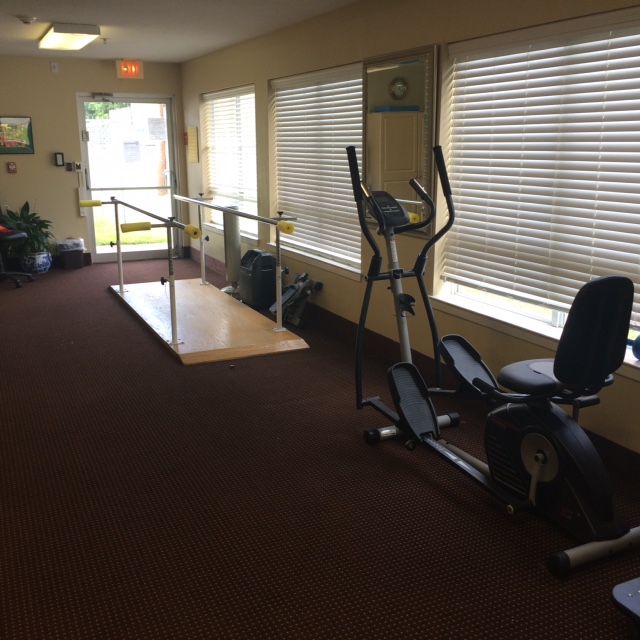
How Does Woodville Center Compare to Other Texas Nursing Homes?

Compared to the 100 nursing homes in Texas, WOODVILLE HEALTH AND REHABILITATION CENTER's overall rating (4 stars) is above the state average of 2.8, staff turnover (63%) is significantly higher than the state average of 46%, and health inspection rating (4 stars) is above the national benchmark.

What Should Families Ask When Visiting Woodville Center?

Based on this facility's data, families visiting should ask: "How do you ensure continuity of care given staff turnover, and what is your staff retention strategy?" "Can you walk me through typical staffing levels on day, evening, and night shifts?" "Can I visit during a mealtime to observe dining assistance and food quality?" "How do you handle medical emergencies, and what is your hospital transfer rate?" These questions are particularly relevant given the facility's high staff turnover rate and the below-average staffing rating.

Is Woodville Center Safe?

Based on CMS inspection data, WOODVILLE HEALTH AND REHABILITATION CENTER has a clean safety record: no substantiated abuse findings (meaning no confirmed cases of resident harm), no Immediate Jeopardy citations (the most serious violation level indicating risk of serious injury or death), and is not on the Special Focus Facility watch list (a federal program monitoring the lowest-performing 1% of nursing homes). The facility has a 4-star overall rating and ranks #1 of 100 nursing homes in Texas. While no facility is perfect, families should still ask about staff-to-resident ratios and recent inspection results during their visit.

Do Nurses at Woodville Center Stick Around?

Staff turnover at WOODVILLE HEALTH AND REHABILITATION CENTER is high. At 63%, the facility is 17 percentage points above the Texas average of 46%. High turnover means new staff may not know residents' individual needs, medications, or preferences. It can also be disorienting for residents, especially those with dementia who rely on familiar faces. Families should ask: What is causing the turnover? What retention programs are in place? How do you ensure care continuity during staff transitions?

Was Woodville Center Ever Fined?

WOODVILLE HEALTH AND REHABILITATION CENTER has no federal fines on record. CMS issues fines when nursing homes fail to meet care standards or don't correct problems found during inspections. The absence of fines suggests the facility has either maintained compliance or corrected any issues before penalties were assessed. This is a positive indicator, though families should still review recent inspection reports for the full picture.

Is Woodville Center on Any Federal Watch List?

WOODVILLE HEALTH AND REHABILITATION CENTER is not on any federal watch list. The most significant is the Special Focus Facility (SFF) program, which identifies the bottom 1% of nursing homes nationally based on persistent, serious quality problems. Not being on this list means the facility has avoided the pattern of deficiencies that triggers enhanced federal oversight. This is a positive indicator, though families should still review the facility's inspection history directly.