Monument Healthcare Stonecreek
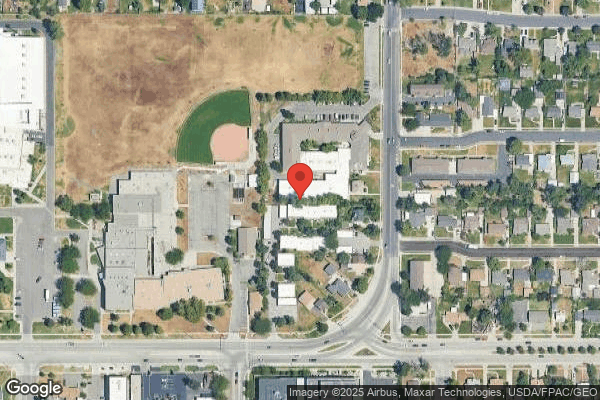
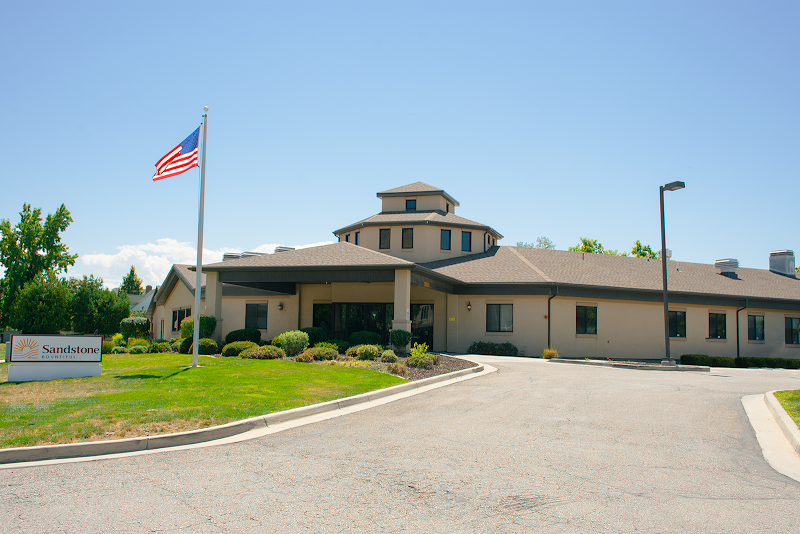
523 North Main Street, Bountiful, UT 84010 (801) 951-2273
Government - Hospital district 122 Beds MONUMENT HEALTH GROUP Data: November 2025
Trust Grade
65/100
#15 of 97 in UT
Last Inspection: April 2024

Within standard 12-15 month inspection cycle. Federal law requires annual inspections.

Overview

Monument Healthcare Stonecreek has a Trust Grade of C+, which indicates that it is slightly above average but not outstanding. It ranks #15 out of 97 facilities in Utah, placing it in the top half, and is the highest-rated facility out of 7 in Davis County. Unfortunately, the facility is currently worsening, with issues increasing from 1 in 2023 to 6 in 2024. Staffing is average, rated at 3 out of 5 stars, but the turnover rate is concerning at 73%, significantly higher than the state average of 51%. On the positive side, the facility has not incurred any fines, which is a good sign, and it has better RN coverage than 80% of other facilities in Utah, ensuring that important health issues are more likely to be caught. However, there have been serious incidents, including a resident who was hospitalized after staff failed to identify a significant change in her condition, and a troubling altercation between residents that resulted in injuries. Additionally, some medications were not labeled correctly, posing potential safety risks. Overall, while there are strengths, families should be aware of the facility's recent decline in care quality and the need for improvements.
Trust Score
C+
65/100
In Utah
#15/97
Top 15%
Safety Record
Moderate
Needs review
Inspections
Getting Worse
1 → 6 violations
Staff Stability
⚠ Watch
73% turnover. Very high, 25 points above average. Constant new faces learning your loved one's needs.
Penalties
✓ Good
No fines on record. Clean compliance history, better than most Utah facilities.
Skilled Nurses
✓ Good
Each resident gets 70 minutes of Registered Nurse (RN) attention daily — more than 97% of Utah nursing homes. RNs are the most trained staff who catch health problems before they become serious.
Violations
⚠ Watch
13 deficiencies on record. Higher than average. Multiple issues found across inspections.
★★★★★
5.0
Overall Rating
★★★☆☆
3.0
Staff Levels
★★★★★
5.0
Care Quality
★★★★☆
4.0
Inspection Score
Stable
2023: 1 issues
2024: 6 issues

The Good

  • 5-Star Quality Measures · Strong clinical quality outcomes
  • Full Sprinkler Coverage · Fire safety systems throughout facility
  • No fines on record

Facility shows strength in quality measures, fire safety.

The Bad

Staff Turnover: 73%

27pts above Utah avg (46%)

Frequent staff changes - ask about care continuity

Chain: MONUMENT HEALTH GROUP

Part of a multi-facility chain

Ask about local staffing decisions and management

Staff turnover is very high (73%)

25 points above Utah average of 48%

The Ugly 13 deficiencies on record

2 actual harm
Apr 2024 4 deficiencies
CONCERN (D)

Potential for Harm - no one hurt, but risky conditions existed

Accident Prevention (Tag F0689)

Could have caused harm · This affected 1 resident

**NOTE- TERMS IN BRACKETS HAVE BEEN EDITED TO PROTECT CONFIDENTIALITY** Based on observation, interview, and record review, the facility failed to ensure that the resident environment remained as free...

Read full inspector narrative →
**NOTE- TERMS IN BRACKETS HAVE BEEN EDITED TO PROTECT CONFIDENTIALITY** Based on observation, interview, and record review, the facility failed to ensure that the resident environment remained as free of accident hazards as was possible and each resident received adequate supervision and assistance devices to prevent accidents. Specifically, for 1 out of 26 sampled residents, a resident that was dependent on staff and required maximum assistance for bed mobility and toilet use had a brief change performed by one Certified Nursing Assistant (CNA), rolled out of the bed, and received contusions and suffered emotional distress. Resident identifier: 41. Findings included: Resident 41 was admitted to the facility on [DATE] with diagnoses which included fibromyalgia, esophageal varices without bleeding, hepatic encephalopathy, urinary tract infection, alcoholic cirrhoses of the liver with ascites, gastroesophageal reflux disease with esophagititis, essential hypertension, vitamin deficiency, mixed hyperlipidemia, hypothyroidism, gastrointestinal hemorrhage, ileus, anemia, and muscle weakness. Resident 41's medical record was reviewed on 4/24/24. On 4/24/24 at 8:15 AM, during morning medication pass an observation was made of resident 41 lying in bed. Resident 41 was tearful as she explained to Registered Nurse 1 that she had been flipped out of bed the night prior by the CNA. On 4/24/24 at 1:23 PM, a follow up observation and interview was conducted with resident 41. Resident 41 stated she preferred to have two staff members assist her when she needed to be changed but that did not always happen. Resident 41 stated she did not have use of her arms and legs and could not hold herself up or move herself in bed. Resident 41 stated the siderails were half of the size of the ones that were currently on the bed because the staff had changed them after the fall. Resident 41 stated she had minimal use of her hands and could not grab onto the side rails and they did not stop her from rolling out of the bed. Resident 41 stated when CNA 4 changed her the night prior, CNA 4 had raised the bed up all the way so that CNA 4 did not have to bend over and rolled resident 41 to her left side. Resident 41 stated she told CNA 4 she was at the very edge of the bed, was scared of falling off of the bed, and needed to be moved back to the center of the bed before they continued. Resident 41 stated before this she had asked CNA 4 to get another person to help her but CNA 4 was unable to find anyone. Resident 41 stated CNA 4 stated that she just needed to roll resident 41 a little more then grabbed the draw sheet and flipped me out of the bed. Resident 41 stated she flipped out of the bed and landed on her right side between the bed and the night stand with her body lying on the metal legs of the side table. Resident 41 stated she was crying and asked to be taken to the hospital. Resident 41 stated she was scared and did not feel safe being cared for in the facility. An observation was made of resident 41 crying throughout the entire interview. Resident 41 was observed to be able to hold a tissue and touch her phone but when resident 41 was asked if she could hold on to the bed rails, it was observed that she attempted but could not grasp the bars with her hands. A care plan Focus initiated on 4/3/24, documented [Resident 41] has an ADL [activities of daily living] self-care performance deficit r/t [related to] activity intolerance, fatigue, and limited mobility secondary to liver failure. The interventions initiated on 4/6/24, included: a. Resident was dependent on staff for bed mobility and repositioning. b. Resident was dependent on staff for personal hygiene. c. Resident was dependent on staff for toileting. d. Resident was dependent on staff for transfers. A 5 day Minimum Data Set (MDS) assessment dated [DATE], documented that resident 41 was dependent on staff for assistance, where staff does all of the effort or the assistance of two or more staff were required for the resident to complete the activity, in the areas of bed mobility, transfers, toilet use and personal hygiene. The MDS documented that resident 41 had a Brief Interview for Mental Status (BIMS) score of 15. A BIMS score of 13 to 15 would suggest that cognition was intact. On 4/5/24, a Physical Therapy note documented, Patient education bed mobility patient required MAX A (maximum assist) and cues for hand placement and use of draw sheet to roll in bed. On 4/10/24, a Physical Therapy note documented, Patient education bed mobility with cues for log roll and cues to use arms and leg to rotate, patient required MAX A. On 4/14/24 at 1:48 PM, an Advanced Skilled Evaluation noted documented, [Resident 41's] upper extremity ROM [range of motion]: Impairment on both sides. Lower extremity ROM: Impairment on both sides. Resident is bedfast all or most of the time. On 4/19/24, a Physical Therapy note documented, Patient education bed mobility, patient required MAX A to roll in bed and cues for hand placement and to use log roll. On 4/23/24 at 9:10 PM, a Witnessed Fall Incident Report documented, Resident accidentally rolled off the bed during brief change. CNA present at the time states that 'the resident's body gave out and the lower half of her body fell off the bed and then her upper body followed behind' . resident transported to [local hospital] for evaluation. On 4/23/24 at 9:49 PM, a Nursing Note documented, Resident accidentally rolled off the bed during brief change. CNA present at the time states that 'the resident's body gave out and the lower half of her body fell off the bed and then her upper body followed behind.' Upon this nurse's arrival resident was noticed to [sic] laying on her ride side, next to her bed. Resident was hysterically crying and pleading to go to the hospital because she believed she might've 'broken something' when she landed on the leg of the side table. Resident was able to get cleaned up and transferred back into bed. No visible injuries noticed during assessment. ROM is at baseline and VS [vital signs] WNL [within normal limits BP [blood pressure]: 102/64; P [pulse]: 77; R [respirations]: 16; O2 [oxygen saturation]: 92%. Husband made aware and voiced he would also like resident be transferred to the hospital and reported he would be at the facility shortly. EMS [emergency medical services] alerted and arrived to the facility at approximately 2100 [9:00 PM]. Resident was transported to [name of local hospital redacted] for further evaluation. On 4/23/24, the hospital notes documented that resident 41 was seen for a chest contusion and shoulder bruise after the fall. Resident 41 was prescribed Oxycodone 5 milligrams every four hours for pain. On 4/25/24 at 8:59 AM, an interview was conducted with the Administrator (ADM) and the Director of Nursing (DON). The DON stated the resident fell out of bed during a brief change and their was no injury but the resident requested to be sent to the emergency room. The DON stated the bed was at the CNA's waist level when the fall occurred. The DON stated resident 41 was a one person assist and it had always been done that way. The DON stated that resident 41 was fine with a one person assist and that she had assisted resident 41 prior to this and that was what they had done. The DON stated they also discussed with physical therapy about resident 41's assistance level. The ADM then stated that everything was fine with the resident and that the resident felt like she was sliding off the bed but that she was positioned right. The DON stated that CNA 4 had stated that she felt comfortable with where the resident was placed in bed during the brief change. The DON stated that the positioning canes were in place and secure to the bed. The ADM then stated that resident 41 had limited strength in her hands but that she could grab the bar. The ADM stated that CNA 4 reported that the resident did not ask her to get additional help until she had already fallen out of the bed. On 4/25/24 at 9:14 AM, an interview was conducted with CNA 1. CNA 1 stated therapy would tell the staff what the assistance needs of a resident were after they were evaluated. CNA 1 stated resident 41 had always been a two person assist with all cares. CNA 1 stated when there were two people assisting, one person would stand one on each side of the bed to prevent the resident from falling out of the bed. CNA 1 stated resident 41 did not have much use of her hands and could not hold onto the side rails so two people needed to be in there to help support resident 41. CNA 1 stated resident 41 was usually in a lot of pain so all of her cares were done slowly. CNA 1 stated it would not be safe to perform cares on resident 41 with only one person. On 4/25/24 at 9:24 AM, an interview was conducted with CNA 2. CNA 2 stated he had worked with resident 41 a couple of times and that she needed help with being changed in bed. CNA 2 stated there would be two people to assist resident 41. CNA 2 stated the resident was weak and could not really help with the cares. CNA 2 stated when a resident was changed in bed they were repositioned so the resident was in the middle of the bed prior to being rolled to decrease the chance of them falling out of bed. On 4/25/24 at 9:29 AM, an interview was conducted with CNA 3. CNA 3 stated resident 41 was usually in a lot of pain and would sometimes help with cares but not always. CNA 3 stated resident 41 was a two person assist to roll her in bed, and one person would stand on each side of the bed to position her so she would be safe and not fall out of the bed. On 4/25/24 at 2:00 PM, a telephone interview was conducted with Licensed Practical Nurse (LPN) 1. LPN 1 stated that she was the nurse on shift when resident 41 fell out of bed. LPN 1 stated CNA 4 came and got her and said, resident 41 was on the floor and needed help getting her up. LPN 1 stated that CNA 4 had stated, she had rolled her too far and her legs were off of the bed and the top of her body followed. LPN 1 stated resident 41 was lying on her right side in between the bed and night stand and on top of the side table legs. LPN 1 stated they got her back to bed and the resident was really upset and wanted to be sent to the hospital because she felt like something cracked. LPN 1 stated that resident 41 was sent to the hospital, she did not have any injuries. LPN 1 stated she was told the resident was a one person assist but she had not assisted with her direct cares so she could not tell from personal experience. Note: multiple attempts were made to contact CNA 4 for an interview, no response received. On 4/29/24 at 9:13 AM, a follow up interview was conducted with the DON. The DON stated she expected the CNAs to review the [NAME], care plan, or talk with the nurse to determine what the resident needs were. The DON stated if the resident needs were found to be different, or if they needed more care, then she expected the staff to compensate for that. The DON stated a two person assist required one person to stand on each side of the bed when assisting with a brief change to keep the residents safe.
CONCERN (D)

Potential for Harm - no one hurt, but risky conditions existed

Deficiency F0697 (Tag F0697)

Could have caused harm · This affected 1 resident

**NOTE- TERMS IN BRACKETS HAVE BEEN EDITED TO PROTECT CONFIDENTIALITY** Based on observation, interview, and record the review, the facility did not ensure that pain management was provided to residen...

Read full inspector narrative →
**NOTE- TERMS IN BRACKETS HAVE BEEN EDITED TO PROTECT CONFIDENTIALITY** Based on observation, interview, and record the review, the facility did not ensure that pain management was provided to residents who required such services, consistent with professional standards of practice, the comprehensive person-centered care plan, and the residents' goals and preferences. Specifically, for 1 out of 26 sampled residents, a resident that was observed and verbally expressed their pain was not provided pain medication in a timely manner. Resident identifier: 41. Findings included: Resident 41 was admitted to the facility on [DATE] with diagnoses which included fibromyalgia, esophageal varices without bleeding, hepatic encephalopathy, urinary tract infection, alcoholic cirrhoses of the liver with ascites, gastroesophageal reflux disease with esophagititis, essential hypertension, vitamin deficiency, mixed hyperlipidemia, hypothyroidism, gastrointestinal hemorrhage, ileus, anemia, and muscle weakness. Resident 41's medical record was reviewed on 4/24/24. On 4/24/24 at 8:15 AM, during morning medication pass an observation was made of resident 41 lying in bed. Resident 41 was tearful as she explained to Registered Nurse (RN) 1 that she had been flipped out of bed the night prior by Certified Nursing Assistant (CNA) 4 and that she had not been given pain medication since 11:00 PM, at the hospital. RN 1 stated that resident 41's narcotics were out and he would try to get her some pain medication out of the emergency kit. Resident 41 stated the emergency room prescribed her some additional pain medication and wanted to know if she could have some of that. RN 1 stated the additional medication had not come from the pharmacy yet. On 4/24/24 at 8:25 AM, RN 1 was observed to enter resident 41's room. Resident 41 was lying in bed and was teary eyed and grimacing. RN 1 stated that the emergency kit was not functioning so he was unable to get any pain medication from the house supply and could not give her any pain medication at that time. Resident 41 stated, while crying, she was hurting a lot and that she had not had pain medication for a while. RN 1 stated the pharmacy should have her pain medication to the facility between 9:00 AM and 9:15 AM, and at the latest 10:00 AM. An immediate interview was conducted with RN 1. RN 1 stated resident 41 was in pain and it was so frustrating because they were out of her pain medication because the other staff members did not reorder it when it was needed. RN 1 stated this was a common occurrence at the facility. RN 1 stated the resident should be taken care of and ultimately the lack of medication and having the machine broken only hurt the resident and caused them distress. On 4/24/24 at 9:00 AM, an observation was made of resident 41 lying in bed with her spouse at the bedside. Resident 41 was observed to tell her spouse I am in so much pain and they can't even help me. On 4/24/24 at 9:23 AM, an observation was made of resident 41 lying in bed, short moans were heard from resident 41. On 4/24/24 at 9:58 AM, an observation was made of RN 1 administering pain medication to resident 41. Note this was almost two hours after resident 41 had requested pain medication during the morning medication pass. A care plan Focus initiated on 4/3/24 and revised on 4/16/24, documented that resident 41 had acute pain/chronic pain and was at risk for acute pain related to decrease mobility, pressure ulcer and ileus. [Resident 41] has chronic pain related to neuropathy. Interventions included: Apply hot or cold packs for comfort; educate resident/representative on pain management treatment plan; educate resident/representative on prescribed analgesics and/or anti-inflammatory pain medications; encourage times of rest and relaxation between care activities; establish a pain management treatment plan; evaluate for non-verbal indicators of pain; medicate with as needed (PRN) medications if non-medication interventions are ineffective; anticipate the resident's need for pain relief and respond immediately to any complaint of pain. On 4/3/24, an admission Pain Evaluation documented that resident 41 was able to verbalize pain, had a history of chronic pain worsened by movement and that medications and distraction helped alleviate the pain. The April 2024 Medication Administration Record and Treatment Administration Record were reviewed and documented resident 41 had the following for pain management. A physician's order dated 4/15/24, documented Oxycodone hydrochloride (HCL) Oral Tablet 5 milligrams (mg) give 5 mg by mouth every four hours for pain. And a physician's order dated 4/24/24, documented Oxycodone HCl Oral Tablet 5 mg give one tablet by mouth every four hours PRN. On 4/24/24 at 10:00 AM, an interview was conducted with RN 1. RN 1 stated he was able to get the pain medication for resident 41 and had just given it to her. RN 1 stated he had to wait for the pharmacy to bring the medication to the facility because the emergency kit was not functioning and it was frustrating for the residents and the staff. On 4/24/24 at 10:30 AM, an interview was conducted with the Director of Nursing (DON). The DON stated the facility had one emergency kit that was used for all the residents and if it was not working then the medication would have to be brought over from the pharmacy. The DON stated they were unable to provide the narcotic pain medication for resident 41 due to her medication not being reordered and the emergency kit being broken but the nurse was able to alleviate her pain with non-pharmalogical methods. On 4/24/24 at 1:23 PM, an interview was conducted with resident 41. Resident 41 stated she was in pain most of the time, that was why the pain medication had been scheduled every four hours. Resident 41 stated the hospital had added additional pain medication to help with the pain that came with the fall out of bed. Resident 41 stated it had been a task to get the facility to make sure she had her pain medications. Resident 41 stated she had to wait a long time this morning for her pain medication and she still did not understand why it happened that way. On 4/25/24 at 9:14 AM, an interview was conducted with CNA 1. CNA 1 stated resident 41 was always in pain and when doing her cares you had to move her very slowly. CNA 1 stated sometimes resident 41 would make them wait to do cares until she had her pain medication so it did not hurt as badly. CNA 1 stated that resident 41 would tell them where they could touch her to do cares because she hurt so badly. On 4/25/24 at 9:29 AM, an interview was conducted with CNA 3. CNA 3 stated he had given resident 41 a bed bath before and it was necessary to be very gentle with her because she was always in a lot of pain. On 4/29/24 at 9:18 AM, a follow up interview was conducted with the DON. The DON stated the residents should be taken care of and their needs should be met. The DON stated to decrease the chance of running out of medications the staff were expected to reorder medications when they got low, call the pharmacy and get the medication out of the emergency kit, if needed call the physician and have them send in a prescription, and use other pain options if they have any available. The DON stated if the resident stated they were uncomfortable they could also be sent out to the hospital for pain management.
CONCERN (D)

Potential for Harm - no one hurt, but risky conditions existed

Deficiency F0740 (Tag F0740)

Could have caused harm · This affected 1 resident

**NOTE- TERMS IN BRACKETS HAVE BEEN EDITED TO PROTECT CONFIDENTIALITY** Based on interview and record review, the facility failed to ensure that each resident received the necessary behavioral health ...

Read full inspector narrative →
**NOTE- TERMS IN BRACKETS HAVE BEEN EDITED TO PROTECT CONFIDENTIALITY** Based on interview and record review, the facility failed to ensure that each resident received the necessary behavioral health care and services to attain or maintain the highest practicable physical, mental, and psychosocial well-being, in accordance with the comprehensive assessment and plan of care. Specifically, for 1 out of 26 sampled residents, behavioral health services were not provided to a resident who was assessed to need them. Resident identifier: 29. Findings included: Resident 29 was admitted to the facility on [DATE] and readmitted on [DATE] with diagnoses which included orthopedic aftercare following surgical amputation, type 2 diabetes mellitus with diabetic neuropathy, morbid obesity, osteomyelitis, infection of amputation stump of right lower extremity, methicillin resistant staphylococcus aureus infection, acute respiratory failure with hypoxia, atrial septal defect as current complication following acute myocardial infarction, major depressive disorder, insomnia, congestive heart failure, and hypertension. On 4/23/24 at 10:05 AM, an interview was conducted with resident 29. Resident 29 stated she had been feeling depressed because of her health situation. Resident 29 stated she was on antidepressants, but she would also like to see a therapist. Resident 29 stated she spoke to an unknown staff member about two or three months ago about receiving therapy for her depression, but she had not received any behavioral health services. Resident 29's medical record was reviewed from 4/22/24 through 4/29/24. A Physician's Order dated 1/4/24, indicated, Escitalopram Oxalate Oral Tablet 20 MG [milligrams] (Escitalopram Oxalate) Give 1 tablet by mouth one time a day for depression related to MAJOR DEPRESSIVE DISORDER, RECURRENT, MODERATE. A Physician's Order dated 1/29/24 at 12:25 PM, indicated, Behavioral Health to evaluate and treat. The Preadmission Screening Resident Review (PASRR) Level II dated 1/31/24, indicated a diagnosis description of major depressive disorder, recurrent, moderate; opioid abuse, in remission; and generalized anxiety disorder. The PASRR Level II further indicated, Recommendation for Specialized Services for mental illness treatment: Referal [sic] for mental health services. A quarterly Minimum Data Set assessment dated [DATE], indicated in Section D - Mood How often do you feel lonely or isolated from those around you? Resident 29 answered, Sometimes. It further indicated in Section O - Special Treatments, Procedures, and Programs E. Psychological Therapy, Days- record the number of days this therapy was administered for at least 15 minutes a day in the last 7 days, 0. No documentation from behavioral health services was found in the medical record. On 4/25/24 at 9:18 AM, an interview was conducted with the Social Services Director (SSD). The SSD stated a referral was made for therapy on 2/2/24. The SSD stated an outside company came to the facility to provide behavioral health services. The SSD stated she knew resident 29 was referred but was unable to confirm that the resident had been seen by behavioral health services. On 4/25/24 at 10:58 AM, an interview was conducted with the Director of Nursing (DON). The DON stated resident 29 had a referral and that behavioral health services should have seen resident 29. The DON stated the nurse practitioner typically came in the following Monday after it was ordered. The DON stated she had not received the notes from behavioral health yet.
CONCERN (E)

Potential for Harm - no one hurt, but risky conditions existed

Deficiency F0761 (Tag F0761)

Could have caused harm · This affected multiple residents

Based on observation and interview, the facility did not label all drugs and biological's used in the facility in accordance with currently accepted professional principles, and include appropriate ac...

Read full inspector narrative →
Based on observation and interview, the facility did not label all drugs and biological's used in the facility in accordance with currently accepted professional principles, and include appropriate accessory instructions and the expiration date when applicable. Specifically, an insulin pen and a vial of Lidocaine were not labeled with an open date and were open and available for use. In addition, narcotics were repackaged into the narcotic cards. Findings included: 1. On 4/24/24 at 8:25 AM, an observation was made of the 100 hallway medication cart with Registered Nurse (RN) 1. A pre-filled pen of Lantus 100 units/milliliter was open and available for use. No open date could be seen on the pen. On 4/24/24 at 8:30 AM, an interview was conducted with RN 1. RN 1 stated the medications that were in the cart were currently being used for the residents. RN 1 stated when an insulin pen was taken out of the medication room the nurses were supposed to label it with an open date. RN 1 stated insulin was good for 30 days after it was opened but could not say how long this insulin pen was good for without a date. RN 1 was observed to place the insulin back into the medication cart for future use. 2. On 4/24/24 at 8:35 AM, an observation was made of the 100 hallway medication cart with RN 1, the following medications were located inside: a. A medication card which held Hydromorphone 2 milligrams (mg) had the back of pocket number 50 taped, no medication was located inside the pocket. b. A medication card which held Tramadol 50 mg had the back of pocket number 4 and pocket number 5 taped, no medication was located inside the pocket. c. The medication card which held Pregamblin 150 mg had the back of pocket number 57 taped, no medication was located inside the pocket. On 4/24/24 at 8:40 AM, an interview was conducted with RN 1. RN 1 stated the nurses waste a narcotic with another nurse and dispose of it in the sharps container or in a chemical solution, then both nurses sign off that the medication was wasted. RN 1 stated the nurses were not to retape any medications back into the narcotic cards. 3. On 4/24/24 at 8:55 AM, an observation was made of the 200 hallway medication cart with RN 2. A vial of Lidocaine 1 percent was observed to be open and available for use. No open or expiration date could be seen on the vial. On 4/24/24 at 9:00 AM, an interview was conducted with RN 2. RN 2 stated the medications in the cart were used for the residents and she was unsure when the Lidocaine was used. An observation was made of RN 2 discarding the Lidocaine vial. On 4/24/24 at 8:35 AM, an observation was made of the 200 hallway medication cart with RN 2, the following medications were located inside: a. A medication card which held Oxycodone 5 mg had number 46 taped, no medication was located inside the pocket. On 4/24/24 at 9:07 AM, an interview was conducted with RN 2. RN 2 stated the nurses used a chemical to discard the narcotic or placed the narcotic in the sharps container. RN 2 stated they did not tape any medications back into the medication cards. 4. On 4/24/24 at 9:30 AM, an observation was made of the 300 through 400 hallway medication cart with RN 3, the following medications were located inside: a. A medication card which held Tramadol 50 mg had number 10 taped, a white tablet was observed to have been taped back into pocket number 50. b. A medication card which held Oxycodone 5 mg had number 52 taped, no medication was located inside the pocket. c. A medication card which held Tramadol 50 mg had number 9 taped, a white tablet was observed to have been taped back into pocket number 9. d. A medication card which held Tramadol 50 mg had number 8 taped, a white tablet was observed to have been taped back into pocket number 8. e. A medication card which held Tramadol 50 mg had number 5 and pocket number 6 taped of the same card, no medications were located in the pockets. f. A medication card which held Tramadol 50 mg had number 20 and pocket number 52 of the same card were taped, no medications were located inside the pockets. On 4/24/24 at 9:50 AM, an interview was conducted with RN 3. RN 3 stated pills were not to be taped back into the medication cards. RN 3 stated there were infection control issues and the nurses could not be sure if the correct medication was retaped into the medication card. RN 3 stated the process was to waste the narcotic with another nurse. On 4/24/24 at 11:31 AM, an interview was conducted with the Director of Nursing (DON). The DON stated the nurses should waste a narcotic with another nurse. The DON stated the nurses are not to retape the narcotics into the medication cards. The DON stated when a medication was taken out of the medication storage room the date should be written on it, this included insulin and Lidocaine.
Jan 2024 2 deficiencies 1 Harm
SERIOUS (G) 📢 Someone Reported This

A family member, employee, or ombudsman was alarmed enough to file a formal complaint

Actual Harm - a resident was hurt due to facility failures

Quality of Care (Tag F0684)

A resident was harmed · This affected 1 resident

**NOTE- TERMS IN BRACKETS HAVE BEEN EDITED TO PROTECT CONFIDENTIALITY** Based on interview and record review, it was determined for 1 of 5 sampled residents, that the facility failed to ensure reside...

Read full inspector narrative →
**NOTE- TERMS IN BRACKETS HAVE BEEN EDITED TO PROTECT CONFIDENTIALITY** Based on interview and record review, it was determined for 1 of 5 sampled residents, that the facility failed to ensure residents received treatment and care in accordance with professional standards of practice, the comprehensive assessment, the comprehensive person-centered care plan, and the resident's preferences. Specifically, a resident with multiple co-morbidities who had a change in condition, was hospitalized after failure to identify the change in condition in a timely manner. The deficient practice for resident 1 was found to have occurred at a harm level. Resident identifier: 1. Findings include: Resident 1 was admitted to the facility on [DATE] and re-admitted on [DATE] with diagnoses that included non-traumatic subdural hemorrhage, encephalopathy, epilepsy, end stage renal disease, hemiplegia and hemiparesis following cerebral infarct, history of falling, attention and concentration deficit following non-traumatic subarachnoid hemorrhage, Alzheimer's disease, dementia, and schizophrenia. Resident 1's medical record was reviewed on 1/3/24. Physician orders included: a. Olanzapine 5 mg tablet. b. Apixaban 2.5 mg tablet c. Aspirin 81 mg tablet d. Donepizil 10 mg tablet e. Divalproex 125 mg tablet f. Monitor for seizure activity every shift. Progress notes were reviewed and revealed the following: a. A provider progress note dated 9/28/23 revealed, admission visit with [resident's name removed] .She has a fall mat next to her bed and her bed is in the lowest position .Review with staff. They report that she has significant dementia and requires significant assistance with standing and pivoting. Per their report she normally can answer questions and usually follows directions .Assessment and Plan .fall precautions . monitor for change in condition .Data .continues with confusion, recurrent falls despite intervention .(P)atient has a baseline level of dementia that will require additional monitoring for an accurate clinical picture. They are also at increased risk for falls, medication side effects and complications related to their baseline level of confusion .Patient is on anticoagulants. These pose a significant risk of increased bleeding. Pros and cons of these medications have been reviewed with patient and they have elected to proceed. Patient is aware of potential of significant bleeding from minor trauma, GI (gastrointestinal) bleeds and closed head injury with associated complications .rec. (recommend) that we stop anticoag given her falls .[Resodent's name removed] appears to have significant impairment. Per report some of this is baseline and some of this is new post her recent decline in illness . She is a huge fall risk and is on anticoagulants, thus increasing her risk. b. A provider progress note dated 9/29/23 revealed, .No reports of illness but she was found on her bottom on the floor, no injury. c. A provider progress note dated 10/2/23 revealed, Recheck with [Resident's name removed]. (S)he has had recurrent falls in house and no related injury. Interventions in place and still falls. Continues with significant confusion and generalized weakness. No new illness, pain. Review her labs, doing well with dialysis. Nurse without concerns. d. An advanced skilled evaluation dated 10/3/23 at 10:21 AM, revealed the following, Neurologic: Resident obeys commands. Resident has weakness (baseline). PERRLA (pupils are round and reactive to light and accommodation): Yes. Mental Status: Resident requires cues. Resident is confused. Oriented to person. Confused: Chronic. Requires cues: Chronic. Level of cognitive impairment: Mild impairment (some confusion). Resident is coherent. Speech is clear. Language barrier: No. Resident makes self understood. Resident understands others .Mood and behaviors: Mood is pleasant, no unwanted behaviors witnessed .Safety: Call light is within reach. Resident is not on seizure precautions .Safety note: High fall risk .Functional: Able to move all extremities. Upper extremity ROM (Range of motion): No impairment. Lower extremity ROM: No impairment. Gait is unsteady. Balance is poor. e. An IDT (interdisciplinary team) progress note dated 10/3/23 at 6:20 PM revealed, Reviewed in risk management meeting. 9/26/23 @2030: CNA (Certified Nursing Assistant) notified nurse that resident was on the floor. FN (Floor Nurse) went into room to assess resident, noted her on the floor sitting on her buttocks. Her brief had stool on it and stool on the floor. Resident alert and talking. Assisted resident to get cleaned up and toilet her, then assisted her back into bed in a safe position and fall mat placed to side of bed. No injuries noted. ROM at baseline. Emergency contact notified. MD (medical doctor) notified. Intervention: Will assist and encourage resident to toilet before bed. f. An IDT progress note dated 10/5/23 at 3:31 PM revealed, Reviewed in risk management meeting. 9/28/23 @0556: Resident was found sitting on floor at nurses station. Resident stated she was trying to go home but didn't know where to go so she sat at the nurse station until someone came to help her. Assessed resident and then redirected resident back to room. No injuries noted. ROM at baseline. VS (vital signs) taken. Assisted resident back to bed. Family notified. MD notified. Intervention: Will evaluated med regimen with provider to ensure resident is supported in sleep regimen. Will offer diversional activity around 0500 to help residents morning routine. Note: It should be noted that there were no nursing progress notes related to resident 1 falling on 9/26/23 or 9/28/23. g. A nursing progress note dated 10/7/23 at 10:41 AM revealed, Pt (patient) was found by CNA sitting on her floor next to her chair. Pt stated she had slid onto the floor, RN (registered nurse) assessed for pain and injury. Pt denied Pain and No evidence of injury noted. Pt was placed on Neuro Checks r/t (related to) unwitnessed fall. Pt education on use of call light and walker for assistance with ambulation. MD and On Call RN notified as well as family. h. An additional nursing progress note dated 10/7/23 at 11:00 AM revealed, No changes in LOC (level of consciousness). No visible injuries. PERRLA (Pupils Equal, Round, Reactive to Light Accommodation). ROM intact. No increase in pain. Pt placed on Neuro checks. Added to alert charting. MD, UM, and Family notified. INTERVENTION: Dycem pad on WC (wheelchair). i. An advanced skilled evaluation dated 10/15/23 revealed the following, .Neurologic: Resident obeys commands. Resident has weakness (baseline). Resident complains of numbness (baseline). PERRLA: Yes .Mental Status : Resident is alert & (and) oriented x3. Oriented to time. Oriented to person. Oriented to place .Level of cognitive impairment: Alert. Resident is coherent. Speech is clear. Language barrier: No. Resident usually makes self understood. Resident usually understands others . Level of cognitive impairment: Alert. Resident is coherent. Speech is clear. Language barrier: No. Resident usually makes self understood. Resident usually understands others. Mood and Behavior : Resident has a flat affect. Flat affect - No recent change in mood. Resident sleeps intermittently. Resident does not wander at night. Resident's psycho-spiritual needs are met. Resident is not currently experiencing unwanted behavior(s). j. A nursing progress note dated 10/16/23 at 5:44 AM revealed, Note Text : Change in condition noticed during AM shift. AM nurse reports that resident not verbally responding to commands from staff or family members. This behavior continued through the night. VS WNL (Within Normal Limits). COVID test negative. Resident now able to follow physical commands, able to squeeze nurses hands and nod in response to commands. Resident now in dialysis. k. A nursing progress note dated 10/16/23 at 1:53 PM revealed, ADON (Assistant Director of Nursing)called residents dialysis center. Resident continued to have stroke like symptoms when she arrived to dialysis- they sent her to [Hospital name removed] ED (Emergency Department) for further work up. Will attempt to call for an update. [NOTE: No additional documentation regarding resident 1 was found in progress notes until readmission on [DATE].] A pre-dialysis form dated 10/16/23 at 4:07 AM revealed that resident 1 was confused and disoriented. The document stated resident 1's baseline was alert and oriented x 2. Comments included, Resident has not been verbally responsive for the past 20 hours. VS WNL COVID negative. A history and physical dated 10/16/23 from the hospital where the resident was sent documented, [AGE] year-old female patient with history of end-stage renal disease, SLE (systemic Lupus erythematosis), relatively recent recurrent subdural hematoma, apparently was doing well until about 24 hours ago when she was noted to have decreased level of consciousness. I spoke with her mother who saw her 2 days ago when she appears to be in her usual state of health, but noticed last evening when she visited with her at her assisted living facility that she was not communicative, and although she was able to eat she was not able to verbalize, and only moaned and screamed when touched. The patient was taken to her dialysis center today according to her schedule but was noted to be altered and brought to the ER (emergency room) for evaluation. In the ER she was found to have left-sided subdural hematoma and admitted for further evaluation and management. Patient herself is not able to answer questions or carry a conversation and only opens her eyes to verbal stimuli-which was reported in the ER note earlier this morning. Additionally, the note stated, Patient appears to be drooling occasionally at the mouth, without obvious facial asymmetry Her right upper extremity is flexed and with increased tone. On 1/3/23 at 10:49 AM, an interview was conducted with Registered Nurse (RN) 2. RN 2 stated if a resident was suspected to have a change in condition, she would do a full head to toe assessment, look at the resident's medications, any as-needed (PRN) medications, look at the last couple of progress notes for trends, and inform the Director of Nursing (DON), Physician (MD), and the resident's family. RN 2 stated she would follow orders or instructions for what to do next. If a resident needed to be sent out, there was an Situation, Background, Assessment, and Recommendation (SBAR) that would be completed, a change of condition form and a transfer form. RN 2 stated she would write a progress note. RN 2 stated there was a binder at the nurse's station with a check list of steps to take for a change in condition. RN 2 stated regarding falls, it would depend on if the fall was witnessed or not witnessed. RN 2 stated she would ask the resident about hitting their head or another body part, obtain vital signs, check the resident's range of motion and level of consciousness. RN 2 stated she would assess for any changes in behavior, look for blood, redness, or swelling, and then notify the MD, DON, and the resident's family. RN 2 stated she would write a progress note and fill out an indecent report, obtain x-rays if ordered, provide fluids, or other interventions as ordered and document them. On 1/3/23 at 10:58 AM, an interview was conducted with RN 3. RN 3 stated that based on the resident's baseline, if he felt there was a change, he would notify the Assistant Director of Nursing (ADON), and notify the MD. RN 3 stated he would document the changes in a progress note. If there was a change in the level of consciousness, RN 3 stated he would make sure the resident was safe, then contact the ADON. RN 3 stated if the ADON was not available, he would contact the next on-call (usually the provider or MD). RN 3 stated he could not think of any other physical paperwork he would need to do. RN 3 stated he would ask the Certified Nursing Assistant (CNAs) to monitor the resident more closely. RN 3 stated he would let someone else know depending on the severity of the situation. RN 3 stated if a resident had a fall, he would make sure the resident was safe, assess them, notify the doctor and the resident's emergency contact, and complete risk management paperwork. RN 3 stated if the fall was unwitnessed he would complete do neurological (neuro) checks. RN 3 stated he would follow the physician recommendations. On 1/3/23 at 11:10 AM, an interview was conducted with the ADON. The ADON stated he was in charge of the skilled nursing side of the facility. The ADON stated if there were skilled nursing issues, the staff would contact him first. The ADON stated the nurse would assess the resident and see what the change in condition was and notify the on-call provider. The ADON stated the nurse would then let the unit managers know, and depending on the severity, follow the protocols in place. The ADON stated protocols might mean sending to the resident to the emergency room (ER), contacting family, or completing forms that nurses fill out if the situation was not urgent. The ADON stated nurses could reach out to the provider through Tiger text. The ADON stated that at night, nursing staff were to bypass the tiger text and call the provider directly, and document that communication. The ADON stated that he and the DON were included in the communications so they could see the chatter about what happened. The ADON stated orders were reviewed every day and discussed in the leadership huddle to ensure follow-through. The ADON stated regarding resident 1, during the night shift she had stroke-like symptoms and the provider was notified. The ADON stated neuro checks were being done. The ADON stated an evaluation had been completed a short time prior and a stroke was ruled out. The ADON stated the provider was notified and resident 1 was going to be sent out and then the provider was informed that she was doing better. The ADON stated the provider told staff that if resident 1 was doing better, to send her to dialysis. The ADON stated while enroute to dialysis, resident 1 had another stroke-like event and the dialysis center sent her to the ED. The ADON stated he was not sure if the issue was metabolic in nature. The ADON stated the dialysis center called the facility to let them know what was happening. The ADON stated he would look to see if he had any additional documentation (neurochecks, communication between the provider and nursing staff, communication between the ADON or DON OR incident reports) about that event and provide the information to the surveyor. The ADON stated that resident 1 came back to the facility after hospitalization, and the 3rd party dialysis center would no longer provide dialysis due to the resident's condition. The ADON stated resident 1 was transferred to another facility where in-house dialysis could be provided. On 1/3/23 at 12:10 PM, an interview was conducted with the DON and the ADON when additional documentation was not received. The DON stated that the communication between the physician/provider and the nurse was only kept in the electronic medical record for 7 days, and then went to the trash. The DON stated that neuro checks were not completed since resident 1 did not hit her head during her unwitnessed falls. The DON stated that both she and the ADON were aware of the incident on 10/16/23 and that resident 1's cognition had improved to the point that she could go to dialysis. The DON stated that the dialysis center did call as they had concerns that the resident was not medically stable when she arrived for dialysis. Note: It should be noted that no additional documentation (neuro checks, physician, provider or administrative staff communication, or incident reports) was provided to the State survey agent. On 1/3/23 at 1:28 PM, an interview was conducted with RN 1. RN 1 stated resident 1 had a stroke prior to being admitted on [DATE] and was not herself and her baseline had changed from prior admissions. RN 1 stated it was hard to tell if she was having physical problems or having behaviors on 10/15/23. RN 1 stated resident 1 was going in and out of being verbal during his shift. RN 1 stated resident 1's mother came to the facility between 5:30 and 6 PM to help resident 1 with dinner, and her mother did not know what to think about resident 1's disposition. RN 1 stated resident 1's was acting strange during her dinner meal on 10/15/23. RN 1 stated resident 1 had become non-verbal, and that was different from her baseline. RN 1 stated later in the interview that he did not remember if resident 1 was verbal during his shift on 10/15/23. RN 1 stated, It was more like a behavior. RN 1 stated he did not know why resident 1 was not verbalizing with staff. RN 1 stated he was pretty sure there was a provider at the facility on the day prior to resident 1's dialysis visit, during his shift. RN 1 stated that he was fairly sure he mentioned resident 1's changes to the provider. RN 1 stated nobody was really concerned about resident 1 being unresponsive . RN 1 stated if what was going on with resident 1 had been something that was out of the ordinary, it would have been documented. RN 1 stated the oncoming nurse went to assess resident 1 after she arrived for her shift. RN 1 stated assessments were always ongoing, some residents got daily assessments and others just as needed. RN 1 stated whatever was going on was evolving. RN 1 stated he was surprised resident 1 had an incident at the dialysis center, and did not see her again until she came back on 10/24/23. RN 1 stated, again, that [physician's name removed] was at the facility on 10/15/23. RN 1 stated that on weekends there was a non-on-call person who could be contacted if there was a concern. RN 1 stated he was told to keep an eye on resident 1, and if something was different, to send her out. RN 1 stated if a resident had to be sent out for a fall, an injury of unknown origin, or change in condition, the nurses would document. On 1/3/23 at 2:59 PM, an interview was conducted with the Administrator (ADM) and the DON. The DON stated she expected staff to include her and the physician in communication about a resident. The DON stated if she was not on call, staff should contact the ADON, and the provider. On the weekend, the DON stated the process was the same. The DON stated the facility had an on-call contracted medical provider. The DON stated the MD did not typically come in on weekends. The DON stated the only standing orders at the facility were for bowel regimens, Tylenol or zofran, and there were standing orders for a change in condition. The DON stated all orders should come from the medical director. The DON stated the process for nurses reporting to the oncoming nurse was a direct handoff. The DON stated the nurse leaving would go through the report sheet on each patient, and it was a verbal handoff, then the nurses completed the narcotic counts. The DON stated behaviors could be a change in condition, but usually vital sign abnormalities would be seen. The DON stated a subdural hematoma presented a lot like a stroke. The DON stated a resident might sleep a lot more, vital signs would be a factor, there would be a drop in blood pressure, unequal hand grip, and pupils might not be reactive. On 1/3/23 at 3:15 PM, an interview was conducted with the transportation driver (TD) who took resident 1 to dialysis. The TD stated he had been transporting resident 1 to and from dialysis for quite some time. The TD stated the routine was that he would arrive at the facility at 4:30 AM, where resident 1 would be waiting at the front door for her ride. The TD stated resident 1 frequently complained about having to be up so early, and he would try to joke around with her to make the best of the situation. The TD stated he would load the resident onto the bus by 4:50 AM, and they would arrive at the dialysis center by about 5:00 AM and would have her in her chair by 5:15 AM. The TD stated on 10/13/23, when he picked up resident 1 for dialysis, she was able to talk to him. The TD stated on 10/16/23 when he picked up resident 1, she was leaning to one side and she was not able to respond to him. The TD stated resident 1 was drooling out of the left side of her mouth. The TD stated the staff member that was waiting at the door with resident 1 was someone he had spoken to before and recognized. The TD stated that he told the staff member that it looked like resident 1 was having a medical issue and asked if he should take her to the emergency room instead of dialysis. The TD stated on previous pick-ups, resident 1 would lift both arms up so he could put the red belt around her, but this particular day, the resident could not move her left arm. The TD asked the staff member what the facility stroke protocol was. The TD stated, I am not a doctor, but I transport people with all kinds of medical issues and I could tell there was something wrong. The TD stated the staff member stated that the resident had been like that for the past 12 hours. The TD stated the staff member stated that he should take the resident to dialysis. The TD stated the staff member at the facility did not appear to be concerned about the issue the resident was having. The TD stated when they arrived at dialysis, he took resident 1's paperwork to the front desk as he always did, and placed it on the counter. The TD told the staff member at the dialysis center that he was concerned about the state of the resident, but was told to bring her to dialysis and was going to leave her there. The TD asked the staff member to assess the resident. The TD stated the staff member began to assess the resident and was unable to get the resident to respond. The TD re-stated he was concerned that the resident was having a medical issue. On 1/3/23 at 3:28 PM, an interview was conducted with Licensed Practical Nurse (LPN) 2. LPN 2 stated she knew resident 1, but the night of 1/15/23 was one of the first times she had cared for the resident 1. LPN 2 stated the resident's baseline was that she was often confused. LPN 2 stated the resident was sometimes spacey but was able to verbally respond to her prior to this day. LPN 2 stated when she got the report from the previous nurse, she was told the resident had not been responsive during the day. LPN 2 stated the previous nurse told her that he had talked to the provider and was told just to monitor the resident. LPN 2 stated she was told to wait for her to go to dialysis. LPN 2 stated that she had worked at a dialysis center before and sometimes residents would become confused prior to having dialysis and she thought that might be what was going on. LPN 2 stated nurses did have report sheets that they kept throughout the shift, but the sheets were destroyed at the end of the shift. LPN 2 stated she did speak with the transport driver when he came to pick up resident 2, and the transport driver mentioned that he knew resident 1 did not like to get up early and might be tired. LPN 2 stated she was concerned for the resident, which was why she wrote the progress note, and noted on the dialysis pre-visit paperwork that the resident had been unresponsive. LPN 2 stated she did not know if resident 1's mother was at the facility during the dinner meal and did not speak with her. LPN 2 stated dialysis may have called the facility after the resident arrived there, but it was not while she was at the facility. LPN 2 stated she arrived at the facility at 6:00 PM and sometimes did not get a report until 7:00 PM because the previous nurse was still doing things. LPN 2 stated the resident was able to take her medications the night of 10/15/23 and on the morning of 10/16/23 without any problem. LPN 2 stated she was worried about the resident, but was told that resident 1 was ok so she did not take any additional action. LPN 2 stated she did not notice any drooling by resident 1. LPN 2 stated the resident was able to grip her hands strongly, and did not have any other noticeable symptoms of a problem. LPN 2 stated that resident 1 frequently was slumped over to one side in her wheelchair, and that was her baseline.
CONCERN (D) 📢 Someone Reported This

A family member, employee, or ombudsman was alarmed enough to file a formal complaint

Potential for Harm - no one hurt, but risky conditions existed

Notification of Changes (Tag F0580)

Could have caused harm · This affected 1 resident

**NOTE- TERMS IN BRACKETS HAVE BEEN EDITED TO PROTECT CONFIDENTIALITY** Based on interview and record review, it was determined that for 1 of 5 sampled residents that the facility did not notify the f...

Read full inspector narrative →
**NOTE- TERMS IN BRACKETS HAVE BEEN EDITED TO PROTECT CONFIDENTIALITY** Based on interview and record review, it was determined that for 1 of 5 sampled residents that the facility did not notify the facility's physician or resident representative of a significant change in a resident's physical, mental, or psychosocial status. Specifically, the facility did not inform a resident's physician of the resident's change in mental status prior to sending her out for a hemodialysis appointment. Upon arrival to the appointment, the hemodialysis center then sent the resident out to the hospital due to her altered mental status. Resident Identifier: 1 Findings include: Resident 1 was originally admitted [DATE], readmitted [DATE], with diagnoses including, but not limited to: nontraumatic subdural hemorrhage unspecified, other encephalopathy, epilepsy unspecified not intractable without status epilepticus, end stage renal disease, hemiplegia and hemiparesis following cerebral infraction affecting left non-dominant side, hypotension unspecified, Alzheimer's disease unspecified, and schizophrenia unspecified. Resident 1's medical revealed the following: On 10/15/23 at 2:00 PM, an advanced skilled evaluation in the progress notes revealed, Neurologic: Resident obeys commands. Resident has weakness (baseline). Resident complains of numbness (baseline). PERRLA(pupils are equal, round and reactive to light and accommodation): Yes .Level of cognitive impairment: Alert. Resident is coherent. Speech is clear. Language barrier: No. Resident usually makes self understood. Resident usually understands others .Mood and Behavior: Resident has a flat affect. Flat affect - No recent change in mood. Resident sleeps intermittently. Resident does not wander at night. Resident's psycho-spiritual needs are met. Resident is not currently experiencing unwanted behavior(s). On 10/16/23 at 5:44 AM, RN 2 entered a nursing progress note into Resident 1's medical record that stated, Change in condition noticed during AM shift. AM nurse reports that resident not verbally responding to commands from staff or family members. This behavior continued through the night. VS [vital signs] WNL [within normal limits]. COVID [coronavirus] test negative. Resident now able to follow physical commands, able to squeeze nurses hands and nod in response to commands. Resident now in dialysis. There was no documentation that Resident 1's power of attorney or physician had been notified. On 1/3/24 at 11:02 AM, an interview was conducted with Certified Nursing Assistant (CNA) 1. CNA 1 stated that if he suspects a change in condition of a resident, he will then proceed to notify the nurse on duty to go check on the resident. On 1/3/24 at 11:05 AM, an interview was conducted with CNA 2. CNA 2 stated that if she suspects a change in condition of a resident, she will let the nurse on shift know. On 1/3/24 at 11:06 AM, an interview was conducted with Licensed Practical Nurse (LPN 1). LPN 1 stated that if she suspects a change in condition, she should notify the facility physician. On 1/3/23 at 11:10 AM, an interview was conducted with the Assistant Director of Nursing (ADON). The ADON stated he was over the skilled nursing side of the facility. The ADON stated if there were skilled nursing issues, the staff would contact him first. The ADON stated the nurse would assess the resident and see what the change in condition was and notify the on-call provider. The ADON stated the nurse would then let the unit managers know, and depending on the severity, follow the protocols in place. The ADON stated protocols might mean sending to the resident to the emergency room (ER), contacting family, or completing forms that nurses fill out if the situation was not urgent. The ADON stated nurses could reach out to the provider through Tiger text. At night, the ADON stated nursing staff were to bypass the tiger text and call the provider directly, and document that communication. The ADON stated the he and the Director of Nursing (DON) were on the communications so they could see the chatter about what happened. The ADON stated orders were reviewed every day and discussed in the leadership huddle to ensure follow-through. The ADON stated regarding resident 1, during the night shift she had stroke-like symptoms and the provider was notified. The ADON stated neuro checks were being done. The ADON stated an evaluation had been completed a short time prior and a stroke was ruled out. The ADON stated the provider was notified and resident 1 was going to be sent out and then the provider was informed that she was doing better. The ADON stated the provider told staff that if resident 1 was doing better, to send her to dialysis. The ADON stated while enroute to dialysis, resident 1 had another stroke-like event and the dialysis center sent her to the ED. The ADON stated he was not sure if the issue was metabolic in nature. The ADON stated the dialysis center called the facility to let them know what was happening. The ADON stated he would look to see if there was additional documentation about that event and the communication with the provider and provide the information to the surveyor. On 1/3/23 at 12:10 PM, an interview was conducted with the DON and the ADON after additional documentation was not received. The DON stated that the communication between the physician/provider and the nurse was through the electronic medical record and was only kept for 7 days, and then went to the trash. The DON stated that neuro checks were not completed since resident 1 did not hit her head. The DON stated that both she and the ADON were aware of the incident and that resident 1's cognition had improved to the point that she could go to dialysis. The DON stated that the dialysis center did call as they had concerns that the resident was not medically stable when she arrived for dialysis. [It should be noted that no additional documentation was provided regarding communication with the provider, the DON or the ADON.] On 1/3/24 at 1:40 PM, an interview was conducted with Registered Nurse (RN) 1. RN 1 stated that on 10/15/23, the day prior to Resident 1 being sent to the hospital from the dialysis center due to her symptoms, Resident 1 had been acting strange when Resident 1's mother had come to assist Resident 1 with eating her dinner sometime between 5:30 PM to 6:00 PM. RN 1 stated that Resident 1's mother told him that Resident 1 had been acting unusual during dinner. RN 1 stated that he had observed Resident 1 screaming at her mother while her mother was attempting to feed her. RN 1 stated that on the day of this shift, he was told to keep an eye on Resident 1. RN 1 stated that on 10/15/23, Medical Director (MD) 1 had been in the facility and he was fairly sure he mentioned Resident 1's unusual behavior. RN 1 stated that if a resident experienced a change in condition or if something really out of the ordinary happened to a resident while on shift, it would be documented in the resident's medical record. RN 1 stated that if a resident had a change in condition, then the Resident's Power of Attorney and the Director of Nursing needs to be notified. On 1/3/24 at 2:58 PM, an interview was conducted with the Director of Nursing (DON). The DON stated that she expects nurses working at the facility to notify either her, the assistant director of nursing, the nurse manager, or the infection preventionist depending on who is on call. The DON also stated that the resident's physician should also be notified. The DON stated that on from 7 PM on Friday to 3 AM on Monday that there is an on call physician that nurses at the facility could contact. On 1/3/23 at 3:28 PM, an interview was conducted with Licensed Practical Nurse (LPN) 2. LPN 2 stated she knew resident 1, but the night of 1/15/23 was one of the first times she had cared for the resident 1. LPN 2 stated the resident ' s baseline was that she was often confused. LPN 2 stated the resident was sometimes spacey but was able to verbally respond to her prior to this day. LPN 2 stated when she got the report from the previous nurse, she was told the resident had not been responsive during the day. LPN 2 stated the previous nurse told her that he had talked to the provider and was told just to monitor the resident. LPN 2 stated she was told to wait for her to go to dialysis. LPN 2 stated she was concerned for the resident, which was why she wrote the progress note, and noted on the dialysis pre-visit paperwork that the resident had been unresponsive. LPN 2 stated the resident was able to take her medications the night of 10/15/23 and on the morning of 10/16/23 without any problem. LPN 2 stated she was worried about the resident, but was told that resident 1 was ok so she did not take any additional action.
Jul 2023 1 deficiency
CONCERN (D) 📢 Someone Reported This

A family member, employee, or ombudsman was alarmed enough to file a formal complaint

Potential for Harm - no one hurt, but risky conditions existed

Investigate Abuse (Tag F0610)

Could have caused harm · This affected 1 resident

**NOTE- TERMS IN BRACKETS HAVE BEEN EDITED TO PROTECT CONFIDENTIALITY** Based on interview and record review, it was determined, in response to allegations of abuse, neglect, exploitation, or mistreat...

Read full inspector narrative →
**NOTE- TERMS IN BRACKETS HAVE BEEN EDITED TO PROTECT CONFIDENTIALITY** Based on interview and record review, it was determined, in response to allegations of abuse, neglect, exploitation, or mistreatment the facility did not have evidence that all alleged violations were thoroughly investigated. Specifically, for 2 out of 6 sampled residents, there were allegations of neglect that did not have evidence of a thorough investigation. Resident identifiers: 2 and 3. Findings included: 1. Resident 3 was admitted to the facility on [DATE] and discharged on 2/13/23 with diagnoses which included, but were not limited to, diffuse large B-cell lymphoma, diabetes, hypothyroidism, protein-calorie malnutrition, and abdominal aortic aneurysm. Resident 3's medical record was reviewed on 7/25/23. The facility provided all facility reported incidents. Resident 3's name provided to the State Survey Agency (SSA) did not have an investigation file. Resident 3's name provided to the SSA was not in the electronic medical record. On 7/25/23 at approximately 11:00 AM, the Administrator (ADM) and Director of Nursing (DON) were interviewed. The DON stated that the name on exhibit 358, exhibit 359, and the investigation folder provided by the facility were wrong. Exhibit 359 revealed that the DON spoke with resident 3's family on 2/13/23. The family made the complaint to the DON the day after resident 3 was transferred out of the facility. The summary of interviews revealed that Certified Nursing Assistant (CNA) 1 and Licensed Nurse (LN) 1 were interviewed. There was no additional information regarding who CNA 1 and LN 1 were. There was no information why those staff members were interviewed. The conclusion of the investigation was Not Verified because We were unable to verify the allegation of neglect based on interviews & assessment. Staff member was present at time of fall. Interventions were put in place. Tube feeding was restarted after x-ray verified proper placement. NP [Nurse Practitioner] provided orders to increase water flushes for hydration and attempt to increase blood pressure. No signs of altered LOC [loss of consciousness] or fever present. Medication were given as prescribed. Resident sent to acute for further evaluation. 2. Resident 2 was initially admitted to facility on 5/30/19 and readmitted on [DATE] with the following diagnoses that included, but were not limited to, Parkinson's, major depressive disorder, traumatic brain injury, Alzheimer's disease, epilepsy, and hypertension. Resident 2's medical record was reviewed on 7/25/23. On 3/8/23 at 2:13 PM, a nurse note documented Received results from left shoulder x ray from 3/7 [23] with the following notes: Acute mildly displaced fracture of distal clavicle. Mild osteopenia demonstrated. Mild degree of osteoarthritis. NP notified. New orders for sling to left arm, and to refer resident to ortho [orthopedics]. PCC [point click care] updated. Family notified. On 3/8/23 at 4:00 PM, exhibit 358 was submitted to the SSA. Exhibit 358 documented resident 2 had a fall with a major injury on 3/7/23 at 6:00 PM. Exhibit 358 documented resident 2 was evaluated by the NP with complaints of shoulder pain. An x-ray was ordered and confirmed resident 2 had a fracture of their clavicle. The immediate steps taken to protect resident 2 included a rehabilitation evaluation and change of wheelchair type to a reclining wheelchair. The facility documented in the exhibit 358 that an immediate internal investigation was started once they received the results of the clavicle fracture. [Note: The facility was unable to provided exhibit 359 or any documentation to indicate a thorough investigation was completed.] On 3/17/23 at 1:50 PM, an interdisciplinary note documented Reviewed in risk management meeting. 3/6/23 @ 1715 [5:15 PM]: Activities Director heard noise coming from dining room and found resident on floor lying in front of her wheelchair. Resident unable to describe what caused her to fall. Assessment completed, no apparent injuries noted. Resident was assisted into wheelchair, signs of pain noted during transfer. PRN [as needed] Tylenol administered which was effective. Resident had no further complaints of pain or injuries. Vitals are stable. Family and MD [medical doctor] notified. Neuro [Neurological] checks initiated. INT [intervention]: resident to use a reclining wheelchair to assist with positioning. On 7/25/23 at 1:20 PM, the Director of Social Services was interviewed. The Director of Social Services stated that she reported any allegations of abuse to the ADM or DON. The Director of Social Services stated she was involved in investigations if she was asked. The Director of Social Services stated she was not involved in the investigation for resident 3. On 7/25/23 at 1:22 PM, an interview was conducted with Unit Manager (UM) 1. UM 1 stated she was not involved in the investigation for resident 3's abuse allegation. On 7/25/23 at 4:30 PM, an interview was conducted with the DON and the ADM. The ADM stated he was not the ADM when the allegations occurred. The ADM stated he did not have additional information regarding thorough investigations.
Feb 2020 6 deficiencies 1 Harm
SERIOUS (G)

Actual Harm - a resident was hurt due to facility failures

Free from Abuse/Neglect (Tag F0600)

A resident was harmed · This affected 1 resident

**NOTE- TERMS IN BRACKETS HAVE BEEN EDITED TO PROTECT CONFIDENTIALITY** Based on interview and observation, it was determined the facility did not ensure that each resident had the right to be free fr...

Read full inspector narrative →
**NOTE- TERMS IN BRACKETS HAVE BEEN EDITED TO PROTECT CONFIDENTIALITY** Based on interview and observation, it was determined the facility did not ensure that each resident had the right to be free from abuse, neglect, misappropriation of resident property, and exploitation. Specifically, for 2 of 31 sampled residents, a resident to resident altercation occurred in which both residents sustained physical injuries. Additionally, one of the residents experienced increased anxiety from her baseline following the altercation. Resident identifiers: 52 and 169. Based on corrective measures taken by the facility, the non-compliance was determined to be past non-compliance. Corrective measures were implemented by 1/8/20. Corrective measures included: Treatment and evaluation of the residents involved in the altercation, identification and review of other residents at risk within the secured unit, documented staff education, audits of behavior monitoring performed by the Quality Assurance and Performance Improvement meeting members, and continued monthly dementia dialogue meetings to assess the efficacy of corrective measures. Findings include: 1. Resident 52 was admitted to the facility on [DATE] with diagnoses which included dementia, major depressive disorder, chronic kidney disease, hypertension, osteoporosis, pain, acute stress reaction, pain, and insomnia. A review of resident 52's medical record was completed on 2/20/20. An incident report, dated 12/17/19, documented the following information related to a resident to resident altercation: . At 0720 (7:20 AM) . [Resident 52] reported another resident wandered into her room. She stated she got up and yelled at him to get out and reported that he hit her in the face. She stated she hit him back and kicked him and he fell. She reported this to the nurse at the nurse's station after the incident. The resident's (sic) were kept separated . [Resident 52] was assessed for injury and bruising was noted on the left side of forehead, bleeding noted at gums . [Resident 52's family member] came to visit and decided to take [resident 52] to the ED (emergency department), leaving at approximately 1255 (12:55 PM). Stop sign was in place on her door at the time of the incident . The Emergency Documentation, dated 12/17/19, from the ED was reviewed and documented that staff found resident 52 being punched in the head by another resident of the dementia unit. The documentation further revealed that resident 52 had some bruising to the right side of her mouth and was very afraid that the man followed her and would find her at the ED. The documentation further revealed that resident 52 was punched several times in the head and once in the mouth hard enough to knock her dentures out . Resident 52 was diagnosed with a facial contusion at the ED, and there was no evidence of an intracranial hemorrhage, stroke, or obvious mass following a computed tomography scan. An ELOPEMENT RISK care plan, dated 9/17/19 and revised 11/19/19, documented that resident 52 was at risk for elopement and wandering due to confusion and dementia. The care plan further documented that resident 52's higher level of cognition than most residents who also reside on the unit put her at risk for resident to resident altercations as others have potential to wander into her space. 2. Resident 169 was admitted to the facility on [DATE] with diagnoses which included Alzheimer's disease, schizophrenia, dementia, hypertension, insomnia, mood disorder, and pain. A review of resident 169's medical record was completed on 2/20/20. Resident 169's medical record documented the following information related to a resident to resident altercation that occurred on 12/17/19: a. A Nursing SBAR (Situation, Background, Assessment, Recommendation) note, dated 12/17/19, documented the following information: . [Resident 169] is being aggressive towards others hit a woman in the face multiple times, the woman hit him back, his ear is bleeding and split requiring sutures that began on 12/17/2019 7:20 AM . being around others agitates him make the symptoms worse . Pressure and dressing on left ear laceration improve the symptoms. These symptoms have occurred before . He has been aggressive in the past never to this extent . Increased confusion . Resident seems unstable, may get worse . increased agitation . b. A Nursing Note, dated 12/17/19, documented the following information: . [Resident 169] was reported by another resident to have wandered into her room. She told him to get out and reported that he hit her in the face. She stated she hit him back and kicked him and he fell. She reported this to the nurse at the nurse's station after the incident. The resident's were kept separated . was assessed for injury, he has a laceration to his Left ear and redness to left his (sic) cheek. Stop sign was in place on the other residents door . new order to send to ED obtained . c. A Nursing Note, dated 12/17/19, documented the following information: . Risk Management Meeting Note: IDT (interdisciplinary team) met and reviewed incident between [resident 169] and another resident as previously noted . Intervention: Removed them from each other and placed [resident 169] on 1:1 (one-on-one monitoring) until EMS (emergency medical services) arrived . Sent to ED for evaluation . d. An incident report, dated 12/17/19, documented the following information: . [Resident 169] was reported by another resident to have wandered into her room. She told him to get out and reported that he hit her in the face and choked her. She stated she hit him back and kicked him and he fell. She reported this to the nurse at the nurse's station after the incident . he has a laceration to his Left ear and redness to left his (sic) cheek . new order to send to ED obtained . A History and Physical report, dated 12/17/19, from the hospital was reviewed and documented that resident 169 went into another resident's room and was involved in an altercation where he was pushed to the floor and sustained a L (left) ear laceration . repaired in ER (emergency room) with topical skin adhesive . A Timeline Res (resident) to Res documented the following information related to altercations between resident 52 and resident 169: a. On 11/16/19; . 1820 (6:20 PM) [resident 169] went into [resident 52]'s bedroom. The female resident was standing in the bathroom and did not like this resident coming in and yelled at him to get out. [Resident 169] picked up a garbage can and tossed it in her direction. It hit the female resident on the R (right) shoulder. The resident was not hurt and this resident was redirected out of the room . Interventions: Stop sign placed to [resident 52]'s door . [resident 52's family member] is looking for placement for [resident 52] elsewhere . [Resident 52's family member] first filed a grievance, but upon following up, she decided she wanted [resident 52] to stay . b. On 12/17/19; . [Resident 169] wandered into [resident 52]'s room. Stop sign was in place. According to staff interview and resident interview the following was stated: She told him to get out. He hit her. He grabbed her neck. She hit him back. He fell. She stepped on his head . She went down to the nurse's station and told the nurse. [Resident 169] has a laceration to his ear and redness to his cheek. She has a bruise on left forehead. She was spitting out blood from being hit in the mouth, but no obvious injury was seen . Interventions: [Resident 169 was sent to ER for psych (psychological) evaluation and [resident 52] was sent to the ER . A Grievance Form, dated 11/18/19 and filed by resident 52's family member, was reviewed and documented the following information related to the resident to resident altercation between resident 52 and resident 169 on 11/16/19: I received a phone message . informing me that a resident of the 400 block threw a trash can at [resident 52] and it hit her on the shoulder . This incident was witnessed . [Resident 52] claims that it was [resident 169] . It was kinda (sic) cute when I was told there are 'shoppers' there, not so cute when it is her room [resident 169] shops at all the time . now [resident 169] is aggressive (sic) toward [resident 52]. I feel we are both being neglectful of [resident 52]'s safety and well being . The investigation, submitted to the State Survey Agency on 12/20/19, related to the resident to resident altercation between resident 52 and resident 169 on 12/17/19 was reviewed. The investigation documented that resident 52 reported to the nurse that resident 169 hit her in the face and she kicked him causing him to fall to the ground. The investigation further documented that resident 169 was unable to provide a description of the incident, and resident 52's account of the incident changed several times. The investigation further documented that resident 52 had bruising above her left eye and resident 169 had an injury to his ear, and both residents were sent to the ER. Ultimately, the investigation documented that abuse was not substantiated due to the residents' cognition and perception of the incident altered by dementia. The facility's FREEDOM FROM ABUSE, NEGLECT, and EXPLOITATION policy, dated November 2017, was reviewed and documented the following information: PURPOSE: To keep residents free from abuse, neglect and corporal punishment of any kind by any person. POLICY: The facility will provide a safe resident environment and protect residents from abuse. The facility will keep residents free from abuse, neglect, misappropriation or resident property, and exploitation. This includes freedom from verbal, mental, sexual or physical abuse, corporal punishment, involuntary seclusion and physical or chemical restraint not required to treat the resident's medical symptoms. This protection extends to abuse by staff, consultants, contractors, volunteers, students and visitors . GUIDELINES: . 5. Resident to resident abuse: a. Cognitive impairment or mental disorder does not preclude a resident from being abusive . b. In determining abuse, willful (deliberate) action (not inadvertent or accidental) will be considered regardless of whether the individual intended to inflict injury or harm . c. Facility will assess the resident and care plan interventions to address resident behaviors that may indicate a risk for abusive, aggressive interactions (e.g. (for example) physical, sexual or verbal aggression; taking, touching or rummaging through another's property; wandering into another's rooms/space) . On 2/19/20 at 10:49 AM, an interview was conducted with Certified Nursing Assistant (CNA) 1. CNA 1 stated if she witnessed a situation involving abuse, she would notify the nurse and Administrator. CNA 1 further stated she was provided with training related to abuse at least 3-4 times per year. On 2/19/20 at 10:59 AM, an interview was conducted with Registered Nurse (RN) 2. RN 2 stated resident to resident altercations were reported to the Administrator and an incident report was completed. RN 2 further stated resident 52 was involved in altercations with other residents on two occasions, but it had been a while. On 2/19/20 at 11:24 AM, an interview was conducted with CNA 2. CNA 2 stated when a resident to resident altercation occurred, efforts were made to determine the cause of the altercation, identify the aggressor, and notify the nurse and Administrator. On 2/19/20 at 11:49 AM, an interview was conducted with Licensed Practical Nurse (LPN) 1. LPN 1 stated resident 52 was involved in resident to resident altercations and on one occasion, she was hit in the head by another resident. LPN 1 further stated following that altercation, emergency services and police officers came to the facility to assess resident 52 and believed resident 52 sustained a small cut. On 2/19/20 at 12:56 PM, an interview was conducted with Unit Manager (UM) 1. UM 1 stated resident 52 was involved in altercations with other residents, and two of the altercations involved resident 169. UM 1 further stated following the second altercation between resident 52 and resident 169, resident 52's family member took her to the hospital and she was prescribed anti-anxiety medication upon her return to the facility. UM 1 further stated an incident report was completed, and the Administrator and management were notified of the altercation. On 2/19/20 at 2:13 PM, an interview was conducted with the Administrator. The Administrator stated he heard ten different stories about what happened between resident 52 and resident 169 on 12/17/20, and resident 52 did not remember the altercation the following day. The Administrator further stated resident 52 experienced behavior changes from her baseline throughout the day following the altercation on 12/17/19, but did not exhibit a change from her baseline after that day. The Administrator further stated there were altercations in the past between resident 52 and resident 169, but the previous altercations did not escalate to the same level as the altercation on 12/17/19. The Administrator further stated it was unclear who the aggressor was in the altercation that occurred on 12/17/19, and both residents involved had cognitive impairments. The Administrator further stated resident 169's wandering was constantly evaluated and a stop sign was put on resident 52's door to prevent resident 169 from entering her room following the altercation on 11/16/19. On 2/20/20 at 7:35 AM, a follow up interview was conducted with UM 1. UM 1 stated resident 52 was prescribed anti-anxiety medication upon her return to the facility from the hospital on [DATE] because she was pretty worked up following the altercation with resident 169. [Note: Resident 52's physician's orders documented an order, started on 12/17/19, for hydrOXYzine HCl (hydrochloride) Tablet Give 25 mg (milligrams) by mouth every 6 hours as needed for Anxiety. This order was discontinued on 12/18/19 and replaced with an order, started on 12/18/19, for hydrOXYzine HCl Tablet Give 25 mg every 6 hours as needed for Anxiety related to ACUTE STRESS REACTION for 14 days. This medication was administered to resident 52 on one occasion following the altercation with resident 169 on 12/17/19. Additionally, a review of resident 52's physician's orders from 11/1/19 through 12/17/19 revealed that resident 52 had not been previously prescribed medication to manage anxiety.] On 2/20/20 at 10:03 AM, an interview was conducted with the Administrator and Director of Nursing (DON). The Administrator stated resident 52's family member increased her anxiety related to the altercation with resident 169 on 12/17/20. The Administrator stated resident 52 would have been fine without hospital intervention, but her family member wanted to take her to the ER. The DON stated resident 52 barely had a bruise that she was aware of, and resident 52 was unable to remember the altercation the following day. The DON further stated resident 169 was sent to the hospital primarily for a psychological evaluation, and resident 169's laceration could have been treated at the facility. The DON further stated the stop signs posted on residents' doors to prevent resident 169 from entering were becoming less effective for resident 169 due to his worsening dementia, and resident 169 maybe became startled when resident 52 yelled at him. On 2/25/20 at 11:02 AM, a follow up interview was conducted with the Administrator. The Administrator stated staff intervened appropriately during the altercation between resident 52 and resident 169 on 12/17/19, interventions were effective for a month following the first altercation between resident 52 and resident 169 on 11/16/19, and there was not anything else staff could have done to prevent the incident on 12/17/19. The Administrator further stated corrective measures were implemented following the altercation, and the facility's compliance date was 1/8/20 in response to the identified concern.
CONCERN (D)

Potential for Harm - no one hurt, but risky conditions existed

Resident Rights (Tag F0550)

Could have caused harm · This affected 1 resident

**NOTE- TERMS IN BRACKETS HAVE BEEN EDITED TO PROTECT CONFIDENTIALITY** Based on observation, interview and medical record review it was determined, for 1 of 31 sampled residents, that the facility di...

Read full inspector narrative →
**NOTE- TERMS IN BRACKETS HAVE BEEN EDITED TO PROTECT CONFIDENTIALITY** Based on observation, interview and medical record review it was determined, for 1 of 31 sampled residents, that the facility did not treat each resident with respect and dignity and cared for each resident in a manner and in an environment that promoted maintenance or enhancement of his or her quality of life. Specifically, one resident with intact cognition and no episodes of elopement had a wander guard placed on her ankle which limited her mobility and independence. Resident identifier: 11. Findings included: Resident 11 was admitted to the facility on [DATE] and readmitted on [DATE] with diagnoses which included Parkinson's disease, epilepsy, seizures, pseudobulbar effect, history (hx) of traumatic brain injury, encephalopathy, Alzheimer's disease, hx of falls, muscle weakness, mild cognitive impairment, dementia, and exophoria. On 2/18/20 at 11:15 AM, resident 11 was interviewed. Resident 11 was observed to have a wander guard on her left ankle. Resident 11 stated that she enjoyed going out of the building to be in the sun, but the facility staff put the wander guard on her ankle and she felt like she was in prison. Resident 11 stated that every time she got close to the exit door, the alarm sounded off so she was limited with her mobility. Resident 11 stated that she had the wander guard on her ankle for the last few months. On 2/19/20 at 8:20 AM, resident 11's medical record was reviewed. The medical record revealed no physician's order for resident 11's wander guard. A Minimum Data Set (MDS) assessment was completed on 8/28/19, 11/28/19, and 2/5/20. All MDS assessments, section C (cognition) revealed that resident 11's Brief Interview for Mental Status was 15 (intact cognition). All MDS assessments, section P (restraints and alarms) revealed that Wander/Elopement Alarm was not used on resident 11. An At risk to Wander assessment was completed on 5/30/19, 8/13/19, 8/22/19, and 11/21/19. The assessment dated [DATE], revealed that resident 11 was at risk to wander with a score of 11. [Note: A score of 11 or higher meant that resident 11 was at high risk for elopement or wandering]. Per this assessment, resident 11 can follow instructions, is ambulatory, can communicate, has history of wandering (past hospitalization or history from resident/ family, has had no reported episodes of wandering in past 6 months. The assessment dated [DATE], revealed that resident 11 was at risk to wander with a score of 9. [Note: A score of 9-10 meant that resident 11 was at risk to wander]. Per this assessment, resident 11 can follow instructions, is ambulatory, can communicate, has no history of wandering, has had no reported episodes of wandering in past 6 months. A care plan created on 5/30/19 and updated on 8/22/19 revealed that resident 11 is an elopement risk/wanderer due to confusion related to dementia.; [Resident 11] has impaired cognitive function/dementia or impaired thought processes related to dementia.; [Resident 11] has a seizure disorder and history of brain injury at 18 months old. The goal listed by the facility was [Resident 11] will not leave facility unattended through the review date. The interventions listed on the care plan regarding resident 11's wander guard were Canceled: Elopement Prevention Device: Verify Placement every shift-left ankle.; The resident wanders at times. The resident's behaviors is de-escalated by re-orienting to surroundings and re-directing to room.; Wander risk evaluation per schedule. On 2/19/20 at 12:15 PM, resident 11 was observed to be in bed. Resident 11 had a wander guard on her left ankle. Resident 11 stated that she hated that thing on her ankle. Resident 11 stated that she never left or tried to leave the facility without permission. Resident 11 stated that she had a wander guard on her left ankle forever and that the staff never changed it to another leg or arm. On 2/19/20 at 12:27 PM, Registered Nurse (RN) 2 was interviewed. RN 2 stated that she was not sure why resident 11 had a wander guard in place. RN 2 stated that this was almost like standard procedure in hall 300 and assumed that the guard was placed on resident 11 for safety reasons. RN 2 stated that she did not notice that resident 11 was exit seeking. RN 2 stated that resident 11 would go for a walk through the building but she always came back on time. RN 2 stated that resident 11 showed some confusion from time to time but she did not show any erratic behavior. RN 2 stated that resident 11 was easy to talk to and never showed anger or aggression toward staff members. RN 2 stated that she did not notice that resident 11 wandered into other people's rooms either. On 2/19/20 at 12:30 PM, the Director of Nursing (DON) was interviewed. The DON stated that resident 11 had episodes of confusion from time to time. The DON stated that during the MDS assessments, resident 11 showed intact cognition, but that her Montreal Cognitive Assessment from 1/27/20, revealed that resident 11's cognition was impaired (resident 11 scored 9 out of 30). The DON stated that they used this type of assessment on all residents with Dementia and the lower score meant more cognition impairment. The DON stated that they did not have a physician's order for resident 11's wander guard till 2/19/20. The DON stated that a physician's order should have been received before placing a wander guard on any resident. The DON stated that she was not sure why some parts of resident 11's care plan regarding her wander guard were canceled. The DON stated that the reason no one checked resident 11's wander guard was probably because there was no order for it. The DON stated that resident 11 had a wander guard on because she had a history of elopement before. The DON stated that she was not told that resident 11 tried to elope from the building. The DON stated that resident 11 liked to be in sunny spots in the facility, so she would go through the building and would sit in the sun by the windows. On 2/19/20 at 1:18 PM, Certified Nursing Assistant (CNA) 4 was interviewed. CNA 4 stated that she did not observe that resident 11 was exit seeking. CNA 4 stated that resident 11 had days of being moody and more confused, but that she was usually alert and oriented. CNA 4 stated that resident 11 had a wander guard on her left ankle for a few months and maybe even since her admission. On 2/19/20 at 1:30 PM, CNA 1 was interviewed. CNA 1 stated that she worked with resident 11 often. CNA 1 stated that resident 11 was not exit seeking and that she never eloped from the facility. CNA 1 stated that resident 11 was alert and oriented and that sometimes she was more confused than usual. CNA 1 stated that resident 11 walked through the building and looked for sunny spots. CNA 1 stated that there have been a few other residents in the hall with wander guards in place. CNA 1 stated that the residents had the wander guards in place for their safety and not because the residents tried to elope. CNA 1 stated that resident 11 was easy to redirect and had no episodes of wandering or elopement since she was admitted . On 2/19/20 at 2:45 PM, the facility provided the Door Alarm/ Locking System Inspection policy. Section 3 of this policy noted When directed by the IDT (interdisciplinary team) and approved by the physician, a transmitter will be placed on the wrist or ankle of a resident at risk of elopement attempts. NOTE: if transmitter is placed on the ankle, or location other that wrist, verify that the transmitter placement functions with the system. Section 7 of this policy noted Placement and condition (i.e.frayed, loose or missing bands) of the transmitter bracelet will be checked each twelve (12) hour shift by the nurse and documented on the Treatment Administration Record (TAR). [Note: there was no note regarding resident 11's wander guard on the TAR. Resident 11's medical record revealed that the facility placed an order for the wander guard on on 2/19/20.]
CONCERN (D)

Potential for Harm - no one hurt, but risky conditions existed

Report Alleged Abuse (Tag F0609)

Could have caused harm · This affected 1 resident

**NOTE- TERMS IN BRACKETS HAVE BEEN EDITED TO PROTECT CONFIDENTIALITY** Based on interview and record review it was determined, for 2 of 31 sampled residents, that the facility did not ensure that all...

Read full inspector narrative →
**NOTE- TERMS IN BRACKETS HAVE BEEN EDITED TO PROTECT CONFIDENTIALITY** Based on interview and record review it was determined, for 2 of 31 sampled residents, that the facility did not ensure that all alleged violations involving abuse, neglect, exploitation, or mistreatment were reported immediately, but not later than 2 hours after the allegation is made, if the events that cause the allegation involve abuse or result in serious bodily injury, or not later than 24 hours if the events that cause the allegation do not involve abuse and do not result in serious bodily injury, to the administrator of the facility and to other officials in accordance with State law through established procedures. Specifically, a resident to resident altercation occurred in which a resident threw a garbage can at another resident and the altercation was not reported to the State Survey Agency. Resident identifiers: 52 and 169. Findings include: 1. Resident 52 was admitted to the facility on [DATE] with diagnoses which included dementia, major depressive disorder, chronic kidney disease, hypertension, osteoporosis, pain, acute stress reaction, pain, and insomnia. A review of resident 52's medical record was completed on 2/20/20. An incident report, dated 11/16/19, documented the following information related to a resident to resident altercation: At 1820 (6:20 PM) There was a Res (resident) to res incident. A male resident went into this resident's room. This resident was standing in the bathroom and did not like the male res coming into her room. She yelled at him to get out. Then the other res picked up a garbage can and tossed it in her direction. It hit this resident on the R (right) shoulder. This res was not hurt and the male res was redirected out of the room . Res verified that the other res had come into her room and threw the garbage can . the Administrator was notified . A Grievance Form, dated 11/18/19 and filed by resident 52's family member, was reviewed and documented the following information: I received a phone message . informing me that a resident of the 400 block threw a trash can at [resident 52] and it hit her on the shoulder . This incident was witnessed . [Resident 52] claims that it was [resident 169] . It was kinda (sic) cute when I was told there are 'shoppers' there, not so cute when it is her room [resident 169] shops at all the time . now [resident 169] is aggressive (sic) toward [resident 52]. I feel we are both being neglectful of [resident 52]'s safety and well being . 2. Resident 169 was admitted to the facility on [DATE] with diagnoses which included Alzheimer's disease, schizophrenia, dementia, hypertension, insomnia, mood disorder, and pain. A review of resident 169's medical record was completed on 2/20/20. An incident report, dated 11/16/19, documented the following information related to a resident to resident altercation: At 1820 There was a Res to res incident. This resident went into a room down the hall. The female resident was standing in the bathroom and did not like this res coming in and yelled at him to get out. Then he picked up a garbage can and tossed it in her direction. It hit the female resident on the R shoulder. The res was not hurt and this res was redirected out of the room . the Administrator was notified . There was not an entity report submitted to the State Survey Agency related to the resident to resident altercation that occurred on 11/16/19. The facility's FREEDOM FROM ABUSE, NEGLECT, AND EXPLOITATION . Reporting and Investigating Allegations policy, dated November 2017 and revised May 2018, was reviewed and documented the following information: PURPOSE: Suspected crimes against a resident or individual receiving care from the facility will be reported within prescribed time frames. POLICY: The facility will report alleged violations involving abuse, neglect, exploitation or mistreatment . and submit investigation results, according to the regulatory guidelines and in accordance with State law. Alleged violations will be reported to the State Agency and one or more law enforcement entities immediately, but not later than two (2) hours after forming the suspicion if the events that cause the allegation involve abuse or result in serious bodily injury, or not later than 24 hours if the events do not involve abuse and do not results in serious bodily injury . On 2/19/20 at 2:13 PM, an interview was conducted with the Administrator. The Administrator stated if a resident to resident altercation resulted in an injury or if the abuse pathway indicated that reporting was necessary, he reported the incident to the State Survey Agency. The Administrator stated if staff were present and able to intervene, the incident was usually handled by educating the staff and speaking with the residents involved. The Administrator further stated it was tough in the memory care unit because residents were unable to describe what happened, and the incident was reported to the State Survey Agency if there was any change from a resident's baseline. The Administrator stated a Certified Nursing Assistant (CNA) witnessed resident 169 throwing a garbage can at resident 52, neither resident was cognitively able to describe what happened, and resident 52 did not exhibit undue stress as a result of the incident. The Administrator further stated resident 169 frequently wandered into residents' rooms and following the incident on 11/16/19, stop signs were placed on residents' doors in order to deter him from entering. The RESIDENT-TO-RESIDENT ALTERCATION FLOWCHART, dated 11/1/18 and referred to by the Administrator as the abuse pathway, was reviewed. The flowchart documented that if a resident to resident altercation occurred, the facility was unable to determine if the resident acted willfully, and the victim was unable to provide a response, the incident should be reported if a reasonable person would have experienced psychological distress. On 2/20/20 at 10:03 AM, an interview was conducted with the Administrator and Director of Nursing (DON). The Administrator stated a reasonable person would not have thrown the garbage can in the first place, and he stood by not reporting the incident that occurred on 11/16/19 to the State Survey Agency. The DON stated the stop signs posted on residents' doors to prevent resident 169 from entering were becoming less effective for resident 169 due to his worsening dementia, and resident 169 maybe became startled when resident 52 yelled at him.
CONCERN (D)

Potential for Harm - no one hurt, but risky conditions existed

Assessment Accuracy (Tag F0641)

Could have caused harm · This affected 1 resident

**NOTE- TERMS IN BRACKETS HAVE BEEN EDITED TO PROTECT CONFIDENTIALITY** 2. Resident 11 was admitted to the facility on [DATE] and readmitted back on 8/22/19 with diagnoses which included Parkinson's d...

Read full inspector narrative →
**NOTE- TERMS IN BRACKETS HAVE BEEN EDITED TO PROTECT CONFIDENTIALITY** 2. Resident 11 was admitted to the facility on [DATE] and readmitted back on 8/22/19 with diagnoses which included Parkinson's disease, epilepsy, seizures, pseudobulbar effect, history (hx) of traumatic brain injury, encephalopathy, Alzheimer's disease, hx of falls, muscle weakness, mild cognitive impairment, dementia, and exophoria. On 2/18/20 at 11:15 AM, resident 11 was interviewed. Resident 11 was observed to have a wander guard on her left ankle. Resident 11 stated that she enjoyed going out of the building to be in the sun, but the facility staff put the wander guard on her and she felt like she was in prison. Resident 11 stated that every time she got close to the exit door, the alarm sounded off, so she felt limited with her mobility. Resident 11 stated that she had the wander guard on her ankle for the last few months. On 2/19/20 at 8:20 AM, resident 11's medical record was reviewed. The medical record revealed no physician order for the wander guard. Medical record revealed that after her second admission, the facility did resident 11's MDS assessments on 8/28/19, 11/28/19, and 2/5/20. All MDS assessments, section C (cognition) revealed that resident 11's Brief Interview for Mental Status was 15 (intact cognition). All MDS assessments, section P (restraints and alarms) revealed that Wander/elopement alarm was not used on resident 11. On 2/19/20 at 12:15 PM, resident 11 was observed to be in the bed. Resident 11 had the wander guard on her left ankle. Resident 11 stated that she hated that thing on her ankle. Resident 11 stated that she never left or tried to leave the facility without permission. Resident 11 stated that the wander guard was on her left ankle forever and that the staff never changed it to another leg or arms. On 2/19/20 at 1:14 PM, the MDS Coordinator was interviewed. The MDS Coordinator stated that she was doing an audit/assessments of residents in the 300 hall right now and that she previously missed resident 11's wander guard. The MDS coordinator stated that resident 11 had the wander guard on her ankle for a while, maybe since admission, but she did not mark that accurately on resident 11's MDS assessments. On 2/19/20 at 1:16 PM, the MDS Coordinator Assistant was interviewed. The MDS Coordinator Assistant stated that resident 11 had episodes of being moody and was hard to assess. The MDS Coordinator Assistant stated that resident 11 liked to chase the sun and she frequently went to another side of the building so that was main reason they placed the wander guard on resident 11's ankle. The MDS Coordinator Assistant stated that resident 11 had a wander guard in place for safety reasons and not for being at risk for elopement. On 2/19/20 at 2:45 PM, the facility provided the Door Alarm/ Locking System Inspection policy. Section 3 of this policy noted When directed by the IDT (interdisciplinary team) and approved by the physician, a transmitter will be placed on the wrist or ankle of a resident at risk of elopement attempts. NOTE: if transmitter is placed on the ankle, or location other than wrist, verify that the transmitter placement functions with the system. Section 7 of this policy noted Placement and condition (i.e.frayed, loose or missing bands) of the transmitter bracelet will be checked each twelve (12) hour shift by the nurse and documented on the Treatment Administration Record (TAR). [Note: there was no note on the TAR regarding resident 11's wander guard check. Additionally, physician order for resident 11's wander guard was placed under resident 11's medical records on 2/19/20.] Based on interview and record review it was determined, for 2 of 31 sampled residents, that the facility assessment did not accurately reflect the resident's status. Specifically, a resident who was receiving Hospice services and had significant weight loss was not coded accurately on the significant change Minimum Data Set (MDS) assessment. In addition, a resident with a wanderguard elopement alarm was not coded accurately on the MDS assessments as having the alarm. Resident identifiers: 11 and 28. Findings include: 1. Resident 28 was admitted to the facility on [DATE] and readmitted on [DATE] with diagnoses which included Parkinson's disease, dementia without behavioral disturbance, mild intellectual disabilities, edema, repeated falls, and pain. The MDS Resident Matrix provided by the facility upon entrance was reviewed. Resident 28 was checked for receiving Hospice services and as having an excessive weight loss without a prescribed weight loss program. Resident 28's medical record was reviewed on 2/29/20. A Significant Change in status MDS assessment dated [DATE], documented that resident 28 had not received any special treatments and programs while not a resident and while a resident. The special treatments and programs included Hospice. A Nursing Note dated 12/18/19 at 12:57 PM, documented [Resident 28] is showing a significant decline, with weight loss and decrease in activity. [Facility Medical Doctor (MD)] notified and asked about possibility of Hospice and he stated he agreed with that course and would sign him onto hospice. Will notify care giver [name removed] as well as hospice to eval (evaluate) and treat. A Nursing Note dated 12/20/19 at 11:00 AM, documented [Hospice company name] came to eval resident for hospice plan. As resident was appropriate for hospice, resident was admitted per [facility MD] who signed him on to hospice plan. Social worker attempted to contact previous care giver and unable to reach her. [Hospice company name] stated our house physician could sign him onto hospice. [Facility MD] was notified and ordered and signed him on to [Hospice company name]. A physician's order dated 12/20/19, documented Hospice to evaluate and admit. On 2/20/20 at 10:30 AM, an interview was conducted with Registered Nurse (RN) 1. RN 1 stated that resident 28 was admitted on to Hospice 12/20/19. A Significant Change in status MDS assessment dated [DATE], documented that resident 28 had no or unknown weight loss of 5 percent (%) or more in the last month or loss of 10% or more in the last 6 months. A Weight Summary was reviewed. Resident 28 had a documented weight of 142 pounds (lbs) dated 12/28/19. Resident 28 had a documented weight of 165 lbs dated 7/7/19. The Centers for Medicare and Medicaid Services Resident Assessment Instrument version 3.0 manual was reviewed. The following coding instructions for weight loss were documented as Code 2, yes, not on physician-prescribed weight-loss regimen: if the resident has experienced a weight loss of 5% or more in the past 30 days or 10% or more in the last 180 days, and the weight loss was not planned and prescribed by a physician. [Note: The documented weight for resident 28 on 7/7/19, was 177 days from the documented weight on 12/28/19. Resident 28 was documented as having a 13.94% weight loss in the last 6 months.] On 2/20/20 at 10:50 AM, an interview was conducted with the MDS Coordinator. The MDS Coordinator stated that if a resident had to many changes after a MDS assessment was completed she would discuss the changes with the clinical team to determine if a significant change MDS assessment was needed. The MDS coordinator stated that if the resident changes were able to be corrected back to the resident's baseline within 14 days a significant change MDS assessment would not be required. The MDS Coordinator stated that a Hospice evaluation or a Hospice discharge from services would trigger a significant change MDS assessment. The MDS Coordinator stated that resident 28 was admitted to Hospice services and that was why the significant change MDS assessment was completed on 12/30/19. The MDS Coordinator stated that resident 28's admission on to Hospice was the only reason for the significant change MDS assessment. The MDS Coordinator stated that she had coded the significant change MDS assessment for resident 28 wrong. In addition, the MDS Coordinator stated that resident 28's weight loss was not a planned weight loss or a doctor prescribed weight loss so no or unknown was clicked. The MDS Coordinator stated that resident 28 did have a significant weight loss. The MDS Coordinator stated that resident 28 was on Lasix for lower extremity edema and the weight loss was expected. The MDS coordinator stated that resident 28 had been refusing weights and she did not have weights for the past 30 days so she coded no or unknown on the significant change MDS assessment.
CONCERN (D)

Potential for Harm - no one hurt, but risky conditions existed

Infection Control (Tag F0880)

Could have caused harm · This affected 1 resident

Based on observation, interview, and record review, it was determined the facility did not establish and maintain an infection control program designed to provide a safe, sanitary, and comfortable env...

Read full inspector narrative →
Based on observation, interview, and record review, it was determined the facility did not establish and maintain an infection control program designed to provide a safe, sanitary, and comfortable environment to help prevent the development and transmission of communicable diseases and infections. Specifically, observations were made of a Certified Nursing Assistant (CNA) simultaneously assisting two residents with eating without utilizing adequate hand hygiene practices. Findings include: On 2/18/20, the following observations were made throughout lunch meal service within the secured unit: a. At 11:33 AM, two residents were observed sitting at the same table and feeding themselves utilizing their own silverware. b. At 11:45 AM, CNA 3 was observed to provide a bite of food to one of the two residents utilizing the resident's silverware. c. At 11:49 AM, CNA 3 provided a bite of food to the second resident utilizing the resident's silverware. CNA 3 was subsequently observed to smooth the resident's hair. d. At 11:52 AM, CNA 3 provided a bite of food to the first resident utilizing her own silverware. [Note: CNA 3 was not observed to wash or sanitize her hands between providing assistance to the residents, or after touching one of the resident's hair.] The facility's INFECTION PREVENTION and CONTROL PROGRAM policy, dated November 2017, was reviewed and documented the following information: PURPOSE: The facility will establish and maintain and infection control program designed to provide a safe, sanitary, and comfortable environment and to help prevent the development and transmission of communicable diseases and infections . Standard Precautions . 2. Staff will perform hand hygiene, even if gloves are used . f. Before meals . On 2/19/20 at 11:24 AM, an interview was conducted with CNA 2. CNA 2 stated when she assisted residents with eating, she sanitized her hands between each resident. CNA 2 further stated she noticed that CNA 3 did not sanitize her hands between providing assistance to two residents during lunch meal service on 2/18/20. [Note: CNA 2 was observed sitting at the same table as CNA 3 during lunch meal service on 2/18/20.] On 2/19/20 at 12:56 PM, an interview was conducted with Unit Manager (UM) 1. UM 1 stated CNA staff were supposed to utilize hand sanitizer between providing assistance to each resident. On 2/19/20 at 2:52 PM, an interview was conducted with the Director of Nursing (DON). The DON stated hand hygiene practices should have been utilized between providing assistance with eating to multiple residents.
CONCERN (D)

Potential for Harm - no one hurt, but risky conditions existed

Safe Environment (Tag F0921)

Could have caused harm · This affected 1 resident

Based on observation and interview, it was determined the facility did not provide a safe, functional, sanitary, and comfortable environment for residents, staff, and the public. Specifically, observa...

Read full inspector narrative →
Based on observation and interview, it was determined the facility did not provide a safe, functional, sanitary, and comfortable environment for residents, staff, and the public. Specifically, observations were made of unclean chairs within the dining room located on the secured unit. Findings include: On 2/18/20 at 11:30 AM, observations were made throughout lunch meal service within the dining room located on the secured unit. A Certified Nursing Assistant (CNA) was observed to take a roll of plastic bags out of her pocket, tear off one plastic bag, and cover the seat of a dining room chair prior to sitting down. Furthermore, a second CNA was observed sitting on a chair that was also covered with a plastic bag. On 2/18/20 at 2:17 PM, additional observations were made within the dining room located on the secured unit. Three recliners were observed side by side, two of which were constructed with leather-like material and the third constructed with fabric. A CNA was observed assisting a resident out of the fabric recliner, and the resident's pants were observed to be wet. The CNA was observed to tell the resident she was being taken to the bathroom. The recliner was observed to be soiled and darkened. At 2:50 PM, no attempts had been made to clean the fabric recliner. On 2/19/20 at 10:59 AM, an interview was conducted with Registered Nurse (RN) 2. RN 2 stated she was unsure why staff covered chairs with plastic bags before sitting down. On 2/19/20 at 11:06 AM, an interview was conducted with Unit Manager (UM) 1. UM 1 stated the staff were germaphobes and covering chairs with plastic bags made them feel safer. UM 1 further stated the staff were constantly sanitizing, and the recliners were cleaned every day. UM 1 further stated if a resident had an episode of incontinence in a chair, the chair was wiped down right away and cleaned with fabric shampoo. On 2/19/20 at 11:24 AM, an interview was conducted with CNA 2. CNA 2 stated she covered chairs with plastic bags for her own protection in case residents previously soiled the chairs. CNA 2 further stated nursing staff had cleaning supplies stored in a closet on the secured unit, but housekeeping staff was notified when sterilization was necessary. CNA 2 further stated the smaller, fabric chairs in the dining room on the secured unit were steam-cleaned by housekeeping staff, but she was unsure how the fabric recliner was cleaned. CNA 2 stated cleaning materials were stored in a Clean Utility closet and in an armoire within the dining room, and there were not fabric cleaning supplies available to the nursing staff. On 2/19/20 at 11:30 AM, observations were made of the armoire within the dining room. The armoire was observed to contain glass-cleaner, sanitizer wipes, and incontinence wipes. The armoire was not observed to contain fabric cleaning supplies. On 2/19/20 at 11:34 AM, observations were made of the Clean Utility closet located on the secured unit. The closet was not observed to contain cleaning supplies. On 2/19/20 at 11:47 AM, an interview was conducted with the Environmental Services Director (ESD). The ESD stated the fabric recliner was steam-cleaned maybe once per week and as needed, and the cushion was difficult to fully clean. [Note: The ESD was observed removing the fabric recliner from the dining room located on the secured unit.] On 2/19/20 at 11:49 AM, an interview was conducted with Licensed Practical Nurse (LPN) 1. LPN 1 stated staff covered chairs with plastic bags if the seats were dirty. LPN 1 further stated residents sometimes had episodes of incontinence in the chairs, and the chairs would subsequently be removed from the dining room for housekeeping staff to clean them. On 2/19/20 at 12:14 PM, a follow up interview was conducted with the ESD. The ESD stated he was not notified that there was an episode of incontinence in the fabric recliner the previous day. The ESD further stated he was responsible for cleaning the fabric recliner, and there were communication issues resulting in him not being notified when there were episodes of incontinence. The ESD further stated there was not a cleaning schedule for chairs in the dining room located on the secured unit, and he relied on verbal notification of cleaning needs from the staff. On 2/19/20 at 2:13 PM, an interview was conducted with the Administrator. The Administrator stated if nursing staff felt as though they needed to sit on plastic bags, then those chairs should have been brought down to the housekeeping department. The Administrator further stated the nurse was aware that a resident had an episode of incontinence in the fabric recliner on 2/18/20, but the housekeeping department was not notified in order to promptly clean the recliner.
Understanding Severity Codes (click to expand)
Life-Threatening (Immediate Jeopardy)
J - Isolated K - Pattern L - Widespread
Actual Harm
G - Isolated H - Pattern I - Widespread
Potential for Harm
D - Isolated E - Pattern F - Widespread
No Harm (Minor)
A - Isolated B - Pattern C - Widespread

Questions to Ask on Your Visit

  • "Why is there high staff turnover? How do you retain staff?"
  • "Can I speak with families of current residents?"
  • "What's your RN coverage like on weekends and overnight?"

Our Honest Assessment

Strengths
  • • No fines on record. Clean compliance history, better than most Utah facilities.
Concerns
  • • 13 deficiencies on record, including 2 serious (caused harm) violations. Ask about corrective actions taken.
  • • 73% turnover. Very high, 25 points above average. Constant new faces learning your loved one's needs.
Bottom line: Mixed indicators with Trust Score of 65/100. Visit in person and ask pointed questions.

About This Facility

What is Monument Healthcare Stonecreek's CMS Rating?

CMS assigns Monument Healthcare Stonecreek an overall rating of 5 out of 5 stars, which is considered much above average nationally. Within Utah, this rating places the facility higher than 99% of the state's 100 nursing homes. This rating reflects solid performance across the metrics CMS uses to evaluate nursing home quality.
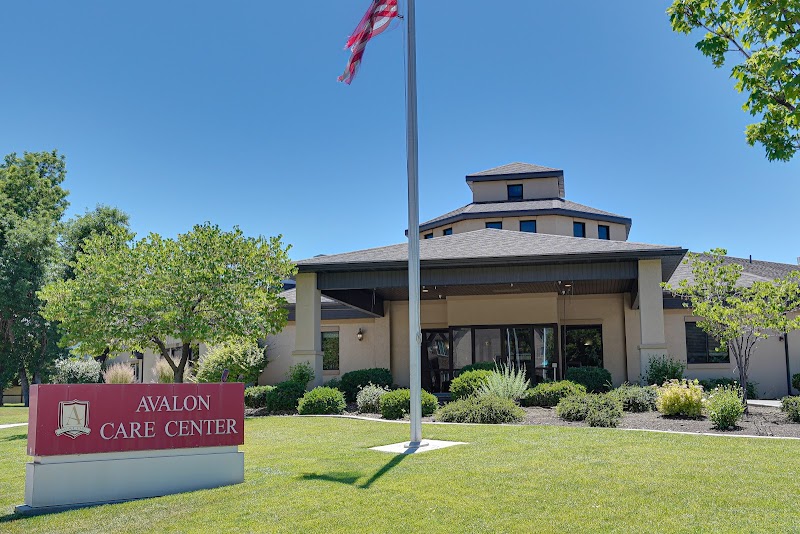
How is Monument Healthcare Stonecreek Staffed?
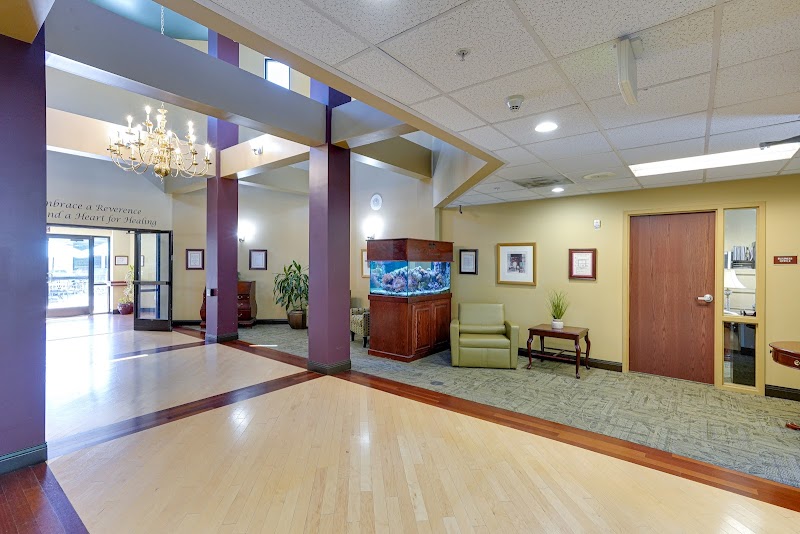
CMS rates Monument Healthcare Stonecreek's staffing level at 3 out of 5 stars, which is average compared to other nursing homes. Staff turnover is 73%, which is 27 percentage points above the Utah average of 46%. High turnover can affect care consistency as new staff learn residents' individual needs. RN turnover specifically is 60%, which is notably high. RNs provide skilled clinical oversight, so turnover in this role can affect medical care quality.

What Have Inspectors Found at Monument Healthcare Stonecreek?

State health inspectors documented 13 deficiencies at Monument Healthcare Stonecreek during 2020 to 2024. These included: 2 that caused actual resident harm and 11 with potential for harm. Deficiencies causing actual harm indicate documented cases where residents experienced negative health consequences.

Who Owns and Operates Monument Healthcare Stonecreek?

Monument Healthcare Stonecreek is owned by a government entity. Government-operated facilities are typically run by state, county, or municipal agencies. The facility is operated by MONUMENT HEALTH GROUP, a chain that manages multiple nursing homes. With 122 certified beds and approximately 75 residents (about 61% occupancy), it is a mid-sized facility located in Bountiful, Utah.

How Does Monument Healthcare Stonecreek Compare to Other Utah Nursing Homes?

Compared to the 100 nursing homes in Utah, Monument Healthcare Stonecreek's overall rating (5 stars) is above the state average of 3.4, staff turnover (73%) is significantly higher than the state average of 46%, and health inspection rating (4 stars) is above the national benchmark.

What Should Families Ask When Visiting Monument Healthcare Stonecreek?

Based on this facility's data, families visiting should ask: "How do you ensure continuity of care given staff turnover, and what is your staff retention strategy?" "Can I visit during a mealtime to observe dining assistance and food quality?" "How do you handle medical emergencies, and what is your hospital transfer rate?" "Can I speak with family members of current residents about their experience?" These questions are particularly relevant given the facility's high staff turnover rate.

Is Monument Healthcare Stonecreek Safe?

Based on CMS inspection data, Monument Healthcare Stonecreek has a clean safety record: no substantiated abuse findings (meaning no confirmed cases of resident harm), no Immediate Jeopardy citations (the most serious violation level indicating risk of serious injury or death), and is not on the Special Focus Facility watch list (a federal program monitoring the lowest-performing 1% of nursing homes). The facility has a 5-star overall rating and ranks #1 of 100 nursing homes in Utah. While no facility is perfect, families should still ask about staff-to-resident ratios and recent inspection results during their visit.

Do Nurses at Monument Healthcare Stonecreek Stick Around?

Staff turnover at Monument Healthcare Stonecreek is high. At 73%, the facility is 27 percentage points above the Utah average of 46%. Registered Nurse turnover is particularly concerning at 60%. RNs handle complex medical decisions and coordinate care — frequent RN changes can directly impact care quality. High turnover means new staff may not know residents' individual needs, medications, or preferences. It can also be disorienting for residents, especially those with dementia who rely on familiar faces. Families should ask: What is causing the turnover? What retention programs are in place? How do you ensure care continuity during staff transitions?

Was Monument Healthcare Stonecreek Ever Fined?

Monument Healthcare Stonecreek has no federal fines on record. CMS issues fines when nursing homes fail to meet care standards or don't correct problems found during inspections. The absence of fines suggests the facility has either maintained compliance or corrected any issues before penalties were assessed. This is a positive indicator, though families should still review recent inspection reports for the full picture.

Is Monument Healthcare Stonecreek on Any Federal Watch List?

Monument Healthcare Stonecreek is not on any federal watch list. The most significant is the Special Focus Facility (SFF) program, which identifies the bottom 1% of nursing homes nationally based on persistent, serious quality problems. Not being on this list means the facility has avoided the pattern of deficiencies that triggers enhanced federal oversight. This is a positive indicator, though families should still review the facility's inspection history directly.