Thatcher Brook Rehabilitation & Care Center
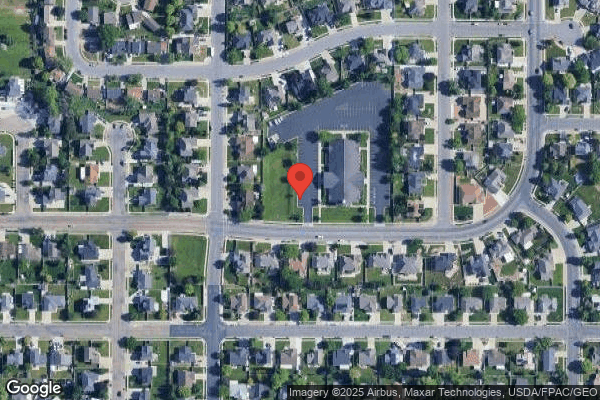
1795 South Chelemes Way, Clearfieldd, UT 84015 (801) 614-5700
For profit - Limited Liability company 30 Beds Independent Data: November 2025
Trust Grade
80/100
#25 of 97 in UT
Last Inspection: July 2025

Inspected within the last 6 months. Data reflects current conditions.

Overview

Thatcher Brook Rehabilitation & Care Center has a Trust Grade of B+, indicating it is above average and recommended for families considering options. It ranks #25 out of 97 facilities in Utah, placing it in the top half, and #3 out of 7 in Davis County, suggesting only two local facilities are better. However, the facility’s trend is worsening, with issues increasing from 10 in 2022 to 13 in 2025. Staffing is a strong point, with a 5/5 rating and a turnover rate of 44%, which is below the state average of 51%, ensuring continuity in care. On the downside, there were no fines on record, which is positive, but the facility has had several concerning incidents. For example, staff did not consistently follow infection control protocols, such as failing to screen for COVID-19 and improperly using personal protective equipment. Additionally, medication management was not up to standard, with drugs not properly labeled or stored, and residents reported dissatisfaction with food quality and temperature. Overall, while there are strengths in staffing and a lack of fines, there are significant areas for improvement in infection control and meal service.

Trust Score
B+
80/100
In Utah
#25/97
Top 25%
Safety Record
Low Risk
No red flags
Inspections
Getting Worse
10 → 13 violations
Staff Stability
○ Average
44% turnover. Near Utah's 48% average. Typical for the industry.
Penalties
✓ Good
No fines on record. Clean compliance history, better than most Utah facilities.
Skilled Nurses
✓ Good
Each resident gets 92 minutes of Registered Nurse (RN) attention daily — more than 97% of Utah nursing homes. RNs are the most trained staff who catch health problems before they become serious.
Violations
⚠ Watch
23 deficiencies on record. Higher than average. Multiple issues found across inspections.
★★★★★
5.0
Overall Rating
★★★★★
5.0
Staff Levels
★★★★★
5.0
Care Quality
★★★☆☆
3.0
Inspection Score
Stable
2022: 10 issues
2025: 13 issues

The Good

  • 5-Star Staffing Rating · Excellent nurse staffing levels
  • 5-Star Quality Measures · Strong clinical quality outcomes
  • Full Sprinkler Coverage · Fire safety systems throughout facility
  • No fines on record
  • Staff turnover below average (44%)

    4 points below Utah average of 48%

Facility shows strength in staffing levels, quality measures, fire safety.

The Bad

Staff Turnover: 44%

Near Utah avg (46%)

Typical for the industry

The Ugly 23 deficiencies on record

Jul 2025 13 deficiencies
CONCERN (D)

Potential for Harm - no one hurt, but risky conditions existed

Resident Rights (Tag F0550)

Could have caused harm · This affected 1 resident

**NOTE- TERMS IN BRACKETS HAVE BEEN EDITED TO PROTECT CONFIDENTIALITY** Based on observation and interview it was determined that for 1 of 26 sampled residents, that the facility did not treat each re...

Read full inspector narrative →
**NOTE- TERMS IN BRACKETS HAVE BEEN EDITED TO PROTECT CONFIDENTIALITY** Based on observation and interview it was determined that for 1 of 26 sampled residents, that the facility did not treat each resident with respect and dignity and care for each resident in a manner and environment that promoted maintenance or enhancement of their quality of life, recognizing each resident's individuality. Specifically, an observation was made of staff standing while feeding a resident. Resident identifier: 35.Findings included: Resident 35 was admitted to the facility on [DATE] with diagnoses which included cellulitis, sepsis, and hypertension. On 7/21/25 at 12:21 PM, an observation was made of resident 35 laying in bed with the head of the bed elevated. Resident 35's bed was in the highest position. Certified Nursing Assistant (CNA) 1 was observed to be standing to the left side of resident 35's bed feeding the resident. On 7/23/25 at 8:22 AM, an interview was conducted with CNA 2. CNA 2 stated that resident 35 required assistance with eating. CNA 2 stated that because resident 35 was a hoyer lift, staff had to stand next to the bed to feed her. On 7/23/25 at 8:33 AM, an interview was conducted with the Director of Nursing (DON). The DON stated that resident 35 struggled with feeding herself and when a food tray was set in front of her she struggled with dexterity and could not get food into her mouth. The DON stated that when CNAs were feeding the resident they should be sitting down and not standing.
CONCERN (D)

Potential for Harm - no one hurt, but risky conditions existed

Deficiency F0628 (Tag F0628)

Could have caused harm · This affected 1 resident

**NOTE- TERMS IN BRACKETS HAVE BEEN EDITED TO PROTECT CONFIDENTIALITY** Based on interview and record review, for 1 of 26 sampled residents, the facility did not notify the resident or the resident's ...

Read full inspector narrative →
**NOTE- TERMS IN BRACKETS HAVE BEEN EDITED TO PROTECT CONFIDENTIALITY** Based on interview and record review, for 1 of 26 sampled residents, the facility did not notify the resident or the resident's representative of the transfer or discharge, and the reason, in writing at the time of discharge. Additionally, the resident was not informed of the bed hold policy in writing with specification of the duration during which the resident was permitted to return and resume residence in the facility. Specifically, a resident who was discharged to the hospital was not provided discharge documentation. Resident identifier: 2Findings included: Resident 2 was admitted to the facility on [DATE] with diagnoses that included fracture of left tibia and fibula, respiratory failure with hypoxia, neuralgia, and neuritis, type 2 diabetes, anxiety disorder, epilepsy and morbid obesity.Resident 2's medical records were reviewed between 7/21/25 - 7/23/25.A progress note dated 7/20/25 at 12:30 PM revealed, resident 2 was discharged to the hospital after the family informed staff she was having what appeared to be a seizure. Resident 2 was transported via emergency medical services and was unresponsive. Internal discharge paperwork was completed. No discharge documentation was located in resident 2's medical record.The facilities Transfer or Discharge, Facility-Initiated policy was reviewed. Under the Notice of Transfer or Discharge (Emergent or Therapeutic Leave) the following was documented:1. When residents who are sent emergently to an acute care setting, these scenarios are considered facility-initiated transfers, NOT discharges, because the resident's return is generally expected.2. Residents who are sent emergently to an acute care setting, such as a hospital, are permitted to return to the facility.3. Under the following circumstances, the notice is given as soon as it is practicable but before the transfer or discharge: . c. An immediate transfer or discharge is required by a resident's urgent medical need; or d.A resident has not resided in the facility for 30 days.4. Notice of Transfer is provided to the resident and representative as soon as practicable before the transfer and to the long-term care ombudsman when practicable (e.g., in a monthly list of residents that includes all notice content requirements). 5. Notice of Facility Bed-Hold and Return policies are provided to the resident and representative within 24 hours of emergency transfer.6. Notices are provided in a form and manner that the resident can understand, taking into account the resident's educational level, language, communication barriers, and physical or mental impairments.7. Nursing notes will include documentation of appropriate orientation and preparation of the resident prior to transfer or discharge.On 7/23/25 at 10:04 AM, an interview was conducted with the DON who stated that resident 2 was discharged on 7/20/25 to the hospital after she was found shaking in her room. The DON stated resident 2's sister was visiting at the time. The DON stated the paperwork prepared and sent with the resident included a face sheet, the resident orders, and a POLST [Patient Orders for Life Sustaining Treatment] form. The DON stated the provider and family would be notified after the resident was prepared to go to the hospital. The DON stated resident family or representatives were notified of the facility bed hold policy verbally when they called to notify them of the resident going to the hospital. The DON stated she was unaware if that information was included in the admission packet that the resident reviewed upon admission. The DON stated they did not send any kind of transfer or discharge paperwork with the resident, nor did they provide it to them after their hospitalization. The DON stated the facility always wanted to take the resident back if they could. On 7/23/25 at approximately 2:00 PM, an interview was conducted with the Administrator. The Administrator stated the facility did not send a bed hold agreement with residents that were discharged to the hospital.
CONCERN (D)

Potential for Harm - no one hurt, but risky conditions existed

Deficiency F0679 (Tag F0679)

Could have caused harm · This affected 1 resident

**NOTE- TERMS IN BRACKETS HAVE BEEN EDITED TO PROTECT CONFIDENTIALITY** Based on observation and interview it was determined, for 2 out 26 sampled residents, that the facility did not provide an ongoi...

Read full inspector narrative →
**NOTE- TERMS IN BRACKETS HAVE BEEN EDITED TO PROTECT CONFIDENTIALITY** Based on observation and interview it was determined, for 2 out 26 sampled residents, that the facility did not provide an ongoing program to support residents in their choice of activities both facility-sponsored group and individual activities and independent activities designed to meet the interest of and support the physical, mental, and psychosocial well-being of each resident, encouraging both independence and interaction in the community based on the comprehensive assessment and care plan. Specifically, there were no activities besides bingo three times a week and residents complained of not enough activities. Resident identifiers: 25 and 30.Findings included:1. Resident 30 was admitted to the facility on [DATE] with diagnoses which included generalized anxiety disorder, major depressive disorder, and weakness. On 7/21/25 at 9:37 AM, an interview was conducted with resident 30. Resident 30 stated that there were no activities other than bingo and that there were some days with no activities. On 7/21/25 at 9:39 AM, an observation was made of the facility’s July 2025 activities calendar. The only activity noted on the calendar was bingo. Bingo was scheduled on: 7/2, 7/7, 7/9, 7/14, 7/21, 7/23, 7/25, 7/28, and 7/30. The remaining weekdays stated “No Activity.” It should be noted the calendar weekends were left blank. Resident 30’s medical record was reviewed 7/21/25 through 7/23/25. An admission Minimum Data Set (MDS) assessment dated [DATE] revealed that staff assessed resident 30's activity preferences as doing things with groups of people and participating in religious activities or practices. Resident 30’s care plan revealed a problem of Psychosocial Well-Being with a start date of 6/20/25 Adjustment to Placement. Interventions included acquaint with facility, services, and routines. 2. Resident 25 was admitted to the facility on [DATE] with diagnoses that included fracture of left femur, encounter for orthopedic aftercare, type 2 diabetes, and chronic kidney disease. On 7/21/25 at 12:56 PM an interview was conducted with resident 25 who stated she would like to do other activities, but all that was offered was bingo, there were no other activities on the calendar. Resident 25’s medical records were reviewed between 7/21/25 through 7/23/25. An admission Minimum Data Set (MDS) assessment dated [DATE] revealed it was somewhat important for resident 25 to do things with groups of people and participate in her favorite activities. Resident 25’s care plan revealed a problem of Psychosocial well-being with a start date of 6/23/25 adjustment to placement. Interventions included, “acquaint with facility, services, routines, staff, roommate and other residents.” On 7/22/25 at 1:38 PM, an interview was conducted with the AD who stated she had been doing activities for about 1 ½ years. The AD stated when a resident was admitted to the facility she interviewed the residents to find out what their interests were and what activities they enjoyed. The AD stated she offered activity packets to each resident every morning that included crossword puzzles and other word games. The AD stated most residents enjoyed bingo and the socializing that went along with it so that was the activity that was being offered at the facility. The AD stated she had some requests for Yahtzee, or other card games. The AD stated that occasionally residents will bring their own games. The AD stated other activities that were available in the facility were books to read, painting supplies, board games, and coloring pages. The AD stated she did not have any helpers for activities, and had not had any training. On 7/23/25 at 8:49 AM, an interview was conducted with the Administrator (Admin) who stated it was hard to encourage residents to come out for activities. The Admin stated bingo was the biggest hit in the facility, which was why that was the activity that was offered the most. The Admin stated activity packets were available for residents to utilize if they wanted something to do when no activity was available. The Admin stated they had not informed residents about other activities that were available for residents to do in their free time.
CONCERN (D)

Potential for Harm - no one hurt, but risky conditions existed

Accident Prevention (Tag F0689)

Could have caused harm · This affected 1 resident

**NOTE- TERMS IN BRACKETS HAVE BEEN EDITED TO PROTECT CONFIDENTIALITY** Based on observation, interview, and record review it was determined, for 1 of 26 sampled residents, the facility failed to ensu...

Read full inspector narrative →
**NOTE- TERMS IN BRACKETS HAVE BEEN EDITED TO PROTECT CONFIDENTIALITY** Based on observation, interview, and record review it was determined, for 1 of 26 sampled residents, the facility failed to ensure that the resident environment remained as free of accident hazards as was possible and each resident received adequate supervision to prevent accidents. Specifically, a resident did not have new interventions implemented after falls. Resident identifier: 30. Findings included: Resident 30 was admitted to the facility on [DATE] with diagnoses which included lack of coordination, weakness, and white matter disease. Resident 30's medical record was reviewed 7/21/25 through 7/23/25. On 6/22/25 a Minimum Data Set (MDS) Brief Interview for Mental Status (BIMS) assessment was completed on resident 30. Resident 30 scored a 5 which indicated severe cognitive impairment. A review of resident 30's progress notes revealed the following falls: a. On 6/24/25 at 1:04 PM, [Resident 30] was found on the floor in her bathroom. She was pulling her pants down when she fell. She denies feeling dizzy or light headed prior to fall b. On 7/3/25 at 5:40 PM, [AGE] year old was being assisted by daughter to bathroom when she slipped to the floor. Denies hitting head, no injuries noted. Assisted to Bathroom by staff and then back to bed. Call light and fluids in reach. c. On 7/12/25 at 5:49 PM, [AGE] year old female, admitted due to a GI [gastrointestinal] bleed, peptic ulcer. While being assisted to the bathroom resident fell and hit her head. No injuries noted Neuros started. She is alert and oriented with moments of confusion, able to make her needs known. She is a full code status. A review of resident 30's care plan revealed: a. A problem dated 6/20/25 indicated, I [resident 30] am at risk for falls d/t [due to] generalized weakness, recent hospitalization. Interventions dated 6/20/25 included physical and occupational therapy, gait belts for transfers, frequent checks for safety, and bilateral turning and repositioning bars for increased independence, comfort, and safety. b. An intervention dated 6/24/25 indicated, Encourage resident to use call light to call for assistance. c. Interventions dated 7/21/25 indicated, Neurological status will remain within normal limits with no signs of deterioration. Patient will demonstrate safe transfer techniques with appropriate staff assistance. It should be noted that there were no interventions addressing the falls on 7/3/25 and 7/12/25. On 7/22/25 at 12:00 PM, an interview was conducted with Registered Nurse (RN) 1. RN 1 stated that resident 30 had a new diagnosis of dementia and had falls because she was off balance. RN 1 stated that resident 30 was good at ambulating on her own but was impulsive and required staff to help balance her. RN 1 stated that resident 30 needed constant reminders to use her call light and to wear nonskid socks. On 7/22/25 at 12:05 PM, an interview was conducted with Certified Nursing Assistant (CNA) 4. CNA 4 stated that resident 30 was a fall risk and required one person to transfer with. CNA 4 stated that resident 30 should not be left alone in the bathroom. CNA 4 stated that resident 30 required extra supervision because she had fallen while at the facility. On 7/22/25 at 12:15 PM, an interview was conducted with the Director of Nursing (DON). The DON stated that when a resident fell an event was created in the resident's medical record to ensure that the necessary documentation was done. The DON stated that she made sure that there were interventions after every fall and that documentation was completed. On 7/23/25 at 7:36 AM, an interview was conducted with the Assistant Director of Nursing (ADON) 1 . ADON 1 stated that all interventions were care planned after a fall occurred. ADON 1 stated that interventions were not updated unless the resident was having more falls. ADON 1 stated that staff were told verbally about what interventions residents required. ADON 1 stated that the nurses were expected to verbally communicate the interventions through shift to shift report. ADON 1 stated that care plans were reviewed every 30 days. On 7/23/25 at 8:26 AM, a follow-up interview was conducted with the DON. The DON stated that resident 30 was a difficult resident and had been at the facility in the past. The DON stated that resident 30 had falls every time she came to the facility. The DON stated that resident 30 had a lot of falls because she got up and took herself to the bathroom. The DON stated that interventions for the fall on 6/24/25 were monitoring the resident for 72 hours and completing neurological checks. The DON stated that there were no interventions for the fall that occurred on 7/12/25.
CONCERN (D)

Potential for Harm - no one hurt, but risky conditions existed

Deficiency F0698 (Tag F0698)

Could have caused harm · This affected 1 resident

**NOTE- TERMS IN BRACKETS HAVE BEEN EDITED TO PROTECT CONFIDENTIALITY** Based on interview, and record review, it was determined for 1 of 26 sampled residents, the facility did not ensure that residen...

Read full inspector narrative →
**NOTE- TERMS IN BRACKETS HAVE BEEN EDITED TO PROTECT CONFIDENTIALITY** Based on interview, and record review, it was determined for 1 of 26 sampled residents, the facility did not ensure that residents who require dialysis receive such services consistent with professional standards of practice. Specifically, the facility was not providing immediate monitoring and documentation of resident's vital signs and the status of a resident's dialysis fistula upon return from the dialysis treatment center. Resident identifiers: 4.Findings included:Resident 4 was admitted to the facility on [DATE] with diagnoses which included sepsis, end stage renal disease, and heart failure.Resident 4's medical record was reviewed on 7/21/25 through 7/23/25. On 7/21/2025 at 1:27 PM, an interview was conducted with resident 4. Resident 4 stated that after he finished his treatment at the dialysis center, vital signs and weights were collected and documented on the Dialysis Progress Note for him to give to the facility. Resident 4 stated that when he returned to the facility from the dialysis center a Certified Nursing Assistant (CNA) assisted him back to his room, vital signs were not taken, and a nurse did not assess his dialysis fistula.On 7/22/25 at 2:08 PM, an interview was conducted with Licensed Practical Nurse (LPN) 1. LPN 1 stated when resident 4 returned from dialysis, he received the Dialysis Progress Note, which contained a report from the dialysis nurse, including vital signs, weights, and new orders. LPN 1 stated that vital signs were taken in the morning before resident 4 left for dialysis and then again in the evening around 6:00 PM. LPN 1 stated that the dialysis fistula assessment was completed every day in the morning. No documentation could be located in resident 4's medical record regarding immediate vital signs and the immediate status of his dialysis fistula upon his return from the dialysis center.On 7/23/25 at 9:36 AM, an interview was conducted with the Director of Nursing (DON). The DON stated that nurses were expected to scan and upload the Dialysis Progress Note into the resident's medical record when a resident returned to the facility from dialysis. The DON stated that nurses were expected to manually enter any new orders and weights contained in the Dialysis Progress Note into the resident's medical record. The DON stated she expected a nurse to do an assessment of the resident when they returned to the facility from dialysis and then document the findings of that assessment in a progress note. The DON stated that in addition to assessing the dialysis fistula when the resident returned from the dialysis center, nurses were expected to assess the dialysis fistula every morning.On 7/23/25 at 10:51 AM, a follow-up interview was conducted with the DON. The DON stated that an immediate nursing assessment was important to complete once a resident returned to the facility from dialysis to monitor for potential complications that can arise after completing dialysis treatments. The DON stated that some of these complications included hypotension, hypoxia, and bleeding from the dialysis fistula. The DON stated that a CNA was expected to obtain the resident's vital signs once the resident returned to the facility from dialysis and then communicate the vital signs to the nurse. The DON stated that nurses were expected to contact the dialysis center or the resident's provider if any concerns were identified.
CONCERN (D)

Potential for Harm - no one hurt, but risky conditions existed

Menu Adequacy (Tag F0803)

Could have caused harm · This affected 1 resident

Based on observation, interview and record review, for 1 of 26 sampled residents, the facility did not have menus that met the nutrition needs of residents in accordance with established nutrition gui...

Read full inspector narrative →
Based on observation, interview and record review, for 1 of 26 sampled residents, the facility did not have menus that met the nutrition needs of residents in accordance with established nutrition guidelines, and did not follow the menu for a resident with special dietary needs. Specifically, a resident who required a specialized diet was not given adequate substitutions for listed menu items. Resident identifier: 7.Findings included:On 7/21/25 at 12:41 PM, an interview was conducted with resident 7 who stated she was disappointed with her lunch. Resident 7 stated she had recently discontinued receiving tube feedings and was getting used to swallowing again. Resident 7's lunch plate was observed to have spaghetti with small pieces of meat and green peas mixed in. There was a small dish of a pudding-type dessert on the side. Resident 7 noted the menu stated spaghetti, garlic bread and a green salad was being served. There was no substitute for the garlic bread or the salad provided with resident 7's meal.Resident 7's medical record was reviewed between 7/21/25 and 7/23/25.A nutrition screening intake dated 7/3/26 revealed resident 7 was independent with meals and needed set-up assistance only. The screening revealed that resident 7 required soft-bite and pre-cut foods. This screening was approved by the Registered Dietitian (RD) on 7/3/25.On 7/8/25, a Registered Dietitian (RD) progress note revealed that resident 7's feeding tube had been removed after getting tangled up during her sleep. Resident 7 opted not to have it replaced. The RD documented the diet order as, Regular IDDSI [International Dysphagia Diet Standardization Initiative] L7 [level 7] solids, IDDSI L0 [Level 0] thin liquids. Likes: Soft wheat bread, peach, berries, well-cooked veg. [vegetables] tender/soft (MM L5 or SB L6) [Minced and Moist Level 5 or Soft and Bite Sized Level 6]. Severe inflammation. Avoid acidic foods (tomatoes, salsa, citrus, carbonation, chocolate anything, mint) as all gastric irritants. Clarified this in Resident Dining system today. Discussed the need for oral protein supplements to help her regain muscle.A review of the daily menu spreadsheet revealed the minced and moist and the soft and bite sized diet called for 1/2 cup of soft bite sized pieces of spaghetti with thickened meat sauce. The substitutions for the tossed salad with dressing called for 1/2 cup of soft steamed vegetables or mashed. The substitution for garlic French bread was pureed bread. On 7/23/25 at 10:48 AM, an interview was conducted with the Dietary Manager (DM) who stated the RD spoke with residents when they were admitted to assess their dietary needs. The DM stated if there were changes to a resident's diet the RD left a note for the kitchen staff about the diet texture and dietary staff changed the diet in the dietary computer system. The DM stated she tried to substitute food items of equal value into resident 7's meal for the food items her diet order and dietary restrictions did not allow her to eat. The DM stated she would have to go and talk with resident 7 to see what adjustments needed to be made.
CONCERN (D)

Potential for Harm - no one hurt, but risky conditions existed

Deficiency F0806 (Tag F0806)

Could have caused harm · This affected 1 resident

**NOTE- TERMS IN BRACKETS HAVE BEEN EDITED TO PROTECT CONFIDENTIALITY** Based on observation, interview and record review it was determined, for 1 of 26 residents sampled, that the facility did not en...

Read full inspector narrative →
**NOTE- TERMS IN BRACKETS HAVE BEEN EDITED TO PROTECT CONFIDENTIALITY** Based on observation, interview and record review it was determined, for 1 of 26 residents sampled, that the facility did not ensure that each resident received food that accommodated the resident allergies, intolerances, and preferences. Specifically, a resident had a food preference dislike of pork and received pork products as meal items. Resident identifier: 15.Findings included:Resident 15 was admitted to the facility on [DATE] with diagnoses which consisted of infective endocarditis, atrial fibrillation, chronic kidney disease, cystitis, type 2 diabetes mellitus, bacteremia, hypolipidemia, and hypokalemia.On 7/21/25 at 9:47 AM, an interview was conducted with resident 15. Resident 15 stated that she had a food preference that indicated a dislike of pork and the facility gave her pork products three times last week. Resident 15's medical records were reviewed. On 7/2/25, resident 15's Nutrition Screening Intake Form documented food preference dislikes as pork, ham, and sausage. On 7/22/25 at 8:27 AM, a follow-up interview was conducted with resident 15. Resident 15 stated that she was served sausage on her breakfast tray and she was not supposed to have sausage. The breakfast tray was observed with a cut up sausage patty. Resident 15's dietary meal ticket that was located on the breakfast tray documented the diet order as a Controlled Carbohydrate Diet (CCHO), heart healthy, No Added Salt (NAS), regular with double meat, fish, egg portions. The beverages documented no apple and no lemonade. The dislikes documented on the meal ticket were No Pork Of Any Kind, Nuts, Limits Dairy, Bacon, Ham, Sausage. The resident stated that the meal ticket documented no sausage as a dislike and she still received it. On 7/22/25 at 8:32 AM, an interview was conducted with Certified Nurse Assistant (CNA) 3. CNA 3 reviewed resident 15's breakfast tray and stated that the meat appeared to be cut up sausage. CNA 3 verified with the kitchen that the food item was cut up sausage. On 7/22/25 at 3:31 PM, an interview was conducted with [NAME] 1. [NAME] 1 stated that resident food preferences were assessed within the first 3 days of admission by the dietary manager or the kitchen staff. [NAME] 1 stated that they filled out a form that indicated the resident's dislikes and likes and that information was then placed on the resident's meal tickets. [NAME] 1 reviewed resident 15's food preferences and stated that the dislikes were nuts, broccoli, brussels sprouts, corn, cabbage, peas, cucumbers, fried foods, pasta, pork, spicy and acidic foods, milk and ice cream. [NAME] 1 stated, She is one of the more pickier people. [NAME] 1 stated that the breakfast dislikes were bacon, ham and sausage. Basically pork of any kind. [NAME] 1 stated that breakfast today had waffles, meat of choice, and a seasonal fruit cup. [NAME] 1 stated that if the resident did not like meat or pork they usually served them eggs. [NAME] 1 stated that resident 15 should not be getting pork and they overlooked that.
CONCERN (D)

Potential for Harm - no one hurt, but risky conditions existed

Antibiotic Stewardship (Tag F0881)

Could have caused harm · This affected 1 resident

**NOTE- TERMS IN BRACKETS HAVE BEEN EDITED TO PROTECT CONFIDENTIALITY** Based on interview and record review it was determined, for 1 of 26 sampled residents, that the facility did not ensure that the...

Read full inspector narrative →
**NOTE- TERMS IN BRACKETS HAVE BEEN EDITED TO PROTECT CONFIDENTIALITY** Based on interview and record review it was determined, for 1 of 26 sampled residents, that the facility did not ensure that the antibiotic stewardship program included antibiotic use protocols and a system to monitor antibiotic use. Specifically, a resident was prescribed an antibiotic prophylactically for the treatment of chronic urinary tract infections (UTI) without any documented evidence that the resident was showing signs and symptoms of a current infection. Resident identifier: 30. Findings included:Resident 30 was admitted to the facility on [DATE] with diagnoses which included neoplasm of right kidney, history of urinary tract infections (UTI), and hypertension. Resident 30's medical records were reviewed. On 6/19/25, resident 30 had a physician order for Macrobid capsule 100 milligram (mg) by mouth daily. The order had special instructions that documented prophylaxis for chronic UTI. The order was discontinued on 6/26/25. On 6/27/25, resident 30 had a physician order for Macrobid capsule 100 milligram (mg) by mouth daily, and the diagnoses documented personal history of urinary tract infections. The order was open ended with no stop date was indicated. Resident 30's June and July 2025 Medication Administration Record (MAR) was reviewed. Resident 30's MAR documented that the Macrobid 100 mg was administered from June 20, 2025 through July 22, 2025. On 6/26/25 at 12:59 PM, the Nurse Practitioner (NP) note documented, Continue Macrobid (nitrofurantoin) 100mg once daily for UTI prophylaxis given history of recurrent UTIs. On 7/1/25 at 11:40 AM, the NP note documented, The patient has a relatively new diagnosis of dementia, which was made by her primary care physician [name omitted] following a UTI that caused acute delirium (hallucinations including seeing bugs on walls). While the delirium resolved with UTI treatment, her memory deficits persisted, prompting the dementia diagnosis. On 7/7/25 at 12:08 PM, the nursing progress note documented, Provider in to see Pt [patient] today with order to dip Urine. If anything found, collect UA [urinalysis] and send out- notify provider. It should be noted that no documentation was found to indicate that a urinalysis was performed and the MAR documented that the urine dip was negative. On 7/21/25 at 10:49 AM, resident 30's progress note documented, She denies any symptoms of a UTI. On 7/22/2025 1:53 PM, an interview was conducted with the Director of Nursing (DON) and the Administrator (Admin). The DON stated that resident 30 was on prophylaxis antibiotic use and was receiving Macrobid for chronic UTIs. The DON stated that they were not supposed to use prophylaxis antibiotic. The DON stated that they stopped the antibiotic and resident 30 had another UTI. It should be noted that resident 30 did not have any documented lapse in the Macrobid treatment since admission. The Admin stated that the NP addressed the use of Macrobid prophylactically by documenting that it was for chronic UTIs. The facility policy for Antibiotic Stewardship documented that the purpose of the policy was to monitor the use of antibiotics in the residents. The policy further documented that training and education would include emphasis on the relationship between antibiotic use and: a. gastrointestinal disorders;b. opportunistic infections (e.g. C. [Clostridium} Difficile, Candida albicans, etc.);c. medication interactions; andd. the evolution of drug-resistant pathogens.The policy documented that when an antibiotic was indicated the prescriber order would include, d. Duration of treatment; (1) Start and stop date; or (2) Number of days of therapy;. The policy was last revised in December 2016.
CONCERN (D)

Potential for Harm - no one hurt, but risky conditions existed

Deficiency F0883 (Tag F0883)

Could have caused harm · This affected 1 resident

**NOTE- TERMS IN BRACKETS HAVE BEEN EDITED TO PROTECT CONFIDENTIALITY** Based on interview and record review it was determined, for 1 of 5 residents sampled, that the facility did not offer a pneumoco...

Read full inspector narrative →
**NOTE- TERMS IN BRACKETS HAVE BEEN EDITED TO PROTECT CONFIDENTIALITY** Based on interview and record review it was determined, for 1 of 5 residents sampled, that the facility did not offer a pneumococcal immunization, unless the immunization was medically contraindicated or the resident had already been immunized. Specifically, the facility did not have evidence to demonstrate that the resident was administered, offered, or declined the second dose of the pneumococcal immunization series. Resident identifier: 29.Findings included:Resident 29 was admitted to the facility on [DATE] with diagnoses which included fracture of the right fibula, congestive heart failure, chronic kidney disease, type 2 diabetes mellitus, presence of prosthetic heart valve, cardiomyopathy, and hypertension. Resident 29's medical records were reviewed. Resident 29's Preventative Health Care documented that resident 29 received the PCV -13 (Prevnar - 13) pneumococcal vaccine on 9/29/15. No documentation of a second pneumococcal vaccine administration or declination was found for resident 29. On 5/1/25, resident 29's Vaccination Consent Form documented UTD (unable to determine) for the Pneumococcal vaccine. On 7/23/25 at 8:42 AM, an interview was conducted with the Director of Nursing (DON). The DON stated that the Assistant Director of Nursing (ADON) 2 was in charge of ensuring that the resident's vaccinations were current. The DON stated that the ADON would check the Statewide Immunization Information System for all new admission and then filled out a vaccine form. The DON stated that UTD meant that the vaccine should have been verified and to ensure it was up to date. The DON stated that if a resident reported that they had already received the vaccine they would attempt to determine when and where it was administered. The DON stated that if a resident declined to have the vaccination they would have a declination form in their medical records. The DON stated that if they were unable to determine a resident's vaccination status they should have offered the vaccine or have a declination form on file. The DON stated that resident 29 received the PCV -13 on 9/29/15. The DON stated that resident 29 should have received the PCV-23 vaccination that was next in the pneumococcal series. The DON stated that they did not have documentation that resident 29 was offered or declined the second pneumococcal vaccination. The facility Pneumococcal Vaccine policy documented that upon admission the resident was assessed for eligibility to receive the pneumococcal vaccine series and when indicated were offered the vaccine within thirty days of admission unless medically contraindicated or the resident had already been vaccinated. If refused, appropriate information is documented in the resident's medical record indicating the date of the refusal of the pneumococcal vaccinations. The policy further documented that the vaccines were administered in accordance with the current Centers for Disease Control and Prevention (CDC) recommendations. The policy was last revised in March 2022. The CDC Pneumococcal Vaccine Timing for Adults documented for adults age [AGE] years and older the complete vaccination schedule recommended the PCV-20 or PCV-21 after the initial PCV-13 dose was administered. The vaccination schedule was last updated in March 2025. https://www.cdc.gov/pneumococcal/downloads/Vaccine-Timing-Adults-JobAid.pdf
CONCERN (E)

Potential for Harm - no one hurt, but risky conditions existed

Deficiency F0761 (Tag F0761)

Could have caused harm · This affected multiple residents

**NOTE- TERMS IN BRACKETS HAVE BEEN EDITED TO PROTECT CONFIDENTIALITY** Based on observation, interview, and record review it was determined, for 4 of 26 sampled residents, that the facility did not e...

Read full inspector narrative →
**NOTE- TERMS IN BRACKETS HAVE BEEN EDITED TO PROTECT CONFIDENTIALITY** Based on observation, interview, and record review it was determined, for 4 of 26 sampled residents, that the facility did not ensure that all drugs and biologicals were stored and labeled in accordance with accepted professional principles and included the appropriate accessory and cautionary instructions, and the expiration date when applicable. Specifically, an insulin pen and a vial of insulin were not dated with an open date or expiration date. Additionally, medications were found in the sink in the medication room and a medication cart was left unlocked and unattended. Resident identifiers: 2, 21, 24, and 31. Findings included: 1. Resident 21 was admitted to the facility on [DATE] with diagnoses which included type 2 diabetes mellitus, end stage renal disease, displaced fracture of right tibia. A review of resident 21’s medication orders indicated: a. Insulin lispro solution 100 unit/mL (milliliter) Administer 4 units with meals. Start date 7/8/25. b. Insulin lispro solution 100 unit/mL Administer 12 units once a day. Start date 7/8/25. On 7/22/25 at 8:05 AM, an observation was made of resident 21’s opened insulin lispro 100 unit/mL vial. There was no open or expiration date on the vial. On 7/22/25 at 8:12 AM, an observation and interview were conducted with Registered Nurse (RN) 1. RN 1 stated that resident 21’s insulin lispro vial was opened, but there was no information as to when it was opened. RN 1 then wrote 7/22/25 as the opened date and her initials. RN 1 stated that insulin was good for 27 days once opened. 2. Resident 2 was admitted to the facility on [DATE] with diagnoses which included orthopedic aftercare, type 2 diabetes mellitus, and respiratory failure. A review of resident 2’s medication orders indicated: a. Tresiba FlexTouch U-100 insulin pen Administer 14 units at bedtime. Start date 6/30/25. End date 7/7/25. b. Tresiba FlexTouch U-100 insulin pen Administer 18 units at bedtime. Start date 7/8/25. On 7/22/25 at 8:40 AM, an observation was made of resident 2’s Tresiba FlexTouch insulin pen in the medication cart. There was no open date or expiration date documented. On 7/22/25 at 8:43 AM, an interview was conducted with Licensed Practical Nurse (LPN) 1. LPN 1 stated that all insulin was kept in the medication fridge in the medication room until they were opened and used and then insulin was placed in the medication carts. LPN 1 stated that he thought insulin was good for a few weeks once opened and possibly even a month. It should be noted that resident 2 was discharged from the facility on 7/10/25. 3. Resident 24 was admitted to the facility on [DATE] with diagnoses which included gastro-esophageal reflux with esophagitis, cyclical vomiting, and nausea. A review of resident 24’s medication orders revealed sucralfate 1 gm (gram) Administer 1 gm twice daily. On 7/22/25 at 10:02 AM, an observation was made of resident 24’s sucralfate bubble pack in the medication room sink. One tablet remained in the bubble pack. 4. Resident 31 was admitted to the facility on [DATE] with diagnoses which included sepsis, pneumonia, and bacteriemia. A review of resident 31’s medication order revealed Daptomycin 350 mg (milligram) recon (reconstituted) soln (solution) Administer 950 mg intravenous once a day On 7/22/25 at 10:03 AM, an observation was made of resident 31’s daptomycin compounded vials in the medication room sink. On 7/22/25 at 10:04 AM, an interview was conducted with the Director of Nursing (DON). The DON stated that medications should not be stored in the sink in the medication room. The DON stated that the medications in the sink were to be sent back to the pharmacy. The DON stated that on the day the resident was discharged from the facility unused medications will be scanned and placed in a box for the pharmacy to take. The DON stated that the pharmacy came to the facility twice daily. The DON stated that all insulin was in the refrigerator until they were used. The DON stated that all insulin pens and insulin vials should have open dates on them and that insulin was good for 28 days once opened. 5. On 7/22/25 at 1:00 PM, an observation was made of the east hallway medication cart unlocked and unattended. The cart was located outside of room [ROOM NUMBER]. Housekeeping staff were observed nearby in room [ROOM NUMBER] cleaning. On 7/22/25 at 1:04 PM, an observation was made of the Director of Nursing (DON) walking down the hallway and past the unlocked medication cart. The DON did not lock the medication cart. On 7/22/25 at 1:12 PM, an interview was conducted with Licensed Practical Nurse (LPN) 1. LPN 1 stated that Registered Nurse (RN) 1 was on lunch and should return in approximately 10 minutes. It should be noted that the unlocked medication cart was the responsibility of RN 1. On 7/22/25 at 1:23 PM, an observation was made of RN 1 returning from lunch, approaching the medication cart, and locking it. An immediate interview was conducted with RN 1. The licensor stated that she observed the medication cart unlocked and RN 1 replied that she noticed that too. RN 1 stated that she left her medication cart keys with LPN 1 when she went on break but she did not know if she had left the cart unlocked. RN 1 stated it probably wasn't him. RN 1 stated that when she stepped away from the medication cart she should lock it and make sure no patient information was visible. On 7/22/25 at 1:53 PM, an interview was conducted with the Director of Nursing (DON). The DON stated that the medication cart should be locked when unattended, no medication should be left on the cart, and no resident information should be visible on the cart.
CONCERN (E)

Potential for Harm - no one hurt, but risky conditions existed

Deficiency F0804 (Tag F0804)

Could have caused harm · This affected multiple residents

Based on observation and interview, for 8 of 26 sampled residents, the facility did not provide food prepared by methods that conserve flavor and appearance or provide food and drink that was palatabl...

Read full inspector narrative →
Based on observation and interview, for 8 of 26 sampled residents, the facility did not provide food prepared by methods that conserve flavor and appearance or provide food and drink that was palatable, attractive, and at an appetizing temperature. Specifically, residents complained of food quality, the test tray did not appear appetizing and was not palatable. Findings included: On 7/21/25 at 10:58 AM, an interview was conducted with resident 32 who stated the food was only good some of the time and alternatives were not offered. Resident 32 stated he was not pleased with the meals. On 7/21/25 at 1:17 PM, an interview was conducted with resident 25 who stated she had not been eating much because the food did not taste good. On 7/21/25 at 12:41 PM, an interview was conducted with resident 7 who stated she was disappointed with her lunch meal. Resident 7 received a plate of spaghetti with very small pieces of meat and green peas mixed in. Her meal also included a pudding-like dessert on the side. Resident 7 stated the meal was very unappetizing. On 7/21/25 at 8:56 AM, an interview was conducted with resident 18. Resident 18 stated that he had spoken with the dietitian about the food. Resident 18 stated that he told the dietitian that the food was not good and he did not like the cooked vegetables that would come with the meals. On 7/21/25 at 9:35 AM, an interview was conducted with resident 30. Resident 30 stated that the food was not good. Resident 30 stated that the food did not look good and she didn’t like to eat it. On 7/21/25 at 9:08 AM, an interview was conducted with resident 37. Resident 37 stated that the food was usually awful and she thought that all the food the kitchen prepared was microwaved instead of cooked in an oven. Resident 37 stated that meat was very tough and that shoe leather would be more tender. Resident 37 stated that there was not enough seasoning, including salt and pepper, used when preparing the food. Resident 37 stated that not enough salt and pepper packets were sent on her tray to season the food to her liking. Resident 37 stated that she often ordered meals from food delivery company due to the quality of the facility meals. On 7/21/25 at 9:47 AM, an interview was conducted with resident 15. Resident 15 stated that the food was terrible, and that her toast with breakfast was hard as a rock. Resident 15 stated that she was not served what was listed on the menu and gave an example of the breakfast and lunch meal on Sunday. Resident 15 stated that the menu stated that breakfast was a casserole and she was served French toast, and the lunch menu stated spring vegetables and she was served green beans. Resident 15 stated that the meat always comes out hot, but the vegetables such as potatoes were served cold. On 7/21/25 at 1:35 PM, an interview was conducted with resident 49. Resident 49 stated the food was not good and she was not provided condiments. Resident 49 stated she was provided a salad for lunch with no dressing, oatmeal with no sweetener, no salt pepper on the tray, but had a ketchup packet sent with spaghetti. Resident 49 stated yesterday she was unable to identify the meat that was served and was unable to cut the meat. Resident 49 stated a family member tried to cut it for her also and struggled with cutting it because it was so tough. Resident 49 stated after tasting the meat she was still not sure what it was. On 7/22/25 at 11:55 AM, the tray line was observed in the kitchen. The menu was rosemary pork roast, wild rice pilaf, steamed asparagus, a dinner roll, apple crisp, and resident’s beverage of choice. All residents were dining in their rooms so meals were placed in meal carts and brought to the resident halls. On 7/22/25 at 12:19 PM, a test tray was requested. At 12:21 PM, the last meal cart was sent upstairs. At 12:29 PM, the test tray was received.Food temperatures and descriptions were as follows: a. [NAME] pork roast was 124.9 degrees Fahrenheit, it was observed to be brown in color with gravy. The texture was dry, grainy, and tough to chew with an unpleasant aftertaste. b. Wild rice pilaf was 133.4 degrees Fahrenheit. It was lukewarm to the taste with an unsavory flavor. c. Asparagus was 117.3 degrees Fahrenheit, overcooked with a dull green color. The asparagus was cut like green beans and bland to the taste. d. Apple crisp was 53.1 degrees Fahrenheit. It was on a plate with whipped topping covered with plastic wrap tightly. The dessert was flattened on the plate with the whipped topping smashed into the apple crisp. e. Dinner roll- 70.3 degrees Fahrenheit. On 7/22/25 at 11:28 AM, an interview was conducted with [NAME] 1 who stated the Registered Dietitian (RD) came in at least once per week and completed resident assessments. [NAME] 1 stated the RD did a tray audit to test the food, and the kitchen staff also tested the food to make sure it was good. [NAME] 1 stated they received feedback about food by word of mouth. [NAME] 1 stated meal tickets often would come back to the kitchen, and if residents had written comments on the meal tickets, the kitchen staff would adjust the meal tickets for them. On 7/23/25 at 10:48 AM, an interview was conducted with the Dietary Manager (DM) who stated the RD visited with the residents when they were admitted to the facility to find out what their diet preferences were and if they had any special dietary needs. The DM stated the RD occasionally would prepare a test tray and have a staff member critique it and provide feedback to the kitchen. The DM stated alternate menu items were available for residents that disliked the food on the menu. The DM stated the alternative menu was soups and sandwiches , small salads, and cottage cheese. The DM stated the alternate list was separate from the menu that was in the resident’s room and the Certified Nursing Assistant (CNA) could provide that list to residents who asked.
CONCERN (E)

Potential for Harm - no one hurt, but risky conditions existed

Food Safety (Tag F0812)

Could have caused harm · This affected multiple residents

Based on observation and interview, the facility did not store, prepare, distribute and serve food in accordance with professional standards for food service safety. Specifically, food items in the wa...

Read full inspector narrative →
Based on observation and interview, the facility did not store, prepare, distribute and serve food in accordance with professional standards for food service safety. Specifically, food items in the walk-in freezer and walk-in refrigerator were open to the air, the stove was not clean, the top of the oven was not clean, meat in the refrigerator was not labeled and a large bucket of pickles did not have an open date.Findings included:On 7/21/25 at 8:40 AM, an initial walk-through of the kitchen was conducted. In the tall, white, reach-in freezer, a bulk box of diced carrots was open to air and a bulk box of peas was open to air. In the tall, silver, reach-in freezer, a box of French toast was open to air and a box of frozen cookie dough was open to air. In the walk-in freezer, a box of sausage links was open to air. The stove was observed to have crumbs, debris and grease on it. On 7/23/24 at 10:26 AM, a second walk-through of the kitchen was conducted. The stove had crumbs, debris and grease on it. The top of the oven was observed to have a white powder on it. The tall, white, reach-in freezer had a bulk box of diced carrots open to air. The tall, silver, reach-in freezer had a box of French toast that was open to air, a box of chocolate chip cookie dough that was open to air, and a box of sugar cookie dough that was open to air. The walk-in freezer had a box of sausage links open to air, and a box of dinner rolls open to air. The walk-in refrigerator had a large container of chicken breasts in water that was covered with plastic wrap but was not dated, a pan with pork roast was covered with plastic wrap but was also not dated. A large 5 gallon bucket of pickles that had been opened did not have an open date on it.On 7/22/25 at 11:28 AM, an interview was conducted with the [NAME] 1 who stated the kitchen received deliveries 1-2 times per week. [NAME] 1 stated food items were dated when they were received and dated when they were opened. [NAME] 1 stated everyone who worked in the kitchen had cleaning duties and the cleaning schedule, in the Dietary Manager's (DM) office, was observed. [NAME] 1 stated the Registered Dietitian (RD) came in at least once per week and completed kitchen audits. On 7/23/25 at 10:48 AM, an interview was conducted with the DM who stated the RD conducted kitchen audits at least monthly. The DM stated food in the refrigerator should be dated even if it was going to be used the same day it was put in the refrigerator. The DM stated food in the freezer should be sealed so it would not become freezer burned.
CONCERN (E)

Potential for Harm - no one hurt, but risky conditions existed

Infection Control (Tag F0880)

Could have caused harm · This affected multiple residents

**NOTE- TERMS IN BRACKETS HAVE BEEN EDITED TO PROTECT CONFIDENTIALITY** Based on observation, interview and record review it was determined, for 3 out of 26 sampled residents, that the facility did no...

Read full inspector narrative →
**NOTE- TERMS IN BRACKETS HAVE BEEN EDITED TO PROTECT CONFIDENTIALITY** Based on observation, interview and record review it was determined, for 3 out of 26 sampled residents, that the facility did not maintain an infection prevention and control program designed to provide a safe, sanitary and comfortable environment and to help prevent the development and transmission of communicable diseases and infections. Specifically, observations were made of staff not donning Personal Protective Equipment (PPE) for residents on Enhanced Barrier Precautions (EBP), staff were observed not performing hand hygiene during dressing changes and cross contamination was observed during a dressing change with improper cleaning of the insertion site. Resident identifiers: 3, 15, and 18.Findings included:1. Resident 15 was admitted to the facility on [DATE] with diagnoses which consisted of infective endocarditis, atrial fibrillation, chronic kidney disease, cystitis, type 2 diabetes mellitus, bacteremia, hypolipidemia, and hypokalemia. Resident 15's medical records were reviewed. On 6/30/25, resident 15's physician ordered Cefazolin reconstituted solution 1 gram intravenous to be administered two times a day. On 7/1/25, resident 15's physician ordered weekly dressing changes to the central line on the right side of the chest. Resident 15's progress notes documented the following: a. On 6/30/25 at 11:32 PM, the note documented, Pt [patient] is on IV [intravenous] cefazolin twice a day for bacterial endocarditis. No ASE [adverse side effects] noted. b. On 7/01/25 at 2:42 PM, the note documented [Resident 15] is a [AGE] year-old female admitted to the skilled nursing facility following hospitalization at [name omitted] Hospital. She initially presented to [hospital name] on 06/13/2025 with generalized weakness. Blood cultures at that time were positive for Methicillin-Sensitive Staphylococcus Aureus (MSSA). The patient was diagnosed with infective endocarditis of the mitral valve. A transesophageal echocardiogram (TEE) performed on 06/19/2025 revealed mobile vegetations attached to both the anterior and posterior leaflets of the mitral valve. The patient is not considered a surgical candidate due to high risk factors. c. On 7/15/25 at 2:20 PM, the note documented, [Resident 15] continues to receive IV cefazolin for treatment of endocarditis. She is receiving this via her central line. She is tolerating well so far and denies any unpleasant side effects. She states she is currently not having any cardiac symptoms such as chest pain, shortness of breath, palpitations, etc. Central line insertion site has no complications noted. Line is flushing well. On 7/21/25 at 8:37 AM, an observation was made of resident 15’s room. The room had a green sign posted outside of the room indicating that Personal Protective Equipment (PPE) was required for the resident. The sign had a check box next to each type of PPE to indicate if gloves, a gown, or a face mask was required. The sign did not have any check marks next to what PPE was required for resident 15. On 7/21/25 at 8:43 AM, an interview was conducted with Registered Nurse (RN) 2. RN 2 stated that the green PPE signs were for Enhanced Barrier Precautions (EBP) for catheters or wounds. RN 2 stated that if nothing was marked on the sign then no PPE was required for that resident’s care. On 7/22/25 at 9:20 AM, an observation was made of RN 1 during the administration of morning medication for resident 15. RN 1 obtained a elastomeric easy pump which contained Cefazolin 1 gram in 100 milliliter (ml) solution for intravenous infusion. RN 1 performed hand hygiene with alcohol based hand rub (ABHR). RN 1 placed the antibiotic medication ball inside her shirt pocket for transport into resident 15's room. RN 1 performed hand hygiene with ABHR and donned gloves. RN 1 cleaned the port of resident 15's central line with an alcohol pad and then flushed the line with 10 milliliters of normal saline. RN 1 swabbed the port again with an alcohol pad. RN 1 obtained the Cefazolin easy pump from her shirt pocket and attached the IV tubing to the central line port. RN 1 did not don a gown when accessing resident 15's central line. An immediate interview was conducted with RN 1 upon exit of resident 15's room. RN 1 stated that the green sign posted outside resident 15's door was for precautions for anyone with an infection. RN 1 stated that it tells the staff what kind of precautions were needed when providing care for the resident. RN 1 stated that resident 15 did not have anything that would require any additional PPE. RN 1 stated that resident 15 had endocarditis and she did not have any open wounds, foley catheters, or dressing changes of any kind. On 7/22/25 at 1:24 PM, an observation was made of RN 1 during resident 15's central line dressing change. A dressing kit with Chloraprep 3 ml was obtained. RN 1 obtained 2 surgical masks. RN 1 performed hand hygiene with ABHR. RN 1 entered resident 15's room and raised the bed to hip level. RN 1 performed hand hygiene with ABHR and donned gloves. RN 1 donned a mask and gave resident 15 a mask. RN 1 stated that the licensor did not need to wear a mask if they stayed far away. The surveyor responded that she needed to be able to view the dressing change. RN 1 then obtained a surgical mask for the surveyor. RN 1 performed hand hygiene with ABHR and donned new gloves. RN 1 removed the old dressing that covered resident 15's central line. RN 1 doffed her gloves and opened the sterile dressing kit. RN 1 donned the sterile gloves from inside the dressing kit. RN 1 did not perform hand hygiene prior to donning the sterile gloves. RN 1 removed the surgical drape from the package and placed it on top of the opened sterile glove package. RN 1 obtained the Chloraprep sponge applicator and began cleaning the central line insertion site. RN 1 started at the insertion site and worked in an outward circular motion with the Chloraprep sponge. RN 1 lifted the central line tubing and cleaned the tubing leading down to the insertion site and the skin underneath the tubing. RN 1 then went back over the insertion site after moving outward and under the insertion tubing. RN 1 then applied a Tegaderm adhesive dressing over the central line insertion site. RN 1 doffed her mask and gloves. RN 1 labeled the dressing with the date and initials. It should be noted that RN 1 did not don a gown prior to performing the dressing change on resident 15's central line. Upon exiting resident 15's room after the dressing change the green PPE sign posted outside the room now had check marks next to gloves and gown. On 7/22/25 at 1:45 PM, an interview was conducted with RN 1. RN 1 stated that she should have performed hand hygiene prior to donning the sterile gloves. RN 1 stated that she should clean in an outward motion when cleaning the insertion site of the central line. On 7/22/25 at 1:53 PM, an interview was conducted with the Director of Nursing (DON) and the facility Administrator (Admin). The DON stated that the green signs posted outside of resident rooms were for enhanced barrier precautions (EBP) and were marked upon admission for residents who required it. The DON stated that EBP were to be implemented for residents that had a peripherally inserted central catheter (PICC), chronic wounds, foley catheter, or for those residents at a greater risk for infection. The DON stated that for residents on EBP staff needed to don a gown and gloves when providing care. The DON stated that the nurse should have donned a gown and gloves when administering medication through the central line and when changing the dressing for the central line. The DON confirmed that the proper technique for cleaning the central line insertion site was cleaning from the center outward. The DON stated that the nurse should have performed hand hygiene prior to donning sterile gloves. 2. Resident 3 was admitted to the facility on [DATE] with diagnoses which included acute osteomyelitis, acute kidney failure, and moderate protein-calorie malnutrition. On 7/21/25 at 8:35 AM, an observation was made of resident 3’s room. There was an EBP sign posted outside the door. On 7/21/25 at 8:48 AM, an observation was made of resident 3. Resident 3 had a feeding tube placed in his right nostril. On 7/21/25 at 11:43 AM, an observation was made of therapy staff transferring resident 3 out of his wheelchair and into his bed. No staff were observed to be wearing any personal protective equipment. On 7/21/25 at 11:21 AM, an interview was conducted with resident 3. Resident 3 stated that he had his toes amputated and had to have wound care. Resident 3 stated that he had a feeding tube and would get his tube feedings at night. On 7/22/25 at 10:23 AM, an interview was conducted with Certified Nursing Assistant (CNA) 4. CNA 4 stated that resident 3 had an infection in his feet and that they were wrapped and that he had a feeding tube. CNA 4 stated that resident 3 was unable to get himself dressed and required staff assistance with showering. CNA 4 stated that staff had to wear a gown and gloves when providing assistance to resident 3. On 7/23/25 at 7:31 AM, an interview was conducted with Physical Therapist (PT) 1. PT 1 stated that if a resident required assistance then staff would need to wear gloves and gown. PT 1 stated that there was a green paper outside of the resident's rooms which was marked with the types of precautions that were needed. PT 1 stated that if the resident required minimal assistance then she would not wear a gown. PT 1 stated that resident 3 only required staff to wear gloves. It should be noted that no orders for EBP for resident 3 could be located. 3. Resident 18 was admitted to the facility on [DATE] with diagnoses which included displaced trimalleolar fracture, chronic respiratory failure, and type 2 diabetes mellitus. On 7/21/25 at 8:35 AM, an observation was made of resident 18’s room. There was an EBP sign outside the door and green paper that had gloves checked. On 7/21/25 at 8:56 AM, an interview was conducted with resident 18. Resident 18 stated that he had an indwelling urinary catheter. On 7/21/25 at 10:16 AM, an observation was made of three therapy staff assisting resident 18 with mobility. Resident 18 was observed to be wearing a gait belt and transferring with therapy staff. Therapy staff were observed without any PPE. It should be noted that no physician's orders for resident 18’s EBP could be located. A review of resident 18’s progress nursing notes indicated: a. On 5/28/25 at 12:00 PM, “New order to place indwelling catheter due to urinary retention. Pt [patient] to follow up with urology.” b. On 7/16/25 at 9:02 AM,, “ .Pt has a foley in place that is cleaned daily…” On 7/22/25 at 1:17 PM, an interview was conducted with CNA 4. CNA 4 stated that every resident in the facility had a green or orange sign outside their door which indicated what precautions were required to be worn. CNA 4 stated that resident 18 did not need any PPE because he was finished with the antibiotic medication that he was taking. The facility policy for Enhanced Barrier Precautions (EBP) documented that EBPs were used .as an infection prevention and control intervention to reduce the spread of multi-drug resistant organisms (MDRO's) to residents. The policy documented that a gown and gloves were to be used during high contact resident care activities. High contact care activities included: dressing; bathing/showering; transferring; providing hygiene; changing linens; changing briefs or assisting with toileting; device care or use (central line, urinary catheter, feeding tube, tracheostomy/ventilator, etc.); and wound care (any skin opening requiring a dressing). The policy further stated that EBPs were indicated for resident with wounds and/or indwelling medical devices regardless of MDRO colonization. EBP remain in place for the duration of the resident's stay or until resolution of the wound or discontinuation of the indwelling medical device that places them at increased risk. The policy was last revised in August 2022.
Jun 2022 10 deficiencies
CONCERN (D)

Potential for Harm - no one hurt, but risky conditions existed

Notification of Changes (Tag F0580)

Could have caused harm · This affected 1 resident

**NOTE- TERMS IN BRACKETS HAVE BEEN EDITED TO PROTECT CONFIDENTIALITY** Based on interview and record review it was determined, for 1 out of 16 sampled residents, that the facility did not consult wit...

Read full inspector narrative →
**NOTE- TERMS IN BRACKETS HAVE BEEN EDITED TO PROTECT CONFIDENTIALITY** Based on interview and record review it was determined, for 1 out of 16 sampled residents, that the facility did not consult with the resident's physician and notify, when there was a need to alter the resident's treatment. Specifically, medications were not administered due to not being available from the pharmacy. Resident identifier 12. Findings included: Resident 12 was admitted to the facility on [DATE] with diagnoses which consisted of fracture of left ischium, congestive heart failure, chronic respiratory failure, hypothyroidism, depression, anxiety disorder, hypertension, pain, and gastro-esophageal reflux disease. On 6/22/22 resident 12's medical records were reviewed. Review of resident 12's physician orders revealed the following: a. Reglan (metoclopramide) 5 milligram (mg) tablet three times a day. The order was initiated on 5/16/22. b. Meloxicam (mobic) 15 mg tablet every day. The order was initiated on 5/17/22. Review of resident 12's June 2022 Medication Administration Record (MAR) revealed the following: a. On 6/13/22 at 7:30 AM, the Meloxicam was not administered and the reason documented was Drug/Item unavailable Comment: waiting for pharmacy to deliver. The MAR did not document that the physician was notified. b. On 6/14/22 at 2:00 PM, the Reglan was not administered and the reason documented was Drug/Item unavailable Comment: waiting for pharmacy to deliver. The MAR did not document that the physician was notified. Review of resident 12's progress notes on 6/13/22 and 6/14/22 revealed no documentation that the physician was notified of the Meloxicam and Reglan holds. On 6/22/22 at 6:04 PM, an interview was conducted with the Director of Nursing (DON). The DON stated that the missing medication administration for Mobic and Reglan should have been ordered from the pharmacy. The DON stated that the licensed nurse should notify the physician of any medication that was not given. The DON reviewed the text communication with the physician and verified that the medication holds were not communicated to the physician.
CONCERN (D)

Potential for Harm - no one hurt, but risky conditions existed

Respiratory Care (Tag F0695)

Could have caused harm · This affected 1 resident

**NOTE- TERMS IN BRACKETS HAVE BEEN EDITED TO PROTECT CONFIDENTIALITY** Based on observation, interview, and record review it was determined, for 1 of 16 sample residents, that the facility did not en...

Read full inspector narrative →
**NOTE- TERMS IN BRACKETS HAVE BEEN EDITED TO PROTECT CONFIDENTIALITY** Based on observation, interview, and record review it was determined, for 1 of 16 sample residents, that the facility did not ensure that a resident who needed respiratory care was provided such care, consistent with professional standards of practice. Specifically, facility staff were not cleaning the resident's Continuous Positive Airway Pressure (CPAP) machine, mask and tubing. Resident identifier: 5. Findings included: Resident 5 was admitted to the facility on [DATE] with diagnoses which included paraplegia, acute respiratory failure, atrial fibrillation, sacral region pressure ulcer, type II diabetes, obstructive sleep apnea, and congestive heart failure. On 6/21/22 at 2:11 PM, an interview was conducted with resident 5. Resident 5 stated he used a CPAP machine at night. Resident 5 stated the staff did not wear gowns when they entered his room when the CPAP machine was in use. Resident 5 stated if he wanted the CPAP machine cleaned he would need to do that by himself because the staff did not do that at the facility. On 6/22/22, Resident 5's medical record was reviewed. A Care Plan approach dated 6/4/22 revealed, to use CPAP per home settings with special instructions to use while patient sleeping. No physician orders were located in the medical record for the care and cleaning of resident 5's CPAP machine. The facility policy titled Cleaning and Disinfection of Resident-Care Items and Equipment revealed, resident care equipment would be cleaned and disinfected according to current Center for Disease Control (CDC) recommendations for disinfection (Nursing Services Policy and Procedure Manual for Long-Term Care, p. 7). On 6/21/22 at 11:25 AM, an interview was conducted with Certified Nurse Assistant (CNA) 4. CNA 4 stated she was unaware who did the CPAP cleaning and was unaware of how to chart it in the medical record. CNA 4 stated oxygen tubing was changed each Sunday on night shift. On 6/23/22 at 10:05 AM, an interview was conducted with the Director of Nursing (DON). The DON stated she believed the CPAP machines were cleaned on the night shift and the information was passed on to the other staff members using the 24 hour shift report sheets, but this information was not charted in the medical record. The DON stated that the facility shredded the 24 hour shift report sheets, so the information was not available The DON stated it would be possible for this information to be missed or not passed on if it was not charted in the medical record. On 6/23/22 at 10:08 AM, an interview was conducted with the Assistant Director of Nursing (ADON). The ADON stated if the CPAP care was not charted in the medical record then staff would not know if it had been completed. The ADON stated that developing a system to chart CPAP machine cleanings was something the facility could work on.
CONCERN (D)

Potential for Harm - no one hurt, but risky conditions existed

Pharmacy Services (Tag F0755)

Could have caused harm · This affected 1 resident

**NOTE- TERMS IN BRACKETS HAVE BEEN EDITED TO PROTECT CONFIDENTIALITY** Based on interview and record review it was determined, for 1 of 16 sampled residents, that the facility did not provide pharmac...

Read full inspector narrative →
**NOTE- TERMS IN BRACKETS HAVE BEEN EDITED TO PROTECT CONFIDENTIALITY** Based on interview and record review it was determined, for 1 of 16 sampled residents, that the facility did not provide pharmaceutical services to meet the needs of each resident. Specifically, medications were not administered due to being unavailable from the pharmacy. Resident identifier 12. Findings included: Resident 12 was admitted to the facility on [DATE] with diagnoses which consisted of fracture of left ischium, congestive heart failure, chronic respiratory failure, hypothyroidism, depression, anxiety disorder, hypertension, pain, and gastro-esophageal reflux disease. On 6/22/22 resident 12's medical records were reviewed. Review of resident 12's physician orders revealed the following: a. Reglan (metoclopramide) 5 milligram (mg) tablet three times a day. The order was initiated on 5/16/22. b. Meloxicam (mobic) 15 mg tablet every day. The order was initiated on 5/17/22. Review of resident 12's Medication Administration Record (MAR) revealed the following: a. On 6/13/22 at 7:30 AM, the Meloxicam was not administered and the reason documented was Drug/Item unavailable Comment: waiting for pharmacy to deliver. b. On 6/15/22 at 7:30 AM, the Meloxicam was not administered and the reason documented was Drug/Item unavailable Comment: MD (medical doctor) informed, pharm (pharmacy) notified of refill needed. c. On 6/14/22 at 2:00 PM, the Reglan was not administered and the reason documented was Drug/Item unavailable Comment: waiting for pharmacy to deliver. d. On 6/15/22 at 7:30 AM and 2:00 PM, the Reglan was not administered and the reasons documented was Drug/Item unavailable Comment: MD (medical doctor) informed, pharm (pharmacy) notified of refill needed and Drug/Item unavailable Comment: MD (medical doctor) informed, waiting for pharm to deliver. On 6/22/22 at 4:02 PM, an interview was conducted with Licensed Practical Nurse (LPN) 2. LPN 2 stated that medications would arrive from the pharmacy the same day they were ordered. LPN 2 stated that the first delivery was between 3:00 PM and 5:30 PM and the last delivery was at 10:00 PM. LPN 2 stated that they could also obtain medication from the stock inventory until the pharmacy delivery arrived for some antibiotics and narcotics. On 6/22/22 at 4:18 PM, an interview was conducted with the Director of Nursing (DON) and the Assistant Director of Nursing (ADON). The DON stated that if they sent new medication orders to the pharmacy before 6:30 PM then the medication would be delivered to the facility that night. The DON stated that the nurses were educated to send any refill orders to the pharmacy before 6:30 PM to receive the medication the same day. The ADON stated that the pharmacy does not open until 9:00 AM, and the earliest they have seen medication arrive at the facility was by 10:00 AM. On 6/22/22 at 6:04 PM, an interview was conducted with the DON. The DON stated that the missing medication administration for Mobic and Reglan should have been ordered from the pharmacy. The DON stated that the licensed nurse should notify the physician of any medication that was not given.
CONCERN (D)

Potential for Harm - no one hurt, but risky conditions existed

Deficiency F0777 (Tag F0777)

Could have caused harm · This affected 1 resident

**NOTE- TERMS IN BRACKETS HAVE BEEN EDITED TO PROTECT CONFIDENTIALITY** Based on interview and record review it was determine, for 1 of 16 sampled residents, that the facility did not obtain radiology...

Read full inspector narrative →
**NOTE- TERMS IN BRACKETS HAVE BEEN EDITED TO PROTECT CONFIDENTIALITY** Based on interview and record review it was determine, for 1 of 16 sampled residents, that the facility did not obtain radiology services only when ordered by a physician. Specifically, x-rays were obtained without a physician order. Resident identifier 120. Findings included: Resident 120 was admitted to the facility on [DATE] with diagnoses which consisted of fracture of right radius, nondisplaced fracture of the right ulna styloid process, fracture of right pubis, fracture of right clavicle, type 2 diabetes mellitus, chronic kidney disease stage 3, encephalopathy, peripheral vascular disease, seizures, hypertension, non-pressure chronic ulcer of left foot, pain, major depressive disorder, and gastro-esophageal reflux disease. On 6/22/22, resident 120's medical records were reviewed. On 6/20/22, x-rays were obtained of resident 120's right clavicle and right wrist. Review of resident 120's facility orders, the facility standing orders, and the hospital discharge orders revealed no physician order for an x-ray of resident 120's right clavicle and right wrist. Review of resident 120's discharge instructions from the hospital documented that resident 120 had a follow-up appointment with an orthopedic provider on 6/22/22. Instructions for the appointment provided clinic location and directions to wear a mask, arrive 10-15 minutes early, to bring the insurance card with photo identification, and to cancel the appointment 24 to 48 hours in advance. On 6/22/22 at 4:18 PM, an interview was conducted with the Assistant Director of Nursing (ADON). The ADON stated that she entered the order for the x-ray of the right clavicle and right wrist as a verbal order from the orthopedic provider. The ADON stated that the facility physician would go into the electronic chart and sign the verbal order, but that the physician had not yet signed the order. The ADON confirmed that the computer did not show that the order was signed by the physician yet. The ADON was observed to locate the order for the clavicle and wrist x-ray in the electronic chart and stated that they were added by her as a written order and not a verbal order. The ADON stated that she added these orders because she knew through experience in working with the orthopedic provider that these were standing orders that they would want prior to the follow-up appointment. The ADON confirmed that they did not have any standing orders from this orthopedic provider to order x-rays. On 6/28/22, the facility provided additional information of a physician verbal order that stated, F/U [follow-up] with ortho [name of provider omitted] 6/22/22 at 13:15 [1:15 PM]. Please bring x-ray in hand. It should be noted that the order did not specify to obtain a new x-ray, the location of the x-ray, or to bring any previous hospital x-rays with them to the appointment. Resident 120 had fractures of the right radius, a nondisplaced fracture of the right ulna styloid process, a fracture of right pubis, and a fracture of right clavicle. The facility obtained a new x-ray of the right clavicle and right wrist only and did not x-ray the right pubis.
CONCERN (D)

Potential for Harm - no one hurt, but risky conditions existed

Medical Records (Tag F0842)

Could have caused harm · This affected 1 resident

**NOTE- TERMS IN BRACKETS HAVE BEEN EDITED TO PROTECT CONFIDENTIALITY** Based on interview and record review it was determined, for 2 of 16 sample residents, that the facility did not maintain medical...

Read full inspector narrative →
**NOTE- TERMS IN BRACKETS HAVE BEEN EDITED TO PROTECT CONFIDENTIALITY** Based on interview and record review it was determined, for 2 of 16 sample residents, that the facility did not maintain medical records on each resident that were complete and accurately documented. Specifically, documentation regarding a resident's Physician Orders for Life Sustaining Treatment (POLST) was not in the medical record and a resident's immunization history was not in the medical record. Resident identifiers: 19 and 120. Findings included: 1. Resident 19 was admitted to the facility on [DATE] with diagnoses which included encephalopathy, traumatic subdural hemorrhage, hypothyroidism, hyperlipidemia, end stage renal disease, type II diabetes and congestive heart failure. On 6/21/22, Resident 19's medical record was reviewed. No POLST form was found in resident 19's medical record on 6/21/22, 6/22/22, or 6/23/22. On 6/23/22 at 8:41 AM, an interview was conducted with Registered Nurse (RN) 1. RN 1 stated the POLST form is done on admission and it was the admission nurse's responsibility to ensure it was completed or that the information was passed to the next nurse. RN 1 stated the POLST form would be kept on the nurses desk until it was completed. The resident was considered a full code until the POLST was completed. On 6/21/22, 6/22/22, and 6/23/22 there was no POLST form for resident 19 observed to be on the nurses desk. On 6/23/22 at 9:44 AM, an interview was conducted with the Director of Nursing (DON). The DON stated the POLST form was completed by the admitting nurse when a resident first comes into the facility. It was the expectation that the admitting nurse will complete the POLST form so it could then be signed by the provider and placed in the residents medical record. Resident 19's POLST form dated 5/14/22, from a previous admission, was provided by the facility. This POLST was not found in the medical record. 2. Resident 120 was admitted to the facility on [DATE] with diagnoses which consisted of fracture of right radius, nondisplaced fracture of the right ulna styloid process, fracture of right pubis, fracture of right clavicle, type 2 diabetes mellitus, chronic kidney disease stage 3, encephalopathy, peripheral vascular disease, seizures, hypertension, non-pressure chronic ulcer of left foot, pain, major depressive disorder, and gastro-esophageal reflux disease. On 6/22/22, resident 120's medical records were reviewed. Resident 120's Electronic Health Record (EHR) indicated in the Preventive Health Care section that resident 120 had been offered the pneumococcal and flu vaccine during a previous stay, but not during her current stay. Resident 120's EHR indicated in the Continuity of Care Document that resident 120 had not received a pneumococcal or flu vaccine. Resident 120's medical record included an immunization document dated 6/6/22 that indicated resident 120 was UTD (up to date) on her pneumococcal and flu vaccines. However, the document did not indicate how the facility made that determination. Review of the Utah Statewide Immunization Information System (USIIS) indicated that resident 120 had received her flu vaccine on 10/7/21, a pneumococcal PCV-13 on 7/15/15, and a pneumococcal PPSV23 on 12/6/17. The USIIS information was not located in resident 120's medical record.
CONCERN (D)

Potential for Harm - no one hurt, but risky conditions existed

Deficiency F0886 (Tag F0886)

Could have caused harm · This affected 1 resident

**NOTE- TERMS IN BRACKETS HAVE BEEN EDITED TO PROTECT CONFIDENTIALITY** Based on interview and record review it was determined, for 2 of 8 sampled facility staff members, that the facility did not ens...

Read full inspector narrative →
**NOTE- TERMS IN BRACKETS HAVE BEEN EDITED TO PROTECT CONFIDENTIALITY** Based on interview and record review it was determined, for 2 of 8 sampled facility staff members, that the facility did not ensure that routine testing of facility staff for COVID-19 was completed based on the parameters set forth by the Secretary. Specifically, routine testing of not up to date vaccinated staff members, based on the county transmission rate, was not completed. Staff identifiers: Licensed Practical Nurse (LPN) 2 and Dietary Staff Member (DSM) 1. Findings included: On 6/21/22, a list of staff that were partially vaccinated, fully vaccinated and had vaccination exemptions was provided. According to the Center for Disease Control and Prevention (CDC), staff are considered up to date with COVID-19 vaccines when they have received all doses in the primary series and all boosters recommended. (https://www.cdc.gov/coronavirus/2019-ncov/vaccines/stay-up-to-date.html?s_cid=11747:cdc%20up%20to%20date%20vaccine:sem.ga:p:RG:GM:gen:PTN:FY22). LPN 2 and DSM 1 were documented on the staff matrix as completely vaccinated, but had not received their booster dose. Therefore they were not considered as up to date with their vaccines per the CDC. Also according to the CDC, the community transmission was high, indicating greater than 10%, for the weeks of 5/29/22, 6/5/22, 6/12/22, and 6/19/22. The high transmission rate indicated that staff who were not up to date on their vaccines should have been testing twice a week. (https://covid.cdc.gov/covid-data-tracker/#county-view|Utah|49035|Risk|community_transmission_level). The work schedule and the COVID-19 testing results for the months of May and June 2022 were reviewed on 6/23/22 and the following was revealed: a. LPN 2 was tested on [DATE] and not again until 6/8/22. However, LPN 2 worked on 5/31/22, 6/5/22, 6/7/22 and 6/8/22. b. LPN 2 was tested on [DATE] and not again until 6/20/22. However, LPN 2 worked on 6/15/22, and 6/20/22. c. DSM 1 was tested on [DATE] and not again until 6/6/22. DSM 1 was also not tested between 6/15/22 and 6/21/22. No work schedule for DSM 1 was provided, despite multiple requests. On 6/23/22 at 4:30 PM, an interview was conducted with the facility Administrator (ADM). The ADM stated that staff who were not up to date on their vaccinations should have been testing twice weekly due to the county's high transmission rate. The ADM stated that DSM 1 worked most days of the week in the kitchen, but had not been compliant with twice weekly testing. The ADM stated he could not locate documentation to indicate that LPN 2 or DSM 1 had tested during the time frames listed above.
CONCERN (D)

Potential for Harm - no one hurt, but risky conditions existed

Deficiency F0887 (Tag F0887)

Could have caused harm · This affected 1 resident

**NOTE- TERMS IN BRACKETS HAVE BEEN EDITED TO PROTECT CONFIDENTIALITY** Based on interviews and record review, it was determined, the facility did not ensure the resident's medical record included doc...

Read full inspector narrative →
**NOTE- TERMS IN BRACKETS HAVE BEEN EDITED TO PROTECT CONFIDENTIALITY** Based on interviews and record review, it was determined, the facility did not ensure the resident's medical record included documentation that indicates, at a minimum, the following: that the resident or resident representative was provided education regarding the benefits and potential risks associated with Coronavirus Disease - 2019 (COVID-19) vaccine; each dose of COVID-19 vaccine administered to the resident; or if the resident did not receive the COVID-19 vaccine due to medical contraindications or refusal. Specifically, for 1 of the 5 sampled residents, the facility did not keep documentation within the residents' medical record regarding the residents' COVID-19 vaccination refusal or education of the benefits and potential risks associated with COVID-19 vaccination. Resident identifiers: 122. Findings include: Resident 122 was admitted to the facility on [DATE] with diagnoses which included pneumonia, encephalopathy, chronic respiratory failure, bipolar disorder, chronic obstructive pulmonary disease, anxiety, hypothyroidism, pain, edema and major depressive disorder. On 6/22/22, resident 122's medical record was reviewed. A review of the immunization section of the medial record documented that resident 122 received the first dose of the COVID-19 vaccination on 3/21/22. There was no evidence in the medical record that resident 122 had received a second COVID-19 vaccination or the COVID-19 Booster. A consent/refusal or education regarding the COVID-19 vaccination or booster was not provided or located in resident 122's medical record. On 6/22/22 at 8:41 AM, an interview was conducted with Registered Nurse (RN) 1. RN 1 stated the nurse on duty was responsible for the admission of new residents. RN 1 stated the nurse will go through the immunizations that the residents has or has not had to determine what needs to be done. The nurse will offer the immunizations the resident has not had or obtain a refusal. The immunizations are kept in the chart. On 6/23/22 at 9:44 AM, an interview was conducted with the Director of Nursing (DON). The DON stated the admit nurse will go through what immunizations the resident has or still needs. If the resident has not had the full COVID-19 series and Booster then they are quarantined until tested to be cleared. Each resident was offered the COVID-19 vaccination if they have not received it. The DON stated this was not documented in the medical record anywhere. The DON stated resident 122 had been offered the second COVID-19 vaccine but it was not documented, nor was the refusal or consent. And that resident 122 had not received a second COVID-19 vaccination or the booster.
CONCERN (E)

Potential for Harm - no one hurt, but risky conditions existed

QAPI Program (Tag F0867)

Could have caused harm · This affected multiple residents

Based on interview and record review, the facility did not ensure that the Quality Assessment and Assurance (QAA) committee developed and implemented appropriate plans of correction to correct identif...

Read full inspector narrative →
Based on interview and record review, the facility did not ensure that the Quality Assessment and Assurance (QAA) committee developed and implemented appropriate plans of correction to correct identified quality deficiencies. Specifically, the facility was found to be in non-compliance for two of the same deficiencies identified on an infection control survey as well as the previous recertification survey. Resident identifiers 5, 11, 120, and 223. Findings include: 1. Based on interview and record review it was determined that the facility did not ensure that the infection prevention and control program (IPCP) included a system to monitor antibiotic use. Specifically, the facility IPCP had not been tracking the facility infections and antibiotic use since February 2022. It should be noted that the facility also received this citation on the last recertification survey which ended on 12/19/19. During that survey it was determined that the facility did not ensure that the infection prevention and control program (IPCP) included a system to monitor antibiotic use. Specifically, the facility IPCP had not been tracking the facility infections since May 2019. [Cross refer to F881] 2. Based on observation, interview and record review it was determined, for 4 of 16 resident's sampled, that the facility did not establish and maintain an infection prevention and control program designed to provide a safe, sanitary and comfortable environment and to help prevent the development and transmission of communicable diseases and infections, including COVID-19. Specifically, observation were made of staff not screening at the front entrance for COVID-19, staff were observed inside the facility without the required Personal Protective Equipment (PPE) donned, staff were observed with the PPE donned incorrectly, the glucometer was not disinfected per the recommended disinfectant wet time to kill blood borne pathogens, observations were made of cross contamination during wound care, staff were not aware of droplet precautions for new admissions, observations were made of staff exiting droplet precaution rooms without disinfecting their eye protection and changing their KN95 masks, rooms on droplet precautions were observed with the doors open, the surveillance system for tracking and trending of possible communicable disease was not completed, and a resident utilizing an aerosol generating procedure (AGP) did not have instructions for Transmission Based Precautions (TBP) while in use posted outside the room. Resident identifiers 5, 11, 120, and 223. It should be noted that the facility also received this citation on 8/19/20 during a focused infection control survey. The facility was cited for incorrect PPE usage, improper screening, and not utilizing appropriate transmission based precautions for residents. It should also be noted that the facility also received this citation on the last recertification survey which ended on 12/19/19. On that survey, observations were made of staff not applying Personal Protective Equipment (PPE) and not performing hand hygiene while entering and exiting a contact isolation room, observations of staff bare handed touching medications during preparation and administration, and no infection control tracking and trending assessment log since May 2019. [Cross refer to F880] On 6/23/22 at 4:30 PM, an interview with the Administrator was conducted. The ADM did not provide information as to why there was not sustained compliance with F880 and F881.
CONCERN (E)

Potential for Harm - no one hurt, but risky conditions existed

Antibiotic Stewardship (Tag F0881)

Could have caused harm · This affected multiple residents

Based on interview and record review it was determined that the facility did not ensure that the infection prevention and control program (IPCP) included a system to monitor antibiotic use. Specifical...

Read full inspector narrative →
Based on interview and record review it was determined that the facility did not ensure that the infection prevention and control program (IPCP) included a system to monitor antibiotic use. Specifically, the facility IPCP had not been tracking the facility infections and antibiotic use since February 2022. Findings include: On 6/23/22, a copy of the facility's surveillance and tracking for antibiotic stewardship was requested. The Administrator (ADM) provided the binder that contained the surveillance and tracking. However, no surveillance and tracking for March, April, May or June 2022 was located in the binder. A review of February 2022's antibiotic stewardship tracking was completed. The tracking included a list of residents with their diagnoses and what antibiotic the resident was prescribed. The tracking did not include information to indicate if the resident had any cultures performed in order to demonstrate compliance with antibiotic stewardship. In addition, the tracking included the names of three residents who were receiving a prophylactic antibiotic, but not an indication or justification for the use of the antibiotic in this manner. On 6/23/22 at 2:40 PM, the ADM stated that he was unaware that the surveillance and tracking for antibiotic stewardship had not been completed since February 2022. The ADM stated although the Assistant Director of Nursing (ADON) was the facility's Infection Preventionist, the Minimum Data Set (MDS) Coordinator was responsible for completing the ongoing surveillance and tracking for antibiotic stewardship. It should be noted that the facility also received this citation on their last recertification survey which ended on 12/19/19. [Cross refer to F867]
CONCERN (F)

Potential for Harm - no one hurt, but risky conditions existed

Infection Control (Tag F0880)

Could have caused harm · This affected most or all residents

**NOTE- TERMS IN BRACKETS HAVE BEEN EDITED TO PROTECT CONFIDENTIALITY** Based on observation, interview and record review it was determined, for 4 of 16 resident's sampled, that the facility did not e...

Read full inspector narrative →
**NOTE- TERMS IN BRACKETS HAVE BEEN EDITED TO PROTECT CONFIDENTIALITY** Based on observation, interview and record review it was determined, for 4 of 16 resident's sampled, that the facility did not establish and maintain an infection prevention and control program designed to provide a safe, sanitary and comfortable environment and to help prevent the development and transmission of communicable diseases and infections, including COVID-19. Specifically, observation were made of staff not screening at the front entrance for COVID-19, staff were observed inside the facility without the required Personal Protective Equipment (PPE) donned, staff were observed with the PPE donned incorrectly, the glucometer was not disinfected per the recommended disinfectant wet time to kill blood borne pathogens, observations were made of cross contamination during wound care, staff were not aware of droplet precautions for new admissions, observations were made of staff exiting droplet precaution rooms without disinfecting their eye protection and changing their KN95 masks, rooms on droplet precautions were observed with the doors open, the surveillance system for tracking and trending of possible communicable disease was not completed, and a resident utilizing an aerosol generating procedure (AGP) did not have instructions for Transmission Based Precautions (TBP) while in use posted outside the room. Resident identifiers 5, 11, 120, 170 and 223. Findings included: SCREENING 1. On 6/21/22 at approximately 8:45 AM, the State Survey Representatives entered the facility and were met by the Assistant Director of Nursing (ADON). The ADON was observed wearing a KN95 mask and the mask was worn down below the nose. The ADON did not have any eye protection worn. Screening was completed at the front door with a temperature check and symptom screening questionnaire. The ADON did not reviewed the questionnaire for answers related to COVID-19 symptoms or exposure. The COVID-19 instructions posted at the entrance screening stated you were required to have a mask on to enter the facility. It further instructed the visitor to use hand sanitizer, fill out visitor agreement located on the table, and to take their temperature. On 6/22/22 at approximately 7:30 AM, the State Survey Representative entered the facility. Screening was completed at the front door with a temperature check and symptom screening questionnaire. No staff were present to verify that visitors were screening for COVID-19 and no staff reviewed the questionnaire for answers related to COVID symptoms or exposure. The facility COVID-19 Screening Agreement for Visitors documented symptoms of COVID-19 as fever or chills, cough, shortness of breath, fatigue, muscle or body aches, headache, loss of taste or smell, sore throat, congestion or runny nose, nausea or vomiting, and diarrhea. The screening questionnaire asked the visitor to indicate yes or no to the following questions: a. Have you or your household members had any of the above symptoms or have experienced the symptoms listed above within the last 14 days? b. Have you or those in your household been diagnosed with Covid-19 in the past 30 days? c. Have you knowingly been exposed to anyone diagnosed with COVID-19 within the past 30 days? d. Have you traveled outside of the country within the past 30 days? The questionnaire stated that if any of the above questions was answered yes then the visitor should see the Director of Nursing (DON), Assistant Director of Nursing (ADON), or charge nurse for recommendations. The questionnaire further stated that the visitor understood that they must wear the required source control and Personal Protective Equipment (PPE), and all visitors must wear a mask regardless of of vaccination status. On 6/21/22 at 9:09 AM, an interview was conducted with the facility Administrator (ADM). The ADM stated that the facility was currently in outbreak status and resident 11 had tested positive for COVID-19 on 6/20/22. The ADM stated that after resident 11 tested positive for COVID, they tested all facility staff and residents on 6/20/22. The ADM stated that no other residents were positive or symptomatic. The ADM stated that all residents were eating in their rooms and those residents that were positive or on quarantine were eating their meals with Styrofoam dishware and plastic cutlery. The ADM stated that all staff were wearing a KN95 face mask and face shield as the universal PPE in resident care areas. The ADM stated that visitors could wear a surgical mask. The ADM stated that all staff had been wearing eye protection for approximately the last 6 weeks since since the county positivity rate had increased. The ADM stated that all administrative staff wore a surgical mask upstairs and eye protection was not required. The ADM stated that the facility conducted the screening process at the entrance and that the unit receptionist monitored the screening during business hours. The ADM stated that after hours it was the licensed nurse that was responsible for monitoring the screening process. The ADM stated that after 6 PM visitors should check in at the nurse's station for the screening process. It should be noted that the nurse's station was located directly across from resident rooms in the main hallway. The ADM stated that all new admissions that were not up to date on their COVID-19 vaccine were isolated on droplet precautions and were tested on day 5 and day 7 before the quarantine period was over. The ADM stated that if the COVID-19 test results were negative then the resident could come off isolation on day 8. The ADM stated that all staff should be wearing their KN95 mask, eye protection, gown and gloves when providing care to COVID-19 positive residents or residents on quarantine with droplet precautions. 2. On 6/23/22 at 10:12 AM, a man was observed to walk through the front door and past the Unit Secretary (US) into room [ROOM NUMBER]. The US did not ask the man if he had screened in, nor was the man observed to check in with any staff members at the nurses station. On 6/23/22 at 10:38 AM, a woman approached the US and stated she was at the facility to visit a resident. The US told the woman what room the resident was in, and pointed to the end of the hallway to indicate what direction the woman should go. The US did not ask if the woman had screened in. On 6/23/22 at 11:20 AM, a man approached the US and stated that he was there to visit a resident. The US asked the man if he had filled out a form, to which the man stated he had. The US then pointed the man to the resident's room without reviewing the from. On 6/23/22 at 11:30 AM, another visitor walked through the front door and past the US who was seated at the nurses station. The visitor had a mask on, and the US did not talk to the visitor to ask if they had filled out a screening form, etc. On 6/23/22 at 10:52 AM, an interview was conducted with the US. The US was asked about her role in the screening process. The US stated that when a visitor entered the facility, they were supposed to take their temperature, fill out a form, and leave the form at the desk by the facility entrance. The US stated that the Director of Nursing or Assistant Director of Nursing were supposed to review the forms. The US stated that she did not review the screening forms. The US stated that if she hasn't seen a visitor before, she will ask them if they have filled out a screening form, otherwise she was just supposed to make sure visitors had a mask on. The US stated that she didn't know who the woman was who approached her at 10:38 AM, and had never seen her before. 3. Resident 170 was admitted to the facility on [DATE] with diagnoses which included right humerus fracture and pain. On 6/21/22 at 12:25 PM, an observation was made of a family member entering the facility through the employee entrance. It was observed that the family member went straight to the room of resident 170 without filling out any COVID screening tools, or taking her temperature. On 6/21/22 at 12:25 PM, an interview was conducted with the family member of resident 170. The family member stated that she was using the employee entrance because it was closer to her car, and that the resident was supposed to be discharged that day. The family member stated that she forgot to screen in to the facility because she was in a hurry. On 6/21/22 at 12:30 PM, an observation was made of the COVID screening sheets for visitors at the front door. There was no COVID screening sheet for the family member of resident 170 for that day. On 6/22/22 at 8:15 AM, it was observed that a staff member identified as Physical Therapy (PT), entered building through employee entrance, and went straight to her work area. It was observed that PT did not check her temperature or fill out any COVID screening tools. On 6/22/22 at 8:15 AM, it was observed that staff members Unit Secretary (US), Licensed Practical Nurse (LPN) 1 and LPN 2, observed the surveyor to enter through the employee entrance. No staff members challenged surveyor or asked if the surveyor had filled out a COVID screening tool. On 6/22/22 at 9:41 AM, an interview with LPN 2 was conducted. LPN 2 stated that staff were to enter through the employee entrance, and screen in prior to clocking in. LPN 2 stated that Visitors were only allowed to enter through the main door. LPN 2 stated that the US was checking the COVID screening sheets to make sure there were no visitors entering the facility that should not be in the building. LPN 2 stated that persons who were not allowed to enter included febrile visitors/staff, those with COVID signs/symptoms, cough and respiratory distress. LPN 2 stated that it is the responsibility of all the staff to ensure that all visitors had been screened in and are wearing appropriate PPE. LPN 2 stated that staff have provided masks to those visitors who were not wearing them. On 6/22/22 at 9:50 AM, an interview was conducted with LPN 1. LPN 1 stated that the unit secretary was in charge of checking that visitors had screened in. 4. On 6/21/22 at 2:40 PM, an observation was made of a Phlebotomist (Phleb). The Phleb entered the facility from the employee entrance. The Phleb had a KN95 mask in place and eye protection on top of his head, the Phleb was observed to stop at the table at the entrance which held a thermometer, a screening binder and a computer. The Phleb was then observed to type on the computer and walk down the hallway toward the nurses' desk. An immediate interview was conducted with the Phleb. The Phleb stated when he arrives at the facility, he just clocks in and then goes to the nurses' station, washes his hands and goes to work. The Phleb stated he did not screen, the Phleb stated he didn't know what that was. PPE AND TRANSMISSION BASED PRECAUTIONS 5. On 6/21/22 at 9:06 AM and again at 9:19 AM, an observation was made of staff member entering the upstairs area from the stairwell without a mask donned. The staff member was observed to enter the office for home health and hospice. 6. On 6/21/22 at 11:08 AM, an observation was made of room [ROOM NUMBER]. The room had a PPE cart outside the door and instructions were posted on the wall for donning and doffing of PPE. An immediate interview was conducted with Certified Nurse Assistant (CNA) 2. CNA 2 stated that room [ROOM NUMBER] was a new admit. CNA 2 stated that she donned gloves and a gown when entering room [ROOM NUMBER]. CNA 2 was observed wearing a KN95 mask and goggles. On 6/21/22 at 12:06 PM, an observation was made of CNA 2 entering room [ROOM NUMBER] which was on droplet precautions for a new admission. CNA 2 was observed to don a reusable gown obtained from a hook inside of room [ROOM NUMBER]. CNA 2 donned disposable gloves. CNA 2 provided the resident in room [ROOM NUMBER] their meal tray, and all items were observed in Styrofoam containers. Upon exit of the room CNA 2 was interviewed. CNA 2 stated that the gowns were already there when she came on shift. CNA 2 stated that the night shift was responsible for changing the reusable gowns daily. CNA 2 did not change their KN95 mask or disinfect their goggles upon exit of the droplet precaution room. On 6/22/22 at 3:08 PM, an observation was made of the door to room [ROOM NUMBER] being open for 10 minutes. room [ROOM NUMBER] was on isolation precautions at this time. The Centers for Disease Control and Prevention (CDC) guidance on Infection Control for Nursing Homes documented under Implement Source Control Measures that source control options for healthcare professional (HCP) included a NIOSH-approved N95 or equivalent or higher-level respirator. HCP who enter the room of a patient with suspected or confirmed SARS-CoV-2 infection should adhere to Standard Precautions and use a NIOSH-approved N95 or equivalent or higher-level respirator, gown, gloves, and eye protection (i.e., goggles or a face shield that covers the front and sides of the face). The guidance further stated, If they are used during the care of patient for which a NIOSH-approved respirator or facemask is indicated for personal protective equipment (PPE) (e.g., NIOSH-approved N95 or equivalent or higher-level respirator) during the care of a patient with SARS-CoV-2 infection, facemask during a surgical procedure or during care of a patient on Droplet Precautions, they should be removed and discarded after the patient care encounter and a new one should be donned. The guidance was last updated on February 2, 2022. https://www.cdc.gov/coronavirus/2019-ncov/hcp/infection-control-recommendations.html 7. Resident 223 was admitted to the facility on [DATE] with diagnoses which included pneumonia, sepsis, urinary tract infection, atrial fibrillation, hypertension, heart failure, Extended Spectrum Beta-Lactamase (ESBL) resistance, and cellulitis of the left lower limb. On 6/22/22 at 8:35 AM, an observation was made of LPN 2 providing care to resident 223 at the bedside. The resident's room was observed with a contact precaution sign posted at the door, and a PPE cart was located outside of the room. The PPE cart contained gloves and surgical masks. LPN 2 stated that resident 223 was a new admission and was quarantined on contact precautions for a week. LPN 2 stated that because resident 223 did not have their COVID-19 booster they were not considered fully vaccinated. LPN 2 stated that they tested the resident for COVID-19 on day 5 and day 7 after admission, and if both were negative they could come off quarantine for COVID-19 precautions. LPN 2 stated that resident 223 also had ESBL in their urine. LPN 2 donned a gown and gloves, in addition to their KN95 mask and goggles, prior to entering resident 223's room. The gown was obtained from a hook located just inside the resident room. LPN 2 did not change their KN95 mask nor disinfect their goggles upon exit of the room. Review of resident 223's COVID-19 vaccination card revealed that the resident had received the first and second dose of the Pfizer vaccine. The card did not contain documentation of a booster vaccine administration. 8. On 6/20/22 at 8:50 AM, an observation was made of LPN 1. LPN 1 was standing at her medication cart outside of resident 11's room. LPN 1 was observed to have a KN95 mask on, but no eye protection. 9. On 6/21/22 at 8:40 AM, an observation was made of the Medical Doctor (MD). The MD was observed to enter the facility with a surgical mask and no eye protection in place and walk to a resident care area with active COVID-19 in the facility. 10. On 6/21/22 at 8:50 AM, an observation was made of LPN 2. LPN 2 was observed with only a surgical mask in place and no eye protection in place in resident care areas with active COVID-19 in the facility. 11. Resident 11 was admitted to the facility on [DATE] with diagnoses which included orthopedic aftercare, primary hypertension, type II diabetes, hyperlipidemia, pain, and lack of coordination. Resident 11 was diagnosed with COVID-19 on 6/20/22. On 6/21/22 at 12:53 PM, an observation was made of Certified Nurse Assistant (CNA) 4 exit resident 11's room and not sanitize her eye protection. On 6/21/22 at 2:12 PM, an observation was made of Housekeeping (HSK) 1. HSK 1 entered resident 11's room with a KN95 mask and eye protection in place. HSK 1 then exited resident 11's room and walked down the hallway past the nurses station to obtain a gown. HSK 1 put on the gown and went into resident 11's room, the door to the room was left open for 20 minutes while the room was being cleaned. HSK 1 entered and exited the room with the same PPE in place multiple times during this 20 minutes time frame. HSK 1 did not change their KN95 mask or disinfect their goggles upon exit of the droplet precaution room. On 6/21/22 at 9:00 AM, an observation was made of CNA 4. CNA 4 was observed to exit resident 11's room without sanitizing eye protection. An immediate interview was conducted, CNA 4 stated she was unaware of the need to clean eye protection after exiting a room on quarantine for COVID-19. On 6/22/22 11:15 AM, an observation was made of HSK 1. HSK 1 was observed to exit resident 11's room without sanitizing eye protection. An immediate interview was conducted, HSK 1 stated she was unaware of the need to clean eye protection after exiting a room on quarantine for COVID-19. A form titled 3/28/22 UPDATES revealed, when we are required to wear eye protection, please ensure that this is sanitized between each patient interaction/room. You may NOT go into multiple rooms without sanitizing your goggles, glasses face shield, etc. This form was located on the window outside of the DON's office and was signed at the bottom by staff from the facility. 12. On 6/21/22 at 3:35 PM, an observation was made of the Chief Executive Officer (CEO). The CEO had no eye protection in place while in a patient care area. 13. On 6/23/22 at 9:20 AM, an observation was made of HSK. HSK 2 was observed to enter room [ROOM NUMBER] with no eye protection in place, a resident was present in the room. On 6/23/22 at 9:41 AM, an observation was made of HSK. HSK 2 was observed to be walking in patient care areas with no eye protection in place. On 6/23/22 at 9:50 AM, an observation was made of HSK. HSK 2 was observed to clean room [ROOM NUMBER] with no eye protection in place. On 6/23/22 at 9:59 AM, an observation was made of HSK. HSK 2 was observed to be sweeping the hallway in resident care areas with no eye protection in place. On 6/23/22 at 10:04 AM, an observation was made of HSK. HSK 2 was observed to clean room [ROOM NUMBER] with no eye protection in place. CLEANING OF RESIDENT CARE EQUIPMENT 14. On 6/22/22 at 8:01 AM, an observation was made of LPN 1 during morning medication administration. LPN 1 cleaned a glucometer with a Bactive Disinfectant Wipe after use, Environmental Protection Agency (EPA) # 6836-336-96867. LPN 1 stated that the package instructed users to disinfect surfaces for four minutes and the contact time for Human Immunodeficiency Virus (HIV) was that the surface area was to remain wet for one minute. LPN 1 stated I guess it would be one minute to kill blood borne pathogens. LPN 1 was observed to wipe the surface of the glucometer down with the Bactive wipe and then placed the glucometer inside the medication cart. The contact/wet time was not one minute in duration. Review of the Bactive Disinfectant Wipe usage information documented, Wipe hard, nonporous surface with wipe until surface is visibly wet. Use enough wipes to thoroughly wet surfaces. Use enough wipes to keep surfaces visibly wet for 4 minutes. Permit surface to dry. If surfaces are visibly dirty, clean first with another wipe before disinfecting. The information further documented under contact time, Leave surface wet for 1 minute for HIV-1. https://bactive.co/heavy-duty-wipes/ On 6/22/22 at 1:38 PM, an interview was conducted with the DON. The DON stated that staff should clean the glucometer with a Bactive wipe and the wet time was 30 seconds. The DON was observed to read the package instructions and stated that the surface wet time for blood borne pathogens was one minute. The DON stated that staff should wipe the surface of the glucometer for 1 full minute or wrap the machine in the wipe for one minute. Review of the facility policy for Cleaning and Disinfection of Resident-Care Items and Equipment stated that Resident-care equipment, including reusable items and durable medical equipment will be cleaned and disinfected according to current CDC [Centers for Disease Control and Prevention] recommendations for disinfection and the OSHA [Occupational Safety and Health Administration] Bloodborne Pathogens Standard. The policy interpretation further stated that Reusable resident care equipment will be decontaminated and/or sterilized between residents according to manufacturers' instructions. The policy was last revised in October 2018. Review of the Medline Evencare G3 glucometer meter manufacturer instructions stated that the meter . should be cleaned and disinfected between each patient. The following products were listed as approved for cleaning and disinfecting the glucometer: a. Dispatch Hospital Cleaner Disinfectant Towels with Bleach (EPA # 56392-8). b. Medline Micro-Kill Disinfecting, Deodorizing, Cleaning Wipes with Alcohol (EPA # 59894-10). c. Clorox Healthcare Bleach Germicidal and Disinfectant Wipes (EPA # 67619-12). d. Medline Micro-Kill Bleach Germicidal Bleach Wipes (EPA #69687-1). The instructions further stated that other EPA registered wipes may be used for disinfecting but they had not been validated and could affect the performance of the meter. Review of the CDC guidance on Infection Prevention during Blood Glucose Monitoring and Insulin Administration documented that If blood glucose meters must be shared, the device should be cleaned and disinfected after each use, per manufacturer's instructions, to prevent carry-over of blood and infectious agents. https://www.cdc.gov/injectionsafety/blood-glucose-monitoring.html The above CDC guidance provided a link to the FDA (Food and Drug Administration) Communication: Letter for Manufacturers of Blood Glucose Monitoring Systems Listed with the FDA [PDF - 39 KB] which documented that the disinfectant solvent that was chosen should be effective against HIV, Hepatitis C, and Hepatitis B virus. However, of the two, Hepatitis B virus is the most difficult to kill. Please note that 70% ethanol solutions are not effective against viral bloodborne pathogens http://www.fda.gov/MedicalDevices/ProductsandMedicalProcedures/InVitroDiagnostics/ucm227935.htm 15. Resident 5 was admitted to the facility on [DATE] with diagnoses which included paraplegia, acute respiratory failure, atrial fibrillation, sacral region pressure ulcer, type II diabetes, obstructive sleep apnea, and congestive heart failure. On 6/21/22 at 11:10 AM, an observation was made of no signage on the outside of resident 5's room indicating a CPAP could be in use. On 6/21/22 at 2:10 PM, an observation was made of no signage on the outside of resident 5's room indicating a CPAP could be in use. On 6/21/22 at 2:12 PM, an interview was conducted with resident 5. Resident 5 stated he does use his CPAP machine at night and the staff do not wear gowns when they come in his room when it is in use. On 6/22/22 at 10:00 AM, an observation was made of no signage on the outside of resident 5's room indicating a CPAP could be in use. On 6/23/22 at 12:15 PM, an observation was made of no signage on the outside of resident 5's room indicating a CPAP could be in use. WOUND CARE 16. Resident 120 was admitted to the facility on [DATE] with diagnoses which consisted of fracture of right radius, nondisplaced fracture of the right ulna styloid process, fracture of right pubis, fracture of right clavicle, type 2 diabetes mellitus, chronic kidney disease stage 3, encephalopathy, peripheral vascular disease, seizures, hypertension, non-pressure chronic ulcer of left foot, pain, major depressive disorder, and gastro-esophageal reflux disease. On 6/21/22 at 2:29 PM, an interview was conducted with resident 120. Resident 120 stated that she had a wound on the left heel. Resident 120 was observed wearing bilateral podus boots. Resident 120 stated that she received dressing changes to the wound three times per week, and that the dressing change caused her pain. On 6/22/22, resident 120's medical records were reviewed. The physician wound orders for the left foot stated to cleanse the heel with normal saline (NS), apply skin prep to peri wound, apply medihoney to wound bed, and cover with a bordered foam dressing daily and as needed. The order was initiated on 6/16/22. On 6/22/22 at 2:59 PM, an observation was made of LPN 2 performing wound care to resident 120's left heel. LPN 2 was assisted by CNA 3. LPN 2 stated that the wound would be cleaned with NS, skin prep applied, medihoney applied, and then covered with a bordered foam adhesive dressing. LPN 2 stated that she administered resident 120's oxycodone at approximately 1:00 PM. LPN 2 donned gloves and removed the sheet covering resident 120's left lower extremity, a towel covering the left lower extremity, a sock, and the old bandage from the left heel. LPN 2 was observed to open a vial of NS and applied it to a sterile 4 by 4 gauze pad. LPN 2 cleaned the wound bed with the gauze pad moving in a circular motion from the center of the wound outward. LPN 2 doffed her gloves, washed her hands, and applied new gloves. Resident 120's wound was observed open with drainage noted on the old dressing. No measurements were obtained by LPN 2, but the wound appeared approximately a quarter size. LPN 2 stated that the wound looked the same as yesterday. LPN 2 then applied NS to a second sterile 4 by 4 gauze pad and cleaned the wound bed again. LPN 2 then applied skin prep to the outer area surrounding the wound borders. LPN 2 applied medihoney to the wound bed with a tongue depressor. The tongue depressor was observed placed on the bedside table prior to the application of the medihoney. LPN 2 then applied a bordered foam dressing to the wound bed. LPN 2 placed the podus boot on resident 120's left foot. LPN 2 was observed to doff her gloves and wash her hands. On 6/22/22 at 3:26 PM, an interview was conducted with LPN 2. LPN 2 stated that her gloves should have been changed after the removal of the old dressing and before she cleaned the wound bed. LPN 2 stated that she does not use a sterile, cotton tipped applicator for application of the medihoney because she can secure the medihoney to the wound bed and cover more surface area with a tongue depressor. LPN 2 stated that the sterile applicator does not apply more medihoney to the wound bed and she felt like it fell off the wound when the cotton tipped applicator was used. LPN 2 stated that the tongue depressor was not sterile and was not placed on a clean sterile surface prior to use. LPN 2 stated that normally she placed the tongue depressor on a sterile gauze pad. On 6/22/22 at 4:46 PM, an interview was conducted with the ADON. The ADON stated that the nurses do the wound care, but she does rounds with the wound care provider weekly. The ADON stated that nurses should wash their hands and don clean gloves prior to wound care. The ADON stated that the nurse should doff the gloves and perform hand hygiene after the removal of the old dressing and before wound care and the new dressing was applied. The ADON stated that the nurse should have clean gloves donned before cleaning the wound bed. The ADON stated that creams and ointments should be applied to the wound bed with a sterile cotton tipped applicator so that they did not introduce any bacteria into the wound bed. INFECTION CONTROL SURVEILLANCE AND TRACKING 17. On 6/23/22 a copy of the facility's infection control surveillance and tracking was requested. The ADM provided the binder that contained the surveillance and tracking, however no surveillance and tracking for February, March, April, May or June 2022 was located in the binder. On 6/23/22 at 2:40 PM, the ADM stated that he was unaware that the infection control surveillance and tracking had not been completed since January 2022. The ADM stated although the ADON was the facility's Infection Preventionist, the Minimum Data Set (MDS) Coordinator was responsible for completing the monthly infection control surveillance and tracking.
Understanding Severity Codes (click to expand)
Life-Threatening (Immediate Jeopardy)
J - Isolated K - Pattern L - Widespread
Actual Harm
G - Isolated H - Pattern I - Widespread
Potential for Harm
D - Isolated E - Pattern F - Widespread
No Harm (Minor)
A - Isolated B - Pattern C - Widespread

Questions to Ask on Your Visit

  • "Can I speak with families of current residents?"
  • "What's your RN coverage like on weekends and overnight?"

Our Honest Assessment

Strengths
  • • Grade B+ (80/100). Above average facility, better than most options in Utah.
  • • No major safety red flags. No abuse findings, life-threatening violations, or SFF status.
  • • No fines on record. Clean compliance history, better than most Utah facilities.
  • • 44% turnover. Below Utah's 48% average. Good staff retention means consistent care.
Concerns
  • • 23 deficiencies on record. Higher than average. Multiple issues found across inspections.
Bottom line: Generally positive indicators. Standard due diligence and a personal visit recommended.

About This Facility

What is Thatcher Brook Rehabilitation & Care Center's CMS Rating?

CMS assigns Thatcher Brook Rehabilitation & Care Center an overall rating of 5 out of 5 stars, which is considered much above average nationally. Within Utah, this rating places the facility higher than 99% of the state's 100 nursing homes. This rating reflects solid performance across the metrics CMS uses to evaluate nursing home quality.

How is Thatcher Brook Rehabilitation & Care Center Staffed?

CMS rates Thatcher Brook Rehabilitation & Care Center's staffing level at 5 out of 5 stars, which is much above average compared to other nursing homes. Staff turnover is 44%, compared to the Utah average of 46%. This relatively stable workforce can support continuity of care.

What Have Inspectors Found at Thatcher Brook Rehabilitation & Care Center?

State health inspectors documented 23 deficiencies at Thatcher Brook Rehabilitation & Care Center during 2022 to 2025. These included: 23 with potential for harm.

Who Owns and Operates Thatcher Brook Rehabilitation & Care Center?

Thatcher Brook Rehabilitation & Care Center is owned by a for-profit company. For-profit facilities operate as businesses with obligations to shareholders or private owners. The facility operates independently rather than as part of a larger chain. With 30 certified beds and approximately 27 residents (about 90% occupancy), it is a smaller facility located in Clearfieldd, Utah.

How Does Thatcher Brook Rehabilitation & Care Center Compare to Other Utah Nursing Homes?

Compared to the 100 nursing homes in Utah, Thatcher Brook Rehabilitation & Care Center's overall rating (5 stars) is above the state average of 3.4, staff turnover (44%) is near the state average of 46%, and health inspection rating (3 stars) is at the national benchmark.

What Should Families Ask When Visiting Thatcher Brook Rehabilitation & Care Center?

Based on this facility's data, families visiting should ask: "Can I visit during a mealtime to observe dining assistance and food quality?" "How do you handle medical emergencies, and what is your hospital transfer rate?" "Can I speak with family members of current residents about their experience?"

Is Thatcher Brook Rehabilitation & Care Center Safe?

Based on CMS inspection data, Thatcher Brook Rehabilitation & Care Center has a clean safety record: no substantiated abuse findings (meaning no confirmed cases of resident harm), no Immediate Jeopardy citations (the most serious violation level indicating risk of serious injury or death), and is not on the Special Focus Facility watch list (a federal program monitoring the lowest-performing 1% of nursing homes). The facility has a 5-star overall rating and ranks #1 of 100 nursing homes in Utah. While no facility is perfect, families should still ask about staff-to-resident ratios and recent inspection results during their visit.

Do Nurses at Thatcher Brook Rehabilitation & Care Center Stick Around?

Thatcher Brook Rehabilitation & Care Center has a staff turnover rate of 44%, which is about average for Utah nursing homes (state average: 46%). Moderate turnover is common in nursing homes, but families should still ask about staff tenure and how the facility maintains care continuity when employees leave.

Was Thatcher Brook Rehabilitation & Care Center Ever Fined?

Thatcher Brook Rehabilitation & Care Center has no federal fines on record. CMS issues fines when nursing homes fail to meet care standards or don't correct problems found during inspections. The absence of fines suggests the facility has either maintained compliance or corrected any issues before penalties were assessed. This is a positive indicator, though families should still review recent inspection reports for the full picture.

Is Thatcher Brook Rehabilitation & Care Center on Any Federal Watch List?

Thatcher Brook Rehabilitation & Care Center is not on any federal watch list. The most significant is the Special Focus Facility (SFF) program, which identifies the bottom 1% of nursing homes nationally based on persistent, serious quality problems. Not being on this list means the facility has avoided the pattern of deficiencies that triggers enhanced federal oversight. This is a positive indicator, though families should still review the facility's inspection history directly.