Draper Rehabilitation and Care Center
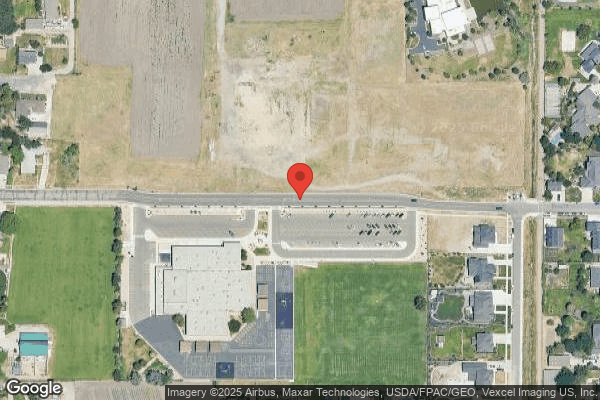
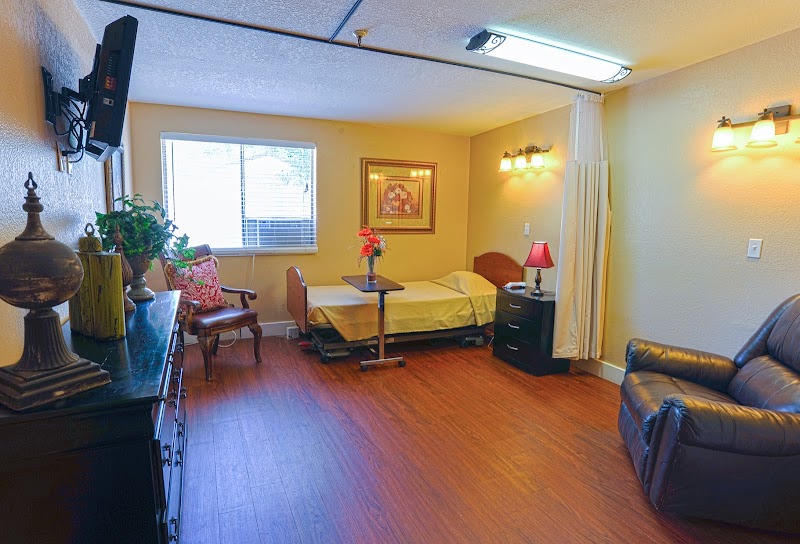
12702 South Fort Street, Draper, UT 84020 (801) 571-2704
For profit - Limited Liability company 93 Beds THE ENSIGN GROUP Data: November 2025
Trust Grade
85/100
#8 of 97 in UT
Last Inspection: September 2023

Over 2 years since last inspection. Current conditions may differ from available data.

Overview

Draper Rehabilitation and Care Center has a Trust Grade of B+, which indicates it is above average and recommended for families considering care options. It ranks #8 out of 97 facilities in Utah, placing it in the top half, and #5 out of 35 in Salt Lake County, showing only four local facilities are better. The facility is improving, having reduced its issues from 2 in 2021 to none in 2023, and it has no fines on record, which is a positive sign. Staffing is rated as average with a turnover rate of 55%, which is close to the state average, while RN coverage is also average, meaning they meet basic staffing needs. However, there have been concerns noted, such as food safety practices in the kitchen and inadequate support for residents needing assistance with personal hygiene, indicating areas that need attention despite the facility's strengths.

Trust Score
B+
85/100
In Utah
#8/97
Top 8%
Safety Record
Low Risk
No red flags
Inspections
Getting Better
2 → 0 violations
Staff Stability
⚠ Watch
55% turnover. Above average. Higher turnover means staff may not know residents' routines.
Penalties
✓ Good
No fines on record. Clean compliance history, better than most Utah facilities.
Skilled Nurses
✓ Good
Each resident gets 50 minutes of Registered Nurse (RN) attention daily — more than average for Utah. RNs are trained to catch health problems early.
Violations
○ Average
6 deficiencies on record. Average for a facility this size. Mostly minor or procedural issues.
★★★★★
5.0
Overall Rating
★★★☆☆
3.0
Staff Levels
★★☆☆☆
2.0
Care Quality
★★★★★
5.0
Inspection Score
Stable
2021: 2 issues
2023: 0 issues

The Good

  • Full Sprinkler Coverage · Fire safety systems throughout facility
  • No fines on record

Facility shows strength in fire safety.

The Bad

Staff Turnover: 55%

Near Utah avg (46%)

Frequent staff changes - ask about care continuity

Chain: THE ENSIGN GROUP

Part of a multi-facility chain

Ask about local staffing decisions and management

Staff turnover is elevated (55%)

7 points above Utah average of 48%

The Ugly 6 deficiencies on record

Dec 2021 2 deficiencies
CONCERN (D)

Potential for Harm - no one hurt, but risky conditions existed

ADL Care (Tag F0677)

Could have caused harm · This affected 1 resident

**NOTE- TERMS IN BRACKETS HAVE BEEN EDITED TO PROTECT CONFIDENTIALITY** Based on observation, interview, and record review it was determined the facility did not ensure that residents who were unable ...

Read full inspector narrative →
**NOTE- TERMS IN BRACKETS HAVE BEEN EDITED TO PROTECT CONFIDENTIALITY** Based on observation, interview, and record review it was determined the facility did not ensure that residents who were unable to carry out activities of daily living (ADL) received the necessary services to maintain good grooming and personal hygiene. Specifically, for 1 out of 21 sampled residents, a resident was not provided assistance with showers. Resident identifier: 21. Findings included: Resident 21 was admitted to the facility on [DATE] with diagnoses which included but not limited to Multiple Sclerosis, essential hypertension, generalized anxiety disorder, insomnia, low back pain, alcohol dependence, chronic pain syndrome, symptoms and signs involving the musculoskeletal system, muscle weakness, assistance with personal care, and major depressive disorder. On 11/29/21 at 10:50 AM, an interview was conducted with resident 21. Resident 21 stated since October 4th he had only received two showers. Resident 21 stated he usually tried to shower himself prior to breaking his leg. Resident 21's medical record was reviewed on 11/30/21. An admission Minimum Data Set assessment dated [DATE], documented that resident 21 required supervision and set up only for personal hygiene and physical help in part of bathing activity of one person physical assist. A review of the Shower Sheet / Skin Observation forms and Task ADL bathing the following entries were documented: a. On 10/6/21, received a shower. [Note: 1 shower was provided the week of 10/4/21.] b. On 10/13/21, received a shower. c. On 10/16/21, received a shower. d. On 10/21/21, received a shower. [Note: 1 shower was provided the week of 10/17/21.] e. On 10/26/21, received a shower. [Note: 1 shower was provided the week of 10/24/21.] f. On 11/6/21, refused shower. [Note: 1 shower was offered the week of 10/31/21.] g. On 11/10/21, received a shower. h. On 11/13/21, received a shower. i. On 11/20/21, received a bed bath. [Note: 1 shower was offered the week of 11/14/21.] j. On 11/27/21, received a shower. [Note: 1 shower was offered the week of 11/21/21.] On 11/30/21 at 11:04 AM, an interview was conducted with Certified Nursing Assistant (CNA) 1. CNA 1 stated resident 21 was showered two times a week on Wednesday and Saturday in the evening. CNA 1 stated showers were documented on the shower sheets or the resident medical record. CNA 1 stated resident 21 was usually a set up only for showers and she would assist resident 21 with washing his back. CNA 1 stated if a resident were to refuse a shower she would document the refusal on a shower sheet. On 11/30/21 at 2:02 PM, an interview was conducted with the Director of Nursing (DON). The DON stated resident 21 had never complained of missing showers but the shower sheets were not there. The DON stated they were in the process of providing an in-service for staff.
CONCERN (E)

Potential for Harm - no one hurt, but risky conditions existed

Food Safety (Tag F0812)

Could have caused harm · This affected multiple residents

**NOTE- TERMS IN BRACKETS HAVE BEEN EDITED TO PROTECT CONFIDENTIALITY** Based on observation, interview and record review, it was determined that the facility did not store food in accordance with pro...

Read full inspector narrative →
**NOTE- TERMS IN BRACKETS HAVE BEEN EDITED TO PROTECT CONFIDENTIALITY** Based on observation, interview and record review, it was determined that the facility did not store food in accordance with professional standards of food service safety. Specifically, food in the freezer, refrigerator and dry storage room was not labeled or dated, and food was open to air. Findings include: On 11/29/21 at 8:30 AM, an initial walk-through was completed in the facility kitchen. In the refrigerator a metal container was found that was not labeled or dated and had a light brown substance within it. The container was covered with plastic wrap. An interview was conducted with the morning cook (MC). The MC stated he was unsure if it was gravy or uncooked scrambled eggs. The MC took the container out of the refrigerator and asked a kitchen aide what the substance was. The kitchen aide stated it was gravy from a couple of days prior. The MC stated he would throw the substance away. On 11/30/21 at 1:50 PM, an interview was conducted with the facility Dietary Manager (DM). The DM stated all kitchen staff were responsible for putting food shipments away. The DM stated staff had been educated to put a received date on the food items before putting them away. The DM stated he was not aware of the process the previous dietary manager had been using for receiving food shipments and putting items in their designated locations. The DM stated the kitchen staff were not putting open dates or expiration dates on the food items. The DM stated most food came with an expiration date on it. The DM stated the Registered Dietitian (RD) had not performed any kitchen audits or staff education since he started at the facility 3 weeks ago. On 12/1/21 at 12:00 PM, a second walk-through of the kitchen was conducted. In the freezer, a box of cut Granny [NAME] apples was found to be open to air with ice crystals accumulated on them. A large item of meat was wrapped in plastic wrap with no label or date on it. Three bags of frozen vegetables were found not to be labeled or dated. In the dry storage room, a bulk box of pretzel sticks was found unsealed and open to air. In the refrigerator, a bulk plastic container of maraschino cherries was labeled with a received date of 2/23 and an open date of 3/10. The DM stated he would discard the cherries as there was not an expiration date on the item and no year indicated as to when they were opened.
Sept 2019 4 deficiencies
CONCERN (D)

Potential for Harm - no one hurt, but risky conditions existed

Tube Feeding (Tag F0693)

Could have caused harm · This affected 1 resident

**NOTE- TERMS IN BRACKETS HAVE BEEN EDITED TO PROTECT CONFIDENTIALITY** Based on observation, interview, and record review, the facility did not provide the appropriate treatment and services to preve...

Read full inspector narrative →
**NOTE- TERMS IN BRACKETS HAVE BEEN EDITED TO PROTECT CONFIDENTIALITY** Based on observation, interview, and record review, the facility did not provide the appropriate treatment and services to prevent possible complications of enteral feeding for 1 of 20 sample residents. Specifically, one resident did not receive periodic evaluation of the amount of feeding being administered for consistency with practitioner's orders: Resident identifier: 10. Findings include: Resident 10 was readmitted to the facility on [DATE] with diagnoses which included dysphagia, a stage 4 pressure ulcer of the right buttock, edema, dementia, and multiple sclerosis. On 9/9/19 at 7:18 AM, resident 10 was observed in her room, lying in bed with a feeding tube attached and running. The bag of formula was not labeled with the type of formula, the time it was last filled, or the amount it was last filled with. On 9/9/19 at 12:21 PM, resident 10 was observed in her room, lying in bed with a feeding tube attached and running. The bag of formula was not labeled with the type of formula, the time it was last filled, or the amount it was last filled with. On 9/10/19 at 7:57 AM, resident 10 was observed in her room, lying in bed with a feeding tube attached. The bag of formula was labeled as follows: 0100 [1:00 AM] 9/10/19 2 cans 0100 2 cans 0600 [6:00 AM] [Note: Two cans of formula would be enough to run for approximatley 6 hours.] On 9/11/19 at 7:57 AM, resident 10 was observed in her room, lying in bed with a feeding tube attached. The bag of formula had the same label as it did on 9/11/19. The feeding pump was turned off and the formula bag was empty. At 9:04 AM, resident 10 was observed in her room, lying in bed with a feeding tube attached. The pump was still turned off and the formula bag was still empty. At 9:52 AM, the formula bag was observed with the following label: 9/11/19 09 Jevity 1.2 80 ml/hr [milliliters per hour] H2O [hour] flush 25 ml/hr Resident 10's medical record revealed the following order: every (sic) shift continuous tube feeding: Jevity 1.2 80ML/HR with H2O 25ML/HR. Resident 10's Medication Administration Record was reviewed for September 2019. The record revealed that nursing staff documented that resident 10's tube feed was running twice a day and that when they changed the bag daily. The record did not show documentation of the total feed resident 10 received, when formula was added to the tube feed bags, or when the pump was turned off and on. Resident 10's current care plan revealed the following: Registered Dietician [RD] to evaluate quarterly and PRN [as needed]. Monitor caloric intake, estimate needs. Make recommendations for changes to tube feeding as needed. On 9/11/19 at 3:22 PM, Licensed Practical Nurse (LPN) 1 was interviewed. When asked how staff tracks the volume of formula resident 10 is receiving each day, LPN 1 stated, It should say in the order, but it's a continuous feed. On 9/11/19 at 3:25 PM, the Director of Nursing (DON) was interviewed. When asked how the facility ensured resident 10 received the ordered fluid volume, the DON stated, We don't record it. We don't record how much she gets. When asked how resident 10's caloric needs are met if the facility was unsure of how many calories the resident received, the DON stated, We track weights and labs to make sure her caloric needs are being met.
CONCERN (D)

Potential for Harm - no one hurt, but risky conditions existed

Deficiency F0697 (Tag F0697)

Could have caused harm · This affected 1 resident

**NOTE- TERMS IN BRACKETS HAVE BEEN EDITED TO PROTECT CONFIDENTIALITY** Based on observation, interview, and record review, the facility did not ensure that pain management was provided for 1 of 20 sa...

Read full inspector narrative →
**NOTE- TERMS IN BRACKETS HAVE BEEN EDITED TO PROTECT CONFIDENTIALITY** Based on observation, interview, and record review, the facility did not ensure that pain management was provided for 1 of 20 sampled residents. Specifically, a resident experiencing pain during wound care did not receive ordered pain medication. Resident identifier: 10. Findings include: Resident 10 was readmitted to the facility on [DATE] with diagnoses which included pressure ulcer of right (r) buttock, edema, dementia, and multiple sclerosis. On 9/9/19, resident 10's medical record was reviewed and contained the following notes: a. On 8/22/19, Order summary: R Buttock. Dakins (wound cleanser) moist to wet, pack lightly then cover with absorbent dressing QD (daily) and prn (as needed). b. On 8/29/19, Order summary: Viscous Lidocaine 5 mg (milligrams) to wound prior to wound care PRN. c. On 9/6/19 at 10:28 AM, Physician Progress Note: Note Text: Chief Complaint(s): Acute Visit: wound pain per staf (sic) request, i visited with the patient as she is starting to get some sensation into her large wound discussed try some gabapentin as we would liek (sic) to avoid narcotics and patient notes pain is sharp shooting, mostly with dressing changes. On 9/10/19 at 9:30 AM, the wound nurse was observed performing a dressing change to the pressure ulcer on resident 10's right buttock. As the wound nurse scrubbed the wound with a Dakins soaked 4 x 4 gauze dressing and a large cotton swab, the resident made a fist and clenched the bed sheet in her right hand, grimaced, clenched her jaw, and shut her eyes tightly. She made slight whimpering noises and jerked her buttocks away from the nurse. When asked by this surveyor if she was in pain the resident stated, It hurts but I'm okay. [Note: The wound nurse did not use the ordered lidocaine.] After the wound nurse left the room an immediate interview was conducted with resident 10. When asked if the wound cleaning had hurt she stated yes. When asked to rate her pain on a 1 to 10 scale with 1 being no pain and 10 being unbearable pain, she rated it at a 5/10. Resident 10 stated she had never been offered pain medication prior to wound care. At 11:51 AM, the wound nurse was interviewed. When asked if resident 10 has any medication to help with possible pain during wound care, she stated, No. She hasn't requested any either. I kind of like it when the patient reacts to a little bit of pain because that way I can tell the new tissue is growing. The wound nurse came returned a few minutes later and stated, It looks like she has an order for some lidocaine. On 9/11/19 at 2:39 PM, the Director of Nursing (DON) was interviewed regarding resident 10's wound care. The DON stated, [resident 10] has viscous lidocaine. I'd have to ask [wound nurse] when she uses it. Staff has told me that [resident 10] has said it's uncomfortable. When asked her expectation for using the ordered lidocaine for pain relief, the DON stated, If [resident 10] says, Ow, [wound nurse] would stop and get the lidocaine I would assume.
CONCERN (D)

Potential for Harm - no one hurt, but risky conditions existed

Food Safety (Tag F0812)

Could have caused harm · This affected 1 resident

Based on observation, interview, and record review it was determined that the facility did not store, prepare, distribute and serve food in accordance with professional standards for food service safe...

Read full inspector narrative →
Based on observation, interview, and record review it was determined that the facility did not store, prepare, distribute and serve food in accordance with professional standards for food service safety. Specifically, packages of ready to eat luncheon meat were stored open to air and there was significant dust and debris in the food preparation area. Findings include: On 9/9/19 at 7:29 AM, the following observations were made in the kitchen. a. In the walk-in refrigerator, three packages of ready to eat luncheon meat in zip-top bags were open to air. b. There was significant dust on a window sill. The window was open. The window faced the oven and food preparation area. c. There was significant dust on a wall mounted water flirtation system in the kitchen. d. There was dirt and debris under the storage racks in the kitchen. On 9/11/19 at 9:15 AM, the dust on the window and filtration system remained. The Dietary Manager (DM) was interviewed. The DM stated that they tried to regularly clean the window sill. The DM stated that they recently cleaned the top of the oven and that the window sill should have been cleaned at that time as well, but had not.
CONCERN (D)

Potential for Harm - no one hurt, but risky conditions existed

Infection Control (Tag F0880)

Could have caused harm · This affected 1 resident

**NOTE- TERMS IN BRACKETS HAVE BEEN EDITED TO PROTECT CONFIDENTIALITY** Based on observation and interview it was determined for 1 of 20 sampled residents that the facility did not maintain an infecti...

Read full inspector narrative →
**NOTE- TERMS IN BRACKETS HAVE BEEN EDITED TO PROTECT CONFIDENTIALITY** Based on observation and interview it was determined for 1 of 20 sampled residents that the facility did not maintain an infection prevention program designed to provide a safe and sanitary environment to prevent the development and transmission of communicable diseases and infections. Specifically, licensed nursing staff did not sanitize a pair of scissors prior to use during a dressing change. Resident identifier 37. Findings include: Resident 37 was admitted to the facility on [DATE] and re-admitted on [DATE] with diagnoses which included stage 3 pressure ulcer (PU) of right buttocks. On 9/9/19 at 9:43 AM, an interview was conducted with resident 37. Resident 37 stated that she had a PU on her right buttocks. A wound vac dressing was observed on resident 37's right gluteus. Resident 37 stated that the wound vac dressing was placed last Wednesday, and the PU was also debrided last week. Resident 37 stated that the wound was healing slowly. On 9/9/19 at 10:31 AM, an observation was made of resident 37's PU dressing change by the wound nurse. Certified Nurse Assistant (CNA) 1 was observed assisting the wound nurse during the dressing change. The wound nurse was observed to gather the supplies necessary for the dressing change from a supply cart. Among the supplies was a pair of scissors. No observation was made of the wound nurse sanitizing the scissors. The wound nurse was observed to sanitize hands and apply new gloves. The wound nurse was observed to remove the wound VAC dressing drape from the sterile package. The wound nurse utilized the scissors to cut a hole in the center of the drape the size of the wound opening. The wound nurse then applied skin prep to the outer edges of the wound circumference, and the drape was applied. The wound nurse then cut a second piece of clear drape dressing and applied to the skin tracking away from the wound towards the right hip. The wound nurse discarded gloves, sanitized hands and reapplied new gloves. The wound nurse then removed the foam dressing from the sterile package and cut it with the scissors to the size of the wound bed. The foam dressing was then observed to be placed inside the wound bed. The wound nurse then applied another clear drape dressing over the foam dressing to secure in place. The wound nurse then cut the distal end of the foam dressing near the right hip and the vacuum suction tubing was applied. The vacuum suction was turned on and the negative pressure was set at 125 mm (millimeters)/hg (mercury). An immediate interview was conducted with the wound nurse. The wound nurse stated that she obtained the scissors from the wound cart and that she sterilized the scissors after each use with a micro-kill bleach wipe. The wound nurse stated that the floor nurse also had access to the dressing supply storage cart. The wound nurse stated that the other facility nurses could utilize the scissors in the cart. The wound nurse then stated that she also sterilized the scissors before use, but that she had forgotten this time. On 9/11/19 at 12:25 PM, an interview was conducted with the Director of Nursing (DON). The DON stated that the process for cleaning the scissors was to sanitize after each use. The DON stated that the wound nurse only cleaned the scissors after each use and not prior to use.
Understanding Severity Codes (click to expand)
Life-Threatening (Immediate Jeopardy)
J - Isolated K - Pattern L - Widespread
Actual Harm
G - Isolated H - Pattern I - Widespread
Potential for Harm
D - Isolated E - Pattern F - Widespread
No Harm (Minor)
A - Isolated B - Pattern C - Widespread

Questions to Ask on Your Visit

  • "Why is there high staff turnover? How do you retain staff?"
  • "Can I speak with families of current residents?"
  • "What's your RN coverage like on weekends and overnight?"

Our Honest Assessment

Strengths
  • • Grade B+ (85/100). Above average facility, better than most options in Utah.
  • • No major safety red flags. No abuse findings, life-threatening violations, or SFF status.
  • • No fines on record. Clean compliance history, better than most Utah facilities.
Concerns
  • • 55% turnover. Above average. Higher turnover means staff may not know residents' routines.
Bottom line: Generally positive indicators. Standard due diligence and a personal visit recommended.

About This Facility

What is Draper Rehabilitation And Care Center's CMS Rating?

CMS assigns Draper Rehabilitation and Care Center an overall rating of 5 out of 5 stars, which is considered much above average nationally. Within Utah, this rating places the facility higher than 99% of the state's 100 nursing homes. This rating reflects solid performance across the metrics CMS uses to evaluate nursing home quality.
How is Draper Rehabilitation And Care Center Staffed?

CMS rates Draper Rehabilitation and Care Center's staffing level at 3 out of 5 stars, which is average compared to other nursing homes. Staff turnover is 55%, which is 9 percentage points above the Utah average of 46%. High turnover can affect care consistency as new staff learn residents' individual needs.

What Have Inspectors Found at Draper Rehabilitation And Care Center?

State health inspectors documented 6 deficiencies at Draper Rehabilitation and Care Center during 2019 to 2021. These included: 6 with potential for harm.

Who Owns and Operates Draper Rehabilitation And Care Center?

Draper Rehabilitation and Care Center is owned by a for-profit company. For-profit facilities operate as businesses with obligations to shareholders or private owners. The facility is operated by THE ENSIGN GROUP, a chain that manages multiple nursing homes. With 93 certified beds and approximately 63 residents (about 68% occupancy), it is a smaller facility located in Draper, Utah.

How Does Draper Rehabilitation And Care Center Compare to Other Utah Nursing Homes?

Compared to the 100 nursing homes in Utah, Draper Rehabilitation and Care Center's overall rating (5 stars) is above the state average of 3.4, staff turnover (55%) is near the state average of 46%, and health inspection rating (5 stars) is much above the national benchmark.

What Should Families Ask When Visiting Draper Rehabilitation And Care Center?

Based on this facility's data, families visiting should ask: "How do you ensure continuity of care given staff turnover, and what is your staff retention strategy?" "Can I visit during a mealtime to observe dining assistance and food quality?" "How do you handle medical emergencies, and what is your hospital transfer rate?" "Can I speak with family members of current residents about their experience?" These questions are particularly relevant given the facility's high staff turnover rate.

Is Draper Rehabilitation And Care Center Safe?

Based on CMS inspection data, Draper Rehabilitation and Care Center has a clean safety record: no substantiated abuse findings (meaning no confirmed cases of resident harm), no Immediate Jeopardy citations (the most serious violation level indicating risk of serious injury or death), and is not on the Special Focus Facility watch list (a federal program monitoring the lowest-performing 1% of nursing homes). The facility has a 5-star overall rating and ranks #1 of 100 nursing homes in Utah. While no facility is perfect, families should still ask about staff-to-resident ratios and recent inspection results during their visit.

Do Nurses at Draper Rehabilitation And Care Center Stick Around?

Staff turnover at Draper Rehabilitation and Care Center is high. At 55%, the facility is 9 percentage points above the Utah average of 46%. High turnover means new staff may not know residents' individual needs, medications, or preferences. It can also be disorienting for residents, especially those with dementia who rely on familiar faces. Families should ask: What is causing the turnover? What retention programs are in place? How do you ensure care continuity during staff transitions?

Was Draper Rehabilitation And Care Center Ever Fined?

Draper Rehabilitation and Care Center has no federal fines on record. CMS issues fines when nursing homes fail to meet care standards or don't correct problems found during inspections. The absence of fines suggests the facility has either maintained compliance or corrected any issues before penalties were assessed. This is a positive indicator, though families should still review recent inspection reports for the full picture.

Is Draper Rehabilitation And Care Center on Any Federal Watch List?

Draper Rehabilitation and Care Center is not on any federal watch list. The most significant is the Special Focus Facility (SFF) program, which identifies the bottom 1% of nursing homes nationally based on persistent, serious quality problems. Not being on this list means the facility has avoided the pattern of deficiencies that triggers enhanced federal oversight. This is a positive indicator, though families should still review the facility's inspection history directly.