Monument Healthcare Millcreek
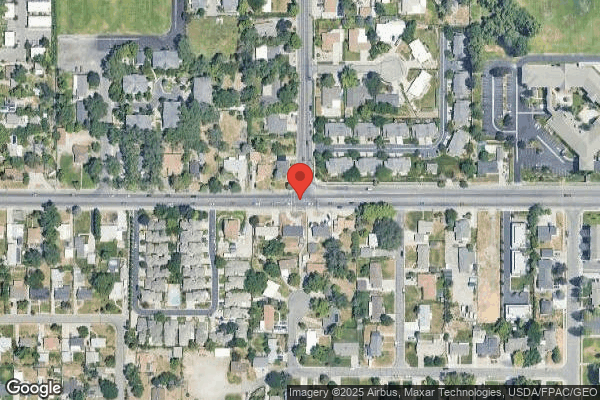
1201 East 4500 South, Salt Lake City, UT 84117 (801) 261-3664
For profit - Limited Liability company 120 Beds MONUMENT HEALTH GROUP Data: November 2025
Trust Grade
85/100
#14 of 97 in UT
Last Inspection: November 2023

Within standard 12-15 month inspection cycle. Federal law requires annual inspections.

Overview

Monument Healthcare Millcreek in Salt Lake City has a Trust Grade of B+, indicating it is above average and recommended for families considering care options. The facility ranks #14 out of 97 in Utah and #9 out of 35 in Salt Lake County, placing it in the top half of available options. However, the facility is currently experiencing a worsening trend, with the number of reported issues increasing from 7 in 2019 to 8 in 2023. Staffing is a concern, rated at 2 out of 5 stars, but the turnover rate is impressively low at 0%, which is significantly better than the state average. While there have been no fines reported, indicating compliance with regulations, recent inspections revealed some issues. For example, water temperatures in resident bathrooms were found to be excessively high, posing a risk of burns, and one resident did not receive the necessary pre-admission mental health screening. It is important for families to weigh these strengths and weaknesses when considering care for their loved ones.
Trust Score
B+
85/100
In Utah
#14/97
Top 14%
Safety Record
Low Risk
No red flags
Inspections
Getting Worse
7 → 8 violations
Staff Stability
○ Average
Turnover data not reported for this facility.
Penalties
✓ Good
No fines on record. Clean compliance history, better than most Utah facilities.
Skilled Nurses
✓ Good
Each resident gets 74 minutes of Registered Nurse (RN) attention daily — more than 97% of Utah nursing homes. RNs are the most trained staff who catch health problems before they become serious.
Violations
⚠ Watch
15 deficiencies on record. Higher than average. Multiple issues found across inspections.
★★★★★
5.0
Overall Rating
★★☆☆☆
2.0
Staff Levels
★★★★★
5.0
Care Quality
★★★★☆
4.0
Inspection Score
Stable
2019: 7 issues
2023: 8 issues

The Good

  • 5-Star Quality Measures · Strong clinical quality outcomes
  • Full Sprinkler Coverage · Fire safety systems throughout facility
  • No fines on record

Facility shows strength in quality measures, fire safety.

The Bad

Chain: MONUMENT HEALTH GROUP

Part of a multi-facility chain

Ask about local staffing decisions and management

The Ugly 15 deficiencies on record

Nov 2023 6 deficiencies
CONCERN (D)

Potential for Harm - no one hurt, but risky conditions existed

Safe Environment (Tag F0584)

Could have caused harm · This affected 1 resident

**NOTE- TERMS IN BRACKETS HAVE BEEN EDITED TO PROTECT CONFIDENTIALITY** Based on observation and interview it was determined, for 3 of 22 sampled residents, that the facility failed to maintain a safe...

Read full inspector narrative →
**NOTE- TERMS IN BRACKETS HAVE BEEN EDITED TO PROTECT CONFIDENTIALITY** Based on observation and interview it was determined, for 3 of 22 sampled residents, that the facility failed to maintain a safe, clean, comfortable and homelike environment. Specifically, the water pressure and temperature of a shared bathroom sink was low. Resident identifiers: 23, 42, and 51 Findings include: 1. Resident 23 was admitted to the facility on [DATE] with diagnoses which include chronic respiratory failure with hypoxia, type 2 diabetes mellitus, difficulty in walking, muscle weakness, hypothyroidism, essential hypertension, anemia, polyneuropathy, vitamin B12 deficiency, major depressive disorder, anxiety disorder, dysphagia, Wernicke's encephalopathy, dysuria, pain in left hip, panic disorder, and hallucinations. Resident 42 was admitted to the facility on [DATE] with diagnoses which include chronic respiratory failure with hypoxia, morbid obesity, protein-calorie malnutrition, muscle weakness, difficulty in walking, hyperkalemia, essential hypertension, sleep apnea, gout, anxiety disorder, bradycardia, and depression. On 10/30/23 at 9:57 AM, an interview with resident 42 was conducted. Resident 42 stated that she was able to get up to use the bathroom sink. On 10/30/23 at 2:53 PM, resident 23's and resident 42's shared bathroom sink was observed. The water pressure of the sink was low. The water temperatures was observed to be at 70 degrees with only the hot water turned on. 2. Resident 51 was admitted to the facility on [DATE] with diagnoses that included severe protein-calorie malnutrition, adult failure to thrive, schizophrenia and paranoid schizophrenia, muscle weakness and type 2 diabetes. Resident 51's medical record was reviewed. An admission Minimum Data Set (MDS) dated [DATE] revealed a Brief Interview for Mental Status (BIMS) score of 10, indicating moderate cognitive impairment. On 10/30/23 at 3:09 PM, the water temperature in resident 51's bathroom reached a maximum of 94 degrees Fahrenheit. On 10/30/23 at 3:09 PM, an interview with the Maintenance Director was conducted. The Maintenance Director stated that he checked the water temperatures of about five resident rooms each week. The Maintenance Director stated that he was unaware of the low water pressure and low water temperature.
CONCERN (D)

Potential for Harm - no one hurt, but risky conditions existed

Deficiency F0645 (Tag F0645)

Could have caused harm · This affected 1 resident

**NOTE- TERMS IN BRACKETS HAVE BEEN EDITED TO PROTECT CONFIDENTIALITY** Based on record review and interview, for 1 of 22 sampled residents, the facility did not ensure that the Preadmission Screening...

Read full inspector narrative →
**NOTE- TERMS IN BRACKETS HAVE BEEN EDITED TO PROTECT CONFIDENTIALITY** Based on record review and interview, for 1 of 22 sampled residents, the facility did not ensure that the Preadmission Screening for individuals with a mental health disorder was performed by a person or entity other than the State Mental Health Authority prior to admission, and that because of the physical and mental condition of the individual, the individual required the level of services provided by the nursing facility, and whether the individual required specialized services. Specifically, a resident admitted with a mental health disorder did not have a Preadmission Screening Resident Review (PASRR) Level II recommended or completed. Resident identifier: 51. Findings include: Resident 51 was admitted to the facility on [DATE] with diagnoses that included severe protein-calorie malnutrition, adult failure to thrive, schizophrenia and paranoid schizophrenia. On 9/15/23, a PASRR I was completed for resident 51. The psychiatric diagnosis documented that resident 51 had schizophrenia disorder. The PASRR I also documented that Prior to admission the attending hospital physician certifies in writing that the applicant/resident will be admitted for 30 days or less following medical hospitalization. The documentation did not document that resident 51 had a diagnosis of schizophrenia under the Serious Mental illness (SMI) criteria which would indicate that a PASRR Level II would be needed. The evaluation documented that a Level I Screen indicates referral for Level II evaluation SMI is NOT needed citing Skilled Nursing Facility [SNF] short-term rehab [less than] 30 days. No documentation could be located in resident 51's medical record that a PASRR Level II had been completed. On 11/1/23 at 1:27 PM, an interview was conducted with the facility Social Worker (SW). The SW stated resident 51's husband could not take care of her and was trying to figure out what to do with her. The SW stated they did not intend for her to be staying as long as she has. The SW stated the resident had refused to go out for a personal visit with her psychiatrist. The SW stated he needed to submit a PASRR II for resident 51. The SW stated the process for submitting a PASRR II included sending the resident's face sheet from the hospital, the history and physical, a doctor's note and the PASRR I.
CONCERN (D)

Potential for Harm - no one hurt, but risky conditions existed

ADL Care (Tag F0677)

Could have caused harm · This affected 1 resident

**NOTE- TERMS IN BRACKETS HAVE BEEN EDITED TO PROTECT CONFIDENTIALITY** Based on observation, interview, and record review, for 1 of 22 sampled residents, the facility did not provide the necessary se...

Read full inspector narrative →
**NOTE- TERMS IN BRACKETS HAVE BEEN EDITED TO PROTECT CONFIDENTIALITY** Based on observation, interview, and record review, for 1 of 22 sampled residents, the facility did not provide the necessary services to maintain good nutrition, grooming, and persona and oral hygiene for residents who were unable to carry out the activities of daily living. Specifically, a resident was not showered twice weekly according to his preferences. Resident Identifier: 158. Findings Include: Resident 158 was admitted to the facility on [DATE] with diagnoses that included acute respiratory failure with hypoxia, pneumonia, muscle weakness, type 2 diabetes, acute kidney failure and major depressive disorder. On 10/30/23 at 10:18 AM, an interview was conducted with resident 158. Resident 158 stated he had only received one shower since his admission. Resident 158 stated he had not been offered a shower the day after he arrived. Resident 158 stated he would like at least 2 showers per week. Resident 158's medical record was reviewed between 10/30/23 and 11/2/23. An admission Minimum Data Set (MDS) dated [DATE] revealed that it was very important for the resident to choose between a tub bath, bed bath, shower or sponge bath. The MDS also revealed that resident 158 required substantial/maximum assistance with showers/bathing. A review of the Certified Nursing Assistant (CNA) documentation in the task section of the medical record revealed resident 158 received a bed bath and a shower on 10/25/23. The bathing task revealed that no bathing activity occurred on 10/29/23. No other days were accounted for. On 11/1/23 at 9:54 AM, an interview was conducted with CNA 1. CNA 1 stated residents in the facility received 2 to 3 showers per week. CNA 1 stated she did not know what resident 158's schedule was. CNA 1 stated showers were documented on a shower sheet and then in the resident's medical record. CNA 1 stated if a resident refused a shower, it would be marked on the shower sheet, and the CNA would notify the nurse. CNA 1 stated the nurse would talk with the resident and encourage a shower. CNA 1 stated if the resident continued to refuse, the nurse would have the resident sign the shower sheet acknowledging the refusal. CNA 1 stated if the resident did not have the cognitive capacity, they did not require the resident to sign. CNA 1 stated if a resident got upset, they would try to ask again later. On 11/1/23 at 10:54 AM, an interview was conducted with CNA 2. CNA 2 stated she did not work with resident 158 very much. CNA 2 stated resident 158's shower days were on Wednesdays and Saturdays. CNA 2 located the shower book at the nurses station and stated after shower sheets were completed, they were placed in the shower book. On 11/1/23 at 2:20 PM, an interview was conducted with the Director of Nursing (DON). The DON stated there was a resident shower schedule on each unit. The DON stated when showers were completed the shower sheets were filled out and the shower was documented in the resident's medical record. The DON stated if the resident refused, the nurse on the unit would talk to the resident. The DON stated if the resident continued to refuse they would try a third time. The DON stated if the resident refused a third time, the staff would respect the resident's wishes. The DON stated residents on hospice had their own schedule. The DON stated the nurse managers checked the shower sheets to ensure residents were getting showers. The DON stated the shower sheets were a tool to track resident showers and that it was not an official part of the resident's medical record. The DON stated she kept a binder with the completed shower sheets. The DON stated the CNAs should be documenting shower refusals in the resident's medical record. On 11/2/23 at 8:51 AM, a follow up interview was conducted with the DON. The DON stated she did not have any shower information for resident 158. The DON stated resident 158 received a shower last night but did not have any information that he had been provided any other showers.
CONCERN (D)

Potential for Harm - no one hurt, but risky conditions existed

Drug Regimen Review (Tag F0756)

Could have caused harm · This affected 1 resident

**NOTE- TERMS IN BRACKETS HAVE BEEN EDITED TO PROTECT CONFIDENTIALITY** Based on interview and record review it was determined, for 2 of 22 sampled residents, that the facility did not ensure that eac...

Read full inspector narrative →
**NOTE- TERMS IN BRACKETS HAVE BEEN EDITED TO PROTECT CONFIDENTIALITY** Based on interview and record review it was determined, for 2 of 22 sampled residents, that the facility did not ensure that each resident's drug regimen was reviewed once a month by the licensed pharmacist and any irregularities were reported to the physician and were acted upon. Specifically, monthly pharmacy reviews identified irregularities that had not been implemented. Resident identifiers: 2 and 8. Findings include: 1. Resident 8 was admitted to the facility on [DATE] and readmitted on [DATE] with diagnoses which included palliative care, morbid obesity, edema, senile degeneration of brain, and non-pressure chronic ulcer of right calf. Resident 8's medical record was reviewed 10/30/23 through 11/2/23. A form titled Consultation Report from the facility pharmacy dated 8/30/23. The form revealed that resident 8 had as needed physician's order that were not used within the previous 60 days. The medications were: 1. Miralax Packet 2. Milk of Magnesia 3. Fluticone nasal spray 50 mcg/act (PLEASE NOTE: this only pertains to prn order; resident does take the medication once daily routinely) 4. Benadryl tablet The physician's response was to accept the recommendations above, please implement as written. The physician signed the form on 9/5/23. Resident 8's physician's orders were reviewed. Resident 8 had the above physician's orders active. 2. Resident 2 was admitted to the facility on [DATE] and readmitted on [DATE] with diagnoses which included encounter for palliative care, paranoid schizophrenia, chronic obstructive pulmonary disease, rheumatoid arthritis, major depressive disorder and dementia. Resident 2's medical record was reviewed 10/30/23 through 11/2/23. A form titled Consultation Report from the facility pharmacy dated 8/30/23. The form revealed that resident 2 had as needed physician's order that were not used within the previous 60 days. The medications were: 1. Senna Plus Tablet 2. Morphine Solution 3. Miralax powder 4. Milk of Magnesia 5. Fleet Enema 6. Dulcolax Suppository 7. Aspercreme The physician's response was to accept the recommendations above, please implement as written. The physician signed the form on 9/5/23. Resident 2's physician's orders were reviewed. Resident 2 had the above physician's orders active. On 10/31/23 at 2:00 PM, an interview was conducted with the Director of Nursing (DON). The DON stated she missed implementing the pharmacy recommendations for resident 2 and resident 8. The DON stated after the pharmacy recommendation were provided to the facility, the physician reviewed them with in a few days, and then the recommendations were implemented within 7 days. The DON stated she tried to to implement the recommendations as possible. On 11/1/23 at 2:26 PM, a follow up interview was conducted with the (DON). The DON stated she talked to Physician 1 and he wanted the medications discontinued for resident 2 and resident 8.
CONCERN (D)

Potential for Harm - no one hurt, but risky conditions existed

Deficiency F0760 (Tag F0760)

Could have caused harm · This affected 1 resident

**NOTE- TERMS IN BRACKETS HAVE BEEN EDITED TO PROTECT CONFIDENTIALITY** Based on interview and record review it was determined, for 1 of 22 sampled resident, the facility did not ensure residents were...

Read full inspector narrative →
**NOTE- TERMS IN BRACKETS HAVE BEEN EDITED TO PROTECT CONFIDENTIALITY** Based on interview and record review it was determined, for 1 of 22 sampled resident, the facility did not ensure residents were free of any significant medication errors. Specifically, a resident was administered double the dose of physician prescribed Lasix. In addition, the resident had an elevated potassium level prior to being administered double to dose of lasix and there was no physician follow-up documented. Resident identifier: 8. Findings included: Resident 8 was admitted to the facility on [DATE] and readmitted on [DATE] with diagnoses which included palliative care, morbid obesity, edema, osteoarthritis, senile degeneration of brain, non-pressure chronic ulcer of right calf. Resident 8's medical record was reviewed from 10/30/23 through 11/2/23. A physician's order dated 9/16/23 and discontinued on 9/24/23 revealed Lasix 40 milligrams (mg). The instructions were to give 1 tablet by mouth two time a day for edema. In addition, Lasix 40 mg po [orally] BID [twice daily] for three days then back to lasix 40 mg qd [daily]. Resident 8's Medication Administration Record (MAR) September 2023 revealed Lasix 40 mg was administered twice daily 9/17/23 through 9/23/23. Resident 8 was administered lasix 40 mg in in the morning of 9/24/23. A physician's order dated 9/24/23 revealed Lasix Oral Tablet 40 MG. The instructions were to give 1 tablet by mouth two times a day for Edema. The order further revealed to administered BID for Three days then back to Lasix 40 mg qd. Resident 8's MAR September 2023 revealed Lasix 40 MG was administered twice daily starting 9/24/23 until 10/31/23. A review of resident 8's laboratory results revealed on 9/5/23 that potassium was 4.4 mmol/L (millimole per liter) and the reference interval was 3.5 to 5.2. A laboratory results dated [DATE] revealed resident had a potassium level of 3.2 which was low. The form was signed on 9/20/23 but did not have any follow-up information. A form titled Hospice IDG Comprehensive Assessment and Plan of Care Update Report revealed that resident 8 started on hospice 9/20/23. The medication list revealed Lasix 40 MG to be administered daily. Progress notes revealed the following entries: a. On 9/19/23 at 4:18 PM, :Resident talked with Nurse Practitioner and elected to go on Hospice services due to declining condition . There were no progress notes from 9/22/23 through 10/3/23. There was no information regarding changing or physician's order for the Lasix to be 40 mg twice a day. On 11/2/23 at 9:49 AM, an interview was conducted with Registered Nurse (RN) 1. RN 1 was observed to review the physician's order for the lasix to be administered twice daily for 3 days and then once daily. RN 1 stated they would have to call and clarify the order because the resident should be administered Lasix once daily after 9/27/23. On 11/2/23 at 10:04 AM, an interview was conducted with RN 2. RN 2 stated resident 8 had 2 different medication cards with Lasix in the medication cart. RN 2 stated resident 8 received Lasix in the morning and another dose at 4:00 PM. RN 2 stated she did not notice the physician's order to administered twice daily for 3 days and then daily. RN 2 stated if she had noticed she would have called the physician to clarify the dosage. It should be noted that RN 2's initials were documented on the Lasix medication in September 2023 and October 2023. On 11/1/23 at 3:43 PM, an interview was conducted with the Director of Nursing (DON). The DON stated when a physician provided a verbal order for medications the order was transcribed into the medical record. The DON stated after a resident was ordered medications, the Nurse Managers ran a report to review all newly medications entered into the electronic medical record system. The DON stated stated the Nurse Practitioner (NP) reviewed resident 8's laboratory values on 9/5/23 and 9/18/23 and there were no new physician's order. On 11/2/23 at 8:51 AM, an interview was conducted with the Director of Nursing (DON). The DON stated they talked to Physician 1 and he wanted to keep Lasix at 40 MG twice a day. The DON stated there should have been a clarification order put into the medical record. The DON stated resident 8 did not need to be on potassium because she was receiving Spironolactone. The DON stated Physician 1 was not concerned that resident 8 had a low potassium level. The DON stated that physician 1 was not planning on doing additional labs because of the Spironolactone. The DON stated that Physician 1 was the medical director and Physician 1 stepped in if staff were unable to get a hold of Physician 2. On 11/2/23 at 9:44 AM, an interview was conducted with Physician 1. Physician 1 stated he had intended to increase resident 8's Lasix to twice daily indefinitely and then follow up with laboratory results. Physician 1 stated that resident 8 transitioned to hospice after her potassium was checked. Physician 1 stated the NP was also involved and signed the laboratory values. Physician 1 stated when a resident was transitioned to hospice, then the hospice decided if laboratory draws were appropriate. Physicians 1 stated he was not aware the physician's order was to administer twice daily for 3 day and then daily. On 11/2/23 at 9:50 AM, an interview was conducted with resident 8's Hospice RN. Hospice RN stated that Physician 2 was resident 8's primary care physicians. Hospice RN stated Physician 1 was the facility medical director and provided his opinion regarding the best care for resident 8. Hospice RN stated that after Physician 1 provided a recommendation then Physician 2 was contacted and provided orders. Hospice RN stated resident 8 was receiving Lasix 40 mg twice daily. Hospice RN stated when resident 8 started on hospice, the plan was to order 40 mg once daily because she had edema. Hospice RN stated resident 8 needed to have the 50 mg twice daily because of her fluid. Hospice RN stated the facility provided laboratory results prior to resident 8 starting on hospice. Hospice RN stated resident 8 was on Spironolactone which was a potassium sparing diuretic, so resident 8 did not need a potassium supplement. Hospice RN stated staff were to watch symptoms of low potassium. Hospice RN stated that the symptoms were edema, any new heart palpitations and to mostly watch for comfort. Hospice RN stated residents receiving hospice services usually did not have labs completed. Hospice RN stated Physician 2 wanted the Lasix twice a day. Hospice RN stated she did not have documentation that Physician 2 had ordered Lasix twice daily. Hospice RN stated she needed to review resident 8's medications because she missed the dosage during her initial medication review and documented that resident 8 had Lasix 40 mg once daily.
CONCERN (E)

Potential for Harm - no one hurt, but risky conditions existed

Accident Prevention (Tag F0689)

Could have caused harm · This affected multiple residents

**NOTE- TERMS IN BRACKETS HAVE BEEN EDITED TO PROTECT CONFIDENTIALITY** Based on observation, interview and record review it was determined, for 8 of 22 sampled residents, that the facility did not en...

Read full inspector narrative →
**NOTE- TERMS IN BRACKETS HAVE BEEN EDITED TO PROTECT CONFIDENTIALITY** Based on observation, interview and record review it was determined, for 8 of 22 sampled residents, that the facility did not ensure that the environment remained as free of accident hazards as was possible. Specifically, water temperatures in residents bathrooms were high. Resident identifiers: 2, 32, 33, 38, 45, 160, 307, and 309. Findings include: 1. Resident 33 was admitted to the facility on [DATE] and readmitted on [DATE] with diagnoses which included Alzheimer's disease, dementia, muscle weakness, unsteadiness on feet and delusional disorders. On 10/30/23 at 11:21 AM, an observation was made of resident 33's bathroom in room [ROOM NUMBER]. The water temperature in the hand washing sink was 122.4 degrees Fahrenheit. An interview was conducted with resident 33. Resident 33 stated that she did not use cold water when she washed her hand and got cold water from the kitchen. Resident 33's medical record was reviewed. A quarterly Minimum Data Set (MDS) dated [DATE] revealed that resident 33 Brief Interview of Mental Status (BIMS) score of 6 which revealed severe cognitive impairment. The MDS further resident 33 required supervision with walking in corridor, locomotion on and off the unit. The MDS revealed resident 33 required limited one person physical assistance with personal hygiene. 2. Resident 160 was admitted to the facility on [DATE] with diagnoses that included chronic venous hypertension with bilateral lower extremity ulcers, heart failure, repeated falls and mild cognitive impairment. Resident 160's medical record was reviewed. An admission MDS dated [DATE] revealed that resident 160 had a BIMS score of 12 indicating mild cognitive impairment. The MDS also revealed that resident 160 was independent with activities of daily living. On 10/30/23 at 2:52 PM, a water temperature check revealed a maximum water temperature of 122 degrees. 3. Resident 2 was admitted to the facility on [DATE] and readmitted on [DATE] with diagnoses which included palliative care, dementia, paranoid schizophrenia, lupus, and major depressive disorder. Resident 2's medical record was reviewed 10/30/23 through 11/2/23. A quarterly MDS stated 9/1/23 revealed that resident 2 had a BIMS score of 5. The MDS revealed resident 2 required 2 plus person extensive assistance with mobility and personal hygiene. On 10/30/23 at 2:14 PM, an observation was made of resident 2's bathroom in room [ROOM NUMBER]. The water temperature was 123.3 degrees Fahrenheit. 4. On 10/30/23 at approximately 10:00 AM, an observation was made of the water in the bathrooms in the front lobby. The water temperature was 123.2. The bathrooms were observed to be unlocked. 5. On 10/30/23 at 3:00 PM, an observation was made of room [ROOM NUMBER]'s bathroom. The water temperature was 123.1 degrees Fahrenheit. 6. Resident 38 was admitted to the facility on with diagnoses which included cerebrovascular disease, protein-calorie malnutrition, type 2 diabetes mellitus, asthma, muscle weakness, difficulty in walking, pressure ulcer of sacral region, dysphagia, adult failure to thrive, mild cognitive impairment, anxiety disorder, vitamin D deficiency, hyperlipidemia, and pain in right ankle. Resident 38's medical record was reviewed. Resident 38's Quarterly MDS from 8/14/23 documented that resident 38 had a BIMS of scored 11, which indicated moderate cognitive impairment. On 10/30/23 at 1:20 PM, resident 38's bathroom sink water was observed. The temperature of the hot water was 120.8 degrees Fahrenheit. On 10/30/23 at 1:23 PM, an interview with resident 38 was conducted. Resident 38 stated that she was able to get up to use the bathroom without supervision. Resident 38 stated that if the hot water in the sink was too hot, she would use the cold water to lower the temperature. 7. Resident 45 was admitted to the facility on [DATE] with diagnoses that included atrial fibrillation, hypertension, mild cognitive impairment, and hypokalemia. Resident 45's medical record was reviewed. Resident 45's MDS dated [DATE] revealed a BIMS of 13, which indicated intact cognition. On 10/30/23 at 2:07 PM, the resident's bathroom sink water was tested. The temperature of the hot water reached 123 degrees Fahrenheit. 8. Resident 32 was admitted to the facility on [DATE] with diagnoses that included subtrochanteric fracture of left femur, cognitive communication deficit, and dementia. Resident 32's medical record was reviewed. Resident 32's quarterly MDS dated [DATE] documented that resident 32 had a BIMS score of 13, which suggested intact cognition. On 10/30/23 at 2:12 PM, resident 32's bathroom sink water was tested. The temperature of the hot water reached 118 degrees Fahrenheit. 9. Resident 309 was admitted to the facility on [DATE] with diagnoses that included compression fracture of T7-T8 vertebra, hypertension, hyperlipidemia, and hypothyroidism. Resident 309's medical record was reviewed. A skilled nursing documentation note dated 11/2/23 indicated resident 309 was alert and oriented to person, place, time, and event. On 10/30/23 at 2:18 PM, resident 309's bathroom sink water was tested. The temperature of the hot water reached 124 degrees Fahrenheit. 10. Resident 307 was admitted to the facility on [DATE] with diagnoses that included heart failure, kidney disease, and hypertension. Resident 307's medical record was reviewed. The BIMS Interview/Observation document dated 10/25/23 indicated resident 307 had a BIMS score of 10, which suggested moderate cognitive impairment. On 10/30/23 at 2:22 PM, the resident's bathroom sink water was tested. The temperature of the hot water reached 124 degrees Fahrenheit. On 10/30/23 at 3:03 PM, an interview was conducted with the Maintenance Director. The Maintenance Director stated he checked water temperatures about once a week. The Maintenance Director stated he went room by room and using a thermometer to test the water temperatures. The Maintenance Director stated he checked 5 bathrooms temperatures per week. The Maintenance Director stated he checked the 100 hallway most recently. An observation was made of the facility boiler room. The mixing valve was observed to be at 80 degrees Fahrenheit. The Maintenance Director stated he adjusted the hot water heaters temperature. The Maintenance Director stated water temperatures were to be between 109 and 114 degrees Fahrenheit in resident areas. The Maintenance Director stated there was no thermometer on the boiler. The Maintenance Director stated that the he did not check the mixing valve temperature because it was always 80 degrees Fahrenheit. The Maintenance Director stated he had to go off of the temperature in the resident bathrooms. The Maintenance Director stated the bathrooms in the front lobby were on the same hot water system as the resident bathrooms in their rooms. On 11/2/23 at 11:26 AM, an interview was conducted with the Administrator. The Administrator stated he was not aware that the water temperatures were high and that the mixing valve was at 80 degrees Fahrenheit.
Jul 2023 2 deficiencies
CONCERN (D) 📢 Someone Reported This

A family member, employee, or ombudsman was alarmed enough to file a formal complaint

Potential for Harm - no one hurt, but risky conditions existed

Report Alleged Abuse (Tag F0609)

Could have caused harm · This affected 1 resident

**NOTE- TERMS IN BRACKETS HAVE BEEN EDITED TO PROTECT CONFIDENTIALITY** Based on interview and record review, it was determined, the facility did not ensure that all alleged violations involving abuse...

Read full inspector narrative →
**NOTE- TERMS IN BRACKETS HAVE BEEN EDITED TO PROTECT CONFIDENTIALITY** Based on interview and record review, it was determined, the facility did not ensure that all alleged violations involving abuse, neglect, exploitation or mistreatment were reported immediately, but not later than 2 hours after the allegation was made to the State Survey Agency (SSA). Specifically, for 1 out of 6 sampled residents, a resident to resident altercation was not reported to the SSA. Resident identifier: 2 Findings Included: Resident 2 was initially admitted to the facility on [DATE] and readmitted on [DATE] with the following diagnoses that included, but were not limited, to Alzheimer's disease, dementia with behavioral disturbances, anxiety, and depression. Resident 2's medical record was reviewed on 7/21/23. Resident 2 was discharge from the facility on 6/15/23. On 6/15/23, an admission Minimum Data Set (MDS) assessment documented resident 2 had a Brief Interview for Mental Status score of 1 which indicated severe cognitive impairment. The MDS further documented resident 2 had verbal and physical behaviors. A care plan focus documented, [Resident 2] is/has potential to be physically aggressive r/t [related to] Dementia. 6/7/2023 Resident to resident altercation. Given. Scrape to right ring finger. 6/8/2023 Resident to resident altercation Given. No injury. Interventions were initiated on 6/14/23, and included: a. Administer medications as ordered. b. Assess and anticipate resident's needs: food, thirst. toileting needs, comfort level, body positioning, pain etc. c. Document observed behavior and attempted interventions in behavior log. Explosive outbursts. On 6/7/23 on 2:31 PM, an Event Note documented, Resident was involved with altercation with another resident this am where she was aggressor. Staff immediately intervened and separated residents. Much redirection throughout the day due to agitation periods towards staff and others. MD [medical doctor], daughter, DON [Director of Nursing] and ED [Executive Director] notified of earlier altercation. noted small scrape on right ring finger/hand. denies having pain or discomfort. MD notified of residents increased agitation episodes. New orders received to increase Depakote to 500 mg [milligrams] BID [twice a day] and Hydroxyzine 10 mg Q [every] 2 hours PRN [as needed]. Daughter notified of new orders. Will cont. [continue] to monitor and redirect as needed. On 6/8/23 at 4:24 PM, an Event Note documented, Resident continued with close monitoring throughout day d/t [due to] altercation. Had been taken to managers office, taken on walks in building, provided snacks and cares, redirection and meds [medications] have been effective at this time. On 6/8/23 at 6:57 PM, a Behavioral Note documented, Resident was fighting with another resident hitting her and pulling her hair. No injuries noted. The Facility Reported Incident reports and Exhibit 358 Sample Form for Facility Reported Incidents were reviewed and revealed the facility had not notified the SSA about the resident-to-resident altercation on 6/8/23. An incident report was the only documentation the facility had provided about the resident-to-resident altercation. On 7/20/23 at 1:51 PM, an interview was conducted with the Executive Director (ED). The ED stated he requested the staff notify him within 15 minutes if any kind of abuse was suspected. The ED stated he then would conduct interviews with staff or residents that witnessed or were involved in the incident. The ED stated he interviewed more residents and staff depending on the initial interviews with the appropriate people involved. The ED stated if an investigation was being conducted, he generally interviewed between 5 to 10 residents. The ED stated he talked to staff members to see if they witnessed the abuse, who it was reported to, and what time they notified someone. The ED stated he used all the evidence from the investigation to determine if abuse was substantiated or unsubstantiated. The ED stated he would then put all the information together and send it to the SSA. The ED stated he sent the Exhibit 358 report within 24 hours and the follow up within five business days. On 7/20/23 at 2:45 PM, a follow up interview was conducted with the ED. The ED stated they were unsure if the resident-to-resident altercation on 6/8/23, was reported to the SSA since it was the same thing that happened the day before on 6/7/23. The ED stated that was something he should have reported and staff actually witnessed both incidents.
CONCERN (D) 📢 Someone Reported This

A family member, employee, or ombudsman was alarmed enough to file a formal complaint

Potential for Harm - no one hurt, but risky conditions existed

Investigate Abuse (Tag F0610)

Could have caused harm · This affected 1 resident

**NOTE- TERMS IN BRACKETS HAVE BEEN EDITED TO PROTECT CONFIDENTIALITY** Based on interview and record review, it was determined, in response to allegations of abuse, neglect, exploitation, or mistreat...

Read full inspector narrative →
**NOTE- TERMS IN BRACKETS HAVE BEEN EDITED TO PROTECT CONFIDENTIALITY** Based on interview and record review, it was determined, in response to allegations of abuse, neglect, exploitation, or mistreatment, the facility failed to have evidence that all alleged violations were thoroughly investigated. Specifically, for 3 out of 6 sampled residents, the facility did not thoroughly investigate two resident to resident altercations. Resident Identifiers: 1, 2, and 6. Findings included: 1. Resident 2 was initially admitted to the facility on [DATE] and readmitted on [DATE] with the following diagnoses that included, but were not limited to, Alzheimer's disease, dementia with behavioral disturbances, anxiety, and depression. Resident 2's medical record was reviewed on 7/21/23. Resident 2 was discharge from the facility on 6/15/23. On 6/15/23, an admission Minimum Data Set (MDS) assessment documented resident 2 had a Brief Interview for Mental Status score of 1 which indicated severe cognitive impairment. The MDS further documented resident 2 had verbal and physical behaviors. A care plan focus documented, [Resident 2] is/has potential to be physically aggressive r/t [related to] Dementia. 6/7/2023 Resident to resident altercation. Given. Scrape to right ring finger. 6/8/2023 Resident to resident altercation Given. No injury. Interventions were initiated on 6/14/23, and included: a. Administer medications as ordered. b. Assess and anticipate resident's needs: food, thirst. toileting needs, comfort level, body positioning, pain etc. c. Document observed behavior and attempted interventions in behavior log. Explosive outbursts. On 6/7/23 at 2:31 PM, an Event Note documented, Resident was involved with altercation with another resident this am where she was aggressor. Staff immediately intervened and separated residents. Much redirection throughout the day due to agitation periods towards staff and others. MD [Medical Doctor], daughter, DON [Director of Nursing] and ED [Executive Director] notified of earlier altercation. noted small scrape on right ring finger/hand. denies having pain or discomfort. MD notified of residents increased agitation episodes. New orders received to increase Depakote to 500 mg [milligrams] BID [twice a day] and Hydroxyzine 10 mg Q [every] 2 hours PRN [as needed]. Daughter notified of new orders. Will cont. [continue] to monitor and redirect as needed. On 6/8/23 at 4:24 PM, an Event Note documented, Resident continued with close monitoring throughout day d/t [due to] altercation. Had been taken to managers office, taken on walks in building, provided snacks and cares, redirection and meds [medications] have been effective at this time. On 6/8/23 at 6:57 PM, a Behavioral Note documented, Resident was fighting with another resident hitting her and pulling her hair. No injuries noted. The Facility Incident reports and Exhibit 358 Sample Form for Facility Reported Incidents were reviewed and documented the following additional information: a. On 6/7/23, the nursing description in the incident report documented resident 2 had become angry and agitated from the certified nursing assistant (CNA) trying to assist the resident with cares. Resident then walked out into the hallway and into another resident's room. Resident was found at the doorway yelling and swinging arms and hands at the other resident. The other resident was found to be yelling back and had her hands up in an attempt to block other resident's swinging arms. Both residents were separated. Additional notes stated that the Interdisciplinary Team committee believed resident 2's Alzheimer's, anxiety, and agitation had contributed to the incident. Exhibit 358 provided no further information. Staff and resident interviews were requested in regards to the investigation conducted but were not provided by the facility. Exhibit 359 did not indicate if the abuse was unsubstantiated, substantiated, or inconclusive. There was no further documentation provided to indicate a thorough investigation was conducted. b. On 6/8/23, the incident report documented a resident-to-resident altercation between resident 2 and her roommate. The report documented that resident 2 was found to be hitting and pulling resident 6's hair while stating resident 6 was her wife. Both residents were separated and resident 2 was put on a one on one and later sent to the emergency room due to her behaviors. No documentation was located to indicated an investigation was conducted. Exhibit 358 and exhibit 359 were not provided by the facility. 2. Resident 1 was admitted to the facility on [DATE] with the following diagnoses that included, but were not limited to, Alzheimer's disease, dementia, muscle weakness, schizophrenia, delusional disorders, and major depressive disorder. Resident 1's medical record was reviewed on 7/20/23. On 5/2/23, an annual MDS assessment documented that resident 1 had a BIMS score of 6 which indicated severe cognitive impairment. On 6/7/23, an Event Note documented, Resident had altercation with another resident this morning in her doorway of her room. Staff immediately separated residents. Noted skin tear on residents [sic] top of left hand by thumb, and a few small bruises on residents right forearm. Resident stated theyreally [sic] didn't hurt much. Skin tear cleansed, steri stripped and covered with non stick dressing. MD, DON and ED notified this morning after altercation. Message left for daughter for notification of incident. Resident stayed in room for breakfast and midmorning. Did come out for lunch and activities. Resident with no s/s [signs and symptoms] distress from incident. Pleasant and joking with staff this afternoon. Resident unable to recall what had happened this morning when asked this afternoon. Assist and redirection from staff as needed. Dressing to left hand intact. Resident stated not having any pain or discomfort on right arm or left hand this afternoon. CTM [continue to monitor]. The incident report documented that resident 1 had blocked resident 2 from entering her room and that was why the altercation had occurred. Exhibit 358 Sample Form for Facility Reported Incidents documented that resident 1 had been scratched by resident 2. According to Exhibit 358, staff stayed with resident 2 until she was no longer agitated. No new information was provided. Exhibit 359 Follow-up Investigation Report documented the facility had made a referral to a local hospital gero-psych [psychiatric] unit and the resident was later admitted the following day. No additional documentation such as resident or staff interviews were located or provided in regards to the investigation conducted. 3. Resident 6 was admitted to the facility on [DATE] with the following diagnoses that included, but were not limited to, Parkinson's disease, type 2 diabetes mellitus, essential hypertension, and major depressive disorder. Resident 6's medical record was reviewed on 7/20/23. On 6/30/23, a quarterly MDS assessment documented that resident 6 had a BIMS score of 2 which indicated severe cognitive impairment. On 6/8/23 at 5:15 PM, an Event Note documented, Resident was in the dining room and another resident came up to her and started to hit her and pulled her hair. She was yelling at her. There was two CNA's in there with them the nurses went in and took the other resident out so she would stop hitting her. We tried to calm her down by sitting her in the nurses station. We call her family to let her daughter know that we were sending her to her to [sic] the ER [Emergency Room] for a psyche [psychiatric] eval [evaluation] and they admit her. The facility incident report was reviewed and documented the incident had happened in the resident 2's room with the roommate. The report documented that resident 2 had hit resident 6 with a paper and had pulled her hair. The residents were separated by staff. No documentation was provided to indicate which staff members had been interviewed about the altercation. No further documentation was located or provided to indicate an investigation was done. On 7/20/23 at 12:32 PM, an interview was conducted with CNA 1. CNA 1 stated resident 2 was very aggressive. CNA 1 stated resident 2 had walked into resident 1's room and scratched her. CNA 1 stated she notified the nurse when the situation happened. CNA 1 stated the nurse came and assessed the residents for injuries. CNA 1 stated resident 2 would go into other people's rooms and steal stuff. CNA 1 stated both staff and other residents were scared of resident 2 since she was so aggressive. CNA 1 stated resident 2 was not capable of abusing other resident's since she was not all there. CNA 1 stated she had not been asked any questions in regards to what she had witnessed between the two residents. On 7/20/23 at 12:47 PM, an interview was conducted with CNA 2. CNA2 stated if she suspected abuse or witnessed it, she notified the nurse and the ED. CNA 2 stated abuse happened in many ways such as physical, mental, or monetary abuse. CNA 2 stated a confused resident diagnosed with dementia was capable of abuse. CNA 2 stated resident 2 was combative and aggressive with other residents and staff. On 7/20/23 at 1:05 PM, an interview was conducted with Housekeeping (HK). The HK stated she saw resident 2 hit resident 6. The HK stated resident 2 was on top of resident 6 shaking and kicking her. The HK stated she notified the nurse of the incident. The HK stated resident 2 was taken out of her room and put close to the nurses station until she was taken to the hospital. The HK stated resident 2 had stated she was able to do whatever she wanted to resident 6 since that was her wife. The HK stated she had not been asked any questions in regards to what she had witnessed between the two residents. On 7/20/23 at 1:05 PM, an interview was conducted with resident 5. Resident 5 stated that she believed some residents should not be at the facility. Resident 5 stated there was a resident that was beating up another resident in the hallway and the staff acted quickly and got the resident off the other resident. Resident 5 stated that the next day the same resident attacked the roommate. Resident 5 stated that the resident was no longer living at the facility. On 7/20/23 at 1:51 PM, an interview was conducted with the ED. The ED stated he requested the staff notify him within 15 minutes if any kind of abuse was suspected. The ED stated he then would conduct interviews with staff or residents that witnessed or were involved in the incident. The ED stated he interviewed more residents and staff depending on the initial interviews with appropriate people involved. The ED stated if an investigation was being conducted, he generally interviewed between 5 to 10 residents. The ED stated he talked to staff members to see if they witnessed the abuse, who it was reported to, and what time they notified someone. The ED stated he used all the evidence for the investigation to determine if abuse was substantiated or unsubstantiated. The ED stated he would then put all the information together and send it to the State Survey Agency (SSA). The ED stated he wound send Exhibit 358 within 24 hours and Exhibit 359 within five business days. The ED stated there was an incident between resident 2 and resident 1. The ED stated he believed resident 2 had hit resident 1 with a magazine in the dining room. The ED stated they had conducted an Investigation and had staff interviews written down somewhere. The ED was then asked if he had substantiated abuse on the investigation conducted on 6/7/23, since there was no indication on Exhibit 359 to indicate what the evidence had concluded. The ED stated staff had witnessed the altercation between the two residents but the ED did not give a definitive answer on whether abuse had been substantiated or unsubstantiated. On 7/20/23 at 2:45 PM, a follow up interview was conducted with the ED. The ED stated they were unsure if the resident-to-resident altercation on 6/8/23, was reported to the SSA since it was the same thing that happened the day before on 6/7/23. The ED stated an investigation was not conducted for the resident-to-resident altercation on 6/8/23. On 7/27/23 at 10:24 AM, the ED provided additional information. A summary of the resident to resident altercation on 6/7/23, was provided. The summary had no dates or times to indicate when the investigation or interviews were conducted. A summary of the resident to resident altercation on 6/8/23, was provided. The summary had no dates or times to indicate when the investigation or interviews were conducted. [Note: The resident to resident altercation on 6/8/23, was not reported to the SSA and the ED was unable to provide an investigation during the abbreviated complaint survey. Staff members interviewed stated that they were not interviewed regarding the resident to resident altercation.] On 7/27/23 at 10:33 AM, an interview was conducted with the DON and ED. The DON stated that she was under the impression if there was no injury or emotional distress they did not need to report. The ED stated did they still need to report if both residents were confused.
Oct 2019 7 deficiencies
CONCERN (D)

Potential for Harm - no one hurt, but risky conditions existed

Quality of Care (Tag F0684)

Could have caused harm · This affected 1 resident

**NOTE- TERMS IN BRACKETS HAVE BEEN EDITED TO PROTECT CONFIDENTIALITY** Based on interview, and record review it was determined that for 1 of 22 sample residents the facility did not ensure that resid...

Read full inspector narrative →
**NOTE- TERMS IN BRACKETS HAVE BEEN EDITED TO PROTECT CONFIDENTIALITY** Based on interview, and record review it was determined that for 1 of 22 sample residents the facility did not ensure that residents receive treatment and care in accordance with professional standards of practice. Specifically one resident had frequent constipation without bowel movements for 5-7 days throughout the month of October, and did not receive interventions, or change in plan of care. In addition no MD notification could be located in the medical record. Resident identifier: 9. Findings include: Resident 9 was admitted to the facility on [DATE] with diagnoses that included encounter for palliative care, malignant neoplasm of prostate, atrial fibrillation, acute kidney failure, type 2 diabetes, gasto-esophageal reflux disease, edema, chronic pain syndrome, hypotension, and weakness. On 10/21/19 at 10:51 AM, an interview was conducted with resident 9. Resident 9 stated that he had difficulties with ongoing constipation and he did not feel like his bowel regimen was strong enough. A review of the record was conducted 10/22/19 and revealed the following regarding resident 9's bowel movements for the last 26 days. a. Resident 9 did not have a bowel movement for 5 days from 9/28/19-10/5/19. b. Resident 9 did not have a bowel movement for 8 days from 10/5/19-10/14/19. c. Resident 9 did not have bowel movement for 7 days 10/16/19-10/23/19. A record review of physician orders, medication administrator record and progress notes was conducted for resident 9 on 10/22/19 and revealed the following. a. A physician order dated for start date 8/12/19 for Senna Plus 8.6-50 milligrams (mg) one tablet three times daily b. A physician order dated for a start date of 7/25/19 for Senna plus 8.6-50 give 2 tablets by mouth every 12 hours as needed for constipation not to exceed (NTE) 6 tabs in a day [Note: Resident 9's as needed Senna was not administered per the Medication Administration Record (MAR) in the month of October 2019.] c. A progress note dated 10/20/19 stated: Resident for (sic) a suppository today per his requested (sic). d. A progress note dated 10/21/19 stated: Suppository was applied yesterday and today per resident requested (sic), no bowel movement (BM) at this time. will continue to monitor (WCTM). [Note: Resident 9 did not have any physician orders for a suppository and administration was not found to be documented on the MAR. In addition, no documentation for interventions throughout the month of October 2019 for constipation could be located in resident 9's medical record.] On 10/22/19 at 3:38 PM resident 9 was observed with Magnesium Citrate at his bedside. Resident 9 stated the hospice nurse gave it to home for his constipation. About one fourth of the dose had been consumed. On 10/22/19 at 3:48 PM, an interview was conducted with Registered Nurse (RN) 1. RN 1 stated that resident 9 had been constipated for a few days. RN 1 stated he was unaware if resident 9 had ongoing constipation problems. RN 1 stated that resident bowel movements were monitored, and that the facility electronic medical record system would alert staff if a resident had not had a bowel movement in 3 or more days. RN 1 stated that the nurses or nurse managers checked the report for bowel movements every morning. RN 1 stated that the facility had a bowel protocol, which consisted of; administer Milk of Magnesia (MOM) after 3 days in the AM, if no results administer a suppository that night. RN 1 stated if resident had not had a bowel movement after a suppository by the next day a Fleets enema should be administered. On 10/23/19 at 9:20 AM, Licensed Practical Nurse (LPN) 1 was interviewed. LPN 1 stated that resident 9 had frequent constipation. LPN 1 stated that resident 9 told her he had not had a bowel movement in 7 days, but that she thought it was more like 4 days. LPN 1 stated that she gave resident 9 prune juice in the AM on 10/23/19. LPN 1 stated that resident 9's constipation was usually addressed by the facility and hospice, but since he was a resident in the facility they tracked it and notified hospice if constipation occurred. LPN 1 stated that the facility had a bowel protocol, and that if a resident had not had a bowel movement for 3 days a suppository was administered, and if it was not successful that an enema would be administered. LPN 1 stated that if residents continued to have constipation after an enema, then a physician would be notified. LPN 1 stated that if a resident was on hospice the hospice company would also be notified and they would notify their physician. LPN 1 stated that if hospice was notified there would be a progress note of the hospice notification and the plan of care changes. LPN 1 stated that if someone had constipation the nurse would listen to the bowel sounds and would know if the constipation was bad because of the symptoms. LPN 1 stated that orders for interventions for constipation related to the bowel protocol were put in on admit and that any medication interventions for constipation should have a physician order and be documented on the medication administration record (MAR). On 10/23/19 at 9:24 AM, an interview was conducted with the Director of Nursing (DON). The DON stated that the facility had a bowel protocol and the physician orders for bowel protocol were started on admission to the facility. DON stated that orders for milk of magnesia, Miralax, suppository and enema were started on admission. The DON stated that if a resident was on hospice the orders for bowel protocol on admission were determined by the hospice company. The DON stated that the facility ran a report daily for residents who were more than 3 days without a bowel movement. The DON stated that bowel protocol for the facility was to give milk of magnesia first, then Miralax, and then a suppository if resident had not had a bowel movement. The DON stated that all interventions for bowel protocol should have a physician order and should be documented on the as needed (PRN) MAR. The DON stated that the nurses should notify hospice when a resident was having constipation and that notification would be documented in the progress notes. The DON stated that any medications or interventions that had been administered to resident 9 for constipation should have had a physician order and should have been documented on the PRN MAR. The DON stated that she was not aware that resident 9 was having frequent constipation.
CONCERN (D)

Potential for Harm - no one hurt, but risky conditions existed

Pressure Ulcer Prevention (Tag F0686)

Could have caused harm · This affected 1 resident

**NOTE- TERMS IN BRACKETS HAVE BEEN EDITED TO PROTECT CONFIDENTIALITY** Based on observation, interview and record review, it was determined the facility did not ensure that 1 of 22 sampled residents ...

Read full inspector narrative →
**NOTE- TERMS IN BRACKETS HAVE BEEN EDITED TO PROTECT CONFIDENTIALITY** Based on observation, interview and record review, it was determined the facility did not ensure that 1 of 22 sampled residents with pressure ulcers received necessary treatment and services, consistent with professional standards of practice, to promote healing, prevent infection and prevent new ulcers from developing. Specifically, one resident with pressure ulcers was not repositioned for three hours. Resident identifier: 34. Findings include: Resident 34 was admitted to the facility on [DATE] and was readmitted on [DATE] with diagnoses which included functional quadriplegia, depression, sacral pressure ulcer, muscle weakness, cognitive communication deficit, anxiety disorder, osteoarthritis, hypertension, dysphagia, altered mental status and post-traumatic stress disorder. On 10/21/19 at 8:20 AM, resident 34 was observed in bed. Resident 34 did not respond to staff when spoken to. On 10/22/19 at 8:51 AM, a continuous observation of resident 34 was initiated. Resident 34 was lying on her bed on her back with her eyes closed and her mouth open. Resident 34's door was open and her breakfast was sitting on her over-the-bed table. No staff members were in resident 34's room. The following observations were made: a. At 9:00 AM, Certified Nursing Assistant (CNA) 3 entered resident 34's room. CNA 3 assisted resident 34 with breakfast. b. At 9:28 AM, CNA 3 left resident 34's room. CNA 3 was interviewed and stated that no other cares were provided for resident 34. Resident 34 was observed to be lying on her back in her room. CNA 3 stated that resident 34 was not turned and her brief was not checked during the time that CNA 3 was in resident 34's room. c. At 9:50 AM, the Activities Director (AD) entered resident 34's room and invited resident 34's roommate to an activity. The AD did not speak to resident 34. d. At 10:00 AM, CNA 1 went into resident 34's room. CNA 1 returned less than one minute later. CNA 1 was immediately interviewed. CNA 1 stated that he was going to change resident 34, but he did not because she appeared to be sleeping and CNA 1 did not want to wake her up. On 10/22/19 at 12:05 PM, an interview was conducted with CNA 1. CNA 1 stated that resident 34 should have been turned every 2 hours. CNA 1 stated that he and LPN 3 changed resident 34, the nurse changed resident 34's dressing, and resident 34 was turned to her side. CNA 1 stated that at one time, resident 34 was able to assist with turning, but she had not been able to for several days. CNA 1 stated that resident 34 was quiet and shaky today. CNA 1 stated that he had charted breakfast at 10:16 AM, along with bed mobility, but the last time resident 34 was repositioned was at 7:45 AM. [Note: the time between repositioning was 4 hours 14 minutes by staff report.] e. At 11:08 AM, a Hospice Nurse (HN) called resident 34's name and entered the room. When the HN exited the room [ROOM NUMBER] minutes later, at 11:14 AM, the HN was immediately interviewed. The HN stated that resident 34 did not wake up to gentle stimulation. The HN stated that she assessed resident 34 but relied on staff to turn and reposition resident 34 because it took 2 to 3 people to reposition resident 34. The HN stated that resident 34 was eating more of her meals with assistance, but had a decline several weeks prior. f. At 11:50 AM, Licensed Practical Nurse (LPN) 3 asked CNA 1 to assist with resident 34. CNA 1 asked why. LPN 3 stated because it's time. LPN 3 and CNA 1 entered resident 34's room and closed the door. When LPN 3 and CNA 1 exited the room at 12:05 PM, resident 34 was turned to face her left side. On 10/23/19, a record review was completed of resident 34's electronic medical record and paper chart at the facility. On 7/3/19, an MDS (Minimum Data Set) assessment was completed for a significant change for resident 34. Resident 34 had decreased abilities to assist with her cares. Resident 34 required extensive assistance with bed mobility and was always incontinent. On 9/19/19, resident 34's care plan for skin was modified by the wound nurse (WN). The description stated: Educate the resident/family/caregivers as to causes of skin breakdown' including transfer/positioning requirements; importance of taking care during ambulating/mobility, good nutrition and frequent repositioning. Review of physician orders for resident 34 revealed the following: a. On 4/23/19, a nursing measure was to Check specialty mattress function and setting. Notify management with any concerns or issues with specialty mattress. b. On 4/25/19 an order for wound care to open areas on buttocks. Clean with wound cleanser, apply calmoseptine and cover with foam dressing. Change T/TH/Sat (Tuesday/Thursday/Saturday) and as needed. This order was discontinued on 9/19/19. c. On 9/19/19 an order for resident 34's right heel wound was to Cleanse with NS (normal saline) or wound spray. Pat dry. Apply skin prep and cover with foam dressing. d. On 9/20/19 an order for Wound care to open areas on buttocks. Clean with wound cleanser, apply calmoseptine and cover with foam dressing. Change daily and as needed. [Note: This order was changed from 3 times each week to daily.] e. On 4/23/19 a dietary order was for a regular diet, mechanical soft texture, nectar consistency. On 9/5/19, a 60 day follow-up note was created by the Nurse Practitioner (NP). The NP stated that resident 34 has a couple open wounds on coccyx, nursing doing dressing changes and there has been no progression. NP noted that resident 34 is confined to her bed, is a functional quadriplegic and had pressure ulcers. On 7/3/17, there was recent flap closure for large sacral decubitus ulcer, s/p (status post) repair of wound dehiscence with polymicrobial infection. Diverting colostomy. Nursing Assistant Tasks, as outlined in the electronic medical record, revealed that resident 34 required assistance when performing bed mobility. CNAs documented that bed mobility did not occur on 9 shifts during the past 30 days. Additionally, 15 shifts did not record turning resident 34 on their shift. A pressure ulcer status record revealed that resident 34's coccyx wound was first observed on 12/27/17. The coccyx wound was recorded as closed on 2/14/19 and 2/28/19. Weekly skin integrity data sheets revealed the following entries for the wound on resident 34's sacrum: a. On 4/9/19, resident 34 was readmitted to the facility with a sacral pressure ulcer (PU) without measurements. b. On 4/11/19, the sacrum and coccyx are open small c. On 4/18/19, dressing change today, no open wound. Barrier cream apply per order and new dressing apply. d. On 4/25/19, area open wound care provided: clean, applied barrier cream, skin prep. e. On 5/2/19, dressing c/d/i (clean, dry and intact). f. On 5/9/19, Noted three granulated sites in sacrum. [Seen] by wound nurse and noted moisture. Resident has been educated regards (sic) change frequently during day and night to reduce risk of further skin injury. g. On 5/16/19, wound care provide and barrier cream applied. h. On 5/23/19 , place dressing for protection; skin seems to be healing compared to last Friday. i. On 5/30/19, blanchable, close area, change dressing today. j. On 6/6/19, blanchable redness dressing cover k. On 6/13/19, sacral dressing l. On 6/20/19, wound is close and dressing change. m. On 6/27/19, the sacrum was not included as a site. The coccyx site had a description of dressing cover n. On 7/4/19, redness noted, cover by sacral dressing for protection o. On 8/1/19, open area, calmoseptime applied and dressing per order p. On 8/8/19, sacral dressing q. On 8/15/19, redness, applied dressing r. On 8/22/19, open area cover with dressing s. On 8/29/19, an open area/wound was noted, with the skin not being intact, but the sacral site stated redness, dressing applied t. On 9/5/19, at Sacrum, coccyx: open wound clean with NS, applied calmostepine, dressing u. On 9/12/19, skin was intact with medium size redness on coccyx, it bleeds a little bit, dressing changes as order per MD order. On 9/5/19, a dietary note revealed res reviewed for wounds at RAR (rapid assessment response). wound on buttocks noted. wound nurse following wounds. no new nutritional interventions at this time. continue with the current POC (plan of care). Wound orders revealed the following: a. On 9/19/19, resident 34's heel pressure ulcer (PU) was 1.7 centimeters (cm) long and 1.9 cm wide and was unstageable due to 100% black eschar. A new order was for skin prep and foam in place and carried out .Air mattress in place and heels floated prior to skin breakdown. New order for heel riser when in bed . b. On 10/17/19, resident 34 had a deep tissue injury measuring 9.5 cm by 14.5 cm. Moisture Associated Skin Damage (MASD) continues with multiple open areas across sacrum and bilateral buttocks and dark purple discoloration Nursing notes revealed the following: a. On 4/11/19 at 4:47 PM, .Resident allowed hospice aide to do bed bath and this nurse was able to change her dressing, open area noted and notified wound nurse, order to continue with wound care per order. If change to wound is noted, collage would be applied to wound on Saturday .resident requires x2 extensive assist with toileting, bathing, bed mobility b. On 4/13/19 at 8:45 PM, Resident was given Haldol as schedule, however resident has been asking to be out of bed. Resident is bedbound and has been declining. Resident has been yelling to have someone in her room visiting. Resident has been yelling between 2-4 non-stop and other family members have been upset regards her behavior. c. On 5/9/19 at 10:56 AM, Open areas to bilateral buttocks assessed at bedside. Resident has incontinence associated skin damage. Are is denuded and macerated. No s/s (signs/symptoms) infection. Calmoseptine and foam dressing placed. Resident tolerated treatment well. d. On 7/25/19 at 1:29 PM, res reviewed for wounds .wound closed. No new nutritional interventions at this time. Continue with the current POC (plan of care). e. On 8/8/19 at 2:04 PM, .intake average 50%. Res is on house shakes and snacks. Wound followed by wound nurse . no new nutritional interventions at this time f. On 8/15/19 at 7:08 PM, Skin to buttocks is intact at this time. Continue with treatment to prevent reopening. g. On 9/1/19 at 3:43 PM, .Pt dressing on her button (sic) changed and noted on middle of her back new red spot that is blanch able at this time. Pt also have some old spot on her rt (right) heel. Hospice company called to report new things discovered. Pt will continue to be monitor. h. On 9/5/19 at 2:49 PM, res reviewed for wounds at RAR. Wound on buttocks noted. Wound nurse following wounds. No new nutritional interventions at this time. Continue with the current POC. i. On 9/5/19 at 4:47 PM, Resident noted to have small area of excoriation to buttock d/t (due to) IASD (incontinence associated skin damage).Resident has episodes of refusing brief and dressing changes. Resident educated to allow staff to assist in keeping her clean and dry to facilitate healing and prevent infection. Resident verbalized understanding. Continue current treatment j. On 9/12/19 at 8:20 PM, Excoriation to buttocks has resolved. Skin is intact at this time. Continue with treatment of calmoseptine and foam to prevent reopening. k. On 9/24/19 at 2:35 PM, IDT (interdisciplinary team) review of Sacrum/buttocks and heel wounds. Wound to Sacrum/buttocks started as MASD with multiple open areas across sacrum and bilateral buttocks. Has been followed closely by staff and wound nurse On 9/19/19 during skin check, nurse noted Wound to right heel. [Note: IDT team felt wounds were unavoidable due to interventions that were put in place. Observation and record review indicated that interventions were not adhered to by staff.] l. On 9/28/19 at 7:50 PM, Resident has been in bed with eyes close (sic), will open when feed (sic) by aide Resident has been calm and does not seem to recognize staff like she use to. Resident has been allowing staff to change her. On 10/21/19 at 1:52 PM, CNA 1 was interviewed. CNA 1 stated that resident 34 did not typically get out of bed. On 10/21/19 at 12:59 PM, a Hospice Chaplain (HC) was interviewed. The HC stated that resident 34 had been residing at the facility for several years and with hospice for approximately six months. The HC stated that resident 34 did not get out of bed. The HC stated that the hospice nurse (HN) also monitored resident 34 several times each week, so someone from the hospice company visited almost daily. On 10/22/19 at 11:54 AM, an interview was conducted with CNA 2. CNA 2 stated that he changed briefs and checked on residents before he took them to meals, and before and after activities. CNA 2 stated that he also repositioned residents in wheelchairs if they required repositioning in the hallways. CNA 2 stated that resident 34 was sleepy and had declined several weeks prior. CNA 2 stated that resident 34 stayed in bed, and that nurses told the CNAs when a resident needed assistance. CNA 2 stated that resident 34 was completely dependent upon staff for turning and all other activities of daily living. On 10/22/19 at 2:13 PM, an interview was conducted with LPN 3. LPN 3 stated that the facility did not have a turning schedule, but staff usually turned residents every couple hours. LPN 3 stated that in addition to pressure ulcers, pain and stiffness would increase when a resident wasn't turned. LPN 3 stated that resident 34's wounds would heal up and then reopen after a week to several months. LPN 3 stated that she had not witnessed CNAs turn and reposition resident 34, but had reports that resident 34 had refused some repositioning opportunities. LPN 3 stated that the CNAs did not report when they repositioned residents, and the nurse had to ask the aides if they had turned residents. LPN 3 stated that typically, CNAs repositioned residents before and after meals, so if they followed that guideline, it would have been every two hours. LPN 3 stated that resident 34 did not get out of bed for meals, and there may have been a misunderstanding with the aides, as the aides had reported that resident 34 had been turned. On 10/22/19 at 2:37 PM, an interview was conducted with the Director of Nursing (DON). The DON stated that the facility did not have a policy for repositioning. On 10/22/19 at 2:53 PM, an interview was conducted with the Wound Nurse (WN). The WN stated that resident 34 had pressure ulcers that healed and reopened. The WN stated that resident 34 had ongoing moisture problems and refused assistance from some staff members. The WN stated that when skin issues were noted, it had been traditional moisture, scattered non-circular redness. The WN stated that on 9/19/19, resident 34 had multiple circular pressure wounds. The WN stated that there were several round pressure ulcers in a group, and one on the heel. The WN stated that resident 34 could not feel the wounds and was a quadriplegic. The WN stated that resident 34 required reminders that she had a sore, and then was more compliant with repositioning. On 10/23/19 at 1:57 PM, an interview was conducted with LPN 2. LPN 2 stated that resident 34's sacral wound measured 9.5 cm long by 14.5 cm wide. On 10/23/19 at 2:15 PM, a follow-up interview was conducted with the DON. The DON stated that staff followed NPUAP (National Pressure Ulcer Advisory Panel) standards and Lippincott procedures for pressure ulcers. The DON provided a printed copy of the pressure ulcer protocols. The documentation provided by Life Care Centers of America stated that NPUAP standards were followed in conjunction with the AHRQ (Agency for Healthcare Research and Quality). The baseline repositioning schedule was a least every 2-4 hours, with modifications consistent with overall patient goal and medical conditioning. The best practice guidelines stated that residents should be re-evaluated and interventions need to be customized. Each patient has a different set of pressure injury risk factors, so care must address each patient's unique needs. Lippincott procedures for Pressure Injury Prevention were also provided by the DON. The documentation was printed by the DON on 10/23/19. The guidelines stated that procedures for avoiding pressure injuries were to work with the patient and multidisciplinary team to implement a regular repositioning routine because patients at risk for pressure injuries require teaching and encouragement in performing regular repositioning movements to redistribute the buildup of pressure around areas at risk. Post a repositioning schedule at the patient's bedside. Adapt position changes to the patient's situation. Emphasize the importance of regular position changes to the patient and family.
CONCERN (D)

Potential for Harm - no one hurt, but risky conditions existed

Deficiency F0712 (Tag F0712)

Could have caused harm · This affected 1 resident

**NOTE- TERMS IN BRACKETS HAVE BEEN EDITED TO PROTECT CONFIDENTIALITY** Based on interview and record review, the facility did not ensure that 2 of 22 residents were seen by a physician at least once ...

Read full inspector narrative →
**NOTE- TERMS IN BRACKETS HAVE BEEN EDITED TO PROTECT CONFIDENTIALITY** Based on interview and record review, the facility did not ensure that 2 of 22 residents were seen by a physician at least once every 30 days for the first 90 days after admission, and at least once every 60 thereafter. Resident identifiers: 10 and 20. Findings include: 1. Resident 10 was admitted to the facility on [DATE] with end stage renal disease, dysphagia, dementia, hyperkalemia, asphyxiation, diabetes mellitus, and protein calorie malnutrition. Resident 10's medical record was reviewed on 10/23/19. Resident 10 had a physician visit in her record dated 6/14/19. No other physician visits after this date could be located in the medical record. On 10/23/19 at 10:00 AM, an interview was conducted with the Director of Nursing (DON). The DON was asked to provide additional information. On 10/23/19 at 12:45 PM, the DON provided a copy of a physician visit dated 9/9/19. This physician visit had not previously been placed in the medical record. In addition, the physician visit occurred nearly 90 days after the previous visit, which is not considered timely. The DON confirmed that the resident was not seen within the 60 day timeframe. 2. Resident 20 was admitted to the facility on [DATE] with diagnoses that included femur fracture, muscle weakness, diabetes mellitus, and atrial fibrillation. Resident 20's medical record was reviewed on 10/23/19. Resident 20 had a physician visit in his record dated 6/17/19. No other physician visits after this date could be located in the medical record. On 10/23/19 at 10:00 AM, an interview was conducted with the DON. The DON was asked to provide additional information. On 10/23/19 at 12:45 PM, the DON provided a copy of a physician visit dated 9/27/19. This physician visit had not previously been placed in the medical record. In addition, the physician visit occurred more than 90 days after the previous visit, which is not considered timely. The DON confirmed that the resident was not seen within the 60 day timeframe.
CONCERN (D)

Potential for Harm - no one hurt, but risky conditions existed

Pharmacy Services (Tag F0755)

Could have caused harm · This affected 1 resident

**NOTE- TERMS IN BRACKETS HAVE BEEN EDITED TO PROTECT CONFIDENTIALITY** Based on interview and record review it was determined that for 1 of 22 sample resident the facility did not provide pharmaceuti...

Read full inspector narrative →
**NOTE- TERMS IN BRACKETS HAVE BEEN EDITED TO PROTECT CONFIDENTIALITY** Based on interview and record review it was determined that for 1 of 22 sample resident the facility did not provide pharmaceutical services (including procedures that assure the accurate acquiring, receiving, dispensing, and administering of all drugs and biological's) to meet the needs of each resident. Specifically a residents record of disposition of controlled substances for 3 medications did not match the medical record, and in addition on 5 occasions that a count of medication was corrected without explanation of missing medication or investigation. Resident identifier: 9. Findings include: Resident 9 was admitted to the facility on [DATE] with the following diagnoses; encounter for palliative care, malignant neoplasm of prostate, atrial fibrillation, acute kidney failure, type 2 diabetes, gasto-esophageal reflux disease, edema, chronic pain syndrome, hypotension, and weakness. Record review of resident 9's medication administration record (MAR) and controlled substance disposition record was conducted on 10/23/19. The following discrepancies were revealed. a. Morphine Sulfate 100 mg (milligrams)/5 ml (milliliter) had the following corrections made without explanation; on 8/19/19 at 4:00 PM, 0.5 ml, on 8/20/19 6:30 PM, 1ml, on 9/14/19 0.25ml, and on 10/22/19 1ml. b. Morphine Sulfate was signed out of the controlled substance record and not recorded on MAR on the following dates; 9/29/19 at 5:00 AM, 10/5/10 at 4:00 AM, 10/5/19 at 3:00 PM, 10/19/19 at 3:00 AM, and 10/22/19 at 3:05 AM. c. On 9/24/19 at 12:47 PM, a correction was made for 1ml of Lorazepam 2mg/ml. d. Lorazepam 2mg/ml was signed out of the controlled substance record and not recorded on the MAR on the following dates; On 9/28/19 at 8:00 PM, On 10/22/19 at 10:00 AM. [Note: No physician order for this medication was found for this time period in the physician orders or located on the MAR.] e. Lorazepam 0.5 mg tablet was signed out of the controlled substance record and not on the MAR on the following dates; 9/19/19 at 9:00 PM, 9/24/19 at 2:00 AM, 9/24/19 at 10:00 PM, 9/30/19 at 10:00 PM, 10/1/19 at 10:00 PM, 10/2/19 at 10:00 PM, and 10/14/19 at 8:00 PM. f. Hydrocodone/APAP 10-325 was signed out of the controlled substance record and not on the MAR on the following dates; 8/10/19 at 6:00 AM, 8/11/19 at 5:30 PM, 8/12/19 at 2:30 AM, 8/13/19 at 1:00 PM, 8/18/19 at 2:40 AM, 8/28/19 at 00:30 AM, 8/28/19 at 5;15 AM, 8/29/19 at 00:15 AM, 8/29/19 at 0:435 AM, 9/2/19 at 7:30 AM, 9/4/19 at 12:30 PM, 9/4/19 at 3:00 AM, 9/8/19 at 3:00 AM, 9/9/19 at 3:00 AM, 9/11/19 at 1:00 Am, 9/21/19 at 2:00 AM, 9/22/19 at 2:00 AM, 9/24/19 at 1:00 AM, 9/29/19 at 2:30 AM, 10/2/19 at 3:00 AM, 10/3/19 at 3:00 AM, 10/6/19 at 1:00 AM, 10/6/19 at 6:00 AM, 10/8/19 at 3:45 AM, 10/9/19 at 2:40 AM, 10/15/19 1:15 AM, 10/19/19 unknown time, 10/19/19 at 7:00 PM, 10/21/19 at 6:00 AM, and 10/21/19 at 6 PM. An interview with Licensed Practical Nurse (LPN) 1 was conducted on 10/23/19 at 7:55 AM. LPN 1 stated that when administering controlled substances she would check the MAR, and the controlled record sheet because sometimes it was very busy and it was not both places. LPN stated I always check my book, its most secure for me to check. LPN 1 stated that administration of controlled substances should be documented in both the MAR and the controlled record sheet. An interview with the Director of Nursing (DON) was conducted on 10/23/19 at 9:24 AM. The DON stated that when controlled substances were administered the nurse documented in the MAR and the controlled substance sheet. The DON stated she did not know why there were discrepancies with the controlled sheet and the MAR and that she expected it should be documented both places. The DON stated that when there were missing controlled substances she should be notified and an investigation completed. The DON stated that she was not notified of the corrections as above and an investigation was not completed.
CONCERN (D)

Potential for Harm - no one hurt, but risky conditions existed

Medication Errors (Tag F0758)

Could have caused harm · This affected 1 resident

**NOTE- TERMS IN BRACKETS HAVE BEEN EDITED TO PROTECT CONFIDENTIALITY** Based on interview and record review it was determined, for 2 of 22 sample residents that the facility did not ensure residents ...

Read full inspector narrative →
**NOTE- TERMS IN BRACKETS HAVE BEEN EDITED TO PROTECT CONFIDENTIALITY** Based on interview and record review it was determined, for 2 of 22 sample residents that the facility did not ensure residents who received psychotropic as needed (PRN) drugs were limited to the 14 days unless the physician documented the rationale to extend past 14 days with duration for use. Specifically, two residents has orders for prn antianxiety medications that exceeded the 14 days requirement without a documented rationale and durations of use. Resident identifiers: 18 and 9. Findings include: 1. Resident 9 was admitted to the facility on [DATE] diagnoses that included encounter for palliative care, malignant neoplasm of prostate, atrial fibrillation, acute kidney failure, type 2 diabetes, gasto-esophageal reflux disease, edema, chronic pain syndrome, hypotension, and weakness. On 10/23/19 Resident 9's medical records were reviewed. A record review of resident 9's physician orders revealed. a. Lorazepam 0.5 milligrams (mg) give 0.5mg by mouth every 4 hours as needed for anxiety or 10 days start date 7/25/19 and end date 8/4/19. b. Lorazepam 0.5mg give 1 tablet by mouth every 4 hours as needed for anxiety start date of 8/28/19 with no end date. Review of resident 9's August, September and October 2019 Medication Administration Record (MAR) and controlled substance record revealed The Lorazepam 0.5mg tablet was administered 2 times per MAR and additional 7 times per the controlled record sheet. [Note: The controlled substance and MAR records did not match. No physician documentation for medication rationale and duration of use could be located in the medical record.] 2. Resident 18 was admitted to the facility on [DATE] with the diagnoses of cellulitis, sepsis, altered mental status, muscle weakness, major depressive disorder, hyperlipidemia, dysphagia, unspecified abdominal pain, paralytic ileus, open wound left lower leg, cor pulmonale, pulmonary hypertension, and encephalopathy. On 10/23/19 Resident 18's medical records were reviewed. Review of resident 18's physician orders revealed: a. Clonazepam tablet 0.5mg give 1 tablet by mouth as needed for anxiousness once daily as needed (prn) start date 7/8/19 with an end date of 8/21/19 b. Clonazepam tablet 0.5mg give 1 tablet by mouth as needed for increased anxiousness for 5 days give BID prn for 5 days only then decrease back to QD prn, start date 8/21/19 and end date 8/26/19. c. Clonazepam tablet 0.5mg give 1 tablet by mouth as needed for anxiousness once daily prn start date 8/21/19 end date 9/5/19. d. Clonazepam 0.5mg tablet give 1 tablet by mouth as needed for anxiety/increased anxiousness give twice a day prn with a start date of 9/9/19 and no end date. Review of resident 18's July, August, September and October 2019 MAR revealed resident received Clonazepam 0.5mg 14 times in July, 14 times in August, 19 times in September, and 23 times in October. [Note: The controlled substance and MAR records do not match. No physician documentation for medication rationale and duration of use could be located in the medical record.] An interview was conducted with the Director of Nursing (DON) on 10/23/19 at 9:24 AM. The DON stated that when a resident is on a prn psychotropic medication it was ordered for 14 days, then if it is was needed longer the doctor reviewed and re-ordered it. The DON stated sometimes on the orders, sometimes on psych sheets and sometimes on the visit note. The DON stated that she was unaware that the MD needed to provide a duration of use after the 14 days. DON stated she did not have any additional documentation for the rationale and duration for resident 9 or 18's prn psychotropic medications.
CONCERN (D)

Potential for Harm - no one hurt, but risky conditions existed

Deficiency F0811 (Tag F0811)

Could have caused harm · This affected 1 resident

Based on interview and observation, the facility did not ensure that 1 of 22 sample residents was provided assistance with dining by a feeding assistant who has completed a state-approved training cou...

Read full inspector narrative →
Based on interview and observation, the facility did not ensure that 1 of 22 sample residents was provided assistance with dining by a feeding assistant who has completed a state-approved training course before feeding residents. Resident identifier: 2. Findings include: On 10/21/19, an observation was made of the Activities Director (AD). The AD was seated in the dining room in the 500 hall next to resident 2. The AD began to place food on a spoon, and put the spoon in the resident's mouth to assist her with her meal. The AD continued to feed resident 2 her entire breakfast meal. On 10/23/19 at 9:50 AM, an interview was conducted with the AD. The AD stated that she has worked in skilled nursing for several years, and was previously licensed as a certified nurse assistant (CNA). The AD then stated that she did not currently have a CNA or paid feeding assistant license and that she was solely licensed as a Therapeutic Recreation Therapist (TRT). A review of the state CNA registry was performed. The AD could not be located in the registry under her current name. On 10/23/19 at 10:00 AM, the Director of Nursing (DON) was interviewed. The DON stated that she was unaware that the TRT would have to be currently licensed in order to assist residents.
CONCERN (D)

Potential for Harm - no one hurt, but risky conditions existed

Deficiency F0849 (Tag F0849)

Could have caused harm · This affected 1 resident

**NOTE- TERMS IN BRACKETS HAVE BEEN EDITED TO PROTECT CONFIDENTIALITY** Based on interview and medical record review, it was determined that for 1 of 22 sample residents that the facility did not ensu...

Read full inspector narrative →
**NOTE- TERMS IN BRACKETS HAVE BEEN EDITED TO PROTECT CONFIDENTIALITY** Based on interview and medical record review, it was determined that for 1 of 22 sample residents that the facility did not ensure that the hospice services meet professional standards and principles that apply to individuals providing services in the facility, and to the timeliness of the services. Specifically, a resident who was admitted to the facility on hospice, did not have cares coordinated between hospice and the facility, and information was not conveyed between providers. Resident identifier: 9. Findings include: Resident 9 was admitted to the facility on [DATE] with the following diagnoses; encounter for palliative care, malignant neoplasm of prostate, atrial fibrillation, acute kidney failure, type 2 diabetes, gasto-esophageal reflux disease, edema, chronic pain syndrome, hypotension, and weakness. A record review completed on 10/23/19 revealed the following: a. A hospice certification dated 7/29/19-10/26/19. b. A hospice interdisciplinary care plan dated 7/29/19. c. A hospice eligibility worksheet dated 7/29/19. d. A hospice initial comprehensive nursing assessment dated [DATE] e. Spiritual Care assessment dated [DATE] f. An integrated hospice and nursing home care plan dated 7/25/19 [Note: There were no additional hospice visits notes or hospice documentation located in the medical record after 7/29/19.] An interview was conducted with Licensed Practical Nurse (LPN) 1 on 10/23/19 at 7:55 AM. LPN 1 stated that all hospice notes or communication was kept in the resident's chart. LPN 1 stated communication between hospice and the facility was verbal communication, and that she had noticed that the hospice company for resident 9 had not left their notes in the chart. LPN 1 stated that any facility communication to the hospice company would have been documented in the facility progress notes. An interview was conducted with the Director of Nursing (DON) on 10/23/19 at 9:24 AM. The DON stated that hospice companies should be faxing or emailing visit notes and they should be in the medical record. The DON stated she did not know where the hospice notes for resident 9 were and why they were not in the medical record. The DON stated she did not have any additional documentation or information regarding hospice documentation at that time. [Note: Resident 9 had ongoing constipation, no documentation could be located in the medical record of communication between the facility and hospice of notification and interventions. See F684]
Understanding Severity Codes (click to expand)
Life-Threatening (Immediate Jeopardy)
J - Isolated K - Pattern L - Widespread
Actual Harm
G - Isolated H - Pattern I - Widespread
Potential for Harm
D - Isolated E - Pattern F - Widespread
No Harm (Minor)
A - Isolated B - Pattern C - Widespread

Questions to Ask on Your Visit

  • "Can I speak with families of current residents?"
  • "What's your RN coverage like on weekends and overnight?"

Our Honest Assessment

Strengths
  • • Grade B+ (85/100). Above average facility, better than most options in Utah.
  • • No major safety red flags. No abuse findings, life-threatening violations, or SFF status.
  • • No fines on record. Clean compliance history, better than most Utah facilities.
Concerns
  • • 15 deficiencies on record. Higher than average. Multiple issues found across inspections.
Bottom line: Generally positive indicators. Standard due diligence and a personal visit recommended.

About This Facility

What is Monument Healthcare Millcreek's CMS Rating?

CMS assigns Monument Healthcare Millcreek an overall rating of 5 out of 5 stars, which is considered much above average nationally. Within Utah, this rating places the facility higher than 99% of the state's 100 nursing homes. This rating reflects solid performance across the metrics CMS uses to evaluate nursing home quality.
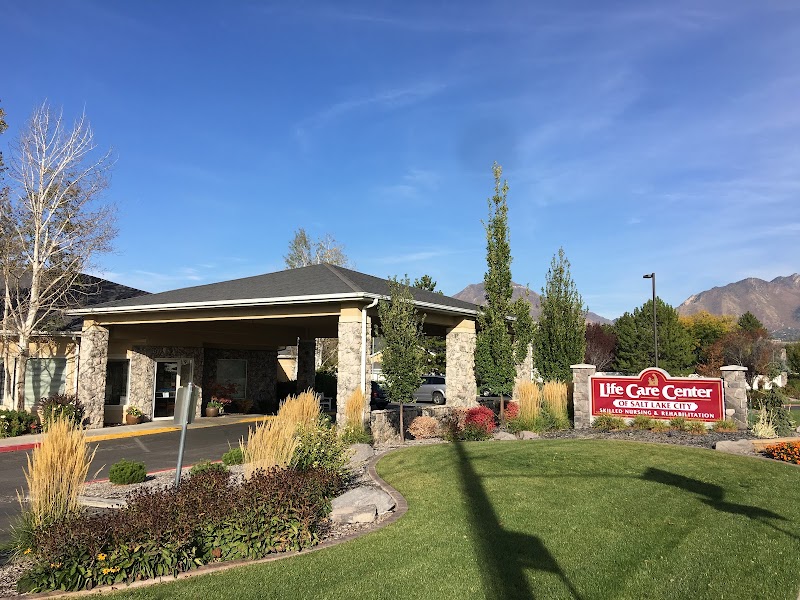
How is Monument Healthcare Millcreek Staffed?
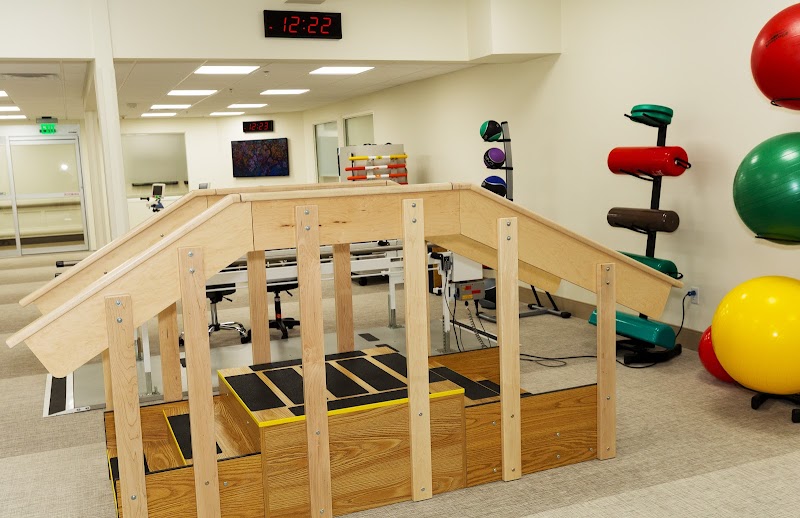
CMS rates Monument Healthcare Millcreek's staffing level at 2 out of 5 stars, which is below average compared to other nursing homes.

What Have Inspectors Found at Monument Healthcare Millcreek?

State health inspectors documented 15 deficiencies at Monument Healthcare Millcreek during 2019 to 2023. These included: 15 with potential for harm.

Who Owns and Operates Monument Healthcare Millcreek?

Monument Healthcare Millcreek is owned by a for-profit company. For-profit facilities operate as businesses with obligations to shareholders or private owners. The facility is operated by MONUMENT HEALTH GROUP, a chain that manages multiple nursing homes. With 120 certified beds and approximately 70 residents (about 58% occupancy), it is a mid-sized facility located in Salt Lake City, Utah.

How Does Monument Healthcare Millcreek Compare to Other Utah Nursing Homes?

Compared to the 100 nursing homes in Utah, Monument Healthcare Millcreek's overall rating (5 stars) is above the state average of 3.4 and health inspection rating (4 stars) is above the national benchmark.

What Should Families Ask When Visiting Monument Healthcare Millcreek?

Based on this facility's data, families visiting should ask: "Can you walk me through typical staffing levels on day, evening, and night shifts?" "Can I visit during a mealtime to observe dining assistance and food quality?" "How do you handle medical emergencies, and what is your hospital transfer rate?" "Can I speak with family members of current residents about their experience?" These questions are particularly relevant given the below-average staffing rating.

Is Monument Healthcare Millcreek Safe?

Based on CMS inspection data, Monument Healthcare Millcreek has a clean safety record: no substantiated abuse findings (meaning no confirmed cases of resident harm), no Immediate Jeopardy citations (the most serious violation level indicating risk of serious injury or death), and is not on the Special Focus Facility watch list (a federal program monitoring the lowest-performing 1% of nursing homes). The facility has a 5-star overall rating and ranks #1 of 100 nursing homes in Utah. While no facility is perfect, families should still ask about staff-to-resident ratios and recent inspection results during their visit.

Do Nurses at Monument Healthcare Millcreek Stick Around?

Monument Healthcare Millcreek has not reported staff turnover data to CMS. Staff turnover matters because consistent caregivers learn residents' individual needs, medications, and preferences. When staff frequently change, this institutional knowledge is lost. Families should ask the facility directly about their staff retention rates and average employee tenure.

Was Monument Healthcare Millcreek Ever Fined?

Monument Healthcare Millcreek has no federal fines on record. CMS issues fines when nursing homes fail to meet care standards or don't correct problems found during inspections. The absence of fines suggests the facility has either maintained compliance or corrected any issues before penalties were assessed. This is a positive indicator, though families should still review recent inspection reports for the full picture.

Is Monument Healthcare Millcreek on Any Federal Watch List?

Monument Healthcare Millcreek is not on any federal watch list. The most significant is the Special Focus Facility (SFF) program, which identifies the bottom 1% of nursing homes nationally based on persistent, serious quality problems. Not being on this list means the facility has avoided the pattern of deficiencies that triggers enhanced federal oversight. This is a positive indicator, though families should still review the facility's inspection history directly.