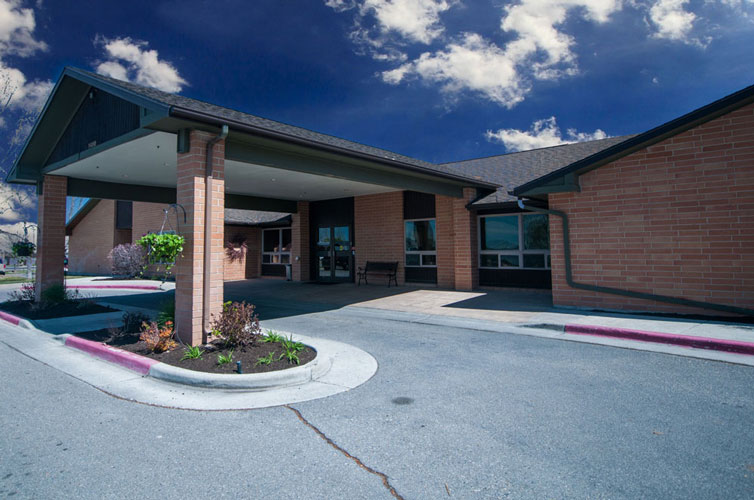
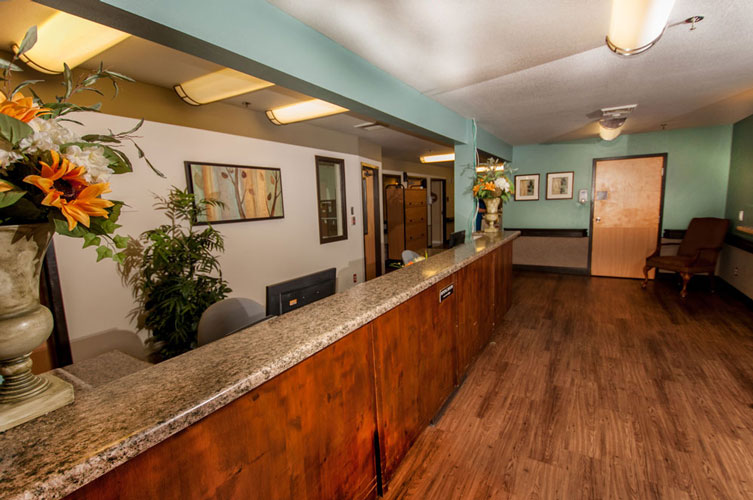
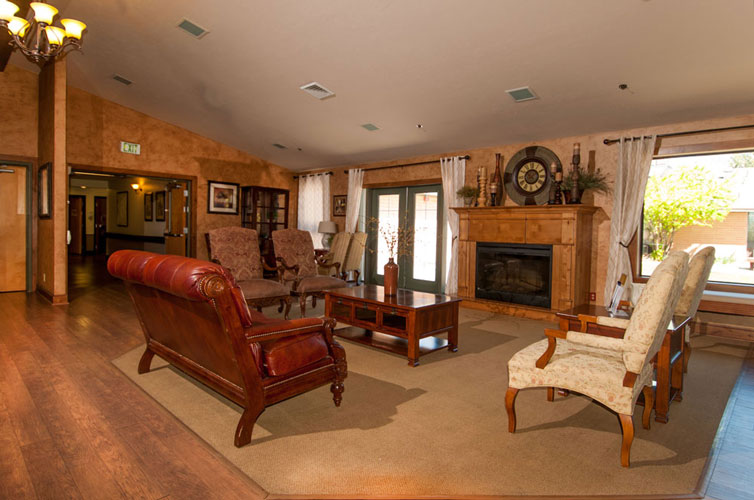
Rocky Mountain Care Logan

1480 North 400 East, Logan, UT 84341 (435) 750-5501
Non profit - Other 120 Beds ROCKY MOUNTAIN CARE Data: November 2025
Trust Grade
75/100
#40 of 97 in UT
Last Inspection: May 2024

Within standard 12-15 month inspection cycle. Federal law requires annual inspections.

Overview

Rocky Mountain Care Logan has a Trust Grade of B, indicating it is a good choice, falling in the solid range among nursing homes. It ranks #40 out of 97 facilities in Utah, meaning it is in the top half, and is #2 out of 4 in Cache County, suggesting only one local option is better. However, the facility's trend is concerning as it has worsened significantly, with issues increasing from 1 in 2023 to 9 in 2024. Staffing is rated average with a turnover rate of 52%, which is close to the state average, and the facility has no fines on record, which is a positive sign. On the downside, RN coverage is lower than 78% of Utah facilities, which raises concerns about adequate oversight. Recent inspections found several issues, including a resident having to tape a hole in the wall and a wobbly toilet, as well as a concerning medication error rate of 16%, where medications were administered after meals instead of before. Overall, while there are some strengths, families should be aware of the maintenance and medication administration issues present at this facility.

Trust Score
B
75/100
In Utah
#40/97
Top 41%
Safety Record
Low Risk
No red flags
Inspections
Getting Worse
1 → 9 violations
Staff Stability
⚠ Watch
52% turnover. Above average. Higher turnover means staff may not know residents' routines.
Penalties
✓ Good
No fines on record. Clean compliance history, better than most Utah facilities.
Skilled Nurses
✓ Good
Each resident gets 46 minutes of Registered Nurse (RN) attention daily — more than average for Utah. RNs are trained to catch health problems early.
Violations
⚠ Watch
16 deficiencies on record. Higher than average. Multiple issues found across inspections.
★★★★☆
4.0
Overall Rating
★★★☆☆
3.0
Staff Levels
★★★★★
5.0
Care Quality
★★★☆☆
3.0
Inspection Score
Stable
2023: 1 issues
2024: 9 issues

The Good

  • 5-Star Quality Measures · Strong clinical quality outcomes
  • Full Sprinkler Coverage · Fire safety systems throughout facility
  • No fines on record

Facility shows strength in quality measures, fire safety.

The Bad

Staff Turnover: 52%

Near Utah avg (46%)

Higher turnover may affect care consistency

Chain: ROCKY MOUNTAIN CARE

Part of a multi-facility chain

Ask about local staffing decisions and management

The Ugly 16 deficiencies on record

May 2024 9 deficiencies
CONCERN (D)

Potential for Harm - no one hurt, but risky conditions existed

Deficiency F0554 (Tag F0554)

Could have caused harm · This affected 1 resident

**NOTE- TERMS IN BRACKETS HAVE BEEN EDITED TO PROTECT CONFIDENTIALITY** Based on observation, interview, and record review, the facility did not ensure that the interdisciplinary team had evaluated an...

Read full inspector narrative →
**NOTE- TERMS IN BRACKETS HAVE BEEN EDITED TO PROTECT CONFIDENTIALITY** Based on observation, interview, and record review, the facility did not ensure that the interdisciplinary team had evaluated and determined that the resident's right to self-administer medications was clinically appropriate. Specifically, for 1 out of 28 sampled residents, medications were found at a resident's bedside and the resident had not been evaluated to self-administer their medications. Resident identifier: 43. Findings Included: Resident 43 was admitted to the facility on [DATE] with the following diagnoses of polyneuropathy, dementia, gastro-esophageal reflux disease without esophagitis, major depressive disorder, morbid severe obesity due to excess calories, and asthma. On 5/6/24 at 2:12 PM, an interview was conducted with resident 43's family member. An observation was made of two medications inside of a medicine cup located on top of resident 43's bedside table. The family member stated the medications were Tums, which resident 43 took when they needed them. Resident 43's medical record was reviewed on 5/7/24. On 1/30/23, a self-administration of medication assessment documented resident 43 did not want to self-administer their own medication. On 4/8/24, an annual Minimum Data Set assessment documented that resident 43 had a Brief Interview for Mental Status score of 7, which indicated a cognitive status of severe impairment. On 5/7/24 at 1:58 PM, an interview was conducted with Licensed Practical Nurse (LPN) 1. LPN 1 stated they normally did not leave medications at the bedside and if they did, it required a physician's order. LPN 1 stated they gave residents their medications and watched them swallow the pills. LPN 1 stated they were unaware of any residents that were allowed to have pills at the bedside. LPN 1 stated resident 43 liked to take their Tums one at a time and saved the other ones for later. On 5/7/24 at 2:13 PM, an interview was conducted with Registered Nurse (RN) 1. RN 1 stated residents were not allowed to have pills at the bedside until they were assessed to be safe for self-administration and then the doctors were consulted about the matter. RN 1 stated a self-administration care plan was added to the resident's plan of care. RN 1 stated a self-administration assessment was initially done when a resident was admitted to the facility. On 5/7/24 at 2:21 PM, an interview was conducted with the Director of Nursing (DON). The DON stated residents were not allowed to have medications at the bedside unless a self-administration assessment had been completed and there was a physician's order for medication self-administration. The DON stated the purpose of the assessment was to determine if a resident was safe to administer their own medication. The DON stated there was only one resident they were aware of that was allowed to have pills at the bedside and resident 43 was not that resident.
CONCERN (D)

Potential for Harm - no one hurt, but risky conditions existed

Assessment Accuracy (Tag F0641)

Could have caused harm · This affected 1 resident

**NOTE- TERMS IN BRACKETS HAVE BEEN EDITED TO PROTECT CONFIDENTIALITY** Based on record review and interview, the facility did not ensure that the resident assessment accurately reflected the resident...

Read full inspector narrative →
**NOTE- TERMS IN BRACKETS HAVE BEEN EDITED TO PROTECT CONFIDENTIALITY** Based on record review and interview, the facility did not ensure that the resident assessment accurately reflected the resident's status. Specifically, for 1 out of 28 sampled residents, the facility coded a resident as having received insulin during the seven day Minimum Data Set (MDS) observation period when the resident had not received any insulin. Resident Identifier: 14. Findings Included: Resident 14 was admitted to the facility on [DATE] with diagnoses including infection and inflammatory reaction due to internal left knee prosthesis subsequent encounter, type 2 diabetes mellitus with hyperglycemia, and type 2 diabetes mellitus without complications. Resident 14's medical record was reviewed from 5/6/24 through 5/9/24. Resident 14's admission MDS assessment dated [DATE], was reviewed. The MDS assessment documented that Resident 14 received insulin on one of seven days of the seven day lookback observation period. Resident 14's order history was reviewed. There were no orders for insulin since the admission to the facility on 3/14/24. Resident 14's Medication Administration Record was reviewed. There was no documentation that Resident 14 had received any insulin since the admission to the facility on 3/14/24. On 5/9/24 at 10:11 AM, an interview was conducted with the MDS Coordinator. The MDS Coordinator stated that the MDS assessment had been miscoded and that Resident 14 had not received any insulin during the seven day look back period.
CONCERN (D)

Potential for Harm - no one hurt, but risky conditions existed

Quality of Care (Tag F0684)

Could have caused harm · This affected 1 resident

**NOTE- TERMS IN BRACKETS HAVE BEEN EDITED TO PROTECT CONFIDENTIALITY** Based on interview and record review, the facility did not ensure that residents received treatment and care in accordance with ...

Read full inspector narrative →
**NOTE- TERMS IN BRACKETS HAVE BEEN EDITED TO PROTECT CONFIDENTIALITY** Based on interview and record review, the facility did not ensure that residents received treatment and care in accordance with professional standards of practice, the comprehensive person-centered care plan, and the residents' choices. Specifically, for 1 out of 28 sampled residents, a resident with a respiratory illness experienced a delay in getting their illness treated timely. Resident Identifier: 43. Findings Included: Resident 43 was admitted to the facility on [DATE] with the following diagnoses of polyneuropathy, dementia, gastro-esophageal reflux disease without esophagitis, major depressive disorder, morbid severe obesity due to excess calories, and asthma. On 5/6/24 at 2:12 PM, an interview was conducted with resident 43's Family Member (FM). The FM stated resident 43 had not been feeling well since Friday. The FM stated the doctor should have been made aware of resident 43's condition a lot sooner than today. The FM stated the Director of Nursing (DON) had been made aware of resident 43's condition over the weekend. The FM stated when the DON had come in to evaluate resident 43 today, they had been unaware of how bad resident 43 was doing. The FM stated over the weekend resident 43 had only been given nasal spray and Mucinex to help with their symptoms. The FM stated once the doctor had seen resident 43, they had ordered a chest x-ray, a breathing treatment, and they had put resident 43 on oxygen. The FM stated resident 43 should have been treated sooner. Resident 43's medical record was reviewed on 5/7/24. On 4/8/24, an annual Minimum Data Set assessment documented resident 43 had a Brief Interview for Mental Status score of 7 which indicated severe cognitive impairment. An as needed physician order with a start date of 1/29/23, documented as followed, albuterol sulfate HFA [hydrofluoroalkane] aerosol inhaler; 90 mcg [micrograms]/actuation; amt [amount]: 2 puffs; inhalation. This was ordered for wheezing or shortness of breath. An as needed physician order with a start date of 1/29/2023, documented as followed, fluticasone propionate [OTC] [over the counter] spray, suspension; 50 mcg/actuation; amt: 1 spray; nasal. This was ordered for nasal congestion. Resident 43's May 2024 Medication Administration Record (MAR) was reviewed and documented that the following as needed medications were given: a. On 5/3/24 at 4:20 PM, fluticasone nasal spray due to congestion. b. On 5/4/24 at 7:13 AM, fluticasone nasal spray and the albuterol inhaler due to congestion. c. On 5/5/24 at 11:23 PM, albuterol inhaler due to cough. On 5/4/24, A Long-Term Weekly Assessment documented that resident 43's respiratory assessment was within normal limits, on room air, and no shortness of breath was noted. On 5/5/24 at 3:39 PM, resident 43's oxygen saturation was documented to be 89%. [Note: No documentation was located to indicate any interventions were put in place to help with resident 43's low oxygen level.] On 5/6/24 at 10:34 AM, a nurses note documented, pt. [patient] was experiencing labored breathing with c/o [complaint of] SOB [shortness of breath]. O2 [oxygen] sats [saturations] were taken and pt. was at 80% on RA [room air]. PA [Physician Assistant], DON, UM [Unit Manager], and family notified of this change in condition. new orders for albuterol nebulizer q6h [every 6 hours] x [for] 10 days, cbc [complete blood count], cmp [complete metabolic panel], and chest XR [x-ray]. pt. is now on 3L [liters] of O2 and is maintaining > [greater than] 90%. nebulizer tx [treatment] was effective and pt. reported that they were able to breathe better. On 5/7/24 at 4:54 AM, a nurses note documented, Resident continues to receive scheduled nebulizer treatments during the night with an occasional cough present. SOB observed with pt having to be reminded to keep oxygen 3L NC [nasal cannula] in place and HOB [head of bed] elevated multiple times. Pt has been alert and able to make needs known. Chest x-ray still waiting to be taken. Fluids encouraged and call light within reach. On 5/7/24 at 2:02 PM, an interview was conducted with Licensed Practical Nurse (LPN) 1. LPN 1 stated resident 43 had come down with something pretty fast in the last few days. LPN 1 stated they believed resident 43 started to feel unwell on Saturday and that they were fighting a cold. LPN 1 stated something was going on with resident 43's lungs right now. LPN 1 stated they believed the physician assistant had come in yesterday. LPN 1 stated the PA had ordered labs and a chest x-ray. LPN 1 stated that resident 43 had been complaining of a stuffy nose and chest tightness for a couple of days. LPN 1 stated they had given resident 43 an inhaler over the weekend and stated resident 43 indicated the inhaler had helped their symptoms. LPN 1 stated that resident 43's vitals had remained within limits and there was nothing to indicate it was anything more than a cold. On 5/7/24 at 2:21 PM, an interview was conducted with the DON. The DON stated there was a phone call they had received around midnight on Saturday night. The DON stated the nurse called them because they were concerned about a few residents due to cold symptoms. The DON stated they remembered the nurse mentioning a few resident names and they were unsure if resident 43's name was mentioned. The DON stated when staff called the on call person, the purpose of the phone was to help guide the nurse on the next steps they needed to take. The DON stated there were standing orders the nurses were able to use. The DON stated they were never called again so they assumed everything was fine. The DON stated when they came in on Monday, they saw resident 43 and notified the physician assistant that resident 43 sounded like crap. The DON stated the physician assistant did their assessment and put orders in place after seeing how resident 43 was doing. On 5/8/24 at 1:17 PM, a telephone interview was conducted with LPN 2. LPN 2 stated resident 43 had a cough on Sunday. LPN 2 stated resident 43 presented the same as any other day they had taken care of them. LPN 2 stated vitals were obtained twice a day unless they needed to get more. LPN 2 stated nurses reviewed vitals once the Certified Nursing Assistants had obtained them and if any vitals were outside of parameters the nurse personally rechecked them. LPN 2 stated a doctor's order was needed before a resident was put on oxygen since it was considered a medication. LPN 2 stated they had not been made aware of resident 43's oxygen level being at 89%. LPN 2 stated resident 43's oxygen baseline was in the 90's. LPN 2 stated if a resident was not at their baseline, then check on the resident and assess if they were feeling okay. On 5/8/24 at 2:56 PM, a telephone interview was conducted with Registered Nurse (RN) 2. RN 2 stated resident 43 had complained of having a cold and a sore throat and told them they need to talk to the provider because they felt like they were going to die. RN 2 stated they had done an assessment on resident 43 and every thing had checked out fine. RN 2 stated they had assured resident 43 there were no signs of immediate death. RN 2 stated they told resident 43, the provider would be in on Monday to see them. RN 2 stated they had called the DON at around 11:30 PM, on Saturday night and informed the DON about their concern about a few residents having cold symptoms such as coughs and sore throats. RN 2 stated they had mentioned resident 43's name to the DON and notified the DON that they were not feeling well. RN 2 stated they were concerned about a Coronavirus Disease 2019 outbreak and needed guidance on what to do for those residents. RN 2 stated vitals were obtained about twice a day, once during the day and once at night. RN 2 stated when vitals were outside of parameters such as a low oxygen saturation, first they tried nonpharmacological interventions such as deep breathing exercises and repositioning in bed and then they rechecked the oxygen saturation. RN 2 stated if the oxygen saturations were still low, then they notified the provider. RN 2 stated resident 43's vitals were within normal limits on Saturday. RN 2 stated resident 43 had sounded nasally but their lungs and heart sounded fine. On 5/9/24 at 7:52 AM, a follow up interview was conducted with the DON. The DON stated the nurses reviewed all the vitals once they were obtained by the certified nursing assistants. The DON stated if a vital was outside of parameters, they expected staff to check on the resident and re-take the vitals. The DON stated if a resident's oxygen was below 90%, there was a standing order in place for oxygen. The DON stated if a resident was put on oxygen then staff needed to make the physician and the DON aware and it was considered a change of condition. The DON stated looking at resident 43's oxygen saturation on Sunday afternoon, it appeared they had done nothing about resident 43's low oxygen saturation. The DON was unable to locate any documentation to indicate any interventions had been put in place to help with resident 43's low oxygen saturation.
CONCERN (D)

Potential for Harm - no one hurt, but risky conditions existed

Deficiency F0688 (Tag F0688)

Could have caused harm · This affected 1 resident

**NOTE- TERMS IN BRACKETS HAVE BEEN EDITED TO PROTECT CONFIDENTIALITY** Based on interview and record review, the facility did not ensure that each resident with limited range of motion (ROM) received...

Read full inspector narrative →
**NOTE- TERMS IN BRACKETS HAVE BEEN EDITED TO PROTECT CONFIDENTIALITY** Based on interview and record review, the facility did not ensure that each resident with limited range of motion (ROM) received appropriate treatment and services to increase range of motion and/or to prevent further decrease in range of motion. Specifically, for 1 out of 28 sampled residents, a resident with limited range of motion was not given restorative nursing services that was recommended by physical therapy (PT) to prevent further decrease in range of motion. Resident Identifier: 37. Findings included: Resident 37 was admitted to the facility on [DATE] and readmitted [DATE] with diagnoses which included, but not limited to, chronic inflammatory demyelinating polyneuritis, diabetes mellitus with hyperglycemia, difficulty walking, hypertension, chronic pain syndrome, and muscle weakness. On 5/6/24 at 10:30 AM, an interview was conducted with resident 37. Resident 37 stated that he would like to do physical therapy and/or occupational therapy because he felt that he had lost mobility and range of motion in both upper and lower extremities. Resident 37 stated that he had been informed that his insurance would not cover any type of therapy services and he had not been offered any alternative therapies or exercises by the facility. Resident 37's medical record was reviewed on 5/7/24. A care plan initiated on 9/23/23, documented that the resident is at risk for altered ADL [activities of daily living] function. with interventions that include encourage PT/OT [occupational therapy] services as prescribed and assist with completing ADL tasks each day. On 10/3/23, an orthopedic note documented, . will give him a prescription for physical therapy to work on range of motion and functional rehab. On 10/3/23, a nursing note documented, Rt [resident] seen by MD [Medical Doctor]. New order given- PT right knee. F/U [follow up] 10/31/23. On 10/11/23, a physical therapy evaluation was performed on resident 37 which recommended that resident 37 participate in the restorative nursing program for upper and lower extremity range of motion. On 5/7/24 at 1:16 PM, an interview was conducted with the Director of Rehab (DOR). The DOR stated that he was unaware of any therapy needed for resident 37, but would check the notes to confirm this. On 5/7/24 at 2:04 PM, an interview was conducted with the DOR. The DOR stated that resident 37 had a physical therapy evaluation on 10/11/23, and it was determined that resident 37 would benefit from the restorative nursing program and was referred to this program. On 5/7/24 at 2:10 PM, an interview was conducted with the Minimum Data Set (MDS) Coordinator. The MDS Coordinator stated that when she received a referral for the restorative nursing program she reviewed it and subsequently inputted the referral into the medical record if she felt the certified nursing assistants could assist the resident. The MDS Coordinator stated that she could not locate a referral for resident 37. The MDS Coordinator stated that she would talk with resident 37 regarding the restorative nursing program to see if it was something that resident 37 wanted to participate in. On 5/8/24 at 11:07 AM, an interview was conducted with the Director of Nursing (DON). The DON stated that resident 37 continued to have ROM problems with his lower extremities that was present when he admitted into the facility. The DON stated that resident 37 was diagnosed with bursitis a few months ago and this had caused a worsening in ROM with his upper extremities. The DON stated that she was unsure if resident 37's lower extremity ROM had worsened since being admitted to the facility. On 5/8/24 at 11:10 AM, an interview was conducted with the Administrator (Admin). The Admin stated that he had not heard of resident 37 wanting to participate in therapy services. The Admin stated that he had, in the past, discussed with resident 37 that the resident would have to personally pay for therapy services and resident 37 did not want to pay for these services. The Admin stated that he believed resident 37 had been receiving restorative nursing assistance and was part of the restorative nursing program.
CONCERN (D)

Potential for Harm - no one hurt, but risky conditions existed

Deficiency F0692 (Tag F0692)

Could have caused harm · This affected 1 resident

**NOTE- TERMS IN BRACKETS HAVE BEEN EDITED TO PROTECT CONFIDENTIALITY** Based on observation, interview, and record review, the facility did not ensure that residents maintained acceptable parameters ...

Read full inspector narrative →
**NOTE- TERMS IN BRACKETS HAVE BEEN EDITED TO PROTECT CONFIDENTIALITY** Based on observation, interview, and record review, the facility did not ensure that residents maintained acceptable parameters of nutritional status unless the resident's clinical condition demonstrated that this was not possible. Specifically, for 1 out of 28 sampled residents, a resident that had a recommendation for Liquacel twice a day (BID) for wound healing and increased protein needs had the Liquacel order implemented daily and the Liquacel was unavailable for four administrations. Resident identifier: 18. Findings included: Resident 18 was admitted to the facility on [DATE] with diagnoses which included, but were not limited to, infection and inflammatory reaction due to internal left knee prosthesis, acute embolism and thrombosis of deep veins of lower extremity, type 2 diabetes mellitus (T2DM) without complications, muscle weakness, endocarditis, paroxysmal atrial fibrillation, and peripheral vascular disease. Resident 18's medical record was reviewed on 5/9/24. A care plan problem with a start date on 1/26/24, documented Category: Nutritional Status [resident 18] is at risk for nutritional deficits r/t [related to] increased energy needs for healing. The goal included, [Resident 18] will not experience any untreated weight variances through next review. The interventions included: a. Offer supplements and double portions. b. Dietitian/Nutritional assessment or evaluation, as needed. c. Honor food preferences. d. Provide assistance with meals, as needed. e. Provide diet and snacks as prescribed. f. Weight monitoring as prescribed. On 2/2/24 at 7:19 PM, a Dietary progress note documented Res [resident] admitted with surgical wound to knee and on ABX [antibiotic] for MRSA [Methicillin-resistant Staphylococcus aureus]. Hx [history] of depression. homeless, meth use, T2DM, knee infection. Admit wt [weight] of 296# [pounds] with BMI [body mass index] of 31-obese. BG [blood glucose] ~150mg/dL [milligrams per deciliter] and A1C [blood test to diagnosis diabetes] of 7.8H [high]. Res is able to make needs known no issues chewing/swallowing. He desires to eat in his own room. Skin is intact. Res with increased energy needs for healing and IBW [ideal body weight] is 208-285# ~3000kcals [kilocalorie] and ~150g [grams] protein daily. Res is eating well and has requested large portions. Res not available to speak to today. RD [Registered Dietician] to offer additonal [sic] protien [sic] food sources or offer house supplement. Will attempt again x 7 days. diet order: CCHO [consistent carbohydrate diet] with ~88% PO [by mouth]. Diet order is appropriate and with increased energy needs PO is possibly not meeting estimated energy needs. Will order supplement if res consents. Kitchen to serve double portions. Will follow per weekly wts [weights] and discuss in NAR [Nutrition at Risk] Res at moderate risk for malnutrition r/t PMH [poor medical history], poor mobility, inadquate [sic] oral intake. Supplement order pending. On 2/23/24 at 6:51 AM, a Physicians Assistant (PA) progress note documented . Patient also states he wonders if he is getting enough protein. He states supplementation has been considered, but he feels he is 'nearly 300 pounds' and may not be getting enough protein. Appreciate dietary recommendations for appropriate protein intake. On 4/4/24 at 7:35 AM, a Dietary progress note documented Monthly High Risk Nutritional Assessment Pertinent Diagnosis: T2DM, chronic wound Current wt/BMI: 282# / 30 Admit wt: 292# UBW [usual body weight]: ~290# Wt trends: wt trending down slightly but no significant wt changes x 4 months . Supplement/MVI [multi vitamin]: MVI Allergies: none Medication with nutritional implications: metformin, vitamin C Pertinent labs: BG ~110mg/dL Skin integrity: diabetic ulcer UST [unstageable] on heel . Estimated energy needs: 3182-3818 kcals // 165g protein // 3818 ml [milliliters] fluid Intervention/discussion: Res with wt trending down slightly and very elevated kcal/protein needs. Res has been eating well and wound is stable but current energy needs are likely not met for wound healing. Will recommend medpass 1.7 60ml TID [three times a day] or liquacel 30ml BID per res desire. Will contiue [sic] to monitor via monthly weights. On 4/4/24 at 3:47 PM, a Dietary progress note documented Spoke w [with] pt [patient] about increasing protein consumption. Pt is pleased with cottage cheese and Greek yogurt and would like to continue. Dietitian asked Dietary Director to ask pt about med pass or liquacel for additional protein supplement. Dietary Director gave pt samples of both and pt decided he wanted liquacel. Dietary Director informed pt he would get it 2x a day. Pt seemed pleased with outcome and would also like the in house milkshakes on occasion. Dietitian/nursing to follow up on orders. On 4/12/24 at 7:35 AM, a PA progress note documented . Patient expressed to me several frustrations today. He is worried about numbness/tingling in this pinky fingers and part of ring fingers bilaterally. He is worried this is peripheral neuropathy and it indicates his diabetes is not under control. He is concerned about his diet, that it is not 'diabetic' and he is not getting enough protein. He understands he can't have it exactly like he had it at home, but seems very anxious about his upcoming surgery and having the best outcome. He feels frustrated that it feels to him when he has an issue, it is fixed for 'a few days, then it goes back to the way it was.' He does feel like he is concerned we can't 'meet his needs' here, and is thinking he wants to go to another facility. He states his upcoming surgery is scheduled on 5/20 [24]. On 4/17/24 at 8:31 AM, a Nursing progress note documented New order per NAR [Nutrition At Risk]. Liquacel 30 mL daily for supplement. [Note: The recommendation per the Dietary progress note dated 4/4/24 at 7:35 AM, was Liquacel 30 ml BID.] On 5/7/24 at 8:55 AM, a Dietary progress note documented NAR meeting; wound status Pertinent Diagnosis: T2DM, chronic wound Current wt/BMI: 282# / 30 Admit wt: 292# UBW: ~290# Wt trends: -6.8% x 3 months (not significant) . Pertinent labs: BG ~125mg/dL Skin integrity: multiple diabetic ulcers to LE [lower extremity] x4; chronic . Estimated energy needs: 3182-3818 kcals // 165g protein // 3818 ml fluid Intervention/discussion: liquacel started BID to provide ~30g protein daily. PO is ~88% with cottage cheese and greek yogurt offered daily for additional protein as well. Res has refused Liquacel a few times. Will speak with res on 5/9/24 to update diet/supplement preferences. Current PO and supplement is likely meeting estimated energy needs. Will continue to follow per monthly weights. The April and May 2024 Medication Administration Record were reviewed. The following physician's order dated 4/18/24, documented Liquacel (amino acids-protein hydrolys) liquid; 16-100 gram-kcal/30 mL; Amount to Administer: 30 mL; oral once a day. The following were documented regarding the Liquacel. a. On 4/25/24 at 6:00 AM to 10:00 AM, Not Administered: Drug/Item Unavailable. b. On 5/5/24 at 6:00 AM to 10:00 AM, Not Administered: Drug/Item Unavailable. c. On 5/6/24 at 6:00 AM to 10:00 AM, Not Administered: Drug/Item Unavailable Comment: pharmacy notified. d. On 5/7/24 at 6:00 AM to 10:00 AM, Not Administered: Drug/Item Unavailable. On 5/9/24 at 11:09 AM, an interview was conducted with Registered Nurse (RN) 4. RN 4 stated when there were five or six pills left for the resident she would first double check that there were not some already stocked at the facility. RN 4 stated she would then pull the tab on the medication card and add it to the refill order form and fax the form to the pharmacy. RN 4 stated if there was not a tab on the medication card she would make a note and call the pharmacy for the refill. RN 4 stated that sometimes it was hard to get certain medications from the pharmacy timely but it was usually an insurance issue. RN 4 stated the pharmacy was usually good at delivering. RN 4 stated there was a different pharmacy for hospice residents and they were really good. RN 4 stated the Liquacel was ordered with the over the counter (OTC) medications, Central Supply ordered the Liquacel, and the Liquacel was stored in the medication room. RN 4 stated that the Transportation staff member ordered the Liquacel. RN 4 stated when the staff were low on the Liquacel she would fill out a form and add the item to the list for Central Supply to order. RN 4 stated if the staff were out of the Liquacel and they needed it, Central Supply would just go and grab it. An observation was conducted of the medication room with RN 4. There was no Liquacel observed in the medication room. Liquacel was observed on the list to be ordered. On 5/9/24 at 11:22 AM, an interview was conducted with the Transportation Director (TD). The TD stated that she was the staff member that ordered OTC medications and she had just started working central supply. The TD stated there was a paper in the medication room where staff could write down the OTC medications that were out. The TD stated that every Friday she would review the list and the list would be sent out on Monday by noon. The TD stated she would keep the past order and ask the Director of Nursing (DON) if there were any extra supplies that needed to be ordered. The TD stated she would also ask the Certified Nursing Assistants and the nurses if she was missing anything that needed to be ordered or if she needed to order more of something. The TD further stated if the staff saw her in the hallway they could inform her of items they needed and she would write it on the list. The TD stated the Liquacel was something that she ordered OTC but she had not had to order the Liquacel as of yet. The TD stated if she had problems getting items she would call the representative with the supply company and see if they could get the item sooner or a replacement. The TD stated the items ordered on Monday would be at the facility on Tuesday. The TD stated that sometimes there was a delay on some items. The TD stated the supply company would let her know if items were delayed and sometimes the representative would get the item to her as soon as possible and would overnight items if needed. On 5/9/24 at 12:57 PM, an interview was conducted with the Registered Dietician (RD) and the Dietary Director (DD). The RD stated that resident 18 was started on the Liquacel for wound healing. The RD stated she wanted to make sure resident 18 was getting adequate protein for wound healing. The DD stated that the Liquacel was ordered through a supply company as an OTC product. The RD clarified that the Liquacel order should have been BID. The RD stated she would go through the NAR meeting notes, she would list the dietary recommendations for the team, and then she would email the recommendations to the team. The RD stated that the DON, Unit Manager, DD, and the Administrator attended the NAR meetings. The RD stated that after the NAR meeting on 4/4/24, the DD spoke with resident 18 regarding the supplement. The RD stated that her recommendation for the supplement on 4/4/24, was an order pending because she gave resident 18 the choice of Med Pass or Liquacel. On 5/9/24 at 1:10 PM, an interview was conducted with the DON. The DON stated that in order to refill a medication the staff were to pull the tag off the medication card and put it on the refill list, check to ensure the medication was not somewhere in the facility, and fax the refill list to the pharmacy. The DON stated if the medication was out the facility had an emergency medication system. The DON stated if the medication needed was not in the emergency medication system the staff were to call the pharmacy to see when the medication would be delivered. The DON stated that she had access to the orders and she could see if the medication was actually delivered. The DON stated that Liquacel was OTC and Central Supply ordered the Liquacel. The DON stated if the staff were running low the staff would write it on the list and Central Supply ordered weekly. The DON stated that Liquacel came in a case of eight bottles. The DON stated that dietary recommendations were passed on verbally in the NAR meeting and discussed with the PA. The DON stated that the Unit Manager would input the orders. On 5/9/24 at approximately 1:10 PM, a follow up interview was conducted with RN 4. RN 4 stated that resident 18 was taking the Liquacel and then two days in a row resident 18 had refused the Liquacel because of diarrhea. RN 4 stated the facility did not have Liquacel on Monday, but she gave resident 18 Metamucil instead.
CONCERN (D)

Potential for Harm - no one hurt, but risky conditions existed

Pharmacy Services (Tag F0755)

Could have caused harm · This affected 1 resident

**NOTE- TERMS IN BRACKETS HAVE BEEN EDITED TO PROTECT CONFIDENTIALITY** Based on observation, interview, and record review, the facility did not provide routine and emergency drugs and biologicals to ...

Read full inspector narrative →
**NOTE- TERMS IN BRACKETS HAVE BEEN EDITED TO PROTECT CONFIDENTIALITY** Based on observation, interview, and record review, the facility did not provide routine and emergency drugs and biologicals to its residents. Specifically, for 1 out of 28 sampled residents, a resident was not administered their supplement for wound healing and increased protein needs as ordered by the physician due to the supplement not being available. Resident Identifier: 18. Findings included: Resident 18 was admitted to the facility on [DATE] with diagnoses which included, but were not limited to, infection and inflammatory reaction due to internal left knee prosthesis, acute embolism and thrombosis of deep veins of lower extremity, type 2 diabetes mellitus without complications, muscle weakness, endocarditis, paroxysmal atrial fibrillation, and peripheral vascular disease. Resident 18's medical record was reviewed on 5/9/24. On 4/4/24 at 7:35 AM, a Dietary progress note documented . Will recommend medpass 1.7 60ml [milliliters] TID [three times a day] or liquacel 30ml BID [two times a day] per res [resident] desire. Will contiue [sic] to monitor via monthly weights. On 4/4/24 at 3:47 PM, a Dietary progress note documented Spoke w [with] pt [patient] about increasing protein consumption. Pt is pleased with cottage cheese and Greek yogurt and would like to continue. Dietitian asked Dietary Director to ask pt about med pass or liquacel for additional protein supplement. Dietary Director gave pt samples of both and pt decided he wanted liquacel. Dietary Director informed pt he would get it 2x [times] a day. Pt seemed pleased with outcome and would also like the in house milkshakes on occasion. Dietitian/nursing to follow up on orders. On 4/17/24 at 8:31 AM, a Nursing progress note documented New order per NAR [Nutrition At Risk]. Liquacel 30 mL daily for supplement. [Note: The recommendation per the Dietary progress note dated 4/4/24 at 7:35 AM, was Liquacel 30 ml BID.] The April and May 2024 Medication Administration Record were reviewed. The following order dated 4/18/24, documented Liquacel (amino acids-protein hydrolys) liquid; 16-100 gram-kcal [kilocalorie] /30 mL; Amount to Administer: 30 mL; oral once a day. The following were documented regarding the Liquacel. a. On 4/25/24 at 6:00 AM to 10:00 AM, Not Administered: Drug/Item Unavailable. b. On 5/5/24 at 6:00 AM to 10:00 AM, Not Administered: Drug/Item Unavailable. c. On 5/6/24 at 6:00 AM to 10:00 AM, Not Administered: Drug/Item Unavailable Comment: pharmacy notified. d. On 5/7/24 at 6:00 AM to 10:00 AM, Not Administered: Drug/Item Unavailable. On 5/9/24 at 11:09 AM, an interview was conducted with Registered Nurse (RN) 4. RN 4 stated when there were five or six pills left for the resident she would first double check that there were not some already stocked at the facility. RN 4 stated she would then pull the tab on the medication card, add it to the refill order form, and fax the form to the pharmacy. RN 4 stated if there was not a tab on the medication card she would make a note and call the pharmacy for the refill. RN 4 stated that sometimes it was hard to get certain medications from the pharmacy timely but it was usually an insurance issue. RN 4 stated the pharmacy was usually good at delivering. RN 4 stated there was a different pharmacy for hospice residents and they were really good. RN 4 stated the Liquacel was ordered with the over the counter (OTC) medications, Central Supply ordered the Liquacel, and the Liquacel was stored in the medication room. RN 4 stated that the Transportation staff member ordered the Liquacel. RN 4 stated when the staff were low on the Liquacel she would fill out a form and add the item to the list for Central Supply to order. RN 4 stated if the staff were out of the Liquacel and they needed it, Central Supply would just go and grab it. An observation was conducted of the medication room with RN 4. There was no Liquacel observed in the medication room. Liquacel was observed on the list to be ordered. On 5/9/24 at 11:22 AM, an interview was conducted with the Transportation Director (TD). The TD stated that she was the staff member that ordered OTC medications and she had just started working central supply. The TD stated there was a paper in the medication room where staff could write down the OTC medications that were out. The TD stated that every Friday she would review the list and the list would be sent out on Monday by noon. The TD stated she would keep the past order and ask the Director of Nursing (DON) if there were any extra supplies that needed to be ordered. The TD stated she would also ask the Certified Nursing Assistants and the nurses if she was missing anything that needed to be ordered or if she needed to order more of something. The TD further stated if the staff saw her in the hallway they could inform her of items they needed and she would write it on the list. The TD stated the Liquacel was something that she ordered OTC but she had not had to order the Liquacel as of yet. The TD stated if she had problems getting items she would call the representative with the supply company to see if they could get the item sooner or a replacement. The TD stated the items ordered on Monday would be at the facility on Tuesday. The TD stated that sometimes there was a delay on some items. The TD stated the supply company would let her know if items were delayed and sometimes the representative would get the item to her as soon as possible and would overnight items if needed. On 5/9/24 at 12:57 PM, an interview was conducted with the Registered Dietician (RD) and the Dietary Director (DD). The RD stated that resident 18 was started on the Liquacel for wound healing. The RD stated she wanted to make sure resident 18 was getting adequate protein for wound healing. The DD stated that the Liquacel was ordered through a supply company as an OTC product. The RD clarified that the Liquacel order should have been BID. The RD stated she would go through the NAR meeting notes, she would list the dietary recommendations for the team, and then she would email the recommendations to the team. The RD stated that the DON, Unit Manager, DD, and the Administrator attended the NAR meetings. The RD stated that after the NAR meeting on 4/4/24, the DD spoke with resident 18 regarding the supplement. The RD stated that her recommendation for the supplement on 4/4/24, was an order pending because she gave resident 18 the choice of Med Pass or Liquacel. On 5/9/24 at 1:10 PM, an interview was conducted with the DON. The DON stated that in order to refill a medication the staff were to pull the tag off the medication card and put it on the refill list, check to ensure the medication was not somewhere in the facility, and fax the refill list to the pharmacy. The DON stated if the medication was out the facility had an emergency medication system. The DON stated if the medication needed was not in the emergency medication system the staff were to call the pharmacy to see when the medication would be delivered. The DON stated that she had access to the orders and she could see if the medication was actually delivered. The DON stated that Liquacel was OTC and Central Supply ordered the Liquacel. The DON stated if the staff were running low the staff would write it on the list and Central Supply ordered weekly. The DON stated that Liquacel came in a case of eight bottles. The DON stated that dietary recommendations were passed on verbally in the NAR meeting and discussed with the Physicians Assistant. The DON stated that the Unit Manager would input the orders. On 5/9/24 at approximately 1:10 PM, a follow up interview was conducted with RN 4. RN 4 stated that resident 18 was taking the Liquacel and then two days in a row resident 18 had refused the Liquacel because of diarrhea. RN 4 stated the facility did not have Liquacel on Monday, but she gave resident 18 Metamucil instead.
CONCERN (D)

Potential for Harm - no one hurt, but risky conditions existed

Drug Regimen Review (Tag F0756)

Could have caused harm · This affected 1 resident

**NOTE- TERMS IN BRACKETS HAVE BEEN EDITED TO PROTECT CONFIDENTIALITY** Based on interview and record review, the facility did not ensure that the pharmacist reported irregularities to the attending p...

Read full inspector narrative →
**NOTE- TERMS IN BRACKETS HAVE BEEN EDITED TO PROTECT CONFIDENTIALITY** Based on interview and record review, the facility did not ensure that the pharmacist reported irregularities to the attending physician, the facility's Medical Director (MD), and the Director of Nursing (DON) were acted upon. Specifically, for 1 out of 28 sampled residents, a pharmacy recommendation to discontinue a statin medication that may cause myopathy and rhabdomyolysis if administered concomitantly with daptomycin was not acted upon timely when the physician agreed to the recommendation. Resident identifier: 18. Findings included: Resident 18 was admitted to the facility on [DATE] with diagnoses which included, but were not limited to, infection and inflammatory reaction due to internal left knee prosthesis, acute embolism and thrombosis of deep veins of lower extremity, type 2 diabetes mellitus without complications, muscle weakness, endocarditis, paroxysmal atrial fibrillation, and peripheral vascular disease. Resident 18's medical record was reviewed on 5/9/24. A pharmacy Consultation Report dated 3/14/24, recommended to consider discontinuing atorvastatin calcium during daptomycin therapy. The recommendation was accepted and signed by the Physician Assistant (PA) on 3/15/24. A physician's order dated 1/27/24, documented atorvastatin tablet; 40 mg [milligrams]; Amount to Administer: 40 mg; oral at Bedtime. The physician's order was open ended. A physician's order dated 2/29/24, documented daptomycin recon [reconstitution] soln [solution]; 500 mg; Amount to Administer: 1gram; intravenous Once A Day. The physician's order was discontinued on 4/2/24. On 3/15/24 at 6:51 AM, a PA progress note documented . 3/15/2024 Pharmacy recommendations were to hold the atorvastatin while patient was on daptomycin. Discussed this with the patient, and it will be held. On 4/4/24 at 12:55 PM, a Nursing progress note documented Atorvastatin 40 mg hold d/c'd [discontinued] d/t [due to] Abx [antibiotic] daptomycin completed on 4/2/24 per PA. The March and April 2024 Medication Administration Record (MAR) were reviewed. The atorvastatin was administered daily in March 2024, concomitantly with the daptomycin. The atorvastatin was held on 4/2/24 and 4/3/24, according to the April 2024 MAR. On 5/8/24 at 12:52 PM, an interview was conducted with the DON. The DON stated the pharmacist reviewed the resident's monthly and would get the reports to her within 24 hours after the psychotropic meeting. The DON stated the reports always came on a Friday. The DON stated that the following Monday the MD would review the pharmacist recommendations. The DON stated if the recommendation was discussed in the psychotropic meeting she already had the order and could sign it off. The DON stated that the other stuff not discussed would go to the PA and he would look over the recommendations and sometimes the PA would hand them off to the MD. The DON stated that depending on the resident's insurance the recommendations may go to the Nurse Practitioner. The DON stated that after the recommendations were signed she would get them back usually within 24 hours. The DON stated that within 24 to 48 hours she would get the orders updated and noted. The DON stated that she was on vacation right after psychotropic meeting in March 2024, and that probably contributed to the recommendation not being implemented. The DON stated that the PA probably gave the recommendations back to her knowing that she managed those and she was on a 10 day vacation until 3/25/24.
CONCERN (E)

Potential for Harm - no one hurt, but risky conditions existed

Safe Environment (Tag F0584)

Could have caused harm · This affected multiple residents

Based on observation, interview, and record review, the facility did not provide housekeeping and maintenance services necessary to maintain a sanitary, orderly, and comfortable interior. Specifically...

Read full inspector narrative →
Based on observation, interview, and record review, the facility did not provide housekeeping and maintenance services necessary to maintain a sanitary, orderly, and comfortable interior. Specifically, for 3 out of 28 sampled residents, resident rooms had cracked and broken drywall, peeling paint, a door handle that sticks, and a loose toilet. Resident identifiers: 18, 24, and 37. Findings included: On 5/6/24 at 10:17 AM, an interview was conducted with resident 37. Resident 37 stated that he had to tape a large hole in his wall to close the hole. Resident 37 stated that the toilet in the bathroom was wobbly and moved around when he tried to use it. Resident 37 stated that the door handle in his room would get stuck and it was hard to open the door. Resident 37 stated that he had spoken with the Maintenance Director about the issues in the room, but nothing was ever fixed. Resident 37 stated that he believed the Maintenance Director did not want to fix anything in his room because the Maintenance Director did not like the resident. On 5/6/24 at 10:20 AM, an observation was made of resident 37's room. Resident 37's room had a large hole in the wall near the bed that was taped with blue tape, paint chipped on multiple walls, the toilet was loose and moved easily from side to side, and the door handle was difficult to use. On 5/6/24 at 10:54 AM, an observation was made of resident 24's room. Resident 24's room had paint and drywall that was chipped and peeling near the bathroom door. On 5/6/24 at 11:43 AM, an interview was conducted with resident 18. Resident 18 stated the walls and cabinets in the room were beat up. Resident 18 stated the Formica on the door entering the room was torn off in places. Resident 18 stated that his roommate did that to the wall, the door, and the cabinet. Resident 18 stated his roommate was always in a hurry and not happy. An observation was made of resident 18's room. Resident 18's room had paint and drywall peeling from the walls near the sink and bathroom. The main door was missing pieces of Formica and the cabinets were chipped. On 5/8/24 at 10:26 AM, an interview was conducted with the Maintenance Director. The Maintenance Director stated that in most situations he was notified of maintenance issues through the work order lists that were hung near the lobby. The Maintenance Director stated that in some circumstances he found out about maintenance issues through audits of the resident rooms whenever he was in rooms of residents. The Maintenance Director stated that for resident 18's room, he needed to provide a cover for the nightlight that needed to be secured. The Maintenance Director stated that the call light cord needed to be secured to the wall. The Maintenance Director stated that the room required patches to the drywall, paint to the walls, and possibly a guard to the area that had been run into a lot by wheelchairs. The Maintenance Director stated that he was unsure about the time frame as to when these items would be repaired as he was still figuring out what products were required to fix them. The Maintenance Director stated that he had known about resident 37's maintenance needs for about a month and that resident 37 could be difficult to work with. The Maintenance Director stated that the hole in the wall needed to be patched and could be a quick repair. The Maintenance Director stated that the hole in the wall and the door latch would probably take about a week to repair. The Maintenance Director stated resident 37's toilet closet flange was rusted completely out and needed to be replaced. The Maintenance Director stated the toilet was secured to the ground, but did move around. The Maintenance Director stated that he was unsure of the timeframe that he would begin to work on the repairs due to the clutter in resident 37's room. On 5/8/24 at 10:59 AM, an interview was conducted with the Administrator (Admin). The Admin stated that he had not heard that resident 37's room needed multiple repairs. The Admin stated that there was not a specific time frame for maintenance items to be completed unless it was an emergent electrical or water issue that would jeopardize resident safety. The Admin stated that there was a work order log near the lobby where items that needed to be addressed were submitted. The Admin stated that if the repairs were related to fixing or painting walls, that this could take up to a week to be completed. The Admin stated that nothing should take over a month to be addressed and fixed by maintenance.
CONCERN (E)

Potential for Harm - no one hurt, but risky conditions existed

Unnecessary Medications (Tag F0759)

Could have caused harm · This affected multiple residents

Based on observation, interview, and record review, the facility did not ensure that medication error rates were not five percent or greater. Observations of 25 medication opportunities on 5/8/24, rev...

Read full inspector narrative →
Based on observation, interview, and record review, the facility did not ensure that medication error rates were not five percent or greater. Observations of 25 medication opportunities on 5/8/24, revealed four medication errors which resulted in a 16% medication error rate. Specifically, for 4 out of 28 sampled residents, medications that were supposed to be taken at least 30 minutes before meals were given to the residents after they had consumed a meal. Resident identifiers: 23, 33, 51, and 69. Findings included: 1. On 5/8/24 at 8:36 AM, an observation was made of Registered Nurse (RN) 3 during morning medication administration on the north west hallway. RN 3 was observed to give pantoprazole 40 milligrams (mg) to resident 23 after he had eaten breakfast. On 5/8/24 at 8:38 AM, an interview was conducted with RN 3. RN 3 stated that resident 23 preferred to take his medications after breakfast. RN 3 stated that she did not know if resident 23's preference for taking medications after meals was known by others or written in the medical record. RN 3 stated that she knew resident 23's medication preference because she had been his nurse before. RN 3 stated that the doctor's order was to take the pantoprazole on an empty stomach at least 30 minutes before meals. 2. On 5/8/24 at 8:40 AM, an observation was made of RN 3 during morning medication administration on the north west hallway. RN 3 was observed to give gabapentin 600 mg to resident 51 after she had eaten breakfast. The medication directions stated to give before meals and at bedtime. On 5/8/24 at 8:41 AM, an interview was conducted with RN 3. RN 3 stated that resident 51 was often times hard to find in the morning. RN 3 stated that the order for gabapentin was to be given before meals and at bedtime. RN 3 stated that she tried to give the gabapentin before breakfast, but could not locate the resident in the mornings a lot of the time and gave the medication to resident 51 when she located her even if the resident had eaten a meal. 3. On 5/8/24 at 8:50 AM, an observation was made of RN 3 during morning medication administration on the north west hallway. RN 3 was observed to give metoclopramide 5 mg to resident 33 after the resident had eaten breakfast. On 5/8/24 at 8:53 AM, an interview was conducted with RN. RN 3 stated that the order for the metoclopramide was that it should be given before meals. RN 3 stated that she should have given metoclopramide before resident 33 ate breakfast. 4. On 5/8/24 at 9:08 AM, an observation was made of RN 3 during morning medication administration on the south east hallway. RN 3 was observed to give omeprazole 20 mg to resident 69 after the resident had eaten breakfast. On 5/8/24 at 9:10 AM, an interview was conducted with RN 3. RN 3 stated that all medications that have orders to be given before meals must be given to residents before they eat. On 5/8/24 at 11:03 AM, an interview was conducted with the Director of Nursing (DON). The DON stated that there was nothing charted in the medical record that showed a resident's preferred schedule regarding medications and when the resident received them. The DON stated that all nurses need to follow what the doctor's orders were for giving medications. The DON stated that medications that were supposed to be taken before meals, need to be given to residents before meals. The DON stated if medications that need to be given prior to meals were routinely given after residents have eaten a meal, then the doctor's orders need to be updated to reflect this.

Jun 2023 1 deficiency
CONCERN (D) 📢 Someone Reported This

A family member, employee, or ombudsman was alarmed enough to file a formal complaint

Potential for Harm - no one hurt, but risky conditions existed

Pressure Ulcer Prevention (Tag F0686)

Could have caused harm · This affected 1 resident

**NOTE- TERMS IN BRACKETS HAVE BEEN EDITED TO PROTECT CONFIDENTIALITY** Based on interview and record review it was determined, for 1 of 7 sampled residents, based on the comprehensive assessment of a...

Read full inspector narrative →
**NOTE- TERMS IN BRACKETS HAVE BEEN EDITED TO PROTECT CONFIDENTIALITY** Based on interview and record review it was determined, for 1 of 7 sampled residents, based on the comprehensive assessment of a resident, the facility did not ensure a resident did not develop a pressure ulcer unless the individual's clinical condition demonstrated that they were unavoidable. Specifically, there was conflicting information regarding when a resident developed a pressure ulcer. Resident identifier: 1. Findings include: Resident 1 was admitted to the facility on [DATE] and discharged on 11/22/22 with the following diagnoses that includeded but not limited to unspecified displace fracture of surgical neck of right humerus, presence of right artificial joint, anxiety disorder, muscle weakness, type 2 diabetes mellitus, hypertension and major depressive disorder. Resident 1's medical record was reviewed on 6/21/23. An admission Minimum Data Set (MDS) dated [DATE] revealed resident 1 did not have pressure ulcers and was not at risk for developing pressure ulcers. The MDS further revealed that a clinical assessment and a formal assessment tool was used to determine if resident 1 was at risk for developing pressure ulcers. A Braden Scale for Predicting Pressure Sore Risk dated 10/31/22 revealed resident 10 scored a 15 and was at risk for pressure sores. A daily skilled observation revealed there were no skin issues on 11/17/22. A daily skilled observation revealed Other checked under skin on 11/19/22. There was no additional information. A physician's order dated 11/19/22 revealed to cleanse, apply medihoney and a border foam dressing to right elbow on Monday, Wednesday, Friday and as needed. A nurse's initials revealed that a nurse had signed the treatment was done on 11/21/22. The order was discontinued on 11/21/22. A physician's order dated 11/21/22 revealed to cleanse with normal saline, apply medihoney to the wound base offload with foam and cover with a bordered foam dressing on Monday, Wednesday, Friday and as needed. A nurses initials signed the treatment was completed on 11/21/22. A note from the former Director of Nursing (DON) dated 11/19/22 at 11:46 AM revealed, Nurse called frantic and stated that the daughter of this resident has to absolutely is demanding for the DON to get in the building right away. Pt [patient] was found to have an open area with a wet bandage over it that resembled a small PU [pressure ulcer]. When the picture was send over to this DON, this wound appears to be there for a while. After further investigation of multiple nurses where not allowed to assess under the brace d/t [due to] language and extremely high anxiety. After requesting all the Aides that have worked with the resident to ask, they stated they saw the wound on admit shower, and assumed it was reported already to the nurse. Education was made. The wound nurse and team was notified immediately and new orders where place. New orders where placed to do check under the brace daily to ensure pt does not have any more skin issues. When talking with daughter it was over 1 hour on the phone of making multiple attempts to explain what happened. Daughter also is very high anxiety and is an extremely high energy, once the conversation was able to calm down, I was able to talk about the solutions, the investigation and new orders. The daughter has her mom out on an outing and will bring her back to get new wound orders started. Daughter showed understanding but per nurses assessment will take multiple education events to reassure her of the plan. While this nurse was talking with daughter she stated that they are outside and its cold and they are blocking a car, and this nurse was able to hear the patient also crying and being anxious. This nurse asked to possibly call back but daughter insisted to keep talking at the nurse. This nurse stated that not much will resolved unless you both are in a better place. The daughter was able to reposition with her mom to a better place and the conversation improved. Nurse offered to do a full skin check when she comes back to insure nothing else is a concern. Daughter appeared to calm down but not to baseline. On 6/21/23 at 12:46 PM, an interview was conducted with the DON. The DON stated she had been the DON since January 2023. The DON stated an admission skin assessment was completed within 24 hours by a nurse. The DON stated it was a full skin check. The DON stated after admission skin assessments were done daily. The DON stated that it was a Good question when asked how the daily skin assessments were completed and she was not sure if there was a full skin check done. The DON stated when a brace was present, the skin should be checked when the brace was removed. The DON stated that when she started as the DON the wounds were a nightmare. The DON stated there was a wound nurse that stepped down in October or November of 2022. The DON stated when she took over the as DON and was looking to see where the wound documentation was in the medical records and was unable to find it. The DON stated the wound supply company was unable to find documentation. The DON stated the new system in place was to have all the information scanned in regarding wound immediately. The DON stated the wound company provided notes to the Unit Managers (UM) and the UM's entered orders into the medical record. The DON stated she had asked the UM's if they were physically looking and wounds and found out that the UM's were not. The DON stated the UM's were relying on the nurses to be observing wounds. On 6/21/23 at 1:58 PM, a follow-up interview was conducted with the DON. The DON stated there was a physician's order dated 11/19/22 regarding wound care for resident 1's elbow. The DON stated the Medication Administration Record for November 2023 revealed that the first treatment was completed on 11/21/22. The DON stated there was a nursing progress note that a bandage was placed on 11/20/22. The DON stated she did not have education provided to staff or quality assurance information prior to her starting because the previous DON destroyed all documentation in December 2022.
Sept 2022 4 deficiencies
CONCERN (D)

Potential for Harm - no one hurt, but risky conditions existed

Assessment Accuracy (Tag F0641)

Could have caused harm · This affected 1 resident

**NOTE- TERMS IN BRACKETS HAVE BEEN EDITED TO PROTECT CONFIDENTIALITY** Based on interview and record review it was determined, for 2 of 29 sampled residents, that the facility did not ensure that the...

Read full inspector narrative →
**NOTE- TERMS IN BRACKETS HAVE BEEN EDITED TO PROTECT CONFIDENTIALITY** Based on interview and record review it was determined, for 2 of 29 sampled residents, that the facility did not ensure that the assessment accurately reflected the resident's status. Specifically, a discharged resident's Minimum Data Set (MDS) assessment had not been completed and submitted timely. In addition, a resident's MDS assessment stated he had no dental issues when he actually had dentures. Resident identifiers: 1, 43. Findings included: 1. Resident 1 was admitted to the facility on [DATE] with diagnoses that included dementia, hemiplegia, anxiety disorder and depression. On 9/14/22, a review of resident 1's medical record was completed. Resident 1's medical record showed that resident 1 was discharged on 4/29/22. A review of resident 1's MDS filings revealed that the required MDS discharge assessment was not completed. On 9/14/22 at 11:29 AM, an interview was conducted with the MDS coordinator. The MDS coordinator stated if the resident had a planned discharge, she tried to open the assessment the day before or the day of their discharge. The MDS coordinator stated the resident was accepted to an assisted living facility and left the day she was notified. The MDS coordinator stated sometimes the medical records system hides the assessments that were due. The MDS coordinator stated when an assessment was due it was supposed to populate on her calendar automatically. The MDS coordinator stated when she opened the MDS system she was able to see the status of assessments that were due. The MDS coordinator stated if there was an assessment that was late, the system would notify her. The MDS coordinator pulled up her calendar and was unable to find a notification that the MDS discharge assessment for resident 1 was overdue and had not been submitted. 2. Resident 43 was admitted to the facility on [DATE] with diagnoses that included acute on chronic diastolic heart failure, diabetes, muscle weakness, repeated falls, bipolar disorder, pain, osteoarthritis and major depressive disorder. On 9/12/22 at 1:21 PM, an interview was conducted with resident 43. Resident 43 stated he had dentures that did not fit and needed to be adjusted. Resident 43's medical record was reviewed on 9/13/22. An annual MDS dated [DATE] revealed no dental issues. A care plan dated 8/15/22 revealed [Resident 43] has no upper teeth. A goal was [Resident 43] to have no unaddressed issues r/t (related to) dental. Approaches developed were consult Dentist as needed and evaluate for oral pain source. On 9/14/22 at 2:55 PM, an interview was conducted with the MDS coordinator. The MDS coordinator stated the MDS should have been marked as no natural teeth. The MDS coordinator stated that she looked in the progress notes regarding resident oral status prior to marking the MDS. The MDS coordinator stated if there was no documentation regarding dental status then she marked no dental issues.
CONCERN (D)

Potential for Harm - no one hurt, but risky conditions existed

ADL Care (Tag F0677)

Could have caused harm · This affected 1 resident

**NOTE- TERMS IN BRACKETS HAVE BEEN EDITED TO PROTECT CONFIDENTIALITY** Based on interview and record review it was determined, 1 of 29 sampled residents, the facility did not provide a resident who w...

Read full inspector narrative →
**NOTE- TERMS IN BRACKETS HAVE BEEN EDITED TO PROTECT CONFIDENTIALITY** Based on interview and record review it was determined, 1 of 29 sampled residents, the facility did not provide a resident who was unable to carry out activities of daily living received necessary services to maintain good grooming and personal hygiene. Specifically, a resident was not provided showers. Resident identifier: 43. Findings include: Resident 43 was admitted to the facility on [DATE] acute on chronic diastolic heart failure, diabetes mellitus, muscle weakness, repeated falls, bipolar disorder, pain, osteoarthritis and major depressive disorder. On 9/12/22 at 1:14 PM, an interview was conducted with resident 43. Resident 43 stated he did a shower a week ago. Resident 43 stated that he was scheduled for a shower on Monday, Wednesday and Friday. Resident 43 stated he went 23 days without a shower. Resident 43 stated there was a Certified Nursing Assistant (CNA) that he reported that he had not received a shower for 23 days and the CNA provided him a shower right away. Resident 43 stated he was able to smell himself and did not like to be dirty. Resident 43's medical record was reviewed on 9/13/22. A quarterly Minimum Data Set (MDS) dated [DATE] revealed resident 43 had a Brief Interview of Mental Status score of 14 which indicated cognitively intact. The MDS revealed that resident 43 was total dependence with 2 person physical assistance for bathing. A care plan dated 9/8/22 revealed ADL (activities of daily living) Functional / Rehabilitation Potential [NAME] is at risk for altered ADL Function. A goal developed was [Resident 43] will not have any unaddressed complications secondary to decreased ADL self-performance, through next review. The approach developed was Assist bars to bed as least restrictive turning and repositioning device. The CNA documentation titled Point of Care History revealed resident 43 was bathed on 6/6/22, 6/8/22, 6/10/22, 6/15/22, 6/17/22, 6/20/22, 7/2/22, 8/15/22, 8/17/22, 8/22/22 and 9/14/22. On 9/13/22 at 3:06 PM, an interview was conducted with CNA 3, CNA 2 and CNA 4. CNA 2 stated CNA's were given a list of residents that needed to be showered each shift. CNA 3 stated the showers were split between the floor CNAs. CNA 3 stated there was a float CNA that provided most of the showers. CNA 3 stated that she knew what time residents liked to be showered during her shift. CNA 3 stated after a resident was showered the CNA's documented in the electronic medical record. CNA 3 stated CNA's also highlighted the residents name on the form when a shower was completed. CNA 3 stated the forms were given to the CNA coordinator after each shift. CNA 3 stated upon admission to the facility residents were asked how many showers per week they wanted and what time of day. CNA 2 and CNA 4 agreed with the process. On 9/14/22 at 2:37 PM, an interview was conducted with the CNA coordinator. The CNA coordinator stated she provided a form titled Shower Assignment for the CNA's with the resident's names that needed showers and which CNA was to complete the shower. The CNA coordinator stated that the float CNA provided a majority of the showers. The CNA coordinator stated the CNA's were to chart in the electronic medical record of each resident when the shower was completed. The CNA coordinator stated there was a form completed if a resident refused to be showered. The CNA coordinator stated resident 43 was scheduled to be showered on Monday, Wednesday and Friday. The CNA coordinator stated she knew that resident 43 was showered and she had refusal forms. The CNA coordinator provided a refusal form from resident 43 with no date. The CNA coordinator stated she did not know what date he refused.
CONCERN (E)

Potential for Harm - no one hurt, but risky conditions existed

Safe Environment (Tag F0584)

Could have caused harm · This affected multiple residents

**NOTE- TERMS IN BRACKETS HAVE BEEN EDITED TO PROTECT CONFIDENTIALITY** Based on observation and interview it was determined that the facility did not provide a safe, clean, comfortable, and homelike ...

Read full inspector narrative →
**NOTE- TERMS IN BRACKETS HAVE BEEN EDITED TO PROTECT CONFIDENTIALITY** Based on observation and interview it was determined that the facility did not provide a safe, clean, comfortable, and homelike environment. Specifically, there were scuff marks, with pieces of drywall missing in rooms, soiled areas, missing trim, broken window blinds, soiled wheelchair and broken cabinets. Resident identifiers: 7, 43 and 54. Findings included: On 9/12/22 at 1:22 PM, an observation was made of room [ROOM NUMBER]. room [ROOM NUMBER] was observed to have black substance with debris and dust around the vanity and edges on the floor. room [ROOM NUMBER] had pieces of dry wall missing and scrapes on the wall by the bathroom door. Resident 43 was interviewed and stated that the black substance needed to be scraped off the floor with a putty knife. Resident 43 stated his room needed to be deep cleaned. On 9/12/22 at 11:18 AM, an observation was made of room [ROOM NUMBER]. room [ROOM NUMBER] had black colored areas with debris and dust around the vanity. room [ROOM NUMBER] had a hole in the wall under the sink. Resident 54 was interviewed and stated he was not sure how many housekeeping worked at the facility but the housekeepers were in a hurry. Resident 54 stated that his vision was blurred so he was not able to see if things were dirty. Resident 54's wheelchair was observed to have a yellow, white and brown substance on the cushion. 09/12/22 11:25 AM, an observation was made of room [ROOM NUMBER]. room [ROOM NUMBER] had broken blinds. An interview was conducted with resident 7. Resident 7 stated there was a problem with spiders in the room. Resident 7 stated that she had asked the maintenance staff to fix her blinds a month ago but they were still broken. Resident 7 stated that housekeeping staff wipe the counter and sink and the housekeeping staff did not mop the floor thoroughly. On 9/12/22 at 12:13 PM, an observation was made of room [ROOM NUMBER]. room [ROOM NUMBER] had chipped paint on wall next to bed. On 9/12/22 at 1:00 PM, an observation was made of room [ROOM NUMBER]. room [ROOM NUMBER] had chipped paint on wall behind bed. On 9/12/22 at 12:23 PM, an observation was made of room [ROOM NUMBER]. room [ROOM NUMBER] had chipped paint outside the bathroom, under the television, under the window and behind bed A. On 9/15/22 at 9:20 AM, a follow-up tour of the facility was conducted. The following observations were made: a. room [ROOM NUMBER] had scuffed areas on the east wall with missing trim. b. room [ROOM NUMBER] had scuff marks on the west wall. c. room [ROOM NUMBER] had a broken blinds. d. room [ROOM NUMBER] had scuff marks behind the bed and along the west wall with missing trim. e. room [ROOM NUMBER] had scuff marks on the wall by the door, behind the bed, and holes in the wall next to the sink. f. room [ROOM NUMBER] had scuffs on the East and [NAME] walls and a broken window blind. The small closet had a missing door. g. room [ROOM NUMBER] had holes in the wall near door, unpainted patches on the wall by the bed. room [ROOM NUMBER] had a sink that was leaking. h. room [ROOM NUMBER] had a missing tile outside of the bathroom, unpainted scuff repairs by the south bed. The bed on the north side had 2 lights that were not lighting up. There were scuff marks on the wall near the bed. i. The activity room had scuffs on the west wall. j. room [ROOM NUMBER] had a door missing on the vanity. There was black substance with debris and dust around the vanity and edges on the floor. room [ROOM NUMBER] had pieces of dry wall missing and scrapes on the wall by the bathroom door. k. room [ROOM NUMBER] had scuffs on the wall going in to room, dark areas around the vanity. A hole was visible under the vanity. The sink was missing caulking, and the faucet had black and white substances around the fixture. l. room [ROOM NUMBER] had a broken window blind. m. room [ROOM NUMBER] had some patches on the wall that were not painted. n. room [ROOM NUMBER] had chipped paint on the wall by the bathroom, and the walls had scuff marks. o. room [ROOM NUMBER] was missing trim on the west side of the room. p. room [ROOM NUMBER] was missing trim on the north side of the room. q. The floor in the hallway on the south side of the building had two areas that were bubbled, posing a possible trip hazard between rooms [ROOM NUMBERS], and rooms [ROOM NUMBERS]. r. room [ROOM NUMBER] had scuffs on the walls and the window blinds did not work. s. room [ROOM NUMBER] had scuffs on the wall. t. room [ROOM NUMBER] had repaired walls that needed to be painted. u. room [ROOM NUMBER] had missing paint chips on the wall behind the bed. v. The housekeeping/laundry door on the west side of the south hall was scuffed. w. The kitchen had missing tiles between the dishwashing area and the kitchen. x. There were some broken and missing tiles outside of the dish room door in the dining room. On 9/15/22 at 11:01 AM, the facility was toured with the Maintenance Director (MD). The MD observed the above observations. The MD stated that he received a list of things to do in the facility from the staff or from the clipboard at the front desk. The MD stated that residents told staff what needed to be repaired and they added the information to the checklist. The MD stated that he performed room audits weekly. The MD stated that he was replacing air conditioning units. The MD stated that he ordered a new sink to replace a broken one. The MD stated that it was an ongoing process to match the paint in the rooms, and he was removing the trim in newly-painted rooms.
CONCERN (E)

Potential for Harm - no one hurt, but risky conditions existed

Deficiency F0676 (Tag F0676)

Could have caused harm · This affected multiple residents

**NOTE- TERMS IN BRACKETS HAVE BEEN EDITED TO PROTECT CONFIDENTIALITY** 4. Resident 7 was admitted to the facility on [DATE] with diagnoses which included secondary parkinsonism, moderate protein-calo...

Read full inspector narrative →
**NOTE- TERMS IN BRACKETS HAVE BEEN EDITED TO PROTECT CONFIDENTIALITY** 4. Resident 7 was admitted to the facility on [DATE] with diagnoses which included secondary parkinsonism, moderate protein-calorie malnutrition, chronic pain syndrome, muscle weakness, difficulty in walking, tremor, history of falling, age-related osteoporosis, and insomnia. On 9/12/22 at 11:24 AM, an interview was conducted with resident 7. Resident 7 stated her scheduled shower days were Tuesday, Thursday, and Saturday. Resident 7 stated that she often did not get showered on her scheduled days. Resident 7 stated that instead of rescheduling her shower for that night or the next day, she had to wait until her next scheduled day to get a shower. Resident 7 stated that not getting showered on her scheduled days happened almost every week. On 9/15/22 a review of resident 7's medical record was conducted. Resident 7's Quarterly Minimum Data Set (MDS) dated [DATE] showed that resident 7 required partial/moderate assistance with showers. The Point of Care History documentation was reviewed and revealed the following: Resident 7 received 2 showers in July 2022, one on 7/1/22 and one on 7/2/22. Resident 7 received 1 shower in August 2022, on 8/23/22. Resident 7 received 2 showers in September 2022 (through 9/15/22), one on 9/10/22 and one on 9/13/22. 5. Resident 26 was admitted to the facility on [DATE] with diagnoses which included unilateral primary osteoarthritis, right knee, presence of right artificial knee joint, type 2 diabetes mellitus without complications, muscle weakness, difficulty in walking, essential hypertension, psoriasis, chronic migraine, iron deficiency anemia, and epilepsy. On 09/12/22 at 12:23 PM, and interview was conducted with resident 26. Resident 26 stated that he had frequently gone 3-4 days without a shower. Resident 26 stated at home he liked to shower daily or every other day. Resident 26 stated if he does not ask for a shower the staff will not offer him one. Resident 26 stated that if he asked for a shower, the staff helped him, even on weekends. On 9/15/22 a review of resident 26's medical record was conducted. Resident 26's admission MDS dated [DATE] showed that resident 26 required partial/moderate assistance with showers. The Point of Care History documentation was reviewed and revealed the following: Resident 26 received 1 shower in July 2022, on July 4, 2022, with setup help only. Resident 26 received 4 showers in August 2022, on 8/15/22, 8/22/22, 8/26/22, and 8/31/22 with setup help only. Resident 26 received 2 showers in September 2022 (through 9/15/22), both on 9/14/22 with supervision or touching assistance. On 9/13/22 at 2:23 PM, an interview was conducted with Certified Nursing Assistant (CNA) 1 and CNA 2. CNA 2 stated that when a resident was admitted , the resident chose to have showers on Monday, Wednesday and Friday or Tuesday, Thursday, and Saturday. CNA 1 stated the shower assignment sheet was completed daily, which showed what residents were to receive a shower that day. CNA 1 and CNA 2 both stated that once a shower was completed, it was charted in the electronic health record (EHR). CNA 1 stated the only paper used was the shower refusal form, which required the nurse's signature. CNA 1 stated the facility is usually fully staffed but sometimes there is not enough help. CNA 1 stated there was usually a float CNA in the morning who showered residents, but when a float CNA was not available, all the CNAs pitched in and helped with showers. CNA 1 stated if they were too short staffed, not all residents received showers. CNA 1 stated they tried to shower those residents the next day or in the evening, but sometimes residents had to wait until the next scheduled day. On 9/14/22 at 10:12 AM, and interview was conducted with the CNA Coordinator. The CNA Coordinator stated there were two CNAs assigned to each floor, and each CNA was assigned 2 resident showers. The CNA Coordinator stated there was also a float CNA who was assigned most of the showers. The CNA Coordinator stated they used fewer agency CNAs than a year ago but still used them when needed. The CNA Coordinator stated she completed the daily shower assignment sheet and assigned resident showers to the CNAs to provide greater accountability. The CNA Coordinator stated if the CNAs were behind with showers, the CNA Coordinator should be notified. The CNA Coordinator stated she helped with showers when able or assigned extra showers to the evening shift. The CNA Coordinator stated the evening shift CNAs usually only had 1-2 showers each. The CNA Coordinator was made aware that the documentation in the EHR showed that some residents had not received showers according to the schedule. The CNA Coordinator stated it was most likely a lack of documentation. The CNA Coordinator stated when there was a plan of correction in place for documentation, she audited CNA charting daily and had the CNAs come back to work to complete unfinished charting, which improved compliance significantly. The CNA Coordinator stated she needed to investigate the situation. On 9/15/22 at 11:18 AM, an interview was conducted with the Director of Nursing (DON). The DON stated that she was aware of the issues with documentation and that some residents had not received showers as scheduled. The DON stated she had no documentation that proved the residents had received their showers and stated she had already started brainstorming a plan of correction. Based on interview and record review it was determined that the facility did not provide 5 of 29 sampled residents with appropriate treatment and services to maintain or improve his or her ability to carry out the activities of daily living which included bathing. Specifically, a resident was not provided restorative nursing services that were recommended by therapy and residents were not showered according to their scheduled shower days. Resident identifiers: 7, 26, 41, 50 and 54. Findings included: 1. Resident 54 was admitted to the facility on [DATE] with diagnoses which included chronic obstructive pulmonary disease, end stage renal disease, dysphagia, muscle weakness, diabetes mellitus, non-pressure chronic left foot wound and stage 2 pressure ulcer to right buttock. a. On 9/12/22 at 11:36 AM, an interview was conducted with resident 54. Resident 54 stated he had been taken off therapy services about 3 weeks ago and was not receiving any therapy. Resident 54 stated he thought that therapy really helped and wanted to continue some type of therapy services. Resident 54's medical record was reviewed on 9/13/22. A quarterly Minimum Data Set (MDS) dated [DATE] revealed a Brief Interview of Mental Status of 15 which indicated resident 54 was cognitively intact. The MDS revealed resident 54 received a 152 minutes of Occupational Therapy (OT), a 195 minutes of Physical therapy (PT) and 45 minutes in group session. A current care plan dated 5/18/22 revealed [Resident 54] requires rehabilitation services as this time. the goal was [Resident 54] will meet therapy goals for improved functional status through next review. The interventions were Assist with completing ADLs (activities of daily living) and encourage to be as independent as safely possible. Encourage participation with PT/OT/ST (Speech Therapy) as prescribed. Ensure therapeutic approach at all times. A physical therapy Discharge summary dated [DATE] revealed discharge recommendations of PT (patient) referred to RNA (Restorative Nursing Assistant) program to continue transfers and . On 9/14/22 at 9:16 AM, an interview was conducted with RNA 1. RNA 1 stated that the MDS coordinator provided a list of residents she provided RNA services to. RNA 1 stated if she noticed a resident was declining she would ask the MDS coordinator if the resident could receive RNA services. RN 1 stated there was a meeting every Wednesday with the RNA, MDS coordinator, therapy staff member and the CNA (Certified Nursing Assistant) coordinator. RNA 1 stated she documented the amount of minutes she provided RNA services to a resident in the electronic medical record. RNA 1 stated resident 54 was just barely added to RNA services. RNA 1 stated that RNA 2 added resident 54 to the list last week. RNA 1 stated she performed active and passive range of motion to his upper extremities. RNA 1 stated RNA services are provided usually for 30 minutes per session which would be about 2 hours per week. RNA 1 provided a list of residents that received RNA services. Resident 54 was no on the list. RNA 1 stated she did not know why resident 54 was not on list. RNA 1 stated there was a form titled RNA program selection per Therapy which was used to instruct RNA's on what services to provide the resident. RNA 1 stated resident 54 did not have a form. RNA 1 stated that resident 54 did not have minutes entered into his electronic medical record for receiving RNA services. On 9/14/22 at 9:26 AM, an interview was conducted with the MDS coordinator. The MDS coordinator stated that residents were referred to the RNA program by therapists to maintain their current abilities. The MDS coordinator stated there was a meeting every Tuesday regarding residents that received long term RNA services. The MDS coordinator stated that the Director of Nursing (DON), CNA coordinator, therapy staff member and RNA attended the meeting. The MDS coordinator stated the a care plan was developed and then the RNA was able to enter the minutes provided to the resident in the electronic medical record. The MDS coordinator stated she printed a list for the RNA's. The MDS coordinator stated resident 54's name was not on the list provided to the RNA's. The MDS coordinator stated resident 54 was not currently receiving services. The MDS coordinator stated resident 54 was discontinued from therapy services on 8/26/22. The MDS coordinator was observed to look through forms and found an RNA referral form that was dated 8/26/22. The MDS coordinator stated resident 54 should have been put on services on 8/26/22. The MDS coordinator stated she did not know why resident 54 had not been started on RNA services on 8/26/22. b. On 9/12/22 at 11:44 AM, an interview was conducted with resident 54. Resident 54 stated he had not been receiving showers since he was moved to the long term care side of the facility. Resident 54 stated that he was scheduled to get showers Monday, Wednesday and Friday. Resident 54's fingernails were observed to be long with a dark colored substance under them. Resident 54 stated that there was a therapist that trimmed them before he moved rooms. Resident 54 stated It's been a while since his fingernails were cleaned and trimmed. Resident 54 stated he would like his fingernails trimmed. A quarterly MDS dated [DATE] revealed resident 54 required physical help in part of bathing activity with 1 person assistance. A care plan dated 5/18/22 revealed ADL Functional / Rehabilitation Potential [resident 54]is at risk for altered ADL function. The goal was [Resident 54] will not have any unaddressed complications secondary to decreased ADL self-performance, through next review. Approaches included Assist bars to bed as least restrictive turning and repositioning device. Assist in completing ADL tasks each day. Provide dignity and respect, and encourage independence. Encourage PT/OT services as prescribed. Encourage use of call lights when ADL assistance is needed. The CNA Point of Care History documentation revealed resident 54 was bathed on 5/19/22, 6/7/,22, 6/13/22, 6/17/22, 6/24/22, 6/27/22, 7/4/22, and 8/24/22. A progress note dated 7/6/22 at 2:15 PM revealed that resident 54 showered. A progress notes dated 8/6/22 at 7:30 PM revealed, resident 54 was showered that shift. On 9/13/22 at 3:06 PM, an interview was conducted with CNA 3, CNA 2 and CNA 4. CNA 2 stated CNA's were given a list of residents that needed to be showered each shift. CNA 3 stated the showers were split between the floor CNAs. CNA 3 stated there was a float CNA that provided most of the showers. CNA 3 stated that she knew what time residents liked to be showered during her shift. CNA 3 stated after a resident was showered the CNA's documented in the electronic medical record. CNA 3 stated CNA's also highlighted the resident's name on the form when a shower was completed. CNA 3 stated the forms were given to the CNA coordinator after each shift. CNA 3 stated upon admission to the facility residents were asked how many showers per week they wanted and what time of day. Resident 54 was not on the list to be showered on the form that the CNA's had that day. CNA 2 and CNA 4 agreed with the process. On 9/14/22 at 2:37 PM, an interview was conducted with the CNA coordinator. The CNA coordinator stated she provided a form titled Shower Assignment for the CNA's with the resident's names that needed showers and which CNA was to complete the shower. The CNA coordinator stated that the float CNA provided a majority of the showers. The CNA coordinator stated the CNA's were to chart in the electronic medical record of each resident when the shower was completed. The CNA coordinator stated there was a form completed if a resident refused to be showered. The CNA coordinator was unable to provide refusals for residents 41, 50 and 54. The CNA coordinator stated resident 54 was showered on 9/14/22. The CNA coordinator was observed to look at resident 54's shower documentation. The CNA coordinator confirmed the CNA documentation from above and stated she did not know why there were not more documented showers for resident 54. 2. Resident 41 was admitted to the facility on [DATE] with diagnoses which included hemiplegia and hemiparesis following cerebral infarction, muscle weakness, pain, and diabetes mellitus. On 9/12/22 at 1:01 PM, an interview was conducted with resident 41. Resident 41 stated she wanted showers more than once per week. Resident 41's medical record was reviewed on 9/13/22. A quaterly MDS dated [DATE] revealed resident 41 needed physical help in part of bathing activity with one person assistance. A care plan dated 3/9/2021 revealed [Resident 41] is at risk for altered ADL function secondary hx of cva with hemiparesis. A goal revealed [Resident 41] will be kept free from as much facial hair as [resident 41] chooses. Approaches included Assist bars to bed as least restrictive turning and repositioning device. Respect [Resident 54]'s choice for their level of grooming. [Resident 41] will not have any unaddressed complications secondary to decreased ADL self-performance, through next review. The CNA Point of Care History documentation revealed resident 41 bathed on 5/14/22, 5/16/22, 5/20/22, 9/1/22, and 9/13/22. On 9/13/22 at 3:15 PM, an interview was conducted with CNA 3. CNA 3 stated resident 41 was showered on 9/13/22. CNA 3 stated that resident 41 refused if she was not bathed first thing in the morning. On 9/14/22 at 2:49 PM, an interview was conducted with the CNA coordinator. The CNA coordinator stated resident 41 was bathed on 9/13/22 and 9/1/22 according the the CNA documentation. The CNA coordinator stated resident 41 recently discharged from hospice services and hospice provided bathing. The CNA coordinator stated hospice did not have access to chart bathing in the electronic medical record. 3. Resident 50 was admitted to the facility on [DATE] with diagnoses which included chronic respiratory failure with hypoxia, muscle weakness, hypertension, and diabetes mellitus. On 9/12/22 at 2:17 PM, an interview was conducted with resident 50. Resident 50 stated she was scheduled for showers Tuesday, Thursday, Saturday or she ends up getting skin impairment. Resident 50 stated she was not provided showers three times a week like she was scheduled. Resident 50's medical record was reviewed on 9/13/22. A quarterly MDS dated [DATE] revealed that resident 50 required physical help in part of bathing activity with 1 person physical assist. A care plan dated 7/31/22 revealed ADL Functional / Rehabilitation Potential [resident 50] is at risk for altered ADL function. A goal developed was [Resident 50] will not have any unaddressed complications secondary to decreased ADL self-performance, through next review. One of the approaches developed was Assist in completing ADL tasks each day. Provide dignity and respect, and encourage independence. The CNA Point of Care History documentation revealed resident 50 was provided bathing on 8/9/22, 8/10/22, 8/11/22 and 9/14/22. On 9/13/22 at 3:16 PM, an interview was conducted with CNA 3. CNA 3 stated resident 50 was on the list of provided by the CNA coordinator of showers to be completed. On 9/14/22 at 2:51 PM, CNA coordinator stated that resident 50 had showers documented 9/13/22, 9/10/22, Tuesday, Thursday, Saturday shower. Has not had complaints that residents were not receiving their showers. Has refusal forms with no dates. There was not a spot for a date. On 9/14/22 at 3:04 PM, an interview was conducted with the Director of Nursing (DON). The DON stated that the CNA coordinator recently educated the CNA's on showers. The DON stated that the electronic charting system did not alert CNA's to document showers. The DON stated education was provided yesterday with the CNA's on duty regarding documenting showers. The DON stated she knew showers were being done but not being documented. The DON stated CNA's were educated at 3:21 PM yesterday through a secured application. The DON stated if the resident refused, staff did not just move on. The DON stated that staff tried to follow up the next day and tried to follow up until the resident wanted a shower. The DON stated that recently had resident council and there were no complaints regarding showers. The DON reviewed resident 41's documented showers and stated they were the same as documented above. The DON stated that resident 41 recently discharged from hospice services and hospice was providing showers. The DON stated that the hospice staff member was unable to document in resident 41's electronic medical record. The DON reviewed resident 54's showers and confirmed the above documented showers. The DON reviewed resident 50's showers and confirmed the above documented showers. On 9/14/22 at 3:04 PM, an interview was conducted with the Administrator. The Administrator stated the management team did monthly rounds and asked about showers. The Administrator stated she was not aware that residents were not getting showers.
Mar 2020 2 deficiencies
CONCERN (D)

Potential for Harm - no one hurt, but risky conditions existed

Assessment Accuracy (Tag F0641)

Could have caused harm · This affected 1 resident

**NOTE- TERMS IN BRACKETS HAVE BEEN EDITED TO PROTECT CONFIDENTIALITY** Based on interview and record review it was determined, for 1 of 28 sampled residents, that the facility did not ensure that the...

Read full inspector narrative →
**NOTE- TERMS IN BRACKETS HAVE BEEN EDITED TO PROTECT CONFIDENTIALITY** Based on interview and record review it was determined, for 1 of 28 sampled residents, that the facility did not ensure that the assessments accurately reflected the resident's status. Specifically, a resident's Minimum Data Set (MDS) assessment did not indicate that a Level II Pre-admission Screening Resident Review (PASRR) was completed. Resident identifier 13. Findings include: Resident 13 was admitted to the facility on [DATE] with diagnoses which included schizoaffective disorder, bipolar type, major depressive disorder, and schizophrenia. On 03/16/20 resident 13's medical records were reviewed. Review of resident 13's PASRR revealed that a Level II assessment was completed on 5/25/17. Resident 13's MDS annual assessment completed on 12/10/19 documented No to the question A1500 is the resident currently considered by the state level II PASRR process to have serious mental illness and/or intellectual disability or related condition? On 3/17/2020 at 1:48 PM, an interview was conducted with the MDS Coordinator. The MDS Coordinator stated that PASRR information was verified by checking for the scanned assessments in the resident's medical records. The MDS Coordinator stated that resident 13 had a PASRR Level I completed on 3/10/17 and it stated that a Level II was indicated. The MDS Coordinator stated that she could not locate a PASRR Level II assessment in resident 13's medical records. The MDS Coordinator was directed to the location of the assessment and stated that the Level II was completed on 5/25/17. The MDS Coordinator stated that resident 13's last annual MDS assessment on 12/10/19 did not indicate that a PASRR Level II was completed, and that the assessment would be modified to reflect the accurate information and correct the error.
CONCERN (D)

Potential for Harm - no one hurt, but risky conditions existed

Infection Control (Tag F0880)

Could have caused harm · This affected 1 resident

**NOTE- TERMS IN BRACKETS HAVE BEEN EDITED TO PROTECT CONFIDENTIALITY** Based on observation and interview, it was determined that the facility did not establish and maintain an infection prevention a...

Read full inspector narrative →
**NOTE- TERMS IN BRACKETS HAVE BEEN EDITED TO PROTECT CONFIDENTIALITY** Based on observation and interview, it was determined that the facility did not establish and maintain an infection prevention and control program designed to provide a safe, sanitary and comfortable environment and to help prevent the development and transmission of communicable diseases and infections. Specifically, for residents with droplet precautions, staff did not consistently utilize all personal protective equipment (PPE) and maintain hand hygiene to minimize the potential of cross contamination. Findings include: On 3/16/2020 at 8:30 AM, an interview was conducted with the facility Administrator upon entrance into the facility. The Administrator stated that they had implemented isolation precautions for any residents who were displaying symptoms associated with the COVID-19 virus such as shortness of breath, cough, sore throat, or fever. The Administrator stated that they currently had two residents on isolation precautions for a cough. On 3/16/2020, two rooms were observed to have contact/droplet precautions in place, room [ROOM NUMBER] and room [ROOM NUMBER]. On 3/17/2020, room [ROOM NUMBER] also had contact/droplet precautions in place. The following observations were made of staff entering and exiting the contact/droplet precautions rooms. 1. On 3/16/2020 at 9:09 AM, an observation was made of room [ROOM NUMBER]. The door displayed a sign that stated contact/droplet precaution. Personal Protective Equipment (PPE) was located outside of the room. An observation was made of Certified Nurse Assistant (CNA) 1 exiting room [ROOM NUMBER]. CNA 1 was carrying a garbage sack and gloves in her hand. room [ROOM NUMBER]'s door was left ajar. The room was observed to not contain a designated disposal bin for soiled/used PPE. CNA 1 was observed to take the garbage to the soiled utility room and place in a garbage receptacle. The soiled utility room was located down the hall and across from the nurses station. No hand hygiene was observed performed by CNA 1 upon exiting the room. An immediate interview was conducted with CNA 1. CNA 1 stated that she only wore gloves and a mask while inside room [ROOM NUMBER]. CNA 1 stated that the residents were on isolation precautions for a cough and that she did not need to wear a gown while inside the room. CNA 1 stated that the resident in bed B always had a cough and the resident in bed A near the door had a newly developed cough. CNA 1 stated that she changed both residents' briefs while inside the room. The CNA stated that she placed the soiled briefs in the garbage receptacle in the soiled utility room, and that the room did not have a disposal bin for the PPE inside the room. No hand hygiene was observed performed after disposal of the garbage. On 3/16/2020 at 9:15 AM, an interview was conducted with the Director of Nursing (DON). The DON stated that both residents in room [ROOM NUMBER] were on droplet precaution. The DON stated that the resident in bed A had a new onset cough and the resident in bed B had an increase or worsening of a baseline cough. The DON stated that droplet precautions meant that the staff entering the room should don PPE that included a gown, gloves and a mask. On 3/16/2020 at 10:03 AM, an interview was conducted with the Unit Manager. The UM stated that the disposal of PPE in normal bags and not biohazard bags was an acceptable practice. The UM stated that the garbage bins that were currently inside the residents room were not large enough to accommodate the disposal of the PPE. The UM stated that the residents in room [ROOM NUMBER] displayed no other symptoms other than a cough. The UM stated that they were immediately placed on isolation precautions at the onset of the cough. The UM stated that she was going to provide staff with education on PPE today. On 3/16/2020 at approximately 12:15 PM an observation was made of room [ROOM NUMBER] during the lunch meal tray service. The room was observed to contain a large biohazard garbage bin inside the room. 2. On 3/17/2020 at 8:17 AM, CNA 1 was observed taking a breakfast tray into room [ROOM NUMBER]. CNA 1 was observed to then carry the plastic plate cover out of room [ROOM NUMBER] with bare hands and place it on top of the tray cart with the other plate covers. CNA 1 touched another plate cover, then sanitized her hands. 3. On 3/17/220 at 8:49 AM, CNA 1 was observed to go into room [ROOM NUMBER] with PPE for droplet precautions. CNA 1 was observed leaving room [ROOM NUMBER] carrying the tray with both bare hands. CNA 1 was observed to open the tray cart handle with one hand and placed the tray into the cart. CNA 1 was not observed to utilize hand sanitizer while in the North hallway. CNA 1 was immediately interviewed and stated that she was not aware of any special handling procedures for the dishes in the droplet precaution rooms. 4. On 3/17/2020 at 8:54 AM, the Director of Nursing (DON) was observed removing a tray of dishes from room [ROOM NUMBER] covered in a plastic bag. The DON touched the handle of the tray cart and placed the bagged tray into the cart. The DON stated that the dish washing staff did not need to handle the trays differently that were removed from the droplet precaution rooms because they use high temperature boosters in the dish washing machine. 5. On 3/17/2020 at 8:58 AM, CNA 2 was observed to open the tray cart with the handle and place a tray of dishes in the tray cart. CNA 2 utilized hand sanitizer after the tray was placed. On 3/17/2020 at 9:43 AM, the Unit Manager (UM) was interviewed. The UM stated that any resident with respiratory symptoms that was worsening, or who had a new cough was placed on droplet precautions. The UM stated that the facility was being very cautious with the COVID-19 virus pandemic. The UM stated that staff were self-screening at the North door when they entered the building, and if there was any question about their health, the UM or nurse would screen the resident. The UM stated that the resident in room [ROOM NUMBER] had a new cough and this was reported to her family and primary care provider. The UM stated that the resident in 226 would be monitored for vital signs, change of condition, and further development of symptoms. The UM stated that this resident was also placed on droplet precautions. The UM stated that there was no special handling of dishes, laundry or trash being removed from the isolation rooms. On 3/17/2020 at 4:29 PM, CNA 3 was interviewed. CNA 3 stated that for residents with droplet precautions, the CNAs were told that they could utilize hand sanitizer 3 times, then they must wash with soap and water. CNA 3 stated that biohazard bags did not need to be utilized unless the resident had blood or puss or something of that nature. CNA 3 stated that meal trays did not have to be handled differently for those on isolation precautions and that she had not been told anything. On 3/17/2020 at 4:37 PM, CNA 4 was interviewed. CNA 4 stated that PPE was utilized so that droplets were not spread on clothing to other rooms. CNA 4 stated a preference for washing with soap and water if someone coughed on my hands, but otherwise utilized hand sanitizer after moving sheets around or something like that. CNA 4 stated that there were no instructions for handling trays or laundry differently for the residents in isolation precautions, but there would probably be if someone were sick. On 3/17/2020 at 4:41 PM, CNA 5 was interviewed. CNA 5 stated that the PPE for residents with droplet precautions were to protect staff and residents from each other. CNA 5 stated that she would put on PPE before entering the resident's rooms on precautions unless the cart was empty and it was an emergency, then she would prioritize the resident and go help them. CNA 5 stated that hand washing with soap and water would occur if the gloves came in contact with fluids or were visibly dirty, or if it was a super high risk situation, I would go wash. CNA 5 stated that regular garbage bags were used to bag dirty laundry, and the red biohazard bags would only be used when there was anything that could transmit disease. CNA 5 stated that the red bags were not being used. CNA 5 stated that she was sick and had a cough for three days. CNA 5 stated that she was sent home the previous day, but they said I could work today. On 3/17/20 at 4:49 PM, CNA 2 was interviewed. CNA 2 stated that PPE for the droplet precautions were a gown, gloves, and mask to prevent germ spreading. CNA 2 stated that after leaving an isolation room, staff were informed to utilize hand sanitizer immediately and wash after 3 sanitizing episodes. CNA 2 stated that staff were also using hand sanitizer between passing trays to the other residents in the facility, just to be safe. CNA 2 stated that if a tray needed to come out of the isolation rooms, CNA 2 would double bag it and knot it so the dish washer would be aware that they were handling potentially infected dishes. CNA 2 stated that laundry was not handled differently. On 3/17/2020 at 4:55 PM, the DON was interviewed. The DON stated that staff were directed to utilize all the PPE outside the droplet isolation rooms, which included a gown, mask and gloves. The DON stated that staff were using hand sanitizer between delivering meal trays, and should utilize sanitizer or soap and water after leaving the isolation rooms. The DON stated that staff were being overly cautious with residents with new or worsening coughs due to the COVID-19 virus outbreak. The DON stated that one CNA was sick, but since she did not have a fever or shortness of breath, she was fine to work. The DON stated that bagging the tray from an isolation room felt more safe. On 3/17/2020 at 5:04 PM, a follow-up interview was conducted with the UM. The UM stated that some CNAs are bagging dishes when they leave isolation rooms, and some are not. The UM stated that staff are not supposed to bag things, but they say it makes them feel better. The UM stated that there was no confirmed protocol in place for bagging dishes. The UM stated that the facility had conducted a hands audit to make sure staff were utilizing sanitizer and washing. The UM stated that staff should not come in contact with other surfaces when leaving the isolation rooms.
Understanding Severity Codes (click to expand)
Life-Threatening (Immediate Jeopardy)
J - Isolated K - Pattern L - Widespread
Actual Harm
G - Isolated H - Pattern I - Widespread
Potential for Harm
D - Isolated E - Pattern F - Widespread
No Harm (Minor)
A - Isolated B - Pattern C - Widespread

Questions to Ask on Your Visit

  • "Can I speak with families of current residents?"
  • "What's your RN coverage like on weekends and overnight?"

Our Honest Assessment

Strengths
  • • No major safety red flags. No abuse findings, life-threatening violations, or SFF status.
  • • No fines on record. Clean compliance history, better than most Utah facilities.
Concerns
  • • 16 deficiencies on record. Higher than average. Multiple issues found across inspections.
Bottom line: Generally positive indicators. Standard due diligence and a personal visit recommended.

About This Facility

What is Rocky Mountain Care Logan's CMS Rating?

CMS assigns Rocky Mountain Care Logan an overall rating of 4 out of 5 stars, which is considered above average nationally. Within Utah, this rating places the facility higher than 99% of the state's 100 nursing homes. This rating reflects solid performance across the metrics CMS uses to evaluate nursing home quality.

How is Rocky Mountain Care Logan Staffed?

CMS rates Rocky Mountain Care Logan's staffing level at 3 out of 5 stars, which is average compared to other nursing homes. Staff turnover is 52%, compared to the Utah average of 46%.

What Have Inspectors Found at Rocky Mountain Care Logan?

State health inspectors documented 16 deficiencies at Rocky Mountain Care Logan during 2020 to 2024. These included: 16 with potential for harm.

Who Owns and Operates Rocky Mountain Care Logan?

Rocky Mountain Care Logan is owned by a non-profit organization. Non-profit facilities reinvest revenue into operations rather than distributing to shareholders. The facility is operated by ROCKY MOUNTAIN CARE, a chain that manages multiple nursing homes. With 120 certified beds and approximately 67 residents (about 56% occupancy), it is a mid-sized facility located in Logan, Utah.

How Does Rocky Mountain Care Logan Compare to Other Utah Nursing Homes?

Compared to the 100 nursing homes in Utah, Rocky Mountain Care Logan's overall rating (4 stars) is above the state average of 3.4, staff turnover (52%) is near the state average of 46%, and health inspection rating (3 stars) is at the national benchmark.

What Should Families Ask When Visiting Rocky Mountain Care Logan?

Based on this facility's data, families visiting should ask: "Can I visit during a mealtime to observe dining assistance and food quality?" "How do you handle medical emergencies, and what is your hospital transfer rate?" "Can I speak with family members of current residents about their experience?"

Is Rocky Mountain Care Logan Safe?

Based on CMS inspection data, Rocky Mountain Care Logan has a clean safety record: no substantiated abuse findings (meaning no confirmed cases of resident harm), no Immediate Jeopardy citations (the most serious violation level indicating risk of serious injury or death), and is not on the Special Focus Facility watch list (a federal program monitoring the lowest-performing 1% of nursing homes). The facility has a 4-star overall rating and ranks #1 of 100 nursing homes in Utah. While no facility is perfect, families should still ask about staff-to-resident ratios and recent inspection results during their visit.

Do Nurses at Rocky Mountain Care Logan Stick Around?

Rocky Mountain Care Logan has a staff turnover rate of 52%, which is 5 percentage points above the Utah average of 46%. Moderate turnover is common in nursing homes, but families should still ask about staff tenure and how the facility maintains care continuity when employees leave.

Was Rocky Mountain Care Logan Ever Fined?

Rocky Mountain Care Logan has no federal fines on record. CMS issues fines when nursing homes fail to meet care standards or don't correct problems found during inspections. The absence of fines suggests the facility has either maintained compliance or corrected any issues before penalties were assessed. This is a positive indicator, though families should still review recent inspection reports for the full picture.

Is Rocky Mountain Care Logan on Any Federal Watch List?

Rocky Mountain Care Logan is not on any federal watch list. The most significant is the Special Focus Facility (SFF) program, which identifies the bottom 1% of nursing homes nationally based on persistent, serious quality problems. Not being on this list means the facility has avoided the pattern of deficiencies that triggers enhanced federal oversight. This is a positive indicator, though families should still review the facility's inspection history directly.