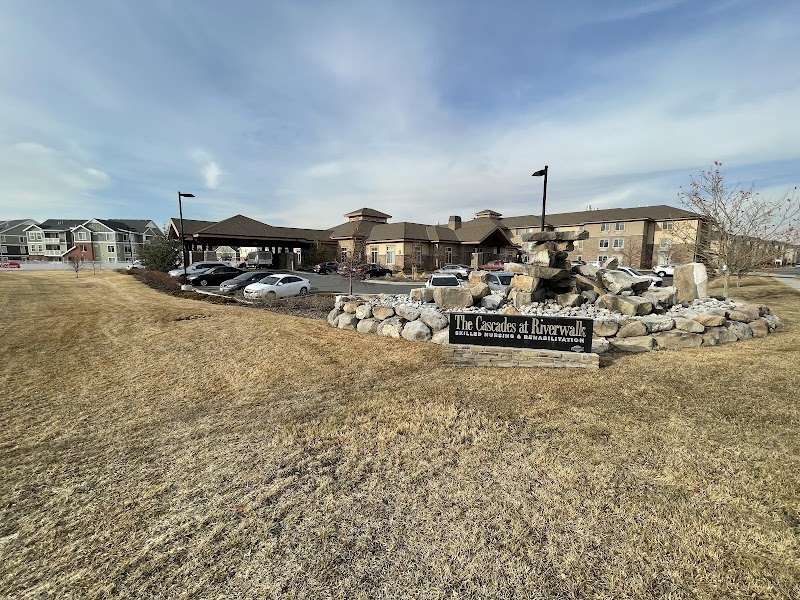
Cascades at Riverwalk
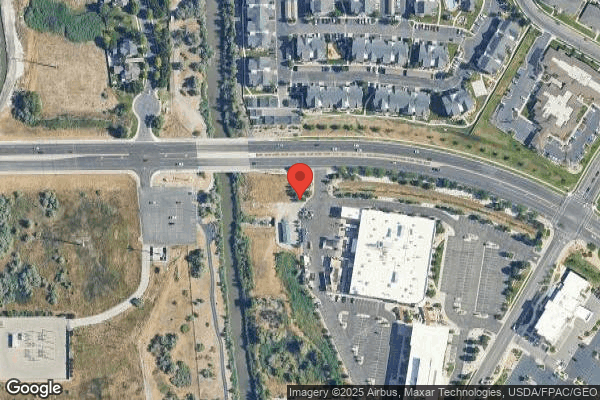
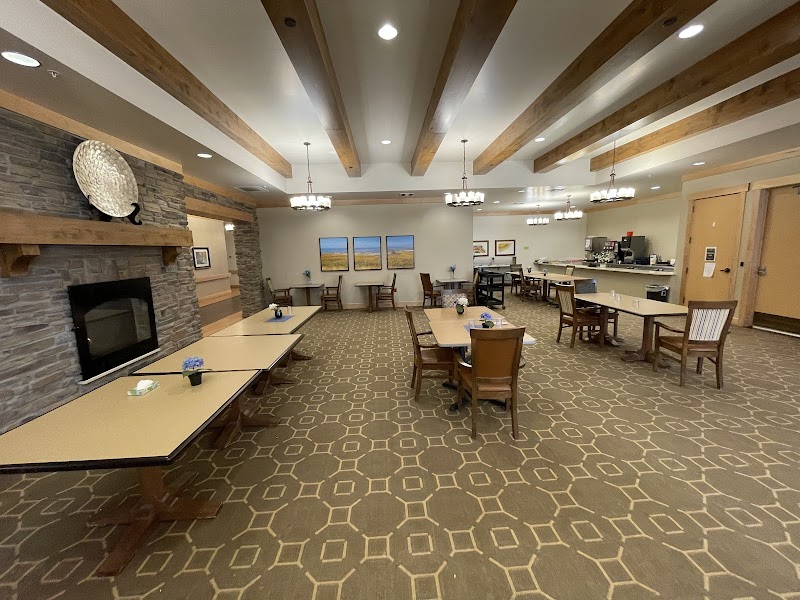
1012 West Jordan River Boulevard, Midvale, UT 84047 (801) 565-0800
Government - City/county 120 Beds CASCADES HEALTHCARE Data: November 2025
Trust Grade
48/100
#47 of 97 in UT
Last Inspection: October 2023

Over 2 years since last inspection. Current conditions may differ from available data.

Overview

Cascades at Riverwalk has a Trust Grade of D, which indicates below-average quality and raises some concerns about the level of care provided. The facility ranks #47 out of 97 nursing homes in Utah, placing them in the top half, and #16 out of 35 in Salt Lake County, meaning there are only 15 local options that are better. While the overall trend is improving, going from 17 issues in 2023 to just 1 in 2025, the facility still has significant weaknesses, including serious incidents where a resident developed a urinary tract infection due to a broken bladder scanner and where pressure ulcers worsened without timely intervention. Staffing ratings are average with a turnover rate of 54%, which is about the state average, and the facility has average RN coverage, but the $23,829 in fines suggests some compliance issues that families should consider when researching care options. On a positive note, the quality measures score is excellent at 5 out of 5, indicating that when care is delivered, it meets high standards.
Trust Score
D
48/100
In Utah
#47/97
Top 48%
Safety Record
Moderate
Needs review
Inspections
Getting Better
17 → 1 violations
Staff Stability
⚠ Watch
54% turnover. Above average. Higher turnover means staff may not know residents' routines.
Penalties
⚠ Watch
$23,829 in fines. Higher than 86% of Utah facilities, suggesting repeated compliance issues.
Skilled Nurses
✓ Good
Each resident gets 69 minutes of Registered Nurse (RN) attention daily — more than 97% of Utah nursing homes. RNs are the most trained staff who catch health problems before they become serious.
Violations
⚠ Watch
48 deficiencies on record. Higher than average. Multiple issues found across inspections.
★★★☆☆
3.0
Overall Rating
★★☆☆☆
2.0
Staff Levels
★★★★★
5.0
Care Quality
★★☆☆☆
2.0
Inspection Score
Stable
2023: 17 issues
2025: 1 issues

The Good

  • 5-Star Quality Measures · Strong clinical quality outcomes
  • Full Sprinkler Coverage · Fire safety systems throughout facility
  • No fines on record

Facility shows strength in quality measures, fire safety.

The Bad

3-Star Overall Rating

Near Utah average (3.3)

Meets federal standards, typical of most facilities

Staff Turnover: 54%

Near Utah avg (46%)

Higher turnover may affect care consistency

Federal Fines: $23,829

Below median ($33,413)

Minor penalties assessed

Chain: CASCADES HEALTHCARE

Part of a multi-facility chain

Ask about local staffing decisions and management

The Ugly 48 deficiencies on record

2 actual harm
May 2025 1 deficiency
CONCERN (D) 📢 Someone Reported This

A family member, employee, or ombudsman was alarmed enough to file a formal complaint

Potential for Harm - no one hurt, but risky conditions existed

Accident Prevention (Tag F0689)

Could have caused harm · This affected 1 resident

Based on observation, interview, and record review, the provider failed to ensure that the resident environment remained as free of accidents hazards as was possible. Specifically, a resident who was ...

Read full inspector narrative →
Based on observation, interview, and record review, the provider failed to ensure that the resident environment remained as free of accidents hazards as was possible. Specifically, a resident who was in the shower did not have access to a call light. Resident identifier: 3 In response to the incident involving Resident 3, the facility identified the quality deficiency and developed a corrective action plan. At the time of the complaint survey, it was determined that the facility had implemented corrective measures and met the requirements of F689. Due to the facility ' s corrective measures, the noncompliance was determined to be past noncompliance. The facility ' s corrective action plan, which was developed and implemented by April 9, 2025, included the following measures: a. Removing Certified Nursing Assistant (CNA) 1 from the facility staff. b. Adding a call light to Resident 3 ' s shower. c. Evaluating all current residents to ensure call lights were accessible in areas required based on their specific needs and care plans. d. Reeducating staff on Resident 3 ' s care preferences. Findings Include: The surveyor interviewed Resident 3 on May 22, 2025. Resident 3 stated that it was his preference to be helped into and out of the shower, but to complete his shower by himself. Resident 3 stated that CNAs would assist him into the shower, and then check in periodically to see if he needed assistance or was done and needed help out of the shower. Resident 3 stated that on March 4, 2025, CNA 1 recently helped him into the shower and then left. Resident 3 stated that he completed his shower and was calling out for assistance, but nobody was there to help. Resident 3 stated that he was unable to reach the call light from his position on the shower chair. Resident 3 stated that he used the shower head to hit the wall to signal for assistance. Resident 3 stated that a different CNA eventually came in and helped him back into his bed. Resident 3 stated that after the incident, staff had added an additional call light button in the shower. The surveyor observed Resident 3 ' s bathroom. The bathroom had a shower chair, and the bathroom call light was next to the toilet. The bathroom call light appeared to be out of reach from where the shower chair was placed. The licensor observed an additional, portable call light in the shower, within reach of where the shower chair was placed. The surveyor reviewed Resident 3 ' s medical records, and the following entries were observed: a. The Minimum Date Set from May 20, 2025 revealed that Resident 3 required a one person extensive assistance with transfers. The surveyor interviewed CNA 4 on May 22, 2025. CNA 4 stated that Resident 3 preferred to have assistance getting into the shower, and then to be left alone until he was ready to get out or if he needed assistance. CNA 4 stated that Resident 3 preferred for CNAs to wait outside the door until he was done. CNA 4 stated that Resident 3 often took long showers, sometimes exceeding an hour long, so CNAs would often complete other tasks while waiting for Resident 3 to finish his shower. CNA 4 stated that the CNAs would let Resident 3 know if they had to step away to help another resident. CNA 4 stated that she was aware of the incident where Resident 3 requested help and CNA 1 was unavailable. CNA 4 stated that a new call light button had been added to the bathroom shower so Resident 3 can easily call for help. The surveyor interviewed the Administrator (Admin) on May 22, 2025. The Admin stated that Resident 3 had requested that CNAs leave him in the shower and check on him periodically, because Resident 3 preferred to take long showers. The Admin stated that Resident 3 had filed a grievance regarding CNA 1 leaving him in the shower for too long, and Resident 3 did not have a way to signal for help. The Admin stated that he interviewed CNA 1 about the incident, and CNA 1 stated that another resident required help, and he was busy helping someone else. The Admin stated that a new call light was added to Resident 3 ' s shower. The Admin stated that CNA 1 no longer worked at the facility.
Oct 2023 15 deficiencies 1 Harm
SERIOUS (G) 📢 Someone Reported This

A family member, employee, or ombudsman was alarmed enough to file a formal complaint

Actual Harm - a resident was hurt due to facility failures

Incontinence Care (Tag F0690)

A resident was harmed · This affected 1 resident

**NOTE- TERMS IN BRACKETS HAVE BEEN EDITED TO PROTECT CONFIDENTIALITY** Based on interview and record review, it was determined, for 1 of 43 sampled residents, that the facility did not ensure that a ...

Read full inspector narrative →
**NOTE- TERMS IN BRACKETS HAVE BEEN EDITED TO PROTECT CONFIDENTIALITY** Based on interview and record review, it was determined, for 1 of 43 sampled residents, that the facility did not ensure that a resident who was incontinent of bladder received the appropriate treatment and services to prevent urinary tract infections. Specifically, the facility bladder scanner was broken and a resident required bladder scans prior to being straight catheterized (cathed) to remove urine. The resident was transferred to the hospital and diagnosed with a urinary tract infection (UTI) and sepsis. Resident identifier: 77. Findings included: Resident 77 was admitted to the facility on [DATE] and readmitted on [DATE] with diagnoses which included sepsis, diabetes mellitus, UTI, neuromuscular dysfunction of the bladder, anxiety, major depressive disorder, and gastrointestinal reflux disease. On 10/2/23 at 10:51 AM, an interview was conducted with resident 77. Resident 77 stated that he was unable to walk since he had back surgery a year ago. Resident 77 stated he thought staff were checking his catheter once a day but his bag was not always changed. Resident 77 stated the staff once emptied his catheter bag and there were 3000 milliliters. Resident 77 stated he had waited anywhere from 1 to 3 hours for a brief change. Resident 77 stated since he returned from the hospital staff were responding quicker. Resident 77 stated that he went to the hospital on a Sunday after he had slept all day. Resident 77 stated Registered Nurse (RN) 5 assessed him and asked if something was wrong. Resident 77 stated an ambulance took him to the hospital and he had a UTI and sepsis. Resident 77's medical record was reviewed 10/2/23 through 10/10/23. A significant change Minimum Data Set (MDS) assessment dated [DATE], revealed resident 77 had a Brief Interview of Mental Status score of 14 which indicated intact cognition. The MDS further revealed that resident 77 was always incontinent of bowel and bladder. Resident 77 was not on a toileting program. Resident 77 did not use appliances such as an indwelling catheter. A care plan dated 2/19/23 and revised on 6/1/23, revealed resident 77 was at risk for bowel and bladder incontinence and required assistance with toileting care related to decline in mobility, and diuretic use. The goal was that resident 77 remained free from skin breakdown due to incontinence and brief use through the review date. Interventions included clean peri-area with each incontinence episode, ensure resident 77 had unobstructed path to the bathroom, monitor for signs and symptoms of a UTI, and monitor for possible causes of incontinence. A care plan dated 8/22/23, revealed The resident has Indwelling Catheter: Neurogenic bladder. The goal revealed The resident will be/remain free from catheter-related trauma through review date. Interventions included Catheter: Foley catheter cares; Monitor for s/sx [signs and symptoms] of discomfort on urination and frequency and; Monitor/record/report to MD [medical doctor] for s/sx of UTI: pain, burning, blood tinged urine, cloudiness, no output, deepening of urine color, increased pulse, increased temp [temperature], Urinary frequency, foul smelling urine, fever, chills, altered mental status, change in behavior, change in eating patterns. A physician's order dated 6/26/23 and discontinued on 8/3/23, revealed Bladder scan BID [twice daily] and straight cath if PVR [post volume residual] [greater than] 350ml [milliliters] two times a day. According to the Treatment Administration Record (TAR) for July 2023, for the order bladder scan BID and straight cath if PVR was greater than 350 ml twice daily, there were x's on 7/26/23 in the evening, 7/27/23, 7/28/23, 7/29/23, and 7/30/23. Nursing progress notes revealed the following entries: a. On 6/29/23 at 10:01 PM, the bladder scanner was not available. Resident 77 was voiding in his brief. b. On 7/1/23 at 10:12 PM, the bladder scanner was unavailable. c. On 7/4/23 at 1:01 AM, the bladder scanner was not working. d. On 7/6/23 at 1:07 AM, the bladder scanner was not functioning and resident was informing nursing if catheter was needed. e. On 7/7/23 at 1:24 AM, the bladder scanner was unavailable. f. On 7/7/23 at 5:43 PM, the bladder scanner was unavailable at this time, resident was voiding and staff assisting with brief changes, denied any bladder discomfort, abdominal soft, and non-distended. g. On 7/8/23 at 10:25 PM, the bladder scanner not available. h. On 7/10/23 at 5:38 AM, the bladder scanner was not available. i. On 7/14/23 at 1:08 AM, the reasoning documented for not having bladder scanned was Not available. j. On 7/14/23 at 9:24 PM, the bladder scanner was not available. k. On 7/15/23 at 8:59 PM, the bladder scanner was not available. l. On 7/16/23 at 10:11 AM, PVR unable to measure as resident was incontinent of urine. m. On 7/17/23 at 5:15 AM, the bladder scanner was unavailable. n. On 7/18/23 at 1:31 AM, no bladder scanner was available and resident denied need for straight cath at this time. o. On 7/21/23 at 1:51 AM, the reasoning documented for not having bladder scanned was Not available. p. On 7/21/23 at 7:25 PM, the reasoning documented for not having bladder scanned was Not available. q. On 7/23/23 at 4:26 AM, the reasoning documented for not having bladder scanned was Not available. r. On 7/23/23 at 12:30 PM, Resident refuses scan, reporting he doesn't feel like he needs it. Is having wet briefs. Bladder is not palpable above pubic bone and denies pain with palpation. s. On 7/27/23 at 6:31 AM, the bladder scanner was not available. t. On 7/27/23 at 10:04 PM, the reasoning documented for not having bladder scanned was Not available. u. On 7/28/23 at 9:36 AM, [Resident 77] requested straight cath, feeling like his bladder did not empty fully. Straight cath'd and 500ml was collected. v. On 7/29/23 1:31 PM, [Resident 77] requested straight catheterization. 500ml removed via cath. w. On 7/29/23 at 10:42 PM, the bladder scanner was not available. x. On 7/30/23 at 7:40 AM, Resident reporting a lot of back pain and bloating. Appears pale, temp 99.9 [Fahrenheit], unable to find appropriate words during our conversation and his glucose per fingerstick is 330. He reports his sugar was elevated over 300 yesterday as well. Abdomen appears large and per his usual, denies pain with palpation,, BS [blood sugar] +x4, denies bladder pain or burning with urination. LS [lung sounds] are difficult to assess as he cannot lean forward, reports too much back pain. Clear to auscultation anteriorly. HR [heart rate] WNL [within normal limits]. Denies any other symptoms. NP [Nurse Practitioner name removed] notified via secure [electronic medical record system] conversation. He does have a vape in his room with various 'JUICE' flavors. Requested resident not use this and it was moved off his bedside table and onto his dresser. y. On 7/30/23 at 6:35 PM, Resident with altered LOC [loss of consciousness],wakes up briefly when name is called and falls right back to sleep. Alert to name only. VS [vital signs] [blood pressure] 80/55, HR 136, Resp [respirations] 16,Temp 99.3 02 [oxygen] 80% on room air. NP [name removed] notified and new order to send him to hospital. 911 notified and EMS [emergency medical services] crew came to eval [evaluate]. Started an IO [Intraosseous] line to Left tibia as BP dropped to 55/30. Took patient to [local hospital] Called and left voicemail message with [name removed] asking for a return call to update on residents condition. A form titled Discharge Documentation from a local hospital with a visit dated of 7/30/23. Resident 77's discharge diagnosis was altermed mental status, actue kidney ijury, hyperglycemia, urinary tract infection, severe sepsis with spetic shock and weakness. On 10/10/23 at 11:41 AM, an interview was conducted with RN 5. RN 5 stated she was the nurse when resident 77 went to the hospital. RN 5 stated she noticed a change in resident 77 about 8:00 AM, and he progressively was worse throughout the day. RN 5 stated resident 77 was not himself. RN 5 stated he was sleepy, response time was lagged, and then as the day progressed, he became slower in his response time. RN 5 stated resident 77 was picking things out of the air that were not there. RN 5 stated his vital signs were wacky. RN 5 stated resident 77's blood pressure was low and pulse was high. RN 5 stated she called the physician and sent resident 77 to the emergency room. RN 5 stated resident 77 kept a vape pen in his room and it was on the bedside table. RN 5 stated resident 77 was not allowed to vape in his room. RN 5 stated that sometimes resident 77 got a glossy look when he vaped. RN 5 stated resident 77's eyes were blood shot and he was slow to respond, so she put the vape on his dresser out of his reach. RN 5 stated resident 77 had a neurogenic bladder from a spinal surgery. RN 5 stated when resident 77 was admitted to the facility staff had to straight cath him and perform bladder scans. RN 5 stated resident 77 had a superpubic catheter currently. On 10/10/23 at 12:38 PM, an interview was conducted with the Director of Nursing (DON). The DON stated catheter cares were completed daily but cleansing the catheter and emptying the urine from the catheter bag. The DON stated the recommendation for changing the catheter with a closed system was not every 30 days but as needed. The DON stated resident 77 was straight cathed at times when he needed it but she needed to review the physician's orders. On 10/10/23 at 2:06 PM, an interview was conducted with Unit Manager (UM) 1. UM 1 stated that tasks set up for nurses to monitor catheters daily and change the catheter out monthly. UM 1 stated the PVR was post volume residual. UM 1 stated resident 77 was having trouble voiding and was wet but did not complain of a full bladder. UM 1 stated she did not know what the X's and N/A's were for on the TAR in July 2023. UM 1 stated she did not understand the physician's order for the bladder scan twice daily and straight cath if PVR was greater than 350ml. UM 1 stated resident 77 was incontinent of bladder and bowel so there was no way to measure the PVR. UM 1 stated she did not know how nurses were completing the physician's order. On 10/10/23 at 2:58 PM, a follow-up interview was conducted with the DON. The DON stated resident 77 had a catheter inserted on 8/20/23. The DON stated that nurses stated resident 77 was afraid to get a UTI and wanted the catheter. The DON resident 77 had a physician's order for bladder scans from 2/6/23, and then decreased frequency on 6/26/23. The DON stated the bladder scanner was broken in July 2023. The DON stated nursing staff should have contacted the physician and determined what to do differently. The DON stated the she was off when the bladder scanner was broken. On 10/10/23 at 3:05 PM, an interview was conducted with Certified Nursing Assistant (CNA) 4. CNA 4 stated that resident 77 had a catheter. CNA 4 stated when providing catheter care she wiped the tubing around the tip of the penis and then wiped the tube. CNA 4 stated that she emptied the catheter bag every time she did catheter care. CNA 4 stated the catheter bag was changed weekly by the nurse. CNA 4 stated the signs and symptoms of urinary tract infections were agitation or not acting like themselves. On 10/10/23 at 4:03 PM, a follow-up interview was conducted with the DON. The DON stated the Administrator told her the bladder scanner was down for 10 days to 14 days. The DON stated she was not aware of other residents that required bladder scanning. The DON stated PVR was post volume residual and should be checked after a resident had voided. The DON stated with a resident being incontinent she was unsure how nurses would check PVR. The DON stated staff obtained bladder scans randomly and resident 77 complained of feeling like he had a full bladder when his scan showed 350 mls. The DON stated if resident 77 had more than 350 mls then nurses would straight cath.
CONCERN (D) 📢 Someone Reported This

A family member, employee, or ombudsman was alarmed enough to file a formal complaint

Potential for Harm - no one hurt, but risky conditions existed

Deficiency F0554 (Tag F0554)

Could have caused harm · This affected 1 resident

**NOTE- TERMS IN BRACKETS HAVE BEEN EDITED TO PROTECT CONFIDENTIALITY** Based on observation, interview, and record review it was determined, for 2 out of 43 sampled residents, that the facility did n...

Read full inspector narrative →
**NOTE- TERMS IN BRACKETS HAVE BEEN EDITED TO PROTECT CONFIDENTIALITY** Based on observation, interview, and record review it was determined, for 2 out of 43 sampled residents, that the facility did not ensure that the interdisciplinary team had determined that the resident's right to self administer medications was clinically appropriate. Specifically, a resident was observed to have medications on the bedside table in a medication cup and another resident was not evaluated to determine if they were safe to self administer medications. Resident identifiers: 9 and 47. Findings included: 1. Resident 9 was admitted to the facility on [DATE] with diagnoses which included paraplegia, cirrhosis of liver, portal hypertension, chronic respiratory failure, ascites, pressure-induced deep tissue damage, stage 2 pressure ulcer, stage 4 pressure ulcer of sacral region, hypertension, hepatic encephalopathy, pressure ulcer of right buttock stage 3, anxiety disorder, and neuromuscular dysfunction of bladder. On [DATE] at 9:59 AM, an observation was made of resident 9's room. There were four medications observed in the medication cup on the bedside table. Resident 9 was interviewed and stated there were a lot more pills in the medication cup earlier but he was waiting for his breakfast to digest before he took the rest of the pills. Resident 9 stated that he did not understand why the staff brought the medications with breakfast. Resident 9 stated it was very rare that the nurse watched him take his medications. Resident 9's medical record was reviewed on [DATE]. No documentation could be located indicating that resident 9 had been evaluated to safely self administer medications. An admission Minimum Data Set (MDS) assessment dated [DATE], documented that resident 9 had a Brief Interview for Mental Status (BIMS) score of 15. A BIMS score of 13 to 15 indicated intact cognition. The Resident Rights policy within the admission agreement signed by resident 9 documented . 30. To self-administer drugs if the interdisciplinary team has determined the practice is safe. On [DATE] at 8:17 AM, an interview was conducted with Registered Nurse (RN) 1. RN 1 stated a resident would need to be alert and oriented in order to self administer their medications. RN 1 stated she had never had a resident request to administer their own medications. RN 1 stated she would care plan that the resident wanted to self administer medications. On [DATE] at 8:39 AM, an interview was conducted with RN 2. RN 2 stated there would need to be a physician's order if a resident requested to administer their own medications. RN 2 stated that he would ensure the resident was safe to administer their own medications. RN 2 stated that no resident on his floor self administered medications. RN 2 stated he had a resident that was training to self administer their insulin but that resident had failed. 2. Resident 47 was admitted to the facility on [DATE] and readmitted on [DATE] with diagnoses which included dysphagia, ataxia, chronic pulmonary embolism, paralysis of vocal cords, gastro-esophageal reflux disease, and hemiplegia and hemiparesis. On [DATE] at 1:44 PM, an interview and observation was conducted with resident 47. Resident 47 was observed to have over the counter medications on his bedside table. Resident 47 stated he had Zegerid for night time, Nexium for the morning and Vitamin B complex. Resident 47 stated he had the medication because he needed them for his stomach. Resident 47's medical record was reviewed [DATE] through [DATE]. A quarterly MDS dated [DATE] revealed resident 47 had BIMS score of 13 out of 15 which revealed he was cognitively intact. Resident 47's care plans were reviewed and there was no information regarding self administration of medications. There was no self administration assessment located in resident 47's medical record. There was no physician's order located for resident to self administer medications. On [DATE] at 6:40 PM a nursing progress note revealed, Patient bought himself some Nexium to try so he has a back-up in case Omeprazole is not available again. This RN gave Nexium to him this morning, patient tolerated well. He would like to try it again tonight and make a decision as to how well or if it works. Will continue to monitor and assess. On [DATE] at 1:50 PM, an interview was conducted with RN 3. RN 3 stated that there were no residents that administered their own medications on her hallway. On [DATE] at 10:13 AM, an interview was conducted with the DON. The DON stated residents were unable to keep medications at their bedside. The DON stated there might be a medication that they can leave at bedside for residents after an assessment was completed, a physician's order was obtained and a care plan was completed. The DON stated resident 47 did not keep medications at his bedside. On [DATE] at 11:25 AM, an observation was conducted of resident 47's room with the DON. There were B complex vitamins, Omeprazol, Nexium medication bottle on resident 47's observed on the bedside table. The DON stated she was not aware that resident 47 had medications at bedside. On [DATE] at approximately 10:00 AM, a follow up interview was conducted with the DON. The DON stated that resident 47 had the medications just in case the facility ran out of them. The DON stated resident 47 told her he had not taken any of the medications. The facility policy for Self-Administration of Medications documented, Policy heading Residents have the right to self-administer medications if the interdisciplinary team has determined that it is clinically appropriate and safe for the resident to do so. Policy Interpretation and Implementation 1. As part of the evaluation comprehensive assessment, the interdisciplinary team (IDT) assesses each resident's cognitive and physical abilities to determine whether self-administering medications is safe and clinically appropriate for the resident. 2. The IDT considers the following factors when determining whether self-administration of medications is safe and appropriate for the resident: a. The medication is appropriate for self-administration; b. The resident is able to read and understand medication labels; c. The resident can follow directions and tell time to know when to take the medication; d. The resident comprehends the medication's purpose, proper dosage, timing, signs of side effects and when to report these to the staff; e. The resident has the physical capacity to open medication bottles, remove medications from a container and to ingest and swallow (or otherwise administer) the medication; and f. The resident is able to safely and securely store the medication. 3. If it is deemed safe and appropriate for a resident to self-administer medications, this is documented in the medical record and the care plan. The decision that a resident can safely self-administer medications is reassessed periodically based on changes in the resident's medical and/or decision-making status. 4. If the team determines that a resident cannot safely self-administer medications, the nursing staff administer the resident's medications. The IDT evaluates options which allow residents to safely participate in the medication administration process if they wish to do so. 5. Residents who are identified as being able to self-administer medications are asked whether they wish to do so. 6. For self-administering residents, the nursing staff determines who is responsible (the resident or the nursing staff) for documenting that medications are taken. 7. If the resident is able and willing to take responsibility for documenting self-administration of medications, the resident is instructed on how to complete a record indicating the administration of the medication. 8. Self-administered medications are stored in a safe and secure place, which is not accessible by other residents. If safe storage is not possible in the resident's room, the medications of residents permitted to self-administer are stored on a central medication cart or in the medication room. A licensed nurse transfers the unopened medication to the resident when the resident requests them. 9. Any medications found at the bedside that are not authorized for self-administration are turned over to the nurse in charge for return to the family or responsible party. 10. The facility reorders self-administered medications in the same manner as other medications. 11. The nursing staff routinely checks self-administered medications and removes expired, discontinued, or recalled medications. 12. Nursing staff reviews the self-administered medication record for each nursing shift, and transfers pertinent information to the medication administration record (MAR) kept at the nursing station, appropriately noting that the doses were self-administered.
CONCERN (D) 📢 Someone Reported This

A family member, employee, or ombudsman was alarmed enough to file a formal complaint

Potential for Harm - no one hurt, but risky conditions existed

Report Alleged Abuse (Tag F0609)

Could have caused harm · This affected 1 resident

**NOTE- TERMS IN BRACKETS HAVE BEEN EDITED TO PROTECT CONFIDENTIALITY** 3. Resident 157 was admitted to the facility on [DATE] with diagnoses which included Chronic obstructive pulmonary disease, rest...

Read full inspector narrative →
**NOTE- TERMS IN BRACKETS HAVE BEEN EDITED TO PROTECT CONFIDENTIALITY** 3. Resident 157 was admitted to the facility on [DATE] with diagnoses which included Chronic obstructive pulmonary disease, restless leg syndrome, weakness, and repeated falls. A form titled exhibit 358 revealed that the facility reported to the State Survey Agency on 7/13/23 at 9:50 PM, that resident 157 reported to the Director of Nursing (DON) that the NOC (nocturnal) shift aide, on 7/13/23 at 1:00 AM, had been rough with her while changing her brief and then after the brief change had been thrown into bed the night before. The resident alleged she had told the aide that she had hurt her and was told too bad. Resident 157 was assessed, and no injuries or signs of distress were noted, she reports feeling safe. The Aide had been suspended pending investigation. APS (adult protective services), Ombudsman, and provider were notified. The form titled exhibit 358 also revealed that the facility staff became aware of the incident and notified the administrator on 7/13/23 at 2:35 PM. [Note: The abuse allegation was reported more than 7 hours after staff became aware of the incident.] The policies and procedures for Abuse -Prohibiting was reviewed. Policy The Administrator will ensure that the residents residing in this facility will remain free from verbal, sexual, physical and mental abuse, corporal punishment, involuntary seclusion, neglect and misappropriation of resident property . Reporting Abuse Any person who suspects that abuse, neglect, or the misappropriation of property may have occurred must immediately report the alleged violation to their immediate supervisor or the Administrator of the facility, State Survey Agencies and Law Enforcement. Time Period for Reporting 1. Serious Bodily Injury - 2 Hour Limit: If the events that cause the reasonable suspicion result in serious bodily injury to a resident, the covered individual (owner, operator, employee, manager, agent, or contractor) shall report the suspicion immediately, to State Survey Agencies and Law Enforcement, but no later than 2 hours after forming the suspicion. 2. All others - Within 24 Hours: If the events that cause the reasonable suspicion do not result in serious bodily injury to a resident, the covered individual shall report the suspicion no later than 24 hours after forming the suspicion. Based on interview and record review it was determined, for 3 out of 43 sampled residents, that the facility did not ensure all alleged violations of abuse, neglect, exploitation or mistreatment were reported immediately, but no later than 2 hours after the allegation was made. Specifically, the facility did not report a allegations of abuse within 2 hours of the allegation. Resident identifiers: 12, 20 and 157. Findings include: 1. Resident 12 was 9/2/22 and readmitted on [DATE] with diagnoses which included spinal stenosis, pneumonia, diabetes mellitus, and fusion of spine. A form titled Exhibit 358 revealed that the facility reported to the State Survey Agency on 8/18/23 at 5:54 PM that on 7/24/23 at 12:17 PM resident 12 was found lying on her left side, with right arm underneath her. Resident 12 sustained a 2 inch jagged laceration to the left side of her forehead. Resident was sent to the hospital. Resident 12's medical record was reviewed 10/3/23 through 10/10/23. A nursing progress note dated 7/24/23 at 10:17 PM, Found resident lying on her left side, with right arm underneath her, head lying against the floor on left side of forehead with a puddle of blood visible under her. She is alert and oriented x4 [person, place, time, situation], PEARRLA [pupils, equal, round, reactive to light and accommodate] at this time, Immediate c-spine stabilization provided and resident rolled onto her back x3 staff while maintaining c-spine stabilization, with the help of an aide, a stack of moistened 4x4 gauze was placed over an approximate 2 inch jagged laceration to the left side of her forehead. She is able to move all extremities without reports of pain, no other obvious signs of injury observed. She denies pain to her neck but d/t [due to]recent C-spine fusion, C-spine stabilization completed as a precaution. 911 called by another nurse, awaiting EMS [emergency medical services] arrival. 2. Resident 12 was 9/2/22 and readmitted on [DATE] with diagnoses which included spinal stenosis, pneumonia, diabetes mellitus, and fusion of spine. Resident 20 was admitted to the facility on [DATE] with diagnoses which included multiple myeloma not having achieved remission, diabetes, anxiety disorder, and muscle spasms. A form titled exhibit 358 revealed that the facility reported to the State Survey Agency on 8/14/23 at 8:00 PM. A review of exhibit 358 revealed on 8/14/23 at 3:40 PM, resident 20 reported that resident 12 was threatening in her language to him saying she was going to beat him up. [Resident 12] stated that he does not feel safe. A nursing progress note for resident 20 was dated 8/17/23 at 4:45 PM, On 8/14/23 [resident 20] reported to me that another resident was bothering him verbally and it was making him feel unsafe. Today I followed up with him and he reported that he has not had any interactions with the other resident since and he is pleased that they have stopped bothering him. On 10/10/23 at 9:13 AM, an interview was conducted with the Administrator. The Administrator stated his understanding was to report falls with fracture and did not think to report resident 12's fall with a serious injury. The Administrator stated he reported the incident later. The Administrator stated the incident between resident 12 and resident 20 was not reported within 2 hours and he was not sure why it was reported after 2 hours.
CONCERN (D)

Potential for Harm - no one hurt, but risky conditions existed

Comprehensive Care Plan (Tag F0656)

Could have caused harm · This affected 1 resident

**NOTE- TERMS IN BRACKETS HAVE BEEN EDITED TO PROTECT CONFIDENTIALITY** Based on interview and record review, it was determined for 1 or 43 sampled residents that the facility did not ensure the compr...

Read full inspector narrative →
**NOTE- TERMS IN BRACKETS HAVE BEEN EDITED TO PROTECT CONFIDENTIALITY** Based on interview and record review, it was determined for 1 or 43 sampled residents that the facility did not ensure the comprehensive care plan included the services needed to achieve the highest practicable physical, mental and psychosocial well-being. Specifically, a resident with pressure ulcers did not have a care plan that addressed the specific pressure ulcers. Resident identifier: 71. Findings include: Resident 71 was admitted to the facility on [DATE] with diagnoses which included encephalopathy, type 2 diabetes mellitus, pressure ulcer of sacral region stage 4, pressure ulcer of right heel stage 3, pressure ulcer of left ankle stage 2. Resident 71's medical record was reviewed on 10/3/23. An admission Minimum Data Set (MDS) assessment dated [DATE], documented that resident 71 required two person physical assistance and was total dependence for bed mobility, toilet use, personal hygiene, dressing. In addition the MDS assessment documented that resident 71 was at risk of developing pressure ulcers and resident 71 had 1 stage 4 unhealed pressure ulcers on admission. A care plan dated 6/28/23 with a focus area [Resident 71] admitted with pressure injuries. Sacral stage 4. Intervention documented a. Implement weekly skin checks b. Implement wound care protocol c. Turn schedule frequently as tolerated while in bed d. Low-air-loss mattress [Note: the heel and ankle pressure ulcers were not addressed.] A care plan dated 6/28/23 with a focus area [Resident 71] has potential/actual impairment to skin integrity and is at risk for pressure injury r/t [related to] admitted with pressure injuries, decreased mobility, incontinence. Interventions documented: a. follow facility protocols for treatment of injury. b. pressure reducing Air mattress as ordered. On 7/1/23 a physician admission note documented resident 71 was discharged to the facility with diagnoses vascular dementia, sacral PU [pressure ulcer] stage IV [4] POA [present on admission], stage III [3] R [right] heel POA, stage II [2] L [left] ankle POA . On 8/21/23 a Nurse practitioner note documented resident 71 was discharged to the facility with diagnoses vascular dementia, sacral PU [pressure ulcer] stage IV [4] POA [present on admission], stage III [3] R [right] heel POA, stage II [2] L [left] ankle POA . On 9/29/23 at 7:00 AM a skin and wound note documented wound #2 right heel pressure stage 2 . no slough, no eschar. On 10/5/23 at 6:13 PM a skin and wound note documented the wound care team saw resident 71 wound 2 right heel pressure stage 2 . Wound 3 left heel pressure unstageable . On 7/3/23 an admission skin and weight review documented resident 71 current skin impairments: Sacral wound [with] wound vac. On 10/04/23 at 1:58 PM, an interview was conducted with the wound nurse (WN) 1. WN 1 stated that resident 71 was admitted to the facility with his sacral pressure injury. WN 1 stated that resident 71 developed his heel wound in the facility. WN 1 stated that she had been the facility wound nurse for about 4 weeks from today. On 10/10/23 at 8:07 AM, an observation of resident 71's wound care being preformed. WN 1 preformed the wound care. WN 1 stated that resident 71 was admitted with the sacral pressure ulcer and that he developed the right heel pressure ulcer in the facility. The right heel pressure ulcer was observed to have a saturated dressing, the wound was a dark brown and black color. WN 1 stated that the right heel was a stage 3 with necrotic tissue covering it. WN 1 provided wound care to resident 71's right heel. WN 1 turned resident 71 on his side revealing a bandage on his right hip. WN 1 stated that he had skin tears on each hip from shearing and being pulled up in bed frequently. WN 1 removed the right hip bandage the bandage had blood and drainage on the bandage. WN 1 stated that a layer of skin was missing from the tear. WN 1 turned resident on his other side revealing a bandage on resident 71's left hip. WN 1 stated that a layer of skin was torn on the left hip and was also a shearing wound. On 10/10/23 at 11:19 AM, a follow-up interview was conducted with the WN 1. WN 1 stated that if a resident had a pressure ulcer there should be a care plan detailing interventions. WN 1 stated that new wounds were discussed in the daily morning meeting and the Minimum Data Set coordinator (MDSC) would be the person to implement the care plan for wounds. On 10/10/23 at 11:51 AM, an interview was conducted with the Minimum Data Set Coordinator (MDSC). The MDSC stated that if a resident develops a pressure ulcer in the facility the wound nurse implemented a wound care plan. The MDSC stated that she will check to see if a wound was resolved and resolved the care plan but she stated she does not initiate the care plans. On 10/10/23 at 12:36 PM, an interview was conduced with the Director of Nursing (DON). The DON stated that if a wound care plan needed to be initiated the wound care nurse or the MDSC implemented the care plan. The DON stated that there have been a few different wound nurses in a short amount of time and that there must have been miscommunication on who was to initiated the care plans for wounds.
CONCERN (D)

Potential for Harm - no one hurt, but risky conditions existed

ADL Care (Tag F0677)

Could have caused harm · This affected 1 resident

**NOTE- TERMS IN BRACKETS HAVE BEEN EDITED TO PROTECT CONFIDENTIALITY** Based on observation, interview and record review it was determined, for 1 of 43 sampled residents, the facility did not provide...

Read full inspector narrative →
**NOTE- TERMS IN BRACKETS HAVE BEEN EDITED TO PROTECT CONFIDENTIALITY** Based on observation, interview and record review it was determined, for 1 of 43 sampled residents, the facility did not provide the necessary services to maintain good nutrition, grooming, and personal and oral hygiene for residents who were unable to carry out the activities of daily living. Specifically, a resident was not showered twice weekly according to his preferences. Resident identifier: 77. Findings include: Resident 77 was admitted to the facility on [DATE] with diagnoses which included sepsis, diabetes mellitus, urinary tract infection, hereditary and idiopathic, spinal stenosis, generalized anxiety, and major depressive disorder. On 10/2/23 at 11:05 AM, an interview was conducted with resident 77. Resident 77 was observed to be laying in bed. Resident 77 stated he sometimes only received a bed bath once a week. Resident 77 stated that he would like at least 2 bed baths per week. Resident 77 stated there were not enough staff to provide a bed bath twice a week. Resident 77's medical record was reviewed 10/2/23 through 10/10/23. A significant change Minimum Data Set (MDS) dated [DATE] revealed a Brief Interview of Mental Status (BIMS) score of 14 which revealed resident 77 was cognitively intact. The MDS further revealed that resident 77 was totally dependent and required 1 person physical assistance for bathing. A care plan dated 2/6/23 and revised on 6/1/23 revealed [Resident 77] has an ADL [activities of daily living] self-care performance deficit r/t [related to] after care of arthrodesis, intestinal obstruction, obesity, spinal stenosis, myelopathy, DM [diabetes mellitus] w/ [with] neuropathy, saddle embolus of pulmonary artery, neurogenic bladder, thoracic/lumbosacral . incontinence, psychotropic use, weakness & impaired balance/mobility. The goal was resident 77 would improve current level of function through the review date. Interventions included to monitor/document/report as needed any changes, any potential for improvement, reasons for self-care deficit, expected course, declines in function. An additional intervention included to praise all efforts of self care. Certified Nursing Assistant (CNA) documentation in the tasks section of resident 77's medical record revealed that resident 77 received a bed bath on 9/9/23, 9/16/23, and 9/28/23. Resident 77 was provided 3 showers from 9/5/23 through 10/2/23. A binder titled Shower Sheets located at the nurses station was reviewed. There were no shower sheets for resident 77 for October 2023 in the binder. On 10/5/23 at 9:41 AM, an interview was conducted with CNA 3. CNA 3 stated at the start of her shift she checked the shower sheet book to see which residents needed a shower during her shift. CNA 3 stated she was usually assigned 4 resident to bath each day and was able to finished the showers. CNA 3 stated she had not bathed resident 77 because she had not been his CNA on a shower day. On 10/10/23 at 2:02 PM, an interview was conducted with Unit Manager (UM) 1. UM 1 stated that residents were scheduled according to their room number. UM 1 stated residents were scheduled to shower 2 to 3 times per week. UM 1 stated resident 77 should be getting bathed 2 times per week. UM 1 stated resident 77 was scheduled to be showered Wednesday and Saturday. UM 1 stated resident 77 was having a hard time getting out of bed. UM 1 stated the CNA completed a shower sheet after the resident had been showered. UM 1 stated was informed that resident 77 had 3 showers documented in the last 30 days. UM 1 stated That's interesting. UM 1 stated staff offered bed baths if a resident refused to get out of bed. UM 1 stated if a resident wanted more than 2 showers per week, the staff tried to accommodate that. UM 1 stated that if a resident was extra soiled then they received another bath that week but usually baths were not scheduled for 3 times per week. On 10/10/23 at 3:02 PM, an interview was conducted with CNA 4. CNA 4 stated there was a list of resident that needed a shower during her shift at the nurses station. CNA 4 stated all residents were showered twice a week. CNA 4 stated bed baths were done if the resident was unable to get out of bed or specifically asked. CNA 4 stated resident 77 had not refused being bathed. CNA 4 stated resident 77 was not usually in the section she cared for. CNA 4 stated resident 77 usually had bed baths. CNA 4 stated if a resident refused then she tried her best to convince the resident to take a shower. CNA 4 stated then she informed the nurse to talk to the resident. On 10/10/23 at 4:01 PM, an interview was conducted with the Director of Nursing (DON). The DON stated that she noticed resident 77 was only getting showers weekly but the CNA tasks were populated to be daily. The DON stated that if there was a blank section, then the CNA's did not document. The DON stated she was not sure why resident 77 was not bathed twice a week.
CONCERN (D) 📢 Someone Reported This

A family member, employee, or ombudsman was alarmed enough to file a formal complaint

Potential for Harm - no one hurt, but risky conditions existed

Pressure Ulcer Prevention (Tag F0686)

Could have caused harm · This affected 1 resident

**NOTE- TERMS IN BRACKETS HAVE BEEN EDITED TO PROTECT CONFIDENTIALITY** Based on interview and record review, the facility did not ensure for 1 of 43 sampled residents, that residents did not develop ...

Read full inspector narrative →
**NOTE- TERMS IN BRACKETS HAVE BEEN EDITED TO PROTECT CONFIDENTIALITY** Based on interview and record review, the facility did not ensure for 1 of 43 sampled residents, that residents did not develop pressure ulcers unless the individual's clinical condition demonstrated that they were unavoidable; and the residents with pressure ulcers received necessary treatment and services. Specifically, a resident developed pressure ulcers during his stay and did not receive timely skin checks or wound treatments. Resident identifier: 71. Findings included: Resident 71 was admitted to the facility on [DATE] with diagnoses which included encephalopathy, type 2 diabetes mellitus, pressure ulcer of sacral region stage 4, pressure ulcer of right heel stage 3, and pressure ulcer of left ankle stage 2. Resident 71's medical record was reviewed on 10/3/23. An admission Minimum Data Set (MDS) assessment dated [DATE], documented that resident 71 required two person physical assistance and was total dependence for bed mobility, toilet use, personal hygiene, and dressing. In addition, the MDS assessment documented that resident 71 was at risk of developing pressure ulcers and resident 71 had one stage 4 unhealed pressure ulcer on admission. A care plan dated 6/28/23, with a focus area [Resident 71] admitted with pressure injuries. Sacral stage 4. Interventions documented: a. Implement weekly skin checks. b. Implement wound care protocol. c. Turn schedule frequently as tolerated while in bed. d. Low-air-loss mattress. [Note: The heel and ankle pressure ulcers were not addressed.] A care plan dated 6/28/23, with a focus area [Resident 71] has potential/actual impairment to skin integrity and is at risk for pressure injury r/t [related to] admitted with pressure injuries, decreased mobility, incontinence. Interventions documented: a. Follow facility protocols for treatment of injury. b. Pressure reducing air mattress as ordered. On 6/6/23, the hospital records documented a wound overview, resident 71's wound classified as a pressure injury was located on his right heel as a stage 3. The provider notes documented right heel stage 3 PI [pressure injury] fully epithelized. Left lateral ankle stage 2 PI fully epithelized. On 7/1/23, a physician admission note documented resident 71 was discharged to the facility with diagnoses vascular dementia, sacral PU [pressure ulcer] stage IV [4] POA [present on admission], stage III [3] R [right] heel POA, stage II [2] L [left] ankle POA . On 7/3/23, an admission skin and weight review documented resident 71 current skin impairments: Sacral wound [with] wound vac. On 8/21/23, a Nurse Practitioner note documented resident 71 was discharged to the facility with diagnoses vascular dementia, sacral PU stage IV POA, stage III R heel POA, stage II L ankle POA . On 9/27/23, a weekly skin review documented is there a new skin integrity problem? No. The skin review documented Open wound to sacrum. Two small openings left buttock below sacral wound. pressure to right heel. two pressure sores to top of right foot . On 9/29/23 at 7:00 AM, a skin and wound note documented wound #2 right heel pressure stage 2 3 x 2 x 0.2, actual area 6, actual volume 1.2 [measurement in centimeters], no slough, no eschar. On 10/1/23, an order documented wound #2 right heel pressure stage 2 clean with cleanser apply skin prep to peri wound apply medihoney secure bordered foam change daily and PRN [as needed]. On 10/5/23 at 6:13 PM, a skin and wound note documented the wound care team saw resident 71 wound 2 right heel pressure stage 2, 4 X 2 X 0.2 actual area 8 actual volume 1.6 [measurement in centimeters], Wound 3 left heel pressure unstageable . On 10/4/23 at 1:58 PM, an interview was conducted with the Wound Nurse (WN) 1. WN 1 stated that resident 71 admitted into the facility with his sacral pressure injury. WN 1 stated that resident 71 developed his heel wound in the facility. WN 1 stated that she had been the facility wound nurse for about four weeks. WN 1 stated that the wound nurse before her was in the facility for two week and the wound nurse before that was in the facility for just a few months. [Note: The first time resident 71's heel wound was documented was on 9/27/23, in a weekly skin assessment. The first time WN 1 documented on resident 71's wound was on 9/29/23.] On 10/10/23 at 8:07 AM, an observation of resident 71's wound care being preformed was conducted. WN 1 preformed the wound care. WN 1 stated that resident 71 was admitted with the sacral pressure ulcer and that he developed the right heel pressure ulcer in the facility. An observation of the right heel pressure ulcer revealed the dressing was saturated, the wound was a dark brown and black color. WN 1 stated that his right heel was a stage 3 with necrotic tissue covering it. WN 1 provided wound care to resident 71's right heel. WN 1 turned resident 71 on his side revealing a bandage on his right hip. WN 1 stated that he had skin tears on each hip from shearing and being pulled up in bed frequently. WN 1 removed the right hip bandage, the bandage had blood and drainage on the bandage. WN 1 stated that a layer of skin was missing from the tear. WN 1 turned resident 71 on his other side revealing a bandage on resident 71's left hip. WN 1 stated that a layer of skin was torn on the left hip and was also a shearing wound. [Note: There was no documentation found on resident 71's hip wounds or orders for wound care.] On 10/10/23 at 11:59 AM, an interview was conducted with Registered Nurse (RN) 4. RN 4 stated that the residents had scheduled skin check. RN 4 stated that skin checks included a head to toe assessment of the residents skin, she stated that if a resident had a new skin condition the process was to document the wound in an incident report, in the resident chart, inform the wound care nurse, the unit manager, and the provider. RN 4 stated she knew that resident 71 had pressure ulcers on his heels, she stated the interventions were to float his heels and dressing changes. RN 4 stated that she started working in the facility the second week of August 2023 and resident 71's heel ulcers were present when she started. When RN 4 was asked if an incident report was documented for resident 71's heel ulcers, RN 4 stated she was unable to locate an incident report for the wounds on his heel that developed in the facility. On 10/10/23 12:36 PM, an interview was conduced with the Director of Nursing (DON). The DON stated that if the staff identified a new wound on a resident the process would be to document the wound in a progress note, notify the wound care nurse and manager on the floor, and get orders from the provider. When asked about the wounds resident 71 acquired in the facility, the DON stated that she was unable to find documentation on resident 71 when the wound was first found and documentation on the wound.
CONCERN (D)

Potential for Harm - no one hurt, but risky conditions existed

Tube Feeding (Tag F0693)

Could have caused harm · This affected 1 resident

Based on observation, interview, and record review, it was determined that for 1 of 43 sampled residents, the facility did not ensure a resident receiving enteral feeding received appropriate care and...

Read full inspector narrative →
Based on observation, interview, and record review, it was determined that for 1 of 43 sampled residents, the facility did not ensure a resident receiving enteral feeding received appropriate care and services to prevent complications of enteral feeding. Specifically a resident's feeding tube bag had not been changed for 3 days. Resident identifier: 98 Findings Included: Resident 98 was admitted to the facility 7/12/23 with the following diagnosis that included dysphagia, aphasia, type 2 diabetes mellitus, hemiplegia, hemiparesis, and vascular dementia. On 10/2/23 at 2:12 PM, an observation was made of resident 98's feeding tube setup. A 1000 milliliter (ml) feeding bag was observed with the date of 9/29/23 and time of 1:54 PM. Resident 98's medical record was reviewed on 10/3/23. A physician enteral feed order with a start date of 9/11/23 documented one time a day for enteral care: Change syringe daily, feed supplies, and cylinder. The Medication Administration Record (MAR) and Treatment Administration Record (TAR) for the months of September and October were reviewed and documented the daily enteral care order was documented as done for the days of 9/29/23, 9/30/23 and 10/1/23. The order stated that cylinder, syringe and enteral feed supplies needed to be changed once a day. On 10/5/23 at 9:33 AM, an interview was conducted with Licensed Practical Nurse (LPN) 1. LPN 1 stated the process for resident with feeding tubes was to change the feeding bag, piston and beakers daily to prevent any kind of bacterial growth or infection. LPN 1 stated nursing staff labeled the feeding bag with the date it was changed. LPN 1 stated nursing staff documented in the resident MAR/TAR once the enteral care had been completed it. On 10/5/23 at 9:53 AM. an interview was conducted with LPN 2. LPN 2 stated that tube feed supplies were changed every 24 hours. LPN 2 stated when nursing staff changed a feeding bag they wrote the date, time and type of formula on the bag. LPN 2 stated the feeding formula was only good for a certain amount of time after it was not sealed and if the formula sat there long enough, it was gross and moldy and it would be a possible mode of infection for the resident. On 10/5/23 at 10:24 AM, an interview was conducted with Unit Manager (UM) 1. UM 1 stated the nurses were suppose to change all the tube feed supplies out daily. UM 1 stated the feeding bags were labeled with the date they were last changed. UM 1 stated the biggest risk of not changing the supplies daily was the feeding formula clogged because it was thick. On 10/10/23 at 11:48 AM, an interview was conducted with Registered Nurse (RN) 5. RN 5 stated when a resident was on tube feeds, their head of the bed need to be up at least at 30 to 40 degree angle. RN 5 stated nursing staff monitored gastric residuals, output and if a resident was tolerating the feed. RN 5 stated nursing staff changed the feeding bags, water bags, graduated colander and syringe every 24 hours. RN 5 stated the TAR notified the nurses when the tube feeding supplies needed to changed. RN 5 stated she was unsure why resident 98's feeding bag was not changed during the weekend. RN 5 stated nothing would happen to the resident if a feeding bag was not changed daily other than a possibility for bacteria to grow in the formula. RN 5 stated she worked on 10/1/23 and thought she had changed the bag. On 10/10/23 at 12:36 PM, an interview was conducted with the Director of Nursing (DON). The DON stated tube feeding bags and water syringes were changed daily and dated. The DON stated the bags should not have been used from 9/29/23 until 10/2/23.
CONCERN (D) 📢 Someone Reported This

A family member, employee, or ombudsman was alarmed enough to file a formal complaint

Potential for Harm - no one hurt, but risky conditions existed

Deficiency F0697 (Tag F0697)

Could have caused harm · This affected 1 resident

**NOTE- TERMS IN BRACKETS HAVE BEEN EDITED TO PROTECT CONFIDENTIALITY** Based on interview and record the review it was determined, for 1 of 43 sampled residents, that the facility did not ensure that...

Read full inspector narrative →
**NOTE- TERMS IN BRACKETS HAVE BEEN EDITED TO PROTECT CONFIDENTIALITY** Based on interview and record the review it was determined, for 1 of 43 sampled residents, that the facility did not ensure that pain management was provided to residents who required such services, consistent with professional standards of practice, the comprehensive person-centered care plan, and the residents' goals and preferences. Specifically, a resident with documented pain had received pain medication recommendations from the pain clinic that were not implemented. Resident identifier: 160. Findings included: Resident 160 was admitted to the facility on [DATE] with diagnoses which included non-pressure chronic ulcer of unspecified part of left lower leg limited to breakdown of skin, methicillin susceptible staphylococcus aureus infection, major depressive disorder, resistance to multiple antimicrobial drugs, carrier of infections with a predominantly sexual mode of transmission, pain, chronic pain, and long term use of antibiotics. Resident 160's medical record was reviewed on 10/10/23. An admission Minimum Data Set (MDS) assessment dated [DATE], documented that resident 160 had a Brief Interview for Mental Status (BIMS) score of 15. A BIMS score of 13 to 15 indicated intact cognition. In addition, the MDS assessment documented that resident 160 had been on scheduled pain medications and had received as need (PRN) pain medications. A pain assessment interview was conducted. The Pain Assessment Interview documented that the resident had pain and the frequency was documented as frequently. Resident 160's pain intensity on a numeric rating scale of 00 to 10 was documented as a 7. Resident 160's pain made it hard to sleep at night and limited day to day activities. A care plan Focus initiated on 1/19/23, documented [Resident 160] has/ is at risk for pain r/t [related to] osteomyelitits. A care plan Goal documented The resident will verbalize adequate relief of pain or ability to cope with incompletely relieved pain through the review date. The interventions included: a. Monitor/record/report to nurse loss of appetite, refusal to eat and weight loss. b. Notify physician if interventions were unsuccessful or if current complaint was a significant change from residents past experience of pain. c. Observe and report changes in usual routine, sleep patterns, decrease in functional abilities, decrease range of motion, withdrawal or resistance to care. The Order Summary Report was reviewed and the following medications for pain were scheduled: a. On 1/19/23, a physician's order documented Morphine Sulfate Oral Tablet 30 MG [milligrams] (Morphine Sulfate) Give 1 tablet by mouth every 8 hours for pain. b. On 1/20/23, a physician's order documented Meloxicam Oral Tablet 15 MG (Meloxicam) Give 1 tablet by mouth one time a day for pain. c. On 1/30/23, a physician's order documented Lidocaine External Cream 5 % (Lidocaine) Apply to [sic] during dressing changes topically one time a day every Mon [Monday], Wed [Wednesday], Fri [Friday] for cream to be applied during dressing changes. The January and February 2023 Medication Administration Record (MAR) was reviewed. On 1/19/23, a physician's order documented Dilaudid Oral Tablet 4 MG (Hydromorphone HCl [hydrochloride]) Give 1 tablet by mouth every 6 hours as needed for prior to wound care. Resident 160 received Dilaudid on the following dates. a. On 1/20/23 at 12:14 PM, a pain score of 8 was documented. Complains of foot pain. b. On 1/21/23 at 4:17 PM, a pain score of 8 was documented. Post wound care. c. On 1/23/23 at 10:47 PM, a pain score of 6 was documented. Leg pain. d. On 1/24/23 at 11:15 AM, a pain score of 3 was documented. e. On 1/25/23 at 12:54 PM, a pain score of 8 was documented. f. On 1/26/23 at 8:50 AM, a pain score of 7 was documented. g. On 1/26/23 at 3:16 PM, a pain score of 8 was documented. h. On 1/27/23 at 12:58 PM, a pain score of 5 was documented. i. On 1/28/23 at 4:33 PM, a pain score of 8 was documented. Complains of pain left lower extremity. j. On 1/31/23 at 6:46 PM, a pain score of 5 was documented. Leg pain. k. On 2/1/23 at 10:15 PM, a pain score of 6 was documented. Leg pain. l. On 2/3/23 at 3:50 PM, a pain score of 6 was documented. m. On 2/4/23 at 11:16 AM, a pain score of 5 was documented. n. On 2/6/23 at 11:26 AM, a pain score of 4 was documented. o. On 2/8/23 at 3:59 PM, a pain score of 8 was documented. p. On 2/8/23 at 10:08 PM, a pain score of 7 was documented. Leg pain. q. On 2/9/23 at 10:41 AM, a pain score of 9 was documented. The January and February 2023 MAR was reviewed. On 1/19/23, a physician's order documented oxyCODONE HCl Oral Tablet 20 MG (Oxycodone HCl) Give 1 tablet by mouth every 4 hours as needed for pain. a. Out of 74 opportunities in January 2023 resident 160 requested Oxycodone on 37 occasions. The documented average pain score was a 6 out of 10. On one occasion the medication was documented ineffective. b. Out of 85 opportunities in February 2023 resident 160 requested Oxycodone on 51 occasions. The documented average pain score was a 6 out of 10. On two occasions the medication was documented ineffective. On 1/26/23 at 5:09 PM, a Nurses Note documented Note Text: Resident returned from pain clinic reports having more pain will follow-up n [sic] 6-8 weeks. Also reports dizziness over last few days, questioned whether it was related to meropenum. The Physician Communication Form from the pain clinic dated 1/26/23, documented She is doing better with infection but her pain she reports is getting a little worse with medication not being given timely. We would request Oxycodone Q [every] 4 hrs [hours] +- (plus or minus) 1 hr [hour], Morphine Q8hrs +- 1 hr, Dilaudid up to 3 per day PM severe uncontrolled pain. The form was signed by a physician. [Note: The Oxycodone and Dilaudid administration orders were not updated.] On 2/5/23 at 3:26 PM, a Nurses Note documented Resident was very aggressive with me demanding more pain pills. I explained to her that per doctor's orders, she can't have Dilaudid unless it's a wound care day, which was yesterday, and she was still demanding it. She told me to bring all her pill bottles in to her room because she knew how she needed to take it. I explained that I won't be doing that, and we can only administer per doctors orders that may have changed from her home orders. I then left the room as she would not stop arguing with me. She received an oxycontin at 1520 [3:20 PM] and is due for her scheduled morphine at 1600 [4:00 PM]. No other pain medications ordered or given at this time. On 10/10/23 at 2:26 PM, an interview was conducted with the Director of Nursing (DON). The DON stated that she had just called the pain clinic and the pain clinic stated that resident 160 had received a prescription for pain medications on 1/4/23, prior to admission to the facility. The DON stated that resident 160 had not received any new scripts. The DON stated the pain clinic did not write a script for the recommendations on 1/26/23. The DON stated the facility staff should have followed up with the pain clinic regarding the recommendations but there were no progress notes. The DON stated if a resident was going to a pain clinic the providers at the facility would not write a script to prevent confusion. The facility policy for Pain Assessment and Management documented, Purpose The purposes of this procedure are to help the staff identify pain in the resident, and to develop interventions that are consistent with the resident's goals and needs and that address the underlying causes of pain. General Guidelines 1. The pain management program is based on a facility-wide commitment to appropriate assessment and treatment of pain, based on professional standards of practice, the comprehensive care plan, and the resident's choices related to pain management. 2. 'Pain management' is defined as the process of alleviating the resident's pain based on his or her clinical condition and established treatment goals. . Implementing Pain Management Strategies . 22. The following are considered when establishing the medication regimen: a. Starting with lower doses and titrating upward as necessary; tt. [sic] Administering medications around the clock rather than PRN; uu. Combining long-acting medications with PRNs for breakthrough pain; vv. Combining non-narcotic analgesics with narcotic (opioid) analgesics; and ww. Reducing or preventing anticipated adverse consequences of medications (e.g., bowel regimen to preventing constipation related to opioid analgesics). 23. The medication regimen is implemented as ordered. Results of the interventions are documented and communicated directly to the provider when appropriate. Ongoing communication between the prescriber and the staff is necessary for the optimal and judicious use of pain medications. Monitoring and Modifying Approaches . 27. Contact the prescriber immediately if the resident's pain or medication side effects are not adequately controlled. 28. If pain has not been adequately controlled, the multidisciplinary team, including the physician, shall reconsider approaches and make adjustments as indicated. 29. If there is a pattern (time of day or day of the week) that the resident reports or appears to be in increased pain, consider the possibility of drug diversion and communicate the pattern to the nursing supervisor. . Reporting Report the following information to the physician or practitioner: 1. Significant changes in the level of the resident's pain; 32. [sic] Adverse effects from pain medications, such as gastrointestinal bleeding from nonsteroidal antiinflammatory drugs (NSAIDs), anorexia, confusion, lethargy, severe constipation, or ileus related to opioids; 33. Medication side effects that are not adequately controlled; and/or 34. Prolonged, unrelieved pain despite care plan interventions.
CONCERN (D)

Potential for Harm - no one hurt, but risky conditions existed

Medication Errors (Tag F0758)

Could have caused harm · This affected 1 resident

**NOTE- TERMS IN BRACKETS HAVE BEEN EDITED TO PROTECT CONFIDENTIALITY** Based on interview and record review it was determined, for 1 of 43 sampled residents, that the facility did not ensure that res...

Read full inspector narrative →
**NOTE- TERMS IN BRACKETS HAVE BEEN EDITED TO PROTECT CONFIDENTIALITY** Based on interview and record review it was determined, for 1 of 43 sampled residents, that the facility did not ensure that residents who received psychotropic drugs were not given these drugs unless the medication was to treat a specific condition as diagnosed and documented in the clinical record. Specifically, the facility continued to administer psychotropic medications after the recommendation to discontinued the psychotropic medications. Resident identifier 96. Findings include: Resident 96 was admitted to the facility on [DATE] with diagnoses which included hemiplegia and hemiparesis following cerebral infarction affecting left non-dominant side, unsteadying on feet, anxiety disorder, type 2 diabetes mellitus with diabetic chronic kidney disease, insomnia, and cerebral edema. Resident 96's medical record was reviewed 10/3/23 through 10/10/23. A physician's order revealed orders dated 9/19/23 for the following: a. Lamotrigine Oral Tablet 25 milligrams (MG) to be given two times a day for anticonvulsant. b. Trazodone Oral Tablet 50 MG to be given 0.5 tablet one time a day for insomnia. A Psychotropic Medication Review form for resident 96 dated 9/2023 recommended to have Trazodone 25 mg once daily (QD) and Lamotrigine 25 mg twice a day (BID) discontinued. The physician signed the form on 9/21/23. A note under physician signature stated, MD [medical doctor] signature signifies agreement with recommended changes unless otherwise noted. A Psychotropic Progress Note dated 9/21/23 at 3:52 PM stated, Attendees: DON [Director of Nursing], MDS [Minimum Data Set], RN [Registered Nurse], RA [Resident Advocate], MD, Pharmacist. Psychotropic Review completed. Recommendation to discontinue trazodone and lamotrigine. Next review in 30 days. Care plan reviewed. The Medication Administration Record (MAR) revealed the following: a. Lamotrigine was given twice a day on 9/22/23, 9/23/23, 9/24/25, 9/25/23, 9/26/23, 9/27/23, 9/28/23, 9/30/23, 10/1/23, 10/2/23. b. Lamotrigine was given once a day on 9/29/23 and 10/3/23. c. Trazodone was given once a day on 9/22/23, 9/23/23, 9/24/25, 9/25/23, 9/26/23, 9/27/23, 9/28/23, 9/30/23, 10/1/23, 10/2/23. On 10/10/23 at 2:25 PM an interview with Assistant Director of Nursing (ADON) 1 was conducted. ADON 1 stated that she attended the psychotropic medication review meetings. ADON 1 stated if the physician agreed to any recommendations for medication changes, she contacted the family of the resident for their consent. ADON 1 stated if the resident's family was in agreement with the medication changes she the order was updated in the medical record. ADON 1 stated if the family did not agree with the medication changes she contacted the physician for further instructions. ADON 1 stated it was resident 96's family that was requesting her lamotrigine and trazodone to be discontinued. ADON 1 stated that the order to discontinue the lamotrigine and trazodone must have been missed. On 10/10/23 at 1:38 PM an interview with the DON was conducted. The DON stated during the medication review the recommendations were presented and the physician was consulted. The DON Stated the physician then signed approved recommendations. The DON stated the signed recommendation were then given to nurse manager to put in the new order. The DON stated the nurse manager was the ADON on the floor the resident resides on. The DON stated the orders should have been put in the same day the physician was consulted.
CONCERN (D)

Potential for Harm - no one hurt, but risky conditions existed

Deficiency F0806 (Tag F0806)

Could have caused harm · This affected 1 resident

**NOTE- TERMS IN BRACKETS HAVE BEEN EDITED TO PROTECT CONFIDENTIALITY** Based on observation, interview and record review it was determined, for 1 of 43 sampled residents, the facility did not provide...

Read full inspector narrative →
**NOTE- TERMS IN BRACKETS HAVE BEEN EDITED TO PROTECT CONFIDENTIALITY** Based on observation, interview and record review it was determined, for 1 of 43 sampled residents, the facility did not provide each resident with food that accommodated resident allergies, intolerance's and preferences. Specifically, a resident with lactose intolerance was not provided food and a supplement that was lactose free. Resident identifier: 22. Findings include: Resident 22 was admitted to the facility on [DATE] with diagnoses which included muscle weakness, vitamin deficiency, rheumatoid arthritis with rheumatoid factor of multiple sites without organ or systems involvement, pain, and severe protein-calorie malnutrition. On 10/02/23 at 2:36 PM, an interview was conducted with resident 22. Resident 22 stated that she was lactose intolerant. Resident 22 stated that the facility served cheese, milk and dairy foods to her for meals. Resident 22 stated that she had mashed potatoes served to her with butter and milk in them. Resident 22 stated that her family usually provided her breakfast. Resident 22 stated that she also had food in the freezer and in her closet that she could eat. Resident 22 stated that she received a supplement that was not lactose free. On 10/10/23 at 1:20 PM, an observation was made of resident 22's lunch tray. Resident 22 was served a roll, margarine, cake with whipped topping, turkey and mashed potatoes. Resident 22's meal ticket revealed NO CHEESE, NO DAIRY (Lactose intolerant). Resident 22's medical record was reviewed 10/2/23 through 10/10/23. A physician's order dated 9/11/23 revealed Fortified diet Regular texture, Thin consistency. There was no lactose intolerance documented in resident 22's medical record. A physician's order dated 9/21/23 revealed House Supplement one time a day for Supplement 60 ML [milliliters] QD [daily]. A care plan dated 4/5/18 and revised on 5/15/23 revealed resident 22 had a nutritional problem or potential nutritional problem related to rheumatoid arthritis, variable meal intake, abnormal labs, selective food preferences, vitamin supplemented, palliative care, malnutrition, history of breast cancer. Resident 22 refuses all nutritional supplements. The goal was resident 22 will have no significant weight changes through review date. Interventions included resident 22 preferred to manage her own diet and supplements. Will refuse at times. In addition, provide, serve diet as ordered. Monitor intake and record every meal. A progress note dated 3/9/23 at 10:45 AM, . Pt [patient] refuse all supplements related to wound healing, pt teaching and ingredients read from prostat bottle shown to pt, on benefit of wound healing, asked pt about meeting w/ [with] staff and family on day shift yesterday about wound healing suppliments [sic] added to MAR [Medication Administration Record] pt states laughing 'I didn't meet with anyone yesterday please tell me who were all these people at this meeting'. Went to ask ADON [Assistant Director of Nursing] and upon return p [sic] states 'oh I think we're getting caught up on semantics I did meet with the wound care nurse [name removed] and my daughter was here but I thought suppliment [sic] meant the lactose free shake reminded her the vitamins are also suppliments [sic] for wound healing, pt refuse to take them states 'I wanna make sure none of the vitamins interrupt my other stuff first', agreed, reported to ADON. Personal belongings, water and call light within reach, encouraged to make needs known. On 10/05/23 10:13 AM, an interview was conducted with Dietary Aide (DA) 1. DA 1 stated Certified Nursing Assistants (CNA) staff notified the kitchen staff if there were allergies. DA 1 stated there were three to four residents that were lactose intolerant here. DA 1 stated the allergies were on each listed on the meal ticket. On 10/10/23 at 1:44 PM, an interview was conducted with Licensed Practical Nurse (LPN) 1. LPN 1 stated that resident 77 refused the house shake because of the sugar in it. LPN 1 stated that resident 77 drank the strawberry banana flavor. LPN 1 stated she was not sure if the strawberry banana was lactose free. LPN 1 stated she offered the house supplement and any sugar-free supplements the nurses had. LPN 1 stated she did not have any strawberry banana flavored shakes. On 10/10/23 01:03 PM, an interview was conducted with the Assistant Dietary Manager (DM). The Assistant DM stated resident allergies and intolerance's were on the meal tickets. The Assistant DM stated resident 22 was a resident that had lactose intolerance. The Assistant DM stated supplements were administered by the nurses. The Assistant DM stated that the residents with lactose intolerance should have been provided a slice of bread that was lactose free instead of the roll. The Assistant DM stated the lactose intolerant residents had mashed potatoes were made without butter or milk. It should be noted that resident 22 had a roll on her tray. On 10/10/23 at 2:16 PM, an interview was conducted with Unit Manager (UM) 1. UM 1 stated the shakes were stored in the kitchen. UM 1 stated she was not aware of resident 22 complaining of getting lactose when she had an intolerant. On 10/10/23 at 4:30 PM, an observation was made of the house supplements. The supplements were not lactose free. On 10/10/23 at 5:04 PM, an interview was conducted with the Corporate Director of Nutrition Services (CDNS). The CDNS stated there have been times that the facility was unable to get supplements because of a supply chain shortage. The CDNS stated there was boost breeze or ensure clear that were lactose-free. The CDNS stated the strawberry banana house supplement was not lactose free.
CONCERN (D)

Potential for Harm - no one hurt, but risky conditions existed

Food Safety (Tag F0812)

Could have caused harm · This affected 1 resident

Based on observation, interview and record review it was determined that the facility did not store, prepare, distribute and serve food in accordance with professional standards for food service safet...

Read full inspector narrative →
Based on observation, interview and record review it was determined that the facility did not store, prepare, distribute and serve food in accordance with professional standards for food service safety. Specifically, there were soiled areas in the kitchen and the vents above the food preparation area had dust on them. Findings include: 1. On 10/2/23 at 9:48 AM, the following observations were made: a. The preparation fridge handles were soiled. b. There was a container with pineapple in it in the refrigerator with a broken lid on it. c. The vents above the dry storage area and preparation area were soiled with dust. d. There was a yellow pipe behind the range that was soiled with black substance. e. A table with bases and hot plates soiled with crumbs and debris. f. The area under the dirty dish area in the dish machine room was soiled with food splatter and debris. The shelves had chemicals stored on it. g. There was food splatter on the ceiling in the dish machine room. h. There was food debris on a cart that clean cups were placed on. The cups were placed with rims down and the cart with the food debris. 2. On 10/10/23 at 4:33 PM, a follow-up kitchen tour was conducted. The following observations were made: a. The vents over the dry storage and food preparation area had dust and debris. b. The handle to the preparation fridge were soiled. c. The yellow pipes behind the range were soiled. d. There was debris inside the plate warmer. e. The shelf under the soiled dishes had an orange and brown substance on it. On 10/10/23 at 4:52 PM, an interview was conducted with Corporate Director of Nutrition Services (CDNS). The CDNS stated maintenance cleaned the vents and she did not know how often. The CDNS stated she was not aware of the soiled areas. On 10/10/23 at approximately 5:00 PM, an interview was conducted with Maintenance Director. The Maintenance Director stated that he had everything cleaned in the kitchen a month ago. The Maintenance Director provided a copy of the cleaning and there was no information the ceiling was cleaned.
CONCERN (D)

Potential for Harm - no one hurt, but risky conditions existed

Deficiency F0825 (Tag F0825)

Could have caused harm · This affected 1 resident

**NOTE- TERMS IN BRACKETS HAVE BEEN EDITED TO PROTECT CONFIDENTIALITY** Based on interview and record review it was determined that the facility did not provide, for 1 of 43 sampled residents, special...

Read full inspector narrative →
**NOTE- TERMS IN BRACKETS HAVE BEEN EDITED TO PROTECT CONFIDENTIALITY** Based on interview and record review it was determined that the facility did not provide, for 1 of 43 sampled residents, specialized rehabilitative services such as physical therapy and occupational therapy that were required in the resident's comprehensive plan of care. Specifically, a resident was not provided specialized rehabilitation services after returning from the hospital with a physician's orders to be evaluated and treated. Resident identifier: 77. Findings include: Resident 77 was admitted to the facility on [DATE] and readmitted on [DATE] with diagnoses which included sepsis, urinary tract infection (UTI), degenerative disc disease, hereditary and idiopathic neuropathy, spinal stenosis, generalized anxiety, and major depressive disorder. On 10/2/23 at 10:50 AM, an interview was conducted with resident 77. Resident 77 stated he went into the ER a couple months ago for a bad UTI that got into his blood stream. Resident 77 stated he was having pain in his feet and up his sides. Resident 77 stated he was not receiving therapy and Certified Nursing Assistants (CNA's) were not providing treatments. Resident 77 stated he received 5 days of therapy per quarter because of his insurance. Resident 77 stated he was faithful about going to the therapy room to ride the bike and do weights until he was hospitalized . Resident 77 stated he would like to have therapy but was unable to have it because of his insurance. Resident 77's medical record was reviewed 10/2/23 through 10/10/23. A significant change Minimum Data Set (MDS) dated [DATE] revealed that resident 77 had a Brief Interview of Mental Status (BIMS) score of 14 which revealed he was cognitively intact. The MDS revealed resident 77 did not receive physical therapy, occupational therapy, or speech-language pathology and audiology services. Resident 77 did not receive recreational therapy or a restorative nursing program. A care plan dated 2/6/23 and revised on 6/1/23 revealed that resident 77 had an activities of daily living self-care performance deficit related to after care of arthrodesis, intestinal obstruction, obesity, spinal stenosis, myelopathy, diabetes mellitus w/neuropathy, saddle embolus of pulmonary artery, neurogenic bladder, thoracic/lumbosacral degenerative disc disease, pulmonary embolism, benign prostatic hyperplasia, incontinence, psychotropic use, weakness & impaired balance/mobility. A goal was that resident 77 would improve current level of functioning through the review date. An intervention included physical therapy and occupational evaluation and treatment as per physician's orders. A local hospital discharge document dated 8/3/23 was reviewed. Resident 77 ha physician's order for occupational therapy and physical therapy to evaluate and treat. A form titled Physical Therapy Evaluation and Plan of Treatment was provided by the therapy department. There was a start date of 7/27/23. The evaluation revealed that resident 77 needed treatment 2 to 5 times a week for 90 days. with the intensity of daily. The certification period was 7/27/23 through 10/24/23. A form titled Physical Therapy Discharge Summary revealed dates of service was 7/27/23 through 7/28/23. Resident 77 was discharged from physical therapy on 7/28/23 because he had been discharged to the hospital. On 10/5/23 at 9:43 AM, an interview was conducted with CNA 3. CNA 3 stated that resident 77 did not have therapy and he would ask if he wanted it. On 10/10/23 at 3:10 PM, an interview was conducted with CNA 4. CNA 4 stated resident 77 had not been going to therapy. On 10/10/23 at 2:19 PM, an interview was conducted with Unit Manager (UM) 1. UM 1 stated when a resident returned to the facility from a hospital with orders for therapy, it all depended on the resident insurance. UM 1 stated if the resident was on Medicaid, the resident received 5 to 10 days of therapy every quarter. UM 1 stated that resident 77 had medicaid for insurance and even if there was a physician's order, resident 77 would not qualify for therapy. UM 1 stated therapy allowed resident to use their equipment and there was a morning exercise group activity that all residents could attend. UM 1 stated resident 77 had been refusing to get out of bed because of the pain. UM 1 stated she was not sure if resident 77 qualified for the Restorative Nursing Assistant program. On 10/4/23 at 3:12 PM, an interview was conducted with Physical Therapy Assistant (PTA) 1. PTA 1 stated resident 77 was not strong enough to have therapy after returning from the hospital. PTA 1 stated resident 77 had not been to the gym for about 3 weeks. PTA 1 stated an evaluation was done when a resident was re-admitted to the facility to determine their skill level. PTA 1 stated he was not sure if resident 77 had an evaluation done because the Physical Therapist (PT) completed them. PTA 1 stated the PT provided the PTA's guidance on what exercises to do with the residents. PTA 1 stated resident 77 plateaued a little bit and he was at the point where he was tolerating increased activity tolerance but resident 77's legs would not get stronger. PTA 1 stated therapy staff were able set-up a plan with RNA's to work with residents. PTA 1 stated RNA's work with strengthening but not transferring. On 10/4/23 at 3:16 PM, an interview was conducted with PT 1. PT 1 stated the Director of Rehab (DOR) informed her of residents that needed a PT evaluation. PT 1 stated the physician usually gave an order for therapy. PT 1 stated if a resident was readmitted from a hospital stay, then the resident needed to have a new evaluation. PT 1 stated she did not know if resident 77 was re-evaluated. PT 1 stated resident 77 might not have insurance coverage for therapy. PT 1 stated if there was a physician's order but no insurance for payment, then therapy had to get approval from the Administrator to treat the resident. PT 1 stated all residents had a quarterly assessments completed. PT 1 stated the evaluation was to see if anything changed with the resident from baseline. On 10/4/23 at 3:22 PM, an interview was conducted with the DOR. The DOR stated a referral from nursing or a physician order was provided to her for a resident that needed therapy. The DOR stated sometimes staff noticed a decline in a resident and notified rehab to complete a screen. The DOR stated the screen was hands off and an evaluation involved touching the patient and assisting. The DOR stated resident's usually readmitted from hospital and there was a physician's order to evaluate and treat the resident. The DOR stated resident 77 did not have insurance so there was no way to cover the cost of his therapy. The DOR stated she was not sure if resident 77 received RNA services. The DOR stated if therapy staff felt the need for a resident to have restorative nursing services they were referred to the MDS coordinator. The DOR stated the MDS coordinator was over the RNA program. The DOR stated if there was a physician's order with no payer source, then the resident was provided therapy 5 to 10 days every few months. The DOR stated when there was not a payer there's not much we can do. On 10/4/23 at 3:31 PM, an interview was conducted with MDS Coordinator 1. MDS Coordinator 1 stated she completed MDS's for hospice and long term care residents. MDS Coordinator 1 stated if a resident was provided RNA services there was a task that the RNA's and CNA's completed and she care planned it. MDS Coordinator 1 stated when she was informed that a resident needed RNA services she went through the steps to determine what the best exercises were. MDS Coordinator 1 stated therapy was involved to make sure they were getting safe exercises. MDS Coordinator 1 stated resident 77 was not currently receiving RNA services because he was in pain. MDS Coordinator 1 stated if there was any pain, then RNA services were not provided. MDS Coordinator 1 stated resident 77 had back surgery and he would not benefit from therapy or having RNA services to maintain his level of functioning. MDS Coordinator 1 stated resident 77's goal was to walk but he would need additional surgeries to reach that goal. MDS Coordinator 1 stated RNA services would look at him every 3 months to see if he would benefit from services. MDS Coordinator 1 stated if a resident was not provided RNA services there was no documentation why the resident was not appropriate for it. On 10/10/23 at 4:23 PM, an interview was conducted with the Director of Nursing (DON). The DON stated if resident 77 did not qualify for therapy, he should have been referred to RNA services. The DON stated she was not aware that he had a physician's order to evaluate and treat with PT and OT. The DON stated resident 77 should have been provided the therapy.
CONCERN (D)

Potential for Harm - no one hurt, but risky conditions existed

Infection Control (Tag F0880)

Could have caused harm · This affected 1 resident

**NOTE- TERMS IN BRACKETS HAVE BEEN EDITED TO PROTECT CONFIDENTIALITY** Based on observation, interview, and record review, it was determined, that the facility did not maintain an infection preventio...

Read full inspector narrative →
**NOTE- TERMS IN BRACKETS HAVE BEEN EDITED TO PROTECT CONFIDENTIALITY** Based on observation, interview, and record review, it was determined, that the facility did not maintain an infection prevention and control program designed to provide a safe, sanitary and comfortable environment and to help prevent the development and transmission of communicable diseases and infections. Specifically, for 1 out of 43 sampled residents, a resident's urinal containing urine was stored on the bedside table next to and on the resident's food tray. Resident identifier: 92. Findings included: Resident 92 was admitted to the facility on [DATE] with diagnoses which included cerebral infarction, type 2 diabetes mellitus, spastic hemiplegia affecting left side, reduced mobility, cirrhosis of liver, vascular dementia, difficulty in walking, hemiplegia and hemiparesis, unsteadiness on feet, muscle spasm, mood disorder, and cognitive communication deficit. On 10/2/23 at 11:17 AM, an observation was conducted of resident 92's room. Resident 92's urinal was observed to be on resident 92's bed side table and the urinal contained urine. Resident 92's breakfast meal tray was observed on the bed side table next to the urinal. Resident 92's medical record was reviewed on 10/10/23. A quarterly Minimum Data Set (MDS) assessment dated [DATE], documented that resident 92 had a Brief Interview for Mental Status (BIMS) score of 4. A BIMS score of 0 to 7 indicated severe cognitive impairment. In addition, the MDS assessment documented that resident 92 required extensive assistance of one person for toilet use which included a urinal. A care plan Focus initiated on 3/6/23, documented [Resident 92] is at risk for bladder incontinence and requires assistance with toileting cares r/t [related to] Confusion, Impaired Mobility. A care plan Goal documented [Resident 92] will be continent during waking hours through the review date. The Interventions included: a. Will remain free from skin breakdown due to incontinence and brief use through the review date. b. Assist with toileting cares as needed during stay, apply barrier cream with incontinence cares as needed. c. BRIEF USE: Resident uses disposable briefs as needed. d. Clean peri-area with each incontinence episode. e. Monitor/document for signs and symptoms of a urinary tract infection: pain, burning, blood tinged urine, cloudiness, no output, deepening of urine color, increased pulse, increased temperature, urinary frequency, foul smelling urine, fever, chills, altered mental status, change in behavior, change in eating patterns. The Point Of Care Response History was reviewed. The task activities of daily living toilet use documented that resident 92 required assistance with toilet use including the urinal. Resident 92 was not documented as using the urinal independently during the 30 day look back. On 10/10/23 at 3:28 PM, an observations was conducted of resident 92's room. Resident 92's urinal was observed on the lunch meal tray that was on resident 92's bedside table. The handle of the urinal was observed to be turned in the opposite direction of resident 92's reach. The urinal was observed to contain a small amount of urine. An interview was conducted with resident 92. Resident 92 stated that he was able to use the urinal on his own. Resident 92 stated that he thought he set the urinal on his lunch tray. On 10/10/23 at 3:44 PM, an interview was conducted with the Certified Nursing Assistant (CNA) Coordinator. The CNA Coordinator stated on every Sunday night the resident urinals were changed, labeled, dated, and stored in a bag in the resident's bathroom. The CNA Coordinator stated if the resident wanted the urinal at the bedside it must be care planned. The CNA Coordinator stated if the urinal was on the ground the staff would get the resident a clean urinal. On 10/10/23 at 4:10 PM, an interview was conducted with CNA 2. CNA 2 stated that oh yes resident 92 could use the urinal on his own. [Note: There was no documentation indicating that resident 92 used the urinal independently.] On 10/10/23 at 4:31 PM, an interview was conducted with the Director of Nursing (DON). The DON stated the resident urinals should be changed once a week on Sunday. The DON stated the resident urinals should be stored at the bedside hung on the garbage can or in the resident bathroom in a bag and labeled. The DON stated that she was in the process of updating the resident care plans to reflect those residents that requested to have their urinals at the bedside. The DON stated that she was unsure if resident 92 requested to have his urinal at the bedside.
CONCERN (E)

Potential for Harm - no one hurt, but risky conditions existed

Safe Environment (Tag F0584)

Could have caused harm · This affected multiple residents

**NOTE- TERMS IN BRACKETS HAVE BEEN EDITED TO PROTECT CONFIDENTIALITY** Based on observation and interview, it was determined that the facility did not ensure a clean and comfortable homelike environm...

Read full inspector narrative →
**NOTE- TERMS IN BRACKETS HAVE BEEN EDITED TO PROTECT CONFIDENTIALITY** Based on observation and interview, it was determined that the facility did not ensure a clean and comfortable homelike environment. Specifically, walls with large white patches and not painted, privacy curtain dirty, wheelchair armrests are cracked and have duct tape on them, melted piece of carpet floor, and threshold missing and replaced with duct tape. Resident identifiers: 45 Findings include: 1. On 10/2/23 at 10:41 AM, an observation was made of white patches on painted accent wall in room [ROOM NUMBER]. 2. On 10/10/23 at 10:44 AM, an observation was made of the carpet on 100 Hall in front of room [ROOM NUMBER]. The carpet had black spots on it. 3. On 10/10/23 at 11:57 AM, an observation was made of white spots on painted accent wall in room [ROOM NUMBER]. 4. On 10/10/23 at 11:58 AM, an observation was made of carpet duct taped down on 200 hall in front of room [ROOM NUMBER] and 220. 5. On 10/10/23 at 12:02 PM, an observation of chipped paint on wall in room [ROOM NUMBER]. 6. On 10/10/23 at 3:30 PM, an observation was made of room [ROOM NUMBER]. There was a large piece of drywall that had been cut out of the wall and placed back in. The cut out piece had not been repaired and the cut lines were visible. 7. On 10/2/23 at 218 PM, an observation and interview were conducted with resident 45. Resident 45's wheelchair was observed to have duct tape on the right arm rest. The left arm rest was observed to be cracked. Resident 45's privacy curtain was observed to have brown substance on it. Resident 45 stated she had asked staff about her privacy curtain and the staff stated to her that it could not be cleaned. Resident 45 stated that her bedspread was washed and came back with stains on it. Resident 45 stated it was driving her nuts to have a dirty privacy curtain and bedspread. On 10/10/23 at 2:30 PM, a follow-up observation and interview were conducted with resident 45. Resident 45 was observed to have duct tape on the right arm rest of her wheelchair and the left arm rest was cracked. Resident 45 stated she was getting a new wheelchair. Resident 45 stated she would like her arm rest fixed. Resident 45 stated her new wheelchair should have arrived like 2 months ago. Resident 45's privacy curtain was observed to have brown stains on it. Resident 45 stated her wheelchair and privacy curtain bugged her and drove her crazy every time she went in her room. Resident 45 stated she did not like dirty things. On 10/10/23 at 2:24 PM, an interview with Certified Nurse Assistant (CNA) 1 was conducted. CNA 1 stated when staff noticed or was made aware of a repair, a repair request was entered on the computer website, this also included any wheelchair repairs. CNA 1 stated they looked for the Maintenance Director (MD) and made him aware of any repair requested. On 10/10/23 at 4:20 PM, an interview was conducted with the MD. MD stated that he was notified of repairs on an application on his phone and by staff verbally telling him. MD stated that he had been working at the facility for about 14 months, slowly he had been patching and prepping the damaged walls for repainting. MD stated that it took time for all the wall preparation which included patching, floating, and matching the paint color, then painting the whole wall. MD stated he was responsible for all repairs in the facility and making wall repair was lower on the priority list. MD stated for the carpet repairs he had put in a request with the corporation to replace the carpet with vinyl flooring. MD stated in the meantime he had been looking for a low-profile threshold for the carpeting on the 200-floor hall. MD stated that the duct tape was there due to the bolts on the Hoyer-lift catching and snagging the carpet. MD stated that he completed minor repairs on wheelchairs. MD stated that resident 45 was ordered a new wheelchair from physical therapy so he had not done any repairs on the resident's current wheelchair.
CONCERN (E)

Potential for Harm - no one hurt, but risky conditions existed

Deficiency F0804 (Tag F0804)

Could have caused harm · This affected multiple residents

12. On 10/02/23 at 11:00 AM, an interview was conducted with resident 62. Resident 62 stated that last night he was served half a hot dog with no bun and about 6 tablespoons of soup. Resident 62 state...

Read full inspector narrative →
12. On 10/02/23 at 11:00 AM, an interview was conducted with resident 62. Resident 62 stated that last night he was served half a hot dog with no bun and about 6 tablespoons of soup. Resident 62 stated that the menu that had been provided to the residents was not matching with what was being served. Resident 62 stated that he circled the items he wanted with the menu that was provided to him and often he did not get what he had ordered. Resident 62 stated that the dinner portions were very small and did not include any fruits or vegetables. 13. On 10/02/23 at 10:50 AM, an interview was conducted with resident 72. Resident 72 stated the, Food is awful. Resident 72 stated the food did not taste good, last night he was served a boiled hot dog and that was it, no bun. 14. On 10/02/23 at 3:20 PM, an interview with resident 365 was conducted. Resident 365 stated she does not like the food, sometimes the food came to her cold or they were late. Resident 365 stated that she had circled her request meal items for the upcoming meal and some of the requested items were missing from her meal. A test tray was requested on 10/4/23 at 12:38 PM. The test tray was placed onto the 200 hallway meal cart at 12:40 PM. The last meal was served at 12:53 PM and the test tray was obtained. The following temperatures were obtained in degrees Fahrenheit: a. The meat loaf was 134 and was bland to the taste and tough to chew. b. The macaroni and cheese was 127 and was bland to the taste. There was no cheese flavor. c. The biscuit was 122 and was palatable. d. The apple pie was cool to the taste and was palatable. Resident council minutes were reviewed and revealed the following: a. On 4/24/23, dietary section revealed Always out of common items please order more of the common items at [sic] time. b. On 6/26/23, dietary section revealed Food is cold. We have to much chicken. The Resident Choice Meal of the month revealed Aren't choosing anything because it's been months since they go what they asked for. There was no response documented from the Dietary Manager. c. On 7/26/23, dietary section revealed Food is cold. We had to much chicken. The Resident Choice Meal of the month revealed Aren't choosing anything because it's been months since they go what they asked for. The DM's response was We will educate staff on serving food in a timely manor. d. On 8/28/23, dietary section revealed No diabetic snacks for residents who need it. No OJ, PB&J sandwiches or anything that will help bring up a BS [blood sugar]. Not following menu tickets. Food is still coming out cold. The DM's response was We will make sure that the snacks are being brought up and CNA [Certified Nursing Assistant] and nurses are aware when we bring them up. Are menus being fill out? We are working on getting trays out faster so food isn't so cold. e. On 9/25/23, dietary section revealed No diabetic snacks for residents who need it. No OJ, PB&J sandwiches or anything that will help bring up a BS [blood sugar]. Not following menu tickets. There was no response from the DM. On 10/10/23 at 4:52 PM, an interview was conducted with the Corporate Director of Nutrition Services (CDNS). CDNS stated she tried the meal and thought it was good. 8. On 10/2/23 at 2:08 PM, an interview was conducted with resident 7. Resident 7 stated the food had gotten better in the last 4 weeks. Resident 7 stated they were being served a lot of chicken since the facility ran out of other food. Resident 7 stated chicken was being served in different forms so residents would not catch on. 9. On 10/02/23 at 12:02 PM, an interview was conducted with resident 50. Resident 50 stated they were a vegetarian and had trouble with their meal since they didn't always get fruit or a yogurt with the meals. Resident 50 stated they were sick of eating the same thing every day. Resident 50 stated the meal either consisted of potatoes or gravy. 10. On 10/2/23 at 1:59 PM, an interview was conducted with resident 56. Resident 56 stated the food was bad and the flavor was horrible. 11. On 10/2/23 at 11:30 AM, an interview was conducted with resident 85. Resident 85 stated the only meal they liked was breakfast. Resident 85 stated the food lacked variety. Resident 85 stated were being served a lot of chicken at one point. Resident 85 stated they would much rather eat subway then eat the food at the facility. Based on observation, interview and record review it was determined, for 14 of 43 sampled resident, that the facility did not provide food that was palatable, attractive, and at a safe and appetizing temperature. Specifically, residents complained of food quality, a test tray was bland and resident council minutes revealed complaints of food quality. Resident identifiers: 7, 12, 22, 25, 29, 30, 50, 56, 62, 72, 77, 82, 85 and 365. Findings include: 1. On 10/2/23 at 3:00 PM, an interview was conducted with resident 12. Resident 12 stated the food was not good. Resident 12 stated the pasta was soaked in water and then when served on the plate there was water all over the plate. Resident 12 stated she talked to the Dietary Manager (DM) and the DM had been really good to work with. 2. On 10/2/23 02:36 PM, an interview was conducted with resident 22. Resident 22 stated she was lactose intolerant and was served cheese, milk and dairy food. Resident 22 stated the mashed potatoes had milk and butter in them. Resident 22 stated her family provided her breakfast daily. Resident 22 stated there was food in the freezer, her closet, and her family brought in food. Resident 22 stated she had microwaved pudding one time. Resident 22 stated that staff heated up her tray one time and there was potato salad on the tray. Resident 22 stated the potato salad was served warm. 3. On 10/2/23 at 11:01 AM, an interview was conducted with resident 77. Resident 77 stated the food not was not good. Resident 77 stated he was served a plain hot dog with no fixing. Resident 77 stated he ordered bacon, sausage, eggs and hash brown for breakfast. Resident 77 stated the bacon was really hard and the food was cold most of the time. Resident 77 stated that the sandwiches were a small piece of meat, slice of cheese and lots of mayo. Resident 77 stated that beans did not taste good. Resident 77 stated that the french fries were soggy and cold, like they were not cooked all the way. 4. On 10/10/23 at 2:42 PM, an interview was conducted with resident 29. Resident 29 stated he was only getting snacks twice a week. Resident 29 stated the DM was ordering food one time per week and ran out of food. Resident 29 stated there were a lot of times that the 200 hallway was not served what was on the menus. Resident 29 stated the 200 hallway was served last. Resident 29 stated the food was warmer because they bought the metal inserts. Resident 29 stated last night they tried to make a quiche without the crust. Resident 29 stated it was really bland and was like a scrambled egg farm. 5. On 10/2/23 at 10:25 AM, an interview was conducted with resident 82. Resident 82 stated they were not a fan of the ground up food. Resident 82 stated that they received tube feeding by was able to eat some food by mouth and did not like the food. 6. On 10/2/23 at 1:28 PM, an interview was conducted with resident 30. Resident 30 stated the food sucks. Resident 30 stated he wanted a couple of eggs, sausage and bacon in a burrito. Resident 30 stated he received a tortilla without any fixing for the burrito. 7. On 10/2/23 at 11:30 AM, an interview was conducted with resident 25. Resident 25 stated that the food had not been appetizing. Resident 25 stated the food was not tasty and that the facility used a lot of chicken.
Jan 2023 2 deficiencies
CONCERN (D) 📢 Someone Reported This

A family member, employee, or ombudsman was alarmed enough to file a formal complaint

Potential for Harm - no one hurt, but risky conditions existed

Infection Control (Tag F0880)

Could have caused harm · This affected 1 resident

**NOTE- TERMS IN BRACKETS HAVE BEEN EDITED TO PROTECT CONFIDENTIALITY** Based on observation and interview, the facility failed to maintain an infection prevention and control program designed to prov...

Read full inspector narrative →
**NOTE- TERMS IN BRACKETS HAVE BEEN EDITED TO PROTECT CONFIDENTIALITY** Based on observation and interview, the facility failed to maintain an infection prevention and control program designed to provide a safe, sanitary, and comfortable environment and help prevent the development and transmission of communicable diseases and infections. Specifically, staff did not wear appropriate Personal Protective Equipment (PPE) when entering a resident's room with a confirmed COVID-19 infection, staff did not sanitize their hands and sanitize eye protection after exiting a resident's room with a confirmed COVID-19 infection. On 1/3/23 at 11:29 AM, an observation was made of rooms [ROOM NUMBER]. Each room had signage indicating there was a resident on droplet precautions in the room. The sign also included what Personal Protective Equipment (PPE) should be worn when each room was entered. There were PPE carts outside the door of each room. The rooms were near each other at the end of a hallway and the doors for each of the rooms were closed. On 1/3/23 at 12:33 PM, an observation was made of Certrified Nursing Assistant (CNA) 1. CNA 1 carried a lunch tray into room [ROOM NUMBER] (a COVID positive room). CNA 1 wore only an N-95 mask which was pulled down below his nose. CNA 1 did not don additional PPE before entrance into room [ROOM NUMBER]. An immediate interview was conducted, CNA 1 stated he did not know if he should have donned additional PPE before he entered a COVID positive room to deliver a meal tray. CNA 1 stated he was an agency CNA, but had worked at the facility for quite a while. CNA 1 stated nobody at the facility had provided any instruction about donning additional PPE, if staff only entered the resident's room to deliver or pick up a meal tray. On 1/3/23 at 12:39 PM, an observation was made as a family member (FM) exited room [ROOM NUMBER] and requested a cup of ice. CNA 1 was observed to bring a cup of ice to resident 204's room. CNA 1 entered room [ROOM NUMBER] and did not don any additional PPE. CNA 1 then exited room [ROOM NUMBER] and did not use hand hygiene (HH) or change his mask. On 1/3/23 at 12:51 PM, an observation was made of CNA 2. CNA 2 exited room [ROOM NUMBER] and did not sanitize her eye protection or change her N-95 mask. On 1/3/23 at 1:01 PM, an observation was made of Registered Nurse (RN) 1. RN 1 exited room [ROOM NUMBER] and did not change her N-95 mask. On 1/3/23 at 1:02 PM, an observation was made of room [ROOM NUMBER]. The door remained open after a family member went into room [ROOM NUMBER] and RN 1 had exited room [ROOM NUMBER]. On 1/3/23 at 1:15 PM, an observation was made of the Assistant Director of Nursing (ADON). The ADON wore eye protection, an N-95 mask with a surgical mask over the N-95. The ADON then donned gloves and a gown, entered room [ROOM NUMBER] and closed the door. Upon exit the ADON did not sanitize her goggles and the door to room [ROOM NUMBER] was left open. On 1/3/23 at 1:26 PM, an observation was made as CNA 3 prepared to enter room [ROOM NUMBER], CNA 3 wore an N-95 mask and regular glasses. CNA 3 did not put on additional eye protection, and her regular glasses did not have the protective sides. An immediate interview was conducted, CNA 3 stated before a COVID positive room was entered, she would put on a disposable gown and gloves. CNA 3 stated before the room was exited she would doff the gown and gloves and would sanitize her hands. On 1/3/23 at 2:34 PM, an interview was conducted with the ADON. The ADON stated before entering a COVID positive room, staff should don a gown, gloves, an N-95 mask and goggles. The ADON stated before staff exited the room, they should doff the gown and gloves and wash their hands. The ADON stated she could not think of anything else that should be done. The ADON stated the doors should be closed to the COVID positive rooms. The ADON stated when staff were passing lunch trays she did not know if staff were supposed to be donning PPE before entering the rooms. The ADON stated she would reach out to the previous infection preventionist to ask. The ADON stated staff should be sanitizing their eye protection after exiting a room where the resident was COVID positive. The ADON stated if the N-95 mask was exposed, it should be changed when a COVID positive room was exited. The ADON also stated when staff picked up meal trays from COVID positive rooms, they should be placed in the red garbage bags before being sent to the kitchen.
CONCERN (D) 📢 Someone Reported This

A family member, employee, or ombudsman was alarmed enough to file a formal complaint

Potential for Harm - no one hurt, but risky conditions existed

Deficiency F0887 (Tag F0887)

Could have caused harm · This affected 1 resident

**NOTE- TERMS IN BRACKETS HAVE BEEN EDITED TO PROTECT CONFIDENTIALITY** Based on interviews and record review, it was determined, the facility did not ensure the resident's medical record included doc...

Read full inspector narrative →
**NOTE- TERMS IN BRACKETS HAVE BEEN EDITED TO PROTECT CONFIDENTIALITY** Based on interviews and record review, it was determined, the facility did not ensure the resident's medical record included documentation that indicates, at a minimum, the following: that the resident or resident representative was provided education regarding the benefits and potential risks associated with Coronavirus Disease - 2019 (COVID-19) vaccine; each dose of COVID-19 vaccine administered to the resident; or if the resident did not receive the COVID-19 vaccine due to medical contraindications or refusal. Specifically, for 2 of the 5 sampled residents, the facility did not keep documentation within the residents' medical record regarding the residents' COVID-19 vaccination refusal, acceptance or education of the benefits and potential risks associated with COVID-19 vaccination. Resident identifiers: 2 & 5. Findings include: 1. Resident 2 was admitted to the facility on [DATE] with diagnoses which included Dementia, seizure disorder, malnutrition, urinary retention and edema. On 1/3/23, resident 2's medical record was reviewed. A review of the immunization section of the medial record documented that resident 2 had not received the COVID-19 vaccination. A consent/refusal or education regarding the COVID-19 vaccination or booster was not provided or located in resident 2's medical record. 2. Resident 5 was admitted to the facility on [DATE] with diagnoses which included hypertension, peripheral vascular disease, diabetes mellitus, respiratory failure and asthma. On 1/3/23, resident 5's medical record was reviewed. A review of the immunization section of the medial record documented that resident 5 had not received the COVID-19 vaccination. A consent/refusal or education regarding the COVID-19 vaccination or booster was not provided or located in resident 5's medical record. On 1/3/23 at 2:36 PM, an interview was conducted with the Administrator (AD). The AD stated there was not a process in place for the residents to accept or decline the COVID-19 vaccination. The AD stated he asked the Corporate Resource Nurse (CRN) to make a consent/refusal form today and the residents who needed to could sign it. The AD stated each resident needed to be provided the information regarding the COVID-19 vaccine and able to make the decision for consent or refusal for themselves. On 1/3/23 at 2:46 PM, an interview was conducted with the Director of Nursing (DON). The DON stated on admission the residents would sign a consent/refusal form for influenza or pneumococcal vaccination. The DON stated the facility does not have a consent/refusal form for the COVID-19 vaccination. The DON stated the facility could fix this process and get a form made.
Oct 2021 17 deficiencies
CONCERN (D)

Potential for Harm - no one hurt, but risky conditions existed

Resident Rights (Tag F0550)

Could have caused harm · This affected 1 resident

**NOTE- TERMS IN BRACKETS HAVE BEEN EDITED TO PROTECT CONFIDENTIALITY** Based on observation, interview and record review it was determined, for 1 of 38 sample residents, that the facility did not tre...

Read full inspector narrative →
**NOTE- TERMS IN BRACKETS HAVE BEEN EDITED TO PROTECT CONFIDENTIALITY** Based on observation, interview and record review it was determined, for 1 of 38 sample residents, that the facility did not treat each resident with respect and dignity and care for each resident in a manner and in an environment that promoted maintenance or enhancement of his or her quality of life, recognizing each resident's individuality. Specifically, a resident was not provided with interpretive services, her call light was not responded to in a manner that promoted quality of life, and she was spoken of by staff in a manner that did not promote dignity. Resident identifier: 19. Findings include: Resident 19 was admitted to the facility on [DATE] with diagnoses which included unspecified dementia without behavioral disturbances, hyperlipidemia, and muscle weakness. On 10/25/21 at 9:09 AM, an observation was made of Registered Nurse (RN) 4 entering resident 19's room. RN 4 stated Resident 19 doesn't speak English so good luck trying to talk to her. Resident 19 was in the room when RN 4 made the statement. On 10/25/21 at 10:55 AM, a continual observation was made of resident 19. Resident 19 was observed to press her call light at 10:55 AM. At 11:10 AM, RN 4 entered the room and turned the call light off, stating to the resident- I'll be back in a sec (second). At 12:10 PM, RN 4 returned to resident 19's room. RN 4 stated I'm going to go find [Certified Nursing Assistant (CNA) 11] and left the room. At 12:15 PM, CNA 11 was observed to enter resident 19's room and assisted resident 19 to the bathroom. On 10/25/21 at 1:15 PM, an interview was conducted with RN 4. RN 4 stated that staff did not have a board or anything to communicate with resident 19. RN 4 stated that it was basically impossible to understand resident 19. RN 4 stated when resident 19 needed something it was usually help to the bathroom or help with her television. RN 4 stated she tried to use hand signals to communicate or called her son to translate. On 10/26/21 at 9:45 AM, an observation was made of RN 1. RN 1 was observed to move resident 19 from her wheelchair. RN 1 was observed speaking loudly at resident 19 saying Sit here. Sit. Sit here. RN 1 was observed to be pointing with her finger at a chair in resident 19's room. On 10/28/21 a record review was conducted of resident 19's. A care plan initiated on 9/9/2020 and revised on 10/2/2020 revealed a Focus: [Resident 19] is at risk for cognitive loss/communication impairment r/t (related to) memory loss, primary language Chinese, recent admission. Use interpreter when needed, family requests to be her interpreter. The goal revealed [Resident 19] will be able to communicate basic needs on a daily basis through the review date. Interventions developed were Ask yes/no questions in order to determine [resident 19's] needs and Cue, reorient and supervise as needed. Resident 19's progress notes revealed the following: a. On 8/28/2021 at 7:07 AM, .at approx 0450 (4:50 AM), Noc (night) shift CNA alerted the nurse that the resident has fallen out of bed. unable to get a description from resident d/t language barrier. b. On 8/30/2021 at 7:27 AM, .found on floor between bed and dresser on 8/28/21 with minor injuries including facial bruising. She is unable to explain what happened due to memory loss and language barrier. c. On 10/26/21 at 9:17 AM, Resident Reaction to Interventions: resident refused all HS (evening) meds (medications) and wouldn't take anything for pain. language barrier makes thing harder to explain. Pain Management: refused after multiple attempts. On 10/26/21 at 11:10 AM, a phone interview was conducted with resident 19's family member. Resident 19's family member stated that he and other family members received calls from the facility staff to translate. Resident 19's family member stated that the nurses did not use an interpreting service to communicate with resident 19. On 10/26/21 at 9:50 AM, an interview was conducted with RN 1. RN 1 stated the staff had tried all kinds of things to communicate with resident 19. RN 1 stated It's tricky for sure to communicate with resident 19. RN 1 stated that resident 19's family was helpful with translating. On 10/28/21 at 12:02 PM, an interview was conducted with the facility Administrator (ADM). The ADM stated the facility had an interpretive service that was available, if staff needed it to communicate with a resident. The ADM stated usually family members were used to translate and figure out what resident 19 was saying. On 10/28/21 a record review was conducted of the facility's use of their contracted interpretive services. No evidence of interpretive services being utilized for resident 19 was found.
CONCERN (D)

Potential for Harm - no one hurt, but risky conditions existed

Deficiency F0558 (Tag F0558)

Could have caused harm · This affected 1 resident

Based on interview and observation, it was determined that for 1 or 38 sample residents the facility did not provide reasonable accommodation of the needs and preferences. Specifically, a resident had...

Read full inspector narrative →
Based on interview and observation, it was determined that for 1 or 38 sample residents the facility did not provide reasonable accommodation of the needs and preferences. Specifically, a resident had expressed concerns as well as completed a grievance form regarding a certain staff member. The staff member was still working with the resident. Resident identifier: 322. Findings include: On 10/26/21 at 2:55 PM, an interview was conducted with resident 322. Resident 322 stated that she had made multiple complaints regarding Certified Nursing Assistant (CNA) 8. Resident 322 stated she did not get along with CNA 8 and felt that CNA 8 was unkind to her. Resident 322 stated that she had complained to multiple nurses, the schedule coordinator, as well as completing a formal grievance. Resident 322 said that nothing has been resolved with this issue. Resident 322 stated that today she had CNA 8 caring for her. On 10/26/21 at 2:59 PM, an observation made of CNA 8. CNA 8 was observed to be working in the assigned area that resident 322 resided in. On 10/27/21 at approximately 10:30 AM, a follow up interview was conducted with resident 322. Resident 322 stated that CNA 8 was again her CNA, that she does not get along with CNA 8. Resident 322 stated that she had told multiple nurses multiple times that Resident 322 did not want CNA 8 to work with her. On 10/27/21 at 10:30 AM, an observation made of CNA 8. CNA 8 was observed to be working in the assigned area that resident 322 resided in. On 10/27/21 at 11:33 AM, an interview was conducted with CNA 5. CNA 5 stated that if a resident had an issue with a staff member, CNA 5 informed the schedule coordinator. CNA 5 stated she would inform the schedule coordinator not to assign a CNA to a certain area. On 10/27/21 at 10:38 AM, the facility Grievance logs was reviewed. There was a grievance report dated 9/13/21 by resident 322. The report revealed CNA 8 had a bad attitude toward resident 322. The form further revealed I do not want her as a cna in the future. The resolution section revealed a signature of a Department Head. The Resolution portion further revealed education was given to CNA about being positive and Will talk with schedule coordinator to keep CNA 8 off resident 322 room, if possible with staffing. On 10/28/21 at approximately 9:40AM, an interview was conducted with the Director of Nursing (DON). The DON stated that if a resident had an issue with a staff member then the schedule coordinator would be the one who delt with that issue. The DON stated that he was not aware of resident 322's issue with CNA 8.
CONCERN (D)

Potential for Harm - no one hurt, but risky conditions existed

Deficiency F0578 (Tag F0578)

Could have caused harm · This affected 1 resident

**NOTE- TERMS IN BRACKETS HAVE BEEN EDITED TO PROTECT CONFIDENTIALITY** 2. Resident 62 was admitted on [DATE] with diagnosis of Nonrheaumatic Aortic Stenosis, Atrial fibrillation, Heat-valve replaceme...

Read full inspector narrative →
**NOTE- TERMS IN BRACKETS HAVE BEEN EDITED TO PROTECT CONFIDENTIALITY** 2. Resident 62 was admitted on [DATE] with diagnosis of Nonrheaumatic Aortic Stenosis, Atrial fibrillation, Heat-valve replacement. Resident 62's medical record was reviewed on 10/25/2021. Resident 62's POLST form dated 6/29/2021 and signed by the physician on 6/29/2021 revealed to attempt to resuscitate and provide full treatment for medical interventions. A physicians' order dated 6/29/2021 revealed Code Status: DNR (Do Not Resuscitate). On 10/25/21 at approximately 12:30 PM, an interview was conducted with resident 62. Resident 62 stated that if something were to happen requiring life saving medical attention, resident 62 stated that she wanted everything done to save their life. On 10/26/21 at approximately 11:00 AM, an interview was conducted with RN 1. RN 1 stated that if a resident coded, staff would look at the resident profile on the computer, or the report sheet that each RN was given at the beginning of the shift. On 10/27/21 at approximately 8:00 AM, an interview was conducted with LPN 1. LPN 1 stated that in order to find a code status a staff member can look in the emergency book on the counter located at each nurses station, which contained the residents signed copy of the POLST. Based on interview and record review it was determined, for 2 of 38 sample residents, that the facility did not ensure that resident's had the right to request, refuse, and /or discontinue treatment and to formulate an advance directive. Specifically, resident's advanced directives were not accurately documented in the medical records. Resident identifiers: 44 and 62. Findings include: 1. Resident 44 was admitted to the facility on [DATE] and readmitted on [DATE] with diagnoses which included arthritis, cerebellar ataxia, aphasia, embolism and thrombosis, and depressive episodes. Resident 44's medical record was reviewed on 10/27/21. Resident 44's Provider Order for Life-Sustaining Treatment (POLST) form dated 4/20/2020 and signed by the physician on 4/28/2020 revealed resident 44's desire was to attempt to resuscitate and provide full treatment for medical interventions. A physicians' order dated 4/20/2020 revealed Code Status: DNR (Do Not Resuscitate). On 10/26/21 at approximately 1:00 PM, an interview was conducted with Registered Nurse (RN) 3. RN 3 stated that when residents were admitted a POLST form was completed with the resident or family member. RN 3 stated that there was an area with the residents code status in their electronic medical record. RN 3 was observed to review resident 44's medical record. RN 3 stated that resident 44 was a DNR according to the physician's order and the code status documented. RN 3 was observed to look at resident 44's POLST and stated resident 44's POLST was different and resident 44 desired to attempt to resuscitate and full treatment. RN 3 stated she would contact the family if the resident coded to double check the status. RN 3 stated she probably would not have time to check with family if the resident stopped breathing. RN 3 stated she was not sure what she would do. On 10/27/21 at 10:30 AM, an interview with the Director of Nursing (DON). The DON stated that RN 3 brought to his attention that an order and POLST did not match for resident 44. The DON stated that upon admission nurses reviewed resident POLST form and asked if the resident had an advanced directives. The DON stated nurses provided resources if a resident did not have advanced directives. On 10/27/21 at 10:31 AM, an interview was conducted with RN 1. RN 1 stated she went over a POLST form and asked residents for an advanced directive upon admission. RN 1 stated she provided resources for advanced directives, if a resident wanted them.
CONCERN (D)

Potential for Harm - no one hurt, but risky conditions existed

Comprehensive Care Plan (Tag F0656)

Could have caused harm · This affected 1 resident

**NOTE- TERMS IN BRACKETS HAVE BEEN EDITED TO PROTECT CONFIDENTIALITY** 2. Resident 19 was admitted to the facility on [DATE] with diagnoses that included unspecified dementia without behavioral distu...

Read full inspector narrative →
**NOTE- TERMS IN BRACKETS HAVE BEEN EDITED TO PROTECT CONFIDENTIALITY** 2. Resident 19 was admitted to the facility on [DATE] with diagnoses that included unspecified dementia without behavioral disturbances, hyperlipidemia, and muscle weakness. On [DATE] at 9:09 AM, an observation was made of Registered Nurse (RN) 4 entering resident 19's room. RN 4 stated Resident 19 doesn't speak English so good luck trying to talk to her. Resident 19 was in the room when RN 4 made the statement. On [DATE] at 10:55 AM, a continual observation was made of resident 19. Resident 19 was observed to press her call light at 10:55 AM. At 11:10 AM, RN 4 entered the room and turned the call light off, stating to the resident- I'll be back in a sec (second). At 12:10 PM, RN 4 returned to resident 19's room. RN 4 stated I'm going to go find [Certified Nursing Assistant (CNA) 11] and left the room. At 12:15 PM, CNA 11 was observed to enter resident 19's room and assisted resident 19 to the bathroom. On [DATE] at 1:15 PM, an interview was conducted with RN 4. RN 4 stated that staff did not have a board or anything to communicate with resident 19. RN 4 stated that it was basically impossible to understand resident 19. RN 4 stated when resident 19 needed something it was usually help to the bathroom or help with her TV. RN 4 stated she tried to use hand signals to communicate or called her son to translate. On [DATE] at 9:45 AM, an observation was made of RN 1. RN 1 was observed to move resident 19 from her wheelchair. RN 1 was observed speaking loudly at resident 19 saying Sit here. Sit. Sit here. RN 1 was observed to be pointing with her finger at a chair in resident 19's room. Resident 19's medical record was reviewed on [DATE]. A care plan initiated on [DATE] and revised on [DATE] revealed a Focus: [Resident 19] is at risk for cognitive loss/communication impairment r/t (related to) memory loss, primary language Chinese, recent admission. Use interpreter when needed, family requests to be her interpreter. The goal revealed [Resident 19] will be able to communicate basic needs on a daily basis through the review date. Interventions developed were Ask yes/no questions in order to determine [resident 19's] needs and Cue, reorient and supervise as needed. Resident 19's progress notes revealed the following: a. On [DATE] at 7:07 AM, .at approx 0450 (4:50 AM), Noc (night) shift CNA alerted the nurse that the resident has fallen out of bed. unable to get a description from resident d/t language barrier. b. On [DATE] at 7:27 AM, .found on floor between bed and dresser on [DATE] with minor injuries including facial bruising. She is unable to explain what happened due to memory loss and language barrier. c. On [DATE] at 9:17 AM, Resident Reaction to Interventions: resident refused all HS (evening) meds (medications) and wouldn't take anything for pain. language barrier makes thing harder to explain. Pain Management: refused after multiple attempts. On [DATE] at 11:10 AM, a phone interview was conducted with resident 19's family member. Resident 19's family member stated that he and other family members had not received calls from the facility staff to translate. Resident 19's family member stated that the nurses did not use an interpreting service to communicate with resident 19. On [DATE] at 9:50 AM, an interview was conducted with RN 1. RN 1 stated the staff had tried all kinds of things to communicate with resident 19. RN 1 stated It's tricky for sure to communicate with resident 19. RN 1 stated that resident 19's family was helpful with translating. On [DATE] at 12:02 PM, an interview was conducted with the facility Administrator (ADM). The ADM stated the facility had an interpretive service that was available, if staff needed it to communicate with a resident. The ADM stated usually family members were used to translate and figure out what resident 19 was saying. On [DATE] a record review was conducted of the facility's use of their contracted interpretive services. No evidence of interpretive services being utilized for resident 19 was found. Based on observations, interviews, and record reviews, it was determined, for 2 of 38 sample residents, the facility did not develop and implement a comprehensive person-centered care plan for each resident, that included measurable objectives and timeframe's to meet a resident's medical, nursing, and mental and psychosocial needs that were identified in the comprehensive assessment. The facility did not ensure the comprehensive care plans described the services that were furnished to attain or maintain the resident's highest practicable physical, mental, and psychosocial well-being. Specifically, resident's care plan interventions were not implemented, in regards to the use of hearing devices and the use of interpretive services . Resident identifiers: 7 and 19. Findings included: 1. Resident 7 was admitted to the facility on [DATE] and readmitted on [DATE] with medical diagnoses that included irritable bowel syndrome, dysphagia following cerebrovascular disease, contracture to the left and right ankles, gastroparesis, protein-calorie malnutrition, type 2 diabetes mellitus, hypothyroidism, hemiplegia affecting right dominant side, aphasia, degenerative disease of the basal ganglia, cognitive communication deficit, anxiety disorder, muscle weakness, mood disorder, dysarthria, reduced mobility with difficulty walking, and gout. On [DATE] at 10:35 AM, an interview with observations was completed with resident 7. Resident 7 expressed that he did have difficulty hearing. Resident 7 was able to communicate through reading text messages and responding with a thumbs up for yes and thumbs down for no. A follow-up interview was completed with resident 7 on [DATE] at 9:11 AM. During a follow-up interview with resident 7, the resident responded yes, he had lost his hearing aides. Resident 7 responded no, he had not been provided the opportunity to see an audiologist. Then resident 7 responded, yes, he would have liked to obtained new hearing aides or have seen an audiologist. Resident 7's medical record was revived on [DATE]. Resident 7's care plan dated [DATE] and revised on 10/2020 revealed, [Resident 7] has a communication problem r/t (related to) Expressive Aphasia, dysarthria/anarthria, progressing degenerative basal ganglia disease, An intervention dated [DATE] included, Ensure bilat hearing aids are in place. On [DATE] at 11:32 AM, Certified Nursing Assistant (CNA) 3 was interviewed. CNA 3 stated that resident 7 did not have trouble hearing and resident 7 did not utilize any assistive hearing devices or hearing aides. CNA 3 stated there were no hearing aides in resident 7's room. On [DATE] at 1:03 PM, Registered Nurse (RN) 1 was interviewed. RN 1 stated there was a time when resident 7 was transferred to the hospital and when resident 7 returned from the hospital his hearing aides were missing. RN 1 stated she did not know the date when resident 7's hearing aides went missing. RN 1 stated she did not know if resident 7 had ever seen an audiologist or if new assistive devices for hearing were pursued. On [DATE] at 2:23 PM, RN 2 and the Director of Nursing (DON) were interviewed. RN 2 and the DON stated they were unaware of the time when resident 7's hearing aides went missing. On [DATE] at 10:04 AM, the DON was re-interviewed. The DON stated he unable to locate any documentation of resident 7's missing hearing aides. The DON reported being unable to locate any documentation of resident 7 having seen an audiologist after the hearing aides went missing. The DON was unable to identify a process that was taken to help maintain resident 7's hearing ability.
CONCERN (D)

Potential for Harm - no one hurt, but risky conditions existed

Deficiency F0676 (Tag F0676)

Could have caused harm · This affected 1 resident

**NOTE- TERMS IN BRACKETS HAVE BEEN EDITED TO PROTECT CONFIDENTIALITY** Based on interview and record review it was determined, for 1 of 38 sample residents, that the facility did not provide appropri...

Read full inspector narrative →
**NOTE- TERMS IN BRACKETS HAVE BEEN EDITED TO PROTECT CONFIDENTIALITY** Based on interview and record review it was determined, for 1 of 38 sample residents, that the facility did not provide appropriate treatment and services to maintain or improve his or her ability to carry out the activities of daily living which included bathing. Specifically, a resident complained they were not showered according to their shower schedules. Resident identifiers: 5. Findings Include: Resident 5 was admitted to facility on 9/26/2020 with diagnoses which included Multiple sclerosis, atazia, polyneuopathy and epilepsy. On 10/25/21 at 9:55 AM, an interview was conducted with resident 5. Resident 5 stated the last shower he received was on 10/20/21. Resident 5 stated that he was scheduled to have showers Tuesdays and Saturday in the afternoon. Resident 5 stated that he would like to have showers on these days but that he was only showered 1 time a week. Resident 5 stated that he occasionally had to remind staff to shower him. On 10/27/21 at 8:20 AM, a follow-up interview with resident 5. Resident 5 stated that he had not been showered this week. Resident 5 stated that Certified Nursing Assistant (CNA) 8 came into resident 5's room on 10/26/21 and scheduled a shower for 2:00 PM. Resident 5 stated that the shower did not happen. Resident 5's medical record was reviewed on 10/27/21. Resident 5's Minimum Data Set (MDS) assessment dated [DATE] revealed that Activity itself did not occur for bathing. Resident 5's tasks section of the medical record was reviewed. The bathing section was reviewed for the previous 30 days. Resident 5 was not provided a bath or shower on 9/28/21, 10/02/21, 10/05/21, 10/07/21, 10/09/21, 10/12/21 and 10/16/21. The tasks section revealed the bathing activity occurred on 10/19/21 and 10/26/21. CNAs documented that resident 5 was totally dependent on staff for bathing. On 10/27/21 at 8:40 AM, an interview was conducted with Certified Nursing Assistant (CNA) 8. CNA 8 stated that resident 5 had refused shower scheduled on 10/26/21. CNA 8 stated that she would try to get resident 5 to shower again today. CNA 8 stated that each resident was on a shower program. CNA 8 stated that the odd numbered rooms were showered on Monday, Wednesday and Friday. CNA 8 stated that even numbered rooms Tuesday, Thursday and Saturday. CNA 8 stated that each resident had a preferred time. CNA 8 stated that according to what type of bathing the resident wants the staff provided. CNA 8 stated that if a resident did not get shower for example on Monday then it would be done on Tuesday. On 10/27/21 at approximately 11:20 AM, a follow up interview was conducted with resident 5. Resident 5 stated he did not receive a shower on 10/26/21. On 10/27/21 at approximately 11:20 AM an interview was conducted with CNA 8. CNA 8 confirmed that resident 8 was not showered on 10/26/21 as documented by CNA 8. On 10/27/21 at 8:38 AM, an interview was conducted with CNA 4. CNA 4 stated the facility's procedure was that CNA staff completed a shower sheet and document in the resident's medical record whenever a resident was provided with a shower. CNA 4 stated once a shower sheet was completed he provided them to the nurse and CNA 4 was unsure where those shower sheets were stored. On 10/27/21 at 11:04 AM, an interview was conducted with CNA 5. CNA 5 stated CNA staff had been trained to follow the bathing schedule that was posted on the units at the nurses station. CNA 5 stated each resident had 3 shower/bath days per week, unless they refused. CNA 5 stated showers were documented in the resident's task section of the medical record. CNA 5 stated some CNA's still used paper documentation, when a shower was given, that included notation for skin observations. CNA 5 stated if the paper documentation was used the CNA's should still be charting shower activity in the resident's medical record. CNA 5 reported shower sheets were to always be completed when a resident refused their shower or bath. The shower sheet forms were filed in the Activities Office. CNA 5 stated partial care was documented on the bathing task if the CNA's were cleaning up the resident for some reason that was not on the resident's bath day or if the resident did not want a full shower. On 10/27/21 at 11:03 AM, an interview was conducted with the Director of Nursing (DON). The DON stated that the process for showers were changing. The DON stated that all documentation was in the electronic medical record under tasks. The DON stated there was a shower book with who was scheduled for showers on what days. The DON stated if a resident refused, CNAs were to report to nurse and nurse tried to get them to take a shower. The DON stated that nurses documented refusals in the nurses notes of the medical record. The DON stated the shower form was not to be completed. The DON stated the shower forms were not to be used for the last 3 weeks because it was all documented in the electronic medical record.
CONCERN (D)

Potential for Harm - no one hurt, but risky conditions existed

Deficiency F0685 (Tag F0685)

Could have caused harm · This affected 1 resident

**NOTE- TERMS IN BRACKETS HAVE BEEN EDITED TO PROTECT CONFIDENTIALITY** Based on observations, interviews, and record review it was determined, for 1 of 38 sample residents, that the facility did not ...

Read full inspector narrative →
**NOTE- TERMS IN BRACKETS HAVE BEEN EDITED TO PROTECT CONFIDENTIALITY** Based on observations, interviews, and record review it was determined, for 1 of 38 sample residents, that the facility did not ensure that residents received proper treatment and assistive devices to maintain vision and hearing abilities. Specifically, the facility did not provide a resident with assistance in maintaining hearing ability through coordination in obtaining hearing aides. In addition, the staff continued to document utilization of hearing aides after the resident's hearing aides had been missing. Resident identifier: 7. Findings included: Resident 7 was admitted to the facility on [DATE] and readmitted on [DATE] with diagnoses which included irritable bowel syndrome, dysphagia following cerebrovascular disease, contracture to the left and right ankles, gastroparesis, protein-calorie malnutrition, type 2 diabetes mellitus, hypothyroidism, hemiplegia affecting right dominant side, aphasia, degenerative disease of the basal ganglia, cognitive communication deficit, anxiety disorder, muscle weakness, mood disorder, dysarthria, reduced mobility with difficulty walking, and gout. On 10/25/21 at 10:35 AM, an interview and observation was conducted with resident 7. Resident 7 was observed to had difficulty understanding the conversation due to difficulty hearing. During this observation and interview, resident 7 was not wearing hearing aides. Resident 7 was able to communicate through reading text and responding with a thumbs up or thumbs down motion to respond with yes or no. Resident 7 responded with a thumbs up to having difficulty with hearing. On 10/27/21 at 1:03 PM, Registered Nurse (RN) 1 was interviewed. RN 1 stated about a year ago resident 7 had been transferred to the hospital and since resident 7's returned his hearing aides were missing. RN 1 stated resident 7 had not been utilizing hearing aides. RN 1 was not aware of any times when resident 7 had been seen by an audiologist. On 10/27/21 at 2:23 PM, RN 2 and the Director of Nursing (DON) were interviewed. RN 2 stated resident 7 had not been using hearing aides for a while and the DON was unaware of when the hearing aides had gone missing. The DON and RN 2 were unable to locate documentation of the missing hearing aides or any occurrences of resident 7 having been seen by an audiologist. On 10/28/21 at 9:11 AM, resident 7 was re-interviewed about the hearing aides. Resident 7 responded that his hearing aides were missing. Resident 7 responded that he had not seen an audiologist following the hearing aides going missing. Resident 7 responded that he wanted to obtain new hearing aides. On 10/28/21, resident 7's medical record was reviewed. A Quarterly Minimum Data Set (MDS) assessment from 5/25/21 revealed resident 7 had a hearing aid or other hearing appliance. An MDS assessment that was completed on 7/26/21 revealed resident 7 did not have a hearing aid or other hearing appliance. Resident 7's care plan initiated 9/8/19 and revised on 10/20/2020 revealed, [Resident 7] has a communication problem r/t (related to) Expressive Aphasia, dysarthria/anarthria, progressing degenerative basal ganglia disease. An intervention developed 3/3/21 was, Ensure bilat (sic) [bilateral] hearing aids are in place. Resident 7's task section was reviewed and revealed Activity of Daily Living (ADL) with the instructions to, ensure hearing aid (sic) are in during the day. The previous 14 days were reviewed and revealed CNA's documented yes on the following dates: a. 10/14/21 at 4:28 AM b. 10/14/21 at 1:45 PM c. 10/14/21 at 11:52 PM d. 10/15/21 at 2:44 PM e. 10/17/21 at 1:30 AM f. 10/17/21 at 11:21 PM g. 10/18/21 at 2:00 PM h. 10/19/21 at 10:26 AM i. 10/20/21 at 1:45 PM j. 10/21/21 at 2:03 PM k. 10/22/21 at 11:56 AM l. 10/23/21 at 2:25 AM m. 10/24/21 at 4:03 AM n. 10/25/21 at 3:08 AM o. 10/25/21 at 5:08 PM p. 10/26/21 at 5:48 AM q. 10/26/21 at 5:47 PM r. 10/27/21 at 3:52 AM On 10/28/21 at 10:04 AM, an interview was conducted with the DON. The DON reported the facility did not have any documentation of resident 7's missing hearing aides, or documentation of resident 7 had been seen by an audiologist after the hearing aides were lost. The DON stated there was no reason why staff would continue to document that resident 7 was utilizing hearing aides when the hearing aides had been missing. The DON was unaware of why an intervention for, Ensure bilat (sic) [bilateral] hearing aids are in place, would remain within resident 7's plan of care. The DON was unable to identify a process that was taken by the facility to maintain or improve resident 7's hearing ability.
CONCERN (D)

Potential for Harm - no one hurt, but risky conditions existed

Accident Prevention (Tag F0689)

Could have caused harm · This affected 1 resident

Based on observation, interview and record review it was determined that the facility did not ensure that the environment remained as free of accident hazards as was possible. Specifically, a public r...

Read full inspector narrative →
Based on observation, interview and record review it was determined that the facility did not ensure that the environment remained as free of accident hazards as was possible. Specifically, a public restroom that residents had access to had elevated water temperatures in the hand washing sink. Findings include: On 10/28/21 at 8:54 AM, an observation was made of the hand washing sink in a public restroom in the lobby. The restroom was not locked and was across from the facility dining room. The women's restroom water temperature of the sink was 131.4 degrees Fahrenheit within 30 seconds. The men's restroom water temperature of the sink was 135.0 degrees Fahrenheit. On 10/28/21 at 9:08 AM, an interview was conducted with the Receptionist. The Receptionist stated that residents would be able to get into the restrooms. The Receptionist stated there was a resident that was blind and wandered. The Receptionist stated that the resident would have access the restroom. The Receptionist stated that another resident had used the bathroom about a month prior. On 10/28/21 at 11:20 AM, an interview was conducted with a Maintenance Staff Member (MSM). The MSM stated the Maintenance Director tested water temperatures. The MSM stated he was not sure how often the water temperatures were checked. The MSM stated that there was a water temperature log. The MSM stated the main lobby area, bathrooms on each floor and each side of the floor were checked. On 10/28/21 at 11:30 AM, an observation was conducted of the hot water heaters. There was a hot water heater in the Activities office that was set to 147 degrees Fahrenheit. On the outside of the hot water heater there was writing which revealed Kitchen, dishwasher, main hall bathrooms and activity room. The MSM stated that hot water heater was for the public restroom hand washing sinks. There were 5 additional hot water heaters for other areas of the facility observed. The hot water heaters were set to 120 and 122. On 10/28/21 at 11:50 AM, an interview was conducted with the Administrator. The Administrator stated that the restrooms were not used by residents but the restrooms were not off limits to the residents. The Administrator stated he was not aware that the temperatures were above 130 degrees Fahrenheit. The water temperature logs were reviewed. There were no temperatures for the restroom in the lobby.
CONCERN (D)

Potential for Harm - no one hurt, but risky conditions existed

Deficiency F0692 (Tag F0692)

Could have caused harm · This affected 1 resident

**NOTE- TERMS IN BRACKETS HAVE BEEN EDITED TO PROTECT CONFIDENTIALITY** Based on observation, interview, and record review it was determined, for 1 of 38 sample residents, the facility did not ensure ...

Read full inspector narrative →
**NOTE- TERMS IN BRACKETS HAVE BEEN EDITED TO PROTECT CONFIDENTIALITY** Based on observation, interview, and record review it was determined, for 1 of 38 sample residents, the facility did not ensure that residents maintained acceptable parameters of nutritional status unless the resident's clinical condition demonstrated that this was not possible. Specifically, one resident who had significant weight loss was not provided interventions to prevent further weight loss. Resident identifier: 6. Findings Include: Resident 6 was admitted to the facility on [DATE], with diagnoses that included diabetes mellitus type two, diabetic neuropathy, dementia without behavioral disturbance, chronic kidney disease stage three, cognitive communication deficit, reduced mobility, retention of urine and essential hypertension. On 10/25/21 at 1:57 PM, an interview was conducted with a family member of resident 6. The family member stated he was concerned about the resident's food intake. He stated he and another family member came each day to assist the resident with eating. The family member stated the many times when he entered the resident's room the bedside table was out of the resident's reach. He stated staff have placed items on the bedside table for the resident to eat or drink, but she would not have been able to reach them. On 10/25/21 at 1:58 PM, an observation was made of resident 6. The resident's family member was assisting the resident with her meal. The family member was observed to make frequent verbal cues to encourage the resident to eat. On 10/25/21 at 2:07 PM, an interview was conducted with Certified Nursing Assistant (CNA) 2. CNA 2 stated resident 6 required assistance while eating and that the resident did not eat much food unless she was given constant verbal cueing to take a bite of food. CNA 2 stated that resident 6 had family members who came for each meal to assist resident 6 with eating. On 10/25/21 at 2:35 PM, an observation was made of resident 6 as she was sitting up in bed. At that time a CNA was removing resident 6's lunch tray that had been on a bedside table in front of the resident. Resident 6 had consumed less than 50% of the lunch meal. On 10/26/21 at approximately 9:05 AM, an observation was made of resident 6. At that time, the resident was in her bed with her eyes closed. The resident's breakfast tray had been delivered and placed on a bedside table, which was out of the resident's reach. A review of resident 6's medical record was completed on 10/26/21. A quarterly Minimum Data Set (MDS) assessment of resident 6 was completed on 10/22/21. Facility staff assessed that resident 6 had lost greater than 5% body weight in the previous month or greater than 10% body weight in the previous six months. Facility staff assessed that resident was not receiving a therapeutic diet, such as a low salt, diabetic, or low cholesterol diet and that she required the extensive physical assistance of one person with eating. Additionally, facility staff assessed that resident 6 did not have, but was at risk for the development of pressure sores. Facility staff assess that resident 6 did not have other ulcers or wounds. The following weights were documented for resident 6: a. On 7/18/21, 260.0 Lbs (pounds) b. On 7/21/21, 259.2 Lbs c. On 7/29/21, 258.8 Lbs d. On 8/18/21, 247.2 Lbs e. On 9/9/21, 233.4 Lbs f. On 10/1/21, 230.6 Lbs g. On 10/13/21, 228.6 Lbs h. On 10/15/21, 226.2 Lbs i. On 10/21/21, 225.5 Lbs On 10/21/21, resident 6's height was documented to be 73.0 Inches and her Body Mass Index (BMI) was documented to be 29.7. Between 7/18/21 and 8/18/21, resident 6 lost 12.8 Lbs, or 4.9% body weight. Between 7/18/21 and 10/21/21, she lost 34.5 Lbs, or 13.3% body weight. Resident 6's care plan, dated 10/25/21 revealed, The resident has nutritional problem or potential nutritional problem r/t (related to) DM (diabetes) , stage 3 kidney disease, obesity. The goal developed was Will have no untreated s/s (signs and symptoms) of malnutrition/ dehydration TNR (through next review). Interventions developed were, Explain and reinforce to the resident the importance of maintaining the diet ordered and Encourage the resident to comply. Explain consequences of refusal, obesity/malnutrition risk factors. Other interventions included Invite the resident to activities that promote additional intake and Monitor/record/report to MD (Medical Doctor) PRN (as needed) s/sx (signs and symptoms) of malnutrition: Emaciation (Cachexia), muscle wasting, significant weight loss: 3lbs in 1 week, [less than] 5% in 1 month, [less than] 7.5% in 3 months, [less than] 10% in 6 months. Additional interventions developed were RD (Registered Dietitian) to evaluate and make diet change recommendations PRN and The resident needs a calm, quiet setting at meal times with adequate eating time. The resident prefers to sit in bed and family to feed her. A final intervention was Weight fluctuations related to edema and diuretic use are likely to occur. Resident 6's Weight Change Notes were reviewed and revealed the following: a. On 10/3/21 at 3:37 PM, Resident reviewed with weight committee, current weight is 230.6 lbs, weight remains stable. Receiving a CCHO (carbohydrate controlled) diet, Regular texture, Regular consistency with an average meal intake of 76-100% but varying. Weight fluctuations expected r/t diuretic therapy. Has new MASD (moisture associated skin damage) wounds this week, tx (treatment) in place. Receiving MVM (multivitamin) QD (daily), Vitamin C BID (twice daily), and Arginine BID to assist with wound healing. Diet with interventions appropriate. It should be noted that resident 6 lost 11.3 % body weight from 7/18/21 through 10/1/21. b. On 10/15/21 at 1:38 PM, Resident reviewed with weight committee, current weight is 228.6 lbs, weight remains stable. Receiving a CCHO diet, Regular texture, Regular consistency with an average meal intake of 76-100% but varying. Weight fluctuations expected r/t diuretic therapy. Continues with MASD, tx in place. Receiving MVM, Vitamin C, and Arginine to assist with wound healing. Tx changed d/t (due to) resident being combative and not repositioning. Diet with interventions remain appropriate. It should be noted that resident 6 lost 13% body weight from 7/18/21 through 10/15/21. Resident 6 continued to lose weight. c. On 10/22/21 at 12:40 PM, Resident reviewed with weight committee, current weight is 225.5 lbs, weight remains stable [times] 4 weeks. Receiving a CCHO diet, Regular texture, Regular consistency with an average meal intake of 76-100% but varying. Weight fluctuations expected r/t diuretic therapy. Continues with MASD, tx in place. Receiving MVM, Vitamin C, and Arginine to assist with wound healing. Diet with interventions remain appropriate. Resident 6's meal intake in the tasks section of the medical record was reviewed. From 10/6/21 through 10/27/21, resident 6 had 15 times she ate 26-50%, 25 times she consumed 51-75% of her meals and 21 times resident 6 consumed 76-100%. Facility staff documented on 10/25/21 for the breakfast meal that resident 6 consumed 76-100%. Resident 6's RD progress notes on 10/27/21 revealed, Nutrition Follow Up: Reviewing resident d/t (due to) skin impairment and weight change. See nurses notes for details of skin impairment. Current weight: 225.5#. Significant weight loss noted at 3 months. Weight loss has slowed and weight has been more stable this month. Resident is on a diuretic which likely contributed to weight loss. Resident remains well above ideal body weight. Meal intake is variable. Albumin on 9/29 was WNL at 3.5. Estimated needs: 2575-2875 kcals (calories) (25-28 kcals/kg (kilogram) 2575-2875 mls (milliliters) fluid (1 ml/kcal) 123-133 gm (grams) protein (1.2-1.3 gm/kg). Current wound healing interventions include MVI, vitamin C, and arginine. Recommend adding liquid protein 30 ml QD (daily) to support wound healing. Will continue to monitor and follow up as needed. Resident 6's skin and weight review meetings revealed the following: a. On 8/20/21, a meeting included RD, Assistant Director of Nursing (ADON), and CNA 7. The note revealed Resident had a 4.9% loss [times] 1 month. Meal intake is averaging 75% of meals. Weight loss is desirable and resident remains well above ideal body weight. Weight loss likely related to diuretic use. Considering good intake, will continue diet as ordered and continue to monitor weights. [Family member] and [resident 6] are happy with weight loss, no change in her appetite and husband comes and makes sure she eats her meals and also brings her nutritional snacks. b. On 9/10/21, a meeting including RD and ADON. The note revealed Resident 6 had a -5.6% loss [times] 1 month, -10.2% loss since admission. Meal intake is variable, averaging 51-75% of meals. Family is bringing in food, snacks and assisting at meal times. Resident continues to be well above ideal body weight. Family will continue to encourage meal intake and provide snacks. Resident 6's Skin and Wound review meetings revealed the following: a. On 9/16/21 at 3:09 PM, [Resident 6] has three small open areas on buttox, caused by the hoyer sling during transfers. Ointment applied at this time and pillow placed under hip to off-set pressure. Waiting for further treatment orders from provider and wound nurse. [Family Member] has been notified. b. On 9/30/21 at 2:53 PM, RN was called to residents room with reports of an open area, upon assessment RN notes peri area to irritated and red, but blanchable. Resident does have two small dime sized superficial open areas to sacrum, appears to be r/t MASD. Spoke with MD (Medical Doctor), received orders for Vitamin C 500mg (milligrams) BID, Arginine 1000mg BID, MVM QD,. c. On 10/10/21 at 3:51 PM, Resident has open skin to sacral area and right buttocks r/t MASD, unable to maintain dressing resident is incontinent and is combative with incontinence cares at times. There was no physician's order or documentation in the Medication Administration Records or the Treatment Administration Records that resident 6's was assessed for edema. On 10/28/21 at approximately 2:05 PM, an interview was conducted with RD. The RD stated that when someone's weight was trending down with a significant weight changes then there was a list made to discuss with Director of Nursing (DON). The RD stated interventions were then implemented if needed. The RD stated the DON related resident 6's weight loss to fluid and diuretic use. The RD stated that resident 6's weight loss slowed, and no supplements were added. The RD stated no supplements were added because resident 6's food intake had been decent at 50-100% of meals. The RD stated that when a resident's BMI was over 30 there was no reason to provide interventions for the resident to gain back weight from fluid loss of diuretics.
CONCERN (D)

Potential for Harm - no one hurt, but risky conditions existed

Deficiency F0919 (Tag F0919)

Could have caused harm · This affected 1 resident

Based on observation and interviews, it was determined, for 1 of 38 sample residents, that the facility did not adequately equip each resident with a communication system that was relaying calls direc...

Read full inspector narrative →
Based on observation and interviews, it was determined, for 1 of 38 sample residents, that the facility did not adequately equip each resident with a communication system that was relaying calls directly to staff or a centralized work area. Specifically, a resident's call light was not functioning properly. Resident Identifier 322. Findings Include: On 10/27/21 at approximately 10:30 AM, an interview was conducted with resident 322. Resident 322 stated that occasionally the wait for a call light to be answered had been hours but had since discovered the call light will not work occasionally. Resident 322 stated that in order to get the call light to turn on. Resident 322 stated she pressed the hand held call light multiple times. Resident 322 stated that if that did not work then resident 322 placed the bed in a relined position to press the call light button on the wall until it lit up. Resident 322 stated if it still did not illuminate, then she called a family member to express needs and the family member will then call the facility. On 10/28/21 at 10:19 AM, a follow up interview was conducted with resident 322. Resident 322 stated that the call light was not working and had been addressed with previous maintenance workers as well as several different Certified Nursing Assistants (CNA) and nurses. On 10/28/21 at 11:31 AM, an interview was conducted with Maintenance Staff Member (MSM). The MSM stated that when a resident or staff had something that needed to be fixed, a work order form was completed. The MSM stated that the work order was entered into an electronic application. The MSM stated that a message was sent to his phone. The MSM stated that the item was fixed and then provided the information to the supervisor. The MSM stated there was no work order for resident 322's call light. The MSM stated that there was not a current call light audit routine, but that MSM planed to implement a monthly call light check in the near future.
CONCERN (E)

Potential for Harm - no one hurt, but risky conditions existed

ADL Care (Tag F0677)

Could have caused harm · This affected multiple residents

**NOTE- TERMS IN BRACKETS HAVE BEEN EDITED TO PROTECT CONFIDENTIALITY** Based on observations, interviews and record reviews it was determined, for 3 of 38 sample residents, that the facility did not ...

Read full inspector narrative →
**NOTE- TERMS IN BRACKETS HAVE BEEN EDITED TO PROTECT CONFIDENTIALITY** Based on observations, interviews and record reviews it was determined, for 3 of 38 sample residents, that the facility did not ensure residents who were unable to carry out Activities of Daily Living (ADLs), received the necessary services to maintain good nutrition, grooming, and personal and oral hygiene. Specifically, who were dependent on staff for ADL care, showers or bathes were not provided or offered per the assigned bathing schedule. Resident identifiers: 7, 44 and 46. Findings included: 1. Resident 7 was admitted to the facility on [DATE] and readmitted on [DATE], with medical diagnoses that included irritable bowel syndrome, dysphagia following cerebrovascular disease, contracture to the left and right ankles, gastroparesis, protein-calorie malnutrition, type 2 diabetes mellitus, hypothyroidism, hemiplegia affecting right dominant side, aphasia, degenerative disease of the basal ganglia, cognitive communication deficit, anxiety disorder, muscle weakness, mood disorder, dysarthria, reduced mobility with difficulty walking, and gout. On 10/25/21 at 10:32 AM, an interview was conducted with resident 7. Resident 7 stated he did not receive showers or bathes when he would like them. Resident 7 stated he wanted showers more often. Resident 7 further stated he received showers typically once a week. Resident 7 stated typically he was showered on Wednesdays. On 10/26/21 at 12:39 PM, an interview was conducted with Licensed Practical Nurse (LPN) 1. LPN 1 stated Certified Nursing Assistant (CNA) staff provide residents with showers or bed bathes based on a schedule that was based on room numbers to indicate their weekly schedule. LPN 1 stated that the schedule was adjusted based on a resident's preferences if needed. On 10/26/21 at 12:42 PM, an observation was made of a shower assignment sheet. The sheet revealed resident 7 was provided with a bed bath every Tuesday, Thursday and Saturday. On 10/27/21 at 8:41 AM, an interview was conducted with CNA 4. CNA 4 stated resident 7 was typically excepting of taking a bed bath and did not refuse often. CNA 4 stated resident 7 required total assistance from staff with bed baths. On 10/28/21 a review of resident 7's medical record was completed. Resident 7 had a Minimum Data Set (MDS) assessment completed from 7/26/21. The MDS revealed, Bathing: Self-performance .Activity itself did not occur, and, Bathing: Support provided .ADL [Activity of daily Living] activity itself did not occur. Resident 7's care plans revealed the following: a. [Resident 7] has an ADL self-care performance deficit r/t (related to) Fahr's disease (progressive degenerative disease of basal ganglia), muscle weakness, right sided paralysis, pain, L/R (left and right) ankle contractures, aphasia w/ (with) cognitive communication deficits, Vertigo, dysphagia, psychotropic med (medication) use, incontinence, weakness and decreased mobility. Interventions included, Encourage [Resident 7] to participate to the fullest extent possible with each interaction, and, Praise all efforts at self care. b. [Resident 7] is at risk for self care and mobility deficit due to Fahr's disease, muscle weakness, right sided paralysis, pain, L/R ankle contractures, aphasia with cognitive communication deficits, Vertigo, dysphagia, psychotropic medication use, incontinence. An intervention included, [Resident 7] will have support with ADL's at the level of need per nursing staff. Resident 7's tasks section was reviewed for bathes provided over the previous 30 days. Resident 7's bathing documentation was reviewed. Resident 7 was not provided a bath or shower on 9/30/21, 10/02/21, 10/05/21, 10/07/21, and 10/09/21. CNAs documented that resident 7 was totally dependent of staff for bathing. On 10/27/21 at 12:35 PM, an MDS Coordinator was interviewed. The MDS Coordinator stated in the past CNA staff did not have an option to code refusal of showers and so it appeared to MDS staff that a shower or bath had not occurred. The MDS Coordinator stated the coding for an MDS assessments looked back 7 days. [Note: Resident 7's MDS assessment dated [DATE] would be based on information from 07/20/21 through 07/26/21.] On 10/27/21 at 1:46 PM, the MDS Coordinator provided documentation of ADL reporting for resident 7's. The documentation indicated resident 7 had not received a shower or bath from 07/01/21 through 07/30/21. The MDS coordinator provide completed shower sheets forms from July 2021, which indicated resident 7 was provided with a bed bath on 7/6/21, 7/10/21, 7/17/21, 7/20/21, and 7/31/21. [Note: Based on documentation, during July 2021, the days which resident 7 missed being offered a shower or bath included 7/1/21, 7/3/21, 7/8/21, 7/13/21, 7/15/21, 7/22/21, 7/24/21, 7/27/21, and 7/29/21.] 2. Resident 44 was admitted to the facility on [DATE] and readmitted on [DATE] with diagnoses which included arthritis, cerebellar ataxia, aphasia, embolism and thrombosis, and depressive episodes. On 10/25/21 at 10:20 AM, an interview was conducted with resident 44. Resident 44 stated if she did not ask staff for a shower or tell staff that it was her day to shower, then staff let it slide and she did not receive a shower. Resident 44 stated her last shower was 6 days ago. Resident 44 stated that she was scheduled for showers on Tuesdays, Thursdays and Saturdays. Resident 44's medical record was reviewed 10/27/21. A quarterly MDS dated [DATE] revealed that resident 44 required total dependence with 1 person assistance for bathing. A care plan dated 9/26/18 revealed, Bathing Preferences: I have bathing preferences. A goal developed was Respect my bathing preference as able. Interventions developed were Assist with showering as needed and Preference: Morning showers preferred 3 Times weekly no preference for facial/body hair removal. Resident 44 was scheduled for bathing on 9/28/21, 9/30/21, 10/2/21, 10/5/21, 10/7/21, 10/9/21, 10/12/21, 10/14/21, 10/16/21, 10/19/21, 10/21/21 ,10/23/21, 10/26/21. The tasks section of resident 44's medical record revealed resident 44's bathing did not occur on 9/28/21, 10/2/21, 10/16/21 and 10/23/21. There was no documentation for 10/5/21. Resident 44's last bathing was documented on 10/21/21. On 10/27/21 at 10:38 AM, an interview was conducted with CNA 4. CNA 4 stated that showers were completed according to room numbers. CNA 4 stated resident in odd numbered rooms were scheduled Monday, Wednesday and Friday. CNA 4 stated residents residing in even numbered rooms were Tuesday, Thursday and Saturday. CNA 4 stated there were no showers scheduled on Sundays. CNA 4 stated that that a shower form was completed after each shower was completed. CNA 4 stated if someone refused then CNAs documented that resident refused on the form. A binder with from titled Skin Assessment revealed resident 44 received a bed bath on 10/7 and 10/19. There were no other forms in the binder with resident 44's name. On 10/27/21 at 10:34 AM, an interview was conducted with RN 2. RN 2 stated there was a shower schedule at the nurses station for the 300 hallway. According to the form resident 44 was to be showered Tuesday, Thursday, and Saturday in the morning. The form revealed Everyone should be OFFERED a shower 3 [times] per week, even if they normally only shower one-two times per week. Please have resident sign a refusal if they choose not to shower. Please do no ever tell a resident that the next shift will do their shower. If resident is out of the building for any reason on their shower day and will not be back in time to have their shower when scheduled, please write 'LOA' (Leave of Absence) and have your nurse sign the sheet. On 10/27/21 at 11:01 AM, a follow-up interview was conducted with Registered Nurse (RN) 2. RN 2 stated that resident 44's shower might have been different when she was transferred to the COVID unit for 14 days. 3. Resident 46 was admitted on [DATE] with diagnoses which included osteomyelitis of vertebra, paraplegia, atrial fibrillation, pressure ulcer, and severe protein calorie malnutrition. On 10/25/21 at 11:03 AM, an interview was conducted with resident 46. Resident 46 stated he had to ask for a bed bath because it was not offered to him. Resident 46 stated his first bed bath was on 10/23/21 because there was not enough staffing. Resident 46 stated he thought his bath days were on Tuesday, Thursday and Saturday. Resident 46's medical record was reviewed on 10/26/21. Resident 46's MDS assessment dated [DATE] revealed resident 46 felt it was very important to choose between a tub bath, shower, bed bath or sponge bath. The MDS revealed resident 46's required substantial/maximal assistance for bathing. Another MDS dated [DATE] revealed resident 46 did not bath himself or receive support for bathing during the 7 day look back period. A review of resident 46's bathing tasks section revealed bathing did not occur on 9/29/21, 10/1/21, 10/4/21, 10/8/21, 10/11/21, 10/15/21, and 10/18/21. Documentation revealed resident 46 received bathing assistance on 10/13/21 and 10/21/21 that required 1 person assist and that resident 46 required total dependence for those cares. The tasks section further revealed on 10/23/21 that resident 46 received set up help only and required only supervision for bathing. There was no bathing activity documented for 10/26/21. On 10/26/21 at 1:50 PM, an interview was conducted with CNA 2. CNA 2 stated that resident 46 had a bed bath earlier that day. On 10/27/21 at 8:38 AM, an interview was conducted with CNA 4. CNA 4 stated the facility's procedure was that CNA staff completed a shower sheet and document in the resident's medical record whenever a resident was provided with a shower. CNA 4 stated once a shower sheet was completed he provided them to the nurse and CNA 4 was unsure where those shower sheets were stored. On 10/27/21 at 11:04 AM, an interview was conducted with CNA 5. CNA 5 stated CNA staff had been trained to follow the bathing schedule that was posted on the units at the nurses station. CNA 5 stated each resident had 3 shower/bath days per week, unless they refused. CNA 5 stated showers were documented in the resident's task section of the medical record. CNA 5 stated some CNA's still used paper documentation, when a shower was given, that included notation for skin observations. CNA 5 stated if the paper documentation was used the CNA's should still be charting shower activity in the resident's medical record. CNA 5 reported shower sheets were to always be completed when a resident refused their shower or bath. The shower sheet forms were filed in the Activities Office. CNA 5 stated partial care was documented on the bathing task if the CNA's were cleaning up the resident for some reason that was not on the resident's bath day or if the resident did not want a full shower. On 10/27/21 at 11:03 AM, an interview was conducted with the Director of Nursing (DON). The DON stated that the process for showers were changing. The DON stated that all documentation was in the electronic medical record under tasks. The DON stated there was a shower book with who was scheduled for showers on what days. The DON stated if a resident refused, CNAs were to report to nurse and nurse tried to get them to take a shower. The DON stated that nurses documented refusals in the nurses notes of the medical record. The DON stated the shower form was not to be completed. The DON stated the shower forms were not to be used for the last 3 weeks because it was all documented in the electronic medical record.
CONCERN (E)

Potential for Harm - no one hurt, but risky conditions existed

Deficiency F0725 (Tag F0725)

Could have caused harm · This affected multiple residents

Based on observation, interview and record review it was determined, for 8 of 38 residents, that the facility did not provide nursing and related services to assure resident safety and attain or maint...

Read full inspector narrative →
Based on observation, interview and record review it was determined, for 8 of 38 residents, that the facility did not provide nursing and related services to assure resident safety and attain or maintain the highest practicable physical, mental, and psychosocial well-being of each resident, as determined by resident assessments and individual plans of care and considering the number, acuity and diagnosis of the facility's resident population in accordance with the facility assessment. Specifically, residents complained to the survey staff and in resident council meetings about the staffing level, residents were not receiving regularly scheduled showers, and resident call lights were not being answered in a timely manner. Resident identifiers: 15, 19, 22, 24, 44, 46, 53 and 71. Findings include: 1. On 10/26/21 at 11:59 AM, using his motorized wheelchair, resident 53 was observed to go to the nurses' station and ask for assistance getting into bed. Licensed Practical Nurse (LPN) 1 spoke to the resident asking him to go back to his room and place on his call light to recieve assistance. Resident 53 was agreeable and went back to his room to palce on his call light. LPN 1 reported to surveyor she could not assist resident becuase she was expecting a child and had not been doing any resident transfers. Certified Nursing Assistant (CNA) 3 then approached resident 53's room and stated to resident she could not assist him becuase she was on light duty after having a recent surgery. At 12:10 PM, a CNA went into resident 53's room and placed call light off, but was unable to transfer resident to bed by herself. At this time, a nursing student went to resident 53's room to assist the CNA in transferring resident 53 to bed. At 12:35 PM, the CNA and nursing student completed with helping resident 53 into bed. 2. On 10/25/21 at 10:55 AM, a continual observation was conducted of resident 19. Resident 19 was observed to press her call light at 10:55 AM. At 11:10 AM, RN 4 entered the room and turned the call light off. RN 4 stated to resident 19 I'll be back in a sec (second). At 12:10 PM, RN 4 returned to resident 19's room to then leave stating I'm going to go find [CNA 11]. At 12:15 PM, CNA 11 came to resident 19's room and assisted resident 19 to the bathroom 3. Resident interviews: a. On 10/25/21 at 10:00 AM, an interview was conducted with resident 22. Resident 22 stated that sometimes there were not enough staff because staff did not show up. Resident 22 stated that her call light wait time was long. b. On 10/25/21 at 10:01 AM, an interview was conducted with resident 71. Resident 71 stated the facility was often working short staffed. Resident 71 stated she does not get showers when she would like. Resident 71 reported the staff overall do well, but when they are short staffed on CNA's resident 71 did not recieve her showers. c. On 10/25/21 at 10:22 AM, an interview was conducted with resident 44. Resident 44 stated there were not enough staff. Resident 44 stated that most of the time she had to wait. Resident 44 stated there were not enough staff for her to be showered three times per week. d. On 10/25/21 at 11:08 AM, an interview was conducted with resident 46. Resident 46 stated the facility was under-staffed. Resident 46 stated staff were not responsive when he was able to get ahold of them. e. On 10/25/21 at 1:16 PM an interview was conducted with resident 15. Resident 15 stated that the facility did not have enough staffing. Resident 15 stated she had waited as long as 2 hours for her call light to be answered after she had a bowel movement. Resident 15 stated this made her very upset. Resident 15 stated staff had told her they were too busy to pick her iPad up off of the floor. f. On 10/25/21 at 2:05 PM, an interview was conducted with resident 24. Resident 24 stated the facility was always short staffed. Resident 24 stated she had to wait an hour for a brief change. Resident 24 stated she had a yeast infection and should not wait a long time for a brief change. Resident 24 stated a Certified Nursing Assistant asked her if she needed a brief change at 1:00 PM. Resident 24 stated it's 2:10 and the CNA still isn't here. Resident 24 stated the CNA came into her room and turned the call light off and then left. Resident 24 stated that she had therapy daily but otherwise did not get out of bed. Resident 24 stated the aids are not helping with activities of daily living. Resident 24 stated the CNA's were not doing a good job with brief changes and were rough when they were supposed to be gentle. 4. Staff interviews: a. On 10/26/21 at 1:50 PM, an interview was conducted with Certified Nursing Assistant 2. CNA 2 stated she did not think there were a lot of agency staff working at the facility. CNA 2 stated she worked Monday, Wednesday and Friday and was not sure what happened on other days. CNA 2 stated she also worked on weekends. CNA 2 stated there was less CNA staffing at night. b. On 10/27/21 at 10:10 AM, an interview was conducted with LPN 1. LPN 1 stated there were 3 CNAs and 2 nurses for 25 residents on the 200 hallway. LPN 1 stated that sometimes there were not enough staff when a CNA called in sick. LPN 1 stated that it was hard to get staff when other places were paying more for less work like fast food was paying $20 per hour. LPN 1 stated that she felt like a lot of the time there was enough staff. LPN 1 stated she assisted CNAs with their cares for residents but she still had a job to do. c. On 10/27/21 at 10:43 AM, an interview was conducted with RN 1. RN 1 stated there was typically 2 nurses and 3 to 4 CNAs on the 300 hall with about 25 residents. RN 1 stated that CNAs have call off and Agency staff typically were called to cover. RN 1 stated that another CNA would be nice. d. On 10/27/21 at 11:04 AM, an interview was conducted with CNA 5. CNA 5 stated the facility was using a lot of agency staff. CNA 5 stated she was unsure about the training the received once they got to the facility. CNA 5 stated the nurses told the CNA's what to do and informed the CNA's of what each resident's needs were at morning report. CNA 5 stated the facility had 5 nursing assistants (NA) that were high school students. CNA 5 stated the NA's were given a week of training and a second week if they needed it. e. On 10/28/21 at 1:00 PM, an interview was conducted with the facility Administrator (ADM). The ADM stated that he was aware of the staffing shortages and was aware that there had been complaints made by residents about staffing. The ADM stated he and the corporation he worked for were working with an outside agency to improve hiring and retention of staff. 5. On 10/27/21 at 10:23 AM, the facility grievance log was reviewed. Several complaints were made about residents not getting showers and staff being unresponsive to call lights. The grievance forms were signed by the department manager investigating the complaint and the administrator. 6. On 10/28/21 resident council minutes were reviewed. a. On 5/24/21 a resident council was held. Residents had complaints that the staff sitting at the nurses' station were not helping to answer other call lights that were not in their assigned section. Residents also complained that if a call light was turned on and the resident fell asleep the staff would not ask what the resident needed and shut the call light off. The facility response to the complaints at this resident council included educating staff on team work and helping residents that need help and waking sleeping residents up when the call light was on. b. On 7/26/21 a resident council was held. Residents had complaints about short staffing. The facility response to the complaints about short staffing was Many places are short staffed right now, we are hiring and interviewing those that apply. 7. On 10/28/21 the facility assessment was reviewed. Staffing, training, services and personnel to address resident function, mobility and physical disabilities reveals insufficient overall staffing for the following areas: daily cares (excluding bathing) bed mobility, transfer, walking in room, toilet use, eating, bathing, dressing and hygiene/grooming. An action plan was documented to be in place for these areas, although not included with the facility assessment. No description was provided for the actions in place.
CONCERN (E)

Potential for Harm - no one hurt, but risky conditions existed

Drug Regimen Review (Tag F0756)

Could have caused harm · This affected multiple residents

**NOTE- TERMS IN BRACKETS HAVE BEEN EDITED TO PROTECT CONFIDENTIALITY** 4. Resident 6 was admitted to the facility on [DATE] with diagnoses which included encephalopathy, Type 2 diabetes mellitus with...

Read full inspector narrative →
**NOTE- TERMS IN BRACKETS HAVE BEEN EDITED TO PROTECT CONFIDENTIALITY** 4. Resident 6 was admitted to the facility on [DATE] with diagnoses which included encephalopathy, Type 2 diabetes mellitus with diabetic neuropathy, essential (primary) hypertension, muscle weakness. Resident 6's medical record was reviewed on 10/27/21. Pharmacy Reviews were reviewed for resident 6. There was no review for June 2021, July 2021, August 2021 and September 2021. There were no recommendations in resident 6's electronic medical record. 5. Resident 62 was admitted to the facility on with diagnoses which included Nonrheaumatic Aortic stenosis, Atrial fibrialtion, Atherosclerotic Heart Disease of native coronary artery without angina pectoris, Essential hypertension. Resident 62's medical record was reviewed on 10/27/21. Resident 62's pharmacy reviews revealed there were no reviews for June 2021, July 2021, August 2021 and September 2021. There were no pharmacy recommendations in resident 62's electronic medical record. 6. Resident 65 was admitted to the facility on with diagnoses which included Dysphagia following cerebral infarction, anoxic brain damage, Atrial fibriallation, hypertensive heart disease. Resident 65's medical record was reviewed on 10/27/21. Resident 65's pharmacy reviews revealed there were no reviews for June 2021, July 2021, August 2021, and September 2021. There were no pharmacy recommendations in resident 65's electronic medical record. The September 2021 pharmacy reviews were provided on 10/28/21. The pharmacy reviews were dated 9/27/21. Resident 6, 21, 28, 56, 62 and 25 were reviewed and there were no pharmacy recommendations. On 10/28/21 at 9:50 AM, an interview was conducted with the Director of Nursing (DON). The DON stated that pharmacy reviews were provided to the facility around the first of the month. The DON stated he kept them all the pharmacy reviews in his office and then completed physician orders for recommendations based on the physician's approved. On 10/28/21 at 11:38 AM, a follow up interview was conducted with the DON. The DON stated that all the recommendations for June 2021 were scanned into individual resident's medical records. The DON stated if there was no recommendation, there was no documentation that the pharmacy reviewed the medications. The DON stated that the September 2021 pharmacy reviews he had not been provided to the facility. The DON stated he had contacted them to send the reviews on 10/27/21 and the reviews were sent to him on 10/28/21. The DON stated that recommendations had not been implemented for September 2021. Based on interview and record review it was determined that for 6 of 38 sample residents, the facility did not ensure that the drug regimen of the residents were reviewed at least once a month by a licensed pharmacist. Specifically, residents did not have monthly pharmacy reviews completed and recommendations were not implemented in a timely manner. Residents: 6, 62, 65, 21, 28 and 56. Findings include: 1. Resident 56 was admitted to the facility on [DATE] and readmitted on [DATE] with diagnoses which included polyneuropathy, heart failure, and atrial fibrillation. On 10/27/21 resident 56's medical record was reviewed. There were no pharmacy reviews in resident 56's medical record. A pharmacy review binder was provided. The binder revealed no pharmacy reviews for resident 56's for June 2021, July 2021, August 2021 and September 2021. 2. Resident 21 was admitted to the facility on [DATE] encephalopathy, systolic and diastolic heart failure, atrial fibrillation, leukemia, diabetes, and major depressive disorder. Resident 21's medical record was reviewed on 10/27/2021. Pharmacy Reviews were reviewed for resident 21. There was no review for June 2021, July 2021, August 2021 and September 2021. There were no recommendations in resident 21's electronic medical record. 3. Resident 28 was admitted to the facility on [DATE] with diagnoses which included fracture after care, arteriovenous fistula, gangrene, diabetes, mild intellectual disabilities, dialysis and end stage renal disease. Resident 28's medical record was reviewed on 10/27/21. Resident 28's pharmacy reviews revealed there were no reviews for June 2021, July 2021, August 2021 and September 2021. There were no pharmacy recommendations in resident 28's electronic medical record.
CONCERN (E)

Potential for Harm - no one hurt, but risky conditions existed

Deficiency F0757 (Tag F0757)

Could have caused harm · This affected multiple residents

**NOTE- TERMS IN BRACKETS HAVE BEEN EDITED TO PROTECT CONFIDENTIALITY** Based on interview and record review, it was determined that for 1 of 38 sampled residents, the facility did not ensure that res...

Read full inspector narrative →
**NOTE- TERMS IN BRACKETS HAVE BEEN EDITED TO PROTECT CONFIDENTIALITY** Based on interview and record review, it was determined that for 1 of 38 sampled residents, the facility did not ensure that resident's drug regimen was free from unnecessary drugs. An unnecessary drug was any drug when used in excessive dose; or for excessive duration; or without adequate monitoring; or without adequate indications for its use; or in the presence of adverse consequences which indicate the dose should be reduced or discontinued; or any combinations of the reasons above. Specifically, the facility did not administer medications according to parameters ordered by the physician. Resident identifier: 6. Findings include: Resident 6 was admitted to the facility on [DATE] with diagnoses which included encephalopathy, Type 2 diabetes mellitus with diabetic neuropathy, essential (primary) hypertension, muscle weakness. Resident 6's medical record was reviewed on 10/27/21. 1. Resident 6's physician's orders dated 9/29/21, revealed Carvedilol 25 milligrams (mg) given 1 tablet by mouth two times a day for Hypertension. Hold for blood pressure (BP) less that 120 systolic. A review of resident 6's October 2021 Medication Administration Record (MAR) documented the following entries: a. On 10/6/21, morning BP was 104/57. Carvedilol was administered. b. On 10/10/21, afternoon BP was 108/60. Carvedilol was administered c. On 10/12/21, morning BP was 116/84. Carvedilol was administered d. On 10/16/21, afternoon BP was 106/73. Carvedilol was administered e. On 10/17/21, morning BP was 101/76. Carvedilol was administered f. On 10/25/21, morning BP was 108/56. Carvedilol was administered g. On 10/26/21, morning BP was 110/70. Carvedilol was administered On 10/27/21 7:44 AM, an interview was conducted with Licensed Practical Nurse (LPN) 1. LPN 1 stated blood pressures were taken by Certified Nursing Assistant's in the morning and results were documented in resident's medical records. LPN 1 stated nurses were able to view the results before administering blood pressure medication. LPN 1 stated blood pressure was not within the order parameters then the blood pressure medication was held. On 10/28/21 at approximately 3:00 PM, an interview was conducted with the Director of Nursing (DON). The DON stated DON stated that resident 6's blood pressure parameters had been ordered 2 weeks ago and those parameters should be followed as ordered by the physician.
CONCERN (E)

Potential for Harm - no one hurt, but risky conditions existed

Deficiency F0804 (Tag F0804)

Could have caused harm · This affected multiple residents

Based on observations, interviews, and record review it was determined, for 14 of 38 sample residents, the facility did not ensure each resident received and provided, food and drink that was palatabl...

Read full inspector narrative →
Based on observations, interviews, and record review it was determined, for 14 of 38 sample residents, the facility did not ensure each resident received and provided, food and drink that was palatable, attractive, and at a safe and appetizing temperature. Specifically, residents had complaints regarding the overall palatability of the food, grievances and resident council minutes revealed complaints about the food, and the test tray was not attractive and palatable. Resident identifiers: 7, 9, 15, 18, 21, 23, 24, 40, 44, 46, 49, 55, 63, and 70. Findings included: 1. On 10/25/21 at 9:42 AM, an interview was conducted with resident 21. Resident 21 stated there were to many spices and the food was cold. Resident 21 stated that she did not hardly eat dinner the night before because she was not sure if it was beef or something else. 2. On 10/25/21 at 10:19 AM, an interview was conducted with resident 44. Resident 44 stated that lunch and dinners were not good. Resident 44 stated that sometimes the food just doesn't taste good. Resident 44 stated that the food usually lukewarm. On 10/27/21 at 8:37 AM, a follow up interview and observation was made of resident 44's breakfast. Resident 44 stated that she usually received white toast and the bacon was not cooked. Resident 44 stated that bacon had been cooked good today. 3. On 10/25/21 at 10:35 AM, an interview was conducted with resident 49. Resident 49 stated she wanted a cup of coffee with each meal. Resident 49 stated that if she received a cup of coffee with her meals then it was cold. On 10/27/21 at 8:35 AM, an interview and observation was conducted of resident 49's breakfast. Resident 49 was observed to have a cup of coffee with her meal. Resident 49 stated her coffee was cold to the taste. Resident 49's warm cereal was observed drain off of the spoon prior to resident 49 placing the spoon in her mouth. The warm cereal was observed to be a thin liquid consistency. 4. On 10/25/21 at 10:34 AM, resident 7 was interviewed. Resident 7 was observed to gesture a thumbs down, when asked if the food was good. Resident 7 stated yes when asked if he disliked the taste of the food. 5. On 10/25/21 at 2:31 PM, resident 40 was interviewed. Resident 40 stated there were a lot of food items she did not eat. Resident 40 stated she did not enjoy the flavor of the food and reported she was never made aware of an alternative meal menu. 6. On 10/25/21 at 9:17 AM, an interview was conducted with resident 9. Resident 9 stated the facility did not ask the residents what they wanted. Resident 9 stated a recent meal was a dried piece of chicken and rice with no vegetables or anything else on the side. 7. On 10/25/21 at 9:51 AM, an interview was conducted with resident 23. Resident 23 stated the food was cold a lot of the time. Resident 23 stated she never knew what was coming up on her meal tray. 8. On 10/25/21 at 10:15 AM, an interview was conducted with resident 70. Resident 70 stated the food was iffy, but I survive. 9. On 10/25/21 at 12:32 PM, an interview was conducted with resident 46. Resident 46 stated the food was over-cooked and soggy. Resident 46 stated he had not seen an alternative menu and did not know what was available. 10. On 10/25/21 at 1:36 PM, an interview was conducted with resident 15. Resident 15 stated on weekends the food was horrible. Resident 15 stated the meat was hard and the food was cold. 11. On 10/25/21 at 2:05 PM, an interview was conducted with resident 24. Resident 24 stated the food is horrible. Resident 24 stated she did not know who to tell if she wanted an alternate meal. 12. On 10/25/21 at 2:20 PM, an interview was conducted with resident 63. Resident 63 stated the food was usually cold. 13. On 10/25/21 at 10:52 AM, an interview was conducted with resident 18. Resident 18 stated that the food was horrible and it was cold. Resident 18 stated if the food was warm when it left the kitchen, then it lost warmth rapidly. Resident 18 stated the center might be warm but the rest was ice cold. Resident 18 stated that to not get me started on the taste. It's awful. On 10/26/21 at 9:25 AM, a follow-up interview was conducted with resident 18. Resident 18 stated the previous days lunch and dinner temperatures, as well as that morning's breakfast temperatures were cold and bland to the taste. 14. On 10/25/21 at 9:16 AM, an interview was conducted with resident 55. Resident 55 stated that the food was boring. Resident 55 stated they have two pieces of toast and cereal and it was the same thing every time. Resident 55 stated I've tried to have a good attitude about it, but it's just bad! And so cold too! On 10/26/21 at 9:25 AM, a follow-up interview was conducted with resident 55. Resident 55 stated that the lunch and dinner meals the day before had been unappetizing and cold, and that morning's breakfast had also been unappetizing. On 10/27/21 at 10:30 AM, an interview with Registered Nurse (RN) 2 was conducted. RN 2 stated that she did her best to find something else if residents state the food was not appetizing. RN 2 also stated that the kitchen was able to make alternative meals, but she was not sure. RN 2 said If they really don't like it and we can't get something from the kitchen then we'll just go with crackers or fresh fruit or something. On 10/28/21 resident council meeting minutes were reviewed. The minutes revealed the following regarding food: 1. On 5/24/21, Pork chops and chicken are always dry and over cooked. Over the weekend everything that was served was cold. Trays will get up to the floors, but CNAs [Certified Nursing Assistants] are busy and food does not get passed out for a while. Worked better when dietary was helping pass trays. 2. On 6/28/21, Weekends nothing is right (sic), they (sic) don't use the hot tray on the weekends. There is a certain spice that is being used on every meal, salads, sandwiches, soups, (sic) residents don't want this spice on most things. 3. On 8/30/21, Why can't the kitchen sometimes grill the onions or the peppers? . Enchilada's (Mexican food) is too spicy. On 10/28/21, a review of the facility grievance log regarding food complaints was completed. The following were noted; 1. On 3/29/21, tired (sic) of chicken. Menu (sic) is never what she orders. Didn't (sic) get menu this week. 2. On 6/7/21, Dinner was a damn joke. I got 5 ravioli. We are getting tired of the chef boyardi cold ravioli. 3. On 8/24/21, On weekends the hot plates are not being used. Food is always cold. 2 [times] in one day they had potatoes once at lunch once at dinner (sic). On 10/28/21 the facility kitchen provided a test tray at their lunch meal. The following was observed: 1. The broccoli was a mushy texture, and could be mashed to a paste with a fork. The vegetable did not have any seasoning added and was a dull greenish, brown color. 2. The rice was very soft and mushy to the taste. The rice was dark brown in color and had a burnt after taste. 3. The pulled chicken was observed to have a large amount of visible fat in chicken pieces. The sauce on the chicken gave the meat a dull brown/gray color with a slightly slimy appearance. The chicken had a slimy texture and a strong aftertaste. On 10/28/21 at 11:52 AM, the Administrator was interviewed. The Administrator stated that the facility had previously identified the meals were being served cold due to room service and the facility purchased hot plates to be utilized on trays to ensure resident meals remained warm during service. On 10/28/21 at 1:17 PM, the Dietary Manager (DM) was interviewed. The DM stated the chicken the facility had been purchasing for meals was more expensive and she did adjust their purchase to obtain a pre-seasoned options which helped to cut meal costs.
CONCERN (E)

Potential for Harm - no one hurt, but risky conditions existed

Infection Control (Tag F0880)

Could have caused harm · This affected multiple residents

**NOTE- TERMS IN BRACKETS HAVE BEEN EDITED TO PROTECT CONFIDENTIALITY** Based on observation and interview it was determined that the facility failed to maintain an infection prevention and control pr...

Read full inspector narrative →
**NOTE- TERMS IN BRACKETS HAVE BEEN EDITED TO PROTECT CONFIDENTIALITY** Based on observation and interview it was determined that the facility failed to maintain an infection prevention and control program (IPCP) designed to provide a safe, sanitary and comfortable environment and to help prevent the development and transmission of communicable diseases and infections, including COVID-19. Specifically, staff were observed without Personal Protective Equipment (PPE), a vital signs machine was disinfected in the hallway without the appropriate solution, a laundry aide was not observed performing hand hygiene after touching surfaces in resident rooms, staff did not know where visitors should doff PPE and food was transported uncovered through the hallway. Findings include: 1. The following observations were made of staff: a. On 10/27/21 at 12:18 PM, an observation was made of the Activities Director (AD). The AD was observed in the hallway and in the conference room with surveyors without a mask or eye protection. The AD was within 6 feet of surveyors and other staff without the mask or eye protection. The AD was observed to walk in the hallway without eye protection and mask. her goggles on her head and no mask. b. On 10/27/21 at 12:41 PM, an observation was made of Certified Nursing Assistant (CNA) 6. CNA 6 was observed in the hall without eye protection. CNA 6 was observed going into room [ROOM NUMBER], 303, and 304 removing lunch trays. 2. On 10/27/21 at 8:01 AM, an observation was made of CNA 3. CNA 3 was observed to exit room [ROOM NUMBER] with the vital signs machine. CNA 3 was observed to wheel the machine across the hall in front of room [ROOM NUMBER]. CNA 3 was observed to clean the thermometer, blood pressure cuff, including the Velcro with a wipe. On 10/27/21 at 8:41 AM, an interview was conducted with CNA 3. CNA 3 stated that the blood pressure cuff, blood pressure machine and thermometer were cleaned with wipes. CNA 3 stated they were disinfected when after used on a resident and then before using them on another resident. CNA 3 stated the items were to be cleaned it in front of the resident room before exiting. An observation was made of disinfecting wipes. The wipes were observed Disinfecting and deodorizing on hard surfaces, nonporous, nonfood contact surfaces. 3. On 10/27/21 at 8:10 AM, observed was made of Laundry Aide (LA) 1. LA 1 was observed on the 300 hall. LA 1 was observed with a gown, eye protection, N 95 mask, and gloves. LA 1 was observed to touch her mask and then enter room [ROOM NUMBER] without performing hand hygiene. LA 1 was observed to enter room [ROOM NUMBER] with a bag and then to room [ROOM NUMBER]. LA 1 was observed to enter room [ROOM NUMBER] with a plastic bag. LA 1 was observed to touch light switches. No hand hygiene was observed and LA 1 was observed to be have the same gloves on. LA 1 was immediately interviewed. LA 1 stated that she wore the same fabric gown until she had a break and then she changed her gown. LA 1 stated that she changed her gloves every 15 to 20 minutes. LA 1 stated that she cleaned her goggles with soap and water every 15 to 20 minutes. LA 1 stated when there was a COVID-19 outbreak in the facility, she did not deliver laundry to residents rooms during that time. LA 1 stated prior to the COVID-19 outbreak she delivered laundry with changing gloves every 15 to 20 minutes. 4. On 10/26/21 at 11:47 AM, two visitors were observed to enter resident room [ROOM NUMBER]. The visitors were wearing N95 masks, gowns, and face shields. When the two visitors left room [ROOM NUMBER] and began to walk back to the entrance of the facility the visitors continued to wear N95 face masks, face shields and were wearing the same disposable gowns that they were wearing as they entered resident room [ROOM NUMBER]. The two visitors were not observed to doff their disposable gowns within the resident room. On 10/28/21 at 1:59 PM, the Infection Preventionist (IP)/Assistant Director of Nursing (ADON) was interviewed. The ADON stated when in the facility visitors need to wear N95 face masks, a face shield, and a gown. The ADON stated visitors put on all the PPE at the front door and the visitors took off the PPE at the front door before they left. The ADON stated she was unsure if visitors were instructed to take off their gowns in the resident's room following a visit, but the ADON reported, I would hope they would doff in the room. 5. The following observations were made during dining: a. On 10/25/21 at 12:20 PM, lunch meal trays were delivered to right side of the 300 hall. The items delivered included an enclosed food cart with trays and a plastic bin filled with ice which included jugs of juices and milk for pouring into resident cups. The jugs of juice and milk were covered with plastic wrap. b. On 10/25/21 at 12:32 PM, an observation was made of CNA 6. CNA 6 was observed taking plastic wrap off of the drink containers. After pouring drinks into a resident's cup, CNA 6 did not recover the jugs with the plastic wrap prior to pushing the food cart down the resident hallway. CNA 6 continued to serve resident drinks in the manner described above. c. On 10/25/21 at 12:35 PM, CNA 9 was observed. CNA 9 was observed to take plastic wrap off of the milk and cranberry juice containers. After pouring juice and milk into a resident's cup for service, CNA 9 did not recover the jugs with the plastic wrap prior to pushing the food cart down the resident hallway. CNA 9 had completed service to room [ROOM NUMBER] at the time and continued service until the final resident room was serviced. d. On 10/25/21 at 12:41 PM, an observation was made of Nursing Assistant (NA) 1. NA 1 was observed pouring juice for a tray at the meal cart on the 200 hallway before bringing it into the resident room. NA 1 was observed to leave the juice container open on top of the meal cart after pouring the juice. NA 1 was observed going from room [ROOM NUMBER] to room [ROOM NUMBER] without sanitizing her hands. e. On 10/26/21 at 12:31 PM, an observation was made of a Human Resource (HR) staff member carrying an uncovered cup of coffee down the 200 hallway to a resident's room. f. On 10/27/21 at 8:02 AM, breakfast trays arrived to the 300 hall. The items delivered included an enclosed food cart with trays and a plastic bin filled with ice which included jugs of juices and milk for pouring into resident cups. The jugs of juice and milk were covered with plastic wrap. CNA 9 was observed to uncover the jug of cranberry juice. A cup of juice was poured for a resident's tray. Prior to transporting the jugs of juice down the resident hall, CNA 9 did not recover the jug of cranberry juice. g. On 10/27/21 at 8:18 AM, the Administrator was observed to walk to the nurses station. The Administrator, while holding an uncovered cup of coffee, walked down the resident hallway and delivered the cup of coffee to a resident. The Administrator did not ensure the coffee cup was covered while walking through the resident care area. h. On 10/27/21 at 8:25 AM, an observation was made of CNA 1. CNA 1 was observed walking down the 200 hallway with an uncovered cup of coffee and entered room [ROOM NUMBER]. CNA 1 was observed to pour juice for the resident in room [ROOM NUMBER] and did not re-cover the juice container on the meal cart. i. On 10/27/21 at 8:26 AM, an observation was made of the Director of Rehabilitation (DR) walking through the 200 hallway with an uncovered cup of coffee from the nurse's station. The DR delivered the coffee to room [ROOM NUMBER]. j. On 10/27/21 at 8:55 AM, an observation was made of CNA 1. CNA 1 was bringing a meal tray to room [ROOM NUMBER]. CNA 1 did not sanitizer her hands upon exiting the resident's room and returned to the meal cart to obtain another tray. On 10/28/21 at 12:23 PM, an interview was conducted with CNA 7. CNA 7 stated staff were supposed to cover the beverage jugs when the beverage containers were being transported through the hallways. CNA 7 stated the beverage jugs were to be covered because of infection control. On 10/28/21 at 1:17 PM, the Dietary Manager (DM) was interviewed. The DM stated staff should know to cover the beverage jugs when transporting the carts through the resident units. The DM stated the facility used to have actual covers for the beverage jugs, but the plastic covers had disappeared or were worn out. The DM stated that was why the facility was currently using plastic wrap over the beverage jugs during room to room tray service. On 10/28/21 at 1:50 PM, an interview was conducted with the IP/ADON. The IP stated that prior to the COVID-19 outbreak, staff were to wear a mask and eye protection when into a resident rooms. The IP stated that when there was an outbreak staff changed to N95 maks and eye protection. The IP stated that staff were to wear eye protection and masks at all the times. The IP stated as of 10/25/21 gowns, gloves, eye protection and N95 masks were to be worn while preforming cares with residents. The IP stated that no gowns were to be worn in the hallway. The IP stated staff should not be in the hallway without eye protection. The IP stated that no one had been able to not wear eye protection and everyone should be wearing it. The IP stated that the laundry staff were to wear a mask and eye protection to deliver the laundry. The IP stated that laundry staff were to change gloves if touching surfaces before delivering laundry. The IP stated that the laundry staff did not need to wear gloves and a gown to go into resident rooms.
CONCERN (F)

Potential for Harm - no one hurt, but risky conditions existed

Deficiency F0801 (Tag F0801)

Could have caused harm · This affected most or all residents

Based on observations and interviews, it was determined the facility did not employ sufficient staff with the appropriate competencies and skills sets to carry out the functions of the food and nutrit...

Read full inspector narrative →
Based on observations and interviews, it was determined the facility did not employ sufficient staff with the appropriate competencies and skills sets to carry out the functions of the food and nutrition service. If a qualified dietitian or other clinically qualified nutrition professional was not employed full-time, the facility must designate a person to serve as the director of food and nutrition services who was a certified dietary manager. Specifically, the Dietary Manager (DM) for this facility had not yet completed certification to become a certified dietary manager. Findings included: On 10/27/21 at 9:16 AM, the DM was interviewed regarding her qualifications as a dietary manager. The DM provided documentation regarding course work that had been completed to become a certified dietary manager. The DM reported she had not yet taken her examination to become a certified dietary manager. The DM reported she had worked for this facility for 2 years and plans to take her examination to become a certified dietary manager in the near future. The DM stated the Registered Dietitian for the facility did not work full-time and came into the facility about once a week.
CONCERN (F)

Potential for Harm - no one hurt, but risky conditions existed

Deficiency F0838 (Tag F0838)

Could have caused harm · This affected most or all residents

Based on interview and record review, the facility did not conduct and document a facility-wide assessment to determine what resources were necessary to care for its residents competently during both ...

Read full inspector narrative →
Based on interview and record review, the facility did not conduct and document a facility-wide assessment to determine what resources were necessary to care for its residents competently during both day-to-day operations and emergencies. The facility must review and update that assessment as necessary, and at least annually. The facility must also review and update this assessment whenever there was, or the facility plans for, any change that would require a substantial modification to any part of this assessment. Specifically, the facility provided a data analysis that was not dated and incomplete of information regarding who completed the assessment and what actions were being taken to ensure necessary resources to care for its residents. Findings include: On 10/25/21 survey staff requested the facility assessment as part of required documentation from the facility. A binder marked State Survey was provided to the surveyors for review and subsequently scanned and sent on 10/26/21 at 5:13 PM. On 10/28/21 the facility assessment was reviewed. 1. The assessment provided included numerical data analysis of the facility population, resident function, mobility and physical disabilities, acuity of diseases, conditions and treatments, acuity/frequency of potentially high-risk treatments, cognitive, mental and behavioral status, cultural, ethnic and religious factors. 2. The assessment did not include activities and accommodations to address cultural, religious and ethnic factors. 3. Staffing, training, services and personnel to address resident function, mobility and physical disabilities revealed insufficient overall staffing for the following areas: daily cares (excluding bathing) bed mobility, transfer, walking in room, toilet use, eating, bathing, dressing and hygiene/grooming. An action plan was documented to be in place for these areas, although not included with the facility assessment. No description was provided for the actions in place. 4. Acuity-disease, conditions and treatments section revealed insufficient overall staffing for areas of cancer, gastrointestinal, genitourinary, infections, Musculoskeletal, neurological, nutritional, psychiatric/mood, pulmonary and vision. An action plan was documented to be in place for these areas, although not included with the facility assessment. No description was provided for the actions in place. 5. Cultural, ethnic and religious factors reveal insufficient staff competencies and services for activities, and insufficient overall staffing, and competency of staff to provide food and nutrition services. No description was provided for actions or plans to address these areas. 6. Cognitive, mental and behavioral status revealed insufficiency of the physical environment, technology and equipment to address these areas, with no action plan in place. 7. The All Hazards Risk Assessment was incomplete with no information available. 8. Assessment contributors document the previous administrator as a contributor. No information was included for Medical Director/designee, Director of Nursing, or Representative of the Governing Body. No other staff members were listed for in-put in the facility assessment. Additionally, the date of the assessment was not included. While the QAPI program was listed on the facility assessment as an integral part of the assessment, information regarding the QA&A committee listed only 3 of the 10 members as being current. On 10/28/21 at approximately 1:00 PM, an interview was conducted with the facility Administrator (ADM). The ADM stated that he started working at the facility in April 2021 and had not completed a facility assessment during the time he had been at the facility. The ADM stated he did not have additional information regarding why the previous administrator was listed. The ADM stated he did not have additional information regarding why there was no information regarding the medical director, director of nursing or representative from the governing body. The ADM stated he did not know when the facility assessment had been completed.
Oct 2019 13 deficiencies 1 Harm
SERIOUS (G)

Actual Harm - a resident was hurt due to facility failures

Pressure Ulcer Prevention (Tag F0686)

A resident was harmed · This affected 1 resident

**NOTE- TERMS IN BRACKETS HAVE BEEN EDITED TO PROTECT CONFIDENTIALITY** Based on interview and record review it was determined that for 1 of 39 sample residents the facility did not ensure that a resi...

Read full inspector narrative →
**NOTE- TERMS IN BRACKETS HAVE BEEN EDITED TO PROTECT CONFIDENTIALITY** Based on interview and record review it was determined that for 1 of 39 sample residents the facility did not ensure that a resident receives care, consistent with professional standards of practice to prevent pressure ulcers and does not develop pressure ulcers unless the individual's clinical condition demonstrates that they were unavoidable. Specifically 1 resident developed an in-house pressure ulcer, and did not have documented interventions until 6 days after the discovery of the wound. During this 6 days documentation showed worsening of the pressure ulcer. Resident identifier: 130. Findings include: Resident 130 was admitted to facility 8/28/19 with diagnoses which included fracture of the left femur, fall on same level, muscle weakness, difficulty walking, postprocedural pain, chronic atrial fibrillation, chronic kidney disease stage 3, hypothyroidism, type 2 diabetes, abnormal coagulation profile, hemorrhagic disorder due to extrinsic circulating anticoagulants, and morbid obesity. Resident 130's medical record was reviewed on 10/8/19. Resident 130's admission assessment dated [DATE] revealed resident 130 was admitted with an open area to her coccyx, and was determined to be at moderate risk for pressure ulcers per the Braden Scale. Resident 130 developed an in house pressure ulcer that was noted in the medical record on 9/4/19 to the right buttocks. Resident 130 was admitted with an open area to her coccyx, and developed and in house pressure ulcer to the right buttocks on 9/4/19. No goals or interventions regarding either open area were entered into the resident's careplan until 9/18/19. It should be noted that resident 130 was discharged on 9/16/19. A medical record review of facility progress notes, weekly skin assessments and daily skilled notes revealed the following: a. A progress note dated 8/31/19 stated Wound care provided to buttocks. [Note: Per the physician orders, no orders were in place at that time for any wound care. In addition, the note did not clarify what wound care had been provided.] b. A daily skilled assessment dated [DATE] revealed the following in the skin/wound section: Resident has treatable wounds. Coccyx. Wound care provided. Dressing changed as per treatment orders. [Note: Per the physician orders, no orders were in place at that time for any wound care.] c. A progress note dated 9/1/19 stated Patient (pt) stated pain in her buttocks and her hip . Wound care provided to buttocks per day shift . [Note: Per the physician orders, no orders were in place at that time for any wound care.] d. A daily skilled assessment dated [DATE] revealed the following in the skin/wound section: No new changes to skin integrity noted. Resident has treatable wounds. Surgical to right hip. Dressing change note required. CDI (clean, dry, intact). e. A daily skilled assessment dated [DATE] revealed the following in the skin/wound section: No new changes to skin integrity noted. Resident has treatable wounds. Surgical to right hip. Dressing change note required. CDI. f. A weekly skin assessment dated [DATE] documented, buttocks red open area. [Note: The skin assessment did not document a measurement or any other specific information about the wound.] g. A wound weekly assessment progress note dated 9/4/19 at 9:56 AM stated, Floor staff notified unit manager (UM) and regional nurse of new open sore to pt's (patient's) right buttock. UM and regional nurse in to assess. House nurse practitioner (NP) notified of new Stage II pressure injury to right buttock. Wound Location: Right buttock. Measurements. Length, Width, Depth: 6x3x0.1 centimeters (cm). Tunneling, Undermining: N/A (not applicable). Wound Bed description: Shiny, pink, very superficial. Full thickness wounds only; Precent (sic) granulation [and] percent non-viable Tissue (slough/escar): N/A. Drainage (Type, Amount): Scant serous drainage. Description of peri wound: Blanchable redness. Odor (after cleansing): N/A. Pain/Interventions: See orders. Current Treatment and Interventions in place. Barrier Cream every (Q) shift and as needed (PRN). Assist with frequent repositioning. Comments (if not improving after two weeks, notify MD [and] consider modifying treatment/interventions): Registered Dietician (RD) notified and will review. [Note: There was no physician order for barrier cream or treatment documented prior to 9/4/19 and no physician order or treatment record was located in the patient medical record after 9/4/19.] h. A daily skilled assessment dated [DATE] at 1:19 PM revealed the following in the skin/wound section: No new changes to skin integrity noted. Resident has treatable wounds. Surgical to right hip. Dressing change note required. CDI. i. A progress note dated 9/5/19 stated Wound care provided to buttocks. j. A daily skilled assessment dated [DATE] revealed the following in the skin/wound section: No new changes to skin integrity noted. Resident has treatable wounds. Surgical incision on left hip. Pressure injury on buttocks. Wound care provided. k. A daily skilled assessment dated [DATE] revealed the following in the skin/wound section: No new changes to skin integrity noted. Resident has treatable wounds. Surgical to right hip. Dressing change not required. CDI. l. A weekly skin assessment dated [DATE] at 10:43 AM revealed no skin impairments. m. A daily skilled assessment dated [DATE] revealed the following in the skin/wound section, No new changes to skin integrity noted. Resident has treatable wounds. Surgical to right hip. Dressing change not required. CDI. n. A daily skilled assessment dated [DATE] revealed the following in the skin/wound section: No new changes to skin integrity noted. Resident has treatable wounds. Surgical to right hip. Dressing change not required. o. A progress note dated 9/9/19 stated pt stated pain in her buttocks when [NAME] (sic) was applied. Wound care provided to buttocks by dayshift. p. A daily skilled assessment dated [DATE] revealed the following in the skin/wound section: No new changes to skin integrity noted. Resident has treatable wounds. Coccyx. Wound care provided. Dressing changed as per treatment orders. q. A wound weekly assessment progress note dated 9/10/19 at 10:22 PM revealed: Late Entry: Wound Type FA (facility acquired) Stage II pressure injury. Wound Location: right buttock. Measurements: Length, Width, Depth: 6x6x0.2cm. Tunneling, Undermining. N/A. Wound bed Description: Red, Shiny. Full thickness wounds only: precent (sic) Granulation [and] Percent Non- Viable Tissue (slough/eschar): N/A. Drainage: Scant, serous drainage. Description of peri wound: Induration noted to superior border, erythema noted to periwound. Odor after cleansing: N/A. Pain/Interventions. See orders, encourage frequent repositioning- pt often refuses repositioning d/t (due to) feeling uncomfortable when on attempting (sic) to offload pressure to site. Staff has switched out LAL (low air loss) mattress x2 (twice) to try and make patient more comfortable. Current Treatment & Interventions in Place: Medihoney and silicone bordered foam, LAL mattress, pressure reducing pad to wheelchair, prostat, MVI (multivitamin). Comments (if not improving after 2 weeks notify MD [and] consider modifying treatment/interventions): Wound NP notified of decline and will see patient later this week. House NP also notified. Pt's INR (international normalized ratio) has been elevated and may have been contributing factor to decline in wound. [Note: From 9/4/19 to 9/10/19 the pressure ulcer to the resident's right buttocks worsened.] r. A daily skilled assessment dated [DATE] revealed the following in the skin/wound section: No new changes to skin integrity noted. Resident has treatable wounds. Coccyx. s. A progress note dated 9/11/19 stated pt has a surgical incision on her left hip and buttocks. Pt has been educated on the importance of offloading her weight off her buttocks. Pt was helped with position changes. Pt was helped with position changes. t. A daily skilled assessment dated [DATE] revealed the following in the skin/wound section: No new changes to skin integrity noted. Resident has treatable wounds. Left hip surgical incision and buttocks. Dressing changed as per treatment orders. u. A progress note dated 9/12/19 stated The wound on her coccyx was weepy and red with a large area of necrotic appearing tissue that had a very fowl (sic) odor. Wound care done as ordered. Unit manager, DON (Director of Nursing), and on call notified. v. A wound weekly assessment progress note dated 9/13/19 revealed the following; Wound Type: Unstageable Pressure injury. Wound Location: left buttocks and sacrum. Measurements: Length, Width, Depth: 6x8cmx unable to determine (UTD). Tunneling, undermining: N/A. wound bed description: Necrotic tissue with areas of granular tissue. Full thickness wounds only; Precent (sic) Granulation [and] Percent Non- Viable Tissue (slough/eschar): 50% black eschar, 50% yellow slough. Drainage: Moderate serous sanguineous drainage. Description of Peri-Wound: Blanchable redness. Odor (after cleansing): Foul odor. Pain/Interventions: See current orders. Assist with frequent repositioning. Current Treament [and] Interventions in Place: Educating pt about importance of frequent repositioning. Santyl [and] gentamicin and hydrogel covered with foam dressing. Low air loss mattress and pressure reducing pad to wheelchair, comments (if not improving after two weeks, notify MD and consider modifying treatment/interventions): NP in to assess and gave new orders. NP plans to debride wound next week. w. A progress note dated 9/13/19 stated Correction: Wound location to right buttock extending to sacrum. x. A progress note dated 9/16/19 revealed UM in to assess pt's wound with floor nurse. Wound appears to have had a significant decline. Necrotic tissue noted to wound base. Tunneling noted at 12:00. Unable to assess whether bone is exposed. Low air loss mattress in place and functioning properly. Mattress was switched out earlier today d/t function alarm. Notified house NP and wound NP. Wound NP advised that she would recommend sending pt to ED (emergency department) however, to have UM discuss goals of care with pt . After discussion with pt, pt elected to go to [name of local hospital] for further treatment. On 10/10/19 an interview was conducted via telephone with resident 130. Resident 130 stated that she was admitted to the hospital and required surger to repair the pressure ulcer. Resident record review of physician orders was conducted 10/8/19 and revealed the following: a. An order dated 9/10/19 Stage II Pressure injury to Right Buttock: Cleanse with wound cleanser. Pat dry. Apply medihoney to wound bed and cover with silicone bordered foam. Change daily and PRN b. An order dated 9/10/19 Encourage frequent repositioning and offloading to right buttock. c. An order dated 9/10/19 Pressure reducing pad to wheelchair. d. An order dated 9/10/19 Low Air Low Mattress. e. An order dated 9/13/19 : Stage II Pressure Injury to Right Buttock: Cleanse with wound cleanser, pat dry, apply Santyl, gentamicin and hydrogel with a foam dressing QD. An interview was conducted on 10/9/19 with registered nurse (RN) 2 at 2:55 PM. RN 2 stated that she was working as a Unit Manager on the floor where resident 130 resided. RN 2 stated that when resident 130 was admitted , the resident had an open area to her coccyx. RN 2 stated that resident 130 then developed a stage II pressure ulcer to her buttocks, which was a different wound than resident 130 had upon admission. RN 2 stated that she assessed the buttock wound for resident 130 on 9/4/19 when it was identified, and that at that time it was a superficial stage 2. RN 2 stated that she was not aware if resident 130 had a pressure ulcer on her buttocks prior to 9/4/19. RN 2 confirmed that the resident obtained the pressure ulcer to her buttocks at the facility, and stated that at the time resident 130 obtained the pressure sore, the facility was short staffed with regard to nurse management. RN 2 stated that there was not a DON or wound nurse at that time, and she was unable to keep up with her work load. RN 2 confirmed that facility staff did not identify resident 130's pressure ulcer on the buttocks until it was 6x3 cm. RN 2 stated that when the pressure injury was identified that treatment was continued with barrier cream because it was superficial. RN 2 stated that floor staff knew when and who to apply barrier cream to because there was a physician order for barrier cream every shift and as needed. RN 2 stated that when the wound worsened on 9/10/19 the treatment was changed to medihoney and a foam dressing. RN 2 did not know why the order for barrier cream was not implemented in the physician orders before 9/4/19 or after 9/4/19.
CONCERN (D)

Potential for Harm - no one hurt, but risky conditions existed

Deficiency F0554 (Tag F0554)

Could have caused harm · This affected 1 resident

**NOTE- TERMS IN BRACKETS HAVE BEEN EDITED TO PROTECT CONFIDENTIALITY** Based on observation, interview, and record review it was determined for 1 of 39 sample residents, that the facility interdiscip...

Read full inspector narrative →
**NOTE- TERMS IN BRACKETS HAVE BEEN EDITED TO PROTECT CONFIDENTIALITY** Based on observation, interview, and record review it was determined for 1 of 39 sample residents, that the facility interdisciplinary team did not determine it was safe and clinically appropriate for that resident to self-administer medication. Resident identifier: 5. Findings include: Resident 5 was admitted to the facility on [DATE] with diagnoses which included aplastic anemia, hypothyroidism, anxiety disorder, unspecified psychosis, major depressive disorder, and hypertension. On 10/8/19 resident 5's medical record was reviewed and revealed the following orders: a. 05/09/2018 1600 (4:00 PM) Beano: Give 1 tablet by mouth before meals for pain related to FLATULENCE unsupervised self-administration. b. 03/12/2019 Saline Nasal Spray Solution (Saline): 2 application (sic) in both nostrils three times a day related to OTHER LONG TERM (CURRENT) DRUG THERAPY. [Note: No order for self-administration.] c. 8/23/2019 06:00 (6:00 AM) Chronic venous ulcer to left lower leg: Apply 2x2 (two inch by two inch) silicone dressing. Pt (patient) will apply herself dailyevery (sic) day shift for venous ulcer. d. 10/01/2019 Systane Balance Solution 0.6 % (Propylene Glycol): Instill 1 drop in both eyes every 4 hours as needed for Dry eyes unsupervised self-administration May have at bedside. e. 10/01/2019 2100 (9:00 PM) Refresh Liquigel Gel 1% (Carboxymethylcellulose Sodium): Instill 1 drop in both eyes at bedtime for Dry eyes unsupervised self administration May have at bedside. On 10/07/19 at 11:42 AM resident 5 was observed in her bedroom with the following medications on a bedside table: a. Deep Sea Saline Nasal Spray Solution b. Systane Balance Solution 0.6 % c. Refresh Liquigel Gel 1% d. A small, unmarked plastic bag containing a large number of brown capsules At 11:45 AM, resident 5 stated was interviewed and asked about the various medications on her bedside table. Resident 5 stated she kept them in her room and administered them to herself. She stated she had never received any training or teaching on how to self-administer medication. Regarding the small, unmarked plastic bag of brown capsules, resident 5 stated, It's Beano. If it stays in a bottle I forget to take it, so I keep them in a bag by my coffee so I don't forget to take it. Resident 5 was then asked to explain her medications and stated the following: a. Regarding the Beano, I use it three times a day before I eat. b. Regarding the Saline Nasal Spray Solution (Saline), I don't know when I use this, I'd have to look at the label. c. Regarding the Systane Balance Solution 0.6 % (Propylene Glycol), I use it when my eyes get dry. d. Regarding the Refresh Liquigel Gel 1 %, I use it at bedtime. Resident 5 was then asked about the order to apply a 2x2 silicone dressing to the chronic venous ulcer on her left lower leg. Resident 5 stated, I put a bandage on myself if the wound opens, but since it's scabbed over I don't need to. Resident 5 then showed this surveyor her wound. The area she indicated where her wound was located had light pink scar tissue and no scab. On 10/09/19 at 1:11 PM, Registered Nurse (RN) 2 was interviewed and asked to detail the process for a resident who wishes to self-administer medication. RN 2 stated, We contact the physician and make sure it's ok and we ensure proper education. RN 2 was unable to provide any documentation on resident training, teaching, or coaching. On 10/09/19 at 1:46 PM, Corporate Resource Nurse 2 gave this surveyor a copy of the facility policy and procedure guide for self-administering medication. The policy contained 9 procedural steps and was adopted 10/2017. The policy stated the following: . Step 2. If a resident, (sic) desires to participate in self-administration, the interdisciplinary team will assess and periodically re-evaluate the resident based on the change in the resident's status. Step 5. Resident will be instructed regarding proper administration of medication by the nurse . Step 9. Appropriate notation of these determinations will be placed in the resident's care plan. On 10/10/19 at 7:51 AM, the Director of Nursing (DON) was interviewed. The DON stated, We don't have any IDT (interdisciplinary team) notes or care planning notes about [Resident 5's] self-administrating her medication.
CONCERN (D)

Potential for Harm - no one hurt, but risky conditions existed

Grievances (Tag F0585)

Could have caused harm · This affected 1 resident

**NOTE- TERMS IN BRACKETS HAVE BEEN EDITED TO PROTECT CONFIDENTIALITY** Based on interviews and a record review it was determined for 1 of the 39 sample residents that the facility did not ensure the ...

Read full inspector narrative →
**NOTE- TERMS IN BRACKETS HAVE BEEN EDITED TO PROTECT CONFIDENTIALITY** Based on interviews and a record review it was determined for 1 of the 39 sample residents that the facility did not ensure the prompt resolution of grievances. Specifically, the facility did not ensure the immediate reporting and follow up investigation was conducted after a resident's property went missing. Resident identifier: 17. Findings include: Resident 17 was admitted to the facility on [DATE] and readmitted on [DATE] with a diagnoses which included chronic obstructive pulmonary disease, polyneuropathy, hemiplegia, hemiparesis following a cerebral infarction affecting the right side, contracture of the right hand, aphasia, acute kidney failure, depression, and diabetes. On 10/7/19 at 12:58 PM, an interview was conducted with resident 17. During the interview resident 17 stated he was missing $80.00, and that he had reported it to Registered Nurse (RN) 1. On 10/9/19 at 10:12 AM, an interview was conducted with Unit Manager (UM 1). UM 1 stated that Registered Nurse 1 (RN 1) had texted her on Saturday 10/5/19 about the missing money. The text message conversation was reviewed with UM 1. The text messages stated that RN 1 and resident 17 had searched the room twice but the money was not found. RN 1 was educated on the grievance process in the text messages. During the text messages RN 1 stated she would fill out a grievance form and place the form where she was educated to put all grievance forms after they were filled out. On 10/9/19 at approximately 1:00 PM, the grievance log was reviewed. There was no record of Resident 17 missing money. On 10/9/19 at 01:24 PM, an interview was conducted with UM 1. UM 1 stated that RN 1 had texted UM 1 back and stated that she must have put the grievance form in the shredder, instead of on the desk, where it should have gone. UM 1 stated that she would educate staff on the grievance process and follow up with an investigation of the missing money. On 10/9/19 at 09:40 AM, an interview was conducted with Resident Advocate 1 (RA 1). RA 1 stated she had never received a grievance from Resident 17 about missing money. RA 1 stated she would research the grievance for resident 17's missing funds.
CONCERN (D)

Potential for Harm - no one hurt, but risky conditions existed

Deficiency F0655 (Tag F0655)

Could have caused harm · This affected 1 resident

Based on interview and record review it was determined, for 1 of 39 sample residents, that the facility did not develop and implement a baseline careplan that included the instructions needed to provi...

Read full inspector narrative →
Based on interview and record review it was determined, for 1 of 39 sample residents, that the facility did not develop and implement a baseline careplan that included the instructions needed to provide effective and person centered care, and be developed within 48 hours of admission. Specifically, the facility had identified the need for a pressure ulcer care plan on admission that was incomplete. Resident identifier 130. Findings include: Resident 130 was admitted to facility 8/28/19 with diagnoses which included fracture of the left femur, fall on same level, muscle weakness, difficulty walking, postprocedural pain, chronic atrial fibrillation, chronic kidney disease stage 3, hypothyroidism, type 2 diabetes, abnormal coagulation profile, hemorrhagic disorder due to extrinsic circulating anticoagulants, and morbid obesity. On 10/8/19 resident 130's records were reviewed. Review of the admission assessment revealed that the resident had a small open area to her coccyx. Review of the baseline careplan assessment revealed a box marked for skilled wound care, but no specific interventions were listed regarding the open area on the coccyx, or interventions for preventing further skin breakdown. On 10/10/19 at 2:09 PM an interview was conducted with the Minimum Data Set (MDS) Coordinator. The MDS nurse stated that information for baseline careplans is collected from the residents' facility nursing assessments.
CONCERN (D)

Potential for Harm - no one hurt, but risky conditions existed

Comprehensive Care Plan (Tag F0656)

Could have caused harm · This affected 1 resident

**NOTE- TERMS IN BRACKETS HAVE BEEN EDITED TO PROTECT CONFIDENTIALITY** Based on interview and record review it was determined, for 2 of 39 residents, that the facility did not develop and implement a...

Read full inspector narrative →
**NOTE- TERMS IN BRACKETS HAVE BEEN EDITED TO PROTECT CONFIDENTIALITY** Based on interview and record review it was determined, for 2 of 39 residents, that the facility did not develop and implement a comprehensive person-centered care plan for each resident that included measurable objectives and timeframes to meet a resident's medical, nursing, mental and psychosocial needs that were identified in the comprehensive assessment. Specifically, a resident did not have a complete comprehensive care plan for pressure ulcers until after discharge, and a second resident did not have a complete dietary care plan. Resident identifiers: 41 and 130. Findings include: 1. Resident 130 was admitted to facility 8/28/19 with diagnoses which included fracture of the left femur, fall on same level, muscle weakness, difficulty walking, postprocedural pain, chronic atrial fibrillation, chronic kidney disease stage 3, hypothyroidism, type 2 diabetes, abnormal coagulation profile, hemorrhagic disorder due to extrinsic circulating anticoagulants, and morbid obesity. On 10/8/19 resident 130's records were reviewed. Resident 130 was admitted with an open area to her coccyx, and developed and in house pressure ulcer to the right buttocks on 9/4/19. No goals or interventions regarding either open area were entered into the resident's careplan until 9/18/19. It should be noted that resident 130 was discharged on 9/16/19. On 10/10/19 at 2:09 PM an interview was conducted with the minimum data set (MDS) coordinator. The MDS coordinator stated that comprehensive careplan decisions were based on what triggered on the Care Area Assessment (CAA) section of the comprehensive MDS, and that additional careplanning information was gathered with input from family and resident. On 10/10/19 at 2:05 PM, an interview was conducted with the Corporate Resource Nurse (CRN) 2. CRN 2 confirmed that resident 130 did not have a care plan developed for her pressure ulcers. The corporate nurse also stated that each department was responsible for completing their section of each resident's care plan. 2. Resident 41 was admitted to the facility on [DATE] with diagnoses which included acute respiratory failure, acute kidney failure, muscle weakness, Alzheimer's disease, and hypertension. On 10/8/19 at 8:45 AM, resident 41 was observed during breakfast service. Resident 41 was seated in the main dining hall at a table near the south end of the room with several other residents. Resident 41 did not receive feeding assistance, but on two separate occasions staff asked how she was doing. Resident 41's hands visibly shook as she ate her meal. The meal ticket on resident 41's meal tray stated, Weighted utensils at meals, restorative table. When breakfast was over and staff took resident 41 away in her wheelchair, it was observed that resident 41 had eaten approximately 25% of her meal. On 10/9/19 at 12:09 PM, resident 41 was observed during lunch service. Resident 41 was seated in the main dining hall at a table near the south end of the room with several other residents. Resident 41 did not receive feeding assistance. Resident 41's hands visibly shook as she ate her meal and small amounts of food fell from the spoon back down to her plate. The meal ticket on resident 41's meal tray stated, Weighted utensils at meals, restorative table. When lunch was over and staff took resident 41 away in her wheelchair, it was observed that resident 41 had eaten approximately 25% of her meal. On 10/10/19 at 8:33 AM, resident 41 was observed during breakfast service. Resident 41 was seated in the main dining hall at a table near the south end of the room with several other residents. Resident 41 did not receive feeding assistance. Resident 41's hands visibly shook and she brought food to her mouth very slowly. The meal ticket on resident 41's meal tray stated, Weighted utensils at meals, restorative table. When breakfast was over and staff took resident 41 away in her wheelchair, it was observed that resident 41 had eaten less than 50% of her meal. On 10/10/19 at 12:23 PM, resident 41 was observed during lunch service. On two occasions, passing staff stopped to ask if resident 41 needed anything. However, at no time did staff sit near resident 41 and offer physical assistance eating. The meal ticket on resident 41's meal tray stated, Weighted utensils at meals, restorative table. Resident 41's medical record was reviewed on 10/10/19. Resident 41's Admissions Minimum Data Set (MDS) was reviewed and revealed the following: Assessment Reference Date 6/1/19. Section V Care Area Assessments (CAAs). ADL (Activities of Daily Living) Functional / Rehabilitation Potential Eating: Self-performance = Extensive assistance. The most current MDS for resident 41 revealed the following: Tue Sep 10, 2019 at 10:52 AM Self performance = Extensive assistance. Support = One person physical assist. [Note: The MDS is part of the federally mandated process for clinical assessment of all residents in Medicare and Medicaid certified nursing homes. This process provides a comprehensive assessment of each resident's functional capabilities and helps nursing home staff identify health problems. CAAs are part of this process, and provide the foundation upon which a resident's individual care plan is formulated.] Resident 41's dietary care plan was reviewed and revealed the following: 5/30/2019 The resident has nutritional problem or potential nutritional problem r/t (related to) Alzheimer's, anemia, depression, and HTN (hypertension). Dislikes most vegetables, but states she wants to eat them. Provide, serve diet as ordered. Monitor intake and record q (every) meal. The dietary care plan did not address the problems/risks identified in the CAAs. The incomplete plan resulted in facility staff not providing the required feeding assistance.
CONCERN (D)

Potential for Harm - no one hurt, but risky conditions existed

Deficiency F0679 (Tag F0679)

Could have caused harm · This affected 1 resident

**NOTE- TERMS IN BRACKETS HAVE BEEN EDITED TO PROTECT CONFIDENTIALITY** Based on interview and record review it was determined that for 1 of 39 of sample residents the facility did not provide an ongo...

Read full inspector narrative →
**NOTE- TERMS IN BRACKETS HAVE BEEN EDITED TO PROTECT CONFIDENTIALITY** Based on interview and record review it was determined that for 1 of 39 of sample residents the facility did not provide an ongoing program to support residents in their choice of activities designed to meet the interests of and support the physical, mental and psychosocial well-being of each resident, encouraging both independence and interaction in the community. Specifically one resident was not provided with activities to meet their interests, and support community interaction. Resident identifier: 5. Findings include: Resident 5 was admitted to the facility on [DATE] with diagnoses which included arthopathy, chronic pain, aplastic anemia, hypothyroidism, muscle weakness, anxiety disorder, protein-calorie malnutrition, sleep apnea, unspecified psychosis, major depressive disorder, insomnia, essential hypertension, fibromyalgia, disorder of iron metabolism, and atrial fibrillation. On 10/9/19 at 9:00 AM, during a resident council meeting resident 5 stated that she made jewelry, and wanted to go to the store to buy beads for her jewelry projects. Resident 5 stated that she had been told from the facility staff that they could not take her, and that the facility van was for doctor appointments and group activities. Resident 5 stated that the facility staff told her that her family could take her if she wanted to go to the store. Record review for resident 5 on 10/9/19 revealed that a care plan for activities had the following goals: a. Will accept at least one 1:1 visit per week for social engagement/leisure involvement x90 days. b. Will participate in independent leisure activates including stated interest of tv/movies, music, residing ect. X 90days. c. Will continue life roles in accordance with preferences, strengths, and functional capacity weekly x 90 days. Record review for resident 5 on 10/9/19 revealed that a care plan for activities had the following interventions. a. Monitor for satisfaction with leisure choices. b. Please post the calendar in room. c. Supply with independent leisure materials as needed. d. Support independent leisure choices. e. Invite or assist to/from group activities. f. Help ensure proper lighting and sufficient space for activities both in an out of room. g. Encourage and support the continuation of life roles. h. Monitor for fall risk. i. Provide adaptations for activities as needed. j. Vision: sit close to speaker. k. Please support family/friend involvement and need for privacy during visits. l. Use validation to help express my feeling appropriately. m. Provide 1:1 visits weekly. On 10/9/19 at 1:44 PM, an interview was conducted with the facility Activities Director (AD). The AD stated that she was aware that resident 5 wanted to go to a craft store to purchase supplies to make jewelry. The AD stated that when she took residents on activities it needed to be multiple people at a time, and that no other residents had expressed desire to go to the craft store. The AD stated that it had been expressed to the resident that her family could take her out to go shopping. The AD stated that there were no shopping activities, and that the facility staff went shopping for residents every other week. The AD stated that the facility driver took residents out if they had doctor appointments. On 10/9/19 at 2:19 PM, a follow up interview was conducted with resident 5. Resident 5 stated that she had never been taken out to the store by the facility. Resident 5 stated that she would like to go monthly to the store for supplies. Resident 5 stated that she felt like they were taking all of her choices away lately. On 10/10/19 at 8:33 AM, an interview was conducted with the facility Executive Director (ED). The ED stated that transportation was provided to patients for doctor appointments, group activities, and occasionally other things. The ED stated that he was aware that resident 5 would like to go to the store for supplies, but that facility vans were used for doctor appointments and once a week group activity outings.
CONCERN (D)

Potential for Harm - no one hurt, but risky conditions existed

Accident Prevention (Tag F0689)

Could have caused harm · This affected 1 resident

**NOTE- TERMS IN BRACKETS HAVE BEEN EDITED TO PROTECT CONFIDENTIALITY** Based on observation, interview and record review it was determined for 1 of 39 sample residents that the facility did not ensur...

Read full inspector narrative →
**NOTE- TERMS IN BRACKETS HAVE BEEN EDITED TO PROTECT CONFIDENTIALITY** Based on observation, interview and record review it was determined for 1 of 39 sample residents that the facility did not ensure that the resident's environment remains as free of accident hazards as is possible and each resident received adequate supervision and assistance devices to prevent accidents. Specifically, the facility did not provide adequate supervision to prevent a fall from occurring and care planned interventions were not implemented. Resident identifier: 30. Findings include: Resident 30 was admitted to the facility on [DATE] with diagnoses which included dementia, vitamin deficiency, a history of falling, cataracts, depression, weakness, and generalized anxiety disorder. Resident 30 also received palliative care through hospice. On 10/7/19 at 9:20 AM, resident 30 was observed with a yellowed bruise on her right cheek. Resident 30 was unable to communicate, and was sitting in her room, alone, in her wheelchair. On 10/7/19 at 1:20 PM, resident 30 was observed sitting in her wheelchair, alone in her room. On 10/10/19, a record review was completed for resident 30's medical record. Review of Incident Reports revealed that resident 30 experienced seven falls from November 2018 to September 2019. Neurological (Neuro) checks were conducted when a resident may have or did hit their head. Falls occurred on the following dates: a. 11/8/18 at 9:06 PM b. 12/17/18 at 9:43 AM c. 1/6/19 at 6:50 AM (neuro checks were initiated) d. 5/23/19 at 7:50 PM (neuro checks were initiated) e. 6/21/19 at 7:30 PM f. 8/20/19 at 6:30 PM (neuro checks were initiated) g. 9/19/19 at 2:45 PM (neuro checks were initiated) Incident reports revealed the following details: a. On 8/17/19, a hospice note stated The last 2 times [resident 30] fell (including last week), she was trying to get out of her wheelchair, where staff left her, into her recliner b. On 8/20/19 at 6:30 PM, resident 30 was found on the floor in front of her wheelchair. Resident 30 had right shoulder discoloration, and pain on the right forehead. Resident 30 had an abrasion to the abdomen and a hematoma on her forehead. Resident 30 was assessed as having confusion, incontinence and impaired memory. The intervention on the falls care plan was for hospice to provide tilt back wheelchair (w/c) for proper sitting positioning. c. On 9/19/19 at 2:45 PM, resident 30 was found laying on her side in her room in front of her wheelchair. Resident 30 had an egg-size hematoma rising from her forehead above right eyebrow. All CNA's working were given an in-service on safety education when returning residents to rooms after meal time or activities. Resident 30 was left in her room unattended in her wheelchair. Resident 30 was assessed as having confusion, incontinence, gait imbalance and impaired memory. Resident 30's fall care plan was updated with the following interventions: a. On 12/17/18, resident 30's falls care plan was updated to include educating the hospice CNA not to leave patient alone at any time. b. On 5/23/19, resident 30 was parked in the hallway alone, and fell out of her wheelchair. Resident 30 was assessed as being confused, having gait imbalance and impaired memory. The care plan was updated on 5/23/19 with [Resident 30] is not to be left in wheelchair unattended without supervision - fall risk. Always transfer to recliner or bed. A physician's order was established on 5/29/19 at 7:19 AM. The order stated resident 30 is not to be left in wheelchair unattended without supervision-fall risk. always transfer to recliner or bed. Resident 30's hospice notes revealed the following: a. Resident 30 had a fall on 11/11/18 at lunch that was not included in the event reports. b. On 11/27/18 a report of two falls in past week were included in hospice notes and not identified in event reports. c. Hospice notes did not include information that hospice was informed about the falls resident 30 sustained on 11/8/18, 1/6/19, 5/23/19, and 6/21/19. A note on 11/13/19 stated that the facility registered nurse (RN) reported no new problems. On 1/14/19 hospice note stated that the facility RN reported no new problems or falls. d. On 1/1/19, hospice notes revealed that resident 30 continues to be at risk for falls in her room alone. Recertification stated that resident 30 trying to get up and falling. And I think she fell with your aide. e. On 7/3/19, a hospice note stated: I got staff to get [resident 30] right into her recliner, as her falls have mostly been when she tried to get out of her wheelchair into her recliner, on her own. f. On 7/24/19, hospice notes included that family worries [resident 30] gets left alone in her room more than 2 hours sometimes . g. On 8/17/19, hospice notes revealed I talked to staff about keeping [resident 30's] alarm on her to notify when she's trying to get up on her own, and to put [resident 30] in her recliner, not to leave her in her wheelchair. [Note: This was 3 days before resident 30 was left in her wheelchair and fell.] h. On 9/20/19, skilled nursing identified wheelchair is unsafe for pt (patient), reclining wheelchair ordered to help prevent future falls. On 7/2/19, an update was made to resident 30's hospice care plan. Psychosocial needs were identified, and described as: [Resident 30] is very confused and completely dependent. She is alone in her room many hours a day, unable to care for herself Nursing notes from 9/19/19 to 9/24/19 revealed the following: a. On 9/19/19 resident 30 indicated pain in the right shoulder b. On 9/19/19 resident 30 answered nurses that she would like morphine. c. On 9/19/19 resident 30 refused dinner. d. On 9/20/19 family reported decreased interaction from resident 30. e. On 9/20/19 resident 30 was given intravenous (IV) fluids due to decreased drinking. f. On 9/21/19 resident 30 had increased pain, for which morphine was administered. g. On 9/22/19 a reclining chair was made available to resident 30. h. On 9/23/19, resident 30 had decreased eye swelling and was combative with CNAs. i. On 9/23/19, resident 30 had increased pain after dinner. j. On 9/24/19, interdisciplinary team (IDT) minutes identified the root cause of resident 30's fall being that resident 30 was left alone in her wheelchair unsupervised. [Note: No nursing notes were included in resident 30's medical record from 9/25/19 to 10/8/19.] No physician notes were included in resident 30's medical record between 9/19/19 and 10/8/19. No hospice notes were included in resident 30's medical record between 7/15/19 and 10/8/19 until requested on 10/8/19. Records were faxed on 10/8/19.
CONCERN (D)

Potential for Harm - no one hurt, but risky conditions existed

Deficiency F0810 (Tag F0810)

Could have caused harm · This affected 1 resident

**NOTE- TERMS IN BRACKETS HAVE BEEN EDITED TO PROTECT CONFIDENTIALITY** Based on observation, interview, and record review, it was determined the facility failed to provide special eating equipment an...

Read full inspector narrative →
**NOTE- TERMS IN BRACKETS HAVE BEEN EDITED TO PROTECT CONFIDENTIALITY** Based on observation, interview, and record review, it was determined the facility failed to provide special eating equipment and utensils for residents who need them. Specifically, 1 of 39 sample residents did not receive weighted utensils in accordance with a physician's order. Resident identifier: 41. Findings include: Resident 41 was admitted to the facility on [DATE] with diagnoses which included acute respiratory failure, acute kidney failure, muscle weakness, Alzheimer's disease, and hypertension. On 10/9/19 at 12:09 PM, resident 41 was observed during lunch service. Resident 41 was not receiving assistance and did not have any type of special eating equipment. Resident 41's hands visibly shook and small amounts of food fell from the spoon back down to her plate. The meal ticket on resident 41's meal tray stated, Weighted utensils at meals, restorative table. On 10/10/19 at 8:33 AM, resident 41 was observed during breakfast service. Resident 41 was not receiving assistance and did not have any type of special eating equipment. Resident 41's hands visibly shook and small amounts of food fell from the spoon back down to her plate. The meal ticket on resident 41's meal tray stated, Weighted utensils at meals, restorative table. On 10/10/19 at 12:23 PM, resident 41 was observed during lunch service. Resident 41 received occasional encouragement from staff, but did not receive physical assistance eating. Resident 41 did not have any type of special eating equipment. The meal ticket on resident 41's meal tray stated, Weighted utensils at meals, restorative table. On 10/9/19, resident 41's medical records were reviewed. An order created by the Occupational Therapist (OT) on 5/27/19 and signed by the physician on 6/3/19 stated the following: Pt (patient) requires weighted utensils for feeding d/t (due to) tremor in B (both) hands. On 10/10/19 at 10:55 AM the Dietary Manager (DM) was interviewed. Regarding weighted utensils, the DM stated, OT or ST (speech therapy) will put the order in (to the electronic medical record) and then send a copy to dietary to let us know. From [the electronic medical record] it transfers to our diet program and shows up on the resident's meal ticket. We keep the weighted utensils in the kitchen for those residents who need them.
CONCERN (D)

Potential for Harm - no one hurt, but risky conditions existed

Deficiency F0849 (Tag F0849)

Could have caused harm · This affected 1 resident

**NOTE- TERMS IN BRACKETS HAVE BEEN EDITED TO PROTECT CONFIDENTIALITY** Based on interview and medical record review, it was determined for 1 of 39 sample residents that the facility did not ensure th...

Read full inspector narrative →
**NOTE- TERMS IN BRACKETS HAVE BEEN EDITED TO PROTECT CONFIDENTIALITY** Based on interview and medical record review, it was determined for 1 of 39 sample residents that the facility did not ensure that the hospice services meet professional standards and principles that apply to individuals providing services in the facility, and to the timeliness of the services. Specifically, a resident who were admitted to the facility on hospice, did not have cares coordinated between hospice and the facility, and information was not conveyed between providers. Resident identifier: 30. Findings include: Resident 30 was admitted to the facility on [DATE] with diagnoses which included dementia, vitamin deficiency, a history of falling, cataracts, depression, weakness, and generalized anxiety disorder. Resident 30 also received palliative care through hospice, initiated on 6/22/18. On 10/7/19 at 9:20 AM, resident 30 was observed with a bruise on her right cheek, was unable to communicate, and was sitting in her room alone in her wheelchair. On 10/7/19 at 2:49 PM, a family member of resident 30 was contacted. The family member stated that resident 30 had fallen many times and cares did not appear to be provided timely. On 10/8/19 a record review was completed for resident 30. Review of the hospice record for resident 30 revealed no current hospice certification. Nursing notes from hospice staff were not in resident 30's hospice chart from 7/15/19 to 10/8/19. Review of facility nursing notes revealed no nursing notes between 9/25/19 and 10/8/19. A hospice care plan was initiated on 6/22/18. The care plan included the following interventions: a. Dignity and autonomy will be maintained at highest level through the review date. b. Encourage support system of family and friends c. Observe [resident 30] closely for signs of pain, administer pain medications as ordered, and notify physician immediately if there is breakthrough pain. d. Work cooperatively with hospice team to ensure the resident's spiritual, emotional, intellectual, physical and social needs are met. e. [Resident 30] has a terminal prognosis r/t (related to) - admitted to hospice on 6/21/18. f. [Resident 30's] comfort will be maintained through the review date. g. [Resident 30] will be free of depression and anxiety through the review date. On 10/8/19, hospice notes were faxed to the facility for cares provided by hospice and communication between the facility and hospice for between 7/15/19 and 10/8/19. Hospice notes revealed the following: a. Resident 30's hospice certification in her hospice chart revealed that her certification ended in June, 2019. b. The facility reported 7 falls for resident 30 in the past year. Hospice notes refer to being informed of three falls. The facility's care plan reported 9 actual falls. c. On 11/11/19, hospice notes revealed a fall that was not reported by the facility. On 11/27/19, hospice notes revealed that resident 30 had fallen twice in the past week. There were no facility incident reports of these falls. d. Hospice certified nursing assistants (CNA)'s were to shower resident 30 five times a week for two weeks. Facility staff reported that showers were all being completed by hospice staff. However, facility staff documented showering resident 30 in the previous month on 9/10, 9/23, 9/30, 10/2, 10/4, and 10/7/19. e. Hospice note dated 2/16/19 stated that hospice staff offered to feed resident 30 as facility staff struggle to have time to feed all the residents who cannot feed themselves. [Resident 30's] food is usually cold by the time they get to her f. Hospice nurse was to visit every two weeks. From 11/11/18 to 9/20/19, hospice nursing notes revealed that the nurse visited resident 30 a total of 17 times. [Note: Nursing staff would visit 24 times in that timeframe if visits had occurred every 2 weeks.] g. On 7/2/19, hospice nursing notes stated that resident 30 was alone in her room many hours a day, unable to care for herself. h. On 7/9/19, the hospice nurse reported that The communication book I placed in her room I couldn't find today. There was no evidence of a communication book for resident 30. i. On 8/20/19, resident 30 sustained a fall with an abdominal abrasion, hematoma to the right forehead and a red area on the right shoulder. Hospice notes did not indicate that hospice was contacted, but staff reported that they had contacted hospice. On 10/9/19 at 9:33 AM, an interview was conducted with resident 30's Hospice Nurse (HN). The HN stated that resident 30 was dependent on staff for all cares and activities of daily living (ADL's). The HN stated that since resident 30 fell a few weeks ago, resident 30 had been declining cognitively and eating less. On 10/8/19 at 2:30 PM, an interview was conducted with the Director of Nursing (DON). The DON stated that he did not have a current hospice certification for resident 30. On 10/10/19 at 1:43 PM, an interview was conducted with CNA 9. CNA 9 stated that resident 30 was not showered by facility staff. On 10/101/19 at 1:52 PM, an interview was conducted with CNA 10. CNA 10 stated that the only time facility staff filled out the shower information was to document that showers had been completed by an outside source. CNA 10 stated that resident 30 was not showered by facility staff. On 10/10/19 at 2:07 PM, an interview was conducted with CNA 7. CNA 7 stated that hospice showered resident 30, and other cares were provided by the facility staff. On 10/10/19 at 9:40 AM, Unit Manager (UM) 3 stated that she had received hospice nursing notes but had not printed the notes off the computer. When UM 3 produced hospice notes, the fax receipt date was 10/8/19.
CONCERN (E)

Potential for Harm - no one hurt, but risky conditions existed

Resident Rights (Tag F0550)

Could have caused harm · This affected multiple residents

Based on interview and observation, the facility did not ensure that residents were treated with dignity and cared for in a manner and in an environment that promotes maintenance or enhancement of his...

Read full inspector narrative →
Based on interview and observation, the facility did not ensure that residents were treated with dignity and cared for in a manner and in an environment that promotes maintenance or enhancement of his or her quality of life, recognizing each resident's individuality. Specifically, there was a delay in serving residents, and the residents were not served by table. Findings include: On 10/7/19, the breakfast meal was observed in the main dining room. The following was observed: a. At 8:19 AM, four residents were seated at tables 6 and 7. (The two smaller tables had been pushed together to form one long table). Two residents were served at 8:28 AM. The next resident was served at 8:37 AM, and the fourth resident was served at 8:45 AM. [Note: This was a 17 minute delay between when the first residents were served, and the last resident was served at the same table.] b. At 8:19 AM, four residents were seated at tables 10 and 12. (The two smaller tables had been pushed together to form one long table). The first resident was served at 8:28 AM. The second resident was served at 8:34 AM. The third resident was served at 8:44 AM. The fourth resident was served at 8:46 AM. [Note: This was an 18 minute delay between when the first resident was served and the last resident was served at the same table.] c. At 8:19 AM, five residents were seated at tables 4 and 5. (The two smaller tables had been pushed together to form one long table). The first resident was served at 8:28 AM. The second resident was served at 8:30 AM. The third resident was served at 8:3 AM. The fourth resident was served at 8:44 AM. The fifth resident was served at 8:53 AM. [Note: This was a 25 minute delay between when the first resident was served and the last resident was served at the same table.] At 8:37 AM, the third resident commented to the fourth resident, they are feeding everyone but us. At 8:47 AM, the fifth resident stated to the other residents at the table, it would be nice to get some breakfast. d. Five residents were observed to be seated at table 15. At 8:15 AM, the first resident was served a breakfast tray and began to eat with assistance from staff. The other 4 residents were not served breakfast trays at that time. At 8:53 AM, breakfast trays were brought out to the other 4 residents at table 15. [Note: This was a 38 minute delay between when the first resident was served and the last resident was served at the same table.] On 10/10/19 at 10:35 AM, an interview was conducted with the Dietary Manager (DM). The DM confirmed that residents should have been served by table, so that they were eating at the same time.
CONCERN (E)

Potential for Harm - no one hurt, but risky conditions existed

Deficiency F0676 (Tag F0676)

Could have caused harm · This affected multiple residents

**NOTE- TERMS IN BRACKETS HAVE BEEN EDITED TO PROTECT CONFIDENTIALITY** 2. Resident 41 was admitted to the facility on [DATE] with diagnoses which included acute respiratory failure, acute kidney fail...

Read full inspector narrative →
**NOTE- TERMS IN BRACKETS HAVE BEEN EDITED TO PROTECT CONFIDENTIALITY** 2. Resident 41 was admitted to the facility on [DATE] with diagnoses which included acute respiratory failure, acute kidney failure, muscle weakness, Alzheimer's disease, and hypertension. On 10/8/19 at 8:45 AM, resident 41 was observed during breakfast service. Resident 41 was seated in the main dining hall at a table near the south end of the room with several other residents. Resident 41 did not receive feeding assistance, but on two separate occasions staff asked how she was doing. This surveyor did not hear the resident's response. Resident 41's hands visibly shook as she ate her meal. The meal ticket on resident 41's meal tray stated, Weighted utensils at meals, restorative table. When breakfast was over and staff took resident 41 away in her wheelchair, it was observed that resident 41 had eaten approximately 25% of her meal. On 10/9/19 at 12:09 PM, resident 41 was observed during lunch service. Resident 41 was seated in the main dining hall at a table near the south end of the room with several other residents. Resident 41 did not receive feeding assistance. Resident 41's hands visibly shook as she ate her meal and small amounts of food fell from the spoon back down to her plate. The meal ticket on resident 41's meal tray stated, Weighted utensils at meals, restorative table. When lunch was over and staff took resident 41 away in her wheelchair, it was observed that resident 41 had eaten approximately 25% of her meal. On 10/10/19 at 8:33 AM, resident 41 was observed during breakfast service. Resident 41 was seated in the main dining hall at a table near the south end of the room with several other residents. Resident 41 did not receive feeding assistance. Resident 41's hands visibly shook and she brought food to her mouth very slowly. The meal ticket on resident 41's meal tray stated, Weighted utensils at meals, restorative table. When breakfast was over and staff took resident 41 away in her wheelchair, it was observed that resident 41 had eaten less than 50% of her meal. On 10/10/19 at 12:23 PM, resident 41 was observed during lunch service. On two occasions, passing staff stopped to ask if resident 41 needed anything. However, at no time did staff sit near resident 41 and offer physical assistance eating. The meal ticket on resident 41's meal tray stated, Weighted utensils at meals, restorative table. On 10/09/19 at 12:16 PM, CNA 11 was interviewed. When asked how staff knows which residents require feeding assistance at meals, CNA 11 stated, The meal ticket on their tray says who's an assist at meals. On 10/09/19 at 12:23 PM, Restorative Aide (RA) 1 was interviewed. When asked how staff knows which residents require feeding assistance during meals, RA 1 stated, We have those two tables (motioned to two tables on the west end of the room) where we sit the residents who need assistance. RA 1 was again asked how he knows which individual residents need feeding assistance during meals. RA 1 stated, We sit all those residents at these tables (again motioning to the two tables on the west end of the room). When asked to expand on his answer, RA 1 stated, If they're on thickened liquids we like to keep them close. Resident 41's Admissions Minimum Data Set (MDS) was reviewed and revealed the following: Assessment Reference Date 6/1/19. Section V Care Area Assessments (CAAs) ADL (Activities if Daily Living) Functional/ Rehabilitation Potential Eating: Self-performance = Extensive assistance. The most current MDS for resident 41 revealed the following: Section G: Functional status / Activities of Daily Living (ADL) Assistance. H. Eating signed Tue Sep 10, 2019 at 10:52 AM Self performance = Extensive assistance Support = One person physical assist. [Note: The Minimum Data Set (MDS) is part of the federally mandated process for clinical assessment of all residents in Medicare and Medicaid certified nursing homes. This process provides a comprehensive assessment of each resident's functional capabilities and helps nursing home staff identify health problems. Care Area Assessments (CAAs) are part of this process, and provide the foundation upon which a resident's individual care plan is formulated.] Resident 41's medical record was reviewed and revealed the following physician's orders: a. 6/4/19 Diet: Dining room/restorative table for meals. b. 10/7/19 Diet: Dining room/restorative table for meals. Resident 41's dietary care plan contained the following: 5/30/2019 The resident has nutritional problem or potential nutritional problem r/t (related to) Alzheimer's, anemia, depression, and HTN (hypertension). Dislikes most vegetables, but states she wants to eat them. Provide, serve diet as ordered. Monitor intake and record q (every) meal. 3. Resident 63 was admitted to the facility on [DATE] with diagnoses which included cerebral infarction due to thrombosis of other precerebral artery, Alzheimer's disease, unspecified dementia, hypothyroidism, and muscle weakness. On 10/7/19 at 8:07 AM, resident 63 was observed sitting alone at a table next to the second floor nurses' station. a. At 8:21 AM, a meal tray was placed on the table in front of resident 63. CNA 1 buttered the toast and placed the bowl of cereal in the microwave briefly before returning it to the resident. CNA 1 then left resident 63 alone and proceeded to pass meal trays to the rest of the floor. Resident 63 made no attempt to eat his meal while he sat alone. b. At 8:35 AM, CNA 7 sat next to resident 63, said hi, then immediately took a phone call and got up from table to speak on the phone, leaving resident 63 alone. c. At 8:41 AM, the facility Activities Director (AD) sat down at table. The AD did not offer any assistance eating and after speaking to resident 63 briefly, wrote down the meal intake and removed his tray. On 10/08/19 at 8:24 AM, Licensed Practical Nurse (LPN 1) was observed sitting with resident 63 at a table next to the second floor nurses' station while the resident ate his breakfast. LPN 1 stated, We try to have someone here. Sometimes he (resident 63) puts too much food in his mouth. At 8:30 AM, LPN 1 left resident 63 alone. At 8:33 AM, resident 63 was observed coughing forcefully on two separate occasions as he ate his breakfast by himself. At 12:41 PM, RN 3 was interviewed. RN 3 stated, We have to watch him (resident 63) when he eats otherwise he'll just shovel his food in. 10/10/19 at 8:14 AM, resident 63 was observed eating breakfast by himself at a table near the nurse's station. Resident 63 was observed coughing forcefully on three separate occasions as he ate his breakfast by himself. Resident 63's Minimum Data Set (MDS) was reviewed and revealed the following: Assessment Reference Date 9/16/19. Section G: Functional status / Activities of Daily Living (ADL) Assistance. H. Eating Self Performance = Supervision (oversight, encouragement or cueing) Support = One person physical assist. Resident 63's medical record revealed the following order: a. 5/21/2019. Take him out of room for meals, needs assistance with feeding. Based on observation, interview and record review, it was determined the facility did not provide the necessary care and services to maintain or improve the resident's activities of daily living for 3 of 39 sample residents. Specifically, residents did not receive the necessary assistance with eating. Resident identifiers: 30, 41 and 63. Findings include: 1. Resident 30 was admitted to the facility on [DATE] with diagnoses which included dementia, vitamin deficiency, a history of falling, cataracts, depression, weakness, and generalized anxiety disorder. Resident 30 also received palliative care through hospice. On 10/7/19 at 9:20 AM, resident 30 was observed with a bruise on her right cheek, was unable to communicate, and was sitting in her room alone in her wheelchair. On 10/7/19 at 2:49 PM, a family member of resident 30 was contacted. The family member stated that staff hardly fed resident 30. The family member stated that staff fed resident 30 a few spoonfuls and then walked away. The family member stated that resident 30 had to receive intravenous (IV) fluids because of dehydration. On 10/8/19 at 12:45 PM, an observation was made in the main dining room. Resident 30 was not at lunch. [Note: All observations of staff talking were at least 30 seconds, but less than 1 minute in duration.] a. At 12:50 PM, resident 30 was brought to lunch. b. At 12:56 PM, the other residents seated at the table with resident 30 were finished with lunch and were taken away from the table, leaving resident 30 alone at the table with one staff assisting. c. At 12:59, resident 30 looked around the room. d. At 1:11 PM, staff was talking with co-workers. e. At 1:13 PM, staff retrieved a soda pop. f. At 1:14 PM, resident 30 was reaching for her plate. Staff did not attempt to feed resident 30 at that time. Resident 30 did not appear to refuse food. g. At 1:14 PM, staff unlocked the wheelchair and removed resident 30 from the table. h. Resident 30 ate just over 50% of her lunch. On 10/9/19 at 7:45 AM, breakfast was served in the main dining room. Resident 30 was not present. At 8:28 AM, resident 30 was brought to the main dining room for breakfast. [Note: All observations of staff talking were at least 30 seconds, but less than 1 minute in duration]: a. At 8:31 AM, the Restorative Aide (RA) 1 started assisting resident 30 with breakfast. b. At 8:34 AM, RA 1 walked around, talking to other staff for over 1 minute. c. At 8:37 AM, RA 1 walked around, helping a resident put on his jacket, and returned after more than 1 minute away from the table. d. At 8:40 AM RA 1 retrieved another resident's food. e. At 8:42 AM, RA 1 talked to other staff. f. At 8:46 AM, all other residents beside resident 30 at the assistive table had finished and left the dining room. RA 1 left resident 30 alone at the table for 2 minutes. g. At 8:50 AM, RA 1 talked to other staff. h. At 8:53 AM, RA 1 left the table and went into the kitchen. RA 1 returned with chocolate pudding for resident 30. Resident 30 did not eat the pudding. i. At 8:55 AM, most residents had left the dining room. j. At 8:59 AM, RA 1 pushed resident 30 away from table. Resident 30 ate less than 25% of breakfast. On 10/9/19 at 11:30, breakfast was served in the main dining room. [Note: All observations of staff talking were at least 30 seconds, but less than 1 minute in duration]: a. At 12:09 PM, resident 30 arrived at the dining room. b. At 12:13 PM, lunch was set before resident 30. c. At 12:15 PM, certified nursing assistant (CNA) 6 assisted resident 30 with her first bite of lunch. d. At 12:19 PM, CNA 6 talked to other staff. e. At 12:22 PM, CNA 6 talked to other staff. f. At 12:23 PM, CNA 6 talked to other staff and residents. g. At 12:24 PM, CNA 6 talked to other staff. h. At 12:25 PM, CNA 6 talked to other staff. i. At 12:26 PM, CNA 6 talked to other staff resident 30 was slow to open mouth, and CNA 6 did not retry. j. At 12:27 PM, CNA 6 talked to other staff, walked around, and helped a different resident. k. At 12:29 PM, CNA 6 talked to a member of the administrative staff. l. At 12:29 PM, CNA 6 talked to other staff. m. At 12:30 PM, CNA 6 talked to other staff while resident 30 looked at other residents and TV. Resident 30 attempted to talk to CNA 6, and did not take a bite. n. At 12:31 PM, CNA 6 talked to other staff. o. At 12:32 PM, CNA 6 talked to another resident. CNA 6 moved away from the table, and took resident 30 away from the dining room. On 10/10/19 at 7:30, breakfast was served in the dining room. Resident 30 was brought to the dining room at 8:05 AM. [Note: All observations of staff talking were at least 30 seconds, but less than 1 minute in duration]: a. At 8:05 AM, Resident 30 had one spoonful of breakfast. CNA 4 called resident 30's name several times to get her attention. b. At 8:05 AM, CNA 4 left the table after resident 30 ate one spoonful of breakfast. CNA 4 returned with a plastic glass. c. At 8:08 AM, resident 30 refused cereal after 2 bites. d. At 8:10 AM, CNA 4 watched other residents and did not feed resident 30. e. At 8:14 AM, resident 30 closed her eyes for approximately 1 minute. f. At 8:17 AM, CNA 4 talked to other staff. g. At 8:18 AM, CNA 4 asked resident 30 if she was full and resident 30 stated yes. h. At 8:19 AM, CNA 4 stated that resident 30 ate half of her breakfast. On 10/10/19 a record review was completed for resident 30. Hospice records indicate that resident 30 may experience some weight loss, which has not been considered significant. Hospice records reveal resident 30 is 100% dependent on staff for eating and drinking. A hospice note was completed on 2/16/19 and stated: I talked with [resident 30's] staff. They reported no new problems. I offered to feed her, as they struggle to have time to feed all the residents who cannot feed themselves. [Resident 30's] food is usually cold by the time they get to her On 5/3/18, resident 30's nutrition care plan was updated with the intervention of adding the supplement Med Pass to her diet. On 12/11/18, Resident 30's dietary order was for a regular diet, pureed consistency with nectar thickened liquids. On 5/3/18, resident 30 had an order for a nutritional supplement, Med Pass 2.0, twice daily. On 8/31/19, an order for supplemental med pass 2.0 was increased to three times daily. Resident 30 refused med pass two times in August 2019. Resident 30 refused med pass 6 times in September, and had refused med pass 11 times in the month of October until survey was completed on 10/10/19. In the Tasks for CNA's to complete, staff were directed to offer a meal alternative if resident 30 consumed less than 50% of a meal. This information was not included on resident 30's meal ticket. CNAs charted in the task section of the electronic medical record that resident 30 consumed less than 50% of her meal on the following dates (a 30 day record was available), and an alternative was not offered: a. 9/10/19 Dinner b. 9/15/19 Lunch c. 9/15/19 Dinner d. 9/20/19 Breakfast e. 9/20/19 Lunch f. 9/20/19 Dinner g. 9/21/19 Breakfast h. 9/21/19 Lunch i. 9/22/19 Breakfast j. 9/23/19 Breakfast k. 9/23/19 Lunch l. 9/23/19 Dinner m. 9/25/19 Breakfast n. 9/25/19 Lunch o. 9/25/19 Dinner p. 9/26/19 Breakfast q. 9/26/19 Dinner r. 9/27/19 Dinner s. 9/28/19 Breakfast t. 9/28/19 Lunch u. 10/2/19 Dinner v. 10/3/19 Breakfast w. 10/6/19 Lunch On 10/9/19 at 9:33 AM, an interview was conducted with resident 30's Hospice nurse (HN). The HN stated that resident 30 was dependent on staff for all cares and activities of daily living (ADL's). The HN stated that resident 30 was not giving cues for when she's hungry or full. The HN stated that resident 30 was not expected to be experiencing weight loss currently. The HN stated that since resident 30 fell a few weeks ago, she had been declining and eating less. On 10/10/19 at 1:26 PM, an interview was conducted with CNA 9. CNA 9 stated that resident 30 took a long time to eat and did not initiate eating. CNA 9 stated that resident 30 became distracted in the dining room and did not eat after she lost interest. On 10/10/19 at 1:52 PM, an interview was conducted with CNA 10. CNA 10 stated that resident 30 ate very slowly. CNA 10 stated that resident 30 was distracted easily and would close her mouth if she was not interested in eating. On 10/10/19 at 2:07 PM, an interview was conducted with CNA 7. CNA 7 stated that resident 30 fell asleep often during breakfast and had to be awakened repeatedly. CNA 7 stated that resident 30 would reach for her plate when she was hungry. CNA 7 stated that she would continue to feed resident 30 until resident 30 refused to open her mouth several times. On 10/101/9 at 2:20 PM, an interview was conducted with Unit Manager (UM) 3. UM 3 stated that resident 30 was completely dependent for all cares. On 10/10/19 at 2:30 PM, an interview was conducted with the Dietary Manager (DM). The DM stated that resident 30 had not been offered a fortified diet or magic cups. Resident 30 had no preferences included in her dietary orders. The DM stated that resident 30 had a cup with a nose-shape cut out to assist resident 30 to drink (called a nosey cup). No other adaptive equipment was included. Resident 30 had a pureed diet to assist with swallowing difficulties.
CONCERN (E)

Potential for Harm - no one hurt, but risky conditions existed

Deficiency F0805 (Tag F0805)

Could have caused harm · This affected multiple residents

**NOTE- TERMS IN BRACKETS HAVE BEEN EDITED TO PROTECT CONFIDENTIALITY** Based on observation, interview, and record review, it was determined for 1 of 39 sample residents that the facility did not ens...

Read full inspector narrative →
**NOTE- TERMS IN BRACKETS HAVE BEEN EDITED TO PROTECT CONFIDENTIALITY** Based on observation, interview, and record review, it was determined for 1 of 39 sample residents that the facility did not ensure each resident received food prepared in a form designed to meet individual needs and according to their assessment and care plan. Specifically, a resident's beverages were not thickened correctly and the meal portion size was not served according to the physician order. Resident identifier: 63. Findings include: Resident 63 was admitted to the facility on [DATE] with diagnoses which included cerebral infarction due to thrombosis of other precerebral artery, Alzheimer's disease, unspecified dementia, hypothyroidism, and muscle weakness. A review of Resident 63's medical record completed on revealed the following dietary orders and notes: a. 5/21/2019. Diet order. Regular diet, Mechanical Soft texture, Nectar consistency. b. 9/19/2019 at 1:08 PM, Nurses Note. Spoke with RDN (Registered Dietitian) about weight gain and POA (Power of Attorney) sisters concern of resident's weight and not fitting clothing and how he is exercising less. RDN is ok with smaller portion plate. If resident complains of hunger order will be changed back to regular servings. DM (Dietary Manager) will be ordering a different thickener to try to see if that will help with rash/hives due to possibility of causing rash. c. 9/19/2019. Diet order: Regular diet, Mechanical Soft texture, Nectar consistency. Smaller portion sizes. On 10/8/19 at 8:15 AM, resident 63 was observed sitting by himself at a table near the second floor nurse's station. At 8:17 AM resident 63's breakfast tray was brought to him and Certified Nursing Assistant (CNA) 2 was observed adding thickening powder to resident 63's two beverages with a scoop that was contained in the thickening powder container. When asked how much thickener is added to each individual beverage, CNA 2 replied, He gets one and a half scoops. CNA 2 stated the cup of juice she thickened was 240 cubic centimeter (cc). CNA 2 stated that for 240 cc, staff should mix one and a half scoops for nectar thick, and 1 scoop for honey thick. Resident 63 was then observed to drink one of the beverages that had been thickened with one and a half scoops of thickening powder. On 10/8/19 at 8:20 AM, Registered Nurse (RN) 2 was observed picking up resident 63's other previously thickened beverage and stating, I might just add another half scoop. When asked how much total thickener should be added she stated, Two scoops. When asked how much fluid the beverage cup held, RN 2 stated, I don't know how much fluid this cup holds. Let me call the kitchen to see how much this cup holds. RN 2 returned shortly after and stated the cup held 8 ounces, or 240 cc. [Note: According to directions on the back of the thickening powder container, 8 ounces of fluid needs 2 tablespoons to achieve nectar consistency.] It was observed resident 63's meal ticket stated, Reg (regular) diet, nectar thick. On 10/8/19 at 12:41 PM, RN 3 was interviewed regarding resident 63's beverages and thickener. RN 3 stated, [Resident 63] is the only one on this floor that we thicken liquids for. We use this unit thickener. RN 3 then showed this surveyor an 8-ounce can of beverage thickener that was kept on the unit. On 10/9/19 at 9:58 AM, RN 2 was interviewed regarding resident 63's beverages and thickener. RN 2 stated, We have pre-thickened apple juice but we have a unit thickener here in case we run out of the pre thickened drinks. RN 2 then showed this surveyor an 8-ounce can of beverage thickener that was kept on the unit. On 10/9/19 at 12:16 PM, during lunch service, CNA 11 was asked who thickens residents' beverages. CNA 11 stated, It depends on who has time to thicken drinks, staff or the kitchen. On 10/9/19 at 11:05 AM, the DM was interviewed. The DM stated, We have pre-thickened drinks in the kitchen that we send out on meal trays to those residents who have orders for pre-thickened liquids. There's no reason for them (staff) to be thickening drinks. When asked how the kitchen ensures smaller portion size for residents who have that order, the DM stated, I change it on the meal ticket. On the meal ticket it will say smaller portions. The DM was asked specifically about resident 63 and his meal portion size. The DM stated, He doesn't get any special type, like small or large portions. This surveyor and the DM examined resident 63's meal ticket and observed it did not say smaller portions on it. On 10/9/19 at 2:35 PM, the facility dietitian was interviewed. Regarding resident 63's thickened liquids, she stated, He's using the pre-thickened liquids. He was using the big container of thickener we keep on the unit. We weren't sure what was causing his allergy, so we switched to the pre -thickened liquids. Regarding resident 63's smaller portion size, the dietitian stated that resident 63 should be receiving smaller portions at each meal. On 10/10/19 at 8:14 AM, resident 63 was observed eating breakfast by himself at a table near the second floor nurse's station. It was observed resident 63's meal ticket stated, Reg (sic) diet, nectar thick, smaller portions.
CONCERN (E)

Potential for Harm - no one hurt, but risky conditions existed

Food Safety (Tag F0812)

Could have caused harm · This affected multiple residents

**NOTE- TERMS IN BRACKETS HAVE BEEN EDITED TO PROTECT CONFIDENTIALITY** 4.On 10/7/19 the following observations were made during meal tray delivery: a. At 8:21 AM, CNA 1 picked up resident 63's toast...

Read full inspector narrative →
**NOTE- TERMS IN BRACKETS HAVE BEEN EDITED TO PROTECT CONFIDENTIALITY** 4.On 10/7/19 the following observations were made during meal tray delivery: a. At 8:21 AM, CNA 1 picked up resident 63's toast with bare hands she put butter and jam on the toast. 5. On 10/8/19 the following observations were made during meal tray delivery: a. At 7:45 AM, a tray was delivered from the meal cart in hallway to room [ROOM NUMBER] with the cereal uncovered. b. At 7:57 AM, a tray was delivered to room [ROOM NUMBER] with cereal and milk uncovered as it passed rooms [ROOM NUMBERS]. c. At 8:37 AM, a glass of juice was poured in the alcove across from 218 and was delivered to room [ROOM NUMBER] uncovered. d. At 11:45 AM, the meal cart was observed with two carafes of juice on the top of the cart without lids or coverings of any kind. This was observed from 11:45 AM until the last tray was passed at 11:55 AM. e. At 11:45 AM, a hall tray was delivered from in front of room [ROOM NUMBER] to room [ROOM NUMBER] with the sauce uncovered. f. At 11:51 AM, a hall tray was delivered from in front of room [ROOM NUMBER] to room [ROOM NUMBER] with the juice and sauce uncovered. g. At 11:52 AM, a tray was delivered from room [ROOM NUMBER] to room [ROOM NUMBER] with the juice uncovered. 6. On 10/9/19 the following observations were made during the meal tray delivery: a. At 7:46 AM, an observation of the meal cart parked in the alcove next to rooms [ROOM NUMBERS]. CNA 5 was observed taking trays from the cart and down the hall to other rooms with the milk, juice and cereal uncovered. b. At approximately 7:46 AM, a meal tray with juice uncovered was taken from the cart to room [ROOM NUMBER]. c. At approximately 7:46 AM, juice carafes on top of the cart were observed without a lid or cover, and remained uncovered. d. At 8:23 AM, a CNA was observed grabbing the inside of a cup with their thumb inside the cup prior to pouring milk into cup. This cup of milk was delivered uncovered, along with juice and cereal to a resident room. e. From 11:45 AM to 11:55 AM, CNA 4 was observed serving bowls of soup to multiple residents. CNA 4 touched the inside of the bowl with her fingers while serving. f. At 11:53 AM, CNA 1 was observed to place their fingers on the top portion of the plate while serving. On 10/10/19 at aproximateley 10:55 AM, an interview was conducted with the dietary manager (DM). The DM stated that food in the facility refrigerators should have been covered and labeled. The DM also stated that cross contamination should not occur in the dishroom. The DM stated that staff members should not handle residents' cups by the top portion of the cups. The DM stated that all items on meal trays should be covered unless going directly from the cart in front of room to the inside of the room. The DM stated that all juice on top of the cart should have a lid. 3. On 10/7/19 at 8:30 AM, it was observed that Certified Nurse Assistant (CNA) 11 touched the top of two residents' coffee cups, multiple times, while delivering coffee to the table. On 10/7/19 at 8:32 AM, it was observed that CNA 11 touched the top of a resident juice cup while delivering the juice to the resident's table. On 10/7/19 at 8:36 AM, it was observed that CNA 11 touched the top of a resident's juice cup, multiple times while delivering the cup to the table. Based on interview and observation, the facility did not store, prepare, distribute and serve food in accordance with professional standards for food service safety. Specifically, items were not labeled appropriately in the facility kitchen, and cross contamination was observed in the facility kitchen and dining room. Resident identifier: 63. Findings include: 1. On 10/7/19 at 8:10 AM, an initial tour was conducted of the facility kitchen. The following was observed: a. The floor was observed to be soiled with dried debris in both the food preparation area and the dishwashing area. b. A black cart by the freezer was soiled with debris and dried spills. c. The freezer contained a bag of cinnamon rolls that was open to air, not labeled or dated. d. The reach-in refrigerator next to where the pans were stored had the following: i. A side of ham that was in plastic wrap but not labeled or dated. ii. One half of an onion that was not covered or labeled. iii. A container of yogurt that indicated the preparation date was 8/8/19. iv. A paper cup containing what appeared to be salsa. The cup was covered with tin foil, but not labeled or dated. e. The drain by the juice machine had a small plastic cup in it, food debris, and a green substance not unlike mold. f. The refrigerator by the ice machine contained 2 cartons of lactose free milk with a best by date of 9/21/19. g. The walk-in refrigerator had a bag of cheese slices that were not dated or labeled. h. The walk-in freezer contained a box of prepared pizzas. The box had been placed directly on the floor. 2. On 10/10/19 at 10:12 AM, an observation was made of the facility's dish room. Two dietary assistants (DA)'s were washing dishes. DA 1 was observed wearing purple gloves and loading the dish washer with dirty dishes. DA 1 then went to the clean dishes without changing gloves and unloaded clean dishes. DA 1 was observed doing this process several times. Gloves were observed to be kept in a box on the south wall of the dish room. DA 1 was not observed to change gloves. On 10/10/19 at 10:13 AM, an observation was made of a dietary assistant (DA 2) unloading clean dishes. DA 2 was observed as she entered the dish room while wearing purple gloves. DA 2 unloaded the dish rack without changing gloves. DA 2 was observed to take dishes out of the dish room, then return to the dish room. DA 2 wiped her hair and nose with purple gloves on, and then DA 2 unloaded clean dishes without changing gloves.
Understanding Severity Codes (click to expand)
Life-Threatening (Immediate Jeopardy)
J - Isolated K - Pattern L - Widespread
Actual Harm
G - Isolated H - Pattern I - Widespread
Potential for Harm
D - Isolated E - Pattern F - Widespread
No Harm (Minor)
A - Isolated B - Pattern C - Widespread

Questions to Ask on Your Visit

  • "Can I speak with families of current residents?"
  • "What's your RN coverage like on weekends and overnight?"

Our Honest Assessment

Strengths
  • • Licensed and certified facility. Meets minimum state requirements.
Concerns
  • • 48 deficiencies on record, including 2 serious (caused harm) violations. Ask about corrective actions taken.
  • • $23,829 in fines. Higher than 94% of Utah facilities, suggesting repeated compliance issues.
  • • Grade D (48/100). Below average facility with significant concerns.
Bottom line: Trust Score of 48/100 indicates significant concerns. Thoroughly evaluate alternatives.

About This Facility

What is Cascades At Riverwalk's CMS Rating?

CMS assigns Cascades at Riverwalk an overall rating of 3 out of 5 stars, which is considered average nationally. Within Utah, this rating places the facility higher than 0% of the state's 100 nursing homes. This mid-range rating indicates the facility meets federal standards but may have areas for improvement.
How is Cascades At Riverwalk Staffed?

CMS rates Cascades at Riverwalk's staffing level at 2 out of 5 stars, which is below average compared to other nursing homes. Staff turnover is 54%, compared to the Utah average of 46%. RN turnover specifically is 58%, which is notably high. RNs provide skilled clinical oversight, so turnover in this role can affect medical care quality.

What Have Inspectors Found at Cascades At Riverwalk?

State health inspectors documented 48 deficiencies at Cascades at Riverwalk during 2019 to 2025. These included: 2 that caused actual resident harm and 46 with potential for harm. Deficiencies causing actual harm indicate documented cases where residents experienced negative health consequences.
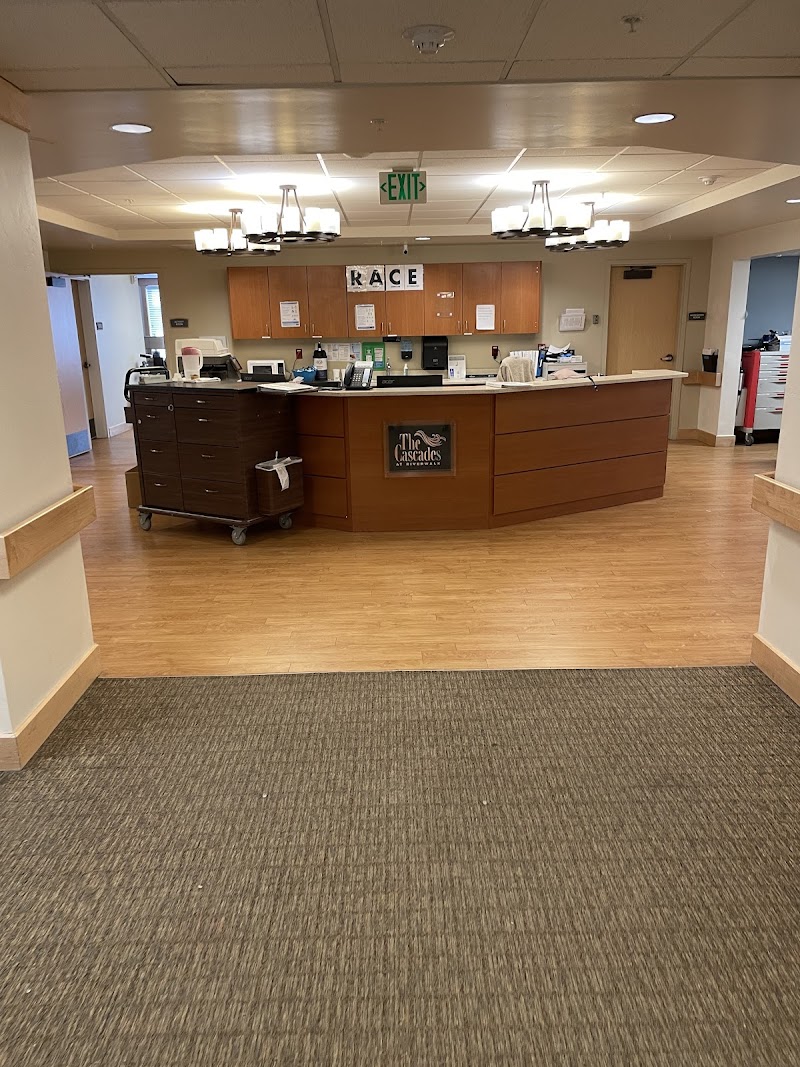
Who Owns and Operates Cascades At Riverwalk?

Cascades at Riverwalk is owned by a government entity. Government-operated facilities are typically run by state, county, or municipal agencies. The facility is operated by CASCADES HEALTHCARE, a chain that manages multiple nursing homes. With 120 certified beds and approximately 104 residents (about 87% occupancy), it is a mid-sized facility located in Midvale, Utah.

How Does Cascades At Riverwalk Compare to Other Utah Nursing Homes?

Compared to the 100 nursing homes in Utah, Cascades at Riverwalk's overall rating (3 stars) is below the state average of 3.3, staff turnover (54%) is near the state average of 46%, and health inspection rating (2 stars) is below the national benchmark.

What Should Families Ask When Visiting Cascades At Riverwalk?

Based on this facility's data, families visiting should ask: "Can you walk me through typical staffing levels on day, evening, and night shifts?" "Can I visit during a mealtime to observe dining assistance and food quality?" "How do you handle medical emergencies, and what is your hospital transfer rate?" "Can I speak with family members of current residents about their experience?" These questions are particularly relevant given the below-average staffing rating.

Is Cascades At Riverwalk Safe?

Based on CMS inspection data, Cascades at Riverwalk has a clean safety record: no substantiated abuse findings (meaning no confirmed cases of resident harm), no Immediate Jeopardy citations (the most serious violation level indicating risk of serious injury or death), and is not on the Special Focus Facility watch list (a federal program monitoring the lowest-performing 1% of nursing homes). The facility has a 3-star overall rating and ranks #100 of 100 nursing homes in Utah. While no facility is perfect, families should still ask about staff-to-resident ratios and recent inspection results during their visit.

Do Nurses at Cascades At Riverwalk Stick Around?

Cascades at Riverwalk has a staff turnover rate of 54%, which is 8 percentage points above the Utah average of 46%. Moderate turnover is common in nursing homes, but families should still ask about staff tenure and how the facility maintains care continuity when employees leave.

Was Cascades At Riverwalk Ever Fined?

Cascades at Riverwalk has been fined $23,829 across 1 penalty action. This is below the Utah average of $33,317. While any fine indicates a compliance issue, fines under $50,000 are relatively common and typically reflect isolated problems that were subsequently corrected. Families should ask what specific issues led to these fines and confirm they've been resolved.

Is Cascades At Riverwalk on Any Federal Watch List?

Cascades at Riverwalk is not on any federal watch list. The most significant is the Special Focus Facility (SFF) program, which identifies the bottom 1% of nursing homes nationally based on persistent, serious quality problems. Not being on this list means the facility has avoided the pattern of deficiencies that triggers enhanced federal oversight. This is a positive indicator, though families should still review the facility's inspection history directly.