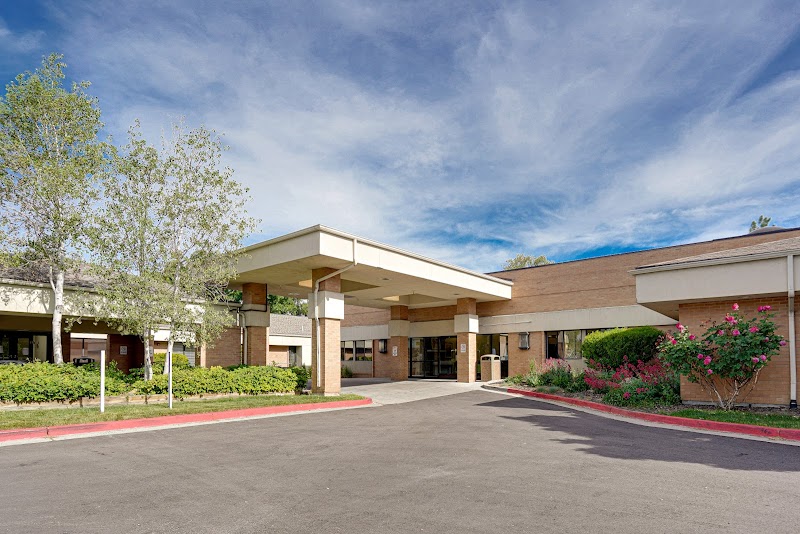
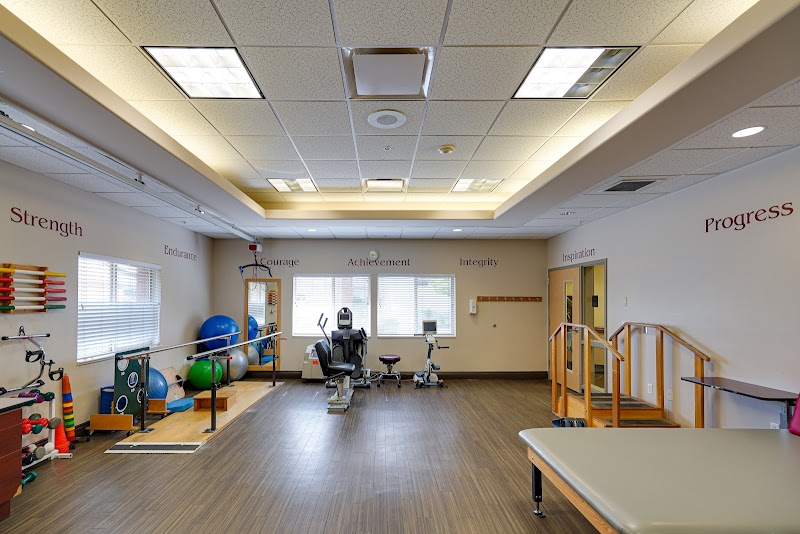
Monument Healthcare Murray Creek

3855 South 700 East, Millcreek, UT 84106 (801) 268-4766
For profit - Corporation 184 Beds MONUMENT HEALTH GROUP Data: November 2025
Trust Grade
23/100
#59 of 97 in UT
Last Inspection: August 2023

Over 2 years since last inspection. Current conditions may differ from available data.

Overview

Monument Healthcare Murray Creek has received a Trust Grade of F, indicating significant concerns about the quality of care provided. Ranked #59 out of 97 facilities in Utah, it is in the bottom half of the state, and #20 out of 35 in Salt Lake County, meaning only a few local options are better. The facility is currently stable, with no increase in issues over the past couple of years, but it has faced serious problems, including incidents of verbal and physical abuse by staff and failure to provide adequate supervision to prevent falls, which resulted in serious injuries. Staffing ratings are below average with a 58% turnover rate, but RN coverage is average. Notably, the facility has incurred $8,148 in fines, suggesting some compliance issues, and while it has excellent ratings in quality measures, the overall health inspection score is only 2 out of 5, indicating room for improvement in the care environment.

Trust Score
F
23/100
In Utah
#59/97
Bottom 40%
Safety Record
High Risk
Review needed
Inspections
Holding Steady
1 → 1 violations
Staff Stability
⚠ Watch
58% turnover. Above average. Higher turnover means staff may not know residents' routines.
Penalties
✓ Good
$8,148 in fines. Lower than most Utah facilities. Relatively clean record.
Skilled Nurses
✓ Good
Each resident gets 62 minutes of Registered Nurse (RN) attention daily — more than 97% of Utah nursing homes. RNs are the most trained staff who catch health problems before they become serious.
Violations
⚠ Watch
63 deficiencies on record. Higher than average. Multiple issues found across inspections.
★★★☆☆
3.0
Overall Rating
★★☆☆☆
2.0
Staff Levels
★★★★★
5.0
Care Quality
★★☆☆☆
2.0
Inspection Score
Stable
2024: 1 issues
2025: 1 issues

The Good

  • 5-Star Quality Measures · Strong clinical quality outcomes
  • Full Sprinkler Coverage · Fire safety systems throughout facility
  • No fines on record

Facility shows strength in quality measures, fire safety.

The Bad

3-Star Overall Rating

Near Utah average (3.3)

Meets federal standards, typical of most facilities

Staff Turnover: 58%

12pts above Utah avg (46%)

Frequent staff changes - ask about care continuity

Federal Fines: $8,148

Below median ($33,413)

Minor penalties assessed

Chain: MONUMENT HEALTH GROUP

Part of a multi-facility chain

Ask about local staffing decisions and management

Staff turnover is elevated (58%)

10 points above Utah average of 48%

The Ugly 63 deficiencies on record

3 actual harm
Jun 2025 1 deficiency 1 Harm
SERIOUS (H) 📢 Someone Reported This

A family member, employee, or ombudsman was alarmed enough to file a formal complaint

Actual Harm - a resident was hurt due to facility failures

Free from Abuse/Neglect (Tag F0600)

A resident was harmed · This affected multiple residents

**NOTE- TERMS IN BRACKETS HAVE BEEN EDITED TO PROTECT CONFIDENTIALITY** Based on interview, record review, document review, and facility policy review, the facility failed to protect the residents' ri...

Read full inspector narrative →
**NOTE- TERMS IN BRACKETS HAVE BEEN EDITED TO PROTECT CONFIDENTIALITY** Based on interview, record review, document review, and facility policy review, the facility failed to protect the residents' rights to be free from verbal and sexual abuse by a resident. Residents #33, #71, and #351 all reported they felt threatened and/or uncomfortable around Resident #346, a resident who was know to display sexually inappropriate behaviors. The facility further failed to protect the residents' rights to be free from physical abuse by staff. On 02/14/2025, Registered Nurse (RN) #9 willfully and intentionally yanked a walker from Resident #402, which caused the resident to fall to the floor. Resident #402 sustained a 2-inch goose egg to the forehead and bruised knees. The facility substantiated that abuse occurred and terminated the employment of RN #9. These deficient practices affected 4 (Residents #33, #71, #351, and #402) of 20 sampled residents.The undated facility policy titled, Abuse Prevention Program, indicated It is the policy of this community to provide each resident with an environment that is free from verbal, sexual, physical, and mental abuse, corporal punishment, and involuntary seclusion. The policy specified, a. Abuse is defined as the willful infliction of injury; unreasonable confinement; intimidation; punishment with resulting physical harm, pain or mental anguish; or deprivation by an individual, including a caretaker, of goods or services that are necessary to attain or maintain physical, mental, and psychosocial well-being. Instances of abuse of all residents, irrespective of any mental or physical condition, cause physical harm, pain or mental anguish. It includes verbal abuse, sexual abuse, physical abuse, and mental abuse including abuse facilitated or enabled through the use of technology. 1. An admission Record revealed the facility admitted Resident #346 on 06/20/2023. According to the admission Record, the resident had a medical history that included diagnoses of paraplegia, anxiety disorder, major depressive disorder, muscle weakness, difficulty in walking, and need for assistance with personal care. A quarterly Minimum Data Set (MDS), with an Assessment Reference Date (ARD) of 12/26/2024, revealed Resident #346 had a Brief Interview for Mental Status (BIMS) score of 15, which indicated the resident had intact cognition. Resident #346's Care Plan Report included a focus area initiated 06/21/2023, that indicated the resident was challenging and argumentative with staff, made sexually inappropriate comments and gestures to staff during care, and made inappropriate comments during group activities that were disruptive to other residents. Interventions specified the Administrator and Social Worker met with the resident to discuss their inappropriate sexual comments and the resident stated they would do their best to be respectful (initiated 06/16/2024), staff would provide 1:1 activities in the resident's room (initiated 02/03/2025), staff was instructed to perform care in pairs (initiated 12/16/2024), and staff would strive to interact pleasantly and patiently with the resident and report issues to management for assistance to manage a situation (initiated 10/16/2024). 1a. An admission Record revealed the facility admitted Resident #351 on 02/12/2024. According to the admission Record, the resident had a medical history that included diagnoses of generalized anxiety disorder, depression, and muscle weakness. Per the admission Record, Resident #351 discharged home on [DATE]. A MDS, with an ARD of 05/20/2024, revealed Resident #351 had a BIMS score of 15, which indicated the resident had intact cognition. A Grievance/Concern Report written by Resident #351 and dated 06/21/2024, indicated Resident #351 reported that Resident #346 insulted them in front of five witnesses. The Grievance/Concern Report revealed Resident #351 reported that Resident #346 said we had a deal and you would sit on my lap during bingo or [poker]. I did not appreciate it at all. I feel threatened. A Grievance/Concern Report written by Resident #351 and dated 06/24/2024, indicated Resident #351 reported that Resident #346 was stalking them and requested the resident give them an apology. During a telephone interview on 06/27/2025 at 8:52 AM, Resident #351 stated they filed the grievance to report Resident #346 because they were emotionally stressed. Resident #351 stated Resident #346 would look at them in a way that made them feel uncomfortable. According to Resident #351, they reported their concerns to the former Administrator, who did not talk with Resident #346 right away, but later told them the facility was handling the concern. Resident #351 stated they did not know what happened afterwards because they were discharged from the facility. During an interview on 06/27/2025 at 9:13 AM, the Dietary Manager (DM) stated she was assigned to do the investigation after Resident #351 filed a grievance on 06/21/2024. The DM stated she did not remember what was said or done about the grievance filed on 06/21/2024. 1b. An admission Record revealed the facility admitted Resident #33 on 06/19/2023. According to the admission Record, the resident had a medical history that included diagnoses of need for assistance with personal care and muscle weakness. An an annual MDS, with an ARD of 04/30/2025, revealed Resident #33 had a BIMS score of 15, which indicated the resident had intact cognition. A typed and handwritten note addressed to Resident #33 indicated this note was left in Resident #33's room by Resident #346, who stated I have a note of affection and left it on [Resident #33's] floor and left. The typed portion of the note had multiple explicative words. During an interview on 06/25/2025 at 9:52 AM, Resident #33 stated that Resident #346 was one of the worst individuals they had ever met. Resident #33 stated that Resident #346 would say a lot of inappropriate comments, thinking it was funny, and it was not. Resident #33 stated the comments made by Resident #346 were sexual in nature. According to Resident #33, it took a long time to get rid of Resident #346. Resident #33 stated that it was so bad that Resident #346 would be in the room and they would leave as they did not want to be around Resident #346, and they lost out on activities because of Resident #346. Per Resident #33, they reported to the activity staff that they would not be participating in activities because of Resident #346. Resident #33 stated Resident #346 gave them a note, and they gave it to the Administrator. Resident #33 stated they did not know what happened to the note once they gave it to the Administrator. Resident #33 stated, they felt threatened by Resident #346, and this was why they did not want to be around Resident #346. 1c. An admission Record revealed the facility admitted Resident #71 on 11/18/2023. According to the admission Record, the resident had a medical history that included diagnoses of cerebral palsy and muscle weakness. A quarterly MDS, with an ARD of 05/21/2025, revealed Resident #71 had a BIMS score of 15, which indicated the resident had intact cognition. During an interview on 06/26/2025 at 1:37 PM, Resident #71 stated that Resident #346 was nice, but would not take no for an answer. Resident #71 stated Resident #346 made them uncomfortable, would say they loved them and wanted their email address. Resident #71 described Resident #346's behaviors as abusive. According to Resident #71, Resident #346 would send them letters to which they did not read. According to Resident #71, the facility staff kept the letters that Resident #346 gave them. During an interview on 06/27/2025 at 9:13 AM, the DM stated she remembered that in recreation Resident #71 had to be separated from Resident #346. The DM stated that Resident #346 was attracted to Resident #71. The DM stated she never witnessed Resident #346 being inappropriate, but she would sit in her office, which was close to the recreation area, and she heard Resident #346 speak inappropriate things towards Resident #71; however, she did not remember exactly what was said. The DM stated that Resident #71 would feel uncomfortable in recreation. The DM stated that she did not know exactly who told her, but it was a known fact to take Resident #346 away from Resident #71. During a telephone interview on 06/26/2025 at 9:50 AM, the former Resident Advocate (RA) stated Resident #346 made sexual comments to Resident #71 that made the resident uncomfortable. The former RA stated she reported the incident to the former Administrator. During a telephone interview on 06/27/2025 at 8:07 AM, the former Administrator stated there were so many instances that letters and notes were given to him, and those letters and notes were written by Resident #346. 2. An admission Record revealed the facility admitted Resident #402 on 06/06/2024. According to the admission Record, the resident had medical history that included diagnoses of heart failure, hypertension, and chronic respiratory failure. A quarterly MDS, with an ARD of 11/26/2024, revealed Resident #402 had a BIMS score of 1, which indicated the resident had severe cognitive impairment. impaired cognition. The MDS revealed the resident used a walker and required supervision or touching assistance with ambulation. Resident #402's Care Plan Report revealed a focus area initiated 06/18/2024, that indicated the resident was at risk for falls related to confusion, gait/balance problems, poor communication/comprehension, and unawareness of safety needs. Resident #402's incident report prepared by Registered Nurse (RN) #9 and dated 02/14/2025 indicated the resident had a witnessed fall in the hall at approximately 5:30 AM on 02/14/2025. The incident report indicated Resident #402 was agitated, held their walker and repeatedly pushed and pulled on their walker in the back and forth motion. Per the incident report, the resident fell to the ground, landed on their hands and knees, and bumped their forehead on the floor. According to the incident report, the resident did not experience a loss of consciousness, was assisted by to their feet by RN #9, and administered as needed morphine for their reported pain. The incident report indicated the Director of Nursing (DON) received a call from RN #9, who reported that Resident #402 had a fall. According to the incident report, once the DON arrived in the facility to check on the resident, Resident #402 reported to the DON that RN #9 made them fall. The facility Follow-Up Investigation Report dated 02/21/2025 revealed staff originally stated the incident occurred from a fall sustained by Resident #402; however, the facility was in possession of material which showed the employee (RN #9) acted in a manner that looked to be result of an independent decision made by RN #9 that was not permitted by a medical professional. Per the Follow-Up Investigation Report, it was verified by material on hand at the facility that RN #9 acted outside of approved medical practice from the facility that was a direct line to resident abuse. The Follow-Up Investigation Report indicated Resident #402 sustained bruises along with mental abuse from the incident. According to the Follow-Up Investigation Report, RN #9 was immediately placed on suspension pending investigation and their employment was terminated effective 02/20/2025 upon completion of the investigation. RN #9's undated typed statement indicated I changed [Resident #402's] oxygen last night. [He/She] became agitated this morning because [he/she] needed an oxygen tank switched. Was trying to switch [his/her] oxygen tank but [he/she] kept slapping in my arms. [He/She] was pulling [his/her] walker back and forth when I was trying to change the tank. I tried to pull the walker closer to me so I can [could] switch the oxygen tank. I pulled the walker aggressively and [he/she] fell on the floor. [He/She] thinks I said [explicative] word directly to [him/her] but I wasn't saying to [him/her]. I was frustrated and said [explicative] word but it wasn't directed to [him/her]. [He/She] said I caused [his/her] fall. Witness - no one was around when it happened. Later CAN's [CNAs, certified nursing assistants] came around when [he/she] started screaming. The Central Supply/Scheduler's typed statement dated 02/14/2025 indicated he went to get copies from the printer around 5:40 AM/5:45 AM on 02/14/2025 when he found Resident #402 in the hallway yelling hello. Per the statement, he asked the resident what was wrong and Resident #402 stated an old man pushed [him/her] down. The statement indicated the resident stated that the man pulled their cart (walker) away from them and they fell and hit their head. Per the statement, there was a bit of pink discoloration above the resident's left eye, but no other signs of trauma were noticeable at the time. The statement indicated the Central Supply/Scheduler reported to the oncoming shift what the resident stated and an investigation was started into the matter. On 06/25/2025 at 3:02 PM and 3:17 PM and 06/26/2025 at 8:54 AM, an attempt was made to interview RN #9. There was no answer, a voicemail message was left and no return call was received. During an interview on 06/25/2025 at 3:32 PM, the Central Supply/Scheduler stated when he arrived to work on 02/14/2025 between 5:00 AM and 6:00 AM, he noticed Resident #402 was in the hallway yelling that an old man had pushed them down. The Central Supply/Scheduler stated he did not ask the resident who the old man was, but he thought RN #9 was at the nurse's station. The Central Supply/Scheduler stated he took the resident back to their room and Resident #402 reported that an old man pulled their cart (walker) away from them and they fell and hit their head. The Central Supply/Scheduler stated he noticed a little bit of pink discoloration on the left side of the resident's head. The Central Supply/Scheduler stated he passed this information onto an oncoming shift certified nursing assistant (CNA) and a nurse around 5:45 AM, but he did not remember the names of the CNA or nurse. The Central Supply/Scheduler stated he also reported the incident to the Maintenance Manager (MM). During a follow-up interview on 06/27/2025 at 3:16 PM, the Central Supply/Scheduler stated he forgot to inform the surveyor that he also reported the incident to the DON. The Central Supply/Scheduler stated he called the DON after he and the MM watched the video surveillance footage of the incident. The Central Supply/Scheduler stated he saw on the video surveillance footage that RN #9 and Resident #402 stood in the hall and RN #9 pulled the resident's walker away and Resident #402 fell to the ground. During an interview on 06/26/2025 at 10:52 AM, the MM stated he came to work on 02/14/2025 around 5:30 AM and during a conversation he had with the Central Supply/Scheduler around 5:30 AM/5:45 AM, the Central Supply/Scheduler stated a resident had a fall in the hallway. The MM stated he and the Central Supply/Scheduler watched the video surveillance footage around5:50 AM and then the Central Supply/Scheduler called the DON at 6:05 AM, while he called the former Administrator at 6:05 AM. During a follow-up interview on 06/27/2025 at 3:10 PM, the MM stated when he watched the video surveillance footage, he saw RN #9 interacting with Resident #402, then the resident moved their walker away from RN #9. The MM stated he saw there was a conversation between RN #9 and Resident #402, then RN #9 yanked the walker from the resident and Resident #402 fell to the floor. The MM stated RN #9 then helped the resident back up to their feet and picked up the resident's walker. According to the MM, the timestamp on the video surveillance footage was 5:00 AM. During an interview on 06/26/2025 at 11:19 AM, the DON stated she received a telephone call from RN #9 on 02/14/2025 at 5:40 AM and RN #9 asked if he was going to lose his job. The DON stated RN #9 reported that he helped Resident #402 with their oxygen and in the process the resident pushed him with their walker and fell to the ground on their knees. The DON stated she asked RN #9 if the resident was okay and RN #9 reported that the resident was good and sitting in the lobby. The DON stated then around 7:00 AM she received a call from the Central Supply/Scheduler who stated come in now that he was sitting in the lobby with Resident #402. The DON stated she arrived in the facility around 7:15 AM she found the Central Supply/Scheduler sitting with Resident #402. According to the DON, the Central Supply/Scheduler whispered to her that RN #9 did something to Resident #402. The DON stated when she asked the resident what happened, Resident #402 reported that RN #9 made them fall. The DON stated she assessed the resident at 7:15 AM and found the resident had a 2-inch sized goose egg on their forehead and bruised knees. The DON stated she then notified the former Administrator of the incident around 7:50 AM/8:00 AM and the investigation was initiated. During a follow-up interview on 06/27/2025 at 3:41 PM, the DON stated RN #9 did acknowledge that he used a curse word during the incident with Resident #402, but the curse word was not directed towards the resident. The DON stated she watched the video surveillance footage and saw RN #9 and Resident #402 standing in the hall, then it looked like they were having a conversation and then RN #9 very strongly pulled the walker away from the resident which caused the resident to fall. The DON stated she saw Resident #402 on the floor and then she walked away from watching the video because she was so upset about what she saw. During an interview on 06/27/2025 at 2:23 PM, the former Administrator stated he received a call on 02/14/2025 around 7:30 AM/8:00 AM from the DON that Resident #402 alleged abuse and reported they were pushed or some act made them fall to the ground and the incident needed to be looked into. The former Administrator stated when he arrived in the facility around 8:30 AM on 02/14/2025, he interviewed Resident #402 and reviewed the video surveillance footage. The former Administrator stated after he watched the video surveillance footage, RN #9 was placed on suspension, the resident was moved to a different room, staff were in-serviced on abuse, and reports were made to the state survey agency. The former Administrator stated after the investigation was completed RN #9's employment was terminated. During an interview on 06/28/2025 at 2:04 PM, the Administrator stated he was out of the country on vacation during the time of the incident and returned to the facility on [DATE]. The Administrator stated when he returned on 02/17/2025, the investigation had been completed and the outcome indicated there was substantiated abuse by a staff (RN #9) to a resident (Resident #402).
Jan 2024 1 deficiency 1 Harm
SERIOUS (G) 📢 Someone Reported This

A family member, employee, or ombudsman was alarmed enough to file a formal complaint

Actual Harm - a resident was hurt due to facility failures

Accident Prevention (Tag F0689)

A resident was harmed · This affected 1 resident

**NOTE- TERMS IN BRACKETS HAVE BEEN EDITED TO PROTECT CONFIDENTIALITY** Based on interview and record review, it was determined that the facility did not ensure that 1 out of 9 sampled residents recei...

Read full inspector narrative →
**NOTE- TERMS IN BRACKETS HAVE BEEN EDITED TO PROTECT CONFIDENTIALITY** Based on interview and record review, it was determined that the facility did not ensure that 1 out of 9 sampled residents received adequate supervision and assistance devices to prevent accidents. Specifically, a resident who was assessed as being a high risk for falls did not have interventions in place to prevent falls. The resident had a fall and sustained a maxillary fracture. Resident identifier: 3. Findings include: 1. Resident 3 was initially admitted to the facility on [DATE] and again on 9/13/23 with diagnoses which included cerebral infarction, dysphagia, ataxia, nontraumatic intracerebral hemorrhage, type 2 diabetes mellitus, difficulty in walking, muscle weakness, need for assistance with personal care, atrial fibrillation, cognitive communication deficit, insomnia, nausea, heartburn, abnormalities of gait and mobility, and depression. Resident 3's medical record was reviewed. Resident 3 had a fall risk evaluation form completed on 9/1/23 that documented that resident 3 was assessed at being at risk for falls. Resident 3's care plan was reviewed. The care plan was initiated on 9/14/23 and stated, [resident 3] is at risk for falls . The goal stated, [resident 3] will have no untreated injuries RT [related to] falls, through next review date. The intervention stated, Educated resident to use assistance when ambulating and using the restroom. A Nursing Note from 9/11/23 at 6:01 AM documented, Pt [patient] found on floor with blood near face. when asked what happened pt states he fell but does not remember how he fell. pt denies hitting his head on fall but has swelling to the left cheek and dry blood from nose. pt assisted x2 to the wheelchair. pt face cleaned and assessment of face. pt's vital signs taken BP [blood pressure]: 174/101 P [pulse]: 98 O2 [oxygen]: 94% on room air. pt denies feeling light headed or dizziness. bleeding from nose has stopped. pt given ice for swelling of face. MD [Medical Director] notified of fall states he will assess patientin [sic] morning and no further orders given. Nurse manager notified of incident and states will assess situation during morning. Pt fall protocol started per facility. pt at nurses station in wheelchair resting c [sic] eyes open. resp [respirations] even and unlabored. no bleeding noted. A Physician Note from 9/11/23 at 8:22 AM documented, discussed using call light to prevent falls. Will order XR [x-ray] of the facial bones. Apply ice to the left orbit . A Nursing Note from 9/11/23 at 2:14 PM documented, New order per NP [Nurse Practitioner - Name redacted]. 3 view x-ray of facial bones r/t [related to] pain and swelling following GLF [ground level fall]. Resident continued on neuro checks throughout this shift. Vital signs stable; swelling to left side of face increased significantly and caused left eye to swell shut - unable to open and examine. Resident wanted to be sent to [hospital name redacted] for further evaluation . NP and UM [unit manager] notified . Ambulance services transported. Report called into ER [Emergency Room]. A Nursing Note from 9/11/23 at 8:00 PM documented, [Hospital name redacted] called for update regarding pt's condition. Per ED nurse pt was to be admitted to the hospital for acute kidney injury and maxillary fracture to the left side of face. ED nurse denies pt is experiencing intracranial bleeding. No further information given . Resident 3's progress notes from the emergency department documentation from 9/11/23 was reviewed. The document stated, Patient is lying comfortably in the hospital bed. Patient is confused why he is in the hospital but knows he hurt his face. Patient relates he had a stroke a few weeks ago. He lives in an assisted living facility and fell. He reports his back is hurting his morning as well as his left knee. Patient denies, nausea, vomiting, fever, chills, shortness of breath and chest pain. Resident 3's hospital History and Physical document from 9/11/23 was reviewed. The document revealed that resident 3 obtained a maxillary fracture from a ground level fall, stating, CT found acute fracture of the anterior wall of the left maxillary sinus as above. No other acute osseous injury of the face . A Nursing Note from 9/13/23 at 4:22 PM documented, Resident re-admitted at approx [approximately] 1615 [4:15 PM] via private transport, in a wheelchair. Resident was reoriented to his room and unit. Resident was educated on importance of asking for assistance with call light for transfers. Resident verbalized understanding. Call light was given to resident . On 1/31/24 at 1:10 PM an interview with the MDS Coordinator (MDSC) was conducted. The MDSC stated that she helped with completing the care plans. The MDCS stated that when a resident arrived at the facility, a baseline care plan was created and it addressed things like the residents' diagnoses, medications, skin impairments, and risk for falls. The MDCS stated that the care plans were used by all of the departments, and that care plans helped to take care of that specific resident. The MDSC stated that resident 3's care plan for falls was created on 9/14/23. The MDSC stated that resident 3 did not have a baseline care plan that addressed falls prior to his fall on 9/11/23. On 1/31/24 at 1:33 PM an interview with CNA 1 was conducted. CNA 1 stated that staff used the care plans to learn what interventions were in place for the specific cares a resident required. CNA 1 stated that they looked in the care plans to find what interventions were in place for residents who were at risk for falls. CNA 1 stated that for most residents who were a high fall risk, CNA 1 stated that all residents were supposed to have two hours checks. On 1/31/24 at 1:25 PM an interview with Registered Nurse (RN) 1 was conducted. RN 1 stated that when a resident was admitted to the facility, the resident had a care profile that contained information about the residents needs. RN 1 stated that the residents had a care plan when they were admitted to the facility. RN 1 stated that the staff used the care plan to find out if a resident is at risk for falls and the interventions to prevent falls would be located in the care plan. On 1/31/24 at 1:05 PM an interview with the Director of Nursing (DON) was conducted. The DON stated that interventions for fall prevention could be found in a resident's care plan. The DON stated that when a resident who was at risk for falls was admitted to the facility, the residents baseline care plan would include the fall care plan. The DON stated that when a resident had a fall at the facility, the care plan would have been updated to include new interventions. The DON stated that resident 3 was admitted to the facility on [DATE], and his care plan was initiated on 9/14/23. On 1/31/24 an interview with resident 3 was conducted. Resident 3 stated that he felt safe in the building. Resident 3 stated that he did not recall having a fall at the facility.
Aug 2023 12 deficiencies
CONCERN (D)

Potential for Harm - no one hurt, but risky conditions existed

Report Alleged Abuse (Tag F0609)

Could have caused harm · This affected 1 resident

Based on interview, record review, and facility document and policy review, the facility failed to submit a final investigative report within the required five working days to the state survey agency ...

Read full inspector narrative →
Based on interview, record review, and facility document and policy review, the facility failed to submit a final investigative report within the required five working days to the state survey agency for 1 (Resident #13) of 3 sampled residents reviewed for abuse. Findings included: Review of a facility policy titled, Freedom from Abuse, Neglect and Exploitation, Abuse Reporting and Responsibilities of Covered Individuals, revised on 05/04/2023, revealed, 5. In response to allegations of abuse, neglect, exploitation, or mistreatment, the facility will: a. Report immediately, but not later than 2 hours, all alleged violations involving abuse, neglect, exploitation, or mistreatment, including injuries of unknown source and misappropriation of resident property, if the events that cause the allegation involve abuse or result in serious bodily injury. b. Report immediately, but not later than 24 hours if the events that cause the allegation do not involve abuse and do not result in serious bodily injury. The policy further indicated, d. The facility will report results of all investigations: i. To the facility administrator/designee. ii. To other state officials including to the State Survey Agency, within 5 working days of the incident. A review of an admission Record revealed the facility admitted Resident #13 on 11/20/2019 with diagnoses that included hemiplegia (paralysis affecting one side of the body), hemiparesis (muscular weakness affecting one side of the body) of left non-dominant side, dementia, cerebrovascular disease, and long-term use of anticoagulants. A review of the quarterly Minimum Data Set (MDS), with an Assessment Reference Date (ARD) of 07/03/2023, revealed Resident #13 had a Brief Interview for Mental Status (BIMS) score of 13, indicating the resident was cognitively intact. The resident required extensive assistance from staff with all activities of daily living except eating, which required supervision. A review of Resident #13's care plan, last revised on 12/26/2017, indicated the resident had impaired cognitive function related to dementia. A review of an undated document titled, Timeline of events, provided by the Administrator, revealed on 05/17/2023 at 10:00 AM staff had discovered some blood on the inside of Resident #13's brief. After further assessment, a small laceration to the resident's perineal area was also discovered. A review of a facility-transmitted email to the state survey agency, with a subject line of Final 359, revealed the five-day investigative report had been submitted on 05/25/2023 at 11:55 AM, which was six working days after the investigation had been initiated on 05/17/2023. Therefore, the report was one day later than the required five working days. On 08/29/2023 at 11:26 AM, the Administrator stated the five-day report was one day late. He stated the report was due in five business days. The 25th (05/25/2023) would have been the sixth day, which was one day late.
CONCERN (D) 📢 Someone Reported This

A family member, employee, or ombudsman was alarmed enough to file a formal complaint

Potential for Harm - no one hurt, but risky conditions existed

Investigate Abuse (Tag F0610)

Could have caused harm · This affected 1 resident

Based on interviews, record review, and facility policy review, the facility failed to thoroughly investigate an allegation of abuse for 2 (Residents #11 and Resident #83) of 5 residents reviewed for ...

Read full inspector narrative →
Based on interviews, record review, and facility policy review, the facility failed to thoroughly investigate an allegation of abuse for 2 (Residents #11 and Resident #83) of 5 residents reviewed for abuse prohibition. Findings included: A review of a facility policy titled, Freedom from Abuse, Neglect and Exploitation, revised 05/04/2023, indicated, 3. When the facility has identified abuse, the facility should take appropriate steps to remediate the noncompliance and protect residents from additional abuse immediately. This includes but is not limited to: c. Conduct a thorough investigation of the allegation. Review of a facility policy, titled, Freedom from Abuse, Neglect, and Exploitation Preventing and Prohibiting Abuse, revised 05/04/2023, specified, Investigation 1. Allegations of abuse, neglect, misappropriation and exploitation will be investigated, including: c. Identifying and interviewing involved persons, witnesses, and others who may have knowledge to the extent possible. and e. Documenting the investigation. A review of Resident #11's admission Record indicated the facility admitted the resident on 06/30/2021 with a diagnosis that included a cognitive communication deficit. On 06/22/2022, Resident #11 was diagnosed with hemiplegia and hemiparesis following a cerebral infarction that affected the left non-dominant side. A review of Resident #11's annual Minimum Data Set (MDS), with an Assessment Reference Date (ARD) of 06/06/2023, revealed a Brief Interview for Mental Status (BIMS) was not completed. Further review revealed Resident #11 had verbal behavioral symptoms directed toward others on four to six days of the seven-day lookback period. A review of Resident #83's admission Record indicated the facility admitted the resident on 10/04/2022 with a diagnosis that included altered mental status. A review of Resident #83's quarterly MDS, with an ARD of 06/17/2023, revealed the resident had a BIMS score of 15, indicating the resident was cognitively intact. Further review revealed Resident #83 had no behavioral symptoms. A review of a facility document titled, Form 358: Facility Reported Incidents, dated 08/03/2023 at 5:47 PM, revealed that Resident #11 notified Certified Nursing Assistant (CNA) #12 and CNA #31 that on 08/03/2023 at 4:55 PM they were struck by Resident #83. A review of a facility document titled, Form 359: Follow-Up Investigation Report, dated 08/09/2023 at 4:30 PM, revealed Resident #11 and Resident #83 had been interviewed along with two CNAs. The report did not indicate any other residents had been interviewed or that assessments had been completed. The report concluded that their investigation and determination were inconclusive. Further review of the investigation revealed one written statement from CNA #12. No written statements from CNA #31 were provided. During an interview on 08/29/2023 at 10:19 AM with the Administrator, he stated that he interviewed the other residents on the unit but did not have it documented anywhere. He stated he thought an assessment on Resident #11 was immediately completed and that he would provide that assessment. The Administrator stated no other assessments were completed on the other residents. A review of the Weekly Skin Observation, dated 08/04/2023 at 2:51 PM, was provided; however, no skin assessment was provided for the date of the incident (08/03/2023). During an interview on 08/30/2023 at 3:27 PM with the Purchasing Director (PD), he stated he reviewed the surveillance video and asked Resident #11 what had happened. The PD stated he did not ask other residents about the incident or if they felt safe. During an interview on 08/31/2023 at 9:17 AM with the Medical Director (MD), she stated she expected staff to interview the residents they could and do assessments on the ones that could not answer questions. During an interview on 08/31/2023 at 2:41 PM with the Director of Nursing (DON), he stated he did not complete any interviews, nor did he have any part of the investigation, but he expected the nurse to complete a skin assessment on Resident #11. He stated he did not know if any other skin assessments were completed on the other residents or if any other residents were interviewed. During an interview on 08/31/2023 at 3:28 PM with the Social Service Director (SSD), he stated the only interview he did related to the incident was with Resident #44 (Resident #83's roommate), who reported feeling safe. He also spoke with Resident #11 and Resident #83 concerning the allegation. He stated that they did not put Resident #83 on any monitoring after the incident. The SSD stated he did monitor Resident #11 for a few days to see if the resident experienced any bruising, but no marks or bruises were noted. During an interview on 08/31/2023 at 4:14 PM with the Administrator, he stated that he had provided the surveyor with the entire investigation for the incident. He stated they did not complete any monitoring of the residents because they thought moving Resident #11 was enough. The Administrator stated they did not complete a skin assessment on Resident #11 because they did not see any visible marks on the resident's face.
CONCERN (D)

Potential for Harm - no one hurt, but risky conditions existed

Comprehensive Assessments (Tag F0636)

Could have caused harm · This affected 1 resident

Based on record review, interviews, document review, and facility policy review, the facility failed to complete an admission Minimum Data Set (MDS) assessment for 1 (Resident #262) of 5 sampled resid...

Read full inspector narrative →
Based on record review, interviews, document review, and facility policy review, the facility failed to complete an admission Minimum Data Set (MDS) assessment for 1 (Resident #262) of 5 sampled residents reviewed for resident assessments. Findings included: A review of the Centers for Medicare & Medicaid Services Long-Term Care Facility Resident Assessment Instrument 3.0 User's Manual, dated October 2019, specified, The admission assessment is a comprehensive assessment for a new resident and, under some circumstances, a returning resident that must be completed by the end of day 14, counting the date of admission to the nursing home as day if: - this is the resident's first time in this facility, OR, - the resident has been admitted to this facility and was discharged return not anticipated, OR - the resident has been admitted to this facility and was discharged return anticipated and did not return within 30 days of discharge. A review of the facility policy titled, Resident Assessment, revised on 05/04/2023, indicated, The facility will conduct an initial and periodic comprehensive, accurate assessment of a resident's functional capacity which will include needs, strengths, goals, life history and preferences utilizing the RAI [Resident Assessment Instrument]. The assessments will be reproducible, transmitted to CMS [Centers for Medicare & Medicaid Services] and will be in accordance with the timeframes identified in the RAI regulations specified by CMS. The policy specified, 3. The facility will conduct a comprehensive assessment of resident within the timeframes specified in the RAI regulations. A review of Resident #262's admission Record indicated the facility admitted the resident on 07/17/2023. A review of Resident #262's medical record did not reveal evidence the resident's admission MDS had been completed. In an interview on 08/31/2023 at 9:14 AM, the MDS Coordinator stated the facility had 14 days from the admission date to complete and sign a resident's admission MDS. The MDS Coordinator acknowledged Resident #262's admission MDS was late. During an interview on 08/31/2023 at 4:29 PM, the Administrator stated he expected the MDS to be completed timely.
CONCERN (D)

Potential for Harm - no one hurt, but risky conditions existed

Deficiency F0638 (Tag F0638)

Could have caused harm · This affected 1 resident

3. A review of an admission Record indicated the facility admitted Resident #44 on 07/28/2017 with diagnoses that included encephalopathy and generalized muscle weakness. A review of Resident #44's q...

Read full inspector narrative →
3. A review of an admission Record indicated the facility admitted Resident #44 on 07/28/2017 with diagnoses that included encephalopathy and generalized muscle weakness. A review of Resident #44's quarterly MDS, with an ARD of 07/02/2023, revealed the date the assessment was completed was 08/18/2023, which was beyond the required 14 days after the ARD. During an interview on 08/30/2023 at 4:10 PM, the Director of Nursing (DON) stated she expected MDSs to be completed timely per the RAI manual. During an interview on 08/30/2023 at 4:36 PM, the MDS Coordinator stated she had worked for the facility for about three weeks. She stated the facility had not had an MDS Coordinator temporarily, so some MDSs were not completed timely. During an interview on 08/31/2023 at 4:13 PM with the Administrator, he confirmed Resident #44's quarterly MDS, with an ARD of 07/02/2023, was completed late, and he expected MDSs to be completed on time. 2. A review of an admission Record indicated the facility admitted Resident #13 on 11/20/2019 with diagnoses that included dysarthria following cerebral infarction (slurred speech), aphasia, and dementia. A review of Resident #13's quarterly MDS, with an ARD of 07/03/2023, revealed the date the assessment was completed was 08/19/2023, which was greater than 14 days after the ARD. During an interview on 08/30/2023 at 4:10 PM, the Director of Nursing (DON) stated she expected MDSs to be completed timely per the RAI manual. On 08/30/2023 at 4:36 PM, the MDS Coordinator stated Resident #13's most recent quarterly MDS was completed on 08/19/2023 and the ARD was 07/03/2023. The MDS Coordinator stated she expected the assessment to be completed according to the RAI manual. She added the facility had not had an MDS Coordinator until recently. She stated the facility had 14 days to complete an MDS per the RAI manual. On 08/31/2023 at 9:14 AM, the MDS Coordinator stated that they had 14 days from the ARD to complete and sign the MDS. During an interview on 08/31/2023 at 4:13 PM, the Administrator stated he expected the facility to follow the RAI manual guidelines for all MDSs. Based on interviews, record review, facility policy review, and the Resident Assessment Instrument (RAI) manual, the facility failed to timely complete a quarterly Minimum Data Set (MDS) assessment for 3 (Residents #13, #44, and #76) of 5 residents reviewed for MDS assessments. Specifically, the facility failed to ensure the completion date for Resident #13, Resident #44, and Resident 76's quarterly MDSs were within 14 days of the ARD. Findings included: A review of the Centers for Medicare and Medicaid Services' (CMS) Long-Term Care Facility Resident Assessment Instrument [RAI] 3.0 User's Manual Version 1.17.1, dated 10/2019, revealed the ARD of a quarterly (non-comprehensive) MDS assessment must be within 92 calendar days of the ARD of the previous Omnibus Budget Reconciliation Act (OBRA) assessment of any type. The manual indicated the completion date of the quarterly MDS assessment must be no later than the ARD plus 14 calendar days. A review of a facility policy titled, Resident Assessment, with a revised date of 05/04/2023, revealed, Purpose: To utilize the Resident Assessment Instrument (RAI) to conduct comprehensive, significant change of condition and quarterly assessments, and others as required, to reflect the resident's status and identify the resident's preferences and goals of care. The policy indicated, The assessments will be reproducible, transmitted to CMS and will be in accordance with the timeframes identified in the RAI regulations specified by CMS. The policy also indicated, A quarterly review assessment of the resident will be conducted utilizing the standardized Quarterly Review assessment tool based on the requirements in the RAI manual. 1. A review of an admission Record indicated the facility admitted Resident #76 on 04/21/2021 with diagnoses that included history of falling and volume depletion (an abnormally low volume of blood circulating through the body). A review of Resident #76's quarterly MDS, with an ARD of 07/05/2023, revealed the date the assessment was completed was 08/21/2023, which was beyond the required 14 days after the ARD. During an interview on 08/30/2023 at 4:10 PM, the Director of Nursing (DON) stated she expected MDSs to be completed timely per the RAI manual. During an interview on 08/30/2023 at 4:37 PM, the MDS Coordinator indicated the facility had 14 days from the ARD for the MDS to be completed. The MDS Coordinator indicated Resident #76's quarterly MDS, with an ARD of 07/05/2023, should have been completed by 07/18/2023. During an interview on 08/31/2023 at 4:13 PM, the Administrator stated he expected the facility to follow the RAI manual guidelines for all MDSs.
CONCERN (D)

Potential for Harm - no one hurt, but risky conditions existed

Assessment Accuracy (Tag F0641)

Could have caused harm · This affected 1 resident

Based on interviews, record reviews, and facility policy review, the facility failed to ensure the Minimum Data Set (MDS) was coded accurately for 2 (Residents #58 and #76) of 27 sampled residents rev...

Read full inspector narrative →
Based on interviews, record reviews, and facility policy review, the facility failed to ensure the Minimum Data Set (MDS) was coded accurately for 2 (Residents #58 and #76) of 27 sampled residents reviewed. Specifically, Resident #58's 06/06/2023 quarterly MDS assessment did not address the resident's cognitive status, and Resident #76's 04/04/2023 quarterly MDS assessment did not address the resident's fall with major injury. Findings included: Review of a facility policy titled, Resident Assessment, revised 05/04/2023, specified, The facility will conduct an initial and periodic comprehensive, accurate assessment of a resident's functional capacity which will include needs, strengths, goals, life history and preferences utilizing the RAI [Resident Assessment Instrument]. The assessments will be reproducible, transmitted to CMS [Centers for Medicare and Medicaid Services] and will be in accordance with the timeframes identified in the RAI regulations specified by CMS. 1. A review of an admission Record indicated the facility admitted Resident #58 on 05/02/2019 with diagnoses that included cognitive communication deficit. Review of Resident #58's quarterly MDS, with an Assessment Reference Date (ARD) of 06/06/2023, revealed the MDS was not coded to reflect Resident #58's cognitive status. During an interview on 08/30/2023 at 4:37 PM, the MDS Coordinator reviewed Resident #58's quarterly MDS with an ARD of 06/06/2023 and stated the cognitive status section of the MDS was not coded and the MDS was not accurate. During an interview on 08/31/2023 at 3:17 PM, the Director of Nursing stated he expected the MDS to be accurate. During an interview on 08/31/2023 at 4:39 PM, the Administrator stated he expected the MDS to be 100% accurate. 2. A review of an admission Record indicated the facility admitted Resident #76 on 04/21/2021 with diagnoses that included history of falling. A review of Resident #76's Physician/Practitioner Note, dated 02/23/2023 at 9:45 AM, indicated the resident requested to talk with the physician as the resident fell a week ago and since then has experienced shoulder pain and some weakness. The Physician/Practitioner Note revealed the resident's right clavicle (collarbone) was bruised, there was no pain when the resident's shoulder was palpated; however, the resident was unable to life their arm without the assistance of their other arm. The Physician/Practitioner Note further indicated, the physician ordered an x-ray of Resident #76's clavicle. A review of Resident #76's Nursing Note, dated 02/25/2023 at 6:30 PM, indicated the resident had an x-ray of their right shoulder and clavicle this morning and the results indicated the resident had a displaced mid clavicle fracture. Review of Resident #76's quarterly MDS, with an Assessment Reference Date (ARD) of 04/04/2023, revealed, since the prior assessment, the resident had two falls with no injury. During an interview on 08/31/2023 at 3:17 PM, the Director of Nursing stated he expected the MDS to be accurate. During an interview on 08/31/2023 at 4:39 PM, the Administrator stated he expected the MDS to be 100% accurate.
CONCERN (D)

Potential for Harm - no one hurt, but risky conditions existed

Pharmacy Services (Tag F0755)

Could have caused harm · This affected 1 resident

**NOTE- TERMS IN BRACKETS HAVE BEEN EDITED TO PROTECT CONFIDENTIALITY** Based on observations, interviews, record review, and policy review, the facility failed to ensure procedures for receiving medi...

Read full inspector narrative →
**NOTE- TERMS IN BRACKETS HAVE BEEN EDITED TO PROTECT CONFIDENTIALITY** Based on observations, interviews, record review, and policy review, the facility failed to ensure procedures for receiving medication for residents was accurate and safe for 1 (Resident #96) of 7 residents reviewed for medications. Specifically, the facility placed medication found in Resident #96's backpack labeled as Methadone in the medication cart to be administered to the resident, even though the resident stated the medication in the bottles was ibuprofen. Findings included: An interview with the Director of Nursing (DON) on 08/30/2023 at 4:11 PM, revealed the facility had no policy regarding how to address residents bringing medications into the facility. A review of an admission Record indicated the facility initially admitted Resident #96 on 06/01/2023 and was readmitted on [DATE] with diagnoses that included encephalopathy and acute respiratory failure with hypoxia. A review of Resident #96's admission Minimum Data Set (MDS), with an Assessment Reference Date (ARD) of 06/06/2023, revealed the resident had a Brief Interview for Mental Status (BIMS) score of 9, which indicated the resident had moderately impaired cognition. The MDS indicated the resident had no behavioral symptoms and required supervision only for activities of daily living. The MDS also revealed Resident #96 was receiving hospice care and had taken opioid medication for six of seven days of the assessment period. Review of Resident #96's care plan, dated 08/07/2023, revealed the resident was at risk for pain. The facility developed interventions that directed staff to evaluate the effectiveness of pain interventions every shift. A review of Resident #96's Medication Administration Record [MAR] for August 2023 revealed that beginning on 08/06/2023, the facility administered ibuprofen 800 milligrams (mg) three times a day for pain. Further review of the MAR revealed from 08/19/2023 through 08/24/2023 staff administered Methadone 10 mg twice daily for a left hip fracture. Beginning on 08/26/2023, the medication was administered for pain. A review of Resident #96's Progress Notes, dated 08/28/2023 at 5:15 PM, revealed the resident gave Registered Nurse (RN) #8 permission to look for an item in the resident's backpack and the RN found two bottles of medication in the backpack labeled Methadone. RN #8 spoke to the resident concerning the medications. The resident denied the pills were methadone and stated they were ibuprofen, and the resident did not take them. RN #8 educated the resident about not keeping medications at the bedside. Resident #96 gave the RN permission to lock up the medication. A review of Resident Controlled Substance Records for Resident #96 revealed 17.5 Methadone 10 mg tablets were received on 08/28/2023, the same day bottles labeled Methadone were found in the resident's backpack. A second controlled substance record revealed 15 Methadone 10 mg tablets were received on 08/28/2023. An observation of the medication cart on 08/29/2023 at 10:31 AM revealed two bottles labeled as Methadone were in the narcotic box inside the medication cart. Observations revealed both bottles had a label with Resident #96's name and Methadone 10 mg. One bottle was labeled with a prescription date of 05/17/2023, the other was dated 05/24/2023. An observation of the medication bottles revealed the original quantity of medication for each bottle was 28 pills. One bottle contained 17.5 pills and the second bottle contained 15 pills. During an interview on 08/29/2023 at 10:31 AM with RN #8, she confirmed she found two bottles of medication labeled as methadone in Resident #96's backpack. The RN stated the resident had a physician's order for Methadone. The resident told her the pills in the Methadone bottle were ibuprofen. However, the RN stated she placed the medication in the locked narcotic compartment of the medication cart to be used when the current supply of Methadone was finished. RN #8 stated she notified the Director of Nursing (DON) about finding the medication but did not notify the resident's physician, hospice, nor the facility administrator. During an interview on 08/29/2023 at 10:55 AM, the DON stated he was aware that the two bottles of pills were found in Resident #96's backpack. He stated the nurse counted the medication and placed the pills in the medication cart to be given to the resident. The DON stated the facility normally accepted medications, counted them, and put them in the medication cart to be administered. During an interview on 08/31/2023 at 9:17 AM, the Medical Director (MD) stated the medication from Resident #96's backpack should have been sent to the pharmacy and not put in circulation because they did not know what medication was really in the bottles. She said it was concerning to her that medications such as narcotics were being put in circulation. During an interview on 08/31/2023 at 12:51 PM, the Regional Nurse Consultant (RNC) stated the facility did not have a policy related to receiving medications from the outside or found with residents, nor what to do with those medications.
CONCERN (E)

Potential for Harm - no one hurt, but risky conditions existed

Deficiency F0554 (Tag F0554)

Could have caused harm · This affected multiple residents

3. A review of an admission Record revealed the facility admitted Resident #33 on 08/08/2022 with diagnoses that included major depressive disorder, type II diabetes, obstructive sleep apnea, and acut...

Read full inspector narrative →
3. A review of an admission Record revealed the facility admitted Resident #33 on 08/08/2022 with diagnoses that included major depressive disorder, type II diabetes, obstructive sleep apnea, and acute respiratory failure with hypoxia. A review of a quarterly Minimum Data Set (MDS), with an Assessment Reference Date (ARD) of 08/12/2023, revealed Resident #33 had a Brief Interview for Mental Status (BIMS) score of 15, which indicated the resident had intact cognition. Per the MDS, the resident had behaviors not directed towards others that occurred one to three days a week. The MDS identified that the resident required extensive assistance with bed mobility, toilet use, and personal hygiene, and was totally dependent on staff for transfers and bathing. The MDS noted the resident was on antidepressants, anticoagulants, and opioids. A review of Resident #33's Care Plan, initiated on 11/18/2022, revealed the resident used antidepressant medications to help manage neuropathy. Approaches initiated on 11/18/2022 directed staff to administer antidepressant medication as ordered by the physician. Per the Care Plan, Resident #33 also had pain related to renal failure and gout. Approaches initiated on 08/09/2022 directed staff to evaluate the effectiveness of pain interventions and review for compliance, the alleviating of symptoms, dosing schedules, and resident satisfaction with results. The care plan did not indicate the resident was deemed safe to self-administer medications. On 08/28/2023 at 11:35 AM, Resident #33 was observed in bed with a 6-ounce bottle of ZzzQuil (an antihistamine used as a sleeping aide) on the bedside with approximately 25% remaining in the bottle. Resident #33 stated they self-administered the ZzzQuil from time to time. On 08/29/2023 at 12:51 PM, Resident #33 was not in their room. Two 5% lidocaine patches (local anesthetic agent) were observed on the resident's dresser. A review of Resident #33's Order Summary Report for 08/2023 revealed an order, dated 02/16/2023, that directed staff to apply an external 5% Lidoderm (lidocaine patch 5%) patch to an affected area topically one time a day for pain. The order did not indicate the resident could keep the medication at the bedside. There was no physician's order for ZzzQuil. Review of Resident #33's electronic health record (EHR) on 08/30/2023 at 10:59 AM revealed no assessment to self-administer medications. During an interview on 08/30/2023 at 11:01 AM, Registered Nurse (RN) #6 stated she did not know lidocaine patches or a bottle of ZzzQuil were in Resident #33's room. She stated residents should not have medications in their room unless there was a physician order to keep the medications at the bedside. She stated Resident #33 lacked an assessment to self-administer any medications. She stated she expected the facility to adhere to safe medication practices and for medications to be stored appropriately and not at the bedside. During an interview on 08/30/2023 at 12:02 PM, the Director of Nursing (DON) indicated Resident #33 did not have an assessment to self-administer medications. During an interview on 08/30/2023 at 4:09 PM, the DON stated residents should be evaluated to self-administer medication prior to doing so, and noted medications should be stored in a locked box. He stated he expected adherence to safe medication practices. During an interview on 08/31/2023 at 9:11 AM, the Medical Director (MD) stated residents should have a medication self-administration assessment and physician order prior to self-administering medications. During an interview 08/31/2023 at 4:24 PM, the Administrator stated he did not know if Resident #33 had a medication self-administration assessment. He stated residents should have an order and be assessed as competent prior to the self-administration of medications. He stated he expected the facility to adhere to safe medication administration practices. Based on observations, record review, interviews, and review of the facility policy, it was determined that the facility failed to ensure 3 (Residents #33, #39, and #262) of 4 residents who were self-administering medications, were assessed to determine whether it was safe to self-administer the medications and to keep the medications at the bedside. Findings included: A review of the facility's policy titled, Right to Self-Administer Medication, last revised 05/04/2023, indicated, The resident has the right to self-administer medications, if the interdisciplinary team has determined that this practice is clinically appropriate. 1. If a resident has requested to self-administer medications, it is the responsibility of the interdisciplinary team to determine it is safe before the resident exercises the right. A resident may self-administer medications after the interdisciplinary team has determined which medications may be self-administered. 2. Considerations in determining if the resident is clinically appropriate to self-administer include: a. Which medications are appropriate and safe for self-administration. b. The resident physical capacity to swallow without difficulty and to open medication packaging. c. The resident's cognitive status, including ability to correctly identify medications and know for which conditions s/he is taking the medication. 3. Appropriate documentation of the determinations will be documented in the resident's medical record and care plan. 1. A review of an admission Record indicated the facility admitted Resident #39 on 10/01/2022 with diagnoses that included asthma, cough, shortness of breath (SOB), wheezing, and dependence on supplemental oxygen. A review of Resident #39's quarterly Minimum Data Set (MDS), with an Assessment Reference Date (ARD) of 06/10/2023, revealed the resident had a Brief Interview for Mental Status (BIMS) score of 0, which indicated the resident had severe cognitive impairment. The MDS indicated the resident required supervision of one person for activities of daily living including eating. A review of Resident #39's care plan, last revised 07/18/2023, indicated the resident had altered respiratory status/difficulty breathing related to asthma, SOB, wheezing, and cough. Interventions instructed staff to elevate the head of the bed, maintain a clear airway by encouraging the resident to clear their own secretions with effective coughing and if secretions could not be cleaned, suction as ordered/required to clear secretions, and to monitor for signs and symptoms of acute respiratory insufficiency and respiratory distress and report to the physician. The resident did not have a care plan to self-administer medications or leave medications at the bedside. Observations on 08/28/2023 at 10:08 AM revealed two inhalers were on the over-the-bed table and one inhaler was on the nightstand in Resident #39's room. Observations on 08/29/2023 at 12:17 PM revealed two vials of DuoNeb solution (medication for a nebulizer [breathing treatment] machine to treat and prevent symptoms of lung disease) were on the nightstand in Resident #39's room. There was an albuterol inhaler (helps open the tubes to the lungs to increase air flow) and a Symbicort inhaler (contains medications that reduce inflammation and relaxes the muscles in the airway to improve breathing) on the window ledge and an albuterol inhaler sitting on the sink counter. Observations on 08/30/2023 at 9:10 AM revealed two vials of DuoNeb solution were on the nightstand in Resident #39's room. Observations on 08/31/2023 at 8:11 AM revealed an Albuterol inhaler on the mattress at the head of the Resident #39's bed. There was an albuterol inhaler and Symbicort inhaler on the window ledge in the room. A review of Resident #39's physician orders revealed medication orders included: - Ipratropium-albuterol (DuoNeb) solution 0.5-2.5 (3) milligrams (mg)/3 milliliters (ml), inhale 3 ml two times a day for SOB/wheezing, ordered 05/31/2023. - Ipratropium-albuterol (DuoNeb) solution 0.5-2.5 (3) mg/3ml, inhale 3 ml orally every four hours as needed for SOB or wheezing via nebulizer, rinse after administration, ordered 10/03/2022. - albuterol sulfate aerosol solution 108 micrograms (mcg) per actuation, inhale two puffs orally every six hours as needed for moderate to severe reactions, ordered 10/02/2022. A review of a Self-Administration of Medication assessment, dated 10/03/2022, indicated Resident #39 wanted to self-administer medications, had no visual impairment, was alert and oriented to person, place, and time, was physically able to self-administer medications, and there was no reason the resident should not be able to self-administer medications. The assessment indicated the determination was that the resident was capable of self-administering medications. The assessment did not address keeping medications at Resident #39's bedside. However, a review of Resident #39's physician orders revealed an order, dated 10/01/2022, that indicated the resident was incapable of administering own medications. There was no documented evidence Resident #39 had physician orders to self-administer medications or to leave medications at the bedside. During an interview on 08/31/2023 at 8:35 AM, the Administrator stated the facility did not have a physician's order to leave medications at the bedside for Resident #39. During an interview on 08/31/2023 at 10:20 AM, Registered Nurse (RN) #1 stated a resident may self-administer medications if they were alert and oriented, an assessment determined the resident was proficient, and they had a physician's order to self-administer medication. RN #1 stated Resident #39 was very obsessive with their inhalers. She stated the hospice nurse allowed the resident to have the inhalers and the resident used them; however, the RN was unsure if the resident had an order to self-administer them. During an interview on 08/31/2023 at 11:35 AM, RN #2 stated if a resident was able to self-administer medications, it would be on the resident's care plan and there would be a physician order. He stated Resident #39 was able to use the inhalers themself, but he assisted the resident with the nebulizer treatments. RN #2 did not know whether Resident #39 had been assessed for self-administration of medication. During an interview on 08/31/2023 at 2:57 PM, the Director of Nursing (DON) stated a resident was able to self-administer medications with proper documentation, which included a physician order, an evaluation, and proper storage of the medication in the room. 2. A review of an admission Record indicated the facility admitted Resident #262 on 07/17/2023 with diagnoses that included congestive heart failure (CHF), chronic obstructive pulmonary disease (COPD), and morbid obesity. A review of a 5-day Minimum Data Set (MDS), with an Assessment Reference Date (ARD) of 07/22/2023, revealed Resident #262 had a Brief Interview for Mental Status (BIMS) score of 12, which indicated the resident had moderate cognitive impairment. The MDS indicated the resident required supervision with eating. A review of Resident #262's care plan, initiated 07/22/2023, revealed the resident did not have a care plan to address their respiratory status, self-administration of medication, or leaving medications at the bedside. Observations on 08/28/2023 at 10:03 AM revealed an Advair (contains fluticasone, a medication that reduces inflammation, and salmeterol, a medication that relaxes the muscles in the airway to improve breathing) inhaler on the nightstand of Resident #262's room. Observations on 08/29/2023 at 12:24 PM revealed a Wixela (a generic Advair inhaler that contains fluticasone and salmeterol, the same medications as Advair) and an Advair inhaler on the nightstand of the resident's room. An interview with the resident at this time revealed they used the inhalers themself. Observations on 08/30/2023 at 12:49 PM revealed an Advair and Wixela inhaler were on the nightstand. A review of Resident #262's physician orders, revealed an order, ordered 07/18/2023, for salmeterol xinafoate inhalation (Serevent Diskus) aerosol powder, one puff inhale orally two times a day for congestion, cough, and SOB. The order did not include the medication fluticasone, which was found in the inhalers that were observed in the resident's room. Further review revealed Resident #262 did not have a physician's order to self-administer medications or to leave medications at the bedside. A review of Resident #262's electronic health record (EHR) revealed no documented evidence that the facility conducted an assessment for self-administering medications. During an interview on 08/31/2023 at 10:20 AM, Registered Nurse (RN) #1 stated medications should not be left at the bedside. She stated leaving inhalers at the bedside would require an assessment and they needed to have a physician's order to leave medications at the bedside. During an interview on 08/31/2023 at 11:35 AM, RN #2 stated he was unsure whether Resident #262 had an assessment to self-administer medications. He stated he was not aware Resident #262 had inhalers in their room but thought the resident would be able to use the inhalers. RN #2 did not remove the inhalers from the room. During an interview on 08/31/2023 at 2:57 PM, the Director of Nursing (DON) stated a resident was able to self-administer medications with proper documentation, which included a physician order, an evaluation, and proper storage of the medication in the room. During an interview on 08/31/2023 at 8:35 AM, the Administrator stated the facility did not have an assessment to self-administer medications or an order to leave medications at the bedside for Resident #262.
CONCERN (E)

Potential for Harm - no one hurt, but risky conditions existed

Comprehensive Care Plan (Tag F0656)

Could have caused harm · This affected multiple residents

4. Review of a facility policy titled, Quality of Care: Accident Hazards/Supervision/Devices, revised on 05/04/2023, revealed, The resident's care plan will reflect the extent of supervision, if any, ...

Read full inspector narrative →
4. Review of a facility policy titled, Quality of Care: Accident Hazards/Supervision/Devices, revised on 05/04/2023, revealed, The resident's care plan will reflect the extent of supervision, if any, is needed during smoking. A review of an admission Record indicated the facility admitted Resident #96 on 06/01/2023 with a diagnosis that included hypertension. The admission Record included a diagnosis of acute respiratory failure with hypoxia with an onset date of 08/25/2023. Review of an admission Minimum Data Set (MDS), with an Assessment Reference Date (ARD) of 06/06/2023 revealed Resident #96 had a Brief Interview for Mental Status (BIMS) score of 9, which indicated moderately impaired cognition. The resident required staff supervision for all activities of daily living. Review of Resident #96's Progress Notes revealed a note, dated 06/01/2023 at 6:17 PM, that indicated Resident #96 was admitted to the facility and was a current some day smoker. The note indicated Resident #96 reported smoking sometimes with friends. On 08/28/2023 at 9:02 AM, 08/29/2023 at 9:55 AM, and 08/31/2023 at 3:08 PM, Resident #96 was observed smoking in the facility's smoking area. During an interview on 08/28/2023 at 11:09 AM with Resident #96, the resident stated that they had returned from smoking, and that the resident could go outside to smoke whenever they wanted to go. Review of Resident #96's comprehensive care plan revealed the care plan did not address smoking, including the extent of supervision, if any, needed during smoking. During an interview on 08/29/2023 at 10:31 AM, Registered Nurse (RN) #8 stated Resident #96 was an unsupervised smoker. During an interview on 08/30/2023 at 1:16 PM with Certified Nursing Assistant (CNA) #12, she stated Resident #96 was an independent smoker. During an interview on 08/31/2023 at 4:14 PM with the Administrator, he stated the nurses were responsible for updating care plans. He expected care plans to be timely and accurate. He stated if a resident was a smoker or wanted to become a smoker, he expected it to be on the care plan and the care plan should be updated with any changes. During an interview on 08/31/2023 at 2:41 PM with the Director of Nursing (DON), he stated the baseline care plan should be done within the first 48 hours of admission and the comprehensive care plan needed to be done within two weeks, and if there were any changes the nurses were responsible for updating the care plan. 3. A review of an admission Record revealed the facility admitted Resident #33 on 08/08/2022 with diagnoses that included major depressive disorder, type II diabetes, obstructive sleep apnea, and acute respiratory failure. A review of the annual Minimum Data Set (MDS), with an Assessment Reference Date (ARD) of 02/16/2023, revealed Resident #33 had a Brief Interview for Mental Status (BIMS) score of 15, which indicated the resident was cognitively intact. The resident required extensive staff assistance with bed mobility, transfer, toilet use, and personal hygiene and limited staff assistance for bathing. The resident received oxygen therapy and used a non-invasive mechanical ventilator (a continuous positive airway pressure [CPAP] device or a bilevel positive airway pressure [BiPAP] device). A review of Resident #33's Order Summary Report, dated 08/30/2023, revealed an order, dated 11/14/2022, for CPAP/Expiratory Positive Airway Pressure (EPAP) with humidification and oxygen inline to keep oxygen saturation greater than 90 percent (%), under the nose mask. An order, dated 08/14/2023, indicated Resident #33 was to receive oxygen via nasal canula (NC) to CPAP to keep oxygen saturation above 90% at night and as needed every shift. An order, dated 08/14/2023, indicated Resident #33 wore a CPAP device at night for sleep and naps one time a day. A review of Resident #33's comprehensive care plan revealed the care plan did not address the use of a non-invasive mechanical ventilator. During an interview on 08/30/2023 at 4:14 PM, the Director of Nursing (DON) stated Resident #33 should have a care plan in place for the use of a non-invasive mechanical ventilator. He stated the MDS Coordinator was responsible for developing and revising care plans, but the facility had not had an MDS Coordinator until recently. He expected care plans to be comprehensive. During an interview on 08/31/2023 at 9:14 AM, the Medical Director (MD) stated Resident #33 should have a care plan for the use of the CPAP. During an interview on 08/31/2023 at 4:27 PM, the Administrator stated Resident #33 should have a care plan with interventions related to the use of a CPAP. He stated the nurse management team was responsible for care plans and he expected the care plan to be comprehensive and accurate. 5. A review of a facility policy titled, Resident Rights: Right to Self-Administer Medication, revised 05/04/2023, revealed, The resident has the right to self-administer medications, if the interdisciplinary team has determined that this practice is clinically appropriate. The policy also indicated, Appropriate documentation of the determinations will be documented in the resident's medical record and care plan. A review of an admission Record indicated the facility admitted Resident #262 on 07/17/2023 with diagnoses that included congestive heart failure (CHF), chronic obstructive pulmonary disease (COPD), and end stage renal disease (ESRD). The 5-day Minimum Data Set (MDS), with an Assessment Reference Date (ARD) of 07/22/2023, revealed Resident #262 had a Brief Interview for Mental Status (BIMS) score of 12, which indicated moderate cognitive impairment. The MDS indicated the resident required limited assistance of one person for bed mobility, transfers, walking in the room and corridor, locomotion on and off the unit, dressing, toilet use, and personal hygiene, and required supervision with eating. The MDS indicated the resident received oxygen therapy and dialysis while a resident. Observations on 08/29/2023 at 12:24 PM revealed Resident #262 was lying in bed watching television. The resident had a central line for dialysis to the right upper chest and the resident stated the dialysis center handled all the care to the access site. The resident had a continuous positive airway pressure (CPAP) device on the nightstand with the mask and tubing lying on top of it. There were also two fluticasone (a steroid) and salmeterol (a bronchodilator) inhalers on the nightstand next to the CPAP device. The resident stated they used the inhalers themself. A review of Resident #262's comprehensive care plan revealed the care plan did not address Resident #262's respiratory or dialysis needs. The care plan also did not address Resident #262 administering their own medications or keeping their medications at the bedside. A review of Resident #262's physician orders revealed an order, dated 07/19/2023, for dialysis every Monday, Wednesday, and Friday. The resident did not have orders for the use of the CPAP device, to self-administer medications, or to have medications left at the bedside. During an interview on 08/31/2023 at 9:14 AM, the MDS Coordinator stated if a resident received dialysis, that should be addressed in the care plan. During an interview on 08/31/2023 at 10:20 AM, Registered Nurse (RN) #1 stated the use of a CPAP device, self-administration of medications, leaving medications at the bedside, and dialysis should be included on a resident's care plan. During an interview on 08/31/2023 at 11:35 AM, RN #2 stated he would know if a resident was able to self-administer their medications if it was indicated on their care plan. He stated the nurse managers and MDS Coordinator usually created the care plan, but the nurse could update them if needed. He stated a resident receiving dialysis should have a care plan for it. During an interview on 08/31/2023 at 2:57 PM, the Director of Nursing (DON) stated the use of a CPAP machine, self-administering medications, and leaving medications at the bedside should be addressed on the care plan. The DON stated a resident receiving dialysis should have a care plan and it should include monitoring, location, and times. During an interview on 08/31/2023 at 7:33 PM, the Administrator stated a resident receiving dialysis should have a care plan for it. 6. A review of a facility policy titled, Resident Rights: Right to Self-Administer Medication, revised 05/04/2023, revealed, The resident has the right to self-administer medications, if the interdisciplinary team has determined that this practice is clinically appropriate. The policy also indicated, Appropriate documentation of the determinations will be documented in the resident's medical record and care plan. A review of an admission Record indicated the facility admitted Resident #39 on 10/01/2022 with diagnoses that included asthma, cough, shortness of breath (SOB), wheezing, and dependence on supplemental oxygen. The quarterly Minimum Data Set (MDS), with an Assessment Reference Date (ARD) of 06/10/2023, revealed Resident #39 had a Brief Interview for Mental Status (BIMS) score of 0, which indicated severe cognitive impairment. The MDS indicated the resident required supervision of one person for bed mobility, transfers, walking in the room and corridor, locomotion on and off the unit, dressing, eating, and toilet use, and required limited assistance from staff with personal hygiene. Observations on 08/29/2023 at 12:17 PM revealed two vials of ipratropium-albuterol solution (used to treat symptoms caused by ongoing lung disease) on the nightstand in Resident #39's room. There was an albuterol inhaler and a budesonide-formoterol inhaler (used to treat symptoms of asthma or ongoing lung disease) on the window ledge and an albuterol inhaler on the sink counter. A review of Resident #39's comprehensive care plan indicated the care plan did not address the self-administration of medications or approval to leave medications at the resident's bedside. A review of Resident #39's physician orders revealed orders that included: - Ipratropium-albuterol solution inhaled orally, two times a day for SOB/wheezing, with a start date of 05/31/2023. - Ipratropium-albuterol solution inhaled orally, every four hours as needed for SOB or wheezing via nebulizer, rinse after administration, with a start date of 10/03/2022. - Albuterol sulfate aerosol solution, two puffs inhaled orally every six hours as needed, for moderate to severe reactions, ordered 10/02/2022. - Resident is incapable of administering own medications, with a revision date of 10/02/2022. Further review of physician's orders revealed Resident #39 did not have orders for the budesonide-formoterol inhaler that was observed in their room. The resident did not have an order to self-administer medications or to leave medications at the bedside. During an interview on 08/31/2023 at 10:20 AM, Registered Nurse (RN) #1 stated self-administering medications and leaving medications at the bedside should be included on a resident's care plan. During an interview on 08/31/2023 at 11:35 AM, RN #2 stated he would know if a resident was able to self-administer their medications if it was indicated on their care plan. He stated the nurse managers and MDS Coordinator usually created the care plan, but the nurse could update them if needed. During an interview on 08/31/2023 at 2:57 PM, the Director of Nursing (DON) stated self-administering medications and leaving the medications at the bedside should be included on the care plan. 7. A review of a facility policy titled, Resident Rights: Right to Self-Administer Medication, revised 05/04/2023, revealed, The resident has the right to self-administer medications, if the interdisciplinary team has determined that this practice is clinically appropriate. The policy also indicated, Appropriate documentation of the determinations will be documented in the resident's medical record and care plan. A review of Resident #88's medical record revealed the facility admitted the resident on 06/24/2022 with diagnoses that included pulmonary fibrosis, shortness of breath (SOB), and dyspnea (difficulty breathing). The annual Minimum Data Set (MDS), with an Assessment Reference Date (ARD) of 06/16/2023, revealed Resident #88 had a Brief Interview for Mental Status (BIMS) score of 15, which indicated the resident was cognitively intact. The MDS indicated the resident required supervision for transfers, locomotion on and off the unit, eating, and toilet use. Resident #88 required limited assistance from staff to walk in their room, dressing, and personal hygiene, required extensive assistance from staff for bed mobility, and required physical help with bathing. Observations on 08/28/2023 at 10:33 AM revealed Resident #88 was lying on the bed and there was a box with a bottle of fluticasone propionate (Flonase, an inhaled corticosteroid) on the over-the-bed table. A review of Resident #88's comprehensive care plan, initiated on 06/25/2022, revealed the care plan did not address self-administration of medications or allowing the resident to keep medications in their room. A review of Resident #88's physician orders revealed orders included Flonase allergy relief nasal suspension, dated 08/03/2023, two sprays in both nostrils for nasal congestion every morning as needed. The order indicated Resident #88 could keep the Flonase at the bedside and self-administer. An order, dated 06/24/2022, indicated the resident was capable of administering their own medications. During an interview on 08/31/2023 at 10:20 AM, Registered Nurse (RN) #1 stated self-administering medications and leaving medications at the bedside should be included on a resident's care plan. During an interview on 08/31/2023 at 11:35 AM, RN #2 stated he would know if a resident was able to self-administer their medications if it was indicated on their care plan. He stated the nurse managers and MDS Coordinator usually created the care plan, but the nurse could update them if needed. During an interview on 08/31/2023 at 2:57 PM, the Director of Nursing (DON) stated self-administering medications and leaving the medications at the bedside should be included on the care plan. 8. A review of an admission Record indicated the facility admitted Resident #97 on 07/19/2023 with a diagnosis that included obstructive sleep apnea (OSA). The admission Minimum Data Set (MDS), with an Assessment Reference Date (ARD) of 07/22/2023, revealed Resident #97 had a Brief Interview for Mental Status (BIMS) score of 14, which indicated the resident was cognitively intact. The MDS indicated the resident required supervision for all activities of daily living (ADLs) including bed mobility, transfers, locomotion on and off the unit, dressing, eating, toilet use, and personal hygiene. The MDS indicated the resident had shortness of breath or trouble breathing when lying flat. The MDS indicated Resident #97 used a non-invasive mechanical ventilator. Observations on 08/28/2023 at 9:51 AM revealed Resident #97 was lying in bed with a CPAP device lying on the bed behind them against the wall, and the mask was lying on the bed. The resident stated they preferred the machine to be on the bed, and the staff did not do anything with it. The resident stated they did not clean the mask or tubing and was supposed to put distilled water in it, but the resident usually just got the water from the sink. Observation on 08/29/2023 at 8:46 AM revealed Resident #97 was lying in bed with the CPAP device behind them and the mask lying on the mattress. Review of Resident #97's comprehensive care plan revealed the care plan did not address the resident's respiratory issues, the diagnosis of OSA, or the use of a continuous positive airway pressure (CPAP) device. A review of Resident #97's physician orders revealed Resident #97 did not have an order for the use of a CPAP device. A review of a Nursing Note, dated 07/19/2023, indicated Resident #97 wore a CPAP at night with humidification and would bring the CPAP device from home. A review of a Clinical Admission note, dated 07/21/2023, indicated Resident #97 received oxygen via CPAP device at night only. During an interview on 08/31/2023 at 10:20 AM, Registered Nurse (RN) #1 stated the use of a CPAP device should be included on a resident's care plan. During an interview on 08/31/2023 at 11:35 AM, RN #2 stated the nurse managers and MDS Coordinator usually created the care plan, but the nurse could update them if needed. During an interview on 08/31/2023 at 2:57 PM, the Director of Nursing (DON) stated the use of a CPAP device should be included on the care plan. Based on observations, interviews, record review, and facility policy review, it was determined that the facility failed to ensure comprehensive care plans were developed for 8 (Residents #33, #39, #45, #88, #93, #96, #97, and #262) of 27 sampled residents whose care plans were reviewed. Findings included: Review of a facility policy titled, Comprehensive Care Plans, revised 05/04/2023, revealed the purpose of the policy was, To provide each resident with a person-centered, comprehensive care plan to address the resident's medical, nursing, physical, mental and psychosocial needs. The policy also indicated, 1. The care plan will be comprehensive and person-centered. It will drive the type of care and services that a resident receives and will describe the resident's medical, nursing, physical, mental and psychosocial needs and preferences; as well as how the facility will assist in meeting these needs and preferences. The policy revealed, 3. The comprehensive care plan will be reviewed and revised by the IDT [Interdisciplinary Team] following both comprehensive and quarterly review assessments. 1. A review of an admission Record indicated the facility admitted Resident #45 on 06/19/2023 with diagnoses that included encounter for orthopedic aftercare following surgical amputation and type 2 diabetes mellitus. The admission Minimum Data Set (MDS), with an Assessment Reference Date (ARD) of 06/23/2023, revealed Resident #45 had a Brief Interview for Mental Status (BIMS) score of 15, which indicated the resident was cognitively intact. The resident required extensive staff assistance with bed mobility, transfers, dressing, and toilet use. The resident had received insulin, anticoagulant, antibiotic, and opioid medications during all seven days of the seven-day lookback period. A review of Resident #45's Order Summary Report for 08/31/2023 revealed an order, dated 06/20/2023, for cephalexin (an antibiotic), 500 milligrams (mg) every six hours for chronic suppression. A review of a physician order for Resident #45, dated 06/22/2203, revealed an order for Humulin 70/30 insulin, inject 85 units in the morning with breakfast and inject 52 units in the afternoon with dinner for diabetes mellitus. Review of Resident #45's comprehensive care plan revealed the care plan did not address the insulin nor the antibiotic use. During an interview on 08/30/2023 at 2:17 PM, Registered Nurse (RN) #7 indicated Resident #45 was on antibiotic prophylactically for an amputation and was on insulin for type 2 diabetes mellitus. RN #7 indicated she was not sure who was supposed to make sure medications were on the care plans. During an interview on 08/31/2023 at 1:55 PM, the Director of Nursing (DON) indicated the MDS Coordinator was responsible for part of the care plan and the nursing department was also responsible. The DON indicated if a resident was on an antibiotic or insulin at admission, then it should be addressed on the baseline care plan, and the nursing department would do that. The DON indicated the antibiotic and insulin should have been addressed on the comprehensive care plan. The DON indicated his expectation was that on admission those medications would be addressed on the baseline care plan, then when the MDS was completed, if it had not been addressed then the MDS Coordinator would make sure it was on the comprehensive care plan. During an interview on 08/31/2023 at 4:39 PM, the Administrator indicated antibiotics and insulin needed to be addressed on the care plan. The Administrator indicated he expected the insulin and antibiotics to be care planned to ensure they were monitored. 2. A review of an admission Record indicated the facility admitted Resident #93 on 11/19/2022 with diagnoses that included displaced trimalleolar fracture (a three-part fracture) of the left lower leg. A diagnosis of unspecified atrial fibrillation was added on 01/26/2023. The admission Minimum Data Set (MDS), with an Assessment Reference Date (ARD) of 06/16/2023, revealed Resident #93 had a Brief Interview for Mental Status (BIMS) score of 15, which indicated the resident was cognitively intact. The resident required extensive staff assistance with bed mobility, transfers, locomotion on and off the unit, dressing, toilet use, and personal hygiene. The resident had received antidepressant, anticoagulant, and antibiotic medications during all seven days of the seven-day lookback period. A review of Resident #93's Order Summary Report, dated 08/30/2023, revealed an order, with a start date of 06/12/2023, for apixaban (an anticoagulant), 5 milligrams (mg), two times daily. Review of Resident #93's comprehensive care plan revealed the care plan did not address the anticoagulant use. During an interview on 08/30/2023 at 2:17 PM, Registered Nurse (RN) #7 reviewed Resident #93's care plan and stated the anticoagulant monitoring was not addressed on the care plan but it should have been. RN #7 indicated she was not sure who was supposed to make sure medications were on the care plans. During an interview on 08/31/2023 at 1:55 PM, the Director of Nursing (DON) indicated the MDS Coordinator was responsible for part of the care plan and the nursing department was also responsible. The DON indicated if a resident was on an anticoagulant at admission, then it should be addressed on the baseline care plan, and the nursing department would do that. The DON indicated the anticoagulant should have been addressed on the comprehensive care plan and there was no reason the anticoagulant should not be on the comprehensive care plan. The DON indicated his expectation was that on admission, medications would be addressed on the baseline care plan, then when the MDS was completed, if it had not been addressed then the MDS Coordinator would make sure it was on the comprehensive care plan. During an interview on 08/31/2023 at 4:39 PM, the Administrator indicated anticoagulants needed to be addressed on the care plan. The Administrator indicated he expected the anticoagulants to be care planned to ensure they were monitored.
CONCERN (E)

Potential for Harm - no one hurt, but risky conditions existed

ADL Care (Tag F0677)

Could have caused harm · This affected multiple residents

2. A review of Resident #44's admission Record indicated the facility admitted the resident on 07/28/2017 with a diagnosis that included generalized muscle weakness. On 10/25/2017, Resident #44 was di...

Read full inspector narrative →
2. A review of Resident #44's admission Record indicated the facility admitted the resident on 07/28/2017 with a diagnosis that included generalized muscle weakness. On 10/25/2017, Resident #44 was diagnosed with pain in an unspecified shoulder, and on 01/29/2020, the resident was diagnosed with limitation of activities due to disability. A review of the quarterly Minimum Data Set (MDS), with an Assessment Reference Date (ARD) of 07/02/2023, revealed Resident #44 had a Brief Interview for Mental Status (BIMS) score of 15, which indicated the resident was cognitively intact. Resident #44 required limited assistance of one person for personal hygiene. A review of Resident #44's care plan, revised on 03/12/2020, revealed that the resident required set-up assistance from one staff for personal hygiene and oral care. During an interview on 08/30/2023 at 12:54 PM with Resident #44, the resident stated they tried to trim their own fingernails but wished the staff would trim them. Resident #44 stated the staff did not offer to trim their fingernails. An observation of Resident #44's fingernails revealed the resident's fingernails were long. During an interview on 08/30/2023 at 1:16 PM with Certified Nursing Assistant (CNA) #12, she stated that part of bathing/showers was to include trimming nails. She stated Resident #44 would trim their own nails, but staff should trim their nails if the resident needed assistance . During an interview on 08/30/2023 at 2:03 PM with Registered Nurse (RN) #19, she stated staff should trim the resident's fingernails as part of their activities of daily living (ADL) care. During an interview on 08/30/2023 at 4:10 PM, the Director of Nursing (DON) stated the CNAs were responsible for ADL care, and he expected residents to receive proper ADL care to maintain good grooming and personal hygiene. During an interview on 08/31/2023 at 9:17 AM with the Medical Director (MD), she stated she expected the residents to be groomed, which included nail trims at least twice a week or as needed. During an interview on 08/31/2023 at 4:14 PM with the Administrator, he stated he expected staff to give the residents baths/showers, trim their nails, and shave them as they requested. Based on observations, interviews, record review, and facility document and policy review, the facility failed to provide services to residents who were unable to carry out activities of daily living (ADL) necessary to maintain good grooming and personal hygiene for 3 (Residents #44, #51, and #261) of 4 sampled residents reviewed for ADL care. Specifically, Resident #44 and Resident #261 had long and dirty fingernails, Resident #51 and Resident #261 had facial hair that needed to be trimmed, and Resident #261 had debris around their mouth. Findings included: A review of a facility policy titled, Activities of Daily Living (ADLs)/ Maintain Abilities, revised 05/04/2023, indicated, Facility provides necessary care and services to support the resident's needs and choices. Further review revealed, 1. A resident is given appropriate treatment and services to maintain or improve his/her ability to carry out the activities of daily living, including those specified below: a. hygiene-bathing, grooming, dressing, oral care. Additionally, 2. A resident who is unable to carry out activities of daily living receives the necessary services to maintain good nutrition, grooming, personal and oral hygiene. 1. A review of Resident #51's admission Record revealed the facility admitted the resident on 04/06/2018 with diagnoses that included atrial fibrillation, heart failure, muscle wasting, and difficulty in walking. A review of Resident #51's annual Minimum Data Set (MDS), with an Assessment Reference Date (ARD) of 05/11/2023, revealed Resident #51 had a Brief Interview for Mental Status (BIMS) score of 15, which indicated the resident was cognitively intact. The resident required extensive assistance from staff with bed mobility, transfers, and personal hygiene and was totally dependent on staff for bathing. A review of Resident #51's care plan, initiated on 02/18/2021, revealed the resident had an ADL self-care performance deficit related to activity intolerance. Approaches, initiated 03/11/2021, included that the resident required limited assistance of one staff for personal hygiene and oral care and required extensive assistance for bathing/showering. On 08/28/2023 at 11:20 AM, Resident #51 was observed in bed with facial hair approximately 1/2 inch in length on the sides of the face, chin, and neck. Resident #51 stated they did not like the facial hair and wanted it shaved, but they did not have any razors. During an interview on 08/28/2023 at 11:29 AM, Certified Nursing Assistant (CNA) #5 stated the facility ran out of razors. CNA #5 indicated he was responsible for Resident #51's care, and they were dependent on staff for ADLs. CNA #5 indicated Resident #51's facial hair was long. CNA #5 stated he expected residents to receive ADL care as needed and for residents to be properly groomed and have proper personal hygiene. During an interview on 08/30/2023 at 3:43 PM, the Purchasing Director (PD) stated there were razors available on Monday (08/28/2023) to shave Resident #51. During an interview on 08/30/2023 at 4:10 PM, the Director of Nursing (DON) stated that the facility had razors available on Monday (08/28/2023). He stated residents should be shaved per their preference. The DON stated that CNAs were responsible for ADL care, and he expected residents to receive proper ADL care to maintain good grooming and personal hygiene. During an interview on 08/31/2023 at 9:17 AM, the Medical Director (MD) stated she expected residents to receive good grooming and personal hygiene at least twice a week and as needed. During an interview on 08/31/2023 at 4:37 PM, the Administrator stated the facility had razors on Monday (08/28/2023), but CNA #5 did not want to walk to the other supply closest where there were more razors stored. The Administrator stated he expected residents to be shaved and well-groomed based on their preferences. 3. A review of an admission Record indicated the facility admitted Resident #261 on 08/11/2023 with diagnoses that included muscle wasting and atrophy, generalized muscle weakness, acquired absence of the right and left leg below the knee, and cerebral infarction (stroke). The admission Minimum Data Set (MDS), with an Assessment Reference Date (ARD) of 08/15/2023, revealed Resident #261 had a Brief Interview for Mental Status (BIMS) score of 4, which indicated the resident had severe cognitive impairment. The resident required supervision of one person for eating, required extensive assistance of one person for bed mobility, dressing, toilet use, and personal hygiene and was totally dependent on one person for transfers, locomotion on and off the unit, and bathing. A review of Resident #261's care plan, initiated 08/14/2023, indicated the resident had an activities of daily living (ADLs) self-care performance deficit. Interventions instructed staff that the resident required supervision to limited assistance from staff to turn and reposition in bed, set up assistance from staff for eating, and was totally dependent on one to two staff for toilet use and for transferring. The care plan did not include interventions for bathing or personal care. Observations on 08/28/2023 at 10:08 AM revealed Resident #261 was lying in bed watching television. The resident had flaky, crusty skin all around their mouth and chin that was flaking off onto the resident's shirt. The resident's fingernails were long with black matter underneath. Observation on 08/28/2023 at 11:17 AM indicated the resident had a couple of days' worth of facial hair growth. Observation on 08/29/2023 at 12:11 PM revealed Resident #261 was lying in bed. The resident's face was clean, but they still had not been shaved and their nails continued to be long with black matter underneath. Observation and interview on 08/30/2023 at 9:05 AM revealed Resident #261 way lying in bed and had several days' worth of hair growth on their face. The resident stated they would like to be shaved but could not do it themself. The resident stated that they would like to be shaved with their showers but did not know when or how often that was and stated they could not remember when their last shower was. The resident stated they did not remember refusing showers, but their memory was not good. The resident's fingernails were long and had black debris underneath. A review of the VA Shower Schedule revealed odd numbered rooms were scheduled twice a week on day shift and the even numbered rooms were scheduled twice a week on evening shift. According to the shower schedule, Resident #261 was to receive showers on Mondays and Thursdays in the evening. A review of Resident #261 task form indicating frequency and date of baths from 08/14/2023 through 08/28/2023 indicated the resident was to receive a bathing opportunity every Monday and Thursday evening. The form indicated the resident received a bed bath on 08/14/2023, requiring total dependence, and refused a bath on 08/28/2023. A review of a CNA [Certified Nursing Assistant] Skin Shower Review, dated 08/16/2023, indicated Resident #261 did not require their fingernails or toenails to be cut. This was the only shower review for Resident #261 provided by the facility. A review of an untitled document provided by the facility, dated 08/22/2023 and filled out by a CNA, indicated the resident refused all care on that date. During an interview on 08/31/2023 at 9:17 AM, the Medical Director stated she expected residents to be groomed and shaved at least twice a week with showers and as needed if they asked. She stated some residents needed to be shaved more. During an interview on 08/31/2023 at 10:20 AM, Registered Nurse (RN) #1 stated showers were provided per the resident's preference; some were two times a week and some were three times a week, and sometimes they were daily. Most residents received showers twice a week. It was documented on the bath sheet in the folder and the nurse signed it. She stated if the resident refused, then it would be documented, and the nurse would sign off. She stated cleaning of nails was provided with bathing, and if they were on hospice then the hospice staff would do it. She stated the podiatrist cut the resident's toenails. She stated she was unsure how often residents were shaved, but it would be individualized depending on how fast the hair grew and the resident's preference. She stated the care should be documented on the shower sheets. During an interview on 08/31/2023 at 11:35 AM, RN #2 stated showers were provided three times a week and would be documented on the care plan what day they were supposed to receive it. He stated if the resident refused, the CNA book had the schedule and shower sheets, which would be filled out by the CNA and signed by the nurse, and that sheet went to management. He stated nail care should be done weekly and as needed, and residents were shaved with showers or more if the resident requested. During an interview on 08/31/2023 at 11:47 AM, CNA #3 stated showers were provided according to resident preference and were done every other day or more if needed. He stated they did their own showers unless the resident was receiving hospice services. He stated nail care and shaving were provided on shower days but also as needed. He stated if the resident refused, he would reapproach them, and if they still refused then he would let the nurse know, fill out the shower sheet, and have the nurse sign it. During an interview on 08/31/2023 at 1:43 PM, CNA #4 stated showers were based on the resident's room number and were scheduled twice a week but could be changed to the resident's preference if needed. She stated odd rooms were done by the day shift and even rooms were done by the evening shift, and no baths were scheduled on Sundays. She stated if a resident wanted a bath when they were not scheduled, then the resident would get one. She stated the resident was shaved and nail care was provided on the resident's bath days. She stated if the resident refused, she would let the nurse know, put the refusal on the shower sheet, and have the nurse sign. She stated she did not know why Resident #261 had not been shaved or nail care provided. During an interview on 08/31/2023 at 2:57 PM, the Director of Nursing (DON) stated showers were offered at least two times a week or per the resident's preference, and they were scheduled based on the resident's room number and the resident's preference. He stated showers should be documented by the CNAs in the electronic record. He stated hospice would also come in and give showers, and it would be in their documentation. He stated nail care was provided weekly or as requested. He stated residents were shaved per the resident's request or with showers. During an interview on 08/31/2023 at 7:33 PM, the Administrator stated showers were given as requested if they were able to accommodate the resident but were given at least two to three times a week. He stated nail care should be done weekly and residents should be shaved upon request.
CONCERN (E)

Potential for Harm - no one hurt, but risky conditions existed

Accident Prevention (Tag F0689)

Could have caused harm · This affected multiple residents

Based on observations, interviews, record reviews, and facility policy review, the facility failed to: 1) ensure cigarettes and lighters were stored safely at the nursing station for 3 (Residents #38,...

Read full inspector narrative →
Based on observations, interviews, record reviews, and facility policy review, the facility failed to: 1) ensure cigarettes and lighters were stored safely at the nursing station for 3 (Residents #38, #44, and #96) of 3 sampled residents reviewed for smoking; 2) complete a smoking assessment for 1 (Resident #96) of 3 sampled residents reviewed for smoking in accordance with the facility's policy; and 3) ensure 2 (Resident #61 and Resident #47) of 5 sampled residents reviewed for accident hazards were safely transferred and/or transported. Staff failed to utilize a gait belt during a stand and pivot transfer for Resident #61 and failed to utilize footrests while transporting Resident #61 and Resident #47 in their wheelchairs. Findings included: 1. A review of the facility policy titled, Physical Environment Facility with Independent and Supervised Smokers, revised 05/04/2023, indicated, 3. Residents who wish to smoke will be assessed for smoking safety by nursing. 4. Smoking assessments will be completed on admission, quarterly, with significant change of condition and as needed for residents who wish to smoke. Smoking assessment will include a return demonstration of ability to safely manage smoking paraphernalia. 5. Residents deemed safe to be independent in smoking will be provided an individual storage box for their personal smoking paraphernalia. The individual storage box will be maintained in a secure area, not in the resident's room. 6. Residents who are independent smokers will obtain their box from staff upon request and remove the desired items. Staff will secure the individual storage box once resident has removed needed items. Resident will return items for storage after smoking. a. A review of Resident #44's admission Record indicated the facility admitted Resident #44 on 07/28/2017 with diagnoses that included schizoaffective disorder, depressive type; encephalopathy; and chronic obstructive pulmonary disease. Review of NSG [Nursing] Smoking Screen for Resident #44 dated 10/27/2017, revealed the resident demonstrated safety with lighters and dispose of ashes safely, could light their own cigarette, and was not unsafe holding a cigarette. However, the Interventions and Determinations section was incomplete regarding where the residents smoking materials would be stored, whether the resident could smoke unsupervised, and whether the smoking policy was reviewed, and the resident accepted the policy. Review of Resident #44's care plan revised on 09/30/2022, revealed the resident was a smoker. The facility developed interventions that directed staff to instruct the resident on the facility smoking policy including locations, times, and safety and to allow the resident to smoke unsupervised. Review of a quarterly Minimum Data Set (MDS), with an Assessment Reference Date (ARD) of 07/02/2023, revealed Resident #44 had a Brief Interview for Mental Status (BIMS) score of 15, which indicated the resident was cognitively intact. On 08/28/2023 at 9:02 AM, Resident #44 was observed in the facility designated smoking area. Resident #44 lit their cigarettes and disposed of it when finished. During an interview with Resident #44 on 08/30/2023 at 12:54 PM, the resident stated they had never been told they needed to lock up their smoking materials. On 08/31/2023 at 3:08 PM, Resident #44 was observed in the smoking area. The resident was observed to smoke and dispose of their cigarettes safely. Additional observation revealed no cigarette burns on the resident's clothing. b. A review of an admission Record indicated the facility admitted Resident #96 on 06/01/2023 with diagnoses that included encephalopathy and acute respiratory failure with hypoxia. A review of Resident #96's admission Minimum Data Set (MDS), with an Assessment Reference Date (ARD) of 06/06/2023, revealed the resident had a Brief Interview for Mental Status (BIMS) score of 9, which indicated the resident had moderately impaired cognition. Review of Resident #96's Progress Notes dated 06/01/2023 at 6:17 PM, revealed Resident #96 smoked sometimes with friends. A review of Resident #96's medical records revealed no documented evidence a smoking assessment had been completed. On 08/28/2023 at 9:02 AM, 08/29/2023 at 9:55 AM, and 08/31/2023 at 3:08 PM, Resident #96 was observed in the facility designated smoking area. Resident #96 lit their cigarettes and disposed of them when finished. During an interview with Resident #96 on 08/28/2023 at 11:09 AM, the resident stated they kept their cigarettes in their room, and they went outside to smoke whenever they wanted to go. In a follow-up interview on 08/30/2023 at 1:01 PM, Resident #96 stated they were not aware of any box to lock up cigarettes and lighters. During an interview with Registered Nurse (RN) #8 on 08/29/2023 at 10:31 AM, she stated Resident #96 smoked unsupervised. She stated all smokers had to be assessed on admission but was unsure whether Resident #96 had been assessed for smoking. During an interview on 08/30/2023 at 1:16 PM, Certified Nursing Assistant (CNA) #12 stated she thought the nurses were supposed to keep the residents' cigarettes for residents who needed supervision with smoking and smoking materials for all residents were supposed to be locked up. She stated Resident #96 was an independent smoker. During an interview on 08/30/2023 at 2:03 PM, RN #19 stated she thought unsupervised smokers could keep their cigarettes, but the supervised smokers' smoking materials were supposed to be locked up and handed out when it was time for smoke breaks. She said residents were supposed to be assessed upon admission or when they decided to smoke. During an interview on 08/31/2023 at 9:17 AM, the Medical Director (MD) stated she expected all smokers to be assessed when they were admitted and expected cigarettes and lighters to be locked up until the residents went outside to smoke. She stated that supervised or unsupervised residents were not allowed to have cigarettes or lighters with them or in their rooms. She stated she was not sure whether Resident #96 had been assessed for smoking. An interview on 08/31/2023 at 12:51 PM, the Regional Nurse Consultant (RNC) stated the facility did not have a smoking assessment Resident #96. During an interview on 08/31/2023 at 2:41 PM, the Director of Nursing (DON) stated he expected a smoking assessment to be done on admission, quarterly, and with any change of condition. He stated when Resident #96 was admitted , the admission nurse should have completed a smoking assessment. During an interview on 08/31/2023 at 4:14 PM, the Administrator stated he expected the nurses to complete a smoking assessment upon admission or if a resident wanted to smoke. He stated he did not know why Resident #96's smoking assessment was not completed. The Administrator also expected lighters to be stored at the nurse's station. c. A review of Resident #38's admission Record revealed the facility admitted the resident on 04/17/2021. Per the admission Record, the resident had a diagnosis to include nicotine dependence. A review of Resident #38's quarterly Minimum Data Set (MDS), with an Assessment Reference Date (ARD) of 06/07/2023, revealed Resident #38 had a Brief Interview for Mental Status (BIMS) score of 6, indicating the resident had severe cognitive impairment. A review of Resident #38's care plan, initiated on 08/09/2022, indicated Resident #38 was a smoker. Interventions indicated the resident required supervision while smoking. On 08/28/2023 at 2:22 PM, Resident #38's cigarettes and lighter were observed on their bedside table. During an interview on 08/31/2023 at 9:17 AM, the Medical Director (MD) stated nurses were supposed to lock up the residents' cigarettes and lighters until the residents went outside to smoke. The MD stated the residents were not allowed to have cigarettes or lighters on their person or in their rooms. During an interview on 08/31/2023 at 2:41 PM, the Director of Nursing stated all smoking materials should be locked up at the nursing station and provided to residents when they go out to smoke. On 08/31/2023 at 4:14 PM, the Administrator stated all smokers should have their lighters stored at the nursing station in a locked box. The Administrator indicated he was not aware of any residents having their lighters in their rooms, but indicated it was a standard practice in the state of Utah for resident's to be allowed to keep their cigarettes in their rooms. 2. On 08/31/2023 at 9:00 AM, the Administrator stated the facility did not have any policies related to stand and pivot transfers, the use of gait belts, or the use of footrests on wheelchairs. a. A review of Resident #61's admission Record revealed the facility admitted the resident on 05/17/2023 with diagnoses that included Alzheimer's disease, altered mental status, and generalized muscle weakness. A review of Resident #61's quarterly Minimum Data Set (MDS), with an Assessment Reference Date (ARD) of 08/22/2023, revealed a Staff Assessment for Mental Status (SAMS) that indicated Resident #61 had a short- and long-term memory problem and severely impaired cognitive skills for daily decision making. The MDS indicated the resident required extensive assistance for transfers. A review of Resident #61's care plan, initiated on 07/18/2023, indicated the resident was at risk for falls due to gait/balance problems. On 08/28/2023 at 10:10 AM, Registered Nurse (RN) #17 and Certified Nursing Assistant (CNA) #18 were observed to transfer Resident #61 from the wheelchair to the bed by way of a stand-and-pivot method. The staff lifted the resident by placement of their arms under the resident's armpits and lifted the resident straight up. The resident was then transferred from the bed back to the wheelchair by the same method. RN #17 stated she was not sure if a gait belt was required for transfers but indicated since they utilized two staff members for the transfer, they could use the method they had. After transfer of Resident #61 back to their wheelchair, RN #17 transported the resident in their wheelchair without footrests. On 08/30/2023 at 9:05 AM, Physical Therapist (PT) #24 stated lifting a resident by their armpits/shoulders was not a safe way to transfer a resident and said a gait belt should have been available and utilized for a stand-and-pivot transfer. PT #24 also indicated footrests should be applied to a wheelchair if a staff member propelled a resident whose feet dangled, skipped, or dragged along the floor. b. A review of Resident #47's admission Record revealed the facility most recently admitted the resident on 11/04/2022 with diagnoses that included unspecified dementia, difficulty in walking, repeated falls, need for assistance with personal care, and abnormal posture. A review of Resident #47's quarterly Minimum Data Set (MDS), with an Assessment Reference Date (ARD) of 07/13/2023, revealed Resident #47 had a Brief Interview for Mental Status (BIMS) score of 15, indicating the resident was cognitively intact. The MDS indicated the resident required extensive assistance for transfers. On 08/28/2023 at 11:09 AM, a Medical Records (MR) staff member was observed transporting Resident #47 in a wheelchair without footrests attached. Resident #47's feet moved back and forth to keep up with the speed of the wheelchair. The MR staff stated he did not know if foot pedals should be attached when staff propelled a resident in their wheelchair. On 08/30/2023 at 9:05 AM, Physical Therapist (PT) #24 stated footrests should be applied to a wheelchair if a staff member propelled a resident whose feet dangled, skipped, or dragged along the floor.
CONCERN (E)

Potential for Harm - no one hurt, but risky conditions existed

Respiratory Care (Tag F0695)

Could have caused harm · This affected multiple residents

**NOTE- TERMS IN BRACKETS HAVE BEEN EDITED TO PROTECT CONFIDENTIALITY** 4. A review of an admission Record revealed the facility admitted Resident #33 on 08/08/2022 with diagnoses that included obstru...

Read full inspector narrative →
**NOTE- TERMS IN BRACKETS HAVE BEEN EDITED TO PROTECT CONFIDENTIALITY** 4. A review of an admission Record revealed the facility admitted Resident #33 on 08/08/2022 with diagnoses that included obstructive sleep apnea (obstruction to the airway during sleep) and acute respiratory failure. A review of the annual Minimum Data Set (MDS), with an Assessment Reference date (ARD) of 02/16/2023, revealed Resident #33 had a Brief Interview for Mental Status (BIMS) score of 15, which indicated the resident was cognitively intact. The MDS indicated the resident used a non-invasive mechanical ventilator (CPAP/bilevel positive airway pressure [BiPAP, used to maintain a consistent breathing [NAME] at night]). A review of Resident #33's Order Summary Report revealed an order, dated 11/14/2022, for CPAP - Expiratory Positive Airway Pressure (EPAP, a device used to keep the airway opened) 16, with humidification and with oxygen to keep the resident's oxygen saturation above 90%. Further, an order dated 08/14/2023, revealed Resident #33 should wear CPAP at night for sleep and for naps one time a day. On 08/28/2023 at 11:35 AM, Resident #33 was observed in their room. The resident's CPAP mask was uncovered and not secured in a bag and was noted in a plastic bin on the bedside table, on top of bottles of skin protectant, powder, and perineal cleaner. On 08/29/2023 at 12:51 PM, Resident #33 was not in the room. The resident's CPAP mask was not covered or bagged and was observed on a bedside table, on top of bottles of skin protectant, powder, perineal cleaner, toothpaste, and lotion. During a concurrent observation and interview with Registered Nurse (RN) #6 on 08/30/2023 at 11:01 AM, Resident #33 was in the room. The resident's CPAP mask and tubing was on a bedside table and was not bagged or covered. The mask and tubing were on top of paper and plastic medical supplies, and socks. RN #6 stated Resident #33's CPAP mask should be contained in a bag when not in use. RN #6 stated she expected respiratory equipment to be stored safely and sanitarily in a bag when not in use. Per RN #6, it was everyone's responsibility to ensure respiratory equipment was stored in a bag when not in use. On 08/30/2023 at 4:14 PM, an interview with the Director of Nursing (DON) revealed CPAP masks should be bagged when not in use. The DON stated he expected all respiratory equipment to be stored properly in a bag when not in use. On 08/31/2023 at 9:14 AM, the Medical Director stated she expected respiratory equipment to be contained in a bag when not in use to prevent infection. On 08/31/2023 at 4:27 PM, the Administrator stated a CPAP mask and respiratory equipment should be stored in a case or bag when not in use, so it remained clean. Based on observations, interviews, record reviews, and facility policy review, the facility failed to provide appropriate respiratory care for 4 (Residents #33, #39, #97, and #262) of 6 sampled residents reviewed for respiratory care. Specifically, the facility failed to: 1) ensure there was a physician order for the use of continuous positive airway pressure (CPAP, a machine that uses mild air pressure to keep breathing airways opened during sleep) for Resident #97 and Resident #262; 2) store Resident #33's nebulizer mask when not in use; and 3) store the CPAP equipment for Resident #39 when not use. Findings included: A review of the facility policy titled, Quality of Care Respiratory Care/Tracheostomy Care & Suctioning, revised 05/04/2023, specified Purpose: To provide residents with necessary respiratory care and services that are in accordance with professional standards of practice, the resident's care plan and the resident's choice. The policy specified, 9. Obstructive Sleep Apnea (OSA) refers to apnea syndromes due primarily to collapse of the upper airway during sleep. A. For a resident with OSA, the record will reflect on-going assessment of the resident's respiratory status and response to therapy. b. The attending practitioner will provide orders and indication for use as well as the equipment setting, when to use the equipment and humidification, as appropriate. 1. A review of Resident #97's admission Record indicated the facility admitted the resident on 07/19/2023 with diagnoses that included obstructive sleep apnea. The admission Minimum Data Set (MDS), with an Assessment Reference Date (ARD) of 07/22/2023, revealed Resident #97 had a Brief Interview for Mental Status (BIMS) score of 14, which indicated the resident was cognitively intact. The MDS indicated the resident used a non-invasive mechanical ventilator (CPAP/bilevel positive airway pressure [BiPAP, used to maintain a consistent breathing [NAME] at night]). A review of Resident #97's Nursing Note, dated 07/19/2023 at 5:31 PM, indicated Resident #97 wore a CPAP at night with humidification. A review of Resident #97's clinical admission note dated 07/21/2023 at 10:02 AM, indicated Resident #97 utilized a CPAP machine at night. A review of Resident #97's skilled evaluation note dated 08/04/2023 at 1:26 PM, 08/11/2023 at 1:33 PM, and 08/24/2023 at 1:52 AM, indicated Resident #97 received oxygen by way of a CPAP. A review of Resident #97's physician orders revealed no evidence the resident had an order for the use of a CPAP machine. On 08/28/2023 at 9:51 AM, Resident #97 was observed lying in bed and a CPAP machine and mask were noted on the resident's bed. Resident #97 informed the surveyor they preferred their CPAP machine on the bed. On 08/29/2023 at 8:46 AM, Resident #97 was observed lying in bed and the resident's CPAP machine and mask was noted lying on the mattress of the bed. During an interview on 08/31/2023 at 8:35 AM, the Administrator stated Resident #97 admitted to the facility from the hospital without a physician's order for the CPAP. Per the Administrator, the nurse should have contacted the physician to get an order to manage the resident's use of the CPAP. During an interview on 08/31/2023 at 2:57 PM, the Director of Nursing stated a physician's order was needed for a CPAP machine and the order should include the setting and when it was supposed to be in use. 2. A review of Resident #262's admission Record indicated the facility admitted the resident on 07/17/2023 with diagnoses that included chronic obstructive pulmonary disease and congestive heart failure. A review of Resident #262's skilled evaluation note dated 07/21/2023 at 12:35 PM, indicated the resident used a CPAP at night. A review of Resident #262's physician orders revealed no evidence the resident had an order for the use of a CPAP machine. On 08/282023 at 10:03 AM, Resident #262 was observed lying in bed and a CPAP machine was noted on the nightstand. The mask for the CPAP machine was observed lying on top of the machine. On 08/30/2023 at 12:49 PM, the mask for Resident #262's CPAP machine was noted lying on the nightstand, next to the CPAP machine; the mask was not stored in a bag. During an interview on 08/31/2023 at 8:35 AM, the Administrator stated the facility did not have a physician's order for the use of the CPAP for Resident #262. According to the Administrator, the staff should have contacted the physician to get an order to manage the resident's use of the CPAP. During an interview on 08/31/2023 at 11:35 AM, Registered Nurse #2 stated if a resident had a CPAP machine, the mask should be placed in a plastic bag when not in use. During an interview on 08/31/2023 at 2:57 PM, the Director of Nursing stated a physician's order was needed for a CPAP machine and the order should include the setting and when it was supposed to be in use. 3. A review of Resident #39's admission Record indicated the facility admitted the resident #39 on 10/01/2022 with diagnoses that included asthma, cough, shortness of breath (SOB), wheezing, and dependence on supplemental oxygen. The quarterly Minimum Data Set (MDS) with an Assessment Reference Date (ARD) of 06/10/2023, revealed Resident #39 had a Brief Interview for Mental Status Score (BIMS) score of 0, which indicated the resident had severe cognitive impairment. A review of Resident #39's care plan, revised 07/18/2023, indicated the resident had an altered respiratory status/difficulty breathing related to asthma, SOB, wheezing, and cough. A review of Resident #39's physician orders revealed on received an order for the staff to 10/03/2022, the resident received an order for the staff to administer ipratropium-albuterol solution 3 milliliters inhale orally every four hours as needed for SOB or wheezing by way a nebulizer. On 05/312023, there was an order for staff to administer ipratropium-albuterol solution 3 milliliters inhale orally every two times a day for SOB/wheezing and saline solution 3% by way a nebulizer every four hours as needed for congestion. On 08/28/2023 at 10:08 AM, 08/29/2023 at 12:17 PM, and 08/30/2023 at 9:10 AM, the mask of Resident #39's nebulizer was observed not stored in a bag. During an interview on 08/31/2023 at 2:57 PM, the Director of Nursing stated when a resident finished a nebulizer treatment, the mask would be rinsed out and stored in a bag.
CONCERN (F)

Potential for Harm - no one hurt, but risky conditions existed

Food Safety (Tag F0812)

Could have caused harm · This affected most or all residents

Based on observation, interviews, facility document review, and review of the United States Food and Drug Administration (FDA) 2022 Food Code, the facility failed to ensure dietary staff routinely mon...

Read full inspector narrative →
Based on observation, interviews, facility document review, and review of the United States Food and Drug Administration (FDA) 2022 Food Code, the facility failed to ensure dietary staff routinely monitored food temperatures on the meal service line. Specifically, the facility failed to take the temperatures of all food and drink items that required temperature control for safety to limit microorganism growth and failed to have temperature logs available on several days. This had the potential to affect 98 of 98 residents who received meals from the dietary department. Findings included: A review of the FDA's 2022 Food Code, Chapter 3 Food, revealed, TIME/TEMPERATURE CONTROL FOR SAFETY FOOD shall be maintained: (1) At 57 C [Celsius] (135 F [Fahrenheit]) or above or (2) At 5 C (41 F) or less. A review of a facility document titled, Resource: Food Temperature Log, revealed the Cold Holding Reference for milk was listed as less than 45 degrees F. A review of the Food Temperature Logs for the timeframe from 08/14/2023 to 08/28/2023 revealed the following concerns: - On 08/14/2023, no temperature was recorded for the milk for the breakfast meal. - On 08/15/2023, no temperature was recorded for the milk for the lunch or dinner meal. - On 08/16/2023, no temperature logs were provided for the breakfast or lunch meals. For the dinner meal, no temperature was recorded for the milk. - On 08/17/2023, no temperature logs were provided for the breakfast or lunch meals. For the dinner meal, no temperature was recorded for the milk. - On 08/18/2023, no temperature logs were provided for the breakfast or lunch meals. For the dinner meal, no temperature was recorded for the milk. - On 08/19/2023, no temperature logs were provided for the breakfast or lunch meals. For the dinner meal, no temperature was recorded for the milk. - No temperature logs were provided for the breakfast, lunch, or dinner meals for the timeframe from 08/20/2023 to 08/27/2023. During an observation of meal service on 08/29/2023 at 11:40 AM, the [NAME] was observed checking temperatures of food items on the meal service line; however, the [NAME] did not check the temperature of the milk. During an interview on 08/29/2023 at 11:44 AM, the Dietary Manager (DM) stated he would remind the staff to take the temperatures of all the food and drink items. He stated he expected the staff to check the temperatures every meal. During an interview on 08/31/2023 at 2:41 PM, the Director of Nursing (DON) stated he expected the kitchen staff to make sure foods were at the right temperatures.
Dec 2021 21 deficiencies
CONCERN (D)

Potential for Harm - no one hurt, but risky conditions existed

Deficiency F0558 (Tag F0558)

Could have caused harm · This affected 1 resident

**NOTE- TERMS IN BRACKETS HAVE BEEN EDITED TO PROTECT CONFIDENTIALITY** Based on observation, interview, and record review the facility did not provide reasonable accommodation of resident needs and p...

Read full inspector narrative →
**NOTE- TERMS IN BRACKETS HAVE BEEN EDITED TO PROTECT CONFIDENTIALITY** Based on observation, interview, and record review the facility did not provide reasonable accommodation of resident needs and preferences. Specifically, a resident was not given a bed with a frame that would allow the resident to elevate her legs and feet. This occurred for 1 of 49 sample residents. Resident Identifier: 83. Findings include: Resident 83 was initially admitted to the facility on [DATE] and readmitted on [DATE] with diagnoses that included type 2 diabetes mellitus with diabetic chronic kidney disease, muscle weakness, chronic pain, difficulty walking, hypokalemia, pseudobulbar affect, anxiety disorder, major depressive disorder, psychosis, post-traumatic stress disorder, and seizures. On 11/29/21 at 12:59 PM, resident 83 was observed awake lying flat on her back in bed. An interview was conducted with resident 83. Resident 83 stated she stays in her bed all day and that the lower part of her bed frame was not functioning. Resident 83 stated she wanted a bed where she could raise and lower her legs and feet. Resident 83 stated that she had made requests to have her bed repaired, but no one had done anything about it. On 12/6/21 at 10:05 AM, an interview was conducted with the Regional Maintenance Director (RMD). The RMD stated that the facility's Maintenance Manager was not in the facility because he had tested positive for COVID-19. The RMD stated he had reviewed the electronic maintenance log and could not find any information about maintenance performed or requested for resident 83's bed. The RMD stated he would add the request to have resident 83's bed repaired into the electronic maintenance log and would have the bed repaired soon. On 12/6/21 at 12:44 PM, an interview was conducted with Registered Nurse (RN) 4. RN 4 stated she had not been told by resident 83 that her bed was not functioning appropriately. However, RN 4 stated she had heard that resident 83's bed was going to be switched out today with a bed that she could raise and lower her legs and feet. On 12/6/21 at 2:14 PM, a follow-up interview was conducted with resident 83. Resident 83 stated she was happy because her bed had been changed with a functioning bed that would allow her to raise her legs and feet. Resident 83 was observed lying on her back with her legs raised. Resident 83 stated that the new bed was very comfortable. Resident 83 stated she had been waiting for a year and a half for a functioning bed. On 12/6/21 at 5:38 PM, and interview was conducted with the Executive Director. The Executive Director presented an audit he had done in October 2021 where resident 83 was asked if her bed was functioning. The October 2021 audit revealed that resident 83 had not complained about a non-functioning bed. On 12/7/21 at 3:06 PM, an email was received from Corporate Nurse 3 with a statement from the facility's Maintenance Manager. The statement from the Maintenance Manager read, [Resident 83] informed me that her bed was broken Monday 11/29/21 around 2:00 pm. She had not complained of a broken bed prior to that date. Right after that, I went to get my routine COVID test during outbreak. I found out I was positive for COVID at 2:30 pm. I immediately exited the building and began working on contact tracing, and who I had been with during the day. I apologize I forgot to notify someone at the facility about the broken bed, but my priority was ensuring the safety of residents and staff who I could have potentially exposed.
CONCERN (D)

Potential for Harm - no one hurt, but risky conditions existed

Deficiency F0578 (Tag F0578)

Could have caused harm · This affected 1 resident

**NOTE- TERMS IN BRACKETS HAVE BEEN EDITED TO PROTECT CONFIDENTIALITY** Based on interviews and record review, it was determined the facility did not ensure a resident had the right to request, refuse...

Read full inspector narrative →
**NOTE- TERMS IN BRACKETS HAVE BEEN EDITED TO PROTECT CONFIDENTIALITY** Based on interviews and record review, it was determined the facility did not ensure a resident had the right to request, refuse, or discontinue treatment and to formulate an advance directive. Specifically, for 1 of 49 sample residents, the facility did not provide the resident with the right to have her advanced directives honored due to lack of lack of accessible Physician Orders for Life-Sustaining Treatment (POLST) for nursing staff review. Resident identifier: 60. Findings include: Resident 60 was admitted on [DATE] with medical diagnoses that included, but not limited to, cardiomyopathy, heart failure, chronic kidney disease, fibromyalgia, bipolar disorder, depressive disorder, anxiety disorder, and hypertension. On [DATE] at 1:05 PM, a review of resident 60's chart began in order to locate resident 60's advanced directives. Resident 60's Electronic Medical Record (EMR) did not include a copy of resident 60's POLST. Registered Nurse (RN) 1 stated there was a binder on each unit with a hard copy of the resident's POLST's. RN 1 looked in the 200 hall POLST binder and was unable to locate a hard copy of resident 60's POLST. On [DATE] at 11:38 AM, resident 60 was interviewed regarding their resuscitation wishes and resident 60 stated their wish was to be treated as Do Not Resuscitate (DNR) Status, indicating if they were to stop breathing they would not like staff to attempt cardiopulmonary resuscitation (CPR). On [DATE] at 4:13 PM RN 2 was interviewed about resident 60's POLST form. [Note: In the evening on [DATE], resident 60 had been transferred to a different unit in the facility.] RN 2 attempted to locate resident 60's POLST in the EMR and was unable to. RN 2 then attempted to find resident 60's POLST in the 100 hall POLST binder and was unable to locate resident 60's POLST. RN 2 then stated because she was unable to locate resident 60's POLST she would treat resident 60 as a full code and if resident 60 stopped breathing, RN 2 would perform CPR. On [DATE] at 4:20 PM, Unit Manager 1 stated each resident is provided with a POLST within their admission packet and provided assistance with filling it out. Unit Manager 1 stated the resident's POLST should be located in the resident's EMR and on the resident's unit in the POLST binder. Unit Manager 1 stated if a resident's POLST could not be located the resident would be treated as a full code, meaning the resident would be provided CPR treatment if they stopped breathing. On [DATE] at 3:15 PM, the Executive Director and Corporate Registered Nurse (CRN) 1 stated upon admission each resident received a POLST form in their admission packet and the nurse handling the resident's admission will help the resident to fill out the form if the resident has not completed one previously. The Executive Director and CRN 1 also stated the POLST form should be available in the resident's EMR and in a binder on the unit. The Executive Director also stated the Unit Managers were in charge of completing audits to ensure each of their resident had a POLST in their EMR and in the POLST binder on the nursing unit. On [DATE] at 11:51 AM, the Executive Director stated that nursing staff had now received a new in-service about the process of completing POLST forms with residents. The Executive Director also stated an in-service was provided to staff about sending completed POLST forms with residents when they transfer out or move units within the building.
CONCERN (D)

Potential for Harm - no one hurt, but risky conditions existed

Grievances (Tag F0585)

Could have caused harm · This affected 1 resident

**NOTE- TERMS IN BRACKETS HAVE BEEN EDITED TO PROTECT CONFIDENTIALITY** 7. Resident 45 was admitted to the facility on [DATE] with diagnosis that included, emphysema, generalized muscle weakness, diff...

Read full inspector narrative →
**NOTE- TERMS IN BRACKETS HAVE BEEN EDITED TO PROTECT CONFIDENTIALITY** 7. Resident 45 was admitted to the facility on [DATE] with diagnosis that included, emphysema, generalized muscle weakness, difficulty walking, cognitive communication deficit, fracture of lumbar vertebra, lumbago with sciatica, major depressive disorder, post-traumatic stress disorder, chronic pain, type II diabetes mellitus, and atherosclerotic hear disease. On 11/29/21 at 11:54 AM, an interview was conducted with resident 45. Resident 45 stated he had $3,000 worth of silver and gold plated jewelry, necklaces and bracelets taken from his room the day after he was admitted to the facility. Resident 45 stated he reported to the nursing staff but nothing was done and the jewelry is still missing. Resident 45 stated he had refused to pay his rent until they got his jewelry returned or paid him back. On 12/1/21 resident 45's medical record was reviewed. On 7/19/21 a grievance form was filled out by resident 45. The grievance form stated the resident had a box of silver, gold jewelry containing necklaces, bracelets, anklets, and rings, the same items in gold plate. The report revealed the steps taken to investigate the grievance were discussed with the resident, talk with roommate and discussed with staff. The follow-up was to have the police come in to investigate but they could not find resident 45 to discuss the grievance and to adjust resident 45's rent less $400. Remedial actions taken were noted on the grievance form that the resident just wanted to be heard and listened to. The grievance was marked as resolved. A facility investigation was documented as initiated on 10/1/21, not 7/20/21 as the grievance form indicated. On 12/1/21 at 11:54 AM, an interview was conducted with SW 1. SW 1 stated the process for filing a grievance is the resident filled out the grievance form and the facility started to look for the item(s). If the facility cannot find the item(s) it is reimbursed. The SW 1 stated she believed the approval to do this was given by the business office manager. On 12/1/21 at 3:00 PM, an interview was conducted with the Business Office Manager (BOM). The BOM stated she was not aware of any financial credit the facility had given to resident 45 in regards to his rent. The BOM stated only the administration has to power to replace or reimburse for missing items. The BOM stated she did not believe this grievance had been resolved since the resident continued to refuse to pay his monthly share of cost. 6. Resident 60 was admitted on [DATE] with medical diagnoses that included, but not limited to, cardiomyopathy, heart failure, chronic kidney disease, fibromyalgia, bipolar disorder, depressive disorder, anxiety disorder, and hypertension. On 11/29/21 at approximately 1:00 PM, resident 60 was interviewed. Resident 60 stated she felt the hospice company and the facility staff did not communicate well. Resident 60 stated the food was always cold by the time it reached her room. Resident 60 stated the nursing staff are not responsive with providing her pain medication especially from 5 to 6 in the morning and she often had to wait for a nurses' response while experiencing 7 out of 10 pain or greater. Resident 60 stated she had expressed many of these complaints to staff, but felt they did not listen to her. Resident 60 stated she was unsure who she had talked to about her grievances. On 12/2/21 at 12:00 PM, an interview was held with resident 60's hospice case worker and nurse. The hospice case worker stated she felt the communication between the hospice company and the facility was a struggle. Regarding grievances, the hospice nurse stated resident 60 often talked with the hospice staff about aspects of resident 60's care that were outside of the hospice company's control. Some examples were: resident 60 was not having the floor in her room cleaned regularly, laundry was coming late to pick up or drop off her clothing, some laundry items went missing, food was served cold at meals, and nursing staff were not being responsive to her expression of pain. The hospice nurse indicated resident 60's pain control medication is sufficient, and the hospice case worker stated she ensured resident 60 the scheduled pain medication on top of resident 60's as needed pain medication would meet resident 60's needs. The hospice case worker stated there was a gap between the communication between the facility and the resident. The case worker stated the facility was not responsive to the concerns the hospice company had expressed, and the case worker stated the facility could benefit from someone listening to resident 60's grievances. On 12/2/21 a review of the grievance log was completed. The following was noted; a. A Grievance Form completed on 11/8/21 was reviewed. The name of resident filing the grievance was resident 60, who filed the grievance herself, with the help of Social Worker 2. The description of the grievance read, No place for visitors to sit, no private shower, roommate doesn't allow door closed (sic). Dinner/meals have not been arriving, when they do get her a tray it is ice-cold (sic). Sink in room is dirty (sic). Oxygen concentrator is loud. Whole floor in room is dirty. Bathroom floor is dirty. Laundry did not get picked up this morning. Has to wait one hour for a nurse to come (sic). Room phone doesn't work. The form then read, What actions or recommendations do you feel need to be taken?, and the response on the form was, Move [resident 60] to another room. On the second page of the Grievance Form was a area for Documentation of Facility Follow-up and this area was left blank. Within the section of the Grievance Form entitled Resolution of Grievance the form read, Was patient concern resolved?, and the response read, Yes, describe resolution: Resident satisfied with room move. On 12/06/21 at 9:45 AM, an interview was held with Social Worker (SW) 2. SW 2 reviewed resident 60's Grievance Form from 11/8/21. When asked what the facility's response was to resident 60's grievance of cold food and late trays, SW 2 stated she did not know. When asked if the facility typically filled out the entire Grievance Form, SW 2 stated Yes. SW 2 then stated resident 60's grievance involved many departments and SW 2 never received information back from other department heads about their actions to resolve resident 60's grievance from 11/8/21. SW 2 stated Yes, the facility should do a better job to ensure grievances are addressed to their entirety. Based on record review and interview it was determined, for 6 of 49 sample residents, that the facility did not ensure the prompt resolution of grievances. Additionally, the grievances completed by the resident council were not resolved. Resident identifiers: 3, 28, 45, 54, 60, and 75. Findings include: 1. The resident council meeting minutes for the previous three months were reviewed. Concerns and grievances included: a. missing laundry, misplaced laundry, slow laundry b. cold food, small serving sizes c. inadequate staffing Additional residents had complaints about the food: a. I can only describe it as brown. b. I wouldn't feed it to my dog. Additional residents had complaints about missing clothing: a. Missing 49ers jersey 2. On 12/2/21 at 4:21 PM, resident 28 was interviewed. Resident 28 stated that when laundry was marked and sent to be washed, there were many items that never returned. Resident 28 stated that the issues had not been resolved. Resident 28 stated that she attended resident council meetings, and many complaints were filed about missing laundry. Resident 28 stated that the social worker was assigned to assist residents to locate clothing if the laundry staff could not find it. Resident 28 stated that after 6:00 PM, there were only 2 Certified Nursing Assistants (CNAs). Resident 28 stated that residents could not shower after 6:00 PM due to low staffing, so residents just didn't get showers. Resident 28 stated that when residents went to the COVID-19 unit, their clothes would never be seen again. Resident 28 stated that serving sizes were small, such as the Italian sausage. Resident 28 stated that it was a little sausage cut into tiny pieces. 3. On 12/2/21 at 11:23 AM, resident 54 stated that her laundry does not come back timely. Resident 54 stated that she had a Reebok coat that was missing within a week after she received it. Resident 54 stated she had also lost a black wool coat with white specks. 4. On 12/2/21 at 3:05 PM, resident 3 stated that staff had reported to her that they were understaffed. Resident 3 stated that there was not enough protein for her. Resident 3 reported that all her pants were missing, so she had to borrow a pair to leave her room. Resident 3 stated that the previous week, she had her clothing taken on Friday and they were not returned until the following Wednesday, so for 5 days she had nothing to wear. Resident 3 reported missing compression stockings that she had not been able to wear for a month. 5. On 11/29/21 at 11:53 AM, resident 75 reported missing most of his clothing, including sweat pants and underwear. Resident 75 stated that he was offered replacement clothing that appeared to be women's clothing so he refused them. On 12/1/21 at 10:19 AM, the Housekeeping and Laundry Manager (HLM) was interviewed. The HLM stated that some of the laundry staff were no longer working at the facility, and only one of the housekeeping staff was working in the laundry. The HLM stated that he was aware there were missing clothing, but the management staff was responsible to replace items that were missing once the laundry staff thoroughly looked for the lost items. The HLM stated that he did not know if the missing laundry was found or replaced. The HLM stated that there were not enough staff in the laundry department to return items timely to the residents. On 12/6/21 at 2:52 PM, Housekeeper (HK) 1 was interviewed in the laundry area. HK 1 stated that there was no extra laundry and demonstrated that there was no stored laundry in the laundry room. HK 1 stated that she was the only person doing laundry, and when it was finished, she returned it all to the residents. HK 1 stated that if there was no label, the laundry would be given to a resident who came from the hospital without extra clothing.
CONCERN (D)

Potential for Harm - no one hurt, but risky conditions existed

Deficiency F0676 (Tag F0676)

Could have caused harm · This affected 1 resident

**NOTE- TERMS IN BRACKETS HAVE BEEN EDITED TO PROTECT CONFIDENTIALITY** Based on interview and record review it was determined that the facility did not provide, for 1 of 49 sample residents, with app...

Read full inspector narrative →
**NOTE- TERMS IN BRACKETS HAVE BEEN EDITED TO PROTECT CONFIDENTIALITY** Based on interview and record review it was determined that the facility did not provide, for 1 of 49 sample residents, with appropriate treatment and services to maintain or improve his or her ability to carry out the activities of daily living. Specifically, one resident was provided with assistance as needed for mobility and communication. Resident identifiers: 18. Findings include: 1. Resident 18 was admitted to the facility on [DATE] with diagnoses that included a cognitive communication deficit, type II diabetes mellitus, anxiety disorder, chest pain, insomnia, and dementia. Resident 18 speaks Russian. On 11/30/21 at 8:55 AM, resident 18 was observed outside her room requesting help from staff in Russian. A Certified Nursing Assistant (CNA) 1 was observed directing resident 18 back to her room. CNA 1 was immediately interviewed. CNA 1 stated that she did not speak Russian, but she could usually understand what resident 18 needed because resident 18 would point to things in her room. CNA 1 stated that resident 18 would say no when she didn't want something. On 12/6/21, resident 18's medical record review was competed. Nursing notes revealed that communication with resident 18 was facilitated through resident 18's family, when they arrived at the facility in the evening. Resident 18's care plan revealed the following: a. Resident 18's Activities Care Plan included the intervention - Provide adaptations to activities PRN (as needed) .communication: translation of activities; allow time to communicate wants/needs. Date Initiated: 03/13/2019 Revision on: 01/03/2020 b. Resident 18 had a goal to maintain cognitive skills for as long as possible. Evidenced by: communication with staff in making needs and wants known. Date Initiated: 03/11/2021 Revision on: 03/11/2021 Target Date: 11/14/2021 c. An intervention to: Ask resident directly about needs and concerns. Date Initiated: 03/11/2021 d. An intervention to: Allow the resident time to answer questions and to verbalize feelings perceptions, and fears through communication book or through other forms of interpretation/translation. Date Initiated: 12/11/2018 Revision on: 04/23/2021 Resident 18's incident reports revealed the following falls: a. On 2/6/21 at 5:45 PM, resident 18 fell in the bathroom. b. On 3/22/21 at 12:41 PM, resident 18 presented with a bruise on the hip of unknown origin. c. On 3/30/21 at 9:06 AM, resident 18 fell in the bathroom and received a fracture of the hip on the left superior pubic ramus. d. On 5/9/21 at 4:38 PM, resident found on floor in bathroom doorway. e. On 6/24/21 at 1:00 AM, resident 18 fell in her room. An interpreter was called but resident 18 was unable to provide additional details. f. On 7/29/21 at 6:33 AM, resident 18 fell in her room and hit the bridge of her nose. Resident 18 received a broken nose and laceration. g. On 8/19/21 at 3:55 PM, resident 18 fell in the bathroom. h. On 9/5/21 at 5:15 PM, resident was walking with her husband in her room and fell. On 12/1/21 at 3:30 PM an interview was conducted with Registered Nurse (RN) 4. RN 4 stated that sometimes another resident's family visited who spoke Russian and they could translate for resident 18. RN 4 stated that resident 18's family visited in the evening and could translate for resident 18. RN 4 stated that she knew if resident 18 was in pain, because resident 18 would grimace. RN 4 stated that she did not know that resident 18 had a communication book. On 12/2/21 at 11:25 AM, resident 18's roommate stated that there was a physical therapist who spoke Russian, but she was not aware of anyone in the building at that time who spoke Russian. Resident 18's roommate stated that staff guessed what resident 18 needed. On 12/2/21 at 1:00 PM, CNA 4 was interviewed. CNA 4 stated that he was unaware of a communication book for resident 18. CNA 4 stated that she did not know resident 18 had falls and would have provided more observation and interventions if she had known. On 12/2/21 at 1:10 PM, CNA 6 was interviewed. CNA 6 stated that there was no communication book used by resident 18. CNA 6 stated that resident 18 pointed at things, so CNA 6 would try to get her what she needed. CNA 6 stated that she did not know resident 18 had falls, and would have intervened more to help if she had known.
CONCERN (D)

Potential for Harm - no one hurt, but risky conditions existed

Quality of Care (Tag F0684)

Could have caused harm · This affected 1 resident

**NOTE- TERMS IN BRACKETS HAVE BEEN EDITED TO PROTECT CONFIDENTIALITY** Based on interview, and record review it was determined, for 1 of 49 sampled residents, that the facility did not ensure that re...

Read full inspector narrative →
**NOTE- TERMS IN BRACKETS HAVE BEEN EDITED TO PROTECT CONFIDENTIALITY** Based on interview, and record review it was determined, for 1 of 49 sampled residents, that the facility did not ensure that residents received treatment and care in accordance with professional standards of practice, the comprehensive person-centered care plan, and the residents' choice. Specifically, one resident's physician order for physical, speech and occupational therapies were not implemented. Resident identifiers: 70. Resident 70 was admitted to the facility on [DATE] then readmitted on [DATE] with diagnoses that included, encephalopathy, dysarthria, anarthria, cognitive communication deficit, muscle weakness, chronic obstructive pulmonary disease, type II diabetes mellitus, sepsis, bacterial infection, paraplegia, major depressive disorder, spina bifida, and morbid obesity. On 12/1/21 resident 70's medical record was reviewed. A care plan dated 5/3/21 had a focus of limited physical mobility r/t (related to) neurological deficits and weakness. A goal dated 9/29/21 that resident will demonstrate appropriate use of adaptive device(s) to increase mobility. And an intervention dated 5/4/2 of PT (physical therapy) and OT (occupational therapy) as ordered and PRN (as needed). Provide supportive care, assistance mobility as needed, and to document assistance with an initiated date of 5/3/21. Physician orders revealed active orders for speech, occupational and physical therapy which were initiated on 11/3/21. On 11/4/21 at 10:10 AM, a Physician Progress Note revealed, treatments provided during the stay will be PT, OT .and other progress during the stay to improve strength, coordination and balance. On 12/6/21 at 12:53 PM, an interview was conducted with Licensed Practical Nurse (LPN) 1. LPN 1 stated she believes the resident has OT and possible PT that she participates in, but she is not sure how often. On 12/6/21 at 3:00 PM, an interview was conducted with the speech therapist (ST). ST stated she saw the resident in September but ST thought the resident had met her speech goals. ST stated the medical record for the resident does say that on 11/3/21 resident is to have an evaluation done by speech therapy. ST indicated the resident speech therapy was discontinued on 9/9/21 because resident 70 had met all of her speech goals. On 12/6/21 at 3:10 PM, an interview was conducted with the OT. The OT stated the last time OT saw the resident had an infection and was not able to leave her room. The OT stated residents are treated in their rooms if they are unable to leave. The OT stated therapy for resident 70 on 10/28/21. OT stated typically the PT director let the rest of the therapy staff know if there are new orders for a resident. The OT stated they were not aware of any new therapy orders for resident 70. On 12/6/21 at 3:26 PM, an interview was conducted with the PT Director. The PT Director stated there are morning meetings were each resident's needs are discussed and addressed. If there were new therapy orders they were put into the medical record under orders, but the PT director stated he usually knew about the orders before they went into the medical record. The PT director stated he was not aware of the OT, PT and ST orders for resident 70. The PT Director stated that staff discussed all residents every morning so he should have known about these orders. The PT Director stated that the orders for resident 70 were missed.
CONCERN (D)

Potential for Harm - no one hurt, but risky conditions existed

Pressure Ulcer Prevention (Tag F0686)

Could have caused harm · This affected 1 resident

**NOTE- TERMS IN BRACKETS HAVE BEEN EDITED TO PROTECT CONFIDENTIALITY** Based on observation, interview and record review, it was determined the facility did not ensure that residents with pressure ul...

Read full inspector narrative →
**NOTE- TERMS IN BRACKETS HAVE BEEN EDITED TO PROTECT CONFIDENTIALITY** Based on observation, interview and record review, it was determined the facility did not ensure that residents with pressure ulcers received necessary treatment and services, consistent with professional standards of practice, to promote healing, prevent infection and prevent new ulcers from developing for 1 of 49 sample residents. Specifically, one resident admitted with two pressure ulcers received additional pressure ulcers which progressed to stage IV with osteomyelitis (bone infection) that required intravenous antibiotics. Resident identifier: 97. Findings include: Resident 97 was admitted to the facility on [DATE] with diagnoses that included type II diabetes, pressure ulcers of the sacral region and heel, obesity, cognitive communication deficit, a urostomy, neuromuscular dysfunction of the bladder, sepsis, disease of the spinal cord, and paraplegia. Subsequent to admission, resident 97 was diagnosed with reduced mobility, COVID-19, a colostomy, tremor, abnormal involuntary movements, and dehydration. On 11/30/21 at 8:32 AM, resident 97 was observed in bed with a peripherally inserted central catheter (PICC) line in her left arm. Resident 97 stated that she had a bone infection. On 12/2/21 at 1:12 PM, wound care was observed for resident 97. Dressings on both buttocks contained the date and time of 12/1/21 at 2:50 PM (22 hours later). Macerated (broken down, torn, raw appearing) skin was observed on resident 97's bilateral buttocks around deep wounds. A white internal structure was observed inside the right buttock wound. The peri-wound also had additional non-blanchable areas. The left buttock had a deep wound without visible structures with surrounding MASD (moisture associated skin damage). Resident 97's medical record review was completed on 12/6/21. Skin and Wound evaluation notes revealed that resident 97 had a stage 4 pressure ulcer (into deep tissues, including muscle, tendons, ligaments and bone) of the right buttocks. On 11/29/21, the wound was three months old and increasing in size. Wound measurements on the right buttock were reported as the following: a. On 10/25/21 (finalized on 11/14/21), 115.9 centimeters (cm) square b. On 11/22/21, 141.0 cm square c. On 11/29/21, 169.9 cm square On 11/13/21, a physicians order revealed: Right and left buttock: Replace ABD (abdominal) pads and brief if soiled, saturated. every night shift for Wound care. Nurse signatures revealed that this was signed off. [Note: The pads were not changed between 12/1/21 at 2:50 PM and 12/2/21 at 1:12 PM.] Physician orders revealed that liquid protein was started 10/3/21. Resident 97 was admitted to a local hospital on [DATE]. At that time, resident 97 had a stage 4 pressure ulcer on her right buttock. There was no pressure ulcer documented on her right buttock on 11/6/21. A physician/practitioner note revealed that on 11/26/21, resident 97 received two units of packed red blood cells for a hemoglobin level of 6.1 [normal is 12-15.5 for women] and was thought to be related to her sacral ulcer. Nursing notes revealed the following: a. On 2/10/21, resident 97's buttocks were identified as macerated with moisture associated skin damage (MASD). Between 2/10/21 and 7/26/21, nursing notes reported bleeding, skin peeling, and continued MASD. b. On 7/26/21 at 3:19 PM, Provided wound care this shift. Cleansed left outer buttock with NS (normal saline), applied medihoney to wound bed and covered with calcium alginate and dry dressing . [Note: This is the first indication by nurses that the wound had progressed beyond MASD to a pressure injury. A wound bed is associated with stage 3 or 4 pressure injuries.] c. Between 8/15/21 and 8/29/21, .bilateral gluteal area continues to have moderate redness and mild bleeding . d. On 8/20/21 at 3:30 PM, a nurse practitioner (NP) examined resident 97. The NP stated that per the wound nurse, resident 97's sacral wound is improving and reported due to uncontrolled DM (diabetes mellitus), the risk of increase infections . e. On 8/29/21 at 7:25 AM, .Wound to buttocks has mod (moderate) [amount] of yellow tinged drainage. Thin non-malodorous (without a bad smell) . Treatment continued through 9/9/21. f. On 9/9/21 at 5:31 PM, .Has wounds on buttocks/sacrum, dressing changed in the morning. Large amounts of drainage present, requires at least one bed change daily . g. On 9/11/21 at 10:36 AM, .Resident is on alert charting for wounds to her sacrum and bilateral buttocks . Dressings to bilateral buttocks wounds changed this shift. Moderate serosanguineous (clear/bloody) fluid noted upon removal of old dressings . h. On 9/12/21 at 5:55 AM, Provided wound care this shift per order. Buttocks: Dakin's solution gauze for 10 minutes. Applied xeroform and calcium alginate and held in place with clean, dry brief. i. On 9/13/21 at 7:44 PM, Wound care provided for sacrum and MASD on buttocks . hips were floated with wedges to relieve pressure off of her buttocks . j. On 9/14/21 at 3:01 AM, .Wound care provided by NOC (overnight) nurse as ordered. Buttocks was cleansed with Dakin's solution for 10 minutes and covered with xeroform and calcium alginate and held in place with clean, dry brief . At 9:15 AM, resident was to limit time in wheelchair and offloading pressure on buttocks while in bed to promote wound healing . Wound care was performed from 9/15/21 through 9/19/21. k. On 9/19/21 at 8:43 PM, Provided wound care this shift per order. Buttocks: Dakin's soaked gauze for 10 minutes. Applie (sic) xeroform and calcium alginate and held in place with clean, dry brief Wound care continued on 9/20/21. l. On 9/22/21 at 7:24 PM, Treatment plan and goals discussed with [resident 97] and wound care team. Wounds were debrided via selective sharps by wound provider. [Resident] had no complaints of pain during treatment. [Resident] was educated again about avoiding pressure on her buttocks and to limit time in her wheelchair. It had been noted that [Resident 97] continues to spend more than two hours in her wheelchair though she is aware that this could cause more damage to her buttocks n. On 9/22/21 at 5:37 PM, Resident had an appointment scheduled for this morning at [hospital] Wound Clinic. Resident was up and ready for her appointment this am when transportation arrived to take her to her appointment. Transportation did not [bring] the right sized van that would fit the resident's wheelchair. Transportation was unable to take this resident to her appointment due to they did not have a van available to accommodate a wide wheelchair. Appointment will need to be rescheduled at this time. o. On 9/23/21 at 9:14 AM, Wound care provided this morning prior to scheduled appointment. Wounds to lower buttocks had less serosanguineous/bloody drainage, no odor noted after cleansing and no c/o (complaints/of) pain p. On 9/25/21 at 4:59 PM, resident was up in her wheelchair and signed a risk vs. benefit for being up in her chair. [Note: This is the first note that resident 97 was informed of her risk versus the benefit of quickly transferring out of her wheelchair and returning to her bed.] q. On 9/27/21 at 5:41 AM, resident had wound care.Wound on buttock not improving. [Resident] refuses to be repositioned q (every) 2 hrs [Note: Resident is on an alternating air mattress.] r. On 9/27/21 at 2:52 PM, Provided wound care to sacrum and buttocks as ordered prior to appointment w/ENT (ear, nose and throat physician). Wound on rt (right) buttock not showing signs of improvement . s. On 9/28/21 at 5:47 AM, Wound care to sacrum and buttocks provided by NOC nurse, as ordered. Wound on buttocks not improving. Impaired skin integrity with mild bleeding. [Resident] continues to refuse to be repositioned q (every) 2 hrs . t. On 9/29/21 at 5:38 AM, Wound care to sacrum and buttocks provided by NOC nurse, as ordered. Wound on buttocks not improving. Impaired skin integrity with mild bleeding. Resident continues to refuse q 2 hrs. repositioning . u. On 9/29/21 at 8:34 PM, Treatment plan and goals discussed with [resident] and wound care team. [Resident] was educated on the importance of offloading pressure on her buttocks. Wound provider recommended she limit time in wheelchair to 1 hour. Provider also recommended that [resident 97] avoid elevating HOB (head of bed) more than 30 degrees. New order for right buttock to apply Dakin's soak BID (twice daily). Apply ABD (absorbant) pad and change ABD pad and chuck Q2H (every 2 hours). Left buttock continue to cleanse with Dakin's. Apply xeroform then calcium alginate. Apply ABD pad and change Q2H. Encourage [resident] to adhere to care recommendations v. On 10/3/21 at 2:27 PM, This nurse provided wound care to sacrum and buttocks as ordered. Impaired skin integrity with mild bleeding Resident was up in her wheel chair and outside for approximately 3 hours w. Between 10/5 and 10/7, resident continued to receive wound care and on 10/7/21 was sitting in her wheelchair for 4 hours. x. On 10/8/21 at 1:31 PM, Wound care was provided by wound nurse per this shift. Resident denies any pain and or discomfort. She was cooperative with ABD changes throughout shift today. Resident was up in her wheelchair for 8 hours today due to she hand an appointment outside of the facility y. On 10/8/21 at 5:54 PM, resident 97 was admitted to a local hospital for ear surgery. z. On 10/13/21 at 7:37 PM, received information from the local hospital.They had planned to discharge her on Monday but did not as they are concerned about the pressure injuries on her buttocks and her high blood sugar levels. Nurse stated they are trying to manage this before releasing her . aa. Resident 97 was readmitted to the facility on [DATE]. Resident had her wounds to buttocks and sacrum covered. bb. On 10/15/21 and 10/16/21, This resident's wound care was completed by this nurse per this shift. Wound continues to s/s (signs/symptoms) of improvement. Wound cleansed and new dressing applied . cc. On 10/17/21 at 3:58 PM, Provided wound care per orders this shift. Buttocks: Cleanse buttocks with Dakin's. Apply skin prep to intact skin to entire buttocks. Right buttock: Apply Dakin's gauze and fill empty space and leave in place until next dressing change. xeroform on excoriated and denuded areas (cut xeroform to avoid placing on intact skin). Place ABD pad over wound dressing dd. From 10/17 to 10/29/21, there was no mention of buttocks wound care. ee. On 10/29/21 at 5:45 PM, Resident was started on IV (intravenous) Vancomycin due to wound infection. She has had no adverse reactions noted and or reported. She is tolerating well ff. On 10/30/21 at 7:23 AM, .She is on IV antibiotics due to wound infection . gg. On 10/30/21 at 9:44 AM, Resident is currently on IV antibiotics of Vancomycin due to wound infection hh. On 10/31/21 at 12:22 AM, Resident continues on monitoring for IV ABX (antibiotics) treatment for wound infection. Evening dose administered, as ordered R PICC flushed with NS (normal saline) & patent (open) Dressings to coccyx & bilat buttocks CDI (clean/dry/intact) ii. On 11/3/21 at 7:29 PM, Provided wound care this shift per order. Buttocks: Cleanse wounds with Dakin's solution. Applied skin prep to entire buttock and peri wound. Applied ample amount of Santyl to the wound bed. Packed wound with hydrogel gauze. Applied calcium alginate over gauze. Applied super absorbent dressing . jj. Resident 97 continued on IV antibiotics and wound care from 11/3/21 to present. Resident 97 was diagnosed with COVID-19 on 11/5/21. Resident 97 was on the COVID-19 unit from 11/6/21 until 11/19/21. kk. On 11/22/21, a new order for bilateral buttocks wound vacs was prescribed by the wound care physician. On 11/23/21, purulent (drainage containing pus) brown drainage was draining from the anal area. The wound vac was unable to be applied and a CT scan was ordered. ll. Wound care continued from 11/23 through 12/2/21. On 12/1/21 at 3:28 PM, Registered Nurse (RN) 5 was interviewed. RN 5 stated that resident 97 was on an alternating air mattress, which should take the pressure off her buttocks. RN 5 stated that resident 97's diabetes was not controlled, which was a contributing factor to resident 97's pressure injuries. RN 5 stated that the pressure injuries started out as MASD because resident 97 was leaking urine from her urethra, and we couldn't get it under control. RN 5 stated that resident 97 went to a urologist about 2-3 months ago and resident 97 had surgery. RN 5 stated that the surgery seemed to work for a while, but now the leaking had come back, in addition to very heavy vaginal discharge. RN 5 stated that wound cultures were taken from the buttocks and resident 97 has a bacterial infection and osteomyelitis, so resident 97 is on intravenous antibiotics. RN 5 stated that wedges were tried under resident 97's hips, but that bothered resident 97's legs. RN 5 stated that resident 97 liked to go outside, but since her infection, resident 97 had not been out of bed much. On 12/2/21 at 9:05 AM, RN 8 was interviewed. RN 8 stated that resident 97 had excessive drainage and the nurses applied ABD pads, chux to absorb drainage, and changed the resident 3 times per shift to control moisture. RN 8 stated that resident 97 was very weak after recovering from COVID-19. On 12/02/21 at 1:35 PM, Certified Nursing Assistant (CNA) 14 was interviewed. CNA 14 stated that the CNAs only put ointment on resident 97, with nurses doing all wound care. CNA 14 stated that she assisted the nurses with wound care with resident 97 at least twice on her shift, but she did not work night shift.
CONCERN (D)

Potential for Harm - no one hurt, but risky conditions existed

Deficiency F0692 (Tag F0692)

Could have caused harm · This affected 1 resident

**NOTE- TERMS IN BRACKETS HAVE BEEN EDITED TO PROTECT CONFIDENTIALITY** Based on observation, interview and record review it was determined that the facility did not maintain acceptable parameters of ...

Read full inspector narrative →
**NOTE- TERMS IN BRACKETS HAVE BEEN EDITED TO PROTECT CONFIDENTIALITY** Based on observation, interview and record review it was determined that the facility did not maintain acceptable parameters of nutritional status, such as usual body weight or desirable body weight range, unless the resident's clinical condition demonstrated that this was not possible and did not offer a therapeutic diet when there was a nutritional problem and the health care provider ordered a therapeutic diet. Specifically, Resident 67 did not have nutritional orders implemented or followed. Resident identifier: 67. Resident 67 was admitted to the facility on [DATE] with diagnoses that included: paraplegia, sacral pressure ulcers, acute respiratory failure with hypercapnia, neuromuscular dysfunction of bladder, and type II diabetes mellitus with hyperglycemia. Findings include: On 11/29/21 at 10:30 AM an interview was conducted with Resident 67. Resident 67 stated that he had doctor's orders for Ensure brand protein drink, specifically, the Ensure Max Protein variety. Resident 67 said I need all the protein I can get, which is why the doctor has ordered the Max Protein version of Ensure for me and staff keep saying they can't get it and they only offer me the regular flavor, so I'm pretty concerned if I'm getting enough protein. On 11/29/21 a record review was conducted. Resident 67's orders included orders with a start date of 10/22/2021 for Ensure Protein Max, specifically stating Provide Ensure Protein Max twice daily with meals for nutrition support. On 11/29/21 at 11:55 AM an interview was conducted with Licensed Practical Nurse (LPN) 1. LPN 1 stated Resident 67 had orders for Ensure brand protein drinks twice a day. LPN 1 was unable to report if Resident 67's orders were for a protein-specific Ensure drink, or a regular Ensure. LPN 1 stated I'll just grab one of the Ensures out of the fridge here. An inspection of the unit refridgerator was done at this time and only regular Ensure drinks were seen in the refridgerator. On 12/1/21 at 1:45 PM an interview with the facility's Registered Dietician (RD) and Dietary Director (DD) was conducted. The RD said- We hold Ensure Strawberry flavor here at the facility, and Med Pass 2.0 with no added sugar, and when it's available we can get Ensure Protein Max, but usually we just have Ensure Plus. On 12/02/21 a record review was again conducted. Resident 67's orders were found to be changed to add language regarding providing Ensure Protein Max when available. Specificaly, the orders, with a start date of 12/02/21, stated- Provide Ensure Protein Max twice daily with meals for nutrition support when available. If not available provide Ensure Plus.
CONCERN (D)

Potential for Harm - no one hurt, but risky conditions existed

Deficiency F0697 (Tag F0697)

Could have caused harm · This affected 1 resident

**NOTE- TERMS IN BRACKETS HAVE BEEN EDITED TO PROTECT CONFIDENTIALITY** Based on interview and record review it was determined that for 1 of 49 sample residents that the facility did not ensure that p...

Read full inspector narrative →
**NOTE- TERMS IN BRACKETS HAVE BEEN EDITED TO PROTECT CONFIDENTIALITY** Based on interview and record review it was determined that for 1 of 49 sample residents that the facility did not ensure that pain management was provided to a resident consistent with professional standards, and the resident's goals and preferences. Specifically, a resident reported he had asked to have his pain medication administration times spread out throughout the day to alleviate his pain and this was not done. Resident identifier 45. Findings included: Resident 45 was admitted to the facility on [DATE] with diagnosis that included, emphysema, generalized muscle weakness, difficulty walking, cognitive communication deficit, fracture of lumbar vertebra, lumbago with sciatica, major depressive disorder, post-traumatic stress disorder, chronic pain, type II diabetes mellitus, and atherosclerotic hear disease. On 11/29/21 at 11:43 AM, an interview was conducted with resident 45. Resident 45 stated he had tried to get his pain medication times spread out because the medication did not work to control his pain all day. Resident 45 stated he told the nursing staff many times but nothing changed. Resident 45 stated he went to the pain clinic last week and the pain clinic recommended resident 45's pain medications be changed, but nothing has happened. Resident 45 medical record was reviewed on 12/1/21 A care plan focus of pain r/t (related to) arthritis and a fractured lumbar spine with an initiated date and revision date of 4/26/21. A care plan goal included: resident will not have discomfort due to side effects of analgesics and resident will not have a disruption of normal activities due to pain. Interventions included anticipate resident's need for pain relief and respond to complaints to pain and monitor/record/report to nurse residents' complaints of pain or requests for pain treatment were initiated on 7/26/21. The medicine administration record (MAR) for November revealed resident 45 was receiving the following pain medications: Oxycodone HCI (hydrochloride) tablet 15mg (milligrams) give 2 tablets by mouth two times a day for pain. Tylenol tablet 325mg given 2 tablets by mouth 2 times a day for pain, administer close to 2 PM and 2 AM by PT (patient) request. The medication administration record (MAR) revealed resident takes the oxycodone and Tylenol as prescribed. Pain measured for resident 45 on a scale from 0-10. The progress notes revealed the following: a. On 8/3/21 at 3:30 PM, an Alert Note revealed a pain level warning for resident 45 at a 7 out of 10. (No change was made to resident 45's pain medication regimen.) b. On 8/4/21 at 6:20 PM, an Alert Note revealed a pain level warning for resident 45 at a 7 out of 10. (No change was made to resident 45's pain medication regimen.) c. On 8/15/21 at 6:35 PM, an Alert Note revealed a pain level warning for resident 45 at an 8 out of 10. (No change was made to resident 45's pain medication regimen.) d. On 8/22/21 at 11:50 PM, a Physician Progress Note revealed no change to the pain medication order. e. On 8/24/21 at 1:2 PM, an Alert Note revealed pain medications given to resident 45 as scheduled and resident 45 had complaints of pain and needed assessed. (No change was made to resident 45's pain medication regimen.) f. On 8/28/21 at 9:51 AM, a Physician Progress Note revealed no change to pain medication order, current pain medication order was refilled. g. On 8/29/21 an Alert Note revealed a pain level warning for resident 45 at 7 out of 10. (No change was made to resident 45's pain medication regimen.) h. On 8/31/21 an Alert Note revealed a pain level warning for resident 45 at a 9 out of 10. (No change was made to resident 45's pain medication regimen.) i. On 9/1/21 an Alert Note revealed a pain level warning for resident 45 at a 9 out of 10. (No change was made to resident 45's pain medication regimen.) j. On 9/12/21 at 4:03 PM, an Alert Note revealed pain medications given to resident 45 as scheduled and resident 45 had complaints of pain and needed assessed. An Alert Note revealed a pain level warning for resident 45 at a 9 out of 10. (No change was made to resident 45's pain medication regimen.) k. On 10/19/21 at 12:12 PM, an Alert Note revealed a pain level warning for resident 45. (No change was made to resident 45's pain medication regimen.) l. On 10/26/21 at 2:55 PM, an Alert Note revealed a pain level warning for resident 45 at an 8 out of 10. On 10/11/21 at 9:03 AM, a Physician Progress Note revealed, resident often reports his pain is not controlled at times .continue with oxycodone. On 10/26/21 at 2:55 PM an Alert Note revealed a referral for resident 45 to be seen at a pain clinic had been sent out. On 10/28/21 at 1:40 PM, a Physicians Progress Note revealed, resident reports that his pain is not well controlled .and it is present 24/7 .continue with oxycodone and will refer him to a pain specialist. On 11/23/21 resident 45 had an evaluation done at a local pain clinic, 4 months after resident 45's complaints of pain increased. On 12/02/21 at 9:16 AM, an interview was conducted with Registered Nurse (RN) 4. RN 4 stated if there was PRN (as needed) pain medications we gave them to the resident if their scheduled pain medication was not working to control the pain. RN 4 stated out of control pain would only be allowed to go a couple days then the medical doctor would be informed so new orders could be obtained. On 12/02/21 at 9:40 AM, a follow-up interview was conducted with resident 45. Resident 45 stated his pain was at an 8 and staff would only give him 2 pain pills in the morning and 2 at night. Resident 45 stated that he asked them to spread the medication out but they just do not listen. Resident 45 stated that he was not asking for more pain medications, he would like the ones he has spread out throughout the day, like every 6 hours because the pain meds only lasted for about an hour. Resident 45 stated that he went to the pain clinic 10 days ago but nothing had changed. The pain clinic is across the street. Resident 45 stated my pain is still really high. On 12/6/21 at 1:03 PM, an interview was conducted with the Infection Preventionist (IP). The IP stated they have PRN orders and scheduled orders for the residents. The IP stated that if a resident needed more pain medication or a change to their orders, staff contacted the medical doctor. The IP stated that the staff did not make the residents wait in pain, it is taken care of immediately for all residents. A resident should not have to wait in pain. On 12/8/21 at 9:37 AM, a medical chart review for resident 45 was provided by the executive director. The review referenced pain resident 45 experienced after his visit to the pain clinic, and not prior. [Note: The medical chart review was not readily accessible at the facility or in resident 45's medical record.]
CONCERN (D)

Potential for Harm - no one hurt, but risky conditions existed

Deficiency F0757 (Tag F0757)

Could have caused harm · This affected 1 resident

**NOTE- TERMS IN BRACKETS HAVE BEEN EDITED TO PROTECT CONFIDENTIALITY** Based on interview and record review, it was determined the facility did not ensure that each drug regimen was free from unneces...

Read full inspector narrative →
**NOTE- TERMS IN BRACKETS HAVE BEEN EDITED TO PROTECT CONFIDENTIALITY** Based on interview and record review, it was determined the facility did not ensure that each drug regimen was free from unnecessary drugs for 1 of 49 sample residents. An unnecessary drug is any drug when used in excessive dose; excessive duration; without adequate monitoring; without adequate indications for its use; or in the presence of adverse consequences which indicate the dose should be reduced or discontinued. Specifically, a resident's insulin was not administered according to physician's orders. Resident identifiers: 70. Findings include: Resident 70 was admitted to the facility on 5/321 then readmitted on [DATE] with diagnoses which included, encephalopathy, dysarthria, anarthria, cognitive communication deficit, muscle weakness, chronic obstructive pulmonary disease, type II diabetes mellitus, sepsis, bacterial infection, paraplegia, major depressive disorder, spina bifida, and morbid obesity. On 12/1/21 resident 70's medical record was reviewed. Physician orders revealed the following medication: 1. On 9/24/21, Novolog Solution 100 unit/ml (milliliter) inject 12 units subcutaneously before meals for diabetes related to type 2 diabetes mellitus with hyperglycemia. The order further revealed to hold the medication if resident 70's blood glucose level was 150 or less. Resident 70's Medication Administration Records (MAR) were reviewed: 1. The September 2021 MAR revealed the Novolog was administered with the following blood glucose levels: a. On 9/25/21 with a blood glucose level of 149. b. On 9/27/21 with a blood glucose level of 119. c. On 9/28/21 with a blood glucose level of 149. d. On 9/29/21 with a blood glucose level of 143. 2. The October 2021 MAR revealed the Novolog was administered with the following blood glucose levels: a. On 10/20/21 with a blood glucose level of 147. On 12/6/21 at 9:20 AM, an interview was conducted with the Infection Preventionist (IP). The IP stated insulin should be given according to the doctors orders. The IP stated the nurses obtain the blood glucose level from the residents so they know exactly what it is before they give any insulin. The IP stated there are not any standing orders for insulin and the medical doctor tries to not use sliding scales. The IP stated the insulin should not have been given as the blood glucose levels were out of parameters established by the physician.
CONCERN (D)

Potential for Harm - no one hurt, but risky conditions existed

Deficiency F0761 (Tag F0761)

Could have caused harm · This affected 1 resident

Based on observation, interview and record review the facility did not store drugs and biologicals under proper temperature. Specifically two of four medication room refrigerators' temperatures were o...

Read full inspector narrative →
Based on observation, interview and record review the facility did not store drugs and biologicals under proper temperature. Specifically two of four medication room refrigerators' temperatures were out the safe refrigerated storage temperature range of 36 degrees to 46 degrees Fahrenheit. Findings include: On 12/6/21 four medication rooms in the facility were sampled to inspect if drugs and biologicals were labeled and stored appropriately. There was a locked medication refrigerator in each of the four medication rooms. Near each medication refrigerator, was a Refrigerator Temperatures Log. Inside each refrigerator there were multiple medications and a thermometer. 1. Royal Front Medication Room: The medication refrigerator was clean, organized and the temperature in the refrigerator was within the safe refrigerated storage temperature range of 36 degrees to 46 degrees Fahrenheit. 2. Royal Back Medication Room: The medication refrigerator was clean, organized and the temperature in the refrigerator was within the safe refrigerated storage temperature range of 36 degrees to 46 degrees Fahrenheit. 3 North Medication Room: The following temperatures were observed: a. At 1:40 PM, the thermometer in the medication refrigerator read, 32 degrees Fahrenheit. b. At 2:57 PM, the thermometer in the medication refrigerator again read, 32 degrees Fahrenheit. 4 South Medication Room: The following temperatures were observed: a. At 1:52 PM, the thermometer in the medication refrigerator read, 26 degrees Fahrenheit. b. At 2:54 PM, the thermometer in the medication refrigerator again read, 26 degrees Fahrenheit. Each of the four medication refrigerators had a refrigerator temperatures log taped to it. The log included the following columns: a. Day of Month b. *Temperature (Y/N) Note: There were two different versions of the refrigerator temperatures log. The December 2021 log in the South Medication Room listed the temperature range of 34 [degrees] to 38 [degrees Fahrenheit]. The log in the South Medication Room was only filled out for 12/1/21 and 12/3/21. The December 2021 log in the North Medication Room listed the temperature range of 36 [degrees] to 46 [degrees Fahrenheit]. The log in the North Medication Room had been filled out every day from 12/1/21 to 12/6/21. • Clean (Y/N) • Expired Meds (Y/N) • Food/Labels in Separate Refrigerator (Y/N) • Reported (Y/N) • Staff Initials Note: At the bottom of the December 2021 log in the North Medication Room, it read, *Refrigerator temp. range: 36 [degrees] to 46 [degrees Fahrenheit]. Report temps that are not in these ranges on the 24-hour report. At the bottom of the December 2021 log in the South Medication Room, it read, *Refrigerator temp. range: 34 [degrees] to 38 [degrees Fahrenheit]. Report temps that are not in these ranges on the 24-hour report. On 12/6/21 at 2:07 PM an interview was conducted with the facility's Assistant Director of Nursing/Infection Preventionist (ADON/IP). The ADON/IP stated that night nurses were assigned to daily check the medication refrigerators and fill out the log. The ADON/IP stated that if the temperatures in the medication refrigerators were out of the range, the nurses were supposed to contact the facility's Maintenance Manager. On 12/6/21 at 3:02 PM the facility's Executive Director called the facility's Maintenance Manager and asked him about the medication refrigerators and to check the maintenance logs. The Maintenance Manager stated he had not been contacted about the medication refrigerators' temperatures being out of range and that there was nothing related in the maintenance log. On 12/6/21 at 3:08 the ADON/IP was re-interviewed. The ADON/IP stated she had put a new thermometer in the North Medication Room refrigerator and that the new thermometer read 38 degrees [Fahrenheit], which was within the safe refrigerated storage temperature of 36 degrees to 46 degrees Fahrenheit. The ADON/IP stated she was going to put a new thermometer in the South Medication Room refrigerator.
CONCERN (D)

Potential for Harm - no one hurt, but risky conditions existed

Deficiency F0807 (Tag F0807)

Could have caused harm · This affected 1 resident

**NOTE- TERMS IN BRACKETS HAVE BEEN EDITED TO PROTECT CONFIDENTIALITY** Based on observations, interviews and record review it was determined the facility did not ensure each resident received drinks,...

Read full inspector narrative →
**NOTE- TERMS IN BRACKETS HAVE BEEN EDITED TO PROTECT CONFIDENTIALITY** Based on observations, interviews and record review it was determined the facility did not ensure each resident received drinks, including water and other liquids, consistent with the residents' needs and preferences to maintain resident hydration. Specifically, for 1 of the sample 49 residents, a resident with a physician order for thickened liquids was provided with thin, regular consistency water at meal time and during the day. Resident identifier: 22. Findings include: Resident 22 was admitted to the facility on [DATE] with medical diagnoses that included, but not limited to, dysphagia, respiratory failure, multiple sclerosis, cognitive communication deficit, seizures, contracture of muscle, hypertension, and hyperlipidemia. On 12/1/21 at 12:32 PM, an observation of tray line was made. Dietary Aide 1 plated beverages onto meal trays for service. On the lunch tray for resident 22, no beverage was supplied. At 12:42 PM, Dietary Aide 2 stated thickened liquids were sent on the trays for residents who required them. Dietary Aide 2 stated no thickened liquids were kept on the nursing units that she was aware of. On 12/1/21 at 1:08 PM, an observation of meal service was made. Certified Nursing Assistant (CNA) 7 gathered the lunch tray for resident 22 and made a beverage cup filled with regular , thin consistency lemonade. CNA 7 stated resident 22 was not on thickened liquids. CNA 7 then gathered resident 22's meal ticket and stated, Yes. She is on thickened liquids. CNA 7 stated residents on thickened liquids are usually provided with their beverage from the kitchen, so this mistake does not happen often. CNA 7 stated she will need to go back to the kitchen for a beverage for resident 22. On 12/01/21 resident 22's meal tickets from breakfast, lunch and dinner were reviewed. The following were noted: a. Resident 22's breakfast meal ticket read, Nectar Thickened Liquids .Milk- 8 oz Nectar Thickened . Coffee or Hot Tea-6 oz Nectar Thickened . Orange Juice- 4 oz Nectar Thickened. b. Resident 22's lunch meal ticket read, Nectar Thickened Liquids . Coffee or Hot Tea- 6 oz Nectar Thickened. c. Resident 22's dinner meal ticket read, Nectar Thickened Liquids . Milk- 8 oz Nectar Thickened . Coffee or Hot Tea- 6 oz Nectar Thickened. On 12/02/21 a review of resident 22's chart was completed. The following were noted: a. A physician order for resident 22's diet read, Regular Diet . Dysphagia Puree texture, Nectar/Mildly Thick . consistency. b. A Physician/ Practitioner Note from 11/4/21 read, Dysphagia, pharyngoesophageal phase: Patient denies active swallow problems .Regular diet, puree texture, nectar consistency. c. A Physician/ Practitioner Note from 09/29/21 read,Dysphagia, pharyngoesophageal phase: Patient denies active swallow problems . Regular diet, puree texture, nectar consistency .watch for signs of aspiration. d. A Physician/ Practitioner Note from 8/22/21 read,Dysphagia, pharyngoesophageal phase: Patient denies active swallow problems . Regular diet, puree texture, nectar consistency . watch for signs of aspiration. e. A Speech Therapy SLP [Speech Language Pathologist] Evaluation and Plan of Treatment from 7/26/21 read, Diet Recs [Recommendations] - Liquids = Nectar thick liquids. f. A Speech Therapy SLP Discharge Summary from 9/15/21 read, Restorative Nursing interventions: employ verbal prompts, place food in arrangement that resident can easily reach; set up and unwrap as needed, provide nectar liquids, report any coughing, swallowing difficulties to Nurse and refer to ST as needed. On 12/2/21 at 9:43 AM, the Dietary Director (DD) stated the kitchen should send residents on thickened liquids a thickened juice on each meal tray. The DD stated the kitchen staff should know to place the thickened liquids on the meal trays based on the residents' tray ticket. On 12/1/21 at 2:57 PM, Licensed Practical Nurse (LPN) 1 stated resident 22 took her medications whole in applesauce and resident 22 tolerates this well. LPN 2 stated she provided resident 22 with a sip of water afterward. LPN 2 stated resident 22 tolerates a sip of water after medications just fine. On 12/2/21 at 12:42 PM, CNA 4 stated resident 22's diet included puree foods and thickened liquids. CNA 4 stated CNA 4 was aware of resident 22's dietary needs because CNA 4 had worked with the resident for a while, but for agency or newer employees this information would be passed on through report that is provided at the start of the next shift. On 12/2/21 at 12:42 PM, Registered Nurse (RN) 6 stated resident 22 is on thickened liquids. RN 6 stated the unit does not keep a stock of thickened liquids, but if RN 6 needed thickened liquids RN 6 would go to the kitchen. On 12/2/21 at 1:06 PM, Speech Therapist (ST) 1 stated when resident 22 was evaluated with a Modified Barium Swallow (MBS) study it was shown resident 22 was safest on thickened liquids and pureed foods. ST 1 stated when resident 22 trialed mechanical soft foods resident 22 did show signs of aspiration and typically resident 22 would try to consume too much food in one bite. In regards to resident 22's liquid consistency, ST 1 stated that resident 22 was only on nectar liquids and resident 22 did show slight signs of aspiration during the MBS study with nectar thickened liquids. ST 1 stated resident 22 was at a moderate to severe aspiration risk, which was dependent on how alert resident 22 was at the time of liquid and food consumption. ST 1 stated resident 22 should not be provided with thin liquids following medication and applesauce consumption to prevent aspiration. On 12/2/21 at 1:18 PM, resident 22 was observed seated up in bed with a half-full beverage mug filled with regular, thin consistency water. Resident 22 was unable to remember who had provided them with water in their beverage mug.
CONCERN (D)

Potential for Harm - no one hurt, but risky conditions existed

Medical Records (Tag F0842)

Could have caused harm · This affected 1 resident

**NOTE- TERMS IN BRACKETS HAVE BEEN EDITED TO PROTECT CONFIDENTIALITY** 2. Resident 45 was admitted to the facility on [DATE] with diagnosis which included, emphysema, generalized muscle weakness, dif...

Read full inspector narrative →
**NOTE- TERMS IN BRACKETS HAVE BEEN EDITED TO PROTECT CONFIDENTIALITY** 2. Resident 45 was admitted to the facility on [DATE] with diagnosis which included, emphysema, generalized muscle weakness, difficulty walking, cognitive communication deficit, fracture of lumbar vertebra, lumbago with sciatica, major depressive disorder, post-traumatic stress disorder, chronic pain, type II diabetes mellitus, and atherosclerotic hear disease. On 11/29/21 at 1143 AM, an interview was conducted with resident 45. Resident 45 stated he had tried to get his pain medication times spread out because they do not work to control his pain all day. Resident 45 stated he went to the pain clinic last week and the pain clinic recommended resident 45's pain medications be changed but nothing has happened. Resident 45 medical record was reviewed on 12/1/21. Resident 45 did not have scanned Pain Clinic paperwork from his appointment. Physician's orders were reviewed and the following were documented: a. On 10/26/21 referral to pain clinic. On 10/28/21 at 1:40 PM, a Physician progress note documented, Often reports his pain is not controlled at times .He has had pain in his back, hips for more than 10 years and it is present 24/7 .will refer him to a pain specialist. No record of Pain Clinic notes from visit found in resident 45's medical record. On 12/1/21 at 3:20 PM, an interview was conducted with the executive director. The executive director stated they were working on getting the pain notes from the resident 45's three visits to the pain clinic but they did not have them in his medical record at this time. On 12/1/21 at 4:20 PM, an interview was conducted with medical records (MR). MR stated the records for resident 45 had been requested but they do not have them. The MR stated the medical record is not incomplete and said the records are in the chart. MR then stated the medical record is incomplete when asked for a copy of the records due to the pain clinic notes not being in the chart or in the facility. On 12/2/21 at 9:06 AM, an interview was conducted with RN 4. RN 4 stated that the resident does not always come back with the paperwork but if they do the nurse on duty puts it in the medication administration record/treatment administration record (MAR/TAR). If the paperwork does not come back with the resident the nurse or human resources can call and obtain the notes. RN 4 stated that the pain clinic does not always send the orders back, so the nurses are supposed to call and obtain the orders. RN 4 stated it is important to have the paperwork from outside visits, so we can give complete care to the residents. On 12/8/21 at 9:37 AM, the Pain Clinic noted were provided by the executive director. [Note: the Pain Clinic notes were not readily accessible at the facility or in resident 45's medical record.] Based on interview and record review it was determined that the facility did not maintain medical records on each resident that were accurately documented for 2 of 49 residents. Specifically, medical records were incomplete for residents receiving dialysis and pain clinic services. Resident identifiers: 42 and 45. Findings include: 1. Resident 42 was admitted to the facility on [DATE] with diagnoses that included hypertension, anemia, diabetes mellitus, kidney failure, heart failure and hypothyroidism. On 11/29/21 at 9:30 AM, resident 42 was observed in her room. Resident 42 stated that she had difficulty getting to her dialysis on time last week. Resident 42 stated that she had appointments on Tuesdays, Thursdays and Saturdays. Resident 42 stated that she had recently started dialysis, and therefore was unsure about how the process was supposed to work. On 12/6/21, resident 42's medical record review was completed. Resident 42 did not have scanned dialysis paperwork from her appointments. Nursing notes revealed that resident 42 started dialysis on approximately 9/30/21. Resident 42 was to be administered Epoetin Alfa-epbx injections at dialysis for her anemia. There is no dialysis record that resident 42 received the injections. Nursing notes revealed the following: a. On 10/14/21 at 1:41 PM, Resident came back from her dialysis appointment at 12:10 PM. She had her paperwork with her but it was not filled out by the dialysis center nurse. Resident denies any pain and or discomfort. This nurse called and tried to get a hold of the nurse that cared for [resident 42] at the dialysis center. No answer at the dialysis center and unable to leave a message at this time b. On 10/18/21 at 8:02 AM, a nursing revealed that resident 42 required extra fluid removed at dialysis. There were no dialysis notes stating this was completed at dialysis. c. On 11/25/21 at 8:02 AM, a nursing note reminding nurses to complete the pre-dialysis form and to call the dialysis center if information was not returned with the resident. On 12/2/21 3:33 PM, Registered Nurse (RN) 4 was interviewed. RN 4 stated that staff hardly ever received information back from dialysis. RN 4 stated that she called the dialysis center for information, but the dialysis center was slow to send information. RN 4 stated that if a nurse didn't call the dialysis center, you don't get information.
CONCERN (E)

Potential for Harm - no one hurt, but risky conditions existed

Safe Environment (Tag F0584)

Could have caused harm · This affected multiple residents

**NOTE- TERMS IN BRACKETS HAVE BEEN EDITED TO PROTECT CONFIDENTIALITY** 4. Resident 45 was admitted to the facility on [DATE] with diagnosis which included, emphysema, generalized muscle weakness, dif...

Read full inspector narrative →
**NOTE- TERMS IN BRACKETS HAVE BEEN EDITED TO PROTECT CONFIDENTIALITY** 4. Resident 45 was admitted to the facility on [DATE] with diagnosis which included, emphysema, generalized muscle weakness, difficulty walking, cognitive communication deficit, fracture of lumbar vertebra, lumbago with sciatica, major depressive disorder, post traumatic stress disorder, chronic pain, type II diabetes mellitus, and atherosclerotic hear disease. Resident 45 medical record was reviewed on 12/1/21. On 11/29/21 at 11:54 AM, an interview was conducted with resident 45. Resident 45 stated he had $3,000 worth of silver and gold plated jewelry, necklaces and bracelets, taken from his room the day after he was admitted to the facility. Resident 45 stated he reported the loss to the nursing staff but nothing was done and the jewelry was still missing. Resident 45 stated the facility said the police came to talk with him about the missing jewelry, but resident 45 reported that no police ever spoke to him. Resident 45 stated he stopped paying his rent until they helped him get his jewelry returned or compensated him for the missing jewelry. A careplan focus entered 9/8/21, revealed resident 45 had expressed concern for lost items with a goal to have resident 45 have fewer episodes of falsely accusing and/or perserverating behaviors about missing items. Interventions included to explain all procedures to resident 45 and to monitor behavior episodes. No focus, goals or interventions were in place in resident 45's care plan for an investigation into the lost items. On 12/1/21 at 4:10 PM the grievance report log for July was reviewed and revealed the line pertaining to the grievance filed by resident 45 had been covered with white out with new information written in. The information written over the white out read: date received as 7/19/21 name of resident as resident 45 room number as 221 name of person filling out the grievance as Resident 45 relationship as self and the date the grievance took place as on admit. Changes to the form could be seen when the form was turned over and the original markings appeared through the white out. The original markings included the date received as 7/28/21 name of person filling out the grievance as Resident 45 with assistance relationship as staff and the date the grievance took place N/A (not applicable). The rest of the form did not have any white out in place and revealed the name of the person investigating the grievance as the executive director, date parties informed of findings as 7/20/21 and the disposition of the complaint was noted as resolved on the grievance form. On 12/1/21 at 4:16 PM, a report revealed an investigation was initiated on 10/1/2 by the facility with no resolution. This was 74 days since the original grievance form was filled out and 160 days since resident 45 was admitted to the facility and reportedly lost the jewelry. On 12/1/21 at 11:54 AM, an interview was conducted with SW 1. SW 1 stated the process for filing a grievance is the resident filled out the grievance form and the facility started to look for the missing item(s). If the facility could not find the item(s), the resident was reimbursed. SW 1 stated she believed the approval to do this was given by the Business Office Manager. On 12/1/21 at 3:20 PM, an observation was made of the Executive Director in resident 45's room discussing the grievance form. The executive director asked resident 45 if he remembered signing the grievance form today and if resident 45 was ok with $400 being taken off his rent. On 12/1/21 at 3:34 PM, a follow up interview was conducted with resident 45. Resident 45 reiterated that he reported to a nurse the jewelry missed the day after he admitted and nothing was done. A grievance form was filled out a month later. Administration told resident 45 he could go to a meeting about the missing jewelry but then was told it was staff only. Resident 45 stated the fill-in administrator came and talked to him today and said they were going to do an insurance claim. But then stated the facility would just clear what I previously owed for my room and take the remaining $400 off my rent that I still owe. Resident 45 stated he signed that grievance form today, but it was dated 7/21/21. An observation was made of the grievance form dated 7/21/21. Resident 45 stated he is not happy and would like to have his jewelry back because it is worth more money, but that was all the facility is willing to do. On 12/01/21 at 4:07 PM, another follow-up interview was conducted with resident 45 while he was smoking. Resident 45 was shown the grievance forms and stated he signed the grievance summary report today that was dated 7/21/21. On the bottom right of the form the executive director had written, Spoke with patient and we agreed that we can adjust $400 off rent from facility. Resident 45 stated that was not correct, it was supposed to be $400 on top of what resident 45 already owed for rent for the months of August, September, and October 2021. On 12/1/21 at 3:00 PM, an interview was conducted with the Business Office Manager (BOM). The BOM stated she heard about the missing jewelry from resident 45 every time the BOM would try to collect payment for rent, resident 45 said the facility owed him money and he refused to pay his rent. The BOM stated this had been going on for at least 2 to 3 months. The BOM stated she was not aware of any financial credit the facility had given to resident 45 in regards to his rent. The BOM stated only the administration has to power to replace or reimburse for missing items. On 12/1/21 at 5:10 PM, a financial statement was reviewed for resident 45 that revealed resident 45's share of cost had not been paid for September, October or November and there was no record of a $400 credit made to resident 45's account from the facility. Based on observations, interviews and record review it was determined the facility did not ensure residents had a safe, clean, comfortable, and homelike environment, while exercising reasonable care for the protection of the resident's property from loss or theft, and providing housekeeping and maintenance services necessary to maintain a sanitary, orderly, and comfortable interior. Specifically, resident interviews and observations were performed regarding uncleanly conditions in a resident communal shower room, and for 2 of 49 sample residents the facility did not ensure residents had reasonable protection of property from loss or theft. Resident identifiers: 11, 45, 60, 74. Findings include: 1. Resident 11 was admitted on [DATE] with medical diagnoses that included, but not limited to, Type 2 Diabetes Mellitus, multiple myeloma, anxiety disorder, cognitive communication disorder, hyperlipidemia, asthma, Coronavirus Disease 2019 (COVID-19), malignant neoplasm of the bone, history of fracture to the left tibia, chronic obstructive pulmonary disease, and hypertension. On 12/6/21 at 1:54 PM, resident 11 stated when he came back from being on the COVID-19 unit the restroom and shower room were fabulous and clean. He reported that now the room seems to not be cleaned regularly or thoroughly. 2. Resident 60 was admitted on [DATE] with medical diagnoses that included, but not limited to, cardiomyopathy, heart failure, chronic kidney disease, fibromyalgia, bipolar disorder, depressive disorder, anxiety disorder, and hypertension. On 11/29/21 at 11:32 AM, resident 60 stated the facility did not seem to be cleaned well. Resident 60 reported when a resident leaves one room and a new person goes into the room, resident 60 has not noticed the facility cleaning staff providing a thorough cleaning and sanitizing to the room. Resident 60 also stated the communal shower room is filthy and the shower room did not get cleaned regularly. On 12/6/21 at 1:52 PM, Certified Nursing Assistant (CNA) 4 stated the housekeeping staff does not regularly clean the shower room on the 200 unit, so sometimes the CNA staff will clean it. CNA 4 stated the cleaning of the shower room does not happen on a regular schedule, and CNA 4 was not certain the last time the shower room was provided a thorough cleaning. On 12/6/21 at 1:54 PM, observations of the 200 unit shower room were made. Behind the door to the shower room was a large, un-patched hole in the dry wall. The dark brown shower curtains were observed to have light brown stains with the appearance of mold along the bottom of the shower curtains. In one of the shower areas, a large chunk of dark brown hair was observed stuck in the shower drain. On 12/6/21 at 3:50 PM, the Housekeeping and Laundry Manager (HLM) was interviewed. The HLM stated he, can not confidently to say the shower rooms are being cleaned everyday. The HLM stated it had been a struggle to fully staff the housekeeping department and the HLM had not completed any audits of areas to ensure communal areas were being cleaned because the HLM was also acting as a housekeeper to keep up with the workload. 3. Resident 74 was admitted to the facility on [DATE] with medical diagnoses that included, but not limited to Type 2 Diabetes Mellitus, mood disorder, depressive episodes, adult failure to thrive, cognitive communication deficit, morbid obesity, hyperlipidemia, chronic pain syndrome, hypertension, glaucoma, polyosteoarthritis, difficulty walking and acquired absence of the right toe. On 11/30/21 at 11:31 AM, an interview was conducted with resident 74. Resident 74 stated while at the facility resident 74 had lost $700. Resident 74 stated he had informed staff and the facility administrator of the missing money. Resident 74 stated $100 of the missing cash was something he had available previously and $600 he had taken out from his account with the facility. Resident 74 stated he planned to use the money to buy new clothing, but the money had gone missing one evening while resident 74 was asleep. On 12/1/21 at 10:40 AM, Unit Manager (UM) 2 stated she had heard about resident 74's missing money. UM 2 stated resident 74 had talked with administration regarding the grievance and administration should have worked with resident 74 to find or replace the missing money. UM 2 stated she was unaware of anything that happened with the facility's investigation into resident 74's missing money. On 12/1/21 at 10:42 AM, an interview was conducted with Social Worker (SW) 2. SW 2 stated she had only worked at this facility for a short period and she was unaware of resident 74's missing money. SW 2 stated it is facility policy if a resident is missing an item valued over $25 and is more than clothing, the grievance will be followed up with a police report. SW 2 reported being unaware of a police report ever being completed for resident 74's missing money. On 12/1/21 at 10:54 AM, a follow-up interview was conducted with SW 2. SW 2 stated there was no police report submitted for resident 74's missing money, and SW 2 stated at this time she had worked with resident 74 to submit a police report for his missing money. On 12/1/21 at 1:44 PM, the Business Office Manager (BOM) was interviewed. The BOM reported she had heard about resident 74's grievance about lost money happening sometime around May of 2021. The BOM was able to produce withdrawal documentation for resident 74. The withdrawal documentation indicated resident 74 requested the funds from his account on 4/14/21 and received the money on 4/22/21. The BOM stated she had thought resident 74 was going to use the money to do some shopping. The BOM stated SW 3 may be aware of more details into resident 74's missing money. On 12/1/21 at 2:09 PM, SW 3 stated she did remember having completed a grievance for resident 74's missing money. SW 3 was unaware when this grievance was filed, but after its completion, SW 3 reported she provided the grievance to the Administrator. SW 3 reported at that point the Administrator should have worked to have a police report completed. On 12/1/21, a review of the 2021 grievance log was completed. No grievance was present regarding resident 74's missing money. On 12/2/21 at 3:11 PM, Corporate Nurse 1 and the Executive Director stated it is facility protocol to have the police get involved for missing large sums of money and the Executive Director also stated the facility should submit a self-report to the State of Utah regarding the missing money. The Executive Director stated he felt the lack of consistent social workers during the last three months may have lead to a lack of follow-up with resident 74's missing money. On 12/6/21 at 11:51 AM, the Executive Director stated an in-service was provided to staff regarding the process when a resident reported missing money. The Executive Director stated staff were re-educated about the reporting process and how to contact the abuse coordinator, who is the Administrator.
CONCERN (E)

Potential for Harm - no one hurt, but risky conditions existed

Comprehensive Care Plan (Tag F0656)

Could have caused harm · This affected multiple residents

**NOTE- TERMS IN BRACKETS HAVE BEEN EDITED TO PROTECT CONFIDENTIALITY** 3 Resident 45 was admitted to the facility on [DATE] with diagnosis which included, emphysema, generalized muscle weakness, diff...

Read full inspector narrative →
**NOTE- TERMS IN BRACKETS HAVE BEEN EDITED TO PROTECT CONFIDENTIALITY** 3 Resident 45 was admitted to the facility on [DATE] with diagnosis which included, emphysema, generalized muscle weakness, difficulty walking, cognitive communication deficit, fracture of lumbar vertebra, lumbago with sciatica, major depressive disorder, post-traumatic stress disorder, chronic pain, type II diabetes mellitus, and atherosclerotic hear disease. On 11/29/21 at 1143 AM an interview was conducted with resident 45. Resident 45 stated he had tried to get his pain medication switched because they do not work. Resident 45 stated he went to the pain clinic last week and the pain clinic recommended resident 45's pain medications be changed but nothing has happened. Resident 45 medical record was reviewed on 12/1/21. A careplan focus of pain r/t (related to) arthritis and a fractured lumbar spine with an initiated date and revision date of 4/26/21. The careplan goal of resident will not have discomfort due to side effects of analgesics and resident will not have a disruption of normal activities due to pain. Interventions included anticipate resident's need for pain relief. And respond to complaints to pain and monitor/record/report to nurse residents complaints of pain or requests for pain treatment was initiated on 7/26/21. The progress notes revealed the following: a. On 8/3/21 at 3:30 PM, an Alert Note revealed a pain level warning for resident 45 at a 7 out of 10. (No change was made to resident 45's pain medication regimen.) b. On 8/4/21 at 6:20 PM, an Alert Note revealed a pain level warning for resident 45 at a 7 out of 10. (No change was made to resident 45's pain medication regimen.) c. On 8/15/21 at 6:35 PM, an Alert Note revealed a pain level warning for resident 45 at an 8 out of 10. (No change was made to resident 45's pain medication regimen.) d. On 8/22/21 at 11:50 PM, a Physician Progress Note revealed no change to the pain medication order. e. On 8/24/21 at 1:2 PM, an Alert Note revealed pain medications given to resident 45 as scheduled and resident 45 had complaints of pain and needed assessed. (No change was made to resident 45's pain medication regimen.) f. On 8/28/21 at 9:51 AM, a Physician Progress Note revealed no change to pain medication order, current pain medication order was refilled. g. On 8/29/21 an Alert Note revealed a pain level warning for resident 45 at 7 out of 10. (No change was made to resident 45's pain medication regimen.) h. On 8/31/21 an Alert Note revealed a pain level warning for resident 45 at a 9 out of 10. (No change was made to resident 45's pain medication regimen.) i. On 9/1/21 an Alert Note revealed a pain level warning for resident 45 at a 9 out of 10. (No change was made to resident 45's pain medication regimen.) j. On 9/12/21 at 4:03 PM, an Alert Note revealed pain medications given to resident 45 as scheduled and resident 45 had complaints of pain and needed assessed. An Alert Note revealed a pain level warning for resident 45 at a 9 out of 10. (No change was made to resident 45's pain medication regimen.) k. On 10/19/21 at 12:12 PM, an Alert Note revealed a pain level warning for resident 45. (No change was made to resident 45's pain medication regimen.) l. On 10/26/21 at 2:55 PM, an Alert Note revealed a pain level warning for resident 45 at an 8 out of 10. Resident 45's care plan showed that the plan was last reviewed and updated on 7/25/21. There were no updates to provide interventions for resident 45's increased need for pain management in the care plan. 4. Resident 70 was admitted to the facility on 5/321 then readmitted on [DATE] with diagnoses which included, encephalopathy, dysarthria, anarthria, cognitive communication deficit, muscle weakness, chronic obstructive pulmonary disease, type II diabetes mellitus, sepsis, bacterial infection, paraplegia, major depressive disorder, spina bifida, and morbid obesity. On 12/1/21 resident 70's medical record was reviewed. A care plan dated 5/3/21 had a focus of limited physical mobility r/t (related to) neurological deficits and weakness. A goal dated 9/29/21 that resident will demonstrate appropriate use of adaptive device(s) to increase mobility. And an intervention dated 5/4/2 of PT (physical therapy) and OT (occupational therapy) OT as ordered and PRN (as needed). Provide supportive care, assistance mobility as needed. And to documemt assisstance with an initiated date of 5/3/21. On 11/3/21 the physician orders revealed an order for OT, PT, and ST. On 11/4/21 at 10:10 AM, a Physician Progress Note revealed, treatments provided during the stay will be PT, OT .and other progress during the stay to improve strength, coordination and balance. There were no updates the the resident's care plan after the recent hospitalization and repeated need for OT, ST and PT. On 12/6/21 at 12:53 PM, an interview was conducted with Licensed Practical Nurse (LPN) 1. LPN 1 stated she believes the resident has OT and possible PT that she participates in, but she is not sure how often. LPN 1 stated care plans are updated if the resident has a change in status or condition or they have a new need. On 12/6/21 at 1:03 PM, an interview was conducted with the Infection Preventionist (IP). The IP stated the residents care plans are updated when a new need arose. The IP stated the care plans are a basis for the residents care and should be updated after a change in condition or if the resident has a new need. The IP stated that a change in therapy would warrant the care plan being updated. 2. Resident 34 was admitted to the facility on [DATE] with diagnoses that included fusion of spine, cervical region, quadriplegia, C1-C4 Complete, spondylosis with myelopathy, cervical region, malignant neoplasm of prostate, pressure ulcer of sacral region, neuromuscular dysfunction of bladder, and neurogenic bowel. On 12/29/21 at 2:41 PM, an observation was made of resident 34 awake, lying on his back in his bed. Resident 34 stated he had a pressure ulcer on his bottom. He stated he was receiving treatments for his pressure ulcer and that they had recently started using a wound vac (vacuum). A wound vac was observed on the bedside table next to resident 34's bed. On 12/2/21, resident 34's medical record was reviewed. On 10/16/2020, a Skin & Wound Evaluation revealed resident 34 had a stage 3 pressure ulcer on his sacrum that was present on admission. The wound measurements were: • Area: <0.1 cm (centimeters) square • Length: 0.3 cm • Width: 0.4 cm • Depth: 0.1 cm Progress Note: Nearly resolved. On 10/29/2020, a Wound Care Progress Note from the Professional Wound Specialist noted, Wound resolved. F/u (Follow up) PRN (as needed) On 10/26/21, a Skin & Wound Evaluation revealed resident 34 had a new stage 3 pressure ulcer on his right ischial tuberosity acquired in-house. The wound measurements were: • Area: 1.9 cm2 • Length: 1.0 cm • Width: 1.1 cm • Depth: 0.8 cm Progress Note: New wound. Provider notified. Additional Skin & Wound Evaluations had been completed on 11/15/21, 11/23/21, and 11/29/21 and revealed the care provided and the condition of the pressure ulcer. The most recent Skin & Wound Evaluations on 11/29/21 revealed that the pressure ulcer had increased in size and that the wound was stable and had grown granulation tissue throughout the circumference of the wound. Resident 34's medical orders revealed: a. Right Buttock: Cleanse wound with NS (normal saline) or wound cleanser. Apply medi honey with anasept gauze to wound bed. Apply Calmoseptine to peri-wound and cover with foam dressing 3 x week and PRN. Change dressing on day shift every Monday, Wednesday, and Friday. Change dressing if mission or saturated. Start Date: 10/29/2021 18:00. End Date: 11/11/2021. b. Cleanse with NS (normal saline) or wound cleanser, apply Santyl with Gentamicin 0.1% ointment to wound bed followed by Hydrogel soaked gauze. Cover with dry dressing daily and PRN. Every day shift for wound treatment. Start Date: 11/6/2021 06:00. End Date: 11/28/2021. c. Santyl Ointment 250 UNIT/GM (gram) (Collagenase). Apply to wound bed topically every day shift for wound care. Start Date: 11/6/2021 06:00. End Date: 11/26/2021. d. Gentamicin Sulfate Ointment 0.1 %. Apply to wound bed topically every day shift for wound care. Start Date:11/6/2021 06:00. End Date: 11/26/2021. e. Please obtain a wound culture to right Buttocks, Tuesday, 11/9/21. One time only for wound culture for 1 Day. Start Date: 11/9/2021 13:30. End Date: 11/10/2021. f. Right ischial tuberosity: Apply Dakin's soaked gauze for 10 to 20 minutes prior to applying NPWT (Negative Pressure Wound Therapy) [wound vacuum] @125 mmHg (millimeters of mercury) continuous. Change NPWT dressing 3 x week. Every day shift Monday, Wednesday, Friday for Wound care. Start Date: 12/1/2021 06:00 Resident 34's Care Plan revealed two Focus areas related to his pressure ulcer that was treated and resolved in 2020: Focus Area: a. [Resident 34] has a pressure ulcer or potential for pressure ulcer development r/t (related to) Immobility. Date Initiated: 08/28/2020 Revision on: 09/16/2020 b. [Resident 34] has potential and a current impairment to skin integrity r/t pressure ulcer to sacral region, surgical incision(s) Date Initiated: 12/12/2019 Revision on: 04/21/2021 Both Focus areas included goals and interventions initiated in 2019, 2020 with the last revision dated 4/21/2021. Note: There were no goals or intervention added to the Care Plan for the new pressure ulcer that was discovered in October 2021 and was currently being treated. On 12/2/21 at 10:48 AM, an interview was conducted with Unit Manager (UM) 2. UM 2 stated when she had received updates about residents' cares during their daily morning meetings that she had then updated the residents' Care Plans as needed. UM 2 was asked about resident 83's current pressure ulcer. UM 2 stated that RN 5, the Wound Care Nurse, updated pressure ulcer information on residents' care plan as needed. UM 2 reviewed resident 34's Care Plan and stated she would have expected to have seen resident 83's Care Plan updated with information about his new pressure ulcer. UM 2 stated she was going to add an update to resident 83's Care Plan about his new pressure ulcer. On 12/2/21 at 11:11 AM, an interview was conducted with Corporate Nurse (CN) 3. CN 3 reviewed resident 83's Care Plan and noted the new update made by UM 2 earlier that day. CN 3 stated she would have expected to have seen updates in resident 34's Care Plan prior to that day. Based on observation, interview, and record review it was determined, for 4 of 49 sample residents, that the facility did not develop and implement a comprehensive person-centered care plan for each resident, consistent with the resident rights, that included measurable objectives and timeframe's to meet a resident's medical, nursing, mental and psychosocial needs that were identified in the comprehensive assessment. Specifically, one resident with difficulty communicating was not provided a communication book for staff to communicate with her, pressure ulcers were not noted, and pain was not addressed. Resident identifiers: 18, 34, 45 and 70. Findings include: 1. Resident 18 was admitted to the facility on [DATE] with diagnoses that included a cognitive communication deficit, type II diabetes mellitus, anxiety disorder, chest pain, insomnia, and dementia. Resident 18 speaks Russian. On 11/30/21 at 8:55 AM, resident 18 was observed outside her room requesting help from staff in Russian. A Certified Nursing Assistant (CNA) 1 was observed directing resident 18 back to her room. CNA 1 was immediately interviewed and stated she did not speak Russian, but she could usually understand what resident 18 needed because resident 18 would point to things in her room. CNA 1 stated that resident 18 would say no when she didn't want something. On 12/6/21, resident 18's medical record review was completed. Nursing notes revealed that communication with resident 18 was facilitated through resident 18's family, when they arrived at the facility in the evening. Resident 18's care plan revealed the following: a. Resident 18's Activities Care Plan included the intervention Provide adaptations to activities PRN (as needed) .communication: translation of activities; allow time to communicate wants/needs. Date Initiated: 03/13/2019 Revision on: 01/03/2020 b. Resident 18 had a goal to maintain cognitive skills for as long as possible. Evidenced by: communication with staff in making needs and wants known. Date Initiated: 03/11/2021 Revision on: 03/11/2021 Target Date: 11/14/2021 c. An intervention to: Ask resident directly about needs and concerns. Date Initiated: 03/11/2021 d. A communication care plan due to a communication problem, language barrier Date Initiated: 12/12/2018 Revision on: 06/04/2019 e. The communication intervention: Allow adequate time to respond, Repeat as necessary, Do not rush, Request clarification from the resident to ensure understanding, Face when speaking, make eye contact, Turn off TV/radio to reduce environmental noise, Ask yes/no questions if appropriate, Use simple, brief, consistent words/cues, Use alternative communication tools as needed. Date Initiated: 12/12/2018 f. An intervention to: Allow the resident time to answer questions and to verbalize feelings perceptions, and fears through communication book or through other forms of interpretation/translation. Date Initiated: 12/11/2018 Revision on: 04/23/2021 On 12/1/21 at 3:30 PM, an interview was conducted with Registered Nurse (RN) 4. RN 4 stated that sometimes another resident's family visited who spoke Russian and they could translate for resident 18. RN 4 stated that resident 18's family visited in the evening and could translate for resident 18 when they were in the building, but not usually during the day because they were at work. RN 4 stated that she knew if resident 18 was in pain, because resident 18 would grimace. On 12/2/21 at 11:25 AM, resident 18's roommate stated that there was a physical therapist who spoke Russian, but she was not aware of anyone in the building at that time who spoke Russian. Resident 18's roommate stated that staff guessed what resident 18 needed. On 12/2/21 at 1:00 PM, CNA 4 was interviewed. CNA 4 stated that he was unaware of a communication book for resident 18. CNA 4 stated she would provide basic cares for resident 18, but could not communicate with her. On 12/2/21 at 1:10 PM, CNA 6 was interviewed. CNA 6 stated that there was no communication book used by resident 18. CNA 6 stated that resident 18 pointed at things, so CNA 6 would try to get her what she needed.
CONCERN (E)

Potential for Harm - no one hurt, but risky conditions existed

ADL Care (Tag F0677)

Could have caused harm · This affected multiple residents

**NOTE- TERMS IN BRACKETS HAVE BEEN EDITED TO PROTECT CONFIDENTIALITY** Based on observation, interview and record review it was determined for 2 of 49 sampled residents that the facility did not ensu...

Read full inspector narrative →
**NOTE- TERMS IN BRACKETS HAVE BEEN EDITED TO PROTECT CONFIDENTIALITY** Based on observation, interview and record review it was determined for 2 of 49 sampled residents that the facility did not ensure that residents who are unable to carry out activities of daily living received the necessary services to maintain good nutrition, grooming, and personal and oral hygiene. Specifically, a dependent resident was observed to go nearly 2 hours without being provided incontinence care or responded to by staff, and another dependent resident's scheduled bathing did not occur multiple times. Resident identifier: 8 and 67. Findings include: 1. Resident 8 was admitted to the facility on [DATE] with diagnoses that included: acute respiratory failure, type II diabetes mellitus, type I neurofibromatosis, and chronic kidney disease. On 11/30/21 a continuous observation of Resident 8 began at 12:07 PM and ended at 1:30 PM. During the continued observation the resident was observed to appear disheveled, unshaved, and malodorous. Resident 8 was also observed to be wearing a soiled brief. Resident 8 was asked if his brief was soiled and he stated it was. At 12:11 PM the resident called out loud help, help me. At 12:12 PM, 12:14 PM, 12:15 PM, 12:16 PM, 12:18 PM Resident 8 was observed to call out loud with the same request- help, help me. Resident 8 was observed to further say out loud help, help, help at 12:22 PM, 12:25 PM, and 12:28 PM. At 12:29 PM Licensed Practical Nurse (LPN) 1 was observed walking to the resident's room and stated Just hang on (Resident 8), I'll be back in a second. LPN 1 then shut the door to Resident 8's room. Resident 8 continued calling out help, help, help approximately every 2-3 minutes until the continuous observation concluded at 1:30 PM. No other interactions between Resident 8 and staff were observed. On 12/01/21 at 2:05 PM an interview with Certified Nursing Assistant (CNA) 8 was conducted. CNA 8 stated that bed baths and showers were often skipped, saying It just depends on staffing. I know if the afternoon shift is going to be short staffed then it just won't happen, so I'll try and get extra showers done on my shift, but that doesn't always go as planned so I know my people miss their showers. On 12/02/21 an additional continuous observation of Resident 8 began at 12:50 PM and concluded at 2:10 PM. At 12:53 PM Resident 8 was observed calling out loud help me. From 12:55 PM until 1:18 PM Resident 8 called out loud help me 6 times. At 1:18 PM CNA 9 walked to Resident 8's door and shut the door. Starting at 1:20 PM until the observation concluded at 2:10 PM Resident 8 continued to call out loud 'help me approximately every 3-4 minutes. On 12/02/21 a record review of Resident 8's medical records was conducted. Resident 8's care plan stated that the resident was independent for showers. 2. Resident 67 was admitted to the facility on [DATE] with diagnoses that included: paraplegia, acute respiratory failure with hypercapnia, neuromuscular dysfunction of bladder, and type II diabetes mellitus with hyperglycemia. On 11/29/21 at 10:58 AM an interview was conducted with Resident 67. Resident 67 stated I'd like to shower Mondays, Wednesdays, and Fridays, which is what my shower schedule has me set as, but when there's not enough staff they won't come around to even tell me I'm being skipped that day. It just doesn't happen. The facility tried to cut everyone back to two showers a week because of how short they always are on staffing, but that's not okay for me. On 12/2/21 a record review of Resident 67's records was completed. Resident 67's care plan confirmed the resident was to be showered Mondays, Wednesdays, and Fridays. Facility records lacked documentation of showers for Resident 67 on the following days: Wednesday 9/1/2021, Monday 9/6/2021, Friday 9/17/2021, Monday 9/27/2021, Wednesday 9/29/2021, Friday 10/1/2021, Wednesday 10/20/2021, and Monday 10/25/2021. On 12/02/2021 at 9:30 AM an interview with the Assistant Director of Nursing (ADON) was conducted. The ADON stated Honestly, if it's not recorded in (electronic medical record) then I would hope someone forgot to chart it, but I know showers are skipped. It's just hard to get enough staff.
CONCERN (E)

Potential for Harm - no one hurt, but risky conditions existed

Accident Prevention (Tag F0689)

Could have caused harm · This affected multiple residents

**NOTE- TERMS IN BRACKETS HAVE BEEN EDITED TO PROTECT CONFIDENTIALITY** 2. Resident 60 was admitted on [DATE] with medical diagnoses that included, but not limited to, cardiomyopathy, heart failure, c...

Read full inspector narrative →
**NOTE- TERMS IN BRACKETS HAVE BEEN EDITED TO PROTECT CONFIDENTIALITY** 2. Resident 60 was admitted on [DATE] with medical diagnoses that included, but not limited to, cardiomyopathy, heart failure, chronic kidney disease, fibromyalgia, bipolar disorder, depressive disorder, anxiety disorder, and hypertension. On 11/30/21 at 11:55 AM, an observation was made regarding resident 60. A noise was heard, which included a metal meal cart crashing and a resident crying out. On observation in the dining room, resident 60 was crying and was seated in a chair near a communal vending machine. On 11/30/21 at 11:58 AM, the Administrator was interviewed and stated that a Medical Records employee was pushing a meal cart when she ran into resident 60. On 11/30/21 at 12:02 PM, the Medical Records employee stated the resident had stopped at the vending machine. The medical record employee could not see resident 60 over the food cart while pushing the cart for delivery and this was when she accidentally hit resident 60. On 11/30/21 at 12:18 PM, an observation was made of resident 60 in her room. Resident 60 stated I'm so sick of this shit, and asking staff for medications of Ativan and Oxy (ativan for anxiety and oxycodone for pain). Resident 60 stated a pain score of 9 out of 10 in the ankle area. Resident 60 was offered ice. On 11/30/20 at 3:17 resident 60's Medication Administration Record (MAR) was reviewed and indicated resident was provided with LORazepam [Ativan] Tablet 1 MG [milligram] at 12:21 PM, and oxyCODONE HCl Tablet 10 MG at 12:48 PM. On 12/1/21 at 11:30 AM, the Dietary Director stated he has provided his own staff on delivery of food carts. The Dietary Director stated, the kitchen staff are to only push the meal carts out of the kitchen into the entrance way between the kitchen and dining room. The facility nursing staff or other facility staff then take the carts from the dining room and deliver the meal carts to the resident units. On 12/01/21 at 11:43 AM, CNA 4 stated he was provided with a training about how to pull meal carts when delivering them to nursing units. CNA 4 stated prior to the other day he had not received training at this facility, but had learned this habit at other facilities. CNA 4 stated when he took a tall meal cart to the nursing unit from the kitchen, he would pull the cart to ensure he could see in front of the cart. On 12/01/21 at 12:53 PM CNA 6 was observed to push a tall meal cart from the dining room to the nursing unit. [Note: CNA 6 was not puling the cart from the front side. On this meal cart was a sign that indicated staff are to pull meal carts when delivering.] On 12/1/21 at 11:58 AM, a follow-up interview was conducted with the Medical Records employee. The Medical Records employee stated she was provided training in the past about pulling meal carts rather than pushing meal carts when delivering the meal trays to nursing units. The Medical Records employee stated, she had completed this training in the past and was aware of this training when she accidentally ran into resident 60. The Medical Records employee stated, I just wasn't thinking, and the Medical Records employee stated, I didn't see her because the carts are really tall. On 12/1/21, information regarding a facility in-service was reviewed. A form entitled, On-the-Spot In-Service was dated 11/30/21 and read, Short synopsis of in-service: When moving a meal cart, do not push the cart. Please pull the cart so you can see better while moving it. On 12/02/21 at 3:29 PM, the Administrator and Corporate Nurse 1 stated when a food cart is ready from the kitchen it is announced over the facility intercom system. At this time, a department head or typically the CNA staff are to pull the meal cart to the nursing unit for delivery. Based on observation, interview and record review, it was determined the facility did not ensure that each resident received adequate supervision and assistive devices to prevent accidents for 2 of 49 sample residents. Specifically, a resident had multiple falls without interventions, and one resident was run into by a meal cart. Resident identifiers: 18 and 60. Findings include: 1. Resident 18 was admitted to the facility on [DATE] with diagnoses that included a cognitive communication deficit, type II diabetes mellitus, anxiety disorder, chest pain, insomnia, and dementia. Resident 18 speaks Russian. On 11/30/21 at 8:55 AM, resident 18 was observed outside her room requesting help from staff in Russian. A Certified Nursing Assistant (CNA) 1 was observed directing resident 18 back to her room. CNA 1 was immediately interviewed. CNA 1 stated that she did not speak Russian, but she could usually understand what resident 18 needed because resident 18 would point to things in her room. CNA 1 stated that resident 18 would say no when she didn't want something. On 12/6/21, resident 18's medical record review was completed. Incident reports and nursing notes revealed that: a. On 2/6/21 at 5:45 PM, resident 18 fell in the bathroom. b. On 3/22/21 at 12:41 PM, resident 18 presented with a bruise on the hip of unknown origin. c. On 3/30/21 at 9:06 AM, resident 18 fell in the bathroom and received a fracture of the hip on the left superior pubic ramus. d. On 5/9/21 at 4:38 PM, resident found on floor in bathroom doorway. e. On 6/24/21 at 1:00 AM, resident 18 fell in her room. An interpreter was called but resident 18 was unable to provide additional details. f. On 7/29/21 at 6:33 AM, resident 18 fell in her room and hit the bridge of her nose. Resident 18 received a broken nose and laceration. g. On 8/19/21 at 3:55 PM, resident 18 fell in the bathroom. h. On 9/5/21 at 5:15 PM, resident was walking with her husband in her room and fell. Resident 18's care plan did not include fall-specific interventions. All interventions were included with the prevention of falls. Prior to 1/21/2020, resident 18 was evaluated at not-at-risk for falls. Evaluations for resident 18 fall risk for 2020 and 2021 revealed the following fall risk scores, with 0-9 being not at risk, and 10-15, at risk: a. On 1/21/2020, 10, at risk b. On 2/10/2020, 10, at risk c. On 5/10/2020, 15, at risk d. On 8/10/2020, 9, not at risk e. On 11/10/2020, 12, at risk f. On 2/10/21, 12, at risk g. On 5/10/21, 12, at risk h. On 6/24/21, 12, at risk i. On 7/29/21, 12, at risk j. On 10/29/21, 13, at risk On 12/2/21 at 1:30 PM, Certified Nursing Assistant (CNA) 11 was interviewed. CNA 11 stated that she was familiar with resident 18, and that resident was able to walk with a walker. CNA 11 stated that she was not told resident 18 was a fall risk. CNA 11 stated she was never told that resident 18 had falls with injuries as well as additional falls. CNA 11 stated that if she was aware that resident 18 had fallen, she would assist her more frequently when resident 18 was walking to the restroom. On 12/2/21 at 2:48 PM, CNA 12 was interviewed. CNA 12 stated that nurses informed CNAs when a resident had a decline or change of condition. CNA 12 stated that she had communicated with resident 18 through her family occasionally, and there had been staff who spoke Russian who could ask resident 18 her needs. CNA 12 stated that resident 18 did not pull the call light and would take herself to the restroom. CNA 12 stated that when resident 18 was walking around her room, she needed to find something, and would point to the object she wanted if CNA 12 was present. CNA 12 stated that she did not know resident 18 had fallen in 2021. CNA 12 stated that if she had known resident 18 was at a high risk for falls, she would assist her more often, watch to see if she needed to use a wheelchair when unsteady, and would check resident 18 more often. On 12/2/21 at 3:00 PM, Registered Nurse (RN) 4 was interviewed. RN 4 stated that she knew resident 18 was a fall risk, and checked on resident 18 more often. RN 4 stated that more often meant every two to four hours. RN 4 stated that resident 18 could go to the bathroom independently, refused most meals, and could communicate yes and no. RN 4 stated that the CNAs knew resident 18's needs because they had worked with her for years. RN 4 stated that agency CNAs would ask the nursing staff for information about the residents, but most of the staff knew resident 18 already. RN 4 stated that the CNAs would give report to the oncoming CNAs, and if the CNAs had questions, they could always come to her. RN 4 stated that she knew resident 18 had a few falls in 2021. RN 4 stated that staff would ask resident 18 what she needed if they saw her walking around. RN 4 stated that resident 18 walked into another resident's room quite frequently. On 12/6/21 at 3:02 PM, RN 7 was interviewed. RN 7 stated that resident 18 had a fall mat placed by the bed on 7/7/21 to help prevent falls. RN 7 stated that resident 18 had been found on the floor on 6/24/21 facing her closet, so staff believed that a fall mat would help resident 18 remain in bed until staff assisted her to the restroom. RN 7 stated that resident 18 had not fallen out of bed.
CONCERN (E)

Potential for Harm - no one hurt, but risky conditions existed

Deficiency F0725 (Tag F0725)

Could have caused harm · This affected multiple residents

**NOTE- TERMS IN BRACKETS HAVE BEEN EDITED TO PROTECT CONFIDENTIALITY** 3. Resident 8 was admitted to the facility on [DATE] with diagnoses that included: acute respiratory failure, type II diabetes m...

Read full inspector narrative →
**NOTE- TERMS IN BRACKETS HAVE BEEN EDITED TO PROTECT CONFIDENTIALITY** 3. Resident 8 was admitted to the facility on [DATE] with diagnoses that included: acute respiratory failure, type II diabetes mellitus, type I neurofibromatosis, and chronic kidney disease. On 11/30/21 a continuous observation of Resident 8 began at 12:07 PM and ended at 1:30 PM. During the continued observation the resident was observed to appear disheveled, unshaved, and malodorous. Resident 8 was also observed to be wearing a soiled brief. Resident 8 was asked if his brief was soiled and he stated it was. At 12:11 PM the resident called out loud help, help me. At 12:12 PM, 12:14 PM, 12:15 PM, 12:16 PM, 12:18 PM Resident 8 was observed to call out loud with the same request- help, help me. Resident 8 was observed to further say out loud help, help, help at 12:22 PM, 12:25 PM, and 12:28 PM. At 12:29 PM Licensed Practical Nurse (LPN) 1 was observed walking to the resident ' s room and stated Just hang on [Resident 8], I'll be back in a second. LPN 1 then shut the door to Resident 8's room. Resident 8 continued calling out help, help, help approximately every 2-3 minutes until staff assisted resident 8 at 1:30 PM. No other interactions between Resident 8 and staff were observed. On 12/1/21 at 2:05 PM an interview with CNA 8 was conducted. CNA 8 stated that bed baths and showers were often skipped, saying It just depends on staffing. I know if the afternoon shift is going to be short staffed then it just won't happen, so I'll try and get extra showers done on my shift, but that doesn't always go as planned so I know my people miss their showers. On 12/2/21 an additional continuous observation of Resident 8 began at 12:50 PM and concluded at 2:10 PM. At 12:53 PM Resident 8 was observed calling out loud help me. From 12:55 PM until 1:18 PM Resident 8 called out loud help me 6 times. At 1:18 PM CNA 9 walked to Resident 8's door and shut the door. Starting at 1:20 PM until the observation concluded at 2:10 PM Resident 8 continued to call out loud 'help me approximately every 3-4 minutes. On 12/2/21 a record review of Resident 8's medical records was conducted. Resident 8's care plan stated that the resident was independent for showers. 4. Resident 67 was admitted to the facility on [DATE] with diagnoses that included: paraplegia, acute respiratory failure with hypercapnia, neuromuscular dysfunction of bladder, and type II diabetes mellitus with hyperglycemia. On 11/29/21 at 10:58 AM, an interview was conducted with resident 67. Resident 67 stated I'd like to shower Mondays, Wednesdays, and Fridays, which is what my shower schedule has me set as, but when there's not enough staff they won't come around to even tell me I'm being skipped that day. It just doesn't happen. The facility tried to cut everyone back to two showers a week because of how short they always are on staffing, but that's not okay for me. On 12/2/21 a record review of Resident 67's records was done. Resident 67's care plan confirmed the resident was to be showered Mondays, Wednesdays, and Fridays. Facility records lacked documentation of showers for resident 67 on the following days: Wednesday 9/1/2021, Monday 9/6/2021, Friday 9/17/2021, Monday 9/27/2021, Wednesday 9/29/2021, Friday 10/1/2021, Wednesday 10/20/2021, and Monday 10/25/2021. On 12/2/21 at 9:30 AM an interview with the Assistant Director of Nursing (ADON) was conducted. The ADON stated that if it was not recorded in (electronic medical record), I would hope someone forgot to chart it, but I know showers are skipped. It's just hard to get enough staff. Based on interview and observation, the facility did not have sufficient nursing staff with the appropriate competencies and skills sets to provide nursing and related services to assure resident safety and attain or maintain the highest practicable physical, mental, and psychosocial well-being of each resident, as determined by resident assessments and individual plans of care and considering the number, acuity and diagnoses of the facility's resident population in accordance with the facility assessment, for 4 of 49 sample residents. Specifically, residents were required to wait for care in excess of an hour, and staffing levels prohibited proper infection control practices. Disinfectant was also not being provided to the laundry. Resident identifiers: 8, 60, 67, and 78. Findings include: 1. Resident 60 was admitted on [DATE] with medical diagnoses that included, but not limited to, cardiomyopathy, heart failure, chronic kidney disease, fibromyalgia, bipolar disorder, depressive disorder, anxiety disorder, and hypertension. On 11/29/21 at 11:39 AM, resident 60 was interviewed. Resident 60 stated that at approximately 5:00 AM, resident 60 had nurses who would take an hour to come to assist her and provide her with medication for pain relief when she woke up. Resident 60 stated at times she waited in pain at 7 out of 10 for assistance from the nursing staff. Resident 60 stated the facility did not have enough nursing staff to be responsive when she was in pain. 2. Resident 78 was admitted on [DATE] with medical diagnoses that included, but not limited to, chronic obstructive pulmonary disease, major depressive disorder, muscle weakness, protein-calorie malnutrition, anxiety disorder, hypertension, and need for assistance with personal care. On 11/29/21 at 11:49 AM, resident 78 stated the response from staff when she used her call light was slow. Resident 78 stated staff were not getting to her soon enough and she sometimes had to wait 3 to 4 hours. Resident 78 stated she judged this time through watching the clock that sits on the wall at the foot of her bed. Resident 78 stated when using the call light, resident 78 was typically in pain and would ask for pain medication, and resident 78 also stated she is unable to walk or move her arms well, so sometimes she just asked for assistance. On 12/1/21 at 10:35 AM, Registered Nurse (RN) 1 stated staffing at the facility can be hard, especially for Certified Nursing Assistant (CNA) staff. RN 1 stated the CNA staff work very hard, but there are often not a sufficient number of CNA's to meet the needs of the residents. RN 1 stated because of low CNA staff numbers, residents often had to wait a long time to have call lights answered. RN 1 stated, My residents are very important to me, and I care about their safety. RN 1 stated because of low CNA staffing numbers in the afternoon, the residents' safety would be most at risk during this time. RN 1 stated the CNAs are so busy it is hard to keep an eye on all the residents and meet their needs. 5. On 12/6/21 at 2:52 PM, an observation was made of the laundry room. Two large washers were viewed, with damp laundry in the smaller washer, and laundry being washed in the larger washer. The buckets of soap and disinfectant were observed. An empty bucket that had contained a red substance was observed. An immediate interview was conducted with the Housekeeper (HK) 1. HK 1 stated that the red substance was a disinfectant, disinfection out. The LA could not state when the disinfectant had run out. The LA stated that there was not a schedule to check the buckets, only to check the lint trap. On 12/6/21 at 3:49 PM, the HLM was interviewed. The HLM stated that there was no checklist to check the washing machine fluid levels, but if one of the buckets was empty, it should have been changed. The HLM stated that the disinfectant had been changed after the interview with HK 1. The HLM stated that a checklist was needed for the laundry room because the housekeeping staff was always working short staffed and the HLM needed to make sure things were being done. The HLM stated that some of the ancillary areas were not being checked or cleaned as often, but staff was currently being hired. The HLM stated that one of the lines was not working properly and that the service company for the washers was supposed to come and fix it.
CONCERN (E)

Potential for Harm - no one hurt, but risky conditions existed

Deficiency F0804 (Tag F0804)

Could have caused harm · This affected multiple residents

**NOTE- TERMS IN BRACKETS HAVE BEEN EDITED TO PROTECT CONFIDENTIALITY** Based on observations, interviews and record review it was determined the facility did not ensure each resident received and the...

Read full inspector narrative →
**NOTE- TERMS IN BRACKETS HAVE BEEN EDITED TO PROTECT CONFIDENTIALITY** Based on observations, interviews and record review it was determined the facility did not ensure each resident received and the facility provided food prepared by methods that conserved nutritive value, flavor, and appearance, as well as, food and drink that was palatable, attractive, and at a safe and appetizing temperature for 6 of 49 sample residents. Specifically, multiple residents complained of food that was not palatable or of appropriate temperature, resident council minutes revealed complaints of food, and the test tray was not attractive or palatable. Resident identifiers: 5, 10, 45, 54, 60, 97. 1. Resident 10 was admitted to the facility on [DATE] with medical diagnoses which included, but not limited to, paraplegia, hemiplegia, morbid obesity, dysphagia, mood disorder, hypertension, cognitive communication deficit, and hyper glycemia. On 11/29/21 at 12:00 PM, resident 10 stated the food on their meal trays were often cold. Resident 10 stated when they ordered an alternate meal of a hamburger, resident 10 found them to be raw and cold. 2. Resident 60 was admitted on [DATE] with medical diagnoses that included, but not limited to, cardiomyopathy, heart failure, chronic kidney disease, fibromyalgia, bipolar disorder, depressive disorder, anxiety disorder, and hypertension. On 11/29/21 at 11:33 AM, resident 60 stated when food was delivered it was cold and typically lacked flavor. Resident 60 stated the ravioli served the night prior was very cold. Resident 60 also stated they did not like the facility's eggs, and felt the eggs made them sick. Resident 60 stated although they mentioned this concern to staff, resident 60 continued to receive eggs. Resident 60 stated the lettuce provided with meals was usually brown and wilted. 3. Resident 45 was admitted to the facility on [DATE] with diagnosis which included, emphysema, generalized muscle weakness, difficulty walking, cognitive communication deficit, fracture of lumbar vertebra, lumbago with sciatica, major depressive disorder, post-traumatic stress disorder, chronic pain, type II diabetes mellitus, and atherosclerotic hear disease. Resident 45 medical record was reviewed on 12/1/21. On 11/29/21 at 11:45 AM, an interview was conducted with resident 45. Resident 45 stated the food is bad, it is cold or burnt. Resident 45 stated that the facility only served powdered eggs, not real eggs. The choices for alternatives are poor, and more than once they have ran out of food. Resident 45 stated I eat ramen twice a day because the food is inedible. On 11/29/21 at 11:46 AM, an observation was made of 2 flats of ramen noodle packages in resident 45's room. 4. On 11/29/21 at 1:19 PM, resident 5 stated the food was not always cooked all the way through. Sometimes when resident 5 ordered a hamburger it appeared to come raw and was very cold and bland in flavor. Resident 5 also stated they did not consume pork since having open heart surgery, but resident 5 received pork on their tray. Resident 5 stated they had a dislike of fish and received the Shrimp [NAME] several days ago. 5. Resident 54 stated that sometimes the food was OK, but usually it's the pits. Resident 54 stated that when the food arrives, it is not served hot. 6. Resident 97 stated that residents are served a lot of carbohydrates. Resident 97 stated that there are no alternatives that are not loaded with carbohydrates except a small salad. 7. Resident council minutes were reviewed from the previous three months of September 2021 through November 2021. The September 2021 Council Minutes read, [Dietary Director] was made aware of cold food. 8. On 12/01/21 at 1:11 PM a test tray was surveyed. The test meals examined included one tray with a hamburger meal, and one test tray with a regular meal of turkey with gravy, whipped sweet potatoes, and Brussels sprouts. The following observations were made; a. The hamburger patty provided was of a cold to taste temperature, dark brown colored exterior with some pink interior, crumbly texture and lacked flavor. b. The turkey meat was of about a half inch thick meat slice, with the outer appearance of tan turkey deli meat and a slightly pink interior, with the flavor of sliced deli meat and a chewy texture. c. The Brussels sprouts were of a cold to taste temperature, with a sulfuric smell, a brownish green color, slightly slimy exterior and bitter taste.
CONCERN (E)

Potential for Harm - no one hurt, but risky conditions existed

Infection Control (Tag F0880)

Could have caused harm · This affected multiple residents

**NOTE- TERMS IN BRACKETS HAVE BEEN EDITED TO PROTECT CONFIDENTIALITY** 17. On 11/30/21 at 7:35 AM an observation was made of Registered Nurse (RN) 12 walking into resident room [ROOM NUMBER] without ...

Read full inspector narrative →
**NOTE- TERMS IN BRACKETS HAVE BEEN EDITED TO PROTECT CONFIDENTIALITY** 17. On 11/30/21 at 7:35 AM an observation was made of Registered Nurse (RN) 12 walking into resident room [ROOM NUMBER] without a gown. room [ROOM NUMBER]'s door was also observed to be propped open at this time, with the resident's bipap machine turned on. At 7:38 AM, Certified Nursing Assistant (CNA) 8 and RN 12 were observed walking into room [ROOM NUMBER] with no gowns worn by either staff member. At 8:07 AM, an observation was again made of RN 12 walking into room [ROOM NUMBER] with no gown worn. 18. On 11/30/21 at 8:14 AM, an observation was made of CNA 8 walking into resident room [ROOM NUMBER] with no gown worn. 19. On 11/30/21 at 8:15 AM, an observation was made of CNA 9 walking into resident room [ROOM NUMBER] without a gown on. 20. On 11/30/21 at 8:16 AM an observation was made of CNA 8 walking into resident room [ROOM NUMBER] without a gown on. 21. On 11/30/21 starting at t 3:17 PM, an observation was made of CNA 14 moving a vitals cart in and out of resident rooms 414, 416, 418, and 420. During this time the equipment on the vitals cart was not observed to be cleaned between patient contact. 21. On 11/30/21 at 3:35 PM an observation was made of Social Worker (SW) 1 walking into resident room [ROOM NUMBER] without wearing a gown. [Note: One resident tested positive with COVID-19 on 11/29/21 at approximately 8:30 AM, and a second resident tested positive of COVID-19 on 11/29/21 at approximately 5:30 PM. Two positive residents placed the facility on outbreak status.] 16. On 12/1/21 observations of a lunch meal service were made. The following was observed; a. On 12/1/21 at 1:02 PM, CNA 6 was observed to pour a beverage and place the uncovered beverage on a resident tray. CNA 6 then walked with the tray from the meal cart, which was placed near room [ROOM NUMBER], through the 200 resident care area to room [ROOM NUMBER]. b. On 12/1/21 at 1:03 PM, CNA 7 poured a beverage for a resident tray and placed the uncovered beverage onto the lunch tray. CNA 7 then walked with the uncovered beverages from the meal cart, parked near room [ROOM NUMBER], to deliver the meal to room [ROOM NUMBER]. During delivery of the meal tray, CNA 7 walked past a resident who was walking through the resident care area without a mask or face covering. c. On 12/1/21 at 1:06 PM, CNA 4 gathered a meal tray with an uncovered cup of juice. With the tray, CNA 4 walked from the parked meal cart to room [ROOM NUMBER]. During delivery of the tray with uncovered juice, CNA 4 walked past a resident who had walked through the resident care area while not wearing a mask or face covering. On 12/2/21 at 3:08 PM, the Executive Administrator stated staff should know to cover food or beverage items when they are delivered though the nursing unit. The Administrator stated this would be for proper infection control practices. On 12/6/21 at 11:51 AM, the Executive Administrator stated staff had been provided an in-service to ensure beverages were covered during meal service delivery. The Executive Administrator also stated staff were now provided with covers for beverage cups to ensure beverages were covered during transportation through the resident care area. 16. On 12/1/21 at 8:42 AM, two visitors were observed to walk through the resident care area while wearing surgical masks and no eye protection. 14. On 12/2/21 at 10:30 AM an observation was made of CNA 5 assisting a resident into her room [room [ROOM NUMBER]] from the hallway. There was a sign posted on the wall in the hall next to the resident's door that read, STOP CONTACT and DROPLET Precautions. Wash hands, wear gown, mask and gloves. There was a small plastic cart outside the door with personal protective equipment (PPE) inside. CNA 5 was wearing an N95 mask and eye protection. CNA 5 did not wash her hands, or put on a gown or gloves when she entered the room with the resident. When CNA 5 exited the room, she was asked why the resident was on Contact and Droplet Precautions. CNA 5 stated that the resident was unvaccinated for COVID-19. 15. On 12/2/21 at 12:47 PM, an observation was made of RN 5 entering room [ROOM NUMBER] with a lunch tray. RN 5 set the tray down on the resident's bedside table and closed the door. There was a sign posted on the door that read, STOP CONTACT and DROPLET Precautions. Wash hands, wear gown, mask and gloves. There was a small plastic cart outside the door with PPE inside. RN 5 did not put a gown or gloves on when she entered the room. When RN 5 exited the room she was carrying the lunch tray. RN 5 told the other staff delivering lunch trays that the resident did not want his lunch. RN 5 then put the lunch tray back into food cart with other lunch trays. RN 5 was asked why there was a Contact and Droplet Precaution sign on the resident's door. RN 5 stated that the resident had been put on Contact and Droplet precautions because his roommate had tested positive for COVID-19 the day before and was moved to the COVID-19 Unit. RN 5 stated that the lunch for the resident in room [ROOM NUMBER] should have come on disposable plates, but said she was not sure, she was just trying to help out. Based on interview and record review, it was determined that the facility did not establish and maintain an IPCP designed to provide a safe, sanitary and comfortable environment and to help prevent the development and transmission of communicable diseases and infections. Specifically, staff were observed to transport resident beverages uncovered through nursing units during meal delivery, PPE was not maintained for an outbreak, face masks were not disinfected adequately, sputum was left on the sidewalk, and cleaning rooms after residents were diagnosed with COVID-19 did not occur timely. Findings Include: 1. On 12/1/21 at 8:21 AM, Registered Nurse (RN) 9 and Certified Nursing Assistant (CNA) 13 were observed in room with droplet and contact precautions. RN 9 and CNA 13 were observed handling bedding and the resident's belongings, and performing resident cares without wearing gowns. 2. On 12/1/21 at 8:33 AM, a Central Supply (CS) employee was observed making a bed in a room on contact precautions without wearing a gown. 3. On 12/1/21 at 8:28 AM, Registered Nurse (RN) 2 was observed providing medications to a resident on contact precautions without wearing a gown or gloves. The resident had been exposed to a COVID-19 positive resident the day previous. 4. On 12/1/21 at 9:26 AM, a receptionist was observed providing N95 masks to visitors. The receptionist stated that visitors were not notified that there was a new COVID-19 outbreak in the building. The receptionist stated that gowns were to be worn in areas with positive residents, however the receptionist stated she was not told where the positive cases were identified in the building. 5. On 12/1/21 at 9:44 AM, CNA 4 entered room [ROOM NUMBER], which was on droplet and contact precautions. CNA 4 was observed to not wear a gown or gloves. CNA 4 utilized the Hoyer lift to transfer a resident. On 12/1/21 at 9:50 AM, an interview was conducted with CNA 6. CNA 6 was unable to state what PPE should be worn, except for an N95 mask and face shield. CNA 6 stated that she did not know what PPE was appropriate for residents on contact/droplet precautions. 6. On 12/1/21 at 8:43 AM, the Infection Preventionist (IP) was interviewed. The IP stated that on 11/30/21 at approximately 5:00 PM, residents were tested and another positive COVID-19 resident was identified. The IP stated that the resident smoked, and therefore all the other residents who smoked with the infected resident were placed on contact and droplet precautions. The IP stated that the resident who tested positive for COVID-19 on 11/29/21 did not smoke and rarely left his room. The IP was unsure how COVID-19 was transmitted to those residents. The IP stated that another resident who tested positive had a group which they played poker with, so they were placed on contact/droplet precautions. The IP stated that they received guidance from an advisory team. The IP stated that staff were not wearing N95's outside the 100 hall when the resident on the 200 hall was infected. The IP stated there were 6 residents exposed to COVID-19 that were being monitored and had been placed on precautions. The IP stated that the residents who smoke could not be asked to stay in their rooms. The IP stated that she was not sure a BiPap was a aerosolizing procedure, but would ask the consultant. 7. On 11/30/21 at 3:13 PM, CNA 15 and CNA 16 were observed leaving the COVID-19 unit. Both CNAs went to the exit, and dipped their face shields in a disinfecting solution in a bucket, then immediately into a water bucket next to the disinfectant. CNA 15 and 16 were immediately interviewed. CNA 15 and 16 stated that they did not know what the disinfecting solution was, and that housekeeping made up the solution. On 12/1/21 at 10:19 AM, the Housekeeping and Laundry Manager (HLM) was interviewed. The HLM stated that he was filling in after the previous manager was terminated. The HLM stated that the bucket of disinfecting solution was a peroxide multi-surface cleaner with a two minute dwell time for full disinfection. The HLM stated that when staff immediately dipped their face shields in water, there would not be adequate disinfection of the shields. The HLM stated that staff requested the water bucket because the peroxide solution left a film on their face shields. 8. On 12/1/21 at 12:12 PM, CNA 13 was observed delivering a meal to a resident in room [ROOM NUMBER]. The resident was on contact and droplet precautions. CNA 13 took the meal tray into the room and set the tray on the bedside table. CNA 13 spoke with the resident for approximately 30 seconds, then brought the meal tray out of the room and placed it on the cart with 6 other meal trays that had not been delivered to other residents. CNA 13 was immediately interviewed. CNA 13 stated that he did not know why the resident was on precautions and stated that he did not know what PPE he should have worn in the room. 9. On 11/29/21 at 12:27 PM, an observation was made outside in the smoking area on the southeast side of the building. A brown-yellow substance was observed on the sidewalk within an area of dark discoloration. Resident 54 stated that a resident spits snot on the sidewalk every day. Resident 54 stated that when residents wheel their wheelchairs across that area, some of the fluid gets on their wheels and hands. On 11/30/21 at 9:20 AM, an observation was made of thick fluid on the stained area of the sidewalk. On 12/2/21 at 10:18 AM, an observation was made of thick brown and green fluid on the stained area of the sidewalk. On 12/6/21 at 2:15 PM, an interview was conducted with a Maintenance Worker (MW). The MW stated that the smoking area was cleaned using a leaf blower and staff picked up the cigarette butts. The MW stated that he had used a power hose to clean the stains on the cement when it was warmer, and had emptied the ashtrays. The MW stated that he had cleaned a few times but did not know how often the area was cleaned by staff. The MW stated that there was new sputum on the sidewalk. 10. On 12/2/21 at 10:20 AM, resident 54 was outside smoking. Resident 54 stated that she found someone elses' cigarette butt and was able to smoke. Resident 54 stated that she was out of cigarettes. Resident 54 was observed smoking a short cigarette. 11. On 12/6/21 at 1:43 PM, an observation was made of room [ROOM NUMBER]. A floor fan was observed blowing air from the room into the hallway. A sign on the door revealed that there were droplet and contact precautions. Items that were observed in the unoccupied side of the room where the resident had COVID-19 were a glass, a wheelchair, a jacket, and other personal items. An interview with RN 6 revealed that one of the residents in the room had tested positive for COVID-19 and was moved to the COVID unit. RN 6 stated that the other resident in room [ROOM NUMBER] had claustrophobia, so they liked to have a fan. RN 6 stated that she would have to check with management about the fan. RN 6 returned at 1:53 PM and turned the fan so it was not blowing into the hall. 12. On 12/6/21 at 12:50 PM, observations were made of two rooms on the 100 hall that had new contact/droplet precaution signs. An interview was immediately conducted with RN 4. RN 4 stated that two residents were diagnosed with COVID-19 over the weekend. On 12/6/21 at 1:00 PM, an interview was conducted with the HLM. The HLM stated that after a resident was moved out of a room due to COVID-19 or if they left the building, everything in their area would be wiped down with a hydrogen peroxide mixture. The HLM stated that he did not know if the other resident in the room was asked to leave the room for deeper cleaning. The HLM stated that he was not informed that residents had tested positive for COVID-19 over the weekend, so there were no instructions for the housekeepers to clean those rooms. The HLM stated that he did not know if the room had been cleaned. On 12/6/21 at 1:08 PM, an interview was conducted with CNA 11. CNA 11 stated that housekeeping staff cleaned the residents rooms after they left. CNA 11 stated that it did not appear that housekeeping had cleaned the rooms that were vacated by COVID-19 residents on the weekend. CNA 11 stated that the belongings of the residents appeared the same, that nothing had been moved. CNA 11 stated that she helped move the residents. 13. On 12/6/21 at 2:52 PM, an observation was made of the laundry room. Two large washers were viewed, with damp laundry in the smaller washer, and laundry being washed in the larger washer. The buckets of soap and disinfectant were observed. An empty bucket that had contained a red substance was observed. An immediate interview was conducted with the Housekeeper (HK) 1. HK 1 stated that the red substance was a disinfectant, disinfection out. The LA could not state when the disinfectant had run out. The LA stated that there was not a schedule to check the buckets, only to check the lint trap. On 12/6/21 at 3:49 PM, the HLM was interviewed. The HLM stated that there was no checklist to check the fluid levels, but if one was empty, it should be changed. The HLM stated that the disinfectant had been changed. The HLM stated that a checklist was needed for the laundry room because the housekeeping staff was always working short staffed and the HLM needed to make sure things were being done. The HLM stated that some of the ancillary areas were not being checked or cleaned as often, but staff was currently being hired. The HLM stated that one of the lines was not working properly and that the service company for the washers was supposed to come and fix it.
CONCERN (E)

Potential for Harm - no one hurt, but risky conditions existed

Deficiency F0886 (Tag F0886)

Could have caused harm · This affected multiple residents

**NOTE- TERMS IN BRACKETS HAVE BEEN EDITED TO PROTECT CONFIDENTIALITY** Based on interview and record review the facility did not conduct COVID-19 testing based on the criteria for conducting testing ...

Read full inspector narrative →
**NOTE- TERMS IN BRACKETS HAVE BEEN EDITED TO PROTECT CONFIDENTIALITY** Based on interview and record review the facility did not conduct COVID-19 testing based on the criteria for conducting testing of asymptomatic individuals such as the positivity rate of COVID-19 in a county. Specifically, unvaccinated staff were not tested twice a week when the county positivity rate was High >10%) and during the facility's outbreak. This occurred for 4 out of 5 sampled staff members. Finding include: Center for Medicare and Medicaid Services (CMS) Memo QSO-20-38-NH, revised on 4/27/21, reads, Routine testing of unvaccinated staff should be based on the extent of the virus in the community. Fully vaccinated staff do not have to be routinely tested. Facilities should use their county positivity rate in the prior week as the trigger for staff testing frequency. [Community COVID-19 activity is High when the county positivity rate in the past week was >10% and minimum testing frequency of unvaccinated staff is twice a week. The Salt Lake County transmission rates used to determine the frequency for routine unvaccinated staff testing were as follows: • November 2021 Week 1 (10/31/21 to 11/6/21) Prior week's transmission rate: High (10.3%) • November 2021 Week 2 (11/7/21 to 11/13/21) Prior week's transmission rate: High (11.6%) • November 2021 Week 3 (11/14/21 to 11/20/21) Prior week's transmission rate: High (10.7%) • November 2021 Week 4 (11/21/21 to 11/27/21) Prior week's transmission rate: High (11.0%) Memo QSO-20-38-NH defines an outbreak as, a new COVID-19 infection in any healthcare personnel (HCP) or any nursing home-onset COVID-19 infection in a resident. The facility outbreak started 11/3/21 when a facility staff member tested positive for COVID-19. The first resident in the facility tested positive for COVID-19 on 11/5/21. For outbreak testing, all staff and residents should be tested, regardless of vaccination status, and all staff and residents that tested negative should be retested every 3 days to 7 days until testing identifies no new cases of COVID-19 infection among staff or residents for a period of at least 14 days since the most recent positive result. On 11/30/21 at 10:58 AM staff testing was reviewed with the facility's Director of Nursing (DON) and the facility's Infection Preventionist (IP). Five staff members were selected from a list of staff, who were unvaccinated for COVID-19. 1. Therapist • November 2021 Week 1 - Therapist was tested three times for COVID-19 on 10/30/21, 11/1/21, and 11/4/21. • November 2021 Week 2 - Therapist was tested twice for COVID-19 on 11/8/21 and 11/11/21. • November 2021 Week 3 - Therapist was tested three times for COVID-19 on 11/15/21, 11/16/21, and 11/18/21. • November 2021 Week 4 - Worked on 11/22/21, 11/23/21, 11/24/21, 11/25/21, and 11/26/21. Therapist was not tested for COVID-19. 2. Activities Worker (AW) • [DATE] Week 1 - Worked on 11/4/21, 11/5/21, and 11/6/21. AW was tested on ce for COVID-19 on 11/4/21. • [DATE] Week 2 - Tested twice for COVID-19 on 11/8/21 and 11/11/21. • [DATE] Week 3 - Tested three times for COVID-19 on 11/15/21, 11/16/21, and 1118/21. • [DATE] Week 4 - Worked on 11/24/21, 11/25/21, 11/26/21 and 11/27/21. AW was tested on ce for COVID-19 on 11/22/21. 3. Certified Nursing Assistant (CNA) 1 • [DATE] Week 1 - Worked on 11/1/21, 11/3/21, and 11/5/21. CNA 1 was not tested for COVID-19. • [DATE] Week 2 - Worked on 11/7/21, 11/9/21, and 11/10/21. CNA 1 was tested on ce for COVID-19 on 11/11/21. • [DATE] Week 3 - Worked on 11/14/21, 11/15/21, 11/16/21, and 11/17/21. CNA 1 was tested on ce for COVID-19 on 11/18/21. • [DATE] Week 4 - Worked on 11/21/21, 11/22/21, 11/23/21, and 11/24/21. CNA 1 was not tested for COVID-19. 4. CNA 2 • [DATE] Week 1 - Employee did not work. • [DATE] Week 2 - Worked on 11/9/21, 11/10/21, 11/11/21, 11/12/21, and 11/13/21. CNA 2 was not tested for COVID-19. • [DATE] Week 3 - Worked on 11/14/21, 11/15/21, 11/19/21, and 11/20/21. CNA 2 was tested on ce on 11/15/21. • [DATE] Week 4 - Worked on 11/21/21, 11/22/21, 11/23/21, 11/25/21, 11/26/21, and 11/27/21. CNA 2 was not tested for COVID-19. 5. CNA 3 was tested appropriately all four weeks in November 2021. On 11/30/21 at 11:48, an interview was conducted with the DON and IP. Both the DON and IP acknowledged that unvaccinated staff should have been tested twice each week. The DON (Director of Nursing) and IP (Infection Preventionist) stated that they would look for additional test logs. On 11/31/21 the DON did not come into work because he had tested positive for COVID-19. On 11/31/21 at 9:24, the IP stated she was unable to find any additional testing logs.
CONCERN (F)

Potential for Harm - no one hurt, but risky conditions existed

Food Safety (Tag F0812)

Could have caused harm · This affected most or all residents

Based on observations, interviews, and record review it was determined the facility did not store, prepare, distribute and serve food in accordance with professional standards for food service safety....

Read full inspector narrative →
Based on observations, interviews, and record review it was determined the facility did not store, prepare, distribute and serve food in accordance with professional standards for food service safety. Specifically, foods in the resident communal refrigerators were not labeled, dated or disposed of when past expiration dates, also at the time of observation the facility dish machine was used without insurance of adequate sanitizer levels. Findings included: 1. On 12/2/21 observations were made of resident communal refrigerators located on the nursing units. The following observations were made; a. On 12/2/21 at 10:18 AM, the resident communal refrigerator on a nursing unit was observed to include the following items; i. A plastic grocery bag was observed labeled with a resident name and not labeled with a date. The bag contained a container with rice and a mango. ii. A bottle of blue cheese dressing was labeled Don't Throw- no name or date was labeled on the item. The food item was not passed the manufacturer's use by date. iii. A plastic bag with illegible writing contained a container of cottage cheese. The manufacturer's use by date on the cottage cheese container read 11/26/21. iv. A brown plastic bag was not labeled with a name or date. Within the brown plastic bag was a food item wrapped in a paper towel and aluminum foil. v. A plastic bag that contained an apple and pumpkin pie were unlabelled with a name or date. vi. A container of turkey deli meat was found not labeled with a name or date. vii. A container was unlabelled with a name or date. The container included fries and chicken tenders with green, white mold growing on the food items. viii. Within the refrigerator were brown, sticky spots located on the bottom of the refrigerator. The bottom shelf of the refrigerator was covered with a white powdery residue. b. On 12/2/21 at 10:34 AM, another resident communal refrigerator was observed. The refrigerator contained the following items; i. The back of the resident communal refrigerator was covered with freezer burn. ii. A container of grape jelly and peanut butter were not labeled with a name or date. The items were not passed the manufacturer's use by date. iii. A bag with flour tortillas was not labeled with a resident name or date. iv. A container with food items of mashed potatoes and meat was not labeled with a name or date. v. A brown plastic bag was covered with a sticky substance, was not labeled with a date and included uncooked marinated ribs and a food container or mashed potatoes. On 12/2/21 at 10:13 AM, Unit Manager (UM) 2 stated the nursing staff are in charge of ensuring the cleanliness of the resident refrigerator. UM 2 stated the nursing staff should ensure items are thrown away when past the expiration date. UM 2 stated the refrigerator should be kept clean and monitored to be within the recommended temperature range. UM 2 stated items in the refrigerator are usually labeled with the resident room number or name. On 12/2/21 at 10:18 AM, Registered Nurse (RN)10, stated the nursing staff are in charge of cleaning the resident communal refrigerator. RN 10 stated they had placed their personal lunch meal into the resident communal refrigerator this morning, and RN 10 had not labeled their lunch. RN 10 stated they were unaware if they were allowed to keep their personal food items in the resident refrigerator, and stated it would be a good idea to find out if that was allowed. On 12/2/21 at 10:41 AM , RN 11 was interviewed. RN 11 stated they were an agency worker and they had not been provided instruction about the policy regarding the resident communal refrigerator. RN 11 stated they were unaware if items needed to be labeled when they were placed into the communal resident refrigerator. RN 11 stated they were unaware who was in charge of cleaning the resident communal refrigerator. On 12/2/21 the policy titled, FOOD AND NUTRITION SERVICES: Foods Brought by Family / Visitors was reviewed. The document read, Food must be in tightly covered, resealable containers and labeled with the resident's name, item and date. Facility staff will discard the item when the 'use by' date has passed. 2. On 12/2/21 at 9:03 AM, the facility dish machine was examined. Dietary Aide 2 stated the dish machine was checked for the level of sanitizer by utilizing test strips every morning. The facility's dish machine temperature and sanitizer log was reviewed. Next to 12/2/21 it read the dish machine was tested at 8:00 AM and the sanitizer level was at 100 parts per million (ppm). Dietary Aide 2 stated Dietary Aide 3 was in charge of managing the dish machine. Dietary Aide 3 stated they did not know how to test the sanitizer level of the dish machine. Dietary Aide 2 then stated they could run the dish machine and test the sanitizer for review. When Dietary Aide 2 ran the dish machine and utilized a test strip to check the sanitizer level of the dish machine, the strip read at 10 ppm. Dietary Aide 2 stated the sanitizer level should read at 100 ppm, not at 10 ppm. Dietary Aide 2 then stated the facility's dish machine appeared to be out of sanitizer. Dietary Aide 2 stated they were unaware how long the dish machine may have been out of sanitizer. On 12/2/21 at 9:21 AM, the Dietary Director stated they had trained staff to use the dish machine and test the sanitizer level of the dish machine. On 12/2/21, a kitchen in-service entitled, Cleaning and Sanitizing Inservice Record Log was reviewed. The in-service was provided on 1/15/21 and read, We require kitchen staff be aware of proper cleaning and sanitizing techniques and how to properly test sanitizing solutions. Our policy is to ensure employees are trained on how to properly clean and sanitize, when to clean and sanitize, and the proper way to test sanitizer solution for the correct dilution parts per million (PPM).
Aug 2019 28 deficiencies 1 Harm
SERIOUS (G)

Actual Harm - a resident was hurt due to facility failures

Quality of Care (Tag F0684)

A resident was harmed · This affected 1 resident

**NOTE- TERMS IN BRACKETS HAVE BEEN EDITED TO PROTECT CONFIDENTIALITY** Based on observation, interview, and record review, it was determined for 1 of 43 sampled residents, that the facility did not e...

Read full inspector narrative →
**NOTE- TERMS IN BRACKETS HAVE BEEN EDITED TO PROTECT CONFIDENTIALITY** Based on observation, interview, and record review, it was determined for 1 of 43 sampled residents, that the facility did not ensure that all residents received treatment and care in accordance with professional standards of practice, the comprehensive person-centered care plan, and the resident's choices. Specifically, a resident had a stroke and was not sent out to the hospital for 20 hours, which made him ineligible for many potential treatments. Additionally, the facility failed to identify and treat high blood glucose trends, and physician's orders for diabetic management were not followed. The findings for this resident were found to have occurred at a harm level. Resident identifier: 96. Findings include: 1. Resident 96 was originally admitted to the facility on [DATE], and was readmitted status post stroke on 1/24/19 with diagnoses which included cerebral infarction, muscle weakness, speech and language deficits, dysphagia, phlebitis and thrombophlebitis of lower extremities, type 2 diabetes mellitus, peripheral vascular disease, atrial fibrillation, cognitive communication deficit, chronic ulcer of left heel and midfoot, congestive heart failure, fluid overload, hypertension, history of pulmonary embolism, and oxygen dependence. A. On 8/13/19 at 9:52 AM, an interview was conducted with resident 96. Resident 96 stated that he had three strokes prior to being admitted to the facility, stated that he had had one stroke since being at the facility. On 8/14/19 resident 96 medical records were reviewed. A nurses' note dated 1/18/19 at 8:28 PM documented Resident complained that he was concerned he was having a TIA (transient ischemic attack). RN (Registered Nurse) assessed his symmetry of facial expressions, grips, alertness and responsiveness. He has equal strength grips. He has clear speech and is alert and oriented. Noted his right side of his face does not respond as readily as the left side when he smiles. For the moment, will continue to monitor. [Note: no documentation of MD notification.] Another nurses' noted dated 1/19/19 at 1:45 PM documented Resident is alert and oriented x 4, noc (night) nurse reported that resident felt like having a TIA. Resident was assessed by this nurse this morning an (sic) noticed resident a little bit tired but eat breakfast with difficulties swallowing. Although he was up for lunch and Bingo activities. Resident came to the nurse station with RNA (rehab nurse assistant) therapist prior going to the gym and reported having more difficulties swallowing. Performed assessment to resident finding right facial drip; increase of numbness on same side of face;No respiratory distress or chest pain; memory intact, limited random of motion on right hand and no drip from fluids while performing test. Hands grip unequal. Unit Manager Obtained orders from [MD 2] to send resident to Saint [NAME] Hospital after waiting for oncall system to provide me with a medical provider. Called paramedics which arrived in less than five minutes. Also, called ER (emergency room) Department and provided report to charge nurse [name redacted]. Resident left in good standing via Stretcher. BP (blood pressure) was 172/77, P (pulse) 122; R (respirations) 18 ; T (temperature) 98.2, O2 (oxygen) 94 on RA (room air). [Note: no MD documentation of stroke symptoms until after lunch.] A physician's note from the admitting hospital dated 1/21/19 at 5:32 AM, documented This is a [AGE] year-old who presents with a 20-hour history of slurring of his speech and difficulty swallowing, he reports having 3 previous strokes. He apparently had some slurring of speech yesterday, which was new symptom. Around dinner time, he told a caregiver, but nothing was done. He had some difficulty swallowing. The symptoms continued and therefore he presented to the ER for further evaluation. he is not a candidate for IV (intravenous) tPA (tissue plasminogen activator) because the time of onset. Resident 96 admitted back to the facility on 1/24/19. A speech therapy evaluation on 2/1/19 documented the level of functional changes caused by resident 96's stroke on 1/18/19. Reason For Referral: Pt (patient) reports of difficulty swallowing and his speech is laborious. Functional Deficits a. Language, Expressive i. Prior Level: minimal (mostly normal, self-monitor/corrects) ii. Current Level: moderate (expresses needs 75-90% of time) b. Cognition i. Prior Level: minimal (81-90% ability; minimal problems, distractible) ii. Current Level: mild (71-80 % ability; occasional direction needed, difficulty with memory) c. Safty-Judgement i. Prior Level: minimal (81-90% ability; minimal problems, distractible) ii. Current Level: mild (71-80 % ability; occasional direction needed, difficulty with memory) d. Swallowing, Swallow Status i. Prior Level: minimal impairment (10-25% impairment; risk of trace aspiration, diet may need modified due to medical/dental status) ii. Current Level: moderate impairment (50-75% impairment; combination of oral and nonoral nutrition; requires thickened liquids; difficulty masticating foods) A physical therapy evaluation on 1/25/19 documented the level of functional changes caused by resident 96's stroke on 1/18/19. Functional Deficits a. Everyday Activities, Indoor mobility (ambulation) i. Prior Level: Needs Some Help - Resident needs partial assistance from another person to complete activities. ii. Current Level: Dependent - A helper completes the activities for the resident. b. Mobility, Sit to laying i. Prior Level: Setup or clean-up assistance - Helper sets up cleans up; resident completes activity. Helper assists only prior to or following the activity. ii. Current Level: Supervision or touching assistance - Helper provides verbal cues and /or touching/steady and/or contact guard assistance as resident completes activity. Assistance may be provided throughout the activity or intermittently. c. Mobility, Lying to sitting on bed side i. Prior Level: Setup or clean-up assistance - Helper sets up cleans up; resident completes activity. Helper assists only prior to or following the activity. ii. Current Level: Supervision or touching assistance - Helper provides verbal cues and /or touching/steady and/or contact guard assistance as resident completes activity. Assistance may be provided throughout the activity or intermittently. d. Mobility, Sit to stand i. Prior Level: Supervision or touching assistance - Helper provides verbal cues and /or touching/steady and/or contact guard assistance as resident completes activity. Assistance may be provided throughout the activity or intermittently. ii. Current Level: Partial/moderate assistance - Helper does LESS THAN HALF the effort. Helper lifts, holds, or supports trunk or limbs, but provides less than half the effort. e. Mobility, Chair/bed-to-chair transfer i. Prior Level: Supervision or touching assistance - Helper provides verbal cues and /or touching/steady and/or contact guard assistance as resident completes activity. Assistance may be provided throughout the activity or intermittently. ii. Current Level: Partial/moderate assistance - Helper does LESS THAN HALF the effort. Helper lifts, holds, or supports trunk or limbs, but provides less than half the effort. On 1/3/19 a facility Medicare Quarterly Assessment was completed, which documented that resident 96 was a 1 person extensive assist with bed mobility, transfers, ambulation, dressing, toilet use, bathing, and personal hygiene. On 1/31/19, following his stroke, a facility Medicare Significant Change Assessment was completed. The assessment documented that resident 96 was now a 2 person extensive assist with bed mobility, transfers, dressing, toilet use, bathing, and person hygiene. On 8/13/19 at 3:17 PM, an interview was conducted with the Physical Therapist (PT). The PT stated that resident 96 had functional decline post stroke, the most notable being speech and swallowing, stated the resident also had increased edema in his right arm as well as increased weakness. The PT stated that resident 96 did not recover his lost functionality. On 8/15/19 at 3:15 PM, an interview was conducted with the DON. The DON verified there was no documentation of MD notification of resident 96's stroke symptoms until after lunch on 1/19/19. The DON stated that the MD should have been notified on 1/18/19 when the symptoms appeared. On 8/19/19 at approximately 9:00 AM, a follow up interview was conducted with the DON. The DON stated that resident 96 had right sided weakness prior to his stroke on 1/18/19. The DON verified that there was no previous documentation of a facial droop prior to that stroke. B. On 8/13/19 at 9:52 AM, an interview was conducted with resident 96. Resident 96 stated that his blood sugars were not well controlled by the facility, stated that the doctor at the hospital was concerned with how the facility was managing his blood sugars. Resident 96's medical record was reviewed on 8/14/19. On admission resident 96 had an order for NovoLOG insulin on a sliding scale Inject as per sliding scale: if 0 - 60 = 0 notify MD (Medical Director). Give OJ (orange juice). ; 61 - 120 = 0; 121 - 150 = 2; 151 - 200 = 4; 201 - 250 = 6; 251 - 300 = 8; 301- 350 = 10; 351 - 400 = 12; 401 - 500 = 15 Notify MD., subcutaneously before meals and at bedtime. On 7/5/18 the facility Physician ordered an A1C (estimated average glucose) to be drawn, which demonstrated resident 96's average blood glucose levels for the previous 2-3 months. Resident 96's A1C was measured at 8.0%; according to the laboratory results, normal range was 4.0-6.0%. On 7/7/18 a physician's order was entered for NovoLOG Solution (Insulin Aspart) Inject 2 unit subcutaneously three times a day. with meals. On 9/1/18 this order was changed to NovoLOG Solution (Insulin Aspart) Inject 4 unit subcutaneously before meals. On 9/1/18 another physician's order was added for Levemir Solution 100 UNIT/ML (milliliter) 15 units subcutaneously at bedtime. On 10/4/18 Levemir was increased to 30 units subcutaneously at bedtime, related to continued high blood sugars. On 10/11/18 Levemir was increased to 40 units at bedtime. On 10/14/18 Levemir was again increased to 50 units at bedtime. Finally, on 10/16/18 Levemir was increased to 60 units at bedtime. It should be noted that no further changes were made to resident 96's diabetic medication management from 10/16/18 to 1/19/19 when resident 96 was discharged , despite resident 96's continued high blood sugars. Resident 96's blood sugars were monitored four times a day; these values were reviewed for November 2018: a. Blood sugars were >121 mg (milligrams)/dl (deciliter) 120 times. b. Blood sugars were >300 mg/dl 42 times. [Note: resident 96's blood sugars were never documented as being <121 mg/dl for the entire month of November, which required resident 96 to receive doses of his sliding scale insulin four times a day.] Resident 96's blood sugars were monitored four times a day, the three meal time blood sugars were reviewed for December 2018: a. Blood sugars were >121 mg/dl 93 times. b. Blood sugars were >300 mg/dl 25 times. [Note: resident 96's blood sugars were never documented as being <121 mg/dl for the entire month of December.] Resident 96's blood sugars were monitored four times a day; these values were reviewed for January 2019, until his discharge to the hospital on 1/19/19: a. Blood sugars were >121 mg/dl 72 times. b. Blood sugars were >300 mg/dl 28 times. [Note: resident 96's blood sugars were documented as being <121 mg/dl only one time for the reviewed dates in January.] On 1/19/19 resident 96 was discharged to the hospital related to an ischemic stroke. On 1/20/19 the hospital ordered an A1C level for resident 96. The result was 10.2%, according to the laboratory normal range was 4.0-5.6%. On 1/20/19 at 1:03 PM, while at the hospital resident 96 had a diabetic education consult in relation to his high A1C. The consultation notes were as follows: Reason for Visit: consulted for DM edu (education) due to having high A1C. Pt states he has had diabetes over 10 years and was in good control a year ago when living in Japan. Assessment of Self Care: pt states the facility in which he lives tests his BG for him regularly but results are always in 200-300's. Medication Compliance: pt states SNF (skilled nursing facility) where he lives doses and gives him insulin. Never declines or refuses insulin at SNF. Diet: states he is given meal trays at SNF and has no control over what he is served but has a good appetite. Resident 96 returned to the facility on 1/24/19 with the following insulin orders: a. Lantus Solution 100 UNIT/ML 16 units subcutaneously in the morning AND 65 units subcutaneously at bedtime, these orders were discontinued on 2/8/19. A new order was started on 2/9/19 for Lantus Solution 100 UNIT/ML 25 units subcutaneously in the morning. On 2/16/19 Lantus was increased to 35 units subcutaneously in the morning. On 2/21/19 Lantus was increased to 50 units in the morning. On 2/27/19 Lantus was again increased to 60 units in the morning. On 3/28/19 Lantus Solution 100 UNIT/ML was changed to 50 units subcutaneously two times a day. Finally, on 4/10/19 Lantus was increased to 55 units two times a day, this order was still current as of 8/14/19. b. HumaLOG 100 UNIT/ML Inject 10 units subcutaneously before meals, this order was discontinued on 3/11/19. c. On 2/15/19 an order was entered for HumaLOG Inject 20 units subcutaneously three times a day before meals if blood sugar was >300. On 3/26/19 HumaLOG was increased to 25 units before meals if blood sugar >300, as of 8/14/19 this order was still current. d. HumaLOG 100 UNIT/ML, inject per sliding scale: if 0 - 60 = 0 notify MD (Medical Director), Give orange Juice. ; 61 - 150 = 0; 151 - 200 = 2; 201 - 250 = 4; 251 - 300 = 6; 301 - 350 = 8; 351 - 400 = 10; 401+ = 12 Give 12 and notify MD, subcutaneously before meals. On 8/7/19 this order was changed to before meals and at bedtime. A review of resident 96's Physician's Progress Notes were conducted on 8/14/19 and revealed the following notes: a. Physician/Practitioner Note 1/25/19 . metformin was held at the hospital likely due to the contrast studies-resume 1000 mg. [Note: metformin order was not resumed.] c. Physician/Practitioner Note 2/8/19 . NovoLog 10 units before meals if >150, 5 units if <150. Lantus 16 units daily-and 65 units at bedtime-increase day lantus to 25 units. [Note: Novolog order was not clarified or implemented. Additionally, the day Lantus was increased to 25 units, while the bedtime Lantus was discontinued contrary to the physician's order.] d. Physician/Practitioner Note 2/16/19 . increase NovoLog 15 units before meals if >150, 5 units if <150. Lantus 16 units daily-and 65 units at bedtime-increase day lantus to 25 units, increase again 35. [Note: NovoLog order was not clarified or implemented; Lantus order was increased to 35 units in the morning, but the bedtime dose was not reactivated.] e. Physician/Practitioner Note 2/23/19 . Lantus 16 units daily-and 65 units at bedtime-increase day lantus to 25 units. increase to 50 units in am. [Note: Lantus order was increased to 50 units in the morning but the bedtime dose was not reactivated.] f. Physician/Practitioner Note 2/27/19 .Diabetes type 2-high, remained elevated. increase NovoLog 20 units before meals if >150, 5 units if <150. Lantus 16 units daily-and 65 units at bedtime-increase day lantus to . 60 units. [Note: Novolog order was not implemented or clarified. Additionally, Lantus order was increased to 60 units in the morning but the bedtime dose was not reactivated.] On 8/14/19 at 12:02 PM, an interview was conducted with the DON. The DON stated that the Nurse Practitioner or MD would give verbal orders for the nurses to enter, or they would write it in the physician progress notes. The DON stated that the Unit Managers were supposed to review all the progress notes the next day and implement any orders or get clarifications as needed. The DON verified that the Unit Managers should have caught and entered those diabetic medication orders for resident 96. It should be noted that no further changes were made to resident 96's diabetic medication management from 4/10/19 to 8/7/19, despite resident 96's continued high blood sugars. Resident 96's blood sugars were monitored four times a day; these values were reviewed for April 2019: a. Blood sugars were >150 mg/dl 101 times. b. Blood sugars were >300 mg/dl 36 times. Resident 96's blood sugars were monitored four times a day; these values were reviewed for May 2019: a. Blood sugars were >150 mg/dl 118 times. b. Blood sugars were >300 mg/dl 54 times. Resident 96's blood sugars were monitored four times a day; these values were reviewed for June 2019: a. Blood sugars were >150 mg/dl 105 times. b. Blood sugars were >300 mg/dl 41 times. Resident 96's blood sugars were monitored four times a day; these values were reviewed for July 2019: a. Blood sugars were >150 mg/dl 121 times. b. Blood sugars were >300 mg/dl 47 times. On 7/5/19 the facility Physician ordered an A1C to be drawn. Resident 96's A1C was measured at 11.8%, according to the laboratory results normal range was <5.7%. On 8/14/19 at 4:21 PM, a phone interview was conducted with MD 1's office in response to a message left with MD 1's medical assistant. MD 1 was the physician responsible for care of resident 96 while he was admitted to the hospital post stroke in January. MD 1's medical assistant stated that resident 96's uncontrolled diabetes would have greatly increased his risk for stroke. On 8/13/19 at 3:56 PM, an interview was conducted with the Nurse Practitioner (NP). The NP stated that an A1C of 11% would be very concerning and should be treated aggressively. The NP stated that diabetics should strive to be under 7%, stated that resident 96 should have been monitored closer since he had consistent blood sugars in the 200-300 mg/dl range. The NP stated that diabetes, and especially uncontrolled diabetes, greatly increased the risk for stroke, stated that high blood sugars caused a lot of vascular damage. The NP stated that he had only recently become aware of resident 96's uncontrolled blood sugars. The NP stated that had he been aware of resident 96's high blood glucoses, he would have ordered a consultation for endocrinology. On 8/14/19 at 12:02 PM, an interview was conducted with the Director of Nursing (DON). The DON stated that she would expect the nurses to notify the MD for a resident that had consistently high blood sugars.
CONCERN (D)

Potential for Harm - no one hurt, but risky conditions existed

Abuse Prevention Policies (Tag F0607)

Could have caused harm · This affected 1 resident

Based on interview and record review, the facility did not implement their written policies and procedures for investigation of abuse allegations. Specifically, a resident stated that his roommate was...

Read full inspector narrative →
Based on interview and record review, the facility did not implement their written policies and procedures for investigation of abuse allegations. Specifically, a resident stated that his roommate was abusive, but an investigation was not completed. Resident identifier: 63. Findings include: On 8/13/19, a review of the resident council notes was made and revealed that on 7/31/19, [Resident 63] described his roommate as abusive. A review of the facility's most recent abuse investigations did not reveal an investigation into resident 63's allegation of abuse. 8/19/19 at 10:40 AM, an interview was conducted with the facility Activities Director (AD). The AD stated that she was present at the August 2019 resident council meeting and stated that resident 63 used the word abusive in his complaint, but did not go into detail about what he meant by abusive. The AD stated that she had only started as the AD a week and a half prior, and she has since learned that any concerns raised in the resident council meeting should be put on a concern sheet and given to the appropriate department heads. The AD stated that she had not filled out a concern sheet for the allegation of abuse, and was not sure if the previous AD had. On 8/19/19 at 11:00 AM, Unit Manager (UM) 2 was interviewed. UM 2 stated she was unaware of the allegation of abuse by resident 63. On 8/19/19 at 11:45 AM, Administrator (ADM) 1 was interviewed. ADM 1 confirmed that the allegation of abuse had not been investigated. ADM 1 stated that the allegation of abuse had not been reported to him until the surveyors had identified the issue. ADM 1 confirmed that because he was unaware of the allegation of abuse, he did not report it to the State agency and other officials. The facility's Abuse Policy and Procedures were reviewed. The following was documented in the policy: . The facility Administrator/designee will conduct thorough investigations of alleged violations and will report the findings to the State agency within 5 working days of the allegation.
CONCERN (D)

Potential for Harm - no one hurt, but risky conditions existed

Report Alleged Abuse (Tag F0609)

Could have caused harm · This affected 1 resident

Based on interview and record review, the facility did not report an allegation of abuse to the administrator of the facility and to other officials in accordance with State law through established pr...

Read full inspector narrative →
Based on interview and record review, the facility did not report an allegation of abuse to the administrator of the facility and to other officials in accordance with State law through established procedures. Specifically, a resident stated that his roommate was abusive, but the allegation was not reported to the State Agency. Resident identifier: 63. Findings include: On 8/13/19, a review of the resident council notes was made and revealed that on 7/31/19, [Resident 63] described his roommate as abusive. A review of the facility's most recent abuse investigations did not reveal an investigation into resident 63's allegation of abuse. 8/19/19 at 10:40 AM, an interview was conducted with the facility Activities Director (AD). The AD stated that she was present at the August 2019 resident council meeting and stated that resident 63 used the word abusive in his complaint, but did not go into detail about what he meant by abusive. The AD stated that she had only started as the AD a week and a half prior, and she has since learned that any concerns raised in the resident council meeting should be put on a concern sheet and given to the appropriate department heads. The AD stated that she had not filled out a concern sheet for the allegation of abuse, and was not sure if the previous AD had. On 8/19/19 at 11:00 AM, Unit Manager (UM) 2 was interviewed. UM 2 stated she was unaware of the allegation of abuse by resident 63. On 8/19/19 at 11:45 AM, Administrator (ADM) 1 was interviewed. ADM 1 confirmed that the allegation of abuse had not been investigated. ADM 1 stated that the allegation of abuse had not been reported to him until the surveyors had identified the issue. ADM 1 confirmed that because he was unaware of the allegation of abuse, he did not report it to the State agency and other officials. The facility's Abuse Policy and Procedures were reviewed. The following was documented in the policy: . The facility Administrator/designee will conduct thorough investigations of alleged violations and will report the findings to the State agency within 5 working days of the allegation.
CONCERN (D)

Potential for Harm - no one hurt, but risky conditions existed

Investigate Abuse (Tag F0610)

Could have caused harm · This affected 1 resident

Based on interview and record review, the facility did not investigate an allegation of abuse. Specifically, a resident stated that his roommate was abusive, but the allegation was not investigated. R...

Read full inspector narrative →
Based on interview and record review, the facility did not investigate an allegation of abuse. Specifically, a resident stated that his roommate was abusive, but the allegation was not investigated. Resident identifier: 63. Findings include: On 8/13/19, a review of the resident council notes was made and revealed that on 7/31/19, [Resident 63] described his roommate as abusive. A review of the facility's most recent abuse investigations did not reveal an investigation into resident 63's allegation of abuse. 8/19/19 at 10:40 AM, an interview was conducted with the facility Activities Director (AD). The AD stated that she was present at the August 2019 resident council meeting and stated that resident 63 used the word abusive in his complaint, but did not go into detail about what he meant by abusive. The AD stated that she had only started as the AD a week and a half prior, and she has since learned that any concerns raised in the resident council meeting should be put on a concern sheet and given to the appropriate department heads. The AD stated that she had not filled out a concern sheet for the allegation of abuse, and was not sure if the previous AD had. On 8/19/19 at 11:00 AM, Unit Manager (UM) 2 was interviewed. UM 2 stated she was unaware of the allegation of abuse by resident 63. On 8/19/19 at 11:45 AM, Administrator (ADM) 1 was interviewed. ADM 1 confirmed that the allegation of abuse had not been investigated. ADM 1 stated that the allegation of abuse had not been reported to him until the surveyors had identified the issue. ADM 1 confirmed that because he was unaware of the allegation of abuse, he did not report it to the State agency and other officials.
CONCERN (D)

Potential for Harm - no one hurt, but risky conditions existed

Deficiency F0661 (Tag F0661)

Could have caused harm · This affected 1 resident

**NOTE- TERMS IN BRACKETS HAVE BEEN EDITED TO PROTECT CONFIDENTIALITY** Based on record review and interview, it was determined the facility did not complete a discharge summary for 1 of 43 sample res...

Read full inspector narrative →
**NOTE- TERMS IN BRACKETS HAVE BEEN EDITED TO PROTECT CONFIDENTIALITY** Based on record review and interview, it was determined the facility did not complete a discharge summary for 1 of 43 sample residents. When the facility anticipates discharge, a resident must have a discharge summary that includes, but is not limited to, the following: (i) A recapitulation of the resident's stay that includes, but is not limited to, diagnoses, course of illness/treatment or therapy, and pertinent lab, radiology, and consultation results. (ii) A final summary of the resident's status at the time of the discharge that is available for release to authorized persons and agencies, with the consent of the resident or resident's representative. (iii) Reconciliation of all pre-discharge medications with the resident's post-discharge medications (both prescribed and over-the-counter). (iv) A post-discharge plan of care that is developed with the participation of the resident and, with the resident's consent, the resident representative(s), which will assist the resident to adjust to his or her new living environment. The post-discharge plan of care must indicate where the individual plans to reside, any arrangements that have been made for the resident's follow up care and any post-discharge medical and non-medical services. Resident identifier: 101. Findings include: Resident 101 was admitted to the facility on [DATE] with diagnoses which included heart failure, muscle weakness, dysarthria following nontraumatic subarachnoid hemorrhage, anemia, hypertension, type 2 diabetes mellitus, Benign Prostatic Hyperplasia (BPH), gout, glaucoma, Atrial Fibrillation (A-Fib), and diverticulitis. On 8/14/19 at 8:15 AM the medical records were reviewed. Medical records revealed that resident was admitted to the facility for rehabilitation and that he was discharged home on 6/14/19. Medical records revealed that on 4/16/19, Social Service Assistant (SSA) talked to resident 101's wife about the discharge plan. Medical records revealed that on 5/15/19 the Interdisciplinary Team (IDT) meeting was held and the discharge planning was discussed. In the note, it was stated that resident 101's last day of Medicare coverage was on 6/13/19. Records revealed that on 6/04/19 the Director of Nursing (DON) wrote a note about resident 101 being ready to be discharged . She wrote that there was a new order for resident 101 to be discharged home with medications and personal belongings on 6/14/19. Home health to evaluate and treat as indicated for skilled nursing, physical therapy (PT), occupational therapy (OT) and Home Health Assistance (HHA). Records revealed that on 6/14/19 at 1:48 PM the nurse wrote a following note: wife in at 1000 (10:00 AM) and packed up all residents (resident 101) belongings. resident and wife given education on medications and times--verbalized understanding. all questions answered. resident helped out to car and to transfer to car. discharged safely with meds and all belongings at 1100 (11:00 AM). Medical records revealed that the facility issued Notice of Medicare Non-Coverage (NOMNC) on 6/10/19 to resident 101. In this document, the facility explained to resident 101 that his Medicare services would end on 6/13/19. Medical records revealed that there was no discharge summary for resident 101. On 8/14/19 at 12:57 PM, the Corporate Resource Nurse (CRN) was asked about discharge summary for resident 101. She stated that the facility issued the NOMNC for resident 101 on 6/10/18 and that the nurse gave the discharge instructions to resident 101 and his wife, but that they did not complete the discharge summary.
CONCERN (D)

Potential for Harm - no one hurt, but risky conditions existed

Pressure Ulcer Prevention (Tag F0686)

Could have caused harm · This affected 1 resident

**NOTE- TERMS IN BRACKETS HAVE BEEN EDITED TO PROTECT CONFIDENTIALITY** Based on observation, interview, and record review, it was determined the facility did not ensure that a resident with pressure ...

Read full inspector narrative →
**NOTE- TERMS IN BRACKETS HAVE BEEN EDITED TO PROTECT CONFIDENTIALITY** Based on observation, interview, and record review, it was determined the facility did not ensure that a resident with pressure ulcers receives necessary treatment and services, consistent with professional standards of practice, to promote healing, prevent infection, and prevent new ulcers from developing. Specifically, 1 of 43 sample residents had multiple pressure ulcers and was not provided with assistance for turning and repositioning. Furthermore, the resident was not provided with the correct diet order implemented to promote wound healing. Resident identifier: 64. Findings include: Resident 64 was admitted to the facility on [DATE] with diagnoses which included paraplegia, chronic pain, pressure ulcer of the sacral region, pressure ulcer of the right hip stage 3, open wound of the lower back and pelvis, rotator cuff tear of the left shoulder, diabetes mellitus, morbid obesity, neuromuscular dysfunction of bladder, and attention to artificial opening of urinary tract. 1. On 8/13/19 at 9:10 AM, an interview was conducted with resident 64. Resident 64 stated his wounds had gotten worse and the wounds were almost healed before admitting to the facility. A review of resident 64's medical record was completed on 8/19/19. Resident 64's Wound Assessments documented the following unresolved pressure ulcers: a. Pressure - Unstageable located on the right heel. i. Acquired: In-house acquired. ii. Status: Improving, 2 months old. b. Pressure - Unstageable located on the right lateral malleolus. i. Acquired: In-house acquired. ii. Status: Improving, 2 months old. c. Pressure - Deep Tissue Injury located on the lateral right foot. i. Acquired: In-house acquired. ii. Status: Monitoring, 1 year old. d. Blister located on the dorsal right foot. i. Acquired: Present on admission. ii. Status: Stable, 6 months old. e. Pressure - Stage 4 located on the right trochanter. i. Acquired: Present on admission. ii. Status: Improving, 6 months old. f. Pressure - Unstageable located on the sacrum. i. Acquired: Present on admission. ii. Improving, 6 months old. Resident 64's care plan, dated 2/11/19 and revised 5/5/19, documented the following information related to bed mobility: The resident requires extensive assistance by (1) staff to turn and reposition in bed. On 8/14/19, a continuous observation was conducted starting at 7:06 AM and ending at 9:28 AM. Resident 64 was not provided with assistance to reposition in bed throughout the continuous observation lasting 2 hours and 22 minutes. On 8/15/19, a continuous observation was conducted starting at 7:02 AM and ending at 10:35 AM. Resident 64 was not provided with assistance to reposition in bed throughout the continuous observation lasting 3 hours and 33 minutes. On 8/15/19 at 10:35 AM, an interview was conducted with resident 64. Resident 64 stated staff had not offered to reposition him or provided assistance to reposition today, and they should be doing that every couple of hours. Resident 64 further stated he was able to offload most of his upper body using the trapeze above his bed, but was not able to reposition his legs. On 8/15/19 at 12:12 PM, and interview was conducted with Registered Nurse (RN) 7. RN 7 stated resident 64 required total assistance from staff. RN 7 further stated resident 64 was able to move his upper body, but still needed help repositioning his lower extremities. On 8/15/19 at 12:42 PM, an interview was conducted with RN 5, who also served as the facility's wound care nurse. RN 5 stated resident 64 was able to roll from side to side and boost himself up, but he was unable to boost himself up as high as he needed to with the trapeze in order to fully offload off of his wounds. On 8/15/19 at 12:59 PM, an interview was conducted with Certified Nursing Assistant (CNA) 4. CNA 4 stated resident 64 was totally dependent on staff and required the assistance of two people to reposition in bed. CNA 4 further stated resident 64 required positioning every 2 hours, but sometimes he did not want to be bothered. In addition, CNA 4 stated she did not reposition him that morning because he asked her to come back later in the day. 2. On 8/13/19 at 9:10 AM, an interview was conducted with resident 64. Resident 64 stated according to his diet order, he required extra protein for wound healing and the kitchen did not provide extra protein. A review of resident 64's medical record was completed on 8/19/19. Resident 64's care plan, dated 10/10/18 and revised 7/31/19, documented the following information related to his nutrition needs: [Resident 64] has a nutritional problem or a potential nutrition problem r/t (related to) . wound healing . Provide, serve diet as ordered . Resident 64's diet order, dated 7/2/19, documented that he required a consistent carbohydrate diet with a regular texture, thin liquid consistency, and double protein portions. Resident 64's Nutrition/Dietary Notes documented the following information related to resident 64's protein needs: a. On 8/14/19; . Resident is on a carbohydrate consistent diet, regular texture, thin liquids, double protein . Resident has multiple wounds at this time . b. On 7/26/19; Resident is on a carbohydrate consistent diet, regular texture, thin liquids, double protein . Resident is paraplegic and has multiple wounds . Resident is on double protein portions . Alb (albumin) 3.3 (L) (low) double protein in place at meals . c. On 6/28/19; . Resident is on a carbohydrate consistent diet, regular texture, thin liquids, double protein portions . Resident is paraplegic and has multiple wounds . Resident is on double protein portions . to aid in wound healing. Alb 3.3 (L) supplements in place for increased protein . d. On 5/31/19; . Resident is on a carbohydrate consistent diet, regular texture, thin liquids, double protein portions . Resident is paraplegic. Skin with multiple wounds. Resident is on double protein portions . to aid in wound healing . Alb 3.2 (L) . On 8/15/19 at 7:13 AM, an observation was made of resident 64's breakfast meal tray. The meal tray contained four pancakes, two bowls of hot cereal, two syrup packages, two glasses of milk, and one glass of juice. In addition, the meal tray contained resident 64's diet card which read DOUBLE PROTEIN at the top of the card and Double protein at the bottom of the card. [Note: The meal did not include a significant source of protein. Furthermore, the posted menu indicated that the breakfast meal was supposed to include sausage.] On 8/15/19 at 7:31 AM, resident 64 was observed to request bacon from Unit Manager (UM) 1. UM 1 was observed to return to resident 64's room at 7:34 AM and informed resident 64 that the kitchen did not have bacon available. On 8/15/19 at 7:35 AM, an interview was conducted with UM 1. UM 1 stated the kitchen did not provide resident 64 with sausage because he did not like sausage, and the kitchen did not have the bacon he requested as an alternate. On 8/15/19 at 10:12 AM, a follow up interview was conducted with resident 64. Resident 64 stated breakfast did not contain the protein required by his diet order. Resident 64 further stated he did not like the sausage, and he was not provided with an alternate protein on his meal tray. On 8/15/19 at 1:48 PM, an interview was conducted with the Dietary Manager (DM) and Registered Dietitian (RD). The RD stated the [electronic food service program] automatically generated the serving sizes for each meal component on the diet card, and the serving sizes should meet the needs of residents who require double protein portions. The DM stated if a resident did not like a particular meal item, the [electronic food service program] automatically replaced that meal item with an alternate. The DM stated resident 64's diet card for the breakfast meal on 8/15/19 did not include a protein component, and she did not know why the [electronic food service program] did not replace the sausage with an alternate protein source.
CONCERN (D)

Potential for Harm - no one hurt, but risky conditions existed

Incontinence Care (Tag F0690)

Could have caused harm · This affected 1 resident

**NOTE- TERMS IN BRACKETS HAVE BEEN EDITED TO PROTECT CONFIDENTIALITY** Based on interview and record review, it was determined the facility did not ensure that a resident who is incontinent of bladde...

Read full inspector narrative →
**NOTE- TERMS IN BRACKETS HAVE BEEN EDITED TO PROTECT CONFIDENTIALITY** Based on interview and record review, it was determined the facility did not ensure that a resident who is incontinent of bladder receives appropriate treatment and services. Specifically, 1 of 43 sample residents performed self-catheterization without a physician order. Furthermore, the resident purchased his own catheterization supplies, totaling over one thousand dollars since admission, without reimbursement from the facility. Resident identifier: 64. Findings include: Resident 64 was admitted to the facility on [DATE] with diagnoses which included paraplegia, chronic pain, pressure ulcer of the sacral region, pressure ulcer of the right hip stage 3, open wound of the lower back and pelvis, rotator cuff tear of the left shoulder, diabetes mellitus, morbid obesity, neuromuscular dysfunction of bladder, and attention to artificial opening of urinary tract. A review of resident 64's medical record was completed on 8/19/19. 1. Resident 64's care plan, dated 10/10/18 and revised 10/17/18, documented the following information related to catheterization: Focus . [Resident 64] has a Urostomy that requires straight cath (catheterization). [Resident 64] has orders to self-cath Q (every) 4 hrs (hours) . Resident 64's physician's orders were reviewed and documented an order, dated 11/8/19, that resident 64 was to perform self-catheterization to his urostomy every 6 hours. [Note: This order was discontinued on 2/11/19 and there was no active order related to catheterization.] On 8/14/19 at 8:26 AM, an interview was conducted with Certified Nursing Assistant (CNA) 4. CNA 4 stated resident 64 performed his own catheterization and she emptied the urinal afterward. On 8/14/19 at 2:28 PM, an interview was conducted with Licensed Practical Nurse (LPN) 3. LPN 3 stated resident 64 had a urostomy and performed his own catheterization, and he had always done the catheterization himself. LPN 3 further stated there was not an order for catheterization and care within resident 64's medical record. On 8/15/19 at 12:12 PM, an interview was conducted with Registered Nurse (RN) 7. RN 7 stated there was usually an order for catheterization even if a resident performed self-catheterization, and resident 64 had been performing his own catheterization forever. On 8/19/19 at 7:22 AM, an interview was conducted with the Director of Nursing (DON). The DON stated there was an order for resident 64's catheterization and care implemented after it was identified that there was not an order. 2. On 8/14/19 at 8:26 AM, an interview was conducted with CNA 4. CNA 4 stated resident 64 performed his own catheterization and the facility provided the catheterization supplies. On 8/14/19 at 2:28 PM, an interview was conducted with LPN 3. LPN 3 stated resident 64 had a urostomy and performed his own catheterization. LPN 3 further stated resident 64 had a specific kind of catheter that was different than other residents' catheters, and the facility provided the catheterization supplies. On 8/15/19 at 10:12 AM, an interview was conducted with resident 64. Resident 64 stated he was told by the DON that the facility was not able to order the specific type of catheter he required, and he would be reimbursed for purchasing his own catheterization supplies. Resident 64 further stated he had been purchasing his own catheters, which cost one hundred and twenty dollars each month, since he admitted to the facility nine months prior. In addition, resident 64 stated he maintained all receipts for catheterization supplies and had not received any reimbursement for them. On 8/15/19 at 12:12 PM, an interview was conducted with RN 7. RN 7 stated the facility provided the catheterization supplies and sodium chloride for flushing the catheter. On 8/19/19 at 9:42 AM, an interview was conducted with the DON. The DON stated it was a challenge for the facility to obtain catheterization supplies for resident 64, and he had requested reimbursement for purchasing his own supplies. The DON further stated resident 64 purchased his own catheterization supplies on and off since admission, and he had not yet been reimbursed for those purchases. In addition, the DON stated the supplies were a challenge to obtain because they were not on the facility's formulary of supplies. The DON further stated in order to add supplies to the formulary as soon as possible, the supply company and corporate office had to be consulted. On 8/19/19 at 11:08 AM, an interview was conducted with the Purchasing Director (PD). The PD stated a request for resident 64's catheterization supplies to be added to the facility's formulary was submitted to the corporate office in April 2019. The PD further stated he received confirmation from the corporate office last week that the supplies were added to the formulary. In addition, the PD stated adding items to the formulary should not take that long. The PD further stated a resident would be reimbursed for their purchases if the facility was unable to obtain an item from the formulary.
CONCERN (D)

Potential for Harm - no one hurt, but risky conditions existed

Respiratory Care (Tag F0695)

Could have caused harm · This affected 1 resident

**NOTE- TERMS IN BRACKETS HAVE BEEN EDITED TO PROTECT CONFIDENTIALITY** Based on observation, interview, and record review it was determined, for 2 of 43 sampled residents, that the facility did not e...

Read full inspector narrative →
**NOTE- TERMS IN BRACKETS HAVE BEEN EDITED TO PROTECT CONFIDENTIALITY** Based on observation, interview, and record review it was determined, for 2 of 43 sampled residents, that the facility did not ensure that a resident who needs respiratory care is provided such care, consistent with professional standards of practice, the comprehensive person-centered care plan, the residents goals and preferences. Specifically, 2 residents that required oxygen did not have physician orders or they did not have updated orders for their oxygen therapy. Residents identifier: 7 and 70. Findings include: 1. Resident 7 was admitted to the facility on [DATE] with diagnoses which included acute and chronic respiratory failure with hypoxia, dysphagia, dependence on supplemental oxygen, type 2 diabetes mellitus, chronic obstructive pulmonary disease (COPD), congestive heart failure (CHF) and retention of urine. On 8/13/19, resident 7's medical records were reviewed. Medical records revealed that resident 7's physician ordered following regarding resident 7's respiratory status: a. Ventolin HFA Aerosol Solution 108 (90 Base) micrograms (MCG)/ACT (Albuterol Sulfate HFA)-2 inhalation; inhale orally every 4 hours as needed (PRN). b. Oxygen 1-6 liters per nasal cannula or mask to keep sats > 90%. Document O2 sats and liters per minute (lpm) every shift for COPD. c. Change nasal cannula every 14 days. d. Change humidifier bottle every 28 days. e. Albuterol Sulfate Nebulization Solution (2.5 MG/3 ML) 0.083% 3 ml; inhale orally via nebulizer every 4 hours PRN. f. Spiriva HandiHaler Capsule 18 MCG (Tiotropium Bromide Monohydrate) 1 inhalation; inhale orally one time a day (QD) for COPD. g. Symbicort Aerosol 160-4.5 MCG/ACT (Budesonide-Formoterol Fumarate) 1 puff; inhale orally two times a day (BID). Records revealed that the facility created the comprehensive care plan for resident 7 on 8/9/18 with revision date of 11/20/19. Per care plan, resident 7 had altered respiratory status/difficulty breathing related to COPD/Emphysema, Hx [history] of PNA (pneumonia), Recent hospital stay for Respiratory Failure, CHF, Dependency on supplemental oxygen during the day, need for BIPAP at night. The interventions listed by the facility were to administer medication/ puffers as ordered. Monitor for effectiveness and side effects and provide O2 via nasal cannula 5-6L as needed to keep sats >90%. Medical records revealed that resident 7's O2 sats were monitored. Records revealed that through the month of August, resident 7's O2 sats were above 90% on 7 lpm of O2 via nasal cannula. Records revealed that through the month of July, resident 7's O2 sats were above 90% on 7 lpm of O2 via nasal cannula. Nursing progress notes revealed the following: a. On 7/29/2019: Resident [Resident 7] is a male and he is here at [the facility name] for Acute Respiratory Failure. He is alert and oriented x3. He is able to make his needs known. He sleeps well throughout the night. He does wake asking for Mucinex to help him breathe more easily while he sleeps .Resident is on oxygen 7 L and sees the respiratory therapist to aide in easier breathing. He needs assistance with showering, cares, mobility and transfers. b. On 8/2/19: Respiratory services and O2 at 7 liters via n/c. c. On 8/6/19: Resident is a male resident who is here due to acute respiratory failure and weakness post polio. He is alert and oriented x3. He is able to make his needs known. He is on oxygen at 7 L via nasal cannula. On 8/15/19 at approximately 11:10 AM, it was observed that resident 7 had his oxygen setting on 7 lpm. 2. Resident 70 was admitted to the facility on [DATE] with diagnoses which included acute respiratory failure with hypoxia, morbid obesity, muscle weakness, gait and mobility abnormality, hemiplegia and hemiparesis affecting right dominant side, long term use of insulin, nicotine dependence, hypertension (HTN), type 2 diabetes mellitus, anxiety and dependence on supplemental oxygen. On 8/12/19 11:09 AM resident 70 was observed coming back from the therapy. She did not have oxygen cannula in her nose and seemed to be short of breath (SOB). Resident 70 stated that she used oxygen through out the day and during the night. She stated that she also smoked 2-3 cigarettes per day. Multiple times during the survey, resident 70 was observed sitting in her wheelchair or lying in her bed with O2 cannula in her nose. She was observed to be receiving between 2-4 liters of O2. On 8/13/19 medical records were reviewed. Medical records revealed that resident 70's physician ordered Albuterol Sulfate Nebulization Solution (2.5 MG/3ML) 0.083%-3 ml for resident 70 to inhale orally via nebulizer every 4 hours PRN. There was no order for oxygen administration. The records revealed that the facility did Minimum Data Set (MDS) assessments on 7/14/19 and 7/21/19. Per MDS assessment from 7/21/19 (admission), Section O, resident 7 received supplemental oxygen. Records revealed that the facility created care plan regarding resident 70's respiratory status on 7/14/19 with revision date of 10/21/19. Per care plan: a. [Resident 70] has altered respiratory status/difficulty breathing r/t (related to) Acute Respiratory Failure, Dependence on supplemental oxygen. The interventions listed by the facility were to administer medication/ puffers as ordered. Monitor for effectiveness and side effects, elevate head of the bed and administer O2 via nasal prongs @ 2L/min. Nursing progress notes revealed the following: a. On 7/16/2019-Patient [Resident 70] has admitting diagnosis of acute respiratory failure with hypoxia. Female, [AGE] year. Alert and oriented x 3 . On 4 l oxygen via nasal cannula. b. On 8/2/19-up in wheelchair with therapies about 2 hrs this shift. lungs clear in upper lobes and dec (decreased) in lower lobes. on 4l o2 via n/c--tolerating well. c. On 8/8/2019- lungs clear in upper lobes and dec in lower lobes. on 4l o2 via n/c--tolerating well. d. On 8/11/19- She [Resident 70] is on oxygen at 4L via nasal cannula. Medical records revealed that the order for oxygen was written on 8/14/19 at 8:55 AM. On 8/14/19 at 10:40 AM, the DON was interviewed. The DON stated that all residents who received supplemental oxygen should have an order for that. The DON confirmed that there was no order for resident 70's oxygen usage. She stated that they called the Nurse Practitioner (NP) who confirmed that resident 70 needed oxygen and that the order should be in place. The DON stated that she was not aware that resident 7 received 7 L of O2. The DON stated that her expectation from her staff was to strictly follow physician orders for all medications and treatments. On 08/19/19 at 12:50 PM the Respiratory Therapist (RT) was interviewed. The RT stated that he thought that if someone needed more oxygen than it was prescribed then he could increase the oxygen amount without updating specifics on the order. He stated that resident 7 was on 10 liters of O2 when he was first admitted and that they were able to titrate his oxygen down. The RT stated that resident 7 sometimes did well with 5-6 liters of O2, but few times his sats dropped bellow 88, so he thought that resident 7 could benefit from 7 liters of O2 instead of 6. The RT stated that in addition to O2, resident 7 had multiple breathing treatments ordered. The RT stated that they just created a new oxygen orders for resident 7 and resident 70. The RT stated that resident 70 was on oxygen since she was admitted and that her oxygen settings fluctuated between 1 to 4 lpm, depending on her oxygen sats. He was not sure why resident 70 O2 order was not entered into their computer system.
CONCERN (D)

Potential for Harm - no one hurt, but risky conditions existed

Deficiency F0697 (Tag F0697)

Could have caused harm · This affected 1 resident

**NOTE- TERMS IN BRACKETS HAVE BEEN EDITED TO PROTECT CONFIDENTIALITY** Based on interview and record review, it was determined that the facility did not ensure that pain management was provided to re...

Read full inspector narrative →
**NOTE- TERMS IN BRACKETS HAVE BEEN EDITED TO PROTECT CONFIDENTIALITY** Based on interview and record review, it was determined that the facility did not ensure that pain management was provided to residents who require such services, consistent with professional standards of practice, the person-centered care plan, and the residents' goals and preferences. Specifically, 1 of 43 sample residents complained of increased pain and as needed (PRN) pain medication administration was not consistently monitored for efficacy. Resident identifier: 64. Findings include: Resident 64 was admitted to the facility on [DATE] with diagnoses which included paraplegia, chronic pain, pressure ulcer of the sacral region, pressure ulcer of the right hip stage 3, open wound of the lower back and pelvis, rotator cuff tear of the left shoulder, diabetes mellitus, morbid obesity, neuromuscular dysfunction of bladder, and attention to artificial opening of urinary tract. On 8/13/19 at 9:10 AM, an interview was conducted with resident 64. Resident 64 stated his pain had not been controlled recently. Resident 64 further stated he was in more pain the previous two days, and communicated the concern related to his pain medication to the staff but felt that his concern was not addressed. A review of resident 64's medical record was completed on 8/19/19. The following physician's order for narcotic medications, prescribed on a PRN basis starting on 7/2/19, was documented for resident 64: oxyCODONE HCl (hydrochloride) Tablet 5 MG (milligrams) by mouth every 4 hours as needed for pain. Resident 64's August 2019 Medication Administration Record (MAR) documented the following administrations of oxycodone: a. On 8/1/19, oxycodone was administered on two occasions at 7:35 AM (pain scale 4) and 4:04 PM (pain scale 4). [Note: All pain scale evaluations were measured prior to administration on a scale from 1-10, 10 being the highest pain level.] b. On 8/2/19, oxycodone was administered on two occasions at 7:58 AM (pain scale 4) and 4:26 PM (pain scale 6). c. On 8/4/19, oxycodone was administered on 3 occasions at 4:28 AM (pain scale 2), 11:56 AM (pain scale 4), and 7:57 PM (pain scale 6). d. On 8/5/19, oxycodone was administered on 3 occasions at 4:09 AM (pain scale 6), 8:04 AM (pain scale 4), and 9:53 PM (pain scale 5). e. On 8/6/19, oxycodone was administered on 4 occasions at 3:43 AM (pain scale 6), 7:38 AM (pain scale 4), 11:33 AM (pain scale 4), and 7:59 PM (pain scale 3). f. On 8/7/19, oxycodone was administered on 2 occasions at 4:13 AM (pain scale 7) and 8:04 PM (pain scale 7). g. On 8/8/19, oxycodone was administered on 2 occasions at 12:51 AM (pain scale 7) and 5:08 AM (pain scale 7). h. On 8/10/19, oxycodone was administered on 1 occasion at 9:25 AM (pain scale 4). i. On 8/11/19, oxycodone was administered on 3 occasions at 6:52 AM (pain scale 3), 6:00 PM (pain scale 5), and 10:59 PM (pain scale 5). j. On 8/12/19, oxycodone was administered on 5 occasions at 4:11 AM (pain 5), 7:53 AM (pain scale 4), 12:02 PM (pain scale 4), 5:02 PM (pain scale 5), and 9:31 PM (pain scale 6). Resident 64's narcotic administration record was reviewed from 8/1/19 through 8/12/19. The record documented the following administrations of oxycodone: a. On 8/1/19, oxycodone was administered on 4 occasions at 12:40 AM, 8:00 AM, 4:00 PM, and 9:00 PM. [Note: This does not align with the oxycodone administrations documented on the MAR.] b. On 8/2/19, oxycodone was administered on 2 occasions at 8:00 AM and 4:30 PM. c. On 8/3/19, oxycodone was administered on 3 occasions at 4:10 AM, 4:30 PM and 10:30 PM. [Note: This does not align with the oxycodone administrations documented on the MAR.] d. On 8/4/19, oxycodone was administered on 3 occasions at 4:30 AM, 2:00 PM, and 8:00 PM. e. On 8/5/19, oxycodone was administered on 4 occasions at 4:00 AM, 8:00 AM, 1:50 PM, and 9:50 PM. [Note: This does not align with the oxycodone administrations documented on the MAR.] f. On 8/6/19, oxycodone was administered on 4 occasions at 3:45 AM, 7:40 AM, 11:35 AM, and 8:00 PM. g. On 8/7/19, oxycodone was administered on 3 occasions at 4:04 AM, 3:00 PM, and 8:05 PM. [Note: This does not align with the oxycodone administrations documented on the MAR.] h. On 8/8/19, oxycodone was administered on 4 occasions at 12:50 AM, 5:05 AM, 3:30 PM, and 10:00 PM. [Note: This does not align with the oxycodone administrations documented on the MAR.] i. On 8/9/19, oxycodone was administered on 2 occasions at 8:00 AM and 3:00 PM. [Note: This does not align with the oxycodone administrations documented on the MAR.] j. On 8/10/19, oxycodone was administered on 3 occasions at 12:00 AM, 9:30 AM, and 6:25 PM. [Note: This does not align with the oxycodone administrations documented on the MAR.] k. On 8/11/19, oxycodone was administered on 4 occasions at 12:00 AM, 7:00 AM, 6:00 PM, and 11:00 PM. [Note: This does not align with the oxycodone administrations documented on the MAR.] l. On 8/12/19, oxycodone was administered on 5 occasions at 4:00 AM, 8:00 AM, 12:00 PM, 5:00 PM, and 9:30 PM. [Note: There was a total of 14 administrations of oxycodone that were documented on the narcotic administration record but not on the MAR and therefore, did not have associated pain scale evaluations in order to assess pain management.] On 8/15/19 at 9:38 AM, an interview was conducted with Certified Nursing Assistant (CNA) 5. CNA 5 stated resident 64 complained of pain. CNA 5 further stated resident 64's complaints of pain were consistent and had not recently increased. On 8/15/19 at 10:38 AM, an interview was conducted with CNA 8. CNA 8 stated that when a resident was in pain she notified the nurse. On 8/15/19 at 10:39 AM, an interview was conducted with Registered Nurse (RN) 8. RN 8 stated that to document that a narcotic medication was administered, she would sign the narcotic record and document the time the medication was administered, as well as document in the MAR after the medication was administered. RN 8 stated that when a resident requested a narcotic pain medication, the nurse should look in the MAR and the narcotic record to see when it was last administered. On 8/15/19 at 10:43 AM, an interview was conducted with the Director of Nursing (DON). The DON stated that the nurses monitored residents' pain every shift and any time a pain medication was administered, the nurse documented the administration in the MAR. The DON stated that the unit managers reviewed all of the residents Monday through Friday, and monitored for high pain levels that needed to be addressed by the provider. The DON stated that nursing management completed resident pain assessments based partially on the amount of pain medication the resident was being administered according to the MAR. The DON stated that if a resident maxed out the amount of PRN medications available to him or her, then that would be a red flag for management to assess the resident's pain control and implement new interventions. On 8/15/19 at 12:07 PM, a follow up interview was conducted with resident 64. Resident 64 stated his tolerable pain level was 5 out of 10, and his pain medication usually brought his pain level down to a 5. On 8/15/19 at 12:12 PM, an interview was conducted with RN 7. RN 7 stated it was rare that resident 64 did not complain of pain, and she had been in communication with the Nurse Practitioner (NP) in order for the NP to assess resident 64 and speak with him about pain management. On 8/15/19 at 12:46 PM, and interview was conducted with the NP. The NP stated that if a resident had uncontrolled pain he was usually notified by the nurse or the DON so that it could be addressed. A Nursing Note, dated 8/16/19, documented the following information: Resident request to be evaluated by MD (physician) for pain control. MD offered a couple options and resident decided to take his PRN medications more often as prescribed and if those work better with his pain and nephropathy, the PRN medications will be re-evaluated for effectiveness and possible scheduled routine. On 8/19/19 at 12:13 PM, an interview was conducted with the DON. The DON stated it was a known issue that the MARs and narcotic administration records did not align related to PRN narcotic administration, and she started doing education on that. The DON further stated it was an issue that the nursing staff was working on in order to better assess residents' pain management.
CONCERN (D)

Potential for Harm - no one hurt, but risky conditions existed

Drug Regimen Review (Tag F0756)

Could have caused harm · This affected 1 resident

**NOTE- TERMS IN BRACKETS HAVE BEEN EDITED TO PROTECT CONFIDENTIALITY** Based on interview and record review it was determined, for 1 of XX sample residents, that the pharmacist did not report irregul...

Read full inspector narrative →
**NOTE- TERMS IN BRACKETS HAVE BEEN EDITED TO PROTECT CONFIDENTIALITY** Based on interview and record review it was determined, for 1 of XX sample residents, that the pharmacist did not report irregularities in the drug regimen review to the attending physician, the facility's Medical Director, and Director of Nursing. Irregularities include, but are not limited to, any medication when used without adequate monitoring or without adequate indications for its use. Specifically, the pharmacist did not report the irregularity of blood sugars that were consistently high to the resident's physician. Resident identifier: 96. Findings include: 1. Resident 96 was originally admitted to the facility on [DATE], and was readmitted status post stroke on 1/24/19 with diagnoses which included cerebral infarction, muscle weakness, speech and language deficits, dysphagia, phlebitis and thrombophlebitis of lower extremities, type 2 diabetes mellitus, peripheral vascular disease, atrial fibrillation, cognitive communication deficit, chronic ulcer of left heel and midfoot, congestive heart failure, fluid overload, hypertension, history of pulmonary embolism, and oxygen dependence. On 8/13/19 at 9:52 AM, an interview was conducted with resident 96. Resident 96 stated that his blood sugars were not well controlled by the facility, stated that the doctor's at the hospital were concerned with how the facility was managing his blood sugars. Resident 96's medical record was reviewed on 8/14/19. On admission resident 96 had an order for NovoLOG insulin on a sliding scale Inject as per sliding scale: if 0 - 60 = 0 notify MD (Medical Director). Give OJ (orange juice). ; 61 - 120 = 0; 121 - 150 = 2; 151 - 200 = 4; 201 - 250 = 6; 251 - 300 = 8; 301- 350 = 10; 351 - 400 = 12; 401 - 500 = 15 Notify MD., subcutaneously before meals and at bedtime. On 7/5/18 the facility Physician ordered an A1C (estimated average glucose) to be drawn, which would demonstrate resident 96's average blood glucose levels for the previous 2-3 months. Resident 96's A1C was measured at 8.0%, according to the laboratory results normal range was 4.0-6.0%. On 7/7/18 a physician's order was entered for NovoLOG Solution (Insulin Aspart) Inject 2 unit subcutaneously three times a day. with meals. On 9/1/18 this order was changed to NovoLOG Solution (Insulin Aspart) Inject 4 unit subcutaneously before meals. On 9/1/18 another physician's order was added for Levemir Solution 100 UNIT/ML (milliliter) 15 units subcutaneously at bedtime. On 10/4/18 Levemir was increased to 30 units subcutaneously at bedtime, related to continued high blood sugars. On 10/11/18 Levemir was increased to 40 units at bedtime. On 10/14/18 Levemir was again increased to 50 units at bedtime. Finally, on 10/16/18 Levemir was increased to 60 units at bedtime. Resident 96's blood sugars were monitored four times a day, these values were reviewed for November 2018: a. Blood sugars were >121 mg (milligrams)/dl (deciliter) 120 times. b. Blood sugars were >300 mg/dl 42 times. [Note: resident 96's blood sugars were never documented as being <121 mg/dl for the entire month of November, which required resident 96 to receive doses of his sliding scale insulin four times a day.] Resident 96's blood sugars were monitored four times a day, the three meal time blood sugars were reviewed for December 2018: a. Blood sugars were >121 mg/dl 93 times. b. Blood sugars were >300 mg/dl 25 times. [Note: resident 96's blood sugars were never documented as being <121 mg/dl for the entire month of December.] Resident 96's blood sugars were monitored four times a day, these values were reviewed for January 2019, until his discharge to the hospital on 1/19/19: a. Blood sugars were >121 mg/dl 72 times. b. Blood sugars were >300 mg/dl 28 times. [Note: resident 96's blood sugars were documented as being <121 mg/dl only one time for the entire month of January.] On 1/19/19 resident 96 was discharged to the hospital related to an ischemic stroke. On 1/20/19 the hospital ordered an A1C level for resident 96. The result was 10.2%, according to the laboratory normal range was 4.0-5.6%. Resident 96 returned to the facility on 1/24/19 with the following insulin orders: a. Lantus Solution 100 UNIT/ML 16 units subcutaneously in the morning AND 65 units subcutaneously at bedtime, these orders were discontinued on 2/8/19. A new order was started on 2/9/19 for Lantus Solution 100 UNIT/ML 25 units subcutaneously in the morning. On 2/16/19 Lantus was increased to 35 units subcutaneously in the morning. On 2/21/19 Lantus was increased to 50 units in the morning. On 2/27/19 Lantus was again increased to 60 units in the morning. On 3/28/19 Lantus Solution 100 UNIT/ML was changed to 50 units subcutaneously two times a day. Finally, on 4/10/19 Lantus was increased to 55 units two times a day, this order was still current as of 8/14/19. b. HumaLOG 100 UNIT/ML Inject 10 units subcutaneously before meals, this order was discontinued on 3/11/19. c. On 2/15/19 an order was entered for HumaLOG Inject 20 units subcutaneously three times a day before meals if blood sugar was >300. On 3/26/19 HumaLOG was increased to 25 units before meals if blood sugar >300, as of 8/14/19 this order was still current. d. HumaLOG 100 UNIT/ML, inject per sliding scale: if 0 - 60 = 0 notify MD (Medical Director), Give orange Juice. ; 61 - 150 = 0; 151 - 200 = 2; 201 - 250 = 4; 251 - 300 = 6; 301 - 350 = 8; 351 - 400 = 10; 401+ = 12 Give 12 and notify MD, subcutaneously before meals. On 8/7/19 this order was changed to before meals and at bedtime. It should be noted that no further changes were made to resident 96's diabetic medication management from 4/10/19 to 8/7/19, despite resident 96's continued high blood sugars. Resident 96's blood sugars were monitored four times a day, these values were reviewed for April 2019: a. Blood sugars were >150 mg/dl 101 times. b. Blood sugars were >300 mg/dl 36 times. Resident 96's blood sugars were monitored four times a day, these values were reviewed for May 2019: a. Blood sugars were >150 mg/dl 118 times. b. Blood sugars were >300 mg/dl 54 times. Resident 96's blood sugars were monitored four times a day, these values were reviewed for June 2019: a. Blood sugars were >150 mg/dl 105 times. b. Blood sugars were >300 mg/dl 41 times. Resident 96's blood sugars were monitored four times a day, these values were reviewed for July 2019: a. Blood sugars were >150 mg/dl 121 times. b. Blood sugars were >300 mg/dl 47 times. On 7/5/19 the facility Physician ordered an A1C to be drawn. Resident 96's A1C was measured at 11.8%, according to the laboratory results normal range was <5.7%. [Note: there were never any pharmacy recommendations for more effective diabetic management for resident 96.] On 8/13/19 at 3:56 PM, an interview was conducted with the Nurse Practitioner (NP). The NP stated that an A1C of 11% would be very concerning and should be treated aggressively. The NP stated that diabetics should strive to be under 7%, stated that resident 96 should have been monitored closer since he had consistent blood sugars in the 200-300 mg/dl range. The NP stated that he had only recently become aware of resident 96's uncontrolled blood sugars. On 8/14/19 at 12:02 PM, an interview was conducted with the Director of Nursing (DON). The DON stated that she would expect the nurses to notify the MD for a resident that had consistently high blood sugars. On 8/19/19 at 12:09 PM, a follow up interview was conducted with the DON. The DON stated that the facility pharmacy consultant made recommendations for medication handling, mouth rinses for inhalers, and laboratory draws. The DON stated that the consultant did not monitor blood glucose's and make recommendations.
CONCERN (D)

Potential for Harm - no one hurt, but risky conditions existed

Unnecessary Medications (Tag F0759)

Could have caused harm · This affected 1 resident

**NOTE- TERMS IN BRACKETS HAVE BEEN EDITED TO PROTECT CONFIDENTIALITY** Based on observation, interview, and record review it was determined, for 1 of 43 sample residents, that the facility did not en...

Read full inspector narrative →
**NOTE- TERMS IN BRACKETS HAVE BEEN EDITED TO PROTECT CONFIDENTIALITY** Based on observation, interview, and record review it was determined, for 1 of 43 sample residents, that the facility did not ensure that it was free of medication error rates of five percent or greater. Observations of 29 medication opportunities on 8/14/19, revealed two medication errors which resulted in a 6.9% medication error rate. Specifically, a resident's antihypertensive medication and antiarrhythmic medication were omitted from the medication pass. Resident identifier: 96. Findings include: 1. Resident 96 was originally admitted to the facility on [DATE], and was readmitted status post stroke on 1/24/19 with diagnoses which included cerebral infarction, muscle weakness, speech and language deficits, dysphagia, phlebitis and thrombophlebitis of lower extremities, type 2 diabetes mellitus, peripheral vascular disease, atrial fibrillation, cognitive communication deficit, chronic ulcer of left heel and midfoot, congestive heart failure, fluid overload, hypertension, history of pulmonary embolism, and oxygen dependence. On 8/14/19 at 8:32 AM, Registered Nurse (RN) 9 was observed to prepare and administer medications to resident 96. RN 9 did not administer resident 96's digoxin 250 micrograms (mcg) and metoprolol tartrate 100 milligrams (mg). RN 9 was observed to pick up the previously mentioned medication cards, enter resident 96's heart rate and blood pressure into the facility's electronic charting system, and then set the medication cards down without removing pills to administer. Resident 96's medical record was reviewed for the reconciliation of medications on 8/14/19. According to Physician's orders, resident 15 was to receive the following medications: a. Digoxin 250 mcg daily for congestive heart failure. b. Metoprolol Tartrate 100 mg two times a day for atrial fibrillation. A review of the August 2019 Medication Administration Record, RN 9 documented that digoxin and metoprolol were administered to resident 96 with his other morning medications. On 8/14/19 at 9:39 AM, an interview was conducted with RN 9. RN 9 stated that she thought she administered the digoxin, but did not remember if she had administered the metoprolol, stated she would go administer them right away.
CONCERN (D)

Potential for Harm - no one hurt, but risky conditions existed

Deficiency F0825 (Tag F0825)

Could have caused harm · This affected 1 resident

**NOTE- TERMS IN BRACKETS HAVE BEEN EDITED TO PROTECT CONFIDENTIALITY** Based on observation, interview, and record review, it was determined the facility did not provide specialized rehabilitative se...

Read full inspector narrative →
**NOTE- TERMS IN BRACKETS HAVE BEEN EDITED TO PROTECT CONFIDENTIALITY** Based on observation, interview, and record review, it was determined the facility did not provide specialized rehabilitative services such as but not limited to physical therapy, speech-language pathology, occupational therapy, and rehabilitative services for mental illness and intellectual disability. Specifically, 1 of 43 sample residents experienced an episode of choking with potential aspiration without intervention or follow up from a speech therapist. Resident identifier: 49. Findings include: Resident 49 was admitted to the facility on [DATE] with diagnoses which included cerebral palsy, spondylosis, paralytic syndrome, dysphagia, gastroesophageal reflux disease, foreign body in the respiratory tract, emphysema, spastic hemiplegia affecting the right side, convulsions, polyneuropathy, and diaphragmatic hernia. A review of resident 49's medical record was completed on 8/19/19. Resident 49's progress notes documented the following information: a. Nutrition/Dietary Note dated 4/10/19; . Resident has dx (diagnosis) of cerebral palsy with hx (history) of recurrent aspiration and continued riskof (sic) aspiration . Resident is receiving a regular diet, dysphagia ground texture, thin liquids . Resident is working with SLP (speech language pathologist) . b. Nutrition/Dietary Note dated 4/17/19; . Per SLP resident has been upgraded to a regular diet, mechanical soft texture, thin liquids . c. Skilled Nursing Note dated 7/9/19; . He eats 3 meals a day PO (by mouth)-increased cough noticed. Crackles to auscultation. Pt (patient) stated he does not want to stop eating increasing risk for frequent aspiration . d. Skilled Nursing Note dated 8/10/19; . Resident complaints of not being able to breath respiratory therapist called to room. RT (respiratory therapist) suctioned resident resident vomited resident stated that he felt better but still not relieved . MD (physician) Notified order to get STAT (immediate) chest x-ray and start Augmentin . e. Skilled Nursing Note dated 8/12/19; . It is believed that resident recently aspirated on some food while eating, he has been started on an oral ABX (antibiotic) and shows no S/S (signs or symptoms) of adverse reaction at this time will continue to monitor for adverse reaction to ABX as well as decline in lung capacity and sounds . f. Physician/Practitioner Note dated 8/12/19; . Chief Complaint(s): possible aspiration after vomiting . This patient is being admitted for resp (respiratory) failure, aspiration PNA (pneumonia), lots of aspiration in the past. This gentleman presented to the [local hospital] on March 1, 2019 with increased secretions and cough concerning for aspiration . 8/12/2019 Patient states over the weekend that he had some secretions and he was suctioned orally and made him gag and throw up and there is some concern for aspiration . Dysphagia High aspiration risk PEG (percutaneous endoscopic gastrostomy) and recommended nothing by mouth but patient signed a risk-benefit waiver to eat once a day Keep upright Chlorhexidine swab twice a day Speech therapy . A Risk vs. (versus) Benefits form, dated 4/2/19, documented that resident 49 wanted to consume food by mouth despite his diagnosis of severe dysphagia. [Note: This form did not specify the texture modification recommended to resident 49 or resident 49's choice to consume a more advanced texture modification than recommended.] A Speech Therapy Transitional Evaluation and Plan of Treatment, dated 4/1/19, documented the following long-term goal: The patient will tolerate a puree diet with the use of compensatory strategies 90% of the time without signs/symptoms of aspiration to optimize nutrition and hydration (Target: 4/30/2019). [Note: This was the most recent speech evaluation conducted for resident 49.] On 8/14/19 at 8:26 AM, an interview was conducted with Certified Nursing Assistant (CNA) 4. CNA 4 stated when she assisted resident 49 with meals, she provided two spoonfuls at a time and he sometimes coughed a lot. CNA 4 further stated if resident 49 was coughed more than usual, she would notify the nurse or respiratory therapy. On 8/14/19 at 2:28 PM, an interview was conducted with Licensed Practical Nurse (LPN) 3. LPN 3 if a resident was unable to clear his or her throat, she would notify respiratory therapy. LPN 3 further stated if a resident choked on food during mealtime, she would immediately notify speech therapy in order to discuss the resident's diet order and texture modification. On 8/15/19, observations were made of resident 49 throughout the breakfast meal. At 7:20 AM, resident 49 was served his breakfast and provided with assistance. Resident 49 was observed to consistently cough throughout the meal. Resident 49 was not observed to choke and was able to clear his throat by coughing. On 8/15/19, observations were made of resident 49 throughout the lunch meal. At 12:12 PM, resident 49 was served his lunch and provided with assistance. Resident 49 was observed to consistently cough throughout the meal. Resident 49 was not observed to choke and was able to clear his throat by coughing. On 8/19/19 at 8:45 AM, an interview was conducted with the Speech Therapist (ST). The ST stated a swallow study was performed on resident 49 in March 2019, and the study found that a puree diet with nectar-thickened liquids was appropriate for him. The ST further stated because of resident 49's dysphagia and risk of aspiration, it was recommended that he not have any food by mouth but resident 49 signed a risk versus benefit in order to continue eating meals. In addition, the ST stated resident 49's diet was advanced from a puree diet in April 2019 because it was his choice to have a mechanical soft texture modification. The ST stated if a resident choked on food, the nurse notified her in order to evaluate the resident. In addition, the ST stated she was not aware that resident 49 choked on his food on 8/10/19. On 8/19/19 at 11:43 AM, an interview was conducted with the Director of Nursing (DON). The DON stated resident 49's choking episode was discussed the previous Monday during morning meeting, which included the therapy department. The DON further stated resident 49's Risk vs. Benefits form should document something about the specific diet order.
CONCERN (D)

Potential for Harm - no one hurt, but risky conditions existed

Medical Records (Tag F0842)

Could have caused harm · This affected 1 resident

**NOTE- TERMS IN BRACKETS HAVE BEEN EDITED TO PROTECT CONFIDENTIALITY** Based on interview and record review it was determined, for 2 of 43 sample residents, that the facility did not maintain accurat...

Read full inspector narrative →
**NOTE- TERMS IN BRACKETS HAVE BEEN EDITED TO PROTECT CONFIDENTIALITY** Based on interview and record review it was determined, for 2 of 43 sample residents, that the facility did not maintain accurate documentation of medical records for each resident. Specifically, residents' Medication Administration Records (MARs) and narcotic record logs did not match. Resident identifiers: 28 and 64. Findings include: 1. Resident 28 was admitted to the facility on [DATE] with diagnoses which included cerebral infarction, muscle weakness, cognitive communication deficit, expressive language disorder, type 2 diabetes mellitus, asthma, major depressive disorder, psychoactive substance abuse, generalized anxiety disorder, oxygen dependence, hypertension, dysphagia, obstructive sleep apnea, pneumonia, acquired absence of cervix and uterus, and heart failure. On 8/15/19 resident 28's medical records were reviewed which revealed the following orders: a. On 5/28/19, an order was entered into the electronic medication order system for Oxycodone 10 mg (milligrams) 1 tablet by mouth every 4 hours as needed for pain. This order was discontinued 7/18/19. b. On 7/18/19, an order was entered into the electronic medication order system for Oxycodone 10 mg 1 tablet by mouth every 6 hours as needed for pain. This order was discontinued on 7/31/19. c. On 7/31/19, an order was entered into the electronic medication order system for Oxycodone 10 mg 1 tablet by mouth every 4 hours as needed for pain. Review of the narcotic record log entries with the corresponding MAR for Oxycodone 10 mg revealed that the medication was documented as signed out of the narcotic log, but the medication was not documented on the MAR as being administered on the following dates: 6/1/19 at 8:00 AM, 6/4/19 at 8:30 PM, 6/5/19 at 4:30 AM, 6/5/19 at 8:40 PM, 6/6/19 at 12:45 AM, 6/6/19 at 7:30 AM, 6/7/19 at 3:30 AM, 6/7/19 at 11:00 PM, 6/8/19 at 3:00 AM, 6/9/19 at 2:00 AM, 6/9/19 at 8:00 PM, 6/10/19 at 6:30 AM, 6/10/19 at 7:00 PM, 6/10/19 at 11:00 PM, 6/11/19 at 3:00 AM, 6/11/19 at 11:00 PM, 6/12/19 at 6:30 PM, 6/13/19 at 12:30 AM, 6/13/19 at 6:00 PM, 6/14/19 at 2:00 AM, 6/14/19 6:00 PM, 6/15/19 at 2:00 AM, 6/16/19 at 12:00 AM, 6/17/19 at 5:00 PM, 6/17/19 at 9:00 PM, 6/18/19 at 12:30 AM, 6/18/19 at 8:45 PM, 6/19/19 at 1:15 AM, 6/19/19 at 7:00 PM, 6/20/19 at 2:20 AM, 6/21/19 at 1:30 AM, 6/21/19 at 7:20 AM, 6/22/19 at 1:00 AM, 6/23/19 at 1:30 AM, 6/25/19 at 5:00 AM, 6/26/19 at 4:20 AM, 6/26/19 at 8:30 AM, 6/27/19 at 12:30 AM, 6/27/19 at 9:30 AM, 6/27/19 at 1:30 PM, 6/28/19 at 2:00 AM, 7/1/19 at 1:00 AM, 7/2/19 at 2:30 AM, 7/3/19 at 2:30 AM, 7/3/19 at 6:30 AM, 7/3/19 at 12:00 AM, 7/6/19 at 12:30 AM, 7/6/19 at 12:50 PM, 7/7/19 at 1:00 PM, 7/8/19 at 1:45 AM, 7/9/19 at 1:00 AM, 7/9/19 at 4:00 PM, 7/10/19 at 2:30 AM, 7/11/19 at 12:00 AM, 7/12/19 at 1:20 AM, 7/12/19 at 11:41 AM, 7/13/19 at 2:00 PM, 7/13/19 at 9:00 PM, 7/14/19 at 3:20 PM, 7/16/19 at 2:30 AM, 7/16/19 at 1:15 PM, 7/17/19 at 1:20 AM, 7/17/19 at 12:00 PM, 7/18/19 at 2:00 AM, 7/18/19 at 12:00 PM, 7/19/19 at 12:00 AM, 7/19/19 at 5:30 AM, 7/20/19 at 5:00 PM, 7/21/19 at 4:30 PM, 7/22/19 at 11:15 AM, 7/23/19 at 12:15 PM, 7/24/19 at 2:35 PM, 7/25/19 at 2:30 PM, 7/27/19 at 1:30 AM, 7/28/19 at 9:00 AM, 7/28/19 at 9:00 PM, 7/29/19 at 5:00 AM, 7/29/19 at 2:00 PM, 7/30/19 at 1:50 AM, 7/30/19 at 1:10 PM, 7/31/19 at 3:00 AM, 7/31/19 at 6:00 PM, 8/1/19 at 12:30 AM, 8/1/19 at 4:15 AM, 8/1/19 at 5:00 PM, 8/1/1/ at 8:00 PM, 8/2/19 at 7:00 PM, 8/3/19 at 7:40 AM, 8/4/19 at 9:30 AM, 8/5/19 at 2:00 AM, 8/5/19 at 5:05 AM, 8/5/19 at 11:00 AM, 8/6/19 at 2:15 AM, 8/7/19 at 12:15 AM, 8/7/19 at 4:10 AM, 8/7/19 at 11:15 AM, 8/7/19 at 5:15 PM, 8/7/19 at 9:15 PM, 8/8/19 at 2:15 AM, 8/8/19 at 6:00 AM, 8/9/19 at 7:30 AM, 8/9/19 at 12:30 PM, 8/10/19 at 6:08 AM, 8/10/19 at 10:30 AM, 8/10/19 at 2:30 PM, 8/11/19 at 5:15 AM, 8/12/19 at 12:40 AM, 8/12/19 at 5:20 AM, 8/12/19 at 9:20 AM, 8/13/19 at 5:00 AM, 8/13/19 at 2:10 PM, 8/14/19 at 12:40 AM, 8/14/19 at 5:00 AM. It should be noted that from 6/1/19 through 8/14/19 resident 28 had one hundred-twelve doses of Oxycodone 10 mg documented as administered in the narcotic log but not documented as administered in the MAR. On 8/15/19 at 10:39 AM, an interview was conducted with Registered Nurse (RN) 8. RN 8 stated that to document that a narcotic medication was administered; the nurse would sign it out in the narcotic log book with the time the medication was administered, as well as document in the MAR after the medication was administered. RN 8 stated that when a resident needed a narcotic pain medication the nurse should look in the MAR and the narcotic log to see if the medication was due based on when it was last administered. On 8/15/19 at 10:43 AM, an interview was conducted with the Director of Nursing (DON). The DON stated that the nurses counted the narcotic pain medication in the nurses' cart at the beginning and end of each shift. The DON stated that management should be reconciling narcotic medications during triple check, stated that she did not have a good system for narcotic reconciling yet. The DON stated that she was not aware of the large discrepancy between the MAR and narcotic logs. 2. Resident 64 was admitted to the facility on [DATE] with diagnoses which included paraplegia, chronic pain, pressure ulcer of the sacral region, pressure ulcer of the right hip stage 3, open wound of the lower back and pelvis, rotator cuff tear of the left shoulder, diabetes mellitus, morbid obesity, neuromuscular dysfunction of bladder, and attention to artificial opening of urinary tract. A review of resident 64's medical record was completed on 8/19/19. The following physician's order for narcotic medications, prescribed on as needed (PRN) basis starting on 7/2/19, was documented for resident 64: oxyCODONE HCl (hydrochloride) Tablet 5 MG (milligrams) by mouth every 4 hours as needed for pain. Resident 64's August 2019 Medication Administration Record (MAR) documented the following administrations of oxycodone: a. On 8/1/19, oxycodone was administered on two occasions at 7:35 AM and 4:04 PM. b. On 8/2/19, oxycodone was administered on two occasions at 7:58 AM and 4:26 PM. c. On 8/4/19, oxycodone was administered on 3 occasions at 4:28 AM, 11:56 AM, and 7:57 PM. d. On 8/5/19, oxycodone was administered on 3 occasions at 4:09 AM, 8:04 AM, and 9:53 PM. e. On 8/6/19, oxycodone was administered on 4 occasions at 3:43 AM, 7:38 AM, 11:33 AM, and 7:59 PM. f. On 8/7/19, oxycodone was administered on 2 occasions at 4:13 AM and 8:04 PM. g. On 8/8/19, oxycodone was administered on 2 occasions at 12:51 AM and 5:08 AM. h. On 8/10/19, oxycodone was administered on 1 occasion at 9:25 AM. i. On 8/11/19, oxycodone was administered on 3 occasions at 6:52 AM, 6:00 PM, and 10:59 PM. j. On 8/12/19, oxycodone was administered on 5 occasions at 4:11 AM, 7:53 AM, 12:02 PM, 5:02 PM, and 9:31 PM. Resident 64's narcotic administration record was reviewed from 8/1/19 through 8/12/19. The record documented the following administrations of oxycodone: a. On 8/1/19, oxycodone was administered on 4 occasions at 12:40 AM, 8:00 AM, 4:00 PM, and 9:00 PM. [Note: This does not align with the oxycodone administrations documented on the MAR.] b. On 8/2/19, oxycodone was administered on 2 occasions at 8:00 AM and 4:30 PM. c. On 8/3/19, oxycodone was administered on 3 occasions at 4:10 AM, 4:30 PM and 10:30 PM. [Note: This does not align with the oxycodone administrations documented on the MAR.] d. On 8/4/19, oxycodone was administered on 3 occasions at 4:30 AM, 2:00 PM, and 8:00 PM. e. On 8/5/19, oxycodone was administered on 4 occasions at 4:00 AM, 8:00 AM, 1:50 PM, and 9:50 PM. [Note: This does not align with the oxycodone administrations documented on the MAR.] f. On 8/6/19, oxycodone was administered on 4 occasions at 3:45 AM, 7:40 AM, 11:35 AM, and 8:00 PM. g. On 8/7/19, oxycodone was administered on 3 occasions at 4:04 AM, 3:00 PM, and 8:05 PM. [Note: This does not align with the oxycodone administrations documented on the MAR.] h. On 8/8/19, oxycodone was administered on 4 occasions at 12:50 AM, 5:05 AM, 3:30 PM, and 10:00 PM. [Note: This does not align with the oxycodone administrations documented on the MAR.] i. On 8/9/19, oxycodone was administered on 2 occasions at 8:00 AM and 3:00 PM. [Note: This does not align with the oxycodone administrations documented on the MAR.] j. On 8/10/19, oxycodone was administered on 3 occasions at 12:00 AM, 9:30 AM, and 6:25 PM. [Note: This does not align with the oxycodone administrations documented on the MAR.] k. On 8/11/19, oxycodone was administered on 4 occasions at 12:00 AM, 7:00 AM, 6:00 PM, and 11:00 PM. [Note: This does not align with the oxycodone administrations documented on the MAR.] l. On 8/12/19, oxycodone was administered on 5 occasions at 4:00 AM, 8:00 AM, 12:00 PM, 5:00 PM, and 9:30 PM. [Note: There was a total of 14 administrations of oxycodone that were documented on the narcotic administration record but not on the MAR.] On 8/19/19 at 12:13 PM, an interview was conducted with the Director of Nursing (DON). The DON stated it was a known issue that the MARs and narcotic administration records did not align, and she started doing education on that. The DON further stated it was an issue that the nursing staff was working on.
CONCERN (E)

Potential for Harm - no one hurt, but risky conditions existed

Deficiency F0565 (Tag F0565)

Could have caused harm · This affected multiple residents

Based on interview and record review, the facility did not act promptly upon the grievances and recommendations of the resident council concerning issues of resident care and life in the facility. Spe...

Read full inspector narrative →
Based on interview and record review, the facility did not act promptly upon the grievances and recommendations of the resident council concerning issues of resident care and life in the facility. Specifically, residents raised many of the same concerns in consecutive resident council meetings that were not documented as being addressed by the facility. Resident identifiers: 63. Findings include: On 8/13/19, a review of the resident council notes was made and revealed the following: a. 1/29/19 i. Are your call lights answered timely No- jobs aren ' t done timely, turn off before 30 min . ii. Have your belongings ever been missing Laundry put into wrong rooms. Not satisfied iii. How is the food? Needs to improve, spice . no hot dogs? iv. Is your hot food hot and your cold food cold? . Food cold . food preferences problem. v. Are the meals served on time CNA (Certified Nursing Assistant) not showing up vi. Resident council department recommendation/concern Concern: Call lights not being answered in time. Concerns mainly occurring in north. b. 2/25/19 i. Are the meals served on time not always c. 3/25/19 i. Do you have enough staff to take care of your needs? Sometimes, swing shift is short on staff ii. Are your call lights answered timely? No , staff is turning light off without helping (Swing shift) iii. Is the food served on time? No iv. Are you offered a snack at bedtime? No d. 4/19/19 i. How is the food still not good ii. Is your hot food food? Needs to cater to approitate (sic) diets. Needs spices iii. Is your hot food hot and your cold food cold? No but it is improving. Room service is cold iv. Are the meals hot and your cold food cold cold trays in Royal v. Are the meals served on time Half hour- CNAs vi. Are you offered a snack at bedtime No, have to ask. Make sure food looks ok before leaving room vii. Resident council department recommendation/concern: Cnas not coming into dining room early enough to prepare meals. e. 5/28/19 i. Are the meals served on time? Never ii. Are you offered a snack at bedtime? No, you need to ask for it. And offer more. iii. Is your hot food hot? At the table yes iv. New business: Call lights in Royal are not being answered in a timely manner. Staff turn call light off and do not help. Staff and agency are not helping each other. Call light is not within reach. Meals sent to room are cold. Resident's (sic) are told that they can't order the main menu and alternative. Food is bland. Portions are small. Resident's (sic) aren ' t offered a substitute The Resident council department recommendation/concern sheet dated 5/29/19 documented that the concern was Meals sent to room cold, residents are told they can't order main menu item along with alternative. Food is bland and portions are small. Residents aren ' t offered a substitute . Concern: Residents have concerns about not having their grievances resolved . look at grievances and resolve complaints. f. 6/25/19 i. Dietary Concerns: have to ask for a snack, not always offered. speed of meals coming . snacks [at] nurses station. temperature of food ii. Nursing concerns: lights all times of day iii. New business: CNA language [and] respect. You're not my patient, talking outside of rooms at night, not answering call lights in a timely manner. snacks aren't always available [at] nurses stations . grievances aren ' t always being followed up on The Resident council department recommendation/concern sheet dated 6/251/19 documented that Residents feel like they're not always respected by CNAs. ex: they're told 'they're not my patient' Also, call lights are still going unanswered, all times of day. g. 7/31/19 i. Call lights 20 30 min. ii. Food being given that people can't have. iii. Medications are 30-45 min late in the dining room and bedrooms. iv. Are you offered a snack at bedtime? no v. Nursing: Call lights get shut off without resolution. Takes 20-30 minutes to get response. CNAs/Nurses say they will go the the specific resident's nurse/CNA and residents dont know if the CNA/Nurse is getting told. Snacks aren ' t being offered/taken to rooms vi. Dietary: Sometimes hot [and] sometimes cold. Same meal for everyone (residents expressed this can be a problem for diabetics [and] other needs). Meals are late /(15-45 min) in dining room. Wants more fresh food (residents don't like all the processed foods). vii. [Resident 63] described his roommate as abusive The Resident council department recommendation/concern sheet documented that the concern was Meals have been 15-45 min late in dining room. would like more fresh food. The department response was We are always ready to serve the dining room on time. We have to wait on the CNAs. We have a dining schedule. 2. On 8/14/19 a meeting was conducted with six current residents, including the resident council president, and vice president. During the meeting, the residents stated the following: a. The food was not getting better despite multiple complaints. b. The meals were consistently served late, and were the wrong diets. c. The facility was short staffed. d. Snacks weren't being offered at night consistently. The residents stated that although these and other concerns had been brought to the attention of facility staff on multiple occasions through individual and group grievances, the facility staff were not resolving the issues. On 8/15/19, Administrator (ADM) 2 was interviewed. ADM 2 stated that in May 2019, the facility had completed a mock survey and had identified that resident council grievances were not being followed up on. However, due to the recent turnover of administrators, the issue still had not been corrected. On 8/15/19 at 4:30 PM, an interview was conducted with ADM 1. ADM 1 stated that concerns expressed during resident council should be reported to department heads and the ADM. ADM 1 stated that he had previously assumed that concerns raised in resident council were being addressed. [Note: The concerns identified by the residents in resident council were substantiated and the associated tags were cited during the survey.]
CONCERN (E)

Potential for Harm - no one hurt, but risky conditions existed

Deficiency F0575 (Tag F0575)

Could have caused harm · This affected multiple residents

Based on observation and interview, the facility did not post the names, addresses and telephone numbers of all pertinent State agencies and advocacy groups in a form and manner accessible to the resi...

Read full inspector narrative →
Based on observation and interview, the facility did not post the names, addresses and telephone numbers of all pertinent State agencies and advocacy groups in a form and manner accessible to the residents. Findings include: On 8/12/19, a tour was conducted of the building. Near the front entrance of the building, there was a board with various contact information for multiple agencies. However, the number for the State Survey Agency was not at a height accessible to residents who may have been in a wheelchair, and was in a font size that would not have been appropriate for residents who had vision impairment. Also, the board did not have an address for the State Survey Agency, in case a resident wanted to contact the agency by mail. On 8/14/19 a meeting was conducted with six current residents, including the resident council president, and vice president. During the meeting, the residents stated that they did not know who to contact besides the Ombudsman if they had complaints. The residents stated that they did not know where any of the agency information was posted in the facility. They also stated that they were afraid to contact the Ombudsman due to fear of reprisal.
CONCERN (E)

Potential for Harm - no one hurt, but risky conditions existed

Notification of Changes (Tag F0580)

Could have caused harm · This affected multiple residents

**NOTE- TERMS IN BRACKETS HAVE BEEN EDITED TO PROTECT CONFIDENTIALITY** Based on interview and record review it was determined, for 2 of 43 sampled residents that the facility did not notify the resid...

Read full inspector narrative →
**NOTE- TERMS IN BRACKETS HAVE BEEN EDITED TO PROTECT CONFIDENTIALITY** Based on interview and record review it was determined, for 2 of 43 sampled residents that the facility did not notify the resident's physician when there was a significant change in a resident's physical status and a need to significantly change treatment. Specifically, the physician was not notified of blood glucose's outside of parameters, and uncontrolled blood glucose levels that required a change in treatment. Additionally, the physician was not notified of new stroke symptoms in one resident. Resident identifiers: 88 and 96. Findings include: 1. Resident 96 was originally admitted to the facility on [DATE], and was readmitted status post stroke on 1/24/19 with diagnoses which included cerebral infarction, muscle weakness, speech and language deficits, dysphagia, phlebitis and thrombophlebitis of lower extremities, type 2 diabetes mellitus, peripheral vascular disease, atrial fibrillation, cognitive communication deficit, chronic ulcer of left heel and midfoot, congestive heart failure, fluid overload, hypertension, history of pulmonary embolism, and oxygen dependence. A. On 8/13/19 at 9:52 AM, an interview was conducted with resident 96. Resident 96 stated that his blood sugars were not well controlled by the facility, stated that the doctor at the hospital was concerned with how the facility was managing his blood sugars. Resident 96's medical record was reviewed on 8/14/19. On admission resident 96 had an order for NovoLOG insulin on a sliding scale Inject as per sliding scale: if 0 - 60 = 0 notify MD (Medical Director). Give OJ (orange juice). ; 61 - 120 = 0; 121 - 150 = 2; 151 - 200 = 4; 201 - 250 = 6; 251 - 300 = 8; 301- 350 = 10; 351 - 400 = 12; 401 - 500 = 15 Notify MD., subcutaneously before meals and at bedtime. On 7/5/18 the facility Physician ordered an A1C (estimated average glucose) to be drawn, which demonstrated resident 96's average blood glucose levels for the previous 2-3 months. Resident 96's A1C was measured at 8.0%; according to the laboratory results, normal range was 4.0-6.0%. On 7/7/18 a physician's order was entered for NovoLOG Solution (Insulin Aspart) Inject 2 unit subcutaneously three times a day. with meals. On 9/1/18 this order was changed to NovoLOG Solution (Insulin Aspart) Inject 4 unit subcutaneously before meals. On 9/1/18 another physician's order was added for Levemir Solution 100 UNIT/ML (milliliter) 15 units subcutaneously at bedtime. On 10/4/18 Levemir was increased to 30 units subcutaneously at bedtime, related to continued high blood sugars. On 10/11/18 Levemir was increased to 40 units at bedtime. On 10/14/18 Levemir was again increased to 50 units at bedtime. Finally, on 10/16/18 Levemir was increased to 60 units at bedtime. Resident 96's blood sugars were monitored four times a day; these values were reviewed for November 2018: a. Blood sugars were >121 mg (milligrams)/dl (deciliter) 120 times. b. Blood sugars were >300 mg/dl 42 times. [Note: resident 96's blood sugars were never documented as being <121 mg/dl for the entire month of November, which required resident 96 to receive doses of his sliding scale insulin four times a day.] Resident 96's blood sugars were monitored four times a day, the three meal time blood sugars were reviewed for December 2018: a. Blood sugars were >121 mg/dl 93 times. b. Blood sugars were >300 mg/dl 25 times. [Note: resident 96's blood sugars were never documented as being <121 mg/dl for the entire month of December.] Resident 96's blood sugars were monitored four times a day; these values were reviewed for January 2019, until his discharge to the hospital on 1/19/19: a. Blood sugars were >121 mg/dl 72 times. b. Blood sugars were >300 mg/dl 28 times. [Note: resident 96's blood sugars were documented as being <121 mg/dl only one time for the entire month of January.] On 1/19/19 resident 96 was discharged to the hospital related to an ischemic stroke. On 1/20/19 the hospital ordered an A1C level for resident 96. The result was 10.2%, according to the laboratory normal range was 4.0-5.6%. Resident 96 returned to the facility on 1/24/19 with the following insulin orders: a. Lantus Solution 100 UNIT/ML 16 units subcutaneously in the morning AND 65 units subcutaneously at bedtime, these orders were discontinued on 2/8/19. A new order was started on 2/9/19 for Lantus Solution 100 UNIT/ML 25 units subcutaneously in the morning. On 2/16/19 Lantus was increased to 35 units subcutaneously in the morning. On 2/21/19 Lantus was increased to 50 units in the morning. On 2/27/19 Lantus was again increased to 60 units in the morning. On 3/28/19 Lantus Solution 100 UNIT/ML was changed to 50 units subcutaneously two times a day. Finally, on 4/10/19 Lantus was increased to 55 units two times a day, this order was still current as of 8/14/19. b. HumaLOG 100 UNIT/ML Inject 10 units subcutaneously before meals, this order was discontinued on 3/11/19. c. On 2/15/19 an order was entered for HumaLOG Inject 20 units subcutaneously three times a day before meals if blood sugar was >300. On 3/26/19 HumaLOG was increased to 25 units before meals if blood sugar >300, as of 8/14/19 this order was still current. d. HumaLOG 100 UNIT/ML, inject per sliding scale: if 0 - 60 = 0 notify MD (Medical Director), Give orange Juice. ; 61 - 150 = 0; 151 - 200 = 2; 201 - 250 = 4; 251 - 300 = 6; 301 - 350 = 8; 351 - 400 = 10; 401+ = 12 Give 12 and notify MD, subcutaneously before meals. On 8/7/19 this order was changed to before meals and at bedtime. [Note: from 4/10/19 until 8/7/19 there were no changes to resident 96's insulin for diabetic management.] Resident 96's blood sugars were monitored four times a day; these values were reviewed for April 2019: a. Blood sugars were >150 mg/dl 101 times. b. Blood sugars were >300 mg/dl 36 times. Resident 96's blood sugars were monitored four times a day; these values were reviewed for May 2019: a. Blood sugars were >150 mg/dl 118 times. b. Blood sugars were >300 mg/dl 54 times. Resident 96's blood sugars were monitored four times a day; these values were reviewed for June 2019: a. Blood sugars were >150 mg/dl 105 times. b. Blood sugars were >300 mg/dl 41 times. Resident 96's blood sugars were monitored four times a day; these values were reviewed for July 2019: a. Blood sugars were >150 mg/dl 121 times. b. Blood sugars were >300 mg/dl 47 times. On 7/5/19 the facility Physician ordered an A1C to be drawn. Resident 96's A1C was measured at 11.8%, according to the laboratory results normal range was <5.7%. On 8/13/19 at 3:56 PM, an interview was conducted with the Nurse Practitioner (NP). The NP stated that an A1C of 11% would be very concerning and should be treated aggressively. The NP stated that diabetics should strive to be under 7%, stated that resident 96 should have been monitored closer since he had consistent blood sugars in the 200-300 mg/dl range. The NP stated that he had only recently become aware of resident 96's uncontrolled blood sugars. The NP stated that had he been aware of resident 96's high blood glucoses, he would have ordered a consultation for endocrinology. On 8/14/19 at 12:02 PM, an interview was conducted with the Director of Nursing (DON). The DON stated that she would expect the nurses to notify the MD for a resident that had consistently high blood sugars. B. Physician orders for resident 96 revealed an order initiated on 3/26/19 for HumaLOG Solution 100 UNIT/ML (Insulin Lispro) Inject as per sliding scale: if 0 - 60 = 0 notify MD, Give orange Juice. ; 61 - 150 = 0; 151 - 200 = 2; 201 - 250 = 4; 251 - 300 = 6; 301 - 350 = 8; 351 - 400 = 10; 401+ = 12 Give 12 and notify MD, subcutaneously before meals for DM. The Medication Administration Record (MAR) for July, and August 2019 revealed that resident 96's blood glucoses (BG) were documented as >401 with no MD notification on the following dates: a. 6/6/19 at 4:14 PM, BG 448 b. 6/23/19 at 4:32 PM, BG 413 c. 7/4/19 at 6:42 PM, BG 440 d. 7/7/19 at 4:40 PM, BG 466 e. 7/11/19 at 5:21 PM, BG 468 f. 7/12/19 at 5:02 PM, BG 425 g. 8/1/19 at 4:16 PM, BG 468 On 8/14/19 at 12:02 PM, the DON was interviewed. The DON stated that for the above blood sugar the MD should have been notified. The DON verified that there were no nurses' progress notes or other documentation to show that the MD was notified. C. On 8/13/19 at 9:52 AM, an interview was conducted with resident 96. Resident 96 stated that he had three strokes prior to being admitted to the facility, stated that he had had one stroke since being at the facility. On 8/14/19 resident 96 medical records were reviewed. A nurses' note dated 1/18/19 at 8:28 PM documented Resident complained that he was concerned he was having a TIA (transient ischemic attack). RN (Registered Nurse) assessed his symmetry of facial expressions, grips, alertness and responsiveness. He has equal strength grips. He has clear speech and is alert and oriented. Noted his right side of his face does not respond as readily as the left side when he smiles. For the moment, will continue to monitor. [Note: no documentation of MD notification.] Another nurses' noted dated 1/19/19 at 1:45 PM documented Resident is alert and oriented x 4, noc (night) nurse reported that resident felt like having a TIA. Resident was assessed by this nurse this morning an (sic) noticed resident a little bit tired but eat breakfast with difficulties swallowing. Although he was up for lunch and Bingo activities. Resident came to the nurse station with RNA (rehab nurse assistant) therapist prior going to the gym and reported having more difficulties swallowing. Performed assessment to resident finding right facial drip; increase of numbness on same side of face;No respiratory distress or chest pain; memory intact, limited random of motion on right hand and no drip from fluids while performing test. Hands grip unequal. Unit Manager Obtained orders from [MD 2] to send resident to Saint [NAME] Hospital after waiting for oncall system to provide me with a medical provider. Called paramedics which arrived in less than five minutes. Also, called ER (emergency room) Department and provided report to charge nurse [name redacted]. Resident left in good standing via Stretcher. BP (blood pressure) was 172/77, P (pulse) 122; R (respirations) 18 ; T (temperature) 98.2, O2 (oxygen) 94 on RA (room air). [Note: no MD documentation of stroke symptoms until after lunch.] A physician's note from the admitting hospital dated 1/21/19 at 5:32 AM, documented This is a [AGE] year-old who presents with a 20-hour history of slurring of his speech and difficulty swallowing, he reports having 3 previous strokes. He apparently had some slurring of speech yesterday, which was new symptom. Around dinner time, he told a caregiver, but nothing was done. He had some difficulty swallowing. The symptoms continued and therefore he presented to the ER for further evaluation. he is not a candidate for IV (intravenous) tPA (tissue plasminogen activator) because the time of onset. On 8/15/19 at 3:15 PM, an interview was conducted with the DON. The DON verified there was no documentation of MD notification of resident 96's stroke symptoms until after lunch on 1/19/19. The DON stated that the MD should have been notified on 1/18/19 when the symptoms appeared. 2. Resident 88 was admitted to the facility on [DATE] with diagnoses which included acute respiratory failure with hypoxia, dysphagia, severe protein-calorie malnutrition, type 2 diabetes mellitus, Autism and Marasmic Kwashiorkor disease. Medical records revealed that resident 88's physician ordered the following medications to control resident 88's diabetes: a. Novolog Solution 100 UNIT/ML (Insulin Aspart) to be given twice per day (BID) and to inject per sliding scale. This order had parameters and instructions to call resident 88's physician if blood sugar (BS) was lower than 60 or higher than 400. This order was created on 6/21/19. b. Basaglar KwikPen Solution Pen-injector 100 UNIT/ML (Insulin Glargine) to inject 15 units subcutaneously one time a day (QD). This order was created on 12/21/18. c. Humalog 100 UNIT/ ML (Insulin Lispro) to inject per sliding scale subcutaneously BID. This order had parameters and instructions to call physician and administer orange juice if BS was bellow 60, or if BS went above 400 to administer 6 units and call physician for supplement order. This medication was ordered on 9/14/18 and discontinued on 6/21/19. Resident 88's MARs were reviewed and revealed the following: a. MAR for June of 2019 revealed that resident 88's BS was over 400 on 6/3/19, 6/4/19, 6/5/19, 6/10/19, 6/11/19, 6/12/19, 6/16/19, 6/17/19, 6/18/19 and 6/19/19. Nursing progress notes revealed that resident 88's physician was not notified about resident 88's BS being above 400 on 6/17/19 and 6/18/19. b. MAR for July of 2019 revealed that resident 88's BS was over 400 on 7/3/19, 7/8/19, 7/9/19, 7/12/19, 7/14/19, 7/15/19, 7/16/19, 7/17/19, 7/18/19, 7/20/19, 7/23/19, 7/25/19, 7/26/19, 7/28/19, 7/29/19, 7/30/19, and 7/31/19. Nursing progress notes revealed that resident 88's physician was not notified about resident 88's BS being above 400 on 7/12/19, 7/20/19, 7/25/19 and 7/31/19. c. MAR for August of 2019 revealed that resident 88's BS was over 400 on 8/1/19, 8/5/19, 8/7/19, 8/9/19, 8/10/19, 8/11/19, 8/12/19, 8/14/19, 8/15/19 and 8/17/19. Nursing progress notes revealed that resident 88's physician was not notified about resident 88 BS being above 400 on 8/1/19, 8/5/19, 8/7/19, 8/9/19, 8/10/19, and 8/11/19. On 8/14/19 at 12:20 PM, Registered Nurse (RN) 1 was interviewed. He stated that all orders with parameters were strictly followed. RN 1 stated that if a physician requested to be called when BS/ BP/ other parameters were not within required range, then the staff should call and document that under MAR/ Treatment Administration Record (TAR) and nursing progress notes. On 8/14/19 at approximately 1:00 PM, the Assistant Director of Nursing (ADON) was interviewed. She stated that if there was an order for parameters and to call physician, then the staff should follow the parameters and instructions and document that in the MAR and under progress notes. She stated that she was not able to find why resident 88's physician was not notified every time his BS was above 400.
CONCERN (E)

Potential for Harm - no one hurt, but risky conditions existed

Safe Environment (Tag F0584)

Could have caused harm · This affected multiple residents

**NOTE- TERMS IN BRACKETS HAVE BEEN EDITED TO PROTECT CONFIDENTIALITY** Based on observation and interview it was determined that the facility did not provide a safe, clean, comfortable and homelike e...

Read full inspector narrative →
**NOTE- TERMS IN BRACKETS HAVE BEEN EDITED TO PROTECT CONFIDENTIALITY** Based on observation and interview it was determined that the facility did not provide a safe, clean, comfortable and homelike environment. Specifically, multiple ceiling tiles were stained yellow, carpet in multiple areas was stained and dirty, the light fixtures were broken or not attached, the walls and doors were damaged and direct resident care equipment was dirty. Findings include: On 8/12/19 at 7:00 AM the initial tour of the building was conducted. The following was observed: a. The board on the bottom of ice/ water station in 100 hall was wet and damaged from the water. b. Multiple doors in 100 hall were damaged. c. 2 sit to stands in 100 hall were dirty at the base and on the handles. d. The carpet between the administrator office and the 300 hall was stained and dirty. e. The carpet was stained and dirty through the entire 400 hall. Multiple and big stains were observed by the rooms 414, 415, 416, 417, 419, 420, 424, 426, 427, 428, 429, 431, 432, 433, 434, 435 and 436. f. The wall by the room [ROOM NUMBER] was damaged. g. 2 ceiling tiles in the conference room had a yellow stain. h. Multiple areas in the building had yellow stains on the ceiling tiles. i. The light fixture in the conference room was not attached to the ceiling and was hanging down. On 8/13/19 at 9:00 AM, it was observed that the Hoyer lift by the room [ROOM NUMBER] was dirty at the base and on the handles. On 8/13/19 at 12:56 PM it was observed that another Hoyer lift by room [ROOM NUMBER] was dirty at the handles and at the base. On 8/14/19 at 8:33 AM, Registered Nurse (RN) 4 was interviewed. She stated that the housekeeping cleaned the rooms and bathrooms daily. RN 4 stated that the housekeeping vacuumed 400 hall daily. She stated that they used to clean carpet every Thursday, but they did not do it lately. On 8/14/19 at 11:46 AM, Maintenance Employee (ME) 1 was interviewed. He stated that he was the maintenance director for the building and the only maintenance for now. He stated that another maintenance person stopped working for the facility approximately 2 weeks ago and that they were hiring. He stated that he was aware of few things that required his attention and that he was working on. ME 1 stated that the facility was in the middle of construction and that made things more complicated for him and the housekeeping department. ME 1 stated that they replaced the roof few months ago and the first bigger rain caused the leaks on the ceiling. He stated that they called roofing company to come and fix the leaks, but that they were so busy and kept postponing their visit. He stated that the carpet in 400 hall was scheduled to be replaced in few months. On 8/14/19 at 12:18 PM, the Housekeeping Supervisor (HS) was interviewed. She stated that the housekeeping department had 8 employees including her. She stated that they were part of the outside company, but that they were assigned to this building. The HS stated that they did carpet spot cleaning approximately month and half ago. She stated that they did not clean carpet in 400 hall because they were told that the carpet was scheduled to be replaced and that the entire area was scheduled to be remodeled soon. The HS stated that she was not sure which hall, 100 or 400 hall was scheduled to be remodeled first. On 8/14/19 at 2:52 PM, The Corporate [NAME] President (CVP) was interviewed. He stated that the new carpet for 400 hall was ordered few weeks ago and that they were waiting for delivery. He stated that the carpet in 400 hall was not clean for almost 2 months, it looked filthy and they rented an equipment to try to clean the stains. The CVP stated that their goal was to remodel the entire building and that the new carpet for 400 hall was scheduled to be delivered in 4-5 weeks. On 8/14/19 at 2:55 PM, RN 3 was interviewed. She stated that she worked in 400 hall most of the time. She stated that the housekeeping used to clean carpet in 400 hall every week and that she noticed that no one cleaned it for a while now. She stated that the housekeeping vacuumed the carpet daily. On 8/14/19 at 2:59 PM, the HS stated that regularly they cleaned the carpet once per month or every 2 weeks, depending on how dirty the carpet was. She stated that the last time carpet in 400 hall was cleaned at the beginning of July. On 8/15/19 at 1:00 PM RN 1 and Certified Nursing Assistant (CNA) 1 stated that their Hoyer lifts and sit to stands were scheduled to be cleaned every other night by the night shift aides. They both stated that night shift aides were scheduled to clean wheelchairs, lifts and all other equipments used in residents care. On 8/15/19 at 2:41 PM, the Assistant Director of Nursing (ADON) stated that there was no an official schedule for the lifts/ wheelchairs cleaning, but that the night shift aides were supposed to do them. She stated that there was no any proof or documents that the wheelchairs/ lift and other equipments were cleaned. On 8/15/19, the Resident Council notes were reviewed. For the last 7 months residents complained about blinds being missing or falling down, ants or roaches in the rooms, TV channels not working properly, toilets being clogged, shower chairs gone missing, spiders in the rooms, overall cleanliness of the facility and the maintenance issues not being resolved on time.
CONCERN (E)

Potential for Harm - no one hurt, but risky conditions existed

Deficiency F0725 (Tag F0725)

Could have caused harm · This affected multiple residents

**NOTE- TERMS IN BRACKETS HAVE BEEN EDITED TO PROTECT CONFIDENTIALITY** 16. On 8/12/19 at 9:42 AM, an interview was conducted with resident 48. Resident 48 stated that residents usually waited a long ...

Read full inspector narrative →
**NOTE- TERMS IN BRACKETS HAVE BEEN EDITED TO PROTECT CONFIDENTIALITY** 16. On 8/12/19 at 9:42 AM, an interview was conducted with resident 48. Resident 48 stated that residents usually waited a long time for the day shift staff to help them, stated that staff frequently told the residents that they were too busy. Resident 48 stated that it took up to 45 minutes for a staff member to answer the call light for help. 17. On 8/12/19 at 12:57 PM, an interview was conducted with resident 28. Resident 28 stated that she did not use her call light anymore, stated that she walked out to the nurses' station for help and to ask for her pain medication. Resident 28 stated otherwise I wait and wait and wait. 18. On 8/12/19 at 1:48 PM, an interview was conducted with resident 35. Resident 35 stated that she was fairly independent and could do a lot of tasks on her own, stated that if she did use her call light it was usually because she needed help right away. Resident 35 stated that staff sometimes took twenty minutes or more to answer her call light. 19. On 8/13/19 at 9:34 AM, an observation was made of room [ROOM NUMBER]'s call light that was on, staff did not go in to help the resident until 9:42 AM. 20. A review of resident 83's medical record revealed a nurses' note dated 2/26/19, stated . [resident 83] turned their light on and counted the time it took for them to answer. It was 25 minutes. 21. On 8/19/19 at 1:56 PM, an interview was conducted with resident 206. Resident 206 stated that she thought the facility needed more CNAs. Resident 206 stated that the facility had so many residents and very few helpers to answer call lights quickly, stated she had to wait a long time for assistance but could not say for sure how long she waited. Based on observation, interview, and record review it was determined that the facility failed to provide sufficient nursing staff to provide nursing and related services to attain or maintain the highest practicable physical, mental, and psychosocial well-being of each resident. Specifically, it was determined that the facility did not provide sufficient nursing staff to meet the residents' needs in the areas of answering resident call lights in a timely manner, assisting the residents with their meals, and assistance with toileting. Resident identifiers: 5, 7, 28, 35, 48, 49, 61, 83, 94, 205 and 206. Findings include: 1. On 8/12/19 an observation of the breakfast was conducted. It was observed that the hall trays were delivered into the 300 hall at 7:01 AM. It was observed that no one started to pass the trays until 7:12 AM. Only one aide was serving the meal trays. The last meal tray was served at 7:38 AM. It was observed that the hall trays were delivered to 100 hall at 7:39 AM. The first tray was served at 7:40 AM. The last tray was served at 7:57 AM. Only one aide was serving the trays. 2. On 8/13/19 at 11:59 AM, a lunch observation was conducted. It was observed that the food cart for the hall 100 left the kitchen at 12:38 PM. The first tray was served at 12:40 PM and the last tray at 12:48 PM. Two aides were serving the trays. The food cart for the hall 300 left the kitchen at 12:52 PM. It was observed that the first tray was served at 12:55 PM and the last tray at 1:22 PM. It was observed that one aide delivered trays to residents in 300 hall. It was observed that another aide was helping a resident in room [ROOM NUMBER]. 3. On 8/13/19 at 12:56 PM, call lights of rooms 304, 305 and 306 went on. No staff was around besides one aide who served the meal trays. It was observed that 2 nurses from this hall had lunch in the patio area. They came back to the unit at 1:10 PM. The call lights of the rooms 304, 305 and 306 were still on. At 1:11 PM resident from the room [ROOM NUMBER] came out and asked the nurse if she was going to get something to eat, because she was hungry and did not feel well. The nurse went to the food cart and picked up the resident's tray. The resident and the nurse went back to the room together and then the call light was turned off. At 1:14 PM, the other aide finished with resident in room [ROOM NUMBER] and joined the first aide in tray serving. The last tray was served to resident in room [ROOM NUMBER] at 1:22 PM (27 minutes from the time when the first tray was served). 4. On 8/14/19 it was observed that the food cart was delivered from the kitchen to hall 300 at 7:20 AM. It was observed that the first tray was served at 7:25 AM and the last tray was served at 7:38 AM. It was observed that 2 aides were serving the trays together. 5. On 8/14/19, Staff Member (SM) 1 was interviewed. SM 1 stated that they had agency staff frequently and that this was a problem in the past because the agency staff were not familiar with residents and the routines. 6. On 8/15/19 SM 2 was interviewed. SM 2 stated that they had agency staff in the building daily, but that some of them were very skilled while others did not have a clue what to do. 7. On 8/15/19 SM 3 was interviewed. SM 3 stated that the facility did not have enough CNA's. She stated that in the 300 and 400 halls they had residents with more needs. She stated that majority of residents in these 2 units required transfers with Hoyer lifts and it was harder for aides to take care of them, and that it took longer to take care of these residents than it was for residents in long term care units. She stated that most of the time they had 3 aides scheduled to work in the units 300 and 400. She stated that it was worse on weekends when sometimes they had only 2 aides on the floor. She stated that nurses were busy with their own work and they were not able to help much. She stated that for meals for example, 2 aides always went to the dining room to feed residents. The third one stayed in the unit to pass the meal trays. She stated that if they did not have the fourth aide then there was no one to answer the call lights or if they answered the call light, there was no one to pass the meal trays. She stated that they had residents constantly complaining about meal trays being late or call lights being answered late. She stated that sometimes people from the the office would come out and help with meal trays, but on the weekends they did not work. 8. On 8/15/19 housekeeper 1 was interviewed. Housekeeper 1 stated that they had 5 housekeepers in the facility and 2 people who worked in the laundry. This did not include their housekeeping supervisor. Housekeeper 1 stated that they had one housekeeper in each unit and one that was scheduled to help. Housekeeper 1 stated that it was a struggle to finish all tasks on time with this amount of people. Housekeeper 1 stated if they they had bigger tasks to do, such as cleaning the windows or carpets, then there was a real struggle finishing the rest of the required tasks. 9. On 8/15/19 SM 4 was interviewed. She stated that the facility did not have enough CNA's. She stated that on the 300 and 400 hall they usually had 3 aides. She stated that these 2 areas were more difficult, they had more demanding residents who required Hoyer lift transfers and more nursing care. She stated that the aides struggled to finish their tasks and only experienced aides were able to finish everything on time. She stated that sometimes they gave late showers or answered call lights after 20-30 minutes because they were busy helping someone else. 10. On 8/12/19 at 9:18 AM, an interview was conducted with resident 61. Resident 61 stated it was common for the staff to take 35-40 minutes to answer his call light, and there was definitely not enough staff at the facility. Resident 61 further stated he was bedridden and lacked mobility, and he had to wait an hour to be changed after a bowel movement in the past. 11. On 8/12/19 at 10:01 AM, an interview was conducted with resident 49. Resident 49 stated there was not enough staff at the facility and he had to wait a long time for staff to respond to his call light. 12. On 8/12/19 at 10:13 AM, an interview was conducted with resident 206. Resident 206 stated there was not enough staff at the facility particularly at night, and she had to press her call light a half hour before I need them as an attempt to receive timely assistance. Resident 206 further stated it was not fair to the residents when there was not enough staff. 13. On 8/12/19 at 1:03 PM, an interview was conducted with resident 7. Resident 7 stated there was not enough staff at the facility, and he had to wait an hour for staff to respond to his call light. 14. On 8/12/19 at 1:51 PM, an interview was conducted with resident 94. Resident 94 stated there was not enough staff at the facility, and she had to wait an hour to an hour and a half for staff to respond to her call light. Resident 94 further stated the staff were stretched way too thin. 15. On 8/15/19 at approximately 2:30 PM, an interview was conducted with resident 205. Resident 205 stated there were not enough aides and felt the residents paid for it in terms of care. 22. On 8/13/19 at 9:30 AM, an interview was conducted with resident 5. When asked about the staffing levels, resident 5 stated that they were terrible. Resident 5 stated that a week ago Saturday I was in the shower for an hour because the CNA didn't know what she was doing. on weekends it's worse. When I sit in my wheelchair and want to get into bed, sometimes it takes an hour . Call lights usually take 10-15 minutes . 23. On 8/13/19, a review of the resident council notes was made and revealed the following: a. 1/29/19 i. Are your call lights answered timely No- jobs aren't done timely, turn off before 30 min . ii. Resident council department recommendation/concern Concern: Call lights not being answered in time. Concerns mainly occurring in north. b. 3/25/19 i. Do you have enough staff to take care of your needs? Sometimes, swing shift is short on staff ii. Are your call lights answered timely? No , staff is turning light off without helping (Swing shift) c. 5/28/19 i. New business: Call lights in Royal are not being answered in a timely manner. Staff turn call light off and do not help. Staff and agency are not helping each other. Call light is not within reach. d. 6/25/19 i. Nursing concerns: lights all times of day ii. New business: CNA language [and] respect. You're not my patient, talking outside of rooms at night, not answering call lights in a timely manner. The Resident council department recommendation/concern sheet dated 6/251/19 documented that Residents feel like they're not always respected by CNAs. ex: they're told 'they're not my patient' Also, call lights are still going unanswered, all times of day. e. 7/31/19 i. Call lights 20 30 min. ii. Nursing: Call lights get shut off without resolution. Takes 20-30 minutes to get response. CNAs/Nurses say they will go the the specific resident's nurse/CNA and residents don't know if the CNA/Nurse is getting told. 24. On 8/14/19 a meeting was conducted with six current residents, including the resident council president, and vice president. During the meeting, the residents stated that there were not enough CNAs to assist residents during meals, that residents in their rooms did not receive help during change of shift or during mealtimes, that there was not enough staff on the night shift to provide appropriate assistance to the residents, and that sometimes residents were not getting showers because of the low staffing levels. The residents stated that there were residents who could not ask for help, but needed it so some residents had to look out for other residents. The residents stated that often the call lights were not in reach, so they had given a stuffed animal to one resident so he would know where his call light was. The residents stated that night shift staff were reluctant to assist them into bed, because staff were taking breaks at the same time, and couldn't accommodate the residents' needs.
CONCERN (E)

Potential for Harm - no one hurt, but risky conditions existed

Pharmacy Services (Tag F0755)

Could have caused harm · This affected multiple residents

**NOTE- TERMS IN BRACKETS HAVE BEEN EDITED TO PROTECT CONFIDENTIALITY** 7. Resident 14 was admitted to the facility on [DATE] with diagnoses which included type 2 diabetes mellitus, muscle weakness, r...

Read full inspector narrative →
**NOTE- TERMS IN BRACKETS HAVE BEEN EDITED TO PROTECT CONFIDENTIALITY** 7. Resident 14 was admitted to the facility on [DATE] with diagnoses which included type 2 diabetes mellitus, muscle weakness, repeated falls, gastro-esophageal reflux disease (GERD), hypertension, chronic kidney disease, generalized anxiety disorder, and major depressive disorder. On 8/19/19 resident 14's medical record was reviewed. Review of resident 14's physician orders revealed an order for Ranitidine 150 mg two times a day for GERD. Review of resident 14's Medication Administration Record (MAR) for June 2019 revealed the following: a. On 6/5/19 PM dose, the MAR documented that the medication was unavailable. b. On 6/12/19 PM dose, the MAR documented that the medication was unavailable. c. On 6/13/19 PM dose, the MAR documented that the medication was unavailable. d. On 6/17/19 AM dose, the MAR documented that the medication was unavailable. e. On 6/19/19 AM dose, the MAR documented that the medication was unavailable. f. On 6/20/19 PM dose, the MAR documented that the medication was unavailable. g. On 6/21/19 PM dose, the MAR documented that the medication was unavailable. h. On 6/26/19 AM dose, the MAR documented that the medication was unavailable. 8. Resident 57 was admitted to the facility on [DATE] with diagnoses which included guillain-barre syndrome, muscle weakness, cognitive communication deficit, dysphagia, edema, autoimmune thyroiditis, history of nicotine dependence, insomnia, candidal stomatitis, hypertension, psychoactive substance abuse, anxiety disorder, obesity, schizoaffective disorder, dissociative identity disorder, anemia, type 2 diabetes mellitus, hyperlipidemia, post-traumatic stress disorder, obstructive sleep apnea, encephalopathy, pneumonia, gastroparesis, history of urinary tract infections, and respiratory failure. On 8/15/19 resident 57's medical record was reviewed. Physician orders for resident 57 revealed orders for: a. Enoxaparin Sodium Solution 40 MG (milligrams)/0.4 ML (milliliter) Inject 40 mg (milligrams) subcutaneously one time a day for limited mobility- clot prevention. b. Saccharomyces boulardii Capsule 250 MG Give 250 mg by mouth one time a day for probiotics A review of resident 57's MAR for June and July 2019 revealed: a. On 7/21/19 Enoxaparin, the MAR documented that the medication was unavailable. b. On 6/26/19 Saccharomyces, the MAR documented that the medication was unavailable. On 8/15/19 at 2:16 PM, an interview was conducted with the Assistant Director of Nursing (ADON). The ADON stated that the facility had an emergency supply of select medications that the nurses should pull from if they were out of a medication. The ADON verified that Enoxaparin was available in the facility emergency supply, stated that the nurse should have taken the medication out of the emergency supply to administer to resident 57. The ADON stated that there were no notes or other documentation to show that the Physician had been notified of the missed dose. 9. Resident 96 was originally admitted to the facility on [DATE], and was readmitted status post stroke on 1/24/19 with diagnoses which included cerebral infarction, muscle weakness, speech and language deficits, dysphagia, phlebitis and thrombophlebitis of lower extremities, type 2 diabetes mellitus, peripheral vascular disease, atrial fibrillation, cognitive communication deficit, chronic ulcer of left heel and midfoot, congestive heart failure, fluid overload, hypertension, history of pulmonary embolism, and oxygen dependence. On 8/14/19 resident 96's medical record was reviewed. Physician orders for resident 96 revealed an order for ProMod Liquid (Nutritional Supplements) Give 30 ml by mouth two times a day for Protein deficiency A review of resident 96's MAR for July and August 2019 revealed: a. On 7/16/19 PM dose, the MAR documented that the medication was unavailable. b. On 8/5/19 PM dose, the MAR documented that the medication was unavailable. c. On 8/6/19 PM dose, the MAR documented that the medication was unavailable. d. On 8/7/19 AM dose, the MAR documented that the medication was unavailable. On 8/14/19 at 1:43 PM, the Director of Nursing (DON) was interviewed. The DON stated that when medications weren't available the nurses needed to notify the pharmacy or the DON. The DON stated that if the pharmacy was unable to deliver the medication in a timely manner for administration, then the nurse should notify the MD for an order to hold the medication or an order for a substitute. On 8/19/19 at 12:41 PM, a follow up interview was conducted with the DON. The DON stated that the facility had a lot of agency nurses, stated that these medication errors were probably executed by an agency nurse. The DON stated that there was always more than one nurse in the facility, stated that if a nurse could not find a medication then they should ask another nurse for help. 10. Resident 28 was admitted to the facility on [DATE] with diagnoses which included cerebral infarction, muscle weakness, cognitive communication deficit, expressive language disorder, type 2 diabetes mellitus, asthma, major depressive disorder, psychoactive substance abuse, generalized anxiety disorder, oxygen dependence, hypertension, dysphagia, obstructive sleep apnea, pneumonia, acquired absence of cervix and uterus, and heart failure. On 8/15/19 resident 28's medical records were reviewed which revealed the following orders: a. On 5/28/19, an order was entered into the electronic medication order system for Oxycodone 10 mg 1 tablet by mouth every 4 hours as needed for pain. This order was discontinued 7/18/19. b. On 7/18/19, an order was entered into the electronic medication order system for Oxycodone 10 mg 1 tablet by mouth every 6 hours as needed for pain. This order was discontinued on 7/31/19. c. On 7/31/19, an order was entered into the electronic medication order system for Oxycodone 10 mg 1 tablet by mouth every 4 hours as needed for pain. Review of the narcotic record log entries with the corresponding MAR for Oxycodone 10 mg revealed that the medication was documented as signed out of the narcotic log, but the medication was not documented on the MAR as being administered on the following dates: 6/1/19 at 8:00 AM, 6/4/19 at 8:30 PM, 6/5/19 at 4:30 AM, 6/5/19 at 8:40 PM, 6/6/19 at 12:45 AM, 6/6/19 at 7:30 AM, 6/7/19 at 3:30 AM, 6/7/19 at 11:00 PM, 6/8/19 at 3:00 AM, 6/9/19 at 2:00 AM, 6/9/19 at 8:00 PM, 6/10/19 at 6:30 AM, 6/10/19 at 7:00 PM, 6/10/19 at 11:00 PM, 6/11/19 at 3:00 AM, 6/11/19 at 11:00 PM, 6/12/19 at 6:30 PM, 6/13/19 at 12:30 AM, 6/13/19 at 6:00 PM, 6/14/19 at 2:00 AM, 6/14/19 6:00 PM, 6/15/19 at 2:00 AM, 6/16/19 at 12:00 AM, 6/17/19 at 5:00 PM, 6/17/19 at 9:00 PM, 6/18/19 at 12:30 AM, 6/18/19 at 8:45 PM, 6/19/19 at 1:15 AM, 6/19/19 at 7:00 PM, 6/20/19 at 2:20 AM, 6/21/19 at 1:30 AM, 6/21/19 at 7:20 AM, 6/22/19 at 1:00 AM, 6/23/19 at 1:30 AM, 6/25/19 at 5:00 AM, 6/26/19 at 4:20 AM, 6/26/19 at 8:30 AM, 6/27/19 at 12:30 AM, 6/27/19 at 9:30 AM, 6/27/19 at 1:30 PM, 6/28/19 at 2:00 AM, 7/1/19 at 1:00 AM, 7/2/19 at 2:30 AM, 7/3/19 at 2:30 AM, 7/3/19 at 6:30 AM, 7/3/19 at 12:00 AM, 7/6/19 at 12:30 AM, 7/6/19 at 12:50 PM, 7/7/19 at 1:00 PM, 7/8/19 at 1:45 AM, 7/9/19 at 1:00 AM, 7/9/19 at 4:00 PM, 7/10/19 at 2:30 AM, 7/11/19 at 12:00 AM, 7/12/19 at 1:20 AM, 7/12/19 at 11:41 AM, 7/13/19 at 2:00 PM, 7/13/19 at 9:00 PM, 7/14/19 at 3:20 PM, 7/16/19 at 2:30 AM, 7/16/19 at 1:15 PM, 7/17/19 at 1:20 AM, 7/17/19 at 12:00 PM, 7/18/19 at 2:00 AM, 7/18/19 at 12:00 PM, 7/19/19 at 12:00 AM, 7/19/19 at 5:30 AM, 7/20/19 at 5:00 PM, 7/21/19 at 4:30 PM, 7/22/19 at 11:15 AM, 7/23/19 at 12:15 PM, 7/24/19 at 2:35 PM, 7/25/19 at 2:30 PM, 7/27/19 at 1:30 AM, 7/28/19 at 9:00 AM, 7/28/19 at 9:00 PM, 7/29/19 at 5:00 AM, 7/29/19 at 2:00 PM, 7/30/19 at 1:50 AM, 7/30/19 at 1:10 PM, 7/31/19 at 3:00 AM, 7/31/19 at 6:00 PM, 8/1/19 at 12:30 AM, 8/1/19 at 4:15 AM, 8/1/19 at 5:00 PM, 8/1/1/ at 8:00 PM, 8/2/19 at 7:00 PM, 8/3/19 at 7:40 AM, 8/4/19 at 9:30 AM, 8/5/19 at 2:00 AM, 8/5/19 at 5:05 AM, 8/5/19 at 11:00 AM, 8/6/19 at 2:15 AM, 8/7/19 at 12:15 AM, 8/7/19 at 4:10 AM, 8/7/19 at 11:15 AM, 8/7/19 at 5:15 PM, 8/7/19 at 9:15 PM, 8/8/19 at 2:15 AM, 8/8/19 at 6:00 AM, 8/9/19 at 7:30 AM, 8/9/19 at 12:30 PM, 8/10/19 at 6:08 AM, 8/10/19 at 10:30 AM, 8/10/19 at 2:30 PM, 8/11/19 at 5:15 AM, 8/12/19 at 12:40 AM, 8/12/19 at 5:20 AM, 8/12/19 at 9:20 AM, 8/13/19 at 5:00 AM, 8/13/19 at 2:10 PM, 8/14/19 at 12:40 AM, 8/14/19 at 5:00 AM. It should be noted that from 6/1/19 through 8/14/19 resident 28 had one hundred-twelve doses of Oxycodone 10 mg documented as administered in the narcotic log but not documented as administered in the MAR. On 8/15/19 at 10:39 AM, an interview was conducted with Registered Nurse (RN) 8. RN 8 stated that to document when a narcotic medication was administered, the nurse should sign it out in the narcotic log book with the time the medication was administered, as well as document in the MAR after the medication was administered. RN 8 stated that when a resident needed a narcotic pain medication the nurse should look in the MAR and the narcotic log to see if the medication was due based on when it was last administered. On 8/15/19 at 10:43 AM, an interview was conducted with the DON. The DON stated that the nurses counted the narcotic pain medication in the nurses' cart at the beginning and end of each shift. The DON stated that management should be reconciling narcotic medications during triple check, stated that she did not have a good system for narcotic reconciling yet. The DON stated that she was not aware of the large discrepancy between the MAR and narcotic logs. Based on interview and record review the facility did not provide routine and emergency drugs and biologicals to 10 of 43 sample residents. Specifically, medications were not available, and narcotic medications were not reconciled appropriately. Resident identifiers: 14, 27, 28, 37, 57, 64, 73, 80, 85 and 96. Findings include: 1. Resident 27 was admitted to the facility on [DATE] with diagnoses which included functional quadriplegia, dysphagia, contractures, acute respiratory failure, hypoxia, pneumonia and seizures. On 8/14/19 resident 27's medical records were reviewed. Records revealed that resident 27's physician on 7/9/19 ordered Promod supplement 30 milliliters (ml) to be given twice a day (BID). MAR was reviewed. MAR revealed that code 5 was used for this medication administration on 8/4/19 and 8/5/19. [Note: code 5 meant hold/see progress notes]. Nursing progress notes revealed following: a. On 8/4/2019 at 10:36 PM: Promod, BID for supplement 30 ml, not available. b. On 8/5/2019 at 8:39 PM: Promod, BID for supplement 30 ml, not available. 2. Resident 37 was admitted to the facility on [DATE] with diagnoses which included psoriasis, muscle weakness, difficulty in walking, cognitive communication deficit and chronic myeloid leukemia. On 8/14/19 resident 37's medical records were reviewed. Medical records revealed that resident 37's physician ordered following: a. On 3/12/19 Calcitriol Ointment 3 micrograms (MCG)/ gram (GM) to be applied to affected area topically at bedtimes for psoriasis. b. On 7/15/19 Tetrahydrozoline HCL solution, to instill 1 drop in both eyes BID for redness for 7 days. MAR was reviewed. MAR revealed following: a. On 5/31/2019 the application of Calcitriol Ointment 3 MCG/GM was coded 5. The nursing progress note revealed that medication was unavailable. b. On 6/19/2019 the application of Calcitriol Ointment 3 MCG/GM was coded 5 again. The nursing progress note revealed that this medication was not available. Ordered from pharmacy. c. On 7/16/2019 the morning dose of Tetrahydrozoline HCl Solution was coded 9, which per legend means other/ see nursing notes. The nursing progress note revealed that this medication was not available in house delivery notified. 3. Resident 73 was admitted to the facility on [DATE] with diagnoses which included acute respiratory failure with hypoxia, cognitive communication deficit, hypertension (HTN), peripheral vascular disease, [NAME] Prostatic Hyperplasia (BPH), diabetes mellitus, anxiety, edema and Chronic Obstructive Pulmonary Disease (COPD). On 8/14/19 resident 73's medical records were reviewed. Medical records revealed that on 7/16/19 resident 73's physician ordered Budesonide-Formoterol Fumarate Aerosol 160-4.5 MCG/ACT-2 inhalation; inhale orally BID for SOB. This medication was discontinued on 8/10/19. MAR revealed that this medication was coded 9 on 8/5/19, 8/6/19 and 8/7/19. Nursing progress notes revealed following: a. On 8/5/2019 at 7:01 PM: Budesonide-Formoterol Fumarate Aerosol 160-4.5 MCG/ACT-2 inhalation inhale orally two times a day for SOB, out of stock. b. On 8/6/2019 at 8:33 PM: Budesonide-Formoterol Fumarate Aerosol 160-4.5 MCG/ACT-2 inhalation inhale orally two times a day for SOB, out of Stock. c. On 8/7/2019 at 8:17 AM:Budesonide-Formoterol Fumarate Aerosol 160-4.5 MCG/ACT-2 inhalation inhale orally two times a day for SOB. Medication not available to be given. 4. Resident 80 was admitted to the facility on [DATE] and readmitted on [DATE] with pneumonia, acidosis, muscle weakness, cognitive communication deficit, HTN, chest pain, cachexia, anoriexa, hx (history) of falling, altered mental status, acquired absence of lung, Gastro-Esophageal Reflux Disease (GERD), malignant neoplasm of upper lobe, suicidal ideation's, acute and chronic respiratory failure with hypoxia, major depressive disorder (MDD) and panic disorder. On 8/14/19 resident 80's medical records were reviewed. Records revealed that on 7/15/19, resident 80's physician ordered Omeprazole delayed release 20 mg to be given QD for GERD. MAR revealed that on 8/13/19 this medication was coded 9 (other/ see nursing notes). Nursing progress note revealed that this medication was not available waiting for in house delivery. 5. Resident 85 was admitted to the facility on [DATE] with diagnoses which included muscle weakness, cognitive communication deficit, type 2 diabetes mellitus, HTN, dehydration, stage 4 pressure ulcer on the hip, sepsis and urinary tract infection (UTI). On 8/14/19 medical records were reviewed. Medical records revealed resident 85's physician ordered following medications/ supplements: a. On 3/20/19- Juven Packet (nutritional supplements)-1 packet to be given BID for wound healing. b. On 3/15/19-Apixaban 5 mg tablets-to give 1 tablet BID for anticoagulation. c. On 5/2/19-Lisinopril 20 mg tablet to give QD for HTN. d. On 5/17/19-Lasix 20 mg to give QD for edema MAR was reviewed. MAR revealed that Juven supplement was not given or was coded 9 or 5 on 4/24/19, 4/25/19, 4/26/19, 4/27/19, 5/1/19 and 5/2/19. Nursing progress notes revealed following: a. On 4/24/2019 at 9:10 AM: Juven Packet, give 1 packet by mouth two times a day for Nutritional Supplement- Wound Healing, awaiting delivery. b. On 4/25/2019 at 7:57 AM: Juven Packet-give 1 packet by mouth two times a day for Nutritional Supplement- Wound Healing; awaiting delivery. c. On 4/26/2019 at 8:50 AM: Juven Packet-give 1 packet by mouth two times a day for Nutritional Supplement- Wound Healing; awaiting delivery. d. On 4/27/2019 at 9:02 AM:Juven Packet-give 1 packet by mouth two times a day for Nutritional Supplement- Wound Healing; awaiting delivery. e. On 5/1/2019 at 9:32 AM: Juven Packet-give 1 packet by mouth two times a day for Nutritional Supplement- Wound Healing; awaiting delivery. f. On 5/1/2019 at 7:42 PM:Juven Packet-give 1 packet by mouth two times a day for Nutritional Supplement- Wound Healing; Unavailable. g. On 5/2/2019 at 9:18 AM:Juven Packet- give 1 packet by mouth two times a day for Nutritional Supplement- Wound Healing; awaiting for delivery. h. On 5/22/2019 at 8:12 PM:Apixaban tablet 5 mg-give 1 tablet by mouth two times a day for anticoagulation; awaiting delivery. i. On 5/22/2019 at 8:13 AM: Lasix tablet-give 20 mg by mouth one time a day for edema; awaiting delivery. j. On 5/27/2019 at 8:32 AM: Lisinopril tablet 20 mg-give 20 mg by mouth one time a day for HTN; not available waiting for pharmacy to deliver. NP notified. On 8/15/19 the Director of Nursing (DON) was interviewed. The DON stated that the pharmacy delivered Apixaban on 5/16/19 and that they had some issues with the insurance coverage for that medication. The DON stated that per pharmacy log, some of the other meds for resident 85 were delivered to the facility on time and she was not sure why the staff did not administer these meds when they were available. The DON stated that it was possible that some of the agency nurses did not know where their supplies were, so they thought that the facility was out of these medications and charted as unavailable. The DON stated that they did not have a lot of medications not being available and if this happened, then her expectation was for all of her nurses to notify the pharmacy/ physician and to order the necessary medications/ supplements immediately. 6. Resident 64 was admitted to the facility on [DATE] with diagnoses which included paraplegia, chronic pain, pressure ulcer of the sacral region, pressure ulcer of the right hip stage 3, open wound of the lower back and pelvis, rotator cuff tear of the left shoulder, diabetes mellitus, morbid obesity, neuromuscular dysfunction of bladder, and attention to artificial opening of urinary tract. A review of resident 64's medical record was completed on 8/19/19. The following physician's order for narcotic medications, prescribed on as needed (PRN) basis starting on 7/2/19, was documented for resident 64: oxyCODONE HCl (hydrochloride) Tablet 5 MG (milligrams) by mouth every 4 hours as needed for pain. Resident 64's August 2019 Medication Administration Record (MAR) documented the following administrations of oxycodone: a. On 8/1/19, oxycodone was administered on two occasions at 7:35 AM and 4:04 PM. b. On 8/2/19, oxycodone was administered on two occasions at 7:58 AM and 4:26 PM. c. On 8/4/19, oxycodone was administered on 3 occasions at 4:28 AM, 11:56 AM, and 7:57 PM. d. On 8/5/19, oxycodone was administered on 3 occasions at 4:09 AM, 8:04 AM, and 9:53 PM. e. On 8/6/19, oxycodone was administered on 4 occasions at 3:43 AM, 7:38 AM, 11:33 AM, and 7:59 PM. f. On 8/7/19, oxycodone was administered on 2 occasions at 4:13 AM and 8:04 PM. g. On 8/8/19, oxycodone was administered on 2 occasions at 12:51 AM and 5:08 AM. h. On 8/10/19, oxycodone was administered on 1 occasion at 9:25 AM. i. On 8/11/19, oxycodone was administered on 3 occasions at 6:52 AM, 6:00 PM, and 10:59 PM. j. On 8/12/19, oxycodone was administered on 5 occasions at 4:11 AM, 7:53 AM, 12:02 PM, 5:02 PM, and 9:31 PM. Resident 64's narcotic administration record was reviewed from 8/1/19 through 8/12/19. The record documented the following administrations of oxycodone: a. On 8/1/19, oxycodone was administered on 4 occasions at 12:40 AM, 8:00 AM, 4:00 PM, and 9:00 PM. [Note: This does not align with the oxycodone administrations documented on the MAR.] b. On 8/2/19, oxycodone was administered on 2 occasions at 8:00 AM and 4:30 PM. c. On 8/3/19, oxycodone was administered on 3 occasions at 4:10 AM, 4:30 PM and 10:30 PM. [Note: This does not align with the oxycodone administrations documented on the MAR.] d. On 8/4/19, oxycodone was administered on 3 occasions at 4:30 AM, 2:00 PM, and 8:00 PM. e. On 8/5/19, oxycodone was administered on 4 occasions at 4:00 AM, 8:00 AM, 1:50 PM, and 9:50 PM. [Note: This does not align with the oxycodone administrations documented on the MAR.] f. On 8/6/19, oxycodone was administered on 4 occasions at 3:45 AM, 7:40 AM, 11:35 AM, and 8:00 PM. g. On 8/7/19, oxycodone was administered on 3 occasions at 4:04 AM, 3:00 PM, and 8:05 PM. [Note: This does not align with the oxycodone administrations documented on the MAR.] h. On 8/8/19, oxycodone was administered on 4 occasions at 12:50 AM, 5:05 AM, 3:30 PM, and 10:00 PM. [Note: This does not align with the oxycodone administrations documented on the MAR.] i. On 8/9/19, oxycodone was administered on 2 occasions at 8:00 AM and 3:00 PM. [Note: This does not align with the oxycodone administrations documented on the MAR.] j. On 8/10/19, oxycodone was administered on 3 occasions at 12:00 AM, 9:30 AM, and 6:25 PM. [Note: This does not align with the oxycodone administrations documented on the MAR.] k. On 8/11/19, oxycodone was administered on 4 occasions at 12:00 AM, 7:00 AM, 6:00 PM, and 11:00 PM. [Note: This does not align with the oxycodone administrations documented on the MAR.] l. On 8/12/19, oxycodone was administered on 5 occasions at 4:00 AM, 8:00 AM, 12:00 PM, 5:00 PM, and 9:30 PM. [Note: There was a total of 14 administrations of oxycodone that were documented on the narcotic administration record but not on the MAR.] On 8/19/19 at 12:13 PM, an interview was conducted with the Director of Nursing (DON). The DON stated it was a known issue that the MARs and narcotic administration records did not align, and she started doing education on that. The DON further stated it was an issue that the nursing staff was working on.
CONCERN (E)

Potential for Harm - no one hurt, but risky conditions existed

Deficiency F0757 (Tag F0757)

Could have caused harm · This affected multiple residents

**NOTE- TERMS IN BRACKETS HAVE BEEN EDITED TO PROTECT CONFIDENTIALITY** Based on interview and record review it was determined, for 4 of 43 sample residents, that the facility did not ensure that each...

Read full inspector narrative →
**NOTE- TERMS IN BRACKETS HAVE BEEN EDITED TO PROTECT CONFIDENTIALITY** Based on interview and record review it was determined, for 4 of 43 sample residents, that the facility did not ensure that each resident's drug regimen was free from unnecessary drugs. An unnecessary drug is any drug when used in excessive dose; or for excessive duration; or without adequate monitoring; or without adequate indications for its use; or in the presence of adverse consequences which indicate the dose should be reduced or discontinued; or any combinations of the reasons above. Specifically, the facility did not hold hypertensive medications when blood pressure measurements were outside of physician ordered parameters, conversely the facility held hypertensive medications when they should have been administered. Additionally, insulin was administered without blood glucose monitoring and outside physician ordered parameters. Resident identifiers: 14, 28, 57, and 96. Findings include: 1. Resident 96 was originally admitted to the facility on [DATE], and was readmitted status post stroke on 1/24/19 with diagnoses which included cerebral infarction, muscle weakness, speech and language deficits, dysphagia, phlebitis and thrombophlebitis of lower extremities, type 2 diabetes mellitus, peripheral vascular disease, atrial fibrillation, cognitive communication deficit, chronic ulcer of left heel and midfoot, congestive heart failure, fluid overload, hypertension, history of pulmonary embolism, and oxygen dependence. On 8/14/19 resident 96's medical record was reviewed. Physician orders for resident 96 revealed the following: a. Metoprolol Tartrate Tablet 100 MG (milligrams) Give 1 tablet by mouth two times a day related to UNSPECIFIED ATRIAL FIBRILLATION. b. HumaLOG Solution 100 UNIT/ML (milliliters) (Insulin Lispro) Inject 25 unit subcutaneously before meals for diabetes ADMINISTER ONLY IF BG (blood glucose) IS MORE THAN 300. The Medication Administration Record (MAR) for June, July, and August 2019 revealed that resident 96's Metoprolol 100 mg was held on the following dates: a. 6/16/19 AM dose, blood pressure (BP) 116/51. Documented on MAR as 9=Other / See Progress Notes. A nurses' progress note documented Held: BP: 116/51. b. 7/2/19 PM dose, BP 109/71. Documented on MAR as 4=Vitals Outside of Parameters for Administration. c. 8/3/19 AM dose, BP 99/69. Documented on MAR as 5=Hold/See Progress Notes. No progress note was documented. d. 8/10/19 PM dose, BP not charted. Documented on MAR as 4=Vitals Outside of Parameters for Administration. [Note: there were no parameters ordered by the physician to hold this medication.] The MAR for June, July, and August 2019 revealed that resident 96's HumaLOG 25 units were administered on the following dates: a. 6/24/19 AM dose, BG 191 b. 6/30/19 AM dose, BG 195 c. 6/30/19 Noon dose, BG 167 d. 6/30/19 PM dose, BG 242 e. 7/2/19 AM dose, BG 191 f. 7/2/19 Noon dose, BG 197 g. 7/2/19 PM dose, BG 184 h. 7/10/19 AM dose, BG 222 i. 7/10/19 Noon dose, BG 160 j. 7/10/19 PM dose, BG 240 k. 7/28/19 AM dose, BG 199 l. 7/28/19 Noon dose, BG 165 m. 8/7/19 AM dose, BG 138 n. 8/7/19 PM dose, BG 294 o. 8/10/19 PM dose, BG 229 On 8/14/19 at 1:43 PM, the Director of Nursing (DON) was interviewed. The DON stated that the facility did not have physician standing orders for blood pressure parameters, stated that if a blood pressure had an ordered parameter it would have been written within the order. The DON verified that resident 96's Metoprolol should not have been held. The DON also verified that resident HumaLOG 25 units were administered outside of parameters. 2. Resident 57 was admitted to the facility on [DATE] with diagnoses which included guillain-barre syndrome, muscle weakness, cognitive communication deficit, dysphagia, edema, autoimmune thyroiditis, history of nicotine dependence, insomnia, candidal stomatitis, hypertension, psychoactive substance abuse, anxiety disorder, obesity, schizoaffective disorder, dissociative identity disorder, anemia, type 2 diabetes mellitus, hyperlipidemia, post-traumatic stress disorder, obstructive sleep apnea, encephalopathy, pneumonia, gastroparesis, history of urinary tract infections, and respiratory failure. On 8/15/19 resident 57's medical record was reviewed. Physician orders for resident 57 revealed the following: a. Prazosin HCl (hydrochloride) Capsule 2 MG Give 4 mg by mouth one time a day for HTN (hypertension) b. Carvedilol Tablet 12.5 MG Give 1 tablet by mouth two times a day for HTN The MAR for June and July 2019 revealed that resident 57's Prazosin 4 mg was held on the following dates: a. 6/26/19, BP 103/64. Documented on MAR as 4=Vitals Outside of Parameters for Administration. b. 7/22/19, BP 105/63. Documented on MAR as 4=Vitals Outside of Parameters for Administration. The MAR for June and July 2019 revealed that resident 57's Carvedilol 12.5 mg was held on the following dates: a. 6/26/19 PM dose, BP 103/64. Documented on MAR as 4=Vitals Outside of Parameters for Administration. b. 7/21/19 PM dose, BP 110/59. Documented on MAR as 4=Vitals Outside of Parameters for Administration. c. 7/25/19 AM dose, BP 109/74. Documented on MAR as 4=Vitals Outside of Parameters for Administration. d. 7/27/19 PM dose, BP 106/71. Documented on MAR as 4=Vitals Outside of Parameters for Administration. [Note: there were no parameters to hold either of these blood pressure medications.] 3. Resident 28 was admitted to the facility on [DATE] with diagnoses which included cerebral infarction, muscle weakness, cognitive communication deficit, expressive language disorder, type 2 diabetes mellitus, asthma, major depressive disorder, psychoactive substance abuse, generalized anxiety disorder, oxygen dependence, hypertension, dysphagia, obstructive sleep apnea, pneumonia, acquired absence of cervix and uterus, and heart failure. On 8/19/19 resident 28's medical record was reviewed. Physician orders for resident 28 revealed the following: a. Losartan Potassium Tablet 100 MG Give 1 tablet by mouth one time a day for HTN b. Insulin NPH (neutral protamine [NAME]). Suspension 100 UNIT/ML Inject 5 unit subcutaneously in the evening related to TYPE 2 DIABETES MELLITUS c. Blood sugar checks. before meals and at bedtime A review of resident 28's MAR's for June, July, and August 2019 revealed: a. On 6/9/19 at 6:51 AM, Losartan Potassium 100 mg was documented as held 9=Other / See Progress Notes. There were no progress notes or blood pressures documented to explain why the medication was held. b. On 8/18/19 at 9:00 PM, resident 28's blood sugar checks were not done, and were documented on the MAR as 4=Vitals Outside of Parameters for Administration. Resident 28's NPH insulin was documented as administered despite no blood sugar monitoring. There was no other documentation available. On 8/19/19 at 11:30 AM, the DON was interviewed. The DON stated that resident 28's insulin should not have been administered without her blood glucose being checked. The DON also verified that there was no documentation to explain why resident 28's Losartan was not administered. 4. Resident 14 was admitted to the facility on [DATE] with diagnoses which included type 2 diabetes mellitus, muscle weakness, repeated falls, gastro-esophageal reflux disease, hypertension, chronic kidney disease, generalized anxiety disorder, and major depressive disorder. On 8/19/19 resident 14's medical record was reviewed. Physician orders for resident 14 revealed the following: a. AmLODIPine Besylate Tablet 10 MG Give 1 tablet by mouth one time a day for HTN Holding parameters: hold if Systolic bp (blood pressure) 100 or below and diastolic bp below 60. b. HydroCHLOROthiazide Tablet 12.5 MG Give 1 tablet by mouth one time a day for HTN Holding parameters: hold medication if Systolic bp 100 or below and diastolic bp below 60. c. Lisinopril Tablet 20 MG Give 20 mg by mouth one time a day for htn Holding parameters: hold if Systolic bp 100 or below and diastolic bp below 60. The MAR for June, July, and August 2019 revealed that resident 14's AmLODIPine Besylate 10 mg was administered on the following dates: a. 6/3/19, BP 131/59 b. 6/17/19, BP 108/56 c. 7/15/19, BP 111/57 d. 7/28/19, BP 122/52 e. 8/4/19, BP 124/55 f. 8/8/19, BP 113/59 The MAR for June, July, and August 2019 revealed that resident 14's HydroCHLOROthiazide 12.5 mg was administered on the following dates: a. 6/3/19, BP 131/59 b. 6/17/19, BP 108/56 c. 7/15/19, BP 111/57 d. 7/28/19, BP 122/52 e. 8/4/19, BP 124/55 f. 8/8/19, BP 113/59 The MAR for June, July, and August 2019 revealed that resident 14's Lisinopril 20 mg was administered on the following dates: a. 6/3/19, BP 131/59 b. 6/17/19, BP 108/56 c. 7/28/19, BP 122/52 d. 8/4/19, BP 124/55 e. 8/8/19, BP 113/59 On 8/19/19 at 12:41 PM, an interview was conducted with the DON. The DON stated that the facility had a lot of agency nurses, stated that these medication errors were probably executed by an agency nurse. On 8/19/19 at 1:05 PM, a follow up interview was conducted with the DON. The DON verified that the above medications were administered incorrectly to resident 14.
CONCERN (E)

Potential for Harm - no one hurt, but risky conditions existed

Deficiency F0760 (Tag F0760)

Could have caused harm · This affected multiple residents

**NOTE- TERMS IN BRACKETS HAVE BEEN EDITED TO PROTECT CONFIDENTIALITY** Based on interview and record review it was determined, for 3 of 43 sampled residents, that the facility did not ensure resident...

Read full inspector narrative →
**NOTE- TERMS IN BRACKETS HAVE BEEN EDITED TO PROTECT CONFIDENTIALITY** Based on interview and record review it was determined, for 3 of 43 sampled residents, that the facility did not ensure residents were free of any significant medication errors. Specifically, a resident with diabetes was not administered insulin per the physician's order, another resident was administered insulin without blood glucose monitoring, and resident missed a dose of anticoagulant medication. Additionally, one resident's diabetic medication orders were not entered correctly; he also missed a dose of his antiarrhythmic medication. Resident identifiers: 28, 57, and 96. Findings include: 1. Resident 28 was admitted to the facility on [DATE] with diagnoses which included cerebral infarction, muscle weakness, cognitive communication deficit, expressive language disorder, type 2 diabetes mellitus, asthma, major depressive disorder, psychoactive substance abuse, generalized anxiety disorder, oxygen dependence, hypertension, dysphagia, obstructive sleep apnea, pneumonia, acquired absence of cervix and uterus, and heart failure. On 8/19/19 resident 28's medical record was reviewed. Physician orders for resident 28 revealed the following: a. Insulin NPH (neutral protamine [NAME]). Suspension 100 UNIT/ML (milliliter) Inject 5 unit subcutaneously in the evening related to TYPE 2 DIABETES MELLITUS b. Blood sugar checks. before meals and at bedtime A review of resident 28's Medication Administration Record (MAR) for August 2019 revealed that on 8/18/19 at 9:00 PM, resident 28's blood sugar checks were not done; it was documented on the MAR as 4=Vitals Outside of Parameters for Administration. Resident 28's NPH insulin was documented as administered despite no blood sugar monitoring. There was no other documentation available. On 8/19/19 at 11:30 AM, the Director of Nursing (DON) was interviewed. The DON stated that resident 28's insulin should not have been administered without her blood sugar being checked. 2. Resident 57 was admitted to the facility on [DATE] with diagnoses which included guillain-barre syndrome, muscle weakness, cognitive communication deficit, dysphagia, edema, autoimmune thyroiditis, history of nicotine dependence, insomnia, candidal stomatitis, hypertension, psychoactive substance abuse, anxiety disorder, obesity, schizoaffective disorder, dissociative identity disorder, anemia, type 2 diabetes mellitus, hyperlipidemia, post-traumatic stress disorder, obstructive sleep apnea, encephalopathy, pneumonia, gastroparesis, history of urinary tract infections, and respiratory failure. On 8/15/19 resident 57's medical record was reviewed. Physician orders for resident 57 revealed an order for Enoxaparin Sodium Solution 40 MG (milligrams)/0.4ML Inject 40 mg (milligrams) subcutaneously one time a day for limited mobility- clot prevention. A review of resident 57's MAR for July 2019 revealed that on 7/21/19 the Enoxaparin was documented as 9=Other / See Progress Notes. A nurses' note further documented that the medication had been ordered, which indicated that the medication was not available. On 8/15/19 at 2:16 PM, an interview was conducted with the Assistant Director of Nursing (ADON). The ADON stated that the facility had an emergency supply of select medications that the nurses should pull from if they were out of a medication. The ADON verified that Enoxaparin was available in the facility emergency supply, stated that the nurse should have taken the medication out of the emergency supply to administer to resident 57. The ADON stated that there were no notes or other documentation to show that the Physician had been notified of the missed dose. On 8/19/19 at 12:41 PM, an interview was conducted with the DON. The DON stated that there was always more than one nurse in the facility, stated that if a nurse could not find a medication then they should ask another nurse for help. 3. Resident 96 was originally admitted to the facility on [DATE], and was readmitted status post stroke on 1/24/19 with diagnoses which included cerebral infarction, muscle weakness, speech and language deficits, dysphagia, phlebitis and thrombophlebitis of lower extremities, type 2 diabetes mellitus, peripheral vascular disease, atrial fibrillation, cognitive communication deficit, chronic ulcer of left heel and midfoot, congestive heart failure, fluid overload, hypertension, history of pulmonary embolism, and oxygen dependence. On 8/14/19 resident 96's medical record was reviewed. Physician orders for resident 96 revealed an order for HumaLOG Solution 100 UNIT/ML (Insulin Lispro) Inject 25 unit subcutaneously before meals for diabetes ADMINISTER ONLY IF BG (blood glucose) IS MORE THAN 300. The MAR for June, July, and August 2019 revealed that resident 96's HumaLOG 25 units was administered on the following dates: a. 6/24/19 AM dose, BG 191 b. 6/30/19 AM dose, BG 195 c. 6/30/19 Noon dose, BG 167 d. 6/30/19 PM dose, BG 242 e. 7/2/19 AM dose, BG 191 f. 7/2/19 Noon dose, BG 197 g. 7/2/19 PM dose, BG 184 h. 7/10/19 AM dose, BG 222 i. 7/10/19 Noon dose, BG 160 j. 7/10/19 PM dose, BG 240 k. 7/28/19 AM dose, BG 199 l. 7/28/19 Noon dose, BG 165 m. 8/7/19 AM dose, BG 138 n. 8/7/19 PM dose, BG 294 o. 8/10/19 PM dose, BG 229 A Physician's orders for resident 96 revealed another order for sliding scale insulin HumaLOG Solution 100 UNIT/ML (Insulin Lispro) Inject as per sliding scale: if 0 - 60 = 0 notify MD (Medical Director), Give orange Juice. ; 61 - 150 = 0; 151 - 200 = 2; 201 - 250 = 4; 251 - 300 = 6; 301 - 350 = 8; 351 - 400 = 10; 401+ = 12 Give 12 and notify MD, subcutaneously before meals for DM (diabetes mellitus) The MAR for July 2019 revealed that resident 96's HumaLOG had a discrepancy in documentation that led to the following medication errors: a. On 7/17/19 at 4:45 PM, resident 96's blood glucose was documented as 285 and 6 units of HumaLOG were administered per the sliding scale. On 7/17/19 at 4:46 PM, resident 96's blood glucose was documented as 365 and 25 units of HumaLOG were administered per the physician's order. [Note: if resident 96's blood glucose was 285, then the additional 25 units of HumaLOG should not have been administered; if resident 96's blood glucose was 365, then 10 units of HumaLOG should have been administered per the sliding scale.] b. On 7/27/19 at 4:04 PM, resident 96's blood glucose was documented as 300 and 6 units of HumaLOG were administered per the sliding scale. On 7/27/19 at 4:04 PM, resident 96's blood glucose was also documented as 333 and 25 units of HumaLOG were administered per the physician's order. [Note: if resident 96's blood glucose was 300, then the additional 25 units of HumaLOG should not have been administered; if resident 96's blood glucose was 333, then 8 units of HumaLOG should have been administered per the sliding scale.] On 8/14/19 at 1:43 PM, the DON was interviewed. The DON verified that resident 96's insulin was administered outside of parameters. The DON also verified that there was a discrepancy in the administration of resident 96's sliding scale HumaLOG versus HumaLOG 25 units. The DON stated that there was no way to know which value was correct. 4. Resident 96 returned from the hospital on 1/24/19. A review of resident 96's diabetic medication management following his return, revealed the following physician orders: a. Lantus Solution 100 UNIT/ML (Insulin Glargine) Inject 16 unit subcutaneously one time a day AND Lantus Solution 100 UNIT/ML (Insulin Glargine) Inject 65 unit subcutaneously at bedtime these orders were discontinued on 2/8/19. A new order was started on 2/9/19 for Lantus Solution 100 UNIT/ML (Insulin Glargine) Inject 25 unit subcutaneously one time a day this order was discontinued on 2/15/19. A new order was started on 2/16/19 for Lantus Solution 100 UNIT/ML (Insulin Glargine) Inject 35 ml subcutaneously one time a day this order was discontinued on 2/20/19. A new order was started on 2/21/19 for Lantus Solution 100 UNIT/ML (Insulin Glargine) Inject 50 ml subcutaneously one time a day this order was discontinued on 2/26/19. A new order was started on 2/27/19 for Lantus Solution 100 UNIT/ML (Insulin Glargine) Inject 60 unit subcutaneously one time a day this order was discontinued on 3/27/19. A new order was started on 3/28/19 for Lantus Solution 100 UNIT/ML (Insulin Glargine) Inject 50 unit subcutaneously two times a day this order was discontinued on 4/10/19. A new order was started on 4/10/19 for Lantus Solution 100 UNIT/ML (Insulin Glargine) Inject 55 unit subcutaneously two times a day this order was still current as of 8/14/19. b. HumaLOG Solution (Insulin Lispro) Inject 10 unit subcutaneously before meals this order was discontinued on 3/11/19. c. On 2/15/19 an order was entered for HumaLOG Solution 100 UNIT/ML (Insulin Lispro) Inject 20 ml subcutaneously three times a day for diabetes give 20 units before meals only if blood sugar is more than 300 this order was discontinued on 3/25/19. A new order was entered on 3/26/19 for HumaLOG Solution 100 UNIT/ML (Insulin Lispro) Inject 25 unit subcutaneously before meals for diabetes give 25 units before meals only if blood sugar is more than 300 as of 8/14/19 this order was still current. d. HumaLOG Solution 100 UNIT/ML (Insulin Lispro) Inject as per sliding scale: if 0 - 60 = 0 notify MD, Give orange Juice. ; 61 - 150 = 0; 151 - 200 = 2; 201 - 250 = 4; 251 - 300 = 6; 301 - 350 = 8; 351 - 400 = 10; 401+ = 12 Give 12 and notify MD, subcutaneously before meals. This order was discontinued on 8/7/19 and changed to before meals and at bedtime. A review of resident 96's Physician's Progress Notes were conducted on 8/14/19 and revealed the following notes: a. Physician/Practitioner Note 1/25/19 . metformin was held at the hospital likely due to the contrast studies-resume 1000 mg. [Note: metformin order was not resumed.] c. Physician/Practitioner Note 2/8/19 . NovoLog 10 units before meals if >150, 5 units if <150. Lantus 16 units daily-and 65 units at bedtime-increase day lantus to 25 units. [Note: Novolog order was not clarified or implemented. Additionally, the day Lantus was increased to 25 units, while the bedtime Lantus was discontinued contrary to the physician's order.] d. Physician/Practitioner Note 2/16/19 . increase NovoLog 15 units before meals if >150, 5 units if <150. Lantus 16 units daily-and 65 units at bedtime-increase day lantus to 25 units, increase again 35. [Note: NovoLog order was not clarified or implemented; Lantus order was increased to 35 units in the morning, but the bedtime dose was not reactivated.] e. Physician/Practitioner Note 2/23/19 . Lantus 16 units daily-and 65 units at bedtime-increase day lantus to 25 units. increase to 50 units in am. [Note: Lantus order was increased to 50 units in the morning but the bedtime dose was not reactivated.] f. Physician/Practitioner Note 2/27/19 .Diabetes type 2-high, remained elevated. increase NovoLog 20 units before meals if >150, 5 units if <150. Lantus 16 units daily-and 65 units at bedtime-increase day lantus to . 60 units. [Note: Novolog order was not implemented or clarified. Additionally, Lantus order was increased to 60 units in the morning but the bedtime dose was not reactivated.] On 8/14/19 at 12:02 PM, an interview was conducted with the DON. The DON stated that the Nurse Practitioner or MD would give verbal orders for the nurses to enter, or they would write it in the physician progress notes. The DON stated that the Unit Managers were supposed to review all the progress notes the next day and implement any orders or get clarifications as needed. The DON verified that the Unit Managers should have caught and entered those diabetic medication orders for resident 96. 5. On 8/14/19 at 8:32 AM, Registered Nurse (RN) 9 was observed to prepare and administer medications to resident 96. RN 9 did not administer resident 96's digoxin 250 micrograms (mcg). RN 9 was observed to pick up the previously mentioned medication card, enter resident 96's heart rate into the facility's electronic charting system, and then set the medication card down without removing a pill to administer. Resident 96's medical record was reviewed for the reconciliation of medications on 8/14/19. According to Physician's orders, resident 15 was to receive Digoxin 250 mcg daily for congestive heart failure. A review of the August 2019 Medication Administration Record, RN 9 documented that she administered digoxin to resident 96 with his other morning medications. On 8/14/19 at 9:39 AM, an interview was conducted with RN 9. RN 9 stated that she thought she administered the digoxin, stated she would go administer it right away.
CONCERN (E)

Potential for Harm - no one hurt, but risky conditions existed

Deficiency F0802 (Tag F0802)

Could have caused harm · This affected multiple residents

9. On 8/15/19 at 7:21 AM, an observation was made of the main dining room during the breakfast meal time. The first meal tray was observed to be served at 7:21 AM. 6. On 8/12/19 an observation of bre...

Read full inspector narrative →
9. On 8/15/19 at 7:21 AM, an observation was made of the main dining room during the breakfast meal time. The first meal tray was observed to be served at 7:21 AM. 6. On 8/12/19 an observation of breakfast was conducted. It was observed that the hall trays were delivered into 300 hall at 7:01 AM. It was observed that no one started to pass the meals until 7:12 AM. The following was observed: a. The first tray was delivered at 7:12 AM. b. None of the cups with cream of wheat had a lid on. c. The last tray from that cart was served at 7:38 AM. It was observed that the hall trays were delivered to 100 hall at 7:39 AM. The following was observed: a. The first tray was served at 7:40 AM. b. The last tray was served at 7:57 AM. c. None of the cups with the cream of wheat had lid on. 7. On 8/13/19 at 11:59 AM the lunch observation was conducted. It was observed that the food cart for the hall 100 left the kitchen at 12:38 PM. The first tray was served at 12:40 PM and the last tray at 12:48 PM. The food cart for the hall 300 left the kitchen at 12:52 PM. It was observed that the first tray was served at 12:55 PM and the last tray at 1:22 PM. It was observed that only one staff member delivered the trays to residents in 300 hall. 8. On 8/14/19 it was observed that the hall trays were delivered from the kitchen to hall 300 at 7:20 AM. It was observed that the first tray was served at 7:25 AM and the last tray was served at 7:38 AM. It was observed that 2 aides were serving the trays together. Based on observation, interview, and record review, it was determined the facility did not provide sufficient support personnel to safely and effectively carry out the functions of the food and nutrition service. Specifically, residents complained that meals were served late and observations were made of meals that were served later than the scheduled meal times. Resident identifiers: 5 and 64. Findings include: 1. The facility provided the following meal schedule: a. Breakfast i. Royal: 6:55 AM (Delivered) ii. Dining room: 7:00 AM (Start serving) iii. North hall: 7:40 AM (Delivered) iv. South hall: 7:50 AM (Delivered b. Lunch i. Royal: 11:55 AM (Delivered) ii. Dining room: 12:00 PM (Start serving) iii. North hall: 12:40 PM (Delivered) iv. South hall: 12:50 PM (Delivered) c. Dinner i. Royal: 4:55 PM (Delivered) ii. Dining room: 5:00 PM (Start serving) iii. North hall: 5:40 PM (Delivered) iv. South hall: 5:50 PM (Delivered) 2. During breakfast service on 8/12/19, the first resident was observed to be served in the main dining room at 7:26 AM. [Note: This was 26 minutes past the posted meal schedule time for breakfast in the dining room.] 3. On 8/13/19 at 9:10 AM, an interview was conducted with resident 64. Resident 64 stated meals were often served 30-45 minutes late, and his dinner the previous night was not served until 7:00 PM. [Note: Resident 64 resided within the Royal unit, which had a scheduled dinner time of 5:50 PM.] 4. During breakfast service on 8/14/19, the first resident was observed to be served in the main dining room at 7:26 AM. [Note: This was 26 minutes past the posted start time.] 5. On 8/14/19 at 3:09 PM, an interview was conducted with the Dietary Manager (DM). The DM stated the dietary staff tried to start meal service on time. The DM further stated the dietary staff tried to read the diet cards closely in order to prevent the Certified Nursing Assistants (CNAs) from coming back to the kitchen with requests, which slowed down meal service. 10. On 8/13/19 at 9:30 AM, an interview was conducted with resident 5. Resident 5 stated you never know when the meals are coming . [lunch] can be 12:15 PM or 1:15 PM depending on the day. Last night it was 6:25 PM for dinner but its supposed to be 5:00 PM. meals are late 25 percent of the time. 11. On 8/13/19, a review of the resident council notes was made and revealed the following: a. 1/29/19 i. Are the meals served on time CNA (Certified Nursing Assistant) not showing up b. 2/25/19 i. Are the meals served on time not always c. 3/25/19 i. Is the food served on time? No d. 4/19/19 i. Are the meals served on time Half hour- CNAs e. 5/28/19 i. Are the meals served on time? Never f. 6/25/19 i. Dietary Concerns: have to ask for a snack, not always offered. speed of meals coming . snacks [at] nurses station. temperature of food g. 7/31/19 i. Dietary: Sometimes hot [and] sometimes cold. Same meal for everyone (residents expressed this can be a problem for diabetics [and] other needs). Meals are late /(15-45 min) in dining room. Wants more fresh food (residents don't like all the processed foods). 12. On 8/14/19 a meeting was conducted with six current residents, including the resident council president, and vice president. During the meeting, the residents stated that the previous night the dinner meal did not get served until 7:00 PM and that the wait time was ridiculous. The residents stated that there were not enough staff members to help pass trays and serve residents.
CONCERN (E)

Potential for Harm - no one hurt, but risky conditions existed

Menu Adequacy (Tag F0803)

Could have caused harm · This affected multiple residents

Based on observation, interview, and record review, it was determined the menus were not followed or reviewed by the facility's dietitian or other clinically qualified nutrition professional for nutri...

Read full inspector narrative →
Based on observation, interview, and record review, it was determined the menus were not followed or reviewed by the facility's dietitian or other clinically qualified nutrition professional for nutritional adequacy. Specifically, residents complained that meals were not served in accordance with the posted menus, observations were made of meal components that were not served in accordance with the posted menu, and substitutions were not reviewed by the facility's Registered Dietitian (RD) for nutritional adequacy. Resident identifiers: 94 and 64. Findings include: 1. On 8/12/19 at 1:51 PM, an interview was conducted with resident 94. Resident 94 stated the food provided almost never matched the posted menus. Resident 94 stated at least once per day, something is off compared to the menu posted. In addition, resident 94 further stated we constantly complain about the food within resident council meetings and nothing happens. 2. On 8/13/19 at 9:10 AM, an interview was conducted with resident 64. Resident 64 stated the meals served rarely matched the posted menus. Resident 64 stated he asked staff why the meals did not match the menus, and was told the cook just didn't make it. The facility's cycle menu was reviewed. Week 3 of the cycle menu documented the following meal components for the breakfast meal served on 8/15/19: a. Buttermilk pancakes with margarine and syrup. b. Sausage patty. c. Oatmeal cereal or choice of cold cereal. d. Milk. e. Coffee or hot tea. f. Orange juice. On 8/15/19 at 7:13 AM, an observation was made of resident 64's breakfast meal tray. The meal tray contained four pancakes, two bowls of hot cereal, two syrup packages, two glasses of milk, and one glass of juice. [Note: The posted menu indicated that the breakfast meal was supposed to include sausage.] On 8/15/19 at 7:31 AM, resident 64 was observed to request bacon from Unit Manager (UM) 1. UM 1 was observed to return to resident 64's room at 7:34 AM and informed resident 64 that the kitchen did not have bacon available. On 8/15/19 at 10:12 AM, an interview was conducted with resident 64. Resident 64 stated breakfast did not contain a protein component. Resident 64 further stated he did not like the sausage, and he was not provided with an alternate protein on his meal tray. On 8/15/19 at 1:48 PM, an interview was conducted with the Dietary Manager (DM). The DM stated when a resident's list of dislikes documented that he or she did not like sausage, the [electronic food service program] automatically provided an alternate printed on his or her diet card. The DM further stated the [electronic food service program] did not generate an alternate protein item on resident 64's diet card and she did not know why. In addition, the DM stated an alternate protein source, such as yogurt, should have been included on resident 64's meal tray instead of the sausage. 3. The facility's cycle menu was reviewed. Week 3 of the cycle menu documented the following meal components for the lunch meal served on 8/13/19: a. Cornflake crusted chicken or thin crust cheese pizza. b. Capri vegetable salad or tossed salad with dressing. c. Cheesy rice. d. Parsley dinner roll with margarine. e. Summer fresh fruit cup. f. Coffee or hot tea. On 8/13/19 at 12:00 PM, the following observations were made throughout lunch meal service: a. Five meal trays were prepared that consisted of hot dogs, fruit cups, and beverages. b. Six meal trays were prepared that consisted of grilled cheese sandwiches, fruit cups, and beverages. c. Four meal trays were prepared that consisted of cheeseburgers, fruit cups, and beverages. [Note: For residents who requested alternate entree items than what was indicated on the menu, the sides were not served.] On 8/14/19 at 1:30 PM, an interview was conducted with [NAME] 2. [NAME] 2 stated she used residents' diet cards to determine which meals components should be served to each resident. [Note: The diet cards were observed to contain each component of the meal with corresponding serving sizes.] On 8/14/19 at 3:09 PM, an interview was conducted with the DM. The DM stated if the kitchen staff did not have a meal component that was indicated on the posted menu and a substitution had to be made, she chose a substitution in the same category with approval from the RD. The DM further stated if a substitution had to be made, she would try to notify the residents beforehand that a different meal component would be served. The Menu Substitution Record was reviewed from November 2018 through August 2019. The following 5 substitutions were documented and approved by the RD: a. On 11/9/18, toast was substituted for orange cranberry cake as part of the breakfast meal. b. On 1/24/19, mashed potatoes were substituted for tater tots as part of the dinner meal. c. On 5/1/19, au gratin potatoes were substituted for Italian herb potatoes as part of the lunch meal. d. On 6/20/19, chicken breast was substituted for chicken tenders as part of the lunch meal. e. On 8/13/19, zucchini was substituted for carrots as part of the dinner meal. On 8/15/19 at 1:48 PM, a follow up interview was conducted with the DM. The DM stated if a resident requested an alternate entree, the sides should be served with the alternate entree in order to make it a complete meal. 4. On 8/14/19 a meeting was conducted with six current residents, including the resident council president, and vice president. During the meeting, the residents stated the following that the menus were not consistently being followed. The residents stated that they finally started putting up the menu by the dining room when you come in, but that only happened a month ago, and they still aren't posting the menus on the weekend . The kitchen staff don't follow whats on the menu because they don't serve the sides if you get the alternate.
CONCERN (E)

Potential for Harm - no one hurt, but risky conditions existed

Deficiency F0804 (Tag F0804)

Could have caused harm · This affected multiple residents

9. On 8/12/19 at 9:44 AM, an interview was conducted with resident 83. Resident 83 stated that she no longer ate the food provided by the facility, stated that her husband brought in food for her from...

Read full inspector narrative →
9. On 8/12/19 at 9:44 AM, an interview was conducted with resident 83. Resident 83 stated that she no longer ate the food provided by the facility, stated that her husband brought in food for her from outside the facility. Resident 83 stated that the facility food was very bland, stated that she was supposed to be on a diabetic diet but the facility served her a lot of starchy foods. Resident 83 stated that management told resident 83 that she could send back the food and get something else to eat if she did not like it. Resident 83 stated that the staff would not get her anything else, stated that the staff told resident 83 that she had to eat what she was served. 10. On 8/13/19 at 9:50 AM, an interview was conducted with resident 96. Resident 96 stated that the facility food was usually bland with little flavor. Resident 96 stated that the food was slow coming out of the kitchen and as a result, the food was usually cold. 7. On 8/12/19 at 1:03 PM resident 7 was interviewed. He stated that he did not like the food they served in the facility. He stated that the food was bland, with not much seasoning. He stated that he talked to kitchen staff about this but that no changes had been made. 8. On 8/13/2019 at 9:28 AM resident 88 was interviewed. Resident 88 stated that he liked mashed potato with gravy, but that the facility never served that to him. Resident 88 stated that the food was not very tasty and that he constantly called places for food delivery. Based on observation, interview, and record review, it was determined the facility did not provide each resident with food and drink that was palatable, attractive, and at a safe and appetizing temperature. Specifically, residents complained that the food was not palatable, the test tray obtained was not palatable, and resident council minutes documented consistent complaints related to food quality. Resident identifiers: 5, 7, 61, 64, 83, 88, 96 and 206. Findings include: 1. On 8/12/19 at 9:18 AM, an interview was conducted with resident 61. Resident 61 stated the food was horrible and nothing is cooked right. Resident 61 further stated couscous was served soggy and chicken breasts were random sizes, had a texture similar to jerky, and was overcooked every time. In addition, resident 61 stated he spoke with the kitchen manager on several occasions and none of his concerns were addressed. 2. On 8/12/19 at 10:13 AM, an interview was conducted with resident 206. Resident 206 stated zucchini served with the skin and carrots were difficult to swallow. 3. On 8/12/19 at 1:03 PM, an interview was conducted with resident 7. Resident 7 stated the food was bland and lacked seasoning. 4. On 8/12/19 at 1:51 PM, an interview was conducted with resident 94. Resident 94 stated the food was terrible and included hard toast, hard grilled cheese, hard pizza, and always the same vegetables. Resident 94 further stated we constantly complain about the food within resident council meetings and nothing happens. 5. On 8/13/19 at 9:10 AM, an interview was conducted with resident 64. Resident 64 stated the oatmeal was watery and hard-boiled eggs were rubbery. 6. On 8/14/19 at 1:00 PM, a test tray was obtained. The test tray contained the following meal components: a. Egg salad sandwich served on a croissant. The temperature of the egg salad was 66 degrees Fahrenheit (F). Furthermore, the egg salad was bland and lacked seasoning. b. Creamy dill macaroni salad that was bland and lacked dill seasoning. c. Tomato basil salad that was salty and lacked basil seasoning. Furthermore, the tomato juice formed a liquid underneath the macaroni salad and caused the croissant to become soggy. d. Milk that was lukewarm to the taste and measured to be 55.6 F. e. Apple juice that was lukewarm to the taste and measured to be 61.2 F. f. Deluxe fruit cup. On 8/14/19 at 3:09 PM, an interview was conducted with the Dietary Manager (DM). The DM stated there was a food committee that met twice per month. The DM further stated if residents expressed that they did not like something on the menu, she was able to substitute the specific menu item with an alternate that the residents preferred. In addition, the DM stated she was able to substitute an entire meal based on residents' feedback with approval from the registered dietitian. 11. On 8/13/19 at 9:30 AM, an interview was conducted with resident 5. Resident 5 stated that the eggs aren't real and did not taste good. 12. On 8/13/19, a review of the resident council notes was made and revealed the following: a. 1/29/19 i. How is the food? Needs to improve, spice . no hot dogs? iv. Is your hot food hot and your cold food cold? . Food cold . food preferences problem. b. 4/19/19 i. How is the food still not good ii. Is your hot food food? Needs to cater to approitate (sic) diets. Needs spices iii. Is your hot food hot and your cold food cold? No but it is improving. Room service is cold iv. Are the meals hot and your cold food cold cold trays in Royal c. 5/28/19 i. Is your hot food hot? At the table yes ii. New business: . Meals sent to room are cold. Resident's (sic) are told that they can't order the main menu and alternative. Food is bland. Portions are small. Resident's (sic) aren't offered a substitute. d. 6/25/19 i. Dietary Concerns: have to ask for a snack, not always offered. speed of meals coming . snacks [at] nurses station. temperature of food e. 7/31/19 i. Dietary: Sometimes hot [and] sometimes cold. Same meal for everyone (residents expressed this can be a problem for diabetics [and] other needs). Meals are late /(15-45 min) in dining room. Wants more fresh food (residents don't like all the processed foods). 13. On 8/14/19 a meeting was conducted with six current residents, including the resident council president, and vice president. During the meeting, the residents stated that the food is not getting better. we get the same thing every Tuesday that we had the Tuesday before. they don't have real eggs anymore. we used to be able to order eggs the way you wanted them. breakfast is get what you get . eggs don't have any flavor and are watery. The residents stated that if you ask for seconds, it was usually warmer than what was served intially because it had been in the steam table longer. The residents stated that if you asked for a hamburger, you had to ask for condiments, and even if it's not when its served you've waited so long for condiments, the hamburger isn't warm anymore.
CONCERN (E)

Potential for Harm - no one hurt, but risky conditions existed

Deficiency F0806 (Tag F0806)

Could have caused harm · This affected multiple residents

5. On 8/12/19 at 10:13 AM, an interview was conducted with resident 206. Resident 206 stated zucchini served with the skin and carrots were difficult to swallow. Resident 206 also stated that rice got...

Read full inspector narrative →
5. On 8/12/19 at 10:13 AM, an interview was conducted with resident 206. Resident 206 stated zucchini served with the skin and carrots were difficult to swallow. Resident 206 also stated that rice got stuck in her dental bridge, so she just didn't eat it. Resident 206 stated that she still received those items on her meal trays. Resident 203's list of Allergies / Dislikes documented within the electronic program were reviewed. The list documented an extensive number of food items including several forms of carrots, zucchini, and rice. Based on observation, interview, and record review, it was determined the facility did not provide food that accommodates resident allergies, intolerances, and preferences; and appealing options of similar nutritive value to residents who choose not to eat food that is initially served or who requested a different meal choice. Specifically, residents complained that their food preferences were not honored and residents' food preferences were not transcribed onto the diet cards utilized for meal service. Furthermore, residents who requested alternate meal components were not served an alternate of similar nutritive value. Resident identifiers: 34, 58, 61, 64, and 94. Findings include: 1. On 8/12/19 at 9:18 AM, an interview was conducted with resident 61. Resident 61 stated the food was horrible and nothing is cooked right. Resident 61 further stated he spoke with the kitchen manager and district kitchen manager on several occasions about his likes and dislikes, they informed him that they would fix his concerns, and they never do. Resident 61's list of Allergies / Dislikes documented within the [electronic food service program] were reviewed. The list documented an extensive number of food items. On 8/14/19 at 3:09 PM, an interview was conducted with the Dietary Manager (DM). The DM stated interviews were conducted with residents regarding their likes and dislikes within 72 hours of admission. The DM further stated the dislikes were inputted into the [electronic food service program], and the [electronic food service program] automatically substituted those meal components for alternate items on residents' diet cards. On 8/15/19 at 1:48 PM, observations were made of the [electronic food service program] and residents' diet cards with the DM. Using resident 61 as an example, the DM generated his diet card for a meal that contained Pork Carnitas as the main entree. The diet card was observed to indicate Pork Carnitas on the list of meal components to be served. An interview was immediately conducted with the DM. The DM stated Pork Carnitas was documented within resident 61's extensive list of dislikes, and the [electronic food service program] should have automatically substituted the pork with an alternate item. The DM further stated she did not know why the [electronic food service program] did not replace the pork with an alternate item on the diet card. [Note: Resident 61's list of Allergies / Dislikes was reviewed and included Pork Carnitas.] 2. On 8/12/19 at 1:51 PM, an interview was conducted with resident 94. Resident 94 stated the food was terrible and after many conversations about her likes and dislikes, she continued receiving items on her meal tray that she disliked. Resident 94 further stated we constantly complain about the food within resident council meetings and nothing happens. Resident 94's list of Allergies / Dislikes documented within the [electronic food service program] were reviewed. The list documented an extensive number of food items. 3. On 8/13/19 at 12:00 PM, observations were made of residents' diet cards during lunch meal service. Residents' diet cards were observed to contain information related to residents' diet order, texture modifications, meal components, and serving sizes. The diet cards did not contain information related to residents' likes and dislikes. On 8/13/19 at 12:20 PM, an interview was conducted with [NAME] 1. [NAME] 1 stated residents informed the Certified Nursing Assistants (CNAs) of their likes and dislikes, and the CNAs wrote likes and dislikes on the diet cards at each meal. 4. The facility's cycle menu was reviewed. Week 3 of the cycle menu documented the following meal components for the breakfast meal served on 8/15/19: a. Buttermilk pancakes with margarine and syrup. b. Sausage patty. c. Oatmeal cereal or choice of cold cereal. d. Milk. e. Coffee or hot tea. f. Orange juice. On 8/15/19 at 7:13 AM, an observation was made of resident 64's breakfast meal tray. The meal tray contained four pancakes, two bowls of hot cereal, two syrup packages, two glasses of milk, and one glass of juice. [Note: The posted menu indicated that the breakfast meal was supposed to include sausage.] On 8/15/19 at 10:12 AM, an interview was conducted with resident 64. Resident 64 stated breakfast did not contain a protein component. Resident 64 further stated he did not like the sausage, and he was not provided with an alternate protein on his meal tray. On 8/15/19 at 1:48 PM, an interview was conducted with the DM. The DM stated when a resident's list of dislikes documented that he or she did not like sausage, the [electronic food service program] automatically provides an alternate printed on his or her diet card. The DM further stated sausage documented on resident 64's list of dislikes, and she did not know why the [electronic food service program] did not generate an alternate protein item on resident 64's diet card. 6. On 8/12/19 at 10:00 AM, an interview was conducted with resident 34. Resident 34 stated that she did not like milk, eggs, fish, broccoli, or peas but that the dietary staff keep sending it. Resident 34 stated that she had tried talking with the dietary manager, and they were supposed to list it on her tray ticket, but it's like they (the kitchen staff) can't read or something. Resident 34's list of Allergies / Dislikes documented within the electronic diet program were reviewed. The list documented an extensive number of food items including milk, eggs, fish, broccoli and peas. 7. On 8/12/19 at 10:11 AM, an interview was conducted with resident 58. Resident 58 stated that there were certain foods she couldn't eat but that these food items were still being sent to her by the kitchen staff. Resident 58 stated that she had spoken with the kitchen staff on multiple occasions but that her preferences were not being honored. 8. On 8/13/19, a review of the resident council notes was made and revealed the following: a. 5/28/19 i. New business: .Resident's (sic) are told that they can't order the main menu and alternative. Resident's (sic) aren't offered a substitute. b. 7/31/19 i.Food being given that people can't have. ii.Dietary: . Same meal for everyone (residents expressed this can be a problem for diabetics [and] other needs). 9. On 8/14/19 a meeting was conducted with six current residents, including the resident council president, and vice president. During the meeting, the residents stated that if you were in the dining room, you could choose what food you wanted, but you did not get that choice if you were served a room tray. The residents also stated that if they requested an alternate meal, the sides were not served with it, just the main item.
CONCERN (E)

Potential for Harm - no one hurt, but risky conditions existed

Deficiency F0808 (Tag F0808)

Could have caused harm · This affected multiple residents

Based on observation, interview, and record review, it was determined therapeutic diets were not prescribed by the attending physician. Specifically, residents complained that they were not served mea...

Read full inspector narrative →
Based on observation, interview, and record review, it was determined therapeutic diets were not prescribed by the attending physician. Specifically, residents complained that they were not served meals in accordance with their prescribed diet orders and observations were made of therapeutic diets and texture modifications that were not served in accordance with residents' prescribed diet orders. Resident identifiers: 4, 36, 37, 61, 64, 69, 94, and 96. Findings include: 1. On 8/12/19 at 9:18 AM, an interview was conducted with resident 61. Resident 61 stated he required double protein portions to aid in wound healing following a recent knee amputation. Resident 61 further stated he has requested extra protein portions since January, and he has not received extra protein portions. In addition, resident 61 stated he spoke with the kitchen manager and district kitchen manager on several occasions, they informed him that they would fix his concerns, and they never do. On 8/15/19, at 7:08 AM, an observation was made of resident 61's diet card on his breakfast meal tray. Resident 61's diet card did not document that he required double protein portions. [Note: Resident 61's diet order, dated 3/26/19, documented that he required a renal, consistent carbohydrate diet order with a regular texture and double protein portions.] On 8/15/19 at 1:48 PM, an observation was made of resident 61's diet card with the Registered Dietitian (RD). The diet card did not indicate that resident 61 required double protein portions in accordance with his diet order. An interview was immediately conducted with the RD. The RD stated most residents who required double protein portions had double protein included on their diet cards, and resident 61's diet card must have been missed. 2. On 8/12/19 at 1:51 PM, an interview was conducted with resident 94. Resident 94 stated she required a consistent carbohydrate diet, and her meals were not served in accordance with her diet order. Resident 94 further stated we constantly complain about the food within resident council meetings and nothing happens. 3. On 8/13/19 at 9:10 AM, an interview was conducted with resident 64. Resident 64 stated he required double protein portions to aid in wound healing. Resident 64 further stated the kitchen did not do extra protein portions in accordance with his diet order. On 8/15/19 at 7:13 AM, an observation was made of resident 64's breakfast meal tray. The meal tray contained four pancakes, two bowls of hot cereal, two syrup packages, two glasses of milk, and one glass of juice. [Note: Resident 64's diet order, dated 7/2/19, documented that he required a consistent carbohydrate diet order with a regular texture and double protein portions. The meal did not include a significant source of protein.] On 8/15/19 at 10:12 AM, a follow up interview was conducted with resident 64. Resident 64 stated breakfast did not contain the protein required by his diet order. Resident 64 further stated he did not like the sausage, and he was not provided with an alternate protein on his meal tray. On 8/15/19 at 1:48 PM, an interview was conducted with the Dietary Manager (DM). The DM stated an alternate protein source, such as yogurt, should have been included on resident 64's breakfast tray instead of the sausage. 4. On 8/13/19 at 12:00 PM, the following observations were made during lunch meal service: a. A meal tray was prepared for resident 36. The meal tray consisted of a cornflake chicken breast, herbed rice, vegetable blend, a fruit cup, and a dinner roll. [Note: Resident 36's diet order, dated 7/31/19, documented that he required a renal diet order with a regular texture. Resident 36's diet card indicated that he should have received a baked chicken breast, herbed rice, vegetable blend, fresh apple slices, and a dinner roll.] b. A meal tray was prepared for resident 96. The meal tray consisted of a chicken breast, cheesy rice, vegetable blend, a fruit cup, and a dinner roll. [Note: Resident 96's diet order, dated 7/25/19, documented that he required a consistent carbohydrate diet with a regular texture and small portions. Resident 36's portions did not differ from those served to residents requiring a regular diet without specification for small portions. Furthermore, resident 36's diet card indicated that he should have received a cornflake chicken breast, cheesy rice, vegetable blend, a fruit cup, and a dinner roll.] c. A meal tray was prepared for resident 4. The meal tray consisted of a cheeseburger with vegetable toppings on the side. [Note: Resident 4's diet order, dated 5/2/19, documented that she required a regular diet with a mechanical soft texture. Resident 4's cheeseburger was not ground or chopped.] d. A meal tray was prepared for resident 69. The meal tray consisted of a baked chicken breast, cheesy rice, vegetable blend, a fruit cup, and a dinner roll. [Note: Resident 69's diet order, dated 7/16/19, documented that he required a renal, consistent carbohydrate diet with a regular texture. Resident 69's diet card indicated that he should have received a baked chicken breast, herbed rice, vegetable blend, fresh apple slices, and a dinner roll.] On 8/13/19 at 12:20 PM, an interview was conducted with [NAME] 1. [NAME] 1 stated he used production sheets to determine which meal components were appropriate to serve for varying therapeutic diet orders. [NAME] 1 further stated there was no difference between the serving sizes for the regular diet and controlled carbohydrate diet for the lunch meal on 8/13/19. In addition, [NAME] 1 stated he had received training related to therapeutic diet orders in the past. Residents' diet cards were reviewed related to meal components and serving sizes. The diet cards documented the following comparison between a regular and controlled carbohydrate diet order: a. A diet card for a regular diet order documented the following meal components and serving sizes: i. Cornflake chicken breast; 3 ounces ii. Cheesy rice; 1/2 cup iii. Capri vegetable blend; 1/2 cup iv. Parsley dinner roll; 1 each v. Summer fresh fruit cup; 1/2 cup b. A diet card for a controlled carbohydrate diet documented the following meal components and serving sizes: i. Cornflake chicken breast; 2 ounces ii. Cheesy rice; 3/8 cup iii. Capri vegetable blend; 3/8 cup iv. Parsley dinner roll; 1 each v. Summer fresh fruit cup; 3/8 cup The Production Counts documentation to which [NAME] 1 referred was reviewed. The documentation included information related to the number of portions of each meal component that needed to be prepared for lunch on 8/13/19. The documentation did not include information related to which components were appropriate for varying diet orders. 5. On 8/14/19, the following observations were made during lunch meal service: a. At 12:39 PM, a meal tray was prepared for resident 37. The meal consisted of an egg salad sandwich served on a croissant, tomato basil salad, macaroni salad, a fruit cup, milk, and juice. [Note: Resident 61's diet order, dated 3/12/19, documented that he required a regular diet order with a regular texture and fortified foods. Resident 37's components did not differ from those served to residents requiring a regular diet without specification for fortification.] b. At 12:43 PM, a meal tray was prepared as a test tray for the survey team. A tray was requested based on a consistent carbohydrate diet order with double protein portions. [NAME] 2 was observed to take the top half of the croissant off of the egg salad sandwich, use a #8 scoop to add less than half of a scoop (approximately 2 ounces) to the egg salad, and replace the top of the sandwich. On 8/14/19 at 1:30 PM, an interview was conducted with [NAME] 2. [NAME] 2 stated she used residents' diet cards to determine which meal components were appropriate to serve for varying diet orders. [NAME] 2 further stated residents who required a fortified diet were always served soup with meals. [Note: Resident 37's meal tray did not include soup for fortification.] On 8/15/19 at 1:48 PM, an interview was conducted with the DM. The DM stated the kitchen staff had access to various sizes of serving scoops, and meal components were supposed to be served in accordance with the serving sizes indicated for each meal component on residents' diet cards. The DM further stated that meat should have been ground or chopped for residents who required a mechanical soft texture modification. On 8/15/19 at 1:48 PM, an interview was conducted with the RD. The RD stated stated if a resident required a fortified diet, he or she was provided with mashed potatoes fortified with butter and sour cream, hot cereal fortified with brown sugar and powdered milk, sometimes soup, or an additional meal component the resident preferred. The RD further stated the cooks should have been using varying scoop sizes and numbers, and the dietary staff had been provided with quite a bit of education related to following meal tickets. [Note: The meal served to resident 37 who required a fortified diet did not include hot cereal, mashed potatoes, soup, or an additional meal component.] On 8/15/19 at 3:20 PM, a follow up interview was conducted with [NAME] 2. [NAME] 2 stated she used a #8 (number 8)-sized serving scoop for vegetables and pasta including macaroni salad. [Note: A #8-sized scoop equates to a 4-ounce portion size.]
CONCERN (E)

Potential for Harm - no one hurt, but risky conditions existed

Deficiency F0809 (Tag F0809)

Could have caused harm · This affected multiple residents

Based on interview and record review, the facility did not provide a nourishing snack to residents who wanted to eat outside of scheduled meal service times. Specifically, resident council representat...

Read full inspector narrative →
Based on interview and record review, the facility did not provide a nourishing snack to residents who wanted to eat outside of scheduled meal service times. Specifically, resident council representatives stated that snacks were not being provided at night. Findings include: 1. On 8/13/19, a review of the resident council notes was made and revealed the following: a. 3/25/19 i. Are you offered a snack at bedtime? No b. 4/19/19 i. Are you offered a snack at bedtime No, have to ask. Make sure food looks ok before leaving room c. 5/28/19 i. Are you offered a snack at bedtime? No, you need to ask for it. And offer more. d. 6/25/19 i. Dietary Concerns: have to ask for a snack, not always offered. speed of meals coming . snacks [at] nurses station. temperature of food g. 7/31/19 i. Are you offered a snack at bedtime? no 2. On 8/14/19 a meeting was conducted with six current residents, including the resident council president, and vice president. During the meeting, the residents stated that there were snacks at the nurses station each night, but not many, and residents had to request them. The residents stated that the snacks usually just included smaller items such as crackers and fruit. The residents stated that if sandwiches were in the snack box, there weren't enough to go around to all the residents who wanted them. The residents stated that the kitchen closes at 7:00 PM, so you can't get anything to eat besides what is in the snack box. The residents also stated that they were concerned that if a resident was not capable of asking for a snack, the resident would not receive one. On 8/19/19 at 8:30 AM, an interview was conducted with the Dietary Manager (DM). The DM stated that each evening the kitchen staff would put out a container of snacks for the residents. The DM stated that the snacks included fresh fruit, sandwiches, and crackers. The DM stated that each section of the building would typically receive 18 sandwiches, and confirmed that there were 35 residents on each section. The DM stated that they had recently started a food committee with the residents, and that the residents had complained that snacks weren't being passed at night. The DM stated that because the concern was just raised last week, she had not developed a plan to correct the complaint yet. On 8/19/19 at 1:30 PM, an interview was conducted with the Director of Nursing (DON). The DON stated that she was aware that the evening snacks were not being passed by the certified nursing assistants, and was still looking into the concern.
CONCERN (E)

Potential for Harm - no one hurt, but risky conditions existed

Food Safety (Tag F0812)

Could have caused harm · This affected multiple residents

Based on observation and interview, it was determined the facility did not store, prepare, distribute, and serve food in accordance with professional standards for food service safety. Specifically, o...

Read full inspector narrative →
Based on observation and interview, it was determined the facility did not store, prepare, distribute, and serve food in accordance with professional standards for food service safety. Specifically, observations were made of food items that were unlabeled, undated, uncovered, and stored in a manner that promoted cross-contamination; jewelry was worn by dietary staff during meal preparation; and the air gap underneath the dishmachine was insufficient to prevent contamination. Findings include: On 8/12/19 at 6:47 AM, the following observations were made during an initial tour of the kitchen: a. The piping underneath the dishmachine was observed to extend past the ground level and into the floor drain. b. An opened bag of shredded cheese was unlabeled and undated within the walk-in refrigerator. c. A rolling cart contained 7 carafes of pink liquid that were unlabeled and undated within the walk-in refrigerator d. A box of Italian sausage was open to the air within the walk-in freezer. e. A box of steak patties was open to the air within the walk-in freezer. f. A box of raw pork sausage was stored on a shelf over a box of vegetable-based, meatless crumble within the walk-in freezer. g. A box of Thick & Easy beverage thickener was open to the air within the dry storage area. On 8/14/19 at 12:40 PM, an observation was made of [NAME] 1 during lunch meal preparation. [NAME] 1 was observed to wear uncovered jewelry, specifically bracelets on both wrists, while preparing lunch meals for residents. On 8/15/19 at 1:48 PM, an interview was conducted with the Dietary Manager (DM). The DM stated all food items should have been labeled, dated, and covered within food storage areas. The DM further stated the dietary staff was not allowed to wear jewelry, especially rings and watches around their wrists. On 8/15/19 at 2:41 PM, a follow up interview was conducted with the DM. The DM stated she was informed by the Consultant District Manager (CDM) with the contracted food service company that the piping underneath the dishmachine needed to be above the ground level, and she did not know if the dishmachine contained a backflow prevention valve. On 8/15/19 at 2:45 PM, an observation was made within the walk-in freezer with the CDM. Raw meat, specifically rolled pork, was observed on the freezer shelf above a box of vegetable-based, meatless crumble. An interview was immediately conducted with the CDM, who stated that raw products should not be stored above cooked products.
Understanding Severity Codes (click to expand)
Life-Threatening (Immediate Jeopardy)
J - Isolated K - Pattern L - Widespread
Actual Harm
G - Isolated H - Pattern I - Widespread
Potential for Harm
D - Isolated E - Pattern F - Widespread
No Harm (Minor)
A - Isolated B - Pattern C - Widespread

Questions to Ask on Your Visit

  • "What safeguards are in place to prevent abuse and neglect?"
  • "Why is there high staff turnover? How do you retain staff?"
  • "Can I speak with families of current residents?"
  • "What's your RN coverage like on weekends and overnight?"

Our Honest Assessment

Strengths
  • • Licensed and certified facility. Meets minimum state requirements.
Concerns
  • • Multiple safety concerns identified: Federal abuse finding, 3 harm violation(s). Review inspection reports carefully.
  • • 63 deficiencies on record, including 3 serious (caused harm) violations. Ask about corrective actions taken.
  • • Grade F (23/100). Below average facility with significant concerns.
  • • 58% turnover. Above average. Higher turnover means staff may not know residents' routines.
Bottom line: This facility has a substantiated abuse finding. Extreme caution advised. Explore alternatives.

About This Facility

What is Monument Healthcare Murray Creek's CMS Rating?

CMS assigns Monument Healthcare Murray Creek an overall rating of 3 out of 5 stars, which is considered average nationally. Within Utah, this rating places the facility higher than 0% of the state's 100 nursing homes. This mid-range rating indicates the facility meets federal standards but may have areas for improvement.

How is Monument Healthcare Murray Creek Staffed?

CMS rates Monument Healthcare Murray Creek's staffing level at 2 out of 5 stars, which is below average compared to other nursing homes. Staff turnover is 58%, which is 12 percentage points above the Utah average of 46%. High turnover can affect care consistency as new staff learn residents' individual needs. RN turnover specifically is 69%, which is notably high. RNs provide skilled clinical oversight, so turnover in this role can affect medical care quality.

What Have Inspectors Found at Monument Healthcare Murray Creek?

State health inspectors documented 63 deficiencies at Monument Healthcare Murray Creek during 2019 to 2025. These included: 3 that caused actual resident harm and 60 with potential for harm. Deficiencies causing actual harm indicate documented cases where residents experienced negative health consequences.

Who Owns and Operates Monument Healthcare Murray Creek?

Monument Healthcare Murray Creek is owned by a for-profit company. For-profit facilities operate as businesses with obligations to shareholders or private owners. The facility is operated by MONUMENT HEALTH GROUP, a chain that manages multiple nursing homes. With 184 certified beds and approximately 93 residents (about 51% occupancy), it is a mid-sized facility located in Millcreek, Utah.

How Does Monument Healthcare Murray Creek Compare to Other Utah Nursing Homes?

Compared to the 100 nursing homes in Utah, Monument Healthcare Murray Creek's overall rating (3 stars) is below the state average of 3.3, staff turnover (58%) is significantly higher than the state average of 46%, and health inspection rating (2 stars) is below the national benchmark.

What Should Families Ask When Visiting Monument Healthcare Murray Creek?

Based on this facility's data, families visiting should ask: "What safeguards and monitoring systems are in place to protect residents from abuse or neglect?" "How do you ensure continuity of care given staff turnover, and what is your staff retention strategy?" "Can you walk me through typical staffing levels on day, evening, and night shifts?" "Can I visit during a mealtime to observe dining assistance and food quality?" These questions are particularly relevant given the substantiated abuse finding on record, the facility's high staff turnover rate, and the below-average staffing rating.

Is Monument Healthcare Murray Creek Safe?

Based on CMS inspection data, Monument Healthcare Murray Creek has documented safety concerns. The facility has 1 substantiated abuse finding (meaning confirmed case of resident harm by staff or other residents). The facility has a 3-star overall rating and ranks #100 of 100 nursing homes in Utah. Families considering this facility should ask detailed questions about what corrective actions have been taken since these incidents.

Do Nurses at Monument Healthcare Murray Creek Stick Around?

Staff turnover at Monument Healthcare Murray Creek is high. At 58%, the facility is 12 percentage points above the Utah average of 46%. Registered Nurse turnover is particularly concerning at 69%. RNs handle complex medical decisions and coordinate care — frequent RN changes can directly impact care quality. High turnover means new staff may not know residents' individual needs, medications, or preferences. It can also be disorienting for residents, especially those with dementia who rely on familiar faces. Families should ask: What is causing the turnover? What retention programs are in place? How do you ensure care continuity during staff transitions?

Was Monument Healthcare Murray Creek Ever Fined?

Monument Healthcare Murray Creek has been fined $8,148 across 1 penalty action. This is below the Utah average of $33,160. While any fine indicates a compliance issue, fines under $50,000 are relatively common and typically reflect isolated problems that were subsequently corrected. Families should ask what specific issues led to these fines and confirm they've been resolved.

Is Monument Healthcare Murray Creek on Any Federal Watch List?

Monument Healthcare Murray Creek is not on any federal watch list. The most significant is the Special Focus Facility (SFF) program, which identifies the bottom 1% of nursing homes nationally based on persistent, serious quality problems. Not being on this list means the facility has avoided the pattern of deficiencies that triggers enhanced federal oversight. This is a positive indicator, though families should still review the facility's inspection history directly.