Aspen Ridge Transitional Rehab
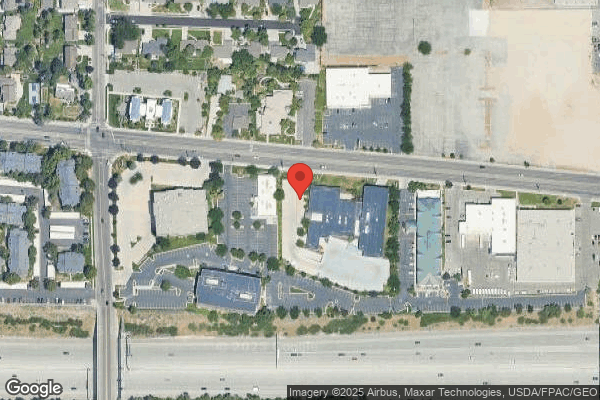
963 East 6600 South, Murray, UT 84121 (801) 713-3100
For profit - Limited Liability company 38 Beds ADVANCED HEALTH CARE Data: November 2025
Trust Grade
90/100
#3 of 97 in UT
Last Inspection: January 2025

Within standard 12-15 month inspection cycle. Federal law requires annual inspections.

Overview

Aspen Ridge Transitional Rehab has received a Trust Grade of A, indicating excellent quality and a strong recommendation for families considering this facility. It ranks #3 out of 97 nursing homes in Utah, placing it in the top tier for the state, and is #1 out of 35 in Salt Lake County, suggesting it is the best local option. The facility is stable overall, with the same number of issues reported in both 2021 and 2025, but there are concerns regarding medication management and resident care; for instance, insulin pens were improperly stored and labeled, and a resident experienced constipation for four days without timely treatment. Staffing is a strong point, with a 5/5 star rating and a low turnover rate of 32%, much better than the state average. Furthermore, Aspen Ridge has no fines on record and offers more RN coverage than 89% of Utah facilities, ensuring that residents receive attentive care while also highlighting the need for improvements based on recent inspection findings.

Trust Score
A
90/100
In Utah
#3/97
Top 3%
Safety Record
Low Risk
No red flags
Inspections
Holding Steady
3 → 3 violations
Staff Stability
○ Average
32% turnover. Near Utah's 48% average. Typical for the industry.
Penalties
✓ Good
No fines on record. Clean compliance history, better than most Utah facilities.
Skilled Nurses
✓ Good
Each resident gets 127 minutes of Registered Nurse (RN) attention daily — more than 97% of Utah nursing homes. RNs are the most trained staff who catch health problems before they become serious.
Violations
○ Average
6 deficiencies on record. Average for a facility this size. Mostly minor or procedural issues.
★★★★★
5.0
Overall Rating
★★★★★
5.0
Staff Levels
★★★★★
5.0
Care Quality
★★★★★
5.0
Inspection Score
Stable
2021: 3 issues
2025: 3 issues

The Good

  • 5-Star Staffing Rating · Excellent nurse staffing levels
  • 5-Star Quality Measures · Strong clinical quality outcomes
  • Full Sprinkler Coverage · Fire safety systems throughout facility
  • No fines on record
  • Staff turnover below average (32%)

    16 points below Utah average of 48%

Facility shows strength in staffing levels, quality measures, fire safety.

The Bad

Staff Turnover: 32%

14pts below Utah avg (46%)

Typical for the industry

Chain: ADVANCED HEALTH CARE

Part of a multi-facility chain

Ask about local staffing decisions and management

The Ugly 6 deficiencies on record

Jan 2025 3 deficiencies
CONCERN (D)

Potential for Harm - no one hurt, but risky conditions existed

Quality of Care (Tag F0684)

Could have caused harm · This affected 1 resident

**NOTE- TERMS IN BRACKETS HAVE BEEN EDITED TO PROTECT CONFIDENTIALITY** Based on interview and record review it was determined, for 1 of 21 sampled residents, that the facility did not ensure that the...

Read full inspector narrative →
**NOTE- TERMS IN BRACKETS HAVE BEEN EDITED TO PROTECT CONFIDENTIALITY** Based on interview and record review it was determined, for 1 of 21 sampled residents, that the facility did not ensure that the resident received treatment and care in accordance with professional standards of practice. Specifically, a resident reported constipation with no bowel movement for 4 days and treatment was not provided. Resident identifier: 13. Findings included: Resident 13 was admitted to the facility on [DATE] and re-admitted on [DATE] with diagnoses which consisted of displaced intertrochanteric fracture of right femur, sondylosis, chronic kidney disease, and malignant neoplasmof prostate. On 1/14/25 at 9:43 AM, an interview was conducted with resident 13. Resident 13 stated that he was constipated from his narcotic pain medication and it had been 4 days since he had a bowel movement. Resident 13 stated that they gave him some medication this morning for the constipation. On 1/1/25, the admission Minimum Data Set (MDS) assessment documented that resident 13 required supervision with toileting. Review of resident 13's point of care (POC) documentation for bowel and bladder documented the following: a. On 1/1/25 - no bowel movement (BM). b. On 1/6/25 - no bowel movement. c. On 1/7/25 - no bowel movement. Resident 13's vital signs under output - bowel movement documented the following: a. On 12/30/24 at 10:59 AM, resident 13's documentation for BM documented a large BM. b. On 1/7/25 at 2:04 PM, resident 13's documentation for BM documented a small BM. Resident 13's physician orders revealed the following: a. Senna tablet 8.6 milligram (mg), Give 1 tablet by mouth two times a day for constipation and oxycodone use. b. Day 3 (Bowel Brigade) = Administer Milk of Magnesia 30 cubic centimeters (cc) by mouth in the morning as needed. c. Day 4 (Bowel Brigade) = Administer Dulcolax 10 mg by mouth or per rectum in the morning as needed. d. Day 5 (Bowel Brigade) = Administer Fleets Enema or Enemeez as needed in the morning. e. Day 6 (Bowel Brigade) = If no BM in greater than 5 days, notify the physician for further orders. Resident 13's January Medication Administration Record (MAR) revealed: a. On 1/4/25 at 9:36 AM, the Bowel Brigade Day 3 was administered and was documented as SE (Semi-effective). b. On 1/7/25 at 8:19 AM, the Bowel Brigade Day 3 was administered and was documented as not effective. c. On 1/7/25 at 11:35 AM, the Bowel Brigade Day 4 was administered and was documented as not effective. d. On 1/7/25 at 1:37 PM, the Bowel Brigade Day 5 was administered and was documented as effective. On 1/7/25 at 1:46 PM, resident 13's nursing progress note documented, Pt [patient] has not had BM for 6 days, MOM [Milk of Magnesia] given, no BM, suppository given, still no BM, Enema given, in house provider notified. On 1/7/25, the abdomen xray for resident 13 documented increased fecal material noted throughout the colon, no evidence of mechanical obstruction. On 1/15/25, resident 13 had a care plan initiated for Alteration in Elimination: Patient had constipation. Interventions included assist resident to utilize the toilet, commode or bedpan as needed; keep accurate records of bowel movements to avoid complications; administer medications per the physician orders; encourage fluids as allowed; and follow facility bowel protocol. On 1/16/25 at 8:41 AM, an interview was conducted with Certified Nurse Assistant (CNA) 1. CNA 1 stated that resident 13 had just started walking to the bathroom with therapy the day before yesterday. CNA 1 stated that prior to walking to the bathroom resident 13 used a bedside commode. CNA 13 stated that they were encouraging resident 13 to go to the bathroom with assistance, and he required a two-person assist with toileting. CNA 1 stated that she charted documented the resident BM in the chart. CNA 1 stated that the nurse would also ask to make sure he had one. CNA 1 stated that resident 13 had complained of constipation yesterday and asked the nurse for a stool softener. On 1/16/25 at 8:51 AM, an interview was conducted with Registered Nurse (RN) 1. RN 1 stated that they had a facility bowel protocol for residents if they were on opioid medications. RN 1 stated that the resident would have orders for Mirilax or Senna daily. RN 1 stated that after 3 days without a BM they would give the resident Milk of Magnesia. RN 1 stated that if the resident did not have a BM after 4 days they administered a suppository. RN 1 stated that if the resident continued to not have a BM then on day 5 they administered an enema. RN 1 stated that most residents usually had a BM after the suppository. RN 1 stated that depending on the resident they could adjust the protocol and give the suppository early on day 3. RN 1 stated that the night shift nurse monitored each resident's bowel movements and printed a report daily that indicated if the resident had not had a BM. RN 1 stated that the nurse would then report during shift change if the bowel protocol had been initiated. RN 1 stated that resident 13 was given Milk of Magnesia yesterday and it was day 4 without a BM for resident 13. RN 1 stated if the patient was alert and oriented then they told the nurse if they need something for a BM. RN 1 stated that she talked with the Nurse Practitioner (NP) and yesterday bowel brigade day 4 and MOM were administered. RN 1 stated that morning she talked to the patient and offered a suppository or enema. RN 1 stated resident 13 declined the suppository but wanted the enema. RN 1 stated the enema was administered between 7:30 AM and 8:00 AM. RN 1 stated resident 13 had a small BM twice but was complaining of lower abdominal pain. RN 1 stated she notified the NP and the NP ordered Lactulose 30 ml and an x-ray to see if resident 13 had a bowel obstruction. RN 1 stated resident 13 was taking as needed Oxycodone and he did not want to move much. RN 1 stated the NP said resident 13 might need his daily laxative dose adjusted. RN 1 stated resident 13 had complained of constipation about a week ago and was administered the bowel protocol which included adding Senna and Miralax daily. RN 1 stated resident 13 doing okay but was constipated again. RN 1 stated that resident 13 informed her yesterday that his last BM was day 4 ago. RN 1 stated on 1/3/25 they should have started the bowel protocol for no BM. RN 1 stated that typically MOM, a suppository and an enema were not administered all in the same day. RN 1 stated that with a suppository and enema they waited a couple of hours to see if it was effective. On 1/16/25 at 9:13 AM, an interview was conducted with the Director of Nursing (DON). The DON stated the bowel protocol standing orders for medications based on how many days a resident had not had a bowel movement. The DON stated the physician was to be contacted if the resident did not have a bowel movement for 7 days. The DON was observed to review resident 13's BM documentation. The DON stated resident 13 had a BM on 12/30/24 and no BM from 12/31/24 through 1/6/25. The DON stated resident 13 should have the bowel brigade protocol on 1/2/25 which included MOM. The DON stated a suppository was administered on 1/3/25 suppository, enema on 1/4/25, and the physician was notified on day 6. The DON stated there was not another order in place to override the bowel brigade. The DON verified with the MAR that the protocol was administered all on 1/7/25.
CONCERN (D)

Potential for Harm - no one hurt, but risky conditions existed

Medication Errors (Tag F0758)

Could have caused harm · This affected 1 resident

**NOTE- TERMS IN BRACKETS HAVE BEEN EDITED TO PROTECT CONFIDENTIALITY** Based on interview and record review, it was determined that for 1 of 21 sampled residents that the facility did not ensure that...

Read full inspector narrative →
**NOTE- TERMS IN BRACKETS HAVE BEEN EDITED TO PROTECT CONFIDENTIALITY** Based on interview and record review, it was determined that for 1 of 21 sampled residents that the facility did not ensure that the attending physician or prescribing practitioner documented their rationale as to why PRN [as needed] medication order was extended beyond 14 days. Specifically, the resident had a PRN order for clonazepam, an anti-anxiety medication. The order had no end date and no rationale from the prescribing practitioner was documented in the medical record as to why the order was longer than 14 days. Resident Identifier: 23 Findings Include: Resident 23 was admitted on [DATE] with diagnoses which included anxiety disorder unspecified, major depressive disorder recurrent unspecified, and unspecified mood [affective] disorder. Resident 23's medical record was reviewed from 1/14/25 through 1/16/25. A physician's order dated 12/20/24 with no end date revealed, Clonazepam - Schedule IV table; 0.5 mg [milligrams]; amt: [amount] 0.5 mg; Quantity: 42; oral Special Instructions: DX: [diagnosis] ANXIETY -DO NOT administer within 1 hour of opioids d/t [due to] risk of respiratory depression - Every 8 hours. A progress note entered by the Director of Nursing (DON) dated 12/20/24 stated, provider reviewed resident's PRN [as needed] Clonazaepam and decided to keep it on his medication regimen as resident is using it and reports that it is helping with his anxiety. The resident's physician progress notes and nurse practitioner progress notes were reviewed for the following dates: 11/15/24, 11/18/24, 11/19/24, 11/27/24, 11/29/24, 12/2/24, 12/10/24, 12/11/24, 12/12/24, 12/16/24, 12/17/24, 12/18/24, 12/24/24, 12/26/24, 12/30/24, 1/3/25, and 1/7/25. Four of the progress notes did note that Resident 23's anxiety symptoms were controlled. However, none of the notes had a documented rationale as to why the order placed for PRN Clonazepam on 12/20/24 had been in place for longer than 14 days. On 1/16/25 at 10:20 AM, an interview was conducted with the DON. The DON stated that if a resident was admitted with a PRN order for psychotropic medication, then the facility notified the facility physician and added a stop date on the order within 14 days of admission. The DON stated that after those 14 days, the physician evaluated if the resident was utilizing the medication and if the resident still needed the medication. The DON stated that if the resident was not using the medication or the medication was not working by day 14, then the order was discontinued. The DON stated that the prescribing provider should document in the resident's medical record a rationale for any PRN psychotropic medications orders. The DON stated that the facility physician or provider verbally ordered if the medication was to be continued or discontinued, but that he was unsure if the physician documented the rationale anywhere in the medical record.
CONCERN (D)

Potential for Harm - no one hurt, but risky conditions existed

Deficiency F0883 (Tag F0883)

Could have caused harm · This affected 1 resident

**NOTE- TERMS IN BRACKETS HAVE BEEN EDITED TO PROTECT CONFIDENTIALITY** Based on interview and record review, it was determined that for 1 of 5 sampled residents that the facility did not ensure that ...

Read full inspector narrative →
**NOTE- TERMS IN BRACKETS HAVE BEEN EDITED TO PROTECT CONFIDENTIALITY** Based on interview and record review, it was determined that for 1 of 5 sampled residents that the facility did not ensure that the resident's medical record indicated that the resident either received the influenza immunization or did not receive the influenza vaccination immunization due to medical contraindications or refusal and that the facility did not ensure that the resident's medical record included documentation that the resident either received the pneumococcal immunization due to medical contraindication or refusal. Specifically, there was not documentation that the facility provided or that the resident refused the pneumonia and influenza immunization. Resident Identifier: 28. Findings Include: Resident 28 was admitted on [DATE] with diagnoses which included displaced intertrochanteric fracture of right femur subsequent encounter for closed fracture with routine healing, urinary tract infection, and hypertensive heart disease with heart failure. Resident 28's medical record was reviewed 1/14/25 though 1/16/25. A form labeled PNA [pneumonia], FLU [influenza], COVID [coronavirus] Psychotherapeutic Medication Consents was located in resident 28's medical record. The form was signed by resident 28 and dated 11/29/24. The form contained checkboxes to mark resident 28 as up-to-date on both the influenza and pneumonia vaccinations, to mark that resident 28 gave the facility permission to administer both of the vaccines, or to mark that resident 28 declined to give the facility permission to receive both of the vaccines. None of the checkboxes were marked on the form. On 1/16/25 at 1:32 PM, an interview was conducted with the Director of Nursing (DON). The DON stated that nursing staff needed to ensure that the vaccination consent form was fully completed before staff or the resident signed the form.
Nov 2021 3 deficiencies
CONCERN (D)

Potential for Harm - no one hurt, but risky conditions existed

Deficiency F0885 (Tag F0885)

Could have caused harm · This affected 1 resident

Based on record review and interview, the facility did not inform residents, their representatives, and families of those residing in facilities by 5 p.m. the next calendar day following the occurrenc...

Read full inspector narrative →
Based on record review and interview, the facility did not inform residents, their representatives, and families of those residing in facilities by 5 p.m. the next calendar day following the occurrence of either a single confirmed infection of COVID-19, or three or more residents or staff with new-onset of respiratory symptoms occurring within 72 hours of each other. Findings include: On 11/8/21 at 8:30 AM, an interview was conducted with the facility Administrator (ADM). The ADM stated that there was a staff member who had tested positive for COVID-19 on 11/5/21. The ADM stated that when there was a new COVID-19 case, the facility communicated the information to residents and their representatives via a website. On 11/8/21, the website provided by the ADM was reviewed. The website indicated that it was last updated on 11/1/21. On 11/8/21, an interview was conducted with the facility Director of Nursing (DON). The DON confirmed that the website was not updated properly, and that the Therapy Director (TD) was responsible for updating the website timely. The DON confirmed that a staff member had tested positive on 11/5/21, and a resident had tested positive on 11/4/21. On 11/9/21 at 2:45 PM, an interview was conducted with the TD. The TD confirmed that he was supposed to update the website daily if there was a change.
CONCERN (E)

Potential for Harm - no one hurt, but risky conditions existed

Deficiency F0761 (Tag F0761)

Could have caused harm · This affected multiple residents

Based upon observation and interview, it was determined that the facility did not ensure that medications were labeled or stored appropriately. Specifically, insulin pens were not dated as to their op...

Read full inspector narrative →
Based upon observation and interview, it was determined that the facility did not ensure that medications were labeled or stored appropriately. Specifically, insulin pens were not dated as to their opening date/expiration date, and labeling indicated that they should be refrigerated but were stored at room temperature. Findings include: On 11/9/21 at 12:30 PM, the medication cart in the 100 to 118 hallway was observed. The medication cart was observed to contain eight insulin pens that had been opened, but were not labeled with an open date. In addition, the pens were labeled as requiring refrigeration, but had been placed in the medication cart instead of the medication refrigerator. On 11/9/21 an interview was conducted with the Director of Nursing (DON). The DON confirmed that the insulin pens should have been labeled with an open date.
CONCERN (E)

Potential for Harm - no one hurt, but risky conditions existed

Infection Control (Tag F0880)

Could have caused harm · This affected multiple residents

**NOTE- TERMS IN BRACKETS HAVE BEEN EDITED TO PROTECT CONFIDENTIALITY** 10. On 11/9/21 at 7:30 AM, RN 1 was observed during a medication pass. RN 1 was observed to don gloves and then touch multiple s...

Read full inspector narrative →
**NOTE- TERMS IN BRACKETS HAVE BEEN EDITED TO PROTECT CONFIDENTIALITY** 10. On 11/9/21 at 7:30 AM, RN 1 was observed during a medication pass. RN 1 was observed to don gloves and then touch multiple surfaces of the medication cart and medication blister pack prior to dispensing the medication from the blister pack directly into her gloved hand. RN 1 was then observed to drop the medication into the medication cup for residents. RN 1 was then observed to document the medication had been administered in the computer, using her gloved hands. RN 1 then was observed to dispense the resident's next medication, using her contaminated gloves, again placing them directly into her hands, and repeating the process until all of the resident's medications were in the medication cup. This was observed for a total of 25 medications that were administered by RN 1 to multiple residents. 11. On 11/9/21 at 7:30 AM, RN 1 was observed to administer eye drops to a resident. RN 1 did not perform hand hygiene prior to administering the eye drops. Based on observation and interview, the facility did not establish and maintain an infection prevention and control program designed to provide a safe, sanitary and comfortable environment and to help prevent the development and transmission of communicable diseases and infections. Specifically, a partially vaccinated resident was not placed on isolation precautions, a nurse was observed to not perform hand hygiene prior to administering eye drops to a resident, a nurse was observed to place medications into her hand while wearing a contaminated glove, and staff were observed to not be wearing the appropriate Personal Protective Equipment (PPE). Resident identifiers: 84. Findings include: 1. Resident 84 was admitted on [DATE] with diagnoses that included muscle strain, spinal stenosis, obesity and cervical disc degeneration. On 11/8/21 at 12:10 PM and 1:20 PM, resident 84's room was observed. No isolation cart was observed to be placed outside of resident 84's room. No signage was observed to be on resident 84's door to indicate that the resident was on isolation precautions. On 11/8/21 at 1:20 PM, an interview was conducted with resident 84. Resident 84 stated that she had one COVID-19 vaccination in January of 2021. Resident 84 stated that she received a Pfizer vaccine, but that it made her feel ill, so she had chosen not to receive the second dose. Resident 84's medical record was reviewed on 11/8/21. Resident 84's vaccination record indicated that resident 84 had received her first dose of the COVID-19 vaccine in January 2021. The vaccination record did not indicate if resident 84 had received the second dose. On 11/9/21 at 12:30 PM, an interview was conducted with the facility Director of Nursing (DON) and the Infection Preventionist (IP). The DON stated that if residents were vaccinated, then they were not placed on isolation precautions upon admit. The DON stated that if residents were unvaccinated, then residents were placed on isolation precautions for 14 days. When asked about resident 84, who was partially vaccinated, the DON stated that resident 84 did not want to be placed on isolation precautions, so the facility honored her request despite her not being fully vaccinated. 2. On 11/8/21 at 12:02 PM, the Administrator (ADM) was observed to be in the 101 to 118 hall. The ADM stated that the doors to this hall were closed because a staff member had recently tested positive for COVID-19, and the residents in this hall had been exposed. At 12:03 PM, in the 101-108 hall the following observations were made: a. Certified Nursing Assistant (CNA) 1 was observed to have eyeglasses on, but no eye protection. In addition her mask had been pulled down below her chin. b. The Business Office Manager (BOM) was not wearing eye protection. c. CNA 2 was wearing her face shield on top of her head. d. The Administrative Assistant (AA) was not wearing eye protection. e. An unidentified staff member was not wearing eye protection. 3. On 11/8/21 at 12:19 PM, CNA 1 was observed to be at the nurses station with her eye protection on her head. 4. On 11/8/21 at 12:37 PM, the AA was observed to be at the nurses station with no eye protection. 5. On 11/8/21 at 1:00 PM, the Registered Dietitian was in resident 84's room, and was not wearing eye protection, a gown or gloves. 6. On 11/9/21 at 9:00 AM, the the AA was observed to be at the nurses station with no eye protection 7. On 11/9/21 at 9:03 AM, a dietary staff member and the BOM were observed to be walking in the hall by the nurses station without eye protection. 8. On 11/9/21 at 9:14 AM, 9:35 AM, 10:03 AM, and 10:13 AM Registered Nurse (RN) 1 was observed to be walking in the hall by the nurses station without eye protection. 9. On 11/9/21 at 10:16 AM, the BOM was observed to be walking in the hall by the nurses station without eye protection. On 11/9/21 an interview was conducted with the facility DON and IP. The DON stated that he thought that eye protection only needed to be worn during patient care, and would reeducate his staff. Per the State of Utah, eye protection should be worn in all areas of the facility except employee only areas during an outbreak or high community transmission rates https://coronavirus-download.utah.gov/Health-provider/Staff_PPE_Requirements_Chart_9.17.2021.pdf
Understanding Severity Codes (click to expand)
Life-Threatening (Immediate Jeopardy)
J - Isolated K - Pattern L - Widespread
Actual Harm
G - Isolated H - Pattern I - Widespread
Potential for Harm
D - Isolated E - Pattern F - Widespread
No Harm (Minor)
A - Isolated B - Pattern C - Widespread

Questions to Ask on Your Visit

  • "Can I speak with families of current residents?"
  • "What's your RN coverage like on weekends and overnight?"

Our Honest Assessment

Strengths
  • • Grade A (90/100). Above average facility, better than most options in Utah.
  • • No major safety red flags. No abuse findings, life-threatening violations, or SFF status.
  • • No fines on record. Clean compliance history, better than most Utah facilities.
  • • 32% turnover. Below Utah's 48% average. Good staff retention means consistent care.
Concerns
  • • No significant concerns identified. This facility shows no red flags across CMS ratings, staff turnover, or federal penalties.
Bottom line: Generally positive indicators. Standard due diligence and a personal visit recommended.

About This Facility

What is Aspen Ridge Transitional Rehab's CMS Rating?

CMS assigns Aspen Ridge Transitional Rehab an overall rating of 5 out of 5 stars, which is considered much above average nationally. Within Utah, this rating places the facility higher than 99% of the state's 100 nursing homes. This rating reflects solid performance across the metrics CMS uses to evaluate nursing home quality.

How is Aspen Ridge Transitional Rehab Staffed?

CMS rates Aspen Ridge Transitional Rehab's staffing level at 5 out of 5 stars, which is much above average compared to other nursing homes. Staff turnover is 32%, compared to the Utah average of 46%. This relatively stable workforce can support continuity of care.

What Have Inspectors Found at Aspen Ridge Transitional Rehab?

State health inspectors documented 6 deficiencies at Aspen Ridge Transitional Rehab during 2021 to 2025. These included: 6 with potential for harm.

Who Owns and Operates Aspen Ridge Transitional Rehab?

Aspen Ridge Transitional Rehab is owned by a for-profit company. For-profit facilities operate as businesses with obligations to shareholders or private owners. The facility is operated by ADVANCED HEALTH CARE, a chain that manages multiple nursing homes. With 38 certified beds and approximately 36 residents (about 95% occupancy), it is a smaller facility located in Murray, Utah.

How Does Aspen Ridge Transitional Rehab Compare to Other Utah Nursing Homes?

Compared to the 100 nursing homes in Utah, Aspen Ridge Transitional Rehab's overall rating (5 stars) is above the state average of 3.4, staff turnover (32%) is significantly lower than the state average of 46%, and health inspection rating (5 stars) is much above the national benchmark.

What Should Families Ask When Visiting Aspen Ridge Transitional Rehab?

Based on this facility's data, families visiting should ask: "Can I visit during a mealtime to observe dining assistance and food quality?" "How do you handle medical emergencies, and what is your hospital transfer rate?" "Can I speak with family members of current residents about their experience?"

Is Aspen Ridge Transitional Rehab Safe?

Based on CMS inspection data, Aspen Ridge Transitional Rehab has a clean safety record: no substantiated abuse findings (meaning no confirmed cases of resident harm), no Immediate Jeopardy citations (the most serious violation level indicating risk of serious injury or death), and is not on the Special Focus Facility watch list (a federal program monitoring the lowest-performing 1% of nursing homes). The facility has a 5-star overall rating and ranks #1 of 100 nursing homes in Utah. While no facility is perfect, families should still ask about staff-to-resident ratios and recent inspection results during their visit.

Do Nurses at Aspen Ridge Transitional Rehab Stick Around?

Aspen Ridge Transitional Rehab has a staff turnover rate of 32%, which is about average for Utah nursing homes (state average: 46%). Moderate turnover is common in nursing homes, but families should still ask about staff tenure and how the facility maintains care continuity when employees leave.

Was Aspen Ridge Transitional Rehab Ever Fined?

Aspen Ridge Transitional Rehab has no federal fines on record. CMS issues fines when nursing homes fail to meet care standards or don't correct problems found during inspections. The absence of fines suggests the facility has either maintained compliance or corrected any issues before penalties were assessed. This is a positive indicator, though families should still review recent inspection reports for the full picture.

Is Aspen Ridge Transitional Rehab on Any Federal Watch List?

Aspen Ridge Transitional Rehab is not on any federal watch list. The most significant is the Special Focus Facility (SFF) program, which identifies the bottom 1% of nursing homes nationally based on persistent, serious quality problems. Not being on this list means the facility has avoided the pattern of deficiencies that triggers enhanced federal oversight. This is a positive indicator, though families should still review the facility's inspection history directly.