Aspen Ridge West Transitional Rehab
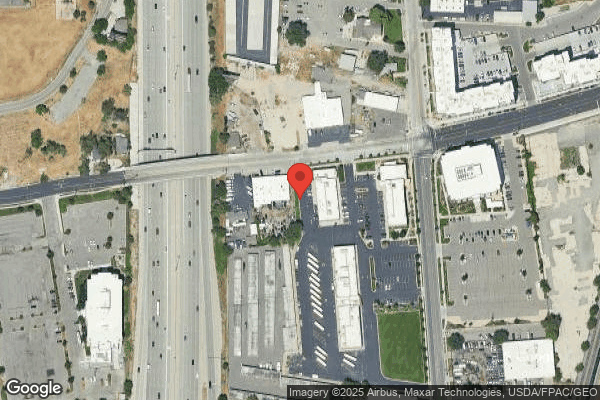
5323 South Murray Boulevard, Murray, UT 84123 (801) 713-3200
For profit - Limited Liability company 38 Beds ADVANCED HEALTH CARE Data: November 2025
Trust Grade
93/100
#4 of 97 in UT
Last Inspection: August 2024

Within standard 12-15 month inspection cycle. Federal law requires annual inspections.

Overview

Aspen Ridge West Transitional Rehab has an excellent Trust Grade of A, indicating it is highly recommended for care. It ranks #4 out of 97 facilities in Utah, placing it in the top tier of nursing homes in the state and #2 out of 35 in Salt Lake County, meaning only one local option is better. However, the facility is experiencing a worsening trend, with issues increasing from one in 2024 to two in 2025. Staffing is a strength, with a 5/5 star rating and a turnover rate of 29%, well below the state average, indicating that staff members are experienced and familiar with the residents. It is worth noting that there were no fines on record, but there have been concerning incidents, such as staff not properly using personal protective equipment and failing to investigate a resident's report of feeling threatened by a CNA, which suggests potential gaps in communication and oversight.

Trust Score
A
93/100
In Utah
#4/97
Top 4%
Safety Record
Low Risk
No red flags
Inspections
Getting Worse
1 → 2 violations
Staff Stability
✓ Good
29% annual turnover. Excellent stability, 19 points below Utah's 48% average. Staff who stay learn residents' needs.
Penalties
✓ Good
No fines on record. Clean compliance history, better than most Utah facilities.
Skilled Nurses
✓ Good
Each resident gets 102 minutes of Registered Nurse (RN) attention daily — more than 97% of Utah nursing homes. RNs are the most trained staff who catch health problems before they become serious.
Violations
✓ Good
Only 4 deficiencies on record. Cleaner than most facilities. Minor issues only.
★★★★★
5.0
Overall Rating
★★★★★
5.0
Staff Levels
★★★★★
5.0
Care Quality
★★★★★
5.0
Inspection Score
Stable
2024: 1 issues
2025: 2 issues

The Good

  • 5-Star Staffing Rating · Excellent nurse staffing levels
  • 5-Star Quality Measures · Strong clinical quality outcomes
  • Low Staff Turnover (29%) · Staff stability means consistent care
  • Full Sprinkler Coverage · Fire safety systems throughout facility
  • No fines on record
  • Staff turnover is low (29%)

    19 points below Utah average of 48%

Facility shows strength in staffing levels, quality measures, staff retention, fire safety.

The Bad

Chain: ADVANCED HEALTH CARE

Part of a multi-facility chain

Ask about local staffing decisions and management

The Ugly 4 deficiencies on record

Aug 2025 2 deficiencies
CONCERN (D) 📢 Someone Reported This

A family member, employee, or ombudsman was alarmed enough to file a formal complaint

Potential for Harm - no one hurt, but risky conditions existed

Report Alleged Abuse (Tag F0609)

Could have caused harm · This affected 1 resident

Based on interview and record review, the facility failed to report all allegations of abuse, neglect, exploitation, or mistreatment. Specifically, the facility failed to report an incident where a re...

Read full inspector narrative →
Based on interview and record review, the facility failed to report all allegations of abuse, neglect, exploitation, or mistreatment. Specifically, the facility failed to report an incident where a resident reported a Certified Nursing Assistant (CNA) made a resident feel threatened, and she was scared for her safety. Resident identifier: 1. On August 12, 2025, the surveyor reviewed the facility's grievance reports. A grievance report dated February 17, 2025 revealed the following:Documentation of the complaint, written by Resident 1: I called for help to use my commode and get ready for bed. [CNA 4] helped me to my commode but he seemed upset that he had to do so. I let it go, and when I called for help he got mad when I wanted to go to bed. He started to remove my sheets, and I informed him, I sleep on top of my covers. He was angry that I was correcting him. He started to grab my belongings and threw them on the chair, next to me. I was so scared and felt threatened and scared for my safety by how angry he was. I asked if i can have [CNA 5] come in and take care of the rest of my bedtime routine and he said no, she's busy with other patients and i have other people to take care of so hurry up He was so angry when I asked him to grab a pillow case for a pillow that was supposed to go under my leg. The Administrator documented that they spoke with Resident 1 on February 18, 2025, and that the employee was disciplined on February 17, 2025. The resolution section indicated, Yes, employee no longer working at the facility. Patient satisfied with investigation. On August 12, 2025, the surveyor interviewed the Administrator. The Administrator stated that he talked to Resident 1 the day after the incident. The Administrator stated that Resident 1 reported that CNA 4 presented as angry and rude, and she did not like how she was being treated. The Administrator asked Resident 1 if she felt like it was abuse, and Resident 1 stated that she did not feel like it was abuse. The Administrator stated that Resident 1 did not say that she felt unsafe. The Administrator stated that he felt like the situation was more poor customer service and not abuse. The Administrator decided to let CNA 4 go because there had been previous complaints from staff and residents regarding his customer service.
CONCERN (D) 📢 Someone Reported This

A family member, employee, or ombudsman was alarmed enough to file a formal complaint

Potential for Harm - no one hurt, but risky conditions existed

Investigate Abuse (Tag F0610)

Could have caused harm · This affected 1 resident

Based on interview and record review, the facility failed to thoroughly investigate an allegation of abuse. Specifically, the facility failed to thoroughly investigate an incident where a resident rep...

Read full inspector narrative →
Based on interview and record review, the facility failed to thoroughly investigate an allegation of abuse. Specifically, the facility failed to thoroughly investigate an incident where a resident reported a CNA had made her feel threatened, and she feared for her safety. Resident identifier: 1. On August 12, 2025, the surveyor reviewed the facility's grievance reports. A grievance report dated February 17, 2025 revealed the following:Documentation of the complaint, written by Resident 1: I called for help to use my commode and get ready for bed. [CNA 4] helped me to my commode but he seemed upset that he had to do so. I let it go, and when I called for help he got mad when I wanted to go to bed. He started to remove my sheets, and I informed him, I sleep on top of my covers. He was angry that I was correcting him. He started to grab my belongings and threw them on the chair, next to me. I was so scared and felt threatened and scared for my safety by how angry he was. I asked if i can have [CNA 5] come in and take care of the rest of my bedtime routine and he said no, she's busy with other patients and i have other people to take care of so hurry up He was so angry when I asked him to grab a pillow case for a pillow that was supposed to go under my leg. The Administrator documented that they spoke with Resident 1 on February 18, 2025, and that the employee was disciplined on February 17, 2025. The resolution section indicated, Yes, employee no longer working at the facility. Patient satisfied with investigation. On August 12, 2025, the surveyor interviewed the Administrator. The Administrator stated that he talked to Resident 1 the day after the incident. The administrator stated that Resident 1 reported that CNA 4 presented as angry and rude, and she did not like how she was being treated. The administrator asked Resident 1 if she felt like it was abuse, and Resident 1 stated that she did not feel like it was abuse. The administrator stated that Resident 1 did not say that she felt unsafe. The administrator stated that he felt like the situation was more poor customer service and not abuse. The administrator decided to let CNA 4 go because there had been previous complaints from staff and residents regarding his customer service.The surveyor reviewed the facility's Abuse Policy and Procedure, and the following was revealed: The Administrator and/or Director of Nursing will complete an investigation of the incident including a written summary of the findings no later than five (5) working days of the reported occurrence.
Aug 2024 1 deficiency
CONCERN (D) 📢 Someone Reported This

A family member, employee, or ombudsman was alarmed enough to file a formal complaint

Potential for Harm - no one hurt, but risky conditions existed

Deficiency F0554 (Tag F0554)

Could have caused harm · This affected 1 resident

**NOTE- TERMS IN BRACKETS HAVE BEEN EDITED TO PROTECT CONFIDENTIALITY** Based on observation, interview, and record review it was determined, for 1 of 21 sampled residents, that the facility did not e...

Read full inspector narrative →
**NOTE- TERMS IN BRACKETS HAVE BEEN EDITED TO PROTECT CONFIDENTIALITY** Based on observation, interview, and record review it was determined, for 1 of 21 sampled residents, that the facility did not ensure that the resident right to self-administer medications was clinically appropriate and safe. Specifically, residents were observed to have medications on the bedside table and were not evaluated to determine if they were safe to self-administer medications. Resident identifiers: 20 and 27. Findings included: 1. Resident 20 was admitted to the facility on [DATE] with diagnoses which included wedge compression fracture of first, second, and third lumbar vertebra, fusion of spine, metabolic encephalopathy and cardiac arrhythmia. Resident 20's medical records were reviewed from 8/19/24 through 8/21/24. On 8/21/24 at 8:10 AM, an observation was made during morning medication pass for resident 20. Resident 20 stated, If I take any more pills, I will throw up. Registered Nurse (RN) 1 placed the medication cup with two large white pills and a medication cup with 10 milliliters (ml) of magic mouthwash on resident 20's bedside table. RN 1 stated to resident 20 to take them when she was able to, RN 1 then left resident 20's room. On 8/21/24 at 8:12 AM, an interview with RN 1 was conducted. RN 1 stated that she had left the medications at resident 20's bedside due to the resident stating, that if she took any more pills she would throw up. RN 1 identified the medications in the medication cup as omeprazole-sodium bicarbonate 20-1.1 (milligrams) mg and potassium chloride capsule 10 (milliequivalent) mEq. RN 1 stated she was not sure if resident 20 had any orders that allowed her to self-administer medications. RN 1 stated when a resident was not ready for their medications, she would leave them on the bedside table. RN 1 stated she would then follow up with the resident to make sure the medications were taken. 2. Resident 27 was admitted to the facility initially on 7/22/24, and readmitted on [DATE] with diagnoses that included presence of urogenital implants, long term use of anticoagulants, pretension of urine, pressure ulcer, acute respiratory failure with hypoxia, cardiac arrhythmia, Parkinson's disease, and pneumonia. On 8/19/24 at 9:30 AM, an interview was attempted with resident 27. Resident 27 appeared to be confused and was not answering questions appropriately. Resident 27 was observed to have a nasal cannula in place and was receiving oxygen and a significant tremor in both hands was observed. On 8/20/24 at 9:36 AM, an observation was made of resident 27, who was laying on her bed. It was observed that resident 27 had a small cup with several medications on the bedside table next to her bed. Resident 27 did not answer when asked if she administered her own medications or if she knew what medications were in the cup. Resident 27's medical records were reviewed between 8/19/24 and 8/21/24. An MDS (Minimum Data Set) admission assessment dated [DATE] revealed that resident 27 had a BIMS (Brief interview for Mental Status) assessment score of 6, suggesting significant cognitive impairment. On 8/17/24 at 10:13 AM, A nursing progress note revealed, .Mental Status: Alert & [and]cooperative; Oriented to: Person, Place, Time and Situation .Additional notes: Alert and oriented x [times] 3 .Takes medication whole with water. On 8/19/24 at 11:00 AM, a nursing progress note revealed, .Mental Status: Alert & cooperative; Oriented to: Person, place, time and situation .Additional notes: Alert and oriented x 3 .Takes medications whole with water. Needs help getting medications to mouth because of essential tremors in both hands. It should be noted that no Self Administration Assessment was located in resident 27's medical record. On 8/21/24 at 9:33 AM, an interview was conducted with RN 1 who stated resident 27 was alert and oriented x 4 today, but that resident 27 was confused at times. RN 1 stated that she had to feed resident 27 her pills because she was always shaking and had trouble taking the pills herself. RN 1 stated sometimes resident 27 would forget that she had medications remaining in her cup and would not take them. RN 1 stated that she provided resident 27's medications during meals and that resident 27 did not have difficulty swallowing. RN 1 stated the concerns with resident 27 taking medications on her own were forgetting to take the medicaitons, or spilling the medicaitons due to her tremors. On 8/21/24 at 7:58 AM, an observation was made of RN 1 walking into resident 27's room with a cup of medications. RN 1 stated to resident 27 upon entering the room, Here are your meds. RN 1 was then observed to walk out of resident 27's room prior to the resident taking the medications. On 8/21/24 at 8:12 AM, an observation was made as RN 1 walked into resident 27's room and stated, Did you take all of your pills? RN 1 was then observed to walk out of resident 27's room with an empty medication cup and threw it away in medication cart trash can. On 8/21/24 at 10:24 AM, an interview with RN 2 was conducted. RN 2 stated that he would not leave medication at the bedside and that nursing staff were not allowed to leave medications at the bedside. RN 2 stated that medication should not be left at the bedside because another resident could take the medications. On 8/21/24 at 10:48 AM, an interview with Director of Nursing (DON) was conducted. The DON stated if a resident refused medication, and if she could identify the medications, she would label the cup and lock the medications up. The DON stated if there were a lot of medications, she would waste them and repull them when the resident was ready to take them. The DON stated she would not leave any medications at the bedside for the resident to take when they were ready. The DON stated that a few residents could have eyedrops in their room which needed to be locked up. The DON stated prior to allowing a resident to have any medications left in their room the nursing staff would do a self-medication assessment.
Jun 2021 1 deficiency
CONCERN (E)

Potential for Harm - no one hurt, but risky conditions existed

Infection Control (Tag F0880)

Could have caused harm · This affected multiple residents

**NOTE- TERMS IN BRACKETS HAVE BEEN EDITED TO PROTECT CONFIDENTIALITY** Based on observation, interview, and record review it was determined the facility did not maintain an infection prevention and c...

Read full inspector narrative →
**NOTE- TERMS IN BRACKETS HAVE BEEN EDITED TO PROTECT CONFIDENTIALITY** Based on observation, interview, and record review it was determined the facility did not maintain an infection prevention and control program (IPCP) designed to provide a safe, sanitary and comfortable environment and to help prevent the development and transmission of communicable diseases and infections. Specifically, when entering and exiting isolation rooms staff were observed not donning and doffing Personal Protective Equipment (PPE) per the IPCP, a resident's catheter bag was observed on several occasions to be left on the resident's floor without a barrier, a visitor was observed within an isolation room without wearing PPE, and cross contamination was observed during dining service. Resident identifiers: 83, 88, and 131. Findings include: 1. Observations were made of staff not doffing PPE per the IPCP when exiting isolation rooms. a. Resident 88 was admitted to the facility on [DATE] with diagnoses which included but not limited to left lower extremity crush from fork lift accident, status post intramedullary of left tibia and free flap reconstruction, and orthopedic surgery. On 6/28/21 at approximately 10:00 AM, a Precautions: Quarantine sign was observed outside of resident 88's room. Registered Nurse (RN) 1 was interviewed. RN 1 stated resident 88 was on a new admission 14 day quarantine. RN 1 further stated resident 88 had not received the Coronavirus Disease 2019 (COVID-19) vaccine. On 6/28/21 at approximately 12:30 PM, Certified Nursing Assistant (CNA) 5 was observed to exit resident 88 rooms. Upon exiting resident 88's room CNA 5 was observed to doff a reusable cloth gown. CNA 5 put the reusable cloth gown on the cart that was used to distribute lunch trays to residents. CNA 5 was interviewed. CNA 5 stated she did not see a bin in resident 88's room to put the used gown in. CNA 5 was observed to walk half way down the hall with the used reusable cloth gown and put the gown in the laundry bin that was stationed in the hall. On 6/28/21 at 1:46 PM, an interview was conducted with resident 88. Resident 88 stated he was a new admission and was on quarantine because he had not yet received the COVID-19 vaccine. Upon exiting resident 88's room this surveyor doffed disposable PPE and placed the PPE in the garbage can in resident 88's bathroom. No PPE bins were located in resident 88's bathroom for staff to place used PPE. Resident 88's medical record was reviewed on 6/29/21. A Physician's order dated 7/9/21 and 7/10/21, documented DC (discontinue) Quarantine: Remove & clean signs from outside & inside room, have housekeeping clean & remove bins from outside & inside of room . b. Resident 131 was admitted to the facility on [DATE] with medical diagnoses that included, but not limited to, acute respiratory failure, pleural effusion, hypertensive heart and chronic kidney disease, congestive heart failure, heart disease, hypertrophic cardiomyopathy, atrial fibrillation, hyperlipidemia, and asthma. On 6/28/21 at 11:44 AM, an observation was made of resident 131's room. Resident 131 was on isolation precautions and there was no container observed within resident 131's room for staff to place used cloth gowns after doffing. On 6/30/21 at 11:48 AM, RN 2 was interviewed. RN 2 stated in quarantine rooms the PPE worn included gloves, a Negativity at Approximately 95 Milliseconds (N95) mask, eye protection, and a gown. RN 2 stated staff were to put used cloth gowns on the hooks within resident rooms during their shift and at the end of their shift, staff put their used cloth gown into the residents' laundry bin. RN 2 stated for isolation rooms, these laundry bins were supposed to be in the residents' bathroom. RN 2 stated when the staff member leaves the isolation room they take off their gloves and mask within the isolation room, and put the used gloves and mask in the resident's bathroom trash can. If the staff member does not plan to reuse the cloth gown, staff were to place the gown in a red biohazard bag, and then put the red biohazard bag into the laundry basket within the isolation room. On 6/30/21 at 11:53 AM, CNA 2 was interviewed. CNA 2 stated when staff enter a quarantine room they wore a cloth gown, changed their face mask to an N95 mask, and placed on eye protection, and gloves. CNA 2 stated the DON instructed staff they did not need to wear full PPE when entering an isolation room to deliver a meal tray. CNA 2 also stated, when staff leave the isolation room they were to hang up their cloth gown on a hook inside the isolation room. Then, the staff throw away their gloves and N95 mask in the isolation room's bathroom trash can. CNA 2 stated when a staff member was done with their shift, they take the cloth gown off of the hook and place the cloth gown in the isolation room's laundry basket. On 6/30/21 at 12:41 PM, CNA 5 was interviewed. CNA 5 stated, to enter isolation rooms, staff put on a face shield, gown, gloves, and an N95 mask. When staff leave the isolation room, cloth gowns were put into the laundry basket in the resident's bathroom. Staff then throw away other items, like their gloves and N95 mask, in the isolation room's bathroom. Per facility protocol and signage posted near isolation rooms, the steps for donning PPE included; 1. Sanitize hands. 2. Remove Universal source control mask. 3. Sanitize hands. 4. Put on washable or disposable gown. 5. Put on fit-tested N95 respirator. a. Use a face mask if a respirator is not available. 6. [Sanitize hands if reuse mask] 7. Put on eye protection. 8. Sanitize hands. 9. Put on gloves. 10. [Pick up equipment if applicable] 11. Knock, listen, and enter the room. 12. Ask patient to put on mask. Per facility protocol and signage posted near isolation rooms, the steps for doffing PPE included; 1. Remove gloves. 2. Remove gown. 3. Exit the room. 4. Sanitize hands. 5. Close the door. 6. [Disinfect surfaces, then equipment if applicable]. 7. Sanitize hands 8. Remove eye protection. a. [Disinfect, store safely if applicable]. 9. Remove face mask. 10. Sanitize hands. 11. Put on universal source control mask 12. Sanitize hands. Per facility protocol and signage posted near isolation rooms, Cloth gowns should be laundered after each use. 2. Observations were made of staff cross contamination during dining service and staff were not donning and doffing PPE per the IPCP while passing meal trays to resident rooms. On 6/28/21 at 12:12 PM, CNA 1 was observed to don PPE to enter an isolation room and deliver a resident's lunch tray. While wearing a face mask, CNA 1 was observed to put on gloves and a cloth gown. CNA 1 entered the isolation room, delivered the resident's meal tray and exited the room. After exiting the room, CNA 1 doffed her gown, and placed the used cloth gown into a housekeeping cart in the hallway. Without changing gloves, CNA 1 then delivered a meal tray to a resident across the hall from the isolation room. After delivery of the second tray, CNA 1 removed her gloves, did not sanitize her hands and continued to deliver trays to 8 other resident rooms. On 6/28/21 at 12:24 PM, CNA 6 was observed to don PPE to enter an isolation room and deliver a resident's lunch tray. While wearing a face mask, CNA 6 was observed to don gloves and a face shield. CNA 6 entered the isolation room without donning a gown or switching to an N95 face mask. On 6/28/21 at 12:28 PM, CNA 6 while wearing a face mask and gloves was observed to deliver a lunch meal tray to resident room [ROOM NUMBER]. CNA 6 moved items on the bedside table in room [ROOM NUMBER]. CNA 6 did not sanitize hands or change gloves prior to delivering a meal tray to resident room [ROOM NUMBER]. On 6/30/21 at 8:21 AM, CNA 3 was observed to deliver a breakfast meal tray to a resident on isolation. Prior to entering the isolation room CNA 3 sanitized their hands, placed on a gown and gloves and changed their mask to an N95 mask. CNA 3 did not place on eye protection. Prior to exiting the isolation room, CNA 3 removed the gloves, entered the bathroom and then left the isolation room. While in the hallway, CNA 3 removed the cloth gown and N95 mask, and then CNA 3 placed the used cloth gown within a red biohazard bag, which CNA 3 then left by the isolation room door. On 6/30/21 at 8:32 AM, CNA 4 was observed to enter an isolation room to deliver a breakfast tray. CNA 4 sanitized their hands, placed on gloves, gathered the resident tray and entered the isolation room without donning a gown, eye protection or switching to an N95 face mask. On 6/30/21 at 11:53 AM, CNA 2 was interviewed. CNA 2 stated the Director of Nursing (DON) instructed staff they did not need to wear full PPE when entering an isolation room to deliver a meal tray. On 6/30/21 at 12:41 PM, CNA 5 was interviewed. CNA 5 stated the hand hygiene routine with passing meal trays included either sanitizing hands between the passing of each meal tray or using and changing of gloves between the passing of each meal tray. CNA 5 also reported, PPE of an N95 mask, eye protection, a gown and gloves must be worn anytime a staff member entered an isolation room. 3. A resident, unvaccinated for COVID-19, and on isolation due to recent admission to the facility was observed to have a visitor within their room without wearing PPE. Resident 131 was admitted to the facility on [DATE] with medical diagnoses that included, but not limited to, acute respiratory failure, pleural effusion, hypertensive heart and chronic kidney disease, Congestive heart failure, heart disease, hypertrophic cardiomyopathy, atrial fibrillation, hyperlipidemia, and asthma. On 6/30/21 at 11:53 AM, resident 131 was observed to have a visitor within their room. The visitor was observed not wearing PPE (face mask, face shield, gown, gloves) and resident 131 was observed not wearing a face mask. On 6/30/21, resident 131's medical record was reviewed. An active order within resident 131's chart documented, Patient is on QUARANTINE x 14 days. Start date 06/19/2021. End date 07/02/2021. On 6/30/21 at 12:00 PM, RN 1 was interviewed. RN 1 stated a resident on quarantine should not have visitors in their room. RN 1 stated if the resident must have a visitor then the visitor should be wearing PPE like staff. RN 1 stated PPE like staff included a cloth gown, gloves, face mask, and face shield or eye protection. On 06/30/21 at 12:03 PM, CNA 2 was interviewed. CNA 2 stated being unaware a resident on quarantine had a visitor in their room. CNA 2 stated a resident on quarantine can have up to 2 visitors in their room. CNA 2 stated if the visit occurred in the resident room the visitor must wear a mask or they would have to meet outside the building. On 6/30/21 at 12:41 PM, CNA 5 was interviewed. CNA 5 stated a resident on quarantine can have 1 designated visitor, and if the visitor is in the isolation room they should be wearing PPE. On 6/30/21 at 12:41 PM, an interview was conducted with the DON. The DON stated new admission residents were on contact precautions. The DON stated staff could wear reusable cloth gowns. The DON stated staff were suppose to put the resuable cloth gown in the yellow bin that was located in the resident bathroom. The DON stated she was told that morning there were no bins in the resident bathrooms. The DON stated any staff that goes in a quarantine room should be in the full PPE that was posted. The DON stated staff were to sanitize hands between each resident when passing meal trays. The DON stated staff would request that visitors wear a mask. The DON stated if a resident was a new admission on quarantine the resident may have a compassionate care visit within the first 14 days and after the 14 days she would encouraged outdoor visit. 4. A resident's urinary catheter bag was not off the floor or protected from the floor surface at all times. Resident 83 was admitted to the facility on [DATE] with diagnoses which included but not limited to encephalopathy, acute kidney failure, urinary tract infection, hypertensive heart and chronic kidney disease with heart failure and with stage 5 chronic kidney disease, acute on chronic systolic (congestive) heart failure, type 2 diabetes mellitus with diabetic chronic kidney disease, end stage renal disease, hypotension atrial fibrillation, major depressive disorder, benign prostatic hyperplasia with lower urinary tract symptoms, retention of urine, and dependence on renal dialysis. On 6/28/21 at 10:21 AM, an observation was made of resident 83 in bed and his urinary catheter down drain bag was observed on the floor without a barrier. On 6/28/21 at 12:26 PM, an observation was made of resident 83 in bed and his urinary catheter down drain bag was observed on the floor without a barrier. Resident 83's medical record was reviewed on 6/30/21. A Physician's order dated 6/7/21, documented Indwelling Catheter: Ensure privacy bag is in place (8) Every Shift . On 6/30/21 at 9:27 AM, an interview was conducted with CNA 5. CNA 5 stated there were privacy bags for the urinary catheter down drain bags. CNA 5 stated if the resident was in bed the urinary catheter down drain bag was to be put in a privacy bag and hung on the side of the bed. CNA 5 stated if a resident got out of bed on their own the resident might throw the bag on the floor. CNA 5 stated resident 83 did not get out of bed on his own and required assistance to the bathroom for bowel movements. CNA 5 stated she was doing resident showers on Monday and was not aware that resident 83's urinary catheter down drain bag was on the floor. On 6/30/21 at 9:42 AM, an observation was made of resident 83 in bed and his urinary catheter down drain bag was observed on the floor without a barrier. On 6/30/21 at 10:53 AM, an observation was made of resident 83 walking in the hall towards his room with a walker and a therapy staff member assisting. The therapy staff member was observed exiting resident 83's room after assisting resident 83 to bed. Resident 83 was observed in bed and his urinary catheter down drain bag was observed on the floor without a barrier. On 6/30/21 at 12:36 PM, an interview was conducted with the DON. The DON state the urinary catheter down drain bag had a hook on the back that allowed the bag to be hook to an item. The DON stated the urinary catheter down drain bag had the ability to be secured. The DON stated the urinary catheter down drain bag should not be on the floor.
Understanding Severity Codes (click to expand)
Life-Threatening (Immediate Jeopardy)
J - Isolated K - Pattern L - Widespread
Actual Harm
G - Isolated H - Pattern I - Widespread
Potential for Harm
D - Isolated E - Pattern F - Widespread
No Harm (Minor)
A - Isolated B - Pattern C - Widespread

Questions to Ask on Your Visit

  • "Can I speak with families of current residents?"
  • "What's your RN coverage like on weekends and overnight?"

Our Honest Assessment

Strengths
  • • Grade A (93/100). Above average facility, better than most options in Utah.
  • • No major safety red flags. No abuse findings, life-threatening violations, or SFF status.
  • • No fines on record. Clean compliance history, better than most Utah facilities.
  • • Only 4 deficiencies on record. Cleaner than most facilities. Minor issues only.
Concerns
  • • No significant concerns identified. This facility shows no red flags across CMS ratings, staff turnover, or federal penalties.
Bottom line: Generally positive indicators. Standard due diligence and a personal visit recommended.

About This Facility

What is Aspen Ridge West Transitional Rehab's CMS Rating?

CMS assigns Aspen Ridge West Transitional Rehab an overall rating of 5 out of 5 stars, which is considered much above average nationally. Within Utah, this rating places the facility higher than 99% of the state's 100 nursing homes. This rating reflects solid performance across the metrics CMS uses to evaluate nursing home quality.

How is Aspen Ridge West Transitional Rehab Staffed?

CMS rates Aspen Ridge West Transitional Rehab's staffing level at 5 out of 5 stars, which is much above average compared to other nursing homes. Staff turnover is 29%, compared to the Utah average of 46%. This relatively stable workforce can support continuity of care.

What Have Inspectors Found at Aspen Ridge West Transitional Rehab?

State health inspectors documented 4 deficiencies at Aspen Ridge West Transitional Rehab during 2021 to 2025. These included: 4 with potential for harm.

Who Owns and Operates Aspen Ridge West Transitional Rehab?

Aspen Ridge West Transitional Rehab is owned by a for-profit company. For-profit facilities operate as businesses with obligations to shareholders or private owners. The facility is operated by ADVANCED HEALTH CARE, a chain that manages multiple nursing homes. With 38 certified beds and approximately 36 residents (about 95% occupancy), it is a smaller facility located in Murray, Utah.

How Does Aspen Ridge West Transitional Rehab Compare to Other Utah Nursing Homes?

Compared to the 100 nursing homes in Utah, Aspen Ridge West Transitional Rehab's overall rating (5 stars) is above the state average of 3.4, staff turnover (29%) is significantly lower than the state average of 46%, and health inspection rating (5 stars) is much above the national benchmark.

What Should Families Ask When Visiting Aspen Ridge West Transitional Rehab?

Based on this facility's data, families visiting should ask: "Can I visit during a mealtime to observe dining assistance and food quality?" "How do you handle medical emergencies, and what is your hospital transfer rate?" "Can I speak with family members of current residents about their experience?"

Is Aspen Ridge West Transitional Rehab Safe?

Based on CMS inspection data, Aspen Ridge West Transitional Rehab has a clean safety record: no substantiated abuse findings (meaning no confirmed cases of resident harm), no Immediate Jeopardy citations (the most serious violation level indicating risk of serious injury or death), and is not on the Special Focus Facility watch list (a federal program monitoring the lowest-performing 1% of nursing homes). The facility has a 5-star overall rating and ranks #1 of 100 nursing homes in Utah. While no facility is perfect, families should still ask about staff-to-resident ratios and recent inspection results during their visit.

Do Nurses at Aspen Ridge West Transitional Rehab Stick Around?

Staff at Aspen Ridge West Transitional Rehab tend to stick around. With a turnover rate of 29%, the facility is 17 percentage points below the Utah average of 46%. Low turnover is a positive sign. It means caregivers have time to learn each resident's needs, medications, and personal preferences. Consistent staff also notice subtle changes in a resident's condition more quickly. Registered Nurse turnover is also low at 7%, meaning experienced RNs are available to handle complex medical needs.

Was Aspen Ridge West Transitional Rehab Ever Fined?

Aspen Ridge West Transitional Rehab has no federal fines on record. CMS issues fines when nursing homes fail to meet care standards or don't correct problems found during inspections. The absence of fines suggests the facility has either maintained compliance or corrected any issues before penalties were assessed. This is a positive indicator, though families should still review recent inspection reports for the full picture.

Is Aspen Ridge West Transitional Rehab on Any Federal Watch List?

Aspen Ridge West Transitional Rehab is not on any federal watch list. The most significant is the Special Focus Facility (SFF) program, which identifies the bottom 1% of nursing homes nationally based on persistent, serious quality problems. Not being on this list means the facility has avoided the pattern of deficiencies that triggers enhanced federal oversight. This is a positive indicator, though families should still review the facility's inspection history directly.