Pine View Transitional Rehab
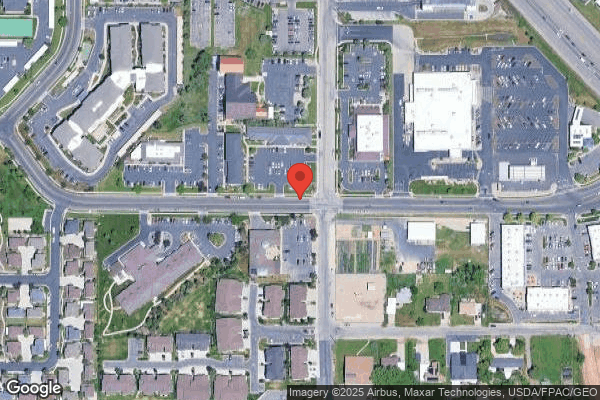
1497 East Skyline Drive, Ogden, UT 84405 (801) 689-1600
For profit - Limited Liability company 30 Beds ADVANCED HEALTH CARE Data: November 2025
Trust Grade
90/100
#16 of 97 in UT
Last Inspection: April 2025

Within standard 12-15 month inspection cycle. Federal law requires annual inspections.

Overview

Pine View Transitional Rehab in Ogden, Utah, has an excellent Trust Grade of A, indicating it is highly recommended and performing well overall. It ranks #16 out of 97 nursing homes in Utah, placing it in the top half of facilities statewide, and is the best option among 10 facilities in Weber County. However, its trend is concerning as the number of issues found during inspections has increased from 1 in 2021 to 3 in 2025. Staffing is a strength, with a good rating of 4 out of 5 stars and a turnover rate of 42%, which is better than the state average, indicating stability among staff members. On the downside, there have been some specific incidents of concern, including a resident not receiving necessary assistive devices for bed mobility and a report of a nurse yelling at a resident, which was not properly investigated, highlighting potential issues with communication and care.

Trust Score
A
90/100
In Utah
#16/97
Top 16%
Safety Record
Low Risk
No red flags
Inspections
Getting Worse
1 → 3 violations
Staff Stability
○ Average
42% turnover. Near Utah's 48% average. Typical for the industry.
Penalties
✓ Good
No fines on record. Clean compliance history, better than most Utah facilities.
Skilled Nurses
✓ Good
Each resident gets 114 minutes of Registered Nurse (RN) attention daily — more than 97% of Utah nursing homes. RNs are the most trained staff who catch health problems before they become serious.
Violations
✓ Good
Only 4 deficiencies on record. Cleaner than most facilities. Minor issues only.
★★★★★
5.0
Overall Rating
★★★★☆
4.0
Staff Levels
★★★★★
5.0
Care Quality
★★★★★
5.0
Inspection Score
Stable
2021: 1 issues
2025: 3 issues

The Good

  • 4-Star Staffing Rating · Above-average nurse staffing levels
  • 5-Star Quality Measures · Strong clinical quality outcomes
  • Full Sprinkler Coverage · Fire safety systems throughout facility
  • No fines on record
  • Staff turnover below average (42%)

    6 points below Utah average of 48%

Facility shows strength in staffing levels, quality measures, fire safety.

The Bad

Staff Turnover: 42%

Near Utah avg (46%)

Typical for the industry

Chain: ADVANCED HEALTH CARE

Part of a multi-facility chain

Ask about local staffing decisions and management

The Ugly 4 deficiencies on record

Apr 2025 3 deficiencies
CONCERN (D) 📢 Someone Reported This

A family member, employee, or ombudsman was alarmed enough to file a formal complaint

Potential for Harm - no one hurt, but risky conditions existed

Deficiency F0558 (Tag F0558)

Could have caused harm · This affected 1 resident

**NOTE- TERMS IN BRACKETS HAVE BEEN EDITED TO PROTECT CONFIDENTIALITY** Based on observation, interview and record review the facility failed to provide reasonable accommodations of needs and preferen...

Read full inspector narrative →
**NOTE- TERMS IN BRACKETS HAVE BEEN EDITED TO PROTECT CONFIDENTIALITY** Based on observation, interview and record review the facility failed to provide reasonable accommodations of needs and preferences except when to do so would endanger the health or safety of resident or other residents for 1 of 15 sampled residents. Specifically, a resident was not provided assistive devices for bed mobility. Resident identifier: 13. Findings include: Resident 13 was admitted to the facility on 2/21//25 with diagnoses which included type 2 diabetes mellitus, chronic wounds and wedge compression fracture of second lumbar vertebra. On 4/14/25 at 9:32 AM, an interview was conducted with resident 13. Resident 13 stated he used a rail at another facility that helped him with repositioning in bed. Resident 13 stated he had asked CNAs, nurses, and therapy staff about a rail but was told the state did not allow them. Resident 13 stated it would be helpful with repositioning in bed and sitting on the side of the bed. Resident 13 stated there were not always 2 staff member when changing his brief and he felt nervous without a positioning bar. An admission Minimum Data Set, dated [DATE] revealed resident 13 had limited range of motion to to both sides of his upper extremity. Resident 13 required partial/moderate assistance with the helper providing less than half the effort for roll left to right, sit to lying position, lying to sitting on the side of the bed and sit to stand. Resident 13 had Brief Interview for Mental Status score of 14 out of 15 indicating cognition was intact. A care plan dated 12/20/24 during the prior admission revealed resident 13 required and received staff assistance with activities of daily living (ADL) related to limited mobility, generalized weakness wounds and neuropathy. The goal was resident 13 would increase strength and endurance. Approaches included functional mobility would improve throughout the patient's stay, Staff to allow for and encourage patient choices and preferences and Staff to encourage independence / participation with ADLs as able. On 4/16/25 at 2:18 PM, a follow up interview was conducted with resident 13. Resident 13 stated when he turned onto his side, it would help for him to have a positioning bar. Resident 13 stated he had asked Certified Nursing Assistants (CNA), nurses and therapy for something to help him with bed mobility but was told side rails and bed canes were illegal. Resident 13 stated when he was rolled to his side he was afraid he would fall off of the bed. Resident 13 stated he felt it was harder for staff when he was unable to help with an assistive device. Resident 13 stated CNAs opened the top drawer to the night stand next to his bed and he held onto that when he was on his side. Resident 13 stated he tried to use the overbed table but it rolled away and was dangerous. Resident 13 stated when he rolled to his other side he used his walker against the bed to hold onto to reposition. Resident 13 stated the walked moved so it was not stable. An observation was made of resident 13 positioning the walker while lying in bed against the bed to hold the handle to reposition. The walker was observed to move. Resident 13 stated CNAs tried their best to help me feel secure but it would be nice if he could reposition himself with an assistive devices while in bed. On 4/15/25 at 2:39 PM, an interview was conducted with the Director of Rehab (DOR). The DOR stated resident 13 had some bed mobility with minimal assistance. The DOR stated resident 13 did not get out of bed very often for therapy and refused therapy 2-3 times per week. The DOR stated resident 13 had not asked for anything to help him reposition in bed. The DOR stated he did not think of a bed cane because the facility did not allow them. The DOR stated as we were talking the facility had trapeze's that could be used for bed mobility and that might help him with lift up in bed but not side to side. On 4/16/25 at 1:44 PM, an interview was conducted with Registered Nurse (RN) 1. RN 1 stated the admitting nurse reviewed discharge instructions to determine how much assistance residents needed with ADL's. RN 1 stated therapy completed an evaluation the next day and provided staff with information on what ADL assistance a resident needed. RN 1 stated there had not been any reports of resident 13 requesting an assistive device for bed mobility. RN 1 stated resident 13 was unable to readjust himself while in bed. RN 1 stated resident 13 was alert and oriented and able to use his call light for staff assistance. RN 1 stated a bed cane or repositioning bar would be considered a restraint, so they were not allowed in the building. On 4/16/25 at 1:52 PM, an interview was conducted with CNA 1. CNA 1 stated resident 13 required 1 to 2 person extensive assistance with bed mobility. CNA 1 stated he can shimmy himself up in bed a little bit and required assistance of a CNA to roll in bed. CNA 1 stated resident 13 having a positioning device maybe helpful because she had resident 13 hold onto an open drawer of the night stand to stabilize himself when he was rolled onto his side. CNA 1 stated a bed cane or positioning device might be helpful to pull himself upward in bed. CNA 1 stated during a previous admission resident 13 put his hands over his head and pulled himself up in bed by the head board. CNA 1 stated resident 13 did not have strength for that anymore. CNA 1 stated they had not notified therapy or nursing that they were having resident 13 use the night stand drawer. On 4/16/25 at 2:28 PM, an interview was conducted with CNA 2. CNA 2 stated when resident 13 was being rolled he held onto the towel around his neck to support his neck. CNA 2 stated resident 13 held onto the night stand drawer or the walker depending on the side. CNA 2 stated those supported and made him feel more comfortable. CNA 2 stated resident 13 liked to have another staff member on the side to hold onto. CNA 2 stated if resident 13 had an assistive device, they felt like it would help with with adjusting form side to side when in bed. CNA 2 stated they felt like it would be hard not have something to hold onto when repositioning in bed. On 4/16/25 at 1:59 PM, an interview was conducted with the Director of Nursing (DON). The DON stated repositioning devices for the facility included a trapeze, wedge pillows, a draw sheet to reposition and pillows. The DON stated they were a Restraint free facility because it was corporate policy. The DON stated therapy determined if a resident needed a trapeze. The DON stated resident 13 required 2 staff member to reposition him in bed. The DON stated resident 13 sometimes asked to hold onto the drawer to for comfort when he was on his side. On 4/16/25 at 2:05 PM, a follow up interview was conducted with the Director of Rehab (DOR). The DOR stated resident 13 had improved with bed mobility from moderate assistance to minimum assistance with bed mobility since admission. The DOR stated the trapeze might help scooting up in bed but not moving side to side. The DOR stated there should be a staff member for resident 13 to hold onto when he was rolled onto his side. The DOR stated resident 13 had not requested an assistive device. On 4/16/25 at 2:12 PM, an interview was conducted with the [NAME] President of Clinical Operations (VPCO). The VPCO stated a bed cane and side rails were a restraint according to corporate policy. The VPCO stated anything that had a risk for entrapment was not used because they were a restraint free company. The VPCO stated there was an assessment that could be done for the bed cane if a resident was insistent on that. The VPCO stated CNAs repositioned resident 13 using a draw sheet and he had declined a trapeze.
CONCERN (D)

Potential for Harm - no one hurt, but risky conditions existed

Report Alleged Abuse (Tag F0609)

Could have caused harm · This affected 1 resident

**NOTE- TERMS IN BRACKETS HAVE BEEN EDITED TO PROTECT CONFIDENTIALITY** Based on interview and record review the facility failed to report an allegation abuse or neglect to the State Survey Agency imm...

Read full inspector narrative →
**NOTE- TERMS IN BRACKETS HAVE BEEN EDITED TO PROTECT CONFIDENTIALITY** Based on interview and record review the facility failed to report an allegation abuse or neglect to the State Survey Agency immediately, for 1 of 15 sampled residents. Specifically, an allegation was not reported when a resident reported a nurse yelled at him. Resident identifier: 13. Findings include: Resident 13 was admitted to the facility on [DATE] with diagnoses which included type 2 diabetes mellitus, chronic wounds, osteomyelitis, and wedge compression fracture of second lumbar vertebra. On 4/14/25 at 9:32 AM, an interview was conducted with resident 13. Resident 13 stated he had to wait for an hour for assistance one night and he was yelling out as loud as he could to get staff attention to assist him in changing his brief. Resident 13 stated a nurse came into his room and yelled Why are you yelling? Resident 13 stated he talked to management about the nurse yelling at him. Resident 13 stated he felt like they were non-caring and then he felt screw it all, I don't care. Resident 13 stated the manager sat with him and listened to his story. On 4/16/25 at 2:21 PM, a follow up interview was conducted with resident 13. Resident 13 stated he pushed his call light and it was going off for almost an hour and then he started yelling. Resident 13 stated a nurse finally came in and yelled What are you yelling for? in a gruff mean tone. Resident 13 stated the nurse told him there was an emergency but he did not know that. Resident 13 stated the nurse was really loud and she should not do that to him. Resident 13 stated he did not know what else to do. Resident 13 stated he talked to the person in charge of everything and he had not worked with that nurse since. Resident 14 stated sometimes he has trouble breathing so he was worried about the call light not being answered. Resident 13's medical record was reviewed 4/14/25 through 4/16/25. There was no information located in resident 13's medical record about the incident. On 4/15/25 at 7:30 AM, an interview was conducted with the Administrator in Training (AIT) and the Director of Nursing (DON) stated there were no abuse or neglect reports. On 4/15/25 at 1:39 PM, an interview was conducted with the Director of Nursing (DON). The DON stated she was notified that resident 13 complained of a night shift nurse. The DON stated resident 13 stated the nurse yelled at him when she entered his room. The DON stated when she investigated what happened the night of 4/10/25 into the morning of 4/11/25, she found there were was an emergency that night so it took longer for resident 13's call light to be answered. The DON stated she talked to the nurse who stated resident 13 waited about 30 minutes for cares because of the emergency with another resident. The DON stated resident 13 was yelling because he was unable to find his call light and was anxious for waiting to long. The DON stated she called the nurse who stated they did not yell at resident 13 but resident 13 was yelling. The DON stated resident 13 originally stated the nurse yelled at him and there was a Certified Nursing Assistant (CNA) there also. The DON stated resident 13 reported he told the nurse thank you but he did not want to be treated that way because he was important. The DON stated with the original report she would have considered it possibly abuse but after talking to the nurse it was determined not to be. The DON stated she had not followed up with resident 13 since the initial interview. On 4/15/25 at 1:45 PM, an interview was conducted with the AIT. The AIT stated he talked to resident 13 on 4/11/25 and resident 13 was explaining that the call light was going a little to long. The AIT stated he provided education on not rushing through cares with residents to the CNA's. The AIT stated he was not aware resident 13 stated a nurse yelled at him. The AIT stated the incident was not reported to the State Survey Agency because he did not think to report it and write down an investigation. The AIT stated he was the staff member responsible for reporting allegations of abuse to the State Survey Agency. On 4/15/25 at 1:50 PM, an interview was conducted with the Regional Director of Operations (RDO). The RDO stated this event needed to be verified and it was maybe a misunderstanding and needed to be investigated. The RDO stated he would need to interview the resident and determine the allegations because yelling meant different things. The RDO stated if he felt there was verbal abuse then it would be reported to the State Survey Agency. The RDO stated there was a fine line of what verbal abuse was. The RDO stated verbal abuse needed to be derogatory to the resident and the nurse did not attack the patient about anything. The facility provided a grievance regarding resident 13 dated 4/15/25 which revealed the compliment/concern report to: Long call light time with complaint of raised voice by nurse. The concern using factual terms revealed Patient states that on the evening of 4/10-4/11 he waited an hour for the nurse to respond to his call light and started yelling, he states nurse came in with an aide and yelled 'What are you yelling about.' Patient expressed frustration with negative response by staff. The resolution of concern revealed patient was told of conversation with staff, he expressed gratitude and stated he 'just didn't want to be treated that way'. The form was signed. Additional information provided via email on 4/17/25 revealed the definitions of abuse with examples of abuse which included yelling or hovering over a resident, with the intent to intimidate. The facility policy revealed verbal abuse as oral, written, or gestured language that included disparaging and derogatory terms to patients and their families. The Administrator and DON completed an investigation of the incident including a written summary of the finding no later than five working day of the report. It should be noted the grievance was not started until after the Surveyor inquired about the incident.
CONCERN (D)

Potential for Harm - no one hurt, but risky conditions existed

Investigate Abuse (Tag F0610)

Could have caused harm · This affected 1 resident

**NOTE- TERMS IN BRACKETS HAVE BEEN EDITED TO PROTECT CONFIDENTIALITY** Based on interview and record review the facility failed to thoroughly investigate an allegation of abuse or neglect, for 1 of 1...

Read full inspector narrative →
**NOTE- TERMS IN BRACKETS HAVE BEEN EDITED TO PROTECT CONFIDENTIALITY** Based on interview and record review the facility failed to thoroughly investigate an allegation of abuse or neglect, for 1 of 15 sampled residents. Specifically, an allegation of a nurse yelling at a resident was not investigated. Resident identifier: 13. Findings include: Resident 13 was admitted to the facility on [DATE] with diagnoses which included type 2 diabetes mellitus, chronic wounds, osteomyelitis, and wedge compression fracture of second lumbar vertebra. On 4/14/25 at 9:32 AM, an interview was conducted with resident 13. Resident 13 stated he had to wait for an hour for assistance one night and he was yelling out as loud as he could to get staff attention to assist him in changing his brief. Resident 13 stated a nurse came into his room and yelled Why are you yelling? Resident 13 stated he talked to management about the nurse yelling at him. Resident 13 stated he felt like they were non-caring and then he felt screw it all, I don't care. Resident 13 stated the manager sat with him and listened to his story. On 4/16/25 at 2:21 PM, a follow up interview was conducted with resident 13. Resident 13 stated he pushed his call light and it was going off for almost an hour and then he started yelling. Resident 13 stated a nurse finally came in and yelled What are you yelling for? in a gruff mean tone. Resident 13 stated the nurse told him there was an emergency but he did not know that. Resident 13 stated the nurse was really loud and she should not do that to him. Resident 13 stated he did not know what else to do. Resident 13 stated he talked to the person in charge of everything and he had not worked with that nurse since. Resident 14 stated sometimes he has trouble breathing so he was worried about the call light not being answered. Resident 13's medical record was reviewed 4/14/25 through 4/16/25. There was no information located in resident 13's medical record about the incident. On 4/15/25 at 7:30 AM, an interview was conducted with the Administrator in Training (AIT) and the Director of Nursing (DON) stated there were no abuse or neglect reports and no investigations. On 4/15/25 at 1:39 PM, an interview was conducted with the Director of Nursing (DON). The DON stated she was notified that resident 13 complained of a night shift nurse. The DON stated resident 13 stated the nurse yelled at him when she entered his room. The DON stated when she investigated what happened the night of 4/10/25 into the morning of 4/11/25, she found there were was an emergency that night so it took longer for resident 13's call light to be answered. The DON stated she talked to the nurse who stated resident 13 waited about 30 minutes for cares because of the emergency with another resident. The DON stated resident 13 was yelling because he was unable to find his call light and was anxious for waiting too long. The DON stated the nurse stated they did not yell at resident 13 but resident 13 was yelling. The DON then stated that resident 13 originally stated the nurse yelled at him and there was a Certified Nursing Assistant (CNA) there also. The DON stated resident 13 reported he told the nurse thank you but he did not want to be treated that way because he was important. The DON stated with the original report she would have considered it possibly abuse but after talking to the nurse it was determined not to be. The DON stated she had not followed up with resident 13 since the initial interview. On 4/15/25 at 1:45 PM, an interview was conducted with the AIT. The AIT stated he talked to resident 13 on 4/11/25 and resident 13 was explaining that the call light was going a little to long. The AIT stated he provided education to CNA's about not rushing through cares with residents. The AIT stated he was not aware resident 13 stated a nurse yelled at him. The AIT stated the incident was not reported to the State Survey Agency because he did not think to report it and write down an investigation. The AIT stated he was the staff member responsible investigating allegations of abuse and he did not have an investigation. On 4/15/25 at 1:50 PM, an interview was conducted with the Regional Director of Operations (RDO). The RDO stated this event needed to be verified and it was maybe a misunderstanding and needed to be investigated. The RDO stated he would need to interview the resident and determine the allegations because yelling meant different things. The RDO stated if he felt there was verbal abuse then it would be investigated and reported to the State Survey Agency. The RDO stated there was a fine line of what verbal abuse was. The RDO stated verbal abuse needed to be derogatory to the resident and the nurse did not verbally attack the patient. The facility provided a grievance regarding resident 13 dated 4/15/25 which revealed the compliment/concern report to: Long call light time with complaint of raised voice by nurse. The concern using factual terms revealed Patient states that on the evening of 4/10-4/11 he waited an hour for the nurse to respond to his call light and started yelling, he states nurse came in with an aide and yelled 'What are you yelling about.' Patient expressed frustration with negative response by staff. The resolution of concern revealed patient was told of conversation with staff, he expressed gratitude and stated he 'just didn't want to be treated that way'. The form was signed. It should be noted the grievance was not started until after the Surveyor inquired about the incident. Additional information provided via email on 4/17/25 revealed the definitions of abuse with examples of abuse which included yelling or hovering over a resident, with the intent to intimidate. The facility policy revealed verbal abuse as oral, written, or gestured language that included disparaging and derogatory terms to patients and their families. The Administrator and DON completed an investigation of the incident including a written summary of the finding no later than five working day of the report.
Dec 2021 1 deficiency
CONCERN (D)

Potential for Harm - no one hurt, but risky conditions existed

Comprehensive Care Plan (Tag F0656)

Could have caused harm · This affected 1 resident

**NOTE- TERMS IN BRACKETS HAVE BEEN EDITED TO PROTECT CONFIDENTIALITY** Based on observation, interview and record review the facility did not develop and implement a comprehensive person-centered car...

Read full inspector narrative →
**NOTE- TERMS IN BRACKETS HAVE BEEN EDITED TO PROTECT CONFIDENTIALITY** Based on observation, interview and record review the facility did not develop and implement a comprehensive person-centered care plan for each resident that includes measurable objectives and timeframes to meet the resident's medical and nursing needs that are identified in the comprehensive assessment. Specifically, a resident's care plan did not include objectives and interventions related to the resident's urinary tract infection that was treated in the facility. This occurred for 1 of 18 sampled residents. Resident identifier: 36. Findings include: Resident 36 was admitted on [DATE] with diagnoses that included hypertensive emergency, chronic congestive heart disease, type 2 diabetes mellitus with diabetic chronic kidney disease, urinary tract infection, overactive bladder and functional urinary incontinence. On 12/13/21 at 10:46 AM, resident 36 was observed sitting in a recliner in her room. Resident 36 stated that she thought she may have had a urinary tract infection (UTI). On 12/14/21 resident 36's medical record was reviewed. Resident 36's admitting Minimum Data Set (MDS) comprehensive assessment dated [DATE] revealed that resident 36 was frequently incontinent, was on a toileting program, and had been diagnosed with a UTI in the last 30 days. On 11/22/21 at 5:00 AM, resident 36 complained of stroke-like symptoms. At 5:40 AM resident 36 was sent to the hospital. On 11/22/21 at 1:09 PM, resident returned to the facility from the hospital's emergency room following evaluation with a new order for Levaquin 500 mg (milligram) daily by mouth for 7 days for a UTI. The Levaquin antibiotic was started 11/22/21 and was stopped on 11/29/21. Daily progress notes revealed resident 36 received the oral Levaquin antibiotic without any adverse symptoms or reactions. On 12/3/21, resident 36 had increased lethargy and confusion. Resident 36 was evaluated by the house NP (Nurse Practitioner), who was in the facility. Labs were ordered and Bactrim DS (double strength) (sulfamethoxazole-trimethoprim) 800-160 mg twice a day by mouth for 7 days was ordered for resident 36's UTI. The Bactrim DS antibiotic was started 12/3/21 and was stopped 12/10/21. On 12/4/21, resident 36's UA (urinalysis) revealed WBC (whole blood cells) greater than 100,000 CFU/mL (colony forming units per milliliter) Lactobacillus species. [Note: A UA with WBCs greater than 100,000 colonies/ml represents a UTI.] Daily progress notes revealed resident 36 received the oral Bactrim DS antibiotic without any adverse symptoms or reactions. On 12/14/21, a review of resident 36's care plan revealed no problems related to resident 36's UTI. On 12/14/21 at 12:34 PM, an interview was conducted with Registered Nurse (RN) 1. RN 1 stated that new or updated care plan interventions are communicated daily during their morning meetings. RN 1 was not sure how resident care plans were initiated or updated. On 12/15/21 at 12:43 PM an interview was conducted with the facility's Director of Nursing (DON). The DON stated he reviews daily messages regarding resident cares from the facility's electronic medical record (EMR). The DON stated some of the EMR messages are antibiotic orders, which he reviews to determine if the resident has an appropriate diagnosis for the antibiotic ordered. The DON further stated he then creates an Infection Event, which is forwarded to the facility's Infection Preventionist to review and close. The DON stated that new orders are sent to the facility's MDS Coordinator, who then initiates and updates residents' care plans. The DON stated that if a resident had a UTI, which was treated with an antibiotic, that it should have been added to the resident's care plan. On 12/15/21 at 12:49 PM an interview was conducted with the facility's MDS Coordinator. The MDS Coordinator stated that if a resident was treated with antibiotics for a UTI that she would have added that to the resident's care plan. Resident 36's care plan was reviewed with the MDS Coordinator and the MDS Coordinator acknowledged that resident 36's UTI cares were not part of her care plan. The MDS Coordinator stated it was missed.
Understanding Severity Codes (click to expand)
Life-Threatening (Immediate Jeopardy)
J - Isolated K - Pattern L - Widespread
Actual Harm
G - Isolated H - Pattern I - Widespread
Potential for Harm
D - Isolated E - Pattern F - Widespread
No Harm (Minor)
A - Isolated B - Pattern C - Widespread

Questions to Ask on Your Visit

  • "Can I speak with families of current residents?"
  • "What's your RN coverage like on weekends and overnight?"

Our Honest Assessment

Strengths
  • • Grade A (90/100). Above average facility, better than most options in Utah.
  • • No major safety red flags. No abuse findings, life-threatening violations, or SFF status.
  • • No fines on record. Clean compliance history, better than most Utah facilities.
  • • Only 4 deficiencies on record. Cleaner than most facilities. Minor issues only.
Concerns
  • • No significant concerns identified. This facility shows no red flags across CMS ratings, staff turnover, or federal penalties.
Bottom line: Generally positive indicators. Standard due diligence and a personal visit recommended.

About This Facility

What is Pine View Transitional Rehab's CMS Rating?

CMS assigns Pine View Transitional Rehab an overall rating of 5 out of 5 stars, which is considered much above average nationally. Within Utah, this rating places the facility higher than 99% of the state's 100 nursing homes. This rating reflects solid performance across the metrics CMS uses to evaluate nursing home quality.

How is Pine View Transitional Rehab Staffed?

CMS rates Pine View Transitional Rehab's staffing level at 4 out of 5 stars, which is above average compared to other nursing homes. Staff turnover is 42%, compared to the Utah average of 46%. This relatively stable workforce can support continuity of care.

What Have Inspectors Found at Pine View Transitional Rehab?

State health inspectors documented 4 deficiencies at Pine View Transitional Rehab during 2021 to 2025. These included: 4 with potential for harm.

Who Owns and Operates Pine View Transitional Rehab?

Pine View Transitional Rehab is owned by a for-profit company. For-profit facilities operate as businesses with obligations to shareholders or private owners. The facility is operated by ADVANCED HEALTH CARE, a chain that manages multiple nursing homes. With 30 certified beds and approximately 27 residents (about 90% occupancy), it is a smaller facility located in Ogden, Utah.

How Does Pine View Transitional Rehab Compare to Other Utah Nursing Homes?

Compared to the 100 nursing homes in Utah, Pine View Transitional Rehab's overall rating (5 stars) is above the state average of 3.4, staff turnover (42%) is near the state average of 46%, and health inspection rating (5 stars) is much above the national benchmark.

What Should Families Ask When Visiting Pine View Transitional Rehab?

Based on this facility's data, families visiting should ask: "Can I visit during a mealtime to observe dining assistance and food quality?" "How do you handle medical emergencies, and what is your hospital transfer rate?" "Can I speak with family members of current residents about their experience?"

Is Pine View Transitional Rehab Safe?

Based on CMS inspection data, Pine View Transitional Rehab has a clean safety record: no substantiated abuse findings (meaning no confirmed cases of resident harm), no Immediate Jeopardy citations (the most serious violation level indicating risk of serious injury or death), and is not on the Special Focus Facility watch list (a federal program monitoring the lowest-performing 1% of nursing homes). The facility has a 5-star overall rating and ranks #1 of 100 nursing homes in Utah. While no facility is perfect, families should still ask about staff-to-resident ratios and recent inspection results during their visit.

Do Nurses at Pine View Transitional Rehab Stick Around?

Pine View Transitional Rehab has a staff turnover rate of 42%, which is about average for Utah nursing homes (state average: 46%). Moderate turnover is common in nursing homes, but families should still ask about staff tenure and how the facility maintains care continuity when employees leave.

Was Pine View Transitional Rehab Ever Fined?

Pine View Transitional Rehab has no federal fines on record. CMS issues fines when nursing homes fail to meet care standards or don't correct problems found during inspections. The absence of fines suggests the facility has either maintained compliance or corrected any issues before penalties were assessed. This is a positive indicator, though families should still review recent inspection reports for the full picture.

Is Pine View Transitional Rehab on Any Federal Watch List?

Pine View Transitional Rehab is not on any federal watch list. The most significant is the Special Focus Facility (SFF) program, which identifies the bottom 1% of nursing homes nationally based on persistent, serious quality problems. Not being on this list means the facility has avoided the pattern of deficiencies that triggers enhanced federal oversight. This is a positive indicator, though families should still review the facility's inspection history directly.