Rocky Mountain Care - Riverton
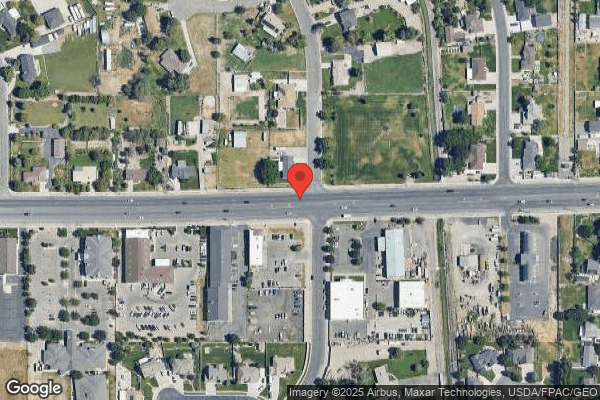
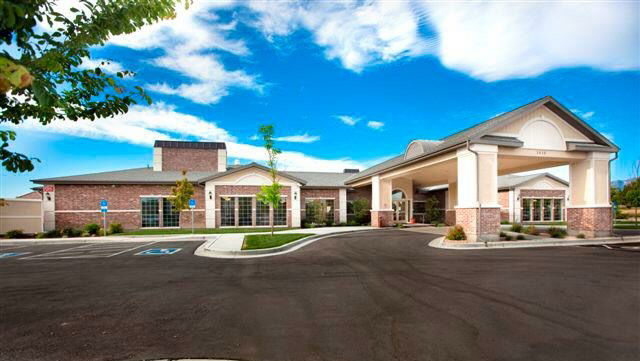
3419 West 12600 South, Riverton, UT 84065 (801) 693-3900
Non profit - Corporation 40 Beds ROCKY MOUNTAIN CARE Data: November 2025
Trust Grade
65/100
#38 of 97 in UT
Last Inspection: September 2024

Within standard 12-15 month inspection cycle. Federal law requires annual inspections.

Overview

Rocky Mountain Care - Riverton has a Trust Grade of C+, which means it is considered decent and slightly above average among nursing homes. It ranks #38 out of 97 facilities in Utah, placing it in the top half of the state, and #15 out of 35 in Salt Lake County, indicating only a few local options are better. However, the facility's trend is worsening, as it went from 4 issues in 2023 to 5 in 2024. Staffing is a strength here, with a 4 out of 5 stars rating and a turnover rate of 51%, which is on par with the state average. Unfortunately, the facility has incurred $33,212 in fines, which is concerning and higher than 88% of other Utah facilities, indicating potential compliance issues. While the facility has good RN coverage, ranking higher than 96% of Utah facilities, there have been specific incidents that raise concerns. For instance, a resident with a known allergy was given medication that caused an emergency situation, and another resident's medication was not administered properly. Additionally, there are issues regarding food safety practices, such as the failure to employ a qualified dietitian and problems with the dishwashing sanitation process. Overall, while there are strengths in staffing and RN coverage, these serious incidents highlight significant areas for improvement.
Trust Score
C+
65/100
In Utah
#38/97
Top 39%
Safety Record
Moderate
Needs review
Inspections
Getting Worse
4 → 5 violations
Staff Stability
⚠ Watch
51% turnover. Above average. Higher turnover means staff may not know residents' routines.
Penalties
○ Average
$33,212 in fines. Higher than 70% of Utah facilities. Some compliance issues.
Skilled Nurses
✓ Good
Each resident gets 110 minutes of Registered Nurse (RN) attention daily — more than 97% of Utah nursing homes. RNs are the most trained staff who catch health problems before they become serious.
Violations
⚠ Watch
17 deficiencies on record. Higher than average. Multiple issues found across inspections.
★★★★☆
4.0
Overall Rating
★★★★☆
4.0
Staff Levels
★★★★★
5.0
Care Quality
★★★☆☆
3.0
Inspection Score
Stable
2023: 4 issues
2024: 5 issues

The Good

  • 4-Star Staffing Rating · Above-average nurse staffing levels
  • 5-Star Quality Measures · Strong clinical quality outcomes
  • Full Sprinkler Coverage · Fire safety systems throughout facility
  • No fines on record

Facility shows strength in staffing levels, quality measures, fire safety.

The Bad

Staff Turnover: 51%

Near Utah avg (46%)

Higher turnover may affect care consistency

Federal Fines: $33,212

Below median ($33,413)

Moderate penalties - review what triggered them

Chain: ROCKY MOUNTAIN CARE

Part of a multi-facility chain

Ask about local staffing decisions and management

The Ugly 17 deficiencies on record

1 actual harm
Sept 2024 5 deficiencies
CONCERN (D)

Potential for Harm - no one hurt, but risky conditions existed

Incontinence Care (Tag F0690)

Could have caused harm · This affected 1 resident

**NOTE- TERMS IN BRACKETS HAVE BEEN EDITED TO PROTECT CONFIDENTIALITY** Based on observation, interview, and record review, the facility did not ensure that a resident who was incontinent of bladder r...

Read full inspector narrative →
**NOTE- TERMS IN BRACKETS HAVE BEEN EDITED TO PROTECT CONFIDENTIALITY** Based on observation, interview, and record review, the facility did not ensure that a resident who was incontinent of bladder received appropriate treatment and services to prevent urinary tract infections and to restore continence to the extent possible. Specifically, for 1 out of 22 sampled residents, a resident had a urinary catheter without a physician's order. Resident identifier: 180. Findings included: Resident 180 was admitted to the facility on [DATE] with diagnoses which included encounter for other orthopedic aftercare, diffuse large B-cell lymphoma, lymph nodes of head, face, and neck, other acute postprocedural pain, cellulitis of right lower limb, muscle weakness, obstructive sleep apnea, fracture of shaft of right fibula, subsequent encounter for closed fracture with routine healing, fracture of shaft of right tibia, subsequent encounter for closed fracture with routine healing, heart failure, venous insufficiency, hypothyroidism, hyperlipidemia, dementia, unspecified severity, without behavioral disturbance, psychotic disturbance, mood disturbance, and anxiety, bipolar disorder. On 9/23/24 at 10:39 AM, at interview was conducted with resident 180. Resident 180 stated she was unsure how long she has had the catheter. Resident 180 was observed to point in the direction of a whiteboard on the wall and stated that there was a note on the whiteboard from her daughter, who was a Nurse Practitioner. The whiteboard was observed and the writing in the right upper corner of the whiteboard read, Take out catheter before she gets an infection. Resident 180 stated she had no pain, burning or itching from the catheter. The catheter was observed to be hanging on the bed lower than the resident, tubing and bag observed to be clean, no sediment observed in the urine. Resident 180's medical record was reviewed on 9/23/24 through 9/26/24. A physician's order for a urinary catheter was not located in the medical record. No care plan entries for a urinary catheter or catheter care were located in the medical record. The hospital discharge notes dated 9/11/24, were reviewed and revealed that resident 180 was discharged with an Indwelling Urinary Catheter 9/10/24 Latex 16 Fr [French]. The Nurse to Nurse Report Sheet dated 9/11/24, documented resident 180 was admitted with a Foley catheter due to NWB [non-weight bearing] status that was last changed on 9/9/24. Point of care history dated 9/11/24, documented resident 180 had a urinary catheter and was incontinent of urine. A Daily Skilled Charting note dated 9/12/24, documented that resident 180 did not have any genitourinary appliances. On 9/25/24 at 9:33 AM, an interview was conducted with Certified Nursing Assistant (CNA) 1. CNA 1 stated that resident 180 did really great and that she was a minimal assist. CNA 1 stated resident 180 had an unwillingness to do therapy and to get out of bed. CNA 1 stated resident 180 had a bladder infection right now and that she had a catheter. CNA 1 stated the CNAs did catheter care every shift, chart the amount of fluid we get out, and the peri area that we had done. CNA 1 stated whenever there was a new admit the nurse would get report if they had catheter. CNA 1 stated she was unsure if the nurses checked the catheter. CNA 1 stated she did not notice the note on resident 180's white board. CNA 1 stated resident 180 had not complained to her of any urinary discomfort. On 9/25/24 at 9:42 AM, an interview was conducted with Registered Nurse (RN) 2. RN 2 stated if a resident had a catheter they would have orders in the chart, it should be checked every shift by the nurse, the down drain bag should be changed weekly, and the catheter should be changed every month. Observation was made as RN 2 looked in resident 180's medical record and stated, There are no orders for a catheter or catheter care, so the nurses would not even know to look for it. RN 2 stated the admit nurse was supposed to verify the orders that central admitting put into the medical record and correct any that were not right, but it was agency so that was why it got missed. RN 2 stated resident 180 complained of burning on Monday and her urine was tested and showed an infection so she was started on antibiotics. RN 2 stated she did notice the note on the white board and that they were going to talk to the provider to see what she wanted them to do with the catheter. RN 2 stated they were not checking resident 180's catheter because it was not in the orders and they did not know it was there. On 9/26/24 at 10:44 AM, interview conducted with the Director of Nursing (DON). The DON stated central admitting put all the orders in for new admits and the floor nurse was expected to verify those orders were correct. The DON stated the Assistant Director of Nursing was the third check of the orders and the DON was the final check of the new patient orders, so she was unsure how resident 180's catheter order was missed. The DON stated there should have been an order for a catheter, catheter care, enhanced barrier precautions, and a care plan put into place. The DON stated resident 180 was missed, the CNAs were doing the catheter care but the order was missed. The DON stated it was the expectation the CNAs would do the cares and inform the nurses when the cares were completed. The DON stated the nurses did not do the cares. The DON stated she was unaware the family wanted the catheter removed and that they were not really sure how her catheter had gotten missed with all of the medical record checks.
CONCERN (D)

Potential for Harm - no one hurt, but risky conditions existed

Deficiency F0757 (Tag F0757)

Could have caused harm · This affected 1 resident

**NOTE- TERMS IN BRACKETS HAVE BEEN EDITED TO PROTECT CONFIDENTIALITY** Based on interview and record review, the facility did not ensure that each resident's drug regimen was free from unnecessary dr...

Read full inspector narrative →
**NOTE- TERMS IN BRACKETS HAVE BEEN EDITED TO PROTECT CONFIDENTIALITY** Based on interview and record review, the facility did not ensure that each resident's drug regimen was free from unnecessary drugs. An unnecessary drug was any drug when used in excessive dose; or for excessive duration; or without adequate monitoring; or without adequate indication for its use; or in the presence of adverse consequences which indicated that the dose should be reduced or discontinued. Specifically, for 1 out of 22 sampled residents, a resident's blood pressure (BP) support medication was administered outside of the physician's ordered parameters. Resident identifier: 21. Findings included: Resident 21 was admitted to the facility on [DATE] with diagnoses which included cellulitis of right lower limb, cellulitis of left lower limb, pressure ulcer of sacral region, localized edema, muscle weakness, infection and inflammatory reaction due to internal right knee prosthesis, chronic kidney disease, protein-calorie malnutrition, essential hypertension, acute on chronic combined systolic (congestive) and diastolic (congestive) heart failure, type 2 diabetes mellitus with unspecified complications, sepsis, organism-right shoulder, iron deficiency anemia secondary to blood loss, and chronic atrial fibrillation. Resident 21's medical record was reviewed on 9/23/24 through 9/26/24. A physician's order dated 8/11/24, documented, Midodrine tablet 5 mg [milligrams]; oral. Special instructions: Hypotension - Hold for systolic > [greater than] 100 with meals 08:00 [8:00 AM], 12:00 [PM], 17:30 [5:30 PM]. The August 2024 Medication Administration Record (MAR) was reviewed and revealed Midodrine was administered outside of parameters on the following dates: a. On 8/13/24 at 5:50 PM, BP 134/46 b. On 8/19/24 at 8:00 AM, BP 132/60 c. On 8/19/24 at 12:00 PM, BP 132/60 d. On 8/20/24 at 8:00 AM, BP 125/57 e. On 8/20/24 at 12:30 PM, BP 129/41 f. On 8/23/24 at 5:30 PM, BP 117/52 g. On 8/24/24 at 8:00 AM, BP 148/57 h. On 8/24/24 at 12:30 PM, BP 148/57 i. On 8/25/24 at 5:30 PM, BP 119/53 j. On 8/27/24 at 5:30 PM, BP 135/52 k. On 8/28/24 at 8:00 AM, BP 160/57 l. On 8/30/24 at 8:00 AM, BP 121/57 m. On 8/30/24 at 12:00 PM, BP 121/57 n. On 8/30/24 at 5:30 PM, BP 121/57 The September 2024 MAR was reviewed and revealed Midodrine was administered outside of parameters on the following dates: a. On 9/1/24 at 8:00 AM, BP 124/62 b. On 9/1/24 at 12:00 PM, BP 116/81 c. On 9/1/24 at 5:30 PM, BP 116/81 d. On 9/3/24 at 8:00 AM, BP 133/62 e. On 9/3/24 at 5:30 PM, BP 128/53 f. On 9/6/24 at 8:00 AM, BP 119/55 g. On 9/6/24 at 12:00 PM, BP 119/55 h. On 9/6/24 at 5:30 PM, BP 119/55 i. On 9/10/24 at 8:00 AM, BP 137/87 j. On 9/10/24 at 12:00 PM, BP 137/87 k. On 9/10/24 at 5:30 PM, BP 137/87 l. On 9/16/24 at 8:00 AM, BP 159/69 m. On 9/16/24 at 12:00 PM, BP 159/69 n. On 9/19/24 at 5:30 PM, BP 162/75 o. On 9/23/24 at 8:00 AM, BP 112/70 The September 2024 MAR was reviewed and revealed Midodrine was held on 9/22/24 at 8:00 AM, BP 96/74. The Midodrine should have been administered. On 9/23/24 at 10:45 AM, an interview was conducted with Registered Nurse (RN) 1. RN 1 stated some orders had parameters and each nurse should follow those parameters. RN 1 stated blood pressure medications sometimes had parameters and should only be given if they fall within the ordered parameters. RN 1 stated if a medication was held, they were supposed to call the provider to let them know. On 9/26/24 at 10:39 AM, an interview was conducted with the Director of Nursing (DON). The DON stated that with medications which had parameters the nurses were expected to follow those parameters. The DON stated the nurses were supposed to have given the medication within an hour, notify the provider if it was held, and enter a progress note in the medical record. The DON stated the nurses should have looked at the order and held the medication when the systolic blood pressure was more than 100 and should have given the medication when the systolic was less than 100.
CONCERN (E)

Potential for Harm - no one hurt, but risky conditions existed

Infection Control (Tag F0880)

Could have caused harm · This affected multiple residents

**NOTE- TERMS IN BRACKETS HAVE BEEN EDITED TO PROTECT CONFIDENTIALITY** Based on observation, interview, and record review, the facility did not establish an infection prevention and control program d...

Read full inspector narrative →
**NOTE- TERMS IN BRACKETS HAVE BEEN EDITED TO PROTECT CONFIDENTIALITY** Based on observation, interview, and record review, the facility did not establish an infection prevention and control program designed to provide a safe, sanitary, and comfortable environment and to help prevent the development and transmission of communicable diseases and infections. Specifically, for 3 out of 22 sampled residents, staff were not using the appropriate personal protective equipment (PPE) for residents on Enhanced Barrier Precautions (EBP). In addition, a resident with a physician's order for EBP did not have signage posted on their door and PPE was not readily available. Resident identifiers: 21, 84, and 85. Findings included: 1. Resident 21 was admitted to the facility on [DATE] with diagnoses which included, but were not limited to, pyogenic arthritis, cellulitis of right lower limb, cellulitis of left lower limb, pressure ulcer of sacral region stage 3, localized edema, infection and inflammatory reaction due to internal right knee prosthesis, chronic kidney disease, protein-calorie malnutrition, essential hypertension, type 2 diabetes mellitus, congestive heart failure, sepsis, and chronic atrial fibrillation. On 9/26/24 at 9:30 AM, an observation was made of resident 21's room. The PPE storage holder on the back side of the door was empty other than a roll of garbage bags. No gowns or masks were observed in resident 21's room. Resident 21's medical record was reviewed on 9/26/24. A physician's order dated 8/9/24, documented Enhanced Barrier Precautions r/t [related to] PICC [peripherally inserted central catheter] line Every Shift. The physician's order was open ended. A physician's order dated 8/9/24, documented Enhanced Barrier Precautions r/t Wound Every Shift. The physician's order was open ended. On 9/26/24 at 9:44 AM, an observation of resident 21's wound care was conducted with the Unit Manager (UM). The PPE storage holder on the back side of resident 21's door contained garbage bags and no other PPE. The UM was observed to donn surgical gloves and cleaned resident 21's coccyx wound with wound cleaner. The UM was observed to doff the soiled surgical gloves and applied alcohol based hand rub (abhr) to her hands prior to donning a new pair of surgical gloves. The UM was observed to pack the coccyx wound with a collagen patch and allginate silver dressing. The UM was observed to doff the soiled surgical gloves and applied abhr to her hands. The UM was observed to cover the coccyx wound with a dressing. An immediate interview was conducted. The UM stated that she would use EBP if the resident had a urinary catheter. The UM stated she would put on a surgical gown if resident 21's wound was bigger. The UM stated that resident 21's coccyx wound had been irrigated before and the Wound Nurse would put on a surgical gown and a mask. The UM stated that resident 21's coccyx wound had gotten smaller. The UM stated that every Wednesday the Wound Nurse Practitioner would come to the facility. The UM stated the Wound Nurse would do all the resident skin assessments. The UM stated that the Certified Nursing Assistants (CNA) would wear PPE for the EBP residents any time the CNAs were doing catheter cares and or cleaning a bowel movement. Resident 21's room was observed to have an ENHANCED BARRIER PRECAUTIONS stop sign on the outside of the door. The sign documented EVERYONE MUST: Clean their hands, including before entering and when leaving the room. PROVIDERS AND STAFF MUST ALSO: Wear gloves and a gown for the following High-Contact Resident Care Activities. Dressing, Bathing/Showering, Transferring, Changing Linens, Providing Hygiene, Changing briefs or assisting with toileting, Device care or use: central line, urinary catheter, feeding tube, tracheostomy, Wound Care: any skin opening requiring a dressing. Do not wear the same gown or gloves for the care of more than one person. The sign was endorsed by the United States Department of Health and Human Services Centers for Disease Control and Prevention (CDC). In addition, resident 21's room was observed to have a Multridrug-resistant organisms (MDRO) are a threat to our residents sign on the outside of the door. The sign documented Enhanced Barrier Precautions (EBP) Steps Perform Hand Hygiene Wear Gown Wear Gloves Dispose of Gown & Gloves in Room Use EBP during high-contact care activities for resident with: 1. Indwelling Medical Devices (e.g. central line, urinary catheter, feeding tube, tracheostomy/ventilator) 2. Wounds 3. Colonization or Infection with a MDRO Protect residents and stop the spread of germs. The sign was endorsed by the CDC. On 9/26/24 at 10:05 AM, an interview was conducted with CNA 2. CNA 2 stated that she was just told about the EBP. CNA 2 stated that she was told to make sure to have the surgical gown on for resident 21's wounds. CNA 2 stated that she was told to use a surgical gown for anything regarding resident 21's wound or anytime she went into resident 21's room. CNA 2 stated that she did not wear a surgical gown just now while she was providing cares to resident 21 because there were no surgical gowns in resident 21's room. CNA 2 stated that she was Agency and had worked with resident 21 before and did not know about the EBP. 2. Resident 84 was admitted to the facility on [DATE] with diagnoses which included, but were not limited to, aftercare following joint replacement surgery, repeated falls, urinary tract infection, fracture of unspecified part of neck of right femur, essential hypertension, and depression. Resident 84's medical record was reviewed on 9/24/24. A physician's order dated 9/23/24, documented Enhanced Barrier Precautions- wounds Every Shift DAY, NIGHT. The physician's order was open ended. On 9/24/24 at 9:50 AM, an observation was conducted of resident 84's room. There was no EBP signage posted on the door and PPE was not available. 3. Resident 85 was admitted to the facility on [DATE] with diagnoses which included, but were not limited to, encounter for other orthopedic aftercare left hip open reduction and internal fixation, thrombophilia, disorders of bladder, bladder distention, gross hematuria, metabolic encephalopathy, presence of prosthetic heart valve, elevation of levels of liver transaminase levels, gram-negative sepsis, essential hypertension, epilepsy, acute kidney failure, urinary tract infection, severe sepsis with septic shock, and fracture of left femur. On 9/23/24 at 1:50 PM, an observation was conducted or resident 85's room. Resident 85 was observed to have EBP signage on the outside of the room posted on the door. There was no PPE observed inside or outside of resident 85's room. Resident 85's medical record was reviewed on 9/24/24. A physician's order dated 9/23/24, documented Enhanced Barrier Precautions- catheter Every Shift DAY, NIGHT. The physician's order was open ended. On 9/26/24 at 9:31 AM, an observation was conducted of resident 85's room. A PPE storage holder was observed hanging on the back side of the door. The PPE storage holder contained one disposable surgical gown and clear garbage bags. On 9/23/24 at 10:06 AM, an interview was conducted with Registered Nurse (RN) 1. RN 1 stated they only needed to wear PPE when there was a sign on the door and if they change a dressing. On 9/26/24 at 9:20 AM, an interview was conducted with the UM. The UM stated that EBP were implemented when a resident had a urinary catheter, intravenous picc line, open wounds, or Coronavirus disease (COVID-19) . The UM stated if a resident had COVID-19 the facility had PPE bins that would be placed in front of the resident's room with signage. The State Survey Agency (SSA) Lead Surveyor observed the storage room with the UM where the PPE bins were stored. The UM stated that she thought resident 84's wounds were healed. The UM stated the wound nurse came to the facility everyday to assess resident wounds and new admissions. The SSA Lead Surveyor observed the PPE storage holder with the UM on the back side of resident room [ROOM NUMBER]. The PPE storage holder was observed to contain garbage bags and no other PPE. The UM stated the PPE storage holder for room [ROOM NUMBER] should contain surgical gowns. On 9/26/24 at 10:43 AM, an interview was conducted with the Director of Nursing (DON). The DON stated that EBP should be implemented for any patient that had an open wound, MDRO, picc line, Foley catheter, or any unnatural opening that should not be there on the body. The DON stated that staff should be gowned and gloved with any direct patient care. The DON stated the night shift CNAs were to stock the PPE storage holders every night. The DON stated that with the regular staff there was constant training and with Agency staff it was harder. The DON stated that staff were trained to keep their brains up to date and the staff should be passing those things along in report. The DON stated that resident 84 had scarring on the coccyx and the EBP was implemented for the surgical wound to resident 84's hip.
CONCERN (F)

Potential for Harm - no one hurt, but risky conditions existed

Deficiency F0801 (Tag F0801)

Could have caused harm · This affected most or all residents

Based on interview, the facility did not employ a clinically qualified full-time dietitian or another clinically qualified nutrition professional to serve as the director of nutrition services. Specif...

Read full inspector narrative →
Based on interview, the facility did not employ a clinically qualified full-time dietitian or another clinically qualified nutrition professional to serve as the director of nutrition services. Specifically, the facility did not employ a full time Registered Dietitian (RD) and the Dietary Manager (DM) did not meet the requirements to serve as the director of nutrition services. Findings included: On 9/23/24 at 8:51 AM, an initial walk-through of the kitchen was completed. An interview was conducted with the DM who stated she had not completed the training required to serve as the DM. The DM stated she was ServeSafe certified and had taken the RD consulting company's menu training. The DM stated the RD came to the facility every Wednesday, and was available by phone if she had questions or concerns. The DM stated the RD conducted a kitchen audit every week when she was in the facility, but she did not receive the information from those audits. On 9/25/24 at 10:11 AM, an interview was conducted with the RD. The RD stated that she had worked for the facility for two years and was full time with the RD consulting company. The RD stated that the DM started at the facility as a cook and in November 2023 the DM was hired as the DM. The RD stated that the DM had not started the Certified Dietary Manager (CDM) course as of yet. The RD stated that the Medical Records staff member was the past DM but she did had not completed the CDM course either. The RD stated that the Medical Records staff member was the DM for a year and switched to Medical Records because she did not want to put in the time to complete the CDM course. The RD stated that the DM had completed the videos and training's that the RD consulting company had on how to run the kitchen and the forms to use. On 9/26/24 at 11:28 AM, an interview was conducted with the Administrator. The Administrator stated that he was waiting see if the DM was going to stick before they signed her up for the CDM course. The Administrator stated he was going to sign the DM up for a Spanish speaking class. The Administrator stated that he thought the facility had a year for the DM to complete the CDM course.
CONCERN (F)

Potential for Harm - no one hurt, but risky conditions existed

Food Safety (Tag F0812)

Could have caused harm · This affected most or all residents

Based on observation and interview, the facility did not store, prepare, distribute and serve food in accordance with professional standards for food service safety. Specifically, the dish machine was...

Read full inspector narrative →
Based on observation and interview, the facility did not store, prepare, distribute and serve food in accordance with professional standards for food service safety. Specifically, the dish machine was not running properly to sanitize the dishes after meals. Findings included: On 9/23/24 at 8:51 AM, an initial walk-through of the kitchen was conducted. On 9/23/24 at 9:17 AM, an observation was made of the dish machine. The Dietary Manager (DM) was running dishes through the dish machine, three racks had gone through the machine, and were on the belt. A fourth rack was inside the dish machine. The wash cycle was running at a temperature of 160 degrees Fahrenheit. After the wash cycle finished, no water entered the dish machine for a rinse cycle. A container of dish machine detergent was noted to be connected to the dish machine. When questioned what it was, the DM stated that it was empty and did not replace it. On 9/23/24 at 9:18 AM, an observation was made of the dish machine temperature log. The temperatures listed the wash temperature, the rinse temperature, and a sanitizer solution Parts per Million (PPM). The temperatures on the log were as follows: (B=Breakfast; L=Lunch; D=Dinner). It should be noted that all temperatures were in degrees Fahrenheit. a. On 9/1/24, B: wash 160/ rinse 120 PPM 400, L: 165/130 400, D: 165/170 400 b. On 9/2/24, B: 165/110 400, L: 160/110 400, D: 160/110 400 c. On 9/3/24, B: 160/120 400, L: 165/130 400, D: 1/65/120 400 d. On 9/4/24, B: 165/110 400, L: 170/120 400, D: 160/110 400 e. On 9/5/24, B: 170/140 400, L: 165/120 400, D: 105/120 400 f. On 9/6/24, B: 160/100 400, L: 170/130 400, D: 170/120 400 g. On 9/7/24, B: 160/100 400, L: 170/130 400, D: 170/120 400 h. On 9/8/24, B: 160/100 400, L: 160/130 400, D: 165/120 400 i. On 9/9/24, B: 150/100 400, L: 165/120 400, D: 170/110 400 j. On 9/10/24, B: 160/120 400, L: 170/110 400, D: 170/130 400 k. On 9/11/24, B: 175/110 400, L: 160/170 400, D: 160/110 400 l. On 9/12/24, B: 160/120 400, L: 165/130 400, D: 165/120 400 m. On 9/13/24, B: 170/130 400, L: 165/120 400, D: 165/120 400 n. On 9/14/24, B: 170/130 400, L: 170/120 400, D: 165/110 400 o. On 9/15/24, B: 160/120 400, L: 165/120 400, D: 165/120 400 p. On 9/16/24, B: 165/120 400, L: 170/130 400, D: 160/110 400 q. On 9/17/24, B: 165/120 400, L: 175/110 400, D: 175/130 400 r. On 9/18/24, B: 165/120 400, L: 175/110 400, D: 175/130 400 s. On 9/19/24, B: 165/120 400, L: 175/110 400, D: 175/130 400 t. On 9/20/24, B: 167/110 400, L: 180/110 400, D: 170/120 400 u. On 9/21/24, B: 160/110 400, L: 180/110 400, D: 165/120 400 v. On 9/22/24, B: 155/105 400, L: 160/110 400, D: 165/120 400 It should be noted that a high temperature dish machine uses hot water temperatures to sanitize dishware. According to the specification sheet for this model, the wash temperature should be 160 degrees Fahrenheit, and the rinse temperature should be 180 degrees Fahrenheit. On 9/23/24 at 9:19 AM, an observation of the Dietary Aide (DA) was made putting away the plate covers that had gone through the dish machine. The cereal bowls were removed from the rack and stacked on a tray in preparation for another meal. At 9:31 AM, an observation was made of the silverware being put away into the silverware caddy. On 9/23/24 at 9:33 AM, an observation was made that the rinse cycle on the dish machine was not working. An interview was conducted with the DM. When asked if the dish machine was not working properly were the dishes being sanitized, the DM shrugged her shoulders. The DM stated the service company came a while ago and when she told him the rinse cycle was not working he told her it was okay. The DM stated she did not know how long the dish machine had not been working properly and could not remember the date when the service company came last. When asked if she had a service receipt, the DM stated that someone else took care of that. On 9/24/24 at 12:34 PM, an observation was made of the dish machine doing the lunch dishes. The rinse cycle was not working. The dish detergent had been replaced with a new container. The dish machine temperature log was reviewed and no temperatures were documented on 9/23/24 and the morning of 9/24/24. On 9/24/24 at 12:35 PM, an interview was attempted with the DA, but the DA stated she did not understand much English. On 9/24/24 at 12:35 PM, an interview was conducted with the DM who stated they were using a high temperature dish machine. The DM stated the temperature was what sanitized the dishware. The DM stated the temperatures should be 160 for the wash cycle and 180 for the rinse cycle. The DM stated if the dish machine was not meeting the temperature requirements she would contact the Medical Records (MR) staff member who used to be the DM, and the MR staff member would contact the service company. The DM also stated until the machine was fixed, the dishes would be washed with the three sink method. The DM stated she would know the dish machine was not functioning properly if the water temperatures were not high enough. The DM stated she would then call the service company. The DM stated a dish detergent was used in the dish machine with the wash cycle. When asked why the dish temperature log had 400 (indicating parts per million chemical concentration) written on it, the DM stated she did not know. The DM stated the service company came earlier in the morning, checked the machine temperatures, and replaced one of the thermometers. The DM stated again that the dish machine was high temperature and did not need a sanitizer. The DM stated the detergent attached to the machine was for washing. On 9/24/24 at 12:42 PM, an interview was conducted with the MR who stated she helped in the kitchen occasionally as she used to be the DM. The MR stated the service company representative came to the facility on the morning of 9/24/24, and replaced one of the temperature gauges. The MR stated the representative was going to send a statement by email detailing the work that was done, but she had not received it yet. On 9/24/24 at 1:37 PM, an observation was made of the dish machine being used by the DM. The DM stated she had not heard anything from MR about a service sheet from the service company representative. On 9/24/24 at 1:39 PM, an interview was conducted with the MR who stated she had not yet heard from the service company representative. The MR stated she had placed a call to him and was waiting for a return call. The MR stated she did not know if the service company representative ran a few dish cycles while in the kitchen. After being told the rinse cycle was not running at all, the MR told the DM to wash all the lunch dishes with the three sink process. On 9/25/24 at 8:50 AM, an observation was conducted of the DM washing the breakfast dishes in the three-compartment sink. Each compartment was set up correctly with a wash, rinse, and sanitizing sequence. The sanitizing test strip was used to determine the PPM of the sanitizing compartment and registered 400 PPM which was the required amount. An interview was conducted with the DM. The DM stated she was not using the dishwasher today because the rinse temperature was not getting to 180 degrees. The dishwasher was set up as a high temperature machine since it did not have a sanitizer injection. An observation of the dishwasher determined that rinse water was not entering the machine or just at a trickle. The dish machine did have detergent injecting into the wash cycle.
Mar 2023 4 deficiencies
CONCERN (D)

Potential for Harm - no one hurt, but risky conditions existed

Notification of Changes (Tag F0580)

Could have caused harm · This affected 1 resident

**NOTE- TERMS IN BRACKETS HAVE BEEN EDITED TO PROTECT CONFIDENTIALITY** Based on interview and record review, it was determined, the facility did not consult with a resident's physician when there was...

Read full inspector narrative →
**NOTE- TERMS IN BRACKETS HAVE BEEN EDITED TO PROTECT CONFIDENTIALITY** Based on interview and record review, it was determined, the facility did not consult with a resident's physician when there was a change in the resident's status. Specifically, for 1 out of 21 sampled residents, a resident had a blood glucose reading below 60 and the physician was not notified per the physician's order. Resident identifier: 137. Findings included: Resident 137 was admitted on [DATE] with diagnoses that included atrial fibrillation, esophageal obstruction, tinea pedis, history of falling, pain, heart failure, chronic kidney disease, type 2 diabetes, muscle weakness, and hypertension. On 2/27/23 at 12:13 PM, an interview was conducted with resident 137. Resident 137 stated that on 2/26/23, her blood sugar was checked in the morning and was 125. Resident 137 stated she was given her scheduled insulin. Resident 137 stated she started to feel unwell and when her glucose was checked it was 56. Resident 137 stated she was provided a glucagon shot and was given some orange juice through her feeding tube. Resident 137 stated the nurse told her she would document the low blood sugar in her medical record. Resident 137 stated she did not know if the physician was notified. On 2/28/23, resident 137's medical record was reviewed. A progress note dated 2/26/23 at 12:41 PM revealed, CNA [Certified Nursing Assistant] went into pt [patient] room to obtain a blood sugar for afternoon insulin. Aide [CNA] reported a BS [blood sugar] of 56. Pt complaining of feeling unwell and appeared diaphoretic and flushed. Glucagon shot was given @1225 [12:25 PM] along with orange juice given through NG [naso-gasstric] tube. Blood sugar was obtained 15 min [minutes] later and results were 96. Pt. reported feeling a little bit better, RN [Registered Nurse] asked pt. her full name and DOB [DATE of birth ], pt responded appropriately. Will continue to monitor and recheck BS once more to confirm an upward trend. [Note: documentation did not include physician notification] A review of the physician's orders included: a. Glucagon Hydrochloride reconstituted solution 1 milligram per milliliter; Injection special instructions: Hypoglycemia protocol: Give per manufacturer instructions; dated 2/3/23 open ended. b. Human R Regular U-100 insulin (insulin regular human) solution; 100 unit/mL (units per milliliters); amount: 10 units; injection special instructions: TUBE FEED GLUCOSE MANAGEMENT-HOLD DOSES IF TUBE FEEDS NOT RUNNING. Every 6 hours at 7:00 AM, 1:00 PM, 7:00 PM, and 1:00 AM; dated 2/13/23 open ended. c. Lantus U-100 insulin (insulin glargine) solution; 100 unit/mL; amount 30 units; subcutaneous; Special instructions: DIABETES. Start with 30 units daily (may titrate to prior home dose of up to 40 units a day.) Once a day between 8:00 AM and 10:00 AM; dated 2/4/23 open ended. d. Fingerstick blood glucose: Every 6 hours at 7:00 AM, 1:00 PM, 7:00 PM, and 1:00 AM. Dated 2/3/23 open ended. A review of resident 137's February 2023 Medication Administration Record revealed: a. On 2/26/23 at 7:00 AM, RN 2 documented a blood glucose of 125. Resident 137 received 30 units of Lantus insulin and 10 units of Human Regular insulin. b. On 2/26/23 at 1:00 PM, RN 2 documented a blood glucose of 287. Human Regular insulin was not administered due to condition. A review of the physician's Protocols/Standing Orders revealed: a. Hold Lantus if blood glucose is < [less than] 70 and notify MD [Medical Director]. b. Perform finger stick glucose check at the following intervals: every 6 hours if no oral intake (NPO) or on continuous tube feeding, Check as needed if signs and symptoms of hypo and hyperglycemia are present. c. For conscious residents with blood sugar <60: give 4 ounces (oz) of orange juice or med pass with a protein snack (cheese, peanut butter, cottage cheese, milk, etc.); Re-check blood sugar in 30 minutes. If no improvement give 1/2 to 1 tube of glucose gel; Re-check blood sugar in 15 minutes. If no improvement call provider. On 3/1/23 at 10:31 AM, an interview was conducted with RN 1. RN 1 stated if a resident's blood sugar dropped below 60 the nurse should notify the physician. RN 1 stated if the resident was not NPO, they would be given orange juice if the blood sugar was low. RN 1 stated when glucagon was administered, the blood sugar should be checked again in 30 minutes. RN 1 stated if she had a resident with a low blood sugar she kept in close contact with the physician. RN 1 confirmed that resident 137 was receiving her Lantus in the morning as ordered, her humalog every 6 hours as ordered and her blood sugars were being checked every 6 hours. On 3/1/23 at 11:38 AM, an interview was conducted with the Assistant Director of Nursing (ADON). The ADON stated if a resident had a blood sugar below 60, the nurses had a standing order to notify the physician. The ADON stated there was also a standing order to provide 4 oz. of orange juice or med pass and re-check the blood sugars 30 minutes later. The ADON stated he was unsure if the physician was notified when resident 137 had the low blood sugar on 2/26/23. The ADON stated he would reach out to the physician to see if he received notification and provide the information. No additional information was provided.
CONCERN (D)

Potential for Harm - no one hurt, but risky conditions existed

Comprehensive Care Plan (Tag F0656)

Could have caused harm · This affected 1 resident

**NOTE- TERMS IN BRACKETS HAVE BEEN EDITED TO PROTECT CONFIDENTIALITY** Based on observation, interview, and record review, it was determined, the facility did not develop and implement a comprehensiv...

Read full inspector narrative →
**NOTE- TERMS IN BRACKETS HAVE BEEN EDITED TO PROTECT CONFIDENTIALITY** Based on observation, interview, and record review, it was determined, the facility did not develop and implement a comprehensive person-centered care plan for each resident to meet a resident's medical, nursing, and mental and psychosocial needs that were identified in the comprehensive assessment. Specifically, for 2 out of 21 sampled residents, residents that were receiving oxygen therapy did not have the oxygen therapy included in their comprehensive care plan. Resident identifiers: 4 and 17. Findings included: 1. Resident 4 was originally admitted to the facility on [DATE] and readmitted on [DATE] with diagnoses which included, but were not limited to, intraspinal abscess and granuloma, sepsis, vertebrogenic low back pain, infection and inflammatory reaction due to internal left knee prosthesis, dysphagia, muscle weakness, need for assistance with personal care, repeated falls, cognitive communication deficit, acute respiratory failure with hypoxia, methicillin susceptible staphylococcus aureus infection, Parkinson's disease, essential (primary) hypertension, depression, and obstructive sleep apnea. On 2/27/23 at 11:46 AM, an observation was conducted of resident 4's room. An oxygen concentrator was observed in Resident 4's bathroom. The tubing for the oxygen concentrator and the humidifier were not labeled with the date the tubing was last changed. An interview was conducted with Resident 4. Resident 4 stated that staff did regularly change the oxygen tubing but resident 4 was unsure when the oxygen tubing was last changed. On 3/1/23, Resident 4's medical record was reviewed. Resident 4's admission Minimum Data Set (MDS) assessment dated [DATE], indicated that Resident 4 had received oxygen therapy prior to admission and while residing at the facility. A review of resident 4's comprehensive care plan did not include a Problem area regarding oxygen therapy. There were no physician's orders for oxygen therapy located in the medical record. There was no documentation of oxygen concentrator tubing changes or cleanings. On 3/1/23 at 9:19 AM, an interview with the Assistant Director of Nursing (ADON) was conducted. The ADON stated that Resident 4 used a continuous positive airway pressure (CPAP) machine, but did not use oxygen. On 3/1/23 at 9:32 AM, an observation was conducted of Resident 4's room. A CPAP machine was observed on the counter in resident 4's bedroom. An oxygen concentrator was observed in resident 4's bathroom connected to tubing that led to a nasal cannula for oxygen to be administered to resident 4. The nasal cannula was observed on resident's bed. On 3/1/23 at 9:37 AM, an additional interview was conducted with the ADON. The ADON stated that if a resident was using oxygen, there would be an order in the medical record. The ADON verified that Resident 4 did not have a physician's order for supplemental oxygen therapy or for oxygen therapy tubing changes and cleanings. On 3/1/23 at 10:36 AM, an interview was conducted with Resident 4. Resident 4 stated that he did not know why he was on oxygen therapy and that he had not used oxygen at home prior to being admitted to the facility. 2. Resident 17 was admitted on [DATE] with diagnoses that included left hip fracture, hypertension, gastoesopageal reflux disease, malnutrition, history of falls, and urinary retention. On 2/27/23 at 12:55 PM, an interview was conducted with resident 17. Resident 17 stated that she used oxygen only at night and that she did fine without oxygen during the day. Resident 17's medical record was reviewed. An admission MDS assessment dated [DATE], revealed that resident 17 had used oxygen prior to her admission to the facility and was using oxygen while at the facility. A review of the physician's orders found no orders for oxygen therapy. A review of resident 17's treatment administration record for the month of February 2023 revealed no orders for or provisions of oxygen therapy. A review of resident 17's comprehensive care plan, last revised on 2/27/23, revealed no mention of oxygen use. A review of the physician's protocols and standing orders documented for respiratory concerns provide 0-5 liters oxygen as needed via nasal cannula for shortness of breath or comfort to keep oxygen saturation greater than 89%. A review of resident 17's progress notes dated 2/21/23 at 3:19 PM revealed that resident 17 had an oxygen saturation of 85%. Registered Nurse (RN) 3 documented that resident 17 was placed on 2 liters of oxygen and the oxygen level rose and remained stable at 92%. On 3/1/23 at 11:48 PM, an interview was conducted with the Director of Nursing (DON). The DON stated for completion of the comprehensive care plan, each discipline was responsible to assess the resident and populate the information in the resident's care plan. The DON stated if things came up after the resident was admitted , the care plan would be updated as needed. On 3/1/23 at 12:17 PM, an interview was conducted with the Social Services Director (SSD). The SSD stated that the baseline care plan was completed when a resident was admitted and within 48 hours. The SSD stated each discipline had their own assessments that needed to be completed and the comprehensive care plan was completed about 14 days after admission and within 7 days of the MDS assessment being completed. The SSD stated the comprehensive care plan was a fluid document that was updated throughout the resident's stay in conjunction with changes that occurred.
CONCERN (D)

Potential for Harm - no one hurt, but risky conditions existed

ADL Care (Tag F0677)

Could have caused harm · This affected 1 resident

**NOTE- TERMS IN BRACKETS HAVE BEEN EDITED TO PROTECT CONFIDENTIALITY** Based on interview and record review, it was determined , the facility did not provide the necessary services to maintain good n...

Read full inspector narrative →
**NOTE- TERMS IN BRACKETS HAVE BEEN EDITED TO PROTECT CONFIDENTIALITY** Based on interview and record review, it was determined , the facility did not provide the necessary services to maintain good nutrition, grooming, and personal and oral hygiene to residents who were unable to carry out activities of daily living. Specifically, for 1 out of 21 sampled residents, a resident did not receive showers or bathing assistance in a timely manner and according to the facility schedule for showers. Resident identifier: 7. Findings included: Resident 7 was admitted on [DATE] with diagnoses that in included myotonic muscular distrophy, major depressive disorder, mild intellectual disabilities, hypomagnesemia, acute upper respiratory infection, and long QT (measurement of the hearts electrical activity) syndrome. On 2/27/23 at 11:29 AM, an interview was conducted with resident 7. Resident 7 stated that sometimes the staff forgot to shower her. Resident 7 stated she did not remember when her last shower was. On 2/27/23, resident 7's medical record was reviewed. Resident 7's annual Minimum Data Set assessment dated [DATE], revealed that it was very important to resident 7 to choose between a tub bath, shower, bed bath, or sponge bath. The MDS also revealed that resident 7 required one person physical assistance for bathing as resident 7 was totally dependent for that service. The point of care (POC) documentation in the medical record, revealed resident 7's bathing was only documented on 2/18/23. The Certified Nursing Assistant (CNA) shower binder was reviewed. Resident 7 was scheduled to receive showers on Monday, Wednesday, and Friday mornings. According to the shower sheets for the month of February 2023, resident 7 received bed baths on 2/1/23, 2/5/23, 2/10/23, 2/15/23, 2/17/23, and 2/19/23. No refusal forms were found for 2/3/23, 2/6/23, 2/8/23, 2/13/23, 2/20/23, 2/22/23, 2/24/23, and 2/27/23. [Note: Resident 7 received 4 of the 12 scheduled showers and 3 showers on days other than her scheduled shower days.] On 2/27/23 at 3:12 PM, an interview was conducted with CNA 2. CNA 2 stated the resident shower days were posted on the wall behind the nurse's station. CNA 2 stated when he provided showers, he also checked for any skin issues. CNA 2 stated if a resident refused a shower they were required to sign the form. CNA 2 stated the floor nurse was required to sign off on the shower sheet if the resident refused a shower. On 2/28/23 at 1:31 PM, an interview was conducted with the Assistant Director of Nursing (ADON). The ADON stated the expectation for residents to receive bathing assistance was that the resident received the assistance on their scheduled shower day. The ADON stated that if a resident refused the refusal was documented by the CNA. The ADON stated if the resident was not available on their scheduled shower day, the resident should be offered the shower on a different day. The ADON stated if the CNA's were unable to get the shower done on the scheduled day and time, they would delegate that task to the next shift for follow-up. The DON stated the CNA's documented if showers were completed on the sheet that vital signs were documented. The ADON stated if the CNA needed to delegate the service to the next shift it would be documented on the vital signs sheet and the shower sheet should be ready for the next shift. The ADON stated if a resident refused a shower, the staff would try to encourage or educate the resident of the importance of good hygiene. The ADON stated the CNA's should also ask the resident if they would prefer to have the shower at another time. The ADON stated residents were required to sign the shower sheets and then the nurse would sign them before they were filed. The ADON stated the POC area in the residents medical record was for CNA's to document services provided to the resident. The ADON stated CNA's always document what they do in there. The ADON stated if the CNA's were not documenting in the POC, there was a report he could run to audit documentation and he would follow up with the staff. On 3/1/23 at 12:09 PM, an interview was conducted with the Director of Nursing (DON). The DON stated resident 7 required a longer time for assistance with bathing. The DON stated resident 7 refused showers occasionally and staff had to educate resident 7 about the need for bathing. The DON stated she had instructed staff to ask resident 7 every day if she wanted a shower and if resident 7 was willing, the staff were instructed to shower her.
CONCERN (D)

Potential for Harm - no one hurt, but risky conditions existed

Respiratory Care (Tag F0695)

Could have caused harm · This affected 1 resident

**NOTE- TERMS IN BRACKETS HAVE BEEN EDITED TO PROTECT CONFIDENTIALITY** Based on observation, interview, and record review, it was determined, the facility did not ensure that each resident receives n...

Read full inspector narrative →
**NOTE- TERMS IN BRACKETS HAVE BEEN EDITED TO PROTECT CONFIDENTIALITY** Based on observation, interview, and record review, it was determined, the facility did not ensure that each resident receives necessary respiratory care and services that are in accordance with professional standards of practice. Specifically, for 2 out of 21 sampled residents, oxygen therapy was provided to residents without a physician's order and there was no documentation regarding the oxygen concentrator tubing maintenance. Resident identifiers: 4 and 17. Findings included: 1. Resident 4 was originally admitted to the facility on [DATE] and readmitted on [DATE] with diagnoses which included, but were not limited to, intraspinal abscess and granuloma, sepsis, vertebrogenic low back pain, infection and inflammatory reaction due to internal left knee prosthesis, dysphagia, muscle weakness, need for assistance with personal care, repeated falls, cognitive communication deficit, acute respiratory failure with hypoxia, methicillin susceptible staphylococcus aureus infection, Parkinson's disease, essential (primary) hypertension, depression, and obstructive sleep apnea. On 2/27/23 at 11:46 AM, an observation was conducted of resident 4's room. An oxygen concentrator was observed in Resident 4's bathroom. The tubing for the oxygen concentrator and the humidifier were not labeled with the date the tubing was last changed. An interview was conducted with Resident 4. Resident 4 stated that staff did regularly change the oxygen tubing but resident 4 was unsure when the oxygen tubing was last changed. On 3/1/23, Resident 4's medical record was reviewed. There were no physician's orders for oxygen therapy located in the medical record. There was no documentation of oxygen concentrator tubing changes or cleanings. On 3/1/23 at 9:19 AM, an interview with the Assistant Director of Nursing (ADON) was conducted. The ADON stated that Resident 4 used a continuous positive airway pressure (CPAP) machine, but did not use oxygen. On 3/1/23 at 9:32 AM, an observation was conducted of Resident 4's room. A CPAP machine was observed on the counter in resident 4's bedroom. An oxygen concentrator was observed in resident 4's bathroom connected to tubing that led to a nasal cannula for oxygen to be administered to resident 4. The nasal cannula was observed on resident's bed. On 3/1/23 at 9:37 AM, an additional interview was conducted with the ADON. The ADON stated that if a resident was using oxygen, there would be an order in the medical record. The ADON verified that Resident 4 did not have a physician's order for supplemental oxygen therapy or for oxygen therapy tubing changes and cleanings. On 3/1/23 at 10:23 AM, an interview was conducted with Certified Nursing Assistant (CNA) 1. CNA 1 stated there was not a set schedule for oxygen therapy tubing changes and the oxygen tubing was changed on an as needed basis. CNA 1 stated that the oxygen tubing was cleaned at least once daily. On 3/1/23 at 10:36 AM, an interview was conducted with Resident 4. Resident 4 stated that he did not know why he was on oxygen therapy and that he had not used oxygen at home prior to being admitted to the facility. 2. Resident 17 was admitted on [DATE] with diagnoses that included left hip fracture, hypertension, gastroesophageal reflux disease, malnutrition, history of falls, and urinary retention. On 2/27/23 at 12:55 PM, an interview was conducted with resident 17. Resident 17 stated she wore oxygen at night and did not need it during the day. Resident 17 was observed to have an oxygen concentrator in her room beside the bed with oxygen tubing that was not labeled. Resident 17 stated she did not know when the last time the oxygen tubing was changed or who was responsible to do that. Resident 17's medical record was reviewed on 2/28/23. A review of resident 17's admission Minimum Data Set assessment dated [DATE], revealed that resident 17 had oxygen therapy prior to her admission and while she was at the facility. A review of resident 17's progress notes revealed that on 2/21/23 at 3:19 PM, Registered Nurse (RN) 3 received a report from the CNA on duty that resident 17's oxygen level was at 85%. The progress note revealed, placed patient on 2L [liters] of O2 [oxygen] sats [saturation] remained stable above 92%. The physician's orders were reviewed and there was not an order for oxygen, nor was there an order or schedule for changing the oxygen tubing on the concentrator. A review of resident 17's point of care documentation did not reveal any tasks related to changing oxygen tubing. On 2/28/23 at 10:13 AM, an interview was conducted with CNA 3. CNA 3 stated that resident 17 was on 3 liters of oxygen at night. CNA 3 stated that resident 17 only wore the oxygen at night. CNA 3 stated that the oxygen tubing was changed every week and the task was completed by either the CNA's or the nurses. CNA 3 stated staff were not documenting when the oxygen tubing was changed. CNA 3 stated that maybe the nurse writes it down. On 2/28/23 at 10:33 AM, an interview was conducted with RN 1. RN 1 stated that resident 17 used more oxygen when she had anxiety. RN 1 stated resident 17 only used oxygen once in a while, and sometimes during the night. RN 1 stated oxygen tubing should be changed every Monday. RN 1 stated the nurses changed the oxygen tubing and the task came up on the resident's treatment information in the treatment administration record. RN 1 stated if a resident was admitted on oxygen, there would be standing orders to change the oxygen tubing and the humidifier. RN 1 stated if a resident was not admitted on oxygen, the physician would initiate the order. On 2/28/23 at 1:36 PM, an interview was conducted with the ADON. The ADON stated that oxygen tubing was changed weekly if not more often. The ADON stated if a resident was admitted with oxygen, there would be standing orders. The ADON stated if a resident was put on oxygen while at the facility, the orders would be added to the resident's chart. The ADON stated he was the staff member who would put the orders in. On 3/1/23 at 11:59 AM, a second interview was conducted with the ADON. The ADON stated that either the nurse or the CNA could change the oxygen tubing. The ADON looked in resident 17's medical record and could not find a physician order for oxygen or an order for weekly oxygen tubing changes.
Aug 2021 8 deficiencies 1 Harm
SERIOUS (G)

Actual Harm - a resident was hurt due to facility failures

Deficiency F0760 (Tag F0760)

A resident was harmed · This affected 1 resident

**NOTE- TERMS IN BRACKETS HAVE BEEN EDITED TO PROTECT CONFIDENTIALITY** Based on interview and record review it was determined, for 2 of 22 sample residents, that the facility did not ensure each resi...

Read full inspector narrative →
**NOTE- TERMS IN BRACKETS HAVE BEEN EDITED TO PROTECT CONFIDENTIALITY** Based on interview and record review it was determined, for 2 of 22 sample residents, that the facility did not ensure each resident was free of significant medication errors. Specifically, a resident with a known allergy was administered a medication she was allergic to and required Narcan. This finding resulted in a harm level deficiency. In addition, another resident that required medication with food was not administered medication with food. Resident identifiers: 28 and 195. Findings include: HARM 1. Resident 195 was admitted to the facility on [DATE] with diagnoses which included after care following joint replacement surgery, morbid obesity, hypertension, hyperlipidemia, and encounter for prophylactic measures. On 8/16/21 at 12:00 PM, an interview was conducted with resident 195. Resident 195 stated that facility staff over medicated and dehydrated her. Resident 195 stated that she was given pain medication that she was allergic to and had to go to the emergency room (ER) at the local hospital. Resident 195's medical record was reviewed on 8/18/21. Resident 195's discharge order from a local hospital dated 8/14/21 revealed an allergy to Lidocaine, Latex and Lortab. The discharge medication orders revealed a new order for Oxycodone-acetaminophen 5mg (milligrams)-325 mg oral (Lortab). There was no documentation on how often to administer the medication. According to resident 195's electronic medical record at the facility resident 195 was allergic to Latex, Lidocaine and Lortab Elixir. Resident 195's August 2021 Medication Administrator Record (MAR) revealed Hydrocodone-acetaminophen 5mg-325 mg (Lortab) was administered on 8/15/21 at 10:12 AM. Resident 195 was administered Tizanidine on 8/14/21 at 10:52 PM, 8/15/21 at 10:01 AM, and 8/15/21 between 10:00 AM and 2:00 PM. According to Mayo Clinic, Hydrocodone and Acetaminophen, Oral route. https://www.mayoclinic.org/drugs-supplements/hydrocodone-and-acetaminophen-oral-route/description/drg-20074089. United States Brand Name was Lortab. The product was available in the following dosage form of Elixir. On 8/15/21 at 6:58 PM, a nurses note revealed that Tizanidine was administered and after patient became dizzy when ambulating.Patients blood pressure became hypotensive. CNA (Certified Nursing Assistant) reported low blood pressure during afternoon vital check. Nurse took manual blood pressure and it was 70/40. Nurse reported to ON call. Nurse received order to give 1 L (liter) NS (normal saline). Nurse started 1L NS. Patient was very lethargic and having a hard time staying awake and responding. After 650ML nurse retook patients vitals. BP was undetectable. Nurse was unable to get manual or automatic. Nurse let on call know status and received orders to call paramedics. EMS (Emergency Medical Services) was unable to get patients blood pressure. EMS took patient via stretcher. Nurse called and gave report to ER. An ER note dated 8/15/21 revealed that resident 195 was diagnosed with dehydration, polypharmacy, renal insufficiency, and hypotension. The physician ordered to .decrease your dose of Percocet for time being and HOLD your blood pressure medications until your blood pressure is consistently elevated about 140. On 8/16/21 at 1:06 AM a nursing note revealed, Resident returned from [local hospital] ED (emergency department) Physician noted 'Please decrease your dose of Percocet for the time being, and HOLD your blood pressure medications until you blood pressure is consistently elevated above 140'. In phone report, .RN (Registered Nurse) stated the physician's desire that we hold Percocet unless pain is uncontrolled by other medications. 1 Liter of fluids was also given while in the ED. On 8/18/21 at 12:33 PM, an interview was conducted with RN 3. RN 3 stated she was an agency nurse. RN 3 stated that she worked about three times per week for the last two weeks at the facility. RN 3 stated that she had not been involved in an admission process. RN 3 stated that usually other nurses helped her with questions about admissions. RN 3 stated that orders were sent to the the facility to enter into the electronic medical record. RN 3 sated she did not know if there was a process to double check new admission orders. RN 3 stated if a resident had an allergy it was listed at the top of the MAR screen in the electronic medical record. RN 3 stated when orders were already entered into the electronic medical record, she trusted that it was all correct. RN 3 stated that the electronic medical record did not flag or create a warning that the resident was allergic to a medication. RN 3 stated that an order was entered incorrectly for resident 195. RN 3 stated she did not know that resident 195 had a allergy or that there was a problem until talking with the Nurse Practitioner (NP) on 8/15/21. RN 3 stated that she administered Tizanidine before the Lortab. RN 3 stated she told the NP that the resident was not doing very good. RN 3 stated that resident 195 was walking with someone and became dizzy and was unstable on her feet. RN 3 stated that resident 195 was taken to bed. RN 3 stated At that point I noticed something. RN 3 stated that resident 195 was very lethargic, slurring her speech, saying silly things, and asking if this was what a drug addict felt like. RN 3 stated she told the NP that she administered Lortab to resident 195 which was ordered in the electronic medical record. RN 3 stated she provided a liter of Normal Saline through an IV and administered Narcan. RN 3 stated that resident 195's BP did not go up and her BP was not reading manually or on the electronic machine. RN 3 stated resident 195 was awake and able to answer questions but was trying to fall asleep. RN 3 stated that she talked to resident 195 and told her to stay awake. RN 3 stated that resident was a full code and EMS was called. RN 3 stated that she thought the Lortab and Tizanidine caused resident 195's blood pressure to drop. [Note: Resident 195 was administered Tizanidine on 8/14/21 and did not have a documented low blood pressure reaction.] On 8/18/21 at 2:03 PM, an interview was conducted with the Director of Nursing (DON). The DON stated that a central intake department entered the physician's orders for new admission residents into the electronic medical record. The DON stated the resident's nurse then reviewed the orders and ensured they were put in properly. The DON stated that central intake entered allergies into the electronic medical record. The DON stated that central intake fixed any questions. The DON stated that sometimes central intake entered in an allergy and clarified what happened as result of an allergy. The DON stated that RN 3, an agency nurse, administered a Lortab to resident 195. The DON stated that RN 3 had not realized resident 195 had an allergy. The DON stated that RN 3 had Lortab as an allergy. The DON stated that RN 3 notified the physician and administered 1 liter of fluid and Narcan. The DON stated that resident 195's blood pressure was still low after the 1 bag of fluid. The DON stated that RN 3 called the physician again and resident 195 was sent to the ED via EMS. The DON stated that the resident 195 was administered another liter of fluid and given orders to hold blood pressure medications. The DON stated that after the nurse administered the Lortab, she planned on providing education to nursing staff to slow down and ensure the were giving proper medications. The DON stated an inservice would be provided the following week to double check medications entered, and that night shift would review the medications as well. POTENTIAL FOR HARM 2. Resident 28 was admitted on [DATE] with diagnoses which included chronic inflammatory demyelinating polyneuritis, acute kidney failure, pressure ulcer of left heel, hyperkalemia, severe protein-calorie malnutrition, type 2 diabetes mellitus without complications, and end stage renal disease with dialysis. On 8/16/21 at approximately 12:00 PM, an interview was conducted with resident 28. Resident 28 stated that she had a medication that needed to be administered when she was eating. Resident 28 stated that the medication was to help her digest food so taking it before or after the meal was not effective. Resident 28 stated that her medication was frequently 2 hours late. Resident 28's medical record was reviewed on 8/18/21. A physician's order dated 7/22/21 revealed Sevelamer HCL 800mg to administer with meals. According to the August 2021 MAR Sevelamer was administered the following dates and times: a. 8/1/21 the 8:00 AM dose was refused at 10:33 AM. b. 8/7/21 the 8:00 AM dose was administered at 9:57 AM. c. 8/10/21 the 8:00 AM dose was administered at 9:49 AM. d. 8/10/21 the 12:00 PM dose was administered at 4:32 PM. The reason documented was flex. e. 8/11/21 the 12:00 PM dose was administered at 1:06 PM. f. 8/13/21 the 8:00 AM dose was administered at 9:30 AM. g. 8/13/21 the 12:00 PM dose was administered at 1:17 PM. h. 8/14/21 the 8:00 AM dose was administered at 11:27 AM. i. 8/14/21 the 12:00 PM dose was administered at 1:01 PM. j. 8/15/21 the 5:30 PM dose was administered at 9:56 PM. k. 8/17/21 the 12:00 PM dose was refused at 2:21 PM. A dietary progress note dated 7/30/21 at 7:32 PM revealed, Nutrition assessment summary and recommendations: .Pt receiving renal MVI (multivitamin) for repletion and Sevelamer as phosphorus binder. Rec (Recommend) providing phosphorus binder within 5 min of meals to be most effective. Will cont (continue) to monitor and f/u (follow up) prn (as needed). On 8/19/21 at 9:07 AM, an interview was conducted with RN 1. RN 1 stated resident 28 had 2 tablets of phosphate binder that was to be taken with breakfast and lunch and 1 tablet with dinner. RN 1 stated that the phosphate binders were not given because resident 28 was out of the facility at appointments. RN 1 stated that resident 28 had an order to send medications with her when the resident was out of facility for appointments so the medication was taken when she ate.
CONCERN (D)

Potential for Harm - no one hurt, but risky conditions existed

Resident Rights (Tag F0550)

Could have caused harm · This affected 1 resident

**NOTE- TERMS IN BRACKETS HAVE BEEN EDITED TO PROTECT CONFIDENTIALITY** Based on observation and interview it was determined, for 1 of 22 sample residents, that the facility did not treat each residen...

Read full inspector narrative →
**NOTE- TERMS IN BRACKETS HAVE BEEN EDITED TO PROTECT CONFIDENTIALITY** Based on observation and interview it was determined, for 1 of 22 sample residents, that the facility did not treat each resident with respect, dignity and care in a manner and in an environment that promoted maintenance or enhancement of his quality of life. Specifically, a resident was sleeping on a mattress with no sheets. Resident identifier: 21. Findings include: Resident 21 was admitted to the facility on [DATE] and readmitted on [DATE] with diagnoses which included leukemia, malignant neoplasm of prostate, lymphoma, pneumonia and major depressive disorder. On 8/17/21 at 9:46 AM, an observation was made of resident 21. Resident 21 was laying in bed with his feet hanging off the bed. Resident 21 did not have sheets or blankets on his bed. Resident 21 was observed without a shirt and visible from the hallway. On 8/17/21 at 10:04 AM, an observation was made of Registered Nurse (RN) 2 and Certified Nursing Assistant (CNA) 6. RN 2 and CNA 6 were observed to enter resident 21's room. RN 2 was immediately interviewed. RN 2 stated that she was started her shift at 9:45 AM. RN 2 stated that Licensed Practical Nurse (LPN) 2 had cared for resident 21 from 6:00 AM until 9:45 AM. CNA 6 stated that she did not know resident 21 had returned from the hospital. On 8/17/21 at 10:30 AM, an interview was conducted with LPN 2. LPN 2 stated she was resident 21's nurse from 6:00 AM until RN 2 took over. LPN 2 stated that she had not been into resident 21's room during her shift. LPN 2 stated that CNAs had not obtained vital signs for resident 21. LPN 2 stated vital signs were usually obtained at 5:30 AM. LPN 2 stated she did not know why resident 21's vital signs had not been completed. On 8/17/21 at 10:41 AM, an observation was made of CNA 6. CNA 6 was observed in the hallway with linens including sheets. CNA 6 stated that resident 21 should have sheets on his bed. CNA 6 stated she found out resident 21 returned last night. CNA 6 stated since he returned last night, that might be why he did not have sheets on his bed. CNA 6 stated that sheets fit resident 21's bed and mattress. CNA 6 stated she had not been in resident 21's room that morning.
CONCERN (D)

Potential for Harm - no one hurt, but risky conditions existed

PASARR Coordination (Tag F0644)

Could have caused harm · This affected 1 resident

**NOTE- TERMS IN BRACKETS HAVE BEEN EDITED TO PROTECT CONFIDENTIALITY** Based on interview and record review it was determined, for 1 of 22 sample residents, that the facility did not coordinate asses...

Read full inspector narrative →
**NOTE- TERMS IN BRACKETS HAVE BEEN EDITED TO PROTECT CONFIDENTIALITY** Based on interview and record review it was determined, for 1 of 22 sample residents, that the facility did not coordinate assessment with the pre-admission screening and resident review (PASARR) program under Medicaid in subpart C of that part. Coordination included referring all level II residents and all residents with newly evident or possible serious mental disorder for level II resident review upon significant change in status assessment. Specifically, a resident did not have all diagnoses check on the PASARR for a level II referral. Resident identifiers: 21. Findings include: Resident 21 was admitted to the facility on [DATE] with diagnoses which included leukemia, lymphoma, pneumonia, major depressive disorder, and Post-traumatic stress disorder (PTSD). Resident 21's medical record was reviewed on 8/18/2021. A form titled Pre-admission Screening Application/Resident Review Identification Screening dated 6/7/21 revealed no diagnoses of major depressive disorder or PTSD. A section titled Serious Mental Illness (SMI) Criteria revealed PTSD and major depression were not check which indicated that a level II PASRR evaluation was needed. At the bottom of the form the box was check that a .Level II evaluation SMI is NOT needed. Resident 21's history and physical from the local hospital dated 7/24/2021 revealed a diagnosis of depression dated 10/19/2018. On 8/19/21 at 10:16 AM, an interview was conducted with the Social Service Worker (SSW). The SSW stated that PASARR's were fill out by the hospital prior to admission or filled out after admission. The SSW stated that she tried to compare the diagnoses from the hospital to the ones on the PASARR form. The SSW stated that resident 21's PASARR did not have the PTSD or major depressive disorder marked on the form. The SSW stated that resident 21 should have been referred for a level II. The SSW stated that she did not catch them (diagnoses) every time.
CONCERN (D)

Potential for Harm - no one hurt, but risky conditions existed

Pharmacy Services (Tag F0755)

Could have caused harm · This affected 1 resident

**NOTE- TERMS IN BRACKETS HAVE BEEN EDITED TO PROTECT CONFIDENTIALITY** Based on observation, interview and record review it was determined, for 1 of 22 sample residents, that the facility did not pro...

Read full inspector narrative →
**NOTE- TERMS IN BRACKETS HAVE BEEN EDITED TO PROTECT CONFIDENTIALITY** Based on observation, interview and record review it was determined, for 1 of 22 sample residents, that the facility did not provide pharmaceutical services (including procedures that assure the accurate acquiring, receiving, dispensing, and administration of all drugs and biological's) to meet the needs of each resident. Specifically, a resident did not have diabetic medication for 2 days. Resident identifier: 3. Findings include: 1. Resident 3 was admitted to the facility on [DATE] with diagnoses which included encephalopathy, muscle weakness, type 2 diabetes mellitus, and history of COVID-19. Resident 3's medical record was reviewed on 8/18/21. A physician's order dated 5/9/21 revealed Metformin tablet extended release 24 hr (hours); 750 mg (milligrams); 1 tab (tablet) orally once a day. According to the July 2021 Medication Administration Record (MAR) resident 3 was not administered Metformin on 7/15/21 and 7/16/21. Facility staff documented Drug/Item Unavailable in the reason's section. On 8/17/21 at 9:15 AM during medication pass, Licensed Practical Nurse (LPN) 2 was observed to be following the medication orders from the physician for 750 MG of Metformin for resident 3. LPN 2 was observed to remove resident 3's blister pack of Metformin and there were no pills available. LPN 2 stated that she would notified the pharmacy, and that there was an onsite medication administration system that had the Metformin. LPN 2 was observed to retrieve the Metformin from the system and administer the 750 mg dose to resident 3. On 8/18/21 at 9:35 AM, an interview was conducted with Registered Nurse (RN) 1. RN 1 stated that nurses obtained refills by completing a refill order forms. RN 1 stated medications had labels that were removed and placed on the form, then the form was faxed to the pharmacy. RN 1 stated the medications arrived from the pharmacy at about 6:00 PM the same day or the next day. On 8/18/21 at 10:04 AM, an interview was conducted with the Director of Nursing (DON). The DON stated that a sticker was removed from the medication, placed on a form and faxed to the pharmacy. The DON stated the medication was sent within the same day or the next day. The DON stated she was not sure why the metformin was not available. On 8/18/21 at 11:28 AM, a follow-up interview was conducted with DON. The DON stated that there were 2 doses of the metformin not administered on 8/15/21 and 8/16/21.
CONCERN (D)

Potential for Harm - no one hurt, but risky conditions existed

Medical Records (Tag F0842)

Could have caused harm · This affected 1 resident

**NOTE- TERMS IN BRACKETS HAVE BEEN EDITED TO PROTECT CONFIDENTIALITY** Based on interview and record review it was determined, for 2 of 22 sample resident, that medical records were not complete, acc...

Read full inspector narrative →
**NOTE- TERMS IN BRACKETS HAVE BEEN EDITED TO PROTECT CONFIDENTIALITY** Based on interview and record review it was determined, for 2 of 22 sample resident, that medical records were not complete, accurately documented, readily accessible and systematically organized. Specifically, a resident that passed away did not have nursing progress note related to the event and another resident did not have dialysis communication forms in the medical record. Resident identifiers: 28 and 40. Findings include: 1. Resident 40 was admitted to the facility on [DATE] with diagnoses which included pericarditis, chronic lymphocytic leukemia of B-cell type not having achieved remission, chronic kidney disease, hyperlipidemia, type 2 diabetes mellitus, and atrial fibrillation. Resident 40's medical record was reviewed on 8/18/21. Resident 40's progress notes dated 7/26/21 revealed resident was having loose stools, nausea, vomiting but was feeling okay earlier in the day. The plan from the doctor was to check laboratory values and provide intravenous fluids. There was a form titled Record of Death in resident 40's medical record dated 7/27/21. The form revealed the spouse and children were present at time of his passing. There was other no discharge documentation. On 8/18/21 at 2:20 PM, an interview was conducted with the Director of Nursing (DON) and Assistant Director of Nursing (ADON). The DON stated that resident 40 was having loose stools, nausea and vomiting on 7/26/21. The DON stated that resident 40's family arrived and resident 40 had a quick change in condition and passed away quickly on 7/27/21. The DON stated that there should have been documentation regarding resident 40's passing. The DON stated that an agency nurse was working when it happened and must have not documented the event. The ADON stated there was a form for the mortuary release. The ADON stated that an event note and nursing progress note should have been entered into the medical record. 2. Resident 28 was admitted on [DATE] with diagnoses which included chronic inflammatory demyelinating polyneuritis, acute kidney failure, pressure ulcer of left heel, hyperkalemia, severe protein-calorie malnutrition, type 2 diabetes mellitus without complications, and end stage renal disease with dialysis. Resident 28's medical record was reviewed on 8/18/21. Resident 28 did not have dialysis communication forms in the medical record. On 8/20/21, the facility provided additional information. The facility provided forms titled Referral to Physicians and Clinics. There were forms dated 7/27/21, 7/29/21, 7/31/21, 8/3/21, 8/5/21, 8/7/21, 8/10/21, 8/12/21, 8/14/21, 8/17/21 and 8/19/21 regarding resident 28's dialysis. The forms were not in the medical record accessible for staff. On 8/20/21, a phone interview was conducted with the Administrator. The Administrator stated that she did not know why the forms were not in resident 28's medical record.
CONCERN (E)

Potential for Harm - no one hurt, but risky conditions existed

Deficiency F0804 (Tag F0804)

Could have caused harm · This affected multiple residents

Based on observation and interview it was determined, for 5 of 22 sample residents, that the facility did not provide each resident with food and drink that was palatable, attractive, and at a safe an...

Read full inspector narrative →
Based on observation and interview it was determined, for 5 of 22 sample residents, that the facility did not provide each resident with food and drink that was palatable, attractive, and at a safe and appetizing temperatures. Specifically, residents complained that the food was not palatable and the test tray was not attractive and palatable. Resident identifiers: 5, 17, 25, 28 and 191. Findings include: 1. On 8/16/21 at 1:44 PM, an interview was conducted with resident 5. Resident 5 stated the cook cannot cook vegetables. Resident 5 stated the food was awful and the pasta was overcooked. Resident 5 stated the meatballs were frozen and the spaghetti sauce looked like brown gravy. On 8/19/21 at 1:30 PM, a follow up interview was conducted with resident 5. Resident 5 stated that the sweet potatoes were hard and she could not chew them. Resident 5 stated she did not know what the sauce was on the meat because it had a strange flavor. 2. On 8/16/21 at 1:19 PM, an interview was conducted with resident 28. Resident 28 stated that all the veggies had been mushy and over cooked. Resident 28 stated that the spaghetti was the worst she had ever tasted. Resident 28 stated that the noodles were overcooked and mushy. Resident 28 stated that after tasting the veggies she was not sure what the veggies were. Resident 28 stated that bread was put under the dome and it was mushy and wet. 3. On 8/17/21 at 8:45 AM, an interview was conducted with resident 17. Resident 17 stated that the food was either really good or really bad. 4. On 8/18/21 at 9:09 AM, an interview was conducted with resident 191. Resident 191 stated that the food was crap. Resident 191 stated that she was supposed to be on a low sodium, heart healthy diet. Resident 191 stated that she got the same food as everybody else. Resident 191 stated that even though she was supposed to be on a low sodium diet, the kitchen always provided extra salt on her tray. Resident 191 stated that the food was over salted. Resident 191 stated that the vegetables were over cooked, and that the fruits were canned and mushy, nothing was ever fresh. 5. On 8/17/21 at 9:32 AM, an interview was conducted with resident 25. Resident 25 stated that the food was horrible. Resident 25 stated that he was on a mechanical soft diet, and the food was dry and difficult to swallow. On 8/19/21 a test tray was requested. At 12:21 PM the last meal cart was observed to be taken out of the kitchen to the back hallway. At 12:35 PM, the test tray was obtained from the meal cart after all residents had been served. The following was observed: [Note: All temperatures were in degrees Fahrenheit.] a. There was chicken with peaches with a temperature of 86.4. The chicken was dry and cold to the taste. The peaches on top of the chicken were mushy and did not taste like peaches. b. There was broccoli with a temperature of 119. The broccoli was slightly crunchy with a dull brownish-green color. The broccoli was bland to the taste. There was no salt and pepper provided on the tray. c. There was rice pilaf with a temperature of 84.3. The rice was flavorful and warm to the taste. The rice was observed to have colored peppers and onions. d. The cheesecake was cool to the taste with a graham cracker crust.
CONCERN (E)

Potential for Harm - no one hurt, but risky conditions existed

Food Safety (Tag F0812)

Could have caused harm · This affected multiple residents

Based on observation and interview, it was determined that the facility did not store, prepare, distribute and serve food in accordance with professional standards of food service safety. Specifically...

Read full inspector narrative →
Based on observation and interview, it was determined that the facility did not store, prepare, distribute and serve food in accordance with professional standards of food service safety. Specifically, the kitchen floor was dirty, cracked and taped in several areas, the floor under the 3 sink wash station was buckling, the wall behind the stove had white splatter on it. Findings include: 1. On 8/16/21 at 7:50 AM, an initial tour of the kitchen was conducted. The following observations were made: a. A drain was broken near the steam table. b. The linoleum on the floor was cracked around another drain by the steam table. c. The linoleum under the 3 sink dishwashing station was buckled and cracked. d. Tape was observed to be covering cracks in the linoleum throughout the kitchen. e. The floor was dirty behind the oven/stove. 2. On 8/18/21 at 9:41 AM, a second observation was made of the kitchen. The following observations were made: a. The floor was observed to be dirty behind the stove. b. There was white splatter observed behind the stove on the wall. c. The floors were observed to be cracked and patched with tape throughout the kitchen. d. The floor was buckling under the 3 sink dishwashing station. e. The drain near the steam table was observed to be cracked. On 8/18/21 at 9:56 AM, an interview was conducted with the DM. The DM stated she provided in-services to the kitchen staff regarding labeling and dating food and completing each item on the cleaning schedule. The DM stated she had discussed with the facility administrator several areas in the kitchen that needed to be repair. The DM stated she had not been given an exact date when the items would be fixed.
CONCERN (E)

Potential for Harm - no one hurt, but risky conditions existed

Infection Control (Tag F0880)

Could have caused harm · This affected multiple residents

**NOTE- TERMS IN BRACKETS HAVE BEEN EDITED TO PROTECT CONFIDENTIALITY** Based on observation, interview and record the review, for 3 of 22 sample residents, it was determined that the facility did not...

Read full inspector narrative →
**NOTE- TERMS IN BRACKETS HAVE BEEN EDITED TO PROTECT CONFIDENTIALITY** Based on observation, interview and record the review, for 3 of 22 sample residents, it was determined that the facility did not establish an effective infection control program to help prevent the development and transmission of communicable diseases and infections. Specifically, staff members were not wearing personal protective equipment (PPE) in resident rooms that required isolation precautions and there was no aerosolizing generating policy and procedures for a resident that used a Continuous Positive Airway Pressure (CPAP) machine. In addition, food was transported through the hall uncovered. Resident identifiers: 5, 199 and 204. Findings include: 1. Resident 199 was admitted to the facility on [DATE] with diagnoses which included metabolic encephalopathy, alcohol dependence, acute kidney failure, alcoholic hepatitis, vitamin deficiency, pruritus, pain, and mood disorder and nicotine dependence. On 8/16/21 at 7:00 AM, an observation was made of resident 199's room. There was signage on the door and a cart containing PPE outside resident 199's room indicating droplet precautions. On 8/16/21 at 7:10 AM, an interview was conducted with Licensed Practical Nurse (LPN) 2. LPN 2 stated that resident 199 was admitted to the facility two days ago and required 14 days of quarantine for COVID-19 precautions. LPN 2 stated that resident 199 was not vaccinated for COVID-19. On 8/16/21 at 7:18 AM, it was observed that the Certified Nursing Assistant (CNA) 6 delivered resident 199's meal tray into the residents's room. CNA 6 did not don PPE prior to entering the room. On 8/17/21 at 1:13 PM, it was observed that the CNA 6 delivered resident 199's meal into the resident's room. CNA 6 did not don PPE prior to entering the room. Resident 199's medical record was reviewed on 8/16/21. According to physicians orders, resident 199 was on 14 days of droplet precautions due to resident 199's COVID-19 vaccination status. 2. Resident 204 was admitted to the facility on [DATE] with diagnoses that included acute pulmonary edema, hypotension, vitamin deficiency, fluid overload, hyperosmolality, sleep disorder, pain, pruritus, pleural effusion, gastro-esophageal reflux disease, hypothyroidism, mood disorder, constipation and neuralgia. On 8/17/21 at 1:31 PM, an observation was made of resident 204's room. Resident 204's room was observed to have signage regarding droplet precautions and a PPE cart was outside the door of resident 204's room. On 8/17/21 at 1:31 PM, an observation was made of resident 204's room. CNA 6 was observed to deliver resident 204's meal tray. CNA 6 was observed to enter resident 204's room with the meal tray without PPE. CNA 6 was observed to exit the room without PPE and continue delivering trays to other residents. Resident 204's medical record was reviewed on 8/17/21. According to physician orders, resident 204 was on 14 days of droplet precautions due to resident 204's lack of COVID vaccination status. On 8/16/21 at 9:28 AM, an interview was conducted with the Director of Nursing (DON). The DON stated that staff who entered a designated isolation resident room needed to wear PPE according to the reason the resident was requiring isolation. The DON stated that there were signs and carts with PPE outside the door for residents that required isolation. On 8/19/21 at 11:36 AM, a follow-up interview was conducted with the DON. The DON stated that upon admission an unvaccinated resident was required to quarantine for 14 days. The DON stated that staff were to use eye protection, an N95 mask, a gown and gloves when entering the resident's room that required quarantine. The DON stated standard PPE was used for vaccinate patients. The DON stated that standard PPE used was eye protection and a surgical mask. On 8/19/21 at 12:00 PM, an interview was conducted with the Assistant Director of Nursing (ADON). The ADON stated that staff were to wear a gown, an N95 mask, eye protection and gloves for all new residents that required COVID-19 quarantine after admission. 3. On 8/16/21 at 2:10 PM, an observation was made of CNA 3 donning a gown and entering resident room [ROOM NUMBER] where resident 5 used a CPAP machine. Upon her exit, CNA 3 was interviewed. CNA 3 stated she had not been told to wear any particular PPE when going into room [ROOM NUMBER] until today when LPN 1 told her to don a gown and put on an N95 mask. CNA 3 stated she did not know if wearing PPE in the same room while providing care for the second resident in room [ROOM NUMBER] was appropriate. There was no signage outside room [ROOM NUMBER]. On 8/18/21 at 7:47 AM, an observation was made of CNA 2 entering room [ROOM NUMBER] with only a surgical mask and eye protection. Upon her exit, an interview was conducted. CNA 2 stated that resident 5 wore a CPAP 24/7. CNA 2 stated resident 5 used to have something in her urine that the staff had to use gowns when providing care about 3 weeks ago. CNA 2 stated that resident 5 had an infection of some kind. CNA 2 stated no PPE was necessary now and that she had asked the CNA coordinator that morning. CNA 2 stated the CNA's have 2 books for communication between staff. CNA 2 stated they call it the brain. CNA 2 stated the brain was used for letting other staff know about special needs of the residents. On 8/18/21 at 12:28 PM, an observation was made of CNA 2 obtaining a gown from a PPE cart down the hall and walking over to room [ROOM NUMBER] to deliver the lunch meal to the residents in that room. CNA 2 was observed donning the gown outside of room [ROOM NUMBER]. CNA 2 asked CNA 1 to bring her a meal tray for one of the residents in room [ROOM NUMBER]. CNA 1 brought CNA 2 a tray and CNA 2 brought the tray into the room. CNA 2 was observed to come back to the doorway and ask CNA 1 to bring her the tray for the second resident in room [ROOM NUMBER]. CNA 2 stated she would help feed the second resident. CNA 2 then went back into the room. CNA 1 removed another tray from the meal cart. CNA 1 was observed to enter room [ROOM NUMBER] without a gown, gloves or N95 mask. CNA 1 was observed to exit the room and did not sanitizer her hands. On 8/19/21 at 11:36 AM, an interview was conducted with the DON. The DON stated that she thought the CPAP machine was a closed system. The DON stated with vaccinated residents that required a CPAP machines were to have a 6 foot distance from a roommate with a curtain between them as long as there were no signs or symptoms of COVID-19. On 8/19/21 at 11:45 AM, an interview was conducted with Clinical Resource Nurse (CRN) 1. CRN 1 stated that resident 5 was in a private room but had been moved to a room with a roommate. CRN 1 stated that resident 5 was vaccinated and completed at least a 30 day quarantine period with no COVID-19 signs or symptoms prior to moving in with a roommate. CRN 1 stated there was no policy and procedure for aerosolizing generating procedures. 4. On 8/16/21 at 12:00 PM, an observation was made of the lunch meal trays. The meal trays were observed to be transported through the hall with the dessert uncovered. On 8/18/21 at 7:50 AM, an observation was made of the breakfast cart delivered to the halls. CNAs were observed to remove meal trays from the cart across from the back nurses station. Staff were observed to deliver trays to Suite A with the fruit was uncovered. Staff were observed to transport trays from the back nurses station to rooms 204, 231, 230, and 232 with fruit uncovered. On 8/18/21 at 8:29 AM, an observation was made of CNA 1 passing breakfast trays. CNA 1 brought a tray into room [ROOM NUMBER]. When CNA 1 exited room [ROOM NUMBER] she did not sanitize her hands before bringing a tray to room [ROOM NUMBER]. CNA 1 exited room [ROOM NUMBER] without sanitizing her hands and went to the meal cart to pour coffee for the resident in room [ROOM NUMBER]. CNA 1 then transported the coffee uncovered to the resident in room [ROOM NUMBER]. On 8/18/21 at 8:49 AM, an observation was made of CNA 4 carrying an uncovered plate of food to room [ROOM NUMBER]. An interview was conducted. CNA 4 stated she had not been educated by kitchen staff about passing trays or handling food from the kitchen. On 8/18/21 at 12:22 PM, an observation was made of the lunch cart delivered to the back hall. CNA 7 was observed to transport cake uncovered from the nursing station in the back hallway to rooms 221, 223 and 226. At 12:24 PM, CNA 4 was interviewed and stated that all food was to be covered when it was transported through the hallways. At 12:28 PM, an observation was made of CNA 4 transporting an uncovered piece of cake on a meal tray from the back nurses station to room [ROOM NUMBER]. An observation was made of staff transporting cottage cheese and fruit uncovered from the nurses station to room [ROOM NUMBER]. On 8/19/21 at approximately 1:00 PM, an interview was conducted with the Dietary Manager (DM). The DM stated she was aware that some food on the trays were not covered. The DM stated she was having a hard time getting the kitchen staff to remember to do everything they were supposed to, like cover all of the foods on the tray.
Understanding Severity Codes (click to expand)
Life-Threatening (Immediate Jeopardy)
J - Isolated K - Pattern L - Widespread
Actual Harm
G - Isolated H - Pattern I - Widespread
Potential for Harm
D - Isolated E - Pattern F - Widespread
No Harm (Minor)
A - Isolated B - Pattern C - Widespread

Questions to Ask on Your Visit

  • "Can I speak with families of current residents?"
  • "What's your RN coverage like on weekends and overnight?"

Our Honest Assessment

Strengths
  • • Licensed and certified facility. Meets minimum state requirements.
Concerns
  • • 17 deficiencies on record, including 1 serious (caused harm) violation. Ask about corrective actions taken.
  • • $33,212 in fines. Higher than 94% of Utah facilities, suggesting repeated compliance issues.
Bottom line: Mixed indicators with Trust Score of 65/100. Visit in person and ask pointed questions.

About This Facility

What is Rocky Mountain Care - Riverton's CMS Rating?

CMS assigns Rocky Mountain Care - Riverton an overall rating of 4 out of 5 stars, which is considered above average nationally. Within Utah, this rating places the facility higher than 99% of the state's 100 nursing homes. This rating reflects solid performance across the metrics CMS uses to evaluate nursing home quality.

How is Rocky Mountain Care - Riverton Staffed?
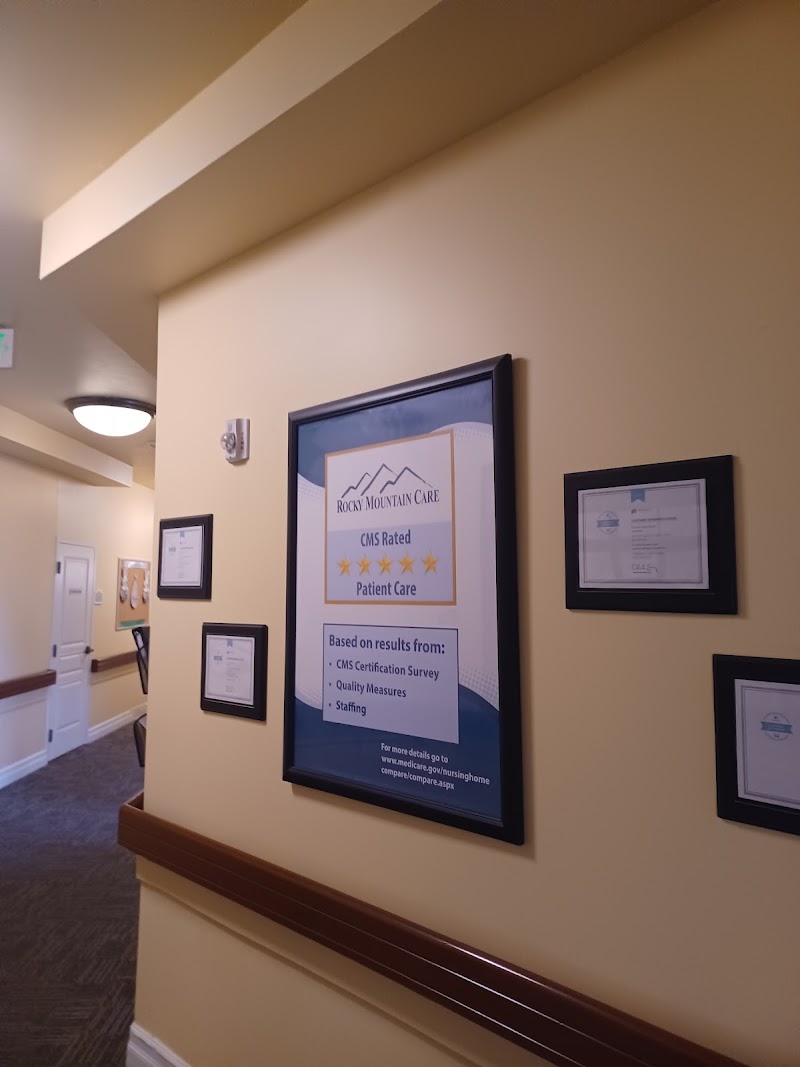
CMS rates Rocky Mountain Care - Riverton's staffing level at 4 out of 5 stars, which is above average compared to other nursing homes. Staff turnover is 51%, compared to the Utah average of 46%.

What Have Inspectors Found at Rocky Mountain Care - Riverton?

State health inspectors documented 17 deficiencies at Rocky Mountain Care - Riverton during 2021 to 2024. These included: 1 that caused actual resident harm and 16 with potential for harm. Deficiencies causing actual harm indicate documented cases where residents experienced negative health consequences.

Who Owns and Operates Rocky Mountain Care - Riverton?

Rocky Mountain Care - Riverton is owned by a non-profit organization. Non-profit facilities reinvest revenue into operations rather than distributing to shareholders. The facility is operated by ROCKY MOUNTAIN CARE, a chain that manages multiple nursing homes. With 40 certified beds and approximately 33 residents (about 82% occupancy), it is a smaller facility located in Riverton, Utah.

How Does Rocky Mountain Care - Riverton Compare to Other Utah Nursing Homes?

Compared to the 100 nursing homes in Utah, Rocky Mountain Care - Riverton's overall rating (4 stars) is above the state average of 3.4, staff turnover (51%) is near the state average of 46%, and health inspection rating (3 stars) is at the national benchmark.

What Should Families Ask When Visiting Rocky Mountain Care - Riverton?

Based on this facility's data, families visiting should ask: "Can I visit during a mealtime to observe dining assistance and food quality?" "How do you handle medical emergencies, and what is your hospital transfer rate?" "Can I speak with family members of current residents about their experience?"

Is Rocky Mountain Care - Riverton Safe?

Based on CMS inspection data, Rocky Mountain Care - Riverton has a clean safety record: no substantiated abuse findings (meaning no confirmed cases of resident harm), no Immediate Jeopardy citations (the most serious violation level indicating risk of serious injury or death), and is not on the Special Focus Facility watch list (a federal program monitoring the lowest-performing 1% of nursing homes). The facility has a 4-star overall rating and ranks #1 of 100 nursing homes in Utah. While no facility is perfect, families should still ask about staff-to-resident ratios and recent inspection results during their visit.

Do Nurses at Rocky Mountain Care - Riverton Stick Around?

Rocky Mountain Care - Riverton has a staff turnover rate of 51%, which is 5 percentage points above the Utah average of 46%. Moderate turnover is common in nursing homes, but families should still ask about staff tenure and how the facility maintains care continuity when employees leave.

Was Rocky Mountain Care - Riverton Ever Fined?

Rocky Mountain Care - Riverton has been fined $33,212 across 6 penalty actions. This is below the Utah average of $33,411. While any fine indicates a compliance issue, fines under $50,000 are relatively common and typically reflect isolated problems that were subsequently corrected. Families should ask what specific issues led to these fines and confirm they've been resolved.

Is Rocky Mountain Care - Riverton on Any Federal Watch List?

Rocky Mountain Care - Riverton is not on any federal watch list. The most significant is the Special Focus Facility (SFF) program, which identifies the bottom 1% of nursing homes nationally based on persistent, serious quality problems. Not being on this list means the facility has avoided the pattern of deficiencies that triggers enhanced federal oversight. This is a positive indicator, though families should still review the facility's inspection history directly.