Holladay Healthcare Center
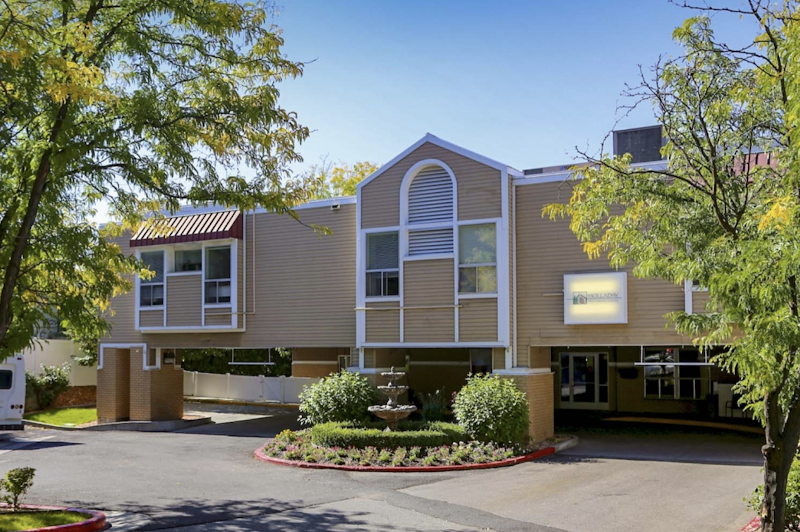
4782 South Holladay Boulevard, Salt Lake City, UT 84117 (801) 277-7002
For profit - Limited Liability company 120 Beds THE ENSIGN GROUP Data: November 2025
Trust Grade
60/100
#51 of 97 in UT
Last Inspection: March 2025

Within standard 12-15 month inspection cycle. Federal law requires annual inspections.

Overview

Holladay Healthcare Center in Salt Lake City has a Trust Grade of C+, which means it is slightly above average but not particularly outstanding. It ranks #51 out of 97 facilities in Utah, placing it in the bottom half, and #17 out of 35 in Salt Lake County, indicating that there are better local options available. The facility is worsening, as the number of identified issues increased from 7 in 2023 to 11 in 2025. Staffing is a relative strength, with a turnover rate of 41%, which is better than the state average, but the RN coverage is concerning, being lower than 90% of other facilities in Utah. While there have been no fines, there were several specific incidents noted, such as food not being served at the correct temperatures and complaints from residents about the quality and temperature of the meals. Additionally, some residents did not receive their required quarterly assessments on time, which could impact their care. Overall, while there are some strengths, families should consider these weaknesses seriously.
Trust Score
C+
60/100
In Utah
#51/97
Bottom 48%
Safety Record
Low Risk
No red flags
Inspections
Getting Worse
7 → 11 violations
Staff Stability
○ Average
41% turnover. Near Utah's 48% average. Typical for the industry.
Penalties
✓ Good
No fines on record. Clean compliance history, better than most Utah facilities.
Skilled Nurses
○ Average
Each resident gets 39 minutes of Registered Nurse (RN) attention daily — about average for Utah. RNs are the most trained staff who monitor for health changes.
Violations
⚠ Watch
25 deficiencies on record. Higher than average. Multiple issues found across inspections.
★★★☆☆
3.0
Overall Rating
★★★☆☆
3.0
Staff Levels
★★★★★
5.0
Care Quality
★★☆☆☆
2.0
Inspection Score
Stable
2023: 7 issues
2025: 11 issues

The Good

  • 5-Star Quality Measures · Strong clinical quality outcomes
  • Full Sprinkler Coverage · Fire safety systems throughout facility
  • No fines on record
  • Staff turnover below average (41%)

    7 points below Utah average of 48%

Facility shows strength in quality measures, fire safety.

The Bad

3-Star Overall Rating

Near Utah average (3.3)

Meets federal standards, typical of most facilities

Staff Turnover: 41%

Near Utah avg (46%)

Typical for the industry

Chain: THE ENSIGN GROUP

Part of a multi-facility chain

Ask about local staffing decisions and management

The Ugly 25 deficiencies on record

Mar 2025 11 deficiencies
CONCERN (D)

Potential for Harm - no one hurt, but risky conditions existed

Comprehensive Assessments (Tag F0636)

Could have caused harm · This affected 1 resident

**NOTE- TERMS IN BRACKETS HAVE BEEN EDITED TO PROTECT CONFIDENTIALITY** Based on interview and record review the facility did not complete a comprehensive assessment every 12 months. Specifically, 1 o...

Read full inspector narrative →
**NOTE- TERMS IN BRACKETS HAVE BEEN EDITED TO PROTECT CONFIDENTIALITY** Based on interview and record review the facility did not complete a comprehensive assessment every 12 months. Specifically, 1 of 37 sample residents, an annual Minimum Data Set (MDS) was completed over 13 months after the previous annual assessment. Resident identifier: 18. Findings include: Resident 18 was admitted to the facility on [DATE] with diagnoses which included biomechanical lesions of thoracic, heart failure, and chronic kidney disease. Resident 18's annual MDS was reviewed. The MDS had an assessment reference date (ARD) on 2/2/25. The assessment was completed on 3/18/25. On 3/24/25 at 11:02 AM, an interview was conducted with the MDS coordinator. The MDS coordinator stated the MDS's needed to be completed and submitted 14 days after the ARD date. The MDS coordinator stated resident 18's MDS was completed late. The MDS coordinator stated that sometimes when she got behind, she focused on the current MDS's that were due because the others were already late.
CONCERN (D) 📢 Someone Reported This

A family member, employee, or ombudsman was alarmed enough to file a formal complaint

Potential for Harm - no one hurt, but risky conditions existed

Pressure Ulcer Prevention (Tag F0686)

Could have caused harm · This affected 1 resident

**NOTE- TERMS IN BRACKETS HAVE BEEN EDITED TO PROTECT CONFIDENTIALITY** Based on interview and record review, it was found that the facility failed to ensure that a resident received the necessary tre...

Read full inspector narrative →
**NOTE- TERMS IN BRACKETS HAVE BEEN EDITED TO PROTECT CONFIDENTIALITY** Based on interview and record review, it was found that the facility failed to ensure that a resident received the necessary treatment and services, consistent with professional standards of practice, to promote healing, prevent infection and prevent new ulcers from developing. Specifically, 1 of 37 sampled residents, did not have an intervention for podus boots implemented to prevent pressure ulcers. Resident identifier: 37. Findings include: Resident 37 was admitted to the facility on [DATE] with diagnoses which included dementia with anxiety, weakness, constipation, and urinary tract infection. Review of resident 37's records was completed on 3/17/25 through 3/24/25. A quarterly Minimum Data Set (MDS) dated [DATE] revealed that resident 37 had a Brief Interview of Mental Status (BIMS) score of 15 which indicated cognition was intact. A nursing note dated 2/1/25 at 3:09 PM revealed that certified nursing assistant (CNA) let this nurse know that redness was found on the left lateral malleolus. Nurse identified this was blanchable redness. Nurse practitioner (NP) notified and podus boots applied as preventative measure. A physician's order dated 2/1/25 stated podus boots in place as preventive measure for pressure injury to left lateral ankle. The boots were to be applied every shift for preventative to pressure injury. Resident 37's face sheet revealed under Special Instructions: Skin breakdown prevention: Apply moisturizing lotion to BUE [bilateral upper extremities] qd [every day], Offer/encourage long sleeves or geri-sleeves to BUE as a preventative measure for skin breakdown One-person physical assistance with all transfers; podus boots Resident 37's had a care plan initiated on 8/2/24 that revealed resident 37 had a potential risk for pressure ulcer development related to non-ST-segment elevation myocardial infarction (NSTEMI), asthma, elevated troponin, arrhythmia, high blood pressure (HTN), impaired mobility, obesity, possible lung cancer (CA), weakness, preference to not have Low Air Loss (LAL) mattress in place following education on risks associated with preference. The goal was that resident 37 would have intact skin, free of redness, blisters or discoloration by/through review date of 5/18/25. The interventions developed were that resident 37 would notify nurse immediately of any new areas of skin breakdown: Redness, Blisters, Bruises, discoloration noted during bath or daily care, created on 8/2/24 and podus boots as ordered, created on 2/3/25. An observation was made on 3/17/25 at 3:06 PM, that resident 37's left lateral ankle was red. Observations were made on 3/17/25 at 3:06 PM, 3/20/25 at 10:25 AM, and 3/20/25 at 1:59 PM, of resident 37 in bed and podus boot was not applied to left foot. Podus boot was located in the corner against the wall of resident 37's room. A review of the Treatment Administration Record (TAR) revealed that resident 37 had podus boot in place on 3/17/25 and 3/20/25. On 3/17/25 at 3:06 PM, an interview with resident 37 was conducted. Resident 37 stated she had a boot that she needed to have on her left foot since she had a sore spot on her left ankle. Resident 37 stated that she felt like she was getting a wound and they were not doing anything about it. On 3/20/25 at 2:19 PM, an interview was conducted with the staff development (SD). The SD stated the way Certified Nursing Assistants (CNA) were made aware when residents were to have podus boots placed was that the nurses told CNAs during report or there was also an alert on the resident's chart under Special Instruction. The SD stated that the special instructions were located on the face sheet of the resident's electronic medical record. On 3/20/25 at 2:58 PM, an interview with Licensed Practical Nurse (LPN) 1 was conducted. LPN 1 stated that she informed the CNAs at the beginning of the shift on which residents had orders for podus boots or who needed their heels floated. LPN 1 stated the CNAs came and told her when the podus boots had been applied she went to the resident and verified that the resident had podus boots. LPN 1 stated she then marked off the task or order for the shift on the TAR. On 3/20/25 at 3:04 PM, an interview with Assistant Director of Nursing (ADON) 1 was conducted. ADON 1 stated that podus boots were ordered by the physician and were in the orders. ADON 1 stated that orders for podus boots were located on the care sheet or treatment record and also as an alert on the resident's face sheet. ADON 1 stated there were special instructions located on the residents' face sheet when the chart was opened, important treatments were placed there to alert staff. ADON 1 stated that he would expect the nurse to check and verify the boots were on the resident due to it being a physician's order, and it needed to be followed.
CONCERN (D) 📢 Someone Reported This

A family member, employee, or ombudsman was alarmed enough to file a formal complaint

Potential for Harm - no one hurt, but risky conditions existed

Accident Prevention (Tag F0689)

Could have caused harm · This affected 1 resident

**NOTE- TERMS IN BRACKETS HAVE BEEN EDITED TO PROTECT CONFIDENTIALITY** Based on observation, interview and record review, the facility failed to ensure that each resident received adequate supervisi...

Read full inspector narrative →
**NOTE- TERMS IN BRACKETS HAVE BEEN EDITED TO PROTECT CONFIDENTIALITY** Based on observation, interview and record review, the facility failed to ensure that each resident received adequate supervision to prevent accidents and had an environment that was as free from accident hazards as was possible. Specifically, tools were left in the bathroom of a cognitively impaired resident. In addition, a staff member was observed to carry oxygen tanks down the hallway that were unsecured. Resident identifier: 47. Findings include: 1. Resident 47 was admitted to the facility on [DATE] with diagnoses which included dementia with behavioral disturbance, anxiety disorder, major depressive disorder and cognitive communication deficit. Resident 47's medical record was reviewed 3/17/25 through 3/24/25. On 3/20/25 at 2:36 PM, a phone interview was conducted with resident 47's family member. The family member stated resident 47's bathroom was out of use for 4 days. The family member stated the bathroom had tools, feces and the toilet was not secured to the floor. The family member stated resident 47 had dementia and it was not safe to have tools and an unsecured toilet available to her. A quarterly Minimum Data Set (MDS) dated [DATE] documented resident 47 had a BIMS (Brief Interview of Mental Status) score of 7, a score between 0-7 indicated severe cognitive impairment. And that resident 47 required a one person physical assist with transfers and toilet use. A nurses note dated 2/4/25 documented, Spoke with daughter to address concerns, on [resident 47's] noted decline including refusal of medications at times, refusal of food/fluids at times, aggression with cares/showers and cognitive decline. On 3/20/25 at 2:17 PM, an interview was conducted with the Maintenance Director (MD). The MD stated if something needed to be fixed it was put in the tells program which alerted him 24/7. The MD stated there have been several cases when the main sewer line was clogged. The MD stated resident 47's toilet was clogged and he tried to unclog it but had to call a plumber. The MD stated there were several briefs and wipes that had clogged the line. The MD stated he had removed towels, pull ups and wipes from resident 47's toilet. The MD stated resident 47 had to use another bathroom until it was cleared. The MD stated he possibly left tools in the bathroom. On 3/20/25 at 2:48 PM, an interview was conducted with Assistant Director of Nursing (ADON) 1 who stated resident 47 was a 1 person assist in terms of Activities of Daily Living (ADLs), she would walk for hours and hours and was not redirectable. ADON 1 stated she would wander all the time even with medical intervention and she would flush everything down the toilet. ADON 1 stated he doubted that there was feces on the bathroom floor but there may have been tools on the floor. ADON 1 stated he was called by the family about the issue. When he came in he blocked off the bathroom door with caution tape. ADON 1 stated the incident happened on either Friday night or Saturday morning and the residents were moved to another room on Sunday or Monday. ADON 1 stated the residents would use the shower room when they needed a toilet. On 3/20/25 at 3:27 PM, an interview was conducted with the Resident Advocate (RA) who stated resident 47 was really confused and wandered into rooms and she was placed on a one to one for the last few weeks she was in the facility. A follow up interview was conducted with the RA on 3/24/25 at 9:49 AM. The RA stated that she was not in the facility when it happened, the daughter called her. The RA stated there was a flood from resident 47's room and it drained into the Director of Nursing's (DON's) office. The RA stated maintenance was fixing the toilet and they left the hole where the toilet used to be open in the floor and tools were left on the floor of the bathroom. The RA stated that You can not do that with a dementia patient. The RA stated there was no way to lock the bathroom door and the residents should have been moved to another room. The RA stated that she did not know if resident 47 went in to the bathroom but she would be physically able to do that and it would not be safe. The RA stated the resident's daughter had sent her a picture that showed tools and the toilet on the floor. The RA stated she could not remember if there was any dirt or feces in the bathroom. On 3/24/25 at 10:13 AM, an interview was conducted with the DON and ADON 1. The DON stated resident 47 had gotten to a point where her behaviors were exacerbated. The DON stated that they put measures in place for her safety but she progressively got worse over time, she was very impulsive. The DON stated that resident 47's toilet was being repaired, the toilet was taken out over the weekend and replaced on Monday. The DON stated resident 47 stayed in the room over the weekend and the staff were taking her to the shower room to use the restroom. ADON 1 stated he believed there was not a toilet in the room and was unsure if there were any tools on the floor. ADON 1 stated he taped off the room when he came in over the weekend. On 3/24/25 at 10:23 AM, a follow up interview was conducted with a MD who stated that they did leave the toilet in the room and maybe the snake was left in there. The MD stated the resident would have been able to get into the bathroom while the toilet and tools were in there. The MD stated he had told the staff to put a bedside commode in bathroom if the resident needed to use it but to take her to the shower room if possible. On 3/24/25 at 11:03 AM, an interview was conducted with CNA 3 who stated that resident 47 wandered and was a full assist with cares. CNA 3 stated resident 47 was eventually put on a one on one supervision to keep her safe. CNA 3 stated she was not part of the toilet incident. CNA 3 stated residents 47 should be taken to the shower room if their bathroom was not working. On 3/24/25 at 11:06 AM, an interview was conducted with Licensed Practical Nurse (LPN) 3 who stated resident 47 had extreme anxiety that they tried to manage with medications but that did not work. LPN 3 stated the staff took the residents to the shower room if their bathroom was not working. LPN 3 stated it would have been unsafe for tools to be left within reach of resident 47. On 3/24/25 at 11:10 AM, an interview was conducted with CNA 4 who stated near the end of resident 47's stay, her dementia worsened. CNA 4 stated prior to this resident 47 was confused but manageable with redirection. CNA 4 stated she was not aware of resident's toilet not working and stated it would have been dangerous for tools to be left in reach of resident 47 since she was so impulsive. On 3/24/25 at 11:13 AM, an interview was conducted with the CNA Team Lead (CNATL) who stated they would take resident 47 to the shower room while her bathroom was being fixed. CNATL stated, To be honest, yes. The toilet was lying on the floor, there was an open hole in the floor and there were random tools on the floor in the bathroom. The CNATL stated that resident 47 would not have been safe to go in there with tools and the toilet lying on the ground. 2. On 3/17/25 at 12:16 PM, an observation was made of Registered Nurse (RN) 1. RN 1 was observed to carry an oxygen tank from room [ROOM NUMBER] through the hallway to a closet by the nurses station. RN 1 was observed to get an oxygen tank from the closet and walked back through the hallway to room [ROOM NUMBER]. On 3/18/25 at 3:16 PM, an interview was conducted with Clinical Resource Nurse (CRN) 1 and ADON 1. CRN 1 and ADON 1 stated oxygen needed to be in a dolly and not carried in staffs arms. CRN 1 stated the concern would be dropping the oxygen tank when it was being carried.
CONCERN (D)

Potential for Harm - no one hurt, but risky conditions existed

Respiratory Care (Tag F0695)

Could have caused harm · This affected 1 resident

**NOTE- TERMS IN BRACKETS HAVE BEEN EDITED TO PROTECT CONFIDENTIALITY** Based on observation, interview and record review the facility did not ensure that each resident who needed respiratory care was...

Read full inspector narrative →
**NOTE- TERMS IN BRACKETS HAVE BEEN EDITED TO PROTECT CONFIDENTIALITY** Based on observation, interview and record review the facility did not ensure that each resident who needed respiratory care was provided such care consistent with professional standards of practice. Specifically, 1 of 37 sampled residents, did not have a physician's order for oxygen and no orders to change the tubing and humidifier. Resident identifier: 43. Findings include: Resident 43 was admitted to the facility on [DATE] with diagnoses which included osteomyelitis, type 2 diabetes, foot ulcer and chronic obstructive pulmonary disease. On 3/17/25 at 1:29 PM, an interview and observation was conducted with resident 43. An oxygen concentrator was observed by resident 43's bed and there was no date on the tubing or the humidifier. Resident 43 stated he used oxygen and needed a personal oxygen tank when he went out of the facility but the oxygen tanks were too big to take with him. Resident 43's medical record was reviewed 3/17/25 through 3/24/25. A care plan dated 1/15/25 revealed resident had altered cardiovascular status. An intervention was to give oxygen as ordered by the physician. There were no active physician's orders for oxygen located in resident 43's medical record. There was a discontinued physician's order dated 1/9/25 which revealed resident 43 was going to discharge home on 1/8/25 with 2-3 liters of continuous oxygen via nasal cannula. The order further revealed resident 43's saturations on room air when walking were 80% and resting was 87%. On 3/18/25 at 2:42 PM, an interview was conducted with Nursing Assistant (NA) 1. NA 1 stated she asked the nurse to find out if a resident required oxygen. NA 1 stated if a resident needed oxygen, then she would ask the nurse how many liters the resident needed. NA 1 stated some residents were able to tell her how much they needed. NA 1 stated she had not cared for resident 43 but thought he was alert enough to tell staff how many liters he needed. NA 1 stated she changed the humidifier water when it was dirty or when it was running out of water. NA 1 stated the tubing was changed when it was dirty or as needed. On 3/18/25 at 2:45 PM, an interview was conducted with NA 2. NA 2 stated the nurse let her know which residents required oxygen. NA 2 stated the water was changed when it was low. NA 2 stated the tubing was changed if it was found on the floor or it was dirty. NA 2 stated resident 43 used oxygen but did not know how much he needed. NA 2 stated she would check the resident's concentrator to find out how many liters of oxygen they needed. On 3/18/25 at 2:49 PM, an interview was conducted with Registered Nurse (RN) 2. RN 2 stated if a resident needed oxygen, the amount depended on their vital signs, diagnosis and physician's orders. RN 2 stated residents needed a physician order for oxygen. RN 2 stated resident 43 was his own responsible party and he was alert and oriented to person, place, time and situation. RN 2 stated resident 43 was able to determine when he wanted to wear oxygen and when he did not want to. RN 2 was observed to review resident 43's medical record and stated there was no physician's order for oxygen or for changing the tubing and humidifier. RN 2 stated resident 43 was scheduled for discharge with oxygen and the order was not restarted. RN 2 stated staff offered portable oxygen tanks to resident 43 when he left the facility but they were cumbersome so resident 43 did not take oxygen with him. RN 2 stated the facility did not have small oxygen tanks to offer resident 43 and had not asked management about one. On 3/18/25 at 3:05 PM, an interview was conducted with Certified Nursing Assistant (CNA) 5. CNA 5 stated she checked resident saturations to know if they required oxygen. CNA 5 stated she looked at the resident concentrator to determine how many liters the resident needed. CNA 5 stated oxygen tubing was changed every Sunday night and the date was written on the tubing. CNA 5 stated she was not sure when resident 43's tubing was changed last. On 3/18/25 at 3:16 PM, an interview was conducted with Clinical Resource Nurse (CRN) 1. CRN 1 stated a physician's order was required for oxygen use. CRN 1 stated the tubing and humidifier were changed weekly and as needed. CRN 1 stated she was not sure why resident 43 did not have oxygen orders or orders to change tubing and humidifier. CRN 1 stated changing the tubing and humidifier was in the Treatment Administration Record. On 3/18/25 at 3:23 PM, an interview was conducted with Assistant Director of Nursing (ADON) 1. ADON 1 stated the facility had some smaller portable oxygen cylinders for resident who were ambulatory. ADON 1 stated he did not know that resident 43 requested a smaller portable oxygen tank. ADON 1 stated the tubing and humidifier were changed every Sunday by the Lead CNA. ADON 1 stated the normal portable oxygen tanks needed to be in a portable oxygen cart because they were so big.
CONCERN (D) 📢 Someone Reported This

A family member, employee, or ombudsman was alarmed enough to file a formal complaint

Potential for Harm - no one hurt, but risky conditions existed

Deficiency F0728 (Tag F0728)

Could have caused harm · This affected 1 resident

Based on interview and record review, the facility did not ensure that any individual working in the facility as a nurse aide for more that 4 months, on a full-time basis, was competent to provide nur...

Read full inspector narrative →
Based on interview and record review, the facility did not ensure that any individual working in the facility as a nurse aide for more that 4 months, on a full-time basis, was competent to provide nursing and nursing related services; and completed a training and competency program, or a competency evaluation program approved by the State. Specifically, a Nurse Aide (NA) was employed at the facility on a full-time basis, for approximately 8 months with out completion of training and competency evaluation program. Findings include: On 3/20/25, staff member (SM) 1's employee record was reviewed. SM 1 was hired on 2/9/24 as a NA. The Nursing Assistant registry revealed a NA certification was issues on 10/8/24. On 3/24/25 at 11:55 AM, an interview was conducted with Regional Nurse Consultant (RNC) 1. RNC 1 stated that she did not know why SM 1 was employed longer than 4 months without certification. RNC 1 stated there may have been some confusion with the staffing waiver.
CONCERN (D)

Potential for Harm - no one hurt, but risky conditions existed

Deficiency F0757 (Tag F0757)

Could have caused harm · This affected 1 resident

**NOTE- TERMS IN BRACKETS HAVE BEEN EDITED TO PROTECT CONFIDENTIALITY** Based on interview and record review, the facility did not ensure each resident's drug regimen was free from unnecessary drugs. ...

Read full inspector narrative →
**NOTE- TERMS IN BRACKETS HAVE BEEN EDITED TO PROTECT CONFIDENTIALITY** Based on interview and record review, the facility did not ensure each resident's drug regimen was free from unnecessary drugs. An unnecessary drug was defined as any drug when used in excessive dose; or for excessive duration; or without adequate monitoring; or without adequate indication for its use; or in the presence of adverse consequences. Specifically, for 1 out of 37 sampled residents, a resident's metoprolol was administered outside of the physician's ordered parameters. Resident identifier: 50. Findings included: Resident 50 was admitted to the facility on [DATE] with diagnoses which included, acute idiopathic pericarditis, supraventricular tachycardia, single subsegmental thrombotic pulmonary embolism, chronic kidney disease, and thyrotoxicosis. Resident 50's medical record was reviewed on 3/17/25 through 3/24/25. On 2/24/225, metoprolol tartrate oral tablet was ordered for hypertension, with the following parameters: hold for a Systolic Blood Pressure (SBP) < [less than] 100 or a pulse < [less than] 50. On 3/5/25 at 7:00 AM, it was documented that metoprolol was administered despite resident 50's SBP being documented as 94. On 3/6/25 at 7:00 AM, it was documented that metoprolol was administered despite resident 50's SBP being documented as 94. On 3/7/25 at 7:00 AM, it was documented that metoprolol was administered despite resident 50's SBP being documented as 95. On 3/13/25 at 7:00 AM, it was documented that metoprolol was administered despite resident 50's SBP being documented as 96. On 3/14/25 at 7:00 AM, it was documented that metoprolol was administered despite resident 50's SBP being documented as 98. On 3/15/25 at 7:00 AM, it was documented that Metoprolol was administered despite resident 50's SBP being documented as 92. On 3/20/25, an interview was conducted with Assistant Director of Nursing (ADON) 1. ADON 1 stated that nursing staff were expected to follow the parameters given in the medication order when determining whether to administer or hold a medication. On 3/24/25, an interview was conducted with Clinical Resource Nurse (CRN) 1. CRN 1 stated that the expectation was for nursing staff to follow orders, including parameters, in regards to administering or holding medications.
CONCERN (D)

Potential for Harm - no one hurt, but risky conditions existed

Deficiency F0761 (Tag F0761)

Could have caused harm · This affected 1 resident

**NOTE- TERMS IN BRACKETS HAVE BEEN EDITED TO PROTECT CONFIDENTIALITY** Based on observation and interview, the facility did not ensure that drugs and biologicals used in the facility were labeled in ...

Read full inspector narrative →
**NOTE- TERMS IN BRACKETS HAVE BEEN EDITED TO PROTECT CONFIDENTIALITY** Based on observation and interview, the facility did not ensure that drugs and biologicals used in the facility were labeled in accordance with accepted professional principles, and included the expiration date when applicable. Specifically, for 1 out of 37 sampled residents, an opened insulin injector pen was labeled with an open date past the 28 days and was in the medication cart available for use. Resident identifiers: 26. Findings included: Resident 26 was admitted to the facility on [DATE] with diagnoses which included acute diastolic congestive heart failure, paroxysmal atrial fibrillation, and type 2 diabetes mellitus. On 3/19/25 at 8:20 AM, an observation of the first floor medication cart. Resident 26's Lantus insulin pen was observed to be marked with an opened date of 2/13/25. Lantus insulin pen was opened for 34 days making it 6 days past professional standards of 28 days. On 3/19/25 at 8:20 AM, an interview with Licensed Practical Nurse (LPN) 2 was conducted. LPN 2 stated that insulin should be discarded 28 days after medication had been opened. LPN 2 stated that she was reordering the insulin, and it should have been discarded. On 3/20/25 at 2:58 PM, an interview was conducted with LPN 1. LPN 1 stated that insulin should be labeled with date when it is opened and can be stored in the medication cart for 28 days. LPN 1 stated once medication has reached 28 days the insulin needed to be disposed of. On 3/20/25 at 3:04 PM, an interview with Assistant Director of Nursing (ADON) 1 was conducted. ADON 1 stated that insulin stored in the medication cart should have an opened date, the date was done with a marker. ADON 1 stated that once the insulin was open 28 days, it should be reordered and the old one disposed of.
CONCERN (E)

Potential for Harm - no one hurt, but risky conditions existed

Deficiency F0638 (Tag F0638)

Could have caused harm · This affected multiple residents

**NOTE- TERMS IN BRACKETS HAVE BEEN EDITED TO PROTECT CONFIDENTIALITY** Based on interview and record review, the facility did not assess a resident using the quarterly review instrument no less frequ...

Read full inspector narrative →
**NOTE- TERMS IN BRACKETS HAVE BEEN EDITED TO PROTECT CONFIDENTIALITY** Based on interview and record review, the facility did not assess a resident using the quarterly review instrument no less frequently than once every 3 months. Specifically, 4 of 37 sampled residents, quarterly Minimum Data Set (MDS) assessments were completed greater than 3 months apart. Resident identifiers: 9, 10, 39 and 63. Findings include: 1. Resident 10 was admitted to the facility on [DATE] with diagnoses which included multiple sclerosis, major depressive disorder, and hypertension. Resident 10's quarterly MDS had an assessment reference date (ARD) of 1/11/25 and was completed on 3/17/25. The previous quarterly MDS was completed on 10/24/25. 2. Resident 9 was admitted to the facility on [DATE] with diagnoses which included type 2 diabetes mellitus, fibromyagia, and major depressive disorder. Resident 9's quarterly MDS had an ARD date of 1/13/25 and was completed on 3/17/25. The previous quarterly MDS had an ARD date of 10/13/24 was completed 12/27/24. The previous quarterly MDS had an ARD date of 7/13/24 and was completed on 9/7/24. The previous quarterly MDS had an ARD date of 4/12/24 and was completed on 5/11/24. 3. Resident 39 was admitted to the facility on [DATE] with diagnoses which included spinal stenosis, Alzheimer's disease, hypertension and heart failure. Resident 39's quarterly MDS had an ARD date of 1/22/25 and was completed on 3/18/25. The previous quarterly MDS had an ARD date of 10/24/25 and was completed on 11/8/24. 4. Resident 63 was admitted to the facility on [DATE] with diagnoses which included nontraumatic subdural hemorrhage, vascular dementia and type 2 diabetes mellitus. Resident 63's quarterly MDS had an ARD date of 1/5/25 and was completed on 3/17/25. The previous admission MDS had an ARD date of 10/8/24 and was completed on 10/11/24. On 3/24/25 at 11:02 AM, an interview was conducted with the MDS coordinator. The MDS coordinator stated the MDS's needed to be completed and submitted 14 days after the ARD date. The MDS coordinator stated resident 9, 10, 39 and 63's MDS's was completed late. The MDS coordinator stated that sometimes when she got behind, she focused on the current ones because the others were already late.
CONCERN (E)

Potential for Harm - no one hurt, but risky conditions existed

Deficiency F0804 (Tag F0804)

Could have caused harm · This affected multiple residents

Based on observation, interview, and record review, the facility did not provide food that was palatable, attractive, and served at a safe and appetizing temperature. Specifically, for 8 out of 37 sam...

Read full inspector narrative →
Based on observation, interview, and record review, the facility did not provide food that was palatable, attractive, and served at a safe and appetizing temperature. Specifically, for 8 out of 37 sampled resident, residents complained of food quality, a test tray not attractive or palatable and resident council minutes revealed complaints of food quality. Resident identifiers: 23, 33, 37, 50, 60, 124, 126 and 286. Findings include: 1. On 3/20/25 at 2:06 PM, an interview was conducted with resident 23. Resident 23 stated that the food was not good. Resident 23 stated that she completed the meal request forms, but the food delivered was often not what she ordered. Resident 23 stated that she was attempting to eat less carbohydrates, but had been served lots of pasta and rice. Resident 23 stated that the food tasted okay, but the food was usually cold. 2. On 3/17/25 at 9:50 AM, an interview was conducted with resident 33 who was sitting on her bed eating her breakfast. Resident 33 stated the food was always cold, it did not matter what meal was being served the food was cold. 3. On 3/17/25 at 3:06 PM, an interview was conducted with resident 37. Resident 37 stated that the food was not that great and it always comes cold. 4. On 3/20/25 at 2:06 PM, an interview was conducted with resident 50. Resident 50 stated the food was not good and served cold. Resident 50 stated they filled out menus, but it was not what they ordered. Resident 50 stated there was lots of pasta and rice served which she tried to avoid. Resident 50 stated she did not eat cause it did not taste good. 5. On 3/17/25 at 11:27 AM, and interview was conducted with resident 60. Resident 60 stated that the food was terrible and it came cold especially the eggs. Resident 60 stated that, cold eggs are horrible, you can't eat cold eggs. Resident 60 stated that it was a lottery draw, since the food that came did not match the menu. 6. On 3/17/25 at 10:31 AM, an interview was conducted with resident 124. Resident 124 stated food was bland and cold. Resident 124 stated she was not sure if real eggs or real butter were able to be served. Resident 124 stated she did not eat margarine or artificial sweeteners. Resident 124 stated she preferred plain yogurt without sugar in it. Resident 124 stated she was provided vanilla yogurt with sugar in it which she was unable to eat. 7. On 3/17/25 at 10:44 AM, an interview was conducted with resident 126. Resident 126 stated the food had been terrible and it just wasn't good. 8. On 3/17/25 at 1:11 PM, an interview was conducted with resident 286. Resident 286 stated the food was disgusting and they would not eat it. Resident 286 stated their family brought food. Resident 286 stated the food orders were never delivered correctly. Resident 286 stated the foods were served at the wrong temperatures. Resident 286 stated they had informed the nurses of the food and their response was They'll look at it. On 3/20/25 at 12:25 PM, an observation was made of the hall trays exiting the kitchen. A test tray was requested. At 12:35 PM, the following foods temperatures were obtained [Note: All temperatures were in degrees Fahrenheit.]: a. meat was 138 b. rice was 113 - bland to the taste c. peas were 118 - no seasoning d. dessert was 56.3 - e. milk was 44.0 The meat was tough to chew and bland to taste. The rice was bland to taste. The peas were bland to the taste and not seasoned. The dessert was palatable. A review of the resident council minute revealed the following complaints related to food: a. September 2024, suggestions for dietary were to read the menu better and the presentation was not good. b. November 2024, dietary was still not reading dislikes and likes. The water for the hot chocolate was luke warm, coffee is very watery, fruit was being put on hot plates. The eggs were very cold. c. December 2024, dietary was not reading the menu and residents were not getting what they ordered. The food was not served hot. d. January 2025, dinner food was not served at appropriate temperatures. On 3/20/25 at 1:46 PM, an interview was conducted with the Dietary Manager (DM). The DM stated there were not a lot of complaints about cold food. The DM stated about 2 months ago they changed how the trays were plated and served in the hallway. The DM stated he heard the temperatures were better from that change. On 3/20/25 at 2:04 PM, an interview was conducted with the Administrator. The Administrator stated food complaints during resident council were on and off. The Administrator stated there was a change in the organization of how the food was plated and served to the hallway in November or December. The Administrator stated the DM was involved on the floor and engaged with the residents. The Administrator stated the facility bought a new enclosed cart and was working on getting a pellet warmer to keep food warmer. The Administrator stated kitchen staff were obtaining food temperatures as the food left the kitchen.
CONCERN (E)

Potential for Harm - no one hurt, but risky conditions existed

Infection Control (Tag F0880)

Could have caused harm · This affected multiple residents

**NOTE- TERMS IN BRACKETS HAVE BEEN EDITED TO PROTECT CONFIDENTIALITY** Based on observation, interview, and record review, the facility did not establish an infection prevention and control program d...

Read full inspector narrative →
**NOTE- TERMS IN BRACKETS HAVE BEEN EDITED TO PROTECT CONFIDENTIALITY** Based on observation, interview, and record review, the facility did not establish an infection prevention and control program designed to provide a safe, sanitary, and comfortable environment to help prevent the development and transmission of communicable diseases and infections. Specifically, hand hygiene was not performed between residents who were being assisted with eating or performed when delivering lunch trays between multiple resident rooms. Resident identifiers: 25, 34, 35 and 43. Findings include: On 3/17/25 at 12:16 PM, lunch service was observed in the 2nd floor dining room. Certified Nursing Assistants (CNA) 1 and 2 were observed to sit at a table with residents 25, 34, 35 and 43, no hand hygiene (HH) was used prior to sitting down. CNA 1 was observed to put clothing protectors on each resident. CNA 1 was then observed to touch the utensils and plate of resident 34 then turn to resident 25 touch her utensils and gave her a bite of food. CNA 2 was observed to touch the wheelchair handle of resident 43, adjust his clothing protector, move the stool she sat closer to the table, then touched resident 43's utensils while giving him a bite of food. CNA 2 was then observed to pick up the utensils of resident 35 and give her a bite to eat. CNA 2 touched the arm of resident 35 then reached over and wiped the mouth of resident 43, no HH was used in between the interactions. CNA 1 was observed to give resident 34 a drink, wipe her mouth then reach over to resident 25 and wipe her mouth. CNA 2 was observed to hold resident 35's spoon with food on it over the clothing protector. The spoon was observed to touch the clothing protector, resident 35 was then given the bite of food and the spoon was then placed on resident 35's plate. CNA 2 then turned to resident 43 and gave him drink, CNA 2 was observed to hold the straw against resident 43's lips. CNA 2 then turned back to resident 35 and gave her a bite of food from the spoon that was on her plate. CNA 1 and 2 were observed to feed residents 25, 34, 35 and 43 during the entire lunch service without using HH in between interactions. On 3/17/25 at 12:33 PM through 12:52 PM, lunch service was observed during the 2nd floor room to room lunch service. An observation of CNA 1 serving room [ROOM NUMBER] the food tray, touched the draw curtain, grabbed another tray for room [ROOM NUMBER] delivered it and set up the tray in the room, exited room [ROOM NUMBER] and no HH was completed. CNA 1 retrieved a food tray for room [ROOM NUMBER] and then 208 without performing hand hygiene between serving trays. CNA 2 was observed to deliver food tray to room [ROOM NUMBER], set up the meal including uncovering the drink, touching the bedside table then proceeded to pick up another food tray and delivered the tray to the other resident in room [ROOM NUMBER]. CNA 3 was observed to go into room [ROOM NUMBER] came out with a meal tray and placed it on top of the meal cart, no HH was performed. CNA 3 began touching trays inside the meal cart touching the meal tickets, grabbed a meal tray and delivered it to room [ROOM NUMBER]. The Staff Development (SD) started moving trays around inside the meal cart, no HH was observed. The SD and CNA 1 grabbed a meal tray and delivered the trays to room [ROOM NUMBER] no hand hygiene was observed. The SD took a tray out of the meal cart and delivered it to room [ROOM NUMBER], no HH was observed before or after handling the meal trays. On 3/20/25 at 2:44 PM, an interview was conducted with Assistant Director of Nursing (ADON) 1 who stated, the staff were expected to sanitize their hands in between feeding the residents and in between passing hall trays. The ADON stated he expected the staff to feed one resident then use hand sanitizer before feeding the other resident. On 3/24/25 at 11:28 AM, an interview was conducted with the Director of Nursing (DON) who stated, hand hygiene should be done in between hall trays being passed and in between feeding more than one resident.
CONCERN (F)

Potential for Harm - no one hurt, but risky conditions existed

Food Safety (Tag F0812)

Could have caused harm · This affected most or all residents

Based on observation, interview and record review the facility did not store, prepare, distribute and serve food in accordance with professional standards for food service safety. Specifically, the di...

Read full inspector narrative →
Based on observation, interview and record review the facility did not store, prepare, distribute and serve food in accordance with professional standards for food service safety. Specifically, the dish machine temperatures were not meeting the required temperature for sanitation. Findings include: On 3/17/25 at 9:34 AM, the dish machine temperature log was reviewed. The washing temperature and the sanitizer were documented for each meal for March 2025. On 3/17/25 for the breakfast meal had a temperature of 120 degrees Fahrenheit and the sanitizer was 200 parts per million (PPM). Dietary Aide (DA) 1 was observed to be changing the sanitizer solution. DA 1 was observed to check the sanitizer and it was 0 PPM. An interview was immediately conducted with the Dietary Manager (DM). The DM stated the sanitizer was not working and staff stopping the use of the dish machine to wash dishes. On 3/20/25 at 1:20 PM, a follow-up observation was made of the dish machine. The following cycles were observed: [Note: All temperatures were in degrees Fahrenheit.] 1. The washing temperature was 100 and the rinse temperature was 105. DA 1 was observed to put away 1 large pan for the steam table, a knife, an ice cream scoop and a Tupperware with the clean dishes. 2. The washing temperature was 100 and the rinse temperature was 115 to 118. DA 1 was observed to put away 2 trays, a pan, a lid and a ladle. 3. The washing temperature was 110 and the rinse temperature was 110. DA 1 was observed to put away a pitcher, 4 water carafes and a blue bin. 4. The washing temperature was 110 and rinse was 120. 5. The washing temperature was 100 and the rinse was 110. DA 1 was observed to put away cups, plates and pitcher with the clean dishes. At 1:34 PM, an interview with DA 1 was conducted. DA 1 stated the temperature needed to be above 120 for the wash and 120 for the rinse. A review of the forms titled Dish Machine Log for January, February and March 2025 revealed 200 PPM for all days and 120 to 145 for the temperature. There was no specification of what temperature. The bottom of the form revealed Minimum water temperature need to be 120 degrees and If both the PPM and temperature are not met dishes must be done in the 3-compartment sink. On 3/17/25 for breakfast meal it was documented 200 PPM for sanitizer and 120 for the temperature. On 3/20/25 for the lunch meal it was documented 200 PPM and 120 temperature. On 3/20/25 at 1:35 PM, an observation and interview was conducted with the DM. The DM was asked to check the dish machine's sanitizer. The DM was observed to look at the thermometer. The DM stated the temperature should be above 120 for the wash cycle. The DM stated the thermometer the staff used was the one under the machine. The DM stated the water temperatures were higher when the laundry was not being done. The DM confirmed the wash and rinse cycles were 118. The DM instructed the kitchen staff to stop doing dishes and the dishes would have to be rewashed when the water was hotter. The DM stated he would call maintenance to turn up the hot water heater.
Sept 2023 7 deficiencies
CONCERN (D)

Potential for Harm - no one hurt, but risky conditions existed

Deficiency F0554 (Tag F0554)

Could have caused harm · This affected 1 resident

Based on observations, interviews, record review, and facility policy review, the facility failed to ensure 1 (Resident #23) of 18 sampled residents was assessed for self-administration of medication....

Read full inspector narrative →
Based on observations, interviews, record review, and facility policy review, the facility failed to ensure 1 (Resident #23) of 18 sampled residents was assessed for self-administration of medication. Findings included: Review of a facility policy titled, Residents Who Self-Administer Medications, revised July 2018, indicated, Prior to any resident performing self-administration of medications; the nurse will conduct an initial assessment to assure their safety. Continued self-administration of medication assessments will be performed quarterly until such time as the resident requests they no longer self-administer, or until the assessment reveals the resident is no longer safe in the performance of self-administration of medication. A review of Resident #23's admission Record revealed the facility admitted the resident on 04/24/2021 with diagnoses that included severe persistent asthma with acute exacerbation, chronic respiratory failure with hypoxia, and congestive heart failure. A review of Resident #23's care plan revised on 04/27/2021, revealed the resident had altered respiratory status related to asthma, chronic hypoxemic respiratory failure, shortness of breath, obesity, and hypoventilation syndrome. Interventions included to administer medications/puffers/nebulizer treatments as ordered and to monitor for the effectiveness and side effects. A review of the quarterly Minimum Data Set (MDS), with an Assessment Reference Date (ARD) of 07/19/2023, revealed Resident #23 had a Brief Interview for Mental Status (BIMS) score of 15, indicating the resident was cognitively intact. A review of Resident #23's Order Summary Report revealed an order dated 09/11/2011, for albuterol sulfate (a bronchodilator used to relax muscles in the airways and increase air flow to the lungs) every four hours as needed for shortness of breath. There was also an order dated 05/26/2023, for ipratropium bromide (a bronchodilator) inhale orally four times a day. There was no evidence of an order which specified the resident was able to self-administer their medications. Observation on 09/05/2023 at 4:20 PM revealed Resident #23 in their room with two inhalers at their bedside. Observation on 09/07/2023 at 2:31 PM revealed Resident #23 in their room with two inhalers on their bedside table. Resident #23 stated they used one of the inhalers three times per day and the other one was used as needed. According to Resident #23, the nursing staff knew when they used their inhalers, and they only told staff when their inhalers needed to be refilled. During an interview on 09/07/2023 at 2:35 PM, Registered Nurse (RN) #12 stated Resident #23 had two rescue inhalers they always kept with themself to use quickly if the resident was short of breath. Per RN #12, one inhaler was routinely used four times a day and the other was for as needed use. RN #12 stated Resident #23's physician orders did not reflect self-administration. During an interview on 09/08/2023 at 12:22 PM, the Director of Nursing (DON) stated the facility did not have the proper documentation in place for Resident #23 to self-administer their inhalers. The DON stated the determination for medication self-administration should be made in collaboration with the physician and nursing management to ensure a resident was safe to self-administer and store their medication appropriately. During an interview on 09/08/2023 at 1:40 PM, the Administrator stated medications should not be kept at a resident's bedside without a physician's order. Per the Administrator, if nursing staff saw inhalers with a resident, they needed to communicate with the nurse practitioner to ensure the resident was safe to self-administer the medication. According to the Administrator, it was important to do so to ensure the resident was properly self-administered their medication.
CONCERN (D)

Potential for Harm - no one hurt, but risky conditions existed

Respiratory Care (Tag F0695)

Could have caused harm · This affected 1 resident

2. A review of Resident #54's admission Record indicated the facility admitted the resident on 03/13/2023 with a diagnosis that included obstructive sleep apnea. A review of Resident #54's admission ...

Read full inspector narrative →
2. A review of Resident #54's admission Record indicated the facility admitted the resident on 03/13/2023 with a diagnosis that included obstructive sleep apnea. A review of Resident #54's admission Minimum Data Set (MDS), with an Assessment Reference Date (ARD) of 03/19/2023, revealed Resident #54 had a Brief Interview for Mental Status (BIMS) score of 12, which indicated the resident had moderate cognitive impairment. The MDS indicated the resident used a non-invasive mechanical ventilator (BiPAP [bilevel positive airway pressure]/CPAP [continuous positive airway pressure]). A review of Resident #54's Order Summary Report revealed an order dated 03/14/2023, to apply CPAP every shift per home settings for sleep apnea. A review of Resident #54's care plan initiated 03/14/2023, indicated the resident had altered respiratory status and difficulty breathing related to sleep apnea and used a CPAP machine. During observations on 09/05/2023 at 11:50 AM, 09/07/2023 at 9:39 AM, and on 09/08/2023 at 8:48 AM, the surveyor observed Resident #54's CPAP machine on the nightstand with the tubing and nasal pillows (mask) lying across the top of the machine. During an interview on 09/08/2023 at 3:22 PM, the Director of Nursing (DON) indicated his expectation was for a CPAP mask to be stored on a clean surface, and if not on a clean surface, the CPAP mask would need to be cleaned before use. During an interview on 09/08/2023 at 3:47 PM, the Administrator stated he expected the CPAP mask to be stored to prevent a potential respiratory infection, but reported he would have to defer to nursing for CPAP mask storage. Based on observations, interviews, record reviews, and facility policy review, the facility failed to ensure continuous positive airway pressure (CPAP) masks were stored to prevent contamination when not in use for 2 (Resident #54 and Resident #146) of 3 sampled residents reviewed for respiratory care. Findings included: 1. A review of Resident #146's admission Record indicated the facility admitted the resident on 08/30/2023 with a diagnosis that included chronic systolic (congestive) heart failure. A review of Resident #146's care plan initiated on 09/06/2023, revealed the resident had oxygen therapy related to ineffective gas exchange. Interventions included CPAP at bedtime per home settings, monitor for signs and symptoms of respiratory distress, and report to the physician as needed. A review of Resident #146's Order Summary Report, revealed an order dated 09/06/2023, to apply CPAP at bedtime per home settings. On 09/08/2023 at 8:47 AM, the surveyor observed Resident #146's CPAP mask on the resident's bedside table, opened to the air. During an interview on 09/08/2023 at 8:38 AM, Registered Nurse (RN) #6 indicated the CPAP mask should be stored in a plastic bag. RN #6 indicated it was inappropriate to store a CPAP mask opened to air. During an interview on 09/08/2023 at 3:22 PM, the Director of Nursing (DON) indicated his expectation was for a CPAP mask to be stored on a clean surface, and if not on a clean surface, the CPAP mask would need to be cleaned before use. During an interview on 09/08/2023 at 3:47 PM, the Administrator stated he expected the CPAP mask to be stored to prevent a potential respiratory infection, but reported he would have to defer to nursing for CPAP mask storage.
CONCERN (D) 📢 Someone Reported This

A family member, employee, or ombudsman was alarmed enough to file a formal complaint

Potential for Harm - no one hurt, but risky conditions existed

Pharmacy Services (Tag F0755)

Could have caused harm · This affected 1 resident

Based on interviews, record review, and facility policy review, the facility failed to maintain an accurate account of controlled medication for 1 (Resident #14) of 18 sampled residents. Specifically,...

Read full inspector narrative →
Based on interviews, record review, and facility policy review, the facility failed to maintain an accurate account of controlled medication for 1 (Resident #14) of 18 sampled residents. Specifically, on 06/16/2023, 13 oxycodone 5 milligrams (mg) tablets ordered for Resident #14 were unaccounted for. Findings included: A review of the facility policy titled, Administration and Documentation of Controlled Medications, dated July 2017, specified, It is the policy of this facility to Administer and document controlled medications in compliance with State and Pharmacy regulations. Per the policy, 4. When a controlled substance is poured for administration, the administering staff will: a. Remove the substance for the locked compartment of the cart b. Pour the medication as ordered c. Return remaining controlled mediation to the locked compartment of the cart d. Document in the appropriate area on the MAR [Medication Administration Record] or eMAR [electronic Medication Administration Record] e. Document on the narcotic count down sheet provided for each individual substance, the date, time, and signature of the staff member pouring and administering the medication. Staff member will correctly indicate the amount poured and will enter the correct number of remaining medications. The policy specified, 7. Any and all discrepancies will be reported immediately to the Wellness Director or Administrator. A review of Resident #14's admission Record revealed the facility admitted the resident on 03/13/2023. A review of the admission Minimum Data Set (MDS), with an Assessment Reference Date (ARD) of 04/14/2023, revealed Resident #14 had a Brief Interview for Mental Status (BIMS) score of 13, indicating the resident was cognitively intact. The MDS indicated the resident received a scheduled pain medication regimen and had frequent pain. A review of Resident #14's Order Summary Report revealed an order dated 06/10/2023, for oxycodone (a narcotic medication used to treat moderate to severe pain) 5 mg give two tablets by mouth every four hours for pain. A review of Resident #14's Controlled Drug Record for oxycodone 5 mg indicated there were 52 tablets remaining on 06/15/2023 at 4:00 PM. The next entry on the Controlled Drug Record revealed on 06/16/2023 at 8:00 AM, the resident had only 39 oxycodone 5 mg tablets. According to the Controlled Drug Record, 13 tablets were unaccounted for. A review of Resident #14's Medication Administration Record (MAR) for June 2023, revealed staff were to administer oxycodone 5 mg two tablets every four for pain at 12:00 AM, 4:00 AM, 8:00AM, 12:00 PM, 4:00 PM, and 8:00 PM. Per the MAR, there was no evidence staff documented administration of oxycodone 5 mg on 06/15/2023 at 10:00 PM, 06/16/023 at 12:00 AM, and 06/16/2023 at 4:00 AM. During an interview on 09/08/2023 at 3:51 PM, the Administrator stated he deferred any nursing questions to the DON, but he expected the staff to follow standards of practice and facility policy. Per the Administrator, there should be an accurate account of the medication and the facility had an obligation to do everything possible to account for the missing pills (medication). In an interview on 09/08/2023 at 4:21 PM, the Director of Nursing stated when the staff reconciled narcotic medication, they should compare the medication in the card with the narcotic sheet (Controlled Drug Record) and document the amount of medication present.
CONCERN (D) 📢 Someone Reported This

A family member, employee, or ombudsman was alarmed enough to file a formal complaint

Potential for Harm - no one hurt, but risky conditions existed

Deficiency F0760 (Tag F0760)

Could have caused harm · This affected 1 resident

Based on interviews, record review, document review, and facility policy review, the facility failed to ensure 1 (Resident #14) of 18 sampled residents was free from a significant medication error. Sp...

Read full inspector narrative →
Based on interviews, record review, document review, and facility policy review, the facility failed to ensure 1 (Resident #14) of 18 sampled residents was free from a significant medication error. Specifically, Resident #14 had a physician's order for fentanyl (a synthetic opioid pain medication) 12 micrograms (mcg) transdermal patch; however, on 06/19/2023, the resident was found to have a 75 mcg (more than six times the ordered dose) fentanyl patch on. Findings included: A review of the facility's policy titled, Administration of Medications, dated July 2018, specified, It is the policy of this Facility, medication shall be administered as prescribed by the resident's physician, nurse practitioner, or physician's assistant. Per the policy, Medication must be administered in accordance with the written orders of the attending physician. A review of Resident #14's admission Record revealed the facility admitted the resident on 03/13/2023. A review of the admission Minimum Data Set (MDS), with an Assessment Reference Date (ARD) of 04/14/2023, revealed Resident #14 had a Brief Interview for Mental Status (BIMS) score of 13, indicating the resident was cognitively intact. The MDS indicated the resident received a scheduled pain medication regimen and had frequent pain. A review of Resident #14's Order Summary Report revealed an order dated 06/13/2023 for a fentanyl transdermal patch 12 mcg transdermal every 72 hours for pain for seven days. A review of Resident #14's Medication Administration Record for June 2023, indicated staff documented they applied a 12 mcg fentanyl patch on Resident #14 on 06/13/2023 at 11:13 PM, and on 06/16/2023 at 9:51 PM. For the administration of the fentanyl patch on 06/19/2023 at 10:52 PM, there was documentation to indicate the medication was held and to see the nurses note. A review of a documented titled Medication, dated 06/19/2023 9:59 AM, revealed a 75 mcg fentanyl patch was placed on Resident #14 on 06/16/2023 instead of the ordered dose of 12 mcg. The document indicated, Placement of wrong dose fentanyl patch. A review of Resident #14's nursing Progress Notes dated 06/19/2023 at 11:23 AM, indicated a 75 mcg fentanyl patch was placed on Resident #14 on 06/16/2023 instead of the ordered dose of 12 mcg. Per the Progress Note, the nurse removed the fentanyl patch and wasted it with another nurse. The Progress Note indicated the resident was unaware of the wrong patch placement and denied feeling any different or having any adverse effects. During an interview on 09/08/023 at 1:10 PM, the Director of Nursing (DON) stated he was unsure about the 75 mcg fentanyl patch that was found on Resident #14. Per the DON, he needed to investigate. In a follow-up interview on 09/08/2023 at 4:21 PM, the DON stated to ensure medications were administered as ordered by the physician, the nurse should use the five rights of medication administration (right resident, right medication, right dose, right route, and right time) and a three-step verification, which included to check the medication, the resident, and the MAR, to ensure there were no medication errors. During an interview on 09/08/2023 at 3:51 PM, the Administrator stated he deferred all nursing questions to the DON but expected the staff to follow standards of practice and facility policy.
CONCERN (D) 📢 Someone Reported This

A family member, employee, or ombudsman was alarmed enough to file a formal complaint

Potential for Harm - no one hurt, but risky conditions existed

Medical Records (Tag F0842)

Could have caused harm · This affected 1 resident

**NOTE- TERMS IN BRACKETS HAVE BEEN EDITED TO PROTECT CONFIDENTIALITY** Based on interviews, record reviews, and facility policy review, the facility failed to ensure there was documented evidence sta...

Read full inspector narrative →
**NOTE- TERMS IN BRACKETS HAVE BEEN EDITED TO PROTECT CONFIDENTIALITY** Based on interviews, record reviews, and facility policy review, the facility failed to ensure there was documented evidence staff administered medications to 3 (Residents #7, #14, and #75) of 18 sampled residents as ordered by the physician. Specifically, during Licensed Practical Nurse (LPN) #7's shift from 06/15/2023 to 06/16/2023, the nurse blacked out and the facility was unable to determine what medications had been administered to residents as there was no documentation of the administration of medications. The facility further failed to transcribe orders to reflect the route of medication administration for 1 (Resident #243) of 18 sampled residents. Finding included: 1. A review of the facility's policy titled, Administration of Medications, revised in July 2018, specified, 8. The nurse or medication technician administering the medication must record such information on the resident's MAR [Medication Administration Record] before administering the next resident's medication. a. A review of Resident #14's admission Record revealed the facility admitted the resident on 03/13/2023. A review of the admission Minimum Data Set (MDS), with an Assessment Reference Date (ARD) of 04/14/2023, revealed Resident #14 had a Brief Interview for Mental Status (BIMS) score of 13, indicating the resident was cognitively intact. The MDS indicated the resident received a scheduled pain medication regimen and had frequent pain. Further review of the MDS revealed the resident received an antidepressant, anticoagulant, and opioid medications during the assessment period. A review of Resident #14's Medication Administration Record for June 2023, revealed no evidence staff documented the 06/15/2023 bedtime administration of the insulin glargine solution (used in the management of type 1 and type 2 diabetes), lidocaine (a local anesthetic), mirtazapine (an antidepressant), apixaban (used to treat or prevent deep venous thrombosis), Celebrex (a nonsteroidal, anti-inflammatory medication), metformin (used to treat type 2 diabetes), voltaren (a nonsteroidal, anti-inflammatory medication), insulin lispro (used to improve blood sugar control); the 06/15/2023 10:00 PM administration of acetaminophen (used to relieve pain and reduce fever) and cyclobenzaprine (a muscle relaxer); the 06/15/2023 8:00 PM and 06/16/2023 4:00 AM administration of Benadryl; and the 06/15/2023 at 8:00 PM, 06/16/2023 at 12:00 AM and 4:00 AM administration of oxycodone. During an interview on 09/07/2023 at 3:40 PM, Resident #14 stated they were unsure whether they got their medications. b. A review of Resident #7's admission Record indicated the facility admitted the resident on 04/17/2023 with diagnoses that included lumbar region radiculopathy (also known as sciatica, severe pain that radiated from the back into the hip and outer side of leg), dorsalgia (back pain), migraines, hypertension, depression, and osteoporosis. A review of the admission Minimum Data Set (MDS), with an Assessment Reference Date (ARD) of 04/23/2023, revealed Resident #7 had a Brief Interview for Mental Status (BIMS) score of 15, which indicated the resident was cognitively intact. The MDS indicated the resident received a scheduled pain medication regimen, as needed pain medications, and had frequent pain. A review of Resident #7's Medication Administration Record for June 2023, revealed no evidence staff documented the 06/15/2023 bedtime administration of carbamazepine (an anticonvulsant medication), nadolol (used to treat hypertension and chest pain), sertraline (an antidepressant), calcium carbonate (a supplement), Eliquis (an anticoagulant), gabapentin (an anticonvulsant), [NAME]-Bid probiotic (used to treat bowel problems), diphenhydramine (an antihistamine); the 06/15/2023 10:00 PM administration of morphine sulfate 10:00 PM; and the 06/15/2023 8:00 PM, 06/16/2023 12:00 AM and 4:00 AM administration of oxycodone. c. A review of Resident #57's admission Record indicated the facility admitted the resident on 04/19/2023 with diagnoses that included chronic obstructive pulmonary disease (COPD) and hyponatremia (low blood sodium). The admission Minimum Data Set (MDS) with an Assessment Reference Data (ARD) of 04/25/2023 revealed Resident #75 had a Brief Interview for Mental Status (BIMS) score of 12, which indicated the resident had moderate cognitive impairment. The MDS indicated the resident received a scheduled pain medication regimen, as needed pain medications, and had almost constant pain. A review of Resident #57's Medication Administration Record for June 2023, revealed no evidence staff documented the 06/15/2023 bedtime administration of Wixela Inhub inhaler (used to treat asthma), sodium chloride (used to replenish lost water and salt in the body), and oxycodone. In an interview on 09/08/2023 at 1:23 PM, Resident #75 stated they were unaware whether they received their medications as ordered. During an interview on 09/08/2023 at 7:14 AM, LPN #7 stated she came in to work on 06/15/2023 and worked half the shift but blacked out the second half of the shift. LPN #7 stated she was unable to say what happened on 06/15/2023. During an interview on 09/08/2023 at 12:27 PM, the Director of Nursing (DON) stated the facility was unable to determine what medications were given to residents during the night shift on 06/15/2023 through 06/16/2023. During an interview on 09/08/2023 at 3:51 PM, the Administrator stated he deferred any nursing questions to the DON, but stated he expected the staff to follow standards of practice and the facility policy. 2. A review of Resident #243's admission Record revealed the facility admitted the resident on 10/18/2022 with diagnoses that included metabolic encephalopathy (a brain dysfunction caused by problems with metabolism), dysphagia (difficulty swallowing), and severe protein-calorie malnutrition. A review of the admission Minimum Data Set (MDS), with an Assessment Reference Date (ARD) of 10/19/2022, revealed Resident #243 had a Brief Interview for Mental Status (BIMS) score of 14, indicating the resident was cognitively intact. The MDS indicated the resident had a feeding tube and received 51% or more of their total calories through parenteral (nutrition entered into the body by way of a vein) or tube feeding. A review of Resident #243's care plan initiated on 10/18/2022, indicated the resident required enteral feeding related to poor intake and appetite, malnutrition, weight loss, underweight, and difficulty swallowing and chewing. A review of Resident #243's Progress Notes dated 10/24/2022 at 9:40 AM, indicated Resident #243's requested their nasogastric (NG) tube be discontinued. Per the Progress Note, the nurse practitioner (NP) was notified and gave the staff a new order to discontinue the resident's NG tube. The Progress Note indicated, Orders updated. A review of Resident #243's Progress Notes dated 10/24/2022 at 3:13 PM and written by the NP, indicated the resident had difficulty with their NG tube for the past two days. Per the Progress Note, the resident asked the NP to remove their NG tube. The Progress Note specified, Ordered to have NG removed. A review of Resident #243's physician orders for 10/01/2022 to 10/31/2022, revealed no evidence there was transcription of an order to change the route of medication administration for the following medications: amiodarone, aspirin, Augmentin, Coreg, diazepam, folic acid, levothyroxine, liothyronine sodium, melatonin, Miralax, [NAME]-Bid probiotic, temazepam, and vitamin B12. Per the physician's orders, after 10/24/2022, these medications were ordered to be administered enterally (by way of a tube).
CONCERN (E) 📢 Someone Reported This

A family member, employee, or ombudsman was alarmed enough to file a formal complaint

Potential for Harm - no one hurt, but risky conditions existed

Report Alleged Abuse (Tag F0609)

Could have caused harm · This affected multiple residents

4. A review of Resident #242's admission Record revealed the facility admitted the resident on 02/03/2023. A review of an admission Minimum Data Set (MDS), with an Assessment Reference Date (ARD) of 0...

Read full inspector narrative →
4. A review of Resident #242's admission Record revealed the facility admitted the resident on 02/03/2023. A review of an admission Minimum Data Set (MDS), with an Assessment Reference Date (ARD) of 02/09/2023, revealed Resident #242 had a Brief Interview for Mental Status (BIMS) score of 14, indicating the resident was cognitively intact. According to the MDS, the resident required extensive assistance with transfers. Per the MDS, the resident's active diagnoses included stroke, aphasia, and muscle weakness. A review of Resident #242's Care Plan, initiated on 02/03/2023, indicated the resident had an activity of daily living self-care performance deficit. Interventions instructed staff to encourage the resident to participate to the fullest extent possible with each interaction and allow sufficient time for dressing and undressing. A review of an Initial Report, submitted on 03/26/2023 at 3:30 PM, indicated on 03/26/2023 at 12:30 PM Resident #242's family member reported Certified Nursing Assistant (CNA) #30 was careless with transfers in the middle of the night. Per the Initial Report, Resident #242 reported CNA #30 grabbed their arm and yanked it during a transfer. The Initial Report indicated the Administrator was notified of the allegation at 1:00 PM. On 09/08/2023 at 11:09 AM, the Social Services Director (SSD) reviewed the dates and times on the Initial Report and confirmed the facility submitted the Initial Report late to the state agency. The SSD explained the report was probably late because the incident happened at night, and the facility tried to contact staff and gather information. During an interview on 09/08/2023 at 12:27 PM, the Director of Nursing stated the Initial Report was not submitted timely and indicated it should have been reported within two hours of the allegation. During an interview on 09/08/2023 at 3:51 PM, the Administrator stated his expectation was that allegations be reported to the state survey agency timely. Based on interviews, record review, and facility policy and document review, the facility failed to report allegations of physical and sexual abuse timely to the state survey agency for 4 (Residents #34, #292, #77, and #242) of 5 residents reviewed for abuse and/or neglect. Findings included: A review of the facility's policy titled, Abuse: Prevention of and Prohibition Against, last revised/reviewed in October 2022, revealed, H. Reporting / Response 1. All allegations of abuse, neglect, misappropriation of property, or exploitation should be reported immediately to the Administrator. 2. Allegations of abuse, neglect, misappropriation of property, or exploitation will be reported outside the Facility and to the appropriate State or Federal agencies in the applicable timeframes, as per this policy and applicable regulations. The facility's policy titled, Reporting Alleged Violations of Abuse, Neglect, Exploitation or Mistreatment, with a revision date of 11/28/2017, indicated, Procedures: In response to allegations of abuse, neglect, exploitation, or mistreatment, the Facility will: Ensure that all alleged violations involving abuse, neglect, exploitation or mistreatment, including injuries of unknown source and misappropriation of resident property, are reported immediately but: - Not later than two (2) hours after the allegation is made if the events that cause the allegation involves abuse or results in serious bodily injury. - Not later that twenty-four (24) hours if the events that cause the allegation does not involve abuse and does not abuse and does not result in serious bodily injury. Ensure that all alleged violation involving abuse, neglect, exploitation, or mistreatment, including injuries of unknown source and misappropriation of resident property, are reported to: - The Administrator of the Facility, - The State Survey Agency, - Adult protective Services (as appropriate). The policy specified, Ensure that the results of all investigations are reported within five (5) working days of the incident to: The Administrator and The State Survey Agency. 1. A review of Resident #34's admission Record revealed the facility readmitted the resident on 01/19/2023. A review of the quarterly Minimum Data Set (MDS), with an Assessment Reference date (ARD) of 07/25/2023, revealed Resident #34 had a Brief Interview for Mental Status (BIMS) score of 4, which indicated the resident had severe cognitive impairment. The MDS indicated the resident had potential indicators of psychosis including delusions. According the MDS, Resident #34's diagnoses included non-Alzheimer's dementia, anxiety disorder, and depression. Review of Resident #34's care plan with an initiated date of 05/01/2023, indicated the resident received psychotropic medications related to psychosis and depression and was monitored for fearful delusions and depression. Review of a nursing Progress Note, dated 04/30/2023 at 6:08 AM, revealed Resident #34 was frightened and irrational the evening of 04/29/2023 when a male certified nursing assistant (CNA #16), who the resident was unfamiliar with, attempted to provide care for the resident's colostomy bag. The Progress Note indicated the resident screamed and scratched the CNA's hand and wrist, fled to another resident's room, and sat behind the door in that room until the end of the CNA's shift. According to the Progress Note, the resident appeared unhappy and said the CNA beat their sore, right shoulder and arm and stated that it was a big, fat lie that the CNA tried to empty the resident's colostomy bag. The resident requested the police and the nurse practitioner (NP) be called. The Progress Note indicated the Director of Nursing (DON), the resident's family, and the NP were notified. A review of facility reported incidents for the timeframe from 04/29/2023 through 08/31/2023 revealed this allegation was not reported to the state survey agency. A review of a nursing Progress Note, dated 07/24/2023 at 4:43 PM, revealed the resident stated they had been assaulted by a tall dark man in sunglasses. A review of a facility reported incident initial report revealed this incident was reported to the state survey agency on 07/26/2023 at 11:35. In an interview on 09/07/2023 at 10:26 AM, the Social Services Director (SSD) stated all allegations of abuse were reported to the Administrator, and the Administrator had two hours to report the allegation to the state; however, the SSD stated the allegation that occurred on 04/29/2023 was never reported to the state. The SSD stated the allegation on 04/29/2023 should have been reported to the state timely. In an interview on 09/07/2023 at 11:30 AM, the Director of Nursing (DON) stated if anyone suspected or observed abuse it should be reported immediately to the DON or the Administrator and then an investigation would be initiated. The DON stated any suspicion of, or allegation of abuse was to be reported to the state agency immediately or within two hours and either the DON, the Administrator, or the SSD made the initial report to the state. The DON stated he was not notified of the allegation made by Resident #34 on 04/29/2023 until 05/01/2023, and the allegation had not been reported to the state; the DON stated it should have been. The DON said the allegation made by Resident #34 on 07/24/2023 was not reported to him timely but should have been. The DON was unsure as to why he did not report it to the state within two hours of him becoming aware of the allegation. An interview on 09/07/2023 at 2:07 PM, the Administrator stated if a resident made an allegation of abuse, he expected it to be reported to the state timely. 2. A review of Resident #292's admission Record revealed the facility admitted the resident on 07/31/2023 with diagnoses that included major depressive disorder, generalized anxiety disorder, and insomnia. A review of Resident #292's care plan initiated on 07/31/2023, indicated the resident received psychotropic medications related to depression, anxiety, post-traumatic stress disorder, and borderline personality disorder. A review of Resident #34's admission Record revealed the facility readmitted the resident on 01/19/2023. Review of Resident #34's care plan with an initiated date of 05/01/2023, indicated the resident received psychotropic medications related to psychosis and depression and was monitored for fearful delusions and depression. A review of the quarterly Minimum Data Set (MDS), with an Assessment Reference date (ARD) of 07/25/2023, revealed Resident #34 had a Brief Interview for Mental Status (BIMS) score of 4, which indicated the resident had severe cognitive impairment. The MDS indicated the resident had potential indicators of psychosis including delusions. According the MDS, Resident #34's diagnoses included non-Alzheimer's dementia, anxiety disorder, and depression. A review of Resident #34's Progress Notes, dated 08/13/2023 at 12:41 PM, indicated Resident #34's roommate (Resident #292) was very upset and asked to speak with the nurse privately. Per the Progress Note, Resident #292 reported Resident #34 climbed on top of them in the middle of the night and it was painful. The Progress Note revealed, Resident #292 indicated Resident #34 did not have clothing or a brief on and asked Resident #292 to read them a story. According to the Progress Note, the information was relayed to management. A review of an Initial Report, dated 08/14/2023, revealed Resident #292 reported the allegation to Registered Nurse (RN) #22 on 08/13/2023 at 12:30 PM. The Initial Report indicated the Director of Nursing (DON) did not report the allegation to the Administrator until 08/14/2023 at 9:00 AM. According to the report, the facility submitted the Initial Report to the state survey agency on 08/14/2023 at 11:00 AM. During an interview on 09/07/2023 at 2:54 PM, RN #22 stated she became aware of the incident on 08/13/2023 with Resident #34 and Resident #292 sometime between breakfast and lunch. RN #22 said Resident #292 asked her if she heard about what happened the prior night when Resident #34 climbed into bed with Resident #292 and wanted the resident to read him/her a bedtime story. RN #22 said Resident #292 reported Resident #34 was naked. RN #22 stated she reported the incident to the DON on 08/13/2023 at 12:20 PM and ADON #31 on 08/13/2023 at 12:37 PM. RN #22 stated all allegations should be reported to the unit manager and DON, and they had a two-hour window to report an allegation of abuse to the state survey agency. During an interview on 09/08/2023 at 12:08 PM, the DON said the incident that occurred on 08/13/2023 between Resident #34 and Resident #292 was not reported to the state survey agency until 08/14/2023. The DON confirmed he was called and made aware of the incident on 08/13/2023. The DON acknowledged he should have reported the incident when he first became aware. During an interview on 09/08/2023 at 1:30 PM, the Administrator confirmed Resident #292's allegation against Resident #34 should have been reported to the state survey agency timely. 3. A review of Resident #77's admission Record revealed the facility admitted the resident on 05/27/2023 with diagnoses that included methicillin susceptible staphylococcus aureus infection, adult failure to thrive, chronic kidney disease, and depression. A review of the admission Minimum Data Set (MDS), with an Assessment Reference Date (ARD) of 06/02/2023, revealed Resident #77 had a Brief Interview for Mental Status (BIMS) score of 6, indicating the resident had severe cognitive impairment. A review of Resident #77's care plan created on 06/05/2023, indicated the resident was at risk for impaired cognitive function or impaired thought processes related to their infectious process. Interventions directed staff to provide effective communication and anticipate the resident's needs. A review of the facility's Initial Report, revealed on 08/14/2023 Resident #77 reported to Certified Occupational Therapist Assistant (COTA) #25 that Certified Nursing Assistant (CNA) #1 refused to change their clothes and was rude while providing hydration the previous night. The Initial Report indicated the Social Services Director (SSD) notified the Administrator of the allegation on 08/18/2023 at 3:00 PM and the facility reported the allegation of abuse to the state agency on 08/18/2023. During an interview on 09/07/2023 at 12:18 PM, the Director of Nursing stated he first found out about Resident #77's concerns on 08/18/2023, a couple days following the alleged incident, which was when they determined the allegation of neglect was a reportable incident. During an interview on 09/07/2023 at 2:07 PM, the Administrator stated the facility should follow the federal guidelines for reporting an allegation of abuse, neglect, or serious injuries within two hours.
CONCERN (E) 📢 Someone Reported This

A family member, employee, or ombudsman was alarmed enough to file a formal complaint

Potential for Harm - no one hurt, but risky conditions existed

Investigate Abuse (Tag F0610)

Could have caused harm · This affected multiple residents

3. A review of Resident #242's admission Record revealed the facility admitted the resident on 02/03/2023. A review of an admission Minimum Data Set (MDS), with an Assessment Reference Date (ARD) of 0...

Read full inspector narrative →
3. A review of Resident #242's admission Record revealed the facility admitted the resident on 02/03/2023. A review of an admission Minimum Data Set (MDS), with an Assessment Reference Date (ARD) of 02/09/2023, revealed Resident #242 had a Brief Interview for Mental Status (BIMS) score of 14, indicating the resident was cognitively intact. According to the MDS, the resident required extensive assistance with transfers. Per the MDS, the resident's active diagnoses included stroke, aphasia, and muscle weakness. A review of Resident #242's Care Plan, initiated on 02/03/2023, indicated the resident had an activity of daily living self-care performance deficit. Interventions instructed staff to encourage the resident to participate to the fullest extent possible with each interaction and allow sufficient time for dressing and undressing. A review of an Initial Report, submitted on 03/26/2023 at 3:30 PM, indicated on 03/26/2023 at 12:30 PM Resident #242's family member reported Certified Nursing Assistant (CNA) #30 was careless with transfers in the middle of the night. Per the Initial Report, Resident #242 reported CNA #30 grabbed their arm and yanked it during a transfer. The Initial Report indicated the Administrator was notified of the allegation at 1:00 PM. A review of the Follow-up Investigation Report, for the 03/26/2023 allegation of physical abuse, did not include interviews with other residents who may have had contact with the alleged perpetrator or may have had information about the alleged incident, interviews with other staff who may have had contact with the alleged perpetrator or may have had information about the alleged incident, or interviews with staff responsible for the oversight and supervision of the alleged perpetrator. During an interview on 09/08/2023 at 11:09 AM, the Social Service Director (SSD) stated she did not interview any other residents about CNA #30 but probably should have. Per the SSD, the Director of Nursing (DON) was responsible for interviewing the staff. During an interview on 09/08/2023 at 12:27 PM, the DON stated he could not recall the incident with Resident #242 but thought the resident claimed a rough transfer and complained of shoulder pain. The DON stated he did talk to other staff about the incident but did not document the conversations. During an interview on 09/08/2023 at 3:51 PM, the Administrator stated his expectation was that allegations be investigated timely. Based on interviews, record review, document reviews, and facility policy review, the facility failed to thoroughly investigate allegations of physical and sexual abuse for 3 (Residents #34, #77, and #242) of 5 residents reviewed for abuse. The facility further failed to protect 2 (Resident #34 and Resident #77) of 5 sampled residents reviewed for abuse from further potential abuse while the investigation was in progress. Findings included: A review of the facility's policy titled, Abuse: Prevention of and Prohibition Against, last revised/reviewed in October 2022, indicated, E. Identification 1. Facility staff with knowledge of an actual or potential violation of this policy must report the violation to his or her supervisor or the facility Administrator immediately. The policy specified, 4. All allegations of abuse, neglect, misappropriation of resident property, and exploitation will be promptly and thoroughly investigated by the Administrator or his/her designee. Per the policy, The investigation will include the following: - An interview with the person(s) reporting the incident; - An interview with the resident(s); - Interviews with any witnesses to the incident, including the alleged perpetrator, as appropriate; - A review of the resident's medical record; - An interview with staff members (on all shifts) who may have information regarding the alleged incident; - Interviews with other residents to whom the accused employee provides care or services or who may have information regarding the alleged incident; - An interview with staff members (on all shifts) having contact with the accused employee; and - A review of all circumstances surrounding the incident. Further review of the policy indicated, G. Protection 1. If an allegation of abuse, neglect, misappropriation of resident property, or exploitation is reported, discovered or suspected, the Facility will take the following steps to protect all residents from physical and psychosocial harm during the investigation: - Increase supervision of the alleged victim and residents and - Make room or staffing changes, if necessary, to protect the resident(s) from the alleged perpetrator. 1. A review of Resident #34's admission Record revealed the facility readmitted the resident on 01/19/2023. A review of the quarterly Minimum Data Set (MDS), with an Assessment Reference date (ARD) of 07/25/2023, revealed Resident #34 had a Brief Interview for Mental Status (BIMS) score of 4, which indicated the resident had severe cognitive impairment. The MDS indicated the resident had potential indicators of psychosis including delusions. According the MDS, Resident #34's diagnoses included non-Alzheimer's dementia, anxiety disorder, and depression. Review of Resident #34's care plan with an initiated date of 05/01/2023, indicated the resident received psychotropic medications related to psychosis and depression and was monitored for fearful delusions and depression. Review of a nursing Progress Note, dated 04/30/2023 at 6:08 AM, revealed Resident #34 was frightened and irrational the evening of 04/29/2023 when a male certified nursing assistant (CNA #16), who the resident was unfamiliar with, attempted to provide care for the resident's colostomy bag. The Progress Note indicated the resident screamed and scratched the CNA's hand and wrist, fled to another resident's room, and sat behind the door in that room until the end of the CNA's shift. According to the Progress Note, the resident appeared unhappy and said the CNA beat their sore, right shoulder and arm and stated that it was a big, fat lie that the CNA tried to empty the resident's colostomy bag. The resident requested the police and the nurse practitioner (NP) be called. The Progress Note indicated the Director of Nursing (DON), the resident's family, and the NP were notified. A review of the facility's Follow-up Investigation Report, dated 05/09/2023, revealed the facility did not interview the alleged perpetrator, other staff, or residents regarding the allegation. Per the investigation report, the facility did not remove CNA #16 from direct care of Resident #34 until 05/05/2023. A review of a nursing Progress Note, dated 07/24/2023 at 4:43 PM, revealed the resident stated they had been assaulted by a tall dark man in sunglasses. A review of the facility's Follow-up Investigation Report, dated 08/03/2023, revealed no evidence there were no staff or residents interviewed during the investigation of the allegation made by Resident #34 on 07/24/2023. In an interview on 09/07/2023 at 10:26 AM, the Social Services Director (SSD) stated the facility investigated every allegation of abuse, and said there should never be a situation where the facility did not conduct their own independent investigation. The SSD stated after the incidents described above, she spoke with Resident #34 and several other residents, but she could not remember when or whom she spoke to, and the interviews were not documented. The SSD was not able to indicate why the facility had no documentation of their independent investigation of the allegation made by Resident #34 on 04/29/2023. The SSD stated it appeared the facility did not complete their own investigation but indicated the allegations should have been investigated. The SSD stated she did not interview any other residents about the allegation Resident #34 made on 07/26/2023 and said her only excuse was that she did not want to make the other residents fearful. The SSD stated she should have interviewed other residents, and other staff should have been interviewed as well. In an interview on 09/07/2023 at 11:30 AM, the Director of Nursing (DON) stated he was not notified of the allegation that Resident #34 made on 04/29/2023 until 05/01/2023. The DON stated administrative staff made the determination the allegation was not valid. The DON was unable to state or show documentation that indicated how staff made that determination other than it was based on the resident's cognition and behavioral symptoms. The DON stated CNA #16 was removed from providing care for Resident #34 on 05/05/2023 but not before that date. The DON said administrative staff typically spoke with other residents during an investigation. He was unsure why staff did not interview other residents in this situation, but he stated other residents should have been interviewed. He also stated that he typically interviewed staff members during an investigation, but he was not sure why staff interviews were not conducted in this situation. The DON said if there was any documentation related to the investigation completed by the facility it would have been included in the final investigation report that was provided to the state survey agency. He stated it was the responsibility of the staff member who sent the Follow-up Investigation Report to the state to ensure the investigation was complete prior to submission. The DON stated if he had anything documented regarding completion of the investigations, it would have been included in the final investigation report. In an interview on 09/07/2023 at 2:07 PM, the Administrator stated the facility followed federal guidelines regarding abuse and neglect. The Administrator stated that once an allegation was reported an investigation was initiated. Per the Administrator, during the investigation the facility would ensure the resident was safe, and if a staff member was named as the alleged perpetrator, the alleged perpetrator would be immediately removed from the facility until the investigation was completed. The Administrator stated he became aware of the allegation made by Resident #34 (on 07/24/2023) on 07/26/2023 during an interdisciplinary team meeting. The Administrator stated he signed off on the Follow-up Investigation Report and submitted it to the state after reading the DON's and SSD's completed investigation. When asked what documentation he read that showed an investigation was completed, he stated that the IDT team determined it was another ideation of Resident #34's, therefore it did not need to be further investigated. The Administrator would not speak to other allegations that were made on 04/29/2023 since he was not the Administrator at those times. He stated that in a general situation, if a resident made an allegation of abuse, it should be reported timely and thoroughly investigated. 2. A review of Resident #77's admission Record revealed the facility admitted the resident on 05/27/2023 with diagnoses that included methicillin susceptible staphylococcus aureus infection, adult failure to thrive, chronic kidney disease, and depression. A review of the admission Minimum Data Set (MDS), with an Assessment Reference Date (ARD) of 06/02/2023, revealed Resident #77 had a Brief Interview for Mental Status (BIMS) score of 6, indicating the resident had severe cognitive impairment. A review of Resident #77's care plan created on 06/05/2023, indicated the resident was at risk for impaired cognitive function or impaired thought processes related to their infectious process. Interventions directed staff to provide effective communication and anticipate the resident's needs. A review of the facility's Initial Report, revealed on 08/14/2023 Resident #77 reported to Certified Occupational Therapist Assistant (COTA) #25 that Certified Nursing Assistant (CNA) #1 refused to change their clothes and was rude while providing hydration the previous night. The Initial Report indicated the Social Services Director (SSD) notified the Administrator of the allegation on 08/18/2023 at 3:00 PM and the facility reported the allegation of abuse to the state agency on 08/18/2023. A review of the facility's Follow-up Investigation Report revealed no documented evidence the facility interviewed other residents or staff. An interview with the Social Services Director (SSD) on 09/07/2023 at 10:32 AM, revealed she did not interview any staff regarding the allegation. She stated it looked like the facility interviewed some other residents but did not keep documentation of the interviews. During an interview on 09/07/2023 at 12:18 PM, the Director of Nursing stated he considered Resident #77's concerns to be an allegation of neglect and he could not remember whether he talked with other staff or residents who worked with CNA #1 as a part of the facility's investigation. During an interview on 09/08/2023 at 1:34 PM, the Administrator stated he was on vacation when Resident #77's alleged incident occurred, and he was not involved in the investigation. The Administrator stated the facility should have interviewed other residents and staff members who worked with the alleged perpetrator to determine what had occurred.
Dec 2021 7 deficiencies
CONCERN (D)

Potential for Harm - no one hurt, but risky conditions existed

Resident Rights (Tag F0550)

Could have caused harm · This affected 1 resident

Based on observation and interview it was determined, for 3 of 40 sampled residents, that the facility did not treat each resident with respect and dignity and care for each resident in a manner and i...

Read full inspector narrative →
Based on observation and interview it was determined, for 3 of 40 sampled residents, that the facility did not treat each resident with respect and dignity and care for each resident in a manner and in an environment that promoted maintenance or enhancement of his or her quality of life. Specifically, facility staff were observed standing while feeding residents on the memory care unit. Resident identifiers: 10, 45, and 55. Findings included: On 12/13/21 at 9:13 AM, an observation was made of the memory care unit during the breakfast meal. Certified Nursing Assistant (CNA) 6 was observed standing to the side of resident 45 and feeding the meal to her. On 12/14/21 at 8:55 AM, an observation was made of CNA 6 standing to the side of resident 45 and feeding her. On 12/14/21 at 9:10 AM, an observation was made of CNA 6 standing to the side of resident 55 and feeding her. On 12/15/21 at 12:32 PM, an observation was made of CNA 6 standing to the side of resident 10, feeding him. On 12/15/21 at 12:35 PM, an observation was made of CNA 8 standing to the side of resident 55, feeding her. On 12/15/21 at 12:52 PM, an observation was made of the facility Speech Therapist (ST) standing directly behind resident 45. The ST picked up some watermelon with a fork and fed it to resident 45. On 12/15/21 at 1:05 PM, an observation was made of CNA 6 standing next to the side of resident 45, feeding her. On 12/15/21 at 3:33 PM, an interview was conducted with CNA 8. CNA 8 stated several residents required assistance with eating. CNA 8 stated that part of her CNA education was how to help feed residents. CNA 8 stated she was educated to tell the resident what the food was and ask if they wanted to eat it. CNA 8 stated she was educated to encourage residents to feed themselves. CNA 8 stated we are supposed to stand up next to them to feed them. On 12/15/21 at 3:44 PM, an interview was conducted with CNA 6. CNA 6 stated she took care of one resident at a time. CNA 6 stated most of these [residents] need total help. CNA 6 stated she would stand next to the residents when feeding them because she was so short. On 12/15 21 at 3:59 PM, an interview was conducted with the facility Speech Therapist (ST). The ST stated resident 45 required finger foods to eat. The ST stated resident 55 was on a pureed diet. The ST stated she frequently went to the dining room on the memory unit to assist residents. The ST stated most residents needed help with meal set up. The ST stated resident 45 needed the food put into her hand. The ST stated resident 10 needed total assistance. The ST stated the latest research on feeding residents was to feed them from behind as it was less confrontational. The ST also stated sitting next to or in front of the resident was a better way to feed as it allowed staff to be at the resident's eye level.
CONCERN (D)

Potential for Harm - no one hurt, but risky conditions existed

Report Alleged Abuse (Tag F0609)

Could have caused harm · This affected 1 resident

Based on interview and record review it was determined, for 1 out of 40 sampled residents, that the facility did not ensure that all alleged violations involving abuse, neglect, exploitation or mistre...

Read full inspector narrative →
Based on interview and record review it was determined, for 1 out of 40 sampled residents, that the facility did not ensure that all alleged violations involving abuse, neglect, exploitation or mistreatment, including injuries of unknown source and misappropriation of resident property, were reported immediately, but not later than 2 hours after an allegation was made, if the events that cause the allegation involve abuse or resulted in serious bodily injury, or not later than 24 hours if the events that cause the allegation do not involve abuse and do not result in serious bodily injury, to the administrator of the facility and to other officials (including to the State Survey Agency and adult protective services). Specifically, an allegation of abuse was not reported to Adult Protective Services (APS). Resident identifier: 66 Findings included: On 12/14/21 the facility abuse investigation documentation was reviewed. Review of the facility abuse investigation documented that on 10/25/21 Resident 66 reported an altercation with a facility Certified Nursing Assistant (CNA) had occurred. No documentation could be found to indicate that APS was informed of the allegation of abuse. On 12/15/21 at 10:45 AM, an interview was conducted with the facility Administrator (ADM). The ADM stated that he also fulfilled the role of Abuse Coordinator for the facility. The ADM stated that when incidences of abuse were reported to him the next step was to notify the facility Resident Advocate (RA). The ADM stated- From there, the RA starts the investigation and we report everything within 2 hours of finding it out, and then we get the case number from the state. On 12/15/21 at 2:54 PM, an interview was conducted with the Director of Nursing (DON). The DON stated that the RA had not reported the allegation of abuse to APS. The DON stated that she was aware of the regulatory guidelines for reporting. She also stated that the RA initiated the investigation and that the RA started employment in March or April 2021. The DON stated that they work together on the investigation. The RA does the resident interview, but would be present for the staff interviews. The DON stated that the RA completed the documentation and all the notifications to the State Survey Agency but should also be reporting to APS. The DON stated that the RA had reported that she was aware that it needed to be done as part of her responsibilities as RA but that it was missed in this case.
CONCERN (D)

Potential for Harm - no one hurt, but risky conditions existed

ADL Care (Tag F0677)

Could have caused harm · This affected 1 resident

**NOTE- TERMS IN BRACKETS HAVE BEEN EDITED TO PROTECT CONFIDENTIALITY** Based on interview and record review it was determined, for 2 out of 40 sampled residents, that the facility did not provide the...

Read full inspector narrative →
**NOTE- TERMS IN BRACKETS HAVE BEEN EDITED TO PROTECT CONFIDENTIALITY** Based on interview and record review it was determined, for 2 out of 40 sampled residents, that the facility did not provide the necessary services to maintain good nutrition, grooming, and personal and oral hygiene to residents who were unable to carry out activities of daily living (ADLs). Specifically, two dependent residents did not receive showers or bathing assistance in a timely manner. Resident identifiers 36 and 44. Findings included: 1. Resident 36 was admitted to the facility on [DATE] with diagnoses which consisted of cellulitis of right lower extremity, acute respiratory failure, type 2 diabetes mellitus, endocarditis, obesity, end stage renal disease, dependence on renal dialysis, polyneuropathy, and thrombocytopenia. On 12/13/21 at 9:45 AM, an interview was conducted with resident 36. Resident 36 stated that she received bed baths, but did not know how often. Resident 36 stated that she would like them on days that she did not go to dialysis. Resident 36 stated that she went to dialysis on Tuesdays, Thursdays and Saturdays, and had to be at the dialysis center by 7:00 AM. Resident 36 stated that she left the facility for dialysis at 6:30 AM and usually returned to the facility by 1:00 PM. Resident 36 confirmed that she would like a bed bath on Monday, Wednesday, Friday, and Sunday. On 12/14/21 resident 36's medical records were reviewed. Review of resident 36's orders revealed .requested showers on Sun (Sunday) and Wed (Wednesday). She states she is too tired and fatigued to shower the same day as dialysis. The order was initiated on 8/4/21. Review of resident 36's bathing task for the last 30 days revealed the following: a. On 11/17/21 at 6:40 PM, a sponge bath was documented. b. On 11/27/21 at 11:36 AM, Resident Not Available was documented. It should be noted that 11/27/21 was a Saturday and a scheduled dialysis day for resident 36. c. On 12/4/21 at 9:25 AM, Resident Not Available was documented. It should be noted that 12/4/21 was a Saturday and a scheduled dialysis day for resident 36. d. On 12/5/21 at 2:59 PM, a full body bath was documented. It should be noted that 17 days had lapsed since the last documented bath for resident 36. e. On 12/7/21 at 9:06 AM, Resident Not Available was documented. It should be noted that 12/7/21 was a Tuesday and a scheduled dialysis day for resident 36. f. On 12/8/21 at 2:59 PM a sponge bath was documented. It should be noted that resident 36 had 3 baths documented in the last 30 days. Review of the shower log binder revealed that resident 36 had a shower sheet for 11/3/21 (bed bath), 11/5/21 (bed bath), 11/6/21 (bed bath), 11/10/21 (bed bath), 11/17/21 (bed bath), and 12/8/21 (bed bath). On 10/29/21 resident 36's Quarterly Minimum Data Set (MDS) Assessment documented under Section G - Functional Status for ADL Assistance (G0110) that resident 36 required a 2 person extensive physical assist for bed mobility, transfers, dressing, and toilet use. Resident 36 required a 1 person extensive assist for personal hygiene which excluded baths and showers. The assessment documented under Bathing: Self - Performance (G0120A) and Bathing: Support Provided (G0120B) that the activity did not occur. On 12/15/21 at 11:30 AM, an interview was conducted with Certified Nurse Assistant (CNA) 2. CNA 2 stated that the residents had a set shower schedule of 2 days per week unless more was needed. CNA 2 stated that typically residents that occupied bed A were provided showers in the morning and residents that occupied bed B were provided showers in the afternoon. CNA 2 stated that they documented the showers in the bathing task and on the shower sheet. CNA 2 stated that the floor nurse would go over the shower sheet to review any skin conditions that were identified and then sign the shower sheet. CNA 2 stated that resident refusals for showers were also documented on the shower sheet. CNA 2 stated that resident 36's shower schedule was different because it accommodated the dialysis schedule. CNA 2 stated that they tried to do showers on the days that resident 36 did not have dialysis. CNA 2 stated that they could accommodate daily showers if that was what the resident requested. CNA 2 stated that this would be communicated to the CNAs by the nurse. CNA 2 stated that in the past they utilized a Special Needs communication white board at the nurse's station. CNA 2 stated that this would identify any resident specific needs or concerns and could be easily identified by the CNA staff. CNA 2 stated that per the facility shower schedule resident 36 should be getting bed baths at least 2 times a week. CNA 2 stated that they currently did not have any residents who had requested daily showers or baths. CNA 2 stated that they would accommodate if a resident wanted more. CNA 2 stated that resident 36 required a one person physical assist with bed baths and a 2 person physical assist for transfers with a hoyer lift. On 12/15/21 at 3:33 PM, an interview was conducted with the Director of Nursing (DON). The DON stated that they had a shower schedule for residents for morning and afternoon shift with Sundays off. The DON stated that the CNAs should chart in point of care (POC) under bathing tasks or on a shower sheet. The DON stated that they would accommodate the resident's preference but otherwise residents were scheduled showers 2 times per week. The DON stated that resident 36 refused showers a lot. The DON stated that CNAs should document a refusal and the nurse needed to sign and document on the shower form. The DON stated that she was not aware of resident 36's shower order, and was not sure how it was communicated to the staff. The DON stated that the nurses should relay that information to the CNAs. The DON stated that if residents asked for showers/bed baths on other days they would accommodate. 2. Resident 44 was admitted to the facility on [DATE] and re-admitted on [DATE] with diagnoses which included atrial fibrillation, type 2 diabetes mellitus, hypertension, congestive heart failure, spondylolysis, acute embolism and thrombosis of right upper extremity and right lower extremity, paralytic ileus, Ogilvie syndrome, and benign prostatic hyperplasia. On 12/13/21 at 10:40 AM, an interview was conducted with resident 44. Resident 44 stated that he had only had 3 bed baths since admission, and the last one was provided 2-3 days ago. Resident 44 stated that he would prefer bed baths daily. On 12/14/21 resident 44's medical records were reviewed. Review of resident 44's bathing task for the last 30 days revealed the following: a. On 11/26/21 at 10:24 AM, a full body bath was documented. It should be noted that resident 44 had one documented bath this week. b. On 12/1/21 at 1:16 PM, a sponge bath was documented. It should be noted that resident 44 had one documented bath this week, and 4 days had lapsed since the last bath. c. On 12/6/21 at 2:59 PM, a shower was documented. It should be noted that 4 days had lapsed since the last documented bath. d. On 12/10/21 at 10:49 AM, a full body bath was documented. e. On 12/13/21 at 10:03 AM, a sponge bath was documented. It should be noted that resident 44 had 5 documented showers/bed baths in the last 30 days. Review of the shower log binder revealed that resident 44 had shower sheet for 12/10/21 (bed bath). On 11/8/21 resident 44's admission MDS Assessment documented under Section G - Functional Status for ADL Assistance (G0110) that resident 44 required a one person extensive physical assist for bed mobility, transfers, and toilet use. Resident 44 required a 1 person physical assist with supervision for personal hygiene which excluded baths and showers. The assessment documented under Bathing: Self - Performance (G0120A) that resident 44 required supervision and Bathing: Support Provided (G0120B) documented that resident 44 needed setup help only. On 12/15/21 at 11:30 AM, an interview was conducted with CNA 2. CNA 2 stated that resident 44 was scheduled for showers/bed baths 3 days a week. CNA 2 stated that they had just started doing showers with resident 44 but previously he received bed baths. CNA 2 stated that they currently did not have any residents who had requested daily showers or baths. CNA 2 stated that they would accommodate if a resident wanted more. CNA 2 stated that resident 44 required a two person physical assist for transfers and a one person physical assist for bathing. On 12/15/21 at 2:38 PM, an interview was conducted with Licensed Practical Nurse (LPN) 1. LPN 1 stated that resident 44 was scheduled for showers on Monday, Wednesdays, and Fridays in the morning. LPN 1 stated that resident 44 should be getting showers at least 3 times a week. LPN 1 stated that she was not aware of the resident requesting more frequent showers. LPN 1 stated if residents refused showers or bed baths it was documented in a nursing progress notes. LPN 1 stated that residents were usually scheduled for showers two times a week. LPN 1 stated that a previous resident who occupied resident 44's room had requested showers on Monday, Wednesday, and Fridays and since then that room had a shower schedule of three days a week. LPN 1 stated that if a resident requested a different day they would accommodate.
CONCERN (D)

Potential for Harm - no one hurt, but risky conditions existed

Medication Errors (Tag F0758)

Could have caused harm · This affected 1 resident

**NOTE- TERMS IN BRACKETS HAVE BEEN EDITED TO PROTECT CONFIDENTIALITY** Based on interview and record review it was determined, for 1 of 40 sampled residents, that the facility did not ensure that res...

Read full inspector narrative →
**NOTE- TERMS IN BRACKETS HAVE BEEN EDITED TO PROTECT CONFIDENTIALITY** Based on interview and record review it was determined, for 1 of 40 sampled residents, that the facility did not ensure that residents who received psychotropic drugs were not given them unless the medication was necessary to treat a specific condition as diagnosed and documented in the clinical record. Specifically, the resident had an order for an antipsychotic medication (Seroquel) to treat Alzheimer's Disease. Resident identifier 73. Findings included: Resident 73 was admitted to the facility on [DATE] with diagnoses of nondisplaced intertrochanteric fracture of right femur, Alzheimer's Disease, hypertension, anxiety disorder, gastro-esophageal reflux disease, osteoarthritis, hyperlipidemia, muscle weakness, history of falling, pain in right hip, unsteadiness on feet, and need for assistance with personal care. On 12/14/21 resident 73 medical records were reviewed. Review of resident 73's orders revealed an order for Seroquel Tablet 50 milligram (mg), give 50 mg by mouth at bedtime for agitation. The order was initiated on 11/26/21. Review of the December 2021 Medication Administration Record (MAR) for resident 73 revealed no episodes of delusions that were documented for the month. Review of resident 73's progress note revealed the following: a. On 11/29/2021 at 1:00 PM, the provider note documented, .Endorses dementia and short-term memory loss. Bruises easily. Endorses anxiety and depression. Reports hallucinations and delusions. [Family member] in room today due to patient's dementia, helpful with interview. The Assessment and Plan documented under Alzheimer Disease to continue Seroquel. Review of the manufacturer Astrazeneca's prescribing information, including boxed WARNINGS, for Seroquel documented that Seroquel was an atypical antipsychotic and indicated for the treatment of Schizophrenia, Bipolar I disorder manic episodes, and Bipolar disorder, depressive episodes. The boxed WARNING stated, INCREASED MORTALITY IN ELDERLY PATIENTS WITH DEMENTIA-RELATED PSYCHOSIS; and SUICIDAL THOUGHTS AND BEHAVIORS. The warning further stated that elderly patients with dementia-related psychosis treated with antipsychotic drugs were at an increased risk of death, and Seroquel was not approved for elderly patients with dementia-related psychosis. The medication guide was last revised on 9/2020. https://www.astrazeneca-us.com/medicines/astrazeneca-medications.html#! On 12/15/21 at 12:10 PM, an interview was conducted with Certified Nurse Assistant (CNA) 2. CNA 2 stated that resident 73 had behaviors of wanting to use the bathroom frequently. CNA 2 stated that resident 73 was very forgetful and would have repetitive questions and requests such as requesting to use the bathroom frequently even if she did not need to. CNA 2 stated that resident 73 did not have any hallucinations. CNA 2 stated that resident 73 would ask questions about her mom and dad but never made any comments that she was hallucinating or seeing them. CNA 2 stated that resident 73's was anxious, and they tried to keep her busy. CNA 2 stated that resident 73 almost always had family present at the facility and when they were not there resident 73 would be more nervous and restless. CNA 2 stated that she had completed dementia training with the facility. CNA 2 stated that with the dementia training she learned how to handle resident behaviors. CNA 2 stated that for resident 73's behaviors she tried to keep the resident busy. CNA 2 stated that resident 73 did not like to be left alone so they would often bring her to the nurse's station to keep her company. CNA 2 stated that they had previously tried to provide resident 73 with activities such as reading, puzzles and coloring. CNA 2 stated that they were not successful distraction techniques as resident 73 was not able to maintain the attention required to complete these activities. On 12/15/21 at 2:43 PM, an interview was conducted with Licensed Practical Nurse (LPN) 1. LPN 1 stated that resident 73's behaviors were that she thought that she had to go to the bathroom a lot. LPN 1 stated that resident 73 would participate in activities and that would distract her from asking to use the bathroom all the time. LPN 1 stated that resident 73 did not have any delusions or hallucinations. LPN 1 stated that resident 73 took Clonazepam for anxiety. LPN 1 stated that when resident 73 was anxious she fixated on the restroom. LPN 1 stated that resident 73 would ask more frequently, every ten minutes, until she was engaged in the activity. LPN 1 stated that resident 73 was on the Seroquel for delusions, but that she had not had any delusions during her shifts working with resident 73. LPN 1 stated that resident 73 did not have a diagnosis of Schizophrenia, Bipolar or Major Depressive Disorder. LPN 1 stated that she was not aware of any other reason why resident 73 would need an antipsychotic medication. On 12/15/21 at 3:17 PM, an interview was conducted with the Director of Nursing (DON). The DON stated that resident 73 was taking Seroquel prior to admission and it was ordered by her primary care provider. The DON stated that resident 73's family consented to keep resident 73 on the Seroquel and they did not want to discontinue or change her medication. The DON stated that at night resident 73 sundown's and becomes very anxious. The DON stated that this was why the Seroquel was initially prescribed for resident 73. The DON stated that the family wanted resident 73 on the medication and knowing that the resident was only going to be at the facility short term they worried about taking the resident off of it.
CONCERN (D)

Potential for Harm - no one hurt, but risky conditions existed

Deficiency F0811 (Tag F0811)

Could have caused harm · This affected 1 resident

**NOTE- TERMS IN BRACKETS HAVE BEEN EDITED TO PROTECT CONFIDENTIALITY** Based on observation and interview it was determined, for 1 of 40 residents, that the facility did not ensure that all feeding a...

Read full inspector narrative →
**NOTE- TERMS IN BRACKETS HAVE BEEN EDITED TO PROTECT CONFIDENTIALITY** Based on observation and interview it was determined, for 1 of 40 residents, that the facility did not ensure that all feeding assistants had completed a State-approved training course before feeding residents. Specifically, observations were made of a Concierge staff providing feeding assistance to a resident. Resident identifier: 45 Findings included: Resident 45 was admitted to the facility on [DATE] with diagnoses that included non-traumatic brain dysfunction, hypertension, peripheral vascular disease, and dementia. Resident's Minimum Data Set (MDS) was reviewed and revealed that resident 45 required one person physical assistance with eating. On 12/13/21 at 9:13 AM, an observation was made of Certified Nursing Assistant (CNA) 6 standing next to resident 45 feeding her breakfast. On 12/13/21 at 9:24 AM, an observation was made of a facility Concierge or non-medical aide (NMA) who had come to help resident 45 finish her breakfast. The NMA sat down next to resident 45 and fed resident 45 the remainder of her meal. On 12/13/21 at 9:34 AM, an interview was conducted with the NMA. The NMA stated she was not a CNA, and her role in the facility was to help with meals and resident dining. On 12/14/21 at 10:15 AM, an interview was conducted with the facility Administrator (ADM). The ADM stated concierge staff were non-medical and were not able to do transfers. The ADM stated he was not sure if they [concierge staff] can feed or not, let me ask [the Director of Nursing]. On 12/14/21 at 10:18 AM, an interview was conducted with the Director of Nursing (DON). The DON stated concierge staff were non-medical and did not help with transfers. The DON stated the concierges helped with water, beds, and things like that to help free up CNA's and Registered Nurses (RN), they cannot feed residents. On 12/14/21 at 12:54 PM, an interview was conducted with the NMA. The NMA stated I'm not sure, actually, I think I can. (Regarding feeding residents) I mean, I do sometimes I guess. I help feed [resident 45] on the memory care unit. Is that okay? On 12/14/21 at 1:30 PM, an interview was conducted with the facility CNA Coordinator (CNAC). The CNAC stated I'm not sure if she [the concierge] can feed. I don't think so. Let me go check on that. On 12/14/21 at 1:53 PM, an interview was conducted with the CNAC. The CNAC stated I checked and she [the concierge] is not allowed to feed, unless she decides to go the CNA route and get started on her training there. On 12/15/21 at 3:33 PM, an interview was conducted with CNA 8. CNA 8 stated that the NMA was a companion and came to help feed the residents. CNA 8 stated the NMA was feeding [resident 55] this morning.
CONCERN (E)

Potential for Harm - no one hurt, but risky conditions existed

Deficiency F0804 (Tag F0804)

Could have caused harm · This affected multiple residents

Based on observation and interview it was determined, for 4 of 40 sampled residents, that the facility did not provide each resident with food and drink that was palatable, attractive, and at a safe a...

Read full inspector narrative →
Based on observation and interview it was determined, for 4 of 40 sampled residents, that the facility did not provide each resident with food and drink that was palatable, attractive, and at a safe and appetizing temperature. Specifically, residents complained that the food was not palatable and the test tray was not attractive and palatable. Resident identifiers: 25, 40, 49, and 67. Findings included: On 12/13/21 at 9:50 AM, an interview was conducted with resident 67. Resident 67 stated The main entree I seldom find anything I really like. It's cold a lot of the time too. All you have to do is see it to know how bad it is. On 12/14/21 at 9:22 AM, an interview was conducted with resident 40. Resident 40 stated, More often than not the food tastes terrible. I don't complain because I like the people here. On 12/14/21 at 9:25 AM, an interview was conducted with resident 25. Resident 25 stated that the meals always come late and are cold. Resident 25 stated nutrition is terrible, everything is salty. On 12/14/2021 at 10:03 AM, an interview was conducted with resident 49. Resident 49 stated, The food isn't appetizing. It just looks so 'yuck'. It doesn't appeal. There is sandwiches and salad as an alternative but I get tired of that. On 12/16/21 at 9:34 AM, an interview was conducted with the facility Dietary Manager (DM). The DM stated the cook checked food temperatures once the food was cooked, but did not recheck the temperature before serving. The DM stated once in a while she received complaints about cold food. The DM stated if residents made a complaint in resident council the activities staff would let her know. On 12/16/21 at 12:35, a test tray was requested from the kitchen. The meal cart left the kitchen at 12:45 PM and was taken to the second floor long term care area. The last tray was delivered to a resident at 1:10 PM and the test tray was then taken from the meal cart. The lunch meal on 12/16/21 consisted of breaded chicken, spaghetti noodles with spaghetti sauce, and a steamed broccoli/cauliflower mixture. The breaded chicken had a temperature of 72.4 degrees Fahrenheit. It appeared appetizing and was flavorful, however, it was cold to the taste. The spaghetti noodles had a temperature of 104 degrees Fahrenheit. The noodles were soft, with a small amount of spaghetti sauce mixed in. The flavor was good. The broccoli had a temperature of 94 degrees Fahrenheit. The florets were olive green and white in color, over-cooked and mushy. The vegetables were lukewarm to the taste. On 12/16/21 an observation was made of the food temperature log for the lunch meal. The chicken before service was measured at 165 degrees Fahrenheit. The broccoli/cauliflower mixture before service measured between 160-165 degrees Fahrenheit depending on the texture. The noodles before service had a temperature of 160 degrees Fahrenheit. On 12/16/21 at 1:30 PM, an interview was conducted with the DM. The DM stated the facility had recently re-modeled the kitchen and was not fully operational yet. The DM stated she was putting processes in place that would allow meals to be plated and served in the main dining room, the long term care dining room, and the kitchen simultaneously. The DM stated she would address the concerns about the meat being room temperature.
CONCERN (E)

Potential for Harm - no one hurt, but risky conditions existed

Infection Control (Tag F0880)

Could have caused harm · This affected multiple residents

**NOTE- TERMS IN BRACKETS HAVE BEEN EDITED TO PROTECT CONFIDENTIALITY** Based on observation, interview and record review it was determined, for 1 of 40 sampled residents, that the facility did not es...

Read full inspector narrative →
**NOTE- TERMS IN BRACKETS HAVE BEEN EDITED TO PROTECT CONFIDENTIALITY** Based on observation, interview and record review it was determined, for 1 of 40 sampled residents, that the facility did not establish and maintain an infection prevention and control program designed to provide a safe, sanitary and comfortable environment and to help prevent the development and transmission of communicable diseases and infections. Specifically, transmission-based precautions (TBP) and Personal Protective Equipment (PPE) guidelines were not followed. Resident identifier 26, 55, and 229. Findings included: 1. On 12/15/21 at 10:57 AM, an observation was made of Registered Nurse (RN) 2 standing in resident 26's room with their face mask pulled down below her chin and the eye protection raised above her head. RN 2 spoke approximately 10 inches away from resident 26's face until 11:04 AM, when she left the room. Upon exiting resident 26's room RN 2 placed the mask over her mouth and nose and brought the eye protection down to cover the face. On 12/15/21 at 1:03 PM, an observation was made of a laundry staff member (LS). LS was observed on the memory care unit entering resident rooms and putting resident clean clothes away. The LS was observed wearing a gown and eye protection, and had her mask down below her nose. The LS was observed to enter the resident dining room while residents were eating and said hello to resident 55. On 12/16/21 at approximately 1:40 PM, an interview was conducted with LS. LS was wearing a reusable gown, a mask, and eye protection. LS stated she wore the gown while doing the laundry. LS stated staff were required to wear face masks over the nose and mouth, and eye protection while in resident care areas. Review of the Centers for Disease Control and Prevention (CDC) guidance on Interim Infection Prevention and Control Recommendations for Healthcare Personnel (HCP) During the Coronavirus Disease 2019 (COVID-19) Pandemic documented under Implement Source Control Measures that source control options for HCP included a N95 mask or higher level respirator, or a well-fitting facemask. Source control referred to the use of respirators or well-fitting facemasks to cover a person's mouth and nose to prevent spread of respiratory secretions when they are breathing, talking, sneezing, or coughing. Eye protection (i.e., goggles or a face shield that covers the front and sides of the face) should be worn during all patient care encounters. The guidance further stated that HCP should wear source control when they are in the areas of the healthcare facility where they could encounter patients. The guidance was last updated on September 10, 2021. https://www.cdc.gov/coronavirus/2019-ncov/hcp/infection-control-recommendations.html 2. Resident 229 was admitted to the facility on [DATE] with diagnoses which consisted of toxic encephalopathy, severe protein-calorie malnutrition, altered mental status, anorexia, dysphagia, muscle weakness, fistula of intestine, colostomy status, major depressive disorder, anxiety disorder, rectal fistula, cachexia, bacteremia, cardiomegaly, and gastro-esophageal reflux disease. On 12/13/21 at approximately 9:15 AM, an observation was made of a Personal Protective Equipment (PPE) cart located outside of resident 229's room. The PPE cart contained surgical face masks, N95 masks, gowns, gloves, and Micro Kill Germicidal Bleach Wipes. COVID-19 PPE donning and doffing instructions were located outside the door posted on the wall. The resident was observed seated on the bedside eating breakfast. Breakfast items were observed served in disposable Styrofoam containers. An observation was made of the Maintenance Staff (MS) 1 pushing a cart to the end of the hallway and entering resident 229's room. MS 1 was observed to touch resident 229's call light, and approach resident 229, coming within 6 feet of the resident. MS 1 was observed wearing a surgical mask and eye goggles. No additional PPE was donned by MS 1 prior to entering resident 229's room. MS 1 did not perform hand hygiene prior to entering the room nor after exiting resident 229's room. An immediate interview was conducted with MS 1 upon exit of resident 229's room. MS 1 stated that he was going from room to room checking if anything needed to be repaired. Resident 229's room had a door sign posted on the outside that stated New admission Quarantine. admit date [DATE], Quarantine end date 12/20/21. Single use face mask and gloves. Limit staff entering room. Patient to remain in room. In-room therapy treatment only. Staff to assess all needs prior to leaving. Hand hygiene before and after entering. Resident 229's medical records were reviewed. Resident 229's immunization history report revealed no documentation that resident 229 had received the COVID-19 vaccination. On 12/9/21 resident 229 signed a Declination of COVID-19 Vaccination Form. The form documented the resident education that was provided about the COVID-19 vaccine. The resident indicated that she had not had COVID-19 in the past, had not previously received the COVID-19 vaccine and was declining the administration of the vaccine. Review of resident 229's physician orders revealed an order for Isolation Precautions - contact/droplet. The order was initiated on 12/6/21. On 12/13/21 at 9:23 AM, an interview was conducted with Licensed Practical Nurse (LPN) 1. LPN 1 stated that resident 229 was a new admission in quarantine on droplet/contact precautions due to not being vaccinated against COVID-19. LPN 1 stated that anyone entering resident 229's room should be wearing a gown, gloves, N95 mask with a surgical mask over it, and eye protection. On 12/15/21 at 3:45 PM, an interview was conducted with the Director of Nursing (DON). The DON stated that resident 229 was on Transmission Based Precautions (TBP) because she was not vaccinated against COVID-19. The DON stated that the TBP were for a 14 day quarantine on contact/droplet precautions. The DON stated that anyone entering the room should wear a N95 mask with a surgical mask over it, eye protection, gown and gloves. The DON stated that hand hygiene should be performed before entering and upon exiting the room with Alcohol Based Hand Rub (ABHR) or soap and water. Review of the CDC guidance on Interim Infection Prevention and Control Recommendations to Prevent SARS-CoV-2 Spread in Nursing Homes documented under New Admissions all unvaccinated residents who are new admissions and readmissions should be placed in a 14-day quarantine, even if they have a negative test upon admission. The guidance further stated that HCP caring for them should use full PPE (gowns gloves, eye protection, and N95 or higher-level respirator). The guidance was last updated on September 10, 2021. https://www.cdc.gov/coronavirus/2019-ncov/hcp/long-term-care.html#anchor_1631031505598
Understanding Severity Codes (click to expand)
Life-Threatening (Immediate Jeopardy)
J - Isolated K - Pattern L - Widespread
Actual Harm
G - Isolated H - Pattern I - Widespread
Potential for Harm
D - Isolated E - Pattern F - Widespread
No Harm (Minor)
A - Isolated B - Pattern C - Widespread

Questions to Ask on Your Visit

  • "Can I speak with families of current residents?"
  • "What's your RN coverage like on weekends and overnight?"

Our Honest Assessment

Strengths
  • • No major safety red flags. No abuse findings, life-threatening violations, or SFF status.
  • • No fines on record. Clean compliance history, better than most Utah facilities.
  • • 41% turnover. Below Utah's 48% average. Good staff retention means consistent care.
Concerns
  • • 25 deficiencies on record. Higher than average. Multiple issues found across inspections.
Bottom line: Mixed indicators with Trust Score of 60/100. Visit in person and ask pointed questions.

About This Facility

What is Holladay Healthcare Center's CMS Rating?

CMS assigns Holladay Healthcare Center an overall rating of 3 out of 5 stars, which is considered average nationally. Within Utah, this rating places the facility higher than 0% of the state's 100 nursing homes. This mid-range rating indicates the facility meets federal standards but may have areas for improvement.
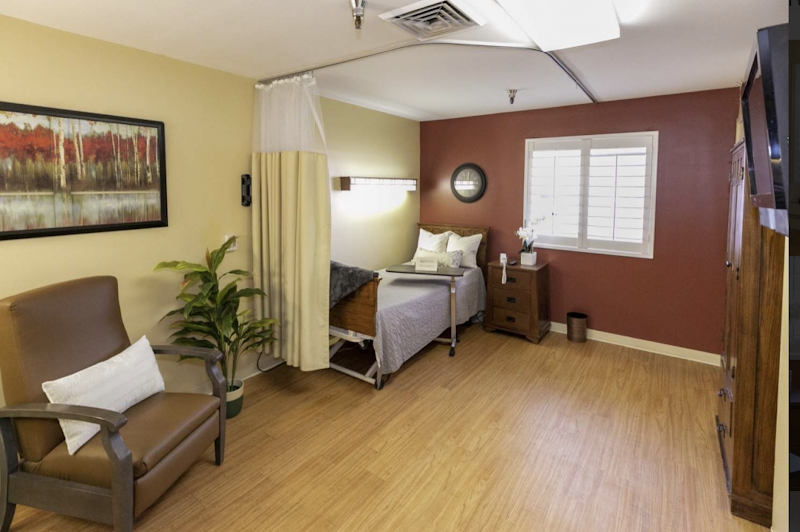
How is Holladay Healthcare Center Staffed?
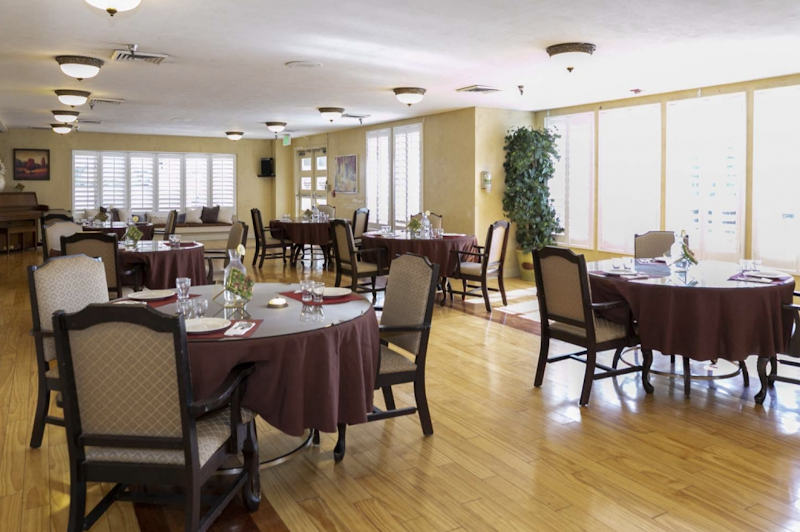
CMS rates Holladay Healthcare Center's staffing level at 3 out of 5 stars, which is average compared to other nursing homes. Staff turnover is 41%, compared to the Utah average of 46%. This relatively stable workforce can support continuity of care.

What Have Inspectors Found at Holladay Healthcare Center?

State health inspectors documented 25 deficiencies at Holladay Healthcare Center during 2021 to 2025. These included: 25 with potential for harm.

Who Owns and Operates Holladay Healthcare Center?

Holladay Healthcare Center is owned by a for-profit company. For-profit facilities operate as businesses with obligations to shareholders or private owners. The facility is operated by THE ENSIGN GROUP, a chain that manages multiple nursing homes. With 120 certified beds and approximately 81 residents (about 68% occupancy), it is a mid-sized facility located in Salt Lake City, Utah.

How Does Holladay Healthcare Center Compare to Other Utah Nursing Homes?

Compared to the 100 nursing homes in Utah, Holladay Healthcare Center's overall rating (3 stars) is below the state average of 3.3, staff turnover (41%) is near the state average of 46%, and health inspection rating (2 stars) is below the national benchmark.

What Should Families Ask When Visiting Holladay Healthcare Center?

Based on this facility's data, families visiting should ask: "Can I visit during a mealtime to observe dining assistance and food quality?" "How do you handle medical emergencies, and what is your hospital transfer rate?" "Can I speak with family members of current residents about their experience?"

Is Holladay Healthcare Center Safe?

Based on CMS inspection data, Holladay Healthcare Center has a clean safety record: no substantiated abuse findings (meaning no confirmed cases of resident harm), no Immediate Jeopardy citations (the most serious violation level indicating risk of serious injury or death), and is not on the Special Focus Facility watch list (a federal program monitoring the lowest-performing 1% of nursing homes). The facility has a 3-star overall rating and ranks #100 of 100 nursing homes in Utah. While no facility is perfect, families should still ask about staff-to-resident ratios and recent inspection results during their visit.

Do Nurses at Holladay Healthcare Center Stick Around?

Holladay Healthcare Center has a staff turnover rate of 41%, which is about average for Utah nursing homes (state average: 46%). Moderate turnover is common in nursing homes, but families should still ask about staff tenure and how the facility maintains care continuity when employees leave.

Was Holladay Healthcare Center Ever Fined?

Holladay Healthcare Center has no federal fines on record. CMS issues fines when nursing homes fail to meet care standards or don't correct problems found during inspections. The absence of fines suggests the facility has either maintained compliance or corrected any issues before penalties were assessed. This is a positive indicator, though families should still review recent inspection reports for the full picture.

Is Holladay Healthcare Center on Any Federal Watch List?

Holladay Healthcare Center is not on any federal watch list. The most significant is the Special Focus Facility (SFF) program, which identifies the bottom 1% of nursing homes nationally based on persistent, serious quality problems. Not being on this list means the facility has avoided the pattern of deficiencies that triggers enhanced federal oversight. This is a positive indicator, though families should still review the facility's inspection history directly.