Maple Ridge Rehabilitation and Nursing

455 South 900 East, Salt Lake City, UT 84102 (801) 355-6891
Government - City/county 36 Beds Independent Data: November 2025
Trust Grade
28/100
#73 of 97 in UT
Last Inspection: June 2025

Inspected within the last 6 months. Data reflects current conditions.

Overview

Maple Ridge Rehabilitation and Nursing has received a Trust Grade of F, indicating significant concerns about the facility's quality of care. Ranked #73 of 97 in Utah and #24 of 35 in Salt Lake County, it is in the bottom half of available options, suggesting limited choices for families in the area. The facility's situation is worsening, with the number of issues found increasing from 2 in 2024 to 14 in 2025. Staffing ratings are poor, with a 1/5 star rating and a turnover rate of 64%, which is higher than the state average, indicating that staff may not be consistently familiar with residents' needs. Notably, there have been serious incidents reported, including a resident who was in pain not receiving necessary pain management and another incident involving inappropriate behavior between residents. While the facility has a strong quality measures rating of 5/5 stars, families should weigh these strengths against the concerning weaknesses before making a decision.

Trust Score
F
28/100
In Utah
#73/97
Bottom 25%
Safety Record
High Risk
Review needed
Inspections
Getting Worse
2 → 14 violations
Staff Stability
⚠ Watch
64% turnover. Above average. Higher turnover means staff may not know residents' routines.
Penalties
⚠ Watch
$11,887 in fines. Higher than 95% of Utah facilities. Major compliance failures.
Skilled Nurses
✓ Good
Each resident gets 43 minutes of Registered Nurse (RN) attention daily — more than average for Utah. RNs are trained to catch health problems early.
Violations
⚠ Watch
34 deficiencies on record. Higher than average. Multiple issues found across inspections.
★★☆☆☆
2.0
Overall Rating
★☆☆☆☆
1.0
Staff Levels
★★★★★
5.0
Care Quality
★★☆☆☆
2.0
Inspection Score
Stable
2024: 2 issues
2025: 14 issues

The Good

  • 5-Star Quality Measures · Strong clinical quality outcomes
  • Full Sprinkler Coverage · Fire safety systems throughout facility
  • No fines on record

Facility shows strength in quality measures, fire safety.

The Bad

2-Star Overall Rating

Below Utah average (3.3)

Below average - review inspection findings carefully

Staff Turnover: 64%

18pts above Utah avg (46%)

Frequent staff changes - ask about care continuity

Federal Fines: $11,887

Below median ($33,413)

Minor penalties assessed

Staff turnover is elevated (64%)

16 points above Utah average of 48%

The Ugly 34 deficiencies on record

3 actual harm
Jun 2025 14 deficiencies
CONCERN (D)

Potential for Harm - no one hurt, but risky conditions existed

Deficiency F0578 (Tag F0578)

Could have caused harm · This affected 1 resident

**NOTE- TERMS IN BRACKETS HAVE BEEN EDITED TO PROTECT CONFIDENTIALITY** Based on interview and record review, the facility did not allow the resident the right to formulate an advance directive. Speci...

Read full inspector narrative →
**NOTE- TERMS IN BRACKETS HAVE BEEN EDITED TO PROTECT CONFIDENTIALITY** Based on interview and record review, the facility did not allow the resident the right to formulate an advance directive. Specifically, for 1 out of 14 sampled residents, a resident that did not have a Physician Orders for Life-Sustaining Treatment (POLST) or Advance Directive was documented as full code in their medical record. Resident identifier: 32. Findings included: Resident 32 was admitted to the facility on [DATE] and readmitted on [DATE] with diagnoses which included, but were not limited to, acute respiratory failure with hypoxia, chest pain, pleural effusion, chronic obstructive pulmonary disease, asthma, atrial fibrillation, type 2 diabetes mellitus with complications, secondary hypertension, and shortness of breath. Resident 32's medical record was reviewed. A physician's order dated 10/8/24, documented that resident 32 was a full code, full treatment, and a trial period of artificial nutrition. On 10/8/24 at 5:16 PM, an admission Progress Note documented . POLST status: . was blank. An Advanced Directive or POLST form were unable to be located in the medical record. On 5/28/25 at 1:15 PM, an interview was conducted with the Director of Nursing (DON). The DON stated the POLST form was completed on admission. The DON stated once the POLST form was completed the staff would turn them into her and she would give them to the Medical Director (MD) to be signed. The DON stated the Resident Advocate would audit the POLST form monthly. On 5/29/25 at 1:44 PM, an interview was conducted with the Administrator (ADM). The ADM confirmed that he was unable to locate resident 32's POLST form. The ADM stated that he had the MD signed a new POLST form for resident 32. The facility policy Residents' Rights Regarding Treatment and Advance Directives was reviewed. The policy was implemented on 4/11/25. Policy: It is the policy of this facility to support and facilitate a resident's right to request, refuse and/or discontinue medical or surgical treatment and to formulate advance directives. Policy Explanation and Compliance Guidelines: 1. On admission, the facility will determine if the resident has executed an advance directive, and if not, determine whether the resident would like to formulate an advance directive. 2. The facility will provide the resident or resident representative information, in a manner that is easy to understand, about the right to refuse medical or surgical treatment and formulate an advance directive. 3. Upon admission, should the resident have an advance directive, copies will be made and placed on the chart as well as communicated to the staff. 4. The facility will periodically assess the resident for decision-making abilities and approach the health care proxy or legal representative if the resident is determined not to have decision making capacities. 5. The facility will identify or arrange for an appropriate representative for the resident to serve as primary decision maker if the resident is assessed as unable to make relevant health care decisions. 6. The facility will define and clarify medical issues and present them to the resident or legal representative as appropriate. 7. During the care planning process, the facility will identify, clarify, and review with the resident or legal representative whether they desire to make any changes related to any advance directives. 8. Decisions regarding advance directives and treatment will be periodically reviewed as part of the comprehensive care planning process, the existing care instructions and whether the resident wishes to change or continue these instructions. 9. Any decision making regarding the resident's choices will be documented in the resident's medical record and communicated to the interdisciplinary team and staff responsible for the resident's care.
CONCERN (D)

Potential for Harm - no one hurt, but risky conditions existed

Grievances (Tag F0585)

Could have caused harm · This affected 1 resident

**NOTE- TERMS IN BRACKETS HAVE BEEN EDITED TO PROTECT CONFIDENTIALITY** Based on interview and record review, it was determined, for 1 out of 14 sampled residents, the facility did not make prompt eff...

Read full inspector narrative →
**NOTE- TERMS IN BRACKETS HAVE BEEN EDITED TO PROTECT CONFIDENTIALITY** Based on interview and record review, it was determined, for 1 out of 14 sampled residents, the facility did not make prompt efforts to resolve grievances the resident may have or maintain evidence demonstrating the results of all grievances. Specifically, a resident reported that his wallet and all personal documents were missing and requested assistance with obtaining new identification (ID) cards and the facility did not maintain evidence demonstrating the grievance investigation and decision. Resident identifier: 18. Findings included: Resident 18 was admitted to the facility on [DATE] and re-admitted on [DATE] with diagnoses which included schizophrenia, tremor, stimulant abuse, chronic obstructive pulmonary disease, peripheral vascular disease, and hypertension. On 5/27/25 at 8:54 AM, an interview was conducted with resident 18. Resident 18 stated that his wallet was missing with his identification and Medicaid card. Resident 18 stated that he informed the Resident Advocate (RA) and was told that she would assist him with obtaining new identification. Resident 18 stated that the RA never got back to him about how to get a new ID. Resident 18's medical record was reviewed. On 7/20/22, the personal inventory list documented one wallet in possession of the resident. The list did not document the contents of the wallet. On 9/13/23 at 6:58 AM, resident 18's progress note documented, It was brought to RA's attention that [Resident 18's] wallet was reported stolen in March. The investigation was done properly. [Resident 18] said that there had been some contacts and his ID in the wallet. RA found a caseworker's contact in his admission packet, and added that to his chart. RA asked [Resident 18] if there were any other contacts that he can think of, and he said no. RA is going to replace his wallet and get him a new ID. The grievance binder was reviewed from September 2023 through May 2025. No grievances were identified for resident 18 that pertained to the missing wallet and identification cards. Review of the facility Resident and Family Grievances policy documented that the facility would make prompt efforts to resolve grievances. Prompt efforts to resolve included facility acknowledgment of a complaint/grievance and actively working toward resolution of that complaint/grievance. The policy documented under procedure that The Grievance Officer will take steps to resolve the grievance, and record information about the grievance, and those actions, on the grievance form. The policy stated that Evidence demonstrating the results of all grievances will be maintained for a period of no less than 3 years from the issuance of the grievance decision. The policy was implemented on 4/11/25. On 5/28/25 at 7:51 AM, an interview was conducted with the RA. The RA stated that she had worked at the facility for two years and was in charge of the grievance investigations. The RA stated that she believed resident 18's wallet was replaced but she does not think she replaced his ID. The RA stated that sometimes she kept the ID in her office depending on if the resident requested it. The RA stated that she did not obtain new identification cards for the resident. The RA stated that this was something that she would typically start a grievance investigation for. The RA was observed to review the grievances to locate any investigation for resident 18's missing wallet and ID. The RA stated she did not have a grievance investigation for the missing property. The RA stated that she would assist the resident with obtaining a new ID. The RA stated she would contact the Social Security Administration to obtain a new card and then attempt to get a new state ID. The RA stated the timeframe for initiating a grievance investigation was within a week, and that this was something that should have been resolved. The RA stated that she would reach out to resident 18's case worker to obtain a new Medicaid card and would start the process of obtaining a new birth certificate and Social Security card.
CONCERN (D)

Potential for Harm - no one hurt, but risky conditions existed

Deficiency F0605 (Tag F0605)

Could have caused harm · This affected 1 resident

**NOTE- TERMS IN BRACKETS HAVE BEEN EDITED TO PROTECT CONFIDENTIALITY** Based on interview and record review, it was determined, for 1 of 14 sampled residents, the facility did not ensure that residen...

Read full inspector narrative →
**NOTE- TERMS IN BRACKETS HAVE BEEN EDITED TO PROTECT CONFIDENTIALITY** Based on interview and record review, it was determined, for 1 of 14 sampled residents, the facility did not ensure that residents who use psychotropic drugs received a gradual dose reductions (GDR), and behavioral interventions, unless clinically contraindicated, in an effort to discontinue these drugs. Specifically, a resident did not have an attempted GDR for Depakote and the Trazodone did not have a rationale for the clinical contraindication. Resident identifier: 26. Findings included: Resident 26 was admitted to the facility on [DATE] with diagnoses which included cerebral infarction, cognitive communication deficit, hemiplegia and hemiparesis of left side, dysphagia, aphasia, and hypertension. Resident 26's medical record was reviewed. Resident 26's physician orders revealed the following: a. On 2/6/24, an order was initiated for Trazodone Oral Tablet 50 milligram (mg), give 50 mg by mouth at bedtime related to insomnia. b. On 2/6/24, an order was initiated for Divalproex Sodium Oral Tablet Delayed Release 125 mg, give 250 mg by mouth two times a day for increased behaviors. On 5/19/25, a Clinical Contraindication GDR for Trazodone was completed. The form documented the target symptom(s) or distressed behavior was insomnia. The form had areas listed for the reason of the contraindication but none of the reasons were checked or indicated. No documentation could be found for an attempted GDR or clinical contraindication for the use of the Divalproex. On 5/29/25 at 2:20 PM, an interview was conducted with Licensed Practical Nurse (LPN) 2. LPN 2 stated that resident 26's behaviors were impatience, wanting assistance immediately, some yelling out at times, and a history of hitting and aggressive behaviors. LPN 2 stated resident 26 had been physically and verbally aggressive and had tried to hit the Certified Nursing Assistants in the past. LPN 2 stated that the Divalproex was for resident 26's behaviors. LPN 2 stated that they monitored resident 26's behaviors on the Treatment Administration Record for agitation every shift. On 5/29/25 at 2:47 PM, an interview was conducted with the Corporate Resource Nurse (CRN) and the Director of Nursing (DON). The CRN stated that she filled out resident 26's clinical contraindication form for the Trazodone, the provider then signed it, and the DON needed to fill in the form. The CRN stated that the GDR was discussed during the psychotropic meetings. The CRN stated that she filled out the GDR form for those resident's that needed a GDR and the physician brought those forms to the psychotropic meeting. The DON stated that the physician should document a rationale for the clinically contraindication to the GDR. The DON stated that the physician note dated 3/17/25, documented that resident 26 was prescribed Depakote for behaviors. The DON stated that they did not attempt a GDR for the Depakote and it was used for agitation.
CONCERN (D) 📢 Someone Reported This

A family member, employee, or ombudsman was alarmed enough to file a formal complaint

Potential for Harm - no one hurt, but risky conditions existed

Report Alleged Abuse (Tag F0609)

Could have caused harm · This affected 1 resident

**NOTE- TERMS IN BRACKETS HAVE BEEN EDITED TO PROTECT CONFIDENTIALITY** Based on interview and record review, it was determined, for 1 of 14 sampled residents, the facility did not ensure that all all...

Read full inspector narrative →
**NOTE- TERMS IN BRACKETS HAVE BEEN EDITED TO PROTECT CONFIDENTIALITY** Based on interview and record review, it was determined, for 1 of 14 sampled residents, the facility did not ensure that all alleged violations involving abuse and neglect were reported immediately, but not later than 2 hours after the allegation was made to the administrator, the State Survey Agency (SSA), and Adult Protective Services (APS). Specifically, the facility investigations for a residents allegation of sexual abuse and an elopement did not have a documented date that APS was notified. Resident identifier: 1. Findings included: Resident 1 was admitted to the facility on [DATE] with diagnoses which included anoxic brain damage, unspecified convulsions, diabetes mellitus, asthma, hypothyroidism, restless leg syndrome, and dysphagia. Resident 1's facility abuse investigations were reviewed. On 5/2/24 at 2:47 PM, the facility Form 358 documented that the local Police Department (PD) notified the facility that they found resident 1 wandering one street north of the facility and he seemed confused. The local PD reported that they transported resident 1 to a local area hospital for evaluation. The form documented that APS was notified at 3:15 PM, but no date was documented for the notification. On 12/6/24 at 8:00 PM, the facility Form 358 documented that resident 1 reported to the floor nurse that he had rectal pain and that he had been raped. The form documented that resident 1 was unable to recall a timeline or sequence of events, was unable to provide details of the alleged perpetrator, and was unable to provide details of the event. The form documented that APS was notified at 9:15 PM, but no date was documented for the notification. On 5/28/25 at 12:08 PM, an interview was conducted with the Administrator (ADM). The ADM stated that the previous ADM conducted the investigations and documented the APS notification. The ADM stated that he did not have any other documentation for the APS notification. The ADM stated that he reached out to the previous ADM to see if he had documentation of APS notification. The ADM also stated that he had submitted a Government Records Access and Management Act request to APS for copies of the notification verification.
CONCERN (D)

Potential for Harm - no one hurt, but risky conditions existed

Deficiency F0628 (Tag F0628)

Could have caused harm · This affected 1 resident

**NOTE- TERMS IN BRACKETS HAVE BEEN EDITED TO PROTECT CONFIDENTIALITY** Based on interview and record review, it was determined, for 2 of 14 resident's sampled, the facility did not ensure that the re...

Read full inspector narrative →
**NOTE- TERMS IN BRACKETS HAVE BEEN EDITED TO PROTECT CONFIDENTIALITY** Based on interview and record review, it was determined, for 2 of 14 resident's sampled, the facility did not ensure that the resident's transfer or discharge was documented in the resident's medical record and the information was communicated to the receiving provider included contact information for the practitioner responsible for the care of the resident; resident representative contact information; Advanced Directive information; all special instructions or precautions for ongoing care; a comprehensive care plan goals; and all other necessary information to ensure a safe and effective transition of care. Specifically, the resident's medical record did not contain documentation of what information was sent to the receiving provider for a transition of care. Resident identifiers: 7 and 15. 1. Resident 7 was admitted to the facility on [DATE] and was re-admitted to the facility on [DATE] with diagnoses which included Human Immunodeficiency Virus, generalized anxiety disorder, paranoid schizophrenia, and viral hepatitis C. Resident 7's medical record was reviewed. On 2/28/25 at 7:38 AM, a Health Status Note documented, Resident has been very anxious this AM, pacing around the facility and calling several people on the phone. He called 911 and requested to go to [local area hospital] complaining of brain pain. Resident showed no S/S [signs and symptoms] of Acute distress and did not mention any issues to staff before calling 911. Sent resident with EMS [emergency medical services] to [name of hospital]. Resident 7's medical record revealed no documentation of a transfer/discharge summary or what information was sent to the receiving provider. 2. Resident 15 was admitted to the facility on [DATE] and readmitted [DATE] with diagnoses which included type 1 diabetes mellitus, generalized anxiety disorder, chronic kidney disease stage 3, complete traumatic amputation of two or more left toes, bipolar disorder, and suicidal ideations. Review of resident 15's record was completed on 5/27/25 through 6/2/25. On 1/25/25 at 2:47 PM, a transfer to hospital summary note revealed that the patient reported feeling dizzy to the nurse, nurse went and assessed him, blood sugar 430, blood pressure (BP) 100/70, respiration rate (RR) 14, temperature (T) 97.0, heart rate (HR) 58, oxygen saturation 70 at room air (RA), patient quickly became pale and unresponsive, continue with HR, 911 was called to the facility, staff stayed with patient monitoring him, places oxygen via nasal cannula at 5 liter (L), saturations eventually went up to 90 at 5L, patient became somewhat more responsive, alert/oriented to self and situation, patient was able to follow simple commands of squeezing nurse's hand, no facial asymmetry noted. Paramedics transfer resident to hospital. Medical Doctor (MD) notified of the incident. On 2/18/25 at 5:11 PM, a health status note revealed the following. Patient reported to nurse the feeling of collapse and right side weakness, he stated he could not walk due to the weakness, he states not feeling those symptoms before. Nurse assessed patient for other symptoms to rule out possibility of stroke, no signs of facial drooping or asymmetry, equal strength of hands, no confusion, patient alert and oriented to person, place, time, and situation consistent with baseline, patient talkative, wheeling himself on manual wheelchair with both hands, BP 180/95, RR 18, T 97.0, HR 88, and oxygen 97% RA, per patient request he would like to go to the emergency department for further assessment, house MD has been notified. Resident 15's medical record revealed no documentation of a transfer/discharge summary or what information was sent to the receiving provider. On 5/29/25 at 9:29 AM, an interview was conducted with Licensed Practical Nurse (LPN) 2. LPN 2 stated that she would notify the physician of the resident's change in condition and then she would contact EMS for a transfer to the hospital. LPN 2 stated that she would notify management and the family of the transfer. LPN 2 stated that she would give report to EMS and provide them with copies of a transfer/discharge sheet, order summary, recent physician note, recent labs, and a copy of the Physician Orders for Life Sustaining Treatment (POLST). LPN 2 stated that she would document in a progress note the resident's change in condition, who was contacted and what assessment and treatment that she provided. LPN 2 stated that she would also document what paperwork was sent with the resident to the receiving provider. LPN 2 stated that there was a progress note template that had a spot for what documentation was sent to the receiving provider. On 5/29/25 at 10:50 AM, an interview was conducted with the Director of Nursing (DON). The DON stated that the process for a transfer was to print the discharge/transfer report, the order summary, and a face sheet which contains the POLST information to send with EMS. The DON stated that the nurse should document in a progress note the event details and need for transfer, any orders received from the provider, notification of management and Power of Attorney if applicable. The DON stated that the progress note should also include the assessment and any recent vital signs. The DON stated that they did not always document what documentation was sent to the receiving provider. The DON stated that if it was not documented they would not know what was sent to the receiving provider, and if a transfer/discharge assessment was not in the chart then it was not completed at the time of the event.
CONCERN (D)

Potential for Harm - no one hurt, but risky conditions existed

Comprehensive Care Plan (Tag F0656)

Could have caused harm · This affected 1 resident

**NOTE- TERMS IN BRACKETS HAVE BEEN EDITED TO PROTECT CONFIDENTIALITY** Based on interview and record review, it was determined, for 1 of 14 sampled residents, the facility did not develop and impleme...

Read full inspector narrative →
**NOTE- TERMS IN BRACKETS HAVE BEEN EDITED TO PROTECT CONFIDENTIALITY** Based on interview and record review, it was determined, for 1 of 14 sampled residents, the facility did not develop and implement a comprehensive person-centered care plan for each resident that included measurable objectives and timeframe's to meet the resident's medical, nursing, and psychosocial needs that were identified in the comprehensive assessment. Specifically, the resident's care plan did not address the resident's bowel elimination pattern. Resident identifier: 4. Findings included: Resident 4 was admitted to the facility on [DATE] and was re-admitted on [DATE] with diagnoses which consisted of schizophrenia, Parkinsonism, generalized anxiety disorder, obsessive-compulsive disorder, major depressive disorder, congestive heart failure, peripheral vascular disease. On 5/27/25 at 9:35 AM, an interview was conducted with resident 4. Resident 4 stated that within the last two months he had experienced some constipation and went a long time without a bowel movement (BM). Resident 4's medical record was reviewed. Resident 4's physician orders revealed orders for Milk of Magnesia suspension for the treatment of constipation. The May 2025 Medication Administration Record documented that the Milk of Magnesia was not administered during the month. Review of resident 4's bowel elimination pattern for the last 30 days revealed: a. On 5/8/25 through 5/13/25, the task documented no BM. The resident went six days without a BM. b. On 5/23/25 through 5/25/25, the task documented no BM. The resident went three days without a BM. On 10/1/18, resident 4 had a care plan initiated for Activities of Daily Living (ADLs) self-care performance deficit related to schizophrenia. The care plan documented under toileting that resident 4 used a urinal for bladder elimination. The care plan did not address resident 4's bowel elimination pattern nor treatment for constipation. The care plan focus area for toileting was last updated on 7/27/23. On 5/29/25 at 8:14 AM, an interview was conducted with the Director of Nursing (DON). The DON stated that the bowel and bladder elimination would be addressed in the care plan under ADLs for toileting. The DON stated that the care plan currently only addressed the resident's urinary elimination.
CONCERN (D)

Potential for Harm - no one hurt, but risky conditions existed

Quality of Care (Tag F0684)

Could have caused harm · This affected 1 resident

**NOTE- TERMS IN BRACKETS HAVE BEEN EDITED TO PROTECT CONFIDENTIALITY** Based on interview and record review, it was determined, for 1 of 14 sampled residents, the facility did not ensure that all res...

Read full inspector narrative →
**NOTE- TERMS IN BRACKETS HAVE BEEN EDITED TO PROTECT CONFIDENTIALITY** Based on interview and record review, it was determined, for 1 of 14 sampled residents, the facility did not ensure that all residents received the treatment and care in accordance with professional standards of practice, the comprehensive person-centered care plan, and the resident's choice. Specifically, a resident had complaints of constipation that were not treated with the facility bowel protocol. Resident identifier: 4. Findings included: Resident 4 was admitted to the facility on [DATE] and was re-admitted on [DATE] with diagnoses which consisted of schizophrenia, Parkinsonism, generalized anxiety disorder, obsessive-compulsive disorder, major depressive disorder, congestive heart failure, peripheral vascular disease. On 5/27/25 at 9:35 AM, an interview was conducted with resident 4. Resident 4 stated that within the last two months he had experienced some constipation and went a long time without a bowel movement (BM). Resident 4 stated that he used to take Milk of Magnesia (MOM) for constipation. Resident 4 stated that his last BM was on Saturday. Resident 4's medical record was reviewed. Resident 4's physician orders revealed the following: a. On 3/29/24, an order was initiated for MOM Suspension 400 milligrams (mg)/5 milliliters (ml), give 30 ml by mouth as needed for Constipation. b. On 11/26/24, an order was initiated for MOM Oral Suspension 400 mg/5 ml, give 30 ml by mouth every 24 hours as needed for constipation use on day 3 of no BM. Resident 4's May 2025 Medication Administration Record (MAR) documented that the MOM was not administered during the month. Review of resident 4's bowel elimination pattern for the last 30 days revealed: a. On 5/8/25 through 5/13/25, the task documented no BM. The resident went six days without a BM. b. On 5/23/25 through 5/25/25, the task documented no BM. The resident went three days without a BM. On 10/1/18, resident 4 had a care plan initiated for Activities of Daily Living self-care performance deficit related to schizophrenia. The care plan documented under toileting that resident 4 used a urinal for bladder elimination. The care plan did not address resident 4's bowel elimination patter nor treatment for constipation. The care plan focus area for toileting was last updated on 7/27/23. The facility bowel protocol documented that any resident who had gone six full nursing shifts or three days without a bowel movement needed to have the bowel protocol initiated. The protocol documented that after six shifts without a BM staff were to administer Step 1 of the protocol, MOM 30 ml by mouth. The nurse on shift must document whether milk of magnesia was effective or not in producing a bowel movement before shift's end. The protocol Step 2 documented that if the MOM did not produce a BM within 12 hours or the resident refused the next nurse on shift needed to administer a Dulcolax suppository 10 mg rectally. The nurse on shift must document whether the suppository was effective or not in producing a bowel movement before shift's end. The protocol Step 3 documented that if the Dulcolax did not produce a BM within 12 hours of administration the next nurse on shift needed to administer a Fleets enema rectally. The nurse on shift must document whether the enema was effective or not in producing a bowel movement. If no bowel movement was produced, the nurse on shift needs to contact the medical director for further instructions prior to the shift's end. On 5/29/25 at 7:59 AM, an interview was conducted with Licensed Practical Nurse (LPN) 2. LPN 2 stated she did not know where the bowel protocol was located but she thought they had standing orders for the protocol. LPN 2 stated that after three days without a bowel movement they were to administer treatment per the bowel protocol. LPN 2 stated that the Director of Nursing (DON) assisted with tracking of resident bowel movements. On 5/29/25 at 8:07 AM, an interview was conducted with Certified Nursing Assistant (CNA) 3. CNA 3 stated that she would monitor the resident's bathroom activity and would check the toilet if she did not assist the resident with toileting. CNA 3 stated that resident 4 was independent with toileting and she would just ask him if he had a bowel movement. CNA 3 stated that if the resident did not have a BM she would notify the nurse. CNA 3 stated that she documented the residents bowel movements in the electronic medical record. On 5/29/25 08:14 AM, an interview was conducted with he DON. The DON stated that they had a bowel protocol that should be implemented if a resident did not have a BM after three days. The DON stated that they had a standing order for MOM for constipation and the nurses and herself tracked resident bowel movements. The DON stated that she generated a report and conducted a daily audit of all resident bowel movements. The DON stated that if there were no documented bowel movements she would ask the staff to check with the resident if they were continent and ask if they had a BM. The DON stated if the resident was not able to inform the staff of their BM then they would implement the bowel protocol. The DON stated that the nurse would inform her if the resident did not have a BM and then they would document in the medical record what treatment was provided. The DON stated that resident 4 did not like to take the MOM. The DON stated that it should have been documented in the MAR if the MOM was administered or refused. The DON reviewed resident 4's MAR and stated that she did not see that the MOM was refused. The DON stated that she did not see any other documentation in the nurse progress notes about a refusal or that resident 4 had a BM. The DON stated that per the bowel protocol the nurse should have administered the MOM on day three of no BM, administered a Dulcolax suppository on day four of no BM, and administered a Fleets enema on day five of no BM. The DON stated that after all treatment had been administered and were not successful they should have notified the provider.
CONCERN (D) 📢 Someone Reported This

A family member, employee, or ombudsman was alarmed enough to file a formal complaint

Potential for Harm - no one hurt, but risky conditions existed

Accident Prevention (Tag F0689)

Could have caused harm · This affected 1 resident

**NOTE- TERMS IN BRACKETS HAVE BEEN EDITED TO PROTECT CONFIDENTIALITY** Based on observation, interview, and record review, it was determined, for 1 of 14 sampled residents, the facility did not ensur...

Read full inspector narrative →
**NOTE- TERMS IN BRACKETS HAVE BEEN EDITED TO PROTECT CONFIDENTIALITY** Based on observation, interview, and record review, it was determined, for 1 of 14 sampled residents, the facility did not ensure that the resident received adequate supervision and assistance devices to prevent accidents. Specifically, the facility did not provide adequate supervision to prevent a resident elopement from the facility on two occasions. Resident identifier: 1. Findings included: Resident 1 was admitted to the facility on [DATE] with diagnoses which included anoxic brain damage, unspecified convulsions, diabetes mellitus, asthma, hypothyroidism, restless leg syndrome, and dysphagia. On 5/27/25 at 9:18 AM, an interview was conducted with the resident 1. Resident 1 stated that he tried to go outside once in a while but he was not supposed to go out by himself. Resident 1 stated that the doors to the facility were locked. Resident 1's facility abuse investigations were reviewed. On 5/2/24 at 2:47 PM, the facility Form 358 documented that the local Police Department (PD) notified the facility that they found resident 1 wandering one street north of the facility and he seemed confused. The local PD reported that they transported resident 1 to a local area hospital for evaluation. The form documented under details of the incident that the facility had received visitors for church throughout the day. A gate at the facility was left left [sic] slightly open by vistors [sic]. The gate requires a code to enter. [Resident 1] exited through the gate. The form was submitted to the State Survey Agency on 6/2/24 at 4:50 PM. The discrepancies between the date submitted and the date documented on the form were reviewed and it was determined that the 5/2/24, date was a data entry error and the incident actually occurred on 6/2/24. The facility Form 359 documented under the summary of interviews that staff reported, Many used the back gate in the court yard that exits near the parking lot. The gate was not secured and locked by visitors. Staff members did not check the entirety of the court yard when hearing the wander guard alarm. The conclusion of the facility investigation was that the allegation was verified. The corrective actions taken were that staff members were trained that they must assist and attend to any resident wearing a wander guard wishing to access the courtyard. Additionally, the staff were trained to ensure that the courtyard gate was securely locked behind them and signs were posted directing visitors to use the front door of the facility. Resident 1's medical record was reviewed. Resident 1's physician orders revealed the following: a. On 5/4/25, an order was initiated for WANDERGUARD: Check function of device daily every day shift for Elopement risk. b. On 3/8/24, an order was initiated for WANDERGUARD: To be used at all times d/t [due to] elopement risk. Device located on BACK OF RESIDENT'S WHEELCHAIR. Verify placement of wanderguard q [every] shift. If resident removes wander guard please initiate Q15 min [minute] checks. c. On 3/6/24, an order was initiated for Monitor attempts made by resident to exit seek. Notify management if resident is exit seeking. Supervise resident during these attempts to ensure patient safety. Document number of attempts made and create a progress note. Resident 1's progress notes revealed the following: a. On 3/5/24 at 7:00 PM, the Health Status Note documented, Patient hanging around nurse station wanting to use the phone. RN [Registered Nurse] hands him the patient phone and he dials the number on a paper in his hand. When RN is counting cards and getting report, Patient vacates the room. Soon the ADM [Administrator] and Aide come in side with this Patient. He states 'I wanted to leave.' ADM states she saw him outside the gate and redirected him back into the facility. Aide was out there too and helped with this. RN called non-emeregent [sic] Police line and explained the situation and asked for a policeman to come calm this patient. Then let the patient talk to the police. Later he took his meds [medications], as the police came in. Wanderguard attached to patient W/C [wheelchair] as the patient cuts it off his leg. Dr [doctor] and DON [Director of Nursing] notified 1857 [6:57 PM] Family [name omitted] notified 3/6/24 0730 [7:30 AM]. 15 minute checks continue. b. On 3/9/24 at 3:06 PM, the Alert Note documented, Patient continues on alert charting for exit seeking. Patient requested to go outside to the patio for a few minutes, staff assisted patient and stayed with him, offered some coffee, he appears to be content, close patient watching out the window constantly which is not usual on him, no attempt to leave at the time. c. On 5/16/24 at 6:37 PM, the Alert Note documented, Data entry error - Note Text: Resident is on alert charting for elopement. Resident kicked gate with alarm on it open again today. Resident said he wanted to go find a phone and call the police. Redirected resident inside and assisted him with calling the police for a well checkup. Resident was satisfied after phone call and went back to him room to watch TV. 15 minute checks completed and ongoing. No other elopement attempts this shift. No injuries noted. Notified management. It should be noted that this note was struck out. d. On 5/19/24 at 8:08 PM, the Health Status Note documented, Incomplete Documentation - Note Text: Patient exit seeking a lot this shift, Hanging around the door, alarm ringing a lot. Did take his meds, Then said I was trying to kill him. RN tried to redirect, Patient Insistant [sic] on calling 911, and leaving. Wanting a Dr. for his 'deformity' (Breastbone). Fixated. Finally he kicked the locked door open. It probably opened from the time of 15 seconds of ringing alarm. RN Walked with him down the inner ramp. talking to him. Finally figured if he called 911 he'd be happy. Nurse dialed non emergent number from office phone but Patient DID ALL the talking. 30 minutes later 5 police men came and RN briefed them prior to entry to building. The official in charge talked to him, reinforced stay here and get a Dr. Tomorrow . Dr [name omitted]. Patient calmer after they left. he watched tv for a couple hours, then watched the road for an hour. Then went to bed after 1030 [10:30 PM]. Pt. [patient] Slept all night. It should be noted that this note was struck out. e. On 6/2/24 at 3:42 PM, the Health Status Note documented, [City name] police officer informed the nurse that [Resident 1] was found heading ones [sic] street north of the facility. The resident was currently safe at the [name of hospital omitted] hospital getting evaluated. Nurse last saw [Resident 1] in his room and in the activity room shortly before getting a call from the officer. The local church provides services to the residents on Sundays. The church visitors were seen talking to [Resident 1] while leaving. The visitors left the gate opened while exiting. This gate is very secure and requires a code to enter/exit. [Resident 1] exited the gate. Nurse received the information from the police officer and contacted the IDT [Interdisciplinary Team] members. Nurse walked to the gate and saw that it was partially open. Nurse secured gate. Nurse assessed resident when resident arrived back at facility. No injuries noted. No signs of physical injury, emotional distress, or mental anguish. f. On 6/2/24 at 3:42 PM, the Alert Note documented, received call from officer. officer stated that pt was found at 400 s [South] and 900 e [East] and transport pt to the [local hospital] ER [Emergency Room]. received call from ER, they are going to do workup on pt and arrange transportation back to facility. notified MD [Medical Doctor], DON, administrator. On 3/28/24, the wander/elopement evaluation documented a score of 12, which would indicate a high risk for elopement or wandering. The evaluation documented, Resident has attempted to leave facility occasionally when he agitated about something. He has a wander guard and 15 minute checks completed. He has contacted 911 and police in the past several times. Redirection, education and re-orientation provided. On 5/16/24, resident 1's wander/elopement evaluation documented a score of 25. The form documented, Resident has hx [history] of elopement. Resident ambulates using a wheelchair. Resident has severe cognitive impairment. Resident overestimates own ability. Resident uses wanderguard d/t elopement risk. Review of resident 1's care plan documented a focus area for delusional thoughts and Resident elopement on 3/5/24. Wander guard placed on back of resident's wheelchair d/t resident's poor safety awareness. Interventions identified on the care plan included: Encourage resident to stay in common areas of building for observation if needed; Monitor location every 15 min when resident refuses his wanderguard or was not wearing his wanderguard; Document wandering behavior and attempted diversional interventions in behavior log; Resident to wear wandergaurd to mitigate risk for elopement; and Resident's elopement attempts were triggered by paranoia/delusional thoughts that result in resident wanting to leave the facility. On 5/27/25 at 8:48 AM, an observation was made of the back gate. The gate had a sign posted that stated, Stop Please make Sure The Gate Is Locked Thank you!!! On 5/27/25 at 10:13 AM, an observation was made of Certified Nursing Assistant (CNA) 2 to disengage the wander guard alarm on the back patio. CNA 2 stated that it alarmed when a resident with a wander guard was close. On 5/27/25 at 12:15 PM, an observation was made of resident 1. Resident 1 walked close to the doorway leading out to the courtyard. Resident 1's wander guard alarmed and the Licensed Practical Nurse 3 turned it off. The resident did not exit the door. On 5/28/25 at 10:06 AM, the State Surveyor observed the back gate closed and verified that the lock was secured. On 5/28/25 at 11:21 AM, an interview was conducted with CNA 4. CNA 4 stated that resident 1's behaviors were paranoia over his medication and giving him the wrong pills. CNA 1 stated that when resident 1 was paranoid he would want out of the facility. CNA 4 stated that if resident 1 could not get the help he wanted he would attempt to leave the facility or would want the ambulance called. CNA 4 stated that she was not aware of resident 1 exiting the facility. CNA 4 stated that she had brought resident 1 inside from the courtyard, and recalled that he was attempting to kick the fence. CNA 4 stated a few weeks ago resident 1 was threatening to throw a chair at the door to get out. CNA 4 stated that resident 1 had a wander guard located on his wheelchair because he could not ambulate. CNA 4 stated that the courtyard door locked at night and it was currently propped open by an air conditioning unit. CNA 4 stated that the day resident 1 was outside in the courtyard was before the courtyard door automatically locked. CNA 4 stated if resident 1 got close enough to a door the wander guard would alarm. CNA 4 stated if they heard the wander guard alarming they were to quickly locate the door, inspect to see what caused it to alarm, and then turn it off. On 5/28/25 at 12:22 PM, an interview was conducted with the DON. The DON stated that the resident had delusions and paranoia. The DON stated that resident 1 had exit seeking behaviors where he would verbalize wanting to leave and then attempting to push the door open. The DON stated that resident 1 had a wander guard located on his wheelchair, but that the resident was able to ambulate with the use of a walker. The DON stated that resident 1 had two instances where he eloped, one time he was found outside and brought back in and the other time he was picked up by the police and taken to the hospital. The DON stated that resident 1 was alert and oriented times two to person and place, but when he was delusional he was only oriented to self. The DON stated that resident 1 had short term and long term memory deficits. On 5/28/25 at 12:41 PM, an interview was conducted with the ADM and the DON. The ADM stated that on 3/5/24, the resident went to the nurse station and then exited the facility through the back patio. The ADM stated that the courtyard door locked when residents with wander guards approached and the doors automatically locked between 8:00 PM and 6:00 AM. The ADM stated that the resident had an order for the wander guard at the time of his first elopement on 3/5/24. The ADM stated if the door was propped open it would alarm to alert the staff. The ADM stated that when the wander guard alarmed the staff should immediately respond and assess the situation and determine if a resident was outside. The ADM stated that the side gate in the courtyard had a lock on it that would have to be disengaged with a code on the keypad. The ADM stated that if all systems were working the door should have locked, the alarm should have sounded, and the back gate should have been locked. The DON stated that the wander guard was previously on resident 1's leg and the progress note documented that he cut it off. The DON stated that the order was updated to place the wander guard on the wheelchair. The ADM stated he was not aware of the resident previously removing his wander guard. The ADM stated that the elopement in June 2024 he was involved in the investigation but was the DON at that time. The ADM stated that the June elopement occurred on a Sunday. The nurse received a call from the police that the resident was found on the street and was currently at the hospital being evaluated. Due to the timing they determined that the local church service left the gate open. The ADM stated that visitors from the church had access to the gate code to disengage the lock. The ADM stated that an intervention from that elopement was that every visitor had to sign a log and were provided education on shutting the gate after exiting. On 5/28/25 at 3:19 PM, a follow-up interview was conducted with the ADM. The ADM stated that he spoke with the previous ADM and reviewed the incident notes. The ADM stated that he came up with a timeline of events for the March 2024 elopement. The ADM stated that on 3/1/24, resident 1 cut his wander guard off and every 15 minute checks were implemented. The ADM stated that the nurses made attempts to place the wander guard back on resident 1 but were unsuccessful. The ADM stated that on 3/5/24 at 7:00 PM, resident 1 exited the side gate of the courtyard. The ADM stated that the previous ADM found resident 1 in front of the facility. The ADM stated that at the time the resident was found outside the facility the wander guard was not on his person but was instead attached to his wheelchair. The ADM stated that on 6/2/24, resident 1 exited the facility by opening the unlocked south gate. The ADM stated that the gate was functional but not secured. The ADM stated that after the elopement in June 2024 the gate was reinforced with a new lock and the hinge mechanism was replaced so it would automatically close when released. The ADM stated that they also had the wanderguard system vendor check the system for proper functioning. The ADM stated that they made changes to the system which included that the door locked from 8:00 PM to 8:00 AM, the facility door lock engaged when the wanderguard was in close proximity, and the facility door would constantly alarm when the wanderguard was outside the set parameters.
CONCERN (D)

Potential for Harm - no one hurt, but risky conditions existed

Deficiency F0697 (Tag F0697)

Could have caused harm · This affected 1 resident

**NOTE- TERMS IN BRACKETS HAVE BEEN EDITED TO PROTECT CONFIDENTIALITY** Based on observation, interview, and record review, the facility did not ensure that pain management was provided to residents w...

Read full inspector narrative →
**NOTE- TERMS IN BRACKETS HAVE BEEN EDITED TO PROTECT CONFIDENTIALITY** Based on observation, interview, and record review, the facility did not ensure that pain management was provided to residents who required such services. Specifically, for 1 out of 14 sampled residents, a resident complaining of pain and requesting to go to the hospital was not provided pain medications, an alternative pain reliever, or nonpharmaceutical pain interventions. Resident identifier: 14. Findings included: Resident 14 was admitted to the facility on [DATE] with diagnoses which included, but were not limited to, atherosclerotic heart disease of native coronary artery without angina pectoris. On 5/27/25 at 11:14 AM, resident 14 was observed to tell a Certified Nursing Assistant (CNA) that he was in a lot of pain right now. The CNA stated to resident 14 that she would talk to the nurse. The CNA was observed to tell the nurse that resident 14 was having pain. The nurse stated to the CNA that she would send a message to the Medical Director (MD). Resident 14 was observed to tell the nurse the pain was in his neck and back. The Director of Nursing (DON) was observed to tell resident 14 that X-rays were done not to long ago. Resident 14 stated I need to go to the hospital and get this taken care of. Resident 14 stated that he was in a lot of pain and wanted more than two Tylenol. Resident 14 stated that he wanted six Tylenol because two Tylenol did not help with the pain. The nurse was observed to instruct resident 14 to go lay down in his room. Resident 14 stated he did not want to sit down because he was afraid he would not get back up. On 5/27/25 at 11:22 AM, an interview was conducted with resident 14. Resident 14 stated he was having arthritis pain and he needed something other than two Tylenol to kill the pain. Resident 14 stated he would go to the hospital if he needed to. On 5/27/25 at approximately 12:00 PM, resident 14 was observed walking to the dining room with his cane. Resident 14 stated to the State Surveyor that nothing had been done as of yet and he was still in pain. Resident 14's medical record was reviewed. A care plan Focus dated 5/16/18 and revised on 7/30/23, documented that resident 14 had pain related to headache. Interventions initiated on 5/16/18 and revised on 7/6/21, included: a. The resident's pain is alleviated and relieved by medication and rest. b. Anticipate the resident's need for pain relief and respond immediately to any complaint of pain. c. Identify and record previous pain history and management of that pain and impact on function. Identify previous response to analgesia including pain relief, side effects, and impact on function. d. Identify, record, and treat the resident's existing conditions which may increase pain and or discomfort due to headache. e. Monitor and document for probable cause of each pain episode. Remove and limit causes where possible. f. The resident prefers to have pain controlled by Tylenol. It should be noted the care plan was developed for resident 14's headache pain. A quarterly Minimum Data Set assessment dated [DATE], documented that resident 14 had a Brief Interview for Mental Status (BIMS) score of 9. A BIMS score of 8 to 12 would suggest moderate cognitive impairment. On 5/7/25, a quarterly pain assessment documented that resident 14 had pain or hurt at any time in the last five days. Pain frequency was documented as frequent. Pain occasionally had an effect on resident 14's sleep, would frequently interfere with therapy activities, and would occasionally interfere with day to day activities. Resident 14 rated his worst pain over the last five days an eight on a pain scale of zero to ten and pain intensity was moderate. Resident 14 has had vocal complaints and facial expressions of pain over the last five days. Contributing factors to pain listed childhood neck injury and arthritis. Medication and resting helped relieve pain. On 5/26/25 at 10:11 AM, an Orders -Administration Note documented Lidocaine External Patch 4 Apply to Lower Back topically two times a day for Pain Apply during day shift. Keep on for 12hours; Remove at night shift after it has been on for 12 hours. awaitng [sic] pharmacy delivery. The May 2025 Medication Administration Record (MAR) was reviewed: a. A physician's order dated 8/25/23, documented Monitor pain level q [every] shift using 0-10 pain scale. Document ALL interventions being utilized for pain management: 0) No intervention indicated d/t [due to] no pain 1) Scheduled pain medication 2) PRN [as needed] pain medication 3) PRN pain medication offered and refused 4) Repositioning 5) Rest 6) Ice/Heat 7) Other (specify in progress notes) 8) Resident refused all nonpharmacological interventions every shift for PAIN MONITORING. On 5/27/25 at 6:00 AM to 6:00 PM, it was documented on the MAR that resident 14's pain level was 0. The Face, Legs, Activity, Cry, and Consolability scale was 0 and no interventions were utilized. b. A physician's order dated 7/25/24, documented Acetaminophen Extra Strength Tablet 500 MG [milligrams] (Acetaminophen) Give 2 tablet by mouth every 8 hours as needed for Pain. It should be noted that resident 14 was not offered acetaminophen for his complaints of pain on 5/27/25, and there was no documentation of a refusal. c. A physician's order dated 5/20/24, documented Biofreeze External Cream 10 % (Menthol (Topical Analgesic)) Apply to Affected areas topically every 8 hours as needed for Pain. It should be noted that resident 14 was not offered Biofreeze for his complaints of pain on 5/27/25, and there was no documentation of a refusal. On 5/28/25 at 11:16 AM, an interview was conducted with resident 14. Resident 14 stated the staff had still not given him anything or done anything about his pain. On 5/28/25 at 11:28 AM, an interview was conducted with the DON. The DON stated if the MD was contacted documentation would be in a progress note. The DON stated a message was sent to the MD on 5/27/25, that resident 14 was wanting to go to the hospital for pain and refused Tylenol. The DON stated that the nurse responded that resident 14 was worried if he laid down that he would not get back up. The DON stated three hours later the MD responded and asked if resident 14 was okay and the nurse responded yes. The State Surveyor asked if that was a typical response time for the MD and the DON stated it would depend but with this particular resident he had intermittent complaints with pain. The DON stated they had done X-rays and she believed some of the pain was real and some was delusional. The DON stated that Tylenol was offered often and resident 14 refused it every time. The DON stated there should be a progress note with refusals. The DON stated there had been no other discussion about other pain alternatives for resident 14. The DON stated usually 35 to 40 minutes after resident 14 complained of pain he moved on from the subject.
CONCERN (D)

Potential for Harm - no one hurt, but risky conditions existed

Deficiency F0761 (Tag F0761)

Could have caused harm · This affected 1 resident

**NOTE- TERMS IN BRACKETS HAVE BEEN EDITED TO PROTECT CONFIDENTIALITY** Based on observation and interview, the facility did not ensure that drugs and biologicals used in the facility were labeled in ...

Read full inspector narrative →
**NOTE- TERMS IN BRACKETS HAVE BEEN EDITED TO PROTECT CONFIDENTIALITY** Based on observation and interview, the facility did not ensure that drugs and biologicals used in the facility were labeled in accordance with accepted professional principles, and included the expiration date when applicable. Specifically, for 1 out of 14 sampled residents, an opened multi use vial of Humalog had expired and a multi use vial of aplisol was not labeled with an open or a discard date. Resident identifier: 15 Findings included: On [DATE] at 10:33 AM, an observation was conducted of the medication fridge located at the nurses station with Licensed Practical Nurse (LPN) 1. There was an open multi use vial of Humalog with a date on the box of [DATE]. LPN 1 stated that she was unsure if the date was an open date or a discard date. The Humalog was available for use and belonged to resident 15. The medication fridge also included an open multi use vial of aplisol that was available for use and did not include an open or discard date. On [DATE] at 11:25 AM, an interview was conducted with the Director of Nursing (DON). The DON stated the Medical Director (MD) did not feel comfortable prescribing resident 15 a sliding scale insulin. The DON stated the MD would prescribe a one time order for the Humalog if resident 15 needed it. The DON stated that typically multi use vials were labeled with an open date. The DON stated the Humalog was good for 30 days from the open date and aplisol was good for 30 days after opened.
CONCERN (D)

Potential for Harm - no one hurt, but risky conditions existed

Medical Records (Tag F0842)

Could have caused harm · This affected 1 resident

**NOTE- TERMS IN BRACKETS HAVE BEEN EDITED TO PROTECT CONFIDENTIALITY** Based on interview and record review, it was determined, for 1 of 14 sampled residents, the facility did not maintain medical re...

Read full inspector narrative →
**NOTE- TERMS IN BRACKETS HAVE BEEN EDITED TO PROTECT CONFIDENTIALITY** Based on interview and record review, it was determined, for 1 of 14 sampled residents, the facility did not maintain medical records on each resident that was complete and accurately documented. Specifically, a resident's medication order was entered incorrectly in the medical record. Resident identifier: 15. Findings included: Resident 15 was admitted to the facility on [DATE] and readmitted [DATE] with diagnoses which included type 1 diabetes mellitus, generalized anxiety disorder, chronic kidney disease stage 3, complete traumatic amputation of two or more left toes, bipolar disorder, and suicidal ideations. Review of resident 15's record was completed on 5/27/25 through 6/2/25. On 5/25/25 at 11:22 AM, a physician's order revealed Hydroxyurea Oral Tablet (Hydroxyurea Sickle Cell Disease) Give 25 milligrams (mg) by mouth every 12 hours as needed for Anti-anxiety. On 5/26/25 at 11:24 AM, a nursing progress note revealed that a verbal order was received from the in-house provider to restart hydroxyzine 25 mg by mouth twice a day and as needed. Order in place. It should be noted that no active order for hydroxyzine or a diagnosis for sickle cell disease could be located in resident 15's medical record. On 5/28/25 at 3:34 PM, an observation was made that hydroxyzine 25 mg was in the medication cart available for resident 15. There was no hydroxyurea in the medication cart for resident 15. On 5/29/25 at 2:27 PM, an interview with Licensed Practical Nurse (LPN) 2 was conducted. LPN 2 stated she would double-check the order after she had entered an order, making sure the order was entered in the medical record correctly. LPN 2 stated that when she administered medication to a resident, she would do the six rights of medication administration which were, the right patient, the right dose, the right time, the right amount, the right form, and the right medication. LPN 2 stated that the way she verified the medication was she would take the medication card and verify the medication against the order. On 5/29/25 at 3:10 PM, an interview with the Director of Nursing (DON) was conducted. This State Surveyor (SS) brought to the attention the order of Hydroxyurea 25 mg, to the DON. The DON stated that she had identified the wrong medication that morning and had fixed it, and it was no longer a problem. The SS informed the DON that the wrong order was identified during the survey, prior to being fix. The DON stated that she expected when entering an order for the nurse to verify the medication against the order. The DON stated she also expected the nurse to verify the correct medication was entered into the medical record.
CONCERN (D)

Potential for Harm - no one hurt, but risky conditions existed

Infection Control (Tag F0880)

Could have caused harm · This affected 1 resident

**NOTE- TERMS IN BRACKETS HAVE BEEN EDITED TO PROTECT CONFIDENTIALITY** Based on observation, interview, and record review, it was determined, for 1 out of 14 sampled residents, the facility did not e...

Read full inspector narrative →
**NOTE- TERMS IN BRACKETS HAVE BEEN EDITED TO PROTECT CONFIDENTIALITY** Based on observation, interview, and record review, it was determined, for 1 out of 14 sampled residents, the facility did not establish and maintain an infection prevention and control program designed to provide a safe, sanitary, and comfortable environment and to help prevent the development and transmission of communicable disease and infections. Specifically, a resident with a peripherally inserted central catheter (PICC) line and open wounds did not have enhanced barrier precautions (EBP) initiated and a plate guard that dropped to the floor was used on the resident's lunch plate. Resident identifier: 22 Findings included: Resident 22 was admitted to the facility on [DATE] and readmitted on [DATE] with diagnoses which included intracranial injury without loss of consciousness, type 2 diabetes mellitus, mixed receptive-expressive language disorder, dementia with mood disturbance and agitation, and major depressive disorder with psychotic symptoms. Review of resident 22's record was completed on 5/27/25 through 6/2/25. 1. On 4/25/25, a physician's order revealed the right lateral foot to be cleansed with wound cleanser and pat dry. Apply a small amount of Anasept and alginate, cover with border dressing every day shift. On 5/16/25, a physician's order revealed the right dorsum foot wounds to be cleaned with wound cleanser, apply collagen and cover with bordered gauze every day shift for wound treatment. On 5/16/25, a physician's order revealed the sacrum to be cleaned with wound cleanser, apply collagen and bordered gauze dressing every day shift for wound treatment. On 5/24/25, a physician's order revealed to monitor PICC site to right upper arm every shift for signs and symptoms of infection or extravasation. On 5/24/25, a physician's order revealed to change transparent PICC dressing every seven days and as needed if dressing becomes soiled, wet or dislodged: as needed for intravenous management. On 5/24/25, a physician's order revealed the left lateral foot to have Xeroform gauze with dry sterile gauze over sutures. Cover with kerlix and wrap with ace wrap. Every day shift for incision wound. If entire left foot dressing becomes completely soaked with blood and drainage contact clinic. On 5/27/25 at 9:48 AM, an observation was made that there was no EBP signage or supplies located outside resident 22's room. On 5/29/25 at 1:17 PM, an interview was conducted with Certified Nursing Assistant (CNA) 2. CNA 2 stated she did not think there were any residents in the facility on EBP. CNA 2 stated that when she did cares with the residents, she would use gloves. CNA 2 stated that after cares she would sanitize and/or wash her hands. CNA 2 stated that she did not use a gown when doing resident care. On 5/29/25 at 1:25 PM, an interview was conducted with Licensed Practical Nurse (LPN) 2. LPN 2 stated that she did not have any residents on EBPs. LPN 2 stated that residents with any tubing, catheters, or those with Methicillin-resistant Staphylococcus aureus would be on EBPs. LPN 2 stated that some wounds would need EBP, and she would need to double check if EBP was needed for residents with PICC lines. On 5/29/25 at 3:00 PM, an interview was conducted with the Director of Nursing (DON). The DON stated currently there were no residents with EBP in the facility. The DON stated that residents that had wounds and indwelling catheters would qualify to be on EBP. The DON stated that a PICC line would be considered an indwelling catheter. The DON stated staff should don personal protective equipment when doing cares on any resident on EBP. 2. On 5/27/25 at 11:46 AM, an observation was made during the lunch meal service. Resident 22 was sitting at a dining room table with two drinks, flatware, and a plate guard in front of him. On 5/27/25 at 12:09 PM, an observation was made of resident 22 knocking off his drinks and plate guard off the table to the floor while CNA 1 was talking with resident 22. On 5/27/25 at 12:10 PM, an observation was made of the plate guard sitting on a table behind resident 22 after being picked up off the floor. On 5/27/25 at 12:11 PM, an observation was made of CNA 1 setting up resident 22's meal. CNA 1 grabbed the plate guard that had fallen to the floor and placed it on resident 22's plate. On 5/27/25 at 12:29 PM, an interview with CNA 1 was conducted. CNA 1 stated that he thought the plate guard was set away from the drinks that resident 22 knocked off the table. CNA 1 stated that he did not realize that the plate guard he used was picked up off the floor prior to him putting it on resident 22's plate. On 5/29/25 at 3:45 PM, an interview with the Administrator (ADM) was conducted. The ADM stated he expected his staff to retrieve a clean plate guard if it got dropped on the floor. The ADM stated that he also expected that if a plate guard did fall to the floor that it immediately got put in the dirty dishes. The ADM stated that he would not use a plate guard that had dropped on the floor on the resident's plate.
CONCERN (E)

Potential for Harm - no one hurt, but risky conditions existed

Deficiency F0775 (Tag F0775)

Could have caused harm · This affected multiple residents

**NOTE- TERMS IN BRACKETS HAVE BEEN EDITED TO PROTECT CONFIDENTIALITY** 4. Resident 26 was admitted to the facility on [DATE] with diagnoses which included cerebral infarction, cognitive communication...

Read full inspector narrative →
**NOTE- TERMS IN BRACKETS HAVE BEEN EDITED TO PROTECT CONFIDENTIALITY** 4. Resident 26 was admitted to the facility on [DATE] with diagnoses which included cerebral infarction, cognitive communication deficit, hemiplegia and hemiparesis of left side, dysphagia, aphasia, and hypertension. Resident 26's medical record was reviewed. On 12/26/24, resident 26 had a physician order initiated for a laboratory draw for a Prothrombin Time (PT) and International Normalized Ratio (INR). The laboratory results were not located in resident 26's medical record. On 5/29/25, the facility emailed a copy of the PT/INR laboratory results for the 12/26/24, order. On 5/29/25 at 2:47 PM, an interview was conducted with the Administrator (ADM). The ADM stated that the 12/26/24, INR was printed from the laboratory website and was not located in resident 26's medical record. On 6/2/25 at 7:40 AM, a follow-up interview was conducted with the ADM. The ADM stated that the laboratory process was that the DON created a calendar for the labs with the dates of the draws. The DON would then follow-up on the results and notify the physician of the results. The ADM stated that the DON would then enter any new orders obtained from the physician after reviewing the lab results. The ADM stated that the DON would document in a progress note the lab results and then would upload the results into the medical record. The ADM stated that the results should be uploaded into the medical record within a week of receiving them back from the laboratory. Based on interview and record review, the facility did not file in the resident's clinical record the laboratory reports that were dated and contained the name and address of the testing laboratory. Specifically, for 4 out of 14 sampled residents, the residents did not have laboratory results filed in their medical record. Resident identifiers: 12, 15, 22, and 26. Findings included: 1. Resident 12 was admitted to the facility on [DATE] and readmitted on [DATE] with diagnoses which included respiratory failure, unspecified dementia, muscle weakness, and bipolar disorder. Review of resident 12's record was completed on 5/27/25 through 6/2/25. On 12/6/24 at 11:50 AM, a health status note revealed the following. Draw [Vitamin] B12, Folate and Iron panel for Anemia. On 12/6/24, a physician's order revealed to draw a Vitamin B12, Folate, and Iron blood panel one time only for Anemia for 1 Day was completed. On 12/7/24 at 9:58 AM, a health status note revealed the following. Received Vitamin B12, Folate, and Iron levels. MD [medical doctor] have been notified . It should be noted that no laboratory results could be located in the medical record. 2. Resident 15 was admitted to the facility on [DATE] and readmitted [DATE] with diagnoses which included type 1 diabetes mellitus, generalized anxiety disorder, chronic kidney disease stage 3, complete traumatic amputation of two or more left toes, bipolar disorder, and suicidal ideations. Review of resident 15's record was completed on 5/27/25 through 6/2/25. On 12/16/24 at 1:54 PM, a MD Progress Note revealed that resident 15 has been having muscle cramps. He wonders if his electrolytes were off. Muscle cramps - will order Basic Metabolic Panel (BMP). On 12/18/24, a physician's order revealed to draw a BMP and a magnesium level. One time, only for 1 day was completed. On 12/20/24 at 12:00 AM, an encounter progress note revealed that labs were reviewed. It should be noted that no laboratory results could be located in the medical record. 3. Resident 22 was admitted to the facility on [DATE] and readmitted on [DATE] with diagnoses which included intracranial injury without loss of consciousness, type 2 diabetes mellitus, mixed receptive-expressive language disorder, dementia with mood disturbance and agitation, and major depressive disorder with psychotic symptoms. Review of resident 22's record was completed on 5/27/25 through 6/2/25. On 12/18/24, a physician's order revealed to draw a complete blood count with differential, comprehensive metabolic panel, and Valproic Acid one time only was completed. On 4/10/25, a physician's order revealed to draw a glycated hemoglobin, thyroid stimulating hormone, Lipid Panel, and Prolactin. One time, only for 1 day was completed. It should be noted that no laboratory results could be located in the medical record. On 5/29/25 at 2:47 PM, an interview was conducted with the Director of Nursing (DON). The DON stated that the lab results requested were uploaded to the resident's medical record today.
CONCERN (F)

Potential for Harm - no one hurt, but risky conditions existed

Deficiency F0801 (Tag F0801)

Could have caused harm · This affected most or all residents

Based on interview, the facility did not employ a clinically qualified full-time dietitian or another clinically qualified nutrition professional to serve as the director of nutrition services. Specif...

Read full inspector narrative →
Based on interview, the facility did not employ a clinically qualified full-time dietitian or another clinically qualified nutrition professional to serve as the director of nutrition services. Specifically, the facility did not employ a full-time Registered Dietitian (RD) and the Dietary Manager (DM) did not meet the requirements to serve as the director of nutrition services. Findings included: On 5/27/25 at 8:55 AM, an initial walk-through of the kitchen was completed. An interview was conducted with the DM who stated he had not completed the training required to serve as the DM. The DM stated that he had been working as the DM for two months. The DM stated that the RD did not work at the facility full-time. The DM stated that he was in the process of obtaining his certifications. On 6/2/25 at 8:53 AM, a follow-up interview was conducted with the DM. The DM stated that he was taking his ServSafe test in two days and he would be taking the Certified Dietary Manager course in the next few weeks On 6/2/25 at 8:59 AM, an interview with the Administrator (ADM) was conducted. The ADM stated that he was aware that the DM was not certified as a dietary manager or with ServSafe. The ADM stated when their previous DM resigned, they moved the current DM to the position. The ADM stated that they have enrolled the DM for the certified dietary manager course, and he was taking his ServSafe test soon.
Mar 2024 2 deficiencies
CONCERN (D) 📢 Someone Reported This

A family member, employee, or ombudsman was alarmed enough to file a formal complaint

Potential for Harm - no one hurt, but risky conditions existed

Deficiency F0760 (Tag F0760)

Could have caused harm · This affected 1 resident

**NOTE- TERMS IN BRACKETS HAVE BEEN EDITED TO PROTECT CONFIDENTIALITY** Based on interview and record review it was determined, for 2 of 6 sampled resident, the facility did not ensure residents were ...

Read full inspector narrative →
**NOTE- TERMS IN BRACKETS HAVE BEEN EDITED TO PROTECT CONFIDENTIALITY** Based on interview and record review it was determined, for 2 of 6 sampled resident, the facility did not ensure residents were free of any significant medication errors. Specifically, a resident was administered another residents medications. In addition, there was no documented monitoring after the medications were administered. Resident Identifiers: 3 and 6. Findings include: Resident 6 was admitted to the facility on [DATE] with diagnoses which included personal history of transient ischemic attack, cerebral infarction, type 2 diabetes mellitus, and dementia. Resident 6's medical record was reviewed 3/5/24. A quarterly Minimum Data Set (MDS) dated [DATE] revealed resident 6 had a Brief Interview of Mental Status (BIMS) of 5 which suggested severe cognitive impairment. Resident 3 was admitted to the facility on [DATE] with diagnoses which included cerebral infarction, dementia, mood disorder, hemiplegia and hemiparesis, generalized idiopathic epilepsy and epileptic syndromes and hypertension. Resident 3's medical record was reviewed on 3/5/24. A quarterly MDS dated [DATE] revealed resident 3 had a BIMS score of 00 which suggested severe cognitive impairment. Resident 3's progress note dated 2/25/24 at 1:05 PM, Incident Note: Incident report: I entered 105 A [resident 6] and [resident 3's] room to give 105 A his medications. I asked which one of them was 105 A (I asked in Spanish because 105 A only speaks Spanish). [Resident 3] told me 'Si' and 'Me'. I proceeded to ask him if he was 105 A in Spanish and he said 'yes'. I gave him 105 A's medications, and after I did that, the CNA told me that it was [Resident 3], not 105 A. I proceeded to get vital signs, I contacted [Administrator's name], who told me that she would contact the doctor. I have done 15 minute checks and vital signs from 10am-11am, and have done hourly checks since then. Patient's breath are unlabored and even. Oxygen is 95 from the last time I check it. Blood pressure has stayed within 120-130 over 80-90. Skin is dry and warm. Patient is calm and is reacting normally for himself. No signs of distress noted. [Administrator] informed me that she will notify the doctor. It should be noted there was no documentation after the above progress note in resident 3's medical record. There were no blood sugars located in resident 3's medical record. A form titled Medication Error Report dated 2/25/24 revealed resident 3 was given resident 6's medications. The medications administered were Ondansetron 4 milligrams (mg), [NAME] 75 mg, Depakote 250 mg, Metformin 1000 mg, Paxil 10 mg, Tamsulosin 0.4 mg, Cardiopapa-Levadopa 25-100 mg, Levetiracetam 500 mg. The outcome of resident was Resident did not experience any adverse outcomes. Nurse provided continual supervision of resident. Measure taken to prevent the recurrence of similar error(s) was Education to be given to nursing staff on using two appropriate resident identifiers. Letters to be placed on beds cooresponding [sic] to the residents bed location in each room (A, B, C, D). The staff member who made the errors signature was the resident first name (Agency nurse) not a signature. The DON and Administrator signed the form. The attending physician had not signed the form. On 3/5/24 at 2:22 PM, an interview was conducted with the Director of Nursing (DON).The DON stated an agency nurse asked resident 3 if he was resident 6 and resident 3 stated yes. The DON stated that the agency nurse administered resident 6's medications to resident 3. The DON stated after resident 3 was administered the above medication, the resident should have vital signs monitored, mental status, and blood glucose. The DON confirmed there were no documented blood glucose levels documented. The DON stated the medication error was reported to the physician in a group chat. The DON stated that in the chat it was reported that resident 3 had a blood glucose level of 122 at 8:00 PM on 2/25/24. The DON stated that in the group chat the physician asked the nurse to check resident 3 every 2 hours until going to bed.
CONCERN (E) 📢 Someone Reported This

A family member, employee, or ombudsman was alarmed enough to file a formal complaint

Potential for Harm - no one hurt, but risky conditions existed

Deficiency F0553 (Tag F0553)

Could have caused harm · This affected multiple residents

**NOTE- TERMS IN BRACKETS HAVE BEEN EDITED TO PROTECT CONFIDENTIALITY** Based on interview and record review, for 4 of 6 sampled residents, the facility failed to provide the residents the right to pa...

Read full inspector narrative →
**NOTE- TERMS IN BRACKETS HAVE BEEN EDITED TO PROTECT CONFIDENTIALITY** Based on interview and record review, for 4 of 6 sampled residents, the facility failed to provide the residents the right to participate in the development and implementation of a person-centered care plan, the right to attend meetings regarding the person-centered plan of care, the right to attend meetings regarding the person-centered plan of care, and the right to request revisions to the person-centered plan of care. Specifically, resident's representatives were not informed or included in care planning meetings in which concerns regarding the resident's plan of care could be discussed. Resident identifiers: 1, 2, 4 and 6. Findings include: 1. Resident 1 was admitted to the facility on [DATE] with diagnoses that included schizotypal disorder, type 2 diabetes, hypertension, and hyperlipidemia. Resident 1's medical records were reviewed on 3/5/24. An annual Minimum Data Set (MDS) assessment dated [DATE] revealed resident 1 had a Brief Interview of Mental Status (BIMS) score of 8 which suggested moderate cognitive impairment. On 3/15/23, a new care plan focus area was initiated stating, [Resident's name removed] and his POA [power of attorney][family member removed] has expressed a desire for him to remain in the facility for long term care. The goal was [resident's name removed] will feel safe and comfortable in their home through the review date. Interventions included, Resident will have the opportunity to attend care conferences upon admission and at least quarterly to discuss plan of care, discharge plan/goals, questions/concerns, etc. Discharge plan will be revised as indicated .Staff will honor and support exercise of resident's rights throughout. Progress notes were reviewed. No documentation was found that care conferences were conducted. A quarterly care conference summary dated 3/7/23 documented the attendance of the resident, the Administrator, the Assistant Director of Nursing, the Dietary Manager, and The Activities Director. The document stated an RN (Registered Nurse), LPN (Licensed Practical Nurse) or CNA (Certified Nursing Assistant) and the Social Services staff were also in attendance, but staff names were not listed on the attendance log. The document also states the resident's family/representative was invited to the meeting. It does not include how the family/representative was invited or if there was a response to the invitation. [Note: An attempt was made to contact resident 1's familiy member. A message was left, but the family member did not return the call.] 2. Resident 6 was admitted to the facility on [DATE] and re-admitted on [DATE] with diagnoses that included Parkinson's disease, dementia with mood disturbance, mediastinal large B-cell lymphoma, major depressive disorder, type 2 diabetes, and hypertension. Resident 6 was not interviewable. Resident 6's medical records were reviewed on 3/5/24. A quarterly MDS dated [DATE] revealed resident 6 had a BIMS of 5 which suggested severe cognitive impairment. On 7/28/23, a new care plan focus area was initiated stating, [Resident's name removed] has expressed a desire to remain in the facility for long term care The goal was, The resident will feel safe and comfortable in their home. Interventions included, Resident will have the opportunity to attend care conferences upon admission and at least quarterly to discuss plan of care, discharge plan/goals, questions/concerns, etc. Discharge plan will be revised as indicated .Staff will honor and support exercise of resident's rights throughout. Progress notes were reviewed. There was no documentation located in progress notes of any care plan meetings. Additional documentation was reviewed. There was no documentation or care plan summary located in resident 6's medical records. On 3/5/24 at 1:05 PM, an interview was conducted with the Director of Nursing (DON). The DON stated care conferences were conducted in conjunction with when the Minimum Data Set (MDS) assessments were required. The DON stated administrative staff discussed resident issues in the morning meetings prior to the upcoming resident care conference. The DON stated staff who attended the care conferences included the Administrator, the DON, the Resident Advocate, the Dietary Manager, and the Activities Director met with the resident for the care conferences. The DON stated families were encouraged to come to the care conferences. The DON stated the Resident Advocate was responsible to notify families about upcoming care conferences. The DON stated the care conference summaries were documented in the resident's medical record. On 3/5/24 at 1:40 PM, an interview was conducted with the Resident Advocate (RA). The RA stated that care conferences were completed quarterly. The RA stated if the resident had a family member or responsible party, they were invited to the meeting. The RA stated the resident, Dietary Manager, DON, and Activities Director attended the meetings. The RA stated a resident's family member or representative would be called about the care conference a couple of days to a week in advance. The RA stated she did not document notifications to resident's family or representative. The RA stated a care conference note was filed in the resident's medical record after the care conference occurred. The RA stated had tried to contact the resident 1's family multiple times in regards to attending a care conference and the family member requested the meeting be scheduled later. The RA stated she had spoken with a family member over the phone regarding insurance matters. The RA stated she had not had a formal care conference with the resident 6 or his family, but that the resident's family came to the facility quite frequently so she considered conversations to be informal care conferences. The RA stated there was no documentation that the conferences had occurred. 3. Resident 4 was admitted to the facility on [DATE] with diagnoses which included frontotemporal neurocognitive disorder, psychosis, disorientation and hypothyroidism. Resident 4's medical record was reviewed on 3/5/24. An MDS dated [DATE] revealed a BIMS score of 00 which suggested resident 4 was severely cognitive impairment. A form titled Care Conference Summary dated 5/1/23 and locked on 11/28/23 revealed resident representative was at the conference. The meeting date was documented on 5/4/23 at 12:45 PM. A nursing progress note revealed on 12/12/23 at 5:46 PM, revealed Admin [Administrator] spoke to responsible party about [resident 4's] hair being cut. Was aware we did it for medical reasons due to her refusal of having a shower or not washing her hair for months. She has tolerated the shorter hair and is doing well. Responsible party is okay with it and knows we are doing everything necessary for the care of her family member. On 3/5/24 at 1:54 PM, a phone interview was conducted with resident 4's power of attorney (POA). Resident 4's POA stated she had not been not been invited to a care planning conference. Resident 4's POA stated she was contacted after resident 4's hair was cut. Resident 4's POA stated that resident 4 refused showers and she was aware that resident 4's hair was knotted. Resident 4 stated she was okay that resident 4 had a hair cut and according to the Administrator resident 4 was happy when she looked at her cut hair. Resident 4 stated she would like to be invited to care planning conferences. On 3/5/24 at 1:46 PM, an interview was conducted with the RA. The RA stated she talked with resident 4's POA on 2/9/24 but it was not a formal care conference and not documented. The RA stated that she had not had a care conference for resident 4. 4. Resident 2 was admitted to the facility on [DATE] and readmitted on [DATE] with diagnoses which included schizophrenia, parkinsonism, anemia, dysphagia, generalized anxiety disorder, and obsessive compulsive disorder. Resident 2's medical record was reviewed 3/5/24. A quarterly MDS dated [DATE] revealed resident 2 had a BIMS score of 7. A BIMS score of 7 suggested severe cognitive impairment. A form titled Care Conference Summary dated 7/7/23 revealed resident representative was in attendance. On 3/5/24 at 11:06 AM, a phone interview was conducted with resident 2's guardian. Resident 2's guardian stated there was no a lot of communication from the facility regarding resident 2. Resident 2's guardian stated she had not been invited to a care conference for over 6 months. Resident 2's guardian stated she would like more information regarding resident 2's status. On 3/5/24 at 1:44 PM, an interview was conducted with the RA. The RA stated the last care conference resident 2 had was 7/7/23. The RA stated she touched base with resident 2's family not long ago. The RA stated she did not document the information.
Sept 2023 2 deficiencies 1 Harm
SERIOUS (G)

Actual Harm - a resident was hurt due to facility failures

Deficiency F0697 (Tag F0697)

A resident was harmed · This affected 1 resident

**NOTE- TERMS IN BRACKETS HAVE BEEN EDITED TO PROTECT CONFIDENTIALITY** Based on observation, interview, and record the review, it was determined, the facility did not ensure that pain management was ...

Read full inspector narrative →
**NOTE- TERMS IN BRACKETS HAVE BEEN EDITED TO PROTECT CONFIDENTIALITY** Based on observation, interview, and record the review, it was determined, the facility did not ensure that pain management was provided to residents who required such services, consistent with professional standards of practice, the comprehensive person-centered care plan, and the residents' goals and preferences. Specifically, for 1 out of 18 sampled residents, a resident that was observed and verbally expressed their pain was not provided pain medication. In addition, there was a delay in the facility Medical Doctor (MD) responding to the nurses message regarding resident 33's pain. Resident identifier: 33. Findings included: On 9/10/23 at 11:43 AM, an observation of resident 33 was conducted. Resident 33 was observed in a wheelchair at the nurses station and stated to the Licensed Practical Nurse (LPN) that something needed to happen with his pain because he could not stand it anymore and he was not getting any sleep. Resident 33 also stated that he had ascites. The LPN was observed to palpate resident 33's stomach. Resident 33's stomach was observed to be tight and distended. The LPN and resident 33 were observed to go to resident 33's room. [Note: There were no progress notes regarding the event. Resident 33 did not receive any pain medication. Resident 33 was transported to the hospital on 9/10/23 at 9:45 PM, related to pain.] Resident 33 was admitted to the facility on [DATE] with diagnoses which included, but were not limited to, cirrhosis of liver, hepatic encephalopathy, schizotypal disorder, polyneuropathy, secondary hypertension, post-traumatic stress disorder, and major depressive disorder. Resident 33's medical record was reviewed on 9/11/23. A quarterly Minimum Data Set (MDS) assessment dated [DATE], documented that resident 33 had a Brief Interview for Mental Status (BIMS) score of 9. A BIMS score of 8 to 12 indicated moderately impaired cognition. In addition, the MDS assessment documented that resident 33 had received scheduled, as need (PRN) pain medications, and non-medication interventions. A pain assessment interview was conducted. The Pain Assessment Interview documented that resident 33 had pain and the frequency was almost constantly. The pain made it hard for resident 33 to sleep at night and resident 33's day to day activities were limited due to pain. Resident 33's pain intensity on a numeric rating scale of 00 to 10 was documented as a 6. A care plan Focus initiated on 7/25/23, documented [Resident 33] has acute pain r/t [related to] polyneuropathy, cirrhosis of the liver, generalized weakness, limited mobility. A care plan Goal documented The resident will verbalize adequate relief of pain or ability to cope with incompletely relieved pain through the review date. The Interventions included: a. Anticipate the resident's need for pain relief and respond immediately to any complaint of pain. b. Monitor/document for probable cause of each pain episode. Remove/limit causes where possible. c. Notify physician if interventions were unsuccessful or if current complaint was a significant change from residents past experience of pain. The July 2023 Medication Administration Record (MAR) was reviewed. A physician's order dated 7/13/23, documented Tylenol Extra Strength Oral Tablet 500 MG [milligrams] (Acetaminophen) Give 1 tablet by mouth every 6 hours as needed for pain. a. On 7/16/23, Tylenol was administered, pain score was 5. b. On 7/20/23, Tylenol was administered, pain score was 5. The August 2023 MAR was reviewed. a. A physician's order dated 8/16/23, documented oxyCODONE HCl Oral Tablet 5 MG (Oxycodone HCl) Give 1 tablet by mouth every 4 hours as needed for pain. Discontinued on 8/16/23. On 8/16/23, oxycodone was administered, pain score was 9. b. A physician's order dated 8/19/23, documented oxyCODONE HCl [hydrochloride] Oral Tablet 5 MG (Oxycodone HCl) Give 5 mg by mouth every 8 hours as needed for Pain for 5 Days. Discontinued on 8/24/23. i. On 8/19/23 at 4:15 PM, oxycodone was administered, pain score was 8. ii. On 8/20/23 at 12:21 AM, oxycodone was administered, pain score was 8. iii. On 8/20/23 at 8:48 AM, oxycodone was administered, pain score was 2. iv. On 8/20/23 at 5:40 PM, oxycodone was administered, pain score was 4. v. On 8/21/23 at 1:51 AM, oxycodone was administered, pain score was 8. vi. On 8/21/23 at 10:42 AM, oxycodone was administered, pain score was 7. vii. On 8/21/23 at 9:17 PM, oxycodone was administered, pain score was 5. viii. On 8/22/23 at 5:42 AM, oxycodone was administered, pain score was 5. ix. On 8/22/23 at 3:38 PM, oxycodone was administered, pain score was 7. x. On 8/23/23 at 4:30 AM, oxycodone was administered, pain score was 3. xi. On 8/24/23 at 7:08 AM,oxycodone was administered, pain score was 7. c. A physician's order dated 8/29/23, documented oxyCODONE HCl Oral Tablet 5 MG (Oxycodone HCl) Give 5 mg by mouth every 6 hours as needed for Pain for 1 Day. Discontinued on 8/30/23. i. On 8/29/23 at 11:45 AM, oxycodone was administered, pain score was 8. ii. On 8/29/23 at 7:13 PM, oxycodone was administered, pain score was 8. iii. On 8/30/23 at 7:09 AM, oxycodone was administered, pain score was 6. iv. On 8/30/23 at 3:18 PM, oxycodone was administered, pain score was 8. The September 2023 MAR was reviewed. a. A physician's order dated 7/13/23, documented Tylenol Extra Strength Oral Tablet 500 MG (Acetaminophen) Give 1 tablet by mouth every 6 hours as needed for pain. [Note: There were no administrations documented in September 2023.] b. A physician's order dated 7/13/23, documented Monitor pain level q [every] shift using (0-10 or FLACC [Face, Legs, Activity, Cry, Consolability] scale). Acceptable pain level: 4. Document ALL interventions being utilized for pain management: 0) No intervention indicated d/t [due to] no pain 1) Scheduled pain medication 2) PRN pain medication 3) PRN pain medication offered and refused 4) Repositioning 5) Rest 6) Ice/Heat 7) Other (specify in progress notes) 8) Resident refused all non-pharmacological interventions every shift. i. On 9/1/23 between 6:00 PM to 6:00 AM, pain score 8. ii. On 9/3/23 between 6:00 PM to 6:00 AM, pain score 8. iii. On 9/4/23 between 6:00 AM to 6:00 PM, pain score 7. iv. On 9/6/23 between 6:00 PM to 6:00 AM, pain score 10. v. On 9/9/23 between 6:00 AM to 6:00 PM, pain score 7. vi. On 9/10/23 between 6:00 AM to 6:00 PM, pain score 6. Interventions provided to resident 33 included scheduled pain medication, repositioning, and rest. vii. On 9/10/23 between 6:00 PM to 6:00 AM, pain score 8. Interventions provided to resident 33 included scheduled pain medication, repositioning, and rest. On 7/13/23, a Pain Assessment documented that resident 33 complains of severe constant pain. Resident 33's acceptable level of pain using the 0-10 pain scale was a 5. On 7/20/23 at 9:39 PM, an Orders - Administration Note documented Note Text: Tylenol Extra Strength Oral Tablet 500 MG Give 1 tablet by mouth every 6 hours as needed for pain pain to mid-right abdominal area. On 7/27/23 at 9:30 PM, an Orders - Administration Note documented Note Text: Monitor pain level q shift using (0-10 or FLACC scale). Acceptable pain level: 4. Document ALL interventions being utilized for pain management: 0) No intervention indicated d/t no pain 1) Scheduled pain medication 2) PRN pain medication 3) PRN pain medication offered and refused 4) Repositioning 5) Rest 6) Ice/Heat 7) Other (specify in progress notes) 8) Resident refused all non-pharmacological interventions every shift. The notes section documented right side of abdomen. On 8/5/23 at 9:01 PM, an Orders - Administration Note documented Note Text: Monitor pain level q shift using (0-10 or FLACC scale). Acceptable pain level: 4. Document ALL interventions being utilized for pain management: 0) No intervention indicated d/t no pain 1) Scheduled pain medication 2) PRN pain medication 3) PRN pain medication offered and refused 4) Repositioning 5) Rest 6) Ice/Heat 7) Other (specify in progress notes) 8) Resident refused all non-pharmacological interventions every shift. The notes section documented resident complains of chronic low abdominal pain. On 8/16/23, a physician's order documented oxyCODONE HCl Oral Tablet 5 MG (Oxycodone HCl) Give 1 tablet by mouth every 4 hours as needed for pain. The order had a discontinue date of 8/16/23 at 7:22 PM. The facility MD documented a reason for discontinue was Not needed at this time. On 8/17/23 at 3:21 PM, a Health Status Note documented Note Text: DON [Director of Nursing] spoke to [name removed] NP [Nurse Practitioner] with [name of clinic removed] to clarify abx [antibiotic] orders. DON also asked if [name removed] NP would escribe resident's pain medication (Oxycodone 5mg po [by mouth] Q4h [hours] PRN) to [name of pharmacy removed] so they could deliver medication to facility. DON spoke to [name of pharmacy removed] to confirm receipt of escribed order, pharmacy confirmed. Both medications should be sent out with the medication delivery tonight. Provider is aware. On 8/17/23, a physician's order from the local clinic documented oxycodone 5 mg tablet every four hours PRN for pain. [Note: The physician's order was not initiated.] On 8/17/23 at 9:13 PM, an Orders - Administration Note documented Note Text: Monitor pain level q shift using (0-10 or FLACC scale). Acceptable pain level: 4. Document ALL interventions being utilized for pain management: 0) No intervention indicated d/t no pain 1) Scheduled pain medication 2) PRN pain medication 3) PRN pain medication offered and refused 4) Repositioning 5) Rest 6) Ice/Heat 7) Other (specify in progress notes) 8) Resident refused all non-pharmacological interventions every shift. The notes section documented complains of achy chronic pain with right leg. On 8/19/23 at 4:09 PM, a Health Status Note documented Note Text: Resident reported pain 9/10 related to his TheraSphere treatment, MD have been notified and received order to start Oxycodone 5 mg TID [three times a day] PRN x 5 days, resident has been notified and first dose have been administered. On 8/19/23 at 4:11 PM, a physician's order documented oxyCODONE HCl Oral Tablet 5 MG (Oxycodone HCl) Give 5 mg by mouth every 8 hours as needed for Pain for 5 Days. On 8/21/23 at 2:20 AM, a Health Status Note documented Note Text: Patient compliant with oral ABX, and pain medication q 8 hrs [hours]. Understanding that it is PRN and only available every 8 hrs when requested . No evidence of infection. Patient states a lot of pain, No evidence FLACC to back it up. Teach patient that the pain medication is only available for 5 days. He understands. Kept waking up and asking for the pain med [medication]. Kept reminding him when it was available. On 8/26/23 at 10:51 PM, an Alert Note documented Note Text: Resident states he is still having extreme pain to abdomen (rubbing his upper abdomen from sided to side) d/t his recent theraspere procedure. No S/S [signs or symptoms] of facial grimacing, guarding, difficulty repositioning or ambulating. Notified management and [name of facility MD removed]. On 8/29/23 at 11:25 AM, a Health Status Note documented Note Text: Patient reported still having pain rated 8/10 from the TheraSphere treatment, [name of facility MD removed] was notified, received order from her to contact Radiology at [name of clinic removed] to follow-up with patient's pain concern. Nurse talked to [name removed], NP who believes patient's pain should be improving by now and believes his pain might be due to something else other than theraspere, she ordered one day of oxycodone 5 mg PO x q6h PRN and recommends for patient to discuss his pain with the hepatic team on tomorrow's appointment, House MD and resident have been notified and nurse also discuss with patient NP's recommendation of discussing this concern with the hepatic team, patient stated understanding and is aware of tomorrow's appointment. On 8/29/23 at 11:33 AM, a physician's order documented oxyCODONE HCl Oral Tablet 5 MG (Oxycodone HCl) Give 5 mg by mouth every 6 hours as needed for Pain for 1 Day. On 8/30/23 at 4:24 PM, a Health Status Note documented Note Text: Pt [Patient] had appointment w/ [with] [name of doctor removed] for a liver follow-up. Ultrasound ordered and scheduled d/t resident's abd [abdomen] pain. New prescription sent to pharmacy for Rifaximin. Provider recommends protein shakes TID in addition to small, frequent meals. Resident referred to pain specialist d/t frequent pain. Orders entered for endoscopy/colonoscopy pre-procedure protocol and ultrasound. Protocol discussed with staff and resident to ensure compliance. [Name of facility MD removed] notified. On 8/30/23 at 8:39 PM, an Orders - Administration Note documented Note Text: Monitor pain level q shift using (0-10 or FLACC scale). Acceptable pain level: 4. Document ALL interventions being utilized for pain management: 0) No intervention indicated d/t no pain 1) Scheduled pain medication 2) PRN pain medication 3) PRN pain medication offered and refused 4) Repositioning 5) Rest 6) Ice/Heat 7) Other (specify in progress notes) 8) Resident refused all non-pharmacological interventions every shift. The notes section documented Unable to get a response on pain at this time. Resident is asked to be left alone and responded with vulgar language. On 9/3/23 at 8:09 PM, an Orders - Administration Note documented Note Text: Monitor pain level q shift using (0-10 or FLACC scale). Acceptable pain level: 4. Document ALL interventions being utilized for pain management: 0) No intervention indicated d/t no pain 1) Scheduled pain medication 2) PRN pain medication 3) PRN pain medication offered and refused 4) Repositioning 5) Rest 6) Ice/Heat 7) Other (specify in progress notes) 8) Resident refused all non-pharmacological interventions every shift. The notes section documented pt refused Tylenol that was offered. suggested sleep and move positions. On 9/6/23 at 9:40 PM, an Alert Note documented Note Text: 2140 [9:40 PM] Patient complains of pain 10/10 to right abdominal area as he points to several areas on the right side of his abdomen. Patient states he can not handle the pain anymore and does not want to spend another night at [name of facility removed] without getting something for his pain. Vitals- 117/78 BP [blood pressure], 99 P [pulse], 16 R [respirations], O2 [oxygen] Sats [saturations] 99% RA [room air] Patient said he would go to [name of hospital removed] or [name of hospital removed]. Notified [name of facility MD] and DON. On 9/7/23, a Referral To Physicians And Clinics Form documented, Resident returned from ER [Emergency Room] on 9/7/2023 @ 0650 [6:50 AM]. No paperwork was sent back to our facility from Hospital ER. Resident reports to nurse that 'they drained fluid from my stomach' but is unsure of how much. Provider was notified. On 9/10/23 at 9:30 PM, a Health Status Note documented Note Text: Resident reported to day shift nurse that he was having severe abdominal pain that could not be relieved. Day shift nurse reported resident's concern to provider. Night shift reported to provider that resident wanted to go to the ER. Provider approved this request. On 9/10/23 at 9:45 PM, a Transfer/Discharge Report documented Pt is showing increased s/s of Jaundice. Resident has increased abdominal pain. Bowel sounds WNL [within normal limits]. Abdomen more rigid, tender. Pain 9/10 reported by resident. On 9/12/23 at 10:38 AM, an interview was conducted with Registered Nurse (RN) 1. RN 1 stated that resident 33 went to the hospital Sunday evening, 9/10/23, mostly for pain. RN 1 stated she spoke with the hospital yesterday and the hospital stated that resident 33 was admitted for observation. RN 1 stated the hospital did a paracentesis on resident 33 and RN 1 thought they had removed a half liter of fluid and resident 33's pain did not improve. RN 1 stated that she spoke to the hospital today and they were going to do another paracentesis and resident 33 would be coming back to the facility. On 9/13/23 at 12:27 PM, an interview was conducted with RN 2. RN 2 stated that communication with the facility MD was done through an app called WhatsApp. RN 2 referred to the WhatsApp messages and stated on 9/10/23 at 12:23 AM, the LPN had messaged the facility MD regarding resident 33 complaining of abdomen pain, tenderness right lower quadrant, active bowel sounds times four, complains of stabbing pain, nausea vomiting, and loss of appetite. On 9/10/23 at 3:04 PM, the facility MD responded was [resident 33] okay. [Note: The response from the facility MD was two hours and 41 minutes after the LPN sent the initial message.] On 9/10/23 at 6:43 PM, the LPN responded that no resident 33 was still feeling awful consistent complaints. [Note: The LPN responded three hours and 22 minutes after the facility MD responded.] On 9/10/23 at 7:18 PM, the facility MD responded did resident 33 feel bad enough to need to go to the ER again. [Note: Resident 33 was sent to the ER at 9:45 PM, nine hours and 36 minutes after the initial message to the facility MD.] RN 2 stated that he had sent resident 33 to the ER at that time. RN 2 stated that resident 33 had Tylenol and gababentin available for pain. RN 2 stated resident 33 had oxycodone after a procedure and the oxycodone was discontinued per the order. RN 2 stated there was another order that was given for the oxycodone by resident 33's doctor but the order was only for a certain amount of days. RN 2 stated that the oxycodone did help resident 33's pain per the resident. RN 2 stated that resident 33 had complained about pain but not in the areas that he did on Sunday, 9/10/23. RN 2 stated that resident 33 was given Tylenol and nonpharmalogical interventions for pain. RN 2 stated on Sunday, 9/10/23, resident 33 was very verbal and grimacing and RN 2 knew something was bad. RN 2 stated that an initial order for oxycodone was created but it was post procedure and the facility MD reached out wanting to know if resident 33 still needed the oxycodone. RN 2 referred to the WhatsApp message and stated on 8/18/23, the facility MD responded Don't put on order unless he needs that. RN 2 further stated that around 8/18/23, resident 22 was definitely not in the pain he was in on Sunday. On 9/13/23 at 12:52 PM, an interview was conducted with the DON. The DON stated the oxycodone order was for the therasphere procedure that resident 33 had due to post procedure pain. The DON stated a short term order for the oxycodone was for four days and the oxycodone was not scheduled. The DON stated that the Hepatology clinic sent the referral out for the pain specialist. The DON stated that she was not sure where the paperwork was sent for the pain specialist referral and she had not heard anything. The DON stated that she had spoke to the therasphere provider and they stated it would be unusual to have pain past the four days for the therasphere. On 9/13/23 at 1:03 PM, an interview was conducted with the Regional Nurse Consultant (RNC). The RNC stated if a resident had pain and there were not orders or sufficient orders to address pain the staff were to contact the provider. The RNC stated the WhatsApp was for nonurgent issues. The RNC stated if the provider did not respond the staff should reach out again or call the provider in order to get a response. The facility Pain Assessment and Management policy was reviewed. Purpose The purposes of this procedure are to help the staff identify pain in the resident, and to develop interventions that are consistent with the resident ' s goals and needs and that address the underlying causes of pain. Steps in the Procedure Recognizing Pain 1. Observe the resident (during rest and movement) for physiologic and behavioral (non-verbal) signs of pain. 2. Possible Behavioral Signs of Pain: a. Verbal expressions such as groaning, crying, screaming; b. Facial expressions such as grimacing, frowning, clenching of the jaw, etc.; c. Changes in gait, skin color and vital signs; d. Behavior such as resisting care, irritability, depression, decreased participation in usual activities; e. Limitations in his or her level of activity due to the presence of pain; f. Guarding, rubbing or favoring a particular part of the body; g. Difficulty eating or loss of appetite; h. Insomnia; and i. Evidence of depression, anxiety, fear or hopelessness. 3. Possible Physiological Signs of Pain: a. Increased blood pressure; b. Tachycardia; c. Increased respirations; and d. Diaphoresis. 4. Ask the resident if he/she is experiencing pain. Be aware that the resident may avoid the term pain and use other descriptors such as throbbing, aching, hurting, cramping, numbness or tingling. 5. Review the medication administration record to determine how often the individual requests and receives pain medication, and to what extent the administered medications relieve the resident ' s pain. Assessing Pain: 1. During the comprehensive pain assessment gather the following information as indicated from the resident (or legal representative): a. History of pain and its treatment, including pharmacological and non-pharmacological interventions; b. Characteristics of pain: (1) Intensity of pain (as measured on a standardized pain scale); (2) Descriptors of pain; (3) Pattern of pain (e.g., constant or intermittent); (4) Location and radiation of pain; and (5) Frequency, timing and duration of pain. c. Impact of pain on quality of life; d. Factors that precipitate or exacerbate pain; e. Factors and strategies that reduce pain; and 2. Assess pain using a consistent approach and a standardized pain assessment instrument appropriate to the resident ' s cognitive level. 3. Discuss with the resident (or legal representative) his or her goals for pain management and satisfaction with the current level of pain control. Implementing Pain Management Strategies: 1. Non-pharmacological interventions may be appropriate alone or in conjunction with medications. Some non-pharmacological interventions include: a. Environmental - adjusting the room temperature, smoothing the linens, providing a pressure-reducing mattress, repositioning, etc.; b. Physical - ice packs, cool or warm compresses, baths, transcutaneous electrical nerve stimulation (TENS [transcutaneous electrical nerve stimulation]), massage, acupuncture, etc.; c. Exercise - range of motion exercises to prevent muscle stiffness and contractures; and d. Cognitive or Behavioral - relaxation, music, diversions, activities, etc. 2. Pharmacological interventions (i.e., analgesics) may be prescribed to manage pain, however they do not usually address the cause of pain and can have adverse effects on the resident (e.g., drowsiness, increased risk of falling; loss of appetite). 3. Addiction to narcotic analgesics is not likely if used appropriately for moderate to severe pain. 4. The physician and staff will establish a treatment regimen based on consideration of the following: a. The resident's medical condition; b. Current medication regimen; c. Nature, severity and cause of the pain; d. Course of the illness; and e. Treatment goals. 5. Strategies that may be employed when establishing the medication regimen include: a. Starting with lower doses and titrating upward as necessary; b. Administering medications around the clock rather than PRN; c. Combining long-acting medications with PRNs for breakthrough pain; d. Combining several analgesics or analgesics with other drug classes; and e. Reducing or preventing anticipated adverse consequences of medications (e.g., bowel regimen to preventing constipation related to opioid analgesics). 6. Implement the medication regimen as ordered, carefully documenting the results of the interventions. Reporting Report the following information to the physician or practitioner: 1. Significant changes in the level of the resident ' s pain; 2. Adverse effects from pain medications, such as gastrointestinal bleeding from nonsteroidal antiinflammatory drugs (NSAIDs [Non-steroidal anti-inflammatory drugs]), anorexia, confusion, lethargy, severe constipation, or ileus related to opioids; and/or 3. Prolonged, unrelieved pain despite care plan interventions.
CONCERN (E)

Potential for Harm - no one hurt, but risky conditions existed

Accident Prevention (Tag F0689)

Could have caused harm · This affected multiple residents

**NOTE- TERMS IN BRACKETS HAVE BEEN EDITED TO PROTECT CONFIDENTIALITY** Based on observation, interview and record review, it was determined, the facility failed to ensure that the resident environmen...

Read full inspector narrative →
**NOTE- TERMS IN BRACKETS HAVE BEEN EDITED TO PROTECT CONFIDENTIALITY** Based on observation, interview and record review, it was determined, the facility failed to ensure that the resident environment remained as free of accident hazards as was possible and each resident received adequate supervision and assistance devices to prevent accidents. Specifically, for 1 out of 18 sampled residents, a resident that required a cigarette smoking extender was not provided one during observed smoking sessions. In addition, chemicals on the cleaning cart were unlocked and stored in the resident television (TV) room. Resident identifier: 25. Findings included: 1. On 9/10/23 at 10:06 AM, an observation of resident 25 was conducted. A staff member was observed to assist resident 25 with the lighter to light the cigarette. The staff member was observed to stay in the smoking area while the residents smoked. Resident 25 did not have a cigarette extender present. On 9/10/23 at 11:24 AM, an observation of resident 25 was conducted. Resident 25 was in the smoking area smoking a cigarette without a cigarette extender. Resident 25 was admitted to the facility on [DATE] with diagnoses which included, but were not limited to, intracranial injury without loss of consciousness, psychosis not due to a substance or known physiological condition, major depressive disorder, visual loss both eyes, muscle wasting and atrophy, schizophrenia, and dementia. Resident 25's medical record was reviewed on 9/11/23. A quarterly Minimum Data Set assessment dated [DATE], documented that resident 25 had a Brief Interview for Mental Status (BIMS) score of 6. A BIMS score of 0 to 7 indicated severely impaired cognition. A care plan Focus initiated on 4/19/21 and revised on 7/30/23, documented [Resident 25] is a smoker. A care plan Goal documented The resident will not smoke without supervision through the review date. The interventions included: a. The resident requires supervision while smoking. Date Initiated: 4/19/21. b. The resident's smoking supplies are stored with the nurse. Date Initiated: 4/19/21 and revised on 7/6/21. c. Instruct resident about smoking risks and hazards and about smoking cessation aids that are available. Date Initiated: 7/24/23. d. Instruct resident about the facility policy on smoking: locations, times, safety concerns. Date Initiated: 7/24/23. e. Observe clothing and skin for signs of cigarette burns. Date Initiated: 7/24/23. f. The resident requires cigarette extender while smoking. Date Initiated: 8/7/23 and revised on 8/8/23. On 6/13/23 at 9:04 AM, a Smoking Safety Screen documented Pt [Patient] has poor safety awareness, needs frequent redirection from staff when its [sic] time to dispose his cigarette, patient is unable to light his cigarette independently. The Smoking Safety Screen further documented that resident 25's hands/fingers show signs of burns. On 8/7/23 at 12:14 PM, a Weekly Skin Check Assessment documented 3rd and 4th right fingers are browned/reddened from cigarette, no open area or blisters noted, MD [Medical Doctor] have been notified. On 8/7/23 at 12:24 PM, a Health Status Note documented Note Text: Noticed 2 brown/reddened areas from cigarette on patient's right 3rd and 4th fingers, resident is on supervised smoking, staff stated that resident refuses to throw away his cigarette when it is close to be done, nurse talked to resident to educate him on the risks and dangers from not throwing away his cigarette when it is close to his fingers and skin, patient stated he doesn't care and that he is fine, MD and management have been notified, received recommendation for a cigarette extender and on the mean time to have a staff member hold resident's cigarette during smoking hours, patient's guardian, [name removed], have been notified as well. On 8/14/23 at 10:04 PM, a Weekly Skin Check Assessment documented Right 3rd and 4th fingers have brown stains from smoking, no open or blistered, he is now using a cigarette extender for safety. On 8/28/23 at 11:51 AM, a Weekly Skin Check Assessment documented No open areas, brownish skin mark from cigarette on his right 3rd and 4rd [sic] fingers. On 9/11/23 at 1:59 PM, an observation of resident 25 was conducted. A Certified Nursing Assistant (CNA) was observed to assist resident 25 with the lighter to light the cigarette. The CNA was observed to stay in the smoking area while the residents smoked. Resident 25 did not have a cigarette extender present. On 9/12/23 at 10:00 AM, an observation of resident 25 was conducted. A CNA was observed to assist resident 25 with the lighter to light the cigarette. The CNA was observed to stay in the smoking area while the residents smoked. Resident 25 did not have a cigarette extender present. On 9/12/23 at 10:16 AM, an interview was conducted with CNA 1. CNA 1 stated there were posted smoking times for the residents. CNA 1 stated the smoking times were per section. Section 1 included the resident rooms in the dining area, section 2 included the hallway from the dining room to the back hallway, and section 3 included the back hallway. CNA 1 stated that specific residents required smoking supervision. CNA 1 stated their were residents that required a smoking apron but the residents did not like the smoking apron and would refuse to wear one. CNA 1 stated if the resident refused their smoking apron she would supervise and watch them smoke. CNA 1 stated that resident 25 had a cigarette extender but resident 25 had lost the extender maybe yesterday. CNA 1 stated that resident 25 would keep the cigarette extender with him. CNA 1 stated that she would watch resident 25 smoke and if the cigarette got short she would remind resident 25 to put the cigarette out. On 9/12/23 at 10:44 AM, an interview was conducted with resident 25. Resident 25 stated that he thought he had a cigarette extender about a week ago and he used it about two or three times. Resident 25 stated that he never kept the cigarette extender on his possession. Resident 25 stated that the staff kept the cigarette extender. Resident 25 stated he had not used the cigarette extender because he did not need the cigarette extender. Resident 25 stated that the smoked his cigarettes to the filter. On 9/12/23 at 11:38 AM, an interview was conducted with the CNA Coordinator. The CNA Coordinator stated that she had never seen a cigarette extender for resident 25 but she had only been working at the facility since May 2023. The CNA Coordinator stated if a resident did have a cigarette extender it would be stored with the other smoking materials at the CNA station. On 9/12/23 at 11:48 AM, an interview was conducted with the Director of Nursing (DON). The DON stated that resident 25 has had no incidents in the last six months. The DON stated the nurse had observed the discolored callused area on resident 25's fingers during a skin check and for prevention they thought they would try the cigarette extender. The DON stated the area on resident 25's fingers were never open. On 9/13/23 at 11:44 AM, a follow up interview was conducted with the DON. The DON stated the Registered Nurse notified the provider through the WhatsApp regarding the cigarette extender for resident 25. The DON stated the cigarette extender was provided to resident 25. The DON stated that she had two more cigarette extenders in her desk that she was going to take out. The DON stated when they initially got the cigarette extender resident 25 used it a few times. The DON stated that resident 25 was on supervised smoking and the cigarette extender would be stored by the CNA staff. The DON stated the staff were to load the cigarette extender, give the extender to the resident, assist with lighting the cigarette, and upon completion take the cigarette extender back. The DON stated that resident 25's cigarettes and the cigarette extender were to be stored at the CNA station. The facility Smoking Policy - Residents was reviewed. Policy Statement This facility shall establish and maintain safe resident smoking practices. Policy Interpretation and Implementation 1. Residents who wish to smoke shall be assessed within the initial assessment period or upon initiation of smoking activity. A determination will be made based on assessment regarding smoking-related privileges, restrictions and suggested safety devices such as cigarette extenders, smoking aprons, etc. 5. Smoking is a privilege. The facility may impose smoking restrictions on residents at any time if it is determined that the resident cannot smoke safely with the available levels of support and supervision and/or has violated this smoking policy. Residents or resident representatives will be informed of the change and the reason for the change in smoking privileges. 6. Any resident with restricted smoking privileges requiring supervision shall have the direct supervision of a staff member or approved resident representative at all times while smoking. 11. Smoking articles for residents without independent smoking privileges: a. Residents without independent smoking privileges may not have or keep any type of smoking articles, including cigarettes, tobacco, lighters, etc., except when they are under direct supervision. b. Anyone who provides smoking supervision to residents shall be advised of any restrictions/concerns and the plan of care related to smoking. 2. On 9/10/23 at 2:14 PM, an observation was conducted of the cleaning cart. The cleaning cart was stored in the resident TV room. Resident 25 was observed in the TV room watching TV. The bottom cabinet of the cleaning cart contained a bottle of glass cleaner, two unlabeled bottles that contained a liquid substance, a can of Lysol, a can of Scrubbing Bubbles, a bottle of refresh [NAME] foam, a gallon container half full of Lysol, and a bottle of Orange Glow. The chemicals were in the cabinet and the cabinet was not locked. The door to the cabinet had an area that a pad lock could be placed. There was no pad lock present on the cleaning cart. The top of the cleaning cart contained a bottle of glass cleaner and an unlabeled bottle that contained a liquid substance. The top of the cleaning cart did not have a way to be locked. On 9/10/23 at 2:35 PM, an observation was conducted of the cleaning cart. The cleaning cart was observed to be stored in the resident TV room and was observed to be unlocked. On 9/10/23 at 3:14 PM, an observation was conducted of the cleaning cart. The cleaning cart was observed to be stored in the resident TV room and was observed to be unlocked. On 9/11/23 at 9:29 AM, an observation was conducted of the cleaning cart. The cleaning cart was observed to be stored in the resident TV room. The cleaning cart had a pad lock on the cabinet and the cleaning chemicals were moved from the top area that was not lockable. On 9/12/23 at 10:34 AM, an interview was conducted with Housekeeper 1. Housekeeper 1 stated that she cleaned the resident rooms three days a week and worked in laundry two days a week. Housekeeper 1 stated that she cleaned the resident rooms once a day and more often if needed. Housekeeper 1 stated she stored the cleaning cart in the resident TV room and the chemicals were always locked. On 9/13/23 at 11:51 AM, an interview was conducted with the Administrator. The Administrator stated that any chemicals that were needed to clean the facility would be stored on the cleaning cart and extra storage cleaning supplies would be stored in the laundry room. The Administrator stated that the cleaning supplies on the cleaning cart should be locked up. The Administrator stated that one side of the cleaning cart had a pad lock with a key and the other side did not. The Administrator stated that he had noticed that the cleaning cart did not have a lock on Sunday, 9/10/23, and he got one for the cleaning cart. The Administrator stated that the cleaning cart was stored in the resident TV room.
Nov 2021 16 deficiencies 2 Harm
SERIOUS (G)

Actual Harm - a resident was hurt due to facility failures

Free from Abuse/Neglect (Tag F0600)

A resident was harmed · This affected 1 resident

**NOTE- TERMS IN BRACKETS HAVE BEEN EDITED TO PROTECT CONFIDENTIALITY** B. Sexual Abuse 1. Resident 11 was admitted to the facility on [DATE] and re-admitted on [DATE] with diagnoses which included of...

Read full inspector narrative →
**NOTE- TERMS IN BRACKETS HAVE BEEN EDITED TO PROTECT CONFIDENTIALITY** B. Sexual Abuse 1. Resident 11 was admitted to the facility on [DATE] and re-admitted on [DATE] with diagnoses which included of cirrhosis of liver, disorder of urea cycle metabolism, schizoaffective disorder, dementia, alcohol dependence, stimulant dependence, viral hepatitis C and benign prostatic hyperplasia. Review of the facility final abuse investigation report documented that an incident occurred on 8/18/21 at 7:45 AM. The description of the incident was Certified Nurse Assistant (CNA) 1 walked into resident 11's room and saw resident 20 touching resident 11's bare buttocks. Resident 11 had his underwear around his knees. Resident 11 reported that before the CNA walked into his room, resident 20 was touching himself and pressed himself against resident 11. The two residents were immediately separated and monitored by staff. The report documented the pertinent resident history for resident 11 was that resident 11 was a [AGE] year-old male resident with diagnoses including, but not limited to: schizoaffective disorder (bipolar type), unspecified dementia with behavioral disturbance and Chronic Obstructive Pulmonary Disease (COPD). Resident 11 was originally admitted on [DATE], with a recent readmission on [DATE] after a hospital stay. Resident 11 was cognitively impaired and ambulated on foot. Resident 11 was set-up or clean-up assistance with most Activities of Daily Living (ADLs). The report documented resident 20 was a [AGE] year-old male resident with diagnoses including, but not limited to: mental disorder (not otherwise specified), unspecified psychosis not due to a substance or known physiological condition, and type 2 diabetes mellitus. Resident 20 was admitted on [DATE]. Resident 20 was cognitively impaired and ambulated on foot. Resident 20's ADL needs ranged from set-up or clean-up assistance to dependent. The report documented the action taken to investigate the incident was to inform the local police department, State Survey Agency, Adult Protective Services (APS), the Ombudsman, resident 11's guardian, and the physician. The report documented that an officer with the local PD responded to investigate the incident. Upon questioning resident 11, resident 11 told the police officer that everything that happened was consensual. Resident 11 stated that he became nervous when staff questioned him because he did not want to go back to the hospital, which caused him to falsely report being the victim. The findings of the facility investigation was that the allegation of sexual abuse was not substantiated. On 8/18/21 at 11:39 AM, the APS report documented an incident of sexual abuse. The report documented that under safety concerns Called Reporter. It was stated that initially when nurse talked to [resident 11], he said he felt he was touched inappropriately. He told perp (perpetrator) to stop and to leave. He has been on his baseline this morning. As of now he hasn't had any acute change. [Resident 20] has a history of this. [Resident 20] is a registered sex offender. He has unspecified mental disorder and psychosis. He is cognitively impaired as well. He has a lower IQ level. He has schizoaffective disorder and unspecified dementia. [Resident 11] has had some behaviors stating that he would like to be a woman and that he is bisexual. It seems like it could have been consensual that he is now stating that it was not willful since they were caught. Resident 11's medical records were reviewed. Review of resident 11's physician orders revealed the following: a. Lithium Carbonate Tablet, give 600 milligrams (mg) by mouth at bedtime related to schizoaffective disorder, bipolar type. b. Clozapine Tablet, give 225 mg by mouth at bedtime related to schizoaffective disorder, bipolar type. c. Olanzapine Tablet, give 25 mg by mouth at bedtime related to schizoaffective disorder, bipolar type. d. L-Carnitine Tablet, give 1500 mg by mouth two times a day for Organic Brain Syndrome. e. Lactulose, give 60 milliliter (ml) by mouth two times a day. The order was initiated on 2/22/17 and discontinued on 7/7/21. Review of resident 11's Treatment Administration Record (TAR) for August 2021 documented behavior monitoring for number of delusions every shift. Prior to the incident on 8/18/21, resident 11 had 53 episodes of delusions documented from 8/5/21 to 8/17/21. Resident 11 had 54 episode of delusions documented from 8/18/21 to 8/31/21. The Hospital History and Physical dated 6/24/21 documented Altered Mental Status in setting of significant psychiatric medication changes with underlying schizophrenia leading diagnosis was psychosis, questionable delirium, minor contributions from electrolyte derangements, potential pneumonia and underlying liver disease. Clozapine was continued at 125 mg with a goal of 350. Resident 11 was admitted on an involuntary basis to a locked secure unit due to safety concerns and the plan was to continue with medication management. The Hospital Discharge orders on 8/4/21 stated to change Lactulose 10 gram/15 ml solution, give 15 mls by mouth daily for 30 days for constipation, liver cirrhosis. The order was not initiated upon re-admission to the facility. Review of resident 11's laboratory results revealed that on 5/21/21 the ammonia level was 145, with a reference range of 40-200. On 3/10/21 the Annual MDS Assessment documented under Section C for Cognitive Patterns that resident 11's Brief Interview for Mental Status (BIMS) score was a 7 which indicated severely cognitively impaired. The assessment documented under Section E for Behavior that resident 11 had Delusions which were defined as misconceptions or beliefs that were firmly held, contrary to reality. Resident 11 was also documented to have verbal behavioral symptoms directed towards others (e.g., threatening others, screaming at others, cursing at others). The frequency of these symptoms were scored at a 2 which indicated that the behavior of that type occurred 4 to 6 days, but less than daily during the look back period. Resident 11 was also documented to have other behavioral symptoms (E0200C) not directed towards others (e.g., physical symptoms such as hitting, or scratching self, pacing, rummaging, public sexual acts, disrobing in public, throwing or smearing food or bodily wastes, or verbally vocal symptoms like screaming, disruptive sounds). Resident 11 was assessed as rejecting evaluation or care such as blood work, taking medications, and ADL assistance. This behavior occurred daily during the look back period. On 8/17/21 the admission MDS Assessment did not assess the resident 11's BIMS under Section C for Cognitive Patterns. The assessment documented under Section E for Behavior that resident 11 had Delusions which were defined as misconceptions or beliefs that were firmly held, contrary to reality. On 8/4/21 at 2:55 PM, a BIMS Assessment in progress was documented by the Director of Nursing (DON) under the standard assessments with a score of 12, moderately cognitively impaired. On 7/30/21 a Preadmission Screen Resident Review (PASRR) Level II for Mental Illness documented under Section 2: Medical Justification and Intensity of Services Needed in Nursing Facility the following: Resident 11 had a history of cognitive deficits and scored a 19/30 on the Montreal Cognitive Assessment (MoCA) in the past (2016), which would indicate mild cognitive impairment. He had an extended stay (15 months) at the state psychiatric hospital due to a severe exacerbation of symptoms of schizophrenia. He was prescribed Clozaril to treat schizophrenia but had a gradual dose reduction to 25 mg since January 2021 and eventually was discontinued in May 2021 due to concerns for increased ammonia levels and liver function. On 6/1/21 pt (patient) was noted to have pressured/garbled speech which got increasingly worse. Risperdal was started on 6/2/21. On 6/5/21 he had new onset incontinence, was unable to ambulate up stairs and was disoriented. He became increasingly delusional and perseverative; he thought he was married to one of the staff members. Due to both worsening medical and psychiatric function he was taken to the ER at [local hospital] on 6/5/21 for evaluation. He was admitted to the medical floor due to concerns for community-acquired pneumonia, AMS (altered mental status), and electrolyte imbalance. He was restarted on Clozaril on 6/5/21 at 25 mg and was titrated up to 125 mg as he remained on the medical floor until 6/24/21 due to ongoing medical issues. He was then transferred to [name omitted] for continued Clozaril titration (currently at 225 mg/day) and for management of severe manic and psychotic sxs (symptoms). Upon arrival at [name omitted] he was notably disorganized, psychotic, and grandiose. He was having persistent problems with incontinence and being unable to care for himself. He was defecating in inappropriate places for a time until his psychiatric sxs were more well managed. He continues to demonstrate a short attention span and poor concentration. He has a history of cognitive deficits felt to be d/t (due to) hepatic encephalopathy and substance use/abuse. His prior PASRR evaluation indicate pt underwent neuropsychological testing while in the [state psychiatric hospital] which indicated 'slowed processing speed, executive functioning impairment with difficulty with sequencing, shifting attention mental flexibility, abstraction, and maintaining two trains of thought simultaneously. He became agitated and quickly fatigued when presented with complex or lengthy materials/tasks. He had mild difficulty with perceptual discrimination, fluid reasoning, and memory'. The current psychiatric functioning documented a telephone interview was conducted with resident 11. When asked what happened that led to his hospitalization he stated the following: 'I was in a base camp and got caught in a snow slide, it was a bad experience. My daughter told me to get up, I was passing out, it was like 80 below zero. I've had a tough time getting over it'. It is unclear as to why he reported this, as none of it is accurate. Review of resident 11's Letter of Guardianship on 1/21/16 documented that guardianship was appointed to the petitioner who was resident 11's family member. The findings of the facts for the court determination were that resident 11 suffered from paranoid schizophrenia and was not capable of managing his own affairs. Resident 11 had been placed in a psychiatric ward at the local hospital and was transferred to the State Psychiatric Hospital and was not expected to become mentally stable such that he could manage his own affairs. Legal grounds for guardianship existed because resident 11 was incapable of managing his own financial affairs or care physically for himself and was deemed a protected person as defined by state law. The Conclusion of Law was that the petitioner was appointed as Guardian over resident 11 until he was mentally capable of managing his own affairs or such other time as was deemed appropriate by the court. Review of the resident 11's progress notes revealed the following: a. On 1/5/21 the note documented received order to decrease Clozapine to 25 mg by mouth two times a day. b. On 1/9/21 at 6:00 AM to 6:00 PM weekly, the note documented that resident 11 was alert and oriented times 3 (person, place, time); continent of bowel and bladder; medication and treatment compliant; pleasant, cooperative, friendly, interacts with other residents. c. On 1/16/21 the note documented that resident 11 was alert and oriented times 2-3. d. On 5/29/21 the note documented that resident 11 was alert and oriented times 3. Resident 11 was continent of bowel and bladder, socialized well with others, and talked to his family often. e. On 6/1/21 the note documented that resident 11 had increased restlessness, euphoric behaviors, loud and exaggerated mood. The physician was notified and an order was received to start Risperdal 0.5 mg by mouth two times a day. f. On 6/4/21 the note documented that resident 11 had increased restlessness; loud and exaggerated mood; delusional thoughts noted; resident 11 stated he was marrying a staff member and listed other staff to be in the wedding; resident 11 was speaking rapid and mumbled. g. On 6/5/21 at 7:10 AM, the note documented that resident 11 went to another resident's room, yelled and threatened to steal a ring because he needed it to get married; staff intervened, removing from room with much encouragement; resident 11 did not want to take medication and started swinging and punched a staff member; resident 11 was separated from others to calm down. h. On 6/5/21 at 10:15 AM, the note documented that resident 11's guardian called and stated he called me at 4 in the morning, rambling and making no sense. The guardian requested to speak to the physician about the medication change when resident 11 was stable. i. On 6/5/21 at 10:30 AM, the note documented received order to start Clozapine 25 mg by mouth every day. j. On 6/5/21 at 4:15 PM, the note documented resident 11 continued to be restless and agitated; will ask staff for assistance, and when staff attempts to assist resident 11 shouts, was verbally aggressive while swinging at staff. k. On 6/5/21 the weekly note documented patient in decline, aggressive and restless, unsteady on feet, speech slurred, and long term memory loss. m. On 6/6/21 at 4:45 AM, the note documented that the guardian was called, the patient was in decline, guardian wants full treatment. Patient was sent by ambulance service. n. On 8/6/2021 at 3:44 AM, the note documented that resident 11 was restless with some confusion noted. o. On 8/7/2021 at 2:41 PM, the note documented that resident 11 was alert and oriented to person, place and time. p. On 8/9/2021 at 3:25 PM, the physician note documented that resident 11 was a [AGE] year old male with schizoaffective disorder bipolar type who was admitted to the hospital with worsening psychosis. He was initially on the medical floor where he was treated for electrolyte imbalance and pneumonia and then transferred to the psych unit 6/24 where he stayed until his recent return to [name of facility]. He underwent medication adjustments. He is currently on zyprexa, lithium and clozaril. Staff report he is still not at his normal baseline but behaviors are currently manageable. Physical Exam documented alert, older male, clear delusional - tells me he is [NAME] and Elvis [NAME] and Lady Gaga. q. On 8/10/2021 at 10:15 PM, the note documented that the Registered Nurse (RN) attempted to give the resident his bedtime medicine. The RN knocked on the door, pt said wait a second, then the RN heard a lot of urine spraying on the floor. Upon opening the door the RN discovered a large urine puddle on the floor. The RN educated the resident on using the toilet that was near by and that the bedroom was not a toilet. The resident agreed. r. On 8/11/2021 at 4:14 PM, the note documented that the resident defecated on the bathroom floor. s. On 8/18/2021 at 11:54 AM, the note documented that the nurse received report from the CNA, I went to answer the call light in Res. (resident) room. When I entered the room Res. was reaching over to where his call light was and had his underwear down by his knees. Another res. was behind him touching his butt and Res. was trying to push him away and asking him not to do that. When I walked in I asked other res. to leave the room. The RN continued to document Res. states that other res. entered his room and was playing with himself, Res. reports he asked other res. to stop and reports that other res. pressed himself against Res; MD (medical doctor), DON and guardian notified. It should be noted that the note was located at the top of the progress notes out of sequential order with a view draft notation at the side. t. On 8/18/2021 at 10:23 AM, the note documented that the guardian was notified of the incident. The guardian asked if the other resident would be removed from the facility. The guardian was informed that the physician and administration were notified of the incident. u. On 8/18/2021 at 1:52 PM, the note documented that the local police department responded to investigate the resident to resident incident. The officer questioned the resident and the resident told him that everything that happened was consensual. Resident 11 stated that he became nervous when staff questioned him because he did not want to go back to the hospital, which caused him to falsely report being the victim. v. On 9/8/2021 at 6:54 PM, the note documented that resident 11 requested to be placed in the same room as another resident. Resident 11 stated he and the other resident would like a 2 bed room. Spoke to resident 11's guardian about request and permission for the room change was given. w. On 9/30/2021 at 5:47 PM, the note documented pt has had 4 physical contacts on day shift . AT BREAKFAST pt charged at CNA from the back pushed the CNA that was assisting another resident. Ten min (minutes) later he came back to the same CNA. Pt attacked the same CNA from behind again and reached around and hit the CNA in the lips. RN asked pt what was going on. he states states 'I did it because he don't believe in god'. On a bus ride around lunch he threw a sprite on the back of the activities director. During evening meal Pt attached (sic) another resident that was peacefully eating his dinner. He kicked the bed side table that was holding his food and yelled at him. RN and CNAs held back both residents from fighting. pt was sent to his room to eat his dinner. Pt has had several verbal issues today with hallucinations and has attention seeking behavior. pt has slammed his room door 6 [times] on day shift. x. On 10/1/2021 at 6:28 PM, the note documented Spoke with resident regarding behaviors and verbal/physical aggression. Educated resident about facility policy regarding inappropriate behaviors. Resident stated he would not physically touch or speak in an aggressive manor towards staff and residents. I let resident know that if this behavior happens again that he would not be able to stay at the facility. y. On 10/2/2021 at 10:00 AM, the note documented Patient was standing in the dining room at snack time when all of sudden he put a staff member into an arm choke, patient redirected and let aide go, after a couple minutes resident was holding a soda can and smashed the can into a resident's mouth, both patients started yelling and swearing at each other, patient redirected to his room, followed by staff to monitor him for safety, patient slamming door continuously, MD, DON, administrator and guardian have been notified of incident. Received order from MD to transfer patient to the ER at the [name of local hospital]. Ambulance have been notified to come pick up resident. On 8/18/21 at 10:07 AM, resident 11's incident report documented that the CNA entered this resident's room to bring him sugar that he had requested earlier. CNA observed [resident 20] standing behind [resident 11], touching [resident 11's] bare buttocks. [Resident 11's] pants were down by his knees. Upon being questioned by CNA about what was going on, [resident 11] reported that [resident 20] had been touching himself before the CNA came into the room and pressed himself against [resident 11]. None of this was observed by the CNA and the CNA did not hear anything being said by either resident prior to entering the room. The immediate action taken was that the CNA removed resident 20 from the room and alerted the nurse. Review of resident 11's care plan revealed a focus area for expressed/demonstrated a desire to participate in sexual activity with a certain resident that was initiated on 8/18/21. A goal was that he would not experience adverse outcomes related to the sexual activity e.g. sexual abuse, sexually transmitted diseases (STD), and unintentional pregnancy. It should be noted that the goal of unintentional pregnancy was not person centered or realistic as both parties involved were male. Interventions identified were to explain that the sexual activity should occur in a private setting to honor the rights of other residents and provide a private setting for sexual activity as needed. The intervention was initiated on 10/25/21. It should be noted that the resident was discharged from the facility on 10/2/21. Review of resident 11's Sexual Activity Capacity for Consent assessment that was conducted on 8/18/21 at 3:28 PM, documented that capacity was defined at the ability to make desires known and the ability to alert others when not wanting to participate in an activity. The assessment stated that capacity was not dependent upon competency. The assessment documented under interaction patterns, Resident interacts with other residents on a daily basis. He is friendly and social with others at baseline and able to choose when and with whom he interacts. Resident only notified staff today of his desire to engage in an intimate relationship with another resident. He has not been observed by staff to interact with others in a romantic way previously. Resident did not appear distressed during the interaction. His witnessed interaction with the other resident with whom he expressed a desire to be intimate did not appear that he was unwilling and he did not seek out or ask for help during the interaction. The resident's body language was documented as calm/happy/relaxed facial expressions and body posture, friendly/cooperative behavior, and interacts as usual with others. The resident was documented as able to demonstrate the ability to answer yes/no questions appropriately, able to mobilize without assistance, and able to alert others when wishing to stop an activity. Resident expressed that he is bisexual and desires to engage in an intimate relationship w/ (with) another. He is independently ambulatory, capable of expressing his thought content and asking for help if desired/needed. IDT (interdisciplinary team) believes this all affirms resident's capacity w/ decision making in this matter. The assessment documented that the resident had the capacity to make decisions to engage in sexual intimacy with others. The assessment was completed and signed by the facility DON. Review of the facility abuse policy defined sexual abuse as non-consensual sexual contact of any type with a resident. The facility policy and procedure on abuse did not address how the facility would identify all the details of how capacity to consent to a sexual contact would be determined, by whom and when. On 11/09/21 at 11:25 AM, an interview was conducted with RN 1. RN 1 stated that she recalled that resident 20 had a sexual behavior with resident 11 but that it was with consent. RN 1 stated that resident 11 consented to the sexual encounter, but that she was not sure how that was determined. RN 1 stated that it was reported to her on shift report that it was a consensual sexual interaction. RN 1 stated that she had never witnessed any incidents between resident 11 and resident 20. On 11/09/21 at 12:42 PM, a telephone interview was conducted with resident 11's guardian. The guardian was asked about the incident between resident 11 and resident 20 on 8/18/21 with the sexual contact. The guardian stated that the behavior was out of character for resident 11. The guardian stated that resident 11 was not doing well mentally and had just had a recent hospitalization at the psychiatric hospital before the incident occurred. The guardian attributed the hospitalization due to the dose reduction of Clozapine. The guardian stated that the medication was changed and resident 11 was mentally struggling after that medication change. The guardian expressed frustration and anger at not being involved in the decision to reduce the antipsychotic medication, and stated that resident 11 had been on it for a long time and had been doing well. The guardian stated that resident 11 was released from the psychiatric hospital prematurely, but they had started him back on the Clozapine. The guardian stated that resident 11 was currently back at the psychiatric hospital receiving treatment. The guardian stated that on the date of the incident he was informed by the facility that resident 11 had been violated, then management called a week later and said it was consensual. The guardian stated that it was either the facility Administrator or the DON that called him, but he can not recall who. The guardian again stated that resident 11, mentally he was not doing well and was struggling after the medication change. The guardian stated that when resident 11 was re-admitted to the facility in August 2021 he was not capable of making rationale judgements. The guardian stated that he did not think that resident 11 had the ability to consent to the sexual contact. The guardian stated that at the time resident 11 was having delusions of being the [NAME] and was not aware of who the guardian was. He was not thinking straight then. The guardian stated that resident 11 was a paranoid schizophrenic since he was [AGE] years old and that he had spent over a year at the state mental hospital for treatment. The guardian stated that the facility reported that it was consensual sexual contact. The guardian stated that was not consistent with resident 11's behavior. The guardian stated that resident 11 was not gay, had never been with another man ever, had never had a homosexual encounter ever, has wanted to dress up as a woman, but that he was not gay. The guardian stated that at the time of the incident resident 11's room was located next to the nurse's station and directly next to the community restroom. The guardian stated that everybody went to the bathroom and sometimes walked into resident 11 room, which was a private room. The guardian stated that he was not aware of the police being involved in the incident. The guardian stated that resident 11's manic behaviors continued to escalate and he was violent to staff, and having grandiose behavior. The guardian stated that resident 11 was eventually sent to the hospital again. On 11/09/21 at 1:56 PM, an interview was conducted with the facility Administrator. The Administrator stated that he was not present at the time of the incident, but was transferred to the facility the following day. The Administrator stated that the previous Administrator conducted the facility investigation into the incident between resident 11 and resident 20. The Administrator stated that APS came to the facility the following week after the incident. The Administrator stated that APS concluded that their investigation coincided with the report that he was scared and wanted to come out as being bisexual. It should be noted that the APS report dated 8/18/21 at 11:39 AM documented that the facility was contacted by telephone and reported [Resident 11] has had some behaviors stating that he would like to be a woman and that he is bisexual. It seems like it could have been consensual that he is now stating that it was not willful since they were caught. The Administrator stated that they contacted the guardian and notified him of the incident and the guardian did not want to pursue it further. The Administrator stated that the police made the determination that the resident had the ability to consent to the sexual contact, but that the police officer did not have access to the resident's medical records and was not able to determine if resident 11 was capable of giving consent. The Administrator stated that the process for determining the resident's capacity to consent was to look at the medical diagnoses, look at the ability to make decisions, look at the resident's ability, obtain a MoCA score, obtain a BIMS score, and obtain the guardian consent as well. The Administrator stated that they currently were looking for a Social Service Worker (SSW) and the Administrator was filling that responsibility for now. The Administrator stated that the previous SSW was actually a Resident Advocate and was not licensed at all. The Administrator stated that she left the facility when the new company acquired the building in July 2021. The Administrator stated that their Licensed Clinical Social Worker (LCSW) consultant started last week and they did not have one at the time of the incident. The Administrator stated that resident 11 was not evaluated by social services prior to discharge from the facility. On 11/09/21 at 2:23 PM, an interview was conducted with the DON. The DON stated that she conducted the consent assessment at the time of the sexual activity between the resident 11 and resident 20. The DON stated that resident 11 and resident 20 had said that they had relations before when they were roommates upstairs. The DON clarified relations in the sense of sexual relations when they were roommates. The DON stated that resident 11 and resident 20 were roommates a couple of years ago. The DON stated that the police officer had come into the facility to investigate the incident and resident 11 stated that it was consensual. The DON stated that she interviewed resident 11 and he reported that they had a relationship. The DON stated that it was news to them from the police report. The DON stated that at first it was not the same report that was given from CNA 1. The DON stated that CNA 1 initially stated that she went into the room and saw resident 11 with his pants down and resident 20 was reaching towards resident 11's buttocks and resident 11 was say to go. The DON stated that she was working the day of the incident. The DON stated that resident 11 was not informed that the police were being called that it was automatic and part of their procedure. The DON stated that if she wanted to determine consent she would determine if the resident was cognitively able to make decisions on their own. Resident 11 had a guardian, the guardian was surprised. The DON stated that later the guardian was okay with it. The DON stated if they were able to make those decisions if they were competent. The DON stated that resident 11 was competent to make decisions. The DON stated resident 11 was impulsive, but he could tell you what he wanted to eat, if he needed to use the bathroom, and what he wanted to wear. The DON stated that resident 11 had previously been at the psychiatric hospital for some medication changes due to having more outburst, agitation and [NAME][TRUNCATED]
SERIOUS (G)

Actual Harm - a resident was hurt due to facility failures

Accident Prevention (Tag F0689)

A resident was harmed · This affected 1 resident

**NOTE- TERMS IN BRACKETS HAVE BEEN EDITED TO PROTECT CONFIDENTIALITY** 2. Resident 4 was admitted to the facility on [DATE] with diagnoses which included anoxic brain damage, drug induced subacute dy...

Read full inspector narrative →
**NOTE- TERMS IN BRACKETS HAVE BEEN EDITED TO PROTECT CONFIDENTIALITY** 2. Resident 4 was admitted to the facility on [DATE] with diagnoses which included anoxic brain damage, drug induced subacute dyskinesia, insomnia, and unspecified psychosis not due to a substance or known physiological condition. On 11/8/21 at 12:18 PM, resident 4 was observed outside smoking independently. Resident 4 stated that he did not want to be around anyone. On 11/8/21 at 1:11 PM, resident 4 was observed resting in bed in one of the two upstairs rooms in the facility. On 11/10/21, resident 4's electronic medical record review was completed. Nursing notes revealed the following: a. On 8/24/21 at 3:07 AM, revealed that at 2:18 AM, resident 4 was coming down the stairs then crash. He is collapsed on the stairs, not responsive or aware, half way up. Protect head, assist him to the floor pillow for head. He's breathing fast and steady and loud, not responsive . Seizure He's awake now, sits, up, states no pain when asked, responding normal . walks up the stairs, closely followed by aide in case he collapses again. Aide assists him to bed . opens the top door again stop him, have him sit on top step, he does Ask [resident 4] to go back to bed for a little while to recover. He does 245 [AM]. [resident 4] insists on a smoke, assist him down the stairs and aide assists him, also watches him, no further seizure activity. Monitor him walking up the stairs to bed. Encourage him to sleep for a while. vitals normalize. Acting like usual. Upstairs sleeping now. b. On 8/24/21 at 9:46 AM, resident 4 complained of pain to left shoulder and left ankle. The nurse noted new discoloration and some swelling on his left ankle, no deformities noted. c. On 8/24/21 at 4:04 PM, resident 4 returned from the Emergency Department. d. On 8/24/21 at 10:50 PM, resident 4 had a diagnosis of a fracture of the left humeral head. Resident 4 remained downstairs while recovering. e. On 8/26/21 at 7:33 PM, resident 4 was walking safely alone, and up the stairs, shadowed . The Emergency Department discharge paperwork from 8/24/21, page 3, revealed that Follow-up care consisted of Follow up with your healthcare provider, or as advised. A shoulder joint will become stiff if left in a sling for too long. Ask your doctor when it is safe to start range-of-motion exercises. Resident 4's care plan was reviewed and revealed the following: a. On 6/15/2020, resident 4 had a fall due to an unsteady gate. The interventions were to monitor and provide activities that promoted exercise and strength building. These were resolved on 11/7/21. b. On 11/6/21, a risk for falls focus was initiated for resident 4. c. On 11/6/21, a focus was added for behavior problem (verbal/physical aggression/resisting cares) r/t (related to) delusions, hallucinations, mental health problems associated with behavioral disturbances, fatigue, delirium, dementia. The goal was The resident will have fewer episodes of verbal and physical aggression weekly by review date. Resident 4's care plan was not updated after his seizure, though resident 4 had no previous seizure activity. No interventions were initiated to provide goals or interventions related to seizures. Resident 4's care plan was not updated after his fall on 8/24/21 with new interventions. Resident 4 had no assessments after the fall to determine his safety with climbing and descending stairs. Minimum Data Set (MDS) Assessments for resident 4 revealed the following: a. On 4/15/21, a quarterly MDS revealed that resident 4 required limited assistance with transfers, walking, dressing, eating, toilet use, personal hygiene, and bathing. b. On 9/27/21, a quarterly MDS revealed that resident 4 did not self-transfer, required supervision for walking, that resident 4 did not move off the unit location, required assistance with eating, physical assistance with personal hygiene, and was dependent for bathing. For walking, turning and transferring, resident 4 was not steady, but able to stabilize without staff assistance. c. On 11/2/21, a quarterly MDS revealed that resident 4 required supervision for bed mobility, was unable to transfer, required supervision when walking, had only left the unit once or twice with physical assistance, required set up help with dressing that only occurred once or twice, required two person physical assistance with eating that only occurred once or twice, supervision with toilet use, and set up for personal hygiene. Bathing did not occur. For walking, turning and transferring, resident 4 was not steady, but able to stabilize without staff assistance. A physical therapy progress note dated 6/29/21 revealed that resident 4 required assistance with standing, was able to walk sixty feet with support, and resident 4's lower extremities were weak with decreased gait and balance. Resident 4 had reached max rehab. A physician's order on 9/15/21 revealed that resident 4 required physical therapy after his injury. On 11/9/21 at 10:23 AM, CNA 3 was interviewed. CNA 3 stated that resident 4 seemed to walk fine and did not require supervision or assistance. CNA 3 stated that she did not know resident 4 had a seizure diagnosis. On 11/9/21 at 10:55 AM, CNA 4 was interviewed. CNA 4 stated that she received information about the residents' needs from the other CNAs. CNA 4 stated that she did not know of any special requirements for resident 4. On 11/9/21 at 10:31 AM, CNA 5 was interviewed with a translator application. CNA 5 stated that she did not know resident 4 had a seizure. CNA 5 stated that resident 4 had a room upstairs because he can walk. CNA 5 stated that resident 4 was not provided supervision or assistance with ambulating. On 11/10/21 at 8:07 AM, Registered Nurse (RN) 2 was interviewed. RN 2 stated that the orthopedic physician's report revealed that resident 4 would not return to full range of motion in his left arm. RN 2 stated that resident 4 had weakness when walking at times and had emotional and behavioral issues. RN 2 stated that resident 4 often came downstairs at night and asked for items, because he did not sleep well. On 11/10/21 at 3:45 PM, an interview was conducted with the Director of Nursing (DON) and Regional Nurse Consultant (RNC). The RNC stated that resident 4 had no seizure history before 8/24/21, but resident 4 had been taking Lamictal for mood stabilization. The RNC stated that resident 4 remained on the ground level of the facility until he was on Lamictal for one month. The RNC stated that the physician was informed after resident 4 moved back upstairs, and stated that the physician was not consulted about room changes. The RNC stated that she did not know if resident 4 had full range of motion. The CRN stated that the care plan was not updated to ensure the safety of resident 4 sleeping upstairs. The Director of Nursing (DON) stated that resident 4 wanted to return to sleeping upstairs, because he really wanted to be upstairs and liked his roommate. The DON stated that there was no assessment to determine if resident 4 was safe to sleep upstairs. The DON stated that resident 4's insurance would not pay for additional therapy. Based on observation, interview and record review it was determined, for 2 out of 28 sampled residents, that the facility did not ensure that the resident's environment remained as free of accident hazards as was possible and that each resident received adequate supervision and assistance to prevent accidents. Specifically, a resident sustained multiple falls which resulted in facial lacerations. The incident will be cited at a harm level. The same resident had a successful elopement from the facility and sustained a fall. In addition, an another resident sustained a fall after a seizure which resulted in a fracture. Resident identifiers 4 and 15. Findings included: 1. Resident 15 was admitted to the facility on [DATE] and was re-admitted on [DATE] with diagnoses which included epilepsy, contracture, brachial plexus disorder, mood disorder, neuralgic amyotrophy, and dementia. On 11/8/21 at 9:30 AM, resident 15 was observed sleeping in bed with the blankets pulled up over the head. On 11/8/21 at 10:00 AM, resident 15 was observed sleeping in bed with the blankets pulled up over the head. On 11/8/21 at approximately 12:30 PM, resident 15 was observed seated in their room on the bed eating lunch. On 11/08/21 at 12:53 PM, resident 15 was observed ambulating independently in the main dining area while returning from the smoking patio. A strong odor of cigarette smoke was noted on the resident. Resident 15 was greeted and replied with hello. Resident 15 did not answer any questions asked by this surveyor. Resident 15 was observed wearing a brace on the right wrist. The resident demonstrated that he could open and close both hands. Resident 15's hands were observed without any burns, cigarette ash or stains. No cigarette stains or burns were observed on the resident 15's clothing. Resident 15 ambulated back to his bedroom. A. Falls Resident 15's medical records were reviewed. Resident 15's physician orders revealed the following: a. Valproic Acid Solution 250 milligram (mg)/5 milliliter (ml), Give 500 mg by mouth at bedtime related to UNSPECIFIED CONVULSIONS. The order was initiated on 11/11/21. b. Donepezil Tablet, Give 5 mg by mouth at bedtime related to UNSPECIFIED DEMENTIA WITH BEHAVIORAL DISTURBANCE. The order was initiated on 11/11/21. c. WANDERGUARD: To be used at all times due to elopement risk. Device located on left ankle. Verify placement of wanderguard every shift. The order was initiated on 9/1/21. d. WANDERGUARD: Check function of device daily every day shift for elopement risk. The order was initiated on 9/2/21. e. Keppra Tablet 1000 mg, Give 2 tablet by mouth one time a day for Seizures. The order was initiated on 9/2/21. f. Valproic Acid Solution 250 mg/5 ml, Give 750 mg by mouth two times a day related to UNSPECIFIED CONVULSIONS. The order was initiated on 9/2/21. g. Topamax Tablet (Topiramate), Give 50 mg by mouth two times a day for Seizures. The order was initiated on 9/2/21. h. Lamictal Tablet (lamotrigine), Give 50 mg by mouth two times a day related to UNSPECIFIED CONVULSIONS. The order was initiated on 9/2/21. i. Keppra Tablet 1000 MG (levetiracetam), Give 1 tablet by mouth one time a day for Seizures. The order was initiated on 9/2/21. j. Citalopram Hydrobromide Tablet, Give 20 mg by mouth one time a day related to MOOD DISORDER. The order was initiated on 9/2/21. Review of the facility incident reports for resident 15 revealed the following: a. On 1/31/21 at 1:30 PM, the resident stood up from a chair after smoking and lost balance falling backwards and hit the back of head. No injuries were noted. The resident was educated on standing up slowly and the aide was educated on assisting the resident with standing. b. On 2/26/21 at 9:00 AM, the aide in a nearby room heard a thud, exited and found resident 15 face down with the right cheek on the ground. Injuries noted were an abrasion below the left eye, sheering with swelling to the right posterior wrist and ring finger, and a small laceration to the tongue with minor bleeding. Resident 15 was re-educated on calling for assistance when preparing to ambulate, and to make sure proper footwear/attire was worn. c. On 3/7/21 at 4:10 PM, the nurse heard a loud crashing sound. Resident 15 was found on the bathtub casing with his face against wall. Resident 15 had excessive blood dripping from the head due to a shattered window. Resident 15 stated he fell and hit his face on the glass. The resident was transferred to the emergency room for treatment. No new interventions were documented. d. On 4/3/21 at 6:00 AM, resident 15 attempted to stand from the wheelchair and fell over the wheelchair. No injuries were noted. No new interventions were documented. e. On 4/4/21 at 12:15 PM, resident 15 was using the toilet, stood, turned to flush and fell against the door and slid to ground. No injuries documented. Resident 15 was reminded to use staff to assist with standing and using the restroom. f. On 4/15/21 at 11:00 PM, resident 15 fell out of bed. Resident 15 was educated to keep alarm tab on at all times, and to call for assistance. Staff were educated to make sure tab alarm was on resident. Review of resident 15's hospital History and Physical on 3/7/21 documented that the resident presented after an unwitnessed fall through a pane of glass. It was possible that it was a seizure or syncopal event. Procedures performed were laceration repair of 3 separate lacerations on the face. The first measured 3 centimeters (cm) on the right cheek. The second measured 2 cm on the right upper eyelid. The third measured 2 cm on the left upper eyelid. The wounds were anesthetized with 1% lidocaine. The wounds were explored to the base and no evidence of neurovascular injury, no evidence of retained glass or foreign body, and no evidence of tarsal plate involvement was noted. The wounds were irrigated with saline and repaired using 5-0 Ethilon with simple interrupted sutures. Review of resident 15's progress notes revealed the following: a. On 2/20/21 at 6 AM to 6 PM, weekly note documented that the resident was alert and oriented times 2, expressed basic needs and wants. Ambulated with a slow gait. Would ask for extra cigarettes during the day and could be anxious about smoking between scheduled times. b. On 2/26/21 at 9:30 AM, the aide heard a sound outside the resident room, opened door to find the resident face down on the ground. The resident stated he tripped and fell over his own foot. Abrasion to left cheekbone and right wrist with swelling. X-ray to right wrist ordered. c. On 2/26/21 at 10:45 AM, x-ray results to right writs received, no fracture noted. d. On 3/1/21 at 6 PM to 6 AM, the weekly note documented that the resident ambulated independently. e. On 3/7/21 at 4:40 PM, at 4:10 the nurse heard a loud crashing noise and found resident 15 laying awkwardly on tub surround enclosure with head against east wall with a large amount of blood dripping down wall and off head. The window above was broken. The nurse called for the aide to assist with positioning resident 15 to a sitting position. Resident 15 stated that he tripped and fell, no other explanation was offered. Injuries observed were small laceration to posterior ringer finger below 2nd knuckle with scant blood. A 2-3 inch laceration to the right temple above the cheekbone, a laceration to the bridge of the nose, one right brow, and a 3-4 inch laceration to left eyelid. The resident was sent to the emergency department for treatment. f. On 3/9/21 the note documented a bed alarm in place. g. On 3/15/21 the note documented that resident 15 was alert and oriented (A & O) times 3. He ambulated with assistance from staff and used a tab alarm for fall prevention. h. On 3/22/21 the note documented A & O times 2-3. Able to communicate wants and needs. Usually ambulated ad lib. This week resident 15 was instructed to use the wheelchair for ambulation with a personal alarm to keep him safe. The resident wanted to walk, but was still a little weak. i. On 4/3/21 the note documented that the patient was unsteady on feet, stood up and fell out of wheelchair. Resident 15 keeps removing his personal alarm, kept trying to get to wheelchair independently, sometimes not able to make it, sits on floor. Resident 15 was a one person assist to stand and back to bed with alarm attached. j. On 4/4/21 at 12:15 PM, the note documented that resident 15 was using the toilet, stood and turned to flush the toilet, fell against the door and slid to the floor. The aide and nurse assisted him to stand. Slight redness to left cheekbone with minimal swelling noted. Reminded resident to let staff assist with standing and using restroom. k. On 4/4/21 at 6 PM to 6 AM, the note documented that resident 15 continued to remove the personal alarm and tried to walk independently. Resident 15 was not steady. l. On 4/8/21 at 6 PM to 6 AM, the note documented that resident 15 had some weakness, and had difficulty going to the toilet. m. On 4/15/21 the note documented that the resident fell out of bed and was pulling at alarms. No injuries were noted. n. On 4/26/21 the weekly 6 PM to 6 AM note documented that the resident wore a personal alarm to notify staff if he tried to stand up. Resident 15 was resistant to the alarm and was able to turn it off and put it in his pocket. Resident 15 stumbles, slipped out of wheelchair, and jumped up and walked to restroom, removed alarm to do this. o. On 5/21/21 the note documented that the tab alarm was discontinued due to steady gait. p. On 6/7/21 the note documented that the resident ambulated independently. Review of resident 15's Minimum Data Set (MDS) Assessments revealed the following: a. On 11/22/20 the Annual MDS assessed resident 15's Functional Status under Section G for bed mobility as Supervision with set up help; Limited 1 person assist for transfer, walk in room, walk in corridor, and off the unit; Total dependence 1 person assist for dressing and toilet use; and Limited 1 person assist for eating. The assessment did not conduct a Brief Interview for Mental Status (BIMS) under Section C due to resident was rarely/never understood. The Care Area Assessment (CAA) Summary triggered a care plan for falls and identified it was existing. b. On 2/22/21 the Quarterly MDS assessed resident 15's Functional Status under Section G for bed mobility as Supervision with set up help; Limited 1 person assist for transfer, walk in room, walk in corridor, and off the unit; Total dependence 1 person assist for dressing and toilet use; and Limited 1 person assist for eating. The assessment did not conduct a BIMS under Section C due to resident was rarely/never understood. The CAA was not applicable for a quarterly assessment. c. On 9/15/21 the admission MDS assessed resident 15's Functional Status for bed mobility as Supervision with set up help; Supervision with set up help for transfer, walk in room, and walk in corridor; Independent with no help from staff on locomotion on unit and off unit; Extensive 1 person assist for dressing; and Supervision set up help only for eating and toileting. The assessment did not conduct a BIMS score under Section C and was documented as Not assessed. The CAA Summary triggered a care plan for falls and identified it was modified. Review of resident 15's Care Plan revealed the following: a. A RESOLVED care plan: The resident has had an actual fall with minor injury above right and left eye brow due to unsteady gait. The care plan was initiated on 10/22/21. A RESOLVED goal was: The resident's left eyebrow laceration will resolve without complication by review date and the Left eye abrasion will resolve without complication by review date. The goal was initiated on 10/22/21. The RESOLVED interventions were: Bed will be in lowest position for patient's safety and fall precaution; For no apparent acute injury, determine and address causative factors of the fall. Resident would sit for a few minutes before standing; Monitor/document /report as needed for 72 hrs (hours) to physician for signs and symptoms of: Pain, bruises, Change in mental status, New onset: confusion, sleepiness, inability to maintain posture, agitation. It should be noted that the care plan was initiated nearly 7 months after the incident occurred. b. A RESOLVED care plan: The resident has had an actual fall with minor injury above right and left eye brow due to unsteady gait. The care plan was initiated on 10/22/21. A RESOLVED goal was: The resident will resume usual activities without further incident through the review date. The RESOLVED interventions were: Neuro (neurological)-checks [times] 72 hrs; Provide activities that promote exercise and strength building where possible; and Provide 1:1 activities if bedbound. It should be noted that the care plan was initiated nearly 7 months after the incident occurred. c. The resident had a seizure disorder. The care plan was initiated on 10/22/21. A goal of the resident was to be/remain free of seizure activity through review date and was initiated. The interventions identified were: Ask resident about presence/absence of aura prior to seizure; Give medications as ordered; Monitor/document for effectiveness and side effects; Obtain and monitor lab (laboratory)/diagnostic work as ordered; Report results to the physician and follow up as indicated; and SEIZURE PRECAUTIONS: Do not leave resident alone during a seizure, Protect from injury, If resident was out of bed, help to the floor to prevent injury, Remove or loosen tight clothing, do not attempt to restrain resident during a seizure as this could make the convulsions more severe, Protect from onlookers, draw curtain etc. It should be noted that there was no current care plan for at risk for falls for resident 15. On 11/15/21 at 9:20 AM, an interview was conducted with Registered Nurse (RN) 1. RN 1 stated that resident 15 was able to ambulate independently and right now he was safe. RN 1 stated that in the past he had periods of unsteadiness, but that he had no recent falls. RN 1 stated that resident 15 was discharged and readmitted and had no falls since readmission. RN 1 stated that she was not sure what had changed with resident 15's functional mobility to improve it. RN 1 stated that resident 15 had no recent medication changes and it was hard to tell what contributed to the improvement. RN 1 stated that resident 15 was moved to the front of the building to keep a closer eye on him. RN 1 stated resident 15 previously had a tab alarm, but at some point he refused it. RN 1 stated resident 15 kept taking it off and saying no to it. RN 1 stated that during resident 15's periods of unsteadiness they assisted with ambulation and transfers. RN 1 stated that currently resident 15 was steady on his feet. RN 1 stated that resident 15 required no assistance with toileting, and he was continent of bowel and bladder. RN 1 stated that she was not present during resident 15's elopement. RN 1 stated that she only knew that he went outside and jumped the fence. RN 1 stated that resident 15 had no previous attempts at elopement that she recalled. RN 1 stated that when resident 15 started declining and was unsteady on his feet the physician referred him to a neurologist. RN 1 stated that she made an appointment for resident 15 with the neurologist and the soonest appointment she could get was on November 2, 2021. RN 1 stated that documentation of all her attempts at earlier appointments were in the progress notes. On 11/09/21 at 9:57 AM, an interview was conducted with Certified Nurse Assistant (CNA) 3. CNA 3 stated that she had worked at the facility for 4 years. CNA 3 stated that anything new that happened with a resident was reported to her by the supervisor. CNA 3 stated that if a resident had a behavior or change in condition it would be passed off to her in report. On 11/15/21 at 10:10 AM, an interview was conducted with CNA 4 and CNA 5 utilizing the English/Spanish Translator application. CNA 4 stated that resident 15 ambulated independently, was sometimes unsteady, and came out of his room for cigarettes and coffee. CNA 5 stated that resident 15 did not utilize a walker or wheelchair for ambulation. CNA 4 stated that resident 15 did not need assistance with toileting. CNA 5 stated that resident 15 had not had any falls since she had worked at the facility for the last month. CNA 4 stated that to her knowledge resident 15 had never left the building, and had not eloped prior to the placement of the wander guard. CNA 5 stated that resident 15 currently had a wander guard in place. On 11/09/21 at 10:25 AM, an interview was conducted with CNA 2. CNA 2 stated that she utilized a communication application to communicate information to the CNAs for each resident behavior or change in condition and changed the written report to pass off information to the next shift to read. CNA 2 stated the written report was for information on incidents that had occurred that day. CNA 2 stated that for new CNAs she explained each resident's care needs, and then they could look in the computer on what the resident history was and what their needs were. On 11/15/21 at 1:47 PM, an interview was conducted with the Director of Nursing (DON) and the Regional Nurse Consultant (RNC). The RNC stated that the previous Administrator prior to the acquisition by the new company was doing the care plans. The RNC stated that they were not updating the care plans with new interventions. The RNC stated that the process now was that the IDT reviewed the incident, tried to determine the root cause, the care plans were updated, the comprehensive care plans were updated, and the new MDS Coordinator did that process Annually and Quarterly also. The RNC stated that with resident 15's history they typically have an at risk for falls care plan initiated. B. Elopement Review of the facility initial entity report documented, On 7/10/2021 at 10:44 AM, the facility reported that, on 7/10/2021 at 8:45 AM, the resident was found to have eloped from the facility. The resident was last seen at 8 AM during a scheduled smoking time. Other facility residents notified the staff that there was 'a guy that had fallen down near the road in front of the building'. The nurse went outside to assess the situation and see if she could give any medical assistance. At that time, the nurse noticed that the 'guy' was the resident of the facility who had eloped. The nursing staff did a head to toe assessment and assisted the resident back to the building. APS (Adult Protective Services) was notified. The family and physician were notified. The facility will contact the resident's guardian and seek receive approval to temporarily transfer the resident to a sister facility with a wander guard system while [name of facility] can assess and install a wander guard system of their own. Review of resident 15's progress notes revealed the following: a. On 7/10/21 at 8:45 AM, the note documented, Nurse at med (medication) cart; residents sitting at window in dayroom notified nurse of a man laying in middle of road; nurse looked and saw man laying on side with 3 men around him; nurse notified staff they'd be stepping out to see if they needed help; nurse approached scene asking men if EMS (emergency medical services) had been notified, they said EMS not notified; nurse looked a man to assess, recognized res. (resident); nurse then asked if incident had been witnessed; one of the men states it appeared that he had tripped and they went to him to ensure his safety, nurse asked if res. hit head, bystander stated he didn't hit head; witnesses and nurse slowly assisted res. to sitting position, res. denied light headed/dizziness; assisted to standing, again res. denied being light headed or dizzy; assisted res. back to facility; assessment performed; PERRLA (pupils, equal, round, reactive to light and accommodation), grips at baseline, skin tear to R (right) lateral wrist (2.5 cm), abrasions to L (left) pinky (1 x 3 cm) and abrasion to R shin (2 x 7 cm); cleansed areas with wound cleanser, applied bacitracin, wrapped with Kerlex and secured with coban; VS (vital signs) signs (sic) BP (blood pressure): 105/69 HR (heart rate): 75 RR (respiratory rate): 16 O2 (oxygen): 96% RA (room air) T (temperature): 98.0 denies pain with exception of abrasions, reports pain 'better' after tx (treatment); staff checked exterior doors/exits for point of egress, step ladder found next to fence in front courtyard, ladder secured b. On 7/10/2021 at 4:00 PM, the note documented, resident 15 required immediate transfer to due to resident's imminent risk for elopement as evidenced by successful elopement today. Resident has cognitive deficits associated with mental illness, such as impaired safety awareness, impulsivity, and impaired judgment. Less restrictive measures such as indirect supervision, distraction, redirection, orientation and re-orientation to facility routines and practices were not effective in mitigating elopement risk. [Name of facility] can no longer manage resident s elopement risk as no wander guard system is in place and staffing at a 1:1 is not feasible. [Name of sister facility] has a wander guard system as well as a door monitor and the IDT (Interdisciplinary team) believes that resident's elopement risk can more safely and effectively be managed at this receiving facility. c. On 9/7/2021 at 11:43, the physician note documented that resident 15 was readmitted for care. He had been transferred to another facility because he needed a more secure environment due to wander risk. The current facility had a wander guard system so he had been readmitted per the guardian's request. Review of resident 15's Care Plan revealed the following: a. The resident was an elopement risk related to impaired safety awareness. The care plan was initiated on 10/22/21. Interventions identified were to distract the resident from wandering by offering pleasant diversions, structured act[TRUNCATED]
CONCERN (D)

Potential for Harm - no one hurt, but risky conditions existed

Deficiency F0561 (Tag F0561)

Could have caused harm · This affected 1 resident

**NOTE- TERMS IN BRACKETS HAVE BEEN EDITED TO PROTECT CONFIDENTIALITY** Based on interview and record review it was determined, for 2 of 28 sample residents, that the resident was not able to make cho...

Read full inspector narrative →
**NOTE- TERMS IN BRACKETS HAVE BEEN EDITED TO PROTECT CONFIDENTIALITY** Based on interview and record review it was determined, for 2 of 28 sample residents, that the resident was not able to make choices about aspects of their life, in the facility, that were significant to the resident. Specifically, a resident requested to leave the facility and was not permitted to leave and two residents' televisions were not functioning. Resident identifiers: 13 and 22 . Findings include: 1. Resident 13 was admitted to the facility on [DATE] with diagnoses which included traumatic hemorrhage of cerebrum, mood disorder, unspecified abnormal involuntary movements, and vascular dementia with behavioral disturbance. On 11/8/21 at 10:20 AM, resident 13 was observed in his room, laying on his bed. Resident 13 had no pictures or other personal objects. Resident 13 was interviewed. Resident 13 stated that the only things he needed was a reading light and a working television. Resident 13 stated that his television was broken for months and he had reported it to staff but nothing had happened. Resident 13 stated that he could not do anything in his room but lay on his bed. 2. Resident 22 was admitted to the facility on [DATE] with diagnoses which included atherosclerotic heart disease, insomnia, hepatitis, diabetes mellitus type 2, chronic pain, respiratory failure with hypoxia, and chronic kidney disease. On 11/8/21 at 1:39 PM, resident 22 was observed asking the Administrator (ADM) to leave the facility to go to the store. On 11/8/21 at 2:20 PM, resident 22 was interviewed. Resident 22 stated that he could not leave the facility, but there was nothing for him to do. Resident 22 stated that his television was broken, so he wanted to go out of the facility. Resident 22 stated that his television had been broken a long time. Resident 22 stated that he had complained about his television, but he did not know when it would be fixed. On 11/10/21 at 11:37 AM, an interview was conducted with the Activities Director (AD). The AD stated that residents had not requested to leave the facility, but they could go out with him one-on-one, but it was not advised according to the Centers for Disease Control (CDC). The AD stated that he did the shopping for the residents. The AD stated that resident 22 did not have money, so he would not be going to the store. On 11/10/21 at 1:30 PM, the Maintenance Director (MD) was interviewed The MD stated that he performed minor repairs on televisions. The MD stated that he had worked as the maintenance director for one week and was not informed of non-working televisions. The MD stated that there was a maintenance log at the nurses' station for the staff to let him know about broken items. Review of the maintenance log for items requiring maintenance revealed that the last time an item was added to the list was on 6/11/2020. On 11/10/21 at 11:57 AM, Certified Nursing Assistant (CNA) 4 was interviewed. CNA 4 stated that when she noticed that something was not working, she contacted the maintenance director. CNA 4 stated that when a television was not working, it was likely due to batteries. CNA 4 stated the MD retrieved batteries for the residents. On 11/10/21 at 12:01 PM, CNA 8 was interviewed. CNA 8 stated that she did not know of any televisions that were broken. On 11/10/21 at 12:02 PM, CNA 9 was interviewed. CNA 9 stated that she did not know of any residents who had broken televisions. On 11/10/21 at 12:04 PM, CNA 2 was interviewed. CNA 2 stated that she heard about a broken television a long time ago, but did not know there were any residents who had broken televisions. CNA 2 stated that resident 22 did not have a cable box, so he was unable to watch television. CNA 2 stated that resident 13's television would not turn on. On 11/10/21 at 3:17 PM, the Administrator (ADM) was interviewed. The ADM stated that there had been turnover of the maintenance director one week earlier. The ADM stated that there was a list of repairs located at the nurses' station, but the MD could also receive information from staff and fix things immediately. The ADM stated that he did not know there were any non-working televisions.
CONCERN (D)

Potential for Harm - no one hurt, but risky conditions existed

Notification of Changes (Tag F0580)

Could have caused harm · This affected 1 resident

**NOTE- TERMS IN BRACKETS HAVE BEEN EDITED TO PROTECT CONFIDENTIALITY** Based on interview and record review it was determined, for 1 out of 28 sample residents, that the facility did not notify the p...

Read full inspector narrative →
**NOTE- TERMS IN BRACKETS HAVE BEEN EDITED TO PROTECT CONFIDENTIALITY** Based on interview and record review it was determined, for 1 out of 28 sample residents, that the facility did not notify the physician immediately when there was a significant change in the resident's physical, mental, or psychosocial status, or the need to alter treatment. Specifically, a resident had several doses of insulin held without physician ordered parameters to hold and the physician was not notified. Resident identifier 20. Findings included: Resident 20 was admitted to the facility on [DATE] with diagnoses of type 2 diabetes mellitus, mental disorder, unspecified psychosis, hypertension, and mild intellectual disabilities. Resident 20's medical records were reviewed. Review of resident 20's physician orders revealed an order for Basaglar KwikPen Solution Pen-injector 100 units/milliliter (insulin glargine), inject 48 units subcutaneously one time a day related to type 2 diabetes mellitus. Review of resident 20's Medication Administration Record (MAR) revealed the following: a. In October 2021 the Basaglar KwikPen insulin glargine was documented as not administered due to hold parameters on 10/1/21, 10/6/21, 10/9/21, 10/14/21, 10/15/21, 10/16/21, 10/20/21, 10/22/21, 10/23/21, 10/28/21, 10/29/21, and 10/30/21 for a total of 12 missed doses. It should be noted that the physician order did not contain any parameters to hold the medication. b. In November 2021 the Basaglar KwikPen insulin glargine was documented as not administered due to hold parameters on 11/3/21, 11/4/21, 11/5/21, and 11/6/21 for a total of 4 missed doses out of 8 documented. It should be noted that the physician order did not contain any parameters to hold the medication. Review resident 20's progress notes, including MAR notes, revealed no documentation that the physician was notified of any of the omitted or held insulin doses. On 11/10/21 at 11:15 AM, an interview was conducted with Registered Nurse (RN) 2. RN 2 stated that there were standing orders to hold insulin for a blood sugar (BS) of less than (<) 100. RN 2 stated she notified the physician that the medication were held and document in the MAR under notes. On 11/15/21 at 9:41 AM, an interview was conducted with RN 1. RN 1 stated that resident 20 was compliant with taking medications and had never refused any with her. RN 1 stated that it had never been reported that resident 20 refused any medications. RN 1 stated that resident 20 was administered insulin at night. RN 1 stated she would notify the physician if the insulin was not administered, and documented in the progress notes. RN 1 stated that the insulin did not have any parameters to hold, and that the facility did not have any standing orders for insulin holds. On 11/15/21 at 12:36 PM, an interview was conducted with the Director of Nursing (DON). The DON stated that if a medication had a parameter to hold it would be documented in the physician order. The DON stated that the current medical director liked for insulin to be held for BS under 180, but this would also be stated directly in the physician order. The DON reviewed resident 20's insulin order and confirmed it did not contain any parameters to hold. The DON stated that if the insulin was held the nurse documented on the MAR why it was being held. The DON stated that the progress notes for the MAR were reviewed with the DON and the DON confirmed that there were no notes that documented that the physician was informed of the medication hold. The DON stated that if the licensed nurse held the medication due to a refusal or parameters staff should be notifying the physician of the medication hold. The DON stated that the medical director should have been informed that the insulin was being held.
CONCERN (D)

Potential for Harm - no one hurt, but risky conditions existed

Safe Environment (Tag F0584)

Could have caused harm · This affected 1 resident

Based on observation and interviews it was determined, for 3 of 28 sample residents, that the facility did not provide a safe, clean, comfortable and homelike environment. Specifically, the door leadi...

Read full inspector narrative →
Based on observation and interviews it was determined, for 3 of 28 sample residents, that the facility did not provide a safe, clean, comfortable and homelike environment. Specifically, the door leading to the residents' smoking area was in disrepair and had a elevated threshold to get into the facility. Additionally, the sofa in the east television room was in disrepair. Resident identifier: 9, 10 and 28. Findings include: 1. On 11/8/21 at 12:57 PM, an observation was made of resident 10. Resident 10 was observed to have a four wheeled walker. Resident 10 was observed to walk into the facility from the smoking area. Resident 10 was observed to lift up her four wheeled walker onto the threshold. Resident 10 was immediately interviewed. Resident 10 stated stated that she had tripped over the threshold but had not fallen. The handle on the door was observed to be missing a rod and had duct tape on it. 2. On 11/9/2021 at 11:39 AM, an observation was made of resident 28, resident 10, and resident 9 exiting the facility through the east door leading to the resident smoking area. Resident 9 was observed to not be able to roll his wheelchair wheels over the threshold of the door, as the height of the profile of the threshold was stopping his wheelchair wheels from rolling over. Resident 10 was observed to follow resident 9 and while attempting to cross the door threshold she was unable to lift her walker high enough to clear the height of the profile of the threshold and stumbled forward, nearly falling onto the back of resident 9's wheelchair. Resident 28, who was able to mobilize independently, was slowed in her attempt to walk through the door by resident 9 and resident 10's difficulties moving over the door threshold, and nearly collided into the back of resident 9. 3. On 11/8/21 at 1:00 PM, an observation was made of the wall by the door to the smoking area. The wall was observed to have black substance and no baseboard. 4. On 11/8/21 and 11/9/21, an observation was made of a reclining sofa in the east television room. The sofa was observed to have 3 backs on it that were tilted to the side. On 11/10/21 at 11:45 AM an interview was conducted with the facility Administrator (ADM). The ADM stated he was the acting maintenance director while he was looking to hire a new maintenance director. The ADM stated that he had submitted a plan to his superiors to address the repairs needed on the broken handle of the door leading to the smoking area. The ADM stated that he was not aware of the trouble some residents had mobilizing over the raised threshold. The ADM also stated that the busted sofa is something we've talked about, but it's just not on top of the to-do list and we don't have an active plan for it.
CONCERN (D)

Potential for Harm - no one hurt, but risky conditions existed

Report Alleged Abuse (Tag F0609)

Could have caused harm · This affected 1 resident

**NOTE- TERMS IN BRACKETS HAVE BEEN EDITED TO PROTECT CONFIDENTIALITY** Based on interview and record review it was determined, for 4 of 28 sampled residents, that the facility did not ensure that all...

Read full inspector narrative →
**NOTE- TERMS IN BRACKETS HAVE BEEN EDITED TO PROTECT CONFIDENTIALITY** Based on interview and record review it was determined, for 4 of 28 sampled residents, that the facility did not ensure that all alleged violations involving abuse were reported immediately, but not later than 2 hours after the allegation was made, if the events that caused the allegation involved abuse or resulted in serious bodily injury to the State Survey Agency (SSA), Adult Protective Services (APS), and the results of all investigations were reported to the SSA within 5 working days of the incident. Specifically, an in incident of sexual abuse was not reported to the SSA or APS within 2 hours of the incident occurring and the final investigation report was not submitted to the SSA, and an incident of physical abuse was not reported to the SSA within 2 hours of the incident occurring. Resident identifiers: 1, 11, 15, and 20. Findings included: 1. Resident 11 was admitted to the facility on [DATE] and re-admitted on [DATE] with diagnoses which included cirrhosis of liver, disorder of urea cycle metabolism, schizoaffective disorder, dementia, alcohol dependence, stimulant dependence, viral hepatitis C, hypertension, benign prostatic hyperplasia, hyperlipidemia, gastro-esophageal reflux disease, myopia, and anemia. Resident 20 was admitted to the facility on [DATE] with diagnoses of type 2 diabetes mellitus, mental disorder, unspecified psychosis, hypertension, mild intellectual disabilities, and pedophilia. Review of the facility final abuse investigation report documented that the incident occurred on 8/18/21 at 7:45 AM. The report documented the description of the incident as Certified Nurse Assistant (CNA) 1 walked into resident 11's room and saw resident 20 touching resident 11's bare buttocks. Resident 11 had his underwear around his knees. Resident 11 reported that before the CNA walked into his room, resident 20 was touching himself and pressed himself against resident 11. The two residents were immediately separated and monitored by staff. The report documented that the SSA was notified of the initial incident at on 8/18/21 at 11:48 AM. No documentation could be found that the SSA was notified of the results of the investigation. Review of the APS report documented the notification of the incident between resident 11 and resident 20 on 8/18/21 at 11:39 AM. On 11/09/21 at approximately 3:30 PM, an interview was conducted with the Regional Nurse Consultant (RNC) and the facility Administrator. The RNC stated that the previous Administrator last day was on 8/19/21 and he handed the investigation off to the current Administrator to finish. The RNC stated that the current Administrator did not send in the final investigation report to the SSA. The facility Administrator confirmed that the report was the facility 5-day final investigation report and that he did not send it to the SSA. The final investigation report was signed by the previous Administrator and contained the facility determination related to the incident as the sexual abuse was not substantiated and no further investigation was needed at that time. On 11/15/21 at 12:56 PM, a follow-up interview was conducted with the Director of Nursing (DON) and RNC. The DON stated that the incident occurred at 7:45 AM, but that she was not informed of the incident by the licensed nurse until 9:00 AM. 2. Resident 1 was admitted to the facility on [DATE] with diagnoses which included mild intellectual disabilities, mood disorder due to known physiological condition with depressive features, subdural hemorrhage and dementia with behavioral disturbance. Resident 15 was admitted to the facility on [DATE] with diagnoses which included convulsions, epilepsy, dementia with behavioral disturbance, mood disorder due to known physiological condition, and brachial plexus disorder. On 11/8/21 at 1:50 PM, an observation was made of the resident 1 and resident 15. Resident 1 was seated in a wheelchair in the dining area eating popcorn. Resident 15 was observed to walk by resident 1 and pushed against resident 1. Resident 15 was observed to sit across from resident 1 in the dining room. Resident 1 was observed to stand up out of his wheelchair and walk to resident 15. Resident 1 was observed to hit resident 15 with closed fists in the head. The Activities Director (AD) was observed to stand between the residents. Resident 10 was observed to be sitting next to resident 1. Resident 10 stated to the AD that resident 15 hit resident 1 in the head when he walked past. The initial abuse investigation report was dated 11/8/21 at 2:18 PM for the incident. In addition, the SSA was notified on 11/8/21 at 4:45 PM. It should be noted that the incident was observed at 1:50 PM. On 11/15/21 at 2:22 PM, an interview was conducted with the Administrator, DON and CRN. The Administrator stated that the incident on 11/8/21 was not reported within 2 hours to the State Survey Agency.
CONCERN (D)

Potential for Harm - no one hurt, but risky conditions existed

MDS Data Transmission (Tag F0640)

Could have caused harm · This affected 1 resident

**NOTE- TERMS IN BRACKETS HAVE BEEN EDITED TO PROTECT CONFIDENTIALITY** Based on interview and record review it was determined, for 2 out of 28 sampled residents, that the facility did not ensure time...

Read full inspector narrative →
**NOTE- TERMS IN BRACKETS HAVE BEEN EDITED TO PROTECT CONFIDENTIALITY** Based on interview and record review it was determined, for 2 out of 28 sampled residents, that the facility did not ensure timely transmission and completion of the Minimum Data Set (MDS) data to the Centers for Medicare and Medicaid Services (CMS). Within 14 days after a facility completed a resident's assessment, the facility must electronically transmit encoded, accurate and completed MDS data to the CMS system including reentry, discharge and death. Specifically, two resident's MDS data was not transmitted. Resident identifiers: 6 and 11. Findings included: 1. Resident 11 was admitted to the facility on [DATE] and re-admitted on [DATE] with diagnoses which consisted of cirrhosis of liver, disorder of urea cycle metabolism, schizoaffective disorder, dementia, alcohol dependence, stimulant dependence, viral hepatitis C, hypertension, benign prostatic hyperplasia, hyperlipidemia, gastro-esophageal reflux disease, myopia, and anemia. On 6/6/21 at 4:45 AM, resident 11's progress note documented that resident 11 was transferred to the hospital. On 11/9/21 resident 11's MDS facility records were reviewed which revealed that resident 11 did not have a discharge MDS completed for the transfer to the hospital on 6/6/21. Resident 11's facility MDS records revealed a re-entry on 8/4/21. 2. Resident 6 was admitted to the facility on [DATE] with diagnoses which included anemia, cerebrovascular disease, adjustment disorder with depressed mood, hemiplegia, and hepatitis C. Resident 6's medical record was reviewed on 11/10/21. A death MDS with an ARD of 10/15/21 was completed on 11/11/21. On 11/15/21 at 12:56 PM, an interview was conducted with the Director of Nursing (DON) and Regional Nurse Consultant (RNC). The RNC stated that there was no MDS coordinator from July until 9/20/21 when and MDS coordinator was hired. On 11/15/21 at 3:34 PM, an interview was conducted with the Administrator. The Administrator stated that there was some miscommunication regarding who was to complete different sections of the MDS.
CONCERN (D)

Potential for Harm - no one hurt, but risky conditions existed

Incontinence Care (Tag F0690)

Could have caused harm · This affected 1 resident

**NOTE- TERMS IN BRACKETS HAVE BEEN EDITED TO PROTECT CONFIDENTIALITY** Based on observation, interview and record review it was determined, for 1 of 28 sampled residents, that the facility did not en...

Read full inspector narrative →
**NOTE- TERMS IN BRACKETS HAVE BEEN EDITED TO PROTECT CONFIDENTIALITY** Based on observation, interview and record review it was determined, for 1 of 28 sampled residents, that the facility did not ensure that a resident that had urinary incontinence, based on the resident's comprehensive assessment, received appropriate treatment and services to prevent urinary tract infections. Specifically, a resident was observed saturated with urine for 2 hours without incontinence cares. Resident identifier: 1. Findings include: Resident 1 was admitted to the facility on [DATE] with diagnoses which included hypotension, dementia with behavioral disturbances, mood disorder, anemia, hypertension, prebyopia, disorder of brain, and astigmatism and psychosis. On 11/8/21 from 11:47 AM until 1:54 PM, a continual observation was conducted of resident 1. Resident 1 was observed to walk behind his wheelchair from the hallway. At 11:47 AM, resident 1 was observed to have a discolored area in his lap area and his brief was observed to be sagging. At 11:56 AM, resident 1 was observed to go to his room. At 12:04 PM, Registered Nurse (RN) 1 was observed to enter resident 1's room. RN 1 was interviewed and stated that she administered medications to resident 1. At 12:10 PM, an observation was made of Certified Nursing Assistant (CNA) 6. CNA 6 was observed to deliver the lunch meal. Resident 1 was observed to sit in his wheelchair with his lunch on the over bed table. At 12:15 PM, resident 1 was eating lunch in his room. At 12:37 PM, CNA 2 and CNA 3 were observed to enter resident 1's room. CNA 2 was observed to ask resident what he wanted for meals. CNA 3 was observed to remove residents tray from his room. At 12:42 PM, resident 1 was observed in his wheelchair in room. At 12:43 PM, the housekeeper was observed to enter resident 1's room. At 12:53 PM, CNA 3 was returned to resident 1's room and wiped the bedside table. At 1:03 PM, resident 1 was observed to walk out of his room. CNA 6 was observed to tell resident 1 that he needed his wheelchair. There was a urine odor observed in the hallway around resident 1. CNA 2 was observed to get resident 1's wheelchair and wheel resident 1 to the dining room. Resident 1 was observed to watch television and was provided popcorn by the Activities Director (AD). At 1:50 PM, resident 1 was observed to stand up out of his wheelchair and hit another resident. At 1:54 PM, CNA 3 was observed to wheel resident 1 to his room and resident 1 was observed to have different pants when he exited the room. Resident 1's medical record was reviewed on 11/15/21. An annual Minimum Data Set (MDS) dated [DATE] revealed resident 1 required 1 person extensive assistance with toileting. The MDS further revealed resident 1 did not have a toileting program. The MDS revealed resident 1 was frequently incontinent of bladder, and always incontinent of bowel. A care plan dated 10/26/21 revealed [Resident 1] has bladder incontinence r/t (related to) restricted mobility, urinary urgency and need for assistance in toileting, use of psychotropic medications, and BPH (benign prostatic hyperplasia). The goal was The resident will remain free from skin breakdown due to incontinence and brief use through the review date. Interventions developed were ACTIVITIES: notify nursing if incontinent during activities, Clean peri-area with each incontinence episode and Encourage fluids during the day to promote prompted voiding responses. On 11/15/21 at 9:53 AM, an interview was conducted with CNA 6. CNA 6 stated resident's were to have their briefs checked every 2 hours. CNA 6 stated that CNA's walked through the halls and looked to see if anyone wanted to use the bathroom every 30 minute. CNA 6 stated that CNA's checked every hour to see if a resident was wet. CNA 6 stated that some residents wet more often so those residents were checked more often. CNA 6 stated that resident 1 was able to use the bathroom sometimes on his own, but he also wore a brief or pull up. CNA 6 stated that each CNA had a section of residents to care for but any CNA changed resident's right away if they were wet. CNA 6 stated if a resident was not changed and sat in a wet brief it could cause redness on the body or cause a sore. CNA 6 stated resident 1 did not have any sores. On 11/15/21 at 2:40 PM, an interview was conducted with the Director of Nursing and the Regional Nurse Consultant (RNC). The RNC stated CNAs were expected to check all residents for incontinence every 2 hours. The RNC stated that if a CNA observed a wet brief, then the resident needed to be changed right away.
CONCERN (D)

Potential for Harm - no one hurt, but risky conditions existed

Deficiency F0740 (Tag F0740)

Could have caused harm · This affected 1 resident

**NOTE- TERMS IN BRACKETS HAVE BEEN EDITED TO PROTECT CONFIDENTIALITY** Based on interview and record review it was determined, for 1 of 28 sampled residents, that the facility did not ensure that the...

Read full inspector narrative →
**NOTE- TERMS IN BRACKETS HAVE BEEN EDITED TO PROTECT CONFIDENTIALITY** Based on interview and record review it was determined, for 1 of 28 sampled residents, that the facility did not ensure that the resident received the necessary behavioral health care and services to maintain the highest practicable physical, mental, and psychosocial well-being. Specifically, a resident had complaints of feeling depressed and no care and services were provided to address these complaints of depression. Resident identifier 30. Findings included: Resident 30 was admitted to the facility on [DATE] with diagnoses which consisted of dementia, traumatic brain injury, schizophrenia, muscle wasting and atrophy, foot drop, low back pain, and gastro-esophageal reflux disease. On 11/9/21 resident 30's medical records were reviewed. On 11/08/21 at 9:20 AM, an interview was conducted with resident 30. Resident 30 stated he was depressed, he was locked up, and he wanted to go home. Resident 30 stated he had not talked to anyone about his feelings of depression, and he did not take any medications for depressions. Resident 30 stated he did not want to be at the facility anymore. Resident 30 stated that he just needed to get out of here, and did not know why he came to the facility in the first place. Resident 30 was observed seated in a chair in his room watching TV. Resident 30 was responsive with answering questions, but did not make any eye contact while answering questions. Resident 30 had a flat affect during the conversation with few facial expressions demonstrated. Review of resident 30's orders revealed no antidepressant medications nor monitoring for depressive statements or behaviors. Review of resident 30's Minimum Data Set (MDS) assessments revealed the following: a. On 4/28/21 the admission MDS assessment documented under Section D that the Mood Interview (PHQ-9) was not conducted due to resident was rarely/never understood. The staff assessment of Resident Mood (PHQ-9-OV) score was 15, moderately severe depression. b. On 7/23/21 the Quarterly MDS documented under Section D that the Mood Interview (PHQ-9) was not assessed nor was the staff assessment of Resident Mood (PHQ-9-OV) assessed. Review of resident 30's progress notes did not reveal any documentation about mood and behaviors. Review of resident 30's care plan revealed no focus care area related to the resident 30's schizophrenia or reports of depression. No care plan was identified that addressed resident 30's behavioral health care needs. Review of resident 30's Preadmission Screening Resident Review (PASRR) Level II completed on 4/23/21 documented a diagnostic summary of unspecified Schizophrenia. The recommendations were for resident 30 to receive specialized services for mental health treatment with outpatient mental health providers to maintain psychiatric stability and to avoid decompensation and rehospitalization. On 11/15/21 at approximately 9:20 AM, an interview was conducted with Registered Nurse (RN) 1. RN 1 stated that she was not sure if resident 30 was seen by the contracted behavioral health company. RN 1 stated that resident 30 took Olanzapine 15 mg at bedtime for schizophrenia, but that resident 30 did not receive any antidepressants. RN 1 stated that resident 30 had made no statements of depression to her. RN 1 stated that resident 30 stayed in his room and only came out for smoke breaks. RN 1 stated that resident 30 had asked her if she would take him home, but he had never said that he was depressed. On 11/15/21 at 11:02 AM, an interview was conducted with the Social Service Worker (SSW) 1 for the contracted behavioral health company. The SSW 1 stated that she was at the facility every other week, and she had been working at the facility for a couple of months. The SSW 1 stated that she had 12 residents at the facility that she visited and resident 30 was one of them. The SSW 1 stated that resident 30 was a man of few words. The SSW 1 stated that resident 30 had stated that he was depressed and he wanted to go home. The SSW 1 stated that she talked to him about what he did when he felt depressed. The SSW 1 stated that resident 30 dealt with the depression by watching TV and going outside to smoke. The SSW 1 stated that resident 30 liked to watch sports programs. The SSW 1 stated that she encouraged resident 30 to participate in activities, socialize more and get out of his room. The SSW 1 stated that resident 30 had 3 other roommates so she considered that part of his socialization as he had a lot of company. The SSW 1 stated that resident 30 had a flat affect. The SSW 1 stated that she had planned on conducting a PHQ-9 assessment on resident 30 today. On 11/15/21 at 2:01 PM, an interview was conducted with the Regional Nurse Consultant (RNC) and the Director of Nursing (DON). The RNC stated that care conference meetings were done quarterly and they reviewed the plan of care with the resident then. The RNC stated that the expectation was within 2 weeks of admission the assessments (BIMS and PHQ-9) were completed. The RNC stated that they looked at mood during the psychotropic meeting in collaboration with the contracted behavioral health provider. The RNC stated that resident 30 was delusional at baseline, but that they were not causing distress to the resident. The RNC stated that the contracted behavioral health provider was a comprehensive service. The RNC stated that she did not know if depression had been discussed with the providers. The RNC stated that resident 30 did not have any care plans for mood or behaviors. The RNC stated that resident 30 liked to watch sporting programs on TV and drink coffee. The RNC stated that the facility had worked with the staff on how to address resident behaviors. The RNC stated that the goal was not to eliminate the behavior. The RNC stated that resident 30's delusions were that he had 50 wives and had multiple homes. The RNC stated that they educated the staff on not creating a stressor and not challenging the resident's behavior, but to actively listen. The RNC stated that resident 30 liked his smoking time. The RNC stated that the staff were set up on computer based training with the new company acquisition in July 2021. The RNC stated that part of the training included behavioral health. The DON stated that prior to July 2021 there was no training specific to behavior health. The RNC stated that the contracted behavioral health SSW 1 should follow up with the DON to inform on any identified issues with depression. The RNC stated that the expectation was that the provider check in and out with the DON and update with any new information. The RNC stated that resident 30's reports of depression was not assessed on the MDS assessment and not identified and care planned.
CONCERN (D)

Potential for Harm - no one hurt, but risky conditions existed

Deficiency F0757 (Tag F0757)

Could have caused harm · This affected 1 resident

**NOTE- TERMS IN BRACKETS HAVE BEEN EDITED TO PROTECT CONFIDENTIALITY** Based on interview and record review it was determined, for 1 of 28 sample residents, that the facility did not ensure that the ...

Read full inspector narrative →
**NOTE- TERMS IN BRACKETS HAVE BEEN EDITED TO PROTECT CONFIDENTIALITY** Based on interview and record review it was determined, for 1 of 28 sample residents, that the facility did not ensure that the resident's drug regimen was free from unnecessary drugs. An unnecessary drug was any drug when used in excessive dose; or for excessive duration; or without adequate monitoring; or without adequate indications for its use; or in the presence of adverse consequences which indicated the dose should be reduced or discontinued; or any combination of the reasons above. Specifically, a resident had their insulin held without any physician ordered parameters to hold the medication. Resident identifier 20. Findings included: Resident 20 was admitted to the facility on [DATE] with diagnoses of type 2 diabetes, mental disorder, unspecified psychosis, hypertension, mild intellectual disabilities, and pedophilia. Review of resident 20's physician orders revealed the following: a. Basaglar KwikPen Solution Pen-injector 100 units/milliliters (Insulin Glargine), Inject 48 unit subcutaneously one time a day related to TYPE 2 DIABETES MELLITUS. The order did not have any parameters to hold. b. Lisinopril Tablet 20 milligrams by mouth every day related to hypertension. Hold for Systolic Blood Pressure (SBP) of less than (<) 110. Review of resident 20's November 2021 Medication Administration Record (MAR) revealed that the insulin was documented as not administered on 11/3/21, 11/4/21, 11/5/21, and 11/6/21 for a total of 4 out of 8 days viewed. Review of resident 20's for October 2021 MAR revealed the following: a. The insulin was documented as not administered due to hold parameters on 10/1/21, 10/6/21, 10/9/21, 10/14/21, 10/15/21, 10/16/21, 10/20/21, 10/22/21, 10/23/21, 10/28/21, 10/29/21, and 10/30/21. b. The Lisinopril was held on 10/8/21 and 10/14/21. No documentation could be found to indicate that the SBP was less than 110. On 10/28/21 the medication was administered when it should have been held per the physician ordered parameters for a blood pressure of 108/73. On 11/10/21 at 11:15 AM, an interview was conducted with Registered Nurse (RN) 2. RN 2 stated that the facility had standing orders to hold insulin for a blood sugar of < 100. RN 2 stated that she would notify the physician that the medication would be held and document in the MAR under notes. On 11/15/21 at 9:41 AM, an interview was conducted with RN 1. RN 1 stated that resident 20 was compliant with medications and had never refused any with her. RN 1 stated that it had never been reported that he refused any medications. RN 1 stated that resident 20 took insulin at night. RN 1 stated that she would notify the physician if insulin was not administered, and documented in the progress notes. RN 1 stated that resident 20's insulin medication did not have any parameters to hold, and that the facility did not have any standing orders for insulin holds. RN 1 stated that she notified the physician via phone or email. On 11/15/21 at 12:36 PM, an interview was conducted with the Director of Nursing (DON). The DON stated that the new medical director liked for insulin to be held for a blood sugar under 180, but that any holds would be stated in the actual order. The DON reviewed resident 20's insulin order and verified that it did not contain any parameters to hold. The DON stated that the nurse should document on the MAR why the medication was being held, and the physician should be notified.
CONCERN (D)

Potential for Harm - no one hurt, but risky conditions existed

Unnecessary Medications (Tag F0759)

Could have caused harm · This affected 1 resident

Based on observation, interview and record review it was determined, for 2 out of 4 sample residents, that the facility did not ensure that its medication error rate was not 5 percent or greater. Spec...

Read full inspector narrative →
Based on observation, interview and record review it was determined, for 2 out of 4 sample residents, that the facility did not ensure that its medication error rate was not 5 percent or greater. Specifically, the facility was observed to have 2 medication errors out of 25 observations for an error rate of 8 %. Resident identifiers: 5 and 19. Findings included: On 11/9/21 at 7:53 AM, an observation was made of Registered Nurse (RN) 1 administering medication to resident 19. Resident 19 had just finished breakfast in the main dining room and was returning to his bedroom. RN 1 was observed to administer a Levothyroxine 75 micrograms (mcg) tablet to resident 19. Resident 19's physician orders were reviewed. The order for Levothyroxine 75 mcg by mouth one time a day related to hypothyroidism, stated to administer during morning medication pass per the resident's preference. The time ranges entered into the order were between 6:00 AM and 8:00 AM. On 11/9/21 at 8:09 AM, an observation was made of RN 1 administering medication to resident 5. RN 1 was observed to administer Calcium-Vitamin D 600-400 milligram (mg) tablet to resident 5. Resident 5's physician orders were reviewed. The order was for Calcium-Vitamin D Tablet 600-200 mg, Give one tablet by mouth one time a day for supplement. The medication was scheduled to be administered at 7:00 AM. On 11/9/21 at 8:11 AM, an interview was conducted with RN 1. RN 1 stated that if a medication was time stamped it should be given at that scheduled administration time. RN 1 stated that the standard of practice was that the medication could be given one hour before or one hour after the scheduled time and still be considered on time. RN 1 stated that the Levothyroxine should be administered on an empty stomach, and if it was given with food it could affect the absorption of the medication. RN 1 was observed to look up the order for resident 19's Levothyroxine and stated that it was scheduled to be administered between 6:00 AM and 8:00 AM. RN 1 verified the Calcium that was given to resident 5 contained 400 mg of Vitamin D. RN 1 was then observed to confirm that the order stated to administer 200 mg of Vitamin D with the Calcium. RN 1 confirmed that it was a medication error and stated that she would notify the Director of Nursing (DON) and physician of both medication errors. On 11/9/21 at approximately 3: 40 PM, the Regional Nurse Consultant (RNC) and DON were informed of the medication error rate. The RNC stated that the Levothyroxine should be entered for an administration time of 5:00 AM.
CONCERN (D)

Potential for Harm - no one hurt, but risky conditions existed

Medical Records (Tag F0842)

Could have caused harm · This affected 1 resident

**NOTE- TERMS IN BRACKETS HAVE BEEN EDITED TO PROTECT CONFIDENTIALITY** Based on interview and record review it was determined, for 1 of 28 sampled residents, that the facility did not maintain medica...

Read full inspector narrative →
**NOTE- TERMS IN BRACKETS HAVE BEEN EDITED TO PROTECT CONFIDENTIALITY** Based on interview and record review it was determined, for 1 of 28 sampled residents, that the facility did not maintain medical records on each resident that were complete; accurately documented; readily accessible; and systematically organized. Specifically, the facility could not locate a resident's medication administration record (MAR) for a month. Resident identifier 11. Findings included: Resident 11 was admitted to the facility on [DATE] and re-admitted on [DATE] with diagnoses which included of cirrhosis of liver, disorder of urea cycle metabolism, schizoaffective disorder, dementia, alcohol dependence, stimulant dependence, viral hepatitis C and benign prostatic hyperplasia. On 11/9/21 resident 11's medical records were reviewed. Review of resident 11's electronic Medication Administration Record (MAR) for June 2021 revealed a blank form. On 11/10/21 resident 11's paper chart was reviewed. No documentation could be found of resident 11's June 2021 MAR. The record was requested from the Director of Nursing. On 11/15/21 at 10:37 AM, an interview was conducted with the Regional Nurse Consultant (RNC). The RNC stated that they could not locate resident 11's June 2021 MAR.
CONCERN (E)

Potential for Harm - no one hurt, but risky conditions existed

Comprehensive Assessments (Tag F0636)

Could have caused harm · This affected multiple residents

**NOTE- TERMS IN BRACKETS HAVE BEEN EDITED TO PROTECT CONFIDENTIALITY** Based on interview and record review it was determined, for 3 of 28 sample residents, that the facility did not conduct a compre...

Read full inspector narrative →
**NOTE- TERMS IN BRACKETS HAVE BEEN EDITED TO PROTECT CONFIDENTIALITY** Based on interview and record review it was determined, for 3 of 28 sample residents, that the facility did not conduct a comprehensive, accurate, standardized reproducible assessment of each resident's functional capacity. Specifically, annual Minimum Data Set's (MDS) was not completed timely. Resident identifier: 1, 15 and 24. Findings include: 1. Resident 24 was admitted to the facility on [DATE] with diagnoses which included chronic respiratory failure, dementia with behavioral disturbances and anemia. Resident 24's medical record was reviewed on 11/15/21. Resident 24's annual MDS had an Assessment Reference Date (ARD) of 9/22/21. The MDS was completed on 11/10/21. 2. Resident 1 was admitted to the facility on [DATE] with diagnoses which included hypotension, dementia with behavioral disturbances, mood disorder, anemia, hypertension, prebyopia, disorder of brain, and astigmatism and psychosis. Resident 1's medical record was reviewed on 11/15/21. Resident 1's annual MDS had an ARD of 9/27/21. The MDS was completed on 10/26/21. 3. Resident 15 was admitted to the facility on [DATE] with diagnoses which included epilepsy, contractures, mood disorder, and dementia with behavioral disturbance. Resident 15's medical record was reviewed on 11/15/21. Resident 15's admission MDS had an ARD of 9/15/21. The MDS was completed on 11/2/21. On 11/15/21 at 12:42 PM, an interview was conducted with the Director of Nursing (DON) and Regional Nurse Consultant (RNC). The DON and RNC stated based on the time stamps on the MDS's, the MDS's were not being completed timely.
CONCERN (E)

Potential for Harm - no one hurt, but risky conditions existed

Deficiency F0638 (Tag F0638)

Could have caused harm · This affected multiple residents

**NOTE- TERMS IN BRACKETS HAVE BEEN EDITED TO PROTECT CONFIDENTIALITY** Based on interview and record review it was determined, for 7 of 28 sample residents, that the facility did not assess each resi...

Read full inspector narrative →
**NOTE- TERMS IN BRACKETS HAVE BEEN EDITED TO PROTECT CONFIDENTIALITY** Based on interview and record review it was determined, for 7 of 28 sample residents, that the facility did not assess each resident using the quarterly review instrument specified by the State and approved by Center for Medicare services not less frequently than once every 3 months. Specifically, residents quarterly Minimum Data Set (MDS) were not completed timely. Resident identifiers: 5, 6, 7, 10, 16, 17 and 18. Findings include: 1. Resident 6 was admitted to the facility on [DATE] with diagnoses which included anemia, cerebrovascular disease, adjustment disorder with depressed mood, hemiplegia, and hepatitis C. Resident 6's medical record was reviewed on 11/10/21. A quarterly MDS with an Assessment Reference Date (ARD) 9/9/21 was completed on 11/9/21. 2. Resident 18 was admitted to the facility on [DATE] with diagnoses which included cerebral infarction, mood disorder due to known physiological condition, dementia with behavioral disturbance and hemiplegia. Resident 18's medical record was reviewed on 11/10/21. A quarterly MDS with an ARD of 8/29/21 was completed on 11/5/21. 3. Resident 10 was admitted to the facility on [DATE] and readmitted on [DATE] with diagnoses which included Schizoaffective disorder and other specified mental disorders due to know physiological condition. Resident 10's medical record was reviewed on 11/10/21. A quarterly MDS with an ARD of 9/6/21 was completed on 11/9/21. 4. Resident 7 was admitted to the facility on [DATE] with diagnoses which included convulsions, diabetes mellitus, and anoxic brain injury. Resident 7's medical record was reviewed on 11/10/21. A quarterly MDS with an ARD of 8/28/21 was completed on 11/5/21. 5. Resident 16 was admitted to the facility on [DATE] with diagnoses which included dementia, hypertension, Schizoaffective disorder, and hypertension. Resident 16's medical record was reviewed on 11/10/21. A quarterly MDS with an ARD of 9/15/21 was completed on 11/9/21. 6. Resident 5 was admitted to the facility on [DATE] with diagnoses which included bipolar disorder, anxiety disorder, and diabetes mellitus. Resident 5's medical record was reviewed on 11/15/21. A quarterly MDS with an ARD date 10/6/21 was completed on 11/12/21. 7. Resident 17 was admitted to the facility on [DATE] with diagnoses which included metabolic syndrome, Schizoaffective disorder and Tourette's disorder. Resident 17's medical record was reviewed on 11/15/21. A quarterly MDS with an ARD of 9/22/21 was completed on 11/10/21. On 11/15/21 at 12:42 PM, an interview was conducted with the Director of Nursing (DON) and Regional Nurse Consultant (RNC). The DON and RNC stated based on the time stamps on the MDS's, the MDS's were not being completed timely.
CONCERN (E)

Potential for Harm - no one hurt, but risky conditions existed

Assessment Accuracy (Tag F0641)

Could have caused harm · This affected multiple residents

**NOTE- TERMS IN BRACKETS HAVE BEEN EDITED TO PROTECT CONFIDENTIALITY** Based on interview and record review it was determined, for 3 out of 28 sampled residents, that the facility assessment did not ...

Read full inspector narrative →
**NOTE- TERMS IN BRACKETS HAVE BEEN EDITED TO PROTECT CONFIDENTIALITY** Based on interview and record review it was determined, for 3 out of 28 sampled residents, that the facility assessment did not accurately reflect the resident's status. Specifically, a resident's Brief Interview for Mental Status (BIMS) and Patient Health Questionnaire (PHQ-9) were not completed on the admission and Quarterly Minimum Data Set (MDS) assessments. Resident identifiers 1, 11, and 30. Findings included: 1. Resident 11 was admitted to the facility on [DATE] and re-admitted on [DATE] with diagnoses which consisted of cirrhosis of liver, disorder of urea cycle metabolism, schizoaffective disorder, dementia, alcohol dependence, stimulant dependence, viral hepatitis C, hypertension, benign prostatic hyperplasia, hyperlipidemia, gastro-esophageal reflux disease, myopia, and anemia. On 11/9/21 resident 11's medical record was reviewed. Review of resident 11's admission Minimum Data Set (MDS) Assessment on 8/17/21 revealed that resident 11's Brief Interview Mental Status (BIMS) under Section C for Cognitive Patterns was not assessed. 2. Resident 30 was admitted to the facility on [DATE] with diagnoses which consisted of dementia, traumatic brain injury, schizophrenia, muscle wasting and atrophy, foot drop, low back pain, and gastro-esophageal reflux disease. On 11/9/21 resident 30's medical record was reviewed. On 11/08/21 at 9:20 AM, an interview was conducted with resident 30. Resident 30 stated he was depressed, he was locked up, and he wanted to go home. Resident 30 stated he had not talked to anyone about his feelings of depression, and he did not take any medications for depressions. Resident 30 stated he did not want to be at the facility anymore. Resident 30 stated that he just needed to get out of here, and did not know why he came to the facility in the first place. Resident 30 was observed seated in a chair in his room watching TV. Resident 30 was responsive with answering questions. Resident 30 did not make any eye contact while answering questions. Resident 30 had a flat affect during the conversation with few facial expressions demonstrated. Review of resident 30's Quarterly MDS Assessment on 7/23/21 revealed that resident 30's BIMS under Section C - Cognitive Function and a PHQ-9 under Section D - Mood were not assessed. 3. Resident 1 was admitted to the facility on [DATE] with diagnoses which included hypotension, dementia with behavioral disturbances, mood disorder, anemia, hypertension, prebyopia, disorder of brain, and astigmatism and psychosis. Resident 1's medical record was reviewed on 11/15/21. A annual MDS with an Assessment Reference Date (ARD) 9/22/21 which was completed on 10/26/21 revealed that resident 1 was not assessed for using the BIMS. On 11/15/21 at 12:56 PM, an interview was conducted with the Director of Nursing (DON) and the Regional Nurse Consultant (RNC). The RNC stated that the MDS assessments were completed by the Administrator for Sections C, D and Q. The RNC stated the other sections were divided among the DON and the RNC. The RNC stated that the previous Administrator (prior to the acquisition of the building with the new owners) was completing the MDS assessments, and there was no other designated MDS Coordinator for the facility. The RNC stated that the new MDS Coordinator took over on 9/20/21. On 11/15/21 at 2:01 PM, a follow-up interview was conducted with the RNC. The RNC stated that the expectation was within 2 weeks of admission the assessments (BIMS and PHQ-9) were completed. On 11/15/21 at 3:34 PM, an interview was conducted with the facility Administrator. The Administrator stated that he had been doing the BIMS and Patient Health Questionnaire (PHQ-9) assessments for one month, and that there was a miscommunication with when he should have started this task. The Administrator stated that the facility Administrator should have been doing them since the change with the company in July 2021, and he should have started when he began working at the facility on August 19, 2021.
CONCERN (E)

Potential for Harm - no one hurt, but risky conditions existed

Comprehensive Care Plan (Tag F0656)

Could have caused harm · This affected multiple residents

**NOTE- TERMS IN BRACKETS HAVE BEEN EDITED TO PROTECT CONFIDENTIALITY** 3. Resident 4 was admitted to the facility on [DATE] with diagnoses which included anoxic brain damage, drug induced subacute dy...

Read full inspector narrative →
**NOTE- TERMS IN BRACKETS HAVE BEEN EDITED TO PROTECT CONFIDENTIALITY** 3. Resident 4 was admitted to the facility on [DATE] with diagnoses which included anoxic brain damage, drug induced subacute dyskinesia, insomnia, and unspecified psychosis not due to a substance or known physiological condition. On 11/8/21 at 12:18 PM, resident 4 was observed outside smoking independently. Resident 4 stated that he didn't want to be around anyone. On 11/8/21 at 1:11 PM, resident 4 was observed laying in bed in one of the two upstairs rooms in the facility. On 11/10/21, resident 4's electronic medical record review was completed. Nursing notes revealed the following: a. On 8/24/21 at 3:07 AM, revealed that at 2:18 AM, resident 4 was coming down the stairs then crash. He is (sic) collapsed on the stairs, not responsive or aware, half way up. Protect head, assist him to the floor pillow for head. He's breathing fast and steady and loud, not responsive . Seizure He's awake now, sits up, states no pain when asked, responding normal . walks up the stairs, closely followed by aide in case he collapses again. Aide assists him to bed . opens the top door again stop him, have him sit on top step, he does Ask [resident 4] to go back to bed for a little while to recover. He does 245 [AM]. [resident 4] insists on a smoke, assist him down the stairs and aide assists him, also watches him, no further seizure activity. Monitor him walking up the stairs to bed. Encourage him to sleep for a while. vitals normalize. Acting like usual. Upstairs sleeping now. b. On 8/24/21 at 9:46 AM, resident 4 complained of pain to left shoulder and left ankle. The nurse noted new discoloration and some swelling on his left ankle, no deformities noted. c. On 8/24/21 at 4:04 PM, resident 4 returned from the Emergency Department. d. On 8/24/21 at 10:50 PM, resident 4 had a diagnosis of a fracture of the left humeral head. Resident 4 remained downstairs while recovering. e. On 8/26/21 at 7:33 PM, resident 4 was walking safely alone, and up the stairs, shadowed . f. On 10/8/21 at 4:47 PM, resident 4 was involved in a physical altercation . g. On 10/27/21 at 5:40 PM, resident was in front of the door leading outside to the smoking area and would not love for a resident upon request. The other resident hit resident 4's right arm. h. On 10/28/2021 at 10:52, an alert note revealed that resident 4 was doing fair after his physical altercation last night where he punched another residents arm. Pt (patient) has a follow up today with his othro (orthopedist) for follow up after his broken arm. Resident 4's care plan was reviewed and revealed the following: a. On 6/15/2020, resident 4 had a fall due to an unsteady gate. The interventions were to monitor and provide activities that promoted exercise and strength building. These were resolved on 11/7/21. b. On 11/6/21, a risk for falls focus was initiated for resident 4. c. On 11/6/21, a focus was added for behavior problem (verbal/physical aggression/resisting cares) r/t (related to) delusions, hallucinations, mental health problems associated with behavioral disturbances, fatigue, delirium, dementia. The goal was The resident will have fewer episodes of verbal and physical aggression weekly by review date. Resident 4's care plan was not updated after his seizure. Resident 4 had no previous seizure activity. No interventions were initiated to provide goals or interventions related to seizures. Resident 4's care plan was not updated after his fall on 8/24/21 with new interventions. Resident 4's care plan was not updated after altercations with other residents. On 11/10/21 at 3:45 PM, an interview was conducted with the Director of Nursing (DON) and Regional Nurse Consultant (RNC). The RNC stated that resident 4 had no seizure history before 8/24/21. The DON stated that she updated care plans. The DON stated that the fall and seizure activity were not included on resident 4's care plan. The DON stated that resident 4 typically did not have altercations with other residents, so his care plan was not updated regarding resident to resident conflicts. Based on interview and record review it was determined, for 3 of 28 sampled residents, that the facility did not develop and implement a comprehensive person-centered care plan for each resident that included measurable objectives and timeframe's to meet the resident's medical, nursing, and mental and psychosocial needs. Specifically, care plans were not developed or updated for resident's after sustaining falls, an elopement, new medical diagnosis and resident to resident altercations. Resident identifiers 4, 15 and 30. Findings included: 1. Resident 15 was admitted to the facility on [DATE] and was re-admitted on [DATE] with diagnoses of epilepsy, contracture, brachial plexus disorder, mood disorder, neuralgic amyotrophy, and dementia. Resident 15's medical records were reviewed. Review of resident 15's Minimum Data Set (MDS) Assessments revealed the following: a. On 11/22/20 the Annual MDS assessed resident 15's Functional Status for bed mobility as Supervision with set up help; Limited 1 person assist for transfer, walk in room, walk in corridor, and off the unit; Total dependence 1 person assist for dressing and toilet use; and Limited 1 person assist for eating. The Care Area Assessment (CAA) Summary triggered a care plan for falls and identified it was existing. b. On 2/22/21 the Quarterly MDS assessed resident 15's Functional Status for bed mobility as Supervision with set up help; Limited 1 person assist for transfer, walk in room, walk in corridor, and off the unit; Total dependence 1 person assist for dressing and toilet use; and Limited 1 person assist for eating. The CAA was not applicable for a quarterly assessment. c. On 9/15/21 the admission MDS assessed resident 15's Functional Status for bed mobility as Supervision with set up help; Supervision with set up help for transfer, walk in room, and walk in corridor; Independent with no help from staff on locomotion on unit and off unit; Extensive 1 person assist for dressing; and Supervision set up help only for eating and toileting. The CAA Summary triggered a care plan for falls and identified it was modified. Review of resident 15's Care Plans revealed the following: a. The resident was an elopement risk related to impaired safety awareness. The care plan was initiated on 10/22/21. Interventions identified were to distract the resident from wandering by offering pleasant diversions, structured activities, food, conversation, television, book; Monitor for fatigue and weight loss; Provide structured activities: toileting, walking inside and outside, reorientation strategies including signs, pictures and memory boxes; and Resident will smoke with supervision. b. A RESOLVED care plan: The resident has had an actual fall with minor injury above right and left eye brow due to unsteady gait. The care plan was initiated on 10/22/21. A RESOLVED goal was: The resident's left eyebrow laceration will resolve without complication by review date and the Left eye abrasion will resolve without complication by review date. The goal was initiated on 10/22/21. The RESOLVED interventions were: Bed will be in lowest position for patient's safety and fall precaution; For no apparent acute injury, determine and address causative factors of the fall. Resident will sit for a few minutes before standing; Monitor/document /report as needed for 72 hr to physician for signs and symptoms of: Pain, bruises, Change in mental status, New onset: confusion, sleepiness, inability to maintain posture, agitation. c. A RESOLVED care plan: The resident has had an actual fall with minor injury above right and left eye brow due to unsteady gait. The care plan was initiated on 10/22/21. A RESOLVED goal was: The resident will resume usual activities without further incident through the review date. The RESOLVED interventions were: Neuro-checks x 72 hrs and RESOLVED: Provide activities that promote exercise and strength building where possible. Provide 1:1 activities if bed bound. Review of the facility initial entity report documented, On 7/10/2021 at 10:44 AM, the facility reported that, on 7/10/2021 at 8:45 AM, the resident was found to have eloped from the facility. The resident was last seen at 8 AM during a scheduled smoking time. Other facility residents notified the staff that there was 'a guy that had fallen down near the road in front of the building'. The nurse went outside to assess the situation and see if she could give any medical assistance. At that time, the nurse noticed that the 'guy' was the resident of the facility who had eloped. The nursing staff did a head to toe assessment and assisted the resident back to the building. APS (Adult Protective Services) was notified. The family and physician were notified. The facility will contact the resident's guardian and seek receive approval to temporarily transfer the resident to a sister facility with a wander guard system while [name of facility] can assess and install a wander guard system of their own. Review of the facility incident reports for resident 15 revealed the following: a. On 1/31/21 at 1:30 PM, the resident stood up from a chair after smoking and lost balance falling backwards and hit the back of head. No injuries were noted. The resident was educated on standing up slowly and the aide was educated on assisting the resident with standing. b. On 2/26/21 at 9:00 AM, the aide in a nearby room heard a thud, exited and found resident 15 face down with the right cheek on the ground. Injuries noted were an abrasion below the left eye, sheering with swelling to the right posterior wrist and ring finger, and a small laceration to the tongue with minor bleeding. Resident 15 was re-educated on calling for assistance when preparing to ambulate, and to make sure proper footwear/attire was worn. c. On 3/7/21 at 4:10 PM, the nurse heard a loud crashing sound. Resident 15 was found on the bathtub casing with his face against wall. Resident 15 had excessive blood dripping from the head due to a shattered window. Resident 15 stated he fell and hit his face on the glass. The resident was transferred to the emergency room for treatment. No new interventions were documented. d. On 4/3/21 at 6:00 AM, resident 15 attempted to stand from the wheelchair and fell over the wheelchair. No injuries were noted. No new interventions were documented. e. On 4/4/21 at 12:15 PM, resident 15 was using the toilet, stood, turned to flush and fell against the door and slid to ground. No injuries documented. Resident 15 was reminded to use staff to assist with standing and using the restroom. f. On 4/15/21 at 11:00 PM, resident 15 fell out of bed. Resident 15 was educated to keep alarm tab on at all times, and to call for assistance. Staff were educated to make sure tab alarm was on resident. It should be noted that there was no current care plan for at risk for falls for resident 15. On 11/09/21 at 9:57 AM, an interview was conducted with Certified Nurse Assistant (CNA) 3. CNA 3 stated that she had worked at the facility for 4 years. CNA 3 stated that anything new that happened with a resident was reported to her by the supervisor. CNA 3 stated that if a resident had a behavior or change in condition it would be passed off to her in report. On 11/09/21 at 10:25 AM, an interview was conducted with CNA 2. CNA 2 stated that she utilized a communication app to communicate information to the CNAs for each resident behavior or change in condition and changed the written report to pass off information to the next shift to read. CNA 2 stated the written report was for information on incidents that had occurred that day. CNA 2 stated that for new CNAs she explained each resident's care needs, and then they could look in the computer on what the resident history was and what their needs were. On 11/15/21 at 1:47 PM, an interview was conducted with the Director of Nursing (DON) and the Regional Nurse Consultant (RNC). The RNC stated that the previous Administrator prior to the acquisition by the new company was doing the care plans. The RNC stated that they were not updating the care plans with new interventions. The RNC stated that the process now was that the Interdisciplinary team reviewed the incident, tried to determine the root cause, the care plan were updated, the comprehensive care plan were updated, and the new MDS Coordinator does that process Annually and Quarterly also. The RNC stated that with resident 15's history they typically have an at risk for falls care plan initiated. 2. Resident 30 was admitted to the facility on [DATE] with diagnoses which consisted of dementia, traumatic brain injury, schizophrenia, muscle wasting and atrophy, foot drop, low back pain, and gastro-esophageal reflux disease. On 11/9/21 resident 30's medical records were reviewed. On 11/08/21 at 9:20 AM, an interview was conducted with resident 30. Resident 30 stated he was depressed, he was locked up, and he wanted to go home. Resident 30 stated he had not talked to anyone about his feelings of depression, and he did not take any medications for depressions. Resident 30 stated he did not want to be at the facility anymore. Resident 30 stated that he just needed to get out of here, and did not know why he came to the facility in the first place. Resident 30 was observed seated in a chair in his room watching TV. Resident 30 was responsive with answering questions. Resident 30 did not make any eye contact while answering questions. Resident 30 had a flat affect during the conversation with few facial expressions demonstrated. Resident 30's physician orders revealed an order for Zyprexa 15 mg by mouth at bedtime related to Schizophrenia. Resident 30 was also being monitored for delusions every shift related to the schizophrenia. Review of resident 30's MDS assessments revealed the following: a. On 4/28/21 the admission MDS assessment documented under Section D that the Mood Interview (PHQ-9) was not conducted due to resident was rarely/never understood. The staff assessment of Resident Mood (PHQ-9-OV) score was 15, moderately severe depression. The CAA triggered a care plan for Psychosocial Well-Being, Mood State, Behavioral Symptoms, and Psychotropic Drug Use. b. On 7/23/21 the Quarterly MDS documented under Section D that the Mood Interview (PHQ-9) nor the staff assessment of Resident Mood (PHQ-9-OV) was not assessed. The CAA was not applicable for a quarterly assessment. Review of resident 30's care plans revealed no focus areas related to Psychosocial Well-Being, Mood State, Behavioral Symptoms, and Psychotropic Drug Use. On 11/15/21 at 2:01 PM, a follow-up interview was conducted with the RNC. The RNC stated that resident 30's mood was not assessed on the MDS nor was it addressed on the care plan.
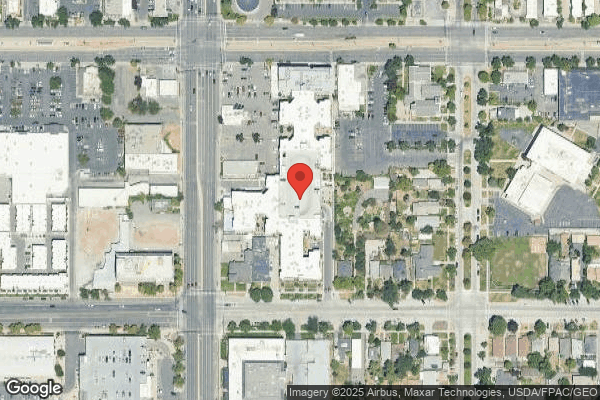
Understanding Severity Codes (click to expand)
Life-Threatening (Immediate Jeopardy)
J - Isolated K - Pattern L - Widespread
Actual Harm
G - Isolated H - Pattern I - Widespread
Potential for Harm
D - Isolated E - Pattern F - Widespread
No Harm (Minor)
A - Isolated B - Pattern C - Widespread

Questions to Ask on Your Visit

  • "Why is there high staff turnover? How do you retain staff?"
  • "Can I speak with families of current residents?"
  • "What's your RN coverage like on weekends and overnight?"

Our Honest Assessment

Strengths
  • • Licensed and certified facility. Meets minimum state requirements.
Concerns
  • • Multiple safety concerns identified: 3 harm violation(s). Review inspection reports carefully.
  • • 34 deficiencies on record, including 3 serious (caused harm) violations. Ask about corrective actions taken.
  • • $11,887 in fines. Above average for Utah. Some compliance problems on record.
  • • Grade F (28/100). Below average facility with significant concerns.
Bottom line: Trust Score of 28/100 indicates significant concerns. Thoroughly evaluate alternatives.

About This Facility

What is Maple Ridge Rehabilitation And Nursing's CMS Rating?

CMS assigns Maple Ridge Rehabilitation and Nursing an overall rating of 2 out of 5 stars, which is considered below average nationally. Within Utah, this rating places the facility higher than 0% of the state's 100 nursing homes. A rating at this level reflects concerns identified through health inspections, staffing assessments, or quality measures that families should carefully consider.

How is Maple Ridge Rehabilitation And Nursing Staffed?

CMS rates Maple Ridge Rehabilitation and Nursing's staffing level at 1 out of 5 stars, which is much below average compared to other nursing homes. Staff turnover is 64%, which is 18 percentage points above the Utah average of 46%. High turnover can affect care consistency as new staff learn residents' individual needs. RN turnover specifically is 80%, which is notably high. RNs provide skilled clinical oversight, so turnover in this role can affect medical care quality.

What Have Inspectors Found at Maple Ridge Rehabilitation And Nursing?

State health inspectors documented 34 deficiencies at Maple Ridge Rehabilitation and Nursing during 2021 to 2025. These included: 3 that caused actual resident harm and 31 with potential for harm. Deficiencies causing actual harm indicate documented cases where residents experienced negative health consequences.

Who Owns and Operates Maple Ridge Rehabilitation And Nursing?

Maple Ridge Rehabilitation and Nursing is owned by a government entity. Government-operated facilities are typically run by state, county, or municipal agencies. The facility operates independently rather than as part of a larger chain. With 36 certified beds and approximately 34 residents (about 94% occupancy), it is a smaller facility located in Salt Lake City, Utah.

How Does Maple Ridge Rehabilitation And Nursing Compare to Other Utah Nursing Homes?

Compared to the 100 nursing homes in Utah, Maple Ridge Rehabilitation and Nursing's overall rating (2 stars) is below the state average of 3.3, staff turnover (64%) is significantly higher than the state average of 46%, and health inspection rating (2 stars) is below the national benchmark.

What Should Families Ask When Visiting Maple Ridge Rehabilitation And Nursing?

Based on this facility's data, families visiting should ask: "How do you ensure continuity of care given staff turnover, and what is your staff retention strategy?" "Can you walk me through typical staffing levels on day, evening, and night shifts?" "Can I visit during a mealtime to observe dining assistance and food quality?" "How do you handle medical emergencies, and what is your hospital transfer rate?" These questions are particularly relevant given the facility's high staff turnover rate and the below-average staffing rating.

Is Maple Ridge Rehabilitation And Nursing Safe?

Based on CMS inspection data, Maple Ridge Rehabilitation and Nursing has a clean safety record: no substantiated abuse findings (meaning no confirmed cases of resident harm), no Immediate Jeopardy citations (the most serious violation level indicating risk of serious injury or death), and is not on the Special Focus Facility watch list (a federal program monitoring the lowest-performing 1% of nursing homes). The facility has a 2-star overall rating and ranks #100 of 100 nursing homes in Utah. While no facility is perfect, families should still ask about staff-to-resident ratios and recent inspection results during their visit.

Do Nurses at Maple Ridge Rehabilitation And Nursing Stick Around?

Staff turnover at Maple Ridge Rehabilitation and Nursing is high. At 64%, the facility is 18 percentage points above the Utah average of 46%. Registered Nurse turnover is particularly concerning at 80%. RNs handle complex medical decisions and coordinate care — frequent RN changes can directly impact care quality. High turnover means new staff may not know residents' individual needs, medications, or preferences. It can also be disorienting for residents, especially those with dementia who rely on familiar faces. Families should ask: What is causing the turnover? What retention programs are in place? How do you ensure care continuity during staff transitions?

Was Maple Ridge Rehabilitation And Nursing Ever Fined?

Maple Ridge Rehabilitation and Nursing has been fined $11,887 across 2 penalty actions. This is below the Utah average of $33,198. While any fine indicates a compliance issue, fines under $50,000 are relatively common and typically reflect isolated problems that were subsequently corrected. Families should ask what specific issues led to these fines and confirm they've been resolved.

Is Maple Ridge Rehabilitation And Nursing on Any Federal Watch List?

Maple Ridge Rehabilitation and Nursing is not on any federal watch list. The most significant is the Special Focus Facility (SFF) program, which identifies the bottom 1% of nursing homes nationally based on persistent, serious quality problems. Not being on this list means the facility has avoided the pattern of deficiencies that triggers enhanced federal oversight. This is a positive indicator, though families should still review the facility's inspection history directly.