Midtown Manor

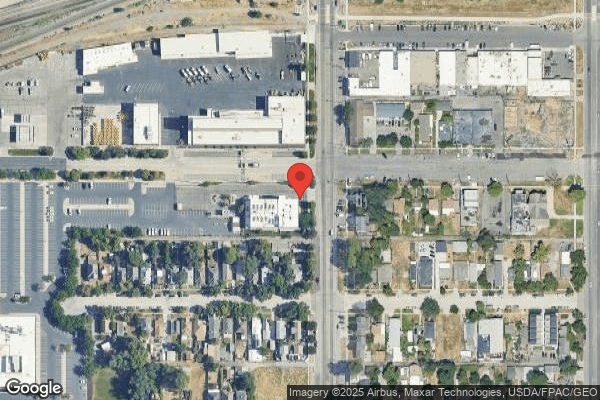
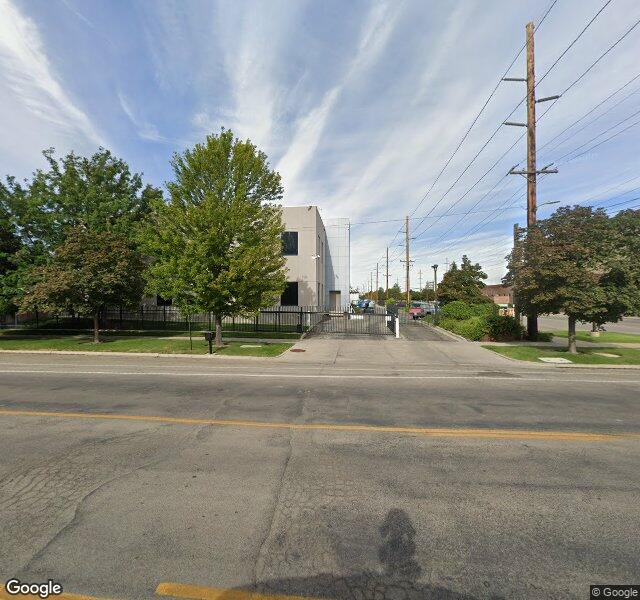
125 South 900 West, Salt Lake City, UT 84104 (801) 363-6340
For profit - Corporation 82 Beds Independent Data: November 2025
Trust Grade
63/100
#54 of 97 in UT
Last Inspection: August 2023

Over 2 years since last inspection. Current conditions may differ from available data.

Overview

Midtown Manor in Salt Lake City has a Trust Grade of C+, indicating it is slightly above average but still has room for improvement. It ranks #54 out of 97 nursing homes in Utah, placing it in the bottom half, and #18 out of 35 in Salt Lake County, meaning only 17 local options are better. The facility is improving, having reduced issues from seven in 2023 to just one in 2025, which is encouraging. Staffing is decent, with a turnover rate of 25% that is much lower than the state average, though RN coverage is concerning as it is less than 80% of other facilities. While there are no fines on record, recent inspections revealed concerns such as improper food storage practices and inadequate supervision for residents, which could raise safety issues. Overall, families should weigh these strengths and weaknesses when considering Midtown Manor for their loved ones.

Trust Score
C+
63/100
In Utah
#54/97
Bottom 45%
Safety Record
Low Risk
No red flags
Inspections
Getting Better
7 → 1 violations
Staff Stability
✓ Good
25% annual turnover. Excellent stability, 23 points below Utah's 48% average. Staff who stay learn residents' needs.
Penalties
✓ Good
No fines on record. Clean compliance history, better than most Utah facilities.
Skilled Nurses
✓ Good
Each resident gets 50 minutes of Registered Nurse (RN) attention daily — more than average for Utah. RNs are trained to catch health problems early.
Violations
⚠ Watch
35 deficiencies on record. Higher than average. Multiple issues found across inspections.
★★★☆☆
3.0
Overall Rating
★★★☆☆
3.0
Staff Levels
★★★★★
5.0
Care Quality
★★☆☆☆
2.0
Inspection Score
Stable
2023: 7 issues
2025: 1 issues

The Good

  • 5-Star Quality Measures · Strong clinical quality outcomes
  • Low Staff Turnover (25%) · Staff stability means consistent care
  • Full Sprinkler Coverage · Fire safety systems throughout facility
  • No fines on record
  • Staff turnover is low (25%)

    23 points below Utah average of 48%

Facility shows strength in quality measures, staff retention, fire safety.

The Bad

3-Star Overall Rating

Near Utah average (3.3)

Meets federal standards, typical of most facilities

The Ugly 35 deficiencies on record

Apr 2025 1 deficiency
CONCERN (D) 📢 Someone Reported This

A family member, employee, or ombudsman was alarmed enough to file a formal complaint

Potential for Harm - no one hurt, but risky conditions existed

Free from Abuse/Neglect (Tag F0600)

Could have caused harm · This affected 1 resident

**NOTE- TERMS IN BRACKETS HAVE BEEN EDITED TO PROTECT CONFIDENTIALITY** Based on interview and record review, for 1 out of 36 sampled residents, the facility did not ensure that residents were free fr...

Read full inspector narrative →
**NOTE- TERMS IN BRACKETS HAVE BEEN EDITED TO PROTECT CONFIDENTIALITY** Based on interview and record review, for 1 out of 36 sampled residents, the facility did not ensure that residents were free from abuse. Specifically, a resident with a history of aggressive behavior,who required supervision, struck another resident. Resident identifiers: 18 and 33. Findings included: An entity 358 incident report was submitted to the State Survey Agency on 5/15/24. The report revealed that a smoking aid was taking resident 33 out to assist him to smoke. The smoking aid turned to open the door and resident 33 struck resident 18. The incident happened in the Foyer of the nursing home at approximately 5:35 PM. No serious bodily injury was reported. The report stated that resident 33 had a history of aggressive behaviors and required supervision. The report stated both residents were redirected, with resident 33 being redirected to his room. Resident 33's legal guardian was at the facility at the time of the incident and was informed. Law enforcement and Adult Protective Services were notified. It should be noted that a second incident report was submitted to the State Survey Agency on 5/29/24, where resident 33 struck resident 18 in the back of the head. Resident 33 was sent out for behavior management. The report was closed with no action needed. 1. Resident 18 was admitted to the facility on [DATE] with diagnoses that included hemiplegia and hemiparesis following cerebrovascular disease, intellectual disabilities, and schizoaffective disorder. Resident 18's medical record was reviewed between 4/27/25 and 4/30/25. A Minimum Data Set (MDS) quarterly assessment dated [DATE], revealed that resident 18 had a Brief Interview for Mental Status (BIMS) score of 00 suggesting significant cognitive impairment. His assessment also revealed resident 18 had physical behavior symptoms directed toward others 4 to 6 days of the look-back period, but less than daily, verbal behavior symptoms daily and behavioral symptoms not directed toward others that occurred daily. Resident 18's progress notes revealed: a. On 5/15/24 at 6:00 PM, an Incident note revealed, Resident sitting in geri-chair in foyer waiting to smoke; staff observed another resident punch [resident 18] in the R [right] knee but was unable to intervene in time; resident assessed by nurse, no injuries apparent, resident reports mild pain to R knee and rates at a 3/10; ADON [Assistant Director of Nursing], MD [Medical Doctor] and administrator notified. b. On 5/29/24 at 4:20 PM, an Incident note revealed, Resident sitting in geri-chair in day room talking to staff member; staff observed another resident punch [resident 18] on the R side of the head but was unable to intervene in time; resident assessed by nurse, redness noted to the R ear, resident reports pain to R ear as a 5/10; administrator, DON [Director of Nursing], resident advocate, MD, and police notified. 2. Resident 33 was admitted to the facility on [DATE] and re-admitted on [DATE] with diagnoses that included schizophrenia, anxiety disorder, major depressive disorder, and cognitive social or emotional deficit following cerebral infarction. On 4/27/25 at 9:42 AM, an interview was conducted with resident 33 who stated he felt he was able to get along with everyone at the facility. Resident 33 stated that the staff may not say that he gets along with everyone. Resident 33's medical record was reviewed between 4/27/25 and 4/30/25. A quarterly MDS assessment dated [DATE], revealed resident 33 had a BIMS score of 10 suggesting moderate cognitive impairment. This assessment also revealed that resident 33 had behaviors directed toward others on 4 to 6 days, but not daily, had verbal behaviors daily toward other residents, and had other behaviors not directed toward others on a daily basis. The assessment revealed resident 33 had mood symptoms of trouble concentrating and sleeping. Physician orders included: a. Depakote extended release Oral tablet; 500 milligrams (mg) by mouth. b. Clozapine Oral tablet 100 mg by mouth. Resident 33's care plan was reviewed. There were no care areas to address resident 33's behaviors directed toward other residents or for monitoring resident 33 for incident prevention. Resident 33's progress notes revealed: a. On 5/15/24 at 5:56 PM, an incident note revealed, Resident escorted from room to smoking room, staff turned to open smoke room door for resident to enter room, when staff turned back resident was observed punching another resident in the R knee; staff unable to intervene in time; guardian, ADON, MD and administrator notified. b. On 5/17/24 at 10:20 PM, an alert note revealed, Resident needs to be reminded to stay away from hallways and high traffic areas and wait for smoke aid to take him to smoke instead of coming out looking for him and to refer to his smoking schedule posted in his room. No further altercations. c. On 5/24/24 at 6:46 AM, a Health Status note revealed, Resident is A & O [alert and oriented] x 2 [person and place], delusional thinking, will act up on paranoia at times, has had restrictions to not smoke around other residents as he has the tendency to strike out without being provoked .Plan of care ongoing. d. On 5/28/24 at 11:43 AM, a No Type Specified note revealed, Resident returned from the Clozaril clinic with the following note, continued delusions and physical altercations, . Invega 234 mg IM [intramuscular] due 6424 [6/4/24], continue medications as ordered, return June 25th. e. On 5/29/24 at 2:00 PM, a Plan of Care Note revealed, IDT [interdisciplinary team] and the legal guardian reviewed and discussed about current plan of care. f. On 5/29/24 at 4:20 PM, an Incident Note revealed, Resident wheeled up to another resident in his W/C [wheelchair] while other resident was talking to staff and unprovoked stood up and punched other resident in the side of the head. staff observed incident but was unable to intervene in time; nurse assessed resident; no apparent injures [sic]; Administrator, DON, resident advocate, guardian, MD, and police notified. g. On 5/29/24 at 6:05 PM, an Order note revealed, New order: transfer to [name of facility redacted] ED [emergency department] via ambulance for danger to others. h. On 5/29/24 at 6:30 PM, a Transfer to Hospital Summary revealed, Resident 33 was transferred to [name of facility redacted] ED via [name redacted] ambulance. Paramedics accompanied. On 4/30/25 at 3:31 PM, an interview was conducted with Certified Nursing Assistant (CNA) 2 who stated staff checked on resident 33 multiple times per day. CNA 2 stated resident 33 had calmed down quite a bit. CNA 2 stated resident 33 used to go outside to smoke with other residents, but he started smoking by himself, then started smoking alone in the smoking room, and now he does not smoke at all. CNA 2 stated resident 33 and resident 18 did not get along. CNA 2 stated resident 33 and resident 18 no longer interacted with each other. CNA 2 stated resident 33's behaviors had improved. CNA 2 stated she was not aware of any particular interventions that had been put into place to prevent altercations between resident 33 and resident 18, but the residents did not interact with each other and there had been no problems. On 4/30/25 at 3:56 PM, an interview was conducted with Registered Nurse (RN) 1 who stated resident 33 was a quiet resident. RN 1 stated resident 33 spent a lot of time in his room. RN 1 stated staff monitored resident 33 closely and she and the Resident Advocate (RA) spent a lot of time with resident 33, taking him for walks, and taking him shopping. RN 1 stated resident 33 did not verbalize his feelings and when things would build up it would just all come out. RN 1 stated resident 18 was very loud and had behaviors constantly. RN 1 stated resident 18 wanted to go out and smoke constantly and aggravated other residents constantly. RN 1 stated when resident 33 hit resident 18 it was intentional. RN 1 stated the RA was constantly going to resident 33's room, and taking him to activities. RN 1 stated the nurses notes should state how residents were being monitored. RN 1 also stated she was not sure if there was a care plan for resident 33's behaviors.
Aug 2023 7 deficiencies
CONCERN (D)

Potential for Harm - no one hurt, but risky conditions existed

Deficiency F0561 (Tag F0561)

Could have caused harm · This affected 1 resident

**NOTE- TERMS IN BRACKETS HAVE BEEN EDITED TO PROTECT CONFIDENTIALITY** Based on observation, interview and record review it was determined, for 1 out of 32 sampled residents, that the facility did no...

Read full inspector narrative →
**NOTE- TERMS IN BRACKETS HAVE BEEN EDITED TO PROTECT CONFIDENTIALITY** Based on observation, interview and record review it was determined, for 1 out of 32 sampled residents, that the facility did not ensure that the resident had the right to self-determination through support of the resident choice. Specifically, a resident requested to have an additional cigarette during the scheduled smoke time and the resident was ignored. Resident identifier: 18. Findings included: Resident 18 was admitted to the facility on [DATE] and re-admitted on [DATE] with diagnoses which included dislocation of the left hip, dementia, adult failure to thrive, presence of left artificial hip joint, hepatitis C, insomnia, palpitations, chronic pain, hypothyroidism, major depressive disorder, hypertension, gout, anemia, cardiac arrhythmia, and hyperlipidemia. On 8/27/23 at 10:56 AM, an interview was conducted with resident 18. Resident 18 stated that the facility had designated smoke break times. Resident 18 stated that the facility kept her lighter and cigarettes. Resident 18 stated that she does not go out as many times as should could and she considered quitting because she had cut down. Resident 18 stated she did not have to wear an apron while smoking and she had never burnt herself or her clothes. On 8/12/23, resident 18's Minimum Data Set (MDS) Assessment documented a Brief Interview for Mental Status (BIMS) score of 10/15, which would indicate a moderate cognitive impairment. The assessment documented that resident 18 had a functional limitation in the range of motion on one side of the upper extremity. On 7/31/23, resident 18's quarterly smoking evaluation was completed. The assessment documented that resident 18 did not demonstrate understanding that smoking materials were for only in designated smoking areas. The assessment documented that resident 18 was a dependent smoker and needed assistance with distributing and supervision while smoking. On 10/29/19, resident 18 had a care plan initiated for [Resident 18] is a safe smoker. The care plan was last revised on 7/13/23. Interventions identified included instruct resident about smoking risks and hazards and about smoking cessation aids available; instruct resident about the facility policy on smoking including locations, times, and safety concerns; monitor oral hygiene; notify charge nurse if suspected violation of smoking policy; observe clothing and skin for signs of cigarette burns; resident can smoke unsupervised and was able to light own cigarette and keep the lighter at the bedside; and resident 18 will receive her cigarettes from the staff every morning at 9:30 AM. The facility smoking plan documented that resident 18 was in group A for smoking with supervision and the scheduled times were 8:00 AM, 9:00 AM, 9:45 AM, 11:00 AM, 1:00 PM, 2:00 PM, 3:00 PM, 4:00 PM, 6:00 PM, 7:00 PM and 8:00 PM. The smoking plan did not list resident 18 as requiring a smoking apron. On 8/27/23 at 11:00 AM, an observation was made of resident 18 during a scheduled smoke break. The smoke aide (SA) 1 assisted resident 18 by placing a smoking apron on resident 18 and lighting the cigarette. SA 2 then arrived at the smoking patio to finish monitoring the remainder of the smoke break. At 11:15 AM, resident 18 asked SA 2 for another cigarette. When you get to my pack can I have another? SA 2 did not respond to resident 18 and ignored her request for a second cigarette. An immediate interview was conducted with SA 2. SA 2 stated that each resident was only allowed to have one cigarette during the smoke break. SA 2 stated he did not know why this was the rule, but the Administrator (ADM) would know why the residents were only allowed one smoke per break. On 8/29/23 at approximately 1:32 PM, an interview was conducted with Resident Advocate (RA) 1. RA 1 stated that pretty much all the residents were supervised smokers. RA 1 stated that the facility smoking policy was that all smoking materials were kept and stored by the facility and dispensed during the smoking times. On 8/29/23 at 2:33 PM, an interview was conducted with the facility ADM. The ADM stated that the smoking policy was for 2 designated smoking areas. The ADM stated that when a resident was admitted they conducted a smoking evaluation to determine if they were safe to smoke. The ADM stated that the admission packet notified the residents that the facility did not allow them to keep cigarettes and lighters on person. The ADM stated that the facility had smoke aides to assist residents during smoking times. The ADM stated that the residents were evaluated again every quarter to determine if they were still safe to smoke. The ADM stated that all the residents went out to smoke at the same time and all were semi supervised by his choice. The ADM stated that the residents buy their own cigarettes and if they could not afford it he buys the cigarettes for them. The ADM stated that in the admission packet the resident could indicate if they wanted the facility to purchase the cigarettes for them. The ADM stated that resident 18 purchased some of her own cigarettes. The ADM stated that resident 18 received $45 a month and one carton cost $42. The ADM stated that one carton of cigarettes did not last a month and he would supplement the remainder of the cigarettes for resident 18. The ADM stated that residents could request to smoke more than one cigarette during a smoke break. The ADM stated that the residents were not restricted or limited to only one cigarette per smoke break. The ADM stated that if resident 18 asked for more than one cigarette she could have more. The ADM stated that resident 18 was a safe smoker up until her recent hip surgery. The ADM stated that after her hip surgery resident 18 was evaluated again and was found to be unsafe due to falling asleep while smoking. The ADM stated that resident 18 was forgetful and was now supervised during smoking. The ADM stated that if resident 18 was wearing an apron and was supervised she could have more than one cigarette during the smoke break.
CONCERN (D) 📢 Someone Reported This

A family member, employee, or ombudsman was alarmed enough to file a formal complaint

Potential for Harm - no one hurt, but risky conditions existed

Accident Prevention (Tag F0689)

Could have caused harm · This affected 1 resident

**NOTE- TERMS IN BRACKETS HAVE BEEN EDITED TO PROTECT CONFIDENTIALITY** Based on interviews and record review, it was determined for 1 of 32 sampled residents that the facility failed to ensure that e...

Read full inspector narrative →
**NOTE- TERMS IN BRACKETS HAVE BEEN EDITED TO PROTECT CONFIDENTIALITY** Based on interviews and record review, it was determined for 1 of 32 sampled residents that the facility failed to ensure that each resident received adequate supervision. Specifically, the facility did not provide adequate supervision to prevent a resident from eloping from the secured facility without the consent or knowledge of the facility. Resident identifiers: 133. Findings included: Resident 133 was admitted to the facility on [DATE] with diagnoses which included intracranial injury with loss of consciousness, neuralgia and neuritis, mild neurocognitive disorder, dysphagia, post traumatic seizures, aphasia, nontraumatic subarachnoid hemorrhage, hyperlipidemia, and constipation. Resident 133 was discharged from the facility on 3/18/23. On 3/13/23, resident 133's Hospital discharge paperwork documented that the resident was found down by his family member on 1/7/23. Upon admission to the hospital resident 133 was noted to have a post middle cerebral artery (MCA) stroke and a posterior cerebral artery (PCA) stroke as well as left convexity subdural hematoma (SDH) and a subarachnoid hemorrhage (SAH) with right frontal hemorrhagic contusions concerning for coup contre-coup traumatic injuries. On 2/27/23, resident 133 underwent a left sided decompression cranioplasty. On 3/13/23 at 10:57 AM, the Interim Care Plan documented that resident 133 was cognitively impaired, could not communicate easily with staff, and they were unable to determine if the resident understood the staff. The care plan documented that resident 133 required assistance with bed mobility, transferring, ambulating, locomotion, dressing, personal hygiene, eating, toilet use, and bathing. The assessment documented that the resident used a mobility device for ambulation but did not specify which device. On 3/13/23, the Evaluation For Secure Setting documented yes to the following questions: a. Resident wanders throughout the facility and was exit-seeking. b. Resident was not oriented to person, place, time and situation. c. Resident has memory problems. The assessment stated that any criteria that was marked yes indicated that the resident required a secure setting. On 3/14/23, the MD documented that resident 133 .underwent decompression craniotomy. He has resulting receptive and expressive aphasia. He has difficulty with balance and ambulation. He has been admitted for PT/OT [physical therapy/occupational therapy] and LTC [long term care]. Review of resident 133's progress notes revealed the following: a. On 3/13/23 at 6:06 PM, the note documented, His family came in to facility late in the evening and [resident 133] became agitated at the time his family was leaving as he desired to leave facility with them. b. On 3/14/23 at 6:06 PM, the note documented, He is observed ambulating independently in hallways and all around facility. c. On 3/18/23 at 9:30 PM, the note documented, Pt. [patient] of (sic) unit, wife here, DON [Director of Nursing] called Police called, Pt. found at house next door by nurse, family sign AMA [against medical advice], take med's [medication], paper work, clothing and leave. d. On 3/18/23 at 10:45 PM, the note documented, nurse let pt. and family out door. family told call MD for follow up family told about meds, and how to give P. O. [by mouth]. e. On 3/18/23 at 10:30 PM, the note documented, DON called facility and talked to wife and niece. Wife was planning to take him to home (AMA) on next Tuesday. DON explained wife and niece [resident 133] would move to NDU [secured unit] d/t [due to] AWOL [absent without official leave]attempt and safety. Wife and niece didn't want him to go to the secured unit. They wanted to sign out AMA. DON encouraged them to contact the neurosurgeon on Monday. If he has any change in condition, transfer to ED [emergency department]. DON informed about AMA to MD [Medical Director] and Administrator. On 3/18/23 at 10:45 PM, the spouse signed a AMA form to take resident 133 home. Review of the facility investigation documentation for the elopement of resident 133 revealed that resident 133 was last seen on 3/18/23 at 8:30 PM during medication administration, and then the resident went to the TV room to watch TV. On 3/18/23 at 9:30 PM, staff were unable to locate the resident and immediately began searching. The State Agency (SA) initial notification form 358 documented that resident 133's spouse came to visit at 9:15 PM and that was when resident 133 was identified as missing. The form documented that the police were contacted and went to check the resident's house, but that resident 133 was found at his neighbors house. Resident 133 was assessed and no injuries were noted. The SA final investigation documentation, form 359, documented that staff did not know how resident 133 exited the facility. It should be noted that all exits to the building were locked as the facility was entirely secured. The summary of the investigation documented that the maintenance director checked all doors to ensure they were locking, and no concerns were noted with the locks functioning properly. The form documented that once the resident was found safe the spouse decided to take the resident home AMA. On 8/30/23 at 8:39 AM, an interview was conducted with the Director of Nursing (DON) and the Assistant Director of Nursing (ADON). The DON stated resident 133 was only at the facility for less than 2 weeks. He lived across the street and wanted to go home. The DON stated that resident 133 eloped and went home. The DON stated that resident 133's family then signed him out AMA. The ADON stated that they had a medication delivery at the time of the elopement and they believed resident 133 left through the front door with the person who delivered the medication. On 8/30/23 at 9:50 AM, an interview was conducted with Resident Advocate (RA) 1. RA 1 stated that they informed the police when there was an elopement. RA 1 stated that she was the individual who was responsible for conducting the investigation and submitting the notification to all the SA. RA 1 stated that they did not know how resident 133 got outside of the facility as all the doors were locked. RA 1 stated that resident 133's spouse was in the building at the time of the elopement. On 8/30/23 at 10:56 AM, a follow-up interview was conducted with the DON. The DON stated that she was at home at the time of the elopement and was informed by the nurse on shift. The DON stated that resident 133's wife and niece were in the building to visit and they could not locate him. The DON stated she directed the nurse to call the police and to start looking for the resident. The DON stated that after resident 133 was found she informed the spouse that the resident was an elopement risk and would need to be moved to the secure locked unit. The DON stated that the spouse did not want that and chose to take resident 133 home that night. The DON stated that she was not at the facility and she never knew how resident 133 got out. The DON stated that they were in a locked building and they thought resident 133 followed someone out when they left. The DON stated that staff had to unlock the door to let anyone out, but that the doors shut slowly. The DON stated that staff should ensure that the door closed after it was opened to make sure that no one left, and then make sure that the door was locked. The DON stated that after the incident she informed staff that they had to stay and watch the door close and ensure that it was locked when closed. The DON stated that she let all department heads know about verifying the door was closed and locked when opened and they were responsible for informing all the staff in each department. The DON stated that they also placed signs on the doors stating to make sure the door was closed. The DON stated that she had the staff check the doors for proper function after the elopement and no problems were identified. The DON stated that she believed that resident 133 just followed someone out when they left and the staff did not make sure to secure the door after unlocking it. On 8/30/23 at 11:06 AM, an interview was conducted with the Administrator (ADM). The ADM stated that he was indirectly involved in the investigation for resident 133's elopement. The ADM stated that the family came to visit and they could not find resident 133. The ADM stated that the facility notified the police. The ADM stated that after the family was informed that the police had been called they showed up with him shortly after saying that he was at the neighbors house. The ADM stated that he had a suspicion that the family took him. The ADM stated that the family had said that they felt it would be better if they took resident 133 home as he was having a hard time adjusting to the facility. The ADM stated that the spouse would come visit resident 133 several times a day and he would struggle after she would leave. The ADM stated that they had a discussion with the family that maybe it would be better for resident 133 to be at home with his family.
CONCERN (D)

Potential for Harm - no one hurt, but risky conditions existed

Deficiency F0761 (Tag F0761)

Could have caused harm · This affected 1 resident

Based on observation and interview it was determined that the facility did not store all drugs and biological's in locked compartments and permit only authorized personnel to have access. Specifically...

Read full inspector narrative →
Based on observation and interview it was determined that the facility did not store all drugs and biological's in locked compartments and permit only authorized personnel to have access. Specifically, observations were made of the medication cart left unlocked and unattended with medication on top during a medication administration observation. Resident identifier 6, 46, and 48. Finding included: On 8/29/23 at 7:58 AM, an observation was made of Registered Nurse (RN) 1 during the morning medication administration on the locked secure unit. RN 1 was observed to leave the medication cart unlocked and unattended in the hallway while he entered resident 46's room to administer medication. A bottle of lubricant tears eye drops were left on top of the medication cart. Resident 6 was standing next to the medication cart in the hallway and resident 48 was wandering up and down the hallway while RN 1 was away from the unlocked medication cart. An immediate interview was conducted with RN 1 upon exit of resident 46's room. RN 1 stated that he should lock the medication cart and make sure there was no medication on top unsecured when he walked away from the cart. RN 1 stated that he should have put the eye drops back in the cart when he administered medication. On 8/29/23 at 8:58 AM, an interview was conducted with the Director of Nursing (DON). The DON stated that all medication should be stored inside the medication cart and the cart should be locked when the licensed nurse was not around.
CONCERN (D)

Potential for Harm - no one hurt, but risky conditions existed

Deficiency F0806 (Tag F0806)

Could have caused harm · This affected 1 resident

**NOTE- TERMS IN BRACKETS HAVE BEEN EDITED TO PROTECT CONFIDENTIALITY** Based on interview and record review it was determined, for 1 of 32 sampled residents, that the facility did not ensure that eac...

Read full inspector narrative →
**NOTE- TERMS IN BRACKETS HAVE BEEN EDITED TO PROTECT CONFIDENTIALITY** Based on interview and record review it was determined, for 1 of 32 sampled residents, that the facility did not ensure that each resident received the food and drink that accommodates the resident allergies, intolerance's, and preferences Specifically, a resident reported that he was lactose intolerant, had requested Lactaid milk, and was still receiving regular cows milk. Resident 29. Findings included: Resident 29 was admitted to the facility on [DATE] with diagnoses which included acquired absence of left leg below knee, dermatitis, osteomyelitis, non-pressure ulcer of right foot, benign prostatic hyperplasia, type II diabetes mellitus, restless leg syndrome, anemia, hypertension, and schizophrenia. On 8/27/23 at 10:18 AM, an interview was conducted with resident 29. Resident 29 stated that he was lactose intolerant. Resident 29 stated that he had requested Lactaid and had not been receiving it. Resident 29 stated that he was still getting regular milk. On 10/12/22, resident 29's physician ordered a reduced concentrated sugar diet, regular texture, SFHS (sugar free house supplement) three times a day with meals, and high protein snacks two times a day. On 8/30/23 at 8:21 AM, an interview was conducted with Certified Nurse Assistant (CNA) 1. CNA 1 stated that resident 29 did not typically eat breakfast, but instead liked to sleep in. CNA 1 stated that she was not aware of any diet restrictions for resident 29 and that he had a regular diet. CNA 1 stated that resident 29 loved pizza, Subway, and coffee. CNA 1 stated that resident 29 was not a picky eater. CNA 1 stated she was not aware of any food intolerance's for resident 29, and the meal ticket would state any allergies, dislikes, or intolerance's. On 8/30/23 at 8:43 AM, an interview was conducted with the Dietary Manager (DM). The DM stated that when they received the diet order they also interviewed the resident to determine any food likes, dislikes, or food preferences. The DM stated that they had some residents that were lactose intolerant and resident 29 was one of them. The DM stated that resident 29 drank regular milk for years, but now he says he was intolerant. The DM stated that they now send resident 29 soy milk instead of regular milk. The DM stated that resident 29 did not have any other dairy intolerance's, and still ate cheese and ice cream. The DM stated that resident 29's diet card would show that he was lactose intolerant. The DM stated that she did not have a diet order for soy milk, but if resident 29 requested it then the aides would provide him with soy milk. The DM stated that if resident 29 did not want milk she would mark the diet card with the resident's food preference. The DM stated that she put the residents likes/dislikes and food preferences on the meal ticket or diet card. The DM stated that when resident 29 started saying he did not want milk the aides and nurses let her know. The DM obtained resident 29's diet card and stated that the diet card did not indicate that resident 29 did not want regular milk. The DM stated that the Sugar Free House Supplement was made with soy milk and not regular milk. The DM stated that she had to change resident 29's diet card to state soy milk because new staff may not know his preferences.
CONCERN (E)

Potential for Harm - no one hurt, but risky conditions existed

Assessment Accuracy (Tag F0641)

Could have caused harm · This affected multiple residents

**NOTE- TERMS IN BRACKETS HAVE BEEN EDITED TO PROTECT CONFIDENTIALITY** 3. Resident 17 was admitted to the facility on [DATE] and readmitted on [DATE], with diagnoses which included chronic obstructiv...

Read full inspector narrative →
**NOTE- TERMS IN BRACKETS HAVE BEEN EDITED TO PROTECT CONFIDENTIALITY** 3. Resident 17 was admitted to the facility on [DATE] and readmitted on [DATE], with diagnoses which included chronic obstructive pulmonary disease, gastrostomy, pressure ulcer of sacral region, myocardial infarction, cardiac pacemaker, cardiomyopathy, atrial fibrillation, congestive heart failure, left and right above the knee amputation, post-traumatic stress disorder, major depressive disorder, and alcohol abuse. On 8/27/23 at 9:37 AM, an observation was conducted of resident 17 laying in his bed with the head of bed at approximately 30 degrees. Resident 17 had a tube feed infusing, insertion site was not visible, the feeding was named Jevity 1.5 running with a pump at a rate of 60 milliliters per hour (ml/hr) and water at 48 ml/hr. The tube feeding was dated 8/26/23 at 3:00 PM. On 8/30/23 resident 17's medical records were reviewed. The admission Minimum Data Set (MDS) Section K- Swallowing/Nutritional Status with a Assessment Reference Date (ARD)/Target date of 7/23/23 and signed on 8/15/23 at 6:17 PM, indicated resident 17 did not have a feeding tube- nasogastric or abdominal (PEG). The admission MDS Section K- Swallowing/Nutritional Status with a ARD/Target date of 6/13/23 and signed on 6/15/23 at 2:08 PM, indicated resident 17 did not have a feeding tube- nasogastric or abdominal (PEG) A physician order indicated tube feeding every day and night shift Jevity 1.5 60 ml/hr and water 48 ml/hr for 20 hr/day. The care plan indicated resident 17 required tube feeding (G tube) related to resisting eating and weight loss which was initiated 4/21/23 and revised on 5/31/23. A Nutrition/Dietary Note dated 6/7/23 at 4:29 PM indicated, [Resident 17] has been on continuous feeding via PEG. A Health Status Note dated 8/28/23 at 5:38 PM indicated, [Resident 17] Has PEG tube in place for enteral feed. On 8/30/23 at 12:10 PM, an interview was conducted with the ADON. The ADON stated resident 17's PEG tube was started on 5/24/23 and that it was present when the MDS assessments were completed and that it was an error. Based on interview and record review, it was determined that for 3 of 32 sampled residents, that the facility did not ensure that each resident received an accurate assessment, reflective of the resident's status at the time of the assessment. Specifically, the facility submitted three Minimum Data Set [MDS] assessments with incorrect resident medical documentation. Resident Identifiers: 16, 17, and 58. Findings included: 1. Resident 58 was originally admitted [DATE], readmitted [DATE], with diagnoses including: unspecified dementia unspecified severity with other behavioral disturbance, obstructive sleep apnea (adult) (pediatric), secondary polycythemia, morbid (severe) obesity due to excess calories, benign prostatic hyperplasia without lower urinary tract symptoms, other pulmonary embolism without acute cor pulmonale, tremor unspecified, chronic kidney disease stage 3 unspecified, secondary hyperparathyroidism of renal origin, proteinuria unspecified, obstructive and reflux uropathy unspecified, schizoaffective disorder depressive type, avoidant personality disorder, essential (primary) hypertension, and gastro-esophageal reflux disease without esophagitis. Resident 58's medical record was reviewed 8/27/23 through 8/29/23. Resident 58's most recent quarterly Minimum Data Set (MDS) assessment dated [DATE] Section I: Active Diagnosis documented that resident 58 was diagnosed with septicemia during the lookback period. Resident 58's physician prescribed orders were reviewed. Resident 58 had not been on any antibiotics during 2023. Resident 58's progress notes, medical diagnoses, and physician progress notes were reviewed. No documentation of Septicemia diagnoses was found for 2023. On 8/30/23 at 10:43 AM, an interview was conducted with the Assistant Director of Nursing (ADON). The ADON stated that Resident 58 did not have septicemia when the Quarterly MDS Assessment was completed and that it was an error. 2. Resident 16 was originally admitted on [DATE], readmitted [DATE] with diagnoses including: vascular dementia unspecified severity with other behavioral disturbance, gastro-esophageal reflux disease without esophagitis, hyperlipidemia unspecified, benign prostastic hyperplasia without [NAME] urinary tract symptoms, essential (primary) hypertension, unspecified psychosis not due to a substance or known physiological condition, inhalant abuse uncomplicated, post-traumatic stress disorder chronic, anxiety disorder unspecified, hypothyroidism unspecified, attention-deficit hyperactivity disorder unspecified type, constipation unspecified, asymptomatic human immunodeficiency virus [HIV] infection status, and major depressive disorder recurrent unspecified. Resident 16's medical record was reviewed 8/27/23 through 8/30/23. Resident 16's most recent Annual MDS assessment dated 6/623 Section N: Medications, documented that Resident 16 had received antibiotics for 7 days during the lookback period. Resident 16's physician prescribed orders were reviewed. Resident 16 had not been on any antibiotics during the lookback period. Resident 16's progress notes, medical diagnosis, and physician progress notes were reviewed. No records of antibiotics were found during the lookback period. On 8/30/23 at 10:43 AM, an interview was conducted with the ADON. The ADON stated that Resident 16 had not received antibiotics for 7 days when the Annual MDS Assessment was completed and that it was an error.
CONCERN (F)

Potential for Harm - no one hurt, but risky conditions existed

Food Safety (Tag F0812)

Could have caused harm · This affected most or all residents

Based on observation and interview, it was determined that the facility did not store, prepare, distribute and serve food in accordance with professional standards for food safety. Specifically, the f...

Read full inspector narrative →
Based on observation and interview, it was determined that the facility did not store, prepare, distribute and serve food in accordance with professional standards for food safety. Specifically, the facility did not date several items in the freezer and stored ground meat for greater than 7 days was located in the kitchen refrigerator. Findings Include: On 8/27/23 at 8:24 AM, an initial walk through of the kitchen was conducted. Inside the walk in fridge there was ground beef dated 8/19/23. Inside the freezer, there were several bags of frozen broccoli, hash brown cakes, and diced breakfast potatoes that had not been dated. A few of the diced breakfast potatoes bags had been opened and closed again and were not dated. On 8/28/23 at 12:09 PM, an interview was conducted with the Dietary Manager (DM). The DM stated that food should not be in the fridge for more than 7 days. When asked why there were undated items in the freezer, the DM stated that the cardboard boxes that food items came in had the expiration date listed and that if kitchen staff opened a bag of frozen food, the kitchen staff would date any leftover food returned to the freezer.
CONCERN (F)

Potential for Harm - no one hurt, but risky conditions existed

QAPI Program (Tag F0867)

Could have caused harm · This affected most or all residents

Based on observation, interview, and record review it was determined that the facility failed to ensure that the Quality Assessment and Assurance (QAA) Committee developed and implemented systematic a...

Read full inspector narrative →
Based on observation, interview, and record review it was determined that the facility failed to ensure that the Quality Assessment and Assurance (QAA) Committee developed and implemented systematic analysis and action to ensure that improvements were effective and sustained to prevent adverse events. Specifically, the facility was found to be in non-compliance for some of the same deficiencies that were identified during last years recertification survey. Resident identifier 20 and 133. Findings included: 1. Based on observation, interview, and record review, it was determined for 2 of 32 sampled residents that the facility failed to ensure the resident's environment remained as free from accident hazards as much as possible and each resident received adequate supervision and assistance devices to prevent accidents. Specifically, the facility did not provide adequate supervision to prevent a resident from obtaining a cigarette burn while smoking. This deficient practice was identified at a HARM level. Additionally, another resident left the locked facility without the consent or knowledge of the facility. Resident identifiers: 20 and 133. [Cross-refer F689] 2. Based on observation and interview, it was determined that the facility did not store, prepare, distribute and serve food in accordance with professional standards for food safety. Specifically, the facility did not date several items in the freezer and stored ground meat for greater than 7 days was located in the kitchen refrigerator. [Cross-refer F812] On 8/30/23 at 11:56 AM, an interview was conducted with the Administrator (ADM). The ADM stated that the QAA committee met quarterly with all department heads and the Medical Director. The ADM stated that during the meeting they identified any issues and came up with a plan of action and resolution. The ADM stated that they evaluated the plan and resolution at the following meeting. The ADM stated that if the identified concern was more urgent then the department head would report the outcome to him directly. The ADM stated that if the problem did not resolve by the next QAA meeting then they took immediate action to get it resolved. The ADM stated that they conducted a Quality Assurance and Performance Improvement (QAPI) plan for all deficiencies that were cited on the previous survey, and those items would be on the agenda for a year to make sure that they were doing what they were supposed to do.
Oct 2021 13 deficiencies
CONCERN (D)

Potential for Harm - no one hurt, but risky conditions existed

Deficiency F0638 (Tag F0638)

Could have caused harm · This affected 1 resident

**NOTE- TERMS IN BRACKETS HAVE BEEN EDITED TO PROTECT CONFIDENTIALITY** 2. Resident 60 was initially admitted to the facility of 12/27/13 and readmitted on [DATE] with diagnoses that included schizoaf...

Read full inspector narrative →
**NOTE- TERMS IN BRACKETS HAVE BEEN EDITED TO PROTECT CONFIDENTIALITY** 2. Resident 60 was initially admitted to the facility of 12/27/13 and readmitted on [DATE] with diagnoses that included schizoaffective disorder, malignant neoplasm of esophagus, unspecified dementia, and epilepsy. Resident 60's electronic medical record review was completed on 11/1/21. A quarterly minimum data set (MDS) assessment was completed with an assessment reference date (ARD) of 10/23/21. The quarterly MDS assessment was signed by the Director of Nursing on 10/26/21. The quarterly MDS assessment was submitted on 10/26/21 which was 3 days past the ARD date. On 10/27/21 at 8:30 AM, an interview was conducted with the Assistant Director of Nursing (ADON). The ADON stated that she was in charge of updating the MDS for resident 60. The ADON stated that she knew resident 60's MDS was not up to date. Based on Interview and record review the facility did not assess a resident using the quarterly review instrument specified by the State and approved by CMS not less frequently than once every 3 months. Specifically, A Quarterly Minimum Data Set (MDS) assessment was not completed within 92 days following the previous assessment of any type. This occurred for 2 of 38 sample residents. Resident identifiers: 18 and 60. Findings include: 1. Resident 18 was admitted to the facility on [DATE] with diagnoses that included Huntington's disease, diffuse traumatic brain injury, cluster headache syndrome, chronic pain syndrome, restlessness and agitation, anxiety disorder, post-traumatic stress disorder, insomnia, major depressive disorder, and dysphagia. Resident 18's medical record was reviewed on 10/28/21. A Significant Change MDS (Minimum Data Set) assessment was completed and accepted on 6/16/21. The next Quarterly MDS assessment was completed and accepted on 9/30/21. [Note: The number of days between the two MDS assessments listed above was 106 days.] On 10/27/21 at 8:30 AM, an interview was conducted with the Assistant Director of Nursing (ADON). The ADON stated she was in charge of updating the MDS assessments for residents in the facility. The ADON stated she expected to receive a deficiency because she had been late in completing some MDS assessments for residents.
CONCERN (D)

Potential for Harm - no one hurt, but risky conditions existed

Comprehensive Care Plan (Tag F0656)

Could have caused harm · This affected 1 resident

**NOTE- TERMS IN BRACKETS HAVE BEEN EDITED TO PROTECT CONFIDENTIALITY** 6. Resident 71 was admitted to the facility on [DATE] with diagnoses that included unspecified convulsions, diaphragmatic hernia...

Read full inspector narrative →
**NOTE- TERMS IN BRACKETS HAVE BEEN EDITED TO PROTECT CONFIDENTIALITY** 6. Resident 71 was admitted to the facility on [DATE] with diagnoses that included unspecified convulsions, diaphragmatic hernia, gastro-esophageal reflux disease, and mood disorder. On 10/27/21 at 2:00 PM an observation of resident 71's tube feed initiation was conducted. Licensed Practical Nurse (LPN) 1 was observed initiating resident 71's tube feed without checking feeding tube placement and without checking for gastric residual content. On 10/27/21 a record review of resident 71's enteral feed order was reviewed. It was revealed that resident 71 had an order for Promote w/ (with) Fiber 75 ml/hour (milliliters per hour) ml/hour and water 15 ml/hour (milliliters per hour) for 20 hours (break [from] 10 AM to 2 PM). Resident 71's care plan revealed Check for tube placement and gastric contents/residual volume per facility protocol and record. Hold feed if greater than 100 cc (cubic centimeter) aspirate. On 10/27/21 at 2:15 PM an interview with LPN 1 was conducted. LPN 1 stated we usually check for placement and residuals in the morning and we will hold the tube feed if residuals are over 20 milliliters. LPN 1 stated that she did not document residuals. A document titled Enteral Nutrition Policy Statement' revealed that Risk of aspiration may be affected by failure to confirm placement of the feeding tube prior to initiating the feeding. Based on observation, interview and record review, for 2 of 38 sample residents, it was determined that the facility did not keep, maintain and follow residents care plans. Specifically, the facility did not update and/or follow residents care plans for safety issues. Resident identifiers: 63 and 71. Findings include: 1. Resident 63 was admitted on [DATE] with diagnoses that included Chronic Obstructive Pulmonary Disease (COPD), mood disorder, hyperlipidemia, osteoarthritis, anemia, cataract, prostatic hyperplasia, constipation, dementia, hepatitis C, traumatic subdural hemorrhage and alcohol dependence. On 10/25/21 at 9:18 AM, an interview was attempted with Resident 63. Resident was confused and only oriented to self. Resident 63 was mostly non-verbal. Resident 63 was observed with bruising under his left eye. No safety measures were observed in resident 63's area. On 10/26/21 at 8:56 AM, a review of the provided matrix indicated that resident has fallen within the past 90 days. Nurses notes which were dated 10/23/21, at 18:00 (6:00 PM), revealed that resident 63 hit his face on hallway banister as he went down to pick up coin. According to Nurses Notes, the Physician Assistant (PA) and guardian were notified at that time. No treatments were provided at that time to resident 63. On 10/23/21 at 18:06 (6:06 PM), stated that resident 63 had no pain, and had bruising under his left eye, and a cut to residents 63's mouth. Nurse's notes dated 9/28/21 at 21:45 (9:45 PM), revealed that resident was found in bathroom on the floor with a small abrasion to his left shoulder. Resident 63 had no complaints of pain, and the MD (Medical Director) and guardian were notified at this time. According to nurses notes, nuero checks were started. Nurse's notes which were dated 10/1/21, revealed that resident 63 was out for a van ride and fell in the van. Resident had a skin tear on his left elbow and reported neck pain. The physician and guardian were notified. Incident logs for resident 63 has had four falls since June, 2021. Resident 63's last fall was on 10/23/21. a. Resident 63 had fallen both out of the bed (6/18/21) and out of the wheel chair (9/28/21, 10/23/21). b. Resident 63 had an incident while riding in the facility van during an outing. Resident 63 fell out of his chair while on the van and, maintenance staff inspected all safety features on the van to eliminate further risk. According to nurses' notes, resident 63 can be impulsive and is frequently confused. c. On 10/23/21 resident was attempting to pick up coin, and hit his head on a handrail in the facility. According to resident 63's care plan, incident logs, and nurses notes, resident 63 was redirected and safety measures such as floor mats were applied. Physical therapy was also working with resident 63. Resident 63's care plan showed that the plan was last reviewed and updated on 6/3/21. The target for a quarterly update was supposed to be on 10/21/21. There were no updates to provide interventions for resident 63's recent falls in the care plan. A review of Resident 63's care plan, nurses notes and incident logs, indicate resident 63 is to be redirected for his safety, and interventions such floor mats were to be implemented. Physical therapy was also working with resident 63.
CONCERN (D)

Potential for Harm - no one hurt, but risky conditions existed

Deficiency F0657 (Tag F0657)

Could have caused harm · This affected 1 resident

**NOTE- TERMS IN BRACKETS HAVE BEEN EDITED TO PROTECT CONFIDENTIALITY** Based on interview and record review, the facility failed to develop a comprehensive care plan within 7 days after completion of...

Read full inspector narrative →
**NOTE- TERMS IN BRACKETS HAVE BEEN EDITED TO PROTECT CONFIDENTIALITY** Based on interview and record review, the facility failed to develop a comprehensive care plan within 7 days after completion of the comprehensive assessment for 1 of 38 residents. Resident identifier: 278. Findings include: Resident 278 was admitted to the facility on [DATE] with diagnoses that included dementia, insomnia, muscle weakness, bipolar disorder, and cognitive communication deficit. Resident 278's medical record was reviewed on 10/28/21. Resident 278's assessment reference date (ARD) for the comprehensive care plan was 10/19/2021. It was revealed that the comprehensive care plan was completed on 10/26/21, which was 7 days past the ARD date. On 10/27/21 at 8:30 AM, an interview was conducted with the Assistant Director of Nursing (ADON). The ADON stated that she was in charge of updating the MDS (Minimum Data Set) for resident 278. The ADON stated that she knew the MDS's were not up to date.
CONCERN (D)

Potential for Harm - no one hurt, but risky conditions existed

Accident Prevention (Tag F0689)

Could have caused harm · This affected 1 resident

**NOTE- TERMS IN BRACKETS HAVE BEEN EDITED TO PROTECT CONFIDENTIALITY** Based on observation, interview and record review, it was determined the facility did not ensure that each resident received ade...

Read full inspector narrative →
**NOTE- TERMS IN BRACKETS HAVE BEEN EDITED TO PROTECT CONFIDENTIALITY** Based on observation, interview and record review, it was determined the facility did not ensure that each resident received adequate supervision and services to prevent accidents for 1 of 38 sample residents. Specifically, a resident was not provided adequate supervision to prevent elopement from the facility. Resident identifier: 59. Findings include: Resident 59 was admitted to the facility on [DATE] with diagnoses that included paranoid schizophrenia, anxiety disorder, metabolic syndrome, and unspecified symptoms and signs involving cognitive functions and awareness. On 10/25/21 at 2:20 PM, resident 59 stated that he spent a year trying to get discharged from the facility. Resident 59 stated that he has family in Idaho, and he really wanted to leave the facility. Resident 59 stated that he had difficulty using the phone. Resident 59 stated that he felt like a prisoner of war, and was yelled at for walking around a lot. On 11/1/21, a record review was completed for resident 59. On 8/4/21 at 8:00 PM, an incident report revealed that resident 59 left the locked facility by following a housekeeper outside. Resident 59 was in the secured unit at that time. The resident left the facility area and a search was conducted by staff and police. Police found resident 59 at a nearby sporting arena and a facility nurse was able to bring resident 59 back to the facility. A document titled Missing-AWOL Resident Procedure was provided by the facility. The document stated A resident is defined as missing if the person cannot be located within the facility or grounds of the facility and is not currently on an authorized leave of absence. A review of reports completed to the State Agency (SA) revealed that this incident was not reported to the SA. On 10/27/21 at 3:06 PM, an interview was conducted with Registered Nurse (RN) 3. RN 3 stated that she was aware of attempted elopements from the facility. RN 3 stated that she was aware that resident 59 had eloped from the facility by following a housekeeper outside. On 10/27/21 at 5:50 PM, Certified Nursing Assistant (CNA) 7 was interviewed. CNA 7 stated that several residents eloped from the facility. CNA 7 stated that two residents climbed the fence, and one resident (resident 59) followed a housekeeper out. On 10/28/21 at 8:45 AM, the Assistant Director of Nursing (ADON) was interviewed. The ADON stated that resident 59 was missing from the facility about 25 minutes. The ADON stated that staff had searched for resident 59 in the facility, then called the police when they determined that resident 59 had followed one of the housekeepers outside and had left the facility premises. On 10/28/21 at 8:48 AM, an interview was conducted with the Administrator (ADM). The ADM stated that there were no elopements from the facility in years. The ADM stated that if a resident was missing for more than two hours, he would report that to the State. The ADM stated that if the resident was missing less than 30 minutes, it was not considered an elopement. The ADM stated that the resident was not provided supervision during the time he was out of the facility.
CONCERN (D)

Potential for Harm - no one hurt, but risky conditions existed

Tube Feeding (Tag F0693)

Could have caused harm · This affected 1 resident

**NOTE- TERMS IN BRACKETS HAVE BEEN EDITED TO PROTECT CONFIDENTIALITY** Based on observation, interview, and record review, it was determined for 1 of 38 sample residents that the facility did not ens...

Read full inspector narrative →
**NOTE- TERMS IN BRACKETS HAVE BEEN EDITED TO PROTECT CONFIDENTIALITY** Based on observation, interview, and record review, it was determined for 1 of 38 sample residents that the facility did not ensure that a resident who was fed by enteral means received the appropriate treatment and services to prevent complications of the enteral feeding. Specifically, a staff member did not check gastric residual volume and did not check the placement of the feeding tube prior to initiating a tube feed. Resident Identifier: 71 Findings include: Resident 71 was admitted to the facility on [DATE] with diagnoses that included unspecified convulsions, diaphragmatic hernia, gastro-esophageal reflux disease, and mood disorder. On 10/27/21 at 2:00 PM, an observation of resident 71's tube feed initiation was conducted. The Licensed Practical Nurse (LPN) 1 was observed initiating resident 71's tube feed without checking the feeding tube placement and without checking for gastric residual content. On 10/27/21 at 2:15 PM, an interview with LPN 1 was conducted. LPN 1 stated we usually check for placement and residuals in the morning and we will hold the tube feed if residuals are over 20 milliliters. LPN 1 stated that she did not document residuals. On 10/27/21 a record review of resident 71's medical record. Resident 71's enteral feed order revealed that resident 71 had an order for Promote w/ (with) Fiber 75 ml/hour (millimeters per hour) and water 15 ml/hour for 20 hours (break [from] 10 AM to 2 PM). Resident 71's care plan stated Check for tube placement and gastric contents/residual volume per facility protocol and record. Hold feed if greater than 100 cc (cubic centimeter) aspirate. The facility provided an Enteral Nutrition Policy Statement'. The policy statement revealed that Risk of aspiration may be affected by . failure to confirm placement of the feeding tube prior to initiating the feeding.
CONCERN (D)

Potential for Harm - no one hurt, but risky conditions existed

Deficiency F0805 (Tag F0805)

Could have caused harm · This affected 1 resident

**NOTE- TERMS IN BRACKETS HAVE BEEN EDITED TO PROTECT CONFIDENTIALITY** Based on observation, interview, and record review it was determined for 1 of 38 sample residents that the facility did not prep...

Read full inspector narrative →
**NOTE- TERMS IN BRACKETS HAVE BEEN EDITED TO PROTECT CONFIDENTIALITY** Based on observation, interview, and record review it was determined for 1 of 38 sample residents that the facility did not prepare food in a form designed to meet individual needs. Specifically, a resident with physician orders for thickened liquids was provided thin liquids. Resident identifier: 18. Findings include: Resident 18 was admitted to the facility on [DATE] with diagnoses that included Huntington's disease, traumatic brain injury, PTSD, depression, and dysphagia. On 10/27/21 at 7:25 AM, resident 18's breakfast was brought to resident 18 by a certified nursing assistant (CNA) 1. Breakfast was observed to include pureed entres and thin drinks. At 7:30 AM, CNA 1 was observed feeding resident 18 breakfast. Resident 18 was not observed attempting to assist with eating, but did eat breakfast when CNA 1 fed him. CNA 1 was observed providing resident 18 with drinks through a stray, including orange juice, water, and chocolate milk. CNA 1 stated that resident 18 was provided thin liquids, but if he coughed, CNA 1 would report the coughing to the nurse and thicken the liquids. CNA 1 pointed to packets of thickener on the breakfast cart. On the breakfast cart, approximately 20 packets of simply thick liquid thickener were observed. The packet revealed that one packet was added to 4 ounces of thin liquid to produce a nectar thick drink. CNA 1 stated that the CNAs were responsible to thicken the liquid according to the orders for the resident. Resident 18's meal ticket (Diet Tray Card) was reviewed. The card revealed that resident 18 was prescribed a pureed diet and nectar thick liquids. Resident 18's orders included a change of diet order on 3/12/21 to change fluid consistency from thin to nectar thick . Resident 18's care plan for Activities of Daily Living (ADL) self-care performance deficit included an intervention for eating revealed that [Resident 18] is totally dependent on one staff for eating. initiated on 9/23/19. Resident 18's care plan for a swallowing problem r/t (related to) coughing or choking during meals or swallowing med, loss of food/liquids from mouth while eating included a goal that resident 18 will have no choking episodes when eating through the review date. One intervention/task was All staff to be informed of [Resident 18's] special dietary and safety needs, initiated on 9/23/19. On 10/27/21 at 8:35 PM, a CNA was observed giving resident 18 a drink through a straw. The CNA stated that she was giving resident 18 orange juice. The CNA stated that the orange juice was not thickened. On 10/27/21 at 8:50 PM, a CNA Supervisor (CNAS) 1 was interviewed. CNAS 1 stated that staff have access to orders and care plans and should know when a resident required special diets and thickened liquids. CNAS 1 stated that resident 18 required thickened liquids and the CNAs working with resident 18 should have thickened his drinks. On 10/28/21 at 9:57 AM, an interview was conducted with the Dietary Manager (DM). The DM stated that resident 18 had a diet of mechanical softened foods, but had declined so his diet orders were updated. The DM stated that CNAs reported that resident 18 had coughed at times, and that the Speech Therapist (ST) had worked with resident 18. The DM stated that resident 18 had lost weight due to dropping food, requiring more assistance from the CNAs. The DM stated that resident 18 received more nutrition for each spoonful when the food was pureed and received supplements and drinks that were nectar thick to help him avoid aspirating, and that resident 18 had a high risk for aspiration. The DM stated that resident 18 had coughed a lot while eating. The DM stated that the packets of thickener were easy to use and did not require judgement compared with the powdered thickener. On 10/28/21 at 10:30 AM, attempts were made to contact the registered dietitian (RD) and speech therapist (ST) by telephone. No interviews were able to be conducted with the RD and ST. On 10/29/21 at 11:00 AM, an interview was conducted with Licensed Practical Nurse (LPN) 1. LPN 1 stated that resident 18 required thickened liquids to prevent aspiration, due to his dysphagia (difficulty swallowing). On 11/1/21 at 11:35 AM. CNA supervisor (CNAS) 2 was interviewed. CNAS 2 stated that training had been completed for all CNAs and nursing assistants to thicken resident's liquids. CNAS 2 stated that CNAs were instructed to add two packets of thickener to drinks that were served in the regular glasses. CNAS 2 stated that the only drinks that required 1 packet of thickening were the small juices that were served to some residents at breakfast.
CONCERN (D)

Potential for Harm - no one hurt, but risky conditions existed

Medical Records (Tag F0842)

Could have caused harm · This affected 1 resident

**NOTE- TERMS IN BRACKETS HAVE BEEN EDITED TO PROTECT CONFIDENTIALITY** Based on record review and interview it was determined for 1 of 38 sample residents that the facility did not maintain medical r...

Read full inspector narrative →
**NOTE- TERMS IN BRACKETS HAVE BEEN EDITED TO PROTECT CONFIDENTIALITY** Based on record review and interview it was determined for 1 of 38 sample residents that the facility did not maintain medical records on each resident that were complete and accurately documented. Specifically, speech therapy assessments and documentation regarding a resident's difficulty swallowing were not included in the resident's medical record. Resident identifier: 18. Findings include: Resident 18 was admitted to the facility on [DATE] with diagnoses that included Huntington's disease, traumatic brain injury, PTSD, depression, and dysphagia. On 10/27/21 at 7:25 AM, resident 18's breakfast was brought to resident 18 by a certified nursing assistant (CNA) 1. Breakfast was observed to include pureed entrees and thin drinks. At 7:30 AM, CNA 1 was observed feeding resident 18 breakfast. Resident 18 was not observed attempting to assist with eating, but did eat breakfast when CNA 1 fed him. CNA 1 was observed providing resident 18 with drinks through a stray, including orange juice, water, and chocolate milk. CNA 1 stated that resident 18 was provided thin liquids, but if he coughed, CNA 1 would report the coughing to the nurse and thicken the liquids. CNA 1 pointed to packets of thickener on the breakfast cart, which were readily available. Resident 18's meal ticket (Diet Tray Card) was reviewed. The card revealed that resident 18 was prescribed a pureed diet and nectar thick liquids. On 10/27/21 at 8:35 PM, a CNA was observed giving resident 18 a drink through a straw. The CNA stated that she was giving resident 18 orange juice. The CNA stated that the orange juice was not thickened. On 11/1/21, resident 18's medical record review was completed. Resident 18's orders included a change of diet order on 3/12/21 to change fluid consistency from thin to nectar thick . Resident 18's care plan for a swallowing problem r/t (related to) coughing or choking during meals or swallowing med, loss of food/liquids from mouth while eating included a goal that resident 18 will have no choking episodes when eating through the review date. One intervention/task was All staff to be informed of [Resident 18's] special dietary and safety needs, initiated on 9/23/19. An order for a pureed diet with thickened liquids was initiated on 3/12/21. No swallowing evaluations were included in resident 18's medical record. No Speech Therapy (ST) progress notes were included in resident 18's medical record. On 10/28/21 at 9:33 AM, a Certified Occupational Therapy Aide (COTA) 1 was interviewed. COTA 1 stated that the speech therapist maintained her own records and the therapy office did not have access to speech therapy records. On 10/28/21 at 9:57 AM, an interview was conducted with the Dietary Manager (DM). The DM stated that resident 18 had a diet of mechanical softened foods, but resident 18's condition had declined so his diet orders had been updated. The DM stated that CNAs reported that resident 18 had coughed at times, and that the Speech Therapist (ST) had worked with resident 18. The DM stated that resident 18 had lost weight due to dropping food, requiring more assistance from the CNAs. The DM stated that resident 18 received more nutrition for each spoonful when the food was pureed and received supplements and drinks that were nectar thick to help him avoid aspirating, and that resident 18 had a high risk for aspiration. The DM stated that resident 18 had coughed a lot while eating. On 10/28/21 at 10:30 AM, attempts were made to contact the registered dietitian (RD) and speech therapist (ST) by telephone. No interviews were able to be conducted with the RD and ST. On 10/29/21 at 11:00 AM, an interview was conducted with Licensed Practical Nurse (LPN) 1. LPN 1 stated that resident 18 required thickened liquids to prevent aspiration, due to his dysphagia (difficulty swallowing). On 11/1/21 at 10:40 AM, an the Assistant Director of Nursing (ADON) was interviewed. The ADON stated that the speech therapy notes should be in the therapy section of resident 18's chart, but the facility had difficulty retrieving the speech therapy (ST) notes. The ADON stated that the therapy department should also have a copy of the ST notes.
CONCERN (D)

Potential for Harm - no one hurt, but risky conditions existed

Infection Control (Tag F0880)

Could have caused harm · This affected 1 resident

**NOTE- TERMS IN BRACKETS HAVE BEEN EDITED TO PROTECT CONFIDENTIALITY** 4. At 10/25/21 at 9:20 AM, an observation in the facility's main hallway was conducted. It was observed that Registered Nurse (R...

Read full inspector narrative →
**NOTE- TERMS IN BRACKETS HAVE BEEN EDITED TO PROTECT CONFIDENTIALITY** 4. At 10/25/21 at 9:20 AM, an observation in the facility's main hallway was conducted. It was observed that Registered Nurse (RN) 3 had her mask pulled down to her chin, leaving her mouth and nose uncovered while speaking with residents. It was also observed that RN 3 had no eye protection on while speaking with residents. 2. On 10/25/21 through 11/1/21 it was observed multiple times that some staff members were not wearing appropraite Personal Protective Equipment (PPE), or not wearing PPE as designed. During this time it was observed multiple times that staff members were not wearing appropriate face shields or eye protection. It was observed several times during this time frame that staff members were wearing eye protection up on their heads instead of covering their eyes. 3. 10/25/21 01:57 PM, during an interview with the facility's Infection Control Preventionist (ICP), the ICP stataed that the staff members were trainind on the appropriate use of PPE. The ICP stated that staff were also provided appropriate PPE for them to use. Based on observation and interview, the facility did not maintain an infection prevention and control program designed to provide a safe, sanitary and comfortable environment and to help prevent the development and transmission of communicable diseases and infections. Specifically, facility staff were not wearing personal protective equipment appropriately, staff were not washing their hands between residents when providing care, and uncovered food was transported to resident rooms. Findings include: 1. On 10/25/21 between 12:02 PM and 12:11 PM, a food cart was observed parked in the middle of the hall and CNAs were transporting lunch food trays to multiple resident rooms. The dish with the main course and beverages on the trays were observed covered. However, small blueberry pies were observed uncovered during transport to resident rooms that included room [ROOM NUMBER], 104, 108 and 115.
CONCERN (D)

Potential for Harm - no one hurt, but risky conditions existed

Deficiency F0924 (Tag F0924)

Could have caused harm · This affected 1 resident

Based on observation and interview, it was determined that the facility did not maintain handrails in hallways to ensure that handrails were secure. Specifically, the facility had loose handrails in t...

Read full inspector narrative →
Based on observation and interview, it was determined that the facility did not maintain handrails in hallways to ensure that handrails were secure. Specifically, the facility had loose handrails in the facility that were not secure to prevent a fall if utilized. Findings include: On 10/27/21 at 9:23 AM, it was observed that there were loose hand rails in the hallways in the following locations: a. Across the hall from the Director of Nursing's office. b. Across the hall from the Day Room. c. Next to the nurse's station. The Maintenance Log was reviewed and revealed that handrails were not on the list of items to be fixed in the facility. On 10/26/21 at 9:50 an interview with the Maintenance Director (MD). The MD stated that he was unaware of loose handrails. He stated that the plan was to replace the handrails when he replaced the floors and painted the walls in the coming months.
CONCERN (E)

Potential for Harm - no one hurt, but risky conditions existed

Resident Rights (Tag F0550)

Could have caused harm · This affected multiple residents

**NOTE- TERMS IN BRACKETS HAVE BEEN EDITED TO PROTECT CONFIDENTIALITY** 2. Resident 66 was admitted to the facility on [DATE] and readmitted on [DATE] with diagnoses that included cerebral infarction,...

Read full inspector narrative →
**NOTE- TERMS IN BRACKETS HAVE BEEN EDITED TO PROTECT CONFIDENTIALITY** 2. Resident 66 was admitted to the facility on [DATE] and readmitted on [DATE] with diagnoses that included cerebral infarction, chronic atrial fibrillation, essential hypertension, and type 2 diabetes. On 10/28/21, a record review of resident 66's diet order was conducted. It was revealed that resident 66 had a diet order for pureed foods. 3. Resident 60 was initially admitted to the facility of 12/27/13 and again on 11/15/16 with diagnoses which included schizoaffective disorder, malignant neoplasm of esophagus, unspecified dementia, and epilepsy. On 10/28/21, a record review of resident 60's diet order was conducted. It was revealed that resident 60 had a diet order for mechanical soft textured food. On 10/25/21 at 12:18 PM, an observation of lunch in the dining room was made. At 12:18 PM, resident 60 was served his lunch. Resident 66 was seated at the table with resident 60. It was observed that resident 60 ate his lunch and left the table before resident 66 was served. Resident 66 was served his lunch at 12:28 PM and ate alone. On 10/28/21 at 12:21 PM, an observation of lunch in the dining room was made. Resident 60 and resident 66 were seated at the same table. It was observed that resident 60 finished his meal and left the table prior to resident 66 receiving his meal. Resident 66 was observed eating alone, with an empty tray next to him. Resident 66 stated that resident 60 finished his meal and left already. On 11/1/21 at 8:25 AM, an interview with the Head Chef (HC) was conducted. The HC stated that they served residents with pureed foods first in the dining room, then served the food table by table. On 11/1/21 at 8:30 AM, an interview was conducted with the Dietary Manager (DM). The DM stated that residents sitting at the same table were supposed to receive their food at the same time, regardless of the resident's diet order. Based on observation, interview and record review it was determined, for 3 of 38 sample residents, that the facility did not treat each resident with respect and dignity and care for each resident in a manner and in an environment that promoted maintenance or enhancement of his or her quality of life, recognizing each resident's individuality. Specifically, staff were standing over a resident to feed him, and two residents who were seated together were provided meals at different times. Resident identifiers: 33, 60, and 66. Findings include: 1. Resident 33 was admitted to the facility on [DATE] with diagnoses that included frontotemporal dementia with behavioral disturbance, insomnia, mood disorder, obesity, and B12 deficiency anemia. On 10/25/21 at 12:28 PM, resident 33 was observed to be sitting on a chair in an assisted dining room. Resident 33 was not seated at the table where the other residents were seated. A certified nursing assistant (CNA) 2 was observed feeding resident 33 while standing next to him. At 12:32 PM, CNA 2 was observed to stand while feeding resident 33 dessert. Resident 33's ADL (Activities of Daily Living) care plan revealed that resident 33 is totally dependent on one staff for eating. This intervention was initiated on 7/3/14. Resident 33's annual Minimum Data Set (MDS) assessment revealed that resident 33 was dependent on staff for eating. On 10/25/21 at 12:58 PM, an interview was conducted with CNA 2. CNA 2 stated that resident 33 was hard to feed when he was seated at the table. CNA 2 stated that resident 33 did not attempt to feed himself, and therefore required 100% assistance with eating. On 10/25/21 at 1:00 PM, an CNA 1 was interviewed. CNA 1 stated that resident 33 leaned forward, so he was difficult to feed while at the table. CNA 1 stated that resident 33 did not require a CNA to stand over him to feed him. CNA 1 stated that when resident 33 had a utensil near his mouth, he would open his mouth. CNA 1 stated that resident 33 ate all of his food for each meal. CNA 1 stated that resident 33 sat in a different chair because it was safer for him to sit in the chair because he leaned far forward when in other chairs. CNA 1 stated that resident 33 was harder to feed when he was at the table, so the CNAs fed resident 33 while he sat in the chair away from the table. On 10/28/21 at 2:00 PM, the CNA Supervisor (CNAS) 2 was interviewed. CNAS 2 stated that staff were trained and expected to sit next to the resident while assisting with feeding.
CONCERN (E)

Potential for Harm - no one hurt, but risky conditions existed

Safe Environment (Tag F0584)

Could have caused harm · This affected multiple residents

**NOTE- TERMS IN BRACKETS HAVE BEEN EDITED TO PROTECT CONFIDENTIALITY** Based on observation and interview, it was determined that the facility did not create a clean, safe and homelike environment. S...

Read full inspector narrative →
**NOTE- TERMS IN BRACKETS HAVE BEEN EDITED TO PROTECT CONFIDENTIALITY** Based on observation and interview, it was determined that the facility did not create a clean, safe and homelike environment. Specifically, the facility had holes in the ceilings, damaged walls and damaged or destroyed mini blinds in multiple resident rooms. Findings include: On 10/25/21 at 10:48 AM, it was observed that there were holes in the walls of the following areas: a. Large hole in the ceiling of Director of Nursing Office b. Several small holes in residents room particularly in the New Directions areas On 10/25/21 at 10:48 AM, it was observed that mini blinds in many of the rooms were damaged and inoperable. Observations made on 10/25/21 and 10/28/21, revealed that room [ROOM NUMBER] had wires that were torn out of the cable cover against the south wall that were spooled on the floor next to the mattress. On 10/26/21 at 12:35 PM, an interview with the Maintenance Director (MD) was conducted. MD stated that he was working on painting and repairing walls. On 10/27/21 at 9:50 AM, an interview was conducted with the MD. The MD stated that he knew of peeling paint and holes in walls in the New Directions hallway. The MD stated that these are ongoing projects and he has just not gotten to them yet. On 11/1/21 at 8:40 AM, a review of the maintenance punch list indicated from staff that some repairs needed to be made. The list did not include the repairs that were needed to repair the walls. Only two references for repairs of blinds that needed to be made were included.
CONCERN (F)

Potential for Harm - no one hurt, but risky conditions existed

Food Safety (Tag F0812)

Could have caused harm · This affected most or all residents

Based on observation and interview, the facility failed to store, prepare, distribute, and serve food in accordance with professional standards for food service safety. Specifically, the facility fail...

Read full inspector narrative →
Based on observation and interview, the facility failed to store, prepare, distribute, and serve food in accordance with professional standards for food service safety. Specifically, the facility failed to eliminate the risk of physical contaminates during food preparation. Findings include: On 10/27/2021 at 1:04 PM, an observation was made in the kitchen. It was observed that a shelf directly above the main food preparation table had what appeared to be white paint that was chipped and peeling. On 11/1/2021 at 8:34 AM, an interview was conducted with the dietary manager (DM). The DM stated that she was aware of the shelf that has paint chipping off of it above the food preparation table. The DM stated that she knew that the shelf needed to be fixed to eliminate the risk of paint chips falling on the food. A review of the Maintenance Log revealed that the kitchen shelf above the food preparation table was not scheduled to be fixed.
MINOR (C)

Minor Issue - procedural, no safety impact

Staffing Information (Tag F0732)

Minor procedural issue · This affected most or all residents

Based on observation and interview, it was determined that the facility did not have the nurse staffing information posted. The facility must post the following information on a daily basis: Facility ...

Read full inspector narrative →
Based on observation and interview, it was determined that the facility did not have the nurse staffing information posted. The facility must post the following information on a daily basis: Facility name, the current date, the total number and the actual hours worked by the following categories of licensed and unlicensed nursing staff directly responsible for resident care per shift: Registered Nurses, Licensed practical nurses, Certified Nurse aides, and resident census. The facility must post the nurse staffing data on a daily basis at the beginning of each shift and maintain the posted daily nurse staffing data for a minimum of 18 months. Additionally, the information must be displayed in a prominent place readily accessible to residents and visitors. Findings include: On 10/25/21 at 8:30 AM, during the initial tour of the facility, the nurse staff posting was unable to be located. A white board was observed outside the Director of Nursing's (DON) office. The board contained prefilled areas for nursing staff (RNs, LPNs). The board was observed to not be filled out. On 10/28/21, the board was observed to not be filled out. On 11/1/21 at 10:00 AM, a unit manager (UM) was interviewed. The UM stated that there was a nurse staffing form filled out at the nursing station. The UM was unable to locate a nurse staff posting. On 11/1/21 at 9:31 AM, the Director of Nursing (DON) was interviewed. The DON stated that the resident advocate or recreation therapy completed the nurse staff posting information. The DON stated that they could use the white board or paper posting. The DON stated that she thought there might be a paper at the nurses' station. On 11/1/21 at 9:35 AM, the Unit Manager (UM) was interviewed while at the nurses' station. The UM stated that he did not know where the nurse staff posting might be, but it was not at the nurses' station. On 11/1/21 at 9:40 AM, the recreation therapy assistant (RTA) was interviewed. The RTA stated that the recreation therapy staff did not complete the nurse staff training, but it was probably completed by the resident advocate (RA). The RTA stated that the RA completed the nurse staff posting every so often. On 11/1/21 at 10:15 AM, the resident advocates (RA) 1 and 2 were interviewed. RA 1 stated that they were informed on 10/28/21 that they were responsible to complete the nurse staff posting information. On 11/1/21 at 10:30 AM, the DON stated that the previous RA had been responsible to complete the nurse staffing board, but that information had not been communicated to the RA's that were currently employed at the facility. On 11/1/21 at 2:30 PM, the Administrator (ADM) stated that the previous RA had completed the staff posting and had a good procedure, but the information was not communicated to the current RAs.
Aug 2019 14 deficiencies
CONCERN (D)

Potential for Harm - no one hurt, but risky conditions existed

Resident Rights (Tag F0550)

Could have caused harm · This affected 1 resident

Based on observation, interview, and record review it was determined, for 6 of 43 sample residents, that the facility did not treat each resident with respect and dignity and care for each resident in...

Read full inspector narrative →
Based on observation, interview, and record review it was determined, for 6 of 43 sample residents, that the facility did not treat each resident with respect and dignity and care for each resident in a manner and in an environment that promoted maintenance or enhancement of his or her quality of life, recognizing each resident's individuality. Specifically, a resident was placed in the dining room during the lunch meal and was unable to eat. Resident's sitting at the same table were not served at the same time and a staff member was observed to stand and feed residents. Resident identifiers: 8, 44, 53, 54, 63, and 76. Findings include: 1. On 8/26/19 at 11:58 AM, an observation was made of resident 76. Resident 76 was observed to be sitting in the dining room. At 12:31 PM, the last tray was delivered to the dining room. Resident 76 was observed to not receive a lunch meal. At 12:48 PM, Resident 76 was observed to be wheeled out of the dining room without being offered a meal tray. An interview was immediately conducted with Certified Nursing Assistant (CNA) 7. CNA 7 stated that resident 76 received a tube feeding and was unable to eat food. CNA 7 stated that resident 76 was taken to the dining room for meals to watch television. On 8/27/19 at approximately 8:00 AM, an observation was made of resident 76. Resident 76 was observed in the dining room during the breakfast meal. On 8/29/19 at 1:39 PM, CNA 3 was interviewed. CNA 3 stated that resident 76 only went to the Day Room for activities, like music or church. CNA 3 stated resident 76 should not be taken to the Day Room when residents were eating meals because he did not eat food because he was a tube feed. On 8/29/19 at 1:52 PM, CNA supervisor 1 was interviewed. CNA supervisor 1 stated that resident 76 did not go to the Day Room or Dining Room when other residents were eating meals. CNA supervisor 1 stated that one of the CNAs was nervous and brought resident 76 to the Day Room on 8/26/19, with the other residents who were eating. CNA Supervisor 1 stated that resident 76 was not supposed to be taken into the day room when other resident's were eating. 2. On 8/26/19 at 12:19 PM, an observation was made of the assisted dining room during lunch. Resident 53 was served a meal tray at 12:19 PM. Resident 54 was served a meal tray at 12:23 PM. Resident 63 was served a meal tray at 12:31 PM. The residents were sitting at the same table. [Note: Resident 63 was served 12 minutes after the first meal trays were served to the table.] On 8/26/19 at 1:03 PM, an interview was conducted with CNA 7. CNA 7 stated that resident 63 was not served because resident 63's meal tray was served to the wrong resident. CNA 7 stated that resident 63 had to wait for a new tray from the dining room. 3. On 8/26/19 at 12:23 PM, resident 54 was observed to be served a meal tray in the dining room. CNA 8 was observed to stand and feed resident 54 until 12:30 PM. 4. On 8/26/19, an observation was conducted of the main dining room during lunch. Resident 8's table mate was served a meal tray at 12:28 PM. On 8/26/19 at 12:32 PM, an interview was conducted with resident 8. Resident 8 asked this surveyor if he could get a meal tray. Resident 8 stated that his leg was painful and he would like to eat. Resident 8 stated that he would like to know why he had to wait so long for a meal tray. Resident 8 was observed to be served a meal tray at 12:41 PM. [Note: Resident 8 was served 13 minutes after his table mate was served.] 5. On 8/28/19 at 7:19 AM, resident 44 was served a meal tray. CNA 8 was observed to stand and feed resident 44 until 7:28 AM.
CONCERN (D)

Potential for Harm - no one hurt, but risky conditions existed

Deficiency F0604 (Tag F0604)

Could have caused harm · This affected 1 resident

**NOTE- TERMS IN BRACKETS HAVE BEEN EDITED TO PROTECT CONFIDENTIALITY** Based on observation, interview, and record review it was determined, for 1 of 43 sample residents, that the facility did not en...

Read full inspector narrative →
**NOTE- TERMS IN BRACKETS HAVE BEEN EDITED TO PROTECT CONFIDENTIALITY** Based on observation, interview, and record review it was determined, for 1 of 43 sample residents, that the facility did not ensure that the resident was free from physical restraints imposed for the purposes of discipline or convenience, and not required to treat the resident's medical symptoms. Specifically, a resident had a seat belt placed without a comprehensive assessment to show medical necessity. Resident identifier: 76. Findings include: Resident 76 was admitted to the facility on [DATE] with diagnoses which included Huntington's disease, dysphagia, protein calorie malnutrition, schizoaffective disorder, nausea and vomiting, psychosis not due to a substance or known physiological condition, dementia, and borderline intellectual functioning. On 8/28/19, resident 76 was observed in the foyer area of the facility in a tilt wheelchair with a seat belt attached to the wheelchair and buckled around resident 76's waist. On 8/29/19 at 8:56 AM, resident 76 was observed in the foyer area of the facility in a tilt wheelchair with a seat belt attached to the wheelchair and buckled around resident 76's waist. Resident 76's medical record was reviewed on 8/29/19. A Quarterly Minimum Data Set assessment dated [DATE], documented resident 76 was rarely or never understood. A Brief Interview for Mental Status was not completed for resident 76. Resident 76 was coded as not using a trunk restraint while in his chair or out of bed. No physician's order, comprehensive assessment, or supporting clinical documentation could be located in the medical record to show that a seat belt was medically necessary for resident 76. A care plan developed on 11/8/18, documented [Resident 76] uses physical restraints (one side half siderail) r/t (related to) potential injury and rolling out of bed. No care plan specific to the seat belt could be located in resident 76's medical record. A form titled Abnormal Involuntary Movement Scale dated 11/7/18, 2/16/19, 5/15/19, and 8/7/19, was reviewed. The form documented that resident 76 had no upper or lower extremity movements, trunk movements, severity of abnormal movements, or incapacitation due to abnormal movements for the assessment dates listed. On 8/29/19 at 9:50 AM, an interview was conducted with Certified Nursing Assistant (CNA) 1. CNA 1 stated that resident 76 had a seat belt on while he was in the wheelchair. CNA 1 stated that resident 76 had the seat belt because resident 76 had a lot of upper body movement and the seat belt prevented resident 76 from falling out of the wheelchair. CNA 1 stated that resident 76 was unable to release the seat belt on his own. CNA 1 stated that the staff were to release the seat belt every hour. CNA 1 stated that he would get resident 76 up in the morning around 7:00 AM, when his shift started. CNA 1 further stated that he would put resident 76 back to bed around 8:30 AM. CNA 1 stated that resident 76 would get back up to his wheelchair at meal times. [Note: resident 76 was receiving nutrition through a tube feeding.] On 8/29/19 at 9:57 AM, an interview was conducted with Registered Nurse (RN) 2. RN 2 stated that he was unsure when the seat belt was implemented for resident 76. RN 2 stated that the seat belt was implemented for resident 76's safety. RN 2 stated that resident 76 had upper body movements and jerks. RN 2 stated that resident 76 was unable to self release the seat belt. RN 2 stated that the CNA staff were expected to round on all the residents every 2 hours. RN 2 stated that the CNA staff were expected to reposition and toilet the residents during rounds. RN 2 stated that he was unsure if the resident rounds were documented. On 8/29/19 at 10:30 AM, an interview was conducted with RN 1. RN 1 stated that a seat belt could be considered a constraint. RN 1 stated that resident 76 used the seat belt for safety. RN 1 stated that resident 76 had a lot of upper body movements and would on occasion lean forward in the wheelchair. RN 1 stated that an assessment would need to be completed for the use of a seat belt. RN 1 stated that the assessments and care plans would be completed by the Director of Nursing (DON). RN 1 stated that a physician's order for the seat belt would need to be obtained from the physician. On 8/29/19 at 12:10 PM, an interview was conducted with the DON. The DON stated that a restraint would be considered anything that would not allow a resident to move or interrupted the residents daily activities. The DON stated that an assessment for the restraint would be required, a physician's order would need to be obtained, and the responsible party would need to be notified if the responsible party was not the resident. The DON stated that the restraint would need to be reassessed quarterly, if there were any changes, and when the restraint was discontinued. The DON stated that if the resident was ambulatory she would consider the seat belt a restraint. The DON stated that resident 76 had Huntington's chorea and he had upper body movements. The DON stated that resident 76 had a special wheelchair and the seatbelt was included with the design of the wheelchair. The DON stated that resident 76 was unable to self release the seat belt. The DON stated that the staff were instructed to change the angle of the wheelchair to change resident 76's position. The DON stated that resident 76 was to be toileted every 2 hours and put back in the wheelchair. The DON stated that the seat belt would need to be on resident 76 when he was in the wheelchair. The DON stated that staff were not required to document when resident 76's seat belt was released and for how long. The DON stated that there were no assessments, physician's orders, or a care plan developed for resident 76's seat belt because she did not consider the seat belt a restraint.
CONCERN (D)

Potential for Harm - no one hurt, but risky conditions existed

Report Alleged Abuse (Tag F0609)

Could have caused harm · This affected 1 resident

**NOTE- TERMS IN BRACKETS HAVE BEEN EDITED TO PROTECT CONFIDENTIALITY** Based on record review and interview it was determined, for 2 of 43 sampled residents, that the facility did not ensure that all...

Read full inspector narrative →
**NOTE- TERMS IN BRACKETS HAVE BEEN EDITED TO PROTECT CONFIDENTIALITY** Based on record review and interview it was determined, for 2 of 43 sampled residents, that the facility did not ensure that all alleged violations involving abuse, neglect, exploitation or mistreatment were reported immediately, but not later than 2 hours after the allegation is made, to the administrator of the facility and to other officials (including State Survey Agency and adult protective services where state law provides for jurisdiction in long-term care facilities) in accordance with State law through established procedures. Specifically, allegations of abuse were not reported immediately (not later than 2 hours) to the required agencies. Resident identifier: 15 and 24. Findings include: Resident 24 was admitted to the facility on [DATE] with diagnoses which included congestive heart failure, hypertension, cerebral infarction, chronic kidney disease, type 2 diabetes mellitus, and dementia. On 8/26/19 at approximately 9:39 AM, resident 24 was interviewed in his room. Resident 24 was observed with bruises on his arms. When asked about the bruises on his arms, resident 24 stated that he had gone into the bathroom and when he came out of the bathroom a prior roommate (resident 15) started fighting with him. Resident 24 stated he could not remember the other resident's name, but that the other resident was no longer his roommate. On 8/27/19, the facility's abuse log and investigations were reviewed. Review of the facility's Allegation of Abuse Report List [Log], revealed that two residents (resident 15 and resident 24) were listed with the following information: a. Date and Time of Alleged Abuse was 8/18/19 at 10:30 PM. b. Date and Time State Survey Contacted was 8/19/19 at 1:19 PM. c. There was no documentation regarding Adult Protective Services (APS) being contacted. d. There was no documentation regarding the Ombudsman being contacted. The facility's abuse investigation dated 8/22/19, revealed that on 8/18/19 at 10:30 PM, facility staff found resident 24 and resident 15 in their room kicking and hitting each other. Facility staff separated the two residents and resident 15 was asked to walk outside with staff assistance. The facility's Resident Advocate spoke with both residents and was told that when resident 24 came out of the bathroom that resident 15 started yelling at resident 24. Resident 24 yelled back at resident 15, after which resident 15 started to hit resident 24 and the two residents began to fight. Resident 15 had no apparent injuries and was medically cleared. Resident 24 had a scratch on the right side of the front of his neck and bruises on his right knuckles. Resident 15 was moved to a different room so they were no longer roommates. Staff were to monitor the two residents and there has not been another incident between them. On 8/19/19 at 6:58 AM, the facility's Director of Nursing (DON) sent an email to the Utah Department of Health stating, Hello. My name is [DON's Name], Dir. (Director) Of Nursing at [Facility's Name]. I just received [an] incident report from nursing staff who worked on night shift. We had a resident to resident altercation at 1030PM (10:30 PM) last night. One resident had [a] little skin tear on [his] Lt. (left) Hand and the other resident didn't have any injury. Hopefully this report is not too late. I believe that I have to submit in [this report] 4 hours after incident but it happened at night. We will submit complaint form in this (sic) morning. Please feel free to contact me if you have any question. [DON's name and telephone number]. [Note: The email notification from the facility's DON was sent to the Utah Department of Health 8 hours and 28 minutes after the event had occurred.] On 8/19/19 at 1:20 PM, a follow-up fax Transmission Verification Report revealed that the Initial Entity Report, describing the resident to resident altercation on 8/18/19 at 10:30 PM was sent to the Utah Department of Health. On 8/27/19 at approximately 1:08 PM, an interview was conducted with the facility's DON. The DON stated that APS was not notified about this event. On 8/27/19 at approximately 1:23 PM, an interview was conducted with the facility's Administrator. The Administrator stated that APS was not notified about this event.
CONCERN (D)

Potential for Harm - no one hurt, but risky conditions existed

Investigate Abuse (Tag F0610)

Could have caused harm · This affected 1 resident

**NOTE- TERMS IN BRACKETS HAVE BEEN EDITED TO PROTECT CONFIDENTIALITY** Based on interview and record review it was determined, for 3 of 43 sample residents, that in response to allegations of abuse t...

Read full inspector narrative →
**NOTE- TERMS IN BRACKETS HAVE BEEN EDITED TO PROTECT CONFIDENTIALITY** Based on interview and record review it was determined, for 3 of 43 sample residents, that in response to allegations of abuse the facility did not have evidence that all alleged violations were thoroughly investigated. Specifically, there was no investigation into resident's sexual behavior to determine if the residents were able to consent. Resident identifiers: 23, 40, and 68. Finding include: 1. Resident 68 was admitted to the facility on [DATE] with diagnoses which included schizophrenia, hypothyroidism, major depressive disorder, hypertension, peripheral vascular dementia, pain and fibromyalgia. Resident 68's medical record was reviewed on 8/27/19. A nursing progress note dated 5/27/19, revealed Patient witnessed giving oral sex to a male resident, Patient educated on appropriate behavior and expectation when asked concerning situation patient stated 'He wanted me to kiss it while he was masturbating.' Pat (patient) educated on need to be appropriate. Patient separated from situation. A form titled Resident Advocate Progress Notes dated 5/22/19, revealed .[Resident 68] has been witness by staff of being socially in appropriate with other residents. [Resident 68] was observed by staff on the back patio of the NDU (New Directions Unit) of giving pleasures to Male residents. Staff asked [resident 68] to please stop what she was doing. Staff asked [resident 68] why she was doing this; she stated that I told him the (resident) (resident 23) that I would give him pleasures if he would give me his milk shake. Staff explained to [resident 68] one on one in a calm voice that this behavior was not appropriate. The resident that [resident 68] was with has a public guardian. The Guardian of the Male resident was notified and was explained what had occurred. On 8/28/19 at 2:20 PM, Registered Nurse (RN) 3 was interviewed. RN 3 stated that there was a history of it happening with different men. RN 3 stated that he reported the situation in May 2019 to the charge nurse or the DON but could not remember. RN 3 stated that there was another incident in August 2019 with resident 40. RN 3 stated he thought he reported it to the charge nurse. RN 3 stated that he separated the residents and contacted the guardians when the situations occurred. RN 3 stated that he did not feel that resident 68 was taking advantage of resident 23 or resident 40. RN 3 stated that he was not involved in an investigation into the situation. 2. Resident 23 was admitted to the facility on [DATE] with diagnoses which included paranoid schizophrenia, viral hepatitis C, diabetes mellitus, anxiety disorder, and hypertension. Resident 23's medical record was reviewed on 8/27/19. There were no progress notes regarding the situation with resident 68 in resident 23's medical record. Resident 23 had paper work regarding resident 23 having a court ordered guardian. A Minimum Data Set (MDS) dated [DATE] and was signed by the Director of Nursing (DON) on 7/1/19 was reviewed. Resident 23 had a Brief Interview of Mental Status (BIMS) score of an 8. [Note: A BIMS of 15 revealed that resident was cognitively intact. A 0 would reveal that the resident was not cognitively intact.] On 8/29/19 at 7:17 AM, CNA 3 was interviewed. CNA 3 stated that resident 23 was able to verbally refuse and communicate his needs. On 8/29/19 at 9:25 AM, resident 23's guardian was interviewed via the phone. Resident 23's guardian stated that resident 23 had some psychological issues. Resident 23's guardian stated that staff called and notified her of the situation with resident 68 immediately. Resident 23's guardian stated that a plan was in place to move resident 23 out of the NDU prior to the situation. Resident 23's guardian stated that she came to the facility and discussed the situation with resident 23. Resident 23's guardian stated resident 23 did not have a change in his behavior or any concerns after the situation. Resident 23's guardian stated that resident 23 told her that resident 68 wanted his milk shake so she was willing to perform oral sex for it. Resident 23's guardian stated that was his way of life prior to having a guardian, so she was not concerned that resident 23 might have been sexually abused. Resident 23's guardian stated if she had felt that resident 23 was sexually abused she would have asked for an investigation and reported it to all local agencies. On 8/29/19 at 10:51 AM, the Resident Advocate (RA) was interviewed. The RA stated that he was notified of the situation the next day. The RA stated that he talked with resident 23's guardian the day after the situation had taken place. The RA stated that he notified the guardian to follow up and see how she would like the facility staff to handle the situation. The RA stated that if he felt there were any red flags then he would have investigated it. The RA stated that he investigated allegations of abuse that were reported in the facility. The RA stated that he did not perform a full investigation into the situation. 3. Resident 40 was admitted to the facility on [DATE] with diagnoses which included mental disorder, diabetes mellitus, psychosis, anxiety disorder, and hypertension. Resident 40's medical record was reviewed on 8/27/19. Resident 40 did not have any nursing progress notes regarding the situation with resident 68 in August 2019. Resident 40 had an MDS dated [DATE], a BIMS was not conducted because the resident was rarely or never understood. On 8/27/19 at 2:00 PM, an interview was conducted with the DON. The DON stated that resident 68 was really hard. The DON stated that resident 68 liked men and did things for men to get stuff. The DON stated that she had talked to resident 68 about it multiple times. The DON stated that resident 68 really liked resident 40 and was planning on getting married to him. The DON stated that resident 68 went to activities with resident 40. The DON stated that resident 68 was alert and oriented. The DON stated she was not sure what else to do with resident 68's sexual behaviors. The DON stated she did not know if there was an investigation into resident 68's situations with resident 40. On 8/28/19 at 3:03 PM, the Administrator was interviewed. The Administrator stated that his initial reaction was to the notify the guardians of the residents. The Administrator stated that an investigation was not completed to determine if there was abuse or not. The Administrator stated that he should have done investigations and reported the situations to determine if the residents were able to consent. On 8/29/19 at 8:45 AM, resident 40 was interviewed. Resident 40 stated resident 68 lived in the NDU at the facility. Resident 40 stated that he liked to spend time with resident 68. Resident 40 stated that he spent time with her during activities. Resident 40 stated that resident 68 was not allowed to come in his room because the RA told him to be with her in public areas. Resident 40 stated that resident 68 did not go to his room and he liked to hang out with resident 68. On 8/29/19 at 9:48 AM, resident 40's guardian was interviewed via the phone. Resident 40's guardian stated that she was called and notified that resident 40 and resident 68 were found having sex. Resident 40's guardian stated that she felt it was consensual because they were both smiling. Resident 40's guardian stated that she did not feel that resident 40 or resident 68 were taking advantage of each other or abusing each other. Resident 40's guardian stated that she tried to talk to resident 40 about the situation but he denied the situation. Resident 40's guardian stated that nursing staff asked her if she thought there was abuse involved. Resident 40's guardian stated that she told nursing staff she did not feel that there was any abuse. On 8/29/19 at 11:00 AM, the RA interviewed. The RA stated he was notified the following day of the situation with resident 68 and resident 40. The RA stated as far as I know he (RN 3) talked to the guardian, she was ok with it. The RA stated that he had the guardians determine if a resident was able to consent to sexual activity. The RA stated there was no investigation because the guardians said it was consensual. The RA stated that he would investigate if one of the residents was saying no.
CONCERN (D)

Potential for Harm - no one hurt, but risky conditions existed

Deficiency F0638 (Tag F0638)

Could have caused harm · This affected 1 resident

**NOTE- TERMS IN BRACKETS HAVE BEEN EDITED TO PROTECT CONFIDENTIALITY** Based on interview and record review it was determined, for 2 of 43 sample residents, that the facility did not assess a residen...

Read full inspector narrative →
**NOTE- TERMS IN BRACKETS HAVE BEEN EDITED TO PROTECT CONFIDENTIALITY** Based on interview and record review it was determined, for 2 of 43 sample residents, that the facility did not assess a resident using the quarterly review instrument specified by the state and approved by Centers for Medicare and Medicaid Services not less frequently that once every 3 months. Specifically, residents did not have quarterly Minimum Data Set (MDS) assessments completed every 3 months. Resident identifiers: 8 and 21. Findings include: 1. Resident 8 was admitted to the facility on [DATE] with diagnoses which included schizoaffective disorder, post traumatic stress disorder, muscle weakness, and mild cognitive impairment. The MDS assessments for resident 8 were reviewed. The last quarterly MDS assessment was submitted on 4/25/19. The previous quarterly MDS assessment was submitted on 1/23/19. Resident 8's electronic medial record was reviewed. There was a quarterly MDS assessment with an assessment reference date (ARD) date of 7/26/19. The quarterly MDS assessment was signed by the Director of Nursing on 8/26/19. The quarterly MDS assessment was submitted on 8/29/19 which was over a month past the ARD date. On 8/19/19 at 2:58 PM, an interview was conducted with the MDS coordinator. The MDS coordinator stated that she Missed locking the MDS and did not submit the MDS timely. 2. Resident 21 was admitted to the facility on [DATE] with diagnoses which included schizophrenia, anxiety, depression, post traumatic stress disorder, hypertension, and thyroid disorder. Resident 21's medical record was reviewed on 8/29/19. A quarterly MDS assessment with an ARD date of 5/24/19 was completed on 6/27/19. The MDS was signed by the Director of Nursing and locked on 7/8/19. On 8/29/19 at 3:00 PM, an interview was conducted with the MDS coordinator. The MDS coordinator stated that she must have re-opened the MDS and then resubmitted it. \The MDS coordinator stated that she should have completed a correction MDS instead of re-opening it because then it was late.
CONCERN (D)

Potential for Harm - no one hurt, but risky conditions existed

Assessment Accuracy (Tag F0641)

Could have caused harm · This affected 1 resident

**NOTE- TERMS IN BRACKETS HAVE BEEN EDITED TO PROTECT CONFIDENTIALITY** Based on observation, interview, and record review it was determined, for 1 of 43 sampled residents, that the facility assessmen...

Read full inspector narrative →
**NOTE- TERMS IN BRACKETS HAVE BEEN EDITED TO PROTECT CONFIDENTIALITY** Based on observation, interview, and record review it was determined, for 1 of 43 sampled residents, that the facility assessment did not accurately reflect the resident's status. Specifically, a resident who did not require insulin and was not diabetic was coded as receiving insulin. Resident identifier: 47. Findings include: Resident 47 was admitted to the facility on [DATE] with diagnoses which included disorders of central nervous system, pain, fetal alcohol syndrome, hypertension, personality disorder, mild intellectual disabilities, major depressive disorder, and attention deficit hyperactivity disorder. On 8/26/19 at approximately 2:00 PM, an interview was conducted with resident 47. Resident 47 was asked if he had received his insulin as ordered by the physician and in a timely manner by staff. Resident 47 stated that he did not require insulin and he was not diabetic. Resident 47's medical record was reviewed on 8/29/19. An admission Minimum Data Set (MDS) assessment dated [DATE], documented that resident 47 had received insulin injections during the last 7 days. The MDS further documented that the physician had changed the insulin orders during the last 7 days. A Quarterly MDS assessment dated [DATE], documented that resident 47 had received insulin injections during the last 7 days. The MDS further documented that the physician had changed the insulin orders during the last 7 days. A review of resident 47's Order Summary Report from admission to current revealed no physician's orders for insulin. On 8/29/19 at 2:20 PM, an interview was conducted with the Assistant Director of Nursing (ADON). The ADON stated that she was responsible for completing and submitting the resident MDS assessments. The ADON stated that there were not any insulin orders for resident 47. The ADON stated that she had coded the insulin inaccurate for resident 47.
CONCERN (D)

Potential for Harm - no one hurt, but risky conditions existed

Comprehensive Care Plan (Tag F0656)

Could have caused harm · This affected 1 resident

**NOTE- TERMS IN BRACKETS HAVE BEEN EDITED TO PROTECT CONFIDENTIALITY** 2. Resident 76 was admitted to the facility on [DATE] with diagnoses which included Huntington's disease, dysphagia, protein cal...

Read full inspector narrative →
**NOTE- TERMS IN BRACKETS HAVE BEEN EDITED TO PROTECT CONFIDENTIALITY** 2. Resident 76 was admitted to the facility on [DATE] with diagnoses which included Huntington's disease, dysphagia, protein calorie malnutrition, schizoaffective disorder, nausea and vomiting, psychosis not due to a substance or known physiological condition, dementia, and borderline intellectual functioning. On 8/28/19, resident 76 was observed in the foyer area of the facility in a tilt wheelchair with a seat belt attached to the wheelchair and buckled around resident 76's waist. On 8/29/19 at 8:56 AM, resident 76 was observed in the foyer area of the facility in a tilt wheelchair with a seat belt attached to the wheelchair and buckled around resident 76's waist. Resident 76's medical record was reviewed on 8/29/19. A care plan developed on 11/8/18, documented [Resident 76] uses physical restraints (one side half siderail) r/t (related to) potential injury and rolling out of bed. [Note: There was no care plan in resident 76's medical record regarding the seat belt.] On 8/29/19 at 10:30 AM, an interview was conducted with RN 1. RN 1 stated that the assessments and care plans would be completed by the DON. On 8/29/19 at 12:10 PM, an interview was conducted with the DON. The DON stated that there were no assessments, physician's orders, or a care plan developed for resident 76's seat belt because she did not consider the seat belt a restraint. Based on interview and record review it was determined, for 2 of 43 sampled residents, that the facility did not develop and implement a comprehensive person-centered care plan, consistent with the resident rights that included measurable objectives and timeframes to meet a resident's medical, nursing, and mental and psychosocial needs that were identified in the comprehensive assessment. Specifically, a resident that required supervision and a smoking apron did not have a care plan regarding safety. Additionally, a resident using a seat belt restraint did not have an updated restraint care plan. Resident identifier: 38 and 76. Findings include: 1. Resident 38 was admitted to the facility on [DATE] with diagnoses which included bipolar disorder, post-traumatic stress disorder, diabetes, pain, and chronic obstructive pulmonary disease. Resident 38's medical record was reviewed on 8/29/19. On 8/26/19 at 7:52 AM, an observation was made of resident 38 in the smoking area. Resident 38 was standing near the door. Certified Nursing Assistant (CNA) 2 was observed to light resident 38's cigarette. Resident 38 did not have any equipment for smoking. At 7:53 AM, an observation was made of CNA 2 leaving the smoking area. CNA 2 was observed to enter the building and enter a CNA charting room in the new directions unit. CNA 2 was observed to return to the smoking area outside. CNA 2 was observed to place a smoking apron on resident 38 at approximately 7:55 AM. Resident 38 was observed to be almost done with her cigarette. On 8/27/19, resident 38 was observed to be smoking without protective equipment. On 8/28/19 at 9:34 AM, an observation was made of resident 38 outside with a cigarette that was lit. Resident 38 was observed to have a smoking apron on. Resident 38's medical record was reviewed on 8/29/19. There was no care plan in resident 38's medical record regarding smoking. On 8/29/19 at 3:09 PM, an interview was conducted with the Administrator, DON, and Resident Advocate (RA). The Administrator stated that the RA completed a smoking assessment to determine safety equipment that each resident needed. The RA stated that he provided a form with the resident's name and the safety equipment needed to the CNAs. The RA stated that he did not update resident care plans for smoking. The DON stated that she did not add smoking equipment to care plans.
CONCERN (D)

Potential for Harm - no one hurt, but risky conditions existed

Accident Prevention (Tag F0689)

Could have caused harm · This affected 1 resident

**NOTE- TERMS IN BRACKETS HAVE BEEN EDITED TO PROTECT CONFIDENTIALITY** Based on observation, interview, and record review it was determined, for 2 of 43 sample residents that the facility did not ens...

Read full inspector narrative →
**NOTE- TERMS IN BRACKETS HAVE BEEN EDITED TO PROTECT CONFIDENTIALITY** Based on observation, interview, and record review it was determined, for 2 of 43 sample residents that the facility did not ensure that the resident's environment remained as free of accident hazards as was possible and each resident received adequate supervision and assistance devices to prevent accidents. Specifically, residents requiring supervision when smoking were observed smoking without an apron and without supervision. Resident identifier: 38 and 68. Findings include: 1. Resident 38 was admitted to the facility on [DATE] with diagnoses which included bipolar disorder, Post-traumatic stress disorder, diabetes, pain, and chronic obstructive pulmonary disease. Resident 38's medical record was reviewed on 8/29/19. On 8/26/19 at 7:52 AM, an observation was made of resident 38 in the smoking area. Resident 38 was standing near the door. Certified Nursing Assistant (CNA) 2 was observed to light resident 38's cigarette. Resident 38 did not have any equipment for smoking. At 7:53 AM, an observation was made of CNA 2 leaving the smoking area. CNA 2 was observed to enter the building and enter a CNA charting area in the new directions unit. CNA 2 was observed to return to the smoking area outside. CNA 2 was observed to place a smoking apron on resident 38 at approximately 7:55 AM. Resident 38 was observed to be almost done with her cigarette. On 8/27/19, resident 38 was observed to be smoking without protective equipment. On 8/28/19 at 9:34 AM, observation was made of resident 38 outside with a cigarette that was lit. Resident 38 was observed to have a smoking apron on. Resident 38's medical record was reviewed on 8/29/19. There was no care plan in resident 38's medical record regarding smoking. A Quarterly Smoking Evaluation dated 6/12/19, revealed that resident 38 was a Dependent Smoker. The Care plan section revealed that resident 38 required supervised smoking and needed protective gear. On 8/28/19 at 7:49 AM, CNA 3 was interviewed. CNA 3 stated that residents in the new directions unit required supervision when smoking. CNA 3 stated residents were never to be left smoking outside without supervision. CNA 3 stated it was dangerous to leave residents unsupervised because they could get burned. CNA 3 stated that all residents wore aprons when smoking. CNA 3 stated that she liked to have all the residents wear aprons for safety. On 8/28/19 at 1:12 PM, CNA 4 was interviewed. CNA 4 stated that she lit all the resident's cigarettes. CNA 4 stated that resident 38 required assistance with smoking. CNA 4 stated that resident 38 used a smoking apron to prevent burns. CNA 4 stated there was a list of residents that required smoking aprons in the CNA closet in the new directions unit. A form titled Residents who need smoke aprons at all times when they smoke was reviewed. Resident 38's name was on the list. On 8/28/19 at 1:27 PM, CNA 5 was interviewed. CNA 5 stated that resident 38 required an apron when she smoked every time. On 8/29/19 at 11:34 AM, the Director of Nursing (DON) was interviewed. The DON stated that in the new direction unit residents were confused or there was a safety concern, so all the residents were to be supervised when smoking. The DON stated that there were 10 smoking times a day on the new directions unit. The DON stated that CNA's go outside and watch residents while they were smoking. The DON stated that she did not know if resident 38 needed a smoking apron or not. The DON stated that the RA completed a smoking assessment for each resident and determined what protective gear was needed. On 8/29/19 at 3:13 PM, the Resident Advocate (RA) was interviewed. The RA stated that resident 38 required a smoking apron for safety. 2. Resident 68 was admitted to the facility on [DATE] with diagnoses which included schizophrenia, hypothyroidism, major depressive disorder, hypertension, peripheral vascular dementia, pain, and fibromyalgia. On 8/26/19 at 7:55 AM, an observation was made of resident 68. Resident 68 was observed in the smoking area sitting at a picnic table. CNA 2 was observed to light resident 68's cigarette. Resident 68 was observed with a cigarette holder extender. Resident 68 was observed to not have a smoking apron. On 8/27/19 at 8:13 AM, an observation was made of resident 68 outside smoking. Resident 68 had a cigarette in an extender and resident 68 did not have a apron on. Resident 68 was observed to be holding a cigarette with approximately an inch long ash hanging off of the cigarette. Resident 68 was observed to have her back turned to the CNA. Resident 68 was observed to put the ash onto the table for the cigarette to be put out. On 8/28/19 at 12:53 PM, resident 68 was interviewed in the outside smoking area. Resident 68 stated that CNAs were outside when she smoked. Resident 68 was observed chewing on a cigarette. Resident 68's medical record was reviewed on 8/29/19. A care plan dated 4/22/19, revealed [Resident 68] ]is an unsafe smoker (digging in ash tray, eating cigarette filters, potential risk for cigarette burn, hiding cigarette burns, hiding cigarette lighter inside underwear.) One of the goals developed was, [Resident 68] will not smoke without supervision through the review date. A few interventions developed were, [Resident 68] requires a smoking apron while smoking. [Resident 68] requires supervision while smoking. A form titled, Quarterly Smoking Evaluation dated 6/4/19, revealed that resident 68 was a dependent smoker. The care plan section revealed that resident 68 required supervised smoking, protective gear, and other concerns. The other concerns were [Resident 68] has been observed by staff of putting cigs (cigarette) in her bra. [Resident 68] has agreed to start using an e-cig (electronic cigarette). On 8/28/19 at 1:06 PM, CNA 4 was interviewed. CNA 4 stated that resident 68 ate cigarette butts, if she was not supervised when smoking. CNA 4 stated that CNAs had to watch her really closely because she chewed on cigarettes, if she did not put them in the locked ash tray. On 8/28/19 at 1:16 PM, CNA 2 was interviewed. CNA 2 stated that resident 68 ate cigarette filters that other residents dropped on the ground. CNA 2 stated that resident 68 had to be supervised when she was smoking. CNA 2 stated that resident 68 required an extender to hold her cigarette when she smoked. CNA 2 stated that sometimes resident 68 refused to wear her apron but the CNAs were able to talk her into using the apron. On 8/28/19 at 1:22 PM, CNA 5 was interviewed. CNA 5 stated that all residents in the new directions unit were to be supervised when smoking. CNA 5 stated that resident 68 used an extender for her cigarette and wore an apron. CNA 5 stated that staff need to make sure resident 68 had an apron on before giving her a cigarette. CNA 5 stated that residents were never to be left unsupervised when they were smoking. On 8/28/19 at 1:28 PM, CNA 6 was interviewed. CNA 6 stated that resident 68 used an extender for her cigarette. CNA 6 stated that resident 68 needed an apron on but she sometimes refused to wear the apron. CNA 6 stated that she notified his supervisor, if resident 68 refused the apron. CNA 6 stated that residents were not to be left unattended while smoking. CNA 6 stated that resident 68 chewed on cigarette filters when she was finished smoking. CNA 6 stated that he was not aware that resident 68 was chewing a cigarette. CNA 6 stated that the ash tray was locked so resident 68 was unable to obtain cigarette filters. On 8/29/19 at 7:21 AM, CNA 3 was interviewed. CNA 3 stated that resident 68 chewed on cigarette filters after cigarettes were smoked. CNA 3 stated that staff had to make sure resident 68 gave staff cigarette filters when she was done smoking. On 8/29/19 at 3:09 PM, an interview was conducted with the Administrator, DON, and RA. The Administrator stated that the RA did smoking assessments quarterly. The RA stated that he provided an updated list of residents that required supervision or safety equipment for the CNAs. The DON was not aware that resident's were left unattended during smoking. The DON stated that she was not aware resident 68 was chewing on a cigarette.
CONCERN (D)

Potential for Harm - no one hurt, but risky conditions existed

Drug Regimen Review (Tag F0756)

Could have caused harm · This affected 1 resident

**NOTE- TERMS IN BRACKETS HAVE BEEN EDITED TO PROTECT CONFIDENTIALITY** Based on interview and record review it was determined, for 1 of 43 sampled residents, that the pharmacist did not report irregu...

Read full inspector narrative →
**NOTE- TERMS IN BRACKETS HAVE BEEN EDITED TO PROTECT CONFIDENTIALITY** Based on interview and record review it was determined, for 1 of 43 sampled residents, that the pharmacist did not report irregularities in the drug regimen review to the attending physician, the facility's Medical Director (MD) and Director of Nursing (DON), nor were the reports acted upon timely. Specifically, the attending physician, MD, and DON did not document in the resident's medical record that the identified irregularity had been reviewed and what action had been taken to address the irregularity. Resident identifier: 55. Findings include: Resident 55 was admitted to the facility on [DATE] with diagnoses which included frontotemporal dementia, mood disorder due to known physiological condition, dementia with behavioral disturbance, drug induced subacute dyskinesia, and insomnia. Resident 55's medical record was reviewed on 8/28/19. A Consultation Report completed by the Pharmacist dated 8/14/19, documented a recommendation to reduce the clonazepam to 0.5 milligrams (mg) every morning and 1 mg in the evening. No documentation was located in resident 55's medical record indicating that the attending physician, facility's MD, and DON agreed or disagreed with the Pharmacist recommendations. On 8/28/19 at 3:43 PM, an interview was conducted with the DON. The DON stated that she had missed the recommendation from the Pharmacist for resident 55. The DON stated that the Pharmacist will review each resident's medications in the facility and the report, recommendations, and consultation reports for the MD would be emailed to her. The DON stated that the consultation report for resident 55 was not included in the email she had received from the Pharmacist. The DON stated that she did not review the report that was emailed from the Pharmacist with accuracy and she did not act on the recommendation for resident 55 timely.
CONCERN (D)

Potential for Harm - no one hurt, but risky conditions existed

Unnecessary Medications (Tag F0759)

Could have caused harm · This affected 1 resident

**NOTE- TERMS IN BRACKETS HAVE BEEN EDITED TO PROTECT CONFIDENTIALITY** Based on observation, interview, and record review it was determined, for 1 of 43 sampled residents, that the facility did not e...

Read full inspector narrative →
**NOTE- TERMS IN BRACKETS HAVE BEEN EDITED TO PROTECT CONFIDENTIALITY** Based on observation, interview, and record review it was determined, for 1 of 43 sampled residents, that the facility did not ensure that it was free of medication error rates of five percent or greater. Observations of 27 medication opportunities on 8/28/19, revealed two medication errors which resulted in a 7.41% medication error rate. Specifically, a resident was administered a medication that did not have a physician's order and the same resident had a medication that was omitted from the administration. Resident identifier: 42. Findings include: Resident 42 was admitted to the facility on [DATE] with diagnoses which included convulsions, vitamin D deficiency, major depressive disorder, personality disorder, and schizoaffective disorder. On 8/28/19 at 7:06 AM, Licensed Practical Nurse (LPN) 1 was observed to prepare and administer medications to resident 42. LPN 1 administered calcium 600 milligrams (mg) with vitamin D3 to resident 42 with the other morning medications that were prepared. Resident 42's medical record was reviewed for the reconciliation of medications on 8/28/19. There were no physician's orders located in resident 42's medical record for the administration of calcium 600 mg with vitamin D3. According to physician's orders resident 42 was to receive ibuprofen 400 mg three times a day for hip pain. LPN 1 was not observed to prepare and administer ibuprofen 400 mg to resident 42. A review of the August 2019 Medication Administration Record documented that LPN 1 had initialed that resident 42 had received the ibuprofen 400 mg. On 8/28/19 at 12:03 PM, an interview was conducted with LPN 1. LPN 1 confirmed that there were no physician's orders for resident 42 to receive calcium 600 mg with vitamin D. LPN 1 stated that resident 42 was to receive 400 mg of ibuprofen and she had not administered the ibuprofen. On 8/29/19 at 11:00 AM, a follow up interview was conducted with LPN 1. LPN 1 stated that resident 42 had an order to receive vitamin D3 1000 units to be administered daily. [Note: LPN 1 was observed to administer the vitamin D3 1000 units to resident 42 during the medication administration observation.] LPN 1 further stated that she had not administered the calcium 600 mg with vitamin D3 to resident 42. LPN 1 stated that she had showed this surveyor the bottle of calcium because this surveyor had asked to see the bottle. [Note: during the medication administration observation no other residents during the observation had received calcium 600 mg with vitamin D3. LPN 1 was observed to place resident 42's medications to be administered on the top of the medication cart. This surveyor would document on the Medication Pass Worksheet as each medication was prepared for resident 42 by LPN 1.]
CONCERN (D)

Potential for Harm - no one hurt, but risky conditions existed

Laboratory Services (Tag F0770)

Could have caused harm · This affected 1 resident

**NOTE- TERMS IN BRACKETS HAVE BEEN EDITED TO PROTECT CONFIDENTIALITY** Based on interview and record review it was determined, for 1 of 43 sampled residents, that the facility did not obtain laborato...

Read full inspector narrative →
**NOTE- TERMS IN BRACKETS HAVE BEEN EDITED TO PROTECT CONFIDENTIALITY** Based on interview and record review it was determined, for 1 of 43 sampled residents, that the facility did not obtain laboratory (lab) services to meet the needs of its residents. Specifically, a resident had an order to obtain a valporic acid (VPA) and serum ammonia lab draw and they were not completed. Resident identifier: 20. Findings include: Resident 20 was admitted to the facility on [DATE] with diagnoses which included traumatic subdural hemorrhage, chronic obstructive pulmonary disease, dementia with behavioral disturbance, carrier of viral hepatitis C, and alcohol dependence with alcohol induced persisting dementia. Resident 20's medical record was reviewed on 8/28/19. A physician's order dated 7/16/19, documented a VPA lab draw for therapeutic drug level monitoring and a serum ammonia for encephalopathy. No documentation could be located indicating that the VPA and serum ammonia lab draw had been completed. [Note: a VPA lab draw dated 2/27/19, documented that resident 20 was low with a result of 29.1 micrograms/milliliter. Reference range 50.0 - 100.0.] On 8/28/19 at 12:20 PM, an interview was conducted with Licensed Practical Nurse (LPN) 2. LPN 2 stated that the lab draws were ordered to be completed for resident 20. LPN 2 stated that resident 20 became combative with the lab technician and the lab draw was not able to be completed. LPN 2 stated that there was no follow up completed with resident 20's physician. LPN 2 stated that the lab technician would inform the staff when a lab draw was incomplete and why. LPN 2 stated the nursing staff were expected to follow up with the physician if a lab draw was incomplete. LPN 2 stated that the nursing staff would obtain a discontinue order for the lab draw or obtain further instructions to complete the lab draw. LPN 2 stated when a physician's order was received to draw a lab on a resident the charge nurse would process the lab order. LPN 2 stated that a physician's order would be completed and a lab slip would be put in the lab book instructing the lab technician on what lab to draw on which resident.
CONCERN (E)

Potential for Harm - no one hurt, but risky conditions existed

Medication Errors (Tag F0758)

Could have caused harm · This affected multiple residents

**NOTE- TERMS IN BRACKETS HAVE BEEN EDITED TO PROTECT CONFIDENTIALITY** Based on interview and record review it was determined, for 4 of 43 sampled residents, that residents who have not used psychotr...

Read full inspector narrative →
**NOTE- TERMS IN BRACKETS HAVE BEEN EDITED TO PROTECT CONFIDENTIALITY** Based on interview and record review it was determined, for 4 of 43 sampled residents, that residents who have not used psychotropic (anti-psychotics; anti depressants; anti-anxiety; and hypnotics) drugs were not given these drugs unless the medication is necessary to treat a specific condition as diagnosed and documented in the clinical record. Additionally, the facility did not ensure that a resident who uses psychotropic drugs received gradual dose reductions (GDR), and behavioral interventions, unless clinically contraindicated, in an effort to discontinue these drugs. Specifically, residents using psychotropic medications did not receive a GDR as required. Resident identifiers: 7, 20, 51, and 55. Findings include: 1. Resident 20 was admitted to the facility on [DATE] with diagnoses which included traumatic subdural hemorrhage, chronic obstructive pulmonary disease, dementia with behavioral disturbance, carrier of viral hepatitis C, and alcohol dependence with alcohol induced persisting dementia. Resident 20's medical record was reviewed on 8/28/19. A physician's order dated 5/3/17, documented Zoloft 50 milligrams (mg) daily related to mood disorder due to known physiological condition. A review of the Behavior Monthly Flow Sheets documented the following: a. June 2019, documented 19 behaviors of agitation, anger, hallucinations, and false beliefs. b. July 2019, documented no behaviors. c. August 2019, documented 3 behaviors of hallucinations, wandering, and depressed withdrawn. No documentation was located in resident 20's medical record documenting that the Zoloft was clinically contraindicated for a GDR. No documentation was located to show that facility staff attempted to reduce or discontinue the Zoloft since it was initiated on 5/3/17. [Note: A GDR must be attempted annually, unless clinically contraindicated.] 2. Resident 55 was admitted to the facility on [DATE] with diagnoses which included frontotemporal dementia, mood disorder due to known physiological condition, dementia with behavioral disturbance, drug induced subacute dyskinesia, and insomnia. Resident 55's medical record was reviewed on 8/28/19. A review of physician's orders documented the following entries: a. On 9/11/14, fluoxetine 40 mg daily related to mood disorder. Discontinued on 8/28/19. b. On 8/29/18, fluoxetine 20 mg daily related to mood disorder. c. On 11/12/14, clonazepam 1 mg two times daily related to anxiety or agitation related to mood disorder. A review of the Behavior Monthly Flow Sheets documented the following: a. June 2019, documented 28 behaviors of wandering, restless, and mood changes. b. July 2019, documented 36 behaviors of wandering, uncooperative, and restless. c. August 2019. no behavior documentation was provided. [Note: There was no behavior tracking provided for clonazepam.] No documentation was located in resident 55's medical record documenting that the fluoxetine was clinically contraindicated for a GDR. No documentation was located to show that facility staff attempted to reduce or discontinue the fluoxetine since it was decreased on 8/29/18. No documentation was located in resident 55's medical record documenting that the clonazepam was clinically contraindicated for a GDR. No documentation was located to show that facility staff attempted to reduce or discontinue the clonazepam since it was initiated on 11/12/14. [Note: A GDR must be attempted annually, unless clinically contraindicated.] 3. Resident 7 was admitted to the facility on [DATE] and readmitted on [DATE] with diagnoses which included vascular dementia with behavioral disturbance, psychosis not due to a substance or known physiological condition, anxiety disorder, post traumatic stress disorder, attention deficit hyperactivity disorder, major depressive disorder, and inhalant abuse. Resident 7's medical record was reviewed on 8/29/19. A review of physician's orders documented the following entries: a. On 3/28/17, citalopram 40 mg daily related to major depressive disorder. b. On 1/11/19, citalopram 40 mg daily related to major depressive disorder. No documentation was located in resident 7's medical record documenting that the citalopram was clinically contraindicated for a GDR. No documentation was located to show that facility staff attempted to reduce or discontinue the citalopram since it was initiated on 3/28/17. [Note: A GDR must be attempted annually, unless clinically contraindicated.] On 8/28/19 at 12:36 PM, an interview was conducted with the Director of Nursing (DON). The DON stated that the staff meet monthly to review the residents receiving psychotropic medications. The DON stated that a GDR attempt of psychotropic medications will be initiated in two separate quarters and annual. The DON stated that the physician was involved in the psychotropic meetings. The DON stated that each resident would be discussed in the psychotropic meeting and recommendations would be discussed. The DON stated that the pharmacist was involved in the psychotropic meetings and would make recommendations where necessary. The DON stated that a psychotropic as needed medications were reviewed every 14 days. The DON stated that she was not sure why a GDR was not attempted for resident 20's Zoloft. The DON provided no additional information regarding the above resident's and the medication GDR attempts. 4. Resident 51 was admitted to the facility on [DATE] with diagnoses which included atrial fibrillation, diabetes mellitus, post-traumatic stress disorder (PTSD), mental disorders due to known physiological condition, heart failure, and anticoagulants. Resident 51's medical record was reviewed on 8/29/19. A physician's order dated 9/10/15, revealed Seroquel Tablet Give 150 mg by mouth at bedtime related to PTSD A physicians progress note dated 6/11/19, revealed PTSD - Multiple meds (medications) - Meds effective. A form titled referral to physicians and clinics dated 6/27/19, revealed no change in treatment and follow up in 3 months. A physicians progress note dated 8/13/19, revealed PTSD - meds reviewed - helpful. On 8/28/19 at 11:08 AM, an interview was conducted with the DON. The DON stated that resident 51 was followed by the Veteran Affairs (VA) for his psychotropic medication. The DON stated that they received progress notes but had not received information regarding a contraindication for a GDR. The DON stated that if the VA was following the resident then the pharmacists did not recommend changes to the psychotropic medications. On 8/28/19 at 3:57 PM, a follow-up interview was conducted with DON. The DON stated that the physician would not provide information that a GDR was contraindicated. The DON stated that the VA provided a physicians order but no other documentation.
CONCERN (E)

Potential for Harm - no one hurt, but risky conditions existed

Safe Environment (Tag F0921)

Could have caused harm · This affected multiple residents

Based on observation and interview it was determined that the facility did not provide a safe, functional, sanitary, and comfortable environment for residents, staff and the public. Specifically, chai...

Read full inspector narrative →
Based on observation and interview it was determined that the facility did not provide a safe, functional, sanitary, and comfortable environment for residents, staff and the public. Specifically, chairs in the Foyer and furniture in the Day Room were observed with cracks and tears in the vinyl, preventing them from being cleaned and sanitized appropriately. Findings include: On 8/29/19 at 10:42 AM, ten chairs were observed in the foyer on the main level between the elevator and Smoking Room. The ten chairs had green vinyl seat cushions that were either cracked and/or torn exposing the foam material underneath. On 8/29/19 at 10:49 AM, a brown vinyl couch and two loveseats were in the Day Room. The vinyl seats and arm rest had tears exposing the foam material underneath. There were six green vinyl covered chairs as well with tears in the vinyl exposing foam material underneath. On 8/29/19 at 12:09 PM, resident 65 was observed sitting in a brown recliner on wheels in the Day Room. The brown vinyl had torn arm rest cushions and the chair back cushions were torn exposing foam material underneath. On 8/29/19 at 12:24 PM, an interview was conducted with the Maintenance Manager. The Maintenance Manager stated he was able to repair or replace resident specific items. The Maintenance Manager stated he did not have resident 65's chair with the torn vinyl on his repair log. The Maintenance Manager stated he would go to their off-site storage area and see if there was a chair without torn vinyl for resident 65 to use. If not, he stated he would order a new chair for resident 65. The Maintenance Manager further stated that the Administrator was responsible to maintain the shared furniture in the common areas like in the Foyer and Day Room. On 8/29/19 at 12:54 PM, an interview was conducted with the Administrator. The Administrator stated he had seen the torn vinyl on the furniture in the facility's common areas and that he had been informed by his employees that the furniture in the Foyer and Dining Room needed to be repaired or replaced. The Administrator further stated he knew it needed to be done.
CONCERN (F)

Potential for Harm - no one hurt, but risky conditions existed

Food Safety (Tag F0812)

Could have caused harm · This affected most or all residents

Based on observation, interview, and record review it was determined that the facility did not store, prepare, distribute and serve food in accordance with professional standards for food service safe...

Read full inspector narrative →
Based on observation, interview, and record review it was determined that the facility did not store, prepare, distribute and serve food in accordance with professional standards for food service safety. Specifically, the dishmachine did not have sanitizer, there were items not labeled in the refrigerator, cracked floor tile, a steam table had cracked glass, and employees were observed to touch clean dishes without washing hands. Findings include: 1. On 8/26/19 at 7:37 AM, an initial tour of the kitchen was conducted. The following was observed: a. There was paint on the door to the kitchen pealing. b. There was an open container labeled apple juice concentrate with no date. c. There was a container labeled soy milk with no open date. The container revealed, Freshest tasting within 7 days after opening. d. There were cracked floor tiles under the steam table. 2. On 8/29/19 at 1:34 PM, a follow-up tour of the kitchen was conducted. The following was observed: a. Dietary Aide (DA) 2 was observed to push in a dishmachine basket with dirty dishes into the dishmachine with gloved hands. DA 2 was observed to use the same gloves to place clean lids on a coffee pitcher. DA 2 was then observed to pick up clean cups and replace them with the same gloves. b. At 1:55 PM, an observation was made of DA 1 and DA 2 washing dishes. DA 1 was observed to load the dishwasher with gloved hands. DA 1 pulled the handle of the dishmachine on the right side. DA 2 was observed to pull up the handle on the right side with gloved hands. DA 2 was observed to touch and replace the clean dishes onto carts. DA 1 was observed to remove a container without a lid that had sugar, creamer, and other condiment packages in it from a meal cart. The meal cart was observed to have 4 trays above the container with condiments. The meal trays were observed to have been eaten off of and replaced back into the cart. c. At 2:00 PM, DA 1 was observed to remove dirty trays, plates, cups and utensils from the meal carts. DA 1 was observed to use the same gloves to washout the inside of the meal cart with a rag. DA 1 was observed to rinse her gloves and then remove her gloves. DA 1 was observed to replace gloves without washing her hands. d. DA 2 was observed arranging dirty dishes with gloved hands. DA 2 was observed to change gloves without hand washing. e. At 2:15 PM, DA 1 was observed wiping another meal cart with the same gloves she had used to remove dirty dishes from the meal cart. DA 1 was observed to pick up clean trays with the same gloves and replace the clean trays into the meal cart. On 8/29/19 at 2:22 PM, DA 1 was interviewed. DA 1 stated that she changed her gloves and washed her hands anytime she was working with pureed foods. DA 1 stated I don't change gloves when washing out the carts because I put my gloves in the bleach water. DA 1 stated I don't change gloves when putting the clean trays in because my gloves were just in bleach water. DA 1 stated that she did not wash her hands when she changed her gloves. DA 1 stated that she did not check her bleach solution because she could smell it. The Dietary Manager (DM) was observed to check the bleach solution and the strip changed colors. The DM stated the chlorine level was at 200 Parts Per Million (PPM). The DM stated it was high and wanted the solution at 50-100 PPM. f. The dishmachine machine temperatures were observed. The washing cycle was 120 and the rinse cycle was 125. [Note: All temperatures were in degrees Fahrenheit.] At 2:26 PM, The Dietary Manager (DM) was observed to check the sanitizer solution with a chlorine testing strip. The testing strip was observed to not change color. The DM stated What happened, its to low. The DM stated that the testing strip should change color to match the color that was 50 to 100 PPM of sanitizer solution. The DM was observed to ask DA 1 if she had checked the dish machine prior to starting the lunch dishes. DA 1 stated that she had not checked the sanitizer solution prior to doing lunch dishes because she ran out of strips. The DM stated that DA's were to check the dishmachine temperatures and sanitizer solution before starting dishes for breakfast, lunch and dinner. g. DA 1 and DA 2 were observed to continue replacing the dishes from the dishwasher into the clean area. DA 1 and DA 2 were observed to continue washing dishes. A review of the August 2019 Dish Machine Temperature Log revealed washing temperatures were 122-126, rinse temperatures were 122-126, and the sanitizer was 50 PPM. The temperatures on 8/29/19, for breakfast meal were 124 for wash and 124 for rinse with 50 PPM. There were no documented temperatures or sanitizer for lunch on 8/29/19. h. There was glass on the steam table that was cracked. i. There was an open container labeled apple juice concentrate that did not have a date. j. The door in the dishroom had pealing paint with warped wood. k. There was pealing paint behind the pot and pan storage. At 2:40 PM, the DM was interviewed. The DM stated that there was a new steamer ordered because of the glass that was cracked. The DM stated that all items in the refrigerator were to be labeled with the item and the date. The DM stated sometimes there was only 1 DA to do dishes and the DA had to wash their hands anytime they changed from dirty dishes to clean dishes. The DM stated that anytime gloves were change, their hands needed to be washed. The DM stated it was cross-contamination if hands were not washed when gloves were changed. The DM stated that gloves were to be changed and hands were to be washed when changing from dirty to clean dishes.
Understanding Severity Codes (click to expand)
Life-Threatening (Immediate Jeopardy)
J - Isolated K - Pattern L - Widespread
Actual Harm
G - Isolated H - Pattern I - Widespread
Potential for Harm
D - Isolated E - Pattern F - Widespread
No Harm (Minor)
A - Isolated B - Pattern C - Widespread

Questions to Ask on Your Visit

  • "Can I speak with families of current residents?"
  • "What's your RN coverage like on weekends and overnight?"

Our Honest Assessment

Strengths
  • • No major safety red flags. No abuse findings, life-threatening violations, or SFF status.
  • • No fines on record. Clean compliance history, better than most Utah facilities.
  • • 25% annual turnover. Excellent stability, 23 points below Utah's 48% average. Staff who stay learn residents' needs.
Concerns
  • • 35 deficiencies on record. Higher than average. Multiple issues found across inspections.
Bottom line: Mixed indicators with Trust Score of 63/100. Visit in person and ask pointed questions.

About This Facility

What is Midtown Manor's CMS Rating?

CMS assigns Midtown Manor an overall rating of 3 out of 5 stars, which is considered average nationally. Within Utah, this rating places the facility higher than 0% of the state's 100 nursing homes. This mid-range rating indicates the facility meets federal standards but may have areas for improvement.

How is Midtown Manor Staffed?

CMS rates Midtown Manor's staffing level at 3 out of 5 stars, which is average compared to other nursing homes. Staff turnover is 25%, compared to the Utah average of 46%. This relatively stable workforce can support continuity of care.

What Have Inspectors Found at Midtown Manor?

State health inspectors documented 35 deficiencies at Midtown Manor during 2019 to 2025. These included: 34 with potential for harm and 1 minor or isolated issues.

Who Owns and Operates Midtown Manor?

Midtown Manor is owned by a for-profit company. For-profit facilities operate as businesses with obligations to shareholders or private owners. The facility operates independently rather than as part of a larger chain. With 82 certified beds and approximately 72 residents (about 88% occupancy), it is a smaller facility located in Salt Lake City, Utah.

How Does Midtown Manor Compare to Other Utah Nursing Homes?

Compared to the 100 nursing homes in Utah, Midtown Manor's overall rating (3 stars) is below the state average of 3.3, staff turnover (25%) is significantly lower than the state average of 46%, and health inspection rating (2 stars) is below the national benchmark.

What Should Families Ask When Visiting Midtown Manor?

Based on this facility's data, families visiting should ask: "Can I visit during a mealtime to observe dining assistance and food quality?" "How do you handle medical emergencies, and what is your hospital transfer rate?" "Can I speak with family members of current residents about their experience?"

Is Midtown Manor Safe?

Based on CMS inspection data, Midtown Manor has a clean safety record: no substantiated abuse findings (meaning no confirmed cases of resident harm), no Immediate Jeopardy citations (the most serious violation level indicating risk of serious injury or death), and is not on the Special Focus Facility watch list (a federal program monitoring the lowest-performing 1% of nursing homes). The facility has a 3-star overall rating and ranks #100 of 100 nursing homes in Utah. While no facility is perfect, families should still ask about staff-to-resident ratios and recent inspection results during their visit.

Do Nurses at Midtown Manor Stick Around?

Staff at Midtown Manor tend to stick around. With a turnover rate of 25%, the facility is 21 percentage points below the Utah average of 46%. Low turnover is a positive sign. It means caregivers have time to learn each resident's needs, medications, and personal preferences. Consistent staff also notice subtle changes in a resident's condition more quickly. Registered Nurse turnover is also low at 15%, meaning experienced RNs are available to handle complex medical needs.

Was Midtown Manor Ever Fined?

Midtown Manor has no federal fines on record. CMS issues fines when nursing homes fail to meet care standards or don't correct problems found during inspections. The absence of fines suggests the facility has either maintained compliance or corrected any issues before penalties were assessed. This is a positive indicator, though families should still review recent inspection reports for the full picture.

Is Midtown Manor on Any Federal Watch List?

Midtown Manor is not on any federal watch list. The most significant is the Special Focus Facility (SFF) program, which identifies the bottom 1% of nursing homes nationally based on persistent, serious quality problems. Not being on this list means the facility has avoided the pattern of deficiencies that triggers enhanced federal oversight. This is a positive indicator, though families should still review the facility's inspection history directly.