Little Cottonwood Rehabilitation and Nursing
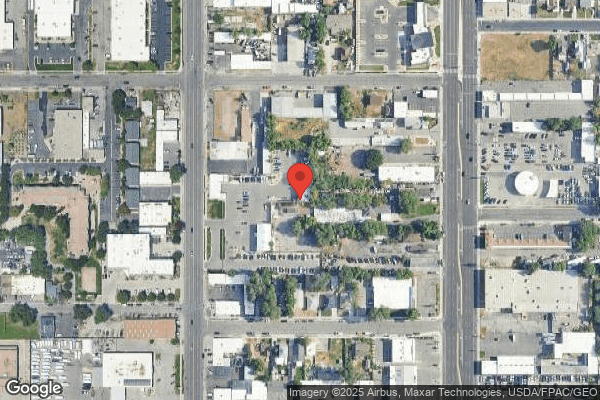
3094 South State Street, South Salt Lake, UT 84115 (801) 485-9007
Government - City/county 37 Beds Independent Data: November 2025
Trust Grade
95/100
#11 of 97 in UT
Last Inspection: May 2024

Within standard 12-15 month inspection cycle. Federal law requires annual inspections.

Overview

Little Cottonwood Rehabilitation and Nursing has received a Trust Grade of A+, indicating it is an elite facility with excellent care standards. Ranking #11 out of 97 facilities in Utah places it in the top half, while its position as #8 out of 35 in Salt Lake County means there are only seven local options that are better. The facility is on an improving trend, having reduced issues from one in 2022 to none in 2024. However, staffing received a lower rating of 2 out of 5 stars, with a turnover rate of 17%, which is good but indicates some instability. There have been no fines, which is a positive sign, and while RN coverage is average, it is important to note that there have been concerns regarding food safety in the kitchen, such as cross-contamination and improper food handling practices, as well as cleanliness issues in the dining area.

Trust Score
A+
95/100
In Utah
#11/97
Top 11%
Safety Record
Low Risk
No red flags
Inspections
Getting Better
1 → 0 violations
Staff Stability
✓ Good
17% annual turnover. Excellent stability, 31 points below Utah's 48% average. Staff who stay learn residents' needs.
Penalties
✓ Good
No fines on record. Clean compliance history, better than most Utah facilities.
Skilled Nurses
○ Average
Each resident gets 31 minutes of Registered Nurse (RN) attention daily — about average for Utah. RNs are the most trained staff who monitor for health changes.
Violations
✓ Good
Only 2 deficiencies on record. Cleaner than most facilities. Minor issues only.
★★★★★
5.0
Overall Rating
★★☆☆☆
2.0
Staff Levels
★★★★★
5.0
Care Quality
★★★★★
5.0
Inspection Score
Stable
2022: 1 issues
2024: 0 issues

The Good

  • 5-Star Quality Measures · Strong clinical quality outcomes
  • Low Staff Turnover (17%) · Staff stability means consistent care
  • Full Sprinkler Coverage · Fire safety systems throughout facility
  • No fines on record
  • Staff turnover is low (17%)

    31 points below Utah average of 48%

Facility shows strength in quality measures, staff retention, fire safety.

The Bad

No Significant Concerns Identified

This facility shows no red flags. Among Utah's 100 nursing homes, only 1% achieve this.

The Ugly 2 deficiencies on record

Sept 2022 1 deficiency
CONCERN (F)

Potential for Harm - no one hurt, but risky conditions existed

Food Safety (Tag F0812)

Could have caused harm · This affected most or all residents

Based on interview, record review, and observation, the facility did not store, prepare, distribute and serve food in accordance with professional standards for food service safety. Specifically, cros...

Read full inspector narrative →
Based on interview, record review, and observation, the facility did not store, prepare, distribute and serve food in accordance with professional standards for food service safety. Specifically, cross contamination was observed in the kitchen during the dish cleaning process, the dishmachine did not reach the appropriate temperature, meals were not served appropriately, and multiple areas of the kitchen were observed to be soiled or in disrepair. Resident identifiers: 4 and 11. Findings include: 1. On 9/26/22 at 7:00 AM, Dietary Staff Member (DSM) 1 was observed in the kitchen next to the steam table area containing food. DSM 1 did not have a mask on. On 9/26/22 at 7:15 AM, an interview was conducted with DSM 1. DSM 1 stated that he did not like to wear masks because they were itchy. 2. On 9/26/22 at 7:05 AM, the dining area was observed. Multiple residents were observed to have been served a portion of bread crumbs, including residents 4 and 11. On 9/26/22 at approximately 7:20 AM, an interview was conducted with DSM 1. DSM 1 stated that if residents were on a mechanical soft diet, and there was bread on the menu, he would toast the bread and then blend it up to make bread crumbs to serve the residents. DSM 1 then stated that he had a list of the therapeutic menus, and how to adjust the menu for residents on a mechanical diet. The list was subsequently reviewed, and indicated that if a resident was on a mechanical soft diet, no adjustments were required to the bread. 3. On 9/26/22 at approximately 7:10 AM, an observation was made of the facility kitchen. The following observations were made: a. A large gouge on the counter in the dry storage area rendered the counter unsanitizable. The gouge was approximately 2 inches long and 1 inch high. b. The freezer in the dry storage area had a stack of approximately 6 small tortillas on the shelf. The tortillas were not in any container, but were completely open to air. c. The freezer in the dry storage area had a pie crust on the shelf that was open to air. d. The refrigerator in the dry storage area had 8 containers of an unknown substance that appeared to be pudding. The containers were not labeled or dated. e. The container of powdered milk had a scoop hung on the outside of it. The scoop was touching the shelving below it. The shelving was observed to have dust and grime on it. f. The microwave was observed to have spills and debris on it, both inside and out. g. The conduits next to the ice machine were observed to have dust and grime on them. 4. On 9/26/22 at approximately 7:15 AM, the dishmachine was observed. The dishmachine had instructions on the top portion of it, indicating that both the wash and rinse cycle needed to reach 120 degrees Fahrenheit (F). At 7:15 AM, the dishmachine was observed to reach a temperature of 80 degrees Fahrenheit (F) for the wash cycle, and 85 degrees F for the rinse cycle. After the wash and rinse cycles were complete, Dietary Staff Member (DSM) 1 was observed to open the machine, and pull the tray of clean dishes out of the machine. DSM 1 then went to the other side of the dishmachine and loaded dirty dishes into a tray. DSM 1 then walked to the three compartment sink and put the tips of his contaminated fingers under a stream of water that was going down into a container of thawing meat. DSM 1 was then observed to walk to the tray cart, and move it into the dry storage area, without appropriately washing his hands. DSM 1 then began loading soiled dishes into a tray and placed them in the dishmachine. After loading soiled dishes in the tray and starting the dishmachine, DSM 1 was observed to move to the other side of the dishmachine, and pick up clean trays with his contaminated hands, and put the trays away. At this time, the dishmachine was observed to reach a temperature of 89 degrees F for the wash cycle, and 90 degrees F for the rinse cycle. DSM 1 was then observed to open the garbage can lid to throw something away, and then proceed to put away a clean pot and several bowls without first washing his hands. At this time, the dishmachine was observed to reach a temperature of 98 degrees F for both the wash and rinse cycles. The next cycle of dishes was then observed. The dishmachine was observed to reach a temperature of 105 degrees F for the wash cycle, and 110 degrees for the rinse cycle. DSM 1 was observed to load the next load of soiled dishes into the machine, and was then asked what the temperature the dishmachine was supposed to reach. DSM 1 looked at the dishmachine, and stated that the temperature was currently 118 degrees on the wash cycle but that it was supposed to be 120 degrees. When asked what the protocol was for the dishmachine not reaching the correct temperature, DSM 1 stated that I just wash everything twice. The next cycle of dishes was then observed. The dishmachine was observed to reach a temperature of 110 degrees Fahrenheit for both the wash and rinse cycle. On 9/28/22 at 11:00 AM, an interview was conducted with the facility Registered Dietitian (RD). The RD stated that all DSMs are supposed to run the dishmachine until it reaches 120 degrees before processing dishes. The RD also confirmed that the DSMs are supposed to wash their hands between handling soiled dishes, and handling clean dishes. The RD confirmed that bread is not supposed to be placed in the blender to make bread crumbs for residents on a mechanical soft diet. The RD also confirmed that she had seen the uncovered tortillas and uncovered pie on 9/26/22, after the surveyor had entered the kitchen. The RD stated that she had subsequently educated DSM 1 about dishmachine temperatures and appropriate covering of food.
Apr 2021 1 deficiency
CONCERN (E)

Potential for Harm - no one hurt, but risky conditions existed

Food Safety (Tag F0812)

Could have caused harm · This affected multiple residents

Based on observation and interview it was determined that the facility did not store and distribute food in accordance with professional standards for food service safety. Specifically, there were con...

Read full inspector narrative →
Based on observation and interview it was determined that the facility did not store and distribute food in accordance with professional standards for food service safety. Specifically, there were condiments in a metal baskets on the dining room tables that were not sanitized between meal service. In addition, there was peeling paint in the kitchen. Resident identifiers: 2, 10, 18 and 35. Findings include: 1. On 4/12/21 at 11:53 AM, an observation was made of the dining room. There was a meal schedule hanging in the dining room that revealed there were two meal services in the dining room. Tables were observed with one chair per table, with a caddy container of condiments located in the center of the table. The container included salt, pepper, butter packets, mayonnaise, ketchup and hot sauce. The first dining service began at 11:53 AM. On 4/12/21 at 11:53 AM, an observation was made of residents eating lunch in the dining room. Resident 2 was observed to be sitting at a table with a condiment caddy. Resident 2 was observed to cough toward the condiment caddy. Resident 2 was eating and did not have a mask on. At 12:10 PM, an observation was made of the housekeeping staff wiping the tables. At 12:15 PM, an observation was made of resident 10 sitting at the same table with the same condiment caddy. The condiment caddy had not been sanitized between meal services. On 4/12/21 at 11:53 AM, an observation was made of resident 18. Resident 18 was observed to be eating alone at a table that was set with a condiment caddy. At 12:11 PM, an observation was made of the house keeping staff wiped down the table. At 12:16 PM, resident 35 was observed sitting at a table which had been previously used by resident 18. Resident 35 was observed using the mayonnaise from the condiment caddy. On 4/13/21 at 12:24 PM, Licensed Practical Nurse (LPN) 1 was observed removing condiment caddies from the tables and placing them onto a storage cart without sanitizing condiment containers. On 4/13/21 at 12:33 PM, the cart containing the condiment caddies was observed to be stored within the kitchen. On 4/13/21 at 12:33 PM, an interview was conducted with the Dietary Manager (DM). The DM stated that the condiments and metal baskets were sanitized every night. The DM stated they were not sanitized between meals. 2. On 4/13/21 at 12:25 PM, an observation was made of the facility kitchen. There was paint peeling in the cabinet with the domes that were used to cover the food. The DM was interviewed immediately. The DM stated he had tried to fix the peeling paint in the cabinet a few months ago and it was peeling again.
Understanding Severity Codes (click to expand)
Life-Threatening (Immediate Jeopardy)
J - Isolated K - Pattern L - Widespread
Actual Harm
G - Isolated H - Pattern I - Widespread
Potential for Harm
D - Isolated E - Pattern F - Widespread
No Harm (Minor)
A - Isolated B - Pattern C - Widespread

Questions to Ask on Your Visit

  • "Can I speak with families of current residents?"
  • "What's your RN coverage like on weekends and overnight?"

Our Honest Assessment

Strengths
  • • Grade A+ (95/100). Above average facility, better than most options in Utah.
  • • No major safety red flags. No abuse findings, life-threatening violations, or SFF status.
  • • No fines on record. Clean compliance history, better than most Utah facilities.
  • • Only 2 deficiencies on record. Cleaner than most facilities. Minor issues only.
Concerns
  • • No significant concerns identified. This facility shows no red flags across CMS ratings, staff turnover, or federal penalties.
Bottom line: Generally positive indicators. Standard due diligence and a personal visit recommended.

About This Facility

What is Little Cottonwood Rehabilitation And Nursing's CMS Rating?

CMS assigns Little Cottonwood Rehabilitation and Nursing an overall rating of 5 out of 5 stars, which is considered much above average nationally. Within Utah, this rating places the facility higher than 99% of the state's 100 nursing homes. This rating reflects solid performance across the metrics CMS uses to evaluate nursing home quality.

How is Little Cottonwood Rehabilitation And Nursing Staffed?

CMS rates Little Cottonwood Rehabilitation and Nursing's staffing level at 2 out of 5 stars, which is below average compared to other nursing homes. Staff turnover is 17%, compared to the Utah average of 46%. This relatively stable workforce can support continuity of care.

What Have Inspectors Found at Little Cottonwood Rehabilitation And Nursing?

State health inspectors documented 2 deficiencies at Little Cottonwood Rehabilitation and Nursing during 2021 to 2022. These included: 2 with potential for harm.

Who Owns and Operates Little Cottonwood Rehabilitation And Nursing?

Little Cottonwood Rehabilitation and Nursing is owned by a government entity. Government-operated facilities are typically run by state, county, or municipal agencies. The facility operates independently rather than as part of a larger chain. With 37 certified beds and approximately 37 residents (about 100% occupancy), it is a smaller facility located in South Salt Lake, Utah.

How Does Little Cottonwood Rehabilitation And Nursing Compare to Other Utah Nursing Homes?

Compared to the 100 nursing homes in Utah, Little Cottonwood Rehabilitation and Nursing's overall rating (5 stars) is above the state average of 3.4, staff turnover (17%) is significantly lower than the state average of 46%, and health inspection rating (5 stars) is much above the national benchmark.

What Should Families Ask When Visiting Little Cottonwood Rehabilitation And Nursing?

Based on this facility's data, families visiting should ask: "Can you walk me through typical staffing levels on day, evening, and night shifts?" "Can I visit during a mealtime to observe dining assistance and food quality?" "How do you handle medical emergencies, and what is your hospital transfer rate?" "Can I speak with family members of current residents about their experience?" These questions are particularly relevant given the below-average staffing rating.

Is Little Cottonwood Rehabilitation And Nursing Safe?

Based on CMS inspection data, Little Cottonwood Rehabilitation and Nursing has a clean safety record: no substantiated abuse findings (meaning no confirmed cases of resident harm), no Immediate Jeopardy citations (the most serious violation level indicating risk of serious injury or death), and is not on the Special Focus Facility watch list (a federal program monitoring the lowest-performing 1% of nursing homes). The facility has a 5-star overall rating and ranks #1 of 100 nursing homes in Utah. While no facility is perfect, families should still ask about staff-to-resident ratios and recent inspection results during their visit.

Do Nurses at Little Cottonwood Rehabilitation And Nursing Stick Around?

Staff at Little Cottonwood Rehabilitation and Nursing tend to stick around. With a turnover rate of 17%, the facility is 29 percentage points below the Utah average of 46%. Low turnover is a positive sign. It means caregivers have time to learn each resident's needs, medications, and personal preferences. Consistent staff also notice subtle changes in a resident's condition more quickly.

Was Little Cottonwood Rehabilitation And Nursing Ever Fined?

Little Cottonwood Rehabilitation and Nursing has no federal fines on record. CMS issues fines when nursing homes fail to meet care standards or don't correct problems found during inspections. The absence of fines suggests the facility has either maintained compliance or corrected any issues before penalties were assessed. This is a positive indicator, though families should still review recent inspection reports for the full picture.

Is Little Cottonwood Rehabilitation And Nursing on Any Federal Watch List?

Little Cottonwood Rehabilitation and Nursing is not on any federal watch list. The most significant is the Special Focus Facility (SFF) program, which identifies the bottom 1% of nursing homes nationally based on persistent, serious quality problems. Not being on this list means the facility has avoided the pattern of deficiencies that triggers enhanced federal oversight. This is a positive indicator, though families should still review the facility's inspection history directly.