Legacy Village Rehabilitation
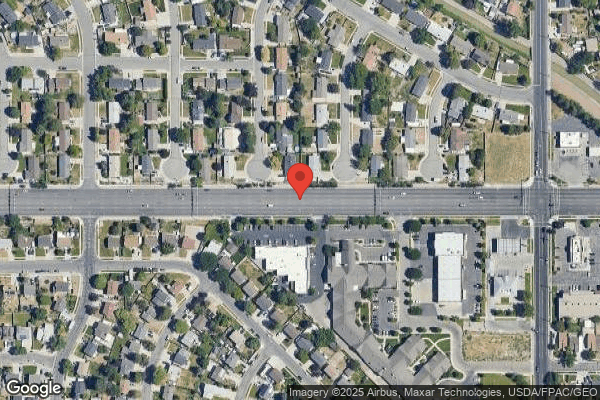
3251 West 5400 South, Taylorsville, UT 84129 (801) 613-4600
For profit - Partnership 40 Beds Independent Data: November 2025
Trust Grade
90/100
#10 of 97 in UT
Last Inspection: May 2025

Inspected within the last 6 months. Data reflects current conditions.

Overview

Legacy Village Rehabilitation in Taylorsville, Utah has an impressive Trust Grade of A, indicating excellent quality and high recommendation from families. Ranking #10 out of 97 facilities in Utah places it in the top half, while its county rank of #7 out of 35 suggests that only six local options are better. However, the facility is experiencing a concerning trend, with issues increasing from 2 in 2023 to 5 in 2025. Staffing is a relative strength, with a turnover rate of 34%, significantly lower than the state average, but the facility only received a 2 out of 5 stars for staffing, indicating room for improvement. Although there have been no fines, which is a positive sign, recent inspections revealed issues such as failure to deliver covered meal trays, exposing residents to potential infection risks, and inadequate respiratory care for a resident in need. Overall, while there are significant strengths, including excellent quality measures and no fines, families should be aware of the recent decline in performance and specific areas of concern.

Trust Score
A
90/100
In Utah
#10/97
Top 10%
Safety Record
Low Risk
No red flags
Inspections
Getting Worse
2 → 5 violations
Staff Stability
○ Average
34% turnover. Near Utah's 48% average. Typical for the industry.
Penalties
✓ Good
No fines on record. Clean compliance history, better than most Utah facilities.
Skilled Nurses
○ Average
Each resident gets 30 minutes of Registered Nurse (RN) attention daily — about average for Utah. RNs are the most trained staff who monitor for health changes.
Violations
○ Average
9 deficiencies on record. Average for a facility this size. Mostly minor or procedural issues.
★★★★★
5.0
Overall Rating
★★☆☆☆
2.0
Staff Levels
★★★★★
5.0
Care Quality
★★★★☆
4.0
Inspection Score
Stable
2023: 2 issues
2025: 5 issues

The Good

  • 5-Star Quality Measures · Strong clinical quality outcomes
  • Full Sprinkler Coverage · Fire safety systems throughout facility
  • No fines on record
  • Staff turnover below average (34%)

    14 points below Utah average of 48%

Facility shows strength in quality measures, fire safety.

The Bad

Staff Turnover: 34%

11pts below Utah avg (46%)

Typical for the industry

The Ugly 9 deficiencies on record

May 2025 5 deficiencies
CONCERN (D) 📢 Someone Reported This

A family member, employee, or ombudsman was alarmed enough to file a formal complaint

Potential for Harm - no one hurt, but risky conditions existed

Respiratory Care (Tag F0695)

Could have caused harm · This affected 1 resident

**NOTE- TERMS IN BRACKETS HAVE BEEN EDITED TO PROTECT CONFIDENTIALITY** Based on observation, interview and record review, the facility did not ensure that residents who needed respiratory care were p...

Read full inspector narrative →
**NOTE- TERMS IN BRACKETS HAVE BEEN EDITED TO PROTECT CONFIDENTIALITY** Based on observation, interview and record review, the facility did not ensure that residents who needed respiratory care were provided such care, consistent with professional standards of practice. Specifically, for 1 of 40 sampled residents, the resident did not have properly labeled oxygen tubing and the humidification bottle was not being changed in a timely manner. Resident identifier: 298. Findings included: Resident 298 was admitted to the facility on [DATE] with diagnoses that included cerebral infarction, acute respiratory distress syndrome, respiratory failure with hypoxia, chronic obstructive pulmonary disease, and obstructive sleep apnea. On 5/12/25 at 9:24 AM, an observation was made in resident 298's bathroom of the oxygen concentrator. The humidifier had no water and was not dated. There was a dry white substance on the inside of the humidifier container. The nasal cannula was observed not to be dated. The concentrator was set at 6 LPM (liters per minute). There was no indication that the cannula had been changed. On 5/12/25 at 12:56 PM, a second observation was made in resident 298's bathroom of the oxygen concentrator. The humidifier was still empty. On 5/13/25 at 10:18 AM, a third observation was made in resident 298's bathroom of the oxygen concentrator. The humidifier was still empty. On 5/13/25 at 10:15 AM, an interview was conducted with Registered Nurse (RN) 1 who stated she was not sure who was in charge of oxygen. RN 1 stated the Certified Nursing Assistants (CNA) set up the rooms with oxygen. RN 1 stated the residents should have orders to change the oxygen tubing. On 5/13/25 at 10:31 AM, an interview was conducted with CNA 1 who stated the CNAs have access to the oxygen storage room. CNA 1 stated they put on the cannulas and connect them to the oxygen tanks or concentrators. CNA 1 stated when a resident was admitted they were asked if they were using oxygen. CNA 1 stated portable oxygen tanks were behind wheelchairs in a safe area. CNA 1 stated distilled water was in the humidifiers and all the residents had them. CNA 1 stated the humidifiers had a water trapper on the cannula. CNA 1 stated he believed the night shift CNA's were responsible for changing out the cannulas on Wednesdays. CNA 1 stated the humidifiers did not get changed. CNA 1 stated there were orange stickers with the date that were placed on the cannulas, humidifiers and concentrators. On 5/13/25 at 11:49 AM, an interview was conducted with RN 2 who stated the CNAs were responsible for changing out the cannulas. RN 2 stated she thought the cannulas were changed every 72 hours. RN 2 stated if she found a cannula on the floor she would discard it and replace it. RN 2 stated the cannulas were supposed to be dated and she thought there were tags with the dates on them. RN 2 stated when the cannulas were not in use they should go into a bag that zips. RN 2 stated all residents should have humidified oxygen that was managed by the CNAs. On 5/13/25 at 11:53 AM, RN 2 was taken to resident 298's bathroom to observe the oxygen concentrator. The humidifier was observed to be empty. RN 2 stated that resident 298 was on the highest level of oxygen and needed the humidification. On 5/13/25 at 11:55 AM, an interview was conducted with the Director of Nursing (DON) who stated the CNAs on the night shift on Fridays were responsible for changing the oxygen tubing. The DON stated she was told by CNA 2 that oxygen tubing was being changed out on Wednesdays. The DON stated it should be done weekly. The DON stated the CNAs were supposed to label and date the nasal cannulas. The DON stated a ziplock bag should be provided for the nasal cannula when it was not being used. The DON stated she was unsure if all residents had humidifiers. The DON stated if a resident used 2 liters of oxygen or more, typically they had humidification. On 5/14/25 at 1:56 PM, a second interview was conducted with the DON who stated residents had physician orders to change oxygen tubing on Fridays. The DON stated humidification should be used if a resident used 2 liters of oxygen or more. The DON stated the humidifiers should be changed when they were empty and the bottles were disposable so they could be taken off and a new one could be placed on.
CONCERN (D) 📢 Someone Reported This

A family member, employee, or ombudsman was alarmed enough to file a formal complaint

Potential for Harm - no one hurt, but risky conditions existed

Food Safety (Tag F0812)

Could have caused harm · This affected 1 resident

Based on observation and interview, the facility did not store, prepare, distribute and serve food in accordance with professional standards for food service safety. Specifically, food items in the wa...

Read full inspector narrative →
Based on observation and interview, the facility did not store, prepare, distribute and serve food in accordance with professional standards for food service safety. Specifically, food items in the walk-in freezer and walk-in refrigerator were open to the air. Findings included: On 5/12/25 at 8:53 AM, an initial walk-through was conducted in the kitchen. In the walk-in freezer, a box of plant based patties was observed to be open to air and a box of frozen dinner rolls was open to air. On 5/15/25 at 10:11 AM, a second walk-through was conducted in the kitchen. In the dry storage room, a bag of potato chips was observed not to be closed. In the walk-in refrigerator, a bag of sliced ham was not sealed and was open to air. In the walk-in freezer, a box of pork sausage was observed open to air, a box of ground beef patties was open to air, a box of plant based patties was open to air, a box of bread dough was open to air, a box of mixed vegetables was open to air, and a box of cut green beans was open to air. On 5/15/25 at 10:33 AM, an interview was conducted with the Dietary Manager (DM) who stated the Registered Dietitian (RD) performed an audit of the kitchen once per month that included checking the temperatures of the refrigerators and freezers, taking the temperatures of the food, watching the staff plate the food, doing a meal audit, and checking the dates on the food items in the refrigerator. The DM stated the RD would provide education if she found mistakes. The DM stated he also provided education to the kitchen staff once per month. The DM stated he conducted his own audits for the freezers and refrigerators. The DM stated the food in the refrigerators and freezers should be sealed up properly to prevent ice burn and preserve food quality.
CONCERN (D) 📢 Someone Reported This

A family member, employee, or ombudsman was alarmed enough to file a formal complaint

Potential for Harm - no one hurt, but risky conditions existed

Infection Control (Tag F0880)

Could have caused harm · This affected 1 resident

Based on observation, interview, and record review, it was determined that the facility did not establish and maintain an infection prevention and control program designed to provide a safe, sanitary,...

Read full inspector narrative →
Based on observation, interview, and record review, it was determined that the facility did not establish and maintain an infection prevention and control program designed to provide a safe, sanitary, and comfortable environment and to help prevent the development and transmission of communicable diseases and infections. Specifically, the facility was not able to provide documentation that the facility had conducted testing of the facility water supply for Legionella since 2021, there were observations of staff collecting dirty laundry in an uncovered bin that was pushed through resident hallways, and there were observations of staff not using aprons while loading soiled laundry into the washing machine. Findings Include: 1. On 5/13/25 at 8:05 AM, an interview was conducted with the Infection Preventionist (IP). The IP stated that the maintenance department is responsible for testing the facility water supply for Legionella. On 5/13/25 at 10:53 AM, an interview was conducted with the Director of Maintenance (DOM). The DOM stated that he tests to see how hard the water is at the facility. The DOM stated that he needed to test the water at the facility for Legionella and that he was not sure if there was documentation of the testing. On 5/13/25 at 11:44 AM, an interview was conducted with the Administrator. The Administrator stated that the maintenance department is in charge of testing the facility water supply for Legionella. The Administrator stated that he would have to ask the maintenance department for testing records. The Administrator stated that he would look for records of tests for Legionella in the water. On 5/13/25 at 11:50 AM, the Administrator provided a copy of the facility's Water Management Program plan dated 7/19/18. The plan stated that, Twice per year we do internal testing with a water kit to test for Legionella and waterborne pathogens. The plan contained documentation of Legionella tests dated 1/22/21, 1/20/20, and 1/18/19. On 5/15/25 at 11:44 AM, an additional interview was conducted with the Administrator. The Administrator stated that the facility contacted the former Director of Maintenance and that he did not have documentation of water testing for Legionella from 2022 or subsequent years. 2. On 5/15/25 at 10:08 AM, an observation was made of Laundry Aide (LA) 1 traveling down the hallway with a bin that contained soiled linens. The bin did not have a cover on top. On 5/15/25 at 1:04 PM, an observation was made of LA 2 placing soiled laundry into a washing machine without wearing an apron or protective gown. On 5/15/25 at 9:56 AM, an interview was conducted with LA 2. LA 2 stated that the laundry staff do not put on a gown when putting soiled laundry into the washing machine, but that they do wear gloves. On 5/15/25 at 1:11 PM, an interview was conducted with the Director of Maintenance (DOM). The DOM stated when staff gather laundry from resident rooms, they should place the laundry in a bin and cover the bin with a lid on the way to the laundry room. The DOM stated that laundry staff should wear an apron while putting soiled laundry into the washing machine.
CONCERN (E) 📢 Someone Reported This

A family member, employee, or ombudsman was alarmed enough to file a formal complaint

Potential for Harm - no one hurt, but risky conditions existed

MDS Data Transmission (Tag F0640)

Could have caused harm · This affected multiple residents

Based on interview and record review, it was determined that for 16 of 40 sampled residents, that the facility did not electronically transmit encoded, accurate, and complete Minimum Data Set (MDS) da...

Read full inspector narrative →
Based on interview and record review, it was determined that for 16 of 40 sampled residents, that the facility did not electronically transmit encoded, accurate, and complete Minimum Data Set (MDS) data to the CMS System. Specifically, the facility did not electronically transmit 16 discharge MDS assessments to the CMS System. Resident Identifiers: 4, 10, 12, 30, 42, 46, 54, 62, 64, 68, 69, 70, 71, 72, 73, and 75. Findings Include: Minimum Data Set (MDS) Assessments and medical records were reviewed from 5/12/25 through 5/15/25 for residents 4, 10, 12, 30, 42, 46, 54, 62, 64, 68, 69, 70, 71, 72, 73, and 75. Resident 4's discharge assessment date was 1/4/25. Resident 10's discharge assessment date was 1/21/25. Resident 12's discharge assessment date was 4/7/25. Resident 30's discharge assessment date was 1/2/25. Resident 42's discharge assessment date was 1/8/25. Resident 46's discharge assessment date was 1/10/25. Resident 54's discharge assessment date was 1/22/25. Resident 62's discharge assessment date was 1/24/25. Resident 64's discharge assessment date was 1/7/25. Resident 68's discharge assessment date was 1/9/25. Resident 69's discharge assessment date was 1/11/25. Resident 70's discharge assessment date was 1/5/25. Resident 71's discharge assessment date was 2/19/25. Resident 72's discharge assessment date was 1/25/25. Resident 73's discharge assessment date was 1/2/25. Resident 75's discharge assessment date was 1/8/25. The MDS discharge assessment for all of these residents had been completed, but not transmitted to CMS. On 5/15/25 at 11:11 AM, an interview was conducted with the MDS Coordinator. The MDS Coordinator stated that he meets weekly with a Registered Nurse from the memory care side of the building and that the registered nurse signs off on the MDS assessments. The MDS Coordinator stated that after the MDS is signed, a transmission file is generated. The MDS Coordinator stated that if there are any rejections, the MDS is corrected and then resent. On 5/15/25 at 1:19 PM, an interview was conducted with the Director of Nursing (DON). The DON stated that the MDS coordinator was responsible for completing MDS assessments.
MINOR (B) 📢 Someone Reported This

A family member, employee, or ombudsman was alarmed enough to file a formal complaint

Minor Issue - procedural, no safety impact

Assessment Accuracy (Tag F0641)

Minor procedural issue · This affected multiple residents

**NOTE- TERMS IN BRACKETS HAVE BEEN EDITED TO PROTECT CONFIDENTIALITY** Based on interview and record review, it was determined that for 3 of 40 sample residents, that the facility did not ensure that...

Read full inspector narrative →
**NOTE- TERMS IN BRACKETS HAVE BEEN EDITED TO PROTECT CONFIDENTIALITY** Based on interview and record review, it was determined that for 3 of 40 sample residents, that the facility did not ensure that a registered nurse signed and certified that the assessment was completed. Specifically, there were three MDS assessments submitted to CMS that did not have a registered nurse signature certifying that that assessment was completed. Resident Identifiers: 90, 246, and 249. Findings Include: Minimum Data Set (MDS) Assessments and medical records were reviewed from 5/12/25 through 5/15/25 for residents 90, 246, and 249. Resident 90's entry MDS dated [DATE] did not have a Registered Nurse (RN) signature certifying that the assessment was completed. Resident 246's entry MDS dated [DATE] did not have a RN signature certifying that the assessment was completed. Resident 249's entry MDS dated [DATE] did not have a RN signature certifying that the assessment was completed. On 5/15/25 at 11:11 AM, an interview was conducted with the MDS Coordinator. The MDS Coordinator stated that he meets weekly with a Registered Nurse from the memory care side of the building and that the registered nurse signs off on the MDS assessments. On 5/15/25 at 1:19 PM, an interview was conducted with the Director of Nursing (DON). The DON stated that the MDS coordinator was responsible for completing MDS assessments.
Aug 2023 2 deficiencies
CONCERN (D)

Potential for Harm - no one hurt, but risky conditions existed

Deficiency F0757 (Tag F0757)

Could have caused harm · This affected 1 resident

**NOTE- TERMS IN BRACKETS HAVE BEEN EDITED TO PROTECT CONFIDENTIALITY** Based on interview and record review, the facility did not ensure that each resident's drug regimen was free from unnecessary dr...

Read full inspector narrative →
**NOTE- TERMS IN BRACKETS HAVE BEEN EDITED TO PROTECT CONFIDENTIALITY** Based on interview and record review, the facility did not ensure that each resident's drug regimen was free from unnecessary drugs. An unnecessary drug is any drug when used in excessive dose; or for excessive duration; or without adequate monitoring; or without adequate indications for its use; or in the presence of adverse consequences which indicate the dose should be reduced or discontinued; or any combinations of the reasons above. Specifically, for 2 out of 15 sampled residents, a resident's cardiac medications were not monitored according to the physician's ordered parameters and long acting insulin was held without physician's ordered parameters. In addition, the Medical Doctor (MD) was not notified per the physician's orders when a resident's blood sugar was outside of the physician's ordered parameters. Resident identifiers: 10 and 89. Findings included: 1. Resident 10 was admitted to the facility on [DATE] with diagnoses which included, but were not limited to, esophagitis, essential hypertension, type 2 diabetes mellitus with diabetic nephropathy, type 2 diabetes mellitus with diabetic chronic kidney disease, major depressive disorder, panic disorder, anxiety disorder, mild cognitive impairment, and chronic kidney disease stage 3. Resident 10's medical record was reviewed on 8/29/23. On 7/22/23, a physician's order documented Blood Sugar Check BID [twice a day] Twice A Day Notify MD if BS [blood sugar] > [greater than] 250 or < [less than] 60. A review of the August 2023 Medication Administration Record (MAR) documented the following blood sugars greater than 250. a. On 8/9/23 at 6:30 PM to 9:30 PM, 267. b. On 8/10/23 at 6:30 PM to 9:30 PM, 265. c. On 8/26/23 at 6:30 PM to 9:30 PM, 265. No documentation could be located in the medical record indicating that the MD had been notified when resident 10's blood sugars were greater than 250. 2. Resident 89 was admitted to the facility on [DATE] with diagnoses which included, but were not limited to, cellulitis of right lower limb, anxiety disorder, essential hypertension, atherosclerosis of coronary artery bypass graft without angina pectoris, paroxysmal atrial fibrillation, heart failure, type 2 diabetes mellitus with diabetic chronic kidney disease, type 2 diabetes mellitus with diabetic neuropathy, and major depressive disorder. Resident 89's medical record was reviewed on 8/28/23. A physician's order dated 8/24/23, documented amiodarone tablet; 200 mg [milligrams]; Amount to Administer: 200 mg; oral Once A Day ***HOLD IF HR [heart rate] <60*** [DX [Diagnosis]: Paroxysmal atrial fibrillation]. The August 2023 MAR was reviewed. On 8/26/23, a pulse of 59 was documented and the amiodarone was administered. A physician's order dated 8/24/23, documented metoprolol succinate tablet extended release 24 hr [hour]; 25 mg; Amount to Administer: 25 mg; oral Once A Day ***Hold for SBP [systolic blood pressure <110 AND/OR HR <60*** [DX: Cellulitis of right lower limb]. The August 2023 MAR was reviewed. On 8/26/23, a pulse of 59 was documented and the metoprolol was administered. A physician's order dated 8/22/23, documented Tresiba FlexTouch U-200 (insulin degludec) insulin pen; 200 unit/mL [milliliter] (3 mL); Amount to Administer: 32 UNITS; subcutaneous Once A Day [DX: Type 2 diabetes mellitus with diabetic chronic kidney disease]. The August 2023 MAR was reviewed. On 8/25/23, a BS of 97 was documented. The insulin was not administered due to Not Administered: Other Comment: not appropriate at this time On 8/29/23 at 10:09 AM, an interview was conducted with Registered Nurse (RN) 1. RN 1 stated that most Cardiologist do not want to hold medications unless the heart rate was less the 55. RN 1 stated that she would try and verify the hold parameters with the MD. RN 1 stated if the MD was notified the documentation would be in a progress note or the MAR. RN 1 stated that resident 89's medications should have been held when the heart rate was below 60. RN 1 stated for long acting insulin the MD would not put a blood sugar hold parameter. RN 1 stated for short acting insulin she would hold per the protocol of a blood sugar less than 110. On 8/29/23 at 10:51 AM, an interview was conducted with the Director of Nursing (DON). The DON stated that she has had to audit every single blood pressure medication that the facility administered and it was time consuming. The DON stated the standing hold parameters for cardiac medications were for a SBP <110 and a Pulse <60. The DON stated there were no specific hold parameters for insulin unless ordered by the physician. The DON stated if the MD was notified by staff they were to document on the MAR or in a progress note.
CONCERN (E)

Potential for Harm - no one hurt, but risky conditions existed

Infection Control (Tag F0880)

Could have caused harm · This affected multiple residents

**NOTE- TERMS IN BRACKETS HAVE BEEN EDITED TO PROTECT CONFIDENTIALITY** Based on observation and interview, it was determined, that the facility did not maintain an infection prevention and control pr...

Read full inspector narrative →
**NOTE- TERMS IN BRACKETS HAVE BEEN EDITED TO PROTECT CONFIDENTIALITY** Based on observation and interview, it was determined, that the facility did not maintain an infection prevention and control program designed to provide a safe, sanitary and comfortable environment and to help prevent the development and transmission of communicable diseases and infections. Specifically, meal tray items were uncovered when delivered by staff throughout resident hallways. Findings Included: 1. Lunch meal trays, which included, uncovered desserts were transported through resident hallway 200. The meal cart was stationed near resident room [ROOM NUMBER]. On 8/28/23 at 1:00 PM, a Certified Nursing Assistant (CNA) was observed to carry a meal tray to resident room [ROOM NUMBER]. On 8/28/23 at 1:00 PM, a CNA was observed to carry a meal tray to resident room [ROOM NUMBER]. On 8/28/23 at 1:02 PM, a CNA was observed to carry a meal tray to resident room [ROOM NUMBER]. 2. Lunch meal trays, which included, uncovered desserts were transported through resident hallway 300. The meal cart was stationed near resident room [ROOM NUMBER]. On 8/28/23 at 1:06 PM, a CNA was observed to carry a meal tray to resident room [ROOM NUMBER]. On 8/28/23 at 1:06 PM, a CNA was observed to carry a meal tray to resident room [ROOM NUMBER]. On 8/28/23 at 1:06 PM, a CNA was observed to carry a meal tray to resident room [ROOM NUMBER]. On 8/28/23 at 1:07 PM, a CNA was observed to carry a meal tray to resident room [ROOM NUMBER]. On 8/28/23 at 1:07 PM, a CNA was observed to carry a meal tray to resident room [ROOM NUMBER]. On 8/28/23 at 1:07 PM, a CNA was observed to carry a meal tray to resident room [ROOM NUMBER]. 3. On 8/29/23 at 12:52 PM, an observation of lunch tray delivery was made. The food cart was rolled and parked in the middle of the 100 hallway, in-between room [ROOM NUMBER] and 107. At 12:52 PM, a CNA pulled a food tray from the meal cart and walked it to room [ROOM NUMBER]. The dessert and the salad were uncovered. At 12:53 PM, a CNA pulled a food tray from the meal cart and walked it to room [ROOM NUMBER]. The dessert and the salad were uncovered. At 12:52 PM, a CNA pulled a food tray from the meal cart and walked it to room [ROOM NUMBER]. The dessert and the salad were uncovered. At 12:53 PM, a CNA pulled a food tray from the meal cart and walked it to room [ROOM NUMBER]. The dessert and the salad were uncovered. At 12:54 PM, a CNA pulled a food tray from the meal cart and walked it to room [ROOM NUMBER]. The dessert was uncovered. At 12:55 PM, a CNA pulled a food tray from the meal cart and walked it to room [ROOM NUMBER]. The dessert and the salad were uncovered. On 8/30/23 at 8:53 AM, an interview with the Dietary Manager (DM) was conducted. The DM stated that when residents ate in their rooms, the meal tray was prepared at the main line, the food was placed in the meal cart, and the CNA's delivered the food trays. The DM stated that the main entrée meal was covered, the desserts were covered, the dinner rolls were wrapped in plastic, and the drinks had lids or plastic wrap. The DM stated that all food items should have been covered on the tray line.
Dec 2021 2 deficiencies
CONCERN (D)

Potential for Harm - no one hurt, but risky conditions existed

Transfer Requirements (Tag F0622)

Could have caused harm · This affected 1 resident

**NOTE- TERMS IN BRACKETS HAVE BEEN EDITED TO PROTECT CONFIDENTIALITY** Based on interview and record review it was determined, the facility did not ensure that a transfer or discharge was documented ...

Read full inspector narrative →
**NOTE- TERMS IN BRACKETS HAVE BEEN EDITED TO PROTECT CONFIDENTIALITY** Based on interview and record review it was determined, the facility did not ensure that a transfer or discharge was documented in the resident's medical record and that appropriate information was communicated to the receiving health care institution or provider. Specifically, for 2 out of 19 sampled residents, no documentation was found in the resident's medical record to indicate the basis for the transfer or that the receiving provider was provided contact information of the practitioner responsible for the resident's care, resident representative contact information, advance directive information, all special instructions for care, a discharge summary, and any other documentation necessary for a safe and effective transition of care. Resident identifiers: 8 and 22. Findings included: 1. Resident 8 was admitted to the facility on [DATE] and re-admitted on [DATE] with diagnoses which included but not limited to aftercare following joint replacement surgery, major depressive disorder, anxiety disorder, benign prostatic hyperplasia with lower urinary tract symptoms, sepsis, acute kidney failure, acute pyelonephritis, urinary tract infection, acute respiratory failure with hypoxia, and pain. Resident 8's medical record was reviewed on 12/29/21. On 12/27/21 at 11:31 AM, an interview was conducted with resident 8. Resident 8 stated he had been hospitalized during his stay at the facility a couple of times. Review of resident 8's census record documented a discharge on [DATE] and an admission on [DATE]. Review of resident 8's progress notes revealed the following: a. On 10/14/21 at 11:31 PM, a Nursing Progress Note documented Received new order to check CBC (complete blood count), CMP (comprehensive metabolic panel) tomorrow. b. On 10/18/21 at 7:00 PM, a Nursing Progress Note documented Admit note: Patient arrived prior to 1830 (6:30 PM) from [name of local hospital]. He was treated for: AMS (altered mental status), urinary retention, hematuria, acute hypoxemic respiratory failure, acute renal failure, hypothyroidism, hyperkalemia . Patient arrived with a foley catheter in place r/t (related to) urinary retention due to obstruction. He has a follow up scheduled with urology. No documentation could be found in resident 8's medical record of a transfer form, a transfer assessment, a discharge summary or a progress note detailing the events of the transfer to the hospital. On 12/29/21 at 9:25 AM, an interview was conducted with the Assistant Director of Nursing (ADON). The ADON stated there was no note within resident 8's medical record regarding discharge. 2. Resident 22 was admitted to the facility on [DATE] with diagnoses which included but not limited to encephalopathy, chronic viral hepatitis B with delta-agent, pain, exocrine pancreatic insufficiency, pleural effusion, end stage renal disease, atrial fibrillation, type 2 diabetes mellitus with unspecified diabetic retinopathy with macular edema, major depressive disorder, generalized anxiety disorder, adult failure to thrive, kidney transplant status, and liver transplant status. Resident 22's medical record was reviewed on 12/28/21. Review of resident 22's census record documented a discharge on [DATE]. A Nursing Progress Note dated 11/5/21 at 12:54 PM, documented New order to add 1.7 med pass 120 mls (milliliters) TID (three times a day). [Note: The Nursing Progress Note was the last documented progress note in resident 22's medical record.] No documentation could be found in resident 22's medical record detailing the events of the discharge. On 12/28/21 at 3:36 PM, an interview was conducted with the Director of Nursing (DON). The DON stated resident 22 was discharged to the hospital for a change of condition. The DON stated resident 22 had an infusion related to his kidneys prior to discharge. The DON stated resident 22 was in kidney and liver failure. On 12/29/21 at 9:23 AM, an interview was conducted with the ADON. The ADON stated if a resident had a change of condition she would talk with the doctor and sometimes the family. The ADON stated she would call 911 or the local transportation company to transport the resident to the hospital. The ADON stated she would call 911 for a more emergent need. The ADON stated she would print the resident face sheet, Physician Orders for Life Sustaining Treatment, and medication list. The ADON further stated she would call the hospital to give them report and make a progress note in the resident medical record. On 12/29/21 at 11:17 AM, an interview was conducted with the DON. The DON stated if a resident was discharged from the facility the nursing staff should chart in a nurses note what was going on with the resident, when the resident left the facility, and how they left the facility. The DON stated the nursing staff should notify the doctor and resident family.
CONCERN (D)

Potential for Harm - no one hurt, but risky conditions existed

Deficiency F0757 (Tag F0757)

Could have caused harm · This affected 1 resident

**NOTE- TERMS IN BRACKETS HAVE BEEN EDITED TO PROTECT CONFIDENTIALITY** Based on interview and record review it was determined, for 1 out of 19 sampled residents, that each resident was not free from ...

Read full inspector narrative →
**NOTE- TERMS IN BRACKETS HAVE BEEN EDITED TO PROTECT CONFIDENTIALITY** Based on interview and record review it was determined, for 1 out of 19 sampled residents, that each resident was not free from unnecessary drugs. An unnecessary drug was any drug when used in excessive dose; excessive duration; without adequate monitoring; without adequate indication for its use; or in the presence of adverse consequences which indicated the dose should have been reduced or discontinued. Specifically, a resident was administered blood pressure medications when her blood pressure was low and a Parkinson's medication was delivered late. Resident identifier: 130. Findings include: Resident 130 was admitted to the facility on [DATE] with diagnoses which include Parkinson's disease, sleep apnea, reflux, respiratory failure, Lewy body dementia, and disease of the circulatory system. Resident 130's medical record review was completed on 12/29/21. Physician's orders included the following: a. Metoprolol succinate 25 milligram (mg) tablet, extended release 24 hour. Give 1/2 tablet [12.5 mg] once a day. Hold for systolic blood pressure (SBP) <110, heart rate <60. Medication start date 11/22/21. b. Carbidopa-levodopa 25-100 mg tablet, 3 times per day. Medication start date 11/22/21. A review of the December 2021 Medication Administration Record (MAR) documented when the Metoprolol succinate was administration outside the physician's parameters: a. On 12/2/21, SBP 106 b. On 12/5/21, SBP 106 c. On 12/12/21, SBP 105 d. On 12/15/21, SBP 102 e. On 12/20/21, SBP 106 A review of the December 2021 MAR documented when the Carbidopa-levodopa was administered outside the physician's parameters: [Note: Administration of carbidopa-levodopa was scheduled for specific times to maintain symptom control. Carbidopa-levodopa was scheduled for 8:00 AM, 2:00 PM, and 8:00 PM.] a. On 12/11/21 at 3:11 PM, administration documented 1 hour and 11 minutes after the scheduled time. b. On 12/12/21 at 9:04 PM, administration documented 1 hour and 4 minutes after the scheduled time. c. On 12/24/21 at 10:37 AM, administration documented 2 hours and 37 minutes after the scheduled time. d. On 12/26/21 at 10:06 PM, administration documented 2 hours and 6 minutes after the scheduled time. e. On 12/27/21 at 9:21 PM, administration documented 1 hour and 21 minutes after the scheduled time. On 12/28/21 at 9:25 AM, an interview was conducted with Registered Nurse (RN) 2. RN 2 stated that there were nurse resources during the day if a nurse was running late, but at night there was not another nurse to help with medications if there was a late admission or other issues. On 12/28/21 at 10:00 AM, an interview was conducted with the Assistant Director of Nursing (ADON). The ADON stated that the Metoprolol was administered out of parameters. On 12/29/21 at 2:00 PM, an interview was conducted with the Director of Nursing (DON). The DON stated that training had been provided by management to educate nurses about delivering medications according to physician's parameters.
Understanding Severity Codes (click to expand)
Life-Threatening (Immediate Jeopardy)
J - Isolated K - Pattern L - Widespread
Actual Harm
G - Isolated H - Pattern I - Widespread
Potential for Harm
D - Isolated E - Pattern F - Widespread
No Harm (Minor)
A - Isolated B - Pattern C - Widespread

Questions to Ask on Your Visit

  • "Can I speak with families of current residents?"
  • "What's your RN coverage like on weekends and overnight?"

Our Honest Assessment

Strengths
  • • Grade A (90/100). Above average facility, better than most options in Utah.
  • • No major safety red flags. No abuse findings, life-threatening violations, or SFF status.
  • • No fines on record. Clean compliance history, better than most Utah facilities.
  • • 34% turnover. Below Utah's 48% average. Good staff retention means consistent care.
Concerns
  • • No significant concerns identified. This facility shows no red flags across CMS ratings, staff turnover, or federal penalties.
Bottom line: Generally positive indicators. Standard due diligence and a personal visit recommended.

About This Facility

What is Legacy Village Rehabilitation's CMS Rating?

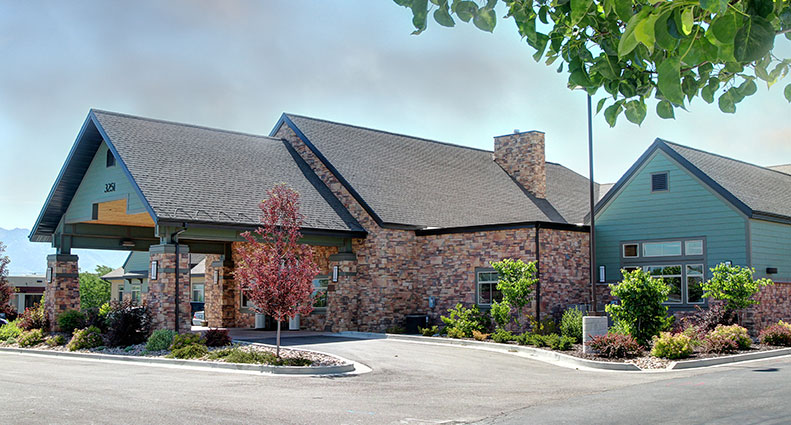
CMS assigns Legacy Village Rehabilitation an overall rating of 5 out of 5 stars, which is considered much above average nationally. Within Utah, this rating places the facility higher than 99% of the state's 100 nursing homes. This rating reflects solid performance across the metrics CMS uses to evaluate nursing home quality.
How is Legacy Village Rehabilitation Staffed?

CMS rates Legacy Village Rehabilitation's staffing level at 2 out of 5 stars, which is below average compared to other nursing homes. Staff turnover is 34%, compared to the Utah average of 46%. This relatively stable workforce can support continuity of care.

What Have Inspectors Found at Legacy Village Rehabilitation?

State health inspectors documented 9 deficiencies at Legacy Village Rehabilitation during 2021 to 2025. These included: 8 with potential for harm and 1 minor or isolated issues.

Who Owns and Operates Legacy Village Rehabilitation?

Legacy Village Rehabilitation is owned by a for-profit company. For-profit facilities operate as businesses with obligations to shareholders or private owners. The facility operates independently rather than as part of a larger chain. With 40 certified beds and approximately 108 residents (about 270% occupancy), it is a smaller facility located in Taylorsville, Utah.

How Does Legacy Village Rehabilitation Compare to Other Utah Nursing Homes?

Compared to the 100 nursing homes in Utah, Legacy Village Rehabilitation's overall rating (5 stars) is above the state average of 3.4, staff turnover (34%) is significantly lower than the state average of 46%, and health inspection rating (4 stars) is above the national benchmark.

What Should Families Ask When Visiting Legacy Village Rehabilitation?

Based on this facility's data, families visiting should ask: "Can you walk me through typical staffing levels on day, evening, and night shifts?" "Can I visit during a mealtime to observe dining assistance and food quality?" "How do you handle medical emergencies, and what is your hospital transfer rate?" "Can I speak with family members of current residents about their experience?" These questions are particularly relevant given the below-average staffing rating.

Is Legacy Village Rehabilitation Safe?

Based on CMS inspection data, Legacy Village Rehabilitation has a clean safety record: no substantiated abuse findings (meaning no confirmed cases of resident harm), no Immediate Jeopardy citations (the most serious violation level indicating risk of serious injury or death), and is not on the Special Focus Facility watch list (a federal program monitoring the lowest-performing 1% of nursing homes). The facility has a 5-star overall rating and ranks #1 of 100 nursing homes in Utah. While no facility is perfect, families should still ask about staff-to-resident ratios and recent inspection results during their visit.

Do Nurses at Legacy Village Rehabilitation Stick Around?

Legacy Village Rehabilitation has a staff turnover rate of 34%, which is about average for Utah nursing homes (state average: 46%). Moderate turnover is common in nursing homes, but families should still ask about staff tenure and how the facility maintains care continuity when employees leave.

Was Legacy Village Rehabilitation Ever Fined?

Legacy Village Rehabilitation has no federal fines on record. CMS issues fines when nursing homes fail to meet care standards or don't correct problems found during inspections. The absence of fines suggests the facility has either maintained compliance or corrected any issues before penalties were assessed. This is a positive indicator, though families should still review recent inspection reports for the full picture.

Is Legacy Village Rehabilitation on Any Federal Watch List?

Legacy Village Rehabilitation is not on any federal watch list. The most significant is the Special Focus Facility (SFF) program, which identifies the bottom 1% of nursing homes nationally based on persistent, serious quality problems. Not being on this list means the facility has avoided the pattern of deficiencies that triggers enhanced federal oversight. This is a positive indicator, though families should still review the facility's inspection history directly.