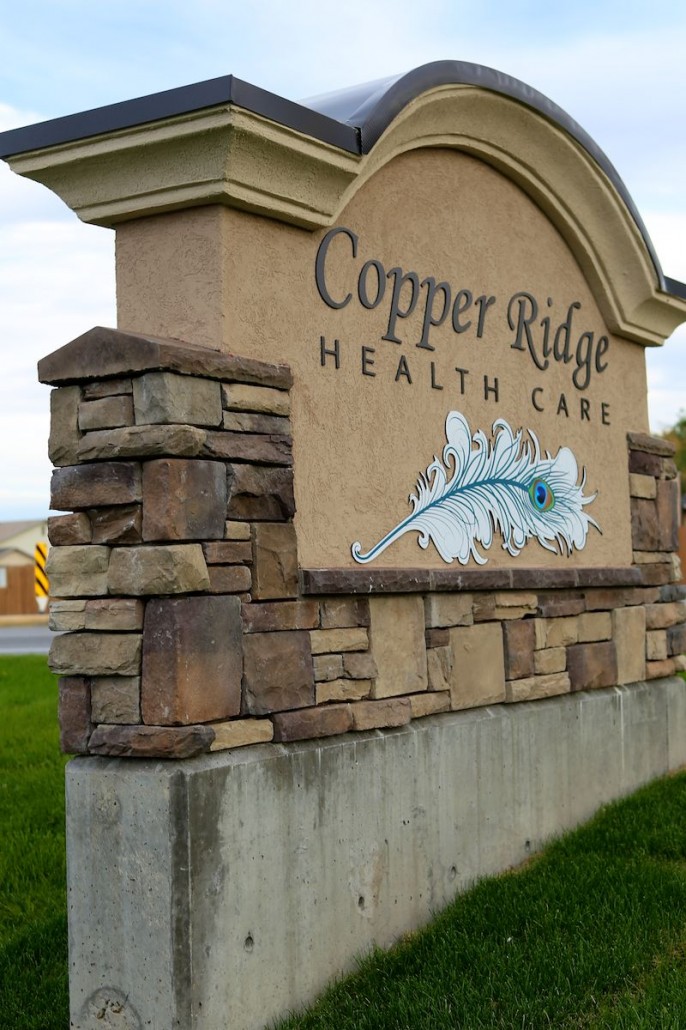
Copper Ridge Health Care
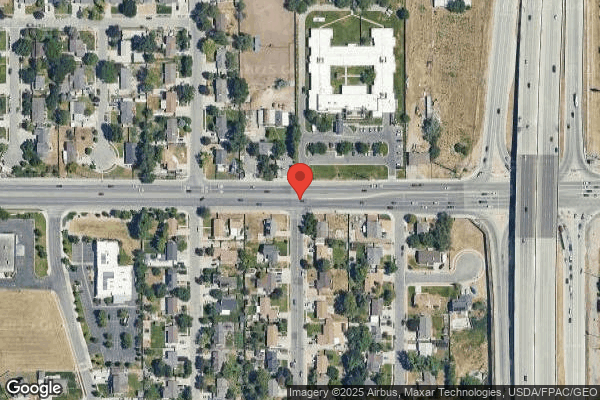
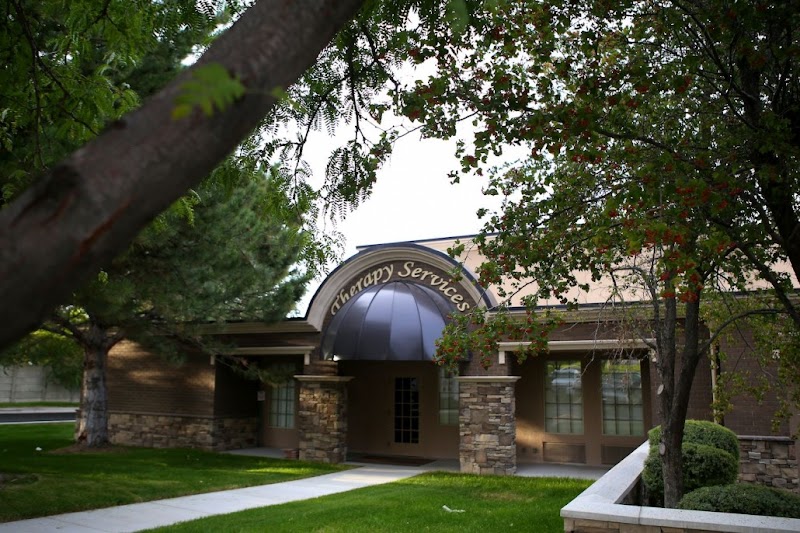
3706 West 9000 South, West Jordan, UT 84088 (801) 280-2273
For profit - Limited Liability company 120 Beds THE ENSIGN GROUP Data: November 2025
Trust Grade
75/100
#30 of 97 in UT
Last Inspection: November 2023

Within standard 12-15 month inspection cycle. Federal law requires annual inspections.

Overview

Copper Ridge Health Care in West Jordan, Utah has a Trust Grade of B, indicating it is a good choice for families looking for a nursing home. It ranks #30 out of 97 facilities in Utah, placing it in the top half of the state, and #12 out of 35 in Salt Lake County, meaning there are only 11 local options that are better. However, the facility's trend is worsening, with reported issues increasing from 6 in 2022 to 7 in 2023. Staffing is a strength, with a 4/5 star rating and a turnover rate of 46%, which is below the state average, suggesting that staff are familiar with the residents. Notably, there were concerns regarding medication errors, with a 12% error rate observed, and complaints about the food quality from several residents. While there are strengths such as good staffing and no fines, potential residents should be aware of the medication management issues and food complaints.
Trust Score
B
75/100
In Utah
#30/97
Top 30%
Safety Record
Low Risk
No red flags
Inspections
Getting Worse
6 → 7 violations
Staff Stability
⚠ Watch
46% turnover. Above average. Higher turnover means staff may not know residents' routines.
Penalties
✓ Good
No fines on record. Clean compliance history, better than most Utah facilities.
Skilled Nurses
✓ Good
Each resident gets 49 minutes of Registered Nurse (RN) attention daily — more than average for Utah. RNs are trained to catch health problems early.
Violations
⚠ Watch
15 deficiencies on record. Higher than average. Multiple issues found across inspections.
★★★★☆
4.0
Overall Rating
★★★★☆
4.0
Staff Levels
★★★★★
5.0
Care Quality
★★★☆☆
3.0
Inspection Score
Stable
2022: 6 issues
2023: 7 issues

The Good

  • 4-Star Staffing Rating · Above-average nurse staffing levels
  • 5-Star Quality Measures · Strong clinical quality outcomes
  • Full Sprinkler Coverage · Fire safety systems throughout facility
  • No fines on record

Facility shows strength in staffing levels, quality measures, fire safety.

The Bad

Staff Turnover: 46%

Near Utah avg (46%)

Higher turnover may affect care consistency

Chain: THE ENSIGN GROUP

Part of a multi-facility chain

Ask about local staffing decisions and management

The Ugly 15 deficiencies on record

Nov 2023 7 deficiencies
CONCERN (D)

Potential for Harm - no one hurt, but risky conditions existed

Pharmacy Services (Tag F0755)

Could have caused harm · This affected 1 resident

**NOTE- TERMS IN BRACKETS HAVE BEEN EDITED TO PROTECT CONFIDENTIALITY** Based on observation, interview, and record review, the facility did not provide procedures that assure the accurate recording o...

Read full inspector narrative →
**NOTE- TERMS IN BRACKETS HAVE BEEN EDITED TO PROTECT CONFIDENTIALITY** Based on observation, interview, and record review, the facility did not provide procedures that assure the accurate recording of narcotics. Specifically, for 2 out of 9 sampled residents, licensed nursing staff did not reconciliate narcotics in accordance with professional standards and principles. Resident identifiers: 32 and 67. Findings included: 1. Resident 32 was initially admitted to the facility on [DATE] and readmitted on [DATE] with diagnoses which included spastic hemiplegic cerebral palsy, chronic kidney disease, dementia, cognitive communication deficit, pain in left hip, muscle weakness, and major depressive disorder. Resident 32's medical record was reviewed on 11/2/23. Resident 32's physician's orders included an order for Oxycodone HCL [hydrochloride] 5 mg [milligrams], give 2.5 mg three times a day by mouth for PAIN, 1/2 tab [tablet]. The paper narcotic record on the Bottom of the 200 Hallway medication cart revealed that resident 32 had the following anomaly on the Controlled Drug Receipt Record. On 11/2/23 at 9:08 AM, the narcotic record revealed the count for resident 32's Oxycodone 5 mg to be at 27. The narcotic card revealed only 25 pockets of the narcotic card held a medication. On 11/2/23 at 9:15 AM, an interview was conducted with Registered Nurse (RN) 1. RN 1 stated he had forgotten to sign out the Oxycodone for resident 32. RN 1 was observed to sign out the Oxycodone that brought the narcotic count to 26. RN 1 stated he probably just pushed out more than was needed this morning, but he only gave the resident 1/2 tablet as ordered. RN 1 stated two nurses had performed the narcotic count at change of shift that morning and the count was correct. RN 1 stated the process was for the on coming nurse to do narcotic count with the off going nurse. When RN 1 was asked why there continued to be an extra Oxycodone tablet in the narcotic card the response given by RN 1 was, I guess, we must have counted incorrectly this morning. RN 1 was then observed to dispense the Oxycodone from pocket 26 of the narcotic card, place it in a medication cup and waste it with a fellow nurse. On 11/2/23 at 11:54 AM , an interview was conducted with Licensed Practical Nurse (LPN) 1. LPN 1 stated RN 1 had crushed the Oxycodone tablet, mixed it in the liquid protein supplement drink and placed it in the waste bin. LPN 1 stated the process when passing narcotics was for the nurse to sign out the medication when it was given and if a medication needed to be wasted then two nurses were required to be present. LPN 1 stated when a narcotic was wasted he would crush the medication, mix it with applesauce, and place it in the waste bin. LPN 1 stated the narcotics could also be given to the Director of Nursing (DON) to waste them. On 11/2/23 at 11:58 AM, the narcotic sheet for resident 32's Oxycodone was observed to have two nurse signatures by the wasted Oxycodone tablet. 2. Resident 67 was admitted to the facility on [DATE] with diagnoses which included fibromyalgia, chronic respiratory failure with hypoxia, complete atrioventricular block, type II diabetes, chronic congestive heart failure, edema, and major depressive disorder. Resident 67's medical record was reviewed on 11/2/23. Resident 67's physician's orders included an order for Oxycodone HCL oral tablet 5 mg, give 1 tablet by mouth every 6 hours as needed for PAIN. The paper narcotic record on the Bottom of the 200 Hallway medication cart revealed that resident 67 had the following anomaly on the Controlled Drug Receipt Record. On 11/2/23 at 9:20 AM, the narcotic record revealed the count for resident 67's Oxycodone 5 mg to be at 44. The narcotic card revealed only 43 pockets of the narcotic card held a medication. On 11/2/23 at 9:22 AM, an interview was conducted with RN 1. RN 1 stated he did not sign out the narcotic for resident 67 but he gave it to her at 8:00 AM. RN 1 stated the process was to sign out the narcotics when they were given to the residents. The November 2023 Medication Administration Record for resident 67 revealed the Oxycodone was administered to resident 67 at 7:20 AM. RN 1 was then observed to sign out the Oxycodone for resident 67. The narcotic record for resident 67's Oxycodone then revealed the narcotic count to be correct at 43. On 11/2/23 at 11:57 AM, an interview was conducted with RN 2. RN 2 stated narcotics were wasted if not used or the resident refused them. RN 2 stated the medications were placed in a container that would dissolve the narcotic or some nurses would place them in the sharps container. On 11/2/23 at 12:15 PM, an interview was conducted with the DON. The DON stated the nurses were expected to sign out a narcotic when it was administered to keep the count accurate. If a resident refused the medication it was supposed to be wasted with another nurse. The DON stated the narcotics could be flushed or placed in the blue bin in her office that would dispose of the narcotics. The DON stated accurate count of narcotics was important to the safety of the residents and the staff.
CONCERN (D)

Potential for Harm - no one hurt, but risky conditions existed

Drug Regimen Review (Tag F0756)

Could have caused harm · This affected 1 resident

**NOTE- TERMS IN BRACKETS HAVE BEEN EDITED TO PROTECT CONFIDENTIALITY** Based on interview and record review, the irregularities noted by the pharmacist during the drug regimen review must be reported...

Read full inspector narrative →
**NOTE- TERMS IN BRACKETS HAVE BEEN EDITED TO PROTECT CONFIDENTIALITY** Based on interview and record review, the irregularities noted by the pharmacist during the drug regimen review must be reported to the attending physician and the facility's Medical Director (MD) and Director of Nursing (DON), and these reports must be acted upon. Specifically, for 1 out of 31 sampled residents, a pharmacy recommendation to discontinue a resident's medication was not acted upon when the MD agreed with the pharmacy recommendation. Resident identifier: 54. Findings included: Resident 54 was admitted to the facility on [DATE] and readmitted on [DATE] with diagnoses which included, but were not limited to, pain in thoracic spine, dementia, bipolar 2 disorder, type 2 diabetes mellitus, cognitive communication deficit, chronic kidney disease stage 3, generalized anxiety disorder, major depressive disorder, and chronic pain. Resident 54's medical record was reviewed on 10/31/23. The pharmacy Patient Reviews Log dated 6/24/23, documented This resident has an order for Aspirin 81 mg [milligrams] daily for cardio protection, and a review of the PMH [patient medical history] could not find any history of MI [myocardial infarction] or CVA [cerebral vascular accident]. Recent evidence suggests that the use of Aspirin for primary prevention in ages over 60 or 70 incur a greater risk than benefit. The appropriate duration of treatment has been met with Aspirin. This was discussed with the medical director, and the following has been approved: 1. DC [discontinue] Aspirin. The log was signed and dated by the MD on 7/3/23. The October 2023 Medication Administration Record (MAR) was reviewed. A physician's order dated 4/20/23, documented Aspirin Oral Capsule 81 MG (Aspirin) Give 1 capsule by mouth one time a day. The MAR documented that resident 54 continued to receive the Aspirin and the medication had not been discontinued as recommended. On 11/2/23 at 12:03 PM, an interview was conducted with the DON. The DON stated that the pharmacist would review the residents monthly and would email the reports to her. The DON stated that she would complete the recommendations. The DON stated that the recommendation for resident 54 was missed.
CONCERN (D)

Potential for Harm - no one hurt, but risky conditions existed

Deficiency F0757 (Tag F0757)

Could have caused harm · This affected 1 resident

**NOTE- TERMS IN BRACKETS HAVE BEEN EDITED TO PROTECT CONFIDENTIALITY** Based on interview and record review, the facility did not ensure that each resident's drug regimen was free from unnecessary dr...

Read full inspector narrative →
**NOTE- TERMS IN BRACKETS HAVE BEEN EDITED TO PROTECT CONFIDENTIALITY** Based on interview and record review, the facility did not ensure that each resident's drug regimen was free from unnecessary drugs. An unnecessary drug is any drug when used in excessive dose; or for excessive duration; or without adequate monitoring; or without adequate indications for its use; or in the presence of adverse consequences which indicate the dose should be reduced or discontinued; or any combinations of the reasons above. Specifically, for 1 out of 31 sampled residents, a resident's cardiac medication for hypertension was not held when the systolic blood pressure (SBP) was below the physician's ordered parameters. Resident identifier: 30. Findings included: Resident 30 was admitted to the facility on [DATE] with diagnoses which included, but were not limited to, spina bifida with hydrocephalus, major depressive disorder, separation anxiety disorder of childhood, post traumatic stress disorder, and dependence on wheelchair. Resident 30's medical record was reviewed on 10/31/23. On 6/28/23, a physician's order documented Isosorbide Mononitrate ER [extended release] Tablet Extended Release 24 Hour 30 MG [milligrams] Give 30 mg by mouth one time a day for hypertension Hold if SBP < [less than] 100. A review of the October 2023 Medication Administration Record (MAR) documented the following. A SBP was documented on the MAR for the propranolol medication but not the isosorbide. a. On 10/27/23, the AM SBP was 99. The isosorbide was administered. b. On 10/28/23, the AM SBP was 97. The isosorbide was administered. On 11/2/23 at 12:09 PM, an interview was conducted with the Director of Nursing (DON). The DON stated that the electronic medical record did not alert the staff if the physician's ordered parameters were outside of the parameters. The DON stated the administration would be human error. The DON stated that the nursing staff must enter the blood pressure prior to the administration of the medication.
CONCERN (D)

Potential for Harm - no one hurt, but risky conditions existed

Medication Errors (Tag F0758)

Could have caused harm · This affected 1 resident

**NOTE- TERMS IN BRACKETS HAVE BEEN EDITED TO PROTECT CONFIDENTIALITY** Based on interview and record review, the facility did not ensure that residents who used psychotropic drugs received gradual do...

Read full inspector narrative →
**NOTE- TERMS IN BRACKETS HAVE BEEN EDITED TO PROTECT CONFIDENTIALITY** Based on interview and record review, the facility did not ensure that residents who used psychotropic drugs received gradual dose reductions (GDR) unless clinically contraindicated, in an effort to discontinue these drugs. A GDR must be attempted in two separate quarters, with at least one month between attempts, within the first year in which an individual was admitted on a psychotropic medication or after the facility had initiated such medication, and then annually. Specifically, for 1 out of 31 sampled residents, a resident taking psychotropic that were last increased on 12/16/21 and 6/14/21, had not received a GDR and the medication was not clinically contraindicated. Resident identifier: 54. Findings included: Resident 54 was admitted to the facility on [DATE] and readmitted on [DATE] with diagnoses which included, but were not limited to, pain in thoracic spine, dementia, bipolar 2 disorder, type 2 diabetes mellitus, cognitive communication deficit, chronic kidney disease stage 3, generalized anxiety disorder, major depressive disorder, and chronic pain. Resident 54's medical record was reviewed on 10/31/23. On 8/23/21, a physician's order documented busPIRone HCl [hydrochloride] Tablet 10 MG [milligrams] Give 10 mg by mouth three times a day related to GENERALIZED ANXIETY DISORDER. [Note: Resident 54 had not had a dosage change since the buspirone was increased on 6/14/21.] A clinical contraindication was unable to be located. On 11/28/22 at 11:25 AM, a Psychotropic Interdisciplinary Team (IDT) note documented LATE ENTRY Note Text : DNS [Director of Nursing Services], Adon [Assistant Director of Nursing], Activities, RA [Resident Advocate], Pharmacist and Medical director present Resident is on Lexapro, Bupropion HCl ER [extended release] and Buspar. She has dx [diagnoses] of MDD [major depressive disorder] and anxiety. She has had some family issues with her daughter. She has had increase in depressive symptoms but doesnot [sic] want med [medication] changes at this time. She is being followed by [name removed]. No medication changes at this time. On 2/20/23 at 12:44 PM, a Psychotropic IDT Note documented . Resident is on Lexapro, Bupropion HCl ER and Buspar. She has dx of MDD and anxiety. No med changes at this time. She is stable, no mood changes observed. She is being followed by [name removed]. Resident is on the lowest effective dose at this time. No GDR. On 4/26/23, a physician's order documented BuPROPion HCl ER (XL [extended release]) Tablet Extended Release 24 Hour 300 MG Give 1 tablet by mouth in the morning related to BIPOLAR II DISORDER .; MAJOR DEPRESSIVE DISORDER, RECURRENT, UNSPECIFIED . [Note: Resident 54 had not had a dosage change since the bupropion was increased on 12/16/21.] A clinical contraindication was unable to be located. On 5/22/23 at 3:06 PM, a Psychotropic IDT Note documented . Resident is on Lexapro, Bupropion HCl ER and Buspar. She has dx of MDD and anxiety. No med changes at this time. She continues to be stable, no mood changes noted. She is being followed by [name removed]. Resident is on the lowest effective dose at this time. No GDR. On 8/21/23 at 1:18 PM, a Psychotropic IDT Note documented . Resident is on Lexapro, Bupropion HCl ER, Buspar and Trazodone. She has dx of MDD, anxiety and insomnia. no [NAME] [sic] in medications at this time. She is stable, no mood changes observed. She is being followed by [name removed]. Resident is on the lowest effective dose at this time. No GDR. The August, September, and October 2023 Treatment Administration Record was reviewed. a. A physician's order dated 8/23/21, documented (AA [anti-anxiety)- MONITOR EPISODES OF ANXIETY AEB [as evidenced by]: 0=NONE 1=AGITATION 2=RESTLESSNESS 3=VERBALIZATION OF ANXIETY every shift for USE OF ANTI-ANXIETY MEDICATION. Resident 54 had no documented behaviors for the month of August, September, and October 2023. b. A physician's order dated 8/23/21, documented (AA)- MONITOR SIDE EFFECTS OF ANTI-ANXIETY MEDICATION Q [every] SHIFT: 0. NO S/E [side effect], 1. DROWSINESS, 2. SEDATION, 3. ATAXIA, 4. DIZZINESS, 5. NAUSEA/VOMITING, 6. CONFUSION, 7. HEADACHE, 8. BLURRED VISION, 9. SKIN RASH every shift for USE OF ANTI-ANXIETY MEDICATION. i. August: One episode of drowsiness and eight episodes of sedation and dizziness. ii. September: One episode of drowsiness and seven episodes of sedation and dizziness. iii. October: One episode of drowsiness, sedation, ataxia, dizziness, and confusion. Thirteen episodes of sedation and dizziness c. A physician's order dated 8/23/21, documented (AD [antidepressant])- MONITOR EPISODES OF DEPRESSION AEB: 0= NONE 1=TEARFULNESS/CRYING 2=ISOLATION 3=VERBALIZATION OF SADNESS every shift for USE OF ANTIDEPRESSANT MEDICATION. Resident 54 had one episode of tearfulness/crying in August, and no documented behaviors for the month of September and October 2023. d. A physician's order dated 8/23/21, documented (AD)- MONITOR SIDE EFFECTS OF ANTIDEPRESSANT MEDICATION Q SHIFT: 0. NO S/E, 1. DROWSINESS, 2. SEDATION, 3. TACHYCARDIA, 4. HEADAHCE, 5. WEIGHT GAIN, 6. TREMORS, 7. AGITATION, 8. SKIN RASH, 9. PHOTOSENSITIVITY every shift for USE OF ANTIDEPRESSANT MEDICATION. i. August: One episode of drowsiness and two episodes of tremors. ii. September: One episode of tremors. iii. October: None. On 11/2/23 at 11:47 AM, an interview was conducted with the Director of Nursing (DON). The DON stated that the psychotropic meeting was held monthly but the team would talk about the resident's medications quarterly and look at the last GDR for the medications. The DON stated she would do a clinically contraindicated form, update the care plan, and make a progress note. The DON stated resident 54 was doing well with Abilify and was seen by a behavioral health provider. The DON stated that prior to the Abilify being introduced resident 54 would isolate in her room in the dark and would not come out. The DON stated that resident 54 should have a progress note in August 2023 regarding a clinical contraindication. The DON stated that resident 54 had been super stable.
CONCERN (D)

Potential for Harm - no one hurt, but risky conditions existed

Deficiency F0761 (Tag F0761)

Could have caused harm · This affected 1 resident

Based on observation and interview, the facility did not label all drugs and biological's used in the facility in accordance with currently accepted professional principles, and include appropriate ac...

Read full inspector narrative →
Based on observation and interview, the facility did not label all drugs and biological's used in the facility in accordance with currently accepted professional principles, and include appropriate accessory instructions and the expiration date when applicable. Specifically, an insulin pen was not labeled with a resident identifier or an open date and was open and available for use. In addition, narcotics were repackaged into the narcotic cards. Findings included: 1. On 11/2/23 at 9:00 AM, an observation was made of the bottom of the 200 hallway medication cart with Registered Nurse (RN) 1. A pre-filled pen of Basaglar 100 units/milliliter was open and available for use. The pen had no resident identifier information and no open date could be seen. On 11/2/23 at 9:04 AM, an interview was conducted with RN 1. RN 1 stated there was no name on the insulin ben and that he did not know who the insulin pen belonged to. RN 1 was observed to place the insulin pen back into the medication cart for future use. 2. On 11/2/23 at 9:20 AM, an observation was made of the 100 hallway medication cart with Licensed Practical Nurse (LPN) 1, the following medications were located inside: a. A medication card which held Tramadol 50 milligrams (mg) had the back of pocket number 30 taped, a white tablet was observed to have been taped back into place in pocket 30. b. A medication card which held Oxycodone 5 mg had the back of pocket number 15 taped, no medication was located inside the pocket. On 11/2/23 at 9:20 AM, an interview was conducted with LPN 1. LPN 1 stated the nurses do not tape medications back into the medication cards because the incorrect medication may be put back into the card. LPN 1 stated it was unsafe. LPN 1 stated the nursing staff were supposed to waste the narcotic medication with another nurse. On 11/2/23 at 11:57 AM, an interview was conducted with RN 2. RN 2 stated when medications were wasted the nursing staff destroyed them. RN 2 stated they would place them in a container that would dissolve them or sometimes they would put them in the sharps container. RN 2 stated the nurses were supposed to waste the narcotics not tape them back into the medication card. On 11/2/23 at 12:15 PM, an interview was conducted with the Director of Nursing (DON). The DON stated the nurses were expected to waste the narcotics with another nurse. They could flush the medication, or they could bring the medication to the blue bin in the DON's office to dispose of. The DON stated the nurses were not supposed to place the narcotics back into the cards at anytime.
CONCERN (E)

Potential for Harm - no one hurt, but risky conditions existed

Unnecessary Medications (Tag F0759)

Could have caused harm · This affected multiple residents

**NOTE- TERMS IN BRACKETS HAVE BEEN EDITED TO PROTECT CONFIDENTIALITY** Based on observation, interview, and record review, the facility did not ensure that medication error rates were not 5 percent o...

Read full inspector narrative →
**NOTE- TERMS IN BRACKETS HAVE BEEN EDITED TO PROTECT CONFIDENTIALITY** Based on observation, interview, and record review, the facility did not ensure that medication error rates were not 5 percent or greater. Observations of 25 medication opportunities, on 11/2/23, revealed 3 medication errors which resulted in a 12.00% medication error rate. Specifically, two blood pressure medications were not administered to a resident and a medication was administered at the wrong time. Resident identifier: 63. Findings included: Resident 63 was initially admitted to the facility on [DATE] and readmitted on [DATE] with diagnoses which included acute and chronic respiratory failure, chronic kidney failure stage 4, type 2 diabetes, morbid obesity, essential hypertension, and hypothyroidism. Resident 63's medical record was reviewed on 11/2/23. On 11/2/23 at 9:00 AM, an observation was made of Registered Nurse (RN) 1 during morning medication administration on the bottom of the 200 hallway. RN 1 had dispensed five medications for resident 63 into a medication cup, Synthroid was observed to be one of these medications. RN 1 was observed to hold Bumetanide 2 milligram (mg) tablet and Metoprolol Succinate extended release (ER) 24 hour Sprinkle 50 mg. On 11/2/23 at 9:02 AM, an interview was conducted with RN 1. RN 1 stated he was aware Synthroid should have been administered at 7:00 AM, before breakfast, but he was running behind and was still going to administer it to resident 63. RN 1 stated resident 63 had already eaten her breakfast a little while ago. RN 1 also stated that resident 63's blood pressure was low earlier in the morning and it needed to be checked again before the Bumetanide and Metoprolol could be administered so he would hold them until the result was obtained. An observation was made of RN 1. RN 1 entered resident 63's room at 9:05 AM, and obtained a blood pressure reading of 117/73 millimeter of mercury from resident 63's left arm. RN 1 was then observed to return to the medication cart, with the medication cup which held the five previously dispensed medications. RN 1 obtained the medication cards for Bumetanide and Metoprolol and placed them on top of the medication cart. RN 1 was observed to access resident 63's medical record and entered the blood pressure data. RN 1 was then observed to place the medication cards for Bumetanide and Metoprolol back inside the mediation cart without dispensing any medications. RN 1 was then observed to return to resident 63's room and administered the five medications to resident 63, which included the Synthroid. Resident 63's Medication Administration Record for November 2023 was reviewed and revealed the following: a. Bumetanide Oral Tablet Give 2 mg by mouth one time a day for edema. b. Metoprolol Succinate Oral Capsule ER 24 Hour Sprinkle 50 mg Give 1 capsule by mouth one time a day related to essential hypertension; atrial fibrillation. if systolic blood pressure is less than 110 heart rate less than 60. c. Synthroid Tablet 112 micrograms (mcg) give 112 mcg by mouth in the morning related to hypothyroidism. [Note: The medication was ordered to be administered at 7:00 AM.] On 11/2/23 at 11:57 AM, an interview was conducted with RN 2. RN 2 stated Synthroid was given before meals, to help with absorption. On 11/2/23 at 12:15 PM, an interview was conducted with the Director of Nursing (DON). The DON stated medications should be given on time, with meals within the hour before or after the time they were ordered. The DON stated Synthroid was supposed to be given before breakfast to help with absorption and that each resident was to get the medications as ordered by the physician to maintain each resident's health. On 11/2/23 at 12:52 PM, an interview was conducted with RN 1. RN 1 stated he had returned to resident 63's room and administered the two blood pressure medications that he had not administered earlier. Review of the Nursing 2022 Drug Handbook guidance stated to give Synthroid medication at the same time each day on an empty stomach, preferably 1/2 to 1 hour before breakfast. Wolters Kluwer. (2022). Nursing 2022 Drug Handbook. Philadelphia, PA. 42nd Edition, p. 878.
CONCERN (E)

Potential for Harm - no one hurt, but risky conditions existed

Deficiency F0760 (Tag F0760)

Could have caused harm · This affected multiple residents

**NOTE- TERMS IN BRACKETS HAVE BEEN EDITED TO PROTECT CONFIDENTIALITY** Based on interview and record review, the facility did not ensure residents were free of any significant medication errors. Spec...

Read full inspector narrative →
**NOTE- TERMS IN BRACKETS HAVE BEEN EDITED TO PROTECT CONFIDENTIALITY** Based on interview and record review, the facility did not ensure residents were free of any significant medication errors. Specifically, for 1 out of 31 sampled residents, a resident's Humalog was administered when it should have been held, Lantus was not increased to 78 units, hold blood glucose (BG) parameters were not lowered to 160, and an as needed (PRN) Humalog order was not initiated. Resident identifier: 54. Findings included: Resident 54 was admitted to the facility on [DATE] and readmitted on [DATE] with diagnoses which included, but were not limited to, pain in thoracic spine, dementia, bipolar 2 disorder, type 2 diabetes mellitus, cognitive communication deficit, chronic kidney disease stage 3, generalized anxiety disorder, major depressive disorder, and chronic pain. Resident 54's medical record was reviewed on 10/31/23. On 6/22/23, a physician's order documented Lantus Subcutaneous Solution 100 UNIT/ML [milliliters] (Insulin Glargine) Inject 74 unit subcutaneously at bedtime related to TYPE 2 DIABETES MELLITUS WITH DIABETIC POLYNEUROPATHY .;TYPE 2 DIABETES MELLITUS WITH DIABETIC CHRONIC KIDNEY DISEASE. On 8/3/23, a physician's order documented HumaLOG Solution 100 UNIT/ML (Insulin Lispro (Human)) [sic] Inject 30 unit subcutaneously in the morning related to TYPE 2 DIABETES MELLITUS WITH DIABETIC POLYNEUROPATHY . Hold if < [less than] 170 [blood glucose]. On 8/3/23, a physician's order documented HumaLOG Solution 100 UNIT/ML (Insulin Lispro (Human)) [sic] Inject 40 unit subcutaneously two times a day related to TYPE 2 DIABETES MELLITUS WITH DIABETIC POLYNEUROPATHY . Hold if <170. The October 2023 Medication Administration Record was reviewed. a. On 10/5/23, the PM administration BG was 160, Humalog 40 units was administered. b. On 10/11/23, the PM administration BG was 140, Humalog 40 units was administered. On 8/16/23 at 8:15 AM, a Physician Progress Note documented . Lantus 74 units sc [subcutaneous] qd [daily], increase to 78 units (may need to do it bid if sugars do not improve since it could be absorption related) Humalog 30 units subcu [subcutaneous] before breakfast and 40 units subcu before lunch and dinner, hold for BG <160 Humalog 10 units subcu qd prn for BG > [greater than] 400 . On 9/5/23 at 12:37 PM, a Nurse Practitioner (NP) / Physician Assistant (PA) Progress Note documented . Lantus 74 units sc qd, increase to 78 units (may need to do it bid if sugars do not improve since it could be absorption related) Humalog 30 units subcu before breakfast and 40 units subcu before lunch and dinner, hold for BG <160 Humalog 10 units subcu qd prn for BG >400 . On 9/10/23 at 8:38 AM, a NP / PA Progress Note documented . Lantus 74 units sc qd, increase to 78 units (may need to do it bid if sugars do not improve since it could be absorption related) Humalog 30 units subcu before breakfast and 40 units subcu before lunch and dinner, hold for BG <160 Humalog 10 units subcu qd prn for BG >400 . On 10/11/23 at 11:25 AM, a Physician Progress Note documented Late Entry: Note Text: Reason for Visit Regulatory . Lantus 74 units sc qd, increase to 78 units (may need to do it bid if sugars do not improve since it could be absorption related) Humalog 30 units subcu before breakfast and 40 units subcu before lunch and dinner, hold for BG <160 Humalog 10 units subcu qd prn for BG >400 . A review of the Order Summary Report revealed that the Lantus was not increased to 78 units, hold BG parameters were not lowered to 160, and a PRN Humalog order was not initiated. These orders were to be implemented according to the Physician Progress Note dated 8/16/23. On 11/2/23 at 11:26 AM, an interview was conducted with Registered Nurse (RN) 2. RN 2 stated if the provider had new orders they would come and talk to the floor nurse about the resident. RN 2 stated the provider gave a verbal order yesterday but the provider also spoke with Director of Nursing (DON)and Assistant Director of Nursing (ADON). RN 2 stated by the time she had sent the DON and ADON a message the DON was messaging RN 2. On 11/2/23 at 11:46 AM, an interview was conducted with Licensed Practical Nurse (LPN) 1. LPN 1 stated they use the electronic medical records system for orders. LPN 1 stated the provider was supposed to put the orders into the message system that was directed to the nurse on duty. LPN 1 stated the nurse on duty would look at the messages for their residents and put the order into the system and call whoever was needed. LPN 1 stated the DON and administration were supposed to go back in and double check the orders and make sure the orders were put in the system correctly and then they remove the order from the message system. LPN 1 stated the facility had the system for about a year. On 11/2/23 at 11:47 AM, an interview was conducted with the DON. The DON stated if the provider had new orders they would send the orders over a secured text message. The DON stated that the facility did not take any verbal orders. The DON stated that all new orders would go through the secured text message and daily the DON would run an order listing report which included discontinued, current, and completed orders like antibiotics. The DON stated that after the orders were completed the nurse would close the secured text conversation. The DON stated that the provider had forgotten in the past to send orders. The DON stated the facility did not do PRN blood sugar orders because there was no way for those orders to trigger in the electronic medical record.
Jan 2022 6 deficiencies
CONCERN (D)

Potential for Harm - no one hurt, but risky conditions existed

Comprehensive Assessments (Tag F0636)

Could have caused harm · This affected 1 resident

**NOTE- TERMS IN BRACKETS HAVE BEEN EDITED TO PROTECT CONFIDENTIALITY** Based on interview, and record review it was determined, for 2 of 31 sample residents, the facility did not conduct periodic com...

Read full inspector narrative →
**NOTE- TERMS IN BRACKETS HAVE BEEN EDITED TO PROTECT CONFIDENTIALITY** Based on interview, and record review it was determined, for 2 of 31 sample residents, the facility did not conduct periodic comprehensive, accurate, standardized reproducible assessment not less than once every 12 months. Specifically, resident's annual Minimum Data Set (MDS) assessments were not completed. Resident identifier: 1 and 2. Findings included: 1. Resident 1 was admitted to the facility on [DATE] with diagnoses which included symptoms and signs involving respiratory and circulatory system, COVID-19, type 2 diabetes, dementia, heart failure, reduced mobility. Resident 1's annual MDS had an assessment reference date (ARD) of 10/25/21. The MDS was ready for export and had not been submitted. 2. Resident 2 was admitted to the facility on [DATE] with diagnoses which included, but not limited to multiple sclerosis, muscle weakness, opioid dependence, drug induced constipation, neuromuscular bladder dysfunction, hypothyroidism, anxiety and type 2 diabetes. Resident 2's annual MDS assessment had an ARD of 11/17/21. The MDS was ready for export and had not been submitted. On 1/13/22 at 2:00 PM an interview with the MDS coordinator was conducted. The MDS coordinator stated that she was overwhelmed with the number of MDS's that were due, and did not have time to finish them. The MDS coordinator stated that she was working on Resident 2's MDS at that moment.
CONCERN (D)

Potential for Harm - no one hurt, but risky conditions existed

Deficiency F0924 (Tag F0924)

Could have caused harm · This affected 1 resident

**NOTE- TERMS IN BRACKETS HAVE BEEN EDITED TO PROTECT CONFIDENTIALITY** Based on observation it was determined the facility did not ensure hand rails were completely secured to the wall. Specifically,...

Read full inspector narrative →
**NOTE- TERMS IN BRACKETS HAVE BEEN EDITED TO PROTECT CONFIDENTIALITY** Based on observation it was determined the facility did not ensure hand rails were completely secured to the wall. Specifically, hand rails were not secured throughout the facility. Findings included: On 1/11/22 at 12:05 PM, an observation was made of the 300 hallway. The handrails between room [ROOM NUMBER] and the North Door Exit were not secured to the wall. There were handrail between room [ROOM NUMBER] and corner of hall that were not secured to the wall. There were handrails out side room [ROOM NUMBER] not secured.
CONCERN (E)

Potential for Harm - no one hurt, but risky conditions existed

Deficiency F0804 (Tag F0804)

Could have caused harm · This affected multiple residents

Based on observation, interview and record review it was determined, for 7 of 31 sample residents, that the facility did not provide food and drink that was palatable, attractive, at at a safe and app...

Read full inspector narrative →
Based on observation, interview and record review it was determined, for 7 of 31 sample residents, that the facility did not provide food and drink that was palatable, attractive, at at a safe and appetizing temperature. Specifically, residents complained of the food quality, a test tray was not palatable, and there were complaints of food quality in resident council. Resident identifiers: 9, 21, 24, 47, 57, 77 and 82. Findings include: 1. On 1/10/22 at 1:48 PM, resident 77 was interviewed. Resident 77 stated that the food was Nasty. On 1/11/22 at 3:24 PM, resident 82 was interviewed. Resident 82 stated the food was not good. On 1/10/22 at 10:57 AM, resident 24 was interviewed. Resident 24 stated that the food was not very good. A follow up interview was conducted on 1/12/22 at 7:57 AM, resident 24 that they only serve salty things, and the same thing over and over. On 1/10/22 at 1:43 PM, resident 57 was interviewed. Resident 57 stated that the food was too salty and sometimes not edible. Resident 57 stated that the facility did not provide him alternative food items. On 1/10/22 at 11:00 AM, resident 21 was interviewed. Resident 21 stated that all the food tasted bad. Resident 21 stated She did not like any of it and wished she could have healthier food. On 1/10/22 at 1:08 PM, resident 47 was interviewed. Resident 47 stated that food was not very good and frequently served cold. On 1/10/22 at 12:30 PM, resident 9 was interviewed. Resident 9 stated It just tastes rotten- no flavor, it's just cold mush and the options they give me are nothing good for me. 2. On 1/11/22 at 12:13 PM, an observation was made of the facility kitchen. There were 3 dietary staff members serving food from the tray line. At 12:23 PM, the last meal was plated and a test tray was requested. The meal cart with the test tray was delivered to the 300 hall at 12:26 PM. The last tray served was at 12:35 PM. The test tray's temperature was obtained at 12:37 PM. The following temperatures were in degree Fahrenheit: a. The pork was 122.0. The pork was though to chew with a bland flavor. There was a brown sauce over the pork. b. The sweet potatoes were 135.5. The sweet potatoes had some lumps in them and were warm to the taste. The sweet potatoes had good flavor. c. The green beans were 131.6. The green beans were warm to the taste with good flavor. d. The pureed pork was 125.8. The pureed pork was warm to the taste but difficult to chew and swallow with a bland flavor. e. The pureed green beans were 122.4. The green beans were warm to the taste. f. The pureed sweet potatoes were 122.7. The pureed sweet potatoes were warm to the taste. g. The shredded pork for the mechanical soft diet was 119. The pork was hard to chew with a bland flavor. h. A red gelatin salad was 71.0. The red gelatin was a liquid texture, warm to the taste with mushy strawberries. 3. Resident council minutes were reviewed and revealed the following regarding dietary: a. On 7/13/21, residents requested that hot and cold foods not be mixed together on the same plate. Residents also asked for their bread or rolls to be separate from the plate so they were not soggy. The Dietary department response form revealed that staff were inserviced not to mix on the plate. The cooks were going to be inserviced to place rolls or bread sticks in bags. b. On 8/9/21, residents stated the food was too spicy. The Dietary department response form revealed that the resident was visited and updated food preferences. c. There were no October 2021 resident council minutes d. On 11/9/21, residents stated the food was cold and cook rice less. The Dietary department response from revealed there were hot plates bought for the whole building and the Dietary Manager (DM) was monitoring meal temps. e. On 12/14/21, residents stated rice and pasta are over cooked, baked potato under cooked, food always cold, use plate warmers. The Resident Council Follow-up Form revealed the plate warmer was broken but it was fixed. The DM and Assistant DM were working with staff on proper cooking of rice, pasta and baked potato. f. On 1/11/22, residents stated food was cold even coffee. The Resident Council Follow-up Form revealed that the coffee was 150 degrees when left the kitchen and can not be higher related to safety. On 1/12/22 at 2:47 PM, an interview was conducted with the DM. The DM stated there was a resident committee meeting monthly to review the menus and discuss what the residents want on the menus. The DM stated that there was a resident choice meal monthly. The DM stated that the food supply chain had made it hard to get good food items. The DM stated that if a food item was out of stock, then the company substituted items that were not as good. The DM stated she was not sure if the pork was substituted.
CONCERN (E)

Potential for Harm - no one hurt, but risky conditions existed

Infection Control (Tag F0880)

Could have caused harm · This affected multiple residents

**NOTE- TERMS IN BRACKETS HAVE BEEN EDITED TO PROTECT CONFIDENTIALITY** Based on observation and interview it was determined the facility did not establish and maintain an infection prevention and con...

Read full inspector narrative →
**NOTE- TERMS IN BRACKETS HAVE BEEN EDITED TO PROTECT CONFIDENTIALITY** Based on observation and interview it was determined the facility did not establish and maintain an infection prevention and control program designed to provide a safe, sanitary and comfortable environment and to help prevent the development and transmission of communicable diseases and infections. Specifically, staff were not using N95 masks for a resident with isolation precautions, staff were not wearing appropriate eye protection and staff taking soiled gowns through the hallway after leaving an isolation room. Findings include: 1. On 1/11/22 at 12:01 PM, an observation was made of room [ROOM NUMBER]. There was a sign that revealed droplet precautions and a sign indicating to see the nurse before entering. Speech, Language, Pathologist (SLP) 1 was exiting room [ROOM NUMBER] with fabric gown on and a water mug. SLP 1 was observed to place the mug on top of a plastic bin with Personal Protective Equipment (PPE) inside the bin. SLP 1 was observed to removed the fabric gown and place it between his legs. SLP 1 was observed to wipe his eye protection with a sanitizer wipe. SLP 1 was observed to walk down the hall to the hopper room with the fabric gown and mug in his hands. SLP 1 was observed to enter the hopper room with the mug and then filled the mug with water. SLP 1 was observed to enter room [ROOM NUMBER] and set the mug on the over bed table next to the resident. SLP 1 was observed to exit room [ROOM NUMBER] and wipe down his eye protection. SLP 1 was interviewed. SLP 1 stated there was a Certified Nurses Aide (CNA) that tested positive after working with the residents in room [ROOM NUMBER]. SLP 1 stated that the resident in bed A was not vaccinated. SLP 1 stated staff were to hand sanitizer, have a face mask, goggles, and a gown just because. SLP 1 stated that a surgical mask was fine and the gown was disposed of down the hall in the hopper room. On 1/11/22 at 2:14 PM, an interview was conducted with SLP 2. SLP 2 stated she understood that there were different signs that were used for isolation. SLP 2 stated with droplet isolation all staff should wear a gown, goggles and face mask. SLP 2 stated a surgical mask unless there was specification that a respirator N95 was needed. 2. On 1/12/22 at 1:00 PM, an observation was made of the Activities Director (AD). The AD was observed in the hallway without goggles or face shield. The AD was observed in regular glasses. The AD was observed to push a resident in wheelchair outside. The AD was observed to enter the building and walk through the halls within 6 feet of residents with regular glasses on. On 1/11/21 at 3:00 PM, an interview was conducted with the Director of Nursing (DON). The DON stated that all staff should wear surgical masks and eye protection at all times. The DON stated that the resident in room [ROOM NUMBER] was unvaccinated and was exposed to COVID-19 so the room was placed on droplet precautions. The DON stated that N95 masks were to be worn into room [ROOM NUMBER].
CONCERN (E)

Potential for Harm - no one hurt, but risky conditions existed

Deficiency F0886 (Tag F0886)

Could have caused harm · This affected multiple residents

Based on interview and record review it was determined, for 2 of 5 sampled facility staff, that the facility did not ensure that routine testing of staff for COVID-19 was completed based on the parame...

Read full inspector narrative →
Based on interview and record review it was determined, for 2 of 5 sampled facility staff, that the facility did not ensure that routine testing of staff for COVID-19 was completed based on the parameters set forth by the Secretary. Specifically, routine testing of unvaccinated staff for COVID-19 at a frequency of two times per week during periods of high levels of community transmission, based on the positivity rate of the county the facility was located in, was not followed. Staff identifiers: Staff 1 and Staff 5. Findings include: On 1/11/22, the facility's staff vaccination log and staff testing log was provided. Staff 1 and Staff 5 were documented as having refused to be vaccinated against COVID-19. The testing log records for October 2021, November 2021, December 2021, and January 2022 were reviewed. According to the Centers for Disease Control and Prevention (CDC) the community transmission where the facility is located was high, identified as red, for the weeks of 12/6/21, 12/13/21, 12/20/21, 12/27/21, 1/3/22, and 1/10/22. (Source: https://covid.cdc.gov/covid-data-tracker/#county-view?list_select_state=Utah&data-type=Risk&list_select_county=49035.) According to Table 2 in CMS Memo QSO-20-38-NH, titled Routine Testing Intervals by County COVID-19 Level of Community Transmission, the facility should test unvaccinated staff twice a week. On 1/11/22 the facility's staff testing log for October 2021, November 2021, December 2021, and January 2022 were reviewed. a. Staff 1 was tested on ce during the week of 1/3/2022, with a test date of 1/6/22. Staff 1 was not tested during the week of 12/27/21. Staff 1 was tested on ly once during the week of 12/20/21, with a test date of 12/23/21. b. Staff 5 was tested on ce during the week of 12/27/21, with a test date of 12/27/21. On 1/11/22 at 3:30 PM, an interview was conducted with the Director of Nursing (DON). The DON stated that Staff 1 and Staff 5 were not fully vaccinated. The DON facility guidelines and protocols were that unvaccinated staff were to be tested twice a week during periods of high community transmission and are unable to refuse testing. Upon reviewing the staff testing log, the DON stated twice weekly testing was missed. The DON stated that both staff were scheduled to work more than once per week on the weeks they were tested on ce or not tested.
CONCERN (E)

Potential for Harm - no one hurt, but risky conditions existed

Deficiency F0923 (Tag F0923)

Could have caused harm · This affected multiple residents

**NOTE- TERMS IN BRACKETS HAVE BEEN EDITED TO PROTECT CONFIDENTIALITY** Based on observation and interview it was determined the facility did not ensure that ventilation in the hallways was sufficient...

Read full inspector narrative →
**NOTE- TERMS IN BRACKETS HAVE BEEN EDITED TO PROTECT CONFIDENTIALITY** Based on observation and interview it was determined the facility did not ensure that ventilation in the hallways was sufficient to keep foul odors from the hallways. Specifically, odors of urine and feces were observed in the hallways and resident common areas. Findings include: 1. On 1/11/22 at 11:42 AM, a stool odor was observed in the 300 East hall. 2. On 1/11/22 at 1:44 PM, a strong odor of urine and smoke was observed in the 300 hall between rooms 304 to 309. 3. On 1/11/22 at 1:46 PM, a strong odor of feces was observed outside rooms 214-218. 4. On 1/11/22 at 1:50 PM, a strong odor of feces was observed in the hallway outside room [ROOM NUMBER]. 5. On 1/12/22 at 10:11 AM, a strong feces odor was observed in the front lobby. 6. On 1/12/22 at 10:14 AM, a strong feces odor was observed outside rooms 217-214. 7. On 1/12/22 at 10:30 AM, an odor of cigarette smoke and urine was observed in the 300 hallway. 8. On 1/12/22 at 12:45 PM, an observation that visitor restrooms ventilation system was not working. On 1/12/22 at 2:23 PM, an interview with the Director of Nursing (DON) was conducted. The DON stated that she had noticed urine smells in 200 hall. The DON stated that she tracked the odor down to a resident who had a hole in her down drain bag for her catheter. The DON stated that they were working to get ventilation system for restrooms repaired.
Aug 2019 2 deficiencies
CONCERN (D)

Potential for Harm - no one hurt, but risky conditions existed

Accident Prevention (Tag F0689)

Could have caused harm · This affected 1 resident

**NOTE- TERMS IN BRACKETS HAVE BEEN EDITED TO PROTECT CONFIDENTIALITY** Based on observation, interview and record review, it was determined, for 1 of 39 sample residents, that the facility did not en...

Read full inspector narrative →
**NOTE- TERMS IN BRACKETS HAVE BEEN EDITED TO PROTECT CONFIDENTIALITY** Based on observation, interview and record review, it was determined, for 1 of 39 sample residents, that the facility did not ensure that the resident's environment remained as free of accident hazards as was possible; and that the resident received adequate supervision and assistance devices to prevent accidents. Specifically, one resident who had been assessed as unsafe to have his cigarettes and lighter had them in his possession, and had cut himself with his razor and had a razor in his possession. Resident identifier: 36. Findings include: Resident 36 was admitted to the facility on [DATE] with diagnoses which included cerebral infarction, hemiplegia and hemiparesis, aphasia, dysarthria, dysphagia, vascular dementia, repeated falls, major depressive disorder, convulsions, muscle weakness, and secondary malignant neoplasm of the brain. 1. On 8/26/19 at 9:28 AM, resident 36 was observed in his room with a pack of cigarettes and a lighter. On 8/27/19 at 8:36 AM, resident 36 was observed in his room with a pack of cigarettes and a lighter. On 8/28/19 at 10:40 AM, resident 36 was observed in his room with a pack of cigarettes and a lighter. On 8/28/19 at 1:00 PM, resident 36 was observed in the hallway near his room with a pack of cigarettes and a lighter. On 8/29/19 at 9:06 AM, resident 36 was observed in his room with a pack of cigarettes and a lighter. Resident 36 had 6 cigarettes in the pack. On 8/29/19, a review was completed of resident 36's electronic medical record. A Speech Therapy (ST) evaluation was completed on 4/21/19 for resident 36. Resident 36's cognition was assessed. His problem solving impairment was assessed as profound - total dependence. Resident 36's memory impairment was assessed as profound - total dependence. A Minimum Data Set (MDS) assessment was completed on 7/2/19 for resident 36 and revealed that resident 36 had short-term and long-term memory problems. Resident 36 was severely impaired in making decisions regarding tasks of daily life. Resident 36's smoking care plan, completed on 7/14/19, stated that resident 36 has the potential for injury r/t (related to) smoking. Resident 36's goals were to have no injuries related to smoking and will be compliant with smoking protocols and individual smoking plan until next review. The interventions included the following: a. Resident 36 may smoke independently in designated areas. b. Complete smoking assessment. c. Explain smoking policy. d. Maintain smoking materials at nurses' station or other designated area. e. Monitor to assess compliance with facility smoking policy/individual plan. f. Report non-compliance or unsafe smoking habits to Medical Director (MD) and responsible party. On 7/15/19 at 1:32 PM, a smoking evaluation was completed for resident 36. Resident 36 had special instructions to receive cigarettes from the nursing cart. A previous smoking evaluation, completed on 7/8/19, revealed that resident 36 had cognitive loss, and stated that cigarettes and lighter are held at the nurses station. On 8/28/19 at 10:00 AM, an interview was conducted with resident 36. Resident 36 indicated that he had his cigarettes and lighter. Resident 36 was observed to have six cigarettes in his pack. On 8/28/19 at 10:42 AM, an interview was conducted with Certified Nursing Assistant (CNA) 1. CNA 1 stated that resident 36 smoked independently. On 8/28/19 at 10:43 AM, an interview was conducted with Registered Nurse (RN) 1. RN 1 stated that resident 36 had his lighter with him. RN 1 was not aware that resident 36 had a package of cigarettes with him. On 8/28/19 at 1:05 PM, an interview was conducted with Licensed Practical Nurse (LPN) 1. LPN 1 stated that the smoking protocol for resident 36 was that he was given two cigarettes at a time so that staff could monitor him for burn marks on his fingers and clothes. LPN 1 stated that resident 36 had to be monitored for safety each time he asked for cigarettes. On 8/28/19 at 1:36 PM, an interview was conducted with RN 1. RN 1 stated that resident 36 required increased supervision regarding his smoking safety, so his cigarettes were locked up. RN 1 stated that resident 36 had not always followed the rules when he smoked, such as smoking too close to the building. On 8/29/19 at 7:36 AM, an interview was conducted with RN 2. RN 2 stated that he did not know how many cigarettes resident 36 had. RN 2 stated that resident 36 smoked independently. On 8/29/19 at 9:18 AM, an interview was conducted with an Occupational Therapist (OT) 1. OT 1 stated that resident 36 had cognitive limitations. OT 1 stated that resident 36 was unable to utilize his right arm, and had a decrease in his cognitive abilities over the past couple months. On 8/29/19 at 9:29 AM, an interview was conducted with the Director of Nursing (DON). The DON stated that resident 36's cigarettes were locked in the nursing area, and that resident 36 asked for cigarettes from the nurses. The DON stated that resident 36 occasionally smoked too close to the building. 2. On 8/29/19 at 7:36 AM, resident 36 was observed in the east hallway of the facility with a razor in his hand. On 8/29/19, a review was completed of resident 36's medical record. A MDS assessment was completed on 7/2/19 for resident 36 and revealed that resident 36 required extensive assistance, one person physical assistance with hygiene. The care area of Cognitive loss and dementia was indicated as an issue for resident 36. On 7/14/19, resident 36's personal hygiene care plan was initiated. The care plan revealed that resident 36 required one person staff participation with personal hygiene and oral care. On 8/14/19 at 5:53 PM, a nursing note revealed, Resident came up to the nurses station with a cut on his right hand. Followed him to his room and he had dropped his razor while shaving. Cleaned, ointment applied and Band-Aid applied. The plan of care response history for resident 36's hygiene, which included shaving, revealed that for the past 30 days (7/31/19 to 8/28/19), resident 36 required full staff assistance three times, extensive assistance ten times, limited assistance seven times, and supervision six times. Resident 36 was able to perform hygiene care one time independently. On 8/28/19 at 2:10 PM, the Social Worker (SW) was interviewed. The SW stated that hygiene included combing hair, brushing teeth, shaving, and washing/drying face and hands. The minimum assistance resident 36 required was supervision. The SW stated that resident 36 had at least 3 episodes of requiring extensive assistance. On 8/29/19 at 7:36 AM, an interview was conducted with RN 2. RN 2 stated that resident 36 only gets a razor when we help shave him. RN 2 stated that he did not know resident 36 had a razor. RN 2 stated that he was unaware that resident 36 had cut himself. On 8/29/19 at 9:29 AM, an interview was conducted with the DON. The DON stated that he was not aware of how resident 36 had received a razor and that resident 36 should not have had the razor in his possession. The DON stated that staff needed additional education.
CONCERN (D)

Potential for Harm - no one hurt, but risky conditions existed

Food Safety (Tag F0812)

Could have caused harm · This affected 1 resident

Based on observation, interview, and record review it was determined that the facility did not store, prepare, distribute and serve food in accordance with professional standards for food service safe...

Read full inspector narrative →
Based on observation, interview, and record review it was determined that the facility did not store, prepare, distribute and serve food in accordance with professional standards for food service safety. Specifically, multiple food items stored for use in the kitchen refrigerators where lacking open dates or were past the use by date. Findings include: On 8/26/19 at 7:05 AM, during a tour of the facility kitchen the following observations were made in the walk-in refrigerator. a. An open 1-gallon container of mayonnaise lacked an open date. b. An open 8-pound 10-ounce container of salsa lacked an open date. c. An open 1-gallon container of thousand island dressing lacked an open date. d. An open package of hard boiled eggs lacked an open date. e. An open container of shredded cheese lacked an open date. f. An open 5-pound container of cottage cheese lacked an open date. g. An open 5-pound container of cottage cheese had an open date of 8/17. h. An open 5-pound container of sour cream lacked an open date. A reach-in refrigerator in the kitchen contained two open half-gallon containers of butter milk. Both containers were approximately half full and lacked open dates. On 8/26/19 at 7:32 AM, the Dietary Staff Member (DSM) was interviewed. The DSM stated that all food items received by the kitchen were dated with a received date. The DSM stated that once opened all food items received an open date. The DSM stated that they typically went through open foods pretty quickly and only kept foods for three days. The DSM stated that the above items should have had open dates. On 8/26/19 at 7:35 AM, the above items were reviewed with the Dietary Manager (DM). The DM stated that all items should be labeled with an open date once used.
Understanding Severity Codes (click to expand)
Life-Threatening (Immediate Jeopardy)
J - Isolated K - Pattern L - Widespread
Actual Harm
G - Isolated H - Pattern I - Widespread
Potential for Harm
D - Isolated E - Pattern F - Widespread
No Harm (Minor)
A - Isolated B - Pattern C - Widespread

Questions to Ask on Your Visit

  • "Can I speak with families of current residents?"
  • "What's your RN coverage like on weekends and overnight?"

Our Honest Assessment

Strengths
  • • No major safety red flags. No abuse findings, life-threatening violations, or SFF status.
  • • No fines on record. Clean compliance history, better than most Utah facilities.
Concerns
  • • 15 deficiencies on record. Higher than average. Multiple issues found across inspections.
Bottom line: Generally positive indicators. Standard due diligence and a personal visit recommended.

About This Facility

What is Copper Ridge Health Care's CMS Rating?

CMS assigns Copper Ridge Health Care an overall rating of 4 out of 5 stars, which is considered above average nationally. Within Utah, this rating places the facility higher than 99% of the state's 100 nursing homes. This rating reflects solid performance across the metrics CMS uses to evaluate nursing home quality.
How is Copper Ridge Health Care Staffed?
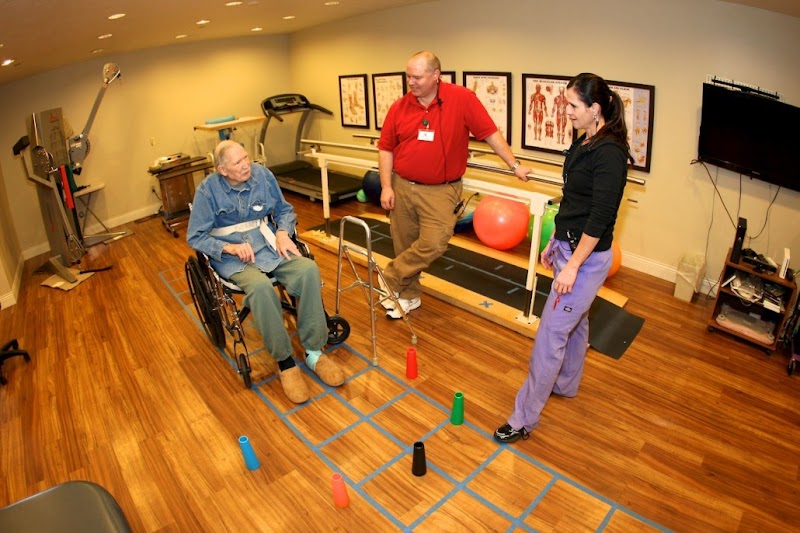
CMS rates Copper Ridge Health Care's staffing level at 4 out of 5 stars, which is above average compared to other nursing homes. Staff turnover is 46%, compared to the Utah average of 46%.

What Have Inspectors Found at Copper Ridge Health Care?

State health inspectors documented 15 deficiencies at Copper Ridge Health Care during 2019 to 2023. These included: 15 with potential for harm.

Who Owns and Operates Copper Ridge Health Care?

Copper Ridge Health Care is owned by a for-profit company. For-profit facilities operate as businesses with obligations to shareholders or private owners. The facility is operated by THE ENSIGN GROUP, a chain that manages multiple nursing homes. With 120 certified beds and approximately 82 residents (about 68% occupancy), it is a mid-sized facility located in West Jordan, Utah.

How Does Copper Ridge Health Care Compare to Other Utah Nursing Homes?

Compared to the 100 nursing homes in Utah, Copper Ridge Health Care's overall rating (4 stars) is above the state average of 3.4, staff turnover (46%) is near the state average of 46%, and health inspection rating (3 stars) is at the national benchmark.

What Should Families Ask When Visiting Copper Ridge Health Care?

Based on this facility's data, families visiting should ask: "Can I visit during a mealtime to observe dining assistance and food quality?" "How do you handle medical emergencies, and what is your hospital transfer rate?" "Can I speak with family members of current residents about their experience?"

Is Copper Ridge Health Care Safe?

Based on CMS inspection data, Copper Ridge Health Care has a clean safety record: no substantiated abuse findings (meaning no confirmed cases of resident harm), no Immediate Jeopardy citations (the most serious violation level indicating risk of serious injury or death), and is not on the Special Focus Facility watch list (a federal program monitoring the lowest-performing 1% of nursing homes). The facility has a 4-star overall rating and ranks #1 of 100 nursing homes in Utah. While no facility is perfect, families should still ask about staff-to-resident ratios and recent inspection results during their visit.

Do Nurses at Copper Ridge Health Care Stick Around?

Copper Ridge Health Care has a staff turnover rate of 46%, which is about average for Utah nursing homes (state average: 46%). Moderate turnover is common in nursing homes, but families should still ask about staff tenure and how the facility maintains care continuity when employees leave.

Was Copper Ridge Health Care Ever Fined?

Copper Ridge Health Care has no federal fines on record. CMS issues fines when nursing homes fail to meet care standards or don't correct problems found during inspections. The absence of fines suggests the facility has either maintained compliance or corrected any issues before penalties were assessed. This is a positive indicator, though families should still review recent inspection reports for the full picture.

Is Copper Ridge Health Care on Any Federal Watch List?

Copper Ridge Health Care is not on any federal watch list. The most significant is the Special Focus Facility (SFF) program, which identifies the bottom 1% of nursing homes nationally based on persistent, serious quality problems. Not being on this list means the facility has avoided the pattern of deficiencies that triggers enhanced federal oversight. This is a positive indicator, though families should still review the facility's inspection history directly.