Alpine Meadow Rehabilitation and Nursing
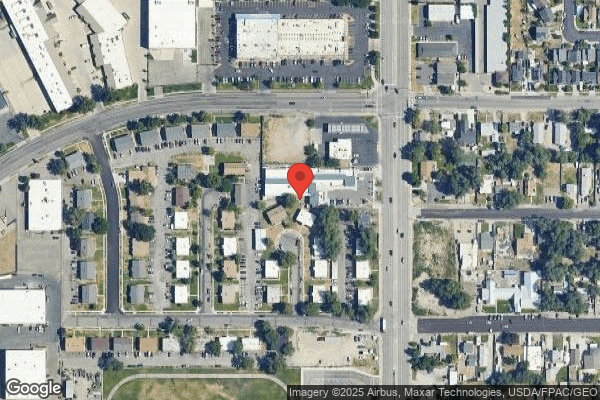
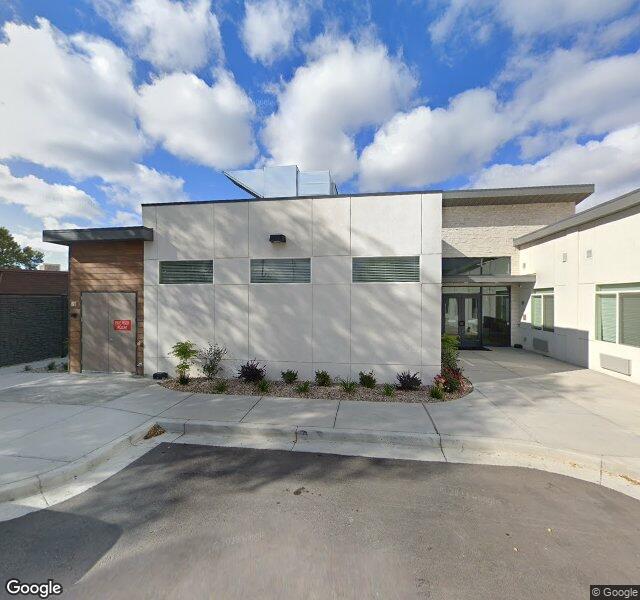
2520 South Redwood Road, West Valley City, UT 84119 (801) 972-1050
Government - City/county 42 Beds BEAVER VALLEY HOSPITAL Data: November 2025 2 Immediate Jeopardy citations
Trust Grade
11/100
#66 of 97 in UT
Last Inspection: April 2025

Within standard 12-15 month inspection cycle. Federal law requires annual inspections.

Overview

Alpine Meadow Rehabilitation and Nursing has received a Trust Grade of F, indicating significant concerns about the quality of care provided. Ranked #66 out of 97 facilities in Utah and #23 out of 35 in Salt Lake County, it falls within the bottom half of options available. The facility is currently showing signs of improvement, with issues decreasing from 4 in 2024 to 2 in 2025. However, staffing is a major weakness, with a rating of just 1 out of 5 stars and a turnover rate of 74%, which is significantly higher than the state average. Additionally, the facility incurred $33,275 in fines, which is concerning as it ranks higher than 87% of similar facilities in Utah. The nursing home has good RN coverage, exceeding 93% of state facilities, which is a positive aspect since RNs can identify issues that CNAs might miss. However, there have been serious incidents, such as a resident choking on food that was not prepared according to their dietary needs, which required emergency medical attention. Additionally, a resident reported feeling unwell for two days but had not been tested for COVID-19, despite being in a hallway where COVID-positive residents were located. Overall, while there are some strengths, these critical incidents and staffing issues raise significant concerns for families considering this facility for loved ones.

Trust Score
F
11/100
In Utah
#66/97
Bottom 32%
Safety Record
High Risk
Review needed
Inspections
Getting Better
4 → 2 violations
Staff Stability
⚠ Watch
74% turnover. Very high, 26 points above average. Constant new faces learning your loved one's needs.
Penalties
⚠ Watch
$33,275 in fines. Higher than 93% of Utah facilities. Major compliance failures.
Skilled Nurses
✓ Good
Each resident gets 57 minutes of Registered Nurse (RN) attention daily — more than average for Utah. RNs are trained to catch health problems early.
Violations
⚠ Watch
22 deficiencies on record. Higher than average. Multiple issues found across inspections.
★★☆☆☆
2.0
Overall Rating
★☆☆☆☆
1.0
Staff Levels
★★★★★
5.0
Care Quality
★★☆☆☆
2.0
Inspection Score
Stable
2024: 4 issues
2025: 2 issues

The Good

  • 5-Star Quality Measures · Strong clinical quality outcomes
  • Full Sprinkler Coverage · Fire safety systems throughout facility
  • No fines on record

Facility shows strength in quality measures, fire safety.

The Bad

2-Star Overall Rating

Below Utah average (3.3)

Below average - review inspection findings carefully

Staff Turnover: 74%

28pts above Utah avg (46%)

Frequent staff changes - ask about care continuity

Federal Fines: $33,275

Below median ($33,413)

Moderate penalties - review what triggered them

Chain: BEAVER VALLEY HOSPITAL

Part of a multi-facility chain

Ask about local staffing decisions and management

Staff turnover is very high (74%)

26 points above Utah average of 48%

The Ugly 22 deficiencies on record

2 life-threatening
Apr 2025 2 deficiencies
CONCERN (D)

Potential for Harm - no one hurt, but risky conditions existed

Deficiency F0773 (Tag F0773)

Could have caused harm · This affected 1 resident

**NOTE- TERMS IN BRACKETS HAVE BEEN EDITED TO PROTECT CONFIDENTIALITY** Based on interview and record review it was determined, for 1 of 19 sampled residents, the facility must obtain laboratory servi...

Read full inspector narrative →
**NOTE- TERMS IN BRACKETS HAVE BEEN EDITED TO PROTECT CONFIDENTIALITY** Based on interview and record review it was determined, for 1 of 19 sampled residents, the facility must obtain laboratory services only when ordered by a physician, physician assistant, nurse practitioner, or clinical nurse specialist. In addition, the facility must promptly notify the ordering physician of laboratory results that fall outside of clinical reference ranges. Specifically, resident's urinalysis (UA) results were not obtained from the lab and reported to the ordering physician. Resident identifier: 6. Findings include: Resident 6 was initially admitted to the facility on [DATE] and readmitted on [DATE] with generalized muscle weakness, type II diabetes, need for assistance with personal cares, and chronic kidney disease stage 3. The medical record of resident 6 was reviewed 3/31/25 through 4/3/25. A progress note dated 1/16/25 documented, .pt [patient] co [complained of] retaining urine [sic] retention, straight Cath [catheter] performed on patient and there was 255 mls [milliliters] postvoid. PT also co dysuria, urine appeared dark and had strong odor. Notified [provider] NEW orders: send sample to Lab and do UA C&S [culture and sensitivity]. A physician's order dated 1/20/25 revealed resident 6 was to be straight cathed to obtain a urine sample. The Laboratory Analysis results collected on 1/16/25, and completed on 1/20/25, were reviewed. The lab results revealed resident 6's urine was positive for protein, glucose, white blood cells and had Lactobacillus present. Progress note dated 1/29/25 revealed, Lab results for culture sent to [provider]. unable to obtain results due to presence of unknown interference substances. PT still experiencing symptoms and requested to be put on an antibiotic. Notified MD [medical doctor]. MD ordered Amoxicillin 875 mg po [by mouth] bid [twice daily] x [times] 7 days for UTI [urinary tract infection] symptoms. There were 9 days in between when the lab results were obtained and the provider was made aware of the results. Resident 6's Medication Administration Record (MAR) documented that Amoxicillin Oral Tablet 875 MG (milligrams). Give 875 mg by mouth two times a day for UTI for 7 Days was ordered on 1/29/25 and administered on 1/30/25. On 4/01/25 at 1:22 PM, an interview was conducted with Registered Nurse (RN) 1 who stated if a resident needed urine collected then the staff would obtain an order from the provider. RN 1 stated they would call or text the lab to come collect the sample. RN 1 stated the lab would come pick up the sample on the same day. RN 1 stated the lab would fax the results or they would call them if it is a stat order. If the results were faxed over the nurse on duty would then pass the information along in report to the other nurses. RN 1 stated the facility has an emergency kit (ekit) for antibiotics that would be used if the pharmacy could not bring the antibiotic. RN 1 stated if the antibiotic was available from the ekit the nursing staff would get it from there for the resident. RN 1 showed this surveyor the ekit and Amoxicillin 250 mg was observed to be in the ekit. On 4/02/25 at 1:58 PM, an interview was conducted with the Director of Nursing (DON). The DON stated the nursing staff are expected to follow the provider orders, obtain the urine sample, and then notify the lab company to come collect the sample. The DON stated the lab would usually collect the sample the same day and would then send over the results when they were ready via fax. The DON stated that she had online access to the lab company and would watch for the results. The DON stated that if the on duty nurse got the results, they were expected to send those results to the provider. The DON stated she was unsure why it had taken so long for the resident to start antibiotics after an infection was found and would look into it. On 04/03/25 at 10:36 AM, a follow up interview was conducted with the DON. The DON stated the lab did not send the final result as they had in the past. The DON stated she did not look into it until the provider called and asked about the results. The DON stated she had missed it and with the process they had in place she should have checked with the lab before the provider had to call, but she had worked some night shifts that week and it it fell through the cracks. The DON stated the resident did not get started on abx until after the doctor had requested the result. The DON stated it should have and usually did happen sooner.
CONCERN (E)

Potential for Harm - no one hurt, but risky conditions existed

Infection Control (Tag F0880)

Could have caused harm · This affected multiple residents

**NOTE- TERMS IN BRACKETS HAVE BEEN EDITED TO PROTECT CONFIDENTIALITY** Based on observation, interview, and record review, the facility did not establish an infection prevention and control program d...

Read full inspector narrative →
**NOTE- TERMS IN BRACKETS HAVE BEEN EDITED TO PROTECT CONFIDENTIALITY** Based on observation, interview, and record review, the facility did not establish an infection prevention and control program designed to provide a safe, sanitary, and comfortable environment to help prevent the development and transmission of communicable diseases and infections. Specifically, hand hygiene was not performed when delivering lunch trays between multiple resident rooms. Findings include: On 3/31/25 at 12:40 PM through 12:47 PM, an observation of the East Wing during lunch service was completed. An observation was made of Certified Nursing Assistant (CNA) 1 who served room [ROOM NUMBER] a food tray and placed the tray on the bedside table. CNA 1 was observed to have moved the table closer to the resident then exited room. CNA 1 then went to the meal cart without performing hand hygiene and grabbed a food tray for room [ROOM NUMBER]. CNA 1 delivered the tray, set up the meal for the resident, exited the room and hand hygiene was not completed. Certified Nursing Assistant Coordinator (CNAC) was observed to deliver a food tray to room [ROOM NUMBER] and exited the room, no hand hygiene was performed. CNAC proceeded to obtain another food tray and delivered it to room [ROOM NUMBER]. The CNAC was observed to set up the meal which included uncovering a drink and no hand hygiene was observed to have been performed. CNAC was then observed going into room [ROOM NUMBER] delivered a meal tray, exited the room and grabbed another food tray which was delivered to room [ROOM NUMBER], no hand hygiene was performed. On 3/31/25 at 12:30 PM, an observation was made of the lunch service for the 100 hallway. CNA 1 was observed to get a tray from the meal cart, no hand hygiene was observed before or after the tray was taken to room [ROOM NUMBER]. CNA 1 was then observed to take a meal tray into room [ROOM NUMBER], remove the cover and arrange items on the residents bed side table. No hand hygiene was performed on exiting of the room. CNA 1 was then observed to take a meal try into room [ROOM NUMBER], CNA 1 was observed to move the room curtain for the resident after setting up the meal tray. No hand hygiene was observed on exiting the room. CNA 1 was then observed to walk the dining room and get some covered cups filled with coffee. CNA 1 took a coffee cup to room [ROOM NUMBER] and removed the lid from the cup, no hand hygiene was observed. CNA 1 was then observed to take a tray into room [ROOM NUMBER], set up the tray, no hand hygiene was observed before entering or on exiting the room. On 4/2/25 at 12:19 PM, an observation was made of the CNAC passing meal trays in the 100 hallway, the CNAC was observed to have a cloth support wrap on her left hand that covered her palm and went up to her wrist. The CNAC was observed to take a meal tray to rooms [ROOM NUMBER] and assist with setting up the meal tray, no hand hygiene was observed before or after the interactions. On 4/3/25 at 8:30 AM, an interview was conducted with the CNAC who stated the staff should check each food tray for accuracy by lifting the lid of the meal and checking it against the food ticket. The CNAC stated each staff should use hand sanitizer each time they go in and out of a resident room, touch the meal tray or touch the residents items when setting up the meal tray. The CNAC stated that they needed to make sure they used hand sanitizer to keep the residents safe. On 4/3/25 at 9:15 AM, an interview was conducted with the Director of Nursing (DON) who stated the staff should use hand hygiene before and after entering a resident's room. The DON stated when the staff pass meal trays they should use hand hygiene to keep everything clean.
Oct 2024 4 deficiencies
CONCERN (D) 📢 Someone Reported This

A family member, employee, or ombudsman was alarmed enough to file a formal complaint

Potential for Harm - no one hurt, but risky conditions existed

Free from Abuse/Neglect (Tag F0600)

Could have caused harm · This affected 1 resident

**NOTE- TERMS IN BRACKETS HAVE BEEN EDITED TO PROTECT CONFIDENTIALITY** Based on interview and record review, it was determined for 2 of 12 sampled residents that the facility did not ensure that the ...

Read full inspector narrative →
**NOTE- TERMS IN BRACKETS HAVE BEEN EDITED TO PROTECT CONFIDENTIALITY** Based on interview and record review, it was determined for 2 of 12 sampled residents that the facility did not ensure that the residents were free from abuse. Specifically, two residents reported that a Certified Nurse Assistant (CNA) inappropriately touched them on their genitals. Resident identifiers: 1 and 11. Findings included: 1. Resident 1 was admitted to the facility on [DATE] with diagnoses which included left knee osteoarthritis, type 2 diabetes mellitus, morbid obesity, chronic pain syndrome, and venous peripheral insufficiency. The facility investigation was reviewed 10/28/24 through 10/29/24. Form 358 was submitted to the State Survey Agency on 9/16/24 at 7:55 PM. The form indicated an incident of sexual abuse was reported by the Administrator (ADM). It indicated, [CNA 2]- CNA during her shift was helping another CNA on shift help change resident [resident 1]. [Resident 1] had been engaging in small talk with [CNA 2] and then told her that a man (CNA [CNA 3]) on night shift got 'touchy' with her and that he was trying to put his fingers inside of her vagina. [Resident 1] yelled at him to 'get the hell out of my room' before he was able to do so and he then left. Form 359, dated 9/20/24 at 4:45 PM, indicated, CNA [CNA 3] stated that he visited patient [resident 1] around 4:30 am on Thursday (9-12) to change her brief. 'She replied that she categorically refuses to change her brief, since she thought she was dry. I didn't conflict with her and left her room. I informed the CNA Coordinator -[name redacted]- that patient [resident 1] refused a brief change. [CNA Coordinator] stated that I should try again. So I asked her again and she quietly agreed. I changed her brief calmly, carefully, and quickly. She repeatedly said thank you, thank you. I then went and told [name redacted] CNA Coordinator that the change took place without any problems.' He stated: 'Perhaps I could have inadvertently touched her vagina while wiping her crotch from copious amounts of urine, but I am categorically rejecting the the [sic] allegation that I was trying to insert my fingers into her vagina.' It further indicated, Not verified-due to interviews with residents and staff, it's determined that this allegation is not verified due to Resident [resident 1] easily getting confused. On 10/28/24 at 12:17 PM, an interview was conducted with resident 1. Resident 1 stated an older man came into her room and told her he had to check her vagina to see if it is okay. Resident 1 stated he tried to get under my blanket, but that he did not get under her blanket because she told him that she thinks he better leave. Resident 1 stated the older man turned around and left. Resident 1 stated that when that happens, you just feel dazed. Resident 1 stated she felt panicked. Resident 1 stated the older man never touched her breasts or vagina because she told him no and told him to leave and he left. Resident 1 stated she never saw him again. Resident 1's medical record was reviewed 10/28/24 through 10/29/24. A Minimum Data Set (MDS) 3.0 Section C Cognitive Patterns, dated 8/16/24, indicated resident 1 had a BIMS (Brief Interview for Mental Status) Score of 8 which indicated a moderate cognitive impairment. A review of the Time Card Report for CNA 3, indicated CNA 3 clocked in on 9/12/24 at 5:42 PM, clocked out at 8:12 PM, clocked in at 8:42 PM, and clocked out on 9/13/24 at 6:03 AM. An Abuse Packet was signed as reviewed by CNA 3 on 8/21/24. A facility Abuse Neglect training, dated 9/10/24, indicated CNA 3's signature. The OIG (Office of Inspector General) LEIE (List of Excluded Individuals and Entities) database for CNA 3, dated 8/20/24 at 5:19 PM, indicated no results found. A Utah Nursing Assistant Registry for CNA 3 indicated a current license, dated 3/23/23, and indicated an expiration date of 5/31/25. On 10/28/24 at 10:35 AM, an interview was conducted with the Administrator (ADM). The ADM stated that resident 1 expressed some concern about CNA 3, about inappropriate touching. The ADM stated that CNA 3 was immediately suspended on 9/16/24. The ADM stated he was unable to find any concrete evidence because resident 1 was very confused about the timeline and anything specific but for safety reasons, he decided to part ways with CNA 3. The ADM stated the last day CNA 3 worked at the facility was 9/12/24 and that they had no prior complaints about CNA 3. On 10/28/24 at 10:40 AM, an interview was conducted with the Assistant Director of Nursing (ADON). The ADON stated resident 1 had a BIMS that fluctuated between an 8 to a 5 and that it depended on the day, but that she was more on the confused side. The ADON stated resident 1 had no behavioral changes after the abuse allegation. On 10/28/24 at 1:03 PM, a telephone interview was conducted with CNA 2. CNA 2 stated she was working with CNA 3 and was going to help him bathe resident 1 on the day of the incident, 9/12/24. CNA 2 stated when she went into resident 1's room, she was in bed, CNA 3 was there, and resident 1 looked at her with wide eyes and resident 1 stated that she was glad that CNA 2 was there. CNA 2 stated she did not think anything of that interaction at that time. CNA 2 stated that the following week, resident 1 told her that CNA 3 had stuck his fingers in her vagina. CNA 2 stated that resident 1 told her that when CNA 2 entered the room on the day of the incident, CNA 3 had hopped off of her. CNA 2 stated she did not see CNA 3 on the resident. CNA 2 stated resident 1 was very lucid and was not confused at all and that when she would ask resident 1 questions over and over again about the incident, she would not mix it up at all. CNA 2 stated resident 1 reported the abuse a week after it happened. CNA 2 stated resident 1 told her that the Russian guy was in her room and he stuck his fingers in her and she called him a sick [expletive removed] and he stuck his fingers in her, all the way. CNA 2 stated resident 1 said in her cookie, which she referred to her vagina as her cookie. CNA 2 stated resident 1 was more confused at this current time because she might have a urinary tract infection. CNA 2 stated resident 1 told her that nobody had ever done that to her in her whole life and that she felt taken advantage of. On 10/29/24 at 10:43 AM, an interview was conducted with the CNA Coordinator. The CNA Coordinator stated that resident 1 reported that she was sleeping and CNA 3 came into her room and woke her up by touching her. The CNA Coordinator stated that resident 1 reported that she felt CNA 3's hand in her brief and that he said he was just checking if she needed to be changed. The CNA Coordinator stated that resident 1 reported that she told CNA 3 that he did not have to put his hand in her vagina and that resident 1 felt CNA 3's fingers in her vagina. The CNA Coordinator stated she observed one instance when resident 1 displayed a change in behavior after the abuse allegation. The CNA Coordinator stated the day after she interviewed resident 1 about the abuse allegation, she asked resident 1 if she could check if her brief was wet, and she observed resident 1 cover her pubic region with her hands and then stated, you are not going to put your hands in my vagina. The CNA Coordinator stated that when you check a resident's brief, you just move the brief to the side or open it, but that you were never supposed to put your hand in the brief. On 10/29/24 at 2:15 PM, a telephone interview was conducted with Registered Nurse (RN) 2. RN 2 stated she was notified of the abuse allegation by CNA 2 the Monday morning following the incident that occurred the previous Wednesday night. RN 2 stated resident 1 did not notify any staff until that Monday morning. RN 2 stated that she and CNA 2 went into resident 1's room to try and get more information, but that CNA 2 had already reported everything to the CNA Coordinator. RN 2 stated that resident 1 can be confused at times but was not confused at that time and had been completely lucid and clear that day and night that she reported the abuse allegation. RN 2 stated resident 1 reported CNA 3 tried to put his finger in her cookie. RN 2 stated she asked resident 1 specifically if CNA 3 put his finger inside her and resident 1 responded that CNA 3 put it right close to it, on the side of it. RN 2 stated that resident 1 reported that she threw CNA 3 out of her room and that she never wanted that man in her room again. On 10/29/24 at 3:25 PM, a follow-up interview was conducted with the ADM. The ADM stated this incident was reported to the police but they did not come in or follow up with them about it. The ADM stated that resident 1 told him that CNA 3 had attempted to put his fingers in her vagina and that nobody told him that CNA 3 actually put his finger in her vagina. 2. Resident 11 was admitted to the facility on [DATE] with diagnoses which included pulmonary embolism, weakness, difficulty in walking, and encephalopathy. On 10/29/24 at 9:31 AM, an interview was conducted with resident 11. Resident 11 stated CNA 3 touched her inappropriately and that she did not remember the exact date but that it was shortly before he was suspended. Resident 11 stated CNA 3 was changing her brief and needed to replace the sheet and CNA 3 told her he had to go get a clean sheet and that he left her laying on her side with her buttocks exposed and patted her on the buttocks before he walked away. Resident 11 stated CNA 3 left her bare and patted her on her bare bottom like a baby. Resident 11 stated it made her feel violated and that it did not feel right and that it made her feel like she did not want to be touched. Resident 11 stated she did not report that incident to staff at that time. An undated document was provided as part of the facility abuse allegation investigation, it indicated, Resident/room #/staff member [resident 11] -105 B - What interaction have you had in the past with this staff member? - when changing me, his hand brushed across my breast. Possibly intentionally. -didn't think it was intentional so I didn't tell any [illegible hand writing] - patted on backside and stomach briefly when being changed - just weird. A few weeks ago. On 10/29/24 at 9:50 AM, the ADM provided a document that included his interpretation of his hand writing of the interview with resident 11, it indicated, Resident [Resident 11] Statement: When CNA [CNA 3] was changing me, his hand brushed across my breast. I didn't think it was intentional so I didn't tell anyone. I was patted on the backside and stomach briefly when being changed. It just seemed weird. Resident 11's medical record was reviewed 10/28/24 through 10/29/24. A MDS 3.0 Section C Cognitive Patterns, dated 9/28/24, indicated resident 11 had a BIMS score of 15 which indicated an intact cognition. On 10/28/24 at 1:03 PM, a telephone interview was conducted with CNA 2. CNA 2 stated that she was aware that resident 11 reported that she was spanked on her buttocks by CNA 3. On 10/29/24 at 8:49 AM, an interview was conducted with the ADM. The ADM stated there was never an okay time to tap anyone on the buttocks. The ADM stated that this incident was reported to staff by resident 11 during the abuse investigation from resident 1. The ADM stated resident 11's abuse allegation was not reported to the State Survey Agency. The ADM stated that when an abuse allegation was reported that the facility would get as much information as possible from residents, staff, and witnesses and then that would be followed by a five-day, thorough investigation. The ADM stated abuse allegations needed to be reported to authorities, like the local police department and ombudsman so they are aware of the situation. The ADM stated that any allegation of abuse needed to be reported within 24 hours. On 10/29/24 at 10:43 AM, an interview was conducted with the CNA Coordinator. The CNA Coordinator stated that she was aware of the incident where resident 11 reported being hit on the buttocks by CNA 3. The CNA Coordinator stated that there was never a time that it would be okay to hit or tap a resident on the buttocks. On 10/29/24 at 10:45 AM, a follow-up interview was conducted with the ADM. The ADM stated that a date was never discovered for when resident 11 was smacked on the buttocks.
CONCERN (D) 📢 Someone Reported This

A family member, employee, or ombudsman was alarmed enough to file a formal complaint

Potential for Harm - no one hurt, but risky conditions existed

Report Alleged Abuse (Tag F0609)

Could have caused harm · This affected 1 resident

Based on interview and record review, it was determined for 1 of 12 sampled residents, that the facility did not ensure that all alleged violations involving abuse, neglect, exploitation or mistreatme...

Read full inspector narrative →
Based on interview and record review, it was determined for 1 of 12 sampled residents, that the facility did not ensure that all alleged violations involving abuse, neglect, exploitation or mistreatment, including injuries of unknown source and misappropriation of resident property, were reported immediately, but not later than 24 hours if the events that cause the allegation did not involve abuse and did not result in serious bodily injury to the State Survey Agency (SSA). Specifically, a sexual abuse allegation was reported to the SSA. Resident identifier: 11. Findings included: An untitled and undated document was provided as part of a facility abuse allegation investigation, it indicated, Resident/room #/staff member [resident 11] -105 B - What interaction have you had in the past with this staff member? - when changing me, his hand brushed across my breast. Possibly intentionally. -didn't think it was intentional so I didn't tell any [illegible hand writing] - patted on backside and stomach briefly when being changed - just weird. A few weeks ago. On 10/29/24 at 9:50 AM, the ADM provided a document that included his interpretation of his hand writing of the interview with resident 11, it indicated, Resident [Resident 11] Statement: When CNA [CNA 3] was changing me, his hand brushed across my breast. I didn't think it was intentional so I didn't tell anyone. I was patted on the backside and stomach briefly when being changed. It just seemed weird. It should be noted that the untitled and undated document was attached to Form 359 regarding another resident's allegation of abuse. The form was dated 9/20/24 at 4:45 PM. On 10/29/24 at 8:49 AM, an interview was conducted with the Administrator (ADM). The ADM stated that this incident was reported by resident 11 during another abuse investigation, so it was all done as one investigation and that it was not reported as a separate abuse investigation. The ADM stated that when an abuse allegation was reported that the facility would get as much information as possible from residents, staff, and witnesses and then that would be followed by a five-day, thorough investigation. The ADM stated abuse allegations needed to be reported to authorities, like the local police department and ombudsman so they were aware of the situation. The ADM stated that any allegation of abuse needed to be reported within 24 hours. The ADM confirmed this allegation was not reported.
CONCERN (D) 📢 Someone Reported This

A family member, employee, or ombudsman was alarmed enough to file a formal complaint

Potential for Harm - no one hurt, but risky conditions existed

Investigate Abuse (Tag F0610)

Could have caused harm · This affected 1 resident

Based on interview and record review, it was determined for 1 of 12 sampled residents, that in response to allegations of abuse, neglect, exploitation, or mistreatment the facility failed to have evid...

Read full inspector narrative →
Based on interview and record review, it was determined for 1 of 12 sampled residents, that in response to allegations of abuse, neglect, exploitation, or mistreatment the facility failed to have evidence that all alleged violations were thoroughly investigated. Specifically, there was an allegation of abuse that was not thoroughly investigated. Resident identifier: 11. Findings included: An untitled and undated document was provided as part of a facility abuse allegation investigation, it indicated, Resident/room #/staff member [resident 11] -105 B - What interaction have you had in the past with this staff member? - when changing me, his hand brushed across my breast. Possibly intentionally. -didn't think it was intentional so I didn't tell any [illegible hand writing] - patted on backside and stomach briefly when being changed - just weird. A few weeks ago. On 10/29/24 at 9:50 AM, the Administrator (ADM) provided a document that included his interpretation of his hand writing of the interview with resident 11, it indicated, Resident [Resident 11] Statement: When CNA [Certified Nurse Assistant] [CNA 3] was changing me, his hand brushed across my breast. I didn't think it was intentional so I didn't tell anyone. I was patted on the backside and stomach briefly when being changed. It just seemed weird. It should be noted that the untitled and undated document was attached to Form 359 regarding another resident's allegation of abuse. The form was dated 9/20/24 at 4:45 PM. On 10/29/24 at 8:49 AM, an interview was conducted with the Administrator (ADM). The ADM stated that this incident was reported to staff by resident 11 during another abuse investigation, so it was all done as one investigation and that it was not reported or investigated as a separate abuse investigation. The ADM stated that when an abuse allegation was reported that the facility would get as much information as possible from residents, staff, and witnesses and then that would be followed by a five-day, thorough investigation. The ADM stated abuse allegations needed to be reported to authorities, like the local police department and ombudsman so they are aware of the situation. On 10/29/24 at 10:45 AM, a follow-up interview was conducted with the ADM. The ADM stated that a date was never discovered for when resident 11 was tapped on the buttocks by CNA 3.
CONCERN (E) 📢 Someone Reported This

A family member, employee, or ombudsman was alarmed enough to file a formal complaint

Potential for Harm - no one hurt, but risky conditions existed

Deficiency F0760 (Tag F0760)

Could have caused harm · This affected multiple residents

**NOTE- TERMS IN BRACKETS HAVE BEEN EDITED TO PROTECT CONFIDENTIALITY** Based on interview and record review, the facility did not ensure that 3 of 12 sampled residents were free of significant medica...

Read full inspector narrative →
**NOTE- TERMS IN BRACKETS HAVE BEEN EDITED TO PROTECT CONFIDENTIALITY** Based on interview and record review, the facility did not ensure that 3 of 12 sampled residents were free of significant medication errors. Specifically, three residents were not administered insulin at the correct time per the physician orders. Resident identifiers: 2, 4, and 10. Findings include: The facility's posted insulin administration times are: 7:00 AM, 11:30 AM, and 4:30 PM. Resident Council Notes dated 5/14/24 revealed the following. Not getting meds in a timely manner . Resident Council Notes dated 6/12/24 revealed the following. Meds still not on time Resident Council Notes dated 7/9/24 revealed the following. Meds being passed too late at [sic.] night Resident Council Notes dated 8/27/24 revealed the following. Meds not given when asked. 1. Resident 2 was admitted to the facility on [DATE] and discharged on 5/29/24 with diagnoses which included Type 1 diabetes mellitus, acute kidney failure, sepsis, encephalopathy, type 2 diabetes mellitus with foot ulcer, and depression. Review of Resident 2's records was completed 10/28/24 through 10/29/24. A quarterly Minimum Data Set (MDS) dated [DATE] revealed that resident 2 had a Brief Interview of Mental Status (BIMS) score of 14 which indicated intact cognition. A physician's order for Resident 2 revealed the following: Insulin Glargine Subcutaneous Solution 100 UNIT/milliliter (ML), subcutaneously one time a day related to type 2 diabetes mellitus at AM pass. A physician's order for Resident 2 revealed the following: Humalog Injection Solution 100 UNIT/ML injected subcutaneously before meals and at bedtime for DM (diabetes mellitus). A review of Resident 2's Medication Administration Record (MAR) for May 2024 revealed the following: On 5/6/24 Insulin Glargine Subcutaneous Solution was administered at 8:37AM, which was 37 minutes overdue. On 5/6/24 Humalog Injection Solution was administered at 8:36 AM, which was 36 minutes overdue. On 5/7/24 Insulin Glargine Subcutaneous Solution was administered at 8:50 AM, which was 50 minutes overdue. On 5/15/24 Insulin Humalog Injection Solution was administered at 10:36 AM, which was 1 hour and 36 minutes overdue. On 5/15/24 Insulin Humalog Injection Solution was administered at 9:30 PM, which was 1 hour and 30 minutes overdue. On 5/16/24 Insulin Humalog Injection Solution was administered at 9:23 PM, which was 1 hour and 23 minutes overdue. On 5/19/24 Insulin Glargine Subcutaneous Solution was administered at 11:26 AM, which was 2 hours and 26 minutes overdue. On 5/20/24 Insulin Humalog Injection Solution was administered at 1:18 PM, which was 1 hour and 18 minutes overdue. On 5/20/24 Insulin Humalog Injection Solution was administered at 12:23 AM, which was 1 hour and 23 minutes overdue. On 5/24/24 Insulin Glargine Subcutaneous Solution was administered at 10:41AM, which was 1 hour and 41 minutes overdue. On 5/26/24 Insulin Humalog Injection Solution was administered at 10:53 PM, which was 1 hour and 53 minutes overdue. 2. Resident 4 was admitted to the facility on [DATE] and readmitted on [DATE] then discharged on 5/30/24 with diagnoses which included type 2 diabetes mellitus with diabetic neuropathy, Crohn's disease, post-traumatic stress disorder, schizoaffective disorder, and major depressive disorder. Review of Resident 4's records was completed 10/28/24 through 10/29/24. A quarterly Minimum Data Set (MDS) dated [DATE] revealed that resident 4 had a Brief Interview of Mental Status (BIMS) score of 10 which indicated moderately impaired cognition. A physician's order for Resident 4 revealed the following: Humalog Injection Solution 100 UNIT/ML injected subcutaneously before meals related to type 2 diabetes mellitus with diabetic neuropathy. Specific times being, 7:00 AM, 11:30 AM, and 4:30 PM. A physician's order for Resident 4 revealed the following: Lantus Subcutaneous Solution 100 UNIT/ML (Insulin Glargine) Inject 10 unit subcutaneously at bedtime with time ranges of 7:00 PM through 9:00 PM. A review of Resident 4's Medication Administration Record (MAR) for May 2024 revealed the following: On 5/3/24 Insulin Humalog Injection Solution was administered at 9:01 PM, which was 1 hour and 1 minute overdue. On 5/6/24 Lantus Subcutaneous Solution was administered at 10:10 PM, which was 1 hour and 10 minutes overdue. On 5/8/24 Insulin Humalog Injection Solution was administered at 9:36 AM, which was 1 hour and 36 minutes overdue. On 5/8/24 Lantus Subcutaneous Solution was administered at 8:51 PM, which was 51 minutes overdue. On 5/9/24 Insulin Humalog Injection Solution was administered at 10:41 PM, which was 1 hour and 41 minutes overdue. On 5/26/24 Insulin Humalog Injection Solution was administered at 8:44 AM, which was 44 minutes overdue. 3. Resident 10 was admitted to the facility on [DATE] and readmitted on [DATE] with diagnoses which included acute osteomyelitis, left ankle and foot; type 2 diabetes mellitus with foot ulcer; infection of amputation stump; depression; and anxiety. Review of Resident 10's records was completed 10/28/24 through 10/29/24. A quarterly Minimum Data Set (MDS) dated [DATE] revealed that resident 10 had a Brief Interview of Mental Status (BIMS) score of 14 which indicated intact cognition. A physician's order for Resident 10 revealed the following: Humalog Injection Solution 100 UNIT/ML injected subcutaneously before meals and at bedtime related to type 2 diabetes mellitus with diabetic neuropathy. Specific times being, 7:00 AM, 11:30 AM, 4:30 PM, and 8:00 PM. A physician's order for Resident 10 revealed the following: Lantus Subcutaneous Solution 100 UNIT/ML (Insulin Glargine) Inject 25 units subcutaneously at bedtime with time ranges of 7:00 PM through 9:00 PM. On 10/3/24 Lantus Subcutaneous Solution was administered at 11:18 PM, which was 3 hours and 18 minutes overdue. On 10/3/24 Insulin Humalog Injection Solution was administered at 11:18 AM, which was 3 hours and 18 minutes overdue. On 10/4/24 Lantus Subcutaneous Solution was administered at 10:00 PM, which was 2 hours and 1 minute overdue. On 10/4/24 Insulin Humalog Injection Solution was administered at 9:58 PM, which was 1 hour and 58 minutes overdue. On 10/5/24 Lantus Subcutaneous Solution was administered at 10:41 PM, which was 2 hours and 41 minutes overdue. On 10/5/24 Insulin Humalog Injection Solution was administered at 10:45 PM, which was 2 hours and 45 minutes overdue. On 10/6/24 Lantus Subcutaneous Solution was administered at 11:14 PM, which was 3 hours and 14 minutes overdue. On 10/6/24 Insulin Humalog Injection Solution was administered at 11:27 PM, which was 3 hours and 27 minutes overdue. On 10/10/24 Lantus Subcutaneous Solution was administered at 11:48 PM, which was 3 hours and 48 minutes overdue. On 10/10/24 Insulin Humalog Injection Solution was administered at 11:48 PM, which was 3 hours and 48 minutes overdue. On 10/11/24 Lantus Subcutaneous Solution was administered at 10:51 PM, which was 2 hours and 51 minutes overdue. On 10/11/24 Insulin Humalog Injection Solution was administered at 11:04 PM, which was 3 hours and 4 minutes overdue. On 10/12/24 Lantus Subcutaneous Solution was administered at 11:08 PM, which was 3 hours and 8 minutes overdue. On 10/13/24 Insulin Humalog Injection Solution was administered at 9:21 PM, which was 1 hour and 21 minutes overdue. On 10/13/24 Lantus Subcutaneous Solution was administered at 9:24 PM, which was 1 hour and 24 minutes overdue. On 10/18/24 Insulin Humalog Injection Solution was administered at 10:00 PM, which was 1 hour overdue. On 10/17/24 Lantus Subcutaneous Solution was administered at 11:32 PM, which was 3 hours and 32 minutes overdue. On 10/20/24 Lantus Subcutaneous Solution was administered at 11:02 PM, which was 3 hours and 2 minutes overdue. On 10/20/24 Insulin Humalog Injection Solution was administered at 11:49 PM, which was 49 minutes overdue. On 10/24/24 Lantus Subcutaneous Solution was administered at 11:34 AM, which was 3 hours and 34 minutes overdue. On 10/25/24 Lantus Subcutaneous Solution was administered at 12:07 AM, which was 4 hours and 7 minutes overdue. On 10/25/24 Insulin Humalog Injection Solution was administered at 12:07, which was 4 hours and 7 minutes overdue. On 10/26/24 Insulin Humalog Injection Solution was administered at 9:54 PM, which was 54 minutes overdue. On 10/27/24 Insulin Humalog Injection Solution was administered at 11:43 PM, which was 2 hours and 43 minutes overdue. On 10/29/24 at 8:30 AM, an interview was conducted with the Assistant Director of Nursing (ADON). ADON stated the medication administration times were: 6:00 AM-9:00 AM, 11:00 AM-1:00 PM, 3:00 PM-5:00 PM, and 7:00 AM-9:00 AM. ADON stated that the insulin scheduled times for the morning was at 7:00 AM, with an administration time window of 6:00 AM-8:00 AM. Mid-day insulin scheduled time was 11:30 AM, with an administration time window of 10:30 AM-12:30 PM. Evening insulin scheduled time was 4:30 PM, with an administration time window of 3:30 PM-5:30 PM. ADON stated that there could be implications, depending on the medication. ADON stated that she makes sure that she does everything in her power to not be late. ADON stated that she likes to administer insulin as close to mealtimes as possible and that she would postpone other medication to get all scheduled insulin orders administered on time. ADON stated that the risk of not giving insulin at the ordered time could cause blood sugars to spike or drop too low, which created additional concerns. Per the National Library of Medicine regarding Nursing Rights of Medication Administration indicated the following: 'Right time' - administering medications at a time that was intended by the prescriber. Often, certain drugs have specific intervals or window periods during which another dose should be given to maintain a therapeutic effect or level. A guiding principle of this 'right' is that medications should be prescribed as closely to the time as possible, and nurses should not deviate from this time by more than half an hour to avoid consequences such as altering bioavailability or other chemical mechanisms . https://www.ncbi.nlm.nih.gov/books/NBK560654/
Dec 2023 7 deficiencies
CONCERN (D)

Potential for Harm - no one hurt, but risky conditions existed

Report Alleged Abuse (Tag F0609)

Could have caused harm · This affected 1 resident

**NOTE- TERMS IN BRACKETS HAVE BEEN EDITED TO PROTECT CONFIDENTIALITY** Based on record review and interview it was determined, for 1 of 20 sampled residents, that the facility did not ensure that all...

Read full inspector narrative →
**NOTE- TERMS IN BRACKETS HAVE BEEN EDITED TO PROTECT CONFIDENTIALITY** Based on record review and interview it was determined, for 1 of 20 sampled residents, that the facility did not ensure that all alleged violations involving abuse, neglect, exploitation, or mistreatment, including injuries of unknown source, were reported immediately, but not later than 2 hours after the allegation was made to the State Survey Agency (SSA). Specifically, a resident had an unwitnessed fall which resulted in a fracture and the SSA was not notified. Resident Identifier: 28. Findings Included: Resident 28 was initially admitted to the facility on [DATE] and readmitted on [DATE] with the following diagnoses of chronic respiratory failure, muscle weakness, acute pulmonary edema, heart failure, acute kidney failure, and cellulitis. Resident 28's medical record was reviewed on 12/20/23. On 8/25/23, a Quarterly Minimum Data Set (MDS) documented Resident 28 had a Brief Interview for Mental Status (BIMS) score of 2 which indicated resident 28 was severely cognitively impaired. Resident 28's functional status was documented as a two-person physical assist. On 10/12/23 at 5:58 PM, a health status note stated, At approximately 15:30 Actives [sic] Director notified floor nurse that resident was on the ground. Floor nurse, ADON [assistant director of nursing], and DON [director of nursing] immediately went to assess resident condition. Resident was found laying on the floor parallel to his bed but facing opposite direction. Noted on visual inspection that his R [right] foot was turned outward and patient was CO [complaining] of severe pain to RLE [right lower extremity]. Head toe assessment completed, resident denies any other pain besides to his RLE. Unable to give 0-10 rating but would yell out and cry with light palpation to his R ankle. Due patient condition and current anticoagulant therapy, advised not to move resident from current position and to seek emergency medical treatment. 911 notified and resident was transferred to [name of local hospital] for further evaluation . On 10/12/23 at 10 PM, a late entry Health status note stated, .resident has fractured R medial fibula, has short leg posterior splint/brace , is NWB [non weight bearing], he has had morphine IV [intravenous] at ER [emergency room] and will be sent back to facility with Oxycodone and Tylenol for pain as needed. On 10/15/23 at 9:39 PM, an event template note stated, Event Description: At approximately 15:30 Actives [sic] Director notified floor nurse that resident was on the ground. Floor nurse, ADON, and DON immediately went to assess resident condition. Resident was found laying on the floor parallel to his bed but facing opposite direction. Noted on visual inspection that his R foot was turned outward and patient was CO of severe pain to RLE. Risk Factors and Root Cause Identification: IDT [interdisciplinary team] conducted investigation to identify root cause and identified that resident has increased confusion related to hypoxia and bed was not in the lowest position at time of fall. Preventative Measures: Head toe assessment completed, resident denies any other pain besides to his RLE. Unable to give 0-10 rating but would yell out and cry with light palpation to his R ankle. Due patient condition and current anticoagulant therapy, advised not to move resident from current position and to seek emergency medical treatment. 911 notified and resident was transferred to [name of local hospital] for further evaluation. MD [medical doctor], IDT, and POA [power of attorney] notified. New Interventions: Resident was transfered [sic] to [name of local hospital] ER for evaluation and returned with diagnosis of a fracture that required follow up with ortho and to hold PTINR [prothrombin time and international normalized ratio]. It should be noted that no documentation was located to indicate the SSA was notified of resident 28's fall with fracture on 10/12/23. On 12/20/23 at 2:29 PM, an interview was conducted simultaneously with the DON, Regional Nurse Consultant (RNC) and the Administrator (Admin). The DON stated the administrator was the one that conducted all investigations and reported them to the SSA. The DON stated the resident was unable to state how and why they fell. The RNC stated an exhibit 358 was started if there was any suspicion of neglect or abuse. The RNC stated they had not done an exhibit from 358 on resident 28's unwitnessed fall with fracture because they knew no neglect or abuse had occurred, since the CNA had just been in resident 28's room [ROOM NUMBER] minutes prior to the fall providing cares. The Admin stated they were not the administrator when this had occurred but agreed they did not need to report or investigate resident 28's fall since they knew it was not caused by neglect or abuse.
CONCERN (D)

Potential for Harm - no one hurt, but risky conditions existed

Investigate Abuse (Tag F0610)

Could have caused harm · This affected 1 resident

**NOTE- TERMS IN BRACKETS HAVE BEEN EDITED TO PROTECT CONFIDENTIALITY** Based on interview and record review it was determined, for 1 of 20 sampled residents, that in response to allegations of abuse,...

Read full inspector narrative →
**NOTE- TERMS IN BRACKETS HAVE BEEN EDITED TO PROTECT CONFIDENTIALITY** Based on interview and record review it was determined, for 1 of 20 sampled residents, that in response to allegations of abuse, neglect, exploitation, or mistreatment, the facility failed to have evidence that all alleged violations were thoroughly investigated. Specifically, the facility did not thoroughly investigate an unwitnessed fall that resulted in a fracture. Resident Identifier: 28. Findings Included: Resident 28 was initially admitted to the facility on [DATE] and readmitted on [DATE] with the following diagnoses of chronic respiratory failure, muscle weakness, acute pulmonary edema, heart failure, acute kidney failure, and cellulitis. Resident 28's medical record was reviewed on 12/20/23. On 8/25/23, a Quarterly Minimum Data Set (MDS) documented Resident 28 had a Brief Interview for Mental Status (BIMS) score of 2 which indicated resident 28 was severely cognitively impaired. Resident 28's functional status was documented as a two-person physical assist. On 10/12/23 at 5:58 PM, a health status note stated, At approximately 15:30 Actives [sic] Director notified floor nurse that resident was on the ground. Floor nurse, ADON [assistant director of nursing], and DON [director of nursing] immediately went to assess resident condition. Resident was found laying on the floor parallel to his bed but facing opposite direction. Noted on visual inspection that his R [right] foot was turned outward and patient was CO [complaining] of severe pain to RLE [right lower extremity]. Head toe assessment completed, resident denies any other pain besides to his RLE. Unable to give 0-10 rating but would yell out and cry with light palpation to his R ankle. Due patient condition and current anticoagulant therapy, advised not to move resident from current position and to seek emergency medical treatment. 911 notified and resident was transferred to [name of local hospital] for further evaluation . On 10/12/23 at 10 PM, a late entry Health status note stated, .resident has fractured R medial fibula, has short leg posterior splint/brace , is NWB [non weight bearing], he has had morphine IV [intravenous] at ER [emergency room] and will be sent back to facility with Oxycodone and Tylenol for pain as needed. On 10/15/23 at 9:39 PM, an event template note stated, Event Description: At approximately 15:30 Actives [sic] Director notified floor nurse that resident was on the ground. Floor nurse, ADON, and DON immediately went to assess resident condition. Resident was found laying on the floor parallel to his bed but facing opposite direction. Noted on visual inspection that his R foot was turned outward and patient was CO of severe pain to RLE. Risk Factors and Root Cause Identification: IDT [interdisciplinary team] conducted investigation to identify root cause and identified that resident has increased confusion related to hypoxia and bed was not in the lowest position at time of fall. Preventative Measures: Head toe assessment completed, resident denies any other pain besides to his RLE. Unable to give 0-10 rating but would yell out and cry with light palpation to his R ankle. Due patient condition and current anticoagulant therapy, advised not to move resident from current position and to seek emergency medical treatment. 911 notified and resident was transferred to [name of local hospital] for further evaluation. MD [medical doctor], IDT, and POA [power of attorney] notified. New Interventions: Resident was transfered [sic] to [name of local hospital] ER for evaluation and returned with diagnosis of a fracture that required follow up with ortho and to hold PTINR [prothrombin time and international normalized ratio]. On 10/12/23 at 3:30 pm, an incident report documented no further information about resident 28's fall. The incident report documented there were no injuries observed at the time of the incident and documented that post incident resident 28 had a right fractured ankle. The nurse and CNA at the time of fall were interviewed. The CNA stated they had just left resident 28's room after changing them. The CNA stated resident 28's oxygen tubing was in place when they left the room and when they returned to check on the resident, they had found resident 28 on the floor with the oxygen off. The Nurse stated there was an obvious deformity to resident 28's leg when they entered the room and noticed resident 28 had their oxygen off. There were no exhibit's 358 and exhibit's 359 submitted to State Survey Agency. On 12/20/23 at 2:29 PM, an interview was conducted simultaneously with the DON, Regional Nurse Consultant (RNC) and the Administrator (Admin). The DON stated the administrator was the one that conducted all investigations and reported them to the SSA. The DON stated resident 28 had always been an extensive assist. The DON stated after resident 28's fall they changed his bed to add a bolster for positional awareness. The DON stated when the fall happened, resident 28 had their oxygen off. The DON stated there were two factors that may have caused his fall, first was the oxygen being off and the second was the mattress may have caved and pushed resident 28 off the bed. The DON stated the resident was unable to state how and why they fell. The DON stated resident 28 was only focused on the pain. The RNC stated an exhibit 358 was started if there was any suspicion of neglect or abuse. The RNC stated they had not done an exhibit from 358 on resident 28's unwitnessed fall with fracture because they knew no neglect or abuse had occurred, since the CNA had just been in resident 28's room [ROOM NUMBER] minutes prior to the fall providing cares. The Admin stated they were not the administrator when this had occurred but agreed they did not need to report or investigate resident 28's fall since they knew it was not caused by neglect or abuse. On 12/21/23 at 10:27 AM, an interview was conducted with certified nursing assistant (CNA 2). The CNA 2 stated when a resident fell, first off they make sure the resident is okay and get vitals and then they notified the nurse. The CNA 2 stated then the nurse came in and took over. The CNA 2 stated the nurse notified them if a resident was a high fall risk. The CNA 2 stated resident 28 was unable to get up on his own and was a two person assist. The CNA 2 stated resident 28 had fall interventions in place that included frequent checks and a special mattress. The CNA 2 stated resident 28 was capable of using their call light if they needed anything. The CNA 2 stated resident 28 had fallen before. The CNA 2 stated he had fallen one day after they had changed him, and they had walked out of the room. The CNA 2 stated they were unsure how resident 28 had fallen. The CNA 2 stated they were notified of resident 28's fall that day when they saw a whole bunch of people running into resident 28's room. The CNA 2 stated they were not the first person to find him on the ground after his fall. The CNA 2 stated they were unsure if resident 28 had gotten injured after the fall. The CNA 2 stated to their understanding, resident 28 had not been hurt. The CNA 2 stated they were interviewed about resident 28's fall by the administrator. On 12/21/23 at 10:50 AM, a follow up interview was conducted with the DON. The DON stated when a resident fell, first they checked on the resident to make sure they are okay and then they notified the charge nurse. The DON stated the charge nurse then evaluated the resident by doing a head-to-toe assessment. The DON stated the first set of vitals were obtained on the floor and then once the patient was moved they continued vitals and the neuro checks. The DON stated the entire team which consisted of the doctor, DON, and administrator were notified when a resident fell. The DON stated if an injury was involved after a fall, and they felt like it was not safe to move the resident then they called emergency medical services [ems] to take them to the hospital. The DON stated with resident 28's fall, they did notice a visible deformity to their lower extremity and that was why they called ems. The DON stated resident 28 was very fixated on their pain at the time and was unable to tell them what had occurred due to that. The DON stated resident 28 might have been confused at the time due to their oxygen being off. The DON stated they had done an investigation into resident 28's fall and determined there was no neglect or abuse involved. The DON stated at the time of the fall, the CNA had just been in resident 28's room about 15-20 minutes ago. The DON stated they knew resident 28 had been in a safe position and had their oxygen on when the CNA had left the room. The DON stated the same CNA had gone into the room and found them on the floor 15 minutes later. The DON stated they were unsure how resident 28 had fallen. The DON stated the previous administrator at the time had been notified of resident 28's fall.
CONCERN (D)

Potential for Harm - no one hurt, but risky conditions existed

Respiratory Care (Tag F0695)

Could have caused harm · This affected 1 resident

**NOTE- TERMS IN BRACKETS HAVE BEEN EDITED TO PROTECT CONFIDENTIALITY** 2. Resident 18 was initially admitted to the facility on [DATE] and readmitted on [DATE] with the following diagnosis of chronic...

Read full inspector narrative →
**NOTE- TERMS IN BRACKETS HAVE BEEN EDITED TO PROTECT CONFIDENTIALITY** 2. Resident 18 was initially admitted to the facility on [DATE] and readmitted on [DATE] with the following diagnosis of chronic respiratory failure, obesity, heart failure, and nicotine dependence. On 12/19/23 at 9:52 AM, an observation was made of resident 18's oxygen cord with the date of 12/10/23. Resident 18's electronic medical record was reviewed on 12/21/23. An oxygen maintenance order with a start date of 2/12/23 documented as follows, Change oxygen tubing and storage bag weekly. Label with new date . Resident 18's Treatment Administration Record (TAR) was reviewed, and it documented that resident 18's oxygen tubing had been labeled and changed on 12/3, 12/10, and 12/17. On 12/20/23 at 1:28 PM, an interview was conducted with Certified Nursing Assistant (CNA) 1. The CNA 1 stated the CNA's were supposed to be changing them and labeling them on Sundays. The CNA 1 stated the oxygen tubing was labeled with the date so staff were aware when it was last changed. On 12/21/23 at 10:43 AM, an interview was conducted with the Director of Nursing (DON). The DON stated the CNAs changed the tubing on Sundays and the nurses went back and verified the oxygen tubing had been changed and labeled with the new date. The DON stated the nurse was the one responsible for documenting it in the TAR once they had verified it had been done. Based on observation, interview, and record review it was determined, for 2 of 20 sample residents, that the facility did not ensure that a resident who needed respiratory care was provided such care, consistent with professional standards of practice. Specifically, facility staff were not changing the oxygen tubing. Resident identifier: 1, 18. Findings included: 1. Resident 1 was admitted to the facility on [DATE] with diagnosis which included chronic obstructive pulmonary disease, unspecified dementia, and muscle weakness. On 12/19/23 at 10:10 AM, an interview was conducted with resident 1. Resident 1 stated that she could not remember when her oxygen tubing was last changed, but that it was suppose to be changed frequently. Resident 1's oxygen tubing was observed with a date of 12/3/23 written on tape which was wrapped around the oxygen tubing. On 12/20/23 resident 1's medical record was reviewed. A physicians order documented an oxygen maintenance order: Change oxygen tubing and storage bag weekly. Label with new date. If being used, clean humidifier bottle with soapy water, rinse and dry and fill humidifier bottle with distilled water. Remove concentrator filter and cleanse with warm soapy water, dry and replace. Clean outside of concentrator with bleach wipe. The order directions documented for oxygen maintenance to occur every Sunday. On 12/20/23 at 9:55 AM, a follow up observation was conduced of resident 1. Resident 1's oxygen tubing was still dated 12/3/23, and the water was empty in the humidifier bottle. On 12/20/23 at 9:57 AM, an interview was conducted with registered nurse (RN) 1. RN 1 stated that oxygen tubing is changed weekly on Sunday. She stated that a task will show up on a residents record and will remind the nurses to change a residents tubing then the nurses will chart when the tubing has been changed. She stated that she changed a few on Sunday 12/17/23 but could not remember which residents they were.
CONCERN (E)

Potential for Harm - no one hurt, but risky conditions existed

Unnecessary Medications (Tag F0759)

Could have caused harm · This affected multiple residents

**NOTE- TERMS IN BRACKETS HAVE BEEN EDITED TO PROTECT CONFIDENTIALITY** Based on observation, interview, and record review, the facility did not ensure that medication error rates were not 5 percent o...

Read full inspector narrative →
**NOTE- TERMS IN BRACKETS HAVE BEEN EDITED TO PROTECT CONFIDENTIALITY** Based on observation, interview, and record review, the facility did not ensure that medication error rates were not 5 percent or greater. Observations of 28 medication opportunities on 12/20/23, revealed seven medication errors which resulted in a 25% medication error rate. Specifically, for 3 out of 20 sampled residents, a resident was given an incorrect dose of an anticonvulsant, a resident received long acting insulin and corrective insulin for an elevated blood sugar late, and a resident with scheduled pain medication received them late. Resident identifier: 1, 20, 35. Findings included: 1. Resident 20 was admitted to the facility on [DATE] with diagnoses which included depression, chronic systolic heart failure and hypertension. On 12/20/23 at 7:52 AM, an observation was made of Registered Nurse (RN) 1 during morning medication administration. RN 1 was observed to prepare and administer medications to resident 20. RN 1 administered Divalproex delayed release 500 MG (milligram). Resident 20's Medication Administration Record (MAR) was reviewed for December 2023 and revealed the following order: a. Divalproex delayed release 250 MG. Give 250 mg by mouth one time a day. [Note RN 1 administered divalproex 500 MG tablet] On 12/20/23 at 7:58 AM, an interview was conducted with RN 1. RN 1 stated that the order for resident 20 stated divalproex 250 MG, she stated that the 500 MG tablet was in with his medications. When RN 1 was asked if the 250 MG tablet was available RN 1 was able to find the correct medication in the medication cart under resident 20's medications. RN 1 stated that the divalproex 500 MG dose was resident 20's bedtime dose. RN 1 stated that she was unsure why there was a divalproex 500 mg medication card in with his morning medications and one medication card in with his evening medications and why the divalproex 250 mg medication card was turned backward in resident 20's medication area. On 12/20/23 at 8:10 AM, an interview was conducted with the Director of Nursing (DON). DON stated that resident 20 had an order change and should be receiving divalproex 500 MG. When the DON was asked if the order or divalproex 500 MG in the morning was located in the chart the DON stated it was not in the chart. The DON stated that the nurses should be following the orders in the computer. When the DON was asked if it is considered a medication error for resident 20 to receive an incorrect dose then what is listed in his order the DON stated that it was a medication error and would be filing an incident report. 2. Resident 35 was admitted to the facility on [DATE] with diagnoses which included type 2 diabetes mellitus and osteomylitis. On 12/20/23 at 8:37 AM, an observation was made of RN 1 during morning medication administration. RN 1 was observed to prepare and administer medications to resident 35. RN 1 stated that resident 35 had a blood sugar of 251 which needed a correction dose, RN 1 administered Lispro insulin 4 units and Insulin glargine 16 units. Resident 35's MAR was reviewed for December 2023 and revealed the following: a. Humalog (insulin Lispro) inject as per sliding scale: if . 251-300= 4 . subcutaneously before meals related to type 2 diabetes . The scheduled time was 12/20/23 at 7:00 AM. The documented administration was 8:35 AM. b. Insulin Glargine Inject 16 unites subcutaneously one time a day. The scheduled time was 12/20/23 at 7:00 AM. The documented administration time was 8:33 AM. [Note: Both medications were administered over an hour and a half later than the scheduled time.] 3. Resident 1 was admitted to the facility on [DATE] with diagnoses which included chronic pain, polyneuropathy, anxiety disorder, and major depressive disorder. On 12/20/23 at 9:00 AM, an observation was made of Registered Nurse (RN) 1 during morning medication administration. RN 1 was observed to prepare and administer medications to resident 1. RN 1 administered Hydromorphone 2 MG (milligram), Tylenol extra strength 500 MG, Gabapentin 300 MG, and Baclofen 10 MG to resident 1. Resident 1's MAR was reviewed for December 2023 and revealed the following: a. Hydromorphone 2 MG. Give by mouth every 4 hours related to chronic pain. The scheduled time for resident 1 to receive hydromorphone was 12/20/23 at 8:00 AM. The documented administration time was 9:08 AM. The observed administration time was at 9:22 AM. b. Tylenol extra strength 500 MG. Give 1000 MG by mouth three times a day related to chronic pain. The scheduled time was 12/20/23 at 8:00 AM. The documented administration time was 9:08 AM. The observed administration time was at 9:22 AM. c. Gabapentin 300 MG. Give 1 capsule by mouth two times a day for neuropathy. The scheduled time was 12/20/23 at 7:00 AM. The documented administration time was 9:10 AM. The observed administration time was at 9:22 AM. d. Baclofen 10 MG. Give 10 mg by mouth two times a day for pain. The scheduled time was 12/20/23 at 7:00 AM. The documented administration time was 9:10 AM. The observed administration time was at 9:22 AM. [Note: The hydromorphone and the tylenol were administered over an hour later, and the gabapentine and baclofen were administered over two hours later than the scheduled time.] On 12/21/23 at 10:57 AM, an interview was conducted with the DON. The DON stated that it is the expectation that insulin for residents are given with in the one hour before or one hour after time frame of the medication order. The DON stated that if a blood sugar is out of range it is expected that the RN would give the resident the correct units on the sliding scale to correct the residents blood sugar within a timely manner. The DON stated that the expectation for residents to get there scheduled pain medications is with in the one hour time frame of when the medication is ordered and scheduled to be given, to maintain pain control and avoid discomfort or jeopardize the residents health.
CONCERN (E)

Potential for Harm - no one hurt, but risky conditions existed

Deficiency F0760 (Tag F0760)

Could have caused harm · This affected multiple residents

**NOTE- TERMS IN BRACKETS HAVE BEEN EDITED TO PROTECT CONFIDENTIALITY** 4. Resident 4 was admitted to 6/8/23 with the following diagnosis that included metabolic encephalopathy, acute respiratory fail...

Read full inspector narrative →
**NOTE- TERMS IN BRACKETS HAVE BEEN EDITED TO PROTECT CONFIDENTIALITY** 4. Resident 4 was admitted to 6/8/23 with the following diagnosis that included metabolic encephalopathy, acute respiratory failure, muscle weakness, insomnia, and schizoaffective disorder. On 12/19/23 at 10:23 AM, an interview was conducted with resident 4. Resident 4 stated their medications were 2 hours late this morning. Resident 4 stated they have not freaked out this bad since they were hospitalized at the age of 19. Resident 4 stated they really needed their medication on time since they were bipolar. Resident 4's medical record was reviewed on 12/21/23. A care plan focus area initiated on 6/28/23 documented resident 4 used psychotropic medications including olanzapine, Depakote and buspirone due to schizoaffective disorder. An identified intervention stated to administer psychotropic medication as ordered by the physician. Resident 4's physician orders were reviewed and documented the following medication orders: a. An order with a start date of 6/8/23, read as follows, Depakote Oral Tablet Delayed Release 250 MG (milligrams). Give 250 mg by mouth two times a day related to SCHIZOAFFECTIVE DISORDER, DEPRESSIVE TYPE b. An order with a start date of 6/8/23, read as follows, Buspirone HCl Oral Tablet 10 MG. Give 20 mg by mouth two times a day for ANXIETY. c. An order with a start date of 6/9/23, read as follows, Fluoxetine HCl Oral Capsule 40 MG. Give 40 mg by mouth one time a day related to SCHIZOAFFECTIVE DISORDER, DEPRESSIVE TYPE. d. An order with a start date of 12/13/23, read as follows, Risperdal Oral Tablet 1MG. Give 1 mg by mouth one time a day related to SCHIZOAFFECTIVE DISORDER, DEPRESSIVE TYPE. Resident 4's Medication Administration Record (MAR) was reviewed and revealed that resident 4's morning medication were scheduled for 7 AM. It documented that on 12/17, 12/18, 12/19, and 12/20; resident 4 had received their morning medication between 10 AM - 11 AM. On 12/21/23 at 10:43 AM, an interview was conducted with the DON. The DON stated resident 4 had a history of behaviors and was on several psychotropic medications due to a diagnosis of schizophrenia and depression. The DON stated resident 4 was seen by valley behavioral health. The DON stated it was important for resident 4 to get their medications but would not expect to see any side effects if their medication were administered late. The DON stated they had just talked to the doctors about resident 4's increased anxiety, and it was determined it related to resident 4 being on isolation due to covid-19. The DON stated resident mental health has been affected since being isolated to their room since they are no longer able to walk around the building. The DON stated resident 4 use to just find them and let them know they were ready for their morning medications. Based on interview and record review it was determined for 4 of 20 sampled residents that the facility did not ensure that the residents were free from any significant medication errors. Specifically, a resident was given the incorrect dose of medication, a resident's insulin medication was not administered per the physician's ordered time, one residents pain medication was not administered per the physician's ordered time, and on residents anxiety medication was not administered timely causing the resident distress. Resident identifiers: 1, 20, 35, and 4. Findings included: 1. Resident 20 was admitted to the facility on [DATE] with diagnoses which included depression, chronic systolic heart failure and hypertension. On 12/20/23 at 7:52 AM, an observation was made of Registered Nurse (RN) 1 during morning medication administration. RN 1 was observed to prepare and administer medications to resident 20. RN 1 administered Divalproex delayed release 500 MG (milligram). Resident 20's Medication Administration Record (MAR) was reviewed for December 2023 and revealed the following order: a. Divalproex delayed release 250 MG. Give 250 mg by mouth one time a day. [Note RN 1 administered divalproex 500 MG tablet] On 12/20/23 at 7:58 AM, an interview was conducted with RN 1. RN 1 stated that the order for resident 20 stated divalproex 250 MG, she stated that the 500 MG tablet was in with his medications. When RN 1 was asked if the 250 MG tablet was available RN 1 was able to find the correct medication in the medication cart under resident 20's medications. RN 1 stated that the divalproex 500 MG dose was resident 20's bedtime dose. RN 1 stated that she was unsure why there was a divalproex 500 mg medication card in with his morning medications and one medication card in with his evening medications and why the divalproex 250 mg medication card was turned backward in resident 20's medication area. On 12/20/23 at 8:10 AM, an interview was conducted with the Director of Nursing (DON). DON stated that resident 20 had an order change and should be receiving divalproex 500 MG. When the DON was asked if the order or divalproex 500 MG in the morning was located in the chart the DON stated it was not in the chart. The DON stated that the nurses should be following the orders in the computer. When the DON was asked if it is considered a medication error for resident 20 to receive an incorrect dose then what is listed in his order the DON stated that it was a medication error and would be filing an incident report. 2. Resident 35 was admitted to the facility on [DATE] with diagnoses which included type 2 diabetes mellitus and osteomylitis. On 12/20/23 at 8:37 AM, an observation was made of RN 1 during morning medication administration. RN 1 was observed to prepare and administer medications to resident 35. RN 1 stated that resident 35 had a blood sugar of 251 which needed a correction dose, RN 1 administered Lispro insulin 4 units and Insulin glargine 16 units. Resident 35's MAR was reviewed for December 2023 and revealed the following: a. Humalog (insulin Lispro) inject as per sliding scale: if . 251-300= 4 . subcutaneously before meals related to type 2 diabetes . The scheduled time was 12/20/23 at 7:00 AM. The documented administration was 8:35 AM. b. Insulin Glargine Inject 16 unites subcutaneously one time a day. The scheduled time was 12/20/23 at 7:00 AM. The documented administration time was 8:33 AM. [Note: Both medications were administered over an hour and a half later than the scheduled time.] 3. Resident 1 was admitted to the facility on [DATE] with diagnoses which included chronic pain, polyneuropathy, anxiety disorder, and major depressive disorder. On 12/20/23 at 9:00 AM, an observation was made of Registered Nurse (RN) 1 during morning medication administration. RN 1 was observed to prepare and administer medications to resident 1. RN 1 administered Hydromorphone 2 MG (milligram), Tylenol extra strength 500 MG, Gabapentin 300 MG, and Baclofen 10 MG to resident 1. Resident 1's MAR was reviewed for December 2023 and revealed the following: a. Hydromorphone 2 MG. Give by mouth every 4 hours related to chronic pain. The scheduled time for resident 1 to receive hydromorphone was 12/20/23 at 8:00 AM. The documented administration time was 9:08 AM. The observed administration time was at 9:22 AM. b. Tylenol extra strength 500 MG. Give 1000 MG by mouth three times a day related to chronic pain. The scheduled time was 12/20/23 at 8:00 AM. The documented administration time was 9:08 AM. The observed administration time was at 9:22 AM. c. Gabapentin 300 MG. Give 1 capsule by mouth two times a day for neuropathy. The scheduled time was 12/20/23 at 7:00 AM. The documented administration time was 9:10 AM. The observed administration time was at 9:22 AM. d. Baclofen 10 MG. Give 10 mg by mouth two times a day for pain. The scheduled time was 12/20/23 at 7:00 AM. The documented administration time was 9:10 AM. The observed administration time was at 9:22 AM. On 12/21/23 at 10:57 AM, an interview was conducted with the DON. The DON stated that it is the expectation that insulin for residents are given with in the one hour before or one hour after time frame of the medication order. The DON stated that if a blood sugar is out of range it is expected that the RN would give the resident the correct units on the sliding scale to correct the residents blood sugar within a timely manner. The DON stated that the expectation for residents to get there scheduled pain medications is with in the one hour time frame of when the medication is ordered and scheduled to be given, to maintain pain control and avoid discomfort or jeopardize the residents health.
CONCERN (E)

Potential for Harm - no one hurt, but risky conditions existed

Food Safety (Tag F0812)

Could have caused harm · This affected multiple residents

Based on observation and interview, the facility did not store, prepare, distribute and serve food in accordance with professional standards for food service safety. Specifically, food items in the re...

Read full inspector narrative →
Based on observation and interview, the facility did not store, prepare, distribute and serve food in accordance with professional standards for food service safety. Specifically, food items in the refrigerators and freezers were open to air. Findings include: 1. On 12/19/23 at 9:07 AM, an initial inspection was completed. In the freezer labeled Freezer 2, a box of pork sausage patties was open to air. In the refrigerator labeled Fridge 1, a container of curry paste with an expiration date of 9/11/2020 was present. Also in Fridge 1, a container of egg product had a use by date of 12/4/23. The container had been opened on 12/19/23 and an expiration date of 12/25/23 was written on the container. 2. On 12/21/23 at 8:53 AM, a second walk-through of the kitchen was conducted. The freezer labeled Freezer 2 contained a box of pork sausage patties that were open to air. The freezer labeled Freezer 1 contained a box of white dinner rolls that was open to air. The refrigerator labeled Fridge 1 the container of curry paste with an expiration date of 9/11/2020 was still present. Also in Fridge 1, a large container of mayonnaise with no dates as to when it was opened or when it would expire. On 12/21/23 at 9:04 AM, an interview was conducted with the Dietary Manager (DM). The DM stated she was the person who received food deliveries, dated the items and put them away. The DM stated when food items were removed from the refrigerator or freezer, the remainder of the food in that container should be sealed before putting it back. The DM stated all food items should be labeled and dated. The DM also stated that mayonnaise should only be kept for 7 days. The DM stated the consultant dietitian conducted kitchen audits 1-2 times per week and at least monthly. The DM stated the consultant dietitian would send the results of the kitchen audit to the administrator for his review, and then she would receive it and correct anything that needed to be fixed. The DM stated that she had purchased the curry paste quite some time ago, and since she did not use it often, it was usually kept in the freezer. The DM stated she planned on using the curry paste for an upcoming meal, which was why it was in the refrigerator. The DM stated she did not know what the shelf life was for curry paste, but thought it would be ok since it had been in the freezer.
CONCERN (F) 📢 Someone Reported This

A family member, employee, or ombudsman was alarmed enough to file a formal complaint

Potential for Harm - no one hurt, but risky conditions existed

Infection Control (Tag F0880)

Could have caused harm · This affected most or all residents

**NOTE- TERMS IN BRACKETS HAVE BEEN EDITED TO PROTECT CONFIDENTIALITY** 4. On 12/20/23 at 8:00 AM, an observation of resident 35 was conducted. Resident 35 was in his room laying on his bed, he told r...

Read full inspector narrative →
**NOTE- TERMS IN BRACKETS HAVE BEEN EDITED TO PROTECT CONFIDENTIALITY** 4. On 12/20/23 at 8:00 AM, an observation of resident 35 was conducted. Resident 35 was in his room laying on his bed, he told registered nurse (RN) 1 that he had body aches and had been coughing and needed ibuprofen and cough syrup. On 12/20/23 at 8:35 AM, an observation of resident 35 and RN 1 was conducted. Resident 35 was sitting on the edge of the bed and was observed to have a productive cough. RN 1 was administering medications and asked the resident how long he had the body aches and productive coughing. Resident 35 stated that he had been feeling sick two days. An interview with RN 1. RN 1 stated that the resident had been tested for COVID-19 about three days ago and that it was negative, but had not been tested since complaining of feeling sick. [It should be noted that resident 35's room was located in the hallway of the facility where all of the COVID-19 positive residents were located.] On 12/20/23 at 1:00 PM, an observation of resident Resident 35 was conducted. Resident 35 was observed to be sitting in his wheelchair in the hall outside of his room. The resident was observed to have a mask on and was coughing. Resident 35 stated he could not taste his lunch this afternoon. The Certified nursing assistant coordinator (CNAC) was observed to take a COVID-19 test to resident 35's room. The CNAC was observed to be wearing an N95 mask and entered resident 35's room. The CNAC did not put on eye protection, or a gown when testing resident 35. The CNAC was observed to leave resident 35's room and closed the residents door. The CNAC told RN 1 that she must now gown up on resident 35's room because he tested positive for COVID-19. On 12/20/23 at 2:06 PM, an interview was conducted with the DON. The DON stated that when staff test a resident that is suspected of having COVID-19 the expectation is the staff will wear the correct PPE including: gloves, gown, N95 face mask and the eye protective face shields, because the resident could be positive if testing a resident suspected of having COVID-19. The DON stated that the nurses are the ones that test for COVID-19, she stated that the CNA's do not test resident for COVID-19 because she can not ensure that it is being done properly. When she was informed a CNA administered the COVID-19 test, the DON stated that she will re-educated staff. The facility policy titled, Coronavirus 2019, Prevention and Control revised 2/1/2021 documented, 2. The best way to prevent COVID-19 is to avoid being exposed to the virus. Strategies to reduce the risk for exposure include: a. All residents, staff and visitors should avoid close contact with people who are sick . Symptoms: 5. Residents will be actively screened for fever and respiratory symptoms . Based on observation, interview, and record review, the facility did not maintain an infection prevention and control program designed to provide a safe, sanitary and comfortable environment and to help prevent the development and transmission of communicable diseases and infections, including Coronavirus Disease 2019 (COVID-19). Specifically, during a COVID-19 outbreak the facility staff did not dispose of their used Personal Protective Equipment (PPE) correctly, staff did not wear eye protection when entering COVID positive resident rooms, meal trays were not bagged and identified when taken from COVID positive resident rooms and a symptomatic resident was not tested promptly for COVID-19 after staff were made aware. Resident identifier: 4 & 35. Findings included: 1. On 12/20/23 at 10:21 AM, an observation was made of the Certified Nursing Assistant Coordinator (CNAC) and Certified Nursing Assistant (CNA) 3. CNAC and CNA 3 were observed to remove the garbage which held the soiled gowns and gloves from the following COVID isolation rooms. a. 124 b. 125 c. 126 d. 127 e. 118 CNAC and CNA 3 were observed to have N95 masks in place, no other Personal Protective Equipment (PPE) was worn. CNAC was observed to step into room [ROOM NUMBER] and remove the garbage bag, bring it out into the hallway, place it onto a rolling garbage bin and press it down. CNAC's scrubs, hands and lower arms were observed to touch the gowns and garbage as it was pressed into the bin. Hand Hygiene (HH) was not observed to be performed after the garbage was placed in the bin or between rooms. On 12/20/23 at 10:35 AM, CNA 3 was observed to take the garbage bin outside to the receptacle. CNA 3 was observed to lift the bag of garbage out of the bin. CNA 3 did not have a gown or gloves on, the bag of garbage was observed to press against the clothing of CNA 3 as she lifted it into the garbage receptacle. No HH was used when CNA 3 re-entered the building. On 12/20/23 at 10:36 AM, an interview was conducted with CNAC and CNA 3. CNAC stated that when the garbage is taken from the COVID positive rooms they do not double bag the garbage. The CNAC stated the red bags are only used for bodily fluids and stuff. The CNAC stated they did not wear gowns or gloves to bag out the rooms. The CNAC stated they were supposed to use HH after each room and that they cleaned the garbage can after they were done bagging out. The CNAC stated usually the housekeeper does it but she was busy so they were helping her. On 12/20/23 at 10:39 AM, an observation was made of the CNAC and CNA 3 enter rooms 106, 105, 113, 112, 102, 103, and 110 on the non-COVID hallway. The CNAC was observed to interact with the residents in each room. An immediate interview was conducted with the CNAC. The CNAC stated that she and CNA 3 worked the entire facility and that they helped both on the COVID side and the non-COVID side. On 12/20/23 at 11:01 AM, an observation was made of the Housekeeper (HSK). The HSK was observed to wear an N95 mask and shield, don a gown and gloves then enter room [ROOM NUMBER]. A mop and wash cloth were taken into the room, the HSK brought the mop out into the hallway and the entrance to room [ROOM NUMBER] was mopped. The HSK was then observed to doff the gown and gloves in the hallway and placed them in garbage of the housekeeping cart. HH was used and the HSK cleaned her faceshield. On 12/20/23 at 11:07 AM, an observation was made of the HSK. The HSK was observed to stand in the hallway and doff her gown and gloves, placed them in the housekeeping cart garbage can after cleaning room [ROOM NUMBER], a COVID positive room. On 12/20/23 at 11:14 AM, an interview was conducted with the HSK through a translator. The HSK stated she left the COVID positive rooms to be cleaned until the end. The HSK stated she wore gloves, a gown, a shield and mask when she went in the isolation rooms. The HSK stated after the room was disinfected she came out of the room into the hallway and removed her gown and gloves and placed them in the garbage can on her cart. The HSK stated most of the time the CNAs removed the soiled linens and gowns from the rooms. The HSK stated they used regular bags to discard the soiled linens and gowns. 2. On 12/19/23 at 10:30 AM, an observation was made of the CNAC. The CNAC donned all PPE except a face shield and entered resident 4's room, who was on COVID precautions. On 12/20/23 at 11:05 AM, an observation was made of the CNAC. The CNAC entered room [ROOM NUMBER], a COVID isolation room, no eye protection was worn. On 12/20/23 at 11:11 AM, an observation was made of the CNAC and CNA 3. CNAC an CNA 3 entered room [ROOM NUMBER], a COVID isolation room, no eye protection was worn by either employee. On 12/20/23, each COVID positive resident room was observed to have signage with instructions to don and doff PPE. The donning instructions revealed the following: STEPS TO PUT ON PPE . 4. Put on face shield or goggles. Please note: glasses are not an appropriate substitute for a face shield or goggles . STEPS TO TAKE OFF PPE . STEPS 1-5 are completed in the patient's room: Remove gown, being careful to fold the gown inward into a ball. Gloves should remain on at this time. Place gown into waste container . Steps 6-9 are completed outside the patient's room: 6. Exit the patient care area. The only PPE you should still have on is your N95 mask. 3. On 12/20/23 at 12:30 PM, an observation was made of trays being passed in the east hallway. A non-disposable tray was observed to be taken into room [ROOM NUMBER]. On 12/20/23 at 12:35 PM, an observation was made of a the CNAC. The CNAC took a plate, small bowl and spoon were taken into room [ROOM NUMBER], no disposable items were used. The CNAC was observed to wear an N95 mask, don a gown, gloves, no eye protection was observed to be worn. Staff was observed to yell into room telling the resident the meal was on the bedside table while he used the bathroom. The meal was observed to not be covered as it had been removed prior to being taken into the room. On 12/20/23 at 12:52 PM, an interview was conducted with the CNAC. The CNAC stated the staff use regular plates and trays for passing meals, no disposable items are used. The CNAC stated there was no way for the kitchen staff to know what trays came from the COVID rooms and which ones did not come from the COVID rooms. The CNAC stated she usually placed the trays on the bottom of the cart but there is no way for the kitchen staff to know so she would usually try to tell them. On 12/20/23 at 12:55 PM, an interview was conducted with CNA 1. CNA 1 stated the staff should not be taking the mugs from COVID rooms and refilling them by the nurses station but it does happen. CNA 1 stated the facility does not use disposable mugs, trays or utinsels when passing food or water to the COVID positive residents. On 12/19/23 at 9:57 AM, an interview was conducted with the Director of Nursing (DON). The DON stated PPE was used to prevent the spread of infection. The DON stated given the poplulation and how fast COVID was spreading, they needed to use the PPE as indicated on the resident doors. The DON stated everyone needed to use a face shield when going into COVID rooms and they needed to be cleaning the face shields in between rooms. On 12/20/23 at 1:42 PM, a follow up interview was conducted with the DON. The DON stated the expectation was the staff should don PPE when they were bagging out the COVID positive rooms. The DON stated the staff should wear a gown, gloves, and N95 mask while they took the garbage out of the rooms. The DON stated cross contamination was possible when the staff did not wear the appropriate PPE when they took care of COVID positive patients. The DON stated she did not know that the food trays needed to be bagged when removed from COVID positive rooms to prevent cross contamination until today. The DON stated they did not use disposable dinner ware because they felt it was a dignity issue. The DON stated the staff should be bagging the trays that come from the COVID positive residents rooms and that they had educated their staff. The DON stated they had also educated the kitchen staff to wear a mask and gloves when handling the trays. The DON stated prior to today the kitchen staff would not have any way of knowing which trays came from a COVID positive residents room and that this increased the chance of cross contamination. On 12/21/23 at 8:53 AM, an observation was made of the Dietary Aide (DA) putting dishes through the dish machine. The DA was wearing an apron, mask and gloves. After finishing the dishes at the dish machine, the DA was observed to go to the food preparation area with the same apron on and begin cleaning up the area from the breakfast meal without taking off her apron. On 12/21/23 at 9:04 AM, an interview was conducted with the DA. The DA stated trays from COVID positive rooms were put into bags before being sent back to the kitchen. The DA stated once in the kitchen, the trays were removed from the bags, scraped, sprayed with sanitizer and run through the dish machine 2 times. The DA also stated that she removed her gloves and apron before completing other tasks in the kitchen. On 12/21/23 at 9:04 AM, an interview was conducted with the Dietary Manager (DM), who stated COVID positive residents should be served in disposable containers but the facility was unprepared for the number of cases they had.
Aug 2023 4 deficiencies 2 IJ
CRITICAL (J) 📢 Someone Reported This

A family member, employee, or ombudsman was alarmed enough to file a formal complaint

Immediate Jeopardy (IJ) - the most serious Medicare violation

Accident Prevention (Tag F0689)

Someone could have died · This affected 1 resident

**NOTE- TERMS IN BRACKETS HAVE BEEN EDITED TO PROTECT CONFIDENTIALITY** Based on observation, interview and record review, it was determined for 4 out of 13 sampled residents, that the facility failed...

Read full inspector narrative →
**NOTE- TERMS IN BRACKETS HAVE BEEN EDITED TO PROTECT CONFIDENTIALITY** Based on observation, interview and record review, it was determined for 4 out of 13 sampled residents, that the facility failed to ensure that the residents environment remained as free of accident hazards as was possible and each resident received adequate supervision and assistance devices to prevent accidents. Specifically, a resident received and partially consumed a meal that had not been mechanically altered per the physician orders which resulted in the resident choking on the food and requiring emergency medical attention. Additionally, 3 other residents received and/or consumed meals that were not mechanically altered per the physician orders. These identified deficient practices were found to have occurred at the Immediate Jeopardy (IJ) Level. Resident identifier: 1, 5, 6, and 14. NOTICE On 8/23/23 at 4:30 PM, an Immediate Jeopardy was identified when the facility failed to implement Centers for Medicare and Medicaid Services (CMS) recommended practices to identify hazard(s) and risk(s); evaluate and analyze the hazard(s) and risk(s); implement interventions to reduce the hazard(s) and risk(s); and monitor for effectiveness and modify the interventions when necessary. Specifically, the facility failed to ensure that residents who were evaluated for and prescribed a mechanically altered diet had those diet modifications implemented to reduce the hazard(s) and risk(s); were monitored to ensure the effectiveness of those interventions; were supervised for the appropriate preparation and delivery of the prescribed modified diet texture to reduce or eliminate the hazard(s) and risk(s); and were monitored and modified when necessary in accordance with current professional standards of practice. Notice of IJ was given verbally to the facility Administrator (ADM), Director of Nursing (DON), the Corporate Resource Nurse (CRN) 2, and the Regional Administrator. On 8/23/23 at 10:01 PM, the facility provided the following written abatement plan for the removal of the Immediate Jeopardy effective on 8/24/23 at 2:00 PM. IJ Abatement Plan For F805 and F689 at Alpine Meadow Rehabilitation and Nursing 8/23/2023 Immediate Actions Taken to Correct Deficient Practices Administrator has hired a Certified Dietary Manager who is competently trained and educated on therapeutic/mechanically altered diets and the menu system who will take on the role of dietary manager effective 8/24/23 at 0600 [6:00 AM]. On 8/23/23, a Diet and Tray Card audit was completed by the regional nurse consultant to ensure that correct physician prescribed diet orders in PointClickCare match the meal tickets in Nutrition Management. Beginning on 8/23/23 at lunch meal, regional nurse consultant implemented a Therapeutic Diet audit to be completed for all residents with mechanically altered diet textures at all meals by the regional nurse consultant or appropriately trained and competent designee to ensure correct physician prescribed diet orders are followed to prevent further harm to any residents. Measures to Ensure the Deficient Practice Does Not Recur Regional nurse consultant will complete an inservice on 8/24/23 by 2 PM with all nursing, dietary, activity and social service staff on requirements for their respective departments regarding resident diet orders and meal tray delivery to residents, including the different types of diets offered at the facility and how to recognize and verify each type of diet before serving the diet to each resident. Administrator will print and laminate visual aids with information on all diet types offered at the facility that will be placed at each nursing station, aide station, on each meal cart and in the kitchen for ease of reference by nursing, dietary, activity and social service staff. To be completed 8/24/23 by 2 PM. Speech language pathologist (SLP) will complete a screen and/or evaluation as indicated with all residents on mechanically altered diets to verify that each resident has the correct physician prescribed diet type in place. Any recommendations for diet type changes will be referred to the Medical Director for approval before the diet order is changed. To be completed 8/24/23 by 2 PM. Beginning 8/23/23, regional nurse consultant or appropriately trained and competent designee will complete a Therapeutic Diet audit for all residents with mechanically altered diet textures at all meals daily x [times] 2 weeks then at one meal daily Monday through Friday x 2 weeks to ensure correct physician prescribed diet orders are followed to prevent further harm to any residents. Beginning 8/24/23, Human Resources Director (HR) will complete a New Hire audit for all newly hired employees daily Monday through Friday x 4 weeks in the nursing, dietary, social service and activity department and verify that the appropriate competency checklist is completed before the end of the on-boarding process. Measures to Monitor and Ensure Corrective Action is Achieved and Sustained QAA [Quality Assurance Assessment] committee under the direction of the administrator will review the findings from the Therapeutic Diet audit and New Hire audit monthly until a lesser frequency is determined to be appropriate. Any ongoing problems with residents of the facility receiving the correct physician prescribed diet order or the facility's training process for new staff regarding resident diet orders and meal tray delivery to residents will be addressed with modifications to the plan of correction implemented at the direction of the QAA committee. Findings included: IMMEDIATE JEOPARDY 1. Resident 1 was admitted to the facility on [DATE] and re-admitted on [DATE] with diagnoses of paranoid schizophrenia, dysphagia, anorexia, adult failure to thrive, and pneumonitis. On 7/28/23, the Annual Minimum Data Set (MDS) assessment of resident 1 documented a Brief Interview for Mental Status (BIMS) score of 1/15, which would indicate a severe cognitive impairment. Facility staff assessed resident 1 as having hallucinations. Facility staff assessed that resident 1 required supervision with set up help only for eating. The assessment documented that resident 1 had a swallowing disorder with loss of liquids from the mouth when eating or drinking, holding food in mouth or cheek or residual food in mouth after meals, and coughing or choking during meals or when swallowing medication. Review of resident 1's physician orders revealed a diet order for a pureed texture diet that was initiated on 5/30/23. On 8/11/23, resident 1's diet order was changed to a pureed texture diet with honey thick liquids. Review of resident 1's progress notes revealed the following: a. On 5/1/23 at 10:26 AM, the progress note documented that resident 1 returned from a dental appointment after having 6 teeth extracted without complications. The note documented that the dentist recommended cool soft foods today. b. On 5/23/23 at 10:26 AM, the progress note documented, Resident has multiple teeth extracted on 5/1/23. He has been offered a soft or puree diet as a result of dental extractions, which the resident has refused. he is very particular about the food he will accept. c. On 5/23/23 at 11:00 AM, the progress note documented, SLP completed initial observation/evaluation of resident yesterday. SLP reports resident drank thin water and ate a cup of pudding without any overt s/s [signs and symptoms] difficulty swallowing. Resident was impulsive during the eval and did not follow prompts or cues to take single sips of water when given. He reported, 'I am,' demonstrating a lack of insight or cognitive ability to process the instructions. He also reported to SLP that he couldn't eat pudding after finishing the cup of pudding and did not demonstrate understanding or insight when SLP drew his attention to the fact that he had just eaten a cup of pudding. It remains unclear if resident's inability to eat is related to lack of dentition and unwillingness to eat a downgraded diet texture or if there is an element of dysphagia as well. An MBS [modified barium swallow] has been scheduled for Friday for further evaluation. SLP plans to observe resident eat lunch today and will keep facility staff apprised of any recommended changes to resident's plan of care. d. On 5/23/23 at 11:52 AM, the progress note documented, Notified MD [Medical Director] and RD [Registered Dietician] of resident's weight loss and refusal of mechanical soft or puree diet. RD recommended to offer house supplement and ice cream as much as he'll accept, and to offer foods that are soft and tolerable. e. On 5/23/23 at 4:14 PM, the progress note documented, [Medical Director] requests that an appointment be made with resident's mental health provider at the [hospital name omitted]. It is suspected that there may be a mental health component associated with resident's recent change in thought processes around foods that he can or cannot tolerate. Even foods that he has previously tolerated well, such as med pass, pudding, cereal, etc., he will no longer eat. Transportation coordinator will make an appointment for the soonest the [hospital name] can accommodate. f. On 5/30/23 at 3:35 PM, the MD progress note documented, [Resident 1] is a [AGE] year old male with paranoid schizophrenia who was admitted to the [name of hospital omitted] 5/25 due to failure to thrive. He had been losing weight due to poor oral intake. Teeth had been removed but he had healed and no swallowing issues were identified. He had a fixed delusion that he could not swallow because of his missing teeth. At the [hospital] he was started on a pureed diet. They reported he at [sic] this well. g. On 6/5/23 at 5:40 PM, the progress note documented, Resident is not eating meals despite puree texture. Resident has c/o [complaints of] that he cannot chew food. Resident will drink fluids, he gulps liquids and must be reminded to slow down and to breath. Used a straw and that seamed to help. h. On 6/29/23 at 1:19 PM, the progress note documented, Residents STAT CXR [immediate chest x-ray] results came back, Impression: RIGHT LOWER LOBE INTERSTITIAL PNEUMONIA. IS NEW COMPARED TO CXR DONE ON 12/17/22. RN [Registered Nurse] informed in house MD of results. MD wondered if resident may have aspirated and questioned if he had his swallow study completed by ST [Speech Therapist]. When resident was refusing foods last month speech therapy saw him. Resident wasn't compliant enough to get a thorough assessment done; they then planned to do a MBS but was then sent out to the hospital a day before MBS was suppose to be done. MD requested we pursue that route again; DON stated that ST will see him. i. On 7/4/23 at 9:20 AM, the progress note documented, Resident is still having episodes of coughing w/ [with] phlegm. Resident is unable to voice to RN if he is able to clear secretions properly. j. On 8/6/23 at 6:32 PM, the progress note documented, CNA [Certified Nurse Assistant] asked if RN would come into the room and assist her. RN went to assess what had happened. RN walked in and saw drops of blood on the floor, RN saw resident on his knees on the floor and with his head on head on the bed. Resident lifted his head up and RN saw a string of clotted blood. RN went to get supplies to clean wound. Resident took off his glasses, RN asked resident what had happened. Resident sat himself up and sat himself on his bed. RN asked CNA to obtain another CNA for assistance. Other CNA came in; RN noticed resident started to cough. RN noticed food in his mouth; resident pulled out pork from dinner out of his mouth, resident started coughing more. RN asked resident if he was able to breathe; resident kept coughing and unable to answer RN. RN started the Heimlich, CNA took over and RN called 911. Resident was going in and out of consciousness; CNA assessed pulse and CNA informed RN that pulse was not present, CNA started CPR, CNA did break ribs. Resident came out of consciousness, RN an CNA's [sic] were back blowing, RN during this time is getting instructions from 911 operator. At one point 911 operator was instructing RN to apply AED [automated external defibrillator] pads, RN informed 911 operator that resident was in and out of consciousness and didn't want to apply it; RN assessed residents pulse, resident had a pulse, resident was breathing, residents eyes were open. Paramedics arrived and take over. Paramedics took resident to ER; RN gave face sheet and med list. RN called and informed MD. k. On 8/6/23 at 9:57 PM, the progress note documented, At approximately 9:50 pm I called [local hospital] to get an update on patient. RN reported patient is currently stable, they did a food extraction just above his epiglottis with mild sedation. Patient is stable and will be admitted for pneumonia. l. On 8/8/23 at 11:00 PM, the progress noted for the date of service of 8/9/23 documented, Resident has returned from the hospital on palliative care. We will continue to monitor. We will likely order comfort meds to have available should the patient need them. He is having difficulty swallowing is still a high aspiration risk. On 5/22/23, the SLP evaluation documented that resident 1 had a recent onset of difficulty with chewing due to recent loss of some teeth. Resident 1 attributed all swallowing difficulty to decreased ability to chew and that resident 1 endorsed he could not chew complex texture foods and had been declining in overall oral intake. The oral peripheral exam documented impairments to the mandibular range of motion (ROM), mandibular strength/tone and mandibular coordination. The exam documented an impairment to the lingual sensation/function. The exam documented that the laryngeal/pharyngeal performance was impaired with the reflexive cough strangled and wet and the volitional throat clearance as strangled. The clinical bedside assessment of swallowing documented, Pt [patient] p/w [presented with] clinical s/s of aspiration during thin liquid PO [by mouth] trials via sequential straw sip. Pt noted to be impulsive, continue to drink thin liquid while simultaneously coughing. Pt with persistent cough following PO intake of thins, with pt endorsing choking on thin liquids. The assessment further documented, Pt p/w delayed cough following sequential PO intake of puree (pudding) consistencies. Pt with strong hyolarygeal elevation w/ [with] PO intake, however, pt with wet vocal quality and delayed cough. The assessment summary documented, Patient presents with moderate oropharyngeal dysphagia characterized by decreased mandibular ROM/strength, decreased lingual ROM/strength, decreased safety awareness w/PO intake, decreased overall PO intake which necessitates skilled SLP services for dysphagia to analyze pharyngeal function, analyze oral function, assess/evaluate for safest level of oral intake, develop and instruct in compensatory strategies, maximize nutrition/hydration with oral motor facilitation and minimize risk of weight loss with swallow analysis in order to improve ability to decrease risk of malnutrition/weight loss, safely consume highest level of oral intake and safely swallow without signs/symptoms of aspiration. On 5/26/23, resident 1's SLP Discharge summary documented that resident 1 was discharged to the hospital and they were unable to complete the modified barium swallow study on site. On 8/6/23, the menu documented country style pork ribs, potato salad, mixed vegetables, peach jello, and a salad were scheduled. On 8/9/23, the hospital discharge summary documented that resident 1 was given the wrong plate of food at dinner in the facility. He was given a regular consistency instead of a pureed diet. The summary documented resident 1 ' s diagnosis as aspiration pneumonia secondary to foreign body aspiration of his dinner. The History of Present Illness documented that the facility DON reported that resident 1 had an order for a pureed diet but was served the wrong plate of food at dinner this evening. The resident aspirated the food, lost consciousness and a staff member performed the Heimlich maneuver that was unsuccessful. They also performed CPR and when EMS [emergency medical services] arrived the patient was found to be hypoxic but with a pulse. In the ER [emergency room] patient was given ketamine and the food was retrieved from his trachea. ER physician reports he had stridorous respirations off and on and there was a high suspicion that there is still material in the lower trachea. The director of nursing reported the patient had multiple teeth extracted earlier this year and ever since then has had dysphagia and was treated for aspiration pneumonia on June 26th. It was determined in May of this year that he needed a feeding tube but he refused .Also noted that patient has excessive secretions the oropharynx and is likely chronically aspirating his secretions. The discharge summary documented that on 8/8/23 resident 1 underwent a barium swallow and failed the test. He was explained that he needs a feeding tube to prevent further aspiration events. Patient does not believe he has aspirated, does not believe he has pneumonia He says he absolutely refuses to have a feeding tube placed. He wants to eat and go home. Representative from his facility came to see patient. They discussed hospice and he decided he wants to go home on hospice. He wants abx [antibiotics] and o2 [oxygen] discontinued and asked code status to be changed to DNR [Do Not Resuscitate]. On 9/29/21, resident 1 had a care plan for at risk for nutritional status initiated. Interventions identified included to monitor/document/report any signs and symptoms of dysphagia such as Pocketing, Choking, Coughing, Drooling, Holding food in mouth, Several attempts at swallowing; to provide and serve the diet as ordered; Registered Dietician to evaluate and make diet change recommendations; and staff to provide supervision and encouragement with meals as needed. 2. Resident 6 was admitted to the facility on [DATE] with diagnoses which consisted of, but were not limited to, type 2 diabetes mellitus, pain, dementia, pulmonary hypertension, nonrheumatic aortic valve stenosis, orthostatic hypotension, atrial fibrillation, presence of cardiac pacemaker, hypertension, and mild cognitive impairment. On 6/16/23, resident 6's Quarterly MDS Assessment documented a BIMS score of 15 which would indicate that the resident was cognitively intact. The assessment documented that resident 6 required supervision with set-up help for eating, and that resident 6 had a swallowing disorder with symptoms of holding food in the mouth/cheeks or residual food in the mouth after meals. Review of resident 6's physician orders revealed a diet order for a regular diet mechanical soft texture, think liquids consistency that was initiated on 5/14/20. On 2/6/2020, resident 6 had a care plan for at risk for altered nutrition status due to edentulous status with mechanical altered texture required for ease of chewing initiated. Interventions identified included monitor/document/report any signs and symptoms of dysphagia such as Pocketing, Choking, Coughing, Drooling, Holding food in mouth, Several attempts at swallowing; to provide and serve the diet as ordered; and the Registered Dietician to evaluate and make diet change recommendations as needed. 3. Resident 5 was admitted to the facility on [DATE] with diagnoses of dementia, emphysema, hypertension, alcohol abuse, and malignant neoplasm of pancreas. On 5/19/23, resident 5's Quarterly MDS Assessment documented a BIMS score of 5/15, which would indicate a severe cognitive impairment. The assessment documented that resident 5 required a one person physical assist with supervision for eating. The assessment documented that resident 5 had a swallowing disorder with symptoms of holding food in the mouth/cheeks or residual food in the mouth after meals. Review of resident 5's physician orders revealed a diet order for a regular diet chopped texture, thin liquids consistency that was initiated on 2/18/22. On 5/25/23, resident 5 had a physician order for SLP to evaluate for possible diet texture upgrade. No documentation could be found of the SLP evaluation. On 2/26/22, resident 5 had a care plan for at risk for altered nutrition status related to medical condition initiated. Interventions identified included monitor/document/report any signs and symptoms of chewing swallowing problems related to dysphagia or oral health problems such as Pocketing, Choking, Coughing, Drooling, Holding food in mouth, Several attempts at swallowing; to provide and serve the diet as ordered; and the Registered Dietician to evaluate and make diet change recommendations as needed. 4. Resident 14 was admitted to the facility on [DATE] with diagnoses which included Parkinson's Disease, benign paroxysmal vertigo, dementia, obstructive sleep apnea, and low back pain. On 6/21/23, resident 14's Quarterly MDS Assessment documented that a BIMS score was not obtained due to the resident was rarely/never understood. The assessment documented that resident 14 required a one person extensive physical assist for eating. The assessment documented that resident 14 had a swallowing disorder with symptoms of loss of liquids/solids from mouth when eating or drinking; holding food in mouth/cheeks or residual food in mouth after meals; and coughing or choking during meals or when swallowing medications. Review of resident 14's physician orders revealed a diet order for a regular diet minced and moist texture, thin liquids consistency that was initiated on 8/17/23. On 9/28/21, resident 14 had a care plan for at risk for malnutrition initiated. Interventions identified included monitor/document/report any signs and symptoms of chewing swallowing problems related to dysphagia or oral health problems such as Pocketing, Choking, Coughing, Drooling, Holding food in mouth, Several attempts at swallowing; refer to SLP or dentist as indicated to address dysphagia; to provide and serve the diet as ordered; and the Registered Dietician to evaluate and make diet change recommendations as needed. On 8/22/23 at 11:33 AM, an interview was conducted with the Dietary Manager (DM) 2. The DM 2 stated that the kitchen staff were responsible for plating resident meal trays, but nursing staff were responsible for delivering the trays to residents. On 8/22/23 at 12:15 PM, an interview was conducted with the hospitality aide. The hospitality aide was observed delivering food trays to residents in their rooms. The hospitality aide stated she passed out meal trays to residents often. The hospitality aide stated she would check the diet card on the resident ' s food tray for their preferences and put a drink on the resident ' s tray. Several cups of fluid were observed on top of the food cart. The hospitality aide further stated she does not look on the diet card to see if a resident was on thickened liquids or any special diet before giving the food tray to the resident and that she only looked at the resident ' s preferences. The hospitality aide stated the kitchen would know the diet and takes care of that. On 8/22/23 at 12:17 PM, an observation was made of CNA 1 delivering food to resident 6 ' s room. The resident diet ticket documented a mechanical soft diet with thin liquids. Resident 6 ' s meal was observed as shrimp tacos with refried pinto beans. The taco was made with a corn tortilla and a shredded cabbage topping. Resident 1 refused the meal and stated she did not like shrimp. On 8/22/23 at 12:17 PM, an observation was made of resident 5 sitting at a table in the dining room eating lunch. The dietary manager (DM 2) approached resident 5 and removed his plate. The plate had 2 whole corn tortillas and 1 uncut shrimp. An interview was conducted with DM 2 at 12:18 PM. DM 2 stated the uncut shrimp on resident 5 ' s plate was a regular texture diet. DM 2 stated a chopped diet would have no tortillas or shrimp. Resident 5 ' s meal ticket documented regular chopped thin liquids diet. On 8/22/23 at 12:39 PM, an observation was made of resident 1 ' s meal tray. Resident 1 ' s meal ticket documented a pureed diet texture with honey thick liquids. Resident 1 ' s meal was observed as a regular diet with shrimp tacos with shredded cabbage on a corn tortilla and refried beans. CNA 1 identified the incorrect diet order and returned the meal tray to the kitchen. On 8/22/23 at approximately 12:45 PM, an interview was conducted with the DON. The DON stated that after resident 1 ' s most recent hospitalization the hospital recommended a diet of NPO [nothing by mouth] with a feeding tube. The DON stated that resident 1 was found unresponsive and choking on food and that he had a history of chronic aspiration. The DON stated that resident 1 failed his swallow study in the hospital. The DON stated that resident 1 had aspiration pneumonia in March 2023 and after that illness was downgraded to a pureed diet. On 8/22/23 at 12:57 PM, an interview was conducted with CNA 1. CNA 1 stated that she had worked at the facility for a long time and she should have looked at the meal ticket to identify the diet before delivering the tray to resident 6. On 8/22/23 at 1:17 PM, a follow-up interview was conducted with the DON. The DON stated that resident 1 refused the feeding tube and all treatment during his last hospitalization and was now on palliative care. The DON stated that resident 1 was not compliant with the pureed diet. The DON stated that if the resident was noncompliant staff should notify the licensed nurse and the nurse should offer education to the resident. If the resident continued to refuse the therapeutic diet then the nurse should notify the Medical Director (MD). On 8/22/23 at 3:24 PM, a telephone interview was conducted with Licensed Nurse (LN) 1. LN 1 stated that on 8/6/23 resident 1 was found on the floor with his elbows on the bed. Resident 1 had dried blood on his forehead. LN 1 stated she obtained supplies to clean resident 1 ' s wound. Resident 1 was assisted to bed and was sitting up in bed when he started to cough. LN 1 stated that resident 1 was attempting to clear his airway. LN 1 stated that she observed pork inside resident 1 ' s mouth. LN 1 stated she asked resident 1 if he was choking and he did not respond. LN 1 stated that she performed the Heimlich maneuver and the aide took over while she called 911 and checked the resident ' s code status. LN 1 stated that they were also giving back blows to resident 1. LN 1 stated that the aide identified that resident 1 did not have a pulse, the resident was blue/gray in color and they began chest compressions. LN 1 stated that resident 1 became responsive and opened his eyes and CPR was stopped. LN 1 stated that EMT ' s [Emergency Medical Technicians] arrived and suctioned resident 1 ' s airway and transported him to the Emergency Room. LN 1 stated that the aide removed a piece of pork that was hanging out of resident 1 ' s lip. LN 1 stated that resident 1 was supposed to have a pureed diet texture and when she looked at the resident ' s meal tray it was a regular texture diet of pork and mashed potatoes. LN 1 stated that the kitchen had made resident 1 two dinner trays and when resident 1 saw the regular tray had told the CNA that he wanted to eat that one instead of the pureed diet. LN 1 stated that none of the aides had reported the diet change to her. LN 1 stated that the aides should know that resident 1 was to have a pureed diet because it was noted on his meal ticket. LN 1 stated that the aides should have notified her when resident 1 requested a regular diet. On 8/22/23 at 3:51 PM, an interview was conducted with the Registered Dietician (RD). The RD stated they put together a weekly extension of the meals that detailed the modified diet and this showed the kitchen staff what modifications should be made to the diet for the different textures. The RD stated that DM should be able to print off the menu system with the extensions. The RD stated that the DM 2 was new and she provided training to him last week on the menu and the extensions for different diet textures. The RD stated that as a consultant she was in the facility one time a week. The RD stated that the previous DM 1 was an assistant DM at a sister facility and she had interacted with him 2 or 3 times. The RD stated that she checked in on DM 1 to see how he was doing. The RD stated that DM 1 did not attend the nutrition at risk meetings but they encouraged the DM to attend them also. The RD stated that she did not recall having any concerns with DM 1 and did not address the diets and extensions for textures. The RD stated that her understanding was that DM 1 was familiar with the menu system, diets, and textures. The RD stated that she completed audits every 30 days unless deemed more frequently. The RD stated that she had been auditing more frequently due to reports that residents were requesting different diets from their speech therapy (ST) evaluation. The RD stated that she did not change the diet order and that the ST was to evaluate the resident to see what the appropriate diet would be. On 8/22/23 at 4:16 PM, an interview was conducted with the DM 2. DM 2 stated that he had been doing the online training and had been provided some education by the RD. DM 2 stated that he and the RD had gone over the mechanically altered diet textures and how to identify the differences. DM 2 stated that before meal service he separated the different textured diets into piles so that he could do all one texture at a time and could plate them according to the meal ticket. The DM 2 stated that either himself, the dietary aide (DA) 3, or the hospitality aide plated the food in the kitchen. DM 2 stated that the hospitality aide had her food handlers permit and was allowed to assist in the kitchen. DM 2 stated that at the time of plating he had the meal ticket under the heat lamp so that he could visualize the therapeutic meal texture. DM 2 stated that he was informed of one meal at lunch time that one meal was plated wrong and not according to the meal ticket and diet order. DM 2 stated that it was supposed to be a pureed diet plated was a chopped diet. DM 2 stated that he did not see the returned meal and could not recall which resident the meal was for. On 8/22/23 at 5:13 PM, an observation was conducted of resident 14 eating dinner in the dining room with the Corporate Resource Nurse (CRN) 1 assisting. Resident 14 was observed eating a baked roll that was dry and cut into bite-sized pieces, green beans, and ziti noodles with red sauce. Resident 14 ' s meal ticket indicated Minced & Moist MM5. On 8/23/23 at 7:57 AM, a telephone interview was conducted with a Speech Language Pathologist (SLP). The SLP stated that she evaluated the residents for a safe swallow by testing the cranial nerves and performing a bedside swallow exam. The SLP stated that she would evaluate the residents during a meal. The SLP stated that she would have the resident take a couple of bites of pudding, graham cracker, and water. The SLP stated that she would feel on the throat for hyolaryngeal excursion or movement of the epiglottis to ensure that it was inverting in the throat and covering the airway. Depending on the resident the SLP would ask if they were experiencing any pain or if they felt a globus sensation or something caught in the throat. The SLP stated that the e[TRUNCATED]
CRITICAL (J) 📢 Someone Reported This

A family member, employee, or ombudsman was alarmed enough to file a formal complaint

Immediate Jeopardy (IJ) - the most serious Medicare violation

Deficiency F0805 (Tag F0805)

Someone could have died · This affected 1 resident

**NOTE- TERMS IN BRACKETS HAVE BEEN EDITED TO PROTECT CONFIDENTIALITY** Based on observation, interview and record review, it was determined for 4 out of 13 sampled residents, that the facility failed...

Read full inspector narrative →
**NOTE- TERMS IN BRACKETS HAVE BEEN EDITED TO PROTECT CONFIDENTIALITY** Based on observation, interview and record review, it was determined for 4 out of 13 sampled residents, that the facility failed to ensure that the residents received food prepared in a form designed to meet their individual needs. Specifically, a resident received and partially consumed a meal that had not been mechanically altered per the physician orders which resulted in the resident choking on the food and requiring emergency medical attention. Additionally, 3 other residents received and/or consumed meals that were not mechanically altered per the physician orders. These identified deficient practices were found to have occurred at the Immediate Jeopardy (IJ) Level. Resident identifier: 1, 5, 6, and 14. NOTICE On 8/23/23 at 4:30 PM, an Immediate Jeopardy was identified when the facility failed to implement Centers for Medicare and Medicaid Services (CMS) recommended practices to observe meals and food preparation to assure the food was prepared and appropriate to meet the resident's needs according to their assessment and care plan. Specifically, the facility failed to ensure that residents who were evaluated for and prescribed a mechanically altered diet had those diet modifications implemented; and were monitored and supervised to ensure the appropriate food preparation and delivery of the prescribed modified diet texture. Notice of IJ was given verbally to the facility Administrator (ADM), Director of Nursing (DON), the Corporate Resource Nurse (CRN) 2, and the Regional Administrator. On 8/23/23 at 10:01 PM, the facility provided the following written abatement plan for the removal of the Immediate Jeopardy effective on 8/24/23 at 2:00 PM. IJ Abatement Plan For F805 and F689 at Alpine Meadow Rehabilitation and Nursing 8/23/2023 Immediate Actions Taken to Correct Deficient Practices Administrator has hired a Certified Dietary Manager who is competently trained and educated on therapeutic/mechanically altered diets and the menu system who will take on the role of dietary manager effective 8/24/23 at 0600 [6:00 AM]. On 8/23/23, a Diet and Tray Card audit was completed by the regional nurse consultant to ensure that correct physician prescribed diet orders in PointClickCare match the meal tickets in Nutrition Management. Beginning on 8/23/23 at lunch meal, regional nurse consultant implemented a Therapeutic Diet audit to be completed for all residents with mechanically altered diet textures at all meals by the regional nurse consultant or appropriately trained and competent designee to ensure correct physician prescribed diet orders are followed to prevent further harm to any residents. Measures to Ensure the Deficient Practice Does Not Recur Regional nurse consultant will complete an inservice on 8/24/23 by 2 PM with all nursing, dietary, activity and social service staff on requirements for their respective departments regarding resident diet orders and meal tray delivery to residents, including the different types of diets offered at the facility and how to recognize and verify each type of diet before serving the diet to each resident. Administrator will print and laminate visual aids with information on all diet types offered at the facility that will be placed at each nursing station, aide station, on each meal cart and in the kitchen for ease of reference by nursing, dietary, activity and social service staff. To be completed 8/24/23 by 2 PM. Speech language pathologist (SLP) will complete a screen and/or evaluation as indicated with all residents on mechanically altered diets to verify that each resident has the correct physician prescribed diet type in place. Any recommendations for diet type changes will be referred to the Medical Director for approval before the diet order is changed. To be completed 8/24/23 by 2 PM. Beginning 8/23/23, regional nurse consultant or appropriately trained and competent designee will complete a Therapeutic Diet audit for all residents with mechanically altered diet textures at all meals daily x [times] 2 weeks then at one meal daily Monday through Friday x 2 weeks to ensure correct physician prescribed diet orders are followed to prevent further harm to any residents. Beginning 8/24/23, Human Resources Director (HR) will complete a New Hire audit for all newly hired employees daily Monday through Friday x 4 weeks in the nursing, dietary, social service and activity department and verify that the appropriate competency checklist is completed before the end of the on-boarding process. Measures to Monitor and Ensure Corrective Action is Achieved and Sustained QAA [Quality Assurance Assessment] committee under the direction of the administrator will review the findings from the Therapeutic Diet audit and New Hire audit monthly until a lesser frequency is determined to be appropriate. Any ongoing problems with residents of the facility receiving the correct physician prescribed diet order or the facility's training process for new staff regarding resident diet orders and meal tray delivery to residents will be addressed with modifications to the plan of correction implemented at the direction of the QAA committee. Findings included: IMMEDIATE JEOPARDY 1. Resident 1 was admitted to the facility on [DATE] and re-admitted on [DATE] with diagnoses of paranoid schizophrenia, dysphagia, anorexia, adult failure to thrive, and pneumonitis. On 7/28/23, the Annual Minimum Data Set (MDS) assessment of resident 1 documented a Brief Interview for Mental Status (BIMS) score of 1/15, which would indicate a severe cognitive impairment. Facility staff assessed resident 1 as having hallucinations. Facility staff assessed that resident 1 required supervision with set up help only for eating. The assessment documented that resident 1 had a swallowing disorder with loss of liquids from the mouth when eating or drinking, holding food in mouth or cheek or residual food in mouth after meals, and coughing or choking during meals or when swallowing medication. Review of resident 1's physician orders revealed a diet order for a pureed texture diet that was initiated on 5/30/23. On 8/11/23, resident 1's diet order was changed to a pureed texture diet with honey thick liquids. Review of resident 1's progress notes revealed the following: a. On 5/23/23 at 11:00 AM, the progress note documented, SLP completed initial observation/evaluation of resident yesterday. SLP reports resident drank thin water and ate a cup of pudding without any overt s/s [signs and symptoms] difficulty swallowing. Resident was impulsive during the eval and did not follow prompts or cues to take single sips of water when given. He reported, 'I am,' demonstrating a lack of insight or cognitive ability to process the instructions. He also reported to SLP that he couldn't eat pudding after finishing the cup of pudding and did not demonstrate understanding or insight when SLP drew his attention to the fact that he had just eaten a cup of pudding. It remains unclear if resident's inability to eat is related to lack of dentition and unwillingness to eat a downgraded diet texture or if there is an element of dysphagia as well. An MBS [modified barium swallow] has been scheduled for Friday for further evaluation. SLP plans to observe resident eat lunch today and will keep facility staff apprised of any recommended changes to resident's plan of care. b. On 5/30/23 at 3:35 PM, the MD progress note documented, [Resident 1] is a [AGE] year old male with paranoid schizophrenia who was admitted to the [name of hospital omitted] 5/25 due to failure to thrive. He had been losing weight due to poor oral intake. Teeth had been removed but he had healed and no swallowing issues were identified. He had a fixed delusion that he could not swallow because of his missing teeth. At the [hospital] he was started on a pureed diet. They reported he at [sic] this well. c. On 8/6/23 at 6:32 PM, the progress note documented, CNA [Certified Nurse Assistant] asked if RN would come into the room and assist her. RN went to assess what had happened. RN walked in and saw drops of blood on the floor, RN saw resident on his knees on the floor and with his head on head on the bed. Resident lifted his head up and RN saw a string of clotted blood. RN went to get supplies to clean wound. Resident took off his glasses, RN asked resident what had happened. Resident sat himself up and sat himself on his bed. RN asked CNA to obtain another CNA for assistance. Other CNA came in; RN noticed resident started to cough. RN noticed food in his mouth; resident pulled out pork from dinner out of his mouth, resident started coughing more. RN asked resident if he was able to breathe; resident kept coughing and unable to answer RN. RN started the Heimlich, CNA took over and RN called 911. Resident was going in and out of consciousness; CNA assessed pulse and CNA informed RN that pulse was not present, CNA started CPR, CNA did break ribs. Resident came out of consciousness, RN an CNA's [sic] were back blowing, RN during this time is getting instructions from 911 operator. At one point 911 operator was instructing RN to apply AED [automated external defibrillator] pads, RN informed 911 operator that resident was in and out of consciousness and didn't want to apply it; RN assessed residents pulse, resident had a pulse, resident was breathing, residents eyes were open. Paramedics arrived and take over. Paramedics took resident to ER; RN gave face sheet and med list. RN called and informed MD. d. On 8/6/23 at 9:57 PM, the progress note documented, At approximately 9:50 pm I called [local hospital] to get an update on patient. RN reported patient is currently stable, they did a food extraction just above his epiglottis with mild sedation. Patient is stable and will be admitted for pneumonia. On 5/22/23, the SLP evaluation documented that resident 1 had a recent onset of difficulty with chewing due to recent loss of some teeth. Resident 1 attributed all swallowing difficulty to decreased ability to chew and that resident 1 endorsed he could not chew complex texture foods and had been declining in overall oral intake. The oral peripheral exam documented impairments to the mandibular range of motion (ROM), mandibular strength/tone and mandibular coordination. The exam documented an impairment to the lingual sensation/function. The exam documented that the laryngeal/pharyngeal performance was impaired with the reflexive cough strangled and wet and the volitional throat clearance as strangled. The clinical bedside assessment of swallowing documented, Pt [patient] p/w [presented with] clinical s/s of aspiration during thin liquid PO [by mouth] trials via sequential straw sip. Pt noted to be impulsive, continue to drink thin liquid while simultaneously coughing. Pt with persistent cough following PO intake of thins, with pt endorsing choking on thin liquids. The assessment further documented, Pt p/w delayed cough following sequential PO intake of puree (pudding) consistencies. Pt with strong hyolarygeal elevation w/ [with] PO intake, however, pt with wet vocal quality and delayed cough. The assessment summary documented, Patient presents with moderate oropharyngeal dysphagia characterized by decreased mandibular ROM/strength, decreased lingual ROM/strength, decreased safety awareness w/PO intake, decreased overall PO intake which necessitates skilled SLP services for dysphagia to analyze pharyngeal function, analyze oral function, assess/evaluate for safest level of oral intake, develop and instruct in compensatory strategies, maximize nutrition/hydration with oral motor facilitation and minimize risk of weight loss with swallow analysis in order to improve ability to decrease risk of malnutrition/weight loss, safely consume highest level of oral intake and safely swallow without signs/symptoms of aspiration. On 5/26/23, resident 1's SLP Discharge summary documented that resident 1 was discharged to the hospital and they were unable to complete the modified barium swallow study on site. On 8/6/23, the menu documented country style pork ribs, potato salad, mixed vegetables, peach jello, and a salad were scheduled. On 8/9/23, the hospital discharge summary documented that resident 1 was given the wrong plate of food at dinner in the facility. He was given a regular consistency instead of a pureed diet. The summary documented resident 1 ' s diagnosis as aspiration pneumonia secondary to foreign body aspiration of his dinner. The History of Present Illness documented that the facility DON reported that resident 1 had an order for a pureed diet but was served the wrong plate of food at dinner this evening. The resident aspirated the food, lost consciousness and a staff member performed the Heimlich maneuver that was unsuccessful. They also performed CPR and when EMS [emergency medical services] arrived the patient was found to be hypoxic but with a pulse. In the ER [emergency room] patient was given ketamine and the food was retrieved from his trachea. ER physician reports he had stridorous respirations off and on and there was a high suspicion that there is still material in the lower trachea. The director of nursing reported the patient had multiple teeth extracted earlier this year and ever since then has had dysphagia and was treated for aspiration pneumonia on June 26th. It was determined in May of this year that he needed a feeding tube but he refused .Also noted that patient has excessive secretions the oropharynx and is likely chronically aspirating his secretions. The discharge summary documented that on 8/8/23 resident 1 underwent a barium swallow and failed the test. He was explained that he needs a feeding tube to prevent further aspiration events. Patient does not believe he has aspirated, does not believe he has pneumonia He says he absolutely refuses to have a feeding tube placed. He wants to eat and go home. Representative from his facility came to see patient. They discussed hospice and he decided he wants to go home on hospice. He wants abx [antibiotics] and o2 [oxygen] discontinued and asked code status to be changed to DNR [Do Not Resuscitate]. On 9/29/21, resident 1 had a care plan for at risk for nutritional status initiated. Interventions identified included to monitor/document/report any signs and symptoms of dysphagia such as Pocketing, Choking, Coughing, Drooling, Holding food in mouth, Several attempts at swallowing; to provide and serve the diet as ordered; Registered Dietician to evaluate and make diet change recommendations; and staff to provide supervision and encouragement with meals as needed. 2. Resident 6 was admitted to the facility on [DATE] with diagnoses which consisted of, but were not limited to, type 2 diabetes mellitus, pain, dementia, pulmonary hypertension, nonrheumatic aortic valve stenosis, orthostatic hypotension, atrial fibrillation, presence of cardiac pacemaker, hypertension, and mild cognitive impairment. On 6/16/23, resident 6's Quarterly MDS Assessment documented a BIMS score of 15 which would indicate that the resident was cognitively intact. The assessment documented that resident 6 required supervision with set-up help for eating, and that resident 6 had a swallowing disorder with symptoms of holding food in the mouth/cheeks or residual food in the mouth after meals. Review of resident 6's physician orders revealed a diet order for a regular diet mechanical soft texture, think liquids consistency that was initiated on 5/14/20. On 2/6/2020, resident 6 had a care plan for at risk for altered nutrition status due to edentulous status with mechanical altered texture required for ease of chewing initiated. Interventions identified included monitor/document/report any signs and symptoms of dysphagia such as Pocketing, Choking, Coughing, Drooling, Holding food in mouth, Several attempts at swallowing; to provide and serve the diet as ordered; and the Registered Dietician to evaluate and make diet change recommendations as needed. 3. Resident 5 was admitted to the facility on [DATE] with diagnoses of dementia, emphysema, hypertension, alcohol abuse, and malignant neoplasm of pancreas. On 5/19/23, resident 5's Quarterly MDS Assessment documented a BIMS score of 5/15, which would indicate a severe cognitive impairment. The assessment documented that resident 5 required a one person physical assist with supervision for eating. The assessment documented that resident 5 had a swallowing disorder with symptoms of holding food in the mouth/cheeks or residual food in the mouth after meals. Review of resident 5's physician orders revealed a diet order for a regular diet chopped texture, thin liquids consistency that was initiated on 2/18/22. On 5/25/23, resident 5 had a physician order for SLP to evaluate for possible diet texture upgrade. No documentation could be found of the SLP evaluation. On 2/26/22, resident 5 had a care plan for at risk for altered nutrition status related to medical condition initiated. Interventions identified included monitor/document/report any signs and symptoms of chewing swallowing problems related to dysphagia or oral health problems such as Pocketing, Choking, Coughing, Drooling, Holding food in mouth, Several attempts at swallowing; to provide and serve the diet as ordered; and the Registered Dietician to evaluate and make diet change recommendations as needed. 4. Resident 14 was admitted to the facility on [DATE] with diagnoses which included Parkinson's Disease, benign paroxysmal vertigo, dementia, obstructive sleep apnea, and low back pain. On 6/21/23, resident 14's Quarterly MDS Assessment documented that a BIMS score was not obtained due to the resident was rarely/never understood. The assessment documented that resident 14 required a one person extensive physical assist for eating. The assessment documented that resident 14 had a swallowing disorder with symptoms of loss of liquids/solids from mouth when eating or drinking; holding food in mouth/cheeks or residual food in mouth after meals; and coughing or choking during meals or when swallowing medications. Review of resident 14's physician orders revealed a diet order for a regular diet minced and moist texture, thin liquids consistency that was initiated on 8/17/23. On 9/28/21, resident 14 had a care plan for at risk for malnutrition initiated. Interventions identified included monitor/document/report any signs and symptoms of chewing swallowing problems related to dysphagia or oral health problems such as Pocketing, Choking, Coughing, Drooling, Holding food in mouth, Several attempts at swallowing; refer to SLP or dentist as indicated to address dysphagia; to provide and serve the diet as ordered; and the Registered Dietician to evaluate and make diet change recommendations as needed. On 8/22/23 at 11:33 AM, an interview was conducted with the Dietary Manager (DM) 2. The DM 2 stated that the kitchen staff were responsible for plating resident meal trays, but nursing staff were responsible for delivering the trays to residents. On 8/22/23 at 12:15 PM, an interview was conducted with the hospitality aide. The hospitality aide was observed delivering food trays to residents in their rooms. The hospitality aide stated she passed out meal trays to residents often. The hospitality aide stated she would check the diet card on the resident's food tray for their preferences and put a drink on the resident's tray. Several cups of fluid were observed on top of the food cart. The hospitality aide further stated she does not look on the diet card to see if a resident was on thickened liquids or any special diet before giving the food tray to the resident and that she only looked at the resident's preferences. The hospitality aide stated the kitchen would know the diet and takes care of that. On 8/22/23 at 12:17 PM, an observation was made of CNA 1 delivering food to resident 6's room. The resident diet ticket documented a mechanical soft diet with thin liquids. Resident 6's meal was observed as shrimp tacos with refried pinto beans. The taco was made with a corn tortilla and a shredded cabbage topping. Resident 1 refused the meal and stated she did not like shrimp. On 8/22/23 at 12:17 PM, an observation was made of resident 5 sitting at a table in the dining room eating lunch. The dietary manager (DM 2) approached resident 5 and removed his plate. The plate had 2 whole corn tortillas and 1 uncut shrimp. An interview was conducted with DM 2 at 12:18 PM. DM 2 stated the uncut shrimp on resident 5's plate was a regular texture diet. DM 2 stated a chopped diet would have no tortillas or shrimp. Resident 5's meal ticket documented regular chopped thin liquids diet. On 8/22/23 at 12:39 PM, an observation was made of resident 1's meal tray. Resident 1's meal ticket documented a pureed diet texture with honey thick liquids. Resident 1's meal was observed as a regular diet with shrimp tacos with shredded cabbage on a corn tortilla and refried beans. CNA 1 identified the incorrect diet order and returned the meal tray to the kitchen. On 8/22/23 at 12:57 PM, an interview was conducted with CNA 1. CNA 1 stated that she had worked at the facility for a long time and she should have looked at the meal ticket to identify the diet before delivering the tray to resident 6. On 8/22/23 at 3:24 PM, a telephone interview was conducted with Licensed Nurse (LN) 1. LN 1 stated that on 8/6/23 resident 1 was found on the floor with his elbows on the bed. Resident 1 had dried blood on his forehead. LN 1 stated she obtained supplies to clean resident 1's wound. Resident 1 was assisted to bed and was sitting up in bed when he started to cough. LN 1 stated that resident 1 was attempting to clear his airway. LN 1 stated that she observed pork inside resident 1's mouth. LN 1 stated she asked resident 1 if he was choking and he did not respond. LN 1 stated that she performed the Heimlich maneuver and the aide took over while she called 911 and checked the resident's code status. LN 1 stated that they were also giving back blows to resident 1. LN 1 stated that the aide identified that resident 1 did not have a pulse, the resident was blue/gray in color and they began chest compressions. LN 1 stated that resident 1 became responsive and opened his eyes and CPR was stopped. LN 1 stated that EMTs [Emergency Medical Technicians] arrived and suctioned resident 1's airway and transported him to the Emergency Room. LN 1 stated that the aide removed a piece of pork that was hanging out of resident 1's lip. LN 1 stated that resident 1 was supposed to have a pureed diet texture and when she looked at the resident's meal tray it was a regular texture diet of pork and mashed potatoes. LN 1 stated that the kitchen had made resident 1 two dinner trays and when resident 1 saw the regular tray had told the CNA that he wanted to eat that one instead of the pureed diet. LN 1 stated that none of the aides had reported the diet change to her. LN 1 stated that the aides should know that resident 1 was to have a pureed diet because it was noted on his meal ticket. LN 1 stated that the aides should have notified her when resident 1 requested a regular diet. On 8/22/23 at 3:51 PM, an interview was conducted with the Registered Dietician (RD). The RD stated they put together a weekly extension of the meals that detailed the modified diet and this showed the kitchen staff what modifications should be made to the diet for the different textures. The RD stated that DM should be able to print off the menu system with the extensions. The RD stated that the DM 2 was new and she provided training to him last week on the menu and the extensions for different diet textures. The RD stated that as a consultant she was in the facility one time a week. The RD stated that the previous DM 1 was an assistant DM at a sister facility and she had interacted with him 2 or 3 times. The RD stated that she checked in on DM 1 to see how he was doing. The RD stated that DM 1 did not attend the nutrition at risk meetings but they encouraged the DM to attend them also. The RD stated that she did not recall having any concerns with DM 1 and did not address the diets and extensions for textures. The RD stated that her understanding was that DM 1 was familiar with the menu system, diets, and textures. The RD stated that she completed audits every 30 days unless deemed more frequently. The RD stated that she had been auditing more frequently due to reports that residents were requesting different diets from their speech therapy (ST) evaluation. The RD stated that she did not change the diet order and that the ST was to evaluate the resident to see what the appropriate diet would be. On 8/22/23 at 4:16 PM, an interview was conducted with the DM 2. DM 2 stated that he had been doing the online training and had been provided some education by the RD. DM 2 stated that he and the RD had gone over the mechanically altered diet textures and how to identify the differences. DM 2 stated that before meal service he separated the different textured diets into piles so that he could do all one texture at a time and could plate them according to the meal ticket. The DM 2 stated that either himself, the dietary aide (DA) 3, or the hospitality aide plated the food in the kitchen. DM 2 stated that the hospitality aide had her food handlers permit and was allowed to assist in the kitchen. DM 2 stated that at the time of plating he had the meal ticket under the heat lamp so that he could visualize the therapeutic meal texture. DM 2 stated that he was informed of one meal at lunch time that one meal was plated wrong and not according to the meal ticket and diet order. DM 2 stated that it was supposed to be a pureed diet plated was a chopped diet. DM 2 stated that he did not see the returned meal and could not recall which resident the meal was for. On 8/22/23 at 5:13 PM, an observation was conducted of resident 14 eating dinner in the dining room with the Corporate Resource Nurse (CRN) 1 assisting. Resident 14 was observed eating a baked roll that was dry and cut into bite-sized pieces, green beans, and ziti noodles with red sauce. Resident 14's meal ticket indicated Minced & Moist MM5. On 8/23/23 at 7:57 AM, a telephone interview was conducted with a Speech Language Pathologist (SLP). The SLP stated that a corn tortilla, salad texture and whole shrimp was a regular diet texture. The SLP stated that a mechanical soft diet was like a sloppy joe, a minced and moist was chopped with a gravy over top to bring more moisture into the food, and a mechanical soft was chopped. The SLP stated that she did not conduct an evaluation for resident 5 and resident 6. On 8/23/23 at 8:35 PM, a follow-up interview was conducted with the DON. The DON stated that resident 6 had a diet order for a mechanical soft texture diet because of her teeth and difficulty with chewing. The DON stated that resident 6's dentures were being refitted currently. The DON stated that resident 6 had been on a mechanical soft diet since being admitted and she had issues with her shoulder so she could not cut her food independently. The DON stated that resident 5 had a stroke, did not have any teeth and did not want any dentures and that was the rationale for the chopped texture diet order. The DON stated that resident 5 had not been evaluated by the SLP for any swallowing difficulties. The DON stated that diets were reviewed in the Nutrition at Risk (NAR) meetings and recommendations for changes to the diet order could be referred to the MD for any changes to the diet orders. The DON stated that the DM could then make changes to the diet order in the electronic medical records, but that DM 1 did not have access to the risk management and was unable to put diet orders into the electronic medical records. The DON stated that on 8/6/23 resident 1 had received a regular meal tray with pork on it and the kitchen had prepared the incorrect diet order for the resident. The DON stated that she had argued with DM 1 several times because the residents were asking for different diet textures and he was providing the residents their requests, and that he had done this at his previous facility. The DON stated that she informed DM 1 that he needed to provide the residents with the diet that was ordered or else talk to her about any diet changes. The DON stated that she did not have any concerns with diet changes prior to the incident with resident 1. The DON stated that LN 1 had reported to her that DM 1 did not like LN 1 and DM 1 had told LN 1 that he could give the resident's whatever he wanted. The DON stated that DM 1 was let go because of the incident with resident 1 and she was not okay with him changing the diet orders especially since she had provided him with education regarding this prior to the incident with resident 1. The DON stated she instructed DM 1 to follow the meal ticket, and that they could have the resident evaluated by the SLP for a diet change and then notify the MD. The DON stated that DM 1 did not bring the subject back up with her because her instructions were very specific, you need to follow the diet orders. The DON stated that she had to depend on him to follow his training, but that DM 1 was not certified. The DON stated that the staff were educated on checking the meal ticket for the diet order and then checking the meal tray to verify that it was the correct diet per the orders. The DON stated that the staff were educated to know what a mechanical soft or chopped diet looked like and that this training was completed upon hire. The DON stated that after resident 1's choking incident she and the ADM, and DM 2 had training with the RD on how to put diet orders into the electronic medical records and how to verify and check those orders. The DON stated that the meal trays should not be coming out of the kitchen plated wrong against the diet orders now. On 8/23/23 at 9:55 AM, an interview was conducted with the ADM. The ADM stated that education on ITSY [International Dysphagia Standardization Initiative] was provided to the kitchen staff and should be provided to the CNA Coordinator. The ADM stated that it would be the CNA coordinator should go through the education with her staff. However, the ADM stated that he had been trying to hire a new CNA Coordinator for months now. The ADM stated that education was not provided to the CNA staff in the interim during the hiring process. The ADM stated that diet education was provided by the RD to the DON, ADON, Transportation staff, and himself. The ADM stated that DM 2 would provide education to the kitchen staff. The ADM stated that he was auditing the diets for the textures, and personally viewed every meal service for a week after the incident with resident 1. The ADM stated that he also worked with the RD to verify that all diet orders were correct. The ADM stated that he was initiating audits again today. On 8/23/23 at 11:00 AM, an interview was conducted with CNA 2. CNA 2 stated that she had been hired last Wednesday, August 16th 2023. CNA 2 stated that she had been trained on her first day to look at meal tickets when delivering meals to ensure that each resident received the correct meal. On 8/23/23 at 11:05 AM, an interview was conducted with CNA 1. CNA 1 stated that she had received training about delivering the correct diet order to residents prior to the beginning of the complaint survey on 8/22/23. CNA 1 stated that she was supposed to ensure meal tickets matched the meal tray delivered to each resident. CNA 1 also described the differences between a puree diet, a mechanical soft diet, and a regular diet. A puree diet was pureed, a mechanical soft diet was chopped up, and a regular diet was normal. On 8/23/23 at 11:14 AM, an interview was conducted with Dietary Aide (DA) 1. DA 1 stated that she had been working at the facility for three days. DA 1 listed the different [TRUNCATED]
CONCERN (E) 📢 Someone Reported This

A family member, employee, or ombudsman was alarmed enough to file a formal complaint

Potential for Harm - no one hurt, but risky conditions existed

QAPI Program (Tag F0867)

Could have caused harm · This affected multiple residents

Based on observation, interview, and record review, it was determined that the facility failed to ensure that the Quality Assessment and Assurance (QAA) Committee developed and implemented systematic ...

Read full inspector narrative →
Based on observation, interview, and record review, it was determined that the facility failed to ensure that the Quality Assessment and Assurance (QAA) Committee developed and implemented systematic analysis and action to ensure that improvements were effective and sustained to prevent adverse events. Specifically, the facility did not implement effective plans of action to correct identified quality deficiencies which resulted in the continuation of residents not receiving appropriately prepared food according to their assessment for 4 residents that were found to have occurred at an Immediate Jeopardy (IJ) Level. Resident identifiers: 1, 5, 6, and 14. Findings include: 1. Based on observation, interview, and record review, it was determined that the facility failed to ensure that 4 of 14 sampled residents received appropriately prepared food according to their assessment. Specifically, a resident received and partially consumed a meal that had not been mechanically altered per the physician orders which resulted in the resident choking on the food and requiring emergency medical attention. Additionally, 3 other residents received and/or consumed meals that were not mechanically altered per the physician orders. These identified deficient practices were found to have occurred at the Immediate Jeopardy (IJ) Level. Resident identifiers: 1, 5, 6, and 14. Cross refer to F tag 805. 2. Based on observation, interview, and record review, it was determined that the facility failed to ensure 4 of 14 sampled residents were free of accident hazards, as much as possible, and received the needed supervision and assistive devices to prevent accidents. Specifically, a resident received and partially consumed a meal that had not been mechanically altered per the physician orders which resulted in the resident choking on the food and requiring emergency medical attention. Additionally, 3 other residents received and/or consumed meals that were not mechanically altered per the physician orders. These identified deficient practices were found to have occurred at the Immediate Jeopardy (IJ) Level. Resident identifiers: 1, 5, 6, and 14. Cross refer to F tag 689. 3. Based on interview and record review it was determined that the facility did not employ food and nutrition service staff who met the required qualifications. Specifically, the facility did not employ a qualified dietary manager that possessed one or more of the following credentials: Certified Dietary Manager, Certified Food Service Manager, a Food Service Management Certificate, 2 or more years of experience in a nursing facility setting as a food service director and has completed a course of study in food safety and management, or an associate's degree or higher with coursework in food service, hospitality, or restaurant management. Cross refer to F tag 801. On 8/24/23 at 5:50 PM, an interview was conducted with the Administrator (ADM). The ADM stated that QAA committee determined that they would go over all the diet textures and do an audit to make sure a choking accident never happened again. The ADM stated that the previous audit that he conducted was not adequate. The ADM stated that he and the Registered Dietician identified that the meal tray cards and the electronic medical records were not matching up. The ADM stated that nursing staff entered orders into the electronic medical records and the Dietary Manager (DM) puts the orders into the nutrition management. The ADM stated that DM 1 was not putting the dietary orders into the nutrition management and instead was plating the resident food according to the meal tray cards. The ADM stated that DM 1 was not verifying that the tray cards were accurate with the physician orders. The ADM stated that his meal audits ended on 8/13/23 and he identified that the resident meal tickets were not matching the orders. The ADM stated that he and the RD verified that all meal tray tickets matched the orders and corrected any discrepancies. The ADM stated that on 8/11/23, the RD completed the diet audit and identified some errors and corrected them. The ADM stated that the RD's computer was not linked to the facility printer so when the Director of Nursing printed out the diet cards it was still different from the corrected version. The ADM stated that they should have identified the diet order issue well before the incident with resident 1 occurred.
CONCERN (F) 📢 Someone Reported This

A family member, employee, or ombudsman was alarmed enough to file a formal complaint

Potential for Harm - no one hurt, but risky conditions existed

Deficiency F0801 (Tag F0801)

Could have caused harm · This affected most or all residents

Based on interview and record review, it was determined that the facility did not employ sufficient staff with the appropriate competencies and skills sets to carry out the functions of the food and n...

Read full inspector narrative →
Based on interview and record review, it was determined that the facility did not employ sufficient staff with the appropriate competencies and skills sets to carry out the functions of the food and nutrition service. Specifically, the facility did not employ a qualified dietary manager that possesses one or more of the following credentials: Certified Dietary Manager, Certified Food Service Manager, a Food Service Management Certificate, 2 or more years of experience in a nursing facility setting as a food service director and has completed a course of study in food safety and management, or an associates degree or higher with coursework in food service, hospitality, or restaurant management. Findings Include: On 8/22/23 at 10:07 AM, an interview was conducted with Dietary Manager (DM) 2. DM 2 had started working on the facility 8/16/23 and had been hired to replace the previous Dietary Manager, DM 1. DM 2 stated that he had worked as the lead chef at his previous facility. DM 2 stated that he was still completing the company dietary manager training and that he had until the end of the month to complete the training. DM 2 stated that once he completes the company training, he will begin working on his Certified Dietary Manager training. On 8/24/23 at 3:56 PM, the facility personnel files were reviewed. DM 1 had previously worked as a cook and assistant manager at a sister facility. DM 2 had previously worked as a cook at an assisted living facility. DM 2 possessed a Utah food handler's permit, issued 4/21/23. Neither of these two dietary managers met the requirements listed under F801.
Jul 2023 1 deficiency
CONCERN (D) 📢 Someone Reported This

A family member, employee, or ombudsman was alarmed enough to file a formal complaint

Potential for Harm - no one hurt, but risky conditions existed

Investigate Abuse (Tag F0610)

Could have caused harm · This affected 1 resident

**NOTE- TERMS IN BRACKETS HAVE BEEN EDITED TO PROTECT CONFIDENTIALITY** Based on interview and record review, it was determined, that in response to allegations of abuse, neglect, exploitation, or mis...

Read full inspector narrative →
**NOTE- TERMS IN BRACKETS HAVE BEEN EDITED TO PROTECT CONFIDENTIALITY** Based on interview and record review, it was determined, that in response to allegations of abuse, neglect, exploitation, or mistreatment, the facility failed to have evidence that all alleged violations were thoroughly investigated and the results of all investigations were reported to the State Survey Agency (SSA) within five working days of the incident. Specifically, for 2 out of 5 sampled resident, the facility did not thoroughly investigate an allegation of abuse between two residents and the final investigation was not submitted to the SSA. Resident Identifiers: 2 and 3. Findings included: 1. Resident 2 was admitted to the facility on [DATE] and readmitted on [DATE] with diagnoses which included, but were not limited to, urinary tract infection, cerebral infarction due to embolism of right carotid artery, congenital stenosis of the aortic valve, essential hypertension, epilepsy unspecified not intractable with status epilepticus, atherosclerotic heart disease of native coronary artery without angina pectoris, and muscle weakness. Resident 2's medical record was reviewed on 7/19/23. On 1/11/23 at 12:49 PM, a Health Status Note documented Note Text: Resident 1210 [resident 2] was in the dining room and was witnessed by staff and resident 1193 who reported incident below to DON [Director of Nursing] and RA [Resident Advocate]. [Resident] 1210 will call [resident] 1163 [resident 3] names and while she was trying to leave the dining room [resident] 1210 was sticking his leg out in front of her walking trying to trip her. [Resident] 1163 was escorted back to her room but reported to [resident] 1193 that she didn't feel safe in the dining room. Admin [Administrator] notified. On 1/11/23 at 4:10 PM, a Health Status Note documented Note Text: DON and SW [Social Worker] spoke with resident about reports received from staff and residents. Resident confirms that what was being reported was true. Educated resident of behavior contract and issued warning that if behaviors continued IDT [Interdisciplinary Team] would evaluate issuing a 30 day notice for violation of behavior contract. Administrator notified. On 1/12/23 at 10:39 AM, an IDT note documented Late Entry: Data: On 01/11/23 resident had numerous altercations and reported incidents from staff and other residents. Witnessed by CNA [Certified Nursing Assistant] coordinator that he kicked [resident] 1230 wheelchair while in the dining room around 0930 [9:30 AM]. At 12:30 [resident 2] was in the dining room and was reported by [resident] 1193 to be calling [resident] 1163 names, and sticking his leg out when she would walk by as if trying to trip her. [Resident] 1163 reported to [resident] 1193 around dinner time of occurrence and states that she felt unsafe to go to the dining room if he was in there. Resident 1193 approached DON at 17:45 [5:45 PM] and reported what had been said Action: SW and DON separated [resident 2] to his room. Assessed other residents involved and verified with present staff and security cameras of allegations. Response: DON and SW spoke with resident about reports received from staff and residents. Resident confirms that what was being reported was true. Educated resident of behavior contract and issued warning that if behaviors continued IDT would evaluate issuing a 30 day notice for violation of behavior contract. Administrator notified and state notified of alleged abuse. 2. Resident 3 was admitted to the facility on [DATE] and readmitted on [DATE] with diagnoses which included, but were not limited to, difficulty in walking, muscle weakness, encephalopathy, paranoid schizophrenia, type 2 diabetes mellitus without complications, acute respiratory failure with hypoxia, essential hypertension, dementia unspecified severity without behavioral disturbance, psychotic disturbance, mood disturbance, and anxiety. Resident 3's medical record was reviewed on 7/19/23. On 1/11/23 at 1:03 PM, a Health Status Note documented Note Text: Resident 1210 was in the dining room and was witnessed by staff and resident 1193 who reported incident below to DON and RA. [Resident] 1210 will call [resident] 1163 names and while she was trying to leave the dining room [resident] 1210 was sticking his leg out in front of her walking trying to trip her. [Resident] 1163 was escorted back to her room but reported to [resident] 1193 that she didn't feel safe in the dining room. Admin notified. Resident denies wanting to file grievance at this time. On 1/11/23 at 5:39 PM, the SSA received Exhibit 358 Sample Form For Facility Reported Incidents from the facility. The report documented On 01/11/2023 at 5:39 pm, the facility reported that on 01/11/2023 at 4:00 pm, [Resident 2] had allegedly been attempting to trip other residents as well as kicking wheelchairs and making inappropriate hand gestures to [resident 3] and multiple other Residents. Actions have been confirmed by multiple staff members. Staff members have conducted interviews with Residents including [resident 3] and informed them staff would be addressing the issue. [Resident 2] was educated on his behaviors and that it will not be tolerated. The facility has initiated an investigation. Exhibit 359 Follow-up Investigation Report was not submitted to the SSA. The Administrator (ADM) was unable to provide documentation that the alleged violation was thoroughly investigated and the results of the investigation were not submitted to the SSA within five working days of the incident. On 7/20/23 at 11:08 AM, an interview was conducted with the ADM. The ADM stated that when an incident needed to be submitted to the SSA, the facility would first submit an initial 358 form, complete the investigation, submit a follow-up 359 form, and submit the form to the SSA within five working days. The ADM stated that he did not work at the facility during the incident with resident 2 and 3. The ADM stated that he had tried to access the prior ADM computer to see if the investigation had been completed but was unable to gain access. The ADM stated that the prior ADM could not remember the password for the computer.
Mar 2022 4 deficiencies
CONCERN (D)

Potential for Harm - no one hurt, but risky conditions existed

Deficiency F0692 (Tag F0692)

Could have caused harm · This affected 1 resident

**NOTE- TERMS IN BRACKETS HAVE BEEN EDITED TO PROTECT CONFIDENTIALITY** Based on interviews and record review, it was determined the facility did not ensure that residents maintained acceptable parame...

Read full inspector narrative →
**NOTE- TERMS IN BRACKETS HAVE BEEN EDITED TO PROTECT CONFIDENTIALITY** Based on interviews and record review, it was determined the facility did not ensure that residents maintained acceptable parameters of nutritional status unless the resident's clinical condition demonstrated that this was not possible. Specifically, for 1 out of 17 sampled residents, a resident who had experienced a significant weight loss did not have interventions put in place to prevent further significant weight loss. Resident identifier: 14. Findings included: Resident 14 was admitted to the facility on [DATE] and readmitted on [DATE] with diagnoses which included but not limited to, aftercare following joint replacement surgery, borderline personality disorder, pain in unspecified joint, spinal stenosis, muscle weakness, mood disorder due to known physiological condition with depressive features, chronic pain, bipolar II disorder, epilepsy, essential hypertension, panic disorder, post traumatic stress disorder, and type 2 diabetes mellitus (DM). Resident 14's medical record was reviewed on 3/14/22. A care plan focus created on 1/15/19 and initiated on 10/1/21, documented [Name of resident 14 removed] is malnourished d/t (due to) inadequate energy intake d/t medical condition and self restricted intake in behaviors AEB (as evidenced by) PO (by mouth) 0-50% of meals and 0-100% of Boost, and sig (significant) wt (weight) loss x (by) 30 and 90 days. Medical condition with potential to impact nutrition status: mental health conditions including bipolar disorder and borderline personality d/o (disorder), DM, constipation, GERD (gastroesophageal reflux disease), c/o (complains of) persistent nausea, use of illicit and non-prescribed substances, self determined choice to skip breakfast regularly. The care plan was revised on 2/26/22. A care plan goal created and initiated on 2/26/22, documented [Name of resident 14 removed] will consume adequate food/fluid intake AEB arrest of weight loss trend and no s/sx (signs or symptoms) of malnutrition or dehydration TNR (till next review). The following care plan interventions included but not limited to: a. On 10/11/21, Weigh per facility protocol or NAR (nutrition at risk) committee recommendation. b. On 11/5/21, Resident 14 frequently self-directs her care to skip breakfast so that she can sleep in. She had been educated and expressed understanding that she can ask for snacks upon waking if desired. c. On 12/15/21, Resident 14 expresses that rate of weight loss was no longer in keeping with her preferences and that she was experiencing frequent nausea and vomiting although staff have observed no vomiting. Medical Doctor (MD) orders to refer to gastrointestinal clinic for work up. d. On 1/6/22, Director of Nursing (DON) re-educated resident 14 on the benefits of eating breakfast or asking for a substantial snack upon waking for the day. e. On 1/6/22, Risk versus Benefit discussion facilitated with resident related to self-determined choice to use illicit and non-prescribed substances as a contributing factor to nausea and vomiting and weight loss. f. On 1/20/22, Provide and serve supplements as ordered. On 2/26/22, boost frequency increased from daily (QD) to twice daily (BID). g. On 1/24/22, resident 14 refused to go to esophagogastroduodenoscopy (EGD) appointment. so that work up could be completed for nausea and vomiting contributing to weight loss. h. On 2/26/22, administer medications as ordered. Monitor and document for side effects and effectiveness. i. On 2/26/22, Registered Dietitian (RD) to evaluate and make diet change recommendations as needed (PRN). On 9/10/21, resident 14 had a documented weight of 158.4 pounds (lbs). On 12/9/21, resident 14 had a documented weight of 144.8 lbs. With these reference weights, resident 14 experienced a documented significant weight loss of 8.59% during a three month interval. [Note: No interventions were implemented after resident 14 had a documented significant weight loss on 12/9/21.] On 9/10/21, resident 14 had a documented weight of 158.4 lbs. On 3/10/22, resident 14 had a documented weight of 128.4 lbs. With these reference weights, resident 14 experienced a documented significant weight loss of 18.94% during a six month interval. On 12/9/21, resident 14 had a documented weight of 144.8 lbs. On 3/10/22, resident 14 had a documented weight of 128.4 lbs. With these reference weights, resident 14 experienced a documented significant weight loss of 11.33 % during a three month interval. A physician's order dated 8/28/20, documented promethazine hydrochloride 25 milligrams every six hours PRN for nausea. The Medication Administration Record was reviewed and the following were documented: a. Out of 120 opportunities in September 2021, 5 administrations were requested. b. Out of 124 opportunities in October 2021, 43 administrations were requested. c. Out of 120 opportunities in November 2021, 31 administrations were requested. d. Out of 124 opportunities in December 2021, 42 administrations were requested. e. Out of 124 opportunities in January 2022, 56 administrations were requested. f. Out of 112 opportunities in February 2022, 38 administrations were requested. g. Out of 52 opportunities in March 2022, 16 administrations were requested. On 10/8/21, a Nutritional Assessment was completed. The RD assessment documented that resident 14 was readmitted to the facility following a total hip arthroplasty (THA). [Note: Resident 14 had a scheduled surgery on 9/29/21.] The Nutritional Assessment read, [Name of resident 14 removed] continues with usual intake trends of sleeping in and not eating breakfast. She has snacks in her room and family brings in meals at times. [Name of resident 14 removed] had a desire for weight loss prior to her THA. She was 158.4# (pounds) on 9/10, then 163# upon readmit after IV (intravenous) fluids at hospital. Current wt is 156#. Anticipate weight to stabilize with current intake trends. [Name of resident 14 removed] is at mild risk for altered nutrition status d/t medical condition. oal: (sic) [Name of resident 14 removed] will maintain adequate nutrition status AEB weight stability and no s/sx of malnutrition or dehydration TNR. Continue with Regular diet, honor verbalized preferences as reasonably able. Monitor weight trend, meal intake and hydration status. On 11/5/21 at 1:54 PM, a Weight Change Note indicated resident 14 had lost a significant amount of weight, 13.1%, of her body weight in 6 months, and documented, Note Text: WEIGHT WARNING: Value: 150.1 [pounds] Vital Date: 2021-11-03 . BMI (body mass index): 29.3 Diet order: Regular, Regular Intake trend: 75-100% lunch and dinner, often skipping breakfast per her usual routine of sleeping in. Staff has noted that since her hip replacement, she has been more emotional and this can affect intake at times. Team recommends to weigh weekly x 4 weeks and monitor weight trend. Monitor meal intake for sig changes. Continue to honor verbalized preferences as able. Care plan reviewed. [Note: Resident 14 had a documented weight on 11/11/21, one week after the Weight Change Note. The next documented weight on 12/9/21, was four weeks after the weight on 11/11/21. Resident 14 was not weighed weekly for four weeks as recommended.] On 11/11/21 at 1:15 PM, a Weight Change Note indicated resident 14 had lost a significant amount of weight, 12.2%, in 6 months, and documented, Note Text: WEIGHT WARNING: Value: 149.8 [pounds] Vital Date: 2021-11-11 . No sig loss x 7 days. BMI: 29.3 Diet order: Regular, Regular Intake trend: 0-100% still refusing breakfast d/t sleeping in Her attitude has improved the past week. Drug test is pending which may be affecting her intake and weight. Staff to continue to encourage food/fluid intake daily. Team agrees to f/u (follow up) with weight next week and with drug test results and will f/u with further recommendations. Care plan reviewed. [Note: No documentation was located indicating resident 14 was weighed one week after the Weight Change Note. Resident 14 had a documented weight on 12/9/21, four weeks after the Weight Change Note. No documentation was located that a follow up was conducted after the drug test results were received, and further recommendations were not put into place.] On 11/16/21 at 1:15 PM, an MD Progress Note documented, Late Entry: Note Text: Recertification visit . Last week staff thought her behavior was different than usual so a tox (toxicology) screen was done and she tested positive for Benzos (benzodiazepines) which are not prescribed. She denies using anyone else's meds (medications). 11. Positive tox screen - management is handling this issue On 12/9/21 at 4:31 PM, a Weight Change Note indicated resident 14 had lost a significant amount of weight, 12.6%, in 6 months, and documented Note Text: WEIGHT WARNING: Value: 144.8 [pounds] Vital Date: 2021-12-09 . BMI: 28.3(obesity) Diet order: Regular, Regular Intake trend: 75-100% of lunch and dinner. Continues to refuse breakfast meal. She wants to sleep. She is offered snacks as needed upon waking. [Name of resident 14 removed] has expressed a desire for weight loss and is pleased with her progress. BMI of 28 is still >IBW (ideal body weight). She has recently tested positive for drug use and this may also contribute to weight changes. Weight trend and meal intake with [name of resident 14 removed] and encourage stable intake to support nutrition status. She has verbalized understanding. Care plan reviewed. Team will continue to monitor weight trend and meal intake and encourage PO and weight stability at this time. On 12/15/21 at 11:29 AM, an MD Progress Note documented, Note Text: Recertification visit . She has lost almost 20 pounds the past 2 months. She says she frequently feels nauseated and has been vomiting although staff report they have never seen her vomit. wt 145 [pounds] . 11. Weight loss - she says this is not intentional weight loss. As she is reporting nausea will refer to GI (Gastrointestinal) . [Note: Resident 14's GI appointment was scheduled for 1/19/22.] On 1/6/22 at 5:01 PM, a Health Status Note documented, Note Text: DON and RN (Registered Nurse) discussed risk vs benefit of using illicit drugs and alcohol. Resident states she is not using any drugs or alcohol and has agreed to refrain from using them. Weight loss was discussed with resident. Resident stated she has had recent vomiting and nausea. DON reminded resident that she has an upcoming GI appointment to address the unexplained nausea and vomiting. RD is aware resident no longer has the desire for weight loss. RD asked DON to reiterate to resident to eat breakfast or have a substantial snack upon waking. Resident is in agreement with this plan. DON educated resident on the negative impact illicit drug and alcohol can have on her health outcome. DON educated resident on the benefits of abstaining from illicit drugs and alcohol. Resident has agreed to abide by facility policies and procedures. On 12/9/21, resident 14 had a documented weight of 144.8 lbs. On 1/12/22, resident 14 had a documented weight of 135.6 lbs. With these reference weights, resident 14 experienced a documented significant weight loss of 6.35% during a one month interval. On 1/19/22 at 4:00 PM, an Appointment Return note documented, Note Text: Resident returned from GI appointment w/ new orders for a EGD w/ possible dilation & if EDG (sic) is non-diagnostic they recommend a high-resolution esophageal manometry. Order says to continue Promethazine r/t nausea & to continue w/ (with) MiraLAX & docusate senna & titrate to produce 1 BM (bowel movement) daily. [Note: No documentation was located indicating the miralax and docusate senna were titrated to produce a daily BM.] The Task Bowel and Bladder Elimination was reviewed for February and March 2022. Resident 14 had documented bowel movements on 2/19/22, 2/20/22, 2/21/22, 3/1/22, 3/6/22, 3/7/22, 3/11/22, and 3/14/22. On 1/27/22 at 2:36 PM, a Dietary Note documented, Note Text: RD progress note: WT: 135.2# (1/25/22) BMI: 26.4 Diet order: Intake trend: 50% of 2 meals/d. Continues to skip breakfast d/t sleeping in. Boost once daily before bed. No further weight change since Boost started. [Name of resident 14 removed] had a GI consult scheduled and refused to go when it came time to go. She continues to c/o of nausea and receives medication to treat. Team has reviewed the risk of unplanned wt loss and affects on health status and healing. Staff continues to honor verbalized preferences and encourages intake. Care plan reviewed and updated. RD will continue to follow. [Note: Boost was implemented daily on 1/20/22. Resident 14's EGD was rescheduled for 4/18/22.] On 2/3/22 at 3:55 PM, a Health Status Note documented, Note Text: NAR Meeting: Continue to offer resident foods upon waking. Resident often sleeps in a refuses breakfast. D/t continued weight loss, resident has agreed to increase boost from QD to BID to maintain weight loss. On 2/19/22, a Quarterly Nutritional Assessment documented, Reviewed nutrition needs, wt trends, intakes with [name of resident 14 removed]. She c/o of vomiting frequently. Staff has never been able to verify this. I have reviewed the importance of calorie dense foods/[NAME] (beverage) to stop weight loss and reviewed these items. She verbalized understanding. Encouraged her to eat/drink multiple times throughout the day in smaller amounts for increased tolerance w/o (without) vomiting. She agrees to drink the Boost b/w (before and with) meals and ask for snacks as she desires. [Name of resident 14 removed] is malnourished d/t inadequate energy intake d/t medical condition and self restricted intake in behaviors AEB PO 0-50% of meals and 0-100% of Boost, and sig wt loss x 30 and 90 days. GI appt (appointment) set. Continue with diet and Boost TID (three times daily). Encourage food/fluid intake, honor verbalized pref (preference) as reasonably able. Weekly weights x 4 or until stable. Monitor food/fluid intake and hydration status. Will review with team/MD possible Remeron for appetite. Care plan reviewed and RD will follow. [Note: No documentation was located indicating the Boost had been increased to TID. No documentation was located indicating Remeron was reviewed with the team or MD.] On 3/15/22 at 11:50 AM, an interview was conducted with Certified Nursing Assistant (CNA) 3. CNA 3 stated that resident 14 would eat depending on her mood that day. CNA 3 stated there was no consistency with resident 14. CNA 3 stated that resident 14 did not require assistance to eat. CNA 3 stated that sometimes resident 14 would ask for seconds and sometimes she would not eat at all. CNA 3 stated that resident 14 would order food to be delivered often and she drank a lot of energy drinks. CNA 3 stated resident 14's son would bring food in on Saturdays and Sundays. CNA 3 stated that resident 14 would eat breakfast but it would depend on what was served. CNA 3 stated she would offer resident 14 snacks on request and the family would bring snacks in for resident 14. CNA 3 stated the family had brought in nachos this week and resident 14 had cheese in the resident fridge. CNA 3 stated resident snacks and outside food were documented on the CNA task in the resident medical record. On 3/15/22 at 11:59 AM, an interview was conducted with Licensed Practical Nurse (LPN) 2. LPN 2 stated that resident 14 was consistent with accepting Boost. LPN 2 stated that resident 14 had not complained of nausea for awhile. LPN 2 stated that resident 14's intake was usually 25 to 50 percent and resident 14 would usually refuse breakfast. LPN 2 stated the DON was involved with resident weight changes. On 3/15/22 at 1:59 PM, an interview was conducted with resident 14. Resident 14 stated she had her hip replaced and received therapy for 3 weeks. Resident 14 stated she did not want the weight loss she has had. Resident 14 stated her surgeon had told her she had lost a lot of weight. Resident 14 stated the nausea started after the surgery and she had increased falls. Resident 14 stated she refused to go to the GI appointment because they wanted payment and she did not want to pay for the appointment. Resident 14 stated she did not think the facility staff had tried anything different for her nausea. Resident 14 stated the MD did not really listen to her. On 3/16/22 at 11:11 AM, an interview was conducted with the DON. The DON stated the NAR meetings consisted of the dietary manager and herself. The DON stated the RD was at the facility every Friday and would go over the NAR meeting notes and make her own recommendations. The DON stated she would review the weekly weights and recommendations with the MD and input the changes. The DON stated she would review the weights week to week, 30 days, and six months. The DON stated resident 14 had an appointment for an EGD and refused to go. The DON stated she was told when the resident canceled the EGD the GI clinic had to start over and they were booked out. The DON stated when resident 14 started having nausea and vomiting it was not witnessed by staff. The DON stated resident 14's care plan was changed with interventions on 12/15/22, after the weight loss. The DON stated resident 14's interventions were based on resident 14 sleeping in. The DON stated the snacks upon waking were not documented. The DON stated recently the facility had a once a day snack program and they recently increased to a TID snack program. On 3/16/22 at 12:35 PM, an interview was conducted with the RD. The RD stated that resident 14 had purposely desired to lose weight prior to her hip replacement, and the RD had addressed this in documentation of resident 14's nutrition in October. The RD stated in November 2021, resident 14 was addressed in weight meeting, and at this time resident 14's hip had already been replaced. The RD stated resident 14 was reviewed weekly during NAR meetings, and the big change was resident 14's hip replacement. The RD stated when resident 14 came back to the facility this was when things started to change. The RD stated that resident 14 ate 75 to 100% of meals, and would not eat breakfast. The RD stated resident 14's family would bring in snacks for her to eat. The RD stated that resident 14 was eating well when she was readmitted to the facility after the hip surgery. The RD stated on 11/5/21, resident 14 was reviewed and her weight was down to 150 pounds. The RD stated the staff would usually try to document something if a resident refused to be weighed, and the RD was unaware what process the DON had in place for documentation of weekly weights and refusals. The RD stated on 12/9/21, resident 14's weight was 144 pounds, and resident 14 had lost more weight. The RD stated that resident 14's nausea and vomiting was not brought up during the NAR meetings, and the RD stated that in December 2021 she was unaware resident 14 was dealing with nausea and vomiting. The RD stated if resident 14's nausea and vomiting had been communicated to her earlier she would have addressed it. The RD stated they first became aware of resident 14's nausea on 1/27/22, and the RD had addressed nutritional interventions regarding resident 14's nausea and vomiting at that point. The RD stated the Boost was added around the time she heard about the nausea. The RD stated communication between nursing and the dietary manager was pretty good, but their communication with the MD was not good. The RD stated she had not meet the MD. The RD stated that all communication went through the DON. The RD stated the information from the MD note on 12/15/21, regarding resident 14's unintentional weight loss, was not communicated to her and knowing herself she stated she would have put nutritional interventions into place following the Physician's documentation. On 3/16/22 at 12:58 PM, an interview was conducted with CNA 3. CNA 3 stated she obtained residents weights both for scheduled weekly and monthly weights. CNA 3 stated they would give the completed weights as well as indication of resident refusals to the DON. CNA 3 stated in October 2021 that was the process. CNA 3 stated that resident 14 had refused weights in the past, and the DON would have been in charge of documenting weight refusal. On 3/16/22 at 1:04 PM, an interview was conducted with the DON. The DON stated that weekly weights were conducted for at least 4 weeks after admission or until stable. The DON stated that all residents were weighed monthly. The DON stated if a resident refused weights regularly she would keep them on weekly weights. The DON stated she would input the weights into the resident medical record, and if the weight was off she would ask for staff to reweigh the resident. The DON stated if a resident refused to be weighed the MD would be notified, and the DON would document resident refusal and MD notification in a progress note. [Note: Within resident 14's medical record an intervention regarding their weight loss was weekly weights beginning 11/5/21, and within the four week period resident 14's weight was obtained during 1 of the 4 weeks. No documentation of resident 14's refusal of weight obtainment was documented from 11/5/21 to 12/3/21.]
CONCERN (D)

Potential for Harm - no one hurt, but risky conditions existed

Deficiency F0807 (Tag F0807)

Could have caused harm · This affected 1 resident

**NOTE- TERMS IN BRACKETS HAVE BEEN EDITED TO PROTECT CONFIDENTIALITY** Based on observation, interview, and record review it was determined the facility did not ensure each resident received drinks, ...

Read full inspector narrative →
**NOTE- TERMS IN BRACKETS HAVE BEEN EDITED TO PROTECT CONFIDENTIALITY** Based on observation, interview, and record review it was determined the facility did not ensure each resident received drinks, including water and other liquids, consistent with the residents' needs and preferences and sufficient to maintain resident hydration. Specifically, for 1 out of 17 sampled residents, a resident with a physician order for thickened liquids was observed to receive regular, thin consistency beverages on several occasions. Resident identifier: 35. Findings included: Resident 35 was admitted to the facility on [DATE] with medical diagnoses that included, but were not limited to, down syndrome, cerebral infarction, Alzheimer's disease, epilepsy, hyperlipidemia, hypothyroidism, and cardiomyopathy. On 3/14/22 at 2:35 PM, resident 35 was observed to come to the communal dining room to ask for staff assistance because she had her ice cream bar melted in her hands. The ice cream bar provided to resident 35 appeared to be a regular, thin consistency food item. [Note: Thin liquids were classified as any liquid or food item that would be a thin, liquid consistency at room temperature.] On 3/16/22 at 9:53 AM, resident 35 was observed in her bedroom with a small cup and a large jug both filled with regular, thin consistency water. Resident 35 was asked about the fluids she had at her bedside. Resident 35 stated she was unsure who brought her the fluids, and when resident 35 was asked if she had trouble swallowing fluids resident 35 stated, I don't think so. On 3/16/22, a review of resident 35's medical record was completed. A physician order within resident 35's medical record read, Diet: Regular diet, MECHANICAL SOFT texture, Honey consistency. [Note: This diet order indicated resident 35 was to be provided with honey thick liquids.] Within resident 35's medical record was a History and Physical completed by resident 35's physician prior to her admission to the facility. The documentation was dated 1/28/22, and read, The patient has difficulty with and needs some assistance with feeding herself, swallowing and chewing, toileting, following direction, understanding questions, word finding, pronunciation, incontinence issues. Her brother states that she has been having trouble swallowing thin liquids and they are working on transitioning to thickened liquids . Respiratory: Positive for choking (difficulty with thin liquids). On 3/14/22 at 12:03 PM, the Dietary Manager (DM) was interviewed. The DM stated the facility had one resident who was to be provided thickened liquids. The DM indicated resident 35 was on honey thick liquids since their admission to the facility. The DM stated the kitchen workers were all aware of resident 35's liquid consistency restriction because it was listed on the resident's tray ticket. On 3/14/22 at 2:58 PM, the Activities Director was interviewed regarding resident 35 having received regular consistency ice cream. The Activities Director stated every Monday the facility would provide residents with ice cream, and the Activities Director stated they were aware of all consistency modifications of resident's diets because it was part of the data collection they completed on every resident. The Activities Director stated there were no residents on thickened liquids at that time. During a follow-up interview with the Activities Director on 3/14/22 at 3:08 PM, the Activities Director stated she was unsure if resident 35 was on thickened liquids. Through a brief chart review the Activities Director then stated resident 35 was to receive honey thick liquids. The Activities Director stated they did not know if resident 35 could have been provided regular ice cream. The Activities Director then stated resident 35 was allowed to consume regular ice cream because she ate the ice cream very fast, and the ice cream never had a chance to melt. The Activities Director was unaware of the incident earlier that day when resident 35 was observed to ask for assistance because her hands were covered with the melted ice cream bar. On 3/16/22 at 9:20 AM, the Director of Rehabilitation was interviewed. The Director of Rehabilitation stated resident 35 had not been seen by a Speech Therapist since their admission. The Director of Rehabilitation stated resident 35 would be seen within the next several days to have their diet evaluated for a possible upgrade to resident 35's liquid consistency restriction. On 3/16/22 at 9:56 PM, Certified Nursing Assistant (CNA) 2 was interviewed. CNA 2 stated resident 35 was on thickened liquids. CNA 2 stated they were aware of this liquid consistency restriction because it was printed on resident 35's tray tickets at meals. CNA 2 also stated they were working the day resident 35 was admitted to the facility, and had learned of the restriction at that time. CNA 2 stated they had not yet completed hydration rounds, so they had not yet placed water into resident 35's jug. CNA 2 was not aware that resident 35 had been provided with regular, thin consistency water. On 3/16/22 at 10:03 AM, Licensed Practical Nurse (LPN) 1 was interviewed about residents with dietary restrictions due to texture and consistency modifications. LPN 1 stated the facility did not have any residents on thickened liquids. LPN 1 stated they did not know where they could look to identify any residents on thickened liquids, but the Director of Nursing (DON) would know. LPN 1 stated resident 35 was not on thickened liquids, and resident 35 could take her medications with water, but staff had to watch resident 35 take medications because resident 35 would often try to chew her medications. LPN 1 stated they had never observed resident 35 choke or have trouble with drinking water. LPN 1 then asked the DON how to identify residents on thickened liquids, and the DON began to pull a report for LPN 1 to review. LPN 1 was provided with a report from the DON. LPN 1 then stated resident 35 was on honey thick liquids and should not have been provided with regular, thin consistency water with her medications that morning.
CONCERN (E)

Potential for Harm - no one hurt, but risky conditions existed

Drug Regimen Review (Tag F0756)

Could have caused harm · This affected multiple residents

**NOTE- TERMS IN BRACKETS HAVE BEEN EDITED TO PROTECT CONFIDENTIALITY** 3. Resident 7 was initially admitted the facility on 7/27/21, and readmitted to the facility on [DATE], with medical diagnoses t...

Read full inspector narrative →
**NOTE- TERMS IN BRACKETS HAVE BEEN EDITED TO PROTECT CONFIDENTIALITY** 3. Resident 7 was initially admitted the facility on 7/27/21, and readmitted to the facility on [DATE], with medical diagnoses that included, but not limited to, dementia, hemiplegia and hemiparesis following cerebral infarction, type 2 diabetes mellitus, hypertension, hyperlipidemia, reduced mobility, history of malignant neoplasm of the breast, anxiety, and mood disorders. On 3/15/22, a review of resident 7's medical record was completed. Resident 7 had a Pharmacy Consultant report from September 2021 that read, .[name of resident 7 removed] hasn't used her PRN [as needed] morphine, hyoscyamine, or Zofran since they were started at the beginning of August. Consider discontinuing these medications if they're no longer needed. Within resident 7's medical record was a Therapeutic Recommendation form from the pharmacist that was dated 9/27/21. The form read, . [name of resident 7 removed] hasn't used her PRN morphine, hyoscyamine, or Zofran since they were started at the beginning of August. Consider discontinuing these medications if they're no longer needed. Recommendation: DC (discontinue) PRN morphine, hyoscyamine, and Zofran. On this form was an area for resident 7's physician to reply to the recommendation with their orders- this portion of resident 7's Therapeutic Recommendation form was blank and there was no reply present from resident 7's physician. Resident 7's medical record included a Health Status Note dated 9/30/21, which read, Note Text: Pharmacy consultant monthly review completed. With the following recommendations: [name of resident 7 removed] hasn't used her PRN morphine, hyoscyamine, or Zofran since they were started at the beginning of August. Consider discontinuing these medications if they're no longer needed. Hospice notified, waiting for call back. No new orders at this time. On 3/15/22 at 2:45 PM, an interview was conducted with the DON. The DON stated the pharmacy would send the pharmacy consultant reports through the courier service and the reports were put in her box. The DON stated she would review the pharmacy recommendations with the MD and then make the appropriate changes if necessary. The DON stated if the resident was on hospice she would review the pharmacy recommendations with the MD and the hospice physician. The DON stated the hospice physician would make the final say regarding the pharmacy recommendations. The DON stated the recommendations reviewed with the hospice physician would be a day or two behind depending on the physicians availability. The DON stated the nursing recommendations were typically reviewed at the same time with the MD and the appropriate changes were made. On 3/15/22 at 3:10 PM, a followup interview was conducted with the DON. The DON stated they were unsure if resident 7's pharmacy recommendation from September 2021 was ever communicated to the physician. The DON stated the facility's previous DON had placed a Health Status Note within resident 7's medical record about the pharmacy recommendation, however the previous DON's final day was on 9/30/21, the same day the Health Status Note was placed in resident 7's medical record. The current DON stated it appeared no one followed up with resident 7's pharmacy recommendation from September 2021. Based on interview and record review it was determined that the irregularities noted by the pharmacist during the drug regimen review were not reported to the attending physician and the facility's Medical Director (MD) and Director of Nursing (DON), and these reports must be acted upon. Specifically, for 3 out of 17 sampled residents, two resident's nursing recommendations were acted upon four months after the pharmacist made the recommendation. In addition, the attending physician for a resident did not document in the resident's medical record that the identified irregularities had been reviewed and what action, if any, had been taken to address the irregularities. Resident identifiers: 7, 8, and 32. Findings include: 1. Resident 8 was admitted to the facility on [DATE] with diagnoses which included but not limited to heart failure, type 2 diabetes mellitus with hyperglycemia, major depressive disorder, personality disorder, generalized anxiety disorder, opioid dependence, morbid obesity due to excess calories, moderate persistent asthma, essential hypertension, and chronic pain. Resident 8's medical record was reviewed on 3/14/22. The Pharmacy Consultant report dated November 2021, documented Nursing: Consider scheduling [name of resident 8 removed] montelukast at bedtime to increase the effectiveness of the medication. A review of the March 2022 Medication Administration Record (MAR) documented that the Montelukast Sodium Tablet 10 milligrams (mg) by mouth at bedtime was changed on 3/14/22. [Note: The pharmacist recommendation was acted upon four months after the pharmacist made the recommendation.] 2. Resident 32 was admitted to the facility on [DATE] with diagnoses which included but not limited to type 2 diabetes mellitus, pain in right shoulder, symptoms and signs involving cognitive functions and awareness, pulmonary hypertension, orthostatic hypotension, chronic atrial fibrillation, chronic pain syndrome, history of falling, and presence of cardiac pacemaker. Resident 32's medical record was reviewed on 3/15/22. The Pharmacy Consultant report dated November 2021, documented Nursing: Consider scheduling [name of resident 32 removed] donepezil at bedtime to decrease risk of adverse reactions. A review of the March 2022 MAR documented that the Aricept (donepezil) Tablet 5 mg by mouth at bedtime was changed on 3/14/22. [Note: The pharmacist recommendation was acted upon four months after the pharmacist made the recommendation.]
CONCERN (E)

Potential for Harm - no one hurt, but risky conditions existed

Food Safety (Tag F0812)

Could have caused harm · This affected multiple residents

**NOTE- TERMS IN BRACKETS HAVE BEEN EDITED TO PROTECT CONFIDENTIALITY** Based on observation and interview, it was determined the facility did not store, prepare, distribute and serve food in accordan...

Read full inspector narrative →
**NOTE- TERMS IN BRACKETS HAVE BEEN EDITED TO PROTECT CONFIDENTIALITY** Based on observation and interview, it was determined the facility did not store, prepare, distribute and serve food in accordance with professional standards for food service safety. Specifically, during the facility's lunch meal services, desserts on meal trays were observed to be delivered throughout the nursing units while uncovered. Findings included: On 3/13/22 at 12:19 PM, an observation was made of Nursing Assistant (NA) 1 gathering a lunch meal tray from the tray cart and walking with the tray through the East hallway. The dessert on the meal tray was observed to be uncovered. On 3/14/22, a full lunch meal service was observed. The lunch tray cart was stationed between resident rooms [ROOM NUMBERS] in the East hallway for the following observations: a. At 12:04 PM, Certified Nursing Assistant (CNA) 1 gathered a resident's meal tray and walked four doors away to deliver the lunch tray to resident room [ROOM NUMBER]. The dessert, a fruit compote, was left uncovered. b. At 12:05 PM, CNA 1 gathered a resident's meal tray and walked two doors away to deliver the lunch tray to resident room [ROOM NUMBER]. The dessert, a fruit compote, was left uncovered. c. At 12:07 PM, CNA 1 gathered a resident's meal tray and walked three doors away to deliver the lunch tray to resident room [ROOM NUMBER]. The dessert, a fruit compote, was left uncovered. d. At 12:08 PM, NA 1 gathered a resident's meal tray and walked three doors away to deliver the lunch tray to resident room [ROOM NUMBER]. The dessert, a fruit compote, was left uncovered. e. At 12:11 PM, CNA 1 gathered a resident's meal tray and walked two doors away to deliver the lunch tray to resident room [ROOM NUMBER]. The dessert, a fruit compote, was left uncovered. f. At 12:12 PM , NA 1 gathered a resident's meal tray and walked to the [NAME] hallway past the main dining room. Two residents were sitting in the hallway eating their lunch. The lunch tray was delivered to resident room [ROOM NUMBER]. The dessert, a fruit compote, was left uncovered. g. At 12:16 PM, CNA 1 gathered a resident's meal tray and walked two doors away to deliver the lunch tray to resident room [ROOM NUMBER]. The dessert, a fruit compote, was left uncovered. h. At 12:16 PM, NA 1 gathered a resident's meal tray and walked to the [NAME] hallway past the main dining room. Two residents were sitting in the hallway eating their lunch. The lunch tray was delivered to resident room [ROOM NUMBER]. The dessert, a fruit compote, was left uncovered. i. At 12:17 PM, CNA 1 gathered a resident's meal tray and walked to the [NAME] hallway past the main dining room. Two residents were sitting in the hallway eating their lunch. The lunch tray was delivered to resident room [ROOM NUMBER]. The dessert, a fruit compote, was left uncovered. The lunch tray cart was stationed in the [NAME] hallway for the following observations: a. At 12:25 PM, NA 1 gathered a resident's meal tray and walked two doors away to deliver the lunch tray. The dessert, a fruit compote, was left uncovered. b. At 12:28 PM, CNA 1 was next to the tray cart with the door to the cart left open. A resident came to the tray cart, while not wearing a mask, and asked about his meal tray. CNA 1 then took a meal tray out of the tray cart to rearrange trays, and provided the resident with his meal tray. The trays within the tray cart all contained uncovered desserts. CNA 1 then gathered a resident's meal tray and walked two doors away to deliver the lunch tray. The dessert, a fruit compote, was left uncovered. c. At 12:31 PM, CNA 1 gathered a resident's meal tray and walked two doors away to deliver the lunch tray. The dessert, a fruit compote, was left uncovered. d. At 12:32 PM, NA 1 gathered a resident's meal tray and walked two doors away to deliver the lunch tray. The dessert, a fruit compote, was left uncovered. e. At 12:35 PM, NA 1 gathered a resident's meal tray and walked two doors away to deliver the lunch tray. The dessert, a fruit compote, was left uncovered. On 3/14/22 at 2:51 PM, the Dietary Manager (DM) was interviewed. The DM stated they were aware desserts were left uncovered during meal service, and CNA staff who were delivering the trays should be moving the tray cart from door to door when delivering meal trays. The DM stated they were unaware the CNA staff would park the tray cart at one end of the hallway and then walk with uncovered desserts through the nursing unit. The DM stated they would develop a new procedure to ensure uncovered food items were not being delivered through the nursing units.
Understanding Severity Codes (click to expand)
Life-Threatening (Immediate Jeopardy)
J - Isolated K - Pattern L - Widespread
Actual Harm
G - Isolated H - Pattern I - Widespread
Potential for Harm
D - Isolated E - Pattern F - Widespread
No Harm (Minor)
A - Isolated B - Pattern C - Widespread

Questions to Ask on Your Visit

  • "What changes have you made since the serious inspection findings?"
  • "Why is there high staff turnover? How do you retain staff?"
  • "Can I speak with families of current residents?"
  • "What's your RN coverage like on weekends and overnight?"

Our Honest Assessment

Strengths
  • • Licensed and certified facility. Meets minimum state requirements.
Concerns
  • • Multiple safety concerns identified: 2 life-threatening violation(s), $33,275 in fines. Review inspection reports carefully.
  • • 22 deficiencies on record, including 2 critical (life-threatening) violations. These warrant careful review before choosing this facility.
  • • $33,275 in fines. Higher than 94% of Utah facilities, suggesting repeated compliance issues.
  • • Grade F (11/100). Below average facility with significant concerns.
Bottom line: Trust Score of 11/100 indicates significant concerns. Thoroughly evaluate alternatives.

About This Facility

What is Alpine Meadow Rehabilitation And Nursing's CMS Rating?

CMS assigns Alpine Meadow Rehabilitation and Nursing an overall rating of 2 out of 5 stars, which is considered below average nationally. Within Utah, this rating places the facility higher than 0% of the state's 100 nursing homes. A rating at this level reflects concerns identified through health inspections, staffing assessments, or quality measures that families should carefully consider.

How is Alpine Meadow Rehabilitation And Nursing Staffed?

CMS rates Alpine Meadow Rehabilitation and Nursing's staffing level at 1 out of 5 stars, which is much below average compared to other nursing homes. Staff turnover is 74%, which is 28 percentage points above the Utah average of 46%. High turnover can affect care consistency as new staff learn residents' individual needs. RN turnover specifically is 60%, which is notably high. RNs provide skilled clinical oversight, so turnover in this role can affect medical care quality.

What Have Inspectors Found at Alpine Meadow Rehabilitation And Nursing?

State health inspectors documented 22 deficiencies at Alpine Meadow Rehabilitation and Nursing during 2022 to 2025. These included: 2 Immediate Jeopardy (the most serious level, indicating potential for serious harm or death) and 20 with potential for harm. Immediate Jeopardy findings are rare and represent the most serious regulatory concerns. They require immediate corrective action.

Who Owns and Operates Alpine Meadow Rehabilitation And Nursing?

Alpine Meadow Rehabilitation and Nursing is owned by a government entity. Government-operated facilities are typically run by state, county, or municipal agencies. The facility is operated by BEAVER VALLEY HOSPITAL, a chain that manages multiple nursing homes. With 42 certified beds and approximately 40 residents (about 95% occupancy), it is a smaller facility located in West Valley City, Utah.

How Does Alpine Meadow Rehabilitation And Nursing Compare to Other Utah Nursing Homes?

Compared to the 100 nursing homes in Utah, Alpine Meadow Rehabilitation and Nursing's overall rating (2 stars) is below the state average of 3.3, staff turnover (74%) is significantly higher than the state average of 46%, and health inspection rating (2 stars) is below the national benchmark.

What Should Families Ask When Visiting Alpine Meadow Rehabilitation And Nursing?

Based on this facility's data, families visiting should ask: "What changes have been made since the serious inspection findings, and how are you preventing similar issues?" "How do you ensure continuity of care given staff turnover, and what is your staff retention strategy?" "Can you walk me through typical staffing levels on day, evening, and night shifts?" "Can I visit during a mealtime to observe dining assistance and food quality?" These questions are particularly relevant given the facility's Immediate Jeopardy citations, the facility's high staff turnover rate, and the below-average staffing rating.

Is Alpine Meadow Rehabilitation And Nursing Safe?

Based on CMS inspection data, Alpine Meadow Rehabilitation and Nursing has documented safety concerns. Inspectors have issued 2 Immediate Jeopardy citations (the most serious violation level indicating risk of serious injury or death). The facility has a 2-star overall rating and ranks #100 of 100 nursing homes in Utah. Families considering this facility should ask detailed questions about what corrective actions have been taken since these incidents.

Do Nurses at Alpine Meadow Rehabilitation And Nursing Stick Around?

Staff turnover at Alpine Meadow Rehabilitation and Nursing is high. At 74%, the facility is 28 percentage points above the Utah average of 46%. Registered Nurse turnover is particularly concerning at 60%. RNs handle complex medical decisions and coordinate care — frequent RN changes can directly impact care quality. High turnover means new staff may not know residents' individual needs, medications, or preferences. It can also be disorienting for residents, especially those with dementia who rely on familiar faces. Families should ask: What is causing the turnover? What retention programs are in place? How do you ensure care continuity during staff transitions?

Was Alpine Meadow Rehabilitation And Nursing Ever Fined?

Alpine Meadow Rehabilitation and Nursing has been fined $33,275 across 5 penalty actions. This is below the Utah average of $33,412. While any fine indicates a compliance issue, fines under $50,000 are relatively common and typically reflect isolated problems that were subsequently corrected. Families should ask what specific issues led to these fines and confirm they've been resolved.

Is Alpine Meadow Rehabilitation And Nursing on Any Federal Watch List?

Alpine Meadow Rehabilitation and Nursing is not on any federal watch list. The most significant is the Special Focus Facility (SFF) program, which identifies the bottom 1% of nursing homes nationally based on persistent, serious quality problems. Not being on this list means the facility has avoided the pattern of deficiencies that triggers enhanced federal oversight. This is a positive indicator, though families should still review the facility's inspection history directly.