Premier Rehab and Healthcare at Berlin
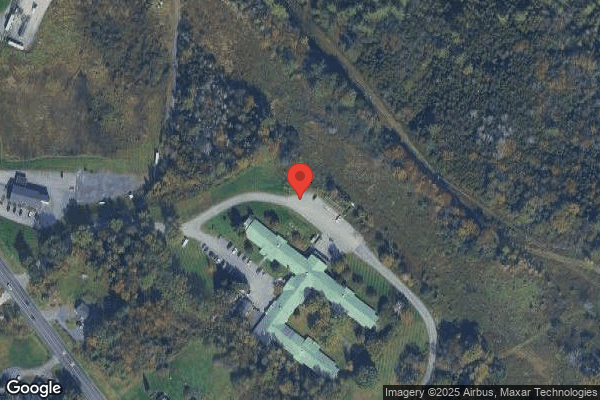
98 Hospitality Drive, Barre, VT 05641 (802) 229-0308
For profit - Limited Liability company 115 Beds STELLAR HEALTH GROUP Data: November 2025 1 Immediate Jeopardy citation
Trust Grade
0/100
Last Inspection: August 2025

Inspected within the last 6 months. Data reflects current conditions.

Overview

Families considering Premier Rehab and Healthcare at Berlin should be aware that it has received a Trust Grade of F, indicating significant concerns regarding care quality. The facility ranks #None of None in Vermont, suggesting it is the only option available in the state, which may be a red flag. While the trend shows improvement, with issues decreasing from 30 to 29, the overall situation remains alarming with 86 deficiencies, including a critical incident where a resident developed a necrotic pressure injury leading to hospitalization and death. Staffing is a major concern, with a turnover rate of 90%, significantly higher than the state average, and less RN coverage than 78% of facilities, which could impact the quality of care. Additionally, fines totaling $390,404 are troubling, indicating compliance problems that may not be easily resolved.

Trust Score
F
0/100
In Vermont
#112/223
Top 50%
Safety Record
High Risk
Review needed
Inspections
Getting Better
30 → 29 violations
Staff Stability
⚠ Watch
90% turnover. Very high, 42 points above average. Constant new faces learning your loved one's needs.
Penalties
✓ Good
$390,404 in fines. Lower than most Vermont facilities. Relatively clean record.
Skilled Nurses
○ Average
Each resident gets 33 minutes of Registered Nurse (RN) attention daily — about average for Vermont. RNs are the most trained staff who monitor for health changes.
Violations
⚠ Watch
86 deficiencies on record. Higher than average. Multiple issues found across inspections.
☆☆☆☆☆
0.0
Overall Rating
☆☆☆☆☆
0.0
Staff Levels
☆☆☆☆☆
0.0
Care Quality
☆☆☆☆☆
0.0
Inspection Score
Stable
2024: 30 issues
2025: 29 issues

The Good

  • Full Sprinkler Coverage · Fire safety systems throughout facility
  • No fines on record

Facility shows strength in fire safety.

The Bad

Staff Turnover: 90%

43pts above Vermont avg (46%)

Frequent staff changes - ask about care continuity

Federal Fines: $390,404

Well above median ($33,413)

Significant penalties indicating serious issues

Chain: STELLAR HEALTH GROUP

Part of a multi-facility chain

Ask about local staffing decisions and management

Staff turnover is very high (90%)

42 points above Vermont average of 48%

The Ugly 86 deficiencies on record

1 life-threatening 9 actual harm
Aug 2025 5 deficiencies
CONCERN (D)

Potential for Harm - no one hurt, but risky conditions existed

Deficiency F0554 (Tag F0554)

Could have caused harm · This affected 1 resident

Per observation, interview, and record review, the facility failed to determine whether it is clinically appropriate for residents to self-administer medications for one of one sampled resident (Resid...

Read full inspector narrative →
Per observation, interview, and record review, the facility failed to determine whether it is clinically appropriate for residents to self-administer medications for one of one sampled resident (Resident #43). This is a repeat deficiency for this facility, with violations cited during the previous thee recertification surveys, dated 2/6/25, 8/19/24, and 3/01/24. Findings include:Per review of the facility policy titled Medication Administration reviewed on 3/2025, Medication are administered by licensed nurses or other staff who are legally authorized to do so in this state, as ordered by the physician and in accordance with professional standards of practice. Observe resident consumption of medication.Per record review, Resident #43 has a medical condition called dysphagia, a condition that causes difficulty swallowing. Additionally, the physicians order page in the Electronic Health Record (EHR) revealed Resident #43 does not have orders for self-administration of medications.Per observation on 8/4/2025 at approximately 10:40am, Resident #43 had a pill in a small medicine cup with pudding left on his/her bedside table. There was no nursing staff in the room.Per interview with Licensed Nurse #1 assigned to the medication cart on 8/4/2025 at approximately 10:45am, they confirmed that the medications were left at the bedside and that he/she shouldn't have left them there. The nurse said that in the medication cup there were crushed medications along with a medication that was not crushed, a pill called Protonix (also known as Pantoprazole as stomach acid reducer used to treat acid reflux) that cannot be crushed.
CONCERN (D) 📢 Someone Reported This

A family member, employee, or ombudsman was alarmed enough to file a formal complaint

Potential for Harm - no one hurt, but risky conditions existed

Accident Prevention (Tag F0689)

Could have caused harm · This affected 1 resident

Based on interview and record review the facility failed to provide adequate supervision to prevent a resident from eloping from a facility for 1 of 3 Residents (Resident #45). Findings include:Per re...

Read full inspector narrative →
Based on interview and record review the facility failed to provide adequate supervision to prevent a resident from eloping from a facility for 1 of 3 Residents (Resident #45). Findings include:Per record review of Resident #45's Care Plan, this resident was assessed as an elopement risk upon admission to this facility and has had a Wander Guard on his/her right ankle since admission. The Wander Guard was initiated on 3/7/25. The Care Plan does not indicate interventions related to wandering or for supervision for this resident. This resident has diagnoses of impaired cognitive function, restlessness and agitation and traumatic brain injury.Per review of an Incident Report, Resident #45's eloped on 4/7/25,. The document shows Resident #45 was unable to be located on the facility campus on 4/17/25 at 7:15PM. S/he was located at approximately 7:35PM on the property adjacent to the facility which is located down a hill from the facility. Per record review [SS1] of a 4/18/25 progress note, Resident #45 was transported by Emergency Medical Services from the adjacent property to the hospital where she/he had x-rays done because s/he complained that their head and both knees hurt. Both knees had scrapes on them. The resident said s/he had fallen while walking down the hill between the facility and the adjacent property. Per interview on 8/5/25 at approximately 3:30PM with Resident #45, s/he explained how s/he had excited the building without being noticed. S/he removed the window and the screen in an empty room. S/he then climbed out the window to go for a toddle around with a plan to go to Northfield because s/he wanted to go home. Per interview with Licensed Practical Nurse (LPN) #1 on 8/6/25 at 11:00AM, s/he stated that s/he was part of the search team for Resident #45. S/he and two other staff members found the resident at the Hair Salon down the hill from this facility. S/he stated that the resident was able to tell her/him what had happened and that his/her head and knee hurt. S/he confirmed that Emergency Medical Services was present when s/he arrived and that the resident was taken to the hospital by EMS to be assessed. Per interview on 8/6/25 at 10:50 AM with the Director of Nursing, she stated the last time staff had eyes on him/her was about 6:00 PM. Resident #45 was located at the hair salon which is about 200 yards away. She also confirmed that Resident #45 had the Wander Guard on at the time s/he was found. The DON stated that it did not alarm because the resident went out a window and the windows are not alarmed. She also confirmed that Resident #45 had removed the window and the screen in an empty room that maintenance had been working in.Per observation on 8/6/25 at approximately 3:00PM Resident # 45 exited through an alarmed door while an employee was assisting another resident, in a wheelchair, through the same door, onto the unit. The employee did not stop or redirect Resident #45.
CONCERN (D)

Potential for Harm - no one hurt, but risky conditions existed

Deficiency F0761 (Tag F0761)

Could have caused harm · This affected 1 resident

Based on observation, interview, record review, the facility failed to ensure medications were properly stored for 1 of 7 sampled residents (Resident #43). This is a repeat deficiency for this facilit...

Read full inspector narrative →
Based on observation, interview, record review, the facility failed to ensure medications were properly stored for 1 of 7 sampled residents (Resident #43). This is a repeat deficiency for this facility, with violations cited during the previous three recertification surveys, dated 2/6/25, 8/19/24, and 3/01/24 Findings include: Per review of the facility policy titled Medication Administration reviewed on 3/2025, Medication are administered by licensed nurses or other staff who are legally authorized to do so in this state, as ordered by the physician and in accordance with professional standards of practice. Observe resident consumption of medication.Per review of the facility policy titled Medication Storage reviewed on 3/2025, During a medication pass, medications must be under the direct observation of the person administering medications or locked in the medication storage area/cart.Per record review, Resident #43 has a medical condition called dysphagia, a condition that causes difficulty swallowing. Additionally, the physicians order page in the Electronic Health Record (EHR) revealed Resident #43 does not have orders for self-administration of medications.Per observation on 8/4/2025 at approximately 10:40 AM, Resident #43 had a pill in a small medicine cup with pudding left on his/her bedside table. There was no nursing staff in the room.Per interview with Licensed Nurse #1 assigned to the medication cart on 8/4/2025 at approximately 10:45 AM, they confirmed that the medications were left at the bedside and that he/she shouldn't have left them there. The nurse said that in the medication cup there were crushed medications along with a medication that was not crushed, a pill called Protonix (also known as Pantoprazole as stomach acid reducer used to treat acid reflux) that cannot be crushed.
CONCERN (D)

Potential for Harm - no one hurt, but risky conditions existed

Infection Control (Tag F0880)

Could have caused harm · This affected 1 resident

Based on observation, interview, and record review the facility failed to perform adequate hand hygiene during a dressing change for 1 of 22 sampled Residents (Resident #67). This is a repeat deficien...

Read full inspector narrative →
Based on observation, interview, and record review the facility failed to perform adequate hand hygiene during a dressing change for 1 of 22 sampled Residents (Resident #67). This is a repeat deficiency for this facility, with violations cited during the previous recertification survey dated 2/6/25. Findings include:Record review on 8/5/25 revealed that Resident #67 had an unstageable pressure ulcer on their coccyx (The small bone at the bottom of the spine. It is made up of 3-5 fused bones. It is also called the tailbone) and had an order for daily dressing changes. Observation on 8/5/25 at approximately 2:30 PM, a Physician's Assistant (PA) donned gloves and provided a wound assessment via visual and tactile methods, and they provided wound debridement with a disposable scalpel for Resident #67. After performing the wound assessment and wound debridement, the PA removed the soiled gloves and without sanitizing her/his hands took the disposable scalpel used to debride the residents wound and with her/his bare hand, placed the disposable scalpel inside one of the gloves s/he had removed from their hand. S/he then picked up their pen and made notes on a piece of paper. S/he then touched the inside door knob of the residents room with their bare hand, opened the door and exited the room. Per interview with the PA on 8/5/25 at approximately 2:40 PM, s/he confirmed that s/he had not washed or used hand sanitizer to clean their hands after removing their gloves. Per review of the Hand Hygiene policy it read, 6. Additional considerations: a. The use of gloves does not replace hand hygiene. If your task requires gloves, perform hand hygiene prior to donning gloves, and immediately after removing gloves.
CONCERN (E)

Potential for Harm - no one hurt, but risky conditions existed

Deficiency F0804 (Tag F0804)

Could have caused harm · This affected multiple residents

Based on observation and interview the facility failed to provide palatable and appealing food for 10 of 19 sampled Residents (Resident #3, Resident #37, Resident #5, Resident #30, Resident #8, Reside...

Read full inspector narrative →
Based on observation and interview the facility failed to provide palatable and appealing food for 10 of 19 sampled Residents (Resident #3, Resident #37, Resident #5, Resident #30, Resident #8, Resident #11, Resident #42, Resident #43, Resident #1, and Resident #27). Findings include:#1: Per interview with Resident #3 on 8/4/2025 at 11:01 AM, she/he reported that s/he has been struggling to eat the food and gags because it’s so bad. Resident #3 also reported that they will heat up his/her food and it will still be cold ninety percent of the time. #2: Per interview with Resident #37 on 8/04/2025 at 11:46 AM, s/he reported that sometimes the food is not hot. #3: Per interview with Resident #5 on 8/04/2025 at 11:56 AM, s/he reported the food is “too often” cold, about 75% of the time. #4: Per interview with Resident #30 on 8/4/2025 at 2:33 PM s/he stated that the food is not always good and not like s/he is used to. #5: Per interview with Resident #8 on 8/4/2025 at 3:14 PM, the Resident reported that s/he does not eat the food provided by the facility and that the food is not healthy, so s/he has friends buy him/her food. #6: Per interview with Resident #11 on 8/4/2025 at 4:13 PM, s/he reports that the food is often cold. #7 Per interview with Resident #42 on 8/05/2025 at 9:22 AM s/he reported that the food is cold and sometimes the food is still cold even after being heated up. #8 Per interview with Resident #43 on 8/6/2025 at 9:10 AM, s/he reported that their breakfast was cold. 9. Per interview with Resident #1 on 8/6/25 at approximately 9:00 AM, s/he stated the food is cold and there not a lot of options. S/he stated by the time it gets to us it is always cold. The meat tastes like rubber and they do not get a lot of beef options. Per Resident #1, We are sick of fish and chicken. I'm diabetic and on dialysis and all they feed us is carbs [carbohydrates]. Snacks at night are all sugar, portions are small. We buy cold food and they throw it out after three days.” 10. Per interview with Resident #27 on 8/6/25 at approximately 9:00 AM, s/he stated the food is almost always cold and there was not much of a variety. S/he discussed there were not a lot of beef options. Resident #27 stated the residents used to get waffles and breakfast sandwiches “And now we don't anymore…They don't give maple syrup, only regular syrup.” 11. Per observation on 8/05/2025 at approximately 12:30 PM, lunch is being served, and the green beans look slimy, mushy, and unappetizing with a thin white sauce over them. Per observation on 8/6/2025 at 2:45 PM, the sampled test tray tasted by a surveyor, had rice that had limited taste and asparagus that was steamed soft.
May 2025 6 deficiencies 1 IJ
CRITICAL (J) 📢 Someone Reported This

A family member, employee, or ombudsman was alarmed enough to file a formal complaint

Immediate Jeopardy (IJ) - the most serious Medicare violation

Pressure Ulcer Prevention (Tag F0686)

Someone could have died · This affected 1 resident

**NOTE- TERMS IN BRACKETS HAVE BEEN EDITED TO PROTECT CONFIDENTIALITY** Based on interviews and record review, the facility failed to ensure that 3 of 7 residents in the applicable sample (Resident #1...

Read full inspector narrative →
**NOTE- TERMS IN BRACKETS HAVE BEEN EDITED TO PROTECT CONFIDENTIALITY** Based on interviews and record review, the facility failed to ensure that 3 of 7 residents in the applicable sample (Resident #1, #2, and #3) received necessary treatment and services consistent with professional standards of practice to prevent or promote healing and prevent infection of a pressure injury. As a result, Resident #1 developed an unstageable pressure injury which became necrotic (death of tissue); requiring hospitalization, and resulted in death related to due to osteomyelitis and sepsis of the pressure injury. This citation is at the immediate jeopardy level due to the facility's failure to prevent and treat pressure injury resulting in infection and death of 1 resident. Findings include: 1. Per review of Resident #1's medical record, s/he was admitted to the facility with a diagnosis of failure to thrive and a history of pelvic fracture on [DATE]. On [DATE], a nursing assessment revealed a 12 on the Braden scale for predicting pressure risk, identifying Resident #1 as a high risk for pressure injury. On admission, Resident #1 was assessed to be frequently incontinent of urine and bowel, and dependent for care, including repositioning. Per review of a skin assessment completed by a licensed nurse on [DATE], there is no mention of sacral redness or documentation of the sacral area. Per admission minimum date set (MDS) (a comprehensive assessment of each resident's functional capabilities) submitted on [DATE] by the MDS coordinator, Resident #1 had no unhealed or open pressure injury at time of admission on [DATE]. Facility policy titled Pressure Injury and Prevention Management, last revised 5/2022, reads, After completing a thorough assessment/evaluation, the interdisciplinary team shall develop a relevant care plan that includes measurable goals for prevention and management of pressure injuries with appropriate interventions . Evidence-based interventions for prevention will be implemented for all residents who are assessed at risk or who have pressure injury present. Per review of Resident #1's care plan, initiated on [DATE], s/he requires assist to complete ADL's [activities of daily living] R/T [related to] impaired mobility, incontinence, and pain. Per the care plan, s/he was dependent for all mobility and identified as at risk for a pressure injury. With interventions that included weekly skin check, and non-specifics including treatments for prevention of skin breakdown. No interventions were added to his/her care plan to turn and reposition. The facility did not follow professional standards of practice or its policy for preventing pressure ulcer development. According to the National Pressure Injury Advisory Panel (NPIAP), identification of a person at risk for pressure injury and implementation of an individualized care plan should include turning and repositioning every two hours and ongoing monitoring to determine if the individual needs more frequent position changes (2024). There is no evidence that turning and repositioning was added to the care plan to prevent pressure injury, or that interventions were revised after pressure injury was identified. An Advanced Practical Registered Nurse (APRN) visit note dated [DATE] revealed [Resident #1] is seen today for noted wounds to the right dorsum, left shin, and self reported pain to the sacrum. Patient is at [his/her] baseline orientation, and assessment of [his/her] skin does not show any wounds or lesions. [His/Her] sacrum is noted to have blanchable redness. [S/he] requires assistance with all ADLs and transfers . Assessment & Plan: Redness of sacrum. Educated staff on proper repositioning for skin integrity. Patient may benefit from an air mattress. Per further review of the APRN progress notes dated [DATE], [DATE], she continued to document pain and sacral redness for Resident #1 and continued to request an air mattress at each visit. There is no documented evidence that the air mattress or turning and repositioning were added to his/her care plan. According to the APRN progress notes, Resident #1 complained of sacral pain on [DATE] and again on [DATE]. Per interview with the APRN by telephone on [DATE] at 2:00 PM, she stated that she was concerned that Resident #1 was a high risk for pressure injury due to lack of fatty tissue and [s/he] was so thin. She reports requesting an air mattress for him/her on [DATE] and multiple times after that. Per record review, there were no interventions added to Resident #1's care plan after this visit. Per interview with the Director of Nursing on [DATE] at approximately 4:30 PM, she confirmed that Resident #1's care plan was not updated to include interventions for turning and repositioning, or the air mattress starting on [DATE], and should have been. She further stated that on [DATE], the facility attempted to use an air mattress from storage; however, per the DON, it would not inflate. Per record review, on [DATE], nursing documented an assessment titled Skin and Wound Evaluation, there is a single photograph of Resident #1's sacrum. The photo revealed the sacrum to be red with a small dark, bruise-like area in the center of the redness. DTPI (Deep tissue pressure injury) start as an inconspicuous bruise that rapidly becomes a full-thickness and often necrotic wound, teaming with potential harm, such as sepsis and osteomyelitis, pain, and suffering (Wound International, 2021). There is no assessment of the area attached to the photo or a progress note in the medical record that provides details of the photo of his/her sacrum on [DATE]. Per interview on [DATE] at approximately 4:30 PM with the Director of Nursing (DON), stated she identified the blanchable redness to Resident #1's sacrum and took a picture of the sacral area on [DATE]. Then she asked the facility's contracted integrated wound care specialist (IWCS) to assess Resident #1's sacrum. Per telephone interview with the IWCS on [DATE] at 3:30 PM, she stated she assessed Resident 1's sacrum on [DATE] but did not write a note. Per the facility policy titled Skin Assessment, last revised 8/2024, A full body, or head-to-toe assessment will be conducted by a licensed or registered nurse upon admission/re-admission and weekly thereafter. This assessment may also be performed after a change in condition or after a newly identified pressure injury . Procedure: remove any dressings, using clean technique, unless contraindicated or ordered to remain in place, and note any findings. Note any skin conditions such as redness, bruising, rashes, blisters, skin tears, open areas, ulcers, and lesions. Although record review shows skin assessments were completed on [DATE] and [DATE], there was no evidence that nursing evaluated Resident #1's sacrum or documented any concerns related to the area, even though redness was identified on [DATE]. Per an interview with the DON on [DATE] at 4:00 PM, she stated she was not able to complete all the skin assessments for all residents on her own. She stated she did not have unit managers or the support she needed to complete accurately for all residents. On [DATE] the APRN documented the following note for Resident #1 Chief complaint: Covid-19, pressure ulcer, weakness, pain, depression, constipation . [Section titled skin] Small circular open lesion over the sacrum.[Section titled assessment and plan] Pressure injury of the sacral region, stage 2. Cleanse with wound cleanser. Apply skin prep and cover with sacral dressing. Plan to switch out bed to an air mattress . The APRN entered the following orders on [DATE]: Check under boarder dressing daily. Cleanse with wound cleanser and apply sacrum boarder every 3 days and PRN everyday shift for pressure ulcer prevention. There is no evidence of wound measurements completed at this time for a new pressure injury on Resident #1' sacrum. Per interview with the Director of Nursing on [DATE] at 4:00 PM, she confirmed she verified the above orders for Resident #1 wound care on [DATE]; however, the order was written for pressure prevention, and the APRN did not communicate the findings with her, she did not recognize the order was for an actual wound. She stated she did not review the APRN visit notes associated with the orders written on [DATE]. She stated she didn't become aware of the sacral wound until [DATE]. Per interview with the APRN by telephone on [DATE] at 2:00 PM, she stated that on [DATE], she assessed Resident #1's sacrum and found a small blistered area that appeared to have broken open, and the top layers of skin were missing. She identified the area as a stage 2 pressure injury and entered orders into the electronic medical record to cleanse the area with wound wash and cover with a sacral dressing. Per review of the diagnosis list dated [DATE], the APRN entered the diagnosis of pressure injury stage 2 on [DATE]. Per further interview APRN stated she did not follow her process when she discovered the wound, which would be to review the findings with the nurse attending to the resident on the unit and then review with the DON. APRN also stated during interview she did not measure the area of pressure injury on [DATE]. Per facility skin assessments completed on [DATE] and on [DATE], there was no evidence that nursing evaluated Resident #1's sacrum or documented the stage 2 pressure injury identified on [DATE]. Per further interview with the DON on [DATE] at 4:00 PM she stated she did not have the staff to complete timely skin checks or to verify skin checks were being completed accurately by licensed nursing staff. Per review of Resident #1's Treatment Administration Record (TAR), Resident #1 received a dressing change on 3/16, 3/17, 3/18, 3/20, 3/21, 3/22, 3/23, 3/24, 3/25, 3/26, 3/27, 3/28, 3/29, and [DATE] without documentation of the sacral area. On [DATE], nursing documented the following progress note: Apply protective dressing to sacrum . Pt sore open to air. cleansed wound and placed a dressing over sacrum . There is no documentation of a wound evaluation during any of these dressing changes or that the DON was notified of an opening on Resident #1's sacrum. Per review of Resident #1's treatment administration record, orders dated [DATE], there is a protective sacral border dressing ordered by the APRN, and starting on [DATE], the order is updated to include check under the dressing daily and ensure that it is in place. Several days were signed off in the TAR, however, there is no way to determine when a dressing change had been completed, and there was no wound assessment prior to [DATE] that included measurements or characteristics The medical record revealed no evidence of a wound assessment with measurements until [DATE], 17 days after the pressure injury was first diagnosed by the APRN. Per facility policy, titled Wound Care, last reviewed 5/2022, treatments will be documented on the treatment administration record or in the electronic health record, and will include effectiveness of treatment, healing progression, changes in the characteristics of the wound, including location, pressure injury stage (or level of tissue destruction if not a pressure injury), size-including shape depth and presence of tunneling, undermining and characteristic of exudate, pain, signs of infection and condition of the tissue in the wound bed including assessment of skin around the wound .Treatment decisions will be based on the characteristics of the wound, including the stage, size, exudate, presence of pain, signs of infection, wound bed, wound edge, and surrounding tissue . Interventions will be documented in the care plan and communicated to all relevant staff. The facility did not follow professional standards and policy for treating actual pressure ulcers. Per interview with the DON on [DATE] at 10:30 AM, she stated that Resident #1 should have been referred to the IWCS on [DATE] when the stage 2 pressure injury was identified. She confirmed that there should have been a wound assessment completed weekly and interventions should have been entered into the care plan on [DATE]. She stated resident did not receive a referral to the IWCS or updates to his/her care plan until [DATE] for the actual pressure injury. Per interview on [DATE] at 12:30 PM, the Medical Director explained, she had been the Medical Director at the facility since [DATE]. She was not aware that the facility had any concerns related to skin, including prevention or treatment of pressure injury. She stated that the process as she understood it was that the DON should be notified of any new wounds, and the resident should be placed on a wound tracker immediately. Assessment of a new pressure injury should include measurements and should be completed when the pressure injury is identified, and a referral to IWCS. The Physician, who was also the Medical Director at the time, stated she was not aware of Resident #1's skin issues at the time of her regulatory visit on [DATE]. She further stated she had not reviewed the APRN notes prior to her visit with Resident #1 on [DATE] and should have. An APRN progress note dated [DATE], Chief complaint: Follow-up pain, pressure ulcer, weakness, depression . [S/he] notes [s/he] has been having more generalized pain and is hoping to get [his/her] tylenol increased. [S/he] also has some pain in [his/her] pressure area.[Section titled assessment and plan] Pressure Ulcer of the Sacral Region Stage 2. Ongoing management. Cleanse with wound cleanser, apply skin prep and cover with sacral dressing. Reposition Q2 [every two hours]. Continue to use air mattress . There was no evidence of a wound assessment to include measurements of the pressure injury, on [DATE], or [DATE]. There was no revision to the care plan to include actual pressure injury until [DATE]. An APRN note dated [DATE] revealed Chief complaint: Acute unstageable pressure ulcer, boggy heels .[S/he] is seen today for unstageable pressure ulcer to [his/her] sacrum and new boggy heels. [S/he] originally had a small circular stage 2 to the sacrum .[His/Her] sacrum feels worse and when this writer pulls off the dressing, there is significant drainage as well as dark skin around the wound area. Some odor . Per interview on [DATE] at 7:30 AM, with Resident #1's family representative, s/he stated that s/he was not notified of concerns related to a stage 2 pressure injury on his/her sacrum that was identified on [DATE]. S/he stated that no one at the facility had notified them of a treatment plan for the pressure injury or that the area was deteriorating. S/he stated that s/he visited Resident #1 frequently and s/he complained of pain in his/her sacrum, describing a sore spot on my back. S/he stated that when Resident #1 would complain of pain in his/her sacrum s/he would use the following words, terrible, I can't stand it, my butt is on fire and would occasionally make whimpering sounds. S/he further stated that Resident #1 continued to decline and then on [DATE] noted that Resident #1 had a large amount of swelling of arms and legs and was not eating. S/he stated that s/he was complaining of a lot of pain. Then on [DATE], Resident #1 was transferred to the emergency room. An emergency room Physician's note dated [DATE] when Resident #1 arrives at the emergency department states Primary complaint 11/10 pain to known pressure injury to sacral area. Resident #1 was admitted to the hospital with a necrotic, unstageable pressure injury, which had developed to osteomyelitis (infection of the bone) and sepsis. The resident required treatment that included debridement of his/her sacrum, dressing changes, pain medication, and intravenous antibiotics. Per Resident #1's death certificate dated [DATE], s/he died of complications related to a sacral pressure injury, osteomyelitis, and sepsis. 2. Per record review, Resident #2 had the following care plan focus initiated on [DATE] at high risk for skin breakdown related to limited mobility, frail fragile skin, pruritus [itching], diabetes, and history of skin breakdown . His/her care plan includes the following interventions initiated on [DATE], weekly wound assessment to include measurements and description of the wound status. Per an APRN note dated [DATE], regulatory visit reveals that Resident #2 has a new open area to their left shoulder. The APRN wrote the following orders in his/her note on [DATE], Open wound of left shoulder, initial encounter Acute. Patient inflicted due to itching. Gently cleanse and cover with bandaid until resolved. There is no evidence that the orders were entered into the resident's medical record or a new intervention to his/her care plan. There is no evidence that the left shoulder was monitored or that the care plan was updated to include the actual skin/wound area. Per Resident #2's facility Treatment Administration Record (TAR) for [DATE], there is no evidence that an order was entered to monitor the left shoulder or to treat an open wound starting on [DATE]. According to the TAR, the facility did have the following order: Vit A&D ointment to chest and both shoulders. Per review of the TAR, several days indicate a treatment was not given, and the area where the ointment was applied was not documented. There is no evidence that the facility treated or monitored a new open wound on Resident #2's shoulder. Per facility skin assessments completed on [DATE], [DATE] and [DATE], there was no evidence that nursing evaluated Resident #2's left shoulder or documented the open wound identified on [DATE]. Per further interview with the DON on [DATE] at 4:00 PM, she stated she was not aware of the wound identified on [DATE] by the APRN and did not review the APRN's notes. Per the DON, the APRN attending wound rounds that week on [DATE] and did not report new findings. Per the facility wound care tracker dated [DATE], there is no evidence that Resident #2 was added to the list of new wounds in the facility. 3. Per record review, Resident #3 has diagnoses that include cerebral palsy and limited range of motion. Per observation on [DATE], Resident #3 has minimal use of his/her right arm and has a significant contracture of the right hand. Per review of his/her care plan, there was no evidence of interventions to prevent pressure injury to his/her contracted right hand. Per review of the integrated wound care note dated [DATE], [Resident #3] is seen today a DTI to the right index finger. [S/he] does have CP (Cerebral Palsy) and tends to contract [his/her] fingers in such a way that it places pressure over bony areas, which has resulted in a small DTI [deep tissue injury] . Instructions: Gently clean and pat dry. Apply skin prep over area [and] apply foam dressing for protection. Consider finger separator from PT [physical therapy] if necessary for prevention. Per review, Resident #3's care plan does not address their right hand or any new interventions for the contracure. Per the interview with Resident #3 on [DATE] at approximately 1:00 PM, s/he stated s/he is unable to use their right hand. Resident #3 is observed with his right hand lying flat on the bed; s/he was noted to have significant contracture of the right hand and a small dressing on the second finger. There was no evidence of a finger separator in his/her right hand. Resident #3 stated s/he has pain in the right arm and shoulder and hand at times. Per the Director of Nursing on [DATE] at 12:38 PM in an email stated that Resident #3 has at risk for skin impairment section of the care plan that included 'impaired mobility r/t cerebral palsy' and a section for risk for alterations in functional mobility related to decrease ROM (range of motion), cerebral palsy. Per further interview, the DON stated that even though Resident #3 has limited range of motion in his right arm, s/he does not have a diagnosis of contracture of the right hand and therefore would not have a preventive care plan specific to his/her right hand. Reference: http://www.npuap.org/resources/educational-and-clinical-resources/npuap-pressure-ulcer-stagescategories/ www.woundsinternational.com Ten top tips: mitigation deep tissue pressure injury.
CONCERN (D) 📢 Someone Reported This

A family member, employee, or ombudsman was alarmed enough to file a formal complaint

Potential for Harm - no one hurt, but risky conditions existed

Notification of Changes (Tag F0580)

Could have caused harm · This affected 1 resident

**NOTE- TERMS IN BRACKETS HAVE BEEN EDITED TO PROTECT CONFIDENTIALITY** Based on interviews and record review, the facility failed to notify the resident's power of attorney (POA) of a change in condi...

Read full inspector narrative →
**NOTE- TERMS IN BRACKETS HAVE BEEN EDITED TO PROTECT CONFIDENTIALITY** Based on interviews and record review, the facility failed to notify the resident's power of attorney (POA) of a change in condition on 3/14/25, related to a new pressure ulcer identified on his/her sacrum for 1 resident in the sample of 7 (Resident #1). This is a repeat deficiency for this facility, with violations cited during two previous recertification surveys, dated 2/6/25 and 3/1/24. Findings include: Per review of Resident #1's medical record, s/he was admitted to the facility with a diagnosis of failure to thrive and a history of pelvic fracture on 1/27/25. A nursing assessment dated [DATE] identified Resident #1 as a high risk for pressure injury with a Braden score of 12. Per the admission assessment dated [DATE], s/he was frequently incontinent of urine and bowel, and dependent for care, including repositioning. Per Resident #1's MDS assessment dated [DATE] there was no evidence of a pressure injury upon admission. According to the medical record, Resident #1 developed a stage 2 pressure injury to his/her sacrum. A stage 2 pressure injury is described as a Partial-thickness loss of skin with exposed dermis. The wound bed is viable, pink or red, moist, and may also present as an intact or ruptured serum-filled blister The area was identified on 3/14/25 by the Advanced Practice Registered Nurse (APRN). There is no evidence in the Resident #1's medical record that their POA was notified of the new pressure ulcer. A 3/31/25 APRN visit note reveals that Resident #1 reveals that Resident #1's pressure ulcer worsened to an unstageable pressure ulcer an unstageable pressure injury is described as Full-thickness skin and tissue loss in which the extent of tissue damage within the ulcer cannot be confirmed because it is obscured by slough or eschar. (NPIAP, 2025) Per the facility policy last revised 8/2024 titled Notification of Change, The facility must inform the resident, consult with the resident's physician and /or notify the resident's family member or legal representative when there is a change requiring such notification . Circumstances requiring a notification include . a need to alter treatment including new treatment. Per interview on 5/1/25 at 7:30 AM, with Resident #1's POA, s/he stated that s/he was not notified of concerns related to a stage 2 pressure injury on his/her sacrum that was identified on 3/14/25. S/he stated that no one at the facility had notified them of a treatment plan for the pressure injury or that the area was deteriorating. She stated the first notification of the pressure injury was on 4/1/25. Per an interview with the Director of Nursing (DON) on 4/29/25 at 8:30 AM, the DON confirmed she was not notified or aware that Resident #1 had a stage 2 pressure injury on his/her sacrum and stated she had not completed a change of condition or notification to the family on 3/14/25 when it was found by the APRN. Per the medical record Resident #1's family was not notified of a new pressure injury to Resident #1's sacrum until after 3/31/25 when it deteriorated to an unstageable pressure injury with necrosis. Reference: http://www.npuap.org/resources/educational-and-clinical-resources/npuap-pressure-ulcer-stagescategories/
CONCERN (E) 📢 Someone Reported This

A family member, employee, or ombudsman was alarmed enough to file a formal complaint

Potential for Harm - no one hurt, but risky conditions existed

Deficiency F0657 (Tag F0657)

Could have caused harm · This affected multiple residents

**NOTE- TERMS IN BRACKETS HAVE BEEN EDITED TO PROTECT CONFIDENTIALITY** Based on interview, observation, and record review, the facility failed to revise the care plan for 3 residents out of 7 sampled...

Read full inspector narrative →
**NOTE- TERMS IN BRACKETS HAVE BEEN EDITED TO PROTECT CONFIDENTIALITY** Based on interview, observation, and record review, the facility failed to revise the care plan for 3 residents out of 7 sampled (Resident #1, #2, and #3) related to skin, wounds, including pressure prevention interventions and care planning for actual pressure injury. This is a repeat deficiency for this facility, with this violation cited during a previous recertification survey dated 8/19/24. Findings include: 1. Per review of Resident #1's medical record, s/he was admitted to the facility with a diagnosis of failure to thrive and a history of pelvic fracture on 1/27/25. On 1/27/25, a nursing assessment revealed a 12 on the Braden scale for predicting pressure risk, identifying Resident #1 as a high risk for pressure injury. On admission, Resident #1 was assessed to be frequently incontinent of urine and bowel, and dependent for care, including repositioning. Per Resident #1' admission minimum data set (MDS; a comprehensive assessment of each resident's functional capabilities) submitted on 2/10/25 by the MDS coordinator, Resident #1 had no pressure injuries at time of admission on [DATE]. Per review of Resident #1's care plan, initiated on 1/27/25, s/he requires assist to complete ADL's [activities of daily living] R/T [related to] impaired mobility, incontinence, and pain. Per the care plan, s/he was dependent for all mobility and identified as at risk for a pressure injury and had interventions that included weekly skin check, and non-specific interventions including treatments for prevention of skin breakdown. No interventions were added to his/her care plan to turn and reposition. Per record review, a provider note written on 2/17/25 by the Advanced Practical Registered Nurse (APRN) reads [Resident #1] is seen today for noted wounds to the right dorsum, left shin and self reported pain to the sacrum .Assessment & Plan: Redness of sacrum. Educated staff on proper repositioning for skin integrity. Patient may benefit from an air mattress. There was no evidence that the resident's care plan was updated at this time to include repositioning or an air mattress. An APRN progress note dated 3/14/25 reads Chief complaint: Covid-19, pressure ulcer, weakness, pain, depression, constipation . [Section titled skin] Small circular open lesion over the sacrum.[Section titled assessment and plan] Pressure injury of the sacral region, stage 2. Cleanse with wound cleanser. Apply skin prep and cover with sacral dressing. Plan to switch out bed to an air mattress . The following orders were written by the APRN on 3/15/25: Check under boarder dressing daily. Cleanse with wound cleanser and apply sacrum boarder every 3 days and PRN every day shift for pressure ulcer prevention. There was no evidence that the resident's care plan was updated at this time to include the resident's actual wound or treatment. Per interview with the Director of Nursing on 4/29/25 at approximately 4:30 PM, she confirmed that Resident #1's care plan was not updated to include interventions for turning and repositioning, or the air mattress starting on 2/17/25, and should have been. A 3/31/25 APRN note reads Chief complaint: Acute unstageable pressure ulcer, boggy heels .[S/he] is seen today for unstageable pressure ulcer to [his/her] sacrum and new boggy heels. [S/he] originally had a small circular stage 2 to the sacrum and [s/he] was moved to an air mattress to help offload her sacrum. Today when this writer goes to see [him/her], [s/he] notes [his/her] sacrum feels worse and when this writer pulls off the dressing, there is significant drainage as well as dark skin around the wound area. Some odor . The care plan for Resident #1 was not updated until after his/her pressure areas worsened and was found to have signs of deterioration including worsening pressure injury, necrosis and drainage with odor. Facility policy titled Pressure Injury and Prevention Management, last revised 5/2022, reads, After completing a thorough assessment/evaluation, the interdisciplinary team shall develop a relevant care plan that includes measurable goals for prevention and management of pressure injuries with appropriate interventions . Evidence-based interventions for prevention will be implemented for all residents who are assessed at risk or who have pressure injury present. There is no evidence the facility followed their policy or the professional standards to prevent pressure injury, including not revising Resident #1's care plan after s/he developed a pressure injury on 3/14/25, until 3/31/25. 2. Per record review, Resident #2 had the following care plan initiated on 7/12/2024, at high risk for skin breakdown related to limited mobility, frail fragile skin, purists (itching), diabetes, and history of skin breakdown . His/her care plan includes the following interventions initiated on 8/30/23, weekly wound assessment to include measurements and description of the wound status. An APRN regulatory visit note dated 4/2/25 documented a new open area to Resident #2's left shoulder. The APRN wrote the following orders in his/her note on 4/2/25, Open wound of left shoulder, initial encounter Acute. Patient inflicted due to itching. Gently cleanse and cover with bandaid until resolved. There is no evidence that the orders were entered into the resident's medical record or a new intervention to his/her care plan. There is no evidence that the left shoulder was monitored or that the care plan was updated to include the actual skin/wound area. Per Resident #2's facility Treatment Administration Record (TAR) for April 2025, there is no evidence that an order was entered to monitor the left shoulder or to treat an open wound starting on 4/2/25. According to the TAR, the facility did have the following order: Vit A&D ointment to chest and both shoulders. Per review of the TAR, several days indicate a treatment was not given, and the area where the ointment was applied was not documented. There is no evidence that the facility treated or monitored a new open wound on Resident #2's shoulder or updated his/her care plan to include interventions for actual skin and wound to his/her left shoulder. Per interview with the Director of Nursing on 4/29/25 at approximately 4:30 PM, she confirmed that Resident #2's care plan was not updated to include a wound to the left shoulder and no new orders were entered on 4/2/25, as indicated in APRN's note. 3. Per record review, Resident #3 has diagnoses that include cerebral palsy and limited range of motion. Per observation on 5/6/25, Resident #3 has minimal use of his/her right arm and has a significant contracture of the right hand. Per review of his/her care plan, there was no evidence of interventions to prevent pressure injury to his/her contracted right hand. Per review of the integrated wound care note dated 5/2/25, [Resident #3] is seen today a DTI to the right index finger. [S/he] does have CP (Cerebral Palsy) and tends to contract [his/her] fingers in such a way that it places pressure over bony areas, which has resulted in a small DTI [deep tissue injury] . Instructions: Gently clean and pat dry. Apply skin prep over area [and] apply foam dressing for protection. Consider finger separator from PT [physical therapy] if necessary for prevention. Per review, Resident #3's care plan does not address their right hand and pressure prevention related to contracture. Per the interview with Resident #3 on 5/6/25 at approximately 1:00 PM, s/he stated s/he is unable to use their right hand. Resident #3 is observed with his right hand lying flat on the bed; s/he was noted to have significant contracture of the right hand and a small dressing on the second finger. There was no evidence of a finger separator in his/her right hand. Resident #3 stated s/he has pain in the right arm and shoulder and hand at times. Per the Director of Nursing on 5/8/25 at 12:38 PM she stated in an email that Resident #3 has at risk for skin impairment section of the care plan that included 'impaired mobility r/t cerebral palsy' and a section for risk for alterations in functional mobility related to decrease ROM (range of motion), cerebral palsy. Per further interview, the DON stated that even though Resident #3 has limited range of motion in his right arm, s/he does not have a diagnosis of contracture of the right hand and therefore would not have a preventive care plan specific to his/her right hand.
CONCERN (E) 📢 Someone Reported This

A family member, employee, or ombudsman was alarmed enough to file a formal complaint

Potential for Harm - no one hurt, but risky conditions existed

Deficiency F0711 (Tag F0711)

Could have caused harm · This affected multiple residents

**NOTE- TERMS IN BRACKETS HAVE BEEN EDITED TO PROTECT CONFIDENTIALITY** Based on interviews and record review, the facility failed to ensure that physicians and other providers (as delegated to per re...

Read full inspector narrative →
**NOTE- TERMS IN BRACKETS HAVE BEEN EDITED TO PROTECT CONFIDENTIALITY** Based on interviews and record review, the facility failed to ensure that physicians and other providers (as delegated to per regulation) review the residents' total program of care, including skin, pressure injury risk and prevention and treatment plan at each visit as required for 3 of 7 sampled residents (Resident's #1, #3, and #4). This is a repeat deficiency for this facility, with this violation cited during a previous recertification survey dated 8/19/24. Findings include: 1) Per review of Resident #1's medical record, s/he was admitted to the facility with a diagnosis of failure to thrive and a history of pelvic fracture on 1/27/25. On 1/27/25, a nursing assessment revealed a 12 on the Braden scale for predicting pressure risk, identifying Resident #1 as a high risk for pressure injury. Resident #1 had no pressure injuries at time of admission. A 3/14/25 Advanced Practice Registered Nurse (APRN) progress note dated 3/14/25 reveals that Resdeint #1 has a stage 2 pressure injury on their sacrum. Residnet #1's care plan was not updated to include the stage 2 pressure ulcer or treatment interventions. Per interview with the DON on 5/1/25 at 10:30 AM, she stated that Resident #1 should have been referred to the IWCS on 3/14/25 when the stage 2 pressure injury was identified. She confirmed that there should have been a wound assessment completed weekly and interventions should have been entered into the care plan on 3/14/25. She stated resident did not receive a referral to the IWCS or updates to his/her care plan until 3/31/25 for the actual pressure injury. Per review of the Physician's note for a required regulatory visit dated 3/27/25 in Resident #1's medical record, the note did not address the pressure injury to Resident #1's sacrum, and in the assessment section of the physician's note, titled skin the provider noted that exposed areas are clear with no rashes. There was no evidence that the Physican, who is also the Medical Director, addressed the pressure injury on 3/27/25 by her documentation in the medical record. During an interview on 5/1/25 at 12:30 PM, the Physician, who was also the Medical Director at the time, stated she was not aware of Resident #1's skin issues. During the interview, the Medical Director stated she had not reviewed the APRN's prior notes or discussed any concerns with her regarding Resident #1's skin or new pressure injury before she completed the regulatory visit on 3/27/25. Per interview with the Director of Nursing on 5/6/25 at approximately 2:00 PM, s/he confirmed the provider visit on 3/27/25 was a regulatory visit, and did not reflect skin, wounds, or actual pressure injury for Resident #1and did not accurately review the resident's total program of care, and it should have. 2). Per record review, Resident #3 has diagnoses that include cerebral palsy and limited range of motion. Per observation on 5/6/25, Resident #3 has minimal use of his/her right arm and has a significant contracture of the right hand. A facility skin check dated 2/7/25 identified the following skin areas: right elbow purple and redden area noted R elbow wound is new . Redden area to sacrum wound is new . Resident's skin warm and dry to touch with redness noted to the Sacrum/Groin and pressure area to the right elbow [sic]. A Physician's note dated 2/7/25, titled Recertification, revealed the following assessment by the provider related to Resident #3's skin: Skin exposed areas are clear with no rashes. There is no evidence in the written note that the provider addressed skin, or new pressure areas documented by nursing as new on 4/7/25. 3). Resident #4 was admitted to the facility on [DATE] with diagnoses that included diabetes, history of falls, weakness, and deep tissue pressure injury to his/her left knee. S/he had the following physician orders written on 3/14/25: wound care to pressure ulcer left lateral knee, 1)cleanse with wound cleanser 2) dry skin prep 3) Medi honey to wound bed 4) cover with Opti foam . A facility pressure wound assessment dated [DATE], revealed that Resident #4 was admitted with an unstageable pressure injury to his/her left knee. A Physician's note dated 3/20/25, regulatory visit titled: Admission, does not address the total plan of care for Resident #4 and does not address the actual wound and treatment for a known deep tissue injury to the left knee. The physician documented the following: Skin: exposed areas are clear with no rashes.
CONCERN (E) 📢 Someone Reported This

A family member, employee, or ombudsman was alarmed enough to file a formal complaint

Potential for Harm - no one hurt, but risky conditions existed

Deficiency F0726 (Tag F0726)

Could have caused harm · This affected multiple residents

Based on interview and record review, the facility failed to ensure that licensed nurses have the specific competencies necessary to care for residents' needs as identified through resident assessment...

Read full inspector narrative →
Based on interview and record review, the facility failed to ensure that licensed nurses have the specific competencies necessary to care for residents' needs as identified through resident assessments and the plan of care for 4 of 5 sampled nurses. Findings include: Per review of 5 licensed nurses' employee education files, 4 Licensed Practical Nurses (LPN) did not have evidence that they had been assessed for skin or wound assessment competencies. Per facility policy titled Staff Competency Plan, last reviewed on 8/2024, reads, It is the policy of the facility to evaluate each employee to assure they meet appropriate competencies and skills for performing their job .The knowledge and skills required among staff to meet residents' needs are determined through the facility assessment process. Evaluating competency of staff is accomplished through the facility's training program. The Facility Assessment (an assessment that determines what resources are necessary to care for the residents competently during both day-to-day operations and emergencies), dated 1/31/25, section Services and care we offer based on our resident's needs, lists: .skin integrity . [and] pressure injury prevention and care, skin care, wound care, wound care treatments (surgical, other skin wounds). Per review of the competency packet used to evaluate licensed nurses, the packet did not include skin or wound assessment competencies. Per interview on 5/6/25 at 11:35 AM, the Director of Nursing (DON) confirmed that skin and wound assessment competencies are not included in the packet. At 2:45 PM, the DON confirmed that the 4 LPNs did not have competencies related to skin and wound assessments.
CONCERN (F) 📢 Someone Reported This

A family member, employee, or ombudsman was alarmed enough to file a formal complaint

Potential for Harm - no one hurt, but risky conditions existed

Deficiency F0841 (Tag F0841)

Could have caused harm · This affected most or all residents

**NOTE- TERMS IN BRACKETS HAVE BEEN EDITED TO PROTECT CONFIDENTIALITY** Based on interview, record review, and policy review, the facility failed to ensure the Medical Director assisted the facility w...

Read full inspector narrative →
**NOTE- TERMS IN BRACKETS HAVE BEEN EDITED TO PROTECT CONFIDENTIALITY** Based on interview, record review, and policy review, the facility failed to ensure the Medical Director assisted the facility with the implementation of resident care policies, specifically related to the total skin program at the facility, and failed to coordinate the medical care in the facility. As a result, one resident died of sepsis related to a pressure injury of the sacrum (Resident #1). This deficient practice has the potential to affect all residents at risk for skin impairment and pressure injury residing in the facility. Findings include: Per review of Resident #1's admission assessment, s/he was admitted to the facility on [DATE] and identified as a high risk for pressure injury with a score of 12. S/he did not have any skin integrity issues with his/her sacrum at the time of admission. Per review of Resident #1's care plan, initiated on [DATE], s/he was identified as at risk for a pressure injury with interventions that included weekly skin checks and nonspecific treatments for prevention of skin breakdown. No interventions were added to his/her care plan to turn and reposition, or any individualized interventions. Revision to Resident #1's care plan did not occur until [DATE]. An Advanced Practical Registered Nurse (APRN) visit note dated [DATE] revealed that Resident #1 was seen for self-reported pain to the sacrum. The note reads, [his/her] skin does not show any wounds or lesions. [His/Her] sacrum is noted to have blanchable redness. [S/he] requires assistance with all ADLs and transfers . Assessment & Plan: Redness of sacrum. Educated staff on proper repositioning for skin integrity. Patient may benefit from an air mattress. Per further review of the APRN progress notes dated [DATE], [DATE], she continued to document pain and sacral redness for Resident #1 and continued to request an air mattress at each visit. There was no evidence of new interventions to the care plan, including an air mattress or turning and repositioning. An APRN progress note dated [DATE] reveals [Section titled skin] Small circular open lesion over the sacrum.[Section titled assessment and plan] Pressure injury of the sacral region, stage 2. Cleanse with wound cleanser. Apply skin prep and cover with sacral dressing. Plan to switch out bed to an air mattress . The following orders were written by the APRN on [DATE]: Check under boarder dressing daily. Cleanse with wound cleanser and apply sacrum boarder every 3 days and PRN every day shift for pressure ulcer prevention. Per interview with the APRN by telephone on [DATE] at 2:00 PM, she stated that she was concerned that Resident #1 was a high risk for pressure injury due to lack of fatty tissue and [s/he] was so thin from time of admission. She reports requesting an air mattress for him/her on [DATE] and multiple times after that. Per interview with the APRN by telephone on [DATE] at 2:00 PM, she stated that on [DATE], she assessed Resident #1's sacrum and found a small blistered area that appeared to have broken open, and the top layers of skin were missing. Per further interview the APRN stated she did not follow her process when she discovered the wound, which would be to review the findings with the nurse attending to the resident on the unit and then review with the DON. Per review of Resident #1's medical record, there was not an actual wound assessment completed of the sacral pressure injury until [DATE] by the IWCS. This was confirmed through interview on [DATE] at 4:00 PM by the Director of Nursing (DON). She explained that she didn't read the APRN's notes and didn't know there was a wound until [DATE] when it worsened to an unstageable pressure injury with necrosis. On [DATE] at 10:30 AM, the DON stated that Resident #1 did not receive a referral to the IWCS (integrated wound care specialist) or updates to his/her care plan until [DATE] for the actual pressure injury. Per interview with Resident #1 POA the resident experienced significant pain and was transferred to the hospital on [DATE]. Per review of hospital records, s/he later died on [DATE] at the hospital related to complications of a sacral pressure injury. See F 686 for more information. A Physician's note dated [DATE] titled regulatory visit, did not address concerns related to pressure injury identified at prior visits by the APRN and the assessment section of the physician's note, titled skin the provider noted that exposed areas are clear with no rashes. During an interview on [DATE] at 12:30 PM, the Physician, who was also the Medical Director at the time, stated she was not aware of Resident #1's skin issues. The Medical Director explained that she had been the medical director at the facility since [DATE]. She was unaware that the facility had any skin-related concerns, including prevention or treatment of pressure injury. She stated that the process as she understood it was that the DON should be notified of any new wounds, and the Resident should be placed on a wound tracker immediately. Assessment of a new pressure injury should include measurements and should be completed when the pressure injury is identified, and a referral to the wound specialist should be made. She was unaware that the facility was not implementing their policy related to pressure ulcer prevention and treatment. During the interview, the Medical Director she stated she had not reviewed the APRN notes or discussed any concerns with her regarding Resident #1's skin or new pressure injury before she completed the regulatory visit on [DATE]. Per facility policy for Medical Director Service, the Medical Director will coordinate medical care, including emergency treatment procedures, maintain effective liaison with attending physicians, and implement methods to keep the quality of care under constant surveillance. Monitor that the residents receive adequate services appropriate to their needs. Monitor that the resident's medical regimen is incorporated into the resident's care plan. There is no documented evidence that the MD was aware of concerns related to pressure injury, for Resident #1, or that she was coordinating the care between the residents' providers and the facility. Per further interview with the Medical Director on [DATE] at 12:30 PM, she stated she was unaware that Resident #1 had died from complications of a sacral pressure injury, sepsis, and osteomyelitis.
Feb 2025 16 deficiencies
CONCERN (D)

Potential for Harm - no one hurt, but risky conditions existed

Deficiency F0554 (Tag F0554)

Could have caused harm · This affected 1 resident

Per observation, interview, and record review, the facility failed to determine whether it is clinically appropriate for residents to self-administer medications for one sampled resident (Resident #36...

Read full inspector narrative →
Per observation, interview, and record review, the facility failed to determine whether it is clinically appropriate for residents to self-administer medications for one sampled resident (Resident #364). This is a repeat deficiency for this facility, with violations cited during the previous two recertification surveys, dated 08/19/24 and 03/01/24. Findings include: Per observation on 2/4/25 at 9:18 AM, Resident #364 was seen sitting in bed with three pills on his/her lap. S/he was asking for more water. Per interview with LPN [Licensed Practical Nurse] #1 on 2/4/25 at 9:18 AM, it was confirmed that LPN #1 left the pills at the resident's bed side. Per record review, the medications left at the bedside were Docusate 100 mg tablet [a medication used for constipation], Metformin 500 milligram tablet [a medication used for Diabetes] and Bupropion ER 150 milligram tablet [a medication used to treat depression]. Per record review, Resident #364 did not have Docusate 100 milligram tablets on his/her MAR [Medication Administration Record]. Per the facility's Medication Administration policy [last revised 9/24] states, Review MAR to identify medication to be administered. 2. Compare medication source (bubble pack, vial, etc.) with MAR to verify resident name, medication name, form, dose, route, and time. a. Refer to drug reference material if unfamiliar with the medication, including its mechanism of action or common side effects. b. Administer within 60 minutes prior to or after scheduled time unless otherwise ordered by physician. c. If other than PO route, administer in accordance with facility policy for the relevant route of administration .Observe resident consumption of medication. Per interview with the DON [Director Nursing] on 2/5/25 at 9:45 AM, the DON confirmed Resident #364 has not had an assessment for self-administration of medications and cannot self-administer medications.
CONCERN (D) 📢 Someone Reported This

A family member, employee, or ombudsman was alarmed enough to file a formal complaint

Potential for Harm - no one hurt, but risky conditions existed

Deficiency F0561 (Tag F0561)

Could have caused harm · This affected 1 resident

Based on interview, and record review, it was determined that the facility failed to provide resident choices specific to aspects of their life that were important to them for 1 resident in a standard...

Read full inspector narrative →
Based on interview, and record review, it was determined that the facility failed to provide resident choices specific to aspects of their life that were important to them for 1 resident in a standard survey sample of 20 residents. (Resident #563). Findings include: Per interview on 2/5/25 at approximately 12:00 PM, Resident #563 stated she/he was recently admitted to this facility. She/he stated they came in on a Friday, 1/31/25, and spent the whole weekend in bed. Resident #563 stated they did ask staff to please get them up and was told by staff that until they (the resident) is assessed by PT (physical therapy) staff are not allowed to get them out of bed. The resident stated they had to use a bedpan because staff were not allowed to help the resident to the bathroom and she/he was upset about being there for rehab but not being able to get out of bed for 2 days. Per interview on 2/5/25 at approximately 12:40 PM, Resident #563's spouse met surveyor outside resident's room to discuss her/his concerns. They stated that their spouse was admitted on Friday, 1/31/25 for rehabilitation after a short stay in the hospital. She/he stated they accompanied their spouse to this facility for admission. She/he stated no one took their phone number during the admission process and that later that night she/he called to check-in and see how their spouse was doing and the phone just rang and rang. Their son and daughter also tried to reach someone that night and no one answered. She/he stated that eventually after many attempts and almost calling the police to do a welfare check, she/he was able to reach someone. She/he stated when she/he left after the admission there were no staff to be found to give their phone number to and no one asked during the admission process. They stated they did not want to get anyone in trouble and was not trying to cause trouble they just want their spouse to get better and get the therapy or treatment needed so they can come home. She/he stated, there does seem to be a short staffing issue here. Per interview on 2/5/25 at approximately 1:00 PM, the facility's DON (Director of Nursing) confirmed that Resident #563 was admitted on Friday, 1/31/25, and she/he was aware that the resident was not assessed by PT until later the following week which resulted in her/him being required to stay in bed over the weekend. The DON stated the current policy states that until a resident is assessed by PT and their level of supervision, if any, is needed, newly admitted residents do not transfer out of bed. She/he stated that this is being reviewed and changes forthcoming. Review of the facility policy titled, Resident Rights, date reviewed/revised: 10/2024, states under subtitle, Resident Rights, section #5, Self-Determination. The resident has the right to and the facility must promote and facilitate resident self-determination through support of resident choice, including but not limited to: a. The resident has a right to choose activities, schedules (including sleeping and waking times), health care and providers of health care services consistent with his or her interests, assessments, and plan of care and other applicable provisions of this part. b. The resident has the right to make choices about aspects of his or her life in the facility that are significant to the resident.
CONCERN (D)

Potential for Harm - no one hurt, but risky conditions existed

Notification of Changes (Tag F0580)

Could have caused harm · This affected 1 resident

**NOTE- TERMS IN BRACKETS HAVE BEEN EDITED TO PROTECT CONFIDENTIALITY** Based on interview and record review, the facility failed to ensure that a physician was notified of symptoms requiring an as ne...

Read full inspector narrative →
**NOTE- TERMS IN BRACKETS HAVE BEEN EDITED TO PROTECT CONFIDENTIALITY** Based on interview and record review, the facility failed to ensure that a physician was notified of symptoms requiring an as needed medication whose prescription had expired for one of 20 sampled residents (Resident #25). Findings include: In an interview on [DATE] at 11:00 AM, Resident #25 stated that they had not been given an PRN [as needed] dose of anxiety medication that they had requested on [DATE] in the AM. Resident #25 stated that they were told that the prescription had expired during the week and that the prescriber had gone home for the weekend and there was nothing the nurse on duty could do to remedy this issue. Resident #25 revealed that they had requested their PRN anxiety medication several times on both [DATE] and [DATE]. Resident #25 stated they were told by the nurse on duty [DATE] and by the nurse on duty [DATE] that Resident #25 would have to wait until Monday [DATE] for the prescriber to come back in to renew the prescription. Resident #25 said this caused them to have even more anxiety, and that they had a very uncomfortable and stressful weekend due to not being able to receive their anxiety medication. In an interview with Resident #25 on [DATE] at 4:00 PM they said that they did not end up receiving their PRN anxiety medication until 1:20 PM on [DATE]. Record review showed that no nursing notes were entered regarding Resident #25's request for this anxiety medication or any reasons why they could not receive the dose. Record review also showed no attempt to contact the on-call physician to renew the Resident's prescription. The most recent order for Resident #25's PRN anxiety medication was dated [DATE] - [DATE]. Resident #25's most recent order read Clonazepam 0.5mg-give one tablet by mouth every 12 hours as needed for anxiety for two weeks. This order is consistently reordered going back through medication orders back to November of 2024. Medication administration records dating back through [DATE] show that Resident #25 requested this medication several times per week on average. In an interview with the Director of Nursing [DON] on [DATE] at 2:00 PM, the DON stated that nursing staff have access to an on-call physician 24 hours a day, 7 days a week and a nurse should have called the on-call physician to have Resident #25's prescription renewed when they noticed Resident #25 didn't have a prescription.
CONCERN (D)

Potential for Harm - no one hurt, but risky conditions existed

ADL Care (Tag F0677)

Could have caused harm · This affected 1 resident

Based on observation, interview, and record review, the facility failed to ensure one of 20 sampled residents (Resident #25) was provided necessary assistance to carry out activities of daily living r...

Read full inspector narrative →
Based on observation, interview, and record review, the facility failed to ensure one of 20 sampled residents (Resident #25) was provided necessary assistance to carry out activities of daily living related to grooming and personal hygiene. Findings include: Per observation on 2/3/25 at 11:00 AM, Resident #25's fingernails were approximately 1/2 inch long with a dirt like substance under each nail, except for the right pointer finger where the nail appeared to have broken off with small amounts of a red/brown blood like stain on the tip of the finger. Per interview with Resident #25 on 2/3/25 at 11:03 AM, Resident #25 stated that they are unable to cut their own fingernails and has asked the staff to help cut them. Resident #25 also stated it's very obvious that they need cutting, it was the first thing you noticed when you [surveyor] walked in here. Resident #25 revealed the last day or two they had caught their fingernail on their blanket and accidentally ripped the tip off causing a small amount of pain and bleeding. When asked if any staff provided care for this incident, Resident #25 stated that no one had even noticed. Per record review, Resident #25's care plan states Provide resident total assist (dependent) of 1 for personal hygiene (grooming). Date Initiated: 11/23/2024. Record review showed there is no evidence in Resident #25's medical record that they were provided fingernail care from 1/3/25 to 2/3/25.
CONCERN (D)

Potential for Harm - no one hurt, but risky conditions existed

Deficiency F0685 (Tag F0685)

Could have caused harm · This affected 1 resident

Based on observation, interview, and record review, the facility failed to ensure that one of 20 sampled residents (Resident #20) received proper treatment and assistive devices to maintain hearing ab...

Read full inspector narrative →
Based on observation, interview, and record review, the facility failed to ensure that one of 20 sampled residents (Resident #20) received proper treatment and assistive devices to maintain hearing abilities. Findings include: In an attempted interview with Resident #20 on 2/4/25 at 10:00 AM this surveyor was unable to communicate with the resident. Resident #20 was pointing at their ears and stated they could not hear. This surveyor approached very close to the resident and spoke in a very loud clear voice and Resident #20 stated they were still unable to hear. Resident #20 then stated their hearing aids were dead. Based on record review, Resident #20's has the following physician order apply hearing aids to both ears every AM. Resident #20's care plan reads, resident is hard of hearing and resident has hearing aids to assist with hearing. Resident #20's care plan also includes interventions that cannot be performed without the ability to hear and communicate such as maintain communication that is consistent, open, and respectful and listen to resident without judgment or guilt. On 2/5/25 at 11:40 AM, this surveyor attempted to interview Resident #20 again, but again they were unable to hear. Resident #20 stated that their hearing aids were still on the charging dock. Resident #20 stated that the staff always forget to help them with their hearing aids. Resident #20 also stated that they are completely unable to communicate with staff in anyway without their hearing aids. Per observation on 2/6/25 at 12:00 PM, Resident #20 was once again in bed without their hearing aids.
CONCERN (D)

Potential for Harm - no one hurt, but risky conditions existed

Unnecessary Medications (Tag F0759)

Could have caused harm · This affected 1 resident

Based on observation, interview, and record review the facility failed to ensure medication error rates were not 5% or greater. The total error rate for all observations was calculated at 43%. There w...

Read full inspector narrative →
Based on observation, interview, and record review the facility failed to ensure medication error rates were not 5% or greater. The total error rate for all observations was calculated at 43%. There were 30 medication administration opportunities observed resulting in 13 errors for 1 of 7 sampled residents (Resident #12) due to the late administration of 12 medications, not following administration recommendations, and not administering an as needed (PRN) medication. Findings include: Per observation on 2/6/25 at 10:18 AM, a Licensed Practical Nurse (LPN) began the process of administering medications to Resident #12. When the LPN opened the Medication Administration Record (MAR) for Resident #12 on their computer, the resident's medications were highlighted in red. Listed below are the Physician orders for the medications listed on the MAR and the time when they were observed administered. The following medications were administered to Resident #12 at 10:23 AM: Apixaban Oral Tablet 5 MG (Apixaban) Give 1 tablet by mouth two times a day for A-fib [Atrial fibrillation; heart rhythm disorder], scheduled to be administered at 9:00 AM. carBAMazepine Oral Tablet 200 MG (Carbamazepine) Give 1 tablet by mouth three times a day for tremors, scheduled to be administered at 9:00 AM. Cholecalciferol Tablet 1000 UNIT Give 2 tablet by mouth one time a day for Supplement, scheduled to be administered at 9:00 AM. Sodium Chloride Oral Tablet (Sodium Chloride) Give 1000 mg by mouth one time a day for Hyponatremia [low sodium], scheduled to be administered at 9:00 AM. Fluticasone Furoate-Vilanterol Inhalation Aerosol Powder Breath Activated 100-25 MCG/ACT (Fluticasone Furoate-Vilanterol) 1 puff inhaled orally one time a day for COPD [Chronic obstructive pulmonary disease; causes airflow obstruction and breathing difficulties] RINSE MOUTH AFTER USE, scheduled to be administered at 9:00 AM. Potassium Chloride ER Oral Tablet Extended Release 20 MEQ (Potassium Chloride) Give 1 tablet by mouth one time a day for low Potassium, scheduled to be administered at 9:00 AM. Benztropine Mesylate Tablet 1 MG (Benztropine Mesylate) Give 1 tablet by mouth two times a day for tremors and stiffness of the muscles, scheduled to be administered at 9:00 AM. Gabapentin Oral Capsule 100 MG (Gabapentin) Give 1 capsule by mouth three times a day for pain, scheduled to be administered at 9:00 AM. Sertraline HCl Oral Tablet 25 MG (Sertraline HCl) Give 3 tablets by mouth one time a day for depression, scheduled to be administered at 8:00 AM. During this medication administration, the LPN did not follow the administration recommendations. She did not ask Resident #12 to rinse his/her mouth after using the inhaler and Resident #12 was not observed to do on his/her own. The following medications were administered to Resident #12 at 10:47 AM Aspirin 81 Oral Tablet Delayed Release (Aspirin) Give 1 tablet by mouth one time a day for Heart Failure, scheduled to be administered at 9:00 AM. Finasteride Oral Tablet 5 MG (Finasteride) Give 1 tablet by mouth one time a day for BPH [Benign prostatic hyperplasia; enlarged prostate gland], scheduled to be administered at 9:00 AM. While receiving the above two medications, Resident #12 asked for Milk of Magnesia. The following medication was not administered as of 12:44 PM on 2/6/25, Milk of Magnesia Oral Suspension 400 MG/5ML (Magnesium Hydroxide) Give 30 ml by mouth every 24 hours as needed for constipation. The following medication was administered to Resident #12 at 10:54 AM Amiodarone HCl Oral Tablet 200 MG (Amiodarone HCl) Give 1 tablet by mouth one time a day for Heart Failure, scheduled to be administered at 9:00 AM Per observation and interview on 2/6/25 at approximately 11:00 AM, a Unit B's medication cart computer showed 8 residents highlighted in red. The LPN working this cart explained that the red indicates that an order is due and is over an hour late. She explained that of the 8 residents marked in red, 5 residents are due for medication administration that was scheduled to be administered an hour or more earlier. She stated that she is late administering medications every day because the unit is short staffed and she has to help with things like passing trays and feeding residents, rather than administering medications. Facility policy Medication Errors, last reviewed/revised 9/2024, reads, The facility will consider factors indicating errors in medication administration, including, but not limited to, the following: a. Medication administered not in accordance with the prescriber's order. Examples include, but not limited to: i. Incorrect dose, route of administration, dosage form, time of administration; ii. Medication omission; iii. Incorrect medication. b. Medication administered not in accordance with the manufacturer's specifications (not recommendations) regarding the preparation and administration of the medication or biological. Examples include, but not limited to: i. Failure to shake well; ii. Crushing do not crush medications; iii. Administering medications without adequate fluids, without food or antacids. c. Medication administered not in accordance with professional standards and principles. Per interview on 2/06/25 at 2:43 PM, the Director of Nursing confirmed that not administering a PRN medication when asked for was a medication error.
CONCERN (D)

Potential for Harm - no one hurt, but risky conditions existed

Deficiency F0761 (Tag F0761)

Could have caused harm · This affected 1 resident

Based on observation, interview, record review, the facility failed to ensure medications were properly stored for 1 of 7 sampled residents (Resident #364). This is a repeat deficiency for this facili...

Read full inspector narrative →
Based on observation, interview, record review, the facility failed to ensure medications were properly stored for 1 of 7 sampled residents (Resident #364). This is a repeat deficiency for this facility, with violations cited during the previous two recertification surveys, dated 08/19/24 and 03/01/24 Findings include: Per observation on 2/4/25 at 9:18 AM, Resident #364 was seen sitting in bed unsupervised with three pills on his/her lap. S/he was asking for more water. Per record review, the medications left at the bedside were Docusate 100 mg tablet [a medication used for constipation], Metformin 500 milligram tablet [a medication used for Diabetes] and Bupropion ER 150 milligram tablet [a medication used to treat depression]. Per record review, Resident #364 did not have Docusate 100 milligram tablets on his/her MAR [Medication Administration Record]. Per interview with LPN [Licensed Practical Nurse] #1 on 2/4/25 at 9:18 AM it was confirmed that the LPN left the pills at the residents' bed side. The LPN confirmed on 2/4/24 at 9:24 AM that the medications were left on the Resident's lap and should not have been.
CONCERN (D)

Potential for Harm - no one hurt, but risky conditions existed

Deficiency F0813 (Tag F0813)

Could have caused harm · This affected 1 resident

Based on observation, interview, and record review the facility failed to ensure safe and sanitary storage, handling, and consumption of one of 20 sampled residents (Resident #4). Findings include: In...

Read full inspector narrative →
Based on observation, interview, and record review the facility failed to ensure safe and sanitary storage, handling, and consumption of one of 20 sampled residents (Resident #4). Findings include: In an interview on 2/3/25 at 2:38 PM Resident #4 stated that they do not eat any of the food that the facility provides. Resident #4 said The food here is garbage, it is inedible. Resident #4 explained that every 10 days they have a friend take them to the store and they purchase all their own food using personal funds. Resident #4 stated that they keep some of the food in their own room and items that require refrigeration are stored in a refrigerator on the unit in a locked room. Resident #4 said that they give food requiring refrigeration to the staff on unit and the staff puts the food in the refrigerator. Per interview on 2/4/25 1:00 PM Resident #4 stated that someone had thrown out all their food from the unit refrigerator without notifying them. Resident #4 stated that most of this food was in unopened packages and was not close to expiration date. Resident #4 was distressed and said I do not have anyone to take me to get more food for another week. What am I going to eat? On 2/4/25, this surveyor observed that the unit fridge was empty and no resident food policy was posted on the refrigerator door. Record review of a document titled Food and Nutrition Services Policy and Procedures, last revised on 6/15/18, reads food items that require refrigeration must be labeled with patient's/resident's name and date the food was brought in and that food will be held in the refrigerator for three days following the date on the label and will be discarded by staff upon notification to patient/resident. In an interview with the District Manager on 2/5/25, the District Manager stated that the kitchen staff discarded all the food in the refrigerator on resident #4's unit because none of it was labeled. When asked who is responsible for labeling food put into that refrigerator the district manager stated that the staff on the unit and not the resident is responsible for properly labeling food in the unit refrigerator. The District Manager confirmed that no residents had been informed of the food being thrown out. The District Manager also stated that unopened foods that are labeled are held in the unit fridge until 3 days after the expiration date typically and not just 3 days after the date they are received. The District Manager confirmed that the food should have been labeled by staff and should not have been thrown out if it was not opened and not expired.
CONCERN (E) 📢 Someone Reported This

A family member, employee, or ombudsman was alarmed enough to file a formal complaint

Potential for Harm - no one hurt, but risky conditions existed

Comprehensive Care Plan (Tag F0656)

Could have caused harm · This affected multiple residents

Based on interview and record review, the facility failed to develop and implement comprehensive care plans for 2 of 2 sampled residents (Resident #27 and Resident #35) related to palliative care; and...

Read full inspector narrative →
Based on interview and record review, the facility failed to develop and implement comprehensive care plans for 2 of 2 sampled residents (Resident #27 and Resident #35) related to palliative care; and failed to implement care plan interventions related to supervision for 1 of 20 sampled residents (Resident #363). This is a repeat deficiency for this facility, with violations cited during the previous two recertification surveys, dated 08/19/24 and 03/01/24. Findings include: 1. Per record review, a Medication Regimen Review (MRR) dated 9/16/24 for Resident #27 stated Currently receiving cyclobenzaprine [used to treat pain and stiffness due to muscle spasms] as a standing order. Long term use not recommended due to high risk of anticholinergic side effects including drowsiness, dizziness, and dry mouth. Please evaluate continued need and consider taper to PRN [as needed] for 1 week then discontinue, if appropriate. The Nurse Practitioner disagreed, writing Palliative care patient as the reason. Per record review, Resident #27's Care Plan does not include any focus or interventions for palliative care. 2. Per record review, two MRRs, dated 4/17/24 and 6/12/24, for Resident #35 stated Currently receiving methocarbamol [used to treat muscle spasms and pain] without a stop date. Long term use not recommended due to high risk of side effects including drowsiness, dizziness and dry mouth. Please evaluate. Consider add [sic] stop date now, if appropriate. The Nurse Practitioner disagreed, writing Palliative care patient as the reason. Per record review, Resident #35's Care Plan does not include any focus or interventions for palliative care. The Facility policy titled Providing End of Life Care, revised on 8/24, defines palliative care as patient and family-centered care that optimizes quality of life by anticipating, preventing, and treating suffering. The policy states The facility will complete a comprehensive assessment to provide direction for the development of the resident's care plan to address choices and preferences of the resident. During an interview at 11:18 AM on 2/6/25, the Director of Nursing confirmed that any patient deemed palliative care should be care planned for palliative care. S/he also confirmed that neither Resident #27 nor Resident #35 were care planned for palliative care. During an interview at 11:46 AM on 2/6/25 with the Licensed Practical Nurse assigned to Resident #35 and Resident #27, s/he confirmed that neither resident was care planned for palliative care. During an interview at 1:47 PM on 2/6/25 with the Nurse Practitioner, s/he confirmed that that neither Resident #27 nor Resident #35 were care planned for palliative care. 3. Per record review of the facility's internal investigation report for a resident-to-resident altercation on 1/21/25 states, The nurse on the cart was performing rounds at approx. [approximately] 0118 on 1/21/25, passing by [Resident #48]'s room when [Resident #363] was noted standing over [Resident #48] hitting [him/her] on the upper extremities and pulling [his/her] blanket off while [Resident #48] was sleeping. [Resident #363] was removed from the room and placed on a 1:1 [one to one] .IDT [interdisciplinary team] met and was able to move the resident's roommate to another room. Once this was completed at approx. [approximately] 1500 on 1/21/25 [Resident #363] was changed to Q15 checks [visible checks every fifteen minutes]. Per record review of Resident #363's care plan states, Resident on 1:1 following resident to resident altercation - resolved and placed on Q15min checks when resident's room status became private. Per record review of Resident #363's 15-minute check sheet, there is incomplete documentation on 1/23/25, 1/25/25, 1/26/25, 2/2/25, 2/3/25, and 2/4/25. Per interview on 2/5/25 at 10:20 AM, the LPN assigned to work with Resident #363 confirmed that s/he was unaware Resident #363 was on fifteen minute checks. Per interview on 2/5/25 at 10:26 AM, the LNA assigned to work with Resident #363 confirmed s/he did not know Resident #363 was on fifteen minute checks. S/he stated s/he would know in nursing report hand-off that a resident was on fifteen minute checks.
CONCERN (E)

Potential for Harm - no one hurt, but risky conditions existed

Deficiency F0679 (Tag F0679)

Could have caused harm · This affected multiple residents

Based on observation, interview, and record review, the facility failed to provide an ongoing activities program to support residents in their choice of group, individual, and independent activities t...

Read full inspector narrative →
Based on observation, interview, and record review, the facility failed to provide an ongoing activities program to support residents in their choice of group, individual, and independent activities to meet the interests of and support the well-being of each resident as evidenced by a lack of engaging activities both in and out of resident rooms for 6 of 20 sampled residents (Residents #2, #19, #26, #35, #53 and # 563). Findings include: 1. Per observation, no group activities were seen during the four days this survey was conducted, 02/03/25 through 02/06/25. Residents were, however, observed sitting and moving freely in hallways and public spaces. Observations on Unit A included two residents sitting side by side (not social distancing) in the hallway for the majority of the survey. Observation on 2/3/25 of Unit B revealed many residents sitting in the general milieu in wheelchairs, on the couch and in chairs. Some were conversing, others were visiting with family members, some had food and drink and others were sitting alone, There were no activities going on at this time. There was no social distancing occurring on this unit during the entire survey from 2/3/25 through 2/6/25. Per interview on 2/3/25 at approximately 11:00 AM, an LNA stated that activities are on hold because there is active Covid in the building. 2. Per observation on 2/3/25 at 10:45 AM, 11:30 AM, 1:00 PM, and 2:20 PM, Resident #2 was noted to be in bed with no activities occurring at these times. Resident #2 was not interviewable. Per interview on 2/3/25 at 2:25 PM, the Medication Technician stated she/he had not been out of bed all day and because of Covid there were currently no activities scheduled. Review of Resident #2's care plan goal initiated on 08/01/2024 stated, The Recreation Department does a check in daily, delivers a daily chronicle with a schedule of activities for the day attached. (Proper name omitted) is encouraged to attend. There were no activity logs available to review for this resident. Per observation on 2/4/25 at 9:30 AM, 11:00 AM, and 2:50 PM, Resident #2 was noted to be in bed with no activities occurring at these times. Interview on 2/4/25 at 3:00 PM, an LNA who had just begun her/his shift stated due to Covid activities are not taking place. She/he stated they were not aware if this resident had been offered any bedside activity option. She/he stated that the facility only had 1 activities person and she/he had just started. 3. During an interview, on 02/03/25 at 12:22 PM, Resident #19 said there have been no activities for a while but rumor has it a new activities director has been hired. S/he states that s/he just sits in his/her room and watches TV for entertainment. Per record review, Resident #19 has a care plan, dated 04/01/24, that states I like to participate in BINGO and musical events with groups of people. His/her care plan also states that s/he is a risk for distressed/ fluctuating mood with an intervention of Encourage [Resident #19's] participation in activity preferences. 4. During an interview on 02/04/25 at 10:19 AM, Resident #35 said there have been no organized activities recently, only self entertainment such as coloring, puzzles, and TV. S/he has asked staff several times, but has received no answer as to when group activities will restart. Per record review, Resident #35 has a care plan, dated 04/02/24, that states I like to participate in BINGO, arts and crafts and resident council with groups of people. 5. Per interview on 2/4/25 at approximately 11:30 AM, Resident #26 stated the only activities that are offered are BINGO but that hasn't happened in a long time. She/he stated they really like music and other things but nothing is really offered. The residents care plan was updated on 2/3/25 and listed the following information for activities, The Recreation Department provides daily room visit, delivers a daily chronicle to the room, with a schedule of activities for the day attached. Resident is encouraged to attend. Since the start of this survey on 2/3/25, there have been no activities taking place and the Activities Director has not been by to see the resident, and s/he has not been provided with any list of activities. There have been no activities taking place on the B Wing unit during this survey. There were no activity logs available to review for this resident. 6. Per interview on 2/4/25 at approximately 2:15 PM, Resident #53 stated she/he stays in their room all the time. When asked about activities she/he laughed and asked, what activities? There haven't been activities for a long time. The person that use to do the activities was pulled out to be the bus driver. They have no activities. Review of the residents current care plan revealed an activities care plan initiated on 02/05/2025 stated, While in the facility, resident/patient states that it is important that s/he has the opportunity to engage in daily routines that are meaningful relative to their preferences. There were no activity logs available to review for this resident. 7. Per interview on 2/4/25 at approximately 3:00 PM, Resident #563 stated she/he hasn't been at the facility very long and they plan on going home. When asked about what activities are offered that she/he likes, they stated that there have been no activities since she/he was admitted and they are not aware of activities being an option. There were no activity logs available to review for this resident. The Activities Calendars for December 2024, January 2025 and February 2025 state Independent Activities on every Saturday and Sunday, and there were no scheduled activities after 4 PM. Per review of activity logs, there were no December 2024 Daily Activity Logs for Residents #2, #26, #35, #53 and #563. There were no January 2025 or February 2025 Daily Activity Logs for Residents #19, #2, #26, #35, #53 and #563. During an interview with the Activities Director on 02/05/25 at 03:10 PM, s/he stated that group activities were on hold due to a Covid outbreak in the facility, although residents were seen sitting together and moving freely in hallways and common areas. S/he confirmed that there are no planned group activities on evenings or weekends. S/he confirmed that s/he has not reviewed the Activities Assessments of all the residents and that s/he does not know what all the Residents' needs and preferences are. S/he confirmed that s/he is unable to produce Daily Activity Logs for all the residents. S/he confirmed that there are not enough activities for dementia residents. S/he also confirmed that she is the only person on the Activities Staff, and that the Facility needs more Activities Staff. Observation from the start of this recertification survey on 2/3/25 to the exit on 2/6/25 revealed group activities taking place.
CONCERN (E) 📢 Someone Reported This

A family member, employee, or ombudsman was alarmed enough to file a formal complaint

Potential for Harm - no one hurt, but risky conditions existed

Deficiency F0699 (Tag F0699)

Could have caused harm · This affected multiple residents

**NOTE- TERMS IN BRACKETS HAVE BEEN EDITED TO PROTECT CONFIDENTIALITY** Based on interview and record review, the facility failed to ensure that 7 residents [Resident #363, Resident #463, Resident #57...

Read full inspector narrative →
**NOTE- TERMS IN BRACKETS HAVE BEEN EDITED TO PROTECT CONFIDENTIALITY** Based on interview and record review, the facility failed to ensure that 7 residents [Resident #363, Resident #463, Resident #57, Resident #52, Resident #312, Resident #8, and Resident #64] of 14 sampled residents who are trauma survivors receive culturally competent, trauma-informed care in accordance with professional standards of practice and accounting for residents' experiences and preferences in order to eliminate or mitigate triggers that may cause re-traumatization of the resident. Findings include: 1. Per interview with the Unit Manager on 2/5/25 at 10:09 AM, Resident #363 was identified as being on fifteen-minute checks. The Unit Manager discussed that the resident has past trauma. Per record review of Resident #364's care plan states, [Resident #363] is at risks for or is experiencing adjustment issues related to: Change in customary lifestyle and routineness and/or difficulty accepting placement in center, loss of status and/or freedom associated with transition .[Resident #363] reports past experience of trauma as evidenced by: being held in concentration [NAME] growing up. Per record review of the facility's Trauma Informed Care policy [last revised 10/2024] states, The facility will use a multi-pronged approach to identifying a resident's history of trauma, as well as his or her cultural preferences. This will include asking the resident about triggers that may be stressors or may prompt recall of a previous traumatic event, as well as screening and assessment tools such as the Resident Assessment Instrument (RAI), admission Assessment, the history and physical, the social history/assessment, and others . The facility will collaborate with resident trauma survivors, and as appropriate, the resident's family, friends, the primary care physician, and any other health care professionals (such as psychologists and mental health professionals) to develop and implement individualized care plan interventions .The facility will identify triggers which may re-traumatize residents with a history of trauma. Trigger-specific interventions will identify ways to decrease the resident's exposure to triggers which re-traumatize the resident, as well as identify ways to mitigate or decrease the effect of the trigger on the resident, and will be added to the residents care plan . Per interview with the Social Worker on 2/5/25 at 12:27 PM, the Social Worker confirmed Resident #363 had experienced trauma. The Social Worker confirmed that Resident #363's care did not include information on trauma or triggers. ' 2. Per record review, Resident #463, Resident #57, Resident #52, Resident #312, and Resident #8, and Resident #564 did not have complete assessments for trauma in their medical records. Per interview on 2/5/25 at 1:14 PM, the Social Service Director confirmed that Resident #463, Resident #57, Resident #52, Resident #312, Resident #8, and Resident #564 did not have a trauma informed care assessment. S/he said that s/he is not caught up for all the trauma assessments. S/he does not have an assessment tool to assess triggers for trauma (the tool that she uses does not ask that question/assess).
CONCERN (E)

Potential for Harm - no one hurt, but risky conditions existed

Dental Services (Tag F0791)

Could have caused harm · This affected multiple residents

**NOTE- TERMS IN BRACKETS HAVE BEEN EDITED TO PROTECT CONFIDENTIALITY** Based on observation, interview, and record review, the facility failed to provide or obtain from an outside resource routine an...

Read full inspector narrative →
**NOTE- TERMS IN BRACKETS HAVE BEEN EDITED TO PROTECT CONFIDENTIALITY** Based on observation, interview, and record review, the facility failed to provide or obtain from an outside resource routine and emergency dental services to meet the needs of each resident for 3 of 20 sampled residents (Residents #19, #46, and #463). This is a repeat deficiency for this facility, with violations cited during the previous recertification surveys dated 08/19/2024. Findings include: The Facility's Dental Services Policy revised 10/24, states It is the policy of this facility to assist residents in obtaining routine (to the extent covered under the State plan) and emergency dental care. The Dental Policy includes the following definitions: Routine dental services means an annual inspection of the oral cavity for signs of disease, diagnosis of dental disease, dental radiographs as needed, dental cleaning, fillings (new and repairs), minor partial or full denture adjustments, smoothing of broken teeth, and limited prosthodontic procedures, e.g., taking impressions for dentures and fitting dentures. Emergency dental services includes services needed to treat an episode of acute pain in teeth, gums, or palate; broken, or otherwise damaged teeth, or any other problem of the oral cavity that required immediate attention by a dentist. For residents with lost or damaged dentures, the facility will refer the resident for dental services. a. Direct care staff are responsible for notifying supervisors or Social Services Director of the loss or damage of dentures during the shift that the loss or damage was noticed, or as soon as practicable. b. The Social Services Director, or designee, shall make appointments and arrange transportation. c. The Nursing Department shall assist the Social Services Department in making appointments as needed. d. The resident and/or resident representative shall be kept informed of all arrangements. 1. During an interview on 02/03/25 at 12:22 PM, Resident #19 stated his/her dentures don't fit well, cut him/her, and hurt him/her. S/he has complained to staff, but states nothing has been done for months. Per record review, Resident #19 has a Care Plan, dated 09/17/22, that states [Resident #19] is at risk for oral health or dental care problems, with an intervention to Obtain dental referral as needed. Per record review, a Care Plan Meeting note dated 01/07/25 states, [Resident #19] is having problems with [his/her] dentures and would like to see the dentist. Per record review, on 02/05/25 at 1:42 PM, the Facility Dental Appointment logbook shows an appointment for Resident #19 scheduled for 12/13/24, but the visit did not occur. The logbook does not list a reason as to why the visit did not occur. 2. An interview was conducted with Resident #46's Family Representative on 2/3/25 at 12:28 PM. The Family Representative stated [S/he] needs to see the dentist. [S/he] lost [her/his] upper denture at this facility in December 2024. The family representative also stated, [S/he] can eat without [her/his denture] .I help to feed [her/him] when I am here .We would like [her/him] to have an upper denture. Per record review of Resident #46's orders, there is an order dated 11/26/23 that states, Dental, ophthalmology, podiatry, physiatry, psych. Obtain consult as needed/indicated and treatment for patient health and comfort. Per record review of Resident #46's progress notes, there is a progress note dated 12/10/24 that states, Note: Resident dentures were put on for breakfast sitting in [his/her] room in the wheelchair, LNA [Licensed Nursing Assistant] brought resident out to the common area and noted [his/her teeth] were not in [his/her] mouth, asking resident what did [s/he] do with them [S/he] just steer[sic] at me, went into resident search under bed closet, draws, trash, no found in laundry or kitchen anywhere, I made [his/her family representative] aware and [other family representative] both was present in facility, they search [sic] the room where not found. [Family representative] spoke with the social worker, I this nurse putin [sic] the recommendation in dental book, DON [Director of Nursing] was made awae[sic]. 3. During an interview on 2/3/25 at 2:00 PM, Resident #463 stated that shortly after their admission on [DATE], his/her dentures went missing. The resident stated that the staff looked all around the room and inquired both with the kitchen staff and the laundry staff, but their dentures were never found. Record review of electronic medical records titled progress notes, assessments, care plan, and documents for Resident #463, who is on medicaid, from the date of admission [DATE]) through 2/6/25 show that the facility did not make any attempts to refer Resident #463 for dental services of any kind. Further record review of paper documents on site titled Dental Book also showed no documentation of any attempt to schedule dental services for Resident #463. In an interview on 2/3/25 at 2:30 PM, a Licensed Nurse on the unit stated they were aware that Resident #463's dentures went missing and that they had inquired with the kitchen staff and the laundry staff but no dentures had been found. During an interview on 02/05/25 at 1:45 PM, the Director of Nursing (DON) confirmed the Facility has not had a contract with a dentist since approximately 11/22/24. During an interview on 02/05/25 at 2:00 PM, the Facility Administrator confirmed s/he was aware the Facility did not have access to contracted dental services but was unaware that several residents are currently presenting with dental service needs. The Administrator also confirmed that they are aware that the facility is responsible for sending the patient to an outside dental provider when no services are available within the facility.
CONCERN (F)

Potential for Harm - no one hurt, but risky conditions existed

Deficiency F0725 (Tag F0725)

Could have caused harm · This affected most or all residents

Based on observation, interview, and record review, the facility failed to provide sufficient staffing to assure resident safety and attain or maintain the highest practicable physical, mental, and ps...

Read full inspector narrative →
Based on observation, interview, and record review, the facility failed to provide sufficient staffing to assure resident safety and attain or maintain the highest practicable physical, mental, and psychosocial well-being of each resident. This has the potential to impact all residents. This is a repeat deficiency for this facility, with violations cited during the previous recertification survey, dated 08/19/24. Findings include: 1. In an interview on 2/3/25 at 11:00 AM, Resident #25 stated that when they request as needed medications or personal care, the wait time is often over one hour, or the staff member forgets to return at all. Resident #25 said this sometimes leaves me laying in bed in pain waiting for medication, or just feeling forgotten about. Resident #25 also said that the wait time and staffing issues are noticeably worse on the weekends. Per observation and interview on 2/6/25 at approximately 11:00 AM, a Unit B's medication cart computer showed 8 residents highlighted in red. The LPN working this cart explained that the red indicates that an order is due and is over an hour late. She explained that of the 8 residents marked in red, 1 resident was just administered medications which were over an hour late, and 5 residents are still due for medication administration that was scheduled to be administered an hour or more earlier. She stated that she is late administering medications every day because the unit is short staffed and she has to help with things like passing trays and feeding residents, rather than administering medications. Record review of a document titled Berlin Health and Rehab Medication Admin Audit Report from the dates 1/23/25-2/6/25 revealed that there were 384 pages of medications given late during that 15 day period (medications were considered late when they were administered over one hour after the time they were ordered by the prescriber). Each page of the report contained about 8-10 late medications, totaling approximently 3,400 late medications in 15 days for 64 residents. The facility had a census of 66 at the start of the recertification survey on 2/3/25. 2. During an interview on 02/04/25 at 10:40 AM, Resident #35 said It is very important to me to be up in my wheelchair in the evening but the staff fights me as s/he requires a Hoyer lift for transfers and staff tell him/her it takes too much time. S/he said staff tell him/her that if s/he wants to lie down in the afternoon, s/he will not be gotten up again in the evening. S/he also said insufficient staffing is worse in the evenings and on weekends. Per record review, Resident #35 has a care plan, dated 01/28/23, that states [Resident #35] requires assistance for ADL care in bathing, grooming, personal hygiene, dressing eating, transfer, locomotion and toileting. Resident #35 also has a Care Plan Intervention that states It is important to me to choose my bedtime. I prefer to go to bed between 8:30 and 9:30 PM. 3. During an interview on 02/03/25 at 10:30 AM, Resident #14 said the Facility is often short staffed and that s/he sometimes has to wait for activities of daily living (ADL) assistance. Per record review, Resident #14 has a care plan dated 11/03/22, that states [Resident #14] requires assistance/is dependent for ADL care related to limited mobility and incontinence. 4. During an interview on 2/3/25 at 11:58 AM, Resident #8 said the Facility is always short staffed on Sundays, and that s/he must wait a long time for someone to answer his/her call light. Per record review, Resident #8 has a care plan, dated 01/03/25, that states [Resident #8] requires assistance for ADL care in bathing, grooming, personal hygiene, dressing, eating, bed mobility, transfer, locomotion and toileting 5. During an interview on 2/3/24 at 2:22 PM, Resident #19 said there is Very low weekend staffing. Per record review, Resident #19 has a care plan, dated 09/17/22, that states [Resident #19] requires assistance/is dependent for ADL care in bathing, grooming, personal hygiene, dressing, eating, bed mobility, transfer, locomotion, and toileting. 6. Per interview on 2/5/25 at approximately 12:40 PM, Resident #563's spouse stated that their spouse was admitted on Friday, 1/31/25 for rehabilitation after a short stay in the hospital. She/he stated they accompanied their spouse to this facility for admission. She/he stated no one took their phone number during the admission process and that later that night she/he called to check-in and see how their spouse was doing and the phone just rang and rang. Their son and daughter also tried to reach someone that night and no one answered. She/he stated that eventually after many attempts and almost calling the police to do a welfare check, she/he was able to reach someone. She/he stated when she/he left after the admission there were no staff to be found to give their phone number to and no one asked during the admission process. She/he stated, there does seem to be a short staffing issue here.
CONCERN (F)

Potential for Harm - no one hurt, but risky conditions existed

Food Safety (Tag F0812)

Could have caused harm · This affected most or all residents

Based on observation and , it was determined that the facility failed to store food in accordance with professional standards for food service safety and failed to maintain a sanitary kitchen. Finding...

Read full inspector narrative →
Based on observation and , it was determined that the facility failed to store food in accordance with professional standards for food service safety and failed to maintain a sanitary kitchen. Findings include: Per observation of the kitchen on 02/03/25 at 10:34 AM, there were food debris on the steam table. There were cobwebs on the coffee pot and carafe storage rack. There were food debris on the stainless-steel covers located on the steam table. An area on the inside of the microwave door appeared to have been burned off. There were food debris on the inside of the microwave and food debris under the microwave on the counter. Per observation there were water marks and food debris on all the stainless-steel counters. There were food debris under the stove burners and around the grill top. Food debris were on the clean plate holding device. The floor of the kitchen had visible remnants of food under all the stainless-steel working surfaces and in front of the stove and the grill. Per observation of the kitchen's dry storage area, the following items were found to be expired: There is one plastic container of turmeric with an expiration date of 7/20/24. There is one plastic container of ground ginger, with an expiration date of 1/21/24. There is one plastic container of ground allspice, with an expiration date of 11/18/23. There is one plastic container of dried chives, with an expiration date of 9/20/24. There are two plastic pitchers of juice on the shelf in the cooler, with an expiration date of 2/2/25. An interview was conducted with the Dietary Manager on 02/03/25 at 10:40 AM. The Dietary Manager confirmed that the turmeric, allspice, ginger, and chives were expired.
CONCERN (F)

Potential for Harm - no one hurt, but risky conditions existed

Deficiency F0838 (Tag F0838)

Could have caused harm · This affected most or all residents

Based on interview and record review the facility failed to conduct and document a facility wide assessment. This has the potential to impact all residents. Findings include: Per the Division of Licen...

Read full inspector narrative →
Based on interview and record review the facility failed to conduct and document a facility wide assessment. This has the potential to impact all residents. Findings include: Per the Division of Licensing and Protection, the facility changed ownership on 12/16/2024. During the recertification entrance conference on 2/3/25 at 10:28 AM, the Director of Nursing (DON) was asked to provide a copy of their Facility Assessment. Later, when the DON provided the facility assessment, it had not been documented as reviewed by anyone. The DON explained that it has not been reviewed by the leadership team yet. In an interview on 2/6/25 at 11:00 AM with the Regional Director of Clinical Operations [RDCO], The RDCO stated that the facility assessment was still a work in progress and had not been actually implemented yet. This surveyor questioned the RDCO about a document mentioned in the draft of the facility assessment that was provided to this surveyor titled staff development and training plan and the RDCO stated that the document had not been created yet. In an interview with the Facility Administrator on 2/3/25 at 2:00 PM the Facility Administrator stated that their expectation was that the previous Facility Administrator would have completed the facility assessment. He confirmed that he had not reviewed the facility assessment as of yet andthere was a plan to do so the following week. Record review showed that the facility assessment draft provided for this current survey was not dated or signed by anyone. Record review also showed that the facility assessment referred to a document that did not yet exist and was unfinished.
CONCERN (F)

Potential for Harm - no one hurt, but risky conditions existed

Infection Control (Tag F0880)

Could have caused harm · This affected most or all residents

**NOTE- TERMS IN BRACKETS HAVE BEEN EDITED TO PROTECT CONFIDENTIALITY** Based on observation, interview, and review of policies and procedures, it was determined that the facility failed to maintain f...

Read full inspector narrative →
**NOTE- TERMS IN BRACKETS HAVE BEEN EDITED TO PROTECT CONFIDENTIALITY** Based on observation, interview, and review of policies and procedures, it was determined that the facility failed to maintain facility-wide systems for the prevention, identification, and control of infection and communicable disease of residents, staff and visitors through surveillance, staff training and following established policies and procedures related to changing oxygen tubing, hand washing, cleaning and disinfection of reusable equipment, proper use and disposal of PPE (personal protective equipment), and facility cleanliness. Findings include: 1. Per observation on 2/3/25 at approximately 11:30 AM, the Unit Manager was observed in the general milieu without a mask in place. Review of facility policy and procedure titled, Transmission-Based (Isolation) Precautions, date implemented: 5/2022, date reviewed/revised: 07/2024, under subtitle, Policy Explanation and Compliance Guidelines, #11. Droplet Precautions and 12. Airborne Precaution, state,states, a. Intended to prevent transmission of pathogens spread through close respiratory or mucous membrane contact with respiratory secretions (i.e. respiratory droplets that are generated by a resident who is coughing, sneezing, or talking). b. A private room is preferential, but if not available, the resident can be cohorted with a resident with the same infectious agent. c. If a resident who requires droplet precautions has to share a room with a resident who does not have the same infection, the facility will make a decision regarding resident placement on a case-by-case basis after considering infection risks to other residents in the room and available alternatives. d. Draw curtain between beds in multi-bed rooms when one resident is infected with a pathogen that is transmitted by the droplet route. Maintain at least 3 feet of separation between beds. e. Healthcare personnel will wear a facemask for close contact with an infectious resident. f. Based upon the pathogen or clinical syndrome, if there is risk of exposure of mucous membranes or substantial spraying of respiratory secretions is anticipated, gloves and gown as well as goggles (or face shield) should be worn. g. Residents on Droplet Precautions who must be transported outside of the room should wear a facemask if tolerated, and follow respiratory hygiene/cough etiquette as described in the facility's Standard Precautions Infection Control Policy. 2. Airborne Precautions- a. Airborne Precautions prevent transmission of pathogens that remain infectious over long distances when suspended in the air. b. The preferred placement for patients who require Airborne Precautions is in an airborne infection isolation room (AIIR). c. This facility does not have an airborne infection isolation room; therefore, residents who have confirmed infection requiring airborne precautions will be transferred to an acute care hospital that has an available AIIR. d. If unable to transfer resident to an AIIR room, as in the case of COVID-19 infection, the facility will follow CDC guidance as to cohorting, private room accommodation and/or designated units and staff will wear a fit-tested N95 or higher-level respirator and other appropriate PPE while delivering care to the resident. Interview on 2/3/25 at approximately 11:32 AM with the Unit Manager of B wing confirmed there were residents on this unit with active Covid. This Surveyor asked what the direction was for masking this unit, the Unit Manager stated they were not sure as the information about masking had not been made clear. She/he was asked what their expectation was for their staff working on this unit specific to masking and she/he stated they would expect staff to wear masks but she/he wasn't sure if masking was required in the hallways or just in resident rooms and would need to get clarification. Per observation on 2/3/25 at approximately 11:45 AM, a staff member was noted to be carrying 2 clear plastic bags with gloved hands in the hallway. The staff member was observed entering the dirty utility room, where she/he placed each bag in a different bin. She/he removed their gloves and threw them in the trash in the dirty utility room then exited the dirty utility room without performing hand hygiene. The staff member was identified as an LNA (Licensed Nursing Assistant) through interview with her/him on 2/3/25 at approximately 11:47 AM. She/he stated that they always wear gloves to transport dirty linens and trash to the dirty utility but I usually do hand hygiene after I remove my gloves but I must have forgot. Per interview on 2/3/25 with the Unit Manager regarding hand hygiene when donning (putting on) and doffing (taking off) gloves, she/he stated first off staff are not supposed to be wearing gloves in the hallway for any reason but when bringing bags of trash, they could take a clean glove and fold it over and use it to grab the bag. Per observation on 2/3/25 at approximately 12:30 PM, an LNA was observed walking down the B wing hallway with her/his mask under their chin. Per interview on 2/3/25 at approximately 12:31 PM the LNA was asked if there was a masking policy in the building. She/he stated there was but she/he gets hot and I can't breath so I take the mask down for a minute. Per interview on 2/3/25 with the Unit Manager regarding observations of staff not wearing the masks appropriately on the unit, she/he confirmed that this was an issue despite all the reminders and training she/he had provided. She/he asked which staff and then stated she/he has been spoken to numerous times. This same LNA was observed again at approximately 12:48 PM with her/his mask under their nose and upon seeing surveyors moved the mask to the appropriate position over her/his nose. Per observation on 2/3/25 at approximately 1:10 PM a staff, who was later identified as an LNA was observed wearing her/his mask under her/his nose. Interview on 2/3/25 at approximately 1:12 PM with the Unit Manager regarding the above observation, she/he stated and that's the other one that I'm constantly speaking to about their mask. Per observation on 2/4/25 at approximately 9:31 AM. an LNA was observed wearing her/his mask under their nose while on B Unit. Per interview with the LNA on 2/4/25 at approximately 9:33 AM, she/he confirmed she/he was not wearing mask appropriately and at that time put it in proper placement. She/he confirmed receiving instruction on the proper use of PPE. Per observation on 2/4/25 at approximately 9:45 AM, an LNA was observed not wearing her/his mask correctly coming out of room [ROOM NUMBER] with her/his mask under her/his nose. Per observation on 2/4/25 at approximately 10:00 AM, the facility's NP (Nurse Practitioner) was performing an assessment on Resident #12 in room [ROOM NUMBER]. Outside of this room was a precaution cart and precautions sign to the right of the door. It was noted that the NP was using a reusable stethoscope to assess Resident #12. After using the stethoscope on Resident #12, without cleaning it, she/he placed the stethoscope over her/his neck where it hung in place. She/he removed their PPE and exited the room at approximately 10:10 AM, she/he used hand sanitizer from a hall wall dispenser and cleaned her/his hands and stethoscope. She/he put on new PPE and at approximately 10:13 AM she/he re-entered room [ROOM NUMBER] and performed an assessment on Resident #12's roommate. She/he placed their re-usable stethoscope back over her/his neck where it hung. She/he removed all PPE, exited room [ROOM NUMBER], went to precaution cart put on new mask, located the hand sanitizer dispenser on the hall wall and proceeded to clean her/his hands and their re-usable stethoscope. Per interview on 2/4/25 at approximately 10:15 AM, the NP stated she usually cleans her/his stethoscope between residents and after use on a resident with Covid however there was no hand sanitizer in room [ROOM NUMBER] so she/he decided to come out into the hallway to find some. When asked how she/he cleans reusable equipment after use on residents she/he stated that they use alcohol on resident who do not have Covid and bleach wipes on reusable equipment for residents with Covid. When asked what the facility's policy and procedure requires she/he restated the use of alcohol on reusable equipment used on residents who do not have Covid and bleach on reusable equipment used on residents with Covid. When asked if there is a wet contact wait time for hand sanitizer and bleach she/he stated there was but could not state what those times were. Review of the MIFU (Manufacturers Instructions for Use) bleach wipes used in this facility revealed a Wet Contact Time (the amount of time a disinfectant needs to remain wet on a surface to kill germs) of 3 full minutes. Per observation on 2/4/25 at approximately 10:05 AM, an LNA was observed going into a precaution room with just a surgical mask on and no other PPE. Per interview on 2/4/25 at approximately 10:07 AM with the LNA who confirmed she/he had gone into a precaution room with only a surgical mask on and no other PPE, she/he stated they should be wearing full PPE and confirmed that would an N95 mask, face shield, gloves, and a gown. She/he confirmed they were not wearing the correct mask or the other required PPE. Per observation on 2/5/25 at approximately 9:42 AM, an LNA with a badge that read New Staff was observed wearing her/his mask under their nose. Per interview with this staff on 2/5/25 at approximately 9:43 AM, she/he confirmed she/he was an LNA and a new staff member. She /he stated that the mask should be above the nose. This was again observed on 2/5/25 at 9:54 AM, 10:00 AM, 10:30 AM, and again at 10:45 AM. Additional observations were made of staff not wearing masks properly: On 2/03/25 at 11:09 AM, an LNA was in room [ROOM NUMBER]A providing patient care with her mask below her chin. On 2/03/25 at 11:11 AM, an LNA exited room [ROOM NUMBER] A with her mask not covering her nose or mouth. On 2/03/25 at 11:30 AM, an LNA went in and out of room [ROOM NUMBER] A with her mask below her mouth. On 2/3/25 at 12:28 PM, an LNA was in the Unit A hall with her mask pulled off her face and mouth. On 2/3/25 at 12:41 PM, an LPN and an LNA were standing at the medication cart in the hall with their masks on their chin. On 2/3/25 at 1:01 PM, an LNA was in the Unit A hall with her mask not covering her nose or mouth. On 2/3/25 at 3:00 PM, an LNA came out of room [ROOM NUMBER] with her mask below her chin. On 2/3/25 at 3:01 PM, an LNA was in room [ROOM NUMBER] with her mask below her chin. On 2/3/25 at 3:09 PM, an LNA was in the hall with her mask on her chin. On 2/3/25 at 3:10 PM, an LNA was in the hall with her mask below her chin. On 2/3/25 at 3:12 PM, an LNA, mask below her chin in the hall On 2/3/25 at 5:15 PM, an LNA was standing at the Unit A medication cart without her mask covering her nose and mouth. On 2/3/25 at 5:16 PM, an LNA was passing trays in Unit B without her mask covering her nose and mouth. On 2/4/25 at 9:20 AM, an LNA was in the Unit A hall without her mask covering her nose and mouth. On 2/4/25 at 9:28 AM, the Housekeeping Manager was walking down the hallway on Unit B without his/her mask covering their nose and mouth. On 2/4/25 at 9:30 AM, an LNA was in the Unit A hall with her mask below her mouth. On 2/4/25 at 10:35 AM, an LNA was in Resident #22's room providing patent care with her mask pulled below her chin. On 2/4/25 at 10:47 AM, 2 LNAs were walking down the Unit A hall without their masks below their mouths. On 2/4/25 at 12:39 PM, a LNA was providing care in room [ROOM NUMBER] with her mask below her mouth. On 2/4/25 at 12:41 PM, a Dietary Staff was bringing the lunch cart onto Unit B without his mask covering his nose and mouth. On 2/4/25 at 12:42 PM, an LNA was in the Unit B hall without her mask covering her nose and mouth. On 2/4/25 at 3:41 PM, an LNA was in the Unit B hall without her mask covering her nose and mouth. On 2/4/25 at 3:22 PM, an LNA was at the Unit B nurse station with her mask pulled down below her chin. On 2/4/25 at 4:20 PM, an LNA, was in the hall without her mask covering her nose and mouth. On 2/5/25 at 9:44 AM, an LNA was in room [ROOM NUMBER] with her mask below her chin while feeding a resident. On 2/5/25 at 9:45 AM, an LNA is in Resident #464's room with her mask not covering her nose or mouth. On 2/5/25 at 9:52 AM, a Licensed Nurse was in room [ROOM NUMBER] mask with her mask not covering her nose. On 2/6/25 at 11:59 AM, an LNA was not wearing her mask at the Unit A nursing station while residents were in close proximity. 2. Per observation on 2/3/25 at approximately 12:15 PM of Resident #12's room revealed an oxygen concentrator and a nebulizer machine both with attached oxygen tubing that was not dated. Per interview on 2/3/25 at approximately 12:20 PM, the Medication Technician working on the unit where Resident #12 resides stated all oxygen tubing is to be changed and dated every week. She/he accompanied this surveyor to Resident #12's room and confirmed the oxygen tubing was not dated. Review of the facility's Oxygen Administration Policy, date implemented: 5/2022; date reviewed/revised: 9/2024 under subtitle reveals, Policy Explanation and Compliance Guidelines, #5. Staff shall perform hand hygiene and don gloves when administering oxygen or when in contact with oxygen equipment. Other infection control measures include: a. Follow manufacturer recommendations for the frequency of cleaning equipment filters. b. Change oxygen tubing and mask/cannula weekly and as needed if it becomes soiled or contaminated. c. Change humidifier bottle when empty, every 72 hours or per facility policy, or as recommended by the manufacturer. Use only sterile water for humidification. d. If applicable, change nebulizer tubing and delivery devices weekly and as needed if it becomes soiled or contaminated. e. Keep delivery devices covered in plastic bag when not in use. Per observation and interview on 2/3/25 at 11:48 AM, an LPN was changing Resident #6's oxygen tubing. The old tubing did not have a date and the LPN confirmed that it should. Per observation on 2/3/25 at 12:15 PM, Resident #464 did not have a date on their oxygen tubing. Per observation on 2/3/25 at 12:19 PM, Resident #33's oxygen tubing is marked with 1/25. Per facility policy, the tubing should have been replaced within 7 days, which would be 2/1/25. Per observation on 02/03/25 at 2:32 PM, and again on 02/04/25 at 4:30 PM, Resident #8's oxygen tubing was dated 1/22, and the cannula portion was on the floor.Per record review, Resident #8 has an order for oxygen tubing to be changed weekly dated 1/29/25. During an interview on 02/04/25 at 4:30 PM, a Licensed Practical Nurse confirmed Resident #8's oxygen tubing was outdated, and on the floor. Per observation on 2/4/25 at 12:04 PM Resident #33, who is recieving oxygen via nasal canula, had oxygen tubing dated 1/3/25. Per record review Resident #33 had an order stating oxygen tubing must be replaced every 7 days. Per observation and interview on 2/4/25 at 4:27 PM, Resident # 22's oxygen tubing is dated 1/22. Per facility policy, the tubing should have been replaced within 7 days, which would be 1/29/25. An LPN confirmed that Resident #22's oxygen tubing was dated 1/22 and should have been changed after 7 days.
Jan 2025 2 deficiencies
CONCERN (F) 📢 Someone Reported This

A family member, employee, or ombudsman was alarmed enough to file a formal complaint

Potential for Harm - no one hurt, but risky conditions existed

Deficiency F0837 (Tag F0837)

Could have caused harm · This affected most or all residents

**NOTE- TERMS IN BRACKETS HAVE BEEN EDITED TO PROTECT CONFIDENTIALITY** Based on interviews and record review, the facility failed to appoint an administrator licensed by the state to be responsible f...

Read full inspector narrative →
**NOTE- TERMS IN BRACKETS HAVE BEEN EDITED TO PROTECT CONFIDENTIALITY** Based on interviews and record review, the facility failed to appoint an administrator licensed by the state to be responsible for managing the facility. This has the potential to negatively impact all residents. Findings include: Per facility policy titled Governing Body, implemented on 5/2022, states The governing body will appoint an administrator who is: a. Licensed by the state where required b. Responsible for the management of the facility. c. Reports to and is accountable to the governing body. Per interview on 1/22/25 at approximately 11:00 AM with the Chief Nursing Officer (CNO), s/he explained that the Interim Administrator left their role on 1/5/25 and a new Administrator resumed the position on 1/6/25 through 1/9/25. S/he revealed that the facility had been operating without a licensed administrator since the Administrator resigned on 1/9/2025. S/he explained that on 1/13/25, a new Director of Nursing was hired and they were had been designated to act as the interim administrator. Per the [NAME] Office of Professional Regulation database, the above Director of Nursing does not hold a Nursing Home Administrator License. Per interview on 1/22/25 at approximately 11:15 AM, the Director of Nursing (DON) revealed that s/he assumed the role of DON on 1/13/2025. S/he explained that the CNO informed him/her that there was no administrator and that s/he would assume the role of acting administrator. Per a phone interview on 1/22/25 at 12:37 PM, the Facility Owner confirmed the absence of an administrator after 1/9/25. S/he stated s/he understood that the Director of Nursing hired on 1/13/25 would act as the interim administrator.
MINOR (C) 📢 Someone Reported This

A family member, employee, or ombudsman was alarmed enough to file a formal complaint

Minor Issue - procedural, no safety impact

Deficiency F0836 (Tag F0836)

Minor procedural issue · This affected most or all residents

Based on interview and record review, the facility failed to hold a current license from the State Agency to operate as a nursing home. This has the potential to negatively impact all residents. Findi...

Read full inspector narrative →
Based on interview and record review, the facility failed to hold a current license from the State Agency to operate as a nursing home. This has the potential to negatively impact all residents. Findings include: Per interview on 1/22/25 at approximately 11:00 AM with the Chief Nursing Officer (CNO), s/he explained that the Interim Administrator left their role on 1/5/25 and a new Administrator resumed the position on 1/6/25 through 1/9/25. S/he revealed that the facility had been operating without a Licensed Administrator since the Administrator resigned on 1/9/2025. S/he explained that on 1/13/25 a new Director of Nursing was hired. Per Vermont's Licensing and Operating Rules for Nursing Homes, last revised 6/1/18, section 2.5a reads, Each license shall be issued only for the licensee and premises names in the application and is not transferable or assignable. Section 17.2d reads, The facility must provide written notice to the state agency responsible for licensing the facility, at the time of any change, if a change occurs in . the facility's administrator or director of nursing. Review of the facility's most current License to Operate, issued 12/18/24, discloses the name of the Administrator who left the role on 1/5/25 and the DON who left their role on 1/12/25. The facility did not provide the State Agency notification of the change of the Administrator on 1/6/25, the absence of an Administrator starting 1/10/25, or the change of Director of Nursing on 1/13/25. Per a phone interview on 1/22/25 at 12:37 PM, the Facility Owner confirmed the above timeline for changes in the Administrator on 1/6/25, the absence of an Administrator after 1/9/25, and the change in the Director of Nursing. S/he was unaware that the State Agency was not notified of the change in Administrator.
Aug 2024 18 deficiencies 1 Harm
SERIOUS (G)

Actual Harm - a resident was hurt due to facility failures

Deficiency F0760 (Tag F0760)

A resident was harmed · This affected 1 resident

**NOTE- TERMS IN BRACKETS HAVE BEEN EDITED TO PROTECT CONFIDENTIALITY** Based on interview and record review, the facility failed to ensure 1 out of 5 sampled residents (Resident #16) was free from si...

Read full inspector narrative →
**NOTE- TERMS IN BRACKETS HAVE BEEN EDITED TO PROTECT CONFIDENTIALITY** Based on interview and record review, the facility failed to ensure 1 out of 5 sampled residents (Resident #16) was free from significant medication errors related to the administration of medication by the wrong route, causing pain and requiring medical attention to Resident #16's eyes. Findings include: Per record review, Resident #16 was admitted to the facility with diagnoses that include, dry eyes, Pseudophakia OU (artificial lens in both eyes) and mild retinopathy (damage to the small vessels in the eye as defined by the American Academy of Opthahalmolgy, 2024). During an interview with Resident #16 on 08/06/2024 at 2:00 PM s/he stated that they received drops for his/her ears to both of his/her eyes. Resident #16 stated It hurt like hell and burned. Per review of Resident #16's medication orders written on 07/19/2024, the Advance Practice Registered Nurse (APRN) ordered Debrox Otic (ear) Solution 6.5% (Carbamide Peroxide) Instill 5 drop[s] both ears four times a day for ear wax for 5 Days. Per the Manufacturer, Debrox contains peroxide and oils that help break up the wax in the ear canal. (Drugs.com, 2024) The Advance Practice Registered Nurse telehealth provider, contacted by facility to assess Resident #16, wrote the following note on 07/22/2024 Nurse reports [AGE] year-old [Resident #16] received carbamide peroxide [Debrox] 1 drop into both eyes. Patient reports irritation .Diagnosis ocular pain, bilateral . condition is guarded. The following orders were received: Irrigate eyes and then apply artificial tear drops 2 drop in each eye [follow up] with primary care in the morning. A Follow up note written by the APRN dated 07/23/2024 reads [Resident #16] seen for an acute visit after [s/he] was given incorrect eye drops last night. Per patient [he/she] was given the drops which [he/she] stated burned. Per on call note, patient was given carbamide peroxide 1 drop in both eyes. [S/He] has been getting to [the] ear drops for wax build up. Patient states [his/her] eyes are irritated and itchy . Called the Northern New England Poison Center who recommended patient be sent to the ED [Emergency Department] for urgent follow up on context of extensive discomfort and redness and length of time since event occurred . Bilateral conjunctiva is red and excessively watery . Both eyes red, significant discomfort. Plan to send patient to ED for more urgent follow up. An Emergency Department note written on 07/23/2024 reads the following [Resident #16] seen in the emergency room today for recent chemical exposure to the eye. Thankfully his eye PH (acidity or alkalinity of fluid around the eye) is normal. We have flushed [his/her] eyes and started [him/her] on antibiotic eyedrops to prevent infection. I have placed a referral to the ophthalmology department. A Note written on 07/24/2024 by the APRN reads [Resident #16] seen for follow up eye irritation, [s/he] reports [his/her] eyes are still burning a little. Review of the facility policy Medication Errors, last revised 07/01/2024, reads Medication Error means the observed or identified preparation or administration of medications or biologicals which is not in accordance with the prescriber's order; manufacturer 's specifications (not recommendations) regarding the preparation and administration of the medication or biological . Significant Medication Error means one which causes the patient discomfort or jeopardizes their health and safety . The Center shall ensure medications will be administered as follows: 1.1 According to prescriber's orders . 2.1 Medication administered not in accordance with the prescriber's order. Examples include, but are not limited to: 2.1.1 Incorrect dose, route of administration, dosage form, time of administration safety To prevent medication errors and ensure safe medication administration, nurses should verify the following information: 5.1 Right medication, dose, route, and time of administration; 5.2 Right patient and right documentation. During an Interview with the Advance Practice Registered Nurse on 08/06/2024 at approximately 2:40 PM the APRN confirmed that Resident #16 did receive Debrox to his/her eyes in error. The APRN stated that during his/her assessment of Resident #16 on 07/23/2024 the Resident's eyes were very red, and s/he complained of pain and burning in both eyes. The APRN also stated that s/he was concerned that Resident #16 needed more flushing of his/her eyes, and s/he felt that Resident #16 needed fluoroscopy (imaging of the eye) to determine if there was damage to the eyes. The APRN contacted Poison control, and they recommended sending Resident #16 to the emergency room. Reference List of Cerumenolytics - Drugs.com Diabetic Retinopathy: Causes, Symptoms, Treatment - American Academy of Ophthalmology (aao.org)
CONCERN (D)

Potential for Harm - no one hurt, but risky conditions existed

Deficiency F0554 (Tag F0554)

Could have caused harm · This affected 1 resident

Based on observation, interview and record review the facility failed to assess a Resident for the ability to self-administer medications for 1 of 23 residents in the sample (Resident #18). Findings i...

Read full inspector narrative →
Based on observation, interview and record review the facility failed to assess a Resident for the ability to self-administer medications for 1 of 23 residents in the sample (Resident #18). Findings include: During an interview on 8/5/2024 at 4:00 PM Resident #18 pulled open his/her nightstand drawer revealing two topical medications, Nystatin powder (treatment for skin infections) and Bio Freeze (Pain relief cream that goes on the skin). When s/he was asked what the medications were, s/he explained that s/he had requested his/her family to bring in the Bio Freeze due to pain in his/her shoulder. Resident #18 stated that s/he has chronic pain in both shoulders, and s/he applies his/her own Bio Freeze. S/He also stated that s/he applies her/him own medicated powders to her/him skin and does not want his/her supplies stored outside his/her room. Resident #18 confirmed that s/he does not have a lockbox for his/her medications. During an interview on 8/6/2024 at 12:20 PM a Registered Nurse (RN) familiar with Resident #18's care confirmed that Resident #18 applies his/her own Nystatin and Bio freeze daily and keeps them both in his/her own room. Per facility policy titled NSG309 Medications Self- Administration, last revised on 3/1/22, Patients who request to self-administer medications will be evaluated for safe and clinically appropriate capability based on the patient's functionality and health condition. If it is determined that the patient is able to self-administer: * A physician/advanced practice provider (APP) order is required. * Self-administration and medication storage must be care planned. * When applicable, patient must be provided with a secure, locked area to maintain medications. * Patient must be instructed in self-administration * Evaluation of capability must be performed initially, quarterly, and with any significant change in condition. During an interview on 8/6/2024 at approximately 2:00 PM, the Clinical Market Lead confirmed there was no documented assessment for self -administration, there was no evidence of orders to self-administer, and self- administration of medication was not reflected on the Resident's care plan.
CONCERN (D) 📢 Someone Reported This

A family member, employee, or ombudsman was alarmed enough to file a formal complaint

Potential for Harm - no one hurt, but risky conditions existed

Deficiency F0625 (Tag F0625)

Could have caused harm · This affected 1 resident

**NOTE- TERMS IN BRACKETS HAVE BEEN EDITED TO PROTECT CONFIDENTIALITY** Based on interview and record review, the facility failed to ensure that residents or resident representatives received written ...

Read full inspector narrative →
**NOTE- TERMS IN BRACKETS HAVE BEEN EDITED TO PROTECT CONFIDENTIALITY** Based on interview and record review, the facility failed to ensure that residents or resident representatives received written notification of the facility bed hold policy on residents' discharge to the hospital for 1 of 23 residents sampled. (Resident #5), Findings include: During an interview on 08/06/24 at approximately 8:26 AM Resident #5 stated they s/he had recently been to the hospital however s/he was not able to state the reason s/he was sent to the hospital or how long they s/he were there. Record review revealed that the resident had been sent to the ED [Emergency Department] on 8/1/24 for a potential UTI [urinary tract infection]. There was no evidence of a bed hold notice being sent to the POA [Power of Attorney] in the medical record. Per interview with the Clinical Market Advisor, on 8/7/24 at approximately 4:30 PM s/he could not find a bed hold notification for the resident's transfer to the ED on 8/1/24 but stated s/he would keep looking. On 8/7/24 at 4:45 PM the Clinical Market Advisor stated that s/he was unable to locate a bed hold notification to the POA and the resident. On 8/7/24 at 4:50 PM the Market Operations Advisor provided the facility Bed Hold Notice titled, Bed Hold Notice - Deliver Upon Transfer Eff [DATE] - Rev [DATE] stated under Process paragraph two Prior to a resident's transfer out of the center to a hospital or for therapeutic leave, the staff member conducting the transfer out will provide both the resident and representative, if applicable, with the Bed Hold Policy Notice & Authorization form (Smartworks form # GHC-4731) Notice must be given regardless of payer. Resident copy is given directly to the resident prior to transfer and noted in the medical record. Representative copy can be delivered electronically via email/secure fax or hard copy via mail if the representative is not present at the time of transfer. (Must be done within 24 hours.) The Market Operations Advisor provided at this time the Genesis Healthcare P&P AR102 Bed-Holds, effective date is listed as 03/15/00 and was last revised on 01/16/23 was provided. Under PURPOSE it stated, To provide written notice of the bed hold policy to the resident/resident representative at the time of transfer out of the service location - this applies to all payers. Under PROCESS it stated, 1. Providing Written Notice to All Residents at the Time of Transfer: 1:1 When it is known that a resident will be temporarily transferred out of the service location, staff involved with the resident's transfer out (e.g., Nursing, Admissions, Social Services, etc.) will: 1.1.1 Provide the Bed Hold Notice of Policy & Authorization form to the resident and representative, if applicable. 1.1.1.1 If the resident representative is not present to receive the written notice upon transfer, the notice will be delivered via e-mail, fax, or hard copy by mail within 24 hours. 1.1.2 Maintain a copy in the medical record. 1.1.3 Provide a copy to the Business Office Manager (BOM)/designee at the next interdisciplinary team meeting. 1.1.3.1 The BOM/designee will maintain a copy in the resident's financial file.
CONCERN (D) 📢 Someone Reported This

A family member, employee, or ombudsman was alarmed enough to file a formal complaint

Potential for Harm - no one hurt, but risky conditions existed

Comprehensive Care Plan (Tag F0656)

Could have caused harm · This affected 1 resident

2. Per reivew of Resident #5's record on 7/17/24 an order was received to obtain a urinalysis (UA) to determine if the resident had a Urinary Tract Infection (UTI). On 7/19/24 the UA came back as abno...

Read full inspector narrative →
2. Per reivew of Resident #5's record on 7/17/24 an order was received to obtain a urinalysis (UA) to determine if the resident had a Urinary Tract Infection (UTI). On 7/19/24 the UA came back as abnormal, indicating the resident was positive for a UTI. The culture and sensitivity (a test used to determine which antibiotics would work best to treat the infection based on the organism that caused the infection) was received back from the hospital on 7/24/24 and at that time the resident was placed on an antibiotic to treat the infection. Review of the resident Medication Administration Record for July 2024 revealed that resident had refused several doses of the antibiotic. On 8/1/24 the resident was transported to the ED (Emergency Department) for a suspected UTI (Urinary Tract Infection). The resident was seen by the ED providers and was diagnosed with a UTI. S/he was prescribed a one time antibiotic (one dose). Review of the resident's care plan did not include a care plan specific to the resident's diagnosis of an UTI or the use of an antibiotic. During an interview with the Clinical Market Advisor on 8/7/24 at approximately 3:20 PM, s/he could not provide a care plan specific to the resident's diagnosis of a UTI and/or the use of an antibiotic. Based upon observation, interview, and record review, the facility failed to implement care plan interventions related to catheter care and monitoring for 1 [Res.#103] and failed to identify and implement interventions for an actual urinary tract infection and the use of antibiotic therapy for (Resident #5) for 2 of 2 sampled residents. Findings include: Per record review, Res.#103 medical conditions include a suprapubic catheter. [A suprapubic catheter is a medical device that helps drain urine from your bladder. It enters your body through a small incision in your abdomen.] (https://my.clevelandclinic.org/health/treatments/25028-suprapubic-catheter). Per observation on 8/5/24 at 3:12 PM, Res.#103 was observed being pulled backward in h/her wheelchair from the dining room to his/her room by a Licensed Nursing Aide [LNA]. The resident's urine drainage bag and tubing from the suprapubic catheter were dragging on the floor during the transport. Per interview, the LNA confirmed Res.#103's catheter bag and tubing were both touching the floor while the resident was being moved. Per review of Res.#103's Care Plan, the resident is identified as requires suprapubic catheter- resident is high risk for Urinary Tract Infection. Care Plan interventions include Keep catheter off floor and record output. Per observation on 8/5/24 at 5:20 PM, Res.#103 was sitting in h/her wheelchair in the facility's dining room. Res.#103's catheter bag and tubing again were observed touching the floor beneath the wheelchair while the resident ate. Per interview on 8/5/24 at 5:22 PM, two LNA's both confirmed the resident's catheter bag was hanging too low and the bag and tubing were touching the floor. An interview was conducted with a staff LNA on 8/6/24 at 2:20 PM. The LNA stated staff does not keep track of the resident's supra pubic tube [SPT] output because there is no order for it. The LNA confirmed that Res.#103's Care Plan includes record output, and confirmed during interview and per record review, there was no documentation in Res.#103's medical record of the resident's SPT output. An interview was conducted with the facility's Market Clinical Advisor [MCA] on 8/7/24 at 1:26 PM. The MCA confirmed that Res.#103's urine drainage tubing on the floor and being dragged during transport represented infection control risks for a resident susceptible to Urinary Tract Infections, and that Care Plan interventions included keep catheter off floor, and that infection control intervention was not being implemented. The MCA also confirmed that Res.#103's Care Plan regarding their SP tube included record output and this also was not being done.
CONCERN (D) 📢 Someone Reported This

A family member, employee, or ombudsman was alarmed enough to file a formal complaint

Potential for Harm - no one hurt, but risky conditions existed

Deficiency F0657 (Tag F0657)

Could have caused harm · This affected 1 resident

Based on observation, interview, and record review the facility failed to revise the care plan for 1 of 23 residents sampled (Resident #16), related to significant medication error and symptomatic eye...

Read full inspector narrative →
Based on observation, interview, and record review the facility failed to revise the care plan for 1 of 23 residents sampled (Resident #16), related to significant medication error and symptomatic eye pain. Findings include: Per record review Resident #16 was admitted to the facility in November of 2023 with diagnoses that include, Pseudophakia OU (artificial lens in both eyes) mild retinopathy (bleeding in the small vessels in the eye), and dry eyes. During an interview with Resident #16 on 8/6/2024 at 2:00 PM s/he stated that s/he received drops for his/her ears to both of his/her eyes. Resident #16 stated It hurt like hell and burned. An emergency room Physician note written on 07/23/2024 states that Resident #16 was seen in the emergency department today for a recent chemical exposure to [his/her] eye . We flushed [his/her] eyes and have started [him/her] on some antibiotic eyedrops to prevent infection . If [she/he] experiences worsening symptoms, especially worsening pain, please return to the emergency room. Per the facility policy titled Person Centered Care Plan revised on 10/24/2022 states: 7. Care plans will be: 7.2 Reviewed and revised by the interdisciplinary team after each assessment, including both the comprehensive and quarterly review assessments, and as needed to reflect the response to care and changing needs and goals; and 7.3 Documented on the Care Plan Evaluation Note. Review of Resident #16's care plan reveals there is no documented evidence that the facility revised the care plan to monitor Resident #16 for adverse effects related to a significant medication error which involved incorrectly administering ear drops into the resident's eyes. Per interview with the Clinical Market Lead (Registered Nurse) on 8/7/2024 at 8:30 AM s/he was unable to provide evidence or documentation that Resident #16 was monitored for pain, redness or burning in his/her eyes after returning from the hospital on 7/23/2024. Per interview on 8/7/2924 at 3:00 PM the Director of Nursing (DON) stated that the expectation would be to update the care plan and obtain a Physician's order to monitor both eyes and document findings in the facilities Medication/Treatment Record. The DON confirmed that there were no revisions made to the care plan after the significant medication error for Resident #16.
CONCERN (D) 📢 Someone Reported This

A family member, employee, or ombudsman was alarmed enough to file a formal complaint

Potential for Harm - no one hurt, but risky conditions existed

Incontinence Care (Tag F0690)

Could have caused harm · This affected 1 resident

Based upon observation, interview, and record review, the facility failed to implement infection control measures related to catheter care for 1 resident [Res.#103] of 2 sampled residents. Findings in...

Read full inspector narrative →
Based upon observation, interview, and record review, the facility failed to implement infection control measures related to catheter care for 1 resident [Res.#103] of 2 sampled residents. Findings include: Per record review, Res.#103 medical conditions include a suprapubic catheter. [A suprapubic catheter is a medical device that helps drain urine from your bladder. It enters your body through a small incision in your abdomen.] (https://my.clevelandclinic.org/health/treatments/25028-suprapubic-catheter). Per observation on 8/5/24 at 3:12 PM, Res.#103 was observed being pulled backward in h/her wheelchair from the dining room to the resident's room by a Licensed Nursing Aide [LNA]. The resident's urine drainage bag and tubing from the suprapubic catheter were dragging on the floor during the transport. Per interview, the LNA confirmed Res.#103's catheter bag and tubing were both touching the floor while the resident was being moved. Per review of Res.#103's Care Plan, the resident is identified as requires suprapubic catheter- resident is high risk for Urinary Tract Infection. Per observation on 8/5/24 at 5:20 PM, Res.#103 was sitting in h/her wheelchair in the facility's dining room. Res.#103's catheter bag and tubing again were observed touching the floor beneath the wheelchair while the resident ate. Per interview, two LNA's both confirmed the resident's catheter bag was hanging too low and the bag and tubing were touching the floor. An interview was conducted with the facility's Market Clinical Advisor [MCA] on 8/7/24 at 1:26 PM. The MCA confirmed that Res.#103's urine drainage tubing on the floor and being dragged during transport represented infection control risks for a resident susceptible to Urinary Tract Infections.
CONCERN (D)

Potential for Harm - no one hurt, but risky conditions existed

Deficiency F0761 (Tag F0761)

Could have caused harm · This affected 1 resident

Based on observation, interview, record review, and facility policy, the facility failed to ensure medications were properly stored for 1 of 23 residents (Resident #18) who had improperly stored medic...

Read full inspector narrative →
Based on observation, interview, record review, and facility policy, the facility failed to ensure medications were properly stored for 1 of 23 residents (Resident #18) who had improperly stored medications in their room. Findings include: Per observation on 8/5/2024 at 4:00 PM Resident #18 pulled open his/her nightstand drawer revealing two topical medications. The medications included Nystatin powder (treatment for skin infections) and Bio Freeze (Pain relief cream that goes on the skin). When s/he was asked what the medications were, s/he explained that s/he requested his/her family to bring in the Bio Freeze due to pain in his/her shoulder. S/he has chronic pain in both shoulders, and s/he applies his/her own Bio Freeze. Resident #18 also stated that s/he does not have a lockbox to store his/her medications. Per facility policy titled NSG309 Medications Self- Administration, last revised 3/1/22, states Patients who request to self-administer medications will be evaluated for safe and clinically appropriate capability based on the patient's functionality and health condition. If it is determined that the patient is able to self-administer: * A physician/advanced practice provider (APP) order is required. * Self-administration and medication storage must be care planned. * When applicable, patient must be provided with a secure, locked area to maintain medications. Per interview on 8/6/2024 at approximately 2:00 PM, the Clinical Market Lead confirmed that Resident #18 had no evidence of orders to self-administer their own medications, and the facility had not provided a lockbox to the Resident because they did not know s/he was self-administering the medications. However, in a previous interview on 8/6/2024 at 12:20 PM a Registered Nurse (RN) familiar with Resident #18's care confirmed that Resident #18 applies his/her own Nystatin and Bio freeze daily and keeps them both in his/her own room.
CONCERN (D)

Potential for Harm - no one hurt, but risky conditions existed

Dental Services (Tag F0791)

Could have caused harm · This affected 1 resident

Based on observation, interview, and record review, the facility failed to provide or obtain from an outside resource routine and emergency dental services to meet the needs of each resident for 1 of ...

Read full inspector narrative →
Based on observation, interview, and record review, the facility failed to provide or obtain from an outside resource routine and emergency dental services to meet the needs of each resident for 1 of 23 sampled residents (Resident #25). Findings include: Per observation and interview on 8/5/24 at 12:22 PM, Resident #25 was grinding his/her teeth. S/He explained that s/he has been grinding his/her teeth for a while and can't help it, and s/he would like for the dentist to check it out. S/He would also like to wear his/her patrial plate again but it is at his/her home. S/He has mentioned to staff that s/he would like to get this partial plate from home and see the dentist. Per record review, a dentist note dated 9/25/23 reveals that Resident #25 had requested a teeth cleaning. There is no evidence in his/her medical record that s/he had received a teeth cleaning or was provided any dental services since then. A 7/21/24 Nurse Practitioner note reveals that Resident #25 has a chronic issue with teeth grinding and discussed possibly a mouth guard at nighttime to help with nighttime symptoms. Resident #25's care plan reads [Resident #25 is at risk for oral health or dental care problems as evidenced by broken, carious teeth, revised on 4/3/23. The care plan does not include any interventions about obtaining or having a partial plate, providing dental services such as teeth cleaning, or any mention of his/her teeth grinding. Per interview on 8/7/24 at 1:06 PM, the Nurse Practitioner explained that s/he was aware that Resident #25 has been grinding his/her teeth for a while and knew about his/her partial plate at home but does not know how to get it. S/He was unsure of the process for residents to get their follow up cleanings, including Resident #25. S/He explained that there is a binder used to keep track of dentist referrals. S/He stated that s/he did not put Resident #25 on the list to be seen by the dentist regarding his/her teeth grinding and should have. Per interview on 8/7/24 at 1:36 PM, a Licensed Nursing Assistant, who had also coordinated scheduling resident dental appointment until June 2024, explained that s/he is not sure how Resident #25's cleaning was missed. S/He explained that there is a referral binder where nurses can put in referrals for the dentist for concerns such as teeth grinding. Per review of the referral binder for dentist appointments, there are no entries referring Resident #25 to be seen by the dentist for any reason including teeth grinding, a dental cleaning, or for a possible mouth guard.
CONCERN (D)

Potential for Harm - no one hurt, but risky conditions existed

Deficiency F0801 (Tag F0801)

Could have caused harm · This affected 1 resident

Based upon interview and record review, the facility failed to ensure that if a qualified dietitian or other clinically qualified nutrition professional is not employed full-time, the facility must de...

Read full inspector narrative →
Based upon interview and record review, the facility failed to ensure that if a qualified dietitian or other clinically qualified nutrition professional is not employed full-time, the facility must designate a person to serve as the director of food and nutrition services, and that director must meet certain required qualifications. Findings include: Food safety certification is a formal recognition of an individual's knowledge and competency in food safety practices. It serves as proof that an individual has completed a recognized food safety training program and has demonstrated the necessary skills to handle food safely. Food safety certification is often required by regulatory authorities and can be a legal requirement for certain positions, such as food managers. Obtaining food safety certification enhances an individual's credibility and demonstrates the organization's commitment to food safety. Having trained managers in place helps to ensure that food safety practices are consistently followed, reducing the risk of foodborne illnesses and maintaining a safe workplace environment. (https://alwaysfoodsafe.com/en/benefits-food-safety-training) An interview was conducted with the facility's Dietitian on 8/7/24 at 2:20 PM. The Dietitian stated that s/he works at the facility on a part-time basis, along with several other facilities, and is present at the facility one day a week. An interview was conducted with a facility staff member on 8/5/24 at 10:30 AM. The staff member identified h/herself as the Dietary Manager and stated that h/she had been the Dietary Manager for the past year and was currently working on h/her certification for the position, which h/she reported they were halfway through. Per review of the facility's Department Heads phone list, the staff member interviewed is listed as the facility's Dietary Manager two times on the list. The phone list is marked as updated 8/1/24 by the Regional Market President-Operations. Per interview with the facility's Dietary Manager, s/he had not yet obtained the required certification and/or qualifications to ensure that food safety practices are consistently followed at the facility.
CONCERN (D)

Potential for Harm - no one hurt, but risky conditions existed

Deficiency F0925 (Tag F0925)

Could have caused harm · This affected 1 resident

Based upon observation and interview, the facility failed to ensure effective pest control was maintained related to an open window without a screen adjacent to food preparation areas. Findings includ...

Read full inspector narrative →
Based upon observation and interview, the facility failed to ensure effective pest control was maintained related to an open window without a screen adjacent to food preparation areas. Findings include: During the initial tour of the kitchen on 8/5/24 at 10:30 AM, an open window was observed without a screen. The screenless window was adjacent to food preparation areas in the kitchen. An interview was conducted with the facility's Dietary Manager on 8/6/24 at 9:08 AM. The Dietary Manager confirmed that the window was without a screen and adjacent to food preparation areas. The Dietary Manager stated that the open window should have a screen as a preventative measure to inhibit insects and common pests from entering the kitchen and triggering infection control issues.
CONCERN (E) 📢 Someone Reported This

A family member, employee, or ombudsman was alarmed enough to file a formal complaint

Potential for Harm - no one hurt, but risky conditions existed

Resident Rights (Tag F0550)

Could have caused harm · This affected multiple residents

4. Per observation on 8/7/2024 at 11:30 AM, Resident #2 was being transferred via shower chair down the hall and into his/her room by a License Nursing Assistant (LNA). The resident had no clothes on ...

Read full inspector narrative →
4. Per observation on 8/7/2024 at 11:30 AM, Resident #2 was being transferred via shower chair down the hall and into his/her room by a License Nursing Assistant (LNA). The resident had no clothes on and only a bath blanket partially covering her/his upper body. Exposed areas included his/her right leg, thigh, side of buttocks and abdomen. 5. Per observation on 8/7/2024 at 9:25 AM, Resident #6 had been left outside the shower room in a shower chair with wet hair and a bath blanket over the front of him/her without clothes on. At 9:30 AM the Licensed Nursing Assistant (LNA) caring for Resident #6, approached and pushed him/her down the hall to their room. At 9:40 AM Resident #6 was heard hollering in his/her room Help, Help and the LNA entered the room. At 9:41 AM this writer entered the room and observed Resident #6 still sitting in the shower chair without clothes on. Resident #6 had been placed in the walkway of the room facing the entry door. S/he had a bath blanket covering part of his/her lap with his/her entire upper body exposed, the LNA was making the Resident's bed. At 9:45 AM the resident asked the LNA to return him/her to bed. Resident #6 stated s/he had pain in his/her legs, thighs and buttocks. Resident #6 stated I have been sitting here too long. At 9:48 AM the LNA finished making the Resident's bed, asked this Surveyor for assistance with transfer, then left the room to go get someone to help them transfer Resident #6. While the LNA was gone Resident #6 remained in the shower chair with only the lower half of his/her body covered. At 9:50 AM the two LNAs returned to the room and transferred Resident #6 to bed with a mechanical lift. At this time 25 minutes had passed since the first observation of Resident #6 in the shower chair in the hall. 3. Per observation on 8/5/24 at 10:52 AM until approximately 11:15 AM on Unit B, staff pushed three residents in their wheelchairs into the common area by the nurses' station and left them without saying anything to them. Staff did not interact with any of the 7 residents in the common area and talked over the residents to each other about work duties. Per observation on 8/5/24 at 2:05 PM, 9 residents are sitting in the common area on Unit B. No staff are seen interacting with the residents. The music on the television is very loud and staff are yelling over the loud music to talk about cleaning supplies, passing drinks, and other work duties. At 2:12 PM a staff member, who was around the corner from this surveyor, said something about kicking a coworker in the shin. It wasn't until 2:37 PM, that a staff member came into the common area and started to engage with the 9 residents sitting there by passing a balloon back and forth. Per observation on 8/6/24 at 7:50 AM, 6 residents were sitting in the common area on Unit B. From 7:50 AM until 8:12 AM, staff pushed two additional residents into the common area without talking to them. During this time, staff did not speak to the residents in the common area but staff did talk loudly to each other across the room, over the residents' heads. Per observation on 8/6/24 at 2:45 PM, Resident #103 was sitting in his/her wheelchair in the hall holding onto their catheter bag. His/her clothes were significantly wet. S/He was intermittently saying help. Even though s/he was quiet, s/he could be heard about 10 feet away. Multiple staff, including two aides and a nurse, walked within a foot of him/her and did not address his/her request for help or the fact that s/he was wet and holding his/her catheter bag on his/her lap. At 2:53 PM, the Activity Staff asked Resident #103 if s/he wanted a root beer float. The Activity Staff began to hand the root beer float to Resident # 103 without addressing the fact that s/he had a catheter bag in his/her hands and was visibly wet. 2. During an interview with Resident #5 on 8/5/24 at approximately 3:15 PM, s/he stated that s/he is not taken to the bathroom by staff but is told use your pull up to pee or poop. When the Resident was asked how they feel about using her/his pullup s/he stated, I hate it - I don't like having to wet myself. When asked if s/he is offered a bed pan when s/he is in bed or rings to go to the bathroom, s/he stated, No they don't. Per record review a care plan focus revealed that Resident #5 .requires assistance with ADL's [activities of daily living] related to limited mobility, incontinence and CHARCOT'S ARTHROPATHY [Definition: A progressive condition of the musculoskeletal system that is characterized by joint dislocations, pathogenic fractures, and debilitating deformities . Interventions were listed as Begin weight bearing BLE [bilateral lower extremity], CAM [Controlled Ankle Movement - a type of orthopedic footwear used to immobilize the foot and ankle after an injury or surgery] for initial weight bearing when transferring; W/C [wheelchair] with footrest, used for mobility assistance as needed, and X1 [1 person] assist for toileting. This care plan was last revised on 7/2/24. Review of Orthopedic note dated 7/25/24 revealed the following plan: OK to begin weight bearing bilateral lower- ext. Consider using CAM boot for initial weight bearing maneuvers until more comfortable. Should have footwear on when transferring. Consider PT for general conditioning, strengthening. Per interview conducted during the survey, the resident's POA [Power of Attorney] stated that s/he has been telling the facility that s/he does not want the resident to just sit there and wet or mess her/himself, s/he wants the resident toileted. S/he stated that s/he has been telling the facility that s/he does not want the resident to just sit there and wet or mess herself, s/he wants the resident toileted. The residents POA stated that s/he has the orthopedic note that states the resident should be weight bearing with the boot but the facility won't bring the resident to the bathroom. During an interview on 8/7/24 at approximately 4:45 PM, the Nurse Practitioner (NP) stated that the staff have not been bringing the resident to the bathroom because s/he wanted to have the resident bone density testing done first to make sure it was safe to let s/he start ambulating. The NP confirmed that s/he had seen the orthopedic notes regarding the residents ability to weight bear with the CAM boot. Based on observation and interview, the facility failed to provide dignity and respect for 4 of 23 sampled residents (Residents #2, #6, #5, and #103) and residents on 1 of 2 units (Unit B). Findings include: 1. Per observation on 8/5/24 at 3:12 PM, Res. #103 was observed being transferred by a Licensed Nurse's Aide [LNA] by pulling their wheelchair backwards from the dining room down the hallway to the resident's room. The resident's feet were dragging and 'bumping' along the floor, and the resident's urine drainage bag and tubing from the suprapubic catheter were also dragging on the floor during the transport. Per interview with the LNA on 8/5/24 at 3:15 PM, The LNA confirmed s/he had pulled the resident backwards in the wheelchair and that the resident's feet and catheter bag were dragging on the floor. The LNA stated [Res.#103] don't pick up [h/her] feet.
CONCERN (E)

Potential for Harm - no one hurt, but risky conditions existed

Deficiency F0711 (Tag F0711)

Could have caused harm · This affected multiple residents

**NOTE- TERMS IN BRACKETS HAVE BEEN EDITED TO PROTECT CONFIDENTIALITY** Per interview and record review, the facility failed to ensure that physicians sign and date all physician orders for 4 of 6 sam...

Read full inspector narrative →
**NOTE- TERMS IN BRACKETS HAVE BEEN EDITED TO PROTECT CONFIDENTIALITY** Per interview and record review, the facility failed to ensure that physicians sign and date all physician orders for 4 of 6 sampled residents (Residents # 403, #11, #103, and #35). Findings include: Record review reveals that Resident #403 was admitted to the facility on [DATE] and had a regulatory physician admission visit on 7/22/24. As of 8/19/24, 29 days after admission, Resident #403's admission orders, including medications, were not signed by a physician. Record review reveals that Resident #11 was admitted to the facility on [DATE] and had a regulatory physician admission visit on 7/8/24. As of 8/19/24, 62 days after admission, Resident #11's admission orders, including medications, were not signed by a physician. Record review reveals that Resident #103 was admitted to the facility on [DATE] and had a regulatory physician admission visit on 7/20/24. As of 8/19/24, 31 days after admission, Resident #103's admission orders, including medications, were not signed by a physician. Record review reveals that Resident #35 was admitted to the facility on [DATE] and had a regulatory physician admission visit on 7/22/24. As of 8/19/24, 39 days after admission, Resident #35's admission orders, including medications, were not signed by a physician. Per interview on 8/19/25 at 12:44 PM, the Market Clinical Lead confirmed that the Attending Physician did not sign admission orders for Residents # 403, #11, #103, and #35 and should have.
CONCERN (E)

Potential for Harm - no one hurt, but risky conditions existed

Deficiency F0730 (Tag F0730)

Could have caused harm · This affected multiple residents

Based on interview and employee files, the facility failed to ensure that Licensed Nursing Assistants (LNAs) received annual performance evaluations for 3 of 3 LNAs reviewed. Findings include: Per rev...

Read full inspector narrative →
Based on interview and employee files, the facility failed to ensure that Licensed Nursing Assistants (LNAs) received annual performance evaluations for 3 of 3 LNAs reviewed. Findings include: Per review of employee files for LNAs that have worked at the facility longer than a year, there were no nurse aide performance evaluations completed within the past year for LNA #1, hired on 5/31/18, LNA #2, hired on3/28/22, and LNA #3, hired on 7/4/22. Per interview on 8/7/24 at 2:36 PM, the Market Operations Advisor confirmed that the facility did not have annual nurse aide performance evaluations for the above 3 LNAs.
CONCERN (F) 📢 Someone Reported This

A family member, employee, or ombudsman was alarmed enough to file a formal complaint

Potential for Harm - no one hurt, but risky conditions existed

Safe Environment (Tag F0584)

Could have caused harm · This affected most or all residents

Based on observations and staff interview, the facility failed to provide necessary housekeeping and maintenance services to ensure residents have a safe, clean, comfortable, and homelike environment ...

Read full inspector narrative →
Based on observations and staff interview, the facility failed to provide necessary housekeeping and maintenance services to ensure residents have a safe, clean, comfortable, and homelike environment for 2 of 2 open resident units. Findings include: 1. Per observation on 8/6/24 from approximately 11:00 AM to 2:00 PM, both nursing units (Units A and B) needed multiple functional and cosmetic repairs, and both unit's floors were generally messy in several resident rooms and common areas. a. Baseboard radiators were damaged in rooms A4, A7, A9, A17, A19, A22, B4, B7, B9, B14, B 15, B16, and the Unit A living room. Baseboard radiators were detaching from the wall in rooms A24 and B24. b. Wall had unrepaired holes or unpainted spackle in rooms A1, A5, A16, B4, B7, B9, B13, B15, B16, B18, B23, and the Unit B hallway near the nurses' station. c. Chair rails were damaged in rooms A24, B3, B4, and B24. d. Furniture, including dressers and side table, had peeled laminate exteriors and/or missing handles in rooms A10, A19, B8, B14, B15, and B25. e. Closets doors loose or missing handles and/or were unable to close properly in rooms A7, A9, A10, A12, B3, B4, B8, B9, B10, B12, B13, and B16. f. Ceiling tiles were stained and/or missing in rooms: A1, A9, A19, A22, B2, B3, B5, B10, B15, B22, B23, and the Unit B living room. g. Bugs were on the floor and/or inside light fixtures in rooms A7, A24, B3, B23, and B24. h. Blood and/or stool looking substances on toilets and sinks in rooms A5, B5, B7, and B23. i. Excessive urine odor in rooms A12, B8, and B9. j. Food and/or liquid splatter on walls in rooms A5, A11, A12, A13, A22, B5, B9, B11, B18, and the Unit B hallway near the nurses' station. k. Excessive dust on ceiling fixtures (vents or sprinklers) in rooms A1, A16, B1, all hallways, and the main dining room. l. Excessively dirty tray table legs in rooms B3, B13, B18, and B25. m. Generally dirty floors with debris that do not appear to be mopped and/or swept in rooms, especially under beds and around furniture, in addition to all uncarpeted floors having slight moisture, in rooms A1, A2, A5, A11, A12, A16, A17, A22, A23, A24, B1, B2, B3, B5, B7, B9, B10, B11, B13, B15, B18, and B22. n. Unsafe environment issues, including a sharp door handle on closet in room B8, a sharp radiator in room A9, a broken window valance in room B23, a broken lampshade in room B13, exposed nails or screws in the walls below 5 feet in rooms A4, A13, and B2, no dome on the bath light, making the light extremely bright, in room B23, and unfinished renovation of a bariatric door in room A17. Per interview on 8/6/24 at 11:40 AM, Resident #12 explained that no one has cleaned his/her room in a while. Per interview on 8/6/24 at 1:30 PM, Resident #46 stated that no one cleans the tray table in his/her room and the floor keeps getting ants due to the mess that is left on the floor. Per interview on 8/6/24 at 1:45 PM, Resident #25 said that his/her floor has had a noticeable spill for a couple weeks and no one has cleaned it. Per interview on 8/6/24 at 2:03 PM, the Housekeeping Director explained that they do not have enough staff to do a detailed clean in each room every day. Since s/he has taken over as the Housekeeping Director at the beginning of the year, there has not been a deep clean to any area of the facility. The facility was supposed to hire an outside service for this job but it never happened. S/He also explained that s/he gets pulled from doing housekeeping duties to help with resident care, like helping with meals. S/He recently took a feeding assistant training to be able to help direct care staff feed residents. Per interview on 8/6/24 at 3:45 PM, the Market Operations Advisor explained that deep cleaning has not been done at the facility for a while. The facility has attempted to arrange for deep cleaning services but has yet to have a vendor provide the service. Following this interview, a walk through of the facility was conducted with the Market Operations Advisor and s/he confirmed the environmental observations listed above. 3. Per observation on 8/6/24 at approximately 9:15 AM of Resident #59's room revealed the bathroom door casing to be down to the raw wood and drywall/mudding holding the door frame in/affixed to the wall. It appears as though the door frame was widened to allow better access to the bathroom with the residents electric wheelchair. Interview on 8/7/24 at approximately 10:15 AM with the Clinical Market Advisor and the Market Operations Advisor specific to the status of this doorway and the bare wood, the Clinical Market Advisor stated s/he would go to the residents room and take a look. The Clinical Market Advisor and the Market Operations Advisor confirmed that work had been started on this residents bathroom doorway to accommodate their electric wheelchair and they had run into issue with the contractor finishing the work. Interview on 8/7/24 at approximately 11:30 AM with Resident #59, they explained their bathroom door modifications/widening had been initiated but never finished. and the process that has taken place regarding the widening of the door. S/he explained that her/him electric wheelchair needs quite a bit of room as it is larger to meet their needs. S/he stated the contractor has been working on the door frame and that s/he knows the facility was having a hard time getting the contractor to come back and finish the doorway. During the interview with this resident, the Clinical Market Advisor came to this resident's room to look at the door frame and acknowledged that the door frame was down to the bare wood to the left of the door frame and the left of the header/top of the door frame. The Clinical Market Advisor agreed that this was an infection control issue since the bare wood could not effectively be cleaned. Upon the completion of the interview with the resident and exiting the room, a maintenance staff member came to the room with a gallon of paint and paint brush and stated s/he was going to finish painting the door frame. 2. During an interview with Resident # 4 on 8/7/2024 at 9:54 AM s/he was sitting in his/her wheelchair. There was a bath towel on the floor under the wheelchair soaked with urine. Resident #4 expressed several concerns related to the cleanliness of the facility stating that the housekeeping department is short staffed and s/he had been told by a housekeeper that they are now being asked to help out the nursing staff. Resident #4 also stated that s/he had been told last week by therapy that they could not take her/him down to the gym for therapy because there was mold. On 8/7/2024 at 10:15 AM observation of the gym revealed a large dehumidifier running. At this time therapy staff confirmed that the dehumidifier had been brought in after mold was discovered on gym equipment and wheelchairs that were located in the gym. Therapy staff reported that housekeeping staff had cleaned the areas of mold and removed the wheelchairs, but to their knowledge there had not been a complete over all cleaning of the gym. During a walk through and interview on 8/07/24 at 11:59 AM the Regional Environmental Services Director confirmed that the Rehab gym was damp due to humidity causing the mold to form. Observations of the social services office revealed that there was mold on a bin that is used to hold papers for shredding. The tub room off of A-Wing was also noted to have mold forming on the upper wall behind the tub. This was confirmed on 8/07/24 at 12:07 PM by the Regional Environmental Service Director and the Market Operations Advisor.
CONCERN (F)

Potential for Harm - no one hurt, but risky conditions existed

Deficiency F0725 (Tag F0725)

Could have caused harm · This affected most or all residents

**NOTE- TERMS IN BRACKETS HAVE BEEN EDITED TO PROTECT CONFIDENTIALITY** Based on observation, resident and staff interviews, and record review, the facility failed to ensure there are a sufficient num...

Read full inspector narrative →
**NOTE- TERMS IN BRACKETS HAVE BEEN EDITED TO PROTECT CONFIDENTIALITY** Based on observation, resident and staff interviews, and record review, the facility failed to ensure there are a sufficient number of skilled licensed nurses, nurse aides, and other nursing personnel to provide care and respond to each resident's basic needs and individual needs as required by the resident's diagnoses, medical condition, or plan of care, potentially impacting all residents of the facility. Findings include: Per interview on 8/5/2024 at 4:00 PM, Resident #18 stated s/he feels there is not enough staff and sometimes his/her call light is on for 45 minutes before it is answered. Resident #18 stated that a few months ago s/he was left in his/her own urine overnight. S/He stated that the nurse on duty answered his/her call light and stated that s/he would get help to change him/her. The resident stated that no one came to help her, and s/he did not receive incontinent care until 7:30 in the morning. Per interview on 08/05/2024 at 11:30 AM, Resident #2 stated that it takes a long time for call bells to be answered. S/He stated that often the staff will turn off the call light and not return to assist him/her. S/He stated that recently s/he turned on his/her call light to use the bedpan, and when no one answered the call light s/he urinated in the bed. Per interview on 8/6/24 at 1:30 PM, Resident #46 explained that there are not enough staff to help him/her get other things to eat when s/he is served something that s/he does not like for meals, which happens frequently. Per interview on 8/6/2024 at approximately 10:00 AM, the Unit Nurse stated that they were promoted to Unit Manager but are unable to transition to the manager position for the unit due to not having enough staff to work the floor. Per interview on 8/7/24 at approximately 2:40 PM, an LNA stated that there are not enough staff to give residents a choice in what they would like to eat prior to meals being served. S/He explained that it is too much of a hassle to ask residents what they want to order for because they are short staffed, especially after 3:00 PM. S/He explained that s/he cannot do morning care for all residents on his/her assignment until after lunch when s/he works on Unit A. Unit A has residents are very needy because so many residents need a lot of assistance or two staff to help because there are a lot that require lifts. S/He stated that sometimes residents have to sit on bed pans or toilets for a long time because there are not enough staff to get to them right away. Per interview on 8/7/2924 at 3:00 PM, the Director of Nursing (DON) stated that s/he often is working the medication cart due to not enough staff at the facility. The DON further stated that s/he is often unable to update care plans or complete other manager related tasks due to working the medication cart. S/He also stated that s/he has been doing wound care because they currently do not have a wound nurse on staff. Per joint interview with two Licensed Nursing Assistants on 8/7/24 at 3:54 PM LNA #1 explained that 5 residents (on Unit A) use a lift and the residents on the unit have high acuity and need a lot of help. LNA #2 explained that it takes a long time to do things with the residents not enough and there is not enough staff to provide quality care because the care is rushed. LNA #1 continued to explain that sometimes there is only one aide on the unit, which is hard because they need to do medications, so it can be hard to get to people, especially if they need two people to assist. LNA #2 said it is hard to get to someone that needs something during mealtimes because they have to pass the trays. They both explained that they are working around 80 hours a week sometimes and that they need more staff. Per review of direct care schedules from June 2024 through August 7th, 2024, there is only one week in June that has unit managers scheduled. Review of the Facility assessment dated active from 8/1/24 through 8/22/24 reveals on page 23 that the staff needed to provide care to the resident population include 2 full time unit managers and one full time skin health nurse and reads We have daily discussions on unit by unit staffing. The unit manager gives updates on patient needs [NAME] with nursing leadership involved the scheduler will make staffing adjustments. Per interview on 8/07/24 at 5:19 PM, the Scheduler explained that sometimes s/he has to work the floor as a LNA because there are not enough staff. S/He described that when s/he creates the direct care schedule, it is based in census, not on the acuity of the residents in the facility. The Scheduler confirmed that the facility has not had anyone to work as the Unit Manager for over a month now on either unit.
CONCERN (F)

Potential for Harm - no one hurt, but risky conditions existed

Deficiency F0800 (Tag F0800)

Could have caused harm · This affected most or all residents

Based upon observation, interview, and record review, the facility failed to ensure each resident was provided with scheduled food items to fulfill dietary requirements determined by the facility that...

Read full inspector narrative →
Based upon observation, interview, and record review, the facility failed to ensure each resident was provided with scheduled food items to fulfill dietary requirements determined by the facility that meet each resident's daily nutritional and dietary needs and choices. Findings include: An interview was conducted on 8/6/27 at 10:15 AM with the facility's Dietary Manager. The Dietary Manager reported that facility's meal delivery system had been experiencing some difficulties in the past two weeks, and this has been reported to the facility's Administrator, the Market Clinical Advisor, and the Regional Market President-Operations. The Dietary Manger shared that carts with multiple meal trays are prepared in advance and delivered in each of the two residence hallways, to be available for residents who wish to remain in their rooms and have their meals there. In addition to the already prepared meal trays, the facility sets up a steam table in a central dining room, where residents can gather and sit at tables, and their meals are assembled there at the steam table after they arrive. The Dietary Manager reported that facility staff will bring residents who have already expressed their preference to remain in their rooms down into the dining room to eat. The Dietary Manager explained that those residents already have a meal tray waiting for them on one of the meal carts, and when they are brought down into the dining room, a second meal tray is prepared for them there, thereby creating two meal trays for one resident and leaving one meal to waste. The Dietary Manager explained that this contributes to food shortages at the facility. The Dietary Manager further explained that current produce deliveries contained amounts of unusable items, such as rotted lettuce and ripe bananas that quickly spoiled, which also contributed to the menu items shortages and substitutions. The Dietary Manager stated that the facility's food service is on a rigid budget, and any requests outside of the budgeted items are relayed to the facility's corporate entity by the Dietary Manager via a phone app [a type of software designed specifically for use on a mobile device] where they first must be approved. The Dietary Manager reported that sometimes items are not approved, or previous approved amounts are reduced. Observations were made of the facility's meal services on 8/5, & 8/6/24. Random residents were interviewed in resident rooms and in the facility's dining room during the meal services. Per review of the facility's posted Lunch menu for 8/5/24, as well as the individual printed menus handed to residents, Lunch meal items available included lettuce and tomato half slices, creamy Dill potato salad, watermelon, saltines, and egg salad on wheat bread. An observation was made of the facility's Lunch meal on 8/5/24. Random residents were interviewed in resident rooms and in the facility's dining room during Lunch on 8/5/24. Res. #39 reported h/her menu listed lettuce and tomato half slices, Creamy Dill Potato Salad, and Watermelon- none of which s/he received. Res.#7 reported h/her menu listed lettuce and tomato half slices, and saltines which s/he did not receive, along with an egg salad sandwich on white not wheat bread. Per review of the facility's posted menu for 8/5/24, as well as the individual printed menus handed to residents, the Dinner meal for 8/5/24 was posted as Beef Lasagna [1 square] with marinara sauce, along with tossed salad with Parmesan ranch dressing, and garlic bread. Observations were made of residents in their rooms during the Dinner service and in the dining room during the facility's Dinner meal on 8/5/24. Per observation, the main entrée being served was penne pasta [a type of pasta with tubular pieces, with ends cut at an angle] with meat sauce and/or plain penne, accompanied by a cold cooked beet salad. No resident was observed received the scheduled Beef Lasagna with marinara sauce for the Dinner meal. Random residents were interviewed in resident rooms and in the facility's dining room during Dinner on 8/5/24. Res. #46 pointed to the penne entrée on h/her plate and stated, this is not lasagna. Res.#35 reported in addition to not receiving the scheduled lasagna entrée, h/her menu listed tossed salad with Parmesan ranch dressing, and s/he received no salad. Res.#38 reported in addition to not receiving the scheduled lasagna entrée, h/her menu listed tossed salad with Parmesan ranch dressing, and s/he received no salad. Res.#38 stated Why didn't I get my salad? This happens all the time. The resident reported s/he requested salad with dinner and s/he received beets instead. Res.#4 reported in addition to not receiving the scheduled lasagna entrée, h/her menu listed garlic bread and s/he did not receive any. During the Dinner meal service on 8/5/24, kitchen staff were interviewed and stated that they ran out of salad and served beets instead. The Kitchen staff stated that the residents receiving the substitutions were not notified in advance. An observation was made of the facility's Breakfast meal on 8/6/24. Per review of the facility's posted menu for 8/6/24, as well as the individual printed menus handed to residents, Breakfast meal items available included 1 banana per resident, yogurt, and oatmeal. Random residents were interviewed in resident rooms and in the facility's dining room during Breakfast on 8/6/24. Res.#33 reported s/he received no banana as listed on h/her menu. Res.#25 reported s/he received no yogurt or banana as listed on h/her menu. Res.#28 reported s/he received no oatmeal or banana as listed on h/her menu. Per Interview with Resident #34 on 8/5/2024 at 2:30 PM s/he stated that the facility runs out of several food items including ginger ale toward the end of the week. S/He stated the facility is sometimes out of items for several days. S/he stated, I look forward to the food truck delivery. Per interview with the Dietary Manager [DM] on 8/6/27 at 10:15 AM, the DM reported that current produce deliveries contained amounts of unusable items, such as rotted lettuce and ripe bananas that quickly spoiled, which contributes to the menu items shortages and substitutions. The DM stated that menu changes and substitutions are relayed to Nursing staff in a daily 'morning meeting', with the changes to be passed on to the residents. An interview was conducted with a Staff Registered Nurse [RN] on 8/7/24 at 9:07 AM. The RN stated that no menu changes are communicated to nursing staff during the daily interdisciplinary team morning meeting. The RN stated, I don't want to rat anyone out, but that doesn't happen. Per interview with the Dietary Manager [DM] on 8/6/27, the DM reported residents should receive all items on their menu to ensure their dietary requirements are fulfilled. The DM stated that if an item is not available, an item of similar nutritional value should be substituted. The Dietary Manager stated that items missing from residents' meals shouldn't happen.
CONCERN (F)

Potential for Harm - no one hurt, but risky conditions existed

Menu Adequacy (Tag F0803)

Could have caused harm · This affected most or all residents

Based upon observation, interview, and record review, the facility failed to follow the Dinner Menu on 8/5/24 as posted, and the change was not noted or updated on the menu and residents were not noti...

Read full inspector narrative →
Based upon observation, interview, and record review, the facility failed to follow the Dinner Menu on 8/5/24 as posted, and the change was not noted or updated on the menu and residents were not notified of the change. Findings include: Per review of the facility's posted Dinner menu for 8/5/24, as well as the individual printed menus handed to residents, the Dinner meal for 8/5/24 was posted as Beef Lasagna [1 square] with marinara sauce. Observations were made of residents in their rooms during the dinner service and in the dining room during the facility's Dinner meal on 8/5/24. Per observation, the main entrée being served was penne pasta [a type of pasta with tubular pieces, with ends cut at an angle] with meat sauce and/or plain penne. No resident was observed receiving the scheduled Beef Lasagna with marinara sauce for the Dinner meal. Random residents were interviewed in resident rooms and in the facility's dining room during Dinner on 8/5/24. Res. #46 pointed to the penne entrée on h/her plate and stated, this is not lasagna. The resident stated s/he would have preferred lasagna and had not been notified that the lasagna would not be served. Per interview on 8/5/24, Residents #35, #38, & #4 reported they had anticipated lasagna for dinner, and had not been notified that the lasagna would not be served. An interview was conducted on 8/6/27 at 10:15 AM with the facility's Dietary Manager. The Dietary Manager confirmed that the posted Dinner menu for 8/5/24 was Beef Lasagna with marinara sauce. The Dietary Manager also confirmed the menu was changed prior to Dinner, and the change was not noted or updated on the menu and residents were not notified of the change.
CONCERN (F)

Potential for Harm - no one hurt, but risky conditions existed

Deficiency F0806 (Tag F0806)

Could have caused harm · This affected most or all residents

Based upon observation, interview, and record review, the facility failed to effectively provide and communicate alternate food choices and appealing meal options to residents who choose not to eat fo...

Read full inspector narrative →
Based upon observation, interview, and record review, the facility failed to effectively provide and communicate alternate food choices and appealing meal options to residents who choose not to eat food that is initially served. Additionally, the facility failed to provide options based on resident's food preferences. Findings include: Observations were made of the facility's meal services on 8/5, 8/6, & 8/7/24. Random residents were interviewed in resident rooms and in the facility's dining room during the meal services. Per interview with Resident #18 on 8/5/24 at 4:00 PM s/he stated the kitchen runs out of food items and salad sometime is just Lettuce. Resident #18 stated s/he is not offered a choice prior to the meal, and any alternative is only offered after s/he declines the meal served. An interview was conducted with Res. #33 on 8/6/24 at 8:45 AM. Per observation the resident was in bed eating breakfast. His/her roommate was eating scrambled eggs. Res.#33 said s/he wished s/he got eggs for breakfast. The resident stated 'no one ever asks' what s/he likes to eat. Per Interview with Resident #6 on 8/6/24 at 1:00 PM, S/He stated that s/he is only offered a grilled cheese as an alternative. Resident #6 stated I do not like grilled cheese. Per observation of Resident #6's lunch tray on 8/6/24, the resident did not consume food on his/her plate including the grilled cheese sandwich. Per interview with Res.#20 and Res. #47 on 8/7/24 at 9:50 AM, the roommates reported that they are not given any notice of upcoming meal options. Both residents stated there was no notice ahead of time about what was to be served and had no way of knowing what the alternatives were if they didn't like that meal's offering. An interview was conducted on 8/6/27 at 10:15 AM with the facility's Dietary Manager. The Dietary Manager stated that residents can request a meal option any time during the day. The Dietary Manager reported that residents can tell a Licensed Nurse's Aide [LNA] their order ahead of any meal. Per interview with a staff LNA on 8/7/24 at 2:40 PM, the LNA stated that 'it was too much of a hassle to ask residents what they want because we are short staffed', and there is not enough staff to ask residents what they want for meals. An interview was conducted with the facility's Dietitian on 8/7/24 at 2:20 PM. The Dietitian stated that the facility does not ask residents what they would like for meals or alternatives, the facility bases the meals choices on the resident's Preference List. [Per interview with the District Manager and confirmed by record review, the Preference List does not ask residents what foods they prefer: it asks what foods they dislike]. The Dietitian stated there is no formal process to ask residents if they want something other than what is posted as that day's meal item. The Dietitian stated that asking residents if they want something different is not what [the facility's corporate ownership] wants us to do. Per interview on 8/7/24 at approximately 2:40 PM, an LNA stated that there are not enough staff to give residents a choice in what they would like to eat prior to meals being served. S/He explained that it is too much of a hassle to ask residents what they want to order for because they are short staffed, especially after 3:00 PM. An interview was conducted with the facility's dietary District Manager on 8/7/24 at 3:03 PM. The District Manger stated that the facility does not print out or share with the residents the alternative menu: residents have to ask what they have as an option. The District Manager further stated that the facility serves residents food based on their dislikes, not their preferences.
Mar 2024 6 deficiencies
CONCERN (D) 📢 Someone Reported This

A family member, employee, or ombudsman was alarmed enough to file a formal complaint

Potential for Harm - no one hurt, but risky conditions existed

Free from Abuse/Neglect (Tag F0600)

Could have caused harm · This affected 1 resident

**NOTE- TERMS IN BRACKETS HAVE BEEN EDITED TO PROTECT CONFIDENTIALITY** Based on interview and record review, the facility failed to protect the residents' right to be free from sexual abuse by a resi...

Read full inspector narrative →
**NOTE- TERMS IN BRACKETS HAVE BEEN EDITED TO PROTECT CONFIDENTIALITY** Based on interview and record review, the facility failed to protect the residents' right to be free from sexual abuse by a resident for 2 applicable residents (Resident #31 and #38). Findings include: Per record review, Resident #28 was admitted to the facility on [DATE] with diagnoses that include chronic pain, epilepsy, depression, and anxiety. Resident #28's care plan states s/he has the potential to demonstrate verbal behaviors related to: History of verbal outbursts directed toward others (e.g., use of abusive language, pattern of challenging/confrontational verbal behavior), Ineffective coping skills, i.e., poor anger management, revised 2/11/24, with an intervention to monitor and report any of the following behaviors; verbal outbursts directed toward others (e.g., use of abusive language, pattern of challenging/confrontational verbal behavior), Ineffective coping skills, i.e., poor anger management, revised on 8/8/23. Per a 2/10/24 progress note, Resident #28 was having abnormal behaviors. 2/12/24 behavior notes reveals At 04:45am resident noted storming up and down the hall and between both units exit seeking, going into another residents room yelling vulgar language, attempted to redirect resident, however resident continue to yell and use profanity toward the staff on the hall. A 2/12/24 Nurse Practitioner (NP) note that s/he is seen for acute behaviors and Early this morning [s/he] was seen ambulating the hallways, yelling profanities at staff, and going into other residents' rooms. The following day, 2/13/24, the NP wrote, [S/he] is seen for an acute visit for continued behaviors. This morning it was reported that patient was found in a [gender omitted] resident's room with his/her pants down and was touching himself/herself inappropriately. This weekend [s/he] was also wandering in rooms, yelling at staff (names and racial slurs) and being difficult to redirect. [S/he] was also seen touching another resident's face . Based on this escalation and concern for safety of residents and [himself/herself] will send patient to emergency department for further workup. There is no documentation in Resident #28's medical record from the nurse that witnessed Resident #28's inappropriate sexual behavior. Per interview on 3/1/24 at 10:38 PM, Licensed Nurse #1, the nurse that was working on Resident #28's unit on the 2/12/24-2/13/24 night shift, explained that when s/he came on for his/her shift, there were no new interventions in place for Resident #28's newly increased behavior. S/He explained that while working this shift, Resident #28 had taken their pants down in the middle of the hall a few times. S/He explained that Resident #28 should have been on 1 to 1 supervision at that point because the resident 's behaviors had increased and s/he was unable to supervise Resident #28 when s/he was providing care for other residents. When asked about Resident #28's sexually inappropriate behaviors, Licensed Nurse #1 explained that around 3 am in the morning s/he was helping another resident when s/he heard the door across the hall close. About 5 minutes later, s/he walked into the hall and heard Resident #38 yell get out, get out. She opened Resident #38's door and found Resident #28 laying on the floor masturbating. She was unable to determine what Resident #38 or his/her roommate Resident #31 saw, or if either of them were touched by Resident #28. S/He explained that s/he reported this event to the Unit Manager, the Nurse Educator, and Licensed Nurse #2. Per interview on 3/1/24 at 9:35 AM, the Administrator explained that the above event was reported to the team while investigating a separate resident to resident altercation involving Resident #28 but did not investigate it. See F 609 for more information.
CONCERN (D) 📢 Someone Reported This

A family member, employee, or ombudsman was alarmed enough to file a formal complaint

Potential for Harm - no one hurt, but risky conditions existed

Report Alleged Abuse (Tag F0609)

Could have caused harm · This affected 1 resident

Based on interview and record review, the facility failed to ensure that allegations involving abuse are reported no later than 2 hours to the Administrator of the facility and the State Survey Agency...

Read full inspector narrative →
Based on interview and record review, the facility failed to ensure that allegations involving abuse are reported no later than 2 hours to the Administrator of the facility and the State Survey Agency for 2 applicable residents (Resident #31 and #38). Findings include: Per interview on 3/1/24 at 10:38 PM, Licensed Nurse #1, explained that s/he witnessed Resident #28 masturbating in Resident #31 and #38's room around 3:00 AM on 2/13/23. See F600 for more information. S/He explained that s/he reported this event to the Unit Manager, the Nurse Educator, and Licensed Nurse #2 (Licensed Nurse #1's replacement at change of shift). Per interview on 3/1/24 at 9:10 AM, the Administrator explained that s/he became aware of Resident #28's sexually inappropriate behavior while investigating while investigating a separate resident to resident altercation involving Resident #28. This statement, taken by Licensed Nurse #2 on 2/13/23, states When I came in this morning to take report form the night nurse, I was told that [Resident #28] was found in another [gender omitted] resident's room masturbating on the floor between the bed and the window. That [gender omitted] patient did not appear to be aware that [s/he] was in the room according to the night nurse. At 9:35 AM, the Administrator stated s/he did not believe the facility investigated or reported this event because they did not believe it to be a reportable event. When asked if a statement was ever taken from the nurse that witnessed this event, s/he did not believe so but would have to check with the Director of Nursing. Per interview on 3/1/24 at 9:40 AM, The DON confirmed that s/he did not interview anyone else about Resident #28's sexually inappropriate behavior. On 3/1/24 at 11:50 AM, the Administrator confirmed that neither the Nurse Educator nor the Unit Manager had reported his event to him/her.
CONCERN (D) 📢 Someone Reported This

A family member, employee, or ombudsman was alarmed enough to file a formal complaint

Potential for Harm - no one hurt, but risky conditions existed

Investigate Abuse (Tag F0610)

Could have caused harm · This affected 1 resident

Based on interview and record review, the facility failed to initiate and investigate an investigation of an alleged violation of sexual abuse for 2 applicable residents (Resident #31 and #38). Findin...

Read full inspector narrative →
Based on interview and record review, the facility failed to initiate and investigate an investigation of an alleged violation of sexual abuse for 2 applicable residents (Resident #31 and #38). Findings include: Per record review of a facility investigation of an allegation of resident to resident physical abuse, a statement taken on 2/13/23 from Licensed Nurse #2 states When I came in this morning to take report form the night nurse, I was told that [Resident #28] was found in another [gender omitted] resident's room masturbating on the floor between the bed and the window. That [gender omitted] patient did not appear to be aware that [s/he] was in the room according to the night nurse. Per interview on 3/1/24 at 10:38 PM, Licensed Nurse #1 confirmed that s/he found Resident #28 in Resident #31 and #38's room masturbating around 3:00 AM on 2/13/24. S/He explained that while s/he did not know how much Residents #31 or #38 saw of Resident #28's behavior or if Resident #28 had other inappropriate behaviors, s/he is sure that at least Resident #38 was upset and yelling get out, get out. S/He indicated that no facility staff ever followed up with her about witnessing this event. See F600 for more information. Per interview on 3/1/24 at 9:40 AM, The DON confirmed that s/he did not interview anyone else about Resident #28's sexually inappropriate behavior and did not investigate this event further. On 3/1/24 at 11:50 AM, the Administrator confirmed that there were no nursing notes about this event in Resident #28, #31, or #38's medical record. S/He also confirmed that neither Residents #31 nor #38 were assessed, evaluated, or monitored regarding the event.
CONCERN (D) 📢 Someone Reported This

A family member, employee, or ombudsman was alarmed enough to file a formal complaint

Potential for Harm - no one hurt, but risky conditions existed

Accident Prevention (Tag F0689)

Could have caused harm · This affected 1 resident

**NOTE- TERMS IN BRACKETS HAVE BEEN EDITED TO PROTECT CONFIDENTIALITY** Based upon observation, interview, and record review, the facility failed to ensure the environment was free of accident hazards...

Read full inspector narrative →
**NOTE- TERMS IN BRACKETS HAVE BEEN EDITED TO PROTECT CONFIDENTIALITY** Based upon observation, interview, and record review, the facility failed to ensure the environment was free of accident hazards for 1 resident [Res.#11] of 34 sampled residents. Findings include: Per record review, Res.#11 was admitted to the facility on [DATE] with diagnoses that include 'Hemiplegia and Hemiparesis following Cerebral Infarction affecting Right dominant side' [complete paralysis and partial weakness after a stroke affecting the right side of the body]. Per review of Progress Notes for Res.#11, on 11/5/23, Res.#11 was evaluated for a blister after burn from coffee spillage on left inner thigh area. Blister is now broken, 2 by 2 centimeters and patient is in burning pain. Res.#11's Care Plan identified the resident as requires assistance/is dependent for Activities of Daily Living care related to: generalized weakness, impaired mobility. After the blistering burn from the coffee spill, the intervention Ensure resident is provided with coffee cup with secured lid was added to the Care Plan to prevent future burns. Per observation on 2/26/24, Res.#11 was observed eating dinner in their room. On their dinner tray was a cup of coffee with no lid. There was no lid visible on the tray or table. Next to the cup of coffee was the resident's dinner menu, which included the note in capital letters ALL DRINKS MUST HAVE A LID. Per observation on 2/27/24 and on 2/28/24, Res.#11 was again served hot coffee without a secured lid. An interview was conducted with 3 Licensed Nurses' Aides [LNAs] on 2/28/24. The first LNA was serving hot drinks to residents in their rooms, including Res.#11, and the other 2 LNAs were serving hot drinks to residents in the main dining area. All 3 LNAs stated that the facility's coffee mugs did not have lids and there were no such lids available. An interview was conducted with the facility's Corporate Clinical Specialist on 2/28/24 at 9:02 AM. The Corporate Clinical Specialist confirmed the resident had a history of burns from spilled coffee and due to their stroke was at risk for future burns during meals. The Corporate Clinical Specialist confirmed Res. #11's Care Plan included the intervention to provide a secured lid to the resident's coffee to prevent burns, and that the intervention was not being followed. At 9:24 AM on 2/28/24, the Corporate Clinical Specialist reported that lids had been available for the resident's coffee but had not been used.
CONCERN (E) 📢 Someone Reported This

A family member, employee, or ombudsman was alarmed enough to file a formal complaint

Potential for Harm - no one hurt, but risky conditions existed

Deficiency F0699 (Tag F0699)

Could have caused harm · This affected multiple residents

**NOTE- TERMS IN BRACKETS HAVE BEEN EDITED TO PROTECT CONFIDENTIALITY** Based on interview and record review, the facility failed to Identify a resident's past history of trauma, and/or triggers which...

Read full inspector narrative →
**NOTE- TERMS IN BRACKETS HAVE BEEN EDITED TO PROTECT CONFIDENTIALITY** Based on interview and record review, the facility failed to Identify a resident's past history of trauma, and/or triggers which may cause re-traumatization for 3 applicable residents (Residents #22, #31, and #28). Findings include: 1. Per record review, Resident #22, age [AGE], was admitted to the facility on [DATE] with diagnoses that include dementia, anxiety, and depression. Per interview on 2/26/24 at 11:12 AM, Resident #22 said that s/he is very sad. S/He explained that his/her past was hard and at one point was held against his/her will and pressured into religion and became teary. Later in the interview Resident #22 expressed frustration and anger that the facility will not let him/her go outside and said it feels like they keep him/her in his/her room all the time. S/He stated, people here don't give a [explicative] about me. All I do is go to the bathroom, eat, and watch TV. Per review of Resident #22's transfer of care note, his/her active problem list, which was signed by a physician on 9/30/23, includes a diagnosis of post-traumatic stress disorder (PTSD) since 6/25/1999. The first mention of Resident #22 having PTSD in his/her medical record is in a 12/22/23 physician note. Resident #22 does not have a care plan for PTSD and does not have any triggers identified in his/her care plan or medical record. Per interview on 2/27/24 at 12:54 PM, the Social Service Specialist (SSS) explained that s/he was unaware of Resident #22's diagnosis for PTSD. 2. Record review reveals that Resident #31 has diagnoses that include dementia with agitation, PTSD, dysphagia (difficulty swallowing), ataxia (poor muscle control that can affect speech) and bipolar. Resident #31's care plan states, [Resident #31] reports past experience of trauma as evidenced by: [diagnosis] of PTSD, revised 5/21/23, but does not have any triggers identified within the care plan. Per interview on 2/28/24 at approximately 3:30 the Market Clinical Lead confirmed that Resident #31 does not have adequate, person centered care plan interventions related to trauma. 3. Per record review, Resident #28 was admitted to the facility on [DATE] with diagnoses that include chronic pain, epilepsy, depression, and anxiety. Per interview on 3/1/24 at 11:50 AM, Resident #28 indicated that s/he had some bad things happen in her past and then quickly changed the subject. Being cautious, this surveyor did not ask follow up questions, to prevent the conversations from becoming triggering. A social service assessment used to screen for PTSD was completed on 8/1/23, 8/31/23, and 10/27/23. All three assessments coded Resident #28 as negative for trauma. The screening tool used is a two question assessment that asks the resident if they have experienced any consequences from trauma in the past month. It does not ask the resident if they have experienced trauma at any point in their past. Per interview on 2/27/24 at 12:54 PM, the SSS confirmed that the only screening that s/he did for trauma was ask the two questions above. S/He explained that there are no other screening tools that s/he uses to assess for trauma and s/he does not ask resident's family's directly about trauma. S/He explained that s/he usually will know if a resident has trauma because it is in their medical record or nursing staff will inform him/her. S/He explained that this is the system because s/he is not a licensed social worker; the facility did not have a social worker after August 2023.
CONCERN (E) 📢 Someone Reported This

A family member, employee, or ombudsman was alarmed enough to file a formal complaint

Potential for Harm - no one hurt, but risky conditions existed

Medical Records (Tag F0842)

Could have caused harm · This affected multiple residents

**NOTE- TERMS IN BRACKETS HAVE BEEN EDITED TO PROTECT CONFIDENTIALITY** Based on observation, interview, and record review, the facility failed to ensure that records are complete, accurately document...

Read full inspector narrative →
**NOTE- TERMS IN BRACKETS HAVE BEEN EDITED TO PROTECT CONFIDENTIALITY** Based on observation, interview, and record review, the facility failed to ensure that records are complete, accurately documented, readily accessible, and systematically organized related to dental records for all residents and medication reviews for 3 of 5 sampled residents (Residents #16, #32, and #31). Findings include: 1. Per interview on 2/26/24 at 10:39 AM, Resident #28, admitted to the facility on [DATE], explained that they had been seen at the facility by a dentist in regard to getting him/her bottom dentures. Per review of Resident #28's medical record, there were no dentist notes that documented that s/he had been seen by a dentist or that a plan was made to get him/her bottom dentures. On 2/28/24 at 3:22 PM, the Administrator showed this surveyor a large binder that contained notes for all the residents seen by the dentist. S/He explained that the Dentist had asked that notes all be kept in the same spot. The Administrator confirmed that all residents' dental records, including Resident #28, were not kept in their medical record and should be. 2. Record review reveals that monthly pharmacist medication reviews with identified irregularities and medication recommendations and documentation that the attending physician has reviewed the recommendation and their action based on the recommendation, were not included in Resident #16, #32, and #31's medical record. The following were missing: Resident #16's medical record was missing pharmacist recommendations and physician reviews of these recommendations on 7/19/23, 11/15/23, and 12/12/23. Resident #32's medical record was missing pharmacist recommendations and physician reviews of these recommendations on 7/18/23, 8/21/23, and 12/21/23. Resident #31's medical record was missing pharmacist recommendations and physician reviews of these recommendations 9/19/23, 12/21/23, and 2/5/24. Per observation on 02/28/24 at 8:45 AM, the Director of Nursing was heard talking to other staff about reaching out to the pharmacy for the pharmacist reviews because they do not have them all in the facility. Per interview on 2/28/24 at approximately 5:00 PM, the Administrator confirmed that the above reviews were not in the resident's medical record.
Feb 2024 6 deficiencies 2 Harm
SERIOUS (G) 📢 Someone Reported This

A family member, employee, or ombudsman was alarmed enough to file a formal complaint

Actual Harm - a resident was hurt due to facility failures

Laboratory Services (Tag F0770)

A resident was harmed · This affected 1 resident

**NOTE- TERMS IN BRACKETS HAVE BEEN EDITED TO PROTECT CONFIDENTIALITY** Based on interview and record review, the facility failed to obtain laboratory services to meet the needs of its residents for 2...

Read full inspector narrative →
**NOTE- TERMS IN BRACKETS HAVE BEEN EDITED TO PROTECT CONFIDENTIALITY** Based on interview and record review, the facility failed to obtain laboratory services to meet the needs of its residents for 2 of 2 sampled residents (Residents #1 and #2) related to obtaining urinalyses (UA) and culture and sensitivity [C&S; a test to determine if there is an infection, what germ is causing the infection, and what medication will work best to treat the infection] as requested by medical providers in a timely manner. As a result, Resident #1 and #2 suffered symptoms of urinary tract infections (UTI), a disease that can be diagnosed with a urinalysis and C&S, and were both transferred to the emergency department (ED) with sepsis [a life-threatening complication of an infection] caused by a UTI. Findings include: 1. Per record review, Resident #1 was admitted to the facility on [DATE] with diagnoses that include benign prostatic hyperplasia (BPH; prostate gland enlargement that can cause urination difficulty), morbid obesity, and type 2 diabetes. A 10/2/2023 hospital discharge summary indicates that s/he has chronic colonization (high bacteria levels in urine) and had been treated for multiple catheter-associated urinary tract infections during their hospital stay. Resident #1's care plan, created on 10/2/2023, states that s/he requires a urinary catheter due to BPH and dysuria (pain or burning when urinating). Record review reveals that Resident #1 began having genitourinary (related to genital and urinary organs) pain starting 10/21/23. A 10/21/23 nursing note states that Resident #1 said they were experiencing 'severe urethral' pain that lasted anywhere form 5-10 min [minutes], randomly throughout the day . [S/He] states that [s/he] was previously on pyridium [phenazopyridine HCL; used to relieve the pain, burning, and discomfort caused by infection or irritation of the urinary tract] which helped. Per review of Resident #1's Medication Administration Record (MAR), s/he has the following physician order, phenazopyridine HCL Oral Tablet 100 MG Give 1 tablet by mouth every 8 hours as needed for dysuria start date 10/2/2023. A 10/27/2024 Nurse Practitioner (NP) note states, [S/He] is seen today for an acute visit regarding pain in [his/her] urethra. [S/He] is concerned for a possible UTI. [S/He] does have a chronic foley and the pain is described by [him/her] as 'screaming,' . Plan: Dysuria: At this time will not start any antibiotics due to indwelling catheter and lack of systemic symptoms. Will order a urine screen [urine sample test; UA] with C&S [culture and sensitivity; test to determine if there is an infection, what germ is causing the infection, and what medication will work best to treat the infection] and will follow up on ABX [antibiotic] is needed. Per review of Resident #1's Treatment Administration Record (TAR), s/he has the following physician order, Urine screen, culture and sensitivity one time only for dysuria until 10/29/2023 start date 10/27/2023. The TAR does not show documentation that this was performed but rather to see nurse notes. A 10/28/23 nurse note indicates that the UA was not collected because Resident #1's urine was orange related to his/her medication. There is no evidence that the UA was reattempted at a different time or that the provider was notified that this test was not performed as ordered. Per record review, Resident #1 continued to have genitourinary pain regularly after the initial onset of pain identified on 10/21/23. Resident #1's MAR reveals that Pyridium was administered for dysuria 19 times between 10/22/23 and 11/24/23. A 11/24/2023 NP note states, [Resident #1] is seen today for an acute visit after nursing staff noticed [s/he] was not at [his/her] baseline level of orientation. [S/He] endorses pain but is unable to clarify where [s/he] is feeling it as well as some SOB [shortness of breath]. Of note, a urine screen and culture was drawn 2 weeks ago, but no results ever came from this. Plan: AMS [altered mental status]: Acute, worsening. Plan to send patient to ED for further workup of acutely worsening cognition and orientation. A 12/11/2023 Physician Assistant hospital note reveals that Resident #1 was seen at the ED for a catheter associated UTI resulting in severe sepsis on 11/24/2023. The note indicates that s/he was admitted to the hospital until 12/12/2023 due to complications (some indicated as likely caused by the UTI and sepsis) that include acute metabolic and toxic encephalopathy (brain disease that alters brain function or structure) and acute kidney injury. Per interview on 1/22/2024 at 10:46 AM, Resident #1's Representative explained that Resident #1 was frequently in screaming pain related to his/her urinary tract system. The Representative explained that Resident #1's pain eventually became constant by mid-November and s/he was eventually so sick that s/he needed to be sent to the ED. S/He explained that the provider had ordered a UA at the end of October but it was never done. The Representative expressed concern about Resident #1's pain and the UA not being performed multiple times to both providers and nursing staff at the facility and the issue was not resolved. Per interview on 1/24/2024 at 12:06 PM, the Director of Nursing confirmed that the UA was not obtained as ordered by the provider for Resident #1 and the facility failed to follow their process to follow up with the provider to ensure that the UA was reordered. Per interview on 1/25/2024 at 4:04 PM, the Market Clinical Advisor confirmed that the Director of Nursing did notify the provider that the UA was not preformed and should have. 2. Per record review Resident #2 has diagnoses that include BPH, retention of urine, schizophrenia, bipolar disorder, and major depressive disorder. Resident #2's care plan, created on 9/15/2022, reveals that s/he requires extensive assistance for activities of daily living, has limited mobility, and has episodes of urinary incontinence. A 10/27/2023 NP note states, [S/He] is seen today for increased urinary frequency and nausea. [S/He] reports the nausea occurs randomly throughout the day. Regarding increased urinary frequency, [s/he] reports [s/he] has been going to the bathroom more than usual. [S/He] endorses mild discomfort with urination and the urine is a darker yellow in color. Plan: Dysuria: Plan to order clean catch urine for screen and C&S. Will hold off on ABX until urine results as patient does not have any systemic symptoms. Lab results reveal that at UA and C&S was performed on 10/27/2023 and there was no growth. A 11/2/2023 Psychiatric Advanced Practice Registered Nurse (APRN) note states, Recheck UA, pt [patient] has HX [history] of multiple UTIs with delirium and recent hospitalization with no recheck. UTI will alter the presentation of cognition, mood and psychosis. Per record review, Resident #2 begins to display noticeable changes to his/her baseline in health and behavior, resulting in symptoms that are common in persons with UTIs, and continue to progress in severity until s/he is transferred to the ED on 11/17/2023. A 11/11/23 nurse note indicates that Resident #2 does not feel well. Resident #2's MAR reveals that s/he starts to refuse some of their medications on this day. A 11/14/2023 Psychiatric APRN notes indicates that Resident #2 is being seen for increased confusion and that staff reports that Resident #2 has complained of abd [abdominal] pain, nausea and has been refusing food and medication for past several days. The Psychiatric APRN again requests a UA and C&S to be obtained. The treatment plan indicates the need to rule out a UTI in order to adjust psychiatric mediations to address behaviors. A 11/14/2023 NP note states that Resident #2 is outside his/her baseline, s/he is staying in bed, reports hallucinations, has poor food and drink intake, is nauseous and has abdominal discomfort, is refusing medications, and has a flat affect. The NP indicates that his/her presentation is similar to previous episodes on an UTI and plans to order testing. Per Resident #2's TAR, a UA and C&S is ordered by the NP on 11/14/23 and performed on 11/15/23. A 11/16/2023 NP note reveals that Resident #2 is seen today for continued altered behaviors including refusing medications, not getting up out of bed, incontinence and accused this writer of 'Running experiments on everyone here.' The NP indicates that Resident #2 is presumed to have a UTI and will order antibiotics, adjusting the regimen based on the results of the C&S performed on 11/15/2023. Per 11/16/2023 nurse notes and confirmed by Resident #2's MAR, s/he is continuing to refuse all medications and care. A 11/17/2023 NP note reveals that Resident #2 is continuing to decompensate and refusing to take medication, including the antibiotic to treat his/her UTI requiring a transfer to the emergency room for evaluation. A 11/17/23 transfer form states, reason for transfer Abnormal Urinalysis or urine culture . Resident is refusing care and meds yesterday and today. Won't allow staff to come near [him/her], A 11/18/23 hospital note states that Resident #2 was admitted with a chief complaint of altered mental status and now with a principal diagnosis of sepsis in setting of UTI . Urine with gram neg and positive organisms [different types of bacteria that are sensitive to different medications] suggesting urinary tract [infection] and sepsis [a life-threatening complication of an infection] that were present on admission and drove metabolic encephalopathy and atrial fib [atrial fibrillation; irregular, often rapid heart rate] with RVR [rapid ventricular rate; a complication of atrial fib that disrupts blood supply to the body]. A 11/24/2023 hospital discharge summary indicates that Resident #2 was admitted to the hospital on [DATE] and discharged 8 days later, on 11/24/2023. Per interview on 1/22/2024 at 1:48 PM, the NP stated that s/he was unaware of the recommendation made by the Psychiatric APRN to collect a UA for Resident #2 on 11/2/2023 because s/he was unable to review the Psychiatric APRN's notes. The NP explained that there were a few weeks after the Psychiatric APRN started where notes were not being uploaded into residents' medical records and that would have been how s/he would have known about that request during the time period where communication systems were being established between the Psychiatric APRN and the facility. Per interview on 1/25/2024 at 12:50 PM, the Psychiatric APRN confirmed that s/he had requested a UA to rule out a UTI for Resident #2 on 11/2/2023. S/He explained that this was not completed at his/her next visit with Resident #2 on 11/14/23. S/He explained that the decompensation of his behavioral symptoms (increase in hallucinations) was medical and related to his/her UTI. Per interview on 1/25/2024 at 2:20 PM, the Market Clinical Advisor stated that the Resident #1's provider was responsible for ordering the UA requested by the Psychiatric APRN on 11/2/2024 and confirmed this did not happen.
SERIOUS (G) 📢 Someone Reported This

A family member, employee, or ombudsman was alarmed enough to file a formal complaint

Actual Harm - a resident was hurt due to facility failures

Deficiency F0776 (Tag F0776)

A resident was harmed · This affected 1 resident

**NOTE- TERMS IN BRACKETS HAVE BEEN EDITED TO PROTECT CONFIDENTIALITY** Based on interview and record review, the facility failed to obtain an EKG (electrocardiogram; a diagnostic test to evaluate hea...

Read full inspector narrative →
**NOTE- TERMS IN BRACKETS HAVE BEEN EDITED TO PROTECT CONFIDENTIALITY** Based on interview and record review, the facility failed to obtain an EKG (electrocardiogram; a diagnostic test to evaluate heart function) to meet the needs of its residents for 1 applicable resident (Resident #2). As a result, Resident #2 was transferred to the Emergency Department (ED) and later to the ICU (intensive care unit) to manage the cardiac complications including atrial fibrillation (irregular, often rapid heart rate) with RVR (rapid ventricular response; abnormal rhythm originating in the lower chambers of the heart) and NSTEMI Type II (a heart attack due to mismatched oxygen supply and demand to the heart muscle), both cardiac conditions can potentially be diagnosed with an EKG. Findings include: Per record review Resident #2 has diagnoses that include schizophrenia, hypertension (high blood pressure), and atrial fibrillation. Resident #2's care plan, created on 9/15/2022, states that s/he is at risk for complications related to the use of psychotropic drugs, antipsychotic, anti-manic, anti-depressant. Record review reveals a physician order for risperidone [antipsychotic] oral tablet 2 MG Give 1 tablet by mouth one time a day for Schizophrenia, with a start date 10/13/2023. A 11/2/2023 Psychiatric Advanced Practice Registered Nurse (APRN) note states, Obtain 12 lead EKG to monitor QT [time it takes the heart to contact and refill with blood], [patient] on antipsychotic that causes QT prolongation [a heart rhythm disorder that can potentially cause fast, chaotic heartbeats]. Per interview on 1/24/2024 at 9:35 AM, the Consulting Pharmacist confirmed that Risperidone could potentially cause cardiac side effects. Per record review, an order for an EKG requested on 11/2/2023 was never placed and the test was never performed at the request of the facility. Per interview on 1/22/2024 at 1:48 PM, the Nurse Practitioner (NP) stated that s/he was unaware of the recommendation made by the Psychiatric APRN on 11/2/2023 to perform an EKG for Resident #2 because s/he was unable to review the Psychiatric APRN's notes. S/He confirmed that it was his/her responsibility for putting in an order for the EKG test recommended by the Psychiatric APRN and did not. Per a 11/11/2023 Physician note, Resident #2 had a telemed (virtual) visit with the physician because s/he was tachycardic and hypertensive. The assessment/plan for both the tachycardia and hypertension revealed Stat EKG ordered but cannot be obtained over the weekend. Per record review, an order for an EKG requested on 11/11/2023 was never placed and the test was never performed at the request of the facility. Per a 11/17/2023 progress note, Resident #2 was transferred to the Emergency Department for evaluation and treatment of his/her declining condition and urinary tract infection. A 11/18/2023 hospital progress note states that Resident #2 was admitted to the ICU for altered mental status and atrial fibrillation with RVR initially requiring a dilt drip (diltiazem; medicine to control rapid heartbeats or abnormal heart rhythms) overnight. Multiple cardiac complications occurred requiring Resident #2 to remain in the ICU. In addition to Resident #2's atrial fibrillation, other active problems included NSTEMI Type II. A 11/24/2023 progress note reveals that Resident #2 was readmitted to the facility on [DATE] after an 8 day hospital admission. Per interview on 1/24/2024 at 10:00 AM, the Market Clinical Advisor confirmed that Resident #2 did not have an EKG in November until s/he was transferred to the Emergency Department on 11/17/2023 and confirmed it was the NP's responsibility to place the order for the EKG that was recommended by the Psychiatric APRN on 11/2/2023. Per interview on 1/25/2024 at 12:50 PM, the Psychiatric APRN confirmed that s/he had requested an EKG for Resident #2 on 11/2/2023 and explained that this was not completed at his/her next visit with Resident #2 on 11/14/23. S/He explained that the decompensation of his/her behavioral symptoms (increase in hallucinations) was medical and related to his/her cardiac issues and urinary tract infection.
CONCERN (D) 📢 Someone Reported This

A family member, employee, or ombudsman was alarmed enough to file a formal complaint

Potential for Harm - no one hurt, but risky conditions existed

Deficiency F0742 (Tag F0742)

Could have caused harm · This affected 1 resident

**NOTE- TERMS IN BRACKETS HAVE BEEN EDITED TO PROTECT CONFIDENTIALITY** Based on interview and record review, the facility failed to provide mental health services and individualized care approaches t...

Read full inspector narrative →
**NOTE- TERMS IN BRACKETS HAVE BEEN EDITED TO PROTECT CONFIDENTIALITY** Based on interview and record review, the facility failed to provide mental health services and individualized care approaches that address the assessed needs of the resident for 1 applicable resident (Residents #1). Findings include: Per record review, Resident #1 was admitted to the facility on [DATE] with diagnoses that include depression and anxiety disorder. A 10/2/2023 hospital discharge summary indicates Resident #2 was being treated for his/her anxiety and depression during his/her hospital stay. The note explains that s/he was discharged on 75 mg sertraline daily and s/he May ultimately benefit from continued increased dose of 150 mg daily [of sertraline; anti-depressant] due to combined anxiety/depression. Resident #1's care plan, created on 10/3/2023, states that s/he 'is at risk for distresses/fluctuating mood symptoms related to depression, anxiety, PTSD [post-traumatic stress disorder]. Per interview on 1/24/2024 at 11:19 AM, Resident #1's Representative explained that that s/he visited Resident #1 about 5 times a week while s/he was admitted to the facility. S/He explained that Resident #1 was displaying a significant increase in depressive symptoms after being admitted to the facility and that Resident #1 was undoubtedly exhibiting signs of depression with the staff. S/He stated that shortly after being admitted to the facility, Resident #1 was talking about wanting to die. Both Resident #1 and his/her Representative inquired of multiple staff about increasing the sertraline for managing depressive symptoms. The Representative explained that s/he was told that Resident #1 would have to be seen by psych to get an increase in dose because they are the only ones that can order a higher dose in the facility. S/He explained they had both asked multiple times about the psych referral and Resident #1 was never seen by psych once during his/her stay. A 10/2/2023 patient health questionnaire indicates that Resident #1 self-reported to have symptoms of feeling down, depressed, or hopeless 12-14 days over the past two weeks and feeling bad about themselves or that they are a failure 2-6 days over the past two weeks. Record review reveals a 10/3/2024 Nurse Practitioner (NP) note stating, While speaking with this writer[s/ he] expresses interest in a referral for psych services. Depression: Continue sertraline. Psych referral in place. Physician orders include a Psychiatrist Consult ordered on 10/3/23. There is no evidence that Resident #1 was seen by psych services during his/her stay at the facility and there is no evidence that any medical providers addressed the hospital recommendation and Resident #1 and their Representative's request to increase his/her sertraline. Per interview on 1/25/2024 at 4:04 PM, the Clinical Market Advisor confirmed that Resident #1 was not offered psych services as requested by Resident #1, their Representative, and as referred by the provider.
CONCERN (D) 📢 Someone Reported This

A family member, employee, or ombudsman was alarmed enough to file a formal complaint

Potential for Harm - no one hurt, but risky conditions existed

Pharmacy Services (Tag F0755)

Could have caused harm · This affected 1 resident

Based on interview and record review, the facility failed to provide pharmaceutical services to meet each resident's needs and the facility failed to collaborate with the pharmacist to assure that eff...

Read full inspector narrative →
Based on interview and record review, the facility failed to provide pharmaceutical services to meet each resident's needs and the facility failed to collaborate with the pharmacist to assure that effective policies and procedures were established and implemented for one applicable resident (Resident #2). Findings include: 1. Per record review Resident #2 has diagnoses that include schizophrenia and physician order for clozapine [antipsychotic] tablet 100 mg Give 1 tablet by mouth two times a day for schizophrenia, with a start date of 4/7/2023. Per Resident #2's Medication Administration Record (MAR), Clozapine was last administered on 10/5/2023. Resident #2 did not receive pharmaceuticals to treat his/her schizophrenia until risperidone (an antipsychotic) was ordered and administered on 10/13/2023, 8 days after Resident #2 last received an antipsychotic for schizophrenia. The abrupt stop of Clozapine, with no immediate replacement, put Resident #2 at risk for medical complications and increased behaviors. See F760 for more information. Review of the manufacture's Clozapine safety information packet indicates that the medication is only available through a restricted program called the Clozapine Risk Evaluation and Mitigation Strategy (REMS) program run by the Food and Drug Administration (FDA). Requirements of this program include that healthcare professionals who prescribe Clozapine be certified with the program by enrolling and completing training and certified healthcare professionals are to complete and submit a Patient Status Form (PSF) monthly to the program in order for the pharmacy to fulfill Clozapine orders/refills. Review of an email from the Pharmacist sent to the facility on 1/24/2024 at 9:54 AM reveals that the pharmacy had received a resupply request for Resident #2's Clozapine on 9/13/23 and the facility was made aware multiple times since 9/13/23 that the PSF needed to be filled out for a resupply. This is confirmed by a pharmacy conversation record, showing that the pharmacy had reached out to the facility on 9/13/23, 9/22/23, 9/26/23, 9/29/23, and 10/6/23 about the PSF requirement to receive refills. A 10/5/2023 eMAR (electronic MAR) note states, Awaiting pharmacy order, NP notified NP has to fill out REMS form (online patient status form) before medication will be filled. [S/he] will work on having it submitted. A 10/12/23 Nurse Practitioner (NP) note states, [Resident #2] is seen today for medications. Patient ran out of [his/her] clozapine on 10/5 at which time [his/her] medication could not be refilled due to lack of proper paperwork. [S/He] has been taking clozapine for schizophrenia. Have been unable to get prescription refilled presently. Per interview on 1/22/2024 at 1:48 PM, the Nurse Practitioner (NP) stated that Resident #2's order for Clozapine was discontinued because s/he was unable to refill it. S/He explained that s/he was not certified to authorize the Clozapine refill and there was no one providers in the facility able to refill it, including the Medical Director. The NP and the Medical Director decided that since there were no providers certified to refill Clozapine for the facility, and Resident #2 needed medication to manage his/her schizophrenia symptoms, they would start him/her on risperidone. Per interview on 1/22/2024 at approximately 4:00 PM, the Administrator was unaware of the REMS requirements for ordering and refilling Clozapine and was unable to identify anyone at the facility who was certified to order and/or refill the medication. On 1/23/2024 at 3:41 PM, the Medical Director explained that s/he was unable to: prescribe Clozapine, get certified in a timely manner to be able to prescribe Clozapine, and find another provider to prescribe Clozapine, so s/he, working with the NP, looked for an alternative medication for Resident #2. The Medical Director indicated that Resident #2's behaviors increased when they were working on finding an alternative medication to manage his/her schizophrenia symptoms. Per interview on 1/23/2024 at 12:03 PM, the Market Clinical Lead was not aware of a facility provider that was able to complete and submit the monthly required patient status forms required order/refill Clozapine. 2. The facility was unable to produce policies or procedures that ensure residents receive Clozapine per physician orders related to the use of the REMS system and the role that provider and pharmacy have in meeting the requirements of the REMS system. Requests for these policies or procedures were made to the Administrator on 1/24/2024 and 1/25/2024. Per interview on 1/25/2024 at 4:04 PM, the Market Clinical Lead confirmed that they could not find any existing polices or procedures regarding Clozapine requirements. Review of a 1/25/24 email from the Pharmacist reveals that the facility had never been asked by the facility to create any policies surrounding Clozapine.
CONCERN (D) 📢 Someone Reported This

A family member, employee, or ombudsman was alarmed enough to file a formal complaint

Potential for Harm - no one hurt, but risky conditions existed

Deficiency F0760 (Tag F0760)

Could have caused harm · This affected 1 resident

Based on interview and record review, the facility failed to ensure that residents are free of any significant medication errors for one applicable resident (Resident #2) related to the abrupt stop of...

Read full inspector narrative →
Based on interview and record review, the facility failed to ensure that residents are free of any significant medication errors for one applicable resident (Resident #2) related to the abrupt stop of a medication that should have been titrated down and the discontinuation of a medication due to the facility's inability to acquire the medication, putting Resident #2 at risk for medical complications and increased behaviors. Findings include: Per record review Resident #2 has diagnoses that include schizophrenia. Resident #2's care plan, created on 9/15/2022, states that s/he is at risk for complications related to the use of psychotropic drugs, antipsychotic, anti-manic, anti-depressant. Record review reveals a physician order for clozapine [antipsychotic] tablet 100 mg Give 1 tablet by mouth two times a day for schizophrenia, with a start date of 4/7/2023. Review of the manufacture's Clozapine safety information packet indicates that the medication is only available through a restricted program called the Clozapine Risk Evaluation and Mitigation Strategy (REMS) program run by the Food and Drug Administration (FDA). Requirements of this program include that healthcare professionals who prescribe Clozapine be certified with the program by enrolling and completing training and certified healthcare professionals are to complete and submit a Patient Status Form monthly to the program in order for the pharmacy to fulfill Clozapine orders/refills. Per Resident #2's Medication Administration Record (MAR), Clozapine was last administered on 10/5/2023. A 10/5/2023 eMAR (electronic MAR) note states, Awaiting pharmacy order, NP notified NP has to fill out REMS form (online patient status form) before medication will be filled. [S/he] will work on having it submitted. Per a review of Resident #2's medical record, there were no care plan changes put into place for potential medical and behavioral side effects resulting from the abrupt discontinuation of the Clozapine on 10/5/2023. Review of the Clozapine REMS website, updated 11/2/22 states, Abrupt discontinuation of clozapine can result in significant complications for patient treatment. On 1/24/2024 at 9:35 AM, the Consulting Pharmacist stated that there are side effects from abruptly stopping Clozapine and Resident #2 should have been tapered off the medication. Per interview on 1/25/2024 at 12:50 PM, the Psychiatric Advanced Practice Registered Nurse (APRN) stated that Clozapine should not be suddenly discontinued; instead, residents should get tapered off the medication. A 10/12/23 Nurse Practitioner (NP) note states, [Resident #2] is seen today for medications. Patient ran out of [his/her] clozapine on 10/5 at which time [his/her] medication could not be refilled due to lack of proper paperwork. [S/He] has been taking clozapine for schizophrenia. Have been unable to get prescription refilled presently. At this time patient is alert but expresses repetitive behavior such as long periods of counting . After extensive discussion with medical director, will order, under MD direction and discretion, risperidone 2 mg daily. Record review reveals a physician order for risperidone [antipsychotic] oral tablet 2 MG Give 1 tablet by mouth one time a day for Schizophrenia, with a start date 10/13/2023. Per Resident #2's MAR, Resident #2 went 7 days without any antipsychotic medication treatments 10/6/2023 through 10/12/2023. Per interview on 1/22/2024 at 1:48 PM, the Nurse Practitioner (NP) stated that Resident #2's order for Clozapine was discontinued because s/he was unable to refill it. S/He explained that s/he was not certified to authorize the Clozapine refill and there was no one providers in the facility able to refill it, including the Medical Director. The NP and the Medical Director decided that since there were no providers certified to refill Clozapine for the facility, and Resident #2 needed medication to manage his/her schizophrenia symptoms, they would start him/her on risperidone. Per interview on 1/23/2024 at 3:41 PM, the Medical Director explained that s/he was unable to: prescribe Clozapine, get certified in a timely manner to be able to prescribe Clozapine, and find another provider to prescribe Clozapine, so s/he, working with the NP, looked for an alternative medication for Resident #2. The Medical Director indicated that Resident #2's behaviors increased when they were working on finding an alternative medication to manage his/her schizophrenia symptoms. On 1/25/2024 at 2:20 PM, the Market Clinical Lead confirmed that there was no evidence that the facility made any revisions to Resident #2's care regarding monitoring for side effects related to the abrupt stop in the Clozapine or that the facility made any plans for managing a possible increase in schizophrenic behaviors related to Resident #2 not being on an antipsychotic for 7 days.
CONCERN (E) 📢 Someone Reported This

A family member, employee, or ombudsman was alarmed enough to file a formal complaint

Potential for Harm - no one hurt, but risky conditions existed

Deficiency F0887 (Tag F0887)

Could have caused harm · This affected multiple residents

Based on interview and record review, the faciliy failed to implement their policy regarding COVID-19 immunizations by failing to obtain vaccine supply and systematically provide education, obtain con...

Read full inspector narrative →
Based on interview and record review, the faciliy failed to implement their policy regarding COVID-19 immunizations by failing to obtain vaccine supply and systematically provide education, obtain consents, and offer vaccines in a timely manner to all residents. Findings include: 1. On September 12, 2023, the Centers for Disease Control (CDC) announced the release of the new 2023-24 COVID vaccine and indicated the vaccine would be available later that week. Per facility policy, titled COVID-19 Vaccination, the facility will provide the opportunity to receive COVID-19 vaccinations following Centers for Disease Control and Prevention (CDC) recommendations subject to availability, to patients/residents .unless the immunization is medically contraindicated or the individual has already been immunized. The policy states this will be done under the Medical Director's authorization, with patient consent. Per interview on 1/25/24 at 9:30 AM, the facility's designated Infection Preventionist (IP) stated that the first 2023-24 COVID vaccines were not ordered until the 3rd week of November, and not administered until 11/26/23. The facility only ordered 20 doses of COVID vaccine in November to begin their vaccination program, despite having approximately 65 residents at that time. During the months of September, October and November 2023, the facility did not systematically provide education and obtain consents or physician orders for residents in preparation for vaccination administration. On 11/26/23, the IP stated she prioritized alert and oriented residents to receive the vaccine first, due to the ability to obtain verbal consent, stating she went down the hallway of A wing and started asking residents if they wanted the vaccine. Of the 13 residents administered the vaccine that day, only 3 had evidence of completed consents prior to administration of the vaccine. Residents who were not alert and oriented were not given the opportunity to be vaccinated on 11/26/23, and no further vaccines were administered from 11/27-11/30/23. The IP stated in the same interview that there were 2 residents (Residents #3 and #4) who experienced vaccine reactions, described as redness, swelling, pain and hardness at the injection site, so the facility's Nurse Practitioner (NP) directed them to stop vaccinating residents on 11/30/23. The IP stated it was an intended 3-5 day pause in their vaccination program. There was no documentation of this decision at the time, nor were residents or families educated regarding this delay in the offering of the updated vaccine. Per review of Resident #3 and Resident #4's record, there was no evidence of severe reactions, there is no evidence of the NP's assessment of the vaccine reactions, and no evidence of close monitoring by nursing of the affected arms. The documented redness, swelling, pain and hardness at the injection site are all expected side effects, listed on the facility's own educational material the IP stated she used for educating residents and obtaining consents for this vaccine. Per interview with the NP on 1/25/24 at 1:04 PM, no severe reactions were reported to the Vaccine Adverse Event Reporting System (VAERS), and the NP stated she did not assess the residents after 11/30/23 to monitor the reactions which caused the vaccination program to be stopped. The NP stated that the pause was only intended to last 3-5 days, but when asked about the plan to resume vaccinations, they did not have a plan to resume promptly on day 3-5. The facility did not order further vaccines to be ready to continue to implement their immunization policy the week of 12/4/23. They stated that due to certain staff not being around on weekends, they would have had to wait until Monday, 12/11/23 to begin vaccinating residents again. The NP and IP stated that they didn't resume vaccinations due to 2 staff testing positive for COVID-19 on 12/6/23 and 12/9/23 and then they went into a full outbreak. Vaccinations did not resume until 1/25/24, due to a widespread COVID-19 outbreak in the facility, which infected 36 residents in December 2023. However, the first resident positive case was not identified until 12/17/23, leaving ample time to continue the facility's vaccination effort after the 3-5 day pause, prior to the outbreak affecting residents. The IP stated on 1/25/24 at 2:06 PM that they couldn't vaccinate residents after a contracted staff person tested positive on 12/6/23 because the residents may have been exposed to COVID. Per the CDC, there is no contraindication for giving the COVID-19 vaccine if someone may have been exposed to a person with a COVID-19 infection. No materials for vaccination, including consent forms, education and FAQ's state that vaccinations shouldn't be given if there was a chance of exposure. Per interview on 1/25/24 at 3:15 PM, the facility's Medical Director (MD) stated he was not involved in the decision to stop vaccinations on 11/30/23, and when asked about his role in ensuring the facility's COVID-19 Vaccination Policy was being implemented, he stated he had not read the policy and did not know what the policy said.
Nov 2023 2 deficiencies
CONCERN (D) 📢 Someone Reported This

A family member, employee, or ombudsman was alarmed enough to file a formal complaint

Potential for Harm - no one hurt, but risky conditions existed

Deficiency F0605 (Tag F0605)

Could have caused harm · This affected 1 resident

**NOTE- TERMS IN BRACKETS HAVE BEEN EDITED TO PROTECT CONFIDENTIALITY** Based on interview and record review, the facility failed to ensure that residents are free from chemical restraints for one of ...

Read full inspector narrative →
**NOTE- TERMS IN BRACKETS HAVE BEEN EDITED TO PROTECT CONFIDENTIALITY** Based on interview and record review, the facility failed to ensure that residents are free from chemical restraints for one of three sampled residents (Resident #1) as evidenced by administration of medications without proper indication for use and despite experiencing side effects. Findings include: Per record review, Resident #1 was admitted on [DATE] with diagnoses of Traumatic Brain Injury and Dementia. Progress notes and behavior monitoring flowsheets in the record document a steady increase in behavioral incidences throughout admission in which Resident #1 was physically aggressive with staff. Behaviors included punching, kicking, and grabbing at staff. A provider progress note on 10/5/2023 states, Due to continued agitation, [Resident #1]'s scheduled Ativan (an antianxiety medication) will be discontinued and [they] will be started on diazepam (a different antianxiety medication) 10 mg BID (twice a day). A new order for Diazepam Oral Tablet 10mg - Give 10 mg by mouth two times a day for behavioral issues for 30 days was ordered on 10/5/2023. Resident #1's care plan includes a care plan focus for [Resident #1] is at risk for complications related to the use of psychotropic drugs initiated on 8/9/2023. Interventions under this care plan include, complete behavior monitoring flowsheet, monitor for continued need of medication as related to behavior and mood, and monitor for side effects and consult physician and/or pharmacist as needed. Per Resident #1's MAR (medication administration record), Resident #1 received their scheduled doses of diazepam from 10/7/23 through 10/14/23, the morning dose on 10/15/23, the morning dose on 10/16/23, and the morning dose on 10/17/23. Resident #1 did not receive the evening doses on 10/15 or 10/16/2023 due to being asleep, per the MAR. Per the behavior monitoring flowsheet, Resident #1 was marked as having no behaviors from 10/7/2023 through 10/17/2023 prior to their transfer out of the facility. Per record review, a provider progress note from 10/17/23 states, [Resident #1] is seen today at nursing's request due to excessive lethargy since starting on diazepam 10mg BID (20mg total). Per nursing, over the weekend and at the start of the week, [they] seemed overly sedated and slept for a significant portion of the day and were unable to safely take [their] medication or interact with staff/other residents in a meaningful way. Diazepam 10mg BID overly sedates patient. Patient transferred to UVMMC emergency department from [their] neurosurgery appointment due to concerns with sedation. A nursing note from 10/17/23 states, ER Nurse from UVM called and stated that the resident was slumped over and not responding when [they] came to [their] neurology follow up so [they were] sent to the ER (emergency room). Since the switch to the diazepam [they have] been very drowsy. Per interview on 11/1/2023 at approximately 3:00 PM, the Administrator and Director of Nursing confirmed that Resident #1 had received all but two scheduled doses of diazepam ordered for behaviors from 10/7/23 through 10/17/23 despite documentation of no behaviors during this time and documentation confirming that Resident #1 was overly sedated for at least several days prior to their transfer out of the facility.
CONCERN (E) 📢 Someone Reported This

A family member, employee, or ombudsman was alarmed enough to file a formal complaint

Potential for Harm - no one hurt, but risky conditions existed

Deficiency F0558 (Tag F0558)

Could have caused harm · This affected multiple residents

Based on observation and interview, the facility failed to ensure residents received services in the facility with reasonable accommodation of resident needs for 5 residents on A Wing (Residents #2, #...

Read full inspector narrative →
Based on observation and interview, the facility failed to ensure residents received services in the facility with reasonable accommodation of resident needs for 5 residents on A Wing (Residents #2, #3, #4, #5, and #6) as evidenced by not providing access to call lights so that they may make their needs known. Findings include: Based on observation on 11/1/23 at approximately 9:30 AM, Resident #2 was eating breakfast in bed. Their juice had spilled all over their over-bed tray and their legs. When questioned about this, Resident #2 said that they hadn't been able to tell anyone about it because they didn't have their call light. They then pointed to the floor behind their bed where the call light string was laying out of reach. An LNA (licensed nursing assistant) was alerted to the issue and they confirmed the call light string was out of reach. Additional observations at that time revealed that Residents #3, #4, #5, and #6 also had call light strings laying on the floor behind their beds out of reach. Resident #6's call light string did not have a clip to secure the string to the resident's bed to avoid it slipping off. LNAs were alerted and all call lights were confirmed to not be accessible to the residents.
Oct 2023 2 deficiencies
CONCERN (D) 📢 Someone Reported This

A family member, employee, or ombudsman was alarmed enough to file a formal complaint

Potential for Harm - no one hurt, but risky conditions existed

Deficiency F0658 (Tag F0658)

Could have caused harm · This affected 1 resident

**NOTE- TERMS IN BRACKETS HAVE BEEN EDITED TO PROTECT CONFIDENTIALITY** Based on resident interview, staff interview, and record review, the facility failed to ensure that services provided meet profe...

Read full inspector narrative →
**NOTE- TERMS IN BRACKETS HAVE BEEN EDITED TO PROTECT CONFIDENTIALITY** Based on resident interview, staff interview, and record review, the facility failed to ensure that services provided meet professional standards of quality as evidenced by failing to follow physicians' orders for one of 3 sampled residents (Resident #1). Findings include: Per record review, Resident #1 was admitted to the facility on [DATE] with a diagnosis of Type 2 Diabetes Mellitus without complications and an acquired absence of the right leg above the knee (amputation). On 8/24/23, Resident #1's attending physician ordered the following: Blood sugar checks AC (before meals) and HS (before bed) call if blood sugar less than 70 or greater than 400. Per interview on 10/17/23 at approximately 10:15 AM, Resident #1 stated that their blood sugar levels are not checked at the facility, but at home they have a device they use that constantly monitors their blood sugar levels. Per review of Resident #1's medical record, Resident #1's blood sugar was checked once since admission on [DATE]. There was no evidence that Resident #1's blood sugar was checked between 8/25/23 and 10/17/23. A 9/26/23 nursing progress note states, We do not monitor [their] daily blood glucose. Per interview on 10/17/23 at approximately 1:20 PM, the Administrator confirmed that the facility has not been checking Resident #1's blood sugars as ordered by Resident #1's physician. Ref: Lippincott Manual of Nursing Practice (9th Edition) Wolters, Kluwer Health/[NAME], [NAME], & [NAME].
CONCERN (D) 📢 Someone Reported This

A family member, employee, or ombudsman was alarmed enough to file a formal complaint

Potential for Harm - no one hurt, but risky conditions existed

Deficiency F0839 (Tag F0839)

Could have caused harm · This affected 1 resident

**NOTE- TERMS IN BRACKETS HAVE BEEN EDITED TO PROTECT CONFIDENTIALITY** Based on staff interview and record review, the facility failed to ensure that all professional staff are licensed, certified, o...

Read full inspector narrative →
**NOTE- TERMS IN BRACKETS HAVE BEEN EDITED TO PROTECT CONFIDENTIALITY** Based on staff interview and record review, the facility failed to ensure that all professional staff are licensed, certified, or registered in accordance with applicable State laws for 1 or 4 sampled licensed nurses (RN #1). Findings include: Per record review, Registered Nurse #1 (RN #1) worked at the facility as a Nurse Educator from 7/10/2023 through 8/18/2023. RN #1's employee records revealed an unencumbered license in the state of New Hampshire. There was no evidence that RN #1 had a license to practice as a nurse in the state of [NAME]. According to [NAME] State Licensing and Operating Rules for Nursing Homes, professional staff must be licensed, certified, or registered in accordance with applicable laws. According to the [NAME] Office of Professional Regulation, In order to practice in [NAME], a nurse must possess either an active [NAME] license or multistate license. Per interview on 10/17/2023, at approximately 1:00 PM, the Market Clinical Advisor confirmd that the facility failed to check RN #1's nursing license and confirmed that RN #1 was not licensed to practice nursing in the State of [NAME]. Sources: Nurse Licensure Compact. [NAME] Secretary of State; Office of Professional Regulation, https://sos.[NAME].gov/nursing/statutes-rules-resources/nurse-licensure-compact/#:~:text=To%20practice%20in%20Vermont%2C%20a,needed%20to%20practice%20in%20Vermont. [NAME] Agency of Human Services; Department of Disabilities, Aging and Independent Living; Division of Licensing and Protection. State Licensing and Operating - Rules for Nursing Homes. June 2018, p. 33
Oct 2023 1 deficiency
CONCERN (D) 📢 Someone Reported This

A family member, employee, or ombudsman was alarmed enough to file a formal complaint

Potential for Harm - no one hurt, but risky conditions existed

Free from Abuse/Neglect (Tag F0600)

Could have caused harm · This affected 1 resident

Based on staff interviews and record review, the facility failed to ensure 1 of 2 applicable residents (Resident #2) was free from abuse. Findings include: Per record review and confirmed via intervie...

Read full inspector narrative →
Based on staff interviews and record review, the facility failed to ensure 1 of 2 applicable residents (Resident #2) was free from abuse. Findings include: Per record review and confirmed via interview, a Registered Nurse (RN) physically abused Resident #2 on 08/14/23. Per review of the facility's own investigation and confirmed by witness statements, an RN removed Resident #2 from the dining room when the resident became agitated during lunch. The RN wheeled the resident in their wheelchair back to their room and RN was observed by staff to be holding the resident's arms down. A skin assessment later conducted on Resident #2, by the Nurse Practitioner found bruising consistent with fingerprints on both arms. Based on corrective actions completed prior to the onsite, this citation is designated as past non-compliance. The following actions were completed by the facility: 1. A report was made to The Agency as required on 08/15/23 and notification was made to Adult Protective Services (APS) on 08/15/23. 2. The Registered Nurse (RN) involved, was immediately suspended, and then terminated 08/25/23. 3. A report was made to the local police department on 08/15/23. 4. A report was made to the Board of Nursing (BON) on 8/21/2023. 5. Education regarding abuse prohibition and abuse reporting was provided to all staff during 2 weeks in August 2023, and staff were required to complete the education before working their next shift. 6. An analysis of the incident was discussed by the quality team (QAPI) on 09/21/23. 7. The facility initiated their Partner Program questionnaire to random residents asking, Do you feel safe? The Partner Program is a program in which staff members partner with residents to ask them a variety of questions about their care including, Do you feel safe?
Aug 2023 1 deficiency
CONCERN (E) 📢 Someone Reported This

A family member, employee, or ombudsman was alarmed enough to file a formal complaint

Potential for Harm - no one hurt, but risky conditions existed

Deficiency F0557 (Tag F0557)

Could have caused harm · This affected multiple residents

Based on resident interviews, staff interviews, and record review, the facility failed to ensure each resident was treated with respect and dignity during personal care so as to not cause pain or disc...

Read full inspector narrative →
Based on resident interviews, staff interviews, and record review, the facility failed to ensure each resident was treated with respect and dignity during personal care so as to not cause pain or discomfort for 3 of 3 sampled residents (Residents #1, #2, and #3). Findings include: 1. Per record review, Resident #1 has a history of chronic right rotator cuff injury and requires assistance of 1-2 staff for mobility needs. Per the Nurse Practitioner's Acute Visit note from 8/9/2023, the note reads that Resident #1 described what happened and why [their] shoulder hurts. Reports last night after being repositioned by lifting [them] under the arms . request for shoulder X-ray. X-ray records show no new injury to the right shoulder. Per review of the facility reported incident investigation documentation, LNA 2 (licensed nursing assistant) notified the Administrator on 8/9/2023 that Resident #1 reported rough handling by LNA 1 during the 8/8/2023 night shift. Resident #1 confirmed, during interview with the Administrator, that the episode of personal care caused them pain in their shoulder but that they felt safe in the facility and did not have concerns about LNA 1 or wish to no longer be cared for by LNA 1. Per interview on 8/22/23 at approximately 10:30 AM, Resident #1 confirmed that LNA 1 pulled their right arm in a painful way during personal care during the night shift of 8/8/23. 2. Per record review, Resident #2 has diagnoses that include pain in right leg and pain in left leg, as well as pain in right hip and other chronic pain. Per skin check documentation, Resident #2 had a skin check on 8/5/23 where no skin issues were identified. On 8/9/23, new bruising on the left knee and lower extremities was found during the skin check of Resident #2. Per a nursing progress note from 8/9/23, the note reads, LNA reported bruising on resident's bilateral legs. Per review of the facility reported incident investigation documentation, Resident #3 (resident #2's roommate) reported to LNA 3 that Resident #2 was crying out while LNA 1 was assisting Resident #2 with personal care during the 8/8/23 night shift. LNA 3 reported this to the Administrator and LNA 3 and LNA 4 were interviewed about Resident #2. Both LNAs confirmed that Resident #2 cries out regularly during personal care. LNA 4 went on to state that the frequency of Resident #2 crying out during personal care has increased recently. The Administrator also interviewed Resident #3, who confirmed that Resident #2 regularly cries out during personal care. Per interview on 8/22/23 at approximately 10:40 AM, Resident #3 stated that they hear Resident #2 crying out during personal care sometimes and that they don't like the way people twist [Resident #2's] legs. Resident #3 says they feel bad for Resident #2. Per interview on 8/22/23 at approximately 10:45 AM, Resident #2 cannot recall a specific incident when a staff member provided them with personal care that caused them pain or discomfort, but that some staff could be more gentle. Resident #2 stated that some staff put too much pressure on their legs and that they will holler if it hurts. Resident #2 denied feeling unsafe in the facility. 3. Per record review, Resident #3 has Moisture Associated Skin Damage of the right lower abdomen and had a stage 2 pressure ulcer of the left gluteus that was resolved approximately 2 months ago. Per interview on 8/22/23 at approximately 10:45 AM, Resident #3 stated that they have had to tell various staff members to be gentler when cleaning their lower abdomen and pressure ulcer area. Resident #3 stated that they scratch too hard at the sore skin with washcloths. Per interview on 8/22/23 at approximately 11:30 AM, the Market Clinical Lead and the Administrator confirmed that there is a pattern of undignified handling of residents during personal care.
Aug 2023 2 deficiencies
CONCERN (D) 📢 Someone Reported This

A family member, employee, or ombudsman was alarmed enough to file a formal complaint

Potential for Harm - no one hurt, but risky conditions existed

ADL Care (Tag F0677)

Could have caused harm · This affected 1 resident

Based on observations, interview, and record review the facility failed to provide weekly showers and assist with incontinence care as needed for 1 of 3 residents in the applicable sample (Resident #3...

Read full inspector narrative →
Based on observations, interview, and record review the facility failed to provide weekly showers and assist with incontinence care as needed for 1 of 3 residents in the applicable sample (Resident #3). Findings include: Per interview with Resident #3 on 8/10/2023 at 2:00 PM the following was communicated: S/He had rung their call light at 11:30 this morning and requested assistance with changing her/his soiled pants. S/he gets up between 5:30 and 6:30 AM every day. S/he had been up since 6:30 AM this morning and has not received help as of 2:00 PM. The resident reports that s/he is incontinent of urine and 8 hours is a long time to be up without being changed. This is not new and happens just about every day. The resident stated that the staff come in, say they need to get someone to help them, shut off the call light, leave, and don't come back. Resident #3 was observed sitting in a wheelchair while s/he explained that staff use a Hoyer (mechanical lift) to put her/him back to bed to change her/him. During this interview, a Licensed Nursing Assistant (LNA) entered the room and asked Resident #3 if they wanted to get changed now or wait until they were done talking. The resident stated No, get me ready now and then go get help, you will never come back. The LNA put a pad on the bed and placed a Hoyer pad under the resident then left the room to go get help. Resident #3 also stated that if s/he did not get a shower this evening it would be the 5th week that s/he has not had a shower. S/he said that for two of the weeks it was thunder and lightning and for the others there was not enough staff. S/he also stated that the staff do not offer to give her/him a shower at another time if it is missed. Per observation of the Hoyer lift transfer and incontinence care on 8/10/23 at 2:25 PM, Resident #3's brief was saturated and leaking urine and there was a very foul urine smell. The wheelchair that s/he had been sitting in was wet with urine and there was urine noted on the floor under the wheelchair, an LNA placed a towel over the urine on the chair cushion. When the resident's brief was removed there was a medium bowel movement formed to her/his buttocks as well. After incontinence care and dressing, the resident was assisted back to the chair with the Hoyer. A care plan focus for ADL (Activities of Daily) Self Care Performance Deficit related to activity intolerance, impaired balance initiated on 8/1/2023 lists interventions that include Resident prefers showers and BATHING: TOTAL ASSISTANCE of 2 on Thursday evenings or per [resident's] preference. July and August 2023 Documentation Survey Reports (LNA's documentation of care provided to the resident) reveals documentation that Resident #3 did not receive a shower from 7/6 - 8/10/2023. S/he had been without a shower for 34 days. Per interview with the LNA on 8/10/23 at 6:00 PM, if there are three staff members on the unit it is hard to get to the resident's showers done especially because the resident requires a Hoyer lift. The LNA stated that s/he felt it might be better for Resident #3 to get their shower in the morning since s/he gets up so early. Per interview with the Center Executive Director (CED) on 8/18/2023 at 3:11 PM Resident #3 had refused to have a shower on two of the occasions due to thunder and lightning storms, and that the expectation would be that staff would offered the resident a shower on another day. The CED confirmed that the resident had not received showers as indicated and that there was no evidence that the resident was offered a shower on an alternate day.
CONCERN (E) 📢 Someone Reported This

A family member, employee, or ombudsman was alarmed enough to file a formal complaint

Potential for Harm - no one hurt, but risky conditions existed

Deficiency F0658 (Tag F0658)

Could have caused harm · This affected multiple residents

**NOTE- TERMS IN BRACKETS HAVE BEEN EDITED TO PROTECT CONFIDENTIALITY** Based on interview, record review, and a review of policies, the facility failed to maintain compliance with Professional Standa...

Read full inspector narrative →
**NOTE- TERMS IN BRACKETS HAVE BEEN EDITED TO PROTECT CONFIDENTIALITY** Based on interview, record review, and a review of policies, the facility failed to maintain compliance with Professional Standards related to inaccurate documentation for two of three sampled residents [Residents #1 and #2] Findings include: 1. Per record review, Resident #1 was admitted to the facility on [DATE] with a diagnosis of spinal cord compression due to prostate cancer that has spread to her/his spine and other bones, and a diagnosis of Type 2 Diabetes. S/he was transferred and admitted to the hospital on [DATE] with a diagnosis of sepsis (sepsis is a life-threatening condition in which the body responds improperly to an infection; Sepsis can rapidly progress to septic shock, causing damage to the lungs, kidneys, liver, and other vital organs). A Nursing note dated 7/29/23 indicates the resident was pale in color and they could not obtain an Oxygen Saturation reading (measurement of Oxygen level in the blood) and indicates a foul odor and darkening of the tissue were observed during a dressing change to a wound on the Resident's hip. The physician was notified, and s/he was sent to the Emergency Department for evaluation with a concern for sepsis. Per review of the Minimum Data Set (MDS - a standardized assessment tool that measures health status in nursing home residents) dated 5/23/23, the resident had two facility-acquired pressure ulcers and four facility-acquired deep tissue injuries. A physician's order for Resident #1 shows a treatment order dated 7/5/23 for Dakin's solution ¼ strength (a solution used to cleanse wounds to prevent infection). The order states to apply to the left ischium (back of hip) topically two times a day for pressure injury; cleanse wound to left ischium with wound cleanser and pat dry; pack wound with quarter strength Dakins soaked kerlix; cover with a dry dressing or Abdominal pad, and secure with tape. A second Physician's order dated 7/5/23 reads Nystatin powder to the sacrum topically every morning and at bedtime. A review of the resident's Treatment Administration Record (Tar) indicates the dressing change for the right Ischial wound was not documented as complete on July 8,14, 15 and 16. There was no documentation that the Nystatin Power was applied on July 14 and 16th. A review of the Genesis Center's Nursing Policies/Treatment policy indicate the following: #10 Document 10.1 Administration on the Treatment Administration Record (TAR); 10.2 Patient's Response; 10.3 Patient's refusal of treatment, if applicable; 10.4 Notification of physician /APP [Advanced Practice Provider], if applicable. There is no documented evidence that 10.1 - 10.4 of the Treatment Policy was followed on the dates that the treatments were not signed by a nurse to indicate it was completed. Per interview on 8/9/23 at 3:00 PM with the Registered Nurse Unit Manager (UM), the resident was discharged from the hospital on Hospice Care. The RN reviewed the Resident #1's progress notes and confirmed that there was no evidence of documentation regarding the gaps in the TAR. There is no evidence of provider notification of missed treatments, which is inconsistent with the facility treatment policy. 2. Per record review, Resident #2 has bilateral stage three pressure ulcers to their heels. Review of the resident's treatment administration record [NAME] a Physician's order dated 6/29/23 for dressing change to bilateral heels states to cleanse with wound cleanser, pat dry; cover with Medi honey gel and calcium alginate to the remaining area and cover with non-adhesive foam every Tuesday, Thursday, and Saturday. A review of the TAR indicates no evidence that wound care was performed on Tuesday, 7/4/23, Thursday, 7/13/23, and Saturday, 7/15/23. Review of a Skin and Wound Evaluation dated 7/18/23 indicates measurements of the right heel wound, 9.3 cm total area, a length of 3.0 cm, and a width of 4.0 cm. A Skin and Wound Evaluation dated 7/25/23 indicates measurements of a right heel wound covering an area of 11.7 cm, a length of 3.3 cm, and a width of 4.5 cm. These measurements indicate that the wound had worsened by the increase in size. During an interview with the UM on 8/10/23 at approximately 3:00 PM, s/he confirmed that Resident #2's TAR displayed evidence of gaps in documentation for both dressing changes and treatments. The UM reviewed progress notes and confirmed that there is no evidence of documentation regarding the gaps nor is there evidence of provider notification, per facility treatment policy. S/he confirmed there is no evidence that the dressings were changed as ordered. S/he further confirmed that the documented measurements indicate that the wound worsened after the missed treatments. Ref: Lippincott Manual of Nursing Practice (9th Edition) Wolters, Kluwer Health/[NAME], [NAME], & [NAME]
Jul 2023 6 deficiencies 6 Harm
SERIOUS (G) 📢 Someone Reported This

A family member, employee, or ombudsman was alarmed enough to file a formal complaint

Actual Harm - a resident was hurt due to facility failures

Deficiency F0635 (Tag F0635)

A resident was harmed · This affected 1 resident

**NOTE- TERMS IN BRACKETS HAVE BEEN EDITED TO PROTECT CONFIDENTIALITY** Based on staff interview and record review, the facility failed to obtain accurate physician orders to provide necessary care an...

Read full inspector narrative →
**NOTE- TERMS IN BRACKETS HAVE BEEN EDITED TO PROTECT CONFIDENTIALITY** Based on staff interview and record review, the facility failed to obtain accurate physician orders to provide necessary care and services on admission for 3 of 3 applicable residents (Residents #1, #2, and #3). Findings include: Facility policy Standards and Procedures for All Licensed Independent Practitioners, revised 9/17/21, states, Upon the admission of a patient, the attending physician or advanced practice provider (APP) is required to: Enter appropriate admission orders on the day of admission. These orders should include comprehensive directions as to diet, vital signs, activity level, rehabilitation services, appropriate testing to rule out active tuberculosis, other laboratory and radio graphic testing, advance care plans and limitations of treatment, medications and other treatments and services. Facility policy OPS424 Medication Reconciliation, effective 9/1/2022, states, The patient's medication orders will be reconciled at each transition of care. Medication reconciliation is the process of comparing a patient's existing medication orders to all the previous medications the patient has been taking. The process involves obtaining and maintaining a complete and accurate list of current medication use across all healthcare settings. Medication reconciliation involves collaboration with the patient representative and multiple disciplines including admission liaisons, physicians/advanced practice providers (APP), licensed nurses, and pharmacy. Medication reconciliation will be performed when patients are admitted /readmitted from hospital. For patients admitted from the hospital: obtain and review copies of Medication Administration Records (MARs), Treatment Administration (TARs), transfer forms, and Physician's Order Sheets (POS). Verify MAR/TAR information with transfer forms and POS, if available. A reconciliation of the patient's admission medication orders to the hospital and/or home care discharge orders will be made. Information to be reconciled includes but is not limited to: prescription medications; PRN [as needed] medications; herbals; vitamins; nutritional supplements; parental nutrition; infusion solutions; over the counter medications; vaccines and date of administration, if known; medication start and discontinue dates. Clarify medication orders with clinical staff from transferring hospital, when necessary. Any discrepancies discovered during reconciliation will be reported to the physician/APP before finalizing the current list of medications. A repeat reconciliation will be performed to compare hospital/home care discharge medication listing to current center medication listing to MAR. Any discrepancy discovered during repeat reconciliation will be reported to the physician/APP. 1. A hospital transition of care report reveals that Resident #1 was transferred to the facility for sub-acute rehabilitation on 6/20/2023 with diagnoses that include: cancer, cancer related pain, severe malnutrition, compression fracture of the spine, and back pain. The note indicates that s/he has 7 wounds on his/her chest and abdomen that resulted from a previous provider leaving on ECG [electrocardiogram; a test that records electrical activity of the heart] leads [metal electrode] on while in an MRI machine [Magnetic resonance imaging machine; a scanner using magnets to create images of the body]. Resident #1 is identified as needing treatment for thrush through 6/22/23. Discharge medications include nystatin (antifungal medication), 100,000 units/ml suspension, 5 mL by mouth 4 times daily for 3 days. The hospital MAR (medication administration record) reveals that Resident #1 received two doses of nystatin prior to discharge from the hospital to the facility and was due for additional doses at 5:00 PM and 9:00 PM. The hospital MAR also reveals Resident #1 has an order for gabapentin (a medication used to treat nerve pain) 100 mg 3 times daily; Resident #1 received one dose of gabapentin prior to discharge from the hospital to the facility and was due for additional doses at 2:00 PM and 9:00 PM. A hospital wound note dated 6/20/23 reveals the following wound care to the blisters and burns on Resident #1's chest and abdomen: Blisters/Bullae - daily wound care Mepitel One [a long staying wound dressing to promote healing and minimize pain at dressing changes]- leave in place for 7 - 14d [days] Clean through Mepitel One with saline [salt water solution] Apply thin layer of Aquaphor [ointment] If leaking noted, cover with Mepilex [foam] border dressing; Burns right chest, left flank, midline abdomen, RLQ [right lower quadrant] - daily wound care Clean with saline Continue use of Silvadene [topical antibiotic] Cover with Mepilex border dressing. Resident #1's facility TAR (treatment administration record) reveals different wound care orders to the blisters and burns on Resident #1's chest and abdomen than what was indicated in the 6/20/23 hospital wound note. The following is a wound care order placed by the facility on 6/20/23: Cleanse areas on chest/trunk with wound spray, pat dry, apply small amount of Vaseline to each area and cover with dry dressing until resolved every day shift every other day. An admission nursing assessment note dated 6/20/23 reveals that Resident #1's tongue is coated and has oral thrush. Review of Resident #1's physician admission orders reveals that an order for nystatin was never entered or placed. A provider note dated 6/24/2023 reveals an acute visit because Resident #1 was experiencing mouth pain. The note states, patient has a burning sensation in the mouth as well as white coating on the inner aspect of the lips and the mouth and throat . [S/he] has mild discomfort with swallowing. A nurse progress note dated 6/21/23 reveals that Resident #1 had used the call bell at 3:10 AM to ask for pain medication and the resident explained to the nurse that a family member called 911 on his/her behalf and an ambulance was on the way. The nurse documented that the resident stated, I am in excruciating pain and you were not doing anything about it. A hospital emergency room Provider note dated 6/21/23 states, Patient [has] not been receiving her 100 mg of gabapentin 3 times daily. Will prescribe the 75 mg of extended release morphine as well as the gabapentin. Hospital discharge orders signed on 6/21/23 at 5:16 AM include discharge orders for 100 mg of gabapentin 3 times daily. Review of Resident #1's Physician orders reveals that an order for gabapentin was never entered or placed on his/her 6/20/23 admission or 6/21/23 readmission. There is no explanation documented in Resident #1's medical record as to why gabapentin was not ordered on admission on [DATE] or on return from the emergency department on 6/21/23. Per interview on 7/17/23 at 10:01 AM, the Registered Nurse (RN) that entered in Resident #1's admission orders stated that s/he does not use the hospital MAR to reconcile the medications. S/He said that s/he never looked at the wound care note. Per interview on 7/24/23 at 12:15 PM, the Market Clinical Lead revealed that, per facility policy, the process for obtaining and entering orders for a new admission, would be as such: nursing receives the transfer information from the sending facility. Nursing will review the information, including the transfer of care, discharge summary, MAR, and any other instructions for care with the new admission's facility provider, who will also review the hospital information. Any discrepancies between the information received will be reviewed and reconciled. The provider will give nursing orders for admission, either verbally, when in person, or over the phone. The nurse will enter in the orders into the EHR (electronic health record). A second nurse will review the orders that were entered into the EHR and the hospital transfer information for accuracy; best practice is that the double check of orders will occur before administering medications or providing treatments. The Market Clinical Lead confirmed that Resident #1's admission orders were not reviewed by another nurse before treatment began and that Resident #1's wound orders were not based on the facility's formulary. Per interview on 7/24/23 at 3:29 PM, Resident #1's Attending Physician/Medical Director stated that s/he does not always review the transfer of care information from the sending facility before placing admission orders. S/He stated that nurses are supposed to obtain orders from the facility provider before entering them in but is not sure if that always happen. S/He said that s/he does not use the hospital MAR to reconcile medications, and that it is the responsibility of the sending facility to make sure that all orders are included on the discharge summary. S/He was unaware that Resident #1 was receiving gabapentin at the hospital when s/he gave admission orders. During a follow up interview on 7/26/23 at 5:00 PM, Resident #1's Attending Physician stated that s/he did not discuss Resident #1's wound care treatment orders with the admitting RN and does not know how or why treatment order were changed from what was on the hospital wound note. S/He is unsure why nystatin was not ordered. S/He stated that s/he is aware that there is a very big problem with the process of obtaining admission orders for new residents. See F841 for more information. 2. Record review reveals that Resident #2 was admitted to the facility on [DATE] for therapy following a hospital stay related to a right hip fracture surgical repair. On admission, his/her diagnoses include venous insufficiency, anemia (lack of blood), type 2 diabetes, acute respiratory failure, post-surgical pulmonary embolism [PE; a blood clot that has traveled to the lungs], and heart failure. Resident #2 is at risk for developing a DVT (deep vein thrombosis; blood clots in a deep vein) or PE because s/he is over 60, is post-surgery, and has a history of PE. Per the transition of care note, discharge medications include: enoxaparin [Lovenox; an anticoagulant medication used to treat and prevent DVT and PE] 80 mg/0.8 ml. Inject 80 mg into the skin every 12 hours for 30 days. The hospital MAR reveals that Resident #2 received one dose of Lovenox the morning of transfer to the facility and was due for a second dose that evening. Per interview on 7/17/23 at 11:40 AM, Resident #2 stated that s/he was concerned that s/he was not administered Lovenox the night of admission [DATE]) or the following morning (7/11/23). Per record review of Resident #2's physicians orders, Resident #2's Lovenox was entered into the EHR [electronic medical record] on 7/10/23 with a start date and time of 7/11/23, 9:00 PM. Review of Resident #2's MAR confirms that s/he did not receive Lovenox until 9:00 PM on 7/11/23. Per interview on 7/20/23 at 10:01 AM, the Market Clinical Lead confirmed that the order for Resident #2's Lovenox should have been started on Resident #2's admission date, 7/10/23 . 3. Record review reveals that Resident #3 was admitted to the facility on [DATE] for physical therapy evaluation and treatment following a hospital stay related to breathing difficulties and pneumonia. On admission, his/her diagnoses include chronic obstructive pulmonary disease (disease that causes obstructed airflow from the lungs), multiple sclerosis (disease of the central nervous system), hypertension, morbid obesity, and s/he is bed bound. A hospital Discharge summary, dated [DATE], include the following orders: Budesonide [inhaled steroid to decrease inflammation of the airway] 0.5 mg/2 mL suspension for nebulization [changes liquid to a mist for inhalation], 0.5 mg inhalation BID [twice a day]; cefdinir (antibiotic) 300 mg capsule, 300 mg PO [by mouth] BID [twice a day] with instructions to take the last dose tonight to complete the 5 day course; and doxycycline hyclate (antibiotic) 100 mg tablet, 100 mg PO Q12H [every 12 hours] with instructions to take the last dose tonight to complete the 5 day course. The following medication was discontinued: Cephalexin (antibiotic) 250 mg capsule, daily. Record review of Resident #3's physician orders reveal that orders for doxycycline hyclate and cefdinir were never placed; an order for Budesonide was not placed until 7/25/23, 18 days after admission, and cephalexin, despite being discontinued prior to admission to the facility, was ordered by Resident #3's Attending physician from 7/8/23 until 7/10/23 . On 7/26/23 at 5:00 PM, Resident #3's Attending Physician confirmed that orders for doxycycline hyclate, cefdinir, and budesonide should have been placed. S/He stated that s/he did not place the order for cephalexin and confirmed that the order should not have been placed according to the discharge summary. In summary, the facility physician and nursing staff are not accurately reconciling all orders from the transferring facility for new admissions by not effectively reviewing all transfer of care information and accurately transcribing orders resulting in inaccurate admission orders for residents' immediate care.
SERIOUS (G) 📢 Someone Reported This

A family member, employee, or ombudsman was alarmed enough to file a formal complaint

Actual Harm - a resident was hurt due to facility failures

Deficiency F0655 (Tag F0655)

A resident was harmed · This affected 1 resident

**NOTE- TERMS IN BRACKETS HAVE BEEN EDITED TO PROTECT CONFIDENTIALITY** Based on interview, record review, and review of facility policies, the facility failed to develop and implement a baseline care...

Read full inspector narrative →
**NOTE- TERMS IN BRACKETS HAVE BEEN EDITED TO PROTECT CONFIDENTIALITY** Based on interview, record review, and review of facility policies, the facility failed to develop and implement a baseline care plan within 48 hours of admission that included the minimum healthcare information necessary to properly care for the resident for 2 of 3 sampled residents (Residents #1 and #2). Findings include: 1. Record review reveals that Resident #2 was admitted to the facility on [DATE] for therapy following a hospital stay related to a right hip fracture surgical repair. On admission, his/her diagnoses include hypertension, venous insufficiency (improper blood flow), anemia, type 2 diabetes, acute respiratory failure, history of falling, post-surgical pulmonary embolism [PE; a blood clot that has traveled to the lungs], and heart failure. A skin check documented in an admission nursing assessment dated [DATE] reveals that Resident #2 had multiple bruises on his/her arms and legs and a right hip incision. There is no documentation of any wounds on either of Resident #2's heels. A wound assessment dated [DATE] indicates that Resident #2 has a stage 2 pressure ulcer (Partial-thickness skin loss) on his/her sacrum. A wound assessment dated [DATE] reveals that Resident #2 has a right heel, middle DTI (deep tissue injury; a pressure-related injury to subcutaneous tissues under intact skin), present on admission, measuring approximately 26 cm squared, with a moderate amount of sanguineous (bloody) discharge. A 7/13/23 Attending Physician admission visit note reveals that Resident #2 has cellulitis (infection) in his/her heel requiring antibiotic treatment. A 7/17/23 Nurse Practitioner note reveals a wound on Resident #2's left heel. Per record review, the facility failed to create and implement a baseline care plan to address Resident #2's skin, wounds, and diabetes. There is no evidence that interventions for wound prevention, wound assessment, wound treatment, wound monitoring, or diabetic foot checks were created or implemented within 48 hours of Resident #2's admission . Additionally, the care plan failed to address initial goals based on admission orders; physician orders; dietary orders; therapy services; and social services as required by the regulations. A care plan related to skin was created on 7/17/23, seven days after Resident #2's admission, and a diabetes care plan was never created. Resident #2 developed cellulitis (infection) in a right heel wound that was not evaluated or treated for three days. See F686 for additional information. Facility policy NSG236 Skin Integrity and Wound Management, revised 2/1/23, indicates that the plan of care for skin integrity and wound management is based on wound evaluation and should include identifying prevention or treatment interventions, comprehensive skin and wound assessments, and daily monitoring of wounds. On 7/25/23 at 12:20 PM, the Market Clinical Lead stated that all wounds are to be monitored daily and should be documented on the TAR. S/He confirmed that this had not been done daily for Resident #2. S/He also confirmed that Resident #2 did not have a complete baseline care plan within 48 hours of admission. On 7/27/23 at 9:20 AM, the Market Clinical Lead confirmed that there were no wound treatment orders for Resident #2's right heel prior to the wound assessment on 7/13/23. 2. A hospital transition of care report reveals that Resident #1 was transferred to the facility for sub-acute rehabilitation on 6/20/2023 with diagnoses that include: cancer, cancer related pain, severe malnutrition, compression fracture of the spine, and back pain. The note indicates that s/he has 7 wounds on his/her chest and abdomen that resulted from a previous provider leaving on ECG [electrocardiogram; a test that records electrical activity of the heart] leads [metal electrode] on while in an MRI machine [magnetic resonance imaging machine; a scanner using magnets to create images of the body]. Resident #1's is identified as needing treatment for thrush through 6/22/23. A goal to follow up with oncology after completing rehab services is identified. Discharge medications include: Morphine 15 mg CR [extended release], 5 tablets every 12 hours for 2 days; morphine 15 mg [immediate release], 1 tablet every 3 hours as needed for pain up to 120 mg a day; gabapentin (a medication used to treat nerve pain) 100 mg 3 times daily; and nystatin (antifungal medication), 100,000 units/ml suspension, 5 mL by mouth 4 times daily for 3 days. A hospital wound note dated 6/20/23 reveals the following wound care to the blisters and burns on Resident #1's chest and abdomen: Blisters/Bullae - daily wound care Mepitel One [a long staying wound dressing to promote healing and minimize pain at dressing changes]- leave in place for 7 - 14d Clean through Mepitel One with saline [salt water solution] Apply thin layer of Aquaphor [ointment] If leaking noted, cover with Mepilex [foam] border dressing; Burns right chest, left flank, midline abdomen, RLQ [right lower quadrant] - daily wound care Clean with saline Continue use of Silvadene [topical antibiotic] Cover with Mepilex border dressing. The note also reveals multiple interventions to prevent pressure injuries, including interventions to consider if Resident #1 is incontinent. An admission nursing assessment note dated 6/20/23 identifies multiple abrasions on Resident #1's chest and an abrasion on the left inner buttock. There are no wound assessments or documentation of daily wound monitoring on the MAR, TAR, or in progress notes Resident #1's medical record. Review of physician orders show the following wound orders placed on 6/20/23: Apply skin prep to scabbed abrasion on left inner buttock as indicated until completely resolved every day shift every other day, and Cleanse areas on chest/trunk with wound spray, pat dry, apply small amount of Vaseline to each area and cover with dry dressing until resolved every day shift every other day. On 7/26/27 at 5:00 PM, Resident #1's Attending Physician stated that s/he does not know why the admitting nurse did not put in wound treatments as what was included on the wound care note. S/He confirmed that even though the wound care orders were put under his/her name on the TAR, s/he did not discuss changing the wound care from what was on the hospital wound note. Resident #1's baseline care plan for skin, initiated on 6/22/23, states s/he is at risk for skin breakdown related to weakness and or has actual skin breakdown Type: scabbed abrasion left inner buttocks, areas on chest and trunk, incontinence, and includes an intervention to provide wound treatment as ordered. However, the facility failed to provide wound treatment as recommended by the 6/20/23 hospital wound note. In addition, per review of Resident #1's baseline care plan and medical record, the facility failed to create and implement interventions for wound assessment and wound monitoring. Resident #1's baseline care plan for activities of daily living, initiated on 6/20/23, reveals a goal to improve the current level of functioning for toileting and includes an intervention to provide extensive assist of 1 for toileting, revealing that Resident #1 was continent of urine on admission. Nursing aide documentation reveals that Resident #1 became incontinent of urine starting 6/22/23 and was incontinent of urine 8 times prior to his/her 6/26/23 transfer, putting him/her at risk for increased skin break down. The baseline care plan was not revised to include interventions related to urinary incontinence. A hospital transfer form dated 6/26/23, reveals that Resident #1 was transferred to the emergency room at 11:00 AM due to an irregular heartbeat. Per review of hospital records, Resident #1 was admitted to the hospital from the emergency on 6/26/23 at 4:05 PM. A hospital nursing note dated 6/26/23 reveals 2 stage 3 pressure ulcers (full thickness skin loss) on Resident #1's buttocks. Per interview on 7/21/2023 at 3:48 PM, a hospital Registered Nurse (RN) that performed Resident #1's skin check on admission to the hospital on 6/26/23 revealed that the skin check took place within 30 minutes of Resident #1 arriving to his/her room. S/He explained that Resident #1's chest and abdomen wounds were dry; some were uncovered and some were covered in paper tape. Resident #1 also had two stage 3 pressure ulcers on her buttock. S/He reviewed the 6/20/23 hospital wound assessments and treatment instructions and concluded that the burn wounds looked much worse than they did on 6/20/23, the wound dressings did not match wound care instructions, and there was no record of a wound on the buttocks area on 6/20/23. The hospital RN reported that Resident #1 had told him/her that the nursing facility staff did not help her out of bed to use the toilet and they double brief him/her so s/he can void in bed . A 6/21/23 nursing note reveals that Resident #1's Representative called for EMS services in the early morning of 6/21/23 because Resident #1 was in extreme pain and was transferred to the emergency room. Per review of Resident #1's MAR, and confirmed by a NP note dated 6/22/23, Resident #1 received morphine at a significantly lower frequency and dose as was previously provided by the hospital and discharged with on the first day and night of his/her admission to the facility. Review of Resident #1's physician orders show that gabapentin was never ordered. A pain assessment interview conducted with Resident #1 on 6/23/23 reveals that Resident #1 reported that s/he has experienced pain almost constantly in the last 5 days which has limited his/her day-to-day activities. S/he reports his/her pain to be a 10. Resident #1's baseline care plan for pain, initiated on 6/20/23, states s/he is at risk for alterations in comfort, and includes the intervention to administer medications as ordered. Per review of the MAR, Resident #1 did not receive medications as ordered prior to the emergency room visit on 6/21/23. In addition, there are no baseline care plan interventions for non-pharmaceutical pain-relieving interventions indicated in Resident #1's baseline care plan. The facility failed to create and implement a baseline care plan to address Resident #1's pain present on admission. An admission nursing assessment note dated 6/20/23 reveals that Resident #1's tongue is coated and has oral thrush. An acute visit physician note dated 6/24/23 reveals that Resident #1 has mouth pain related to thrush and was ordered treatment. Resident #1's MAR reveals that Resident #1 did not receive treatment for thrush until 6/25/23, 5 days after admission. The facility failed to create and implement a baseline care plan addressing Resident #1's thrush present on admission. On 7/25/23 at 12:10 PM, the Market Clinical Lead stated that all wounds are to be monitored daily and should be documented on the TAR and confirmed that there is not documentation of daily wound monitoring or wound assessments for Resident #1, as per indicated in the skin policy. S/He also confirmed that Resident #1 did not have a complete baseline care plan within 48 hours of admission that addressed, non-pharmaceutical pain-relief, thrush, or incontinence and it should have.
SERIOUS (G) 📢 Someone Reported This

A family member, employee, or ombudsman was alarmed enough to file a formal complaint

Actual Harm - a resident was hurt due to facility failures

Pressure Ulcer Prevention (Tag F0686)

A resident was harmed · This affected 1 resident

**NOTE- TERMS IN BRACKETS HAVE BEEN EDITED TO PROTECT CONFIDENTIALITY** Based on interview, record review, and review of facility policies, the facility failed to provide pressure ulcer treatment and ...

Read full inspector narrative →
**NOTE- TERMS IN BRACKETS HAVE BEEN EDITED TO PROTECT CONFIDENTIALITY** Based on interview, record review, and review of facility policies, the facility failed to provide pressure ulcer treatment and preventative skin care, consistent with facility policy and professional standards of practice, for 1 of 2 sampled residents (Resident #2) related to not: providing timely and complete wound assessments, providing timely pressure ulcer treatment, creating a baseline care plans for skin, documenting daily diabetic foot checks, or documenting daily monitoring of wounds. Findings include: Facility policy NSG236 Skin Integrity and Wound Management, revised 2/1/23, states, A comprehensive initial and ongoing nursing assessment of intrinsic and extrinsic factors that influences skin health, skin/wound impairment, and the ability of a wound to heal will be performed. The plan of care for the patient will be reflective of assessment findings from the comprehensive patient assessment and wound evaluation. Staff will continually observe and monitor patients for changes and implement revisions to the plan of care as needed. Practice standards include: 4. Identify patient's skin integrity status and need for prevention or treatment interventions through review of all appropriate assessment information. 6.5 The licensed nurse will complete wound evaluation upon admission/readmission, new in-house acquired, weekly, and with unanticipated decline in wounds. 6.6 Perform daily monitoring of wounds or dressings for presence of complications or declines. Document daily monitoring of ulcer/wound site with or without dressing. Monitor: status of dressing (e.g., intact and clean); status of the tissue surrounding the dressing (e.g., Free of new redness or swelling); adequate control of wound associated pain; signs of decline in wound status. The American Diabetes Association Standards of Care in Diabetes-2023 reveals on page S209 the recommendation for diabetics to perform daily examination of the feet to identify early foot problems. Record review reveals that Resident #2 was admitted to the facility on [DATE] for therapy following a hospital stay related to a right hip fracture surgical repair. On admission, his/her diagnoses include venous insufficiency (improper blood flow), anemia (lack of blood), and type 2 diabetes. A transition of care report dated 7/10/23 reveals that Resident #1 had the following wounds: right hip wound, left foot laceration, and moisture associated skin damage to the sacrum. There is no documentation of any compromise to either of Resident #2's heels. A skin check documented in an admission nursing assessment dated [DATE] reveals that Resident #2 had multiple bruises on his/her arms and legs and a right hip incision. There is no documentation of any wounds on either of Resident #2's heels. A wound assessment dated [DATE] indicates that Resident #2 has a stage 2 pressure ulcer (Partial-thickness skin loss) on his/her sacrum. A late entry progress note dated 7/10/23, entered on 7/14/23 reveals a pressure area on Resident #2's right heel. This note does not include any assessment information about the wound. The Attending Physician admission visit note dated 7/13/23 indicates that Resident #2 is concerned about a wound on the bottom of his/her right heel. The note states, There is a DTI [deep tissue injury; a pressure-related injury to subcutaneous tissues under intact skin] on the [right] heel with surrounding erythema [redness], and indicates that Resident #2 has cellulitis (infection) in his/her right heel which requires antibiotic treatment. A Nurse Practitioner (NP) note dated 7/13/23 reveals that Resident #2's Attending Physician requested a wound consult from the NP, who is wound care certified, to assess and put treatment in place for a right heel wound. The NP's note describes the wound as completely filled with blood dark and draining large amount of blood and serosanguineous fluid from a pin hole at the posterior medial section of the wound. Area was surrounded by 0.5 cm of red, hot, tissue, tender to the touch.Some pain of the right heel with palpation. A wound assessment dated [DATE] reveals that Resident #2 has a right heel, middle DTI, present on admission, measuring approximately 26 cm squared, with a moderate amount of sanguineous (bloody) discharge. A NP note dated 7/17/23 indicates Resident #2 has both a right and left heel wound. An incomplete wound assessment dated [DATE] reveals a wound on an unidentified location that was present on admission (8 days old) measuring 1.06 cm x 1.19 cm. Per this surveyor's observation of the photograph attached to this assessment, the area appears to be of a heel with a dark pressure area approximately 1 cm squared surrounded by 1 cm of compromised skin and it is hard to determine if the wound is open or closed. There is no additional assessment information and no additional entries about this wound. A separate wound assessment dated [DATE] reveals that Resident #2's right heel wound is approximately 25 cm squared. There is no evidence in Resident #2's medical record that wound assessments were completed on admission for both Resident #2's right and left heel wounds, which are both documented on later wound assessments as being present on admission [DATE]). The first wound assessment for the right heel was documented on 7/13/23, three days after admission, and the first wound assessment of the left heel was documented on 7/18/23, eight days after admission. Review of Resident #2's progress notes, medication administration record (MAR) and treatment administration record (TAR) reveal: an order for every other day right heel wound treatment with a start date of 7/17/23 and documented as administered on 7/17/23 and 7/19/23. There are no orders for treatment to the right heel prior to 7/17/23; an order for left heel wound treatment was placed on 7/19/23. A review of Resident #2's TAR reveals an order to monitor wound sites and wound dressings every day shift starting 7/18/23. There is no documentation of daily wound monitoring prior to 7/18/23. There is no evidence in Resident #2's record that wound treatment was provided to Resident #2 right heel prior to 7/13/23, three days after admission, wound treatments were provided to Resident #2's left heel, or that daily foot checks were completed. Resident #2 did not have care plan focuses, goals, or interventions related to skin and diabetes until 7/17/23, 7 days after admission, and there is no evidence of daily diabetic foot checks. See F655 for more information. On 7/25/23 at 12:20 PM, the Market Clinical Lead stated that all wounds are to be monitored daily and should be documented on the TAR. S/He confirmed that this had not been done daily for Resident #2 and confirmed that Resident #2 did not have a baseline care plan within 48 hours of admission. On 7/27/23 at 9:20 AM, the Market Clinical Lead confirmed that there were no wound treatment orders for Resident #2's right heel prior to the wound assessment on 7/13/23.
SERIOUS (G) 📢 Someone Reported This

A family member, employee, or ombudsman was alarmed enough to file a formal complaint

Actual Harm - a resident was hurt due to facility failures

Deficiency F0711 (Tag F0711)

A resident was harmed · This affected 1 resident

**NOTE- TERMS IN BRACKETS HAVE BEEN EDITED TO PROTECT CONFIDENTIALITY** Based on interview, record review, and review of facility policies, the facility failed to ensure that a physician reviewed the ...

Read full inspector narrative →
**NOTE- TERMS IN BRACKETS HAVE BEEN EDITED TO PROTECT CONFIDENTIALITY** Based on interview, record review, and review of facility policies, the facility failed to ensure that a physician reviewed the total program of care during the required admission visits for 2 of 3 sampled residents (Resident #1 and #3), enter signed and dated progress notes per facility policy for 3 of 3 sampled Residents (Residents #1, #2, and #3), and sign and date resident orders for 3 of 3 sampled residents (Resident #1, #2, and #3). Findings include: Facility policy Standards and Procedures for All Licensed Independent Practitioners, last revised 9/17/21, states, Upon the admission of a patient, the attending physician or advanced practice provider (APP) is required to: Enter appropriate admission orders on the day of admission. These orders should include comprehensive directions as to diet, vital signs, activity level, rehabilitation services, appropriate testing to rule out active tuberculosis, other laboratory and radio graphic testing, advance care plans and limitations of treatment, medications and other treatments and services. The practitioner must write a progress note to the patient chart at the time of each visit. The progress note must state the current medical problems and reflect the patients present medical condition, as well as contain a rationale for starting, continuing, and discontinuing of drugs and other treatment. The progress note must be signed and dated, and provided to the medical record within 24 hours of the visit, either manually, through [the electronic health record; EHR]. Practitioners are responsible for maintaining a complete and accurate medical record in accordance with state and federal law. All orders must be signed and dated in accordance with federal or state requirements . Electronic orders must be managed and validated pursuant to the electronic chart document management protocol. Telephone orders must be signed on the physicians next visit to the center. 1. A hospital transition of care report dated 6/20/23 reveals that Resident #1 was transferred to the facility for sub-acute rehabilitation on 6/20/2023 with 7 wounds on his/her chest and abdomen that resulted from a previous provider leaving on ECG [electrocardiogram; a test that records electrical activity of the heart] leads on [metal electrode] while in an MRI machine [magnetic resonance imaging machine; a scanner using magnets to create images of the body]; and is identified as needing treatment for thrush through 6/22/23. Discharge medications include nystatin (antifungal medication), 100,000 units/ml suspension, 5 mL by mouth 4 times daily for 3 days. A hospital wound note dated 6/20/23 reveals the following wound care to the blisters and burns on Resident #1's chest and abdomen: Blisters/Bullae - daily wound care Mepitel One [a long staying wound dressing to promote healing and minimize pain at dressing changes]- leave in place for 7 - 14d [days] Clean through Mepitel One with saline [salt water solution] Apply thin layer of Aquaphor [ointment] If leaking noted, cover with Mepilex [foam] border dressing; Burns right chest, left flank, midline abdomen, RLQ [right lower quadrant] - daily wound care Clean with saline Continue use of Silvadene [topical antibiotic] Cover with Mepilex border dressing. An admission nursing assessment note dated 6/20/23 reveals that Resident #1's tongue is coated and has oral thrush. There are no admission wound evaluations for Resident #1's blisters and burns. A review of Resident #1's admission orders reveals the following wound care order: Cleanse areas on chest/trunk with wound spray, pat dry, apply small amount of Vaseline to each area and cover with dry dressing until resolved every day shift every other day. Record review of Resident #1's physician orders reveals that an order for nystatin was never entered or placed. Resident #1's Attending Physician progress notes for an admission visit on 6/22/23 does not reflect a review of the resident's wounds, wound treatment, thrush, or treatment for thrush. A Physician note dated 6/24/2023 reveals an acute visit because Resident #1 was experiencing mouth pain. The note states, patient has a burning sensation in the mouth as well as white coating on the inner aspect of the lips and the mouth and throat . [S/he] has mild discomfort with swallowing. On 7/26/23 at 5:00 PM, Resident #1's Attending Physician stated that s/he did not discuss Resident #1's wound care treatment orders with the admitting Registered Nurse and does not know how or why treatment orders were changed from what was on the hospital wound note. S/He is unsure why nystatin was not ordered. 2. Record review reveals that Resident #3 was admitted to the facility on [DATE] for physical therapy evaluation and treatment following a hospital stay related to breathing difficulties and pneumonia. On admission, his/her diagnoses include chronic obstructive pulmonary disease (disease that causes obstructed airflow from the lungs), multiple sclerosis (disease of the central nervous system), hypertension, morbid obesity, and s/he is bed bound. A hospital Discharge summary dated [DATE], includes the following discharge orders: Budesonide [inhaled steroid to decrease inflammation of the airway] 0.5 mg/2 mL suspension for nebulization [changes liquid to a mist for inhalation], 0.5 mg inhalation BID [twice a day]; cefdinir (antibiotic) 300 mg capsule, 300 mg PO [by mouth] BID [twice a day] with instructions to take the last dose tonight to complete the 5 day course; and doxycycline hyclate (antibiotic) 100 mg tablet, 100 mg PO Q12H [every 12 hours] with instructions to take the last dose tonight to complete the 5 day course. The following medication was discontinued: Cephalexin (antibiotic) 250 mg capsule, daily. Record review of Resident #3's physician orders reveal that orders for doxycycline hyclate and cefdinir were never placed; an order for Budesonide was not placed until 7/25/23, 18 days after admission, and cephalexin was ordered by Resident #3's Attending Physician from 7/8/23 until 7/10/23 , even though cephalexin was discontinued at the hospital. Resident #3's MAR reveals that s/he was administered cephalexin on 7/8/23 through 7/10/23. Resident #3's Attending Physician progress note for an admission visit on 7/13/23 states, Continue cefdinir and doxycycline, per hospital discharge. Continue nebulized budesonide twice daily. The note does not indicate that Resident #3's MAR was reviewed at this visit. The note does not address that Resident #3: did not have orders or receive his/her last dose of cefdinir or doxycycline, which should have been completed on the day of admission, did not have orders or receive budesonide since they were admitted , and had orders and received cephalexin between 7/8/23 and 7/10/23, when the hospital discharge summary indicated that the medication was to be discontinued. On 7/25/23 at 1:25 PM, Resident #3's Attending Physician indicated that s/he is to review each resident's MAR on admission visits. On 7/26/23 at 5:00 PM, Resident #3's Attending Physician stated that s/he is unsure why there were not orders for doxycycline hyclate, cefdinir, and budesonide and confirmed that it should have been. S/He stated that s/he did not place the order for cephalexin and confirmed that the order should not have been placed according to the discharge summary. 3. A review of progress notes shows that Resident #1's 6/22/23 Attending Physician admission visit progress note was not entered into the EHR until 7/20/23, 29 days after the visit; Resident #2's 7/13/23 Attending Physician admission visit progress note was not entered into the EHR until 7/23/23, 10 days after the visit; and Resident #3's 7/13/23 Attending Physician admission visit progress note was not entered into the EHR until 7/23/23, 10 days after the visit. On 7/26/23 at 5:00 PM, Resident #1, #2, and #3's Attending Physician stated that s/he was aware that, per facility policy, physician progress notes are to be in residents' charts within 24 hours. 4. Record review of Resident #1, #2, and #3's physician orders on 7/25/23 reveal that Resident #1's admission orders, with the exception of morphine, Resident #2's admission orders, and Resident #3's admission orders were not signed by the ordering provider. On 7/25/23 at 12:20 PM, the Market Clinical Lead confirmed that Residents #1, #2, and #3's orders had not been signed by the ordering provider. On 7/26/23 at 5:00 PM, Resident #1, #2, and #3's Attending Physician stated that orders get sent to her/him for signature in batches and it could be weeks before s/he signs resident orders.
SERIOUS (G) 📢 Someone Reported This

A family member, employee, or ombudsman was alarmed enough to file a formal complaint

Actual Harm - a resident was hurt due to facility failures

Deficiency F0760 (Tag F0760)

A resident was harmed · This affected 1 resident

**NOTE- TERMS IN BRACKETS HAVE BEEN EDITED TO PROTECT CONFIDENTIALITY** Based on interview and record review, the facility failed to ensure 3 of 3 sampled resident (Residents #1, #2, and #3) are free ...

Read full inspector narrative →
**NOTE- TERMS IN BRACKETS HAVE BEEN EDITED TO PROTECT CONFIDENTIALITY** Based on interview and record review, the facility failed to ensure 3 of 3 sampled resident (Residents #1, #2, and #3) are free from significant medication errors. Findings include: 1. A hospital transition of care report reveals that Resident #1 was transferred to the facility for sub-acute rehabilitation on 6/20/2023 with diagnoses that include: cancer, cancer related pain, severe malnutrition, compression fracture of the spine, and back pain. The note indicates that s/he has 7 wounds on his/her chest and abdomen that resulted from a previous provider leaving on ECG [electrocardiogram; a test that records electrical activity of the heart] leads [metal electrode] on while in an MRI machine [magnetic resonance imaging machine; a scanner using magnets to create images of the body]. His/Her pain was controlled with extended release and immediate release morphine. The report reveals the following as discharge medications orders: Morphine 15 mg CR [extended release], 5 tablets every 12 hours for 2 days; and morphine 15 mg [immediate release], 1 tablet every 3 hours as needed for pain up to 120 mg a day. The hospital medication administration record (MAR) for 6/20/23 reveals that prior to her transfer to the nursing facility she received 75 mg of extended release morphine at 8:04 AM and was due for his/her next dose at 9:00 PM, and 15-30 mg of instant release morphine at 12:20 AM, 4:29 AM, 6:07 AM, 8:11 AM, and 11:41 AM. Review of Resident #1's vitals reveal that his/her pain (on a scale of 0-10, 10 being the worst) on 6/20/23 was documented as a 3 at 2:25 PM, a 10 at 4:11 PM, a 10 at 6:30 PM, a 5 at 6:51 PM, and a 6 at 10:45 PM. On 6/21/23, his/her pain was documented as an 8 at 12:10 AM and a 5 at 3:10 AM. Review of Resident #1's facility MAR reveals that Resident #1 received the following pain-relieving medications on the afternoon and evening of admission, 6/20/23, and early morning 6/21/23: 15 mg of immediate release morphine at 4:11 PM, 15 mg of immediate release morphine at 10:45 PM, and 15 mg of immediate release morphine at 12:10 AM. A telehealth evaluation note dated 6/20/2023 at 7:14 PM indicates that the on-call provider was notified of Resident #1's pain and was requesting additional pain-relieving medication because they did not have pain medication ordered. The note states that Resident #1's pain rating is at a 9. This provider orders Tylenol 1000 every 6 hours as needed. A nurse progress note dated 6/21/23 reveals that Resident #1 had used the call bell at 3:10 AM to ask for her morphine. The resident explained to the nurse that a family member called 911 on his/her behalf and an ambulance was on the way. The nurse documented that the resident stated, I am in excruciating pain and you were not doing anything about it. An EMS (Emergency Medical Services) report indicates the reason for their dispatch to the facility was that Resident #1 was in extreme pain and did not have access to pain meds. The note states, Patient state getting to rehab today and is not getting [his/her] pain medications, not as ordered and in time to manage [his/her] pain and is taking [his/her] medications. patient states [s/he] is in excruciating pain all over especially in [his/her] chest and back, which is the way it was before her pain was managed in hospital. When asked states [s/he] did get [his/her] morphine dose but does not believe that [s/he] got [his/her] full dose. Record review of Resident #2's physician orders reveal that orders for Resident #1's morphine were put in correctly on admission by a registered nurse. These correct orders were subsequently struck out by the Nurse Practitioner and incorrectly reentered into the system. The order for the extended release morphine was put in for one 15 mg tab every 12 hours instead of five 15 mg tabs every 12 hours. On 7/24/23 at 12:15 PM the Market Clinical Lead Stated that s/he had an interview with the Nurse Practitioner who revealed that NP confirmed that s/he entered the order into the system incorrectly. The Market Clinical Lead explained that the facility had not received Resident #1's medications from the pharmacy until approximately midnight on the night of Resident #1's admission, and they should have been received much earlier. In this case, the nurse is expected to get medications from the Pyxis [medication dispensing machine] until the medication is received. The only available morphine in the Pyxis was extended release morphine and the dose of immediate release morphine that was documented on the MAR as administered on 6/20/23 at 4:11 PM was actually extended release morphine. She confirmed that resident did not receive the correct dose of morphine at the facility until the following day. A pharmacy packing slip, dated 6/21/23 and signed as received by the facility on 6/21/23, reveals that Resident #1's morphine IR and morphine ER were not delivered to the facility until the day after s/he was admitted . Resident #1's hospital transition of care note, dated 6/20/23, reveals that Resident #1 is being treated for thrush and has the following discharge medications orders: nystatin (antifungal) 100,000 units/ml suspension, 5 mL by mouth 4 times daily for 3 days. On review of Resident #1's MAR, there is not an order for nystatin. A telehealth evaluation note dated 6/24/2023 indicates that the on-call provider was notified that Resident #1 was experiencing mouth pain. The note states, patient has a burning sensation in the mouth as well as white coating on the inner aspect of the lips and the mouth and throat . [S/he] has mild discomfort with swallowing. On 7/24/23 at 3:29 PM, Resident #1's Attending Physician stated that s/he was not sure why the nystatin was not ordered on admission and confirmed that it should have been. 2. Record review reveals that Resident #2 was admitted to the facility on [DATE] for therapy following a hospital stay related to a right hip fracture surgical repair. On admission, his/her diagnoses include venous insufficiency, anemia, type 2 diabetes, acute respiratory failure, post-surgical pulmonary embolism [PE; a blood clot that has traveled to the lungs], and heart failure. Per the transition of care note discharge medications include enoxaparin [Lovenox;] 80 mg/0.8 ml. Inject 80 mg into the skin every 12 hours for 30 days. Lovenox is an anticoagulant medication. It is used to treat and prevent deep vein thrombosis [DVT; blood clots in a deep vein] and pulmonary embolism. Resident #2 is at risk for developing a DVT or PE because s/he is over 60, is post-surgery, and has a history of PE. Per interview on 7/17/23 at 11:40 AM, Resident #2 stated that s/he was concerned that s/he was not administered Lovenox the night of admission or the following morning. Per record review of Resident #2's physician orders, the order for Resident #2's Lovenox was entered into the EHR [electronic medical record] on 7/10/23 with an incorrect start date and time of 7/11/23, 9:00 PM. Review of Resident #2's MAR confirms that s/he did not receive Lovenox until 9:00 PM on 7/11/23. Per interview on 7/20/23 at 10:01 AM, the Market Clinical Lead stated that it looks like there was a transcription error in entering in Resident #2's admission orders for Lovenox and confirmed that the order should have been started on 7/10/23. 3. Record review reveals that Resident #3 was admitted to the facility on [DATE] for physical therapy evaluation and treatment following a hospital stay related to breathing difficulties and pneumonia. On admission, his/her diagnoses include chronic obstructive pulmonary disease (disease that causes obstructed airflow from the lungs), multiple sclerosis (disease of the central nervous system), urge incontinence (urinary incontinence), hypertension, morbid obesity, and s/he is bed bound. Per a hospital Discharge summary dated [DATE], Resident #3 was discharged with the following order: Budesonide [inhaled steroid to decrease inflammation of the airway] 0.5 mg/2 mL suspension for nebulization [changes liquid to a mist for inhalation], 0.5 mg inhalation BID [twice a day]. The following medication was discontinued: Cephalexin (antibiotic) 250 mg capsule, daily. Review of Resident #3's MAR reveals that there are no orders for Budesonide treatment from 7/7/23 through 7/25/23, totaling 18 days, and Cephalexin was documented as administered on 7/8/23, 7/9/23, and 7/10/23. Per review of Resident #3's physician orders, an order for Cephalexin Oral Capsule 250 MG (Cephalexin) Give 1 capsule by mouth one time a day for infection for 5 Days, reveals that this was a prescriber written order from Resident #1's Attending Physician given at 7/7/23 at 12:09 PM and entered into the EHR on 7/7/23 at 12:13 PM by a licensed nurse. On 7/26/23 at 5:00 PM, Resident #3's Attending Physician confirmed that Budesonide should have been ordered on admission. S/He stated that s/he did not place the order for cephalexin and confirmed that the order should not have been placed according to the discharge summary. In summary, the facility failed to administer the correct dose and frequency of morphine on the day of admission and nystatin for Resident #1 per the transfer of care; resulting in Resident #1 to suffer extreme pain on the night of admission, and mouth pain related to untreated thrush. The facility failed to administer two doses of Lovenox for Resident #2, putting Resident #2 at risk for developing a DVT or PE. The facility failed to provide orders for and administer budesonide for Resident #3, putting them at risk for breathing complications, and administered cephalexin, which was not ordered by the provider.
SERIOUS (G) 📢 Someone Reported This

A family member, employee, or ombudsman was alarmed enough to file a formal complaint

Actual Harm - a resident was hurt due to facility failures

Deficiency F0841 (Tag F0841)

A resident was harmed · This affected 1 resident

**NOTE- TERMS IN BRACKETS HAVE BEEN EDITED TO PROTECT CONFIDENTIALITY** Based on interview and review of facility policies, the facility failed to ensure that the medical director fulfilled his/her re...

Read full inspector narrative →
**NOTE- TERMS IN BRACKETS HAVE BEEN EDITED TO PROTECT CONFIDENTIALITY** Based on interview and review of facility policies, the facility failed to ensure that the medical director fulfilled his/her responsibility to coordinate medical care with facility providers and nursing staff related to obtaining and implementing provider orders for necessary care and services for 3 of 3 sampled residents (Residents #1, #2, and #3). Findings include: Facility policy OPS123 Medical Director Responsibilities, last reviewed 1/25/18, states, The Center Medical Director coordinates medical care in the Center and provides clinical guidance and oversight regarding the implementation of patient care policies. He/she helps the Center identify, evaluate, and address/resolve medical and clinical concerns and issues that: Affect patient care, medical care of quality of life; or are related to the provision of services by physicians and other licensed health care practitioners. Record review reveals that, per Resident #1's transfer of care dated 6/20/23 and the 6/20/23 hospital medication administration record (MAR), orders for nystatin (antifungal medication), morphine extended release, and gabapentin (a medication used to treat nerve pain), were not accurately reconciled, transcribed, or checked for accuracy by a second nurse per facility policy. Per Resident #2's transfer of care of care dated 7/10/23, orders for Lovenox [an anticoagulant medication used to treat and prevent deep vein thrombosis (DVT; blood clots in a deep vein) and pulmonary embolism (PE; a blood clot that has traveled to the lungs)] were not accurately transcribed or checked for accuracy by a second nurse. Per Resident #3's Discharge summary dated [DATE], orders for Budesonide (inhaled steroid to decrease inflammation of the airway), Cephalexin (antibiotic), cefdinir (antibiotic), and doxycycline hyclate (antibiotic) were not accurately reconciled, transcribed, or checked for accuracy by a second nurse per facility policy. As a result, Resident #1 suffered extreme pain for which s/he sought relief for at the emergency room, was not treated for thrush for 5 days, and a wound identified as a small scab, present on admission, significantly deteriorated to become two stage 3 pressure ulcers (full thickness skin loss); Resident #2 was at risk for developing a DVT or PE; and Resident #3 was at risk for breathing complications. On 7/25/23 at 12:20 PM, the Market Clinical Lead confirmed that Resident #1, #2, and #3's transfer of care orders were not effectively reviewed by the Attending Provider/Medical Director or nursing staff, properly transcribed, or checked for accuracy by a second nurse per facility policy. See F635 for more information. Based on interviews conducted on 7/24/23 at 3:29 PM and 7/26/23 at 5:00 PM, the Medical Director confirmed that Resident #1, #2, and #3's admission orders were not accurately reconciled with hospital transfer information. S/He stated that the process of providing comprehensive admission orders should be the responsibility of the transferring hospital, not the facility, and that it is the facility's responsibility to make sure there is a procedure in place to ensure that admission orders are being double checked for accuracy, not hers/his. S/He stated that s/he was not aware that the facility policy titled, OPS424 Medication Reconciliation, effective on 9/1/2022 during his/her time as Medical Director, instructed facility staff to review the hospital MAR while reconciling admission orders and cannot recall if s/he had ever reviewed the policy. S/He indicated that s/he has been aware that there have been widespread problems with the transfer of care and ensuring residents have complete orders to meet all their care needs on admission for a long time. S/He stated that she has brought this problem to past facility leadership but because there have been multiple administrators and nursing directors, no action has been taken to correct the issues by the facility since s/he has been medical director. S/He confirmed that she has not brought the issues with transfer of care to QAPI (quality assurance and performance improvement program) and has not initiated or organized any training with staff about this issue.
Jul 2023 4 deficiencies
CONCERN (D) 📢 Someone Reported This

A family member, employee, or ombudsman was alarmed enough to file a formal complaint

Potential for Harm - no one hurt, but risky conditions existed

Deficiency F0553 (Tag F0553)

Could have caused harm · This affected 1 resident

Based on staff interview and record review, the facility failed to ensure that 1 applicable resident's (Resident# 3) representative was included in the care planning process. Findings include: Per rev...

Read full inspector narrative →
Based on staff interview and record review, the facility failed to ensure that 1 applicable resident's (Resident# 3) representative was included in the care planning process. Findings include: Per review of Resident #3's clinical record, there is no evidence that Resident # 3's representative was invited to or was included in the care planning process. Resident # 3 has a diagnosis of dementia and the representative is his/her sole emergency and authorized personal health information contact. This was confirmed by the Resident's emergency contact on 7/26/23 at 10:52 AM The Market Nurse Consultant confirmed the above on 7/26/23 at 12:15 PM.
CONCERN (D) 📢 Someone Reported This

A family member, employee, or ombudsman was alarmed enough to file a formal complaint

Potential for Harm - no one hurt, but risky conditions existed

Notification of Changes (Tag F0580)

Could have caused harm · This affected 1 resident

Based on staff interview and record review, the facility failed to immediately notify the resident representative for two of six sampled residents after a Resident was assaulted by another Resident (R...

Read full inspector narrative →
Based on staff interview and record review, the facility failed to immediately notify the resident representative for two of six sampled residents after a Resident was assaulted by another Resident (Resident #2) and another Resident received a room change emergently (Resident # 3). Findings include: 1. Per record review, a progress note in Resident #2's record from 2:30 PM on 7/14/23 states the following: Staff observed another resident pulling this residents hair out of the blue. Per record review of the Risk Management System reports for this incident, only the physician is listed as having been contacted following the incident. Per the facility's investigation documentation a nurse who was interviewing the representative about the incident on 7/20/23 confirmed with them that the representative was not notified about the incident until 7/15/23. Per interview on 7/26/23 at approximately 12:00 PM, the DON and the Market Nurse Consultant confirmed that Resident #2's representative had not been notified of the incident involving Resident #2 until the day after the incident occurred. It was confirmed with Resident #2's representative as part of the investigation that they did not receive notification of Resident #2's involvement in the incident until 7/15/23. 2. Resident # 3's representative was not notified of changes in condition. Resident # 3's clinical record indicates that h/she had developed Deep Tissue Injuries to bilateral heels as of 12/2/22. Additionally, Resident # 3 had a new stage 2 pressure ulcer develop on 12/21/22 and sustained a fall on 6/6/23. There is no evidence in Resident # 3's clinical record that the Resident's responsible party was notified of these changes in condition. This was confirmed by the Resident's emergency contact on 7/26/23 at 10:52 AM The Market Nurse Consultant also confirmed the above on 7/26/23 at 12:15 PM
CONCERN (D) 📢 Someone Reported This

A family member, employee, or ombudsman was alarmed enough to file a formal complaint

Potential for Harm - no one hurt, but risky conditions existed

Report Alleged Abuse (Tag F0609)

Could have caused harm · This affected 1 resident

Based on staff interview and record review, the facility failed to ensure that all alleged violations involving abuse are reported immediately, but not later than 2 hours after the allegation is made ...

Read full inspector narrative →
Based on staff interview and record review, the facility failed to ensure that all alleged violations involving abuse are reported immediately, but not later than 2 hours after the allegation is made for two of three sampled residents (Residents #1 and #2). Findings include: 1. Per review of documentation for the investigation of an incident involving Resident #1, Resident #1 was having a mental health crisis and bit a staff member on the hand at approximately 10:30 AM on 6/6/2023. Emergency Medical Services (EMS) was called to the facility for transfer to the emergency department for evaluation. When two EMS staff arrived to transfer Resident #1 to the ambulance, Resident #1 was aggressive with the EMS staff and attempted to hit EMS staff #1 with their baby doll. Due to the aggressiveness of Resident #1, multiple staff were witnesses to the transfer, including the DON (Director of Nursing). An interaction between EMS staff #1 and Resident #1 was overheard by several staff. According to witness statements, there were varying accounts of what EMS staff #1 said to Resident #1. LPN (licensed practical nurse) #1 overheard EMS staff #1 state, If you hit me, I'll hit you. LPN #2 overheard them state, If you hit me, I'll hit you. RN (registered nurse) #1 overheard EMS staff #1 state, you don't want me to hit you, do you? The DON observed EMS staff #1 hold the baby doll to Resident #1's face and state, would you want me to hit you? Per a written statement from the Senior Administrator, a stand-down meeting was conducted on 6/6/23 at 3:00 PM during which time the Senior Administrator and Administrator were first made aware of the incident between EMS staff #1 and Resident #1. Per the statement, the DON said that they did not think that it was a reportable event and therefore did not report this event to the Administrator. No other staff member reported this event to the Administrator either. On 7/26/23 at approximately 10:00 AM, the Market Clinical Nurse confirmed via interview that the DON was terminated as a result of this investigation and that this incident was not reported to the Administrator or the appropriate officials within 2 hours. 2. Per record review, a progress note in Resident #2's chart on 7/14/23 at 2:30 PM states, Staff observed another resident pulling this residents hair out of the blue . DON made aware of situation at this time. Another note entered on 7/15/23 in reference to the event on 7/14/23 states, This nurse observed another resident pulling this residents hair unprovoked. The facility provided two Risk Management System reports, entered on 7/14/23, documenting the resident-to-resident interaction between Resident #2 and the alleged perpetrator. Per written statements from the Senior Administrator dated 7/19/23 in the incident investigation documentation, administration had not been made aware of the incident until 7/19/23, at which time the incident was reported to the appropriate officials and an investigation was initiated. Per interview on 7/26/23 at approximately 12:30 PM, the DON and the Market Clinical Nurse confirmed via interview that this incident had not been reported to the appropriate officials or the Administrator within 2 hours.
CONCERN (D) 📢 Someone Reported This

A family member, employee, or ombudsman was alarmed enough to file a formal complaint

Potential for Harm - no one hurt, but risky conditions existed

Investigate Abuse (Tag F0610)

Could have caused harm · This affected 1 resident

Based on staff interview and record review, the facility failed to prevent further potential abuse in response to allegations of abuse while the investigation is in progress for one of three sampled r...

Read full inspector narrative →
Based on staff interview and record review, the facility failed to prevent further potential abuse in response to allegations of abuse while the investigation is in progress for one of three sampled residents (Resident #1) by sending the Resident out with emergency personnel who had just been overheard to make threatening statements to the Resident. Findings include: 1. Per review of documentation for the investigation of an incident involving Resident #1, Resident #1 was having a mental health crisis and bit a staff member on the hand at approximately 10:30 AM on 6/6/2023. Emergency Medical Services (EMS) was called to the facility for transfer to the emergency department for evaluation. When two EMS staff arrived to transfer Resident #1 to the ambulance, Resident #1 was aggressive with the EMS staff and attempted to hit EMS staff #1 with her baby doll. Due to the aggressiveness of Resident #1, multiple staff were witnesses to the transfer. An interaction between EMS staff #1 and Resident #1 was overheard by several staff. According to witness statements, there were varying accounts of what EMS staff #1 said to Resident #1. LPN (licensed practical nurse) #1 overheard EMS staff #1 state, If you hit me, I'll hit you. LPN #2 overheard them state, If you hit me, I'll hit you. RN (registered nurse) #1 overheard EMS staff #1 state, you don't want me to hit you, do you? The Director of Nursing (DON, at the time of the incident) observed EMS staff #1 hold the baby doll to Resident #1's face and state, would you want me to hit you? Per a progress note dated 6/6/23 at 4:07 PM, Resident sent to ED [emergency department] for evaluation. Per a written statement from the Senior Administrator in the incident investigation documentation, a stand-down meeting was conducted on 6/6/23 at 3:00 PM during which time the Senior Administrator and Administrator were first made aware of the incident between EMS staff #1 and Resident #1. Per the statement, the DON said that they did not think that the interaction was reason for concern. Per interview on 7/26/23 at approximately 11:15 AM, the DON (at the time of the surveyor's onsite investigation) and the Market Clinical Nurse confirmed that Resident #1 was still sent to the emergency department in an ambulance with EMS staff #1 and no facility staff present despite the threatening statements made by EMS Staff #1 to Resident #1.
Feb 2023 2 deficiencies
CONCERN (E) 📢 Someone Reported This

A family member, employee, or ombudsman was alarmed enough to file a formal complaint

Potential for Harm - no one hurt, but risky conditions existed

Deficiency F0657 (Tag F0657)

Could have caused harm · This affected multiple residents

**NOTE- TERMS IN BRACKETS HAVE BEEN EDITED TO PROTECT CONFIDENTIALITY** Based on interview, record review, and facility policy review, the facility failed to routinely include a resident representativ...

Read full inspector narrative →
**NOTE- TERMS IN BRACKETS HAVE BEEN EDITED TO PROTECT CONFIDENTIALITY** Based on interview, record review, and facility policy review, the facility failed to routinely include a resident representative to participate in care planning meetings for 1 of 3 sampled residents. Findings include: Record review reveals that Resident #1 was admitted to the facility on [DATE] with diagnoses that include dementia and congestive heart failure. Resident #1's medical record did not reveal documentation that Resident #1's representative had been invited to a care plan meeting, Resident #1's representative had attended a care plan meeting, or an explanation as to why participation was determined impracticable for Resident #1's representative to participate in the development of Resident #1's care plan. Per interview on 2/9/23 at 11:42 AM, Resident #1's representative stated that s/he had never been invited or attended a care plan meeting for Resident #1 since s/he was admitted to the facility. Facility policy titled OPS416 Person-Centered Care Plan, revised 10/24/22, states on page 4 The Center has the responsibility to assist patients to participate by . [f]acilitating the inclusion of the patient/ resident representative(s) to attend. The facility was unable to produce evidence of the above when requested on 1/10/23 at approximately 12:30 PM by the surveyor.
CONCERN (E) 📢 Someone Reported This

A family member, employee, or ombudsman was alarmed enough to file a formal complaint

Potential for Harm - no one hurt, but risky conditions existed

Deficiency F0660 (Tag F0660)

Could have caused harm · This affected multiple residents

**NOTE- TERMS IN BRACKETS HAVE BEEN EDITED TO PROTECT CONFIDENTIALITY** Based on interview, record review, and facility policy review, the facility failed to address discharge goals in the plan of car...

Read full inspector narrative →
**NOTE- TERMS IN BRACKETS HAVE BEEN EDITED TO PROTECT CONFIDENTIALITY** Based on interview, record review, and facility policy review, the facility failed to address discharge goals in the plan of care and complete a discharge plan in a timely manner for 3 of 3 sampled residents (Residents #1, #2, and #3). Findings include: 1. Record review reveals that Resident #1 was admitted to the facility on [DATE] with diagnoses that include dementia and congestive heart failure. Resident #1 was discharged to another nursing facility on 2/2/23. Resident #1's care plan does not reveal a focus or goal of care for discharge. A discharge plan [discharge plan documentation user defined assessment] was initiated on 1/31/23, two days before his/her discharge. On 2/9/23 at 11:42 AM, Resident #1's representative stated that s/he did not like the care that Resident #1 was receiving at the facility. S/he stated that she had initiated discharge three weeks prior to Resident #1 being discharged . S/he explained that the admitting nursing facility was ready to admit Resident #1 immediately but was unable to due to the delay in the discharge process. S/He stated that s/he had never been invited or attended a care plan meeting for Resident #1 since s/he was admitted to the facility in June. On 2/9/23 at approximately 12:15 PM, the Social Service Specialist stated that Resident #1's information was sent by fax to the admitting nursing facility on 1/16/23, confirming that the facility was aware of the Resident #1's desire to discharge 16 days prior to discharge planning was initiated and 18 days prior to actual discharge. 2. Record review reveals that Resident #2 was admitted to the facility on [DATE] with diagnoses that include type 2 diabetes mellitus and congestive heart failure. Resident #2 was discharged to an assisted living facility on 1/19/23. Resident #2's care plan does not reveal a focus or goal of care for discharge. A discharge plan was initiated on 1/16/23, three days before his/her discharge. 3. Record review reveals that Resident #3 was admitted to the facility on [DATE] with diagnoses that include chronic obstructive pulmonary disease, type 2 diabetes mellitus, and hypertension. Resident #3 was discharged to an assisted living facility on 12/6/22. Resident #3's care plan does not reveal a focus or goal of care for discharge. A discharge plan was initiated on 12/2/22, four days before his/her discharge. Facility policy titled OPS406 Discharge Planning Process, revised on 11/15/22, reveals on page 1, Discharge planning will begin upon admission and be completed as part of the Person-Centered Care Plan process. Page 3 reveals Discharge Plan Documentation UDA [user defined assessment] will begin as early as admission and no later than seven days prior to patient discharge. Per interview on 2/9/23 at approximately 3:15 PM, the substitute Director of Nursing confirmed that there were no discharge care plans for Residents #1, #2, and #3.
Dec 2022 4 deficiencies
CONCERN (D) 📢 Someone Reported This

A family member, employee, or ombudsman was alarmed enough to file a formal complaint

Potential for Harm - no one hurt, but risky conditions existed

Deficiency F0658 (Tag F0658)

Could have caused harm · This affected 1 resident

**NOTE- TERMS IN BRACKETS HAVE BEEN EDITED TO PROTECT CONFIDENTIALITY** Based on observation, record review, and interviews the facility failed to assure that services provided by the facility, are p...

Read full inspector narrative →
**NOTE- TERMS IN BRACKETS HAVE BEEN EDITED TO PROTECT CONFIDENTIALITY** Based on observation, record review, and interviews the facility failed to assure that services provided by the facility, are provided according to professional standards regarding reconciling & following physician orders for 1 of 3 residents in the sample (Resident #1). Findings include: Resident #1 returned to the facility from the hospital on [DATE], per the Transition of Care Report (TOC), the physician orders indicated that wound care to the resident's left posterior lateral lower leg ulcer was as follows: Cleanse wound well with Wound Cleanser, use a Foam Border Dressing such as Mepilex Border and change twice weekly. Per review of the resident's Treatment Administration Record (TAR) for the month of November 2022, there is no evidence that the wound received any care between 11/18/2022 and 11/27/2022. The physician's order from the hospital was not reconciled correctly into the resident's record and therefore, the wound care was not provided as per physician's order. During an interview on 12/7/2022 at approximately 1:30pm the acting Director of Nursing (DNS) confirmed that the TOC physician orders were not followed related to wound care for resident #1. Ref: Lippincott Manual of Nursing Practice (9th Edition) Wolters, Kluwer Health/[NAME], [NAME], & [NAME]
CONCERN (E) 📢 Someone Reported This

A family member, employee, or ombudsman was alarmed enough to file a formal complaint

Potential for Harm - no one hurt, but risky conditions existed

Incontinence Care (Tag F0690)

Could have caused harm · This affected multiple residents

**NOTE- TERMS IN BRACKETS HAVE BEEN EDITED TO PROTECT CONFIDENTIALITY** Based on staff interview and record review, the facility failed to ensure that residents receive appropriate services to prevent...

Read full inspector narrative →
**NOTE- TERMS IN BRACKETS HAVE BEEN EDITED TO PROTECT CONFIDENTIALITY** Based on staff interview and record review, the facility failed to ensure that residents receive appropriate services to prevent urinary tract infections for 2 of 4 sampled residents (Residents #1 and #7). Findings include: 1. Per record review, Resident #1 was ordered an antibiotic 3 times within two months for an indication of UTI (urinary tract infection). On 10/10/2022, an order was placed for Cefpodoxime Proxetil Oral Tablet - Give 100 mg by mouth two times a day for UTI until 10/15/2022. On 10/30/2022, an order was placed for Cephalexin Oral Tablet - Give 500 mg by mouth two times a day for UTI for 7 days. On 11/18/2022, an order was placed for Amoxicillin-Pot Clavulanate tablet - give 1 tablet by mouth every 12 hours for infection for 10 days. A nursing note from 11/13/2022, when Resident #1 was admitted to the hospital, states Reported that resident has a profound UTI. Treatment was continued upon their readmission to the facility on [DATE]. Per review of Resident #1's 11/21/2022 MDS (minimum data set) assessment, Resident #1 requires two-person physical assist with toileting. Per review of Resident #1's care plan for self-care performance deficit initiated on 8/15/2022, an intervention was placed on the same day that states toileting: extensive assistance bed level. Per review of Resident #1's record of LNA (licensed nursing assistant) task completion, there is a task for toileting: every shift and PRN (as needed). Per review of LNA documentation for this task in the 30 days prior to 12/7/2022, there were no entries by LNAs confirming the completion of this task for any shift on 11/7/22-11/12/22, 11/19/22, 11/22/22-11/25/22, 11/28/22-11/30/22, and 12/1/22-12/7/22. For all other dates where there are entries (when Resident #1 was in the facility), there is only one entry per day and not one per shift. No date in the date range has an entry for each shift or more. Per interview on 12/7/2022 at approximately 3:00 PM, the Interim DON (Director of Nursing) confirmed that the LNA documentation was not marked completed as ordered and that provision of appropriate toileting care could not be confirmed for Resident #1. 2. Per record review, Resident #7 was ordered an antibiotic 3 times within one month for an indication of UTI. On 10/8/2022, an order was placed for Macrobid Oral Capsule - Give 100 mg by mouth two times a day for UTI for 5 days. On 10/19/2022, an order was placed for Cefpodoxime Proxetil oral tablet - give 1 tablet by mouth two times a day for UTI for 7 days. On 11/1/2022, an order was placed for Cefpodoxime Proxetil oral tablet - give 1 tablet by mouth every 12 hours for UTI for 7 days. Per review of Resident #7's 11/9/2022 MDS assessment, Resident #7 requires two-person physical extensive assist with toileting. Per review of Resident #1's care plan for Resident requires assistance with ADLs (activities of daily living) related to limited mobility initiated on 11/3/2022, an intervention was placed on the same day that states toileting: extensive assist. Per review of Resident #7's record of LNA task completion, there is a task for toileting: every shift and PRN . Per review of LNA documentation for this task in the 30 days prior to 12/7/2022, there were no entries by LNAs confirming the completion of this task for any shift on 11/7/2022, 11/11/2022-11/14/2022, 11/24/22-11/25/22, 11/29/22. There was only one entry per day (and not per shift) on 11/9/22, 11/15/22-11/17/22, 11/19/22, 11/23/22, 11/27/22, 11/30/22, and 12/5/22-12/6/22. Per interview on 12/7/2022 at approximately 3:00 PM, the Interim DON (Director of Nursing) confirmed that the LNA documentation was not marked completed as ordered for many days in the sample and that provision of appropriate toileting care could not be confirmed for Resident #7.
CONCERN (E) 📢 Someone Reported This

A family member, employee, or ombudsman was alarmed enough to file a formal complaint

Potential for Harm - no one hurt, but risky conditions existed

Deficiency F0778 (Tag F0778)

Could have caused harm · This affected multiple residents

Based on observation, staff interview and record review, the facility failed to assist residents in making transportation arrangements to and from the source of service for diagnostic appointments as ...

Read full inspector narrative →
Based on observation, staff interview and record review, the facility failed to assist residents in making transportation arrangements to and from the source of service for diagnostic appointments as evidenced by a lack of a facility-provided transportation method. Findings include: Per interview on 12/6/2022 at approximately 10:00 AM, the Administrator provided a written statement regarding the state of the facility's non-emergent transportation arrangements. Per the statement, the local town EMS (emergency medical services) discontinued services due to non-payment of invoices. The invoices have since been paid and services resumed. During this time, the facility did not have access to transportation services that would take residents to diagnostic appointments at hospitals outside of the local area. Residents with appointments at hospitals outside of the local area were rescheduled and will be completed. The facility's van broke down earlier in the year and a sister facility will be sending a loaner van until a newly purchased van arrives. The local town EMS will be used primarily for transportation of residents who need transportation by gurney and the van will be used primarily for transportation of residents in wheelchairs. The facility is in the process of drawing up a new contract for service with the local EMS provider. The facility is also seeking to hire a full-time driver. Per interview on 12/6/2022 at approximately 11:45 AM, the Administrator confirmed that currently, the facility's Maintenance Director and Activities Director can drive the van to appointments and that the Appointment Scheduler/Medical Records person attends the appointments with residents. Per interview on 12/6/2022 at approximately 1:00 PM, the facility's Appointment Scheduler stated that the facility's van broke down beyond repair on 6/16/2022. After that point, the facility relied on a regional mass transportation system to transport residents to appointments. This transportation provider would only transport residents to appointments at healthcare facilities locally and to appointments at doctor's offices outside of the local area but not to appointments at non-local hospitals. It wasn't until sometime in September 2022 that the facility began using non-emergent local EMS services for transport to non-local hospital appointments, until they discontinued services in 11/14/2022. The local EMS services did not resume until 12/2/2022. The Appointment Scheduler confirmed that between 6/16/2022 and September 2022 and then again between 11/14/2022 and 12/2/2022 there was no transport available for residents who had diagnostic appointments outside of the local area in hospitals. Appointments scheduled during this timeframe were rescheduled. Per observation on 12/7/2022 at approximately 9:30 AM, local EMS services were transporting a resident from the facility via gurney to a non-emergent appointment outside the facility. A branded facility bus was also parked in the parking lot of the facility. Per documentation review, a facility-provided list of all residents who had appointments rescheduled as a result of transportation barriers was provided for the last 6 weeks from the date of survey. This list included 6 appointments rescheduled for 5 residents (Residents #2, #3, #4, #5, and #6). The facility provided evidence of the following corrective measures taken by the facility prior to the start of the investigation: - Outstanding invoices to local EMS services have been paid and EMS services resumed; - A loaner van for wheelchair transport has been acquired; - A new facility van has been purchased and delivery is pending; - A housewide audit of all resident appointments effected has been completed; - All residents impacted have had appointments rescheduled; - Audits of rescheduled appointments will be performed to ensure completion; - Quality Assurance and Performance Improvement (QAPI) project created around transportation. As a result of these actions taken, this finding is considered past noncompliance.
CONCERN (F) 📢 Someone Reported This

A family member, employee, or ombudsman was alarmed enough to file a formal complaint

Potential for Harm - no one hurt, but risky conditions existed

Deficiency F0727 (Tag F0727)

Could have caused harm · This affected most or all residents

Based on staff interview and record review, the facility failed to ensure that the facility provided the services of a registered nurse (RN) for at least 8 consecutive hours a day, 7 days a week. Find...

Read full inspector narrative →
Based on staff interview and record review, the facility failed to ensure that the facility provided the services of a registered nurse (RN) for at least 8 consecutive hours a day, 7 days a week. Findings include: Per review of facility provided schedules, the following dates did not include 8 consecutive RN hours in October of 2022: 10/1, 10/2, 10/3, 10/8, 10/9, 10/20, 10/29, 10/30, and 10/31. Per interview on 12/6/2022 at approximately 3:30 PM, the Interim DON (Director of Nursing) provided evidence that there was an RN for 8 hours that did not pull into the provided report on the dates of 10/3, 10/20, 10/29, and 10/31. The Interim DON confirmed that there was no RN who worked on 10/1, 10/2, 10/8, 10/9, and 10/30. All of these dates fall on weekends. Per interview on 12/7/2022 at approximately 11:30 AM, the Interim DON confirmed that the facility does not have a process to ensure that an RN is scheduled every weekend day for 8 consecutive hours.
Nov 2022 3 deficiencies
CONCERN (F) 📢 Someone Reported This

A family member, employee, or ombudsman was alarmed enough to file a formal complaint

Potential for Harm - no one hurt, but risky conditions existed

Deficiency F0802 (Tag F0802)

Could have caused harm · This affected most or all residents

Based on observation, staff interview and record review, there facility failed to provide sufficient support personnel to safely and effectively carry out the functions of the food and nutrition servi...

Read full inspector narrative →
Based on observation, staff interview and record review, there facility failed to provide sufficient support personnel to safely and effectively carry out the functions of the food and nutrition service. Findings include: During a tour of the facility kitchen accompanied by the Kitchen Supervisor (KS) at 10:15 AM on 11/9/22, the following issues were observed: 1. The entire kitchen floor is soiled with dirt and food particles. 2. There are dirty plates mixed in with clean plates on the steam table. 3. The metal inserts holding the clean plates are soiled with dust and food particles. 4. There is a case of frozen chicken thighs in a cardboard box sitting in the 3 bay pot sink. They are unrefrigerated and per the KS, have been unrefrigerated since 8:30 AM. The KS stated that the chicken should not be left unrefrigerated to thaw. These observations were confirmed by the KS at the time of the observations. The KS stated that they was insufficient dietary staff to properly clean and maintain the kitchen. The KS stated that there is a total of 4 dietary staff to cook, clean and serve all meals. This was verified by review of the actual dietary staff schedules for October - November 2022. On 11/9/22 at 11:18 AM, the facility Executive Director stated that h/she is aware of the issues with dietary staffing and has been working unsuccessfully to get more staff.
CONCERN (F) 📢 Someone Reported This

A family member, employee, or ombudsman was alarmed enough to file a formal complaint

Potential for Harm - no one hurt, but risky conditions existed

Food Safety (Tag F0812)

Could have caused harm · This affected most or all residents

Based on observation and staff interview, the facility failed to store, prepare, distribute and serve food in accordance with professional standards for food service safety. Findings include: During a...

Read full inspector narrative →
Based on observation and staff interview, the facility failed to store, prepare, distribute and serve food in accordance with professional standards for food service safety. Findings include: During a tour of the facility kitchen accompanied by the Kitchen Supervisor (KS) at 10:15 AM on 11/9/22, the following issues were observed: 1. The entire kitchen floor is soiled with dirt and food particles. 2. There are dirty plates mixed in with clean plates on the steam table. 3. The metal inserts holding the clean plates are soiled with dust and food particles. 4. There is a case of frozen chicken thighs in a cardboard box sitting in the 3 bay pot sink. They are unrefrigerated and per the KS, have been unrefrigerated since 8:30 AM. The KS stated that the chicken should not be left unrefrigerated to thaw. These observations were confirmed by the KS at the time of the observations. The KS stated that they was insufficiemt dietary staff to properly clean and maintain the kitchen.
CONCERN (F) 📢 Someone Reported This

A family member, employee, or ombudsman was alarmed enough to file a formal complaint

Potential for Harm - no one hurt, but risky conditions existed

Safe Environment (Tag F0921)

Could have caused harm · This affected most or all residents

**NOTE- TERMS IN BRACKETS HAVE BEEN EDITED TO PROTECT CONFIDENTIALITY** Based on observations and interviews the facility failed to provide a sanitary environment for residents in 11 randomly sampled ...

Read full inspector narrative →
**NOTE- TERMS IN BRACKETS HAVE BEEN EDITED TO PROTECT CONFIDENTIALITY** Based on observations and interviews the facility failed to provide a sanitary environment for residents in 11 randomly sampled resident bathrooms. Findings include: 1. Observed bathroom in room #B18 on 11/9/22 at approximately 11:00 AM. Floor is noted to have smeared dried black matter covering approximately ½ of the floor and extending up wall. Sink and faucet have a coating of dried toothpaste and soap, toilet has splashed brown liquid and hair dried to seat, side of toilet has dried brown liquid extending from beneath the toilet seat to the floor, above the sink is a mirror with a shelf coated in a white film holding 2 used drinking cups and numerous personal care items. Met with the Director of Maintenance who oversees environmental services at approximately 11:15AM, who confirmed the findings and stated, this is unacceptable. Viewed other bathrooms on the B-wing with the following findings: Room B1: dried brown substance on toilet seat, Room B2: dried brown substance toilet seat and dried brown liquid on the wall next to the toilet, Room B3: brown substance on toilet seat and on the porcelain ring beneath the seat, Room B7: brown substance on toilet seat and floor between the toilet and wall, Room B13: glove and debris on floor, Room B14: brown substance on toilet seat and floor in front of the toilet, Room B 22: brown substance on porcelain ring beneath toilet seat and dried brown liquid streaks extend down the side of the toilet. These findings were confirmed by the Director of Maintenance as they were identified. 2. Observations of a random sample of Unit A (Granite Avenue) resident bathrooms were conducted on 11/9/2022 at approximately 11:30 AM. The following observations were made: - room [ROOM NUMBER] - There were a large number of dirty footprints on the floor. The air vent in the bathroom was very rusty. The walls had several large scuff marks towards the bottom of the wall. The toilet had dried, crumbling feces on the back of the toilet seat. - room [ROOM NUMBER] - The bathroom floor had streaks of dirt across it, with excess dirt and hair pushed into the corners of the bathroom. There were many crusted, built-up hard water stains on the sink faucet. There were several areas of the wall in the bathroom that had peeling paint. - Room # 18 - There was a large amount of dried urine on the toilet seat. The air vent in the bathroom was very rusty. There were stains of varying colors and sizes scattered throughout the floor. There were several areas along the bathroom wall that had been plastered over but not painted. - Room # 22 - The righthand wall where it meets the floor had dried, smeared brown substances on it that extended down and onto the floor. There was dried feces on the commode seat positioned above the toilet. There were several areas along the bathroom wall that had been plastered over but not painted. The sheetrock underneath the soap dispenser was cracked and bulging out from the wall. Per interview on 11/9/2022 at approximately 11:45 AM, a housekeeper on Unit A confirmed that the bathrooms had been cleaned for the day but that the quality of the cleaning done was not sufficient. The housekeeper stated that they start their shift at 8:30 AM, and when they arrive for work the housekeepers on other units who start their shifts at 6:30 AM have often already completed all the daily resident room cleaning. They confirmed that this would not be enough time to clean all resident bathrooms on a unit sufficiently. The housekeeper also shared that when they started at the facility, the bathrooms on their assigned unit were in very bad shape and took a lot of work to get clean.
Understanding Severity Codes (click to expand)
Life-Threatening (Immediate Jeopardy)
J - Isolated K - Pattern L - Widespread
Actual Harm
G - Isolated H - Pattern I - Widespread
Potential for Harm
D - Isolated E - Pattern F - Widespread
No Harm (Minor)
A - Isolated B - Pattern C - Widespread

Questions to Ask on Your Visit

  • "What changes have you made since the serious inspection findings?"
  • "Why is there high staff turnover? How do you retain staff?"
  • "Can I speak with families of current residents?"
  • "What's your RN coverage like on weekends and overnight?"

Our Honest Assessment

Strengths
  • • Licensed and certified facility. Meets minimum state requirements.
Concerns
  • • Multiple safety concerns identified: 1 life-threatening violation(s), Special Focus Facility, 9 harm violation(s), $390,404 in fines, Payment denial on record. Review inspection reports carefully.
  • • 86 deficiencies on record, including 1 critical (life-threatening) violation. These warrant careful review before choosing this facility.
  • • $390,404 in fines. Extremely high, among the most fined facilities in Vermont. Major compliance failures.
  • • Grade F (0/100). Below average facility with significant concerns.
Bottom line: This facility is on CMS's Special Focus list for poor performance. Consider alternatives strongly.

About This Facility

What is Premier Rehab And Healthcare At Berlin's CMS Rating?

Premier Rehab and Healthcare at Berlin does not currently have a CMS star rating on record.

How is Premier Rehab And Healthcare At Berlin Staffed?

Staff turnover is 90%, which is 43 percentage points above the Vermont average of 46%. High turnover can affect care consistency as new staff learn residents' individual needs. RN turnover specifically is 83%, which is notably high. RNs provide skilled clinical oversight, so turnover in this role can affect medical care quality.

What Have Inspectors Found at Premier Rehab And Healthcare At Berlin?

State health inspectors documented 86 deficiencies at Premier Rehab and Healthcare at Berlin during 2022 to 2025. These included: 1 Immediate Jeopardy (the most serious level, indicating potential for serious harm or death), 9 that caused actual resident harm, 75 with potential for harm, and 1 minor or isolated issues. Immediate Jeopardy findings are rare and represent the most serious regulatory concerns. They require immediate corrective action.

Who Owns and Operates Premier Rehab And Healthcare At Berlin?

Premier Rehab and Healthcare at Berlin is owned by a for-profit company. For-profit facilities operate as businesses with obligations to shareholders or private owners. The facility is operated by STELLAR HEALTH GROUP, a chain that manages multiple nursing homes. With 115 certified beds and approximately 71 residents (about 62% occupancy), it is a mid-sized facility located in Barre, Vermont.

How Does Premier Rehab And Healthcare At Berlin Compare to Other Vermont Nursing Homes?

Compared to the 100 nursing homes in Vermont, Premier Rehab and Healthcare at Berlin's staff turnover (90%) is significantly higher than the state average of 46%.

What Should Families Ask When Visiting Premier Rehab And Healthcare At Berlin?

Based on this facility's data, families visiting should ask: "What changes have been made since the serious inspection findings, and how are you preventing similar issues?" "How do you ensure continuity of care given staff turnover, and what is your staff retention strategy?" "Can I visit during a mealtime to observe dining assistance and food quality?" "How do you handle medical emergencies, and what is your hospital transfer rate?" These questions are particularly relevant given the facility's Immediate Jeopardy citations and the facility's high staff turnover rate.

Is Premier Rehab And Healthcare At Berlin Safe?

Based on CMS inspection data, Premier Rehab and Healthcare at Berlin has documented safety concerns. Inspectors have issued 1 Immediate Jeopardy citation (the most serious violation level indicating risk of serious injury or death). The facility is currently on the Special Focus Facility watch list (a federal program monitoring the lowest-performing 1% of nursing homes nationwide). The facility has a 0-star overall rating and ranks #100 of 100 nursing homes in Vermont. Families considering this facility should ask detailed questions about what corrective actions have been taken since these incidents.

Do Nurses at Premier Rehab And Healthcare At Berlin Stick Around?

Staff turnover at Premier Rehab and Healthcare at Berlin is high. At 90%, the facility is 43 percentage points above the Vermont average of 46%. Registered Nurse turnover is particularly concerning at 83%. RNs handle complex medical decisions and coordinate care — frequent RN changes can directly impact care quality. High turnover means new staff may not know residents' individual needs, medications, or preferences. It can also be disorienting for residents, especially those with dementia who rely on familiar faces. Families should ask: What is causing the turnover? What retention programs are in place? How do you ensure care continuity during staff transitions?

Was Premier Rehab And Healthcare At Berlin Ever Fined?

Premier Rehab and Healthcare at Berlin has been fined $390,404 across 5 penalty actions. This is 10.6x the Vermont average of $36,983. Fines at this level are uncommon and typically indicate a pattern of serious deficiencies, repeated violations, or failure to correct problems promptly. CMS reserves penalties of this magnitude for facilities that pose significant, documented risk to resident health or safety. Families should request specific documentation of what issues led to these fines and what systemic changes have been implemented.

Is Premier Rehab And Healthcare At Berlin on Any Federal Watch List?

Premier Rehab and Healthcare at Berlin is currently on the Special Focus Facility (SFF) watch list. This federal program identifies the roughly 1% of nursing homes nationally with the most serious and persistent quality problems. SFF facilities receive inspections roughly twice as often as typical nursing homes. Factors in this facility's record include 1 Immediate Jeopardy finding and $390,404 in federal fines. Facilities that fail to improve face escalating consequences, potentially including termination from Medicare and Medicaid. Families considering this facility should ask for documentation of recent improvements and what specific changes have been made since the designation.