Woodridge Nursing Home
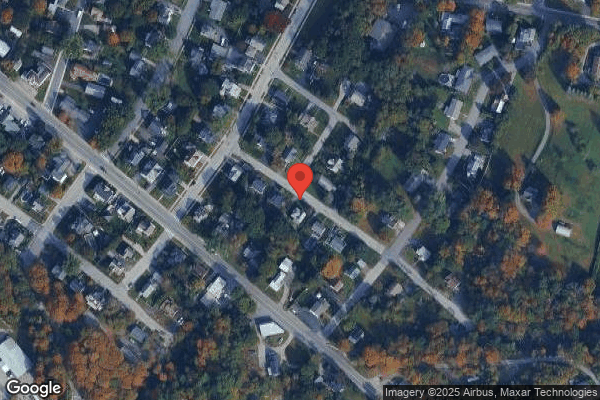
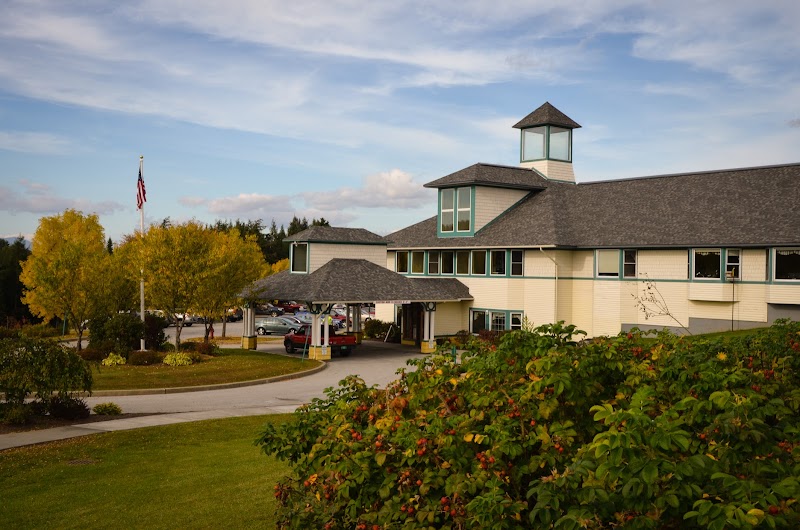
142 Woodridge Drive, Barre, VT 05641 (802) 371-4700
Non profit - Corporation 153 Beds UNIVERSITY OF VERMONT HEALTH NETWORK Data: November 2025
Trust Grade
35/100
#26 of 33 in VT
Last Inspection: November 2024

Within standard 12-15 month inspection cycle. Federal law requires annual inspections.

Overview

Woodridge Nursing Home has received an F grade for its trust score, indicating significant concerns about its operations and care quality. Ranked #26 out of 33 facilities in Vermont, it is in the bottom half of state options and #3 out of 3 in Washington County, meaning there are only two other local facilities that rank higher. While the facility is showing an improving trend, with issues decreasing from 10 in 2024 to 4 in 2025, there are still serious concerns, including a finding that a resident suffered physical harm due to inadequate protection from abuse by another resident. Staffing appears to be a strength, with a 4 out of 5-star rating and a turnover rate of 55%, which is below the state average. However, there were incidents of medication errors and failure to conduct background checks for some staff, raising questions about oversight and safety. Overall, families should weigh both the improvements in staffing and the concerning findings when considering Woodridge Nursing Home.

Trust Score
F
35/100
In Vermont
#26/33
Bottom 22%
Safety Record
High Risk
Review needed
Inspections
Getting Better
10 → 4 violations
Staff Stability
⚠ Watch
55% turnover. Above average. Higher turnover means staff may not know residents' routines.
Penalties
✓ Good
No fines on record. Clean compliance history, better than most Vermont facilities.
Skilled Nurses
✓ Good
Each resident gets 76 minutes of Registered Nurse (RN) attention daily — more than 97% of Vermont nursing homes. RNs are the most trained staff who catch health problems before they become serious.
Violations
⚠ Watch
20 deficiencies on record. Higher than average. Multiple issues found across inspections.
★★☆☆☆
2.0
Overall Rating
★★★★☆
4.0
Staff Levels
★★☆☆☆
2.0
Care Quality
★★☆☆☆
2.0
Inspection Score
Stable
2024: 10 issues
2025: 4 issues

The Good

  • 4-Star Staffing Rating · Above-average nurse staffing levels
  • Full Sprinkler Coverage · Fire safety systems throughout facility
  • No fines on record

Facility shows strength in staffing levels, fire safety.

The Bad

2-Star Overall Rating

Below Vermont average (2.8)

Below average - review inspection findings carefully

Staff Turnover: 55%

Near Vermont avg (46%)

Higher turnover may affect care consistency

Chain: UNIVERSITY OF VERMONT HEALTH NETWOR

Part of a multi-facility chain

Ask about local staffing decisions and management

The Ugly 20 deficiencies on record

1 actual harm
Sept 2025 1 deficiency 1 Harm
SERIOUS (G) 📢 Someone Reported This

A family member, employee, or ombudsman was alarmed enough to file a formal complaint

Actual Harm - a resident was hurt due to facility failures

Free from Abuse/Neglect (Tag F0600)

A resident was harmed · This affected 1 resident

Based on observations, interviews, and record review, the facility failed to protect the resident's right to be free from physical abuse by another resident, as a result, 1 of 3 sampled residents (Res...

Read full inspector narrative →
Based on observations, interviews, and record review, the facility failed to protect the resident's right to be free from physical abuse by another resident, as a result, 1 of 3 sampled residents (Resident #1) suffered physical harm. Findings include:Per record review, Resident #1's diagnoses include frontotemporal neurocognitive disorder. Per review of Minimum Date Set (MDS; a standardized tool used to evaluate residents' needs and improve care planning) dated 8/4/25, Resident #1 has a BIMS (Brief Interview for Mental Status) of 11, suggesting moderate cognitive impairment. Per record review, Resident #2's diagnoses include unspecified symptoms and signs involving cognitive function and awareness, major depressive disorder, unspecified dementia, and restlessness and agitation. A review of the medical record reveals a BIMS of 14, suggesting Resident #2 is cognitively intact. A review of Resident #2's Care Plan dated 6/27/25 reveals Disturbed thought process related to degenerative brain changes as evidenced by confusion, memory loss, and disorientation. with agitation and anxiety. The interventions include observing for mood changes or agitation, identifying triggers for escalation, and minimizing them.Record review reveals that Resident #2 has a history of behaviors. Per a progress note dated 5/10/25, it states that Resident #2 was observed physically pushing a Licensed Nursing Assistant (LNA) backward into the door when she attempted to redirect him/her away from an exit. Later that same day, Resident #2 was observed trying to open a door when an LNA attempted to redirect him/her. Resident #2 shoved the LNA and kicked him in the leg. A progress note dated 8/22/25 states that nursing staff observed Resident #2 pushing a resident with both hands on their shoulders.Per review of a facility incident report dated 9/22/25, Resident #1 was assaulted by his/her roommate, Resident #2, on 9/21/25, and sustained bruising and swelling to the right eye, right cheek, and lip, and an abrasion to the lower lip. Per a progress note dated 9/21/25, a Licensed Nursing Assistant (LNA) reported answering an emergency call light, finding Resident #1 with visible abrasions, blood on the neck and right side of the face, ear, forehead, and lip. The resident indicated that his/her roommate had punched him/her. Review of a progress note dated 9/21/25 states that Resident#1 was observed to have several facial scratches and bruising on his/her face and reported general discomfort. A progress note dated 9/21/25 indicates that Resident #1 rated his/her pain as 4/10, with emphasis on the face where s/he was hit. A progress note dated 9/21/25 reveals Resident #1 to have Right eye, right cheek, right ear, and right lip bruising, mild, abrasion to lower lip. Bruising on the top rear portion of [his/her] head and left wrist.On 9/23/25 at 12:52 PM, per an interview with Resident #1, s/he stated s/he was assaulted by Resident #2. S/he indicated that s/he asked his/her roommate to turn off the TV as it was getting late. Then Resident #2 called him/her some names, swore at him/her and then proceeded to punch him/her in the face at least three times. S/he stated s/he managed to lock him/herself in the bathroom and use the emergency light for help. Per observation, Resident #2 had evident bruising and swelling of the right eye, and an abrasion to the lower lip, and said both his/her back and neck are sore from the assault. S/he stated s/he is using ice on the face and Tylenol for pain. S/he stated the assault scared him/her as it was unexpected.Per interview on 9/23/2025 at 4:12 PM with the Director of Nursing and the Administrator, it was confirmed that Resident #1 was not protected from physical abuse and had sustained injuries because of an assault by his/her roommate.
Jul 2025 3 deficiencies
CONCERN (D) 📢 Someone Reported This

A family member, employee, or ombudsman was alarmed enough to file a formal complaint

Potential for Harm - no one hurt, but risky conditions existed

Free from Abuse/Neglect (Tag F0600)

Could have caused harm · This affected 1 resident

Based on observation, interview and record review, the facility failed to protect the resident's right to be free from sexual abuse by a resident for 1 of 7 sampled residents (Resident #2). Findings i...

Read full inspector narrative →
Based on observation, interview and record review, the facility failed to protect the resident's right to be free from sexual abuse by a resident for 1 of 7 sampled residents (Resident #2). Findings include:Per record review of Resident #2's care plan dated 5/29/2025, Resident #2 is a quadriplegic, has cerebral palsy and decreased range of motion. Resident #2's care plan also mentions that the Resident requires a mechanical lift with assistance from two staff members to move. Resident #2's Brief Interview for Mental Status (a score assessing memory and cognitive function) is 14 out of 15 indicating that Resident #2 is cognitively intact.Resident #2 was observed on 7/23/2025 at 12:50 PM having difficulty repositioning himself in bed raising concern that Resident #2 wouldn't have been able to move away from Resident #1 who is able to mobilize in wheelchair independently per his/her care plan dated 6/25/2025.Per record review, an administration note dated 7/8/2025 states resident exhibiting concerning behavior several times this evening where staff observed [him/her] sitting in his/her wheelchair on [his/her] roommate's side of the room (next to roommate's bed) [Resident #2] and appearing to masturbate. Resident became angry with staff when [s/he] was taken out of roommate's space, and also angry when staff would not allow [him/er] to go back to that side of the room.A Social Workers progress note dated 7/9/2025 reports that Resident #2's roommate (Resident #1) was observed rummaging through [Resident #2's] personal belongings and then [s/he] was found sitting beside [Resident #2's] bed masturbating. SS [Social Services] was told that [Resident #2] was not feeling comfortable remaining in the room with [his/her] roommate. Resident #2 stated he/she felt very uncomfortable and scared.Per interview with Resident #2 on 7/23/2025 at 12:50 PM, they reported the incident made him/her uncomfortable when Resident #1 was next to his/her bed.Per record review, the facility abuse policy titled Prevention of Abuse reviewed on 11/18/2024 states that Instances of abuse of residents, irrespective of any mental or physical condition, cause physical harm, pain or mental anguish. It includes verbal abuse, sexual abuse, physical abuse and mental abuse.Per interview with the Director of Nursing (DON) and the Administrator on 7/23/2025 at 12:30 PM, the DON and the Administrator confirmed that Resident #1 was found next to their roommate, Resident #2, masturbating.
CONCERN (D) 📢 Someone Reported This

A family member, employee, or ombudsman was alarmed enough to file a formal complaint

Potential for Harm - no one hurt, but risky conditions existed

Report Alleged Abuse (Tag F0609)

Could have caused harm · This affected 1 resident

**NOTE- TERMS IN BRACKETS HAVE BEEN EDITED TO PROTECT CONFIDENTIALITY** Based on record review and interview, the facility failed to identify, investigate, and report to the State Survey Agency an inc...

Read full inspector narrative →
**NOTE- TERMS IN BRACKETS HAVE BEEN EDITED TO PROTECT CONFIDENTIALITY** Based on record review and interview, the facility failed to identify, investigate, and report to the State Survey Agency an incident of sexual abuse for 1 of 7 residents (Resident #2). Findings include:Per record review, the facility abuse policy titled Prevention of Abuse reviewed on 11/18/2024 states, [facility] will report any alleged patient abuse sexual abuse, mistreatment, neglect, or misappropriation of resident property to [NAME], APS, and the [NAME] Police Department whenever the facility has reasonable cause to believe that a resident experience abuse, mistreatment, neglect, or misappropriation of property.Per record review, a Social Workers progress note revealed that Resident #2 experienced forced observation of masturbation causing Resident #2 to feel very uncomfortable and scared A Social Workers progress note dated 7/9/2025 revealed that Resident #2's roommate (Resident #1) was observed rummaging through [Resident #2's] personal belongings and then he was found sitting beside [Resident #2's] bed masturbating. SS [Social Services] was told that [Resident #2] was not feeling comfortable remaining in the room with [his/her] roommate.Per interview with the Director of Nursing (DON) and Administrator on 7/23/2025 at 12:30PM, the DON and the Administrator confirmed that they were aware that Resident #1 was found next to their roommate, Resident #2, masturbating. The DON and Administrator also confirmed the facility did not identify the incident as sexual abuse and therefore it was not investigated or reported to the State Licensing Agency.
CONCERN (E) 📢 Someone Reported This

A family member, employee, or ombudsman was alarmed enough to file a formal complaint

Potential for Harm - no one hurt, but risky conditions existed

Abuse Prevention Policies (Tag F0607)

Could have caused harm · This affected multiple residents

**NOTE- TERMS IN BRACKETS HAVE BEEN EDITED TO PROTECT CONFIDENTIALITY** Based on interview and record review, the facility failed to implement national background checks on two out of five employees s...

Read full inspector narrative →
**NOTE- TERMS IN BRACKETS HAVE BEEN EDITED TO PROTECT CONFIDENTIALITY** Based on interview and record review, the facility failed to implement national background checks on two out of five employees sampled. Findings include: Per record review of five employees' personnel files, RN [Registered Nurse] #1 and LPN [Licensed Practical Nurse] #1 did not have national background checks in their employment file. RN#1 was hired in 8/13/12 and LPN#1 was hired on 8/25/14. RN#1 has worked at the facility for almost thirteen years without a background check. LPN#1 has worked at the facility for approximately 10 years without a national background check.Per record review of the facility's Prevention of Abuse policy [last reviewed 11/18/24] states, A. Before new employees are permitted to work with residents, [The facility]'s human resources shall conduct a comprehensive hiring process which will include in-depth interviewing practices and careful examination of references.B. [The facility] shall comply with CORI Law.C. [The facility]'s Human Resources will contact The [NAME] office of Professional Regulation Nurse and Nurse Aide registry, and any out-of-state nurse and nurse need registries as appropriate prior to hiring employees to determine if there is any sanction, findings or adjudicated finding of patient abuse, neglect, mistreatment or misappropriation of patient property against the prospective employee. D. The appropriate boards of licensure and or certification will be contacted regarding any past or pending abuse findings. The abuse policy does not discuss national background checks for all employees. Per review of licensing agency communications, a memo was sent out to nursing facilities on October 5, 2022, that states, 1. Prior to employing an individual and at least annually thereafter, a Facility must query the following entities regarding the prospective / current employee: .Agency providing a national criminal background check . To check whether the individual is barred from employment based on prior convictions in any state .2. Under [NAME] and federal laws and regulations, a Facility must decline to employ a prospective or current employee with: .Criminal convictions for the abuse/exploitation/neglect of a vulnerable adult or child in any state . In addition to the prohibitions mentioned above, [NAME] laws prohibit long-term care facilities from employing individuals with criminal convictions relating to bodily injury, theft or misuse of funds or property, and/or crimes inimical to the public welfare. A follow up memo was sent out to facilities on 5/1/2023 that further discusses initial national background checks and rechecks for staff: [NAME] [Department of Aging and Independent Living] has determined that re-checks are not necessary if a staff member has not worked or lived in another state since the initial national check was completed.Per interview with the DON [Director of Nursing] on 7/23/25 at 2:45 PM, it was confirmed that the facility did not have national background checks on file and would be contacting the main hospital for the records.A phone interview was conducted with the DON on 7/24/25 at 1:43 PM. The DON confirmed the facility did not perform national background checks on these two nursing staff members during their hiring, stating They are from [NAME], so we didn't do any national background checks. She stated that she was unaware of the memo sent out from CMS [Center for Medicare and Medicaid Services].
Dec 2024 1 deficiency
CONCERN (D) 📢 Someone Reported This

A family member, employee, or ombudsman was alarmed enough to file a formal complaint

Potential for Harm - no one hurt, but risky conditions existed

Resident Rights (Tag F0550)

Could have caused harm · This affected 1 resident

Based on record review and staff interview, the facility failed to ensure that 1 of 3 sampled residents (Resident #1) was treated with dignity and respect in relation to staff-to-resident interaction....

Read full inspector narrative →
Based on record review and staff interview, the facility failed to ensure that 1 of 3 sampled residents (Resident #1) was treated with dignity and respect in relation to staff-to-resident interaction. Findings include: Per record review, Resident #1 has resided at the facility since 2022 and has a diagnosis of dementia. Per review of a facility-reported incident reported to the State Survey Agency, a family member reported to the facility their concerns regarding the treatment of Resident #1 by a staff member. The family member indicated that Resident #1 was yelled at by Nurse #1, which caused Resident #1 to cry. The facility investigation revealed an interview with a family member dated 8/29/2024, which reads, I feel this nurse [Nurse#1] does not like [Resident #1] .S/he is rude and blunt. The facility's 5-day investigation report submitted to the State Agency contained statements from several staff members indicating that Nurse #1 had been overheard being loud and rude to Resident #1 and other residents more than once. The 5-day report substantiated the allegations that Nurse #1 did not treat Resident #1 with dignity and respect. On 12/4/2024 at approximately 3:00 PM during an interview with the Director of Nursing (DON), s/he indicated Nurse #1 was verbally instructed not to care for Resident #1 as a result of the investigation. Per the interview on 12/4/24 at approximately 3:00 PM, the Director of Nursing indicated Nurse #1 did not treat Resident #1 with respect and dignity. S/he agreed that the allegations that Nurse #1 acted in an undignified and disrespectful manner to Resident #1 were substantiated.
Nov 2024 7 deficiencies
CONCERN (D) 📢 Someone Reported This

A family member, employee, or ombudsman was alarmed enough to file a formal complaint

Potential for Harm - no one hurt, but risky conditions existed

Free from Abuse/Neglect (Tag F0600)

Could have caused harm · This affected 1 resident

Based on interview and record review, the facility failed to ensure two residents [Resident #73, and Resident #84] of three sampled residents remained free from physical abuse. Findings include: Per ...

Read full inspector narrative →
Based on interview and record review, the facility failed to ensure two residents [Resident #73, and Resident #84] of three sampled residents remained free from physical abuse. Findings include: Per record review of Resident #73's progress notes, on 4/1/24 at approximately 1:00 PM, Resident #25 entered Resident #73's room and struck Resident #73. Resident #73 pushed the emergency light in his/her room and staff intervened. Resident #73 had their vital signs taken and was assessed by nursing staff. Per record review of Resident #73's progress notes, the resident sustained scratches on the right side of his/her neck and right elbow and was shaken by the incident. An interview was conducted on 11/6/24 at 2:07 PM with LNA#1, who was the caregiver during the incident. LNA #1 stated the emergency light went off in Resident #73's room. LNA #1 ran down the hall and found Resident #25 at doorway of Resident #73's room. S/he was attempting to push through, and the two residents began fighting. Per record review of Resident #25's care plan, there are no updated interventions after the incident to discuss how to prevent further physical altercations with other residents or staff. An interview was conducted with the DON [Director of Nursing] on 11/6/24 at 3:59 PM. The DON [Director of Nursing] substantiated the incident and confirmed that Resident #73 was not free from abuse. The DON confirmed that Resident #25's care plan was not updated with any additional interventions following the incident with Resident #73. 2. Per Nursing note dated on 8/19/2024, Resident #21 punched Resident #84 in the upper arm. Resident #21 then began using profanity toward Resident #84. Per Resident #84 medical record and care plan initiated on 5/26/2024 S/he is at risk for inappropriate interactions with other residents related to his/ her impaired cognition and history of resident to resident altercation on 4/21/2022. Resident #84 has the following Intervention dated 5/21/2021 Anticipate and meet The resident needs. Per observation of Resident #84 in the common area on 11/05/24 at 03:25 PM, this writer observed Resident #21 sit down next to Resident #84 and reached over and placed his/her hand on Resident #84's arm. Per observation there was no staff redirection. Staff did not attempt to separate the two residents or place in different areas of the room. Per record review of Resident # 84 care plan there is no evidence of revision after the altercation on 8/19/2024 or education to staff related to the past actual and risk of further altercation between Resident # 84 and Resident # 21. Per interview with the LNA on 11/5/2024 at 3:30 PM stated S/he is not aware of any interventions to maintain distance or observe the two residents when in the common areas together. Per Interview of the Unit Manager on 11/5/2024 at 3:45 PM confirmed that there are no interventions to maintain distance between the two residents and that it would be difficult to separate them in the common area. UM confirmed that both residents have been involved in other resident to resident altercations and are at risk. Per interview with the Administrator On 11/11/06/24 at 5:00 PM S/he stated that the incident did occur between Resident #21 and Resident #84 and confirmed that Resident #84 was not free from abuse while at the facility.
CONCERN (D)

Potential for Harm - no one hurt, but risky conditions existed

Comprehensive Care Plan (Tag F0656)

Could have caused harm · This affected 1 resident

Based on interview and record review the facility failed to revise a Resident's care plan to include interventions needed to prevent pressure injury for 1 out of 5 residents in the sample (Resident # ...

Read full inspector narrative →
Based on interview and record review the facility failed to revise a Resident's care plan to include interventions needed to prevent pressure injury for 1 out of 5 residents in the sample (Resident # 47) who was identified as a high risk for pressure injury. Findings include: Per record review Emergency Department notes dated 1/19/2024 Resident #47 fell and sustained a fractured right hip on 1/19/2024. S/He was treated for pain at the hospital then returned to facility for comfort focused care Per the MDS [Minimum Data Set - a comprehensive resident assessment tool] dated 1/30/2024, the Resident was identified as a high risk for pressure injury. The MDS Coordinator documented the following assessment [Resident #47] has no PI [pressure injury] at this time. Braden score of 14 [per facility definition the Braden Scale is a validated pressure injury risk assessment tool used by RNs (Registered Nurse) and LPNs (Licensed Practical Nurse) to assign a level of pressure injury risk to trigger appropriate interventions for pressure injury prevention]. [S/he] is at high risk for skin integ [integrity] due to her spell of illness, decreased mobility, and reliant on staff for repositioning . Per Resident #47 care plan dated 8/4/2023 'Resident is dependent for bed mobility. [S/He] requires assist of x2 to roll in bed . Per facility policy titled Woodridge Wound Care Protocol last reviewed 1/16/2024 the following interventions should be in place for those who are identified at risk for pressure injuries: -Turning, Positioning -Re-position/turn in bed at least every two hours, more often as needed; avoid positioning directly on pressure areas. -After positioning, place a hand underneath the sacrum to determine if the sacrum offloaded. -Heel elevation -Elevate heels off all surfaces by placing pillows lengthwise under calves to Achilles tendon, using heel bolster. A nursing assessment skin check dated 2/20/2024, reveals that Resident #47 was identified to have pressure injury in the form of a deep tissue injury (DTI) to his/her sacrum. According to the National Institute of Medicine (2015) a deep tissue injury (DTI) is a form of pressure injury that is deep purple or maroon in color, the area of skin may be intact skin or have a blood?filled blister due to damage of underlying soft tissue from pressure and/or shear. There is no evidence that the facility updated the care plan at that time or implemented frequent repositioning or offloading the sacrum. There were also no interventions to elevate the heels with pillows or heel bolsters to prevent pressure injury to the Resident #47's heels. There is no evidence of new interventions after actual pressure injury occurred on 2/20/2024, until 7/18/2024. Per nursing assessment skin check dated on 7/18/2024, Resident #47 was identified to have a second DTI to the right heel. Per physician orders dated 7/18/2024 Nursing order PI [pressure injury] prevention and bilateral black booties when in bed. LNA (Licensed Nursing Assistant) task documentation record and Resident #47's care plan reveals that the intervention to apply heel off-loading device was not initiated until 7/18/2024 again after the pressure injury developed. Per care plan the intervention to turn and reposition was not added until 8/7/2024, six months after the pressure injury occurred. Per review of Resident #47's care plan dated 8/14/2023, reveals the following focus At risk for further alteration in skin integrity/PI [related to/history] of pressure injury to the sacrum, [history] of pressure injury to (r) heel. Decreased mobility, requiring staff assistance with transfers and repositioning, weakness, poor PO intake and bowel /bladder incontinence . Interventions dated 1/23/24 include pressure reducing mattress and wheelchair cushion. There were no new interventions related to pressure injury prevention after the MDS that was completed on 1/30/2024 which identified Resident #47 as high risk for pressure injury. Per interview of the Unit Manager (UM) on 11/6/2024 at approximately 10:00 AM s/he confirmed that there was no documented evidence that Resident #47's care plan was updated to include the prevention measures stated in the facility policy related to specific sacral and heel pressure injury prevention. There was also no documented evidence that these interventions were implemented prior to 7/18/2024.
CONCERN (D)

Potential for Harm - no one hurt, but risky conditions existed

Pressure Ulcer Prevention (Tag F0686)

Could have caused harm · This affected 1 resident

**NOTE- TERMS IN BRACKETS HAVE BEEN EDITED TO PROTECT CONFIDENTIALITY** Based on interview and record review, the facility failed to prevent pressure injuries caused by deep tissue injury (DTI) (A for...

Read full inspector narrative →
**NOTE- TERMS IN BRACKETS HAVE BEEN EDITED TO PROTECT CONFIDENTIALITY** Based on interview and record review, the facility failed to prevent pressure injuries caused by deep tissue injury (DTI) (A form of pressure injury that is purple or maroon localized area of discolored intact skin or blood-filled blister due to damage of underlying soft tissue from pressure and/or shear. The area may be preceded by tissue that is painful, firm, mushy, boggy, warmer or cooler as compared to adjacent tissue) by failing to implement preventative measures per facility policy and professional standards, for one of 5 Residents in the sample, (Resident #47). Findings include: Per record review an Emergency Department note dated 1/19/2024 reveals that Resident #47 fell on 1/19/2024 and sustained a fractured hip. S/He was treated for pain at the hospital then returned to facility for comfort focused care on 1/24/2024. On 1/23/24 Resident #47's care plan was updated with the following intervention: pressure reducing mattress and wheelchair cushion. Per the MDS [Minimum Data Set - a comprehensive resident assessment tool] dated 1/30/2024, the Resident was identified as a high risk for pressure injury. The MDS Coordinator documented the following assessment [Resident #47] has no PI [pressure injury] at this time. Braden score of 14 [per facility definition the Braden Scale is a validated pressure injury risk assessment tool used by RNs (Registered Nurse) and LPNs (Licensed Practical Nurse) to assign a level of pressure injury risk to trigger appropriate interventions for pressure injury prevention]. [S/he] is at high risk for skin integ [integrity] due to her spell of illness, decreased mobility, and reliant on staff for repositioning . A nursing assessment skin check dated 2/20/2024 states that Resident #47 was identified to have a pressure injury in the form of a deep tissue injury (DTI) to his/her sacrum. There is no evidence that the facility updated the care plan at that time, and no evidence of any further interventions to treat the new DTI or prevent further skin breakdown. Per nursing assessment skin check dated 7/18/2024, Resident #47 was identified to have a second DTI to the right heel. Per physician orders dated 7/18/2024, Nursing order PI [pressure injury] prevention and bilateral black booties when in bed. According to the LNA task documentation record and Resident #47's care plan the intervention to apply heel off-loading device was not initiated until 7/18/2024 after the pressure injury developed. Per facility policy titled Woodridge Wound Care Protocol [last reviewed 1/16/2024] the following interventions should have been implemented on 1/30/24 to prevent pressure injury for Resident #47 when identified by the MDS as high risk for pressure injury: Turning, Positioning Re-position/turn in bed at least every two hours, more often as needed; avoid positioning directly on pressure areas. After positioning, place a hand underneath the sacrum to determine if the sacrum offloaded. Heel elevation -elevate heels off all surfaces by placing pillows lengthwise under calves to Achilles tendon, using heel bolster. Lift heels while moving to prevent skin shear. Apply foam dressings to fragile areas for high-risk patients and inspect under dressing daily. Per Resident #47's care plan dated 8/4/2023, Resident is dependent for bed mobility. [S/He] requires assist of x2 [times two] to roll in bed . Per Resident #47's care plan the intervention to apply heel off-loading device was not initiated until 7/18/2024 after the pressure injury developed. Care plan interventions to turn and reposition the Resident were not added until 8/7/2024, six months after the pressure injury occurred. During an interview with the Unit Manager (UM) on 11/6/2024 at approximately 10:00 AM s/he confirmed that there was no documented evidence that any of the above interventions were implemented prior to 7/18/2024 after the pressure injuries developed. Per interview on 11/6/2024 at approximately 5:30 PM the Director of Nursing confirmed that there was no documented evidence that turning and repositioning or heel protection/elevation was implemented until after Resident #47 developed the pressure injuries to her/his sacrum and right heel. The Director of Nursing confirmed that the facility did not follow all their policy to prevent pressure injury for Resident #47. References Black JM, [NAME] CT, [NAME] JS. Differential diagnosis of suspected deep tissue injury. Int Wound J. 2016 Aug;13(4):531-9. doi: 10.1111/iwj.12471. Epub 2015 Jun 30. PMID: 26123043; PMCID: PMC7950046.
CONCERN (D)

Potential for Harm - no one hurt, but risky conditions existed

Deficiency F0699 (Tag F0699)

Could have caused harm · This affected 1 resident

Based on staff interview and record review, the facility failed to ensure that residents who are trauma survivors receive trauma informed care that mitigates triggers that may re-traumatize residents ...

Read full inspector narrative →
Based on staff interview and record review, the facility failed to ensure that residents who are trauma survivors receive trauma informed care that mitigates triggers that may re-traumatize residents for 2 of 4 residents (Resident #10 and #71). Findings Include: 1. Per interview on 11/6/24 at approximately 2:00 PM, Resident #10 stated that s/he has had bad experiences in his/her past that get brought up when other residents say sexual things. Per record review, Resident #10's care plan reads, The resident has a psychosocial wellbeing problem r/t [related to] trauma of children molested by [spouse]. No triggers recorded ., revised 6/18/24, and Resident is at risk for re-traumatization R/T history of past life trauma ., revised on 9/17/2024. Resident #10's care plan does not include any identified triggers. Facility policy titled Trauma Informed Care, last reviewed on 7/18/23 reads, Woodridge will identify triggers which may re-traumatize residents with a history of trauma. Trigger-specific interventions will identify ways to decrease the resident's exposure to triggers which re-traumatize the resident, as well as identify ways to mitigate or decrease the effect of the trigger on the resident, and will be added to the residents care plan. Per interview on 11/06/24 at 1:42 PM with a Social Service Staff, s/he confirmed that Resident #10 does not have triggers identified in his/her care plan about her trauma. At 4:16 PM, the Social Service Staff explained that just looking at specific residents is a trigger for Resident #10. 2. Per record review, Resident #71's care plan reads, Resident is at risk for re-traumatization [related to] history of Natural and human caused disasters, Accidents, War, Physical and emotional abuse. [Resident #71] voiced [s/he] was hit with a German beer bottle and in lots of fights when [s/he] was in the Army due to [his/her] size, revised 5/23/24. Interventions include Respond to resident identified triggers that prompt anxiety or symptoms and modify care/environment as needed, initiated on 5/13/2024, and Social services to initiate referral as appropriate to manage triggers, initiated on 5/13/2024. Resident #71's care plan does not include any identified triggers. Per interview on 11/6/24 at 9:36 AM, a Social Service Staff confirmed that Resident #71 does not have identified triggers in their care plan and a referral for therapy support has not been put in.
CONCERN (D)

Potential for Harm - no one hurt, but risky conditions existed

Drug Regimen Review (Tag F0756)

Could have caused harm · This affected 1 resident

Based on interview and record review, the facility failed to ensure that monthly pharmacist drug regimen reviews, recommendations, and attending physician responses are completed and documented in the...

Read full inspector narrative →
Based on interview and record review, the facility failed to ensure that monthly pharmacist drug regimen reviews, recommendations, and attending physician responses are completed and documented in the resident record for 1 of 5 sampled residents (Resident #71). Findings include: Per record review, Resident #71 has had multiple physician orders over the past year for the antipsychotic quetiapine. A pharmacist's medication regime review for Resident #71 in February 2024 recommends the following: Per the November 2017 Medicare MEGA Rule regulations, PRN [as needed] Antipsychotic orders can only be for 14 days. If order is to be continued, it needs to be reassessed every 14 days and clinical rationale documented every 14 days. Resident has the following order: Quetiapine 12.5 mg [by mouth every 12 hours] prn agitation May we clarify this order to: Quetiapine 12.5 mg [by mouth every 12 hours] prn agitation x 14 days Please document rationale for continuing this order. The pharmacist's medication regime review recommends changing the physician order for PRN Quetiapine to have a duration of 14 days in March, May, June, and July 2024. There is no evidence in Resident #71's medical record that the attending physician reviewed and acted upon pharmacist's recommendations for the five months above. Per interview on 11/06/24 at 1:46 PM, the Clinical Nurse Coordinator confirmed that there was no evidence that a physician reviewed and took action for the pharmacy recommendations made in February, March, May, June, and July 2024 for Resident #71.
MINOR (C) 📢 Someone Reported This

A family member, employee, or ombudsman was alarmed enough to file a formal complaint

Minor Issue - procedural, no safety impact

Abuse Prevention Policies (Tag F0607)

Minor procedural issue · This affected most or all residents

Based on facility policy review and staff interview, the facility failed to develop written policies and procedures that include all the required regulatory topics related to screening, training, prev...

Read full inspector narrative →
Based on facility policy review and staff interview, the facility failed to develop written policies and procedures that include all the required regulatory topics related to screening, training, prevention, and identification. Findings include: Per review of facility policy titled, Preventing, Reporting, and Investigating Resident Abuse, Mistreatment, Exploitation and Neglect, published on 3/14/24, the following required components are missing: Screening, -screening potential employees for a history of abuse, neglect, exploitation, or misappropriation of resident property in order to prohibit abuse, neglect, and exploitation of resident property; and -screening prospective residents to determine whether the facility has the capability and capacity to provide the necessary care and services for each resident admitted to the facility Training -training new and existing nursing home staff and in-service training for nurse aides in the following topics which include: o Prohibiting and preventing all forms of abuse, neglect, misappropriation of resident property, and exploitation; o Identifying what constitutes abuse, neglect, exploitation, and misappropriation of resident property; o Recognizing signs of abuse, neglect, exploitation and misappropriation of resident property, such as physical or psychosocial indicators; o Reporting abuse, neglect, exploitation, and misappropriation of resident property, including injuries of unknown sources, and to whom and when staff and others must report their knowledge related to any alleged violation without fear of reprisal; and o Understanding behavioral symptoms of residents that may increase the risk of abuse and neglect and how to respond. Prevention -prevent and prohibit all types of abuse, neglect, misappropriation of resident property, and exploitation that achieves (but is not limited to): o Establishing a safe environment that supports, to the extent possible, a resident's consensual sexual relationship and by establishing policies and protocols for preventing sexual abuse, such as the identify when, how, and by whom determinations of capacity to consent to a sexual contact will be made and where this documentation will be recorded; and the resident's right to establish a relationship with another individual, which may include the development of or the presence of an ongoing sexually intimate relationship; o Identifying, correcting and intervening in situations in which abuse, neglect, exploitation, and/or misappropriation of resident property is more likely to occur. This includes the implementation of policies that address the deployment of trained and qualified, registered, licensed, and certified staff on each shift in sufficient numbers to meet the needs of the residents, and assure that the staff assigned have knowledge of the individual residents' care needs and behavioral symptoms, if any (see also F727 related to proficiency of nurse aides); o Assuring that residents are free from neglect by having the structures and processes to provide needed care and services to all residents, which includes, but is not limited to, the provision of a facility assessment to determine what resources are necessary to care for its residents competently; o The identification, ongoing assessment, care planning for appropriate interventions, and monitoring of residents with needs and behaviors which might lead to conflict or neglect, such as: Verbally aggressive behavior, such as screaming, cursing, bossing around/demanding, insulting to race or ethnic group, intimidating; Physically aggressive behavior, such as hitting, kicking, grabbing, scratching, pushing/shoving, biting, spitting, threatening gestures, throwing objects; Sexually aggressive behavior such as saying sexual things, inappropriate touching/grabbing; Taking, touching, or rummaging through other's property; Wandering into other's rooms/space; Residents with a history of self-injurious behaviors; Residents with communication disorders or who speak a different language; and Residents that require extensive nursing care and/or are totally dependent on staff for the provision of care. o Ensuring the health and safety of each resident with regard to visitors such as family members or resident representatives, friends, or other individuals subject to the resident's right to deny or withdraw consent at any time and to reasonable clinical and safety restrictions; o Providing residents and representatives, information on how and to whom they may report concerns, incidents and grievances without the fear of retribution; and providing feedback regarding the concerns that have been expressed. (See F585 for further information regarding grievances). Identification -Identifying the different types of abuse- mental/verbal abuse, sexual abuse, physical abuse, and the deprivation by an individual of goods and services. The request for additional abuse policies and procedures was made to the Director of Nursing on 11/5/24. Per interview on 11/6/24 at 3:52 PM, the Director of Nursing confirmed that there were no additional policies or procedures related to abuse and the above topics.
MINOR (C) 📢 Someone Reported This

A family member, employee, or ombudsman was alarmed enough to file a formal complaint

Minor Issue - procedural, no safety impact

Deficiency F0943 (Tag F0943)

Minor procedural issue · This affected most or all residents

Based on interviews and record review, the facility failed to develop and implement an effective abuse, neglect, exploitation, misappropriation of resident property, and dementia management training p...

Read full inspector narrative →
Based on interviews and record review, the facility failed to develop and implement an effective abuse, neglect, exploitation, misappropriation of resident property, and dementia management training program for all staff. Findings include: A review of all educational materials used to train staff on abuse, neglect, exploitation, misappropriation of resident property, and dementia management was reviewed while investigating allegations of abuse. The materials provided included a power point titled Preventing & Reporting Resident Abuse, Misappropriation, Exploitation, and Neglect (AMEN) and another power point titled Abuse and Neglect. These training materials do not include: - Recognizing signs of abuse, neglect, exploitation and misappropriation of resident property, such as physical or psychosocial indicators; - Understanding behavioral symptoms of residents that may increase the risk of abuse and neglect and how to respond. While the training does include definitions of abuse, neglect, exploitation, and misappropriation of resident property, the training materials do not include: - Identifying behavior constituting abuse (including sexual, physical, and mental abuse), neglect, exploitation, and misappropriation of resident property. Per interview on 11/5/24 at 10:32 AM, the Nurse Educator confirmed that the materials reviewed were in totality and had no additional educational materials that would include the above topics.
Mar 2024 2 deficiencies
CONCERN (D) 📢 Someone Reported This

A family member, employee, or ombudsman was alarmed enough to file a formal complaint

Potential for Harm - no one hurt, but risky conditions existed

Deficiency F0658 (Tag F0658)

Could have caused harm · This affected 1 resident

**NOTE- TERMS IN BRACKETS HAVE BEEN EDITED TO PROTECT CONFIDENTIALITY** Based on staff interview and record review, the facility failed to ensure that residents received services according to professi...

Read full inspector narrative →
**NOTE- TERMS IN BRACKETS HAVE BEEN EDITED TO PROTECT CONFIDENTIALITY** Based on staff interview and record review, the facility failed to ensure that residents received services according to professional standards of quality with regard to following wound care orders/documentation for one of three sampled residents (Resident #1). Findings include: Per order review, a wound care order was placed on 2/24/2024 to start at 7:00 AM that day that reads, Right heel fissure. Daily wound care or PRN (as needed) if it becomes soiled or dislodged. Remove dressings, cleanse well with wound cleanser, dab dry with gauze. Betadine to affected area. Place Maxorb II onto affected area, cover with ABD pad. Wrap with gauze and ACE wrap. Per review of Resident #1's TAR (treatment administration record), the wound dressing is marked as having been changed by LPN #1 on 2/24/24 and 2/25/24 despite LPN #1 confirming that they did not change the dressing on either day. Based on a review of the facility's self-report investigation records, the facility substantiated the allegation that Resident #1's wound dressings were not done on 2/24/2024 and 2/25/2024. On 2/26/2024 at approximately 1:00 PM, Wound Nurse #1 reported to the Nurse Manager that Resident #1 had a left heel dressing that was dated 2/23/24, despite having orders for a wound dressing every day. Per an email statement sent on 2/28/24 to the facility, LPN #1 (licensed nurse practitioner) wrote, On the last weekend on the 24th and 25th I was the nurse on hall 3. The Resident [Resident #1] had a treatment that was to be done on days. I had intentions of doing the treatment, I even looked at the dressing, but forgot to go back and perform the treatment. I had all intentions of doing this treatment as I did everyone else's treatments. Per review of staff education records, LPN #1 was given education regarding falsifying documentation by the Unit Manager on 2/29/24, as well as the 5 rights of medication/treatment administration. [NAME], MSN, ANP-BC, ed. 2019. Lippincott Manual of Nursing Practice - 11th Ed. Philadelphia, PA. [NAME] & [NAME].
CONCERN (D) 📢 Someone Reported This

A family member, employee, or ombudsman was alarmed enough to file a formal complaint

Potential for Harm - no one hurt, but risky conditions existed

Quality of Care (Tag F0684)

Could have caused harm · This affected 1 resident

Based on staff interview and record review, the facility failed to ensure that residents receive treatment and care for wounds according to professional standards of care and the comprehensive care pl...

Read full inspector narrative →
Based on staff interview and record review, the facility failed to ensure that residents receive treatment and care for wounds according to professional standards of care and the comprehensive care plan for one of three sampled residents (Resident #1). Findings include: Based on a review of the facility's self-report investigation records, the facility substantiated the allegation that Resident #1's wound dressings were not done on 2/24/2024 and 2/25/2024. On 2/26/2024 at approximately 1:00 PM, Wound Nurse #1 reported to the Nurse Manager that Resident #1 had a left heel dressing that was dated 2/23/24, despite having orders for a wound dressing every day. Per an email statement sent on 2/28/24 to the facility, LPN #1 (licensed nurse practitioner) wrote, On the last weekend on the 24th and 25th I was the nurse on hall 3. The Resident [Resident #1] had a treatment that was to be done on days. I had intentions of doing the treatment, I even looked at the dressing, but forgot to go back and perform the treatment. I had all intentions of doing this treatment as I did everyone else's treatments. Per record review, Resident #1 was discovered to have left heel pain that was boggy on palpation. A wound care consult was placed, and the wound care team began to follow Resident #1. Orders for left heal wound care were placed. Per Skin and Wound evaluations documented on 1/16/2024, 1/29/2024, and 2/7/2024, Resident #1's right heel wound was marked as deteriorating 3 weeks in a row. There were no Skin and Wound evaluations documented on Resident #1 again until 2/26/24. This Skin and Wound evaluation also marked the wound as deteriorating. Per order review, a wound care order was placed on 2/24/2024 to start at 7:00 AM that day that reads, Right heel fissure. Daily wound care or PRN (as needed) if it becomes soiled or dislodged. Remove dressings, cleanse well with wound cleanser, dab dry with gauze. Betadine to affected area. Place Maxorb II onto affected area, cover with ABD pad. Wrap with gauze and ACE wrap. Per review of Resident #1's TAR (treatment administration record), the wound dressing is marked as having been changed by LPN #1 on 2/24/24 and 2/25/24 despite admission by LPN #1 that they did not perform this dressing change. Per review of the facility's Wound Care policy, the section titled Documentation of Skin Impairment/Wounds reads: The following will be assessed and documented weekly in the Wound Progress Note by RN/LPN for residents with a skin impairment: 1. Location . 2. Description of Wound Bed . 3. Surrounding skin condition . 4. Drainage color and quantity . 5. Presence of Odor . 6. Interventions in place . 7. Prescence of Tunneling/Underminding . 8. Wound measurements . 9. Type . 10. Referrals pertaining to wound care . Per interview on 3/7/2024 at approximately 11:00 AM, Wound Nurse #2 confirmed that the Wound Care Team did not document weekly wound assessments as required for Resident #1 for two weeks between 2/7/2024 and 2/26/2024. Per interview on 3/7/2024 at approximately 2:00 PM, the Administrator confirmed that LPN #1 confirmed that they had not changed Resident #1's dressing as ordered on 2/24/2024 and 2/25/2024.
Oct 2023 1 deficiency
CONCERN (D) 📢 Someone Reported This

A family member, employee, or ombudsman was alarmed enough to file a formal complaint

Potential for Harm - no one hurt, but risky conditions existed

Report Alleged Abuse (Tag F0609)

Could have caused harm · This affected 1 resident

Based on resident interview, staff interview, and record review, the facility failed to ensure that allegations involving abuse are reported no later than 2 hours to the Administrator of the facility ...

Read full inspector narrative →
Based on resident interview, staff interview, and record review, the facility failed to ensure that allegations involving abuse are reported no later than 2 hours to the Administrator of the facility and the State Survey Agency for Resident #1. Findings include: 1. Per interview on 10/25/23 at approximately 2:00 PM, Resident #1 stated that they have issues with a few LNAs (licensed nursing assistants) who provide them with personal care. Resident #1 stated that they frequently report concerns to the facility's LES (Life Enrichment Specialist) and that these concerns have included allegations of rough treatment and threatening statements. Per interview on 10/25/23 at approximately 2:30 PM, the LES stated that they speak with Resident #1 frequently about their concerns, and that one of the concerns shared with the LES includes an allegation that 2 LNAs threatened to refuse to provide care for Resident #1. The LES does not remember exactly when this allegation was made, but it was at least several weeks prior, if not more. The LES confirmed that they had not alerted the Administrator to these allegations because the LES was doubtful that this allegation was true, and they could not prove that it occurred. Per interview on 10/25/23 at approximately 3:30 PM, the LES again confirmed that they had not made the Administrator aware of the LNAs' alleged threats to refuse to provide care to Resident #1. The Director of Nursing and the Social Worker both confirmed at this time that they were never made aware of this allegation either, and that the Administrator delegates investigation of all allegations to them. 2. Per interview on 10/25/23 at approximately 2:00 PM, Resident #1 stated that recently an LNA said to them, If something bothers you, you can bet that I'm going to keep doing it to you. Resident #1 had not reported this to anyone at the facility as of this interview. At approximately 3:00 PM on 10/25/23, this surveyor made the Director of Nursing aware of the allegations that Resident #1 had shared. Per review of the State Survey Agency intake records, the facility had not reported the allegation of abuse as of 11:30 AM on 10/26/23. Per phone interview on 10/26/23 at 11:45 AM, the Director of Nursing confirmed that they had not reported the allegation to the State Survey Agency yet because they believed that they had 24 hours from the time of discovery to make the report.
Aug 2023 2 deficiencies
CONCERN (D)

Potential for Harm - no one hurt, but risky conditions existed

Deficiency F0697 (Tag F0697)

Could have caused harm · This affected 1 resident

**NOTE- TERMS IN BRACKETS HAVE BEEN EDITED TO PROTECT CONFIDENTIALITY** Based upon interview and record review, the facility failed to ensure that residents received the treatment and care in accordan...

Read full inspector narrative →
**NOTE- TERMS IN BRACKETS HAVE BEEN EDITED TO PROTECT CONFIDENTIALITY** Based upon interview and record review, the facility failed to ensure that residents received the treatment and care in accordance with professional standards of practice and the comprehensive care plan related to pain management for 1 resident [Res.#67] of 31 sampled residents. Findings include: Review of Res.#67's medical record reveals the resident was admitted to the facility on [DATE] with diagnoses that included Chronic Pain and Chronic Gout, and whose Care Plan identified the resident as having pain related to chronic lower back pain and age-related osteoporosis, osteoarthritis, gout, and Peripheral Vascular Disease. Review of Physician Orders for Res.#67 include CBD Oil Drops- Give 10 drops sublingually two times a day for chronic pain [CBD oil (Cannabidiol) is derived from the cannabis plant and prescribed to provide a reduction of inflammation and pain relief]. Per interview with Res.#67 on 8/23/23 at 9:22 AM the ordered CBD oil helps with a whole bunch of things, including pain. An interview was conducted with Director of Nursing [DON] on 8/22/23 at 3:58 PM. The DON stated that the facility's procedure regarding missing or unavailable medications included notifying the resident's Physician that the medication was not being administered as ordered and receive instructions from the Physician as to how to proceed. The DON reported that Physician notification would be documented in the resident's Progress Notes. Per review of Res.#67's Medication Administration Record [MAR] for August 2023, the resident was scheduled to receive the CBD drops twice a day, at 8 AM and 8 PM. Between 8/1 and 8/19, the medication on the MAR is marked with the Chart Code '9', which reads 9 = Other / See Progress Notes on 18 of 19 days. Review of Progress notes for Res.#67 between 8/1 and 8/19 include multiple notations that the medication as Not given, unavailable, waiting for delivery or waiting for family to supply. Further review of the Progress Notes reveals no documentation that Res.#67's Physician was ever notified that the CBD drops to be given twice a day for chronic pain were not administered as ordered on 18 of 19 days. Further review of Res.#67's MAR reveals pain levels assessed as 5 or higher [scale of 0 to 10] on 8 of the 18 days. Per interview with Res.#67's primary care Nurse and 2 other staff nurses on Res.#67's unit on 8/23/23, the 3 nurses stated that if a resident's medication is missed or unavailable the Physician should be notified and the notification documented in the resident's medical record. The 3 staff nurses confirmed that Res. #67's MAR documented the pain medication as not administered as ordered on 18 days between 8/1 and 8/19/23, and there was no documentation that Res.#67's Physician was notified on any of the 18 days. The 3 nurses also confirmed that the MAR recorded on multiple days that the pain medication was documented as unavailable in the morning but initialed as given as ordered in the evening, and then again unavailable the next morning or the entire next day. The staff confirmed the medication, when available, was in a multiple dose container, and staff had no explanation how the medication could have been given a single time and then not be available hours later.
CONCERN (D)

Potential for Harm - no one hurt, but risky conditions existed

Deficiency F0712 (Tag F0712)

Could have caused harm · This affected 1 resident

**NOTE- TERMS IN BRACKETS HAVE BEEN EDITED TO PROTECT CONFIDENTIALITY** Based on staff interview and record review, the facility failed to ensure that 2 applicable residents (Residents # 92 and 60 ) i...

Read full inspector narrative →
**NOTE- TERMS IN BRACKETS HAVE BEEN EDITED TO PROTECT CONFIDENTIALITY** Based on staff interview and record review, the facility failed to ensure that 2 applicable residents (Residents # 92 and 60 ) in the sample of 25 were seen by a physician at least once every 30 days for the first 90 days after admission, and at least once every 60 thereafter. Findings include: 1. Resident # 92 was admitted [DATE]. Review of provider progress notes between 8/22/22 - 8/22/23 shows that the Resident was not seen by a physician as required by regulation. This was confirmed by the Unit Manager on 8/22/23 at 12:44 P.M 2. Resident # 60 was admitted on [DATE]. Review of provider progress notes between 8/22/22 - 8/22/23 shows that the Resident was not seen by a physician as required by regulation. This was confirmed by the Unit Manager on 8/22/23 at 12:44 P.M
Mar 2023 1 deficiency
CONCERN (E) 📢 Someone Reported This

A family member, employee, or ombudsman was alarmed enough to file a formal complaint

Potential for Harm - no one hurt, but risky conditions existed

Deficiency F0760 (Tag F0760)

Could have caused harm · This affected multiple residents

Based on staff interview and record review, the facility failed to ensure that its residents are free from significant medication errors for 1 of 3 sampled residents (Resident #1). Findings include: 1...

Read full inspector narrative →
Based on staff interview and record review, the facility failed to ensure that its residents are free from significant medication errors for 1 of 3 sampled residents (Resident #1). Findings include: 1. Per record review, Resident #1's diagnoses include Pain in the Right Knee, Pain in the Left Knee, Pain in the Joints of the Right Hand, and Pain in the Joints of the Left Hand, multiple GI system procedures/surgeries, and Psoriatic Arthritis. Per review of Resident #1's MAR (Medication Administration Record), there is evidence of Resident #1 regularly not receiving medications scheduled for early morning administration, as well as receiving medications scheduled for early morning much later than prescribed. Per the record, Resident #1 was prescribed Acetaminophen 500 MG tablets 2 tablets by mouth every 6 hours for pain on 7/19/2022. Per the MAR, the scheduled medication is to be given at 12:00 Midnight, 6:00 AM, 12:00 PM, and 6:00 PM. The following doses of Acetaminophen were not administered per the MAR due to resident being asleep: - For the 12:00 Midnight dose, Resident #1 was marked as not having received the dose due to being asleep on 1/3/23, 1/6-1/8/23, 1/11-1/12/23, 1/14-1/22/23, 1/24-1/28/23, 1/30-1/31/23, 2/6-2/11/23, 2/16-2/20/23, 2/22/23, 2/24/23, 2/26-2/28/23, 3/3-3/4/23, 3/7-3/11/23, and 3/13-3/15/23. This accounts for approximately 50 missed doses of medication between January 1st 2023 and March 16th 2023. - For the 6:00 AM dose, Resident #1 was marked as not having received the dose due to being asleep on 1/3-1/8/23, 1/12-1/13/23, 1/15-1/25/23, 1/30/23 and 2/6-2/7/23. This accounts for approximately 22 missed doses of medication between January 1st 2023 and March 16th 2023. Per the record, Resident #1 was prescribed Folic Acid 1 mg tablet by mouth one time a day for supplement at 8:00 AM on 3/15/22. During the month of March 2023, the time-stamped MAR shows that the medication was actually administered at 2:50 PM on 3/3/23, 11:15 AM on 3/4/23, 12:47 PM on 3/5/23, 1:10 PM on 3/7/23, 10:36 AM on 3/8/23, 10:51 AM on 3/10/23, 1:35 PM on 3/11/23, 12:22 PM on 3/12/23, 5:12 PM on 3/14/23, and 4:22 PM on 3/15/23. Resident #1 is marked as not having received this medication at all on 3/8/23 and 3/13/23 due to being asleep. Per the record, Resident #1 was prescribed Hydroxychloroquine Sulfate 200 mg tablet by mouth one time a day for psoriatic arthritis at 8:00 AM on 3/3/22. During the month of March 2023, the time-stamped MAR shows that the medication was actually administered at 2:50 PM on 3/3/23, 11:14 AM on 3/4/23, 12:47 PM on 3/5/23, 1:09 PM on 3/7/23, 10:51 AM on 3/10/23, 1:35 PM on 3/11/23, 12:22 PM on 3/12/23, 5:12 PM on 3/14/23, and 4:22 PM on 3/15/23. Resident #1 is marked as not having received this medication at all on 3/8/23 and 3/13/23 due to being asleep. Per the record, Resident #1 was prescribed omeprazole 20 mg capsule 2 capsules one time a day for GERD (gastroesophageal reflux disease) at 9:00 AM on 1/21/23. During the month of March 2023, the time-stamped MAR shows that the medication was actually administered at 2:51 PM on 3/3/23, 11:14 AM on 3/4/23, 12:46 PM on 3/5/23, 1:08 PM on 3/7/23, 10:51 AM on 3/10/23, 1:38 PM on 3/11/23, 12:23 PM on 3/12/23, 1:20 PM on 3/14/23, and 4:23 PM on 3/15/23. Resident #1 is marked as not having received this medication at all on 3/8/23 and 3/13/23 due to being asleep. There is no evidence anywhere in the record of physician notification for missed doses of medication due to being asleep or physician approval to hold medications while sleeping. There are several provider assessment notes in the record from January 2023 to the date of survey that do not make any mention of missed medication. Per review of the facility's policy Administration of Medications Including Intravenous Medications, under section E. Administering medications it reads, 11. If delayed administration occurs . the physician must be notified on his/her next visit or via telephone call depending on the clinical situation and patient's need for medication. Per interview on 3/16/23 at approximately 2:30 PM, the Director of Nursing confirmed the missed doses and late administration of medication.
Feb 2023 1 deficiency
CONCERN (E)

Potential for Harm - no one hurt, but risky conditions existed

Deficiency F0885 (Tag F0885)

Could have caused harm · This affected multiple residents

The facility failed to develop or implement a mechanism to inform residents, their representatives, and families of those residing in the facility by 5 p.m. the next calendar day following the occurre...

Read full inspector narrative →
The facility failed to develop or implement a mechanism to inform residents, their representatives, and families of those residing in the facility by 5 p.m. the next calendar day following the occurrence of either a single confirmed infection of COVID-19, or three or more residents or staff with new-onset of respiratory symptoms occurring within 72 hours of each other as evidenced by: During a focused infection control survey conducted on 2/21/23, the facility administrator was interviewed at approximately 12:00 p.m. to ascertain the mechanism by which residents, their representatives, and families are notified of confirmed cases of COVID-19. The administrator stated the unit nurse or manager calls representatives or families, an email is sent within 48 hours, and a sign is hung on the front door. At approximately 12:15 p.m. the director of nursing was interviewed to provide additional information regarding this practice. The director of nursing revealed there is no written policy or procedure to address the required notification but that the unit nurse or manager makes the phone calls as the administrator had described. Upon further questioning, it was also revealed that residents, with the exception of the president of resident council, are not advised of confirmed cases of COVID-19 in the facility nor is there a way to confirm if all representatives or families are notified.
Sept 2022 1 deficiency
CONCERN (D)

Potential for Harm - no one hurt, but risky conditions existed

Deficiency F0697 (Tag F0697)

Could have caused harm · This affected 1 resident

Based on interview and record review the facility failed to ensure pain management was provided for 1 of 5 residents sampled. Findings include: Per record review, staff failed to ensure adequate pain...

Read full inspector narrative →
Based on interview and record review the facility failed to ensure pain management was provided for 1 of 5 residents sampled. Findings include: Per record review, staff failed to ensure adequate pain control and administer pain medications per provider orders for resident #64. The resident stated he/she has constant pain in his/her arm from a fall he/she took. Per record review, resident #64 fell in July 2022 and sustained fractures of the right proximal humerus and pelvis. Review of the MAR (medication administration record) from September 1-September 27 shows the resident's pain level is recorded twice daily per order, once during the 7AM-7PM shift and again between 7PM and 7AM. During the 26 days reviewed, on 21 occasions Resident #64 reported his/her pain level as greater than 5, with 6 of those recorded pain levels rated as 10 (pain scale 1-10 with 10 being the worst pain imaginable). Resident #64's care plan includes the problem of pain, noting pain escalation 7/29/2022 following right proximal humerus and pelvic fracture with interventions to include provide pain medications as ordered and document effectiveness. Review of providers orders include the following scheduled pain medications: meloxicam tablet 7.5 MG (milligrams) , give 7.5 mg by mouth one time a day for pain, acetaminophen tablet, give 1000 mg by mouth three times a day for pain, diclofenac sodium gel 1 %, apply to right shoulder topically two times a day for pain. Additionally, the following pain medications were ordered to be provided as needed for pain not controlled by the scheduled medications: acetaminophen 500 mg every 12 hours as needed for mild pain/fever and tramadol HCl tablet 50 mg, give 50 mg by mouth every 6 hours as needed for moderate to severe pain. The MAR was reviewed and revealed that resident #64 did not receive any additional pain medication during the time between September 1-27. On September 28, 2022 at 8:30 AM, a nurse practitioner providing care for resident #64 stated moderate to severe pain is considered between 5-7, severe 7-10. He/she confirmed he/she would expect a resident would receive additional medication based on the reported pain levels and that per the record it had not been provided as ordered for Resident #64.
Understanding Severity Codes (click to expand)
Life-Threatening (Immediate Jeopardy)
J - Isolated K - Pattern L - Widespread
Actual Harm
G - Isolated H - Pattern I - Widespread
Potential for Harm
D - Isolated E - Pattern F - Widespread
No Harm (Minor)
A - Isolated B - Pattern C - Widespread

Questions to Ask on Your Visit

  • "What safeguards are in place to prevent abuse and neglect?"
  • "Can I speak with families of current residents?"
  • "What's your RN coverage like on weekends and overnight?"

Our Honest Assessment

Strengths
  • • No fines on record. Clean compliance history, better than most Vermont facilities.
Concerns
  • • Multiple safety concerns identified: Federal abuse finding, 1 harm violation(s), Payment denial on record. Review inspection reports carefully.
  • • 20 deficiencies on record, including 1 serious (caused harm) violation. Ask about corrective actions taken.
  • • Grade F (35/100). Below average facility with significant concerns.
Bottom line: This facility has a substantiated abuse finding. Extreme caution advised. Explore alternatives.

About This Facility

What is Woodridge Nursing Home's CMS Rating?

CMS assigns Woodridge Nursing Home an overall rating of 2 out of 5 stars, which is considered below average nationally. Within Vermont, this rating places the facility higher than 0% of the state's 100 nursing homes. A rating at this level reflects concerns identified through health inspections, staffing assessments, or quality measures that families should carefully consider.
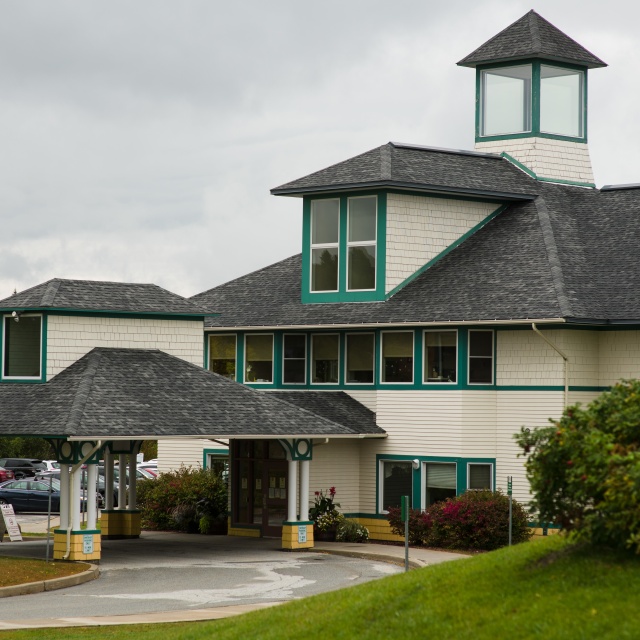
How is Woodridge Nursing Home Staffed?
CMS rates Woodridge Nursing Home's staffing level at 4 out of 5 stars, which is above average compared to other nursing homes. Staff turnover is 55%, compared to the Vermont average of 46%.

What Have Inspectors Found at Woodridge Nursing Home?

State health inspectors documented 20 deficiencies at Woodridge Nursing Home during 2022 to 2025. These included: 1 that caused actual resident harm, 17 with potential for harm, and 2 minor or isolated issues. Deficiencies causing actual harm indicate documented cases where residents experienced negative health consequences.

Who Owns and Operates Woodridge Nursing Home?

Woodridge Nursing Home is owned by a non-profit organization. Non-profit facilities reinvest revenue into operations rather than distributing to shareholders. The facility is operated by UNIVERSITY OF VERMONT HEALTH NETWORK, a chain that manages multiple nursing homes. With 153 certified beds and approximately 136 residents (about 89% occupancy), it is a mid-sized facility located in Barre, Vermont.

How Does Woodridge Nursing Home Compare to Other Vermont Nursing Homes?

Compared to the 100 nursing homes in Vermont, Woodridge Nursing Home's overall rating (2 stars) is below the state average of 2.8, staff turnover (55%) is near the state average of 46%, and health inspection rating (2 stars) is below the national benchmark.

What Should Families Ask When Visiting Woodridge Nursing Home?

Based on this facility's data, families visiting should ask: "What safeguards and monitoring systems are in place to protect residents from abuse or neglect?" "Can I visit during a mealtime to observe dining assistance and food quality?" "How do you handle medical emergencies, and what is your hospital transfer rate?" "Can I speak with family members of current residents about their experience?" These questions are particularly relevant given the substantiated abuse finding on record.

Is Woodridge Nursing Home Safe?

Based on CMS inspection data, Woodridge Nursing Home has documented safety concerns. The facility has 1 substantiated abuse finding (meaning confirmed case of resident harm by staff or other residents). The facility has a 2-star overall rating and ranks #100 of 100 nursing homes in Vermont. Families considering this facility should ask detailed questions about what corrective actions have been taken since these incidents.

Do Nurses at Woodridge Nursing Home Stick Around?

Woodridge Nursing Home has a staff turnover rate of 55%, which is 9 percentage points above the Vermont average of 46%. Moderate turnover is common in nursing homes, but families should still ask about staff tenure and how the facility maintains care continuity when employees leave.

Was Woodridge Nursing Home Ever Fined?

Woodridge Nursing Home has no federal fines on record. CMS issues fines when nursing homes fail to meet care standards or don't correct problems found during inspections. The absence of fines suggests the facility has either maintained compliance or corrected any issues before penalties were assessed. This is a positive indicator, though families should still review recent inspection reports for the full picture.

Is Woodridge Nursing Home on Any Federal Watch List?

Woodridge Nursing Home is not on any federal watch list. The most significant is the Special Focus Facility (SFF) program, which identifies the bottom 1% of nursing homes nationally based on persistent, serious quality problems. Not being on this list means the facility has avoided the pattern of deficiencies that triggers enhanced federal oversight. This is a positive indicator, though families should still review the facility's inspection history directly.