Maple Lane Nursing Home
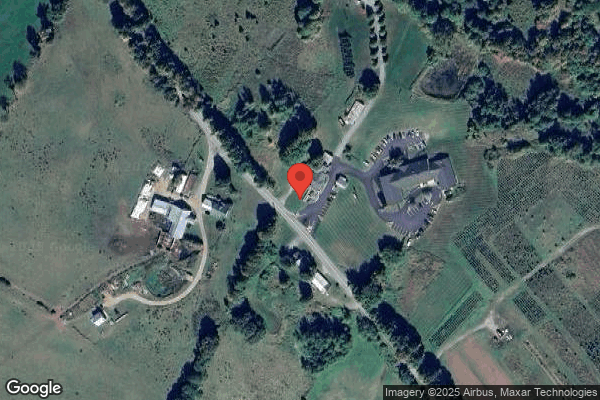
60 Maple Lane, Barton, VT 05822 (802) 754-8575
For profit - Limited Liability company 71 Beds Independent Data: November 2025
Trust Grade
55/100
#15 of 33 in VT
Last Inspection: April 2025

Within standard 12-15 month inspection cycle. Federal law requires annual inspections.

Overview

Maple Lane Nursing Home has a Trust Grade of C, which means it is average compared to other facilities. It ranks #15 out of 33 nursing homes in Vermont, placing it in the top half, and #3 out of 4 in Orleans County, indicating limited local competition. The facility is improving, with issues decreasing from 9 in 2024 to just 1 in 2025. Staffing is a mixed bag; it has a 3/5 star rating but a turnover rate of 67%, which is around the state average. Notably, there were no fines reported, which is a positive sign, but the RN coverage is concerning, being lower than 96% of Vermont facilities. Specific incidents included a nurse failing to follow proper infection control after caring for a resident with COVID-19, and inadequate staffing levels that did not meet the required hours of direct care for residents. While some aspects of care are improving, families should be aware of these weaknesses as they consider their options.

Trust Score
C
55/100
In Vermont
#15/33
Top 45%
Safety Record
Low Risk
No red flags
Inspections
Getting Better
9 → 1 violations
Staff Stability
⚠ Watch
67% turnover. Above average. Higher turnover means staff may not know residents' routines.
Penalties
✓ Good
No fines on record. Clean compliance history, better than most Vermont facilities.
Skilled Nurses
⚠ Watch
Each resident gets only 24 minutes of Registered Nurse (RN) attention daily — below average for Vermont. Fewer RN minutes means fewer trained eyes watching for problems.
Violations
⚠ Watch
22 deficiencies on record. Higher than average. Multiple issues found across inspections.
★★★☆☆
3.0
Overall Rating
★★★☆☆
3.0
Staff Levels
★☆☆☆☆
1.0
Care Quality
★★★★☆
4.0
Inspection Score
Stable
2024: 9 issues
2025: 1 issues

The Good

  • Full Sprinkler Coverage · Fire safety systems throughout facility
  • No fines on record

Facility shows strength in fire safety.

The Bad

3-Star Overall Rating

Near Vermont average (2.8)

Meets federal standards, typical of most facilities

Staff Turnover: 67%

21pts above Vermont avg (46%)

Frequent staff changes - ask about care continuity

Staff turnover is elevated (67%)

19 points above Vermont average of 48%

The Ugly 22 deficiencies on record

Apr 2025 1 deficiency
CONCERN (D)

Potential for Harm - no one hurt, but risky conditions existed

ADL Care (Tag F0677)

Could have caused harm · This affected 1 resident

Based observation, interview, and record review, the facility failed to ensure that a resident who is unable to carry out activities of daily living (ADLs) without assistance receives the proper level...

Read full inspector narrative →
Based observation, interview, and record review, the facility failed to ensure that a resident who is unable to carry out activities of daily living (ADLs) without assistance receives the proper level of assistance for 2 of 18 sampled residents (Resident #8 and Resident #20) related to nail care. Findings include: Per observation on 4/14/25 at 12:00 PM Resident #8 had very long fingernails. The nail on his/her left thumb was long and was curling over. His/her right thumb nail was black in color. His/her other nails were long with brown debris under his/her nails. Resident #8 discussed that s/he would like his/her nails cut and that s/he was afraid of accidentally cutting him/herself with his/her long nails. Per record review, Resident #8, who has diagnoses of Multiple Sclerosis, vascular dementia, COPD [Chronic Obstructive Pulmonary Disease], and peripheral vascular disease. Resident #8's care plan states, [Resident #8] requires assistance with ADL's and transfers related to unable to complete without assistance. Resident is dependent on staff for personal hygiene. Per observation on 4/14/25 at 12:25 PM, Resident #20 was found to have long fingernails with brown debris in his/her nailbeds. Resident #20 stated, I get them cut every year or so. S/he discussed that he/she would like his/her nails cut. Per record review, Resident #20 has diagnoses of Stage 3 chronic kidney disease, unspecified dementia, and peripheral venous insufficiency. Per Resident #20's care plan, s/he is dependent on one staff to assist with ADLs and personal hygiene. Per review of the facility's Fingernails/Toenails, Care of policy [last revised February 2018] states, Unless otherwise permitted, do not trim the nails of diabetic residents or residents with circulatory impairments. Trimmed and smooth nails prevent the resident from accidentally scratching and injuring his or her skin. Watch for and report any changes in the color of the skin around the nail bed, blueness of the nails, any signs of poor circulation, cracking of the skin between the toes, any swelling, bleeding, etc. Stop and report to the nurse supervisor if there is evidence of ingrown nails, infections, pain, or if nails are too hard or too thick to cut with ease. An interview was conducted with LPN #1 on 4/16/25. LPN #1 stated that residents' nails are cut when they have their shower. She stated if a resident has diabetes the RN [Registered Nurse] cuts their nails. An interview was conducted with the DON [Director of Nursing] on 4/16/25 at 11:36 AM. The DON confirmed nails should be cut during showers. She stated if the resident has diabetes or a circulatory issue their nails are filed by the LNAs [Licensed Nursing Assistants]. An interview was conducted with RN #1 on 4/16/25 at 9:33 AM. RN #1 confirmed that Resident #8 and Resident #20 needed their nails to be cut, and confirmed that Resident #8 and Resident #20's nails have not been cut recently.
Jan 2024 9 deficiencies
CONCERN (D)

Potential for Harm - no one hurt, but risky conditions existed

Resident Rights (Tag F0550)

Could have caused harm · This affected 1 resident

Based on observation, interview, and record review the facility failed to ensure that the residents maintained the right to a dignified existence related to providing privacy during incontinence care ...

Read full inspector narrative →
Based on observation, interview, and record review the facility failed to ensure that the residents maintained the right to a dignified existence related to providing privacy during incontinence care for 1 of 27 residents sampled. (Resident #7). Findings include: Per observation on 1/29/24 at 3:00 p.m. of two Licensed Nurse Aides (LNA) providing incontinence care to Resident # 7, the resident had to be transferred back to bed via a Hoyer lift to receive incontinence care. [A Hoyer lift is a mechanical lift that transfers a resident from one surface to another without using the physical power of the staff. It is commonly used for residents who cannot bear the weight to participate in a transfer.] Both LNAs had on isolation gowns, gloves, and masks as Resident #7 and roommate were both positive for COVID-19. Resident #7's roommate was in the room as well, sitting in a wheelchair on their side of the room. The roommate was able to communicate and was able to see Resident #7 from where he/she was sitting. The privacy curtain was not pulled at any time during this procedure. Privacy was not provided to resident #7 as the roommate was able to view the entire procedure. When the LNAs transferred Resident #7 back to his/her bed via the Hoyer lift, it was noted that they did not inform the resident that they were starting the transfer and the resident appeared startled when the Hoyer started to lift him/her. Resident #7 started grabbing at the LNAs when he/she was placed on the bed, one LNA handed Resident #7 a small stuffed animal stating Here hold this. The LNAs proceeded to take Resident #7's pants and incontinent product off so that incontinence care could be provided, exposing Resident #7's body from the waist down. During the incontinence care procedure, the LNA's did not have enough washcloths or incontinent wipes to properly clean Resident #7. The LNAs had to stop care 3 times to open the door and ask other staff to bring supplies, noted during this that the privacy curtain was not pulled so the resident was exposed from the waist down to anyone walking by the room as the LNA stood in the doorway, and waited for the supplies each time. Also, during the procedure, the door was opened by a 3rd staff member from the hallway, that staff member held the door open while he/she started talking to one of the LNAs about his/her schedule, again incontinent care was stopped as the resident was on the bed with his/her body exposed from the waist down. A Record Review on 1/29/24 reveals that Resident #7 has a diagnosis of Alzheimer's, Vascular Dementia, and Anxiety. A review of Resident #7's current care plan reveals that he/she started palliative care on 12/18/23 and has the following interventions included in his/her care plan; explain all procedures and treatments to the resident, provide adequate time and privacy for elimination, avoid sudden bumps/jarring with transfers or bed mobility. A Review of the facility policy titled Resident Rights policy statement Employees shall treat all resident with kindness, respect and dignity Per an interview on 1/29/24 at 3:30 p.m. with LNA #1 who was observed providing incontinence care to Resident #7 confirmed that the privacy curtain should have been closed to prevent Resident #7's roommate from being able to see Resident #7 receive incontinent care and to prevent persons from the hallway being able to view the resident receiving incontinent care. Per an interview with LNA #2 on 1/29/24 at 3:40 p.m. who was observed providing incontinence care to Resident #7 also confirmed that they should have had enough supplies when they started the procedure so they would not have to open the door and that the privacy curtain should have been pulled to ensure privacy to Resident #7. An interview on 1/31/24 at 12:41 p.m. with the Social Services director he/she confirmed that staff should be knocking on doors and waiting for answers before entering a resident's room. He/she also confirms that the Privacy curtain should always be used when a resident is receiving care or otherwise needs privacy.
CONCERN (D)

Potential for Harm - no one hurt, but risky conditions existed

Deficiency F0561 (Tag F0561)

Could have caused harm · This affected 1 resident

Based on interview and record review the facility failed to provide weekly showers based on resident preference for 1 of 27 residents sampled (Resident #22). Findings include: During an interview on ...

Read full inspector narrative →
Based on interview and record review the facility failed to provide weekly showers based on resident preference for 1 of 27 residents sampled (Resident #22). Findings include: During an interview on 1/31/24 at 3:16 PM, Resident #22 stated that he/she doesn't receive showers enough and would like to have showers more regularly. When asked how often showers are provided Resident #22 said when they can, sometimes I go two weeks or more without one. A calendar hanging on Resident #22's wall that is used to track how often he/she is provided a shower indicates that during the month of January 2024 he/she had just two showers one January 3rd and one on January 17th. When asked if he/she has spoken to administration about it he/she stated yes they know. Per record review a care plan focus of Preferences states Resident #22's goal is preferences will be honored and used to help [him/her] support [their] daily routine based on [their] preferences. Per care plan interventions the Resident #22 reported that he/she would like to receive a shower weekly. Per interview with the Director of Nursing on 1/31/24 at 5:00 PM the only way to review when residents are bathed/showered is to look at each separate days documentation. There is no other way to review care provided or not provided. The DON confirmed that concerns related to Resident #22 have been brought forward. It was discovered that when the Licensed Nursing Assistant (LNA) who is typically the Bath Aide is given a resident care assignment the LNAs are not giving the baths or showers to the residents who are scheduled. The Director of Nursing confirmed that Resident #22 has not been receiving weekly showers per their preference.
CONCERN (D)

Potential for Harm - no one hurt, but risky conditions existed

Comprehensive Care Plan (Tag F0656)

Could have caused harm · This affected 1 resident

**NOTE- TERMS IN BRACKETS HAVE BEEN EDITED TO PROTECT CONFIDENTIALITY** Based on observations, interviews, and record review the facility failed to develop and implement a care plan related to a leg b...

Read full inspector narrative →
**NOTE- TERMS IN BRACKETS HAVE BEEN EDITED TO PROTECT CONFIDENTIALITY** Based on observations, interviews, and record review the facility failed to develop and implement a care plan related to a leg brace and to foot care for 2 of 27 residents sampled.(Resident #26 and Resident #219) Findings include: 1. An interview with Resident #26 on 1/29/24 at 4:55 p.m. reveals that the Resident uses a brace for his/her left foot/leg, it was observed that the brace was not on the Resident's left foot/leg at the time of the interview. Resident #26 states The nurses tell me that they do not know how to put it on so, I put the brace on myself, or it does not get put on. Per record review, there was no order on the Electronic Medical Record (EMR) for the Left foot/leg brace. On review of the resident's care plan, the brace for the Left foot/leg was not found on the care plan. Per interview with a staff Registered Nurse (RN) on 1/31/24 at 2:55 p.m., the RN confirmed that the brace is not on Resident # 26 care plan and that he/she would expect that it would be. Per an interview with the Director of Nurses (DON) on 1/31/24 at 2:59 p.m. the DON was able to locate the order for Resident #26's foot/leg brace in the paper chart. (a paper chart is a resident medical record that includes documents that have not been entered into the EMR) This document reveals that Resident #26 has been trained by a Physical therapist to apply the brace. DON confirms that currently, the brace is not on Resident #26's care plan. 2. Per observation on 1/30/24 at 12:35 p.m., Resident # 219's feet have a large amount of edema (swelling caused by too much fluid trapped in the body's tissues.) The skin on the bilateral feet and extending up above his/her ankles has copious amounts of dry scaly skin that is yellow/brown in color. It is noted that the dry skin flakes fall off and can be seen on the carpet in front of the resident's chair. Resident #219's toe nails are long, thick, and jagged on the top and edges. At the time of the observation, the Licensed Practical Nurse (LPN) gently separated the resident's toes so the skin between the toes could be observed. The skin between all the toes on the right foot is noted to be red, very moist, and has a foul odor when separated. Resident #219 has a history of issues that require close monitoring of feet. Per record review on 1/30/24 reveals that Resident #219 has a diagnosis of Diabetes type 2, a right heel wound, ingrown toe nail, and Peripheral Venous Insufficiency [which occurs when the walls and/or valves in the veins are not working effectively, making it difficult for blood to return to the heart]. Resident #219 was sent to the emergency room on [DATE] for the removal of maggots from the right foot's 3rd, 4th, and 5th toes, at that time the resident was also diagnosed with Stasis Dermatitis of both feet and lower legs. [Stasis dermatitis is a chronic skin condition that happens when the veins can no longer pump blood back to the heart. This condition causes a red or brown scaly rash or sores from the pooling of the blood. This condition usually affects the lower legs and feet.] Per a review of Resident #219's care plan, foot care is not addressed in the care plan. Per an interview with the Director of Nurses (DON) on 1/31/24 at 11:10 a.m., the DON confirms that there should be a care plan related to foot care in place.
CONCERN (D) 📢 Someone Reported This

A family member, employee, or ombudsman was alarmed enough to file a formal complaint

Potential for Harm - no one hurt, but risky conditions existed

Deficiency F0687 (Tag F0687)

Could have caused harm · This affected 1 resident

Based on observation, interview, and record review the facility failed to ensure that residents received proper treatment and care to maintain good foot health for 1 of 27 residents sampled. (Resident...

Read full inspector narrative →
Based on observation, interview, and record review the facility failed to ensure that residents received proper treatment and care to maintain good foot health for 1 of 27 residents sampled. (Resident # 219) Findings include: Per observation on 1/30/24 at 12:35 p.m., Resident # 219's feet have a large amount of edema (swelling caused by too much fluid trapped in the body's tissues.) The skin on the bilateral feet and extending up above his/her ankles has copious amounts of dry scaly skin that is yellow/brown in color. It is noted that the dry skin flakes fall off and can be seen on the carpet in front of the resident's chair. Resident #219's toe nails are long, thick, and jagged on the top and edges. At the time of the observation, the Licensed Practical Nurse (LPN) gently separated the resident's toes so the skin between the toes could be observed. The skin between all the toes on the right foot is noted to be red, very moist, and has a foul odor when separated. Per record review of a discharge summary from an acute care facility for Resident #219 dated 1/18/24 reveals under follow-up appointments and procedures .follow up with podiatry. There is no evidence that this appointment was made or that Resident #219 saw a Podiatrist. Resident #219 has a history of issues that require close monitoring of feet. Per record review, a nursing progress noted dated 10/7/23 at 1:45 p.m. states that the nurse noted maggots on Resident #219's right foot between the 3rd, 4th and 5th toes, the Physician was notified and gave order to send to the emergency room for evaluation. The emergency room Physician report dated 10/7/23 that Resident #219 has a diagnosis of Diabetes type 2, a right heel wound, ingrown toe nail, and Peripheral Venous Insufficiency [which occurs when the walls and/or valves in the veins are not working effectively, making it difficult for blood to return to the heart]. The report states that Resident #219 was seen in the emergency room for the removal of Maggots from the Right foot between the 3rd, 4th, and 5th toes. (Maggots are fly larvae they come from places where adult flies lay eggs). This report states under Extremities Assessment Significant chronic dependent edema with stasis dermatitis noted. [Stasis dermatitis is a chronic skin condition that happens when the veins can no longer pump blood back to the heart. This condition causes a red or brown scaly rash or sores from the pooling of the blood. This condition usually affects the lower legs and feet.] Further review of this emergency room report reveals under the instructions section instructions for stasis dermitis, to moisturize the skin, and if any more maggots are noted they can be washed off. A Nursing progress note dated 10/9/23 at 5:47 a.m. reveals that the right foot toes were cleansed and dried at Resident #219 request, there was an odor observed during this procedure. This note indicates there was no order to cleanse or check the condition of the toes or feet, this was done at the residents request. A Review of Resident #219 Medication Administration Record (MAR) and Treatment Administration Record (TAR) for the months of October 2023 and November 2023 finds no monitoring for further maggot infestation in place, no order for cleaning or for monitoring where the maggots were found, and no monitoring or treatment order for stasis dermatitis. Per review of Resident #219's care plan, foot care is not addressed in the care plan. Per further record review of a document titled Scheduled Events for [Resident #219] from 7/14/23 to 3/19/24, there is no noted Podiatry services appointment for Resident #219 on this schedule. A review of the facility's policy on Foot Care states under Policy Interpretation and Implementation Section #3: Residents are assisted in making appointments and with transportation to and from specialist (podiatrist, endocrinologist, etc.) as needed #5. States Residents with foot disorders or medical conditions associated with foot complications are referred to qualified professionals . Per an interview with the Director of Nurses (DON) on 1/31/24 at 11:10 a.m. DON confirms there was no monitoring of Resident #219's, toes after he/she returned from the ER visit when Maggots had been removed from the resident's right foot 3rd,4th and 5th toes, also there was no monitoring or treatment for the stasis dermatitis diagnosis. The DON confirms that there should have been monitoring in place for these issues. The DON confirms there is not a podiatrist that comes to the facility to see the residents, the facility must make outside appointments and transfer the residents to the appointments. The DON confirms the resident has not seen a podiatrist for his/her foot concerns.
CONCERN (D)

Potential for Harm - no one hurt, but risky conditions existed

Deficiency F0742 (Tag F0742)

Could have caused harm · This affected 1 resident

**NOTE- TERMS IN BRACKETS HAVE BEEN EDITED TO PROTECT CONFIDENTIALITY** Based on observation, interview, and record review, the facility failed to assess the residents' expressions or indications of d...

Read full inspector narrative →
**NOTE- TERMS IN BRACKETS HAVE BEEN EDITED TO PROTECT CONFIDENTIALITY** Based on observation, interview, and record review, the facility failed to assess the residents' expressions or indications of distress to determine if services were needed for 1 of 5 sampled residents. (Resident # 25) Per record review, Resident # 25 was admitted to the facility on [DATE] with the following diagnoses: post-traumatic stress disorder and vascular dementia. A nursing note dated 1/5/24 indicated Resident #25 voiced that s/he would like to die by suicide, a plan was not identified, and the nursing supervisor was to contact Resident #25's counselor for assistance. A review of her/his care plan indicates Staff will either stay with [Resident #25] or monitor [him/her] closely during times of triggered flashbacks and fear to return [him/her] to a sense of safety and calm. Staff should utilize a gentle approach to re-orienting [him/her] back to the present. It could take some time and several attempts over the course of a day or more to get [him/her] back to the here and now. A review of a facility policy that is titled Suicide Threats reveals that after assessing the resident in more detail, the nurse supervisor/charge nurse shall notify the resident's attending physician and responsible party and shall seek further direction from the physician. All nursing personnel involved in caring for the resident shall be informed of the suicide threat and instructed to report changes in the resident's behavior immediately. If the resident remains in the facility, staff will monitor the resident's mood and behavior and update care plans accordingly until a physician has determined that the risk of suicide does not appear to be present. An interview with a Registered Nurse (RN) on 1/29/2024 at 2:54 PM indicates that the RN did not contact the resident's provider or counselor. A record review indicates there is no documentation of further assessment or follow-up of the resident regarding the suicide statement. In an interview with the Director of Nursing (DON) and the Assistant Director of Nursing (ADON) on 1/30/2024 at 3:12 PM, they confirmed they failed to take adequate action and provide services to Resident # 25. In addition, they did not follow the steps outlined in their policy for a suicide threat.
CONCERN (E)

Potential for Harm - no one hurt, but risky conditions existed

Deficiency F0725 (Tag F0725)

Could have caused harm · This affected multiple residents

**NOTE- TERMS IN BRACKETS HAVE BEEN EDITED TO PROTECT CONFIDENTIALITY** 3. Review of facility direct care staff schedules and PPD (direct care staff to resident ratios) for December 2023 and January 2...

Read full inspector narrative →
**NOTE- TERMS IN BRACKETS HAVE BEEN EDITED TO PROTECT CONFIDENTIALITY** 3. Review of facility direct care staff schedules and PPD (direct care staff to resident ratios) for December 2023 and January 2024 reveals that the facility failed to maintain required minimum staffing levels to allow for 2.0 hours of direct care per resident per day (PPD) on a weekly average by Licensed Nursing Assistants (LNAs) for 2 of the 5 weeks sampled in December 2023 and January 2024. The facility also failed to maintain required minimum staffing levels to allow for 3.0 hours of direct care per resident per day (PPD) on a weekly average including nursing care, personal care, and restorative nursing care for 2 of 5 sampled weeks in December 2023 and January of 2024. See S320. Based on observation, interview, and record review, the facility failed to ensure a sufficient number of skilled licensed nurses, nurse aides, and other nursing personnel to provide care and respond to each resident's basic needs and individual needs as required by the resident's diagnoses, medical condition, plan of care, and facility assessment. Findings include: 1. During an interview on 1/31/24 at 3:16 PM Resident #22 stated that he/she doesn't receive showers enough and would like to have showers more regularly. When asked how often showers are provided Resident #22 said when they can, sometimes I go two weeks without one. A calendar hanging on Resident #22's wall that is used to track how often he/she is provided a shower indicates that during the month of January 2024 he/she had showers on January 3rd and January 17th, every other week. When asked if he/she has spoken to administration about it he/she stated yes they know. Per interview with the Director of Nursing (DON) on 1/31/24 at 5:00 PM management was aware that Resident #22 had requested weekly showers and had not received them. The DON stated that there had been a bath aide assigned to showers and baths, but when there was a lack of staff they would give the bath aide an assignment rather than providing baths and showers. When this occurred residents had not been given their baths are showers. 2. During observations on 1/31/24 at 11:45 AM a Licensed Nursing Assistant (LNA) was heard telling the Medication Nurse that the resident in room [ROOM NUMBER] was upset because he/she hadn't gotten their morning medication yet. The nurse told the LNA that he/she was preparing the medications. At this time the medication nurse was interviewed and confirmed that the resident had not received their 9:00 AM medications. The nurse said that he/she still had a couple residents left to administer medications to. He/she stated that he/she was behind due to the need for applying personal protective equipment each time he/she went in and out of each room. When asked if he/she had made anyone aware that the medications were late the nurse said no. Per interview with the Director of Nursing (DON) at 12:00 PM he/she was not aware of any concerns related to medications being administered late. when this surveyor informed him/her that the medication nurse was still passing the 9:00 AM medications he/she stated that he/she were not aware and went to the unit. The DON approached the nurse and asked him/her how many resident's 9:00 AM medications were left and the nurse responded that she had two or three left. The DON confirmed that the medications were late and they should have been given on time.
CONCERN (E)

Potential for Harm - no one hurt, but risky conditions existed

Deficiency F0726 (Tag F0726)

Could have caused harm · This affected multiple residents

Based on observation, interview, and record review, the facility failed to ensure sufficient nursing staff with appropriate competencies and skill sets to care for the resident's needs for 7 of 8 staf...

Read full inspector narrative →
Based on observation, interview, and record review, the facility failed to ensure sufficient nursing staff with appropriate competencies and skill sets to care for the resident's needs for 7 of 8 staff in the applicable sample. Findings Include: On 1/31/24 at 8:10 AM, a Licensed Practical Nurse (LPN) was observed doffing (removing) personal protective equipment (PPE) after administering medications and obtaining Vital Signs of a resident with COVID-19. The LPN stood in the open doorway of the resident's room and removed her gloves, first touching her soiled gown with her bare hands. S/he then removed the gown, placing her contaminated equipment between her knees while she put her soiled gown in a plastic bag. She then carried the contaminated equipment to the medication cart, placed it on the clean cart, and opened the cart's drawers without cleaning her hands. S/he stated that s/he had received brief video training on using PPE upon hire and had not received any follow-up training or demonstrated competency in performing the procedure correctly to prevent contamination. A record review reveals that 7 of 8 sampled staff records did not contain complete evidence of competencies. An interview with the Director of Nursing and the Assistant Director of Nursing on 1/31/24 revealed that the facility was behind on competencis related to high staff turnover. They confirmed that the LPN was not adequately trained, and that the facility had not provided documentation of competencies.
CONCERN (E)

Potential for Harm - no one hurt, but risky conditions existed

Infection Control (Tag F0880)

Could have caused harm · This affected multiple residents

4). Per observation on 1/30/2024 at 12:35 p.m. of wound care performed by a Licensed Practical Nurse (LPN) of Resident # 219's right heel ulcer, the following breaches in infection control were identi...

Read full inspector narrative →
4). Per observation on 1/30/2024 at 12:35 p.m. of wound care performed by a Licensed Practical Nurse (LPN) of Resident # 219's right heel ulcer, the following breaches in infection control were identified during the procedure: a. The LPN entered the room with a gown, gloves, and mask on. S/he removed resident #219's lunch tray from the room and did not change his/her gloves or sanitize his/her hands after this action. b. The LPN then placed a barrier down, a clean towel for a clean field to lay clean supplies on, on the resident's table that he/she had just removed the lunch tray from. The LPN did not clean or sanitize the table before laying the barrier down. c. The nurse went behind Resident #219's chair, touched the chair to recline it, and did not change gloves or sanitize their hands. d. Resident #219's feet were now elevated by the recliner chair; the LPN did not place a barrier between the chair surface and the resident's feet. The resident's feet were touching the dirty recliner surface throughout the entire procedure. e. The LPN removed the resident's heel booties and placed them on top of the clean dressing boxes that were stored on a stand that had other personal items on it. The LPN did not change gloves or sanitize hands after removing the booties. f. The LPN gathered supplies that included kerlix (a type of dressing used to wrap dressings to protect and keep the dressing in place), and gauze while still having soiled gloves on. g. The LPN removed the dirty ace wraps that were on Resident #219's legs, folded them, and placed them on the table next to his/her clean barrier field potentially contaminating the clean field. The LPN did not change gloves or sanitize their hands after this. h. The LPN then used regular household scissors that were on a stand that had Resident #219's other personal items on it. It was noted that the stand and items on the stand had a thick coat of dust on the surfaces. The household scissors were used to cut the Kling dressing from the resident's foot. The LPN did not clean the scissors before s/he used them to remove the dressing or after the dressing was removed. He/she then proceeded to place the scissors back on the personal item stand. The LPN did not change gloves or sanitize his/her hands. i. The LPN removed the old dressing from the right heel, which had heavy drainage on it, and threw it in a garbage bag that was placed on the floor by the end of the recliner chair. The LPN did not change gloves or sanitize his/her hands after the removal of the soiled dressing. j. The LPN then picked up a bottle of Vashe solution (a solution used to clean wound beds) with the same gloves that he/she had removed the soiled dressing with, he/she proceeded to wet the clean gauze with the Vashe solution and used the gauze to clean the wound bed, still without changing gloves or sanitizing hands before cleaning the wound. k. The LPN now changes gloves but failed to sanitize his/her hands. The LPN applied clean gloves and then applied sterile gloves over his/her clean gloves. The sterile gloves were too big for his/her hands. The LPN then lifts Resident #219's leg up so the wound could be visualized. The heel appeared to have an open area approximately the size of the diameter of a baseball. There was noted yellow tissue covering the wound bed. There was an odor coming from the heel. l. The LPN then took the household scissors from the stand that he/she had placed them on prior, picked up the new dressing, and cut the clean dressing to the size of the wound with the household scissors. The LPN did not clean the scissors, change gloves, or sanitize his/her hands. m. After the LPN cut the dressing to size, he/she then picked up the medi honey tube (a medication that is ordered for wound healing) and applied the medi honey to the Q-Tips that s/he had opened earlier. The LPN attempted to apply the medi honey on the Q-Tips to the open wound, but it did not apply and just rolled around the wound in lumps. n. The LPN then picked up the medi honey tube and applied it to the clean dressing touching the opening of the tube to the clean dressing. He/she did not change gloves or sanitize their hands. o. The LPN then applied the dressing with the medi honey to the wound with the same soiled gloves. He/she then wraps the clean kling around Resident #219 heel and leg with the same soiled gloves. p. When the LPN was done dressing the wound, he/she asked the resident to grab the bandage tape for him/her, which the resident does. The LPN then secures the dressing with the tape. q. The LPN then removes both the sterile gloves and the clean gloves from their hands, picks up the clean field and the trash bag, opens the door, and discards them in the trash, there was no observation made of the LPN sanitizing hands after this glove removal. Per interview on 1/30/24 at 1:20 p.m. the LPN that was observed during the wound dressing change, confirmed that during the procedure he/she should have changed gloves when the gloves became dirty [Soiled] and that when changing gloves hands should have been sanitized. The LPN also confirms that the bandage scissors should have been cleaned before, between, and after each use. An interview was conducted with the Director of Nurses (DON) on 1/31/24 at 11:10 a.m. The DON was informed of the wound care observation that was done on 1/30/24 of Resident #219 Right Heel. The DON stated that the LPN should have been more dilligent about the infection control techniques that he/she used for the dressing change and that the LPN would be reeducated. Based upon observation, interview, and record review, the facility failed to implement infection control measures related to transmission-based precautions regarding 1 staff member and 2 residents [Res.#43 & Res.#65] of 28 sampled residents on transmission-based precautions, and related to wound care treatment for 1 resident [Res. #219] of 1 sampled resident with identified wounds. Findings include: 1). Per observation on 1/31/2024 at 8:12 AM a Licensed Practical Nurse [LPN] was observed exiting the room of a resident on transmission-based precautions after administering medications and obtaining vital signs. [Per the Centers for Disease Control and Prevention [CDC]: Transmission-Based Precautions are the second tier of basic infection control and are to be used in addition to Standard Precautions for patients who may be infected or colonized with certain infectious agents for which additional precautions are needed to prevent infection transmission]. While removing their gown and gloves outside of the precautions room, s/he was observed placing the soiled equipment (Blood pressure cuff, thermometer, and pulse oximeter] between h/her knees while they rolled up their soiled gown and gloves; they then placed their gown into a plastic bag and walked to the medication cart where they placed the soiled equipment on top of the clean cart. The LPN then opened the cart with unsanitized hands and rifled through the drawers. The LPN then took gauze from the cart, squirted it with hand sanitizer, and proceeded to hold each piece of equipment and wipe it down with hand sanitizer. Review of CDC guidelines for Isolation Precautions includes : -Remove gown and perform hand hygiene before leaving the patient's environment; -After gown removal, ensure that clothing and skin do not contact potentially contaminated environmental surfaces that could result in possible transfer of microorganism to other patients or environmental surfaces; - Wear PPE [Personal Protective Equipment] (e.g., gloves, gown), according to the level of anticipated contamination, when handling patient-care equipment and instruments/devices that are visibly soiled or may have been in contact with blood or body fluids; -Use EPA-registered disinfectants that have microbiocidal (i.e., killing) activity against the pathogens most likely to contaminate the patient-care environment. [Isolation Precautions | Guidelines Library | Infection Control | CDC https://www.cdc.gov/infectioncontrol/guidelines/isolation/index.html] An interview was conducted with the Director of Nursing/Infection Preventionist [DON/IP] on 1/31/24 at 2:00 PM. The DON/IP confirmed that improper Hand washing and equipment sanitizing issues were identified during the observation of the staff LPN when caring for a resident on transmission based precautions. 2). Review of Res.#43's Care Plan reveals the resident was assessed as wanders and is an elopement risk as evidenced by verbalizes a desire to leave the facility, impaired safety awareness and disoriented to place. Significantly intrudes on the privacy or activities of others and has identified behaviors that includes wandering hallways and occasionally into rooms. On 1/29/24 Res.#43 tested positive for COVID 19 with the Care Plan updated to include Droplet Precautions. [Per the Centers for Disease Control and Prevention regarding Droplet Precautions: Source [of the infection] control: put a mask on the patient. Limit transport and movement of patients outside of the room to medically-necessary purposes. If transport or movement outside of the room is necessary, instruct patient to wear a mask and follow Respiratory Hygiene/Cough Etiquette]. Res.#43's Care Plan also included Offer resident facial covering during care provided such as tissues or cloth mask, Isolation into a private room or cohorted with other positive COVID 19 residents if able. Review of Physician Orders for Res.#43 include Monitor adherence to isolation and hygiene. Per observation on 1/30/24 at 1:40 PM, Res.#43 exited their room without a mask. The resident had a moist cough and did not cover their mouth while coughing. The resident was observed briefly wandering in the hallway before entering a resident room next to theirs. Unlike Res.#43, the resident in the next room had not tested positive for COVID and was not on isolation precautions. Res.#43 was observed entering the room while the resident was present, and after a brief time exited the room and continued to wander the hallway where facility staff stated, Here comes [Res.# 43]. The staff did not offer the resident a mask or attempt to redirect the resident back into their isolation room. 3). Per review of Res.#65's medical chart, the resident tested positive for COVID 19 on 1/29/24 with the Care Plan updated to include Droplet Precautions along with interventions that included: Offer resident facial covering during care provided such as tissues or cloth mask, Isolation into a private room or cohorted with other positive COVID 19 residents if able. Res.#65's Care Plan also includes the resident assessed as having a diagnosis of dementia, a primary language of French creating a language barrier, and Staff should be aware that [Res.#65] will wander on the unit and Staff should monitor [Res.#65's] whereabouts when s/he is out on the unit. Per observation on 1/29/24 at 11:03 AM, Res.#65 was observed wandering in the hallway and into the communal dining area. The resident had a facemask that was positioned underneath their chin, exposing their nose and mouth. Res.#65 went into the communal refrigerator and removed 2 items. Per observation, there were 2 other residents in the communal dining area without masks. There were no staff present, and Res.#65 returned to their room. Per observation on 1/30/24 at 3:01 PM Res.#65 was out in common area. The resident was wearing a mask that was positioned below their chin. There were no staff present. The resident returned to their room, then at 3:12 PM was observed at the nurse's station with no mask on. The resident was redirected by staff back to their room. At 3:26 PM, Res. #65 returned to the common area unaccompanied, with a mask below their chin. The resident sat in the common area for 20 minutes, then stood and wandered in the hallway. At 4:14 PM, Res.#65 returned to the common area. There was one other resident present. Res.#65 was wearing a mask below their chin. Dietary staff offered the resident soup. Staff did not redirect the resident back to their room or direct the resident to pull the mask up to cover their mouth and nose. An interview was conducted with the Director of Nursing/Infection Preventionist [DON/IP] on 1/31/24 at 2:00 PM. The DON/IP confirmed isolation precautions per Physician Orders, Resident Care Plans, and CDC guidelines were not being properly implemented for COVID positive for Res.#43 and Res.#65.
MINOR (C)

Minor Issue - procedural, no safety impact

Deficiency F0730 (Tag F0730)

Minor procedural issue · This affected most or all residents

Based on interview and record reviews, the facility failed to complete performance reviews of every nurse aide at least once every 12 months. It also failed to provide in-service education based on th...

Read full inspector narrative →
Based on interview and record reviews, the facility failed to complete performance reviews of every nurse aide at least once every 12 months. It also failed to provide in-service education based on the outcome of these reviews for 3 of the 4 sampled records. Findings Include: Record review indicates that of the applicable sample 3 Licensed Nursing Assistants (LNA), they did not have annual performance evaluations and did not receive subsequent in-service education based on the performance review. An interview on 1/31/2024 at approximately 1:55 PM with the Director of Nursing and the Assistant Director of Nursing confirmed they were behind on performance evaluations; they stated they were giving in-services as they could but were not applying them to performance evaluations.
Jun 2023 2 deficiencies
CONCERN (D) 📢 Someone Reported This

A family member, employee, or ombudsman was alarmed enough to file a formal complaint

Potential for Harm - no one hurt, but risky conditions existed

Deficiency F0657 (Tag F0657)

Could have caused harm · This affected 1 resident

Based on record review and interview the facility failed to update the care plan for one of three residents sampled (Resident #1). Findings include: The care plan for Resident #1 was not updated to ac...

Read full inspector narrative →
Based on record review and interview the facility failed to update the care plan for one of three residents sampled (Resident #1). Findings include: The care plan for Resident #1 was not updated to accurately reflect the number, location and care required for actual impaired skin. Resident #1 has diagnosis including paraplegia status post motor vehicle accident, schizoaffective disorder, developmental disorder and hypertension. During an investigation into a complaint regarding the hospitalization of Resident #1 for serial debridement of pressure ulcers in the left ischium and right labial area the care plan was reviewed. The care plan contained 3 separate entries for Skin actual impairment these entries were compared to the most recent wound documentation prior to hospitalization. On 5/31/23 the following wounds were documented: Left thigh/butt crease 8cm (centimeter) x 7.5 cm Right labia and inside 5cm x 6.3 cm Right thigh 7.4 x 3.3 cm Right thigh/butt crease 3 cm x 3.3 cm Sacral 2.6 x 1/8 with 4 cm tunnel between 3 and 4 o'clock Care plan entries: #1 dated 6/23/22 reviewed 5/23/23. Skin actual: Resident exhibits alteration in skin integrity as evidence by stage IV to sacral area upon admission, resistive/refusal of care/repositioning. Bilateral heel pressure ulcers. Left heel resolved 5/10/23. #2 dated 3/7/23 reviewed 5/23/23. Skin actual exhibits alteration in skin integrity as evidenced by breakdown on heels and purple area on other heel and right outer aspect of foot. [name removed] is non-compliant with treatment which increases his/her risk for complications. #3 dated 5/10/23 reviewed 5/23/23. Actual alteration in skin integrity related to inner left thigh, right shin. Entry #1 was not updated to reflect the right heel was healed. Entry #2 was not updated to reflect both heels and right outer aspect of foot have healed. Additionally it is not clear which foot had been involved. Entry #3 lacks clarity entirely. There is no mention of 4 of the 5 areas of impaired skin integrity in the care plan. During an interview with the Director of Nursing on 6/19/23 at 1:30 PM s/he confirmed the care plan was not accurate and had not been updated.
CONCERN (D) 📢 Someone Reported This

A family member, employee, or ombudsman was alarmed enough to file a formal complaint

Potential for Harm - no one hurt, but risky conditions existed

Pressure Ulcer Prevention (Tag F0686)

Could have caused harm · This affected 1 resident

Based on record review and interview the facility failed to ensure a resident with pressure ulcers received necessary treatment and services, consistent with professional standards of practice, to pro...

Read full inspector narrative →
Based on record review and interview the facility failed to ensure a resident with pressure ulcers received necessary treatment and services, consistent with professional standards of practice, to promote healing for one of three residents sampled (Resident #1). Findings include: The provider was not notified of a newly discovered pressure ulcer and a treatment that was not ordered was provided to Resident #1. On 6/19/23 during an investigation of a complaint regarding the hospitalization of Resident #1 it was noted in the electronic health record that on 5/27/23 a facility Licensed Practical Nurse (LPN) documented, multiple mepilexis applied to bottom upper thigh region and vaginal area, washed with VOSH (wound cleanser), area to gluteal fold cleansed yellow discharge taken from the area and medihoney placed in wound bed, area to labia is bleeding and raw, cleansed and mepilex secured amap (as much as possible) .refuses to go back to bed for repositioning after getting out of bed in the AM. Per record review the wound in the vulvar region was new. Additionally, there was no order to apply medihoney to any current wound. On 5/31/23 the wounds were viewed by the Director of Nursing (DON) and Assistant Director of Nursing who serves as the wound care nurse. The provider was updated and due to the resident's condition, immobility and history of wounds requiring surgical debridement, s/he was sent to the local hospital to have the new wound evaluated, where it was determined s/he would be admitted . Resident was found to have a newly developed pressure injury in the area of the left ischium and right labia which has required serial operative debridement. Per Pressure Ulcers/Skin Breakdown - Clinical Protocol which was provided by the DON under the heading Treatment/Management. 1. The physician will order pertinent wound treatments, including pressure reduction surfaces, wound cleansing and debridement approaches, dressings (occlusive, absorptive, etc.) and application of topical agents. During an interview with the DON on 6/19/23 at 1:30 PM, s/he admitted the provider had not been notified of the newly discovered area of impaired skin integrity during the holiday weekend and that Resident #1 did not have an order for Medihoney to be used on the gluteal fold area.
May 2023 5 deficiencies
CONCERN (D) 📢 Someone Reported This

A family member, employee, or ombudsman was alarmed enough to file a formal complaint

Potential for Harm - no one hurt, but risky conditions existed

Deficiency F0655 (Tag F0655)

Could have caused harm · This affected 1 resident

**NOTE- TERMS IN BRACKETS HAVE BEEN EDITED TO PROTECT CONFIDENTIALITY** Based on interview and record review, the facility failed to develop a baseline care plan within 48 hours of admission that incl...

Read full inspector narrative →
**NOTE- TERMS IN BRACKETS HAVE BEEN EDITED TO PROTECT CONFIDENTIALITY** Based on interview and record review, the facility failed to develop a baseline care plan within 48 hours of admission that included the minimum healthcare information necessary to properly care for the resident related to falls for 2 of 3 sampled residents (Residents #5 and #6). Findings include: 1. Record review reveals that Resident #5 was admitted to the facility on [DATE] and has diagnoses that include: dementia, anxiety, hypertension, muscle weakness, and limitation of activities due to disability. A facility incident report reveals that Resident #5 had a fall on 4/21/2023. Review of Resident #5's baseline care plan reveals that it did not include any nursing interventions; specifically, it did not address safety or interventions to prevent falls. The only section of Resident #5's baseline care plan that was filled out was the Social Services section. On 4/25/2023 at 1:25 PM, a Unit Coordinator confirmed that there were no nursing interventions in Resident #5's baseline care plan. 2. Record review reveals that Resident #6 was admitted to the facility on [DATE] and has diagnoses that include: type 2 diabetes, heart failure, anxiety disorder, muscle weakness, and difficulty in walking. A facility incident report reveals that Resident #6 had a fall on 4/21/2023. Review of Resident #6's baseline care plan reveals that it did not address safety or include any interventions to prevent falls. On 4/25/2023 at approximately 5:00 PM, the Director of Nursing (DON) stated that all baseline care plans need to include interventions to prevent falls. On 4/26/2023 at 4:33 PM, the DON confirmed that Resident #5 and #6's baseline care plan did not include interventions to prevent falls.
CONCERN (D) 📢 Someone Reported This

A family member, employee, or ombudsman was alarmed enough to file a formal complaint

Potential for Harm - no one hurt, but risky conditions existed

Deficiency F0699 (Tag F0699)

Could have caused harm · This affected 1 resident

**NOTE- TERMS IN BRACKETS HAVE BEEN EDITED TO PROTECT CONFIDENTIALITY** Based on staff interview and record review, the facility failed to revise and implement an individualized person-centered plan t...

Read full inspector narrative →
**NOTE- TERMS IN BRACKETS HAVE BEEN EDITED TO PROTECT CONFIDENTIALITY** Based on staff interview and record review, the facility failed to revise and implement an individualized person-centered plan to render trauma informed care to a resident with a personal history of trauma related to abuse for one applicable resident (Resident #1). Findings include: Record review reveals that Resident #1 was admitted to the facility on [DATE] and has diagnoses that include: dementia with agitation, hypothyroidism, cancer, heart disease, and need for assistance with person care. Per Resident #1's care plan and assessment notes, s/he has a history of trauma related to verbal, physical, and sexual abuse. Resident #1's care plan includes the following focus: Trauma as evidenced by reactions, statements like they are going to kill you, You will be raped, You need to come with me right now or you will be raped, You are going to be sorry when they find your body, physical signs of fear such as panic, and actual testimony from [Resident #1's spouse] relative to [Resident #1's] childhood, created on 12/10/2023. Care plan interventions, created on 12/10/2022, include: • Staff will work to identify and eliminate the triggers that prompt [Resident #1's] flashbacks, panic, and fear. • Staff will participate in education relative to trauma informed care . • Staff will listen to [Resident #1, their spouse, and his/her] children in order to gain understanding and learn how to prevent triggering and fear based upon family's knowledge of [Resident #1's] events and circumstances that brought [him/her] to where [s/he] is today. • Staff will observe and monitor [Resident #1 when] men are around as men were [his/her] physical and sexual abusers and those with similar characteristics to some of those abusers could be a trigger. • Staff will either stay with [Resident #1] or monitor [him/her] closely during times of triggered flashbacks and fear to return [him/her] to a sense of safety and calm. A psychosocial assessment dated [DATE] states: It is important to note that [Resident #1] suffered acute verbal, physical, and sexual abuse as a child and young adult. [S/HE] often had to save [his/her younger sibling] by grabbing [him/her] by the hand or arm and pulling [him/her] to a hiding place so [s/he] would not be raped by the men who came to the house. This could have been a triggered response. 1. Review of Resident #1's care plan reveals that the care plan was not revised to include trigger-specific interventions to decrease the resident's exposure to triggers which re-traumatize the resident, as well as identify ways to mitigate or decrease the effect of the trigger on the resident. No interventions were created related to the information revealed in Resident #1's 3/29/2023 psychosocial assessment. On 4/26/2023 at 3:50 PM, the Social Services Director stated that Resident #1's care plan for trauma informed care is effective depending on who is using it because not all the staff have the skills to use it. S/He confirmed that the care plan had not been revised since the interventions were created on 12/20/2023. On 5/1/2023 at 11:32 AM, the Director of Nursing stated that while the presence of men are sometimes a trigger for Resident #1, men are not always a trigger and if Resident #1 becomes triggered, there are interventions in other parts of Resident #1's care plan that staff can use. The DON confirmed that the facility has not been able to identify what Resident #1's triggers are. 2. Interviews with staff reveal that all direct care staff working with Resident #1 are not aware that Resident #1 has a history of trauma or a care plan for trauma informed care. On 4/26/2023 at 12:58 PM, a Nursing Assistant stated that s/he was not aware that Resident #1 had a history of trauma or a care plan for trauma informed care. S/he stated that there should be interventions because Resident #1 can be very sexual with staff. On 4/26/2023 at 2:50 PM, a Licensed Nursing Assistant (LNA) stated that s/he was not aware that Resident #1 had a history of trauma or a care plan for trauma informed care. On 4/26/2023 at 3:45 PM, an LNA stated that s/he was not aware that Resident #1 had a history of trauma or a care plan for trauma informed care. 3. All facility staff working with Resident #1 did not have education related to trauma informed care. See F949 for additional information regarding the facility behavior health training.
CONCERN (E) 📢 Someone Reported This

A family member, employee, or ombudsman was alarmed enough to file a formal complaint

Potential for Harm - no one hurt, but risky conditions existed

Accident Prevention (Tag F0689)

Could have caused harm · This affected multiple residents

**NOTE- TERMS IN BRACKETS HAVE BEEN EDITED TO PROTECT CONFIDENTIALITY** Based on observation, resident and staff interview, and record review, the facility failed to implement interventions related to...

Read full inspector narrative →
**NOTE- TERMS IN BRACKETS HAVE BEEN EDITED TO PROTECT CONFIDENTIALITY** Based on observation, resident and staff interview, and record review, the facility failed to implement interventions related to behaviors and provide adequate supervision to prevent accidents, injuries, and/or abuse for one applicable resident (Resident #1). Findings include: Record review reveals that Resident #1 was admitted to the facility on [DATE] and has diagnoses that include: dementia with agitation, hypothyroidism, cancer, heart disease, and need for assistance with personal care. A Physician admission note dated 10/13/2023 reveals that Resident #1 is A [AGE] year-old [person] with myeloma and several comorbidities, including dementia with occasional aggressive behavior and history of falls, requiring constant supervision. Resident #1's care plan and notes also reveal that s/he has a history of trauma related to verbal, physical, and sexual abuse, and frequently wanders around the facility and into other residents' rooms. Resident #1's history of trauma related to abuse, aggressive behaviors, and frequent wandering, increases the potential for a resident-to-resident altercation and/or inappropriate touching between residents to occur. Resident #1's care plan includes the following focuses: • [Resident #1] exhibits behaviors affecting others as evidence by wandering, entering other rooms, pushing/pulling others, pulling item, is aware this is not his home. Grabs staff arms/hands when has a need. Talks about the cops. Weepy spells, not wanting to be alone, likes hand held, created on 10/14/2022. Interventions include: Monitor behaviors and record, created 10/14/2022; and 1:1 [one on one supervision] as needed, created on 11/28/2022. • Elopement risk as evidenced by: [Resident #1] wanders aimlessly, has impaired safety awareness and is disoriented to place (nursing home). This places [Resident #1] at significant risk of getting to a potentially dangerous place/stairs/outside the facility. Significantly intrudes on the privacy or activities of others, created on 10/14/2022. Interventions include: Document all incidents of wandering, created on 10/14/2022. • Socially inappropriate and disruptive behavior as evidenced by touching other resident inappropriately, created on 3/26/2023. Interventions include: Place patient/resident in area where observation is possible, created on 3/26/2023; and Monitor wandering and redirect away from other rooms- stop strip [mesh barrier labeled stop that is placed across the door frame at waist height to deter others from walking in uninvited] on doors to remind [Resident #1] from wandering into other rooms, created on 3/26/2023. • Trauma as evidenced by reactions, statements like they are going to kill you, You will be raped, You need to come with me right now or you will be raped, You are going to be sorry when they find your body, physical signs of fear such as panic, and actual testimony from [Resident #1's spouse] relative to [Resident #1's] childhood, created on 12/10/2023. Interventions, created on 12/10/2022, include: Staff will work to identify and eliminate the triggers that prompt [Resident #1's] flashbacks, panic, and fear, Staff will participate in education relative to trauma informed care, and Staff will observe and monitor [Resident #1 when] men are around as men were [his/her] physical and sexual abusers and those with similar characteristics to some of those abusers could be a trigger. 1. Record review reveals that Resident #1 inappropriately touched Resident #3 on 3/5/2023. After this incident, Resident #1's aggressive behaviors and wandering increased. Notes show care plan interventions, such as supervision and redirection, were unable to be implemented or were not effective. Resident #1 inappropriately touched another resident (Resident #4) on 4/9/2023. A facility incident report dated 3/25/2023 reveals that Resident #1 was found sitting in Resident #3's bed massaging Resident #3's [body part]. A Licensed Nurse Assistant (LNA) statement reveals that this incident was discovered because the LNA was doing a floor check. A progress note dated 3/29/2023 reveals that Resident #1 was moved to the upstairs unit to be around other residents that are social. A 4/5/2023 progress notes states: Pt [patient] was aggressive, angry, entering pt's room. Touching staff, tried to place hand into medication cart with nurse standing right in front of it. Pt is scaring [other] pt's as [s/he] enters the room and stares at them. This is constant problem through out the shift that worsens when aides are busy with pt care and not available to supervise pt. A 4/8/2023 progress note states: Pt continues to wander, go into other pt.'s rooms, becomes hostile when redirected. A 4/9/2023 progress notes states: Resident aggressive towards staff this AM and behaviors increased throughout the day. Resident approached other [resident] with clenched fists. Grabbed writers arm and attempted to grab multiple LNAs. Very difficult to redirect. Wandering into other resident's rooms on both west and east wing. A facility incident report reveals that on 4/9/2023, Resident #1 wandered into Resident #4's room. An LNA tried to redirect Resident #1 out of the room but was unsuccessful and Resident #1 was able to grab Resident #4's forearm and push/pull him/her down. The report reveals that Resident #4 had a 0.25 inch bruise on his/her forearm after the event. A statement from the above LNA reveals that Resident #1 kept calling [Resident #4 his/her grandchild] and could not leave [him/her] and the LNA had to call for help from a second LNA. A statement from the second LNA states that Resident #1 was grabbing Resident #4 tightly when they arrived and once they were about to get Resident #1 to release Resident #4 from his/her grasp, Resident #1 began swinging at both LNAs. A psychosocial assessment dated [DATE] states: It is important to note that [Resident #1] suffered acute verbal, physical, and sexual abuse as a child and young adult. [S/He] often had to save [his/her younger sibling] by grabbing [him/her] by the hand or arm and pulling [him/her] to a hiding place so [s/he] would not be raped by the men who came to the house. This could have been a triggered response. Of note, there were multiple male staff working in this area when this event occurred. 2. Observation and interviews reveal that Resident #1's care plan interventions are not effective in decreasing the risk of harm to himself/herself and others related to Resident #1's wandering and behaviors. On 4/25/2023 at 12:01 PM, the Unit Coordinator stated that since Resident #1 moved upstairs his/her behaviors have increased. His/her wandering behaviors, especially going into other resident rooms require almost constant redirection most days. Per observation on 4/25/2023 at 1:51 PM, Resident #1 was alone with Resident #8 in a room at the end of the hall that could not be observed unless the observer was also at the end of the hall. This surveyor observed the two residents unsupervised for approximately two minutes in this room. On 4/25/2023 at 3:28 PM, an LNA stated that Resident #1 goes into other residents' rooms a lot. On 4/25/2023 at 3:35 PM, an Licensed Practical Nurse stated that stop strips are not always up. S/He will put them up if Resident #1 is displaying behaviors and if the residents in the room agree to have the stop strips up. S/He confirmed that they are not always up when Resident #1 is around. On 4/26/2023 at 12:58 PM, a Nursing Assistant stated that Resident #1 has become increasingly aggressive since s/he moved upstairs, probably because s/he is disoriented from the move. Resident #1 is always in other residents' rooms and has to be redirected and should have a one on one all the time. Someone needs to have eyes on him/her all the time, but there are not enough staff to do that. On 4/26/2023 at 1:08 PM, Resident #7 stated that s/he is afraid of Resident #1 because s/he sees how agitated s/he can be and how physical s/he is with staff. Staff do try to keep an eye on him/her but sometimes s/he still gets into Resident #7's room. About 5 or so days ago Resident #1 was standing at the end of Resident #7's bed playing with his/her sheets in Resident #7's room while s/he was in the bed. Resident #7 reported that this was very scary. On 4/26/2023 at 4:33 PM, the Director of Nursing stated that staff are not documenting all of Resident #1's behaviors. His/Her increased behaviors are a combination of being on a new unit, working with new staff, and new medications. 3. The facility did not revise or implement Resident #1's trauma informed care plan. The care plan did not identify triggers or ways to mitigate or decrease the effect of triggers on the resident. F699 for additional information.
CONCERN (E) 📢 Someone Reported This

A family member, employee, or ombudsman was alarmed enough to file a formal complaint

Potential for Harm - no one hurt, but risky conditions existed

Deficiency F0711 (Tag F0711)

Could have caused harm · This affected multiple residents

Based on interview and record review, the facility failed to ensure the physician wrote, signed, and dated progress notes with each visit as required for 3 of 3 sampled residents (Resident #1, #2, and...

Read full inspector narrative →
Based on interview and record review, the facility failed to ensure the physician wrote, signed, and dated progress notes with each visit as required for 3 of 3 sampled residents (Resident #1, #2, and #3). Findings include: Per record review of Resident #1, #2, and #3's electronic medical record and physical chart, there is no documentation of required physician visits from 1/1/2023 through 4/26/2023. On 4/26/2023 at 2:54 PM, Resident #1, #2, and #3's Attending Physician stated that s/he is behind on entering in progress notes and confirmed that s/he did not enter progress notes into electronic or physical charts for all resident visits. On 4/27/2023 at 2:09 PM, the Director of Nursing provided the following information: • Resident #1's physician visits on 1/5/23, 2/26/2023, and 4/13/2023 were not entered into their record, signed, or dated until 4/27/2023. • Resident #2's physician visits on 1/24/2023 and 3/16/2023 were not entered into their record, signed, or dated until 4/26/2023. • Resident #3's physician visits on 2/2/2023 and 3/23/2023 were not entered into their record, signed, or dated until 4/27/2023.
CONCERN (E) 📢 Someone Reported This

A family member, employee, or ombudsman was alarmed enough to file a formal complaint

Potential for Harm - no one hurt, but risky conditions existed

Deficiency F0949 (Tag F0949)

Could have caused harm · This affected multiple residents

Based on interview, record review, and review of the facility assessment, the facility failed to ensure that 6 of 6 sampled staff had effectively been trained in dementia and trauma informed care. Fin...

Read full inspector narrative →
Based on interview, record review, and review of the facility assessment, the facility failed to ensure that 6 of 6 sampled staff had effectively been trained in dementia and trauma informed care. Findings include: The facility's Facility Assessment [an assessment that determines what resources are necessary to care for the residents competently during both day-to-day operations and emergencies], last updated 4/28/22, indicates that the facility is able to provide care and services for individuals with cognitive impairments, including dementia, and a history of trauma. Part 2: Services and Care We Offer Based on our Residents' Needs . Mental Status: Psychiatric Disorders and Behavior Management: Manage the medical conditions and medication-related issues causing psychiatric symptoms and behavior, identify and implement interventions to help support individuals with issues such as dealing with anxiety, care of someone with cognitive impairment, care of individuals with depression, trauma/PTSD, other psychiatric diagnoses, intellectual or developmental disabilities. Review of 6 direct care staff education records reveal the following staff did not have documentation of a behavior health training course that includes the competencies and skills necessary to provide care for individuals with a history of trauma or diagnosis of dementia: LNA #1, hired 1/16/23; LNA #2, hired 3/20/23; LPN #1, hired 2/20/23; LNA #3, hired 2/13/23; RN #1, hired 2/21/23; and LNA #4, hired 1/16/23. On 4/26/2023 at 2:50 PM, an LNA stated that s/he did not do dementia or trauma training at this facility. On 4/26/2023 at 2:10 PM, the Director of Nursing (DON) stated that the facility is in the process of changing the training program, but right now multiple staff help with staff education and tracking the training. At 3:20 PM, the DON confirmed that there was no evidence that sampled staff had dementia or trauma training.
Feb 2023 5 deficiencies
CONCERN (D)

Potential for Harm - no one hurt, but risky conditions existed

Comprehensive Care Plan (Tag F0656)

Could have caused harm · This affected 1 resident

Based on record review and interview, the facility failed to evaluate resident goals and follow interventions for 1 of 20 residents, (#22) regarding comprehensive care plans. 1. Observation of meal di...

Read full inspector narrative →
Based on record review and interview, the facility failed to evaluate resident goals and follow interventions for 1 of 20 residents, (#22) regarding comprehensive care plans. 1. Observation of meal distribution to resident rooms on 01/30/23 at approximately 11:55 AM, resident # 22 was observed to be sitting on the edge of her/his bed fully clothed, with a Foley catheter bag located on the floor. The bag contained urine. The bag was not hung at a level that prevented contamination and did not have a covering to protect the dignity of the resident. A Licensed Nurse Assistance (LNA) was observed to be delivering this resident's lunch meal tray and stated to the resident I'll be back later to empty your catheter. The Plan of Care (01/16/23) for this resident indicates the need for a catheter due to urinary retention and status post urinary surgery and to keep catheter tubing placed below the bladder and cover drainage bag with cover. Per the Medication Administration Record (MAR), This resident was prescribed antibiotics for a Urinary Tract Infection and bacitracin ointment to penis suture line. Resident #22 is at risk for infection complications. The resident was observed again around 12:30PM to be resting in his/her bed with the meal tray untouched. The resident stated someone needs to empty this. It's going to explode. The Foley catheter at this time was still located on the floor and uncovered. The bag contained additional urine and was completely full. This surveyor notified the nurse who stated I'll go take care of it. S/he always takes the cover off as soon as we put it on. This nurse confirmed that according to the plan of care, the Foley catheter should be off the floor, emptied and covered for dignity and to prevent further infection. Review of the facility policy Catheter Care, Urinary under the heading Infection Control indicates 2. Be sure the catheter tubing and drainage bag are kept off the floor. Follow up around 2:00PM revealed the catheter was empty, properly placed and covered. This citation is cross referenced to F690. 2. Review of a medical record for resident #22 reveals an admission to Maple Lane on 01/04/23. This is the resident's 6th admission. S/he has the following diagnoses: (not all inclusive) Constipation, Atherosclerotic Heart Disease, Stage III Chronic Kidney Disease, Type II Diabetes with polyneuropathy, Anemia, Dementia, Autoimmune Thyroiditis, History of malignant neoplasm of prostate, Osteoarthritis, Urogenital Implants, and recent COVID-19. A Plan of Care (01/10/23) reveals resident #22 is at risk for altered nutrition status and the goal is to Maintain weight within 3 pounds of baseline weight. A physician order indicates weekly weights for four weeks to start 01/09/23. Weight data is missing for the week of January 15 - 21st. The medical record reflects the following documented weights: (01/06/23) 183.6, (01/09/23) 204.4, and (01/27/23) 214.2. This is a significant weight gain of a 30.6 pounds with an increased Body Mass Index (BMI) of 16.67% in a matter of 3 weeks. Section K of the Minimum Data Assessment (MDS) and a weight graph indicates a weight of 226 on 01/12/23. Per interview on 02/01/23 at 10:37am with the Director of Nursing (DON), there is a glitch in the system. On 02/01/23 at 09:30am an interview was conducted with all surveyors, the dietician, and the kitchen manager to discuss the process of gathering resident weight data, how it is reviewed for any discrepancies and reported by nursing staff. The assessment of resident information by the dietician was reviewed and how it relates to the goals and interventions of the Plan of Care. The Dietician, Kitchen Manager and Director of Nursing confirmed the weight discrepancies and the lack of reporting a fluxuation of 3 pounds of baseline weight per resident #22s Plan of Care. This citation is cross referenced to F692.
CONCERN (D)

Potential for Harm - no one hurt, but risky conditions existed

Incontinence Care (Tag F0690)

Could have caused harm · This affected 1 resident

2.) Observation of meal distribution to resident rooms on 01/30/23 at approximately 11:55 AM, resident # 22 was observed to be sitting on the edge of her/his bed fully clothed, with a Foley catheter b...

Read full inspector narrative →
2.) Observation of meal distribution to resident rooms on 01/30/23 at approximately 11:55 AM, resident # 22 was observed to be sitting on the edge of her/his bed fully clothed, with a Foley catheter bag located on the floor. The bag contained urine. The bag was not hung at a level that prevented contamination and did not have a covering to protect the dignity of the resident. A Licensed Nurse Assistance (LNA) was observed to be delivering this resident's lunch meal tray and stated to the resident I'll be back later to empty your catheter. The care plan (01/16/23) for resident #22 indicates the need for a catheter due to urinary retention and status post urinary surgery and to keep catheter tubing placed below the bladder and cover drainage bag with cover. Per the Medication Administration Record (MAR), This resident was prescribed antibiotics (Cefuroxime Axetil) for a Urinary Tract Infection and Bacitracin ointment to penis suture line. Resident #22 is at risk for infection complications. Resident #22 was observed again around 12:30 PM to be resting in his/her bed with the meal tray untouched. The resident stated someone needs to empty this. It's going to explode. The Foley catheter at this time was still located on the floor and uncovered. The bag contained additional urine and was completely full. This surveyor notified the nurse who stated I'll go take care of it. S/he always takes the cover off as soon as we put it on. This nurse confirmed that the Foley catheter should be off the floor, emptied and covered for dignity and to prevent further infection. Review of the facility policy Catheter Care, Urinary under the heading Infection Control indicates 2. Be sure the catheter tubing and drainage bag are kept off the floor. Follow up around 2:00 PM revealed the catheter was empty, properly placed and covered. Based upon observation, interview, and record review, the facility failed to ensure 2 residents [#30 & #22] of 13 residents with urinary catheters received appropriate treatment and services to prevent urinary tract infections. Findings include: 1.) Per record review, Res. #30 was admitted to the facility in November 2022 with diagnoses that include Benign prostatic hyperplasia with lower urinary tract symptoms and retention of urine, which require the resident to use a foley catheter for urinary elimination. Per record review on 12/23/22 Res. #30 was transferred to the North Country Hospital emergency room due to an acute change in mental status. A report was later received from North Country Hospital diagnosing Res. #30 with a Urinary Tract Infection [UTI], and the resident was started on antibiotics, which continued upon his return to the nursing home. Review of Res. #30's Care Plan reveals the resident is identified as requires the use of urinary catheter related to medical diagnosis . and is at risk of complications including infection from the use of a urinary catheter, Hisotry of recurrent UTIs. Per observation on 1/30/23 at 10:48 AM, Res.# 30's foley catheter tubing was observed connected to the resident and lying on the floor underneath Res. #30's feet. The tubing was connected to a drainage bag, which was uncovered and hung on a dresser on the bottom drawer to the right of the resident. On 2/01/23 at 12:24 PM, an identical observation was made, with the foley catheter tubing again on the floor beneath the resident's feet and the drainage bag uncovered. A staff Licensed Nurse's Aide confirmed that the resident's foley catheter tubing was lying on the floor and at risk for infection and confirmed that per Res. #30's care plan, the drainage bag should have been covered but was not.
CONCERN (E)

Potential for Harm - no one hurt, but risky conditions existed

Safe Environment (Tag F0584)

Could have caused harm · This affected multiple residents

**NOTE- TERMS IN BRACKETS HAVE BEEN EDITED TO PROTECT CONFIDENTIALITY** Based on observation, interview, and review of documentation, the facility failed to establish a well maintained, safe, clean an...

Read full inspector narrative →
**NOTE- TERMS IN BRACKETS HAVE BEEN EDITED TO PROTECT CONFIDENTIALITY** Based on observation, interview, and review of documentation, the facility failed to establish a well maintained, safe, clean and odor free environment throughout the building including some resident rooms, bathrooms, and halls. Findings include: 1. Observation on day one of survey (01/30/23 at 10:00 AM), upon entrance there was an intense foul urine odor, noted mainly on the [NAME] wing/upper level. This odor was constant, throughout the full survey process. The carpet throughout the building including in some resident rooms, was frayed at the edges where carpet on the wall meets the carpet on the floor and at areas of heavy traffic, where carpet seams are coming apart. There is duct tape noted to be covering a frayed seam outside the elevator door on the lower level of the building. In the elevator, on the back wall, there is brown panel that is broken with jagged pieces coming away from the wall and a missing piece of flooring. Review of Maintenance daily audit logs (red binder), indicate pages of listed items to check daily including, Check for spots on carpets. These pages go back more than a year. There are no daily check marks for the past year regarding the carpet. Review of Maple Lane Maintenance Request Log (white binder) reveals many areas of concerns by staff and residents including that of frayed, and dirty carpet. (12/09/22 - Carpet seaming strips at elevator east ends are lifted, needs secured and 01/04/23 Please carpet clean and vacuum RM [ROOM NUMBER]'s carpet, often has urine, drinks spilled. Resident requesting at least a vacuum. On 02/01/23 at 12:00 PM a tour of the interior building was conducted by the Maintenance Director in the Presence of two surveyors. H/she confirmed that there is a need for many repairs and that discussions had taken place sometime in the past regarding replacement of the carpet with new flooring throughout the building, but this had not been done. 2. During environmental observations between 1/30 and 2/1/23 there were several environmental concerns identified on the [NAME] and East Wings of the 2nd level. On 2/1/23 at 12:00PM during an environmental walk through with the Environmental Services Director (ESD) and two surveyors, the concerns that had been identified during survey were confirmed by the ESD. In room [ROOM NUMBER] there two types of power strips that had multiple electronic devices connected in two separate outlets. One power strip had 5 devices plugged into it and one cord laying on the floor next to it not plugged in. The other power strip had three devices plugged in with 5 cords laying on the floor next to it that were not plugged in. One outlet by the head of the window bed had a three-outlet grounded wall tap strip that allows one electrical outlet to power three devices. When room [ROOM NUMBER] was entered the ESD stated No, this is not allowed when seeing the power strips and other power sources. S/he stated that s/he does require all devices be inspected by her/him and that s/he did not know that this room had these devices in it. There was also a missing endcap to the baseboard heat in the bathroom that exposed heating pipe and sharp edges. This was on the left wall when facing the toilet. This was also confirmed by the ESD. In the dining/activity area there was a missing endcap of the baseboard heat to the right of the porch exit exposing the heating pipe and sharp edges. The ESD confirmed that this was a safety concern related to the exposure to heat and that the sharp edge could cause injury to a resident. room [ROOM NUMBER] there was carpet that was pulled up and frayed. There was a hole with raised edges in the tile in the bathroom near the toilet. The ESD stated that s/he was not aware of the flooring condition in this room. room [ROOM NUMBER] the carpet was pulled up from floor under the bed that protruded out into the walkway. The bathroom door was splintered and the vent in the bathroom ceiling full of dust. When the ESD was shown the vent in this bathroom s/he stated that s/he would need to remove it to clean it. There was no sign that this vent had been removed for cleaning since it was last painted AEB paint on screws. The ESD did not recall when it was last painted. room [ROOM NUMBER] the carpet in front of the resident's commode was torn and frayed with a large dark brownish stain. The ESD stated that it is hard to get the stains out of the carpets at times. S/he stated that s/he had not been aware of the torn and frayed condition of the carpet or the stain. At the end of the [NAME] Hall 2nd level, the ESD was asked about the strong urine odor throughout the hall that was especially strong at the west end. S/he stated that s/he had not been made aware that this was an issue. This surveyor informed her/him that nursing staff had explained that the resident in room [ROOM NUMBER] often refused care causing the increase in odor. The ESD stated that s/he was not aware of this, and there are things that can be done to decrease the odor that they have done in the past for similar situations.
CONCERN (E)

Potential for Harm - no one hurt, but risky conditions existed

Deficiency F0657 (Tag F0657)

Could have caused harm · This affected multiple residents

**NOTE- TERMS IN BRACKETS HAVE BEEN EDITED TO PROTECT CONFIDENTIALITY** Based upon interview and record review, the facility failed to review and/or revise the care plans for 2 residents in a sample o...

Read full inspector narrative →
**NOTE- TERMS IN BRACKETS HAVE BEEN EDITED TO PROTECT CONFIDENTIALITY** Based upon interview and record review, the facility failed to review and/or revise the care plans for 2 residents in a sample of 20 [#30, & #9] regarding falls, and for 1 resident [#40] regarding nutrition and weight loss. Findings include: 1.) Per record review, Res. #30 was admitted to the facility in November 2022 with diagnoses that include muscle weakness, delirium due to a known physiological condition, and repeated falls. The resident's Care Plan identified the resident as having Actual falls related to cognitive loss, restless leg syndrome, muscle weakness, Osteo-Arthritis of the knee, psychophysiological insomnia, anxiety, sleeps in recliner per his preference, unable to rest in bed, noncompliance with proper recliner positioning, noncompliance with proper footwear. Per interview with the facility's Director of Nursing [DON] on 2/1/23 at 10:29 AM, the DON stated that all resident falls are documented in Progress Notes in the resident's medical record. Per review of Res. #30's medical record, the resident suffered 10 falls beginning 12/1/22 to 1/10/23: 12/1/22 Title: Fall Resident observed sitting on the floor in front of his recliner. Resident stated, I was just turning, and I slide out of the chair. 12/18/22 Title: Assess s/p fall [Res. #30] had a witnessed fall at approx. 0915 AM. 12/20/22 No c/o pain or complaints of injury post fall when slid out of recliner. States he did that himself slid himself to the floor as he couldn't get his bottom back in his recliner so he slid himself off as he couldn't reach his call light. 12/21/22 Resident rang call light and was found sitting on floor leaned up against recliner. States I slid out of the recliner again. 12/23/22 Title : MD notification MD notified of new orders from ER visit and 2 falls since return 12/24/22 found sitting on floor in front recliner 12/28/22 found sitting on floor in front of recliner 1/6/23 Title : unwitnessed fall Resident observed sitting on the floor in front of his chair with both legs extended. 1/10/23 Range of motion within normal limits post fall. Review of the facility's Fall and Fall Risk, Managing policy includes A fall is defined as unintentionally coming to rest on the ground, floor, or other lower level, but not as a result of an overwhelming external force (e.g., patient pushes another patient). An episode where a patient lost their balance and would have fallen if not for another person or if they had not caught themselves is considered a fall. A fall without injury is still a fall. Unless there is evidence suggesting otherwise, a fall is considered to have occurred when a patient is found on the floor. Under the policy's Resident-Centered Approaches to Managing Falls and Fall Risk section is If falling recurs despite initial interventions, staff will implement additional or different interventions, or indicate why the current approach remains relevant. Additionally, under Monitoring Subsequent Falls and Fall Risk is If the resident continues to fall, staff will re-evaluate the situation and whether it is appropriate to continue or change current interventions. Review of Res. #30's Care Plan and of Progress Notes listing falls reveals no new interventions added to prevent future falls after falls on 12/1, 12/20, 12/21, 12/28, and 1/6. Per interview with the facility's Director of Nursing [DON] on 2/1/23 at 10:29 AM, the DON confirmed that despite the 5 documented falls listed above, the facility did not add new interventions to Res. #30's Care Plan to prevent future falls, which then subsequently occurred. 2.) Per record review, Res. #9 was admitted to the facility in 2/15/21 with diagnoses that included Muscle weakness, Spinal stenosis, and Unsteadiness on feet. The resident's Care Plan identified the resident as having Actual Falls- Potential for Injury: related to Unsteady gait, Impaired safety awareness, Weakness, Polypharmacy, Use of psychotropic medications, Impaired mobility, Balance problem, Risky behaviors- As evidenced by: History of falls, Unable to ambulate without assistance, Unable to transfer without assistance, and desire to be independent. Per review of Res. #9's medical record, the resident suffered 5 falls between 11/13/22 and 1/30/23: 11/13/22 Title : Fall found resident on floor laying on her left side 12/29/22 Resident found laying on her right side on floor next to bed. 1/12/23 Resident found sitting on the floor next to bed. 1/19/23 discovered her on the floor beside her bed on her back with her head towards the foot end of the bed. 1/30/23 At approximately 1430 resident found lying on floor mat beside her bed. Review of Res. #9's Care Plan reveals no new interventions added to prevent future falls after falls on 11/13/22, 12/29/22, 1/12/23, 1/19/23. Additionally, interventions added after the fall on 1/30/23 were previously in place or are repeated from interventions added when the resident was first admitted in 2021. Intervention #1, dated 1/30/23 lists Encourage and remind [Res.# 9] to use call light and wait for assistance to arrive. Interventions dated 2/15/21 include Remind resident to call when needing assistance and Keep call light within reach. Additionally, Intervention #2 dated 1/30/23 lists Place fall mat on left side of bed as this side is what she uses for bed to commode transfers. Review of Progress Notes reveal the fall mat intervention was already implemented previously and Progress Notes for the fall on 1/30/23 record resident found lying on floor mat beside her bed. Per interview with the facility's Director of Nursing [DON] on 2/1/23 at 10:29 AM, the DON confirmed that despite the 5 documented falls listed above, the facility did not add new interventions to Res. #9's Care Plan to prevent future falls, which then subsequently occurred. 3. Per record review Resident #40 was admitted to the facility on [DATE] with diagnoses that include Transient ischemic attack (TIA), Diabetes myelitis type 2 (DM2), Chronic obstructive pulmonary disease (COPD), bipolar, Post traumatic stress disorder (PTSD), depression, Gastroesophageal reflux disorder (GERD), hypothyroid, obstructive sleep apnea (OSA). Documentation reflects that the Resident has experienced both a significant weight gain, a significant weight loss, and an increase in fluid volume excess over a 4 month period with no updated interventions made to the Resident's plan of care. Review of Resident #40's documented weekly weights as follows. 9/28/22 - 134.8bs 10/5/22 - 163lbs (significant weight gain of 20.9% over a 7-day period). 10/17/22 - 162lbs 11/4/22 - 164lbs 11/18/22- 164.2lbs. 12/7/22- 151.2lbs This is a significant weight loss of 7.92% in less than 30 days. 12/16/22 - 182.4lbs indicating a 20.63% weight gain in 9 days. 1/2/23 - 196lbs 7.57% weight gain in 17 days. 1/6/23- 188.6lbs this reflects an 8.6lb - 3.87% weight loss in 4 days. 1/24/23 - 157lbs a weight loss of 16.76% in 18 days. On 1/9/23 an order was written for Lasix 40mg daily x 4 days and Prednisone 40mg x 4 days A physicians progress note written on 1/19/2023 states PVD [Peripheral Vascular Disease] /edema Progressively worsened. Will increase furosemide to 40 mg 3 times daily. CKD [chronic kidney disease] A care plan focus initiated on 01/09/2023 and reviewed by staff on 01/16/2023 states altered urinary output requiring foley catheter [a tube that enters and remains in the bladder to allow the passage of urine] placement during diuresis of fluid. A physicians progress note written on 1/19/2023 reveals instruction to continue with foley catheter until more diuresis [an increase in urine production due to an increase in dosage of diuretic] can be completed, Lasix increased 1/12/2023. A Nutrition care plan created on 10/04/2022 and reviewed by staff with no changes on 01/16/2023 reflects no changes or updates related to the Resident's weight gain or weight loss over the 4 months since admission. The Resident care plan also reflects that the Resident has the Potential for fluid Volume Deficit related to medication side effects Interventions include Monitor for sudden weight loss, encourage fluids as ordered, provide several beverages with each meal, Keep fluids at bedside, staff to assist / cue resident to drink all fluids, monitor lab reports, discuss with resident choices of beverages, identify preferred fluids, and offer frequently. The care plan was not updated to reflect any additional nutritional needs. Nor was it updated to reflect the Resident's actual fluid volume excess rather than fluid volume deficit. A Quarterly Nutrition Assessment completed on 12/29/2022 states Nutrition care plan reviewed with no changes at this time. Will follow resident course. Per interview on 2/1/23 at 9:40AM with the Registered Dietician (RD) and Dietary Manager the RD stated that s/he did not participate in the care plan process and reviewed the Care Plans on a quarterly basis [every 3 months]. The RD also stated that they were not vigilant about keeping up with the weight changes. S/he confirmed that Resident #40's significant fluctuations in weight should have been addresses in the Resident's care plan.
CONCERN (E)

Potential for Harm - no one hurt, but risky conditions existed

Deficiency F0692 (Tag F0692)

Could have caused harm · This affected multiple residents

**NOTE- TERMS IN BRACKETS HAVE BEEN EDITED TO PROTECT CONFIDENTIALITY** Based on record review and interview, the facility failed to maintain accurate weight monitoring for acceptable parameters that ...

Read full inspector narrative →
**NOTE- TERMS IN BRACKETS HAVE BEEN EDITED TO PROTECT CONFIDENTIALITY** Based on record review and interview, the facility failed to maintain accurate weight monitoring for acceptable parameters that influence the nutritional and hydration status of 3 residents (#22, #30, and #40) in a sample size of 20. Findings include: 1.) Review of a medical record for resident #22 reveals an admission to Maple Lane on 01/04/23. This is the resident's 6th admission. S/he has the following diagnoses: (not all inclusive) Constipation, Atherosclerotic Heart Disease, Stage III Chronic Kidney Disease, Type II Diabetes with polyneuropathy, Anemia, Dementia, Autoimmune Thyroiditis, History of malignant neoplasm of prostate, Osteoarthritis, Urogenital Implants, and recent COVID-19. A care plan (01/10/23) reveals the resident is at risk for altered nutrition status and the goal is to Maintain weight within 3 pounds of baseline weight. A physician order indicates weekly weights for four weeks to start 01/09/23. Weight data is missing for the week of January 15 - 21st. The medical record reflects the following documented weights: (01/06/23) 183.6, (01/09/23) 204.4, and (01/27/23) 214.2. This is a significant weight gain of a 30.6 pounds with an increased Body Mass Index (BMI) of 16.67% in a matter of 3 weeks. Section K of the Minimum Data Assessment (MDS) and a weight graph indicates a weight of 226 on 01/12/23. Per interview on 02/01/23 at 10:37am with the Director of Nursing (DON), there is a glitch in the system. On 02/01/23 at 09:30am an interview was conducted with all surveyors, the dietician, and the kitchen manager to discuss the process of gathering resident weight data, how it is reviewed for any discrepancies and reported by nursing staff. The assessment of resident information by the dietician was reviewed and how it relates to the goals and interventions of the plan of care. The Dietician, Kitchen Manager and Director of Nursing confirmed the weight discrepancies and the lack of reporting a gain greater than 3 pounds per the patient plan of care. 2.) Per record review, Res. #30 was admitted to the facility in November 2022 with diagnoses that include anemia, diabetes, Gastro-esophageal reflux disease, and irritable bowel syndrome with diarrhea. A Comprehensive Nutritional Assessment was conducted on the day after Res. #30's admission by the Registered Dietician. The Dietician noted that the resident's current nutritional plan does not meet 100% of the resident's needs and recorded Diet order is regular with poor po intake of most meals. Admit weight of 189 lbs. Nutrition care plan created. Trial house shakes twice a day. Res. #30's Care Plan under 'Nutrition' includes the goal of Weight maintenance, and interventions that include Monitor weights weekly. Review of Res. #30's medical record reveals the resident was weighed once upon admission on [DATE], at 189.4 lbs., then again 6 weeks later. Res. #30's weight 6 weeks later on 1/06/23 was 165.4 lbs.: a loss of 24.0 lbs. (-12.6%). Review of the Comprehensive Nutritional Assessment includes a definition of Significant Weight Loss as greater than or equal to 5% over 1 month or greater than or equal to 10% over 6 months. An interview was conducted with the facility's Dietician on 2/1/23 at 9:32 AM. The Dietician stated that h/she spends about 3 hours a week at the facility and relies upon staff (nursing, anyone, a variety of people) to communicate weight changes to h/her. The Dietician reported that the facility and h/her were not vigilant regarding weight loss and there was clearly need for a change. The Dietician also stated that h/she did not participate in the Care Plan process, and reviewed the Care Plans on a quarterly basis [every 3 months]. The Dietician confirmed he was not aware of Res. #30's significant weight loss of 12.6% over a period of 6 weeks. 3.) Per record review Resident #40 was admitted to the facility on [DATE] with diagnoses that include Transient ischemic attack (TIA), Diabetes myelitis type 2 (DM2), Chronic obstructive pulmonary disease (COPD), bipolar, Post traumatic stress disorder (PTSD), depression, Gastroesophageal reflux disorder (GERD), hypothyroid, obstructive sleep apnea (OSA). Documentation reflects that the Resident has experienced both a significant weight gain, and a significant weight loss over a 4-month period. An admission Nutrition assessment dated [DATE] states Diet order is regular with good po intake of most meals. Admit weight of 135# . Unable to review mediations or labs at this time. Resident is able to feed [her/himself] on most occasions. Ambulates with walker and staff assist becoming short of breath on exertion. Nutrition care plan created. Will follow resident course. This assessment completed remotely. The assessment also states, resident's current nutritional plan does not meet 100% of the resident's needs. A Nutrition care plan created on 10/04/2022 and reviewed on 01/16/2023 reflects that the Resident is at risk of poor nutrition status. Care plan goals include Weight maintenance. Average meal intakes of 50% or greater. No s/s of dehydration with an Intervention of Monitor weights weekly. Review of Resident #40's weekly weights reveals that weights were not monitored weekly, and that the Resident experienced a significant weight gain and a significant weight loss in less than 30 days over a 4-month period. Documented weights as follows; 9/28/22 - 134.8, 10/5/22 - 163lbs (significant weight gain of 20.9% over a 7-day period). 10/17/22 (12 days later) the resident's weight was documented as 162lbs. There are no further documented weights obtained for 18 days. 11/4/22 - 164.0 then 14 days later on 11/18/22 a weight was documented as 164.2lbs. The Residents weight was not documented again until 12/7/22 (19 days later) at 151.2. This is a significant weight loss of 7.92% in less than 30 days. 12/16/22 - 182.4 indicating a 20.63% weight gain in 9 days. There are no further documented weights for 17 days. 1/2/23 - 196lbs - a 7.57% weight gain in 17 days. 1/6/23- 188.6 this reflects an 8.6 3.87% weight loss in 4 days. 1/24/23 - 157 a weight loss of 16.76% in 18 days. A Nutrition Assessment completed on 12/29/2022 states the resident's current weight is 162lbs with BMI [body mass index] of 36. Weight 30 days ago: 164# (11%) and 90 days ago on admission: 134# (36%) revealing significant increase over this review period. Nursing notes refer to edema/fluid status changes, presumably contributing to the resident's significant weight increase. Diet order is regular with good po intake of most meals .Medications reviewed. Resident is able to feed her/himself on most occasions. Ambulates with walker and staff assist becoming short of breath on exertion. Nutrition care plan reviewed with no changes at this time. Will follow resident course. On 2/1/23 at 9:40AM during an interview with the Registered Dietician (RD) and the dietary manager, the dietary manager was asked to explain the process of monitoring and communicating significant weight changes. S/he reported that s/he looks at the daily weight sheets indicating who has more than 5% or 10 % of weight loss. Residents are weighed during the first week of the month. If the weights don't look right they are reweighed. The Residents are discussed in the standard in care meeting. The RD stated that that they were not as vigilant about [weight changes] as they could be.
Understanding Severity Codes (click to expand)
Life-Threatening (Immediate Jeopardy)
J - Isolated K - Pattern L - Widespread
Actual Harm
G - Isolated H - Pattern I - Widespread
Potential for Harm
D - Isolated E - Pattern F - Widespread
No Harm (Minor)
A - Isolated B - Pattern C - Widespread

Questions to Ask on Your Visit

  • "Why is there high staff turnover? How do you retain staff?"
  • "Can I speak with families of current residents?"
  • "What's your RN coverage like on weekends and overnight?"

Our Honest Assessment

Strengths
  • • No major safety red flags. No abuse findings, life-threatening violations, or SFF status.
  • • No fines on record. Clean compliance history, better than most Vermont facilities.
Concerns
  • • 22 deficiencies on record. Higher than average. Multiple issues found across inspections.
  • • Grade C (55/100). Below average facility with significant concerns.
  • • 67% turnover. Above average. Higher turnover means staff may not know residents' routines.
Bottom line: Mixed indicators with Trust Score of 55/100. Visit in person and ask pointed questions.

About This Facility

What is Maple Lane Nursing Home's CMS Rating?

CMS assigns Maple Lane Nursing Home an overall rating of 3 out of 5 stars, which is considered average nationally. Within Vermont, this rating places the facility higher than 99% of the state's 100 nursing homes. This mid-range rating indicates the facility meets federal standards but may have areas for improvement.

How is Maple Lane Nursing Home Staffed?

CMS rates Maple Lane Nursing Home's staffing level at 3 out of 5 stars, which is average compared to other nursing homes. Staff turnover is 67%, which is 21 percentage points above the Vermont average of 46%. High turnover can affect care consistency as new staff learn residents' individual needs.

What Have Inspectors Found at Maple Lane Nursing Home?

State health inspectors documented 22 deficiencies at Maple Lane Nursing Home during 2023 to 2025. These included: 21 with potential for harm and 1 minor or isolated issues.

Who Owns and Operates Maple Lane Nursing Home?

Maple Lane Nursing Home is owned by a for-profit company. For-profit facilities operate as businesses with obligations to shareholders or private owners. The facility operates independently rather than as part of a larger chain. With 71 certified beds and approximately 62 residents (about 87% occupancy), it is a smaller facility located in Barton, Vermont.

How Does Maple Lane Nursing Home Compare to Other Vermont Nursing Homes?

Compared to the 100 nursing homes in Vermont, Maple Lane Nursing Home's overall rating (3 stars) is above the state average of 2.8, staff turnover (67%) is significantly higher than the state average of 46%, and health inspection rating (4 stars) is above the national benchmark.

What Should Families Ask When Visiting Maple Lane Nursing Home?

Based on this facility's data, families visiting should ask: "How do you ensure continuity of care given staff turnover, and what is your staff retention strategy?" "Can I visit during a mealtime to observe dining assistance and food quality?" "How do you handle medical emergencies, and what is your hospital transfer rate?" "Can I speak with family members of current residents about their experience?" These questions are particularly relevant given the facility's high staff turnover rate.

Is Maple Lane Nursing Home Safe?

Based on CMS inspection data, Maple Lane Nursing Home has a clean safety record: no substantiated abuse findings (meaning no confirmed cases of resident harm), no Immediate Jeopardy citations (the most serious violation level indicating risk of serious injury or death), and is not on the Special Focus Facility watch list (a federal program monitoring the lowest-performing 1% of nursing homes). The facility has a 3-star overall rating and ranks #1 of 100 nursing homes in Vermont. While no facility is perfect, families should still ask about staff-to-resident ratios and recent inspection results during their visit.

Do Nurses at Maple Lane Nursing Home Stick Around?

Staff turnover at Maple Lane Nursing Home is high. At 67%, the facility is 21 percentage points above the Vermont average of 46%. High turnover means new staff may not know residents' individual needs, medications, or preferences. It can also be disorienting for residents, especially those with dementia who rely on familiar faces. Families should ask: What is causing the turnover? What retention programs are in place? How do you ensure care continuity during staff transitions?

Was Maple Lane Nursing Home Ever Fined?

Maple Lane Nursing Home has no federal fines on record. CMS issues fines when nursing homes fail to meet care standards or don't correct problems found during inspections. The absence of fines suggests the facility has either maintained compliance or corrected any issues before penalties were assessed. This is a positive indicator, though families should still review recent inspection reports for the full picture.

Is Maple Lane Nursing Home on Any Federal Watch List?

Maple Lane Nursing Home is not on any federal watch list. The most significant is the Special Focus Facility (SFF) program, which identifies the bottom 1% of nursing homes nationally based on persistent, serious quality problems. Not being on this list means the facility has avoided the pattern of deficiencies that triggers enhanced federal oversight. This is a positive indicator, though families should still review the facility's inspection history directly.