Rutland Healthcare & Rehabilitation Center
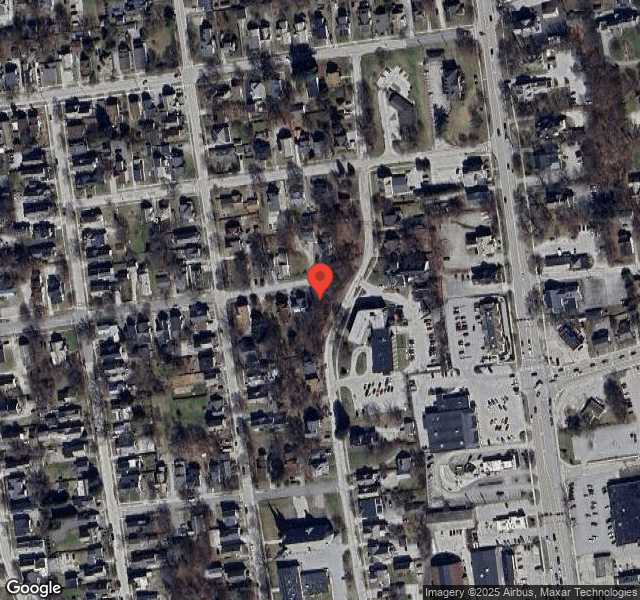
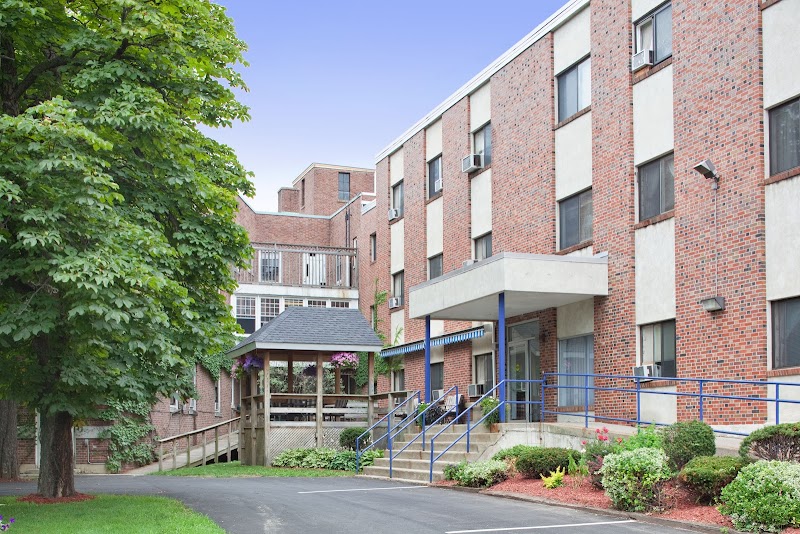
46 Nichols Street, Rutland, VT 05701 (802) 775-2941
For profit - Limited Liability company 103 Beds GENESIS HEALTHCARE Data: November 2025
Trust Grade
80/100
#3 of 33 in VT
Last Inspection: May 2024

Within standard 12-15 month inspection cycle. Federal law requires annual inspections.

Overview

Rutland Healthcare & Rehabilitation Center has a Trust Grade of B+, indicating that it is recommended and above average compared to other facilities. It ranks #3 out of 33 nursing homes in Vermont, placing it in the top half of the state, and is the best option among 3 facilities in Rutland County. However, the facility is experiencing a worsening trend, with one issue reported in 2025 after previously having none in 2024. While staffing is average with a rating of 3 out of 5 stars and a turnover rate of 50%, it is still below the Vermont average of 59%. The facility incurred $45,588 in fines, which is concerning but considered average when compared to other facilities. There are some significant strengths, such as excellent health inspection ratings and a commitment to maintaining a safe environment. However, there are notable weaknesses, including a serious incident where a resident was not protected from physical abuse by staff, and concerns about dietary compliance for residents with allergies. Additionally, the kitchen failed to reheat food to safe temperatures, which could pose health risks for residents. Families considering this facility should weigh these strengths and weaknesses carefully.

Trust Score
B+
80/100
In Vermont
#3/33
Top 9%
Safety Record
Moderate
Needs review
Inspections
Getting Worse
0 → 1 violations
Staff Stability
⚠ Watch
50% turnover. Above average. Higher turnover means staff may not know residents' routines.
Penalties
○ Average
$45,588 in fines. Higher than 56% of Vermont facilities. Some compliance issues.
Skilled Nurses
✓ Good
Each resident gets 49 minutes of Registered Nurse (RN) attention daily — more than average for Vermont. RNs are trained to catch health problems early.
Violations
○ Average
7 deficiencies on record. Average for a facility this size. Mostly minor or procedural issues.
★★★★★
5.0
Overall Rating
★★★☆☆
3.0
Staff Levels
★★★☆☆
3.0
Care Quality
★★★★★
5.0
Inspection Score
Stable
2024: 0 issues
2025: 1 issues

The Good

  • Full Sprinkler Coverage · Fire safety systems throughout facility
  • No fines on record

Facility shows strength in fire safety.

The Bad

Staff Turnover: 50%

Near Vermont avg (46%)

Higher turnover may affect care consistency

Federal Fines: $45,588

Above median ($33,413)

Moderate penalties - review what triggered them

Chain: GENESIS HEALTHCARE

Part of a multi-facility chain

Ask about local staffing decisions and management

The Ugly 7 deficiencies on record

1 actual harm
Aug 2025 1 deficiency 1 Harm
SERIOUS (G) 📢 Someone Reported This

A family member, employee, or ombudsman was alarmed enough to file a formal complaint

Actual Harm - a resident was hurt due to facility failures

Free from Abuse/Neglect (Tag F0600)

A resident was harmed · This affected 1 resident

Based on interview and record review, the facility failed to ensure 1 of 3 residents sampled [Resident #1] was free from physical abuse by facility staff. A reasonable person has the expectation that ...

Read full inspector narrative →
Based on interview and record review, the facility failed to ensure 1 of 3 residents sampled [Resident #1] was free from physical abuse by facility staff. A reasonable person has the expectation that they will be safe in their home and can trust and rely on staff to keep them safe. In this case, a reasonable person would suffer psychosocial harm of fear and or anxiety related to being abused by a staff member. Findings include:Per record review, Resident #1 was admitted to the facility with diagnoses that include dementia, major depressive disorder, anxiety, hallucinations, dissociate conversion disorder, and has a BIMS [brief interview for mental status] score of 7 indicating severe cognitive impairment.Review of the facility's Abuse, Neglect, and Exploitation Prevention policy [effective 3/23/2010] reveals All residents of this facility have the right to be free from verbal, sexual, physical and mental abuse, corporal punishment, involuntary seclusion, neglect and misappropriation of property by facility staff, other residents, consultants or volunteers, staff of other agencies serving the resident, family members, legal guardians, friends or other individuals.Per review of the facility's investigation, on 7/20/25 Registered Nurse [RN] reported that [s/he] and Licensed Nursing Assistant #1 [LNA #1] heard Resident #1 yelling. LNA #1 went to Resident #1's room to see what was going on. When LNA #1 came out, [s/he] reported that Resident #1's lip was bleeding. RN reports that [s/he] assessed Resident #1's lip and relayed to LNA #1 that [s/he] would start an incident report. LNA #2 [who was in the room when Resident #1 was heard yelling] and LNA #1 then went to provide care to another resident. After that care was completed, LNA #2 went to break, and LNA #1 reported to RN that LNA #2 admitted to [h/her] that [s/he] had hit Resident #1.Per the facility 5-day investigation summary, dated 7/23/25, LNA #2 reported to the Administrator that [Resident #1] was combative during care. She reported that [Resident #1] hit her breast very hard and as a reaction, without thinking, she lashed out at [Resident #1] striking [him/her] in the face. The investigation states that the allegation that Resident #1 was physically abused by LNA #2 was verified.An interview was conducted with the facility's Administrator [ADM] on 8/5/25 at 11:30 AM.The ADM confirmed that the facility failed to ensure Resident #1 was free from abuse when LNA #2 struck the resident while providing care on 7/20/25.
Sept 2023 2 deficiencies
CONCERN (D) 📢 Someone Reported This

A family member, employee, or ombudsman was alarmed enough to file a formal complaint

Potential for Harm - no one hurt, but risky conditions existed

Notification of Changes (Tag F0580)

Could have caused harm · This affected 1 resident

Based on staff interview and record review, the facility failed to consult with the resident's physician when there is a need to alter treatment significantly as evidenced by a failure to follow up on...

Read full inspector narrative →
Based on staff interview and record review, the facility failed to consult with the resident's physician when there is a need to alter treatment significantly as evidenced by a failure to follow up on consistent refusal of high-risk medications for one of 5 sampled residents (Resident #1). Findings include: Per record review, Resident #1 was admitted with Type 2 Diabetes Mellitus on 4/6/2023. An order for Insulin Aspart (short acting insulin) 20 unit injections three times a day with meals was placed on 4/7/2023. An order for Insulin Glargine (long acting insulin) 30 unit injections one time a day was also placed on 4/7/2023. Insulin is prescribed for Diabetes to help control blood sugars and prevent serious complications from chronically high blood sugar levels. Per review of Resident #1's Medication Administration Record, Resident #1 refused the Insulin Aspart injections on 4/7/23 at 5 PM, all scheduled injections on 4/8/23 through 4/10/23, on 4/11/23 at 8 AM and 5 PM, all scheduled injections on 4/12/23 through 4/13/23, and on 4/14/23 at 8 AM prior to Resident #1's discharge from the facility. Resident #1 also refused all daily Insulin Glargine injections from 4/8/23 through 4/14/23 prior to discharge from the facility. Per review of nursing progress notes, multiple daily nursing notes document Resident #1's refusal of Insulin throughout their admission. None of these notes state that the provider was notified of the refusals until 4/14/23, the morning of Resident #1's discharge. There is otherwise no evidence that the provider was notified of Resident #1's insulin refusal throughout their admission. The facility policy titled Refusal of Treatment states under the process section 3. Notify physician of refusal of treatment. 4. Staff Will: 4.1 determine and document what the patient is refusing 4.2 assess the reasons for refusal 4.3 advise patient of consequences of refusal, and 4.4 offer alternative treatments. Per interview on 9/13/23 at approximately 12:45 PM, the Director of Nursing confirmed that no evidence of provider notification could be found for Resident #1's refusal of ordered insulin.
CONCERN (E) 📢 Someone Reported This

A family member, employee, or ombudsman was alarmed enough to file a formal complaint

Potential for Harm - no one hurt, but risky conditions existed

Deficiency F0806 (Tag F0806)

Could have caused harm · This affected multiple residents

**NOTE- TERMS IN BRACKETS HAVE BEEN EDITED TO PROTECT CONFIDENTIALITY** Based on observations, staff interview, resident interview, and record review, the facility failed to ensure that each resident ...

Read full inspector narrative →
**NOTE- TERMS IN BRACKETS HAVE BEEN EDITED TO PROTECT CONFIDENTIALITY** Based on observations, staff interview, resident interview, and record review, the facility failed to ensure that each resident receives food that accommodates allergies, preferences, and intolerances for two of four sampled residents (Residents #1 and #2). Findings include: 1. Per record review, Resident #1 was admitted on [DATE] with a diagnosis of Celiac Disease (a disease that causes acute illness and long term health issues if Gluten [found in wheat and other grains] is ingested). Resident #1's allergies list also lists wheat, entered on 4/6/2023. On 4/6/23, Resident #1 had the care plan focus Risk for gastrointestinal symptoms or complications related to constipation, diverticulitis, history of colon cancer, celiac disease, and gastroesophageal reflux disease added to their care plan. The record shows that Resident #1's diet order was placed on 4/6/23. The diet order reads consistent carbohydrate diet, regular texture. There is a comment in the order that states Gluten Free. An audit of the order's revision history shows that the order was revised on 4/11/23. Per review of a grievance that Resident #1 submitted on 4/11/23, the description reads, Patient reports that [they have] a gluten free diet and is not receiving these types of meals. The immediate action taken section of the form reads, Diet order updated to Gluten Free and dietary slip sent. Per interview on 9/13/2023, the Director of Nursing confirmed that the diet order was updated on 4/11/23 following the Resident #1's complaint despite ample evidence in the chart that the Resident could not eat gluten-containing foods. 2. Per record review, Resident #2 has wheat listed as an intolerance in their medical record. This was placed on 1/8/2021. Per observation of Resident #2's meal ticket on 9/13/23 at approximately 11:30 AM, Resident #2's meal ticket for the impending lunch service did not have wheat listed as on of their allergies. Per interview at the time of the meal ticket observation, the Dietary Manager stated that allergy/intolerance information is sent from the nursing units via a diet slip to the kitchen. Kitchen staff then update meal tickets to include allergies, and this is what they reference when plating meals to avoid putting allergens on resident trays. Per interview on 9/13/23 at approximately 11:45 AM, the Unit Manager confirmed that Resident #2's medical record lists wheat as an allergen but that Resident #2 is not on a wheat or gluten-free diet. Per interview on 9/13/23 at approximately 11:50 AM, Resident #2 stated that they are aware that they have been intolerant to wheat in the past, and that it sometimes bothers them but that they continue to eat wheat at the facility.
Jul 2023 1 deficiency
CONCERN (E) 📢 Someone Reported This

A family member, employee, or ombudsman was alarmed enough to file a formal complaint

Potential for Harm - no one hurt, but risky conditions existed

Food Safety (Tag F0812)

Could have caused harm · This affected multiple residents

Based on observation and staff interview, the facility failed to prepare food in accordance with professional standards for food service safety by failing to reheat previously cooked foods to a safe t...

Read full inspector narrative →
Based on observation and staff interview, the facility failed to prepare food in accordance with professional standards for food service safety by failing to reheat previously cooked foods to a safe temperature of 165 degrees Fahrenheit. Findings include: During observation of the kitchen's lunch service on 7/25/23 at approximately 12:00 PM, a resident's meal ticket requested to substitute the seafood pasta sauce on the menu for marinara sauce. A dietary aide retrieved leftover marinara sauce from the walk-in refrigerator. The sauce was in a plastic container with a lid and not from a ready-to-serve package or sealed container. The dietary aide put a serving of marinara sauce in a steel pan and heated the sauce over a burner. After a few minutes, the aide served the sauce over a serving of pasta without measuring the temperature of the sauce and prepared the plate for the resident's tray to be sent to the unit. The Dietary Manager used an instant-read thermometer to measure the temperature of the leftover sauce. It read 115 degrees Fahrenheit. The Dietary Manager instructed the aide to discard the prepared tray and repeat the process with sauce that was heated to at least 135 degrees Fahrenheit. Per interview a few minutes after the pasta and sauce was re-plated after reaching 140 degrees Fahrenheit, the Dietary Manager re-confirmed that the kitchen's process for reheating previously cooked and cooled leftovers is to heat them to at least 135 degrees Fahrenheit. Per professional standards of food service, foods that have been previously cooked and then cooled for storage must be reheated to 165 degrees Fahrenheit for at least 15 seconds to kill all possible food borne illness. Previously cooked and cooled foods have passed through the danger zone (a temperature range of 40 to 140 degrees Fahrenheit) multiple times and are at a higher-than-average risk of being contaminated with food borne pathogens. Per interview on 7/25/23 at approximately 1:00 PM, the Dietary Manager confirmed that their training materials include education on heating previously cooked and cooled foods, but that it does not specify a temperature as high as 165 degrees Fahrenheit.
Mar 2023 2 deficiencies
CONCERN (D)

Potential for Harm - no one hurt, but risky conditions existed

Deficiency F0699 (Tag F0699)

Could have caused harm · This affected 1 resident

**NOTE- TERMS IN BRACKETS HAVE BEEN EDITED TO PROTECT CONFIDENTIALITY** Based on staff interview and record review, the facility failed to ensure that residents who are trauma survivors receive trauma...

Read full inspector narrative →
**NOTE- TERMS IN BRACKETS HAVE BEEN EDITED TO PROTECT CONFIDENTIALITY** Based on staff interview and record review, the facility failed to ensure that residents who are trauma survivors receive trauma informed care that mitigates triggers that may re-traumatize residents for two of two residents (Resident #4 and Resident #49). Findings Include: 1. Per record review, Resident #4 was admitted on [DATE] with diagnoses of PTSD (Post-Traumatic Stress Disorder), Bipolar Disorder, Schizophrenia, Insomnia, and Major Depressive Disorder. Resident #4's care plan includes focuses of sexually inappropriate behavior, refusal of care, distressed/fluctuating mood symptoms, and sleep pattern disturbance. The admission note from Resident #4's Attending Physician on 3/1/2020 states, PTSD is service related. The first consult note from the Psychiatric Nurse Practitioner on 2/17/2022 states, [Resident #4] mentioned serving in Vietnam and 'agent orange'. Per review of Resident #4's record, there was no evidence found that Resident #4 was assessed for triggers that may re-traumatize the Resident. There was also no evidence found in Resident #4's plan of care regarding the Resident's triggers or how staff can provide care that avoids re-traumatizing the Resident. Per interview on 3/22/2023 at approximately 8:30 AM, an LNA (Licensed Nursing Assistant) with 30 years at the facility was unable to identify Resident #4's specific triggers related to their trauma experience. Per interview on 3/22/2023 at approximately 12:30 PM, the facility Administrator and Director of Nursing confirmed that Resident #4's trauma experience and associated triggers are not identified in the Resident's record. 2. Per record review, Resident #49 was admitted on [DATE] with diagnoses of PTSD (Post-Traumatic Stress Disorder), Anxiety, and Depression. Resident #49's care plan includes focuses of verbal behaviors, resistance to care, distressed/fluctuating mood symptoms, and adjustment issues. The Attending Physician admission note from 5/14/2022, the Nurse Practitioner admission note from 5/24/2022, and the Psychiatric Nurse Practitioner note from 6/2/2022 all mention that Resident #49 has PTSD but include no additional details about the trauma or associated triggers. Per review of Resident #49's care plan, a care plan intervention from 8/18/2022 states, Evaluate the nature and circumstances (i.e., triggers) of the verbal behavior with resident/patient and/or resident representative. However, there is no identification in the record of what these triggers are or how they relate to Resident #49's trauma experience. Per interview on 3/22/2023 at approximately 12:30 PM, the facility Administrator and Director of Nursing confirmed that Resident-specific triggers have not been identified or care planned for Residents with a history of trauma.
CONCERN (E)

Potential for Harm - no one hurt, but risky conditions existed

Infection Control (Tag F0880)

Could have caused harm · This affected multiple residents

**NOTE- TERMS IN BRACKETS HAVE BEEN EDITED TO PROTECT CONFIDENTIALITY** 2. During observation of the medication administration pass on 3/21/2023 at 8:55 AM the Licensed Practice Nurse (LPN) was observ...

Read full inspector narrative →
**NOTE- TERMS IN BRACKETS HAVE BEEN EDITED TO PROTECT CONFIDENTIALITY** 2. During observation of the medication administration pass on 3/21/2023 at 8:55 AM the Licensed Practice Nurse (LPN) was observed administering medication to a Resident and then return to the medication cart. S/he then preceded to prepare medications for another Resident, administer them and return to the cart again. S/he then prepared medications for another resident and administered them. During this administration the LPN spilled juice on the floor, cleaned it up with a towel, and then washed her/his hands. During interview at 9:10 AM the LPN confirmed that S/he should performed hand hygiene before, after, and between residents while administering medications. Based on observation and staff interview, the facility failed to provide a safe, sanitary and comfortable environment and to help prevent the development and transmission of communicable diseases and infections. Findings include: 1. On 03/20/23 at 2:08 PM, a staff Licensed Practical Nurse (LPN) was observed in room [ROOM NUMBER] standing approximately 4 feet from Resident # 149 who is on contact precautions for Clostridium- Difficile ( C-Diff). There was another resident in the semi-private room at the time of the observation. This other resident was being treated for chronic venous ulcers. The LPN did not don gloves or a gown as indicated by a Centers for Disease Control (CDC) sign posted on the room door. The contact precautions sign stated that anyone entering the room must don gloves and a gown. The LPN then left the room and proceeded to enter several additional resident rooms without sanitizing or washing hands. Immediately after the observation, the LPN stated that Resident # 149 had C-Diff and that gown and gloves should be worn only when providing personal care which is contrary to facility and CDC policy. CDC and facility policy states that gown and gloves must be worn before contact with the patient or patient's environment. On 3/22/23 at 10:52 AM, the Director Of Nurses (DON) agreed that staff should have been donning gloves and gowns when entering Resident # 149's room.
Feb 2022 1 deficiency
CONCERN (E)

Potential for Harm - no one hurt, but risky conditions existed

Quality of Care (Tag F0684)

Could have caused harm · This affected multiple residents

Based on staff interview and record review, the facility failed to ensure residents receive treatment and care in accordance with professional standards of practice and the comprehensive person-center...

Read full inspector narrative →
Based on staff interview and record review, the facility failed to ensure residents receive treatment and care in accordance with professional standards of practice and the comprehensive person-centered care plan related to PICCs (peripherally inserted central catheters) for two of two residents with PICCs (Resident #73 and Resident #65). Findings include: 1. Per record review, Residents #73 and #65 both have PICCs (centrally inserted catheters that deliver fluids and medicine directly into the heart from an insertion site in the upper arm). An order was placed in Resident #73's record on 1/18/22 that reads, Change Catheter Site Transparent Dressing. Indicate external catheter length and upper arm circumference (10 cm above antecubital [inner elbow]). Notify practitioner if the external length has changed since last measurement every day shift every 7 days weekly and as needed. An identical order was placed in Resident #65's record on 1/13/22. Per review of Resident #73's medication and treatment administration record, Resident #73 was scheduled for their dressing change and site assessment on 1/18/22, 1/25/22, and 2/1/22. Nurse 1 documented that the PICC dressings were changed on all 3 scheduled dates. On 1/18/22, Nurse 1 documented NA under both circumference measurement and external length measurement. On 1/25/22, Nurse 1 documented NA under circumference measurement. On 2/1/22, Nurse 1 documented NA under both circumference measurement and external length measurement. Per review of Resident #65's medication and treatment administration record, Resident #65 was scheduled for their dressing change and site assessment on 1/14/22, and 2/4/22. Nurse 1 documented that the PICC dressings were changed on both scheduled dates. On 1/14/22 and 2/4/22, Nurse 1 documented NA under both circumference measurement and external length measurement. Per review of Resident #73's care plan, under the care plan focus Central Line IV/PICC line due to antibiotic therapy initiated on 1/15/22, an intervention placed on 1/15/22 reads, sterile dressing change per policy and prn (as needed). Per review of the facility's policy Central Vascular Access Device Dressing Change, under the guidance section, the policy states, 9. Length of external catheter is obtained . 9.2 during dressing changes . 10. For PICCs, upper arm circumference (10 cm above antecubital) is obtained . 10.4 compare to baseline measurement to detect possible catheter-associated venous thrombus (blood clot). Per interview on 2/9/22 at approximately 11:30 AM, The Director of Nursing confirmed that the documentation of NA did not represent an appropriate assessment of circumference or external length, and that appropriate documentation would consist of a numeric measurement.
Understanding Severity Codes (click to expand)
Life-Threatening (Immediate Jeopardy)
J - Isolated K - Pattern L - Widespread
Actual Harm
G - Isolated H - Pattern I - Widespread
Potential for Harm
D - Isolated E - Pattern F - Widespread
No Harm (Minor)
A - Isolated B - Pattern C - Widespread

Questions to Ask on Your Visit

  • "Can I speak with families of current residents?"
  • "What's your RN coverage like on weekends and overnight?"

Our Honest Assessment

Strengths
  • • Grade B+ (80/100). Above average facility, better than most options in Vermont.
Concerns
  • • 7 deficiencies on record, including 1 serious (caused harm) violation. Ask about corrective actions taken.
  • • $45,588 in fines. Higher than 94% of Vermont facilities, suggesting repeated compliance issues.
Bottom line: Generally positive indicators. Standard due diligence and a personal visit recommended.

About This Facility

What is Rutland Healthcare & Rehabilitation Center's CMS Rating?

CMS assigns Rutland Healthcare & Rehabilitation Center an overall rating of 5 out of 5 stars, which is considered much above average nationally. Within Vermont, this rating places the facility higher than 99% of the state's 100 nursing homes. This rating reflects solid performance across the metrics CMS uses to evaluate nursing home quality.
How is Rutland Healthcare & Rehabilitation Center Staffed?

CMS rates Rutland Healthcare & Rehabilitation Center's staffing level at 3 out of 5 stars, which is average compared to other nursing homes. Staff turnover is 50%, compared to the Vermont average of 46%.

What Have Inspectors Found at Rutland Healthcare & Rehabilitation Center?

State health inspectors documented 7 deficiencies at Rutland Healthcare & Rehabilitation Center during 2022 to 2025. These included: 1 that caused actual resident harm and 6 with potential for harm. Deficiencies causing actual harm indicate documented cases where residents experienced negative health consequences.

Who Owns and Operates Rutland Healthcare & Rehabilitation Center?

Rutland Healthcare & Rehabilitation Center is owned by a for-profit company. For-profit facilities operate as businesses with obligations to shareholders or private owners. The facility is operated by GENESIS HEALTHCARE, a chain that manages multiple nursing homes. With 103 certified beds and approximately 92 residents (about 89% occupancy), it is a mid-sized facility located in Rutland, Vermont.

How Does Rutland Healthcare & Rehabilitation Center Compare to Other Vermont Nursing Homes?

Compared to the 100 nursing homes in Vermont, Rutland Healthcare & Rehabilitation Center's overall rating (5 stars) is above the state average of 2.8, staff turnover (50%) is near the state average of 46%, and health inspection rating (5 stars) is much above the national benchmark.

What Should Families Ask When Visiting Rutland Healthcare & Rehabilitation Center?

Based on this facility's data, families visiting should ask: "Can I visit during a mealtime to observe dining assistance and food quality?" "How do you handle medical emergencies, and what is your hospital transfer rate?" "Can I speak with family members of current residents about their experience?"

Is Rutland Healthcare & Rehabilitation Center Safe?

Based on CMS inspection data, Rutland Healthcare & Rehabilitation Center has a clean safety record: no substantiated abuse findings (meaning no confirmed cases of resident harm), no Immediate Jeopardy citations (the most serious violation level indicating risk of serious injury or death), and is not on the Special Focus Facility watch list (a federal program monitoring the lowest-performing 1% of nursing homes). The facility has a 5-star overall rating and ranks #1 of 100 nursing homes in Vermont. While no facility is perfect, families should still ask about staff-to-resident ratios and recent inspection results during their visit.

Do Nurses at Rutland Healthcare & Rehabilitation Center Stick Around?

Rutland Healthcare & Rehabilitation Center has a staff turnover rate of 50%, which is about average for Vermont nursing homes (state average: 46%). Moderate turnover is common in nursing homes, but families should still ask about staff tenure and how the facility maintains care continuity when employees leave.

Was Rutland Healthcare & Rehabilitation Center Ever Fined?

Rutland Healthcare & Rehabilitation Center has been fined $45,588 across 2 penalty actions. The Vermont average is $33,535. While any fine indicates a compliance issue, fines under $50,000 are relatively common and typically reflect isolated problems that were subsequently corrected. Families should ask what specific issues led to these fines and confirm they've been resolved.

Is Rutland Healthcare & Rehabilitation Center on Any Federal Watch List?

Rutland Healthcare & Rehabilitation Center is not on any federal watch list. The most significant is the Special Focus Facility (SFF) program, which identifies the bottom 1% of nursing homes nationally based on persistent, serious quality problems. Not being on this list means the facility has avoided the pattern of deficiencies that triggers enhanced federal oversight. This is a positive indicator, though families should still review the facility's inspection history directly.