The Pines at Rutland Center for Nursing & Rehabili
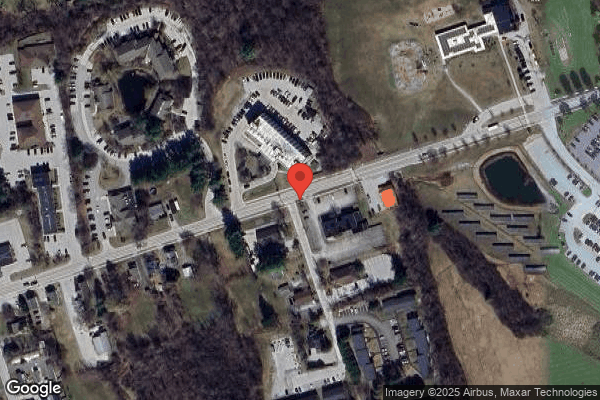
99 Allen Street, Rutland, VT 05701 (802) 775-2331
For profit - Partnership 125 Beds NATIONAL HEALTH CARE ASSOCIATES Data: November 2025
Trust Grade
53/100
#17 of 33 in VT
Last Inspection: September 2024

Within standard 12-15 month inspection cycle. Federal law requires annual inspections.

Overview

The Pines at Rutland Center for Nursing & Rehabilitation has a Trust Grade of C, meaning it is average and sits in the middle of the pack among nursing homes. It ranks #17 out of 33 facilities in Vermont, placing it in the bottom half, and #3 out of 3 in Rutland County, indicating limited local options. The facility is improving, having reduced issues from 9 in 2023 to 7 in 2024. Staffing is a relative strength with a rating of 3 out of 5 stars and a turnover rate of 54%, which is better than the Vermont average of 59%, suggesting staff retention is decent. However, there are some concerning findings: a resident was not given the two-person assistance required for toileting, creating a fall risk, and there were issues with food safety, such as a meat slicer that was dirty and food stored improperly, raising hygiene concerns. Overall, while there are strengths in staffing and a trend of improvement, families should be cautious about the facility's safety and hygiene practices.

Trust Score
C
53/100
In Vermont
#17/33
Bottom 49%
Safety Record
Moderate
Needs review
Inspections
Getting Better
9 → 7 violations
Staff Stability
⚠ Watch
54% turnover. Above average. Higher turnover means staff may not know residents' routines.
Penalties
✓ Good
$8,512 in fines. Lower than most Vermont facilities. Relatively clean record.
Skilled Nurses
✓ Good
Each resident gets 55 minutes of Registered Nurse (RN) attention daily — more than average for Vermont. RNs are trained to catch health problems early.
Violations
⚠ Watch
25 deficiencies on record. Higher than average. Multiple issues found across inspections.
★★★☆☆
3.0
Overall Rating
★★★☆☆
3.0
Staff Levels
★★★☆☆
3.0
Care Quality
★★★☆☆
3.0
Inspection Score
Stable
2023: 9 issues
2024: 7 issues

The Good

  • Full Sprinkler Coverage · Fire safety systems throughout facility
  • No fines on record

Facility shows strength in fire safety.

The Bad

3-Star Overall Rating

Near Vermont average (2.8)

Meets federal standards, typical of most facilities

Staff Turnover: 54%

Near Vermont avg (46%)

Higher turnover may affect care consistency

Federal Fines: $8,512

Below median ($33,413)

Minor penalties assessed

Chain: NATIONAL HEALTH CARE ASSOCIATES

Part of a multi-facility chain

Ask about local staffing decisions and management

The Ugly 25 deficiencies on record

1 actual harm
Nov 2024 1 deficiency
CONCERN (E) 📢 Someone Reported This

A family member, employee, or ombudsman was alarmed enough to file a formal complaint

Potential for Harm - no one hurt, but risky conditions existed

Food Safety (Tag F0812)

Could have caused harm · This affected multiple residents

Based on observation, and staff interview, the facility failed to ensure kitchen staff properly air-dried or hand dried pans prior to storage and failed to maintain a clean sanitary food service area....

Read full inspector narrative →
Based on observation, and staff interview, the facility failed to ensure kitchen staff properly air-dried or hand dried pans prior to storage and failed to maintain a clean sanitary food service area. Findings include: During an observation on 11/25/24 at 2:05 PM, there was a baking sheet that was stacked on other baking sheets that was noted to be wet. The baking sheet was placed on the counter by this surveyor and the steam table pans were inspected. There was a wet small steam table pan that had been stacked on others. At this time the Director of Dietary was shown the small steam table pan and when this surveyor was attempting to show her/him the baking sheet it had been removed from the counter and placed back on top of the stacked sheets. The Director of Dietary confirmed that the baking sheet and the steam table pan that had been cleaned and stacked for use were still wet. The pans were found to have been stacked wet and not allowed to air dry prior to stacking. The Director of Dietary went into the dish room and returned stating, I just educated [dietary staff member] not to do that, they are not usually back there. The floor under one of the food prep table legs had two squares of missing tile creating exposed sub flooring with accumulated liquid and food particles. The leg of the table was noted to have a buildup of what appeared to be dirt and grease residue. The gas stove top was noted to have an excess amount of food and grease buildup on and under the burner grates. The Director of Dietary stated that they are taken apart weekly and cleaned. Per review of the kitchen cleaning schedule, staff sign off daily that they have cleaned the stove. This schedule had already been signed off for 11/25/24 however, there was a large amount of food and grease build up on and under the burner grates. The third floor steam table was noted to have pieces of orzo floating in the steam table water. The Director of Dietary and the Kitchen Supervisor confirmed that there was orzo in the steam table water. When asked when the residents were last served orzo the Director of Dietary stated last night. Per the Director of Dietary the steam table water is supposed to be drained and cleaned every night after diner service. The Director of Dietary stated that s/he would provide additional education to the staff member who had failed to do so. Per interview with the facility Administrator on 11/25/24 at 3:15 PM the facility had been making repairs in the kitchen and the above concerns would be addressed. During a walk through of the kitchen the facility Administrator confirmed the above kitchen observations.
Sept 2024 6 deficiencies 1 Harm
SERIOUS (G) 📢 Someone Reported This

A family member, employee, or ombudsman was alarmed enough to file a formal complaint

Actual Harm - a resident was hurt due to facility failures

Accident Prevention (Tag F0689)

A resident was harmed · This affected 1 resident

**NOTE- TERMS IN BRACKETS HAVE BEEN EDITED TO PROTECT CONFIDENTIALITY** Based upon interview and record review, the facility failed to provide adequate supervision to prevent accidents resulting in ha...

Read full inspector narrative →
**NOTE- TERMS IN BRACKETS HAVE BEEN EDITED TO PROTECT CONFIDENTIALITY** Based upon interview and record review, the facility failed to provide adequate supervision to prevent accidents resulting in harm to one resident [Res.#59] of 6 sampled residents. Findings include: Per review of Res.#59's medical record, the resident was admitted to the facility with diagnoses that included generalized muscle weakness, cerebral infarction [stroke], seizures, and dementia. Review of Res.#59's Care Plan reveals the resident was identified as at risk for falls related to a history of falls, dementia, hemiplegia [one-sided paralysis], anxiety, depression, and medications associated with increased fall risk. Regarding toilet use, the Care Plan records Res.#59 requires extensive assistance and sit to stand by 2 staff for toileting. An interview was conducted with the Director of Nursing [DON] on 9/18/24 at 10:02 AM. The DON stated that Licensed Nursing Assistants [LNAs] receive training during orientation regarding following a resident's [NAME]. [the '[NAME]' is a documentation system that enables direct care staff to easily reference key patient information that shapes the resident's care plan.] Review of Res.# 59's [NAME] for July and August 2024 reveals Res.#59 requires extensive assistance and sit to stand by 2 staff for toileting and regarding transfers, requires extensive assistance and sit to stand by 2 staff to move between surfaces. Per review of Progress Notes for Res.#59, dated 8/7/24, At approx. 6:15 AM this writer was called to [Res.#59's] room by LNA for reports of [Res.#59] falling in the bathroom .[Res.#59] was observed to be uncomfortable and expressing complaints of pain in right leg. Progress notes record at 10:23 AM Resident began to yell out in pain. Upon assessment, resident is touching [h/her] lower back as well as [h/her] right leg . Providers updated and ordered resident to be sent to [NAME] Regional Medical Center for evaluation. Per review of Emergency Department notes from [NAME] Regional Medical Center dated 8/7/24, Res. #59 was inappropriately moved by LNA- patient is a mechanical lift only. Right leg 'popped out' (rotated externally) as patient was pivoting while standing. Patient has dementia history, reports 'very bad' pain. Grimacing .Apparently patient usually utilizes a sit to stand and is unable to transfer on [h/her] own. This morning patient was being attended by a new medical staff who tried to get [h/her] to stand up and make a transfer on [h/her] own. Res.#59 underwent a series of x-rays on 8/7/24 which showed the resident suffered a Tibial plateau fracture (A tibial plateau fracture is an injury where you break your bone and damage the cartilage on top of your tibia (bottom part of your knee)). [https://Orthopaedic Trauma Association ota.org/for-patients/find-info-body-part/3834#/+/0/score, date_na_dt/desc/]. Per review of the facility's investigation of the incident on 8/7/24, it was determined that [LNA #1] did not understand that [Res.#59] required a sit to stand lift for transfers when assisting [him/her] in the restroom .LNA states [s/he] was aware resident was a 1 assist for care and 'assumed' [s/he] was a 1 assist for transfers. Per interview with the Director of Nursing [DON] on 9/18/24 at 10:02 AM, the DON stated LNA#1 was not familiar with Res.#59 and the resident's care requirements. The DON confirmed the facility's investigation demonstrated that Res.#59's [NAME] contained the instructions of extensive assistance and sit to stand by 2 staff for toileting and transfers. The DON confirmed that on 8/7/24, contrary to training and specific instructions, LNA #1 attempted toileting and transfer of Res.#59 without a Sit to Stand device and without the assistance of another staff member. The attempted transfer without the proper device and additional staff resulted in harm to Res.#59 in the form of a fractured tibial plateau. The facility completed corrective actions after identifying this deficient practice, prior to the survey entrance; therefore, this deficiency is considered past noncompliance. Per the facility investigation, the facility educated the LNA involved, educated all nursing staff regarding the use of the [NAME] and its purpose, and completed several weeks of audits regarding proper implementation of resident [NAME]'s, which were reviewed and verified.
CONCERN (D)

Potential for Harm - no one hurt, but risky conditions existed

Deficiency F0561 (Tag F0561)

Could have caused harm · This affected 1 resident

**NOTE- TERMS IN BRACKETS HAVE BEEN EDITED TO PROTECT CONFIDENTIALITY** Per interview and record review, the facility failed to provide activities of daily living care (ADL) based on resident preferen...

Read full inspector narrative →
**NOTE- TERMS IN BRACKETS HAVE BEEN EDITED TO PROTECT CONFIDENTIALITY** Per interview and record review, the facility failed to provide activities of daily living care (ADL) based on resident preference for 1 of 32 sampled residents (Resident #11). Findings include: Per record review, Resident #11's care plan reads, [Resident #11] has an ADL self-care performance deficit [related to] Quadriplegia [paralysis of all four limbs], with the following interventions, DRESSING: [extensive] assistance by 1 staff to dress, revised on 8/21/22, and TRANSFER: Mechanical sist to stand Lift with extensive assist of 2 staff for transfers, revised on 5/26/24. On 7/16/24, Resident #11 was assessed to have a BIMS of 15 (brief interview for mental status; a cognitive assessment score indicating cognitive intactness). Per interview on 9/17/24 at 9:50 AM, Resident #11 stated that s/he prefers to get up by 8:00 AM or before breakfast. S/He explained that this preference is not always honored, as aides do not start his/her morning care until 9:00 AM about 1-3 times a week, and on a few occasions 10 AM or later. S/He revealed that s/he is frustrated because this has been happening for months and is upset that it is becoming the norm. On 9/18/24 at 10:47 AM, Resident #11 explained that this preference is an intervention in his/her care plan and has been for a while. S/He had also explained that s/he had sent an email to the social service department alerting them that his/her care plan preference is not always honored. Per record review of Resident #11's care plan, there are no interventions regarding his/her preference to get out of bed prior to 8 AM. A review of historical care plans reveals the following intervention was added on 4/9/21 resident request to be up by 8 am. This intervention was no longer in his/her care plan starting 11/6/23. Per review of a 2/19/24 email, Resident #11 emailed the social service department of his/her concern that s/he is not regularly getting out of bed before 8:00 AM. Per interview on 8/18/24 at 10:50 AM, the Unit Manager stated that s/he was aware that Resident #11 had a preference to get out of bed in the morning before 8:00 AM. S/He explained that Resident #11's preferences should be included in their care plan and [NAME] (a quick reference of care plan interventions) and confirmed that it was not.
CONCERN (D)

Potential for Harm - no one hurt, but risky conditions existed

Pharmacy Services (Tag F0755)

Could have caused harm · This affected 1 resident

Based on interview and record review, the facility failed to provide pharmaceutical services to meet each resident's needs for 1 of 32 sampled residents (Resident #11). Findings include: Per record re...

Read full inspector narrative →
Based on interview and record review, the facility failed to provide pharmaceutical services to meet each resident's needs for 1 of 32 sampled residents (Resident #11). Findings include: Per record review, Resident #11 has diagnoses that include quadriplegia (paralysis of all four limbs) and muscle spasms. On 7/16/24, Resident #11 was assessed to have a BIMS of 15 (brief interview for mental status; a cognitive assessment score indicating cognitive intactness). On 9/18/24 at 10:47 AM, Resident #11 explained that for months, s/he misses 1-2 doses a month of his/her Finasteride and Dantrolene because the medications are not available from the pharmacy. S/He expressed that s/he is very frustrating because it has become a pattern, staff have not addressed the issue, and it continues to happen. Per record review, Resident #11 has a physician order for Dantrolene Sodium Oral Capsule 25 MG 1 capsule by mouth for muscle spasms, twice a day starting 11/30/23 and changing to three times a day starting on 8/22/24. Per review of Resident #11's Medication Administration Records (MAR) from 6/1/24 through 9/18/24, Resident #11 was not administered 7 prescribed doses of Dantrolene. One dose is left blank on the MAR for the following dates: 6/12/24, 8/8/24, 8/23/24, and 8/26/24. One does on 8/22/24 and two doses on 8/28/24 are marked 9 indicating a nursing note was written as to why it was not administered. Notes corresponding to these dates indicate that the Dantrolene medication was not available. Per record review, Resident #11 has a physician order for Finasteride Tablet 5 MG Give 0.5 tablet by mouth once a day for alopecia (hair loss) starting on 4/21/2018. Per review of Resident #11's MARs from 6/1/24 through 9/18/24, Resident #11 was not administered 6 prescribed doses of Finasteride. Doses on 6/12/24 and 8/7/24 are left blank on the MAR. Doses on 6/30/24, 7/1/24, 7/29/24, and 8/7/24 are marked as 9 and a dose on 9/17/24 is marked as 5, both indicating a nursing note was written as to why it was not administered. Notes corresponding to these dates indicate that the Finasteride medication was not available. Per interview on 8/18/24 at 1:46 PM, the Unit Manager explained that there have been issues with Resident #11 getting his/her Finasteride and Dantrolene regularly. S/He has contacted the pharmacy every month about this and it keeps happening. S/He explained that is happening with medications that are unable to be combined in a bubble pack and it is happening to other residents on the unit in addition to Resident #11. S/He explained that the leadership team is aware that there are issues with getting all resident medications from the pharmacy on time. Per interview on 8/18/24 at approximately 2:00 PM, the Administrator and Director of Nursing both confirmed that they were unaware that there have been issues with the pharmacy not delivering all ordered medications.
CONCERN (D)

Potential for Harm - no one hurt, but risky conditions existed

Deficiency F0761 (Tag F0761)

Could have caused harm · This affected 1 resident

Based on observation, interview, and record review, the facility failed to ensure medications were properly stored for 1 of 8 of the applicable sample (Resident # 92). Findings include: Per interview ...

Read full inspector narrative →
Based on observation, interview, and record review, the facility failed to ensure medications were properly stored for 1 of 8 of the applicable sample (Resident # 92). Findings include: Per interview on 9/16/24 at approximately 11:30 AM, Resident #92 was observed to have two medications in her/his room, the first called Mannitol Supplement (the label indicates it is a supplement that is useful to prevent urinary tract infections) and the second was an Albuterol Inhaler (used to treat difficulty breathing) on the windowsill . When s/he was asked what the medications were, s/he explained that family members bring in the Mannitol supplement as s/he has a history of urinary tract infections. S/he uses Albuterol to prevent wheezing. S/he tells the nursing staff when s/he uses the inhaler and has not discussed the Mannitol so far. Resident #92 confirmed that s/he does not have a locked box to store their medications. S/he leaves them on the windowsill of his/her bedside table. Per interview with the Administrator on 9/17/2024 at approximately 10:05 AM, s/he confirmed that Resident #92 should have a lock box in their room to secure self-administered medications in. S/he also confirmed that the facility had no policy regarding securing self-administered medications.
CONCERN (D)

Potential for Harm - no one hurt, but risky conditions existed

Deficiency F0779 (Tag F0779)

Could have caused harm · This affected 1 resident

Per interview and record review, the facility failed to file in the resident's clinical record signed and dated x-ray reports for 1 of 32 residents (Resident #24). The failure to ensure radiology resu...

Read full inspector narrative →
Per interview and record review, the facility failed to file in the resident's clinical record signed and dated x-ray reports for 1 of 32 residents (Resident #24). The failure to ensure radiology results were filed in the resident's clinical record placed him/her at risk for unmet care needs. Findings included: Record review reveals that Resident #24 had a physician order for a chest x-ray dated 8/29/24, and a left hand x-ray dated 6/25/24. A review of Resident #24's medical record does not include a signed and dated copy of the x-ray reports or results of either x-ray. The record does not include any physician or nursing documentation that the above x-ray reports were received and reviewed by the physician. Per interview on 9/18/24 at 12:17 PM, the Unit Manager (UM) explained that s/he is not aware of how x-ray reports are entered into a resident's record. S/He explained that the providers, who work for the community health center, not for the facility, do not utilize the facility's electronic health record system to document. The UM explained that the community health center providers have access to x-ray results through a portal that s/he does not have access to. The UM confirmed that the x-ray reports were not in Resident #24's facility medical record. Per interview on 9/18/24 at 12:54 PM, the Administrator and Director of Nursing explained that some facility staff do have access to the portal where x-ray results are kept but it is the provider's responsibility to upload the reports and their notes saying the reports were reviewed into the facility's medical record. Per interview on 9/18/24 at 3:53 PM, a community health center Advanced Practice Registered Nurse (APRN) explained that s/he receives most x-ray reports through a portal and will review them once they come in. S/He stated s/he is unsure how they get into the facility's medical record. If an x-ray result is faxed directly to the facility, s/he reviews them and then gives them back to the facility initialed and dated to indicate that they have been reviewed. The APRN is not sure what they do with the x-ray reports after that.
CONCERN (E)

Potential for Harm - no one hurt, but risky conditions existed

Deficiency F0554 (Tag F0554)

Could have caused harm · This affected multiple residents

Based on observations, interview, and record review, the facility failed to assess a resident for the ability to self-administer medications and initiate a care plan related to self-administration of ...

Read full inspector narrative →
Based on observations, interview, and record review, the facility failed to assess a resident for the ability to self-administer medications and initiate a care plan related to self-administration of medications for 2 of 8 sampled residents (Residents #82 and #92). Findings include: 1. Per interview on 9/16/24 at approximately 11:30 AM, Resident #92 was observed to have two medications in her/his room, the first called Mannitol Supplement (the label indicates it is a supplement that is useful to prevent urinary tract infections) and and the second was an Albuterol Inhaler (used to treat difficulty breathing) on the windowsill. When s/he was asked what the medications were, s/he explained that family members bring in the Mannitol supplement as s/he has a history of urinary tract infections. S/he uses the Albuterol inhaler to prevent wheezing. S/he tells the nursing staff when s/he uses the inhaler and has not discussed the Mannitol so far. Resident #92 confirmed that s/he does not have a lock box to store his/her medications. Per interview on 9/18/2024 at approximately 8:06 AM with the ADON (Assistant Director of Nursing), s/he confirmed that Resident #92 uses an Albuterol inhaler independently but does not know of the Mannitol Supplement. S/he stated that residents who request to self-administer medications must be able to self-report the use of the medication, and they must have a medication self-administration assessment and a locked area to store the medication. S/he confirmed that Resident #92 did not have evidence of a self-administration assessment and that the self-administration of medications was not reflected on the Resident's care plan or in their medical record. Per interview on 9/17/2025 at approximately 2:20 PM, the Administrator confirmed that the facility does not have a policy for self-administration of medications. 2. During an interview with Resident #82 on 9/16/24 at 12:06 PM there was one black pill in a medication cup on the over bed table. There were also two rust colored pills in a medication cup on the bedside table. When Resident #82 was asked what they were s/he pointed to the black pill and stated I was not taking my pills fast enough for the nurse this morning so s/he left this here for me to finish up. When asked what the two rust colored pills were s/he stated that they were Ibuprofen. The nurse leaves them here for me in case I need them. Per record review there was no documented evidence that Resident #82 had been assessed for the ability to self-administer medications. Review of Resident #82's care plan revealed no care plan for self-administration or medications left at bedside. There was also no physician order for self administration present in the record. Per interview with the Unit Manager on 9/16/2024 at approximately 3:30 PM, Resident #82 does not have a physicians order and has not been assessed or care planned for self-administration of medications. The Unit Manager confirmed that unless there is a self-administration assessment stating the Resident can self administer and medications can be left at bedside, the nurses should be staying with Resident #82 while s/he takes her/his medications and they should not be left at bedside.
Aug 2023 7 deficiencies
CONCERN (D)

Potential for Harm - no one hurt, but risky conditions existed

Comprehensive Care Plan (Tag F0656)

Could have caused harm · This affected 1 resident

Based on interview and record review, the facility failed to implement care plan interventions regarding tube feeding and medications for 1 resident [Res. #59] of 35 sampled residents. Findings includ...

Read full inspector narrative →
Based on interview and record review, the facility failed to implement care plan interventions regarding tube feeding and medications for 1 resident [Res. #59] of 35 sampled residents. Findings include: Per review of Res. #59's medical record, the resident is diagnosed as being in a Persistent Vegetative State and is fed solely through a tube [G-tube] into h/her stomach. The resident's medical history and diagnoses include Dysphagia [difficulty in swallowing food or liquid], Quadriplegia [pattern of paralysis that can affect a person from the neck down], Anoxic Brain Damage [damage to the brain due to a lack of oxygen supply], and Severe Sepsis with Septic Shock [Septic shock is the last and most severe stage of sepsis. Sepsis occurs when your immune system has an extreme reaction to an infection]. Review of Res. #59's Care Plan reveals the resident identified as being in a persistent vegetative state requiring nutrition/ hydration support. Care Plan interventions include Tube feeding and flushes as ordered. Weights and labs to be reviewed as needed. Review of Physician Orders for Res.#59 reveal an order dated 5/22/23 for one time a day Two Cal HN formula [tube feeding] to run at 55cc [cubic centimeters] per hour for 16 hours. Total volume of formula 880cc/24 hours. Start feeding at 6am Stop feeding at 10pm. Per observation on 8/7/23 at 11:37 AM, Res.#59 was in bed with the tube feeding formula attached to an electronic pump and to the resident. The pump displayed the current infusion rate of the tube feeding as 37cc/hr. An interview was conducted with Res.#59's primary Nurse on 8/7/23 at 11:43 AM. The Nurse stated that the ordered rate for the tube feeding was 37cc/hr. and confirmed that the resident was currently receiving the tube feeding at that rate. The nurse was asked to review and confirm the Physician's tube feeding order. The nurse confirmed that the order for the tube feeding rate was 55cc/hr., not 37cc/hr., and that the tube feeding was infusing at the incorrect rate since 6:00 AM. The Nurse also stated S/he had been the resident's primary nurse for several days and had been infusing the tube feeding at the incorrect rate while he was assigned to the resident. Further review of Physician Orders for Res.#59 reveals an order for Weekly weight- every day shift every Mon- Start Date- 5/22/23. Review of Res.#59's medical record reveals 8 times out of 11 dates between the start date of 5/22/23 and 7/31/23 with no recorded weight. Review of recorded weights for Res.#59 between 5/10/23 [124.2 lbs.] and 8/3/23 [116 lbs.] record a weight loss of 6.6 %. Review of Res.#59's medical record includes a note labeled Weight Warning dated 7/10/23, which notes a -3.0% change from last weight and that the increase in Tube Feeding rate of Two Cal HN @ 55cc per hour continues. Further review of Res.#59's Care Plan reveals multiple times Give medications as ordered listed as an intervention to be implemented regarding Res. #59's care and treatment. Review of Physician Orders for Res.#59 reveal a medication order dated 5/17/23 for Bacillus Coagulans-Inulin: Give 1 tablet via G-Tube two times a day related to SEVERE SEPSIS WITH SEPTIC SHOCK -Start Date 5/17/23 8:00 PM. Review of Res.#59's Medication Administration Records [MARs] for May, June, & July 2023 document the medication was not given 51 times as ordered and per plan of care. An interview was conducted with the facility's Administrator [ADM], Director of Nursing [DON] and Assistant Director of Nursing [ADON] on 8/9/23 at 11:34 AM. The 3 staff members confirmed Res.#59's Care Plan identified the resident as being in a persistent vegetative state requiring nutrition/ hydration support with Care Plan interventions that included Tube feeding and flushes as ordered. Weights and labs to be reviewed as needed, and Give medications as ordered. The 3 staff members confirmed Res.#59 did not receive the tube feedings as ordered, weights were not reviewed or completed as ordered, and medications were not administered as ordered per Res.#59's Care Plan.
CONCERN (D)

Potential for Harm - no one hurt, but risky conditions existed

Deficiency F0657 (Tag F0657)

Could have caused harm · This affected 1 resident

**NOTE- TERMS IN BRACKETS HAVE BEEN EDITED TO PROTECT CONFIDENTIALITY** Based on interview and record review, the facility failed to revise a comprehensive care plan to include interventions that addr...

Read full inspector narrative →
**NOTE- TERMS IN BRACKETS HAVE BEEN EDITED TO PROTECT CONFIDENTIALITY** Based on interview and record review, the facility failed to revise a comprehensive care plan to include interventions that addresses the resident's goal to maintain his or her highest practicable well-being regarding walking for 1 of 35 residents (Resident #80). Findings include: Per interview on 8/7/23 at 10:38 AM, Resident #80 revealed that it has been a few weeks since S/he has been walked by staff, which S/he needs help with because S/he had a stroke. S/He stated that S/he really wants to get back to it because S/he wants to be more independent. Review of Resident #80's care plan reveals, [Resident #80] has limited physical mobility stroke, initiated on 10/8/19 and last revised on 8/25/22, and interventions include Ambulation: [Resident #80] has a FMP [functional maintenance program] on hold, last revised on 8/25/22, and [Resident #6] is able to ambulate with therapy FMP on hold], last revised on 8/25/22. Per interview and record review on 8/8/23 at 2:20 PM, the Therapy Director stated that Resident #80 is on a walking program. S/He revealed an in-service record, dated 6/13/23, in which staff are trained on the specifics for walking Resident #80 and describes the task as staff to ambulate [with] patient [at] railing in hallway, [NAME] strap [walking assistance strap] on LLE [lower left extremity], wheelchair follow 28 x 2 [feet] to maintain mobility, 2-5 times a week. Record review of Resident #8's nursing staff tasks reveal the following task, NURSING REHAB: Staff to ambulate with patient with rails in hallway, ([NAME] strap left lower extremity mobility aid) and mod assist up to 30 feet or as tolerated, to maintain mobility, last revised 12/23/22, and does not include the use of a wheelchair or a weekly frequency. Review of task documentation from 7/11/23 through 8/9/23 shows that Resident #80 ambulated 4 times with staff. Per interview on 8/8/23 at 4:01 PM, a Licensed Nurse Aide revealed that S/he had documented this task as completed but explained that Resident #80 had only taken a few steps in his/her room, not in the hall. Per interview on 8/09/23 at 4:01 PM, the Assistant Director of Nursing confirmed that there is no evidence in Resident #80's record that S/he refused to walk and that there are no interventions in his care plan that match the walking program instructions made by physical therapy.
CONCERN (D)

Potential for Harm - no one hurt, but risky conditions existed

Tube Feeding (Tag F0693)

Could have caused harm · This affected 1 resident

Based upon observations, interview, and record review, the facility failed to ensure tube feedings were administered as ordered and weight status was monitored as ordered for 1 resident [Res. #59] of ...

Read full inspector narrative →
Based upon observations, interview, and record review, the facility failed to ensure tube feedings were administered as ordered and weight status was monitored as ordered for 1 resident [Res. #59] of 35 sampled residents. Findings include: Per review of Res. #59's medical record, the resident is diagnosed as being in a Persistent Vegetative State and is fed solely through a tube [G-tube] into h/her stomach. The resident's medical history and diagnoses include Dysphagia [difficulty in swallowing food or liquid], Quadriplegia [pattern of paralysis that can affect a person from the neck down], and Anoxic Brain Damage [damage to the brain due to a lack of oxygen supply]. Review of Res.#59's Care Plan reveals the resident identified as being in a persistent vegetative state requiring nutrition/ hydration support. Review of Physician Orders for Res.#59 reveal an order dated 5/22/23 for one time a day Two Cal HN formula [tube feeding] to run at 55cc [cubic centimeters] per hour for 16 hours. Total volume of formula 880cc/24 hours. Start feeding at 6am Stop feeding at 10pm. Per observation on 8/7/23 at 11:37 AM, Res.#59 was in bed with the tube feeding formula attached to an electronic pump and to the resident. The pump displayed the current infusion rate of the tube feeding as 37cc/hr. An interview was conducted with Res.#59's primary Nurse on 8/7/23 at 11:43 AM. The Nurse stated that the ordered rate for the tube feeding was 37cc/hr. and confirmed that the resident was currently receiving the tube feeding at that rate. The nurse was asked to review and confirm the Physician's tube feeding order. The nurse confirmed that the order for the tube feeding rate was 55cc/hr., not 37cc/hr., and that the tube feeding was infusing at the incorrect rate since 6:00 AM. The Nurse also stated S/he had been the resident's primary nurse for several days and had been infusing the tube feeding at the incorrect rate while he was assigned to the resident. Further review of Physician Orders for Res.#59 reveals an order for Weekly weight- every day shift every Mon- Start Date- 5/22/23. Review of Res.#59's medical record beginning 5/22/23 reveals 8 times out of 11 dates between the start date of 5/22/23 and 7/31/23 with no recorded weight. Review of recorded weights for Res.#59 between 5/10/23 [124.2 lbs.] and 8/3/23 [116 lbs.] record a weight loss of 6.6 %. A Nutritional Assessment was conducted on 5/22/23 which noted There is evidence of weight loss, with a recommendation for An increase in Tube Feeding rate to 55 cc/hr. x 16 hr. Review of Res.#59's medical record includes a note labeled Weight Warning dated 7/10/23, which notes a -3.0% change from last weight and that the increase in Tube Feeding rate of Two Cal HN @ 55cc per hour continues. An interview was conducted with the facility's Administrator [ADM], Director of Nursing [DON] and Assistant Director of Nursing [ADON] on 8/9/23 at 11:34 AM. The 3 staff members confirmed Res.#59's Care Plan identified the resident as being in a persistent vegetative state requiring nutrition/ hydration support. The 3 staff members confirmed Res.#59 did not receive the tube feedings as ordered and weights were not reviewed or completed as ordered, with the resident identified as suffering a negative change in weight.
CONCERN (D)

Potential for Harm - no one hurt, but risky conditions existed

Pharmacy Services (Tag F0755)

Could have caused harm · This affected 1 resident

Per record review Resident #26 was transferred from the facility to the hospital on 5/30/23 where S/he was diagnosed with sepsis (a life-threatening complication of an infection). On 6/2/23 Resident #...

Read full inspector narrative →
Per record review Resident #26 was transferred from the facility to the hospital on 5/30/23 where S/he was diagnosed with sepsis (a life-threatening complication of an infection). On 6/2/23 Resident #26 returned to the facility with an order for Augmentin Oral Suspension Reconstituted 250-62.5MG/5ML (milligram/milliliter) Give 11 ml by mouth two times a day related to sepsis, pneumonia for 3 days. Review of nursing progress notes written between 6/2 - 6/5/23 and the resident's June medication record, the Augmentin had not been received from the pharmacy and was not administered until 6/5/2023. A progress note written on 6/5/23 at 9:00 AM reflects that the provider (physician) was notified that the Augmentin wasn't received from the pharmacy. There is no evidence in the record that the physician had been notified that the Augmentin was not being administered per order prior to 6/5/23. Resident #26 missed six doses of Augmentin between 6/2 - 6/5/23 before the provider was notified and the medication was obtained from the pharmacy. Per interview with a Licensed Practical Nurse (LPN) on 8/9/23 at 11:28 AM, medications typically do not arrive from the pharmacy until late, around 10:00 PM. If a medication does not arrive, the nurse will contact the pharmacy to alert them and determine why it did not arrive. The pharmacy often states that the medication will be on the next delivery, but if it is not, it is too late to do anything about it until the next day. Sometimes the facility will obtain the medication from a local pharmacy if they are unable to get it from their contracted pharmacy. The LPN confirmed that the physician should have been notified when the medication was unavailable and had not been notified until 6/5/23. During interview on 8/9/23 at approximately 2:30 PM with the Director of Nursing (DON) and Assistant Director of Nursing (ADON), the ADON confirmed that Resident #26 had not received the Augmentin upon return from the hospital per physician's order, and that the physician had not been notified and a new order obtained until 6/5/2023. Based on staff interview and record review the facility failed to ensure that the attending physician reviewed and addressed recommendations made by the licensed consulting pharmacist for 2 of 5 residents in the applicable sample(Residents #266 & #59), and failed to ensure that a medication was available for administration per physicians orders for 2 of 5 residents in the applicable sample (Residents #26 & #59). Findings include: 1.) Per record review Consultant Pharmacist's Medication Regimen Review recommendations for Resident #266 dated 4/27/23, 5/5/23, and 6/6/23 were not acted upon until 8/5/23. Provider orders for Resident #266 (who has among other diagnosis arthritis of the left knee) contained the following order Lidoderm Patch 5% (Lidocaine) Apply to left knee topically in the morning for knee pain indicate Facility Time code and Check off Document Removal box. Indicate removal time below start date 4/22/23. A review of the Medication Administration Record shows the medication was initiated on 4/22/23 and applied daily (with the exception of several days when the resident was hospitalized ) there is no documentation in the MAR to indicate the patch was removed after 12 hours. Per review of the Consultant Pharmacist's Medication Regimen Review for Resident #266 dated 4/27/23, 5/5/23, and 6/6/23 the following recommendations had been made and were not acted upon until 8/5/23. Lidocaine Patches may remain in place for up to 12 hours in any 24-hour period to prevent adverse Cardiac Events. Please speak to the Provider and have them order this medication On for 12 hours and Off for 12 hours or remove per schedule as recommended by the manufacturer. There is no evidence in the medical record that the physician reviewed, acted on, or documented the rationale to continue with the medication orders as written. Per an interview with the Director of Nursing (DON) on 8/9/23 at approximately 3 PM S/he confirmed that the pharmacy recommendations had not been addressed per the regulatory requirements. 2.) Per review of Res. #59's medical record, the resident is diagnosed as being in a Persistent Vegetative State, breathes through a Tracheostomy [small surgical opening that is made through the front of the neck allowing air to flow in and out of the windpipe], and is fed solely through a tube [G-tube] into h/her stomach. The resident's medical history and diagnoses include Dysphagia [difficulty in swallowing food or liquid], Quadriplegia [pattern of paralysis that can affect a person from the neck down], Anoxic Brain Damage [damage to the brain due to a lack of oxygen supply], and Severe Sepsis with Septic Shock [Septic shock is the last and most severe stage of sepsis. Sepsis occurs when your immune system has an extreme reaction to an infection]. Review of Physician Orders for Res.#59 reveal a medication order dated 5/17/23 for Bacillus Coagulans-Inulin: Give 1 tablet via G-Tube two times a day related to SEVERE SEPSIS WITH SEPTIC SHOCK -Start Date 5/17/23 8:00 PM. The medication was discontinued on 7/8/23. Review of Res.#59's Medication Administration Records [MARs] for May, June, & July 2023 document the medication was not given 51 times as ordered. Review of Nursing Notes for the 51 omissions include notations reading Unavailable, medication not in stock, On order from pharmacy, Awaiting for pharmacy to send, Medication not available, medication unavailable to administer, Medication not available in-house stock. 14 of the 51 omission notations record that the supervisor, unit manager or both were notified or made aware of the missed medication. Per review of the facility's Unavailable Medication Policy (issued 2/2015, revised 5/2023), the policy states Policy: If a medication is unavailable, for any reason, the facility shall act promptly to notify the Pharmacy and the appropriate practitioners to obtain a new medication supply/order. The policy's Procedure includes: Upon identification that medication is unavailable for administration as per physician order, the nurse is to notify the Nursing Supervisor/Designee immediately. If Medication is not available, notify the Physician/NP, inform the practitioner if there is a comparable medication available that can be given as an alternate. Call the Pharmacy and order the medication per physician's order. If the pharmacy does not have the medication or it cannot be delivered timely, the pharmacy is responsible for getting the medication delivered from a backup pharmacy. Document name of Pharmacist and Pharmacy response in progress note/nursing notes. The Unavailable Medication Policy's Documentation section includes the instructions; Document medication not given on EMAR [Electronic MAR]. Document in Progress notes Physician/NP notified, and their response and that medication was ordered with the Pharmacy. Document Physician/NP orders. An interview was conducted with the facility's Administrator [ADM], Director of Nursing [DON] and Assistant Director of Nursing [ADON] on 8/9/23 at 11:34 AM. The 3 staff members confirmed the steps, procedures, and documentation requirements of the facility's Unavailable Medication Policy. The staff members also confirmed that the facility's Pharmacy Service sends records documenting the delivery dates and times of ordered medications, along with the resident's name and specific medication ordered/delivered, and the Pharmacy Service Receipt records are kept and available on the resident units Nursing Station. Per record review and confirmed during the interview with the ADM, DON, and ADON on 8/9/23, there are no records that the resident's Physician was notified that the medication was not administered any of the 51 times the medication was documented as Unavailable, medication not in stock, On order from pharmacy, Awaiting for pharmacy to send, etc. Additional record review reveals a Consultant Pharmacist's Medication Regimen Review- for recommendations created between 6/5/23 and 6/6/23, includes routing for Nursing. Nursing Report/DON Report. The Pharmacist's recommendation records the order for Bacillus Coagulans-Inulin: Give 1 tablet via G-Tube two times a day related to SEVERE SEPSIS WITH SEPTIC SHOCK with the notation Please have a provider evaluate this drug indication/diagnosis/need to see if it can get a stop date/treatment duration. Please have a provider assess for alternatives if this drug is unavailable or back ordered and discontinue order if applicable per provider. Per record review and confirmed during interview, there was no documentation that the Pharmacist's recommendation was followed and the Physician contacted to assess for alternatives if the drug was unavailable or other options. Further review and confirmed during interview reveal the Bacillus Coagulans-Inulin medication, ordered related to Severe Sepsis with Septic Shock, was never delivered to the facility, nor were there pharmacy records documenting that the medication was ordered and needed to be delivered. The ADM, DON, and ADON were unable to explain why the medication was documented by Nursing as administered 49 times by 11 different nurses when the medication was not in stock, not available, and never delivered by the pharmacy.
CONCERN (D)

Potential for Harm - no one hurt, but risky conditions existed

Medical Records (Tag F0842)

Could have caused harm · This affected 1 resident

Based on interview and record review the facility failed to ensure that resident medical records reflected accurate medication administration for 1 of 34 residents in the sample (Resident #31). Findin...

Read full inspector narrative →
Based on interview and record review the facility failed to ensure that resident medical records reflected accurate medication administration for 1 of 34 residents in the sample (Resident #31). Findings include: Review of a medical record for resident #31 reveals a physician medication order listed on the Medication Administration Record (MAR) for the months of July and August as indicated: Administer suppository if no BM [bowel movement] in 3 days, every shift for bowel management. The name, dose, and administration method of the suppository is not listed. It is noted that this resident had received a suppository frequently on all shifts as indicated by a check mark above nurse's initials. The bottom page of the MAR shows a Chart Code indicating that a check mark means administered. Review of Licensed Nurse Assistant (LNA) documentation under the tasks tab shows bowel movements (BM) on 7/12, 18, 23, 26, 27, and 31st. The August documentation shows a BM on 8/6. The record indicates that suppositories were given to the resident after these dates on all 3 shifts. Interview on 08/09/23 at 2:30 PM with resident #31 stated I only have suppositories once in a while and if I do, I get it on the day shift because there's only one girl, I trust to clean me up. I have not had very many suppositories. Interview on 08/09/23 at 2:35 PM with the Unit Manager and a Licensed Practical Nurse (LPN) confirmed that the documentation appears as if the resident is constantly receiving a suppository per the check marks as indicated by the coding chart at the bottom of the MAR, but they do not believe resident #31 is actually getting them.
CONCERN (E)

Potential for Harm - no one hurt, but risky conditions existed

Deficiency F0658 (Tag F0658)

Could have caused harm · This affected multiple residents

**NOTE- TERMS IN BRACKETS HAVE BEEN EDITED TO PROTECT CONFIDENTIALITY** Based on observations, interviews, and record reviews the facility failed to ensure services provided met professional standards...

Read full inspector narrative →
**NOTE- TERMS IN BRACKETS HAVE BEEN EDITED TO PROTECT CONFIDENTIALITY** Based on observations, interviews, and record reviews the facility failed to ensure services provided met professional standards of quality regarding resident medications administered as ordered for 3 of 35 sampled residents (Resident #266, #6, & #59) and regarding tube feeding and weight monitoring for 1 resident [Resident #59]. Findings include: Review of The National Library of Medicine Nursing Rights of Medication Administration (ncbi.[NAME].nih.gov) notes the nurse is frequently the final person to ensure medication is correctly prescribed and dispensed before administration. The standard professional medication administration practice is to follow the five rights of administration The five rights are the right patient (resident), the right medication, the right route, the right dose, and the right time. 1. Resident #266 was administered the wrong dose of medication one hundred times between April 22, 2023, and August 9, 2023. Resident #266 has among other diagnoses arthritis of the left knee. Record review revealed , the following medical order written on April 22, 2023 Lidoderm Patch 5% (Lidocaine) Apply to left knee topically in the morning for knee pain . Document Removal box. Indicate removal time below. On August 9, 2023 at approximately 2 PM the Director of Nursing (DON) advised the surveyor that the medication had been taken from house stock (medications that are kept on hand in large quantities and not ordered from the pharmacy monthly). However, the house stock that had been used since the order was written in April was 4% Lidocaine not the ordered 5% Lidocaine. Additionally, it was noted on the Medication Administration Record (MAR) that there was a box to sign off when the medication was provided but there was not a box to document removal of the medicated patch as had been ordered. On August 9, 2023, at approximately 2 PM the DON confirmed the medication had been provided in the wrong dose and the removal of the medicated patch had not been documented 100 times. 2. Per record review of Resident #6's care plan, Resident #6 requires care and treatment related to having a colostomy (a surgical opening in the colon where waste gets diverted from), gastroesophageal reflux disease, irritable bowel syndrome, heart disease, depression, potential nutritional deficiency, chronic pain, osteoarthritis, and urinary incontinence (uncontrolled leakage of urine). Review of Resident #6's medication administration record (MAR) reveals a physician order for cholestyramine Light Packet 4 GM [Gram] Give 1 packet by mouth three times a day for loose stools Mix in 8oz liquid, with meals please, don't give with medications, with a start date of 7/8/22 and scheduled to be administered at 8:00 AM, 12:00 PM, and 5:00 PM. The package insert for this medication states: SINCE CHOLESTYRAMINE MAY BIND OTHER DRUGS GIVEN CONCURRENTLY, IT IS RECOMMENDED THAT PATIENTS TAKE OTHER DRUGS AT LEAST ONE HOUR BEFORE OR 4 TO 6 HOURS AFTER CHOLESTYRAMINE (OR AT AS GREAT AN INTERVAL AS POSSIBLE) TO AVOID IMPEDING THEIR ABSORPTION. Per observation and interview on 8/8/23 at 12:33 PM, a Licensed Practical Nurse was bringing medications to Resident #6 and indicated that they were Imodium (loperamide A-D; anti-diarrheal medication), cholestyramine (bile acid eliminator), and eye drops. S/he stated that S/he was not aware that the order said not to administer cholestyramine with any other medications. Per interview on 8/9/23 at 11:15 AM, the Pharmacist stated that cholestyramine should be given an hour before or 4 hours after other medications because it will impede the absorption of other medications given within that time frame. Per review of Resident #6's Medication Administration Audit Report from 12:00 AM on 8/1/23 through 12:58 PM on 8/8/23, of the 23 times Resident #6 was administered cholestyramine, S/he received additional oral medications (that would be absorbed in the digestive system) all 23 times. Medications that were documented as administered within 3 minutes of administration of cholestyramine include Cymbalta (antidepressant), magnesium oxide (supplement), mirabegron (treats overactive bladder), multi vitamin, potassium chloride (supplement), raloxifene (treats osteoporosis), Eliquis (anti-coagulant), Lomotil (anti-diarrheal), senna (laxative), Tums (antacid), acetaminophen (pain reliever), Lyrica (nerve pain reliever), metoprolol (beta blocker; for irregular heartbeat), and loperamide A-D (anti-diarrheal). Per interview on 8/9/23 at approximately 2:30 PM, the Administrator confirmed that Resident #6's physician's orders for cholestyramine had not been followed. 3.) Per review of Res. #59's medical record, the resident is diagnosed as being in a Persistent Vegetative State, breathes through a Tracheostomy [small surgical opening that is made through the front of the neck allowing air to flow in and out of the windpipe], and is fed solely through a tube [G-tube] into h/her stomach. The resident's medical history and diagnoses include Dysphagia [difficulty in swallowing food or liquid], Quadriplegia [pattern of paralysis that can affect a person from the neck down], Anoxic Brain Damage [damage to the brain due to a lack of oxygen supply], and Severe Sepsis with Septic Shock [Septic shock is the last and most severe stage of sepsis. Sepsis occurs when your immune system has an extreme reaction to an infection]. Review of Physician Orders for Res.#59 reveal a medication order dated 5/17/23 for Bacillus Coagulans-Inulin: Give 1 tablet via G-Tube two times a day related to SEVERE SEPSIS WITH SEPTIC SHOCK -Start Date 5/17/23 8:00 PM. The medication was discontinued on 7/8/23. Review of Res.#59's Medication Administration Records [MARs] for May, June, & July 2023 document the medication was not given 51 times as ordered. Review of Nursing Notes for the 51 omissions include notations reading Unavailable, medication not in stock, On order from pharmacy, Awaiting for pharmacy to send, Medication not available, medication unavailable to administer, Medication not available in-house stock. 14 of the 51 omission notations record that the supervisor, unit manager or both were notified or made aware of the missed medication. Per review of the facility's Unavailable Medication Policy (issued 2/2015, revised 5/2023), the policy states Policy: If a medication is unavailable, for any reason, the facility shall act promptly to notify the Pharmacy and the appropriate practitioners to obtain a new medication supply/order. The policy's Procedure includes: Upon identification that medication is unavailable for administration as per physician order, the nurse is to notify the Nursing Supervisor/Designee immediately. If Medication is not available, notify the Physician/NP, inform the practitioner if there is a comparable medication available that can be given as an alternate. Call the Pharmacy and order the medication per physician's order. If the pharmacy does not have the medication or it cannot be delivered timely, the pharmacy is responsible for getting the medication delivered from a backup pharmacy. Document name of Pharmacist and Pharmacy response in progress note/nursing notes. The Unavailable Medication Policy's Documentation section includes the instructions; Document medication not given on EMAR [Electronic MAR]. Document in Progress notes Physician/NP notified, and their response and that medication was ordered with the Pharmacy. Document Physician/NP orders. An interview was conducted with the facility's Administrator [ADM], Director of Nursing [DON] and Assistant Director of Nursing [ADON] on 8/9/23 at 11:34 AM. The 3 staff members confirmed the steps, procedures, and documentation requirements of the facility's Unavailable Medication Policy. The staff members also confirmed that the facility's Pharmacy Service sends records documenting the delivery dates and times of ordered medications, along with the resident's name and specific medication ordered/delivered, and the Pharmacy Service Receipt records are kept and available on the resident units Nursing Station. Additional record review reveals a Consultant Pharmacist's Medication Regimen Review- for recommendations created between 6/5/23 and 6/6/23, includes routing for Nursing. Nursing Report/DON Report. The Pharmacist's recommendation records the order for Bacillus Coagulans-Inulin: Give 1 tablet via G-Tube two times a day related to SEVERE SEPSIS WITH SEPTIC SHOCK with the notation Please have a provider evaluate this drug indication/diagnosis/need to see if it can get a stop date/treatment duration. Please have a provider assess for alternatives if this drug is unavailable or back ordered and discontinue order if applicable per provider. Per record review and confirmed during the interview with the ADM, DON, and ADON on 8/9/23, there are no records that the resident's Physician was notified that the medication was not administered any of the 51 times the medication was documented as Unavailable, medication not in stock, On order from pharmacy, Awaiting for pharmacy to send, etc. There was no documentation that the Pharmacist's recommendation was followed and the Physician contacted to assess for alternatives if the drug was unavailable or other options. Further review and confirmed during interview reveal the Bacillus Coagulans-Inulin medication, ordered related to Severe Sepsis with Septic Shock, was never delivered to the facility, nor were there pharmacy records documenting that the medication was ordered and needed to be delivered. The ADM, DON, and ADON were unable to explain why the medication was documented by Nursing as administered 49 times by 11 different nurses when the medication was not in stock, not available, and never delivered by the pharmacy. The ADON reported that staff had recently undergone in-service training on medication administration policies and procedures. The ADON confirmed per record review that Res.#59's medication errors continued after the staff had received the medication training. Per review of Res. #59's medical record, the resident is diagnosed as being in a Persistent Vegetative State and is fed solely through a tube [G-tube] into h/her stomach. Review of Res.#59's Care Plan reveals the resident identified as being in a persistent vegetative state requiring nutrition/ hydration support. Review of Physician Orders for Res.#59 reveal an order dated 5/22/23 for one time a day Two Cal HN formula [tube feeding] to run at 55cc [cubic centimeters] per hour for 16 hours. Total volume of formula 880cc/24 hours. Start feeding at 6am Stop feeding at 10pm. Per observation on 8/7/23 at 11:37 AM, Res.#59 was in bed with the tube feeding formula attached to an electronic pump and to the resident. The pump displayed the current infusion rate of the tube feeding as 37cc/hr. An interview was conducted with Res.#59's primary Nurse on 8/7/23 at 11:43 AM. The Nurse stated that the ordered rate for the tube feeding was 37cc/hr. and confirmed that the resident was currently receiving the tube feeding at that rate. The nurse was asked to review and confirm the Physician's tube feeding order. The nurse confirmed that the order for the tube feeding rate was 55cc/hr., not 37cc/hr., and that the tube feeding was infusing at the incorrect rate since 6:00 AM. The Nurse also stated s/he had been the resident's primary nurse for several days and had been infusing the tube feeding at the incorrect rate while he was assigned to the resident. Further review of Physician Orders for Res.#59 reveals an order for Weekly weight- every day shift every Mon- Start Date- 5/22/23. Review of Res.#59's medical record beginning 5/22/23 reveals 8 times out of 11 dates between the start date of 5/22/23 and 7/31/23 with no recorded weight. Review of recorded weights for Res.#59 between 5/10/23 [124.2 lbs.] and 8/3/23 [116 lbs.] record a weight loss of 6.6 %. A Nutritional Assessment was conducted on 5/22/23 which noted There is evidence of weight loss, with a recommendation for An increase in Tube Feeding rate to 55 cc/hr. x 16 hr. Review of Res.#59's medical record includes a note labeled Weight Warning dated 7/10/23, which notes a -3.0% change from last weight and that the increase in Tube Feeding rate of Two Cal HN @ 55cc per hour continues. An interview was conducted with the facility's Administrator [ADM], Director of Nursing [DON] and Assistant Director of Nursing [ADON] on 8/9/23 at 11:34 AM. The 3 staff members confirmed Res.#59's Care Plan identified the resident as being in a persistent vegetative state requiring nutrition/ hydration support with Care Plan interventions that included Tube feeding and flushes as ordered. Weights and labs to be reviewed as needed, and Give medications as ordered. The 3 staff members confirmed Res.#59 did not receive the tube feedings as ordered, weights were not reviewed or completed as ordered, and medications were not administered as ordered or per Res.#59's Care Plan. Reference: [NAME] A, [NAME] LM. Nursing Rights of Medication Administration. 2022 Sep 5. In: StatPearls [Internet]. Treasure Island (FL): StatPearls Publishing; 2023 Jan-. PMID: 32809489.
CONCERN (E)

Potential for Harm - no one hurt, but risky conditions existed

Drug Regimen Review (Tag F0756)

Could have caused harm · This affected multiple residents

Based on interview and record review, the facility pharmacist failed to identify and report medication scheduling errors for 1 of 5 sampled residents (Resident #6) resulting in the potential for decre...

Read full inspector narrative →
Based on interview and record review, the facility pharmacist failed to identify and report medication scheduling errors for 1 of 5 sampled residents (Resident #6) resulting in the potential for decreased therapeutic effects of other medications. Findings include: Per record review of Resident #6's care plan, Resident #6 requires care and treatment related to having a colostomy (a surgical opening in the colon where waste gets diverted from), gastroesophageal reflux disease, irritable bowel syndrome, heart disease, depression, potential nutritional deficiency, chronic pain, osteoarthritis, and urinary incontinence. Review of Resident #6's physician orders reveal the following order cholestyramine Light Packet 4 GM Give 1 packet by mouth three times a day for loose stools Mix in 8oz liquid, with meals please, don't give with medications, with a start date of 7/8/22 and scheduled to be administered at 8:00 AM, 12:00 PM, and 5:00 PM. The package insert for this medication states: SINCE CHOLESTYRAMINE MAY BIND OTHER DRUGS GIVEN CONCURRENTLY, IT IS RECOMMENDED THAT PATIENTS TAKE OTHER DRUGS AT LEAST ONE HOUR BEFORE OR 4 TO 6 HOURS AFTER CHOLESTYRAMINE (OR AT AS GREAT AN INTERVAL AS POSSIBLE) TO AVOID IMPEDING THEIR ABSORPTION. Per Resdeint #6's physician orders, the following oral medications (that would be absorbed in the digestive system and have the potential for impeded absorption) are scheduled to be administered concurrently or within four hours after the above order: multivitamin, Eliquis (anti-coagulant), senna (laxative), and tums (antacid), are scheduled to be administrated with cholestyramine; and Cymbalta (antidepressant), magnesium oxide (supplement), mirabegron (treats overactive bladder), potassium chloride (supplement), raloxifene (treats osteoporosis), Lomotil (anti-diarrheal), acetaminophen (pain reliever), Lyrica (nerve pain reliever), metoprolol (beta blocker; for irregular heartbeat), loperamide A-D (anti-diarrheal), and gabapentin (nerve pain reliever) are scheduled to be administrated within 3 hours after a scheduled dose of cholestyramine. Review of the past 12 months of Consultant Pharmacist's Medication Regimen Review recommendations does not reveal that the pharmacist identified the administration timing irregularity for Resident #6's order for cholestyramine. Per interview on 8/9/23 at 11:15 AM, the Pharmacist stated that cholestyramine should be given an hour before or 4 hours after other medications because it will impede the absorption of other medications given within that time frame. Per interview on 08/09/23 at 4:27 PM, the Director of Nursing confirmed that the Pharmacist did not make any recommendations to change the time administration times for Resident #6's order for cholestyramine in the past 12 months.
May 2023 2 deficiencies
CONCERN (D) 📢 Someone Reported This

A family member, employee, or ombudsman was alarmed enough to file a formal complaint

Potential for Harm - no one hurt, but risky conditions existed

Deficiency F0945 (Tag F0945)

Could have caused harm · This affected 1 resident

Based on interview, employee education review, and policy review, the facility failed to implement an effective training program for all staff that includes training on personal protective equipment (...

Read full inspector narrative →
Based on interview, employee education review, and policy review, the facility failed to implement an effective training program for all staff that includes training on personal protective equipment (PPE) for 2 of 5 sampled staff. Findings include: Facility policy titled Infection Prevention and Control Policy, last revised in 3/2023, states Infection Prevention and Control Orientation for New Employees/Ongoing Education: Education and training are provided in person to HCP [healthcare provider] initially upon hire; periodically during employment, such as via annual refresher training; and as needed to address a specific need, such as . outbreak control, and this program will include but not be limited to: . standard precautions/transmission precautions; personal protective equipment (PPE). Review of 5 direct care staff education records reveal the following staff did not have documentation of PPE training: LNA #1, hired 9/29/2020; and LNA #2, hired 4/9/2009. On 5/10/2023 at 12:40 PM, the Infection Preventionist confirmed that LNA #1 and LNA #2 did not have documentation of PPE training in their education records.
CONCERN (E) 📢 Someone Reported This

A family member, employee, or ombudsman was alarmed enough to file a formal complaint

Potential for Harm - no one hurt, but risky conditions existed

Infection Control (Tag F0880)

Could have caused harm · This affected multiple residents

Based on observations, interviews, and policy review, the facility failed to implement infection prevention and control program (IPCP) policies and procedures related to proper use of personal protect...

Read full inspector narrative →
Based on observations, interviews, and policy review, the facility failed to implement infection prevention and control program (IPCP) policies and procedures related to proper use of personal protective equipment and reporting communicable diseases. Findings include: On 5/10/2023 at 10:05 AM, the Director of Nursing (DON) stated the facility has a COVID-19 outbreak and there were still residents in the facility that were considered positive. 1. Facility Policy titled Clinical Guide for Operations During COVID-19 Health Emergency, last updated in 10/2022, states under the section for PPE: HCP who enters the room of a patient with suspected or confirmed SARS-CoV-2 [COVID-19] infection should adhere to droplet and contact transmission-based precautions, use a NIOSH- approved particular respirator with N95 filters or higher, gown, gloves, and eye protection. Per observation on 5/10/2023 at 10:20 AM, Resident #1's door reveals signage indicating that Resident #1 is isolating through 5/10/2023 and staff are to wear N95 masks, eye protection, gowns, and gloves when entering the room. On 5/10/2023 at 10:22 AM, two direct care staff entered Resident #1's room without eye protection or gowns. At approximately 10:25 AM, the Infection Preventionist (IP) approached Resident #1's room and told the two staff that they still needed to wear full PPE for the rest of the day when entering Resident #1's room. The IP confirmed that all staff entering rooms where a resident was COIVD positive need to wear an N95 mask, gown, eye protection, and gloves until the resident is off precautions. S/He confirmed that Resident #1 was still on precautions. On 5/10/2023 at 10:45 AM, during a walk through of the unit with active COVID-19 cases, the IP stopped 3 direct care staff to inform them their N95 mask were not on properly and educated them on how to properly wear them. 2. Facility policy titled Reportable Disease, last revised in 9/2020, states The Infection Preventionist or designee is responsible for reporting to the State Health Department of Infectious Disease Division, within one working day of knowledge of a case, suspected case, carrier, or death from any of the diseases and syndromes listed below. The list of reportable diseases refers to state specific information about what diseases are reportable. Vermont's Reportable and Communicable Disease Rule lists COVID-19 as a disease required to report. Review of the facility's line list [a tool that tracks positive test results for staff and residents] for this COVID-19 outbreak reveals the first facility positive case was on 3/1/2023. As of 5/10/2023 there were 82 COIVD-19 positive staff and resident cases identified related to this outbreak. On 5/10/2023 at 2:37 PM the IP stated that s/he didn't know that each positive case needed to be reported to the Health Department until recently. S/He confirmed that the first report made to the Health Department was on 4/24/2023. Further review of the line list reveals that there were 55 positive cases in the facility between 3/1/2023 and 4/24/2023 that were not reported to the Health Department within 24 hours.
Nov 2022 2 deficiencies
CONCERN (D) 📢 Someone Reported This

A family member, employee, or ombudsman was alarmed enough to file a formal complaint

Potential for Harm - no one hurt, but risky conditions existed

Transfer Requirements (Tag F0622)

Could have caused harm · This affected 1 resident

**NOTE- TERMS IN BRACKETS HAVE BEEN EDITED TO PROTECT CONFIDENTIALITY** Based on interview and record review the facility failed to ensure that 1 of 3 residents (Resident #1) in the sample was permitt...

Read full inspector narrative →
**NOTE- TERMS IN BRACKETS HAVE BEEN EDITED TO PROTECT CONFIDENTIALITY** Based on interview and record review the facility failed to ensure that 1 of 3 residents (Resident #1) in the sample was permitted to return to the facility after being sent to the emergency department (ED) for medical and psychological evaluation. Per record review Resident # 1 was admitted to the facility on [DATE] and has diagnoses of malignant neoplasm of the colon, muscle weakness, ataxic gait (unsteady, staggered walking), lack of coordination, fatigue, and hemiplegia and hemiparesis following a cerebral infarction affecting non dominant left side. Per care plan s/he requires assistance of one staff member for transfers and ambulation, and self propels in her/his wheelchair. On 7/20/2022, Resident #1 had an altercation with the facility administrator in which s/he retrieved an exacto knife from a drawer and threatened the administrator. This altercation occurred after the resident had requested that the administrator not enter her/his room and then became angry when s/he did. The resident was transported to the emergency department (ED) for medical and psychological evaluation. While the resident was in the ED the facility social worker presented a notice of eviction to the resident after being evaluated and found not to be a danger to self or others. This eviction was based on the resident's acute condition at the time of transfer to the ED, not at the time of evaluation. The resident was not allowed to return to the facility during the appeal process, remaining in the hospital until 8/15/2022. A Behavior Note written on 7/20/2022 at 1:00 PM reflects that on 7/20/2022 administration approached the resident to discuss a payment that was due. When the writer explained to the resident that the business office manager and the administrator were coming to the room the resident began yelling I'll kill them if they come in my room. When the writer reiterated that they were just coming to collect the check Resident #1 again stated I will kill them if they come in this room. The business office manager and the administrator entered the room regardless of the resident's insistence and choice that they not. The resident started yelling get out of my room or I'll kill you. The resident then moved to [her/his] desk and retrieved a xacto knife and started swinging it at the administrator. At this time writer was instructed to call 911 and request an ambulance and the police to come to the Pines. The note further states After some time of talking with the resident EMT [emergency medical technician] stated that they were not allowed to take [her/him] out of the Pines because [s/he] was alert and oriented and is just upset. The police stated they would have to arrest [her/him] on charges and bring [her/him] to the emergency room and then [s/he] could get a psych evaluation. Staff attempted many times to encourage [the resident] to go voluntarily. During this incident the resident was making phone calls to unknown numbers asking for legal information. [S/he] finally decided to go to RRMC emergency room with the EMT's. Review of the hospital Discharge Planning Form written on 7/20/2022 revealed that the patient (Resident #1) had been screened, evaluated by Psychiatry, and cleared for discharge. When the facility social worker presented the letter of eviction the patient stated want to go back. I won't sign anything. The patient remained calm, cooperative and was able to verbalize [her/his] explanation of [her/his] actions and events leading up to [her/his] arrival to the ED. A Social Service Note written on 7/21/2022 at 12:54 states This writer went to RRMC [local hospital] to deliver a notice of eviction to resident. Resident was educated as to why [s/he] was being discharged and how to appeal. The notice of eviction provided to the resident titled Immediate Discharge Notice states that the reason for discharge was Presenting an Immediate Threat towards the safety of others. The notice effective date was July 20,2022 related to exhibiting homicidal behavior towards others on July 20, 2022, at 1:30 PM. Review of the facility incident investigation revealed an email that written by the facility medical director (MD) to the facility director of nursing on July 22, 2022. This email describes the MD's understanding of the incident as the resident concealed an exacto knife somewhere in their room and that with preplanning and intent the exacto knife was used as a weapon by design. The MD writes Given these facts (assuming no other variables unknown to me), in the context of a communal living environment, as well as the known vulnerability of the patient cohort, I do not support the notion that the perpetrating patient return to the Pines. Per interview with the facility administrator on 9/14/2022 at 9:30 AM Resident #1 is responsible for their own finances and s/he pays her/his bill when s/he wants to but does eventually write a check after a monthly conversation with the business office manager then the administrator. Initially it was thought that the resident was experiencing an acute medical condition causing her/him to exhibit these aggressive threatening behaviors. However, an acute medical and/or psychological condition was ruled out through evaluation in the ED. The administrator confirmed that the discharge had been implemented based on the resident's threatening behavior prior to the transfer on 7/20/2022, and that the resident had not been re-evaluated by the facility while in the ED for appropriate return since the transfer as required.
CONCERN (D) 📢 Someone Reported This

A family member, employee, or ombudsman was alarmed enough to file a formal complaint

Potential for Harm - no one hurt, but risky conditions existed

Safe Transfer (Tag F0626)

Could have caused harm · This affected 1 resident

Based on interview and record review the facility failed to allow one of three residents in the sample (Resident #1) to return to the facility. who was transferred to the emergency department with an ...

Read full inspector narrative →
Based on interview and record review the facility failed to allow one of three residents in the sample (Resident #1) to return to the facility. who was transferred to the emergency department with an expectation of returning to the facility, and then was denied readmission. Findings include: Resident #1 has lived in the facility since 3/27/2018. On 7/20/2022, s/he was involved in an altercation with the facility administrator in which s/he retrieved an exacto knife from a drawer and threatened the administrator. This altercation occurred after the resident had requested that the administrator not enter her/his room and then became angry when s/he did. After some persuading by the facility, police, emergency medical technicians (EMT), and a family member s/he agreed to be transported to the emergency department (ED) for medical and psychological evaluation with the expectation that s/he would be returning to the facility, their home, after evaluation. After evaluation s/he was found to not be a danger to self or others, the facility social worker presented a Notice of Eviction to the resident preventing her/his return to the facility. A Social Service Note written on 7/21/2022 at 12:54 states This writer went to RRMC [local hospital] to deliver a notice of eviction to resident. Resident was educated as to why [s/he] was being discharged and how to appeal. The notice of eviction dated 7/20/2022 that was provided to the resident titled Immediate Discharge Notice states that the reason for discharge was Presenting an Immediate Threat towards the safety of others. The notice effective date was July 20, 2022 related to exhibiting homicidal behavior towards others on July 20, 2022, at 1:30 PM. An appeal was filed by the resident however, the facility did not allow the resident to return to the facility until 8/15/2022. Review of the hospital Discharge Planning Form written on 7/20/2022 revealed that the patient (Resident #1) had been screened, evaluated by Psychiatry, and cleared for discharge but the facility refused to allow the patient to return to the facility. The facility social worker (SW) arrived to the ED on 7/20/2022 to serve an eviction notice to the patient. At this time the facility SW explained to the patient and ED SW that [s/he] did have the right to appeal this eviction and was shown the contact information to appeal. When the facility SW presented the letter of eviction the patient stated want to go back. I won't sign anything. The patient remained calm, cooperative and was able to verbalize [her/his] explanation of [her/his] actions and events leading up to [her/his] arrival to the ED. During interview on 9/14/2022 at 9:30 AM the administrator stated that the resident had threatened [her/him] with a knife and that they felt s/he may be a danger to staff and other residents. The administrator did confirm that the resident had not been allowed to return to the facility until 8/15/2022.
Aug 2022 7 deficiencies
CONCERN (D)

Potential for Harm - no one hurt, but risky conditions existed

Deficiency F0578 (Tag F0578)

Could have caused harm · This affected 1 resident

**NOTE- TERMS IN BRACKETS HAVE BEEN EDITED TO PROTECT CONFIDENTIALITY** Based on staff interview and record review, the facility failed to ensure accurate advanced directive choices were indicated for...

Read full inspector narrative →
**NOTE- TERMS IN BRACKETS HAVE BEEN EDITED TO PROTECT CONFIDENTIALITY** Based on staff interview and record review, the facility failed to ensure accurate advanced directive choices were indicated for 2 of 29 sampled residents (Residents #102& # 15). Findings include: 1. The facility keeps code status (whether or not to perform cardiopulmonary resuscitation: CPR) documentation in the front of the resident's paper record kept on each nursing unit. In resident #15's record the first page is a form with The Pines at [NAME] Center for Nursing and Rehabilitation logo across the top. Beneath is CPR with two choices: I understand and I have made an informed choice to have CPR administered in the event of a respiratory and cardiac arrest. The second option states: I understand and have made an informed choice to not have CPR administered in the event of a respiratory and cardiac arrest. The form had a large check mark in front of the first option indicating CPR should be administered, dated [DATE] signed by the resident and witnessed by a RN. Behind this form is a COLST form (clinician orders life support and treatment) with DNR/Do not attempt resuscitation (allow natural death) dated [DATE] with verbal consent from the resident chosen and signed by the physician. On [DATE] the Director of Nursing confirmed the conflicting information and admitted nurses would likely default to the first form indicating CPR should be provided but the second form is more current and should be honored. 2. Per record review Resident #102 was admitted in 2019 with diagnoses that include diabetes mellitus, heart failure, atrial fibralation, chronic obstructive pulmonary disease. Review of the resident's advanced directives revealed conflicting documentation in the electronic health record (EHR) and the residents paper chart related to their desired code status. A COLST (clinician orders for life sustaining treatment) form located in the front of the resident's paper chart, completed and signed by the resident reflects wishes to have Cardiopulmonary Resuscitation (CPR) performed if s/he has no pulse and/or no respirations. The resident's code status documented in the EHR reflects that the resident's code status is Do Not Resuscitate (DNR). On [DATE] at 9:19 AM the Assistant Director of Nursing confirmed that there was conflicting documentation in the resident's medical record related to their code status. S/he stated that if the nurse was unsure of the resident's code status s/he would refer to the hard chart. If there was no COLST in the chart it would be determined that the resident was a full code.
CONCERN (D)

Potential for Harm - no one hurt, but risky conditions existed

Free from Abuse/Neglect (Tag F0600)

Could have caused harm · This affected 1 resident

Based on staff interview and record review, the facility failed to ensure 1 applicable resident ( Resident # 48) remained free from abuse. Findings include: Resident # 48 was the victim of physical ab...

Read full inspector narrative →
Based on staff interview and record review, the facility failed to ensure 1 applicable resident ( Resident # 48) remained free from abuse. Findings include: Resident # 48 was the victim of physical abuse by Resident # 318 on 4/23/22. Per review of Resident # 318's clinical record, on 4/23/22, Residents 48 and 318 were in the dining room eating dinner at the same table. Resident # 318 became agitated and became aggressive. Resident # 318 grabbed a knife from the dinner tray and pulled the other Resident # 48 closer to him/her. Resident # 48 attempted multiple times to push him/herself away from Resident # 318 but this resident kept pulling him/her closer. Resident # 318 then swung the knife at Resident 48 and the knife went between the resident's side and arm. There were no injuries from this swing. Resident # 318 then punched Resident # 48 in the forehead twice with the knife still in hand. This incident was witnessed by the aide monitoring the dining room. Review of the clinical record showed Resident # 318 had a history of aggressive behaviors and had a care plan in place to address this issue. On 08/30/22 at 11:52 AM, the facility Administrator confirmed the incident as between Residents # 318 and 48 occurred as described above.
CONCERN (D)

Potential for Harm - no one hurt, but risky conditions existed

Deficiency F0657 (Tag F0657)

Could have caused harm · This affected 1 resident

**NOTE- TERMS IN BRACKETS HAVE BEEN EDITED TO PROTECT CONFIDENTIALITY** Based on staff interview and record review the facility failed to review and revise the comprehensive care plan for one of 29 sa...

Read full inspector narrative →
**NOTE- TERMS IN BRACKETS HAVE BEEN EDITED TO PROTECT CONFIDENTIALITY** Based on staff interview and record review the facility failed to review and revise the comprehensive care plan for one of 29 sampled residents (Resident #70). Findings include: Per record review, Resident #70, admitted to the facility on [DATE], has active diagnoses including non-Alzheimer's dementia, primary generalized arthritis, muscle weakness, and depression. Resident #70's Minimum Data Set (MDS), a standardized assessment tool for long term care residents, dated 7/27/2022, indicates that his/her activities of daily living (ADLs) self-performance and support needed for dressing is total dependence with one person physical assist, for personal hygiene is extensive assist with one person physical assist, and for bathing is total dependence with one person physical assist. Resident #70's care plan, last reviewed on 8/17/22, identifies the resident as having an ADL self-care performance deficit, needing extensive assistance by staff for dressing, limited assistance by 1 staff for personal hygiene/oral care, and extensive assistance by 1 staff for bed baths. Per interview on 8/31/22 at approximately 11:00 AM, a Licensed Nurse Aid (LNA) stated that Resident #70 has declined in his/her ADL self-performance and needs more care than what is identified in their care plan. The LNA stated that [s/he] needs more than limited assistance for ADL like hygiene and oral care because s/he is at least an extensive assist. Per interview on 08/31/22 at 11:27 AM, the Unit Manager stated that Resident #70 is mostly totally dependent for ADLs and the care plan should be updated to reflect that for the areas of dressing, personal hygiene, and bathing. Per interview on 8/31/22 at 2:23 PM, the Director of Nursing confirmed that the care plan should have been updated one way or another to reflect the changes that were made in the MDS in July 2022.
CONCERN (D)

Potential for Harm - no one hurt, but risky conditions existed

Deficiency F0697 (Tag F0697)

Could have caused harm · This affected 1 resident

Based on observation, resident and staff interview, and record review, the facility failed to ensure that pain management was provided for 1 of 29 applicable residents in the sample (Resident # 217). ...

Read full inspector narrative →
Based on observation, resident and staff interview, and record review, the facility failed to ensure that pain management was provided for 1 of 29 applicable residents in the sample (Resident # 217). Findings include: Per record review, staff failed to ensure adequate pain control and administer pain medications per physician orders for Resident # 217. Per observation on 08/29/22 at 4:00 PM, Resident # 217 appeared to be irritable, rigid and grimacing. Resident #217 stated that s/he has waited hours after requesting pain medications, especially on the night shift. The resident stated that s/he is in pain unless s/he holds completely still at the time of the interview. In reviewing the medication administration record (MAR) the resident's pain level was recorded as 7/10 (pain scale of 1-10, with 10 being the worst pain experienced) for the 7:00 am-3:00 PM shift on 08/29/22. Resident #217's care plan states medications are to be given per orders, and staff are to anticipate resident need for pain relief and immediately respond to any complaint of pain. Review of physician orders include the following scheduled pain medications: #1) hydrocodone/acetaminophen 10-325 milligrams (mg), give 1 tablet by mouth every 8 hours for pain. Start Date 08/26/2022. Scheduled medication times are 6:00 am, 2:00 PM, and 10:00 PM. #2) Acetaminophen Tablet 325 MG, give 2 tablets by mouth every 6 hours for pain, NTE (not to exceed) 3 grams in a 24-hour period. Start Date 08/26/2022. There is no record of administration on 08/28/22 at 6:00 am documented on the MAR. The hydrocodone/acetaminophen was not signed out on the MAR for 08/28/22 at 6:00 am and review of the narcotic sign out book showed that the medication for that date and time is recorded as wasted with no documented reason and no other administration of this medication documented for that time. The time recorded in the narcotic book for evening shift medication administration on 08/27/22 and 08/28/22 is 8:00 PM, which is 2 hours prior to the 10:00 PM prescribed medication time. Review of the MAR indicates that the 6:00 am dose of medication on 08/29/22 was administered but no record of administration from the narcotic book is documented. On 08/30/22 the Director of Nursing stated that if a medication is held, refused, or changed, this should be documented in the progress notes or MAR notes (if applicable) with a corresponding provider order, and should be coded accurately on the MAR. After record review, no order for time change of medication was found in nurses notes. No reason for wasting the medication at 6:00 am on 08/28/22 was found in progress notes. No documentation of reason narcotic was not signed out of the narcotic book on 08/29/22 was found. Coding was not done on the MAR for 08/28/22 at 6:00 am and 10:00 PM, the sign out boxes were left blank. On 08/31/22 at 1:30 PM, the Director of Nursing (DON) confirmed the medications were not administered per physician orders. Inadequate pain management for resident #217 occurred as a result of these errors.
CONCERN (E)

Potential for Harm - no one hurt, but risky conditions existed

Comprehensive Care Plan (Tag F0656)

Could have caused harm · This affected multiple residents

**NOTE- TERMS IN BRACKETS HAVE BEEN EDITED TO PROTECT CONFIDENTIALITY** Based on observation, staff interview, and record review the facility failed to ensure that the resident's care plan was impleme...

Read full inspector narrative →
**NOTE- TERMS IN BRACKETS HAVE BEEN EDITED TO PROTECT CONFIDENTIALITY** Based on observation, staff interview, and record review the facility failed to ensure that the resident's care plan was implemented per assessment and physician's orders for 2 of 42 residents included in the sample (Resident #19 and Resident #46). 1. Per record review Resident #19 has diagnoses that include obstructive and reflux uropathy (a condition that causes the flow of urine to be obstructed and urine to flow backward into the kidneys) and benign prostatic hyperplasia with lower urinary tract symptoms (a condition that can cause urinary retention, urinary tract infections, bladder and kidney damage, and bladder stones). A physician's order with a start date of 5/11/2022 states Bladder Scan every shift for post void residual [PVR]; Straight Cath if PVR > [greater than] 350. Review of the resident's 5/1 - 5/31/2022 treatment administration record (TAR) reflects that the first bladder scan was not documented until 5/20/22 on the 11:00PM - 7:00AM shift, 9 days after the order was given. The August 2022 TAR reflects that between 8/1 and 8/10 only 13 out of the 30 scans ordered were documented as being completed. There were no scans documented after 8/10/2022. Various progress notes written between 6/16- 8/20 indicate that the bladder scanner was broken or not available. A progress note written on 6/16/2022 states Resident has had 3 incontinent changes r/t bladder. Bladder scan machine not working. A progress note written on 6/22/2022 states unable to scan. machine not working. On 7/3/2022 bladder scanner not available On 8/20/2022 at 2:19 PM and 4:31PM a progress note states scanner broken. Per interview on 8/30/2022 at approximately 3:15 PM with the Registered Nurse (RN) assigned to Resident #19 they have not been able to do the bladder scan because the bladder scanner has been broken for quite some time. When asked how staff would know if the resident was retaining urine the (RN) stated that the staff monitor how wet the incontinent products are when doing care. Per interview on 8/31/22 at 10:53 AM with the Director of Nursing and the Licensed Nursing Home Administrator once they were aware of the broken bladder scanner they obtained a new one. They were not aware that there were any issues with the new scanner. Nor were they aware that Resident # 19 was not having her/his bladder scanned per physician's order. 2. Per record review Resident #46 has diagnoses that include Dysphagia (difficulty swallowing) following cerebral infarction. A Physicians diet order reflects ground texture, thin liquids, Aspiration precautions. The resident's activities of daily living Care Plan interventions include The resident requires setup by staff to eat. Supervision. A care plan focus initiated on 6/30/2019 and revised on 8/25/2022 states has a diagnosis of dysphagia with an intervention of [Resident] to eat only with supervision. The Resident [NAME] also reflects that the resident requires set up and supervisor for meals. Per observation on 8/29/2022 during the lunch meal Resident #46 was seen in bed with her/his lunch tray on an overbed table feeding her/himself. There was no staff supervising the resident while s/he ate the meal. Per interview with two Licensed Nurse Assistants (LNAs) on 8/30/2022 at approximately 2:30 PM Resident #46 does not require supervision while he eats. On 8/31/2022 at 8:55 AM Resident #46 was observed being set up with her/his meal then left to eat her/his breakfast meal in bed with no staff supervision. Per interview at this time with the LNA who had delivered the meal, s/he is familiar with Resident #46 care needs. The LNA stated that the resident is a set up and they check in on [her/him] for meals. If they needed to know resident specific care needs, they would go to the [NAME] or Care Plan. The LNA also stated that the resident does not have any swallowing issues that s/he is aware of. Per interview with the Assistant Director of Nursing (ADNS) on 8/31/22 at 9:04 AM there is a book at the nurse's station with Rehab updates that indicates the amount of supervision a resident requires for eating. The forms are named Swallowing Precautions with a section titled supervision and listed are None, Distant supervision (2-4 visual checks during meal), close supervision, 1:1 feeding. The appropriate option would be checked off. The ADNS confirmed that there was no form in the book for Resident #46. Per ADNS the staff should also refer to the [NAME] and Care Plan for supervision needed. On 8/31/2022 at 11:30 AM during an interview with the Speech Language Pathologist (SLP) and the Director of Rehab Services, the SLP stated that the resident had not been evaluated by Speech Therapy in over a year. No concerns related to the resident's swallowing had been directed to her/him since. S/he confirmed that the resident had been care planned for supervision while eating due to swallowing concerns related to Dysphagia.
CONCERN (E)

Potential for Harm - no one hurt, but risky conditions existed

Deficiency F0883 (Tag F0883)

Could have caused harm · This affected multiple residents

**NOTE- TERMS IN BRACKETS HAVE BEEN EDITED TO PROTECT CONFIDENTIALITY** Based on staff interview and record review, the facility failed to ensure that each resident receives optimal protection against...

Read full inspector narrative →
**NOTE- TERMS IN BRACKETS HAVE BEEN EDITED TO PROTECT CONFIDENTIALITY** Based on staff interview and record review, the facility failed to ensure that each resident receives optimal protection against the pneumococcal infection by not vaccinating eligible residents with the pneumococcal vaccine(s) for four of seven sampled residents (Residents #16, #48, #70, and #92). Findings include: Per record review, Resident #16, admitted [DATE], Resident #48, admitted [DATE], Resident #70 admitted [DATE], and Resident #92, admitted [DATE], did not have documentation that all recommended pneumococcal vaccinations were administered, refused, or medically contraindicated. Facility policy Clinical Services; Subject: Pneumococcal Vaccination, last reviewed on 2/25/22, states on page 1 that The facility will offer pneumococcal immunization, unless the immunization is medical contraindicated, or the resident has already been immunized upon resident and or responsible party consent. The PCV13, PCV15, PCV20 vaccine and the PPSV23 will be offered per the Center for Disease Control and Prevention (CDC) guidelines as indicated. Per interview on 8/31/22 at 12:30 PM, the Infection Preventionist confirmed that Residents #16, #48, #70, and #92 were due for pneumococcal vaccines and the vaccines had not been offered up until this point. Per interview on 8/31/22 at 12:40 PM, the Director of Nursing confirmed that Residents #16, #48, #70, and #92 had not been offered recommended pneumococcal vaccinations.
CONCERN (F)

Potential for Harm - no one hurt, but risky conditions existed

Food Safety (Tag F0812)

Could have caused harm · This affected most or all residents

Based on observation and staff interview, the facility failed to ensure foods were stored and/or prepared under sanitary conditions. Findings include: The following observations were made during the i...

Read full inspector narrative →
Based on observation and staff interview, the facility failed to ensure foods were stored and/or prepared under sanitary conditions. Findings include: The following observations were made during the initial tour of of the kitchen with the Interim Food Services Director (IFSD) on 8/29/22 at 9:56 AM: 1. The meat slicer was observed sitting under a prep table. Much of the slicer was coated in a sticky white film. The IFSD stated that staff did use the slicer. 2. The vent hood over the main stove was soiled with grease and dust. The IFSD stated that the hood is cleaned every 180 days and is due in September 2022. 3. The steam table is heavily soiled with stuck on dripped food, grease and dust. 4. A microwave on a kitchen shelf is heavily soiled with spilled foodstuffs. When the surveyor opened the microwave door, several small flying insects flew out. 5. A clear container located in the walk-in refrigerator contained moldy green peppers. The above observations were confirmed by the IFSD at the time of observations. The IFSD stated that h/she is unaware of a written kitchen cleaning schedule and staff cleaned when they noticed something.
Understanding Severity Codes (click to expand)
Life-Threatening (Immediate Jeopardy)
J - Isolated K - Pattern L - Widespread
Actual Harm
G - Isolated H - Pattern I - Widespread
Potential for Harm
D - Isolated E - Pattern F - Widespread
No Harm (Minor)
A - Isolated B - Pattern C - Widespread

Questions to Ask on Your Visit

  • "Can I speak with families of current residents?"
  • "What's your RN coverage like on weekends and overnight?"

Our Honest Assessment

Strengths
  • • Licensed and certified facility. Meets minimum state requirements.
Concerns
  • • 25 deficiencies on record, including 1 serious (caused harm) violation. Ask about corrective actions taken.
  • • Grade C (53/100). Below average facility with significant concerns.
Bottom line: Mixed indicators with Trust Score of 53/100. Visit in person and ask pointed questions.

About This Facility

What is The Pines At Rutland Center For Nursing & Rehabili's CMS Rating?

CMS assigns The Pines at Rutland Center for Nursing & Rehabili an overall rating of 3 out of 5 stars, which is considered average nationally. Within Vermont, this rating places the facility higher than 99% of the state's 100 nursing homes. This mid-range rating indicates the facility meets federal standards but may have areas for improvement.

How is The Pines At Rutland Center For Nursing & Rehabili Staffed?

CMS rates The Pines at Rutland Center for Nursing & Rehabili's staffing level at 3 out of 5 stars, which is average compared to other nursing homes. Staff turnover is 54%, compared to the Vermont average of 46%.

What Have Inspectors Found at The Pines At Rutland Center For Nursing & Rehabili?

State health inspectors documented 25 deficiencies at The Pines at Rutland Center for Nursing & Rehabili during 2022 to 2024. These included: 1 that caused actual resident harm and 24 with potential for harm. Deficiencies causing actual harm indicate documented cases where residents experienced negative health consequences.

Who Owns and Operates The Pines At Rutland Center For Nursing & Rehabili?

The Pines at Rutland Center for Nursing & Rehabili is owned by a for-profit company. For-profit facilities operate as businesses with obligations to shareholders or private owners. The facility is operated by NATIONAL HEALTH CARE ASSOCIATES, a chain that manages multiple nursing homes. With 125 certified beds and approximately 112 residents (about 90% occupancy), it is a mid-sized facility located in Rutland, Vermont.

How Does The Pines At Rutland Center For Nursing & Rehabili Compare to Other Vermont Nursing Homes?

Compared to the 100 nursing homes in Vermont, The Pines at Rutland Center for Nursing & Rehabili's overall rating (3 stars) is above the state average of 2.8, staff turnover (54%) is near the state average of 46%, and health inspection rating (3 stars) is at the national benchmark.

What Should Families Ask When Visiting The Pines At Rutland Center For Nursing & Rehabili?

Based on this facility's data, families visiting should ask: "Can I visit during a mealtime to observe dining assistance and food quality?" "How do you handle medical emergencies, and what is your hospital transfer rate?" "Can I speak with family members of current residents about their experience?"

Is The Pines At Rutland Center For Nursing & Rehabili Safe?

Based on CMS inspection data, The Pines at Rutland Center for Nursing & Rehabili has a clean safety record: no substantiated abuse findings (meaning no confirmed cases of resident harm), no Immediate Jeopardy citations (the most serious violation level indicating risk of serious injury or death), and is not on the Special Focus Facility watch list (a federal program monitoring the lowest-performing 1% of nursing homes). The facility has a 3-star overall rating and ranks #1 of 100 nursing homes in Vermont. While no facility is perfect, families should still ask about staff-to-resident ratios and recent inspection results during their visit.

Do Nurses at The Pines At Rutland Center For Nursing & Rehabili Stick Around?

The Pines at Rutland Center for Nursing & Rehabili has a staff turnover rate of 54%, which is 8 percentage points above the Vermont average of 46%. Moderate turnover is common in nursing homes, but families should still ask about staff tenure and how the facility maintains care continuity when employees leave.

Was The Pines At Rutland Center For Nursing & Rehabili Ever Fined?

The Pines at Rutland Center for Nursing & Rehabili has been fined $8,512 across 1 penalty action. This is below the Vermont average of $33,164. While any fine indicates a compliance issue, fines under $50,000 are relatively common and typically reflect isolated problems that were subsequently corrected. Families should ask what specific issues led to these fines and confirm they've been resolved.

Is The Pines At Rutland Center For Nursing & Rehabili on Any Federal Watch List?

The Pines at Rutland Center for Nursing & Rehabili is not on any federal watch list. The most significant is the Special Focus Facility (SFF) program, which identifies the bottom 1% of nursing homes nationally based on persistent, serious quality problems. Not being on this list means the facility has avoided the pattern of deficiencies that triggers enhanced federal oversight. This is a positive indicator, though families should still review the facility's inspection history directly.