ABINGDON HEALTH CARE LLC
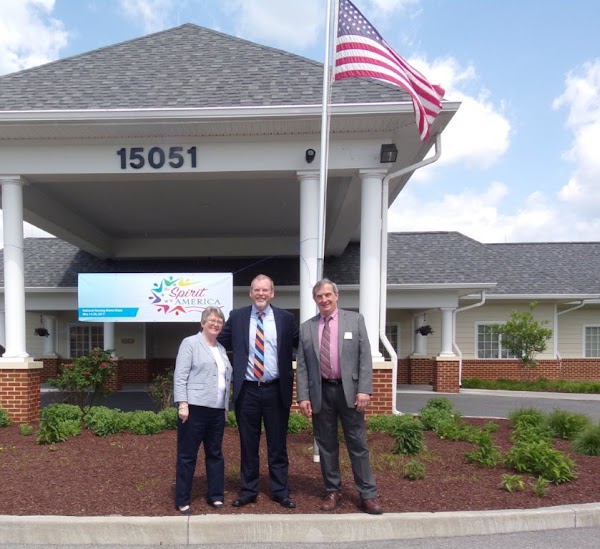
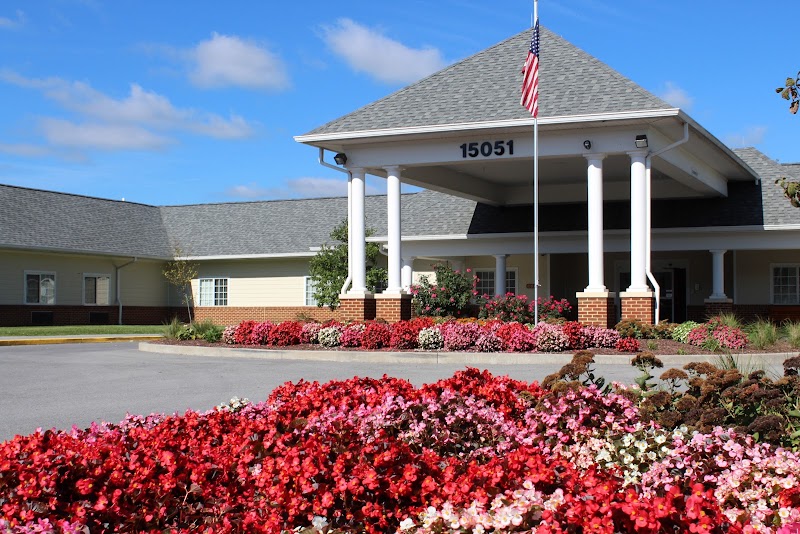
15051 HARMONY HILLS LANE, ABINGDON, VA 24211 (540) 597-6923
For profit - Corporation 120 Beds COMMONWEALTH CARE OF ROANOKE Data: November 2025
Trust Grade
90/100
#1 of 285 in VA
Last Inspection: August 2024

Within standard 12-15 month inspection cycle. Federal law requires annual inspections.

Overview

Abingdon Health Care LLC has received an excellent Trust Grade of A, indicating it is highly recommended for families seeking care for their loved ones. It ranks #1 out of 285 facilities in Virginia, placing it in the top tier of nursing homes in the state, and it is also the best option among two facilities in Washington County. The facility is on an improving trend, having reduced issues from seven in 2018 to three in 2024, although it still has a few areas to address. While staffing received an average rating of 3 out of 5 stars and has a turnover rate of 43%, which is better than the state average, the absence of fines is a positive sign of compliance. However, there have been notable concerns, such as staff failing to administer medications as prescribed for one resident and not properly handling food safety practices in the kitchen, including nesting wet pans, which could lead to hygiene risks. Overall, while the facility has many strengths, families should be aware of these specific issues when considering Abingdon Health Care LLC.

Trust Score
A
90/100
In Virginia
#1/285
Top 1%
Safety Record
Low Risk
No red flags
Inspections
Getting Better
7 → 3 violations
Staff Stability
○ Average
43% turnover. Near Virginia's 48% average. Typical for the industry.
Penalties
✓ Good
No fines on record. Clean compliance history, better than most Virginia facilities.
Skilled Nurses
○ Average
Each resident gets 40 minutes of Registered Nurse (RN) attention daily — about average for Virginia. RNs are the most trained staff who monitor for health changes.
Violations
○ Average
10 deficiencies on record. Average for a facility this size. Mostly minor or procedural issues.
★★★★★
5.0
Overall Rating
★★★☆☆
3.0
Staff Levels
★★★★★
5.0
Care Quality
★★★★★
5.0
Inspection Score
Stable
2018: 7 issues
2024: 3 issues

The Good

  • 5-Star Quality Measures · Strong clinical quality outcomes
  • Full Sprinkler Coverage · Fire safety systems throughout facility
  • No fines on record
  • Staff turnover below average (43%)

    5 points below Virginia average of 48%

Facility shows strength in quality measures, fire safety.

The Bad

Staff Turnover: 43%

Near Virginia avg (46%)

Typical for the industry

Chain: COMMONWEALTH CARE OF ROANOKE

Part of a multi-facility chain

Ask about local staffing decisions and management

The Ugly 10 deficiencies on record

Aug 2024 3 deficiencies
CONCERN (D)

Potential for Harm - no one hurt, but risky conditions existed

Quality of Care (Tag F0684)

Could have caused harm · This affected 1 resident

Based on staff interviews, clinical record review, and document review, facility staff failed to ensure provider ordered medications were administered for 1 of 23 current residents sampled. (Resident ...

Read full inspector narrative →
Based on staff interviews, clinical record review, and document review, facility staff failed to ensure provider ordered medications were administered for 1 of 23 current residents sampled. (Resident #31) The findings were: For Resident #31, facility staff failed to administer the resident four (4) doses of provider ordered Gabapentin in May 2024. Resident #31's diagnoses included but were not limited to Coalworker's Pneumoconiosis. Section C (cognitive patterns) of the minimum data set with an assessment reference date of 06/20/24 coded the resident's brief interview for mental status as 14 out of 15 points. Resident #31's clinical record contained an order for Gabapentin 600 mg, give 1 tablet by mouth four times a day for neuropathy began on 11/07/23 and was scheduled to be administered at midnight, 6:00 a.m., noon, and 6:00 p.m. daily. The medication administration record (MAR) for May 2024 indicated four doses of Gabapentin were not administered between 05/19/24 and 05/21/24: 1. 05/19/24 noon dose, 2. 05/19/24 6:00 p.m. dose, 3. 05/20/24 6:00 p.m. dose, and 4. 05/21/24 midnight dose. A registered nurse (RN) supervisor's progress note dated 05/19/24 at 12:23 p.m. read, called pharmacy to try to get a code to pull Gabapentin for resident- was told by pharmacist that resident did not have any more pills on his prescription to be able to get a code to pull one and that he needed a new prescription, messaged [Physician Assistant name omitted] to try to get a prescription faxed in and then tried to call a little while ago with no answer. The same RN supervisor wrote a progress note the same day at 7:05 p.m. which read, pharmacy stated that they had the e script for medicine but that it was not ready for me to get a code to pull it. The RN supervisor was unavailable for interview. The director of nursing (DON) was interviewed on 08/07/24 at 11:05 a.m. and acknowledged Resident #31 did not receive four doses of their scheduled Gabapentin doses in May 2024. The DON reported it took two days for the medication refill to arrive at the facility and their Cubex (backup medication system) ran out of Gabapentin. No further information was provided prior to the exit conference.
CONCERN (E)

Potential for Harm - no one hurt, but risky conditions existed

Food Safety (Tag F0812)

Could have caused harm · This affected multiple residents

Based on observation, staff interview, and facility document review, the facility staff failed to prepare, distribute, and serve food in accordance with professional standards for food service safety ...

Read full inspector narrative →
Based on observation, staff interview, and facility document review, the facility staff failed to prepare, distribute, and serve food in accordance with professional standards for food service safety in the facility kitchen. The findings included: The facility staff stacked (nested) wet chafing pans together after washing. On 8/05/24 at 7:00 PM, the surveyor observed a shelving unit with multiple stacks of stacked (nested) small chafing pans. At the surveyor's request, Dietary Staff Member (DSM) #1 separated individual pans from three separate stacks and found water droplets between pans in each stack. DSM #1 stated staff would wash the pans again. On 8/06/24 at 4:48 PM, the survey team met with the Administrator, Director of Nursing, and the Clinical Services Specialist and discussed the concern of dietary staff nesting wet pans. On 8/07/24 at 9:54 AM, surveyor received a Staff In-service Education form dated 8/06/24 which read in part Reviewed Policy #FN.501 .air drying pot/pans/dishes after washing cycle - no wet nesting . which was signed by nine staff members. Surveyor received the facility policy titled Dishwasher Use and Temperature Monitoring with a reviewed/revised date of 1/15/24 and Reference Number of FN.501 which read in part .12. Dishes are left in racks until dry. Dietary staff should check all dishes, trays, bowls, and cups to ensure they are dry before stacking or placing in the proper storage area . No further information regarding this concern was presented to the survey team prior to the exit conference on 8/07/24.
MINOR (B)

Minor Issue - procedural, no safety impact

Medical Records (Tag F0842)

Minor procedural issue · This affected multiple residents

Based on staff interview and clinical record review, the facility staff failed to ensure a complete and accurate clinical record for 6 of 23 residents, Residents #100, 101, 115, 263, 36, and 57. The ...

Read full inspector narrative →
Based on staff interview and clinical record review, the facility staff failed to ensure a complete and accurate clinical record for 6 of 23 residents, Residents #100, 101, 115, 263, 36, and 57. The findings include: 1. For Resident #100, the facility staff failed to complete a preliminary consent to treat form in the residents clinical record. Resident #100's diagnoses included muscle wasting/atrophy and diabetes. Section C (cognitive patterns) of Resident #100's quarterly minimum data set (MDS) assessment with an assessment reference date (ARD) of 05/06/24 included a brief interview for mental status (BIMS) score of 15 out of a possible 15 points. The clinical record included the following documents. Provider order dated 01/30/24 for a full code. A signed preliminary consent to treat and assignment of benefits form dated 01/30/24. The area that referenced the residents Do Not Resuscitate (DNR) and advance directive status had not been completed. On 08/06/24 at 2:40 p.m., during an interview with the Director of Admissions this staff confirmed part of this form was incomplete. The Administrator stated they would be providing education. On 08/06/24 at 4:45 p.m., during an end of the day meeting with the Administrator, Director of Nursing, and Clinical Service Specialist the issue with the incomplete document was reviewed. On 08/07/24, the Administrator provided the survey team with a copy of an in-service dated 08/06/24 indicating they had begun staff education regarding this issue. No further information regarding this issue was provided to the survey team prior to the exit conference. 2. For Resident #101, the facility staff failed to complete a preliminary consent to treat form in the residents clinical record. Resident #101's diagnoses included chronic kidney disease and hypertension. Section C (cognitive patterns) of Resident #101's quarterly minimum data set (MDS) assessment with an assessment reference date (ARD) of 07/30/24 included a brief interview for mental status (BIMS) score of 12 out of a possible 15 points. The clinical record included the following documents. Provider order dated 04/24/24 for a full code. A signed preliminary consent to treat and assignment of benefits form dated 02/28/24. The area that referenced the residents Do Not Resuscitate (DNR) and advance directive status had not been completed. On 08/06/24 at 2:40 p.m., during an interview with the Director of Admissions this staff confirmed part of this form was incomplete. The Administrator stated they would be providing education. On 08/07/24 the Administrator provided the survey team with a copy of an in-service dated 08/06/24 indicating they had begun staff education regarding this issue. No further information regarding this issue was provided to the survey team prior to the exit conference. 3. For Resident #115, the facility staff failed to complete a preliminary consent to treat form in the residents clinical record. Resident #115's diagnoses included acute on chronic systolic congestive heart failure and diabetes. There was no completed minimum data set (MDS) assessment for this resident, The clinical record included the following documents. Provider order dated 08/01/24 for a full code. Signed preliminary consent to treat and assignment of benefits form dated 08/01/24. The area that referenced the residents Do Not Resuscitate (DNR) and advance directive status had not been completed. On 08/06/24 at 2:40 p.m., during an interview with the Director of Admissions this staff confirmed part of this form was incomplete. The Administrator stated they would be providing education. On 08/07/24 the Administrator provided the survey team with a copy of an in-service dated 08/06/24 indicating they had begun staff education regarding this issue. No further information regarding this issue was provided to the survey team prior to the exit conference. 4. For Resident #263, the facility staff failed to complete a preliminary consent to treat form in the residents clinical record. Resident #263's diagnoses included age related osteoporosis with current pathological fracture. Section C (cognitive patterns) of Resident #263's minimum data set (MDS) assessment included a brief interview for mental status (BIMS) score of 12. The clinical record included the following documents. Provider order dated 07/29/24 indicating this resident had a Do Not Resuscitate (DNR) order in place. Signed preliminary consent to treat and assignment of benefits form dated 07/26/24. The area that referenced the residents Do Not Resuscitate (DNR) and advance directive status had not been completed. On 08/06/24 at 2:40 p.m., during an interview with the Director of Admissions this staff confirmed part of this form was incomplete. The Administrator stated they would be providing education. On 08/07/24, the Administrator provided the survey team with a copy of an in-service dated 08/06/24 indicating they had begun staff education regarding this issue. No further information regarding this issue was provided to the survey team prior to the exit conference. 5. For Resident #36, facility staff failed to complete the advance directive portion of a preliminary consent to treat and assignment of benefits document found in the resident's clinical record. Resident #36's diagnoses included but were not limited to hemiplegia and hemiparesis following cerebral infarction affecting left non-dominant side. Section C (cognitive patterns) of the minimum data set with an assessment reference date of 05/30/24 coded the resident's brief interview for mental status as 00 (zero) out of 15 points. Resident #36's clinical record contained a document titled Preliminary Consent to Treat and Assignment of Benefits, dated 01-09-23 and signed by Resident #36's agent. The document's section titled, DNA Status and Advance Directive had blank spaces which had not been filled out. On 08/07/24 at approximately 10:30 a.m., the administrator acknowledged the form was not filled out completely and stated the concern was an opportunity for staff education. No further information was provided prior to the exit conference. 6. For Resident #57, facility staff failed to complete a preliminary consent to treat document found in the resident's clinical record. Resident #57's diagnoses included but were not limited to osteomyelitis of vertebra, lumbar region. Section C (cognitive patterns) of the minimum data set with an assessment reference date of 07/15/24 coded the resident's brief interview for mental status as 02 (two) out of 15 points. Resident #57's clinical record contained a document titled Preliminary Consent to Treat and Assignment of Benefits, dated 04-23-24. There is a signature at the Resident's Signature line however no signature at the Resident Agent's Signature line. The document's section titled, DNA Status and Advance Directive had blank spaces which had not been filled out. On 08/07/24 at approximately 10:30 a.m., the administrator acknowledged the form was not filled out completely and stated the concern was an opportunity for staff education. No further information was provided prior to the exit conference.
Dec 2018 7 deficiencies
CONCERN (D)

Potential for Harm - no one hurt, but risky conditions existed

Deficiency F0583 (Tag F0583)

Could have caused harm · This affected 1 resident

**NOTE- TERMS IN BRACKETS HAVE BEEN EDITED TO PROTECT CONFIDENTIALITY** Based on observation, staff interview, and facility document review, facility staff failed to provide personal privacy while pro...

Read full inspector narrative →
**NOTE- TERMS IN BRACKETS HAVE BEEN EDITED TO PROTECT CONFIDENTIALITY** Based on observation, staff interview, and facility document review, facility staff failed to provide personal privacy while providing care for 1 of 27 Residents in the survey sample (Resident #16). The findings included: The facility staff failed to provide privacy for Resident #16 while receiving ADL care in the shower room. Resident # 16 was a [AGE] year-old- female who was admitted to the facility on [DATE]. Diagnoses included but were not limited to: dementia, major depressive disorder, anemia, and osteoarthritis. The clinical record for resident # 16 was reviewed on 12/6/18 at 10:32 am. The most recent MDS (minimum data set) assessment for Resident # 16 was a quarterly assessment with an ARD (assessment reference date) of 11/21/18. Section C of the MDS assesses cognitive patterns. In Section C0500, the facility staff documented that Resident # 16 had a BIMS (brief interview for mental status) score of 10 out of 15, which indicated that Resident # 16's cognitive status was moderately impaired. The plan of care for Resident # 16 was reviewed and revised on 10/9/18. The facility staff documented a focus area for Resident # 16 as, Resident # 16 requires supervision-limited assistance with adls (activities of daily living) due to mobility, hx (history) of cva, (cerebrovascular accident) glaucoma. Her level of assistance varies r/t (related to) fatigue and weakness. Interventions included but were not limited to, Assist with/provide ADL care as needed. On 12/05/18 at 10:46 am, a Resident council meeting was held with facility residents. During the resident council meeting, two alert and oriented residents expressed concerns about privacy and dignity while receiving care in the shower room on Martha's Ridge. On 12/06/18 at 9:28 am, the surveyor entered the shower room on Martha's Ridge. Upon entering the shower room, the surveyor observed 2 residents, Resident # 16 and Resident # 8, and 2 CNAs (certified nursing assistants). The surveyor observed that the privacy curtain in the shower room had not been pulled to provide privacy. The surveyor observed CNA # 1 assisting Resident # 16 near the commode area. Resident # 16 was visible to the surveyor, CNA # 2 and Resident # 8. Resident # 16 was observed sitting in a wheelchair. Resident # #16's upper body was clothed and the surveyor observed that Resident # 16 had on a brief that had been pulled up to the mid-thigh area. When CNA # 2 noticed that the surveyor had entered the room, CNA # 2 pulled the privacy curtain. The surveyor observed CNA # 1 roll Resident # 16 in the wheelchair toward the back of the shower room near the shower area. Resident # 16 was observed in an area where the privacy curtain had not been pulled and was visible to Resident # 8 while wearing a brief that had been pulled to the mid-thigh area. When CNA # 2 realized that the surveyor was watching she pulled the privacy curtain in front of Resident # 16. On 12/06/18 at 9:47 am, the surveyor interviewed CNA # 2. The surveyor asked CNA # 2 if she was aware of the issue when the surveyor entered the shower room. CNA # 2 stated, Yes, the shower room had not in use and I just rolled on in there with Resident # 8. That's why I came out and switched the sign to in use. The surveyor asked CNA # 1 if she realized that Resident # 8 was able to see Resident # 16 in the wheelchair with a brief pulled to the mid-thigh area. CNA # 2 stated, Yes, that's why I pulled that curtain. The surveyor asked CNA # 2 if she saw when CNA # 1 rolled Resident # 16 toward the back of the shower room to an area where Resident # 16 was again visible to Resident # 8 with a brief that had been pulled up to the mid-thigh area. CNA # 2 stated, Yes, and I pulled the curtain but I couldn't get it to go the right way so I stood there and held it. On 12/06/18 at 10:18 am, the surveyor interviewed CNA # 1. Before the surveyor could ask CNA # 1 about the issues as stated above, CNA # 1 stopped the surveyor and stated, I know the shower room. I knew as soon as she rolled in there it was an issue. CNA # 1 agreed that the privacy curtains had not been pulled and Resident # 16 had been visible to Resident # 8 while wearing a brief that had been pulled up to the mid-thigh area. The facility policy on Dignity and Respect contained documentation that included but was not limited to: .Procedure 3. Cover the resident when providing care so only the necessarily exposed body part is visible to you. On 12/6/18 at 12:23 pm, the facility administrator was made aware of the findings as stated above. No further information was provided to the survey team prior to the exit conference on 12/6/18.
CONCERN (D)

Potential for Harm - no one hurt, but risky conditions existed

Transfer Requirements (Tag F0622)

Could have caused harm · This affected 1 resident

**NOTE- TERMS IN BRACKETS HAVE BEEN EDITED TO PROTECT CONFIDENTIALITY** Based on staff interview, and clinical record review, the facility staff failed to provide a copy of the comprehensive care plan...

Read full inspector narrative →
**NOTE- TERMS IN BRACKETS HAVE BEEN EDITED TO PROTECT CONFIDENTIALITY** Based on staff interview, and clinical record review, the facility staff failed to provide a copy of the comprehensive care plan goals to the receiving facility for 1 of 27 residents in the survey sample (Resident #61). The findings included: The facility staff failed to provide a copy of the comprehensive care plan goals to the receiving facility for Resident #61. Resident #61 was readmitted to the facility on [DATE] with the following diagnoses of, but not limited to coronary artery disease, heart failure, high blood pressure, diabetes, stroke, peripheral vascular disease, arthritis, and seizure disorder. On the significant change MDS (Minimum Data Set) with an ARD (Assessment Reference Date) of 11/7/18, the resident was coded as having a BIMS (Brief Interview for Mental Status) score of 3 out of a possible score of 15. Resident #61 was also coded as requiring extensive assistance of 2 or more staff members for dressing, personal hygiene and bathing. The surveyor performed a review of Resident #61's clinical record on 12/5/18. During this review, the surveyor noted that the resident was discharged on 10/23/18 to the hospital. There was no documentation in the clinical record that reflected a copy of the comprehensive care plan goals being given to the receiving facility. At 5:30 pm, surveyor notified the interim administrator, director of nursing and the corporate nurse of the above documented findings. The interim administrator stated, We do not send the Comprehensive care plan goals when the resident is transferred out to the hospital. No further information was provided to the surveyor prior to the exit conference on 12/6/18.
CONCERN (D)

Potential for Harm - no one hurt, but risky conditions existed

Transfer Notice (Tag F0623)

Could have caused harm · This affected 1 resident

**NOTE- TERMS IN BRACKETS HAVE BEEN EDITED TO PROTECT CONFIDENTIALITY** Based on staff interview, and clinical record review, facility staff failed to provide a written notice of transfer to the resid...

Read full inspector narrative →
**NOTE- TERMS IN BRACKETS HAVE BEEN EDITED TO PROTECT CONFIDENTIALITY** Based on staff interview, and clinical record review, facility staff failed to provide a written notice of transfer to the resident or resident's representative for 1 of 27 residents in the survey sample (Resident #61). The findings included: The facility staff failed to provide a written notice of transfer to the resident or resident's representative for Resident #61. Resident #61 was readmitted to the facility on [DATE] with the following diagnoses of, but not limited to coronary artery disease, heart failure, high blood pressure, diabetes, stroke, peripheral vascular disease, arthritis, and seizure disorder. On the significant change MDS (Minimum Data Set) with an ARD (Assessment Reference Date) of 11/7/18, the resident was coded as having a BIMS (Brief Interview for Mental Status) score of 3 out of a possible score of 15. Resident #61 was also coded as requiring extensive assistance of 2 or more staff members for dressing, personal hygiene and bathing. The surveyor performed a review of Resident #61's clinical record on 12/5/18. During this review, the surveyor noted that the resident was discharged on 10/23/18 to the hospital. There was no documentation in the clinical record that reflected a written notice of transfer was given to the resident or resident's representative. At 5:30 pm, surveyor notified the interim administrator, director of nursing and the corporate nurse of the above documented findings. The interim administrator stated, The nurses fill out the Enteract form but they do not give a copy of this to the resident. No further information was provided to the surveyor prior to the exit conference on 12/6/18.
CONCERN (D)

Potential for Harm - no one hurt, but risky conditions existed

Deficiency F0625 (Tag F0625)

Could have caused harm · This affected 1 resident

**NOTE- TERMS IN BRACKETS HAVE BEEN EDITED TO PROTECT CONFIDENTIALITY** Based on staff interview, and clinical record review, facility staff failed to provide written information concerning bed hold p...

Read full inspector narrative →
**NOTE- TERMS IN BRACKETS HAVE BEEN EDITED TO PROTECT CONFIDENTIALITY** Based on staff interview, and clinical record review, facility staff failed to provide written information concerning bed hold policy to the resident or resident's representative for 1 of 27 residents in the survey sample (Resident #61). The findings included: The facility staff failed to provide a written notice to the resident or resident's representative concerning a bed hold for Resident #61. The resident was discharged from the facility due to being admitted to the hospital. Resident #61 was readmitted to the facility on [DATE] with the following diagnoses of, but not limited to coronary artery disease, heart failure, high blood pressure, diabetes, stroke, peripheral vascular disease, arthritis, and seizure disorder. On the significant change MDS (Minimum Data Set) with an ARD (Assessment Reference Date) of 11/7/18, the resident was coded as having a BIMS (Brief Interview for Mental Status) score of 3 out of a possible score of 15. Resident #61 was also coded as requiring extensive assistance of 2 or more staff members for dressing, personal hygiene and bathing. The surveyor performed a review of Resident #61's clinical record on 12/5/18. During this review, the surveyor noted that the resident was discharged on 10/23/18 to the hospital. There was no documentation in the clinical record, which reflected a written notice concerning a bed hold being given to the resident or resident's representative. At 5:15 pm, the surveyor asked the admissions staff #1 if Resident #61 or resident's representative was provided with written information concerning a bed hold. The resident was discharged from the facility on 10/23/18. The admissions staff #1 stated,I call the resident's representative and verbally tell them about a bed hold but I don't provide them with a written notice. At 5:30 pm, surveyor notified the interim administrator, director of nursing and the corporate nurse of the above documented findings. No further information was provided to the surveyor prior to the exit conference on 12/6/18.
CONCERN (D)

Potential for Harm - no one hurt, but risky conditions existed

Assessment Accuracy (Tag F0641)

Could have caused harm · This affected 1 resident

**NOTE- TERMS IN BRACKETS HAVE BEEN EDITED TO PROTECT CONFIDENTIALITY** Based on staff interview, and clinical record review, facility staff failed to accurately code the resident's status for 1 of 27...

Read full inspector narrative →
**NOTE- TERMS IN BRACKETS HAVE BEEN EDITED TO PROTECT CONFIDENTIALITY** Based on staff interview, and clinical record review, facility staff failed to accurately code the resident's status for 1 of 27 residents in the survey sample (Resident #115). The findings included: Resident #115 was admitted to the facility on [DATE]. There was an entry MDS (Minimum Data Set) completed when the resident was admitted to the facility on [DATE] and then the next MDS that was completed was dated 9/20/18 when the resident was discharged from the facility. During the closed record review, the surveyor noted a progress note that was dated and timed for 9/20/18 at 11:33 am that read in part, Patient discharged home with son . The surveyor reviewed the discharged MDS with ARD (Assessment Reference Set) of 9/20/18. Under Section A2100, the MDS was coded that the resident was discharged to the hospital. On 12/06/18 at 10:26 am, the surveyor notified RN (registered nurse) #1 of the above documented findings. RN #1 stated, I will go on there and get this corrected. The interim administrator, director of nursing and corporate nurse was notified of the above documented findings on 12/6/18 at 11 am. No further information was provided to the surveyor prior to the exit conference on 12/6/18.
CONCERN (D)

Potential for Harm - no one hurt, but risky conditions existed

Deficiency F0761 (Tag F0761)

Could have caused harm · This affected 1 resident

**NOTE- TERMS IN BRACKETS HAVE BEEN EDITED TO PROTECT CONFIDENTIALITY** Based on observation, staff interview, and facility record review, the facility staff failed to store medications in a secured, ...

Read full inspector narrative →
**NOTE- TERMS IN BRACKETS HAVE BEEN EDITED TO PROTECT CONFIDENTIALITY** Based on observation, staff interview, and facility record review, the facility staff failed to store medications in a secured, locked medication cart for 1 of 27 residents in the survey sample (Resident #60). The findings included: Resident #60 was admitted to the facility on [DATE] with the following diagnoses of, but not limited to anemia, heart failure, high blood pressure, diabetes and peripheral vascular disease. On the quarterly MDS (Minimum Data Set) with an ARD (Assessment Reference Date) of 11/1/18, the resident was coded as having a BIMS (Brief Interview for Mental Status) score of 12 out of a possible score of 15. Resident #60 was also coded as requiring extensive assistance of 1 staff member for personal hygiene and being totally dependent on 1 staff member for bathing. During the medication administration observation on 12/6/18 at 8:45 am, the surveyor observed LPN (licensed practical nurse) #1 leaving Lasix 60 mg tablets on the top of the medication cart. LPN #1 walked completely in Resident #60's room and administered medications to the resident. The medication cart was left unattended by LPN #1. At approximately 9:05 am, the surveyor notified the interim administrator and the director of nursing of the above documented findings. The surveyor also requested the facility's policy on storage of medications. At 9:15 am, the interim administrator provided the surveyor with the facility's titled Medication Administration. The policy read in part, .The medication cart should be kept locked at all times unless in use . The interim administrator stated to the surveyor, This isn't very specific for the problem. But you are right, that's simple nursing and the medications should not be left on top of the cart. No further information was provided to the surveyor prior to the exit conference on 12/6/18.
CONCERN (F)

Potential for Harm - no one hurt, but risky conditions existed

Food Safety (Tag F0812)

Could have caused harm · This affected most or all residents

**NOTE- TERMS IN BRACKETS HAVE BEEN EDITED TO PROTECT CONFIDENTIALITY** 2. The facility staff failed to ensure that milk was discarded after the use by date on 1 of 3 units on the facility. On 12/06/1...

Read full inspector narrative →
**NOTE- TERMS IN BRACKETS HAVE BEEN EDITED TO PROTECT CONFIDENTIALITY** 2. The facility staff failed to ensure that milk was discarded after the use by date on 1 of 3 units on the facility. On 12/06/18 at 10:00 am, the surveyor observed 4 cartons of strawberry milk with the date [DATE] in the unit refrigerator on the Art unit that was available for distribution. On 12/06/18 at 10:15 am, the surveyor showed the facility administrator the 4 cartons of strawberry milk dated [DATE] that had been observed in the unit refrigerator on the Art unit. The facility administrator observed the 4 cartons of strawberry milk and agreed that it was in the unit refrigerator past printed use by date. On 12/06/18 at 10:38 am, the surveyor spoke with the dietary services manager and the director of nutrition services. The dietary services manager stated that the 4 cartons of strawberry milk had been discarded and she does not know where the 4 cartons of strawberry milk came from. The facility policy on Food and Supply Storage contained documentation that included but was not limited to, . Refrigerated Foods 3. All dairy products whether opened or sealed, including milk, cottage cheese, and sour cream, must be used or discarded by the use by date specified by the manufacturer. On 12/6/18 at 1:00 pm, the administrative team was made aware of the findings as stated above. No further information was provided to the survey team prior to the exit conference on 12/6/18. Based on observation, staff interview, and facility document review, facility staff failed to store food in a safe, clean manner. FACILITY Kitchen 12/04/18 01:15 PM Initial tour Can opener cleaned Per dietary manager stove is cleaned daily and as needed. There is debris on the stove however staff is cleaning the kitchen following the lunch meal. Hood is clean Walk in temps collected appropriately Freezer temps collected appropriately Dry storage ok 12/04/18 04:40 PM Food arrives to Martha's Ridge dietary staff is observed sanitizing hands appropriately prior to handling food. 12/04/18 05:00 PM Tray line temps String beans-182 vag lasagna-162 Chicken patty with gravy-184 Mashed potato-204 gravy-186 Broccoli-131 reheat 168 Pureed bread-178 Pureed string beans-178 pureed chicken patty with gravy-193 Pureed veg lasagna-179 peanut butter pie-47- put back in cooler 38 pudding-45 put back in cooler 40 12/06/18 10:00 AM Observed 4 cartons of Strawberry milk with the Date [DATE] in the fridge on Unit 1 that was avaliable for distribution on art Unit. 12/06/18 10:15 AM Spoke with the facility administrator and showed her the milk and agreed that it was in the fridge past printed expiration date. 12/06/18 10:38 AM [NAME] Brunicardi Unit Maniger and Director of nutrition services [NAME] Ehrreich stated that they have been discarded and she does not know where it came from. Stated that she had to take 2 strawberry because there was none down there. Based on observation, staff interview and facility policy review it was determined the facility staff failed to prepare and store foods in a clean and sanitary manner. ~ Staff failed to securely close and date opened frozen foods that were returned to the freezer. ~ Staff failed to discard milk products after the BEST BY date on the carton had passed. Findings: 1. On 12/4/18 at 1:00 PM the facility kitchen was reviewed by two surveyors and the DM (dietary manager). The walk-in freezer was observed to contain an opened box of mixed frozen vegetables. The card board box was opened at the top and the food inside was in a plastic bag that was not sealed. The box had not been dated as to when the food had been opened. The DM was asked about the opened box of food and she told the surveyor it did not have to be resealed when it was in a freezer. The DM then reached into the box and tied and knot in the top of the plastic bag which effectively sealed the food from air. After failing to find a date on the box, the DM then turned around and asked a staff member when the food had been opened. She told the surveyor the food had just been opened the day prior. The freezer was also observed to have accumulated icicles hanging from a pipe in the rear wall for the freezer. Three packages of prepared meals were observed on the shelf next to the piping and had icicles hanging from the packaging. The DM pulled the food off the shelving and discarded it. She said the freezer had been fixed already--but the ice had not been cleaned from the piping since the maintenance manager had repaired it. The sugar and flour bins in the kitchen floor under and shelf were observed to have food debris and crumbs on the sliding lids. The sugar bin was observed to have some dark stains on the inside walls above the sugar. These stains appeared to have been splashed or otherwise smeared on the inside of the bin. Facility staff removed the lids and cleaned the bins while the surveyor was on the initial tour of the kitchen. On 12/6/18 at 12:20 PM the surveyor received and reviewed the facility policy for Food and Supply Storage. It contained the following: Opened frozen foods are securely closed and dated with a use by date of 3 months from the date opened. After reviewing this policy with the DM, she still maintained the food was securely closed. The DM said the box had been dated prior to the surveyor's tour, but said she had to ask staff when the food had been opened just to confirm the date. The surveyor addressed the issue with the administrator, DON and CN (corporate nurse) prior to the survey exit. The surveyor noted the food in a freezer must be sealed against the air to prevent freezer burn, which would affect the flavor and the nutritional value of any food not properly stored. No additional information was provided prior to the survey team exit.
Understanding Severity Codes (click to expand)
Life-Threatening (Immediate Jeopardy)
J - Isolated K - Pattern L - Widespread
Actual Harm
G - Isolated H - Pattern I - Widespread
Potential for Harm
D - Isolated E - Pattern F - Widespread
No Harm (Minor)
A - Isolated B - Pattern C - Widespread

Questions to Ask on Your Visit

  • "Can I speak with families of current residents?"
  • "What's your RN coverage like on weekends and overnight?"

Our Honest Assessment

Strengths
  • • Grade A (90/100). Above average facility, better than most options in Virginia.
  • • No major safety red flags. No abuse findings, life-threatening violations, or SFF status.
  • • No fines on record. Clean compliance history, better than most Virginia facilities.
  • • 43% turnover. Below Virginia's 48% average. Good staff retention means consistent care.
Concerns
  • • No significant concerns identified. This facility shows no red flags across CMS ratings, staff turnover, or federal penalties.
Bottom line: Generally positive indicators. Standard due diligence and a personal visit recommended.

About This Facility

What is Abingdon Health Care Llc's CMS Rating?

CMS assigns ABINGDON HEALTH CARE LLC an overall rating of 5 out of 5 stars, which is considered much above average nationally. Within Virginia, this rating places the facility higher than 99% of the state's 100 nursing homes. This rating reflects solid performance across the metrics CMS uses to evaluate nursing home quality.
How is Abingdon Health Care Llc Staffed?

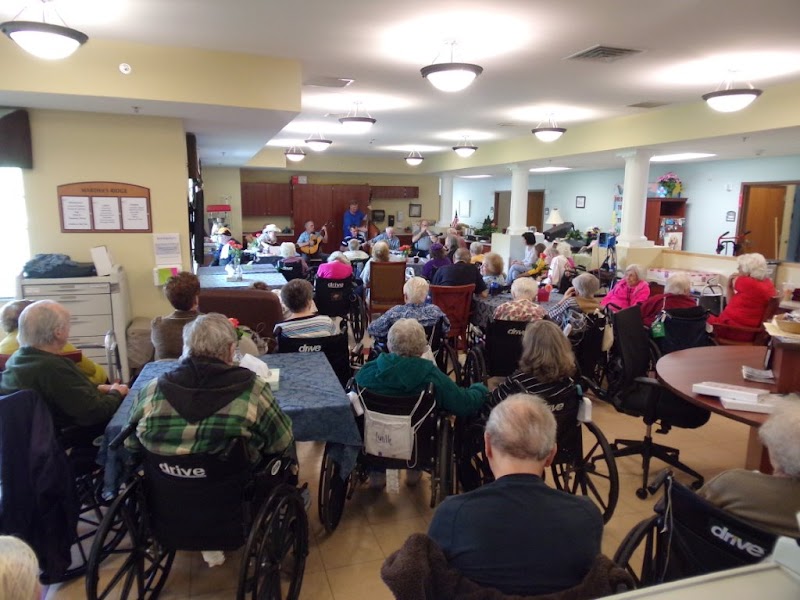
CMS rates ABINGDON HEALTH CARE LLC's staffing level at 3 out of 5 stars, which is average compared to other nursing homes. Staff turnover is 43%, compared to the Virginia average of 46%. This relatively stable workforce can support continuity of care.

What Have Inspectors Found at Abingdon Health Care Llc?

State health inspectors documented 10 deficiencies at ABINGDON HEALTH CARE LLC during 2018 to 2024. These included: 9 with potential for harm and 1 minor or isolated issues.

Who Owns and Operates Abingdon Health Care Llc?

ABINGDON HEALTH CARE LLC is owned by a for-profit company. For-profit facilities operate as businesses with obligations to shareholders or private owners. The facility is operated by COMMONWEALTH CARE OF ROANOKE, a chain that manages multiple nursing homes. With 120 certified beds and approximately 113 residents (about 94% occupancy), it is a mid-sized facility located in ABINGDON, Virginia.
How Does Abingdon Health Care Llc Compare to Other Virginia Nursing Homes?

Compared to the 100 nursing homes in Virginia, ABINGDON HEALTH CARE LLC's overall rating (5 stars) is above the state average of 3.0, staff turnover (43%) is near the state average of 46%, and health inspection rating (5 stars) is much above the national benchmark.

What Should Families Ask When Visiting Abingdon Health Care Llc?

Based on this facility's data, families visiting should ask: "Can I visit during a mealtime to observe dining assistance and food quality?" "How do you handle medical emergencies, and what is your hospital transfer rate?" "Can I speak with family members of current residents about their experience?"

Is Abingdon Health Care Llc Safe?

Based on CMS inspection data, ABINGDON HEALTH CARE LLC has a clean safety record: no substantiated abuse findings (meaning no confirmed cases of resident harm), no Immediate Jeopardy citations (the most serious violation level indicating risk of serious injury or death), and is not on the Special Focus Facility watch list (a federal program monitoring the lowest-performing 1% of nursing homes). The facility has a 5-star overall rating and ranks #1 of 100 nursing homes in Virginia. While no facility is perfect, families should still ask about staff-to-resident ratios and recent inspection results during their visit.

Do Nurses at Abingdon Health Care Llc Stick Around?

ABINGDON HEALTH CARE LLC has a staff turnover rate of 43%, which is about average for Virginia nursing homes (state average: 46%). Moderate turnover is common in nursing homes, but families should still ask about staff tenure and how the facility maintains care continuity when employees leave.

Was Abingdon Health Care Llc Ever Fined?

ABINGDON HEALTH CARE LLC has no federal fines on record. CMS issues fines when nursing homes fail to meet care standards or don't correct problems found during inspections. The absence of fines suggests the facility has either maintained compliance or corrected any issues before penalties were assessed. This is a positive indicator, though families should still review recent inspection reports for the full picture.

Is Abingdon Health Care Llc on Any Federal Watch List?

ABINGDON HEALTH CARE LLC is not on any federal watch list. The most significant is the Special Focus Facility (SFF) program, which identifies the bottom 1% of nursing homes nationally based on persistent, serious quality problems. Not being on this list means the facility has avoided the pattern of deficiencies that triggers enhanced federal oversight. This is a positive indicator, though families should still review the facility's inspection history directly.