DEER MEADOWS REHABILITATION AND NURSING
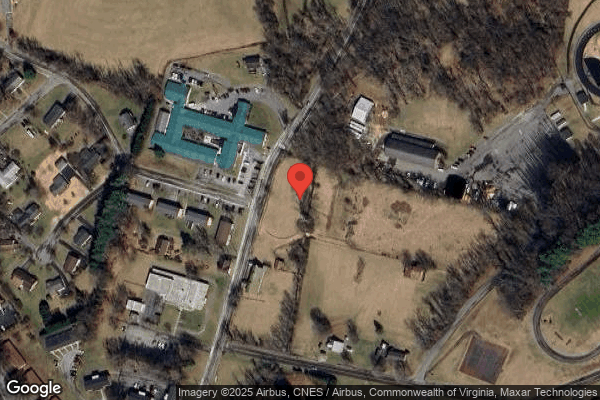
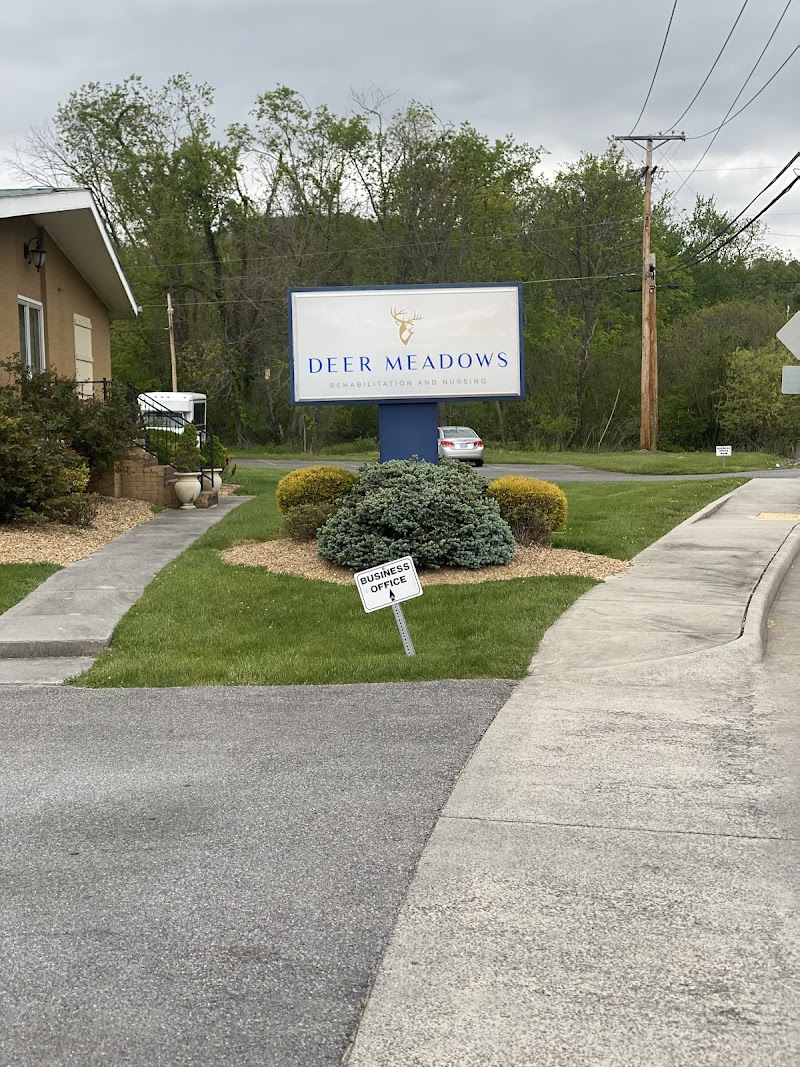
600 WALDEN ROAD, ABINGDON, VA 24210 (276) 628-5137
For profit - Corporation 119 Beds EASTERN HEALTHCARE GROUP Data: November 2025
Trust Grade
35/100
#248 of 285 in VA
Last Inspection: August 2024

Within standard 12-15 month inspection cycle. Federal law requires annual inspections.

Overview

Deer Meadows Rehabilitation and Nursing has received a Trust Grade of F, indicating significant concerns about its performance and care quality. It ranks #248 out of 285 facilities in Virginia, placing it in the bottom half, and it is the second choice out of two in Washington County, meaning there are few better options nearby. While the facility is showing signs of improvement, with issues decreasing from 23 in 2024 to 13 in 2025, it still has a concerning staffing turnover rate of 61%, which is higher than the state average of 48%. Importantly, there have been no fines reported, which is a positive note, but the facility has less RN coverage than 97% of Virginia facilities, raising concerns about the quality of medical oversight. Recent inspector findings included several serious deficiencies, such as dietary staff lacking training in safe food handling and improper disposal of garbage, which could pose health risks. Overall, while there are some improvements, the facility has significant weaknesses that families should carefully consider.

Trust Score
F
35/100
In Virginia
#248/285
Bottom 13%
Safety Record
Low Risk
No red flags
Inspections
Getting Better
23 → 13 violations
Staff Stability
⚠ Watch
61% turnover. Above average. Higher turnover means staff may not know residents' routines.
Penalties
✓ Good
No fines on record. Clean compliance history, better than most Virginia facilities.
Skilled Nurses
⚠ Watch
Each resident gets only 12 minutes of Registered Nurse (RN) attention daily — below average for Virginia. Fewer RN minutes means fewer trained eyes watching for problems.
Violations
⚠ Watch
53 deficiencies on record. Higher than average. Multiple issues found across inspections.
★☆☆☆☆
1.0
Overall Rating
★☆☆☆☆
1.0
Staff Levels
★★☆☆☆
2.0
Care Quality
★☆☆☆☆
1.0
Inspection Score
Stable
2024: 23 issues
2025: 13 issues

The Good

  • Full Sprinkler Coverage · Fire safety systems throughout facility
  • No fines on record

Facility shows strength in fire safety.

The Bad

1-Star Overall Rating

Below Virginia average (3.0)

Significant quality concerns identified by CMS

Staff Turnover: 61%

15pts above Virginia avg (46%)

Frequent staff changes - ask about care continuity

Chain: EASTERN HEALTHCARE GROUP

Part of a multi-facility chain

Ask about local staffing decisions and management

Staff turnover is elevated (61%)

13 points above Virginia average of 48%

The Ugly 53 deficiencies on record

Mar 2025 13 deficiencies
CONCERN (D) 📢 Someone Reported This

A family member, employee, or ombudsman was alarmed enough to file a formal complaint

Potential for Harm - no one hurt, but risky conditions existed

Grievances (Tag F0585)

Could have caused harm · This affected 1 resident

Based on staff interviews and facility document review, the facility staff failed to have evidence of attempting to resolve four (4) grievances. The findings include: A grievance dated 9/9/24 referenc...

Read full inspector narrative →
Based on staff interviews and facility document review, the facility staff failed to have evidence of attempting to resolve four (4) grievances. The findings include: A grievance dated 9/9/24 referenced Resident #6. This grievance was documented as being made by a member of the resident's family. This grievance included concerns related to urine appearance, wound care, and housekeeping. No evidence was found by or provided to the surveyor to indicate this grievance had been investigated. The form this grievance was documented on included areas for Investigation/Analysis of Concern and Actions Taken to Correct Concern; both of these areas were blank. The form had an area for facility staff to document the response to the individual lodging the grievance; this area was blank. On 3/11/25 at 3:10 p.m., the surveyor discussed the aforementioned grievance with the facility's Social Worker. The Social Worker reported that no additional information related to this grievance was available. On 3/11/25 at 3:48 p.m., the Regional Director of Clinical Services confirmed that no evidence was found to indicate a response was provided to the individual who lodged the aforementioned complaint. Review of the facility's grievance documentation revealed three (3) additional grievances which had the Investigation/Analysis of Concern and Actions Taken to Correct Concern sections not completed; two (2) of these grievances were dated 1/8/25 and one (1) grievance was dated 1/9/25. These three (3) additional grievances did not include evidence of the facility providing a response to the individuals lodging the grievances. These incomplete grievances were reviewed with the facility's Administrator on 3/14/25 at 3:55 p.m. The following information was found in a facility policy titled Resident and Family Grievances (with a reviewed/revised date of 12/1/22): - The resident has the right to, and the facility must make prompt efforts by the facility [sic] to resolve grievances the residents may have . - The resident will be provided a written summary of the resolution (excluding any information protected by HIPAA or labor laws). Every attempt will be made to provide this summary within 48 hours of receiving the grievance. An acknowledgement signed by the resident validating he or she has received a written response will be maintained with the grievance. - Grievances from any non-resident will receive a verbal, and if requested, written response within 5 (five) working days or will be notified if the investigation requires more time. - Investigation documents must include the following (as applicable): . Witness Statements and contact information . Grievance disposition . A Signed Communication of Grievance Resolution validating the resident (and/or responsible party) has received a written response. The survey team met with the facility's Administrator, Director of Nursing (DON), Assistant DON, and Regional Director of Clinical Services on 3/14/25 at 4:12 p.m. During this meeting, the failure of the facility staff to follow their grievance process to address the aforementioned four (4) grievances was discussed.
CONCERN (D) 📢 Someone Reported This

A family member, employee, or ombudsman was alarmed enough to file a formal complaint

Potential for Harm - no one hurt, but risky conditions existed

Deficiency F0655 (Tag F0655)

Could have caused harm · This affected 1 resident

Based on staff interviews and clinical record review, the facility staff failed to ensure a baseline/admission care plan addressed indwelling urinary catheter care for one (1) of 11 sampled residents ...

Read full inspector narrative →
Based on staff interviews and clinical record review, the facility staff failed to ensure a baseline/admission care plan addressed indwelling urinary catheter care for one (1) of 11 sampled residents (Resident #8). The findings include: Resident #8's baseline/admission care plan did not address personal hygiene related to indwelling urinary catheter care. Resident #8's Minimum Data Set (MDS) assessment, with an Assessment Reference Date (ARD) of 1/24/25, was signed as completed on 2/5/25. Resident #8 was assessed as able to make self understood and as able to understand others. Resident #8's Brief Interview for Mental Status (BIMS) summary score was documented as a 15 out of 15; this indicated intact or borderline cognition. Resident #8 was admitted to the facility with orders for an indwelling urinary catheter due to a diagnosis of neurogenic bladder. Resident #8's baseline/admission care plan included the presence of an indwelling urinary catheter but did not include interventions for personal hygiene related to indwelling urinary catheter care. The following information was found in a facility policy titled Baseline Care Plan (with a reviewed/revised date of 12/1/22): - The facility will develop and implement a baseline care plan for each resident that includes the instructions needed to provide effective and person-centered care of the resident that meet professional standards of quality care. - The baseline care plan will: . Include the minimum healthcare information necessary to properly care for a resident . On 3/14/25 at 9:15 a.m., the Director of Nursing (DON) reported Resident #8's baseline/admission care plan discussed personal hygiene but did not specifically address personal hygiene related to urinary catheter care. On 3/13/25 at 3:33 p.m., the Regional Director of Clinical Services (RDCS) reported the facility did not have a policy to address indwelling urinary catheter care. The RDCS reported they use a professional reference to guide indwelling urinary catheter care. The following information was found in a professional referenced provided to the survey team by the facility administrative staff: Clean around the area where the catheter enters urethral meatus (meatal-catheter junction) with soap and water during the daily bath to remove debris (Lippincott Manual of Nursing Practice, 11th edition, 2019). The survey team met with the facility's Administrator, DON, Assistant DON, and Regional Director of Clinical Services on 3/14/25 at 4:12 p.m. During this meeting, the failure of the facility staff to ensure Resident #8's baseline/admission care plan addressed urinary catheter care was discussed.
CONCERN (D) 📢 Someone Reported This

A family member, employee, or ombudsman was alarmed enough to file a formal complaint

Potential for Harm - no one hurt, but risky conditions existed

Comprehensive Care Plan (Tag F0656)

Could have caused harm · This affected 1 resident

Based on staff interviews and clinical record review, the facility staff failed to ensure a comprehensive care plan addressed indwelling urinary catheter care for one (1) of 11 sampled residents (Resi...

Read full inspector narrative →
Based on staff interviews and clinical record review, the facility staff failed to ensure a comprehensive care plan addressed indwelling urinary catheter care for one (1) of 11 sampled residents (Resident #8). The findings include: Resident #8's comprehensive care plan did not address personal hygiene related to indwelling urinary catheter care. Resident #8's Minimum Data Set (MDS) assessment, with an Assessment Reference Date (ARD) of 1/24/25, was signed as completed on 2/5/25. Resident #8 was assessed as able to make self understood and as able to understand others. Resident #8's Brief Interview for Mental Status (BIMS) summary score was documented as a 15 out of 15; this indicated intact or borderline cognition. Resident #8 was admitted to the facility with orders for an indwelling urinary catheter due to a diagnosis of neurogenic bladder. Resident #8's admission MDS assessment had the resident documented as having an indwelling urinary catheter. Resident #8's comprehensive care plan included the presence of an indwelling urinary catheter but did not include interventions for personal hygiene related to indwelling urinary catheter care. The following information was found in a facility policy titled Comprehensive Care Plan (with a reviewed/revised date of 12/1/22): - It is the policy of this facility to develop and implement a comprehensive person-centered care plan for each resident, consistent with resident rights, that includes measurable objectives and timeframes to meet a resident's medical, nursing, and mental and psychosocial needs that are identified in the resident's comprehensive assessment. - The comprehensive care plan will describe, at a minimum, the following: . The services that are to be furnished to attain or maintain the resident's highest practicable physical, mental, and psychosocial well-being. On 3/14/25 at 9:15 a.m., the Director of Nursing (DON) confirmed that Resident #8's comprehensive care plan identified an indwelling urinary catheter but did not address personal hygiene related to urinary catheter care. The DON stated expectations for indwelling urinary catheter care was at least daily but reported the facility's order was for catheter care every shift. (The facility divides the workday into two (2) shifts.) On 3/13/25 at 3:33 p.m., the Regional Director of Clinical Services (RDCS) reported the facility did not have a policy to address indwelling urinary catheter care. The RDCS reported they use a professional reference to guide indwelling urinary catheter care. The following information was found in a professional referenced provided to the survey team by the facility administrative staff: Clean around the area where the catheter enters urethral meatus (meatal-catheter junction) with soap and water during the daily bath to remove debris (Lippincott Manual of Nursing Practice, 11th edition, 2019). The survey team met with the facility's Administrator, DON, Assistant DON, and Regional Director of Clinical Services on 3/14/25 at 4:12 p.m. During this meeting, the failure of the facility staff to ensure Resident #8's comprehensive care plan addressed urinary catheter care was discussed.
CONCERN (D) 📢 Someone Reported This

A family member, employee, or ombudsman was alarmed enough to file a formal complaint

Potential for Harm - no one hurt, but risky conditions existed

Quality of Care (Tag F0684)

Could have caused harm · This affected 1 resident

Based on staff interviews, clinical record review, and facility document review, the facility staff failed to provide treatment and/or care to address the needs of one (1) of 11 sampled residents (Res...

Read full inspector narrative →
Based on staff interviews, clinical record review, and facility document review, the facility staff failed to provide treatment and/or care to address the needs of one (1) of 11 sampled residents (Resident #6). The findings include: The facility staff failed to: (a) follow-up on Resident #6's 9/3/24 emergency department visit and (b) consistently document Resident #6's urine output as ordered by the medical provider. Resident #6's Minimum Data Set (MDS) assessment, with an Assessment Reference Date (ARD) of 8/27/24, was signed as completed on 9/2/24. Resident #6 was assessed as able to make self understood and as able to understand others. Resident #6's Brief Interview for Mental Status (BIMS) summary score was documented as a 10 out of 15; this indicated moderate cognitive impairment. On the afternoon of 3/11/25, the surveyor was unable to find information in Resident #6's clinical record to detail the outcome of the resident's 9/3/24 emergency department visit. On 3/11/25 at 2:15 p.m., the Director of Nursing (DON) reported she was only able to find the EKG from Resident #6's 9/3/24 emergency department visit. The facility staff obtained Resident #6's 9/3/24 emergency department visit documentation on 3/11/25 at 1:10 p.m. This documentation indicated the resident was seen for fatigue and included instructions for the resident to see a nurse practitioner by 9/6/24 to follow-up on the resident's urine cultures. On 3/12/25 at 2:35 p.m., the DON reported there was no documentation to indicate the time Resident #6 returned to the facility after a 9/3/24 emergency department visit. (Resident #6 was sent to the emergency department from a post-op visit at a local surgical provider's office.) The DON reported a nursing note should have indicated when the resident returned to the facility. The DON reported facility staff should have attempted to obtain information from the local emergency department related to Resident #6's emergency department visit. The DON reported there was no evidence of the facility staff following up on Resident #6's urine cultures as directed in the emergency department discharge information. Resident #6's clinical record included orders for an indwelling urinary catheter with documentation of urine output every shift. Review of Resident #6's urine output documentation showed the facility staff failed to document the resident's urine output for at least nine (9) shifts between the dates of 8/28/24 through 9/13/24. (The following day shifts did not have the resident's urine output documented: 8/30/24, 8/31/24, 9/5/24, 9/7/24, 9/9/24, 9/10/24, and 9/11/24. The following night shifts did not have the resident's urine output documented: 9/1/24 and 9/7/24.) On 3/12/25 at 9:00 a.m., the surveyor reviewed the absence of documentation of urine output for multiple shifts with the facility's Administrator, Director of Nursing (DON), and Assistant Director of Nursing (ADON). The survey team met with the facility's Administrator, DON, ADON, and Regional Director of Clinical Services on 3/14/25 at 4:12 p.m. During this meeting, the following was discussed: (a) the failure of the facility staff to follow-up on Resident #6's emergency department visit and (b) the failure of facility staff to monitor Resident #6's urinary output as ordered by the medical provider.
CONCERN (D) 📢 Someone Reported This

A family member, employee, or ombudsman was alarmed enough to file a formal complaint

Potential for Harm - no one hurt, but risky conditions existed

Pressure Ulcer Prevention (Tag F0686)

Could have caused harm · This affected 1 resident

**NOTE- TERMS IN BRACKETS HAVE BEEN EDITED TO PROTECT CONFIDENTIALITY** Based on staff interviews, clinical record review, and facility document review, the facility staff failed to consistently provi...

Read full inspector narrative →
**NOTE- TERMS IN BRACKETS HAVE BEEN EDITED TO PROTECT CONFIDENTIALITY** Based on staff interviews, clinical record review, and facility document review, the facility staff failed to consistently provide treatment and/or services to address pressure areas for one (1) of 11 sampled residents (Resident #6). The findings include: The facility staff failed to assess and/or provide treatment for Resident #6's sacral wound which was identified as part of a skin assessment dated [DATE] at 9:07 p.m. The facility staff failed to consistently provide treatment to Resident #6's left heel deep tissue injury. Resident #6's Minimum Data Set (MDS) assessment, with an Assessment Reference Date (ARD) of 8/27/24, was signed as completed on 9/2/24. Resident #6 was assessed as able to make self understood and as able to understand others. Resident #6's Brief Interview for Mental Status (BIMS) summary score was documented as a 10 out of 15; this indicated moderate cognitive impairment. Resident #6's clinical record included skin assessments dated 8/20/24 at 9:07 p.m. and 8/24/24 at 3:41 a.m. Both skin assessments stated Sacrum- wound covered (with) dressing. These skin assessments did not detail the condition of the skin and/or describe the appearance of the wound. The following information was found in a facility policy titled Skin Assessment (with a reviewed/revised date of 12/1/22): - It is our policy to perform a full body skin assessment as part of our systematic approach to pressure injury prevention and management. This policy includes the following procedural guidelines in performing the full body skin assessment. - A full body, or head to toe, skin assessment will be conducted by a licensed or registered nurse upon admission/re-admission, daily for three days, and weekly thereafter. - Procedure: . Remove any dressings, using clean technique, and note findings. - Documentation of skin assessment: Weekly Skin Review in (electronic medical record name omitted) a. Include date and time of the assessment, your name, and position title. b. Document observations (e.g. skin conditions, how the resident tolerated the procedure, etc.). c. Document type of wound. d. Describe wound (measurements, color, type of tissue in wound bed, drainage, odor, pain) (Pressure and Non-pressure Wound Log). e. Document if resident refused assessment and why. f. Document other information as indicated or appropriate. The following information was found in a facility policy titled Pressure Injury Prevention and Management (with a reviewed/revised date of 12/1/22): Licensed nurses will conduct a full body skin assessment on all residents upon admission/re-admission, weekly, and after any newly identified pressure injury. Findings will be documented in the medical record. On 3/14/25 at 10:33 a.m., the surveyor reviewed Resident #6's skin assessments and wound orders with the facility's Infection Preventionist (IP) and Regional Director of Clinical Services (RDCS). The facility's Infection Preventionist (IP) confirmed there was not a description of Resident #6's sacral wound documented as a part of the aforementioned 8/20/24 and 8/24/24 skin assessments. The IP reported there was no evidence to indicate the sacral dressing was removed and the skin under the dressing assessed. The RDCS reported that facility staff should have removed the dressing to assess the wound and obtain orders if the skin was open. Resident #6's clinical documentation indicated the resident had a sacrum wound and a coccyx wound; the IP and the RDCS reported they believed the sacrum wound and the coccyx wound was the same wound based on the clinical documentation. Resident #6's clinical record failed to include orders for care of a sacral skin area at the time of the resident's admission on [DATE]. Resident #6's clinical record included nursing documentation, dated 9/6/24 at 2:10 a.m., which indicated the resident experienced a change in condition. The resident was assessed as having an open skin area identified as a Skin wound or ulcer described as a white, open area to the coccyx. Resident #6 had an order to Apply Zinc to Coccyx (every) shift and (as needed) every day and night shift for Coccyx dated 9/6/24 at 11:44 a.m. The next documentation of the sacral wound was on a medical provider note dated 9/11/24. On 9/11/24, Resident #6's sacral wound was described as a Stage II wound measuring 4.0 cm x 1.5 cm with a clean, moist wound bed. The facility staff failed to promptly obtain orders to address Resident #6's left heel deep tissue injury that was present on admission. On 3/12/25 at 2:40 p.m., the Director of Nursing (DON) provided a copy of a spreadsheet that contained the skin assessment information of three (3) different residents. This spreadsheet was dated 8/21/24. This spreadsheet included assessment information for Resident #6's left heel DTI (deep tissue injury). This spreadsheet included the following treatment information for the left heel DTI: Apply betadine and cover with abd pad, secure with rolled gauze and tape. This order was entered into Resident #6's clinical record on 8/22/24 at 1:59 p.m. by a member of the facility's nursing staff for the order to be started on 8/23/24 at 7:00 a.m. Review of Resident #6's August 2024 Treatment Administration Record (TAR) indicated the facility staff failed to provide evidence that Resident #6 received care to the left heel area on 8/29/24. Review of Resident #6's September 2024 Treatment Administration Record (TAR) indicated the facility staff failed to provide evidence that Resident #6 received care to the left heel area and to the coccyx wound on 9/7/24. The survey team met with the facility's Administrator, DON, Assistant DON, and Regional Director of Clinical Services on 3/14/25 at 4:12 p.m. During this meeting, the failure of the facility staff to promptly and/or consistently provide treatment to Resident #6's pressure areas was discussed.
CONCERN (D) 📢 Someone Reported This

A family member, employee, or ombudsman was alarmed enough to file a formal complaint

Potential for Harm - no one hurt, but risky conditions existed

Deficiency F0687 (Tag F0687)

Could have caused harm · This affected 1 resident

Based on staff interviews, clinical record review, and facility document review, the facility staff failed to consistently provide treatment and/or services to address a surgical foot wound for one (1...

Read full inspector narrative →
Based on staff interviews, clinical record review, and facility document review, the facility staff failed to consistently provide treatment and/or services to address a surgical foot wound for one (1) of 11 sampled residents (Resident #6). The findings include: The facility staff failed to ensure Resident #6's left foot surgical wound care included orders and/or documentation to address the use of a wound vac dressing. (Wound Vacuum-Assisted Closure (VAC) is a wound treatment that uses pressure to remove fluid and/or bacteria.) Resident #6's Minimum Data Set (MDS) assessment, with an Assessment Reference Date (ARD) of 8/27/24, was signed as completed on 9/2/24. Resident #6 was assessed as able to make self understood and as able to understand others. Resident #6's Brief Interview for Mental Status (BIMS) summary score was documented as a 10 out of 15; this indicated moderate cognitive impairment. Resident #6's admission CHECKLIST form, dated 8/20/24, indicated the resident had a wound with a wound vac. Resident #6's nursing documentation indicated the resident had a wound vac in use on 8/20/24 at 10:08 p.m. Resident #6's nursing note, dated 8/21/24 at 3:16 p.m., included the following statement: Wound vac applied by wound care to residents [sic] foot. Resident #6's nursing note, dated 8/22/24 at 1:33 a.m., included the following statement: Resident continues to have wound vac on left foot. The following statement was found in discharge paperwork (printed on 8/20/24 at 12:46 p.m.) provided to the facility by the local hospital: Plan: OK to discharge from surgical standpoint. Continue wound vac per orders. WOUND VAC IS TO BE ON AT ALL TIMES UNLESS DURING PACKING/DRESSING CHANGES. IF VAC IS TO BE OFF MORE THAN 2 HOURS, DRESSING IS TO BE REMOVED AND WET TO DRY DRESSING IS TO BE ADMINISTERED UNTIL VAC IS ABLE TO BE REAPPLIED. VAC DRESSING CHANGES EVERY 48-72 HOURS PER ORDERS. Follow up with (medical provider name omitted) in surgical office in 2 weeks. Resident #6's clinical record failed to include medical provider orders addressing the aforementioned use of a wound vac at the facility. No orders were found by or provided to the surveyor to address the removal of the wound vac that was documented as being used between the dates of 8/20/24 - 8/22/24. No provider documentation was found by or provided to the surveyor to evidence the facility's medical provider consulting with the surgeon related to Resident #6's wound vac decisions. On 3/12/25 at 9:00 a.m., the Director of Nursing (DON) confirmed no medical provider information was found to address Resident #6's wound vac. The following information was found in a facility policy titled Wound Treatment Management (with a reviewed/revised date of 12/1/22): - To promote wound healing of various types of wounds, it is the policy of this facility to provide evidence-based treatments in accordance with current standards of practice and physician orders. - Wound treatments will be provided in accordance with physician orders, including the cleansing method, type of dressing, and frequency of dressing change. - In the absence of treatment orders, the licensed nurse will notify physician [sic] to obtain treatment orders. This may be the treatment nurse, or the assigned licensed nurse in the absence of the treatment nurse. - Treatments will be documented on the Treatment Administration Record. Resident #6's clinical record included a medical provider order for clean with wound cleaner, pat dry, apply calcium alginate, cover with abd pad and secure with rolled gauze to be started on 8/22/24. Clinical documentation failed to indicate this wound care was provided on 8/22/24. Resident #6's clinical record included a medical provider order for Clean surgical wound to left foot with (normal saline), apply skin prep to periwound, apply collagen to wound bed, cover with ABD pads and secure with kerlix . This order was documented as being ordered to be started on 8/29/24. Clinical documentation failed to indicate this wound care was provided on 8/29/24. Review of Resident #6's September 2024 Treatment Administration Record (TAR) failed to provide evidence that Resident #6 received wound care to the left foot surgical wound on 9/7/24. The survey team met with the facility's Administrator, DON, Assistant DON, and Regional Director of Clinical Services on 3/14/25 at 4:12 p.m. During this meeting, the failure of the facility staff to address Resident #6's wound vac for the resident's left foot surgical wound was discussed.
CONCERN (D) 📢 Someone Reported This

A family member, employee, or ombudsman was alarmed enough to file a formal complaint

Potential for Harm - no one hurt, but risky conditions existed

Incontinence Care (Tag F0690)

Could have caused harm · This affected 1 resident

Based on staff interviews, facility document review, and clinical record review, the facility staff failed to provide indwelling urinary catheter care for one (1) of 11 sampled residents (Resident #8)...

Read full inspector narrative →
Based on staff interviews, facility document review, and clinical record review, the facility staff failed to provide indwelling urinary catheter care for one (1) of 11 sampled residents (Resident #8). The findings include: Resident #8's clinical documentation indicated a delay in the facility providing personal hygiene care for an indwelling urinary catheter. Resident #8's Minimum Data Set (MDS) assessment, with an Assessment Reference Date (ARD) of 1/24/25, was signed as completed on 2/5/25. Resident #8 was assessed as able to make self understood and as able to understand others. Resident #8's Brief Interview for Mental Status (BIMS) summary score was documented as a 15 out of 15; this indicated intact or borderline cognition. Resident #8 was admitted to the facility with orders for an indwelling urinary catheter due to a diagnosis of neurogenic bladder. Resident #8's admission MDS assessment had the resident documented as having an indwelling urinary catheter. Resident #8's care plan included the presence of an indwelling urinary catheter but did not include interventions for personal hygiene related to indwelling urinary catheter care. On 3/14/25 at 9:15 a.m., the Director of Nursing (DON) confirmed that Resident #8's care plan identified an indwelling urinary catheter but did not address personal hygiene related to urinary catheter care. The DON stated expectations for indwelling urinary catheter care was at least daily but reported the facility's order was for catheter care every shift. (The facility divides the workday into two (2) shifts.) On 3/13/25 at 3:33 p.m., the Regional Director of Clinical Services (RDCS) reported the facility did not have a policy to address indwelling urinary catheter care. The RDCS reported they use a professional reference to guide indwelling urinary catheter care. The following information was found in a professional referenced provided to the survey team by the facility's administrative staff: Clean around the area where the catheter enters urethral meatus (meatal-catheter junction) with soap and water during the daily bath to remove debris (Lippincott Manual of Nursing Practice, 11th edition, 2019). Resident #8's first order for an indwelling urinary catheter was dated 10/18/24. Resident #8's clinical record did not include an order for Foley care (every) shift every day and night shift until 1/16/25. Review of Resident #8's Treatment Administration Records (TARs) indicated indwelling urinary catheter care started on 1/16/25. The survey team met with the facility's Administrator, DON, Assistant DON, and Regional Director of Clinical Services on 3/14/25 at 4:12 p.m. During this meeting, the failure of the facility staff to ensure indwelling urinary catheter care was being provided to Resident #8 from the time of admission was discussed.
CONCERN (D) 📢 Someone Reported This

A family member, employee, or ombudsman was alarmed enough to file a formal complaint

Potential for Harm - no one hurt, but risky conditions existed

Medication Errors (Tag F0758)

Could have caused harm · This affected 1 resident

Based on staff interviews, clinical record review, and facility document review, the facility staff failed to ensure a correct diagnosis prior to the use of an antipsychotic medication and failed to m...

Read full inspector narrative →
Based on staff interviews, clinical record review, and facility document review, the facility staff failed to ensure a correct diagnosis prior to the use of an antipsychotic medication and failed to monitor for behaviors for one (1) of 11 sampled residents (Resident #4). The findings were: For Resident #4, facility staff failed to ensure a new diagnosis of schizoaffective disorder was appropriate prior to a new medication order for Invega (an atypical antipsychotic medication that can treat schizoaffective disorder) and failed to implement behavior monitoring for Resident #4. Resident #4's Minimum Data Set (MDS) assessment, with an Assessment Reference Date (ARD) of 10/25/22 was signed as completed on 11/07/22. The resident's Brief Interview for Mental Status (BIMS) summary score was documented as a 09 out of 15 which indicated moderately impaired cognition. Section I (Active Diagnoses) coded the resident's primary medical condition category a 13. Medically Complex Conditions. The active diagnoses in the last 7 days included but were not limited to Anemia, Hyperlipidemia, Non-Alzheimer's Dementia, Anxiety Disorder, Depression, Psychotic Disorder (other than schizophrenia), and Asthma, Chronic Obstructive Pulmonary Disease or Chronic Lung Disease. The diagnosis of Schizophrenia (e.g. schizoaffective and schizophreniform disorders) was not marked. The resident's care plan included but was not limited to a focus area which read the resident had a potential for side effects related to use of psychotropic medication for schizoaffective disorder, anxiety, mood disorder and depression. In an interview with an MDS coordinator, a licensed practical nurse (Employee #8) on 3/14/25 at 10:40 a.m., the MDS coordinator reported schizoaffective disorder was added to Resident #4's care plan during a care plan revision on 11/03/22. Resident #4's clinical record contained a list of diagnoses that included (but was not limited to) schizoaffective disorder, depressive type with an onset date of 11/02/22, over three (3) months following Resident #4's admission to the facility. The nurse practitioner (NP) hand-written Medical Evaluation Form/Progress Note listed Schizoaffective D/O as a diagnosis for the first time on 11/02/22. That progress note showed hand-marked checks and X's next to items in the physical exam. For the psych area, there were X's beside psych, attention and affect with a check beside agitation/aggression. The legend for the physical exam indicated a check equaled normal, and X equaled abnormal with a blank box equaled not assessed. The clinical record failed to contain evidence of a psychologist, or a psychiatrist evaluation related to the diagnosis of schizoaffective disorder. The NP wrote orders for Invega as follows: 1. On 11/03/22, Invega Sustenna Suspension Prefilled Syringe 234 MG/1.5ML. Inject 1.5 ml intramuscularly one time only related to SCHIZOAFFECTIVE DISORDER, DEPRESSIVE TYPE . The start and end date were 11/07/22. 2. On 11/03/22, Invega Sustenna Suspension Prefilled Syringe 234 MG/1.5ML. Inject 1.5 ml intramuscularly one time a day every 30 day(s) related to SCHIZOAFFECTIVE DISORDER, DEPRESSIVE TYPE . The start date: 12/07/22 with no end date. 3. On 11/03/22, Invega Sustenna Suspension Prefilled Syringe 156 MG/ML. Inject 1 ml intramuscularly one time only related to SCHIZOAFFECTIVE DISORDER, DEPRESSIVE TYPE. The start and end date were: 11/15/22. 4. On 11/23/22, Invega Sustenna Suspension Prefilled Syringe 156 MG/ML. Inject 156 mg intramuscularly one time a day every 30 day(s) for schizoaffective disorder. The start date: 11/24/22 with no end date. A review of Resident #4's Medication Administration Record for November 2022 noted Invega Sustenna 234 mg/1.5 ml was administered on 11/07/22. Resident #4 received Invega Sustenna 156 mg/ml on 11/24/22. Resident #4 was admitted to an acute care hospital for sepsis on 11/15/22 and therefore did not receive that scheduled dose. Resident #4's Order Summary Report included an order that read, PLEASE DOCUMENT APPROPRIATE NUMBER THAT BEST MATCHES BEHAVIOR OBSERVED 1= No Behaviors noted 2= Kicking/Hitting 3= Grabbing/Pushing 4= Sexually Inappropriate 5=Yelling/Screaming/Cursing 6= Refusing Care (ADL, Meds etc ) 7= Wandering/Pacing 8= Exit Seeking 9= OTHER (** Document in Notes **) every shift if you Code **OTHER** please make an entry in Progress notes to describe. The order date and start date was 11/23/22 with no end date documented. The MARs for November and December 2022 failed to contain evidence facility staff documented Resident #4's behaviors. When the surveyor requested a policy regarding anti-psychotic medication orders, the regional director of clinical services (RDCS) provided a policy titled, Medication Orders with an implementation order dated 11/01/2020 with a reviewed/revised date of 12/01/2022 which read in part, . 3. Elements of the Medication Order: .i. Diagnosis or indication for use . The RDCS reported there was no policy found which addressed antipsychotic medication orders specifically. During an interview with the RDCS and director of nursing (DON) on 03/14/25 at 10:20 a.m., the RDCS acknowledged there were no documented behaviors as ordered for Resident #4 and no evidence of a psychological evaluation, note, or referral. On 03/12/25 at 4:20 p.m., when asked about the NP's documentation on the hand-written progress note dated 11/02/22, specifically the checks versus the Xs for the physical exam under psych compared to the legend, the RDCS stated we don't know for sure what [NP's name omitted] meant with checks and Xs on the written progress notes. The NP who wrote the orders and the medical director at the time were no longer employed at the facility therefore neither were interviewed. During a summary meeting with the administrator, RDCS, DON, and assistant director of nursing on 03/14/25 at 4:12 p.m., the concerns regarding Resident #4's new schizoaffective disorder diagnosis with Invega medication ordered and administered, and behaviors not documented were discussed. No further information was provided prior to the exit conference.
CONCERN (D) 📢 Someone Reported This

A family member, employee, or ombudsman was alarmed enough to file a formal complaint

Potential for Harm - no one hurt, but risky conditions existed

Deficiency F0760 (Tag F0760)

Could have caused harm · This affected 1 resident

Based on staff interviews, facility document review, and clinical record review, the facility staff failed to ensure antibiotics were administered as order by the medical provider for one (1) of 11 sa...

Read full inspector narrative →
Based on staff interviews, facility document review, and clinical record review, the facility staff failed to ensure antibiotics were administered as order by the medical provider for one (1) of 11 sampled residents (Resident #6). The findings include: The facility staff failed to ensure that Resident #6's intravenous (IV) Ertapenem was administered as ordered by the medical provider. Resident #6's Minimum Data Set (MDS) assessment, with an Assessment Reference Date (ARD) of 8/27/24, was signed as completed on 9/2/24. Resident #6 was assessed as able to make self understood and as able to understand others. Resident #6's Brief Interview for Mental Status (BIMS) summary score was documented as a 10 out of 15; this indicated moderate cognitive impairment. Resident #6's medical record included the following antibiotic orders: - Ertapenem 1 gram intravenously (IV) for the morning of 8/21/24. - Ertapenem 1 gram intravenously (IV) in the morning for six (6) weeks to start on 8/22/24. - Cubicin 700 mg intravenously (IV) at bedtime for six (6) weeks to start on 8/21/24. The following information was found in a facility policy titled Medication Administration (with a reviewed/revised date of 12/1/22): Medications are administered by licensed nurses, or other staff who are legally authorized to do so in this state, as ordered by the physician and in accordance with professional standards of practice, in a manner to prevent contamination or infection. Resident #6's clinical record failed to indicate the 8/21/24 dose of Ertapenem had been administered as ordered by the provider. On 3/13/25 at 10:22 a.m., the surveyor met with the facility's Director of Nursing (DON) and Assistant Director of Nursing (ADON); the surveyor discussed the absence of documentation indicating this medication had been administered. The following information was documented in a nursing note dated 8/22/24 at 2:57 p.m.: (PICC) line dressing intact without signs of infection however only flushes with firm but gentle pressure and scheduled antibiotics do not run through line, pending replacement at this time. Alternate order for IM (intramuscular) Ertapenem administered per (Nurse Practitioner) . No documentation was found to address the IV Cubicin order. (A PICC (peripherally inserted central catheter) is a thin tube inserted through a vein then advanced into larger veins near the heart. A PICC line allows for intravenous administration of fluids and/or medications.) A nursing note dated 8/22/24 at 2:18 p.m., indicated the nurse practitioner ordered the PICC line to be replaced. A nursing note dated 8/22/24 at 8:51 p.m., indicated the previous PICC line had been removed and a new PICC line had been inserted with an x-ray scheduled to verify correct placement. The facility staff documented the evening dose of IV Cubicin was held awaiting confirmation of correct PICC line placement. A nursing note documented 8/23/24 at 1:02 a.m. included the following statement: IV tech informed this nurse that chest x-ray to confirm placement must be completed before use. A nursing note dated 8/23/24 at 3:11 p.m. included the following statement: Xray resulted . states The [sic] needs to be pulled back about 3 cm. (Nurse practitioner name omitted) aware. (Vascular access provider name omitted) contacted and order placed for someone to come to this facility to adjust the picc line . Antibiotic currently on hold until picc line is adjusted. Documentation indicated the vascular access provider repositioned the PICC line on 8/23/24 at 5:40 p.m. A nursing note dated 8/23/24 at 10:12 p.m. indicated the chest x-ray confirmed placement of the PICC line and that (antibiotics) resumed as per protocol. The evening dose of IV Cubicin was documented as being administered on 8/23/24. Resident #6's medication administration records (MARS) indicated the IV Ertapenem was held on 8/22/24, 8/23/24, and 8/24/24. Nursing documentation indicated the medical provider provided orders for IM Ertapenem on 8/22/24. The 8/24/24 morning dose of IV Ertapenem was documented as being held although the PICC line had been documented as being okay to use with an IV antibiotic being documented as administered on the evening of 8/23/24. The survey team met with the facility's Administrator, DON, Assistant DON, and Regional Director of Clinical Services on 3/14/25 at 4:12 p.m. During this meeting, the failure of the facility staff to appropriately administer Resident #6's antibiotic medications was discussed.
CONCERN (D) 📢 Someone Reported This

A family member, employee, or ombudsman was alarmed enough to file a formal complaint

Potential for Harm - no one hurt, but risky conditions existed

Deficiency F0773 (Tag F0773)

Could have caused harm · This affected 1 resident

Based on staff interview, clinical record review and facility document review the facility staff failed to obtain a physician's order prior to obtaining a laboratory test for 1 of 11 residents, Reside...

Read full inspector narrative →
Based on staff interview, clinical record review and facility document review the facility staff failed to obtain a physician's order prior to obtaining a laboratory test for 1 of 11 residents, Resident #2. The findings included: For Resident #2 the facility staff failed to obtain a physician's order for a urinalysis. Resident #2's face sheet listed diagnoses which included but not limited to schizoaffective disorder and type 2 diabetes mellitus. Resident #2's most recent minimum data set with an assessment reference date of 93/31/24 assigned the resident a brief interview for mental status score of 15 out of 15 in section C, cognitive patterns. This indicates that the resident is cognitively intact. Resident #2's clinical record was reviewed and contained a laboratory report dated 05/31/24 which read in part, Clinical Laboratory Results: Urinalysis: Urinalysis with Microscopic (Reflex Culture if indicated) .Comments: CULTURE TO FOLLOW. Surveyor reviewed Resident #2's physician's orders and could not locate an order to obtain a urinalysis. Surveyor spoke with the regional director of clinical services on 03/13/25 regarding Resident #2's urinalysis. Regional director of clinical stated that the expectation would be that a there would be a physician's order prior to obtaining a urinalysis. Surveyor requested and was provided with a facility policy entitled, Laboratory Services and Reporting which read in part, The facility must provide or obtain laboratory services when ordered by a physician, physician assistant, nurse practitioner, or clinical nurse specialist in accordance with state law. The concern obtaining a urinalysis without an order was discussed with administrator, director of nursing, and regional director of clinical services on 03/14/25 at 12:25 pm. No further information provided prior to exit.
CONCERN (D) 📢 Someone Reported This

A family member, employee, or ombudsman was alarmed enough to file a formal complaint

Potential for Harm - no one hurt, but risky conditions existed

Medical Records (Tag F0842)

Could have caused harm · This affected 1 resident

Based on staff interviews, facility document review, and clinical record review, the facility staff failed to maintain complete and/or accurate clinical records for one (1) of 11 sampled residents (Re...

Read full inspector narrative →
Based on staff interviews, facility document review, and clinical record review, the facility staff failed to maintain complete and/or accurate clinical records for one (1) of 11 sampled residents (Resident #6). The findings include: Resident #6's clinical record failed to include: (a) wound assessment details/documentation and (b) complete wound orders. Resident #6's Minimum Data Set (MDS) assessment, with an Assessment Reference Date (ARD) of 8/27/24, was signed as completed on 9/2/24. Resident #6 was assessed as able to make self understood and as able to understand others. Resident #6's Brief Interview for Mental Status (BIMS) summary score was documented as a 10 out of 15; this indicated moderate cognitive impairment. Review of Resident #6's clinical documentation failed to provide evidence of an assessment of the resident's wounds which included wound measurements and a description of the wounds on admission. On 3/12/25 at 2:40 p.m., the Director of Nursing (DON) provided a copy of a spreadsheet that contained the wound assessments of three (3) different residents. This spreadsheet was dated 8/21/24. This spreadsheet included assessment information for Resident #6's left foot surgical wound and left heel DTI (deep tissue injury). The DON confirmed this documentation was not part of Resident #6's clinical record. The DON reported this spreadsheet was found in the MDS (minimum data set) staff's documents. Resident #6's clinical record contained two (2) orders for wound care which did not identify which wound the order was intended to address. An ordered dated 8/22/24 at 1:57 p.m. stating clean with wound cleaner, pat dry, apply calcium alginate, cover with abd pad and secure with rolled gauze every day shift AND as needed did not identify which wound was to be treated by this order. An ordered dated 8/23/24 at 11:42 a.m. stating clean with wound cleaner, pat dry, cover with abd pad and secure with rolled gauze every day shift AND as needed did not identify which wound was to be treated by this order. The following information was found in a facility policy titled Documentation in Medical Record (with a reviewed/revised date of 12/1/22): - Each resident's medical record shall contain an accurate representation of the actual experiences of the resident and include enough information to provide a picture of the resident's progress through complete, accurate, and timely documentation. - Licensed staff and interdisciplinary team members shall document all assessments, observations, and services provided in the resident's medical record in accordance with state law and facility policy. - Documentation shall be accurate, relevant, and complete, containing sufficient details about the resident's care and/or responses to care. The survey team met with the facility's Administrator, DON, Assistant DON, and Regional Director of Clinical Services on 3/14/25 at 4:12 p.m. During this meeting, the failure of the facility staff to ensure Resident #6's wound orders addressed the specific wound for which the order was being given was discussed.
CONCERN (E) 📢 Someone Reported This

A family member, employee, or ombudsman was alarmed enough to file a formal complaint

Potential for Harm - no one hurt, but risky conditions existed

Deficiency F0711 (Tag F0711)

Could have caused harm · This affected multiple residents

Based on interviews, clinical record review, and facility document review, the facility staff failed to ensure medical provider orders were signed by the ordering provider when the orders were entered...

Read full inspector narrative →
Based on interviews, clinical record review, and facility document review, the facility staff failed to ensure medical provider orders were signed by the ordering provider when the orders were entered into residents' clinical records by non-prescribing facility staff members for two (2) of 11 sampled residents (Resident #4 and Resident #6). The findings include: 1. Review of Resident #6's clinical record revealed multiple orders that had not been signed by the prescribing medical provider. Resident #6's Minimum Data Set (MDS) assessment, with an Assessment Reference Date (ARD) of 8/27/24, was signed as completed on 9/2/24. Resident #6 was assessed as able to make self understood and as able to understand others. Resident #6's Brief Interview for Mental Status (BIMS) summary score was documented as a 10 out of 15; this indicated moderate cognitive impairment. The following orders were not signed by the ordering medical provider: - Resident #6's laboratory order for multiple blood tests dated 8/20/24. - Resident #6's medication order for Ferrous Sulfate Tablet 325 mg dated 8/21/24. - Resident #6's medication order for Eliquis 5mg dated 8/21/24. - Resident #6's order for Zinc to be applied to the coccyx dated 9/6/24. - Resident #6's wound care order dated 8/22/24 at 1:57 p.m. - Resident #6's left heel Deep Tissue Injury (DTI) care order dated 8/22/24 at 1:59 p.m. - Resident #6's wound care order dated 8/23/24 at 11:42 a.m. On 3/12/25 at 2:35 p.m., the Director of Nursing (DON) confirmed that some of Resident #6's wound orders had not been signed by the ordering medical provider. The following information was found in a facility document titled Verbal Orders (with a reviewed/revised date of 12/1/22): - Verbal Orders are those given to the nurse by the physician in person or by telephone, however, are not written by the physician in the medical record. - The physician should sign the order on his/her next visit to the facility or within the time frame required by the facility. On 3/12/25 at 3:08 p.m., the Director of Nursing (DON) reported that verbal orders should be signed by the medical provider at the next visit. The survey team met with the facility's Administrator, DON, Assistant DON, and Regional Director of Clinical Services on 3/14/25 at 4:12 p.m. During this meeting, the failure of the facility staff to ensure verbal orders were signed by the ordering medical provider was discussed. 2. For Resident #4, facility staff failed to ensure multiple orders for Invega (a medication that can treat schizophrenia and schizoaffective disorder) were signed by the prescribing provider. On 03/14/25, Resident #4's clinical record was reviewed. The following orders for Invega were not signed by the prescribing provider, a nurse practitioner (NP): 1. On 11/03/22, Invega Sustenna Suspension Prefilled Syringe 234 MG/1.5ML. Inject 1.5 ml intramuscularly one time only related to SCHIZOAFFECTIVE DISORDER, DEPRESSIVE TYPE . The start and end date were 11/07/22. 2. On 11/03/22, Invega Sustenna Suspension Prefilled Syringe 234 MG/1.5ML. Inject 1.5 ml intramuscularly one time a day every 30 day(s) related to SCHIZOAFFECTIVE DISORDER, DEPRESSIVE TYPE . The start date: 12/07/22 with no end date. 3. On 11/03/22, Invega Sustenna Suspension Prefilled Syringe 156 MG/ML. Inject 1 ml intramuscularly one time only related to SCHIZOAFFECTIVE DISORDER, DEPRESSIVE TYPE. The start and end date were: 11/15/22. 4. On 11/23/22, Invega Sustenna Suspension Prefilled Syringe 156 MG/ML. Inject 156 mg intramuscularly one time a day every 30 day(s) for schizoaffective disorder. The start date: 11/24/22 with no end date. During an interview with the regional director of clinical services (RDCS) and director of nursing (DON) on 03/14/25 at 10:10 a.m., the RDCS acknowledged Resident #4's four (4) Invega orders were not signed by the NP who wrote the order. The DON provided printed copies of each of the Invega orders and pointed out where the provider signature should have been and acknowledged none of the four (4) orders were signed. The NP who wrote the order and the medical director at the time were no longer employed at the facility therefore neither were interviewed. During a summary meeting with the administrator, RDCS, DON, and assistant director of nursing on 03/14/25 at 4:12 p.m., the concern regarding Resident #4's unsigned medication orders was discussed. No further information was provided prior to the exit conference.
CONCERN (E) 📢 Someone Reported This

A family member, employee, or ombudsman was alarmed enough to file a formal complaint

Potential for Harm - no one hurt, but risky conditions existed

Laboratory Services (Tag F0770)

Could have caused harm · This affected multiple residents

Based on staff interviews, facility document review, and clinical record review, the facility staff failed to obtain laboratory tests as ordered by the medical provider for two (2) of 11 sampled resid...

Read full inspector narrative →
Based on staff interviews, facility document review, and clinical record review, the facility staff failed to obtain laboratory tests as ordered by the medical provider for two (2) of 11 sampled residents (Resident #2 and Resident #7). The findings include: 1. The facility staff failed to obtain Resident #7's urinalysis laboratory test as ordered by a medical provider on 2/10/25. Resident #7's Minimum Data Set (MDS) assessment, with an Assessment Reference Date (ARD) of 12/20/24, was signed as completed on 12/26/24. Resident #7 was assessed as able to make self understood and as able to understand others. Resident #7's Brief Interview for Mental Status (BIMS) summary score was documented as a 12 out of 15; this indicated moderate cognitive impairment. Review of Resident #7's clinical records failed to reveal results for a urinalysis (a laboratory test) ordered for 2/10/25. On 3/13/25 at 1:45 p.m., the surveyor asked the Director of Nursing (DON) and Assistant Director of Nursing (ADON) about the missing urinalysis results. The following information was found as part of a facility policy titled Laboratory Services and Reporting (with a reviewed/revised date of 12/1/22): - The facility must provide or obtain laboratory services when ordered by a physician, physician assistant, nurse practitioner, or clinical nurse specialist in accordance with state law. - The facility must provide or obtain laboratory services to meet the needs of its residents. - The facility is responsible for the timeliness of the services. A document from the laboratory, dated as being reported on 2/15/25, indicated the 2/10/25 urinalysis was not completed due to a specimen issue. The issue with the specimen was documented as either (a) the age of this specimen or (b) required specimen for the test ordered was not received. Resident #7's medical provider signed this laboratory report on 2/18/25. On 3/14/25 at 10:27 a.m., the ADON confirmed that no results were found for the aforementioned urinalysis laboratory test; the ADON reported the medical provider signed the laboratory report and chose not to reorder the test. The survey team met with the facility's Administrator, DON, ADON, and Regional Director of Clinical services on 3/14/25 at 4:12 p.m. During this meeting, the failure of the facility staff to obtain Resident #7's 2/10/25 urinalysis laboratory test was discussed. 2. For Resident #2 the facility staff failed to obtain laboratory tests per the physician's order. Resident #2's face sheet listed diagnoses which included but not limited to schizoaffective disorder and type 2 diabetes mellitus. Resident #2's most recent minimum data set with an assessment reference date of 05/31/24 assigned the resident a brief interview for mental status score of 15 out of 15 in section C, cognitive patterns. This indicates that the resident is cognitively intact. Resident #2's clinical record was reviewed and contained a physician's order summary which read in part, CBC (complete blood count), CMP (comprehensive metabolic panel), TSH (thyroid stimulating hormone), A1C (hemoglobin A1C), FLP (full lipid panel) on admission or next lab day every night shift for Z79.899 (long term drug therapy). Make lab sheet please. This order was written on 05/24/24 with a start date of 05/26/24. The order was discontinued on 06/12/24. Resident #2's electronic medication administration record (MAR) for the months of May 2024 and June 2024 were reviewed and contained an entry as above. The MAR for May indicated that the lab tests were obtained on 05/27/24, 05/29/24, 05/30/24, and 05/31/24. The MAR for June indicated that the lab tests were obtained on 06/01/24, 06/02/24, 06/04/24, 06/05/24, 06/06/24, 06/07/24, and 06/08/24. Resident #2's clinical record contained laboratory reports for the laboratory tests dated 05/30/24, 05/31/24, 06/05/24, 06/06/24, and 06/10/24. Surveyor spoke with the regional director of clinical services on 03/11/25 at 5:15 pm regarding Resident #2's lab tests. Regional director of clinical services stated that the lab orders should be entered for 3 days upon admission, and once obtained one time should be discontinued. Surveyor asked if the lab tests for Resident #2 should have been obtained multiple times and regional director of clinical services stated they should not. Surveyor requested and was provided with a facility policy entitled, Laboratory Services and Reporting which read in part, The facility must provide or obtain laboratory services when ordered by a physician, physician assistant, nurse practitioner, or clinical nurse specialist in accordance with state law. The concern of not following the physician's order for lab tests was discussed with the administrator, director of nursing, and regional director of clinical services on 03/14/25 at 12:25 pm. No further information provided prior to exit.
Aug 2024 23 deficiencies
CONCERN (D)

Potential for Harm - no one hurt, but risky conditions existed

Deficiency F0578 (Tag F0578)

Could have caused harm · This affected 1 resident

Based on staff interviews, clinical record review, and facility document review, the facility staff failed to ensure that residents and/or resident representatives had the opportunity to develop an ad...

Read full inspector narrative →
Based on staff interviews, clinical record review, and facility document review, the facility staff failed to ensure that residents and/or resident representatives had the opportunity to develop an advanced directive for two (2) of 27 sampled residents (Resident #36 and Resident #46). The findings include: 1. The facility staff failed to ensure Resident #36 and/or the resident's representative had the opportunity to develop an advanced directive. Resident #36's Minimum Data Set (MDS) assessment, with an Assessment Reference Date (ARD) of 5/3/24, was signed as completed on 5/14/24. Resident #36 was assessed as able to make self understood and as able to understand others. Resident #36's Brief Interview for Mental Status (BIMS) summary score was documented as an eight (8) out of 15; this indicated moderate cognitive impairment. Review of Resident #36's clinical documentation failed to provide evidence of the facility staff addressing whether the resident and/or the resident's representative desired to formulate an advanced directive. On 8/5/24 at 12:56 p.m., the facility's Director of Social Services reported no documented evidence could be found to indicate information related to the development of an advanced directive was provided to the resident and/or the resident's responsible party. The following information was found in a facility policy titled Advanced Directive (with a reviewed/revised date of 10/1/21): - It is the policy of this facility to support and facilitate a resident's right to request, refuse and/or discontinue medical or surgical treatment and to formulate an advance directive. - On admission, the facility will determine if the resident has executed an advance directive, and if not, determine whether the resident would like to formulate an advance directive. - The facility will provide the resident or resident representative information, in a manner that is easy to understand, about the right to refuse medical or surgical treatment and formulate an advance directive. On 8/5/24 at 4:31 p.m., the survey team met with the facility's Administrator, Director of Nursing (DON), Assistant DON, Regional Director of Clinical Services, and Regional Food Services Director. During this meeting, the surveyor discussed the absence of documentation to provide evidence that information related to advanced directives were provided to Resident #36 and/or the resident's representative. 2. The facility staff failed to ensure Resident #46 and/or the resident's representative had the opportunity to develop an advanced directive. Resident #46's Minimum Data Set (MDS) assessment, with an Assessment Reference Date (ARD) of 5/16/24, was signed as completed on 5/29/24. Resident #46 was assessed as able to make self understood and as able to understand others. Resident #46's Brief Interview for Mental Status (BIMS) summary score was documented as a 15 out of 15; this indicated intact and/or borderline cognition. Review of Resident #46's clinical documentation failed to provide evidence of the facility staff addressing whether the resident and/or the resident's representative desired to formulate an advanced directive. On 8/5/24 at 1:00 p.m., the Director of Social Services reported they thought developing an advanced directive was discussed, but not documented, during the admission care planning process. The Director of Social Services stated they would have provided assistance if the resident and/or the resident's responsible party had wished to develop an advanced directive. On 8/5/24 at 4:31 p.m., the survey team met with the facility's Administrator, Director of Nursing (DON), Assistant DON, Regional Director of Clinical Services, and Regional Food Services Director. During this meeting, the surveyor discussed the absence of documentation to provide evidence that information related to advanced directives were provided to Resident #46 and/or the resident's representative.
CONCERN (D)

Potential for Harm - no one hurt, but risky conditions existed

Transfer Requirements (Tag F0622)

Could have caused harm · This affected 1 resident

Based on staff interview, medical record review and facility document review, the facility staff failed to ensure appropriate information is documented and/or communicated to the receiving healthcare ...

Read full inspector narrative →
Based on staff interview, medical record review and facility document review, the facility staff failed to ensure appropriate information is documented and/or communicated to the receiving healthcare institution for 2 of 27 residents in the survey sample, resident # 13 and # 68. The findings included: 1. For Resident #13 the facility staff failed to complete a transfer form or document any information was compiled and sent to the hospital with the resident. Resident # 13's minimum data set (MDS) assessment with an assessment reference date of 6/6/24 assigned the resident a brief interview for mental status (BIMS) score of 3 indicating severe cognitive impairment. Resident was not interviewable. The electronic medical record was reviewed and a progress note dated 6/6/24 at 11:18 AM read, Mobile images in for Venous/Arterial Doppler, blood clot to left lower extremity noted. Family informed, family raised concern that respiratory issues may be caused from blood clot that has traveled, (name omitted) FNP contacted and received order to send resident out for further evaluation. Resident out via (name omitted) Ambulance at this time. Resident was admitted to the hospital. This surveyor was unable to locate documentation in the record to indicate that transfer documentation, such as contact information for the physician, resident representative contact information, advanced directive information, comprehensive care plan goals, or other information necessary to ensure a safe and effective transfer of care was sent to the hospital. On 8/2/24 this surveyor met with the Director of Nursing (DON), Assistant Director of Nursing (ADON and Regional Director of Clinical Services (RDCS) to discuss this concern. When asked what paperwork is sent with residents when they have to go to the hospital they stated, I would have to ask, I haven't had to do that. The RDCS stated a transfer form and a facesheet should be sent at least. They were not able to produce a transfer form for this hospitalization. There was no follow up note in the record to explain what documents were sent with resident to the hospital. On 8/6/24 at 12:15 PM this concern was reviewed with the Administrator, DON, ADON, RDCS, Regional Director of Operations and Regional Director of Culinary Services. No further information was provided to the survey team prior to the exit conference. 2. For resident # 68, the facility staff failed to provide a transfer form or any documentation of information such as physician/responsible party contact information, advanced directives, care plan goals, or other information necessary to ensure a safe and effective transfer of care was sent to the hospital with resident. Resident # 68's MDS with an ARD of 6/25/24 assigned the resident a BIMS score of 12, indicating mild cognitive impairment. The electronic medical record was reviewed and a progress note dated 6/14/24 at 11:44 PM read, Went to Res. room to check vital signs, Res. noted to be unresponsive to verbal and physical stimuli. Res. noted to be clammy, checked blood sugar 194. Res. noted to be clammy. During checking pupils noted to have bloody white of right eye. VS97.8-131/77-70-16-92% sat pm RA. Notified on call (name omitted) NP with new order May send to JMH ER for evaluation and treatment. Res. transported by stretcher by (name omitted) Ambulance. Notified by phone Father RP and on call supervisor. Report called to JMH ER nurse. There was no transfer form located in the electronic medical record. On 8/2/24 this surveyor met with the Director of Nursing (DON), Assistant Director of Nursing (ADON and Regional Director of Clinical Services (RDCS) to discuss this concern. When asked what paperwork is sent with residents when they have to go to the hospital they stated, I would have to ask, I haven't had to do that. The RDCS stated a transfer form and a facesheet should be sent at least. They were not able to produce a transfer form for this hospitalization. There was no follow up note in the record to explain what documents were sent with resident to the hospital. On 8/6/24 at 12:15 PM this concern was reviewed with the Administrator, DON, ADON, RDCS, Regional Director of Operations and Regional Director of Culinary Services. No further information was provided to the survey team prior to the exit conference.
CONCERN (D)

Potential for Harm - no one hurt, but risky conditions existed

Transfer Notice (Tag F0623)

Could have caused harm · This affected 1 resident

Based on staff interviews, facility document review, and clinical record review, the facility staff failed to ensure that written transfer notices were provided for three (3) of 27 sampled residents a...

Read full inspector narrative →
Based on staff interviews, facility document review, and clinical record review, the facility staff failed to ensure that written transfer notices were provided for three (3) of 27 sampled residents and/or residents' representatives (Resident #107, Resident #98, and Resident #56). The findings include: 1. The facility staff failed to provide Resident #107 or the resident's representative written transfer notice for the 6/7/24 transfer. Resident #107's Minimum Data Set (MDS) assessment, with an Assessment Reference Date (ARD) of 3/12/24, was signed as completed on 3/18/24. Resident #107 was assessed as being able to usually make self understood and as being able to usually understand others. Resident #107's Brief Interview for Mental Status (BIMS) summary score was documented as a 11 out of 15; this indicated moderate cognitive impairment. Resident #107's clinical documentation indicated the resident was transferred to a local hospital on 6/7/24. No evidence of written notice of this transfer being provided to the resident or the resident's representative was found by or provided to the surveyor. The following information was found in a facility policy titled Transfer and Discharge (including AMA) (with a reviewed/revised date of 12/1/22): Provide transfer notice as soon as practicable to resident and representative. On 8/6/24 at 9:34 a.m., the facility's Assistant Director of Nursing (ADON) reported no evidence of written notice of transfer being provided was found. On 8/6/24 at 12:16 p.m., the survey team met with the facility's Administrator, Director of Nursing (DON), ADON, Regional Director of Clinical Services, and Regional Director of Operations. During this meeting, the surveyor discussed the lack of evidence to indicate written transfer notification had been provided to Resident #107 and/or the resident's representative. 2. The facility staff failed to provide Resident #98 or the resident's representative written transfer notice for the 5/29/24 transfer. Resident #98's Minimum Data Set (MDS) assessment, with an Assessment Reference Date (ARD) of 6/28/24, was signed as completed on 7/5/24. Resident #98 was assessed as able to make self understood and as able to understand others. Resident #98's Brief Interview for Mental Status (BIMS) summary score was documented as a 15 out of 15; this indicated intact and/or borderline cognition. Resident #98's clinical documentation indicated the resident was transferred to a local hospital on 5/29/24. No evidence of written notice of this transfer being provided to the resident or the resident's representative was found by or provided to the surveyor. On 8/6/24 at 11:32 a.m., the facility's Assistant Director of Nursing (ADON) reported no evidence of written notice of transfer being provided was found. On 8/6/24 at 12:16 p.m., the survey team met with the facility's Administrator, Director of Nursing (DON), ADON, Regional Director of Clinical Services, and Regional Director of Operations. During this meeting, the surveyor discussed the absence of evidence of written transfer notification being provided to Resident #98 and/or the resident's representative. 3. The facility staff failed to provide Resident #56 or the resident's representative written transfer notice for the 2/27/24 transfer. Resident #56's Minimum Data Set (MDS) assessment, with an Assessment Reference Date (ARD) of 7/20/24, was signed as completed on 7/29/24. Resident #56 was assessed as able to make self understood and as able to understand others. Resident #56's Brief Interview for Mental Status (BIMS) summary score was documented as a 13 out of 15; this indicated intact and/or borderline cognition. Resident #56's clinical documentation indicated the resident was transferred to a local hospital on 2/27/24. No evidence of written notice of this transfer being provided to the resident or the resident's representative was found by or provided to the surveyor. On 8/6/24 at 11:32 a.m., the facility's Assistant Director of Nursing (ADON) reported no evidence of written notice of transfer being provided was found. On 8/6/24 at 12:16 p.m., the survey team met with the facility's Administrator, Director of Nursing (DON), ADON, Regional Director of Clinical Services, and Regional Director of Operations. During this meeting, the surveyor discussed the lack of evidence to indicate written transfer notification had been provided to Resident #56 and/or the resident's representative.
CONCERN (D)

Potential for Harm - no one hurt, but risky conditions existed

Deficiency F0645 (Tag F0645)

Could have caused harm · This affected 1 resident

Based on staff interview, clinical record review and facility document review, the facility staff failed to screen for a mental disorder or intellectual disability for 1 of 27 current residents in the...

Read full inspector narrative →
Based on staff interview, clinical record review and facility document review, the facility staff failed to screen for a mental disorder or intellectual disability for 1 of 27 current residents in the survey sample, resident # 95. The findings included: Resident # 95's PASRR included a document dated 11/7/23 and entitled, Notice of PASRR Level I Screen Outcome that read in part, Your Level I screen shows you have evidence of a serious mental illness or intellectual disability (IDD). Further PASRR review is not needed because you meet criteria for a short-term convalescence stay. This means you are approved for up to 60 days in a nursing home that takes Medicaid without additional PASRR review. Your level I screen lists any mental health and/or IDD services needed for you during your stay at the nursing home and they must give you the services listed. If you or your care provider thinks you need to stay longer than 60 days, then a nursing home staff member must submit a new level I screen to Maximus. This must be done by or before the 60 th day from the admission date to the nursing home. Resident #95's admission date was 12/26/23. Resident # 95's diagnoses included but were not limited to, schizoaffective disorder and depression. The most recent minimum data set (MDS) assessment with an assessment reference date (ARD) of 5/7/24 assigned the resident a brief interview for mental status score of 13 out of 15 indicating a mild cognitive impairment. There were no behaviors captured in the lookback period. On 7/30/24 at 3:28 PM this surveyor interviewed the social worker. They stated, I didn't do it. They stated they were not employed at the facility at that time and was not aware of the issue. They stated they would have to call Maximus and see what to do about it. Resident was observed daily by the survey team sitting at a table on the outdoor patio. Resident could be heard hitting his fists on the table and cursing loudly. There was no obvious target to the behaviors as there was rarely anyone else around. The comprehensive person centered care plan was reviewed and included a focus that read, The resident has potential to be verbally aggressive r/t Schizoaffective disorder. He has frequent verbal outburst but they are not normally directed towards staff. He sits in the commons area and front porch and curses loudly to himself. This concern was discussed with the Administrator, Director of Nursing, Assistant Director of Nursing, Regional Director of Operations, and Regional Director of Clinical Services on 8/5/24 at 4:31 PM. No further information was presented to the survey team prior to the exit conference.
CONCERN (D)

Potential for Harm - no one hurt, but risky conditions existed

Deficiency F0655 (Tag F0655)

Could have caused harm · This affected 1 resident

Based on staff interview, record review and facility document review, the facility staff failed to develop and implement a baseline care plan for each resident that includes the instructions needed to...

Read full inspector narrative →
Based on staff interview, record review and facility document review, the facility staff failed to develop and implement a baseline care plan for each resident that includes the instructions needed to provide effective and person-centered care for one of 27 residents in the survey sample, resident # 95. The findings included: Resident # 95's PASRR included a document dated 11/7/23 and entitled, Notice of PASRR Level I Screen Outcome that read in part, Your Level I screen shows you have evidence of a serious mental illness or intellectual disability (IDD). Further PASRR review is not needed because you meet criteria for a short-term convalescence stay. This means you are approved for up to 60 days in a nursing home that takes Medicaid without additional PASRR review. Your level I screen lists any mental health and/or IDD services needed for you during your stay at the nursing home and they must give you the services listed. If you or your care provider thinks you need to stay longer than 60 days, then a nursing home staff member must submit a new level I screen to Maximus. This must be done by or before the 60th day from the admission date to the nursing home. The baseline care plan was reviewed. It was dated 11/7/24. On page 3 of 11, there was a section labeled PASRR. The section was blank, it had not been filled in to address the above concern. On 8/1/24 at 3:59 PM the survey team met with the Regional Director of Clinical Services (RDCS), Director of Nursing (DON), Assistant Director of Nursing (ADON) and the Regional Director of Operations. This surveyor asked the RDCS if they would expect that section of the baseline care plan to be filled out. They stated that they would. This surveyor was provided a policy entitled, Baseline Care Plan with a reviewed/revised date of 12/1/22. The document read in part, The facility will develop and implement a baseline care plan for each resident that includes the instruction needed to provide effective and person-centered care of the resident that meet professional standards of quality care. And under the heading Policy Explanation and Compliance Guidelines: 1. The base line care plan will: b. Include the minimum healthcare information necessary to properly care for a resident including, but not limited to: vi. PASRR recommendation, if applicable. This concern was reviewed with the Administrator, DON, ADON, RDCS, Regional Director of Operations and Regional Director of Culinary Services on 8/6/24 at 15:15 PM. No further information was provided to the survey team prior to the exit conference.
CONCERN (D)

Potential for Harm - no one hurt, but risky conditions existed

Comprehensive Care Plan (Tag F0656)

Could have caused harm · This affected 1 resident

2. For Resident #88 (R88) the facility staff failed to implement a comprehensive, person-centered, activity care plan to provide two to three activities a week for ninety days. R88's diagnosis list in...

Read full inspector narrative →
2. For Resident #88 (R88) the facility staff failed to implement a comprehensive, person-centered, activity care plan to provide two to three activities a week for ninety days. R88's diagnosis list indicated diagnoses that included, but were not limited to, Bipolar Disorder, Personal History of Transient Ischemic Attack (TIA) and Cerebral Infarction, Depression, Peripheral Vascular Disease, Congestive Heart Failure, Chronic Kidney Disease-Stage 5, and Polyosteorarthritis. The most recent minimum data set (MDS) with an assessment reference date (ARD) of 06/22/2024 assigned the resident a brief interview for mental status (BIMS) summary score of 3 out of 15 for cognitive abilities, indicating Resident #88 was severely impaired in cognition. A review of the current care plan revealed a Focus of, . [name omitted] (R88) attends activities of interest/choice and engages in self-initiated leisure activities . with a Goal of, .will initiate leisure activities 1-2 x/day (one to two times per day) such as watching tv and people watching . A second goal read, .will participate in 2-3 (two to three) in or out of room activities a week x 90 days (for ninety days) such as music, sensory and special snacks . The interventions read in part, .Invite, encourage and assist as needed to activities of choice/interest {sic} as tolerated by the resident . The interventions were assigned to activity assistant and activity director. The care plan revealed an initiated date of 11/13/2023 with a revision date of the first goal of 04/03/2024 and the second goal with a revision date of 04/09/2024, no changes were identified for this Focus, Goal or Interventions during this revision. Further review of the clinical record revealed an, Activities Interview for Daily and Activity Preferences dated, 06/19/2024, that read in part, .B. Interview for Activity Preferences . and that it was Very Important to the resident to, .have books, newspapers, and magazines to read, .listen to music, .be around animals, .keep up with the news, .do things with groups of people, .do her favorite activities, .go outside to get fresh air when the weather is good, .and participate in religious services or practices . A Multidisciplinary Care Conference progress note dated 07/09/2024 read in part, .Recreation Summary: Problems/Needs: Attends one to one activities, current events, special snacks, sensory .Evaluation/Goals: Will continue weekly in room activities 3 x (three times) weekly .Activities Director . A review of the activity participation records for R88 for the month of May 2024, revealed R88 was provided with one-to-one activities on 5/1/24, 5/18/24, 5/22/24, and 5/24/24. A review of June 2024 activity participation records revealed that R88 was provided one-to-one activities on 6/1/24 and 6/27/24. July activity participation records revealed R88 was provided one-to-one activity programming on 7/1/24, 7/4/24, 7/18/24, and 7/26/24. No documentation for attendance to activity group programming or self-directed activity programming was located on the activity participation records for May/June/July 2024 for R88. Surveyor could not locate any Activity Progress notes on the clinical record for R88. On 07/31/24 at 1:14 PM, surveyor interviewed activity director-other staff #10 (OS#10) about R88's activities. OS#10 stated R88 rarely gets out of bed. She stated she does sensory, current events, special snacks/milkshakes for resident and she plays TV/music for her when going around the rooms and plays music over the intercom. Surveyor reviewed the activity participation records with OS#10 and she stated she does not have time to document. She stated she does social visits each day-just saying hi and that she tries to do structured activity one time a week and she plays lots of music. This concern was discussed at the end of day meeting on 7/30/24 at 4:15 PM with the administrator, director of nursing, assistant director of nursing, regional director of clinical services, regional director of operations, and regional director of dietary services and again during the end of day meetings on 7/31/24 at 4:47 PM, 8/1/24 at 4:00 PM, 8/5/24 at 4:30 PM and again at the pre-exit meeting on 8/6/24 at 12:16 PM. Surveyor requested and received a facility policy titled, Resident Self Determination and Participation (Activities), that read in part, .2. The Activity Director shall assist the resident to maintain as normal a lifestyle as possible while in the facility through the provision of activities consistent with the resident's interests .3. Information about the resident's former lifestyle and activity preferences shall be gathered during the initial activity program assessment, and subsequent assessments. When the resident is unable to communicate preferences, the resident's family members shall be asked for input .4. The Activity Director shall develop a plan of care for the resident based on the resident's assessment, goals and preferences .5. Resident's preferences and interests shall be accommodated . Surveyor requested and received the facility policy titled Comprehensive Care Plans, which read in part, .It is the policy of this facility to develop and implement a comprehensive person-centered care plan for each resident .that includes measurable objectives and timeframes to meet a resident's .psychosocial needs .The care planning process will include an assessment of the resident's strengths and needs, and will incorporate the resident's personal and cultural preferences in developing goals of care .Other factors identified by the interdisciplinary team, or in accordance with the resident's preferences, will also be addressed in the plan of care .The comprehensive care plan will describe, at a minimum, the following: a. The services that are to be furnished to attain or maintain the resident's highest practicable physical, mental, and psychosocial well-being .4. The comprehensive care plan will be prepared by an interdisciplinary team, that includes, but is not limited to .f. Other appropriate staff or professionals in disciplines as determined by the resident's needs .Examples include but are not limited to .ii. Activities Director/Staff .The comprehensive care plan will include measurable objectives and timeframes to meet the resident's needs .Alternate interventions will be documented as needed .Qualified staff for carrying out interventions specified in the care plan will be notified of their roles and responsibilities for carrying out interventions . No further information regarding this concern was presented to the survey team prior to the exit conference on 08/06/24. Based on staff interview, clinical record review and facility document review, the facility staff failed to develop and/or implement a comprehensive care plan for 2 of 27 residents in the survey sample, resident # 88 and resident # 258. The findings included: 1. For resident # 258, the facility staff failed to implement a care plan intervention to notify the physician of hematuria (blood in the urine). Resident # 258's diagnoses included but were not limited to displaced intertrochanteric fracture of the right femur, paroxysmal atrial fibrillation, and urinary retention. Review of the electronic medical record revealed that resident was on an anticoagulant medication (medications that prevent or treat blood clots in the heart or blood vessels) related to atrial fibrillation. The comprehensive person centered care plan included a focus that read, at risk for abnormal bleeding R/T use of anticoagulant for AFIB with an intervention that read, Observe for S/S bleeding and report to MD (bleeding gums, hematuria, joint pain, swelling, epistaxis, increased bruising, abdominal pain. The progress notes were reviewed. A note dated 5/26/24 at 5:34 AM read in part, .scant blood observed in the catheter tubing. A note dated 5/26/24 at 3:56 PM read in part, .has been pulling at Foley catheter which now has scant amount of blood visible in tubing d/to resident pulling on Foley and detaching the two pieces on their own. A note dated 5/27/1:22 AM read in part, .when trying to get resident back in bed and relieve tension off the Foley cath, resident became verbally upset. Explained to resident that he is placing tension on his Foley and causing it to bleed. There was no evidence in the clinical record that the physician was notified of blood in the catheter tubing. On 8/6/24 at 12:15 PM the survey team met with the Administrator, Director of Nursing, Assistant Director of Nursing, Regional Director of Clinical Services, Regional Director of Operations, and the Regional Director of Culinary Services. This concerned was discussed at that time. No further information was provided to the survey team prior to the exit conference.
CONCERN (D)

Potential for Harm - no one hurt, but risky conditions existed

Deficiency F0679 (Tag F0679)

Could have caused harm · This affected 1 resident

Based on resident interview, staff interview, clinical record review, and facility document review, the facility staff failed to provide an ongoing, person-centered activity program to support residen...

Read full inspector narrative →
Based on resident interview, staff interview, clinical record review, and facility document review, the facility staff failed to provide an ongoing, person-centered activity program to support resident choice, interests and physical, mental, and psychosocial well-being for 2 of 27 residents in the current survey sample, Resident #88 and Resident #28. The findings included: 1. For Resident #88 (R88) the facility staff failed to provide an ongoing, person-centered, activity program two to three times a week for ninety days to support resident choice, interests, and physical, mental, and psychosocial well-being as indicated in the plan of care. R88's diagnosis list indicated diagnoses that included, but were not limited to, Bipolar Disorder, Personal History of Transient Ischemic Attack (TIA) and Cerebral Infarction, Depression, Peripheral Vascular Disease, Congestive Heart Failure, Chronic Kidney Disease-Stage 5, and Polyosteorarthritis. The most recent minimum data set (MDS) with an assessment reference date (ARD) of 06/22/2024 assigned the resident a brief interview for mental status (BIMS) summary score of 3 out of 15 for cognitive abilities, indicating Resident #88 was severely impaired in cognition. A review of the current care plan revealed a Focus of, .attends activities of interest/choice and engages in self-initiated leisure activities .A Goal of, .will initiate leisure activities 1-2 x/day (one to two times per day) such as watching tv and people watching . A second goal read, .will participate in 2-3 (two to three) in or out of room activities a week x 90 days (for ninety days) such as music, sensory and special snacks . One of the interventions assigned to the goals read in part, .Invite, encourage and assist as needed to activities of choice/interest {sic} as tolerated by the resident . The care plan revealed an initiated date of 11/13/2023 with a revision date of the first goal of 04/03/2024 and the second goal with a revision date of 04/09/2024, no changes were identified for this Focus, Goal or Interventions during this revision. Further review of the clinical record revealed an, Activities Interview for Daily and Activity Preferences dated, 06/19/2024, that read in part, .B. Interview for Activity Preferences . and that it was Very Important to the resident to, .have books, newspapers, and magazines to read, .listen to music, .be around animals, .keep up with the news, .do things with groups of people, .do her favorite activities, .go outside to get fresh air when the weather is good, .and participate in religious services or practices . A Multidisciplinary Care Conference progress note dated 07/09/2024 read in part, .Recreation Summary: Problems/Needs: Attends one to one activities, current events, special snacks, sensory .Evaluation/Goals: Will continue weekly in room activities 3 x (three times) weekly .Activities Director . A review of the activity participation records for R88 for the month of May 2024, revealed R88 was provided with one-to-one activities on 5/1/24, 5/18/24, 5/22/24, and 5/24/24. A review of June 2024 activity participation records revealed that R88 was provided one-to-one activities on 6/1/24 and 6/27/24. July activity participation records revealed R88 was provided one-to-one activity programming on 7/1/24, 7/4/24, 7/18/24, and 7/26/24. No documentation for attendance to activity group programming or self-directed activity programming was located on the activity participation records for May/June/July 2024 for R88. Surveyor could not locate any Activity Progress notes on the clinical record for R88. On 07/31/24 at 1:14 PM, surveyor interviewed activity director-other staff #10 (OS#10) about R88's activities. OS#10 stated R88 rarely gets out of bed. She stated she does sensory, current events, special snacks/milkshakes for resident and she plays TV/music for her when going around the rooms and plays music over the intercom. Surveyor reviewed the activity participation records with OS#10 and she stated she does not have time to document. She stated she does social visits each day-just saying hi and that she tries to do structured activity one time a week and she plays lots of music. This concern was discussed at the end of day meeting on 07/30/24 at 4:15 PM with the administrator, director of nursing, assistant director of nursing, regional director of clinical services, regional director of operations, and regional director of dietary services and again during the end of day meetings on 7/31/24 at 4:47 PM, 8/1/24 at 4:00 PM, 8/5/24 at 4:30 PM and again at the pre-exit meeting on 8/6/24 at 12:16 PM. Surveyor requested and received the facility policy titled Activities, that read in part, .It is the policy of this facility to provide an ongoing program to support residents in their choice of activities based on their comprehensive assessment, care plan, and preferences of each resident. Facility sponsored group and individual activities and independent activities will be designed to meet the interests of and support the physical, mental, and psychosocial well-being of each resident .1. Each resident's interests and needs will be assessed on a routine basis. The assessment shall include but is not limited to: a. RAI Process: MDS/CAA/Care Plan. b. Activity Assessment to include resident's interest, preferences and needed adaptations .2. Activities will be designed with the intent to: a. Enhance the resident's sense of well-being, belonging, and usefulness .c. Promote or enhance cognition. d. Promote or enhance emotional health .f. Reflect resident's interests .h. Reflect choices of the residents .4. Activities may be conducted in different ways: a. One-to-One Programs. b. Person Appropriate-activities relevant to the specific needs, interests, culture, background, etc. for the resident they are developed for. c. Program of Activities-to include a combination of .one-to-one, and self-directed as the resident desires to attend .8. Activities will include individual .g. In-Room Activities. h. Individualized Activities .Special considerations will be made for developing meaningful activities for residents with .special needs .10. All staff will assist residents to and from activities when necessary . Surveyor requested and received a facility policy titled, Resident Self Determination and Participation (Activities), that read in part, .2. The Activity Director shall assist the resident to maintain as normal a lifestyle as possible while in the facility through the provision of activities consistent with the resident's interests .3. Information about the resident's former lifestyle and activity preferences shall be gathered during the initial activity program assessment, and subsequent assessments. When the resident is unable to communicate preferences, the resident's family members shall be asked for input .4. The Activity Director shall develop a plan of care for the resident based on the resident's assessment, goals and preferences .5. Resident's preferences and interests shall be accommodated . No further information regarding this concern was presented to the survey team prior to the exit conference on 08/06/24. 2. For Resident #28 (R28) the facility staff failed to provide an ongoing, person-centered, activity program two to three times a week for ninety days to support resident choice, interests, and physical, mental, and psychosocial well-being as indicated in the plan of care. R28's diagnosis list indicated diagnoses that included, but were not limited to, Chronic Obstructive Pulmonary Disease, Type 2 Diabetes Mellitus, Congestive Heart Failure, Peripheral Vascular Disease, Major Depressive Disorder, and Anxiety Disorder. The most recent minimum data set (MDS) with an assessment reference date (ARD) of 06/27/2024 assigned the resident a brief interview for mental status (BIMS) summary score of 14 out of 15 for cognitive abilities, indicating R28 was cognitively intact. On 7/29/24 at 2:26 PM, surveyor interviewed R28, and resident stated she did not attend activities at the facility. A review of the current care plan revealed an activity Focus of, .(R28) attends activities of interest/choice and engages in self-initiated leisure activities. with a Goal of, .will participate in 2-3 (two to three) in or out of room activities a week x 90 days (for ninety days) such as accepting special snacks and exercise. A second goal read, .will initiate leisure activities 1-2 x/day such as using her smart phone, reading magazines and watching tv. The interventions read in part, .Invite, encourage and assist as needed to activities of choice/interest {sic} as tolerated by the resident . The interventions were assigned to activity assistant and activity director. The care plan revealed an initiated date of 12/20/2023 with a revision date of the first goal of 04/12/2024 and the second goal with a revision date of 07/04/2024, no changes were identified for the Focus, Goal or Interventions during this revision. Further review of the clinical record revealed an, Activities Interview for Daily and Activity Preferences dated, 12/08/2023, that read in part, .B. Interview for Activity Preferences . and that it was Very Important to the resident to, .have books, newspapers, and magazines to read, .listen to music, .keep up with the news, .do her favorite activities, .go outside to get fresh air when the weather is good, .and participate in religious services or practices . It also revealed that it was Somewhat Important for resident to, do things with groups of people. A Multidisciplinary Care Conference progress note dated 07/15/2024 read in part, .Recreation Summary: Problems/Needs: Self isolates at times, does not get up .Evaluation/Goals: Will participate in out of room activities per preferences .Activities Director . A review of the activity participation records for R28 for the month of May 2024, revealed resident was provided with one-to-one activities on 5/1/24, 5/03/24, 5/12/24, and 5/24/24. A review of June 2024 activity participation records revealed that resident was provided one-to-one activities on 6/1/24, 6/07/24, 6/15/24, 6/27/24, and 6/28/24. July activity participation records revealed resident was provided one-to-one activity programming on 7/1/24, 7/4/24, 7/12/24, 7/18/24 and 7/26/24. No documentation for attendance to activity group programming or self-directed activity programming was located on the activity participation records for May/June/July 2024 for R28. Surveyor could not locate any Activity Progress notes on the clinical record for R28. These concerns were discussed at the end of day meeting on 07/30/24 at 4:15 PM with the administrator, director of nursing, assistant director of nursing, regional director of clinical services, regional director of operations, and regional director of dietary services and again during the end of day meetings on 7/31/24 at 4:47 PM, 8/1/24 at 4:00 PM, 8/5/24 at 4:30 PM and again at the pre-exit meeting on 8/6/24 at 12:16 PM. Surveyor requested and received the facility policy titled Activities, that read in part, .It is the policy of this facility to provide an ongoing program to support residents in their choice of activities based on their comprehensive assessment, care plan, and preferences of each resident. Facility sponsored group and individual activities and independent activities will be designed to meet the interests of and support the physical, mental, and psychosocial well-being of each resident .1. Each resident's interests and needs will be assessed on a routine basis. The assessment shall include but is not limited to: a. RAI Process: MDS/CAA/Care Plan. b. Activity Assessment to include resident's interest, preferences and needed adaptations .2. Activities will be designed with the intent to: a. Enhance the resident's sense of well-being, belonging, and usefulness .c. Promote or enhance cognition. d. Promote or enhance emotional health .f. Reflect resident's interests .h. Reflect choices of the residents .4. Activities may be conducted in different ways: a. One-to-One Programs. b. Person Appropriate-activities relevant to the specific needs, interests, culture, background, etc. for the resident they are developed for. c. Program of Activities-to include a combination of .one-to-one, and self-directed as the resident desires to attend .8. Activities will include individual .g. In-Room Activities. h. Individualized Activities .Special considerations will be made for developing meaningful activities for residents with .special needs .10. All staff will assist residents to and from activities when necessary . Surveyor requested and received a facility policy titled, Resident Self Determination and Participation (Activities), that read in part, .2. The Activity Director shall assist the resident to maintain as normal a lifestyle as possible while in the facility through the provision of activities consistent with the resident's interests .3. Information about the resident's former lifestyle and activity preferences shall be gathered during the initial activity program assessment, and subsequent assessments. When the resident is unable to communicate preferences, the resident's family members shall be asked for input .4. The Activity Director shall develop a plan of care for the resident based on the resident's assessment, goals and preferences .5. Resident's preferences and interests shall be accommodated . No further information regarding this concern was presented to the survey team prior to the exit conference on 08/06/24.
CONCERN (D)

Potential for Harm - no one hurt, but risky conditions existed

Pharmacy Services (Tag F0755)

Could have caused harm · This affected 1 resident

Based on observations, staff interviews, clinical record review, and facility document review, the facility staff failed to ensure a medication was available for administration for one (1) of four (4)...

Read full inspector narrative →
Based on observations, staff interviews, clinical record review, and facility document review, the facility staff failed to ensure a medication was available for administration for one (1) of four (4) residents included in medication administration observations (Resident #14). The findings include: The facility staff had to contact Resident #14's medical provider because the ordered Lidocaine Pain Relief patch was not available. The medical provider changed the order to a patch that was available. Resident #14's Minimum Data Set (MDS) assessment, with an Assessment Reference Date (ARD) of 7/17/24, was signed as completed on 7/26/24. Resident #14 was assessed as able to make self understood and as able to understand others. Resident #14's Brief Interview for Mental Status (BIMS) summary score was documented as a 13 out of 15; this indicated intact and/or borderline cognition. On 8/1/24 at 8:27 a.m., Licensed Practical Nurse (LPN) #9 was observed to administer medications to Resident #14. Resident #14 had orders for a Lidocaine Pain Relief patch. LPN #9 reported they would have to go get the patch for the resident. LPN #9 obtained and applied Menthol Pain patch for Resident #14. On 8/1/24 at 12:40 p.m., the surveyor discussed Resident #14's Lidocaine Pain Relief patch not being available when LPN #9 was completing the aforementioned medication administration with the facility's Director of Nursing (DON), Assistant DON, and Regional Director of Clinical Services (RDCS). The ADON reported the ordered patch was not in the medication cart, so a medical provider order was obtained to provide a different patch. (This order was obtained prior to the application of the patch.) The following information was found in a facility document titled Medication Administration (with a reviewed/revised date of 12/1/22): - Medications are administered by licensed nurses, or other staff who are legally authorized to do so in this state, as ordered by the physician and in accordance with professional standards of practice, in a manner to prevent contamination or infection. - Keep medication cart clean, organized, and stocked with adequate supplies. On 8/1/24 at 4:02 p.m., the survey team met with the facility's Administrator, Director of Nursing (DON), Assistant DON, Regional Director of Clinical Services, Regional Director of Operations, and Regional Food Services Director. During this meeting, the surveyor discussed the facility staff having to obtain medical provider orders for Resident #14 to obtain a different medication because the medication that was initially ordered was not available.
CONCERN (D)

Potential for Harm - no one hurt, but risky conditions existed

Medication Errors (Tag F0758)

Could have caused harm · This affected 1 resident

Based on staff interviews, clinical record review, and facility document review, the facility staff failed to ensure a correct diagnosis for the use of a psychotropic medication for one (1) of 27 samp...

Read full inspector narrative →
Based on staff interviews, clinical record review, and facility document review, the facility staff failed to ensure a correct diagnosis for the use of a psychotropic medication for one (1) of 27 sampled residents (Resident #56). The findings include: The facility staff failed to ensure the correct diagnosis for a psychotropic medication ordered for Resident #56. Resident #56's Minimum Data Set (MDS) assessment, with an Assessment Reference Date (ARD) of 7/20/24, was signed as completed on 7/29/24. Resident #56 was assessed as able to make self understood and as able to understand others. Resident #56's Brief Interview for Mental Status (BIMS) summary score was documented as a 13 out of 15; this indicated intact and/or borderline cognition. Resident #56's clinical documentation included a consultant pharmacist recommendation dated 3/27/24 which stated, This resident is receiving the antipsychotic agent Aripiprazole (currently listed for mood), but lacks an allowable diagnosis to support its use. This pharmacist recommendation provided a list of diagnoses/conditions for the medical provider to consider. From this list the diagnoses/condition of Medical illness/delirium with manic/psychotic symptoms/treatment was circled with what appeared to be Ok written beside it. The medical provider dated addressing this pharmacist recommendation on 4/22/24. (Further review by the facility's Administrative Nursing staff indicated the note written beside the circled diagnosis/condition could be D/C (discontinue) not Ok.) Resident #56's clinical record included an order for aripiprazole with a start date of 4/24/24; this order included the following information: .for delirium with manic/psychotic symptoms. Documentation indicating Resident #56 was experiencing delirium with manic/psychotic symptoms was neither found by nor provide to the surveyor. On 8/5/24 at 10:50 a.m., the Director of Nursing (DON) reported they spoke with the provider that signed the aforementioned pharmacy recommendation. The DON stated the medical provider was unable to provide clarification on what their response to the aforementioned pharmacy recommendation was intended to be when it was signed on 4/22/24. The DON provided the surveyor documentation of a progress note dated 8/2/24 which documented diagnosis for the aripiprazole as depression with mood disorder. On 8/5/24 at 4:31 p.m., the survey team met with the facility's Administrator, Director of Nursing (DON), Assistant DON, Regional Director of Clinical Services, and Regional Food Services Director. During this meeting, the surveyor discussed the issue with Resident #56's documented reason for the aripiprazole being delirium with manic/psychotic symptoms.
CONCERN (D)

Potential for Harm - no one hurt, but risky conditions existed

Unnecessary Medications (Tag F0759)

Could have caused harm · This affected 1 resident

Based on observations, staff interviews, clinical record review, and facility document review, the facility staff failed to ensure a medication error rate of less than 5%. There were two (2) medicatio...

Read full inspector narrative →
Based on observations, staff interviews, clinical record review, and facility document review, the facility staff failed to ensure a medication error rate of less than 5%. There were two (2) medication errors in 30 opportunities for a medication error rate of 6.67%. These medication errors affected Resident #14. The findings include: The facility staff failed to ensure a medication error rate of less than 5% as evidenced by two (2) medication administration errors occurring during 30 opportunities witnessed during medication pass observations. Resident #14 was administered the incorrect dose of (a) fluticasone nasal spray and (b) furosemide tablets. Resident #14's Minimum Data Set (MDS) assessment, with an Assessment Reference Date (ARD) of 7/17/24, was signed as completed on 7/26/24. Resident #14 was assessed as able to make self understood and as able to understand others. Resident #14's Brief Interview for Mental Status (BIMS) summary score was documented as a 13 out of 15; this indicated intact and/or borderline cognition. On 8/1/24 at 8:27 a.m., Licensed Practical Nurse (LPN) #9 was observed to administer medications to Resident #14. LPN #9 administered one (1) 40 mg tablet of furosemide; the medical provider order was for two (2) 40 mg tablets of furosemide. LPN #9 administered one (1) spray of fluticasone nasal spray in each of the resident's nostrils; the medical provider order was for two (2) sprays of fluticasone in each of the resident's nostrils. (Furosemide was ordered to treat excess fluid in the resident's body. Fluticasone nasal spray was ordered to treat the resident's allergies.) The following information was found in a facility document titled Medication Administration (with a reviewed/revised date of 12/1/22): - Medications are administered by licensed nurses, or other staff who are legally authorized to do so in this state, as ordered by the physician and in accordance with professional standards of practice, in a manner to prevent contamination or infection. - Keep medication cart clean, organized, and stocked with adequate supplies. - Review MAR to identify medication to be administered. (MAR - medication administration record) - Compare medication source (bubble pack, vial, etc.) with MAR to verify resident name, medication name, form, dose, route, and time. On 8/1/24 at 4:02 p.m., the survey team met with the facility's Administrator, Director of Nursing (DON), Assistant DON, Regional Director of Clinical Services, Regional Director of Operations, and Regional Food Services Director. During this meeting, the survey team discussed the aforementioned medication errors which resulted in a medication error rate of 6.67%.
CONCERN (D)

Potential for Harm - no one hurt, but risky conditions existed

Medical Records (Tag F0842)

Could have caused harm · This affected 1 resident

Based on staff interviews, clinical record reviews, and facility document review, the facility staff failed to maintain complete and/or accurate clinical documentation for one (1) of 27 sampled reside...

Read full inspector narrative →
Based on staff interviews, clinical record reviews, and facility document review, the facility staff failed to maintain complete and/or accurate clinical documentation for one (1) of 27 sampled residents (Resident #15). The findings include: Resident #15's Durable Do Not Resuscitate (DDNR) form, dated 5/1/24, was incomplete. Resident #15's Minimum Data Set (MDS) assessment, with an Assessment Reference Date (ARD) of 5/16/24, was signed as completed on 5/30/24. Resident #15 was assessed as being able to sometimes make self understood and as being able to sometimes understand others. Resident #15 was assessed as having moderate impairment with making decisions regarding tasks of daily life. The DDNR form has a section where the individual completing the form certifies that the resident is either capable or incapable of making an informed decision about providing, withholding, or withdrawing a specific medical treatment or course of medical treatment. This section was not answered by the individual completing Resident #15's DDNR Order form. The DDNR form has a section that is to be completed when the resident is determined to be incapable of making an informed decision about providing, withholding, or withdrawing a specific medical treatment or course of medical treatment . This section identifies by whom and/or under what authority the DDNR was issued for a resident who had been determined incapable in the aforementioned section. This section was not answered for Resident #15. The following information was found in a facility document titled Documentation in Medical Record (with a reviewed/revised date of 12/1/22): - Each resident's medical record shall contain an accurate representation of the actual experiences of the resident and include enough information to provide a picture of the resident's progress through complete, accurate, and timely documentation. - Documentation shall be accurate, relevant, and complete, containing sufficient details about the resident's care and/or responses to care. On 8/5/24 at 4:31 p.m., the survey team met with the facility's Administrator, Director of Nursing (DON), Assistant DON, Regional Director of Clinical Services, and Regional Food Services Director. During this meeting, the surveyor discussed Resident #15's DDNR being incomplete.
CONCERN (D)

Potential for Harm - no one hurt, but risky conditions existed

Infection Control (Tag F0880)

Could have caused harm · This affected 1 resident

Based on observation, staff interview and facility document review, the facility staff failed to perform hand hygiene between residents during a medication pass and pour observation. The findings inc...

Read full inspector narrative →
Based on observation, staff interview and facility document review, the facility staff failed to perform hand hygiene between residents during a medication pass and pour observation. The findings included: On 8/1/24 at 8:39 AM Licensed Practical Nurse (LPN) # 1 failed to perform hand hygiene appropriately between residents during a medication pass and pour observation. LPN # 1 administered medications to included an inhaler to a resident in the first bed. They handled items on the residents bedside table as well. They then went back to the medication cart and pulled all the medications for the window bed resident. They did not perform hand hygiene until after all medications were administered. When surveyor asked what the policy was for performing hand hygiene during a medication pass, they stated, I should have done it before I started the next ones medications. On 8/1/24 surveyor requested and received the policy entitled, Medication Administration with a revised date of 12/1/22, that confirmed hand hygiene is expected to be done before and after administering medications to a resident. A document entitled, Handwashing Competency Skills: Infection Control with LPN # 1's name and date of 7/22/24 was provided by the Regional Director of Clinical Services (RDCS). They stated that the facility had a skills fair and hand hygiene had been covered. On 8/1/24 at 3:59 PM the survey team met with the Administrator, Director of Nursing, Assistant Director of Nursing and the RDCS. This concern was discussed at that time. No further information was provided to the survey team prior to the exit conference.
CONCERN (E)

Potential for Harm - no one hurt, but risky conditions existed

Deficiency F0625 (Tag F0625)

Could have caused harm · This affected multiple residents

Based on resident and staff interview, clinical record review, and facility document review, the facility staff failed to provide evidence of a bed hold policy being given to 5 of 27 residents in the ...

Read full inspector narrative →
Based on resident and staff interview, clinical record review, and facility document review, the facility staff failed to provide evidence of a bed hold policy being given to 5 of 27 residents in the survey sample, residents #13, 68, 36, 98, and 56. The findings included: For resident # 13 the facility staff failed to provide evidence that the resident or their responsible party was notified of a bed hold policy when the resident was hospitalized in June 2024. Resident # 13's minimum data set (MDS) assessment with an assessment reference date of 6/6/24 assigned the resident a brief interview for mental status (BIMS) score of 3 indicating severe cognitive impairment. Resident was not interviewable. The electronic medical record was reviewed and a progress note dated 6/6/24 at 11:18 AM read, Mobile images in for Venous/Arterial Doppler, blood clot to left lower extremity noted. Family informed, family raised concern that respiratory issues may be caused from blood clot that has traveled, (name omitted) FNP contacted and received order to send resident out for further evaluation. Resident out via (name omitted) Ambulance at this time. Resident was admitted to the hospital. On 8/2/24 this surveyor met with the Director of Nursing (DON), Assistant Director of Nursing (ADON and Regional Director of Clinical Services (RDCS) to discuss this concern. Surveyor asked for evidence of a bed hold notice being provided to the resident or the resident representative. Surveyor requested and received a copy of the policy entitled, Bed Hold Notice Upon Transfer with a revised date of 12/1/22. The policy read in part, At the time of transfer for hospitalization or therapeutic leave, the facility will provide to the resident and/or the resident representative written notice which specifies the duration of the bed-hold policy and addresses information explaining the return of the resident to the next available bed. The last paragraph of the document read, The facility will keep a signed and dated copy of the bed-hold notice information given to the resident and/or resident representative in the resident's file. On 8/6/24 at 12:15 PM this concern was reviewed with the Administrator, DON, ADON, RDCS, Regional Director of Operations and Regional Director of Culinary Services. No further information was provided to the survey team prior to the exit conference. 2. For resident # 68, the facility staff failed to provide evidence that bed hold information was given to the resident or their representative for a hospitalization in June 2024. Resident # 68's MDS with an ARD of 6/25/24 assigned the resident a BIMS score of 12, indicating mild cognitive impairment. The electronic medical record was reviewed and a progress note dated 6/14/24 at 11:44 PM read, Went to Res. room to check vital signs, Res. noted to be unresponsive to verbal and physical stimuli. Res. noted to be clammy, checked blood sugar 194. Res. noted to be clammy. During checking pupils noted to have bloody white of right eye. VS97.8-131/77-70-16-92% sat pm RA. Notified on call (name omitted) NP with new order May send to JMH ER for evaluation and treatment. Res. transported by stretcher by (name omitted) Ambulance. Notified by phone Father RP and on call supervisor. Report called to JMH ER nurse. Surveyor requested and received a copy of the policy entitled, Bed Hold Notice Upon Transfer with a revised date of 12/1/22. The policy read in part, At the time of transfer for hospitalization or therapeutic leave, the facility will provide to the resident and/or the resident representative written notice which specifies the duration of the bed-hold policy and addresses information explaining the return of the resident to the next available bed. The last paragraph of the document read, The facility will keep a signed and dated copy of the bed-hold notice information given to the resident and/or resident representative in the resident's file. On 8/6/24 at 12:15 PM this concern was reviewed with the Administrator, DON, ADON, RDCS, Regional Director of Operations and Regional Director of Culinary Services. No further information was provided to the survey team prior to the exit conference. 3. The facility staff failed to provide Resident #56 and/or the resident's representative with the facility's bed-hold policy for the 2/27/24 transfer. Resident #56's Minimum Data Set (MDS) assessment, with an Assessment Reference Date (ARD) of 7/20/24, was signed as completed on 7/29/24. Resident #56 was assessed as able to make self understood and as able to understand others. Resident #56's Brief Interview for Mental Status (BIMS) summary score was documented as a 13 out of 15; this indicated intact and/or borderline cognition. Resident #56's clinical documentation indicated the resident was transferred to a local hospital on 2/27/24. No evidence of the facility's bed-hold policy being provided to the resident and/or the resident's representative was found by or provided to the surveyor. The following information was found in a facility policy titled Transfer and Discharge (including AMA) (with a reviewed/revised date of 12/1/22): Provide a notice of the resident's bed hold policy to the resident and representative at the time of transfer, as possible, but no later than 24 hours of the transfer. The following information was found in a facility policy titled Bed Hold Notice Upon Transfer (with a reviewed/revised date of 12/1/22): The facility will keep a signed and dated copy of the bed-hold notice information given to the resident and/or resident representative in the resident's file. On 8/6/24 at 11:32 a.m., the facility's Assistant Director of Nursing (ADON) reported no evidence of the bed-hold policy being provided was found. On 8/6/24 at 12:16 p.m., the survey team met with the facility's Administrator, Director of Nursing (DON), Assistant DON, Regional Director of Clinical Services, and Regional Director of Operations. During this meeting, the surveyor discussed the absence of evidence of the facility providing its bed-hold policy to Resident #56 and/or the resident's representative. 4. The facility staff failed to provide Resident #98 and/or the resident's representative with the facility's bed-hold policy for the 5/29/24 transfer. Resident #98's Minimum Data Set (MDS) assessment, with an Assessment Reference Date (ARD) of 6/28/24, was signed as completed on 7/5/24. Resident #98 was assessed as able to make self understood and as able to understand others. Resident #98's Brief Interview for Mental Status (BIMS) summary score was documented as a 15 out of 15; this indicated intact and/or borderline cognition. Resident #98's clinical documentation indicated the resident was transferred to a local hospital on 5/29/24. No evidence of the facility's bed-hold policy being provided to the resident and/or the resident's representative was found by or provided to the surveyor. On 8/6/24 at 11:32 a.m., the facility's Assistant Director of Nursing (ADON) reported no evidence of the bed-hold policy being provided to Resident #98 and/or the resident representative was found. On 8/6/24 at 12:16 p.m., the survey team met with the facility's Administrator, Director of Nursing (DON), ADON, Regional Director of Clinical Services, and Regional Director of Operations. During this meeting, the surveyor discussed the absence of evidence of written transfer notification being provided to Resident #98 and/or the resident's representative. 5. The facility staff failed to provide Resident #36 and/or the resident's representative with the facility's bed-hold policy for the 5/16/24 transfer. Resident #36's Minimum Data Set (MDS) assessment, with an Assessment Reference Date (ARD) of 5/3/24, was signed as completed on 5/14/24. Resident #36 was assessed as able to make self understood and as able to understand others. Resident #36's Brief Interview for Mental Status (BIMS) summary score was documented as an eight (8) out of 15; this indicated moderate cognitive impairment. Resident #36's clinical documentation indicated the resident was transferred to a local hospital on 5/16/24. No evidence of the facility's bed-hold policy being provided to the resident and/or the resident's representative was found by or provided to the surveyor. On 8/1/24 at 4:02 p.m., the survey team met with the facility's Administrator, Director of Nursing (DON), Assistant DON, Regional Director of Clinical Services (RDCS), and Regional Food Services Director. During this meeting, the surveyor discussed the absence of evidence that the facility's bed-hold policy was provided at the time of Resident #36's 5/16/24 hospital transfer. The RDCS acknowledged no evidence of the facility staff providing the bed-hold information was found.
CONCERN (E)

Potential for Harm - no one hurt, but risky conditions existed

Deficiency F0657 (Tag F0657)

Could have caused harm · This affected multiple residents

Based on resident interview, staff interview, clinical record review, and facility document review, the facility staff failed to ensure the comprehensive care plan was reviewed and revised by the inte...

Read full inspector narrative →
Based on resident interview, staff interview, clinical record review, and facility document review, the facility staff failed to ensure the comprehensive care plan was reviewed and revised by the interdisciplinary team, and/or failed to involve the resident or resident representative in planning care, for 5 of 27 sampled residents, Resident #88, #23, #73, #28, and #82. The findings included: 1. For Resident #88 (R88), the facility staff failed to reassess the effectiveness of the interventions and review and revise the resident's activity care plan to meet the resident's needs. R88's diagnosis list indicated diagnoses that included, but were not limited to, Bipolar Disorder, Personal History of Transient Ischemic Attack (TIA) and Cerebral Infarction, Depression, Peripheral Vascular Disease, Congestive Heart Failure, Chronic Kidney Disease-Stage 5, and Polyosteorarthritis. The most recent minimum data set (MDS) with an assessment reference date (ARD) of 06/22/2024 assigned the resident a brief interview for mental status (BIMS) summary score of 3 out of 15 for cognitive abilities, indicating Resident #88 was severely impaired in cognition. A review of the current care plan revealed a Focus of, . [name omitted] (R88) attends activities of interest/choice and engages in self-initiated leisure activities . with a Goal of, .will initiate leisure activities 1-2 x/day (one to two times per day) such as watching tv and people watching . A second goal read, .will participate in 2-3 (two to three) in or out of room activities a week x 90 days (for ninety days) such as music, sensory and special snacks . The interventions read in part, .Invite, encourage and assist as needed to activities of choice/interest {sic} as tolerated by the resident . The interventions were assigned to activity assistant and activity director. The care plan revealed an initiated date of 11/13/2023 with a revision date of the first goal of 04/03/2024 and the second goal with a revision date of 04/09/2024, no changes were identified for the Focus, Goal or Interventions during this revision. Surveyor could not locate any Activity Progress notes on the clinical record for R88. On 7/30/24 at 3:20 PM, surveyor interviewed activity director-other staff #10 (OS#10) about activity assessments and activity progress notes. OS#10 stated she only completes activity assessments on admission, annually and for a significant change and does them with the ARD date of the MDS. She stated she does not do an activity progress note every ninety days or a quarterly assessment and she is behind on assessments. On 7/31/24 at 3:12 PM, regional director of clinical services #4 (RDCS#4) informed surveyor she had spoken to OS#10, and she had informed her that she had not done any ninety-day progress notes for residents. This concern was discussed at the end of day meeting on 7/30/24 at 4:15 PM with the administrator, director of nursing, assistant director of nursing, regional director of clinical services, regional director of operations, and regional director of dietary services and again during the end of day meetings on 7/31/24 at 4:47 PM, 8/1/24 at 4:00 PM, 8/5/24 at 4:30 PM and again at the pre-exit meeting on 8/6/24 at 12:16 PM. Surveyor requested and received the facility policy titled Comprehensive Care Plans, which read in part, .It is the policy of this facility to develop and implement a comprehensive person-centered care plan for each resident .that includes measurable objectives and timeframes to meet a resident's .psychosocial needs .The comprehensive care plan will be reviewed and revised by the interdisciplinary team after each comprehensive and quarterly MDS assessment .The objectives will be utilized to monitor the resident's progress . No further information regarding this concern was presented to the survey team prior to the exit conference on 08/06/24. 2. For Resident #23 (R23), the facility staff failed to reassess the effectiveness of the interventions and review and revise the resident's activity care plan to meet the resident's needs and the facility staff failed to ensure the resident was provided the opportunity to participate in planning care in the facility. R23's diagnosis list indicated diagnoses that included, but were not limited to, Diabetes Mellitus Type 2, Atrial Fibrillation, Peripheral Vascular Disease, Chronic Kidney Disease Stage 4, Chronic Obstructive Pulmonary Disease, Congestive Heart Failure, Morbid Obesity, and Major Depressive Disorder. The most recent minimum data set (MDS) with an assessment reference date (ARD) of 06/29/2024 assigned the resident a brief interview for mental status (BIMS) summary score of 15 out of 15 for cognitive abilities, indicating R23 was cognitively intact. On 7/29/24 at 2:50 PM, surveyor interviewed R23, and he stated he did not attend activity programs and he used to get one-to-one activities, but that has decreased. R23 also stated that he has never attended a care plan meeting. A review of the current care plan revealed an activity Focus of, . [name omitted] (R23) attends activities of interest/choice and engages in self-initiated leisure activities . with a Goal of, .will participate in 2-3 in or out of room activities a week x 90 days (for ninety days) such as online shopping via iPad, Art Cart, current events, music, sensory and accepting healthy snacks. A second goal read, .will initiate leisure activities 1-2 x/day (one to two times per day) such as talking on the phone, bird watching watching tv {sic} and DVDs. The interventions read in part, .Invite, encourage and assist as needed to activities of choice interest {sic} as tolerated by the resident . The interventions were assigned to activity assistant and activity director. The care plan revealed an initiated date of 12/14/2020 with a revision date of the first goal of 04/12/2024 and the second goal with a revision date of 07/10/2024, no changes were identified for the Focus, Goal or Interventions during this revision. Surveyor could not locate any Activity Progress notes on the clinical record for R23. On 7/30/24 at 3:20 PM, surveyor interviewed activity director-other staff #10 (OS#10) about activity assessments and activity progress notes. OS#10 stated she only completes activity assessments on admission, annually and for a significant change and does them with the ARD date of the MDS. She stated she does not do an activity progress note every ninety days or a quarterly assessment and she is behind on assessments. On 7/31/24 at 3:12 PM, regional director of clinical services #4 (RDCS#4) informed surveyor she had spoken to OS#10, and she had informed her that she had not done any ninety-day progress notes for residents. In addition to the above stated findings, surveyor could not locate any evidence R23 was invited to or had attended any care plan meetings since his baseline care plan meeting on 11/24/2020. On 8/1/24 at 10:17 AM, surveyor interviewed MDS nurses, registered nurse #1 (RN#1) and licensed practical nurse #6 (LPN#6) about R23 and care plan meeting attendance. Both nurses stated they did not have invitation letters but did keep logs of care plan attendance and they write if residents attended or not. At 10:40 AM LPN#6 informed surveyor she scanned through progress notes and could not locate any notes where residents declined or attended care plan meetings. She also informed surveyor the MDS office had taken over sending out care plan invitations since the former social worker was not doing them and RDCS#4 concurred with this statement and informed surveyor the facility had a different social worker who was not doing/sending out care plan meeting invitations and the MDS office has now taken over. Surveyor requested and received copies of the care plan sign-in sheets for R23, and they revealed resident had not attended any care plan meetings since 12/2/2020. Surveyor also received a care plan meeting invitation dated 7/15/24 for a care plan meeting scheduled 7/23/24 at 2:30 PM for R23 and the care plan sign in sheet revealed R23 did not attend the care plan meeting on 7/23/24. These concerns were discussed at the end of day meeting on 7/30/24 at 4:15 PM with the administrator, director of nursing, assistant director of nursing, regional director of clinical services, regional director of operations, and regional director of dietary services and again during the end of day meetings on 7/31/24 at 4:47 PM, 8/1/24 at 4:00 PM, 8/5/24 at 4:30 PM and again at the pre-exit meeting on 8/6/24 at 12:16 PM. Surveyor requested and received the facility policy titled Comprehensive Care Plans, which read in part, .It is the policy of this facility to develop and implement a comprehensive person-centered care plan for each resident .that includes measurable objectives and timeframes to meet a resident's .psychosocial needs .The comprehensive care plan will be reviewed and revised by the interdisciplinary team after each comprehensive and quarterly MDS assessment .The objectives will be utilized to monitor the resident's progress . Surveyor requested and received a facility policy titled, Care Planning-Resident and/or Resident Representative participation that read in part, .This facility supports the residents and/or resident's representative right to be informed of, and participate in, his or her care planning and treatment .4. The facility will encourage and assist the resident and/or resident representative to participate in choosing care and treatment .7. The facility will honor the resident's choice in individuals to be included in the care planning process .9. The facility will discuss the plan of care with the resident and/or representative at regularly scheduled care plan conferences, and allow them to see the care plan, initially, at routine intervals, and after significant changes . No further information regarding this concern was presented to the survey team prior to the exit conference on 08/06/24. 3. For Resident #73 (R73), the facility staff failed to reassess the effectiveness of the interventions and review and revise the resident's activity care plan to meet the resident's needs and the facility staff failed to ensure the resident was provided the opportunity to participate in planning care in the facility. R73's diagnosis list indicated diagnoses that included, but were not limited to, Morbid (severe) obesity, Anemia, Tachycardia, Constipation, Edema, and Hypothyroidism. The most recent minimum data set (MDS) with an assessment reference date (ARD) of 07/13/2024 assigned the resident a brief interview for mental status (BIMS) summary score of 15 out of 15 for cognitive abilities, indicating R73 was cognitively intact. On 7/29/24 at 4:10 PM, surveyor interviewed R73, and he stated activities come to see him once in a while and he gets his in-room supplies from his family and he rarely gets out of bed. R73 also stated that he attended his first, initial care plan meeting and they came to his room, but he has not been invited or heard of any other care plan meetings since then. A review of the current care plan revealed an activity Focus of, .The resident has little or no activity involvement r/t resident wishes not to participate . with a Goal of, .resident will express satisfaction with type of activities and level of activity involvement when asked through the review date A second goal read, .The resident will participate in activities of choice 2-3 times per week by review date . The interventions read in part, .Establish and record the resident's prior level of activity involvement and interests . The interventions were assigned to activity assistant and activity director. The care plan revealed an initiated date of 08/01/2023 with a revision date of both goals of 07/16/2024, no changes were identified for the Focus, Goal or Interventions during this revision. Surveyor could not locate any Activity Progress notes on the clinical record for R73. On 7/30/24 at 3:20 PM, surveyor interviewed activity director-other staff #10 (OS#10) about activity assessments and activity progress notes. OS#10 stated she only completes activity assessments on admission, annually and for a significant change and does them with the ARD date of the MDS. She stated she does not do an activity progress note every ninety days or a quarterly assessment and she is behind on assessments. On 7/31/24 at 3:12 PM, regional director of clinical services #4 (RDCS#4) informed surveyor she had spoken to OS#10, and she had informed her that she had not done any ninety-day progress notes for residents. In addition to the above stated findings, surveyor could not locate any evidence R73 was invited to or had attended any care plan meetings since his baseline care plan meeting on 08/01/2023. On 8/1/24 at 10:17 AM, surveyor interviewed MDS nurses, registered nurse #1 (RN#1) and licensed practical nurse #6 (LPN#6) about R73 and care plan meeting attendance. Both nurses stated they did not have invitation letters but did keep logs of care plan attendance and they write if residents attended or not. At 10:40 AM LPN#6 informed surveyor she scanned through progress notes and could not locate any notes where residents declined or attended care plan meetings. She also informed surveyor the MDS office had taken over sending out care plan invitations since the former social worker was not doing them and RDCS#4 concurred with this statement and informed surveyor the facility had a different social worker who was not doing/sending out care plan meeting invitations and the MDS office has now taken over. Surveyor requested and received copies of the care plan sign-in sheets for R73, and they revealed resident had not attended any care plan meetings since 08/01/2023. Surveyor also received a care plan meeting invitation dated 7/26/24 for a care plan meeting scheduled 8/6/24 at 1:15 PM for R73. These concerns were discussed at the end of day meeting on 07/30/24 at 4:15 PM with the administrator, director of nursing, assistant director of nursing, regional director of clinical services, regional director of operations, and regional director of dietary services and again during the end of day meetings on 7/31/24 at 4:47 PM, 8/1/24 at 4:00 PM, 8/5/24 at 4:30 PM and again at the pre-exit meeting on 8/6/24 at 12:16 PM. Surveyor requested and received the facility policy titled Comprehensive Care Plans, which read in part, .It is the policy of this facility to develop and implement a comprehensive person-centered care plan for each resident .that includes measurable objectives and timeframes to meet a resident's .psychosocial needs .The comprehensive care plan will be reviewed and revised by the interdisciplinary team after each comprehensive and quarterly MDS assessment .The objectives will be utilized to monitor the resident's progress . Surveyor requested and received a facility policy titled, Care Planning-Resident and/or Resident Representative participation that read in part, .This facility supports the residents and/or resident's representative right to be informed of, and participate in, his or her care planning and treatment .4. The facility will encourage and assist the resident and/or resident representative to participate in choosing care and treatment .7. The facility will honor the resident's choice in individuals to be included in the care planning process .9. The facility will discuss the plan of care with the resident and/or representative at regularly scheduled care plan conferences, and allow them to see the care plan, initially, at routine intervals, and after significant changes . No further information regarding this concern was presented to the survey team prior to the exit conference on 08/06/24. 4. For Resident #28 (R28), the facility staff failed to reassess the effectiveness of the interventions and review and revise the resident's activity care plan to meet the resident's needs and the facility staff failed to ensure the resident was provided the opportunity to participate in planning care in the facility. R28's diagnosis list indicated diagnoses that included, but were not limited to, Chronic Obstructive Pulmonary Disease, Type 2 Diabetes Mellitus, Congestive Heart Failure, Peripheral Vascular Disease, Major Depressive Disorder, and Anxiety Disorder. The most recent minimum data set (MDS) with an assessment reference date (ARD) of 06/27/2024 assigned the resident a brief interview for mental status (BIMS) summary score of 14 out of 15 for cognitive abilities, indicating R28 was cognitively intact. On 7/29/24 at 2:26 PM, surveyor interviewed R28, and resident stated she did not attend activities at the facility. R28 also stated that she has never attended a care plan meeting. A review of the current care plan revealed an activity Focus of, .(R28) attends activities of interest/choice and engages in self-initiated leisure activities. with a Goal of, .will participate in 2-3 (two to three) in or out of room activities a week x 90 days (for ninety days) such as accepting special snacks and exercise. A second goal read, .will initiate leisure activities 1-2 x/day such as using her smart phone, reading magazines and watching tv. The interventions read in part, .Invite, encourage and assist as needed to activities of choice/interest {sic} as tolerated by the resident . The interventions were assigned to activity assistant and activity director. The care plan revealed an initiated date of 12/20/2023 with a revision date of the first goal of 04/12/2024 and the second goal with a revision date of 07/04/2024, no changes were identified for the Focus, Goal or Interventions during this revision. Surveyor could not locate any Activity Progress notes on the clinical record for R28. On 7/30/24 at 3:20 PM, surveyor interviewed activity director-other staff #10 (OS#10) about activity assessments and activity progress notes. OS#10 stated she only completes activity assessments on admission, annually and for a significant change and does them with the ARD date of the MDS. She stated she does not do an activity progress note every ninety days or a quarterly assessment and she is behind on assessments. On 7/31/24 at 3:12 PM, regional director of clinical services #4 (RDCS#4) informed surveyor she had spoken to OS#10, and she had informed her that she had not done any ninety-day progress notes for residents. In addition to the above stated findings, surveyor could not locate any evidence R28 was invited to or had attended any care plan meetings since her baseline care plan meeting on 12/05/2023. On 8/1/24 at 10:17 AM, surveyor interviewed MDS nurses, registered nurse #1 (RN#1) and licensed practical nurse #6 (LPN#6) about R28 and care plan meeting attendance. Both nurses stated they did not have invitation letters but did keep logs of care plan attendance and they write if residents attended or not. At 10:40 AM LPN#6 informed surveyor she scanned through progress notes and could not locate any notes where residents declined or attended care plan meetings. She also informed surveyor the MDS office had taken over sending out care plan invitations since the former social worker was not doing them and RDCS#4 concurred with this statement and informed surveyor the facility had a different social worker who was not doing/sending out care plan meeting invitations and the MDS office has now taken over. Surveyor requested and received copies of the care plan sign-in sheets for R28, and they revealed resident had not attended any care plan meetings since 12/05/2023. Surveyor also received a care plan meeting invitation dated 7/08/24 for a care plan meeting scheduled 7/16/24 at 2:30 PM for R28 and the care plan sign in sheet revealed R28 did not attend the care plan meeting on 7/16/24. These concerns were discussed at the end of day meeting on 07/30/24 at 4:15 PM with the administrator, director of nursing, assistant director of nursing, regional director of clinical services, regional director of operations, and regional director of dietary services and again during the end of day meetings on 7/31/24 at 4:47 PM, 8/1/24 at 4:00 PM, 8/5/24 at 4:30 PM and again at the pre-exit meeting on 8/6/24 at 12:16 PM. Surveyor requested and received the facility policy titled Comprehensive Care Plans, which read in part, .It is the policy of this facility to develop and implement a comprehensive person-centered care plan for each resident .that includes measurable objectives and timeframes to meet a resident's .psychosocial needs .The comprehensive care plan will be reviewed and revised by the interdisciplinary team after each comprehensive and quarterly MDS assessment .The objectives will be utilized to monitor the resident's progress . Surveyor requested and received a facility policy titled, Care Planning-Resident and/or Resident Representative participation that read in part, .This facility supports the residents and/or resident's representative right to be informed of, and participate in, his or her care planning and treatment .4. The facility will encourage and assist the resident and/or resident representative to participate in choosing care and treatment .7. The facility will honor the resident's choice in individuals to be included in the care planning process .9. The facility will discuss the plan of care with the resident and/or representative at regularly scheduled care plan conferences, and allow them to see the care plan, initially, at routine intervals, and after significant changes . No further information regarding this concern was presented to the survey team prior to the exit conference on 08/06/24. 5. The staff failed to ensure Resident #82's comprehensive care plan addressed the resident's use of medications to prevent blood clot formation. The facility staff failed to ensure Resident #82 was included in the care plan meeting. Resident #82's Minimum Data Set (MDS) assessment, with an Assessment Reference Date (ARD) of 6/29/24, was signed as completed on 7/8/24. Resident #82 was assessed as able to make self understood and as able to understand others. Resident #82's Brief Interview for Mental Status (BIMS) summary score was documented as a 15 out of 15; this indicated intact and/or borderline cognition. On 7/29/24 at 2:30 p.m., Resident #82 reported they did not remember being invited to a care plan meeting in the past. On 8/5/24 at 3:57 p.m., the Director of Nursing (DON) reported no evidence was available to indicate Resident #82 was involved in care plan meetings. The DON reported a letter for Resident #82's March 2024 meeting was found but it was not signed by the resident; the letter was addressed To whom it may concern: and provided the date and time for the March 2024 care plan meeting. Review of Resident #82's clinical record included medical provider orders for the following medications for blood clot prevention: clopidogrel and enoxaparin. (Clopidogrel is an antiplatelet medication. Enoxaparin is an anticoagulant medication.) Resident #82's enoxaparin order had a start date of 7/17/24 to be administered for 17 days. Resident #82's clopidogrel order had a start date of 6/29/24. Resident #82's comprehensive care plan did not address bleeding risk related to the administration of antiplatelet and anticoagulant medications. The following information was found in a facility policy titled Care Planning-Resident and/or Resident Representative participation [sic] (with the reviewed/revised date of 12/1/22): The facility will make an effort make every effort [sic] possible to schedule the conference at the best time of the day for the resident/resident's representative. The facility will obtain a signature from the resident and/or resident representative after discussion or viewing of the care plan. The following information was found in a facility policy titled Comprehensive Care Plan (with a revised/reviewed date of 12/1/22): - The comprehensive care plan will be prepared by an interdisciplinary team, that include, but is not limited to: . The resident and the resident's representative, to the extent practicable. - The comprehensive care plan will describe, at the minimum, the following: a. The services that are to be furnished to attain or maintain the resident's highest practicable physical, mental, and psychosocial well-being. On 8/5/24 at 4:31 p.m., the survey team met with the facility's Administrator, Director of Nursing (DON), Assistant DON, Regional Director of Clinical Services, and Regional Food Services Director. During this meeting, the surveyor discussed the failure of Resident #82's care plan to address the resident's anticoagulant use. The DON confirmed that the care plan did not address the use of anticoagulants.
CONCERN (E) 📢 Someone Reported This

A family member, employee, or ombudsman was alarmed enough to file a formal complaint

Potential for Harm - no one hurt, but risky conditions existed

Quality of Care (Tag F0684)

Could have caused harm · This affected multiple residents

5. For Resident #73 (R73), the facility staff failed to follow provider orders for bowel protocol for the administration of Milk of Magnesia and Dulcolax used to treat constipation. R73's diagnosis li...

Read full inspector narrative →
5. For Resident #73 (R73), the facility staff failed to follow provider orders for bowel protocol for the administration of Milk of Magnesia and Dulcolax used to treat constipation. R73's diagnosis list indicated diagnoses that included, but were not limited to, Morbid (severe) obesity, Anemia, Tachycardia, Constipation, Edema, and Hypothyroidism. The most recent minimum data set (MDS) with an assessment reference date (ARD) of 07/13/2024 assigned the resident a brief interview for mental status (BIMS) summary score of 15 out of 15 for cognitive abilities, indicating R73 was cognitively intact. On 7/29/24 at 4:10 PM, surveyor interviewed R73, and he stated he has problems with constipation. R73's provider orders included an order dated 06/28/24 for Milk of Magnesia 30 ml (milliliters) by mouth on day three (3) without a bowel movement; then initiate Bowel Protocol: Step 3. The resident's orders also included an order dated 06/28/24 for Dulcolax 10 mg (milligrams) Suppository per rectum on day four (4) without a bowel movement and no result from Milk of Magnesia; then initiate Bowel Protocol: Step 4 and a provider's order dated 06/28/24 for Administer Fleet enema per rectum on day five (5) without a bowel movement and no result from Milk of Magnesia or Dulcolax suppository; then initiate Bowel Protocol: Step 4. Surveyor reviewed R73's July 2024 MAR (medication administration record) and was unable to locate evidence of staff administering Milk of Magnesia or Dulcolax prior to administering Fleet enemas on 07/01/24, 07/09/24, and 07/26/24. A review of R73's current care plan with a focus that read in part, .has potential for fluid deficit r/t (related to) recent constipation . and interventions that read in part, .Administer medications as ordered. Observe for side effects and effectiveness .Observe bowel sounds and frequency of BM (bowel movement): provide medication per order and notify MD (medical doctor) as necessary . A review of R73's Bowel Movement flow sheet revealed documentation of resident having bowel movements only on the following dates: 07/01/24, 07/09/24, 07/14/24, 07/15/24, 07/26/24, 07/27/24, and 07/31/24. Surveyor requested and received the facility document titled, Bowel Protocol which read in part, .if no bm in 3 days; give Milk of magnesia 30 ml by mouth .If no BM 24 (twenty-four) hours after Milk of magnesia, give Dulcolax 10 mg suppository rectally .If no BM in 24 hours after Dulcolax suppository, administer fleet enema rectally .If no BM 4 hours after Fleet enema, notify MD . On 08/02/24 at 11:20 AM, surveyor spoke with regional director of clinical services (RDCS#4), and she informed surveyor they could not locate any evidence where Milk of Magnesia or Dulcolax were given to resident in July 2024 per bowel protocol. She agreed there were no notes indicating anything was given prior to the enemas and there was no proof. These concerns were discussed at the end of day meeting on 8/1/24 at 4:00 PM with the administrator, director of nursing, assistant director of nursing, regional director of clinical services, regional director of operations, and regional director of dietary services and again during the end of day meeting on 8/5/24 at 4:30 PM and again at the pre-exit meeting on 8/6/24 at 12:16 PM. No further information regarding this concern was presented to the survey team prior to the exit conference on 08/06/24. 4. For resident # 258, the facility staff failed to follow a physician's order to remove staples from a surgical incision. Resident # 258's pertinent diagnoses included displaced intertrochanteric fracture of the right femur post surgical repair for which resident was admitted to the facility for rehabilitation. Review of the clinical record revealed a nurse progress note dated 5/16/24 that read, refused to go to f/up Ortho appointment scheduled this day x 4 attempts. MD notified. A physician's note dated 5/21/24 read under the heading Plan/Orders: Remove staples today. There was no note that discussed staples being removed. There was no order entered into the electronic medical record to remove staples. According to the electronic medical record, resident # 258 was rehosptialized on 5/27/24 and a document entitled ED Notes dated 5/27/24 was reviewed. The document read in part, Staples removed by this RN. Chart shows that staples should have been removed two weeks from the date of his surgery on 4/27/24. On 8/5/24 this nurse interviewed the Assistant Director of Nursing (ADON). They stated they did not remember if resident # 258's staples had been removed but I feel like if we had an order we did it. They called the wound nurse, Licensed Practical Nurse (LPN) # 4 and stated She would have been the one to take them out. LPN # 4 was interviewed. When asked if she recalled removing staples from resident # 258, she stated, No, I didn't take his staples out. When asked if she was aware that an order was written to do so she stated, No, I didn't know. On 8/5/24 at 12:13 PM this surveyor met with the Director of Nursing (DON), ADON, and Regional Director of Clinical Services (RDCS). When asked how the order to remove staples didn't get carried out the RDCS stated, It was just missed. This concern was reviewed with the Administrator, DON, ADON, RDCS, Regional Director of Operations and Regional Director of Culinary Services on 8/6/24 at 12:15 PM. No further information was provided to the survey team prior to the exit conference. Based on staff interviews, clinical record review, and facility document review, the facility staff failed to provide care and/or services for five (5) of 27 sampled residents (Resident #15, Resident #36, Resident #73, Resident #82, and Resident #258). The findings include: 1. The facility staff failed to have documented evidence of Resident #82 being assessed by a licensed nurse prior to facility staff assisting the resident back to their wheelchair after the resident experienced a fall on 7/11/24. Resident #82's Minimum Data Set (MDS) assessment, with an Assessment Reference Date (ARD) of 6/29/24, was signed as completed on 7/8/24. Resident #82 was assessed as able to make self understood and as able to understand others. Resident #82's Brief Interview for Mental Status (BIMS) summary score was documented as a 15 out of 15; this indicated intact and/or borderline cognition. On the afternoon of 8/5/24, the surveyor interviewed the facility's Assistant Director of Nursing (ADON), Licensed Practical Nurse (LPN) #8, Certified Nurse Aide (CNA) #6, and CNA #7. These three (3) staff members were involved in the care of Resident #82 after the fall on 7/11/24. It was reported that a licensed nurse was notified of the fall and involved in the resident's post-fall care. On 8/5/24 at 4:00 p.m., the Director of Nursing (DON) confirmed that no immediate post-fall assessment of the resident was documented. The DON confirmed that an assessment by a licensed nurse should have been completed after the fall and prior to the resident being assisted from the floor back to the wheelchair. On 8/5/24 at 4:31 p.m., the survey team met with the facility's Administrator, Director of Nursing (DON), Assistant DON, Regional Director of Clinical Services, and Regional Food Services Director. During this meeting, the surveyor discussed the failure of the facility staff to have documented evidence of a licensed nurse completing an assessment of Resident #82 after the resident experienced a fall on 7/11/24. 2. The facility staff failed have evidence of Resident #36 being assessed by a licensed nurse when the resident experienced a change in condition. Resident #36's Minimum Data Set (MDS) assessment, with an Assessment Reference Date (ARD) of 5/3/24, was signed as completed on 5/14/24. Resident #36 was assessed as able to make self understood and as able to understand others. Resident #36's Brief Interview for Mental Status (BIMS) summary score was documented as an eight (8) out of 15; this indicated moderate cognitive impairment. Resident #36's clinical record indicated the resident experienced a change in condition which resulted in a transfer to a local hospital on the evening of 5/16/24. The following information was found on a medical provider note dated 5/16/24: Send to ED (emergency department) to evaluate and treat; (oxygen saturation levels) in low 80's when I entered the room, increased (oxygen) to 4 (liters per minute) . Continues to be (short of breath) at rest. She is dependent on hemodialysis and states she does not feel she can attend her session tomorrow (due to) her current condition. Hopefully she will be admitted and can receive dialysis inpatient as she needs it, concerned about (pneumonia) and volume overload. Review of Resident #36's clinical record failed to reveal an assessment by a licensed nurse. No vital signs to include an oxygen saturation level was documented by nursing staff for 5/16/24. On 8/1/24 at 3:41 p.m., the surveyor discussed the absence of an assessment by a licensed nurse, when Resident #36 experienced a change in condition on 5/16/24, with the facility's Regional Director of Clinical Services (RDCS). The RDCS confirmed a nurse assessment, to include a full set of vital signs, should have been completed. On 8/1/24 at 4:02 p.m., the survey team met with the facility's Administrator, Director of Nursing (DON), Assistant DON, RDCS, and Regional Food Services Director. During this meeting, the surveyor discussed the absence of a nursing assessment when Resident #35 experienced a change in condition on 5/16/24 which resulted in a transfer to the local hospital. 3. The facility staff failed to follow Resident #15's medical provider's bowel protocol standing orders. Resident #15's Minimum Data Set (MDS) assessment, with an Assessment Reference Date (ARD) of 5/16/24, was signed as completed on 5/30/24. Resident #15 was assessed as being able to sometimes make self understood and as being able to sometimes understand others. Resident #15 was assessed as having moderate impairment with making decisions regarding tasks of daily life. On 8/2/24 at 1:05 p.m., the Assistant Director of Nursing (ADON) provided the surveyor a copy of Resident #15's standing orders including the following bowel protocol instructions: . if no (bowel movement) in 3 days; give Milk of magnesia 30 ml by mouth/peg . If no BM (bowel movement) in 24 hours after Milk of magnesia, give Dulcolax 10 mg suppository rectally . Resident #15's medical record included documentation to indicate the resident did not have a bowel movement for the following five (5) days: 7/22/24, 7/23/24, 7/24/24, 7/25/24, and 7/26/24. No evidence of the implementation of the resident's bowel protocol was found until a Dulcolax suppository was administered on 7/26/24 at 6:49 p.m. No evidence was found by or provided to the surveyor to indicate Resident #15 had been provided/administered oral milk of magnesia after three (3) days without a BM. On 8/5/24 at 4:31 p.m., the survey team met with the facility's Administrator, Director of Nursing (DON), Assistant DON, Regional Director of Clinical Services, and Regional Food Services Director. During this meeting, the surveyor discussed the facility staff not following the medical provider's bowel protocol for Resident #15.
CONCERN (E)

Potential for Harm - no one hurt, but risky conditions existed

Drug Regimen Review (Tag F0756)

Could have caused harm · This affected multiple residents

2. For Resident #8 (R8), the facility staff failed to provide evidence of the 5/28/24 drug regimen review being reported to and acted upon by the medical provider. R8's diagnosis list indicated diagn...

Read full inspector narrative →
2. For Resident #8 (R8), the facility staff failed to provide evidence of the 5/28/24 drug regimen review being reported to and acted upon by the medical provider. R8's diagnosis list indicated diagnoses, which included, but not limited to Dementia, Anxiety Disorder, Depression, Mood Affective Disorder, and Hypertensive Heart Disease. The most recent minimum data set (MDS) with an assessment reference date (ARD) of 5/8/24 assigned the resident a brief interview for mental status (BIMS) summary score of 5 out of 15 indicating the resident was severely cognitively impaired. Progress notes within R8's clinical record indicated a drug regimen review was completed on 5/28/24 with recommendations. Surveyor was unable to locate the recommendation reports in the resident's clinical record. Surveyor requested and received the drug regimen review recommendation reports completed by the pharmacist for R8 from the assistant director of nursing (ADON) on 8/2/24 at 10:26 AM and she stated some were missing and she was not sure what happened. The 5/28/24 Consultant Pharmacist Recommendation to Physician report had not been signed by the medical provider indicating review. The 5/28/24 Consultant Pharmacist Recommendations to Physician read in part .This resident has been taking Divalproex 250 mg (milligrams) Q8 (every eight hours) since 5/17/2023 without a GDR (gradual dose reduction). Could we attempt a dose reduction at this time to perhaps Divalproex 125 mg Q8 to verify this resident is on the lowest possible dose . A review of the active provider orders indicated the recommendation was not addressed, as the medication was active on the order with a start date of 5/17/23. This concern was discussed at the end of day meeting on 8/5/24 4:30 PM with the administrator, director of nursing, assistant director of nursing, regional director of clinical services, regional director of operations, and regional director of dietary services and again during the pre-exit meeting on 8/6/24 at 12:16 PM. Surveyor requested and received the facility policy titled Medication Regimen Review which read in part The drug regimen of each resident is reviewed at least once a month by a licensed pharmacist and includes a review of the resident's medical chart .f. Facility staff shall act upon all recommendations according to procedures for addressing medication regimen review irregularities . No further information regarding this concern was presented to the survey team prior to the exit conference on 08/06/24. 3. For Resident #28 (R28), the facility staff failed to provide evidence of the 12/28/23, 2/23/24, 3/27/24, and 4/28/24 drug regimen reviews being reported to and acted upon by the medical provider. R28's diagnosis list indicated diagnoses that included, but were not limited to, Chronic Obstructive Pulmonary Disease, Type 2 Diabetes Mellitus, Congestive Heart Failure, Peripheral Vascular Disease, Major Depressive Disorder, and Anxiety Disorder. The most recent minimum data set (MDS) with an assessment reference date (ARD) of 06/27/2024 assigned the resident a brief interview for mental status (BIMS) summary score of 14 out of 15 for cognitive abilities, indicating R28 was cognitively intact. Progress notes within R28's clinical record indicated drug regimen reviews were completed on 12/28/23, 2/23/24, 3/27/24, and 4/28/24 with recommendations. Surveyor was unable to locate the recommendation reports in the resident's clinical record. Surveyor requested and received the drug regimen review recommendation reports completed by the pharmacist for R28 from the regional director of clinical services on 7/31/24 at 4:24 PM and she stated the drug regimen reviews were not signed. A review of the reports indicated the 2/23/24, 3/27/24, and 4/28/24 Consultant Pharmacist Recommendation to Physician reports had not been signed by the medical provider indicating review. The 12/28/23 Consultant Pharmacist Recommendations to Nursing Staff read in part .The resident is receiving the corticosteroid inhaler Symbicort. Reminder that the resident's mouth should be rinsed out after use to avoid oral thrush from developing . A review of the active provider orders, medication administration record and treatment administration records, indicated the recommendation was not addressed. On 7/31/24 at 4:24 PM, the regional director of clinical services informed surveyor the rinse had not been added after use. The 2/23/24 and 3/27/24 Consultant Pharmacist Recommendations to Physician read in part .The resident is receiving two drugs with very similar therapeutic activity: 1. Advair 2. Budesonide-Formoterol .PLEASE VERIFY THIS DRUG REGIMEN IS REQUIRED, if not, adjust therapy as needed . The reports had not been signed by the medical provider indicating review. The Budesonide-Formoterol was discontinued indicating the February recommendation was not addressed until 4/17/24. The 4/28/24 Consultant Pharmacist Recommendations to Physician read in part, .This resident has been taking Duloxetine 40 mg (milligrams) since 3/18/2024 without a GDR (gradual dose reduction). Could we attempt a dose reduction at this time to verify this resident is on the lowest possible dose? If not, please indicate response below . The report had not been signed by the medical provider indicating review. The dose of Duloxetine was reduced to 20 mg indicating the April recommendation was not addressed until 6/26/24. These concerns were discussed at the end of day meeting on 8/1/24 at 4:00 PM with the administrator, director of nursing, assistant director of nursing, regional director of clinical services, regional director of operations, and regional director of dietary services and again during the end of day meeting on 8/5/24 at 4:30 PM and at the pre-exit meeting on 8/6/24 at 12:16 PM. Surveyor requested and received the facility policy titled Medication Regimen Review which read in part The drug regimen of each resident is reviewed at least once a month by a licensed pharmacist and includes a review of the resident's medical chart .f. Facility staff shall act upon all recommendations according to procedures for addressing medication regimen review irregularities . No further information regarding this concern was presented to the survey team prior to the exit conference on 08/06/24. Based on staff interview, clinical record review and facility document review the facility staff failed to act on pharmacy recommendations for 4 of 27 residents in the survey sample residents # 83, 8, 56, 28. The findings included: 1. For resident # 83 the facility staff failed to provided evidence of completed pharmacy recommendations for the months of September 2023 and May 2024. Resident # 83's diagnoses included but were not limited to, unspecified dementia with unspecified severity and anxiety, epilepsy, generalized anxiety disorder, and psychotic disorder with delusions due to unknown physiological condition. Resident # 83's minimum data set (MDS) assessment with an assessment reference date of 6/22/24 assigned the resident a brief interview for mental status (BIMS) score of 3 out of 15 indicating severe cognitive impairment. During a review of the electronic medical record a pharmacist note dated 9/13/23 at 11:00 AM read, MRR complete-see report. A note dated 5/28/24 at 2:29 PM read, MRR complete-see report. On 08/05/24 10:21 AM this surveyor asked the Assistant Director of Nursing (ADON) for resident # 83's pharmacist recommendations for 5/28/24 and 9/13/23. The ADON stated they were not able to locate either one. This surveyor requested and received the policy entitled, Medication Regimen Review with a revised date of 12/1/22. The policy read in part, 5. The pharmacist shall communicate any irregularities to the facility in the following ways: a. Verbal communication to the attending physician, Director of Nursing, and/or staff of any urgent needs. b. Written communication to the attending physician, the facility's Medical Director, and the Director of Nursing. 6. Written communications from the pharmacist shall become a permanent part of the resident's medical record. This concern was reviewed with the Administrator, Director of Nursing, ADON, Regional Director of Clinical Services, Regional Director of Operations and Regional Director of Culinary Services on 8/6/24 at 12:15 PM. No further information was provided to the survey team prior to the exit conference. 4. The facility staff failed ensure Resident #56's medication regimen review recommendation was addressed by a medical provider. Resident #56's Minimum Data Set (MDS) assessment, with an Assessment Reference Date (ARD) of 7/20/24, was signed as completed on 7/29/24. Resident #56 was assessed as able to make self understood and as able to understand others. Resident #56's Brief Interview for Mental Status (BIMS) summary score was documented as a 13 out of 15; this indicated intact and/or borderline cognition. Resident #56 had a consultant pharmacist recommendation dated 5/28/24. This document included the following recommendation: This resident is on an antipsychotic medication and a current AIMS could not be located in the chart (in (electronic medical record company's name omitted)). AIMS should be done within the first 30 days of either admission or initiating therapy, then at least every 6 months after that. Please evaluate if applicable. Thank you. (Abnormal Involuntary Movement Scale (AIMS) is used to identify certain adverse reactions to antipsychotic medications.) The section of this pharmacist recommendation document where the medical provider addresses the recommendation was blank. Review of Resident #56's clinical record indicated the resident continued to receive an antipsychotic medication. No evidence that an AIMS assessment had been completed was found by or provided to the surveyor. On 8/5/24 at 4:31 p.m., the survey team met with the facility's Administrator, Director of Nursing (DON), Assistant DON, Regional Director of Clinical Services, and Regional Food Services Director. During this meeting, the surveyor discussed the failure of a medical provider to address the 5/28/24 pharmacy recommendation for Resident #56 to have an AIMS completed.
CONCERN (E)

Potential for Harm - no one hurt, but risky conditions existed

Deficiency F0761 (Tag F0761)

Could have caused harm · This affected multiple residents

**NOTE- TERMS IN BRACKETS HAVE BEEN EDITED TO PROTECT CONFIDENTIALITY** Based on observation, staff interview, and facility document review, the facility staff failed to store all medications and biol...

Read full inspector narrative →
**NOTE- TERMS IN BRACKETS HAVE BEEN EDITED TO PROTECT CONFIDENTIALITY** Based on observation, staff interview, and facility document review, the facility staff failed to store all medications and biologicals in a locked storage compartment on 1 of 2 nursing units, unit 1 hall C. The findings included: On 8/5/24 at 9:18 AM, this surveyor observed a medication cart in the hallway. The cart was unattended and unlocked. There was a staff member observed in room [ROOM NUMBER] interacting with a resident in the bed by the window. The staff member was not in the line of sight to the medication cart. At 9:24 AM Licensed Practical Nurse (LPN) # 2 exited room [ROOM NUMBER]. When asked if they were assigned to that medication cart they stated, Yes, that's me today. When surveyor pointed out that the cart was unlocked they stated, I never do that. Surveyor asked if the cart should have been locked while unattended and unobserved and they stated, Yes, I should have locked it before I went in there. This surveyor met with the Assistant Director of Nursing at 9:30 AM and discussed the concern. A copy of the policy entitled, Medication Storage with a revised date of 12/1/22 was received. The policy, under the heading 1. General Guidelines, read in part a. All drugs and biologicals will be stored in locked compartments (i.e., medication carts, cabinets, drawers, refrigerators, medication rooms) under the proper temperature controls, and c. During a medication pass, medications must be under the direct observation of the person administering medications or locked in the medication storage area/cart. The survey team met with the Administrator, Director of Nursing, Assistant Director of Nursing, Regional Director of Clinical Services, Regional Director of Operations and Regional Director of Culinary Services on 8/6/24 at 12:15 PM and this concern was discussed. No further information was provided to the survey team prior to the exit conference.
CONCERN (E)

Potential for Harm - no one hurt, but risky conditions existed

Deficiency F0800 (Tag F0800)

Could have caused harm · This affected multiple residents

Based on observations, staff interviews, and facility document review, the facility staff failed to use the correct size of serving utensils when plating residents' food. The findings include: The eve...

Read full inspector narrative →
Based on observations, staff interviews, and facility document review, the facility staff failed to use the correct size of serving utensils when plating residents' food. The findings include: The evening meal menu for 7/29/24 included: (a) a 4 oz. serving of corn and (b) a 6 oz. serving of mechanical soft pizza. On 7/29/24 at 5:54 p.m., Dietary Staff Member (DSM) #1 was observed to be plating resident food. DSM #1 stated a 3 oz. serving utensil was being used for the corn and a 4 oz. serving utensil was being used for the mechanical soft pizza. After reviewing the menu, the Dietary Manager confirmed the serving size for the corn was to be 4 oz. and the serving size for the mechanical pizza was to be 6 oz. DSM #1 was observed to change the serving utensils to allow for the correct serving size of the corn and the mechanical soft pizza. On 7/31/24 at 1:45 p.m., the surveyor interviewed DSM #3 related to the serving size of the buttered noodles served during the midday meal on 7/31/24. DSM #3 reported they used a 3.25 oz serving utensil. The Regional Food Services Director reported the correct size of the serving utensil that should have been used would have provided a 4 oz serving of the buttered noodles. On 7/31/24 at 4:47 p.m., the survey team met with the facility's Administrator, Director of Nursing (DON), Assistant DON, Regional Director of Clinical Services, and Regional Food Services Director. During this meeting, the surveyor discussed the facility staff failing to use the correct size serving utensil when plating resident food.
CONCERN (E)

Potential for Harm - no one hurt, but risky conditions existed

Menu Adequacy (Tag F0803)

Could have caused harm · This affected multiple residents

Based on observations, staff interviews, and facility document review, the facility staff failed to consistently follow menus for resident meals. The findings include: On the afternoon of 7/29/24, Die...

Read full inspector narrative →
Based on observations, staff interviews, and facility document review, the facility staff failed to consistently follow menus for resident meals. The findings include: On the afternoon of 7/29/24, Dietary Staff Member (DSM) #1 was observed preparing the tossed salad for the evening meal. DSM #1 was observed to chop up the lettuce for the salad without first washing the lettuce. DSM #1 stated that they chopped up the salad prior to washing it. DSM #1 was observed to place onions and tomatoes into the lettuce. On 7/29/24 at 3:25 p.m., the surveyor and the Dietary Manager watched DSM #1 wash the mixture of the chopped lettuce, chopped tomatoes, and chopped onions. The recipe for the toss salad included carrots; the recipe did not include onions. The instructions for the tossed salad included: Wash and drain lettuce. Chop lettuce into bite size pieces. In a large mixing bowl, add lettuce, carrots and tomatoes. The evening meal menu for 7/29/24 included a 2 x 2 inch square of cake with icing. Observations of meal service for the evening meal for 7/29/24 revealed that cake without icing was being provided to the residents. The Dietary Manager stated the ordered icing did not come on the truck that brought the facility's food. On 7/30/24 at 4:20 p.m., the survey team met with the facility's Administrator, Director of Nursing (DON), Assistant DON, Regional Director of Clinical Services, Regional Director of Operations, and Regional Food Services Director. During this meeting, the surveyor discussed the failure of facility dietary staff to follow the menu and/or recipes for resident food. On 7/31/24 at 1:35 p.m., dietary staff were noted to be serving mashed potatoes when the menu for the midday meal indicated that buttered noodles where to be served. DSM #3 stated they had run out of buttered noodles. DSM #3 reported they were plating food for the last cart of resident trays when they had to start using mashed potatoes. Interviews with DSM #3 revealed they had not prepared enough buttered noodles. DSM #3 stated they had prepared one (1) bag of the noodles. Review of the facility's dietary documents indicated that two (2) bags of the noodles should have been prepared. On 7/31/24, the facility's dietary staff were noted to be serving strawberry cake without icing. On 7/31/24, the Dietary Manager confirmed that strawberry cake without icing was served as part of the residents' midday meal. The Dietary Manager stated the menu for the midday meal was for strawberry short cake. The Dietary Manager reported that strawberry short cake would have included strawberries and whipped cream. The Dietary Manager reported they did not have strawberries or whipped cream. On 7/31/24 at 4:47 p.m., the survey team met with the facility's Administrator, Director of Nursing (DON), Assistant DON, Regional Director of Clinical Services, and Regional Food Services Director. During this meeting, the surveyor discussed the dietary staff not being able to provide the dessert listed on the menu for the 7/31/24 midday meal due to not having the ingredients.
CONCERN (E)

Potential for Harm - no one hurt, but risky conditions existed

Deficiency F0804 (Tag F0804)

Could have caused harm · This affected multiple residents

2. For Resident #73 (R73), the facility staff failed to provide food that is palatable and attractive to ensure the resident's satisfaction. R73's diagnosis list indicated diagnoses that included, but...

Read full inspector narrative →
2. For Resident #73 (R73), the facility staff failed to provide food that is palatable and attractive to ensure the resident's satisfaction. R73's diagnosis list indicated diagnoses that included, but were not limited to, Morbid (severe) obesity, Anemia, Tachycardia, Constipation, Edema, and Hypothyroidism. The most recent minimum data set (MDS) with an assessment reference date (ARD) of 07/13/2024 assigned the resident a brief interview for mental status (BIMS) summary score of 15 out of 15 for cognitive abilities, indicating R73 was cognitively intact. On 7/29/24 at 2:10 PM, surveyor interviewed R73, and he stated the food is kind of, whacked. Surveyor observed resident's lunch tray and a cookie was observed sitting on top of the potatoes and carrots on the plate. Surveyor asked resident if he took the cookie out of a baggie and he stated, No, they do that all the time. Surveyor asked resident to pick cookie up and the cookie appeared wet on the bottom and resident agreed the cookie was soggy. On 7/29/24 at 3:50 PM, surveyor interviewed dietary manager, and informed her that cookies had been observed on resident trays laying on top of the vegetables, she stated the cookies should have been wrapped. This concern was discussed at the end of day meeting on 7/30/24 at 4:15 PM with the administrator, director of nursing, assistant director of nursing, regional director of clinical services, regional director of operations, and regional director of dietary services and again during the end of day meetings on 7/31/24 at 4:47 PM, 8/1/24 at 4:00 PM, 8/5/24 at 4:30 PM and again at the pre-exit meeting on 8/6/24 at 12:16 PM. Surveyor requested and received a facility policy titled, Food Preparation Guidelines, that read in part, .It is the policy of this facility to prepare foods in a manner to preserve or enhance a resident's nutrition .status .2. Foods should be prepared by methods that conserve .appearance .3. Food .shall be palatable, attractive .Strategies to ensure resident satisfaction include .c. Serving .cold foods .cold . No further information regarding this concern was presented to the survey team prior to the exit conference on 08/06/24. 3. For Resident #96 (R96), the facility staff failed to provide food that is palatable and attractive to ensure the resident's satisfaction. R96's diagnosis list indicated diagnoses that included, but were not limited to, Hyperlipidemia, Type 2 Diabetes Mellitus, Depression, and Transient Ischemic Attack (TIA). The most recent minimum data set (MDS) with an assessment reference date (ARD) of 05/18/2024 assigned the resident a brief interview for mental status (BIMS) summary score of 13 out of 15 for cognitive abilities, indicating R96 was cognitively intact. On 7/29/24 at 3:09 PM, surveyor interviewed resident and she stated the food is good, but her cookie was placed on her potatoes and carrots today (7/29/24). On 7/29/24 at 3:50 PM, surveyor interviewed dietary manager, and informed her that cookies had been observed on resident trays laying on top of the vegetables, she stated the cookies should have been wrapped. This concern was discussed at the end of day meeting on 7/30/24 at 4:15 PM with the administrator, director of nursing, assistant director of nursing, regional director of clinical services, regional director of operations, and regional director of dietary services and again during the end of day meetings on 7/31/24 at 4:47 PM, 8/1/24 at 4:00 PM, 8/5/24 at 4:30 PM and again at the pre-exit meeting on 8/6/24 at 12:16 PM. Surveyor requested and received a facility policy titled, Food Preparation Guidelines, that read in part, .It is the policy of this facility to prepare foods in a manner to preserve or enhance a resident's nutrition .status .2. Foods should be prepared by methods that conserve .appearance .3. Food .shall be palatable, attractive .Strategies to ensure resident satisfaction include .c. Serving .cold foods .cold . No further information regarding this concern was presented to the survey team prior to the exit conference on 08/06/24. 4. For Resident #28 (R28), the facility staff failed to provide food that is palatable and attractive to ensure the resident's satisfaction. R28's diagnosis list indicated diagnoses that included, but were not limited to, Chronic Obstructive Pulmonary Disease, Type 2 Diabetes Mellitus, Congestive Heart Failure, Peripheral Vascular Disease, Major Depressive Disorder, and Anxiety Disorder. The most recent minimum data set (MDS) with an assessment reference date (ARD) of 06/27/2024 assigned the resident a brief interview for mental status (BIMS) summary score of 14 out of 15 for cognitive abilities, indicating R28 was cognitively intact. On 7/29/24 at 2:26 PM, surveyor interviewed R28. Surveyor observed resident's lunch tray with a cookie on top of her potatoes and carrots and resident stated, the cookie got soggy. On 7/29/24 at 3:50 PM, surveyor interviewed dietary manager, and informed her that cookies had been observed on resident trays laying on top of the vegetables, she stated the cookies should have been wrapped. This concern was discussed at the end of day meeting on 7/30/24 at 4:15 PM with the administrator, director of nursing, assistant director of nursing, regional director of clinical services, regional director of operations, and regional director of dietary services and again during the end of day meetings on 7/31/24 at 4:47 PM, 8/1/24 at 4:00 PM, 8/5/24 at 4:30 PM and again at the pre-exit meeting on 8/6/24 at 12:16 PM. Surveyor requested and received a facility policy titled, Food Preparation Guidelines, that read in part, .It is the policy of this facility to prepare foods in a manner to preserve or enhance a resident's nutrition .status .2. Foods should be prepared by methods that conserve .appearance .3. Food .shall be palatable, attractive .Strategies to ensure resident satisfaction include .c. Serving .cold foods .cold . No further information regarding this concern was presented to the survey team prior to the exit conference on 08/06/24. Based on observations, resident interviews, facility staff interviews, and facility document review, the facility staff failed to provide food that is palatable and/or attractive. The facility staff failed to ensure cookies were provided to three (3) of 27 sampled resident in a manner that ensured the cookies were palatable when served to the residents (Resident #28, Resident #73, and Resident #96). The findings include: 1. The facility staff failed to ensure food was maintained on the steam table at a temperature to facilitate it being palatable when served to residents. On 7/29/24 at 5:35 p.m., the cook (Dietary Staff Member (DSM) #1) had completed checking temperatures of the food on the steam/holding table. DSM #1 reported that the temperatures were okay, and they were planning to start serving food to residents from the steam/holding table. The Dietary Manager was asked to review the documentation of the aforementioned temperatures; the Dietary Manager denied having concerns with the temperatures. The form the temperatures were documented on included the following statement: Hot Foods above > 135°F . Take Immediate action if Temperatures are not at standard. The mechanical soft pizza was documented 126°F. The pureed cream corn was documented as 121°F. The pureed pizza was documented as 101°F. The surveyor asked the Dietary Manager about the three (3) aforementioned food temperatures; the Dietary Manager rechecked the temperatures and reheated the items that were still found to be below 135°F.
CONCERN (E)

Potential for Harm - no one hurt, but risky conditions existed

Food Safety (Tag F0812)

Could have caused harm · This affected multiple residents

Based on observations, staff interviews, and facility document review, the facility staff failed to appropriately prepare, store, and/or serve resident food items. The findings include: On 7/29/24 at ...

Read full inspector narrative →
Based on observations, staff interviews, and facility document review, the facility staff failed to appropriately prepare, store, and/or serve resident food items. The findings include: On 7/29/24 at approximately 1:30 p.m., a surveyor (with the Dietary Manager present) observed Dietary Staff Member (DSM) #1 and DSM #2 working in the kitchen food preparation area without wearing beard covers. The Dietary Manager confirmed that DSM #1 and DSM #2 should have been wearing beard covers. The following information was found in a facility policy titled Dietary Employee Personal Hygiene (with a reviewed/revised date of 12/2/22): All dietary staff must wear hair restraints (e.g., hairnet, hat and/or beard restraint) to prevent hair from contacting food. On 7/26/24 at 1:35 p.m., a surveyor (with the Dietary Manager present) made observations of the facility's food storage in the dietary department. The following was observed: - A metal pan containing chicken noodle soup was observed in the facility's freezer. This pan had foil between the lid and the pan. The lid was labeled with a date that could not be read due to it being smeared. When the Dietary Manager lifted the foil, ice crystals were noted to be on the top of the frozen chicken noodle soup. The Dietary Manager reported the chicken noodle soup should not have been stored in this manner. The Dietary Manager reported they would discard this chicken noodle soup. - A container of broccoli soup was stored in one of the kitchen's freezers. This broccoli soup was labeled to indicate it was good until 7/13/24. The Dietary Manager reported the broccoli soup should have already been discarded. - A bag of leftover frozen French toast was dated 7/1/24. The Dietary Manager reported the French toast should not have been frozen. The Dietary Manager reported they would discard the French toast. - A bag of leftover frozen breaded fish was dated 7/1/24. The Dietary Manager reported this fish could not be used. The Dietary Manager reported the fish would be discarded. - A bag of biscuits was noted on a shelf in the kitchen. This bag of biscuits was labeled with the date 7/26/24. The Dietary Manager reported that the biscuits should not have been saved. The Dietary Manager reported they would discard the biscuits. On 7/29/24 at 2:40 p.m., a surveyor observed a bowl of vanilla pudding on a resident's nightstand. This bowl of pudding had a plastic lid that was labeled with a sticker that identified the resident's name, the room number, and the contents of the bowl. This label was dated 7/13/24. Licensed Practical Nurse (LPN) #7 read the lid on the bowl and confirmed it was dated 7/13/24. LPN #7 opened the lid; the pudding appeared curdled. LPN #7 threw the bowl of pudding in the trash. The following information was found in a facility policy titled Date Marking for Food Safety (with a reviewed/revised date of 12/1/22): - The facility adheres to a date marking system to ensure the safety of ready-to-eat, time/temperature control for safety [sic] food. - The food shall be clearly marked to indicate the date or day by which the food shall be consumed or discarded. - The Head Cook, or designee, shall be responsible for checking the refrigerators daily for food items that are expiring, and shall discard accordingly. - Note: prepared, temperature sensitive, foods that are delivered to the nursing units shall be discarded within two hours, if not consumed. These items shall not be refrigerated as the time/temperature controls cannot be verified. On 7/29/24 at approximately 2:45 p.m., the surveyor and the Dietary Manager observed the storage of serving bowls. The bowls were overflowing from the container in which they were stored. Six (6) bowls were noted to be resting on a window ledge; this window ledge was noted to also have debris which included two (2) dead winged insects. Two (2) pink water pitchers were noted in the sink in the dishwashing room. The Dietary Manager confirmed this sink was a hand washing sink. The Dietary Manager reported the two (2) pink water pitchers would be discarded. On 7/29/24 at 5:25 p.m., DSM #1 was observed to be checking the temperatures of food on the steam/holding table. DSM #1 was observed to clean the thermometer with a wet towel obtained from a green bucket; DSM #1 was observed to check the temperature of another food item after cleaning the thermometer with the wet towel obtained from the green bucket. The Dietary Manager was asked if it was okay to clean the thermometer with the towel from the green bucket; the Dietary Manager instructed DSM #1 to clean the thermometer with an alcohol wipe. The Dietary Manager determined the green bucket contained water with a soap/cleaning solution.
CONCERN (F)

Potential for Harm - no one hurt, but risky conditions existed

Deficiency F0802 (Tag F0802)

Could have caused harm · This affected most or all residents

Based on staff interviews and facility document review, the facility staff failed to have documented evidence of dietary staff training related to safe food handling. The findings include: The surveyo...

Read full inspector narrative →
Based on staff interviews and facility document review, the facility staff failed to have documented evidence of dietary staff training related to safe food handling. The findings include: The surveyor and the Regional Food Service Director (RFSD) reviewed the training and education of 12 dietary staff members who were working independently. These 12 dietary staff members did not have documentation of orientation. Nine (9) of the 12 dietary staff members reviewed did not have documentation of training related to safe food handling. On 8/1/2 at 10:00 a.m., the surveyor discussed the facility's dietary staff training with the RFSD. The RFSD reported the facility did not have written policies related to the orientation of its dietary staff. The RFSD reported the facility did not have written policies related to the training of its dietary staff. The RFSD provided the surveyor with a blank copy of a form titled ORIENTATION. This form did not specifically address safe food handling. The RFSD stated the topics on this form related to the overview of state and federal regulations would address information related to safe food handling. As of Monday, 8/5/24, several staff members had been trained in safe food handling. The surveyor reviewed the dietary schedule with the RFSD and Dietary Manager on 8/1/24. The following full days were identified to not have a dietary staff member scheduled who had evidence of safe food handling training: 7/17/24, 7/21/24, 7/27/24, and 7/28/24. The following days were identified to not have a dietary staff member scheduled who had evidence of safe food handling training for part of the day: 7/14/24, 7/15/24, 7/16/24, 7/18/24, 7/19/24, 7/20/24, 7/25/24, 7/26/24, 7/29/24, and 7/30/24.
CONCERN (F)

Potential for Harm - no one hurt, but risky conditions existed

Garbage Disposal (Tag F0814)

Could have caused harm · This affected most or all residents

Based on observations, staff interviews, and facility document review, the facility staff failed to ensure proper disposal and/or containment of the facility's garbage/waste. The findings include: On ...

Read full inspector narrative →
Based on observations, staff interviews, and facility document review, the facility staff failed to ensure proper disposal and/or containment of the facility's garbage/waste. The findings include: On 7/31/24 at 1:15 p.m., the surveyor and the Dietary Manager made observations of the garbage disposal area outside of the facility but located on the facility's campus. The following observations were noted: - One (1) of the two (2) facility dumpsters was noted to have its two (2) doors partially open. The right door was open approximately four (4) inches; the left door was open approximately eight (8) inches. The left door was observed to have a bag, containing garbage, hanging partially out of the door. - Ten (10) medical gloves were noted to be on the ground to the right of and/or behind the facility's dumpsters. - Six (6) foam bowls were noted to be on the ground to the right of the facility's dumpsters. - One (1) meal size foam clam shell container was noted to be on the ground to the right of the facility's dumpsters. - One (1) bag of garbage containing disposable adult briefs and disposable blue pads was noted in a dumpster that did not have a lid/door to prevent/limit animal access to the bag of garbage. - A barrel where the facility staff disposes of used cooking grease was noted outside the facility. The lid to this barrel was not completely closed. A piece of aluminum foil was noted to be hanging out of the opening of the barrel and the unclosed lid. The following information was found in a facility policy titled Disposal of Garbage and Refuse (with a reviewed/revised date of 12/1/22): - Refuse containers and dumpsters kept outside the facility shall be designed and constructed to have tightly fitting lids, doors, or covers. Containers and dumpsters shall be kept covered when not being loaded. Surrounding area shall be kept clean so that accumulation of debris and insect/rodent attractions are minimized. - Dumpsters shall be emptied according to the facility contract. Garbage should not accumulate or be left outside the dumpster. On 7/31/24 at 4:47 p.m., the survey team met with the facility's Administrator, Director of Nursing (DON), Assistant DON, Regional Director of Clinical Services, and Regional Food Services Director. During this meeting, the survey team discussed the aforementioned observations of the improper disposal of facility garbage/waste.
Oct 2021 6 deficiencies
CONCERN (D)

Potential for Harm - no one hurt, but risky conditions existed

Deficiency F0645 (Tag F0645)

Could have caused harm · This affected 1 resident

**NOTE- TERMS IN BRACKETS HAVE BEEN EDITED TO PROTECT CONFIDENTIALITY** Based on staff interview and clinical record review, the facility staff failed to complete a required PASARR (Pre-admission Scre...

Read full inspector narrative →
**NOTE- TERMS IN BRACKETS HAVE BEEN EDITED TO PROTECT CONFIDENTIALITY** Based on staff interview and clinical record review, the facility staff failed to complete a required PASARR (Pre-admission Screening and Resident Review) for 1 of 21 residents in the survey sample, Resident #60. The findings included: For Resident #60, the facility staff failed to complete a Level 1 PASARR A PASARR is a federal requirement to help ensure that individuals are not inappropriately placed in nursing homes for long term care. Resident #60's diagnosis list indicated diagnoses, which included, but not limited to Schizoaffective Disorder Bipolar Type, Bipolar Disorder, Chronic Pain Syndrome, Irritable Bowel Syndrome with Constipation, and Atherosclerotic Heart Disease of Native Coronary Artery without Angina Pectoris. The most recent quarterly MDS (minimum data set) with an ARD (assessment reference date) of 9/24/21 assigned the resident a BIMS (brief interview for mental status) score of 3 out of 15 in section C, Cognitive Patterns. A review of Resident #60's clinical record revealed a Notice of PASRR (Pre-admission Screening and Resident Review) Level 1 Screen Outcome dated 2/14/20 which read in part Your Level 1 screen shows you have evidence of serious mental illness or intellectual/developmental disability (IDD). Further PASRR review is not needed because you meet criteria for a short-term convalescence stay. This means you are approved for up to 60 days in a nursing home that takes Medicaid without additional PASRR review. Your Level 1 screen lists any mental health and/or IDD services needed for you during your stay in the nursing home and they must give you the services listed. If you or you care provider thinks you need to stay longer than sixty (60) days, then a nursing home staff member must submit a new Level 1 screen to Ascend. This must be done by or before the 60th day from your admission date to the nursing home. Resident #60 was admitted to the facility on [DATE]. On 10/27/21 at 11:00 am, surveyor spoke with the UM (unit manager) who stated Resident #60 has not had another Level 1 screen completed. UM stated they have been unable to complete another Level 1 screen because the facility just received access to the DMAS (Department of Medical Assistance Services) portal due to email address changes related to the change of facility ownership. UM further stated the social worker is aware and when they receive access to the DMAS portal a Level 1 will be done for Resident #60. On 10/27/21 at 4:25 pm, surveyor met with the Administrator, DON (director of nursing), Assistant DON, UM, and the Regional Director of Clinical Services and discussed the concern of Resident #60 not having a current Level 1 PASARR. No further information regarding this issue was presented to the survey team prior to the exit conference on 10/28/21.
CONCERN (D)

Potential for Harm - no one hurt, but risky conditions existed

Quality of Care (Tag F0684)

Could have caused harm · This affected 1 resident

Based on observation, staff interview, and clinical record review the facility staff failed to ensure that residents receive treatment and care by following physician's orders for 1 of 21 residents. R...

Read full inspector narrative →
Based on observation, staff interview, and clinical record review the facility staff failed to ensure that residents receive treatment and care by following physician's orders for 1 of 21 residents. Resident #41. The findings included: For Resident #41, the facility staff failed to follow physician's orders in regards to obtaining the Residents BS (blood sugar) and administering insulin. The residents (EHR) electronic health record included the diagnosis of type 2 diabetes. Section C (cognitive patterns) of Resident #41's quarterly (MDS) minimum data set assessment with an (ARD) assessment reference date of 09/18/21 included a (BIMS) brief interview for mental status summary score of 15 out of 15 points. Indicating the resident was alert and orientated. Resident #41's comprehensive care plan included the focus area Diabetes Mellitus. Interventions included, but were not limited to, administer medication as ordered. Resident #41's physician orders included an order for Humulin R insulin give per sliding scale before meals and at bedtime. 10/26/21 at 12:32 p.m., the surveyor observed (LPN) licensed practical nurse #4 obtain Resident #41's BS (323) and administer their insulin. Resident #41 had already eaten their noon meal. Resident #41 was asked about having their BS obtained after eating and stated that potato did not kick in that quick and they usually get here before I eat. 10/27/21 10:20 a.m., LPN #4 acknowledged she did obtain Resident #41's BS and administer their insulin after they had eaten and stated things had come up. 10/27/21 04:24 p.m., the interim administrator, regional director of clinical services, (DON) director of nursing, (ADON) assistant director of nursing, and side 2 unit manager were made aware of the issue regarding Resident #41's insulin and BS. No further information regarding this issue was provided to the surveyor prior to the exit conference.
CONCERN (D)

Potential for Harm - no one hurt, but risky conditions existed

Tube Feeding (Tag F0693)

Could have caused harm · This affected 1 resident

Based on observation, staff interview, clinical record review and facility document review, it was determined the facility staff failed to ensure enteral feedings were provided to meet resident needs ...

Read full inspector narrative →
Based on observation, staff interview, clinical record review and facility document review, it was determined the facility staff failed to ensure enteral feedings were provided to meet resident needs for one (1) of 21 residents (Resident #65). The findings include: The facility staff failed to ensure Resident #65's tube feeding set (which included the flush bag and infusion tubing) was changed every 24 hours. Resident #65's clinical documentation included a minimum data set (MDS) assessment, with an assessment reference date (ARD) of 10/6/21. Resident #65 was assessed as sometimes able to make self understood and as sometimes able to understand others. Resident #65's Brief Interview for Mental Status (BIMS) summary score was documented as a four (4) out of 15. Resident #65 was documented as receiving nutrition via feeding tube and mechanically altered diet. Resident #65 was documented as being dependent on others for dressing, eating, toilet use, personal hygiene, and bathing. Resident #65's diagnoses included, but were not limited to: anemia, heart failure, high blood pressure, diabetes, and Parkinson's disease. On 10/26/21 at 12:57 p.m., Resident #65's tube feeding set (containing tube feeding and water) was noted to be providing enteral nutrition and hydration to the resident. The tube feeding set was dated 10/24/21 with the time of 12:30 a.m. LPN (licensed practical nurse) #21 confirmed the tube feeding set date and time at the time of the observation. On 10/26/21 at 2:47 p.m., RN (registered nurse) #21 was shown the aforementioned tube feeding set dated 10/24/21 at 12:30 a.m. The survey team was provided two (2) facility policies addressing tube feedings. These policies were titled: Medication Administration via Enteral Tube and Flushing a Feeding Tube. Neither of these policies addressed the frequency that the tube feeding set should be changed. The Director of Nursing (DON) and the Regional Director of Clinical Services were interviewed on 10/27/21 at 3:50 p.m. They reported no facility policy was found to address the frequency for changing the tube feeding sets. They also reported that documentation of every changing of the tube feeding sets was not found in Resident #65's clinical record. The manufactures instructions/directions for Resident #65's feeding set included the following statement: Do not use for greater than 24 hours. On 10/27/21 at 4:24 p.m., a survey team meeting was held with the facility's interim Administrator, Regional Director of Clinical Services, DON, assistant DON, and RN #21. The failure of the facility staff to change Resident #65's tube feeding set every 24 hours was discussed. No additional information, related to this issue, was provided to the survey team.
CONCERN (D)

Potential for Harm - no one hurt, but risky conditions existed

Dental Services (Tag F0791)

Could have caused harm · This affected 1 resident

Based on resident interview, staff interview, clinical record review, and facility document review, the facility staff failed to assist residents in obtaining dental care from an outside source for 1 ...

Read full inspector narrative →
Based on resident interview, staff interview, clinical record review, and facility document review, the facility staff failed to assist residents in obtaining dental care from an outside source for 1 of 21 residents in the survey sample, Resident #60. The findings included: For Resident #60, the facility staff failed to assist the resident in obtaining a dental consult. Resident #60's diagnosis list indicated diagnoses, which included, but not limited to Schizoaffective Disorder Bipolar Type, Bipolar Disorder, Chronic Pain Syndrome, Irritable Bowel Syndrome with Constipation, and Atherosclerotic Heart Disease of Native Coronary Artery without Angina Pectoris. The most recent quarterly MDS (minimum data set) with an ARD (assessment reference date) of 9/24/21 assigned the resident a BIMS (brief interview for mental status) score of 3 out of 15 in section C, Cognitive Patterns. On 10/26/21 at 12:11 pm, surveyor spoke with Resident #60 who stated they need to have some teeth pulled and also needed a root canal. A review of Resident #60's clinical record revealed the following documentation: A nursing progress note dated 5/22/21 at 7:01 am stated in part, Small amount of blood brownish noted on pillow, res. (resident) stated (he/she) had upper tooth left side bleeding with cavity. Placed on MD list, res. request dental appt (appointment). No complaint of pain. Resident #60 was seen by the DO (doctor of osteopathic medicine) and FNP (family nurse practitioner) on 5/24/21, the progress note stated in part c/o (complaining of) dental swelling .missing several teeth, molar down into gum .dental disease. The written plan included refer to dentist. Surveyor was unable to find a dental consult in Resident #60's clinical record. On 10/27/21 at 11:03 am, surveyor spoke with the UM (unit manager) who stated Resident #60 did not have a dental consult and the provider did not write an order for a dental consult. UM further stated that they just now spoke with Resident #60 and asked (him/her) about dental pain and (he/she) stated they were not having pain now and wanted to wait until (he/she) was having pain to go to the dentist. Resident #60's current comprehensive person-centered care plan included the focus area of (Resident #60's) teeth are in poor condition. They are discolored and appear to have cavities with an intervention stating Coordinate arrangements for dental care, transportation as needed/as ordered. Surveyor requested and received the facility policy entitled, Dental Services which states in part It is the policy of this facility, in accordance with residents' needs, to assist residents in obtaining routine (to the extent covered under the State plan) and emergency dental care. On 10/27/21 at 4:25 pm, surveyor met with the Administrator, DON (director of nursing), Assistant DON, UM, and the Regional Director of Clinical Services and discussed the concern of Resident #60 not being assisted with a dental consult. No further information regarding this issue was presented to the survey team prior to the exit conference on 10/28/21.
CONCERN (D)

Potential for Harm - no one hurt, but risky conditions existed

Infection Control (Tag F0880)

Could have caused harm · This affected 1 resident

Based on observation, staff interview, and facility document review, the facility staff failed to maintain an infection prevention and control program designed to provide a safe, sanitary, and comfort...

Read full inspector narrative →
Based on observation, staff interview, and facility document review, the facility staff failed to maintain an infection prevention and control program designed to provide a safe, sanitary, and comfortable environment and to help prevent the development and transmission of communicable diseases and infections for 1 of 2 facility units, Unit 2. The findings included: LPN (licensed practical nurse) #1 failed to sanitize a blood pressure cuff between resident uses of this shared equipment. On 10/27/21 at 8:12 am, surveyor observed LPN #1 obtain a resident's blood pressure by placing the reusable cuff on the resident's bare arm. After obtaining the blood pressure reading, LPN #1 removed and cuff and then immediately placed the blood pressure cuff on another resident's arm without sanitizing it in between use. On 10/27/21 at 9:01 am, surveyor notified the Unit Manager of the above observation. Surveyor requested and received the facility policy entitled Cleaning and Disinfection of Resident-Care Equipment which states in part: 1. Resident-care equipment is categorized based on the degree of risk for infection involved in the use of the equipment. c. Non-critical items come in contact with intact skin, but not mucous membranes. These items require cleaning and low/intermittent level disinfection (i.e. use of EPA-registered disinfectants). 3. Staff shall follow established infection control principles for cleaning and disinfecting reusable, non-critical equipment. General guideline include: b. Each user is responsible for routine cleaning and disinfection of multi-resident items after each use, particularly before use for another resident. d. Multiple-resident use equipment shall be cleaned and disinfected after each use. On 10/27/21 at 4:25 pm, surveyor met with the Administrator, DON (director of nursing), Assistant DON, UM, and Regional Director of Clinical Services and discussed of concern of LPN #1 failing to sanitize a blood pressure cuff between resident use. Surveyor asked if LPN #1 should have cleaned the blood pressure cuff between use and the DON stated (he/she) should have cleaned it. No further information regarding this issue was presented to the survey team prior to the exit conference on 10/28/21.
CONCERN (F)

Potential for Harm - no one hurt, but risky conditions existed

Deficiency F0801 (Tag F0801)

Could have caused harm · This affected most or all residents

Based on interviews and the review of documents, it was determined the facility staff failed to ensure the director of food and nutrition services possessed the required education and/or certification...

Read full inspector narrative →
Based on interviews and the review of documents, it was determined the facility staff failed to ensure the director of food and nutrition services possessed the required education and/or certification. The findings include: The facility's Dietary Manager/Director did not have the required food service/dietary certification and/or education. On 10/27/21 at 2:05 p.m., the facility's interim Administrator and Dietary Manager were interviewed about dietary staff training; a regional staff member from the facility's dietary contract group participated in this interview via telephone. It was confirmed that the facility's dietary director/manager did not hold a certification for dietary services. On the afternoon of 10/28/21, the facility's interim Administrator provided the survey team with a copy of the Dietary Director's job description. Under the Job Requirements heading of this document was found the following statement: Must possess Certified Dietary Manager (CDM) certification. The Dietary Director/Manager had signed this job description on 1/16/21. The facility's interim Administrator was interviewed via telephone on 10/28/21 at 1:20 p.m. The interim Administrator reported the Dietary Manager had started, but not yet completed, the CDM training. The interim Administrator reported the Dietary Manager had worked in the facility's dietary department for seventeen (17) years (this individual had worked other food service roles prior to becoming the Dietary Manger). On 10/28/21 at 3:40 p.m., the interim Administrator reported the Dietary Manager did not have a food service related degree.
May 2019 11 deficiencies
CONCERN (D)

Potential for Harm - no one hurt, but risky conditions existed

Deficiency F0558 (Tag F0558)

Could have caused harm · This affected 1 resident

**NOTE- TERMS IN BRACKETS HAVE BEEN EDITED TO PROTECT CONFIDENTIALITY** Based on observation and resident interview, facility staff failed to create a home-like environment by providing a chair in the...

Read full inspector narrative →
**NOTE- TERMS IN BRACKETS HAVE BEEN EDITED TO PROTECT CONFIDENTIALITY** Based on observation and resident interview, facility staff failed to create a home-like environment by providing a chair in the resident's room. Resident #54 was admitted to the facility on [DATE]. Diagnoses included heart failure cardiopulmonary disease, hypertension, diabetes mellitus, generalized muscle weakness, unsteady gait, insomnia, anxiety, and depression. On the quarterly minimum data set assessment with assessment reference date 3/19/19, the resident scored 15/15 on the brief interview for mental status and was assessed as without signs of delirium, psychosis, or behaviors affecting care. During the initial screening process on 4/30/19, the resident reported having been banned from using the big room on unit 1 when family visits. The resident said they have been told to use the dining room, which has no chairs for them, or the conference room which is locked on weekends. The resident has no chair for visitors in her room. Her only chair is a wheelchair. She stated that the last time her family visited on the weekend, the adults stood and the children bounced on the bed. The surveyor observed that the only chairs in the resident's room were the wheelchairs. The surveyor had to stand while interviewing the resident. The surveyor reported the concern to the administrator and director of nursing during a summary meeting on 5/1/19.
CONCERN (D)

Potential for Harm - no one hurt, but risky conditions existed

Deficiency F0583 (Tag F0583)

Could have caused harm · This affected 1 resident

**NOTE- TERMS IN BRACKETS HAVE BEEN EDITED TO PROTECT CONFIDENTIALITY** Based on observation, staff interview and clinical record review it was determined the facility staff failed to provided persona...

Read full inspector narrative →
**NOTE- TERMS IN BRACKETS HAVE BEEN EDITED TO PROTECT CONFIDENTIALITY** Based on observation, staff interview and clinical record review it was determined the facility staff failed to provided personal privacy during an examination and treatment for 1 of 26 residents (Resident #60.) Findings: Resident #60 was admitted to the facility on [DATE]. Her diagnoses included congestive heart failure, atrial fibrillation, hypertension, and chronic obstructive pulmonary disease. Resident #60's MDS (minimum data set) dated 4-6-19 coded the resident as cognitively unimpaired. The resident required staff assistance for all the activities of daily living. The resident's CCP (comprehensive care plan) implemented on 4/24/19 documented the resident required assistance with all the ADLs (activities of daily living) and was admitted to the facility with pressure ulcers. The staff was directed to follow the physician's order to treat the pressure ulcers. The physician's orders, signed and dated on 4-3-19, documented a daily treatment for pressure ulcers on both feet and the left calf. On 05/01/19 at 10:27 AM LPN I (treatment nurse) was observed to change the dressing on the resident's right calf and both feet. LPN I prepared her supplies as CNA I uncovered the resident for her treatment. Resident #60 was uncovered from the waist down and her brief was observed to be exposed. The doors were closed during this procedure --but the window blinds remained open. Resident #60 was on a first floor room with a view to the parking lot. A car was observed parked just a few feet from her window in the lot beyond. The staff members failed to protect the resident's personal privacy during this treatment. The administrative staff were notified on 5/1/19 at 1:37 PM. No additional information was provided prior to the survey team exit.
CONCERN (D)

Potential for Harm - no one hurt, but risky conditions existed

Transfer Requirements (Tag F0622)

Could have caused harm · This affected 1 resident

**NOTE- TERMS IN BRACKETS HAVE BEEN EDITED TO PROTECT CONFIDENTIALITY** Based on clinical record review and staff interview, the facility staff failed to ensure that the appropriate information was co...

Read full inspector narrative →
**NOTE- TERMS IN BRACKETS HAVE BEEN EDITED TO PROTECT CONFIDENTIALITY** Based on clinical record review and staff interview, the facility staff failed to ensure that the appropriate information was communicated to the receiving facility upon transfer to the hospital for 1 of 26 Residents in the survey sample, Resident # 65. The findings included: The facility staff failed to ensure that the comprehensive care plan goals were sent with Resident # 65 upon transfer to the hospital. Resident # 65 was a [AGE] year-old-female who was admitted to the facility on [DATE]. Diagnoses included but were not limited to; major depressive disorder, hypertension, anxiety disorder, and chronic obstructive pulmonary disease. The clinical record for Resident # 65 was reviewed on 4/30/19 a 4:09 pm. The most recent MDS (minimum data set) assessment for Resident # 65 was a quarterly assessment with an ARD (assessment reference date) of 3/26/19. Section C of the MDS assesses cognitive patterns. In Section C0500, the facility staff documented that Resident # 65 had a BIMS (brief interview for mental status) score of 15 out of 15, which indicated that Resident # 65 was cognitively intact. On 5/1/19 at 3:02 pm, the surveyor observed a nurse's note in Resident # 65's clinical record dated 4/6/19 at 7:24 am. The nurse's note was documented as, Resident is complaining of back pain that radiates into stomach, rated pain 9 on a scale from 0-10. Vital signs: B/P (blood pressure) 128/60, HR (heart rate) 58, Resp (respirations) 18, Temp (temperature) 98.2, 02 94%. Gave scheduled Lortab 5/325 mg at 5 am resident stated It helped a little bit however it wears off fast. Resident told CNA (certified nursing assistant) that she would like to be sent to ER (emergency room). When this nurse spoke to resident she stated I would rather just get another pain pill and stay here, can you call the doctor and see if she will give me another pain pill? Called (Nurse practitioner's name withheld) and notified her of the situation. She stated This has been going on for around a week, send her to the hospital to be examined further. Notified resident she agreed to be sent to the emergency room. Called (Ambulance service name withheld) and requested transportation. Called report to (Nurse's name withheld) at (Hospital's name withheld). On 5/1/19 at 4:30 pm, the surveyor spoke with the administrative team and asked the facility to provide the surveyor with the information that was sent with Resident # 65 when she was transferred to the hospital on 4/6/19. On 5/2/19 at 7:30 am, the regional director of clinical services provided the surveyor with information that the facility sent a face sheet, MAR (medication administration record), POS (physician's order sheet), code status sheet, copies of labs and x-rays from the past 30 days and a Nursing Home To Hospital Transfer Form to the hospital with Resident # 65 when she was transferred to the hospital on 4/6/19. The surveyor asked the regional director of clinical services if the facility had sent a copy co the comprehensive care plan goals for Resident # 65 to the hospital on 4/6/19. The regional director of clinical services informed the surveyor that the facility did not send a copy of comprehensive care plan goals with Resident # 65 when she was sent to the hospital on 4/6/19. On 5/2/19 at 10:00 am, the administrative team was made aware of the findings as stated above. No further information regarding this issue was provided to the survey team prior to the exit conference on 5/2/19.
CONCERN (D)

Potential for Harm - no one hurt, but risky conditions existed

Deficiency F0625 (Tag F0625)

Could have caused harm · This affected 1 resident

**NOTE- TERMS IN BRACKETS HAVE BEEN EDITED TO PROTECT CONFIDENTIALITY** Based on staff interview and clinical record review the facility staff failed to provide a written notice of bed hold for 1 of 2...

Read full inspector narrative →
**NOTE- TERMS IN BRACKETS HAVE BEEN EDITED TO PROTECT CONFIDENTIALITY** Based on staff interview and clinical record review the facility staff failed to provide a written notice of bed hold for 1 of 26 Residents in the survey sample, Resident # 65. The findings included: The facility staff failed to issue a written notice of bed hold for Resident # 65. Resident # 65 was a [AGE] year-old-female who was admitted to the facility on [DATE]. Diagnoses included but were not limited to; major depressive disorder, hypertension, anxiety disorder, and chronic obstructive pulmonary disease. The clinical record for Resident # 65 was reviewed on 4/30/19 a 4:09 pm. The most recent MDS (minimum data set) assessment for Resident # 65 was a quarterly assessment with an ARD (assessment reference date) of 3/26/19. Section C of the MDS assesses cognitive patterns. In Section C0500, the facility staff documented that Resident # 65 had a BIMS (brief interview for mental status) score of 15 out of 15, which indicated that Resident # 65 was cognitively intact. On 5/1/19 at 3:02 pm, the surveyor observed a nurse's note in Resident # 65's clinical record dated 4/6/19 at 7:24 am. The nurse's note was documented as, Resident is complaining of back pain that radiates into stomach, rated pain 9 on a scale from 0-10. Vital signs: B/P (blood pressure) 128/60, HR (heart rate) 58, Resp (respirations) 18, Temp (temperature) 98.2, 02 94%. Gave scheduled Lortab 5/325 mg at 5 am resident stated It helped a little bit however it wears off fast. Resident told CNA (certified nursing assistant) that she would like to be sent to ER (emergency room). When this nurse spoke to resident she stated I would rather just get another pain pill and stay here, can you call the doctor and see if she will give me another pain pill? Called (Nurse practitioner's name withheld) and notified her of the situation. She stated This has been going on for around a week, send her to the hospital to be examined further. Notified resident she agreed to be sent to the emergency room. Called (Ambulance service name withheld) and requested transportation. Called report to (Nurse's name withheld) at (Hospital's name withheld). On 5/1/19 at 4:30 pm, the surveyor spoke with the administrative team and asked the facility to provide evidence that notice of bed hold was given when resident was sent to the hospital on 4/6/19. On 5/2/19 at 7:30 am, the regional director of clinical services informed the surveyor that she was unable to find evidence that a bed hold was offered to Resident # 65 upon transfer to the hospital on 4/6/19. On 5/2/19 at 10:00 am, the administrative team was made aware of the findings as stated above. No further information regarding this issue was provided to the survey team prior to the exit conference on 5/2/19.
CONCERN (D)

Potential for Harm - no one hurt, but risky conditions existed

Medication Errors (Tag F0758)

Could have caused harm · This affected 1 resident

**NOTE- TERMS IN BRACKETS HAVE BEEN EDITED TO PROTECT CONFIDENTIALITY** Based on clinical record review, and facility document review, the facility staff failed to ensure that 1 of 26 Residents in the...

Read full inspector narrative →
**NOTE- TERMS IN BRACKETS HAVE BEEN EDITED TO PROTECT CONFIDENTIALITY** Based on clinical record review, and facility document review, the facility staff failed to ensure that 1 of 26 Residents in the survey sample were free of unnecessary psychotropic medications, Resident # 79 . 1. Facility staff failed to ensure Resident # 79 was free from unnecessary psychotropic medications. Resident # 79 was ordered Ativan as a PRN (as needed) medication for longer than 14 days, and without a stop date. Resident # 79, an [AGE] year-old female, was admitted to the facility on [DATE] with diagnoses that included atrial fibrillation, vascular dementia, delusional disorder, depressive disorder, hypertension, constipation, history of coronary artery bypass graft, and pacemaker placement. According to the most recent Minimum Data Set, a Quarterly review with an Assessment Reference Date of 4/2/19, the resident was assessed under Section C (Cognitive Patterns) as being cognitively intact, with a Summary Score of 15 out of 15. Review of the Electronic Medication Administration Record (EMAR) in Resident # 79's Electronic Health Record revealed the following medication order, Ativan 0.5 mg (milligrams) tablet. 1 tablet by mouth every 12 hours as needed. The order was dated 4/17/19. There was no stop date for the Ativan order. (NOTE: Ativan [Lorazepam] is a short acting benzodiazepine used to treat anxiety and irritability with psychiatric or organic disorders. Given orally, it has an onset of one hour with a peak of two hours. Ref. Mosby's 2017 Nursing Drug Reference, 30th Edition, page 722.) Review of the EMAR's for the months of April and May 2019 revealed the as needed Ativan had not been administered as of the date of review, May 1. 2109. The findings were discussed with the Administrator, Director of Nursing, and two corporate nurse consultants during a meeting with the survey team at 5:00 p.m. on 5/1/19.
CONCERN (D)

Potential for Harm - no one hurt, but risky conditions existed

Unnecessary Medications (Tag F0759)

Could have caused harm · This affected 1 resident

**NOTE- TERMS IN BRACKETS HAVE BEEN EDITED TO PROTECT CONFIDENTIALITY** Based on observation, clinical record review, and facility document review, the facility failed to ensure a med error rate less ...

Read full inspector narrative →
**NOTE- TERMS IN BRACKETS HAVE BEEN EDITED TO PROTECT CONFIDENTIALITY** Based on observation, clinical record review, and facility document review, the facility failed to ensure a med error rate less than 5 percent. There were 3 errors in 25 opportunities for a medication error rate of 12%. The findings included: The facility staff failed to administer Flonase, Lactulose, and Memantine. The record review revealed that Resident # 9 was admitted to the facility on [DATE]. Diagnoses included but were not limited to; constipation, hypertension, anxiety, and major depressive disorder. On 5/1/19 at 8:43 am, the surveyor conducted a medication pass observation with LPN (licensed practical nurse) # 1. The surveyor observed LPN # 1 prepare and administer the following medications; Toprimate, Ferrous sulfate, Calcium +D, Oxybutin ER, Lisinopril, Paroxetine, Vitamin C, and Lorazepam. LPN # 1 stated, She gets Flonase. The surveyor did not observed LPN # 1 administer Flonase to Resident # 9. On 5/1/19 at 9:00 am, the surveyor observed LPN # 1 prepare and administer the following medications, Potassium chloride ER, Mamantine, Lorazepam, Med Plus. During the administration of medications to Resident #1 , the surveyor observed a white pill fall out of Resident #1 's mouth onto her shirt. LPN # 1 used a gloved hand, retrieved the pill from Resident #1 's shirt, and discarded the pill. LPN # 1 informed the surveyor that the pill that fell from Resident #1 's mouth was Mamantine and that she had to get another pill from the cubex. The record review revealed that Resident #1 was admitted to the facility on [DATE]. Diagnoses included but were not limited to, dementia, major depressive disorder, anxiety, and insomnia. On 5/1/19 at 11:45 am, the surveyor reconciled the medications given during the medication pass observation with Resident #9 with the current physician's orders. The surveyor observed that Flonase allergy RLF (relief) 50 mcg (micrograms) spray 1 spray each nostril every day had been documented as having been administered although the surveyor did not observe the administration of Flonase. The surveyor also observed that Lactulose give 15 ml (milliliter) by mouth twice a day had been documented as administered although the surveyor did not observe the administration of Lactulose to Resident # 9. The surveyor reconciled the medications given during the medication pass observation with Resident #1 with the current physician's orders. The surveyor observed that Mamantine HCL 10 mg (milligram) tablet by mouth twice a day had been documented as administered, although the surveyor did not observe LPN # 1 obtain the medication from the cubex and administer it to Resident # . On 5/1/19, the surveyor called the facility pharmacy and spoke with (Pharmacy staff's name withheld). The surveyor asked the pharmacy staff member if she could verify if Mamantine 10 mg had been removed from the cubex for Resident #1 . The pharmacy staff member reported to the surveyor that Mamantine 10 mg had not been removed from the cubex for Resident #1 . On 5/1/19 at 1:19 pm, the surveyor spoke with Resident # 9 . The surveyor asked Resident # 9 if she had received her Flonase with her morning medications. Resident # stated, No. The surveyor asked Resident # 9 if she had received her Lactulose with her morning medications. Resident # 9 stated, No I can't take that, it makes me sick. The facility policy on Medication Administration contained documentation that included but was not limited to, .Documentation 3. Initial and record after the medication is administered to the resident. On 5/1/19 at 4:00 pm, the administrative team was made aware of the findings as stated above. No further information regarding this issue was provided to the survey team prior to the exit conference on 5/2/19.
CONCERN (D)

Potential for Harm - no one hurt, but risky conditions existed

Deficiency F0760 (Tag F0760)

Could have caused harm · This affected 1 resident

**NOTE- TERMS IN BRACKETS HAVE BEEN EDITED TO PROTECT CONFIDENTIALITY** Based on clinical record review and facility document review, the facility staff failed to ensure that 1 of 26 Residents in the ...

Read full inspector narrative →
**NOTE- TERMS IN BRACKETS HAVE BEEN EDITED TO PROTECT CONFIDENTIALITY** Based on clinical record review and facility document review, the facility staff failed to ensure that 1 of 26 Residents in the survey sample was free of significant medication errors, Resident # 74. The findings included The facility staff failed to administer physician ordered Lantus on 4/15/19, 4/19/19, 4/20/19, 4/26/19, and 4/29/19. Resident # 74 was a [AGE] year-old-female who was admitted to the facility on [DATE]. Diagnoses included but were not limited to; type 2 diabetes mellitus, anemia, major depressive disorder, and chronic kidney disease. The clinical record for Resident # 74 was reviewed on 4/30/19 at 2:15 pm. The most recent MDS (minimum data set) assessment for Resident # 74 was a quarterly assessment with an ARD (assessment reference date of 3/27/19. Section C of the MDS assesses cognitive patterns. In Section C0500, the facility staff documented that Resident # 74 had a BIMS (brief interview for mental status) score of 13 out of 15, which indicated that Resident # 74 was cognitively intact. The current plan of care for Resident # 74 was reviewed and revised on 4/10/19. The facility staff documented a focus area for Resident # 74 as, I am an insulin dependent diabetic and am at risk for hypo/hyperglycemia and complications of the disease. Interventions included but were not limited to, Observe for s/s of hypoglycemia (diaphoresis, irritability, confusion, shallow respirations, bounding pulse) and hyperglycemia (drowsiness, thirst, rapid pulse, deep respirations). Check blood sugar and report to MD/NP (medical doctor/nurse practitioner) as needed. The physician signed the current orders for Resident # 74 on 4/3/19. Orders included but were not limited to, Lantus 100 unit/ml (milliliter) vial inject 15 units once daily in the morning subcutaneous. On 5/2/19 at 8:00 am, the surveyor reviewed the April 2019 MAR (medication administration record) for Resident # 74. The surveyor observed that Lantus 15 units had not been administered to Resident # 74 on 4/15/19, 4/19/19, 4/20/19, 4/26/19, and 4/29/19. The surveyor reviewed the nurse's notes from 4/15/19 at 5:24 am. The nurse's note was documented as, Lantus 100 unit/ml vial inject 15 units .scheduled for 4/15/19 at 6:00 am. BS (blood sugar) is 102. The surveyor did not locate documentation that the physician was notified that Lantus was held on 4/15/19. A nurse's note was documented on 4/19/19 at 5:40 am. The nurse's note was documented as, Lantus 100 unit/ml vial inject 15 units .scheduled for 4/19/19 at 6:00 am was held BS 71. The surveyor did not locate documentation of physician notification that Lantus was held on 4/19/19. The surveyor did not observe any documentation in the clinical record on 4/20/19 as to why the physician ordered Lantus was held and did not locate documentation of physician notification. The surveyor did not observe any documentation in the clinical record on 4/26/19 as to why the physician ordered Lantus was held and did not locate documentation of physician notification. A nurse's note was documented on 4/29/19 at 6:03 am was documented as, Lantus 100 unit/ml vial inject 15 units . scheduled for 4/29/19 6:00 am was held blood sugar 98. The surveyor reviewed the facility standing orders and did not locate any orders to hold Lantus due to decreased blood sugar levels. On 5/2/19 at 10:30 am, the surveyor spoke with the administrative team regarding the findings as stated above. The administrative team agreed that Lantus is a long acting insulin and should not have been held without physician notification of low blood sugar and physician orders to hold the Lantus. No further information regarding this issue was presented to the survey team prior to the exit conference on 5/2/19.
CONCERN (D)

Potential for Harm - no one hurt, but risky conditions existed

Infection Control (Tag F0880)

Could have caused harm · This affected 1 resident

Based on observation and facility document review, the facility staff failed to provide a safe sanitary environment to help prevent the development and transmission of communicable diseases and infect...

Read full inspector narrative →
Based on observation and facility document review, the facility staff failed to provide a safe sanitary environment to help prevent the development and transmission of communicable diseases and infections during medication pass observation, and observation of wound care. The findings included The facility staff failed to appropriately wash hands and sanitize medical equipment during a medication pass observation. The facility staff failed to appropriately wash hands during a wound care observation. On 5/1/19 at 8:43 am, the surveyor was conducting a medication pass observation with LPN # 1 (licensed practical nurse). The surveyor observed LPN # 1 as she administered medications to Resident # 9. The surveyor observed LPN # 1 as she washed her hands, turned off the faucet, and then dried her hands with a paper towel and discarded the used paper towel into the trash. On 5/1/19 at 9:00 am, the surveyor observed LPN # 1 as she administered medication to Resident # 44 (not sampled). LPN # 1 informed the surveyor that she needed to assess Resident # 44's vital signs prior to medication administration. The surveyor observed LPN # 1 remove a stethoscope, blood pressure cuff, and portable pulse oximetry monitor from the medication cart. LPN # 1 entered Resident # 44's room. Resident # 44 was observed lying in bed. The surveyor observed LPN # 1 as she placed the stethoscope on the bed with Resident # 44. LPN # 1, the placed the blood pressure cuff on Resident # 44's right arm, placed the portable pulse oximetry monitor on a finger on Resident # 44's left hand. LPN # 1 removed the stethoscope from Resident # 44's bed, placed the stethoscope in her ears , and obtained Resident # 44's blood pressure and read the pulse and oxygen saturation levels from the portable pulse oximetry monitor that had been placed on Resident # 44's left finger. The surveyor observed LPN # 1 as she removed the stethoscope, portable blood pressure cuff, and portable pulse oximetry monitor from Resident # 44's room and placed them in the medication cart without sanitizing the items. On 5/1/19 at 9:20 am, the surveyor observed wound care of Resident # 4 with LPN # 2. The surveyor observed LPN # 2 as she sanitized the surface of an over bed table with Sani wipes and allowed the surface time to dry. LPN # 2 set up the work area appropriately with all needed materials. LPN # 2 went into the bathroom, washed her hands, turned off the faucet, then dried her hands with a paper towel and discarded the towel in the trash. LPN # 2 was assisted by the ADON (assistant director of nursing) in turning Resident # 4. The surveyor observed LPN # 2 as she removed the old dressing and discarded the old dressing. LPN # 2 was observed as she removed and discarded her gloves. LPN # 2 went into the bathroom, washed her hands, turned off the faucet, and dried hands with a dry paper towel and discarded the used paper towel into the trash. LPN # 2 applied clean gloves and cleaned Resident # 4's wound appropriately, applied treatment as ordered, and covered the wound. The surveyor observed LPN # 2 remove and discard her gloves. LPN # 2 went into the bathroom, washed her hands, turned off the faucet, then dried her hands on a clean paper towel and discarded the paper towel into the trash. The facility policy on Hand Hygiene Technique contained documentation that included but was not limited to, . General Guidelines b. When washing hands with soap and water, wet hands first with water, apply an amount of product recommended by the manufacturer to hands, and rub hands together vigorously for at least 15 seconds, covering all surfaces of the hands and fingers. Rinse hands with water and dry thoroughly with a disposable towel. Use towel to turn off faucet. The facility policy on Cleaning and Disinfecting Non-Critical Resident-Care Items contained documentation that included but was not limited to, .General Guidelines d. Reusable items are cleaned and disinfected or sterilized between residents (e.g., stethoscopes, durable medical equipment). On 5/1/19 at 3:40 pm, the administrative team was made aware of the findings as stated above. No further information regarding this issue was presented to the survey team prior to the exit conference on 5/2/19.
CONCERN (E)

Potential for Harm - no one hurt, but risky conditions existed

Resident Rights (Tag F0550)

Could have caused harm · This affected multiple residents

**NOTE- TERMS IN BRACKETS HAVE BEEN EDITED TO PROTECT CONFIDENTIALITY** 2. Based on resident interview, staff interview and resident council meeting minutes, facility staff restricted access to buildi...

Read full inspector narrative →
**NOTE- TERMS IN BRACKETS HAVE BEEN EDITED TO PROTECT CONFIDENTIALITY** 2. Based on resident interview, staff interview and resident council meeting minutes, facility staff restricted access to building amenities based on residents' room location for 1 of 2 nursing units and failed to make telephones available for resident use. Prior to attending the resident council meeting, the surveyor reviewed resident council meeting minutes on 5/01/19. The minutes from January 25 2019-- The administrator attended to tell residents about changes to the building which included closing the doors between side 1 (short term for rehab) and side 2 and restricting residents' use of the dining/day room on that hall to residents on the hall. Residents asked about their current use to visit with family or watch TV and the administrator told them to use the side 2 day room. Five of the residents in attendance asked specific, individual questions about their past use and were told to use other rooms. The surveyor had heard about this policy from Resident #54 on 4/30/19 during the initial screening process. The resident had been in the habit of using that room for family visits. It was close enough to the resident's room that it could be reached by walking with a walker or self-propelled wheelchair. The resident also enjoyed sitting in a chair that was not a wheelchair. The resident had not attended any resident council meetings while in the building. On 5/1/19 at 10:30 AM, the surveyor observed the regularly scheduled resident council meeting before asking survey specific questions at the end of the meeting. Residents again expressed displeasure at being banned from use of the dining/day room on side 1. They discussed the noise and crowding in the side 2 day room, where residents from side 2 are taken to sit between meals and activities. One resident also remarked that the majority of rooms on side 1 were private while the rooms on side 2 were all doubles and more people were sharing the day room. A resident complained about not being able to use the phones in the building. The resident said the phone available to the residents did not allow you to call long distance- Families as close as 20 miles away are long-distance. The resident said the phone system asks for a pass code when you call out. Resident council members discussed the administrator telling the residents not to use the phone in the other day room to call families. The resident expressed concern about not being able to make a private call. The resident also said that when families call, they have a hard time getting through. No one answers the incoming calls. After the resident council meeting, the surveyor attempted to make a call to the local ombudsman number and the Office of Licensure and Certification complaint hotline (an 800 number). The surveyor was unable to complete either call without a pass code. Both concerns were reported to the administrator and director of nursing during a summary meeting on 5/1/19. The administrator said that neither of the residents' concerns was true. The administrator asserted that residents had not been told they could not use the day room on side 1 and said that residents could make US phone calls without restrictions. On 5/2/19, a corporate representative informed surveyors that phone settings had been changed so that residents could make outside phone calls without restriction. 3. For Resident #54, access to building amenities was reported to be based on the resident's room location. Resident #54 was admitted to the facility on [DATE]. Diagnoses included heart failure cardiopulmonary disease, hypertension, diabetes mellitus, generalized muscle weakness, unsteady gait, insomnia, anxiety, and depression. On the quarterly minimum data set assessment with assessment reference date 3/19/19, the resident scored 15/15 on the brief interview for mental status and was assessed as without signs of delirium, psychosis, or behaviors affecting care. During the initial screening process on 4/30/19, the resident reported having been banned from using the big room on unit 1 when family visits. The resident said they have been told to use the dining room, which has no chairs for them, or the conference room which is locked on weekends. The resident has no chair for visitors in her room. Resident #54 also stated that residents have been told not to go through the other unit (unit 1) to get to the lobby, but to go around the other way. They can get someone to push their wheelchairs if it's too far. The resident said that having to ask staff to take her to a room where she could sit outside her own room limited her activity within the building. The surveyor observed that the resident's room was just a couple of doors from the closed fire doors at the end of the unit 2 hall and the shortest route to the lobby would be through unit 2. The resident's concerns were reported to the administrator and director of nursing during a summary meeting on 5/1/19. The administrator asserted that residents had not been told they could not use the day room on side 1. Based on observation, family and staff interviews and clinical record review it was determined the facility staff failed to treat 2 of 26 residents with respect during a conversation (Resident #194 and #54). Findings: Resident #194 was admitted to the facility on [DATE]. She had diagnoses which included peripheral vascular disease and cerebral vascular accident. The latest MDS (minimum data set) assessment, dated 4-18-19, coded the resident with severely impaired cognitive issues. This was according to the staff input--because the resident didn't speak English and was not able to complete the interview. She required the total assistance of at least one staff member to complete any of the ADL (activities of daily living)activities. The CCP, implemented on 4-12-19, documented the assistance this resident needed for ADLs (activities for daily living). The resident was a total assist for all the ADLs. This care plan did not document the resident's communication issues with regards to her speaking Italian rather than English. The physician orders, signed and dated on 4/2/19, did not address the communication issue. The resident was native Italian and spoke very little English. On 4/30/19 at 3:14 PM the resident was observed in her room. Her eyes were closed and the resident did not respond to verbal cues. A staff member was asked if the resident was interviewable. She responded the resident was Italian and very hard of hearing so she was not interviewable. The surveyor asked how the staff could communicate with this resident. The surveyor was told on the initial tour that this resident's son came every day to speak to her and determine her needs. The staff member added the resident's son had asked staff to prompt her to speak English--because she was falling back on her native Italian since her admission. On 5/1/19 at 9:43 AM HSK I (housekeeping I) was heard telling the resident to Speak English!! This command was repeated 8 times while HSK I was cleaning around the resident who was seated at the nursing desk. The command was loud and abrasive to the listener and totally non-productive as the resident continued to speak Italian--and was pretty much ignored by passersby staff members. RN I (unit manager) was seated next to the surveyor at the nursing desk. She did not respond to the issue until the surveyor asked if that conversation was appropriate for a resident that did not speak English. RN I said the resident's son had requested that staff tell the resident to speak English--because she could if prompted. RN I then called HSK I over and advised her the resident could be prompted to speak English --but it could not be demanded. HSK I apologized for the gruff tone and said she was doing what she had been told to do if Resident 194 spoke Italian. On 5/1/19 at 10:02 Am the resident's FM1 (family member) was interviewed about his mother's care at the facility. He said they really needed an interpreter to translate for his mother when he was not around. They do not have an interpreter for her and she doesn't speak very good English. It is broken at best, but a very few phrases. FM I went on to say he came in every evening to speak to his mother because they had no one to interpret for her and he wanted her to hear her own language at least once a day. FM I was asked if he told staff to insist she speak English He stated, No, she only understands a few phrases like 'let's go eat' but otherwise, my mother doesn't understand English. The administrative staff were notified on 5/1/19 at 1:37 PM. No additional information was provided prior to the survey team exit.
CONCERN (E)

Potential for Harm - no one hurt, but risky conditions existed

Notification of Changes (Tag F0580)

Could have caused harm · This affected multiple residents

**NOTE- TERMS IN BRACKETS HAVE BEEN EDITED TO PROTECT CONFIDENTIALITY** Based on clinical record review, and staff interview, the facility staff failed to notify the physician of changes in Resident c...

Read full inspector narrative →
**NOTE- TERMS IN BRACKETS HAVE BEEN EDITED TO PROTECT CONFIDENTIALITY** Based on clinical record review, and staff interview, the facility staff failed to notify the physician of changes in Resident condition for 2 of 26 Residents in the survey sample, Resident #74 and Resident # 12. The findings included: 1. The facility staff held physician ordered Lantus for Resident # 74 without notifying the physician. Resident # 74 was a [AGE] year-old-female who was admitted to the facility on [DATE]. Diagnoses included but were not limited to, type 2 diabetes mellitus, anemia, major depressive disorder, and chronic kidney disease. The clinical record for Resident # 74 was reviewed on 4/30/19 at 2:15 pm. The most recent MDS (minimum data set) assessment for Resident # 74 was a quarterly assessment with an ARD (assessment reference date of 3/27/19. Section C of the MDS assesses cognitive patterns. In Section C0500, the facility staff documented that Resident # 74 had a BIMS (brief interview for mental status) score of 13 out of 15, which indicated that Resident # 74 was cognitively intact. The current plan of care for Resident # 74 was reviewed and revised on 4/10/19. The facility staff documented a focus area for Resident # 74 as, I am an insulin dependent diabetic and am at risk for hypo/hyperglycemia and complications of the disease. Interventions included but were not limited to, Observe for s/s of hypoglycemia (diaphoresis, irritability, confusion, shallow respirations, bounding pulse) and hyperglycemia (drowsiness, thirst, rapid pulse, deep respirations). Check blood sugar and report to MD/NP (medical doctor/nurse practitioner) as needed. The physician signed the current orders for Resident # 74 on 4/3/19. Orders included but were not limited to, Lantus 100 unit/ml (milliliter) vial inject 15 units once daily in the morning subcutaneous. On 5/2/19 at 8:00 am, the surveyor reviewed the April 2019 MAR (medication administration record) for Resident # 74. The surveyor observed that Lantus 15 units had not been administered to Resident # 74 on 4/15/19, 4/19/19, 4/20/19, 4/26/19, and 4/29/19. The surveyor reviewed the nurse's notes from 4/15/19 at 5:24 am. The nurse's note was documented as, Lantus 100 unit/ml vial inject 15 units .scheduled for 4/15/19 at 6:00 am. BS (blood sugar) is 102. The surveyor did not locate documentation that the physician was notified that Lantus was held on 4/15/19. A nurse's note was documented on 4/19/19 at 5:40 am. The nurse's note was documented as, Lantus 100 unit/ml vial inject 15 units .scheduled for 4/19/19 at 6:00 am was held BS 71. The surveyor did not locate documentation of physician notification that Lantus was held on 4/19/19. The surveyor did not observe any documentation in the clinical record on 4/20/19 as to why the physician ordered Lantus was held and did not locate documentation of physician notification. The surveyor did not observe any documentation in the clinical record on 4/26/19 as to why the physician ordered Lantus was held and did not locate documentation of physician notification. A nurse's note was documented on 4/29/19 at 6:03 am was documented as, Lantus 100 unit/ml vial inject 15 units . scheduled for 4/29/19 6:00 am was held blood sugar 98. The surveyor reviewed the facility standing orders and did not locate any orders to hold Lantus due to decreased blood sugar levels. On 5/2/19 at 10:30 am, the administrative team was made aware of the findings as stated above. No further information regarding this issue was presented to the survey team prior to the exit conference on 5/2/19.2. For Resident #12, facility staff failed to notify the physician and responsible party that medications were frequently being held for sleep. Resident #12 was admitted to the facility on [DATE]. Diagnoses included hemiplegia, atrial fibrillation, diabetes mellitus, schizoaffective disorder, vascular dementia with behavioral disturbance, atherosclerotic heart disease, anxiety, pseudobulbar affect, and neuromuscular disorder of the bladder. On the quarterly minimum data set assessment with assessment reference date 1/24/19, the resident was assessed with short and long term memory impairment and severely impaired cognitive skills. The resident was assessed as without signs of delirium, psychosis, or behaviors affecting care. The most recent physician note was dated 4/2/19 and documented there were no acute issues per staff. The plan indicated 'continue current medications and treatment plans as ordered.' During clinical record review, the surveyor noted that the resident's medications were held at the following times in April: 6 AM Norco 5-325 tablet- April 2, 3, 4, 6, 7, 8, 9, 10, 11, 16, 17, 22, 23, 24, 25, and 30. All dates except 4/22 held by medication nurse 1; 4/22 held by medication nurse 2 9 AM all medications scheduled- April 3, 12, 14, 17, 27, and 30. All held by medication nurse 2 12 PM Norco 5-325 tablet- April 1, 8, and 19. 1 held by medication nurse 3, 2 by nurse 5 6 PM Norco 5-325 tablet- April 5, 6, 7, 17, 20, 21, and 28. 5 held by nurse 6; 1 each by medication nurses 1 and 2. 9 PM all medications held- April 1, 3, 9, 15, 17, 23, 29, and 30. All held by medication nurse 1. The resident had an order for Lisinopril 10 mg tablet, give 1 tab by mouth daily. Hold if pulse is less than 60 or blood pressure is less than 100- held for parameters April 5, 11, 15, 16, 22, and 30. Held for lethargy April 3, 12, 14, 17, and 27; asleep April 8; unable to obtain blood pressure April 13, 18. Per the MAR, all scheduled medications were administered on April 26. One or more medications were held every other day in April. Nursing notes indicated the medications 9 other than lisinopril) were held either for sleeping or for sedation. On 4/3/19, the resident received milk of magnesia at 6:52 AM and 6 AM medication was held for sleep. On 4/6/19, the resident received an enema at 5:47 AM and 6 AM medication was held for sleep. There were no days that the physician or responsible party were notified that medications were held. The surveyor asked the unit manager about notifying the physician. She stated that there was an order to hold medications for sedation or lethargy. After the surveyor explained the concerns to the director of nursing, a corporate clinical representative (CCR1) brought the requested copies. He stated that there was no need to notify because the resident was on comfort care and the order to hold for sedation covered all holds. The surveyor stated that a large proportion of the holds were for 'resident asleep' and sleep is not sedation. The physician was not notified on the 6 days in April that the lisinopril was held for meeting hold parameters or for the two dates the nurse was unable to obtain a blood pressure. The surveyor requested the physician notification policy, but did not receive it. The administrator and director of nursing were notified of the concerns on 5/2/19.
CONCERN (F)

Potential for Harm - no one hurt, but risky conditions existed

Deficiency F0868 (Tag F0868)

Could have caused harm · This affected most or all residents

Based on facility staff interview and document review it was determined the facility staff failed to conduct quarterly quality assurance meetings with a medical director present. Findings: On 5/2/19 ...

Read full inspector narrative →
Based on facility staff interview and document review it was determined the facility staff failed to conduct quarterly quality assurance meetings with a medical director present. Findings: On 5/2/19 at 10:30 AM the quality assurance program was reviewed with the facility administrator. The administrator provided the surveyor with sign-up sheets for the quality assurance meets conducted since the last survey. The eight meetings were conducted on the following dates: 1. 3/8/18 2. 4/24/18 3. 6/19/18 4. 9/28/18 5. 10/5/18 6. 10/17/18 7. 12/28/18 8. 2/28/19 On 4/24/18, 9/28/18, and 12/28/18 the medical director did not register on the sign in sheets. The administrator told the surveyor the medical director had been out on maternity leave and another physician was supposed to fill in for her during her absence. The physician had attended one meeting and signed in--but was unable to attend all the meetings as they were scheduled. No additional information was provided prior to the survey team exit.
Understanding Severity Codes (click to expand)
Life-Threatening (Immediate Jeopardy)
J - Isolated K - Pattern L - Widespread
Actual Harm
G - Isolated H - Pattern I - Widespread
Potential for Harm
D - Isolated E - Pattern F - Widespread
No Harm (Minor)
A - Isolated B - Pattern C - Widespread

Questions to Ask on Your Visit

  • "Why is there high staff turnover? How do you retain staff?"
  • "Can I speak with families of current residents?"
  • "What's your RN coverage like on weekends and overnight?"

Our Honest Assessment

Strengths
  • • No major safety red flags. No abuse findings, life-threatening violations, or SFF status.
  • • No fines on record. Clean compliance history, better than most Virginia facilities.
Concerns
  • • 53 deficiencies on record. Higher than average. Multiple issues found across inspections.
  • • Grade F (35/100). Below average facility with significant concerns.
  • • 61% turnover. Above average. Higher turnover means staff may not know residents' routines.
Bottom line: Trust Score of 35/100 indicates significant concerns. Thoroughly evaluate alternatives.

About This Facility

What is Deer Meadows Rehabilitation And Nursing's CMS Rating?

CMS assigns DEER MEADOWS REHABILITATION AND NURSING an overall rating of 1 out of 5 stars, which is considered much below average nationally. Within Virginia, this rating places the facility higher than 0% of the state's 100 nursing homes. A rating at this level reflects concerns identified through health inspections, staffing assessments, or quality measures that families should carefully consider.

How is Deer Meadows Rehabilitation And Nursing Staffed?

CMS rates DEER MEADOWS REHABILITATION AND NURSING's staffing level at 1 out of 5 stars, which is much below average compared to other nursing homes. Staff turnover is 61%, which is 15 percentage points above the Virginia average of 46%. High turnover can affect care consistency as new staff learn residents' individual needs. RN turnover specifically is 82%, which is notably high. RNs provide skilled clinical oversight, so turnover in this role can affect medical care quality.

What Have Inspectors Found at Deer Meadows Rehabilitation And Nursing?

State health inspectors documented 53 deficiencies at DEER MEADOWS REHABILITATION AND NURSING during 2019 to 2025. These included: 53 with potential for harm. While no single deficiency reached the most serious levels, the total volume warrants attention from prospective families.

Who Owns and Operates Deer Meadows Rehabilitation And Nursing?

DEER MEADOWS REHABILITATION AND NURSING is owned by a for-profit company. For-profit facilities operate as businesses with obligations to shareholders or private owners. The facility is operated by EASTERN HEALTHCARE GROUP, a chain that manages multiple nursing homes. With 119 certified beds and approximately 106 residents (about 89% occupancy), it is a mid-sized facility located in ABINGDON, Virginia.

How Does Deer Meadows Rehabilitation And Nursing Compare to Other Virginia Nursing Homes?

Compared to the 100 nursing homes in Virginia, DEER MEADOWS REHABILITATION AND NURSING's overall rating (1 stars) is below the state average of 3.0, staff turnover (61%) is significantly higher than the state average of 46%, and health inspection rating (1 stars) is much below the national benchmark.

What Should Families Ask When Visiting Deer Meadows Rehabilitation And Nursing?

Based on this facility's data, families visiting should ask: "How do you ensure continuity of care given staff turnover, and what is your staff retention strategy?" "Can you walk me through typical staffing levels on day, evening, and night shifts?" "Can I visit during a mealtime to observe dining assistance and food quality?" "How do you handle medical emergencies, and what is your hospital transfer rate?" These questions are particularly relevant given the facility's high staff turnover rate and the below-average staffing rating.

Is Deer Meadows Rehabilitation And Nursing Safe?

Based on CMS inspection data, DEER MEADOWS REHABILITATION AND NURSING has a clean safety record: no substantiated abuse findings (meaning no confirmed cases of resident harm), no Immediate Jeopardy citations (the most serious violation level indicating risk of serious injury or death), and is not on the Special Focus Facility watch list (a federal program monitoring the lowest-performing 1% of nursing homes). The facility has a 1-star overall rating and ranks #100 of 100 nursing homes in Virginia. While no facility is perfect, families should still ask about staff-to-resident ratios and recent inspection results during their visit.

Do Nurses at Deer Meadows Rehabilitation And Nursing Stick Around?

Staff turnover at DEER MEADOWS REHABILITATION AND NURSING is high. At 61%, the facility is 15 percentage points above the Virginia average of 46%. Registered Nurse turnover is particularly concerning at 82%. RNs handle complex medical decisions and coordinate care — frequent RN changes can directly impact care quality. High turnover means new staff may not know residents' individual needs, medications, or preferences. It can also be disorienting for residents, especially those with dementia who rely on familiar faces. Families should ask: What is causing the turnover? What retention programs are in place? How do you ensure care continuity during staff transitions?

Was Deer Meadows Rehabilitation And Nursing Ever Fined?

DEER MEADOWS REHABILITATION AND NURSING has no federal fines on record. CMS issues fines when nursing homes fail to meet care standards or don't correct problems found during inspections. The absence of fines suggests the facility has either maintained compliance or corrected any issues before penalties were assessed. This is a positive indicator, though families should still review recent inspection reports for the full picture.

Is Deer Meadows Rehabilitation And Nursing on Any Federal Watch List?

DEER MEADOWS REHABILITATION AND NURSING is not on any federal watch list. The most significant is the Special Focus Facility (SFF) program, which identifies the bottom 1% of nursing homes nationally based on persistent, serious quality problems. Not being on this list means the facility has avoided the pattern of deficiencies that triggers enhanced federal oversight. This is a positive indicator, though families should still review the facility's inspection history directly.