BRIDGEWATER HOME , INC.
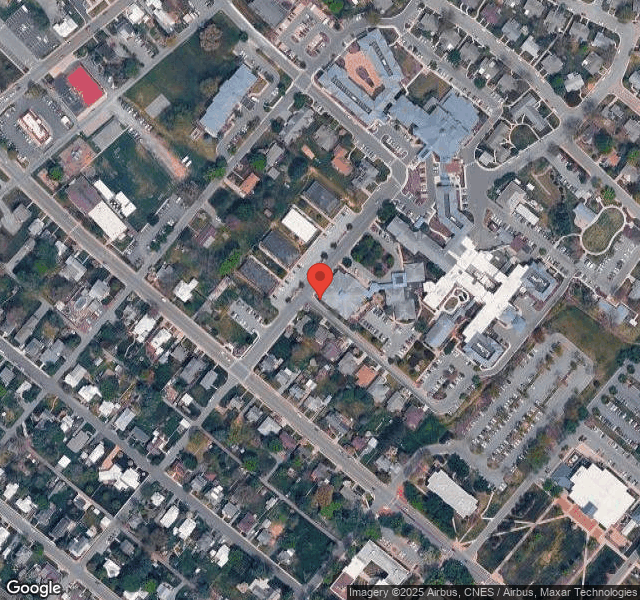
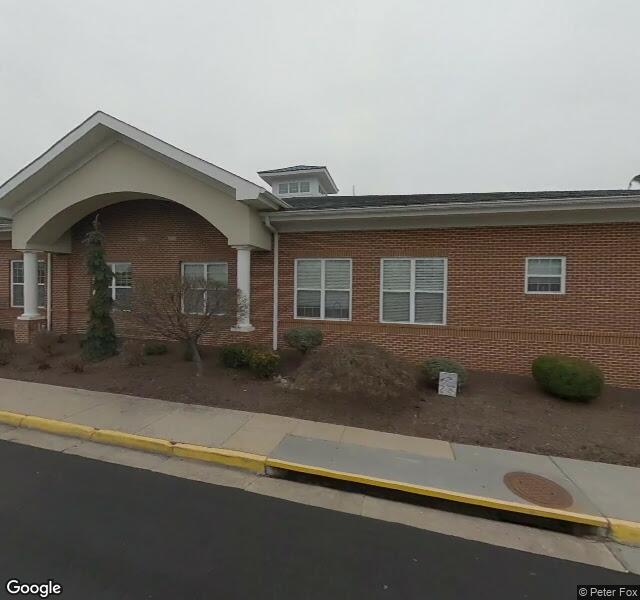
302 NORTH SECOND STREET, BRIDGEWATER, VA 22812 (540) 828-2531
Non profit - Corporation 127 Beds Independent Data: November 2025
Trust Grade
60/100
#125 of 285 in VA
Last Inspection: January 2022

Over 2 years since last inspection. Current conditions may differ from available data.

Overview

Bridgewater Home, Inc. has a Trust Grade of C+, indicating that it is slightly above average but not exceptional. It ranks #125 out of 285 nursing homes in Virginia, placing it in the top half of the state, and #2 out of 2 in Rockingham County, meaning there is only one other option available locally. The facility's trend is worsening, with issues increasing from 7 in 2019 to 9 in 2022, highlighting some concerns. On the positive side, staffing is rated 4 out of 5 stars, with a turnover rate of 40%, which is better than the state average, indicating that many staff members stay long-term, fostering familiarity with residents. However, there have been concerning findings, such as a lack of a qualified activities professional for over two years and instances where residents were administered psychotropic medications without proper oversight or documentation, raising questions about care quality.

Trust Score
C+
60/100
In Virginia
#125/285
Top 43%
Safety Record
Low Risk
No red flags
Inspections
Getting Worse
7 → 9 violations
Staff Stability
○ Average
40% turnover. Near Virginia's 48% average. Typical for the industry.
Penalties
✓ Good
No fines on record. Clean compliance history, better than most Virginia facilities.
Skilled Nurses
○ Average
Each resident gets 37 minutes of Registered Nurse (RN) attention daily — about average for Virginia. RNs are the most trained staff who monitor for health changes.
Violations
⚠ Watch
23 deficiencies on record. Higher than average. Multiple issues found across inspections.
★★★☆☆
3.0
Overall Rating
★★★★☆
4.0
Staff Levels
★★★★☆
4.0
Care Quality
★★★☆☆
3.0
Inspection Score
Stable
2019: 7 issues
2022: 9 issues

The Good

  • 4-Star Staffing Rating · Above-average nurse staffing levels
  • 4-Star Quality Measures · Strong clinical quality outcomes
  • Full Sprinkler Coverage · Fire safety systems throughout facility
  • No fines on record
  • Staff turnover below average (40%)

    8 points below Virginia average of 48%

Facility shows strength in staffing levels, quality measures, fire safety.

The Bad

3-Star Overall Rating

Near Virginia average (3.0)

Meets federal standards, typical of most facilities

Staff Turnover: 40%

Near Virginia avg (46%)

Typical for the industry

The Ugly 23 deficiencies on record

Jan 2022 9 deficiencies
CONCERN (D)

Potential for Harm - no one hurt, but risky conditions existed

Comprehensive Care Plan (Tag F0656)

Could have caused harm · This affected 1 resident

**NOTE- TERMS IN BRACKETS HAVE BEEN EDITED TO PROTECT CONFIDENTIALITY** Based on staff interview, clinical record review, and in the course of a complaint investigation, the facility staff failed to d...

Read full inspector narrative →
**NOTE- TERMS IN BRACKETS HAVE BEEN EDITED TO PROTECT CONFIDENTIALITY** Based on staff interview, clinical record review, and in the course of a complaint investigation, the facility staff failed to develop a comprehensive plan of care for two of 26 residents in the survey sample. Resident #37 had no care plan developed regarding hydration and behaviors. Resident #60 had no care plan about behaviors. The findings include: 1. Resident #37 was admitted to the facility on [DATE] with diagnoses that included Alzheimer's, dementia with behaviors, insomnia, urinary tract infection, atrial fibrillation with pacemaker, hypertension, gastroesophageal reflux disease, hypothyroidism, history of kidney cancer, history of colon cancer and major depressive disorder. The minimum data set (MDS) dated [DATE] assessed Resident #37 with short and long-term memory problems and severely impaired cognitive skills. This MDS documented the resident demonstrated physical behaviors directed toward others (hitting, kicking, grabbing), verbal behaviors (screaming, yelling) and other behaviors such as hitting, rummaging and throwing food/items. a) Resident #37's clinical record from October 2021 through 1/10/22 documented the following behaviors. 10/8/21 - .attempting to climb out of chair .got verbally aggressive with the aide and nurses. when the nurse attempted to give him medication he kicked her and attempt to grab her wrists and pull her close to him. he remained verbally aggressive . 10/12/21 - .today tearing up papers, books, boxes . 10/21/21 - .continuing to spit all over med cart and on floor. took his drink cup and dumped it all over the table and floor in dining room . 10/27/21 - .spit his meds out, and spit on the floor. Pouring water on the floor . 10/31/21 - .was opening and slamming his cabinet doors shut, hitting on dresser .threw his mug on the floor, which then broke .spitting on the floor and in his plate . 11/9/21 - .began to spit on the floor and after eating his ice cream he threw the empty container across the dining room floor . 11/19/21 - .has been yelling at other residents and arguing with the aids [aides]. He attempted to punch one of the aids .threw his water at the nurse and his beer at another aid . (sic) 12/1/21 - .Resident became physically aggressive when aides attempted to wash and dress him. Resident grabbed aide .by throat and would not let go .released aide, but was yelling . 12/1/21 - .noted resident grabbing wife's arm .small bruise to wife's wrist . 12/1/21 - .in dining room .knocked the plant off the window sill .arch his back in attempt to break the window .climbed up onto the table .scooting across the table .continues to spit . (sic) 12/8/21 - .spitting on the recliner and the floor . 12/17/21 - .was noted to be tearing up newspaper and moving things around in his room . 12/17/21 - .resident started to hit another resident with a brush and then began spitting on the floor . The clinical record documented redirection, diversion activities, family visits, psychiatric evaluations and multiple medication changes to address the ongoing behaviors. Resident #37's plan of care (revised 1/11/22) included no problems, goals and/or interventions regarding the aggressive physical and verbal behaviors. The plan of care documented the resident had .a behavior problem of touching/talking to team members, and a resident in a sexually inappropriate manner . The problem was initiated on the plan on 9/10/21. The care plan made no mention of the resident's hitting, kicking, grabbing, rummaging, tearing books, spitting or throwing items. On 1/13/22 at 8:08 a.m., the licensed practical nurse (LPN #1) unit manager responsible for care plans was interviewed about Resident #37. LPN #1 stated not all of the resident's behaviors were listed on the care plan and the plan did not include interventions implemented to address the resident's aggressive behaviors. This finding was reviewed with the administrator and director of nursing on 1/13/22 at 1:50 p.m. b) Resident #37's clinical record documented the resident had ongoing physical and verbal behaviors that included hitting, grabbing, kicking, sexual comments, yelling and screaming and an ongoing issue with falls. Intake records documented the resident had decreased fluid and meal intake on 10/3/21, 10/4/21 and 10/5/21 with the resident refusing food and drink. The nurse practitioner (NP) progress note dated 10/5/21 documented the resident had experienced a fall on 10/4/21, hit his head and the responsible party refused for the resident to go to the emergency room. This progress note dated 10/5/21 documented, Nursing call this afternoon around 1245 stating that resident has become increasingly lethargic throughout the day, now lying in bed most of the late morning .he is not eating and drinking .POA [power of attorney] is now agreeable to have him sent in [to emergency room]. The emergency room report dated 10/5/21 documented, .Incidentally found to have evidence of acute kidney injury and admitted .Concerning patient's mild acute kidney injury this was likely secondary to his recent worsening nutritional status and diminished p.o. [oral] intake in his nursing facility .Metabolic encephalopathy likely due to dehydration due to poor oral intake likely due to worsening advanced dementia . The resident received intravenous fluids and discharged back to the nursing facility on 10/7/21 with instructions to maintain adequate nutritional status and intake after discharge to the nursing facility. The clinical record documented the resident at times refused meals/drinks. Fluid intake records documented the resident routinely accepted daily fluid amounts less than those recommended by the registered dietitian. Resident #37's plan of care (revised 1/11/22) included no problems, goals and/or interventions regarding fluid intake or dehydration prevention following the diagnosis of dehydration. The plan listed the resident was at risk of weight loss but made no mention of fluid intake to prevent dehydration. On 1/13/22 at 8:08 a.m., the licensed practical nurse (LPN #1) unit manager responsible for care plans was interviewed. LPN #1 stated the staff members encouraged fluids with Resident #37. LPN #1 stated the resident at times accepted all fluids and other days refused due to advanced dementia and behaviors. LPN #1 stated alternate supplements had been attempted with the resident preferring med-pass. LPN #1 stated hydration was typically included in the care plan for residents with impaired intake. LPN #1 stated the last care plan meeting for Resident #37 was held in November 2021 and the plan was focused on family concerns and nothing had been added to the care plan specifically about fluid intake and dehydration prevention. This finding was reviewed with the administrator and director of nursing on 1/13/22 at 1:50 p.m. 2. Resident #60 was admitted to the facility on [DATE] with diagnoses that included Alzheimer's, hypothyroidism, diabetes, coronary artery disease, atherosclerotic heart disease, obstructive uropathy due to benign prostatic hypertrophy (BPH), hypertension, depression and venous thrombosis. The minimum data set (MDS) dated [DATE] documented Resident #60 had short and long-term memory problems and moderately impaired cognitive skills. Resident #60's clinical record documented the following nursing notes regarding ongoing behaviors. 12/29/21 - .Resident had some sexual behaviors directed to this nurse .Resident grabbed penis and stated, 'I have some medication here for you some of my penis, do you want it.' .Resident kept grabbing himself and stating to this nurse vulgar things . 12/30/21 - .Resident displaying inappropriate sexual advances toward staff . 1/1/22 - .Resident sexually inappropriate x 1 with team . 1/4/22 - .resident displayed short outburst of inappropriate behavior earlier in the shift . 1/9/22 - .Res [resident] observed pulling down pants and pullup while reclined in chair . A nurse practitioner (NP) progress note dated 1/4/22 documented, .seen for abnormal urine and urine culture along with continued inappropriate sexual behavior. He is exhibiting confusion and behaviors .He has been sexually inappropriate with staff and around the other residents .Pleasant but does make some sexual comments today . Resident #60's plan of care (revised 12/27/21) included no problems, goals and/or interventions regarding sexually behaviors. The plan listed the resident had a history of being irritable due to dementia but made no mention of the ongoing sexual related behaviors/comments. On 1/13/22 at 9:04 a.m., the licensed practical nurse (LPN #1) unit manager responsible for care plans was interviewed about Resident #60. LPN #1 stated the resident started with sexual behaviors about 3 to 4 weeks ago. LPN #1 stated the resident was treated for a urinary tract infection and she initially thought the behaviors were related to the infection. LPN #1 stated the behaviors were ongoing after treatment for the infection and had not been added to the care plan. This finding was reviewed with the administrator and director of nursing on 1/13/22 at 1:50 p.m.
CONCERN (D)

Potential for Harm - no one hurt, but risky conditions existed

Quality of Care (Tag F0684)

Could have caused harm · This affected 1 resident

Based on observation, staff interview, and facility document review, the facility staff failed to perform quality control checks for a glucometer (a device to measure blood sugar) on one of 6 units, [...

Read full inspector narrative →
Based on observation, staff interview, and facility document review, the facility staff failed to perform quality control checks for a glucometer (a device to measure blood sugar) on one of 6 units, [NAME] unit. A glucometer located in the medication cart had not had a quality control check since October 2021. Findings include: On 1/12/22 at 9:45 an inspection of the medication cart was conducted with LPN (licensed practical nurse) #4. A glucometer was located in the first drawer, and LPN #4 was asked when the most recent quality control had been performed. LPN #4 stated she did not know, as that was done on second or third shift. LPN #4 was then asked if there was a log for the quality control checks. She stated there was, and retrieved the book. The review revealed that the checks had been performed monthly, and the last documented quality control check was 10/21. LPN #4 stated Ill get the clinical coordinator; I'm not sure why that's the last time it was performed, but I don't know why LPN #4 then went and got LPN #3, who was the clinical coordinator. LPN #3 stated there were no residents on the unit getting blood sugar monitoring, and therefore the quality control check had not been done. LPN #3 stated the only resident with diabetes currently on the unit had a system that was checked with an application on their cell phone, but did not have routine blood sugar monitoring ordered. On 1/12/22 at 10:15 a.m. the DON (director of nursing) was informed of the above findings. The DON stated There should not even be a glucometer in the medication cart. If a resident is ordered blood sugar monitoring, they are assigned their own glucometer and quality control checks are performed and documented on their MAR (medication administration record). I have no idea why that is in the cart. Let me see what I can find out. The administrator and the DON (director of nursing) were informed of the above findings during a meeting with facility staff 1/12/22 beginning at 3:50 p.m. The DON stated After talking to staff, it seems the glucometer was in the cart in case the resident with the self-check system would need to have a blood sugar check The DON was asked if, in that case, the quality control check should be performed and up-to-date in case of an emergency, she stated Yes. No further information was provided prior to the exit conference
CONCERN (D)

Potential for Harm - no one hurt, but risky conditions existed

Pressure Ulcer Prevention (Tag F0686)

Could have caused harm · This affected 1 resident

**NOTE- TERMS IN BRACKETS HAVE BEEN EDITED TO PROTECT CONFIDENTIALITY** Based on family interview, staff interview and clinical record review, the facility staff failed to perform routine skin assessm...

Read full inspector narrative →
**NOTE- TERMS IN BRACKETS HAVE BEEN EDITED TO PROTECT CONFIDENTIALITY** Based on family interview, staff interview and clinical record review, the facility staff failed to perform routine skin assessments prior to development of a pressure ulcer for one of 26 residents in the survey sample, Resident #79. Resident #79 developed a stage 2 pressure ulcer on her sacrum after going over four months without a documented skin assessment for pressure ulcer prevention. The findings include: Resident #79 was admitted to the facility on [DATE] with a re-admission on [DATE]. Diagnoses for Resident #79 included Alzheimer's dementia, heart failure, protein-calorie malnutrition, cerebrovascular disease, dysphasia, hypertension, cerebral infarction, osteoporosis, anemia, depression, atherosclerotic heart disease, hyperlipidemia, irritable bowel syndrome, glaucoma and osteoarthritis. The minimum data set (MDS) dated [DATE] documented Resident #79 with short and long-term memory problems and severely impaired cognitive skills. This MDS listed the resident required the extensive assistance of one person for transfers and bed mobility. On 1/11/22 at 11:45 a.m., Resident #79's family member was interviewed about quality of care in the facility. The family member stated the resident had recently developed an open area on her bottom and nurses were providing daily treatment to the wound. The family member stated the resident had declined and was now entering hospice. Resident #79's clinical record documented a physician's order dated 1/4/22 to cleanse the stage 2 pressure injury with wound cleanser, apply skin prep to surrounding skin and cover with foam dressing every day and as needed. Resident #79's treatment administration record documented daily treatments as ordered to the stage 2 pressure injury starting on 1/5/22. Nursing notes failed to evidence an assessment of a pressure ulcer on 1/4/22 by nursing. A nurse practitioner (NP) progress note dated 1/4/22 documented, XXX[AGE] year-old resident being seen for open skin area on her sacral region. There is intermittent pain noted to the area .Stage 2 sacral wound .Noted to her buttocks over the sacral region is a open skin area, discolored. The area is approximately nickel size with a central darkening of the skin noted. There is some surrounding erythema that is blanchable. The area is mildly tender to palpation. There is no active drainage noted but the dressing does have some serosanguineous drainage present .there is no slough notable, only epithelial tissue which is no longer intact . (Sic) The clinical record documented no measurements of the pressure injury until 1/6/22. A nursing note dated 1/6/22 documented the resident had an open area on the sacrum measuring 0.5 centimeters (cm) in width, 1.5 cm in length with no depth measurement listed. The most recent assessment of the pressure injury dated 1/10/22 listed the pressure ulcer as a Kennedy terminal ulcer with measurements of 2.7 cm length, 2.0 cm width and area of 3.5 cm. The assessment documented slough present on the wound bed with serosanguineous exudate and dark-reddish brown skin color surrounding the wound. Resident #79 had no documented skin assessments and/or body audits in the weeks and months prior to the pressure injury noted on 1/4/22. The clinical record documented the most recent skin assessment prior to the pressure injury was on 8/14/21. Resident #79's most recent pressure ulcer risk assessment was completed on 11/26/21. The Braden Scale for Predicting Pressure Sore Risk listed the resident with moderate risk for pressure ulcer development with a score of 14. Risk factors listed on this assessment included bedfast status, very limited mobility, probable inadequate nutrition and potential for friction/shear. Resident #79's plan of care (revised 3/1/21) listed the resident required the extensive assistance of one staff person for turning and repositioning in bed and had potential for pressure ulcer development due to immobility. Interventions to maintain intact skin included, Inform the resident/family/caregivers of any new area of skin breakdown .Monitor nutritional status. Serve diet as ordered .Monitor/document/report PRN [as needed] any changes in skin status: appearance, color, wound healing .infection wound size (length x width x depth), stage. On 1/12/22 at 7:30 a.m., the registered nurse (RN #1) caring for Resident #79 was interviewed about skin assessments. RN #1 stated she thought skin assessments were required every week or every other week. RN #1 stated required skin assessments popped up on the computer screen from the electronic health record when they were due so nurses knew when to complete the assessments. Resident #79's sacral pressure injury was not observed during the survey as the family representative declined permission for the surveyor to see the wound or observe wound care. On 1/13/22 at 8:30 a.m., the unit manager (LPN #1) was interviewed about the lack of skin assessments prior to the 1/4/22 pressure ulcer. LPN #1 stated skin assessments were supposed to be completed weekly on all residents by the floor nurses. LPN #1 reviewed Resident #79's clinical record and stated she did not see a routine skin assessment prior to the pressure injury since August 2021. LPN #1 stated the electronic health record was supposed to prompt nurses each week for completion and documentation of the assessments. LPN #1 stated Resident #79's skin assessment schedule had been altered and/or rescheduled and no prompts were being initiated by the computer system. The National Pressure Injury Advisory Panel (NPIAP) defines a pressure injury as, .localized damage to the skin and underlying soft tissue usually over a bony prominence or related to a medical or other device. The injury can present as intact skin or an open ulcer and may be painful. The injury occurs as a result of intense and/or prolonged pressure or pressure in combination with shear . The NPIAP defines a stage 2 pressure injury as, Partial-thickness loss of skin with exposed dermis. The wound bed in viable, pink or red, moist, and may also present as an intact or ruptured serum-filled blister . (1) The NPIAP Pressure Injury Prevention Points documents concerning skin care to prevent pressure ulcers, .Inspect all of the skin upon admission as soon as possible (but within 8 hours) .Inspect the skin at least daily for signs of pressure injury, especially nonblanchable erythema .Assess pressure points, such as the sacrum, coccyx, buttocks, heels, ischium, trochanters, elbows and beneath medical devices . (2) This finding was reviewed with the administrator and director of nursing on 1/13/22 at 1:50 p.m. (1) NPIAP Pressure Ulcer Stages/Categories. National Pressure Ulcer Advisory Panel. 1/15/22. www.npiap.com (2) Pressure Injury Prevention Points. 2020 National Pressure Injury Advisory Panel. 1/15/22. www.nipiap.com
CONCERN (D)

Potential for Harm - no one hurt, but risky conditions existed

Incontinence Care (Tag F0690)

Could have caused harm · This affected 1 resident

**NOTE- TERMS IN BRACKETS HAVE BEEN EDITED TO PROTECT CONFIDENTIALITY** Based on observation, resident interview, staff interview and clinical record review, the facility staff failed to provide appro...

Read full inspector narrative →
**NOTE- TERMS IN BRACKETS HAVE BEEN EDITED TO PROTECT CONFIDENTIALITY** Based on observation, resident interview, staff interview and clinical record review, the facility staff failed to provide appropriate catheter care for one of 26 residents in the survey sample, Resident #60. Resident #60 had a urinary catheter in use without the tubing secured to prevent pulling/tugging at the insertion site. The findings include: Resident #60 was admitted to the facility on [DATE] with diagnoses that included Alzheimer's, hypothyroidism, diabetes, coronary artery disease, atherosclerotic heart disease, obstructive uropathy due to benign prostatic hypertrophy (BPH), hypertension, depression and venous thrombosis. The minimum data set (MDS) dated [DATE] documented Resident #60 had short and long-term memory problems and moderately impaired cognitive skills. Resident #60's clinical record documented a physician's order dated 3/16/20 for an indwelling Foley catheter due to obstructive uropathy. On 1/12/22 at 2:13 p.m., certified nurses' aide (CNA) #2 was interviewed about Resident #60's catheter. CNA #2 stated she did not think the resident's catheter tubing was attached with an anchor or stabilizing device. On 1/12/22 at 2:15 p.m., accompanied by CNA #2 and with the resident's permission, the resident's catheter and tubing were observed. There was no anchor or stabilizing device attached to the catheter tubing. CNA #2 was interviewed at this time about an anchor device. CNA #2 stated the resident was supposed to have an anchor. CNA #2 stated she bathed the resident earlier in the morning and no device was in place. On 1/12/22 at 2:16 p.m., the registered nurse (RN #1) caring for Resident #60 was interviewed. RN #1 stated, He [Resident #60] usually has one [anchor] attached to the upper leg. RN #1 stated she did not know why the tubing was not secured. On 1/13/22 at 9:06 a.m., the licensed practical nurse (LPN #1) unit manager was interviewed about Resident #60's unsecured catheter tubing. LPN #1 stated the tubing should be secured. LPN #1 stated anchor devices were available in the supply room. Resident #60's plan of care (revised 12/27/21) documented the resident had a Foley catheter. Interventions to prevent catheter related trauma included checking tubing for kinks every shift and monitoring for signs of urinary tract infection. The Lippincott Manual of Nursing Practice 11th edition documents on page 602 concerning tubing placement with male catheterization, Make sure catheter is secured to patient's thigh and tubing is not creating traction on catheter, which will cause pain . (1) This finding was reviewed with the administrator and director of nursing on 1/13/22 at 1:50 p.m. (1) [NAME], [NAME] M. Lippincott Manual of Nursing Practice. Philadelphia: Wolters Kluwer Health/[NAME] & [NAME], 2019.
CONCERN (D)

Potential for Harm - no one hurt, but risky conditions existed

Deficiency F0692 (Tag F0692)

Could have caused harm · This affected 1 resident

**NOTE- TERMS IN BRACKETS HAVE BEEN EDITED TO PROTECT CONFIDENTIALITY** Based on clinical record review, staff interview, and review of facility documents, the facility failed to maintain acceptable p...

Read full inspector narrative →
**NOTE- TERMS IN BRACKETS HAVE BEEN EDITED TO PROTECT CONFIDENTIALITY** Based on clinical record review, staff interview, and review of facility documents, the facility failed to maintain acceptable parameters of nutrition for one of 26 residents in the survey sample, Resident # 81. Upon the identification of a significant weight loss of 19.2 pounds (13.8% loss) in 30 days, the facility failed to initiate measures to prevent further unplanned weight loss. No interventions were implemented until a month after the initial significant weight loss occurred and the resident continued to lose weight. The findings were: Resident # 81 in the survey sample was admitted to the facility on [DATE] with diagnoses that included dementia without behavioral disturbance, hypertension, stage 3 chronic kidney disease, anxiety disorder, depression, age related physical debility, malaise, slow transit constipation, polyosteoarthritis, gastroesophageal reflux disease, and hyperlipidemia. According to the admission Minimum Data Set (MDS), with an Assessment Reference Date (ARD) of 3/22/2021, the resident was assessed under Section C (Cognitive Patterns) as being severely cognitively impaired, with a Summary Score of 5 out of 15. Under Section G (Functional Status), the resident was assessed as being independent with set-up help only for eating. Review of the weight records in the resident's Electronic Health Record (EHR) noted the following weights: 7/2/2021 - 139.2 pounds 8/13/2021 - 120.0 pounds 9/13/2021 - 116.0 pounds 10/2/2021 - 115.6 pounds Resident # 81's weight loss between 7/2/201 (139.2 pounds) and 8/13/2021 (120.0 pounds) was 19.2 pounds, or a 13.8% weight loss in 30 days. The resident's weight loss between 7/2/2021 (139.2 pounds) and 9/13/2021 (116.0 pounds) was 23.2 pounds, or a 16.6% weight loss in two months. Review of the Nutrition Progress Assessment, dated 7/1/2021, noted the following: Tolerating regular diet regular texture thin liquids without problems. PO (Oral) intake varies 12-100% at meals. Fair to good fluid intake. Occasional snacks. Weights discontinued for comfort. No diet changes indicated at this time. Continue to encourage increased food/fluid intake. (NOTE: There was no documentation that the resident's weights were .discontinued for comfort.) A Nutrition Dietary Note contained in the Progress Notes, dated 9/3/2021, noted the following: Weight change note: RT (Resident) with a weight change -5% in 30 (days), BMI 24.2 WNL (within normal limits). On regular diet with thin liquids; PO intake fluctuates 25% to 50%. No dietary changes needed at this time; will continue to monitor. Review of the Nutrition Progress Assessment, dated 9/15/2021, noted the following: RT on regular diet with thin liquids. Her PO intake varies from < (less than) 50% to 75%; Her fluid intake also fluctuates. BMI (Body Mass Index) 23.4 WNL (Within Normal Limits); however her wt (weight) is trending downwards with a noted change of -10% X 108 days. At times she is depressed and states she does not like the food here per Dr. (name) notes. May recommend Med Pass bid (two times a day). Will continue to monitor. Review of the Medication Administration Record (MAR) for the month of September 2021 in the resident's EHR revealed Med Pass (a nutritional supplement) was started on 9/17/2021 and discontinued on 9/23/2021. The addition of Med Pass came approximately one month after the resident's weight loss of 19.2 pounds, or a 13.8%, was identified. A Progress Note, dated 9/23/2021, noted the following, .Dietician recommended Medpass protein shake but resident doesn't care for it. Staff attempted Thrive (frozen ice cream-caloric equivalent of Medpass) and resident enjoyed it . Review of Resident # 81's Quarterly Review MDS, with an ARD of 9/9/2021, found that under Section K (Swallowing/Nutritional Status), the resident was assessed as having a weight loss of 5% or more in the last month or loss of 10% or more in last six months that was not part of a physician prescribed weight loss regimen. At approximately 1:00 p.m. on 1/13/2022, the facility's Registered Dietitian (RD), identified as Other Staff # 2, was interviewed regarding Resident # 81's weight loss and mitigation measures. The RD said she was not the RD at the time the resident's weight loss occurred. Asked about the lack of mitigating interventions, the RD said she would have been more aggressive and would have taken action when the weight loss was identified. Resident # 81's care plan, dated 3/16/2021, and updated on 3/18/2021, included the following problem: The resident has an ADL (Activities of Daily Living) self-care performance deficit r/t (related to) Dementia, Limited Mobility, weakness and HX (history of) dizziness. The goal for the problem was: .The resident will improve current level of function in ADLs and ambulation through the review date. The interventions for the stated problem include: The resident is able to eat independently after set up; The resident prefers the following fluids: OJ and black coffee with breakfast. Likes cranberry juice with pineapple, water, root beef floats. Resident # 81's care plan also had the following problem, dated 7/1/2021 and updated on 10/5/2021: The resident has nutritional problem or potential nutritional problem r/t CKD3 (stage 3 Chronic Kidney Disease), Alzheimer's dementia, constipation. The goal for the problem was: The resident will have gradual weight gain to within 10% of IBW (Ideal Body Weight) for sex and height range by review date. The interventions for the stated problem, added on 10/5/2021, included: Provide and serve diet as ordered. Offer finger foods, particular likes, encourage to try food before declining meals. Family may assist with meals/snacks during routine weekly visits, to promote health; Provide and serve supplements as ordered: Thrive BID, after meals. The findings were discussed during a meeting at 2:00 p.m. on 1/13/2022 that included the Administrator, Director of Nursing, and the survey team.
CONCERN (D)

Potential for Harm - no one hurt, but risky conditions existed

Deficiency F0761 (Tag F0761)

Could have caused harm · This affected 1 resident

Based on observation, staff interview and facility document review, the facility staff failed to ensure an open bottle of liquid Ativan (an anti-anxiety medication) was dated when opened, on one of 6 ...

Read full inspector narrative →
Based on observation, staff interview and facility document review, the facility staff failed to ensure an open bottle of liquid Ativan (an anti-anxiety medication) was dated when opened, on one of 6 units, [NAME] unit. Findings include: On 1/12/22 at 9:30 a.m. an inspection of the [NAME] unit's medication room was conducted with LPN (licensed practical nurse) #4. Two bottles of liquid Ativan were located in the narcotic drawer of the refrigerator. One bottle was open, but did not have a date when opened on any of the packaging. LPN #4 stated I'm not sure about what to do with that, let me get the clinical coordinator. LPN # 4 left the medication room and returned with LPN #3, who was the clinical coordinator. LPN #3 was shown the box and vial of Ativan, and was asked if there should be an opened date. LPN #3 stated Yes, and I don't see one either. She then turned the box upside down and stated Well, there is smudged writing on here, I can't tell what it says, but I think that's maybe the date .looks like some condensation occurred and has smudged the writing. On 1/12/22 at 10:15 a.m. the DON (director of nursing) was asked for a policy on labeling and storage of medications. The DON stated there was no policy; and that perhaps she could contact the pharmacy. The DON left and returned with an email from the pharmacy about shortened expiration dates. The email, meds with shortened expiration dates documented Lorazepam (Ativan) Intensol: Pharmacy opens it and transfers it to another bottle with markings on side to measure, then send it to us. This means it expires 90 days from the fill date, as it has a short shelf-life. The administrator and the DON (director of nursing) were informed of the above findings during a meeting with facility staff 1/12/22 beginning at 3:50 p.m. No further information was provided prior to the exit conference.
CONCERN (D)

Potential for Harm - no one hurt, but risky conditions existed

Medical Records (Tag F0842)

Could have caused harm · This affected 1 resident

**NOTE- TERMS IN BRACKETS HAVE BEEN EDITED TO PROTECT CONFIDENTIALITY** Based on clinical record review and staff interview, the facility staff failed to maintain a complete and accurate clinical reco...

Read full inspector narrative →
**NOTE- TERMS IN BRACKETS HAVE BEEN EDITED TO PROTECT CONFIDENTIALITY** Based on clinical record review and staff interview, the facility staff failed to maintain a complete and accurate clinical record for two of 26 residents, Resident #76 and #103. Resident #76's pharmacy review for December was altered. Resident #103's code status was not correctly identified in the clinical record. Findings were: 1. Resident #76 was added to the survey sample for review of unnecessary medications. The clinical record was reviewed on 01/12/2022. A pharmacy review for the month of December 2021 was not observed. On 01/13/2021 a pharmacy review was presented by the Director of Nursing (DON). The form provided was a Medication Review Regimen Review-Note to Attending Physician. The MRR (Medication Review Date) was 12/21/2021. The form was recognized as the form that was observed the previous day that had been signed by the nurse practitioner and scanned into the computer system on 01/04/2022. The form presented had been altered and signed by the clinical coordinator, LPN (licensed practical nurse) #5. The original form had been in the system but the date of the review was mistaken for January, when it had occurred in December. The pharmacy recommendations on the form were: Recommend review Resident's Current condition and consider tapering Desyrel 50 mg QHS [at hour of sleep] to evaluate if Resident is on the lowest possible does, or continues to need the medication The nurse practitioner responded to the request with: Resident has good response to current treatment which maintains baseline function. Dose reduction is not indicated due to benefits outweigh risks . The form was signed by the nurse practitioner and dated 01/04/2022. The form presented on 01/13/2022 marked through the nurse practitioner's response and error was written. A new response of Other was marked and the handwritten on the form was 12/22-Res [resident] verbalized request for increase in Desyrel for insomnia. See order & encounter. Family Aware. The form was signed by LPN #5 and dated 12/28/2021. LPN #5 was interviewed on 01/13/2022 at approximately 8:30 a.m. She was asked about the changes to the form and when they occurred. She stated, Yesterday, I thought that's what they wanted me to do. During a meeting with the DON and the administrator on 01/13/2022 at approximately 1:30 p.m., the above information was discussed. Concerns were voiced that LPN #5 had altered the form, signed her name, and back dated her signature. The DON stated, I looked at the record yesterday, I didn't see the December review either, I asked her to see if she could find it. I didn't ask her to do that. No further information was obtained prior to the exit conference on 01/13/2022. 2. Resident # 103 was admitted to the facility 12/9/21 with diagnoses including but not limited to: idiopathic neuropathy, anemia, atrial fib, major depressive disorder, high blood pressure. The most recent MDS (minimum data set) was an admission assessment dated [DATE]. Resident # 103 was assessed as having severe impairment in cognition with a score of 7 out of 15. The clinical record was reviewed 1/12/22 beginning at 8:00 a.m. The resident did not have a code status documented in the record to indicate whether she wanted any life-saving measures performed. On 1/12/22 the clinical coordinator, LPN (licensed practical nurse) # 3 for Resident #103's unit was asked for assistance in locating the code status. She reviewed the record and stated Well, I admitted her, so I know she is a 'DNR' [Do Not Resuscitate]. The code status should be here on the face sheet where her picture is right under 'allergies'. I don't know how that was missed; I should have put it in there. I will fix that right now. The administrator and the DON (director of nursing) were informed of the above findings during a meeting with facility staff 1/12/22 beginning at 3:50 p.m. No further information was provided prior to the exit conference.
CONCERN (E)

Potential for Harm - no one hurt, but risky conditions existed

Deficiency F0680 (Tag F0680)

Could have caused harm · This affected multiple residents

Based on staff interview, clinical record review and complaint investigation, the facility staff failed to employ a qualified activity professional for the facility. For two years, the facility had no...

Read full inspector narrative →
Based on staff interview, clinical record review and complaint investigation, the facility staff failed to employ a qualified activity professional for the facility. For two years, the facility had no qualified therapeutic recreation specialist or activities professional providing direction/supervision of the activity programs for residents. The findings include: During a complaint investigation regarding Resident #37's activities, the household coordinator (CNA #1) was identified as the staff person responsible for providing recreational activities on the resident's living unit. On 1/12/22 at 2:37 p.m., certified nurses' aide (CNA) #1 was interviewed about Resident#37's activities program. During this interview, CNA #1 stated she was responsible for completing activity assessments and implementing the activity programs for residents on her assigned unit. When asked what training and/or qualifications she had regarding recreational activities, CNA #1 stated the previous CNA household coordinator provided her training. CNA #1 stated she had received training about dementia care but had no formal education or training regarding recreational activity programming. CNA #1 stated she worked together with the other household coordinators. When asked who provided supervision and direction of the facility's recreation activities, CNA #1 stated she reported to the administrator. CNA #1 was not aware of a qualified recreation specialist or activity professional in the facility. On 1/12/22 at 4:08 p.m., the administrator was interviewed about a qualified recreation specialist for the facility. The administrator stated there was a certified therapeutic recreation specialist working in the retirement community but that person was not involved with assessment, planning or implementing of the long-term care activity programs. The administrator stated they did not currently have a qualified activity professional and had not had one employed at the facility for approximately two years. This finding was reviewed with the administrator and director of nursing on 1/13/22 at 1:50 p.m.
CONCERN (E)

Potential for Harm - no one hurt, but risky conditions existed

Medication Errors (Tag F0758)

Could have caused harm · This affected multiple residents

**NOTE- TERMS IN BRACKETS HAVE BEEN EDITED TO PROTECT CONFIDENTIALITY** Based on clinical record review and staff interview, the facility staff failed to ensure 2 of 26 residents in the survey sample ...

Read full inspector narrative →
**NOTE- TERMS IN BRACKETS HAVE BEEN EDITED TO PROTECT CONFIDENTIALITY** Based on clinical record review and staff interview, the facility staff failed to ensure 2 of 26 residents in the survey sample were free from unnecessary psychotropic medications, Resident #45 and Resident #37. Resident #45 had physician orders for as needed (PRN) antianxiety medication Xanax that extended more than 14 days without a stop date. Resident #37 had physician orders for as needed (PRN) antipsychotic medication Zyprexa and the antianxiety medication Lorazepam that extended for more than 14 days without a stop date; and an as needed (PRN) dose of Zyprexa was administered to Resident #37 without an indication for use or documented prior attempts of non-drug interventions. The findings include: 1. Resident #45 was originally admitted to the facility on [DATE] and readmitted on [DATE] with diagnoses that included dementia with behavioral disturbance, depression, dementia with lewy bodies, Parkinson's Disease, generalized anxiety disorder, type 2 diabetes, and delusional disorders. The most recent minimum data set (MDS) dated [DATE] was a 5-day assessment and assessed Resident #45 as severely cognitively impaired for decision making with a score of 3 out of 15. The MDS assessed Resident #45 with periods of fluctuating inattention, consistent disorganized thinking and displaying physical, verbal and wandering behaviors. On 01/12/2021, Resident #45's clincial record was reviewed. Observed on the physician's order sheet was the following order: Xanax Tablet 0.5 MG (ALPRAZolam) *Controlled Drug* Give 0.5 mg (milligrams) by mouth every 8 hours as needed for anxiety related to GENERALIZED ANXIETY DISORDER. Give 1 tablet by mouth every 8 hours as needed for Anxiety Medication must continue > (greater than) 14 days for PRN (as needed) use and > (greater than) 60 days due to resident requiring intermittent administration for dx (diagnosis) of dementia with behaviors. AND Give 0.5 mg (milligrams) by mouth one time a day for Anxiety. Order Start Date: 01/18/2021. There was no documented stop date for the PRN (as needed) Xanax order. A review of the medication administration records (MAR) for the months of October 2021 through January 2022 documented Resident #45 received her scheduled dose of Xanax and received the PRN (as needed) dose of Xanax. The MAR documented Resident #45 received the PRN (as needed) dose of Xanax as followed: October 1, 3, 5, 6, 7, 9, 12, 15, 16, 17, 19, and 21; November 4, 6, and 13; December 2, 4, 5, 7, 10, 13, 14, 15, 16, 18, 19, and 22; and January 1, 7 8, 9, 10, and 12. The clinical record included documentation for indication of use including moods and behaviors and attempts of non-pharmacological interventions including 1:1 activities, incontinent care, snacks, turn/reposition, and/or attention diversion. A review of the Consultant Pharmacist's Medication reviews did not document any recommendations regarding the PRN Xanax. On 01/13/2022 at 10:03 a.m., the Household Clinical Coordinator (LPN #6) was interviewed regarding the PRN (as needed) Xanax order not having an end date. LPN #6 stated she completed a quarterly review of medications on her unit and recently had a conversation with the nurse practitioner regarding the order since it was written for greater than 60 days. LPN #6 stated Resident #45 displayed moods/behavior mostly in the evening hours and was recently started on a new Parkinson's medication which seemed to reduce some of Resident #45's moods and behaviors. LPN #6 was asked if the pharmacy consultant had made any recommendations regarding the PRN Xanax (as needed) order. LPN #6 stated, The pharmacy does things a little different here compared to my experience in another facility. I know [Nurse Practitioner] is good about monitoring [Resident #45] medications and that is why the order was written for greater than 60 days. I will discuss with her the importance of the mediation review and placing a stop date on the PRN medication. Also, [Resident #45] is seen by psych services and [Psych Provider] has been instrumental in helping with medication changes as well. The above findings were reviewed with the Administrator and the Director of Nursing during a meeting on 01/13/2021 at 1:48 p.m. 2. Resident #37 was admitted to the facility on [DATE] with diagnoses that included Alzheimer's, dementia with behaviors, insomnia, urinary tract infection, atrial fibrillation with pacemaker, hypertension, gastroesophageal reflux disease, hypothyroidism, history of kidney cancer, history of colon cancer and major depressive disorder. The minimum data set (MDS) dated [DATE] assessed Resident #37 with short and long-term memory problems and severely impaired cognitive skills. Resident #37's clinical record documented a physician's order dated 12/8/21 for the medication lorazepam 2 mg/ml (milligrams per milliliter) intramuscularly every 4 hours as need (prn) for agitation. The record documented a physician's order dated 12/9/21 for olanzapine (Zyprexa) disintegrating tablet 5 mg by mouth every 6 hours as needed for restlessness and agitation. These prn orders for psychotropic medications had been in place for over 30 days with no stop or end dates. Resident #37's medication administration records (MARs) from 12/1/21 through 1/11/21 documented the resident was administered five doses of the as needed lorazepam. As needed lorazepam was administered on 12/8/21, 12/9/21, 12/10/21, 12/13/21 and 1/2/22. As needed doses of Zyprexa were administered on 12/10/21, 12/21/21, 12/26/21 and on 1/11/22. Resident #37's clinical record included no documentation or assessment indicating the need for the 1/11/22 dose of Zyprexa. A nursing note dated 1/11/22 at 11:52 p.m. documented Zyprexa 5 mg was given for increased agitation. There was no documentation of any non-drug interventions implemented prior to the 1/11/22 dose of Zyprexa. There was no other assessment and/or description of the resident on 1/11/22 describing any behaviors demonstrated by the resident or events requiring the need to the antipsychotic medication. Resident #37's plan of care (revised 1/11/22) listed the resident had behavior problem of touching/talking to team members, and a resident in a sexually inappropriate manner . No other behaviors were included in the care plan. Interventions regarding sexual comments included Assist the resident to develop more appropriate methods of coping .(distraction and redirection). Encourage resident to express feelings .Explain all procedures .30 minute checks due to history of wandering . The plan listed the resident used psychotropic medication due to depression with interventions documented to administer medications as ordered and to monitor for adverse effects. The plan documented the resident had potential for psychosocial problems and anxiety due to health problems. Interventions to maintain psychosocial adjustment included pastoral care, communication with family, resident participation in care and monitoring by psychiatric services. The only intervention listed to minimize anxiety was, Resident takes comfort in holding a baby doll. A pharmacist's recommendation dated 12/21/21 documented, This resident has a current PRN order for Zyprexa as needed for aggression/restlessness (start date 12/01/2021) with no stop date indicated in the MAR. PRN orders for anti-psychotic drugs are limited to 14 days and cannot be renewed unless the attending physician or prescribing practitioner evaluates the resident .please be sure the proper documentation is made in the resident's medical record . On 1/13/22 at 8:08 a.m., the licensed practical nurse (LPN #1) unit manager was interviewed about Resident #37's prn psychotropic medications. Concerning the medication orders with no end date, LPN #1 stated the nurse practitioner reviewed the medications at least every two week. LPN #1 stated she thought the orders had been updated to include a stop date. LPN #1 reviewed the note on 1/11/22 and stated she did not see an assessment or description of why the medication was administered or any non-drug interventions attempted. LPN #1 stated the nurse should have documented a complete assessment and rationale for the Zyprexa dose administered on 1/11/22. LPN #1 stated the resident had a history of aggressive physical and verbal behaviors. LPN #1 stated she had added the baby doll to the care plan as a non-drug intervention but the care plan did not include the all of the physically aggressive behaviors. The Nursing 2022 Drug Handbook on page 909 describes lorazepam as an anxiolytic used for the treatment of anxiety and insomnia with adverse reactions that include drowsiness, sedation, agitation and respiratory depression. This reference on page 910 documents, .Use cautiously in elderly, acutely ill, or debilitated patients . (1) The Nursing 2022 Drug Handbook on 1084 describes Zyprexa (olanzapine) as an antipsychotic medication used for the treatment of schizophrenia, manic episode associated with bipolar disorder, agitation caused by schizophrenia and treatment-resistant depression and lists adverse reactions that include somnolence, insomnia and dizziness. This reference documents on page 1086, .Black Box Warning Drug may increase risk of CV [cardiovascular] or infection -related death in elderly patients with dementia. Olanzapine isn't approved to treat patients with dementia-related psychosis . (1) This finding was reviewed with the administrator and director of nursing on 1/13/22 at 1:50 p.m. (1) Woods, [NAME] Dabrow. Nursing 2022 Drug Handbook. Philadelphia: Wolters Kluwer, 2022.
Oct 2019 7 deficiencies
CONCERN (D)

Potential for Harm - no one hurt, but risky conditions existed

Assessment Accuracy (Tag F0641)

Could have caused harm · This affected 1 resident

**NOTE- TERMS IN BRACKETS HAVE BEEN EDITED TO PROTECT CONFIDENTIALITY** Based on observation, resident interview, staff interview and clinical record review, the facility staff failed to ensure an acc...

Read full inspector narrative →
**NOTE- TERMS IN BRACKETS HAVE BEEN EDITED TO PROTECT CONFIDENTIALITY** Based on observation, resident interview, staff interview and clinical record review, the facility staff failed to ensure an accurate minimum data set (MDS) regarding dental status for one of 28 residents in the survey sample (Resident #47). The findings include: Resident #47 was admitted to the facility on [DATE] with a re-admission on [DATE]. Diagnoses for Resident #47 included wrist fracture, gastroesophageal reflux disease, depression, anemia, high blood pressure and history of pulmonary embolism. The MDS dated [DATE] assessed Resident #47 as cognitively intact. On 10/15/19 at 12:00 p.m., Resident #47 was interviewed about quality of life in the facility. Resident #47's bottom, front teeth were broken with black/gray discoloration. Several of the lower front teeth were deteriorated down to the gum. The resident's top front teeth were chipped. Resident #47 was interviewed at this time about her teeth. The resident stated she had a partial plate on the top and her front teeth in the plate were chipped. Resident #47 stated her bottom teeth were not in good condition and needed repair. Section L0200 of Resident #47's annual MDS dated [DATE] documented the resident had no dental problems. This section documented the resident had no chipped dentures and no obvious or likely cavities or broken teeth. The admission MDS dated [DATE] included no assessment of the resident's teeth and documented unable to examine. On 10/16/19 at 2:08 p.m., the licensed practical nurse (LPN #3) unit manager was interviewed about the accuracy of Resident #47's dental assessment on the 8/8/19 MDS. LPN #3 stated the registered dietitian (RD) was responsible for completing section L0200 regarding the resident's dental status. LPN #3 stated the dental section on the 8/8/19 MDS was not accurate as the resident had obvious decay on the lower front teeth. On 10/17/19 at 9:45 a.m., the facility's RD was interviewed about the inaccurate assessment of Resident #47's teeth. The RD stated she completed the dental section by reviewing the nursing notes and conducting interviews with the resident and staff about any eating problems. The RD stated she did not perform an actual examination of the resident's teeth/mouth. The RD stated she had been told to complete section L0200 of the MDS but did not actually feel competent completing the section. The Long-Term Care Facility Resident Assessment Instrument 3.0 User's Manual documents on page L-2 regarding completion of section L0200, .If the resident has dentures or partials, examine for loose fit. Ask him or her to remove, and examine for chips, cracks .Conduct exam of the resident's lips and oral cavity with dentures or partials removed . Check L0200A .if the denture or partial is chipped, cracked .Check L0200D, obvious or likely cavity or broken natural teeth: if any cavity or broken tooth is seen . (1) This finding was reviewed with the administrator and director of nursing during a meeting on 10/17/19 at 10:15 a.m. (1) Long-Term Care Facility Resident Assessment Instrument 3.0 User's Manual, Version 1.17.1, Centers for Medicare & Medicaid Services, Revised October 2019.
CONCERN (D)

Potential for Harm - no one hurt, but risky conditions existed

Deficiency F0688 (Tag F0688)

Could have caused harm · This affected 1 resident

**NOTE- TERMS IN BRACKETS HAVE BEEN EDITED TO PROTECT CONFIDENTIALITY** Based on observation, staff interview, and clinical record review, facility staff failed to ensure a hand positioning device and...

Read full inspector narrative →
**NOTE- TERMS IN BRACKETS HAVE BEEN EDITED TO PROTECT CONFIDENTIALITY** Based on observation, staff interview, and clinical record review, facility staff failed to ensure a hand positioning device and an arm positioning device were in place for one of 28 residents, Resident #51. Findings included: Resident #51 was originally admitted to the facility on [DATE] and readmitted on [DATE] with diagnoses including, but not limited to: Cerebral Palsy, Seizures, Spastic Quadriplegia, Aphasia, and Legal Blindness. The most recent MDS (minimum data set) was an annual assessment with an ARD (assessment reference date of 08/13/2019. Resident #51 was assessed as severely impaired in his short and long term memory and daily decision making skills. Resident #51 was observed on 10/15/2019 at 12:15 p.m. in the living room area, reclined in a Broda chair. No positioning devices were observed. Resident #51's clinical record was reviewed on 10/16/2019 at 9:26 a.m. Included in the comprehensive care plan (CCP) was the following: .Impaired mobility/ADL [activities of daily living] Deficit related to contractures .I will maintain my strength and ROM [range of motion] as evidenced by participation in my Restorative Care Program .I have a stuffed monkey that provides me with comfort and is also used per restorative PROM [passive range of motion] as a device to help with my contractures. Assisting with positioning my monkey to help with comfort and control of contractures. Blue palm grip to the right hand, Monkey in right hand for positioning. On in morning and off with HS [bedtime] care . On 10/16/2019 at 10:30 a.m., Resident #51 was observed in the living room area, reclined in a Broda chair. No palm grip or stuffed monkey were in place as positioning devices. Resident #51 was observed again at 3:25 p.m. lying in his bed, again without his palm grip or monkey in place. On 10/16/2019 at 3:30 p.m., Resident #51 was observed with LPN #4 (licensed practical nurse). LPN #4 noted that the positioning devices were not in place. LPN #4 went to the resident's closet and retrieved laminated directions (picture diagrams) for device placement from the closet door. LPN #4 proceeded to place the palm guard into Resident 51's right hand and positioned the stuffed monkey between his right arm and his side as shown on the directions. LPN #4 was interviewed regarding Resident #51's CNA (certified nursing assistant). LPN #4 stated, His CNA left at 3:00 p.m. Normally the CNAs place positioning devices. I don't know why his devices weren't placed today. On 0/16/18 at approximately 3:45 pm Other #4 (Occupational Therapist) was interviewed with regarding Resident #51's positioning devices. Other #4 stated, We made a device to go around his arm to keep his arm from contracting inward at the elbow, but we decided to add more filling to his stuffed monkey and use that instead because he will hold onto it and not remove it. The Administrator and DON (director of nursing) were informed of the above findings during a meeting with the survey team on 10/16/2019 at approximately 4:45 p.m. No further information was received by the survey team prior to the exit conference on 10/17/2019.
CONCERN (D)

Potential for Harm - no one hurt, but risky conditions existed

Dental Services (Tag F0791)

Could have caused harm · This affected 1 resident

**NOTE- TERMS IN BRACKETS HAVE BEEN EDITED TO PROTECT CONFIDENTIALITY** Based on observation, resident interview, staff interview and clinical record review, the facility staff failed to provide routi...

Read full inspector narrative →
**NOTE- TERMS IN BRACKETS HAVE BEEN EDITED TO PROTECT CONFIDENTIALITY** Based on observation, resident interview, staff interview and clinical record review, the facility staff failed to provide routine dental services for one of 28 residents in the survey sample. Resident #47, with obvious decayed/deteriorated teeth, had not been offered or provided dental services since her admission on [DATE]. The findings include: Resident #47 was admitted to the facility on [DATE] with a re-admission on [DATE]. Diagnoses for Resident #47 included wrist fracture, gastroesophageal reflux disease, depression, anemia, high blood pressure and history of pulmonary embolism. The MDS dated [DATE] assessed Resident #47 as cognitively intact. On 10/15/19 at 12:00 p.m., Resident #47 was interviewed about quality of life in the facility. Resident #47's bottom, front teeth were broken with black/gray discoloration. Several of the lower front teeth had visible decay and were broken near the gum. The resident's top front teeth were chipped. Resident #47 was interviewed at this time about her teeth. The resident stated she had a partial plate on the top and her front teeth on the plate were chipped. Resident #47 stated her bottom teeth were not in good condition and needed repair. Resident #47 stated she had not been offered dental services since she had been in the facility and would like to see a dentist about her teeth. The clinical record documented no assessment of Resident #47's decayed teeth and chipped partial plate. Section L0200 of the annual MDS dated [DATE] inaccurately documented the resident had no dental problems. The admission MDS dated [DATE] included no assessment of the resident's teeth and indicated staff were unable to examine the resident's dental status with no explanation why the examination was not completed. The resident's plan of care (revised 8/29/19) made no mention of the resident's poor dentition. On 10/16/19 at 2:08 p.m., the licensed practical nurse (LPN #3) unit manager was interviewed about Resident #47's teeth. LPN #3 stated the registered dietitian (RD) was responsible for completing section L0200 regarding the assessment of resident's dental status. LPN #3 stated the dental section on the 8/8/19 MDS was not accurate as the resident had obvious decayed lower, front teeth. LPN #3 stated the resident had not complained about dental pain and the resident's family made her outside appointments. When asked about dental services provided by the facility, LPN #3 stated residents were sent out for dental services but they currently did not have a dental provider for Medicaid participants. On 10/16/19 at 2:30 p.m., the social worker (other staff #1) was interviewed about dental services for Resident #47. The social worker stated Resident #47 had not been offered or provided dental services since she had been in the facility. The social worker stated there were limited dental providers in the area that would assess and provide services for geriatric, Medicaid residents. This finding was reviewed with the administrator and director of nursing during a meeting on 10/17/19 at 4:45 p.m.
CONCERN (D)

Potential for Harm - no one hurt, but risky conditions existed

Deficiency F0909 (Tag F0909)

Could have caused harm · This affected 1 resident

**NOTE- TERMS IN BRACKETS HAVE BEEN EDITED TO PROTECT CONFIDENTIALITY** Based on observation, facility document review, staff interview and clinical record review, the facility staff failed to perform...

Read full inspector narrative →
**NOTE- TERMS IN BRACKETS HAVE BEEN EDITED TO PROTECT CONFIDENTIALITY** Based on observation, facility document review, staff interview and clinical record review, the facility staff failed to perform bed safety inspections with use of specialty mattresses for two of 28 residents in the survey sample. Resident #10 had a wide bed with a concave mattress and bed rails in use without a prior inspection for possible entrapment risks. Resident #23 had an air mattress with bed rails in use without a prior inspection for possible entrapment risks. The findings include: 1. Resident #10 was admitted to the facility on [DATE] with a re-admission on [DATE]. Diagnoses for Resident #10 included schizoaffective disorder, bipolar disorder, depression, bladder spasms, anxiety, anemia, sleep apnea, chronic obstructive pulmonary disease, spinal stenosis, macular degeneration, and diabetes. The minimum data set (MDS) dated [DATE] assessed Resident #10 with short and long-term memory problems and severely impaired cognitive skills. This MDS listed the resident required the extensive assistance of two people for bed mobility. On 10/16/19 at 10:00 a.m., Resident #10's bed environment was inspected. The resident's bed had two quarter length side rails in the raised position near the head of the bed. There was a concave shaped mattress on the bed with an approximately 6-inch gap from the end of the mattress to the headboard. There was approximately a 2-inch gap from the bottom of the mattress to the bed's footboard. Resident #10's clinical record documented no assessment of bed safety or entrapment risks related to the concave mattress used with the side rails. The record documented a physician's order dated 9/5/17 for 2 half side rails @ (at) head of bed to enable self turning and positioning. The most recent side rail assessment was dated 11/21/13 and made no mention of any risks for Resident #10 with use of the rails. The record documented no bed assessment regarding the concave mattress and no other bed rail assessment since 11/21/13. On 10/16/19 at 1:52 p.m., the licensed practical nurse (LPN #3) unit manager was interviewed about bed rail assessments and concave mattress. LPN #3 stated bed rail assessments were completed upon admission to see if the resident and/or responsible party wanted the rails. LPN #3 stated maintenance installed the mattress and was responsible for bed safety checks when mattresses were changed. On /10/16/19 at 2:47 p.m., the director of nursing (DON) was interviewed about assessments for bed rail safety. The DON stated all the beds in the facility were purchased after 2006 and according to the bed manufacturer, had no entrapment zones. The DON stated a gap measurement device was ordered in case specialty mattresses were used. The DON stated maintenance performed bed safety checks and again stated the beds in the facility did not have entrapment risks. The DON presented a letter from the bed manufacturer stating the beds with rails and mattresses were purchased by the facility in 2009. On 10/16/19 at 4:20 p.m., the maintenance supervisor (other staff #2) was interviewed about bed safety inspections. The maintenance supervisor stated he checked beds/mattresses/rails once per year. The maintenance director stated they checked to be sure the mattress and bed were in good condition and that the side rails functioned properly. The maintenance director stated he did not perform gap measurements because their bed manufacturer informed them they complied with FDA [Food and Drug Administration] bed safety guidelines when the beds were purchased. The maintenance supervisor stated if a specialty mattress was installed, a bed safety check was supposed to be performed. The maintenance supervisor stated the facility purchased a device to perform gap measurements with special beds and/or mattresses but no gap measurements had been performed. On 10/16/19 at 4:32 p.m., accompanied by the maintenance supervisor, Resident #10's bed, rails and mattress were inspected. The maintenance supervisor was shown and interviewed about the approximately 6-inch gap between the mattress and the head of the bed. The maintenance supervisor identified Resident #10's bed as bed #60. The maintenance supervisor stated concerning the gap, Yes. That's a concern. The maintenance supervisor stated a safety check had not been performed on this bed with the concave mattress in place. The maintenance supervisor stated he was not aware the concave mattress had been installed and that Resident #10's bed was a wide bed and not the standard resident bed. The maintenance supervisor presented documented bed inspection records. Bed number 60 was most recently inspected in November 2018 and had not been inspected with use of a concave mattress. The maintenance supervisor was not sure when the wide bed was placed with the resident. The bed inspection sheets made no reference to any special beds or specialty mattresses in use in the facility. On 10/16/19 at 4:54 p.m., the DON was interviewed again about any resident assessment regarding bed rails and the specialty, concave mattress. The DON stated Resident #10 started using the concave mattress in May 2019. These findings were reviewed with the administrator and DON during meetings on 10/16/19 at 4:45 p.m. and 10/17/19 at 10:20 a.m. 2. Resident #23 was admitted to the facility on [DATE] with diagnoses that included congestive heart failure, high blood pressure, spinal stenosis, chronic kidney disease, chronic pain, anxiety, tremors, diabetes with neuropathy and anemia. The minimum data set (MDS) dated [DATE] assessed Resident #23 with moderately impaired cognitive skills and as requiring the extensive assistance of two people for bed mobility. On 10/15/19 at 3:30 p.m., Resident #23 was in bed. Two quarter length bed rails were in the raised position near the head of the bed. An alternating air mattress was in place on the bed. Resident #23 was observed again on 10/16/19 at 10:00 a.m. and 11:00 a.m. in bed with the air mattress in place with raised bed rails. Resident #23's clinical record documented no assessment of entrapment risks related to the bed rails or the alternating air mattress. Resident #23's clinical record documented a physician's order dated 9/5/17 for 2 side rails @ head of bed to enable self turning and repositioning. The was no physician's order for the air mattress but it was listed as an intervention under point of care devices for skin protection. The most recent side rail assessment was dated 12/23/13. This form made no mention of any risks associated with the resident's use of bed rails and stated the resident required the rails to promote independence and to provide safety. A consent form was signed by the resident on 12/23/13 documented the potential risks for rails had been explained but no risks of the rails were identified or listed on the form. The record documented no bed assessment regarding the air mattress and no other bed rail assessment since 12/23/13. On 10/16/19 at 1:52 p.m., the licensed practical nurse (LPN #3) unit manager was interviewed about bed rail assessments and the air mattress. LPN #3 stated bed rail assessments were completed upon admission to see if the resident and/or responsible party wanted the rails. LPN #3 stated maintenance installed the air mattress and was responsible for bed safety checks when mattresses were changed. On /10/16/19 at 2:47 p.m., the director of nursing (DON) was interviewed about assessments for bed rail safety. The DON stated all the beds in the facility were purchased after 2006 and according to the bed manufacturer, had no entrapment zones. The DON stated a gap measurement device was ordered in case specialty mattresses were used. The DON stated maintenance performed safety checks on beds/mattresses and again stated the beds in the facility did not have entrapment risks. The DON presented a letter from the bed manufacturer stating the beds with rails and mattresses were purchased by the facility in 2009. On 10/16/19 at 4:20 p.m., the maintenance supervisor (other staff #2) was interviewed about bed safety inspections. The maintenance supervisor stated he checked beds/mattresses/rails once per year. The maintenance director stated they checked to be sure the mattress and bed were in good condition and that the side rails functioned properly. The maintenance director stated he did not perform gap measurements because their bed manufacturer informed them they complied with FDA [Food and Drug Administration] bed safety guidelines when the beds were purchased. The maintenance supervisor stated if a specialty mattress was installed, a bed safety check was supposed to be performed. The maintenance supervisor stated the facility purchased a device to perform gap measurements with special beds and/or mattresses but no gap measurements had been performed. On 10/16/19 at 4:32 p.m., accompanied by the maintenance supervisor, Resident #23's bed, rails and air mattress were inspected. The maintenance supervisor was interviewed about the air mattress in use. The maintenance supervisor stated he had not performed a bed inspection with the air mattress in place. The maintenance director stated he was not aware the air mattress was installed on the bed. The maintenance director identified Resident #23's bed as bed #102. The maintenance supervisor presented documented bed inspection records. Bed number 102 was most recently inspected in November 2018. There was no documentation of any inspection of bed number 102 with a specialty air mattress. The bed inspection sheets made no reference to any special beds and or specialty mattresses in use in the facility. On 10/16/19 at 4:54 p.m., the DON stated Resident #23's air mattress had been in use since February 2019. These findings were reviewed with the administrator and DON during meetings on 10/16/19 at 4:45 p.m. and 10/17/19 at 10:20 a.m.
CONCERN (E)

Potential for Harm - no one hurt, but risky conditions existed

Deficiency F0700 (Tag F0700)

Could have caused harm · This affected multiple residents

**NOTE- TERMS IN BRACKETS HAVE BEEN EDITED TO PROTECT CONFIDENTIALITY** Based on observation, facility document review, staff interview and clinical record review, the facility staff failed to attempt...

Read full inspector narrative →
**NOTE- TERMS IN BRACKETS HAVE BEEN EDITED TO PROTECT CONFIDENTIALITY** Based on observation, facility document review, staff interview and clinical record review, the facility staff failed to attempt appropriate alternatives and assess for entrapment risks prior to use of bed rails for four of 28 residents in the survey sample (Residents #10, #23, #37 and #105). Residents #10 and #23 used special mattresses with bed rails without a prior assessment for bed safety. The findings include: 1. Resident #10 was admitted to the facility on [DATE] with a re-admission on [DATE]. Diagnoses for Resident #10 included schizoaffective disorder, bipolar disorder, depression, bladder spasms, anxiety, anemia, sleep apnea, chronic obstructive pulmonary disease, spinal stenosis, macular degeneration, and diabetes. The minimum data set (MDS) dated [DATE] assessed Resident #10 with short and long-term memory problems and severely impaired cognitive skills. This MDS listed the resident required the extensive assistance of two people for bed mobility. On 10/15/19 at 12:55 p.m., Resident #10 was seated in a Broda chair in the day area. The resident was raising up, attempting to get out of the chair unassisted. On 10/16/19 at 10:00 a.m., Resident #10's bed environment was inspected. The resident's bed had two quarter length side rails in the raised position near the head of the bed. There was a concave shaped mattress on the bed with an approximately 6-inch gap from the end of the mattress to the headboard. There was approximately a 2-inch gap from the bottom of the mattress to the bed's footboard. There was no assessment of bed safety or potential entrapment risks related to use of the concave mattress with the side rails in Resident #10's clinical record. The record documented a physician's order dated 9/5/17 for 2 half side rails @ (at) head of bed to enable self turning and positioning. The most recent side rail assessment dated [DATE] listed the resident had no altered safety awareness, no cognitive decline and required the rails to promote independence and mobility. There were no prior attempted alternatives to the rails listed on the assessment or in the clinical record. Resident #10's signed a consent form on 11/21/13 documenting the potential risks for rails had been explained but no risks were identified on the form. The record documented no bed assessment regarding the concave mattress and no other bed rail assessment since 11/21/13. Resident #10's clinical record documented the resident had a history of falls with the resident frequently attempting to get out of her bed and/or chair without assistance. On 7/29/19,Resident #10's rolled out of bed onto protective floor mats resulting in a skin tear to her right arm and a knee abrasion. The concave mattress was documented in use at the time of this fall. Resident #10's had additional falls from a Broda type chair on 5/28/19, 8/26/19, 10/2/19 and 10/4/19. Resident #10's plan of care (revised 10/11/19) listed the resident was at high risk of falls due to impulsive behaviors, severe cognitive impairment, poor safety awareness, history of falls, visual impairment, auditory hallucinations/delusions and attempts to self-transfer without staff assistance. The plan documented, I [Resident #10] often make poor/un-safe decisions regarding safe mobility and transfers and do not like staff to try to educate/correct. I have impulsive Behaviors that can be difficult for staff to anticipate or re-direct to safer alternatives . Interventions listed to prevent falls included, .assure concave mattress is on bed which is a wider bed, bed in lowest position, with body pillows for positioning and now has (2) mattresses next to bed on floor to prevent injury if Res. [resident] self-transfers OOB [out of bed] . Two side rails were listed under the resident care summary as an enabler. On 10/16/19 at 1:48 p.m., the certified nurses' aide (CNA #1) routinely caring for Resident #10 was interviewed. CNA #1 stated the rails and concave mattress had been in place with the resident for an extended time. CNA #1 stated when Resident #10 was awake and alert, she was able to pull or hold the rails when care was performed. CNA #1 stated Resident #10 did not independently use the rails to sit in bed and required help from staff for turning. On 10/16/19 at 1:52 p.m., the licensed practical nurse (LPN #3) unit manager was interviewed about bed rail assessments and bed safety. LPN #3 stated bed rail assessments were completed upon admission to see if the resident and/or responsible party wanted the rails. When asked if any re-assessment of the bed rails was completed, LPN #3 stated rails were re-assessed if the interdisciplinary team felt there was a need or if therapy made a recommendation about the rails. When asked about any assessment of Resident #10's bed rail use since 11/21/13, LPN #3 stated she did not see a recent assessment. LPN #3 stated she had no knowledge of any attempted alternatives to the bed rails. LPN #3 stated maintenance installed the concave mattress and was responsible for bed safety checks when mattresses were changed. On /10/16/19 at 2:47 p.m., the director of nursing (DON) was interviewed about assessments for bed rail safety. The DON stated all the beds in the facility were purchased after 2006 and according to the bed manufacturer, had no entrapment zones. The DON stated a gap measurement device was ordered in case specialty mattresses were used. The DON stated maintenance performed bed safety checks and again stated the beds in use in the facility did not have entrapment risks. The DON presented a letter from the bed manufacturer stating the beds with rails and mattresses were purchased by the facility in 2009. On 10/16/19 at 4:20 p.m., the maintenance supervisor (other staff #2) was interviewed about bed safety inspections. The maintenance supervisor stated he checked beds/mattresses/rails once per year. The maintenance director stated they checked to be sure the mattress and bed were in good condition and that the side rails functioned properly. The maintenance director stated he did not perform gap measurements because their bed manufacturer informed them they complied with FDA [Food and Drug Administration] bed safety guidelines when the beds were purchased. The maintenance director stated if a specialty mattress was installed, a bed safety check was supposed to be performed. On 10/16/19 at 4:32 p.m., accompanied by the maintenance supervisor, Resident #10's bed, rails and mattress were inspected. The maintenance supervisor was shown and interviewed about the approximately 6-inch gap between the mattress and the head of the bed. The maintenance supervisor identified Resident #10's bed as bed #60. The maintenance supervisor stated concerning the gap, Yes. That's a concern. The maintenance supervisor stated a safety check had not been performed on this bed with the concave mattress in place. The maintenance supervisor stated he was not aware the concave mattress had been installed and that Resident #10's bed was a wide bed and not the standard resident bed. The maintenance supervisor presented documented bed inspection records. Bed number 60 was most recently inspected in November 2018 and there was no evidence the concave mattress was in place at the time of the inspection. On 10/16/19 at 4:54 p.m., the DON was interviewed again about any resident assessment regarding bed rails, the concave mattress or any attempted alternatives to the rails. The DON stated Resident #10 started using the concave mattress in May 2019. The DON stated the concave mattress was put in place because the resident was having frequent falls. These findings were reviewed with the administrator and DON during meetings on 10/16/19 at 4:45 p.m. and 10/17/19 at 10:20 a.m. 2. Resident #23 was admitted to the facility on [DATE] with diagnoses that included congestive heart failure, high blood pressure, spinal stenosis, chronic kidney disease, chronic pain, anxiety, tremors, diabetes with neuropathy and anemia. The minimum data set (MDS) dated [DATE] assessed Resident #23 with moderately impaired cognitive skills and as requiring extensive assistance of two people for bed mobility. On 10/15/19 at 3:30 p.m., Resident #23 was in bed. Two quarter length bed rails were in the raised position near the head of the bed. An alternating air mattress was in place on the bed. Resident #23 was observed again on 10/16/19 at 10:00 a.m. and 11:00 a.m. in bed with the air mattress in place with raised bed rails. Resident #23's clinical record documented no assessment of entrapment risks related to the bed rails with the alternating air mattress or of any prior attempted alternatives to the rails. Resident #23's clinical record documented a physician's order dated 9/5/17 for 2 side rails @ (at) head of bed to enable self turning and repositioning. The was no physician's order for the air mattress but it was listed as an intervention under point of care devices for skin protection. The most recent side rail assessment was dated 12/23/13 and listed the resident had no altered safety awareness, no cognitive decline, had a history of falls and took medications that required increased safety precautions. This form made no mention of any risks associated with the resident's use of bed rails and stated the resident required the rails to promote independence and to provide safety. There were no attempt alternatives to side rails listed on the assessment or in the clinical record. A consent form signed by the resident on 12/23/13 documented the potential risks for rails had been explained but no risks of the rails were identified or listed on the form. The record documented no bed assessment regarding the air mattress and no other bed rail assessment since 12/23/13. Resident #23's plan of care listed the resident had impaired decision-making, impaired vision and was at risk of falls due to limited mobility, weakness and incontinence. Interventions to prevent falls included, .side rail use as needed/appropriate. Resident and POA [power of attorney] request use of 2 1/2 upper siderails for safety and to promote turning and positioning . The plan listed the air mattress as a device intervention to prevent skin breakdown. On 10/16/19 at 1:46 p.m., the certified nurses' aide (CNA #1) routinely caring for Resident #23 was interviewed. CNA #1 stated when Resident #23 was awake and alert, she was able to pull or hold the rails when care was performed. CNA #1 stated Resident #23 did not independently use the rails to sit up and required help from staff for turning in bed. On 10/16/19 at 1:52 p.m., the licensed practical nurse (LPN #3) unit manager was interviewed about bed rail assessments and bed safety. LPN #3 stated bed rail assessments were completed upon admission to see if the resident and/or responsible party wanted the rails. LPN #3 stated rails were re-assessed if the interdisciplinary team felt there was a need or if therapy made a recommendation about the rails. When asked about any assessment regarding Resident #23's bed rails use since 12/23/13, LPN #3 stated she did not see a recent assessment. LPN #3 stated she had no knowledge of any attempted alternatives to the bed rails. LPN #3 stated maintenance installed the air mattress and was responsible for bed safety checks when mattresses were changed. On /10/16/19 at 2:47 p.m., the director of nursing (DON) was interviewed about assessments for bed rail safety. The DON stated all the beds in the facility were purchased after 2006 and according to the bed manufacturer, had no entrapment zones. The DON stated a gap measurement device was ordered in case specialty mattresses were used. The DON stated maintenance performed safety checks on beds/mattresses and again stated the beds in the facility did not have entrapment risks. The DON presented a letter from the bed manufacturer stating the beds with rails and mattresses were purchased by the facility in 2009. On 10/16/19 at 4:20 p.m., the maintenance supervisor (other staff #2) was interviewed about bed safety inspections. The maintenance supervisor stated he checked beds/mattresses/rails once per year. The maintenance director stated they checked to be sure the mattress and bed were in good condition and that the side rails functioned properly. The maintenance director stated he did not perform gap measurements because their bed manufacturer informed them they complied with FDA bed safety guidelines when the beds were purchased. The maintenance director stated if a specialty mattress was installed, a bed safety check was supposed to be performed. On 10/16/19 at 4:32 p.m., accompanied by the maintenance supervisor, Resident #23's bed, rails and mattress were inspected. The maintenance supervisor was interviewed about the air mattress in use on the bed. The maintenance supervisor stated he had not performed a bed inspection with the air mattress in place. The maintenance director stated he was not aware the air mattress was installed on the bed. The maintenance director identified Resident #23's bed and #102. The maintenance supervisor presented documented bed inspection records. Bed number 102 was most recently inspected in November 2018 and there was no documentation the air mattress was in place at the time of the inspection. On 10/16/19 at 4:54 p.m., the DON stated Resident #23's air mattress had been in use since February 2019. These findings were reviewed with the administrator and DON during meetings on 10/16/19 at 4:45 p.m. and 10/17/19 at 10:20 a.m. 3. Resident #105 was admitted to the facility on [DATE] with diagnoses that included cerebral palsy, intellectual disability, high blood pressure, dermatitis and hypertensive retinopathy. The minimum data set (MDS) dated [DATE] assessed Resident #105 with moderately impaired cognitive skills and to require the extensive assistance of one person for bed mobility. On 10/15/19 at 3:30 p.m., Resident #105 was observed in bed with two quarter length bed rails in the raised position near the head of the bed. The resident was observed in bed again with raised side rails on 10/16/19 at 7:53 a.m. Resident #105's clinical record documented no assessment for entrapment risks related to use of the bed rails and no prior attempted alternatives to the bed rails. Resident #105's clinical record documented a physician's order dated 4/24/18 for, 2 half side rail @ (at) head of bed to enable self turning and repositioning. The most recent side rail assessment was dated 4/1/09 and listed the resident had no altered safety awareness, no cognitive decline and no history of falls. This form made no mention of any risks associated with the resident's use of bed rails and stated the resident required the rails to promote independence and to provide safety. There were no attempt alternatives to side rails listed on the assessment or in the clinical record. The resident/family signed a consent form on 1/21/09 documenting the potential risks for the rails had been explained but no risks were identified on the form. The record documented no bed rail assessment since 4/1/09. Resident #105's plan of care (revised 9/26/19) listed in the resident care summary that the resident used two-half length side rails at the head of the bed as an enabler. On 10/16/19 at 1:45 p.m., the certified nurses' aide (CNA #1) routinely caring for Resident #105 was interviewed. CNA #1 stated the resident was able to use the rails to turn partially in bed. On 10/16/19 at 1:52 p.m., the licensed practical nurse (LPN #3) unit manager was interviewed about bed rail assessments and bed safety. LPN #3 stated bed rail assessments were completed upon admission to see if the resident and/or responsible party wanted the rails. LPN #3 stated rails were re-assessed if the interdisciplinary team felt there was a need or if therapy made a recommendation about the rails. When asked about any assessment regarding Resident #105's bed rails use since 4/1/09, LPN #3 stated she did not see a recent assessment. LPN #3 stated she had no knowledge of any attempted alternatives to the bed rails. LPN #3 stated Resident #105 was able to use the rails to turn in bed. On /10/16/19 at 2:47 p.m., the director of nursing (DON) was interviewed about assessments for bed rail safety. The DON stated all the beds in the facility were purchased after 2006 and according to the bed manufacturer, had no entrapment zones. The DON stated a gap measurement device was ordered in case specialty mattresses were used. The DON stated maintenance performed safety checks on beds/mattresses and again stated the beds in the facility did not have entrapment risks. The DON presented a letter from the bed manufacturer stating the beds with rails and mattresses were purchased by the facility in 2009. This finding was reviewed with the administrator and DON during meetings on 10/16/19 at 4:45 p.m. and 10/17/19 at 10:20 a.m. 4. Resident #37 was admitted to the facility on [DATE] with a re-admission on [DATE]. Diagnoses for Resident #37 included chronic kidney disease, chronic obstructive pulmonary disease, atrial fibrillation, dementia, hypothyroidism, bladder cancer, high blood pressure, heart failure and arthritis. The minimum data set (MDS) dated [DATE] assessed Resident #37 with moderately impaired cognitive skills and as requiring the extensive assistance of two people for bed mobility. On 10/15/19 at 11:30 a.m., Resident #37's bed environment was inspected. The resident's bed had two quarter length side rails in the raised position near the head of the bed. Resident #37's clinical record documented no assessment for entrapment risks related to use of the bed rails and no prior attempted alternatives to bed rail use. Resident #37's clinical record documented a physician's order dated 10/3/19 for, 2 half side rails @ (at) head of bed to enable self turning and repositioning. The most recent side rail assessment was dated 5/9/16 and listed the resident had altered safety awareness due to cognitive decline, a history of falls, poor bed mobility, history of postural hypotension, poor balance/trunk control and took medications that would require increased safety precautions. This form made no mention of any risks associated with the resident's use of bed rails and did not indicate any evaluation and/or recommendation regarding the resident's use of bed rails (recommendation section was blank). There were no prior attempted alternatives to side rails listed on the assessment or in the clinical record. The resident's family member signed a consent form on 5/19/16 documenting the potential risks for rails had been explained but no risks were identified on the form. The record documented no bed rail assessment regarding entrapment risks since 5/9/16. The clinical record documented attempts by the resident to get out of bed unassisted. A nursing note dated 8/16/19 documented the resident was found with his legs over the bedside table, attempting to get out of bed. An additional note on 10/4/19 documented the resident was disoriented and attempting to climb out of his chair unassisted and was not responsive to re-direction. Resident #37's plan of care (revised 10/3/19) listed the resident was at risk of falls due to impaired decision-making skills and a history of falls. Interventions for fall/injury prevention included, .siderail use as needed/appropriate. Resident and POA request use of 2 1/2 upper siderails for safety and to promote turning and positioning while in bed and to be able to position self by using the controls . On 10/16/19 at 1:49 p.m., the certified nurses' aide (CNA #1) routinely caring for Resident #37 was interviewed. CNA #1 stated the resident used the bed rails when turning or repositioning in bed but required assistance from staff with bed mobility. On 10/16/19 at 1:52 p.m., the licensed practical nurse (LPN #3) unit manager was interviewed about bed rail assessments and bed safety. LPN #3 stated bed rail assessments were completed upon admission to see if the resident and/or responsible party wanted the rails. LPN #3 stated rails were re-assessed if the interdisciplinary team felt there was a need or if therapy made a recommendation about the rails. When asked about any assessment regarding Resident #37's bed rails use since 5/9/16, LPN #3 stated she did not see a recent assessment. LPN #3 stated she had no knowledge of any attempted alternatives to the bed rails. LPN #3 stated Resident #37 was able to hold the rails when staff assisted him with bed mobility. On /10/16/19 at 2:47 p.m., the director of nursing (DON) was interviewed about assessments for bed rail safety. The DON stated all the beds in the facility were purchased after 2006 and according to the bed manufacturer, had no entrapment zones. The DON stated a gap measurement device was ordered in case specialty mattresses were used. The DON stated maintenance performed safety checks on beds/mattresses and again stated the beds in the facility did not have entrapment risks. The DON presented a letter from the bed manufacturer stating the beds with rails and mattresses were purchased by the facility in 2009. This finding was reviewed with the administrator and DON during meetings on 10/16/19 at 4:45 p.m. and 10/17/19 at 10:20 a.m.
CONCERN (E)

Potential for Harm - no one hurt, but risky conditions existed

Drug Regimen Review (Tag F0756)

Could have caused harm · This affected multiple residents

**NOTE- TERMS IN BRACKETS HAVE BEEN EDITED TO PROTECT CONFIDENTIALITY** 4. Resident #25 was admitted to the facility on [DATE] with diagnoses that included, hypertension, hyperlipidemia, Alzheimer's D...

Read full inspector narrative →
**NOTE- TERMS IN BRACKETS HAVE BEEN EDITED TO PROTECT CONFIDENTIALITY** 4. Resident #25 was admitted to the facility on [DATE] with diagnoses that included, hypertension, hyperlipidemia, Alzheimer's Dementia with out behavioral disturbances, abnormal gait and mobility, history of traumatic fracture and gastro-esophageal reflux disease (GERD). The most recent minimum data set (MDS) dated [DATE] which was a significant change assessment, assessed Resident #25 as severely impaired with a score of 3 out of 15 for daily decision making. On 10/15/19 at 12:50 p.m., Resident #25's clinical record was reviewed. Observed on the physician orders was the following order: Order #530. Order Date/Start Date: 04/17/19. Lorazepam 2mg/ml (milligrams/milliliters) oral concentrate (generic) - Give 0.5ml=1mg By Mouth Every 3 hours as needed For anxiety/agitation r/t (related to) encounter for comfort measures: [Name of Physician]. There was no documented stop date for the PRN Lorazepam order. A review of Resident #25's clinical record revealed the consultant pharmacist conducted monthly drug regimen reviews. For the months of May, June, July, August, September, and October 2019 the pharmacy reviews documented the following: Based upon the information available at the time of the review, and assuming the accuracy and completeness of such information, it is my professional judgement that at such time, the resident's medication regimen contained no new irregularities. There was no documentation to indicate the pharmacist identified the PRN order for Lorazepam as being outside of the 14 day prescription range. On 10/17/19 at 9:20 a.m., the pharmacist was interviewed regarding identifying PRN psychotropic medications with no stop date during the monthly drug regimen reviews. The pharmacist stated we do not manage stop dates for PRN medications, we depend on the doctor to do that. These findings were shared with the administrator and director of nurse during a meeting on 10/17/19 at 10:15 a.m. No additional information was provided to the survey team prior to exit on 10/17/19 at 11:00 a.m. 5. Resident #32 was admitted to the facility on [DATE] with diagnoses that included: Parkinson's Disease, hypertension, restless leg syndrome, delusional disorder, and Lewy body dementia. The most recent minimum data set (MDS) dated [DATE] which was a quarterly assessment, assessed Resident #32 has severely impaired for daily decision making and having long and short term memory problems. On 10/16/19 at 4:15 p.m., Resident #32's clinical record was reviewed. Observed on the physician orders was the following order: Order #560. Order Date/Start Date: 08/02/2019. Buspirone 15 mg tablet (generic) - 1/2 tab=7.5mg By Mouth Daily as needed For anxiety/agitation; DELUSIONAL DISORDERS; DEMENTIA WITH LEWY BODY, anxiety/agitation; DELUSIONAL DISORDERS; DEMENTIA WITH LEWY BODY; [Name of Physician]. There was no stop date for the PRN Buspirone order. A review of Resident #32's clinical record revealed the consultant pharmacist conducted monthly drug regimen reviews. For the months of August, September, and October 2019 the pharmacy reviews documented the following: Based upon the information available at the time of the review, and assuming the accuracy and completeness of such information, it is my professional judgement that at such time, the resident's medication regimen contained no new irregularities. There was no documentation to indicate the pharmacist identified the PRN order for Buspirone as being outside of the 14 day prescription range. On 10/17/19 at 9:20 a.m., the pharmacist was interviewed regarding identifying PRN psychotropic medications with no stop date during the monthly drug regimen reviews. The pharmacist stated we do not manage stop dates for PRN medications, we depend on the doctor to do that. These findings were shared with the administrator and director of nurse during a meeting on 10/17/19 at 10:15 a.m. No additional information was provided to the survey team prior to exit on 10/17/19 at 11:00 a.m.6. Resident #3 was originally admitted to the facility on [DATE] and readmitted on [DATE] with diagnoses including, but not limited to: Dementia, Anxiety, Depression, Congestive Heart Failure, and Pulmonary Fibrosis. The most recent MDS (minimum data set) was a quarterly assessment with an ARD (assessment reference date) of 10/01/2019. Resident #3 was assessed as severely impaired in her cognitive status with a total cognitive score of six out 15. Resident #3's clinical record was reviewed on 10/16/2019 at 8:07 a.m. The physician order sheet (POS) dated October 2019 included, .Order Date: 06/20/19, Start Date: 06/20/19 Lorazepam Intensol 2 mg/ml [milligrams/milliliter] oral concentrate .- Give 0.5mls By Mouth Every 3 hours As Needed 5ml=0.5 mg .for Anxiety For agitation ; Behavior . Subsequent review of Resident #3's MAR's (medication administration sheets) dated June through October 2019 included documentation that Resident #3 received only one prn (as needed) dose of Ativan on 08/21/2019. Pharmacy reviews dated July, August, September, and October 2019 all included, .No new irregularities . The facility pharmacist was interviewed via phone on 10/17/2019 at 9:25 a.m. regarding why no recommendations had been made to the physician for a prn medication ordered for more than 14 days. The pharmacist stated, We monitor GDR [gradual dose reduction]. We do not manage stop dates on prn meds. We rely on the physician to justify use beyond 14 days. The Administrator and DON (director of nursing) were informed of the above mentioned information during a meeting with the survey team on 10/17/2019 at 10:15 a.m. No further information was received prior to the exit conference. Based on clinical record review and staff interview, the facility's consultant pharmacist failed, for six of 28 residents in the survey sample, to identify and report medication irregularities to the Nurse Practitioner/attending physician/Medical Director. The consultant pharmacist failed to identify Residents # 69, 86, 60, 25, 32, and 3 as having physician orders for as needed (PRN) psychotropic medications that extended for more than 14 days without a stop date. The findings were: 1. Resident # 69 was admitted to the facility on [DATE] with diagnoses that included anemia, coronary artery disease, hypertension, arthritis, osteoporosis, Non-Alzheimer's dementia, anxiety disorder, and depression. According to the most recent Minimum Data Set (MDS), a Significant Change with an Assessment Reference Date (ARD) of 8/22/19, the resident was assessed under Section C (Cognitive Patterns) as having a Summary Score of 07 out of 15. Resident # 69's Electronic Health Record (EHR) included the following physician's orders for PRN psychotropic medications: Xanax (Alprazolam) 0.5 mg (milligrams) - 0.5 mg by mouth every 6 hours as needed for anxiety disorder. The order date and start date were 9/24/19. There was no stop date listed on the order. According to the E-MAR (Electronic Medication Administration Record), Xanax was administered once on each of four days; 10/4/19, 10/7/19, 10/9/19, and 10/12/19. According to Resident # 69's EHR, a Medication Regimen Review was conducted by the consultant pharmacist on 10/9/19 and forwarded to the Nurse Practitioner. The pharmacist's review noted the following, Based upon the information available at the time of the review, and assuming the accuracy and completeness of such information, it is my professional judgement that at such time, the resident's medication regimen contained no new irregularities. The pharmacist's review failed to identify the resident's 9/24/19 PRN Xanax order as not having a stop date. At 9:25 a.m. on 10/17/19, the consultant pharmacist was interviewed by telephone. When told about the concern with PRN psychotropic medications being ordered without a stop date, the pharmacist was asked how he addresses them. We monitor the GDR (Gradual Dose Reduction), the pharmacist said. He went on to say that, We do not manage the stop dates on PRN medications. We don't supply more than 14 days worth of medications. We supply enough to stop at 13 days. The pharmacist indicated that all (PRN's) should get a stop date, but that We rely on the physician to justify the use beyond 14 days. During a meeting at 10:00 a.m. on 10/17/19, that included the Director of Nursing, Administrator, and the survey team, the discussion with the pharmacist was reviewed. 2. Resident # 86 was admitted to the facility on [DATE] with diagnoses that included anemia, heart failure, hypertension, depression, gastroesophageal reflux disease, pleural effusion, and hypothyroidism. According to the most recent MDS, a Quarterly review with an ARD of 9/9/10, the resident was assessed under Section C (Cognitive Patterns) as having a Summary Score of 06 out of 15. Resident # 86's EHR included the following physician's order for a PRN psychotropic medication: Lorazepam Intensol 2 mg/ml (milligrams per milliliter) oral concentrate. Give 0.5 ml by mouth every 3 hours as needed for anxiety, for end of life care, agitation. The order date and start date were 10/1/19. There was no stop date listed on the order. According to Resident # 86's EHR, a Medication Regimen Review was conducted by the consultant pharmacist on 10/9/19 and forwarded to the Nurse Practitioner. The pharmacist's review noted the following, Based upon the information available at the time of the review, and assuming the accuracy and completeness of such information, it is my professional judgement that at such time, the resident's medication regimen contained no new irregularities. The pharmacist's review failed to identify the resident's 10/1/19 PRN Lorazepam order as not having a stop date. 3. Resident # 60 was admitted to the facility on [DATE] with diagnoses that included heart failure, hypertension, orthostatic hypotension,gastroesophageal reflux disease, ulcerative colitis, diabetes mellitus, hyperlipidemia, Parkinson's Disease, depression, chronic obstructive pulmonary disease, chronic pain syndrome, restless leg syndrome, sleep apnea, and dysphagia. According to the most recent MDS, a Significant Change with an ARD of 8/16/19, the resident was assessed under Section C (Cognitive Patterns) as having a Summary Score of 10 out of 15. Resident # 60's EHR included the following physician's order for a PRN psychotropic medication: Lorazepam 2 mg/ml oral concentrate - 0.5 ml = 1 mg by mouth every 3 hours as needed for anxiety/agitation/end of life care. The order date and start date were 7/19/19. There was no stop date listed on the order. There was also a second order for oral Lorazepam: Lorazepam 2 mg/ml oral concentrate. 1 ml by mouth every 3 hours as needed for moderate to severe anxiety, agitation, end of life care. The order date and start date were 8/13/19. There was no stop date listed on the order. According to the E-MAR in the resident's EHR, the Lorazepam ordered on 8/13/19 was administered once on each of two days; 10/12/19 and 10/13/19. According to Resident # 60's EHR, a Medication Regimen Review was conducted by the consultant pharmacist on 8/14/19, 9/4/19, and 10/9/19, and forwarded to the Nurse Practitioner. The pharmacist's review noted the following, Based upon the information available at the time of the review, and assuming the accuracy and completeness of such information, it is my professional judgement that at such time, the resident's medication regimen contained no new irregularities. The pharmacist's review failed to identify the resident's 7/19/19 PRN Lorazepam order as not having a stop date. Additionally, the Medication Regimen Reviews conducted by the consultant pharmacist on 8/14/19, 9/4/19, and 10/9/19, and forwarded to the Nurse Practitioner, failed to identify the resident's 8/13/19 PRN Lorazepam order as not having a stop date.
CONCERN (E)

Potential for Harm - no one hurt, but risky conditions existed

Medication Errors (Tag F0758)

Could have caused harm · This affected multiple residents

**NOTE- TERMS IN BRACKETS HAVE BEEN EDITED TO PROTECT CONFIDENTIALITY** 4. Resident #25 was admitted to the facility on [DATE] with diagnoses that included, hypertension, hyperlipidemia, Alzheimer's D...

Read full inspector narrative →
**NOTE- TERMS IN BRACKETS HAVE BEEN EDITED TO PROTECT CONFIDENTIALITY** 4. Resident #25 was admitted to the facility on [DATE] with diagnoses that included, hypertension, hyperlipidemia, Alzheimer's Dementia with out behavioral disturbances, abnormal gait and mobility, history of traumatic fracture and gastro-esophageal reflux disease (GERD). The most recent minimum data set (MDS) dated [DATE] which was a significant change assessment, assessed Resident #25 as severely impaired with a score of 3 out of 15 for daily decision making. On 10/15/19 at 12:50 p.m., Resident #25's clinical record was reviewed. Observed on the physician orders was the following order: Order #530. Order Date/Start Date: 04/17/19. Lorazepam 2mg/ml (milligrams/milliliters) oral concentrate (generic) - Give 0.5ml=1mg By Mouth Every 3 hours as needed For anxiety/agitation r/t (related to) encounter for comfort measures: [Name of Physician]. There was no documented stop date for the PRN Lorazepam order. A review of the medication administration record (MAR) for the period of 04/17/19 through 10/15/19 documented that Resident #25 did not receive any doses of the PRN Lorazepam. On 10/16/19 at 2:10 p.m. the clinical coordinator (LPN #2) on Resident #25's unit was interviewed regarding the PRN Lorazepam order. LPN #2 stated Resident #25's daughter was concerned about discontinuing the PRN Lorazepam order because Resident #25 had a history of seizures and thought the resident may need the medication since she had a recent fracture. LPN #2 continued and stated the facility's nurse practitioner felt it was better to leave the order in place since Resident #25 was on comfort care. On 10/16/19 at 4:00 p.m. LPN #2, the facility's nurse practitioner and the director of nursing (DON) came to the conference room to discuss the 14 day psychotropic medication regulation. The nurse practitioner and DON stated they thought the 14 day PRN regulation only applied to antipsychotic medications and additionally if a resident was on hospice or comfort care then this was rational to have the PRN order and the consultant pharmacist was in agreement with this. No additional information was provided to the survey team prior to exit on 10/17/19 at 11:00 a.m. 5. Resident #32 was admitted to the facility on [DATE] with diagnoses that included: Parkinson's Disease, hypertension, restless leg syndrome, delusional disorder, and Lewy body dementia. The most recent minimum data set (MDS) dated [DATE] which was a quarterly assessment, assessed Resident #32 has severely impaired for daily decision making and having long and short term memory problems. On 10/16/19 at 4:15 p.m., Resident #32's clinical record was reviewed. Observed on the physician orders was the following order: Order #560. Order Date/Start Date: 08/02/2019. Buspirone 15 mg tablet (generic) - 1/2 tab=7.5mg By Mouth Daily as needed For anxiety/agitation; DELUSIONAL DISORDERS; DEMENTIA WITH LEWY BODY, anxiety/agitation; DELUSIONAL DISORDERS; DEMENTIA WITH LEWY BODY; [Name of Physician]. There was no stop date for the PRN Buspirone order. A review of the medication administration record (MAR) for the period of 08/02/19 through 10/16/19 documented that Resident #32 received a dose of the PRN Buspirone on 08/20/19 and 09/08/19. These findings were shared with the administrator and director of nursing during a meeting on 10/16/19 at 4:30 p.m. On 10/17/19 at 9:30 a.m., the clinical coordinator (LPN #2) on Resident #32's unit was interviewed regarding the PRN Buspirone order. LPN #2 stated Resident #32 is followed by psychiatry and in August 2019 his wife had some concerns with the administration times of the PRN Buspirone and requested the administration time change. LPN #2 stated Resident #32 has not displayed a lot of delusions or hallucinations has he did in the past. LPN #2 continued and stated the staff has developed person centered activities and care plans based on his likes and needs which have seemed to help with some of the behaviors especially in the afternoon. No additional information was provided to the survey team prior to exit on 10/17/19 at 11:00 a.m.6. Resident #3 was originally admitted to the facility on [DATE] and readmitted on [DATE] with diagnoses including, but not limited to: Dementia, Anxiety, Depression, Congestive Heart Failure, and Pulmonary Fibrosis. The most recent MDS (minimum data set) was a quarterly assessment with an ARD (assessment reference date) of 10/01/2019. Resident #3 was assessed as severely impaired in her cognitive status with a total cognitive score of six out 15. Resident #3's clinical record was reviewed on 10/16/2019 at 8:07 a.m. The physician order sheet (POS) dated October 2019 included, .Order Date: 06/20/19, Start Date: 06/20/19 Lorazepam Intensol 2 mg/ml [milligrams/milliliter] oral concentrate .- Give 0.5mls By Mouth Every 3 hours As Needed 5ml=0.5 mg .for Anxiety For agitation; Behavior . Subsequent review of Resident #3's MAR's (medication administration sheets) dated June through October 2019 included documentation that Resident #3 received only one prn (as needed) dose of Ativan on 08/21/2019. Review of Physician Progress Notes dated 6/20/19, 8/15/19, 9/12/19, and 10/15/19 included: .Review of Systems .Psychiatric: No acute AMS [altered mental status] today .Psychiatric: Awake and oriented to person. Pleasant affect today, talkative. Appropriate and cooperative for exam. Does not appear in distress today .Plan: .Ativan Intensol 2 mg/ml, 1 mg PO/SL [oral/sublingual] q [every] 3 hrs PRN [as needed] anxiety, agitation, end-of -life care .comfort measures medication . The Nurse Practitioner (Administration #3) was interviewed on 10/16/2019 at approximately 4:00 p.m. regarding Resident #3's prn Ativan order. The NP stated, She is on comfort measures. She has really bad respiratory issues. The pharmacist told us the 14 day order only pertained to antipsychotic medications. The Administrator and DON (director of nursing) were informed of the above mentioned information during a meeting with the survey team on 10/17/2019 at 10:15 a.m. No further information was received prior to the exit conference. Based on clinical record review and staff interview, the facility failed to ensure six of 28 residents were free of unnecessary psychotropic medications. Residents # 69, 86, 60, 25, 32, and 3 had physician orders for as needed (PRN) psychotropic medications that extended for more than 14 days without a stop date. The findings include: 1. Resident # 69 was admitted to the facility on [DATE] with diagnoses that included anemia, coronary artery disease, hypertension, arthritis, osteoporosis, Non-Alzheimer's dementia, anxiety disorder, and depression. According to the most recent Minimum Data Set (MDS), a Significant Change with an Assessment Reference Date (ARD) of 8/22/19, the resident was assessed under Section C (Cognitive Patterns) as having a Summary Score of 07 out of 15. Resident # 69's Electronic Health Record (EHR) included the following physician's orders for PRN psychotropic medications: Xanax (Alprazolam) 0.5 mg (milligrams) - 0.5 mg by mouth every 6 hours as needed for anxiety disorder. The order date and start date were 9/24/19. There was no stop date listed on the order. According to the E-MAR (Electronic Medication Administration Record), Xanax was administered once on each of four days; 10/4/19, 10/7/19, 10/9/19, and 10/12/19. NOTE: Xanax (Alprazolam) is an antianxiety medication used to treat anxiety, panic disorders with or without agoraphobia, and anxiety with depressive symptoms. Ref. Mosby's 2017 Nursing Drug Reference, 30th Edition, page 41. Seroquel (Quetiapine) 50 mg PLO cream. Give 50 mg when resident doesn't take po (oral) dose. 50 mg topical 3 times a day as needed when she will not take po dose for delusional disorders. Apply cream to wrist area per NP (Nurse Practioner). The order date and start date were 10/16/19. There was no stop date listed on the order. NOTE: Seroquel (Quetiapine) is an antipsychotic used in the treatment of depression, with unlabeled uses for agitation and dementia. Ref. Mosby's 2017 Nursing Drug Reference, 30th Edition, page 998. At 4:00 p.m. on 10/16/19, a meeting was held that included the Director of Nursing (DON), the Nurse Practitioner (NP), and the survey team. During the meeting, the use of PRN psychotropic medications was discussed. The NP stated she had been in contact with the consultant pharmacist and been told the 14 day PRN restriction did not apply to antipsychotic medications. The survey team referred the DON and the NP to the section of the State Operations Manual dealing with PRN psychotropic medications, and noted the full spectrum of psychotropic medications is covered by the regulation. 2. Resident # 86 was admitted to the facility on [DATE] with diagnoses that included anemia, heart failure, hypertension, depression, gastroesophageal reflux disease, pleural effusion, and hypothyroidism. According to the most recent MDS, a Quarterly review with an ARD of 9/9/10, the resident was assessed under Section C (Cognitive Patterns) as having a Summary Score of 06 out of 15. Resident # 86's EHR included the following physician's order for a PRN psychotropic medication: Lorazepam Intensol 2 mg/ml (milligrams per milliliter) oral concentrate. Give 0.5 ml by mouth every 3 hours as needed for anxiety, for end of life care, agitation. The order date and start date were 10/1/19. There was no stop date listed on the order. NOTE: Lorazepam (Ativan) is an antianxiety medication used in the treatment of anxiety with an unlabeled use for agitation. Ref. Mosby's 2017 Nursing Drug Reference, 30th Edition, page 722. 3. Resident # 60 in the survey sample, an [AGE] year-old male, was admitted to the facility on [DATE] with diagnoses that included heart failure, hypertension, orthostatic hypotension,gastroesophageal reflux disease, ulcerative colitis, diabetes mellitus, hyperlipidemia, Parkinson's Disease, depression, chronic obstructive pulmonary disease, chronic pain syndrome, restless leg syndrome, sleep apnea, and dysphagia. According to the most recent MDS, a Significant Change with an ARD of 8/16/19, the resident was assessed under Section C (Cognitive Patterns) as having a Summary Score of 10 out of 15. Resident # 60's EHR included the following physician's order for a PRN psychotropic medication: Lorazepam 2 mg/ml oral concentrate - 0.5 ml = 1 mg by mouth every 3 hours as needed for anxiety/agitation/end of life care. The order date and start date were 7/19/19. There was no stop date listed on the order. There was also a second order for oral Lorazepam: Lorazepam 2 mg/ml oral concentrate. 1 ml by mouth every 3 hours as needed for moderate to severe anxiety, agitation, end of life care. The order date and start date were 8/13/19. There was no stop date listed on the order. According to the E-MAR in the resident's EHR, the Lorazepam ordered on 8/13/19 was administered once on each of two days; 10/12/19 and 10/13/19.
Aug 2018 7 deficiencies
CONCERN (D)

Potential for Harm - no one hurt, but risky conditions existed

ADL Care (Tag F0677)

Could have caused harm · This affected 1 resident

**NOTE- TERMS IN BRACKETS HAVE BEEN EDITED TO PROTECT CONFIDENTIALITY** Based on observation, resident interview, staff interview, and clinical record review, the facility staff failed to ensure nail ...

Read full inspector narrative →
**NOTE- TERMS IN BRACKETS HAVE BEEN EDITED TO PROTECT CONFIDENTIALITY** Based on observation, resident interview, staff interview, and clinical record review, the facility staff failed to ensure nail care was performed for one of 26 residents in the survey sample, Resident # 53. The facility staff failed to ensure Resident # 53's nails were clean and without visible debris. Findings include: Resident # 53 was admitted to the facility on on 09/02/17. Diagnoses for Resident #53 included, but were not limited to: CHF (congestive heart failure), anxiety, dementia, and delusional disorder. The most current full MDS (minimum data set) was an annual assessment dated [DATE]. This MDS assessed the resident with a cognitive score of 7, indicating the resident had severe impairment in daily decision making skills. The resident was also assessed as requiring extensive assistance from at least one staff person for most all ADL's (activities of daily living), including dressing, toileting, and hygiene. It was documented the resident was totally dependent upon one staff person for bathing. On 08/21/18 at approximately 11:30 a.m., Resident # 53 was observed in her room sitting in a recliner. The resident was dressed in a hospital gown and the resident's finger nails on both hands were observed with dirt/debris under the nails, the nails were uneven in length and not clean. The resident stated that she had been scratching. The resident was observed several time on this day, with the resident's nails in the same manner. On 08/22/18 at 9:48 a.m., Resident # 53 was observed in a hospital gown and with fingernails in the same condition. The resident was observed multiple times throughout the day, the residents fingernails were in the same condition. On 08/23/18 at 10:45 a.m., Resident # 53 was observed again in her room. The resident was laying in bed and was asked about her nails. The resident stated that they (her nails) weren't that bad, this surveyor asked her to look at her nails and it was pointed out that the resident had dirt/debris under the nails. The resident looked and her nails, holding her hands up in front of her and looking at both hands and stated that she didn't know what that was [under the nails] and stated, yea, they are a little and then stated, But I can't do'em. The resident was informed that someone here at the facility could get them cleaned up and do that for her and was asked if that would be ok. The resident stated, Ok. The resident was asked if she would be agreeable to having her nails cleaned up and the resident stated, MM-hmm [a word/sound used to indicate agreement]. The resident's CCP (comprehensive care plan) was reviewed and documented, .impaired decision making skill .use communication techniques .address by preferred name .identify yourself .approach in calm, positive way .explain all procedures before starting .approach later to resume if needed .ADL deficit .I will be clean and odor free QD [every day] .See ADL POC [point of care] instructions and needs .Assess my needs daily .provide setup, assist for dressing, bathing, grooming, personal hygiene .offer choices for type of bath .Bath-Shower twice weekly, partial bath all other days .CNA [certified nursing assistant] to trim nails with bathing .lotion all dry area . The POC (point of care) documentation was reviewed and documented ADL care, such as bathing, eating, toileting and included manicure PRN (as needed). Resident # 53 was documented for bathing, but not for manicure. On 08/23/18 at 10:54 a.m, the UM3 (Unit 3 Manager), also known as LPN (licensed practical nurse) # 5 was interviewed regarding Resident # 53 and the above observations. The UM3 was asked who was responsible for nail care. The UM3 stated that regular nail care is done by CNA's when they provide a bath and PRN. The UM3 was asked when Resident # 53's bath days were. The UM checked and stated, Her bath days are on Mondays and Thursdays. The UM3 then stated that the resident often refuses HOC (hands on care), including baths and or nail care and often refuses care on the 3-11 shift. The UM3 was asked about the area for manicures on the POC. The UM3 stated that this resident doesn't like manicures. The UM3 was then asked to pull up documentation of the resident's baths to see if the resident had refused and made the UM3 aware that there was no documentation regarding nail care/bathing in the nursing notes for this time. The UM3 pulled up the information and stated that this resident gets baths on the 3-11 shift on Mondays and Thursdays and the resident did not refuse a bath on Monday (08/20/18). The UM3 stated that the resident was documented as having a complete bed bath on Monday, and should have received regular HS (bedtime) care on Tuesday and Wednesday, which included the main areas like the face, arm pits and pericare. The UM3 manager was asked if the hands would be considered for HS care and as a main area, the UM3 stated, Yes, and hands you are right. The UM3 stated that it is documented that the resident is resistive and can be combative with care and different things throughout her record. The UM3 was asked if the nail care is documented alone or that just known that a resident gets nail care with a complete bath and/or as needed. The UM3 stated that it is to be done with a complete bath, but if the resident needs nail care then it is done as needed. The UM3 was asked if this is a combined task and there is no documentation to evidence that the resident received nail care, how do we really know when she refused and/or received nail care. The UM3 stated that the documentation is combined and known with a regular bath [even though it does not say nail care] so we really don't know when she actually had her last nail cleaning. The UM3 stated that she will have her nails cleaned today. On 08/23/18 at approximately 4:00 p.m., the UM3, the DON (director of nursing) and the administrator were made aware in a meeting with the survey team of the above information. No further information and/or documentation was presented prior to the exit conference on 08/23/18 at 6:00 p.m.
CONCERN (D)

Potential for Harm - no one hurt, but risky conditions existed

Deficiency F0692 (Tag F0692)

Could have caused harm · This affected 1 resident

**NOTE- TERMS IN BRACKETS HAVE BEEN EDITED TO PROTECT CONFIDENTIALITY** Based on observation, staff interview, and clinical record review, the facility staff failed to ensure acceptable parameters of ...

Read full inspector narrative →
**NOTE- TERMS IN BRACKETS HAVE BEEN EDITED TO PROTECT CONFIDENTIALITY** Based on observation, staff interview, and clinical record review, the facility staff failed to ensure acceptable parameters of nturitional status for one of 26 residents in the survey sample, Resident # 77. Resident # 77 lost a total of 38.6 lbs (pounds) (18.28%) from January 2018 to August 2018, a seven month period. The staff failed to cue the resident to eat, there were no physician ordered supplements, and no documentation as to what type of supplements/snacks the resident was receiving to assess adequate caloric intake. From April through August there were no new nutritional interventions implemented and the resident continued to lose weight. Findings include: Resident # 77 was admitted to the facility on [DATE], with the most current readmission on [DATE]. Diagnoses for Resident # 77 included, but were not limited to: dementia, RA (rheumatoid arthritis), cough, muscle weakness, and poly-osteoarthritis. The most current MDS (minimum data set) was a quarterly dated 07/12/18. This MDS assessed the resident with a cognitive score of 8, indicating the resident had moderate impairment in daily decision makings skills. The resident was additionally assessed as requiring supervision with setup only for meal consumption. The resident was assessed as requiring extensive assistance for most all other ADL's with at least one and/or two person physical assist for transfers, ambulation, toileting, hygiene and bathing. An annual MDS assessment was reviewed for comparison. This MDS dated [DATE] documented the resident with a cognitive score of 6, indicating the resident had severe impairment in daily decision making skills. This MDS assessed the resident as requiring extensive assistance for most all ADL's with at least one person, except for eating-where the resident was assessed as supervision with setup only. The resident triggered for nutrition in the CAAS (care area assessment summary) section of this MDS. On 08/21/18 at 12:05 PM, Resident # 77 was observed in the dinning room, sitting in her wheelchair at the table. The resident had a lunch tray in front of her that was set up for consumption. The resident was just sitting there. The resident was asked if she was enjoying her lunch and the resident stated, I hadn't got started yet. The resident was looking around and then picked up her meal ticket and was looking at it. The resident reached over and pulled her cup of tea toward her, but did not drink any. The resident was looking around, the resident did not speak to anyone, and at this point the resident had no interaction from staff. Resident # 77 was at this table with one other resident, who was sleeping (this resident was identified as Resident # 36) and was sitting to the right side of Resident # 77. At approximately 12:15 PM, the table had six residents (including Resident # 77 and # 36), with four staff members feeding the other four residents (not Resident # 77 or #36). Resident # 77 had not been interacted with, had not been assisted or prompted to eat. At 12:21 PM, a staff member, CNA (certified nursing assistant) # 8 came over and sat down beside Resident # 77. The CNA asked the resident if she was going to eat. The CNA asked the resident if she wanted this dipping sauce or wanted another kind. The resident asked what it was and the CNA explained that it was honey mustard sauce, and the resident agreed to the honey mustard sauce. The resident asked the CNA, what's this for and pointed to the dipping sauce for the chicken tenders. The CNA explained what it was and explained how to use it. The resident then picked up the chicken tender and dipped it into the sauce and took a bite. The resident then picked up half of her roll and took a bite of it. The resident slowly began to feed herself with staff member close and prompting. The staff member did not physically assist the resident with consumption. On 08/21/18 at approximately 2:00 p.m., the resident was observed in her room sitting in a recliner and stated that all she was doing was siting here, just sitting here. The resident was asked if she needed anything or wanted anything and the resident stated, like what. The resident was asked again, if she needed and/or wanted anything and the resident again stated, Like what, like what. The resident was asked if she would like a snack, the resident stated, I could do a snack. The UM3 (Unit 3 Manager) was then interviewed regarding the above and was asked if the resident was on any kind of special diet. The UM3 looked it up and stated that the resident was on a regular diet and I'll be sure she gets a snack. The UM3 was made aware that the resident did not request anything specific and the UM3 stated that she would take a basket of snack in for the resident. The UM3 then went to the room with a basket of several different snacks and asked the resident what she would like. The resident stated, I don't know. The UM3 again asked the resident what she wanted and then pointed to each snack and named each snack. The resident then smiled and pointed to a small package of oreo cookies, the UM3 then took the cookies and opened them for the resident. On 08/21/18 at approximately 3:45 p.m., the UM3 stated that the resident ate all the cookies. On 08/22/18 at 8:42 AM, Resident # 77 was observed sitting at the dining room table for breakfast with her plate in front of her. The resident was asked if she was doing ok this morning. The resident stated that she didn't know. The resident was sitting, with no interaction and/or prompting to eat from staff. The resident had a piece of buttered toast, a blueberry muffing, orange juice, coffee, and scrambled eggs. Three residents were at this table, Resident # 77, Resident # 36 and another resident was being fed by a staff member. Resident # 77 sat there, not engaging in eating the breakfast. Resident # 77 started to cough and another staff member walking by asked if she was ok and stated, are you ok, maybe a drink. The resident then picked up her orange juice and took a drink. On 08/22/18 at 8:58 AM, Resident # 77 was still sitting in the same manner as above, the resident had not eaten any food, has not had any assistance and/or prompting to eat, and no social interaction. On 08/22/18 at 8:59 AM, three staff members brought three other residents to this same table. All three staff sat down to assist the three residents with feeding. CNA # 9 then asked Resident # 77 if she was awake. No other interaction with Resident # 77 was observed at this time. On 08/22/18 at 9:02 AM, CNA # 8 asked Resident # 77 if she was going to eat. The CNA called the resident by her first name and stated, [name of resident] pick up your fork and eat a little something. The resident sitting beside Resident # 77 (Resident # 36) stated to Resident # 77, Test your eggs they are good. Resident # 77 picked up her fork and then sat it back down on the plate. Resident # 36 was observed to put egg on the fork for Resident # 77. CNA # 8 stated, [name of Resident # 36], she [Resident # 77] will get it. Resident # 77 just looked at the fork with egg on and then picked up the fork and took a bite of scrambled egg. The resident then took another bite on her own. Resident # 36 then reached over again and put more egg on the resident's fork and Resident # 77 picked up the fork and took a bite. CNA # 8 stated, [name of Resident # 36] your the momma. Resident # 36 put more egg on the fork and Resident # 77 picked the fork up then sat it down and picked up her coffee and took a drink and stated, It's cold. Resident # 36 stated, If I get you more coffee will you drink it before it gets cold? Resident # 77 did not answer. Resident # 36 stated, You don't care, just drink your cold coffee then. Resident #36 then stated, How about it . you (pointing to a staff member) or somebody, gets me and you [Resident # 77] a half a cup of hot coffee. We're both going to have hot coffee. Resident # 77 asked and stated, What are you doing, don't I want coffee? CNA # 4 stated that she (another staff member) is going to get you hot coffee. Resident # 36 then stated, It's good, now if you eat your eggs with that [hot coffee] then your eggs will be hot. Resident # 77 stated, Cold, when she took another bite of the eggs. None of the staff members offered Resident # 77 more egg, or offered to reheat the eggs. Resident # 36 stated in response to Resident # 77 statement of the eggs being cold, I can't help that the chicken was up late. The above meal observation completed on 08/22/18 at approximately 9:20 a.m. Resident # 77's weight records were reviewed and revealed the following: 01/05/18 - weight = 211.2 03/05/18 - weight = 210.0 04/14/18 - weight = 186.6 [weight loss of 23.4 lbs] 04/20/18 - weight = 183.2 [weight loss of an additional 3.4 lbs] 05/09/18 - weight = 181.6 [weight loss of an additional 1.6 lbs] 06/06/18 - weight = 176.0 [weight loss of an additional 5.6 lbs] 07/11/18 - weight = 175.4 [weight loss of an additional 0.6 lbs] 08/01/18 - weight = 172.6 [weight loss of an additional 2.8 lbs a total loss of 38.6 lbs] Resident # 77 was weighed on 08/22/18 at 10:10 a.m. and weighed 176.2 pounds. According to the documented weights the resident was weighed monthly from January 2018 through March 2018. In April 2018 the resident started being weighed weekly, but was not weighed for two weeks, the weekly weights resumed on May 9th, 2018. Resident # 77's current physician's orders were reviewed and documented the resident was on a regular diet. No orders were found for any type of nutritional supplements and no orders were found for any type of dietary needs and/or dietary concerns. The resident's CCP (comprehensive care plan) was reviewed and documented, .impaired decision making skills and impaired ability to comprehend .provide me with verbal reminders to assist wish my decision makings, allow me to respond .see ADL POC [point of care] instructions and needs, report changes .assess for my needs daily .provide setup, assist for .eating, report changes .I will feed myself 3 meals, snacks, fluids to maintain my weight, nutrition .dietary will provide my diet as ordered .weight as scheduled .nutrition consult as needed .report decreased/increased appetite .review PO [oral] intake .snacks of choice to be offered .liberalized diet monitor weights as ordered .assist with PO intake as necessary .high protein/high calorie snacks .nutrition supplement as ordered- see POC .will maintain adequate oral intake to aid in good nutrition status .encourage me to follow my diet as ordered .feeding - staff setup and cue as needed . On 08/23/18 at 10:14 AM, an interview was conducted with RD (registered dietitian) # 1 (former RD of 8.5 years) and RD # 2 (current RD) who started working on 07/30/18. Both RD's were asked about the review of food intake on POC (point of care). RD # 1 stated that the supplements on the CCP and in POC are to include one of the following, house shakes, ensure and/or magic cup. The RD stated that they are not listed separate and that is to give a resident variety. Both of the RD's were made aware of concerns with Resident # 77 and the lack of interventions. The RD stated that supplements have been offered since May, as well as high protein snacks. The RD was made aware that the resident had lost a lot of weight prior to May and that the snack and supplement documentation was not specific and concerns were voiced regarding on how one would know what a resident is actually consuming. The RD agreed that it is not specific and went on to say that weight monitoring is on a monthly basis, and if a resident is losing they will be weekly. The RD was made aware that an order was not found for weekly weights. The RD stated the physician's order or nursing order or RD recommendation is located in the ADL charting under vital stats, we (RD) can check the frequency and it pops up on the CNA screen for the resident to be weighed. The RD stated that if a resident is not weighed regularly the house managers handle that. RD # 1 was asked about Resident # 77's CCP interventions and was asked for clarification. RD # 1 stated for assist with PO intake, that is located in the POC daily charting section. It is listed that the resident will need assistance, cueing, and whether the resident is independent, needs supervision, limited assistance or extensive. The RD was asked about assisting the resident with meal consumption if needed, the RD stated that the CNA's assist or a feeding assistant would help. The RD was asked about a resident assisting another resident as observed with Resident # 36 assisting Resident # 77. The RD stated, That would not be the preference, for a resident to assist another resident with meal consumption. An RD assessment dated [DATE] documented, .height (inches) 64 .weight (pounds) 211 .weight loss: .no or unknown .Diet: Regular .Diagnosis Dementia, OP, DVT, Obesity .Total Kcal: 1440-1920 kcal//kg 15-20 Protein (gm) 77 g/kg 0.8 Fluid (ml) 2400 ml/kg 25 .Avg po intake x 7 days - 58% meals, 11% snacks, 1014 ml fluids .Level of Assistance setup, occ cues .diet appropriate and well tolerated .po intake varies .no diet changes . An RD assessment dated [DATE] documented, .quarterly .51-75% .current body weight 188 .weight loss of 5% or more .Yes .feeding ability: self .plan of care changes: yes .reported weight loss to RD .scales were calibrated .advancement of dementia .consuming 75% of meals .offer magic cup BID [twice daily] b/t [between] meals for additional calories weekly weights . An RD assessment dated [DATE] documented, .quarterly .51-75% .current body weight 175 .weight loss of 5% or more .yes .feeding ability: self .po intake fair .regular diet as ordered with nutritional supplement b/t (between) meals . Physician progress notes were reviewed and documented that the residents nutritional status was Fair for the months of January, February, March, and April 2018. The physician's progress note dated 05/03/18 documented, .has been evaluated by the dietitian .has recommended that it be noted that her weight loss is due to advanced dementia and not a nutritional concern specifically .unexplained weight loss . The physician's progress note dated 06/24/18 documented, .weight loss unintentional . The physician's progress note dated 07/22/18 documented, .weight reviewed and stable . The physician's progress note dated 08/06/18 documented, .weight reviewed and stable . On 08/23/18 at 11:25 AM, the UM3 stated that this resident is fully capable of eating by herself, she has been in speech and they say she is capable, she just chooses not to do so. The UM3 was made aware that the resident likely doesn't have the capacity to follow through with consuming a full meal and the resident is likely not making an active choice not to eat. The UM3 stated that the CNAs were nervous about the surveyor observing the meals and felt that may be a reason for less interaction with this resident. The DON (director of nursing) and administrator were made aware of the above concerns and observations regarding Resident # 77 in a meeting with the survey team on 08/23/18 at approximately 4:00 p.m. The DON stated that she agrees the resident should be getting supplements, but not during the meal or on meal trays, because they want the residents to eat their meals. No further information and/or documentation was presented prior to the exit conference on 08/23/18 at 6:00 p.m.
CONCERN (D)

Potential for Harm - no one hurt, but risky conditions existed

Infection Control (Tag F0880)

Could have caused harm · This affected 1 resident

**NOTE- TERMS IN BRACKETS HAVE BEEN EDITED TO PROTECT CONFIDENTIALITY** Based on observation, staff interview, clinical record review and facility document review, facility staff failed to follow infe...

Read full inspector narrative →
**NOTE- TERMS IN BRACKETS HAVE BEEN EDITED TO PROTECT CONFIDENTIALITY** Based on observation, staff interview, clinical record review and facility document review, facility staff failed to follow infection control practices for one on 26 residents, Resident #51. LPN (licensed practical nurse) #1 was observed giving medications to Resident #51, who was on contact isolation precautions, without wearing PPE (personal protective equipment) on 08/23/2018. Findings were: Resident #51 was readmitted to the facility on [DATE] following a hospitalization beginning on 07/29/2018. Her returning diagnoses included but were not limited to: Sepsis due to ecoli (in blood and urine), ESBL (extended-spectrum beta-lactamases) infection, polyosteoarthritis, type II diabetes mellitus, heart failure, and hypertension. The most recent MDS (minimum data set) was a quarterly assessment with an ARD (assessment reference date) of 06/27/2018. Resident #51 was assessed as being cognitively intact with a summary score of 15. Initial tour of the facility was conducted on 08/21/2018 at approximately 11:00 a.m. A sign was observed outside of Resident #51's door to Please see nurse before entering room. A staff member in the hallway was asked about the sign. She stated, She's on contact isolation .I believe the infection is in her blood and urine .we wear gowns and gloves when we go in. The clinical record was reviewed on 08/21/2018 at approximately 3:00 p.m. The physician orders were reviewed and contained the following: Infection Control-initiate isolation as needed for specific diagnosis. The care plan was reviewed. A focus area: UTI [urinary tract infection] & Sepsis secondary to Ecoli which is positive for ESBLs. Potential risk for transmission of ESBL to other residents. Interventions included but were not limited to: .Initiate Standard and Contact isolation with NO MODIFICATIONS ALLOWED On 08/23/2018 at approximately 8:30 a.m., LPN #1 was observed in Resident #51's room, handing her medications. LPN #1 was not wearing a gown or gloves. She came out of the room and got supplies from the medication cart and returned to the room. When LPN #1 returned to the medication cart she was asked if Resident #51 was still on isolation. She stated, Yes. She was asked what type of isolation. She stated, Contact. LPN #1 was asked what PPE was necessary to enter the room. She stated, The infection is in her blood and urine .it's my understanding that if I am just going in there to give meds I don't need all that .I think I had on gloves. LPN #1 was told that gloves were not observed on her hands while she was in the room. She stated, Hmmm, maybe I didn't have them on .I'll know next time. On 08/23/2018 at approximately 9:50 a.m., the above information was discussed with the DON (director of nursing) and the administrator. The DON was asked what was expected with contact isolation. She stated, If staff would have contact with resident they should gown and glove. She was asked if nurses giving meds were to gown and glove. She repeated, If they are having contact with the patient they should gown and glove .at least glove. She was asked to clarify yes or no if the medication nurse should have had gloves on to give meds. She stated, I think we both know that is a yes, she should have worn gloves. The policy regarding contact isolation was requested. At approximately 11:10 a.m., the DON presented a piece of paper and stated, This is what is in all the rooms, we are trying to do the least restrictive measures .she should have had gloves on. The paper presented contained the following information: At the top of the page was CONTACT PRECAUTIONS, a picture of a stop sign was located on each side of the heading. The following was checked as needed when entering the room, Perform hand hygiene before entering and before leaving the room; Wear gloves when entering room or cubicle, and when touching patient's intact skin, surfaces, or articles in close proximity; Wear gown when entering room or cubicle and whenever anticipating that clothing will touch patient items or potentially contaminated environmental surfaces; Use patient-dedicated or single-use disposable shared equipment (BP [blood pressure] cuff, thermometers) between patients. The DON was asked if there was an actual policy regarding contact precautions. She stated, We are redoing that .we want to do the least restrictive. The policy for contact precautions was received at approximately 11:40 a.m. Procedures for Transmission-Based Precautions: Airborne, Contact, and Droplet Isolation (Modified from CDC Guidelines) .Contact Precautions .Wear clean gloves and a gown each time you enter the resident's room . No further information was obtained prior to the exit conference on 08/23/2018.
CONCERN (E)

Potential for Harm - no one hurt, but risky conditions existed

Safe Environment (Tag F0584)

Could have caused harm · This affected multiple residents

**NOTE- TERMS IN BRACKETS HAVE BEEN EDITED TO PROTECT CONFIDENTIALITY** Based on resident council interview, resident interview, staff interview and auditory observation, the facility staff failed to ...

Read full inspector narrative →
**NOTE- TERMS IN BRACKETS HAVE BEEN EDITED TO PROTECT CONFIDENTIALITY** Based on resident council interview, resident interview, staff interview and auditory observation, the facility staff failed to ensure comfortable sound levels in the facility. The overhead system used for announcements, prayer, and scripture readings was loud and annoying to residents. Findings were: A Resident Council meeting was held 08/22/18 beginning at 11:00 a.m., fifteen residents were in attendance. The residents were asked about noise in the facility. One of the residents (later identified and added to the survey sample as Resident # 65) stated, There is an intercom system here that I believe is necessary to be used during emergencies, like a fire or if everyone needs to know the same thing at the same time, but that is not how it is being used. The intercom is over my head when I am eating in the dining room. It is so loud that I put my fingers in my ears and I can still hear it loud and clear .It is used to say prayers, read scriptures or just make announcements. I have asked that it be turned down but that hasn't happened. Another resident also stated, I asked about it too .I asked if they could just move the microphone back from whoever is talking's mouth and have them not speak so loudly .They haven't done that either. A third resident from another unit stated, It is way too loud, I have complained too. The residents were asked if the announcements, etc. were just at meal times. Resident #65 stated, No, it's whenever someone wants to talk .I keep my door closed and I can still hear it out in the hallway. The speakers go up and down the ceiling in each household [unit]. After the resident council meeting the survey team was discussing the findings. The overhead intercom system came on unexpectedly. A female voice was loudly reading a scripture and had a blessing for the lunchtime meal. All four members of the survey team agreed the noise level was loud and obtrusive. During a meeting with the DON (director of nursing) and the administrator on 08/22/2018 at approximately 3:45 p.m., the above information was discussed. The administrator stated that he was aware of Resident #65's complaint and had been working on it. He was asked when he was made aware of the problem, he stated, About four months ago .the problem is the intercom systems between the households and the assisted living areas are connected. The residents in the assisted living areas want the announcements. The facility staff was asked what options were for residents who may not want to hear scripture or blessings. No response was given. On 08/23/2018 at approximately 8:00 a.m., the administrator presented a Quality Assurance Report, the date was April 2018. The following information was on the report: CONCERN April 2018 [Administrator's name] was alerted that residents in [name of household] report that speaker over dining room table (in front of the bar in dining room) too loud. GOAL Speaker volume to decreased [sic] to a satisfactory level for the residents in the [name of household]. CAUSE/EFFECT Residents verbalize noise disturbance. February 2017, resident [initials] in [name of household] requests for speaker volume to be increased. The correction increased the volume over all speakers in the households, potentially causing the problem. ACTION [administrator name] alerted [name of [NAME] President of Support Services. Discussion from [name of VP]; would prefer not to decrease the volume of the speakers as it may affect emergency protocol and announcements. In further discussion with the Director of Assisted Living [name], LPN [licensed practical nurse] the decision was made to alter devotion times to 15 minutes prior to meal time. STATUS Two residents in [name of household] are not satisfied with the level of speaker, 08/22/18, a third party electrician was consulted. Speaker volume has been decreased to a satisfactory level per [Resident #65's name]. RESULT/IMPROVED/RESOLVED We will continue to monitor and assess for unsatisfactory noise levels from household speakers. The administrator stated, I appreciate when this type of thing is brought up in survey it helps us get it taken care of .we had a third party electrician in yesterday evening .we disconnected the wires in the overhead speaker in the dining area. Hopefully that will help. He was asked what was done regarding the volume of the other speakers that the residents stated could be heard in their rooms even with the doors shut. He stated, We'll work on that. Resident #65 was admitted to the facility on [DATE]. His most recent MDS (minimum data set) assessed him as cognitively intact with a summary score of 15. His diagnoses included but were not limited to: ALS (amyotrophic lateral sclerosis), history of falling, ataxia and localized edema. Resident #65 was interviewed on 08/23/2018 at approximately 9:00 a.m. He was sitting in the dining area eating breakfast. He was asked about the intercom system. He stated, They pulled me out here last night around 6:30 [p.m.] to listen to announcements .they disconnected some wires or something and it was better. We'll see how it goes. No further information was obtained prior to the exit conference on 08/23/2018.
CONCERN (E)

Potential for Harm - no one hurt, but risky conditions existed

Deficiency F0761 (Tag F0761)

Could have caused harm · This affected multiple residents

**NOTE- TERMS IN BRACKETS HAVE BEEN EDITED TO PROTECT CONFIDENTIALITY** Based on observation, staff interview, and facility document review, facility staff failed to ensure medication refrigerator tem...

Read full inspector narrative →
**NOTE- TERMS IN BRACKETS HAVE BEEN EDITED TO PROTECT CONFIDENTIALITY** Based on observation, staff interview, and facility document review, facility staff failed to ensure medication refrigerator temperatures were monitored and recorded on a daily basis for two of six households. Daily temperatures of the medication refrigerator were not monitored and recorded in Harmony House and Wellness House during August 2018. Findings included: The medication room was observed in Wellness House on 08/23/18 at 10:30 a.m. The medication refrigerator temperature log for August 2018 was noted to have several days without recorded temperatures. These dates included August 1, 5, 6, 10, 12, 13, 14, 15, 19, and 20. Medications were stored in the refrigerator at the time of the observation. RN #3 (registered nurse) was interviewed regarding the missing temperatures. RN #3 stated, Night shift is supposed to check, but I don't know what the protocol is, whether it is daily or not. The medication room in Harmony House was observed on 08/23/18 at 10:40 a.m. The medication refrigerator temperature log for August 2018 did not have a recorded temperature for the following days: August 2, 3, 9, 10, 11, 12, 13, 14, 15, 16, 17, 18, 19, 20, 21, and 22. Medications were stored in the refrigerator at the time of the observation. LPN #3 (licensed practical nurse), Clinical Coordinator, was interviewed regarding the missing temperatures. LPN #3 stated, Night shift is supposed to check. There are several missing. I wonder what happened? I have had my full timer here. Let me reach out to my night shift nurse. When asked if the temperature should be checked and recorded everyday, LPN #3 stated, Yes. A copy of the facility policy for checking temperatures in the medication storage refrigerators was requested. At approximately 11:05 a.m., LPN #2, Clinical Coordinator of Wellness House entered the conference room and stated, The temperatures should be checked nightly. I am not sure if there is a policy or not. I will check with [Name] DON [director of nursing]. It may be something we just tell our nurses. LPN #3 brought a copy of the facility policy to the conference room at 11:35 a.m. The policy included: .Procedure: 1. The night charge nurse is responsible for monitoring the temperature of the medication refrigerator every 24 hours . The Administrator and DON were informed of the above during a meeting with the survey team on 08/23/18 at approximately 3:45 p.m. No further information was received by the survey team prior to the exit conference on 08/23/18.
CONCERN (E)

Potential for Harm - no one hurt, but risky conditions existed

Antibiotic Stewardship (Tag F0881)

Could have caused harm · This affected multiple residents

Based on observation, staff interview, and facility document review, facility staff failed to ensure an antibiotic stewardship program for the facility. Facility staff failed to have protocols in plac...

Read full inspector narrative →
Based on observation, staff interview, and facility document review, facility staff failed to ensure an antibiotic stewardship program for the facility. Facility staff failed to have protocols in place to monitor the use of antibiotics, to review clinical signs and symptoms and laboratory reports, protocols to optimize the treatment of infections, and a system for the provision of feedback reports on antibiotic use, resistance patterns and prescribing practices in the facility. Findings included: The facility antibiotic stewardship program was reviewed on 08/23/18 at approximately 2:00 p.m. with RN(registered nurse) #4, QA (Quality Assurance) Coordinator and LPN (licensed practical nurse) #5. During this review, RN #4 stated, We do not have an infection control nurse. I have been trying to do it along with QA. Each household keeps track of their major infections and antibiotic use individually. I then compile this information into a monthly report that shows types of infections, ie: UTI's [urinary tract infections], respiratory infections, etc. and the antibiotics used. Organisms and antibiotic sensitivities aren't really tracked. LPN #5 stated, We discuss major infections in morning meetings and monthly, but don't really track all this. I see what you are saying. The facility Antibiotic Stewardship Policy included: Purpose: .The goal of the Antibiotic Stewardship program .is to promote the appropriate use of antibiotics in order to prevent the development of antibiotic resistance .Procedure: .1. Charge nurses, Unit Supervisors and House Supervisors monitor laboratory antibiotic sensitivity results. Isolation and special protocols are implemented when appropriate. 2. The ICP [infection control person] reports clinically significant antibiotic resistance to the Medical Staff Director. The ICP communicates with the resident's physician and/or Director of Medical Staff on a case by case basis or as resistance trends are observed. 3. The ICP and Pharmacy Director communicate regularly to assess antibiotic use trends quarterly and as necessary. 4. The ICP educates the nursing staff about current trends in the development and management of antibiotic resistant organisms . RN #4 showed this surveyor a report from the pharmacy that monitored residents, antibiotic used, and length of use. RN #4 stated, They do not monitor the organism being treated. We really do not have one report that puts all of the information together. The Administrator and DON (director of nursing) were informed of the above during a meeting with the survey team on 08/23/18 at approximately 3:45 p.m. No further information was received by the survey team prior to the exit conference on 08/23/18.
MINOR (C)

Minor Issue - procedural, no safety impact

Staffing Information (Tag F0732)

Minor procedural issue · This affected most or all residents

Based on observation and staff interview, the facility staff failed to ensure nurse staffing information was posted on a daily basis, at the beginning of each shift in prominent place, readily accessi...

Read full inspector narrative →
Based on observation and staff interview, the facility staff failed to ensure nurse staffing information was posted on a daily basis, at the beginning of each shift in prominent place, readily accessible to residents and visitors. Findings include: During the survey process from 08/21/18 through 08/23/18 the nursing facility and nursing units were observed for nurse staff posting on the units. The facility had one nurse staff posting sheet, each day of the survey process posted in the main lobby area of the facility, that included the entire 24 hour shift for all six units (houses) within the facility. The nurse staff posting was not completed prior to each shift, and was not posted in a manner that was specific to each unit/house and was not located on each unit/house, that was readily accessible to residents and visitors in a prominent location on each the units/houses. On 08/23/18 at 5:00 p.m., the DON and demonstrator were interviewed regarding the above information and asked why was the nurse staff posting not available per the regulations. The DON stated that, It's always been done that way, we would like for it to be more homelike. The DON stated that they (the facility) has three employees who complete the staffing information and that is how it has always been done. The administrator stated that we' (the facility) likes to keep the facility non institutional like, by not posting a lot of signage throughout the facility. The DON and administrator were made aware that the residents and/or families are entitled to know the staff information prior to and for each shift, for each unit/house. No further information and/or documentation was presented prior to the exit conference on 08/23/18 at 6:00 p.m.
Understanding Severity Codes (click to expand)
Life-Threatening (Immediate Jeopardy)
J - Isolated K - Pattern L - Widespread
Actual Harm
G - Isolated H - Pattern I - Widespread
Potential for Harm
D - Isolated E - Pattern F - Widespread
No Harm (Minor)
A - Isolated B - Pattern C - Widespread

Questions to Ask on Your Visit

  • "Can I speak with families of current residents?"
  • "What's your RN coverage like on weekends and overnight?"

Our Honest Assessment

Strengths
  • • No major safety red flags. No abuse findings, life-threatening violations, or SFF status.
  • • No fines on record. Clean compliance history, better than most Virginia facilities.
  • • 40% turnover. Below Virginia's 48% average. Good staff retention means consistent care.
Concerns
  • • 23 deficiencies on record. Higher than average. Multiple issues found across inspections.
Bottom line: Mixed indicators with Trust Score of 60/100. Visit in person and ask pointed questions.

About This Facility

What is Bridgewater Home , Inc.'s CMS Rating?

CMS assigns BRIDGEWATER HOME , INC. an overall rating of 3 out of 5 stars, which is considered average nationally. Within Virginia, this rating places the facility higher than 0% of the state's 100 nursing homes. This mid-range rating indicates the facility meets federal standards but may have areas for improvement.

How is Bridgewater Home , Inc. Staffed?

CMS rates BRIDGEWATER HOME , INC.'s staffing level at 4 out of 5 stars, which is above average compared to other nursing homes. Staff turnover is 40%, compared to the Virginia average of 46%. This relatively stable workforce can support continuity of care.

What Have Inspectors Found at Bridgewater Home , Inc.?

State health inspectors documented 23 deficiencies at BRIDGEWATER HOME , INC. during 2018 to 2022. These included: 22 with potential for harm and 1 minor or isolated issues.

Who Owns and Operates Bridgewater Home , Inc.?

BRIDGEWATER HOME , INC. is owned by a non-profit organization. Non-profit facilities reinvest revenue into operations rather than distributing to shareholders. The facility operates independently rather than as part of a larger chain. With 127 certified beds and approximately 121 residents (about 95% occupancy), it is a mid-sized facility located in BRIDGEWATER, Virginia.

How Does Bridgewater Home , Inc. Compare to Other Virginia Nursing Homes?

Compared to the 100 nursing homes in Virginia, BRIDGEWATER HOME , INC.'s overall rating (3 stars) is below the state average of 3.0, staff turnover (40%) is near the state average of 46%, and health inspection rating (3 stars) is at the national benchmark.

What Should Families Ask When Visiting Bridgewater Home , Inc.?

Based on this facility's data, families visiting should ask: "Can I visit during a mealtime to observe dining assistance and food quality?" "How do you handle medical emergencies, and what is your hospital transfer rate?" "Can I speak with family members of current residents about their experience?"

Is Bridgewater Home , Inc. Safe?

Based on CMS inspection data, BRIDGEWATER HOME , INC. has a clean safety record: no substantiated abuse findings (meaning no confirmed cases of resident harm), no Immediate Jeopardy citations (the most serious violation level indicating risk of serious injury or death), and is not on the Special Focus Facility watch list (a federal program monitoring the lowest-performing 1% of nursing homes). The facility has a 3-star overall rating and ranks #100 of 100 nursing homes in Virginia. While no facility is perfect, families should still ask about staff-to-resident ratios and recent inspection results during their visit.

Do Nurses at Bridgewater Home , Inc. Stick Around?

BRIDGEWATER HOME , INC. has a staff turnover rate of 40%, which is about average for Virginia nursing homes (state average: 46%). Moderate turnover is common in nursing homes, but families should still ask about staff tenure and how the facility maintains care continuity when employees leave.

Was Bridgewater Home , Inc. Ever Fined?

BRIDGEWATER HOME , INC. has no federal fines on record. CMS issues fines when nursing homes fail to meet care standards or don't correct problems found during inspections. The absence of fines suggests the facility has either maintained compliance or corrected any issues before penalties were assessed. This is a positive indicator, though families should still review recent inspection reports for the full picture.

Is Bridgewater Home , Inc. on Any Federal Watch List?

BRIDGEWATER HOME , INC. is not on any federal watch list. The most significant is the Special Focus Facility (SFF) program, which identifies the bottom 1% of nursing homes nationally based on persistent, serious quality problems. Not being on this list means the facility has avoided the pattern of deficiencies that triggers enhanced federal oversight. This is a positive indicator, though families should still review the facility's inspection history directly.