MONROE HEALTH & REHAB CENTER
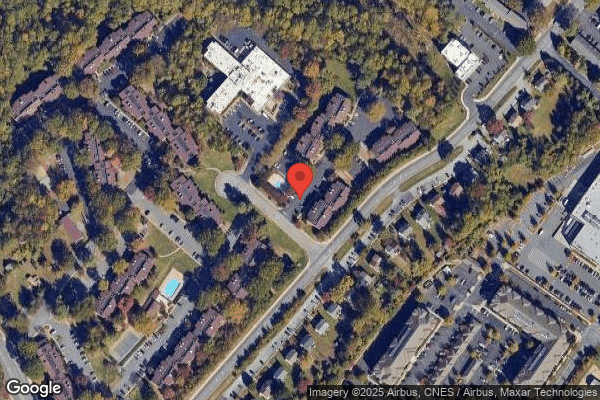
1150 NORTHWEST DRIVE, CHARLOTTESVILLE, VA 22901 (434) 973-7933
For profit - Corporation 180 Beds SABER HEALTHCARE GROUP Data: November 2025
Trust Grade
55/100
#91 of 285 in VA
Last Inspection: July 2022

Over 2 years since last inspection. Current conditions may differ from available data.

Overview

Monroe Health & Rehab Center has a Trust Grade of C, indicating it is average compared to other nursing homes, placing it in the middle of the pack. It ranks #91 out of 285 facilities in Virginia, which puts it in the top half, and #3 out of 7 in Albemarle County, meaning there are only two local facilities that are better. Unfortunately, the facility is worsening, with issues increasing from 2 in 2024 to 8 in 2025. Staffing is a concern, rated 2 out of 5 stars, though the turnover rate of 42% is slightly better than the state average, suggesting some stability. There have been serious incidents, including a failure to prevent a scabies outbreak affecting multiple residents and a situation where a resident was injured during a transfer due to improper care, highlighting significant areas for improvement.

Trust Score
C
55/100
In Virginia
#91/285
Top 31%
Safety Record
High Risk
Review needed
Inspections
Getting Worse
2 → 8 violations
Staff Stability
○ Average
42% turnover. Near Virginia's 48% average. Typical for the industry.
Penalties
✓ Good
No fines on record. Clean compliance history, better than most Virginia facilities.
Skilled Nurses
○ Average
Each resident gets 30 minutes of Registered Nurse (RN) attention daily — about average for Virginia. RNs are the most trained staff who monitor for health changes.
Violations
⚠ Watch
32 deficiencies on record. Higher than average. Multiple issues found across inspections.
★★★★☆
4.0
Overall Rating
★★☆☆☆
2.0
Staff Levels
★★★★★
5.0
Care Quality
★★★☆☆
3.0
Inspection Score
Stable
2024: 2 issues
2025: 8 issues

The Good

  • 5-Star Quality Measures · Strong clinical quality outcomes
  • Full Sprinkler Coverage · Fire safety systems throughout facility
  • No fines on record
  • Staff turnover below average (42%)

    6 points below Virginia average of 48%

Facility shows strength in quality measures, fire safety.

The Bad

Staff Turnover: 42%

Near Virginia avg (46%)

Typical for the industry

Chain: SABER HEALTHCARE GROUP

Part of a multi-facility chain

Ask about local staffing decisions and management

The Ugly 32 deficiencies on record

3 actual harm
Aug 2025 8 deficiencies 1 Harm
SERIOUS (G) 📢 Someone Reported This

A family member, employee, or ombudsman was alarmed enough to file a formal complaint

Actual Harm - a resident was hurt due to facility failures

Accident Prevention (Tag F0689)

A resident was harmed · This affected 1 resident

**NOTE- TERMS IN BRACKETS HAVE BEEN EDITED TO PROTECT CONFIDENTIALITY** Based on resident interview, staff interview, clinical record review, and facility documentation review, the facility staff fail...

Read full inspector narrative →
**NOTE- TERMS IN BRACKETS HAVE BEEN EDITED TO PROTECT CONFIDENTIALITY** Based on resident interview, staff interview, clinical record review, and facility documentation review, the facility staff failed to provide care in a manner to minimize/prevent accidents/injury for one resident (Resident #17-R17) in a survey sample of eighteen residents, which resulted in harm for R17. The findings included:1. For R17, the facility staff failed to transfer the resident with a mechanical lift in a manner to prevent accidents and injury, which resulted in a significant injury, which was harm. The facility self-identified the deficient practice and achieved past non-compliance on 10/9/24. On 8/19/25-8/20/25, attempts were made to visit with and interview R17 but were not successful since R17 was out of the facility due to a medical procedure. On the evening of 8/20/25, a clinical record review was conducted of R17's chart. According to a progress note dated 10/7/24, the entry read, The CNA [certified nursing assistant] reported to this nurse that the resident was bleeding from his R. [right] leg. Upon assessment, the back of the right leg had a cut he had sustained while being transferred to bed using a Hoyer lift. The resident stated that his leg was caught on the wheelchair's footrest. This nurse had to apply pressure to the area to stop bleeding. NP was notified and will see the resident. There was no documentation with regard to the cut, to include an assessment of the area, what it looked like, treatment applied, other than pressure to stop the bleeding. According to a skin observation dated 10/8/24, it noted that R17 had a new skin issue, the site and description read, Laceration to outer right calf area with dressing in place. There were no details of the laceration, measurements, how it appeared, what was being done, etc. According to physician orders and treatment administration records, on 10/8/24-10/9/24, the order was clean laceration to right rear leg with NC [sic] [normal saline], pat dry, apply dry dressing. On 10/9/24, a wound management detail report was completed that read in part, wound type: other-traumatic injury, wound location: right calf lateral calf, Date/time identified: 10/9/24 at 2:48 p.m. The details were as follows: Length 8 cm, width 5.6 cm, healing status: improving, comments: monitor area for s/s [signs and symptoms] of infection, follow current tx [treatment] plan. Keep clean, dry and covered. On 10/9/24, R17 was seen by the wound specialist, who noted, Staff report patient new injury occurring from use with the ‘sit to stand' mechanical lift. Pt [patient] reports his right lower leg caught the edge of ‘hoyer' lift, causing a painful laceration. Pt rates current pain to RLE [right lower extremity] an 8 on 0 to 10 pain scale with relief from medication. Right lateral calf (+) full thickness ulceration that measures 8.0 x 6.0 x 0.8 cm [length, width, depth]. Wound base 100% granular. Edges adherent to wound base, moderate non-odorous serious drainage, periwound without erythema, no induration or cellulitis. Patient does not demonstrate evidence of pain when area is palpated. Plan: Wound care to right lateral calf as follows: cleanse with NS [normal saline] or wound cleanser, pat dry. Pack with 1/4 strength Dakin's moistened gauze. Cover with gauze and kerlix dressing. (tx [treatment] for moist wound healing and/or autolytic debridement), change dressing QD [every day] and as needed for saturation or soilage. According to the wound care provider notes dated 10/16/24, the injury to R17's right lateral calf was noted with . full thickness ulceration that measured 8.0 x 5.6 x 0.6 cm. Wound base 25% slough, 75% granular prior to debridement. According to the facility's wound management detail report, R17 traumatic injury to the right lateral calf continued to receive treatment and was not healed until five months later on 3/12/25. On 8/21/25, during another clinical record review, according to R17's activities of daily living (ADL) records for October 2024, the resident was noted to have been totally dependent on facility staff for transfers from bed to chair and chair to bed. According to R17's care plan with a start date of 5/1/24, it read, resident is limited in ability to transfer self, related to impaired mobility and requires the use of Hoyer lift to complete transfers. Associated interventions included, but were not limited to: Minimize hazards and risks while completing transfer with lift, provide Hoyer lift assistant for transferring w/ [with] assist of 2 . On 8/21/25 at 8:10 a.m., an interview was conducted with R17. When asked about the incident in October 2024, the resident said, What happened was, it was night and he was getting me up, the leg rests were still on the chair. When he started to raise me in the lift the lift came up and the pedal on the right side got jammed in my leg, it [the lift] continued to come up and it caused it to be cut. R17 identified that certified nursing assistant #4 (CNA #4) was the one assisting the resident at the time of the incident and was using the mechanical lift/Hoyer lift without assistance of another staff member. On 8/21/25 at 9:10 a.m., an interview was conducted with the unit manager, licensed practical nurse #2 (LPN #2), where R17 resided. LPN #2 stated she was not a unit manager at the time of R17's incident that occurred in October 2024. When asked about transfers with a Hoyer lift, she said, Two people with the Hoyer at all times, for safety. Two people are required so there are two sets of eyes, one to maneuver the lift and one to maneuver the resident. According to the facility policy titled, Mechanical Lift Policy with a revision date of 1/7/22, which read in part, . 3. Two staff person assist/oversight is required for total body lifts while one person assist is satisfactory for sit-to-stand lifts. On 8/21/25, at approximately 9 a.m., the director of nursing (DON) was notified that the surveyor was reviewing the incident involving R17 from October 2024 and was asked to provide any information she had. On 8/22/25, the DON provided the survey team with a quality assurance performance improvement (QAPI) Action Plan in response to R17's incident. The facility re-enacted the incident, obtained statements, identified other residents who use the Hoyer lift and interviewed them, educated staff and conducted audits to ensure ongoing compliance. Included was a statement from CNA #4 that said, [R17's name redacted] had a cut to his leg when I was transferring him from wheelchair to bed with Hoyer lift by myself. The facility completed their plan and achieved past non-compliance on 10/9/24, upon completion of the skin checks. 2. For R17, the facility staff failed to provide care in a way to prevent accidents. During activities of daily living (ADL) care, R17 rolled out of bed, sustained injury that required evaluation at the hospital, which constituted harm. On 8/19/25-8/20/25, attempts were made to visit with and interview R17 but were not successful since R17 was out of the facility due to a medical procedure. On the evening of 8/20/25, a clinical record review was conducted of R17's chart. According to R17's progress notes dated 7/29/25, which read, Resident rolled off of bed onto floor during ADL care. Observed skin tear to right flank area. Left thigh/knee area with edema. Resident denies pain r/t [related to] fall. Resident states that he did not hit head. MD/RP [medical doctor/responsible party] aware. There was no description of the skin tear other than the location. There was no documented size/length of the tear or any description of the skin injury's appearance, bleeding status or condition of surrounding tissue. Nursing listed notification to the physician about the injury/incident. According to physician orders dated 7/30/25, which read, cleanse skin tear to right flank area with wound cleanser, pat dry, apply xeroform and dressing QD. On 7/31/25, that order was discontinued and a new order was written that read, Apply skin prep to skin tear/right flank QD x 7/days. According to R17's activities of daily living records, he required substantial/maximal assistance to roll left and right. According to R17's care plan, a problem area was initiated on 6/15/24 that noted, Resident at risk for falling r/t [related to] weakness. An intervention was added on 7/30/25 that read, Resident fell out of bed while turning during ADL care. Sent to ER for eval, no major injury. X 2 person for ADL care. Remains on therapy caseload. On 8/21/25 at 8:10 a.m., an interview was conducted with R17. R17 explained the incident on 7/29/25 and reported, I have to use the bed pan and the aide was trying to clean me up. She was having difficulty getting the feces out of my [NAME]. When I turned, she pushed and I was on my side and went off the bed, my legs hit and got tangled up in this thing [pointing to the over bed table]. When asked if he was injured, he said, Yes. It didn't manifest until later that day, there were no visible cuts, but bruised the heck out of my left thigh. It started to swell later in the day and [the nurse practitioner's name redacted] came and looked at it and he said to keep an eye on it. About 4 p.m., he came back and said it had gotten bigger and thought I needed to go to the ER, they sent me to [hospital name redacted]. They [the hospital] didn't even do an x-ray which I thought was odd, they put two big ace bandages on it and when I got back they [the facility staff] decided I needed to go back and I was sent to [different hospital name redacted], they confirmed it was a hematoma and also found other issues that were not related to the fall and kept me for several days. The resident reported he felt like he was too far to the side of the bed when he turned, and the aide pushed him; it caused him to fall off the bed. On 8/21/25 at 8:45 a.m., the DON was asked to provide hospital records from R17's hospital visits. On 8/21/25 at 9 a.m., an interview was conducted with certified nursing assistant #2 (CNA #2). CNA #2 confirmed she had been providing care to R17 on 7/29/25, when he rolled out of bed. CNA #2 reported, I had him and was cleaning him. He was turned facing the window and his legs fell off the bed which threw the rest of him out of the bed. Now if we turn him, we have to have two people. It happened so fast, I couldn't catch him. He had a small skin tear on his back, when he fell somehow this part of his leg [pointing to her left thigh] swelled. The nurse assessed him and later that day he went to the hospital. I felt so bad. On 8/21/25 at 9:10 a.m., an interview was conducted with licensed practical nurse #2 (LPN #2), who was the unit manager. LPN #2 stated, I got report that she was doing ADL care and was cleaning him alone. When she turned him, he was too close to the edge of the mattress and when he turned, he rolled to the right side of the bed. We offered him a lip mattress [mattress with a raised edge] but he declined, said it wasn't the mattress that he wasn't properly positioned during ADL care. He got an abrasion to his left buttock; he went to the hospital two days later. We did an x-ray here and it was no injuries. They kept him at the hospital for abnormal lab values; this was all per his wife. While in the hospital his wife would come to get items out of his room and she would give us bits and pieces of information, we never got any documentation from the hospital. The DON provided the surveyor with a progress note from the nurse practitioner dated 7/29/25 that read in part, I saw and examined the patient per nursing request s/p [status post] a fall from his bed. Nursing reported to me that the patient rolled off his bed and onto the floor as personal care was being performed around 12:00 s/p having had a bowel movement. He reportedly fell onto the floor landing on his left lower extremity; he apparently did not hit his head. I did notice swelling on the lateral distal left thigh/knee area which appeared to be a hematoma. This was of particular concern to me as the patient was on chronic anticoagulation with apixaban for chronic atrial fibrillation. There was a soft but firm to palpation without any focal area of acute tenderness. There was a distinctly demarcated line between the developing hematoma and the unaffected surrounding tissue. I marked the affected area with a pen establishing an area of 19 cm along the distal lateral femur and 14 cm wide transverse to the leg on my initial visit. I discussed the value of XR [x-ray] imaging to rule out any type of fracture. The patient refused having the leg imaged at this time. I spoke with nursing and ordered to keep the leg elevated, and to apply an ice pack. I promised to return in about an hour to re-evaluate the hematoma and developing situation. I re-examined the patient at 15:30. The patient was in no acute distress, but clearly uncomfortable and appeared frustrated. My examination revealed expansion of the hematoma now to 21 cm long x 18 cm wide. Given my concern r/t [related to] his chronic anticoagulation and hematoma development, and subsequent blood loss, I strongly encouraged the patient to consider being sent out via EMS [emergency medical services] to the ED [emergency department] for emergent evaluation +/- x-ray imaging and blood testing. He agreed to going out. On 8/21/25 at 10 a.m., the DON was again asked about the hospital records and stated they were working to obtain them. The surveyor asked the medical director if he had access to the records and he said he did not, that perhaps the resident or his spouse could access the records. On 8/21/25 at 10:30 a.m., the surveyor met with the DON and asked if she had a QAPI plan for the incident involving R17 for the 7/29/25 incident like she had for the incident in October 2024. The DON stated that she did not and stated, the skin tear was superficial. When asked about an x-ray, the DON stated that the resident refused so no x-ray was obtained at the facility. On 8/21/25 at 10:45 a.m., the survey team met with the facility administrator, DON, and corporate staff to review the above findings. They reported they had no further information to provide. The assistant director of nursing confirmed they had reached out to the hospital to obtain copies of the records from where R17 had been sent to the hospital on 7/29/25. When asked if they had reached out to the hospital prior to that day, when the surveyor started asking for the documents, the assistant director of nursing stated, not that I am aware of. All of the administrative staff in attendance confirmed that the expectation would have been for the hospital records to be contained within R17's clinical record. On 8/21/25, during a meeting with the facility administrator, director of nursing, medical director, and corporate staff, the above concerns were discussed. No additional information was provided.
CONCERN (D) 📢 Someone Reported This

A family member, employee, or ombudsman was alarmed enough to file a formal complaint

Potential for Harm - no one hurt, but risky conditions existed

Deficiency F0554 (Tag F0554)

Could have caused harm · This affected 1 resident

Based on observations, resident interview, staff interview, clinical record review, and facility documentation review the facility staff failed to assess a resident's ability to safely self-administer...

Read full inspector narrative →
Based on observations, resident interview, staff interview, clinical record review, and facility documentation review the facility staff failed to assess a resident's ability to safely self-administer medications for one resident, Resident #9 (R9) out of a survey sample of 18 residents. The findings included:Facility staff allowed R9 to keep medication at the bedside for self-administration without completing a self-administration assessment.On 8/19/25 at 11:10 a.m., an observation was conducted of medications at R9's bedside. At that time, an inhaler, CBD pain ointment, menthol pain ointment, and vitamin D3 were observed in a basket.On 8/19/25 at 11:15 a.m., an interview was conducted with R9 regarding the medications observed. R9 stated that she keeps the pain ointments in her room because she was undergoing chemotherapy and uses them for pain relief. R9 then said, I take my inhaler twice a day and the nurse brings it in here in the morning and leaves it with me to take it in the morning and at bedtime.On 8/19/25 at 11:40 a.m., an interview was conducted with a licensed practical nurse, LPN#1 (LPN1). LPN1 stated that there was a form completed for residents to be approved to self- administer medications. She further stated, skilled residents sometimes bring in their own medications and we don't know anything about it. If I was to see the medications, I would remove the medicine and explain why we were not allowed to leave medicine at the bedside.On 8/19/25 at 12:45 p.m., an interview was conducted with unit manager on unit one, LPN#2 (LPN2). LPN2 stated that she thought R9 had a self-administer assessment completed and was not aware that one had not been done. She explained that medicines found in the room that morning severed as a prompt to complete an assessment. She reported she was under the impression an assessment had already been completed due to R9's pain needs. LPN2 stated that she told R9 she was going to speak with the physician about having the medications at bedside, and then she completed a self-administration assessment.On 8/19/25 at 1:00 p.m., a follow-up observation was conducted in R9's room. The inhaler remained in the basket at the bedside. The self-administration form had been completed by LPN2; however, no locked compartment was observed for the medication storage.A review of R9's clinical record revealed there was no self-administration assessment completed prior to medications being left at bedside. R9's care plan had not addressed self-administration of medications for pain or inhaler use. The Minimum Data Set did not reflect that R9 was independent with medications.A review of facility documentation was conducted. The facility policy titled, Self-Administration of Medications, read in part, .3. To ensure safe and appropriate self-administration, facility should educate residents to ensure that a resident is able to: 3.1 state the name, dose, strength, frequency and purpose for use of their medications. 3.2 Understand the possible medication side effects and that they should notify facility staff if they experience any such side effects. 3.3 correctly administer, inject, or apply all prescribed medications. 3.4 correctly store their medications in a locked compartment.On 8/20/25 at approximately 4:00 p.m., an end of day meeting was held with the Regional Director of Clinical Services, [NAME] President of Operations and Director of Nursing. They were made aware of the concerns above.No additional information was provided.
CONCERN (D) 📢 Someone Reported This

A family member, employee, or ombudsman was alarmed enough to file a formal complaint

Potential for Harm - no one hurt, but risky conditions existed

Safe Environment (Tag F0584)

Could have caused harm · This affected 1 resident

Based on staff interviews and clinical record review the facility failed to ensure reasonable care for the protection of personal property for one of eighteen residents, Resident #3 (R3). R3 did not h...

Read full inspector narrative →
Based on staff interviews and clinical record review the facility failed to ensure reasonable care for the protection of personal property for one of eighteen residents, Resident #3 (R3). R3 did not have a personal property invoice completed upon admission to help track valuables. The Findings Include:Diagnoses for R3 included contusion of left lower leg, status post left knee surgery, obesity, depression, kidney disease, and deep vein thrombosis. The most current MDS (minimum data set) was a discharge assessment with an ARD (assessment reference date) of 08/1/2024. R3 was assessed with a cognitive score of 15 indicating cognitively intact.R3 was reviewed due to a report of possible missing medication (Ozempic brought from home to the facility) and two gift cards.Review of R3's clinical record did not evidence an inventory form had been filled out upon admission or at any time during R3's stay at the facility.On 8/19/25 at 2:30 p.m. license practical nurse (LPN #7) was interviewed regarding documentation of resident's inventory list. LPN #7 explained when a resident is admitted an inventory form is filled out. Review of the facilities grievance logs indicated that R3 had reported missing gift cards on 7/22/24 and indicated the concern was being investigated by license practical nurse (LPN #2, unit manager).On 8/19/25 at 3:00 p.m. the director of nursing (DON) was interviewed regarding R3's missing inventory list. The DON said that she would look for it.On 8/20/25 at 10:30 a.m. the DON verbalized R3 inventory list could not be found. The DON stated that she would not list medications on a personal property list but would put the medication in the refrigerator with the resident's name on it. On 8/20/25 at 11:50 a.m. The DON was able to evidence through pharmacy records that R3's personal Ozempic was used by the facility and then was being filled by the pharmacy. On 8/20/25 at 12:00 p.m. LPN #2 (who investigated the missing gift cards) was interviewed. LPN #2 was able to evidence via Concern Form that R3's gift cards were replaced by the facility. The DON presented a personal property policy that read in part The facility will take reasonable care to prevent loss, or theft of, resident's personal property while residing at facility [.]. No other information was presented prior to the exit conference on 8/21/25.
CONCERN (D) 📢 Someone Reported This

A family member, employee, or ombudsman was alarmed enough to file a formal complaint

Potential for Harm - no one hurt, but risky conditions existed

Deficiency F0658 (Tag F0658)

Could have caused harm · This affected 1 resident

**NOTE- TERMS IN BRACKETS HAVE BEEN EDITED TO PROTECT CONFIDENTIALITY** Based on staff interview, facility document review and clinical record review, the facility staff failed to follow professional ...

Read full inspector narrative →
**NOTE- TERMS IN BRACKETS HAVE BEEN EDITED TO PROTECT CONFIDENTIALITY** Based on staff interview, facility document review and clinical record review, the facility staff failed to follow professional standards of care regarding assessment documentation for two of eighteen residents in the survey sample (Residents #3 and #17).The findings include:1. For Resident #3, nursing staff failed to document a descriptive assessment and immediate care interventions implemented for a skin tear. Resident #3 (R3) was admitted to the facility with diagnoses that included iron deficiency anemia, human immunodeficiency virus, gout, obesity, depression, hypertension, chronic kidney disease, anxiety, cryptococcosis, and deep vein thrombosis. The minimum data set (MDS) dated [DATE] assessed R3 as cognitively intact. R3's clinical record documented a Focused Head to Toe Observation form dated 6/28/24. This observation form documented, res [resident] unbuckled seatbelt in transportation van and fell onto floor recving [receiving] skin tear. This form documented an assessment of the resident that included skin tear to LLE [left lower extremity] with trace amount of swelling of left lower leg and intermittent pain rated at 3 (on scale of 0 = no pain, 10 = worst pain). The observation form dated 6/28/24 documented no description of the skin tear other than the location on the left lower leg. There was no documented size/length of the tear or any description of the skin injury's appearance, bleeding status or condition of surrounding tissue. Nursing listed notification to the physician about the injury/incident but there was no documentation regarding care orders or response from the physician. There was nothing documented regarding immediate care provided for the skin tear such as pressure, cleansing or dressing application. R3's clinical/nursing notes had no entries on 6/28/24 referring to the incident or injury. On 8/20/25 at 1:05 p.m., the director of nursing (DON) was interviewed about a descriptive assessment and care implemented for R3's skin tear on 6/28/24. The DON stated first aid was provided and that nurses were not required to get an order for first aid. The DON stated the nurse cleaned and dressed the skin tear. On 8/20/25 at 1:15 p.m., licensed practical nurse (LPN #5) caring for R3 at the time of the 6/28/24 injury was interviewed. LPN #5 stated R3 obtained a skin tear after falling in the transportation van coming back from an appointment. LPN #5 stated R3's skin tear was a small place and that he cleaned the tear and applied a 1 x 1 Band-aid. LPN #5 stated he texted the physician but did not recall the physician's response or if an order was given for care. When asked why he did not enter a nursing note or document a description of the injury, LPN #5 stated the skin tear was superficial and nothing I would have been alarmed over. LPN #5 stated the observation form was completed and included a head-to-toe assessment in addition to pain and neurological checks. LPN #5 stated he did not remember if vital signs were obtained and that the only actions he remembered were cleansing the wound and applying a Band-aid. LPN #5 stated he did not know why a nursing note was not entered and he recalled only that he completed the observation form. On 8/21/25 at 8:00 a.m., the DON provided a copy of the facility's wound/incident policies the described required documentation regarding wound assessment. The facility's policy titled Incident/Accident Policy (revised 10/1/24) documented, .Documentation/assessment post-incident will be completed, including neurological assessment when indicted [indicated]. Further assessments will be conducted as ordered by the provider or as indicated by nursing judgement . The facility's policy titled Pressure Injury Prevention and Treatment Policy - Skin and Wound Care (revised 9/18/23) documented, .Pressure injuries identified will be assessed initially and at least weekly thereafter, until closed. Other wound types will be assessed every shift to determine presence of ordered dressing and wound characteristics if observable .All assessments will include the following elements .Location .Size .Exudate .Pain .Wound bed .Color and type of tissue .Appearance of surrounding tissue .Any evidence of infection . The Lippincott Manual of Nursing Practice 11th edition on page 15 documents regarding common departures from the standards of nursing care, .A deviation from the protocol should be documented in the patient's chart with clear, concise statements of the nurse's decisions, actions, and reasons for the care provided, including any apparent deviation. This should be done at the time the care is rendered because passage of time may lead to a less than accurate recollection of the specific events . (1) This finding was reviewed with the director of nursing, regional nurse consultant and director of operations during a meeting on 8/20/25 at 4:00 p.m. with no further information provided prior to the end of the survey. (1) [NAME], [NAME] M. Lippincott Manual of Nursing Practice. Philadelphia: Wolters Kluwer Health/[NAME] & [NAME], 2019. 2. For Resident #17 (R17), the facility staff failed to document a detailed assessment of a skin tear/abrasion sustained on two occassions and the immediate nursing interventions/care provided. On 8/19/25-8/20/25, attempts were made to visit with and interview R17 but were not successful since R17 was out of the facility due to a medical procedure. On the evening of 8/20/25, a clinical record review was conducted of R17’s chart. According to a progress note dated 10/7/24, the entry read, “The CNA [certified nursing assistant] reported to this nurse that the resident was bleeding from his R. [right] leg. Upon assessment, the back of the right leg had a cut he had sustained while being transferred to bed using a Hoyer lift. The resident stated that his leg was caught on the wheelchair’s footrest. This nurse had to apply pressure to the area to stop bleeding. NP was notified and will see the resident.” There was no documentation with regard to the cut, to include an assessment of the area, what it looked like, treatment applied, other than pressure to stop the bleeding. According to a skin observation dated 10/8/24, it noted that R17 had a new skin issue, the site and description read, “Laceration to outer right calf area with dressing in place.” There were no details of the laceration, measurements, how it appeared, what was being done, etc. According to physician orders and treatment administration records, on 10/8/24-10/9/24, the order was “clean laceration to right rear leg with NC [sic] [normal saline], pat dry, apply dry dressing.” The first instance of documentation regarding details of the wound/injury was on 10/9/24, as noted below. According to a wound management detail report, there was an entry dated 10/9/24 that noted, “wound type: other-traumatic injury, wound location: right calf lateral calf, Date/time identified: 10/9/24 at 2:48 p.m.” The details were as follows: Length 8 cm, width 5.6 cm, healing status: improving, comments: monitor area for s/s [signs and symptoms] of infection, follow current tx [treatment] plan. Keep clean, dry and covered.” On 10/9/24, R17 was seen by the wound specialist, who noted, “Staff report patient new injury occurring from use with the ‘sit to stand’ mechanical lift. Pt [patient] reports his right lower leg caught the edge of ‘hoyer’ lift, causing a painful laceration. Pt rates current pain to RLE [right lower extremity] an 8 on 0 to 10 pain scale with relief from medication… Right lateral calf (+) full thickness ulceration that measures 8.0 x 6.0 x 0.8 cm [length, width, depth]. Wound base 100% granular. Edges adherent to wound base, moderate non-odorous serious drainage, periwound without erythema, no induration or cellulitis. Patient does not demonstrate evidence of pain when area is palpated… Plan: Wound care to right lateral calf as follows: cleanse with NS [normal saline] or wound cleanser, pat dry. Pack with ¼ strength Dakin’s moistened gauze. Cover with gauze and kerlix dressing. (tx [treatment] for moist wound healing and/or autolytic debridement), change dressing QD [every day] and as needed for saturation or soilage…” According to R17’s progress notes dated 7/29/25, which read, “Resident rolled off of bed onto floor during ADL care. Observed skin tear to right flank area. Left thigh/knee area with edema. Resident denies pain r/t [related to] fall. Resident states that he did not hit head. MD/RP aware.” There was no description of the skin tear other than the location. There was no documented size/length of the tear or any description of the skin injury's appearance, bleeding status or condition of surrounding tissue. Nursing listed notification to the physician about the injury/incident. According to physician orders dated 7/30/25, which read, “cleanse skin tear to right flank area with wound cleanser, pat dry, apply xeroform and dressing QD.” On 7/31/25, that order was discontinued and a new order was written that read, “Apply skin prep to skin tear/right flank QD x 7/days.” On 8/21/25 at 8:10 a.m., R17 was visited in his room. R17 was asked about the two incidents documented above. R17 reported that the incident in Oct. 2024 was when the CNA was getting him up from the chair with the hoyer lift and the leg rests were still on the wheelchair. “When he started to raise me on the lift, the lift came up and the pedal on the right leg got jammed into my leg, it continued to come up and caused it to be cut.” R17 explained the incident on 7/29/25 and reported, “I have to use the bed pan and the aide was trying to clean me up. She was having difficulty getting the feces out of my [NAME]. When I turned she pushed and I was on my side and went off the bed, my legs hit and got tangled up in this thing [pointing to the over bed table].” When asked if he was injuried, he said, “Yes. It didn’t manifest until later that day, there were no visible cuts, but bruised the heck out of my left thigh. It started to swell later in the day and [the nurse practitioner’s name redacted] came and looked at it and he said to keep an eye on it. About 4 p.m., he came back and said it had gotten bigger and thought I needed to go to the ER, they sent me to [hospital name redacted]. They [the hospital] didn’t even do an x-ray which I thought was odd, they put two big ace bandages on it and when I got back they [the facility staff] decided I needed to go back and I was sent to [different hospital name redacted], they confirmed it was a hematoma and also found other issues that were not related to the fall and kept me for several days.” On 8/21/25, in the morning, an interview was conducted with the director of nursing. She reported that the skin tear was “superficial” and therefore no detailed documentation was made into the clinical record other than the treatment orders noted above. The facility's policy titled Incident/Accident Policy (revised 10/1/24) documented, .Documentation/assessment post-incident will be completed, including neurological assessment when indicted [indicated]. Further assessments will be conducted as ordered by the provider or as indicated by nursing judgement . The facility's policy titled Pressure Injury Prevention and Treatment Policy - Skin and Wound Care (revised 9/18/23) documented, .Pressure injuries identified will be assessed initially and at least weekly thereafter, until closed. Other wound types will be assessed every shift to determine presence of ordered dressing and wound characteristics if observable .All assessments will include the following elements .Location .Size .Exudate .Pain .Wound bed .Color and type of tissue .Appearance of surrounding tissue .Any evidence of infection . The Lippincott Manual of Nursing Practice 11th edition on page 15 documents regarding common departures from the standards of nursing care, .A deviation from the protocol should be documented in the patient's chart with clear, concise statements of the nurse's decisions, actions, and reasons for the care provided, including any apparent deviation. This should be done at the time the care is rendered because passage of time may lead to a less than accurate recollection of the specific events . On 8/21/25, during a meeting with the facility administrator, director of nursing, medical director, and corporate staff, the above concerns were discussed. No additional information was provided. (1) [NAME], [NAME] M. Lippincott Manual of Nursing Practice. Philadelphia: Wolters Kluwer Health/[NAME] & [NAME], 2019.
CONCERN (D) 📢 Someone Reported This

A family member, employee, or ombudsman was alarmed enough to file a formal complaint

Potential for Harm - no one hurt, but risky conditions existed

Quality of Care (Tag F0684)

Could have caused harm · This affected 1 resident

**NOTE- TERMS IN BRACKETS HAVE BEEN EDITED TO PROTECT CONFIDENTIALITY** Based on observations, resident interview, staff interview, clinical record review, and facility documentation review the facili...

Read full inspector narrative →
**NOTE- TERMS IN BRACKETS HAVE BEEN EDITED TO PROTECT CONFIDENTIALITY** Based on observations, resident interview, staff interview, clinical record review, and facility documentation review the facility staff failed to follow physician orders for two residents, Resident #10 (R10) and Resident #16 (R16) out of a survey sample of 18 residents.The findings included:Staff failed to transcribe physician orders for compression bandages, ace wraps, and discontinuation of furosemide 20 mg daily for R10.On 8/19/25 at 11:10 a.m., during an observation of R10's room, her spouse expressed concerns that lower extremity treatments were not being done. The spouse stated the last treatment occurred on the Wednesday before R10's admission on [DATE].On 8/20/25 at 9:50 a.m., an interview was conducted with the unit manager on unit one, licensed practical nurse, LPN#2 (LPN2). LPN2 stated that the resident R10 was admitted around 5 p.m. on 8/8/25, and that she had orders for, Pro-fore that was never carried over. It was missed on admission. The resident wanted to use the Pro-fore wraps for her edema, and only three wraps came with her, so they used those, and when that was completed, they went to the ACE wraps per the physician's order at the facility. She felt that the doctor here had talked to the wound nurse about the ACE wrap order, but she didn't see a note, so that was missed.On 8/20/25 at 10:50 a.m., an interview was conducted with the facility physician regarding missed orders. He was informed that compression bandages, ACE wraps, and furosemide discontinuation were not transcribed. The physician stated that on R10's admission day (8/8/25), he observed compression wraps but did not remove them, as he could not reapply them. He prefers not to use Pro-fore wraps because they prevent daily skin inspection and potential breakdown, so he ordered ace wraps to allow daily evaluation. He referred to R10 for a wound assessment by the wound nurse scheduled the following week and monitored her over the weekend. On 8/12/25, when the wraps were removed, he noted decreased edema, wrinkle-like skin, and no breakdown. At that time, he ordered daily ace wraps and discontinued furosemide 20 mg daily. The physician had written this in his progress notes and stated that the nurses put his orders in the system.On 8/20/25 at 11:10 a.m., LPN #3 (LPN3, wound nurse) stated that she removed the Pro-fore wraps and assessed R10's lower extremities. The legs showed improvement with no skin breakdown. The physician then ordered ace wraps to be applied in the morning and removed in the evening. LPN3 noted that verbal order was given to floor nurses or unit manager to enter it in the system. LPN3 stated that the verbal order was not given to her or entered by her.On 8/20/25, a clinical record review revealed that R-10's hospital discharge summary included an order for compression bandages that was not transcribed at admission. A facility physician's progress notes on 8/12/25 indicated discontinuation of furosemide 20 mg daily and a verbal order for ace wraps to be applied in the morning and removed in the evening, which was also not transcribed in the clinical record.On 8/20/25 at approximately 4:00 p.m., an end of day meeting was held with the Regional Director of Clinical Services, [NAME] President of Operations and Director of Nursing. They were made aware of the concerns above.On 8/21/25, a review of the facility document titled, Physician/Provider Orders, stated that the charge nurse shall transcribe and review all physician/provider orders. It further directed that telephone orders must be repeated back for verbal confirmation, recorded exactly as dictated. On admission the orders were to be transcribed from the transfer form to the Facility admission Physician Order Form. admission orders must include all information reviewed from the referring facility or agency. On 8/21/25 at 9:50 a.m., the Director of Nursing (DON) sought clarification regarding the Pro-fore order from the hospital. She was informed the order was written as compression bandages, but facility staff referred to Pro-fore because that was what had been removed from R10's lower extremities. The DON was satisfied with this clarification. When asked about providers entering orders into the clinical record, she stated that providers do not enter orders; nurses enter them.No additional information was provided.
CONCERN (D) 📢 Someone Reported This

A family member, employee, or ombudsman was alarmed enough to file a formal complaint

Potential for Harm - no one hurt, but risky conditions existed

Respiratory Care (Tag F0695)

Could have caused harm · This affected 1 resident

Based on observations, resident interview, staff interview, clinical record review, and facility documentation review the facility staff failed to administer oxygen per physician's orders, and to date...

Read full inspector narrative →
Based on observations, resident interview, staff interview, clinical record review, and facility documentation review the facility staff failed to administer oxygen per physician's orders, and to date and label oxygen tubing and humidifier bottle for one resident, Resident #10 (R10) out of a survey sample of 18 residents.The findings included:R10 was not being administered her ordered oxygen, and the oxygen tubing and humidifier bottle were not labeled with a date of placement.On 8/19/25 at 11:10 a.m., an observation of R10 revealed that oxygen was not being administered as ordered. The oxygen concentrator was observed in the resident's room with the humidifier bottle sitting on the floor. There was no oxygen tubing connected to the concentrator. During the observation, R10's spouse was present in the room, stated that the resident had not had the oxygen on since the previous day when it was removed and the oxygen tubing was taken out of the room. A subsequent observation of R10 on 8/19/25 at 2:45 p.m., again revealed that oxygen was not being administered per the physician's order.On 8/19/25 at 2:45 p.m., an interview was conducted with the unit one manager, licensed practical nurse, LPN#2 (LPN2). LPN2 was asked to review R10's oxygen order and stated that the order was for two liters per nasal cannula, continuous. LPN2 then entered R10's room and was observed looking at the oxygen concentrator. The concentrator had tubing and humidifier bottle present; however, the tubing was stored in a bag and there were no dates or labels on the tubing or the humidifier bottle. At the time of the observation, R10 was still not receiving oxygen as ordered.During this observation with LPN2 on 8/19/25 at 2:45 p.m., R10's spouse, who was in the room, told LPN2 that the tubing from the oxygen concentrator had been removed the previous day. He further stated that they were planning to keep a check on the resident's oxygen levels, and that no staff had come in to check since he had been present that morning. R10 was still not receiving oxygen per order.On 8/19/25 at 4:00 p.m., another observation showed R10 still was not receiving oxygen. At that time, LPN1 was observed checking R10's oxygen saturation, which measured 94%. Earlier that morning, the oxygen saturation had been documented at 98%. On 8/19/25, a review of R10's clinical record revealed a physician's order for oxygen to be administered vis nasal cannula continuously at tow liters. Documentation showed the order had been signed off that morning as having been administered. Review of R10's care plan reflected the same instructions for continuous oxygen at two liters via nasal cannula. On 8/20/25, a facility document was reviewed. The facility documentation titled, Oxygen Administration (all routes) Policy, read in part, .licensed clinicians with demonstrated competence will administer oxygen via the specified route as ordered by a provider. On 8/20/25 at approximately 4:00 p.m., an end of the day meeting was held with the regional director of clinical services, vice president of operations and director of nursing. They were made aware of the concerns above.No additional information was provided.
CONCERN (D) 📢 Someone Reported This

A family member, employee, or ombudsman was alarmed enough to file a formal complaint

Potential for Harm - no one hurt, but risky conditions existed

Medical Records (Tag F0842)

Could have caused harm · This affected 1 resident

**NOTE- TERMS IN BRACKETS HAVE BEEN EDITED TO PROTECT CONFIDENTIALITY** Based on resident interview, staff interviews, and clinical record review, the facility staff failed to maintian a complete and ...

Read full inspector narrative →
**NOTE- TERMS IN BRACKETS HAVE BEEN EDITED TO PROTECT CONFIDENTIALITY** Based on resident interview, staff interviews, and clinical record review, the facility staff failed to maintian a complete and accurate clinical record for one resident (Resident #17- R17) in a survey sample of eighteen residents. The findings included:For R17, who was hospitalized following an incident of rolling out of bed and sustained a hematoma, the facility staff failed to have the hospital report/records available in R17's clinical record. On the evening of 8/20/25, a clinical record review was conducted of R17's chart. According to R17's progress notes dated 7/29/25, which read, Resident rolled off of bed onto floor during ADL care. Observed skin tear to right flank area. Left thigh/knee area with edema. Resident denies pain r/t [related to] fall. Resident states that he did not hit head. MD/RP [medical doctor/responsible party] aware. On 8/21/25 at 8:10 a.m., an interview was conducted with R17. R17 explained the incident on 7/29/25 and reported, I have to use the bed pan and the aide was trying to clean me up. She was having difficulty getting the feces out of my [NAME]. When I turned, she pushed and I was on my side and went off the bed, my legs hit and got tangled up in this thing [pointing to the over bed table]. When asked if he was injured, he said, Yes. It didn't manifest until later that day, there were no visible cuts, but bruised the heck out of my left thigh. It started to swell later in the day and [the nurse practitioner's name redacted] came and looked at it and he said to keep an eye on it. About 4 p.m., he came back and said it had gotten bigger and thought I needed to go to the ER, they sent me to [hospital name redacted]. They [the hospital] didn't even do an x-ray which I thought was odd, they put two big ace bandages on it and when I got back they [the facility staff] decided I needed to go back and I was sent to [different hospital name redacted], they confirmed it was a hematoma and also found other issues that were not related to the fall and kept me for several days. The resident reported he felt like he was too far to the side of the bed when he turned, and the aide pushed him; it caused him to fall off the bed. On 8/21/25 at 8:40 a.m., R17's clinical record was reviewed again and hospital records from 7/29/25 were not able to be located within the chart.On 8/21/25 at 8:45 a.m., the DON was asked to provide hospital records from R17's hospital visits. On 8/21/25 at 9 a.m., an interview was conducted with certified nursing assistant #2 (CNA #2). CNA #2 confirmed she had been providing care to R17 on 7/29/25, when he rolled out of bed. CNA #2 reported, I had him and was cleaning him. He was turned facing the window and his legs fell off the bed which threw the rest of him out of the bed. Now if we turn him, we have to have two people. It happened so fast, I couldn't catch him. He had a small skin tear on his back, when he fell somehow this part of his leg [pointing to her left thigh] swelled. The nurse assessed him and later that day he went to the hospital. I felt so bad. On 8/21/25 at 9:10 a.m., an interview was conducted with licensed practical nurse #2 (LPN #2), who was the unit manager. LPN #2 stated, I got report that she was doing ADL care and was cleaning him alone. When she turned him, he was too close to the edge of the mattress and when he turned, he rolled to the right side of the bed. We offered him a lip mattress [mattress with a raised edge] but he declined, said it wasn't the mattress that he wasn't properly positioned during ADL care. He got an abrasion to his left buttock; he went to the hospital two days later. We did an x-ray here and it was no injuries. They kept him at the hospital for abnormal lab values; this was all per his wife. While in the hospital his wife would come to get items out of his room and she would give us bits and pieces of information, we never got any documentation from the hospital. The DON provided the surveyor with a progress note from the nurse practitioner dated 7/29/25 that indicated R17 had been sent to the hospital, the read in part, I saw and examined the patient per nursing request s/p [status post] a fall from his bed. Nursing reported to me that the patient rolled off his bed and onto the floor as personal care was being performed around 12:00 s/p having had a bowel movement. He reportedly fell onto the floor landing on his left lower extremity; he apparently did not hit his head. I did notice swelling on the lateral distal left thigh/knee area which appeared to be a hematoma.I marked the affected area with a pen establishing an area of 19 cm along the distal lateral femur and 14 cm wide transverse to the leg on my initial visit. I discussed the value of XR [x-ray] imaging to rule out any type of fracture. The patient refused having the leg imaged at this time. I spoke with nursing and ordered to keep the leg elevated, and to apply an ice pack. I promised to return in about an hour to re-evaluate the hematoma and developing situation. I re-examined the patient at 15:30. The patient was in no acute distress, but clearly uncomfortable and appeared frustrated. My examination revealed expansion of the hematoma now to 21 cm long x 18 cm wide. Given my concern r/t [related to] his chronic anticoagulation and hematoma development, and subsequent blood loss, I strongly encouraged the patient to consider being sent out via EMS [emergency medical services] to the ED [emergency department] for emergent evaluation +/- x-ray imaging and blood testing. He agreed to going out. On 8/21/25 at 10 a.m., the DON was again asked about the hospital records and stated they were working to obtain them. The surveyor asked the medical director if he had access to the records and he said he did not, that perhaps the resident or his spouse could access the records. On 8/21/25 at 10:45 a.m., the survey team met with the facility administrator, DON, and corporate staff to review the above findings. They reported they had no further information to provide. The assistant director of nursing confirmed they had reached out to the hospital to obtain copies of the records from where R17 had been sent to the hospital on 7/29/25. When asked if they had reached out to the hospital prior to that day, when the surveyor started asking for the documents, the assistant director of nursing stated, not that I am aware of. All of the administrative staff in attendance confirmed that the expectation would have been for the hospital records to be contained within R17's clinical record. On 8/21/25, during a meeting with the facility administrator, director of nursing, medical director, and corporate staff, the above concerns were discussed. No additional information was provided.
CONCERN (F) 📢 Someone Reported This

A family member, employee, or ombudsman was alarmed enough to file a formal complaint

Potential for Harm - no one hurt, but risky conditions existed

Deficiency F0925 (Tag F0925)

Could have caused harm · This affected most or all residents

**NOTE- TERMS IN BRACKETS HAVE BEEN EDITED TO PROTECT CONFIDENTIALITY** Based on observation, resident and staff interviews, clinical record review, and facility documentation review, the facility sta...

Read full inspector narrative →
**NOTE- TERMS IN BRACKETS HAVE BEEN EDITED TO PROTECT CONFIDENTIALITY** Based on observation, resident and staff interviews, clinical record review, and facility documentation review, the facility staff failed to maintain an effective pest control program on three of three resident units and in the main kitchen and common areas of the facility. The findings included:On 8/19/25 at 1:55 p.m., a review of resident council minutes revealed that on 7/7/25, the resident council reported that Residents are seeing gnats and roaches. Both residents listed on the grievance lived on the 200 South unit. During the resident council meeting held Dec. 18, 2024, it noted . The group all mentioned an increase in cockroach sightings. In the September 2024 meeting it noted, . Resident [name redacted] stated he spotted a cockroach in his room by his bed recently. During the August 2024 resident council meeting, notes included, . Cockroaches have recently been spotted in [three resident's names redacted] and in the phone booth. Group stated that all has already been reported. On March 20, 2024, during the resident council meeting another resident mentioned seeing roaches in her bathroom last week. On 8/19/25, a review of pest control logs was conducted. It revealed the monthly pest service was being performed by an outside contractor. The reports included ongoing sightings and evidence of pest activity that included roaches. Each of the reports from January 2024-July 2025, there were recommendations to the facility each month that were not resolved. The pest control company indicated that the identified areas could be contributing to pest access/entry. The same areas of concern were noted month after month, dating as far back as [DATE], without facility resolution. On 8/19/25 at 2:40 p.m., another tour was conducted of the second-floor unit. During the tour, Resident #20's (R20) room was noted to have a glue trap under the heating/air conditioning unit. The surveyor entered the room and interviewed R20. R20 was asked about pests and reported seeing roaches, every morning and every night ever since I've been here a year. They crawl up the wall, on the bed. R20 went on to report that he requested the glue traps and they have put them in the ceiling, but he continues to see them. There were four glue traps observed in the room and two of the four had a copious number of roaches in the trap and a third had a few roaches present. On 8/19/25 at 2:53 p.m., an interview was conducted with a housekeeper, (Other Staff #7- OS7). OS7 reported she had worked at the facility for three years and sees roaches throughout the unit routinely. When asked about pest control services, OS7 reported they come and spray and usually following the pest control visit she observes an increase in the roaches. On 8/19/25 at 3:02 p.m., an interview was conducted with the environmental services director (EVSD) (other staff #6- OS6). The EVSD reported that a pest control company is contracted and comes monthly. He confirmed they have had on-going issues with roaches and said, they bait areas and spray problem areas. When asked what the pest control company has reported regarding the roach problem, the EVSD said, They think it is from different avenues like residents bringing in items from outside. When asked about R20's room, the EVSD stated he was not aware of that being a problem area. The EVSD reported that the glue traps are changed monthly unless he notes they are dirty, he will change them in between the monthly pest control visits. He was made aware of the glue traps in R20's room having a heavy number of roaches in them. During the above interview with the EVSD he was asked about the problem areas identified in the pest control report from the contractor and that the same areas are noted month after month, indicating the facility is not taking action to resolve the matter. The EVSD reported he has been working to resolve the issues, but it is not always effective. The surveyor asked to tour with the EVSD to look at some of the areas identified in the pest control report. The pest control reports noted that high severity area of concerns on reports dating back to 1/17/2023, was the lobby: gap between double doors lobby allowing pest access. Please repair to prevent pest entry. During the tour it was noted that there were two sets of double doors for entry into the lobby and both had visible gaps which would allow pests to enter. The EVSD reported he has put weather stripping on the doors to seal the gaps, but wheelchairs tend to knock it off. On 8/19/25 at 3:20 p.m., a tour of was conducted of the kitchen with the EVSD. According to the pest control reports it noted cracks or damage to wall behind dishwasher allowing pest access, was a high area of concern since April 15, 2025. Also noted in the pest control report dated 7/16/25, it read, wall around the dishwasher machine needs to be removed and clean all the food and standing water from inside the wall, also sealed opening around pipes, wall and floor, we recommend this so many time [sic]! During the tour of the kitchen, it was noted that in the dish room there was still openings around the pipes under the dish machine, broken tiles, standing water, and many of the areas identified on the pest control reports were still present. The EVSD reported that he had caulked some holes in the kitchen walls, re-caulked around the base of the wall/floor, removed one wall on the far side of the dish room and felt that he had corrected the issues identified in the pest control reports. On 8/19/25 at 3:30 p.m., the surveyor and EVSD went to the ice machine on the second floor. It was observed that roaches were actively crawling along the floor in that room, water was standing in the floor, and gaps were noted in the wall around the pipes, which had been previously identified on the pest control reports as well. On 8/19/25 at 3:40 p.m., during an interview with the EVSD he was asked if he felt the current pest control program was effective. He reported that they had changed companies a few years ago because the prior company was not effective and he felt it was better than in the past. On 8/20/25 at 9:37 a.m., the surveyor used the bathroom located in the lobby and observed a roach crawling on the wall. On 8/20/25 at 9:45 a.m., during an interview with a licensed practical nurse (LPN #6), she was asked about pests. LPN #6 reported they do have a problem with roaches and said, It waxes and wanes, they come and spray. When asked if residents complaint about it, LPN #6 reported that residents complain about roaches frequently. On 8/20/25, during a clinical record review of a resident in the survey sample, it was noted that in Resident #5's progress notes there was an entry dated 2/19/25, regarding an issue due to pests. The noted read, Maintenance spoke with SS [social services] and indicated that the resident had piles of books, magazines and newspapers that needed to be thrown away and also indicated that roaches was in his radio and that it needed to be discarded also. SS spoke with the resident and informed that he needed to discard the items including his radio. Resident acknowledged understanding and stated that he would be purchasing another radio. SS and nursing assistant discarded the resident's radio. SS notified UM that the radio had been discarded [sic]. On 8/20/25 at 4 p.m., during an end of day meeting with the facility administrator, director of nursing and regional director of operations, they were made aware of the above findings regarding pest control. On 8/21/25 at 8:55 a.m., when the surveyor was walking on the first-floor unit, a roach was noted crawling on the floor in the hallway. Review of the facility policy titled, Pest Control Policy was conducted. This policy read, Routine pest control procedures will be in place to prevent pest infiltration. If pests are seen in the kitchen, the director of food and nutrition services or designee shall be informed. Appropriate action will be taken to eliminate any reported pest situation in the department. No additional information was provided.
Jul 2024 2 deficiencies
CONCERN (D) 📢 Someone Reported This

A family member, employee, or ombudsman was alarmed enough to file a formal complaint

Potential for Harm - no one hurt, but risky conditions existed

Quality of Care (Tag F0684)

Could have caused harm · This affected 1 resident

Based on staff interview, and clinical record review, the facility staff failed to complete an assessment after a fall for one of 3 residents. Resident #1 (R1) did not have documented assessment afte...

Read full inspector narrative →
Based on staff interview, and clinical record review, the facility staff failed to complete an assessment after a fall for one of 3 residents. Resident #1 (R1) did not have documented assessment after a fall. The findings included: Diagnoses for R1 included Dementia, manic depression, and fractures secondary to falls. The most current MDS (minimum data set) was a quarterly assessment with an ARD (assessment reference date) of 6/3/24. R1 was assessed with a cognitive score of 00 indicating severely cognitively impaired. R1's clinical record was reviewed regarding a falls leading to R1 being sent to the hospital and diagnosed with two rib fractures and lacerated spleen on 12/9/23. Progress notes dated 12/9/23 documented a fall had occurred at 4:16 AM while R1 was in the hallway taking off clothing. A full assessment was completed and did not show any abnormalities or injuries. R1 was assisted back to bed. Another progress note dated 12/9/23 at 12:15 PM indicated R1 had become confused, lethargic, restless, with an unsteady gait, and was hypotensive. R1 was transferred to the hospital due to change in condition and was found to have fractures of two ribs and a lacerated spleen. This progress note was prompted due to a fall occurring near the elevator at this time and R1 was observed unsteady on feet. Further review of R1's progress notes dated 12/22/23 as a late entry for 12/9/23 indicated R1 had a fall on 12/9/23 around 8:00 AM and was found partially under the bed, was assessed for injuries and noted a bruise to the right side of R1's head. Review of the clinical record did not evidence any assessments were completed at the time of the fall (8:00 AM). There was evidence that a Neuro check form had been initiated but not until 12:00 PM after the third fall. The nurse involved in the 8:00 AM fall was unable to be interviewed due to no longer working at the facility. On 7/30/24 at 10:00 AM the director of nursing (DON) was interviewed concerning the above finding. The DON verbalized R1's injuries were investigated by the facility and during the investigation it was evident that the staff knew about the falls occurring on 12/9/24 but two nurses that were involved during R1's falls did not document on the falls at that time and one of the nurses did not document any assessments after the fall. The DON said when it was evident that the nurses did not document at the time of the falls both nurses were inserviced and then all nursing staff were inserviced. The DON verbalized a plan of correction for this was completed at the time of the findings. The DON provided the following plan of correction: 1. On 12/21/23, one on one education was provided to newly hired nurse on change of condition and the process that are expected. 2. To identify like residents that have the potential to be affected the DON/designee reviewed all residents that had change in condition to ensure proper documentation. Completed on 12/21/23. 3. To prevent this from happening again the DON/designee will educate licensed nurses on assessment and notification of change in condition. 4. DON and or unit manager to monitor for ongoing compliance with documentation will be completed in morning meetings for three months to ensure SBARs and change in condition is assessed and documented. An audit sheet will evidence monitoring was completed. Results will also be discussed in QAPI monthly for 3 months. 5. Date of correction 12/22/23. All inservice records were reviewed along with all forms used to monitor the plan of correction. At the time of the survey there were no current concerns regarding change in condition assessment implementation. The survey team accepted the deficiency as past non-compliance.
CONCERN (D) 📢 Someone Reported This

A family member, employee, or ombudsman was alarmed enough to file a formal complaint

Potential for Harm - no one hurt, but risky conditions existed

Medical Records (Tag F0842)

Could have caused harm · This affected 1 resident

Based on staff interview, and clinical record review, the facility staff failed to maintain an accurate clinical record for one resident (Resident #1, R1) in a survey sample of 3 residents. The findi...

Read full inspector narrative →
Based on staff interview, and clinical record review, the facility staff failed to maintain an accurate clinical record for one resident (Resident #1, R1) in a survey sample of 3 residents. The findings included: The facility staff failed to maintain accurate documentation with regards to falls. Diagnoses for R1 included Dementia, manic depression, and fractures secondary to falls. The most current MDS (minimum data set) was a quarterly assessment with an ARD (assessment reference date) of 6/3/24. R1 was assessed with a cognitive score of 00 indicating severely cognitively impaired. R1's clinical record was reviewed regarding a falls leading to R1 being sent to the hospital and diagnosed with two rib fractures and lacerated spleen on 12/9/23. Progress notes dated 12/9/23 documented a fall had occurred at 4:16 AM while R1 was in the hallway taking off clothing. A full assessment was completed and did not show any abnormalities or injuries. R1 was assisted back to bed. Another progress note dated 12/9/23 at 12:15 PM indicated R1 had become confused, lethargic, restless, with an unsteady gait, and was hypotensive. R1 was transferred to the hospital due to change in condition and was found to have fractures of two ribs and a lacerated spleen. Further review of R1's progress notes dated 12/22/23 as a late entry for 12/9/23 indicated R1 had a fall on 12/9/23 around 8:00 AM and was found partially under the bed, was assessed for injuries and noted a bruise to the right side of R1's head. Another progress note dated 12/22/23 and timed 12:18 PM as a late entry for 12/9/23 indicated R1 was observed with unsteady gait and having trouble holding a cup of water was at the elevator and began to fall a certified nursing assistant (CNA) and nurse tried to prevent the fall but R1's knee touched the floor. R1 was assessed and due to change in condition was sent to the hospital. On 7/30/24 at 9:45 AM license practical nurse (LPN #6) was interviewed. LPN #6 verbalized being the nurse near the elevator when R1 lost balance and tried to help the CNA prevent a fall. LPN #6 was asked about not documenting the fall on 12/9/23. LPN #6 verbalized not being assigned to R1 that day and thought that the assigned nurse to R1 would document the fall. On 7/30/24 at 10:00 AM the director of nursing (DON) was interviewed concerning the above finding. The DON verbalized R1's injuries were investigated by the facility and during the investigation it was evident that the staff knew about the falls occurring on 12/9/24 but two nurses that were involved during R1's falls did not document on the falls at that time. The DON said when it was evident that the nurses did not document at the time of the falls both nurses were inserviced and then all nursing staff were inserviced. The DON verbalized a plan of correction for this was completed at the time of the findings. The DON provided the following plan of correction: 1. On 12/21/23 All nursing staff educated on fall huddle and risk management documentation. one on one education was provided both nurses involved in fall documentation. 2. To identify like residents that have the potential to be affected the DON/designee reviewed all residents that ambulate without assist devices with high fall risk to ensure fall interventions are in place and reflected on the care plans. 3. To prevent this from happening again the DON/designee will educate CNA's and licensed staff on when residents has a fall that the fall is documented and interventions to prevent further falls are in place after every fall. 4. DON and or unit manager to monitor for ongoing compliance with documentation will be completed in morning meetings when discussing falls for three months to ensure that falls are documented in risk management and fall huddle form is completed and brought to morning meetings to ensure thorough investigation of fall and intervention was placed. An audit sheet will evidence monitoring was completed. Results will also be discussed in QAPI monthly for 3 months. 5. Date of correction 12/22/23. All inservice records were reviewed along with all forms used to monitor the plan of correction. At the time of the survey there were no current concerns regarding inaccurate records. The survey team accepted the deficiency as past non-compliance.
Jul 2022 7 deficiencies
CONCERN (D)

Potential for Harm - no one hurt, but risky conditions existed

Deficiency F0559 (Tag F0559)

Could have caused harm · This affected 1 resident

**NOTE- TERMS IN BRACKETS HAVE BEEN EDITED TO PROTECT CONFIDENTIALITY** Based on staff interview, facility policy review and clinical record review, the facility staff failed to provide advance notice...

Read full inspector narrative →
**NOTE- TERMS IN BRACKETS HAVE BEEN EDITED TO PROTECT CONFIDENTIALITY** Based on staff interview, facility policy review and clinical record review, the facility staff failed to provide advance notice of a room/roommate change for one of twenty-seven residents in the survey sample. Resident #75 was moved to a new room with a new roommate without prior notification to the resident's representative. The findings include: Resident #75 was admitted to the facility with diagnoses that included Alzheimer's dementia, insomnia, hypertension, history of COVID-19, major depressive disorder, COPD (chronic obstructive pulmonary disease), cerebral infarction, hemiplegia, aphasia and dysphagia. The minimum data set (MDS) dated [DATE] assessed Resident #75 with severely impaired cognitive skills. Resident #75's clinical record documented the resident was moved to a new room with a roommate on 7/5/22. A nursing note dated 7/5/22 at 6:38 p.m. documented, Residents family present to see the resident .daughter came back to the nurses station asking why her mother was moved to another room, this nurse stated that several resident [s] had room changes that were in the rooms alone and placed together . (Sic) The clinical record documented the resident had been in her previous room since 9/19/21. Resident #75's clinical record documented a room change notice listing the resident was moved to a new room on 7/5/22. The reason for the room change was listed as n/a (not applicable). There was no documentation on this form or in the clinical record of any advanced notification to the resident's representative about the room/roommate change. There was no written notification to the resident's family about the room/roommate change of 7/5/22 or reasons for the change. On 7/20/22 at 1:10 p.m., the facility's social worker (other staff #4) was interviewed about any advance and/or written notice to Resident #75's family prior to the room change on 7/5/22. The social worker stated she was not involved with the room change on 7/5/22 and did not provide any notification to the resident's family about the change. The social worker stated the 7/5/22 room change was initiated by nursing. The social worker stated room and roommate changes were usually discussed by the interdisciplinary team with notice and permission from the resident and/or family prior to the changes. The social worker stated residents were not typically moved to a new room without the resident's and/or resident representative's approval. The social worker stated she did not know why Resident #75 was moved to a new room and no reason was listed on the room change form. On 7/20/22 at 1:24 p.m., the licensed practical nurse unit manager (LPN #3) was interviewed about any advance notice to Resident #75's representative prior to the room change on 7/5/22. LPN #3 stated Resident #75 had experienced a recent decline and was moved to a new room so she would have a roommate. LPN #3 stated she called the resident's daughter on 7/5/22 about the room change but got no answer or return call. The facility's policy titled Room and Roommate Change Policy (revised 8/13/20) documented, The Facility will notify the resident/resident representative prior to a room or roommate change including the reason for the change. The facility will not relocate a resident solely for the convenience of staff .The facility will document that notification was completed with reason for change . This finding was reviewed with the administrator, director of nursing and corporate consultant during a meeting on 7/20/22 at 4:20 p.m.
CONCERN (D)

Potential for Harm - no one hurt, but risky conditions existed

Comprehensive Care Plan (Tag F0656)

Could have caused harm · This affected 1 resident

**NOTE- TERMS IN BRACKETS HAVE BEEN EDITED TO PROTECT CONFIDENTIALITY** Based on resident interview, staff interview and clinical record review, the facility staff failed to develop a CCP (comprehensi...

Read full inspector narrative →
**NOTE- TERMS IN BRACKETS HAVE BEEN EDITED TO PROTECT CONFIDENTIALITY** Based on resident interview, staff interview and clinical record review, the facility staff failed to develop a CCP (comprehensive care plan) for one of 25 residents in the survey sample. Resident #10 did not have a care plan for smoking. Findings include: Diagnoses for Resident #10 included: Chronic obstructive pulmonary disease, cirrhosis of the liver, obesity, and chronic pain. The most current MDS (minimum data set) was a significant change assessment with an ARD (assessment reference date) of 4/19/22. Resident #10's cognitive score was a 13 indicating cognitively intact. On 7/19/22 at 11:44 AM during an interview with Resident #10, Resident #10 verbalized that he smokes but the the staff would not let him smoke. When asked why, Resident #10 verbalized he was unsure, stating I don't know. On 7/19/22 Resident #10's smoking assessment dated [DATE] was reviewed and documented: Resident chooses to smoke, proceed with assessment. The assessment also documented Resident #10 needed supervision while smoking based on inability to use a cigarette lighter correctly. On 7/20/22 at 10:15 AM license practical nurse (LPN #1, unit manager) was interviewed regarding tobacco use. LPN #1 voiced awareness of Resident #10's tobacco use and said Resident #10 usually does not get out of bed, but if Resident #10 wants to smoke he is allowed but just needs supervision. On 7/20/22 Review of Resident #10's CCP's did not evidence a care plan was developed for smoking. On 7/20/22 at 3:26 PM MDS coordinator (registered nurse, RN #1) was interviewed regarding a smoking care plan for Resident #10. RN #1 reviewed Resident #10's care plan and verbalized unawareness that Resident #10 smoked and said if a Resident smokes then a care plan should be in place. On 7/20/22 at 4:41 PM the above information was provided to the director of nursing, administrator and nurse consultant. On 7/21/22 at 8:00 AM the DON verbalized a care pan had now been put in place (after being informed of the concern). No other information was provided prior to exit on 7/21/22.
CONCERN (D)

Potential for Harm - no one hurt, but risky conditions existed

Deficiency F0657 (Tag F0657)

Could have caused harm · This affected 1 resident

**NOTE- TERMS IN BRACKETS HAVE BEEN EDITED TO PROTECT CONFIDENTIALITY** Based on observation, staff interview and record review, the facility staff failed to review and revise a comprehensive care pla...

Read full inspector narrative →
**NOTE- TERMS IN BRACKETS HAVE BEEN EDITED TO PROTECT CONFIDENTIALITY** Based on observation, staff interview and record review, the facility staff failed to review and revise a comprehensive care plan (CCP) for 1 of 27 in the survey sample. Resident #70's CCP was not reviewed and revised to reflect a wander guard device, which was discontinued. The findings included: Resident #70 was admitted to the facility with diagnoses that included hyperlipidemia, cerebral infarction, major depressive disorder, hypertension, Alzheimer's Disease, Dementia with behavioral disturbances, and repeated falls. The minimum data set (MDS) dated [DATE] was a quarterly, and assessed Resident #70 as moderately impaired for daily decision making with a score of 8 out of 15. The MDS assessed Resident $70 as having fluctuating periods of inattention, disorganized thinking and wandering for 1-3 days. Under Section P - Restraints, the MDS assessed Resident #70 has having a wander guard for elopement risk. Resident #70 was interviewed on 07/19/2022 at 2:30 p.m. while in laying in bed. Resident #70 was asked about the type of care he received at the facility. Resident #70 smiled and laughed, while looking up at the ceiling mumbling non-sequential/non-conversational phrases. Resident #70's upper and lower extremities (arms and legs) were observed as not having without a wander guard. Resident #70's clinical record was reviewed. The care plan stated: The resident is an elopement risk/wanderer AEB (as evidenced by) disoriented to place, impaired safety awareness dementia. d/c'd(discontinued) 5/27/21 reactivated 6/4/21. Goals Included: The resident's safety will be maintained through the review date. The resident will not leave facility unattended through the review date . Interventions Included: .wander device as ordered . Resident #70's treatment administration record (TAR) documented the wander guard was discontinued effective 06/23/2022. A review of the physician orders recap report documented the wander guard was discontinued 06/23/2022 for no episodes of elopement greater than 90 days. An elopement assessment completed on 06/23/2022 assessed Resident #70 as a low risk for elopement with a score of 2.0. On 07/20/2022 at 10:16 a.m. the unit manager (LPN #3) where Resident #70 resided was interviewed regarding Resident #70's risk/need for the wander guard. LPN #3 stated that the wander guard had been discontinued because Resident #70 was no longer an elopement risk. On 07/21/2022 at 9:10 a.m., the MDS coordinator (RN #1) who was responsible for the care plans was interviewed. RN #1 reviewed Resident #70's clinical record and stated at the time of the 06/13/2022 quarterly MDS the care plan was accurate. RN #1 was advised the order for the wander guard was discontinued on 06/23/2022. RN #1 stated the changed orders were reviewed daily and she was not made aware that this order had been discontinued. RN #1 was asked if the care plan should have been reviewed and revised. RN #1 stated, Yes, I will update the care plan to resolve the wander guard. On 07/21/2022 at 10:00 a.m., the above findings were shared during a meeting with the Administrator, DON, and Corporate Consultant. No additional information was provided to the facility prior to exit on 07/21/2022 at 10:30 a.m.
CONCERN (D)

Potential for Harm - no one hurt, but risky conditions existed

Deficiency F0658 (Tag F0658)

Could have caused harm · This affected 1 resident

**NOTE- TERMS IN BRACKETS HAVE BEEN EDITED TO PROTECT CONFIDENTIALITY** Based on clinical record review, staff interview and facility document review, the facility staff failed to meet professional st...

Read full inspector narrative →
**NOTE- TERMS IN BRACKETS HAVE BEEN EDITED TO PROTECT CONFIDENTIALITY** Based on clinical record review, staff interview and facility document review, the facility staff failed to meet professional standards of practice for one of 27 residents in the survey sample, (Resident #95); the facility staff documented Resident #95 received chemotherapy medication when the medication was not available for administration. Findings include: Diagnoses for Resident #95 included, but were not limited to: high blood pressure, DM (diabetes mellitus), hemiplegia, major depressive disorder, history of pulmonary embolism, and rectal cancer. Resident #95's most recent MDS (minimum data set) was an admission assessment dated [DATE]. This MDS assessed the resident with a cognitive score of 13, indicating the resident was intact for daily decision making skills. On 07/20/22 Resident #95's clinical records were reviewed. The resident had a current physician's order for the chemotherapy medication, Capecitabine Tablet 500 MG (milligrams) Give 2 tablet by mouth two times a day every Mon, Tue, Wed, Thu, Fri for chemotherapy until 07/22/2022 11:59 PM. This medication was ordered on 07/13/22 and the start date was entered for 07/13/22 at 5:00 PM. The resident's July 2022 MARs (medication administration records) were reviewed. The MAR documented that the resident received the above medication on 07/13/22 at 5:00 PM. The MAR was further reviewed and documented that the next scheduled dose, for the following morning (07/14/22) at 7:00 AM, was not administered to the resident. The resident's nursing notes were then reviewed. A nursing note dated 07/14/2022 and timed 7:53 AM documented, .Capecitabine Tablet 500 MG Give 2 tablet by mouth two times a day every Mon, Tue, Wed, Thu, Fri for chemotherapy until 07/22/2022 awaiting delivery -pharmacy called spoke to (name of pharmacy person), ordered to be stated (sic) out .signature of LPN #2. The MAR further revealed that the next scheduled dose (07/14/22) the 5:00 PM was documented as administered to the resident (per documentation by LPN #6). The next scheduled dose for the following day (07/15/22) at 7:00 AM was again documented as not administered A nursing note dated 07/15/2022 and timed 6:05 AM documented, .Capecitabine Tablet 500 MG Give 2 tablet by mouth two times a day every Mon, Tue, Wed, Thu, Fri for chemotherapy until 07/22/2022 . Awaiting delivery. On 07/20/22 at approximately 4:00 PM, LPN #2 was interviewed regarding the above information. The LPN stated that he was the one who confirmed the order for the chemotherapy medication on 07/13/22. The LPN stated that it was documented by him that the medication was administered on 07/13/22 at 5:00 PM, but stated that the medication was not administered because the medication was not in the building to be administered. The LPN stated that he called the pharmacy and they had told him it would be at the facility on the midnight run (07/13/22), but further stated that he worked the following day and the medication had not arrived yet and that is when he made a note about it. The LPN stated that the documentation on 07/13/22 at 5:00 PM was in error and that the next dose he documented correctly. The LPN stated that he did not know why the nurse documented the medication was administered on 07/14/22 at 5:00 PM if the medication was not here. The UM (unit manager) LPN #5 was made aware of concerns that it didn't appear that this medication was available to be administered to Resident #95, but staff had documented as administered on several occasions. The UM was asked for the consulting pharmacist phone number for clarification. On 07/20/22 at 4:10 PM a phone interview was conducted with the pharmacy supervisor (OS #2) regarding the above and was asked when this particular medication was delivered for Resident #95. OS #2 stated that this is an expensive medication and is not a medication that they keep in a stat box or omni cell and that this medication has to be ordered. OS #2 stated that the medication was ordered and was delivered to the facility (signed as received by a nurse) on 07/15/22 at 4:35 PM. On 07/20/22 at 4:32 PM The DON (director of nursing), administrator, corporate nurse and ADON (assistant director of nursing) were made aware that staff nurses were signing off that a chemotherapy medication had been administered, when the medication was not available to administer. A policy was requested at this time on accurate medication administration and documentation. On 07/21/22 at approximately 8:00 AM, the DON stated that they (the facility) do not have a specific policy on documenting medications that weren't given. The DON stated that we (facility) have the medication policy. The medication administration policy documented, .Facility staff should verify that the medication name and dose are correct when compared to the medication order on the medication administration record .The pharmacy should be contacted to provide the correct dose .prior to administration of medication .should verify .each time a medication is administered that it is the correct medication correct dose .route .rate .time, for the correct resident .confirm that the MAR reflects the most recent order .Observe the resident's consumption of the medication(s) .After administration .document necessary medication administration/treatment information .when medications are given .if medications are refused . The DON presented two statements. One statement was from LPN #2 which documented, .On July 13th there was an order put in by PACE (Program of all inclusive care for elderly) NP (nurse practitioner) at 11:33 AM .I confirmed it on July 13th at approximately 4:30 PM. I clicked it off on the MAR but the medication was not in the building. I then called the pharmacy on July 14th at approximately 9:00 [AM]. I spoke .pharmacy .medication will be sent later .wrote a note in the resident's chart .signature LPN #2. The other statement was from LPN #6 which documented, .On July 14th, 2022 .I accidentally clicked the wrong medication at 5:00 PM for [Name of Resident #95). I forgot to go back and correct it in the MAR .signature of LPN #6. The Lippincott Manual of Nursing Practice 11th edition on page 15 includes in a list of common departures from standards of nursing care, .Failure to administer medications properly and in a timely fashion or to report and administer omitted doses appropriately .Failure to make prompt, accurate entries in a patient's medical record . (1) No further information and/or documentation was presented prior to the exit conference on 07/21/22. (1) [NAME], [NAME] M. Lippincott Manual of Nursing Practice. Philadelphia: Wolters Kluwer Health/[NAME] & [NAME], 2019.
CONCERN (D)

Potential for Harm - no one hurt, but risky conditions existed

Deficiency F0685 (Tag F0685)

Could have caused harm · This affected 1 resident

**NOTE- TERMS IN BRACKETS HAVE BEEN EDITED TO PROTECT CONFIDENTIALITY** Based on complaint investigation, clinical record review, resident interview, and staff interview, the facility failed for one o...

Read full inspector narrative →
**NOTE- TERMS IN BRACKETS HAVE BEEN EDITED TO PROTECT CONFIDENTIALITY** Based on complaint investigation, clinical record review, resident interview, and staff interview, the facility failed for one of 27 residents in the survey sample, Resident # 27, to ensure transportation for vision related medical appointments was provided. Resident # 27 missed three appointments for vision care between 5/5/2022 and 7/15/2022 due to transportation issues. The findings were: Resident # 27 in the survey was admitted with diagnoses that included acute respiratory failure with hypoxia, hypertension, gastroesophageal reflux disease, neurogenic bladder, diabetes mellitus, hyperlipidemia, thyroid disorder, cerebral palsy, paraplegia, morbid obesity, history of COVID-19, chronic renal insufficiency, chronic pain, sleep apnea, and generalized muscle weakness. According to an Annual Minimum Data Set with an Assessment Reference Date of 5/4/2022, the resident was assessed under Section C (Cognitive Patterns) as being cognitively intact, with a Summary Score of 15 out of 15. Under Section B (Hearing, Speech, and Vision), the resident was assessed as having adequate vision with the use of corrective lenses. Resident # 27's care plan included the following focus (problem): Potential vision impairment requires eye glasses for corrective vision. Sees Dr. (name) at JPA Ophthalmology. The goals for the focus included, Show no signs of infection in eyes through next review; Resident will have adequate vision ability with prescription glasses AEB (as evidenced by) no injuries and feeling safe and secure in environment through next review. Interventions to the stated problem included, Eye appointments as ordered; Eye exams as per orders; Optometry/ophthalmology appointments as ordered; Ensure eyeglasses are clean, appropriate and being worn by resident; Adapt environment to resident's individual needs to ensure resident is able to recognize objects/own environment; and, Administer vitamin/mineral supplements as ordered. At 9:00 a.m. on 7/20/2022, Resident # 27 was interviewed regarding her vision care. I had a cataract removed from one eye several years ago and my vision improved, but my vision has gotten worse the last few years, the resident said. When asked about missed eye appointments, the resident said she has missed at least three because of transportation. This last appointment, I decided not to go. The resident went on to explain that because of her size, the transportation company wants to take her on a gurney instead of her wheelchair. This last time, the gurney they used was too small. When I got on it, they could only get one siderail up. When they raised the gurney and rolled me down the ramp to the van (ambulance) I got scared. I was afraid I would fall off so I made them take me back inside. The review of the Progress Notes in Resident # 27's Electronic Health Record revealed the following entries: 5/11/2022 - Nursing Note - May 5th (sic) 2022 resident's transportation did not show up at scheduled time for an appointment with the eye clinic at 2:30 pm. This writer spoke with transportation coordinator regarding the missed appointment. TC (Transportation Coordinator - CNA # 3) explained that she did received (sic) a call from 6th [NAME] Medical Transportation explaining that they were waiting on another crew to help with transport due to the weight of the resident. May 5th (sic) 2022 [NAME] Medical transport called and explained they were not able to find help for the trip. Appointment rescheduled for the 6th of June 2022 @ 9:30 am. MD and RP aware. 6/6/2022 - Nursing Note - Resident did not get picked up this morning for a 9:30 eye appointment. Transportation coordinator (TC - CNA # 3) received a call from Aetna Better Health of VA. Representative asked TC did resident get picked up this morning. TC let the representative know that no one had come to pick her up. Representative was not aware that dispatch had not secured a ride for the resident. TC asked if a supervisor would be able to call and explain why they could not secure a ride for resident. TC called eye clinic and let them know she would not be able to come to her appointment due to transportation issue. Eye clinic rescheduled for August 11th (sic) 2022 @ 9:30 am. MD and RP made aware. 7/15/2022 - Nursing Note - Resident was scheduled for a 10:00 am at the eye clinic, transportation arrived @ 9:00 am. When transferring resident from wheelchair to the gurney, the side rails were unable to come up on the right side of the patient due to residents size. The gurney was not wide enough. Which made it unsafe to transport resident. Resident was nervous stated to staff 'I don't feel safe, I feel like I am going to fall out.' After resident voiced her concern we than transferred her back into her wheelchair. Transportation coordinator rescheduled appointment August 26th (sic) 2022 @ 1:15 pm. MD and RP notified. At approximately 3:00 p.m. on 7/20/2022, CNA # 3 (Certified Nursing Assistant), the facility's Transportation Coordinator, was interviewed. CNA # 3 acknowledged that transportation to medical appointments has been a problem. According to CNA # 3, transportation is arranged through Aetna Better Health of VA. I call Aetna two to three weeks ahead of the appointment date. Aetna then calls the transportation provider. I usually try to call back to verify transportation has been arranged. CNA # 3 went on to say there have been times when transportation was either late, or did not show up at all. Regarding Resident # 27, CNA # 3 said because the resident's size, the transport provider wants the resident to use a gurney, and they want an extra transport crew for assistance. For Resident # 27, the transport vehicle is non-emergency ambulance. Speaking on the May 5, 2022 missed appointment, CNA # 3 said the transport provider was unable to find a second crew to assist with the transport. As to the missed appointment on 6/6/2022, CNA # 3 said Aetna called to verify the resident had been picked up, and was unaware the transport provider had not sent a transport vehicle. Speaking to the missed appointment on 7/15/2022, CNA # 3 said the gurney was not wide enough to accommodate the resident, and when on the gurney, Resident # 27 did not feel safe. CNA # 3 said Aetna Better Health of VA is called for transportation, but that is about all them facility can do. According to CNA # 3, Aetna Better Health of VA is the contracted transportation provider and the facility is limited as to what they can do. This is a Complaint Deficiency
CONCERN (D)

Potential for Harm - no one hurt, but risky conditions existed

Medical Records (Tag F0842)

Could have caused harm · This affected 1 resident

**NOTE- TERMS IN BRACKETS HAVE BEEN EDITED TO PROTECT CONFIDENTIALITY** Based on staff interview, clinical record review, facility document review, and in the course of a complaint investigation, the ...

Read full inspector narrative →
**NOTE- TERMS IN BRACKETS HAVE BEEN EDITED TO PROTECT CONFIDENTIALITY** Based on staff interview, clinical record review, facility document review, and in the course of a complaint investigation, the facility staff failed to ensure a complete and accurate clinical record for one of 27 residents. Resident #121's ADL (activities of daily living) forms included documentation that care was provided while she was in the hospital. Findings were: Resident #121 was admitted to the facility with the following diagnoses including but not limited to: AFTT (adult failure to thrive) schizophrenia, autoimmune hepatitis, gastrointestinal hemorrhage, history of mental and behavior problems, coronary artery disease, and transient cerebral ischemic attacks. A quarterly MDS (minimum data set) with an ARD (assessment reference date) of 11/16/2021 (MDS most recent to the time frame of the complaint) assessed Resident #121 as moderately impaired with a cognitive summary score of 12. A significant change MDS with an ARD of 01/18/2022 (Post hospitalization 01/11/2022-01/13/2022) assessed her as cognitively intact with a summary score of 14. Resident #121 was added to the survey sample as a closed record due to a complaint received from the local APS (adult protective services). Per the documentation provided, the disposition for APS services was listed as: Need for Protective Services No Longer Exists and Substantiated Maltreatment: Neglect. Rationale for the disposition was based on facility documentation on ADL (activities of daily living) records. The clinical record was reviewed beginning at approximately 12:00 p.m. documentation reviewed included ADL records, nursing notes, care plans, physician orders, and hospice notes. Resident #121 was sent to a local hospital on [DATE] at 5:33 p.m. and returned on 01/13/2022 at 5:40 p.m. Review of the ADL records included documentation that Resident #121 had been provided ADL care on the 11-7 shift the two nights that she was out of the facility. The DON (director of nursing) was interviewed on 07/20/2022 at approximately 10:00 a.m. regarding the ADL sheet documentation. She was asked if the CNA (certified nursing assistant) who had documented on Resident #121 while she was out of the facility was still employed at the facility. She pulled the schedule for the dates in question (01/11/2022-01/13/2022) and stated, That was an agency CNA who is no longer here. She was asked why she thought the documentation had been completed on Resident #121 while she was in the hospital. She stated, It looks like they followed suit and just documented what was already there incorrectly. On 07/21/2022 at approximately 9:00 a.m., a copy of the facility policy for ADL documentation was requested from the DON. The ADL Documentation Policy, included the following: . In facilities still using paper records, ADLS will be documented in the ADL Flow Record: On each shift the Nursing Assistant will complete each ADL in the appropriate box utilizing the legend on the form; It is a best practice to document the care as soon as possible after the care is provided, when feasible; .The Nurse will review the ADL Flow Record .before the end of the shift to ensure completion before staff depart. The DON stated, They are supposed to document the care provided, not follow suit on the form. We aren't using the paper forms anymore. Now all the documentation is in (Name of electronic health record). The above information was discussed with the administrator and the DON during an end of survey meeting on 07/21/2022. No further information was obtained prior to the exit conference on 07/21/2022.
CONCERN (E)

Potential for Harm - no one hurt, but risky conditions existed

Quality of Care (Tag F0684)

Could have caused harm · This affected multiple residents

**NOTE- TERMS IN BRACKETS HAVE BEEN EDITED TO PROTECT CONFIDENTIALITY** Based on a medication pass and pour observation, clinical record review, staff interview, facility document review, and during t...

Read full inspector narrative →
**NOTE- TERMS IN BRACKETS HAVE BEEN EDITED TO PROTECT CONFIDENTIALITY** Based on a medication pass and pour observation, clinical record review, staff interview, facility document review, and during the course of a complaint investigation the facility staff failed to follow physician's order for two of 27 resident's in the survey sample (Resident #26 and Resident #95) and failed to obtain transportation to appointments for two of 27 residents (Resident #11 and #39) and failed to accurately assess skin impairments for one of 27 residents (Resident #24). 1. The facility staff failed to follow physician's orders during a medication pass and pour observation for Resident #26. 2. The facility staff failed to follow physician's orders for the administration of a chemotherapy medication for Resident #95. 3. The facility staff failed to ensure transportation for outside rehabilitation appointments for Resident #11. 4. The facility staff failed to ensure transportation to an endocrinologist appointment for #39. 5. Resident #24 had conflicting and inaccurate assessments of skin tears. Findings include: 1. On 07/20/22 at 8:30 AM, a medication pass and pour observation was completed with LPN (Licensed Practical Nurse) #2. LPN #2 prepared medications for Resident #26. LPN #2 pulled the following tablets/pills for Resident #26: Sertraline 50 mg (one and a half tablets), one multivitamin, two sodium bicarbonate tablets (650 mg), one Vitamin C (500 mg), one Loratidine (10 mg), and one metoprolol succinate (50 mg). The LPN pulled a total of 8 tablets to administer to the resident. At 9:00 AM, a medication reconciliation was completed for Resident #26. The resident's current physician's orders included an order for Ferrous Sulfate Tablet 325 (65 Fe) MG (milligrams) Give 1 tablet by mouth one time a day every Mon, Wed, Fri for Cardiac . LPN #1 did not pull or administer the Ferrous Sulfate Tablet 325 (65 Fe) MG to Resident #26 during the medication administration pass and pour observation. At 9:10 AM, LPN #2 was interviewed regarding the resident's medications, specifically the Ferrous Sulfate 325 mg that was not administered to Resident #26. The LPN stated that he could not remember pulling that medication for the resident and must have signed it off when signing off the other medications. A policy was requested at that time on medication administration. On 07/20/22 at 9:34 AM, the medication administration policy was presented by the DON (director of nursing). The policy titled, General Dose Preparation and Medication Administration documented, .Verify each time a medication is administered that it is the correct medication, at the correct dose, at the correct route, at the correct rate, at the correct time, for the correct resident, as set forth in facility's medication administration schedule .facility should verify that the medication name and dose are correct when compared to the medication order on the medication administration record . On 07/20/22 at 4:32 PM, the DON, administrator and corporate nurse were made aware of the above information. No further information and/or documentation was presented prior to the exit conference on 07/21/22. 2. The facility staff failed to follow physician's orders for medication administration of a chemotherapy agent for Resident #95. Diagnoses for Resident #95 included, but were not limited to: high blood pressure, DM (diabetes mellitus), hemiplegia, major depressive disorder, history of pulmonary embolism, and rectal cancer. Resident #95's most recent MDS (minimum data set) was an admission assessment dated [DATE]. This MDS assessed the resident with a cognitive score of 13, indicating the resident was intact for daily decision making skills. On 07/20/22 Resident #95's clinical records were reviewed. The resident had a current physician's order for the medication, Capecitabine Tablet 500 MG (milligrams) Give 2 tablet by mouth two times a day every Mon, Tue, Wed, Thu, Fri for chemotherapy until 07/22/2022 11:59 PM. This medication was ordered on 07/13/22 and was to start date on 07/13/22 at 5:00 PM. The resident's July 2022 MARs (medication administration records) were reviewed. The MAR documented that the resident received the above medication on 07/13/22 at 5:00 PM. The MAR was further reviewed and documented that the next scheduled dose, for the following morning (07/14/22) at 7:00 AM, was not administered to the resident. The resident's nursing notes were then reviewed. A nursing note dated 07/14/2022 and timed 7:53 AM documented, .Capecitabine Tablet 500 MG Give 2 tablet by mouth two times a day every Mon, Tue, Wed, Thu, Fri for chemotherapy until 07/22/2022 awaiting delivery -pharmacy called spoke to (name of pharmacy person), ordered to be stated (sic) out .signature of LPN #2. The MAR further revealed that the next scheduled dose (07/14/22) the 5:00 PM was documented as administered to the resident (per documentation by LPN #6). The next scheduled dose for the following day (07/15/22) at 7:00 AM was again documented as not administered A nursing note dated 07/15/2022 and timed 6:05 AM documented, .Capecitabine Tablet 500 MG Give 2 tablet by mouth two times a day every Mon, Tue, Wed, Thu, Fri for chemotherapy until 07/22/2022 . Awaiting delivery. On 07/20/22 at approximately 4:00 PM, LPN #2 was interviewed regarding the above information. The LPN stated that he was the one who confirmed the order for the chemotherapy medication on 07/13/22. The LPN stated that it was documented by him that the medication was administered on 07/13/22 at 5:00 PM, but stated that the medication was not administered because the medication was not in the building to be administered. The LPN stated that he called the pharmacy and they had told him it would be at the facility on the midnight run (07/13/22), but further stated that he worked the following day and the medication had not arrived yet and that is when he made a note about it. The LPN stated that the documentation on 07/13/22 at 5:00 PM was in error and that the next dose he documented correctly. The LPN stated that he did not know why the nurse documented the medication was administered on 07/14/22 at 5:00 PM if the medication was not here. The UM (unit manager) LPN #5 was made aware of concerns that it didn't appear that this medication was available to be administered to Resident #95, but staff had documented as administered on several occasions. The UM was asked for the consulting pharmacist phone number for clarification. On 07/20/22 at 4:10 PM a phone interview was conducted with the pharmacy supervisor (OS #2) regarding the above and was asked when this particular medication was delivered for Resident #95. OS #2 stated that this is an expensive medication and is not a medication that they keep in a stat box or omni cell and that this medication has to be ordered. OS #2 stated that the medication was ordered and was delivered to the facility (signed as received by a nurse) on 07/15/22 at 4:35 PM. On 07/20/22 at 4:32 PM The DON (director of nursing), administrator, corporate nurse and ADON (assistant director of nursing) were made aware that staff nurse had signed off that the physician ordered chemotherapy medication had been administered, when in fact it had not and that according to documentation the resident had missed four doses of this medication. A policy was requested at this time on administering medication per physician's order. On 07/21/22 at approximately 8:00 AM, the DON presented the policy on medication administration. The policy documented, .Facility staff should verify that the medication name and dose are correct when compared to the medication order on the medication administration record .prior to administration of medication .should verify .each time a medication is administered that it is the correct medication correct dose .route .rate .time, for the correct resident .confirm that the MAR reflects the most recent order .Observe the resident's consumption of the medication(s) .After administration .document necessary medication administration/treatment information .when medications are given .if medications are refused . The DON presented two statements. One statement was from LPN #2 which documented, .On July 13th there was an order put in by .NP (nurse practitioner) at 11:33 AM .I confirmed it on July 13th at approximately 4:30 PM. I clicked it off on the MAR but the medication was not in the building. I then called the pharmacy on July 14th at approximately 9:00 [AM]. I spoke .pharmacy .medication will be sent later .wrote a note in the resident's chart .signature LPN #2. The other statement was from LPN #6 which documented, .On July 14th, 2022 .I accidentally clicked the wrong medication at 5:00 PM for [Name of Resident #95). I forgot to go back and correct it in the MAR .signature of LPN #6. No further information and/or documentation was presented prior to the exit conference on 07/21/22. 5. Resident #24 was admitted to the facility with diagnoses that included dementia with behaviors, gout, hypertension, anxiety, depressive disorder, history of hip fracture, diabetes and dysphagia. The minimum data set (MDS) dated [DATE] assessed Resident #24 with severely impaired cognitive skills. Resident #24's clinical record documented the resident acquired a skin tear to the left elbow on 6/23/22. A nursing note dated 6/23/22 documented, Wound type is a skin tear. Wound location left elbow. This note documented measurements for the skin tear were 1.6 x 2.2 x 0.1 (length by width by depth in centimeters) with small amount of serous drainage noted. A physician's order dated 6/24/22 documented, Cleanse skin tear to left arm with wound cleanser, apply bacitracon [bacitracin] and cover with a 4.4 border gauze every day shift for skin tear . Nursing notes documented monitoring of the left elbow skin tear as follows. 6/24/22 - IDT [interdisciplinary team] met resident with left arm with small amount of bleeding, were [where] the skin had peel back were [where] a discolored area previously was located . (Sic) 6/28/22 - .Wound type is a skin tear. Wound Location left elbow . 7/4/22 - .Wound type is a skin tear. Wound Location left elbow .resolved . Weekly wound assessments starting on 6/23/22 listed the status of the left elbow skin tear. Wound assessments documented the following. 6/23/22 - .Resident with skin tear left elbow margins with previous ecchymosis. Denies discomfort . 6/28/22 - .Skin Tear .left elbow .area improving . 7/4/22 - .Skin Tear .left elbow .resolved . A nursing note dated 7/5/22 documented the location of the left elbow skin tear was inaccurate. This 7/5/22 note documented, Incident report from 6/23/22 documentation on the location of the residents skin tear was incorrectly entered, order was incorrect as well of the location of the skin tear. Residents skin tear located to the left upper arm, order has been clarified by the nurse .Unit manager was present and made aware by this nurse of the incorrect documentation and the location of the skin tear . There were no wound assessments and/or nursing notes documenting the location of a skin tear as the left upper arm. On 7/7/22 a nursing note documented, This note is a follow up to .skin tear right lower arm .Dressing are currently ordered . There was no assessment of a right lower arm skin tear listing the measurements, appearance or drainage presence until 7/11/22. A wound assessment dated [DATE] documented the resident had a skin tear measuring 4.5 cm x 4.8 cm x 0.1 cm on the right upper arm with note stating, Resident seen for assessment See new order for treatment . This wound assessment documented the skin tear was first identified on 7/6/22. There was no nursing note or wound note on 7/6/22 about a skin tear. A wound assessment dated [DATE] documented the right upper arm skin tear was closed and nursing was to monitor the area. On 7/20/22 at 10:22 a.m., with Resident #24's permission, the resident's arms were observed. The resident had healed skin tears with scabs in place on the right forearm and an old skin tear on the right upper arm. There were no open areas and no scars or signs of an old skin tear on the left elbow. On 7/20/22 at 1:28 p.m., the licensed practical nurse unit manager (LPN #3) was interviewed about the conflicting and inaccurate skin tear assessments. LPN #3 stated she understood the error was in the location of the skin tear. LPN #3 stated the nurse got the right and left mixed up and the skin tear that started on 6/23/22 was actually on the right arm. LPN #3 stated the wound nurse (LPN #4) documented weekly wound assessments for the skin tears. On 7/20/22 at 3:25 p.m., the wound nurse (LPN #4) that performed weekly assessments of Resident #24's skin tears was interviewed about the conflicting/inaccurate assessments. LPN #4 stated the note and assessments dated 6/23/22 listed the skin tear was on the left elbow but the tear was actually on the right. LPN #4 stated the skin tear went from the upper arm to the elbow area and stated, It is the same area. LPN #4 stated the documentation did not match the wound. LPN #4 reviewed the wound assessments and nursing notes about the left elbow skin tear and stated, I see the confusion. I'm confused too. LPN #4 stated all the resident's skin tears were treated and all were healed or had scabs. LPN #4 stated the resident did not have a skin tear to the left arm and/or elbow. LPN #4 stated, What skin tears I saw were on the right arm and not left. LPN #4 stated the right lower arm skin tear she assessed on 7/11/22 was not new and the documentation that the skin tear was first identified on 7/6/22 was inaccurate. On 7/21/22 at 8:22 a.m., the director of nursing (DON) was interviewed about the inaccurate and conflicting wound assessments. The DON stated there was a problem with documentation regarding left and right. The DON stated the resident acquired a skin tear on 6/23/22 and nursing notes and wound assessments listed the tear on the left when it was actually on the right. The DON stated the date of origin (7/6/22) listed on the assessment for the right lower arm skin tear was not accurate as the wound was acquired on 6/23/22. The DON stated the nursing note on 7/5/22 also included inaccurate documentation as the corrected location of the skin tear was listed as the left upper arm when it was actually on the right upper arm. The DON stated the resident never had a left upper arm skin tear and the wounds were on the right upper arm and right forearm. The DON stated the location and dates the wounds were acquired were not accurate. Resident #24's plan of care (revised 6/1/22) listed the resident had potential for skin impairments due to thin, fragile skin, pulling/scratching skin, swinging at staff during care, self-propelling in wheelchair and moving bed table about in the room. Interventions to maintain skin integrity included weekly body audits, skin/wound assessments as needed and treatments as ordered for skin impairments. This finding was reviewed with the administrator, director of nursing and corporate consultant during a meeting on 7/20/22 at 4:20 p.m. 3. Resident # 39 in the survey sample was admitted with diagnoses that included type II diabetes mellitus, atrial fibrillation, hypertension gastroesophageal reflux disease, hyperlipidemia, anxiety disorder, bipolar disorder, schizoaffective disorder, nausea, borderline personality disorder, gender identity disorder, and insomnia. According to an Annual Minimum Data Set with an Assessment Reference Date of 5/20/2022, the resident was assessed under Section C (Cognitive Patterns) as being cognitively intact, with a Summary Score of 15 out of 15. At 9:30 a.m. on 7/20/2022, Resident # 39 was interviewed regarding transportation to medical appointments. Transportation is terrible, the resident said. I have missed an appointment with my endocrinologist and other doctors. The transport just didn't show up. Review of the Progress Notes in the resident's Electronic Health Record revealed the following entry: 4/12/2022 - Nursing Note - Late entry resident was scheduled for an endocrine clinic follow up appointment April 11th (sic) 2022. Transportation was set up by transportation coordinator. VA (Virginia) Premier could not provide transportation for resident, the provider did not have any drivers available and sent trip back to Va Premier. Appointment has been rescheduled for [DATE]th (sic) 2022 @ 8:30 am. MD and RP notified. At approximately 3:00 p.m. on 7/20/2022, CNA # 3 (Certified Nursing Assistant), the facility's Transportation Coordinator, was interviewed. CNA # 3 confirmed that transportation is a problem, that a number of medical transports are either late, or the transports do not show up at all. CNA # 3 went on to say that the hospital made the appointment for Resident # 39, and also arranged transportation. The resident has always gone to the hospital for his endocrine appointments, CNA # 3 said. CNA # 3 went on to say she calls the insurance provider's Care Coordinator to ensure transportation arrangements are made for medical transports. The finding was discussed during an end of day meeting at 4:00 p.m. on 7/20/2022 that included the Administrator, Director of Nursing, Assistant Director of Nursing, and the survey team. This is a Complaint Deficiency 4. Resident # 11 in the survey sample was admitted with diagnoses that included neurogenic bladder, hypotension, insomnia, gastroesophageal reflux disease, gastrostomy status, anxiety disorder, anemia, hypertension, depressive disorder, acute necrotizing hemorrhagic encephalopathy, urogenital implants, paraplegia, and injury at level C4 of cervical spinal cord. According to a Quarterly Minimum Data Set with an Assessment Reference Date of 4/19/2022, the resident was assessed under Section C (Cognitive Patterns) as being cognitively intact, with a Summary Score of 15 out of 15. During the interview at 3:00 p.m. on 7/20/2022, CNA # 3 said that on 5/11/2022, Resident # 11 had an appointment at 12:20 p.m. with a physical medicine/rehabilitation provider in Charlottesville. The transport was an hour late. At about five minutes out (from the facility), the transport called to say they were on the way. By that time, the resident was tired of waiting and decided not to keep the appointment. CNA # 3 went on to say she calls the insurance provider's Care Coordinator two to three weeks ahead of a resident's medical appointment to arrange transportation. Before the appointment time, I call again to verify transport is coming, CNA # 3 said. The finding was discussed during an end of day meeting at 4:00 p.m. on 7/20/2022 that included the Administrator, Director of Nursing, Assistant Director of Nursing, and the survey team. This is a Complaint Deficiency
Mar 2020 5 deficiencies
CONCERN (D)

Potential for Harm - no one hurt, but risky conditions existed

Deficiency F0657 (Tag F0657)

Could have caused harm · This affected 1 resident

**NOTE- TERMS IN BRACKETS HAVE BEEN EDITED TO PROTECT CONFIDENTIALITY** Based on resident interview, staff interview and clinical record review, the facility staff failed to review and revise a compre...

Read full inspector narrative →
**NOTE- TERMS IN BRACKETS HAVE BEEN EDITED TO PROTECT CONFIDENTIALITY** Based on resident interview, staff interview and clinical record review, the facility staff failed to review and revise a comprehensive care plan (CCP) for one of 32 in the survey sample. Resident #121's CCP was not revised for impaired mobility and transfer assistance. Resident #121 was originally admitted on [DATE] and readmitted on [DATE] with diagnoses that included hemiplegia and hemiparesis following a cerebral infarction (stroke) affecting the left side, bilateral osteoarthritis of the knee, chronic kidney disease - stage 2, congestive heart failure, bipolar disorder, and muscle weakness. The most recent minimum data set (MDS) dated [DATE] which was a significant change, assessed Resident #121 as cognitively intact for daily decision making with a score of 14 out of 15. Under Section G - Functional Status, the MDS assessed the resident as extensive assistance, requiring one person physical assistance for bed mobility, dressing and eating; total dependent, requiring two person physical assistance for transfers; and total dependent, requiring one person physical assistance for hygiene, bathing, and locomotion off the unit. Locomotion on the unit and ambulation on/off the unit did not occur during the look back period on the MDS. On 3/11/20, Resident #121 was interviewed during the initial tour regarding the quality of life and quality of care at the facility. Resident #121 was interviewed regarding her need for assistance with her activities of daily living (ADLs). Resident #121 stated she had a stroke last month and required staff to assist her with most of her ADLs. Resident #121 stated she was not walking because she was weak and she was dependent on staff to help transport her on and off unit. On 03/11/2020, Resident #121's clinical record was reviewed. Observed on the care plan were the following focus areas: I have impaired functional mobility. Goal: I will maintain highest functional level through the review period. Interventions: Ambulation: I am independent with ambulation I am independent for locomotion. Date Initiated: 03/05/2018. Revision on : 02/25/2020. Target Date 05/20/2020. I have self-care deficit h/o (history of) CVA (cerebral infarction accident - stroke). Goal: I will have my ADLs (activities of daily living) met through this period. Date Initiated: 03/05/2018. Revision on: 03/25/2020. Target Date: 05/20/2020. The mobility care plan documented that Resident #121 had impaired functional mobility and was independent with ambulation and locomotion. The self-care care plan included inventions for bathing, shower, dressing, bed mobility, eating, personal hygiene and toilet use. No interventions for transfer assistance was observed on the care plan. On 03/11/2020 at 9:35 a.m., the licensed practical nurse (LPN, #3) who routinely provided care for Resident #121 was interviewed regarding the resident's ADLs and mobility. LPN #3 stated Resident #121 did not ambulate and required a hoyer lift for transfers and was dependent on staff for ADL assistance and locomotion. On 03/11/2020 at 1:45 p.m., the MDS coordinator (RN #1) who was responsible for the care plans was interviewed. RN #1 reviewed the mobility care plan and stated this is an old care plan. RN #1 continued and stated this needs to be resolved. I will review and revise the care plan to show her [Resident #121] is not ambulating. On 03/11/2020 at 4:10 p.m., RN #1 was interviewed regarding if Resident #121's transfer ability should have been included on the care plan. RN #3 reviewed the care plan and stated, does she [Resident #121] require a hoyer lift each time? The second MDS coordinator (LPN #2) was present during the interview and stated we should have included the transfer and hoyer lift on the care plans because she [Resident #121] does require transfer assistance since she returned from the hospital. RN #3 then continued and stated, I will include the transfer needs on the care plan. The above findings were reviewed with the administrator, ADON, and corporate nurse during a meeting on 03/11/2020 at 11:00 a.m. No additional information was received by the survey team prior to exit on 03/12/2020 at 9:00 a.m.
CONCERN (D)

Potential for Harm - no one hurt, but risky conditions existed

Quality of Care (Tag F0684)

Could have caused harm · This affected 1 resident

**NOTE- TERMS IN BRACKETS HAVE BEEN EDITED TO PROTECT CONFIDENTIALITY** Based on medication pass and pour observation, staff interview, and facility document review, the facility staff failed to admin...

Read full inspector narrative →
**NOTE- TERMS IN BRACKETS HAVE BEEN EDITED TO PROTECT CONFIDENTIALITY** Based on medication pass and pour observation, staff interview, and facility document review, the facility staff failed to administer medications per manufacturer's recommendations during medication administration on the third floor. LPN (licensed practical nurse) #1 crushed an extended release tablet of Isosorbide (a heart medication) prior to administration. The facility also failed to obtain weekly weights on 1 of 32 residents, Resident #41. Findings were: 1. A medication pass and pour observation was conducted on 03/11/2020 at approximately 8:20 a.m. on the third floor of the facility. LPN #1 was observed preparing medications for administration to Resident #51. After placing all the medications in a pill cup, he stated, She takes hers crushed in applesauce. He proceeded to place the pills in a plastic bag and crushed them, then mixed them with applesauce. He took them to Resident #51's room and administered them. After administration of the medications, LPN #1 was asked to look at the medication card for the Isosorbide. The pharmacy instructions typed on the medication label in the top right hand corner included the following: Do NOT CHEW or CRUSH. LPN #1 stated, Yes, I see I crushed them. The facility policy regarding medication administration was reviewed and contained the following: Facility staff should crush oral medications only in accordance with pharmacy guidelines as set forth in Appendix 16: Common Oral Dosage Forms that Should Not Be Crushed and/or facility policy. The referenced appendix was reviewed. The medication Isosorbide extended release was listed. The DON (director of nursing) and the administrator were notified during a meeting on 03/11/2020 of the above medication error, resulting in a medication error rate of 2.78%. No further information was obtained prior to the exit conference.2. Resident #41 was admitted to the facility on [DATE]. Diagnoses for Resident #41 included; Contractures, hemiplegia, aphasia, tube feeding and diabetes. The most current MDS (minimum data set) was a quarterly assessment with an ARD (assessment reference date) of 1/5/20. Resident #41 was assessed with long and short-term memory impairment with severe cognitive impairment. On 3/11/20 Resident #41's clinical record was reviewed. A physician's order dated 2/3/20 read weekly weights. Review of the weight summary report indicated that Resident #41's last documented weight was on 2/3/20. On 03/11/20 at 9:15 AM, the director of nursing (DON) was interviewed and sated that sometimes all weights are not entered into the system, and restorative was responsible for getting weights. On 03/11/20 at 9:39 AM, certified nursing assistant (CNA #1, restorative aide) was asked to show documentation of Resident #41 getting weighed weekly. CNA #1 retrieved a Resident weight book. Documentation showed Resident had been weighed on 2/3/20 and 3/2/20 and showed blank spaces for 2/10/20, 2/17/20, and 2/24/20. CNA #1 stated that sometimes she gets pulled to the floor and weights might not get done timely and sometimes the nurses tell the CNAs when to get weights, and she does not have a good way of keeping up with all the weights that need to be done because it is not written down. CNA #1 was unable to provide documentation that Resident #41's weight was completed weekly. Resident #41's care plan initiated 1/3/19 documented a care problem with nutrition and hydration in which Resident #41 uses a feeding tube to supplement poor nutritional intake. Review of an order dated 7/11/19 indicated Resident #41 was to receive 250 millimeters (ML) of IsoSource 1.5 two times daily. This order was in affect from 7/1/19 and discontinued on 2/3/20. On 2/3/20 a new order was written for IsoSource 1.5 at 60 ML's/hour twice daily. This coincided with the weekly weight order written on 2/3/20. On 3/11/20 at 4:15 PM the above information was presented to the administrator and director of nursing (DON). On 3/12/20 at 7:45 AM the DON showed evidence that Resident #41 had not been losing weight and felt the weekly weight order was put in the system in error. No other information was provided prior to exit conference on 3/12/20.
CONCERN (D)

Potential for Harm - no one hurt, but risky conditions existed

Pressure Ulcer Prevention (Tag F0686)

Could have caused harm · This affected 1 resident

**NOTE- TERMS IN BRACKETS HAVE BEEN EDITED TO PROTECT CONFIDENTIALITY** Based on observation, staff interview, and clinical record review, the facility failed to provide care and services to promote h...

Read full inspector narrative →
**NOTE- TERMS IN BRACKETS HAVE BEEN EDITED TO PROTECT CONFIDENTIALITY** Based on observation, staff interview, and clinical record review, the facility failed to provide care and services to promote healing and prevent infection of a pressure ulcer for one of 32 Residents. Resident #128's pressure ulcer was left uncovered. The Findings Include: Resident #128 was admitted to the facility on [DATE] with a current readmission on [DATE]. Diagnoses for Resident #128 included: Sepsis, Urinary tract infection, and stage 3 pressure ulcer to left buttock. The most current MDS (minimum data set) was a significant change assessment with an ARD (assessment reference date) of 2/21/20. Resident #128 was assessed with a score of 13 indicating cognitively intact. On 03/11/20 at 11:00 AM, license practical nurse (LPN #4) was observed performing a dressing change to Resident #128's left buttock pressure ulcer. LPN #4 was assisted in turning Resident #128. Upon exposing Resident #128's buttock, it was observed that Resident #128 did not have a dressing intact. Resident #128 was laying on a protective pad where food crumbs and pieces of snuff (tobacco product) were observed. LPN #4 was asked if the dressing had been removed by her prior to the procedure. LPN #4 answered No. On 03/11/20 at 11:25 AM, LPN #4 was interviewed regarding the wound not having a dressing applied prior to the observation of a dressing change. LPN #4 stated that she was surprised that a dressing was not intact and stated that Resident #128 may have been cleaned up during the night and didn't allow the staff to redress the wound as Resident #128 is non-compliant with allowing the nurses to apply a dressing. On 03/11/20 at 1:00 PM, Resident #128 was interviewed regarding the above finding. Resident #128 stated when the nurses come in to clean him up at night they don't always put another dressing back on. Resident #128 was asked if he refused to have the dressing reapplied after getting cleaned up last night (3/10/20-3/11/20). Resident #128 said he did not refuse to have the dressing replaced and again stated this happens often. On 3/11/20 Resident #128's clinical record was reviewed. A physician's order dated 2/18/20 read Cleanse left buttock with wound cleanser. Apply Silverdine and cover with dry dressing QD [every day]. Resident #128's current care plan titled Alteration In Behavior documented a care problem area that was initated on 4/26/2017 regarding refusing wound care. Documentation on Resident #128's TAR (Treatment Administration Record) indicated Resident #128 received a dressing change on 3/10/20 (the day prior to observation). The remainder of the TAR for the month of March 2020 did not evidence that Resident #128 refused a dressing change. Resident #128's daily skilled nursing notes were also reviewed for the month of March 2020 and did not evidence that Resident #128 had refused dressing changes. On 03/11/20 at 02:36 PM, the above information was presented to the director of nursing (DON). The DON stated Resident #128 does have a history of of refusing care but would expect the staff to document if Resident #128 had refused to allow the staff to reapply the dressing. The DON also stated unawareness that there is a specific policy regarding this but the expectation would be to replace the dressing. No other information was presented prior to exit conference on 3/12/20.
CONCERN (D)

Potential for Harm - no one hurt, but risky conditions existed

Infection Control (Tag F0880)

Could have caused harm · This affected 1 resident

Based on medication pass and pour observation, staff interview, and facility document review, LPN (licensed practical nurse) #1 failed to follow infection control practices during the administration o...

Read full inspector narrative →
Based on medication pass and pour observation, staff interview, and facility document review, LPN (licensed practical nurse) #1 failed to follow infection control practices during the administration of medications on the third floor. LPN #1 was observed preparing and administering medications to two residents. He did not wash his hands with soap and water or use hand sanitizer during the observation. Findings were: A medication pass and pour observation was conducted on 03/11/2020 beginning at approximately 8:20 a.m. on the third floor of the facility. LPN #1 was observed preparing medications for administration to Resident #29 and Resident #51. LPN #1 did not wash his hands or use hand sanitizer before beginning the medication preparation for Resident #29. He entered Resident #29's room, gave the medications, and returned to the cart. He then began preparing medications for Resident #51. He did not wash his hands or use hand sanitizer between giving medications to Resident #51 and preparing medications for Resident #29. He entered Resident #29's room and administered her medications. He then returned to the medication cart. He did not wash his hands with soap and water or use hand sanitizer prior to beginning medication preparation for the next resident. During the observation LPN #1 used his bare hand to touch the medication cart, the medication cards in the drawers, the stock medications, the pill cups, the water pitcher, the pill crusher, the plastic bags used to crush the medications, the computer, spoons to administer crushed medications, a container of applesauce, and the door to each resident's room. There was a bottle of hand sanitizer on the medication cart that he did not use. LPN #1 was interviewed regarding the lack of hand washing at approximately 9:00 a.m. He stated, Yes, I forgot to wash my hands. The facility policy regarding medication administration was reviewed and contained the following: Prior to preparing or administering medications, .facility staff should follow facility's infection control policy (e.g. handwashing). The facility policy on handwashing was reviewed and contained the following: Perform hand hygiene: Wash hands with either plain or antimicrobial soap and water or rub hands with an alcohol-based formulation before handling medication . The DON (director of nursing) and the administrator were notified during a meeting on 03/11/2020 of the above observation. No further information was obtained prior to the exit conference on 03/12/2020.
CONCERN (E)

Potential for Harm - no one hurt, but risky conditions existed

Assessment Accuracy (Tag F0641)

Could have caused harm · This affected multiple residents

**NOTE- TERMS IN BRACKETS HAVE BEEN EDITED TO PROTECT CONFIDENTIALITY** Based on clinical record review and staff interview, the facility staff failed to accurately complete MDS (minimum data set) ass...

Read full inspector narrative →
**NOTE- TERMS IN BRACKETS HAVE BEEN EDITED TO PROTECT CONFIDENTIALITY** Based on clinical record review and staff interview, the facility staff failed to accurately complete MDS (minimum data set) assessments for two of 32 residents, Resident # 35 and Resident #97. Resident #35 was not assessed as edentulous on her annual MDS and Resident #97 was not assessed as having a lap buddy since it's implementation on 09/20/2018. Findings were: 1. Resident #35 was admitted to the facility on [DATE]. Her diagnoses included but were not limited to: cognitive impairment, dysphagia, Type 2 diabetes mellitus, and hypertension. The most recent MDS was a quarterly assessment with an ARD (assessment reference date) of 12/24/2019. She was assessed as moderately impaired in her cognitive status with a summary score of 09. During interviews Resident #35 was observed to be without any teeth (edentulous). Review of the clinical record contained information that Resident #35 had her remaining teeth pulled in November of 2018. Her annual MDS with an ARD of 04/26/2019 did not provide assessment information that Resident #35 was edentulous. 2. Resident #97 was admitted to the facility on [DATE]. Her diagnoses included but were not limited to: Unspecified dementia without behaviors, convulsions, depressive disorder, adult failure to thrive, hypertension and contractures. The most recent MDS was an annual assessment with an ARD of 02/06/2020. Resident #97 was assessed as having impairment with long and short term memory and severely impaired with daily decision making skills. During initial tour of the facility Resident #97 was observed in her room, sitting in a wheelchair. A lap buddy was across her lap. Resident #97 was asked if she could remove the device, she did not answer or attempt to remove it. The clinical record was reviewed. Resident #97 was assessed as needing the lap buddy due to forward leaning in her chair. Physician orders, device assessment and care plans were in place for the device. The physician orders for the use of the lap buddy were initiated on 09/28/2018. A total of seven MDS assessments were completed from the time of the implementation of the lap buddy to the survey. None of the assessments indicated that Resident #97 had a lap buddy. During a meeting with the DON (director of nursing) and the administrator on 03/11/2020 at approximately 11:15 a.m., the above information was discussed. On 03/11/2020 at approximately 2:30 p.m., the three MDS nurses, RN (registered nurse) #1, RN #2 and LPN (licensed practical nurse) #2 were interviewed regarding the discrepancies. RN #1 and RN #2 both stated, It was a mistake, we are fixing it. No further information was obtained prior to the exit conference on 03/12/2020.
Dec 2018 10 deficiencies 2 Harm
SERIOUS (G)

Actual Harm - a resident was hurt due to facility failures

Incontinence Care (Tag F0690)

A resident was harmed · This affected 1 resident

**NOTE- TERMS IN BRACKETS HAVE BEEN EDITED TO PROTECT CONFIDENTIALITY** Based on Resident interview, staff interview, facility document review, and in the coarse of a complaint investigation, the faci...

Read full inspector narrative →
**NOTE- TERMS IN BRACKETS HAVE BEEN EDITED TO PROTECT CONFIDENTIALITY** Based on Resident interview, staff interview, facility document review, and in the coarse of a complaint investigation, the facility failed to provide appropriate and sufficient services for the treatment and care of an indwelling catheter resulting in harm for one of 35 Resident's in the survey sample, Resident #100. Resident #100's catheter was pulled out causing trauma to the penis and he was admitted to the hospital. The Findings Include: Resident #100 was admitted to the facility on [DATE] with the most readmission on [DATE]. The most current MDS (minimum data set) was a significant change assessment with an ARD (assessment reference date) of 11/6/18. Resident #100 was assessed as being cognitively intact with a score of 15 of 15. Section G of the MDS coded Resident #100 as total dependence with one person assist for bed mobility. Diagnoses for Resident #100 included: Quadriplegia, sepsis, pressure ulcer, muscle weakness, urinary tract infection, and flaccid neuropathic bladder. Resident #100's medical chart was reviewed on 12/12/18. A Change in Condition Evaluation dated 8/10/18 by the facility documented that Resident #100 was actively bleeding, had blood in urine and a Summarized Observation and Evaluation that read: Resident foley pulled out during care by CNA [certified nursing assistant], bleeding over 100 cc [cubic centimeters] in urine bag, unable to determine if urine is flowing. Resident #100 was sent out to the hospital. Review of Resident #100's hospital records documented (via a Hospital Discharge summary, dated [DATE]) that Resident #100 was admitted to the hospital on [DATE] with a diagnoses of [ .] urosepsis related to a traumatic Foley removal. On 12/12/18 10:07 AM Resident #100 was interviewed regarding the incident. Resident #100 verbalized that a CNA had came into the room to turn Resident #100 (as he, Resident #100 is quadriplegic and cannot turn himself). During being turned the CNA did not move the catheter bag from one side of the bed to the other and as a result the Foley catheter tubing was pulled out of the penis with the balloon still inflated. The CNA seen what had happened and went and got the nurse. Resident #100 verbalized that he was unable to feel that the Foley was being pulled due to his paraplegia, but seen a lot of blood. Resident #100 was asked if a catheter anchor (a device used to secure the tubing of the catheter to the leg to prevent the tubing from being pulled from the bladder through the penis) was in place at the time of being turned. Resident #100 verbalized that there was no anchor in place and went onto verbalize that the facility had started putting an anchor in place after coming back from hospital. A facility incident report was provided for review. A hand written note by the CNA dated 8/10/18 said while during rounds with [Resident's name] catheter came out of [Resident's name] penis. As soon I notice [SIC] , I reported to charge nurse [signed by CNA] and dated 8/14/18. There was no other information regarding an investigation or other interviews. The CNA and nurse on duty was unable to be interviewed during this investigation. The nurse no longer works at the facility and the CNA was not available. On 12/12/18 10:49 AM the ADON (assistant director of nursing) was interviewed concerning the finding. The ADON verbalized the incident happened when Resident #100 was being turned and the CNA did not move the Foley bag to the other side of the bed before being turned causing tension on the tubing and pulling out from the penis. Resident #100's care plan was reviewed along with physician orders, nurses notes, skin assessments, and treatment administration record from a time period of July 1st 2018 through August 10th 2018 (the day Resident #100 was sent to the hospital). There was no evidence that a catheter anchor was ordered, care planned, or placed for Resident #100. Resident #100's care plan for indwelling catheter was updated on 10/18/18 to include an intervention for an anchor to Resident #100's Foley catheter. Also an order was written on 10/30/18 and read [ .] ensure foley secured to leg [ .] On 12/12/18 02:52 PM Resident #100 physician (other staff, OS #1) was interviewed. OS #1 was asked about information in regards to Foley coming out. OS #1 verbalized he had not read any of the incident report and was unable to answer why the catheter came out. OS #1 verbalized that he doesn't disagree with hospital diagnoses. When asked about a catheter anchor, OS #1 verbalized that an anchor would have helped prevent the tubing being pulled out, but could not say it would be a fail safe. When asked about ordering an anchor for a catheter OS #1 verbalized he doesn't typically order a anchor so if one was ordered, it must have been ordered because a nurse asked for one, verbalizing that an anchor would be more of a nursing intervention and can be done without an order. On 12/13/18 08:01 AM registered nurse (RN #1) MDS coordinator was interviewed concerning the updated care plan to include a Foley anchor. RN #1 verbalized that the care plan was updated to ensure the Foley catheter would be secure in place and prevent the tubing being pulled out. A facility policy and procedure was asked for and received for indwelling catheter placement and care. The policy was titled Catheterization Competency and read in part Tape the catheter or apply a Velcro leg strap. Never leave the room until the catheter is secured. The mechanical irritation caused by catheter movement can cause urethral and meatal tearing, accidental removal, and serious complications. [ .] The catheter in the male is secured to either the upper thigh (with leg strap)or the abdomen (with tape). On 12/13/18 09:55 AM the above finding was brought to the attention of the director of nursing (DON) and administrator and was asked to provide any evidence to support an anchor being in place at the time of the incident or any evidence that would support the CNA moving the Foley bag prior to turning Resident #100 (as not to cause tension on the Foley tubing). The facility staff did not elaborate. No other information was provided prior to exit conference on 12/13/18. This is a complaint deficiency.
SERIOUS (H)

Actual Harm - a resident was hurt due to facility failures

Infection Control (Tag F0880)

A resident was harmed · This affected multiple residents

**NOTE- TERMS IN BRACKETS HAVE BEEN EDITED TO PROTECT CONFIDENTIALITY** Based on staff interview, clinical record review and facility document review, the facility staff failed to implement policies a...

Read full inspector narrative →
**NOTE- TERMS IN BRACKETS HAVE BEEN EDITED TO PROTECT CONFIDENTIALITY** Based on staff interview, clinical record review and facility document review, the facility staff failed to implement policies and procedures to prevent the spread of scabies on one of three units in the facility and failed to identify residents affected by the outbreak on the infection control tracking log. Six individual residents (Resident (s) #78, 13, 60, 58, 65 and 104) were all treated with oral and/or topical creams for the treatment of scabies. Residents were not placed on contact precautions to prevent the spread of the infestation resulting in an identified pattern of harm; and the facility staff failed to include information regarding the cases of scabies in the infection control tracking system. Findings were: Resident #78 was admitted to the facility on [DATE]. Her diagnoses included but were not limited to: Alzheimer's, dysphagia, hypothyroidism, and atrial fibrillation. A quarterly MDS (minimum data set) with an ARD (assessment reference date) of 10/29/2018, assessed Resident #78 with severe cognitive impairment with a summary score of 01. On 12/11/2018 at approximately 1:15 p.m., during the initial tour of the facility Resident #78 was observed on the third floor of the facility. She was observed walking in and out of other resident rooms, friendly, shaking hands, patting individuals on the back, talking to other residents, staff and surveyors. The clinical record was reviewed at approximately 3:00 p.m. The following note dated 11/23/2018 contained the following: Late entry for 11/20 Resident treated with Ivermectin X (times) [number not documented] doses, prophylaxilty [sic] RP [responsible party] is aware of new order. Further review of the clinical record provided the following information from the progress notes: 9/28/2018 22:29 [10:29 p.m.] Resident has a pink-red circular rash all over body. +[plus/positive] pruritis [itching]. Roommate being treated for same symptoms. 9/28/2018 22:31 [10:31 p.m.] Resident with rash allover [sic] body. + pruritis. Roommate being treated for same. Dr. [names] RNP [nurse practitioner] phoned. Received orders for permethrin, Ivermectin tablets (to be repeated in one week.) In am [a.m.] 9/29/18, all clothes and linens need to beset [sic] to the laundry for hot water/hot dryer to kill source of bites. RP notified. 9/29/2018 22:41 [10:41 p.m.]Resident with rash allover body. + pruritis. Resident was treated with permethrin cream tonight and will be showered, and receive Ivermectin tablets tomorrow then will be (repeated in one week.) In am [a.m.] 9/30/18, all clothes and linens need to be sent to the [sic] for hot water/hot dryer to kill source of bites. 10/01/2018 10:38 [a.m.] Resident continues with rash on body no s/s [signs/symptoms] of discomfort no s/s of adverse reaction to the medication. The physician orders for September 2018 were reviewed and contained the following: 9/28/2018 Permethrin Cream 5% Apply to body topically one time only for rash for 1 day. Apply topically neck to feet and beneath nails. Wash off after 8 hours. 9/28/2018 Ivermectin tablet 3 mg Give 4 tablets by mouth one time only for rash for 1 day. The physician orders for November contained the following: 11/20/2018 Ivermectin Tablet give 12 mg by mouth one time a day every seven days related to ENCOUNTER FOR PROPHYLACTIC MEASURES UNSPECIFIED until 11/28/2018. The facility medication reference system contained the following information regarding the prescribed medications: Permethrin Cream 5% .Common Brand Name Elimite. USES: This medication is used to treat scabies, a condition caused by tiny insects called mites that infest and irritate your skin. Permethrin belongs to a class of drugs known as pyrethrins. Permethrin works by paralyzing and killing the mites and their eggs. Ivermectin 3 mg tablet .Common Brand Name Stromectol. USES: This medication is used to treat certain parasitic roundworm infections .Ivermectin belongs to a class of drugs known as antihelmintics. It works by paralyzing and killing parasites. OTHER USES: This section contains uses of this drug that are not listed in the approved professional labeling for the drug but that may be prescribed by your health care professional This drug may also be used for other parasitic infections, including lice and scabies. Resident #78's roommate was identified as Resident #13. Resident #13 was admitted to the facility on [DATE] with the following diagnoses, including but not limited to: Alzheimer's disease, unspecified dementia, hypertension and major depressive disorder. The most recent MDS was a quarterly assessment with an ARD of 09/07/2018. Resident #13 was assessed as being severely impaired in her cognitive status with a summary score of 04. The progress notes section of the clinical record were reviewed on 12/11/2018 at approximately 3:30 p.m., and contained the following: 09/27/2018 23:50 [11:50 p.m.] Resident c/o [complaining of] severe itching. Bite marks on arms, legs, back, buttocks. Stated she saw small black bugs biting her. Nurse phoned OC [on call] MD for [name of physician]. Permethrin lotion ordered for 9/28/2018. ? [question] need to order Ivermectin for systemic treatment. ? Linens and clothing needs to go to laundry and be washed in hot water. Medicated for Benadryl at HS [hour of sleep]. 9/27/2018 22:47 [10:47 p.m.] Benadryl Tablet 25 mg Give 25 mg by mouth every 06 hours as needed for pruritis 25-50 mg po [by mouth] PRN Administration was: Effective. 09/28/2018 10:17 [a.m.] Resident's bed linen and clothing was sent to laundry no itching or scratching observed by I the writer. 09/28/2018 10:59 [a.m.] Resident has order Ivermectin 3 mg tab give 4 mg tabs then repeat in one week RP notified. 09/28/2018 22:25 [10:25 p.m.] Permethrin cream applied: neck to feer [sic], including fingernails anf [sic] toe nails at 2030 [8:30 p.m.]. Due for a shower in 8 hours at 0430 [4:30 a.m.]. Ivermectin received this eve. Will be given 9/29/18. 09/30/2018 10:19 [a.m.] Ivermectin given per orders. No observations of itching/scratching this am. Faint red patchy areas to arms and torso, scabbing noted. 09/30/2018 22:17 [10:17 p.m.] Res tolerating new med. Ivermectin well and no s/sx of adverse reactions noted .She continues dry, scabby, bumps type rash to face, hands, bilateral UE/LE [upper extremities/lower extremities], torso, back areas. Res noted with scratch marks from her itching self . 10/01/2018 10:35 [a.m.] Resident continues with dry bumps on arms back ABD [abdomen] area resident cued not to scratch areas Resident denies any discomfort. 10/01/2018 22:48 [10:48 p.m.] Resident continues to have an extensive pruritic rash all over her body. Needs to be seen by MD. 10/01/2018 23:05 [11:05 p.m.] SBAR [Situation/Background/Assessment/Request] S: Change in condition .extensive round pruritic rash all over her body. Has had permethrin cream and Ivermectin tablets . A: Itching rash scabies or other infestation . Skin Checks for Resident #13 were reviewed in the clinical record. The bi-weekly skin check dated 9/28/2018 contained the following information: Scabies treatment in place. The physician orders for September 2018 were reviewed and contained the following: 9/28/2018 Permethrin Cream 5% Apply to body topically one time only for rash for 1 day. Apply topically neck to feet, under finger nails and toe nails at bedtime. Wash off after 8 hours. 9/28/2018 Ivermectin tablet 3 mg Give 4 tablets by mouth one time only for itching for 1 day. The physician orders for November contained the following: 11/20/2018 Ivermectin Tablet give 18 mg by mouth one time a day every seven days related to ENCOUNTER FOR PROPHYLACTIC MEASURES UNSPECIFIED until 11/28/2018. On 12/11/2018 at approximately 4:15 p.m., the DON (director of nursing) was asked about the treatment provided to Resident #78 and #13 on the third floor. She was asked to provide any information that was available regarding the original treatment of the two residents in September and the prophylactic treatment in November. At approximately 4;40 p.m., the DON came to the conference room. She stated, We got a call from the health department in November around the 13th .a resident had transferred out to a facility in [place] and had a rash .the resident was being treated for scabies in the new facility she wanted to know if anyone else had broken out and I told her no .then we talked again around November 20 just to follow-up .I told her we had two more people [Resident #58 and Resident #65] who had gotten rashes and were being treated with the Ivermectin .we never did a scraping to confirm that it was scabies .she said that if anyone else broke out she would recommend that we do a BIT [burrow ink test] and she told me how to do it. The DON was asked what a BIT test was and how it was done. She stated, Well you take a marker and put a mark on the bumps and then wipe it off .if it's scabies then the ink goes down under the skin, into their burrows .On that very day that I talked to her [health department nurse] we had another resident [Resident #104] get a rash on her left arm so [name of unit manager] and I did the BIT test and it was positive .we notified [name of medical director] and we treated the whole floor at that point. The DON was asked if she had let the nurse at the health department know about the positive test. She stated, Yes, I believe so. The DON was asked if she had any tracking as to who the residents were who had a rash or any documentation regarding her conversation with the health department. She stated, No, just my notes .we also did skin sweeps and we inserviced the staff on the policy. She presented an inservice record and the facility policy titled: Scabies. The policy contained the following information: It is the policy of the facility to teat resident infected with and sensitized to Sarcopetes scabiel (scabies) and to prevent the spread of scabies to other residents and staff .General Guidelines: Scabies is an itching skin irritation caused by microscopic human itch mite, which burrows into the skin's upper layers and eventually causes itching, tiny irregular red lines just above the skin and an allergic rash .Incubation period can be 2-6 weeks before onset of itching for persons with no previous exposure .Symptoms sometimes include severe itching which worsens at night .Scabies is spread by skin to skin contact with the infected area, or through contact with bedding, clothing, privacy curtains and some furniture. Diagnosis may be established by recovering the mite from its burrow and identifying it microscopically. Failure to identify scraping as positive does not necessarily exclude the diagnosis. It is difficult to obtain a positive scraping because only one or two mites may cause multiple lesions. Often diagnosis is made from signs and symptoms and treatment followed without scrapings, although scrapings are preferred. Affected residents should remain on Contact Precautions until twenty four (24) hours after treatment. Family and friends of residents who have had close contact should be notified and given instruction .A resident sharing a room with someone infected with scabies should be examined carefully for scabies. If signs and symptoms are present, the resident should be treated in accordance with these procedures. If symptoms are not present, daily assessments should be made until the case has resolved .PRE_TREATMENT PROCEDURE: While the resident is being treated remove four (4) sets of clothing from the resident's room. bag the clothing in a bag and send the bag to the laundry for processing. Place all remaining clothing of the infected resident into a bag. Seal the bag and label Do Not Open Until (date 14 days from storage date). STEPS IN THE PROCEDURE: Implement Contact Isolation. Should scrapings be ordered, obtain before treatment (Note: Negative scraping do not exclude the diagnosis. Treatment should be administered if symptoms are present) .Continue Contact Precautions until twenty -four (24) hours after treatment . The policy also contained guidelines for departmental responsibilities and environmental services. Guidelines for cleaning the environment included but were not limited to: Clean lobbies, lounges, etc before resident bathing and treatment times so that treated residents do not use unclean areas, Vacuum furniture made of fabric in the resident's room. Wrap furniture in plastic and store for two (2) weeks) The policy was reviewed and the DON was asked if any of the residents had been put on Contact Isolation/Precautions. She stated, In November when we treated the whole unit, we isolated all the residents to the floor we didn't let them leave the floor we didn't isolate them to their room just to the unit .we tried to keep the same staff going in and out. She was asked if the other residents that were identified and treated in November prior to the positive BIT test, had been isolated. She stated, No. She was asked if either Resident #78 or Resident #13 had been isolated during their treatment in September. She stated, No, we didn't. She was asked if the furniture had been wrapped in plastic after cleaning either in September or November. She stated, No, we didn't do that either. On 12/11/2018 at approximately 5:44 p.m. the medical director was interviewed about scabies and the treatment used. He stated that he hesitated to use the topical creams on residents with dementia. He stated, You have to paint them from head to toe and then shower them off after so many hours .it can be traumatic for them. He stated that he was aware of the resident who had been transferred to a different facility and had spoken with the family. He was asked if since Resident #78 was a wanderer on the unit should the entire unit have been treated at that time. He stated, It's hard to isolate someone like that .what maybe could have been done for the 24 hours after her treatment would be maybe one to one or put gloves on her, like a reverse precaution thing .I don't know if that would have worked but it could have been tried. On 12/12/2018 the clinical records of Resident #58, Resident #60 and Resident #104 were reviewed. The following information was obtained. Resident #60 was admitted to the facility on [DATE] with the following diagnoses but not limited to: Unspecified Dementia, major depressive disorder, cerebral infarction and myocardial infarction. The most recent MDS was a quarterly assessment with an ARD of 10/16/2018. Resident #60 was assessed as being severely impaired with a cognitive summary score of 0. Review of the progress notes contained the following: 11/18/2018 13:18 [1:18 p.m.] Resident observed to have rash/scabs covering entire body. Resident picking and scratching at skin . 11/18/2018 20:07 [8:07 p.m.] Resident skin assessed. He is covered all over with red marks. Orders in computer to treat for scabies. Linen collected, double bagged and placed in bathroom until taken to laundry. Review of the MAR (medication administration record) for November contained the following: Ivermectin Tablet 3 mg Give 1 tablet by mouth one time only related to ENCOUNTER FOR OTHER PROCEDURES FOR PURPOSES OTHER THAN REMEDYING HEALTH STATED for one day repeat does in 1 week. The medication was given on 11/20/2018 and 11/26/2018. Resident #58's record was reviewed. She was admitted on [DATE] with the following diagnoses, but not limited to: Dementia, hypertension, diabetes mellitus and major depressive disorder. Her most recent MDS was a quarterly assessment with an ARD of 10/12/2018. Her cognitive status was assessed as having difficulty with both long and short term memory and severe impairment in daily decision making skills. Her progress notes contained the following information: 11/18/2018 15:06 [3:06 p.m.] SBAR S: change in condition .red bumps/rash to multiple areas on skin .A: .Skin changes: Itching Rash to have scabies on multiple areas to skin . 11/18/2018 21:33 [9:33 p.m.] Resident has been visiting with family today .continues with rash on body, started on Ivermectin . Resident #104 was admitted to the facility on [DATE] with the following diagnoses, including but not limited to: Unspecified Dementia, diabetes mellitus, fronto-temporal dementia, and anxiety. The most recent MDS was a quarterly assessment with an ARD of 11/9/2018. Resident #104 was assessed as having a cognitive summary score of 01, indicating severe impairment with her cognitive status. The progress notes were reviewed and contained the following: 11/20/2018 10:22 [a.m.] SBAR Change in Condition: Rash A: Skin changes: Rash to have rash on back legs, arms .R: Order obtained for Ivermectin 3 mg 11/20/2018 11:17 [a.m.] Resident linen and clothing double bagged and sent to laundry. There was no documentation in the clinical record regarding the BIT test conducted on Resident #104. Skin sweeps conducted on the third floor from September to November were requested from the DON on 12/12/2018. Review of the skin sweeps identified a sixth resident treated with a rash and treatment, Resident #60. Review of the clinical record revealed the following: 11/09/2018 18:15 [6:15 p.m.] .Resident with bite marks on back and rt [right] lateral buttock + pruritis. Has scratched 4 areas of open skin on rt lateral posterior buttock .orders received for treatment of possible scabies. Orders to start 11/10/2018 at HS . The MAR contained the following information: Permethrin Cream 5% Apply to affected skin areas, topically one time only for skin bites for 1 day. Apply X 1 at HS. Shower and rinse cream off 8 hours later. The medication was signed off as given on 11/12/2018. The Director of Housekeeping and Laundry was interviewed on 12/12/2018 at 10:57 a.m. He stated that in November all of the rooms on third floor were treated because of scabies. He stated the curtains, walls, resident clothing, common areas, etc. were all cleaned with bleach. We started on the far side of the room at the ceiling and worked our way down . He presented a calendar of which rooms were cleaned and the order they were cleaned. He stated, We started on November 19th and had them all done by the 21st .We did the same thing in the same order a week later stating on November 26 .we wiped down the chairs and cleaned the lobby the same way. He stated the residents clothing was bagged, washed, stored for one week. He was asked about any cleaning done in September. He stated, We cleaned one room like that Room [number] .we cleaned all the common areas too, but we just deep cleaned that one room. The unit manager was interviewed on 12/12/2018 at approximately 11:30 a.m. She was asked what precautions had been taken in September and November when the treatment for scabies was being done. She stated, With [name of Resident #78] you really can't isolate her .she is a wanderer .we tried to redirect her .then in November we isolated the whole unit and tried to keep everyone up here. On 12/12/2018 at approximately 1:45 p.m. the DON and the corporate nurse consultant were asked if there was any additional documentation. Concerns were voiced regarding the number of residents treated on the third floor for scabies and the facility not following the policy to isolate the residents initially involved (Resident #78 and 13). The Corporate nurse consultant stated, The cases weren't identified until November and we treated and isolated the unit. The corporate nurse consultant was informed that review of the clinical records and facility documentation revealed that at least six cases were treated before the unit was isolated. This did not include the resident that was transferred out to another facility. She stated, I wasn't aware we had that many. On 12/12/2018 at approximately 2:00 p.m., the nurse at the local health department was contacted regarding her involvement and conversation with the DON in November. She stated she was the epidemiologist nurse for the area. She stated she remembered speaking with the DON regarding the resident that was transferred but she would need to review her notes and call this surveyor back. The infection control tracking manual was reviewed on 12/13/2018 at approximately 8:00 a.m. There was no tracking or documentation in the manual regarding the treatment of possible scabies in the facility or the case that was confirmed by the BIT testing in November. The DON was interviewed and asked about the documentation. She stated, Yes, it should have been documented and tracked in there .I didn't do it. A form in the infection log titled .CDC Criteria for Signs/Symptoms of .Scabies was shown to the DON. The form contained the following: Scabies Both Criteria 1 and 2 Must be Satisfied 1). A maculopaular and/or itching rash; 2). At least one (1) of the following scabies subcriteria (circle all that apply) a. Physician diagnosis; b. Laboratory Confirmation (scraping or biopsy); c. Epidemiological linkage to a case of scabies with laboratory confirmation. The DON was asked if the facility was suppose to be using the form. She stated, I don't think so .let me check. She returned and stated, Yes, we should have used that. A meeting was held with the DON, the administrator and the corporate nurse consultant on 12/13/2018 at approximately 10:00 a.m. The above information was discussed and the facility staff was notified that possible harm had been identified. The facility staff was asked to present any additionally documentation that may be available. The DON came to the conference room at approximately 12:30 and stated, We don't have anything additional to give you. No further information was obtained prior to the exit conference on 12/13/2018. After exit from the facility a call was received from the nurse at the health department. She stated, I am sorry I am just getting back to you . I needed to review my notes .I am the epidemiologist for the area and I've never had a state surveyor call me before .this is what I remember and have in my notes .I spoke with the DON on 11/14/2018 regarding the resident who transferred out .I asked her if there had been any cases of scabies there or residents with rashes .She told me they had not had a problem at the facility. I asked her to keep in touch with me and to let me know if there were any residents with rashes and if there were any positive cases, since it take someone who has never been infected before up to six weeks to get a rash and exhibit symptoms. The nurse was asked if they had been notified of a positive BIT test at the facility with resulting treatment of the unit. She stated, No, no one let me know they had a positive case .we like to be involved when something like that occurs, especially on a dementia unit .we may or may not have recommended the whole unit be treated .I wish she had contacted me .I actually have it on my calendar to contact her six weeks from when we first talked to see if she had any more problems. No further information was obtained.
CONCERN (D)

Potential for Harm - no one hurt, but risky conditions existed

ADL Care (Tag F0677)

Could have caused harm · This affected 1 resident

**NOTE- TERMS IN BRACKETS HAVE BEEN EDITED TO PROTECT CONFIDENTIALITY** 2. Resident #535, dependent upon staff for assistance with personal hygiene, had long extending fingernails. Resident #535 was ...

Read full inspector narrative →
**NOTE- TERMS IN BRACKETS HAVE BEEN EDITED TO PROTECT CONFIDENTIALITY** 2. Resident #535, dependent upon staff for assistance with personal hygiene, had long extending fingernails. Resident #535 was admitted to the facility on [DATE]. Diagnoses for Resident #535 included multiple sclerosis, muscle weakness, muscle spasms, nutritional deficiency, adult failure to thrive, contracture of unspecified joint, anxiety disorder, major depressive disorder, and bio-mechanical lesion of the lumbar region. The most recent MDS (minimum data set) dated 12/4/18 assessed Resident #535 with a cognitive score of 13, indicating the resident was cognitively intact for daily decision making. The MDS documented the resident had limited functional range of motion of upper and lower extremities on both sides and required extensive assistance of one person for personal hygiene and bathing. On 12/11/18 at 2:30 p.m., Resident #535 was observed in bed in his room. The resident had contracted fingers on her left hand with his fingertips resting on his palms. The resident's fingernails on both hands were long, extending beyond the ends of his fingers. The skin on his hands were noted as dry and scaly. Resident #535 was interviewed at this time about his long nails. The resident stated his nails had not been cut or trimmed since he had been at the facility. Resident #535 stated his left hand had been contracture for months and his right hand was losing functioning because of his MS (multiple sclerosis) diagnosis. Resident #535 stated he could not cut his own nails because of his hand weakness. Resident #535 stated the CNA (certified nursing assistant) only lotion his legs from his knees down to his ankles and didn't touch his hands or feet. On 12/11/18 at 2:45 p.m., the licensed practical nurse (LPN #5) working on Resident #535's living unit was interviewed about nail care. LPN #5 stated Resident #535 had only been on the unit for approximately two weeks and often would refuse care and ADL (activities of daily living) assistance. LPN #5 stated nail care was assessed during skin assessments and/or when the CNA was providing ADL care. On 12/12/18 at 9:00 a.m., a review of Resident #535's clinical record was completed. Resident #535's care plan (date initiated 11/28/18) documented the resident has having a self-care deficit. The Goal was documented as, Resident needs will be met. Interventions included, Assist with activities of daily living, dressing, grooming, toileting, feeding, oral care. A review of Resident #535's December 2018 CNA-ADL tracking form documented under the personal hygiene section the resident's ADL - Self Performance as a 4. Total Dependence - full staff performance. The ADL Support provided for personal hygiene documented Resident #535 has a 2. one person physical assist. On 12/12/18 at 2:30 p.m., the second floor unit manager (LPN #2) where Resident #535 resided was interviewed about nail care. LPN #2 stated nails should be assessed during the weekly skin assessments and any concerns would be documented accordingly. Additionally she stated staff should assess for nail care during the biweekly bath/shower days. LPN #2 stated Resident #535 did refuse services when he was first admitted , however he was slowly adjusting and getting more comfortable with staff. She stated the expectation was for staff to assess and offer ADL care including nail care even if he declined or refused. On 12/12/18 at 3:00 p.m., accompanied by the second floor unit manager (LPN #2) to Resident #535's room. Resident #535 was interviewed again about his nail care. Resident #535 said his hands were sore and nails needed cutting. Resident #535 held up his left hand showing long fingernails pressed on his palm and dry, scaly skin. Resident #535 said he couldn't open his left hand fully and that his nails needed cutting. Resident #535 then provided a view of his right hand which also needed cutting and with dry skin. LPN #2 offered to cut and trim the nails for Resident #535. Upon exiting the room, LPN #2 stated there are multiple assessments and shifts of people taking care of the residents and staff should have noticed he needed nail care. LPN #2 stated she would need to give an in-service on nail care to the staff. On 12/13/18 at 8:00 a.m., a policy on nail care was presented and reviewed. The policy documented nursing staff shall administer nail care in order to provide cleanliness and prevent infection. These findings were reviewed with the administrator, director of nursing and regional consultant during a meeting on 12/13/18 at 9:56 a.m. Based on observation, resident interview, staff interview and clinical record review, the facility staff failed to provide nail care for two of 35 residents in the survey sample. Residents #29 and #535, dependent upon staff for personal care/hygiene, had long and/or dirty fingernails. The findings include: 1. Resident #29 had long, dirty fingernails with one nail pressing against the palm of his hand. Resident #29 was admitted to the facility on [DATE] with diagnoses that included high blood pressure, anxiety, dementia, insomnia, gastroesophageal reflux disease, hyperactivity disorder and osteoporosis. The minimum data set (MDS) dated [DATE] assessed Resident #29 as cognitively intact and as requiring extensive assistance of one person for daily hygiene. On 12/12/18 at 9:45 a.m., Resident #29 was observed in bed. The fourth and fifth fingers on Resident #29's right hand were contracted with the fingertips resting against the resident's palm. The nails on the fourth and fifth fingers were long, extending beyond the ends of his fingers. The fourth fingernail had a dark gray substance under the nail and the nail pressed against the palm, indented into the skin. Resident #29 stated he could not move the fourth and fifth fingers on his right hand. When asked about the long fingernails, the resident stated the nails were long and he would like them cut. Resident #29's plan of care (revised 11/1/18) listed the resident required assistance for activities of daily living including hygiene and personal care. Included among interventions to maintain proper hygiene was, Check nail length and trim and clean on bath day and as necessary. Report any changes to the nurse . On 12/12/18 at 9:48 a.m., the certified nurse's aide (CNA #2) caring for Resident #29 was interviewed about the long dirty nails on the right hand. CNA #2 stated she did not realize the nails were long. CNA #2 stated nails were usually cut during the day shift. CNA #2 stated she did not routinely care for Resident #29 as she usually worked the evening shift. On 12/12/18 at 9:52 a.m., accompanied by the licensed practical nurse (LPN #1) caring for Resident #29, the long, dirty fingernails were observed. LPN #1 stated the nails were long and needed cutting. LPN #1 stated the aides were responsible for cutting Resident #29's fingernails and were to let the charge nurse know if they were unable to cut the nails. These findings were reviewed with the administrator and director of nursing during a meeting on 12/13/18 at 10:00 a.m.
CONCERN (D)

Potential for Harm - no one hurt, but risky conditions existed

Quality of Care (Tag F0684)

Could have caused harm · This affected 1 resident

**NOTE- TERMS IN BRACKETS HAVE BEEN EDITED TO PROTECT CONFIDENTIALITY** Based on observation, staff interview and clinical record review, the facility staff failed to follow physician orders for one o...

Read full inspector narrative →
**NOTE- TERMS IN BRACKETS HAVE BEEN EDITED TO PROTECT CONFIDENTIALITY** Based on observation, staff interview and clinical record review, the facility staff failed to follow physician orders for one of 35 residents in the survey sample. A medication for Resident #36 was not administered with a meal as ordered by the physician. The findings include: Resident #36 was admitted to the facility on [DATE] with diagnoses that included mood disorder, intellectual disability, diabetes, depression, heart failure, high blood pressure and atherosclerotic heart disease. The minimum data set (MDS) dated [DATE] assessed Resident #36 with severely impaired cognitive skills. On 12/11/18 at 4:35 p.m., a medication pass observation was conducted with registered nurse (RN) #2 administering medications to Resident #36. Included in medications administered at this time was Lasix 10 mg (milligrams). This medication was not served with a meal or food. An hour after the Lasix administration on 12/11/18 at 5:35 p.m., Resident #36 had not been served her evening meal. Resident #36's clinical record documented a physician's order dated 6/20/18 for Lasix 10 mg to be given with meals for the treatment of heart failure. On 12/11/18 at 5:30 p.m., RN #2 was interviewed about the resident's Lasix administered without a meal. RN #2 stated Resident #36 usually got her meal on the second tray cart sent to the unit. RN #2 stated, We can never predict when meal trays are coming. RN #2 stated she was not sure when to give the Lasix because the meal times were not consistent. This finding was reviewed with the administrator and director of nursing during a meeting on 12/13/18 at 10:00 a.m.
CONCERN (D)

Potential for Harm - no one hurt, but risky conditions existed

Deficiency F0761 (Tag F0761)

Could have caused harm · This affected 1 resident

Based on observation, staff interview and facility document review, the facility staff failed to ensure Tuberculin PPD (purified protein derivative) solution was disposed of within 30 days of opening ...

Read full inspector narrative →
Based on observation, staff interview and facility document review, the facility staff failed to ensure Tuberculin PPD (purified protein derivative) solution was disposed of within 30 days of opening per manufacturer's instructions in one of three refrigerators in the facility. One multi-dose vial of PPD solution was observed opened and available for administration on the 200 unit refrigerator. The vial was dated 11/10/2018. Findings were: On 12/13/2018 at approximately 8:30 a.m., the refrigerator on the 200 unit was inspected with LPN (licensed practical nurse) #6 and LPN #3. Observed in the refrigerator was an opened multi-dose vial of Tuberculin PPD solution. The vial was dated 11/10/2018. LPN #6 and LPN #3 was asked when does a bottle of multi-dose vial of Tuberculin PPD solution expire once opened. LPN #6 stated, I'm not sure, but I will find out right now. LPN #3 stated, I'm not sure. At approximately 8:40 a.m., LPN #6 approached this surveyor and stated, It is 30 days. I called the pharmacy. The facility policy for PPD solution was requested from the ADON (assistant director of nursing) on 12/13/18 at 09:15 a.m. A copy of the facility policy, Storage and Expiration of Medications, Biologicals, Syringes and Needles was presented. Per the facility policy, .Once any medication or biological package is opened, Facility should follow manufacturer/supplier guidelines with respect to expiration dates for opened medications. Facility staff should record the date opened on the medication container when the medication has a shortened expiration date once opened. Facility staff may record the calculated expiration date based on date opened on the medication container. Also presented was the package insert from the Tuberculin PPD box. Per the manufacturer's guidelines, Storage .Vials in use more than 30 days should be discarded due to possible oxidation and degradation which may affect potency. The above information was discussed during a meeting with the survey team on 12/13/2018 at approximately 10:00 a.m. with the DON (director of nursing) and Administrator. No further information was obtained prior to the exit conference on 12/13/2018.
CONCERN (D)

Potential for Harm - no one hurt, but risky conditions existed

QAPI Program (Tag F0867)

Could have caused harm · This affected 1 resident

Based on staff interview and facility document review, the facility staff failed to develop and implement an appropriate plan of action for an identified quality deficiency regarding smoking. The faci...

Read full inspector narrative →
Based on staff interview and facility document review, the facility staff failed to develop and implement an appropriate plan of action for an identified quality deficiency regarding smoking. The facility QAA (Quality Assessment and Assurance)/QAPI (Quality Assurance and Performance Improvement) committee failed to develop and implement an appropriate plan of action for an identified deficiency with residents' smoking; the facility failed to ensure that an action plan was in place to ensure safe smoking for residents. Findings included: A brief summary of an identified concern during the during the survey process on 12/11/18 through 12/13/18 is as follows: A Facility Reported Incident (FRI) was investigated by a surveyor during the survey process. The FRI documented that on 12/3/18, a resident of the facility went out to smoke late that night and at approximately 3:00 AM in the morning, was found to have barricaded the smoking door to the smoking area and was lighting paper on fire, attempting to slide the paper under the door, attempting to catch the facility on fire (per the incident report). On 12/13/18 12:01 PM The administrator and DON (director of nursing) were interviewed for the facility task of QAA/QAPI. The administrator stated that they (the facility) would speak on safe smoking, since this was an identified deficiency. The administrator and DON stated that this has been a known issue the facility had been working on, prior to the above incident on 12/03/18. The administrator stated that he has known about the problem of unsafe smoking for about two weeks (the length of time the interim administrator has been at this facility). The DON stated that she has known about and has had concerns about safety regarding smoking for residents since she came to the facility in June of 2018. The DON stated that we (the facility) has talked about it and have had conversations about it and that they (the facility) have been working on it. The DON was asked to present any information regarding safe smoking that the QAA/QAPI committee has identified, the action plan for the identified problem and any monitoring of such. The DON and administrator were further interviewed and asked about specific identified issues and concerns with safe smoking. The DON stated that prior to [name of new owner] taking over, which was on September 1st, 2018, the door to the smoking area was always locked at night and then would be opened again in the mornings, the doors to the smoking area would be locked in the late evening hours, and no one could go out of that door until it was unlocked the next morning. The DON stated that when the new company took over (09/01/8) they (the new company) told us that everyone had a right to smoke. The DON stated that at that time, a new smoking policy was implemented that said if the resident is assessed and deemed independent to smoke, that resident has a right to smoke at any time day or night without supervision. The other residents that smoke, who were not assessed to be safe and not deemed independent had to have staff go out with them while smoking. The DON stated that they also implemented a new smoking contract at that time for the residents to sign. The DON stated that we (the facility) have implemented things since the incident happened (12/03/18), even though the concerns were known by the QAA/QAPI committee prior to the incident, which have included changing the smoker policy and the smoker agreement. The DON stated that since yesterday (12/12/18) we have implemented that we are going to lock the door to the smoking area from 7:30 PM to 9:00 AM. and stated that no one can go out during that time. The DON stated that the smoking area will be open during the day from 9:00 AM to 7:30 PM. The DON stated that the independent smokers can go out anytime they want during those open door hours, but the supervised smokers only go out at designated times of 9 AM, 1 PM, 4 PM, and 7 PM. The DON stated that we also have a staff member at the door during the open door hours to monitor who is going in and out and they will also be the person who will go outside and assist with the resident who are supervised smokers. The DON was asked when that started, the DON stated, Yesterday. The DON stated that the door being locked and the new smoking times were just implemented yesterday, after concerns were raised by a surveyor. The administrator stated that they (the facility) identified quality deficiencies in a variety of ways and listed numerous sources of identification. The administrator further stated that, depending on the magnitude of and identified concern, we decide which area of concern will be addressed first. The administrator stated that when a concern/deficiency has been identified and is going to addressed for the QAA/QAPI committee for intervention, we (the facility) put together a group of people to work on the identified issue and to report back at the next meeting or as needed based on the data gathered. The administrator stated we (the facility) will monitor an issue to determine that it has been corrected, and further stated that he didn't like to put a time on how long an issue would be monitored, but stated, we want to fix it, we may monitor for 3 months or 6 months and take other action steps if needed. The administrator could not provide information and/or documentation that the above concerns had taken the appropriate steps as listed above for an identified issue. On 12/13/18 1:05 PM The administrator, DON (director of nursing), and the regional director of clinical services were made aware in a meeting with the survey team of concerns regarding the development and implementation of an appropriate action plan for identified concern/deficiency regarding residents safe smoking, as described above and that the door being locked and monitoring were not implemented until the day before, when questions were asked by a surveyor. The staff were asked if any monitoring had been completed on this since it was identified in June (by the DON) and two weeks ago (by the administrator). The DON stated, No, we don't have any. The administrator stated that we (the facility) have been discussing this, but no monitoring for this problem has been completed and further stated, We didn't write anything down. The DON and administrator were reminded, that according to the interview earlier with the DON and administrator, the QAA/QAPI information for an identified issue that is going to be addressed should have the issue identified, which the facility had, who is going to be the 'group of people' (per the administrator) who will work on said issue, what are the interventions with dates of implementation, when and how will the interventions be implemented and how are the interventions going to monitored. The DON stated that we (the facility) had a plan, not a formal plan, even though it had been brought to the committee and we were working on it, we didn't write all of that information down. The DON was asked how often or how long were the concerns regarding safe smoking going on for. The DON stated that we implemented the smoking policy and contract, went out and bought boxes for smoking materials and did 'all of that.' The DON was asked for the plan or documentation showing the steps and actions taken by the facility to ensure safe smoking for all smokers, supervised and unsupervised and how this plan of action was progressing and what steps still needed to be taken. The DON stated that she did not think she had anything like that, an action plan per say, but would look. The DON was asked, how long smoking safety had been a concern. The DON stated that every time the smoking assessments were completed concerns were voiced regarding safety and that was something that we (the facility) decided to keep as an ongoing problem. The DON stated that we (the facility) had been talking about locking the door, but it just got locked yesterday even though that had been a concern the whole time, since back when [name of new owner] turned over (September 1st, 2018). The administrator stated that nothing was written down, as far as the identified concerns with smoking, we (the facility) were looking at this area and other potential areas, we did a walk around the smoking area and outside the building and discussed issues, but didn't write anything down. The DON then spoke up and stated that she had information on her computer that was not logged in the QAA meeting minutes. The DON and administrator were again asked to present any documentation regarding the smoking concerns and was asked for the new policy on smoking and the smoking contract for residents to sign. 12/13/18 01:28 PM The DON presented documentation from her computer. The information dated 09/28/18 documented, Transition from [name of old facility owner] [to name of new facility owner] Smoking Policy .new smoking policy has been implemented including resident education and smoking contracts signed. A resident meeting was held with the residents that smoke on September 20, 2018 explaining the new smoking policy as well as having a smoking contracts signed. Individual containers were purchased for residents cigarettes and lighters and labeled with each name. These containers are color coded to help staff easily recognize the independent smokers (blue containers) .require assistance (red containers) per the smoking assessments that were completed for each resident .smoking times were changed. A copy of smoking times was posted in rooms of the assisted smokers . The DON stated the door being locked was not written down, although it was brought up several times in conversation that the door needed to be locked, but the new company said if a resident was deemed independent they could smoke anytime they wanted and prior to the takeover the smoking doors were locked during the night. 12/13/18 01:36 PM The administrator presented hand written documentation of concerns with smoking that had not yet been recorded in the QAA/QAPI book, the concerns were dated as discussed on 09/28/18, 12/07/18, and 12/10/18. The information dated 09/28/18 from the administrator documented, .Smoking P/P with [name of new owner] reviewed adopted rolled out to smokers/staff 9/1/4/7 smoking times . A hand written document (by the administrator) dated 12/07/18 documented, .Top Concerns .Safety .Smoking changes in out smoke monitor 9-5:20 change to supervised/unsupervised specific times 9-1-5-7 .timeliness of smoke breaks .Needs follow up for safety . A document dated (by the administrator) 12/10/18 documented, .smoking area brainstorming 1. change times for non supervised smoking location, times, staffing monitoring, etc . The policy was presented titled, Smoking Policy documented, Section: Resident Safety .Revised May 15, 2018 .has established smoking areas that takes into account non-smoking residents and complies with applicable federal, state, and local laws regarding smoking , smoking area, and smoking safety .safe smoking evaluation .admission, readmission, quarterly and with any significant change in .condition .if deemed needing .apron will be provided .any other needed equipment to keep residents safe .only smoke in designated location .deemed unsafe to smoke .specific times for smoking .for those who are deemed safe to smoke independently, per smoking assessment, they may smoke at any time resident chooses in the designated areas .facility is non smoking .may not smoke within facility or on the grounds of the facility .failure to adhere to the provisions outline in this smoking protocol will result in: .restrictions .risk of discharge if resident imposes on safety of other residents . The Smoking contract was reviewed and documented, .Smoking is a supervised activity at this facility which is only permitted in designated areas and at designated times for those residents deemed needing supervised smoking per smoking assessment .For those deemed independent smokers, per smoking assessment, you must utilize designated smoking areas. Unsupervised and careless smoking jeopardizes the health, safety and life of everyone at facility .The supervised resident may only smoke at designed [sic] times and locations. The designated times are .The designated locations for both supervised and unsupervised smokers are: .Smoking is not permitted inside facility . No further information and or documentation was presented prior to the exit conference on 12/13/18 at 2:00 PM to evidence the facility staff appropriately developed and/or implemented an action plan for smoking to ensure safety to all residents, including supervised, unsupervised residents who smoke, and non smoking residents.
CONCERN (E)

Potential for Harm - no one hurt, but risky conditions existed

Resident Rights (Tag F0550)

Could have caused harm · This affected multiple residents

Based on observation and staff interview, the facility staff failed to ensure a dignified dining experience on one of three living units. On the third floor dementia unit, multiple residents waited/wa...

Read full inspector narrative →
Based on observation and staff interview, the facility staff failed to ensure a dignified dining experience on one of three living units. On the third floor dementia unit, multiple residents waited/watched for at least 30 minutes for meal service while four residents ate their dinner. Table seating was not available for all residents and residents ate dinner on a folding, plastic top table. The findings include: On 12/11/18 from 4:45 p.m. until 5:35 p.m., a dinner observation was conducted on the third floor dementia unit. The room had one 6-foot plastic top folding table positioned in the center of the room and an additional folding table next to the wall near the windows. On 12/11/18 at 4:50 p.m., four residents were seated at the center folding table. One resident was initially served at the table and in several minutes, the other three residents were served their meal. These four residents ate their meal at the table while eight other residents were seated in the room without a meal. These other residents were seated side by side along the wall in the room. On 12/11/18 at 5:00 p.m., a resident walked to the center table from the hallway and looked at the residents eating. One resident told her to go away and the resident walked back down the hallway. On 12/11/18 at 5:04 p.m., one resident at the table finished her meal and left the area. The eight residents were still seated along the wall with no dinner service. On 12/11/18 at 5:16 p.m., the residents at the center table finished eating. The eight residents seated along the wall had not been served. On 12/11/18 at 5:20 p.m., another resident was served at the center table while the other residents watched/waited, seated along the wall. There were no residents seated/served at the plastic table against the wall during the entire dinner observation. On 12/11/18 at 5:21 p.m., the certified nurses' aide (CNA #3) assisting with meal service was interviewed. CNA #3 stated trays for the feeders were usually sent to the unit first. CNA #3 stated the feeders were usually assisted first and then the trays for the independent eating residents were served. When asked about the eight residents seated around the wall, CNA #3 stated five of the eight residents had already eaten in the downstairs main dining room but three of the residents were still waiting for their meal. CNA #3 stated the meal tray tickets must have been mixed up. As of 12/11/18 at 5:35 p.m., the three residents seated against the wall identified by CNA #3 as not having dinner had not yet been served. On 12/12/18 at 2:15 p.m., the licensed practical nurse (LPN #2) unit manager was interviewed about residents watching/waiting for dinner service on 12/11/18. LPN #2 stated the trays for dinner on 12/11/18 must have been mixed up. LPN #2 stated the trays for residents requiring assistance usually came up first and then the independent eating residents were served. LPN #2 stated they usually had three tables in the dining area and she did not know where the other table was located. These findings were reviewed with the administrator and director of nursing during a meeting on 12/13/18 at 10:00 a.m.
CONCERN (E)

Potential for Harm - no one hurt, but risky conditions existed

Accident Prevention (Tag F0689)

Could have caused harm · This affected multiple residents

Based on observation, staff interview, and facility document review the facility staff failed to ensure a safe smoking environment for residents assessed as independent smokers. The facility did not k...

Read full inspector narrative →
Based on observation, staff interview, and facility document review the facility staff failed to ensure a safe smoking environment for residents assessed as independent smokers. The facility did not keep the door to the smoking area locked, and did not ensure supervision for smokers going out to smoke at night or in early morning hours. Findings include: A FRI (facility reported incident) was received in the Office of Licensure and Certification (OLC) 12/5/18 reporting an incident of a former resident who went outside to smoke at approximately 3:00 a.m. 12/3/18. The report documented the resident (identified as Resident # 108) was observed by a staff member smoking in the facility on the first floor at approximately 2:20 a.m. The staff member reported to the nurse on second floor, where the resident resided. The nurse then went down to the first floor to get the resident, but by that time he had gone out the unlocked door to the smoking area and had barricaded the door with a crutch. The resident then proceeded to light papers and slide them under the door in an [apparent] attempt to set fire to the facility. Resident # 108 was coded as cognitively intact with a total summary score of 15 out of 15, but also had behaviors. The police were called, and the resident was removed from the facility without incident and taken to the hospital, where he remains. The resident will not be readmitted to the facility. On 12/12/18 at 8:30 a.m. the administrator, DON (director of nursing) and ADON (assistant director of nursing) were interviewed about the incident. They were asked how the resident was able to leave the second floor in the middle of the night, and how he obtained a lighter. The DON stated Well, he is able to sign out LOA (leave of absence) and he goes to Burger King and all; we keep the resident's lighters and cigarettes in individual containers and they have to ask the nursing staff for the items. We think while (name of resident) was out, he obtained a lighter and had it on his person without our knowledge. As far as him coming down to smoke off the floor, I mean, he was assessed as an independent smoker and as such was allowed to go out anytime to smoke. The DON further stated that since the incident, the door was now locked and smokers both supervised and unsupervised, would have to ask a staff member to let them in and out of the smoking area. She continued There's also someone posted at the door during the designated smoking times. The smoking policy was requested and received at that time. The Smoking Policy directed the following: POLICY: The facility has established smoking areas that takes into account non-smoking residents and complies with applicable state, federal, and local laws regarding smoking, smoking area, and smoking safety. PROCEDURE: A). Upon admission to the facility, all residents who smoke will have a 'Safe Smoking Evaluation' completed by the Social Worker/Designee and be asked to sign a 'Smoking Contract'. Items 1-4 of this section had instructions for the evaluation/contract. B). Residents may only smoke in designated location. 1. For those deemed unsafe to smoke independently, there will be specific times for smoking . 2. For those deemed safe to smoke independently, they may smoke at any time the resident chooses in the designated smoking area . C). Resident smoking materials will be retained and distributed by the facility staff during the designated smoking times and/or when independent smokers chooses to smoke. 1. No resident is permitted to maintain or store smoking materials on their person or in their room. During a meeting with facility staff 12/13/18 beginning at 1:05 p.m. the DON was again asked about rounds on the floors to ensure where residents were, and if a resident went down to smoke during the night/early morning what supervision was provided to ensure resident safety in case of an event that occurred 12/3/18, or if a resident fell, had a medical emergency, etc.? The DON stated Rounds should be done every 2 hours a staff member who came down to get a soda saw (name of Resident # 108) and went back up to report it no, there is no planned supervision for that time of night .we have instituted and educated the smoking residents that the door will be locked at 7:30 p.m. and not re-opened until 9:00 a.m. They may continue to smoke any time up to that time. The doors used to be locked at night, but when the new company took over, we switched to that policy which basically allowed them to smoke whenever they chose. The administrator stated We recognized this was an issue, and with the incident that occurred 12/3/18, realized we needed to re-visit how we handled smoking. As the DON stated, we are locking the door at 7:30 p.m. after the last designated smoking time and will unlock at 9:00 a.m. The survey team observed staff at the door leading to the smoking area during the survey process. The team did not observe any incidents related to smoking during the survey process. No further information was presented prior to the exit conference.
CONCERN (E)

Potential for Harm - no one hurt, but risky conditions existed

Deficiency F0697 (Tag F0697)

Could have caused harm · This affected multiple residents

**NOTE- TERMS IN BRACKETS HAVE BEEN EDITED TO PROTECT CONFIDENTIALITY** Based on resident interview, staff interview, and clinical record review, facility staff failed to ensure pain medications were ...

Read full inspector narrative →
**NOTE- TERMS IN BRACKETS HAVE BEEN EDITED TO PROTECT CONFIDENTIALITY** Based on resident interview, staff interview, and clinical record review, facility staff failed to ensure pain medications were available for administration for one of 35 residents in the survey sample, Resident #63. Resident #63 did not receive Oxycodone 20mg po (oral) on 12/5/18 at 1:00 a.m., and did not receive Oxycodone 5mg po on 12/5/18 at 1:00 a.m. and 5:00 a.m., 12/10/18 at 5:00 p.m. and 9:00 p.m., and 12/11/18 at 1:00 a.m. Findings included: Resident #63 was originally admitted to the facility on [DATE] and readmitted on [DATE] with diagnoses including, but not limited to: Chronic Pain Syndrome, Osteomyelitis, Peripheral Vascular Disease, Diabetes and bilateral BKA's (below knee amputations). The most recent MDS (minimum data set) was a significant change assessment with an ARD (assessment reference date) of 10/15/18. Resident #63 was assessed as cognitively intact with a total cognitive score of 15 out of 15. Resident #63 and his wife were interviewed on 12/11/18 at approximately 2:20 p.m. During this interview both mentioned that there has been several occasions when Resident #63's pain medication has not been available for administration, specifically Oxycodone 5mg. The wife stated, It is because it hasn't come from the pharmacy. When asked what happens if a medication is not available, Resident #63 stated, I just don't get it. When asked about his pain level, Resident #63 stated, I am always in pain. The clinical record for Resident #63 was reviewed on 12/12/18 at approximately 10:00 a.m. The POS (physician order sheet) dated Active Orders As Of: 12/12/2018 included the following: .Order Date: 11/18/2018, Start Date: 11/19/18, Oxycodone HCl Tablet 20 MG [milligrams] Give 1 tablet by mouth every 4 hours related to CHRONIC PAIN SYNDROME .give with 5mg tab to equal 25mg. Order Date: 11/18/2018, Start Date: 11/19/2018, Oxycodone HCl Tablet 5 MG Give 1 tablet by mouth every 4 hours related to CHRONIC PAIN SYNDROME .give with 20mg to equal 25mg . The December 2018 MAR (medication administration sheet) was reviewed and included, .Oxycodone HCl Tablet 20MG Give 1 tablet by mouth every 4 hours . The 1:00 a.m. dose on 12/5/18 was marked with an x indicating medication was not given. All pain levels assessed for the previous 24 hours and prior to 1:00 a.m. on 12/5/18 were documented as a 4. Pain levels assessed post 1:00 a.m. on 12/5/18, for a period of 24 hours, were documented as 0. No corresponding nurse's note was located in the record for explanation of the missed dose. The ADON (assistant director of nursing) was interviewed on 12/13/18 at 8:10 a.m. regarding this missing dose of medication. The ADON stated, I don't know what happened with this. The December 2018 MAR also included, .Oxycodone HCl Tablet 5MG Give 1 tablet by mouth every 4 hours . The 1:00 a.m. dose on 12/5/18 was marked 16 along with initials. Per the Chart Codes Legend included on the MAR, 16=Hold/See Nurse Notes. The 5:00 a.m. dose on 12/5/18 was marked with an x and 16 along with initials. The 5:00 p.m. dose on 12/10/18 was marked 19 along with initials. Per the Chart Codes Legend included on the MAR, 19=Other/See Nurse Notes. The 9:00 p.m. dose on 12/10/18 and the 1:00 a.m. on 12/11/18 were both marked with an x and 19 along with initials. No corresponding nurse's notes were located in the record for explanation of the missed doses. During an interview with the ADON on 12/13/18 at 8:10 a.m. regarding missed doses of this medication, the ADON stated, The medicine wasn't here from the pharmacy. It is in the stat box. They didn't check the stat box. A list of medications included in the stat box was requested and received by the DON (director of nursing) on 12/12/18 at 5:40 p.m. The list included, .Oxycodone 5MG Tablet, 7. Seven meaning the number of Oxycodone available in the stat box. The Administrator and DON were informed of the above findings during a meeting with the survey team on 12/13/18 at approximately 10:00 a.m. No further information was received by the survey team prior to the exit conference on 12/13/18.
CONCERN (E)

Potential for Harm - no one hurt, but risky conditions existed

Pharmacy Services (Tag F0755)

Could have caused harm · This affected multiple residents

**NOTE- TERMS IN BRACKETS HAVE BEEN EDITED TO PROTECT CONFIDENTIALITY** Based on resident interview, staff interview, and clinical record review, facility staff failed to ensure pain medications were ...

Read full inspector narrative →
**NOTE- TERMS IN BRACKETS HAVE BEEN EDITED TO PROTECT CONFIDENTIALITY** Based on resident interview, staff interview, and clinical record review, facility staff failed to ensure pain medications were available for administration for one of 35 residents in the survey sample, Resident #63. Resident #63 did not receive Oxycodone 20mg po (oral) on 12/5/18 at 1:00 a.m., and did not receive Oxycodone 5mg po on 12/5/18 at 1:00 a.m. and 5:00 a.m., 12/10/18 at 5:00 p.m. and 9:00 p.m., and 12/11/18 at 1:00 a.m. Findings included: Resident #63 was originally admitted to the facility on [DATE] and readmitted on [DATE] with diagnoses including, but not limited to: Chronic Pain Syndrome, Osteomyelitis, Peripheral Vascular Disease, Diabetes and bilateral BKA's (below knee amputations). The most recent MDS (minimum data set) was a significant change assessment with an ARD (assessment reference date) of 10/15/18. Resident #63 was assessed as cognitively intact with a total cognitive score of 15 out of 15. Resident #63 and his wife were interviewed on 12/11/18 at approximately 2:20 p.m. During this interview both mentioned that there has been several occasions when Resident #63's pain medication has not been available for administration, specifically Oxycodone 5mg. The wife stated, It is because it hasn't come from the pharmacy. When asked what happens if a medication is not available, Resident #63 stated, I just don't get it. When asked about his pain level, Resident #63 stated, I am always in pain. The clinical record for Resident #63 was reviewed on 12/12/18 at approximately 10:00 a.m. The POS (physician order sheet) dated Active Orders As Of: 12/12/2018 included the following: .Order Date: 11/18/2018, Start Date: 11/19/18, Oxycodone HCl Tablet 20 MG [milligrams] Give 1 tablet by mouth every 4 hours related to CHRONIC PAIN SYNDROME .give with 5mg tab to equal 25mg. Order Date: 11/18/2018, Start Date: 11/19/2018, Oxycodone HCl Tablet 5 MG Give 1 tablet by mouth every 4 hours related to CHRONIC PAIN SYNDROME .give with 20mg to equal 25mg . The December 2018 MAR (medication administration sheet) was reviewed and included, .Oxycodone HCl Tablet 20MG Give 1 tablet by mouth every 4 hours . The 1:00 a.m. dose on 12/5/18 was marked with an x indicating medication was not given. All pain levels assessed for the previous 24 hours and prior to 1:00 a.m. on 12/5/18 were documented as a 4. Pain levels assessed post 1:00 a.m. on 12/5/18, for a period of 24 hours, were documented as 0. No corresponding nurse's note was located in the record for explanation of the missed dose. The ADON (assistant director of nursing) was interviewed on 12/13/18 at 8:10 a.m. regarding this missing dose of medication. The ADON stated, I don't know what happened with this. The December 2018 MAR also included, .Oxycodone HCl Tablet 5MG Give 1 tablet by mouth every 4 hours . The 1:00 a.m. dose on 12/5/18 was marked 16 along with initials. Per the Chart Codes Legend included on the MAR, 16=Hold/See Nurse Notes. The 5:00 a.m. dose on 12/05/18 was marked with an x and 16 along with initials. The 5:00 p.m. dose on 12/10/18 was marked 19 along with initials. Per the Chart Codes Legend included on the MAR, 19=Other/See Nurse Notes. The 9:00 p.m. dose on 12/10/18 and the 1:00 a.m. on 12/11/18 were both marked with an x and 19 along with initials. No corresponding nurse's notes were located in the record for explanation of the missed doses. During an interview with the ADON on 12/13/18 at 8:10 a.m. regarding missed doses of this medication, the ADON stated, The medicine wasn't here from the pharmacy. It is in the stat box. They didn't check the stat box. A list of medications included in the stat box was requested and received by the DON (director of nursing) on 12/12/18 at 5:40 p.m. The list included, .Oxycodone 5MG Tablet, 7. Seven meaning the number of Oxycodone available in the stat box. The Administrator and DON were informed of the above findings during a meeting with the survey team on 12/13/18 at approximately 10:00 a.m. No further information was received by the survey team prior to the exit conference on 12/13/18.
Understanding Severity Codes (click to expand)
Life-Threatening (Immediate Jeopardy)
J - Isolated K - Pattern L - Widespread
Actual Harm
G - Isolated H - Pattern I - Widespread
Potential for Harm
D - Isolated E - Pattern F - Widespread
No Harm (Minor)
A - Isolated B - Pattern C - Widespread

Questions to Ask on Your Visit

  • "Can I speak with families of current residents?"
  • "What's your RN coverage like on weekends and overnight?"

Our Honest Assessment

Strengths
  • • No fines on record. Clean compliance history, better than most Virginia facilities.
  • • 42% turnover. Below Virginia's 48% average. Good staff retention means consistent care.
Concerns
  • • Multiple safety concerns identified: 3 harm violation(s). Review inspection reports carefully.
  • • 32 deficiencies on record, including 3 serious (caused harm) violations. Ask about corrective actions taken.
  • • Grade C (55/100). Below average facility with significant concerns.
Bottom line: Mixed indicators with Trust Score of 55/100. Visit in person and ask pointed questions.

About This Facility

What is Monroe Health & Rehab Center's CMS Rating?

CMS assigns MONROE HEALTH & REHAB CENTER an overall rating of 4 out of 5 stars, which is considered above average nationally. Within Virginia, this rating places the facility higher than 99% of the state's 100 nursing homes. This rating reflects solid performance across the metrics CMS uses to evaluate nursing home quality.
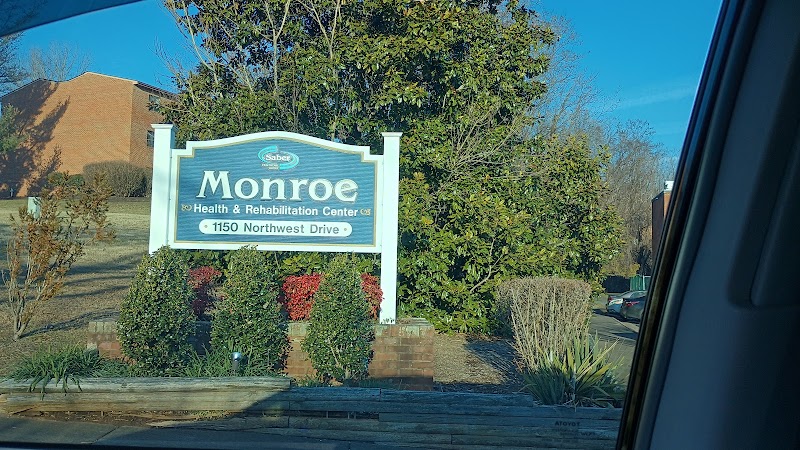
How is Monroe Health & Rehab Center Staffed?

CMS rates MONROE HEALTH & REHAB CENTER's staffing level at 2 out of 5 stars, which is below average compared to other nursing homes. Staff turnover is 42%, compared to the Virginia average of 46%. This relatively stable workforce can support continuity of care.

What Have Inspectors Found at Monroe Health & Rehab Center?

State health inspectors documented 32 deficiencies at MONROE HEALTH & REHAB CENTER during 2018 to 2025. These included: 3 that caused actual resident harm and 29 with potential for harm. Deficiencies causing actual harm indicate documented cases where residents experienced negative health consequences.

Who Owns and Operates Monroe Health & Rehab Center?

MONROE HEALTH & REHAB CENTER is owned by a for-profit company. For-profit facilities operate as businesses with obligations to shareholders or private owners. The facility is operated by SABER HEALTHCARE GROUP, a chain that manages multiple nursing homes. With 180 certified beds and approximately 132 residents (about 73% occupancy), it is a mid-sized facility located in CHARLOTTESVILLE, Virginia.
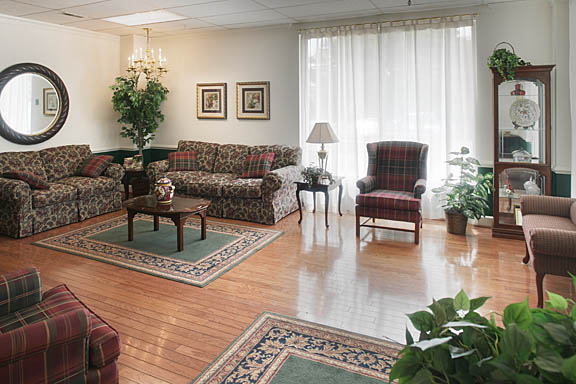
How Does Monroe Health & Rehab Center Compare to Other Virginia Nursing Homes?

Compared to the 100 nursing homes in Virginia, MONROE HEALTH & REHAB CENTER's overall rating (4 stars) is above the state average of 3.0, staff turnover (42%) is near the state average of 46%, and health inspection rating (3 stars) is at the national benchmark.

What Should Families Ask When Visiting Monroe Health & Rehab Center?

Based on this facility's data, families visiting should ask: "Can you walk me through typical staffing levels on day, evening, and night shifts?" "Can I visit during a mealtime to observe dining assistance and food quality?" "How do you handle medical emergencies, and what is your hospital transfer rate?" "Can I speak with family members of current residents about their experience?" These questions are particularly relevant given the below-average staffing rating.

Is Monroe Health & Rehab Center Safe?

Based on CMS inspection data, MONROE HEALTH & REHAB CENTER has a clean safety record: no substantiated abuse findings (meaning no confirmed cases of resident harm), no Immediate Jeopardy citations (the most serious violation level indicating risk of serious injury or death), and is not on the Special Focus Facility watch list (a federal program monitoring the lowest-performing 1% of nursing homes). The facility has a 4-star overall rating and ranks #1 of 100 nursing homes in Virginia. While no facility is perfect, families should still ask about staff-to-resident ratios and recent inspection results during their visit.

Do Nurses at Monroe Health & Rehab Center Stick Around?

MONROE HEALTH & REHAB CENTER has a staff turnover rate of 42%, which is about average for Virginia nursing homes (state average: 46%). Moderate turnover is common in nursing homes, but families should still ask about staff tenure and how the facility maintains care continuity when employees leave.

Was Monroe Health & Rehab Center Ever Fined?

MONROE HEALTH & REHAB CENTER has no federal fines on record. CMS issues fines when nursing homes fail to meet care standards or don't correct problems found during inspections. The absence of fines suggests the facility has either maintained compliance or corrected any issues before penalties were assessed. This is a positive indicator, though families should still review recent inspection reports for the full picture.

Is Monroe Health & Rehab Center on Any Federal Watch List?

MONROE HEALTH & REHAB CENTER is not on any federal watch list. The most significant is the Special Focus Facility (SFF) program, which identifies the bottom 1% of nursing homes nationally based on persistent, serious quality problems. Not being on this list means the facility has avoided the pattern of deficiencies that triggers enhanced federal oversight. This is a positive indicator, though families should still review the facility's inspection history directly.