CHATHAM HEALTH & REHABILITATION CENTER

100 RORER STREET, CHATHAM, VA 24531 (434) 432-0471
For profit - Corporation 85 Beds SABER HEALTHCARE GROUP Data: November 2025
Trust Grade
73/100
#10 of 285 in VA
Last Inspection: March 2024

Within standard 12-15 month inspection cycle. Federal law requires annual inspections.

Overview

Chatham Health & Rehabilitation Center has a Trust Grade of B, indicating it is a good choice for families looking for nursing home care. It ranks #10 out of 285 facilities in Virginia, placing it in the top half, and #1 out of 2 in Pittsylvania County, meaning it is the best option locally. The facility is improving, with a decline in reported issues from 13 in 2022 to 11 in 2024. Staffing is average, rated 3 out of 5 stars, with a turnover rate of 55%, which is higher than the state average. The facility has incurred $8,018 in fines, which is higher than 77% of Virginia facilities, suggesting some compliance issues. However, there are notable concerns: a serious medication error resulted in a resident needing hospitalization after receiving another resident's medication, and two other residents experienced incorrect dosages. Additionally, staff failed to maintain proper hand hygiene during medication administration, risking infection. While the facility has strengths such as excellent overall and quality measures ratings, these serious incidents highlight areas needing improvement.

Trust Score
B
73/100
In Virginia
#10/285
Top 3%
Safety Record
Moderate
Needs review
Inspections
Getting Better
13 → 11 violations
Staff Stability
⚠ Watch
55% turnover. Above average. Higher turnover means staff may not know residents' routines.
Penalties
⚠ Watch
$8,018 in fines. Higher than 85% of Virginia facilities, suggesting repeated compliance issues.
Skilled Nurses
⚠ Watch
Each resident gets only 29 minutes of Registered Nurse (RN) attention daily — below average for Virginia. Fewer RN minutes means fewer trained eyes watching for problems.
Violations
⚠ Watch
24 deficiencies on record. Higher than average. Multiple issues found across inspections.
★★★★★
5.0
Overall Rating
★★★☆☆
3.0
Staff Levels
★★★★★
5.0
Care Quality
★★★★☆
4.0
Inspection Score
Stable
2022: 13 issues
2024: 11 issues

The Good

  • 5-Star Quality Measures · Strong clinical quality outcomes
  • Full Sprinkler Coverage · Fire safety systems throughout facility
  • No fines on record

Facility shows strength in quality measures, fire safety.

The Bad

Staff Turnover: 55%

Near Virginia avg (46%)

Higher turnover may affect care consistency

Federal Fines: $8,018

Below median ($33,413)

Minor penalties assessed

Chain: SABER HEALTHCARE GROUP

Part of a multi-facility chain

Ask about local staffing decisions and management

The Ugly 24 deficiencies on record

1 actual harm
Jun 2024 3 deficiencies 1 Harm
SERIOUS (G) 📢 Someone Reported This

A family member, employee, or ombudsman was alarmed enough to file a formal complaint

Actual Harm - a resident was hurt due to facility failures

Deficiency F0760 (Tag F0760)

A resident was harmed · This affected 1 resident

**NOTE- TERMS IN BRACKETS HAVE BEEN EDITED TO PROTECT CONFIDENTIALITY** Based on staff interview, clinical record review, and facility document review, the facility staff failed to ensure residents we...

Read full inspector narrative →
**NOTE- TERMS IN BRACKETS HAVE BEEN EDITED TO PROTECT CONFIDENTIALITY** Based on staff interview, clinical record review, and facility document review, the facility staff failed to ensure residents were free of significant medication errors for 1 of 6 sampled residents resulting in a transfer to a higher level of care (Resident #1). The findings included: For Resident #1, the facility staff administered another resident's medication which included five (5) medications used to lower blood pressure, two (2) medications used to lower blood sugar levels, a medication used to prevent blood clots, and an over-the-counter Aspirin resulting in the resident being transferred to a higher level of care with a subsequent 3-day hospital stay including overnight in the intensive care unit (ICU). This was a closed record review. Resident #1's diagnosis list indicated diagnoses, which included, but not limited to Osteomyelitis, Hypercalcemia, Essential Hypertension, and Chronic Obstructive Pulmonary Disease. The minimum data set (MDS) with an assessment reference date (ARD) of 4/04/24 assigned the resident a brief interview for mental status (BIMS) summary score of 15 out of 15 indicating the resident was cognitively intact. The clinical record revealed a nursing progress note dated 5/01/24 10:33 AM which read in part Resident given wrong medications this morning . Resident #1 was seen by the in-house nurse practitioner (NP) on 5/01/24, the progress note read in part .nursing staff came and got me for patient having an accidental overdose. Interview with nursing staff reveals that patient received another patient's medication that included amlodipine, metoprolol, hydralazine, metformin, and glipizide. Old records indicate patient normally runs a blood pressure in the 140s, with a heart rate in the 90s. Currently, patient's blood pressure has decreased to 105/68, pulse rate 55, blood sugar 64, therefore, EMS was called to transfer the patient to the emergency department .Per nursing staff, before getting to the room, patient was complaining of dizziness, had broken out into a sweat, and was having difficulty concentrating. 1 mg of glucagon was given by nursing staff per protocol .Patient complaining of not feeling right. He is complaining of feeling sweaty .Blurry vision .Complains of nausea .I am quite familiar with this patient and he typically runs a blood pressure in the 140s, heart rate in the 90s, with a remote history of prediabetes on no medication. By the time I arrived into the room the patient was feeling lightheaded, drowsy, slow to answer questions, however, would answer them appropriately. He was noted to have a [sic] initial blood pressure of 132/68 which eventually went down to 105/55, and initially heart rate of 88 which eventually went down to 55, with an initial blood glucose of 48 that went up to 64 after receiving glucagon IM [intramuscularly]. Initially, I had ordered a 1 L [liter] bolus of normal saline, however, when I was advised of the fingerstick glucose, I changed the fluids to D5W [dextrose 5% in water]. Due to an extremely high concern for morbidity, mortality, and even death due to possibility of significantly dangerous hypotension, bradycardia, and hypoglycemia. [sic] It was decided that the patient needed to be further evaluated in the emergency department and EMS was called. A 5/01/24 5:16 PM nursing progress note read in part This RN [registered nurse] spoke with [name omitted] at [name omitted] ER, she stated that the resident would be transferred to [name omitted] for observation as they needed to closely monitor his blood sugar as they had been having trouble stabilizing it. She stated that he had stabilized otherwise . The hospital History and Physical Report dated 5/01/24 read in part .EMS reports patient is from [name omitted] and at 0857 [8:57 AM] he received the wrong medications (Amlodipine 10 mg, Aspirin 81 mg, Clopidogrel 75 mg, Glipizide 5 mg, Hydralazine 25 mg, HCTZ 12.5 mg, Losartan 50 mg, Metformin 500 mg, and Metoprolol Tart 25 mg) . A 5/03/24 nursing progress note read in part .Resident was sent to ER and transferred to [name omitted] where he was monitored in ICU [intensive care unit]. He remained stable through the night and was downgraded to a regular room on 5/02/24 . The facility self-reported the significant medication error on 5/01/24, the facility's follow-up investigation dated 5/02/24 read in part .Upon a complete and thorough investigation, the facility does substantiate that there was a medication error made, that was self-reported by the LPN [licensed practical nurse] that resulted in an ER visit. The root cause of this medication error appears to be the failure of this nurse to follow the 5 rights of medication pass, in not paying close attention to the fact that she was not in the correct MAR [medication administration record] when pouring medications for this resident. It is also noted that the nurse did not follow the appropriate steps of medication pass also in that she did not immediately sign off on the medication when she gave them to this resident. This nurse was immediately removed from the cart, suspended pending investigation, and provided 1:1 education, including step by step procedure of the medication pass, 5 rights, signing off on medications immediately after giving them . Resident #1 was readmitted to the facility on [DATE]. On 6/10/24 at 3:51 PM, surveyor spoke with the Director of Nursing (DON) who stated LPN #1 acted upon the error as soon as she realized what she had done, and staff kept Resident #1 as stable as possible until he was sent out. DON stated the resident returned to the facility and has since been discharged home. On 6/11/24 at 11:35 AM, surveyor spoke with LPN #1 who stated on the day of the medication error, she was on a medication cart that she was unfamiliar with and had been having computer issues. LPN #1 stated she noted that Resident #1 had blood pressure medications ordered and she obtained his blood pressure which was 155/100 and she gave six blood pressure pills which made sense to her. LPN #1 stated after administering Resident #1's medications, she went on to another resident and began pulling their medications and realized she was pulling the exact same medications she had given to Resident #1. LPN #1 stated at that time it had been about 25 minutes since Resident #1 received the medications. LPN #1 then went back to check on Resident #1 and stated he was fine, and she reported the error. LPN #1 stated I didn't look at the labels on the [medication] cards. Surveyor asked LPN #1 if looking at the labels could have prevented the errors and she stated absolutely. LPN #1 stated she has been provided with additional education and has since been observed administering medications several times. Surveyor requested and received the facility policy titled General Dose Preparation and Medication Administration with a last revision date of 4/30/24 which read in part .3.1 Verify each time a medication is administered that it is the correct medication, at the correct dose, at the correct route, at the correct rate, at the correct time, for the correct resident .5.1 Verify resident identification per facility policy (e.g., picture, armband, name) . On 6/11/24 at 3:00 PM, the surveyor met with the Administrator, DON, and Regional Director of Clinical Services and discussed the concern of Resident #1 receiving another resident's medications resulting in a hospital admission. No further information regarding this concern was presented to the surveyor prior to the exit conference on 6/11/24.
CONCERN (D) 📢 Someone Reported This

A family member, employee, or ombudsman was alarmed enough to file a formal complaint

Potential for Harm - no one hurt, but risky conditions existed

Unnecessary Medications (Tag F0759)

Could have caused harm · This affected 1 resident

**NOTE- TERMS IN BRACKETS HAVE BEEN EDITED TO PROTECT CONFIDENTIALITY** Based on observation, staff interview, clinical record review, and facility document review, the facility staff failed to ensure...

Read full inspector narrative →
**NOTE- TERMS IN BRACKETS HAVE BEEN EDITED TO PROTECT CONFIDENTIALITY** Based on observation, staff interview, clinical record review, and facility document review, the facility staff failed to ensure a medication error rate of less than 5%. There were 3 medication errors in 34 opportunities for a medication error rate of 8.82%. These medication errors affected Resident #3 and #4. The findings included: 1. For Resident #3, the facility staff administered the incorrect dosage of a topical Lidocaine medicated patch and failed to administer a multivitamin with iron according to the medical provider's order. Resident #3's diagnosis list indicated diagnoses, which included, but not limited to Chronic Respiratory Failure, Chronic Obstructive Pulmonary Disease, Type 2 Diabetes Mellitus, Nontraumatic Ischemic Infarction of Muscle of Left Lower Leg, Chronic Kidney Disease Stage 3, Bipolar II Disorder, and Peripheral Vascular Disease. The most recent minimum data set (MDS) with an assessment reference date (ARD) of 4/08/24 assigned the resident brief interview for mental status (BIMS) summary score of 15 out of 15 indicating the resident was cognitively intact. On 6/11/24 at 8:32 AM, surveyor observed licensed practical nurse (LPN) #1 apply a Lidocaine 5% Patch to Resident #3's right knee area. Surveyor reviewed Resident #3's current medical provider orders which revealed an order for Lidocaine 4% medicated patch to right lower extremity one time a day for pain. On 6/11/24 at 11:53 AM, surveyor spoke with LPN #1 regarding the application of a Lidocaine 5% patch instead of the ordered Lidocaine 4% patch. Surveyor and LPN #1 checked the medication cart which included two open boxes of Lidocaine 5% patches, LPN #1 acknowledged there were only 5% patches available for use in the cart. A review of Resident #3's current provider orders also included an order dated 6/04/24 for Tab-A-Vite Multivitamin with Iron 15 mg iron-400 mcg one tablet daily during AM med pass from 7:00 AM to 11:00 AM. However, surveyor did not observe this medication being administered during the resident's morning medication pass on 6/11/24 at 8:30 AM. Surveyor informed LPN #1 of this and LPN #1 did not acknowledge the omission of the multivitamin and stated she did not have a reason to believe why she would not have pulled the medication. Surveyor requested and received the facility policy titled General Dose Preparation and Medication Administration with a last revision date of 4/30/24 which read in part .3.1 Verify each time a medication is administered that it is the correct medication, at the correct dose, at the correct route, at the correct rate, at the correct time, for the correct resident .5.2 Facility staff should verify that the medication name and dose are correct when compared to the medication order on the medication administration record . On 6/11/24 at 3:00 PM, the surveyor met with the Administrator, Director of Nursing, and the Regional Director of Clinical Services and discussed the concern of LPN #1 failing to administer medications as ordered for Resident #3. No further information regarding this concern was presented to the surveyor prior to the exit conference on 6/11/24. 2. For Resident #4, the facility staff failed to administer Omega-3 fatty acid fish oil according to the medical provider's order. Resident #4's diagnosis list indicated diagnoses, which included, but not limited to Abdominal Aortic Ectasis, Hyperlipidemia, Essential Hypertension, and Obstructive and Reflux Uropathy. The most recent minimum data set (MDS) with an assessment reference date (ARD) of 5/02/24 assigned the resident a brief interview for mental status (BIMS) summary score of 14 out of 15 indicating the resident was cognitively intact. On 6/11/24 at 8:14 AM, surveyor observed licensed practical nurse (LPN) #1 prepare and administer Resident #4's morning medications. A reconciliation of the administered medications with the current provider orders revealed a current order for Omega-3 Fatty Acids fish oil capsule [PHONE NUMBER] mg once a day between 7:00 AM and 11:00 AM. Surveyor did not observed LPN #1 administer an Omega-3 capsule to the resident. On 6/11/24 at approximately 11:45 AM, surveyor spoke with LPN #1 regarding the omission of the Omega-3 capsule. When asked if they administered the Omega-3 capsule to Resident #4, LPN #1 stated no ma'am and she would have had to snip the end of the capsule. The resident's medications were administered crushed in applesauce. On 6/11/24 at 3:00 PM, the surveyor met with the Administrator, Director of Nursing, and the Regional Director of Clinical Services and discussed the concern of LPN #1 failing to administer medications as ordered for Resident #4. No further information regarding this concern was presented to the surveyor prior to the exit conference on 6/11/24.
CONCERN (D) 📢 Someone Reported This

A family member, employee, or ombudsman was alarmed enough to file a formal complaint

Potential for Harm - no one hurt, but risky conditions existed

Infection Control (Tag F0880)

Could have caused harm · This affected 1 resident

Based on observation, staff interview, and facility document review, the facility staff failed to maintain an infection prevention and control program to provide a safe, sanitary environment and help ...

Read full inspector narrative →
Based on observation, staff interview, and facility document review, the facility staff failed to maintain an infection prevention and control program to provide a safe, sanitary environment and help prevent the development and transmission of communicable disease or infections on 1 of 2 resident care units (200 Hall). The findings included: During a medication pass and pour observation, the facility staff failed to perform hand hygiene, administered a tablet that had been dropped on the top of the medication cart, and touched two medications with their bare hands. On 6/11/24 at 8:09 AM, surveyor observed Licensed Practical Nurse (LPN) #1 remove a Vitamin D3 gel capsule from a medication cup with their bare fingers and return the capsule to the multi-dose house stock bottle of Vitamin D3. LPN #1 then placed the bottle back into the medication cart. On 6/11/24 at 8:15 AM, surveyor observed LPN #1 assist in repositioning Resident #4 in bed by touching the resident's upper right arm and then administered the resident's medications. LPN #1 did not wash their hands or use hand sanitizer prior to returning to the medication cart and preparing Resident #3's medications. A bottle of hand sanitizer was present on top of the medication cart. At 8:25 AM while preparing Resident #3's medication, LPN #1 dropped a Paroxetine tablet on top of the medication cart and picked up the tablet with their bare hand and placed it in a medication cup with the resident's other oral medications. LPN #1 then administered Resident #3's medications including the dropped Paroxetine tablet. LPN #1 applied a Lidocaine medicated patch to Resident #3's right leg and returned to the medication cart without performing hand hygiene. Surveyor requested and received the facility policy titled General Dose Preparation and Medication Administration with a last revision date of 4/30/24 which read in part .1.1 Appropriate hand hygiene should be performed before and after direct resident contact. 1.2 Medications should not come in contact with any surface except for the medication cup .2.3 Facility staff should avoid touching the medication with bare hands when opening a bottle or unit dose package. 2.4 If a medication which is not in a protective container is dropped, facility staff should discard it according to facility policy . On 6/11/24 at 3:00 PM, surveyor met with the Administrator, Director of Nursing, and the Regional Director of Clinical Services and discussed the infection control concerns observed during the medication pass and pour observation with LPN #1. No further information regarding this concern was presented to the surveyor prior to the exit conference on 6/11/24.
Mar 2024 3 deficiencies
CONCERN (D)

Potential for Harm - no one hurt, but risky conditions existed

Assessment Accuracy (Tag F0641)

Could have caused harm · This affected 1 resident

Based on staff interview and clinical record review, the facility staff failed to accurately complete a discharge Minimum Data Set (MDS) assessment for 1 of 5 closed record reviews, Resident #80. The...

Read full inspector narrative →
Based on staff interview and clinical record review, the facility staff failed to accurately complete a discharge Minimum Data Set (MDS) assessment for 1 of 5 closed record reviews, Resident #80. The findings included: The facility staff coded Resident #80's discharge MDS assessment as if they had discharged to a hospital. Resident #80 had discharged home. Resident #80's diagnoses included, but were not limited to, acute respiratory failure with hypoxia, acute pulmonary edema, and diabetes. Section C (cognitive patterns) of Resident #80's discharge MDS assessment with an Assessment Reference Date (ARD) of 02/20/24 included a Brief Interview for Mental Status (BIMS) score of 15 out of a possible 15 points. Section A (identification information) was coded to indicate Resident #80 was discharged to a short-term general hospital. Resident #80's clinical record included a progress note dated 02/20/24 that read in part, Resident discharged home . On 03/20/24 at 10:20 a.m., Registered Nurse (RN) #3 reviewed the record with the surveyor and confirmed the MDS was coded incorrectly. RN #3 stated they would complete a modification. On 03/20/24 at 4:00 p.m., during an end of the day meeting with the Administrator, Regional Director of Clinical Services, Director of Nursing, Assistant Director of Nursing, and Social Worker, the issue with the incorrect MDS assessment was reviewed. No further information regarding this issue was provided to the survey team prior to the exit conference.
CONCERN (D)

Potential for Harm - no one hurt, but risky conditions existed

Respiratory Care (Tag F0695)

Could have caused harm · This affected 1 resident

Based on observation, resident interview, staff interview and clinical record review, the facility staff failed to provide respiratory care consistent with the comprehensive person-centered care plan ...

Read full inspector narrative →
Based on observation, resident interview, staff interview and clinical record review, the facility staff failed to provide respiratory care consistent with the comprehensive person-centered care plan for one of 18 residents in the survey sample, resident # 56. The findings included: For resident # 56 the facility staff failed to administer oxygen as ordered by the physician and according to the residents comprehensive person-centered care plan. Diagnoses for resident # 56 included but were not limited to, chronic obstructive pulmonary disease (COPD), hypertension (HTN), history of cerebrovascular accident (CVA) with left hemiplegia, atrial fibrillation A-fib, anxiety and major depressive disorder. The quarterly minimum data set (MDS) assessment with an assessment reference date of 12/9/23 assigned the resident a brief interview for mental status (BIMS) score of 15, indicating intact cognition. Resident # 56's current orders included an active order dated 7/25/22 for oxygen a 4 liters per minute via nasal cannula. Resident # 56's comprehensive care plan included a problem statement that read in part, at risk for altered cardiac/resp status r/t (related to) dysphagia, COPD, a-fib, HLD, HTN, CVA with left hemiplegia, secretions. with an intervention of O2 per order via nasal cannula. The care plan also included a problem statement that read in part, needs assistance with ADL's (activities of daily living) r/t decreased mobility and weakness, left sided weakness from CVA. An intervention read, requires extensive assistance of one for bed mobility and total assistance of 2 and hoyer lift for transfers. On 3/19/24 at 11:49 AM this surveyor observed resident # 56 in their room and asked them how much oxygen they were on. They stated, It's supposed to be on 4 liters. The concentrator was noted to be set for 3 liters. On 3/20/24 at 9:27 AM this surveyor checked resident's oxygen setting and it was noted to be set at 3 liters. This surveyor checked the oxygen setting again at 11:20 AM and noted the setting still at 3 liters. The concentrator was not within the residents reach on any of these occasions. On 3/20/24 at 11:30 AM this surveyor approached Licensed Practical Nurse (LPN) # 2 and asked them to come verify the oxygen settings for resident # 56. When asked what the setting was on they stated, It's on 3 liters. When asked if they knew what the order was for they stated, I think it's supposed to be on 4 but I'll go check to be sure. When they returned moments later they stated, It is supposed to be on 4 Liters. They adjusted the setting to 4 liters. On 3/20/24 at 4:02 PM the survey team met with the Director of Nursing (DON), Administrator, Assistant Director of Nursing and the Regional Director of Clinical Services and informed them of resident # 56's oxygen not being on the correct setting. No further information was provided to the survey team prior to the exit conference.
CONCERN (D)

Potential for Harm - no one hurt, but risky conditions existed

Deficiency F0698 (Tag F0698)

Could have caused harm · This affected 1 resident

Based on resident interview, staff interview, clinical record review, and facility document review, the facility staff failed to ensure that residents requiring dialysis services receive care consiste...

Read full inspector narrative →
Based on resident interview, staff interview, clinical record review, and facility document review, the facility staff failed to ensure that residents requiring dialysis services receive care consistent with the comprehensive person-centered care plan for 1 of 18 current residents in the survey sample, Resident #9. The findings included: For Resident #9, the facility staff failed to monitor the resident's arteriovenous (AV) fistula hemodialysis access site located in the left arm. Resident #9's diagnosis list indicated diagnoses, which included, but not limited to End Stage Renal Disease, Dependence on Renal Dialysis, Type 2 Diabetes Mellitus, Dementia, and Essential Hypertension. The most recent minimum data set (MDS) with an assessment reference date (ARD) of 2/19/24 assigned the resident a brief interview for mental status (BIMS) summary score of 15 out of 15 indicating the resident was cognitively intact. Resident #9's current provider orders included an order dated 2/28/24 for Dialysis on Mondays, Wednesdays, and Fridays. The resident's current comprehensive person-centered care plan included a focus area which read in part .Dialysis at [name omitted] Dialysis on Mon-Wed-Fri . with interventions to Monitor fistula/vas [vascular] cath [catheter] site for bleeding or s/s [signs/symptoms] of infection and Monitor thrill and bruit per routine or specific orders. On 3/19/24 at approximately 1:00 PM, surveyor spoke with Resident #9 who pointed to a dialysis access site located on their right upper chest which was covered by a dressing and stated it was going to be removed soon because the new site in their left arm was now being used for dialysis. On 3/20/24, surveyor reviewed Resident #9's clinical record and was unable to locate evidence of staff monitoring the left arm AV fistula. Surveyor requested and received the facility policy titled Hemodialysis Care Policy with a last revision date of 8/24/23 which read in part .Monitor fistula/graft/VAD site daily for signs of infection and notify provider promptly if any present .Monitor fistula for bruit and thrill daily-if unable to palpate a thrill or hear a bruit, contact the dialysis center and then the provider . On 3/20/24 at 4:01 PM, the survey team met with the Administrator, Director of Nursing, Assistant Director of Nursing, Regional Director of Clinical Services, and the Director of Social Services and discussed the concern of the lack of evidence of staff monitoring Resident #9's left arm AV fistula. On 3/21/24 at 8:15 AM, surveyor spoke with Resident #9 and asked if facility staff have ever checked her fistula by touching or listening to the area and the resident shook their head no and stated nah. Resident #9 went on to say that the staff at the dialysis center listen to the fistula each time. No further information regarding this concern was presented to the survey team prior to the exit conference on 3/21/24.
Jan 2024 5 deficiencies
CONCERN (D) 📢 Someone Reported This

A family member, employee, or ombudsman was alarmed enough to file a formal complaint

Potential for Harm - no one hurt, but risky conditions existed

Quality of Care (Tag F0684)

Could have caused harm · This affected 1 resident

Based on staff interview, clinical record review, and facility document review, the facility staff failed to ensure residents receive treatment and care in accordance with the comprehensive person-cen...

Read full inspector narrative →
Based on staff interview, clinical record review, and facility document review, the facility staff failed to ensure residents receive treatment and care in accordance with the comprehensive person-centered care plan for 2 of 15 residents in the survey sample, Residents #13 and #11. The findings included: 1. For Resident #13, the facility staff failed to provide treatment to a cellulitis ulceration of the right shin as directed by the Wound Nurse Practitioner from 12/21/23 through 12/28/23. Resident #13's diagnosis list indicated diagnoses, which included, but not limited to Type 2 Diabetes Mellitus, Peripheral Vascular Disease, Cellulitis, and Alcoholic Cirrhosis of Liver. The most recent quarterly minimum data set (MDS) with an assessment reference date (ARD) of 12/24/23 assigned the resident a brief interview for mental status (BIMS) summary score of 15 out of 15 indicating the resident was cognitively intact. Resident #13's comprehensive person-centered care plan included a focus area stating in part . R (right) shin cellulitis ulceration . with an intervention stating meds/labs/treatment as ordered. Resident #13 was seen by the Wound Nurse Practitioner (WNP) on 12/19/23, the progress note read in part . Right shin (+) full thickness ulceration that measures 2.0 X 0.6 x 0.2 cm. Wound base 100% granular .Wound care to right shin as follows: - Cleanse site with normal saline or wound cleanser - Apply Bactroban 2% x 7 more days to wound bed. - Cover with dry dressing. - Provide this care QD (every day) and as needed for saturation or soilage . Resident #13 was again seen by the WNP on 12/26/23, the progress note read in part . Right shin (+) full thickness ulceration that measures 0.5 x 0.4 x 0.1 cm. Wound base 100% granular .Wound care to right shin as follows: - Cleanse site with normal saline or wound cleanser - Apply Bactroban 2% x 7 more days to wound bed. - Cover with dry dressing. - Provide this care QD and as needed for saturation or soilage . Surveyor reviewed Resident #13's clinical record and was unable to locate the daily treatment order to the right shin as directed by the WNP on 12/19/23. The WNP treatment orders from the 12/26/23 visit were not started until 12/29/23. According to the resident's clinical record, no treatment was provided to the right shin from 12/21/23 through 12/28/23. The previous treatment order dated 12/13/23 stated cleanse the site to right shin with normal saline or wound cleanser, apply Bactroban 2 % ointment x 7 days to wound bed, and cover with dry dressing every day and as needed for saturation or soilage for 7 days. This treatment was ordered daily from 12/14/23 through 12/20/23 and the as needed portion of the order was entered without a stop date and was an active order through 12/28/23 but was never signed off on the December 2023 Treatment Administration Record (TAR) as being administered. On 1/10/23 at 4:16 PM, surveyor spoke with the Interim Director of Nursing (DON), transcriber of the 12/13/23 treatment order, the DON reviewed the order in Resident #13's clinical record and verified the daily order was entered to be administered from 12/14/23 through 12/20/23 and the as needed portion of the order did not include a stop date. On 1/09/24 at 2:05 PM, surveyor spoke with the WNP who stated they provide their treatment orders prior to leaving the facility on each visit and copies were emailed to facility leadership by 9:00 PM on the day of each visit. WNP further stated there had been some concerns with their treatment orders being put into place but there had been recent improvement. Surveyor requested and received the facility policy titled Skin and Wound Care Best Practices which read in part . Pressure injuries and wounds will be treated with evidence-based interventions as ordered by the provider . On 1/10/24 at 5:35 PM, the surveyor met with the management team including the Administrator and Regional Director of Clinical Services and discussed the concern of staff failing to follow the WNP treatment orders for Resident #13. No further information regarding this concern was presented to the surveyor prior to the exit conference on 1/10/24. 2. For Resident #11, the facility staff failed to provide treatment to a natal cleft fissure as directed by the Wound Nurse Practitioner. This was a closed record review. Resident #11's diagnosis list indicated diagnoses, which included, but not limited to COVID-19, Pneumonia, Hemiplegia and Hemiparesis following Cerebral Infarction affecting Left Non-Dominant Side, Congestive Heart Failure, Peripheral Vascular Disease, Chronic Kidney Disease Stage 2, and Diabetes Mellitus. The most recent quarterly minimum data set (MDS) with an assessment reference date (ARD) of 10/13/23 assigned the resident a brief interview for mental status (BIMS) summary score of 15 out of 15 indicating the resident was cognitively intact. Resident #11's comprehensive person-centered care plan included a focus area stating in part At risk for skin breakdown related to: decreased mobility, weakness, diagnosis of DM (diabetes mellitus), incontinent of bowel and bladder, malnutrition .neuropathy, left side hemiparesis, LBKA/RAKA, (left above knee amputation/right above knee amputation) itching, hives . with an intervention stating meds/labs/treatment as ordered. Resident #11 was seen by the Wound Nurse Practitioner (WNP) on 11/21/23, the progress note read in part . Asked by staff to evaluate area at the sacrum today. Patient stated that NC (natal cleft) fissure opened during repositioning and sliding around in the bed .NC (+) full thickness ulceration that measures 1.5 x 0.5 x 0.3 cm. Wound base 100% granular .Wound care to NC as follows: - Cleanse with normal saline or wound cleanser, pat dry. - Apply medihoney gel to wound bed. Cover with foam dressing. (tx (treat) for moist wound healing and/or autolytic debridement.) Change dressing every day and as needed for saturation or soilage. Resident #11 was again seen by the WNP on 11/28/23, the progress note read in part . NC (+) full thickness ulceration that measure 1.2 x 0.5 x 0.3 cm. Wound base 100% granular .Site improved, continue care - Wound care to NC as follows: - Cleanse with normal saline or wound cleanser, pat dry. - Apply medihoney gel to wound bed. - Cover with foam dressing. (tx for moist wound healing and/or autolytic debridement.) - Change dressing every day and as needed for saturation or soilage. Surveyor reviewed Resident #11's clinical record and was unable to locate a treatment order for the natal cleft fissure until 11/30/23 to begin on 12/01/23; however, the order was discontinued on 12/01/23 at 9:51 AM prior to administration. The treatment order was entered again on 12/01/23 to begin on 12/02/23. According to Resident #11's clinical record, the fissure to the resident's natal cleft, identified on 11/21/23, received the first documented treatment on 12/02/23. On 1/09/24 at 2:05 PM, surveyor spoke with the WNP who stated they provide their treatment orders prior to leaving the facility on each visit and copies are emailed to facility leadership by 9:00 PM on the day of each visit. WNP further stated there had been some concerns with their treatment orders being put into place but there had been recent improvement. Surveyor requested and received the facility policy titled Skin and Wound Care Best Practices which read in part . Pressure injuries and wounds will be treated with evidence-based interventions as ordered by the provider . On 1/09/24 at 4:26 PM, the surveyor met with the management team including the Administrator and Regional Director of Clinical Services and discussed the concern of staff failing to follow the WNP treatment orders for Resident #11. No further information regarding this concern was presented to the surveyor prior to the exit conference on 1/10/24.
CONCERN (D) 📢 Someone Reported This

A family member, employee, or ombudsman was alarmed enough to file a formal complaint

Potential for Harm - no one hurt, but risky conditions existed

Pressure Ulcer Prevention (Tag F0686)

Could have caused harm · This affected 1 resident

**NOTE- TERMS IN BRACKETS HAVE BEEN EDITED TO PROTECT CONFIDENTIALITY** Based on observation, staff interview, clinical record review, and facility document review, the facility staff failed to provid...

Read full inspector narrative →
**NOTE- TERMS IN BRACKETS HAVE BEEN EDITED TO PROTECT CONFIDENTIALITY** Based on observation, staff interview, clinical record review, and facility document review, the facility staff failed to provide necessary pressure ulcer treatment consistent with medical provider orders to promote healing for 2 of 15 residents in the survey sample, Resident #8 and #10. The findings included: 1. For Resident #8, the facility staff failed to provide treatment to a sacral pressure ulcer as directed by the Wound Nurse Practitioner. This was a closed record review. Resident #8's diagnosis list indicated diagnoses, which included, but not limited to Fracture of Lower End of Left Femur with Routine Healing, Fracture of Left Pubis with Routine Healing, COVID-19, Osteoarthritis of Knee, Atherosclerotic Heart Disease of Native Coronary Artery. The admission minimum data set (MDS) with an assessment reference date (ARD) of 11/19/23 assigned the resident a brief interview for mental status (BIMS) summary score of 15 out of 15 indicating the resident was cognitively intact. Resident #8 was coded as being at risk of developing pressure ulcers with no pressure ulcers present at the time of the MDS. Resident #8's comprehensive person-centered care plan included a focus area stating in part . admitted with .right buttocks/sacral wound with an intervention stating meds/labs/treatment as ordered. According to Resident #8's clinical record, the resident was admitted to the facility on [DATE] with shearing to the right buttocks measuring 6 x 7 cm. Treatment of Barrier Cream to the buttock every shift and PRN (as needed) was initiated upon admission; however, the order did not specify left or right. According to Resident #8's November and December 2023 Treatment Administration Records (TARs), the resident continued to receive Barrier Cream to the buttocks every shift until discharge on [DATE]. Resident #8's 11/21/23 weekly wound assessment documented shearing to the right buttocks measuring 6 x 7 cm with treatment documented on the assessment as xeroform gauze. Surveyor reviewed the resident's clinical record and was unable to locate a corresponding provider order for Xeroform Gauze until a new order dated 11/24/23 to begin 11/25/23 directed to cleanse area on right buttocks with wound cleanser, pat dry, apply Xeroform Gauze and foam dressing every day. According to the resident's November 2023 Medication Administration Record (MAR) the treatment began on 11/25/23. (Xeroform Gauze is a fine mesh gauze occlusive dressing impregnated with petrolatum and 3% Xeroform (Bismuth Tribromophenate)). The resident continued to receive the treatment of barrier cream daily. An 11/25/23 8:25 AM nursing progress note read Res (resident) c/o (complaining of) needing to be changed and buttocks hurting. PRN (as needed) pain med given. Dressing to buttocks noted to be saturated. Res is cleaned up and linen changed. Dressing changed with moderate amount of bloody drainage, top layer of skin off area to right buttocks, what appears to be slough in center of gluteal fold with a dark area in the middle. Surrounding skin is dark in color. Res tolerated well. Res is schedule [sic] to follow up [with] wound practitioner per unit manager. addendum to the above note area to buttock/sacrum noted to be 7.5 cm in length and 8.5 cm in width. Per unit manager md is aware and resident will follow up with wound nurse practitioner. Resident #8 was seen by the Wound Nurse Practitioner (WNP) on 11/28/23, the progress note read in part .Sacrum (+) full thickness ulceration that measures 7.0 x 8.0 x 0.2 cm. Wound base 40% pink red moist tissue, 30% slough, 20% granular, 10% thin adherent eschar .Stage 3 PI (pressure injury) at sacrum .Wound care to sacrum as follows: - Cleanse site with normal saline or wound cleanser - Apply ¼ strength Dakins moistened gauze to wound base - Cover with foam dressing. - Provide this care BID (twice a day) and as needed for saturation or soilage . This treatment was transcribed, and treatment began on 11/29/23; however, the previous treatment of Xeroform Gauze daily was not discontinued and Resident #8 continued to also receive the Xeroform Gauze treatment. Resident #8 was again seen by the WNP on 12/05/23, the progress note read in part .Sacrum (+) full thickness ulceration that measures 5.0 x 8.0 x 0.2 cm .Site improved, change care - Wound care to sacrum as follows: - Cleanse site with normal saline or sterile water (Do not use wound cleanser, this may decrease effectiveness of Santyl (collagenase) - Apply Santyl (collagenase) ointment (nickel thickness) to wound base - (tx (treatment) for enzymatic debridement) - Cover with foam dressing. - Provide this care daily and as needed . This treatment was started on 12/08/23, three days following the WNP's visit, and the previous treatment of Dakins was discontinued. However, the treatment of Xeroform Gauze continued as it was not discontinued when treatment was changed by the WNP on 11/28/23. From 12/08/23 through 12/12/23, Resident #8 received the treatment of Santyl every evening shift as ordered and the treatment of Xeroform Gauze each day shift continued through 12/11/23 despite the WNP changing this treatment on 11/28/23. Resident #8 was seen by the primary care nurse practitioner (NP) on 12/12/23, the progress note read in part .Resident seen today following concerns of sacral wound with increase in size with delayed healing along with odor .BMP, CBC next lab day, start Doxycycline 100 mg by mouth twice daily for 10 days. Will have wound nurse practitioner to evaluate . The resident was seen by the WNP on 12/12/23, the progress note read in part .Sacrum (+) full thickness ulceration that measure 5.0 x 10.0 x 0.2 cm. Wound base 85% adherent eschar, 15 % granular .Stage 3 PI at sacrum now unstageable PI .Please obtain wound culture at sacrum. Please obtain x-ray of sacrum to r/o (rule out) OM (osteomyelitis.) Please treat empirically for wound infection with Doxycycline 100 mg PO (by mouth) BID (twice a day) x 10 days. Site declined, change care - Wound care to sacrum as follows: - Cleanse site with normal saline or wound cleanser - Apply ¼ strength Dakins moistened gauze to wound base - Cover with foam dressing. - Provide this care BID and as needed . The order for the antibiotic, Doxycycline, was transcribed on 12/13/23, the following day, to begin on 12/13/23. Resident #8 was sent to the emergency room on [DATE]; a 12/13/23 11:14 AM eINTERACT SBAR (Situation/Background/Assessment/Recommendation) Summary note documented a change in the resident's condition, blood pressure 87/59, pulse 134, temperature 100.4. A 12/13/23 5:54 PM nursing progress note read admitted to (name omitted) Hospital for septic shock for necrotizing fasciitis of femur and pelvis. On 1/09/24 at 2:05 PM, surveyor spoke with the WNP who stated they provide their treatment orders prior to leaving the facility on each visit and copies are emailed to facility leadership by 9:00 PM on the day of each visit. WNP further stated there had been some concerns with their treatment orders being put into place but there had been recent improvement. When asked if Doxycycline should have been started on 12/12/23 on the day of the order, WNP stated yes and as soon as possible for an active infection. Surveyor requested and received the facility onsite medication supply listing, a supply of 10 capsules of Doxycycline 100 mg capsules was listed as being available. Surveyor requested and received the facility policy titled Skin and Wound Care Best Practices which read in part . Pressure injuries and wounds will be treated with evidence-based interventions as ordered by the provider . On 1/09/24 at 4:26 PM, the surveyor met with the management team including the Administrator and Regional Director of Clinical Services and discussed the concern of staff failing to follow the WNP treatment orders for Resident #8. No further information regarding this concern was presented to the surveyor prior to the exit conference on 1/10/24. 2. For Resident #10, the facility staff failed to provide treatment to a Stage 3 pressure ulcer to the lower lumbar spine as ordered by the Wound Nurse Practitioner. Resident #10's diagnosis list indicated diagnoses, which included, but not limited to Alzheimer's Disease, Hemiplegia and Hemiparesis following Unspecified Cerebrovascular Disease Affecting Left Dominant Side, Adult Failure to Thrive, and Diabetes Mellitus. The most recent quarterly minimum data set (MDS) with an assessment reference date (ARD) of 11/19/23 assigned the resident a brief interview for mental status (BIMS) summary score of 5 out of 15 indicating the resident was severely cognitively impaired. The resident was coded as being dependent on staff for eating, personal hygiene, and toileting hygiene. Resident #10 was coded for the presence of a Stage 3 pressure ulcer. Resident #10's comprehensive person-centered care plan included a focus area stating in part . Left lower back pressure wound . with an intervention stating meds/labs/treatment as ordered. Resident #10 was seen by the Wound Nurse Practitioner (WNP) on 10/31/23, the progress note read in part .Lower lumbar spine (+) full thickness ulceration that measures 0.5 x 0.3 x 0.1 cm. Wound base 100% granular .Wound care to lower lumbar spine as follows: - Cleanse with NS (normal saline) or wound cleanser, pat dry. - Apply medihoney to wound bed. - Cover with foam dressing. (tx (treatment) for moist would healing and/or autolytic debridement.) - Change dressing QD (every day) and as needed for saturation or soilage. Resident #10 was again seen by the WNP on 11/14/23, the progress note read in part . Lower lumbar spine (+) full thickness ulceration that measures 0.2 x 0.2 x 0.1 cm. Wound base 100% granular .stage 3 PI (pressure injury) .Wound care to lower lumbar spine as follows: - Cleanse with NS or wound cleanser, pat dry. - Apply medihoney to wound bed. - Cover with foam dressing (tx for moist wound healing and/or debridement.) - Change dressing QD and as needed for saturation or soilage . Resident #10 was seen by the WNP on 11/21/23, the progress note read in part .Lower lumbar spine (+) full thickness ulceration that measures 1.0 x 0.6 x 0.1 cm. Wound base 90% thin adherent slough, 10% granular .stage 3 PI .Site declined, change care - Wound care to lower lumbar spine as follows: - Cleanse site with normal saline or sterile water (Do not use wound cleanser, this may decrease effectiveness of Santyl (collagenase) - Apply Santyl (collagenase) ointment (nickel thickness) to wound base - (tx for enzymatic debridement) - Cover with foam dressing. - Provide this care daily and as needed for saturation or soilage . Surveyor reviewed Resident #10's physician's orders and November 2023 Medication Administration Record (MAR)and Treatment Administration Records (TAR) and was unable to locate treatment orders as directed by the WNP following visits on 10/31/23, 11/14/23, and 11/21/23. According to the resident's clinical record, Resident #10 received an order on 10/25/23 to cleanse area to lower lumbar spine with NS or wound cleanser, pat dry, cover with foam dressing three times a week and as needed. The resident continued to receive this treatment through 11/27/23. Resident #10 was seen by the WNP on 11/28/23, the progress note read in part .lower lumbar spine (+) full thickness ulceration that measures the same .Wound care to lower lumbar spine as follows: - Cleanse with normal saline or wound cleanser, pat dry. - Apply medihoney gel to wound bed. - Cover with foam dressing (tx for moist wound healing and/or autolytic debridement.) - Change dressing every day and as needed for saturation or soilage . However, a treatment order was transcribed to cleanse lower lumber spine site with normal saline or wound cleanser, apply Santyl ointment to wound base, cover with foam dressing daily and as needed. This treatment was administered on 11/28/23 and 11/29/23. According to the clinical record, no treatment was provided to the area on 11/30/23. A new treatment order was entered on 11/30/23 to begin on 12/01/23 to cleanse the area with normal saline or wound cleanser and apply medihoney gel to the wound bed and cover with foam dressing daily and as needed. Resident #10 was re-assessed by the WNP on 12/05/23, the progress note read in part .Site enlarged with slough, change care - Wound care to lower lumbar spine as follows: - Cleanse site with normal saline or sterile water . - Apply Santyl (collagenase) ointment (nickel thickness) to wound base . - Cover with foam dressing. - Provide this care daily and as needed . Surveyor was unable to locate a corresponding order following this visit and the resident continued to receive the treatment of medihoney and foam dressing that began on 12/01/23 through 12/13/23. The resident was seen by the WNP on 12/12/23, the progress note read in part . Staff are aware that patient has a skin substitute applied to wound bed and will carefully change dressing 1x week to preserve and keep the skin substitute in place along with the adaptic that is covering it . Despite this direction, the previous treatment of medihoney and foam dressing was signed as being administered on the MAR on 12/13/23. On 1/09/24 at 1:40 PM with the assistance of the WNP, surveyor observed Resident #10's pressure area to the lower lumbar spine. Area appeared clean with no redness or odor present. On 1/09/24 at 2:05 PM, surveyor spoke with the WNP who stated they provide their treatment orders prior to leaving the facility on each visit and copies are emailed to facility leadership by 9:00 PM on the day of each visit. WNP further stated there had been some concerns with their treatment orders being put into place but there had been recent improvement. Surveyor requested and received the facility policy titled Skin and Wound Care Best Practices which read in part . Pressure injuries and wounds will be treated with evidence-based interventions as ordered by the provider . On 1/09/24 at 4:26 PM, the surveyor met with the management team including the Administrator and Regional Director of Clinical Services and discussed the concern of staff failing to follow the WNP treatment orders for Resident #10. No further information regarding this concern was presented to the surveyor prior to the exit conference on 1/10/24.
CONCERN (D) 📢 Someone Reported This

A family member, employee, or ombudsman was alarmed enough to file a formal complaint

Potential for Harm - no one hurt, but risky conditions existed

Deficiency F0760 (Tag F0760)

Could have caused harm · This affected 1 resident

Based on resident interview, staff interview, clinical record review, and facility document review, the facility staff failed to ensure residents are free of significant medication errors, for 1 of 11...

Read full inspector narrative →
Based on resident interview, staff interview, clinical record review, and facility document review, the facility staff failed to ensure residents are free of significant medication errors, for 1 of 11 current residents in the survey sample, Resident #9. The findings included: For Resident #9, the facility staff failed to administer the intravenous (IV) antibiotic, Ceftriaxone on two separate occasions. Resident #9's diagnosis list indicated diagnoses, which included, but not limited to Fournier Disease of Vagina and Vulva, Fournier Gangrene, Chronic Viral Hepatitis C, Sepsis, Acute Kidney Failure with Acute Cortical Necrosis, and Type 2 Diabetes Mellitus with Chronic Kidney Disease. The most recent minimum data set (MDS) with an assessment reference date (ARD) of 12/04/23 assigned the resident a brief interview for mental status (BIMS) summary score of 15 out of 15 indicating the resident was cognitively intact. Resident #9's comprehensive person-centered care plan included a focus area dated 11/29/23 stating Resident has Fournier gangrene open wound to perineum area on IV antibiotics until 12/30/23 with an intervention stating meds/labs/treatment as ordered. Resident #9's physician's order summary included an order dated 11/28/23 for Ceftriaxone Sodium 2 grams intravenously one time a day for 32 days. According to the resident's December 2023 Medication Administration Record (MAR), Ceftriaxone was not administered on 12/04/23 and 12/07/23. A 12/05/23 3:08 AM nursing progress note read Ceftraiaxone [sic] was not given due to the drug being unavailable. contacted pharmacy to see when next shipment would arrive to facility. Next shipment of the prescribed medication would not arrive until the a.m. MD made aware. A 12/07/23 11:29 PM nursing progress note regarding Ceftriaxone read in part, .Med on hold. Pharmacy called to send med asap. MD aware with no other alternative. On 1/09/24 at 12:35 PM, surveyor spoke with the IV pharmacist who stated the pharmacy sent four doses of Ceftriaxone on 11/28/23, two doses on 12/01/23, and three doses on 12/05/23. IV pharmacist stated the facility informed the pharmacy that the initial dose on 11/28/23 was taken from the IV stat box at the facility. IV pharmacist stated the only way the resident did not have enough does for administration was if the facility provided the wrong information about obtaining the initial 11/28/23 dose from the stat box. Surveyor requested and received the facility IV Box Content List which listed 2 Ceftriaxone Latex Free P/F, SUV 1-gram vials available for use. Surveyor requested and received the facility policy titled Medication Shortages/Unavailable Medications which read in part .3. If a medication is unavailable is discovered after normal Pharmacy hours: 3.1 A facility nurse should obtain the ordered medication from the Emergency Medication Supply . On 1/09/24 at 12:48 PM, surveyor spoke with Resident #9 who stated they had missed two doses of their antibiotic because the pharmacy did not send it. On 1/09/24 at 3:00 PM, surveyor spoke with the Administrator who stated the facility received four doses from the pharmacy on 11/28/23 and they have no record of staff pulling the 11/28/23 dose from the IV box. The Administrator stated the facility notified the pharmacy and the physician of each missed dose and there were no negative outcomes. On 1/09/24 at 4:26 PM, surveyor met with the management team including the Administrator and Regional Director of Clinical Services and discussed the concern of Resident #9 missing two doses of IV Ceftriaxone. No further information regarding this concern was presented to the surveyor prior to the exit conference on 1/10/24.
CONCERN (D) 📢 Someone Reported This

A family member, employee, or ombudsman was alarmed enough to file a formal complaint

Potential for Harm - no one hurt, but risky conditions existed

Laboratory Services (Tag F0770)

Could have caused harm · This affected 1 resident

**NOTE- TERMS IN BRACKETS HAVE BEEN EDITED TO PROTECT CONFIDENTIALITY** Based on staff interview and clinical record review, the facility staff failed to provide laboratory services to meet the needs ...

Read full inspector narrative →
**NOTE- TERMS IN BRACKETS HAVE BEEN EDITED TO PROTECT CONFIDENTIALITY** Based on staff interview and clinical record review, the facility staff failed to provide laboratory services to meet the needs of the resident for 1 of 15 residents in the survey sample, Resident #12. The findings included: For Resident #12, the facility staff failed to obtain a CBC (complete blood count) and a CMP (comprehensive metabolic panel) as requested by the physician on 12/13/23. This was a closed record review. Resident #12's diagnosis list indicated diagnoses, which included, but not limited to Metabolic Encephalopathy, Alzheimer's Disease, Bipolar II Disorder, and Muscle Weakness. The most recent minimum data set (MDS) with an assessment reference date (ARD) of 12/05/23 assigned the resident a brief interview for mental status (BIMS) summary score of 4 out of 15 indicating the resident was severely cognitively impaired. Resident #12's comprehensive person-centered care plan included an intervention dated 12/03/21 for meds/labs as ordered. Resident #12 was seen by the physician on 12/13/23, the progress note read in part .Patient is not eating for last day or so and more somnolent. [He/She] is not doing well since [he/she] came back from the hospital for recent UTI (urinary tract infection) infection .D/w (discussed with) [adult child] over the phone and explained poor condition. We will check blood work CBC and CMP. If patient gets worse may need to be sent to ER. Today patient was tested negative for COVID per nurse. A 12/13/23 5:54 PM nursing progress note read in part this nurse notice a change in resident .the doctor came in today so this nurse had the doctor look over resident and was told to get labs and also a chest Xray, but the doctor did not want to send [him/her] out. RP (responsible party) made aware and was told if RP wanted to send [their parent] out I would but RP said [he/she] would rather wait to see what labs and chest Xray showed .resident did have a low-grade fever of 99.0 . Surveyor reviewed Resident #12's closed clinical record and was unable to locate results or evidence of the CBC and CMP being obtained. Resident #12 was transported to the emergency room on [DATE] and a 12/15/23 4:02 PM nursing progress note read in part .Recorder called [name omitted] Hospital spoke with ICU nurse. Nurse stated that resident was admitted for sepsis and is currently intubated . On 1/10/24 at 1:02 PM, surveyor spoke with the physician regarding the lab tests. MD stated they could not remember if the lab orders were not carried out of if the resident went to the ER prior to drawing the labs. Surveyor requested the facility lab services policy. On 1/09/24 at 3:50 PM, the Administrator stated they did not have a specific lab policy, but the facility follows physician orders for labs. On 1/09/24 at 4:26 PM, the surveyor met with the facility management team including the Administrator and Regional Director of Clinical Services (RDCS) and discussed the concern of Resident #12's CBC and CMP lab orders. On 1/10/24 at 6:10 PM, the RDCS stated they were unable to locate the lab results. No further information regarding this concern was presented to the surveyor prior to the exit conference on 1/10/24.
CONCERN (D) 📢 Someone Reported This

A family member, employee, or ombudsman was alarmed enough to file a formal complaint

Potential for Harm - no one hurt, but risky conditions existed

Infection Control (Tag F0880)

Could have caused harm · This affected 1 resident

Based on observation, staff interview, and facility document review, the facility staff failed to maintain an infection prevention and control program designed to provide a safe and sanitary environme...

Read full inspector narrative →
Based on observation, staff interview, and facility document review, the facility staff failed to maintain an infection prevention and control program designed to provide a safe and sanitary environment to help prevent the development and transmission of communicable diseases and infections on one of two resident care units, Hall 200. The findings included: During a medication pass and pour observation, licensed practical nurse (LPN) #3 failed to clean and disinfect a blood glucose monitor using an approved EPA (Environmental Protection Agency) disinfectant. On 1/08/24 at 4:23 PM, surveyor observed LPN #3 obtain Resident #3's blood glucose reading using a blood glucose meter. Resident #3's name was present on the meter and LPN #3 stated each resident had their own personal meter. After obtaining the resident's blood glucose reading, LPN #3 placed the meter into a communal soft-sided bag located in the medication cart without disinfecting the meter. The bag contained multiple resident meters placed together with no separation among the meters. Surveyor then asked LPN #3 if anything was done following the use of each meter and LPN #3 stated they were glad the surveyor asked and stated they had forgotten. LPN #3 then removed Resident #3's glucose meter from the communal bag and proceeded to clean the meter using an alcohol pad. On 1/08/24 at 4:39 PM surveyor observed LPN #3 obtain Resident #5's blood glucose meter from the communal bag, however, the meter was malfunctioning. LPN #3 replaced the batteries to no avail. LPN #3 then stated they would use another resident's meter as that resident had been discharged earlier in the day. LPN #3 then removed the discharged resident's meter from the bag and cleaned the meter with an alcohol pad. LPN #3 then used the meter to obtain Resident #5's blood glucose reading. Surveyor requested and received the facility policy titled Infection Control which read in part, . The meter should be cleaned and disinfected after use on each patient .The disinfecting procedure is needed to prevent the transmission of blood borne pathogens. Only wipes with EPA registration numbers listed below have been validated for use in cleaning and disinfecting the meter. Any disinfectant product containing these EPA registration numbers may be used on this device .Wipes with EPA registration numbers not listed below should not be used to clean and disinfect . A table listed the following EPA approved disinfectants: Clorox Healthcare Bleach Germicidal Wipes, Dispatch Hospital Cleaner Disinfectant Towels and Bleach, Super Sani-Cloth Germicidal Disposable Wipes, and CaviWipes1. On 1/09/24 at 4:26 PM, surveyor met with the facility management team including the Administrator, Interim Director of Nursing/Infection Preventionist, and Regional Director of Clinical Services and discussed the concern of LPN #3 failing to disinfect blood glucose meters using an approved disinfectant. No further information regarding this concern was presented to the surveyor prior to the exit conference on 1/10/24.
Jul 2022 13 deficiencies
CONCERN (D)

Potential for Harm - no one hurt, but risky conditions existed

Deficiency F0578 (Tag F0578)

Could have caused harm · This affected 1 resident

Based on staff interview and clinical record review, the facility staff failed to ensure the correct code status for 1 of 19 residents in the survey sample, Resident #39. For Resident #39, the facilit...

Read full inspector narrative →
Based on staff interview and clinical record review, the facility staff failed to ensure the correct code status for 1 of 19 residents in the survey sample, Resident #39. For Resident #39, the facility staff failed to carry out the resident's and family's decision to change their code status to do not resuscitate (DNR). The findings included: Resident #39's diagnosis list indicated diagnoses, which included, but not limited to End Stage Renal Disease, Dependence on Renal Dialysis, Type 2 Diabetes Mellitus, Atherosclerotic Heart Disease of Native Coronary Artery, Dementia. Essential Hypertension, and Cognitive Communication Deficit. The most recent significant change minimum data set (MDS) with an assessment reference date (ARD) of 5/31/22 assigned the resident a brief interview for mental status (BIMS) summary score of 4 out of 15 indicating the resident was severely cognitively impaired. Resident #39's current physician's orders included an advanced directive order dated 7/05/22 for Full Code and a 7/12/22 order stating resident is comfort care. The resident's clinical record included an Advance Care Planning Tracking form dated 12/09/21 indicating the resident's advanced directive was Full Code. Resident #39's comprehensive person-centered care plan included a focus area dated 7/19/22 stating Resident/Responsible party has chosen Full Code. An intervention stated If resident/responsible party chooses to change code status, necessary protocol will be completed ie new order, update documentation/care plan. Resident #39's clinical record included a physician's progress note dated 7/08/22 at 3:47 pm stating in part D/w (discussed with) wife over the phone and explained his overall deteriorated condition. As per wife she wants him to be DNR . Surveyor was unable to locate documentation following the 7/08/22 physician's progress note related to the responsible party's decision to change the resident's code status from full code to DNR. On 7/25/22, surveyor requested to speak with the social worker, however, they were no longer working at the facility and the new social worker had not started yet. On 7/25/22 at 4:10 pm, the survey team met with the Administrator, Director of Nursing (DON), Regional Director of Clinical Services, and the Regional [NAME] President of Operations and discussed the concern regarding Resident #39's code status. On 7/26/22 at 1:35 pm, the DON stated a social worker was coming in today to address Resident #39's code status. On 7/26/22 at 3:15 pm, surveyor spoke with registered nurse (RN) #4 who stated they have spoken with the resident and the family and they want to be a DNR. RN #4 provided surveyor with a progress note dated 7/26/22 2:22 pm stating This nurse, DOR, and (name omitted), SW (social worker) talked to (Resident #39's) family and (Resident #39) concerning his desire to be a DNR. (Resident #39) cannot sign the DNR but he was able to verbalize his desire to have no heroics and to die naturally. DNR form will be left for wife to sign the next time she is in the facility. No further information regarding this concern was presented to the survey team prior to the exit conference on 7/27/22.
CONCERN (D)

Potential for Harm - no one hurt, but risky conditions existed

Quality of Care (Tag F0684)

Could have caused harm · This affected 1 resident

Based on staff interview and clinical record review the facility staff failed to follow physician's orders for 2 of 19 residents, Resident #59 and Resident #68. For Resident #59 the facility staff fai...

Read full inspector narrative →
Based on staff interview and clinical record review the facility staff failed to follow physician's orders for 2 of 19 residents, Resident #59 and Resident #68. For Resident #59 the facility staff failed to notify the physician when the resident's blood sugars were outside of the ordered parameters. For Resident #68 the facility staff failed to administer the medication, Keflex as ordered by the physician. The findings included: 1. Resident #59's face sheet included diagnoses which included but not limited to type 2 diabetes mellitus with diabetic polyneuropathy, other specified complication and other circulatory complications, depression, benign prostatic hyperplasia with lower urinary tract symptoms, other seizures, and hypertension. Resident #59's admission minimum data set with an assessment reference date of 06/09/22 assigned the resident a brief interview for mental status score of 15 of 15 in section C, cognitive status. Resident #59's comprehensive care plan was reviewed and contained a care plan for At risk for hypoglycemia/hyperglycemia r/t (related to) Diabetes, insulin. Interventions for care plan include Monitor blood sugar levels as ordered. Resident #59's clinical record was reviewed and contained a physician's order summary for July, which read in part Accuchecks BID (twice a day) two times a day for DM (diabetes mellitus) 2 Notify MD if BS is less than 60 or greater than 400. Resident #59's electronic medication administration record for the month of July was reviewed and contained an entry as above. The blood sugar on 07/06/22 at 5 pm was recorded as 488. The blood sugar on 07/10/22 at 5 pm was recorded as 409. There was no recorded blood sugar on 07/09/22 at 5 pm. Surveyor reviewed Resident #59's nurse's progress notes and could not locate any notes indicating that the physician had been notified that the resident's blood sugars were outside the specified parameters. Surveyor spoke with the director of nursing (DON) on 07/26/22 at 2:35 pm regarding Resident #59's blood sugars. DON stated that the physician should have been notified if the resident's blood sugars fell outside the ordered parameters. The concern of not following the physician's orders for notifying the physician of blood sugars outside of ordered parameters was discussed with the administrative team (administrator, DON) during a meeting on 07/27/22 at 12:55 pm. No further information was provided prior to exit. 2. Resident #68's admission record listed their diagnoses to include, but were not limited to, multiple sclerosis, cognitive communication deficit, neuromuscular dysfunction of bladder, history of urinary tract infections, pressure ulcer of unspecified site, and anxiety disorder. Section C (cognitive patterns) of the resident's quarterly minimum data set with an assessment reference date of 07/06/22 coded the resident's brief interview for mental status at 13 out of 15. Resident #68's clinical record contained a nursing progress note that read the resident was seen by the hospice on-call nurse on 7/23/2022 after the facility nurse could not get the resident's suprapubic catheter to drain urine. Resident #68 was subsequently sent to a local emergency department (ED) where the catheter was replaced and the resident was discharged back to the nursing home without being admitted to the hospital. The ED discharge summary information read the diagnoses included, but not limited to, cystitis. The provider wrote the resident did not have a urinary tract infection however, ordered the resident to received Keflex Capsule 500mg (Cephalexin) give 1 capsule by mouth four times a day until 08/02/2022. The medication administration record (MAR) in Resident #68's clinical record failed to indicate the 7/24/2022 4:00 p.m. dose was administered; there were no staff initials or any checks in the box for that date/time. The director of nursing (DON) was asked about this dose and acknowledged that medication (Cephalexin 500mg capsule) was available in the facility's medication dispensing system (Omnicell). On 7/27/2022 at approximately 11:40 a.m. the DON reported Resident #68 did not receive the 4:00 p.m. dose of Keflex on 7/24/2022. No further information was provided prior to the exit conference.
CONCERN (D)

Potential for Harm - no one hurt, but risky conditions existed

Pressure Ulcer Prevention (Tag F0686)

Could have caused harm · This affected 1 resident

Based on staff interview, clinical record review, and facility document review, the facility staff failed to ensure residents with pressure ulcers receive necessary treatment and services to promote h...

Read full inspector narrative →
Based on staff interview, clinical record review, and facility document review, the facility staff failed to ensure residents with pressure ulcers receive necessary treatment and services to promote healing for 1 of 19 residents in the survey sample, Resident #39. For Resident #39, the facility staff failed to follow the wound care physician's treatment plan for pressure areas to the left and right buttocks. The findings included: Resident #39's diagnosis list indicated diagnoses, which included, but not limited to End Stage Renal Disease, Dependence on Renal Dialysis, Type 2 Diabetes Mellitus, Atherosclerotic Heart Disease of Native Coronary Artery, Dementia, Essential Hypertension, and Cognitive Communication Deficit. The most recent significant change minimum data set (MDS) with an assessment reference date (ARD) of 5/31/22 assigned the resident a brief interview for mental status (BIMS) summary score of 4 out of 15 indicating the resident was severely cognitively impaired. The resident was coded as requiring extensive assistance with bed mobility, transfers, toilet use, and limited assistance with dressing and personal hygiene. Resident #39 was coded for the presence of one Stage 3 pressure ulcer present upon admission/entry or reentry. Resident #39's current comprehensive person-centered care plan included a focus area revised on 7/14/22 stating sacral into left and right buttocks wounds with an intervention for meds, labs, and treatment as ordered. Resident #39's current physician's orders included a treatment order to the sacrum/left buttocks dated 7/06/22 to clean with soap and water, pat dry, apply adaptic and foam dressing and change daily or if becomes soiled. Resident #39 was last assessed by the wound physician on 7/12/22. The progress note described the pressure area to the left buttocks as full thickness measuring 7.5 x 1.4 x 0.1 cm with a moderate amount of serous exudate with 50% slough and 50% granulation tissue present. The pressure area to the right buttocks was described as full thickness measuring 2.0 x 2.5 x 0.2 cm with a moderate amount of serous exudate with 50% slough and 50% granulation tissue present. The progress note documented the treatment plan to the left and right buttocks as Alginate Calcium and Santyl to be applied once daily for 30 days covered with a superabsorbent silicone dressing. Treatment also included the application of Zinc ointment once daily to the peri wound for 30 days. Surveyor reviewed Resident #39's clinical record and was able to locate documentation indicating the wound physician's treatment plan from 7/12/22 had been carried out. On 7/26/22 at 8:20 am, surveyor spoke with registered nurse (RN) #2 who stated they were currently working with resident wounds. RN #2 reviewed Resident #39's current wound treatment orders and immediately stated man, I got to change that. RN #2 further stated she thought she had changed the order but will correct it now. Surveyor asked RN #2 if the order should be the treatment documented by the wound physician and RN #2 stated yes. Surveyor requested and received the facility policy entitled Pressure Injury Prevention and Treatment Policy which read in part .Pressure injuries identified will be documented and orders obtained from providers for treatment . On 7/27/22 at 12:52 pm, the survey team met with the Administrator, Director of Nursing, Regional Director of Clinical Services, and the Corporate Administrator and discussed the concern of Resident #39's pressure ulcer treatments not being carried out as directed by the wound physician. No further information regarding this concern was presented to the survey team prior to the exit conference on 7/27/22.
CONCERN (D)

Potential for Harm - no one hurt, but risky conditions existed

Accident Prevention (Tag F0689)

Could have caused harm · This affected 1 resident

**NOTE- TERMS IN BRACKETS HAVE BEEN EDITED TO PROTECT CONFIDENTIALITY** Based on observations, staff interviews, and facility document review, the facility staff failed to ensure water temperatures we...

Read full inspector narrative →
**NOTE- TERMS IN BRACKETS HAVE BEEN EDITED TO PROTECT CONFIDENTIALITY** Based on observations, staff interviews, and facility document review, the facility staff failed to ensure water temperatures were maintained in acceptable parameters to decrease the risk of resident injury. The findings include: On the afternoon of 7/24/22, water temperatures at the sinks of two (2) resident bathrooms were noted to be uncomfortably hot. On 7/24/22 at approximately 4:30 p.m., the facility's Administrator checked the water temperatures from the sinks in two (2) resident bathrooms (the bathroom that was shared by resident rooms [ROOM NUMBERS] and the bathroom that was shared by resident rooms [ROOM NUMBERS]). The water temperature for the sink in the bathroom shared by resident rooms [ROOM NUMBERS] was 121.5 degrees Fahrenheit. The water temperature for the sink in the bathroom shared by resident rooms [ROOM NUMBERS] was 120.6 degrees Fahrenheit. On 7/25/22 at 4:37 p.m., the Administrator reported the facility did not have a written policy or guidance detailing: (a) how often facility water temperatures should be check or (b) temperature range limits. The Administrator reported the facility staff followed state and federal guidance/regulations related to water temperatures. On 7/25/22 at 8:59 a.m., the Administrator provided a copy of the facility's July WATER TEMPERATURE LOG form. This form provided evidence of water temperatures being checked daily (Monday through Friday); the water temperatures ranged between 114 degrees Fahrenheit and 117 degrees Fahrenheit. The Administrator reported the goal is for the facility's hot water is to be less than 120 degrees Fahrenheit. On 7/26/22 at 4:36 p.m., the facility's Director of Maintenance reported they had adjusted the temperature of the facility's hot water. The Director of Maintenance provided the survey team with a copy of a form with water temperature checks throughout the facility dated 7/25/22; none of the temperatures were above 120 degrees Fahrenheit. On 7/27/22 at 12:51 p.m., the aforementioned water temperatures were discussed, during a survey team meeting, with the facility's Administrator and DON.
CONCERN (D)

Potential for Harm - no one hurt, but risky conditions existed

Respiratory Care (Tag F0695)

Could have caused harm · This affected 1 resident

Based on observation, staff interview, clinical record review, and facility document review, the facility staff failed to provide oxygen therapy according to the physician's order and the comprehensiv...

Read full inspector narrative →
Based on observation, staff interview, clinical record review, and facility document review, the facility staff failed to provide oxygen therapy according to the physician's order and the comprehensive person-centered care plan for 1 of 19 residents in the survey sample, Resident #53. For Resident #53, the facility staff failed follow the physician's order for oxygen administration. The findings included: Resident #53's diagnosis list indicated diagnoses, which included, but not limited to Hemiplegia, Dysphagia, Dysarthria and Anarthria, Chronic Pain Syndrome, Anxiety Disorder, Essential Hypertension, Atrial Fibrillation, and Chronic Obstructive Pulmonary Disease (COPD). The most recent quarterly minimum data set (MDS) with an assessment reference date (ARD) of 6/16/22 assigned the resident a brief interview for mental status (BIMS) summary score of 15 out of 15 indicating the resident was cognitively intact. Resident #53 was coded as requiring extensive assistance with bed mobility, dressing, toileting, personal hygiene, and being totally dependent on staff for transfers. The resident was also coded as receiving oxygen therapy within the last 14 days. Resident #53's current comprehensive person-centered care plan included a focus area dated 6/21/22 stating Resident is on oxygen therapy r/t (related to) COPD, hx (history) sob (shortness of breath)/wheezing. Interventions included Administer oxygen as ordered and Oxygen: O2 (oxygen) at 2 LPM (liters per minute) via NC (nasal cannula). Resident #53's current physician's orders included an order dated 4/19/22 for oxygen at 2 liters per minute via NC. On three separate occasions, 7/24/22 at 4:36 pm, 7/25/22 at 7:53 am, and 7/25/22 at 12:32 pm, surveyor observed Resident #53 in bed receiving oxygen via nasal cannula at the rate of 5 liters per minute per the oxygen concentrator. On 7/25/22 at 4:10 pm, the survey team met with the Administrator, Director of Nursing (DON), Regional Director of Clinical Services, and the Regional [NAME] President of Operations and discussed the concern of Resident #53 not receiving oxygen at the rate ordered by the physician. On 7/27/22 at 10:15 am, surveyor spoke with the DON who stated she spoke with Resident #53 and the resident stated they were supposed to be getting oxygen at 4 l/m. DON stated she was not sure if the resident could change the oxygen setting on the concentrator by themselves. DON provided a nursing progress note dated 7/25/22 6:50 pm stating in part In to assess resident states (he/she) is supposed to be getting 4 liters of O2 per nasal cannula. Resident educated on order for 2 LPM. Resident states No 4, 4. Obtaining clarification for O2 order from MD . Surveyor requested and received the facility policy entitled Oxygen Administration (all routes) which read in part Licensed clinicians with demonstrated competence will administer oxygen via the specified route as ordered by a provider. No further information regarding this concern was presented to the survey team prior to the exit conference on 7/27/22.
CONCERN (D)

Potential for Harm - no one hurt, but risky conditions existed

Deficiency F0700 (Tag F0700)

Could have caused harm · This affected 1 resident

Based on observation, staff interview, clinical record review, and facility document review, the facility staff failed to inspect the bed frame, mattress, and the bed rails for the risk of entrapment ...

Read full inspector narrative →
Based on observation, staff interview, clinical record review, and facility document review, the facility staff failed to inspect the bed frame, mattress, and the bed rails for the risk of entrapment prior to resident use and failed to assess for the safe use of side rails and risk of entrapment following an incidence of entrapment for 1 of 19 residents in the survey sample, Resident #372. For Resident #372, the facility staff failed to assess the resident for the safe use of side rails and risk of entrapment following an incident where the resident's neck became stuck between the bed and bed rail. Facility staff was unable to provide evidence of a bed safety inspection for Resident #372's bed prior to the incident. The findings included: Resident #372's diagnosis list indicated diagnoses, which included, but not limited to Generalized Muscle Weakness, Dementia with Behavioral Disturbance, Dysphagia, Hypothyroidism, Essential Hypertension, Morbid Obesity, Sequelae of Cerebral Infarction, Fracture of Third Thoracic Vertebra, Displaced Fracture of Second Cervical Vertebra, and Displaced Bimalleolar Fracture of Right Lower Leg. The most recent significant change minimum data set (MDS) with an assessment reference date (ARD) of 6/20/22 assigned the resident a brief interview for mental status (BIMS) summary score of 12 out of 15 indicating the resident was moderately cognitively impaired. The resident was coded as being totally dependent on staff for transfers and toilet use and requiring extensive assistance with bed mobility, dressing, and personal hygiene. Resident #372's current comprehensive person-centered care plan included an intervention dated 7/13/22 for bilateral ¼ assist bars for bed mobility and an intervention dated 6/15/22 for an air mattress to the bed. The resident's current physician's orders included an order dated 7/12/22 for bilateral ¼ assist bars for bed mobility and an order dated 5/13/22 for a pressure reducing mattress to bed. On 7/25/22 at 7:50 am, surveyor observed Resident #372 in bed with an air mattress and one-quarter side rails/assist bars present on each side of the bed. The resident had a personal sitter present in the room. A review of Resident #372's clinical record revealed a progress note dated 6/05/22 at 3:00 am stating in part Resident was also sitting/laying on the ground. Both the sitter and the CNA (certified nursing assistant) immediately explained that while attempting to change resident, the resident turned started hitting, scratching. Once the resident let go of the sitter she finished falling. Nurse noted that is [sp] appeared that resident's neck was stuck between the bed and bed rail. Once resident allowed us to help her we were able to get her turned around and sitting on her bottom against the bed. Resident stated that her neck hurt. Resident has recently had cervical spine surgery within two weeks. Resident refused to allow staff to take vitals, do a neuro-check, or skin assessment. Resident also refused to allow staff to put her back in bed. Nurse immediately called DON (director of nursing) and was told to call provider that this is normal behavior for this resident. Nurse reached out to provider and explained the situation including residents C/O (complaints of) pain to her neck, the possible injury to her neck R/T (related to) her recent surgery, and the fact that initially resident stated she wanted to go to the hospital. Provider stated that she does not need to go to the hospital and that her family does not need to be notified. It was stated that she has dementia and that this behavior is normal for [sp] as she does this type of thing all the time .Evidence of pain noted neck pain is throbbing pain is sharp pain level is 7 out of 10 .Residents family/responsible party was notified of the occurrence . Surveyor attempted to interview the nurse present on 6/05/22 at 3:00 am, however, they were an agency nurse and no longer working for the facility. On 7/26/22 at 2:15 pm, surveyor spoke with the DON and requested to speak with the CNA present on 6/05/22 at 3:00 am, DON stated they would find out who the CNA was and if they were still working at the facility. Information regarding the CNA was not provided to the surveyor prior to the exit conference. Surveyor reviewed Resident #372's clinical record and was unable to locate an assessment for the safe use of side rails and risk of entrapment following the 6/05/22 incident. The most recent Bed Rail Assessment for the resident was completed on 5/13/22 indicating the resident needed the side rails for transfers and bed mobility to aide in turning and repositioning promoting patient independence. No potential risks were indicated on the form. Question #1.3. on the assessment stated Alternatives attempted that failed to meet resident's need / alternatives considered but not attempted because they were considered inappropriate / or refused by resident/resident representative, prior to the use of side rails, for the response, the nurse documented n/a. On 7/25/22 at 3:40 pm, surveyor met with the DON, Administrator, and Regional Director of Clinical Services regarding Resident #372's incident on 6/05/22. The DON stated a new side rail assessment was not completed because an assessment was just recently done on 5/13/22. DON stated a new side rail assessment was completed today for the resident and they were determined safe to have the current side rails. DON also provided surveyor with an inservice sheet dated 6/06/22 for the topic Documentation - bed rail assessments to verify ability to utilize appropriately signed by 13 attendees. On 7/25/22 at 3:52 pm, surveyor received a copy of a form entitled Bed and Bed Rail Safety Inspection dated 6/05/22 completed by the Maintenance Director indicating Resident #372's bed, labeled #43, passed inspection. On 7/26/22 at 1:12 pm, surveyor requested evidence of the bed and bed rail safety inspection for bed #43 prior to 6/05/22. At 2:20 pm, the administrator stated they do not have documentation of a prior inspection for bed #43. On 7/26/22 at 3:08 pm, surveyor spoke with the Maintenance Director who stated they began working at the facility at the end of April 2022 and began working on the bed safety inspections during the first part of June and have 26 beds left to inspect and plans to have them completed by the end of the day. The Maintenance Director stated that prior to this, the last time bed inspections were done was back in 2020. The Maintenance Director returned at 4:28 pm and stated they had completed all of the bed inspections and all beds had passed inspection. Surveyor requested and received the facility policy entitled Bed Rail Policy which read in part: 1. The facility will attempt to use appropriate alternatives prior to installing a side or bed rail. 2. If a bed or side rail is used, the facility will: a. Assess the potential risks associated with the use of bed rails including the risk of entrapment, prior to bed rail installation. d. Ensure appropriate dimensions of the bed, based on the resident's size and weight. e. Ensure correct installation of bed rails, including adherence to manufacturer's recommendations and/or specifications. f. Ensure correct use of an installed bed or side rail. g. Ensure scheduled maintenance of any bed rail in use according to manufacturer's recommendations and specifications. Surveyor requested and received the facility policy entitled Bed Identification and Safety Inspection Policy which read in part 5. Inspections will be completed annually and as needed when bed/mattress configuration changes. The inspection checklists will be kept in a separate binder or tab kept current by environmental services / maintenance. The checklists will be kept for a minimum of 3 years. On 7/27/22 at 12:52 pm, the survey team met with the Administrator, DON, Regional Director of Clinical Services, and the Corporate Administrator and discussed the concern of Resident #372's one-quarter side rails. No further information regarding this concern was presented to the survey team prior to the exit conference on 7/27/22.
CONCERN (D)

Potential for Harm - no one hurt, but risky conditions existed

Pharmacy Services (Tag F0755)

Could have caused harm · This affected 1 resident

Based on staff interview, facility document review, and clinical record review the facility staff failed to ensure medications were available for administration for 1 of 19 residents, Resident #59. Fo...

Read full inspector narrative →
Based on staff interview, facility document review, and clinical record review the facility staff failed to ensure medications were available for administration for 1 of 19 residents, Resident #59. For Resident #59 the facility staff failed to ensure the medication Neurontin was available for administration for 5 consecutive doses. Neurontin (gabapentin) is a medication used in the treatment of neuropathy and seizures. The findings included: Resident #59's face sheet included diagnoses which included but not limited to type 2 diabetes mellitus with diabetic polyneuropathy, other specified complication and other circulatory complications, depression, benign prostatic hyperplasia with lower urinary tract symptoms, other seizures, and hypertension. Resident #59's admission minimum data set with an assessment reference date of 06/09/22 assigned the resident a brief interview for mental status score of 15 of 15 in section C, cognitive status. Resident #59's comprehensive care plan was reviewed and contained a care plan for At risk for pain r/t (related to) decreased mobility/weakness, compression FX (fracture), spastic left sided hemiplegia, polyneuropathy, RBKA (right below the knee amputation), HX (history) of phantom limb pain. Interventions for the care plan included Medications as ordered. Resident #59's clinical record was reviewed and contained a physician's order summary for the month of July 2022 which read in part Neurontin Capsule 400 MG (Gabapentin) Give 1capsule by mouth three times a day related to TYPE 2 DIABETES MELLITUS WITH DIABETIC POLYNEUROPATHY (E11.42) Resident #59's electronic medication administration record for the month of July 2022 was reviewed and contained an entry as above. This entry was coded 19 on 07/24/22 at 8 pm, 07/25/22 at 6 am and 8 pm, and coded 16 on 07/25/22 at 2 pm and 07/26/22 at 6 am. Chart code 19 is the equivalent of Other/See Nurses Notes. Chart code 16 is the equivalent of Hold/See Nurses Notes. Resident #59's nurse's progress notes were reviewed and contained notes which read in part 7/24/2022 21:30 Note Text: Neurontin Capsule 400 MG. Give 1 capsule by mouth three times a day related to TYPE 2 DIABETES MELLITUS WITH DIABETIC POLYNEUROPATHY on order, 7/25/2022 06:06 Note Text: Neurontin Capsule 400 MG. Give 1 capsule by mouth three times a day related to TYPE 2 DIABETES MELLITUS WITH DIABETIC POLYNEUROPATHY on order, 7/25/2022 15:30 Note Text: Neurontin Capsule 400MG. Give 1 capsule by mouth three times a day related to TYPE 2DIABETES MELLITUS WITHDIABETIC POLYNEUROPATHY(E11.42). Not available, withdraw form faxed, no response, . (MD name omitted) made aware, adm. (administer) when available., 7/25/2022 22:00 Note Text: Neurontin Capsule 400MG Give 1 capsule by mouth three times a day related to TYPE 2 DIABETES MELLITUS WITH DIABETIC POLYNEUROPATHY, 7/26/2022 05:21 Note Text: Neurontin Capsule 400MG Give 1 capsule by mouth three times a day related to TYPE 2 DIABETES MELLITUS WITH DIABETIC POLYNEUROPATHY on order. Surveyor spoke with registered nurse (RN) #1 on 07/26/22 at 10:10 am regarding the procedure for unavailable medications. RN #1 stated when it is discovered that a medication is not in the medication cart, the nurse should check the Omnicell to see if medication is available to pull from there, no need to call pharmacy, unless medication is a narcotic. RN #1 stated, if the medication is a narcotic, the nurse should fill out a Request for Removal of Controlled Substance Medication Contingency Supply form and fax to the pharmacy. Pharmacy will send a code, once you get the code, can pull from the Omnicell in the presence of a witness. Surveyor asked RN #1 what they would do if they don't receive a code from the pharmacy, or the medication is not available in the Omnicell and RN #1 stated they would call the physician and ask for a substitute. Surveyor spoke with pharmacist on 07/26/22 at 12:30 pm regarding Resident #59's Neurontin. Pharmacist stated they had received a new prescription for the medication today, they had given code to pull medication from the Omnicell. Pharmacist also stated the previous prescription was dated 07/03/22 and the medication had been discontinued out of the system on 07/14/22. Pharmacist stated they were unable to refill the medication without a new prescription. Pharmacist stated they had received a request to pull the medication from the Omnicell on 07/25/22, but had faxed a denial to the facility due to not having a current prescription. Surveyor spoke with the director of nursing (DON) on 07/26/22 at 2:35 pm regarding Resident #59's Neurontin. DON stated the issue should have been taken care of prior to the resident missing that many doses. DON stated the physician and the pharmacy should have been notified. DON also stated that all staff had been given inservice on pharmacy procedures. Surveyor requested and was provided with a facilty policy entitled Medication Shortages/Unavailable Medications which read in part, This Policy 7.0 sets forth procedures relating to medication shortages and unavailable medications. 2. If a medication is unavailable during normal Pharmacy hours: 2.1 A Facility nurse should call Pharmacy to determine the status of the order .If the medication has not been ordered, the licensed Facility nurse should place the order or reorder for the next scheduled delivery. 2.2 If the next available delivery caused delay or missed dose in the resident's medication schedule, Facility nurse should obtain the medication from the Emergency Medication Supply to administer the dose. 2.3 If the medication is not available in the Emergency Medication Supply, Facilty staff should notify Pharmacy and arrange for an emergency delivery, if medically necessary. 3. If a medication unavailable is discovered after normal Pharmacy hours: 3.1 A Facility nurse should obtain the ordered medication from the Emergency Medication Supply. 3.2 If the ordered medication is not available in the Emergency Medication Supply, the licensed Facility nurse should call Pharmacy's emergency answering service and request to speak with the registered pharmacist on duty to manage the plan of action. Action may include: 3.2.1 Emergency delivery or 3.2.2 Use of an emergency (back-up) Third Party Pharmacy. 4. If emergency delivery is unavailable, Facility nurse should contact the attending physician to obtain orders or directions. The concern of Resident #59's medications not being available for administration was discussed with the administrative team (administrator, DON) during a meeting on 07/27/22 at 12:55 pm. No further information was provided prior to exit.
CONCERN (D)

Potential for Harm - no one hurt, but risky conditions existed

Drug Regimen Review (Tag F0756)

Could have caused harm · This affected 1 resident

Based on staff interview and clinical record review, the facility staff failed to act upon drug regimen review recommendations for 1 of 19 residents in the survey sample, Resident #53. For Resident #5...

Read full inspector narrative →
Based on staff interview and clinical record review, the facility staff failed to act upon drug regimen review recommendations for 1 of 19 residents in the survey sample, Resident #53. For Resident #53, the facility staff failed to carry out a physician approved, drug regimen review recommendation for Alprazolam, a benzodiazepine used to treat anxiety and panic disorders. The findings included: Resident #53's diagnosis list indicated diagnoses, which included, but not limited to Hemiplegia, Dysphagia, Dysarthria and Anarthria, Chronic Pain Syndrome, Anxiety Disorder, Essential Hypertension, Atrial Fibrillation, and Chronic Obstructive Pulmonary Disease (COPD). The most recent quarterly minimum data set (MDS) with an assessment reference date (ARD) of 6/16/22 assigned the resident a brief interview for mental status (BIMS) summary score of 15 out of 15 indicating the resident was cognitively intact. Resident #53's clinical record included a drug regimen review dated 7/08/22 in which the reviewing pharmacist recommended a gradual dose reduction (GDR) of alprazolam to 0.5 mg twice a day (BID) with the end goal of discontinuation. The physician's response of I accept the recommendation(s) above, please implement as written was indicated with a check mark and the form was signed by the physician on 7/08/22. The director of nursing (DON) also signed the drug regimen review on 7/08/22. On 7/25/22, surveyor reviewed Resident #53's clinical record and noted an active physician's order dated 2/28/22 for Alprazolam 0.5 mg three times a day related to Anxiety Disorder. According to the resident's July 2022 Medication Administration Record (MAR), Resident #53 was receiving Alprazolam 0.5 mg daily at 9:00 am, 4:00 pm, and 10:00 pm. On 7/26/22 at 4:46 pm, surveyor informed the DON of the above findings. On 7/27/22 at 10:16 am, surveyor again spoke with the DON who stated the nurse working at the time was an agency nurse. On 7/27/22 at 12:52 pm, the survey team met with the Administrator, DON, Regional Director of Clinical Services, and the Corporate Administrator and discussed the concern of Resident #53's July 2022 drug regimen review not being carried out as directed by the physician. No further information regarding this concern was presented to the survey team prior to the exit conference on 7/27/22.
CONCERN (D)

Potential for Harm - no one hurt, but risky conditions existed

Deficiency F0760 (Tag F0760)

Could have caused harm · This affected 1 resident

Based on staff interviews, clinical record reviews, and facility document reviews, the facility staff failed to ensure 1 of 19 residents, Resident #6, was free of significant medication errors. Reside...

Read full inspector narrative →
Based on staff interviews, clinical record reviews, and facility document reviews, the facility staff failed to ensure 1 of 19 residents, Resident #6, was free of significant medication errors. Resident #6 did not receive their insulin per provider orders. The findings include: Resident #6's minimum data set (MDS) assessment, with an assessment reference date (ARD) of 4/14/22, was dated as being completed on 4/26/22. Resident #6 was assessed as able to make self understood and as able to understand others. Resident #6 was documented as requiring assistance with bed mobility, dressing, toilet use, and personal hygiene. Resident #6's diagnoses included, but were not limited to: high blood pressure, diabetes, stroke, and depression. Resident #6's medication administration records (MARs) were reviewed on the afternoon of 7/25/22. The following medication order was found on Resident #6's July 2022 MAR: NovoLOG PenFill Solution Cartridge 100 UNIT/ML (Insulin Aspart) Inject 10 unit subcutaneously before meals for diabetes Hold Novolog if BS (blood sugar) is less than 200. Documentation on the MAR indicated Resident #6's 7/25/22 9:00 a.m. dose of insulin was administered. Resident #6's blood sugar was documented as 85 on 7/25/22 at 6:30 a.m. On 7/25/22 at 1:50 p.m., the facility's Director of Nursing (DON) and Registered Nurse (RN) #1 was interviewed about Resident #6's aforementioned insulin administration. RN #1 confirmed they administered Resident #6's 7/25/22 9:00 a.m. insulin dose. RN #1 reported there was no order to check the resident blood sugar prior to the 9:00 a.m. insulin dose; the DON stated the insulin should not have been given due to the 6:30 a.m. blood sugar results being documented as 85. Review of Resident #6's July MARs indicated Resident #173 had been provided their 9:00 a.m. insulin does when their 6:30 a.m. blood sugar results were less than 200 on the following dates: 7/2/22, 7/3/22, 7/4/22, 7/5/22, 7/6/22, 7/7/22, 7/10/22, 7/11/22, 7/12/22, 7/14/22, 7/15/22, 7/17/22, 7/19/22, 7/21/22, 7/23/22, 7/24/22, and 7/25/22. According to the medical provider's orders these insulin doses should have been held due to the resident blood sugar being less than 200. On 7/25/22, Resident #6's current care plan included a focus area of being at risk for hypoglycemia (low blood sugar)/hyperglycemia (high blood) sugar due to a diagnosis of diabetes. This care plan included the following intervention: Give medications as ordered. The following information was found in a document/policy titled General Dose Preparation and Medication Administration (with a revision date of 1/1/22): Prior to administration of medication, Facility staff should take all measures required by Facility policy and Applicable Law, including, but not limited to the following: . Verify each time a medication is administered that it is the correct medication, at the correct dose . On 7/26/22 at 2:36 p.m., it was discussed with the facility's Administrator and Director of Nursing that multiple does of insulin, during July 2022, were administered to Resident #6 when they should have been held based on the medical provider's order. On 7/27/22 at 12:51 p.m., Resident #6's incorrect insulin administration was discussed for a final time, during a survey team meeting, with the facility's Administrator and DON.
CONCERN (D)

Potential for Harm - no one hurt, but risky conditions existed

Deficiency F0761 (Tag F0761)

Could have caused harm · This affected 1 resident

Based on observation, staff interview, facility document review and in the course of a complaint investigation the facility staff failed to properly store and/or label medications. For medication cart...

Read full inspector narrative →
Based on observation, staff interview, facility document review and in the course of a complaint investigation the facility staff failed to properly store and/or label medications. For medication cart A, the facility staff failed to discard expired medication, failed to ensure an insulin pen had a label, failed to ensure medication label contained an expiration date, and failed to place an opened on/use by date on 13 opened insulin pens. For medication cart B, the facility staff failed to dispose of expired medications. The findings included: Surveyor observed medication cart B on 07/24/22 at 2:30 pm. Surveyor observed a medication card of Vitamin D 50,000, containing one capsule. This card had a hand written expiration date of 12/21. Surveyor asked licensed practical nurse (LPN) #2 to look at the medication card and confirm the expiration date. LPN #2 confirmed that the medication had expired on 12/21. Surveyor asked LPN #2 what they were going to do with the medication, and LPN #2 stated they would discard it. Surveyor observed medication cart B on 07/24/22 at 3:00 pm. Surveyor observed a medication card of 400 mg ibuprofen, containing 8 tablets. This card had an expiration date of 02/28/22. Surveyor asked LPN #1 to look at the medication card, and LPN #1 confirmed that the medication had expired. Surveyor also observed one opened Lantus insulin pen with no cap/label on it and 13 opened insulin pens with no 'opened on/use by date. These insulin pens contained a label with a space to place an opened on date. Surveyor asked LPN #1 if the pens should have an opened on date on them and LPN #1 stated they should, and stated there is no way to know when to discard the insulin without an opened on date on them. Surveyor also observed one bottle of Keppra solution 100 mg/ml with no expiration date on the label. Surveyor requested and was provided a facility policy entitled Storage and Expiration Dating of Medications, Biologicals which read in part, 4. Facility should ensure that medications and biologicals that: (1) have an expired date on the label; (2) have been retained longer than recommended by manufacturer or supplier guidelines; or (3) have been contaminated or deteriorated, are stored separate from other medications until destroyed or returned to the pharmacy or supplier. 5. Once any medication or biological package is opened, Facility should follow manufacturer/supplier guidelines with respect to expiration dates for opened medications. Facility staff should record the date opened on the primary medication container (vial, bottle, inhaler) when the medication has shortened expiration date once opened or opened. 5.3 If a multi-dose vial of an injectable medication has been opened or accessed (e.g., needlepunctured), the vial should be dated and discarded within 28 days unless the manufacturer specifies a different (shorter or longer) date for that opened vial. Surveyor was also provided with a facility policy entitled General Medication Dose Preparation and Medication Administration, which read in part '3. Dose Preparation: Facility should take all measure required by Facility policy and Applicable Law, including, but not limited to the following: 3.12 Facility staff should enter the date opened on the label of medications with shortened expiration dates (e.g., insulins, irrigation solutions, etc.). 4. Prior to administration of medication, Facility staff should take all measure required by Facility policy and Applicable Law, including, but not limited to the following: 4.1.3 Check the expiration date on the medication. The concern of not disposing of expired medications, failing to include an expiration date on a medication label, not placing an opened on/use by date on insulin pens, and not ensuring an insulin pen contained a label was discussed with the administrator, regional nurse consultant, and director of nursing on 07/25/22 at 4:10 pm. Regional nurse consultant stated that the insulin pens should have either an opened on date or a use by placed when they are opened. Surveyor checked insulin pens on medication cart A on 07/27/22 at 9:40 am. All pens were labeled with opened on dates. No further information was provided prior to exit. THIS IS A COMPLAINT DEFICIENCY.
CONCERN (D)

Potential for Harm - no one hurt, but risky conditions existed

Food Safety (Tag F0812)

Could have caused harm · This affected 1 resident

Based on observation, staff interview, and facility document review, the facility staff failed to ensure food was prepared and stored under safe and sanitary conditions in the kitchen and 2 of 2 nouri...

Read full inspector narrative →
Based on observation, staff interview, and facility document review, the facility staff failed to ensure food was prepared and stored under safe and sanitary conditions in the kitchen and 2 of 2 nourishment rooms. A dietary aide was observed working in the kitchen without a hair restraint, the refrigerators in each nourishment room contained unlabeled and undated items, the 400 Hall nourishment room contained outdated juice, and the 400 Hall ice chest contained an insect within the ice. The findings included: On 7/24/22 at 2:40 pm, surveyor observed a dietary aide standing at a counter near the silverware without a hair restraint in place. Surveyor asked the dietary aide if she was wearing a hair net and she stated no, I don't have mine today. A supply of individually wrapped hair nets were available directly outside of the kitchen entrance. On 7/25/22 at 4:09 pm, the survey team met with the Administrator, Director of Nursing, Regional Director of Clinical Services, and the Regional [NAME] President of Operations and discussed the concern of the observation of the dietary aide working in the kitchen without a hair net. On 7/26/22 at 10:49 am, the Administrator provided surveyor with a Disciplinary Action Form dated 7/26/22 indicating the dietary aide had received a verbal warning related to not wearing a hair net on 7/24/22. Surveyor requested and received the facility policy entitled Employee Sanitary Practices which read in part 2. FNS (food and nutrition services) staff is required to have their hair styled so that it does not touch the collar, wear hair restraints, clean clothes, and shoes. Food and Nutrition Service staff should bathe daily. Hair restraints are required and should cover all hair on the head . On 7/27/22 at 8:45 am, surveyor observed the refrigerator containing resident food in the 200 Hall nourishment room. The refrigerator contained the following items of concern: - an uncovered styrofoam cup with liquid and an open straw with no name or date - a plastic bag with two styrofoam containers labeled with a resident's name and 6/26/22 and 6/29/22 - a pre-package chef's salad labeled with a resident's name but no date, pre-printed on the package was use by 7/07/22 - a white paper bag containing wrapped items with no name or date - a plastic bag with two plates covered with foil with no name or date - a plastic bag with a styrofoam tray with no name or date On 7/27/22 at 8:52 am, surveyor observed the mobile ice chest and refrigerator containing resident food in the 400 Hall nourishment room. The refrigerator contained the following items of concern: - a fast food bag of items with no name or date - an opened 46 ounce container of Ready Care Nectar Thick Cranberry Cocktail with best if used by 14 June 2022 printed on the container The mobile ice chest in the 400 Hall nourishment room contained a small amount of ice and water with a dead winged insect on top of the ice. At 9:03 am, the Activity Director also observed the inside of the ice chest and stated it has wings. On 7/27/22 at 9:06 am, surveyor informed the Regional Director of Clinical Services of the above concerns. On 7/27/22 at 9:08 am, surveyor spoke with the Dietary Manager (DM) and asked who was responsible for maintaining the nourishment room refrigerators. The DM stated dietary and certified nursing assistants (CNAs) were responsible. DM stated dietary was supposed to check them every day but they do not have time to go down and check them every day. On 7/27/22 at 10:34 am, surveyor received a written statement from the Assistant Director of Nursing (ADON) stating they have cleaned the cooler and threw out food that was not dated from the refrigerators. Surveyor requested and received the facility policy entitled Food Brought in From Outside the Facility which read in part: 1. Food Storage If the food brought in from an outside source needs refrigeration: - Store in a clean, sealed container - The container will be labeled with name of food item and Resident name, dated, and placed in an appropriate non-dietary refrigerator (floor/unit fridge/neighborhood fridge, activities fridge) - Food dated by facility staff will be discarded within seven days from the date mark, with the exception of condiments, see dietary department for clarification On 7/27/22 at 12:52 pm, the survey team met with the Administrator, Director of Nursing, Regional Director of Clinical Services, and the Corporate Administrator and discussed the concerns of the dietary aide without a hair restraint, the insect in the ice chest, and the items of concern in the nourishment room refrigerators. No further information regarding this concern was presented to the survey team prior to the exit conference on 7/27/22.
CONCERN (D)

Potential for Harm - no one hurt, but risky conditions existed

Medical Records (Tag F0842)

Could have caused harm · This affected 1 resident

Based on staff interview, clinical record review and facility document review the facility staff failed to ensure a complete and accurate clinical record for 1 of 19 residents, Resident #59. For Resi...

Read full inspector narrative →
Based on staff interview, clinical record review and facility document review the facility staff failed to ensure a complete and accurate clinical record for 1 of 19 residents, Resident #59. For Resident #59 the facility staff failed to record the resident's blood sugar and failed to document medications as administered on the medication administration record. The findings included: Resident #59's face sheet included diagnoses which included but not limited to type 2 diabetes mellitus with diabetic polyneuropathy, other specified complication and other circulatory complications, depression, benign prostatic hyperplasia with lower urinary tract symptoms, other seizures, and hypertension. Resident #59's admission minimum data set with an assessment reference date of 06/09/22 assigned the resident a brief interview for mental status score of 15 of 15 in section C, cognitive status. Resident #59's physician's order summary for the month of July 2022 was reviewed and contained orders which read in part, Accuchecks BID (twice daily) two times a day for DM (diabetes mellitus) 2 Notify MD if BS (blood sugar) is less than 60 or greater than 400, Flomax Capsule 0.4 MG (Tamsulosin HCl)Give 0.4 mg by mouth two times a day related to BENIGN PROSTATIC HYPERPLASIA WITH LOWER URINARY TRACT SYMPTOMS, HumuLIN 70/30 Suspension (70-30) 100 UNIT/ML (Insulin NPH Isophane & Regular) Inject 45 unit subcutaneously two times a day for Uncontrolled diabetes related to TYPE 2 DIABETES MELLITUS WITH OTHER SPECIFIED COMPLICATION (E11.69) hold if blood sugar is less than 200, levETIRAcetam Tablet 500 MG Give 1000 mg by mouth two times a day related to OTHER SEIZURES, Torsemide Tablet 20 MG Give 20 mg by mouth two times a day related to CHRONIC SYSTOLIC (CONGESTIVE) HEART FAILURE and Neurontin Capsule 400 MG (Gabapentin) Give 400 mg by mouth three times a day related to TYPE 2 DIABETES MELLITUS WITH DIABETIC POLYNEUROPATHY. Resident #59's medication administration record for the month of July 2022 was reviewed and contained entries as above. The entries for Flomax, Humulin insulin, levetiracetam had not been initialed as completed on 07/09/22 at 5pm. The resident's blood sugar had not been recorded on 07/09/22 at 5pm. The entries for Neurontin and Torsemide had not been initialed as completed on 07/09/22 at 2 pm. During an end of day meeting with the administrative team (administrator, regional vice president of operations, director of nursing, assistant director of nursing, regional nurse consultant) on 07/25/22 at 4:10 pm the concern of the missing documentation was discussed. Assistant director of nursing stated there should not be blank spaces on the medication administration record. Surveyor requested and was provided with a copy of a facility policy entitled General Dose Preparation and Medication Administration which read in part 6. After medication administration, Facility staff should take all measures required by Facility policy and Applicable Law, including, but not limited to the following: 6.1 Document necessary medication administration/treatment information (e.g., when medications are opened, when medications are given, injection site of a medication, if medications are refused, PRN (as needed) medications, application site) on appropriate forms; On 07/26/22 at 4:30 pm, the director of nursing provided the surveyor with a handwritten statement signed by licensed practical nurse (LPN ) #2, which read in part For shifts I worked on 7-7-22 + 7-9-22 . (Resident #59 name omitted) rec. (received) all medications as ordered. His/her FSBS (fingerstick blood sugar) was taken, and although I cannot recall the exact reading I do remember that it fell WNL (within normal limits). I failed to check my MAR (medication administration record) before leaving the facility. The concern of the failure to complete documentation was discussed with the administrative team (administrator, DON) during a meeting on 07/27/22 at 12:55 pm. No further information was provided prior to exit.
CONCERN (D)

Potential for Harm - no one hurt, but risky conditions existed

Infection Control (Tag F0880)

Could have caused harm · This affected 1 resident

Based on observation, staff interview, clinical record review, and facility document review, the facility staff failed to maintain an infection prevention and control program designed to provide a saf...

Read full inspector narrative →
Based on observation, staff interview, clinical record review, and facility document review, the facility staff failed to maintain an infection prevention and control program designed to provide a safe, sanitary and comfortable environment and to help prevent the transmission of communicable diseases and infections for 1 of 19 residents in the survey sample, Resident #372. For Resident #372, the facility staff failed to follow a physician's order for contact precautions following a report of bed bugs in the resident's room. The findings included: Resident #372's diagnosis list indicated diagnoses, which included, but not limited to Generalized Muscle Weakness, Dementia with Behavioral Disturbance, Dysphagia, Hypothyroidism, Essential Hypertension, Morbid Obesity, Sequelae of Cerebral Infarction, Fracture of Third Thoracic Vertebra, Displaced Fracture of Second Cervical Vertebra, and Displaced Bimalleolar Fracture of Right Lower Leg. The most recent significant change minimum data set (MDS) with an assessment reference date (ARD) of 6/20/22 assigned the resident a brief interview for mental status (BIMS) summary score of 12 out of 15 indicating the resident was moderately cognitively impaired. The resident was coded as being totally dependent on staff for transfers and toilet use and requiring extensive assistance with bed mobility, dressing, and personal hygiene. During initial facility rounding on the afternoon of 7/24/22, surveyor observed Resident #372 in their room in bed. The resident's room did not have any visible signage indicating the requirement of transmission based precautions, additional personal protective equipment (PPE) was not available outside of the room, and no isolation/biohazard waste receptacles were present in the resident's room. On 7/25/22, surveyor reviewed Resident #372's clinical record and noted an active physician's order dated 7/22/22 to maintain contact precautions and isolation with all care and services to be provided in the resident's room. On 7/25/22 at 10:35 am, surveyor spoke with the Infection Preventionist (IP) regarding Resident #372's order for contact precautions without signage present at the room. IP stated the resident had an order for contact precautions because their sitter reported on Friday that the resident had bed bugs. IP stated the facility Maintenance Director checked the room and did not see any evidence of bed bugs and the room chairs were removed and placed outside of the facility. IP stated the resident's skin was assessed and there was no evidence of bed bugs. Surveyor asked the IP if bed bugs have been an issue at the facility and the IP stated not since I've been here. On 7/25/22 at 10:44 am, surveyor observed Resident #372's room and again there was no signage indicating the need for contact precautions, no additional PPE available outside of the resident's door, and no isolation waste receptacles in the room. Surveyor spoke with certified nursing assistant (CNA) #2 and asked if Resident #372 was on isolation precautions and CNA #2 stated no ma'am. At 10:48 am, surveyor spoke with the resident's nurse, licensed practical nurse (LPN) #3, and asked if Resident #372 was on isolation precautions. LPN #2 stated I have no idea, LPN #2 then stated it was in their record but they were not sure of the reason. Surveyor asked LPN #2 what PPE they wore earlier that morning while administering the resident's medication and LPN #2 stated gloves, N95 mask, and safety glasses. Surveyor requested and received the facility policy entitled Transmission-Based Precautions which read in part: A. 1. Contact Precautions .Personal Protective Equipment recommended: a. Gloves - whenever touching the resident's intact skin or surfaces and articles in close proximity to the resident. b. Gowns - whenever anticipating that clothing will have direct contact with the patient or potentially contaminated environmental surfaces or equipment in close proximity to the resident. E. Signage indicating the appropriate type[s] of precautions and indicating that visitors should stop at Nurses Station before entering, will be placed on the resident's door. Staff will educate visitors regarding donning appropriate Personal Protection Equipment while adhering to the resident's right for privacy protection. On 7/25/22 at 12:24 pm, surveyor observed a sign by Resident #372's door stating Contact Enteric Precautions instructing staff to wear gloves and gown when entering the room. A three-drawer caddy was placed by the resident's door containing N95 masks, gloves, and disposable isolation gowns. Isolation receptacles were also present in the resident's room at this time. On 7/25/22 at 4:09 pm, the survey team met with the Administrator, Director of Nursing, Regional Director of Clinical Services, and the Regional [NAME] President of Operations and discussed the concern of Resident #372 not having contact precautions in place as ordered by the physician. No further information regarding this concern was presented to the survey team prior to the exit conference on 7/27/22.
Understanding Severity Codes (click to expand)
Life-Threatening (Immediate Jeopardy)
J - Isolated K - Pattern L - Widespread
Actual Harm
G - Isolated H - Pattern I - Widespread
Potential for Harm
D - Isolated E - Pattern F - Widespread
No Harm (Minor)
A - Isolated B - Pattern C - Widespread

Questions to Ask on Your Visit

  • "Can I speak with families of current residents?"
  • "What's your RN coverage like on weekends and overnight?"

Our Honest Assessment

Strengths
  • • Licensed and certified facility. Meets minimum state requirements.
Concerns
  • • 24 deficiencies on record, including 1 serious (caused harm) violation. Ask about corrective actions taken.
Bottom line: Mixed indicators with Trust Score of 73/100. Visit in person and ask pointed questions.

About This Facility

What is Chatham Health & Rehabilitation Center's CMS Rating?

CMS assigns CHATHAM HEALTH & REHABILITATION CENTER an overall rating of 5 out of 5 stars, which is considered much above average nationally. Within Virginia, this rating places the facility higher than 99% of the state's 100 nursing homes. This rating reflects solid performance across the metrics CMS uses to evaluate nursing home quality.
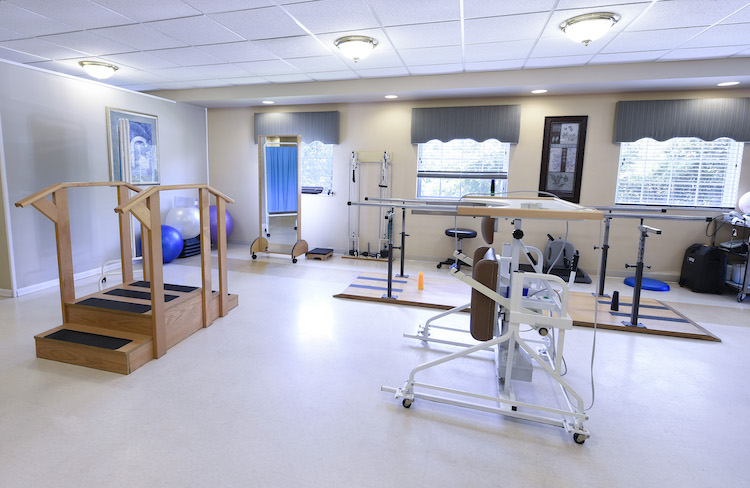
How is Chatham Health & Rehabilitation Center Staffed?

CMS rates CHATHAM HEALTH & REHABILITATION CENTER's staffing level at 3 out of 5 stars, which is average compared to other nursing homes. Staff turnover is 55%, compared to the Virginia average of 46%.

What Have Inspectors Found at Chatham Health & Rehabilitation Center?

State health inspectors documented 24 deficiencies at CHATHAM HEALTH & REHABILITATION CENTER during 2022 to 2024. These included: 1 that caused actual resident harm and 23 with potential for harm. Deficiencies causing actual harm indicate documented cases where residents experienced negative health consequences.
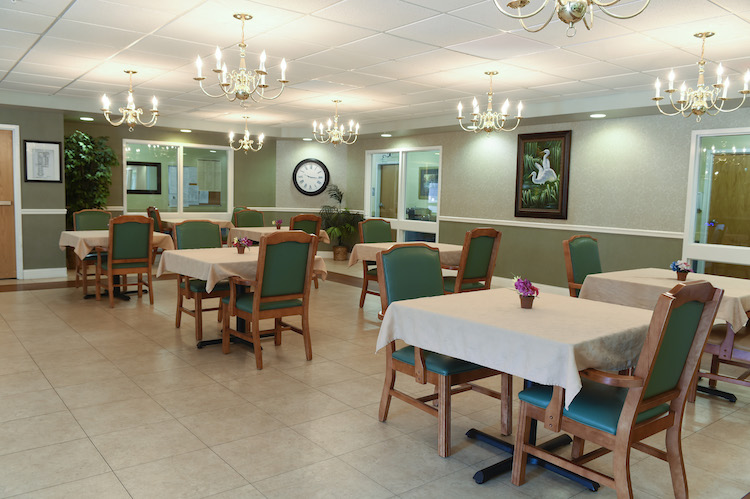
Who Owns and Operates Chatham Health & Rehabilitation Center?

CHATHAM HEALTH & REHABILITATION CENTER is owned by a for-profit company. For-profit facilities operate as businesses with obligations to shareholders or private owners. The facility is operated by SABER HEALTHCARE GROUP, a chain that manages multiple nursing homes. With 85 certified beds and approximately 78 residents (about 92% occupancy), it is a smaller facility located in CHATHAM, Virginia.

How Does Chatham Health & Rehabilitation Center Compare to Other Virginia Nursing Homes?

Compared to the 100 nursing homes in Virginia, CHATHAM HEALTH & REHABILITATION CENTER's overall rating (5 stars) is above the state average of 3.0, staff turnover (55%) is near the state average of 46%, and health inspection rating (4 stars) is above the national benchmark.

What Should Families Ask When Visiting Chatham Health & Rehabilitation Center?

Based on this facility's data, families visiting should ask: "Can I visit during a mealtime to observe dining assistance and food quality?" "How do you handle medical emergencies, and what is your hospital transfer rate?" "Can I speak with family members of current residents about their experience?"

Is Chatham Health & Rehabilitation Center Safe?

Based on CMS inspection data, CHATHAM HEALTH & REHABILITATION CENTER has a clean safety record: no substantiated abuse findings (meaning no confirmed cases of resident harm), no Immediate Jeopardy citations (the most serious violation level indicating risk of serious injury or death), and is not on the Special Focus Facility watch list (a federal program monitoring the lowest-performing 1% of nursing homes). The facility has a 5-star overall rating and ranks #1 of 100 nursing homes in Virginia. While no facility is perfect, families should still ask about staff-to-resident ratios and recent inspection results during their visit.

Do Nurses at Chatham Health & Rehabilitation Center Stick Around?

CHATHAM HEALTH & REHABILITATION CENTER has a staff turnover rate of 55%, which is 9 percentage points above the Virginia average of 46%. Moderate turnover is common in nursing homes, but families should still ask about staff tenure and how the facility maintains care continuity when employees leave.

Was Chatham Health & Rehabilitation Center Ever Fined?

CHATHAM HEALTH & REHABILITATION CENTER has been fined $8,018 across 1 penalty action. This is below the Virginia average of $33,159. While any fine indicates a compliance issue, fines under $50,000 are relatively common and typically reflect isolated problems that were subsequently corrected. Families should ask what specific issues led to these fines and confirm they've been resolved.

Is Chatham Health & Rehabilitation Center on Any Federal Watch List?

CHATHAM HEALTH & REHABILITATION CENTER is not on any federal watch list. The most significant is the Special Focus Facility (SFF) program, which identifies the bottom 1% of nursing homes nationally based on persistent, serious quality problems. Not being on this list means the facility has avoided the pattern of deficiencies that triggers enhanced federal oversight. This is a positive indicator, though families should still review the facility's inspection history directly.