COLONIAL HEIGHTS REHABILITATION AND NURSING CENTER

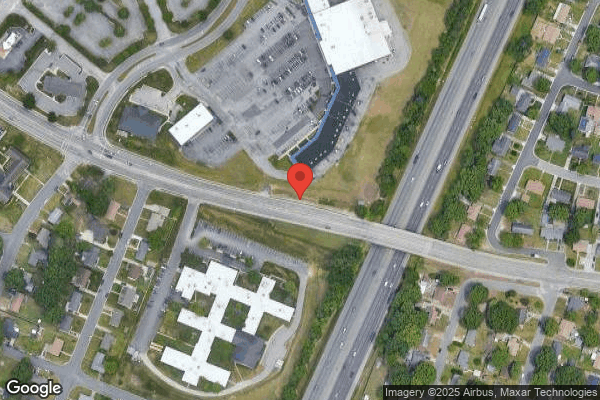
831 ELLERSLIE AVE, CHESTERFIELD, VA 23834 (804) 526-6851
For profit - Limited Liability company 196 Beds LIFEWORKS REHAB Data: November 2025
Trust Grade
0/100
#244 of 285 in VA
Last Inspection: October 2022

Over 2 years since last inspection. Current conditions may differ from available data.

Overview

Colonial Heights Rehabilitation and Nursing Center has received a Trust Grade of F, indicating significant concerns about the quality of care provided. With a state rank of #244 out of 285 in Virginia, they are in the bottom half of facilities, and #6 out of 6 in Chesterfield County means there is only one other local option available that is better. The situation is worsening, with the number of reported issues increasing dramatically from 7 in 2024 to 30 in 2025. Staffing is a critical concern here, with a low rating of 1 out of 5 stars and a turnover rate of 72%, much higher than the state average of 48%. Additionally, the facility has incurred $101,010 in fines, which is concerning as it is higher than 89% of Virginia facilities, suggesting ongoing compliance problems. There are serious incidents noted, including a failure to properly monitor a resident's wander guard, which is crucial for their safety, and a lack of timely treatment for skin conditions leading to increased depression for several residents. Overall, while the facility has average quality measures, the significant deficiencies in staffing and care oversight present serious challenges for families considering this nursing home for their loved ones.

Trust Score
F
0/100
In Virginia
#244/285
Bottom 15%
Safety Record
High Risk
Review needed
Inspections
Getting Worse
7 → 30 violations
Staff Stability
⚠ Watch
72% turnover. Very high, 24 points above average. Constant new faces learning your loved one's needs.
Penalties
✓ Good
$101,010 in fines. Lower than most Virginia facilities. Relatively clean record.
Skilled Nurses
⚠ Watch
Each resident gets only 19 minutes of Registered Nurse (RN) attention daily — below average for Virginia. Fewer RN minutes means fewer trained eyes watching for problems.
Violations
⚠ Watch
93 deficiencies on record. Higher than average. Multiple issues found across inspections.
★☆☆☆☆
1.0
Overall Rating
★☆☆☆☆
1.0
Staff Levels
★★★☆☆
3.0
Care Quality
★☆☆☆☆
1.0
Inspection Score
Stable
2024: 7 issues
2025: 30 issues

The Good

  • Full Sprinkler Coverage · Fire safety systems throughout facility
  • No fines on record

Facility shows strength in fire safety.

The Bad

1-Star Overall Rating

Below Virginia average (3.0)

Significant quality concerns identified by CMS

Staff Turnover: 72%

26pts above Virginia avg (46%)

Frequent staff changes - ask about care continuity

Federal Fines: $101,010

Well above median ($33,413)

Significant penalties indicating serious issues

Chain: LIFEWORKS REHAB

Part of a multi-facility chain

Ask about local staffing decisions and management

Staff turnover is very high (72%)

24 points above Virginia average of 48%

The Ugly 93 deficiencies on record

4 actual harm
Mar 2025 3 deficiencies
CONCERN (D) 📢 Someone Reported This

A family member, employee, or ombudsman was alarmed enough to file a formal complaint

Potential for Harm - no one hurt, but risky conditions existed

Report Alleged Abuse (Tag F0609)

Could have caused harm · This affected 1 resident

**NOTE- TERMS IN BRACKETS HAVE BEEN EDITED TO PROTECT CONFIDENTIALITY** Based on clinical record review, staff interviews and facility documentation, the facility staff failed to report allegations of...

Read full inspector narrative →
**NOTE- TERMS IN BRACKETS HAVE BEEN EDITED TO PROTECT CONFIDENTIALITY** Based on clinical record review, staff interviews and facility documentation, the facility staff failed to report allegations of physical abuse but not later than 2 hours after the allegation is made, if the events that cause the allegation involve abuse for one (1) of 17 residents in the survey sample, Resident #114. The findings included: Resident #114 was admitted to the facility on [DATE]. Diagnoses for Resident #114 included but are not limited to idiopathic neuropathy, compression fracture lumbar spine, HIV positive, opioid drug use (in remission), unspecified psychosis, major depressive disorder and glaucoma. Resident #114's BIMS (Brief Interview of Mental Status) score of 12 out of a 15 indicating moderate cognitive impairment. In addition, the Minimum Data Set coded Resident #114 requiring 1-person physical assistance for Activities of Daily Living care and resident is wheelchair dependent. On 3/25/25 12:50 p.m. an interview was conducted with Resident #114 who stated that on the night shift (7p.m -7 a.m.) of 3/20/25 he had an issue with a CNA who was working through an agency, I told him two times that I didn't need help and I didn't want the brace off but he kept on and he took it off anyway, I cussed at him and called him a faggot and he got mad and cussed back at me and I called him a homosexual bitch and he said your momma is a bitch and then he put his hand on my neck and my shoulder and pushed me back on the bed so hard I fell over the other side of the bed. When asked if he was injured by falling, he stated that he was not. He said, I yelled at him to get out and leave me alone when I did, he left. He stated that a female CNA came in and helped her back in the wheelchair. When asked how this made him feel he stated that it he felt helpless. He stated that the next day he cried in his bed and stated that he told the nurse on the dayshift (3/21/25) and called the police himself the evening of 3/21/25. On the afternoon of 3/25/25 an interview was conducted with LPN F who stated, The CNA told me he was crying I went and asked him why and he told me what happened. I immediately went to the Administrator and reported it. By 5 pm no one had done anything that I could see. The resident then called the police himself at 6 pm. The next day I looked in the chart and realized no one had put in a note so I did a late entry. A review of the clinical record revealed the following note: Note Text: Late entry dated 3-21-2025 at 10:30am; Floor nurse working 7-3 shift came to writer stating that resident [resident name redacted] was lying in bed crying. Floor nurse stated that resident stated to her that he had been abused the night before. This writer (UM) entered the resident room, [resident name redacted] was lying in bed crying. This writer (UM) asked resident was he ok, he stated no I was assaulted last night, this writer (UM) stated tell me what happened, Resident stated that a male CNA brought him into his room and stated ok [resident name redacted] let me help you to bed, [resident name redacted] stated no I can do it myself. The mail CNA then stated, No you can't, let me take off your brace and help you to bed because you can't go to bed wearing your that brace, [resident name redacted] then states that he stated again no I can do it myself I will get up later and take off my brace and go to bed. [resident name redacted] stated that the male CNA then said Listen [resident name redacted] I don't have time for your mess tonight I'm about to go home and then took his brace off. This writer (UM) asked resident were you in the bed or in your wheelchair. Resident stated that he was sitting at that time on the bedside. Writer then asked resident to continue. Resident then states that he then cussed at male CNA calling him a faggot bitch, resident then stated that the male CNA cussed him back saying that his mother was bitch. Resident states that he and the male CNA went back and forth cussing at each other for a moment, Resident states that he then called the male CNA a homosexual bitch and that's when the male CNA got upset and put his hands on his neck and thru him back on the bed causing him to fall off the bed, resident then stated that the male CNA tried to then pick him up but resident stated that he put his weight down so that the male CNA could not pick him up, resident states that he started saying help, get off me and leave me alone. Resident states that the male CNA left his room. I the writer (UM) asked the [resident name redacted] if he knew who the male CNA was, He stated no, this writer then asked [resident name redacted] if he could describe the male CNA, he stated yes. He states, Tall light skinned with dreds and he is a homosexual. This writer then asked [resident name redacted] how did you get up from the floor. Resident states that a female CNA assisted him to his wheelchair. This writer informed the Administrator who is the abuse coordinator, the DON and the ADON. Nurse's note late entry dated 03/21/2025 in the evening law enforcement officers arrived (3/20/25) at the unit to speak with [resident name redacted] regarding his allegation. Law enforcement officers spoke with [resident name redacted] about the allegations that happen the night before. 3/21/25 at 11:03 p.m. It was reported that [Resident #114] stated he was mishandled by a staff member while he was in his bedroom. He described the individual as a male CNA, approximately six feet in height, with mixed skin coloration and dread locks. According to [resident name redacted], the incident occurred as he was getting into his bedroom. This evening, law enforcement officers arrived at the unit to speak with [resident name redacted] regarding his allegation. Based on the description provided, the individual in question matched the appearance of a CNA staff member who was assigned to work on another unit. The staff member's details was [sic] provided to the police for further investigation. Skin and pain assessments were done 3/21/25 with Resident #114 at baseline with no new complaints. On 3/26/25 at 10:30 a.m. an interview was conducted with the Administrator who stated that sometime before noon on 3/21/25 the Unit Manager reported that [Resident #114's name redacted] stated that he had been assaulted the night before. There was no injury, and he sent the AIT (Administrator in Training) down to interview him. She stated that at that point she felt there was nothing to report. She stated that around 6 p.m. on 3/21/25 she received a call from the facility that Resident #114 called to report the incident to the police. She stated that she then notified the State survey and certification agency, adult protection service and the ombudsman. When asked if she was aware that State as well as the facility's policy stated to Ensure that all alleged violations involving abuse, neglect, exploitation or mistreatment, including injuries of unknown source and misappropriation of resident property, are reported immediately, but not later than 2 hours after the allegation is made, if the events that cause the allegation involve abuse or result in serious bodily injury . the Administrator responded that she was aware. In an undated type-written statement the Administrator in Training (AIT), indicated that there was no abuse reported to him when he interviewed Resident #114. He documented the resident did not feel unsafe and that there was routine care provided to him. On 3/25/25 at 3:00 p.m. an interview was conducted with the CNA B who stated that on 3/21/25 the Administrator called him three times. He stated that he did not answer the first call, and he on the second call the Administrator asked him what happened on 3/20/25 with Resident #114. He stated that that he only had one interaction with Resident #114. He stated that the Resident was trying to use the bathroom in the shower room to avoid going down to his own room and CNA B stated that he told him he could not go in there because the floor was wet and it wasn't safe. He stated the third call the Administrator told him he was suspended for inappropriate touching a resident. He stated that later on the received a phone call from 2 Unit Managers who stated that inappropriate touching was not the allegation, and they told him what the allegations of the Resident were. On the afternoon of 3/26/25 a phone call was made by the Administrator to CNA B when she asked if CNA B could have possibly misunderstood her use of the phrase Mishandling a Resident the CNA stated that he did. He stated he was under the impression that he was accused of inappropriate touching until the 2 Unit Managers called him. The Administrator made it clear to the CNA that the allegation was of physical abuse; not sexual in nature, she also informed him that he was still on suspension until she had completed her investigation. On 3/26/25 at approximately 5:30 p.m. during the end of day meeting the Administrator was made aware of the concerns and no further information was provided.
CONCERN (D) 📢 Someone Reported This

A family member, employee, or ombudsman was alarmed enough to file a formal complaint

Potential for Harm - no one hurt, but risky conditions existed

Pressure Ulcer Prevention (Tag F0686)

Could have caused harm · This affected 1 resident

**NOTE- TERMS IN BRACKETS HAVE BEEN EDITED TO PROTECT CONFIDENTIALITY** Based on medical record reviews and staff interviews, the facility failed to ensure a resident received physician ordered treatm...

Read full inspector narrative →
**NOTE- TERMS IN BRACKETS HAVE BEEN EDITED TO PROTECT CONFIDENTIALITY** Based on medical record reviews and staff interviews, the facility failed to ensure a resident received physician ordered treatment to promote healing and prevent infection for one (1) of 17 residents in the survey sample (Resident #101). The Findings included: Resident #101 was admitted to the facility on [DATE] with a diagnosis of Paraplegia, Neuromuscular dysfunction of the bladder, Hydronephrosis, Anemia, and Malnutrition. Resident #101's Quarterly Minimum Data Set (MDS) dated [DATE] coded the resident for bed mobility, transfer, and toilet use as being total dependence. The resident was coded as needing two-person physical assistance to perform these tasks. Resident #101's Brief Interview for Mental Status (BIMS) score total is 15 out of 15, indicating no cognitive impairment. The MDS coded the resident as being at risk for pressure ulcers, and the resident had two *Stage 3 pressure ulcers, one of which was present upon admission to the facility. The resident also had three *Stage 4 pressure ulcers, with all three of them present upon admission. One pressure ulcer was unstageable due to the coverage of slough or eschar (dead, necrotic tissue). The MDS did not code the resident to reject medications, treatments, or ADL assistance that was necessary to achieve the resident's goals for health and well-being. *Stage 3 pressure ulcers: Full thickness tissue loss. Subcutaneous fat may be visible, but bone, tendon, or muscle is not exposed. Slough may be present but does not obscure the depth of tissue loss. May include undermining and tunneling. *Stage 4: Full thickness tissue loss with exposed bone, tendon, or muscle. Slough or eschar may be present on some parts of the wound bed. Often includes undermining and tunneling (https://www.cms.gov/files/document/pocket-guidepressure-ulcers-and-injuries-stages-and-definitions.pdf). Resident #101's Quarterly MDS dated [DATE] was unchanged in the same areas from the 10/22/24 MDS assessment. Resident #101's care plan, dated 10/8/2023 and revised 2/5/25, identified all existing pressure ulcers and a preventative plan for additional pressure ulcers. The care plan identified that the resident was at risk for worsening wounds and the development of additional wounds. The resident was not care planned to refuse wound care consistently. The interventions the staff would implement included, turning and repositioning using a draw sheet, educate the resident and family about pressure ulcer prevention, encourage compliance about pressure ulcer prevention, enhanced barrier precautions, heels up in bed, keep skin clean and dry, wound physician as indicated, referral to Registered Dietician, pressure relieving mattress (resident indicated air mattress was uncomfortable). An interview was conducted on 3/19/2025 at 1:25 PM with Resident #101. Resident #101 expressed that the facility's staff was not caring for his wounds and presently not following the physician's orders. The resident stated there was a meeting with the facility's Administrator and Director of Nursing (DON) regarding this matter. Resident #101 said the facility's nurses would occasionally start arguing to avoid changing his wound dressings. The resident stated he was recently treated by the facility for a wound infection in February 2025. The resident stated he preferred two nurses during his dressing change due to the multiple wounds and locations. He said the nurses often refused to get assistance, and then they would document that he refused treatment. Resident #101 stated, A few days ago, the nursing staff did not change any of my dressings for two days. It happened this past weekend (3/15-16/25) because the agency nurse could not find any materials on the treatment cart. The nurse used the wrong dressing (4 inch by 4 inch gauze pad) for the sacral wound instead of an ABD pad (5 inch by 9 inch high absorbent pad for wounds with drainage) on his buttock, which caused a skin tear. A review of Resident #101's medical records revealed the following physician's orders: Contact Precautions for *Stenotrophomonas maltophilia, *Candida 1, *Methicillin-resistant Staphylococcus aureus (MRSA), and Candida auris in wounds (Order start date 12/13/2024 at 3:00 PM). *Stenotrophomonas maltophilia is an intrinsically multidrug-resistant bacteria that usually infects patients with weak immunity (https://www.ncbi.nlm.nih.gov/books/NBK572123/). *C. auris is an emerging fungus that can cause severe, often multidrug-resistant, infections. It spreads easily among patients in healthcare facilities (https://www.cdc.gov/candida-auris/index.html). *MRSA infection is caused by a type of staph bacteria that's become resistant to many of the antibiotics used to treat ordinary staph infections (https://www.mayoclinic.org/diseases-conditions/mrsa/symptoms-causes/syc-20375336). -Left Bottom Plantar: Cleanse the area with Vashe wound cleanser, pat dry, and *Santyl Collagenase Ointment, secure with ABD pad, and wrap Kerlix Kling everyday shift for Pressure Ulcer (Order start date 8/30/2024 / Order discontinued on 01/21/2025). * Vashe wound cleanser can be used for cleansing, irrigating, moistening, and debriding (loosening and removing dead tissue) acute and chronic wounds, such as diabetic ulcers, pressure ulcers (https://store.mayoclinic.com/vashe-wound-cleanser-solution.html). * Collagenase SANTYL Ointment is used to remove damaged tissue from chronic skin ulcers and severely burned areas (https://santyl.com/). Resident #101's Treatment Administration Record indicated no treatment was provided to the resident on the following dates: January 5, 2025 January 6, 2025 January 8, 2025 January 14, 2025 January 20, 2025 -Left Bottom Plantar (Foot): Cleanse the area with *Dakin's Solution quarter strength, pat dry, and pack wound with *Hydrogel-Soaked Gauze, secure with ABD pads, and wrap with Kerlix Kling everyday shift for pressure (Order start date 1/21/2025). * Dakin solution is a strong topical antiseptic widely used to clean infected wounds, ulcers, and burns (https://www.ncbi.nlm.nih.gov=Indications-,Dakin%20solution). * Hydrogel-impregnated gauze dressings, like DermaGauze, are used to create a moist wound environment, promote healing, and aid in debridement, making them suitable for various wounds, including partial and full-thickness ulcers, skin tears, and wounds with slough or eschar ( https://www.woundsource.com/product-category/dressings/hydrogels-impregnated). Resident #101's Treatment Administration Record indicated no treatment was provided to the resident on the following dates: January 26, 2025 January 31, 2025 February 8, 2025 March 3, 2025 March 5, 2025 March 12, 2025 March 13, 2025 -Left Lateral Plantar (Side of foot): Cleanse the area with Dakin's Solution quarter strength, pat dry, and pack wound with Hydrogel-Soaked Gauze, secure with ABD pads, and wrap with Kerlix Kling everyday shift for pressure ulcer (Order start date 1/23/2025). Resident #101's Treatment Administration Record indicated no treatment was provided to the resident on the following dates: January 26, 2025 January 31, 2025 February 8, 2025 March 3, 2025 March 5, 2025 March 12, 2025 March 14, 2025 -Right Anterior Thigh: Cleanse the area with NS/WC, pat dry, apply *Curad Emulsion dressing, and cover with a *border dressing every day shift for wound care (Order start date 11/25/2024/Order discontinued on 01/21/2025). * Sterile dressing made of knitted, high-porosity cellulose acetate is impregnated with U.S.P. white petrolatum in an emulsion blend that permits the flow of exudates without adhering to granulating tissue (https://www.medline.com/product/CURAD-Nonadherent-Sterile-Oil-Emulsion-Dressings). *Mepilex® Border dressing is a self-adherent, soft silicone foam dressing that minimizes trauma to the wound and pain to the patient during dressing changes (https://www.woundsource.com/product/mepilex-border). Resident #101's Treatment Administration Record indicated no treatment was provided to the resident on the following dates: January 5, 2025 January 6, 2025 January 8, 2025 January 14, 2025 January 20, 2025 -Right Anterior Thigh: Cleanse the area with soap and water, pat dry, and cover it with a border dressing every day and shift it every other day for skin integrity (Order start date 01/22/2025). Resident #101's Treatment Administration Record indicated no treatment was provided to the resident on the following dates: January 26, 2025 March 3, 2025 March 5, 2025 -Sacrum & Right Buttocks; Cleanse the area with Vashe wound cleanser, pat dry, apply pre-moistened Hydrofera Blue, and cover with *Silicone Bordered Foam everyday Shift for Wound (Order start date 09/05/2024). *Hydrofera Blue polyurethane foam dressings provide broad-spectrum antibacterial protection against micro-organisms commonly found in wound (https://www.medline.com/product/Hydrofera-Blue-Ready-Antibacterial-Foam-Wound-Dressings/Z05-PF275082). * Bordered Silicone Foam Dressing offers gentle adhesion and high absorbency, ideal for protecting and managing moderate to heavy exudate wounds (https://sns-medical.com/products/silicone-foam-with-border). Resident #101's Treatment Administration Record indicated no treatment was provided to the resident on the following dates: January 5, 2025 January 6, 2025 January 8, 2025 January 14, 2025 January 20, 2025 January 26, 2025 January 31, 2025 February 8, 2025 March 3, 2025 March 5, 2025 March 12, 2025 March 14, 2025 -Left Heel: Cleanse the area with Vashe wound cleanser, pat dry, and *Silver Alginate Max Absorb, secure with ABD pads, and wrap with Kerlix Kling every Day Shift for Pressure Ulcer (Order start date 08/31/2024). *Silver Alginate Max Absorb is significant to the treatment of acute and chronic wounds that are infected or at risk of becoming infected (https://pmc.ncbi.nlm.nih.gov/articles/PMC4486446/). Resident #101's Treatment Administration Record indicated no treatment was provided to the resident on the following dates: January 5, 2025 January 6, 2025 January 8, 2025 January 14, 2025 January 20, 2025 January 26, 2025 January 31, 2025 February 8, 2025 March 3, 2025 March 5, 2025 March 12, 2025 March 14, 2025 -Right Heel: Cleanse the area with Vashe wound cleanser, pat dry, and Silver Alginate Max Absorb, secure with ABD pads, and wrap with Kerlix Kling every Day Shift for Pressure Ulcer. (Order start date 08/31/2024) Resident #101's Treatment Administration Record indicated no treatment was provided to the resident on the following dates: January 5, 2025 January 6, 2025 January 8, 2025 January 14, 2025 January 20, 2025 January 26, 2025 January 31, 2025 February 8, 2025 March 3, 2025 March 5, 2025 March 12, 2025 March 14, 2025 Resident #101's progress note dated 01/21/2025 at 5:33 PM documented the following: Staff nurse went to provide a skin assessment on the resident while performing wound care. The wounds noted to bilateral feet have increased purulent drainage that is green in color with a foul odor noted. The resident's tendon was exposed in both places. [NAME] wounds on the L foot. MD made aware of changes in condition. Wound culture ordered to the R heel and wound care orders has been updated per MD to address the change in condition. Resident #101's progress note dated 01/22/2025 at 11:20 AM documented the following: MD spoke to resident about going to the hospital because of infection in wounds. Resident refused to go to the hospital. MD ordered a Peripherally Inserted Central Catheter (PICC) to be inserted for antibiotics. Resident is on contact precautions. Resident #101's Right heel Lab Result Report dated 01/22/2025 received by the facility at 3:50 PM documented the following results: Site: Right Heel Results: Moderate growth mixed gram-positive flora, Suggestive of skin flora, Heavy growth mixed gram-negative rod Morphologies present, and No predominant microorganism present. Resident #101's medical note dated 1/22/2025 at 9:31 PM documented that the facility's physician discussed the need for a higher level of care. The physician expressed to Resident #101 that his wounds in the foot were getting worse and recommended that the resident be transported to the hospital. The facility's physician stated to the resident that if the foot wound worsened, it might need amputation. Resident refused transport to hospital and preferred to be treated in the nursing home. Resident #101's progress note dated 1/23/2025 at 11:21 PM documented that the facility staff assessed the resident with a temperature of 101.5. The staff contacted the physician again and received orders to transport him to the hospital. Resident #101's medical note dated 1/23/2025 at 12:39 PM documented, Patient seen in his room, alert, awake, no distress. The patient refused to go to the hospital for PICC line placement this morning. Wound culture positive for gram-positive cocci and gram-negative rods. On 1/24/2025 at 10:00 AM, the progress notes indicated that Resident #101 was transported to the local hospital, where the PICC line was inserted and returned to receive antibiotics in the nursing facility. Resident #101's progress note dated 1/24/2025 at 4:51 PM documented the facility's social service director meeting with the physician to obtain a Medical Emergency Custody Order (ECO) for the resident because the resident needed to be seen for a higher level of care at a hospital for possible sepsis and worsening wounds. An interview was conducted on 3/19/2025 at 4:10 PM with the Facility Administrator (Admin #1), Director of Nursing, and Regional Nurse. The Facility Administrator stated that Resident #101 has refused care numerous times and that the staff are doing all they can to care for the resident. She said Resident #101 has refused to have his dressings changed frequently and refused to be assessed by the facility's wound care agency. The surveyor expressed concerns regarding Resident #101's Treatment Administration Record (TAR), addressing the lack of undocumented days the resident went without wound care treatment. No additional information was provided to the surveyor regarding Resident #101's missed wound care treatments. An interview was conducted on 3/19/2025 at 5:30 PM with the Facility's medical doctor (MD #1) regarding Resident #101. MD #1 expressed that caring for Resident #101 has been difficult because he consistently refuses care. MD stated that the resident's wounds presented with infection and drainage. The resident refused to be transported out to the hospital for higher-level care. MD said the facility attempted to get a court order to transport Resident #101, but it was denied. The MD had no additional information to provide to the surveyor. The surveyor attempted to observe Resident #101's dressing changes and the current condition of the pressure ulcers during the survey, but the resident refused the request several times.
CONCERN (E) 📢 Someone Reported This

A family member, employee, or ombudsman was alarmed enough to file a formal complaint

Potential for Harm - no one hurt, but risky conditions existed

Accident Prevention (Tag F0689)

Could have caused harm · This affected multiple residents

**NOTE- TERMS IN BRACKETS HAVE BEEN EDITED TO PROTECT CONFIDENTIALITY** Based on medical record reviews and staff interviews the facility failed to ensure residents received adequate supervision for t...

Read full inspector narrative →
**NOTE- TERMS IN BRACKETS HAVE BEEN EDITED TO PROTECT CONFIDENTIALITY** Based on medical record reviews and staff interviews the facility failed to ensure residents received adequate supervision for two (2) of 17 Residents (Resident's #102 and #103) in the survey sample. The findings Included: 1. Resident #102, the facility failed to maintain 1:1 supervision for a resident performing unwelcome sexual advances on a cognitive impaired residents. Resident #102 was admitted to the facility on [DATE] with diagnosis of Dementia, Severe with other Behavioral Disturbance, Psychotic Disorder with delusions due to known physiological condition, Depressive Disorder, Hypertensive Heart, and chronic kidney disease. Resident #102 Minimum Data Set (MDS) dated [DATE] coded the resident as having short and long term memory problems. Resident was coded for being short tempered, easily annoyed 7 to 11 days during the MDS timeline for this assessment. Resident #102's progress notes dated 2/23/2025 at 11:00 PM documented the resident was found in a female resident's room with the door closed. Resident #102 was observed by facility staff with his hand inside the resident's gown and his head resting on her chest. Resident #102 was immediately removed from the room and place on 1:1 supervision. An interview was conducted on 3/19/2025 at 2:40 PM with the Facility's Director of Social Worker (SW #1). SW #1 stated the Resident #102 is a resident at the facility. Resident #102 is currently on 1:1 supervision for the safety of other residents. SW #1 stated has changed Resident #102's room prior to this incident. She said there were several other reports involving Resident #102 sexual inappropriateness and behaviors with other residents in the facility. SW #1 stated she has been working diligently to find another placement for Resident #102 preferably in a lock facility memory unit. Unfortunately, she said it has been difficult to find a placement for the resident due to resident's behaviors. SW #1 stated the facility will continue to keep Resident #102 on 1:1 supervision until his discharge. Resident #102 has been placed on 1:1 supervision or 15 minutes checks numerous times since admission for behaviors with other residents. Resident #102 has been assessed by the facility's mental health services on several occasions for inappropriate sexual behaviors and mood disorder. SW #1 presented the surveyor with a timeline regarding Resident #102's incidents since last year 2024: April 4, 2024 Resident #102 observed by staff and visitors getting sexual gratification from a resident in the doorway of his room. July 28, 2024 Resident #102 grab another resident's arm September 2, 2024 Resident #102 with his hand on female resident's leg, pulling up her gown. December 21, 2024 Resident #102 had his hand on resident's breast and asked for a kiss. January 10, 2025, at 4:52 PM Resident #102 was observed with his hand on the female resident's chest. The female was removed from the room. The Resident was referred to psych and placed on 1:1 supervision. February 23, 2025 Resident #102 observed by staff in a resident's room with his hand inside her gown and resting on her breast. Resident #102 progress notes dated 12/19/2024 at 9:16 AM documented resident pouring urine into water pitcher and drinking from the pitcher. Resident continued throw water pitchers after staff removed the pitches of urine. Resident #102 progress notes dated 12/21/20224 at 11:15 PM documented resident observed by staff in the hallway touching another female inappropriately. Resident immediately redirected and separated from the female. Resident #102 progress noted dated 12/31/2024 at 12:00 AM documented resident attempted to drag/pull his roommate from his bed and making sexual comments. Per staff resident was reported on 12/30/2024 to be aggressive to staff. Resident #102 progress noted dated 01/01/31/2025 at 4:12 PM documented resident continues to wander in and out of resident's room at all hours of the night, staff attempted redirection. Resident uttered racial slurs and became aggressive. Resident #102 progress noted dated 01/01/2025 at 9:29 PM documented resident yelling and cussing and saying provocative words about female anatomy on a TV. Resident has no TV. Resident #102 mental health noted dated 02/24/2025 at 5:31 PM documented resident significantly impaired, as he showed little awareness of his behavior and its consequences. He was unable to engage in rational discussion regarding the impact of his aggression on others. High risk for physical aggression towards staff and others. An interview was conducted on 3/19/2025 at 4:10 PM with the Facility Administrator (Admin #1), Director of Nursing, and Regional Nurse. The Facility Administrator stated the Resident #102 is currently on 1:1 supervision at this time. Admin #1 stated many of these incidents happened prior to her starting at the facility as the administrator. Admin #1 said the facility's staff were confused when many of these incidents happened, because they were unsure if Resident #102 was on 1:1 supervision at that time. Admin #1 stated Resident was either on 1:1 supervision or 15 minutes checks during the incidents. Admin #1 stated the facility has provided Inservice Training to the facility's staff on 1:1 supervision procedure. In addition, Admin #1 stated the facility has changed their procedure that only their full-time staff may monitor residents placed on 1:1 supervision. Admin #1 provided the surveyor with a copy of the facility's plan implemented on 2/24/2025 from the facility's Quality Assurance and Performance Improvement (QAPI) meeting. A summary of the Facility's Plan: -Problems: Resident was placed on 15 minutes checks on 1/10/24. There was a breakdown in communication with nursing staff the weekend of 2/20/25 to 2/23/25 on whether Resident #102 was 15-minute checks or 1:1 supervisor. -Immediate Response (by the Facility) -What was done at the time: 02/23/24 Resident #102 was place on 1:1 -What Measure were put in place to prevent reoccurrence: The SDC (Staff Development Coordinator) will educate the nursing staff on what 1:1 supervision entail. Administrator and DON (Director of Nursing) are aware if a resident is transferred to another unit and is on 1:1 supervision, the new unit will be notified of continued 1:1 care. Admin #1 stated the facility recognized Resident #102 was a safe risk to other Residents and plan was established and implemented by the facility on 02/24/2025. Admin #1 said the facility has already corrected the deficiency, and the facility is in substantial compliance at the time of current survey. Admin #1 could not provide the surveyor with a detail timeline to show verification that Resident #102 was not on 1:1 supervision during any the several documented incidents. A review of Resident #102's medical record revealed on the following two occasions the facility staff failed to maintain the resident's 1:1 supervision as documented in facility's plan dated 2/24/25: -Resident #102's progress notes dated 3/09/2025 at 10:25 AM documented The resident remains on 15 minutes checks. -Resident #102's progress notes dated 3/09/2025 at 12:49 PM documented while making 15-minute checks on the resident, this nurse found the resident laying on the floor in his bedroom close to the bathroom door. No additional information was provided to the surveyor regarding this matter. 2. For Resident #103, the facility failed to provide adequate supervision to ensure resident was free from sexual inappropriate actions for another resident (R#102) while resting in her room. Resident # 103 was admitted to the facility on [DATE] with diagnosis of Dementia, unspecified Severity, without Behavioral disturbance, Mood disturbance, Anxiety, Muscle Weakness, Difficulty in Walking, Traumatic Brain Injury, and Syncope and Collapse (Fainting). Resident #103 Minimum Data Set (MDS) dated [DATE] coded the resident with short and long term memory problems. Resident was coded for making decisions regarding tasks of daily life as being severely impaired. Resident #103's progress Notes date 2/23/2025 at 11:57 PM late entry documented. Upon entering Resident #103's room, the writer and housekeeper observed a male resident with his hand inside her gown and his head resting on her chest. The male was immediately removed from the room to ensure Resident #103's safety. Skin and pain assessment was conducted, and no injuries were noted. The MD and the resident's RP were notified of the incident. Appropriate measure has been taken to protect the resident, and furthered monitoring will continue to ensure resident well-being. The synopsis of the event dated 2/28/2025 documented the following summary of events: On February 25, 2025, at about 10:00, housekeeper did not observe a male resident in his room and went to inform the nurse. They both went searching for the male resident and noted Resident #103's door closed to her room. They both witnessed the male resident with his hands inside Resident #103's nightgown on her chest region and immediately intervene and separated him from Resident #103. Facility's staff interviewed during the investigation state the male resident was noted entering other residents' rooms. The male resident (R#102) was placed on 1:1 for supervision by the facility. An interview was conducted on 3/19/2025 at 2:40 PM with the Facility's Director of Social Worker (SW #1). SW #1 stated the male resident involved in this incident remains at the facility and he's currently on 1:1 precaution for residents' safety. The male resident's room had since been changed since the incident. She said there had been several reports of sexual inappropriateness and behaviors by this male resident (R#102), with other residents in the facility. SW #1 stated she has been working diligently to find placement for the resident in a lock facility. The SW #1 said, Unfortunately, it has been difficult to find a placement for this resident due to his sexual behaviors so will continue to keep him on 1:1 precaution until his discharge. An interview was conducted on 3/19/2025 at 4:10 PM with the Facility Administrator (Admin #1), Director of Nursing, and Regional Nurse. The Facility Administrator stated the male resident is currently on 1:1 precaution at this time. Admin #1 stated several of these incidents happened prior to her starting at the facility as the administrator. Admin #1 said on several occasions facility's staff were confused regarding the male resident actual precaution when the incident occurred 1:1 or 15 minutes checks. She could not provide the surveyor with a detail timeline to show when the male resident's 1:1 precaution started or ended during the documented incidents. Admin #1 stated the facility has provided Inservice Training to the staff on 1:1 supervision procedure. In addition, Admin #1 stated the facility has changed their procedure that only their full-time staff can monitor residents in need of 1:1 supervision. No additional information was provided to the surveyor regarding this matter before survey exit.
Jan 2025 27 deficiencies 1 Harm
SERIOUS (G) 📢 Someone Reported This

A family member, employee, or ombudsman was alarmed enough to file a formal complaint

Actual Harm - a resident was hurt due to facility failures

Accident Prevention (Tag F0689)

A resident was harmed · This affected 1 resident

**NOTE- TERMS IN BRACKETS HAVE BEEN EDITED TO PROTECT CONFIDENTIALITY** 2. For Resident #27 (R27), the facility staff failed to check placement and function of a wander guard (1) as ordered on multipl...

Read full inspector narrative →
**NOTE- TERMS IN BRACKETS HAVE BEEN EDITED TO PROTECT CONFIDENTIALITY** 2. For Resident #27 (R27), the facility staff failed to check placement and function of a wander guard (1) as ordered on multiple dates in October, November and December of 2024. On the most recent MDS (minimum data set), an annual assessment with an ARD (assessment reference date) of 10/20/24, the resident scored eight out of 15 on the BIMS (brief interview for mental status) assessment, indicating the resident was moderately impaired for making daily decisions. Section E documented no wandering behaviors. The assessment documented the use of a wander/elopement alarm used daily. The physician orders for R27 documented in part, Wander guard - Check placement, function and skin integrity every shift every shift for elopement. Order date: 05/01/2024. An elopement risk assessment dated [DATE] for R27 documented a high risk for elopement/exit seeking. The comprehensive care plan for R27 documented in part, The resident is at risk for elopement related to Dementia. Created on: 04/18/2023. Revision on: 10/19/2023. Under Interventions it documented in part, .Wander guard to left ankle check placement every shift. Date Initiated: 10/10/2023. Created on: 10/10/2023. Revision on: 10/10/2023. The eTAR (electronic treatment administration record) for R27 dated 10/1/24-10/31/24 failed to evidence ordered wander guard checks completed on evening shift of 10/5/24, 10/10/24 and 10/11/24. The eTAR for R27 dated 11/1/24-11/30/24 failed to evidence ordered wander guard checks completed on day shift of 11/19/24 and night shift on 11/24/24. The eTAR for R27 dated 12/1/24-12/31/24 failed to evidence ordered wander guard checks completed on day shift of 12/12/24, 12/16/24, 12/23/24 and evening shift on 12/3/24 and 12/9/24. On 1/2/25 at 10:10 a.m., an interview was conducted with LPN (licensed practical nurse) #1 who stated that treatments were evidenced as completed by signing off on the eTAR. On 1/2/25 at 4:18 p.m., an interview was conducted with LPN #2 who stated that wander guards were checked every shift. She stated that they checked placement and function and documented it on the eTAR to evidence that it was done. On 1/3/25 at 8:21 a.m., an interview was conducted with OSM (other staff member) #9, the director of maintenance. OSM #9 stated that the nurses applied the wander guards and checked them. He stated that once a month he checked the door alarms to ensure that the sensors worked. He stated that only the outside exterior doors had the alarms, and all the doors were checked daily Monday through Friday. On 1/3/25 at approximately 9:20 a.m. an observation was made of all facility doors, wander guard sensors were observed to be on the main entrance door, side administration door, rehab entrance and courtyard entrance. Other facility doors were observed to have emergency exit alarms and keypad locks. All doors were functioning at that time. The facility policy Elopement/Exit-Seeking Behaviors effective 1/29/24 failed to evidence guidance on checking the wander guard. On 1/3/25 at 12:09 p.m., ASM (administrative staff member) #1, interim administrator, ASM #2, assistant administrator, ASM #3, director of nursing, ASM #4, regional vice president of operations, and ASM #5, regional director of clinical services were made aware of the findings. No further information was provided prior to exit. Reference: (1) A WanderGuard system relies on three components: bracelets that residents wear, sensors that monitor doors and a technology platform that sends safety alerts in real time. When a resident with a bracelet approaches a monitored door, the system alerts your caregivers. Even more important, when paired with optional magnetic door locks, the door automatically locks. When a caregiver needs to escort a wander-prone resident outside the safe area, the caregiver can use a secure code to bypass the system. The system also works in areas without physical doors. These virtual boundaries help a community feel welcoming without compromising safety. This information was obtained from the website: https://www.securitashealthcare.com/blog/3-reasons-you-need-wanderguard-system 3. For Resident #8 (R8), the facility staff failed to ensure fall mats were in place when in bed as care planned for fall risk. On the most recent MDS (minimum data set), a quarterly assessment with an ARD (assessment reference date) of 9/14/24, the resident was assessed as being severely impaired for making daily decisions. The assessment documented no falls since the prior assessment. On 12/19/24 at 8:16 a.m., an observation was made of R8 in bed asleep. R8 was observed with the bed in the low position with no fall mats on either side of the bed. The comprehensive care plan for R8 documented in part, Resident has had actual falls & is at risk for falls related to cognitive impairment, muscle weakness, poor balance, unsteady gait recent, poor safety awareness, dementia, Prostate CA, incontinence, impaired mobility, cognitive impairment, dementia, communication impairment, metabolic encephalopathy, OA (osteoarthritis), nonambulatory, psychotropic med use, depression, malnutrition, HTN (hypertension). Created on: 04/05/2023. Revision on: 03/19/2024. Under Interventions it documented in part, .falls mats to side of bed (bilateral) while in bed. Date Initiated: 06/02/2023. Created on: 06/02/2023. Revision on: 09/06/2023 . A post fall risk assessment dated [DATE] for R8 documented a low risk for falls. On 12/20/24 at 11:50 a.m., an interview was conducted with LPN (licensed practical nurse) #27 who stated that fall mats were interventions to prevent falls. She stated that the nurses had access to the care plan and could see if a resident required fall mats when in bed and the CNAs (certified nursing assistants) had access to the Kardex. On 12/20/24 at approximately 12:15 p.m., an observation was made of R8's room where LPN #27 stated that she was not sure where the fall mat was for R8, but they should have one if it was on the care plan. The facility policy Falls Management Program effective 1/29/24 documented in part, .The center utilizes a systematic approach to a falls management program that facilitates an interdisciplinary approach with evidence-based interventions to develop individual care strategies . On 12/20/24 at 4:00 p.m., ASM (administrative staff member) #14, interim administrator, ASM #3, director of nursing, ASM #4, regional vice president of operations, ASM #5, regional director of clinical services, ASM #11, regional vice president of operations, ASM #15, regional director of clinical services, and ASM #12, administrator from sister facility were made aware of the findings. No further information was provided prior to exit. 4. For Resident #24 (R24), the facility staff failed to check placement and function of a wander guard (1) as ordered on multiple dates in June, July, and August of 2024. On the most recent MDS (minimum data set), a quarterly assessment with an ARD (assessment reference date) of 6/15/24, the resident scored three out of 15 on the BIMS (brief interview for mental status) assessment, indicating the resident was severely impaired for making daily decisions. Section E documented no wandering behaviors. The assessment documented the use of a wander/elopement alarm used daily. The physician orders for R24 documented in part, Check Wander Prevention patient Band every shift. every shift for Monitoring. Order date: 04/29/2024. An elopement risk assessment dated [DATE] for R24 documented at risk for elopement/exit seeking. The comprehensive care plan for R24 documented in part, The resident is at risk for elopement related to cognitive impaired, resident removes wanderguard. Created on: 04/17/2023. Revision on: 08/20/2024. Under Interventions it documented in part, Continue to check placement to right ankle every shift. Date Initiated: 04/17/2023. Created on: 04/17/2023. Revision on: 08/20/2024 . The eTAR (electronic treatment administration record) for R24 dated 6/1/24-6/30/24 failed to evidence ordered wander guard checks completed on day shift on 6/3/24 and on evening shift of 6/24/24. The eTAR for R24 dated 7/1/24-7/31/24 failed to evidence ordered wander guard checks completed on day shift of 7/21/24 and evening shift on 7/21/24. The eTAR for R24 dated 8/1/24-8/31/24 failed to evidence ordered wander guard checks completed on day shift of 8/4/24. The progress notes for R24 documented in part, - 01/07/2024 16:41 (4:41 p.m.) Note Text: This nurse was notified by Kitchen staff that the resident was outside lying on the ground. Resident was lying on in the grass on his left side. There were obvious abrasions to the left side of the face and eye. Residents mouth was actively bleeding. Staff immediately called 911 as well as contacted the MD and residents POA (power of attorney). Emergency services arrived and assisted staff with placing resident on the stretcher and resident was transferred to [Name of hospital]. - 01/07/2024 17:30 (5:30 p.m.) Note Text: This nurse communicated with the residents POA. POA was concerned about resident wearing his wander guard. POA was told that resident was seen walking down the hall with a bag of clothing at the start of the shift and this nurse and a CNA (certified nursing assistant) redirected the resident back to his room and checked to make sure that the wander guard was intact and it was. POA stated that she has known him to cut the wander guard off in the past. - 01/07/2024 22:52 (10:52 p.m.) Note Text: Resident returned to the facility via ambulance on a stretcher, resident was alert with confusion. Resident cleaned up and put clean dry clothes on. Evening medications were administered also PRN (as needed) Tramadol for complaints 7/10 all over pain. Resident continues to walk around the nurses station with redirection for safety reasons. Will continue to monitor. - 07/07/2024 17:20 (5:20 p.m.) Situation: Resident was walking around the facility and another resident's family member went outside and let [Name of R24] out. Activities employee spotted him and flagged down a CNA to redirect the resident back inside. Resident proceeded to walk to the back of the building when this nurse escorted the resident back inside the building without difficulty. Background: Resident has a histor [sic] of exit seeking behaviors. Assessment (RN)/Appearance (LPN): Resident unharmed in any wat [sic] alert and oriented VS (vital signs) WNL (within normal limits) NP (nurse practitioner) and Emergency contact aware . - 07/31/2024 19:15 (7:15 p.m.) Situation: Staff member was in dinner break and observed [Name of R24] outside in the parking lot. Staff was able to redirect resident back into the facility without difficulty into the door that is closest to his room. Background: Resident has a history of exit seeking and wears a wander guard per MD order that tested functional before and after this incident. Assessment (RN)/Appearance (LPN): Resident alert and oriented at baseline. Did not say where he was going or how he exit the building. No visible injuries were noted. VS 143\64 97.3 70 18 97% ORA (on room air) Resident denies any pain. Assessment: Residents's [sic] daughter was called at 2135 (9:35 p.m.) but this caller got no response. NP has been notified as well. Recommendation: Resident currently in TV room watching TV and staff is making frequent rounds . A high-risk note dated 7/12/24 documented a high-risk meeting with the IDT (interdisciplinary team) reviewing the elopement on 7/7/24 with R24's photo updated in the elopement book and the resident encouraged to attend activities. Facility elopement incident reports dated 7/7/24 and 7/31/24 were reviewed. A facility synopsis of events for R24 dated 1/7/24 documented in the final investigation, .On January 7, 2024, at about 1630 (4:30 p.m.), [Name of R24] removed his wander guard and exited the facility's front door. He walked on facility grounds and had a ground level fall with injury near an entrance on the left side. He was found by dietary staff who alerted nursing. Emergency first aid was provided, and he was sent out to the emergency department . Review of the documented door monitor and patient wandering system checks evidenced the doors checked Monday through Friday and functioning on Friday 1/5/24, Monday 1/8/24, Friday 7/5/24, Monday 7/8/24, and Wednesday 7/31/24. On 1/2/25 at 1:53 p.m., an interview was conducted with OSM (other staff member) #33, social worker who stated that they remembered R24 walking the hallways in the facility. She stated that she never saw R24 leave the facility, and he was easily redirectable. On 1/2/25 at 4:18 p.m., an interview was conducted with LPN (licensed practical nurse) #2 who stated that wander guards were checked every shift. She stated that they checked placement and function and documented it on the eTAR to evidence that it was done. She stated that R24 exited the building a couple of times following visitors out of the front door. She stated that one time the front desk person did not recognize him as a resident, and they found him in the parking lot and another time he followed someone out. She stated that she was unsure how the wander guards worked because she did not recall the door alarms going off when R24 was found in the parking lot however the wander guard was in place and functioning when he came back inside. She stated that she never witnessed R24 taking or cutting the wander guard off. On 1/2/25 at 4:56 p.m., an interview was conducted with LPN #29 who stated that wander guards were checked by holding a wand up to the device on the resident and it beeped green if working correctly or red if not working properly or the battery was getting low. He stated that they were checked at least once a day that he knew of and documented on the eTAR. He stated that he recalled R24 having a wander guard and the resident going out in the parking lot on one occasion and falling but he was not working that day. On 1/3/25 at 8:21 a.m., an interview was conducted with OSM (other staff member) #9, the director of maintenance. OSM #9 stated that the nurses applied the wander guards and checked them. He stated that once a month he checked the door alarms to ensure that the sensors worked. He stated that only the outside exterior doors had the alarms, and all the doors were checked daily Monday through Friday. On 1/3/25 at approximately 9:20 a.m. an observation was made of all facility doors, wander guard sensors were observed to be on the main entrance door, side administration door, rehab entrance and courtyard entrance. Other facility doors were observed to have emergency exit alarms and keypad locks. All doors were functioning at that time. On 1/3/25 at 12:09 p.m., ASM (administrative staff member) #1, interim administrator, ASM #2, assistant administrator, ASM #3, director of nursing, ASM #4, regional vice president of operations, and ASM #5, regional director of clinical services were made aware of the findings. No further information was provided prior to exit. Reference: (1) A WanderGuard system relies on three components: bracelets that residents wear, sensors that monitor doors and a technology platform that sends safety alerts in real time. When a resident with a bracelet approaches a monitored door, the system alerts your caregivers. Even more important, when paired with optional magnetic door locks, the door automatically locks. When a caregiver needs to escort a wander-prone resident outside the safe area, the caregiver can use a secure code to bypass the system. The system also works in areas without physical doors. These virtual boundaries help a community feel welcoming without compromising safety. This information was obtained from the website: https://www.securitashealthcare.com/blog/3-reasons-you-need-wanderguard-system 5. For R2, facility staff failed to complete a fall investigation following a fall on 06/11/2023. R2 was admitted to the facility with diagnoses that included but were not limited to hemiplegia (1) and muscle weakness. On the most recent MDS (minimum data set), an admission assessment with an ARD (assessment reference date) of 05/11/2023, R2 scored 11 out of 15 on the BIMS (brief interview for mental status), indicating R2 was moderately impaired of cognition for making daily decisions. The comprehensive care plan for R2 documented, Focus: the resident has had actual fall & (and) is at risk for falls/injuries related to impaired mobility, psychotropic medication use, pain medication use/c/o pain, incontinence of B&B (bowel and bladder), brain tumor, left sided weakness, neuropathy, malnutrition, RA (rheumatoid arthritis), difficulty walking, glaucoma, eyeglasses Created on: 05/05/2023. Under Interventions it documented, administer medications as ordered. Date Initiated: 01/02/2025 Created on: 05/16/2023 Revision on: 01/02/2025; encourage the resident to wear their glasses when out of bed. Date Initiated: 01/02/2025 Created on: 05/16/2023 Revision on: 01/02/2025; ensure proper positioning in bed. Date Initiated: 01/02/2025 Created on: 06/09/2023 Revision on: 01/02/2025; ensure the resident wears shoes when ambulating. Date Initiated: 01/02/2025 Created on: 05/16/2023 Revision on: 01/02/2025; falls mats to sides of bed Date Initiated: 01/02/2025 Created on: 06/09/2023 Revision on: 01/02/2025; non-skid socks while out of bed. Date Initiated: 01/02/2025 Created on: 05/16/2023 Revision on: 01/02/2025; place bed in lowest position while resident is in bed. Date Initiated: 01/02/2025 Created on: 06/09/2023 Revision on: 01/02/2025; place common items within reach of the resident Date Initiated: 01/02/2025 Created on: 05/05/2023 Revision on: 01/02/2025; remind the resident to use their call light to ask for assistance with ADLS. Date Initiated: 01/02/2025 Created on: 05/05/2023 Revision on: 01/02/2025; Therapy referral as indicated. Date Initiated: 01/02/2025 Created on: 05/16/2023 Revision on: 01/02/2025; use of wedges for bed positioning. Date Initiated: 01/02/2025 Created on: 06/09/2023 Revision on: 01/02/2025; wheelchair for ambulation and transfers Date Initiated: 01/02/2025. The facility's Fall Risk Evaluation for R2 dated 06/09/2023 documented in part, Mental Status: intermittent confusion. History of falling (in the last 3 months])? No. Category: No fall or fracture. Further review of the fall assessment indicated R2 was at moderate risk for falls. The facility's nurse's note dated 06/11/2023 documented, Description of the fall/V (vitals)/S (situation)/injuries if any: VS (vital signs) 98.4 (temperature), 144/80 (blood pressure) 88 (pulse) 20 (respiration). unwitnessed fall lying on floor left side of bed on back. What Interventions were in place at the time of the fall? : fall mat. What are the risk factors that could have contributed to the fall?: pain, anxiety preexisting health hx (history). What new Interventions were implemented in response to the fall?: na (not applicable). Was the Provider/resident and RP (responsible party) notified at the time of the fall?: yes MD (medical doctor)/POA (power of attorney) Additional Comments: Resident sent to ER (emergency room) for evaluation. The facility's nurse's note dated 06/12/2023 documented, Note Text: LOA (leave of absence) to Hospital. On 01/02/2025 at approximately 10:15 a.m., an interview was conducted with ASM (administrative staff member) #23 and ASM #5, regional director of clinical services. ASM #5 stated that the facility did not have evidence of a fall investigation for R2's fall on 06/11/2023. On 01/03/2025 at approximately 9:05 a.m., an interview was conducted with ASM #3 regarding the procedure following a resident's unwitnessed fall. She stated that residents should be assessed for injury, a skin assessment should be conducted, notification to the physician and responsible party as well as the administrator and director of nursing. According to ASM #3, a post-fall evaluation and neurological checks should be completed. If the resident demonstrates anything abnormal, notify the physician to send the resident to the hospital and obtain a staff statement. ASM #3 further stated if the resident sustained a serious or immediate injury such as a fracture, 911 would be called immediately. On 01/02/2025 at 11:16 a.m., a request was made to obtain hospital records related to R2's fall and admission to the hospital's emergency room. By the time of this writing, 01/08/2025 at 12:06 p.m., the requested hospital records regarding R2's fall and admission to the hospital on [DATE] were not received. On 01/03/2025 at approximately 12:09 p.m., ASM (administrative staff member) #1, interim administrator, ASM #2, assistant administrator, ASM #3, director of nursing, ASM #4, regional vice president of operations, and ASM #5, regional director of clinical services, were made aware of the above findings. No further information was provided prior to exit. References: (1) The loss of muscle function in part of your body. Paralysis can be complete or partial. It can occur on one or both sides of your body. It can also occur in just one area, or it can be widespread. This information was obtained from the website: https://medlineplus.gov/paralysis.html. Based on staff interview, facility document review and clinical review, it was determined the facility staff failed to provide supervision and to implement safety procedures to prevent injuries for five (5) of 33 residents in the survey sample, Resident #1, #27, #8, #24, and #2. For Resident #1, the facility staff failed to ensure a resident was transferred in a manner to prevent a fracture of the distal fibula (lower end, near the ankle, of the small bone in the lower leg) that resulted in harm. The findings include: 1. For Resident #1(R1), the facility staff failed to ensure the resident was transferred in a manner to prevent a fracture of the distal fibula in April 2024 that resulted in harm. The most recent MDS (minimum data set) assessment, prior to the fracture in April 2024, with an assessment reference date of 3/28/24, the resident scored a 14 out of 15 on the BIMS (brief interview for mental status) score, indicating the resident was not cognitively impaired for making daily decisions. In Section GG, Functional Abilities and Goals, the resident was coded as being dependent for sit to standing and for chair/bed-to chair transfers. In Section GG0115 - Functional Limitation in Range of Motion, R1 was coded as having limitations in range of motion on one upper extremity (arms) and both lower extremities (legs). The comprehensive care plan dated 2/2/2018 and revised on 1/4/24, documented in part, Focus: At risk for falls due to impaired balance/poor coordination. She uses a motorized w/c (wheelchair) for transportation. She is able to release seat belt on command, peripheral neuropathy, OA (osteoarthritis) HTN (high blood pressure), RA (rheumatoid arthritis), poor musculoskeletal control, muscle weakness, other lack of coordination, incontinence, neuropathy, CP (cerebral palsy), visual impairment. The Interventions revised on 9/8/22, documented in part, Provide assistance to transfer as needed (assist of two as needed). Focus: ADL (activity of daily living) Self-care deficit related to physical limitations. She has a dx (diagnosis) of Cerebral Palsy, R (right) hand contracture. The Interventions revised on 9/8/22, documented in part, Assist of (1 person/2 person) with ADL's as needed. The nurse practitioner note dated, 4/17/24 at 3:39 p.m. documented in part, Pt (patient) seen today for c/o (complaint of) left ankle pain and swelling x 1-2 weeks. Would like some Tylenol. Wears TED (anti-embolism stockings) hose daily for support. Ankle feels stiff. Denies numbness and tingling. The nurses' note dated, 4/18/24 at 5:43 p.m. documented, Received call from (name of radiology company), reporting that she (R1) has a fractured distal fibular (sic). Left message for NP (nurse practitioner). Resident denied pain when asked. The nurse's note dated 4/18/24 at 6:31 p.m. documented, Received fax report of resident's results for x-ray taken earlier today. Report indicates fracture to left distal fibular. Updated NP with results. Spoke with resident and asked if she experienced a fall recently. Resident stated that she has not fallen, but approximately two weeks ago there were two aids getting her up to her power chair, her foot somehow got caught on or beneath the power chair at the moment the aids pulled her upward to sit her in the chair. She remembers this because she states this particular incident hurt left ankle and this is the only incident that has occurred that caused significant pain to that body part. Resident did not recall the names of the aides that were assisting her but stated that they are not the regular staff that works with her. The x-ray report dated, 4/18/24 documented in part, Findings: A fracture of the distal fibula is identified. The fracture does not involve the articular surface (1). No callus formation is noted. The ankle mortise (2) is intact. The surrounding soft tissues are normal. The facility synopsis of event dated, 4/19/24, documented, This is the final for Injury of Unknown Origin related to (R1) reported April 18, 2024. (R1) stated that two weeks ago, two CNAs (certified nursing assistants) were getting her up to her power chair and her left foot got hung on the chair. MD (medical doctor) and RP (responsible party) made aware. (R1) is a [AGE] year-old female with medical diagnoses not limited to Cerebral Palsy, Type 2 diabetes mellitus, COPD (chronic obstructive pulmonary disease), glaucoma, GERD (gastroesophageal reflux disease), BIMS (brief interview for mental status) score is 14. Resident interviewed; medical records reviewed. On April 18, 2024, (R1) complained of pain in her left foot. Upon observation, (R1) foot was swollen. When asked if she had fallen, (R1) stated that two weeks ago, two CNAs were getting her up to her power wheelchair and her foot got hung as they were trying to position her in the chair. (R1) said she did not say anything at the time it happened because she was not in any pain. An x-ray was ordered and done in which the results showed a fracture of the left distal fibular. (R1) denies any abuse from staff. (R1) as an ortho (orthopedic) appointment on April 22nd at 1425 (2:15 p.m.). Resident and staff interviewed; medical records reviewed. The allegation of abuse was unsubstantiated. Staff will have an in-service on safe transfers. The file with the above synopsis had no other documents in the file folder. There was no documented evidence of interviews with staff and further information regarding a complete investigation into the fracture. The folder containing the investigation into the fractured ankle was reviewed with ASM (administrative staff member) #4, the regional vice president of operations. He stated there should be more documents, staff interviews, x-ray reports, in the folder. ASM #4 returned at 2:44 p.m. returned and stated he couldn't find any further documentation related to the fracture of R1. An interview was conducted with CNA (certified nursing assistant) #4 on 1/2/25 at 11:38 a.m. CNA #4 was normally assigned to provide care and transfers to R1. CNA #4 explained and demonstrated, R1 was transferred in two different ways. Some days two staff members would lift under her arms, grab the back of her pants, put her (CNA) foot in front of the resident's feet and lift. CNA #4 said, The resident could pivot a little, she could not stand or bear weight, just put her feet on the floor. Other days, when the resident couldn't help, we lifted her with one CNA on each side of the resident, lifting her under the arms and under her knees, a full lift. The CNA said a gait belt was not used, but sometimes they grabbed the resident's pants and waistband to facilitate transfers. CNA #4 said she was not involved with the transfer of R1 when the resident's left foot was caught on or beneath the power chair. The facility policy provided, in part, Bed to Chair or Wheelchair Transfers documented in part, The following stand and pivot transfers are used if: the person's legs are strong enough to bear some or all of his or her weight. The person is cooperative and can follow directions. The person can assist with the transfer .Safety: The chair, wheelchair, or other device must support the person's weight. The number of staff members needed for a transfer depends on the person' abilities, condition and size. For some persons, you will use mechanical assist devices. The person must not put his or her arms around your neck. Otherwise, the person can pull you forward or cause you to lose your balance. Neck, back and other injuries from falls are possible. If not using a mechanical device, using a gait/transfer belt is the preferred method for chair or wheelchair transfers. It is safer for the person and you. Putting your arms around the person and grasping the shoulder blades is the other method. It can cause the person discomfort. And it can be stressful for you. Use this method only if instructed to do so by the nurse and the care plan .16. Apply the transfer belt. a. Stand in front of the person. b. Have the person hold on to the mattress. c. Make sure the person's feet are flat on the floor. d. Have the person lean forward. e. Grasp the transfer belt at each side. Grasp the handles or grasp the belt from underneath. f. Prevent the person from sliding or falling by doing one of the following: 1. Brace your knees against the person's knees. Block his or her feet with your feet. 2. Use the knee and foot of one leg to black the person's weak leg or foot. Place your other foot slightly behind you for balance. 3. Straddle your legs around the person's weak leg. ASM #2, the assistant administrator, ASM #3, the director of nursing, ASM #5, the regional director of clinical services, ASM #1, the interim administrator, and ASM #4, the regional vice president of operations, were made aware of the above concern for harm on 1/2/25 at 5:36 p.m. No further information was provided prior to exit. (1) Articular Surface - any surface of a skeletal formation (bone, cartilage) that makes normal direct contact with another skeletal structure as part of a synovial joint; bony articular surfaces are usually covered with articular cartilage. This information was obtained from the following website: https://medical-dictionary.thefreedictionary.com/articular+surface. (2) The ankle mortise is the socket formed by the tibia and fibula bones of the lower leg. This socket holds the talus bone of the foot, creating the ankle joint. The alignment and interaction between these bones allow for smooth and stable movement of the foot. This information was obtained from the following website: https://radiologyinplainenglish.com/ankle-mortise
CONCERN (D) 📢 Someone Reported This

A family member, employee, or ombudsman was alarmed enough to file a formal complaint

Potential for Harm - no one hurt, but risky conditions existed

Grievances (Tag F0585)

Could have caused harm · This affected 1 resident

Based on resident interview, clinical record review, staff interview, and facility document review, it was determined that the facility staff failed to act upon a reported grievance in a timely manner...

Read full inspector narrative →
Based on resident interview, clinical record review, staff interview, and facility document review, it was determined that the facility staff failed to act upon a reported grievance in a timely manner, for two (2) of 33 residents in the survey sample, Resident #21 and Resident #5. The findings include: 1. For Resident #21 (R21), the facility staff failed to respond to a reported grievance in a timely manner and provide a written response regarding the grievance. On the most recent MDS (minimum data set), an admission assessment with an ARD (assessment reference date) of 10/18/24, the resident scored 15 out of 15 on the BIMS (brief interview for mental status), indicating the resident was cognitively intact for making daily decisions. On 12/20/24 at 10:36 a.m., an interview was conducted with R21. R21 stated that they had filed multiple grievances with the social worker about care concerns, environmental concerns and food concerns and had not received any follow up. She stated that all she had heard was that education was provided to the staff which had not changed anything for very long. R21 stated that she had asked for copies of the grievance that was written up and for the grievance policy, but no one would give her anything. R21 stated that the most recent grievance was filed early in December 2024. On 12/30/24 at 10:40 a.m., R21 stated that they had filed another grievance the week of Christmas regarding new concerns and for follow up on her previous grievances. R21 stated that she had once again requested a copy of the grievance and the policy and had not received anything. Review of the facility service concern reports from 1/1/24 to the present failed to evidence any documented grievances for R21. On 1/2/25 at 1:53 p.m., an interview was conducted with OSM (other staff member) #33, social worker. OSM #33 stated that the social worker wrote up the grievances and gave them to the department head for the particular concern. She stated that the department did their investigation and resolution and signed off on the grievance form before returning it to them where they logged it in the grievance book. OSM #33 stated that they did not follow up with the resident, but the department head of the particular department did. She stated that they did not provide a copy of the grievance form, the resolution or a written explanation of the grievance process to the resident. On 1/2/25 at 3:25 p.m., an interview was conducted with OSM #14, director of social services. OSM #14 stated that when a resident had a concern, they went to speak with them one on one, filled out a concern form and gave it to the affected department depending on the concern. She stated that nursing concerns went to the director of nursing. She stated that after the concern was addressed, she went back to follow up with the resident and logged the grievance. OSM #14 stated that the resident was not given a copy of the grievance unless they requested it. She stated that R21 had concerns regarding call bell response and she was working with the director of nursing to provide education to the floor staff. OSM #14 stated that R21 had come to her office before Christmas, and she had advised her that the grievance was still in progress. At that time, a request was made to OSM #14 for a copy of the grievance filed by R21. On 1/3/25 at 7:58 a.m., OSM #14 provided a copy of the service concern report for R21 dated 12/26/24 and stated that it was still in progress. She stated that R21 had a grievance filed prior to 12/26/24 regarding care concerns and call bell response times but it had been misplaced. She stated that she had visited with R21 on 1/2/25 and updated them on the progress and provided a copy of the grievance. She stated that she had logged a concern for 12/2/24 regarding call bells with education provided to the staff that was ongoing but did not have a grievance form to provide. A service concern dated 12/26/24 for R21 documented in part, .Resident states that she keeps running out of medicine. Has been without pain meds for 4 days. Questions about Drs orders as nurse last night attempted to put her collar on, she said that she had a copy from the Dr. that said she no longer had to wear it. She stated she had a cardiology appt. transport was set up, but the appt. didn't happen. She also asked that her bathroom be cleaned. She reports feces on wall and floor for extended times. She also stated that she would like to hear back from previous concerns . Under Action Taken it documented Bathroom cleaned, order for neck brace to be worn prn (as needed). On 1/3/25 at 8:57 a.m., an interview was conducted with ASM (administrative staff member) #3, the director of nursing. ASM #3 stated that when a concern came in involving nursing, she reviewed it and with the assistance of the unit manager they investigated it and came up with a resolution. She stated that the expectation was to resolve the grievance within five days depending on the urgency of the situation. ASM #3 stated that they followed up with the resident to discuss the resolution, but she was not aware of anyone giving the resident a copy of the grievance or a written summary of the grievance. She stated that she was not aware of any grievances for R21 prior to the one dated 12/26/24. The facility policy Service Concerns/Grievances effective 1/23/20, documented in part, .If an issue of concern cannot be immediately and satisfactorily resolved at the point of service, the management staff member will notify the patient/family member that the concern is being submitted to the appropriate department manager and that follow up for resolution will be provided as quickly as possible .The department manager receiving the [Name of facility] Service Concern Report actively and promptly initiates appropriate action (no later than 48 hours of receiving the concern). The department manager will follow up with the patient/family to determine satisfaction and will complete in full, the Step II Department Manager Response section on the yellow copy of the form and forward it immediately to the Administrator .The patient will be provided a written response from the Administrator regarding his or her grievance via the completed [Name of facility] Grievance Form . On 1/3/25 at 12:09 p.m., ASM #1, the interim administrator, ASM #2, the assistant administrator, ASM #3, the director of nursing, ASM #4, the regional vice president of operations, and ASM #5, regional director of clinical services were made aware of the findings. No further information was provided prior to exit. 2. For Resident #5 (R5), the facility staff failed to fully resolve a grievance in a timely manner or provide a copy of the grievance. R5 was admitted to the facility with diagnoses that included but were not limited to fracture of right femur, fracture of lumbosacral spine and pelvis, fracture of tibia and right fibula, ribs and wedge compression fracture of thoracic vertebra. R5 no longer resided at the facility at the time of the survey. On the most recent MDS (minimum data set), a quarterly assessment with an ARD (assessment reference date) of 1/26/24, the resident was assessed as scoring 15 out of 15 on the BIMS (brief interview for mental status) assessment, indicating they were cognitively intact for making daily decisions. On 12/19/24 at 10:56 a.m. R5 was interviewed via telephone. R5 stated that they missed their scheduled follow-up appointment on 11/27/23 due to the facility not having any transportation to get them to the doctor's office. R5 stated that they were not able to get another appointment until February of 2024 because they missed the appointment. A service concern report for R5 dated 11/20/23 documented a concern reported regarding a missed neurophysiology appointment on 11/27/23 and concerns about medications. Under the action taken section, it documented the appointment was rescheduled for 2/12/24 at 3:00 p.m. and discussion about refusing medication and therapy. The service concern failed to evidence documentation regarding why the appointment was missed and documented action taken on 12/7/23 by the former assistant director of nursing. The progress notes for R5 failed to evidence documentation of an appointment scheduled on 11/27/23, the resident missing the appointment on 11/27/23 or the appointment being rescheduled for 2/12/24. On 12/20/24 at 12:54 p.m., an interview was conducted with CNA (certified nursing assistant) #25 who stated that they set up appointments and transportation for residents at the facility. She stated that she set up appointments based on resident and family requests if the physician approved them and when the physician requested them. CNA #25 stated that transportation was set up depending on the insurance and usually was arranged through the insurance. She stated that she did have problems with transportation not showing up and the appointments having to be rescheduled due to this. She stated that when this happened, she filed a grievance though the insurance and asked them not to be put on the list of transportation in the future. She stated that it was an ongoing issue, and she could not say why R5 missed the 11/27/23 appointment for sure because she did not work with them. On 1/2/25 at 1:53 p.m., an interview was conducted with OSM (other staff member) #33, social worker. OSM #33 stated that the social worker wrote up the grievances and gave them to the department head for the particular concern. She stated that the department did their investigation and resolution and signed off on the grievance form before returning it to them to log it and file in the grievance book. OSM #33 stated that they did not follow up with the resident, but the department head of the particular department would. She stated that they did not provide a copy of the grievance form, the resolution or a written explanation of the grievance process to the resident. On 1/2/25 at 3:25 p.m., an interview was conducted with OSM #14, director of social services. OSM #14 stated that when a resident had a concern, they went to speak with them one on one, filled out a concern form and gave it to the affected department depending on the concern. She stated that nursing concerns went to the director of nursing. She stated that after the concern was addressed, she went back to follow up with the resident and logged the grievance. OSM #14 stated that the resident was not given a copy of the grievance unless they requested it. On 1/3/25 at 8:57 a.m., an interview was conducted with ASM (administrative staff member) #3, the director of nursing. ASM #3 stated that they did not work with R5 when they resided at the facility but when a concern came in involving nursing, she reviewed it and with the assistance of the unit manager they investigated it and came up with a resolution. ASM #3 stated that they followed up with the resident to discuss the resolution, but she was not aware of anyone giving the resident a copy of the grievance or a written summary of the grievance. ASM #3 reviewed the grievance for R5 dated 11/20/23 and stated that the staff member should have gotten more details about the medication concerns and the expectation was to resolve the grievance within five days. On 1/3/25 at 12:09 p.m., ASM #1, the interim administrator, ASM #2, the assistant administrator, ASM #3, the director of nursing, ASM #4, the regional vice president of operations, and ASM #5, regional director of clinical services were made aware of the findings. No further information was provided prior to exit.
CONCERN (D) 📢 Someone Reported This

A family member, employee, or ombudsman was alarmed enough to file a formal complaint

Potential for Harm - no one hurt, but risky conditions existed

Report Alleged Abuse (Tag F0609)

Could have caused harm · This affected 1 resident

Based on clinical record review, staff interview and facility document review, it was determined that the facility staff failed to report an injury of unknown origin for one (1) of 33 residents (Resid...

Read full inspector narrative →
Based on clinical record review, staff interview and facility document review, it was determined that the facility staff failed to report an injury of unknown origin for one (1) of 33 residents (Resident #8) in the survey sample. The findings include: For Resident #8 (R8), the facility staff failed to report an injury of unknown origin reported to staff by family on 6/17/24. On the most recent MDS (minimum data set), a quarterly assessment with an ARD (assessment reference date) of 9/14/24, the resident was assessed as being severely impaired for making daily decisions. Section GG documented R8 having impairment one side of the upper extremity. The progress notes for R8 documented in part: - 06/14/2024 19:32 (7:32 p.m.) Late Entry. Medical Note. patient doing well no new complaints .Extremities no cyanosis no clubbing or edema . - 06/17/2024 17:05 (5:05 p.m.) Late Entry. Note Text: Family made writer aware that after home visit one Sunday, resident was seen holding right wrist and not allowing anyone to touch it. NP (nurse practitioner) was made aware and stated she would see him on rounds the following day. NP and nurse both stated this was normal for him to favor that arm. Resident did not display any signs of pain or discomfort. - 06/21/2024 20:53 (8:53 p.m.) Note Text: Compression sleeve placed on residents right hand per order. Will continue to monitor. - 07/01/2024 22:16 (10:16 p.m.) Note Text: Resident's daughter was inquiring about an Xray to residents right arm and hand. MD aware. Family member also questioned why staff were still putting over the head shirts on resident instead of gowns for the comfort of the arm and hand. Daughter was also upset that compression sleeve was not on at the time of her visit. - 07/04/2024 12:50 (12:50 p.m.) Note Text: Per NP resident is to have a ortho consult related to family verbalizing resident appears to have pain and discomfort to right hand. Np suggested Scheduled ibuprofen and muscle relaxer which the RP agreed to but with a limit of only 3 days per family request. NP was made aware. Spoke with family today about ortho consult. They would like facility to attempt second X-ray, as first one was unsuccessful related to resident kicking techs machine. Np agreed to try second X-ray. Will continue to monitor. Review of the facility synopsis of events failed to evidence any reported injury of unknown origin investigation into the reported right wrist injury on 6/17/24. On 1/2/25 at 2:25 p.m., an interview was conducted with ASM (administrative staff member) #3, the director of nursing (DON). ASM #3 stated that when there was an injury of unknown origin reported that an assessment of the resident was done first and then the doctor, administrator, family, and police were called. She stated that the administrator started the reporting process within two hours if abuse was suspected. She stated that since the injury was unknown origin it would be reported. She stated that if the administrator was not available, she would be responsible for the initiation of the investigation by getting statements from everyone that worked with the resident in the past 72 hours. ASM #3 stated that they looked for any bruising and the stages of the bruising to determine the age of the injury and assessed the resident for pain. She stated that they strongly recommended to the physician or nurse practitioner for a visit to the emergency room for evaluation. ASM #3 stated that abuse in-service training was then started. ASM #3 stated that she was not at the facility in June of 2024 but knew that R8 had some chronic issues with the wrist and swelling. ASM #3 stated that if the resident came back from leave with the family and they reported pain and swelling, the family should have been questioned and an investigation should have been done to what happened. On 1/2/25 at 4:21 p.m., an interview was conducted with ASM #1, the interim administrator. ASM #1 stated that if there was a report of an injury of unknown origin that they reported it to the state agency with an initial report and sent it to all parties necessary. ASM #1 stated that they completed the investigation and sent the five-day report. She stated that the investigation consisted of witness statements or anything to get the details or see what happened. The facility provided policy, Abuse/Neglect/Misappropriation/Crime effective 10/17/23 documented in part, .1. Immediately upon notification of any alleged violations involving abuse, neglect, exploitation, or mistreatment, including injuries of unknown source and misappropriation of resident property, the Administrator will immediately report to the State Agency, but not later than 2 hours after the allegation is made, if the events that caused the allegation involves abuse or results in serious bodily injury, or not later than 24 hours if the events that caused the allegation do not involve abuse and do not result in serious bodily injury. a. Notify the Adult Protective Services Agency, the local Ombudsman, and the appropriate local law enforcement authorities (police, sheriff's office, and/or medical examiner as deemed appropriate) for any incident of patient abuse, mistreatment, neglect, or misappropriation of personal property or other reasonable suspicion of a crime . On 1/3/25 at 12:09 p.m., ASM #1, interim administrator, ASM #2, assistant administrator, ASM #3, director of nursing, ASM #4, regional vice president of operations, and ASM #5, regional director of clinical services were made aware of the findings. No further information was presented prior to exit.
CONCERN (D) 📢 Someone Reported This

A family member, employee, or ombudsman was alarmed enough to file a formal complaint

Potential for Harm - no one hurt, but risky conditions existed

Investigate Abuse (Tag F0610)

Could have caused harm · This affected 1 resident

**NOTE- TERMS IN BRACKETS HAVE BEEN EDITED TO PROTECT CONFIDENTIALITY** Based on clinical record review, staff interview and facility document review, it was determined that the facility staff failed ...

Read full inspector narrative →
**NOTE- TERMS IN BRACKETS HAVE BEEN EDITED TO PROTECT CONFIDENTIALITY** Based on clinical record review, staff interview and facility document review, it was determined that the facility staff failed to fully investigate an allegation of abuse and/or injury of unknown origin for three (3) of 33 residents, Resident #33, #8 and #1. The findings include: 1. For Resident #33 (R33), the facility staff failed to ensure a complete and thorough investigation of a resident-to-resident altercation on 8/14/24. Review of a facility synopsis of events dated 8/14/24 for R33 documented a resident-to-resident altercation between R33 and Resident #9 (R9). It documented in part, Residents observed in activity event and had an altercation. Residents immediately separated . The investigation folder contained a five-day investigation summary dated 8/20/24 and a typed witness statement signed by the former administrator on 8/14/24. The progress notes for R33 documented in part, - 08/15/2024 15:03 (3:03 p.m.) Social Services. Note Text: SW (social worker) met with resident 1:1 to assess psychosocial wellbeing. Resident met in room where he was resting on bed. SW observed scratches on resident face and hands. Resident states another resident fondled his private area and was rubbing on his legs so he took a foam glow stick and hit her with it so she would stop groping him. Resident states the female resident then began to hit and scratch him. Altercation was broken up by staff. Resident reports no SI/HI (suicidal ideation/homicidal ideation). Resident reports no other injuries. SW offered emotional support to resident. Administration notified. SW will continue to follow. On 1/2/25 at 2:35 p.m., an interview was conducted with ASM (administrative staff member) #3, the director of nursing. ASM #3 stated that when there was a resident-to-resident altercation they separated the residents, did skin assessments, notified the physician and the responsible party and tried to move the aggressor to another room if possible. She stated that they reported the incident to the state agency and the police. ASM #3 stated that the IDT (interdisciplinary team) was made aware of the incident to monitor the residents and the social worker and psychiatry both followed up with the residents. ASM #3 reviewed the investigation folder for the altercation between R33 and R9 and stated that it was not complete. She stated that there should be witness statements from the other residents in the activity who saw what happened, any staff who were in the activity and both residents involved in the incident. On 1/2/25 at 4:21 p.m., an interview was conducted with ASM #1, the interim administrator. ASM #1 stated that the investigation consisted of witness statements or anything to get the details or see what happened. The facility provided policy, Abuse/Neglect/Misappropriation/Crime effective 10/17/23 documented in part, .The Administrator and/or Director of Nursing will immediately initiate a thorough internal investigation of the alleged/suspected occurrence. The investigative protocol will include, but not be limited to, collecting evidence, interviewing alleged victims and witnesses, and involving other appropriate individuals, agents, or authorities to assist in the process and determinations . On 1/3/25 at 12:09 p.m., ASM #1, interim administrator, ASM #2, assistant administrator, ASM #3, director of nursing, ASM #4, regional vice president of operations, and ASM #5, regional director of clinical services were made aware of the findings. No further information was presented prior to exit. 2. For Resident #8 (R8), the facility staff failed to investigate an injury of unknown origin reported to staff by family on 6/17/24. The progress notes for R8 documented in part, - 06/14/2024 19:32 (7:32 p.m.) Late Entry. Medical Note. patient doing well no new complaints . Extremities no cyanosis no clubbing or edema . - 06/17/2024 17:05 (5:05 p.m.) Late Entry. Note Text: Family made writer aware that after home visit one Sunday, resident was seen holding right wrist and not allowing anyone to touch it. NP (nurse practitioner) was made aware and stated she would see him on rounds the following day. NP and nurse both stated this was normal for him to favor that arm. Resident did not display any signs of pain or discomfort. Review of the facility synopsis of events failed to evidence any reported injury of unknown origin investigation into the reported right wrist injury on 6/17/24. On 1/2/25 at 2:25 p.m., an interview was conducted with ASM (administrative staff member) #3, the director of nursing. ASM #3 stated that when there was an injury of unknown origin reported that an assessment of the resident was done first and then the doctor, administrator, family, and police were called. She stated that the administrator started the reporting process within two hours if abuse was suspected. She stated that since the injury was unknown origin it would be reported. She stated that if the administrator was not available, she would be responsible for the initiation of the investigation by getting statements from everyone that worked with the resident in the past 72 hours. ASM #3 stated that they looked for any bruising and the stages of the bruising to determine the age of the injury and assessed the resident for pain. She stated that they strongly recommended to the physician or nurse practitioner for a visit to the emergency room for evaluation. ASM #3 stated that abuse in-service training was then started. ASM #3 stated that she was not at the facility in June of 2024 but knew that R8 had some chronic issues with the wrist and swelling. ASM #3 stated that if the resident came back from leave with the family and they reported pain and swelling, the family should have been questioned and an investigation should have been done to what happened. On 1/2/25 at 4:21 p.m., an interview was conducted with ASM #1, the interim administrator. ASM #1 stated that if there was a report of an injury of unknown origin that they reported it to the state agency with an initial report and sent it to all parties necessary. ASM #1 stated that they completed the investigation and sent the five-day report. She stated that the investigation consisted of witness statements or anything to get the details or see what happened. On 1/3/25 at 12:09 p.m., ASM #1, interim administrator, ASM #2, assistant administrator, ASM #3, director of nursing, ASM #4, regional vice president of operations, and ASM #5, regional director of clinical services were made aware of the findings. No further information was presented prior to exit. 3. For Resident #1 (R1), the facility staff failed to evidence a complete investigation for a fracture that the resident sustained In April 2024. The nurse practitioner note dated, 4/17/24 at 3:39 p.m. documented in part, Pt (patient) seen today for c/o (complaint of) left ankle pain and swelling x 1-2 weeks. Would like some Tylenol. Wears TED hose daily for support. Ankle feels stiff. Denies numbness and tingling. The nurses' note dated, 4/18/24 at 5:43 p.m. documented, Received call from (name of radiology company), reporting that she (R1) has a fractured distal fibular (sic). Left message for NP (nurse practitioner). Resident denied pain when asked. The nurse's note dated 4/18/24 at 6:31 p.m. documented, Received fax report of resident's results for x-ray taken earlier today. Report indicates fracture ot left distal fibular. Updated NP with results. Spoke with resident and asked if she experienced a fall recently. Resident stated that she has not fallen, but approximately two weeks ago there were two aids getting her up to her power chair, her foot somehow got caught on or beneath the power chair at the moment the aids pulled her upward to sit her in the chair. She remembers this because she states this particular incident hurt left ankle and this is the only incident that has occurred that caused significant pain to that body part. Resident did not recall the names of the aides that were assisting her but stated that they are not the regular staff that works with her. The x-ray report dated, 4/18/24 documented in part, Findings: A fracture of the distal fibula is identified. The fracture does not involve the articular surface. No callus formation is noted. The ankle mortise is intact. The surrounding soft tissues are normal. The facility synopsis of event dated, 4/19/24, documented, This is the final for Injury of Unknown Origin related to (R1) reported April 18, 2024. (R1) stated that two weeks ago, two CNAs (certified nursing assistants) were getting her up to her power chair and her left foot got hung on the chair. MD (medical doctor) and RP (responsible party) made aware. (R1) is a [AGE] year-old female with medical diagnoses not limited to Cerebral Palsy, Type 2 diabetes mellitus, COPD (chronic obstructive pulmonary disease), glaucoma, GERD (gastroesophageal reflux disease), BIMS (brief interview for mental status) score is 14. Resident interviewed; medical records reviewed. On April 18, 2024, (R1) complained of pain in her left foot. Upon observation, (R1) foot was swollen. When asked if she had fallen, (R1) stated that two weeks ago, two CNAs were getting her up to her power wheelchair and her foot got hung as they were trying to position her in the chair. (R1) said she did not say anything at the tine it happened because she was not in any pain. An x-ray was ordered and done in which the results showed a fracture of the left distal fibular. (R1) denies any abuse from staff. (R1) as an ortho (orthopedic) appointment on April 22nd at 1425 (2:15 p.m.). Resident and staff interviewed; medical records reviewed. The allegation of abuse was unsubstantiated. Staff will have an in-service on safe transfers. The file with the above synopsis had no other documents in the file folder. There was no documented evidence of interviews with staff and further information regarding a complete investigation into the fracture. The folder containing the investigation into the fractured ankle was reviewed with ASM (administrative staff member) #4, the regional vice president of operations (RVPO). He stated there should be more documents, staff interviews, x-ray reports, in the folder. ASM #4 returned at 2:44 p.m. returned and stated he couldn't find any further documentation related to the fracture of R1. An interview was conducted with ASM #3, the director of nursing (DON), on 1/2/25 at 2:25 p.m. ASM #3 stated, For an injury of unknown origin we first do an assessment of the resident, contact the doctor, administrator, family and police. The administrator starts the reporting to the state agency within two hours if abuse is suspected. It's suspected since we don't know where the fracture is coming from. In the absence of the administrator, the director of nursing is responsible for the initiation of the investigation. We start getting statements. Everyone that has worked with the resident in the past 72 hours. We interview all the aides. We look at the stage of bruising; if it's yellow, purple or green, to help determine how long ago it occurred. We complete a pain assessment on the resident also. We strongly recommend to the physician/nurse practitioner, a visit to the emergency room for evaluation. Then abuse in-service training is started. An interview was conducted with ASM #1, the interim administrator, on 1/2/25 at 4:21p.m. ASM #1 stated once there is a report of an injury of unknown origin, from the administration side, we report to the state agency with an initial report, sending to all parties necessary. We submit the five-day report. The investigation consists of witness statements, anything to get what happened, to see how it happened, what may have transpired. We do a five-point plan of correction, that would include education. At 5:19 p.m. ASM #1 stated they did not have a five point of plan of correction related to the fracture for R1 in April 2024. ASM #2, the assistant administrator, ASM #3, the director of nursing, ASM #5, the regional director of clinical services, ASM #1, the interim administrator, and ASM #4, the regional vice president of operations, were made aware of the above concern on 1/2/25 at 5:36 p.m. No further information was provided prior to exit.
CONCERN (D) 📢 Someone Reported This

A family member, employee, or ombudsman was alarmed enough to file a formal complaint

Potential for Harm - no one hurt, but risky conditions existed

Tube Feeding (Tag F0693)

Could have caused harm · This affected 1 resident

Based on observation, staff interview, facility document review and clinical record review, it was determined the facility staff failed to provide care and services for a feeding tube for one of 33 re...

Read full inspector narrative →
Based on observation, staff interview, facility document review and clinical record review, it was determined the facility staff failed to provide care and services for a feeding tube for one of 33 residents in the survey sample, Resident #13. The findings include: For Resident #13 (R13), the facility staff failed to change a dressing around the feeding tube insertion site per the physician order. Observation was made on 12/30/24 at 1:45 p.m. of R13, accompanied by CNA (certified nursing assistant) #35. The dressing around the insertion site of the tube feeding tube was dated 12/28/24. This was verified by the CNA #35. The physician order dated, 6/23/24, documented, Enteral Feed Order: Every day shift change split gauze. The November 2024 TAR (treatment administration record) documented the above order. On 10/26/24, there was a blank where it should be documented the treatment was completed. The December 2024 TAR documented the above order. On 12/9/24 and 12/18/24, there were blanks where it should be documented the treatment was completed. On 12/29/24, the nurse initialed that the treatment was completed. An interview was conducted with LPN (licensed practical nurse) #1, on 1/2/25 at 10:10 a.m. When asked how a nurse evidences that they have completed a treatment, LPN #1 stated they label all their treatments with their initials and date; and sign it off on the TAR. LPN #1 stated they shouldn't sign off something they didn't do as it's illegal. LPN #1 stated the tube feeding dressings should be done every day. The facility policy, Enteral Feeding Tubes documented in part, Gastrostomy/Jejunostomy Tubes .3. Provide peristomal site care and dressing, if indicated, per provider order. ASM (administrative staff member) #2, the assistant administrator, ASM #3, the director of nursing, ASM #5, the regional director of clinical services, ASM #1, the interim administrator, and ASM #4, the regional vice president of operations, were made aware of the above concern on 1/2/25 at 5:36 p.m. No further information was provided prior to exit.
CONCERN (D) 📢 Someone Reported This

A family member, employee, or ombudsman was alarmed enough to file a formal complaint

Potential for Harm - no one hurt, but risky conditions existed

Respiratory Care (Tag F0695)

Could have caused harm · This affected 1 resident

Based on observation, resident interview, staff interview, facility document review and clinical record review, it was determined the facility staff failed to store a nebulizer mouthpiece in a sanitar...

Read full inspector narrative →
Based on observation, resident interview, staff interview, facility document review and clinical record review, it was determined the facility staff failed to store a nebulizer mouthpiece in a sanitary manner for one of 33 residents in the survey sample, Resident #11. The findings include: For Resident #11 (R11), the facility staff failed to store a nebulizer mouthpiece in a sanitary manner. Observation was made of R11 on 12/19/24 at 3:43 p.m. The nebulizer mouthpiece was lying on her nightstand. R11 stated she uses her nebulizer at times when she can't breathe. A second observation was made on 12/20/24 at 7:55 a.m., the nebulizer mouthpiece was still uncovered. On 12/30/24 at 10:36 a.m. The nebulizer mouthpiece was attached to the nebulizer machine, not covered in any manner. The physician order dated, 10/10/24, documented, Ipratropium - Albuterol Solution 0.5 - 2.5 (3) MG/3 ML (milligrams per 3 milliliters); 3 ml inhale orally every 4 hours as needed for SOB (shortness of breath) or Wheezing via nebulizer. An interview was conducted with LPN (licensed practical nurse) #1 on 1/2/25 at 10:10 a.m. LPN #1 stated the nebulizer mask/mouthpiece should be in a plastic bag and dated when not in use. The facility policy Respiratory Care & Services, documented in part, 2. Store tubing/masks.yankers, etc. in plastic storage bag when not in use. ASM (administrative staff member) #2, the assistant administrator, ASM #3, the director of nursing, ASM #5, the regional director of clinical services, ASM #1, the interim administrator, and ASM #4, the regional vice president of operations, were made aware of the above concern on 1/2/25 at 5:36 p.m. No further information was provided prior to exit.
CONCERN (D) 📢 Someone Reported This

A family member, employee, or ombudsman was alarmed enough to file a formal complaint

Potential for Harm - no one hurt, but risky conditions existed

Deficiency F0697 (Tag F0697)

Could have caused harm · This affected 1 resident

Based on resident interview, clinical record review, staff interview and facility document review it was determined that the facility staff failed to provide a complete pain management program for one...

Read full inspector narrative →
Based on resident interview, clinical record review, staff interview and facility document review it was determined that the facility staff failed to provide a complete pain management program for one (1) of 33 residents in the survey sample, Resident #21. The findings include: For Resident #21 (R21), the facility staff failed to obtain prescribed pain medication Hydromorphone (1) in a timely manner. On the most recent MDS (minimum data set), an admission assessment with an ARD (assessment reference date) of 10/18/24, the resident scored 15 out of 15 on the BIMS (brief interview for mental status) assessment, indicating the resident was cognitively intact for making daily decisions. Section J documented R21 receiving scheduled and as needed pain medications and having frequent pain. On 12/30/24 at 10:36 a.m., an interview was conducted with R21 who stated that the facility ran out of their pain medication over Christmas. She stated that she went five days with none of the as needed pain medication and she was told that there was no physician to sign a prescription for the medication. R21 stated that she was having neck and arm pain and was told that she had to wait for the physician to sign a new prescription. R21 stated that she was able to get her scheduled pain medications, but they did not work like the as needed pain medication. A service concern dated 12/26/24 for R21 documented in part, .Resident states that she keeps running out of medicine. Has been without pain meds for 4 days . The physician order's for R21 documented in part, - Hydromorphone HCL Tablet 2mg Give 1 tablet by mouth every 4 hours as needed for pain. Order Date: 12/11/2024. - Hydromorphone HCL oral liquid 1mg/ml (hydromorphone HCL) Give 2 ml by mouth every 4 hours as needed for pain. Order Date: 12/27/2024. The eMAR (electronic medication administration record) for R21 dated 12/1/24-12/31/24 documented an order for Hydromorphone 1mg every 4 hours as needed for pain 4-10 from 10/14/24-12/11/24 administered as needed and an order for Hydromorphone 2mg every 4 hours as needed for pain beginning on 12/11/24. The eMAR documented R21 receiving as needed doses from 12/11/24-12/23/24 and then on 12/29/24. The eMAR further documented an order added on 12/27/24 for Hydromorphone liquid 1mg/ml 2ml every 4 hours as needed for pain with doses administered on 12/27/24-12/29/24. The eMAR documented no doses administered between 12/24/24-12/28/24. The progress notes for R21 documented in part, - 12/27/2024 03:30 (3:30 a.m.) Note Text: Per Pharm Script the residents Hydromorphone HCI is on back order and can only currently provide the medication in liquid form if the MD provides another prescription. This nurse reached out to MD and MD on call service with no response to obtain an order for Hydrocodone. Resident is aware of current situation. - 12/27/2024 10:10 (10:10 a.m.) Note Text: called made to pharmacy re Medication. new script was sent per pharmacy request however pill med pn [sic] back order. Liquid medication was available so new script was sent and will be available. Resident is claims she is 3/10 pain at this time and understand the delay. The progress notes failed to evidence any communication with the pharmacy prior to 12/27/24. The comprehensive care plan for R21 documented in part, The resident has a risk for pain related to s/p (status post) spinal surgery, neuropathy, arthritis, bladder spasms. Created on: 10/14/2024. Revision on: 11/22/2024. Under Interventions it documented in part, administer medications as ordered. Date Initiated: 10/14/2024 . On 1/2/25 at 10:10 a.m., an interview was conducted with LPN (licensed practical nurse) #1 who stated that when a medication was not available, they checked the in-house inventory to see if it was available and if not available, they called the physician to put the medication on hold or find an alternative for the resident. Review of the in-house inventory failed to evidence stock of Hydromorphone. The facility policy Pain Management Assessments effective 1/29/24 documented in part, .Administration of pain medication and effectiveness will be documented in the medical record . If pain is not relieved, notify the provider. Any unusual findings and follow-up interventions are to be documented in the medical record, as well as notification of physician and responsible party. Care plan specific interventions will be developed based on pain assessment and individual patient needs. The facility policy Medication Unavailability effective 1/29/24 documented in part, A licensed nurse discovering a medication on order that is unavailable will initiate appropriate steps to ensure medical treatment is provided as ordered. Procedure: 1 A licensed nurse will notify the provider of the unavailability of medication and discuss an alternative order, if necessary. 2. If alternative medication is ordered and is not available, the licensed nurse will activate the backup pharmacy process and procedures . On 1/3/25 at 12:09 p.m., ASM (administrative staff member) #1, interim administrator, ASM #2, assistant administrator, ASM #3, director of nursing, ASM #4, regional vice president of operations, and ASM #5, regional director of clinical services were made aware of the findings. No further information was provided prior to exit. Reference: (1) Hydromorphone immediate-release tablets and oral solution are used as a short-term treatment to relieve severe pain (pain that begins suddenly, has a specific cause, and is expected to go away when the cause of the pain is healed) in people who are expected to need an opioid pain medication and whose pain cannot be controlled by the use of alternative pain medications. This information was obtained from the website: https://medlineplus.gov/druginfo/meds/a682013.html
CONCERN (D) 📢 Someone Reported This

A family member, employee, or ombudsman was alarmed enough to file a formal complaint

Potential for Harm - no one hurt, but risky conditions existed

Pharmacy Services (Tag F0755)

Could have caused harm · This affected 1 resident

3. For Resident #21 (R21), the facility staff failed to obtain prescribed Hydromorphone (1) in a timely manner. On the most recent MDS (minimum data set), an admission assessment with an ARD (assessm...

Read full inspector narrative →
3. For Resident #21 (R21), the facility staff failed to obtain prescribed Hydromorphone (1) in a timely manner. On the most recent MDS (minimum data set), an admission assessment with an ARD (assessment reference date) of 10/18/24, the resident scored 15 out of 15 on the BIMS (brief interview for mental status) assessment, indicating the resident was cognitively intact for making daily decisions. Section J documented R21 receiving scheduled and as needed pain medications and having frequent pain. On 12/30/24 at 10:36 a.m., an interview was conducted with R21 who stated that the facility ran out of their pain medication over Christmas. She stated that she went five days with none of the as needed pain medication and she was told that there was no physician to sign a prescription for the medication. R21 stated that she was having neck and arm pain and was told that she had to wait for the physician to sign a new prescription. R21 stated that she was able to get her scheduled pain medications, but they did not work like the as needed pain medication. The physician order's for R21 documented in part, - Hydromorphone HCL Tablet 2mg Give 1 tablet by mouth every 4 hours as needed for pain. Order Date: 12/11/2024. - Hydromorphone HCL oral liquid 1mg/ml (hydromorphone HCL) Give 2 ml by mouth every 4 hours as needed for pain. Order Date: 12/27/2024. The eMAR (electronic medication administration record) for R21 dated 12/1/24-12/31/24 documented an order for Hydromorphone 1mg every 4 hours as needed for pain 4-10 from 10/14/24-12/11/24 administered as needed and an order for Hydromorphone 2mg every 4 hours as needed for pain beginning on 12/11/24. The eMAR documented R21 receiving as needed doses from 12/11/24-12/23/24 and then on 12/29/24. The eMAR further documented an order added on 12/27/24 for Hydromorphone liquid 1mg/ml 2ml every 4 hours as needed for pain with doses administered on 12/27/24-12/29/24. The eMAR documented no doses administered between 12/24/24-12/28/24. The progress notes for R21 documented in part, - 12/27/2024 03:30 (3:30 a.m.) Note Text: Per Pharm Script the residents Hydromorphone HCI is on back order and can only currently provide the medication in liquid form if the MD provides another prescription. This nurse reached out to MD and MD on call service with no response to obtain an order for Hydrocodone. Resident is aware of current situation. - 12/27/2024 10:10 (10:10 a.m.) Note Text: called made to pharmacy re Medication. new script was sent per pharmacy request however pill med pn [sic] back order. Liquid medication was available so new script was sent and will be available. Resident is claims she is 3/10 pain at this time and understand the delay. The progress notes failed to evidence any communication with the pharmacy prior to 12/27/24. The comprehensive care plan for R21 documented in part, The resident has a risk for pain related to s/p (status post) spinal surgery, neuropathy, arthritis, bladder spasms. Created on: 10/14/2024. Revision on: 11/22/2024. Under Interventions it documented in part, administer medications as ordered. Date Initiated: 10/14/2024 . On 1/2/25 at 10:10 a.m., an interview was conducted with LPN (licensed practical nurse) #1 who stated that when a medication was not available, they checked the in-house inventory to see if it was available and if not available, they called the physician to put the medication on hold or find an alternative for the resident. Review of the in-house inventory failed to evidence stock of Hydromorphone. The facility policy, Medication Unavailability documented in part, 1. A licensed nurse will notify the provider of the unavailability of medication and discuss an alternative order, if necessary. 2. If alternate medication is ordered and is not available, the licensed nurse will activate the backup pharmacy process and procedures. 3. A licensed nurse will document notification of the provider of the unavailability in the medical record. A licensed nurse will notify the responsible party of any new orders and document notification in the medical record. On 1/3/25 at 12:09 p.m., ASM (administrative staff member) #1, interim administrator, ASM #2, assistant administrator, ASM #3, director of nursing, ASM #4, regional vice president of operations, and ASM #5, regional director of clinical services were made aware of the findings. No further information was provided prior to exit. Reference: (1) Hydromorphone immediate-release tablets and oral solution are used as a short-term treatment to relieve severe pain (pain that begins suddenly, has a specific cause, and is expected to go away when the cause of the pain is healed) in people who are expected to need an opioid pain medication and whose pain cannot be controlled by the use of alternative pain medications. This information was obtained from the website: https://medlineplus.gov/druginfo/meds/a682013.html Based on staff interview, facility document review and clinical record review, it was determined the facility staff failed to ensure medications were available for administration for three (3) of 33 residents in the survey sample, Residents #1, #4, and #21. The findings include: 1. For Resident #1 (R1), the facility staff failed to ensure Paxlovid (1) was available for administration. It was not started until six days after the physician order. The physician order dated 8/30/24, documented, Paxlovid (150/100) oral tablet therapy pack 10 x 150 MG (milligrams) & 10 x 100 MG; give 1 tablet by mouth one time a day for antiviral for 10 days use as directed. The pharmacy delivery manifest documented the Paxlovid was delivered on 9/6/24 at 6:18 a.m. The September 2024 MAR (medication administration record) documented the above order. On 9/1/24, 9/2/24, and 9/4/24 the nurses documented administering the dose at 8:00 a.m. On 9/3/24 and 9/5/24, there was a 9 documented. A 9 indicated, Other/See Progress note. The progress note dated, 9/3/24 at 2:13 p.m. documented, Awaiting pharmacy. The progress note dated, 9/5/24 at 1:51 p.m. documented, Medication not available. An interview was conducted with LPN (licensed practical nurse) #1 on 1/2/25 at 10:10 a.m. LPN #1 stated that if a medication is not available the nurse should check the Omnicell (back up pharmacy machine in the building). If the medication is not available in the Omnicell you call the doctor to put the medication on hold or find an alternative. It is documented in a progress note that the medication is not available, and that you contacted the doctor. The facility policy, Medication Unavailability documented in part, 1. A licensed nurse will notify the provider of the unavailability of medication and discuss an alternative order, if necessary. 2. If alternate medication is ordered and is not available, the licensed nurse will activate the backup pharmacy process and procedures. 3. A licensed nurse will document notification to the provider of the unavailability in the medical record. A licensed nurse will notify the responsible party of any new orders and document notification in the medical record. ASM (administrative staff member) #2, the assistant administrator, ASM #3, the director of nursing, ASM #5, the regional director of clinical services, ASM #1, the interim administrator, and ASM #4, the regional vice president of operations, were made aware of the above concern on 1/2/25 at 5:36 p.m. No further information was provided prior to exit. References: (1) Paxlovid - The combination of nirmatrelvir and ritonavir is used to treat coronavirus disease 2019 (COVID-19 infection) caused by the SARS-CoV-2 virus in adults who have mild to moderate symptoms and are at risk of severe disease that could result in hospitalization or death. This information was taken from the following website: https://medlineplus.gov/druginfo/meds/a622005.html 2. For Resident #5, the facility staff failed to ensure Lyrica (1) was available for administration. It was not started until 6 days after admission. The physician order dated 3/1/24 documented, Lyrica Capsule 100 MG; Give 1 capsule by mouth three times a day for Pain. May cause dizziness or drowsiness. Avoid alcohol. The pharmacy delivery manifest documented the Lyrica was delivered to the facility on 3/7/24 at 8:34 p.m. The March 2024 MAR documented the above order. The medication was ordered for 6:00 a.m., 2:00 p.m. and 10:00 p.m. On the following dates and times, a 5 was documented. A 5 indicates, Hold/see nurse note. 3/1/24 at 10:27 p.m. - nurse's note - awaiting arrival. 3/2/24 at 6:46 a.m. - no nurse's note documented. 3/2/24 at 1:15 p.m. - no nurse's note documented. 3/3/24 at 6:41 a.m. - no nurse's note documented. 3/4/24 at 6:00 a.m. - no nurse's note documented. 3/7/24 at 6:20 a.m. - no nurse's note documented. On the following dates and times, a 9 was documented. A 9 indicates, Other/See progress notes. 3/2/24 at 9:51 p.m. - nurse's note - Medication not available. 3/4/24 at 1:09 p.m. - nurse's note - medication being ordered, called pharmacy to do a follow up on order. 3/4/24 at 9:16 p.m. - no nurse's note documented. 3/5/24 at 6:55 a.m. - nurse's note - awaiting delivery from pharmacy. 3/5/24 at 3:30 p.m. - nurse's note - resident oof (out of facility) to ER. 3/5/24 at 21:08 p.m. - no nurse's note documented. 3/6/24 at 5:17 a.m. - awaiting delivery from pharmacy. 3/6/24 at 3:06 p.m. - waiting on delivery. An interview was conducted with LPN (licensed practical nurse) #1 on 1/2/25 at 10:10 a.m. LPN #1 stated that if a medication is not available the nurse should check the Omnicell (back up pharmacy machine in the building). If the medication is ot available in the Omnicell you call the doctor to put the medication on hold or find an alternative. It is documented in a progress note that the medication is not available, and you contacted the doctor. ASM (administrative staff member) #2, the assistant administrator, ASM #3, the director of nursing, ASM #5, the regional director of clinical services, ASM #1, the interim administrator, and ASM #4, the regional vice president of operations, were made aware of the above concern on 1/2/25 at 5:36 p.m. No further information was provided prior to exit. (1) Pregabalin capsules, oral solution (liquid), and extended-release (long-acting) tablets are used to relieve neuropathic pain (pain from damaged nerves) that can occur in your arms, hands, fingers, legs, feet, or toes if you have diabetes and postherpetic neuralgia (PHN; the burning, stabbing pain or aches that may last for months or years after an attack of shingles). This information was obtained from the following website: https://medlineplus.gov/druginfo/meds/a605045.html.
CONCERN (D) 📢 Someone Reported This

A family member, employee, or ombudsman was alarmed enough to file a formal complaint

Potential for Harm - no one hurt, but risky conditions existed

Medical Records (Tag F0842)

Could have caused harm · This affected 1 resident

Based on staff interview, facility document review, and clinical record review, it was determined the facility staff failed to maintain an accurate clinical record for three (3) of 33 residents in the...

Read full inspector narrative →
Based on staff interview, facility document review, and clinical record review, it was determined the facility staff failed to maintain an accurate clinical record for three (3) of 33 residents in the survey sample, Residents #1, #4 and #13. The findings include: 1. For Resident #1, the facility staff documented the medication, Paxlovid, was given when the medication was not available from the pharmacy for administration. The physician order dated 8/30/24, documented, Paxlovid (150/100) oral tablet therapy pack 10 x 150 MG (milligrams) & 10 x 100 MG; give 1 tablet by mouth one time a day for antiviral for 10 days use as directed. The pharmacy delivery manifest documented the Paxlovid was delivered to the unit on 9/6/24 at 6:18 a.m. The September 2024 MAR (medication administration record) documented the above order. On 9/1/24, 9/2/24, and 9/4/24 the nurses documented administering the dose at 8:00 a.m. when the medication had not been delivered to the facility. An interview was conducted with LPN (licensed practical nurse) #1, on 1/2/25 at 10:10 a.m. When asked how a nurse confirms that they've given a medication, LPN #1 stated you click yes or no on the MAR. She further stated, A nurse should not sign off something that they didn't do because it's illegal to do that. LPN #1 had documented two of the three doses administered above. The MAR was reviewed with LPN #1. She made no comment. ASM (administrative staff member) #2, the assistant administrator, ASM #3, the director of nursing, ASM #5, the regional director of clinical services, ASM #1, the interim administrator, and ASM #4, the regional vice president of operations, were made aware of the above concern on 1/2/25 at 5:36 p.m. No further information was provided prior to exit. References: (1) Paxlovid - The combination of nirmatrelvir and ritonavir is used to treat coronavirus disease 2019 (COVID-19 infection) caused by the SARS-CoV-2 virus in adults who have mild to moderate symptoms and are at risk of severe disease that could result in hospitalization or death. This information was taken from the following website: https://medlineplus.gov/druginfo/meds/a622005.html. 2. For Resident #4, the facility staff documented the medication, Lyrica, was given when the medication was not available from the pharmacy for administration. The physician order dated 3/1/24 documented, Lyrica Capsule 100 MG; Give 1 capsule by mouth three times a day for Pain. May cause dizziness or drowsiness. Avoid alcohol. The pharmacy delivery manifest documented the Lyrica was delivered to the facility on 3/7/24 at 8:34 p.m. The March 2024 MAR documented the above order. On 3/3/24 at 2:00 p.m., and at 10:00 p.m. and on 3/6/24 at 10:00 p.m. the Lyrica was documented as having been administered when the medication had not been delivered to the faciliy. An interview was conducted with LPN (licensed practical nurse) #1, on 1/2/25 at 10:10 a.m. When asked how a nurse confirms that they've given a medication, LPN #1 stated you click yes or no on the MAR. She further stated, A nurse should not sign off something that they didn't do because it's illegal to do that. ASM (administrative staff member) #2, the assistant administrator, ASM #3, the director of nursing, ASM #5, the regional director of clinical services, ASM #1, the interim administrator, and ASM #4, the regional vice president of operations, were made aware of the above concern on 1/2/25 at 5:36 p.m. No further information was provided prior to exit. (1) Pregabalin (Lyrica) capsules, oral solution (liquid), and extended-release (long-acting) tablets are used to relieve neuropathic pain (pain from damaged nerves) that can occur in your arms, hands, fingers, legs, feet, or toes if you have diabetes and postherpetic neuralgia (PHN; the burning, stabbing pain or aches that may last for months or years after an attack of shingles). This information was obtained from the following website: https://medlineplus.gov/druginfo/meds/a605045.html. 3. For Resident #13, the facility staff documented a treatment was completed when it had not been completed. Observation was made on 12/30/24 at 1:45 p.m. of R13, accompanied by CNA (certified nursing assistant) #35. The dressing around the insertion site of the tube feeding tube was dated 12/28/24. This was verified by the CNA #35. The physician order dated, 6/23/24, documented, Enteral Feed Order: Every day shift change split gauze. The December 2024 TAR (treatment administration order) documented the above order. On 12/29/24, the nurse initialed that the treatment was completed. An interview was conducted with LPN (licensed practical nurse) #1, on 1/2/25 at 10:10 a.m. When asked how a nurse confirms that they have completed a treatment, LPN #1 stated they label all their treatments with their initials and date; and sign it off on the TAR. LPN #1 stated they shouldn't sign off something they didn't do as it's illegal. LPN #1 stated the tube feeding dressings should be done every day. The facility policy, Enteral Feeding Tubes documented in part, Gastrostomy/Jejunostomy Tubes .3. Provide peristomal site care and dressing, if indicated, per provider order. ASM (administrative staff member) #2, the assistant administrator, ASM #3, the director of nursing, ASM #5, the regional director of clinical services, ASM #1, the interim administrator, and ASM #4, the regional vice president of operations, were made aware of the above concern on 1/2/25 at 5:36 p.m. No further information was provided prior to exit.
CONCERN (D) 📢 Someone Reported This

A family member, employee, or ombudsman was alarmed enough to file a formal complaint

Potential for Harm - no one hurt, but risky conditions existed

Deficiency F0925 (Tag F0925)

Could have caused harm · This affected 1 resident

**NOTE- TERMS IN BRACKETS HAVE BEEN EDITED TO PROTECT CONFIDENTIALITY** Based on observations, staff and resident interviews, clinical record reviews, and facility documentation, the facility staff fa...

Read full inspector narrative →
**NOTE- TERMS IN BRACKETS HAVE BEEN EDITED TO PROTECT CONFIDENTIALITY** Based on observations, staff and resident interviews, clinical record reviews, and facility documentation, the facility staff failed to ensure the facility was free of pests. The findings included: During the lunch meal on 12/23/24, room [ROOM NUMBER]'s B bed Cove Base Molding was observed from the hallway to have fallen entirely from the wall and floor transition with prominent crumbled sheetrock on the floor along the entire length of the Cove Base Molding. The resident in the B bed (R#26) sat in a wheelchair, eating lunch next to the outside back wall with the dismantled sheetrock to his right side and in the pathway of his wheelchair. Resident #26 did not respond verbally when asked what he thought about the condition of the wall he was sitting next to; he just smiled and placed his hands in the air. An unidentified light brown bug approximately three inches long with too numerous to count legs on each side and long tentacles was observed crawling on the crumbled sheetrock. Resident #26 was admitted on [DATE] with a significant diagnosis of right-sided weakness. The Brief Interview for Mental Status (BIMS) coded the resident a 10 out of a possible score of 15, indicating he was moderately impaired in his cognitive skills for daily decision-making. During the continued observation of the [NAME] Unit, Resident #29, the resident in room [ROOM NUMBER] A bed, voluntarily stated, That wall has been like that for a while, and no one has bothered to fix it. He (referring to R#26) doesn't talk much about anything but has to see it. When asked if he had ever seen a centepede crawling along the edges of the room, he stated, Not only that but plenty of roaches too. Resident #29 said, Before you leave please take a long look at my bathroom. It is nasty-looking, and there is a hole in the wall. I hate going in there to use it. I see the housekeeping slopping water on the floor, but it never seems to change how it looks. The toilet needs to be replaced with all that dark stuff all over it. It probably can't get clean. The resident also highlighted the dark substance on the roommate's privacy curtain and stated he sees it every time the nursing staff pulls it, but they seem like they don't see it, I guess. These are the newer curtains, too. Resident #29 added that he can see his roommate when it is pulled. The privacy curtain was validated as short when pulled, allowing visualization of the roommate. On 12/23/24 at approximately 12:45 A.M., this writer was joined by Administrative Staff Member #12 (ASM #12), who identified himself as an Administrator from another sister facility. ASM #12 was shown the condition of the resident rooms and bathrooms, as well as duct tape on the floor at the entrance of every room of [NAME] and [NAME] Units. In passing room [ROOM NUMBER], the previously observed brown bug was again identified as crawling on the baseboard of the entranceway of the resident's room. ASM #12 was asked to retrieve it, and he started using a long-handled dustpan and broom. When it appeared the bug was recessing into the gap between the baseboard and wall, this writer hollered to kill it. ASM #12 stepped on the bug and said, I have never seen anything like that; it looks like a centipede, but we got it. Shortly after this observation, the Administrative Staff Member (ASM) #11 (Vice President of Operations) was shown the condition of some of the rooms and the duct tape on the floor to the entrance of the resident's rooms. He was shown the Cove Base Molding that fell away from the wall with crumbled sheetrock and the centipede's sighting. ASM #12 lightheartedly responded that the bug had a couple of legs on each side, and the crumbling wall and detached Cove Base Molding in room [ROOM NUMBER] probably just happened because the Administration/Leadership conducts daily room rounds. On 12/23/24 at approximately 1:15 P.M., ASM #12 was asked why he minimized the appearance of the centipede; there was no response, as he retreated down the hallway where the administrative offices were located. On 1/2/25 at approximately 3:15 p.m., the Administrative Staff Member (ASM) #1 (Interim Administrator as of 12/30/24) provided the building's pest control logs to and service invoices to date. A review of the pest control logs to date identified multiple pests-centipedes on 9/30/24 from resident (room not listed on the log), whole building. This entry did not specify the identity of all the multiple pests but did specify centipede(s) sighting. According to ASM#1, it was her expectation and that of the pest control company that all pest sightings be entered in the pest control logs by all staff. Thus, the pest control company would address any need to treat specific areas or rooms; otherwise, they would perform monthly routine pest control maintenance throughout the facility. She stated that the company could be called for any need apart from the monthly service. The log did not list the centipede sightings shared by this writer nor the one identified by ASM #12 on 12/23/24. During the exit briefing on 1/2/25 at 4:30 p.m., ASM#1 said she called the ASM #11 and validated all the environmental issues and the centipede sightings that were brought to his attention on 12/23/24. ASM#1 stated, All the issues brought forth during this survey were not under me, and I am glad of that, but I care about the residents and vow to get everything corrected for them.
CONCERN (E) 📢 Someone Reported This

A family member, employee, or ombudsman was alarmed enough to file a formal complaint

Potential for Harm - no one hurt, but risky conditions existed

Deficiency F0558 (Tag F0558)

Could have caused harm · This affected multiple residents

**NOTE- TERMS IN BRACKETS HAVE BEEN EDITED TO PROTECT CONFIDENTIALITY** Based on observation, staff interview and clinical record review, it was determined that the facility staff failed to accommodat...

Read full inspector narrative →
**NOTE- TERMS IN BRACKETS HAVE BEEN EDITED TO PROTECT CONFIDENTIALITY** Based on observation, staff interview and clinical record review, it was determined that the facility staff failed to accommodate resident needs for four(4) of 33 residents in the survey sample, Resident #8, #19, #5 and #12. The findings include: 1. For Resident #8 (R8), the facility staff failed to maintain the call light in a position where they could access it. On the most recent MDS (minimum data set), a quarterly assessment with an ARD (assessment reference date) of 9/14/24, the resident was assessed as being severely impaired for making daily decisions. Section GG documented R8 having impairment one side of the upper extremity. On 12/19/24 at 8:54 a.m., an observation was made of R8 in their room. R8 was observed out of bed sitting in a wheelchair at the end of the bed between the footboard of the bed and the closet. The call bell was observed to be wrapped around the grab bar at the head of the bed out of R8's reach. On 12/20/24 at 8:26 a.m., an observation was made of R8 in their room. R8 was observed in the wheelchair in the same location as documented above. The call bell was observed beside the mattress at the head of the bed out of R8's reach. Additional observation was made on 12/20/24 at 10:20 a.m. of R8 in the wheelchair at the foot of the bed with the call bell located on the mattress near the head of the bed out of reach. The comprehensive care plan for R8 documented in part, Resident has had actual falls & is at risk for falls related to cognitive impairment, muscle weakness, poor balance, unsteady gait recent, poor safety awareness, dementia, Prostate CA (cancer), incontinence, impaired mobility, cognitive impairment, dementia, communication impairment, metabolic encephalopathy, OA (osteoarthritis), nonambulatory, psychotropic med use, depression, malnutrition, HTN (hypertension). Created on: 04/05/2023. Revision on: 03/19/2024. Under Interventions/Tasks it documented in part, .remind the resident to use their call light to ask for assistance with ADLS (activities of daily living). Date Initiated: 04/05/2023 . On 12/20/24 at 11:50 a.m., an interview was conducted with LPN (licensed practical nurse) #27 who stated that the call bell should be in the residents reach at all times, so they were able to call for assistance when needed. On 12/20/24 at approximately 12:07 p.m., an observation was made with LPN #27 of R8 sitting in their room at the end of the bed in the wheelchair with the call bell located on the grab bar at the head of the bed. LPN #27 stated that the call bell was not in R8's reach and that they were able to use it. On 12/20/24 at 12:54 p.m., an interview was conducted with CNA (certified nursing assistant) #25 who stated that call bells should be placed across the resident's stomach so they could reach it. She stated that it was placed there so the resident could press the button to let them know if they needed something. The facility provided policy, Nursing Care & Services effective 1/29/24 documented in part, .The center will utilize Mosby's Textbook for Long-Term Care Assistants by Kostelnick and/or Clinical Nursing Skills & Techniques by [NAME], [NAME], and Ostendorff, as a reference for nursing services and skills not otherwise provided in the Policies and Procedures Manuals. According to Mosby's Textbook for Long-Term Care Nursing Assistants 7th edition, Unit IV Assisting with activities of daily living pg. 242 documented in part, .When in their rooms, using the toilet, or in the bathing area, residents must be able to contact the staff at the nurses' station. The call system lets the person signal for help. The call light is at the end of a long cord. In resident units, it attaches to the bed or chair .Always keep the call light within the person's reach- in the room, bathroom, and shower or tub room . On 12/20/24 at 4:00 p.m., ASM (administrative staff member) #14, interim administrator, ASM #3, director of nursing, ASM #4, regional vice president of operations, ASM #5, regional director of clinical services, ASM #11, regional vice president of operations, ASM #15, regional director of clinical services, and ASM #12, administrator from sister facility were made aware of the findings. No further information was presented prior to exit. 2. For Resident #19 (R19), the facility staff failed to maintain the call light in a position where they could access it. On the most recent MDS (minimum data set), a quarterly assessment with an ARD (assessment reference date) of 11/21/24, the resident was assessed as scoring five out of 15 on the BIMS (brief interview for mental status) assessment, indicating they were severely impaired for making daily decisions. Section GG documented R19 having no impairments to the upper extremities. On 12/19/24 at 8:16 a.m., an observation was made of R19 in their room. R19 was observed in bed eating breakfast. The call bell was observed on the right side of the bed on the floor. Additional observation was made on 12/19/24 at 9:01 a.m. of R19's call bell located on the floor on the right side of the bed. At that time R19's the breakfast tray was no longer in front of the resident. On 12/20/24 at 8:26 a.m., R19 was observed in bed with the call bell clipped to the sheet at the back of the mattress out of the resident's reach. When asked if they were able to reach the call bell, R19 did not answer appropriately. The comprehensive care plan for R19 documented in part, [Name of R19] had an actual fall and remains at risk/Actual falls related to cognitive impairment, muscle weakness, poor balance, psychoactive medications, unsteady gait, poor trunk control. Created on: 08/22/2024. Revision on: 11/19/2024. Under Interventions/Tasks it documented in part, .remind the resident to use their call light to ask for assistance with ADLS (activities of daily living). Date Initiated: 08/22/2024 . On 12/20/24 at 11:50 a.m., an interview was conducted with LPN (licensed practical nurse) #27 who stated that the call bell should be in the residents reach at all times, so they were able to call for assistance when needed. On 12/20/24 at 12:54 p.m., an interview was conducted with CNA (certified nursing assistant) #25 who stated that call bells should be placed across the resident's stomach so they could reach it. She stated that it was placed there so the resident could press the button to let them know if they needed something. On 12/20/24 at 4:00 p.m., ASM (administrative staff member) #14, interim administrator, ASM #3, director of nursing, ASM #4, regional vice president of operations, ASM #5, regional director of clinical services, ASM #11, regional vice president of operations, ASM #15, regional director of clinical services, and ASM #12, administrator from sister facility were made aware of the findings. No further information was presented prior to exit. 3. For Resident #5 (R5), the facility staff failed to ensure that the resident went to a follow-up doctor appointment as scheduled on 11/27/23. R5 was admitted to the facility with diagnoses that included but were not limited to fracture of right femur, fracture of lumbosacral spine and pelvis, fracture of tibia and right fibula, ribs and wedge compression fracture of thoracic vertebra. R5 no longer resided at the facility at the time of the survey. On the most recent MDS (minimum data set), a quarterly assessment with an ARD (assessment reference date) of 1/26/24, the resident was assessed as scoring 15 out of 15 on the BIMS (brief interview for mental status) assessment, indicating they were cognitively intact for making daily decisions. On 12/19/24 at 10:56 a.m. R5 was interviewed via telephone. R5 stated that they missed their scheduled follow-up appointment on 11/27/23 due to the facility not having any transportation to get them to the doctor's office. R5 stated that they were not able to get another appointment until February of 2024 because they missed the appointment. A service concern report for R5 dated 11/20/23 documented a concern reported regarding a missed neurophysiology appointment on 11/27/23. Under the action taken section, it documented the appointment rescheduled for 2/12/24 at 3:00 p.m. The service concern failed to evidence documentation regarding why the appointment was missed and documented action taken on 12/7/23 by the former assistant director of nursing. The progress notes for R5 failed to evidence documentation of an appointment scheduled on 11/27/23, the resident missing the appointment on 11/27/23 or the appointment being rescheduled for 2/12/24. On 12/20/24 at 12:54 p.m., an interview was conducted with CNA (certified nursing assistant) #25 who stated that they set up appointments and transportation for residents at the facility. She stated that she set up appointments based on resident and family requests if the physician approved them and when the physician requested them. CNA #25 stated that transportation was set up depending on the insurance and usually was arranged through the insurance. She stated that she did have problems with transportation not showing up and the appointments having to be rescheduled due to this. She stated that when this happened, she filed a grievance though the insurance and asked them not to be put on the list of transportation in the future. She stated that it was an ongoing issue, and she could not say why R5 missed the 11/27/23 appointment for sure because she did not work with them. On 1/3/25 at 12:09 p.m., ASM #1, the interim administrator, ASM #2, the assistant administrator, ASM #3, the director of nursing, ASM #4, the regional vice president of operations, and ASM #5, regional director of clinical services were made aware of the findings. No further information was provided prior to exit.4. For Resident #12, the facility staff failed to ensure the call bell was within reach and answered in a timely manner. Resident #12 was admitted to the facility on [DATE] with diagnosis of End Stage Renal Disease, Difficulty in Walking, Hypertension, Hypothyroidism, Congestive Heart Failure, Respiratory Failure, Hypoxia, Depression, Fracture of Fifth Metatarsal Bone (Foot), and Dependence on Renal Dialysis. Resident #12 Minimum Data Set (MDS) dated [DATE], the resident was coded as needing extensive assistance for bed mobility and transfer (how the resident moves between surface including to or from: bed, chair, wheelchair, standing position). An interview was conducted with Resident #12 on 12/19/2024 at 10:55 AM. Resident #12 expressed to the surveyor she wanted to be discharged from the facility as soon as possible and was dissatisfied with the nursing staff. Resident #12 told the surveyor she is transported three times a week from the facility for dialysis treatment. Resident stated on several occasions after returning to the facility from treatment, the nursing staff would not be available for assistance. Resident #12 stated the transportation driver would push her call bell prior to leaving and sometimes she waited for assistance for approximately 45 minutes to an hour. Resident #12 said the driver would just leave her in the room sitting in the chair. An interview was conducted on 12/19/2024 at 4:00 PM with the Director of Nurse, Regional Nurse, and the facility Administrator regarding the findings. No additional information was provided to the surveyor regarding this matter.
CONCERN (E) 📢 Someone Reported This

A family member, employee, or ombudsman was alarmed enough to file a formal complaint

Potential for Harm - no one hurt, but risky conditions existed

Deficiency F0559 (Tag F0559)

Could have caused harm · This affected multiple residents

**NOTE- TERMS IN BRACKETS HAVE BEEN EDITED TO PROTECT CONFIDENTIALITY** Based on resident interview, staff interview, facility document review, and clinical record review, the facility staff failed to...

Read full inspector narrative →
**NOTE- TERMS IN BRACKETS HAVE BEEN EDITED TO PROTECT CONFIDENTIALITY** Based on resident interview, staff interview, facility document review, and clinical record review, the facility staff failed to implement the requirements for a resident room change for four (4) of 33 residents in the survey sample, Resident #25 (R25), R26, R27, and R28. The findings include: 1. For R25, the facility staff failed to provide the resident with written notification of a room change, the opportunity to see the new location and meet the new roommate, when the R25 was transferred to a different room on 12/22/2024 and on 12/26/2024. On 12/31/2024 at approximately 8:55 a.m., an interview was conducted with R25. When asked why he had a room change R25 stated that he was told by the facility staff that it was for consolidating residents. When asked how long it was from being informed of the room change until he was moved R25 stated the first move was within two hours of being told and the other move R25 stated the staff came into his room told him he was being moved and immediately move him. When asked if he was given the opportunity to visit either of the rooms he was being moved, meet the roommate, was provided written notification to his responsible party or himself of the two room changes, R25 stated, No. A review of R25's clinical record revealed the resident was transferred to a different room on 12/22/2024, due to medical management. Further review of clinical record failed to evidence R25, R25's representative was provided with written notification of a room change, provided R25 the opportunity to see the new location and meet the new roommate. On 12/31/2024 at approximately 9:25 a.m., an interview was conducted with OSM (other staff member) #33, social worker/discharge planner. When asked to describe the procedure for changing a resident's room initiated by the facility, she stated a resident's room would be changed if there was a roommate conflict, extensive room repairs and medical needs. If the resident was their own responsible party OSM #33 stated she would explain to the resident, why they were being moved and if the resident was not their own responsible party, she would contact the resident's responsible party about the room change and document it. OSM #33 stated that she would complete a Room Change Assessment and notify housekeeping and nursing of the room change. When asked about the room change for R25, OSM #33 stated that the corporate COO (chief operating officer) informed us to clear the facility's back hall (the third hall on the [NAME] Unit) to consolidate residents due to a drop in the facility census. When asked if she provided R25 with a written notification of the room changes, allowed R25 to visit the new roommates and visit the new rooms, OSM #33 stated no. The facility's policy Room to Room Transfer documented in part, Procedure: 2. The social Services Department will initiate appropriate documents, notify patient(s) and/or responsible partners, and obtain signatures as indicated. 7. Introduce patients to new roommate, if applicable. The facility's Resident Rights documented in part, Right to be Fully Informed of .Advance plans of a change in rooms or roommates. On 01/03/2025 at approximately 12:09 p.m., ASM (administrative staff member) #1, interim administrator, ASM #2, assistant administrator, ASM #3, director of nursing, ASM #4, regional vice president of operations, and ASM #5, regional director of clinical services, were made aware of the above findings. No further information was provided prior to exit. 2. For R26, the facility staff failed to provide the resident and/or R26's responsible party with written notification of a room change, the opportunity to see the new location and meet the new roommate, when the R26 was transferred to a different room on 12/26/2024. A review of R25's clinical record revealed the resident was transferred to a different room on 12/22/2024, due to medical management. Further review of clinical record failed to evidence R25, R25's representative was provided with written notification of a room change, provided R25 the opportunity to see the new location and meet the new roommate. On 12/31/2024 at approximately 9:25 a.m., an interview was conducted with OSM (other staff member) #33, social worker/discharge planner. When asked about the room change for R26, OSM #33 stated that the corporate COO (chief operating officer) informed us to clear the facility's back hall (the third hall on the [NAME] Unit) to consolidate residents due to a drop in the facility census. When asked if she provided R26 and R26's responsible party with a written notification of the room changes, allowed R26 to visit the new roommates and visit the new room, OSM #33 stated no. On 01/03/2025 at approximately 12:09 p.m., ASM (administrative staff member) #1, interim administrator, ASM #2, assistant administrator, ASM #3, director of nursing, ASM #4, regional vice president of operations, and ASM #5, regional director of clinical services, were made aware of the above findings. No further information was provided prior to exit. 3. For Resident #27 (R27), the facility staff failed to implement the requirements for transferring the resident's room on 12/22/24. On the most recent MDS (minimum data set) assessment, an annual assessment, with an assessment reference date if 10/20/24, the resident scored an eight out of ten on the BIMS (brief interview for mental status) score, indicating the resident is moderately cognitively impaired for making daily decisions. An interview was conducted with R27 on 12/31/24 at approximately 9:15 a.m. The resident stated the staff just went and moved me with no explanation. When asked if he got anything in writing regarding the move, he stated no. The Room Change Notification dated 12/22/24 at 5:12 p.m. documented in part, Date and time of notification: 12/22/24 at 5:12 p.m . Family/Resident's Representative Notified/Consented: Unable to reach RP (responsible party) phone is disconnected .Reason for Change: Medical management (i.e. isolation, acuity, treatments, symptoms mgmt [management], etc.) .Comments: clinical need. Resident and/or RP were provided with copy of notification: yes. Roommate notified: yes. The progress note dated, 12/22/24 at 5:12 p.m. documented, (R27) notified of room change on 12/22/24 at 5:12 a.m. (sic) Family/Responsible party notification not applicable. Unable to reach RP, phone is disconnected. Notified on 12/22/24. Reason for change: Medical management (i.e. isolation, acuity, treatments, symptoms mgmt [management], etc.). Clinical need. On 12/31/2024 at approximately 9:25 a.m., an interview was conducted with OSM (other staff member) #33, a social worker. When asked to describe the procedure for changing a resident's room initiated by the facility, she stated a resident's room would be changed if there was a roommate conflict, extensive room repairs and medical needs. If the resident was their own re-sponsible party OSM #33 stated she would explain to the resident, why they were being moved and if the resident was not their own responsible party, she would contact the resident's responsible party about the room change and document it. OSM #33 stated that she would complete a Room Change Assessment and notify housekeeping and nursing of the room change. When asked about the room change for R27 OSM #33 stated that the corporate COO (chief operating officer) informed us to clear the facility's back hall (the third hall on the [NAME] Unit) to consolidate residents due to a drop in the facility census. When asked if she follows-up with resident following a room change OSM #33 stated sometimes it is done the same day or when room rounds are conducted by the staff. When asked if the follow-ups are documented she stated no, further stating that there is no evidence of follow-up with the resident regarding their room change. A second interview was conducted with OSM #33 on 12/31/24 at 1:30 p.m. OSM #33 stated she told R27 of the room change and asked if he wanted to see the room. She further stated she failed to document that she had mailed out a notice to the resident's responsible party regarding the room change. OSM #33 stated unless the resident is hesitant about the room change, she doesn't offer them to see the new room or meet the new roommate. OSM #33 stated she does not give the resident and/or responsible party anything in writing related to the room changes. ASM (administrative staff member) #2, the assistant administrator, ASM #3, the director of nursing, ASM #5, the regional director of clinical services, ASM #1, the interim administrator, and ASM #4, the regional vice president of operations, were made aware of the above concern on 1/2/25 at 5:36 p.m. No further information was provided prior to exit. 4. For Resident #28 (R28), the facility staff failed to implement the requirements for transferring the resident's room on 12/26/24. On the most recent MDS assessment, an admission assessment, with an assessment reference date of 12/8/24, the resident scored a 15 out of 15 on the BIMS score indicating the resident was not cognitively impaired for making daily decisions. An interview was conducted with R28 on 12/31/24 at 9:20 a.m. R28 stated she was not given an explanation for changing rooms. She did not receive anything in writing related to the room. She did not have the opportunity to see the new room or meet the new roommate. R28 stated no one has followed up with her to see if she liked her room and/or roommate. she stated she was not allowed to ask questions about the move and wondered why she was being moved. The facility staff told her there wasn't going to be any residents down her hallway anymore. The Room Change Notification dated, 12/26/24, documented, Family/Responsible party (RP) notified and consent obtained: yes. Name of Family Resident's Representative Notified/Consented: Resident is own RP. Date of notification: 12/26/24. Reason for change: Medical management (i.e. isolation, acuity, treatments, symptoms mgmt, etc.). Resident and/or RP were provided with copy of notification: Yes. Roommate notified: yes. The progress note dated 12/26/25, documented, (R28) notified of room change on 12/26/24 at 8:00 a.m. Family/Responsible party notified of change. Resident is own RP notified on 12/26/24. Reason for change: Medical management (i.e. isolation, acuity, treatments, symptoms mgmt, etc.). On 12/31/2024 at approximately 9:25 a.m., an interview was conducted with OSM (other staff member) #33, a social worker. When asked to describe the procedure for changing a resident's room initiated by the facility, she stated a resident's room would be changed if there was a roommate conflict, extensive room repairs and medical needs. If the resident was their own re-sponsible party OSM #33 stated she would explain to the resident, why they were being moved and if the resident was not their own responsible party, she would contact the resident's responsible party about the room change and document it. OSM #33 stated that she would complete a Room Change Assessment and notify housekeeping and nursing of the room change. When asked about the room change for R27 OSM #33 stated that the corporate COO (chief operating officer) informed us to clear the facility's back hall (the third hall on the [NAME] Unit) to consolidate residents due to a drop in the facility census. When asked if she follows-up with resident following a room change OSM #33 stated sometimes it is done the same day or when room rounds are conducted by the staff. When asked if the follow-ups are documented she stated no, further stating that there is no evidence of follow-up with the resident regarding their room change. A second interview was conducted with OSM #33 on 12/31/24 at 1:32 p.m. OSM #33 stated she told R28 that she was moving to a new room to consolidate the residents. OSM #33 stated unless the resident is hesitant about the room change, she doesn't offer them to see the new room or meet the new roommate. OSM #33 stated she does not give the resident and/or responsible party anything in writing related to the room changes. When asked if the residents would have to change rooms if the census continues to drop, OSM #33 stated, that was her understanding. ASM (administrative staff member) #2, the assistant administrator, ASM #3, the director of nursing, ASM #5, the regional director of clinical services, ASM #1, the interim administrator, and ASM #4, the regional vice president of operations, were made aware of the above concern on 1/2/25 at 5:36 p.m. No further information was provided prior to exit.
CONCERN (E) 📢 Someone Reported This

A family member, employee, or ombudsman was alarmed enough to file a formal complaint

Potential for Harm - no one hurt, but risky conditions existed

Notification of Changes (Tag F0580)

Could have caused harm · This affected multiple residents

**NOTE- TERMS IN BRACKETS HAVE BEEN EDITED TO PROTECT CONFIDENTIALITY** Based on clinical record review, staff interview and facility document review, it was determined that the facility staff failed ...

Read full inspector narrative →
**NOTE- TERMS IN BRACKETS HAVE BEEN EDITED TO PROTECT CONFIDENTIALITY** Based on clinical record review, staff interview and facility document review, it was determined that the facility staff failed to notify the physician and/or responsible party of a change in condition for four of 33 residents in the survey sample, Resident #8, #16, #1 and #4. The findings include: 1. For Resident #8 (R8), the facility staff failed to notify the physician of medications not administered on 9/24/24, 9/28/24, 11/17/24, and 11/23/24. Review of the eMAR (electronic medication administration record) dated 9/1/24-9/30/24 for R8 documented the resident not receiving Aricept 10mg 2 tablets at 4:00 p.m. and Atorvastatin 20mg at 8:00 p.m. on 9/24/24, and Memantine 10mg at 5:00 p.m. on 9/28/24. The eMAR documented a chart code of Other/See Progress Notes. Review of the eMAR dated 11/1/24-11/30/24 for R8 documented the resident not receiving Glucosamine 1500 and Namenda 10mg at 9:00 a.m. on 11/17/24. The chart codes documented Hold/See Nurses Notes. The eMAR further documented R8 not receiving Sertraline 100mg and Namenda 10mg at 9:00 a.m. on 11/23/24. The chart code of Other/See Progress Notes. The eMAR's failed to evidence notification of the physician of the medications not administered as documented above. The progress notes for R8 documented in part, - 09/24/2024 18:49 (6:49 p.m.) Note Text: This nurse contacted residents daughter [Name of daughter] to make her aware that since we are now uusing [sic] a differenr [sic] pharmacy that some of the scheduled evening medications were missing. Family member was upset and stated that the medications that were in the cart from [Name of pharmacy] had just beed [sic] paid for by her and she wanted to know why they were not being used. This nurse advised [Name of daughter] to call back in the am when she could get more direct answers to her questions. - 09/24/2024 19:33 (7:33 p.m.) Note Text: Aricept Tablet 10 MG Give 2 tablet by mouth one time a day for dementia. not available from new pharmacy. - 09/24/2024 19:34 (7:34 p.m.) Note Text: Atorvastatin Calcium Oral Tablet 20 MG Give 1 tablet by mouth one time a day for Hyperlipidemia. not available [NAME] [sic] new pharmacy. - 09/28/2024 16:06 (4:06 p.m.) Note Text: Memantine HCl Tablet 10 MG Give 1 tablet by mouth two times a day for Memory May cause drowsiness. Avoid alcohol. not available not to reorder from pharmscript per family. - 11/17/2024 09:09 a.m. Note Text: Glucosamine 1500 Complex Oral Capsule Give 1 tablet by mouth one time a day for supplement. not available. - 11/17/2024 09:10 a.m. Note Text: Namenda Tablet 10 MG Give 1 tablet by mouth two times a day related to Unspecified Dementia, Unspecified Severity, With Agitation (F03.911). not available. - 11/23/2024 09:25 a.m. Note Text: Namenda Tablet 10 MG Give 1 tablet by mouth two times a day related to Unspecified Dementia, Unspecified Severity, With Agitation (F03.911). NOT AVAILABLE, DO NOT REORDER PER FAMILY. - 11/23/2024 09:25 a.m. Note Text: Sertraline HCl Oral Tablet 100 MG Give 1 tablet by mouth one time a day for Depression. NOT AVAILABLE DO NOT REORDER PER FAMILY. The progress notes failed to evidence physician notification of the medications not administered on the dates above. On 1/2/25 at 10:10 a.m., an interview was conducted with LPN (licensed practical nurse) #1 who stated that if medications were not available, they checked the in-house stocked medications to see if they were available and if not, they called the physician to put the medication on hold or find an alternative. LPN #1 stated that R8's family got their medication from an outside pharmacy, and it caused some confusion with the medications when they first switched the pharmacies, but she did not know the specific. She stated that they should notify the physician about a resident missing doses of their medication even if it was the family's request not to reorder them. The facility policy, Medication Unavailability documented in part, 1. A licensed nurse will notify the provider of the unavailability of medication and discuss an alternative order, if necessary. 2. If alternate medication is ordered and is not available, the licensed nurse will activate the backup pharmacy process and procedures. 3. A licensed nurse will document notification of the provider of the unavailability in the medical record. A licensed nurse will notify the responsible party of any new orders and document notification in the medical record. On 1/3/25 at 12:09 p.m., ASM (administrative staff member) #1, the interim administrator, ASM #2, the assistant administrator, ASM #3, the director of nursing, ASM #4, the regional vice president of operations, and ASM #5, regional director of clinical services were made aware of the findings. No further information was provided prior to exit. 2a. For R16, the facility staff failed to notify the physician and responsible party of the laboratory (lab) tests of CBC (complete blood count) (1), BMP (basic metabolic panel) (2) and CRP (C-Reactive protein) (3) on 10/07/2024, 10/14/2024, 10/21/2024 and 10/28/2024; a CBC on 11/21/2024; and a CBC and CMP (comprehensive metabolic panel) (4) ordered on 12/05/2024 for two days. R16 was admitted to the facility with diagnoses that included but were not limited to osteomyelitis (5) of vertebra (bone of the spine), sacral (bottom of the spine) and sacrococcygeal region (base of the spine) and sepsis (6). On the most recent comprehensive MDS (minimum data set), a significant change assessment with an ARD (assessment reference date) of 10/10/2024, R16 scored 13 out of 15 on the BIMS (brief interview for mental status), indicating R16 was cognitively intact for making daily decisions. The POS (physician's order sheet) dated 10/01/2024 for R16 documented in part, CBC, BMP, CRP every night shift every Mon (Monday) for monitoring. Start Date: 08/05/2024. The POS dated 11/01/2024 for R16 documented in part, CBC, CMP, CRP one time only until 11/22/2024. Order Date: 11/21/2024. Start Date: 11/21/2024. End Date: 11/22/2024. The POS dated 12/01/2024 for R16 documented in part, CBC, CMP one time only for 2 (two days. Order Date: 12/05/2024. Start Date: 12/06/2024. End Date: 12/07/2024. The comprehensive care plan for R16 dated 08/05/2024 documented in part, Focus. CARDIAC: the resident is at risk for cardiac complications secondary to hypotension, anemia and sepsis. Created on: 08/05/2024. Under Interventions it documented in part, Labs as ordered. Date Initiated: 08/05/2024. Review of the facility's nursing progress notes dated 10/01/2024 through 10/31/2024, 11/13/2024 through 11/30/2024 and 12/01/2024 through 12/15/2024 failed to evidence of notification to the physician and responsible party for the CMP, BMP, CRP and CMP labs not obtained on the dates listed above. On 01/03/2025 at approximately 9:38 a.m., an interview was conducted with LPN (licensed practical nurse) #27 regarding when labs are not obtained. She stated the physician resident, and responsible party should be notified and documented. The facility's policy Laboratory/Diagnostic Testing documented in part, Procedure: 5. The licensed nurse will document the dates of the notification or critical results, the method of notification as well as any other necessary information related to the lab, radiology, or other diagnostic testing results in the patient's medical record. On 01/03/2025 at approximately 12:09 p.m., ASM (administrative staff member) #1, interim administrator, ASM #2, assistant administrator, ASM #3, director of nursing, ASM #4, regional vice president of operations, and ASM #5, regional director of clinical services, were made aware of the above findings. No further information was provided prior to exit. References: (1) is a group of blood tests that measure the number and size of the different cells in your blood. Obtained from the website: Complete Blood Count (CBC): MedlinePlus Medical Test (2) measures eight different substances in your blood. It provides important information about your body's fluid balance, your metabolism (the process your body uses to make energy from food you eat), and how well your kidneys are working. Obtained from the website: Basic Metabolic Panel (BMP): MedlinePlus Medical Test (3) measures the level of c-reactive protein (CRP) in a sample of your blood. CRP is a protein that your liver makes. Obtained from the website: C-Reactive Protein (CRP) Test: MedlinePlus Medical Test (4) a routine blood test that measures 14 different substances in a sample of your blood. Obtained from the website: Comprehensive Metabolic Panel (CMP): MedlinePlus Medical Test (5) Bone infection. Obtained from the website: Osteomyelitis: MedlinePlus Medical Encyclopedia (6) your body's overactive and extreme response to an infection. Sepsis is a life-threatening medical emergency. Without quick treatment, it can lead to tissue damage, organ failure, and even death. Obtained from the website: Sepsis: MedlinePlus 2b. For R16, the facility staff failed to notify the physician and responsible party of Piperacillin (1) not administered at 6:00 a.m. on 09/02/2024, 09/14/2024, 09/16/2024, 09/19/2024, 09/22/2024 and 09/31/2024; at 2:00 p.m. on 09/16/2024 and at 10:00 p.m. on 09/17/2024 and Tigecycline (2) not administered on 11/15/2024 at 5:00 p.m. The POS (physician's order sheet) dated 09/01/2024 through 09/30/2024 documented in part, Piperacillin Sod (sodium)-Tazobactam So (sodium) Solution Reconstitute 3-0.375 GM (grams). Use 3.373 gram intravenously (3) every 8 (eight) hours for wound infection until 09/06/2024. Order Date: 08/01/2024. Start Date: 08/01/2024. End Date: 09/06/2024. The POS dated 11/01/2024 through 11/30/2024 documented in part, Tigecycline Intravenous Solution Reconstituted 50 MG (Tigecycline) Use 50 mg intravenously two times a day for sacral wound/ osteomylitis (4) until 11/30/2024. Order Date: 11/08/2024. Start Date: 11/09/2024. End Date: 11/30/2024. The eMAR (electronic medication administration record) dated September 2024 for R16 documented the physician's order as stated above for the administration of Piperacillin. Further review if the eMAR revealed blanks at 6:00 a.m. on 09/02/2024, 09/06/2024, 09/14/2024, 09/16/2024, 09/19/2024, 09/22/2024 and 09/31/2024; at 2:00 p.m. on 09/16/2024 and at 10:00 p.m. on 09/17/2024. The eMAR dated November 2024 for R16 documented the physician's order as stated above for the administration of Tigecycline. Further review if the eMAR revealed a blank on 11/15/2024 at 5:00 p.m. The facility's nursing progress notes for R16 dated 11/15/2024 failed to evidence the administration of Tigecycline on 11/15/2024 at 5:00 p.m. Further review of the nurse's notes failed to evidence notification to the physician, R16 and R16's responsible party of Tigecycline not being administered on the above date and time. The facility's nursing progress notes for R16 dated 09/01/2024 failed to evidence the administration of Piperacillin at 6:00 a.m. on 09/02/2024, 09/14/2024, 09/16/2024, 09/19/2024, 09/22/2024 and 09/31/2024; at 2:00 p.m. on 09/16/2024 and at 10:00 p.m. on 09/17/2024. Further review of the nurse's notes failed to evidence notification to the physician, R16 and R16's responsible party of Piperacillin not being administered on the above dates and times. On 01/03/2025 at approximately 9:38 a.m., an interview was conducted with LPN (licensed practical nurse) #27 regarding physician ordered medications not administered. She stated the physician, resident and responsible party should be notified and documented. On 01/03/2025 at approximately 12:09 p.m., ASM (administrative staff member) #1, interim administrator, ASM #2, assistant administrator, ASM #3, director of nursing, ASM #4, regional vice president of operations, and ASM #5, regional director of clinical services, were made aware of the above findings. No further information was provided prior to exit. References: (1) used to treat pneumonia and skin, gynecological, and abdominal (stomach area) infections caused by bacteria. Obtained from the website: Piperacillin and Tazobactam Injection: MedlinePlus Drug Information. (2) Used to treat certain serious infections including community acquired pneumonia (a lung infection that developed in a person who was not in the hospital), skin infections, and infections of the abdomen (area between the chest and the waist). Obtained from the website: Tigecycline Injection: MedlinePlus Drug Information. (3) Occurring within or entering by way of a vein. Obtained from the website: Intravenous Definition & Meaning - Merriam-Webster (4) Bone infection. Obtained from the website: Osteomyelitis: MedlinePlus Medical Encyclopedia 3.a. For Resident #1 (R1), the facility staff failed to notify the physician and the responsible party of a medication, Paxlovid, not being available for administration. The physician order dated 8/30/24, documented, Paxlovid (150/100) oral tablet therapy pack 10 x 150 MG (milligrams) & 10 x 100 MG; give 1 tablet by mouth one time a day for antiviral for 10 days use as directed. The pharmacy delivery manifest documented the Paxlovid was delivered on 9/6/24 at 6:18 a.m. The September 2024 MAR (medication administration record) documented the above order. On 9/3/24 and 9/5/24, there was a 9 documented. A 9 indicated, Other/See Progress note. The progress note dated, 9/3/24 at 2:13 p.m. documented, Awaiting pharmacy. The progress note dated, 9/5/24 at 1:51 p.m. documented, Medication not available. An interview was conducted with LPN (licensed practical nurse) #1 on 1/2/25 at 10:10 a.m. LPN #1 stated that if a medication is not available the nurse should check the Omnicell (back up pharmacy machine in the building). If the medication is not available in the Omnicell you call the doctor to put the medication on hold or find an alternative. It is documented in a progress note that the medication is not available, and that you contacted the doctor. ASM (administrative staff member) #2, the assistant administrator, ASM #3, the director of nursing, ASM #5, the regional director of clinical services, ASM #1, the interim administrator, and ASM #4, the regional vice president of operations, were made aware of the above concern on 1/2/25 at 5:36 p.m. No further information was provided prior to exit. References: (1) Paxlovid - The combination of nirmatrelvir and ritonavir is used to treat coronavirus disease 2019 (COVID-19 infection) caused by the SARS-CoV-2 virus in adults who have mild to moderate symptoms and are at risk of severe disease that could result in hospitalization or death. This information was retreived from the following website: https://medlineplus.gov/druginfo/meds/a622005.html. 3.b. For Resident #1, the facility staff failed to notify the responsible party of an order for an x-ray and for the results of the x-ray. The resident's face sheet documented the resident was not her own responsible party, her sister-in-law was documented as the responsible party. The most recent MDS (minimum data set) assessment, prior to the fracture in April 2024, with an assessment reference date of 3/28/24, the resident scored a 14 out of 15 on the BIMS (brief interview for mental status) score, indicating the resident was not cognitively impaired for making daily decisions. In Section GG, Functional Abilities and Goals, the resident was coded as being dependent for sit to standing and for chair/bed-to chair transfers. In Section GG0115 - Functional Limitation in Range of Motion, R1 was coded as having limitations in range of motion on one upper extremity (arms) and both lower extremities (legs). The nurse practitioner note dated, 4/17/24 at 3:39 p.m. documented in part, Pt (patient) seen today for c/o (complaint of) left ankle pain and swelling x 1-2 weeks. Would like some Tylenol. Wears TED (anti-embolism stockings) hose daily for support. Ankle feels stiff. Denies numbness and tingling. The nurses' note dated, 4/18/24 at 5:43 p.m. documented, Received call from (name of radiology company), reporting that she (R1) has a fractured distal fibular (sic). Left message for NP (nurse practitioner). Resident denied pain when asked. The nurse's note dated 4/18/24 at 6:31 p.m. documented, Received fax report of resident's results for x-ray taken earlier today. Report indicates fracture to left distal fibular. Updated NP with results. Spoke with resident and asked if she experienced a fall recently. Resident stated that she has not fallen, but approximately two weeks ago there were two aids getting her up to her power chair, her foot somehow got caught on or beneath the power chair at the moment the aids pulled her upward to sit her in the chair. She remembers this because she states this particular incident hurt left ankle and this is the only incident that has occurred that caused significant pain to that body part. Resident did not recall the names of the aides that were assisting her but stated that they are not the regular staff that works with her. The x-ray report dated, 4/18/24 documented in part, Findings: A fracture of the distal fibula is identified. The fracture does not involve the articular surface (1). No callus formation is noted. The ankle mortise (2) is intact. The surrounding soft tissues are normal. Further review of the clinical record failed to evidence notification of the responsible party related to the order for the x-ray or the results of the x-ray. The nurse's note dated, 4/22/24 at 4:38 p.m. documented, (First name) , pt (patient) RP (responsible party) notified of appt (appointment) and time and MD being seen. An interview was conducted with LPN (licensed practical nurse) #1 on 1/2/25 at 10:10 a.m. LPN #1 stated if a resident has an injury of unknown origin, they contact the doctor, the responsible party and let the unit manager know. A complete assessment of the resident is performed and findings reported to the MD and RP. ASM (administrative staff member) #2, the assistant administrator, ASM #3, the director of nursing, ASM #5, the regional director of clinical services, ASM #1, the interim administrator, and ASM #4, the regional vice president of operations, were made aware of the above concern on 1/2/25 at 5:36 p.m. No further information was provided prior to exit. 4. For Resident #4 (R4), the facility staff failed to notify the physician and the responsible party of a medication, Lyrica, not being available for administration. The physician order dated 3/1/24 documented, Lyrica Capsule 100 MG; Give 1 capsule by mouth three times a day for Pain. May cause dizziness or drowsiness. Avoid alcohol. The pharmacy delivery manifest documented the Lyrica was delivered to the facility on 3/7/24 at 8:34 p.m. The March 2024 MAR documented the above order. The medication was ordered for 6:00 a.m., 2:00 p.m. and 10:00 p.m. On the following dates and times, a 5 was documented. A 5 indicates, Hold/see nurse note. 3/1/24 at 10:27 p.m. - nurse's note - awaiting arrival. 3/2/24 at 6:46 a.m. - no nurse's note documented. 3/2/24 at 1:15 p.m. - no nurse's note documented. 3/3/24 at 6:41 a.m. - no nurse's note documented. 3/4/24 at 6:00 a.m. - no nurse's note documented. 3/7/24 at 6:20 a.m. - no nurse's note documented. On the following dates and times, a 9 was documented. A 9 indicates, Other/See progress notes. 3/2/24 at 9:51 p.m. - nurse's note - Medication not available. 3/4/24 at 1:09 p.m. - nurse's note - medication being ordered, called pharmacy to do a follow up on order. 3/4/24 at 9:16 p.m. - no nurse's note documented. 3/5/24 at 6:55 a.m. - nurse's note - awaiting delivery from pharmacy. 3/5/24 at 3:30 p.m. - nurse's note - resident oof (out of facility) to ER. 3/5/24 at 9:08 p.m. - no nurse's note documented. 3/6/24 at 5:17 a.m. - awaiting delivery from pharmacy. 3/6/24 at 3:06 p.m. - waiting on delivery. An interview was conducted with LPN (licensed practical nurse) #1 on 1/2/25 at 10:10 a.m. LPN #1 stated that if a medication is not available the nurse should check the Omnicell (back up pharmacy machine in the building). If the medication is not available in the Omnicell you call the doctor to put the medication on hold or find an alternative. It should be documented in a progress note that the medication is not available, and you contact the doctor. ASM (administrative staff member) #2, the assistant administrator, ASM #3, the director of nursing, ASM #5, the regional director of clinical services, ASM #1, the interim administrator, and ASM #4, the regional vice president of operations, were made aware of the above concern on 1/2/25 at 5:36 p.m. No further information was provided prior to exit.
CONCERN (E) 📢 Someone Reported This

A family member, employee, or ombudsman was alarmed enough to file a formal complaint

Potential for Harm - no one hurt, but risky conditions existed

Safe Environment (Tag F0584)

Could have caused harm · This affected multiple residents

**NOTE- TERMS IN BRACKETS HAVE BEEN EDITED TO PROTECT CONFIDENTIALITY** Based on observations, interviews and clinical record reviews, the facility staff failed to ensure a clean comfortable homelike ...

Read full inspector narrative →
**NOTE- TERMS IN BRACKETS HAVE BEEN EDITED TO PROTECT CONFIDENTIALITY** Based on observations, interviews and clinical record reviews, the facility staff failed to ensure a clean comfortable homelike environment on two of three facility units, [NAME] and [NAME]. The findings include: 1. For one of four hallways on the [NAME] unit, the facility staff failed to maintain a homelike environment. On 12/19/24 at 8:16 a.m., an observation of the [NAME] unit was conducted. Observation of the 114-124 hallway revealed a strong, musty odor lingering in the hallway between rooms 119-124. Additional observations on 12/19/24 at 9:01 a.m., 11:09 a.m., and 12:10 p.m. revealed the findings above. On 12/19/24 at 12:45 p.m., an interview was conducted with OSM (other staff member) #10, the director of environmental services. OSM #10 stated that they had two housekeepers who worked on the [NAME] unit. She stated that the resident rooms were cleaned daily and to control odors they used a spray air freshener product that pulled odors out of the air and cleaned the mattresses when the CNA (certified nursing assistant) staff stripped the beds. OSM #10 stated that there were a few rooms where it was harder to control the odors in due to behaviors of the residents. She stated that in those rooms they cleaned them twice a day, sprayed the curtains and washed them monthly or when soiled. When asked if the odor was homelike, OSM #10 stated, It's very hard. On 12/19/24 at 12:51 p.m., an observation was made with OSM #10 of the hallway with rooms 114-124 on the [NAME] unit with the strong, musty odor lingering in the hallway. OSM #10 stated that it did not smell that bad to her and they cleaned twice a day down there, sprayed with air freshener and one of the residents had behaviors that was probably the cause. The facility policy Property Management effective 1/23/20 documented in part, The Administrator is responsible for assuring that the internal and external property of the Health and Rehabilitation Center is efficiently and safely maintained, and that the property resembles that of a high-quality establishment at all times . On 12/20/24 at 4:00 p.m., ASM (administrative staff member) #14, interim administrator, ASM #3, director of nursing, ASM #4, regional vice president of operations, ASM #5, regional director of clinical services, ASM #11, regional vice president of operations, ASM #15, regional director of clinical services, and ASM #12, administrator from sister facility were made aware of the findings. No further information was presented prior to exit. 2. For R7, who resided on the [NAME] Unit, the facility staff failed to maintain the resident's room free of cigarette smoke. R7 was admitted to the facility with diagnoses that included but were not limited to heart disease. On the most recent MDS (minimum data set), an admission assessment with an ARD (assessment reference date) of 05/11/2023, R7 scored 14 out of 15 on the BIMS (brief interview for mental status), indicating R7 was cognitively intact for making daily decisions. The facility's census form documented R7's room number indicating the room was next to the facility's designated smoking area for residents. On 12/19/2024 at approximately 1:40 p.m., an observation of R7's room by two surveyors revealed the room looked out onto a patio where residents were designated to smoke. Further observation of the room revealed that an odor of cigarette smoke throughout the room. The facility's policy Patient Smoking documented in part, 3. The designated area(s) on the grounds for smoking must: b. not allow passive smoke to re-circulate into the building. On 01/03/2025 at approximately 12:09 p.m., ASM (administrative staff member) #1, interim administrator, ASM #2, assistant administrator, ASM #3, director of nursing, ASM #4, regional vice president of operations, and ASM #5, regional director of clinical services, were made aware of the above findings. No further information was provided prior to exit. 3. Based observation and staff interview the facility failed to maintain a clean, comfortable, and homelike environment on the [NAME] Unit. Surveyor was conducting a medication pass on 12/18/2024 at 9:24 AM with Nurse #5. Surveyor escorted Nurse #5 into Resident's room [ROOM NUMBER] to administer medications. The surveyor observed several paper cups and napkins that appeared to be used located underneath the resident's bed. Surveyor observed no housekeeping staff working on the [NAME] unit from 08:50AM to 12:00PM. An interview was conducted on 12/19/2024 at 12:32PM with the Director of Environmental Services (DOE #1). DOE #1 stated the facility usually has approximately 6 to 7 housekeepers working each day throughout the facility. She said there are 3 housekeepers allocated to the skill nursing units, and 4 housekeepers allocated to the long-term nursing units. DOE #1 stated that all the housekeepers are given a checklist each day of duties to complete on the units. The surveyor discussed with the DOE #1 the observations made on 12/18/2024. DOE #1 said there were 7 housekeepers scheduled on that day. She was concerned this happened because staff should have been someone available. DOE #1 provided the surveyor with a copy of the housekeeper's checklist duties sheet. An interview was conducted on 12/19/2024 at 4:00PM with the Director of Nursing, Regional Nurse, and the facility Administrator regarding the findings. No additional information was provided to the surveyor regarding this matter. 4. On 12/23/24 at 10:15 a.m., during general observations on the [NAME] Unit and [NAME] Unit, six random rooms were inspected on each unit and revealed the following environmental issues that did not support a clean, comfortable environment for the facility residents: A. [NAME] Unit (The hallways and rooms inspected in the [NAME] Unit possessed a strong bleach odor). -room [ROOM NUMBER], 118, 128, 132, 136, 137-The floor exhibited an accumulation of adhered dark substance along the perimeter of the room, including the corners and behind the resident entry door and floor surfaces under the room sink and heating, ventilation, and air conditioning units (HVAC). Debris and food were identified on the floor and most pronounced under the nightstands and HVAC heating, ventilation, and air conditioning units. The Cove Base Molding did not fully adhere to the wall and floor transition. It was clearly visible that dirt and debris were trapped in the areas of trim that were not flush against the wall. The Cove Base Molding was looser, fanned outward, or nonexistent under the HVAC units. The sinks in these rooms had dark stains on the bowls and along the sides. The soap dispensers leaked streaks of soap under them, and that settled on the floor. The privacy curtains for the resident in the B bed did not fully allow for complete visual privacy. rooms [ROOM NUMBERS]'s privacy curtains had smears of dark substances. The bathrooms of the aforementioned rooms were shared with an adjacent room. All the bathroom walls were discolored with dark streaks, and the floors exhibited an adhered dark substance along the perimeter and corners of the bathroom. Sporadic dark stains were observed on the toilet seat and sides of the toilet, and the caulking around the base of the toilets was stained with a black substance. During the lunch meal on 12/23/24, room [ROOM NUMBER]'s B bed Cove Base Molding was observed from the hallway to have fallen entirely from the wall and floor transition with prominent crumbled sheetrock on the floor along the entire length of the Cove Base Molding. The resident in the B bed (R#26) sat in a wheelchair, eating lunch next to the outside back wall with the dismantled sheetrock to his right side and in the pathway of his wheelchair. Resident #26 did not respond verbally when asked what he thought about the condition of the wall he was sitting next to; he just smiled and placed his hands in the air. An unidentified light brown bug approximately three inches long with too numerous to count legs on each side and long tentacles was observed crawling on the crumbled sheetrock. Resident #26 was admitted on [DATE] with a significant diagnosis of right-sided weakness. The Brief Interview for Mental Status (BIMS) coded the resident a 10 out of a possible score of 15, indicating he was moderately impaired in his cognitive skills for daily decision-making. During the continued observation of the [NAME] Unit, Resident #29, the resident in room [ROOM NUMBER] A bed, voluntarily stated, That wall has been like that for a while, and no one has bothered to fix it. He (referring to R#26) doesn't talk much about anything but has to see it. When asked if he had ever seen a centepede crawling along the edges of the room, he stated, Not only that but plenty of roaches too. Resident #29 said, Before you leave please take a long look at my bathroom. It is nasty-looking, and there is a hole in the wall. I hate going in there to use it. I see the housekeeping slopping water on the floor, but it never seems to change how it looks. The toilet needs to be replaced with all that dark stuff all over it. It probably can't get clean. The resident also highlighted the dark substance on the roommate's privacy curtain and stated he sees it every time the nursing staff pulls it, but they seem like they don't see it, I guess. These are the newer curtains, too. Resident #29 added that he can see his roommate when it is pulled. The privacy curtain was validated as short when pulled, allowing visualization of the roommate. Resident #23 resided in room [ROOM NUMBER] B. She highlighted issues in the room that were clearly observed: dirty floors, stained with a black adhered substance throughout, accumulated in the corners, and under the room's sink. She stated, The soap dispensers leak soap down the walls and build up on the floor, and the housekeeping staff never wipes up the soap or replaces the dispensers. They do not clean my room; they just mop in the middle and leave. I have brought these things to their attention, but they tell me there is not enough staff to get to everything. They push it off on me, saying I have too much stuff in my room. I don't think that should stop them from adequately cleaning my room. The resident also brought attention to her disdain for the condition of the shared bathroom, They may have to tear everything out; replace floors, toilets, and sinks. B. [NAME] Unit (The hallways and rooms inspected in the [NAME] Unit possessed a strong bleach odor). Licensed Practical Nurse (LPN) #38 exited room [ROOM NUMBER] and said, Why so bleachy today, it is beginning to give me a headache. Some of the residents on this unit asked that they not be specifically mentioned so they would not be singled out have attention brought to me and I get the worse nurse. -room [ROOM NUMBER], 204, 205, 223, 233, and 235-The floor exhibited an accumulation of adhered dark substance along the perimeter of the room, including the corners and behind the resident entry door and floor surfaces under the room sink and heating, ventilation, and air conditioning units (HVAC). Debris and food were identified on the floor and most pronounced under the nightstands and HVAC heating, ventilation, and air conditioning units. The Cove Base Molding did not fully adhere to the wall and floor transition. It was clearly visible that dirt and debris were trapped in the areas of trim that were not flush against the wall. The Cove Base Molding was looser, fanned outward, or nonexistent under the HVAC units. The sinks in these rooms had dark stains on the bowls and along the sides. The soap dispensers leaked streaks of soap under them, and that settled on the floor. The privacy curtains for the resident in the B bed did not fully allow for complete visual privacy. The bathrooms of the aforementioned rooms were shared with an adjacent room. All the bathroom walls were discolored with dark streaks, and the floors exhibited an adhered dark substance along the perimeter and corners of the bathroom. Sporadic dark stains were observed on the toilet seat and sides of the toilet, and the caulking around the base of the toilets was stained with a black substance. On 12/23/24 at approximately 12:30 p.m., a housekeeper was observed in room [ROOM NUMBER] wet mopping the floor that exhibited food particles. Resident #25 stated that it was par for the course that the housekeeping staff did not sweep the floors before mopping them. The resident said, It probably saves them time, but the food is just pushed around the floor and under furniture. Resident #25 was admitted to the facility on [DATE] with a primary diagnosis of hip fracture and cerebral palsy. The resident scored a 14 out of a possible score of 15, which indicated that cognitive skills were intact for daily decision-making. Old, worn, wide brown, and maroon duct tape was observed on the threshold floor of every resident room in the [NAME] and [NAME] units. The edges of the hallway flooring were exposed through portions of the duct tape. On 12/23/24 at approximately 12:45 A.M., this writer was joined by Administrative Staff Member #12 (ASM #12), who identified himself as an Administrator from another sister facility. ASM #12 was shown the condition of the resident rooms and bathrooms, as well as duct tape on the floor at the entrance of every room of [NAME] and [NAME] Units. In passing room [ROOM NUMBER], the previously observed brown bug was again identified as crawling on the baseboard of the entranceway of the resident's room. ASM #12 was asked to retrieve it, and he started using a long-handled dustpan and broom. When it appeared the bug was recessing into the gap between the baseboard and wall, this writer hollered to kill it. ASM #12 stepped on the bug and said, I have never seen anything like that; it looks like a centipede, but we got it. Shortly after this observation, the [NAME] President of Operations (VPO) ASM #11 was shown the condition of some of the rooms and the duct tape on the floor to the entrance of the resident's rooms. He was shown the Cove Base Molding that fell away from the wall with crumbled sheetrock and the centipede's sighting. ASM #12 lightheartedly responded that the bug had a couple of legs on each side, and the crumbling wall and detached Cove Base Molding in room [ROOM NUMBER] probably just happened because the Administration/Leadership conducts daily room rounds. On 12/23/24 at approximately 1:15 P.M., ASM #12 was asked why he minimized the appearance of the centipede; there was no response, as he retreated down the hallway where the administrative offices were located. On 12/23/24, at approximately 1:38 PM, the ASM#11 emailed this surveyor indicating that 12/30/24 the duct tape would be removed, and transition strips would be placed on the floors. At approximately 2:30 PM, ASM#11 said the facility had all stored supplies ready to start renovation on both [NAME] and [NAME] units. When requested to see the Capital Improvement Plan, ASM #11 stated he had one and would email it to this writer. On 12/31/24 at 1:01 p.m., ASM#11 emailed the Capital Improvement Plan for the facility. It was previously shared on 12/23/24 that the supplies for a complete facility renovation were stored onsite. The emailed details of the Capital Improvement Plan were as follows: 1. Floor transitions in doorways were started on 12/29 to replace the previous duct tape that was in place throughout the building. *Still awaiting some to be glued down. 2. room [ROOM NUMBER] was taken offline (residents moved) and will be repaired by the maintenance team by 1/31 to include wall and baseboard repair. 3. The remaining floors and building repairs will be a continual focus to get all room remodels completed by 12/2025. We can complete 2 rooms per week as long as there are no setbacks. We anticipate some setbacks along the way. This includes floors, toilets, sinks, and paint. This will bring the building up to par with the remodel that has been started. The Capital Improvement Plan failed to list contractors and their agreements or maintenance staff that would be involved in any parts of the renovations. There was no itemization of what fixtures would be replaced in the resident's room (toilets, sinks, soap dispensers, etc.), considering their worn or dysfunctional disposition. The plan did not identify the start of the renovation nor the unit or give any guarantees of what will be done and when it will be done with the expectation of setbacks. The plan did not explain what may cause anticipated setbacks during the renovation project. On 1/2/25 at approximately 10:30 A.M., upon this writer's return to the facility, it was shared that the previously housed residents in the [NAME] Unit had been moved to the [NAME] Unit to consolidate residents to provide care due to inadequate nursing staff. room [ROOM NUMBER] had been dismantled completely, and the room was scheduled for a complete renovation. The crumbling wall appeared to have been repaired, and the Cove Base Molding was replaced; although uneven and not flush in the corners, which would allow debris to accumulate, the Cove Base Molding to pull away from the wall, as well as pest entry into the room. On 1/2/25 at approximately 1:15 p.m., the Interim Administrator ASM #1 (as of 12/30/24) was asked to provide the previously mentioned Administrative/Leadership walking-round logs. She stated she would email them to this writer. The logs were not emailed or made available to the survey team. On 1/2/25 at approximately 3:15 p.m., ASM#1 provided the building's pest control logs and service invoices to date. A review of the pest control logs to date identified multiple pests-centipedes on 9/30/24 from resident (room not listed on the log), whole building. This entry did not specify the identity of all the multiple pests but did specify centipede(s) sighting. According to ASM#1, it was her expectation and that of the pest control company that all pest sightings be entered in the pest control logs by all staff. Thus, the pest control company would address any need to treat specific areas or rooms; otherwise, they would perform monthly routine pest control maintenance throughout the facility. She stated that the company could be called for any need apart from the monthly service. The log did not list the centipede sightings shared by this writer nor the one identified by ASM #12 on 12/23/24. During the exit briefing on 1/2/25 at 4:30 p.m., ASM#1 said she called the ASM#11 and he validated all the environmental issues and the centipede sightings that were brought to his attention on 12/23/24. ASM#1 stated, All the issues brought forth during this survey were not under me, and I am glad of that but I care about the residents and vow to get everything corrected for them.
CONCERN (E) 📢 Someone Reported This

A family member, employee, or ombudsman was alarmed enough to file a formal complaint

Potential for Harm - no one hurt, but risky conditions existed

Free from Abuse/Neglect (Tag F0600)

Could have caused harm · This affected multiple residents

**NOTE- TERMS IN BRACKETS HAVE BEEN EDITED TO PROTECT CONFIDENTIALITY** Based on resident interview, staff interview, clinical record review and facility document review, it was determined that the fa...

Read full inspector narrative →
**NOTE- TERMS IN BRACKETS HAVE BEEN EDITED TO PROTECT CONFIDENTIALITY** Based on resident interview, staff interview, clinical record review and facility document review, it was determined that the facility failed to protect four (4) of 33 residents in the survey sample from resident-to-resident abuse, Residents #33, #30, #18 and #9. The findings include: 1. For Resident #33 (R33), the facility staff failed to ensure that they were free from abuse from Resident #9 (R9) during a resident-to-resident incident on 8/14/24. On R33's most recent MDS (minimum data set), an annual assessment with an ARD (assessment reference date) of 9/21/24, the resident scored 15 out of 15 on the BIMS (brief interview for mental status) assessment, indicating they were cognitively intact for making daily decisions. The prior MDS with an ARD of 6/21/24 documented a score of 15 out of 15 on the BIMS assessment also. Review of a facility synopsis of events dated 8/14/24 for R33 documented a resident-to-resident incident between R33 and Resident #9 (R9). It documented in part, Residents observed in activity event and had an incident. Residents immediately separated . The investigation folder contained a five-day investigation summary dated 8/20/24 and a typed witness statement signed by the former administrator on 8/14/24. The final investigation summary documented in part, .When interviewed, [Name of R33] stated that [Name of R9] was touching him and when he tried to block her from touching him, she began to hit him. [Name of R9] stated that [Name of R33] was talking at her and then hit her, so she hit him back. Both residents were immediately separated. Both residents placed on Q15 (every fifteen) minute observation. A pain and skin assessment were completed on both residents. Both residents denied pain. [Name of R9] received red marks to the right side of face, neck and arm. [Name of R33] received scratches on his face and left hand . In conclusion and based on the findings the allegation of resident-to-resident altercation is substantiated . The investigation failed to evidence additional witness statements, statements from R33 or R9, the skin and pain assessments or other supporting investigation information. On 1/2/25 at 7:55 a.m., an interview was conducted with R33 who stated that they recalled the incident with R9. R33 stated that they were in the activity room and R9 kept touching him. R33 stated that he asked R9 to stop touching him repeatedly and she would not, so he had pushed her hand away and she started hitting him, so he hit back. When asked where R9 was touching him, R33 stated that it was in his groin area. R33 stated that R9 does not bother him anymore and he still attends activities and felt safe at the facility. The progress notes for R33 documented in part, - 08/14/2024 15:14 (3:14 p.m.) Situation: Reported to writer that resident was in altercation with another resident. Background: Resident was in activities in the dining room and got into altercation with another resident. Assessment (RN)/Appearance (LPN): Assessment: Resident was bought out of activity to be assessed for injuries. Recommendation: resident to be moved when room becomes available . - 08/14/2024 16:40 (4:40 p.m.) MD and RP (responsible party) made aware. - 08/15/2024 01:00 (1:00 a.m.) Psychiatric Periodic Evaluation . Resident was referred today for being involved in artercation [sic] with another resident. Met in his room, sitting on bed, alert, calm, speech is clear, normal and coperative [sic]. When asked about the incident, resident stated, she started it. she hit me first, I told her to stop but she continued. I hit her also. She scrached [sic] my face and arm. She likes bothering me. I confirmed the scratches. Both residents were separated. Today he reports he is doing ok. Reports he feel safe at the facility [NAME] [sic] gets along well with his roommate . Recommendations: Referred for artercation [sic] with anotehr [sic] resident. He is doing well today. Continue with melatonin 5 mg po daily at bedtime. Do not recommend additional psychotropic medication at this time . - 08/15/2024 15:03 (3:03 p.m.) Social Services. Note Text: SW (social worker) met with resident 1:1 to assess psychosocial wellbeing. Resident met in room where he was resting on bed. SW observed scratches on resident face and hands. Resident states another resident fondled his private area and was rubbing on his legs so he took a foam glow stick and hit her with it so she would stop groping him. Resident states the female resident then began to hit and scratch him. Altercation was broken up by staff. Resident reports no SI/HI (suicidal ideation/homicidal ideation). Resident reports no other injuries. SW offered emotional support to resident. Administration notified. SW will continue to follow. The comprehensive care plan for R33 documented in part, Resident had physical aggression against another resident. Created on: 08/15/2024. On Resident #9's (R9) most recent MDS, a significant change assessment with an ARD of 10/29/24, the resident scored 15 out of 15 on the BIMS assessment, indicating they were cognitively intact for making daily decisions. The progress notes for R9 documented in part: - 3/26/2024 11:08 (11:08 a.m.) Type of Behavior: Touching residents and staff without permission and threatening staff that she will hit them. Non-pharmacological Intervention: Redirecting resident to room. Effect: no effect resident continued to touch residents and staff and threatens staff. - 3/26/2024 11:26 (11:26 a.m.) Type of Behavior: aggressive overt sexual behaviors and grabbing employees and attempting to grab residents. Non-pharmacological Intervention: Asked to stop and redirected to her room to prevent behavior from reoccurring since she has not stopped after repeated requests. Effect: pt stopped once removed from group of residents and the employees. PRN Medication: none. Outcome: pt stayed in her room and behavior stopped once redirected to her room. She did try swinging at one resident while walking away. - 4/20/2024 14:29 (2:29 p.m.) Type of Behavior: Resident verbally abusive to staff and other residents. Raising fist at staff and threatening to beat them up. Non-pharmacological Intervention: Redirecting resident to room. Effect: no intervention helped resident. - 4/30/2024 18:50 (6:50 p.m.) Type of Behavior: Resident observed touching and teasing another resident although he told her he disaprove [sic] with her actions. Non-pharmacological Intervention: Staff separated both residents and advise her not to touch or tease him because he does not like it. Effect: No further behavior problems at this time. - 5/22/2024 17:00 (5:00 p.m.) Note Text: SW met with resident to assess psychosocial well-being. Resident has a BIMS of 5. Resident accused of hitting another resident in the back. Resident has also been having inappropriate sexual behaviors toward staff. Seen today at the nurse's station, alert and oriented. Resident denied all the behaviors. Denied feeling depressed. Denied SI or HI. Resident referred to psych for follow up. SW also discussed placement in the community. SW will continue to work with transitioning resident to group home. - 8/14/2024 15:04 (3:04 p.m.) Situation: Reported to writer that resident was in altercation with another resident. Background: Resident was in activity in dining room and got into altercation with another resident. Assessment (RN)/Appearance (LPN): Assessment: Resident received scratches to right side of face, neck and right arm as well as across chest. Recommendation: Resident asked to stay in her room to prevent further altercations. - 8/15/2024 14:58 (2:58 p.m.) Note Text: SW met with resident 1:1 to assess psychosocial wellbeing. Resident was observed by staff hitting another resident in the dining room. Resident states she did not hit the other resident, and she does not know why he was upset with her. Resident states she has no injuries and no hi/si. SW educated the resident on safety and put resident in psych book for eval. SW will continue to follow. - 8/15/2024 01:00 (1:00 a.m.) Psychiatric Periodic Evaluation . History of Present Illness: Resident is a (age and sex of R9) with hx of anxiety disorder, bipolar disorder, hypersexuality and insomnia. Managed with Paxil 40 mg po (by mouth) daily, Trazodone 50 mg po daily and Depakote 500 mg po tid (three times a day) and Risperidal 2 mg po daily tid, Duloxetine 80 mg po daily. Resident was referred today after being involved in artercation [sic] with another resident. Met in her room she is laying on her bed comfortably, appear to be on [sic] a good mood, speech clear and normal and coperative [sic]. Today seh [sic] reports doing well. When asked about the incident. Resident stated, he started talking at me, and then hit me. I hit him back. it happened so first [sic] but the staff separated us. Education provided, to notify staff for fute [sic] incidents and verbalized understanding. Reports she has been doing good. States she feel happy, does nor [sic] feel depressed. no restlessness or irritability observed. Denied any thoguths [sic] of SI or HI. Denied any hallucination. Did nto [sic] appear to be respodning [sic] to internal stimuli. No adverse reaction reported or observed . The comprehensive care plan for R9 documented in part: - [Name of R9] has behaviors noted to make sexual advances towards staff, observed with a cigarette in her mouth in facility, noted to have sexual advances towards male resident and staff, speaks inappropriately to staff, and residents, resident making threats to staff about going to hit them, physical aggressive towards resident, resident declines to wear undergarments and may have incontinence episodes in the floor. Created on: 12/08/2022. Revision on: 11/07/2024. - [Name of R9] has aggressive behaviors towards residents and staff. Created on: 05/28/2024. Revision on: 11/07/2024. - [Name of R9] was touched by a male resident on her arms. Created on: 08/01/2024. Revision on: 08/01/2024. - Allegations of hitting another resident. Created on: 11/11/2024. - Resident noted to have made sexual advances towards a male resident. Created on: 11/05/2024. - Inappropriately touched by another resident. Created on: 12/21/2024. - Behavior: resident has behaviors that she hoards things in her room various misc. items causing clutter in her room, hoards towels & wash cloths in room, prefers to keep towels /linen items on floor, places clothes in floor, cursing at another resident. Created on: 07/30/2024. Revision on: 11/11/2024. Review of other facility synopsis of events documented additional resident to resident incidents with R9 either the aggressor or the recipient of aggression on 6/10/24, 11/3/24, 11/8/24, 11/20/24 and 12/21/24. On 1/2/25 at 8:08 a.m., an interview was conducted with CNA (certified nursing assistant) #27 who stated that they worked with R9. She stated that she was not aware of R9 touching anyone inappropriately, but she had a habit of wanting to be touched by men. On 1/2/25 at 11:06 a.m., an interview was conducted with CNA #28 who stated that R9 had just been moved to a different unit because of an incident with another resident. She stated that she had just started working on that unit was not aware of the residents who had inappropriate sexual behaviors, but it would be nice to know who had them so they could watch for them. When asked how other residents were protected from unwanted sexual behaviors from residents with behaviors, CNA #28 stated that they separated the residents when something happened, and she was unsure of anything else other than moving the resident to another unit. She stated that the moved residents would just do the same thing on the other unit. On 1/2/25 at 11:31 a.m., an interview was conducted with LPN (licensed practical nurse) #28 who stated that they did not witness the incident between R33 and R9 on 8/14/24 but was told to do the skin assessments afterward. She stated that both residents had some scratches and R33 stated that R9 got in his face, so he had hit her. LPN #28 stated that R33 did not tell her that R9 was touching him prior to incident. She stated that R9 had sexual behaviors of touching on male staff and residents. LPN #28 stated that they had moved R9 from the unit several times and other male residents that were involved in incidents. She stated that R9 was still inappropriate will all the male staff asking for hugs and verbally inappropriate. She stated that when an incident happened, they separated the residents to prevent any further inappropriate behavior, reported it to the unit manager and director of nursing and documented what happened. She stated that after it was reported to administration, she was not sure what happened. She stated that they separated the residents because both parties would have to be able to consent to the activity. LPN #28 stated that to protect the other residents they tried to keep R9 away from them, did rounds to make sure she was not going into their rooms and moved her away from the residents that she had the incidents with. LPN #28 stated that one resident could abuse another resident, that they tried to avoid it, but it happened at times. On 1/2/25 at 1:53 p.m., an interview was conducted with OSM (other staff member) #33, social worker. OSM #33 stated that they had recently moved R9 to another unit to a room closer to the nurse's station to be in view and monitored more closely. On 1/2/25 at 2:35 p.m., an interview was conducted with ASM (administrative staff member) #3, the director of nursing. ASM #3 stated that when there was a resident-to-resident incident they separated the residents, did skin assessments, notified the physician and the responsible party and tried to move the aggressor to another room if possible. She stated that they reported the incident to the state agency and the police. ASM #3 stated that the IDT (interdisciplinary team) was made aware of the incident to monitor the residents and the social worker and psychiatry both followed up with the residents. ASM #3 stated that psychiatry followed R9, and she did not feel that she had cognition enough to know if another resident could consent to sexual behavior. She stated that residents should not be allowed to touch other residents and that she thought that R9 could maybe use alternate placement. ASM #3 reviewed the investigation folder for the altercation between R33 and R9 and stated that it was not complete. She stated that there should be witness statements from the other residents in the activity who saw what happened, any staff who were in the activity and from both residents involved in the incident. On 1/2/25 at 3:25 p.m., an interview was conducted with OSM #14, director of social services. OSM #14 stated that R9 was followed by a therapist and psychiatry for inappropriate sexual behaviors. She stated that to protect the other residents they separated the residents when an incident occurred, moved the resident to another unit and had psychiatric services see them. She stated that they tried to keep R9 busy with activities, to get them out of their rooms and involved. The facility provided policy, Abuse/Neglect/Misappropriation/Crime effective 10/17/23 documented in part, .Patients of the Center have the legal right to be free from verbal, sexual, mental, and physical abuse, corporal punishment, involuntary seclusion including abuse facilitated or enabled through the use of technology, and free from chemical and physical restraints except in an emergency and/or as authorized in writing by a physician . Abuse, includes, but is not limited to: iii. Sexual abuse: Sexual harassment, inappropriate touching; Sexual coercion; Sexual assault or allowing a patient to be sexually abused by another; Inciting any of the above . On 1/3/25 at 12:09 p.m., ASM #1, interim administrator, ASM #2, assistant administrator, ASM #3, director of nursing, ASM #4, regional vice president of operations, and ASM #5, regional director of clinical services were made aware of the findings. No further information was presented prior to exit. 2. For Resident #30 (R30), the facility staff failed to ensure that they were free from abuse by Resident #9 (R9) during a resident-to-resident incident on 11/3/24. On R30's most recent MDS (minimum data set), an admission assessment with an ARD (assessment reference date) of 10/16/24, the resident scored 5 out of 15 on the BIMS (brief interview for mental status) assessment, indicating they were severely impaired for making daily decisions. Review of a final investigation of the facility synopsis of events dated 11/11/24 for R30 documented in part, . [Name of R9] was observed in bed with [Name of R30]. MDs and RPs (responsible parties) were made aware. Law Enforcement was notified . Charge nurse [Name of staff member] observed [Name of R9] in bed with [Name of R30] in his room. [Name of staff member] stated when she entered [Name of R30's] room, she observed [Name of R9] in bed on top of the covers with her clothes on and her hand under the covers. When the covers were pulled back, she observed [Name of R9] rubbing [Name of R30's] private area . When interviewed [Name of R9] stated, he wanted it, he wanted me over there. [Name of R9] has been moved to another unit .In conclusion and based on the findings the allegation of abuse is substantiated . The progress notes for R30 documented in part: - 11/01/2024 20:45 (8:45 a.m.) Type of Behavior: Resident is witness in [Room number of R9], laying in the bed with [Room number of R9] resident is advised that he can't be in that bed and escorted out the room. Non-pharmacological Intervention: re-diection [sic]. Effect: effective. PRN (as needed) Medication: none. Outcome: monitor. - 11/02/2024 16:48 (4:48 p.m.) Type of Behavior: Resident is in his bed [Room number of R30] with resident [Room number of R9] Non-pharmacological Intervention: redirect [Room number of R9] from the room. Effect: monitoring. PRN Medication: none. Outcome: monitor. - 11/04/2024 15:04 (3:04 p.m.) Note Text: MD and RP (responsible party) made aware of resident being the receiver of inappropriate sexual behavior over the weekend. No concerns voiced per RP. - 11/04/2024 15:50 (3:50 p.m.) Note Text: SS (social service) Director met with resident to assess psychosocial well-being. Resident was met in room. on 11/3, Female resident was found in resident bed asleep. Resident expressed that he does not recall incident. Resident denies SI/HI. No depression observed. Resident referred to psych for follow up. SW will continue to follow up. - 11/04/2024 17:29 (5:29 p.m.) Note Text: Addemdant [sic] to note 11/2/24 at 16:48. The RP was updated at the time of this incident. - 11/12/2024 00:00 (12:00 a.m.) Psychiatric periodic evaluation . Per staff ntoes 11/02 resident was met in bed with a female resident in her room. Eduation [sic] was provided by staff. Resident has not had any other incident reported. I still educated resident, male resident not supposed to go to female resident room and he verbalized understanding . - 11/13/2024 16:07 (4:07 p.m.) Note Text: SS Director met with resident to follow up assess psychosocial well-being. Per staff on 11/02 resident was met in bed with a female resident in her room. Resident has not had any other incident reported. Resident denies SI/HI. No depression observed. SW will continue to monitor and follow up. The comprehensive care plan for R30 documented in part: - Resident was the receiver of sexual advances from a female resident. Created on: 11/05/2024. Under Interventions it documented, The resident to be reviewed by psych therapy. Date Initiated: 11/05/2024. Created on: 11/05/2024. On Resident #9's (R9) most recent MDS, a significant change assessment with an ARD of 10/29/24, the resident scored 15 out of 15 on the BIMS assessment, indicating they were cognitively intact for making daily decisions. The progress notes for R9 documented in part: - 4/30/2024 18:50 (6:50 p.m.) Type of Behavior: Resident observed touching and teasing another resident although he told her he disaprove [sic] with her actions. Non-pharmacological Intervention: Staff separated both residents and advise her not to touch or tease him because he does not like it. Effect: No further behavior problems at this time. - 5/22/2024 17:00 (5:00 p.m.) Note Text: SW met with resident to assess psychosocial well-being. Resident has a BIMS of 5. Resident accused of hitting another resident in the back. Resident has also been having inappropriate sexual behaviors toward staff. Seen today at the nurse's station, alert and oriented. Resident denied all the behaviors. Denied feeling depressed. Denied SI or HI. Resident referred to psych for follow up. SW also discussed placement in the community. SW will continue to work with transitioning resident to group home. - 8/14/2024 15:04 (3:04 p.m.) Situation: Reported to writer that resident was in altercation with another resident. Background: Resident was in activity in dining room and got into altercation with another resident. Assessment (RN)/Appearance (LPN): Assessment: Resident received scratches to right side of face, neck and right arm as well as across chest. Recommendation: Resident asked to stay in her room to prevent further altercations. - 11/02/2024 17:23 (5:23 p.m.) Type of Behavior: Inappropriate contact with others, respecting boundary [sic]. Resident is witness [sic] in [Room number for R30] in the bed with that resident with her hand in his groin is not, Non-pharmacological Intervention: Resident was redirected from this behavior serveral [sic] times this date; RP is updated and conference with the resident. Effect: in-effective continue with this behavior. PRN Medication: none. Outcome: monitor. - 11/03/2024 02:47 (2:47 a.m.) Note Text: Resident is alert and verbal. Noted at start of shift laying in the bed of male resident in [Room number for R30] asleep. Resident was awakened and escorted back to her bed. RP called with no answer. Pending return call. Resident was not wearing her boot on her right leg at the time. She was educated about behaviors and need to wear boot per orders when ambulating. - 11/03/2024 12:56 (12:56 p.m.) Type of Behavior: Inappropriate contact with another resident. Resident continues to climb into the bed with another resident. Non-pharmacological Intervention: Effect: PRN Medication: Outcome: Resident redirected several times during this shift. - 11/04/2024 13:49 (1:49 p.m.) Type of Behavior: Inappropriate dress in front of male residents, refusing to put on clothes. Non-pharmacological Intervention: Effect: PRN Medication: Outcome: will continue to monitor and report behaviors. - 11/04/2024 22:39 (10:39 p.m.) Note Text: SS Director met with resident 1:1 to assess psychosocial well-being. Resident was met in room, Resident was lying in bed. Per Nursing, on 11/3, resident was found in male resident's bed asleep. Resident states that she was lonely and needed company. Resident expressed that she didn't intend to fall asleep. Resident denies SI/HI. Resident did express that she is depressed. PHQ9 (patient health questionnaire) completed. Resident referred to psych for follow up. SW Will continue to follow up and provide emotional support. - 11/06/2024 19:32 (7:32 p.m.) Note Text: On 11/6: Resident [Room number of R9] is noted with resident [Room number of R30] laying on her bed; resident [Room number of R30] was laying on his left side facing the door with resident [Room number of R9] laying behind him. Resident [Room number of R30] was asked to get up and leave the room. [Room number of R9] advised staff that she felt very uncomforted with resident [Room number of R30] leaving. Resident [Room number of R30]'s RP asked what was the process for this, staff advised the center will eventually [sic] have to moved [sic] him, RP advised that may be a ideal. Resident is escorted back to his room Staff began 15minute observation on both residents. - 11/07/2024 00:00 (12:00 a.m.) psychiatric periodic evaluation . Recommendations: Referred for sexual inappropriate behaviors. Education was provided today and resident verbalized understanding. Preferably room change- separating her from male resident. Redirecting resident is encouraged to stop resident from going into other residents room. Enourage [sic] resident to participate in facility activities as tolerated . - 11/07/2024 09:36 (9:36 a.m.) Note Text: [Name of R9] notified of room change on 11/07/2024 9:36 AM. Family/Responsible party notified of change. [Name of responsible party] notified on 11/07/2024. Reason for change: Medical management (i.e. isolation, acuity, treatments, symptoms mgmt, etc.). The comprehensive care plan for R9 documented in part: - [Name of R9] has behaviors noted to make sexual advances towards staff, observed with a cigarette in her mouth in facility, noted to have sexual advances towards male resident and staff, speaks inappropriately to staff, and residents, resident making threats to staff about going to hit them, physical aggressive towards resident, resident declines to wear undergarments and may have incontinence episodes in the floor. Created on: 12/08/2022. Revision on: 11/07/2024. - [Name of R9] has aggressive behaviors towards residents and staff. Created on: 05/28/2024. Revision on: 11/07/2024. - [Name of R9] was touched by a male resident on her arms. Created on: 08/01/2024. Revision on: 08/01/2024. - Allegations of hitting another resident. Created on: 11/11/2024. - Resident noted to have made sexual advances towards a male resident. Created on: 11/05/2024. - Inappropriately touched by another resident. Created on: 12/21/2024. - Behavior: resident has behaviors that she hoards things in her room various misc. items causing clutter in her room, hoards towels & wash cloths in room, prefers to keep towels /linen items on floor, places clothes in floor, cursing at another resident. Created on: 07/30/2024. Revision on: 11/11/2024. Review of other facility synopsis of events documented additional resident to resident incidents with R9 either the aggressor or the recipient of aggression on 6/10/24, 8/14/24, 11/8/24, 11/20/24 and 12/21/24. On 1/2/25 at 8:08 a.m., an interview was conducted with CNA (certified nursing assistant) #27 who stated that they worked with R9. She stated that she was not aware of R9 touching anyone inappropriately, but she had a habit of wanting to be touched by men. On 1/2/25 at 11:06 a.m., an interview was conducted with CNA #28 who stated that R9 had just been moved to a different unit because of an incident with another resident. She stated that she had just started working on that unit was not aware of the residents who had inappropriate sexual behaviors, but it would be nice to know who had them so they could watch for them. When asked how other residents were protected from unwanted sexual behaviors from residents with behaviors, CNA #28 stated that they separated the residents when something happened, and she was unsure of anything else other than moving the resident to another unit. She stated that the resident would just do the same thing on the other unit. On 1/2/25 at 11:31 a.m., an interview was conducted with LPN (licensed practical nurse) #28 who stated that R9 had sexual behaviors of touching on male staff and residents and had one incident where she was caught in a male resident's bed. She stated that the male resident was undressed, and she was lying beside him on top of the covers and did not want to leave when they told her to leave the room. LPN #28 stated that they had moved R9 from the unit at that time and that male resident was on another unit also. She stated that R9 was inappropriate will all the male staff also. She stated that when an incident happened, they separated the residents to prevent any further inappropriate behavior, reported it to the unit manager and director of nursing and documented what happened. She stated that after it was reported to administration, she was not sure what happened. She stated that they separated the residents because both parties would have to be able to consent to the activities. LPN #28 stated that to protect the other residents they tried to keep R9 away from them, did rounds to make sure she was not going into their rooms and moved her away from the resident she had the incident with. LPN #28 stated that in the incident with R30, they were cognitively impaired and not able to consent to sexual contact. LPN #28 stated that one resident could abuse another resident, that they tried to avoid it, but it happened at times. On 1/2/25 at 1:53 p.m., an interview was conducted with OSM (other staff member) #33, social worker. OSM #33 stated that they had recently moved R9 to another unit to a room closer to the nurse's station to be in view and monitored more closely. She stated that when there were resident to resident incident that they interviewed each resident separately to see what happened and make sure they felt safe. She stated that it was reported to the director of nursing, and she believed that it was a reportable incident. OSM #33 stated that she put in psychosocial notes for both residents and followed up for four weeks and had psychiatry consult on the residents. When asked how other residents were protected, she stated that they moved residents to another room, kept them close to the nurse's station. On 1/2/25 at 2:35 p.m., an interview was conducted with ASM (administrative staff member) #3, the director of nursing. ASM #3 stated that when there was a resident-to-resident incident they separated the residents, did skin assessments, notified the physician and the responsible party and tried to move the aggressor to another room if possible. She stated that they reported the incident to the state agency and the police. ASM #3 stated that the IDT (interdisciplinary team) was made aware of the incident to monitor the residents and the social worker and psychiatry both followed up with the residents. ASM #3 stated that psychiatry followed R9, and she did not feel that the resident had cognition enough to know if another resident could consent to sexual behavior. She stated that residents should not be allowed to touch other residents and that maybe R9 could use alternate placement. On 1/2/25 at 3:25 p.m., an interview was conducted with OSM #14, director of social services. OSM #14 stated that R9 was followed by a therapist and psychiatry for inappropriate sexual behaviors. She stated that when there were resident to resident incidents they were reported to the appropriate agencies, they spoke to both residents, did a psychosocial note and had psychiatry services follow up with the residents. She stated for the R9 and R30 incident that R30 was cognitively impaired, and they had separated the residents and asked the family if they wanted to press charges against R9. She stated that to protect the other residents they separated the residents when an incident occurred, moved the resident to another unit and had psychiatric services see them. She stated that they tried to keep R9 busy with activities, get them out of their rooms and involved. On 1/2/25 at 4:56 p.m., an interview was conducted with LPN #29. LPN #29 stated that the aide had reported to them that R9 was in bed with R30 in their room. He stated that he went in and asked her to leave the room. LPN #29 stated that it happened several times and they had to keep redirecting R9 to leave the room and go back [TRUNCATED]
CONCERN (E) 📢 Someone Reported This

A family member, employee, or ombudsman was alarmed enough to file a formal complaint

Potential for Harm - no one hurt, but risky conditions existed

Abuse Prevention Policies (Tag F0607)

Could have caused harm · This affected multiple residents

**NOTE- TERMS IN BRACKETS HAVE BEEN EDITED TO PROTECT CONFIDENTIALITY** 2. For Resident #33 (R33), the facility staff failed to implement their abuse policy to ensure R33 was free of abuse from Reside...

Read full inspector narrative →
**NOTE- TERMS IN BRACKETS HAVE BEEN EDITED TO PROTECT CONFIDENTIALITY** 2. For Resident #33 (R33), the facility staff failed to implement their abuse policy to ensure R33 was free of abuse from Resident #9 (R9) and complete and thorough investigation of a resident-to-resident altercation on 8/14/24. On R33's most recent MDS (minimum data set), an annual assessment with an ARD (assessment reference date) of 9/21/24, the resident scored 15 out of 15 on the BIMS (brief interview for mental status) assessment, indicating they were cognitively intact for making daily decisions. The prior MDS with an ARD of 6/21/24 documented a score of 15 out of 15 on the BIMS assessment also. Review of a facility synopsis of events dated 8/14/24 for R33 documented a resident-to-resident incident between R33 and Resident #9 (R9). It documented in part, Residents observed in activity event and had an incident. Residents immediately separated . The investigation folder contained a five-day investigation summary dated 8/20/24 and a typed witness statement signed by the former administrator on 8/14/24. The final investigation summary documented in part, .When interviewed, [Name of R33] stated that [Name of R9] was touching him and when he tried to block her from touching him, she began to hit him. [Name of R9] stated that [Name of R33] was talking at her and then hit her, so she hit him back. Both residents were immediately separated. Both residents placed on Q15 (every fifteen) minute observation. A pain and skin assessment were completed on both residents. Both residents denied pain. [Name of R9] received red marks to the right side of face, neck and arm. [Name of R33] received scratches on his face and left hand . In conclusion and based on the findings the allegation of resident-to-resident altercation is substantiated . The investigation failed to evidence additional witness statements, statements from R33 or R9, the skin and pain assessments or other supporting investigation information. On 1/2/25 at 7:55 a.m., an interview was conducted with R33 who stated that they recalled the incident with R9. R33 stated that they were in the activity room and R9 kept touching him. R33 stated that he asked R9 to stop touching him repeatedly and she would not, so he had pushed her hand away and she started hitting him, so he hit back. When asked where R9 was touching him, R33 stated that it was in his groin area. R33 stated that R9 does not bother him anymore and he still attends activities and felt safe at the facility. The progress notes for R33 documented in part: - 08/14/2024 15:14 (3:14 p.m.) Situation: Reported to writer that resident was in altercation with another resident. Background: Resident was in activities in the dining room and got into altercation with another resident. Assessment (RN)/Appearance (LPN): Assessment: Resident was bought out of activity to be assessed for injuries. Recommendation: resident to be moved when room becomes available . - 08/14/2024 16:40 (4:40 p.m.) MD and RP (responsible party) made aware. - 08/15/2024 01:00 (1:00 a.m.) Psychiatric Periodic Evaluation . Resident was referred today for being involved in artercation [sic] with another resident. Met in his room, sitting on bed, alert, calm, speech is clear, normal and coperative [sic]. When asked about the incident, resident stated, she started it. she hit me first, I told her to stop but she continued. I hit her also. She scrached [sic] my face and arm. She likes bothering me. I confirmed the scratches. Both residents were separated. Today he reports he is doing ok. Reports he feel safe at the facility [NAME] [sic] gets along well with his roommate . Recommendations: Referred for artercation [sic] with anotehr [sic] resident. He is doing well today. Continue with melatonin 5 mg po daily at bedtime. Do not recommend additional psychotropic medication at this time . - 08/15/2024 15:03 (3:03 p.m.) Social Services. Note Text: SW (social worker) met with resident 1:1 to assess psychosocial wellbeing. Resident met in room where he was resting on bed. SW observed scratches on resident face and hands. Resident states another resident fondled his private area and was rubbing on his legs so he took a foam glow stick and hit her with it so she would stop groping him. Resident states the female resident then began to hit and scratch him. Altercation was broken up by staff. Resident reports no SI/HI (suicidal ideation/homicidal ideation). Resident reports no other injuries. SW offered emotional support to resident. Administration notified. SW will continue to follow. The comprehensive care plan for R33 documented in part, Resident had physical aggression against another resident. Created on: 08/15/2024. On Resident #9's (R9) most recent MDS, a significant change assessment with an ARD of 10/29/24, the resident scored 15 out of 15 on the BIMS assessment, indicating they were cognitively intact for making daily decisions. The progress notes for R9 documented in part: - 8/14/2024 15:04 (3:04 p.m.) Situation: Reported to writer that resident was in altercation with another resident. Background: Resident was in activity in dining room and got into altercation with another resident. Assessment (RN)/Appearance (LPN): Assessment: Resident received scratches to right side of face, neck and right arm as well as across chest. Recommendation: Resident asked to stay in her room to prevent further altercations. The comprehensive care plan for R9 documented in part: - [Name of R9] has behaviors noted to make sexual advances towards staff, observed with a cigarette in her mouth in facility, noted to have sexual advances towards male resident and staff, speaks inappropriately to staff, and residents, resident making threats to staff about going to hit them, physical aggressive towards resident, resident declines to wear undergarments and may have incontinence episodes in the floor. Created on: 12/08/2022. Revision on: 11/07/2024. - [Name of R9] has aggressive behaviors towards residents and staff. Created on: 05/28/2024. Revision on: 11/07/2024. - [Name of R9] was touched by a male resident on her arms. Created on: 08/01/2024. Revision on: 08/01/2024. - Allegations of hitting another resident. Created on: 11/11/2024. - Resident noted to have made sexual advances towards a male resident. Created on: 11/05/2024. - Inappropriately touched by another resident. Created on: 12/21/2024. - Behavior: resident has behaviors that she hoards things in her room various misc. items causing clutter in her room, hoards towels & wash cloths in room, prefers to keep towels /linen items on floor, places clothes in floor, cursing at another resident. Created on: 07/30/2024. Revision on: 11/11/2024. On 1/2/25 at 11:31 a.m., an interview was conducted with LPN (licensed practical nurse) #28 who stated that they did not witness the incident between R33 and R9 on 8/14/24 but was told to do the skin assessments afterward. She stated that both residents had some scratches and R33 stated that R9 got in his face, so he had hit her. LPN #28 stated that R33 did not tell her that R9 was touching him prior to incident. She stated that when an incident happened, they separated the residents to prevent any further inappropriate behavior, report it to the unit manager and director of nursing and document what happened. She stated that after it was reported to them, she was not sure what happened after that. LPN #28 stated that one resident could abuse another resident, that they tried to avoid it, but it happened at times. On 1/2/25 at 2:35 p.m., an interview was conducted with ASM (administrative staff member) #3, the director of nursing (DON). ASM #3 stated that when there was a resident-to-resident incident they separated the residents, did skin assessments, notified the physician and the responsible party and tried to move the aggressor to another room if possible. She stated that they reported the incident within two hours if abuse was suspected. She stated that residents should not be allowed to touch other residents and that R9 could use alternate placement. ASM #3 reviewed the investigation folder for the altercation between R33 and R9 and stated that it was not complete. She stated that there should be witness statements from the other residents in the activity who saw what happened, any staff who were in the activity and from both residents involved in the incident. On 1/2/25 at 4:21 p.m., an interview was conducted with ASM #1, the interim administrator. ASM #1 stated when there was an incident they reported to the state agency with an initial report, sending it to all parties that were necessary and submitted a five-day report after a complete investigation that consisted of witness statements, information to see or get what happened, and what may have transpired. The facility provided policy, Abuse/Neglect/Misappropriation/Crime effective 10/17/23 documented in part, .Patients of the Center have the legal right to be free from verbal, sexual, mental, and physical abuse, corporal punishment, involuntary seclusion including abuse facilitated or enabled through the use of technology, and free from chemical and physical restraints except in an emergency and/or as authorized in writing by a physician . Abuse, includes, but is not limited to: iii. Sexual abuse: Sexual harassment, inappropriate touching; Sexual coercion; Sexual assault or allowing a patient to be sexually abused by another; Inciting any of the above . The Administrator and/or Director of Nursing will immediately initiate a thorough internal investigation of the alleged/suspected occurrence. The investigative protocol will include, but not be limited to, collecting evidence, interviewing alleged victims and witnesses, and involving other appropriate individuals, agents, or authorities to assist in the process and determinations . On 1/3/25 at 12:09 p.m., ASM #1, interim administrator, ASM #2, assistant administrator, ASM #3, director of nursing, ASM #4, regional vice president of operations, and ASM #5, regional director of clinical services were made aware of the findings. No further information was presented prior to exit. 3. For Resident #8 (R8), the facility staff failed to implement their abuse policy to report and investigate an injury of unknown origin reported to staff by family on 6/17/24. The progress notes for R8 documented in part: - 06/14/2024 19:32 (7:32 p.m.) Late Entry. Medical Note. patient doing well no new complaints . Extremities no cyanosis no clubbing or edema . - 06/17/2024 17:05 (5:05 p.m.) Late Entry. Note Text: Family made writer aware that after home visit one Sunday, resident was seen holding right wrist and not allowing anyone to touch it. NP (nurse practitioner) was made aware and stated she would see him on rounds the following day. NP and nurse both stated this was normal for him to favor that arm. Resident did not display any signs of pain or discomfort. - 06/21/2024 20:53 (8:53 p.m.) Note Text: Compression sleeve placed on residents right hand per order. Will continue to monitor. - 07/01/2024 22:16 (10:16 p.m.) Note Text: Resident's daughter was inquiring about an Xray to residents right arm and hand. MD aware. Family member also questioned why staff were still putting over the head shirts on resident instead of gowns for the comfort of the arm and hand. Daughter was also upset that compression sleeve was not on at the time of her visit. - 07/04/2024 12:50 (12:50 p.m.) Note Text: Per NP resident is to have a ortho consult related to family verbalizing resident appears to have pain and discomfort to right hand. Np suggested Scheduled ibuprofen and muscle relaxer which the RP (responsible party) agreed to but with a limit of only 3 days per family request. NP was made aware. Spoke with family today about ortho consult. They would like facility to attempt second X-ray, as first one was unsuccessful related to resident kicking techs machine. Np agreed to try second X-ray. Will continue to monitor. Review of the facility synopsis of events failed to evidence any reported injury of unknown origin investigation into the reported right wrist injury on 6/17/24. On 1/2/25 at 2:25 p.m., an interview was conducted with ASM (administrative staff member) #3, the director of nursing. ASM #3 stated that when there was an injury of unknown origin reported that an assessment of the resident was done first and then the doctor, administrator, family, and police were called. She stated that the administrator started the reporting process within two hours if abuse was suspected. She stated that since the injury was unknown origin it would be reported. She stated that if the administrator was not available, she would be responsible for the initiation of the investigation by getting statements from everyone that worked with the resident in the past 72 hours. ASM #3 stated that they looked for any bruising and the stages of the bruising to determine the age of the injury and assessed the resident for pain. She stated that they strongly recommended to the physician or nurse practitioner for a visit to the emergency room for evaluation. ASM #3 stated that abuse in-service training was then started. ASM #3 stated that she was not at the facility in June of 2024 but knew that R8 had some chronic issues with the wrist and swelling. ASM #3 stated that if the resident came back from leave with the family and they reported pain and swelling, the family should have been questioned and an investigation should have been done as to what happened. On 1/2/25 at 4:21 p.m., an interview was conducted with ASM #1, the interim administrator. ASM #1 stated that if there was a report of an injury of unknown origin that they reported it to the state agency with an initial report and sent it to all parties necessary. ASM #1 stated that they completed the investigation and sent the five-day report. She stated that the investigation consisted of witness statements or anything to get the details or see what happened. On 1/3/25 at 12:09 p.m., ASM #1, interim administrator, ASM #2, assistant administrator, ASM #3, director of nursing, ASM #4, regional vice president of operations, and ASM #5, regional director of clinical services were made aware of the findings. No further information was presented prior to exit. 4. For Resident #30 (R30), the facility staff failed to implement the abuse policy to ensure that they were free from abuse by Resident #9 (R9) during a resident-to-resident incident on 11/3/24. On R30's most recent MDS (minimum data set), an admission assessment with an ARD (assessment reference date) of 10/16/24, the resident scored 5 out of 15 on the BIMS (brief interview for mental status) assessment, indicating they were severely impaired for making daily decisions. Review of a final investigation of the facility synopsis of events dated 11/11/24 for R30 documented in part, . [Name of R9] was observed in bed with [Name of R30]. MDs and RPs (responsible parties) were made aware. Law Enforcement was notified . Charge nurse [Name of staff member] observed [Name of R9] in bed with [Name of R30] in his room. [Name of staff member] stated when she entered [Name of R30's] room, she observed [Name of R9] in bed on top of the covers with her clothes on and her hand under the covers. When the covers were pulled back, she observed [Name of R9] rubbing [Name of R30's] private area . When interviewed [Name of R9] stated, he wanted it, he wanted me over there. [Name of R9] has been moved to another unit .In conclusion and based on the findings the allegation of abuse is substantiated . The progress notes for R30 documented in part: - 11/01/2024 20:45 (8:45 a.m.) Type of Behavior: Resident is witness in [Room number of R9], laying in the bed with [Room number of R9] resident is advised that he can't be in that bed and escorted out the room. Non-pharmacological Intervention: re-diection [sic]. Effect: effective. PRN (as needed) Medication: none. Outcome: monitor. - 11/02/2024 16:48 (4:48 p.m.) Type of Behavior: Resident is in his bed [Room number of R30] with resident [Room number of R9] Non-pharmacological Intervention: redirect [Room number of R9] from the room. Effect: monitoring. PRN Medication: none. Outcome: monitor. - 11/04/2024 15:04 (3:04 p.m.) Note Text: MD and RP (responsible party) made aware of resident being the receiver of inappropriate sexual behavior over the weekend. No concerns voiced per RP. - 11/04/2024 15:50 (3:50 p.m.) Note Text: SS (social service) Director met with resident to assess psychosocial well-being. Resident was met in room. on 11/3, Female resident was found in resident bed asleep. Resident expressed that he does not recall incident. Resident denies SI/HI. No depression observed. Resident referred to psych for follow up. SW will continue to follow up. - 11/04/2024 17:29 (5:29 p.m.) Note Text: Addemdant [sic] to note 11/2/24 at 16:48. The RP was updated at the time of this incident. - 11/12/2024 00:00 (12:00 a.m.) Psychiatric periodic evaluation . Per staff ntoes [sic] 11/02 resident was met in bed with a female resident in her room. Eduation [sic] was provided by staff. Resident has not had any other incident reported. I still educated resident, male resident not supposed to go to female resident room and he verbalized understanding . - 11/13/2024 16:07 (4:07 p.m.) Note Text: SS Director met with resident to follow up assess psychosocial well-being. Per staff on 11/02 resident was met in bed with a female resident in her room. Resident has not had any other incident reported. Resident denies SI/HI. No depression observed. SW will continue to monitor and follow up. The comprehensive care plan for R30 documented in part: - Resident was the receiver of sexual advances from a female resident. Created on: 11/05/2024. Under Interventions it documented, The resident to be reviewed by psych therapy. Date Initiated: 11/05/2024. Created on: 11/05/2024. On Resident #9's (R9) most recent MDS, a significant change assessment with an ARD of 10/29/24, the resident scored 15 out of 15 on the BIMS assessment, indicating they were cognitively intact for making daily decisions. The progress notes for R9 documented in part: - 11/02/2024 17:23 (5:23 p.m.) Type of Behavior: Inappropriate contact with others, respecting boundary [sic]. Resident is witness [sic] in [Room number for R30] in the bed with that resident with her hand in his groin is not, Non-pharmacological Intervention: Resident was redirected from this behavior serveral [sic] times this date; RP is updated and conference with the resident. Effect: in-effective continue with this behavior. PRN Medication: none. Outcome: monitor. - 11/03/2024 02:47 (2:47 a.m.) Note Text: Resident is alert and verbal. Noted at start of shift laying in the bed of male resident in [Room number for R30] asleep. Resident was awakened and escorted back to her bed. RP called with no answer. Pending return call. Resident was not wearing her boot on her right leg at the time. She was educated about behaviors and need to wear boot per orders when ambulating. - 11/03/2024 12:56 (12:56 p.m.) Type of Behavior: Inappropriate contact with another resident. Resident continues to climb into the bed with another resident. Non-pharmacological Intervention: Effect: PRN Medication: Outcome: Resident redirected several times during this shift. - 11/04/2024 13:49 (1:49 p.m.) Type of Behavior: Inappropriate dress in front of male residents, refusing to put on clothes. Non-pharmacological Intervention: Effect: PRN Medication: Outcome: will continue to monitor and report behaviors. - 11/04/2024 22:39 (10:39 p.m.) Note Text: SS Director met with resident 1:1 to assess psychosocial well-being. Resident was met in room, Resident was lying in bed. Per Nursing, on 11/3, resident was found in male resident's bed asleep. Resident states that she was lonely and needed company. Resident expressed that she didn't intend to fall asleep. Resident denies SI/HI. Resident did express that she is depressed. PHQ9 (patient health questionnaire) completed. Resident referred to psych for follow up. SW Will continue to follow up and provide emotional support. - 11/06/2024 19:32 (7:32 p.m.) Note Text: On 11/6: Resident [Room number of R9] is noted with resident [Room number of R30] laying on her bed; resident [Room number of R30] was laying on his left side facing the door with resident [Room number of R9] laying behind him. Resident [Room number of R30] was asked to get up and leave the room. [Room number of R9] advised staff that she felt very uncomforted with resident [Room number of R30] leaving. Resident [Room number of R30]'s RP asked what was the process for this, staff advised the center will eventually [sic] have to moved [sic] him, RP advised that may be a ideal. Resident is escorted back to his room Staff began 15 minute observation on both residents. - 11/07/2024 00:00 (12:00 a.m.) psychiatric periodic evaluation . Recommendations: Referred for sexual inappropriate behaviors. Education was provided today and resident verbalized understanding. Preferably room change- separating her from male resident. Redirecting resident is encouraged to stop resident from going into other residents room. Enourage [sic] resident to participate in facility activities as tolerated . - 11/07/2024 09:36 (9:36 a.m.) Note Text: [Name of R9] notified of room change on 11/07/2024 9:36 AM. Family/Responsible party notified of change. [Name of responsible party] notified on 11/07/2024. Reason for change: Medical management (i.e. isolation, acuity, treatments, symptoms mgmt, etc.). The comprehensive care plan for R9 documented in part, - [Name of R9] has behaviors noted to make sexual advances towards staff, observed with a cigarette in her mouth in facility, noted to have sexual advances towards male resident and staff, speaks inappropriately to staff, and residents, resident making threats to staff about going to hit them, physical aggressive towards resident, resident declines to wear undergarments and may have incontinence episodes in the floor. Created on: 12/08/2022. Revision on: 11/07/2024. - [Name of R9] has aggressive behaviors towards residents and staff. Created on: 05/28/2024. Revision on: 11/07/2024. - [Name of R9] was touched by a male resident on her arms. Created on: 08/01/2024. Revision on: 08/01/2024. - Allegations of hitting another resident. Created on: 11/11/2024. - Resident noted to have made sexual advances towards a male resident. Created on: 11/05/2024. - Inappropriately touched by another resident. Created on: 12/21/2024. - Behavior: resident has behaviors that she hoards things in her room various misc. items causing clutter in her room, hoards towels & wash cloths in room, prefers to keep towels /linen items on floor, places clothes in floor, cursing at another resident. Created on: 07/30/2024. Revision on: 11/11/2024. Review of other facility synopsis of events documented additional resident to resident incidents with R9 either the aggressor or the recipient of aggression on 6/10/24, 8/14/24, 11/8/24, 11/20/24 and 12/21/24. On 1/2/25 at 8:08 a.m., an interview was conducted with CNA (certified nursing assistant) #27 who stated that they worked with R9. She stated that she was not aware of R9 touching anyone inappropriately, but she had a habit of wanting to be touched by men. On 1/2/25 at 11:06 a.m., an interview was conducted with CNA #28 who stated that R9 had just been moved to a different unit because of an incident with another resident. She stated that she had just started working on that unit was not aware of the residents who had inappropriate sexual behaviors, but it would be nice to know who had them so they could watch for them. When asked how other residents were protected from unwanted sexual behaviors from residents with behaviors, CNA #28 stated that they separated the residents when something happened, and she was unsure of anything else other than moving the resident to another unit. She stated that the resident would just do the same thing on the other unit. On 1/2/25 at 11:31 a.m., an interview was conducted with LPN (licensed practical nurse) #28 who stated that R9 had sexual behaviors of touching on male staff and residents and had one incident where she was caught in a male resident's bed. She stated that the male resident was undressed, and she was lying beside him on top of the covers and did not want to leave when they told her to leave the room. LPN #28 stated that they had moved R9 from the unit at that time and that male resident was on another unit also. She stated that R9 was inappropriate will all the male staff also. She stated that when an incident happened, they separated the residents to prevent any further inappropriate behavior, reported it to the unit manager and director of nursing and documented what happened. She stated that after it was reported to them, she was not sure what happened after that. She stated that they separated the residents because both parties would have to be able to consent. LPN #28 stated that to protect the other residents they tried to keep R9 away from them, did rounds to make sure she was not going into their rooms and moved her away from the resident she had the incident with. LPN #28 stated that in the incident with R30, they were cognitively impaired and not able to consent to sexual contact. LPN #28 stated that one resident could abuse another resident, that they tried to avoid it, but it happened at times. On 1/2/25 at 1:53 p.m., an interview was conducted with OSM (other staff member) #33, social worker. OSM #33 stated that they had recently moved R9 to another unit to a room closer to the nurse's station to be in view and monitored more closely. She stated that when there were resident to resident incident that they interviewed each resident separately to see what happened and make sure they felt safe. She stated that it was reported to the director of nursing, and she believed that it was a reportable incident. OSM #33 stated that she put in psychosocial notes for both residents and followed up for four weeks and had psychiatry consult on the residents. When asked how other residents were protected, she stated that they moved residents to another room, kept them close to the nurse's station. On 1/2/25 at 2:35 p.m., an interview was conducted with ASM (administrative staff member) #3, the director of nursing. ASM #3 stated that when there was a resident-to-resident incident they separated the residents, did skin assessments, notified the physician and the responsible party and tried to move the aggressor to another room if possible. She stated that they reported the incident to the state agency and the police. ASM #3 stated that the IDT (interdisciplinary team) was made aware of the incident to monitor the residents and the social worker and psychiatry both followed up with the residents. ASM #3 stated that psychiatry followed R9, and she did not feel that the resident had cognition enough to know if another resident could consent to sexual behavior. She stated that residents should not be allowed to touch other residents and that R9 could use alternate placement. On 1/2/25 at 3:25 p.m., an interview was conducted with OSM #14, director of social services. OSM #14 stated that R9 was followed by a therapist and psychiatry for inappropriate sexual behaviors. She stated that when there were resident to resident incidents they were reported to the appropriate agencies, they spoke to both residents, did a psychosocial note and had psychiatry services follow up with the residents. She stated for the R9 and R30 incident that R30 was cognitively impaired, and they had separated the residents and asked the family if they wanted to press charges against R9. She stated that to protect the other residents they separated the residents when an incident occurred, moved the resident to another unit and had psychiatric services see them. She stated that they tried to keep R9 busy with activities, get them out of their rooms and involved. On 1/2/25 at 4:21 p.m., an interview was conducted with ASM #1, the interim administrator. ASM #1 stated when there was an incident they reported to the state agency with an initial report, sending it to all parties that were necessary and submitted a five-day report after a complete investigation that consisted of witness statements, information to see or get what happened, and what may have transpired. On 1/2/25 at 4:56 p.m., an interview was conducted with LPN #29. LPN #29 stated that the aide had reported to them that R9 was in bed with R30 in their room. He stated that he went in and asked her to leave the room. LPN #29 stated that it happened several times and they had to keep redirecting R9 to leave the room and go back to her room. He stated that he never witnessed any contact between the two, only R30 hugging R9. He stated that the residents were separated because they both have responsible parties, are cognitively impaired and cannot consent. LPN #29 stated that he was not aware of any interventions in place to protect the residents because they did not use anything restrictive or any type of barriers. He stated that the behaviors should be care planned and the residents were allowed to visit each other. On 1/3/25 at 12:09 p.m., ASM #1, interim administrator, ASM #2, assistant administrator, ASM #3, director of nursing, ASM #4, regional vice president of operations, and ASM #5, regional director of clinical services were made aware of the findings. No further information was presented prior to exit. 5. For Resident #18 (R18), the facility staff failed to implement the abuse policy to ensure that they were free from abuse by Resident #31 (R31) during a resident-to-resident incident on 4/22/24. On R18's most recent MDS (minimum data set), a quarterly assessment with an ARD (assessment reference date) of 12/9/24, the resident scored 8 out of 15 on the BIMS (brief interview for mental status) assessment, indicating they were moderately impaired for making daily decisions. On 12/19/24 at 11:09 a.m., an interview was attempted with R18 who stated, Get the [expletive] out. Review of a facility synopsis of events dated 4/22/24 for R18 documented in part, . [Name of R31] was observed by staff performing oral sex with a male resident [Name of R18], in his room. Both residents were separated. MD and RP (responsible party) made aware . The progress notes for R18 documented in part: - 4/17/2024 22:11 (10:11 p.m.) Note Text: [Name of R18] notified of room change on 04/17/2024 12:00 AM. Family/Responsible party notified of change. notified on 04/17/2024. Reason for change: Safety. - 4/19/2024 17:10 (5:10 p.m.) Type of Behavior: Resident observed by staff and visitor getting sexual gratification from a female resident in the doorway of his room. Non-pharmacological Intervention: Effect: PRN (as needed) Medication: Outcome: MD updated. Resident his own RP. Resident placed in psych book for consultation. - 4/22/2024 17:15 (5:15 p.m.) Note Text: SS met with resident 1:1 to assess psychosocial well-being. Resident has a BIMS of 8. Resident observed by staff and visitor getting sexual gratification from a female resident in the doorway of his room. Female resident removed from room. No other barriers reported. Resident referred to psych for follow up. SW will continue to follow up. - 4/22/2024 21:41 (9:41 p.m.) Type of Behavior: Resident ob[TRUNCATED]
CONCERN (E) 📢 Someone Reported This

A family member, employee, or ombudsman was alarmed enough to file a formal complaint

Potential for Harm - no one hurt, but risky conditions existed

Comprehensive Care Plan (Tag F0656)

Could have caused harm · This affected multiple residents

**NOTE- TERMS IN BRACKETS HAVE BEEN EDITED TO PROTECT CONFIDENTIALITY** 8. For Resident #5 (R5), the facility staff failed to implement the comprehensive care plan to administer medications as ordered...

Read full inspector narrative →
**NOTE- TERMS IN BRACKETS HAVE BEEN EDITED TO PROTECT CONFIDENTIALITY** 8. For Resident #5 (R5), the facility staff failed to implement the comprehensive care plan to administer medications as ordered. The comprehensive care plan for R5 documented in part, - Antipsychotics: the resident is at risk for adverse reactions related to the use of antipsychotics secondary to diagnosis of schizophrenia. Created on: 09/26/2023. Revision on: 01/23/2024. Under Interventions it documented in part, administer medications as ordered. Date Initiated: 09/26/2023. Created on: 09/26/2023. Revision on: 01/23/2024 . - Medications: the resident is at risk for complications related to psychoactive medication use secondary to diagnoses of insomnia. Created on: 10/04/2023. Revision on: 05/02/2024. Under Interventions it documented in part, administer medications as ordered. Date Initiated: 10/04/2023. Created on: 10/04/2023. Revision on: 05/02/2024 . - Anticoagulant: the resident is at risk for bleeding, hemorrhage, excessive bruising and complications related to anticoagulant use for prophylaxis. Created on: 10/04/2023. Revision on: 05/02/2024. Under Interventions it documented in part, administer medications as ordered. Date Initiated: 10/04/2023. Created on: 10/04/2023. Revision on: 05/02/2024 . Review of the Medication Administration Audit Report for R5 dated 12/1/23-12/31/23 documented the following medications administered late: - Depakote 125mg twice a day at 9:00 a.m. and 6:00 p.m. The 9:00 a.m. dose administered at 1:13 p.m. on 12/3/23, at 10:21 a.m. on 12/10/23, at 3:09 p.m. on 12/13/23, at 3:56 p.m. on 12/14/23, at 4:22 p.m. on 12/15/23, at 4:31 p.m. on 12/18/23, at 11:44 a.m. on 12/19/23, at 3:54 p.m. on 12/20/23, not documented as administered on 12/22/23, at 11:42 a.m. on 12/24/23, not documented as administered on 12/26/23, at 12:22 p.m. on 12/27/23, at 4:21 p.m. on 12/28/23 and at 10:50 a.m. on 12/30/23. The 6:00 p.m. dose administered at 9:45 p.m. on 12/14/23, at 8:31 p.m. on 12/18/23, at 7:32 p.m. on 12/20/23, at 10:17 p.m. on 12/21/23, at 8:56 p.m. on 12/22/23, at 9:22 p.m. on 12/23/23, at 9:15 p.m. on 12/25/23, at 8:43 p.m. on 12/27/23, at 8:16 a.m. on 12/30/23, and at 7:09 p.m. on 12/31/23. - Eliquis 5mg twice a day at 9:00 a.m. and 5:00 p.m. The 9:00 a.m. dose administered at 1:13 p.m. on 12/3/23, at 10:21 a.m. on 12/10/23, at 3:09 p.m. on 12/13/23, at 3:56 p.m. on 12/14/23, at 4:22 p.m. on 12/15/23, at 11:44 a.m. on 12/19/23, at 3:54 p.m. on 12/20/23, not documented as administered on 12/22/23, at 11:42 a.m. on 12/24/23, not documented as administered on 12/26/23, at 12:22 p.m. on 12/27/23, and at 10:50 a.m. on 12/30/23. The 5:00 p.m. dose administered at 9:45 p.m. on 12/14/23, at 7:32 p.m. on 12/20/23, at 10:17 p.m. on 12/21/23, at 8:56 p.m. on 12/22/23, at 9:22 p.m. on 12/23/23, at 9:15 p.m. on 12/25/23, at 8:16 a.m. on 12/30/23, and at 7:09 p.m. on 12/31/23. - Trazodone 100mg 2 tablets at bedtime at 9:00 p.m. The 9:00 p.m. for 12/6/23 dose administered at 7:26 a.m. on 12/7/23, at 10:17 p.m. on 12/21/23, at 8:56 p.m. on 12/22/23, at 9:22 p.m. on 12/23/23, and at 11:50 p.m. on 12/31/23. - Seroquel 200mg at bedtime at 9:00 p.m. The 9:00 p.m. dose for 12/6/23 administered at 7:26 a.m. on 12/7/23, at 10:17 p.m. on 12/21/23, at 9:22 p.m. on 12/23/23, and at 11:50 p.m. on 12/31/23. On 12/20/24 at 11:50 a.m., an interview was conducted with LPN (licensed practical nurse) #27 who stated that the purpose of the care plan was to individualize the care for the resident and document their needs. She stated that the care plan should be implemented because it was to provide care for the resident, and they implemented it by reviewing the interventions and the CNAs reviewed the Kardex. On 1/2/25 at 10:10 a.m., an interview was conducted with LPN #1 who stated that medications were to be administered within an hour before or an hour after the scheduled time. She stated that medication administration was evidenced by clicking yes or no on the eMAR and the unit manager, physician and responsible party should be notified when a medication was given late. On 1/3/25 at 12:09 p.m., ASM (administrative staff member) #1, the interim administrator, ASM #2, the assistant administrator, ASM #3, the director of nursing, ASM #4, the regional vice president of operations, and ASM #5, regional director of clinical services were made aware of the findings. No further information was provided prior to exit. 9. For Resident #21 (R21), the facility staff failed to implement the care plan to A) assist with ADL (activities of daily living) care/showers and B) administer pain medication as ordered. On the most recent MDS (minimum data set), an admission assessment with an ARD (assessment reference date) of 10/18/24, the resident scored 15 out of 15 on the BIMS (brief interview for mental status) assessment, indicating they were cognitively intact for making daily decisions. Section GG documented R21 requiring substantial to maximal assistance with showering/bathing. Section J documented R21 receiving scheduled and as needed pain medications and having frequent pain. A) ADL care/showers On 12/20/24 at 10:36 a.m., an interview was conducted with R21 in their room. R21 stated that they had only had about three showers since their admission. She stated that on admission she was wearing a neck brace and was not allowed to take it off until the doctor cleared her later in October. R21 stated that getting a shower was like pulling teeth in the facility. She stated that the showers were supposed to be twice a week, but the staff always said they would be back to get them for the shower and never came back. The physician's progress notes documented in part, 10/25/2024 21:28 (9:28 p.m.) .she will keep the hard collar for 2 weeks then she can remove it and wears a soft collar, in the mean time she can sleep with a soft collar, she can also remove her hard collar when she isneating [sic] and showering . The comprehensive care plan for R21 documented in part, Short Term Care: the resident requires assistance with their activities of daily living due to recent spinal surgery, generalized weakness, bilateral hand numbness. Created on: 10/14/2024. Revision on: 10/15/2024. ADL (activities of daily living) documentation for R21 provided by ASM (administrative staff member) #5, the regional director of clinical services was reviewed. The documentation from 12/1/24-12/31/24 documented showers scheduled on Mondays and Thursdays. The ADL documentation failed to evidence a shower provided on 12/9/24, 12/23/24 and 12/27/24. No shower sheets were provided. On 12/20/24 at 11:50 a.m., an interview was conducted with LPN (licensed practical nurse) #27 who stated that the purpose of the care plan was to individualize the care for the resident and document their needs. She stated that the care plan should be implemented because it was to provide care for the resident, and they implemented it by reviewing the interventions and the CNAs reviewed the Kardex. On 1/2/25 at 11:30 a.m., an interview was conducted with CNA (certified nursing assistant) #3 who stated that showers were given at least twice a week and as requested. She stated that they were documented on shower sheets and in the ADL documentation. On 1/3/25 at 12:09 p.m., ASM #1, interim administrator, ASM #2, assistant administrator, ASM #3, director of nursing, ASM #4, regional vice president of operations, and ASM #5, regional director of clinical services were made aware of the findings. No further information was provided prior to exit. B) administer pain medication as ordered. On 12/30/24 at 10:36 a.m., an interview was conducted with R21 who stated that the facility ran out of their pain medication over Christmas. She stated that she went five days with none of the as needed pain medication and she was told that there was no physician to sign a prescription for the medication. R21 stated that she was having neck and arm pain and was told that she had to wait for the physician to sign a new prescription. R21 stated that she was able to get her scheduled pain medications, but they did not work like the as needed pain medication. A service concern dated 12/26/24 for R21 documented in part, .Resident states that she keeps running out of medicine. Has been without pain meds for 4 days . The comprehensive care plan for R21 documented in part, The resident has a risk for pain related to s/p (status post) spinal surgery, neuropathy, arthritis, bladder spasms. Created on: 10/14/2024. Revision on: 11/22/2024. Under Interventions it documented in part, administer medications as ordered. Date Initiated: 10/14/2024 . The physician order's for R21 documented in part, - Hydromorphone HCL Tablet 2mg Give 1 tablet by mouth every 4 hours as needed for pain. Order Date: 12/11/2024. - Hydromorphone HCL oral liquid 1mg/ml (hydromorphone HCL) Give 2 ml by mouth every 4 hours as needed for pain. Order Date: 12/27/2024. The eMAR (electronic medication administration record) for R21 dated 12/1/24-12/31/24 documented an order for Hydromorphone 1mg every 4 hours as needed for pain 4-10 from 10/14/24-12/11/24 administered as needed and an order for Hydromorphone 2mg every 4 hours as needed for pain beginning on 12/11/24. The eMAR documented R21 receiving as needed doses from 12/11/24-12/23/24 and then on 12/29/24. The eMAR further documented an order added on 12/27/24 for Hydromorphone liquid 1mg/ml 2ml every 4 hours as needed for pain with doses administered on 12/27/24-12/29/24. The eMAR documented no doses administered between 12/24/24-12/28/24. The progress notes for R21 documented in part, - 12/27/2024 03:30 (3:30 a.m.) Note Text: Per Pharm Script the residents Hydromorphone HCI is on back order and can only currently provide the medication in liquid form if the MD provides another prescription. This nurse reached out to MD and MD on call service with no response to obtain an order for Hydrocodone. Resident is aware of current situation. - 12/27/2024 10:10 (10:10 a.m.) Note Text: called made to pharmacy re Medication. new script was sent per pharmacy request however pill med pn [sic] back order. Liquid medication was available so new script was sent and will be available. Resident is claims she is 3/10 pain at this time and understand the delay. The progress notes failed to evidence any communication with the pharmacy prior to 12/27/24. On 12/20/24 at 11:50 a.m., an interview was conducted with LPN (licensed practical nurse) #27 who stated that the purpose of the care plan was to individualize the care for the resident and document their needs. She stated that the care plan should be implemented because it was to provide care for the resident, and they implemented it by reviewing the interventions and the CNAs reviewed the Kardex. On 1/2/25 at 10:10 a.m., an interview was conducted with LPN #1 who stated that when a medication was not available, they checked the in-house inventory to see if it was available and if not available, they called the physician to put the medication on hold or find an alternative for the resident. Review of the in-house inventory failed to evidence stock of Hydromorphone. On 1/3/25 at 12:09 p.m., ASM (administrative staff member) #1, interim administrator, ASM #2, assistant administrator, ASM #3, director of nursing, ASM #4, regional vice president of operations, and ASM #5, regional director of clinical services were made aware of the findings. No further information was provided prior to exit. Reference: (1) Hydromorphone immediate-release tablets and oral solution are used as a short-term treatment to relieve severe pain (pain that begins suddenly, has a specific cause, and is expected to go away when the cause of the pain is healed) in people who are expected to need an opioid pain medication and whose pain cannot be controlled by the use of alternative pain medications. This information was obtained from the website: https://medlineplus.gov/druginfo/meds/a682013.html 10. For Resident #27 (R27), the facility staff failed to implement the comprehensive care plan to check a wander guard every shift. On the most recent MDS (minimum data set), an annual assessment with an ARD (assessment reference date) of 10/20/24, the resident scored eight out of 15 on the BIMS (brief interview for mental status) assessment, indicating the resident was moderately impaired for making daily decisions. Section E documented no wandering behaviors. The assessment documented the use of a wander/elopement alarm used daily. The comprehensive care plan for R27 documented in part, The resident is at risk for elopement related to Dementia. Created on: 04/18/2023. Revision on: 10/19/2023. Under Interventions it documented in part, .Wander guard to left ankle check placement every shift. Date Initiated: 10/10/2023. Created on: 10/10/2023. Revision on: 10/10/2023. The physician orders for R27 documented in part, Wander guard - Check placement, function and skin integrity every shift every shift for elopement. Order date: 05/01/2024. An elopement risk assessment dated [DATE] for R27 documented a high risk for elopement/exit seeking. The eTAR (electronic treatment administration record) for R27 dated 10/1/24-10/31/24 failed to evidence ordered wander guard checks completed on evening shift of 10/5/24, 10/10/24 and 10/11/24. The eTAR for R27 dated 11/1/24-11/30/24 failed to evidence ordered wander guard checks completed on day shift of 11/19/24 and night shift on 11/24/24. The eTAR for R27 dated 12/1/24-12/31/24 failed to evidence ordered wander guard checks completed on day shift of 12/12/24, 12/16/24, 12/23/24 and evening shift on 12/3/24 and 12/9/24. On 12/20/24 at 11:50 a.m., an interview was conducted with LPN (licensed practical nurse) #27 who stated that the purpose of the care plan was to individualize the care for the resident and document their needs. She stated that the care plan should be implemented because it was to provide care for the resident, and they implemented it by reviewing the interventions and the CNAs reviewed the Kardex. On 1/2/25 at 10:10 a.m., an interview was conducted with LPN #1 who stated that treatments were evidenced as completed by signing off on the eTAR. On 1/2/25 at 4:18 p.m., an interview was conducted with LPN #2 who stated that wander guards were checked every shift. She stated that they checked placement and function and documented it on the eTAR to evidence that it was done. On 1/3/25 at 12:09 p.m., ASM (administrative staff member) #1, interim administrator, ASM #2, assistant administrator, ASM #3, director of nursing, ASM #4, regional vice president of operations, and ASM #5, regional director of clinical services were made aware of the findings. No further information was provided prior to exit. 11. For Resident #14 (R14), the facility staff failed to implement the comprehensive care plan to A) provide incontinence care in a timely manner, B) maintain trim and clean fingernails and C) provide treatment to pressure injuries as ordered. On the most recent MDS (minimum data set), a significant change assessment with an ARD (assessment reference date) of 10/13/24, the resident scored 8 out of 15 on the BIMS (brief interview for mental status), indicating the resident was moderately impaired for making daily decisions. R14 was assessed as being dependent on staff for toileting, substantial/maximal assistance with personal hygiene and frequently incontinent of bowel and bladder. Section M documented R14 having one Stage 3 pressure injury. A) Incontinence care On 1/2/25 at 11:49 a.m., an observation of R14 was conducted with LPN (licensed practical nurse) #28. R14 was observed lying in bed with a strong urine odor present. A draw sheet was visible underneath R14 on the left side with dried dark yellow stains underneath the resident. When asked about the stain and odor, LPN #28 stated that R14 should have been changed by now and that they needed to be cleaned up right now. At 11:52 a.m., ASM (administrative staff member) #3, the director of nursing entered the room and observed the odor and stained draw sheet underneath R14. ASM #3 stated that it appeared to have been there a while, and it would be taken care of right away. The comprehensive care plan for R14 documented in part, Urinary incontinence related to physical limitations/Dementia. Created on: 10/13/2020. Revision on: 01/12/2023. Under Interventions it documented in part, .Provide assistance with toileting or provide incontinent care as needed. Date Initiated: 10/13/2020. Created on: 10/13/2020 . On 12/20/24 at 11:01 a.m., an interview was conducted with CNA (certified nursing assistant) #26 who stated that incontinence care should be provided every two hours. On 12/20/24 at 11:50 a.m., an interview was conducted with LPN #27 who stated that the purpose of the care plan was to individualize the care for the resident and document their needs. She stated that the care plan should be implemented because it was to provide care for the resident, and they implemented it by reviewing the interventions and the CNAs reviewed the Kardex. LPN #27 stated that incontinence care should be provided every two hours to prevent skin breakdown and to provide adequate care. On 1/2/25 at 11:30 a.m., an interview was conducted with CNA #3 who stated that incontinence care was provided at least every two hours. B) Fingernails On 12/19/24 at 11:07 a.m., an observation of R14 was conducted. R14 was observed in bed asleep, the right hand was visible with the fingernails observed to be approximately 1/4 inch long. The pointer and thumb nails were uneven with a dark substance underneath. Additional observations of R14's fingernails as described above were made on 12/20/24 at 9:07 a.m., 12/30/24 at 10:32 a.m. and 1/2/25 at 7:58 a.m. The comprehensive care plan for R14 documented in part, ADL Self care deficit related to physical limitations, Dementia. Created on: 10/13/2020. Revision on: 10/13/2020. Under Interventions it documented in part, Assist with daily hygiene, grooming, dressing, oral care and eating as needed. Date Initiated: 10/13/2020. Created on: 10/13/2020. On 12/20/24 at 11:50 a.m., an interview was conducted with LPN #27 who stated that the purpose of the care plan was to individualize the care for the resident and document their needs. She stated that the care plan should be implemented because it was to provide care for the resident, and they implemented it by reviewing the interventions and the CNAs reviewed the Kardex. On 1/2/25 at 11:30 a.m., an interview was conducted with CNA #3 who stated that CNAs should trim the fingernails. On 1/2/25 at 11:31 a.m., an interview was conducted with LPN #28 who stated that she trimmed as many resident fingernails as she could when she observed that they needed them or when residents asked. She stated that the CNAs should be cleaning the resident's nails and making sure that they were trimmed on the shower days which were twice a week. On 1/2/25 at 11:49 a.m., an observation of R14 was conducted with LPN #28. LPN #28 observed R14's fingernails and stated that they needed cleaning and trimming and she would take care of it. C) Provide treatment to pressure injuries as ordered. The comprehensive care plan for R14 documented in part, The resident has actual pressure ulcer to left ischium, sacrum, left heel & is at risk for pressure ulcers related to incontinence, chronic health conditions, cognitive impairment, reduced mobility, has redness and h/o (history of) skin excoriation to the R buttocks, has h/o open area to right posterior thigh, bilateral buttocks, Left heels, right heel. Has dx (diagnosis)- PAD (peripheral artery disease). Has pressure ulcer to sacrum, L heel and L ischium. Created on: 05/11/2023. Revision on: 12/18/2024. Under Interventions it documented in part, administer treatment as ordered. Date Initiated: 07/11/2024. Revision on: 09/18/2024. The current physician orders for R14 documented in part, - 10/09/2024 Air Mattress: Settings: (159.2lbs) Check Placement and functioning of Specialty mattress Q (every) Shift. every shift for Preventive measures. - 12/18/24 L Heel: Cleanse the area with half-strength Dakin's Solution, pat dry, apply Betadine-Soaked 4X4 gauze, place Silver Alginate to the Lateral and Medial side of the heel cover with ABD Pad, and Secure with rolled gauze. every day shift for Wound Care. - 11/24/24 R Heel: Skin Prep every shift for Skin integrity. - 12/18/24 Sacrum: Cleanse the area with half-strength Dakin's Solution, pat dry, apply Collagen Particles to Dakin's-Soaked gauze, pack into the wind [sic] bed, and cover with a Silicone Dressing every day shift for Pressure Ulcer. The skin observation tool for R14 dated 9/16/24 documented in part, .skin tear with Calcium alginate applied with border gauze dressing to crease of buttocks. The assessment failed to evidence any measurements or staging. Additional skin observation tools for R14 dated 9/23/24 documented scratch to buttock healing well with Zinc, no new issues noted, 9/30/24 documented no new issues, treatment continues to sacrum, 10/7/24 documented 3 areas noted to sacral/buttocks area. Treatment orders in place. None of the skin assessments documented any measurements, descriptions or staging of the wound. A wound assessment report for R14 dated 10/9/24 by the wound nurse practitioner documented a Stage 3 pressure injury acquired in house measuring 8.5cm (length) x 3.4cm (width) x 0.20 cm (depth). It documented a treatment recommendation to cleanse with wound cleanser, treat with silver alginate and cover with a silicone dressing daily and as needed. A wound assessment report for R14 dated 11/20/24 by the wound nurse practitioner documented the Stage 3 pressure injury resolved with recommendations to continue zinc oxide paste to the area as needed. A wound assessment report for R14 dated 12/4/24 by the wound nurse practitioner documented the Stage 3 pressure injury reopening measuring 6cm x 5.5cm x 0.10 cm. It documented a treatment recommendation to cleanse with wound cleanser, apply medical grade honey and cover with a bordered gauze daily. The skin observation tool for R14 dated 11/24/24 documented in part, Pressure area noted to L heel. Wound care nurse notified; MD notified. Treatment orders added to administration. Plan of care continues. A wound assessment report for R14 dated 11/25/24 documented assessment of the L heel by the wound nurse practitioner as an unstageable pressure injury acquired in house measuring 6cm x 6cm x 0.10 cm with treatment recommendation to cleanse with wound cleanser, apply Betadine moistened gauze and cover with abd dressing and rolled gauze daily. The eTAR for R14 dated 9/1/24-9/30/24 failed to evidence the ordered zinc treatment to the sacrum and buttocks and skin prep to bilateral heels completed on night shift on 9/3/24, 9/7/24, 9/17/24, 9/22/24 and 9/26/24. The eTAR for R14 dated 10/1/24-10/31/24 failed to evidence the ordered daily sacral treatment completed on 10/18/24, 10/26/24 and 10/27/24. The eTAR for R14 dated 11/1/24-11/30/24 failed to evidence the ordered daily L heel Betadine treatment completed on 11/29/24 or the R heel skin prep completed on day shift of 11/29/24. The eTAR for R14 dated 12/1/24-12/31/24 failed to evidence the ordered daily L heel Betadine treatment completed on 12/21/24, the R heel skin prep completed on night shift 12/3/24 and day shift 12/21/24 or the sacral treatment completed on 12/1/24, 12/2/24, 12/20/24, 12/21/24 and 12/24/24. On 12/20/24 at 10:04 a.m., an interview was conducted with LPN #3. LPN #3 stated that skin assessments were completed weekly and if an area was identified the nurse called the physician to get a treatment order and put the resident in the wound nurse practitioner's book for them to assess the resident. She stated that the wound nurse practitioner came in twice a week and saw residents weekly. She stated that when a nurse identified a wound, they would document it and describe the wound. LPN #3 stated that the LPNs could only measure the wounds and did not stage the pressure injuries so they would get an RN (registered nurse) to come in to assess the wound. She stated that she measures any pressure injuries observed but did not stage them and let the RN do the staging. LPN #3 stated that there had been occasions when she had gone to do treatments and found dressings that had been documented as done but the dressings had old dates on them. She stated that treatments were evidenced as done by signing them off on the eTAR. On 12/20/24 at 11:50 a.m., an interview was conducted with LPN #27 who stated that the purpose of the care plan was to individualize the care for the resident and document their needs. She stated that the care plan should be implemented because it was to provide care for the resident, and they implemented it by reviewing the interventions and the CNAs reviewed the Kardex. On 12/30/24 at 4:30 p.m., an interview was conducted with ASM (administrative staff member) #3, the director of nursing. ASM #3 stated that she had reviewed R14's record and it appeared that the facility staff had started treating the sacrum prior to its opening with zinc oxide and when it opened, they had changed the treatment, but the nurse did not measure or stage the wound. She stated that the wound did not improve so the wound nurse practitioner had assessed the wound and changed the treatment at that time, but it should have been measured and staged prior to that. On 1/2/25 at 10:10 a.m., an interview was conducted with LPN #1 who stated that treatments were evidenced as completed by signing off on the eTAR and initialing and dating the dressing. On 1/2/25 at 5:35 p.m., ASM #1, interim administrator, ASM #2, assistant administrator, ASM #3, director of nursing, ASM #4, regional vice president of operations, and ASM #5, regional director of clinical services were made aware of the findings. No further information was provided prior to exit. Reference: (1) Pressure injury A pressure sore is an area of the skin that breaks down when something keeps rubbing or pressing against the skin. Pressure sores are grouped by the severity of symptoms. Stage I is the mildest stage. Stage IV is the worst. Stage I: A reddened, painful area on the skin that does not turn white when pressed. This is a sign that a pressure ulcer is forming. The skin may be warm or cool, firm or soft. Stage II: The skin blisters or forms an open sore. The area around the sore may be red and irritated. Stage III: The skin now develops an open, sunken hole called a crater. The tissue below the skin is damaged. You may be able to see body fat in the crater. Stage IV: The pressure ulcer has become so deep that there is damage to the muscle and bone, and sometimes to tendons and joints. This information was obtained from the website: https://medlineplus.gov/ency/patientinstructions/000740.htm. 12. For Resident #22 (R22), the facility staff failed to implement the comprehensive care plan to A) Provide and assist with showers and B) provide incontinence care in a timely manner. On the most recent MDS (minimum data set), a quarterly assessment with an ARD (assessment reference date) of 11/17/24, the resident scored 15 out of 15 on the BIMS (brief interview for mental status) assessment, indicating they were cognitively intact for making daily decisions. Section GG documented R22 being dependent on staff for showering/bathing. Section H documented R22 always being incontinent of bowel and bladder. A) Showers On 12/20/24 at 10:38 a.m., an interview was conducted with R22 in their room. R22 stated that she did not get showers twice a week like scheduled and had to beg the staff to get them. R22 stated that there were only certain staff that would give her a shower when they were working, and the others always said they would be back to get them for the shower and never came back. The comprehensive care plan for R22 documented in part, ADL (activities of daily living) Self care deficit related to disease process, decreased mobility, obesity, COPD (chronic obstructive pulmonary disease). Doesn't like to wear socks. Created on: 03/08/2018. Revision on: 12/16/2019. Under Interventions it documented in part, .Assist to bathe/shower as needed. Date Initiated: 03/08/2018. Created on: 03/08/2018 . ADL (activities of daily living) documentation for R22 provided by ASM (administrative staff member) #5, the regional director of clinical services was reviewed. The documentation from 11/1/24-12/31/24 documented showers scheduled on Tuesdays and Thursdays. The ADL documentation failed to evidence a shower provided on 11/7/24, 11/12/24, 11/14/24, 11/21/24, 11/28/24, 12/14/24, and 12/27/24. No shower sheets were provided. On 12/20/24 at 11:50 a.m., an interview was conducted with LPN (licensed practical nurse) #27 who stated that the purpose of the care plan was to individualize the care for the resident and document their needs. She stated that the care plan should be implemented because it was to provide care for the resident, and they implemented it by reviewing the interventions and the CNAs reviewed the Kardex. On 1/2/25 at 11:30 a.m., an interview was conducted with CNA (certified nursing assistant) #3 who stated that showers were given at least twice a week and as requested. She stated that they were evidenced by the shower sheets and in the ADL documentation. B) Incontinence care On 12/20/24 at 10:38 a.m., an interview was conducted with R22 in their room. R22 stated that she was incontinent and dependent on staff for incontinence care. R22 stated that she had not been changed since around 6:00 a.m. that morning before the night shift left and was wet at that time. She stated that no one had come in to provide incontinence care since the night shift. R22 stated that this happened all the time and there were many times when she waited hours to be changed. R22 stated that she felt that the CNAs had their favorites and took care of those residents first and made their room the last one on purpose and it pisses me off. R22 stated that her backside was sore from laying in the wetness and they had to keep putting on the zinc cream to help it. On 12/20/24 at 11:01 a.m., during the interview with R22, CNA #26 entered the room to provide incontinence care and get the resident out of bed. With R22's permission, an observation was made of incontinence care provided. A strong urine odor was present when the sheet was removed from R22, the brief, drawsheet, fitted sheet and mattress were observed to be wet. When asked about care provided to R22 on the shift, CNA #26 stated that they had come in to say hello to the residents and deliver the breakfast tray. CNA #26 confirmed that she had not provided incontinence care since the beginning of day shift. She stated that she had started working the floor independently the week prior and was assigned four total care residents. She stated that she was assigned 15 residents that day and had prioritized the ones who had to be out of the bed, but it was impossible to get to all of them timely. She stated that incontinence care should be provided every two hours, and it would be easier to get to everyone timely if they had more CNA staff. The comprehensive care plan for R22 documented in part, Urinary/Bowel incontinence episodes related to physical limitations. She has dx of renal insufficiency. Created on: 03/20/2018. Revision on: 03/20/2018. Under &q[TRUNCATED]
CONCERN (E) 📢 Someone Reported This

A family member, employee, or ombudsman was alarmed enough to file a formal complaint

Potential for Harm - no one hurt, but risky conditions existed

Deficiency F0658 (Tag F0658)

Could have caused harm · This affected multiple residents

**NOTE- TERMS IN BRACKETS HAVE BEEN EDITED TO PROTECT CONFIDENTIALITY** 3. For Resident #5 (R5), the facility staff failed to administer medications in a timely manner. Review of the Medication Admini...

Read full inspector narrative →
**NOTE- TERMS IN BRACKETS HAVE BEEN EDITED TO PROTECT CONFIDENTIALITY** 3. For Resident #5 (R5), the facility staff failed to administer medications in a timely manner. Review of the Medication Administration Audit Report for R5 dated 12/1/23-12/31/23 documented the following medications administered late: - Physician order: Depakote 125mg twice a day at 9:00 a.m. and 6:00 p.m. The 9:00 a.m. dose was administered as follows: On 12/3/23, at 10:21 a.m. On 12/10/23, at 3:09 p.m. On 12/13/23, at 3:56 p.m. On 12/14/23, at 4:22 p.m. On 12/15/23, at 4:31 p.m. On 12/18/23, at 11:44 a.m. On 12/19/23, at 3:54 p.m. On 12/20/23, not documented as administered. On 12/22/23, at 11:42 a.m. On 12/24/23, not documented as administered. On 12/26/23, at 12:22 p.m. On 12/27/23, at 4:21 p.m. On 12/28/23 and at 10:50 a.m. The 6:00 p.m. dose was administered as follows: On 12/30/23, at 9:45 p.m. On 12/14/23, at 8:31 p.m. On 12/18/23, at 7:32 p.m. On 12/20/23, at 10:17 p.m. On 12/21/23, at 8:56 p.m. On 12/22/23, at 9:22 p.m. On 12/23/23, at 9:15 p.m. On 12/25/23, at 8:43 p.m. On 12/27/23, at 8:16 p.m. On 12/31/23, at 7:09 p.m. - Physician orders: Eliquis 5mg twice a day at 9:00 a.m. and 5:00 p.m. The 9:00 a.m. dose was administered as follows: On 12/3/23 at 1:13 p.m., On 12/10/23 at 10:21 a.m. On 12/13/23 at 3:09 p.m. On 12/12/23 at 3:56 p.m. On 12/15/23 at 4:22 p.m. On 12/19/23 at 11:44 a.m. On 12/20/23 at 3:54 p.m. On 12/22/23, not documented as administered. On 12/24/23 at 11:42 a.m. On 12/26/23, not documented as administered. On 12/27/23 at 12:22 p.m. On 12/30/23 at 10:50 a.m. The 5:00 p.m. dose was administered as follows: On 12/14/23 at 9:45 p.m. On 12/20/23 at 7:32 p.m. On 12/21/23 at 10:17 p.m. On 12/22/23 at 8:56 p.m. On 12/23/23 at 9:22 p.m. On 12/25/23 at 9:15 p.m. On 12/30/23 at 8:16 p.m. On 12/31/23 7:09 p.m. - Physician orders: Trazodone 100 mg 2 tablets at bedtime at 9:00 p.m. The 9:00 p.m. dose was administered as follows: On 12/7/23, at 10:17 p.m. On 12/31/23 at 11:50 p.m. - Physician orders: Seroquel 200mg at bedtime at 9:00 p.m. On 12/21/23 at 10:17 p.m. On 12/31/23 at 11:50 p.m. On 1/2/25 at 10:10 a.m., an interview was conducted with LPN (licensed practical nurse) #1 who stated that medications were to be administered within an hour before or an hour after the scheduled time. She stated that medication administration was evidenced by clicking yes or no on the eMAR and the unit manager, physician and responsible party should be notified when a medication was given late. The facility policy General Guidelines for Medication Administration effective 9/2018 documented in part, Medications are administered as prescribed in accordance with good nursing principles and practices and only by persons legally authorized to administer . According to Fundamentals of Nursing 6th Edition, 2005: [NAME] A. [NAME] and [NAME] Perry; Mosby, Inc., page 843, All routinely ordered medications should be given within 60 minutes of the times ordered. On 1/3/25 at 12:09 p.m., ASM (administrative staff member) #1, the interim administrator, ASM #2, the assistant administrator, ASM #3, the director of nursing, ASM #4, the regional vice president of operations, and ASM #5, regional director of clinical services were made aware of the findings. No further information was provided prior to exit. 4. For R3, the facility staff failed to notify the physician of a heparin lock (1). R3 was admitted with diagnoses that included but were not limited to hemiplegia (2) and hemiparesis (3). On the most recent MDS (minimum data set), a significant change assessment with an ARD (assessment reference date) of 04/23/2024, R3 scored 8 (eight) out of 15 on the BIMS (brief interview for mental status), indicating the resident was moderately impaired of cognition for making daily decisions. The After Visit Summary from (Name of Hospital) for RX (doctor's prescription) dated 05/02/2023 documented in part, Medications Given: sodium chloride Stopped at 9:14 PM (p.m.). sodium chloride Stopped at 11:41 PM. The facility's nurse's note for R3 dated 05/03/2024 documented in part, admission Note: Noted report received from nurse in emergency department that all tests, labs, and assessments were normal. IV (into a vein) Intact and patent with no new orders from hospital. Will continue to monitor. Review of the ehr (electronic health record) for R3 failed to evidence physician's orders for the use of a heparin lock. On 01/02/2024 at approximately 10:00 a.m., an interview was conducted with ASM (administrative staff member) #5, regional director of clinical services. When asked about the IV for R3, u. ASM #5 stated, R3 received a peripheral IV at the hospital and when R3 came back to the facility from the hospital there were no new physician orders and R3 also had a heparin lock. When asked if the physician was notified of R3 having the heparin lock ASM #5 stated that they could not find any orders for the heparin lock or documentation a facility nurse notified the physician of the heparin lock. ASM #5 further stated that since there were no physician's orders for the heparin lock there would not be any IV fluids, flushes or the need for IV supplies. On 01/03/2025 at approximately 12:09 p.m., ASM (administrative staff member) #1, interim administrator, ASM #2, assistant administrator, ASM #3, director of nursing, ASM #4, regional vice president of operations, and ASM #5, regional director of clinical services, were made aware of the above findings. No further information was provided prior to exit. Reference: (1) a type of intermittent intravenous device for the administration of heparin. It does not require a continuous flow of fluids; the intravenous fluid flow can be disconnected and the heparin lock filled with a heparin solution that maintains patency of the needle. This information was obtained from the wesite: Heparin lock | definition of heparin lock by Merick Medical dictionary (2) The loss of muscle function in part of your body. Paralysis can be complete or partial. It can occur on one or both sides of your body. It can also occur in just one area, or it can be widespread. This information was obtained from the website: https://medlineplus.gov/paralysis.html. (3) Paralysis is the loss of muscle function in part of your body. This information was obtained from the website: https://medlineplus.gov/paralysis.html. Based on resident interview, staff interview, facility document review and clinical record review, it was determined the facility staff failed to follow professional standards of practice for four (4) of 33 residents in the survey sample, Residents #1, #23, #5 and #3. The findings include: 1. For Resident #1, the nurse failed to document an assessment on 10/1/24 of the resident's skin. An interview was conducted with LPN (licensed practical nurse) #3 on 12/19/24 at 10:09 a.m. LPN #3 stated she was called on 10/1/24 to assess R1's skin. She stated it, It wasn't a wound. It was severe bruising that was spreading. Apparently, the bruise was reported to the doctor that the bruising was in the peri area. The bruising was not there when the wound nurse practitioner saw her on 9/27/24. The other nurse (not available for interview) was the first to see the bruise. I was pulled off the medication cart to see it. I saw purple discoloration. The pubis was purplish in color, and it moved to the buttocks. It was deep purple in color. When asked if the area had any open areas, LPN #3 stated, No, just the bruising. LPN #3 was asked where was the documentation of her assessment of the resident's skin. LPN #3 stated, I didn't write one. I was on the medication cart and didn't think at that time to write a note. Review of the clinical record failed to evidence a skin assessment by LPN #3 on 10/1/24. The facility policy, Nursing Care & Services documented in part, Nursing staff will provide nursing care and services following current standards of practice recognized by state boards of nursing as informed by national nursing organizations and by hiring individuals who graduate from an approved nursing school and/or nurse aide curriculum and have or will, have successfully passed a licensing and/or certification examination. ASM (administrative staff member) #2, the assistant administrator, ASM #3, the director of nursing, ASM #5, the regional director of clinical services, ASM #1, the interim administrator, and ASM #4, the regional vice president of operations, were made aware of the above concern on 1/2/25 at 5:36 p.m. No further information was provided prior to exit. 2. For Resident #23 (R23), the facility staff failed to administer medications in the prescribed time frame. On the most recent MDS (minimum data set) assessment, a quarterly assessment, with an assessment reference date of 12/4/24, the resident scored a 15 out of 15 on the BIMS (brief interview for mental status) score, indicating the resident was not cognitively impaired for making daily decisions. An interview was conducted with R23 on 12/20/24 at 12:52 p.m. R23 stated she did not get her evening medications on time. She stated, My medications are to be given before or during meals. The nurse is very rigid in administering medications. She won't give you your medications in the hallway, only in your room. They will not stop and give you your medications if you go to her medication cart on your way to the dining room. Many times, I get my medications well after her meals. The physician orders dated, 10/1/24, documented, Renvela Tablet (Sevelamer Carbonate) (1) 800 MG (milligrams); Give 3 tablets by mouth before meals for CKD (chronic kidney disease). The medication was scheduled for 4:30 p.m. On the following dates the medication was given at the following times: 12/2/24 at 8:11 p.m. 12/4/24 at 6:05 p.m. 12/5/24 at 5:57 p.m. 12/7/24 at 7:15 p.m. 12/9/24 at 6:24 p.m. 12/11/24 at 6:02 p.m. 12/16/24 at 6:11 p.m. 12/17/24 at 6:48 p.m. 12/18/24 at 6:35 p.m. 12/19/24 at 6:19 p.m. The physician order dated, 11/27/24, documented, Humalog Kwik Pen Solution Pen-Injector (2) 100 UNIT/ML (units per milliliter); inject as per sliding scale: if (blood sugar) 0-149 = 0 units - notify MD (medical doctor) for FSBS (fingerstick blood sugar) < (less than) 60; 150 -199 = 4 (units); 200 - 249 = 6; 250 -299 = 8; 300 - 349 = 10; 350 - 400 = 12; 401 + notify MD, subcutaneously before meals and at bedtime for DM -2 (diabetes mellitus type 2). notify MD of BS <60 or > (greater than) 400. On the following dates the medication was given at the following times: 12/1/24 at 6:26 p.m. 12/2/24 at 8:16 p.m. 12/4/24 at 6:08 p.m. 12/5/24 at 5:53 p.m. 12/9/24 at 6:18 p.m. 12/11/24 at 6:00 p.m. 12/16/24 at 6:09 p.m 12/17/24 at 6:48 p.m. 12/18/24 at 8:35 p.m. 12/19/24 at 6:19 p.m. The comprehensive care plan dated 5/19/2022, documented in part, Focus: Renal insufficiency related to ESRD (end stage renal disease). The Interventions documented in part, Administer medications per physician orders. Focus: Endocrine system related to Diabetes. The Interventions documented in part, Administer medications per physician orders. An interview was conducted with ASM (administrative staff member) #10, the medical director, on 1/2/25 at 12:52 p.m. He stated, Renvela is a phosphorus binding agent, it gets rid of the phosphorus when someone eats with kidney failure. Those residents can't remove the phosphorus, and it builds up in their system. If it's given after the meal, the medication will not be as effective. Sliding scale insulin is done before the meal to cover the resident for what they are about to eat. If given afterwards, it isn't a true reading, and the resident could possibly get more insulin than what they really need. An interview was conducted with LPN #2 on 1/2/25 at 4:44 p.m. LPN #2 said, For Renvela, it has to be given before meals because it has to do with the absorption of medications with food. There are parameters that state it can be given within an hour to an hour and a half after the meal. The physician order says before meals so that wouldn't be following the physician orders. LPN #2 further stated, Sliding scale insulin shouldn't be done after the meal as it would give you a false reading. Many of the diabetic residents go to the dining room before I can get their blood sugar and give them insulin if needed. On occasion residents come to the medication cart and I can't always get to the resident at that time then they disappear and I can't find the resident. But in the end, it's on nursing, we are the professionals, and we should make sure the medications are given per the physician orders. ASM #2, the assistant administrator, ASM #3, the director of nursing, ASM #5, the regional director of clinical services, ASM #1, the interim administrator, and ASM #4, the regional vice president of operations, were made aware of the above concern on 1/2/25 at 5:36 p.m. No further information was provided prior to exit. (1) Sevelamer is used to control high blood levels of phosphorus in people with chronic kidney disease who are on dialysis (medical treatment to clean the blood when the kidneys are not working properly). Sevelamer is in a class of medications called phosphate binders. It binds phosphorus that you get from foods in your diet and prevents it from being absorbed into your blood stream. Sevelamer comes as a tablet and as a powder for suspension to take by mouth. It is usually taken three times a day with meals. This information was obtained from the following website: https://medlineplus.gov/druginfo/meds/a601248.html. (2) (Humalog) Insulin lispro injection products are also used to treat people with type 2 diabetes (condition in which the body does not use insulin normally and therefore cannot control the amount of sugar in the blood) who need insulin to control their diabetes. This information was obtained from the following website: https://medlineplus.gov/druginfo/meds/a697021.html.
CONCERN (E) 📢 Someone Reported This

A family member, employee, or ombudsman was alarmed enough to file a formal complaint

Potential for Harm - no one hurt, but risky conditions existed

ADL Care (Tag F0677)

Could have caused harm · This affected multiple residents

**NOTE- TERMS IN BRACKETS HAVE BEEN EDITED TO PROTECT CONFIDENTIALITY** 2. For Resident #21 (R21), the facility staff failed to provide showers at least twice a week per the resident's preferences. O...

Read full inspector narrative →
**NOTE- TERMS IN BRACKETS HAVE BEEN EDITED TO PROTECT CONFIDENTIALITY** 2. For Resident #21 (R21), the facility staff failed to provide showers at least twice a week per the resident's preferences. On the most recent MDS (minimum data set), an admission assessment with an ARD (assessment reference date) of 10/18/24, the resident scored 15 out of 15 on the BIMS (brief interview for mental status) assessment, indicating they were cognitively intact for making daily decisions. Section GG documented R21 requiring substantial to maximal assistance with showering/bathing. On 12/20/24 at 10:36 a.m., an interview was conducted with R21 in their room. R21 stated that they had only had about three showers since their admission. She stated that on admission she was wearing a neck brace and was not allowed to take it off until the doctor cleared her later in October. R21 stated that getting a shower was like pulling teeth in the facility. She stated that the showers were supposed to be twice a week, but the staff always said they would be back to get them for the shower and never came back. The physician's progress notes documented in part, 10/25/2024 21:28 (9:28 p.m.) .she will keep the hard collar for 2 weeks then she can remove it and wears a soft collar, in the mean time she can sleep with a soft collar, she can also remove her hard collar when she isneating [sic] and showering . The comprehensive care plan for R21 documented in part, Short Term Care: the resident requires assistance with their activities of daily living due to recent spinal surgery, generalized weakness, bilateral hand numbness. Created on: 10/14/2024. Revision on: 10/15/2024. ADL (activities of daily living) documentation for R21 provided by ASM (administrative staff member) #5, the regional director of clinical services was reviewed. The documentation from 12/1/24-12/31/24 documented showers scheduled on Mondays and Thursdays. The ADL documentation failed to evidence a shower provided on 12/9/24, 12/23/24 and 12/27/24. No shower sheets were provided. On 1/2/25 at 11:30 a.m., an interview was conducted with CNA (certified nursing assistant) #3 who stated that showers were given at least twice a week and as requested. She stated that they were evidenced by the shower sheets and in the ADL documentation. The facility policy Shift Responsibilities for CNA effective 11/1/19 documented in part, .Perform shift responsibilities/assignments that promote quality of care . The facility provided policy, Nursing Care & Services effective 1/29/24 documented in part, .The center will utilize Mosby's Textbook for Long-Term Care Assistants by Kostelnick and/or Clinical Nursing Skills & Techniques by [NAME], [NAME], and Ostendorff, as a reference for nursing services and skills not otherwise provided in the Policies and Procedures Manuals. According to Mosby's Textbook for Long-Term Care Nursing Assistants 7th edition, Unit IV Assisting with activities of daily living pg. 273 documented in part, .Bathing cleans the skin. It also cleans the mucous membranes of the genital and anal areas. Microbes, dead skin, perspiration, and excess oils are removed. A bath is refreshing and relaxing. Circulation is stimulated and body parts exercised. Observations are made and you have time to talk to the person. Complete or partial baths, tub baths, or showers are given. The method depends on the person's condition, self-care abilities, and person choice . Dry skin occurs with aging. Soap also dries the skin. Dry skin is easily damaged. Therefore older persons usually need a complete bath or shower twice a week . On 1/3/25 at 12:09 p.m., ASM (administrative staff member) #1, interim administrator, ASM #2, assistant administrator, ASM #3, director of nursing, ASM #4, regional vice president of operations, and ASM #5, regional director of clinical services were made aware of the findings. No further information was provided prior to exit. 3. For Resident #14 (R14), the facility staff failed to A) provide incontinence care in a timely manner and B) maintain trim and clean fingernails. On the most recent MDS (minimum data set), a significant change assessment with an ARD (assessment reference date) of 10/13/24, the resident scored 8 out of 15 on the BIMS (brief interview for mental status), indicating the resident was moderately impaired for making daily decisions. R14 was assessed as being dependent on staff for toileting, substantial/maximal assistance with personal hygiene and frequently incontinent of bowel and bladder. A) Incontinence care On 1/2/25 at 11:49 a.m., an observation of R14 was conducted with LPN (licensed practical nurse) #28. R14 was observed lying in bed with a strong urine odor present. A draw sheet was visible underneath R14 on the left side with dried dark yellow stains underneath the resident. When asked about the stain and odor, LPN #28 stated that R14 should have been changed by now and that they needed to be cleaned up right now. At 11:52 a.m., ASM (administrative staff member) #3, the director of nursing entered the room and observed the odor and stained draw sheet underneath R14. ASM #3 stated that it appeared to have been there a while, and it would be taken care of right away. The comprehensive care plan for R14 documented in part, Urinary incontinence related to physical limitations/Dementia. Created on: 10/13/2020. Revision on: 01/12/2023. Under Interventions it documented in part, .Provide assistance with toileting or provide incontinent care as needed. Date Initiated: 10/13/2020. Created on: 10/13/2020 . On 12/20/24 at 11:01 a.m., an interview was conducted with CNA (certified nursing assistant) #26 who stated that incontinence care should be provided every two hours. On 12/20/24 at 11:50 a.m., an interview was conducted with LPN #27 who stated that incontinence care should be provided every two hours to prevent skin breakdown and to provide adequate care. On 1/2/25 at 11:30 a.m., an interview was conducted with CNA #3 who stated that incontinence care was provided at least every two hours. B) Fingernails On 12/19/24 at 11:07 a.m., an observation of R14 was conducted. R14 was observed in bed asleep, the right hand was visible with the fingernails observed to be approximately 1/4 inch long. The pointer and thumb nails were uneven with a dark substance underneath. Additional observations of R14's fingernails as described above were made on 12/20/24 at 9:07 a.m., 12/30/24 at 10:32 a.m. and 1/2/25 at 7:58 a.m. The comprehensive care plan for R14 documented in part, ADL Self care deficit related to physical limitations, Dementia. Created on: 10/13/2020. Revision on: 10/13/2020. Under Interventions it documented in part, Assist with daily hygiene, grooming, dressing, oral care and eating as needed. Date Initiated: 10/13/2020. Created on: 10/13/2020. On 1/2/25 at 11:30 a.m., an interview was conducted with CNA #3 who stated that CNAs should trim the fingernails. On 1/2/25 at 11:31 a.m., an interview was conducted with LPN #28 who stated that she trimmed as many resident fingernails as she could when she observed that they needed them or when residents asked. She stated that the CNAs should be cleaning the resident's nails and making sure that they were trimmed on the shower days which were twice a week. On 1/2/25 at 11:49 a.m., an observation of R14 was conducted with LPN #28. LPN #28 observed R14's fingernails and stated that they needed cleaning and trimming and she would take care of it. The facility provided policy, Nursing Care & Services effective 1/29/24 documented in part, .The center will utilize Mosby's Textbook for Long-Term Care Assistants by Kostelnick and/or Clinical Nursing Skills & Techniques by [NAME], [NAME], and Ostendorff, as a reference for nursing services and skills not otherwise provided in the Policies and Procedures Manuals. According to Mosby's Textbook for Long-Term Care Nursing Assistants 7th edition, Unit VI Assisting with care needs pg. 528, .Prevent skin exposure to moisture. Check persons who are incontinent of urine or feces often. Provide good skin care and change linens and garments at the time of soiling. Use incontinence products as directed by the nurse and the care plan . It further documented in Unit IV, Assisting with activities of daily living pg. 301 documented in part, .Nail and foot care prevents infection, injury and odors. Hangnails, ingrown nails (nails that grown in at the side), and nails torn away from the skin cause skin breaks. These breaks are portals of entry for microbes. Long or broken nails can scratch skin or snag clothing .Nails are easier to trim and clean right after soaking or bathing. Use nail clippers to cut fingernails . On 1/2/25 at 5:35 p.m., ASM #1, interim administrator, ASM #2, assistant administrator, ASM #3, director of nursing, ASM #4, regional vice president of operations, and ASM #5, regional director of clinical services were made aware of the concern regarding incontinence care and fingernail care. No further information was provided prior to exit. 4. For Resident #22 (R22), the facility staff failed to A) provide showers at least twice a week per the resident's preferences and B) provide incontinence care in a timely manner. On the most recent MDS (minimum data set), a quarterly assessment with an ARD (assessment reference date) of 11/17/24, the resident scored 15 out of 15 on the BIMS (brief interview for mental status) assessment, indicating they were cognitively intact for making daily decisions. Section GG documented R22 being dependent on staff for showering/bathing. Section H documented R22 always being incontinent of bowel and bladder. A) Showers On 12/20/24 at 10:38 a.m., an interview was conducted with R22 in their room. R22 stated that she did not get showers twice a week like scheduled and had to beg the staff to get them. R22 stated that there were only certain staff that would give her a shower when they were working, and the others always said they would be back to get them for the shower and never came back. The comprehensive care plan for R22 documented in part, ADL (activities of daily living) Self care deficit related to disease process, decreased mobility, obesity, COPD (chronic obstructive pulmonary disease). Doesn't like to wear socks. Created on: 03/08/2018. Revision on: 12/16/2019. Under Interventions it documented in part, .Assist to bathe/shower as needed. Date Initiated: 03/08/2018. Created on: 03/08/2018 . ADL (activities of daily living) documentation for R22 provided by ASM (administrative staff member) #5, the regional director of clinical services was reviewed. The documentation from 11/1/24-12/31/24 documented showers scheduled on Tuesdays and Thursdays. The ADL documentation failed to evidence a shower provided on 11/7/24, 11/12/24, 11/14/24, 11/21/24, 11/28/24, 12/14/24, and 12/27/24. No shower sheets were provided. On 1/2/25 at 11:30 a.m., an interview was conducted with CNA (certified nursing assistant) #3 who stated that showers were given at least twice a week and as requested. She stated that they were evidenced by the shower sheets and in the ADL documentation. B) Incontinence care On 12/20/24 at 10:38 a.m., an interview was conducted with R22 in their room. R22 stated that she was incontinent and dependent on staff for incontinence care. R22 stated that she had not been changed since around 6:00 a.m. that morning before the night shift left and was wet at that time. She stated that no one had come in to provide incontinence care since the night shift. R22 stated that this happened all the time and there were many times when she waited hours to be changed. R22 stated that she felt that the CNAs had their favorites and took care of those residents first and made their room the last one on purpose and it pisses me off. R22 stated that her backside was sore from laying in the wetness and they had to keep putting on the zinc cream to help it. On 12/20/24 at 11:01 a.m., during the interview with R22, CNA #26 entered the room to provide incontinence care and get the resident out of bed. With R22's permission, an observation was made of incontinence care provided. A strong urine odor was present when the sheet was removed from R22, the brief, drawsheet, fitted sheet and mattress were observed to be wet. When asked about care provided to R22 on the shift, CNA #26 stated that they had come in to say hello to the residents and deliver the breakfast tray. CNA #26 confirmed that she had not provided incontinence care since the beginning of day shift. She stated that she had started working the floor independently the week prior and was assigned four total care residents. She stated that she was assigned 15 residents that day and had prioritized the ones who had to be out of the bed, but it was impossible to get to all of them timely. She stated that incontinence care should be provided every two hours, and it would be easier to get to everyone timely if they had more CNA staff. The comprehensive care plan for R22 documented in part, Urinary/Bowel incontinence episodes related to physical limitations. She has dx of renal insufficiency. Created on: 03/20/2018. Revision on: 03/20/2018. Under Interventions it documented in part, .Provide assistance with toileting or provide incontinent care as needed. Date Initiated: 03/20/2018 . On 1/3/25 at 12:09 p.m., ASM #1, interim administrator, ASM #2, assistant administrator, ASM #3, director of nursing, ASM #4, regional vice president of operations, and ASM #5, regional director of clinical services were made aware of the concern regarding showers and incontinence care. No further information was provided prior to exit. 5. For Resident #8 (R8), the facility staff failed to A) evidence feeding assistance on multiple dates in October 2024, November 2024, and December 2024 and B) evidence incontinence care provided on multiple dates in October 2024, November 2024, and December 2024. On the most recent MDS (minimum data set), a quarterly assessment with an ARD (assessment reference date) of 9/14/24, the resident was assessed as being severely impaired for making daily decisions. Section GG documented impairment on one side of the upper extremity and requiring substantial/maximal assistance with eating. The assessment documented no weight loss in the past month or past six months and R8 being always incontinent of bowel and bladder. A) Feeding assistance Observations of R8 conducted during the survey dates revealed staff providing total assistance with feeding during all meals observed. The comprehensive care plan for R8 documented in part, The resident is at risk for malnutrition and dehydration related to Sepsis, Anemia, Hyperlipidemia, HTN (hypertension), CAD (coronary artery disease), PCM (protein calorie malnutrition), Dementia, Metabolic encephalopathy, calculus of kidney, malignant neoplasm of prostate, gastrointestinal hemorrhage, non significant weight loss 10/7/24. significant weight loss 12/24. *Resident prefers to exercise his right to direct his own care, resident reserves the right to refuse weights.* Created on: 04/05/2023. Revision on: 12/09/2024. Under Interventions it documented in part, .feeding assistance / encourage po (by mouth) intake. Date Initiated: 04/05/2023. Created on: 04/05/2023. Revision on: 04/04/2024 . Review of the ADL (activities of daily living) documentation for R8 dated 10/1/24-10/31/24 failed to evidence assistance provided with eating on day shift 10/26/24 and evening shift 10/31/24. It failed to document meal intake for breakfast and lunch 10/26/24 and dinner 10/31/24. Review of the ADL documentation for R8 dated 11/1/24-11/30/24 failed to evidence assistance provided with eating on day shift 11/18/24, 11/19/24 and 11/30/24 and evening shift 11/24/24 and 11/30/24. It failed to document meal intake for lunch on 11/18/24, breakfast and lunch 11/19/24, dinner 11/24/24 and all meals on 11/30/24. Review of the ADL documentation for R8 dated 12/1/24-12/31/24 failed to evidence assistance provided with eating on day shift 12/1/24 and 12/15/24. It failed to document meal intake for breakfast and lunch on 12/15/24. On 1/2/25 at 11:30 a.m., an interview was conducted with CNA (certified nursing assistant) #3 who stated that the care that was provided to the resident was evidenced by the documentation that was completed in the medical record. B. Incontinence care The comprehensive care plan for R8 documented in part, The resident is always incontinent of bladder and always incontinent of bowels due to muscle weakness, advanced age, impaired mobility, cognitive impairment, communication impairment, dementia, metabolic encephalopathy. Created on: 04/05/2023. Revision on: 03/19/2024. It further documented, The resident is frequently incontinent of bladder and bowels and is not a candidate for a toileting program due to: Created on: 04/05/2023. Under Interventions it documented in part, .Check and change briefs frequently as needed. Date Initiated: 04/05/2023. Created on: 04/05/2023. Revision on: 05/05/2023 . provide toileting hygiene with brief changes. Date Initiated: 05/05/2023. Created on: 05/05/2023 . Review of the ADL (activities of daily living) documentation for R8 dated 10/1/24-10/31/24 failed to evidence assistance provided with toileting on day shift 10/26/24, evening shift 10/31/24 and night shift on 10/24/24. Review of the ADL documentation for R8 dated 11/1/24-11/30/24 failed to evidence toileting assistance provided on day shift 11/18/24, 11/19/24 and 11/30/24, evening shift 11/3/24, 11/24/24, and 11/30/24. Review of the ADL documentation for R8 dated 12/1/24-12/31/24 failed to evidence toileting assistance provided on day shift 12/15/24 and evening shift 12/7/24. On 12/20/24 at 11:50 a.m., an interview was conducted with LPN (licensed practical nurse) #27 who stated that incontinence care should be provided every two hours to prevent skin breakdown and to provide adequate care. On 1/2/25 at 11:30 a.m., an interview was conducted with CNA #3 who stated that the care that was provided to the resident was evidenced by the documentation that was completed in the medical record. She stated that incontinence care was provided at least every two hours. On 1/3/25 at 12:09 p.m., ASM (administrative staff member) #1, interim administrator, ASM #2, assistant administrator, ASM #3, director of nursing, ASM #4, regional vice president of operations, and ASM #5, regional director of clinical services were made aware of the findings. No further information was provided prior to exit. Based on observations, resident interviews, staff interviews, clinical record review it was determined, facility staff failed to provide ADL (activities of daily living) care for seven of 33 residents, Resident #3 (R3), R21, R14, R22, R8, R23 and R13. The findings include: 1. For R3, the facility staff failed to provide scheduled showers, oral hygiene and personal hygiene. R3 was admitted with diagnoses that included but were not limited to hemiplegia (1) and hemiparesis (2). On the most recent MDS (minimum data set), a significant change assessment with an ARD (assessment reference date) of 04/23/2024, R3 scored 8 (eight) out of 15 on the BIMS (brief interview for mental status), indicating the resident was moderately impaired of cognition for making daily decisions. Section GG Functional Abilities and Goals coded R3 as requiring substantial/maximum assistance for oral hygiene, and dependent for showers and personal hygiene. The facility's POC (point of care) sheet for R3 dated April 2024 documented a blank on 04/01/2024 for showers during the evening shift on (3:00 a.m. to 11:00 p.m.). On 04/04/2024 and 04/15/2024 the POC was coded 1 (one) indicating showers were not provided. The bed bath POC for bed bath dated 04/01/2024 and 04/06/2024 were blank. The POC for personal hygiene (combing hair, brushing teeth, shaving, applying makeup, washing/drying face and hands) on 04/01/2024 and 04/06/2024 were blank for the day shift and on 04/01/2024 and 04/25/2024 were blank for the evening shift. The facility's POC (point of care) sheet for R3 dated May 2024 coded 1 (one) on 05/06/2024 and 05/13/2024 indicating showers were not provided during the evening shift on (3:00 a.m. to 11:00 p.m.). The POC for personal hygiene (combing hair, brushing teeth, shaving, applying makeup, washing/drying face and hands) and oral hygiene on 05/01/2024 and 05/13/2024 were blank for the night shift. The comprehensive care plan for R3 dated 03/23/2024 documented in part, Focus. The resident requires assistance with their activities of daily living due to chronic health conditions, h/o (history of) CVA (cerebral vascular accident - stroke). Created on: 03/23/2024. Under Interventions it failed to document interventions for ADL care. On 01/02/2025 at approximately 11:30 a.m., an interview was conducted with CNA (certified nursing assistant) #3. When asked how often residents were to receive showers CNA #3 stated residents were scheduled for showers two times a week and when ever they ask for one. When asked about documenting ADL care she stated, When care is provided it is documented in PCC (point click care - electronic health record). The facility's policy General Care. Shift Responsibilities for CNA documented in part, 1. CNAs will report to a designated unit at the beginning of a shift to obtain the shift responsibilities/patient assignments as determined by a licensed nurse. 2. Obtain patient assignment at the beginning of each shift from/with a licensed nurse . 3. Provide pertinent patient information to the on-coming shift, such as tasks not completed, etc. 4. Perform shift responsibilities/assignments that promote quality of care; make rounds, identify and address any immediate patient needs, promptly respond to call lights and notify the licensed nurse of any pertinent patient findings (reddened skin, etc.). The facility's Resident Rights documented in part, Receive adequate and appropriate care. On 01/03/2025 at approximately 12:09 p.m., ASM (administrative staff member) #1, interim administrator, ASM #2, assistant administrator, ASM #3, director of nursing, ASM #4, regional vice president of operations, and ASM #5, regional director of clinical services, were made aware of the above findings. No further information was provided prior to exit. References: (1) The loss of muscle function in part of your body. Paralysis can be complete or partial. It can occur on one or both sides of your body. It can also occur in just one area, or it can be widespread. This information was obtained from the website: https://medlineplus.gov/paralysis.html. (2) Paralysis is the loss of muscle function in part of your body. This information was obtained from the website: https://medlineplus.gov/paralysis.html. 6. For Resident #23 (R23), the facility staff failed to provide showers. On the most recent MDS (minimum data set) assessment, a quarterly assessment, with an assessment reference date of 12/4/24, the resident scored a 15 out of 15 on the BIMS (brief interview for mental status) score, indicating the resident was not cognitively impaired for making daily decisions. In Section GG - Functional Status and Goals, the resident was coded as requiring substantial to maximum assist for showering/bathing. An interview was conducted with R23 on 12/20/24 at 12:52 p.m. R23 stated she was not getting her showers as ordered and scheduled for Monday and Friday. She said she was told they were too short-staffed to get them or too busy to give showers. R23 stated that at times, showers are given between 9:00 p.m. and 9:30 p.m., which is late when she has to get up at 5:30 a.m. for dialysis the following day. The comprehensive care plan documented in part, Focus: (R23) has self-care deficits requiring assistance with ADLs (activities of daily living), transfers, bed mobility, toileting, related to weakness, goes out to dialysis 3x/wk (three times per week) & requires increased assistance on dialysis days, ADLs fluctuates, SOB (shortness of breath) on continuous O2 (oxygen) use, impaired vision, she refers to get up early in the am (morning). The Interventions documented in part, Assist to bathe/shower as needed. The ADL documentation for October 2024, documented the resident received a shower on 10/10/24, 10/29/24 and 10/31/24. The ADL documentation for November 2024, documented the resident received a shower on 11/26/24. The December 2024 ADL documentation documented the resident received a shower on 12/19/24. An interview was conducted with CNA (certified nursing assistant) #3 on 1/2/25 at 11:30 a.m. CNA #3 stated showers are given twice a week but if a resident wants one, she tries to give it to them. CNA #3 stated the showers given are documented in the PCC (electronic medical record). ASM (administrative staff member) #2, the assistant administrator, ASM #3, the director of nursing, ASM #5, the regional director of clinical services, ASM #1, the interim administrator, and ASM #4, the regional vice president of operations, were made aware of the above concern on 1/2/25 at 5:36 p.m. No further information was provided prior to exit. 7. For Resident #13 (R13), the facility staff failed to provide incontinence care in a timely manner. Observation was made of R13 on 12/30/24 at 10:38 a.m. The resident was in the bed on their back. There was a wedge pillow next to the resident but not under the resident. A second observation was made at 12:39 p.m. The resident was still in the same position as at 10:38 a.m. The wedge pillow was not under the resident. At 1:38 p.m. the resident was still in the same position. CNA #35 was asked to turn the resident onto her side. At that time, when the resident was turned over, a urine-soaked towel was wadded up under the resident. The smell of urine was very strong. CNA #35 stated she had just checked her, and she was fine. CNA #35 didn't know how the towel got under her. When asked how she knows how to take care of a resident, CNA #35 stated no one told her how to care for R13. She supposed it was in the resident's chart. The most recent MDS, a quarterly assessment with an assessment reference date of 10/3/24. The resident was coded as rarely or never understood or understands. In Section GG - Functional Status and Goals, R13 was coded as being dependent for all of her activities of daily living, to include toileting needs. The comprehensive care plan dated, Focus: The resident has a reopened pressure ulcer to the sacrum. The resident has a risk for development of additional wounds related to chronic health conditions, reduced mobility, inability to turn and reposition independently, h/o (history of) sacral pressure. The Interventions documented in part, Assist the resident to turn and reposition often. Keep Skin clean and dry as possible. An interview was conducted on 1/2/25 at 11:30 a.m. with CNA #3. CNA #3 stated incontinence care should be provided a minimum of every two hours but if a resident is a heavy wetter, then more frequently. She stated that if you check a resident as you should, a resident should not have a urine-soaked towel under them. ASM (administrative staff member) #2, the assistant administrator, ASM #3, the director of nursing, ASM #5, the regional director of clinical services, ASM #1, the interim administrator, and ASM #4, the regional vice president of operations, were made aware of the above concern on 1/2/25 at 5:36 p.m. No further information was provided prior to exit.
CONCERN (E) 📢 Someone Reported This

A family member, employee, or ombudsman was alarmed enough to file a formal complaint

Potential for Harm - no one hurt, but risky conditions existed

Quality of Care (Tag F0684)

Could have caused harm · This affected multiple residents

**NOTE- TERMS IN BRACKETS HAVE BEEN EDITED TO PROTECT CONFIDENTIALITY** 4. For Resident #21 (R21), the facility staff failed to administer ordered Metoclopramide 10mg on 10/14/24 and 10/15/24 when the...

Read full inspector narrative →
**NOTE- TERMS IN BRACKETS HAVE BEEN EDITED TO PROTECT CONFIDENTIALITY** 4. For Resident #21 (R21), the facility staff failed to administer ordered Metoclopramide 10mg on 10/14/24 and 10/15/24 when the medication was available in the facility in house medication supply. On the most recent MDS (minimum data set), an admission assessment with an ARD (assessment reference date) of 10/18/24, the resident scored 15 out of 15 on the BIMS (brief interview for mental status), indicating the resident was cognitively intact for making daily decisions. On 12/20/24 at 10:36 a.m., an interview was conducted with R21 who stated that there were times when their medication was not available from the pharmacy, and they had to wait days to get it. R21 stated that a few months ago the physician had prescribed a medication for their stomach, and they missed doses because it had not come in from the pharmacy. The physician orders for R21 documented in part, - Metoclopramide HCL Tablet 10mg 0.5 tablet four times a day. Give 0.5 tablet by mouth four times a day for N/V (nausea/vomiting) for 30 days 30 minutes before meals or food and at bedtime. Order Date 10/14/24. Start Date: 10/14/24 2100 (9:00 p.m.). Review of the eMAR (electronic medication administration record) for R21 documented the Metoclopramide not administered at 9:00 p.m. on 10/14/24, 6:30 a.m. on 10/15/24 or 9:00 p.m. on 10/15/24. The chart codes documented Other/See Progress notes and Hold/See Progress notes. The progress notes for R21 documented in part, - 10/14/24 22:20 (10:20 p.m.) Note Text: Metoclopramide HCl Tablet 10 MG Give 0.5 tablet by mouth four times a day for N/V for 30 Days 30 MINUTES BEFORE MEALS OR FOOD AND AT BEDTIME. unavailable, awaiting arrival. - 10/15/2024 06:53 (6:53 a.m.) Note Text: Metoclopramide HCl Tablet 10 MG Give 0.5 tablet by mouth four times a day for N/V for 30 Days 30 MINUTES BEFORE MEALS OR FOOD AND AT BEDTIME. - 10/15/2024 21:21 (9:21 p.m.) Note Text: Metoclopramide HCl Tablet 10 MG Give 0.5 tablet by mouth four times a day for N/V for 30 Days 30 MINUTES BEFORE MEALS OR FOOD AND AT BEDTIME. awaiting arrival from pharmacy. Review of the facility provided inventory of the Omnicell in house medication supply documented a par level of 10 Metoclopramide 5mg tablets available in the machine. On 1/2/25 at 10:10 a.m., an interview was conducted with LPN (licensed practical nurse) #1 who stated that if medications were not available, they checked the in-house stocked medications to see if they were available and if they were they could pull them out for the resident. LPN #1 stated that she was not sure if the agency nurses had access to the Omnicell and there was someone from the company who gave everyone access. On 1/3/25 at 12:09 p.m., ASM (administrative staff member) #1, the interim administrator, ASM #2, the assistant administrator, ASM #3, the director of nursing, ASM #4, the regional vice president of operations, and ASM #5, regional director of clinical services were made aware of the findings. No further information was provided prior to exit. 5. For R16, facility staff failed to administer Piperacillin (1) and Tigecycline (2) according to the physician's orders. R16 was admitted to the facility with diagnoses that included but were not limited to osteomyelitis (3) of vertebra (bone of the spine), sacral (bottom of the spine) and sacrococcygeal region (base of the spine) and sepsis (4). On the most recent comprehensive MDS (minimum data set), a significant change assessment with an ARD (assessment reference date) of 10/10/2024, R16 scored 13 out of 15 on the BIMS (brief interview for mental status), indicating R16 was cognitively intact for making daily decisions. The POS (physician's order sheet) dated 09/01/2024 through 09/30/2024 documented in part, Piperacillin Sod (sodium)-Tazobactam So (sodium) Solution Reconstitute 3-0.375 GM (grams). Use 3.373 gram intravenously (5) every 8 (eight) hours for wound infection until 09/06/2024. Order Date: 08/01/2024. Start Date: 08/01/2024. End Date: 09/06/2024. The POS dated 11/01/2024 through 11/30/2024 documented in part, Tigecycline Intravenous Solution Reconstituted 50 MG (Tigecycline) Use 50 mg intravenously two times a day for sacral wound/ osteomylitis until 11/30/2024. Order Date: 11/08/2024. Start Date: 11/09/2024. End Date: 11/30/2024. The eMAR (electronic medication administration record) dated September 2024 for R16 documented the physician's order as stated above for the administration of Piperacillin. Further review if the eMAR revealed blanks at 6:00 a.m. on 09/02/2024, 09/06/2024, 09/14/2024, 09/16/2024, 09/19/2024, 09/22/2024 and 09/31/2024; at 2:00 p.m. on 09/16/2024 and at 10:00 p.m. on 09/17/2024. The eMAR dated November 2024 for R16 documented the physician's order as stated above for the administration of Tigecycline. Further review if the eMAR revealed a blank on 11/15/2024 at 5:00 p.m. The facility's nursing progress notes for R16 dated 09/01/2024 failed to evidence the administration of Piperacillin at 6:00 a.m. on 09/02/2024, 09/14/2024, 09/16/2024, 09/19/2024, 09/22/2024 and 09/31/2024; at 2:00 p.m. on 09/16/2024 and at 10:00 p.m. on 09/17/2024. The facility's nursing progress notes for R16 dated 11/15/2024 failed to evidence the administration of Tigecycline at 5:00 p.m. The comprehensive care plan for R16 dated 11/14/2024 documented in part, Focus. The resident has a PICC (peripherally inserted central catheter) Line (6) venous access. Created on: 11/14/2024. Under Interventions it documented in part, Administer medications as ordered. Created on: 11/14/2024. On 01/02/2025 at approximately 10:10 a.m., an interview was conducted with LPN (licensed practical nurse) #1. When asked how it is evidenced that she administered a medication to a resident LPN #1 stated that it is checked on the eMAR. On 01/03/2025 at approximately 12:09 p.m., ASM (administrative staff member) #1, interim administrator, ASM #2, assistant administrator, ASM #3, director of nursing, ASM #4, regional vice president of operations, and ASM #5, regional director of clinical services, were made aware of the above findings. No further information was provided prior to exit. References: (1) used to treat pneumonia and skin, gynecological, and abdominal (stomach area) infections caused by bacteria. Obtained from the website: Piperacillin and Tazobactam Injection: MedlinePlus Drug Information. (2) Used to treat certain serious infections including community acquired pneumonia (a lung infection that developed in a person who was not in the hospital), skin infections, and infections of the abdomen (area between the chest and the waist). Obtained from the website: Tigecycline Injection: MedlinePlus Drug Information. (3) Bone infection. Obtained from the website: Osteomyelitis: MedlinePlus Medical Encyclopedia (4) your body's overactive and extreme response to an infection. Sepsis is a life-threatening medical emergency. Without quick treatment, it can lead to tissue damage, organ failure, and even death. Obtained from the website: Sepsis: MedlinePlus (5) Occurring within or entering by way of a vein. Obtained from the website: Intravenous Definition & Meaning - Merriam-Webster (6) A long, thin tube that's inserted through a vein in your arm and passed through to the larger veins near your heart. Obtained from the website: Peripherally inserted central catheter (PICC) line - Mayo Clinic. Based on resident interview, staff interview, facility document review and clinical record review, it was determined the facility staff failed to provide care and services per the physician orders for five of 33 residents in the survey sample, Residents #1, #4, #23, #21, and #16. The findings include: 1. For Resident #1 (R1), the facility failed to administer medications per the physician orders. The physician orders documented: 1. Famotidine Tablet (1) 20 MG (milligrams); Give 20 mg by mouth one time a day related to GASTGROESOPHAGEAL REFLUX DISEASE WITHOUT ESOPHAGITIS. 2. MONTELUKAST TAB (Tablet) (2) 10 MG; Give 1 tablet orally in the evening for allergies. 3. Novolin N Suspension NPH (3) - Inject 24 units subcutaneously in the evening for DM (diabetes mellitus) notify MD (medical doctor) of BS (blood sugar < (less than) 60 or > (greater than) 400. 4. Novolin N Suspension NPH - Inject 55 units subcutaneously in the morning for DIABETES MELLITUS WITHOUT COMPLICATIONS. 5. Omeprazole Cap (Capsule) (4); Give 1 capsule orally in the morning related to GASTGROESOPHAGEAL REFLUX DISEASE (GERD) WITHOUT ESOPHAGITIS. 6. Novolog Pen Fill Solution Cartridge (5) 100 UNIT/ML; inject as sliding scale. The August 2024 MAR (medication administration record) documented the above orders. The following medications had blanks on the MAR: Famotidine - 8/5/24 at 6:00 a.m. Montelukast Tablet - 8/28/24 at 4:30 p.m. Novolin N Suspension NPH - 8/28/24 at 5:00 p.m. Novolin N Suspension NPH - 8/5/24 and 8/20/24 at 6:30 a.m. Omeprazole - 8/5/24 and 8/20/24 at 6:30 a.m. Novolog Pen Fill Solution Cartridge on 8/5/24 and 8/20/24 at 6:30 a.m. and 8/28/24 at 4:30 p.m. The September 2024 MAR documented the above orders. The following medications had blanks on the MAR: Famotidine - 9/8/24 at 6:00 a.m. Omeprazole - 9/8/24 at 6:30 a.m. Novolin N Suspension NPH - 9/8/24 at 6:30 a.m. 6. Novolog Pen Fill Solution Cartridge - 9/8/24 and 9/12/24 at 6:30 a.m. Review of the nurse's notes failed to evidence documentation as to why the medications were not administered. The comprehensive care plan, documented in part, Focus: RESPIRATORY: the resident is at risk for respiratory complications secondary to acute laryngitis, COPD (chronic obstructive pulmonary disease). The Interventions documented in part, Administer medications as ordered. Focus: Endocrine system related to Insulin Dependent Diabetes. Interventions documented in part, Administer medications/insulin per physician orders. Focus: GI (gastrointestinal) distress related to GERD. The Interventions documented in part, Administer medications per physician orders. An interview was conducted with LPN (licensed practical nurse) #1, on 1/2/25 at 10:10 a.m. LPN #1 stated she evidences having given a medication by checking yes on the MAR. The facility policy, General Guidelines for Medication Administration documented in part, Medications are administered as prescribed in accordance with good nursing principles and practices and only by persons legally authorized to administer .The facility has sufficient staff and a medication distribution system to ensure safe administration of medications without unnecessary interruptions. ASM (administrative staff member) #2, the assistant administrator, ASM #3, the director of nursing, ASM #5, the regional director of clinical services, ASM #1, the interim administrator, and ASM #4, the regional vice president of operations, were made aware of the above concern on 1/2/25 at 5:36 p.m. No further information was provided prior to exit. References: (1) Prescription famotidine is used to treat ulcers (sores on the lining of the stomach or small intestine); gastroesophageal reflux disease (GERD, a condition in which backward flow of acid from the stomach causes heartburn and injury of the esophagus [tube that connects the mouth and stomach]). This information was obtained from the following website: https://medlineplus.gov/druginfo/meds/a687011.html. (2) Montelukast is used to prevent wheezing, difficulty breathing, chest tightness, and coughing caused by asthma in adults and children 12 months of age and older. Montelukast is also used to prevent bronchospasm (breathing difficulties) during exercise in adults and children 6 years of age and older. This information was obtained from the following website: https://medlineplus.gov/druginfo/meds/a600014.html. (3) Novolin N Suspension NPH - Human insulin is used to control blood sugar in people who have type 1 diabetes (condition in which the body does not make insulin and therefore cannot control the amount of sugar in the blood) or in people who have type 2 diabetes (condition in which the blood sugar is too high because the body does not produce or use insulin normally) that cannot be controlled with oral medications alone. This information was obtained from the following website: https://medlineplus.gov/druginfo/meds/a682611.html. (4) Prescription omeprazole is used alone or with other medications to treat the symptoms of gastroesophageal reflux disease (GERD), a condition in which backward flow of acid from the stomach causes heartburn and possible injury of the esophagus (the tube between the throat and stomach) in adults and children 1 year of age and older. This information was obtained from the following website: https://medlineplus.gov/druginfo/meds/a693050.html (5) Novolog Pen Fill Solution Cartridge - Insulin Aspart is used to treat type 1 diabetes (condition in which the body does not produce insulin and therefore cannot control the amount of sugar in the blood) in adults and children. It is also used to treat people with type 2 diabetes (condition in which the body does not use insulin normally and therefore cannot control the amount of sugar in the blood) who need insulin to control their diabetes. This information was obtained from the following website: https://medlineplus.gov/druginfo/meds/a605013.html 2. For Resident #4(R4), the facility staff failed to administer Lovenox (1) and Vancomycin (2) per the physician order. The physician order dated 3/1/24, documented, Lovenox injection Solution Prefilled [NAME] 30 MG/0.3 ML (milligrams per 0.3 milliliters) (enoxaparin sodium); Inject 0.3 ml subcutaneously two times a day for Prophylactic. The March 2024, MAR (medication administration record) documented the above order. On the following dates and times, the following was documented: 3/1/24 at 9:00 p.m., a 5 was documented. A 5 indicates Hold/see nurses note. 3/9/24 at 9:00 a.m., a 15 was documented. A 15 indicates No coverage required. 3/11/24 at 9:00 a.m., a 5 was documented. 3/12/24 at 9:00 a.m., a 5 was documented. The nurse's note dated 3/1/24 at 10:27 p.m. documented, Awaiting arrival. There were no nurse's notes for 3/9/24 and 3/11/24. For 3/12/24 at 9:38 a.m. the nurse's note documented, discharged . The nurse's note dated, 3/12/24 at 10:34 a.m. documented, Resident out to ortho (orthopedic) appointment. Taken by family member in his car. The nurse's note dated, 3/12/24 at 12:35 p.m. documented in part, Resident returned appointment. g/0.3 ML/ The Omnicell (in house back up pharmacy system) list of medications on hand documented, Enoxaparin Sodium 30 mg/0.3 ML in the system. The physician order dated, 3/22/24 documented, Vancomycin HCL (hydrochloride) Intravenous Solution Reconstituted 1.25 GM (gram); Use 1250 mg intravenously two times a day for MRSA (3)/WOUND. The physician order dated, 4/10/24, documented, Vancomycin HCL (hydrochloride) Intravenous Solution Reconstituted 1 GM (gram); Use 1 gram intravenously every 12 hours for Right Hip Infection. The April 2024 MAR documented the above order. On the following dates and times the following was documented: 4/13/24 at 10:00 p.m. - nothing documented, blank 4/14/24 at 10:00 p.m. - nothing documented, blank 4/15/24 at 10:00 a.m. - a 5 was documented. A 5 indicates Hold/see nurses note. Review of the nurse's notes failed to evidence documentation related to the administration of the Vancomycin on these dates. The comprehensive care plan date, 3/25/24, documented in part, Focus: Surgical Wound: The resident has a surgical wound to the right femur fx (fracture) incision and is at risk for infection and complications secondary to MRSA. An interview was conducted with LPN (licensed practical nurse) #1, on 1/2/25 at 10:10 a.m. LPN #1 stated she evidences having given a medication by checking yes on the MAR. LPN #1 stated that if a medication is not available on the medication cart, the nurse should check for the medication in the Omnicell. If it's not in the Omnicell, then the nurse should contact the doctor to put it on hold or follow their instructions. All the actions taken should be documented in a progress note. When asked if all nurses have access to the Omnicell, LPN #1 stated, they should but she was not sure if the agency nurses have access. An interview was conducted with ASM (administrative staff member) #3, the director of nursing, on 1/2/25 at 2:25 p.m. ASM #3 stated the facility would have to get access to the Omnicell for the agency nurses. She further stated that the regular staff nurses should get the medications from the Omnicell for the agency nurses that don't have access. ASM #3 stated her expectation of the staff nurses is to assist the agency nurses with locating the medications. The facility policy, Medication Unavailability documented, POLICY: A licensed nurse discovering a medication on order that is unavailable will initiate appropriate steps to ensure medical treatment is provided as ordered. PROCEDURE: 1. A licensed nurse will notify the provider of the unavailability of medication and discuss an alternative order, if necessary. 2. If alternate medication is ordered and is not available, the licensed nurse will activate the backup pharmacy process and procedures. 3. A licensed nurse will document notification to the provider of the unavailability in the medical record. 4. A licensed nurse will notify the responsible party of any new orders and document notification. ASM (administrative staff member) #2, the assistant administrator, ASM #3, the director of nursing, ASM #5, the regional director of clinical services, ASM #1, the interim administrator, and ASM #4, the regional vice president of operations, were made aware of the above concern on 1/2/25 at 5:36 p.m. References: (1) Enoxaparin is used to prevent blood clots in the leg in patients who are on bedrest or who are having hip replacement, knee replacement, or stomach surgery. This information was obtained from the following website: https://medlineplus.gov/druginfo/meds/a601210.html (2) Vancomycin injection is used alone or in combination with other medications to treat certain serious infections such as endocarditis (infection of the heart lining and valves), peritonitis (inflammation of the lining of the abdomen), and infections of the lungs, skin, blood, and bones. This information was obtained [NAME] the following website: https://medlineplus.gov/druginfo/meds/a601167.html#:~:text=Vancomycin%20injection%20is%20used%20alone%20or (3) MRSA stands for methicillin-resistant Staphylococcus aureus. It causes a staph infection (pronounced staff infection) that is resistant to several common antibiotics. This information was obtained from the following website: https://vsearch.nlm.nih.gov/vivisimo/cgi-bin/query-meta?v%3Aproject=medlineplus&v%3Asources=medlineplus-bundle&query=mrsa. 3. For Resident #23 (R23), the facility staff failed to administer sliding scale insulin per the physician orders. On the most recent MDS (minimum data set) assessment, a quarterly assessment, with an assessment reference date of 12/4/24, the resident scored a 15 out of 15 on the BIMS (brief interview for mental status) score, indicating the resident was not cognitively impaired for making daily decisions. An interview was conducted with R23 on 12/20/24 at 12:52 p.m. R23 stated she doesn't get her evening medications on time. Her medications are to be given before or during meals. The nurse is very rigid in administering medications. She won't give you your medications in the hallway, only in your room. The nurse will not stop and give you your medications if you go to her medication cart on your way to the dining room. Many times, she gets her medications well after her meals. The physician order dated, 11/27/24, documented, Humalog Kwik Pen Solution Pen-Injector (1) 100 UNIT/ML (units per milliliter); inject as per sliding scale: if (blood sugar) 0-149 = 0 units - notify MD (medical doctor) for FSBS (fingerstick blood sugar) < (less than) 60; 150 -199 = 4 (units); 200 - 249 = 6; 250 -299 = 8; 300 - 349 = 10; 350 - 400 = 12; 401 + notify MD, subcutaneously before meals and at bedtime for DM -2 (diabetes mellitus type 2). notify MD of BS <60 or > (greater than) 400. On the following dates the medication was given at the following times: 12/1/24 at 6:26 p.m. 12/2/24 at 8:16 p.m. 12/4/24 at 6:08 p.m. 12/5/24 at 5:53 p.m. 12/7/24 at 9:11 p.m. 12/9/24 at 6:18 p.m. 12/11/24 at 6:00 p.m. 12/16/24 at 6:09 p.m 12/17/24 at 6:48 p.m. 12/18/24 at 8:35 p.m. 12/19/24 at 6:19 p.m. The comprehensive care plan dated5/19/2022, documented in part, Focus: Endocrine system related to Diabetes. The Interventions documented in part, Administer medications per physician orders. An interview was conducted with ASM (administrative staff member) #10, the medical director, on 1/2/25 at 12:52 p.m. He stated sliding scale insulin is done before the meal to cover the resident for what they are about to eat. If given afterwards, it isn't a true reading, and the resident could possibly get more insulin than what they really need. An interview was conducted with LPN #2 on 1/2/25 at 4:44 p.m. LPN #2 stated the sliding scale insulin shouldn't be done after the meal as it would give you a false reading. Many of her diabetic residents go to the dining room before she can get their blood sugar and give them insulin if needed. LPN #2 stated R23, on occasion, comes to her medication cart and she can't always get to her at that time. She then disappears and she can't find the resident. But in the end, it's on nursing, we are the professionals, and we should make sure the medications are given per the physician orders. ASM #2, the assistant administrator, ASM #3, the director of nursing, ASM #5, the regional director of clinical services, ASM #1, the interim administrator, and ASM #4, the regional vice president of operations, were made aware of the above concern on 1/2/25 at 5:36 p.m. No further information was provided prior to exit. (1) (Humalog) Insulin lispro injection products are also used to treat people with type 2 diabetes (condition in which the body does not use insulin normally and therefore cannot control the amount of sugar in the blood) who need insulin to control their diabetes. This information was obtained from the following website: https://medlineplus.gov/druginfo/meds/a697021.html.
CONCERN (E) 📢 Someone Reported This

A family member, employee, or ombudsman was alarmed enough to file a formal complaint

Potential for Harm - no one hurt, but risky conditions existed

Pressure Ulcer Prevention (Tag F0686)

Could have caused harm · This affected multiple residents

**NOTE- TERMS IN BRACKETS HAVE BEEN EDITED TO PROTECT CONFIDENTIALITY** 4. For Resident #14 (R14), the facility staff failed to provide care and services to promote healing of a facility acquired pres...

Read full inspector narrative →
**NOTE- TERMS IN BRACKETS HAVE BEEN EDITED TO PROTECT CONFIDENTIALITY** 4. For Resident #14 (R14), the facility staff failed to provide care and services to promote healing of a facility acquired pressure injury (1). The facility failed to provide treatments as ordered to the sacrum and the heels on multiple dates in September 2024, October 2024, November 2024 and December 2024. Also, R14's sacral pressure injury was first documented as a skin tear on 9/16/24 and was not staged or measured until 10/9/24 when the wound nurse practitioner assessed the wound as a Stage 3 pressure injury. On the most recent MDS (minimum data set), a significant change assessment with an ARD (assessment reference date) of 10/13/24, the resident scored 8 out of 15 on the BIMS (brief interview for mental status), indicating the resident was moderately impaired for making daily decisions. Section M documented R14 having one Stage 3 pressure injury. The current physician orders for R14 documented in part, - 10/09/2024 Air Mattress: Settings: (159.2lbs) Check Placement and functioning of Specialty mattress Q (every) Shift. every shift for Preventive measures. - 12/18/24 L Heel: Cleanse the area with half-strength Dakin's Solution, pat dry, apply Betadine-Soaked 4X4 gauze, place Silver Alginate to the Lateral and Medial side of the heel cover with ABD Pad, and Secure with rolled gauze. every day shift for Wound Care. - 11/24/24 R Heel: Skin Prep every shift for Skin integrity. - 12/18/24 Sacrum: Cleanse the area with half-strength Dakin's Solution, pat dry, apply Collagen Particles to Dakin's-Soaked gauze, pack into the wind [sic] bed, and cover with a Silicone Dressing every day shift for Pressure Ulcer. The skin observation tool for R14 dated 9/16/24 documented in part, .skin tear with Calcium alginate applied with border gauze dressing to crease of buttocks. The assessment failed to evidence any measurements or staging. Additional skin observation tools for R14 dated 9/23/24 documented scratch to buttock healing well with Zinc, no new issues noted, 9/30/24 documented no new issues, treatment continues to sacrum, 10/7/24 documented 3 areas noted to sacral/buttocks area. Treatment orders in place. None of the skin assessments documented any measurements, descriptions or staging of the wound. A wound assessment report for R14 dated 10/9/24 by the wound nurse practitioner documented a Stage 3 pressure injury acquired in house measuring 8.5cm (length) x 3.4cm (width) x 0.20 cm (depth). It documented a treatment recommendation to cleanse with wound cleanser, treat with silver alginate and cover with a silicone dressing daily and as needed. A wound assessment report for R14 dated 11/20/24 by the wound nurse practitioner documented the Stage 3 pressure injury resolved with recommendations to continue zinc oxide paste to the area as needed. A wound assessment report for R14 dated 12/4/24 by the wound nurse practitioner documented the Stage 3 pressure injury reopening measuring 6cm x 5.5cm x 0.10 cm. It documented a treatment recommendation to cleanse with wound cleanser, apply medical grade honey and cover with a bordered gauze daily. The skin observation tool for R14 dated 11/24/24 documented in part, Pressure area noted to L heel. Wound care nurse notified; MD notified. Treatment orders added to administration. Plan of care continues. A wound assessment report for R14 dated 11/25/24 documented assessment of the L heel by the wound nurse practitioner as an unstageable pressure injury acquired in house measuring 6cm x 6cm x 0.10 cm with treatment recommendation to cleanse with wound cleanser, apply Betadine moistened gauze and cover with abd dressing and rolled gauze daily. The eTAR for R14 dated 9/1/24-9/30/24 failed to evidence the ordered zinc treatment to the sacrum and buttocks and skin prep to bilateral heels completed on night shift on 9/3/24, 9/7/24, 9/17/24, 9/22/24 and 9/26/24. The eTAR for R14 dated 10/1/24-10/31/24 failed to evidence the ordered daily sacral treatment completed on 10/18/24, 10/26/24 and 10/27/24. The eTAR for R14 dated 11/1/24-11/30/24 failed to evidence the ordered daily L heel Betadine treatment completed on 11/29/24 or the R heel skin prep completed on day shift of 11/29/24. The eTAR for R14 dated 12/1/24-12/31/24 failed to evidence the ordered daily L heel Betadine treatment completed on 12/21/24, the R heel skin prep completed on night shift 12/3/24 and day shift 12/21/24 or the sacral treatment completed on 12/1/24, 12/2/24, 12/20/24, 12/21/24 and 12/24/24. The comprehensive care plan for R14 documented in part, The resident has actual pressure ulcer to left ischium, sacrum, left heel & is at risk for pressure ulcers related to incontinence, chronic health conditions, cognitive impairment, reduced mobility, has redness and h/o (history of) skin excoriation to the R buttocks, has h/o open area to right posterior thigh, bilateral buttocks, Left heels, right heel. Has dx (diagnosis)- PAD (peripheral artery disease). Has pressure ulcer to sacrum, L heel and L ischium. Created on: 05/11/2023. Revision on: 12/18/2024. Under Interventions it documented in part, administer treatment as ordered. Date Initiated: 07/11/2024. Revision on: 09/18/2024. On 12/20/24 at 10:04 a.m., an interview was conducted with LPN (licensed practical nurse) #3. LPN #3 stated that skin assessments were completed weekly and if an area was identified the nurse called the physician to get a treatment order and put the resident in the wound nurse practitioner's book for them to assess the resident. She stated that the wound nurse practitioner came in twice a week and saw residents weekly. She stated that when a nurse identified a wound, they would document it and describe the wound. LPN #3 stated that the LPNs could only measure the wounds and did not stage the pressure injuries so they would get an RN (registered nurse) to come in to assess the wound. She stated that she measures any pressure injuries observed but did not stage them and let the RN do the staging. LPN #3 stated that there had been occasions when she had gone to do treatments and found dressings that had been documented as done but the dressings had old dates on them. She stated that treatments were evidenced as done by signing them off on the eTAR. On 12/30/24 at 4:30 p.m., an interview was conducted with ASM (administrative staff member) #3, the director of nursing. ASM #3 stated that she had reviewed R14's record and it appeared that the facility staff had started treating the sacrum prior to its opening up with zinc oxide and when it opened, they had changed the treatment, but the nurse did not measure or stage the wound. She stated that the wound did not improve so the wound nurse practitioner had assessed the wound and changed the treatment at that time, but it should have been measured and staged prior to that. On 1/2/25 at 10:10 a.m., an interview was conducted with LPN #1 who stated that treatments were evidenced as completed by signing off on the eTAR and initialing and dating the dressing. The facility policy Wounds/Skin Impairments effective 7/17/24 documented in part, .The Skin Observation Tool will be completed by a licensed nurse at least every 7 days, detailing any wound/ulcers, pressure ulcers/injuries, skin tears, etc . On 1/2/25 at 5:35 p.m., ASM #1, interim administrator, ASM #2, assistant administrator, ASM #3, director of nursing, ASM #4, regional vice president of operations, and ASM #5, regional director of clinical services were made aware of the findings. No further information was provided prior to exit. Reference: (1) Pressure injury A pressure sore is an area of the skin that breaks down when something keeps rubbing or pressing against the skin. Pressure sores are grouped by the severity of symptoms. Stage I is the mildest stage. Stage IV is the worst. Stage I: A reddened, painful area on the skin that does not turn white when pressed. This is a sign that a pressure ulcer is forming. The skin may be warm or cool, firm or soft. Stage II: The skin blisters or forms an open sore. The area around the sore may be red and irritated. Stage III: The skin now develops an open, sunken hole called a crater. The tissue below the skin is damaged. You may be able to see body fat in the crater. Stage IV: The pressure ulcer has become so deep that there is damage to the muscle and bone, and sometimes to tendons and joints. This information was obtained from the website: https://medlineplus.gov/ency/patientinstructions/000740.htm. Based on observation, staff interview, facility document review and clinical record review, it was determined the facility staff failed to provide care and services for pressure injuries for four of 33 residents in the survey sample, Residents #1, #17, #13 and #14. The findings include: 1. For Resident #1, the facility staff failed to administer the physician prescribed treatments to prevent pressure injuries. The physician order dated, 4/10/24, documented, SACRUM: BARRIER CREAM: every shift for skin integrity. The September TAR (treatment administration record) documented the above order. There were blanks on the TAR on the following dates and shifts: 9/2/24 - evening shift 9/4/24 - evening shift 9/6/24 - night shift 9/7/24 - evening and night shift. 9/28/24 - evening shift. The physician order dated 5/13/24, documented, L (Left) BUTTOCK: Cleanse the area with NS (normal Saline), pat dry, apply LIQUID MEDI HONEY (1) and cover with silicone border dressing every evening shift. The September TAR documented the above order. There were blanks on the TAR on the following dates: 9/2/24, and 9/4/24. On 9/5/24 a 7 was documented, A 7 indicates the resident was sleeping. The physician order dated, 9/6/24, documented, BILATERAL BUTTOCK: Cleanse the area with NS/WC (normal saline/wound cleanser), pat dry, apply Liquid Medi Honey, and cover with silicone border dressing, every evening shift for MASD (moisture associated dermatitis) (2) The September TAR documented the above order. There was a blank on the TAR on 9/7/24. The physician order dated, 9/20/24, documented, GREERS GOO (3) 1%; apply to BILATERAL BUTTOCKS topically every shift for skin integrity for 14 days. The September TAR documented the above order. There was a blank on the TAR for 9/28/24, evening shift. Review of the nurse's notes failed to evidence why the treatment were not administered. The comprehensive care plan dated, 2/5/2018 and revised on 9/23/24, documented in part, Focus: The resident is at risk for impaired skin integrity .alteration in skin integrity to bilateral buttocks. The Interventions documented in part, Administer treatments as ordered. An interview was conducted with LPN (licensed practical nurse) #1 on 1/2/25 at 10:10 a.m. LPN #1 stated a nurse evidences that they've done treatment by signing it off on the TAR and writing on the dressing the date and their initials. LPN #1 stated if a treatment is once a shift, evening shift, it isn't appropriate to sign if off as sleeping. The facility policy, Wound/Skin Impairments, documented in part, 5. Provide treatments as ordered. ASM (administrative staff member) #2, the assistant administrator, ASM #3, the director of nursing, ASM #5, the regional director of clinical services, ASM #1, the interim administrator, and ASM #4, the regional vice president of operations, were made aware of the above concern on 1/2/25 at 5:36 p.m. No further information was provided prior to exit. References: (1) MEDIHONEY is a brand name wound and burn gel made from 100% Leptospermum (Manuka) honey. Manuka honey is unique in that it has antibacterial and bacterial resistant properties, meaning it prevents bacteria from building a tolerance to its beneficial effects. This information was obtained from the following website: https://www.carewell.com/resources/blog/what-is-medi-honey/ (2) Moisture Associated Dermatitis is superficial skin damage caused by sustained exxposure to moisture such as incontinence, wound exudate or perspiration. CMA - RAI Version 3.0 Manual. Page M - 35. (3) [NAME]'s goo is a type of barrier cream used in the treatment of intertrigo. Its composition is a mixture containing nystatin powder, hydrocortisone powder and zinc oxide paste, which is a skin rash, manifests as diaper rash in babies. This information was obtained from the following website: https://www.reference.com/world-view/[NAME]-s-goo-c0352f86ad2cb97d. 2. For Resident #17, the facility staff failed to administer the physician prescribed treatments to prevent pressure injuries. The physician order dated, 11/13/24, documented, SACRUM: Cleanse the area with NS/WC, pat dry, apply LIQUID MEDI HONEY to the wound bed and cover with a BORDER DRESSING every day shift for Wound Care. The November 2024 TAR documented the above order. On 11/22/24, 11/24/24 and 11/28/24, there were blanks on the TAR. The physician order dated, 11/28/24, documented, SACRUM: Cleanse area with NS/WC, pat dry, apply [NAME]'s [NAME] to surrounding skin, apply LIQUID MEDI HONEY to the wound bed, and cover with a BORDER DRESSING, every day shift for Wound Care. The December TAR documented the above order. On 12/3/24 and 12/5/24, there were blanks on the TAR. The physician order dated, 11/28/24, documented, GREERS GOO 1%; apply to AFFECTED AREAS topically every shift for MASD. Apply [NAME]'s [NAME] to peritoneal area and surrounding wound skin. The December TAR documented the above order. On 12/3/24 and 12/5/24 on the day shift and on 12/7/24 for the evening shift, there were blanks. The physician order dated, 11/28/24, documented, SACRUM: Cleanse the area with NS/WC, pat dry, apply SANTYL COLLAGENASE OINTMENT (1) to slough, apply ZINC OXIDE paste to surrounding skin, and cover with a BORDER DRESSING, every day shift for Wound Care. The December 2024 TAR documented the above order. On 12/17/24, there was a blank on the TAR. The physician order dated, 10/23/24, documented, Zinc Oxide Cream 20% CREAM, apply to BILATERAL BUTTOCKS, apply topically every shift for Skin Integrity. The December 2024 TAR documented the above order. On 12/3/24 and 12/5/24 day shift and 12/7/24 evening shift, there were blanks on the TAR. The comprehensive care plan dated, 8/12/24, documented in part, Focus: SKIN IMPAIRMENT: The resident has a skin impairment .redness to buttocks, open area to buttock, red excoriated sacrum. The Interventions documented in part, Treatment as ordered. An interview was conducted with LPN (licensed practical nurse) #1 on 1/2/25 at 10:10 a.m. LPN #1 stated a nurse evidences that they've done treatment by signing it off on the TAR and writing on the dressing the date and their initials. LPN #1 stated if a treatment is once a shift, evening shift, it isn't appropriate to sign if off as sleeping. ASM (administrative staff member) #2, the assistant administrator, ASM #3, the director of nursing, ASM #5, the regional director of clinical services, ASM #1, the interim administrator, and ASM #4, the regional vice president of operations, were made aware of the above concern on 1/2/25 at 5:36 p.m. No further information was provided prior to exit. References: (1) Santyl is a sterile enzymatic debriding ointment used to that has a unique ability to digest collagen in necrotic tissue. This information was obtained from the following website: http://www.rxlist.com/santyl-drug.htm. 3.a. For Resident #13(R13), the facility staff failed to turn the resident every two hours. Observation was made of R13 on 12/30/24 at 10:38 a.m. The resident was in the bed on their back. There was a wedge pillow next to the resident but not under the resident. A second observation was made at 12:39 p.m. The resident was still in the same position as at 10:38 a.m. The wedge pillow was not under the resident. At 1:38 p.m. the resident was still in the same position. CNA #35 was asked to turn the resident onto her side. At that time, when the resident was turned over, a urine-soaked towel was wadded up under the resident. The smell of urine was very strong. CNA #35 stated she had just checked her, and she was fine. CNA #35 didn't know how the towel got under the resident. When asked how often a resident is to be turned, CNA #35 stated every two hours, but this was her first day at the facility. The Wound Assessment Report, dated 12/30/24, documented in part, Location: Sacrum; Etiology: pressure; Stage/Severity: Stage 3; Wound status: Improving with delayed wound closure. 70% granulation; 30% slough; 0% eschar. Length: 1.00 cm (centimeters); Width: 0.6 cm; Depth: 0.3 cm. An interview was conducted with LPN #1 on 1/2/25 at 10:10 a.m. LPN #1 stated a resident should be turned every two hours, especially if they have a pressure injury. The comprehensive care plan dated, Focus: The resident has a reopened pressure ulcer to the sacrum. The resident has a risk for development of additional wounds related to: chronic health conditions, reduced mobility, inability to turn and reposition independently, h/o (history of) sacral pressure. The Interventions documented in part, Assist the resident to turn and reposition often. Keep Skin clean and dry as possible. 3.b. For Resident #13, the facility staff failed to administer physician ordered treatments for the pressure injury. The physician order dated, 10/28/24, documented, SACRUM: Cleanse the area with NS/WC, pat dry, apply LIQUID MEDI HONEY to the wound bed, and cover with a SILICONE DRESSING every day shift for Wound Care. The November TAR documented the above order. On 11/18/24 and 11/26/24, there were blanks on the TAR. The December TAR documented the above order. On 12/9/24 and 12/14/24, there were blanks on the TAR. The physician order dated, 12/17/24, documented, SACRUM: Cleanse the area with half-strength Dakin's Solution (1), pat dry, pack a 2x2 (inches) CALCIUM ALGINATE (2) square to the wound bed, and cover with a SILICONE DRESSING, every day shift for Wound Care. The December 2024 TAR documented the above order. On 12/18/24 and 12/24/24, there were blanks on the TAR. The comprehensive care plan dated, Focus: The resident has a reopened pressure ulcer to the sacrum. The resident has a risk for development of additional wounds related to: chronic health conditions, reduced mobility, inability to turn and reposition independently, h/o (history of) sacral pressure. The Interventions documented in part, Treatment per TAR. An interview was conducted with LPN (licensed practical nurse) #1 on 1/2/25 at 10:10 a.m. LPN #1 stated a nurse evidences that they've done treatment by signing it off on the TAR and writing on the dressing the date and their initials. LPN #1 stated if a treatment is once a shift, evening shift, it isn't appropriate to sign if off as sleeping. ASM (administrative staff member) #2, the assistant administrator, ASM #3, the director of nursing, ASM #5, the regional director of clinical services, ASM #1, the interim administrator, and ASM #4, the regional vice president of operations, were made aware of the above concern on 1/2/25 at 5:36 p.m. No further information was provided prior to exit. References: (1) Dakin's solution is used to prevent and treat skin and tissue infections that could result from cuts, scrapes and pressure sores. This information was obtained from the following website: https://www.webmd.com/drugs/2/drug-62261/dakins-solution/details. (2) Calcium Ag (alginate) (Calcium alginate is a highly absorbent, biodegradable alginate dressing derived from seaweed. Alginate dressings maintain a physiologically moist microenvironment that promotes healing, and the formation of granulation tissue cover with dry dressing.) This information was obtained from the following website: https://www.o-wm.com/content/wonder-calcium-alginate
CONCERN (E) 📢 Someone Reported This

A family member, employee, or ombudsman was alarmed enough to file a formal complaint

Potential for Harm - no one hurt, but risky conditions existed

Deficiency F0726 (Tag F0726)

Could have caused harm · This affected multiple residents

**NOTE- TERMS IN BRACKETS HAVE BEEN EDITED TO PROTECT CONFIDENTIALITY** Based on employee record review, staff interview and facility document review, it was determined that the facility staff failed ...

Read full inspector narrative →
**NOTE- TERMS IN BRACKETS HAVE BEEN EDITED TO PROTECT CONFIDENTIALITY** Based on employee record review, staff interview and facility document review, it was determined that the facility staff failed to ensure that four out of 10 CNA (certified nursing assistant) records reviewed evidenced training that included the required abuse and neglect, dementia, resident rights, infection control, communication, and/or behavioral health. The findings include: On [DATE] at 2:00 p.m., a review of a sample of five facility CNAs and five agency CNAs were reviewed for evidence of required training. 1. Review of CNA #5's agency employee record documented a current license, background check and sworn statement. The file failed to evidence education for abuse and neglect, dementia, resident rights, infection control, communication, and behavioral health. 2. Review of CNA #6's agency employee record documented a current license, background check dated [DATE] and sworn statement. The file failed to evidence education for communication and behavioral health. 3. For CNA #7, no agency file was provided. 4. Review of CNA #8's agency employee record documented a current license, background check and sworn statement. The file failed to evidence education for abuse and neglect, dementia, resident rights, infection control, communication, and behavioral health. The staff educator for the facility was not working and unavailable for interview during the survey dates. On [DATE] at 3:48 p.m., ASM (administrative staff member) #1, interim administrator, stated that the files provided was all that they had to provide. She stated that they would continue reaching out to the agency to see if anything else could be provided. On [DATE] at 2:17 p.m., an interview was conducted with OSM (other staff member) #34, staffing coordinator for nursing. OSM #34 stated that they staffed from five agencies currently and they handled the employee records from the agencies. She stated that prior to a staff member coming to work at the facility she had the agency send over a profile that had the license, background check, sworn disclosure and CPR (cardiopulmonary resuscitation) certification. She stated that if an agency staff member came in over the weekend, she would get the file the Monday afterwards. She stated that she was sure that she had files for all the agency staff requested and was not sure if they were taken out of the facility or not. She stated that they had contacted the agency to get the requested files, but they said that they did not have them. The facility assessment, last reviewed on [DATE] documented in part, .Describe the staffing training/education and competencies that are necessary to provide the level and types of support and are needed for your resident population .Consider the following training topics (this is not an inclusive list): Communication- effective communications for direct care staff; Resident's rights and facility responsibilities - ensure that staff members are educated on the rights of the resident and the responsibilities of a facility to properly care for its residents; Abuse, neglect, and exploitation- training that at a minimum educates staff on- (1) Activities that constitute abuse, neglect, exploitation, and misappropriation of resident property; (2) Procedure for reporting incidents, of abuse, neglect, exploitation, or the misappropriation of resident property; and (3) Care/management for person with dementia and resident abuse prevention; Infection control- a facility must include as part of its infection prevention and control program mandatory training that includes the written standards, policies, and procedures for the program . Required in-service training for nurse aides. In-service training must: Be sufficient to ensure the continuing competence of nurse aides but must be no less than 12 hours per year. Include dementia management training and resident abuse prevention training For nurse aides providing services to individuals with cognitive impairments, also address the care of the cognitively impaired . On [DATE] at 5:35 p.m., ASM #1, interim administrator, ASM #2, assistant administrator, ASM #3, director of nursing, ASM #4, regional vice president of operations, and ASM #5, regional director of clinical services were made aware of the findings. No further information was presented prior to exit.
CONCERN (E) 📢 Someone Reported This

A family member, employee, or ombudsman was alarmed enough to file a formal complaint

Potential for Harm - no one hurt, but risky conditions existed

Laboratory Services (Tag F0770)

Could have caused harm · This affected multiple residents

Based on staff interview, and clinical record review, and facility document review, it was determined that facility staff failed to obtain physician ordered laboratory tests for two of 33 residents in...

Read full inspector narrative →
Based on staff interview, and clinical record review, and facility document review, it was determined that facility staff failed to obtain physician ordered laboratory tests for two of 33 residents in the survey sample, Residents #16 (R16) and R4. The findings include: 1. For R16, the facility staff failed to obtain physician ordered laboratory (lab) tests of CBC (complete blood count) (1), BMP (basic metabolic panel) (2) and CRP (C-Reactive protein) (3) on 10/07/2024, 10/14/2024, 10/21/2024 and 10/28/2024; a CBC on 11/21/2024; and a CBC and CMP (comprehensive metabolic panel) (4) ordered on 12/05/2024 for two days. R16 was admitted to the facility with diagnoses that included but were not limited to osteomyelitis (5) of vertebra (bone of the spine), sacral (bottom of the spine) and sacrococcygeal region (base of the spine) and sepsis (6). On the most recent comprehensive MDS (minimum data set), a significant change assessment with an ARD (assessment reference date) of 10/10/2024, R16 scored 13 out of 15 on the BIMS (brief interview for mental status), indicating R16 was cognitively intact for making daily decisions. The POS (physician's order sheet) dated 10/01/2024 for R16 documented in part, CBC, BMP, CRP every night shift every Mon (Monday) for monitoring. Start Date: 08/05/2024. The POS dated 11/01/2024 for R16 documented in part, CBC, CMP, CRP one time only until 11/22/2024. Order Date: 11/21/2024. Start Date: 11/21/2024. End Date: 11/22/2024. The POS dated 12/01/2024 for R16 documented in part, CBC, CMP one time only for 2 (two days. Order Date: 12/05/2024. Start Date: 12/06/2024. End Date: 12/07/2024. The comprehensive care plan for R16 dated 08/05/2024 documented in part, Focus. CARDIAC: the resident is at risk for cardiac complications secondary to hypotension, anemia and sepsis. Created on: 08/05/2024. Under Interventions it documented in part, Labs as ordered. Date Initiated: 08/05/2024. On 12/30/2024 at approximately 4:30 p.m., ASM (administrative staff member) #3, director of nursing stated the facility was unable to locate the lab tests listed above for R16. On 01/03/2025 at approximately 9:38 a.m., an interview was conducted with LPN (licensed practical nurse) #27 regarding the process of obtaining physician ordered labs. LPN #27 stated when the nurse receives the order it is put into PCC (point click care - facility's electronic health record) to confirm the order, complete a lab sheet and place it in the lab book. She stated the lab technician comes in during the 11:00 p.m. - 7:00 a.m. shift, checks the lab book, draws the lab and if the lab cannot be obtained or the resident refuses, the lab technician has the nurse sign the lab sheet. LPN #27 further stated that the lab book and lab sheets should be checked to ensure the labs are done. The facility's policy Laboratory/Diagnostic Testing documented in part, Procedure: 1. A licensed nurse will obtain laboratory, radiology or other diagnostic services to meet the needs of its patients as ordered by the provider. 2. A licensed nurse will monitor and track all provider ordered laboratory, radiology or other diagnostic tests; ensure tests are completed as ordered and communicate results to the provider. 3. Lab Tracking Form will be completed for details. 4. The licensed nurse with notify the provider of critical results as soon as possible. 5. The licensed nurse will document the dates of the notification or critical results, the method of notification as well as any other necessary information related to the lab, radiology, or other diagnostic testing results in the patient's medical record. 7. Results are to be maintained in the medical record. On 01/03/2025 at approximately 12:09 p.m., ASM (administrative staff member) #1, interim administrator, ASM #2, assistant administrator, ASM #3, director of nursing, ASM #4, regional vice president of operations, and ASM #5, regional director of clinical services, were made aware of the above findings. No further information was provided prior to exit. References: (1) is a group of blood tests that measure the number and size of the different cells in your blood. Obtained from the website: https://medlineplus.gov/lab-tests/complete-blood-count-cbc/. (2) measures eight different substances in your blood. It provides important information about your body's fluid balance, your metabolism (the process your body uses to make energy from food you eat), and how well your kidneys are working. Obtained from the website: https://medlineplus.gov/lab-tests/basic-metabolic-panel-bmp/. (3) measures the level of c-reactive protein (CRP) in a sample of your blood. CRP is a protein that your liver makes. Obtained from the website: https://medlineplus.gov/lab-tests/c-reactive-protein-crp-test/. (4) a routine blood test that measures 14 different substances in a sample of your blood. Obtained from the website: https://medlineplus.gov/lab-tests/comprehensive -metabolic-panel-cmp/. (5) Bone infection. Obtained from the website: https://medlineplus.gov/boneinfections.html. (6) Your body's overactive and extreme response to an infection. Sepsis is a life-threatening medical emergency. Without quick treatment, it can lead to tissue damage, organ failure, and even death. Obtained from the website: https://medlineplus.gov/sepsis.html. 4. For Resident #4, the facility staff failed to obtain the physician ordered Vancomycin (1) trough levels on 3/28/24 and 3/31/24. The physician ordered dated, 3/25/24, documented, Vanc trough to be collected Q72HR (every 72 hours) every night shift every 3 days for ABT (antibiotic) monitoring. Review of the clinical record, failed to evidence documentation of the physician ordered laboratory tests. On 12/31/24 at 4:19 p.m. ASM (administrative staff member) #5, the regional director of clinical services, stated they do not have the results of the Vancomycin levels for 3/28/24 and 3/31/24. An interview was conducted with LPN (licensed practical nurse) #1 on 1/2/25 at 10:10 a.m. LPN #1 stated that if the physician ordered laboratory tests are not obtained, she would call the doctor and get a STAT (right away) order and reenter the order into the system and call the lab (laboratory) for the STAT order. An interview was conducted with ASM (administrative staff member) #10, the medical director, on 1/2/25 at 12:52 p.m. ASM #10 stated the Vancomycin levels are to ensure the levels are in therapeutic range and not toxic. Vancomycin can become toxic, thus the monitoring of the levels. ASM #2, the assistant administrator, ASM #3, the director of nursing, ASM #5, the regional director of clinical services, ASM #1, the interim administrator, and ASM #4, the regional vice president of operations, were made aware of the above concern on 1/2/25 at 5:36 p.m. No further information was provided prior to exit. References: (1) Vancomycin injection is used alone or in combination with other medications to treat certain serious infections such as endocarditis (infection of the heart lining and valves), peritonitis (inflammation of the lining of the abdomen), and infections of the lungs, skin, blood, and bones. Vancomycin injection is in a class of medications called glycopeptide antibiotics. It works by killing bacteria that cause infections. This information was obtained from the following website: https://medlineplus.gov/druginfo/meds/a601167.html.
CONCERN (E) 📢 Someone Reported This

A family member, employee, or ombudsman was alarmed enough to file a formal complaint

Potential for Harm - no one hurt, but risky conditions existed

Deficiency F0804 (Tag F0804)

Could have caused harm · This affected multiple residents

**NOTE- TERMS IN BRACKETS HAVE BEEN EDITED TO PROTECT CONFIDENTIALITY** Based on observation and staff interview, it was determined that the facility staff failed to serve palatable food for one of th...

Read full inspector narrative →
**NOTE- TERMS IN BRACKETS HAVE BEEN EDITED TO PROTECT CONFIDENTIALITY** Based on observation and staff interview, it was determined that the facility staff failed to serve palatable food for one of three facility units, [NAME] Unit. The findings include: On 12/18/2024 at t approximately 1:05 p.m. a test tray consisting of mixed vegetables, gravy, mashed potatoes, pasta with sauce and sliced turkey breast and were placed in a food cart, sent to the [NAME] unit. The cart was followed by this and another surveyor, OSM (other staff member) #35, kitchen supervisor. At approximately 1:25 p.m., the last lunch tray was served to a resident on the [NAME] unit and OSM #35 was asked to remove the test tray from the food cart, then proceeded to take the temperatures of the food. All the food was 140 degrees F (Fahrenheit) or greater. The test tray was sampled by two surveyors and OSM #35 for palatability, however, OSM #35 would not taste the turkey breast stating she did not like turkey. After tasting the turkey breast by the surveyors, it was agreed that it had a gelatinous taste. On 01/02/2025 at approximately 5:30 p.m., ASM (administrative staff member) #1, interim administrator, ASM #2, assistant administrator, ASM #3, director of nursing, ASM #4, regional vice president of operations, and ASM #5, regional director of clinical services, were made aware of the above findings. No further information was provided prior to exit.
CONCERN (E) 📢 Someone Reported This

A family member, employee, or ombudsman was alarmed enough to file a formal complaint

Potential for Harm - no one hurt, but risky conditions existed

Food Safety (Tag F0812)

Could have caused harm · This affected multiple residents

Based on observation, staff interview, and facility document review it was determined facility staff failed to store, prepare, and serve food in a sanitary manner in one of one facility kitchens. The ...

Read full inspector narrative →
Based on observation, staff interview, and facility document review it was determined facility staff failed to store, prepare, and serve food in a sanitary manner in one of one facility kitchens. The findings include: On 12/18/2024 at approximately 9:00 a.m., an observation of the facility's kitchen revealed the following: 1. Observation of the inside of the walk-in refrigerator revealed a quarter of a whole ham sitting on the second shelf up from the floor partially uncovered. 2. Observation of the inside of the facility's reach-in refrigerator at approximately 9:00 a.m., located in the facility's kitchen, revealed containers of juice and iced teas. Observation of the thermometer inside the reach-in refrigerator indicated an internal temperature of 56 degrees. Another observation of the thermometer inside the reach-in refrigerator at 12:05 p.m., indicated an internal temperature of 51 degrees. 3. Observation of the tray line in the facility's kitchen revealed OSM (other staff member) #36, dietary aide, standing at the end of the tray line, checking the resident's meal trays for dietary accuracy and place the meals on the food carts. Further observations of OSM #36 revealed he was not wearing a beard cover while handling the resident's meals. On 12/18/2024 at approximately 11:45 a.m., an interview was conducted with OSM #36. When informed of the observation, #3, as stated above, OSM #36 stated agreed he was not wearing a beard guard and should have had one to prevent hair from falling into the resident's food. On 12/19/2024 at approximately 3:00 p.m., an interview was conducted with OSM #1, food service director. When informed of the observation of the ham not covered, she stated it should not have been exposed to the environment and was removed from the walk-in refrigerator and discarded. When informed of the observation of the temperatures for the reach-in refrigerator OSM #1 stated that it was not working correctly and was taken out of service. When informed of OSM #36 not wearing a beard guard while resident's food was being plated, she stated that all facial hair should be covered to prevent contamination of the resident's food. The facility policy's Food Storage documented in part, Policy: Sufficient storage facilities will be provided to keep food safe, wholesome and appetizing. Food will be stored in an area that is clean, dry and free from contaminants. Food will be stored at appropriate temperatures and by methods designed to prevent contamination or cross contamination. Procedure: 11. Leftover food will be stored in covered containers or wrapped carefully and securely. The facility's policy Employee Sanitary Practices documented in part, Policy: All food and nutrition services employees will practice good personal hygiene and safe food handling practices. Procedure: All employees will: 1. Wear hair restraints (hairnet, hat, and/or beard restraint) to prevent hair from contacting exposed food. On 01/02/2025 at approximately 5:30 p.m., ASM (administrative staff member) #1, interim administrator, ASM #2, assistant administrator, ASM #3, director of nursing, ASM #4, regional vice president of operations, and ASM #5, regional director of clinical services, were made aware of the above findings. No further information was provided prior to exit.
CONCERN (F) 📢 Someone Reported This

A family member, employee, or ombudsman was alarmed enough to file a formal complaint

Potential for Harm - no one hurt, but risky conditions existed

Deficiency F0725 (Tag F0725)

Could have caused harm · This affected most or all residents

**NOTE- TERMS IN BRACKETS HAVE BEEN EDITED TO PROTECT CONFIDENTIALITY** Based on resident interview, staff interview, clinical record review and facility document review, it was determined that the fa...

Read full inspector narrative →
**NOTE- TERMS IN BRACKETS HAVE BEEN EDITED TO PROTECT CONFIDENTIALITY** Based on resident interview, staff interview, clinical record review and facility document review, it was determined that the facility staff failed to maintain adequate staffing to consistently meet the needs of the residents on three of three facility units. The findings include: Review of the reported quarter four 2024 PBJ staffing data report for the facility documented triggered areas of concern for one star staffing and excessively low weekend staffing. During the dates of the survey private interviews were conducted with cognitively intact residents and resident representatives. Multiple concerns were expressed regarding the facility staffing and care not being provided due to not having enough staff to provide the care. The resident council minutes from 9/30/24 to the present documented concerns regarding slow call bell responses, snacks not being passed to residents, resident dignity and privacy, rounding on residents every 2-3 hours, medications not administered in a timely manner, getting residents out of bed, taking residents to activities and the dining room, long wait times for care, and bad attitudes from staff. The minutes documented education provided to staff but failed to document any review of staffing or patient assignment acuity. Review of the nursing staffing schedules from 10/1/24-present documented an average staffing coverage as follows: Day shift: [NAME] unit (64 resident capacity): 2 nurses and 3-4 CNA [NAME] unit (60 resident capacity): 2-3 nurses and 2-5 CNA [NAME] unit (72 resident capacity): 2-3 nurses and 2-5 CNA Evening shift: [NAME] unit: 2 nurses and 4-5 CNA [NAME] unit: 2-3 nurses and 3-5 CNA [NAME] unit: 2-3 nurses and 2 CNA Night shift: [NAME] unit: 1 nurse and 2-3 CNA [NAME] unit: 1 nurse and 2-3 CNA [NAME] unit: 2 nurses and 3-5 CNA Review of the as worked staffing schedules documented frequent call outs, no call-no shows, staff being moved from one unit to cover the other unit and staff working double shifts or extended shifts to cover call outs. On 12/20/24 at 11:01 a.m., during an interview with a cognitively intact resident who stated that they had not been provided incontinence care since around 6:00 a.m., CNA (certified nursing assistant) #26 entered the room to provide care. With the resident's permission, an observation was made of incontinence care provided. A strong urine odor was present when the sheet was removed from the resident, the brief, drawsheet, fitted sheet and mattress were observed to be wet. When asked about care provided to this resident on the shift, CNA #26 stated that they had come in to say hello to the residents and deliver the breakfast tray. CNA #26 confirmed that she had not provided incontinence care since the beginning of day shift. She stated that she had started working the floor independently the week prior and was assigned four total care residents. She stated that she was assigned 15 residents that day and had prioritized the ones who had to be out of the bed, but it was impossible to get to all of them timely. She stated that incontinence care should be provided every two hours, and it would be easier to get to everyone timely if they had more CNA staff. On 12/20/24 at 10:04 a.m., an interview was conducted with LPN (licensed practical nurse) #3. LPN #3 stated that they were trained in wound care and normally were the treatment nurse. She stated that she had not been doing the treatments in a long time because she was always pulled to work on a medication cart due to staffing issues. She stated that the nurses did the treatments to the residents that they were assigned in their areas when they did not have a treatment nurse. On 12/30/24 at 11:37 a.m., an interview was conducted with OSM (other staff member) #29, long term care ombudsman who stated that they had received multiple concerns from the residents and family members regarding wound care not being done, resident to resident altercations, medication issues, care concerns and staffing concerns at the facility. On 12/20/24 at 11:50 a.m., an interview was conducted with LPN #27. LPN #27 stated that they worked on the [NAME] unit. She stated that there was an assignment sheet that was pre-printed that they filled in with CNA names each day. A review of the assignment sheet documented room numbers assigned to each staff member with two assigned 15-minute breaks and a 30-minute lunch break for each CNA. LPN #27 stated that the [NAME] unit was normally staffed with two nurses for medications and four CNA's. She stated that the unit had 64 available beds and a census of 61 that day. She stated that the staff should be able to provide incontinence care every 1-2 hours because the residents needed the care to prevent skin breakdown. On 1/2/25 at 8:08 a.m., an interview was conducted with CNA #27 who stated that they had worked at the facility for about a year, mostly on the [NAME] unit. She stated that staffing varied depending on the day of the week and the weekends were always short. CNA #27 stated that there were normally three CNAs on the unit on weekdays but there had been weekends when she was the only CNA on the unit and other times when there were only two. She stated that when she first started working at the facility, she worked on the unit by herself and then they made it mandatory to have at least two CNAs on each unit. She stated that when there were only one or two CNA's they prioritized the call bells, fall risk residents, and checked on the certain residents that they knew wanted water or snacks. She stated that they did the best that they could to check on everyone to make sure they were okay. She stated that she would go room to room and focus on trying to keep everyone clean and there were only a couple of rooms that she did not get a chance to do but everyone received care, and no one had any falls. She stated that there was a nurse who offered to pass ice, but they did not have time to help with patient care. She stated that since the state survey had been in the building the staffing had improved and having the extra CNA staff on the floor decreased the number of residents they were assigned. On 1/2/25 at 9:40 a.m., an interview was conducted with LPN #4 who stated that they worked at the facility for many years on the [NAME] unit. She stated that she worked the day and evening shift and on average cared for 30 residents. She stated that the normal staffing on the unit was two nurses but since the state survey had been in the building they had an extra nurse on each shift. She stated that this had changed the workflow tremendously because it gave them more time to give the medication and talk to the residents. She stated that it was so nice to be able to provide the care that the residents needed and not rush. On 1/2/25 at 10:10 a.m., an interview was conducted with LPN #1 who stated that they work the day shift on the [NAME] unit. She stated that she normally cared for 31 residents provided medications and treatments. She stated that she was able to provide all the medications and treatments to the residents by starting to work as soon as she arrived at the facility. LPN #1 stated that the staffing had changed since the survey had started and there were a lot more CNAs and they were doing great. On 1/2/25 at 11:06 a.m., an interview was conducted with CNA #28 who stated that they worked on the [NAME] and [NAME] unit. CNA #28 stated that when she worked on the [NAME] unit the average CNA staffing was five or six in August but then started dropping in September and did not go back up until the survey started. She stated that currently they had more staff than they ever had and that on 1/1/25 they had seven aides on the floor and had time to do the vital signs and weights which was nice. CNA #28 stated, It is wonderful, they are getting the care that they need. We were not able to do all of the care before, the nurses were not helping. CNA #28 stated that only a few nurses who help them, but most were too busy with their own assignment to assist with any patient care. On 1/2/25 at 11:30 a.m., an interview was conducted with CNA #3 who stated that they normally cared for 14-15 residents but had 10 today. She stated that she was able to care for the residents but was good at her job. She stated that when they were short staffed, and residents had to wait they would go to the resident and let them know and they understood. She stated that even when short staffed she never made residents wait for incontinence care and delayed things like showers, but she did it later in the shift. On 1/2/25 at 11:31 a.m., an interview was conducted with LPN #28 who stated that they worked on the [NAME] and [NAME] units. She stated that they normally cared for 32 residents, providing medications and treatments. LPN #28 stated that the staffing had changed since the start of the survey and currently they had 4-5 aides for the 62 residents and two medication nurses and one treatment nurse. She stated that previously they had 3-4 aides and often 2 on the weekends. LPN #28 stated that the current improvement in the staffing had made a difference in the care they were able to provide to the residents. On 1/2/25 at 2:17 p.m., an interview was conducted with OSM #34, staffing coordinator for nursing who stated that they had been in their role for two and a half years. OSM #34 stated that staffing prior to the survey start on 12/18/24 was as follows: - [NAME] long term care unit (60 residents if full): Day shift: 5 CNA and 2 nurses. Evening shift: 5 CNA and 2 nurses. Night shift: 3 CNA and 1 nurse. She stated that the unit was budgeted for 4 CNA staff on night shift, but they normally only had 3 due to call outs and the fourth CNA being pulled to the other unit. - [NAME] skilled unit (72 residents if full): Day shift: 6 CNA and 3 nurses. Evening shift: 5 CNA and 3 nurses. Night shift: 3 CNA and 2 nurses. - [NAME] long term care unit (64 residents if full): Day shift: 6 CNA and 2 nurses. Evening shift: 5 CNA and 2 nurses. Night shift: 4 CNA and 1 nurse. She stated that after the survey start on 12/18/24 they were now staffing with 8 CNA on each unit on day shift, 6 on evening shift and 4 on night shift. She stated that they were trying to schedule 3 nurses on each unit on day shift, 2 on evening shift and 2 on night shift. She stated that this change was made to ensure that they had the coverage for any call outs with viruses going around. She stated that there had been staffing challenges and they had been better with the change in management. She stated that they were trying to hire more people, looking at pay, pulling from five different agencies and having a bigger resource to pull from has made things a lot better. She stated that the employed staff are happier having the agency staff in the building to help them provide the care to the residents. On 1/2/25 at 4:18 p.m., an interview was conducted with LPN #2 who stated that they worked evening and night shifts on the [NAME] unit. LPN #2 stated that the evening shift normally had 2 nurses and from 2-4 CNAs which could change multiple times throughout the shift. She stated that there had been one occasion where they were the only nurse for the whole unit and there were times when there was no CNAs. She stated that if there is only one nurse, you put out calls to anyone who may come in and do what you can do. She stated that when they were short staffed, they always said, keep them alive, off the floor, clean and dry. LPN #2 stated that since the start of the survey they had been getting more CNAs on the unit and her mind was blown when she had 4 nurses on her unit. She stated that since working at the facility there had never been four nurses on the unit for a shift. She stated that the culture is already so different, that it was great and has made a difference in the care that they provide. LPN #2 stated that she was able to assign a staff member to do vital signs and weights without taking someone off the floor and had staff to give medications, do treatments and still had a nurse to do skilled nursing assessments and notes. She stated that normally she has 32 residents, and it was overwhelming, and she never wanted to tell the CNA that she would not help them because she did not have time. The facility assessment reviewed 10/17/24 documented in part, .Staffing plan: At our facility, we make a good faith effort to evaluate the overall number of facility staff to ensure enough qualified staff are available to meet each resident's needs. This is not an all-inclusive list. Please refer to the organizational chart. As a contingency, we utilize staffing agencies to ensure resident care and support needs are met .Hours per a resident days (HPRD) Days: RN: 1; LPN: 6; CNA/STNA: 18; Evenings: RN:1; LPN: 6; CNA/STNA: 18; Nights: RN: 1; LPN: 4; CNA/STNA: 12 . [Name of facility] will adjust staffing needs based on acuity level as well as changes in resident population. Staffing needs are also adjust to meet facility PPD . On 1/3/25 at 12:09 p.m., ASM (administrative staff member) #1, the interim administrator, ASM #2, the assistant administrator, ASM #3, the director of nursing, ASM #4, the regional vice president of operations, and ASM #5, the regional director of clinical services were made aware of the concern. No further information was provided prior to exit.
CONCERN (F) 📢 Someone Reported This

A family member, employee, or ombudsman was alarmed enough to file a formal complaint

Potential for Harm - no one hurt, but risky conditions existed

Garbage Disposal (Tag F0814)

Could have caused harm · This affected most or all residents

Based on observation, staff interview and facility document review, the facility staff failed to maintain three of three dumpsters in a sanitary manner. The findings include: On 12/18/2025 at approxim...

Read full inspector narrative →
Based on observation, staff interview and facility document review, the facility staff failed to maintain three of three dumpsters in a sanitary manner. The findings include: On 12/18/2025 at approximately 9:20 a.m., an observation of the facility's dumpsters sitting side-by-side located in the back parking area behind the facility, was conducted. Observations of the dumpsters to the right and left, while facing them, revealed the tops of the dumpsters were open to the environment and the covers of the middle dumpster were crushed down inside the dumpster leaving the top open to the environment. Further observation revealed the side sliding doors on all three dumpsters were open to the environment. Observations of the area around the dumpsters revealed numerous pieces of debris, including but not limited to a variety of plastics and paper products. On 12/18/2025 at approximately 9:40 a.m., an observation of the facility's dumpsters was conducted with OSM (other staff member) #1, food service director. OSM #1 stated she agreed with the above findings and the dumpsters should be kept closed and the area cleaned to prevent the attraction of rodents. OSM #1 further stated that the kitchen department and the maintenance department alternate cleaning the dumpster area every other day. The facility's policy Equipment/Grounds Inspection documented in part, Maintenance Director will facilitate assistance from and/or collaborate with the weekend MOD (medical officer of the day) or other department heads to complete internal and external inspections and recorded checks when the maintenance director is not on site. 4. Inspect dumpsters, walkways, parking lot, curb sides, courtyards and grounds for damage and other areas to verify they are clean and clear of debris and safety hazards. On 01/02/2025 at approximately 5:30 p.m., ASM (administrative staff member) #1, interim administrator, ASM #2, assistant administrator, ASM #3, director of nursing, ASM #4, regional vice president of operations, and ASM #5, regional director of clinical services, were made aware of the above findings. No further information was provided prior to exit.
Aug 2024 7 deficiencies
CONCERN (D) 📢 Someone Reported This

A family member, employee, or ombudsman was alarmed enough to file a formal complaint

Potential for Harm - no one hurt, but risky conditions existed

Notification of Changes (Tag F0580)

Could have caused harm · This affected 1 resident

**NOTE- TERMS IN BRACKETS HAVE BEEN EDITED TO PROTECT CONFIDENTIALITY** Based on interview, clinical record review and facility documentation the facility staff failed to consult with the resident's p...

Read full inspector narrative →
**NOTE- TERMS IN BRACKETS HAVE BEEN EDITED TO PROTECT CONFIDENTIALITY** Based on interview, clinical record review and facility documentation the facility staff failed to consult with the resident's physician, and notify, the resident representative when there is a change in physical, mental or psychosocial status for 1 Resident (#20) in a survey sample of 23 Residents. The findings included: For Resident #20 the facility staff failed to notify the physician and the resident representative of being found engaging in sexual activity with another resident on 2 occasions. Resident #20 was admitted to the facility on [DATE] with diagnoses that included but were not limited to unspecified sequelae of Cerebral Infarction, (unspecified changes brought on by stroke they can vary from physical changes to personality changes), bipolar disorder current episodic hypomanic, alcohol abuse, cocaine use, metabolic encephalopathy, Sexual dysfunction not due to substance or known physiological condition, generalized anxiety disorder, hypertension, major depressive disorder and history of breast cancer (right side). On the morning of 8/1/24 an interview with the DON and Administrator was conducted and they were asked to identify a female Resident noted in another Resident chart, to be engaging in sexual acts on 2 occasions (1/22/23 and 6/14/23). The facility identified the female Resident to be Resident # 20. A review of the clinical record for Resident #20 revealed that Resident #20 is not her own Responsible Party. A review of Resident #20's BIMS (Brief Interview of Mental Status) score at that time was 11 and was conducted on 2/27/23. A BIMS score of 11 / 15 indicates moderate cognitive impairment. A review of the clinical record was conducted and there was no documentation to indicate family or physician notification. The following are excerpts from Resident #20's care plan: FOCUS: Resident has behaviors noted to make sexual advances towards staff, observed with a cigarette in her mouth in facility, noted to have sexual advances towards male resident, speaks inappropriately to staff, and residents. Created on: 12/08/2022 Revision on: 09/11/2023. INTERVENTIONS Administer medication for behavior as ordered Date Initiated: 01/26/2023 Created on: 01/26/2023 Revision on: 01/26/2023 Educate on smoking policy Date Initiated: 12/30/2022 Created on: 12/30/2022 Physician review of medications as needed Date Initiated: 03/03/2023 Created on: 03/03/2023 Psych services referral as needed Date Initiated: 02/28/2023 Created on: 02/28/2023 Redirect behavior Date Initiated: 12/08/2022 Created on: 12/08/2022 Redirect resident to subjects that matter to them when behaviors occur Date Initiated: 12/08/2022 Created on: 12/08/2022 Separated from other resident Date Initiated: 01/23/2023 Created on: 01/23/2023 On 8/2/24 during the end of day meeting an interview was conducted with the DON, Administrator and Corporate Nurse Consultant who all agreed that physician and the Resident Representative should have been notified, as these behaviors could represent a change in her physical and psychological conditions. The DON and Administrator also agreed that the care plan should have been addressed and updated to reflect any new interventions. **Please note: The Responsible Party for the other Resident involved was notified.** On 8/5/24 during the end of day conference the Administrator was made aware of the concerns and no further information was provided.
CONCERN (D) 📢 Someone Reported This

A family member, employee, or ombudsman was alarmed enough to file a formal complaint

Potential for Harm - no one hurt, but risky conditions existed

Abuse Prevention Policies (Tag F0607)

Could have caused harm · This affected 1 resident

**NOTE- TERMS IN BRACKETS HAVE BEEN EDITED TO PROTECT CONFIDENTIALITY** Based on interview, clinical record review, and facility documentation, the facility staff failed to implement the abuse policy ...

Read full inspector narrative →
**NOTE- TERMS IN BRACKETS HAVE BEEN EDITED TO PROTECT CONFIDENTIALITY** Based on interview, clinical record review, and facility documentation, the facility staff failed to implement the abuse policy for 1 Resident, (#20), in a survey sample of 23 Residents. The findings included: For Resident # 20 facility staff failed to notify the Responsible party of discovery that the Resident was allegedly having consensual sexual contact with another Resident (#19). A review of Resident #20's clinical record revealed that Resident #20 was admitted to the facility on [DATE], with diagnoses that included but were not limited to, generalized anxiety disorder, major depressive disorder, bipolar disorder, hx (history) of alcohol abuse, hx of cocaine use, COPD, hx of cerebral infarction and sexual dysfunction not due to a substance or known physiological condition. A review of Resident #20's care plan revealed the following: FOCUS: Resident has behaviors noted to make sexual advances towards staff, observed with a cigarette in her mouth in facility, noted to have sexual advances towards male resident, speaks inappropriately to staff, and residents. Created on: 12/08/2022 Revision on: 09/11/2023 During the course of survey, a review of another Resident clinical record (Resident #19) revealed the following notes: 1/22/23 at 7:44 - Resident was observed in a female resident room on the [NAME] wing, with his pants down to his knees having a sexual encounter. Non-pharmacological intervention: [none entered] Effect: [none entered] PRN Medication: [none entered] Outcome: Resident pulled his pants up and came out of room when nurse and aide entered. 6/14/23 -10:30 p.m. - Client was in bed with brief undone and female resident had her hand around his penis using a up and down movement. She was asked to stop and to leave his room. RP notified and stated, I know he has some dirty ways and to do what we have to do with him non-pharmacological intervention: [none entered] Effect: [none entered] PRN Medication [none entered] On the morning of 8/1/24 an interview with the DON and Administrator was conducted and they were asked who was the Female Resident noted in the chart, they gave Resident #20's name. A review of the clinical record for Resident #20 revealed that Resident #20 is not her own Responsible Party. A review of Resident #20's BIMS (Brief Interview of Mental Status) score at that time was 11 and was conducted on 2/27/23. A BIMS score of 11 / 15 indicates moderate cognitive impairment. A review of the clinical record was conducted and there was no documentation to indicate family or physician notification. On the morning of 8/2/24 an interview was attempted with Resident #20 who's current BIMS score conducted on 3/23/24 is 5/15 indicating severe cognitive impairment, the interview was unsuccessful as the Resident was not able answer interview questions. The Resident did not appear fearful or frightened, the Resident did not recall the incident and was unable to stay on topic. On 8/2/24 at approximately 11:00 AM Employee G was what action if any would the facility take if 2 Residents are found engaging in sexual activity? Employee G stated that it would depend on the cognitive level and ability of the Residents to give consent. When asked should anyone be notified, she stated that would depend on if they are their own Responsible party or not, however the physician should be notified. She stated she would also notify the Administrator so that an investigation could be started to ensure the encounter was not abusive in nature. When asked how staff would ascertain the interaction was not abusive, she stated that once it was investigated by staff, they would interview both parties to ensure it was by mutual agreement. Resident #19's most recent MDS (Minimum Data Set) with an ARD (Assessment Reference Date) of 6/25/24 scores Resident #19 as maximum assistance with all aspects of care including moving in the bed. He uses a wheelchair with assistance from staff. He is unable to stand or walk. He is currently on Hospice and not getting up much, when he does get up it is with maximum assistance. At the time of the incidents Resident #19's BIMS score was 9-10 indicating moderate cognitive impairment. Resident # 19's clinical record indicated his family and physician were notified. On 8/1/24 a review of the abuse policy revealed the following excerpt: Policy Name: Abuse Neglect and Misappropriation Paragraph 1. 4. Any and all suspected or witnessed incidents of patient / patient abuse, neglect, theft and/or exploitation or any reasonable suspicion of a crime against a patient /patient Center brought to the attention of the Center's Administration will result in internal investigation, appropriate and timely reporting to the State Survey Agency and other legally designated agencies, as well as staff corrective action, suspension, and or termination as necessary. 5. Failure by employee to report any suspected or witnessed incident of mistreatment, abuse, neglect theft or exploitation or reasonable suspected crime against a patient will result in corrective action. On 8/5/24 during the end of day meeting the Administrator was made aware of the findings and no further information was provided.
CONCERN (D) 📢 Someone Reported This

A family member, employee, or ombudsman was alarmed enough to file a formal complaint

Potential for Harm - no one hurt, but risky conditions existed

Deficiency F0655 (Tag F0655)

Could have caused harm · This affected 1 resident

**NOTE- TERMS IN BRACKETS HAVE BEEN EDITED TO PROTECT CONFIDENTIALITY** Based on observation, resident interview, staff interview, facility document review, and clinical record review, the facility st...

Read full inspector narrative →
**NOTE- TERMS IN BRACKETS HAVE BEEN EDITED TO PROTECT CONFIDENTIALITY** Based on observation, resident interview, staff interview, facility document review, and clinical record review, the facility staff failed to complete a 48-hour baseline Care Plan for one Resident (Resident #18) in a survey sample of 23 Residents. The findings include: For Resident #18, the facility staff failed to develop and implement a 48-hour baseline care plan to include guidance for effective person-centered care. For Resident #18, the facility staff failed to provide focus, goals, and interventions regarding urinary retention, and self-catheterization. Resident #18 was admitted to the facility on [DATE], with diagnoses including but not limited to; urinary tract infection, urine retention, benign prostate hyperplasia (BPH), type 2 diabetes, hemiplegia and hemiparesis following a cerebral infarction affecting the left dominant side, muscle weakness, and personal history of transient cerebral infarct (TIA). Resident #18's MDS review included the MDS (Minimum Data Set Assessment) with an ARD (Assessment Reference Date) of 07/20/2024 which was an admission assessment. The MDS coded Resident #18 as dependent for dressing, toileting, hygiene, and bathing. The Resident was also coded as 14 of 15 possible points on a brief interview for mental status (BIMS), indicating no cognitive impairment. The Resident was coded as always incontinent of bladder and in-frequently incontinent bowel. On 07/31/204, at 12:20 p.m., during an afternoon tour, Resident #18 was observed sitting in his wheelchair in his room, He asked if this surveyor could help. Resident #18 stated he self-catheterizes 3 times a day, but that he was told on 07/30/24 that the facility did not have any straight catheters but that some were ordered for him. Resident #18 went on to say that he had last self -straight catharized the day before on 07/30/24 in the morning, that he was uncomfortable and does not like being wet in his briefs. 07/31/204 at 12:30 p.m., Licensed Practical Nurse (LPN) #H was asked if she was aware that Resident #18 self-catheterizes and states he does not have any 14 French (F) straight catheters and that he was told the facility does not have any. LPN#H stated she was not aware, but that she would go and check the supply room and with the Central Supply Coodinator. On 07/31/24 at 12:45 p.m., during an interview with the Central Supply Coordinator and LPN #H. The Central supply Coordinator stated that they do not have any of the 14 French(F) catheters that the resident uses but that he expects them to come in the facility order today, and Resident #18's home order to be received on 08/01/2024. LPN#H stated that she had a Foley 14F that she could use as a straight catheter to assist Resident #18. On 07/31/24 at approximately 1:15, LPN #H met with Resident #18 and explained, that she could assist him with straight catheterization using the Foley 14 French catheter that is used for indwelling catheters, and Resident #18 agreed. LPN #H went on to straight catheterize Resident #18 and, 275ml's (Militer's), of urine were obtained. On 07/31/24 at approximately 3:30 PM, an interview was conducted with the Facility Administrator and Regional Clinical Nurse (RCN), and the Director of Nursing (DON) which included a review of Resident #18's clinical record. The RCN verified there was no evidence that Resident #18's Care Plan addressed his care regarding, Aute UTI, Urinary Retention, Voiding How the resident voids (self- catheterization), The DON states that she expects all residents to be assessed head to toe on admission and a Person-Centered Comprehensive Care Plan to be implemented within 48 hours of admission. Review of the clinical record revealed a Comprehensive Care Plan for Resident #18, however there was no documentation indicating that Resident #18 straight catheterizes 3-4 times a day and may require assistance, and an intervention to record input and output. On 7/31/2024, during the end of day meeting, the Administrator and Corporate Nurse Consultants, DON and Assistant Director of Nursing (ADON) were made aware of the findings. No further information was provided prior to survey exit.
CONCERN (E) 📢 Someone Reported This

A family member, employee, or ombudsman was alarmed enough to file a formal complaint

Potential for Harm - no one hurt, but risky conditions existed

Deficiency F0658 (Tag F0658)

Could have caused harm · This affected multiple residents

**NOTE- TERMS IN BRACKETS HAVE BEEN EDITED TO PROTECT CONFIDENTIALITY** 6. For Resident #18, the facility staff failed to provide care and services according to accepted standards. For Resident #18, t...

Read full inspector narrative →
**NOTE- TERMS IN BRACKETS HAVE BEEN EDITED TO PROTECT CONFIDENTIALITY** 6. For Resident #18, the facility staff failed to provide care and services according to accepted standards. For Resident #18, the facility staff failed to provide care regarding Urinary Tract infection, urinary retention, and self-catheterization. Resident #18 was admitted to the facility on [DATE], with diagnoses including but not limited to; urinary tract infection, urine retention, benign prostate hyperplasia (BPH), type 2 diabetes, hemiplegia and hemiparesis following a cerebral infarction affecting the left dominant side, muscle weakness, and personal history of transient cerebral infarct (TIA). Resident #18's MDS review included the MDS (Minimum Data Set Assessment) with an ARD (Assessment Reference Date) of 07/20/2024 which was an admission assessment. The MDS coded Resident #18 as dependent for dressing, toileting, hygiene, and bathing. The Resident was also coded as 14 of 15 possible points on a brief interview for mental status (BIMS), indicating no cognitive impairment. The Resident was coded as always incontinent of bladder and in-frequently incontinent bowel. On 07/31/2024, at 12:20 p.m., during an afternoon tour, Resident #18 was observed sitting in his wheelchair in his room. Resident #18 stated he self-catheterizes 3 times a day, but that he was told on 07/30/24 that the facility did not have any straight catheters but that some were ordered for him. Resident #18 went on to say that he had last self -straight catheterized the day before on 07/30/24 in the morning, that he was uncomfortable and does not like being wet in his briefs. 07/31/2024 at 12:30 p.m., Licensed Practical Nurse (LPN) #H was asked if she knew Resident #18. She stated he was new admit and recently moved to the [NAME] Unit. When asked if she was aware that Resident #18 self-catheterizes and was out of the catheter's he brought into the facility with him. She stated she was not. When asked what care would she expect for a resident with his diagnoses of UTI, Urinary Retention, and BPH. She stated she would expect to have orders for self-catheterization, infection control, assess for signs and symptoms of infection and urinary retention, and documentation of input and output. On 07/31/24 at approximately 3:30 PM, an interview was conducted with the Facility Administrator and Regional Clinical Nurse (RCN), and the Director of Nursing (DON) which included a review of Resident #18's clinical record. The RCN verified there was no evidence that Resident #18's Physician orders or Care Plan addressed residents' care regarding, acute UTI, urinary retention, BPH, infection control, or self- catheterization, The DON states that she expects would expect orders for self-catheterization, infection control, assess for signs and symptoms of infection and urinary retention, and documentation of input and output. She also stated that residents should be assessed, and a Person-Centered Comprehensive Care Plan be implemented within 48 hours of admission. Review of the clinical record revealed: A Comprehensive Care Plan for Resident #18, however there was no documentation indicating that Resident #18 straight catheterizes 3-4 times a day and may require assistance, No focus, goals or interventions regarding assessment for signs and symptoms of infection or urinary retention, input or output. There were no physician orders to address assessment care or treatment regarding signs and symptoms of infection, urinary retention, self-catheterization, or input and output. On 7/31/2024, during the end of day meeting, the Administrator and Corporate Nurse Consultants, DON and Assistant Director of Nursing (ADON) were made aware of the findings. No further information was provided. 7. For Resident #9 the facility staff failed to obtain a urine analysis (UA) as ordered by physician. Resident #9 was admitted to the facility on [DATE] with the diagnoses of, but not limited to, diabetes, cognitive communicative deficit, Dementia, Alzheimer's, Aphasia, and History of falling. Resident #9 was discharged home on [DATE] Resident #9's most recent MDS (Minimum Data Set Assessment) with an ARD (Assessment Reference Date) of 06/03/2024 was a discharge assessment. The MDS coded Resident #9 with a BIMS (Brief Interview for Mental Status) score of 3 out of 15 possible points, indicating severe cognitive impairment. On 07/30/2024, at approximately 2:00 pm, an interview was conducted with Regional Nurse Consultant and the Director of Nursing (DON). The DON was asked what is expected when labs are ordered by the physician. She stated Orders are expected to be completed as ordered, and if there is a delay or the order is unable to be completed, the physician should be notified, and it should be documented in the progress notes. On 08/05/24, a review of Resident #9's clinical record with the Regional Nurse Consultant revealed: -On 05/06/2024 a Urinalysis was ordered. There is documentation that specimen was collected. -On 05/22/24-05/24/24 a Urinalysis with micro reflex urine culture was ordered. The lab collected, but on 05/24/2024 the urine specimen was rejected. -On 05/31/2024 a Urinalysis with micro reflex urine culture. It was collected on 06/01/2024. -06/03/2024, Progress Note: Patient is seen today for skilled visit. Patient is up in the wheelchair and ready to be discharged to home today. Family states were out of insurance money. Patient will be discharged to home with home health care to continue therapy services. UA results finally returned, and patient is positive for UTI. Patient will be discharged with oral antibiotics. Pain is currently well-managed with tramadol 100 mg 3 times a day given with Tylenol. She has no c/o pain at this time. She remains pleasantly confused. Pt has no c/o dysuria or lower abdominal pain today. On 8/02/2024 during the end of day meeting the Administrator, Regional Nurse Consultant, DON, and ADON (Assistant Director of Nursing) were notified of the findings. No further information was provided. 4. For Resident #2 the facility staff failed to follow physician orders with regards to stat order. On 7/31/24 a review of the clinical record revealed the following orders: 6/6/24 Repeat UA W/ Micro and Reflex to C&S The above order was put into the clinical record on 6/6/24 and discontinued on 6/7/24. 6/10/24 Stat UA C&S Stat for Rule out infection A review of the physician order sheet revealed that on 6/10/24 the lab is marked as completed however no results were found for that date. Stat lab results were found for a Stat UA C&S on 6/13/24. A review of the clinical record revealed excerpt from the Nurse Practitioner note date 6/13/24: I ordered a UA to be done on him 6/6/2024 but still waiting results. We need to verify that his infection has resolved before discontinuing his PICC line. Pt was c/o some frequent stools last week, but this has resolved. Per patient's chart he has not been febrile. Patient denies any concerns for provider today. On 8/1/24 an interview was conducted with LPN D who stated that a Stat order means does it immediately. When asked if you cannot get it done within your shift what should be done and she stated, We are to notify the oncoming shift and the physician as well. On 8/5/24 at approximately 2:00 p.m. an interview was conducted with the ADON who stated that nurses are expected to follow physician orders and if they cannot be carried out for some reason they are to reach out to the provider and seek further orders. When asked what Stat orders mean she stated it means as soon as possible but at least within a 2-hour period. When asked was that done in this case, she stated that it was not. On 8/5/24 during the end of day meeting the Administrator was made aware of the findings and no further information was provided. 5. For Resident #21 the facility staff failed to follow physicians orders for medication administration, Midodrine HCL Tablet 5 mg. On 7/31/24 a review of the clinical record revealed that Resident #21 had an order that read: Midodrine HCl Tablet 5 MG Give 1 tablet by mouth three times a day for HYPOTENSION hold for SBP of 140 or > A review of the clinical record revealed that the MAR (Medication Administration Record) had been signed off, indicating the medication had been given, as ordered 3 times per day, however, only 10 blood pressures have been documented in the electronic health record since January 2024. On 8/1/24 at approximately 11:00 a.m. LPN L (Licensed Practical Nurse L) was asked about performing blood pressures prior to giving medications. LPN L stated that usually the medications that require a blood pressure or pulse prior to administration will have a box on the MAR to record it. When asked if there is not such box on the MAR what is done, she stated the blood pressure would still be taken and when its recorded in the nurses notes the electronic health system will put it in the vitals tab. On 7/31/24 during the end of day meeting the Administrator and the DON were present. The DON was asked what steps a nurse should take when administering medication with blood pressure parameters, she stated that the nurse should first check the Resident's vital signs and record them in the chart and then if they meet the parameters then give the med. If they do not, then you would hold the med and notify the medical doctor (m.d.). The DON was shown Resident #21's MAR and orders she stated that it was the expectation of the facility that all nurses follow the physicians orders. On 8/1/24 during the end of day meeting the Administrator was made aware of the findings and no further information was provided.Based on staff interview, clinical record review, and facility documentation review, the facility staff failed to follow standards of practice affecting 7 residents (Resident # 4, #12. #14, # 2, #21, #18, & #9 ) in a survey sample of 23 residents. The findings included: 1. For Resident # 4, the facility staff failed to take blood pressures prior to the administration of the medication Midodrine Resident # 4 was admitted to the facility on [DATE] with diagnoses that included but were not limited to: Chronic Obstructive Pulmonary Disease, Emphysema, Diabetes and Rhabdomyolisis. The most recent MDS (Minimum Data Set) assessment was coded as a quarterly assessment with an ARD (Assessment Reference Date) of 6/15/2024. The BIMS (brief interview for mental status) was coded as 12 out of possible 15 indicating moderate cognitive impairment. Review of the clinical record was conducted on 7/30/2024 to 8/6/2024. Midodrine HCl Tablet 10 MG (milligrams) Give 1 tablet by mouth three times a day for hypotension HOLD FOR SBP (Systolic Blood Pressure) 120 or > -Order Date- 01/13/2024 0118 -D/C Date- 08/01/2024 1311 Review of the Medication Administration Records for June 2024 revealed no blood pressures were documented prior to administration of the medication, Midodrine. Every day, the Review of blood pressures documented in the vital signs every shift section of the MAR revealed systolic blood pressures were 120 or greater 80 out of 90 times during the month of June 2024. There were 18 times that nurses held the medication due to the blood pressures being out of the parameters. On 8/1/2024 during the end of day debriefing, the Facility Administrator, Director of Nursing, Assistant Director of Nursing and two Regional Nurse Consultants were informed of the findings. On 8/5/2024, an interview was conducted with the Assistant Director of Nursing who stated blood pressures should be taken prior to the administration of the medication as ordered. The Assistant Director of Nursing stated the professional guidance used by the facility was [NAME]. She stated they also use [NAME]-[NAME]. PROFESSIONAL GUIDANCE- According to [NAME], there are 8 rights of Medication Administration: Number 7 specifically instructs nurses to confirm the rationale for the ordered medication Rights of Medication Administration 1. Right patient Check the name on the order and the patient. Use 2 identifiers. Ask patient to identify himself/herself. When available, use technology (for example, bar-code system). 2. Right medication Check the medication label. Check the order. 3. Right dose Check the order. Confirm appropriateness of the dose using a current drug reference. If necessary, calculate the dose and have another nurse calculate the dose as well. 4. Right route Again, check the order and appropriateness of the route ordered. Confirm that the patient can take or receive the medication by the ordered route. 5. Right time Check the frequency of the ordered medication. Double-check that you are giving the ordered dose at the correct time. Confirm when the last dose was given. 6. Right documentation Document administration AFTER giving the ordered medication. Chart the time, route, and any other specific information as necessary. For example, the site of an injection or any laboratory value or vital sign that needed to be checked before giving the drug. 7. Right reason Confirm the rationale for the ordered medication. What is the patient's history? Why is he/she taking this medication? Revisit the reasons for long-term medication use. 8. Right response Make sure that the drug led to the desired effect. If an antihypertensive was given, has his/her blood pressure improved? Does the patient verbalize improvement in depression while on an antidepressant? Be sure to document your monitoring of the patient and any other nursing interventions that are applicable. Reference: Nursing2012 Drug Handbook. (2012). [NAME] & [NAME]: Philadelphia, Pennsylvania On 8/4/2024 at 3:45 p.m., an interview was conducted with the Unit Manager, Licensed Practical Nurse-L who stated she thought possibly the nurses did not understand the greater than sign. She stated nurses should follow physicians orders. No further information was provided. 2. For Resident # 12, the facility staff failed to identify a severe yeast rash on the buttocks and thigh that was identified by the nurse practitioner. The staff did not assess and monitor Resident # 12's skin and failed to provide incontinence care to meet the needs of Resident # 12. Review of documentation of incontinence care revealed missing documentation of care being provided. Resident # 12 was admitted to the facility on [DATE] and discharged to home with family on 7/26/2024. Resident # 12 was admitted to the facility on [DATE] with diagnoses that included but were not limited to COPD (Chronic Obstructive Pulmonary Disease), Diabetes, Hypertension, Pulmonary Embolism, and VRE (Vancomycin Resistant Enterococcus) of urine. Resident # 12 was discharged to home with family on 7/26/2024. The most recent MDS (Minimum Data Set) assessment was coded as a quarterly assessment with an ARD (Assessment Reference Date) of 7/20/2024. The BIMS (brief interview for mental status) was coded as 15 out of possible 15 indicating no cognitive impairment. Review of the clinical record was conducted 7/31/2024 - 8/6/2024. Review of the clinical record revealed Resident # 12 was admitted with bilateral excoriation under her breasts and in pelvic area. There were no wounds present. 5/28/2024 Nurse Practitioner wrote a note that stated: Skin : Red bottom. Will have wound care team follow. Pt has had this in the past but will be worse if she continues to lay in waste for hours. Instructed pt to advocate for herself by talking to DON (Director of Nursing) regarding how long she is laying in her own waste. Date of Service : 2024-06-06 Visit Type : Progress Note Details : Chief Complaint : f/u Cough HPI: Patient seen today for complaint of cough and shortness of breath .When the provider approached the room patient was having her briefs changed and provider noticed significant yeast rash to posterior buttocks down the back of her legs. Patient will need treatment with oral antifungal. Patient denies that she has felt febrile . Review of documentation of incontinence care revealed missing documentation of care being provided. Interviews were conducted with LPN-B on 7/30/2024 at 2:08 p.m., LPN-D on 7/30/2024 at 2:10 p.m., LPN-H on 7/30/2024 at 2:52 p.m., and Registered Nurse Supervisor (RN)-B on 7/30/2024 at 3:10 p.m. They all stated they make rounds to ensure the residents' needs were met. They stated any problems with providing care should be reported to the nurses. The three Unit Managers were interviewed. LPN-E was interviewed on 7/30/2024 at 2:20 p.m., LPN-G was interviewed on 7/30/2024 at 2:45 p.m. and LPN-L was interviewed 7/30/2024 at 3:00 p.m. The Unit Managers each stated they monitor the care being provided to the residents. They stated the staff should assess and monitor the residents' skin during incontinence care and during assessments. During the end of day debriefing on 8/5/2024, the facility Administrator, Director of Nursing and Assistant Director of Nursing were informed of the findings. No further information was provided. 3. For Resident # 14, the facility staff failed to ensure the medication, Trulicity, was available for administration as per physician orders. Resident # 14 was admitted to the facility in 2018 with diagnoses that included but were not limited to: Diabetes, Cerebral Palsy, Dysphagia, Contracture and Hypertension. The most recent MDS (Minimum Data Set) assessment was coded as an annual assessment with an ARD (Assessment Reference Date) of 6/14/2024. The BIMS (brief interview for mental status) was coded as 15 out of possible 15 indicating no cognitive impairment. Resident # 14's clinical record was reviewed 7/31/2024-8/6/2024. Review of the Physicians Orders revealed a Physician's order for the medication: Trulicity 0.5 milliliters subcutaneously one time a day every Saturday The time of scheduled administration of the medication, Trulicity 0.5 milliliters subcutaneously one time a day every Saturday was documented on the MAR (Medication Administration Record) to be administered at 9:00 a.m. on every Saturday. Review of Resident # 14's medication administration record (MAR) revealed the nursing staff failed to administer the medication as ordered by the physician on the following dates: May 3, 2024-9:00 a.m. May 11, 2024-9:00 a.m. May 18, 2024 -9:00 a.m. National Institutes of Health & Medline.gov Insulin must be given as per a doctor's order and on the schedule indicated. If a dose is missed the doctor must be notified. Do not miss doses and check blood sugar as ordered to decide proper dosing needed. Do not discontinue this medication without seeking a doctor's help. Stopping Insulin will increase the risk of hyperglycemic attack which can be life threatening. The nursing facility stated [NAME] as their nursing standard. [NAME] stated all medications must be administered by the physician's order. Resident #14's care plan was reviewed and revealed a care plan for diabetes that instructed to administer medications as ordered by the physician. Nursing and physician progress notes were reviewed, and revealed no notes documenting that the doctor was made aware of the omissions. On 7/30/2024 during the initial tour, LPN (Licensed Practical Nurse)- B was observed passing medications. LPN-B was interviewed. LPN-B stated if the medications were not available, she would notify the Pharmacy, Check the STAT box, notify the Pharmacy, Notify the doctor and Notify the family. On 8/1/2024 at 12:10 p.m., an interview was conducted with the Assistant Director of Nursing (ADON) who stated it was important to administer medications as ordered by the Physician. The ADON stated the expectation was that the Pharmacy would ensure medications were available for administration and provide them on the next run after notification the medication was not available. She stated the staff should notify the doctor and family if the medications are not available for administration. The ADON stated the medicine was for management of Diabetes and was important to be administered as ordered once weekly. On 8/1/2024 during the end of day debriefing, the Administrator, Director of Nursing, Regional Nurse Consultant and Assistant Director of Nursing were informed of the findings. An interview was conducted with the Director of Nursing on 8/1/2024 at 2:25 p.m. regarding the medication not being administered. The Director of Nursing stated the facility staff did not administer the medication because it had not been available from the Pharmacy. The Director of Nursing stated the nurses were waiting for the Pharmacy to deliver the medication. The Director of Nursing stated the expectation was that the medication would have been available on the next delivery as documented by the nursing staff. The Director of Nursing stated it was not the expectation for prescribed medications to be unavailable for administration for several days of scheduled administration. Review of the facility's policy dated 2020 entitled, Medication Administration revealed that all medications are to be given according to the prescribe's order. On 8/2/2024 during the end of day debriefing, the Facility Administrator, Director of Nursing and Assistant Director of Nursing were informed of the findings of the failure of the staff to ensure significant medications were administered. They were informed that more than 5 doses of Trulicity were not available for administration during the months of May 2024-July 2024 No further information was provided.
CONCERN (E) 📢 Someone Reported This

A family member, employee, or ombudsman was alarmed enough to file a formal complaint

Potential for Harm - no one hurt, but risky conditions existed

ADL Care (Tag F0677)

Could have caused harm · This affected multiple residents

**NOTE- TERMS IN BRACKETS HAVE BEEN EDITED TO PROTECT CONFIDENTIALITY** Based on staff interview, facility document review, clinical record review, the facility staff failed to ensure incontinence car...

Read full inspector narrative →
**NOTE- TERMS IN BRACKETS HAVE BEEN EDITED TO PROTECT CONFIDENTIALITY** Based on staff interview, facility document review, clinical record review, the facility staff failed to ensure incontinence care was provided timely for 1 resident (Resident # 12) in a survey sample of 24 residents. The Findings Included: For Resident #12, the facility staff did not provide timely incontinence care. For Resident # 12, the facility staff failed to identify a severe yeast rash on the buttocks and thigh that was identified by the nurse practitioner and failed to provide incontinence care to meet the needs of Resident # 12. Resident # 12 was admitted to the facility on [DATE] with diagnoses that included but were not limited to COPD (Chronic Obstructive Pulmonary Disease), Diabetes, Hypertension, Pulmonary Embolism, and VRE (Vancomycin Resistant Enterococcus) of urine. Resident # 12 was discharged to home with family on 7/26/2024. The most recent MDS (Minimum Data Set) assessment was coded as a quarterly assessment with an ARD (Assessment Reference Date) of 7/20/2024. The BIMS (brief interview for mental status) was coded as 15 out of possible 15 indicating no cognitive impairment. Review of the clinical record was conducted 7/31/2024 - 8/6/2024. Review of the admission Progress Notes revealed Resident # 12 was admitted with bilateral excoriation under her breasts and in pelvic area. On 5/28/2024, the NP (Nurse Practitioner) wrote a note: Skin : Red bottom. Will have wound care team follow. Pt has had this in the past but will be worse if she continues to lay in waste for hours. Instructed pt to advocate for herself by talking to DON (Director of Nursing) regarding how long she is laying in her own waste. Another Progress note was written on 6/6/2024: Date of Service : 2024-06-06 -Visit Type : Progress Note Details : Chief Complaint : f/u (follow up) Cough HPI : Patient seen today for complaint of cough and shortness of breath. Previous chest X-ray normal.When the provider approached the room patient was having her briefs changed and provider noticed significant yeast rash to posterior buttocks down the back of her legs. Patient will need treatment with oral antifungal. Patient denies that she has felt febrile. Patient with history of COPD. Review of the Nursing Progress Notes revealed no documentation of a rash on the buttocks and down the back of the thighs. The provider discussed the condition of the skin during each of the visits with Resident # 12. Further review of the Progress Notes revealed no documentation about the skin being monitored by the licensed nurses. There was no documentation of the rash being noted on the buttocks and thighs prior to the Nurse Practitioner observing it during briefs being changed. Review of the documentation by the Certified Nursing Assistants revealed missing documentation of care being provided. Review of the clinical record revealed Resident # 12 was admitted with bilateral excoriation under her breasts and in pelvic area. There were no wounds present. 5/28/2024 Nurse Practitioner wrote a note that stated: Skin : Red bottom. Will have wound care team follow. Pt has had this in the past but will be worse if she continues to lay in waste for hours. Instructed pt to advocate for herself by talking to DON (Director of Nursing) regarding how long she is laying in her own waste. Date of Service : 2024-06-06 Visit Type : Progress Note Details : Chief Complaint : f/u Cough HPI: Patient seen today for complaint of cough and shortness of breath .When the provider approached the room patient was having her briefs changed and provider noticed significant yeast rash to posterior buttocks down the back of her legs. Patient will need treatment with oral antifungal. Review of documentation of incontinence care revealed missing documentation of the care being provided. During the initial tour of the facility on 7/30/2024 and throughout the survey, interviews were conducted with staff members about expectations regarding incontinence care. Interviews were conducted with 5 CNAs (Nursing Assistants) who stated incontinence care should be provided at least every two hours and more often if needed and documented in the record. They all stated the expectation was for the Certified Nursing Assistants to report any changes in the condition of the skin to the nurse. The CNAs interviewed were CNA-B on 7/30/2024 at 2:10 p.m., CNA-C on 7/30/2024 at 2:12 p.m., CNA-F on 7/30/2024 at 2:23 p.m., CNA-D on 7/30/2024 at 2:50 p.m. and CNA-E on 7/30/2024 at 2:52 p.m. Interviews were conducted with Licensed Nurses who each stated the expectation was for residents to receive incontinence care to meet their needs but at least every two hours staff should check the residents. Interviews were conducted with LPN-B on 7/30/2024 at 2:08 p.m., LPN-D on 7/30/2024 at 2:10 p.m., LPN-H on 7/30/2024 at 2:52 p.m., and Registered Nurse Supervisor(RN)-B on 7/30/2024 at 3:10 p.m. They all stated they make rounds to ensure the residents' needs were met. They stated any problems with providing care should be reported to the nurses. The three Unit Managers were interviewed. LPN-E was interviewed on 7/30/2024 at 2:20 p.m., LPN-G was interviewed on 7/30/2024 at 2:45 p.m. and LPN-L was interviewed 7/30/2024 at 3:00 p.m. The Unit Managers (LPN-E, LPN-G and LPN-L) each stated they monitor the care being provided to the residents. They stated the staff should assess and monitor the residents' skin during incontinence care and during assessments. During the end of day debriefing on 8/5/2024, the facility Administrator, Director of Nursing and Assistant Director of Nursing were informed of the finding. No further information was provided.
CONCERN (E) 📢 Someone Reported This

A family member, employee, or ombudsman was alarmed enough to file a formal complaint

Potential for Harm - no one hurt, but risky conditions existed

Deficiency F0760 (Tag F0760)

Could have caused harm · This affected multiple residents

**NOTE- TERMS IN BRACKETS HAVE BEEN EDITED TO PROTECT CONFIDENTIALITY** 3. For Resident # 21 the facility staff failed to obtain blood pressures and follow physician prescribed parameters for Midodrin...

Read full inspector narrative →
**NOTE- TERMS IN BRACKETS HAVE BEEN EDITED TO PROTECT CONFIDENTIALITY** 3. For Resident # 21 the facility staff failed to obtain blood pressures and follow physician prescribed parameters for Midodrine (an Alpha 1-Agonist used to treat low blood pressure). On 7/31/24 a review of the clinical record revealed that Resident #21 had an order that read: Midodrine HCl Tablet 5 MG Give 1 tablet by mouth three times a day for HYPOTENSION hold for SBP of 140 or > A review of the clinical record revealed that the MAR (Medication Administration Record) had been signed off, indicating the medication had been given, as ordered 3 times per day, however, only 10 blood pressures have been documented in the electronic health record since January 2024. On 8/1/24 at approximately 11:00 AM LPN L was asked about performing blood pressures prior to giving medications. LPN L stated that usually the medications that require a blood pressure or pulse prior to administration will have a box on the MAR to record it. When asked if there is not such box on the MAR what is done, she stated the blood pressure would still be taken and when its recorded in the nurses notes the electronic health system will put it in the vitals tab. When asked what the importance of taking the vitals before giving Midodrine she stated, If you do not know the blood pressure you really do not know if the Resident needs the medication or not; giving this medication to a Resident who does not need it can make their blood pressure go up unecessarily. On 7/31/24 during the end of day meeting the Administrator and the DON were present. The DON was asked what steps a nurse should take when administering medication with blood pressure parameters, she stated that the nurse should check the Resident's vital signs and record them in the chart and then if they meet the parameters then give the med. If they do not, then you would hold the med and notify the doctor. The DON was shown Resident #21's MAR and orders she stated that it was the expectation of the facility that all nurses follow the physicians orders. Review of the facility's policy 2020 entitled; Medication Administration revealed that all medications are to be given according to the prescriber's order. On 8/1/24 during the end of day meeting the Administrator was made aware of the findings and no further information was provided. Based on staff interview, facility documentation review and clinical record review, the facility staff failed to ensure three Residents (Resident #14, #4 and #21) of 23 residents in the survey sample were free of significant medication errors. The findings included: 1. For Resident # 14, the facility staff failed to ensure the medication, Trulicity, was available for administration as per physician orders. Resident # 14 was admitted to the facility in 2018 with diagnoses that included but were not limited to: Diabetes, Cerebral Palsy, Dysphagia, Contracture and Hypertension. The most recent MDS (Minimum Data Set) assessment was coded as an annual assessment with an ARD (Assessment Reference Date) of 6/14/2024. The BIMS (brief interview for mental status) was coded as 15 out of possible 15 indicating no cognitive impairment. Resident # 14's clinical record was reviewed 7/31/2024-8/6/2024. Review of the Physicians Orders revealed a Physician's order for the medication: Trulicity 0.5 milliliters subcutaneously one time a day every Saturday The time of scheduled administration of the medication, Trulicity 0.5 milliliters subcutaneously one time a day every Saturday was documented on the MAR (Medication Administration Record) to be administered at 9:00 a.m. on every Saturday. Review of Resident # 14's medication administration record (MAR) revealed the nursing staff failed to administer the medication as ordered by the physician on the following dates: May 3, 2024-9:00 a.m. May 11, 2024-9:00 a.m. May 18, 2024 -9:00 a.m. Review of the blood sugars via accuchecks from May 2024 to August 2024 revealed values ranging from 120 to 389. On 7/30/2024 during the initial tour, LPN (Licensed Practical Nurse)- B was observed passing medications. LPN-B was interviewed. LPN-B stated if the medications were not available, she would notify the Pharmacy, Check the STAT box , notify the Pharmacy, Notify the doctor and Notify the family. On 8/1/2024 at 12:10 p.m., an interview was conducted with the Assistant Director of Nursing (ADON) who stated it was important to administer medications as ordered by the Physician. The ADON stated the expectation was that the Pharmacy would ensure medications were available for administration and provide them on the next run after notification the medication was not available. She stated the staff should notify the doctor and family if the medications are not available for administration. The ADON stated the medicine was for management of Diabetes and was important to be administered as ordered once weekly. On 8/1/2024 during the end of day debriefing, the Administrator, Director of Nursing, Regional Nurse Consultant and Assistant Director of Nursing were informed of the findings. An interview was conducted with the Director of Nursing on 8/1/2024 at 2:25 p.m. regarding the medication not being administered. The Director of Nursing stated the facility staff did not administer the medication because it had not been available from the Pharmacy. The Director of Nursing stated the nurses were waiting for the Pharmacy to deliver the medication. The Director of Nursing stated the expectation was that the medication would have been available on the next delivery as documented by the nursing staff. The Director of Nursing stated it was not the expectation for prescribed medications to be unavailable for administration for several days of scheduled administration. PROFESSIONAL GUIDANCE- According to [NAME], there are 8 rights of Medication Administration: Number 7 specifically instructs nurses to confirm the rationale for the ordered medication Rights of Medication Administration 1. Right patient Check the name on the order and the patient. Use 2 identifiers. Ask patient to identify himself/herself. When available, use technology (for example, bar-code system). 2. Right medication Check the medication label. Check the order. 3. Right dose Check the order. Confirm appropriateness of the dose using a current drug reference. If necessary, calculate the dose and have another nurse calculate the dose as well. 4. Right route Again, check the order and appropriateness of the route ordered. Confirm that the patient can take or receive the medication by the ordered route. 5. Right time Check the frequency of the ordered medication. Double-check that you are giving the ordered dose at the correct time. Confirm when the last dose was given. 6. Right documentation Document administration AFTER giving the ordered medication. Chart the time, route, and any other specific information as necessary. For example, the site of an injection or any laboratory value or vital sign that needed to be checked before giving the drug. 7. Right reason Confirm the rationale for the ordered medication. What is the patient's history? Why is he/she taking this medication? Revisit the reasons for long-term medication use. 8. Right response Make sure that the drug led to the desired effect. If an antihypertensive was given, has his/her blood pressure improved? Does the patient verbalize improvement in depression while on an antidepressant? Be sure to document your monitoring of the patient and any other nursing interventions that are applicable. Reference: Nursing2012 Drug Handbook. (2012). [NAME] & [NAME]: Philadelphia, Pennsylvania Review of the facility's policy dated 2020 entitled, Medication Administration revealed that all medications are to be given according to the prescribe's order. On 8/2/2024 during the end of day debriefing, the Facility Administrator, Director of Nursing and Assistant Director of Nursing were informed of the findings of the failure of the staff to ensure significant medications were administered. They were informed that more than 5 doses of Trulicity were not available for administration during the months of May 2024-July 2024. No further information was provided. 2. For Resident # 4, the facility staff failed to take blood pressures and failed hold the blood pressure medication Medodrine within the parameters as ordered by the physician. For Resident # 4, the facility staff failed to take blood pressures prior to the administration of the medication Midodrine Resident # 4 was admitted to the facility on [DATE] with diagnoses that included but were not limited to: Chronic Obstructive Pulmonary Disease, Emphysema, Diabetes and Rhabdomyolisis. The most recent MDS (Minimum Data Set) assessment was coded as a quarterly assessment with an ARD (Assessment Reference Date) of 6/15/2024. The BIMS (brief interview for mental status) was coded as 12 out of possible 15 indicating moderate cognitive impairment. Review of the clinical record was conducted on 7/30/2024 to 8/6/2024. Midodrine HCl Tablet 10 MG (milligrams) Give 1 tablet by mouth three times a day for hypotension HOLD FOR SBP (Systolic Blood Pressure) 120 or > -Order Date- 01/13/2024 0118 -D/C Date- 08/01/2024 1311 Review of the Medication Administration Records for June 2024 revealed no blood pressures were documented prior to administration of the medication, Midodrine. Every day, the Review of blood pressures documented in the vital signs every shift section of the MAR revealed systolic blood pressures were 120 or greater 80 out of 90 times during the month of June 2024. There were 18 times that nurses held the medication due to the blood pressures being out of the parameters. On 8/1/2024 during the end of day debriefing, the Facility Administrator, Director of Nursing, Assistant Director of Nursing and two Regional Nurse Consultants were informed of the findings. On 8/5/2024, an interview was conducted with the Assistant Director of Nursing who stated blood pressures should be taken prior to the administration of the medication as ordered. The Assistant Director of Nursing stated the professional guidance used by the facility was [NAME]. She stated they also use [NAME]-[NAME]. PROFESSIONAL GUIDANCE- According to [NAME], there are 8 rights of Medication Administration: Number 7 specifically instructs nurses to confirm the rationale for the ordered medication . Rights of Medication Administration 1. Right patient Check the name on the order and the patient. Use 2 identifiers. Ask patient to identify himself/herself. When available, use technology (for example, bar-code system). 2. Right medication Check the medication label. Check the order. 3. Right dose Check the order. Confirm appropriateness of the dose using a current drug reference. If necessary, calculate the dose and have another nurse calculate the dose as well. 4. Right route Again, check the order and appropriateness of the route ordered. Confirm that the patient can take or receive the medication by the ordered route. 5. Right time Check the frequency of the ordered medication. Double-check that you are giving the ordered dose at the correct time. Confirm when the last dose was given. 6. Right documentation Document administration AFTER giving the ordered medication. Chart the time, route, and any other specific information as necessary. For example, the site of an injection or any laboratory value or vital sign that needed to be checked before giving the drug. 7. Right reason Confirm the rationale for the ordered medication. What is the patient's history? Why is he/she taking this medication? Revisit the reasons for long-term medication use. 8. Right response Make sure that the drug led to the desired effect. If an antihypertensive was given, has his/her blood pressure improved? Does the patient verbalize improvement in depression while on an antidepressant? Be sure to document your monitoring of the patient and any other nursing interventions that are applicable. Reference: Nursing2012 Drug Handbook. (2012). [NAME] & [NAME]: Philadelphia, Pennsylvania Review of the facility's policy entitled, Medication Administration revealed that all medications are to be given according to the prescriber's order. On 8/2/2024 during the end of day debriefing, the Facility Administrator, Director of Nursing and Assistant Director of Nursing were informed of the findings of the failure of the staff to ensure significant medications were administered. They were informed that Midodrine was administered numerous times outside the parameters of the orders during June 2024. No further information was provide
CONCERN (E) 📢 Someone Reported This

A family member, employee, or ombudsman was alarmed enough to file a formal complaint

Potential for Harm - no one hurt, but risky conditions existed

Deficiency F0773 (Tag F0773)

Could have caused harm · This affected multiple residents

**NOTE- TERMS IN BRACKETS HAVE BEEN EDITED TO PROTECT CONFIDENTIALITY** Based on staff interview, facility documentation, and clinical record review, the facility staff failed to obtain laboratory spe...

Read full inspector narrative →
**NOTE- TERMS IN BRACKETS HAVE BEEN EDITED TO PROTECT CONFIDENTIALITY** Based on staff interview, facility documentation, and clinical record review, the facility staff failed to obtain laboratory specimens as ordered and notify the physician of the delay in obtaining the specimens for 1 Resident (#9) in a survey sample of 23 residents. The findings included: Resident #9 was admitted to the facility on [DATE] with the diagnoses of, but not limited to, diabetes, cognitive communicative deficit, Dementia, Alzheimer's, Aphasia, and History of falling. Resident #9 was discharged home on [DATE]. Resident #9's most recent MDS (Minimum Data Set Assessment) with an ARD (Assessment Reference Date) of 06/03/2024 was a discharge assessment. The MDS coded Resident #9 with a BIMS (Brief Interview for Mental Status) score of 3 out of 15 possible points, indicating server cognitive impairment. On 07/30/2024, at approximately 2:00 pm, an interview was conducted with Regional Nurse Consultant and the Director of Nursing (DON). The DON was asked what is expected when labs are ordered by the physician. She stated are expected to be completed as ordered, and if there is a delay or the order is unable to be completed, the physician should be notified, and it should be documented in the progress notes. A review of the facility policy revealed: Policy Number: 1702 Laboratory Tracking 11/01/19 Policy: A licensed nurse will monitor and track all physician or physician extender ordered laboratory test; ensure the lab tests are drawn as ordered and communicate the results to the physician in a timely manner. Policy Number: 1703 Specimen Collection 11/01/19 Policy: A licensed nurse will obtain a specimen as ordered by the physician. Procedure: Section I Urine, clean voided 1. Cleanse urethra. (instructions for female and males) 2. Assist patient to bedpan/bedside commode/bathroom 3. Collect specimen mid-stream if possible (at least 30-60 cc). 4. Label Specimen container with name, date, time of collection and physician. 5. Refrigerate until pick-up. Document any unusual findings and follow up interventions. (notification of physician and responsible party) in nursing narrative notes. On 08/05/24, a review of Resident #9's clinical record with the Regional Nurse Consultant revealed: -On 05/06/2024 a Urinalysis was ordered. There was documentation that specimen was collected. -On 05/22/24-05/24/24 a Urinalysis with micro reflex urine culture was ordered. The lab collected, but on 05/24/2024 the urine specimen was rejected. -On 05/31/2024 a Urinalysis was ordered with micro reflex urine culture. It was collected on 06/01/2024. -06/03/2024, Progress Note: Patient is seen today for skilled visit. Patient is up in the wheelchair and ready to be discharged to home today. Family states 'were out of insurance money'. Patient will be discharged to home with home health care to continue therapy services. UA results finally returned, and patient is positive for UTI. Patient will be discharged with oral antibiotics. Pain is currently well-managed with tramadol 100 mg 3 times a day given with Tylenol. She has no c/o pain at this time. She remains pleasantly confused. Pt has no c/o dysuria or lower abdominal pain today. On 8/02/2024 during the end of day meeting the Administrator, Regional Nurse Consultant, DON, and ADON (Assistant Director of Nursing) were notified of the findings. No further information was provided.
May 2023 4 deficiencies
CONCERN (D) 📢 Someone Reported This

A family member, employee, or ombudsman was alarmed enough to file a formal complaint

Potential for Harm - no one hurt, but risky conditions existed

PASARR Coordination (Tag F0644)

Could have caused harm · This affected 1 resident

Based on clinical record review, staff interviews and facility documentation review, the facility staff failed to request a reassessment of the pre-admission screening and resident review (PASARR) for...

Read full inspector narrative →
Based on clinical record review, staff interviews and facility documentation review, the facility staff failed to request a reassessment of the pre-admission screening and resident review (PASARR) for a Resident (Resident #1) with a known psychiatric history, in a survey sample of 24 Residents. The findings included: For Resident #1, with a known psychiatric condition, the facility staff failed to request a review/re-assessment of the PASARR, when reassessment was due and when the Resident had an increase in behaviors. On 5/11/23-5/12/23, a clinical record review was conducted. This review revealed that Resident # had a PASARR conducted prior to admission to the facility. The PASARR/assessment was conducted 3/18/20-3/19/20. This assessment concluded that Resident #1 had a diagnosis of bipolar disorder with psychosis. The assessment further indicated that re-evaluation was suggested in 120 days. Resident #1 was admitted to the nursing facility on 06/26/20. Throughout Resident #1's stay at the facility, he displayed behaviors that affected others, to include but not limited to: yelling out, making inappropriate racial comments to other Residents, making sexual propositions to other Residents and staff, and having physical and verbal altercations with other Residents. Throughout Resident #1's stay at the facility, he was being seen by psychiatric services and having ongoing medication adjustments in an effort to manage his behaviors. In addition, on several occasions, the facility staff obtained an Emergency Custody Order (ECO), to have Resident #1 be issued a temporary detention order (TDO) for in-patient psychiatric services, due to ongoing and increasing behaviors. These efforts were not successful until April 2023. Review of the clinical record revealed no evidence that the mental health authority who conducts PASARR screenings was notified of the ongoing and increase in behaviors for a re-assessment to be conducted. On 5/12/23, the facility Administrator was asked to provide any evidence she had that the facility staff had reached out to have the PASARR screening for mental health services/needs re-evaluated by the state's contracted provider/screener. On the afternoon of 5/12/23, the facility Administrator stated that she called the state contracted company for mental health screenings and determined that despite COVID they were still performing assessments via telephone. The company had no record of being contacted following the Resident's admission in June 2020. No further information was provided.
CONCERN (E) 📢 Someone Reported This

A family member, employee, or ombudsman was alarmed enough to file a formal complaint

Potential for Harm - no one hurt, but risky conditions existed

Report Alleged Abuse (Tag F0609)

Could have caused harm · This affected multiple residents

**NOTE- TERMS IN BRACKETS HAVE BEEN EDITED TO PROTECT CONFIDENTIALITY** Based on clinical record review, staff interviews, and facility documentation review, the facility staff failed to report allega...

Read full inspector narrative →
**NOTE- TERMS IN BRACKETS HAVE BEEN EDITED TO PROTECT CONFIDENTIALITY** Based on clinical record review, staff interviews, and facility documentation review, the facility staff failed to report allegations of abuse to the appropriate regulatory agencies on 10 occasions, involving for 1 Resident (Resident #1) in a survey sample of 24 Residents. The findings included: On 5/11/23-5/12/23, the facility's reporting of allegations of abuse and mistreatment for the past year were reviewed. On 5/11/23-5/12/23, a clinical record review was conducted of Resident #1's electronic health record (EHR). There was documentation within the clinical record of multiple incidents that should have been reported to regulatory agencies, which included: the state agency (Office of Licensure and Certification), ombudsman and adult protective services. The progress notes in Resident #1's EHR of the incidents identified that should have been reported to the regulatory agencies, read as follows: 1. A high risk note dated 03/31/2023 at 10:51 AM, read, Why is resident being reviewed/discussed at High-Risk Meeting? Behavior - altercation with other resident (Resident #24). 2. A progress note dated 03/02/2023 at 1:13 PM, read, Another resident accused this resident of punching him in the stomach. This writer assessed and separated residents. This resident denied hitting other resident. Resident is up in wheelchair. Resident denies pain and discomfort. Will continue to monitor. Facility staff identified the Resident as a Resident who no longer resided at the facility at the time of survey (Resident #11). 3. On 03/01/2023 at 11:40 AM, a behavior note read, Type of Behavior: Offer [sic] a male resident money to pull pants down. Non-pharmacological Intervention: Educate resident on inappropriateness of behavior. Psych consult Effect: Verbalized understanding, explained that he sometime cannot help himself. Facility staff identified the Resident as a Resident who no longer resided at the facility (Resident #11). 4. On 02/13/2023 at 15:30, another behavior note was entered into Resident #1's record that read, Type of Behavior: Writer received report that resident was shoved by another resident. During the survey, facility staff were asked on several occasions to identify the other resident but they never did. 5. A high risk note dated 01/06/2023 at 19:55, stated, Why is resident being reviewed/discussed at High-Risk Meeting? Behaviors: inappropriate touching male staff and resident. Like to catch them off guard. During the survey, facility staff were asked on several occasions to identify the other resident but they never did. 6. On 12/08/2022 at 14:34, a progress note entry read, Type of Behavior: loud outburst, cursing inappropriate behavior with staff, sexual and racial comments with staff and other residents, this behavior has been on a frequent recurring basis the resident is being evaluated by psych and does take psychotropic medications, however resident disruptive behaviors continue, his behaviors are directed to staff or other residents. During the survey, facility staff were asked on several occasions to identify the other residents but they never did. 7. On 11/18/2022 at 21:56, the entry read, Resident became violent in the TV room yelling and swearing at another resident and the two were separated before it became physical. Resident was removed and taken from [NAME]'s back to [NAME] yelling profanity and making pornographic comments all the way back to his unit . During the survey, facility staff were asked on several occasions to identify the other resident but they never did. 8. On 10/03/2022 at 16:07, an entry read, Type of Behavior: Resident was observed being verbally abusive to a female resident on the unit., calling her a lesbian while screaming obscenities at her. Facility staff identified the female resident as Resident #12. 9. On 09/20/2022 at 21:06, the progress note entry read, Resident called 911 stating that a resident from [NAME] assaulted him. The police came and questioned both residents and resident was notified what to do if he wanted to take legal action. During the survey, facility staff were asked on several occasions to identify the other resident but they never did. 10. On 09/12/2022 at 22:33, an entry into Resident #1's clinical record read, Type of Behavior: Resident sitting at nurses' station this shift along with another resident. Resident constantly repeating that he pulled the resident in [room number redacted] pants down because he wanted to see the size of his penis. He knows that he embarrassed him and humiliated the resident in [room number redacted] [Resident identified as Resident #23]. He also stated that he was in love with resident in [room number redacted] [Resident #23] and [room number redacted] [Resident #12]. And asked resident in [room number redacted] [Resident #12] to have a threesome. Writer redirected resident to his room. Resident went into his room and no further conversation this shift. On the afternoon of 5/12/23, the facility Administrator was asked to identify the Residents involved in the progress note entries noted above and identify what steps the facility took in response to each of the occurrences. On 5/12/23, the facility Administrator provided evidence of Resident #1 being removed from other Residents/situations and on one occurrence being placed on one-to-one supervision in an effort to protect everyone involved. On the afternoon of 5/12/23, an interview was conducted with the facility Administrator and Assistant Administrator. During this interview, both described that all allegations of abuse are reported to the Office of Licensure and Certification, Adult protective services, Ombudsman, and law enforcement. They said if the allegation involved a staff member, then the Department of Health professions is also notified. When asked about the reporting of the above incidents the Administrator indicated that based on the way the progress notes were written they should have been reported to the appropriate outside entities as required. Review of the facility's abuse policy with regards to reporting requirement was conducted. The policy read, 1. Immediately upon notification of any alleged violations involving abuse, neglect, exploitation, or mistreatment, including injuries of unknown source and misappropriation of resident property, the administrator will immediately report to the state agency .b. Notify the Adult Protective Services Agency, local Ombudsman, and the appropriate law enforcement authorities for any incident of patient abuse, mistreatment, neglect, or misappropriation of personal property or other reasonable suspicion of a crime . On 5/12/23, during an end of day meeting, the facility administrator was made aware of the above findings. No further information was provided.
CONCERN (E) 📢 Someone Reported This

A family member, employee, or ombudsman was alarmed enough to file a formal complaint

Potential for Harm - no one hurt, but risky conditions existed

Investigate Abuse (Tag F0610)

Could have caused harm · This affected multiple residents

**NOTE- TERMS IN BRACKETS HAVE BEEN EDITED TO PROTECT CONFIDENTIALITY** Based on clinical record review, staff interviews, and facility documentation review, the facility staff failed to investigate a...

Read full inspector narrative →
**NOTE- TERMS IN BRACKETS HAVE BEEN EDITED TO PROTECT CONFIDENTIALITY** Based on clinical record review, staff interviews, and facility documentation review, the facility staff failed to investigate allegations of abuse on 10 occasions, involving 1 Resident (Resident #1) in a survey sample of 24 Residents. The findings included: On 5/11/23, the facility staff were asked to provide evidence of all investigations conducted with regards to Resident #1. On 5/11/23-5/12/23, a clinical record review was conducted of Resident #1's electronic health record (EHR). There was documentation within the clinical record of multiple incidents that should have been investigated by the facility staff, but there was no evidence of an investigation being conducted. The progress notes in Resident #1's EHR of the incidents identified that should have been investigated, read as follows: 1. A high risk note dated 03/31/2023 at 10:51 AM, read, Why is resident being reviewed/discussed at High-Risk Meeting? Behavior - altercation with other resident. It was noted that this incident was between Resident #1 and Resident #24. 2. A progress note dated 03/02/2023 at 1:13 pm, read, Another resident accused this resident of punching him in the stomach. This writer assessed and separated residents. This resident denied hitting other resident. Resident is up in wheelchair. Resident denies pain and discomfort. Will continue to monitor. Facility staff identified the Resident as a Resident #11, who was no longer a Resident of the facility. 3. On 03/01/2023 at 11:40 AM, a behavior note read, Type of Behavior: Offer [sic] a male resident money to pull pants down. Non-pharmacological Intervention: Educate resident on inappropriateness of behavior. Psych consult Effect: Verbalized understanding, explained that he sometime cannot help himself. Facility staff identified the Resident as a Resident #11, who no longer resided at the facility. 4. On 02/13/2023 at 15:30, another behavior note was entered into Resident #1's record that read, Type of Behavior: Writer received report that resident was shoved by another resident. The facility staff provided no further details as to who the other Resident was, after multiple requests. 5. A high risk note dated 01/06/2023 at 19:55, stated, Why is resident being reviewed/discussed at High-Risk Meeting? Behaviors: inappropriate touching male staff and resident. Like to catch them off guard. The facility administration identified the staff member as LPN D but did not identify the Resident(s) involved despite the surveyor requesting the information. 6. On 12/08/2022 at 14:34, a progress note entry read, Type of Behavior: loud outburst, cursing inappropriate behavior with staff, sexual and racial comments with staff and other residents, this behavior has been on a frequent recurring basis the resident is being evaluated by psych and does take psychotropic medications, however resident disruptive behaviors continue, his behaviors are directed to staff or other residents. The facility staff were unable to identify other Residents involved. 7. On 11/18/2022 at 21:56, the entry read, Resident became violent in the TV room yelling and swearing at another resident and the two were separated before it became physical. Resident was removed and taken from Tyler's back to [NAME] yelling profanity and making pornographic comments all the way back to his unit . When asked the facility Administration were unable to identify the other Resident involved. 8. On 10/03/2022 at 16:07, an entry read, Type of Behavior: Resident was observed being verbally abusive to a female resident on the unit., calling her a lesbian while screaming obscenities at her. Facility staff identified the female as Resident #12, Resident #12 was interviewed and expressed no recall of this event. 9. On 09/20/2022 at 21:06, the progress note entry read, Resident called 911 stating that a resident from [nursing unit name redacted] assaulted him. The police came and questioned both residents and resident was notified what to do if he wanted to take legal action. The facility administrator failed to provide the Surveyor the name of the other Resident involved. 10. On 09/12/2022 at 22:33, an entry into Resident #1's clinical record read, Type of Behavior: Resident sitting at nurses' station this shift along with another resident. Resident constantly repeating that he pulled the resident in [room number redacted] pants down because he wanted to see the size of his penis. He knows that he embarrassed him and humiliated the resident in [room number redacted] [Resident identified as Resident #23]. He also stated that he was in love with resident in [room number redacted] [Resident #23] and [room number redacted] [Resident #12]. And asked resident in [room number redacted] [Resident #12] to have a threesome. Writer redirected resident to his room. Resident went into his room and no further conversation this shift. Surveyor B interviewed Resident #23 who presented with significant cognitive impairments and the Resident had no recall of the event. On the afternoon of 5/12/23, the facility Administrator was asked to identify the Residents involved in the progress note entries noted above and identify what steps the facility took in response to each of the occurrences. On 5/12/23, the facility Administrator provided evidence of Resident #1 being removed from other Residents/situations. On one occurrence, Resident #1 was placed on one-to-one supervision in an effort to protect everyone involved. On the afternoon of 5/12/23, interviews were conducted with Employee D, the social worker, LPN B and LPN C, both of whom were unit managers, and CNA B. Each of these staff verbalized that Resident #1's behaviors were directed towards staff and other Residents. Each indicated that the Residents were separated when altercations occurred. None of the staff interviewed had any knowledge of an investigation being conducted. It was noted that on a few occasions Resident #1 was sent out [to the hospital] for evaluation. On the afternoon of 5/12/23, an interview was conducted with the facility Administrator and Assistant Administrator. During this interview, both described that all allegations of abuse are to be investigated to ensure everyone is protected. When asked about the investigation of the incidents the Administrator indicated she had nothing further to provide and had provided all investigation documents with regards to Resident #1. Review of the facility's abuse policy with regards to reporting requirement was conducted. The policy read, . 4. Any and all suspected or witnessed incidents of patient/patient abuse, neglect, theft, and/or exploitation or any reasonable suspicion of a crime against a patient/patient center brought to the attention of the center's administration will result in internal investigation . On 5/12/23, during an end of day meeting, the facility administrator was made aware of the above findings. No further information was provided.
CONCERN (E) 📢 Someone Reported This

A family member, employee, or ombudsman was alarmed enough to file a formal complaint

Potential for Harm - no one hurt, but risky conditions existed

Deficiency F0741 (Tag F0741)

Could have caused harm · This affected multiple residents

Based on staff interviews and facility documentation review, the facility staff failed to ensure facility staff had the appropriate competencies and education to provide for the behavioral health need...

Read full inspector narrative →
Based on staff interviews and facility documentation review, the facility staff failed to ensure facility staff had the appropriate competencies and education to provide for the behavioral health needs of Residents with mental health disorders for 12 staff (Staff #1-12) in a survey sample of 12 staff reviewed. The findings included: Review of the facility assessment, with a review date of 6/13/22, revealed the facility noted they were able to provide for the needs of Resident's who had the following Psychiatric/Mood Disorders: Impaired cognition, mental disorder, depression, bipolar disorder, anxiety disorder, and behavior requiring interventions. The facility assessment also indicated in section 5, on page 9, Training/education and competencies: . Behavioral health and dementia: education, management and abuse prevention, validation therapy, non-pharmaceutical interventions, understanding communication through behavior, techniques when working with cognitively impaired residents; conflict resolution/anger management, management of depression . On 5/11/23 at 1:12 PM, an interview was conducted with Employee D, a social worker. During the interview, Employee D stated that frequently the social worker(s) are called upon to intervene with Residents who are displaying behavioral problems. When asked about any training that the facility provided with regards to how to handle these situations, Employee D stated, when we start there is an online training for handling behaviors. On the afternoon of 5/11/23, an interview was conducted with LPN B, who is a unit manager. LPN B was asked to describe and explain the training and resources provided to staff with regards to Residents who display behaviors or have mental health issues. LPN B stated, they do different type of in-services for dementia, because we are getting this population. They do in-services on different mental things like how to redirect them, but it is not too extensive. We just had an in-service about abuse policy in the past month, but it has been a minute since we had anything for behaviors or mental health. On 5/12/23, interviews were conducted with LPN C, a unit manager and CNA B. When asked about training both indicated that they don't really have any training on how to handle Residents with mental health needs or behavioral problems. A sample of 12 employees was selected. Review of their training revealed, no training/education and competencies noted in the facility assessment, the only training the 12 sampled employees had received was with regards to abuse prevention. On 5/12/23, during an end of day meeting, the facility Administrator was made aware of the above concerns. No further information was provided.
Apr 2023 5 deficiencies
CONCERN (D) 📢 Someone Reported This

A family member, employee, or ombudsman was alarmed enough to file a formal complaint

Potential for Harm - no one hurt, but risky conditions existed

Deficiency F0657 (Tag F0657)

Could have caused harm · This affected 1 resident

Based on observation, Resident interview, staff interview, Resident record review and facility documentation review, the facility staff failed to have an active care plan to address an elopement risk ...

Read full inspector narrative →
Based on observation, Resident interview, staff interview, Resident record review and facility documentation review, the facility staff failed to have an active care plan to address an elopement risk for 1 Resident (Resident #14) who had a prior known elopement from the facility. The findings included: A clinical record review was conducted of Resident #14's record. This review revealed an entry dated 2/28/23, that read, Resident eloped from facility @ 1445 2/28/2023; resident was found at grocery store not in assistive device (wheelchair). When asked why she left the building without telling anyone, she said she was going to get cigarettes. Resident was brought back to the facility and educated as to why she cannot just leave the facility; a wander guard was put in place. MD [medical doctor] and RP [responsible party] were both called atnotified [sic]. An elopement risk assessment was completed 2/28/23, following the actual elopement. This assessment identified Resident #14 as being High Risk for elopement/exit seeking. Review of Resident #14's active care plan revealed that the elopement risk was not an active care plan in place. A staff interview with LPN B, a unit manager, revealed that Resident #14's wander guard was discontinued due to her scoring high on a MMSE (mini-mental status exam). The clinical record revealed that Resident #14 had notations throughout the record that indicated her cognitive functioning varied. Resident #14 was seen by psychiatric services on 2/28/23, an excerpt from this note read, .Short term memory: poor, Long-term memory: poor, Concentration: poor, Insight: poor, Judgement: poor . On 4/4/23, an interview was conducted with Resident #14. During this interview, the Resident appeared very confused and was oriented x 1 (to person only) upon surveyor questioning. Surveyor B met with the facility's assistant administrator and Director of Nursing and corporate nurse consultant. When asked about the above incident and the facility's response, they indicated that following the incident and a re-assessment of her cognitive functioning she scored high so to avoid the wander guard being considered a restraint it was discontinued. At the same time the wandering care plan was discontinued. They were notified of Resident #14's evidence of cognitive impairment when Surveyor B met with Resident #14. The meeting with the facility Administration included a discussion that Resident #14 had an actual elopement just over 30 days ago and her most recent elopement risk assessment identified her as high risk, but she did not have an active care plan to address this. The facility staff indicated they would reassess her cognitive functioning. The facility's Director of Nursing and Corporate Nurse Consultant stated that the facility conducts quarterly assessments and review the Resident's comprehensive care plan at that time. Resident #14 was re-assessed for cognitive functioning on 4/4/23, by facility staff and she scored a 9, which indicated moderate cognitive impairments. Upon reassessment of the facility and following the Surveyor's questioning, the facility staff re-instituted the wander guard. On 4/6/23, during an end of day meeting, the facility Administration were made aware of the above findings with regards to Resident #14's elopement risk not being identified on her active care plan. No further information was provided.
CONCERN (D) 📢 Someone Reported This

A family member, employee, or ombudsman was alarmed enough to file a formal complaint

Potential for Harm - no one hurt, but risky conditions existed

Deficiency F0886 (Tag F0886)

Could have caused harm · This affected 1 resident

**NOTE- TERMS IN BRACKETS HAVE BEEN EDITED TO PROTECT CONFIDENTIALITY** Based on observation, staff interview, clinical record review, and facility documentation review, the facility staff failed to c...

Read full inspector narrative →
**NOTE- TERMS IN BRACKETS HAVE BEEN EDITED TO PROTECT CONFIDENTIALITY** Based on observation, staff interview, clinical record review, and facility documentation review, the facility staff failed to conduct COVID-19 testing in accordance with CDC (Centers for Disease Control) and CMS (Centers for Medicare & Medicaid Services) guidance/requirements and/or notify the physician of a positive COVID-19 test result for 3 residents, Residents #11, #20, and #22, out of a survey sample of 5 Residents reviewed for COVID testing. The facility staff also failed to provide evidence of conducting contact tracing or broad-based testing following a COVID-19 outbreak. The findings included: 1. For Resident #11, who tested positive for COVID-19, the facility staff failed to notify the physician. A clinical record review revealed that Resident #11 tested positive for COVID-19 on 12/22/23. There was no indication within the clinical record that the physician or family of the Resident were made aware of the positive test results. The progress notes revealed that the medical provider saw Resident #11, the following day, on 12/23/23, and made no indication that the Resident was COVID-19 positive. On 4/6/23, the facility's infection preventionist (IP) reviewed the chart and confirmed the above findings. The IP also stated that the physician and family are to be notified of a positive COVID-19 test result when it happens. Review of the facility policy titled, COVID-19 read, . 11. Case Reporting . e. Notify the attending physician . On 4/6/23, during an end of day meeting, the facility Assistant Administrator, Director of Nursing and IP were made aware of the above findings. No further information was provided. 2. For Residents #20 and #22, the facility staff failed to conduct COVID-19 testing upon their admission/readmission to the facility, while the facility was in an area of high community transmissibility for COVID-19. 2A. For Resident #20, the facility staff failed to conduct COVID-19 testing upon the Resident's re-admission to the facility. On 4/5/23, a clinical record review was conducted and revealed that Resident #20 was transferred to a local hospital on 2/2/23 and was re-admitted to the facility on [DATE]. There was no evidence of COVID-19 testing conducted by facility staff upon their re-admission to the facility. Resident #20 then had another hospitalization on 3/28/23 and returned to the facility on 3/30/23. Upon Resident #20's return, a COVID test was conducted. There was no follow-up testing conducted on day 3 or day 5 following readmission as per the CDC guidance. On 4/6/23, a meeting was held with the facility's Infection Preventionist (IP). The IP accessed Resident #20's clinical record and confirmed there was no evidence of any COVID-19 testing performed as noted above. The IP also confirmed that the facility's county community transmission rate was high at the time Resident #20 was re-admitted . 2B. For Resident #22, the facility staff failed to conduct COVID-19 testing upon the Resident's admission/re-admission to the facility on [DATE] and 1/3/23. On 3/31/23, a clinical record review was conducted and revealed that Resident #22 was admitted to the facility on [DATE]. There was no evidence of COVID-19 testing conducted by facility staff upon her admission to the facility. Resident #22 then discharged from the facility on 12/23/22 and was readmitted on [DATE]. Upon readmission there was no COVID testing performed. On 4/6/23, a meeting was held with the facility's Infection Preventionist (IP). The IP accessed Resident #22's clinical record and confirmed there was no evidence of any COVID-19 testing performed as noted above. The IP also confirmed that the facility's county community transmission rate was high at the time Resident #22 was admitted and readmitted . The IP stated that the facility's infection control program includes following all recommended CDC guidelines. The IP confirmed that when the community transmissibility levels are high, COVID-19 testing is conducted on residents who are being admitted to the facility or returning to the facility after being gone for 24 hours or longer. The IP stated, testing begins on Day 1 of arrival, then again in 48 hours, (Day 3), and again in another 48 hours, (which would be Day 5). Review of the facility policy titled, COVID-19, effective date January 10, 2023, read, . 8. New Admissions and readmissions who have been out of the facility for > 24 hours: . b. Testing is recommended on admission and, if negative, again 48 hours after the first negative test and, if negative, again 48 hours after the second negative test . The CDC document entitled, Interim Infection Prevention and Control Recommendations for Healthcare Personnel During the Coronavirus Disease 2019 (COVID-19) Pandemic, updated September 23, 2022, page 11, subheading, Nursing Homes, item 3 Managing admissions and residents who leave the facility, read, In general, admissions in counties where Community Transmission levels are high should be tested upon admission .Testing is recommended at admission and, if negative, again 48 hours after the first negative test and, if negative, again 48 hours after the second negative test. On 4/6/23, the Facility Assistant Administrator, Director of Nursing and IP were made aware of the above findings. No further information was provided. 3. The facility staff failed to conduct contact tracing or broad-based testing following a COVID outbreak within the facility. A. Review of the facility's COVID-19 surveillance log/COVID testing log revealed that on the following dates the facility had a Resident and/or staff member test positive: 3/3/23, 3/4/23, 3/15/23, 3/17/23, 3/23/23, and 3/25/23. On 4/6/23, an interview was conducted with the facility's Infection Preventionist (IP). When asked about testing, the IP said, When we have an exposure we test. When asked about if they perform contact tracing or broad-based testing, the IP stated they conduct contact tracing. When asked to provide evidence of this, she stated she had no credible evidence to provide. The IP was asked to explain how she does the contact tracing and she explained that she looks at the schedule and interviews the staff assigned to the Resident. When asked if she uses any other tools to identify if someone else may have responded to a call bell, provided care while the assigned staff member is busy, etc. she stated she had not done that. On 4/6/23, an interview was conducted with the Epidemiologist at the local department of health, who the facility identified as one of their contacts. When asked about training for contact tracing, the Epidemiologist stated she had not performed any training with the facility's IP regarding this. Review of the facility policy titled, COVID-19, effective date January 10, 2023, read, . 9. Containment/management . a. Identification of a new case in a patient . Initiate contact tracing and identify close contacts/high-right exposures. Initiate outbreak testing (refer to Nursing policy #1704) . b. Identification of a positive case in an employee . Initiate contact tracing and identify close contacts/high-risk exposures. Initiate outbreak testing (Refer to nursing policy 1704) . Review of the Nursing Policy Number 1704, which was titled, COVID-19 Testing was conducted. This policy read, .4. Exposure testing for patients and employees: Testing is performed immediately post-exposure (generally not sooner than 24 hours), and if negative, again 48 hours later, and if negative, again 48 hours later . 6. Outbreak testing will occur immediately and should be conducted by 1. Contact tracing approach (preferred), Preferred if the center has the expertise/resources, the center tests only close contacts/high-risk exposures, identified through a documented contact tracing investigation . 3b. Following a known exposure, the facility staff failed to conduct COVID-19 testing as per recommendations. Review of the facility's COVID-19 surveillance log/COVID testing log revealed that on 12/27/22, an employee was tested for COVID-19 due to a known exposure to a co-worker that he/she commuted to and from work with. The facility performed a COVID test on 12/27/22, which was negative and conducted no further testing. On 4/6/23, an interview was conducted with the facility's Infection Preventionist (IP). When asked about testing, the IP said, When we have an exposure we test. The IP stated that she was not at work during this time and was not able to answer why 2 additional tests were not performed. On 4/6/23, an interview was conducted with the facility Assistant Administrator and Director of Nursing (DON). When asked who filled the role of the infection preventionist in the absence of the IP, the DON stated, Review of the facility policy titled, COVID-19, effective date January 10, 2023, read, . 9. Containment/management . a. Identification of a new case in a patient . Initiate contact tracing and identify close contacts/high-right exposures. Initiate outbreak testing (refer to Nursing policy #1704) . b. Identification of a positive case in an employee . Initiate contact tracing and identify close contacts/high-risk exposures. Initiate outbreak testing (Refer to nursing policy 1704) . Review of the Nursing Policy Number 1704, which was titled, COVID-19 Testing was conducted. This policy read, .4. Exposure testing for patients and employees: Testing is performed immediately post-exposure (generally not sooner than 24 hours), and if negative, again 48 hours later, and if negative, again 48 hours later . 6. Outbreak testing will occur immediately and should be conducted by f1. Contact tracing approach (preferred), Preferred if the center has the expertise/resources, the center tests only close contacts/high-risk exposures, identified through a documented contact tracing investigation . The Centers for Disease Prevention and Control (CDC) gives the following guidance in their document titled, Interim Infection Prevention and Control Recommendations for Healthcare Personnel During the Coronavirus Disease 2019 (COVID-19) Pandemic, Updated Sept. 27, 2022, was referenced. It read, .Perform testing for all residents and HCP identified as close contacts or on the affected unit(s) if using a broad-based approach, regardless of vaccination status. Testing is recommended immediately (but not earlier than 24 hours after the exposure) and, if negative, again 48 hours after the first negative test and, if negative, again 48 hours after the second negative test. This will typically be at day 1 (where day of exposure is day 0), day 3, and day 5 . On 4/6/23, during an end of day meeting, the facility Assistant Administrator and Director of Nursing were made aware of the above findings. No further information was provided.
CONCERN (D) 📢 Someone Reported This

A family member, employee, or ombudsman was alarmed enough to file a formal complaint

Potential for Harm - no one hurt, but risky conditions existed

Deficiency F0887 (Tag F0887)

Could have caused harm · This affected 1 resident

Based on staff record review, staff interview and facility documentation review, the facility staff failed to offer and/or provide up to date COVID-19 immunization for 4 staff members (Staff #1, 2, 4,...

Read full inspector narrative →
Based on staff record review, staff interview and facility documentation review, the facility staff failed to offer and/or provide up to date COVID-19 immunization for 4 staff members (Staff #1, 2, 4, and 6), in a survey sample of 5 facility employed staff members reviewed for COVID-19 vaccination and for 5 Residents (Resident #15, 19, 20, 21, and 22) in a survey sample of 5 Residents reviewed for COVID-19 immunizations. The findings include: 1. The facility staff failed to offer and/or provide COVID-19 bivalent booster vaccines for Staff #1, 2, 4, and 6. On 4/5/23, an interview was conducted with the Infection Preventionist (IP), who confirmed the facility policies and procedures follow CDC (Centers for Disease Control and Prevention) guidance and recommendations for staff COVID-19 immunization. The facility COVID vaccination policies were requested and received. On 4/5/23, staff vaccination records for Staff #1, 2, 4 and 6, were reviewed and revealed the following: Staff #1 completed a primary series of Pfizer COVID-19 immunization on 7/26/21. Staff #1 had not received any COVID-19 booster doses. Staff #2 completed a primary COVID-19 vaccine series on 2/16/21 and a monovalent booster on 1/26/22 but had not received a bivalent booster dose. Staff #4 completed a primary COVID-19 vaccine series on 2/18/21 and a monovalent booster on 1/26/22 but had not received a bivalent booster dose. Staff #6 completed a primary COVID-19 vaccine series on 1/29/21 and a monovalent booster on 10/27/21 but had not received a bivalent booster dose. On 4/5/23, an interview was conducted with the Facility Infection Preventionist (IP). The IP stated that it is important for Residents and staff to remain up to date with immunizations because it not only protects them but also the entire facility staff and Residents. The more people they have immunized will decrease the risk of an outbreak. When asked about the process for offering COVID-19 vaccines, the IP stated that she has a sign-up sheet. She said the process with the current pharmacy is a bit cumbersome as she has to have their consent, a copy of their insurance card and identification to be able to order the COVID-19 vaccine. The IP said that staff will say they want it but then drag their feet on getting her the documents. The IP confirmed that the facility doesn't have informed consent forms or declination forms for staff members related to COVID-19 vaccines. On the afternoon of 4/5/23, an interview was conducted with Staff #2. When asked about COVID-19 immunization, Staff #2 verbalized that he thought he was up to date. When asked about the bivalent booster, Staff #2 said he had not received any education or offering of such. On the afternoon of 4/5/23, during an end of day meeting, the facility Assistant Administrator and Director of Nursing were made aware that there was no evidence that facility staff had been educated on the benefits of and availability to receive a COVID-19 bi-valent dose. On 4/6/23, the facility staff provided Surveyor B with a town hall meeting held on 10/7/22, and in-service education that was provided throughout the month of October 2022, when COVID-19 immunizations were discussed. Review of these documents revealed that Staff #1, 2, 4, and 6 had not attended either of these meetings/trainings. Review of the facility's policy titled, COVID-19 Vaccinations, with an effective date of 9/26/22, read, 1. CDC recommends everyone stay up to date with COVID-19 vaccination, including all primary series doses and boosters for their age group: a. Individuals ages 12 years and older are recommended to receive one updated Pfizer or Moderna (bivalent) booster . Section 3. of this policy read, Prior to administering any COVID-19 Vaccine (and for each dose) complete the following for employees: a. Provide Emergency Use Authorization (EUA) Fact Sheet for Recipients and Caregivers to employee and educate regarding benefits and potential side effects. b. Screen employee for contraindications and precautions. c. Obtain completed consent form. d. Provide vaccine card to employee. Maintain a proof in the employee's record . The CDC (Centers for Disease Control and Prevention) document titled, Interim Clinical Considerations for Use of COVID-19 Vaccines Currently Approved or Authorized in the United States, updated March 16, 2023, page 3, Recommendations for COVID-19 vaccine use, subtitle, Booster vaccination, read, People ages 6 months and older are recommended to receive 1 bivalent mRNA booster dose after completion of any FDA-approved or FDA-authorized primary series or previously received monovalent booster dose(s). The CDC (Centers for Disease Control and Prevention) document titled, Stay Up to Date with COVID-19 Vaccines Including Boosters, updated March 2, 2023, page 2, COVID-19 Boosters, subtitle, Updated Boosters, read, The updated boosters are called 'updated' because they protect against both the original virus that causes COVID-19 and the Omicron variant BA.4 and BA.5 .Updated COVID-19 boosters became available on: September 2, 2022, for people aged 12 years and older .You are up to date with your COVID-19 vaccines when you have completed a COVID-19 vaccine primary series and got the most recent booster dose. The CDC (Centers for Disease Control and Prevention) document titled, Interim Infection Prevention and Control Recommendations for Healthcare Personnel During the Coronavirus Disease 2019 (COVID-19) Pandemic, updated September 23, 2022, page 2, item 1, read, 1. Recommended routine infection prevention and control (IPC) practices during the COVID-19 pandemic .Encourage everyone to remain up to date with all recommended COVID-19 vaccine doses .HCP [Healthcare Personnel], patients, and visitors should be offered resources and counseled about the importance of receiving the COVID-19 vaccine. The CDC (Centers for Disease Control and Prevention) document titled, Strategies to Mitigate Healthcare Personnel Staffing Shortages, updated September 23, 2022, page 2, item 3, read, As part of conventional strategies [to minimize staffing shortages], it is recommended that healthcare facilities: Ensure any COVID-19 vaccine requirements for HCP [Healthcare Personnel] are followed, and where none are applicable, encourage HCP to remain up to date with all recommended COVID-19 vaccine doses. On 4/6/23, the Facility Assistant Administrator, Director of Nursing, and Infection Preventionist were notified of the findings. No further information was provided. 2. The facility staff failed to provide education and offer the COVID-19 bivalent booster to 5 Residents (Resident #15, 19, 20, 21, and 22). On 4/5/23, a random sample of Residents was selected for review of COVID-19 immunizations. A clinical record review was then conducted and revealed the following: Resident #15's immunization tab within the clinical record had no information recorded with regards to COVID-19 immunization status. Residents #19, 20, 21, and 22, had no evidence of being educated or offered the COVID-19 bivalent booster dose. On 4/6/23, Surveyor B met with the facility's Infection Preventionist (IP) and reviewed each of the above noted Residents. The IP confirmed all of the above findings and indicated the Resident's had not been offered the bi-valent COVID vaccine. For Resident #20, the IP had documentation that she had called and left a voicemail for the family on 10/24/22 but has made no further attempts to reach the family to obtain consent. The IP stated that the facility changed pharmacies December 15, and after the change she had difficulty accessing the pharmacy's system to order vaccines. Then she had an extended leave from employment and was gone the entire month of January. Upon her return the first week of February, she has been working on immunizations. The IP stated that it is important for Residents and staff to remain up to date with immunizations because it not only protects them but also the entire facility staff and Residents. The more people they have immunized will decrease the risk of an outbreak. Review of the facility's policy titled, COVID-19 Vaccinations, with an effective date of 9/26/22, read, 1. CDC recommends everyone stay up to date with COVID-19 vaccination, including all primary series doses and boosters for their age group: a. Individuals ages 12 years and older are recommended to receive one updated Pfizer or Moderna (bivalent) booster . Section 2. of this policy read, .d. Routinely provide education and offer COVID-19 vaccinations and boosters to patients. Document attempts and refusals in the medical record . The CDC (Centers for Disease Control and Prevention) document titled, Interim Clinical Considerations for Use of COVID-19 Vaccines Currently Approved or Authorized in the United States, updated March 16, 2023, page 3, Recommendations for COVID-19 vaccine use, subtitle, Booster vaccination, read, People ages 6 months and older are recommended to receive 1 bivalent mRNA booster dose after completion of any FDA-approved or FDA-authorized primary series or previously received monovalent booster dose(s). The CDC (Centers for Disease Control and Prevention) document titled, Stay Up to Date with COVID-19 Vaccines Including Boosters, updated March 2, 2023, page 2, COVID-19 Boosters, subtitle, Updated Boosters, read, The updated boosters are called 'updated' because they protect against both the original virus that causes COVID-19 and the Omicron variant BA.4 and BA.5 .Updated COVID-19 boosters became available on: September 2, 2022, for people aged 12 years and older .You are up to date with your COVID-19 vaccines when you have completed a COVID-19 vaccine primary series and got the most recent booster dose. The CDC (Centers for Disease Control and Prevention) document titled, Interim Infection Prevention and Control Recommendations for Healthcare Personnel During the Coronavirus Disease 2019 (COVID-19) Pandemic, updated September 23, 2022, page 2, item 1, read, 1. Recommended routine infection prevention and control (IPC) practices during the COVID-19 pandemic .Encourage everyone to remain up to date with all recommended COVID-19 vaccine doses .HCP [Healthcare Personnel], patients, and visitors should be offered resources and counseled about the importance of receiving the COVID-19 vaccine. The CDC (Centers for Disease Control and Prevention) document titled, Strategies to Mitigate Healthcare Personnel Staffing Shortages, updated September 23, 2022, page 2, item 3, read, As part of conventional strategies [to minimize staffing shortages], it is recommended that healthcare facilities: Ensure any COVID-19 vaccine requirements for HCP [Healthcare Personnel] are followed, and where none are applicable, encourage HCP to remain up to date with all recommended COVID-19 vaccine doses. On 4/6/23, the Facility Assistant Administrator, Director of Nursing, and Infection Preventionist were notified of the findings. No further information was provided.
CONCERN (E) 📢 Someone Reported This

A family member, employee, or ombudsman was alarmed enough to file a formal complaint

Potential for Harm - no one hurt, but risky conditions existed

Deficiency F0883 (Tag F0883)

Could have caused harm · This affected multiple residents

**NOTE- TERMS IN BRACKETS HAVE BEEN EDITED TO PROTECT CONFIDENTIALITY** Based on staff interview, clinical record review, and facility documentation review, the facility staff failed to provide influe...

Read full inspector narrative →
**NOTE- TERMS IN BRACKETS HAVE BEEN EDITED TO PROTECT CONFIDENTIALITY** Based on staff interview, clinical record review, and facility documentation review, the facility staff failed to provide influenza vaccines for 1 Residents (Resident #20) in a survey sample of 5 residents reviewed for influenza immunization and facility staff failed to provide a pneumococcal vaccine for 2 Residents (Residents #15 and #22) in a survey sample of 5 residents reviewed for pneumococcal immunization. The findings include: 1. The facility staff failed to provide influenza immunization for Resident #20. For Resident #20, a clinical record review was performed on 4/5/23 and revealed Resident #20, who was initially admitted to the facility on [DATE], and had several readmissions in 2023, during the flu season. Resident #20's clinical record revealed under the immunization tab that the flu vaccine noted, Immunization required. The record had no clinical assessment regarding influenza immunization, to include the resident's current influenza vaccination status, offer to provide immunization against influenza infection, or documentation of resident refusal or medical contraindication. On 4/6/23, an interview was conducted with the facility's Infection Preventionist (IP) who accessed the clinical record for Resident #20 and verified the findings. The IP further stated that Resident #20's family had consented to the Resident receiving the flu vaccine 11/3/22. The IP said that when she went to give the immunization the Resident had a fever and therefore it was not given. There was no documentation of this in the clinical record, nor any further attempts to immunize the Resident. The IP stated that she currently has flu immunizations available in stock, in the facility, available for Administration. When asked about the purpose and importance of immunization, the IP said, It's not just important for the person but everyone else. If they have chronic co-morbidities, it helps keep them healthy and the more people we have immunized helps protect the health of our entire community. Review of the facility policy entitled, Influenza and Pneumococcal Vaccinations, effective 2/6/2020, was conducted. This policy read, 1. Influenza Vaccination. a. An effective influenza vaccine program offers a two-fold defense against influenza in a nursing center. It can: prevent an outbreak in inducing resistance of the group to spread influenza, reduce the impact of an outbreak when it does occur c. Influenza vaccine should be given annually. According to the CDC, the timing of flu is unpredictable and can vary from season to season . On 2/6/23 during the end of day meeting, the Facility Assistant Administrator and DON were made aware of the findings. No further information was provided. 2. The facility staff failed to provide pneumococcal immunizations for Residents #15 and #22. 2a. For Resident #15, a clinical record review was performed on 04/05/23 and revealed Resident #15, who was admitted to the facility on [DATE], had no clinical assessment regarding pneumonia immunization, to include the resident's current pneumonia vaccination status, offer to provide immunization against pneumonia infection, or documentation of resident refusal or medical contraindication. On 04/06/23, an interview was conducted with the facility's Infection Preventionist (IP) who accessed the clinical record for Resident #15 and verified the findings. The IP stated she had no additional information with regards to Resident #15 being offered the pneumonia vaccine. 2b. For Resident #22, a clinical record review was performed on 4/5/23 and revealed Resident #22, who was admitted to the facility on [DATE], had no clinical assessment regarding pneumonia immunization, to include the resident's current pneumonia vaccination status, offer to provide immunization against pneumonia infection, or documentation of resident refusal or medical contraindication. On 4/6/23, an interview was conducted with the Infection Preventionist (IP)who accessed the clinical record for Resident #22 and verified the findings and stated she had no additional information that would indicate Resident #22's immunization status with regards to pneumonia or that the immunization was offered. The IP stated that she currently has pneumonia immunizations available in stock, in the facility, available for Administration. When asked about the purpose and importance of immunization, the IP said, It's not just important for the person but everyone else. If they have chronic co-morbidities, it helps keep them healthy and the more people we have immunized helps protect the health of our entire community. A review of the facility policy entitled, Influenza and Pneumococcal Vaccinations, was conducted. This policy read, .2. Pneumococcal Vaccination. a. Pneumococcal vaccination is available for protection against some types of bacterial pneumonia . f. A Patient Pneumococcal Vaccine Tracking Log will be maintained by the Infection Preventionist. All patients' names are to be included on the Tracking Log. New patients' names will be placed on the log at the time of admission and offered the Pneumococcal vaccination if not received as indicated. On 4/6/23 during the end of day meeting, the Facility Assistant Administrator and DON were made aware of the findings. No further information was provided.
MINOR (C) 📢 Someone Reported This

A family member, employee, or ombudsman was alarmed enough to file a formal complaint

Minor Issue - procedural, no safety impact

Deficiency F0885 (Tag F0885)

Minor procedural issue · This affected most or all residents

Based on staff interview, and facility documentation review, the facility staff failed to notify Residents and families when new cases of COVID-19 were identified in the facility, affecting all 177 Re...

Read full inspector narrative →
Based on staff interview, and facility documentation review, the facility staff failed to notify Residents and families when new cases of COVID-19 were identified in the facility, affecting all 177 Residents residing in the facility. The findings included: On 4/3/23, during an entrance conference held with the facility's assistant administrator, a request for Evidence of Resident and family notifications of COVID cases for the year of 2023 was made. On 4/3/23, the facility staff provided the survey team with evidence of automated calls being made to Resident's families on 3/10/23, to notify of a new COVID-19 case being identified. Review of the facility's COVID infection surveillance and testing revealed the following: A Resident tested positive for COVID-19 on 3/23/23, which was a facility acquired case of COVID-19. Facility staff tested positive for COVID-19 on the following dates: 3/15/23, 3/17/23, and 3/25/23. On 4/6/23, during an interview with the facility's infection preventionist, she confirmed the above findings with regards to dates of COVID-19 cases that were acquired in-house. When asked about the notification of Residents and families, she (the infection preventionist) indicated she doesn't handle that and didn't feel comfortable speaking to the requirements. On 7/13/22, the facility staff provided an infection surveillance log with the last entry being 5/20/22, where a staff member tested positive for COVID-19. The infection preventionist did acknowledge that the notifications are recorded in the Resident's clinical records and reviewed the clinical record of several Residents and noted the last notification she could see was from 3/10/23. During the above interview, the facility infection preventionist did confirm that one single case of COVID-19 constituted an outbreak. On 4/5/23 at 5:37 PM, the assistant administrator confirmed that the calls made on 3/10/23, were the last time Resident and Resident families were made aware of a COVID case within the facility. During this meeting, the assistant administrator confirmed that the facility follows CMS (Centers for Medicare and Medicaid Services) and CDC (The Centers for Disease Prevention and Control) recommendations/requirements. Review of the facility policy titled, Emerging Infectious Disease: COVID-19 with an effective date of 1/10/23, was conducted. This policy read, .11. Case Reporting: . f. Notify all patients, families/RPs, and employees no later than 5pm the following calendar day of any new case . On 4/6/23, the assistant administrator, director of nursing and infection preventionist were made aware of the above findings. No further information was submitted prior to the end of survey.
Oct 2022 17 deficiencies
CONCERN (D)

Potential for Harm - no one hurt, but risky conditions existed

Deficiency F0578 (Tag F0578)

Could have caused harm · This affected 1 resident

**NOTE- TERMS IN BRACKETS HAVE BEEN EDITED TO PROTECT CONFIDENTIALITY** Based on observation, Resident interview, staff interview, and clinical record review, the facility staff failed to communicate ...

Read full inspector narrative →
**NOTE- TERMS IN BRACKETS HAVE BEEN EDITED TO PROTECT CONFIDENTIALITY** Based on observation, Resident interview, staff interview, and clinical record review, the facility staff failed to communicate the Resident's choice for advanced directives for one Resident (Resident #396) in a sample size of 55 Residents. The findings included: For Resident #396, the facility staff failed to communicate to staff responsible for his care of Resident #396's choice to receive resuscitative measures in the event of an emergency. On [DATE], Resident #396's clinical record was reviewed. Resident #396 was admitted on [DATE]. A review of Resident #396's admission note dated [DATE] revealed, in part: Cognitive state on arrival: cognitively intact, oriented to person, oriented to place, oriented to time, oriented to situation, able to make needs known. A review of a physician's note dated [DATE] revealed, in part: [Resident #396 is] alert, pleasant, and cooperative. A review of the physician's orders revealed that there were no orders addressing Resident #396's code status. Also, there was no code status listed on the electronic health record banner. On [DATE] at 3:17 P.M., Resident #396 was interviewed. When asked about his preference pertaining to advanced directives, Resident #396 stated he would prefer to receive CPR (cardiopulmonary resuscitation) if it came to that. On [DATE] at 3:20 P.M., Certified Nursing Assistant D (CNA D) was interviewed. CNA D confirmed they were assigned to care for Resident #396. When asked about Resident #396's code status, CNA D stated they were just coming on shift, so would ask the nurse to find out the code status. On [DATE] at 3:26 P.M., Registered Nurse C (RN C) was interviewed. RN C verified they were assigned to care for Resident #396 this day. When asked about the code status for Resident #396, RN C stated that she did not know, but would have to check the electronic health record. RN C then attempted to log in to the electronic health record without success. RN C then stated she would treat [Resident #396] as a full code until Resident #396's code status could be determined. On [DATE] at 4:00 P.M., the social worker was interviewed. When asked about the process for obtaining code status preference from Residents, the social worker stated that the nurses look at the hospital documents to find out what it is, and insert it on the electronic health record banner. The social worker then stated that I don't do code status information. The social worker went on to say, I care plan it within 24 hours (of admission). When asked about the code status for Resident #396, the social worker stated that she notified nursing department on [DATE] that she did not see the code status posted on the electronic health record banner. On [DATE] at 4:15 P.M., the administrator and Director of Nursing were notified of findings. On [DATE], Resident #396's admission agreement documents as provided by the facility staff were reviewed. On page 17 of the admission agreement under the header entitled, Does the Resident/Patient have Advanced Directives? the answer selected was No with the following comment: Documents not yet obtained, but Facility informed of existence. A review of the facility policy, Advanced Directives, failed to reveal procedures to be followed if a resident wants to be a full code. No further information was provided prior to exit.
CONCERN (D)

Potential for Harm - no one hurt, but risky conditions existed

Assessment Accuracy (Tag F0641)

Could have caused harm · This affected 1 resident

**NOTE- TERMS IN BRACKETS HAVE BEEN EDITED TO PROTECT CONFIDENTIALITY** 2. For Resident #152 the facility staff failed to assess the Resident's cognitive functioning on the 9/22/22 quarterly MDS (mini...

Read full inspector narrative →
**NOTE- TERMS IN BRACKETS HAVE BEEN EDITED TO PROTECT CONFIDENTIALITY** 2. For Resident #152 the facility staff failed to assess the Resident's cognitive functioning on the 9/22/22 quarterly MDS (minimum data set). On 10/26/22 and 10/27/22, a review of Resident #152's clinical record was conducted. During this review it was identified that Resident #152's most recent MDS assessment with an ARD (assessment reference date) of 9/22/22 was coded as a quarterly assessment. Resident #152 had not been assessed for cognitive skills and daily decision making on this assessment. Review of Resident #152's MDS with an ARD of 9/22/22 revealed that in section C, items C0100-C0500, the Resident interview had not been conducted and a dash (-) had been entered. Review of section C, questions C0600-C1000, also had a dash (-) entered. Questions C0600-C1000 are in regards to a staff assessment for mental status. Review of Resident #152's previous MDS, with an ARD of 8/3/22, revealed that the Resident was coded as having had a cognitive assessment conducted. Resident #152 scored 13 out of 15, which indicated she was cognitively intact. On 10/27/22 at 12:33PM, during an interview with the MDS staff, LPN F and RN D, they both confirmed that they follow the RAI [Resident assessment instrument] manual for directions on how to conduct the MDS assessment and coding. They both accessed Resident #152's MDS and confirmed that she had not been assessed for cognitive functioning on this assessment and should have been. On 10/27/22, the facility Administrator, Director of Nursing and Corporate staff were made aware of the above findings. No further information was provided prior to exit. Based on staff interview, facility documentation review, clinical record review, and in the course of a complaint investigation, the facility staff failed to ensure an accurate MDS (minimum data set)/RAI (resident assessment instrument) was completed for two residents (Residents #142 and #152) in a survey sample of 55 residents. The findings included: 1. For Resident # 142, the facility staff failed to complete Section C: Cognitive Patterns in a Quarterly assessment dated [DATE]. Resident #142's clinical record review revealed the most recent MDS assessment was a Quarterly Assessment with an ARD (assessment reference date) of 9/20/2022. Review of Section C for Cognitive Patterns revealed Section C0100, which asked if a Brief Interview for Mental Status (Section C0200-C0500) be conducted. The facility staff answered yes. Further review of the MDS revealed dashes in several sections in Section C for Cognitive Patterns.: Sections C0200-C0500 were documented as not assessed. The next section C0600- Should staff assessment be conducted? -not assessed. C0700-Short Term Memory- not assessed. C0800-Long Term Memory-not assessed. C0900- Memory Recall Ability- Staff answered no to all of the questions regarding: A. Current Season, B: location of own room, C. staff names and faces, and D. that he or she is in a nursing home . and Z. none of the above recalled. C1000- Cognitive Skills for Daily Decision Making-not assessed. Review of the MDS Quarterly Assessment with an ARD of 8/26/2022 and the MDS Annual Assessment with an ARD of 02/28/2022 revealed Section C was completed and Resident # 142 was coded with a BIMS (Brief Interview for Mental Status) score of 13 out of 15 indicating no cognitive impairment. Throughout the clinical record in the nurses' progress notes and physicians' progress notes, Resident # 217 was documented as alert and oriented x 3 (person, place and time). On 10/26/2022 at approximately 2:20 p.m., an interview was conducted with the MDS Coordinator who stated it was important to complete all sections of the MDS. She stated Section C should have been completed but was not done. She stated the section on Cognition was important to determine if there was any cognitive impairment and would help to guide the care plan. On 10/26/2022 at 2:30 p.m., an interview was conducted with the Director of Nursing who stated the entire MDS should be completed. She stated the MDS was an important assessment tool. She stated the section on Cognition was very important to help determine if there was any cognitive impairment. There was no BIMS (Brief Interview for Mental Status Score) calculated due to the assessment not being completed as indicated by the dashes. A review of the facility policy titled, Resident Assessment & Care Planning, was conducted. This policy read, MDSs will be completed according to the most current version of the RAI Manual. The Administrator, DON (Director of Nursing), and Corporate Nurse Consultant were informed of the failure of the staff to complete Section C100-C1000 accurately for a quarterly MDS during the end of day debriefing on 10/27/2022. Review of CMS's (Centers for Medicare and Medicaid) RAI (Resident Assessment Instrument) Version 3.0 Manual CH 3: Overview of Guide to MDS Items page 3-4 read, Almost all MDS 3.0 items allow a dash (-) value to be entered and submitted to the MDS QIES ASAP system. - A dash value indicates that an item was not assessed. This most often occurs when a resident is discharged before the item could be assessed. CMS's RAI Version 3.0 Manual CH 3: Overview of Guide to MDS Items page C2 read, Coding Tips: Attempt to conduct the interview with ALL residents. This interview is conducted during the look-back period of the Assessment Reference Date (ARD) and is not contingent upon item B0700, Makes Self Understood. The resident interview was not conducted within the look-back period (preferably the day before or the day of) the ARD, item C0100 must be coded 1, Yes, and the standard no information code (a dash -) entered in the resident interview items. Do not complete the Staff Assessment for Mental Status items (C0700-C1000) if the resident interview should have been conducted, but was not done. No further information was provided prior to exit.
CONCERN (D)

Potential for Harm - no one hurt, but risky conditions existed

Deficiency F0645 (Tag F0645)

Could have caused harm · This affected 1 resident

**NOTE- TERMS IN BRACKETS HAVE BEEN EDITED TO PROTECT CONFIDENTIALITY** Based on interview, facility record review and facility documentation, the facility staff failed to ensure Preadmission Screenin...

Read full inspector narrative →
**NOTE- TERMS IN BRACKETS HAVE BEEN EDITED TO PROTECT CONFIDENTIALITY** Based on interview, facility record review and facility documentation, the facility staff failed to ensure Preadmission Screening and Resident Review (PASARR) was completed prior to admission to the facility for one Resident (#53) in a survey sample of 55 Residents. The findings included: For Resident #53 the facility staff failed to have the PASARR prior to or since admission on [DATE] for a Resident with known history mental illness. Resident #53 was admitted to the facility with diagnoses of but not limited to seizure disorder, bipolar disorder, anxiety disorder, depression, psychotic disorder and schizophrenia. On 10/26/22 a request was made to Employee E (Social Services Director) for the PASARR for Resident #53. The Social Worker stated she could not locate the PASARR. She stated a PASARR had not been completed prior to admission, and has not been done since admission. Employee E was asked when the PASSAR was supposed to be completed and she stated that it should be done prior to admission. When asked the purpose of the PASSAR, she stated that it was to see if the Resident required special services for his or her condition. On 10/26/22 during the end of day meeting the Administrator was made aware of the concerns and no further information was provided.
CONCERN (D)

Potential for Harm - no one hurt, but risky conditions existed

Deficiency F0658 (Tag F0658)

Could have caused harm · This affected 1 resident

**NOTE- TERMS IN BRACKETS HAVE BEEN EDITED TO PROTECT CONFIDENTIALITY** Based on observation, staff interview, clinical record review, facility documentation review and in the course of a complaint in...

Read full inspector narrative →
**NOTE- TERMS IN BRACKETS HAVE BEEN EDITED TO PROTECT CONFIDENTIALITY** Based on observation, staff interview, clinical record review, facility documentation review and in the course of a complaint investigation, the facility staff failed to follow the nursing standard of practice for two Residents (Resident #21 and 117) in a survey sample of 55 Residents. The findings included: 1. For Resident #21, the facility staff failed to notify the physician when insulin was not available for administration. The facility staff administered blood pressure medication when the blood pressure was outside of parameters to hold the medicine on eight occasions in October, 2022. On 10/25/22 and 10/26/22, Resident #21 was visited in her room. Resident #21 was asked about her medications and was disorganized in her responses. A review of Resident #21's clinical record revealed, in part, the following: i. A physician order dated 7/27/22, that read, Humulin N 100 UNIT/ML Suspension Inject 30 unit subcutaneously two times a day related to Type 2 Diabetes Mellitus Without Complications. ii. An excerpt from the care plan for Resident #21 that read, Endocrine system related to Insulin Dependent Diabetes and dx of Hypothyroidism. This was created on 10/20/2020. An associated intervention for this focus/problem area read, Administer medications per physician orders. iii. The MAR (medication administration record) revealed that on 10/7/22, the 5PM dose of Humulin insulin was not administered and had a code 5 entered, which, according to the legend, indicated 5=Hold/See Nurse Notes iv. The nursing notes for 10/7/22, read, Humulin N 100 UNIT/ML Suspension Inject 30 unit subcutaneously two times a day related to Type 2 Diabetes Mellitus without Complications. Awaiting arrival from pharmacy. There was no indication that the physician had been made aware of the unavailable insulin and lack of administration. Further review of the clinical record also revealed the following: i. Resident #21 had an order for Lisinopril Tablet 20 mg, give 1 tablet by mouth one time a day for Essential Hypertension. Hold for systolic blood pressure less than 130. ii. Review of Resident #21's blood pressure readings revealed on 10/1/22, 10/3/22, 10/9/22, 10/10/22, 10/14/22, 10/18/22, 10/20/22 and 10/21/22, she had a systolic blood pressure of less than 130. iii. On the above dates, Resident #21 was administered the blood pressure medication, despite the order to hold for systolic blood pressure of less than 130. On 10/26/22 at 5:24 PM, during an end of day meeting, the Director of Nursing and Corporate Director of Clinical Services confirmed that the nursing standard of practice the facility follows was [NAME]. When asked to clarify what a blank on the MAR (medication administration record) meant, the DON (director of nursing) stated, the MAR should have some response as to why the medication was not given, a blank means it would leave to question if it was given or not. On 10/27/22 at 10:30 a.m., the facility Director of Nursing stated that Residents are to receive medications as ordered by the physician and in the event medications are not available she expects the doctor to be made aware, so that they can be offered the opportunity to make alternate treatment decisions if they so desire. The facility was asked to provide a policy regarding following physician orders. On 10/27/22, the facility Administrator reported that they had no such policy. A review was conducted of the facility policy titled, Medication Administration: Medication Management. This policy did not address the administration of medications in accordance with physician orders. The Lippincott Manual of Nursing Practice Eights Edition was referenced. On page 18, in box 2-3 Common Legal Claims for Departure from Standards of Care read, .Failure to implement a physician/NP/PA order properly or in a timely fashion, Failure to administer medications properly and in a timely fashion, or to report and administer omitted doses appropriately . On 10/27/22, during an end of day meeting, the facility Administrator, Director of Nursing and Corporate staff were made aware of the above findings. No additional information was provided. COMPLAINT DEFICIENCY 2. For Resident #117, the facility staff failed to notify the physician on 10/14/2022 when Resident #117 was observed by facility staff to be snorting an unknown substance. On 10/27/2022, Resident #117's clinical record was reviewed. A progress note dated 10/14/2022 at 1:17 A.M. documented, Aid [sic] reported saw resident snorting something. Asked another nurse to come witness conversation w/ (with) resident. Resident admitted to snorting something and showed nurses a pill container w/ four white pills. When asked what they were resident denied that he knew what they were. After asking again what they were resident stated that they were trazodone or something like that. blue pill hold (sic) taken from resident and explained that he could not take any medications other than what we give him. Also explained that he could get over medicated with serious issues to follow. Resident was cooperative in this situation. There was no evidence in the progress notes that the physician was notified of the incident. On 10/27/2022 at approximately 4:15 P.M., the Administrator and Director of Nursing (DON) were notified of findings. At 4:38 P.M., the DON entered the conference room to inform the survey team that the MD (medical doctor) was notified today of the incident and ordered a toxicology report. On 10/28/2022 at 8:30 A.M., the DON was asked for a copy of their Change in Condition policy. On 10/28/2022 at 10:40 A.M., Employee Q, Resident #117's physician, was interviewed. When asked if he was notified of the incident on 10/14/2022, the physician verified he was not notified on the day of the incident but was notified today (14 days after the incident occurred). According to the Lippincott Manual of Nursing Practice, 10th edition, 2014, under the section entitled, Common Departures from the Standards of Nursing Care in Box 2-1, excerpts of departures from Standards of Care included: Failure to communicate .a significant change in a patient's condition to appropriate professional. On 10/28/2022 by the end of survey, the Administrator stated no further information was available.
CONCERN (D)

Potential for Harm - no one hurt, but risky conditions existed

ADL Care (Tag F0677)

Could have caused harm · This affected 1 resident

Based on observations, staff interviews, clinical record review, facility documentation review, and in the course of a complaint investigation, the facility staff failed to assist Residents who were d...

Read full inspector narrative →
Based on observations, staff interviews, clinical record review, facility documentation review, and in the course of a complaint investigation, the facility staff failed to assist Residents who were dependent upon staff for ADL (activities of daily living) assistance, affecting 3 Residents (Residents #82, 163, and 53) in a survey sample of 55 Residents. The findings included: 1. The facility staff failed to assist Resident #82 to open the milk carton served with breakfast on 10/27/22. On 10/27/22, a clinical record review of Resident #82's electronic chart was conducted. This review revealed that on an MDS (minimum data set assessment), a significant change assessment with an ARD (assessment reference date) of 8/26/22, Resident #82 was coded as requiring one supervision and one person physical assistance for the task of eating. On 10/27/22 at 8:25 AM, Resident #82 was observed in her room with her breakfast. Surveyor observed that her milk carton was not open on her tray. When questioned, Resident #82 asked Surveyor C to open it for her. Resident #82 was encouraged to attempt to open herself and then again said, Will you please open it for me? I can't. The care plan for Resident #82 identified a focus area that read, Altered nutrition, and the associated goal for this focus area stated, Will consume appropriate amounts of food and fluids to maintain nutritional status. On 10/27/22, during a meeting with the Director of Nursing (DON), she was made aware of the above findings. The DON stated she would expect staff to open beverages and containers when setting up meal trays for Residents. Review of the facility policy titled, Food Service/Distribution, was conducted. This policy did not address the opening of containers for Residents who were dependent upon facility staff for such tasks. The facility policy titled, Shift Responsibilities for CNA, was reviewed. This policy read, 4. Perform shift responsibilities/assignments that promote quality of care; make rounds, identify and address any immediate patient needs, promptly respond to call lights and notify the licensed nurse of any pertinent patient findings. On 10/27/22, the facility Administrator, Director of Nursing and Corporate staff were made aware of the above findings. No further information was provided. 2. The facility staff failed to assist Resident #163 to open the milk carton served with breakfast n 10/27/22. On 10/27/22, a clinical record review of Resident #163's electronic chart was conducted. This review revealed that on an MDS (minimum data set assessment), a quarterly assessment with an ARD (assessment reference date) of 9/27/22, Resident #163 was coded as having required supervision and meal set-up assistance, for the task of eating. On 10/27/22 at approximately 8:30 AM, Resident #163 was observed sitting in her bed with a bowl of food on her over bed table. The remainder of the breakfast tray was at the foot of her bed, out of reach. Her milk, unopened and out of reach, was on the tray. Employee C, who was an RN, entered the room and removed the breakfast tray without offering the Resident her milk. When Employee C was asked if Resident #163 drinks her milk normally, Employee C said she didn't know. Employee C was made aware that her milk had never been opened and provided to her. Employee C continued to collect breakfast trays, and made no attempts to return the milk to Resident #163 to see if she would drink it. The care plan for Resident #163 identified a focus area that read, Altered nutrition .pro/kcal mal [protein and kilocalorie malnutrition]. An intervention for this focus area read, Encourage and assist as needed to consume foods and/or supplements and fluids offered at and between meals . On 10/27/22, during a meeting with the Director of Nursing (DON), she was made aware of the above findings. The DON stated she would expect staff to open beverages and containers when setting up meal trays for Residents. On 10/27/22, the facility Administrator, Director of Nursing and Corporate staff were made aware of the above findings. No further information was provided. Complaint related deficiency. 3. For Resident #53 the facility staff failed to ensure the Resident received necessary services to maintain good grooming and personal hygiene. On the morning of 10/26/22 Resident #53 was observed to have greasy, uncombed hair, and she had food stains on her dress and on her surgical mask. On 10/26/22 at 9:05 AM an interview was conducted with the CNA B who was asked about the shower schedule. CNA B stated showers are given 2 times a week. She stated if the Resident refuses a shower, the nurse is notified. She stated she tries to find out why the resident is refusing, and if the shower can be rescheduled. She also stated another staff member may be asked to attempt the shower. She stated the RP (responsible party) is notified when the resident refuses the shower. CNA B showed the shower book for the unit. She stated that every CNA fills out a shower sheet when they shower a Resident. The shower sheets are signed and given to the nurses to show any changes in skin condition. She stated the nurses know to look at the shower sheets to identify concern. There was no evidence of shower sheets for the month of October 2022 for Resident #53. CNA B searched, and could not find these sheets. CNA B stated CNAs also documented about showers in the electronic health record in the Point of Care (POC) documentation. A review of POC revealed that Resident #53 was documented as having been given bed baths on the following dates: 10/3/22, 10/10/22, 10/13/22, and 10/24/22. There was no documentation of showers or hair washing for this Resident. On 10/26/22 at approximately 11:00 AM an interview was conducted with Resident #53, who stated, I don't mind showers, but they always tell me, 'Here is your soap and towels - now time to wash up.' I don't remember when was the last time I got in the shower. On 10/26/22 at approximately 2:00 PM Resident #53 was observed again wearing the same red dress, and with the same mask, which had food stains on it. She did not appear to have had a shower, as her hair was unchanged from the earlier observation. On 10/26/22 at approximately 4:50 PM an interview was conducted with the DON who was asked what the expectation is for Residents getting showered. The DON stated it was the facility's expectation that Residents received 2 showers a week at minimum more if they requested. On 10/27/22 during the end of day meeting the Administrator was made aware of the concerns and no further information was provided.
CONCERN (D)

Potential for Harm - no one hurt, but risky conditions existed

Quality of Care (Tag F0684)

Could have caused harm · This affected 1 resident

Based on staff interview, clinical record review, and facility document review, the facility staff failed to administer a medication per a physician's order for one of 55 residents in the survey sampl...

Read full inspector narrative →
Based on staff interview, clinical record review, and facility document review, the facility staff failed to administer a medication per a physician's order for one of 55 residents in the survey sample, Resident #99. The findings include: For Resident # 99, the facility staff failed to administer the Antibiotic medication, Cephalexin 500 milligrams on 10/3/2022 at 8:53 p.m. and 10/4/2022 at 11:39 a.m. A review of nursing notes revealed, in part: 10/2/2022- Skin Wound Note-area on back side of scrotum. Round, pus filled area. MD aware. 10/4/2022 11:39 -Orders - Administration Note- Cephalexin Capsule 500 MG. Give 1 capsule by mouth every 6 hours for abscess to scrotum for 10 Days. Will give upon arrival from pharmacy. 10/3/2022 20:53-Orders - Administration Note- Cephalexin Capsule 500 MG. Give 1 capsule by mouth every 6 hours for abscess to scrotum for 10 Days. Awaiting from pharmacy Review of the Physician Orders revealed an order dated 10/3/2022 for Cephalexin 500 milligrams one capsule every 6 hours for abscess for 10 days. Review of the October 2022 Medication Administration Record revealed the medication order for Cephalexin 500 milligrams one capsule every 6 hours for abscess to scrotum for 10 days, dated 10/3/2022 at 7:28 a.m. The scheduled times for administration were: 12 noon, 6 p.m., 12 midnight and 6 a.m. for 10 days. Further review indicated the medication was not available for administration on 10/3/2022 at 8:53 p.m. and 10/4/2022 at 11:39 a.m. On 10/26/2022 during the end of day meeting, the Administrator, Corporate Nurse Consultant and Director of Nursing (DON), were informed of this concern. The facility staff were asked if the medication was available in the STAT (Emergency) medications available in the CUBEX inventory onsite. The Director of Nursing stated she would provide the list of medications available of site. Review of the CUBEX inventory revealed the medication, Cephalexin 250 milligrams, quantity 20 capsules, was available in the CUBEX inventory. On 10/28/2022 at 11:40 a.m., an interview was conducted with LPN (Licensed Practical Nurse) B who stated that medications should be given as ordered by the physician. LPN B stated it was important to start medications as soon as possible. LPN B stated medications should come from the pharmacy and that nurses should check the inventory onsite to see availability if a new medication was ordered. During the end of day debriefing on 10/28/2022, the facility Administrator, Corporate Nurse Consultant and Director of Nursing were again informed of these concerns. The Director of Nursing stated the staff should have used the supply from the inventory onsite, and that it was important for antibiotics to be given as prescribed. No further information was provided prior to exit.
CONCERN (D)

Potential for Harm - no one hurt, but risky conditions existed

Pressure Ulcer Prevention (Tag F0686)

Could have caused harm · This affected 1 resident

Based on observation, staff interview, clinical record review, and facility documentation review, the facility staff failed to implement interventions to prevent and treat pressure ulcers for one Resi...

Read full inspector narrative →
Based on observation, staff interview, clinical record review, and facility documentation review, the facility staff failed to implement interventions to prevent and treat pressure ulcers for one Resident (Resident #152) in a survey sample of 55 Residents. The findings included: For Resident #152, the facility staff failed to provide Prevalon boots to both feet of Resident #152, and failed to have the air mattress settings correct, causing the mattress to be too firm, which in turn increased the risk of skin breakdown/development of pressure sores. On 10/25/22 at approximately 1:45 PM, Resident #152 was observed in her bed. The Resident was asleep and not available for an interview. She was observed to have an air mattress and the setting was on 350 lbs., The Resident was thin. Both of her feet/heels were visible, and they were resting directly on the mattress, without any offloading to relieve pressure on her heels. On 10/25/22 at approximately 4:15 PM, Resident #152 was again observed lying in bed on her back. Her air mattress remained on the setting of 350 lbs. The Resident's legs were crossed and her heels were resting directly on the bed. A bunny boot (soft boot that can be worn over the heels to alleviate pressure) was located in the corner of the room, beside the bed. On 10/26/22 at approximately 8:45 AM, Resident #152 was observed lying in bed, on her back, being fed by a staff member. Resident #152's feet/heels were resting directly on the bed, with no floating or protective device in place and the side of her foot was pressed against the foot board. The air mattress setting remained on 350 lbs. A bunny boot was still in the corner of the room, beside the bed. On 10/26/22 at 2:39 PM, LPN G accompanied Surveyor C to Resident #152's room. LPN G was asked to observe the setting of the air mattress. LPN G confirmed it was currently set for a Resident that weights 350 lbs. LPN G said she knew Resident #152 didn't weigh that much, but would have to confirm how much she did weigh. LPN G decreased the setting on the bed to 150 lbs. She then removed the socks of Resident #152 so that observations of her feet could be made. Resident #152's heels were not floating and were directly on the bed. Resident #152's right heel was discolored, but the skin was not broken. When asked about the bunny boot in the corner, LPN G said she would have to check on that. LPN G went to the nursing station, accessed Resident #152's EHR (electronic health record) confirmed her weight of 112 pounds, and confirmed an order was in place for Prevalon boots. LPN G and Surveyor C then returned to the room of Resident #152. LPN G decreased the air mattress setting to 125 lbs. When asked, Resident #152 said the bed already felt better and wasn't as hard. LPN G then looked in the closet and found one Prevalon boot; she looked in the corner of the room and found two bunny boots, and applied the bunny boots to the resident's feet. When asked the purpose of the boots, she stated the boots are to relieve pressure. When asked to explain the difference between the bunny boot and Prevalon boot, she said she would have to research it. On 10/26/22 at 3:18 PM, an interview was conducted with LPN H, who was the facility's treatment/wound care nurse. LPN H said Resident #152 has had a sacral wound that has persisted through the duration of her (LPN H's) tenure at the facility, and remains at high risk for development of new pressure wounds. When asked about the mattress she said it was to relieve pressure from her sacrum and other pressure points. When asked about the setting, she said nursing should be checking it daily. When advised that it was set on 350 lbs., she confirmed that Resident #152 weighs far less than that, and said the mattress set on 350 lbs. would cause it to be too firm/hard and not relieve pressure. When asked about the heel protectors, LPN H said, It is to keep her feet from rubbing, causing sheering, and helps the heels get better. LPN H accompanied Surveyor C to the room of Resident #152 and she confirmed that bunny boots had been put on the Resident versus Prevalon boots as ordered. On 10/25/22 and 10/26/22, a clinical record review was conducted. This review revealed that Resident #152's most recent weight was 112 lbs. Resident #152, had a pressure ulcer on her buttocks which was receiving daily treatment. The following physician orders were noted: a. Air mattress applied every shift for Skin integrity, dated 7/14/22. b. Prevalon boots while in bed every shift for Treatment, dated of 5/12/22. c. Skin prep to right heel. Every shift for skin integrity, dated 5/26/22. d. Right buttock: cleanse with normal saline/wound cleanser apply honey cover with bordered gauze daily and prn [as needed]. Every day shift for wound care, dated 8/26/22. Resident #152's care plan was reviewed. It read, At risk for further alteration in skin integrity . Needs assist with ADL (activities of daily living) .hx history of sacral and thigh wound, Because of current hx and dx resident is at high risk for skin breakdown and for further breakdown of current area, anemia with blood transfusions, bilateral hand splints [sic] .Air Pressure Mattress to bed .use assistive devices as needed, Pressure redistributing device on bed/chair, Suspend/float heels as tolerated, Use pillows/positioning devices as needed . The facility policies titled, General Wound Care/Dressing Changes and Pressure Ulcer Monitoring and Documentation were reviewed. Neither policy addressed the use of preventative interventions with regards to pressure wounds. On 10/27/22, during an end of day meeting, the facility Administrator and Corporate Staff were made aware of the above findings with regards to Resident #152. No additional information was provided prior to exit.
CONCERN (D)

Potential for Harm - no one hurt, but risky conditions existed

Accident Prevention (Tag F0689)

Could have caused harm · This affected 1 resident

Based on observation, interview, clinical record review, and facility documentation, the facility staff failed to provide adequate supervision to prevent accidents and hazards for one Resident (#78) i...

Read full inspector narrative →
Based on observation, interview, clinical record review, and facility documentation, the facility staff failed to provide adequate supervision to prevent accidents and hazards for one Resident (#78) in a survey sample of 55 Residents. The findings included: For Resident #78 the facility staff failed to provide adequate supervision for a Resident with dementia to prevent wandering into other Resident rooms. Resident #78 has diagnoses to include dementia, with wandering behaviors. She wears a wander guard bracelet to prevent her from leaving the premises unescorted. A review of the clinical record revealed the following progress note: 8/17/2022 9:30 PM Text: RP (responsible party) aware of event. Voiced that they are aware of Mom pursuing [name of a man] she believe he is her husband. Frequent monitoring implemented. An interview with LPN (licensed practical nurse) E was conducted on the afternoon of 10/24/22, and when asked if the patient was on frequent rounding, she stated that she was not aware of such. When asked if frequent rounding should be care planned, she stated that she believed it should be. LPN E reviewed the care plan and stated there was no mention of frequent rounding. When asked to quantify frequent rounding for a dementia patient she stated that there was no specific time or way to document how frequently the resident should be checked. A review of the care plan for Resident #78 revealed: At risk for behavior symptoms such as wandering into other resident's room, thinking other male residents are her husband and packing her personal belongings to leave facility related to Alzheimer's disease/dementia. Observed kissing another resident Created on: 07/22/2022 Revision on: 08/17/2022 .Will accept care and medications as prescribed Created on: 07/22/2022 Target Date: 11/22/2022 .Will reduce risk of behavioral symptoms .Administer medications per physician order created on: 07/22/2022 .Observe for mental status/behavioral changes when new medication started or with changes in dosage Created on: 07/22/2022 .Psych (psychiatric) referral as needed Created on: 07/22/2022. Frequent rounding was not listed as an intervention. On 10/24/22 at approximately 9:45 AM an interview was held with Employee E who stated that Resident #78 only had a BIMS (Brief Interview of Mental Status) score of 01 /10 indicating severe cognitive impairment. On 10/24/22 during the end of day meeting the concerns were expressed to the Administrator and no further information was provided.
CONCERN (D)

Potential for Harm - no one hurt, but risky conditions existed

Respiratory Care (Tag F0695)

Could have caused harm · This affected 1 resident

3. For Resident #28, facility staff failed to change the oxygen tubing weekly as ordered. During initial tour on 10/25/22 at approximately 12:45 PM, Surveyor E observed Resident #28 with oxygen being ...

Read full inspector narrative →
3. For Resident #28, facility staff failed to change the oxygen tubing weekly as ordered. During initial tour on 10/25/22 at approximately 12:45 PM, Surveyor E observed Resident #28 with oxygen being administered via nasal cannula. There was no date on the oxygen tubing. Surveyor E conducted a staff interview with LPN B who stated, Oxygen tubing should be changed weekly and it [the oxygen tubing] should be labeled and dated. A review of Resident #28's clinical record revealed a physician's order that read, Change all disposable oxygen supplies every week and as needed. Label and date all supplies. The Facility Administrator was informed of the findings on 10/27/22. No further information was provided. Based on observation, staff interview, facility documentation review, and clinical record review, the facility staff failed to administer oxygen in a manner to prevent the spread of infection for three Residents (Residents # 179, # 105 and # 28) in a survey sample of 55 Residents. The findings included: 1. For Resident # 179, the nebulizer tubing was not dated and was not stored in a plastic bag. Resident # 179 was admitted to the facility with the diagnosis of Chronic Obstructive Pulmonary Disease. The most recent Minimum Data Set (MDS) was a quarterly assessment with an Assessment Reference Date (ARD) of 9/16/2022. The MDS coded Resident #179 as requiring oxygen therapy. Review of the clinical record was conducted on 10/25/2022 - 10/27/2022. During the initial tour on 10/25/2022 at 12:50 PM, a red Oxygen in Use sign was posted on the outside of Resident # 179's bedroom door. Resident # 179 was sitting on the side of the bed. The resident's nebulizer tubing was on the nightstand. There was no date on the nebulizer tubing and it was not in a plastic bag. The nasal cannula oxygen tubing on the nightstand was not dated. Was the cannula tubing lying on the nightstand, as well? On 10/25/2022 at 1:20 PM, LPN (Licensed Practical Nurse) B observed Resident # 179's nebulizer. LPN B stated there should have been a date on the nebulizer tubing and it should have been in a plastic bag. LPN B stated the facility staff should change the nebulizer tubing according to the policy. LPN B stated that if there is no date on the tubing, there is no way to know when the tubing was last changed. LPN B also stated the standard for the facility was for all of the oxygen tubing to be changed weekly. LPN B stated Resident # 179 had an order for PRN (as needed) use of oxygen. LPN B stated the facility staff should change the tubing weekly and staff should check the date on the tubing prior to using it to make sure it is not longer than a week. A review of the Physicians Orders revealed the following orders for oxygen therapy: 6/9/2022 for Oxygen as needed 2 lpm (Liters per minute) via nasal cannula as needed shortness of breath. Review of the facility policy, Respiratory/Oxygen Equipment, Effective date-11/1/2019, revealed, in part: Rinse out nebulizer reservoir with tap water, dry and place in a plastic bag when not in use. Nebulizers and bags must be changed every Monday, Wednesday and Friday and dated .Nasal cannulas, simple masks, Venturi mask and oximizer must be changed every week, dated and initialed. When interviewed 10/27/2022 at 3:55 p.m., the Director of Nursing stated nebulizer tubing should be changed per policy, dated, and kept in a bag. The Director of Nursing also stated oxygen tubing should be changed weekly and dated. She stated if the tubing was not dated, staff would not know the date the tubing was changed. During the end of day debriefing on 10/27/2022, the facility Administrator, Corporate Nurse Consultant and Director of Nursing were informed of the failure of the staff to label and date the nebulizer tubing and failure to label and date oxygen tubing. The Administrator and Corporate Nurse Consultant stated the nebulizer tubing and oxygen tubing should have been changed, labeled and dated when the oxygen (respiratory) equipment was scheduled to be changed. No further information was provided. 2. For Resident #105, the oxygen tubing was not dated. Review of the clinical record was conducted on 10/25/2022 - 10/27/2022. During the initial tour on 10/25/2022 at 1:00 PM, Resident # 105 was lying in bed with nasal cannula oxygen tubing in both nostrils. A red Oxygen in Use sign was posted on the outside of the door. An oxygen concentrator was located on the right side of the bed. The oxygen tubing and bag connected to the oxygen concentrator were not labeled and dated. On 10/25/2022 at 1:25 PM, LPN (Licensed Practical Nurse) B observed Resident # 105's oxygen equipment. LPN B stated there should have been a date on the oxygen tubing and concentrator. LPN B stated the facility staff should change the oxygen tubing weekly, and staff should check the date on the tubing prior to using it to make sure it is not longer than a week. She stated this is to prevent infection. LPN B stated that if there is no date on the tubing, there is no way to know when the tubing was last changed. Review of the Physicians Orders revealed the following orders for oxygen therapy: 9/9/2022 for Oxygen at 2 Liters per minute via nasal cannula every shift. When interviewed 10/27/2022 at 3:55 p.m., the Director of Nursing stated oxygen tubing should be changed weekly and dated. She stated if the tubing was not dated, staff would not know the date the tubing was changed. During the end of day debriefing on 10/27/2022, the facility Administrator, Corporate Nurse Consultant and Director of Nursing were informed of the failure of the staff to change, label and date the oxygen tubing weekly. The Administrator and Corporate Nurse Consultant stated the oxygen tubing should have been changed and dated when all of the oxygen equipment was scheduled to be changed. No further information was provided.
CONCERN (D)

Potential for Harm - no one hurt, but risky conditions existed

Deficiency F0727 (Tag F0727)

Could have caused harm · This affected 1 resident

**NOTE- TERMS IN BRACKETS HAVE BEEN EDITED TO PROTECT CONFIDENTIALITY** Based on staff interview and facility documentation review, the facility staff failed to use the services of a registered nurse ...

Read full inspector narrative →
**NOTE- TERMS IN BRACKETS HAVE BEEN EDITED TO PROTECT CONFIDENTIALITY** Based on staff interview and facility documentation review, the facility staff failed to use the services of a registered nurse for one day (01/08/2022) out of the 6 days reviewed. The findings included: On 10/27/2022, the facility staff provided the nursing time punches for 01/07/2022-1/09/2022 and 02/05/2022-02/07/2022. Of the 6 days reviewed, there was no evidence of Registered Nurse (RN) coverage for one day (01/08/2022). On 10/27/2022, the facility's assessment dated [DATE] was reviewed. The staff needed in a 24-hour period for RNs, LPNs, and CNAs was determined to be 4 RN', 11-15 LPNs, and 22-46 CNAs. On 10/27/2022 at approximately 4:15 P.M., the administrator was notified there was no evidence of RN coverage on 01/08/2022. On 10/28/2022 at approximately 9:50 A.M., Employee P, the scheduler, was interviewed. When asked about the process for staffing, the scheduler stated that the process included ensuring there was one RN in the building for at least one shift in a 24-hour period. When asked about RN coverage for 01/08/2022, the scheduler verified there was no RN coverage for that day. The scheduler stated a staff RN was not scheduled so she asked the staffing agency for an RN to staff that particular day, but an RN from the agency never showed up. No further information was provided prior to exit.
CONCERN (D)

Potential for Harm - no one hurt, but risky conditions existed

Pharmacy Services (Tag F0755)

Could have caused harm · This affected 1 resident

Based on staff interview and clinical record review, the facility staff failed for one resident (Resident # 21) of 55 residents in the survey sample to ensure medications were available for administra...

Read full inspector narrative →
Based on staff interview and clinical record review, the facility staff failed for one resident (Resident # 21) of 55 residents in the survey sample to ensure medications were available for administration. The findings include: For Resident #21, the facility staff failed to administer insulin as ordered by the physician because it was not available for administration. On 10/25/22 and 10/26/22, a clinical record review of Resident #21's chart was conducted. This review revealed the following: i. A physician order dated 7/27/22, that read, Humulin N 100 UNIT/ML Suspension Inject 30 unit subcutaneously two times a day related to Type 2 Diabetes Mellitus Without Complications. ii. An excerpt from the care plan for Resident #21 read, Endocrine system related to Insulin Dependent Diabetes and dx of Hypothyroidism created on: 10/20/2020 .Administer medications per physician orders. iii. The MAR (medication administration record) revealed that on 10/7/22, the 5PM dose of Humulin insulin was not administered and had a code 5 entered, which according to the legend indicated 5=Hold/See Nurse Notes. iv. The nursing notes for 10/7/22, read, Humulin N 100 UNIT/ML Suspension Inject 30 unit subcutaneously two times a day related to Type 2 Diabetes Mellitus without Complications. Awaiting arrival from pharmacy. The facility policy titled, Medication Administration was reviewed. This policy did not address the availability of medications. On 10/26/22 at 5:24 PM, during an end of day meeting, the Director of Nursing (DON), was asked to clarify what a blank on the MAR (medication administration record) meant, the DON (director of nursing) stated, the MAR should have some response as to why the medication was not given, a blank means it would leave to question if it was given or not. On 10/27/22, the facility Director of Nursing stated that Residents are to receive medications as ordered by the physician and in the event medications are not available she expects the doctor to be made aware, so that they can be offered the opportunity to make alternate treatment decisions if they so desire. A review of the contents within the Omnicell (a system for back-up medications that is maintained onsite) revealed that the he insulin for Resident #21 was not available in the Omnicell. The above findings were discussed with the facility Administration and Corporate Staff during an end of day meeting on 10/27/22. No further information was provided.
CONCERN (D)

Potential for Harm - no one hurt, but risky conditions existed

Deficiency F0760 (Tag F0760)

Could have caused harm · This affected 1 resident

Based on Resident and staff interviews, clinical record review, and facility documentation review, the facility staff failed to ensure one Resident (Resident #38) was free of significant medication er...

Read full inspector narrative →
Based on Resident and staff interviews, clinical record review, and facility documentation review, the facility staff failed to ensure one Resident (Resident #38) was free of significant medication errors, in a survey sample of 55 Residents. The findings included: For Resident #38, the facility staff failed to administer an antibiotic as ordered by the physician to treat pneumonia on 10/22/22. On 10/25/22, during an interview with the Resident, Resident #38 reported that frequently in the evenings he doesn't receive his medications. On 10/25/22 and 10/26/22, a clinical record review was conducted. This review revealed the following: i. A physician order dated 10/18/22, read, Levaquin Tablet 500 MG (Levofloxacin) Give 1 tablet by mouth one time a day for Pneumonia for 7 Days. ii. The care plan contained a focus area that read, Infection of respiratory tract pneumonia. A related intervention read, Administer medication per physician orders. iii. Review of the Medication Administration Record (MAR) revealed that on 10/22/22, there was no indication that the Resident was administered Levaquin as ordered. iv. There were no progress notes to indicate why the Levaquin had not been administered. v. There was no indication that the physician was made aware of the missed dose of antibiotic, so that the physician could be afforded to opportunity to determine if the treatment regime alterations needed to be made. A review of the contents within the Omnicell (a system for back-up medications that is maintained onsite) revealed that the generic of the Levaquin, which is Levofloxacin, was available in the Omnicell for administration to Resident #38. The facility policy titled, Medication Administration was reviewed. This policy did not address the availability of medications. On 10/26/22 at 5:24 PM, during an end of day meeting, the Director of Nursing (DON), was asked to clarify what a blank on the MAR (medication administration record) meant, the DON (director of nursing) stated, the MAR should have some response as to why the medication was not given, a blank means it would leave to question if it was given or not. On 10/27/22, the facility Director of Nursing stated that Residents are to receive medications as ordered by the physician and in the event medications are not available she expects the doctor to be made aware, so that they can be offered the opportunity to make alternate treatment decisions if they so desire. The above findings were discussed with the facility Administration and Corporate Staff during an end of day meeting on 10/27/22. No further information was provided.
CONCERN (D)

Potential for Harm - no one hurt, but risky conditions existed

Deficiency F0883 (Tag F0883)

Could have caused harm · This affected 1 resident

Based on staff interview, clinical record review, and facility documentation review, the facility staff failed to provide pneumococcal immunizations for 2 residents in a survey sample of 5 residents r...

Read full inspector narrative →
Based on staff interview, clinical record review, and facility documentation review, the facility staff failed to provide pneumococcal immunizations for 2 residents in a survey sample of 5 residents reviewed for pneumococcal vaccination. The findings included: The facility staff failed to provide pneumococcal immunizations for Residents #54 and #176. On 10/27/22, clinical record review was performed for both Resident #54, admission date 8/10/22, and Resident #176, admission date 8/31/22. This review revealed no documentation with regard to pneumococcal immunization, including the resident's current pneumococcal vaccination status, offer to provide immunization against pneumococcal infection, or documentation of resident refusal or medical contraindication for either resident. An active physician's order was found in the clinical record for both Resident #54 and Resident #176 that read, May have Pneumovax with consent. A staff interview was conducted with the facility's Infection Preventionist who confirmed the findings and stated, We are supposed to assess whether or not a resident has received a [pneumonia] vaccine or not when they are admitted here, and offer them one if they have not had it,. She stated it does not appear that this was done for Residents #54 and #176. A facility policy on pneumococcal immunization was requested and received. On 10/26/22, review of the facility policy entitled, Influenza & Pneumococcal Vaccinations, dated 02/06/20, read: Policy .Vaccination against pneumonia will be offered to Center patients as indicated .New patients' names will be placed on the log at the time of admission and offered the Pneumococcal vaccination if not received as indicated. On 10/26/22 at approximately 4:30 PM, the Facility Administrator and the Director of Nursing were updated on the findings. No further information was provided.
CONCERN (E)

Potential for Harm - no one hurt, but risky conditions existed

Deficiency F0565 (Tag F0565)

Could have caused harm · This affected multiple residents

**NOTE- TERMS IN BRACKETS HAVE BEEN EDITED TO PROTECT CONFIDENTIALITY** Based on Resident interviews, staff interviews, and facility documentation review, the facility staff failed to act promptly to ...

Read full inspector narrative →
**NOTE- TERMS IN BRACKETS HAVE BEEN EDITED TO PROTECT CONFIDENTIALITY** Based on Resident interviews, staff interviews, and facility documentation review, the facility staff failed to act promptly to Resident grievances in July 2022 and August 2022. The findings included: The facility staff failed to evidence a resolution to concerns raised by residents about call device response times in the July and August 2022 Resident Council meetings. According to Resident #93's quarterly Minimum Data Set with an Assessment Reference Date of 08/31/2022, the Brief Interview for Mental Status was coded as 13 out of possible 15 indicative of intact cognition. On 10/25/2022 at approximately 1:15 P.M., Resident #93 was interviewed. When asked about the timeliness of call devices being answered, Resident #93 stated that sometimes they wait an hour or two for staff to answer the call device. Resident #93 stated that it is not convenient to get into the wheelchair but will sometimes have to get up into their wheelchair and go looking for staff. On 10/26/2022, the Resident Council minutes from July 2022 through September 2022 were reviewed. The Resident Council minutes dated 07/25/2022 documented the following excerpt: Residents stated that at times staff would answer their lights [call devices] and not come back with what they went for. The Resident Council minutes dated 08/08/2022 documented the following excerpt: Residents reported that on [NAME] Wing they have issues with staff answering the call bells. They say staff come in, turn off the light and leave. On 10/26/2022 at approximately 10:35 A.M., a meeting with interviewable Residents in Resident Council was conducted. When reviewing previous Resident Council concerns and asked if there were improvements of staff answering call lights, Residents in Resident Council collectively indicated staff are still not answering call devices timely. One Resident stated, We still have to wait about an hour for someone to show up. Another Resident stated that the night shift was the worst (responding to call devices) of the three shifts. When asked about the facility's response to their concerns, one Resident stated the staff said to give them time, and they were working on it. On 10/26/2022, the facility staff provided a copy of their policy entitled, Service Concerns/Grievances. Under the header, Policy, it was documented, The patient has the right to voice/file grievances/complaints (orally, in writing, or anonymously) without fear of discrimination or reprisal. The Administrator serves as the grievance official of the Center and is responsible for overseeing the grievance process and for receiving and tracking to their conclusion. On 10/26/2022 at approximately 5:45 P.M., the Administrator and Director of Nursing (DON) were notified of findings. When asked about facility response to Resident concerns about untimeliness of answering call devices, the DON stated that staff were in-serviced on answering call lights promptly and that all staff were responsible for answering call lights as soon as possible. When asked how the effectiveness of the staff training was measured, the DON stated that she monitors all the units for the call bells going off and staff response. A copy of staff education sheets and call device monitoring audits were requested. By the end of survey on 10/28/2022, there was no evidence staff was in-serviced in response to the call device concerns identified by the Residents in July and August 2022. On 10/28/2022, a copy of their policy pertaining to answering call devices was requested and the facility staff provided a copy of their policy entitled, Nurse Call System. The policy did not address the process or the timeliness of answering call devices. On 10/26/2022, the facility staff provided a copy of their policy, Service Concerns/Grievances. Under the header, Policy, it documented, The patient has the right to voice/file grievances/complaints (orally, in writing, or anonymously) without fear of discrimination or reprisal. The Administrator serves as the grievance official of the Center and is responsible for overseeing the grievance process and for receiving and tracking to their conclusion. No further information was provided prior to exit.
CONCERN (E)

Potential for Harm - no one hurt, but risky conditions existed

Deficiency F0761 (Tag F0761)

Could have caused harm · This affected multiple residents

**NOTE- TERMS IN BRACKETS HAVE BEEN EDITED TO PROTECT CONFIDENTIALITY** Based on observations, staff interviews and facility documentation review, the facility staff failed to ensure that expired medi...

Read full inspector narrative →
**NOTE- TERMS IN BRACKETS HAVE BEEN EDITED TO PROTECT CONFIDENTIALITY** Based on observations, staff interviews and facility documentation review, the facility staff failed to ensure that expired medications were discarded on one of two medication carts on the [NAME] unit, and in one of three medication storage rooms, the [NAME] unit medication room. The findings included: 1. The facility staff had available for administration, multiple medications that were expired on 1 medication cart on the [NAME] unit. On 10/27/22 at approximately 9 AM, LPN (licensed practical nurse) D was during an inspection of the 200 hall medication cart #2. The following medications, all of which were expired, were in the cart, available for administration: Liquid pain relief 160mg/5 ml, 16 oz., which expired 6/2022; Bottles of Zinc 50 mg which expired 08/2022; Aspirin 325 mg which expired 9/2022; Vitamin B complex which expired 9/2022; A vial of Humulin 70/30 insulin which was labeled as being opened on 9/13/22. LPN D confirmed that insulin is to be used within 30 days of when opened. When asked why, she said, It loses its effectiveness. A vial of Humulin R insulin was not labeled as to which Resident it belonged, and which had no opening date. 2. In the [NAME] unit medication room, multiple expired medications were available for use. On 10/26/22 in the afternoon, the medication room on the [NAME] unit was inspected in the presence of LPN (licensed practical nurse) J. During the inspection, the supply clerk, Employee N, came in, as well. The following expired items were available for use/administration: Slow Mag (Magnesium Chloride, a dietary supplement): 15 bottles that were expired with expiration dates of 8/2021 and 01/2022; Vitamin B-1 that expired 8/2022; Salonpas pain patches, 2 boxes containing 60 patches each which expired 4/2022; Milk of Magnesia, 10 bottles with an expiration date of 09/2021. On 10/26/22, LPN J stated if residents received expired medications, these medications could cause adverse reactions or not be as effective. LPN J and Employee N both indicated that they check dates on items regularly and aren't sure how this happened. On 10/27/22 at 10:30 AM, the Director of Nursing (DON) was made aware of the above findings. She stated, Normally the unit manager will check the carts for expired medications. We do it weekly except on the skilled unit ([NAME]) we do it daily there. The DON also said, The pharmacist was here last week and did an audit and removed some expired items. When asked how the expired medications had not been removed if they are checking daily on that unit, she said, That is concerning to me. When asked to discuss the risks of having expired medications available for administration, the DON said, It puts them at risk for getting expired medications, they [the medications] are not as effective after the expiration date. Review of the facility policy titled, Storage of Medications, revealed, in part: Expiration Dating .F. When the original seal of a manufacturer's container or vial is initially broken, the container or vial will be dated. The nurse shall place a 'date opened' sticker on the medication and enter the date opened and/or the new date of expiration . I. All expired medications will be removed from the active supply and destroyed in the facility, regardless of amount remaining . On 10/27/22, the facility Administrator, Director of Nursing and Corporate staff were made aware of the expired medications being available for administration. No further information was provided.
CONCERN (E)

Potential for Harm - no one hurt, but risky conditions existed

Food Safety (Tag F0812)

Could have caused harm · This affected multiple residents

Based on observation, staff interview, and facility documentation review, the facility staff failed to store, prepare and distribute food in accordance with professional standards for food service saf...

Read full inspector narrative →
Based on observation, staff interview, and facility documentation review, the facility staff failed to store, prepare and distribute food in accordance with professional standards for food service safety in one of one kitchen inspected. The findings included: 1. The facility staff failed to store food in a manner consistent with professional standards for food service safety with regard to, labeling and protection from contaminates. On 10/25/22 at 11:45 AM, observations were made in the facility kitchen. The facility's dietary manager was present. On a cart on the outside of the walk-in freezer, a bag of open, undated oatmeal was present. The dietary manager said, We have to date items when opened and when it comes in, so we know we are serving right things to Residents, and she threw away the oatmeal. In the dry storage room a bag of rice was open and not secured in a manner to protect from environmental contaminates. The bag was open to air, not secured, and had no labeling to indicate when it was opened or to be used. The dietary manager said, We have to know when it is opened and when it comes in so we are serving the right thing to the Residents, and threw the rice away. On 10/25/22, during the initial tour, inside the walk-in freezer a box contained patties that the Dietary Manager identified as Salisbury steak. The bag was open to air and had no date as to when it was opened or to be used. The enclosed patties had ice crystals on them. The dietary manager said she would expect staff to close and tie the bag, To make sure no frostbite occurs, no insects get in and nothing can contaminate the food. She tied the bag and returned the box of food to the freezer. The dietary manager acknowledged all of the above observations, and stated that it was of concern to her as well. Review of the facility policy titled, Food Receiving and Storage, was conducted. This policy read, 7. Dry foods that are stored in bins will be removed from original packaging, labeled and dated (use by date). Such foods will be rotated using a 'first in - first out' system. 8. All foods stored in the refrigerator or freezer will be covered, labeled and dated (use by date) .11. The freezer must keep frozen foods frozen solid. Wrappers of frozen foods must stay intact until thawing . According to ServSafe Fourth Edition manual pages 7-13: When food is stored improperly and not used in a timely manner, quality and safety suffer. Poor storage practices can cause food to spoil quickly with potentially serious results. General Storage Guidelines: Label food. All potentially hazardous, ready-to-eat food prepared onsite that has been held for longer than twenty-four hours must be properly labeled. The label must include the name of the food and the date by which it should be sold, consumed, or discarded .Discard food that has passed the manufacturer's expiration date. According to the 2017 Food Code published by the U.S. Public Health Service, FDA U.S. Food & Drug Administration chapter 3, section 3-302.12, pages 73-74: Except for containers holding food that can be readily and unmistakably recognized such as dry pasta, working containers holding food or food ingredients that are removed from their original packages for use in the food service establishment, shall be identified with the common name of the food. According to the 2017 Food Code published by the U.S. Public Health Service, FDA U.S. Food & Drug Administration chapter 3, section 3-302.15, page 64 stated: Package Integrity. FOOD packages shall be in good condition and protect the integrity of the contents so that the FOOD is not exposed to ADULTERATION or potential contaminants. According to the 2017 Food Code published by the U.S. Public Health Service, FDA U.S. Food & Drug Administration chapter 3, section '3-305.11 Food Storage .D. A date marking system that meets the criteria .(2) Marking the date or day of preparation, with a procedure to discard the food on or before the last date or day by which the food must be consumed on the premises, sold, or discarded .'Section 3-501.17 Ready-to-eat, Time/temperature control for safety food, date marking .(A) .refrigerated, ready-to-eat, time/temperature control for safety food prepared and held in a food establishment for more than 24 hours shall be clearly marked to indicate the date or day by which the food shall be consumed on the premises On 10/26/22 and on 10/27/22, during end of day meetings the facility Administrator was made aware of the findings. No further information was provided. 2. The facility staff failed to thaw ground beef appropriately, and maintain a safe temperature to prevent food borne illness. On 10/25/22, during an initial tour of the kitchen, a roll of ground beef was in the sink. The dietary manager was asked how meats are thawed. The dietary manager said, In the walk-in cooler or under running water. When asked to look in the sink, the dietary manager identified that it was ground beef that was not used for making the chili for lunch today. She stated: We will put it back in the cooler and use it later this week. The outside of the package the beef was just cool to touch. The dietary manager was asked to provide a thermometer and obtain a temperature of the meat. She used an infrared thermometer, which read, 50 degrees Fahrenheit. The dietary manager then used a probe thermometer, and obtained a temperature of 52 degrees Fahrenheit. She said, That is one of my big 7's- you don't want to leave meat out; it can cause food borne illness. The dietary manager then asked, Can I redeem this one and throw it away? Review of the facility policy titled, Food Preparation and Service was conducted. This policy read, Food and nutrition services employees shall prepare and serve food in a manner that complies with safe food handling practices .Thawing Frozen Food .1. Foods will not be thawed at room temperature. Thawing procedures include: Thawing in the refrigerator in a drip-proof container; Submerging the item in cold running water (70°F or below); Thawing in a microwave oven and then cooking and serving immediately; or Thawing as part of a continuous cooking process. Food Preparation, Cooking and Holding Temperatures and Times 1. The 'danger zone' for food temperatures is between 41°F and 135°F. This temperature range promotes the rapid growth of pathogenic microorganisms that cause foodborne illness. 2. Potentially hazardous foods (PHF) include meats, poultry, and seafood, cut melon, eggs, milk, yogurt and cottage cheese. 3. The longer foods remain in the 'danger zone' the greater the risk for growth of harmful pathogens. Therefore, PHF must be maintained below 41°F or above 135°F. Potentially hazardous foods held in the danger zone for more than 4 hours (if being prepared from ingredients at room temperature) or 6 hours (if cooked and then cooled) may cause foodborne illness . According to ServSafe Fourth Edition manual pages 7-13 read, Thawing food properly: Freezing does not kill microorganisms. When frozen food is thawed and exposed to the temperature danger zone, any foodborne microorganism present will begin to grow. To prevent this growth, food should never be thawed at room temperature. There are only four acceptable methods for thawing potentially hazardous food. In a refrigerator, at 41 degrees or lower, submerged under running potable water at a temperature of 70 degrees or lower, in a microwave oven, if the food will be cooked immediately after thawing, as part of the cooking process .Follow these additional guidelines when working with raw meat, fish, and poultry.Remove from refrigerated storage only as much product as you can prepare at one time . On 10/26/22 and again on 10/27/22, during an end of day meeting, the facility Administrator and Corporate staff were made aware of the above findings. No additional information was provided.
CONCERN (E)

Potential for Harm - no one hurt, but risky conditions existed

Deficiency F0925 (Tag F0925)

Could have caused harm · This affected multiple residents

**NOTE- TERMS IN BRACKETS HAVE BEEN EDITED TO PROTECT CONFIDENTIALITY** Based on observations, Resident interview, staff interview, facility documentation review, and in the course of a complaint inve...

Read full inspector narrative →
**NOTE- TERMS IN BRACKETS HAVE BEEN EDITED TO PROTECT CONFIDENTIALITY** Based on observations, Resident interview, staff interview, facility documentation review, and in the course of a complaint investigation, the facility staff failed to maintain an effective pest control program to mitigate the presence of pests on for one of 55 residents in the survey sample, Resident #195; and in three out of three units of the facility in October 2022. The findings included: The facility staff failed to follow the recommendations of the pest control company on 10/19/2022 and 10/26/2022 to mitigate the ongoing presence of pests. According to Resident #195's admission Minimum Data Set with an Assessment Reference Date of 10/09/2022, the Brief Interview for Mental Status was coded as 15 out of possible 15 indicative of intact cognition. On 10/26/2022 at approximately 9:30 A.M., Resident #195 was interviewed. When asked about pests, Resident #195 stated that there are flies in her room and stated that she saw one that morning. Resident #195 was finished eating breakfast but the breakfast tray was still on the tray table in front of her. During the course of the interview, there was a fruit fly observed flying around Resident #195's breakfast tray. On 10/28/2022, the pest control service receipts were reviewed. Under the Recommendations heading of the service receipts dated 10/19/2022 and 10/26/202, 16 resident rooms were identified, spanning all three facility units, with the following recommendation: Pipes extending through wall allowing pest access. Please fill in gaps between pipes and wall to prevent pest entry. On 10/26/2022 at approximately 9:50 A.M., the Director of Maintenance, Employee F, was interviewed. When asked about a problem with pests, the Maintenance Director stated that in the summer there was a problem with fruit flies and now a roach may be seen from time to time. When asked about the process for monitoring pests in the facility, the Maintenance Director stated that there is a book at the nurse's station where nurses will log pest sightings. The Maintenance Director stated that the pest control technician will read the log weekly and see what needs to be treated. On 10/28/2022, the pest sighting log was reviewed. The entries included, but were not limited to, nine entries on 10/05/2022 of ants, gnats, and flies sightings. On 10/28/2022 at approximately 9:00 A.M., the pipe under the room sink in Resident #195's room was observed. There were gaps in the wall where the room sink pipe was seated. The pipe collar was approximately an inch away from the wall. On 10/28/2022 at approximately 9:15 A.M., a roach was observed on the floor walking out from under the room sink and toward the B bed in room [ROOM NUMBER]. On 10/28/2022 at approximately 9:30 A.M., the Maintenance Director was interviewed. When asked if the gaps between the pipes and walls were sealed as per the pest control company recommendations, the Maintenance Director stated he had not sealed any of the gaps. The Maintenance Director stated he will just push the collar to be flush with the wall. When asked why the gaps were not sealed, the Maintenance Director's reason was unclear. On 10/28/2022 at approximately 10:00 A.M., the administrator was notified of findings.
Feb 2019 22 deficiencies 2 Harm
SERIOUS (G)

Actual Harm - a resident was hurt due to facility failures

Quality of Care (Tag F0684)

A resident was harmed · This affected 1 resident

**NOTE- TERMS IN BRACKETS HAVE BEEN EDITED TO PROTECT CONFIDENTIALITY** Based on staff interview, facility documentation review, clinical record review, hospital record review, and in the course of a ...

Read full inspector narrative →
**NOTE- TERMS IN BRACKETS HAVE BEEN EDITED TO PROTECT CONFIDENTIALITY** Based on staff interview, facility documentation review, clinical record review, hospital record review, and in the course of a complaint investigation, the facility staff failed to ensure the highest practicable well being for 4 Residents (Residents #76, #78, #260, and #210), resulting in harm for Resident #76 in a survey sample of 59 residents. 1. For Resident #76, the facility staff failed to provide care and treatment for a skin condition, resulting in increased depression and social isolation. This is harm. 2. Resident #78 had two episodes of impaction without timely treatment, resulting in nausea and vomiting and admissions to the hospital. 3. Resident #260 did not receive his antifungal for complaints of thrush timely. 4. The facility staff failed to assess and implement bowel protocol for Resident #210. The finding included: 1. For Resident #76, the facility staff failed to provide care and treatment for a skin condition, resulting in increased depression and social isolation. This is harm. Resident #76, a [AGE] year old female, was initially admitted to the facility on [DATE] with a recent readmission on [DATE]. Her diagnosis include Chronic obstructive pulmonary disease, phantom limb syndrome with pain, diabetes mellitus, conversion disorder with seizures or convulsions, anxiety disorder, major depressive disorder, urinary tract infection, gastro-esophageal reflux disease, pain in right leg, difficulty walking, other symptoms and signs involving the musculoskeletal system, candidiasis, cellulitis of right lower limb, pain in right hip, pain in right knee, pain in right shoulder, hypotension, overactive bladder, pure hypercholesterolemia, anemia insomnia, hypertension, peripheral vascular disease, acquired absence of left leg below knee. Resident #76's most recent MDS with an ARD (assessment reference date) of 12/20/18 was coded as a quarterly assessment. Resident #76 was coded as having a BIMS (Brief Interview for Memory Status) score of 15 indicating no cognitive impairment. She was also coded as requiring supervision with her activities of daily living except coded as requiring limited assistance of one staff member for dressing. She is coded as being occasionally incontinent of bladder and frequently incontinent of bowel. On 2/21/19 at 4:31 PM, during interview with Resident #76, she was observed with two small cups on her over bed table. One with a cream and a powder in the other. When the resident was asked about it she stated the powder is nystatin and I don't know the name of the cream but the nurses bring it to me several times a day to put on my rash. Resident #76 stated, I have rashes due to my pull ups and I can't put any clothes on, it gets really red and bloody. They said there was nothing else they can do for me because the company doesn't make anything else due to the size. I've talked to [Employee H] but she said she can't find any other big ones. This has gone on for quite some time, Dr. has put me on antibiotics and some cream before. I'm getting depressed because I don't know what to do, do I stay in my room in my housecoat all the time? Resident #76 has not been assessed, nor found to be safe to self administer medications. On 2/22/19 at 10:03am, during an interview with Resident #76, she stated I have tried underwear with the pad but I soak right through them. I can't live in my housecoat and gown all the time. I can't go in a gown with no pants on. I feel isolation and depressed, I loved to go to activities and now I can't. [Employee H] tells me there is nothing else. A record review on 2/22/19 revealed Resident #76 is on Oxybutynin tab 5mg 1 tablet by mouth twice daily for overactive bladder. She is also on bethanechol tab 25 mg 2 tablets (50mg) by mouth twice daily for urinary frequency. Her MDS with an ARD of 12/20/18 was coded that she needs supervision, set-up help only with toileting. It was also coded that she is occasionally incontinent of bladder and frequently incontinent of bowel. Nursing Notes dated 12/20/18 state resident offered briefs and mesh liners. Resident is able to use bathroom for toileting but chooses not to. During an observation of Resident #76's groin by another surveyor on 2/22/19 at 10:07am with LPN A present, the surveyor stated; it is bleeding with red open weeping areas, and looks like moisture, it doesn't look like yeast, LPN A stated yeah, it's moisture. LPN A asked the resident what kind of soap are you using? Resident #76 states she went 2 weeks without wearing clothes and it got better. LPN A stated this has been a concern of hers, she has voiced her concern about her briefs, they have been trying to see if the company has anything else. Employee H talked to me two weeks ago or about a month ago. She has talked to the Nurse Practitioner. On 2/22/19 at 10:19am during interview with Employee H, she stated I've talked to her several times and have offered the best solution, she has the largest pullup the manufacturer offers. I have offered mesh underwear with pads but she doesn't want to do that, says she tried it in the past and it didn't work. She said they are too tight in the leg area and I told her we don't offer a different brand. When asked how long Resident #76 has been complaining, Employee H said its been going on for the last month but she spoke with me about it before about four months ago, I wish I could help her, I really do. When asked , if they had considered cloth options employee H said I would have to see, its not on my formulary, I may have to call and get them to add it. On 2/22/19 at 10:57am Employee H returned and stated I called my manufacturer and they don't offer it, my representative said they had never heard of them but she's not going to go for this. She told me it was too tight, not that it was breaking her out, she said it was rubbing her legs, today y'all are the first ones to tell me it was a rash. Review of weekly skin assessment reports for Resident #76 showed her groin area was pink on 12/10/18. Weekly skin assessments dated 1/7/19, 1/21/19, and 1/28/19 noted treatment to groin area. The assessment dated [DATE] indicated there was redness with treatment. The 2/11/19 assessment indicated treatment to groin, and the 2/18/19 assessment indicated redness with treatment. A review of progress notes on 2/22/19 showed Resident #76 reported to the nurse practitioner on 12/19/18 that she had chronic groin discomfort. On 12/20/18, the resident reported to the Nurse Practitioner that her groin discomfort improved and the Nurse Practitioner wrote to continue with warm compresses and epson salt. There was no further evidence in the clinical record review that the warm compresses were being administered. On 1/3/19 nursing note read, patient does not have a possible or active infection. A note dated 1/8/19 read, patient does not have a possible or active infection. A review of Resident #76's treatment record dated 12/1/18-12/31/18 had the following orders to the groin: Nystatin Cream apply topically to affected area twice daily. However, this was not signed off as being completed on two occasions on 12/14, 12/21, 12/26, and 12/27. Epsom Salt Gra [sic] Topical soaks to bilateral groin and ABD (Abdominal) folds q (every) shift. This was started on 12/19/18. However, the treatment record showed this treatment was not provided on: 12/28, two omissions on 12/29, two omissions on 12/30, and 12/31. Clobetasol ointment 0.05% apply thin layer topically to affected area twice daily. However this was not signed off as being administered any for the month of Dec. Bacitracin Ointment 500/gm cleanse right side groin area with normal saline and apply bacitracin to affected area topically every shift. However, this was not signed off on 7a-3pm shift on 12/12, 12/13, 12/14, 12/17, 12/18, 12/19, 12/20, 12/21, 12/22, 12/23, 12/24, 12/26, 12/27, 12/28, 12/31; and was not signed off as being administered on 3p-11p shift on 12/14, 12/23, 12/24, 12/27. 12/31; and was not signed off as being administered on 11p-7a shift on 12/12, 12/17. Review of Resident #76's treatment record dated 1/1/19-1/31/19 had the following orders to the groin: Nystatin Cream apply topically to affected area twice daily. However, this was not signed off as being completed on 1/28, 1/29, 1/30, 1/31. Epsom Salt Gra [sic] Topical soaks to bilateral groin and ABD (Abdominal) folds q (every) shift. However, the treatment record showed this treatment was not provided on: 1/1, 1/28, 1/29, 1/30, 1/31 . Bacitracin Ointment 500/gm cleanse right side groin area with normal saline and apply bacitracin to affected area topically every shift. However, this order was not administered on the following dates: 1/6, 1/9, 1/10, 1/11, 1/13, 1/14, 1/15, 1/25, two omissions on 1/28, 1/19, 1/30 and two omissions on 1/31. Review of Resident #76's treatment record dated 2/1/19-2/28/19 has the following orders to the groin: Nystatin Cream apply topically to affected area twice daily. Epsom Salt Gra [sic] Topical soaks to bilateral groin and ABD (Abdominal) folds q (every) shift. The order was discontinued on 2/5/19. However, the treatment record indicates this treatment was not provided on: three omissions on 2/2, two omissions on 2/3, 2/4. Bacitracin Ointment 500/gm cleanse right side groin area with normal saline and apply bacitracin to affected area topically every shift. However, this order was not administered on 2/15, 2/20. Review a physician's order dated 2/5/19 read, diflucan 150mg po (by mouth) qd (every day) x 2 doses, nystatin powder under bilat (bilateral) breaks & abd (abdominal) folds TID (three times per day) x 14 days. Another physician order dated 2/11/19 read, Dry gauze to abdominal folds (BID) twice daily and prn (as needed) x 7 days; Ketoconazole cream 2% apply to bilateral groin & abd folds BID (twice a day) x 10 days. Although the Ketoconazole cream was ordered 2/11/19, it was not on the treatment record for February. During an interview with Resident #76 on 2/21/19 at 04:31 PM, it was observed on her overbed table two small cups with a cream in one and a powder in the other. When the resident was asked about it she stated the powder is nystatin and I don't know the name of the cream but the nurses bring it to me several times a day to put on my rash. She indicates that staff bring it to her for her to apply herself. A review of Resident #76's most recent MDS with an ARD of 12/20/18 which was a quarterly assessment indicated she scored 00 for mood interview indicating she has no sign or symptoms of depression. During resident interviews on 2/21/19, 2/22/19 and 2/25/19 she verbalized being depressed and became tearful, which she relates to the rash on her groin. On 02/25/19 at 11:45 AM, during follow up interview with resident in her room, Resident #76 was asked if anyone followed up with her about her incontinence supplies she says I haven't seen anyone. I don't know what they are going to do. The nurse practitioner is here and asked how I was doing, so I told her not good [RN A] kept asking about the soap I am using. Resident #76 became tearful and said I just want to wear clothes and be out there with everyone else. On 02/25/19 at 11:56 AM, an interview was conducted with Employee D, the Activity Director. When Employee D was asked about her activity participation she stated Resident #76 is very independent, likes Bingo, parties, crafts, goes on Lunch Bunch. Employee D further stated when Resident #76 attends group activities she wears regular clothes, sometimes shorts. Employee D acknowledged that her participation has decreased slightly, she told the assistant she doesn't feel well. A review of activity progress notes from 11/1/16-1/2/19 showed that she participates in at least 3 OOR (out of room) activities each week, was happy to resume activities and the socialization with others, attends activities of choice 5-7 times per week, Participates in activities of choice daily both in room and out of room, resident continues to participate in activities of choice both independently and OOR groups on a daily basis. The review of her activity attendance indicated the Resident #76 attended 22 group activities in December, attended 17 in January and has attended 9 from February 1st until 2/24/19. The administrator and DON were made aware of the findings on 2/25/19. No further information was provided. 4. The facility staff failed to assess and implement bowel protocol for Resident #210. Resident #210 was admitted to the hospital on [DATE], and discharged to the facility on [DATE]. Resident #210 stayed in the facility until 11-26-18, and was discharged back to the hospital on [DATE]. Diagnoses for Resident #210 at the time of hospitalization on 11-16-18 included, bruising of the thorax from one fall in the last 3 months at home, urinary tract infection, spinal stenosis and cervical degenerative disk disease, high cholesterol, hypertension, arthritis, history of kidney stones, and depression. Review of the nursing and physician progress notes revealed that upon admission to the facility on [DATE], the admission nursing assessment documented that the Resident was oriented to person, place, and time. Her respiratory status was without difficulty and 98% oxygen perfusion on room air. The Resident was continent of bowel and bladder, with normal bowel sounds in all 4 quadrants. The Resident required only 1 staff assistance with activities of daily living such as ambulation (walking), bed mobility, bathing, dressing, eating, toileting, and transfers. The Resident was coded as having no weight loss during her stay. Resident #210's Minimum Data Set (MDS, an assessment protocol) was an admission assessment with an Assessment Reference Date (ARD) of 11-26-18. The document was not completed until 12-1-18. Resident #210 was coded on this document (after her discharge) with a Brief Interview of Mental Status (BIMS) score, of unable to complete, with severe cognitive impairment. Resident #210 was coded as requiring extensive to total assistance of one to two staff members for all activities of daily living at the end of her stay in the facility. The Resident was coded as having no pain during this stay, and, as having had 2 falls during this stay. Resident #210 was coded as now incontinent of bowel and bladder. The Resident was on a Regular, with thin liquids, diet. The Resident's weight records were reviewed from the hospital and facility, and revealed an unexpected and undesired significant weight loss. Those weights follow below. Hospital discharge on [DATE] (173.63 pounds) Facility admission on [DATE] (172.4 pounds) Discharge from facility on 11-26-18 (151.6 pounds) indicating a loss of 20 pounds in 1 week. Meal consumption records were reviewed and indicated that the Resident consumed the following; Breakfast - 50-75% every day including 11-26-18. Lunch - 50-75% 11-20-18 through 11-23-18, 25-50% on 11-24-18, nothing on 11-25-18, and 50-75% on 11-26-18. Dinner - 50-75% 11-20-18 through 11-23-18, nothing 11-24-18 through 11-26-18. Progress notes indicated that the Resident was unresponsive on 11-26-18 from 10:00 a.m., until discharge at 2:00 p.m., and could not have consumed any meals that day. The bedtime snack record also indicated no consumption for 11-21-18, 11-24-18, and 11-25-18. The Bladder and Bowel continence records indicated that the Resident became completely incontinent of bowel and bladder on 11-24-18. The record goes on to show that the Resident did not have any urine production on 11-24-18, and 11-25-18 on the 3p.m.-11p.m. shift, and on 11-25-18 on the 11p.m.-7a.m. shift. The bowel record documented that the Resident had a medium bowel movement every day shift from 1:00 p.m. to 3:00 p.m. with the exception of 11-23-18 when there was no bowel movement. No other shifts record any other bowel movements occurring at any other time or day the descriptions were exactly identical, and documented by the same individual every day during this stay. Further review of the nursing and physician progress notes revealed the following pertinent findings in chronological order; 11-19-18 - admission - 3:30 p.m., Resident was oriented to person, place, and time. Her respiratory status was without difficulty and 98% oxygen perfusion on room air. The Resident was continent of bowel and bladder, with normal bowel sounds in all 4 quadrants. The Resident required only 1 staff assistance with activities of daily living such as ambulation (walking), bed mobility, bathing, dressing, eating, toileting, and transfers. 11-20-18 - Resident continues to adjust well, no discomfort or distress noted, per nursing. 11-20-18 - The nurse practitioner was in to see the Resident that day and documented left flank and abdominal pain with movement or palpation, but improving, urinary tract infection resolving, alert and oriented to person and place, follows commands speaks little English, is Spanish speaking, and granddaughter (daughter) translates, no respiratory problems, no weight loss, and is tolerating diet without any issues. 11-20-18 - the social worker was in to see the Resident and documented that the granddaughter posted her phone number in the room so staff could call her as needed and use her as a translator. 11-21-18 - The doctor was in to see the Resident, and documented the Resident had no acute findings and would receive physical therapy for ambulation and stair climbing. 11-21-18 - Nursing notes document ambulating with assistance from staff and continent of bowel and bladder, and a new order was received to decrease pain medication from 1-2 tablets of 50 milligram tramadol every 6 hours as needed for pain, to one tablet 4 times per day on a routine schedule. 11-22-18 - Nursing notes indicate a change in condition due to 2 falls, occurring at approximately 4:00 a.m., and at 6:50 a.m. Resident with no new injuries noted, able to make her needs known, eating meals with no assistance needed. A left hip x-ray with KUB (kidneys/ureters/bladder) view was ordered and obtained. The result was normal with no problems. 11-23-18 - the nurse practitioner was in to see the Resident who has a cough and is producing mucus, and has indigestion. The nurse practitioner documented Prilosec for indigestion, and speech following. No speech therapy orders were ever received, and no speech therapy notes existed in the clinical record according to examination of the clinical record by surveyors, and a statement by the medical records staff member, there are none. 11-24-18 - The Resident has a productive cough/congestion, thick phlegm, wheezing, shortness of breath, abnormal lung sounds, and oxygen saturation perfusion is at 87% (dangerously low), oxygen is ordered via nasal cannula at 2 liters per minute for shortness of breath, Duoneb inhaled medicine via nebulizer is ordered to open airways, mucinex is ordered to relieve mucus and a chest x-ray is ordered to be performed STAT (immediately) at 1:00 p.m. The chest x-ray was completed and results obtained at 4:00 p.m. that day, which showed mild congestive heart failure. The physician ordered lasix 40 milligrams every day, on that day, however, the Resident did not receive it until the following day. The Lasix was in the building in the emergency box, and available to be given, when it was ordered. At 10:45 p.m. the doctor documented general weakness ongoing, and resident was worse. 11-25-18 - Change in condition, Resident eating less than 50% of meal in 24 hours, no diagnosis of heart failure, no respiratory issues noted, new order for daily weights, notify MD (doctor) of weight gain greater than 3 pounds per day or greater than 5 pounds per week. Mighty shake supplements were started, to be given with each meal, three times per day. The narcotic pain medication Tramadol was changed back again to one 50 milligram tablet every 6 hours as needed, from the 4 times per day routinely which was started on 11-21-18. 11-26-18 - The diet order was changed from regular to no added salt. No dietician evaluation was completed for this Resident until 11-26-18, at 1:14 p.m., just before discharge. The dietician note states not able to ascertain weight status because of refusals/omissions. However, the Resident had a weight obtained that morning at 6:47 a.m., and revealed weight loss. The note goes on to say average meal intake 50-75%. Meal consumption records indicated that the Resident consumed that at breakfast, however, at lunch the Resident consumed 25-50% on 11-24-18, and nothing on 11-25-18, and 11-26-18. At dinner nothing 11-24-18 through 11-26-18. 11-26-18 - The Social worker wrote at 10:35 a.m., that the Resident was non-responsive to questioning, and her eyes were closed. At 2:10 p.m., - nursing documented diagnosis of heart failure, compared to baseline the following was observed decreased level of consciousness, decreased mobility, needs more assistance with activities of daily living. 11-26-18 - The doctor wrote at 2:52 p.m., that the Responsible party was at bedside, poor appetite - ongoing, altered mental status, non-verbal, no command following, deficits noted, diminished lung sounds, send to ER (emergency room) for evaluation, on lasix x 3 days, however, she had only taken the 40 milligrams of lasix 2 days. The nursing home transfer form indicated the Resident was sent to the hospital at 3:00 p.m., on 11-26-18. Hospital records were reviewed for the admission on [DATE]. The records revealed (The Resident) was a week ago walking and talking and now is bedridden and not talking/eating. Spanish speaking only, brought in due to unresponsiveness. Last meal Saturday (11-24-18) in the morning very small amount. admitted with hyperkalemia (high blood potassium) of 7, (normal is 3.5-5.0, a reading of 7 is considered severe hyperkalemia). Creatinine sodium and chloride were also high, and a Kayexalate enema was administered to bring the numbers down, twice, but with poor results as the Resident was so constipated. The Resident had an abdominal x-ray on admission which shows generalized impaction. After D50 (dextrose intravenous infusion) and insulin, (the Resident was not diabetic this was to decrease the high minerals in her blood) the Resident improved. The Resident was started on fluid resuscitation for dehydration from not consuming fluids, and began to have a good urinary output. Her abdomen was described as soft, tender, and distended, a frontal radiograph of her abdomen was obtained and stated No bowel obstruction (such as cancer etc), Large quantity of fecal material mainly in the ascending, transverse, and descending colon. The Resident's care plan was reviewed and revealed no dietary care plan until 11-27-18, after the Resident was discharged on 11-26-18, and no bowel care plan at all. There was an incontinence care plan which stated assist as needed with incontinence. The Resident was not incontinent on admission. The facility policy for Bowel disorders was reviewed and revealed That the staff and physician will identify risk factors related to bowel dysfunction such as recent antibiotic use, (diuretics, antidepressants) medications that may cause dysmotility (movement, narcotics), symptoms such as abdominal pain, presence of cramps or bloating, localized tenderness. The nurse shall assess/document/report signs of dehydration (such as) altered levels of consciousness, lethargy, dizziness, recent change in mental status, dry mucus membranes, decreased urine output. (failing to eat or drink). In summary, the Resident was administered opioid, diuretic, cardiac, prilosec, mucinex, and antibiotic medications on a routine basis. The Resident had become immobile, and stopped eating and drinking, and no dietary or bowel management programs had been instituted for this Resident. The Resident stopped eating and drinking on 11-24-18, lost significant weight, weakening the Resident, she became bowel impacted, and dehydrated causing the need for re-hospitalization, and treatment. On 2-25-19 the Administrator and the Director of Nursing were informed of the findings. No additional information was submitted. 2. Resident #78 had two episodes of impaction without timely treatment, resulting in nausea and vomiting and admissions to the hospital. Resident #78, was admitted to the facility on [DATE] and was readmitted on [DATE]. Diagnoses included; stroke, anxiety, history of small bowel obstruction and hypothyroidism. Resident #78's most recent MDS (minimum data set) with an ARD (assessment reference date) of 1-8-19 was coded as a significant change in status assessment. Resident #78 was coded as having no memory deficits, did not refuse care, and was able to make own daily life decisions. The Resident was also coded as needing extensive assistance of one to staff members to perform his activities of daily living, except for independent locomotion, both on and off the units. On 2/20/19 at 1:30 PM: An interview was conducted with Resident #78. He stated he had weight loss due to recent problems with intestines. Review of the resident's bowel movements (BM) from 9-20-18 to 9-23-18 (4 days), showed Resident #78 had no BM during this time. A laxative protocol was not initiated, usually consisting of milk of magnesia, dulcolax suppository, and then enemas. On 9-24-18, nurse's notes documented noted with nausea and vomiting three times that day. Senna 8.6 mg (milligrams) 1 tablet was ordered, which was not given. A KUB (x-ray of kidneys, ureters and bladder) revealed an early or incomplete small bowel obstruction, with small bowel maximum diameter measuring 4.5 cm (centimeters), minimal stool. Citrate of Magnesia was ordered the same day and was given. On 9-25-18 at the 6:33 AM, nurse's note recorded: Resident continues with nausea but no vomiting. Unable to hear bowel sounds times 4 quadrants. On 9-25-18 at 3:00 PM, the nurse's notes read: Monitoring continue (sic) related to bowel obstruction and nausea and vomiting resident has bowel sounds times 4 quads sluggish noted, nausea and vomiting times 2, clear liquid diet in place . alert and verbal denies abdominal pain states its tender there remains in bed. On 9-25-18 at 4:44 PM, the nurse's notes read: Resident continues nausea and vomiting noted, vomitus brown in color about 200 cc (cubic centimeters) without sediment. Nurse Practitioner (name) updated. New orders to send resident to emergency room, sent to ER at 5:30 PM. The resident was admitted to the hospital at 9:10 PM with a small bowel obstruction. Review of the hospital records for the admission dated 9-25-18 revealed the diagnosis was small bowel obstruction, vomiting. came to emergency room after having nausea vomiting and abdominal pain for the last 3 days, workups done in the ER shows small bowel obstruction. The history and physical notes, NG (nasal gastric tube) with low suction, patient has copious amount of bloody drainage. Review of the resident's care plan dated 5-11-15 revealed: Potential for constipation related to decreased mobility and medications (antipsychotic). The goal was Will have a BM at least every 3 days. Interventions included: Enemas per physician order, record bowel movements and report abnormalities. Report signs and symptoms of constipation such as abdominal cramping, diarrhea, nausea and vomiting, no bowel movement for 3 days. On 12/25/18, review of the resident's BM from 12/25/18 to 12/28/18 (4 days), the BM record revealed no bowel movements during this time period. 12/29/18 nurse's notes documented: Writer unable to obtain urine specimen via straight (Catheter). During procedure resistance met. NP made aware, new orders to monitor output for 8 hours, if no results, send to ER. There was no documentation that the constipation was reported or treated. Documentation from 12/24-18 through 12-29-18 revealed the resident was refusing his Senna (laxative). There was no rationale provided why the resident was refusing this medication (nausea, vomiting, etc). 12/30/18 nurse's notes documented Clysis (intravenous fluids into the tissues). A KUB was ordered and showed a small bowel obstruction. The resident was readmitted to the hospital 12-31-18 for a small bowel obstruction. There was no documentation his constipation was recognized or treated until 12/30/18. Review of the hospital records for this admission date of 12/30/18, the discharge diagnosis was acute urinary retention and small bowel obstruction. The final report read: Patient had a poor appetite last 4 days, abdominal swelling has gotten worse, is nauseated he threw up once as well. On 2/22/19 at 11:05 AM an interview with an LPN (licensed practical nurse) was conducted . She stated the resident had problems with his bowels and had been diagnosed with a bowel obstruction. She stated the bowel protocol as followed: We monitor BM's and if no BM for 3 days, we let the MD know and we can give prn laxatives. She went on to state there is a flow sheet that the unit manager checks every day to see who is flagging for no BM for three days. On 2/22/19 at 11:10 AM an interview with the unit manager a registered nurse about the BM monitoring was conducted. She stated it will flag on the dash board, and she would know who is flagging. She stated the system will flag due to no BM's for 3 days. On 2/22/19 at 11:44 AM Review of the policy for bowel protocol read as followed: Assessment and Recognition: As part of the initial assessment, the staff and physician will help identify individuals with previously identified lower gastrointestinal tract conditions and symptoms. This should include a review of gastrointestinal problems during any recent hospitalizations, results of previous barium studies, endoscopies, etc. There was no laxative protocol for no BM for 3 days. On 2/25/19 at 3:10 PM The Administrator, DON (director of nursing) and corporate nurse were informed of the concerns. 3. Resident #260 did not receive his antifungal for complaints of thrush timely. On 2/20/19 at 2:26 PM: During the initial interview, the resident stated, I haven't gotten my swish/swallow for days. Resident stated he had thrush; he opened his mouth and the tongue has cracks on it. He stated it was making it hard for him to eat. On 2-20/19 at 3:29 PM Review of the clinical record (SBAR- situation, background, assessment, review) dated 2-16-19 addressed: Change in condition noted to resident had complaints of certain areas in his mouth bothers him when he is eating anything . mouth has areas of redness and signs of irritation. No recommendations were obtained. On 2-18-19, there was a physician's order for Diflucan (treatment for thrush) and Nystatin swish and swallow four times daily. The swish and swallow was noted on the MAR (medication administration record) but had not been given. On the back of the MAR, it was noted the medication was not available for 6 doses. Later on 2-20-19 Resident #260 was observed at the nurse's station, asking for the swish and swallow. On 2-20-19 (No time on order) a physician's order for Clotrimazole (another treatment
SERIOUS (G)

Actual Harm - a resident was hurt due to facility failures

Accident Prevention (Tag F0689)

A resident was harmed · This affected 1 resident

**NOTE- TERMS IN BRACKETS HAVE BEEN EDITED TO PROTECT CONFIDENTIALITY** 2. For Resident #72, the facility staff failed to follow physician's orders for No straws associated with aspiration risk. Resid...

Read full inspector narrative →
**NOTE- TERMS IN BRACKETS HAVE BEEN EDITED TO PROTECT CONFIDENTIALITY** 2. For Resident #72, the facility staff failed to follow physician's orders for No straws associated with aspiration risk. Resident #72 was observed drinking water at bedside, unsupervised, through a straw. Also, the discharge diet recommendation from occupational therapy dated 11/26/2018 included supervision. Resident #72, a [AGE] year old female, had an initial admission date of 03/01/2017. Diagnoses include cerebrovascular disease, cerebral infarction, hemiplegia, dysphagia (oropharyngeal phase), schizophrenia, schizoaffective disorder, and a history of pneumonitis due to inhalation of food and vomit. Resident #72's most recent Minimum Data Set (MDS) with an Assessment Reference Date (ARD) of 01/03/2019 was coded as an annual assessment. Resident #72's Brief Interview for Mental Status (BIMS) was coded as 9 out of possible 15 indicative of moderate cognitive impairment. Functional status for eating was coded as requiring limited assistance from staff. Functional status for dressing, toileting, and personal hygiene were coded as requiring extensive assistance from staff. On 02/21/2019 at 8:13 AM, Resident #72 was observed seated in front of her tray table in her room. Her breakfast tray and water pitcher (with a straw inserted through the top of it) was on the tray table. A spoon was on the plate and the plate was empty except for some small bits of scrambled eggs and sausage. The milk carton was open and empty on the tray. The apple juice was unopened. Resident #72 was observed picking up her water pitcher and sipping water from it through the straw. There was no staff in the room. The tray card had Resident #72's name on it and under Texture, it was documented, Mech (mechanically) Altered (NDD2)(National Dysphagia Diet, Level 2) Bread Allowed. Under Special Diets, it was documented, HCC/CCHO (high calorie consistent carbohydrate). Under Adaptive Equipment, it was documented, No straws. On 02/22/2019 at 8:32 AM, Resident #72 was observed sleeping in her bed, lying on her right side. She was wearing a pink shirt and covered with her blankets. The tray table had her water pitcher on it with a rigid plastic straw inserted through the top of the pitcher. On 02/22/2019 at 8:35 AM, the physician's orders were reviewed. A current order with a range of 02/02/2019 through 02/28/2019 documented under Diets, Mech (mechanically) altered (NDD2), HCC/CCHO, thin (liquids), no straws. On 02/22/2019 at 8:44 AM, CNA B was asked where she finds information about what Resident #72 needs for eating and she stated, The [NAME]. Looking at the [NAME] together, we saw it was documented, No straws. When CNA B was asked why Resident #72 could not have straws, she stated, Because she could aspirate. On 02/22/2019 at 9:40 AM, Resident #72 was observed sitting up in front of her tray table. There was bits of French toast and sausage left on the plate. The water pitcher with a straw was also on the tray and the end of the straw had a lipstick stain on the end. There was no staff in the room. An aide entered the room to take the tray away and placed the water pitcher (with the straw inserted through the top) in front of Resident #72. On 02/22/2019 at 12:47 PM, RN A and this surveyor reviewed the current physician's diet order (including no straws) together. RN A and this surveyor then entered Resident #72's room. The water pitcher with a straw was on Resident #72's tray table. When asked about the water pitcher, RN A picked up the water pitcher and placed it back on the table and stated, She can have thin liquids. When asked about the straw, she stated, oh, the straw. RN A removed it from the water pitcher, and threw it in the trash. The speech therapy notes were reviewed. The resident was seen in August 2018 by speech therapy. The referral stated to see if the resident was on the least restrictive diet. At the time the resident was on mechanically altered diet. At the end of speech therapy that ranged from 08/16/2018 to 10/16/2018, the discharge plan dated 10/18/2018 documented, Discharge planned for this patient. Recommendations discussed with patient and/or caregivers include Regular textured solids and thin liquids. Swallow strategies to include alternate solids/liquids and take small bites/sips. For speech therapy services with a range of 11/01/2018 through 11/23/2018, a speech therapy note dated 11/01/2018 documented in the 'Reason for Referral' section, The LTC (long-term care) resident was recently hospitalized for UTI (urinary tract infection) at which time she was also treated for aspiration PNA (pneumonia). readmitted on mechanically altered diet and thin liquids. Skilled Speech Therapy evaluation is indicated to assess swallowing function and ensure patient is on safest and least restrictive diet. Under Prior Hospitalization, the dates listed were 10/21/2018 to 10/30/2018. In the 'Underlying Impairments' section, it was documented, MBS (modified barium swallow) completed inpatient on 10/30/2018: flash penetration of thin liquid trial by straw, no penetration/aspiration of other trials, thin, nectar, puree, or solid; Rec'd (recommended) mechanically altered diet with thin liquids and no straws. Limited natural dentition. A speech therapy note dated 11/26/2018 documented under 'Discharge Plans & Instructions', Discharge planned for this patient. Recommendations discussed with patient and/or caregivers include NDD2 mechanically altered solids and thin liquids with supervision for carryover of compensatory swallow strategies. On 02/25/2019 at approximately 10:15 AM, an interview with Employee F, a speech therapist, was conducted. As Employee F looked at Resident #72's electronic medical record, she stated that Resident #72 was seen by speech therapy beginning 08/16/2018 to evaluate if Resident #72 was on the least restrictive diet. Employee F stated that Resident #72 was on a mechanically altered diet at the time. Employee F stated that upon discharge from speech therapy services on 10/16/2018, it was recommended that Resident #72 advance to a diet of regular textured solids and thin liquids. When asked about the physician's diet order that included no straws, Employee F stated that must be based on the recommendation from the results of the modified barium swallow when (Resident #72) was an inpatient. She also verified that the speech therapy diet recommendation on 11/26/2018 was mechanically altered diet with supervision. The current physician's orders were reviewed. There was no order for diet with supervision. The care plan was reviewed. For the focus of Imbalanced nutrition and fluid imbalance, an intervention initiated on 05/24/2017 and revised on 01/07/2019 documented, Provide diet as ordered NDD2/bread allowed HCC/CCHO, thin, NO STRAWS. An intervention initiated on 05/24/2017 documented, Encourage and assist as needed to consume foods and/or supplements and fluids offered at and between meals. On 02/25/2019 at approximately 6:30 PM, the Administrator and DON were notified of findings and offered no further information or documentation. Based on staff interview, clinical record review, and facility documentation the facility failed to ensure Residents were free from accidents and hazards for 2 Residents (#212 and #72) in a survey sample of 59 Residents resulting in harm for Resident #212. 1. For Resident #212 the facility failed to adequately supervise and monitor closely for pulling at dialysis port resulting in Resident pulling off the caps of the port and subsequently bleeding out which resulted in death. This is harm. 2. For Resident #72, the facility staff failed to follow physician's orders for No straws associated with aspiration risk. Resident #72 was observed drinking water at bedside, unsupervised, through a straw. Also, the discharge diet recommendation from occupational therapy dated 11/26/2018 included supervision. The findings include: 1. For Resident #212 the facility failed to adequately supervise and monitor closely for pulling at dialysis port resulting in Resident pulling off the caps of the port and subsequently bleeding out which resulted in death. This is harm. Resident #212 an [AGE] year old woman admitted to the facility on [DATE] with diagnoses of but not limited to (End Stage Renal Disease) ESRD requiring Hemodialysis three (3) days a week, (Resident had Hemodialysis Port in Upper Right Chest) heart failure unspecified, Type 2 Diabetes, anxiety, major depressive disorder, Depression, Psychosis, Dementia and Anemia. Resident #212's most recent (Minimum Data Set) MDS (screening tool) was a quarterly completed on 10/19/18 and coded Resident as having a (Brief Interview of Mental Status) score of 99 meaning Severe Cognitive Impairment she was also coded under G 0110 as #3 Extensive Assistance- Resident involved in activity, staff provide wt. bearing support and Support was coded as #2 One person physical assist. On 2/21/19 a clinical record review was conducted. Resident #212's Care Plan showed the following: FOCUS: Resistive/noncompliant with treatment /care/pulling at dialysis port while at dialysis/LTCF, removing oxygen related to cognitive impairment and anxiety [initiated 7/7/16]. (Dated 7/7/16 no revision until 11/7/19 after resident expired) INTERVENTIONS: Allow for flexibility in ADL routine to accommodate mood preferences and customary routine Ask physician to explain the need for treatment Elicit family input for best compliance Provide education about Risks of not complying with therapeutic regimen Provide non care related conversation proactively before attempting ADL's Psych consult as needed. (Dated 7/7/16 no revision until 11/7/19 after resident expired) On page 23 of the care plan the following was entered on 8/1/16: FOCUS: At risk for behavior symptoms related to Dementia with psychosis. Resident has a history of pulling at port, Scratches self. INTERVENTIONS: Administer medication per physician order Attempt psychotropic drug reduction per physician order Observe for mental status/behavioral changes when new medication is started or with change in dosage Psych referral as needed Use consistent approaches when giving care Wander guard bracelet (canceled on 8/29/17) According to a progress note dated 10/26/18 @ 11:45 AM the Dialysis Center phoned the facility at 6:20 AM to inform them that Resident #212 was confused and pulled her bandage off. According to progress notes, a care plan meeting was held on 10/31/18 at 6:27 AM. The note stated the following departments were present. Social Services, Nursing Case Manager, and it stated the Patient Representative was invited but did not attend. The note goes on to say the topics discussed were Discharge Goal, Advanced Directives, Cognition/Orientation Mood and Behavior, Social Service needs, Medications and Treatments, Continence/ Elimination, Risk for skin breakdown, Communication, Pain management, Nutrition,, ADL function, Risk for Falls,/safety activities. The summary stated [Interdisciplinary Care Plan] IDCP team met to review plan of care. Care plans updated as needed. Team to remain available as needed. On 2/21/19 during clinical record review it was noted that no changes were made to the care plan on 10/31/19 as a result of the care plan meeting or thereafter. A progress notes dated 11/1/18 at 10:50 AM stated: Change in condition noted related to removing top from shunt port bleed out and remove scab from upper left leg above knee. This change in condition started on 11/1/18. Since this started she has stayed the same. Other relevant information RP [Responsible Party] RP N states She has a History of doing this it's not the first time at home you walk in her bedroom and blood would be everywhere. According to note, the Nurse Practitioner was informed on 11/1/18 at 11:00 AM and gave orders only to clean and redress the right upper chest [port site] and dress (as needed) PRN. Also to clean area to knee and redress daily. The Behavioral Tracking Sheets for 9/2018 code Resident and #7 Pulling enteral feeding tube she is coded as O (indicating number of times pulling at tube) every shift for entire month. For October and November the behavior tracking sheets do not list #7 pulling tubes as a behavior problem in spite of the incident on 11/1/19. A progress notes on 11/6/19 at 05:30 am stated: Resident last rounded on at 4:05 AM. Dressing to dialysis port dry and intact. Resident acknowledged staff presence by opening eyes while site being checked. Progress note on 11/6/18 at 05:30 am stated: Change in condition noted related to Resident noted laying in a pool of blood at 0530 when phlebotomist entered to draw blood. Writer entered room noted resident 911 without respirations or pulse. This change in condition started on 11/6/18. Since this started it has stayed the same. Other relevant information 911 called. According to Facility Reported Incident (FRI) dated 11/9/18 Resident #212 had a BIMS of 99 and requires minimal assistance with care. The FRI also stated: Upon investigation and based on the findings per family, dialysis center, and the staff at [Facility Name] the resident had a history of picking at dialysis site and removing dressing. [Resident name] removed her dialysis dressing and port caps causing her to bleed excessively. We do not feel evidence supports any other cause that contributed to this unfortunate event of [Resident Name]. On 2/21/2019 at 5:00pm, an interview with the DON was conducted. The DON stated she was not in the facility when the Resident was there The DON was asked what the expectation for nurses and CNA's for a Cognitively Impaired Resident with a known history of pulling at her dialysis port. The DON stated she wound expect frequent rounding, a bandage might cause her to pick at it more. When asked what is frequent, the DON stated every 2 hours. On 2/21/19 at 5:10 pm an interview was conducted with the Administrator. The administrator stated that they do not have any other cognitively impaired residents that pull at the dialysis port. She stated she was aware the staff made routine rounds every two hours on all Residents. On 2/21/29 520 pm, an interview was conducted with RN A. When asked what the facility did about the Resident pulling at the dialysis port, RN A stated, we used to wrap it in gauze and tape it. When asked if it was a deterrent to the Resident, RN A stated, Not really it slowed her down but didn't really stop her from doing it. When asked is resident education an appropriate intervention for a Resident with a BIMS of 99, RN A answered, no we could tell her but she wouldn't understand. On 2/25/19 the Administrator was made aware of the issue and no further information was provided.
CONCERN (D)

Potential for Harm - no one hurt, but risky conditions existed

Resident Rights (Tag F0550)

Could have caused harm · This affected 1 resident

**NOTE- TERMS IN BRACKETS HAVE BEEN EDITED TO PROTECT CONFIDENTIALITY** Based on observations, staff interview, and clinical record review, the facility staff failed to maintain respect and dignity fo...

Read full inspector narrative →
**NOTE- TERMS IN BRACKETS HAVE BEEN EDITED TO PROTECT CONFIDENTIALITY** Based on observations, staff interview, and clinical record review, the facility staff failed to maintain respect and dignity for two residents (Resident #87, Resident #29) in a sample size of 59 residents. The findings include: 1. For Resident #87, the facility staff failed to protect Resident #87's private space. A facility vendor was observed entering the room without knocking on the door. Resident #87, a [AGE] year old female was admitted to the facility on [DATE]. Diagnoses include but not limited to cerebral palsy, Parkinson's disease, dysphagia, schizoaffective disorder, bipolar, quadriplegia, and gastroesophageal reflux. Resident # 87's most recent Minimum Data Set (MDS) with an Assessment Reference Date (ARD) of 01/16/2019 was coded as a quarterly assessment. Resident # 87 was coded with a Brief Interview of Mental Status (BIMS) score of 5 out of possible 15 indicating severe cognitive impairment. Functional status for eating, dressing, and personal hygiene was coded as extensive dependence on staff. On 02/20/2019 at 11:26, Employee C was observed walking into rooms 316, 313, 309, 308, and 306 without knocking. Resident #87 was in her bed with the privacy curtain only partially drawn. When asked if he was a facility employee, Employee C stated No. He went on to say he was a plumber hired by the facility and we're doing construction here. On 02/20/19 01:38 PM, Resident #87 was observed lying in her bed, watching TV, with the head of the bed elevated approximately 60 degrees. Resident #87 was dressed in a shirt, no pants, wearing a disposable brief, and covers at the foot of the bed. When asked about her pants, she stated, They're around here somewhere; I keep the curtain drawn and motioned to the partition curtain which was partially drawn. On 02/21/19 at 08:07 AM, Resident #87 was observed lying on her right side, sleeping in bed. She was covered with a sheet up to her chest. On 02/21/2019 at approximately 12:50 PM, Resident #87 was observed lying in bed watching TV, She had a shirt on and covered with a blanket up to her chest. On 02/22/19 at 08:28 AM, Resident #87 was observed lying in her bed while watching TV. She was wearing a shirt and covered with a sheet. On 02/25/2018 at 11:15 AM, the Administrator and DON were notified of concerns. When asked was the expectation is of vendors entering resident rooms, the Administrator stated, They should be knocking. A policy addressing dignity/vendors working in the facility was requested. On 02/25/2019 at approximately 6:30 PM, the Administrator stated they don't have a policy pertaining to this issue. The Administrator and DON offered no further information or documentation. 2. For Resident #29, the facility staff failed to protect Resident #29's private space. A facility vendor was observed entering the room without knocking on the door. Resident #29, an [AGE] year old female was admitted to the facility on [DATE]. Diagnoses include but not limited to cerebrovascular disease, Alzheimer's disease, aphasia, contracture left hand, and diabetes. Resident # 29's most recent Minimum Data Set (MDS) with an Assessment Reference Date (ARD) of 12/07/2018 was coded as an annual assessment. Resident # 29 was not coded with a Brief Interview of Mental Status (BIMS) score but cognitive skills for daily decision-making were coded as severely impaired. Functional status for dressing and toileting were coded as requiring extensive assistance from staff. Functional status for eating and personal hygiene were coded as total dependence on staff. On 02/20/2019 at 11:26, Employee C was observed walking into rooms 316, 313, 309, 308, and 306 without knocking. Resident #29 was in her room receiving care by an aide and the privacy curtain was drawn. When asked if he was a facility employee, Employee C stated No. He went on to say he was a plumber hired by the facility and we're doing construction here. On 02/20/19 at 01:49 PM, Resident #29 was observed dressed and seated in a high back wheelchair. On 02/21/19 at 08:08 AM, Resident #29 was observed lying in bed with her covers pulled up to mid-chest level. Resident was awake and the TV was on. On 02/21/19 at 12:50 PM, Resident #29 was observed lying in bed in her room and the TV was on. On 02/22/19 at 12:40 PM, Resident #29 was observed sleeping in her bed. On 02/25/2018 at 11:15 AM, the Administrator and DON were notified of concerns. When asked was the expectation is of vendors entering resident rooms, the Administrator stated, They should be knocking. A policy addressing dignity/vendors working in the facility was requested. On 02/25/2019 at approximately 6:30 PM, the Administrator stated they don't have a policy pertaining to this issue. The Administrator and DON offered no further information or documentation.
CONCERN (D)

Potential for Harm - no one hurt, but risky conditions existed

Deficiency F0554 (Tag F0554)

Could have caused harm · This affected 1 resident

**NOTE- TERMS IN BRACKETS HAVE BEEN EDITED TO PROTECT CONFIDENTIALITY** 2. For Resident #510, the facility staff failed to provide supervision and oversight of medication administration during a nebul...

Read full inspector narrative →
**NOTE- TERMS IN BRACKETS HAVE BEEN EDITED TO PROTECT CONFIDENTIALITY** 2. For Resident #510, the facility staff failed to provide supervision and oversight of medication administration during a nebulizer treatment and failed to assess the resident to determine if self administration of medication was clinically appropriate and safe. Resident #510, is a [AGE] year old male, was admitted to the facility on [DATE]. His diagnosis included but were not limited to: chronic pulmonary edema, Muscle weakness, Difficulty in walking, other symptoms and signs involving the musculoskeletal system, cognitive communication deficit, hear failure, type 2 diabetes, sepsis, morbid obesity, hypertension, atherosclerotic heart disease, acute respiratory failure with hypoxia, disorder of kidney and ureter and shortness of breath. Resident #510 did not have a complete MDS (minimum data set) (an assessment tool), due to being a new admission. On 2/20/19 at 11:43 am, during an initial observation of Resident #510 he was observed sitting in his room with a nebulizer mask on with the nebulizer machine running. No staff were present in his room or in visual line of sight of the resident. A review of physician's orders dated 2/9/19 and signed on 2/11/19 showed there was no order for self administration of medications. A physician's order dated 2/18/19 for the Duoneb gives no instruction for self administration of medication. A record review conducted on 2/21/19 showed there was no documentation of an assessment of Resident #510 to determine that he was assessed for self administration of medication. During a staff interview with Employee B on 2/25/19, Employee B stated if he is self administering medications he should have an assessment but I don't see one either. A facility record review of the Self-Administration of Medications Policy Statement reads, residents have the right to self-administer medications if the interdisciplinary team has determined that it is clinically appropriate and safe for the resident to do so. The facility Administrator and Director of Nursing were informed of the findings on 2/25/19. No further information was provided. 3. For Resident #76 the facility staff failed to provide supervision and oversight of topical medication and failed to assess the resident to determine if self administration of medication is clinically appropriate and safe. Resident #76, is a [AGE] year old female, was initially admitted to the facility on [DATE] with a recent readmission on [DATE]. Her diagnosis include Chronic obstructive pulmonary disease, phantom limb syndrome with pain, diabetes mellitus, conversion disorder with seizures or convulsions, anxiety disorder, major depressive disorder, urinary tract infection, gastro-esophageal reflux disease, pain in right leg, difficulty walking, other symptoms and signs involving the musculoskeletal system, candidiasis, cellulitis of right lower limb, pain in right hip, pain in right knee, pain in right shoulder, hypotension, overactive bladder, pure hypercholesterolemia, anemia insomnia, hypertension, peripheral vascular disease, acquired absence of left leg below knee. Resident #76's most recent MDS with an ARD (assessment reference date) of 12/20/18 was coded as a quarterly assessment. Resident #76 was coded as having a BIMS (Brief Interview for Memory Status) score of 15 indicating no cognitive impairment. She was also coded as requiring supervision with her activities of daily living except coded as requiring limited assistance of one staff member for dressing. On 2/21/19 at 04:31 PM, Resident #76 was observed to have on her overbed table two small cups with a cream in one and a powder in the other. When asked, the resident stated the powder is nystatin and I don't know the name of the cream, but the nurses bring it to me several times a day to put on my rash. Review of physician's order sheets for 2/1/19-2/28/19, signed by the MD on 2/11/19 showed no order for self administration of medications. The orders read nystatin cream apply topically to affected area twice daily as needed for 360 days. A physician's order dated 2/5/19 read, nystatin powder under bilat (bilateral) breaks & abd (abdominal) folds TID (three times per day) x 14 days. A physician order dated 2/11/19 read, Ketoconazole cream 2% apply to bilateral groin & abd folds BID (twice a day) x 10 days. A facility record review of the Self-Administration of Medications Policy Statement read, residents have the right to self-administer medications if the interdisciplinary team has determined that it is clinically appropriate and safe for the resident to do so. The facility Administrator and Director of Nursing were informed of the findings on 2/25/19. No further information was provided. Based on observation, resident interview, staff interview and clinical record review the facility staff failed for 1 resident (Resident #115) of 59 residents in the survey sample to ensure the resident had been assessed to self administer medications. 1) For Resident # 115, the facility staff failed to remain with the resident during administration of nebulizer treatment and failed to assess the resident to determine if self administration of medication was clinically appropriate and safe. 2) For Resident #510, the facility staff failed to provide supervision and oversight of medication administration during a nebulizer treatment and failed to assess the resident to determine if self administration of medication was clinically appropriate and safe. 3. For Resident #76 the facility staff failed to provide supervision and oversight of topical medication and failed to assess the resident to determine if self administration of medication is clinically appropriate and safe. The findings included: Resident #115, a [AGE] year old, was admitted to the facility on [DATE]. Resident #115's diagnoses included but were not limited to: Respiratory Failure with hypoxia, Acute Respiratory Failure with Hypercapnia, Pneumonia, Hypertension, Atrial Fibrillation, Diabetes, Gout, Anemia and Sleep apnea. The most recent Minimum Data Set assessment was an admission assessment with an assessment reference date of 1/30/19. Resident # 115 was coded with a Brief Interview of Mental Status score of 14 out of 15, indicating no cognitive impairment. Resident # 115 required extensive assistance of one to two staff persons with activities of daily living except for eating. Resident # 115 required supervision and set up only for eating. On 2/20/19 at 11:42 a.m., Resident #115 was in his room sitting in a wheelchair in front of the overbed table and watching television. Resident # 115 had oxygen via nasal cannula infusing at 3 liters per minute. On 2/20/2019 at 11:48 a.m., Licensed Practical Nurse (LPN) F was observed passing medications to Resident # 115. LPN F was observed putting the medication in the nebulizer and applying the mask. LPN F then left the room and went next door to another resident (Resident # 43) stating she was going to give more medications to Resident # 43. On 2/20/2019 at 11:57 a.m., LPN F returned to Resident # 115's room and removed the nebulizer. On 2/20/2019 at 3:45 p.m., an interview was conducted with Resident # 115 who stated the nurses often leave while the nebulizer treatment is being administered. Review of the Physicians orders revealed documentation of an order for Albuterol inhale contents of 1 vial via nebulizer every four hours while awake. Review of the clinical record revealed no assessment for self administration of medications. On 2/22/2019 at 12:15 p.m., LPN D was observed administering a nebulizer treatment to Resident # 131. LPN D was observed standing in the doorway of Resident # 115's room during the administration of the nebulizer. Review of directions of how to administer a nebulizer treatment revealed: - Put the mouthpiece in your mouth between your teeth and close your lips around it. - Hold the nebulizer in an upright position. This prevents spilling and promotes nebulization. - Assure deep breathing throughout the treatment. - Occasionally tapping the side of the nebulizer helps the solution drop to where it can be misted. On 2/25/2019 at 3:05 p.m., an interview was conducted with LPN D who was asked how nebulizer treatments should be administered. LPN D stated that nurse should put the medication in the nebulizer and apply the mask. LPN D stated the nurses were expected to remain with the residents while administering nebulizer treatments. During the end of day debriefing on 2/25/19, the Administrator, Director of Nursing (DON) and Corporate Nurse were informed that for Resident # 115, the nebulizer and mask were applied by the nurse and the nurse left the bedside. Resident # 115 finished the nebulizer treatment without supervision. When asked if it was okay that LPN F left Resident # 115 while the nebulizer treatment was being administered, the DON stated no. When asked if Resident #115 had been assessed to self administer medications, the DON stated no. The DON and Corporate Nurse stated the expectation was that nurses should remain with residents until the nebulizer treatments were completed and should complete an assessment for self administration of medications to determine if clinically appropriate and safe for residents to self-administer medications. No further information was provided.
CONCERN (D)

Potential for Harm - no one hurt, but risky conditions existed

Deficiency F0561 (Tag F0561)

Could have caused harm · This affected 1 resident

**NOTE- TERMS IN BRACKETS HAVE BEEN EDITED TO PROTECT CONFIDENTIALITY** Based on observation, resident and staff interview, facility documentation and clinical record review, the facility failed to, f...

Read full inspector narrative →
**NOTE- TERMS IN BRACKETS HAVE BEEN EDITED TO PROTECT CONFIDENTIALITY** Based on observation, resident and staff interview, facility documentation and clinical record review, the facility failed to, for one resident (Resident #78), in a survey sample of 59 residents, to allow the resident to choose his own preferred activities. Resident #78 stated the facility would not let him go outside in his wheel chair. The findings included: Resident #78, was admitted to the facility on [DATE] and was readmitted on [DATE]. Diagnoses included; stroke, anxiety, history of small bowel obstruction and hypothyroidism. Resident #78's most recent MDS (minimum data set) with an ARD (assessment reference date) of 1-8-19 was coded as a significant change in status assessment. Resident #78 was coded as having no memory deficits, did not refuse care, and was able to make own daily life decisions. The Resident was also coded as needing extensive assistance of one to staff members to perform his activities of daily living, except for independent locomotion, both on and off the units. On 2/20/19 at 1:23 PM an interview was conducted with Resident #78. He stated, I am unable to go across the street. The resident stated he had an electric wheel chair and stated, It's like imprisonment. On 2/22/19 at 12:42 PM, Resident #78's was observed in his room. Resident #78 stated, Have you found out if I can go outside yet? Review of the resident's care plan revised 1-17-19 read as follows: Enjoys activities such as watching TV and movies in room, visiting friends in center and calling Bingo. He travels independently throughout the facility in his electric wheel chair and also in the community. He has signed a safety waiver. The goal was .riding out in wheelchair as he desires and weather permits. One of the interventions for this care plan was, Resident to check out red flag for wheel chair when leaving building and to return red flag when he returns. On 2/22/19 at approximately 1:00 PM, the Administrator stated, I don't know why he can't go out, I know residents have to be assessed for safety outside.
CONCERN (D)

Potential for Harm - no one hurt, but risky conditions existed

Report Alleged Abuse (Tag F0609)

Could have caused harm · This affected 1 resident

**NOTE- TERMS IN BRACKETS HAVE BEEN EDITED TO PROTECT CONFIDENTIALITY** Based on staff interview, clinical record review, and facility documentation, the facility staff failed to report to the state a...

Read full inspector narrative →
**NOTE- TERMS IN BRACKETS HAVE BEEN EDITED TO PROTECT CONFIDENTIALITY** Based on staff interview, clinical record review, and facility documentation, the facility staff failed to report to the state agency allegations of abuse or neglect for two residents (Resident #72, #210) in a sample size of 59 residents. 1. For Resident #72, the facility staff failed to report resident-to-resident altercation to the state agency. 2. For Resident #210, the facility staff failed to report an allegation of neglect. The allegation of neglect was bought to the attention of the facility staff by a family member of the Resident, who filed a grievance with them on 11-22-18. It was never reported to the State Agency, and the investigation was not timely, taking at least 12 days. The findings include: 1. For Resident #72, the facility staff failed to report resident-to-resident altercation to the state agency. Resident #72, a [AGE] year old female, had an initial admission date of 03/01/2017. Diagnoses included but not limited to cerebrovascular disease, cerebral infarction, hemiplegia, depression, anxiety, schizophrenia, and schizoaffective disorder. A diagnosis of dementia (with an onset date of 10/30/2018) was added to the facility list of diagnoses in the medical record on 02/22/2019 during the survey process. Resident #72's most recent Minimum Data Set (MDS) with an Assessment Reference Date (ARD) of 01/03/2019 was coded as an annual assessment. Resident #72's Brief Interview for Mental Status (BIMS) was coded as 9 out of possible 15 indicative of moderate cognitive impairment. Functional status for eating was coded as requiring limited assistance from staff. Functional status for dressing, toileting, and personal hygiene were coded as requiring extensive assistance from staff. Wandering presence was coded as behavior not exhibited and wandering impact was not coded. Excerpts of SBAR (Situation, background, appearance, review) note dated on 01/07/2019 at 1 p.m. documented, Change in condition noted related to reported today that Resident entered another residence room and when she was asked to leave she hit the resident. Patient does not have a possible or active infection. Physical aggression noted. MD was notified on 01/07/2019 at 1:15 PM. A complaint grievance report dated 1-7-2019 was presented by Administration. Under the section describe concern in detail, it was handwritten that the daughter of another resident was told by her mother that another pt (patient) [Resident #72] came into her- stated going through roommate's belongings and when she asked her (illegible) pt (patient) [Resident #72] hit her in the back and she hit resident #72 back (in the back). Under the section Findings of the investigation it was documented, DON met with (other resident) - stated Resident #72 pointed her out in the hallway and stated pt (patient) [Resident #72] came into me - hit her and she hit her back. Pt (patient)[Resident #72] then left with no problems (stated pt (patient) [Resident #72] was messing with roommate's clothing). Resident #72 could not remember the incident. On 02/22/2019 at 9:15 AM, an interview with RN A was conducted. When asked about behaviors for Resident #72, she stated Resident #72 has crying episodes, she can be verbally aggressive, and she can have loud outbursts. When asked about interventions in place when behaviors arise, RN A stated we leave her alone until she calms down and redirect. RN A stated Resident #72 also wanders; she goes from room to room every now and then entering other resident's rooms and, at times, using their bathroom. When asked if Resident #72 had ever hit another resident, RN A stated if I recall, she hit a resident recently. When asked about triggers for Resident #72, RN A stated she was not aware of triggers for Resident #72. On 02/25/19 at 11:45 AM, the Administrator was asked if the resident-to-resident altercation was reported to the state agency. She stated that if both residents have dementia and no injuries we don't have to report. On 02/25/2019 at approximately 6:30 PM, the Administrator and DON were notified of findings and they offered no further documentation or information. 2. For Resident #210, the facility staff failed to report an allegation of neglect. The allegation of neglect was bought to the attention of the facility staff by a family member of the Resident, who filed a grievance with them on 11-22-18. It was never reported to the State Agency, and the investigation was not timely, taking at least 12 days. Resident #210 was admitted to the hospital on [DATE], and discharged to the facility on [DATE]. Resident #210 stayed in the facility until 11-26-18, and was discharged back to the hospital on [DATE]. Diagnoses for Resident #210 at the time of hospitalization on 11-16-18 included, bruising of the thorax from one fall in the last 3 months at home, urinary tract infection, spinal stenosis and cervical degenerative disk disease, high cholesterol, hypertension, arthritis, history of kidney stones, and depression. Review of the nursing and physician progress notes revealed that upon admission to the facility on [DATE], the admission nursing assessment documented that the Resident was oriented to person, place, and time. Her respiratory status was without difficulty and 98% oxygen perfusion on room air. The Resident was continent of bowel and bladder, with normal bowel sounds in all 4 quadrants. The Resident required only 1 staff assistance with activities of daily living such as ambulation (walking), bed mobility, bathing, dressing, eating, toileting, and transfers. The Resident was coded as having no weight loss during her stay. Resident #210's Minimum Data Set (MDS, an assessment protocol) was an admission assessment with an Assessment Reference Date (ARD) of 11-26-18. The document was not completed until 12-1-18. Resident #210 was coded on this document (after her discharge) with a Brief Interview of Mental Status (BIMS) score, of unable to complete, with severe cognitive impairment. Resident #210 was coded as requiring extensive to total assistance of one to two staff members for all activities of daily living at the end of her stay in the facility. The Resident was coded as having no pain during this stay, and, as having had 2 falls during this stay. Resident #210 was coded as now incontinent of bowel and bladder. This document reveals a significant change in all areas for this Resident from the facility admission assessment, and the discharge documents from the hospital on [DATE]. The Resident was on a Regular, with thin liquids, diet. The facility policy for abuse/neglect was reviewed and revealed the facility Abuse policy read, Our Residents have the right to be free from abuse, neglect Investigate and report allegations within the federally required time frames. Neglect is defined as the failure of the facility, it's employees or service providers to provide goods and services to a Resident that are necessary to avoid physical harm, pain, mental anguish, or emotional distress. The Administrator was interviewed on 2-22-18, and information was requested regarding the allegation of neglect submitted to her on 11-22-18 by the responsible (RP) party for this Resident. The RP filed a written grievance with the Administrator on that day documenting plainly that the facility had neglected the Resident. The Administrator submitted copies of the forms and grievance document for review. The documents revealed that the Administrator stated she answered all of the RP's questions, and documented on the grievance form Reportable to state agency NO, no identified areas of neglect during this complaint. The initial report, nor the 5 day follow up report, were ever submitted to the state agency by the facility, as per regulation. Found in those documents was a statement written by the Director of Nursing as a Witness statement quoting the nurse (NP) practitioner on 12-4-18 (7 days after the Resident was discharged , and 12 days after the allegation of neglect), which was part of the facility investigation, and documented the following; RP complained of patient not eating and declining, not as active as she was on admission. DON (Director of Nursing) called NP - NP stated she was en route and wanted to see the patient before she gave order to send out. Approximately 5-10 minutes later NP in building gave order to send patient to ER (emergency room) due to family request. Patient with no signs of pain/distress. Patient not as verbal as usual. Patient was sent to ER. On 2-25-19 at 11:30 a.m., a follow-up interview was conducted with the Administrator, regarding the omission in reporting the allegation of neglect that was made on 11-22-18. She stated, Allegations of abuse/neglect are expected to be reported immediately, within 24 hours. On 2-25-19 the Administrator and the Director of Nursing were informed that they failed to report to the state agency an allegation of neglect, and the investigation was ongoing for at least 12 days after the allegation of neglect was initiated. No additional information was submitted.
CONCERN (D)

Potential for Harm - no one hurt, but risky conditions existed

Assessment Accuracy (Tag F0641)

Could have caused harm · This affected 1 resident

**NOTE- TERMS IN BRACKETS HAVE BEEN EDITED TO PROTECT CONFIDENTIALITY** Based on staff interview and clinical record review, the facility staff failed to complete an accurate MDS (minimum data set) RA...

Read full inspector narrative →
**NOTE- TERMS IN BRACKETS HAVE BEEN EDITED TO PROTECT CONFIDENTIALITY** Based on staff interview and clinical record review, the facility staff failed to complete an accurate MDS (minimum data set) RAI (Resident Assessment Instrument) for one Resident (Resident #210) in a survey sample of 59 Residents. For Resident #210, the facility staff failed to accurately code her falls prior to admission in Section J-B, and weight loss in Section K-0300. The findings included: Resident #210 was admitted to the hospital after a fall at home. Hospital admission occurred on 11-16-18, and she was discharged to the nursing facility on 11-19-18. Resident #210 stayed in the facility until 11-26-18, and was discharged back to the hospital on [DATE]. Diagnoses for Resident #210 at the time of hospitalization on 11-16-18 included, bruising of the thorax from one fall in the last 3 months at home, urinary tract infection, spinal stenosis and cervical degenerative disk disease, high cholesterol, hypertension, arthritis, history of kidney stones, and depression. Review of the nursing and physician progress notes revealed that upon admission to the facility on [DATE], the admission nursing assessment documented that the Resident was oriented to person, place, and time. The Resident was continent of bowel and bladder. The Resident required only 1 staff assistance with activities of daily living such as ambulation (walking), bed mobility, bathing, dressing, eating, toileting, and transfers. The Resident was coded as having no weight loss during her stay. Resident #210's Minimum Data Set (MDS, an assessment protocol) was an admission assessment with an Assessment Reference Date (ARD) of 11-26-18. The document was not completed until 12-1-18. Resident #210 was coded on this document (after her discharge) with a Brief Interview of Mental Status (BIMS) score, of unable to complete, with severe cognitive impairment. Resident #210 was coded as requiring extensive to total assistance of one to two staff members for all activities of daily living at the end of her stay in the facility. The Resident was coded as having no pain during this stay, and, as having had 2 falls during this stay. Resident #210 was coded as now incontinent of bowel and bladder. This document reveals a significant change in all areas for this Resident from the facility admission assessment, and the discharge documents from the hospital on [DATE]. The Resident was on a Regular, with thin liquids, diet. The Resident's weight records were reviewed from the hospital and facility, and revealed an unexpected and undesired significant weight loss. Those weights follow below. Hospital discharge on [DATE] (173.63 pounds) Facility admission on [DATE] (172.4 pounds) Discharge from facility on 11-26-18 (151.6 pounds) indicating a loss of 20 pounds in 1 week. No falls prior to admission were coded, and no significant weight loss was coded. The MDS was completed on 12-1-18, 5 days after the discharge of the Resident. The administrator, and DON (director of nursing),were informed of the failure of the staff to accurately code falls, and weights on 2-25-19, no further information was provided.
CONCERN (D)

Potential for Harm - no one hurt, but risky conditions existed

Deficiency F0645 (Tag F0645)

Could have caused harm · This affected 1 resident

**NOTE- TERMS IN BRACKETS HAVE BEEN EDITED TO PROTECT CONFIDENTIALITY** Based on staff interview, facility documentation and clinical record review and in the course of a complaint investigation the f...

Read full inspector narrative →
**NOTE- TERMS IN BRACKETS HAVE BEEN EDITED TO PROTECT CONFIDENTIALITY** Based on staff interview, facility documentation and clinical record review and in the course of a complaint investigation the facility failed ensure they had (Pre admission Screening And Resident Review) PASARR screening prior to admission for 2 Residents (#69 & #212) in a survey sample of 59 Residents. 1. For Resident #212 the facility failed to ensure Resident had PASARR Screening prior to admission. 2. For Resident #69 the facility failed to ensure the Resident had PASARR Screening prior to admission. The findings include: 1. For Resident #212 the facility failed to ensure Resident had PASARR Screening prior to admission. Resident #212 an [AGE] year old woman admitted to the facility on [DATE] with diagnoses of but not limited to( End Stage Renal Disease) ESRD requiring Hemodialysis three (3) days a week, (Resident had Hemodialysis Port in Upper Right Chest) heart failure unspecified, Type 2 Diabetes, anxiety, major depressive disorder, Depression, Psychosis, Dementia and Anemia. Resident #212's most recent (Minimum Data Set) MDS (screening tool) was a quarterly completed on [DATE] and coded Resident as having a (Brief Interview of Mental Status ) score of 99 meaning Severe Cognitive Impairment. On [DATE] during the course of an investigation involving Resident #212 the entire closed record was requested. The DON met with this surveyor and stated I have the entire closed record but I do not have the PASARR apparently it was not done prior to admission, and unfortunately she has expired as you know so we cannot do one now. On [DATE] during end of day conference PASARR was discussed with the Administrator and no further information was provided. 2. For Resident #69 the facility failed to ensure the Resident had PASARR Screening prior to admission. Resident #69 an [AGE] year old Resident admitted to the facility on [DATE] with diagnoses of but not limited to (Chronic Obstructive Pulmonary Disease) COPD, delusional disorder, insomnia, vertigo, anemia, Dementia without behavioral disturbance. On [DATE] during a clinical record review, the surveyor requested several documents for Resident #69. The DON stated she was having trouble locating the PASARR but submitted the other documents that were asked for The DON stated she would continue to look for the PASARR documentation. On [DATE] at end of day briefing PASARR documents were requested for several Residents to be given to surveyors by [DATE]. On [DATE] in an interview with the DON, the DON stated she did not have PASARR Level I Screening from admission for Resident #69. The DON submitted a PASARR Level I dated [DATE]. She stated she was aware the CMS was still going to Tag us for not having the PASARR but we could do it now to avoid future tags. The PASARR was discussed during end of day conference on [DATE] and no further information was given.
CONCERN (D)

Potential for Harm - no one hurt, but risky conditions existed

Deficiency F0657 (Tag F0657)

Could have caused harm · This affected 1 resident

**NOTE- TERMS IN BRACKETS HAVE BEEN EDITED TO PROTECT CONFIDENTIALITY** Based on observation, staff interview, clinical record review and facility documentation the facility failed to review and revis...

Read full inspector narrative →
**NOTE- TERMS IN BRACKETS HAVE BEEN EDITED TO PROTECT CONFIDENTIALITY** Based on observation, staff interview, clinical record review and facility documentation the facility failed to review and revise care plans for 2 Residents (#212 and #69) in a sample size of 59 residents. 1. For Resident # 212 the facility failed to develop and implement a care plan that addressed the behaviors of pulling at dialysis port and uncapping dialysis ports. 2. For Resident #69 the facility did not update care plan to add Resident is on thickened liquids and only family may give water / thin liquids. The finding include: 1. For Resident # 212 the facility failed to develop and implement a care plan that addressed the behaviors of pulling at dialysis port and uncapping dialysis ports. Resident #212 an [AGE] year old woman admitted to the facility on [DATE] with diagnoses of but not limited to (End Stage Renal Disease) ESRD requiring Hemodialysis three (3) days a week, (Resident had Hemodialysis Port in Upper Right Chest) heart failure unspecified, Type 2 Diabetes, anxiety, major depressive disorder, Depression, Psychosis, Dementia and Anemia. Resident #212's most recent (Minimum Data Set) MDS (screening tool) was a quarterly completed on 10/19/18 and coded Resident as having a (Brief Interview of Mental Status ) score of 99 meaning Severe Cognitive Impairment. On 2/21/19 during clinical record review and it was discovered that the care plan for Resident #212 did not specifically address the behavior of pulling at dialysis port or uncapping dialysis port. The care plan for this Resident on page 16 reads: FOCUS: Resistive / non-compliant with treatment / care pulling at dialysis port while at dialysis/LTCF removing oxygen related to cognitive impairment and anxiety. (Dated 7/7/16 no revision until 11/7/19 after resident expired) INTERVENTIONS: Allow for flexibility in ADL routine to accommodate mood preferences and customary routine Ask physician to explain the need for treatment Elicit family input for best compliance Provide education about Risks of not complying with therapeutic regimen Provide non care related conversation proactively before attempting ADL's Psych consult as needed. (Dated 7/7/16 no revision until 11/7/19 after resident expired) On page 23 of the care plan the following was entered on 8/1/16: FOCUS: At risk for behavior symptoms related to Dementia with psychosis. Resident has a history of pulling at port, Scratches self. INTERVENTIONS: Administer medication per physician order Attempt psychotropic drug reduction per physician order Observe for mental status/behavioral changes when new medication is started or with change in dosage Psych referral as needed Use consistent approaches when giving care Wander guard bracelet (canceled on 8/29/17) On 2/21/2019 at 5:00 pm, an interview with the DON was conducted. The DON she stated she was not in the facility when the Resident was there. The DON was asked what the expectation was for nurses and CNA's for a Cognitively Impaired Resident with a known history of pulling at her dialysis port. She stated she wound expect frequent rounding, a bandage might cause her to pick at it more. When asked what is frequent, the DON stated every 2 hours, On 2/21/19 at 5:10 pm an interview was conducted with the Administrator. The Administrator stated that they do not have any other cognitively impaired residents that pulls at the dialysis port. She stated she was aware the staff made rounds every two hours at minimum. On 2/21/29 at 5:30 pm, an interview was conducted with RN A. When asked what the facility did about the Resident pulling at the dialysis port, RN A stated we used to wrap it in gauze. When asked if it was a deterrent to the Resident RN A stated Not really it slowed her down but didn't really stop her from doing it. When asked was this in the Residents care plan, RN A stated she didn't know. When shown the care plan, RN A stated that it was not in the care plan. On 2/22/19 the Administrator and DON were made aware that the care plans were not updated to include the taping or the dressing the facility placed on the dialysis port when she returned from the dialysis center. The care plans were also not updated to include any other interventions. No further information was provided. 2. For Resident #69 the facility did not update care plan to add Resident is on thickened liquids and ONLY family may give water / thin liquids. Resident #69 an [AGE] year old Resident admitted to the facility on [DATE] with diagnoses of but not limited to (Chronic Obstructive Pulmonary Disease) COPD, delusional disorder, dysphagia, insomnia, vertigo, anemia, Dementia without behavioral disturbance. On 2/20/19 during initial tour, this Resident was observed drinking thickened liquids with her lunch. On 2/20/19, a clinical record review was being conducted. The review showed the (Physicians Order Sheet) POS for January and February 2019 stated: FAMILY ONLY TO PROVIDE WATER-THIN LIQUIDS, STAFF TO PROVIDE NECTAR THICKENED LIQUIDS AS ORDERED Resident #69's care plan states: FOCUS: Potential for nutrition/fluid imbalance d/t medication side effects with disease process of Parkinson's, HLD, Basal Cell CA of Skin, CHF, and dysphagia. INTERVENTIONS: Critical care Active QD (2/14/19) No weights as ordered (08/16/19) ST to evaluate and treat as indicated FEES TEST ordered (10/24/17) Magic Cup BID [twice a day] (10/24/17) Administer medications as ordered (10/7/16) Administer vitamin/mineral supplements as ordered (10/7/16) Fortified Foods (1/3/17) Honor Food Preferences (10/7/16) Notify physician and responsible party of significant weight changes) (10/7/16) Obtain labs as ordered and notify physician of results (10/7/16) Provide diet as ordered Regular- Thin, No Straws (10/7/16) On 2/22/19, the DON was asked why the Resident's care plan stated Regular -Thin No Straws but the Physicians Orders Stated that only family may give her water-thin liquids. The DON responded that the Resident's (Responsible Party) RP had spoken to the doctor and been informed by the doctor of the risks of giving her thin liquids, they accepted that responsibility and the doctor wrote the order so that the staff knew that they could only use thickened liquids and the family could give thin liquids. The DON further stated you can see the Regular-Thin No straws was initiated 10/7/16 and must not have been updated to include the order for family not to give Nectar consistency thickened liquids. On 2/25/19 the Administrator was made aware no further information was provided.
CONCERN (D)

Potential for Harm - no one hurt, but risky conditions existed

Pressure Ulcer Prevention (Tag F0686)

Could have caused harm · This affected 1 resident

**NOTE- TERMS IN BRACKETS HAVE BEEN EDITED TO PROTECT CONFIDENTIALITY** Based on observation, staff interview, facility documentation and clinical record review, the facility staff failed to, for one ...

Read full inspector narrative →
**NOTE- TERMS IN BRACKETS HAVE BEEN EDITED TO PROTECT CONFIDENTIALITY** Based on observation, staff interview, facility documentation and clinical record review, the facility staff failed to, for one resident (Resident 143) in a survey sample of 59 residents, to ensure wound care was provided in a manner to prevent infection. The wound care nurse did not clean her hands between moving from the sacrum to the heel. The findings included: Resident #143, was admitted to the facility on [DATE] and was readmitted from the hospital on [DATE]. Diagnoses included: dementia, weight loss, anemia, diabetes and high blood pressure. Resident #143's most recent MDS (minimum data set) with an ARD (assessment reference date) of 12-6-18 was coded as a significant change in status assessment. Resident #143 was coded as having severe memory deficits, and was unable to make own daily life decisions. The Resident was also coded as needing extensive to total assistance of one to staff members to perform activities of daily living, such as bed mobility and eating. On 2/21/19 at 10:41 AM Wound care observation was conducted by the wound care nurse. The tube feeding was off. The procedure was explained to the resident. Toilet room is now clean. Hand sanitizer used. Soiled clean area designated. Has pants on in bed, not pulled up. Has been medicated for pain. Brief saturated. Right buttock dressing off, area clean with granulation tissue. No drainage or odor. Has another small area, open, granulating. Cleansed areas with normal saline. The wound doctor is calling both areas MASD -moisture associated skin damage . Medihoney applied. After completing the sacral wound and the gloves were removed, the hands were not cleaned. The right boot was removed, hard eschar noted to entire heel . Painted with Betadine. The boot reapplied. The left boot was removed. No wounds evident. 02/21/19 01:04 PM Review of the clinical record revealed wounds were present on readmission from hospital 2-12-19. On 2/25/19 at 3:10 PM: The Administrator, DON (director of nursing) and the corporate nurse were present, informed of above findings.
CONCERN (D)

Potential for Harm - no one hurt, but risky conditions existed

Deficiency F0688 (Tag F0688)

Could have caused harm · This affected 1 resident

**NOTE- TERMS IN BRACKETS HAVE BEEN EDITED TO PROTECT CONFIDENTIALITY** Based on observations, staff interviews, clinical record review, and facility documentation, the facility staff failed to provid...

Read full inspector narrative →
**NOTE- TERMS IN BRACKETS HAVE BEEN EDITED TO PROTECT CONFIDENTIALITY** Based on observations, staff interviews, clinical record review, and facility documentation, the facility staff failed to provide services to provide a left hand roll as ordered by physician to prevent reduction in range of motion for one resident (Resident #29) in a sample size of 59 residents. The findings include: Resident #29, an [AGE] year old female was admitted to the facility on [DATE]. Diagnoses include but not limited to cerebrovascular disease, Alzheimer's disease, aphasia, contracture left hand, and diabetes. Resident # 29's most recent Minimum Data Set (MDS) with an Assessment Reference Date (ARD) of 12/07/2018 was coded as an annual assessment. Resident # 29 was not coded with a Brief Interview of Mental Status (BIMS) score but cognitive skills for daily decision-making were coded as severely impaired. Functional status for dressing and toileting were coded as requiring extensive assistance from staff. Functional status for eating and personal hygiene were coded as total dependence on staff. On 02/20/19 at 01:49 PM, Resident #29 was observed dressed and seated in a high back wheelchair. On 02/21/19 at 08:08 AM, Resident #29 was observed lying in bed with her covers pulled up to mid-chest level. Resident was awake and the TV was on. On 02/21/2019 at approximately 10:00 AM, the clinical record was reviewed. A current physician's order in the date range of 02/01/2019 through 02/28/2019 documented, Patient to wear left hand roll at all times except during ADLS (activities of daily living) as tolerated. A care plan intervention initiated on 06/01/2017 and revised on 01/11/2018 documented, Resting hand splint roll as tolerated (left hand contracture) under the focus entitled, ADL (activities of daily living) Self care deficit related to disease process (Dementia/Alzheimer) (sic), physical limitations s/p (status post) CVA (cerebral vascular accident) Refuses showers at times Another intervention initiated on 04/10/2018 (no revisions) under this same focus documented, Patient to wear wash cloth roll in left hand at all times except during ADLs as tolerated. On 02/21/19 at 12:50 PM, Resident #29 was observed lying in bed and the TV was on. A left hand roll was not visualized. On 02/22/19 at 12:40 PM, Resident #29 was observed sleeping in her bed. A left hand roll was not visualized. On 02/25/2019 at 2:15 PM, an interview with RN C, the MDS coordinator, was conducted. When asked about the restorative nursing plan for Resident #29, RN C looked for documentation regarding Resident #29 then stated she didn't see any documentation about a restorative program for Resident #29. When asked if Resident #29 had a contracture of left hand, she stated, Yes. When asked about the purpose of restorative nursing for Resident #29, she stated, To prevent further contractures. On 02/25/2019 at approximately 2:25 PM, RN A, RN C, and this surveyor entered Resident #29's room. Upon entrance into Resident #29's room, RN C looked at Resident #29 and stated that her legs are also contracted. Resident #29 did not have a left hand roll in place and her fingers were flexed consistent with contractures. Resident #29 winced as RN A gently extended left fingers. The left palm appeared clean with no open areas. When asked about padding for left hand, RN A stated they use a rolled washcloth in her left hand but she pulls it out. A washcloth was not seen in the bed and RN A stated she would go find a washcloth to place in Resident #29's left hand. On 02/25/2019 at approximately 3:30 PM, RN C presented a document entitled Restorative Nursing Program Monthly Review July 31, 2016. It contained a list of residents with individualized information regarding restorative care. For Resident #29, it was documented, Discontinue RNP (restorative nursing program) services due to non-compliance effective 07/18/16. The facility policy entitled 1.2 Restorative Range of Motion Program was reviewed. Under Process, it was documented, 1. A nursing evaluation will be done on all residents on admission, readmission, after a significant change in condition, annually, or as otherwise indicated. On 02/25/2019 at approximately 6:30 PM, the Administrator and DON were notified of findings and offered no further information or documentation.
CONCERN (D)

Potential for Harm - no one hurt, but risky conditions existed

Deficiency F0697 (Tag F0697)

Could have caused harm · This affected 1 resident

**NOTE- TERMS IN BRACKETS HAVE BEEN EDITED TO PROTECT CONFIDENTIALITY** Based on Resident interview, staff interview, clinical record review and facility documentation the facility failed ensure adequ...

Read full inspector narrative →
**NOTE- TERMS IN BRACKETS HAVE BEEN EDITED TO PROTECT CONFIDENTIALITY** Based on Resident interview, staff interview, clinical record review and facility documentation the facility failed ensure adequate pain management for 1 Resident (Resident # 151) in a survey sample of 59 Residents. For Resident #151, the facility failed to address the pain she was experiencing in her mouth and face, in spite of her complaining to facility staff and her Psychiatric Nurse Practitioner (NP). The findings include: Resident #151 a [AGE] year old woman was admitted to the facility on [DATE] with diagnoses of but not limited to Asthenia (Muscle Weakness), Hypertension, Anemia, Dysphagia, Hypothyroidism, Trigeminal Neuralgia, and Dementia. The most recent (Minimum Data Set) MDS was a quarterly dated 2/1/19 and coded the Resident as having a (Brief Interview of Mental Status) BIMS score of 6 indicating severe cognitive impairment. On 2/20/19 at 12:30 PM, during initial tour of the building an interview was conducted with Resident #151. Resident #151 stated, My teeth hurt and whatever they are giving me don't help. When asked if she had been to the dentist she stated No I haven't been to a dentist in years and that's just what I need to do. On 2/20/19 at 12:45 am, an interview was conducted with LPN F. LPN F stated that Resident # 151 complains about her teeth hurting but it's really not her teeth she gets treated with medication for Trigeminal Neuralgia. On 2/20/19 at 12:55 am, an interview was conducted with the Psychiatric Nurse Practitioner who stated Yes [Resident 151] is one of my patients, and in my opinion she is cognitively aware enough to report accurately that she is in pain and the location of the pain and if it is ongoing. A clinical record review was then initiated and it was found that the Resident has a history of Trigeminal Neuralgia, (A condition which affects the trigeminal facial nerve, is very painful and causes mouth, jaw, ear and facial pain) A Psychiatric Evaluation dated 11/29/18 read, She reports having no conflict with staff or other residents. Patient was also concerned with trigeminal neuralgia symptoms in her face. When asked to rate her pain patient was not able to cognitively perform this and was only able to provide a concrete response such as BAD. A Psychiatric Evaluation dated 1/24/19 stated, Today patient reports having some dysphoria in the context of facial pain. She states having periodic sadness and anxiety however this is basically linked to her facial pain complaints. Resident #151's care plan was reviewed. The care plan stated Resident #151 was at risk for pain due to Trigeminal Neuralgia. However in spite of repeated complaints of pain the Resident was not taken to a dentist to rule out dental pain. Or to the Neurologist to follow up on Trigeminal Neuralgia pain. The review of the Medication Administration Record shows Resident #151 has an order for (AS NEEDED) PRN Tylenol and PRN Diclofenac (anti-inflammatory) that was administered only 2 times in the month of January and not at all in February in spite of the complaints of pain. Pain monitoring sheet was coded with all 0 indicating no pain even on the 2 days she received the PRN medication. On 2/21/19 it was requested from facility, any consults Resident #151 has had with a Dentist or Neurologist. On 2/22/19 it was requested again from DON any consults Resident #151 has had with a Dentist or Neurologist. On 2/25/19 an interview was conducted with the DON. The DON stated I have looked myself and there are no Dental or Neurology consults that I can find in the chart or in the computer system. When asked if she was aware the Resident was having mouth pain, the DON stated, well she does take medication for her Trigeminal Neuralgia. When asked how she could be sure it was the Trigeminal Neuralgia or a Toothache, the DON stated she could not be sure. When asked if Resident #151 had a routine dental check in the past year, the DON stated that she had not. When asked if she has had a follow up for her Trigeminal Neuralgia in the past year, the DON stated no. On 2/25/19 at the end of day conference, the Administrator was made aware and no further information was provided.
CONCERN (D)

Potential for Harm - no one hurt, but risky conditions existed

Pharmacy Services (Tag F0755)

Could have caused harm · This affected 1 resident

**NOTE- TERMS IN BRACKETS HAVE BEEN EDITED TO PROTECT CONFIDENTIALITY** Based on observation, staff interview, clinical record review and facility documentation review, the facility staff failed to en...

Read full inspector narrative →
**NOTE- TERMS IN BRACKETS HAVE BEEN EDITED TO PROTECT CONFIDENTIALITY** Based on observation, staff interview, clinical record review and facility documentation review, the facility staff failed to ensure medications were available for administration for one Resident (Resident # 131) in a survey sample of 59 residents. Resident #131 was readmitted to the facility from the hospital on 1/22/2019 for treatment of Infection of PEG (Percutaneous Endoscopic Gastrostomy) tube and Urosepsis. The potassium reducing medication, Kayexalate, was unavailable from the pharmacy on 2/22/2019. Another potassium reducing medication, Veltassa, was ordered. Veltassa was not available until 2/25/2019 until 3:30 PM. The findings included: Resident #131, an [AGE] year old, was admitted to the facility on [DATE] an readmitted on [DATE]. Diagnoses included but were not limited to: Urosepsis, Infection of PEG (Percutaneous Endoscopic Gastrostomy) tube, Fluid Retention, Hypertension, Diastolic Heart Failure, Diabetes, Chronic Renal Failure, Anemia, and Lymphocytosis. Resident # 131's most recent Minimum Data Set (MDS) was a Significant Change Assessment with an Assessment Reference Date (ARD) of 1/29/2019. The MDS coded Resident # 131 with a BIMS (Brief Interview for Mental Status) Score of 7 indicating severe cognitive impairment; Resident # 131 was coded as requiring extensive assistance of one staff member of Activities of Daily Living. Resident # 131 had an indwelling urinary catheter and was always incontinent of bowel. Review of the clinical record was conducted on 2/22/2019 and 2/25/2019. Review of the Nursing Progress Notes revealed documentation which included: On 2/22/2019 at 1600 (4:00 PM), Kayexalate 30 grams in PEG (Percutaneous Endoscopic Gastrostomy) one dose with BMP (Basic Metabolic Profile) on Monday. On 2/23/2019 at 14:25 (2:25 PM) N.O.(new order) D/C (discontinue) Kayexalate 30 g (grams) via peg. Start Veltassa 8.4 g (grams) via peg for 1 dose. may give when arrives RP (Responsible Party) aware. On 2/24/2019 14:56 (2:56 PM) New order: D/C BMP on Monday 2/25/19. May draw BMP on Tuesday 2/26/19. MD/RP aware On 2/24/2019 22:21 (10:21 PM) NP aware of Veltassa. Per NP (Nurse Practitioner) to give when arrive from pharmacy. RP aware. The 2/22/19 Kayexalate order was included on the February 2019 Medication Administration Record (MAR). The one time dose of Kayexalate was scheduled to start 2/23/19 at 2:00 p.m. A new order for Veltassa 8.4 g (grams) via PEG x 1 dose May give when arrives with an order date of 2/23/19 was included in Resident #131's orders. The new order was included on the February 2019 MAR. Review of the Laboratory values revealed Potassium levels (Normal range is 3.5-5.3) 2/14/19 Potassium= 5.6 (high) handwritten note: Noted 2/15/19 no new orders, MD/RP aware and initials 2/18/19 Potassium= 6.0 (high) handwritten note: Noted 2/19/20 (sic) no new orders, MD/RP aware and initials 2/21/19 Potassium= 5.6 (high) handwritten 2120 and initials On 2/25/2019 at 11:42 AM, Licensed Practical Nurse (LPN) F was overheard talking on the telephone to the Pharmacy. LPN F asked when the medication Veltassa would be delivered to the facility. LPN F stated the medication would come that day on the next delivery from the pharmacy. Review of the facility Emergency Box contents revealed the Medications Kayexalate and Veltassa were not included in the contents listed. On 2/25/19 at 3:30 p.m., LPN F was interviewed and asked if Resident # 131 had received the Veltassa dose yet. LPN F stated the pharmacy had just delivered the medication and it was going to be administered by the 3-11 nurse. LPN F stated that the pharmacy had been contacted over the weekend about the medication but it was not delivered until 2/25/19 and that the nurse practitioner was made aware of the delay. When asked if she knew why Resident #131's Veltassa was not delivered until 3:30 PM on 2/25/19, LPN F stated that she did not know why it had taken that long. On 2/25/2019 at 3:32 PM, the 3-11 nurse (LPN G) was observed at her medication cart. An interview was conducted with LPN G who stated she was preparing to administer the medication, Veltassa, right now. According to WEBMD, hyperkalemia (high potassium) is defined as if you have hyperkalemia, you have too much potassium in your blood. The body needs a delicate balance of potassium to help the heart and other muscles work properly. But too much potassium in your blood can lead to dangerous, and possibly deadly, changes in heart rhythm. Also stated Your body should maintain a specific amount of potassium in the blood, ranging from 3.6 to 5.2 millimoles per liter (mmol/L). accessed online at https://www.webmd.com/a-to-z-guides/hyperkalemia-causes-symptoms-treatments#1on 2/26/2019 On 2/25/19 at 4:32 p.m., the DON was asked why the original Kayexalate order was discontinued. The DON stated that the Kayexalate was not available from the Pharmacy. The doctor was notified and a new order was given. The medication order was changed to Veltassa 8.6 grams via the PEG tube for one dose on 2/23/2019. The medication,Veltassa, did not arrive from the pharmacy until 2/25/2019 at 3:30 PM. It was reviewed with the DON that Resident #131 did not receive potassium reducing medication until 72 hours after the first medication, Kayexalate, was ordered and 48 hours after the order was changed to Veltassa. At the end of day meeting on 2/25/19, the Administrator, DON and Corporate Nurse were notified of the issue. All three stated it was not acceptable for the medication, Veltassa to be delivered over 48 hours after being ordered by the physician. No further information was provided.
CONCERN (D)

Potential for Harm - no one hurt, but risky conditions existed

Medication Errors (Tag F0758)

Could have caused harm · This affected 1 resident

**NOTE- TERMS IN BRACKETS HAVE BEEN EDITED TO PROTECT CONFIDENTIALITY** 3. For Resident # 212 the facility failed to ensure Resident had proper diagnosis for administration of anti-psychotic medicatio...

Read full inspector narrative →
**NOTE- TERMS IN BRACKETS HAVE BEEN EDITED TO PROTECT CONFIDENTIALITY** 3. For Resident # 212 the facility failed to ensure Resident had proper diagnosis for administration of anti-psychotic medication and (gradual dose reduction) GDR was attempted. Resident #212 an [AGE] year old woman admitted to the facility on [DATE] with diagnoses of but not limited to( End Stage Renal Disease) ESRD requiring Hemodialysis three (3) days a week, (Resident had Hemodialysis Port in Upper Right Chest) heart failure unspecified, Type 2 Diabetes, anxiety, major depressive disorder, Depression, Psychosis, Dementia and Anemia. Resident #212's most recent (Minimum Data Set) MDS (screening tool) was a quarterly completed on 10/19/18 and coded Resident as having a (Brief Interview of Mental Status) score of 99 meaning Severe Cognitive Impairment she was also coded under G0110 as #3 Extensive Assistance- Resident involved in activity, staff provide wt. bearing and support was coded as #2 One person physical assist. On 2/21/19 during a clinical record review, it was noted that according to the (Physicians Order Sheet) POS dated signed 9/1/19 the Resident had an order for Remeron 15 [Milligrams] MG by mouth at bedtime for Depression, and Zyprexa (an antipsychotic) 5 mg by mouth daily for Mood. A review of the Psychiatric Evaluations was conducted and it on 4/19/18 the report states: Chief Complaint - Depression History of Present Illness- Patient is an [AGE] year old Hispanic female currently being treated for dementia and depression and mood disorder. On 5/31/18 the Psychiatric Evaluation report states: Chief Complaint - Cognitive Impairment History of Present Illness- Patient is an [AGE] year old Hispanic female currently being treated for dementia and depression and mood disorder. Review of the Quarterly Antipsychotic Drug Monitoring Sheet dated 2/16/18 revealed: Current Therapy and Dosage - Zyprexa 2.5 mg by mouth daily [Dosage is actually 5 mg. Daily two (2) 2.5 mg tabs] Diagnosis and or specific behavior that warrant the use of this drug is documented on the clinical record - YES Diagnosis / Behavior - MOOD D/O [Disorder] Side Effects - [None selected] Gradual Dose Reduction: A gradual dose reduction has been attempted - NO The date of last attempt [left blank] Dosage: Does the current dosage exceed the maximum daily recommended dosage scheduled published by the America Society of Consultant Pharmacies. - NO Findings: [Box checked]- Justification of anti-anxiety, antidepressant or hypnotic. Also dated 2/16/18- Quarterly Anti-Anxiety, Antidepressant and Hypnotic Monitoring Sheet: Current Therapy and Dosage - Remeron 15 mg by mouth at bedtime Diagnosis and or specific behavior that warrant the use of this drug is documented on the clinical record - YES Diagnosis / Behavior - Depression Side Effects -[None selected] Gradual Dose Reduction: A gradual dose reduction has been attempted - NO If a gradual dose reduction is medically contraindicated, the reason stated on the clinical record is: [left blank] Dosage: Does the current dosage exceed the maximum daily recommended dosage scheduled published by the America Society of Consultant Pharmacies. - NO Findings: [box checked]- Justification of anti-anxiety, antidepressant or hypnotic. Review of the Quarterly Antipsychotic Drug Monitoring Sheet dated 5/4/19 revealed: Current Therapy and Dosage Zyprexa 2.5 mg by mouth daily [Dosage is actually 5 mg. Daily two (2) 2.5 mg tabs] Diagnosis and or specific behavior that warrant the use of this drug is documented on the clinical record - YES Diagnosis / Behavior - MOOD D/O [Disorder] Side Effects - [None selected] Gradual Dose Reduction: A gradual dose reduction has been attempted - NO The date of last attempt [left blank] Dosage: Does the current dosage exceed the maximum daily recommended dosage scheduled published by the America Society of Consultant Pharmacies. - NO Findings: [Box checked]- Justification of anti-anxiety, antidepressant or hypnotic. Quarterly Anti-Anxiety, Antidepressant and Hypnotic Monitoring Sheet dated 5/4/19 Current Therapy and Dosage - Remeron 15 mg by mouth at bedtime Diagnosis and or specific behavior that warrant the use of this drug is documented on the clinical record - YES Diagnosis / Behavior - Depression Side Effects - [None selected] Gradual Dose Reduction: A gradual dose reduction has been attempted - NO If a gradual dose reduction is medically contraindicated, the reason stated on the clinical record is: [left blank] Dosage: Does the current dosage exceed the maximum daily recommended dosage scheduled published by the America Society of Consultant Pharmacies. - NO Findings: [Box checked]- Justification of anti-anxiety, antidepressant or hypnotic. The exact same answers were filled in for 7/20/18 and 10/19/18 The facility submitted Quarterly Psychotropic Drug Review all state the same answers Dated 2/16/18, 5/4/18, 7/20/19, and 10/19/18 Medication and dosage: Zyprexa 5 mg by mouth daily (mood d/o) Remeron 15 mg by mouth at bedtime (depression) Do not attempt to taper/reduce the dose of this drug for the reason: [Box checked] Previous reduction trials have been unsuccessful Review of clinical record could find no record of GDR trial. On 2/25/19 during end of day meeting Administration was made aware of findings and no further information was offered. Based on observation, resident interview, staff interview, facility documentation and clinical record review the facility failed to ensure Residents were free from unnecessary psychotropic medications for 3 Residents (#120, #25 and # 212) in a survey sample of 59 Residents. 1. Resident #120's antipsychotic medication (Risperdal) had no GDR (gradual dose reduction), excessive doses; Resident #120 had a diagnosis of dementia (no psychotic disorders). 2. Resident #25 has been on the same dosage of Zyprexa (antipsychotic) since 11-22-17 for mood disorder. She has a diagnosis of dementia with no behaviors warranting the use of an antipsychotic. 3. For Resident # 212 the facility failed to ensure Resident had proper diagnosis for administration of Zyprexa (anti-psychotic medication) and no gradual dose reduction attempted. The findings included: 1. Resident #120's antipsychotic medication (Risperdal) had no GDR (gradual dose reduction), excessive doses; Resident #120 had a diagnosis of dementia (no psychotic disorders). Resident #120 was admitted to the facility on [DATE]. Diagnoses included; dementia, psychosis, diabetes and high blood pressure. Resident #120's most recent MDS (minimum data set) with an ARD (assessment reference date) of 1-24-19 was coded as a quarterly assessment. Resident #120 was coded as having severe memory deficits, refused care 1-3 during the lookback period, wandered 4-6 days. The Resident was also coded as needing extensive assistance of one to staff members to perform activities of daily living, such as bed mobility and eating. No pressure wounds were documented. On 2/20/19 at 12:51 PM, Resident #120 was observed leaning over in wheel chair (w/c), her hand was almost on the floor. A CNA (certified nursing assistant) was attempting to get resident to reposition. TV on in room. The resident continued to lean. On 2/25/19 at 10:30 AM, Resident #120 was observed in her room, up in w/c. Leaning forward in w/c, almost doubled over. She did not respond to verbal commands. On 2/25/19 at 12:50 PM, Resident #120 was observed in her room. She continued to have severe leaning and her head resting on her bed. On 2/25/19 at 1:05 PM, An interview was conducted with LPN (licensed practical nurse-A). She stated the resident requires assistance with meals. She also stated she did not think the leaning was due to lethargy, but was caused by her dementia. On 2/25/19 at 1:37 PM: Review of the nurse's notes in September 2018, Resident's had an SBAR (situation, background, assessment, review) done for lethargy. Seroquel and Ativan were discontinued. The resident continued on Risperdal 2 mg (milligrams) twice daily according to the physician's order sheet (signed by physician), However, the resident is actually receiving 4 mg every 12 hours since 7-29-18. Review of the resident's psychiatry notes, MD notes, medication administration records and orders since July, 2018 was conducted. In June, the resident had exhibited behaviors that were aggressive to staff and other residents. The following are the antipsychotic medications changes starting in July, 2018 to present. 7-1-18: Quarterly review of antipsychotic drug monitoring: Diagnosis- acute delirium psychosis. Seroquel changed from 50 mg to 25 mg twice daily. 7-4-18: Risperdal added at 1 mg every 12 hours x one week, then Risperdal 2 mg every 12 hours. 7-28-18: Risperdal (antipsychotic) increased to 4 mg every 12 hours. The resident was also taking Ativan 1 mg three times daily. 8-11-18: Depakote 250 mg twice daily for one week. The medications was stopped 8-21-18. Seroquel 25 mg twice daily, and Risperdal 4 mg every 12 hours continued. 9-17-18: Ativan as well as the Seroquel was discontinued. 9-20-18: The psychiatric NP (nurse practitioner) noted in his notes that the resident is currently taking Risperdal 2 mg every 12 hours and is doing well on this dose. However, the resident is actually on Risperdal 4 mg every 12 hours. 10-1-19 through current date the resident continues receiving Risperdal 4 mg twice daily. 12-27-18: Psychiatric NP notes document weight loss. Again, it was noted by NP the resident is on Risperdal 2 mg every 12 hours. However, the resident is actually on Risperdal 4 mg every 12 hours. 2-21-19: MD notes documented reducing meds in schizophrenia most likely to lead to deterioration and poor quality of life. However, the resident's diagnosis is dementia, not schizophrenia. Review of the care plan dated 12-12-18 revealed the following behaviors: Agitation, yelling/cursing, banging on bathroom, threatening to harm roommate, wandering, packs and unpacks belongings. Interventions included: Administer meds per order, attempt psychoactive medications per physician orders, room change, send to ER, encourage rest periods, hydration. Review of the care plan dated 12-12-18 regarding nutritional status and significant weight loss revealed there have been no new interventions since 10-4-18. Review of [NAME] Nursing Drug Handbook, 2011, pages 984- 986 revealed the following information for Risperdal: Indications for use: management of manifestations of psychotic disorders (e.g. schizophrenia, bipolar disorder. There is a black box warning for elderly patients with dementia related psychosis, increased risk of mortality in elderly patients with dementia, mainly due to pneumonia, heart failure. Dosage in the elderly: initially 0.5 mg twice daily, may increase slowly at increments of no more than 0.5 mg twice a day. On 2/25/19 at 3:10 PM: The Administrator, DON (director of nursing) and the corporate nurse were present, informed of above findings. The corporate nurse stated, We identified we had an issue with psychotropic medications on the mock survey. 2. Resident #25 has been on the same dosage of Zyprexa (antipsychotic) since 11-22-17 for mood disorder. She has a diagnosis of dementia with no behaviors warranting the use of an antipsychotic. Resident #25 was admitted to the facility on [DATE]. Diagnoses included; dementia, psychosis, high blood pressure and anemia. Resident #25's most recent MDS (minimum data set) with an ARD (assessment reference date) of 12-6-18 was coded as a quarterly assessment. Resident #25 was coded as having severe memory deficits and no behaviors during the lookback period. The Resident was also coded as needing standby to extensive assistance of one staff member to perform activities of daily living, such as bed mobility and eating. On 2/25/19 at approximately 10:00 AM, Resident #25 was observed in the activity room. She stated, I am going to make these. On 2/25/19, review of the clinical record, psychiatry notes and medication administration records revealed the resident was currently taking Zyprexa for mood disorder of 2-5 milligrams (mg) at bedtime since 11-22-17. Review of the quarterly psychotropic drug review dated 12/20/18 read: Do not attempt to taper/reduce the dose of this drug for the reason: necessary to mange unexpected harmful behavior that cannot be managed without medications. This was signed by the physician. Review of the care plan dated 1-9-19 read: Mood/behavior: Resident has history of paranoid behavior which will result in agitation. She has history of refusing care/showers/to change her clothes. She has history of being suspicious of family. Update: Resident noted with increased confusion, pacing, and crying and difficult to redirect. Resident observed with extreme agitation, verbally and physically aggressive to staff. Review of the psychiatry notes dated 12-27-18 by the psychiatric nurse practitioner (NP) revealed no behavior issues. The NP wrote: Psychotropic medication dose reduction attempts will most likely cause psychiatric decompensation of patient and decrease psychiatric functioning. Review of psychiatry notes dated 4-5-18 revealed: Continue medication as prescribed, the patient is stable at current dose and /or needs more time to see beneficial effects. Dose reduction attempted and or reduction will cause decompensation of patient. No documentation of GDR in past was provided. Review of [NAME] Nursing Drug Handbook, 2011, pages 853-855 revealed the following information for Zyprexa: Indications for use: management of manifestations of psychotic disorders (e.g. schizophrenia, bipolar disorder. There is a black box warning for elderly patients with dementia related psychosis, increased risk of mortality in elderly patients with dementia, mainly due to cerebrovascular effects. Rationale for Recommendation : The FDA has issued a BOXED WARNING for antipsychotics posing an increased risk of mortality in elderly individuals dementia related psychosis. Additionally the are associated with potentially serious adverse effects including movement disorders metabolic abnormalities and Orthostatic Hypotension. Older adults are at increases risk of harm from these medication. On 2/25/19 at 3:10 PM: The Administrator, DON (director of nursing) and the corporate nurse were present, informed of above findings.
CONCERN (D)

Potential for Harm - no one hurt, but risky conditions existed

Deficiency F0760 (Tag F0760)

Could have caused harm · This affected 1 resident

**NOTE- TERMS IN BRACKETS HAVE BEEN EDITED TO PROTECT CONFIDENTIALITY** Based on facility documentation review and clinical record review the facility staff failed to ensure residents are free of sign...

Read full inspector narrative →
**NOTE- TERMS IN BRACKETS HAVE BEEN EDITED TO PROTECT CONFIDENTIALITY** Based on facility documentation review and clinical record review the facility staff failed to ensure residents are free of significant medication errors for 2 of 59 residents. 1. For resident # 510 the facility failed to provide insulin as per physician's orders on 4 occasions. 2. For Resident # 131, the facility staff failed to obtain medication prescribed to treat too much potassium in the body. The findings include: 1. Resident #510, a [AGE] year old male, was admitted to the facility on [DATE]. His diagnosis included but are not limited to: chronic pulmonary edema, Muscle weakness, Difficulty in walking, other symptoms and signs involving the musculoskeletal system, cognitive communication deficit, heart failure, type 2 diabetes, sepsis, morbid obesity, hypertension, atherosclerotic heart disease, acute respiratory failure with hypoxia, disorder of kidney and ureter, and shortness of breath. Resident #510 did not have a complete MDS (minimum data set) (an assessment tool) due to being a new admission. Review of the resident's Diabetic Flow Sheet on 2/11/19 at 9pm showed resident #510 had a blood sugar level of 249 and no insulin was provided. Per the physician orders he should have received 6 units. On 2/13/19 at 4:30pm resident #510 had a blood sugar level of 288 and was given 15 units of insulin. He should have been administered 9 units of insulin. On 2/13/19 at 9pm resident #510 had a blood sugar of 200 and received 6 units of insulin. He should have been given 3 units of insulin. On 2/19/19 at 6:30am resident #510 had a blood sugar of 127 and received 3 units of insulin. He should not have received any insulin. On 2/21/19 review of resident #510's physician orders dated 2/9/19 and signed by the physician on 2/11/19 orders are as follows: accuchecks AC (before meals) & HS (bedtime), notify MD (medical doctor) if BS (Blood sugar)is less than 60 or greater than 400. The same orders also state: Humalog Insulin 100 units/ml injection solution per sliding scale: blood sugar reading of 151-200= 3 units of insulin to be given blood sugar reading of 201-250= 6 units of insulin to be given blood sugar reading of 251-300= 9 units of insulin to be given blood sugar reading of 301-350=12 units of insulin to be given blood sugar reading of 351-400= 15 units of insulin to be given blood sugar reading of 400 or greater= 18 units of insulin to be given and call MD The Administrator and Director of Nursing were informed on 2/25/19 of the failure of the staff to ensure the physician's orders for insulin were carried out as ordered. No further information was provided. 2. For Resident # 131, the facility staff failed to obtain medication as ordered by a physician to treat too much potassium in the body. Resident #131, an [AGE] year old, was admitted to the facility on [DATE] an readmitted on [DATE]. Diagnoses included but were not limited to: Urosepsis, Infection of PEG (Percutaneous Endoscopic Gastrostomy) tube, Fluid Retention, Hypertension, Diastolic Heart Failure, Diabetes, Chronic Renal Failure, Anemia, and Lymphocytosis. Resident # 131's most recent Minimum Data Set (MDS) was a Significant Change Assessment with an Assessment Reference Date (ARD) of 1/29/2019. The MDS coded Resident # 131 with a BIMS (Brief Interview for Mental Status) Score of 7 indicating severe cognitive impairment; Resident # 131 was coded as requiring extensive assistance of one staff member of Activities of Daily Living. Resident # 131 had an indwelling urinary catheter and was always incontinent of bowel. Review of the clinical record was conducted on 2/22/2019 and 2/25/2019. Review of the Nursing Progress Notes revealed documentation which included: On 2/22/2019 at 1600 (4:00 PM), Kayexalate 30 grams in PEG (Percutaneous Endoscopic Gastrostomy) one dose with BMP (Basic Metabolic Profile) on Monday. On 2/23/2019 at 14:25 (2:25 PM) N.O.(new order) D/C (discontinue) Kayexalate 30 g (grams) via peg. Start Veltassa 8.4 g (grams) via peg for 1 dose. may give when arrives RP (Responsible Party) aware. On 2/24/2019 14:56 (2:56 PM) New order: D/C BMP on Monday 2/25/19. May draw BMP on Tuesday 2/26/19. MD/RP aware On 2/24/2019 22:21 (10:21 PM) NP aware of Veltassa. Per NP (Nurse Practitioner) to give when arrive from pharmacy. RP aware. The 2/22/19 Kayexalate order was included on the February 2019 Medication Administration Record (MAR). The one time dose of Kayexalate was scheduled to start 2/23/19 at 2:00 p.m. A new order for Veltassa 8.4 g (grams) via PEG x 1 dose May give when arrives with an order date of 2/23/19 was included in Resident #131's orders. The new order was included on the February 2019 MAR. Review of the Laboratory values revealed Potassium levels: (Normal range is 3.5-5.3) 2/14/19 Potassium= 5.6 (high) handwritten note: Noted 2/15/19 no new orders, MD/RP aware and initials 2/18/19 Potassium= 6.0 (high) handwritten note: Noted 2/19/20 (sic) no new orders, MD/RP aware and initials 2/21/19 Potassium= 5.6 (high) handwritten 2120 and initials On 2/25/2019 at 11:42 AM, Licensed Practical Nurse (LPN) F was overheard talking on the telephone to the Pharmacy. LPN F asked when the medication Veltassa would be delivered to the facility. LPN F stated the medication would come that day on the next delivery from the pharmacy. Review of the facility Emergency Box contents revealed the Medications Kayexalate and Veltassa were not included in the contents listed. On 2/25/19 at 3:30 p.m., LPN F was interviewed and asked if Resident # 131 had received the Veltassa dose yet. LPN F stated the pharmacy had just delivered the medication and it was going to be administered by the 3-11 nurse. LPN F stated that the pharmacy had been contacted over the weekend about the medication but it was not delivered until 2/25/19 and that the nurse practitioner was made aware of the delay. When asked if she knew why Resident #131's Veltassa was not delivered until 3:30 PM on 2/25/19, LPN F stated that she did not know why it had taken that long. On 2/25/2019 at 3:32 PM, the 3-11 nurse (LPN G) was observed at her medication cart. An interview was conducted with LPN G who stated she was preparing to administer the medication, Veltassa, right now. According to WEBMD, hyperkalemia (high potassium) is defined as if you have hyperkalemia, you have too much potassium in your blood. The body needs a delicate balance of potassium to help the heart and other muscles work properly. But too much potassium in your blood can lead to dangerous, and possibly deadly, changes in heart rhythm. Also stated Your body should maintain a specific amount of potassium in the blood, ranging from 3.6 to 5.2 millimoles per liter (mmol/L). accessed online at https://www.webmd.com/a-to-z-guides/hyperkalemia-causes-symptoms-treatments#1on 2/26/2019 On 2/25/19 at 4:32 p.m., the DON was asked why the original Kayexalate order was discontinued. The DON stated that the Kayexalate was not available from the Pharmacy. The doctor was notified and a new order was given. The medication order was changed to Veltassa 8.6 grams via the PEG tube for one dose on 2/23/2019. The medication,Veltassa, did not arrive from the pharmacy until 2/25/2019 at 3:30 PM. It was reviewed with the DON that Resident #131 did not receive potassium reducing medication until 72 hours after the first medication, Kayexalate, was ordered and 48 hours after the order was changed to Veltassa. At the end of day meeting on 2/25/19, the Administrator, DON and Corporate Nurse were notified of the issue. All three stated it was not acceptable for the potassium reducing medication, Veltassa, to be delivered over 48 hours after being ordered by the physician. No further information was provided.
CONCERN (D)

Potential for Harm - no one hurt, but risky conditions existed

Deficiency F0761 (Tag F0761)

Could have caused harm · This affected 1 resident

**NOTE- TERMS IN BRACKETS HAVE BEEN EDITED TO PROTECT CONFIDENTIALITY** 2. LPN A failed to lock and secure her assigned medication cart during the course of medication administration. On 04/10/2019 at...

Read full inspector narrative →
**NOTE- TERMS IN BRACKETS HAVE BEEN EDITED TO PROTECT CONFIDENTIALITY** 2. LPN A failed to lock and secure her assigned medication cart during the course of medication administration. On 04/10/2019 at approximately 11:05 AM, while performing the Medication Administration Task, LPN A was observed leaving her medication cart unlocked and unsecured in the common hallway on Unit 1, between rooms [ROOM NUMBERS], and entered room [ROOM NUMBER] to administer medications to Resident #103. When asked how the medication cart should be left while administering meds, she replied It should be locked when I am away from it. On 04/10/2019 at approximately 11:40 AM, the Unit Manager (RN A) verified that LPN A was the only staff member assigned to medication administration for the current shift on Unit 1 and was responsible for 2 out of 2 medication carts located on Unit 1. On 04/10/2019 at approximately 11:45 AM, an unattended medication cart located outside of room [ROOM NUMBER] on Unit 1 was observed to be unlocked and unsecured. At 11:50, LPN A was observed exiting from room [ROOM NUMBER]. She locked the cart and rolled it down the hallway in the direction of the Unit 1 Nursing Station. On 04/10/2019 a copy of the facility policy regarding medication administration and medication storage was requested and provided by the DON (Director of Nursing, Employee B). Line item #2 of the facility's policy entitled Medication Administration, General Guidelines for the Administration of Medications (effective date: January 2015) read, While administering medications, the nurse ensures that the medication cart is locked any time it is out of his/her direct line of vision. Line item #7 of the facility's policy entitled Storage of Medications (revised April 2007) read, Compartments (including, but not limited to, drawers, cabinets, rooms, refrigerators, carts, and boxes.) containing drugs and biologicals shall be locked when not in use, and trays or carts used to transport such items shall not be left unattended if open or otherwise potentially available to others. On 04/10/2019 at approximately 4:00 PM, the DON (Director of Nursing, Employee B) was interviewed. When asked what was normally kept in the medication carts, she replied medications, alcohol swabs, glucometer [device used to check blood sugars], insulin syringes [a syringe with a pre-attached needle], and a secured sharps container [a container used to dispose of sharp items such as used needles]. When asked about her expectations with respect to securing medication carts as well as the need to secure them, she replied They should be locked if not right there working at them. They are secured to ensure that nobody can access them that is not authorized or assigned to them. On 04/10/2019 at approximately 5:00 PM, the Administrator (Employee A) and the DON (Director of Nursing, Employee B) were notified of the findings. No further information was received. Based on observation, staff interview, and facility documentation review, the facility staff failed to lock and secure two medication carts on one of three nursing units. 1. The facility staff failed to secure medications, in a locked compartment, on unit 1 nursing station medication and ensure only authorized personnel have access. 2. LPN A failed to lock and secure her assigned hall medication cart, on unit 1, during the course of medication administration. The findings included: 1. The facility staff failed to secure medications, in a locked compartment, on unit 1 nursing station medication and ensure only authorized personnel have access. On 4/10/19 at 10:58am a medication cart at the 100 wing nursing station was observed to be unlocked. The cart was approximately 4 feet tall, 2 feet deep and 3 feet wide, with multiple drawers that held blister packs of 30 days worth of medication in each blister pack. Blister packs were filed by dividers for each of 30 residents residing on a hallway. Observation of the cart revealed hundreds of medications, insulin syringes, alcohol prep pads, and other supplies such as bandages in the cart and accessible to anyone walking by. During observation of the unsecured cart 13 residents, 14 visitors and 21 staff were observed to walk by the cart. The cart was unsecured from 10:58am until 11:41am. At 11:41am the QA (Quality Assurance) nurse, LPN B was asked to observe if she saw anything wrong. Once the medication cart was pointed out to her, she stated, it is not locked. She acknowledged that they do have confused residents that could have accessed the cart. She stated, LPN A is assigned to the cart and the only person that has the key. RN A, a Supervisor, approached the cart and stated she had observed the surveyor at the desk for an extended period of time and I can't believe I didn't notice it, I've come up here several times. Review of the facility policy titled, Storage of Medications, version date 1.1(H5MAPL0851), read, compartments (including, but not limited to, drawers, cabinets, rooms, refrigerators, carts, and boxes.) containing drugs and biologicals shall be locked when not in use, and trays or carts used to transport such items shall not be left unattended if open or otherwise potentially available to others. The Administrator and Director of Nursing were informed of the failure of the staff to ensure medications are secured, in a locked compartment, and ensure only authorized personnel have access on 4/11/19 at 10:01am. No further information was provided.
CONCERN (D)

Potential for Harm - no one hurt, but risky conditions existed

Deficiency F0790 (Tag F0790)

Could have caused harm · This affected 1 resident

**NOTE- TERMS IN BRACKETS HAVE BEEN EDITED TO PROTECT CONFIDENTIALITY** Based on Resident interview, staff interview, clinical record review and facility documentation the facility failed to provide d...

Read full inspector narrative →
**NOTE- TERMS IN BRACKETS HAVE BEEN EDITED TO PROTECT CONFIDENTIALITY** Based on Resident interview, staff interview, clinical record review and facility documentation the facility failed to provide dental care to 1 Resident (Resident # 151) in a survey sample of 59 Residents. The findings include: Resident #151 a [AGE] year old woman admitted to the facility on [DATE] with diagnoses of but not limited to Asthenia (Muscle Weakness), Hypertension, Anemia, Dysphagia, Hypothyroidism, Trigeminal Neuralgia, and Dementia. Her most recent (Minimum Data Set) MDS was a quarterly dated 2/1/19 coded Resident as having a (Brief Interview of Mental Status) BIMS score of 6 indicating severe cognitive impairment. On 2/20/19 at 12:30 PM during initial tour of the building an interview was conducted with Resident #151 and she stated My teeth hurt and whatever they are giving me don't help. When asked if she had been to the dentist she stated No I haven't been to a dentist in years and that's just what I need to do. On 1/20/19 Interview with Other Employee A who stated Yes I see [Resident 151] and in my opinion she is cognitively aware enough to report accurately that she is in pain and the location of the pain and if it is ongoing. A clinical record review was then initiated and it was found that the Resident has a history of Trigeminal Neuralgia, (A condition which affects the trigeminal facial nerve and is very painful and causes mouth, jaw, ear and facial pain) On 2/21/19 it was requested from facility, any consults resident has had with Dentist or Neurologist. On 2/22/19 it was requested again from DON any consults Resident 151 has had with a Dentist or Neurologist. On 2/25/19 in an interview with the DON she stated I have looked myself and there are no dental or Neurology consults that I can find in the chart or in the computer system. When asked if she was aware the Resident was having mouth pain the DON stated well she does take medication for her Trigeminal Neuralgia. When asked if she could be sure if it was the Trigeminal Neuralgia or a Toothache the DON stated that she could not. When asked if Resident #151 had a routine dental check in the past year the DON stated that she had not. When asked if the resident has had a follow up for her Trigeminal Neuralgia in the past year the DON stated no. On 2/25/19 at the end of day conference the Administrator was made aware and no further information was provided.
CONCERN (D)

Potential for Harm - no one hurt, but risky conditions existed

Infection Control (Tag F0880)

Could have caused harm · This affected 1 resident

**NOTE- TERMS IN BRACKETS HAVE BEEN EDITED TO PROTECT CONFIDENTIALITY** Based on observation, staff interview, and facility documentation review, the facility staff failed to administer medications in...

Read full inspector narrative →
**NOTE- TERMS IN BRACKETS HAVE BEEN EDITED TO PROTECT CONFIDENTIALITY** Based on observation, staff interview, and facility documentation review, the facility staff failed to administer medications in a manner to prevent the spread of infection for 1 resident (Resident #103) in a sample size of 11 residents. For Resident #103, LPN A failed to wash her hands prior to putting on non-sterile gloves in preparation for the administration of his eye drops. The Findings included: Resident #103, an [AGE] year old male who was admitted to the facility on [DATE] with diagnoses to include but not limited to previous stroke, atrial fibrillation (abnormal heart rhythm), dementia, cataracts, and depression. Resident #103's most recent Minimum Data Set (MDS) with an Assessment Reference Date (ARD) of 01/24/2019 was coded as a Quarterly Assessment. Resident #103 was coded with a Brief Interview of Mental Status (BIMS) score of 9 out of possible 15 indicating moderately impaired cognition. On 04/10/2019 at approximately 11:30 AM, LPN A was observed preparing to administer eye drops to Resident #103. She put on her non-sterile gloves but did not wash her hands prior to putting them on. She administered the eye drops and washed her hands after removing her gloves. When asked about her handwashing procedures, LPN A stated, I should have washed my hands prior to putting my gloves on, I usually do but I must have forgot, I'm sorry. On 04/10/2019 a copy of the facility policy regarding handwashing was requested and provided by the DON (Director of Nursing, Employee B). The facility policy entitled Handwashing/Hand Hygiene (reviewed 03/04/2019) had a Policy Statement that read, This facility considers hand hygiene the primary means to prevent the spread of infections. The Handwashing/Hand Hygiene facility policy also contained a subheading, Policy Interpretation and Implementation with line item #2 that read, All personnel shall follow the handwashing/hand hygiene procedures to help prevent the spread of infections to other personnel, residents, and visitors and line item #7 that read, Use an alcohol-based hand rub containing at least 62% alcohol; or, alternatively, soap (antimicrobial or non-antimicrobial) and water for the following situations: (b.) Before and after direct contact with residents and (c.) Before preparing or handling medications. Line item #9 read, The use of gloves does not replace handwashing/hand hygiene. Integration of glove use along with routine hand hygiene is recognized as the best practice for preventing healthcare-associated infections. The Handwashing/Hand Hygiene facility policy also contained a subheading, Procedure--Applying and Removing Gloves line item #1 that read, Perform hand hygiene before applying non-sterile gloves. On 04/10/2019 at approximately 4:00 PM, the DON (Director of Nursing, Employee B) was interviewed. When asked about her expectations with respect to handwashing during the administration of medications she stated, Before and after and in between and wash hands before putting on gloves to do eye drops and if there is a glove change, and after taking them off. On 04/10/2019 at approximately 5:00 PM, the Administrator (Employee A) and the DON (Director of Nursing, Employee B) were notified of the findings. No further information was received.
CONCERN (D)

Potential for Harm - no one hurt, but risky conditions existed

Room Equipment (Tag F0908)

Could have caused harm · This affected 1 resident

Based on observation, staff interview, facility documentation and clinical record review, the facility failed for one resident (Resident #40) in a survey sample of 59 residents, to maintain equipment ...

Read full inspector narrative →
Based on observation, staff interview, facility documentation and clinical record review, the facility failed for one resident (Resident #40) in a survey sample of 59 residents, to maintain equipment in a safe operating condition. Resident #40's wheel chair pedals were padded with towels and duct tape. The findings included: On 2/21/19 at 4:06 PM Resident #40's wheelchair pedals were observed to be padded with towels and duct tape. On 2/22/19 at 12:57 PM Resident #40's wheelchair were observed to have towels and duct tape to pad the w/c pedals. On 2/25/19 at 11:00 AM, the resident was observed in bed and the wheelchair had new cushions on the pedals. Resident #40 stated, I like it. On 2/25/19 at 3:10 PM, the Administrator, DON (director of nursing) and the corporate nurse were present, informed of above findings.
CONCERN (E)

Potential for Harm - no one hurt, but risky conditions existed

Abuse Prevention Policies (Tag F0607)

Could have caused harm · This affected multiple residents

**NOTE- TERMS IN BRACKETS HAVE BEEN EDITED TO PROTECT CONFIDENTIALITY** 2a. The facility failed to verify if disciplinary action in effect against professional license before hire for six employees. ...

Read full inspector narrative →
**NOTE- TERMS IN BRACKETS HAVE BEEN EDITED TO PROTECT CONFIDENTIALITY** 2a. The facility failed to verify if disciplinary action in effect against professional license before hire for six employees. The facility failed to verify if disciplinary action in effect against professional license before hire for 6 of 25 employees, (employees LPN K and CNA O, CNA P, CNA Q, LPN L, LPN N). During employee record review on 2/25/19 no license verification prior to hire could be found for (employees LPN K and CNA O, CNA P and CNA Q.) LPN L was hired 5/9/17 and her license was verified 2/17/17 which is greater than 60 days prior to hire. LPN N's hire date was 8/7/18 and her license verification was completed on 10/30/17. 2b. CNA B, CNA I, CNA K, CNA M, CNA N, and CNA P were found to have abuse training and other training on dates that they didn't work or were coded as having more inservice hours than they actually worked on the day of the inservice. Employee CNA I whose hire date is 2/20/18 was recorded on individual employee education record as attending 7 hours of orientation training on 2/21/18 which included abuse/neglect/rights and payroll records indicate CNA I worked 5.75 orientation hours on 2/21/18. CNA B whose hire date was 12/18/18 was recorded on the individual employee education record as attending 8 hours of education/orientation training on 12/18/18 which included abuse/neglect/rights and review of facility payroll records indicate CNA B had no hours for the date of 12/18/18. CNA K with a hire date of 11/30/18 was recorded on the individual employee education record as attending 12 hours of education/orientation on 11/30/18 and review of facility payroll records indicate CNA K worked 4.75 hours of orientation time on 11/30/18. CNA M was recorded on the individual employee education record as attending 12 hours of training to include abuse/neglect/rights on 10/17/18, review of payroll records indicate CNA M worked 7.75 hours that day. CNA N was recorded on the individual employee education record as attending 3 hours of training on 8/9/18 and 2 hours on 8/10/18 which included abuse/neglect/rights and review of payroll records for CNA N she didn't have any hours on 8/9/18 or 8/10/18. CNA P was recorded on the individual employee education record as attending 6 hours of training on 3/12/18 and 6 hours which included training on abuse/neglect/rights on 3/13/18. Review of employee payroll records for CNA P she had no hours on 3/12/18 and worked 4 hours on 3/13/18. On 2/25/19 15:23 interview with RN D about the training records and hours recorded, she stated these hours on here are wrong then, I can not verify when these people did it. When asked about the signature on the forms as to who signed off that the training was complete RN D stated that is my signature. Facility record review of Abuse Prevention Program policy reads: As part of the resident abuse prevention, the administration will: 2. conduct employee background checks and will not knowingly employ or otherwise engage any individual who has been found guilty of abuse, neglect, exploitation, misappropriation of property or mistreatment by a court of law; have had a finding entered into the state nurse aide registry concerns abuse, neglect, exploitation, mistreatment of residents or misappropriation of their property; or have a disciplinary action in effect against his or her professional license by a state licensure body as a result of a finding of abuse, neglect, exploitation, mistreatment of residents or misappropriation of resident property. 4. Require staff training/orientation programs that include such topics as abuse prevention, identification and reporting of abuse, stress management, and handling verbally or physically aggressive resident behavior. The Administrator and DON were made aware of the findings on 2/25/19. No further information was provided. Based on staff interview, facility documentation review, clinical record review, hospital record review, and in the course of a complaint investigation, the facility staff failed to implement their abuse/neglect policies for 1 Resident (Resident #210) in a survey sample of 59 residents. The facility failed to verify if disciplinary action in effect against professional license before hire for 6 of 25 employees and failed to provide training/orientation programs that include topics such as abuse prevention for 6 of 7 employees. 1. For Resident #210, the facility staff failed to report an allegation of neglect. The allegation of neglect was bought to the attention of the facility staff by a family member of the Resident, who filed a grievance with them on 11-22-18. It was never reported to the State Agency, and the investigation was not timely, taking at least 12 days. 2a. The facility failed to verify if disciplinary action in effect against professional license before hire for six employees. 2b. CNA B, CNA I, CNA K, CNA M, CNA N, and CNA P were found to have abuse training and other training on dates that they didn't work or were coded as having more inservice hours than they actually worked on the day of the inservice. The finding included: 1. For Resident #210, the facility staff failed to report an allegation of neglect. The allegation of neglect was bought to the attention of the facility staff by a family member of the Resident, who filed a grievance with them on 11-22-18. It was never reported to the State Agency, and the investigation was not timely, taking at least 12 days. Resident #210 was admitted to the hospital on [DATE], and discharged to the facility on [DATE]. Resident #210 stayed in the facility until 11-26-18, and was discharged back to the hospital on [DATE]. Diagnoses for Resident #210 at the time of hospitalization on 11-16-18 included, bruising of the thorax from one fall in the last 3 months at home, urinary tract infection, spinal stenosis and cervical degenerative disk disease, high cholesterol, hypertension, arthritis, history of kidney stones, and depression. Review of the nursing and physician progress notes revealed that upon admission to the facility on [DATE], the admission nursing assessment documented that the Resident was oriented to person, place, and time. Her respiratory status was without difficulty and 98% oxygen perfusion on room air. The Resident was continent of bowel and bladder, with normal bowel sounds in all 4 quadrants. The Resident required only 1 staff assistance with activities of daily living such as ambulation (walking), bed mobility, bathing, dressing, eating, toileting, and transfers. The Resident was coded as having no weight loss during her stay. Resident #210's Minimum Data Set (MDS, an assessment protocol) was an admission assessment with an Assessment Reference Date (ARD) of 11-26-18. The document was not completed until 12-1-18. Resident #210 was coded on this document (after her discharge) with a Brief Interview of Mental Status (BIMS) score, of unable to complete, with severe cognitive impairment. Resident #210 was coded as requiring extensive to total assistance of one to two staff members for all activities of daily living at the end of her stay in the facility. The Resident was coded as having no pain during this stay, and, as having had 2 falls during this stay. Resident #210 was coded as now incontinent of bowel and bladder. This document reveals a significant change in all areas for this Resident from the facility admission assessment, and the discharge documents from the hospital on [DATE]. The Resident was on a Regular, with thin liquids, diet. The facility policy for abuse/neglect was reviewed and revealed the facility Abuse policy read, Our Residents have the right to be free from abuse, neglect Investigate and report allegations within the federally required time frames. Neglect is defined as the failure of the facility, it's employees or service providers to provide goods and services to a Resident that are necessary to avoid physical harm, pain, mental anguish, or emotional distress. The Administrator was interviewed on 2-22-18, and information was requested regarding the allegation of neglect submitted to her on 11-22-18 by the responsible (RP) party for this Resident. The RP filed a written grievance with the Administrator on that day documenting plainly that the facility had neglected the Resident. The Administrator submitted copies of the forms and grievance document for review. The documents revealed that the Administrator stated she answered all of the RP's questions, and documented on the grievance form Reportable to state agency NO, no identified areas of neglect during this complaint. The initial report, nor the 5 day follow up report, were ever submitted to the state agency by the facility, as per regulation. Found in those documents was a statement written by the Director of Nursing as a Witness statement quoting the nurse (NP) practitioner on 12-4-18 (7 days after the Resident was discharged , and 12 days after the allegation of neglect), which was part of the facility investigation, and documented the following; RP complained of patient not eating and declining, not as active as she was on admission. DON (Director of Nursing) called NP - NP stated she was en route and wanted to see the patient before she gave order to send out. Approximately 5-10 minutes later NP in building gave order to send patient to ER (emergency room) due to family request. Patient with no signs of pain/distress. Patient not as verbal as usual. Patient was sent to ER. On 2-25-19 at 11:30 a.m., a follow-up interview was conducted with the Administrator, regarding the omission in reporting the allegation of neglect that was made on 11-22-18. She stated, Allegations of abuse/neglect are expected to be reported immediately, within 24 hours. On 2-25-19 the Administrator and the Director of Nursing were informed that they failed to report to the state agency an allegation of neglect, and the investigation was ongoing for at least 12 days after the allegation of neglect was initiated. No additional information was submitted.
CONCERN (E)

Potential for Harm - no one hurt, but risky conditions existed

Deficiency F0658 (Tag F0658)

Could have caused harm · This affected multiple residents

**NOTE- TERMS IN BRACKETS HAVE BEEN EDITED TO PROTECT CONFIDENTIALITY** 3. For Resident #510 the facility staff failed to obtain an arterial brachial index (ABI), and to clarify the frequency of dosin...

Read full inspector narrative →
**NOTE- TERMS IN BRACKETS HAVE BEEN EDITED TO PROTECT CONFIDENTIALITY** 3. For Resident #510 the facility staff failed to obtain an arterial brachial index (ABI), and to clarify the frequency of dosing for prednisone medication, which were ordered by a physician. Resident #510, is a [AGE] year old male, was admitted to the facility on [DATE]. His diagnosis included but were not limited to: chronic pulmonary edema, Muscle weakness, Difficulty in walking, other symptoms and signs involving the musculoskeletal system, cognitive communication deficit, hear failure, type 2 diabetes, sepsis, morbid obesity, hypertension, atherosclerotic heart disease, acute respiratory failure with hypoxia, disorder of kidney and ureter and shortness of breath. Resident #510 did not have a complete MDS (minimum data set) (an assessment tool) due to being a new admission. On 2/21/19 physician orders for resident #510 were reviewed and revealed an order for an ABI and arterial Doppler to bilateral lower extremities r/t (related to) wound on 2/13/19. Review of other clinical documents revealed that on 2/14/19 a mobile x-ray company performed the Doppler study and noted ABI was not possible due to lower extremity too large for the BP cuff to fit. Review of nursing notes provided no documentation that the physician was notified the order was unable to be carried out. On 2/21/19 physician orders for Resident #510 were reviewed and revealed an order on 2/18/19 that reads Prednisone 40mg x 5 day dx: SOB (shortness of breath). There was no route or frequency noted in this order. Review of additional orders and nurses notes show no contact with the physician to clarify the order as to how the resident is to receive the medication or how often per day. Review of the Medication record for Feb. 2019 showed the order was written as Prednisone 40mg po (by mouth) daily x 5 days. There was no physician order to indicate the resident is to receive the medication once daily as the medication administration record shows the resident was receiving. Review of the facility's policy entitled Medication Orders included: Recording Orders 1. Medication orders- when recording orders for medication, specify the type, route, dosage, frequency and strength of the medication ordered. Review of the facility's policy entitled: Physician Orders: Obtaining and Transcribing included: Medication orders should include the following information in the text of the order: name of medication, strength, dosage, route frequency, parameters pertaining to administration i.e. blood pressures; blood sugars, etc., diagnosis/reason for administration, stop dates should be included as indicated and for: antibiotics, medrol pak, tapered drugs. The facility stated they utilized [NAME] as their professional nursing standard. Guidance for nursing standards for the administration of medication is provided by [NAME], Professional standards, such as the American Nurses Association's Nursing : Scope and Standards of Nursing Practice (2004) apply to the activity of medication administration. Medications and treatments are given in accordance with physician's orders. To prevent medication errors, follow the six rights of medications. Many medication errors can be linked, in some way, to an inconsistency in adhering to the six rights of medication administration. The six rights of medication administration include the following: 1. The right medication 2. The right dose 3. The right client 4. The right route 5. The right time 6. The right documentation. The facility Administrator and Director of Nursing were notified of the findings on 2/25/19. No further information was provided. 4. For Resident #211, the facility staff failed to obtain a physician's order to assess, treat, and monitor a skin tear on her upper left arm. Resident #211 was admitted to the facility on [DATE] and discharged on 10/01/2018. Diagnoses for Resident #211 included but are not limited to coronary artery disease, hypertension, gastroesophageal reflux, diabetes, stroke, hemiparesis/hemiplegia, and Alzheimer's disease. Resident #211's most recent quarterly Minimum Data Set (an assessment protocol) with an Assessment Reference Date of 08/17/2018 coded Resident #211 Brief Interview of Mental Status (BIMS) as 15 out of possible 15 indicative of no cognitive impairment. Functional status was coded as requiring extensive assistance from staff for transferring, dressing, toileting, and personal hygiene. A closed record review was conducted. Nurse's notes ranging from 06/02/2018 through 07/31/2018 were reviewed. A nurse's note dated 6/5/2018 at 7:51 PM documented, Resident has new order; site was cleaned with normal saline skin approximated steristrips and kling applied. Site red/pink with scant blood 3cm x 3cm to upper left arm. Resident has new order for Geri-sleeves to wear as tolerated, to both upper extremities r/t (related to) skin tear caused by resident hitting arm on wheelchair arm rest. R/P (responsible party) aware. There were no further entries in the nurse's notes pertaining to assessment or treatment of the skin tear on Resident #211's upper left arm. The skin assessment documentation ranging from 06/04/2018 through 07/31/2018 was reviewed. There were no entries addressing assessment or treatment of the skin tear to Resident #211's left upper arm. The SBAR (situation, background, appearance, review) documentation dated 06/05/2018 was reviewed. Under Situation, it was documented, Writer noted skin tear to left upper arm 3cm x 3cm, scant blood noted to site, clean, skin approximated, steri strips applied. resident hit her arm on armrest of wheelchair. Under Review, it was documented physician was notified on 06/05/2018 at 5:05 PM. Under Ordered Tests and Interventions, there were none. The provider notes ranging from 06/04/2018 through 07/31/2018 were reviewed. Excerpts of an entry by the nurse practitioner dated 6/7/2018 at 9:45 AM documented, I was asked to see patient for a skin tear to her left arm. no recent injury noted did not recall hitting it on anything. patients skin is thin and likely to have skin tears easily. (sic) Small skin tear covered with steri strips, minimal bleeding but over all looks fine Assessment/plan: skin tear: keep it clean and covered Excerpts of an entry dated 06/08/2018 at 9:24 AM documented, follow up on recent skin tear to her left arm, wound is healing appropriately. Patient denies any issues and no other skin tears noted. small skin tear covered with steri strips, bleeding has stopped assessment/plan: skin tear: keep it clean and covered An excerpt of an entry dated 06/20/2018 at 12:50 PM documented, small skin tear covered with steri strips, bleeding has stopped There were no further provider notes addressing the skin tear to Resident #211's upper left arm. Physician's orders ranging from 06/01/2018 through 07/31/2018. A telephone order dated 06/05/2018 at 5:10 PM documented, Resident to wear protective sleeves as tolerated to BUE (bilateral upper extremities) There were no orders addressing assessment or treatment of the skin tear on Resident #211's left upper arm on 06/05/2018 through 06/10/2018. Excerpts of a telephone order dated 06/11/2018 (no time included) documented, Continue: Monitor steri strips to (L) (left) (upper ) arm qshift (every shift) until healed. Change film dsg (dressing) q 7 days (every 7 days) until healed. There are no further orders addressing the skin tear to Resident #211's upper left arm. The Treatment Administration Records ranging from 06/01/2018 through 07/31/2018 were reviewed. The treatment Monitor steri strips to left upper arm q shift until healed was signed as administered once on day shift on 06/06/2018 and every shift thereafter (three times a day) for the month of June 2018. For the month of July 2018, the treatment was signed off as administered on night shift (07/10, 07/11, 07/12, and 07/14), day shift (07/01, 07/12, 07/14, and 07/15), and evening shift (07/01, 07/05, 07/06, 07/07, 07/09-07/12, 07/14, and 07/15). In the column beyond 07/15/2018, it was documented, D/C (discontinued) 07/15/2018 healed, five weeks after the steri-strips had been applied. The facility policy for skin tears was reviewed. Under the section, Steps in the Procedure an excerpt of item #16. Documented, Cleanse the wound with ordered cleanser. An excerpt of item #18. Documented, Apply the ordered dressing and secure with tape or bordered dressing per order. The care plan was reviewed. A focus initiated on 06/05/2018 documented, Actual skin breakdown related to left upper arm skin tear. It had one intervention: Administer treatment per physician's orders. On 02/25/2019 at 11:10 AM, the DON was asked about the nursing practice expectations when a resident gets a skin tear. She stated an SBAR (situation, background, appearance, review/notify) should be completed and the nurse should obtain doctor's orders. When asked what reference guides their professional standards, the DON stated [NAME]. The physician's orders pertaining to the skin tear on Resident #211's left upper arm were requested. On 02/25/2019 at 11:50 AM, the DON stated, I don't have any orders associated with Resident #211's skin tear to the left upper arm. In summary, there were no physician's orders for assessment or treatment plan of skin tear on Resident #211's left upper arm. There was no subsequent monitoring, assessment, or documentation of wound appearance by the nursing staff. According to Lippincott Manual of Nursing Practice, 10th Edition, 2014, departures from standards in nursing care include, failure to assess the patient properly or in a timely fashion, follow physician's orders, follow appropriate nursing measures, communicate information about the patient, adhere to facility policy or procedure, document appropriate information in the medical record ([NAME], 2014, p. 1169). On 02/25/2019 at approximately 6:30 PM, the Administrator and DON were notified of findings. They confirmed they do not have standing orders addressing skin tears. They offered no further information or documentation. 2. For Resident # 115, the facility staff failed to remain with the resident during administration of nebulizer treatments. Resident # 115 nebulizer and mask were applied by the nurse and the nurse left the bedside. Resident # 115 finished the nebulizer treatment without supervision. Resident #115, a [AGE] year old, was admitted to the facility on [DATE]. Resident #115's diagnoses included but were not limited to: Respiratory Failure with hypoxia, Acute Respiratory Failure with Hypercapnia, Pneumonia, Hypertension, Atrial Fibrillation, Diabetes, Gout, Anemia and Sleep apnea. The most recent Minimum Data Set assessment was an admission assessment with an assessment reference date of 1/30/19. Resident # 115 was coded with a Brief Interview of Mental Status score of 14 out of 15, indicating no cognitive impairment. Resident # 115 required extensive assistance of one to two staff persons with activities of daily living except for eating. Resident # 115 required supervision and set up only for eating. On 2/20/19 at 11:42 a.m., Resident #115 was in his room sitting in a wheelchair in front of the overbed table and watching television. Resident # 115 had oxygen via nasal cannula infusing at 3 liters per minute. On 2/20/2019 at 11:48 a.m., Licensed Practical Nurse (LPN) F was observed passing medications to Resident # 115. LPN F was observed putting the medication in the nebulizer and applying the mask. LPN F then left the room and went next door to another resident (Resident # 43) stating she was going to give more medications to Resident # 43. On 2/20/2019 at 11:57 a.m., LPN F returned to Resident # 115's room and removed the nebulizer. On 2/20/2019 at 3:45 p.m., an interview was conducted with Resident # 115 who stated the nurses often leave while the nebulizer treatment is being administered. Review of the Physicians orders revealed documentation of an order for Albuterol inhale contents of 1 vial via nebulizer every four hours while awake. On 2/22/2019 at 12:15 p.m., LPN D was observed administering a nebulizer treatment to Resident # 131. LPN D was observed standing in the doorway of Resident # 115's room during the administration of the nebulizer. Review of directions of how to administer a nebulizer treatment revealed: - Put the mouthpiece in your mouth between your teeth and close your lips around it. - Hold the nebulizer in an upright position. This prevents spilling and promotes nebulization. - Assure deep breathing throughout the treatment. - Occasionally tapping the side of the nebulizer helps the solution drop to where it can be misted. The facility cited [NAME] as the resource used for professional nursing standards. Guidance was given from [NAME], Fundamentals of Nursing, which reads: To prevent medication errors, follow the six rights of medication administration consistently every time you administer medications. Many medication errors can be linked, in some way, to an inconsistency in adhering to these rights: 1. The right medication 2. The right dose 3. The right patient 4. The right route 5. The right time 6. The right documentation On 2/25/2019 at 3:05 p.m., an interview was conducted with LPN D who was asked how nebulizer treatments should be administered. LPN D stated that nurse should put the medication in the nebulizer and apply the mask. LPN D stated the nurses were expected to remain with the residents while administering nebulizer treatments. During the end of day debriefing on 2/25/19, the Administrator, Director of Nursing (DON) and Corporate Nurse were informed of the failure of the staff to provide supervision of medication administration during a nebulizer treatment. When asked if it was okay that LPN F left Resident # 115 while the nebulizer treatment was being administered, the DON stated no. The DON and Corporate Nurse stated the facility's expectation was consistent with the professional nursing standard that nurses should remain with residents until the nebulizer treatments were completed. No further information was provided. Based on staff interview, resident interview, facility documentation review, and clinical record review, the facility staff failed to follow professional standards of practice for medication and treatment administration for 4 Residents (Residents #49, #115, #510, and #211) in a survey sample of 59 Residents. 1. For Resident #49, the facility staff failed to ensure medications were documented as having been administered. 2. For Resident # 115, the facility staff failed to remain with the resident during administration of nebulizer treatments. 3. For Resident #510, the facility staff failed to obtain an Arterial Brachial Index (ABI), and to clarify the frequency of dosing for prednisone medication, which were ordered by a physician. 4. For Resident #211, the facility staff failed to obtain a physician's order for treatment of a skin tear. The findings included; 1. Resident #49 was initially admitted to the facility 5-8-18, and readmitted after a hospitalization on 2-1-19. Diagnoses included; anxiety, diabetes, anemia, urinary retention, hypertension, congestive heart failure, asthma, heart surgery, encephalopathy, glaucoma, bacteremia, pressure ulcer, and gout. Resident #49's most recent MDS (Minimum Data Set) with an ARD (Assessment Reference Date) of 12-18-18 was coded as a full significant change assessment. The Resident was coded with a BIMS (Brief Interview of Mental Status) score of 15, cognitively intact. Resident #49 was coded as needing extensive assistance of one staff member to perform activities of daily living. On 2-20-19 during initial tour of the facility an interview was conducted with the Resident. At that time she was asked if she had any concerns that she would like to discuss. Resident #49 stated that she was satisfied with her care at the facility, but, Every once in a while they (nursing staff) will have a problem with my medications. When asked if she received her medications as ordered by the physician, Resident #49 said, not every time. Review of Resident #49's clinical record and MARs (Medication Administration Records) revealed no documentation that the following medications were administered on the days and times indicated: Eliquis 2.5 milligrams (mg) 1 tablet by mouth twice per day at 9:00 a.m., and 6:00 p.m. omitted 2-7-19, and 2-10-19 at 6PM. Insulin Lantus (units) u-100 subcutaneous 40 units every night at 9:00 p.m. omitted 2-10-19. Lasix 40 mg twice per day at 9:00 a.m., and 6:00 p.m. omitted 2-6-19 at 6:00 p.m. Dialysis site access checks every shift, (11p.m., to 7 a.m. shift omitted 2-9-19, and 2-11-19), and (3 p.m. to 11 p.m. shift omitted 2-10-19). Dialysis site capped and clamped checks every shift, 11 p.m. to 7 a.m. omitted 2-11-19), and (3 p.m. to 11 p.m. shift omitted 2-10-19, 2-17-19, and 2-20-19), and (7 a.m. to 3 p.m. shift 2-8-19). Valid physician's orders were evident for the medications and assessments not documented as having been administered. On 2-22-19 at approximately 1:00 p.m., the director of nursing (DON) was asked about the medications and assessments that were not documented as having been administered. The DON said if they are not documented they are not done. The facility policy entitled General Guidelines for the Administration of Medications read; Procedure #3 The nurse observes the 5 rights in administering each medication. #10 The nurse records the administration in the medication administration record. The administrator and DON were informed of the failure of the staff to document the above mentioned medications as having been administered, during the end of day debrief on 2-22-19.
CONCERN (E)

Potential for Harm - no one hurt, but risky conditions existed

Deficiency F0726 (Tag F0726)

Could have caused harm · This affected multiple residents

Based on staff interview and facility documentation the facility failed to ensure staff have the appropriate competencies and skills sets for 6 of 7 employees, (CNA's B, I, K, M, N AND P). CNA B, CNA ...

Read full inspector narrative →
Based on staff interview and facility documentation the facility failed to ensure staff have the appropriate competencies and skills sets for 6 of 7 employees, (CNA's B, I, K, M, N AND P). CNA B, CNA I, CNA K, CNA M, CNA N, and CNA P were found to have abuse training and other training on dates that they didn't work or were coded as having more inservice hours than they actually worked on the day of the inservice. The findings include: Employee CNA I whose hire date is 2/20/18, was recorded on individual employee education record as attending 7 hours of orientation training on 2/21/18. Review of payroll records indicate CNA I worked 5.75 orientation hours on 2/21. There was no other non-computer based documented training for CNA I for the remainder of the 2018 calendar year other than on 2/20/18-2/21/18. CNA B whose hire date was 12/18/18, was recorded on the individual employee education record as attending 8 hours of education/orientation training on 12/18/18. Review of facility payroll records indicate CNA B had no hours for the date of 12/18/18. For CNA K the facility failed to provide education and training CNA K with a hire date of 11/30/18, was recorded on the individual employee education record as attending 12 hours of education/orientation on 11/30/18 and review of facility payroll records indicate CNA K worked 4.75 hours of orientation time on 11/30/18. CNA M whose hire date is 12/1/03, was recorded on the individual employee education record as attending 12 hours of training on 10/17/18, review of payroll records indicate CNA M worked 7.75 hours that day. She had one hour of training on 9/25/19 and 2 hours of training on 12/18/19. There was no other record of non-computer based training for the remainder of the year. CNA N whose hire date is 8/7/18, was recorded on the individual employee education record as attending 3 hours of training on 8/9/18 and 2 hours on 8/10/18. Review of payroll records for CNA N indicate no hours worked on 8/9/18 or 8/10/18. CNA P whose hire date is 3/12/18 was recorded on the individual employee education record as attending 6 hours of training on 3/12/18 and 6 hours which training on 3/13/18. Review of employee payroll records for CNA P indicate no hours worked on 3/12/18 and worked 4 hours on 3/13/18. Review of employee education attendance records indicate an inservice was provided on personal care with 6 employees in attendance. There was no information as to the content of the inservice, objectives, date presented, who presented, or the instructional method. Review of employee education attendance record indicates as inservice topic on Identification of changes in condition was held and 13 staff members attended. There was no information as to the content of the inservice, objectives, date presented, who presented, or the instructional method. On 2/25/19 15:23 interview with RN D about the training records and hours recorded she stated these hours on here are wrong then, I can not verify when these people did it. When asked about the signature on the forms as to who signed off that the training is complete RN D stated that is my signature. Review of the facility 2018 Annual Education Plan indicates online and offline training is to be held monthly on a continual basis. The Administrator and DON were made aware of the findings on 2/25/19. No further information was provided.
Nov 2017 8 deficiencies 1 Harm
SERIOUS (G)

Actual Harm - a resident was hurt due to facility failures

Deficiency F0314 (Tag F0314)

A resident was harmed · This affected 1 resident

**NOTE- TERMS IN BRACKETS HAVE BEEN EDITED TO PROTECT CONFIDENTIALITY** Based on observation, staff interview, facility documentation review, and clinical record review the facility staff failed to as...

Read full inspector narrative →
**NOTE- TERMS IN BRACKETS HAVE BEEN EDITED TO PROTECT CONFIDENTIALITY** Based on observation, staff interview, facility documentation review, and clinical record review the facility staff failed to assess and implement interventions to prevent an unstageable pressure wound resulting in harm for Resident #5. This is a past non-compliance citation (PNC). The facility staff failed to monitor and assess Resident #5 resulting in the development of an unstageable pressure wound on her sacrum. Findings included: Resident #5, a [AGE] year-old female, was admitted to the facility on [DATE]. Her diagnoses included CVA (Cerebral Vascular Accident-stroke), left side hemiplegia/hemiparesis, convulsions, seizure disorder, aphasia, hypertension, and diabetes. Resident #5's most recent MDS (Minimum Data Set) with an ARD (Assessment Reference Date) of 9/8/2017 was coded as a quarterly assessment. Resident #5 was coded as having severely impaired cognition by staff assessment. She was also coded as being totally dependent on 1-2 persons for her ADL's (activities of daily living) and as being always incontinent of bowel and bladder. A review of Resident #5's clinical record was conducted on 11/7/2017 at 2:00 PM. MDS records showed that Resident #5 had no wounds on admission to the facility. Braden scale is a clinical tool for predicting pressure wound risk. It consists of 6 categories-sensory, moisture, activity, mobility, nutrition, and friction/shear. Total scores can range from 6-23, with lower scores indicating a higher risk. Resident #5's Braden scale score on 6/7/2017 was 16/23, indicating a mild risk for pressure wound development. Progress notes revealed a note dated 6/7/2017 stating Change in condition noted related to resident noted with open areas to left buttock and sacrum. This change in condition started on 6/7/2017. A Pressure Injury Record described this new wound as originating on 6/7/2017 and being a facility acquired wound to the sacrum. This record described the wound as unstageable 3.5 cm (centimeters) x 1.8 cm x 0.1 cm containing 100% yellow necrosis. Wound Care Specialist Initial Evaluation, a report by a contracted wound care physician, dated 6/14/2017 stated that the wound was caused by pressure and described it as unstageable necrosis 3.2 cm x 1.5 cm x 0.1 cm. The physician surgically debrided the wound and prescribed Dakins moistened gauze with dry protective dressing daily. The physician followed up with Resident #5 every 7-10 days. An additional progress note dated 6/14/2017 stated Sacral wound noted at unstageable with 100% necrotic tissue in the wound bed. A review of Resident #5's Care Plan revealed interventions dated 11/14/2016 related to skin integrity as follows: Barrier crème to perianal area/buttocks as needed' Encourage and assist to reposition Observe skin condition with ADL (activities of daily living) care daily; report abnormalities Pressure redistributing device for bed/chair Provide preventative skincare routinely and PRN (as needed) Suspend/float heels as able On 11/8/2017 at 10:10 AM an interview was conducted with RN (Registered Nurse) C, wound care nurse. She verified that the wound on Resident #5's sacrum was initially found at an unstageable wound. Resident #5 was seen in her room on 11/8/2017 at 10:00 AM with RN C to examine the wound. The wound was seen at the bottom of the sacrum within the gluteal folds. The measurements were 1.4 cm x 1.5 cm x 0.5 cm. Muscle below the subcutaneous tissue was visible. It was a Stage 3 at this point. At the end of day meeting on 11/8/2017 at 4:00 PM Administration A, Administrator; Administration B, Director of Nursing; Administration C, Corporate RN Consultant; and Administration D, Corporate RN Consultant were informed of the possibility of a harm level citation for Resident #5's wound. On 11/9/2017 at 9:00 AM Administration B, Director of Nursing and Administration C, Corporate RN Consultant stated that the facility had identified problems identifying and preventing pressure wounds as a result of a mock survey performed in July 2017. Resident #5 was included in the mock survey. A plan of correction was developed based on these findings with an AOC (Allegation of Compliance) date of 8/3/2017. Resident #5's wound was found on 6/7/2017, prior to the AOC date. The Plan of Correction is as follows: 1. Residents with potential for wounds-Review new admissions Bradens x 4 weeks. Utilize calendar sheets to help track dates due for Bradens. Care plan updates need to be verified at change of skin condition. Foley catheter care plans need to include the size of the catheter and balloon. Update all as needed. 2. Like residents-all residents are potential like residents. 3. Education to staff on completing Bradens, fall interventions, and skin/Foley/fall care plans. 4. Audits-all new admissions for Braden scheduling, skin/catheter/fall care plans records. Three times per week. 5. AOC date 8/3/2017 A total of 7 Residents with pressure wounds was included in the survey. Resident #5 had the only wound subject to a deficiency. Administration was informed of findings on 11/9/2017 at 11:00 AM.
CONCERN (D)

Potential for Harm - no one hurt, but risky conditions existed

Deficiency F0221 (Tag F0221)

Could have caused harm · This affected 1 resident

**NOTE- TERMS IN BRACKETS HAVE BEEN EDITED TO PROTECT CONFIDENTIALITY** Based on staff interview, clinical record review, and facility documentation review, the facility staff failed, for 1 resident (...

Read full inspector narrative →
**NOTE- TERMS IN BRACKETS HAVE BEEN EDITED TO PROTECT CONFIDENTIALITY** Based on staff interview, clinical record review, and facility documentation review, the facility staff failed, for 1 resident (Resident #13) in the survey sample of 24 residents, to ensure that Resident #13 was free of a physical restraint. The facility staff failed to ensure that Resident #13 was free of being restrained by a bed sheet tied around a Geri-chair. The Findings included: Resident #13 was a [AGE] year old who was admitted to the facility on [DATE]. Resident #13's diagnoses included Unspecified Dementia without Behavioral Disturbance, Bipolar Disorder, Insomnia, and Major Depressive Disorder. The Minimum Data Set, which was a Quarterly Assessment with an Assessment Reference Date of 9/2/17, coded Resident #13 as having a Brief Interview of Mental Status Score of 3, indicating severely impaired cognition. On 11/7/17 at 2:45 P.M. an unannounced tour was conducted of the facility. Resident #13 was lying quietly in her bed. Resident #13 was on 1:1 supervision provided by a Wing-Helper (Employee A). When asked what a Wing-Helper's job functions were, she stated she sits with Resident #13, passes out ice, and makes the beds. She further stated that she was scheduled to take her Certified Nursing Assistant licensing examination that coming Saturday. On 11/8/17 at 9:00 A.M. a second observation was conducted of Resident #13. She was sitting quietly in her room with 1:1 staff supervision. On 11/8/17 a review was conducted of facility documentation, revealing a Facility Reported Incident dated 1/13/17, with a follow-up report dated 1/18/17. The facility reported that a Certified Nursing Assistant (CNA G) had been terminated for tying Resident #13 to a Geri-chair with a sheet. CNA G's Witness Statement was reviewed. She stated that she tied Resident #13 to her chair with a sheet because she wouldn't stay in bed. It read, I tied her to the Geri chair because it was stressful, this was about 0630 (6:30 A.M.) and I didn ' t know what else to do. She continued to get up - she almost fell on the floor attempting to get up. I left and forgot to untie her. I was afraid she was going to fall. The facility documentation stated that Resident #13 was untied at about 8:15 A.M. on 1/13/17. She was assessed, and had no apparent injury. On 1/13/17 an Inservice Training was conducted with the nursing staff regarding the use of physical restraints. On 11/9/17 at 9:00 A.M. an interview was conducted with the Director of Nursing (DON) (Admin. B). She stated, We continue to have her on 1:1, that [NAME] the other staff to just focus on their jobs. She's going to be on 1:1 as long as she needs to be. We're documenting her behaviors. When asked about what could have been done to prevent Resident #13 from being restrained during the January, 2017 incident, the DON stated, She (CNA) should have reported to the nurse, other staff may have taken turns monitoring. Maybe she should have called the doctor and had her sent out. On 11/9/17 at 10:00 A.M. the Administrator (Admin. A) was informed of the findings. No further information was received.
CONCERN (D)

Potential for Harm - no one hurt, but risky conditions existed

Deficiency F0281 (Tag F0281)

Could have caused harm · This affected 1 resident

**NOTE- TERMS IN BRACKETS HAVE BEEN EDITED TO PROTECT CONFIDENTIALITY** Based on staff interview, clinical record review, and facility documentation review, the facility staff failed to follow the pro...

Read full inspector narrative →
**NOTE- TERMS IN BRACKETS HAVE BEEN EDITED TO PROTECT CONFIDENTIALITY** Based on staff interview, clinical record review, and facility documentation review, the facility staff failed to follow the professional standards of practice for documentation of medication administration for 1 resident (Resident #8) in the survey sample of 24 residents. For Resident #8, the facility staff failed to document the administration of a dietary supplement on two occasions in August, 2017. The Findings included: Resident #8 was a [AGE] year old who was admitted to the facility on [DATE]. Resident # 8's diagnoses included Generalized Muscle Weakness, Gastroesophageal Reflux Disease, and Severe Protein Calorie Malnutrition. The Minimum Data Set, which was a Quarterly Assessment with an Assessment Reference Date of 9/20/17, coded Resident #8 as having a Brief Interview of Mental Status Score of 5, indicating severely impaired cognition. On 11/8/17 a review was conducted of Resident #8's clinical record, revealing the following signed physician's order: 8/1/17. Mighty Shake by mouth three times daily with meals. Record amount consumed. Resident #8's Medication Administration Record was missing documentation of administration of Mighty Shake on 8/18/17, and 8/29/17 at 6:00 P.M. In addition, the nursing progress notes did not contain documentation of administration or of the amount consumed. There was no subsequent fluctuation is Resident #8's weights. On 11/8/17 at 10:20 A.M. an interview was conducted with the Unit Manager (Registered Nurse A). She stated, Mighty Shake is important for nutritional supplementation to prevent weight loss or further weight loss. It should be documented on the Medication Administration Record (MAR). The Unit Manager further stated that the facility utilized [NAME] as their standard of nursing practice. Guidance for professional standards of nursing for documentation of medication administration was identified. Document all medications administered in the patient's MAR or EMAR (electronic MAR). If a medication wasn't administered, document the reason why, any interventions taken, practitioner notification, and the patient's response to interventions. [NAME] Solutions Safe Medication Administration Practices, General 10/02/2015. On 11/8/17 at 4:00 P.M. the facility Administrator (Admin. A), and Director of Nursing (Admin. B) were informed of the findings. No further information was received.
CONCERN (D)

Potential for Harm - no one hurt, but risky conditions existed

Deficiency F0309 (Tag F0309)

Could have caused harm · This affected 1 resident

**NOTE- TERMS IN BRACKETS HAVE BEEN EDITED TO PROTECT CONFIDENTIALITY** Based on staff interview, facility documentation review, and clinical record review, the facility staff failed to provide the hi...

Read full inspector narrative →
**NOTE- TERMS IN BRACKETS HAVE BEEN EDITED TO PROTECT CONFIDENTIALITY** Based on staff interview, facility documentation review, and clinical record review, the facility staff failed to provide the highest practicable well-being for Resident #7. The facility staff failed to assure that physician ordered blood glucose testing was performed and documented, and insulin given, if necessary, for Resident #7. Findings included: Resident #7, a [AGE] year-old female, was admitted to the facility on [DATE]. Resident #7's diagnoses included neurogenic bladder, atrial fibrillation, cerebral vascular accident (stroke), hemiplegia/hemiparesis, dysphagia, high cholesterol, coronary artery disease, anemia, hypertension, and diabetes. Resident #7's most recent MDS (Minimum Data Set) with an ARD (Assessment Reference Date) of 9/28/2017 was coded as a quarterly assessment. Resident #7 was coded a BIMS (Brief Interview of Mental Status) score of 5/15, indicating severe cognitive deficiency. Resident #7 was also coded as requiring total dependence of 2+ persons for her activities of daily living, and as being always incontinent of bowel. She required a Foley catheter for urinary elimination. A clinical record review was conducted on 11/8/2017 at 11:30 AM. It revealed a diabetic flow sheet (a facility form that documented blood glucose readings and insulin administration, if necessary) showing no blood glucose readings and subsequent insulin administration, if required, for the dates and times indicated for September 2017 and October 2017: 9/1-9:00 PM, 9/15-11:30 AM, 9/15-4:30 PM, 9/15-9:00 PM, 9/17-6:30 PM, 9/18-11:30 AM, 9/18-4:30 PM, 9/18-9:00 PM, 9/20-11:30 AM, 9/29-9:00 PM, 10/7-11:30 AM. There was no other documentation in any other part of the clinical record. A physician order was present in the clinical record stating Blood glucose checks AC/HS (before meals and bedtime). There was a further order for Novolin R insulin administration depending upon blood glucose reading. An interview was conducted with Administration B, Director of Nursing on 119/2017 at 10:00 AM. She could offer no reason for the missing documentation. Facility policy Insulin Administration stated: Documentation: 1. Resident's blood glucose result as ordered. 2. Dose and concentration of the insulin injection 3. Size and gauge of the needle used 4. Injection site 5. How well the resident tolerated the procedure. Administration was informed of findings on 11/9/2017 at 10:30 AM.
CONCERN (D)

Potential for Harm - no one hurt, but risky conditions existed

Deficiency F0315 (Tag F0315)

Could have caused harm · This affected 1 resident

**NOTE- TERMS IN BRACKETS HAVE BEEN EDITED TO PROTECT CONFIDENTIALITY** Based on observation, staff interview, facility document review and clinical record review, the facility staff failed to ensure ...

Read full inspector narrative →
**NOTE- TERMS IN BRACKETS HAVE BEEN EDITED TO PROTECT CONFIDENTIALITY** Based on observation, staff interview, facility document review and clinical record review, the facility staff failed to ensure tubing for a urinary catheter was anchored for one of 24 residents in the survey sample. The tubing for Resident #4's urinary catheter was not anchored to minimize tension on the tubing as required in her plan of care. The findings include: Resident #4 was admitted to the facility on [DATE] with diagnoses that included end stage renal disease, sacral pressure ulcer, COPD (chronic obstructive pulmonary disease), peripheral vascular disease, stroke and anemia. The minimum data set (MDS) dated [DATE] assessed Resident #4 as cognitively intact. On 11/8/17 at 9:10 a.m., accompanied by registered nurse (RN) C and RN (D) responsible for wound care, the position of Resident #4's urinary catheter tubing was observed during a dressing change to the resident's sacral pressure ulcer. The catheter tubing was not anchored in any manner to the resident's upper leg and/or thigh area to minimize tension on the tube with movement. RN (C) was interviewed at the time of this observation about an anchor for the tubing. RN (C) stated the tubing should be anchored but she did not see an anchor in use. On 11/8/17 at 9:40 a.m. the licensed practical nurse (LPN) D caring for Resident #4 was interviewed about the catheter in use without an anchor for the tubing. LPN (D) stated the catheter tubing was supposed to be anchored. LPN (D) stated the anchor was supposed to be positioned on the resident's upper leg to hold the tubing in place. Resident #4's clinical record documented a physician's order dated 9/26/17 for a Foley urinary catheter due to management of a stage 4 sacral pressure ulcer. The resident's plan of care (revised 10/16/17) documented the resident used an indwelling urinary catheter due to a sacral pressure ulcer. Plan of care interventions to prevent catheter complications included, Secure catheter with securement device. The Lippincott Manual of Nursing Practice 10th edition on page 781 states concerning management of a patient with an indwelling catheter, Secure the indwelling catheter to patient's thigh using tape, strap, adhesive anchor, or other securement device .Properly securing the catheter prevents catheter movement and traction on the urethra . Pulling on the catheter may be painful. Backward and forward displacement of the catheter introduces contaminants into the urinary tract . (1) These findings were reviewed with the administrator and director of nursing during a meeting on 11/8/17 at 3:55 p.m. (1) [NAME], [NAME] M. Lippincott Manual of Nursing Practice. Philadelphia: Wolters Kluwer Health/[NAME] & [NAME], 2014.
CONCERN (D)

Potential for Harm - no one hurt, but risky conditions existed

Deficiency F0362 (Tag F0362)

Could have caused harm · This affected 1 resident

**NOTE- TERMS IN BRACKETS HAVE BEEN EDITED TO PROTECT CONFIDENTIALITY** Based on observation, Family and Resident interview, staff interview, facility documentation review, clinical record review, and...

Read full inspector narrative →
**NOTE- TERMS IN BRACKETS HAVE BEEN EDITED TO PROTECT CONFIDENTIALITY** Based on observation, Family and Resident interview, staff interview, facility documentation review, clinical record review, and in the course of a complaint investigation, facility staff failed to employ sufficient support staff to provide timely serving of meals and feeding assistance for 1 resident (Resident #9) in the survey sample of 24 residents. Facility staff failed to provide delivery of the Lunch meal tray and feeding assistance in a timely manner for Resident #9. The Findings included: Resident #9 was admitted to the facility on [DATE]. Resident #9's diagnoses included: Malignant neuro-endocrine tumors, hypertension, diabetes, high cholesterol, dementia, Muscle Weakness, anemia, and arthritis. The Minimum Data Set, was a full admission Assessment, with an Assessment Reference Date (ARD) of 10-27-17, coded Resident #9 as usually being understood and usually able to understand. In addition, Resident #9 was coded as requiring extensive assistance of one staff member for all activities of daily living including feeding during meals, and set-up of meals. On 11-7-17 at 2:30 P.M., after the initial tour of the facility, Resident #9's spouse approached the surveyor at the nursing station, and stated I am really angry about your meal problem here, speaking rapidly, and giving the surveyor no time to introduce herself. The Spouse of Resident #9 assumed the surveyor was a staff member. The spouse of Resident #9 rapidly went on to say I am here every day now at meal time because I can't trust the staff here to feed my wife. The spouse of Resident #9 allowed the surveyor at this point to speak and introduce self, and then he explained what the issues were. Three nursing staff members were present during the encounter (the unit manager, the nurse working with Resident #9, and a medication nurse). Resident #9's spouse stated it was well after 2:00 p.m. every day before Resident #9 received the lunch meal, and stated that the staff just replaced one tray with another, as the breakfast tray was removed when the lunch tray arrived. The surveyor observed the lunch tray being taken into Resident #9's room and the time was 2:30 p.m. she has been here three weeks, the spouse stated, and this has happened every day since we got here. An interview was conducted with LPN F at the nursing station, with the unit manager standing beside her, immediately after the encounter with Resident #9's spouse. LPN F stated there were 2 reasons why the tray was so late. She stated, number one, we have to deliver trays to all of the Residents who can feed themselves first, and then we take the trays to the feeders, who have to be fed, and number two, there are not enough of us to do both at the same time. After the staff interview was conducted, the surveyor proceeded to the room of Resident #9, where her spouse was attempting to feed her, and asked her how her meal tasted. Resident #9 stated cold, I don't want it, it is too late. During observations and interviews, the food cart was observed to be sitting in the hallway with several untouched food trays in it. The cart arrival time on units form was reviewed and stated that 2 food carts would arrive on Resident #9's unit for lunch between 11:55 a.m., and 12:40 p.m. The Resident was noted to have a gastrostomy tube, and was receiving enteral feeding through the tube for extra nutrition as well as being able to eat a regular diet, for which the Resident had a current physician's order. The Nutritional Care Plan was reviewed, and read, Will tolerate regular diet through next review ., and, provide diet as ordered The care plan was dated 10-23-17. Resident #9's nursing progress notes were reviewed and documented on 11-2-17 a significant weight loss, and it was thought to be related to end of life issues. The Resident was ordered to have hospice services on 11-7-17, and was planning to be discharged home at a later undisclosed date with hospice services. On 11-8-17 a review of the facility policy on feeding assistance was conducted. The policy stated that nursing personnel will provide assistance with feeding when a resident is unable to do so independently. On 11-8-17, and 11-9-17, at the end of day debrief, the Administrator, and Director of Nursing were made aware of the findings. No further information was submitted by the facility. Complaint Deficiency
CONCERN (D)

Potential for Harm - no one hurt, but risky conditions existed

Deficiency F0431 (Tag F0431)

Could have caused harm · This affected 1 resident

**NOTE- TERMS IN BRACKETS HAVE BEEN EDITED TO PROTECT CONFIDENTIALITY** Based on observation, staff interview, and facility documentation review, the facility staff failed to ensure biologicals and me...

Read full inspector narrative →
**NOTE- TERMS IN BRACKETS HAVE BEEN EDITED TO PROTECT CONFIDENTIALITY** Based on observation, staff interview, and facility documentation review, the facility staff failed to ensure biologicals and medications were stored appropriately on three of three units. 1. On The [NAME] Unit , one PPD (purified protein derivative) dated as opened [DATE] was available for administration to Residents. A second vial was opened with no date when opened. PPD is only good for 30 days after opened and accessed; 2. On the [NAME] Unit, a vial of flu vaccine was opened without a date. 3. On the [NAME] unit, two vials of flu vaccine was open without a date. The findings included: 1. On The [NAME] Unit , one PPD (purified protein derivative) dated as opened [DATE] was available for administration to Residents. A second vial was opened with no date when opened. PPD is only good for 30 days after opened and accessed. On [DATE] at 12:55 PM, during the initial tour, a vial of opened PPD was dated as having been opened on [DATE], over 30 days old. PPD is a solution that is utilized to test Residents and staff for exposure to tuberculosis. When interviewed,LPN (licensed practical nurse) A stated at the time of the observation, it's expired. She removed the PPD solution from the medication refrigerator. Drug Storage requirements provided by the facility were the following instructions: Remove 30 days after opening. Guidance was also provided at www.fda.gov: Vials in use for more than 30 days should be discarded. 2. On the [NAME] Unit, a vial of multidose flu vaccine was opened without a date. On [DATE] at 1:20 PM, during the initial tour, one vial of flu vaccine had been opened. There was no date when the vial was opened. RN (registered nurse) A stated, We will throw it out. We should date it. 3. On the [NAME] unit, two vials of flu vaccine was open without a date. On [DATE] at 1:25 PM, during the initial tour, two vials of multidose flu vaccine had been opened. There was no date when the vials were opened. RN (registered nurse) B stated, We are supposed to date it. On [DATE] at approximately 2:00 PM, the Director of Nursing was notified of the above findings.
CONCERN (E)

Potential for Harm - no one hurt, but risky conditions existed

Deficiency F0371 (Tag F0371)

Could have caused harm · This affected multiple residents

Based on observation, staff interview and facility document review, the facility staff failed to prepare and distribute food in a sanitary manner from the main kitchen. Ten large baking pans, identifi...

Read full inspector narrative →
Based on observation, staff interview and facility document review, the facility staff failed to prepare and distribute food in a sanitary manner from the main kitchen. Ten large baking pans, identified as ready for use, were stored nested and wet. The findings include: On 11/7/17 at 12:45 p.m. accompanied by the food services director, the kitchen was inspected. Ten large baking pans, identified by the food services director as ready for use, were stored on a rack nested and wet. As the pans were separated, moisture was observed and felt on the baking surfaces of the pans. The food services director was interviewed at the time of this observation about the wet pans. The food services director stated the pans were not supposed to be stacked and stored wet. The food services director stated all pans were washed and sanitized in the three compartment sink and were supposed to dry on the designated drying rack prior to stacking/storing. The facility's dietary services policy titled Sanitization (revised December 2008) stated, The food service area shall be maintained in a clean and sanitary manner . Food preparation equipment and utensils that are manually washed will be allowed to air dry whenever practical. These findings were reviewed with the administrator and director of nursing during a meeting on 11/8/17 at 3:55 p.m.
Understanding Severity Codes (click to expand)
Life-Threatening (Immediate Jeopardy)
J - Isolated K - Pattern L - Widespread
Actual Harm
G - Isolated H - Pattern I - Widespread
Potential for Harm
D - Isolated E - Pattern F - Widespread
No Harm (Minor)
A - Isolated B - Pattern C - Widespread

Questions to Ask on Your Visit

  • "Why is there high staff turnover? How do you retain staff?"
  • "Can I speak with families of current residents?"
  • "What's your RN coverage like on weekends and overnight?"

Our Honest Assessment

Strengths
  • • Licensed and certified facility. Meets minimum state requirements.
Concerns
  • • Multiple safety concerns identified: 4 harm violation(s), $101,010 in fines. Review inspection reports carefully.
  • • 93 deficiencies on record, including 4 serious (caused harm) violations. Ask about corrective actions taken.
  • • $101,010 in fines. Extremely high, among the most fined facilities in Virginia. Major compliance failures.
  • • Grade F (0/100). Below average facility with significant concerns.
Bottom line: Trust Score of 0/100 indicates significant concerns. Thoroughly evaluate alternatives.

About This Facility

What is Colonial Heights Rehabilitation And Nursing Center's CMS Rating?

CMS assigns COLONIAL HEIGHTS REHABILITATION AND NURSING CENTER an overall rating of 1 out of 5 stars, which is considered much below average nationally. Within Virginia, this rating places the facility higher than 0% of the state's 100 nursing homes. A rating at this level reflects concerns identified through health inspections, staffing assessments, or quality measures that families should carefully consider.

How is Colonial Heights Rehabilitation And Nursing Center Staffed?

CMS rates COLONIAL HEIGHTS REHABILITATION AND NURSING CENTER's staffing level at 1 out of 5 stars, which is much below average compared to other nursing homes. Staff turnover is 72%, which is 26 percentage points above the Virginia average of 46%. High turnover can affect care consistency as new staff learn residents' individual needs. RN turnover specifically is 94%, which is notably high. RNs provide skilled clinical oversight, so turnover in this role can affect medical care quality.

What Have Inspectors Found at Colonial Heights Rehabilitation And Nursing Center?

State health inspectors documented 93 deficiencies at COLONIAL HEIGHTS REHABILITATION AND NURSING CENTER during 2017 to 2025. These included: 4 that caused actual resident harm, 88 with potential for harm, and 1 minor or isolated issues. Deficiencies causing actual harm indicate documented cases where residents experienced negative health consequences.

Who Owns and Operates Colonial Heights Rehabilitation And Nursing Center?

COLONIAL HEIGHTS REHABILITATION AND NURSING CENTER is owned by a for-profit company. For-profit facilities operate as businesses with obligations to shareholders or private owners. The facility is operated by LIFEWORKS REHAB, a chain that manages multiple nursing homes. With 196 certified beds and approximately 133 residents (about 68% occupancy), it is a mid-sized facility located in CHESTERFIELD, Virginia.

How Does Colonial Heights Rehabilitation And Nursing Center Compare to Other Virginia Nursing Homes?

Compared to the 100 nursing homes in Virginia, COLONIAL HEIGHTS REHABILITATION AND NURSING CENTER's overall rating (1 stars) is below the state average of 3.0, staff turnover (72%) is significantly higher than the state average of 46%, and health inspection rating (1 stars) is much below the national benchmark.

What Should Families Ask When Visiting Colonial Heights Rehabilitation And Nursing Center?

Based on this facility's data, families visiting should ask: "How do you ensure continuity of care given staff turnover, and what is your staff retention strategy?" "Can you walk me through typical staffing levels on day, evening, and night shifts?" "Can I visit during a mealtime to observe dining assistance and food quality?" "How do you handle medical emergencies, and what is your hospital transfer rate?" These questions are particularly relevant given the facility's high staff turnover rate and the below-average staffing rating.

Is Colonial Heights Rehabilitation And Nursing Center Safe?

Based on CMS inspection data, COLONIAL HEIGHTS REHABILITATION AND NURSING CENTER has a clean safety record: no substantiated abuse findings (meaning no confirmed cases of resident harm), no Immediate Jeopardy citations (the most serious violation level indicating risk of serious injury or death), and is not on the Special Focus Facility watch list (a federal program monitoring the lowest-performing 1% of nursing homes). The facility has a 1-star overall rating and ranks #100 of 100 nursing homes in Virginia. While no facility is perfect, families should still ask about staff-to-resident ratios and recent inspection results during their visit.

Do Nurses at Colonial Heights Rehabilitation And Nursing Center Stick Around?

Staff turnover at COLONIAL HEIGHTS REHABILITATION AND NURSING CENTER is high. At 72%, the facility is 26 percentage points above the Virginia average of 46%. Registered Nurse turnover is particularly concerning at 94%. RNs handle complex medical decisions and coordinate care — frequent RN changes can directly impact care quality. High turnover means new staff may not know residents' individual needs, medications, or preferences. It can also be disorienting for residents, especially those with dementia who rely on familiar faces. Families should ask: What is causing the turnover? What retention programs are in place? How do you ensure care continuity during staff transitions?

Was Colonial Heights Rehabilitation And Nursing Center Ever Fined?

COLONIAL HEIGHTS REHABILITATION AND NURSING CENTER has been fined $101,010 across 1 penalty action. This is 3.0x the Virginia average of $34,089. Fines at this level are uncommon and typically indicate a pattern of serious deficiencies, repeated violations, or failure to correct problems promptly. CMS reserves penalties of this magnitude for facilities that pose significant, documented risk to resident health or safety. Families should request specific documentation of what issues led to these fines and what systemic changes have been implemented.

Is Colonial Heights Rehabilitation And Nursing Center on Any Federal Watch List?

COLONIAL HEIGHTS REHABILITATION AND NURSING CENTER is not on any federal watch list. The most significant is the Special Focus Facility (SFF) program, which identifies the bottom 1% of nursing homes nationally based on persistent, serious quality problems. Not being on this list means the facility has avoided the pattern of deficiencies that triggers enhanced federal oversight. This is a positive indicator, though families should still review the facility's inspection history directly.