THE HAVEN AT BRANDERMILL WOODS

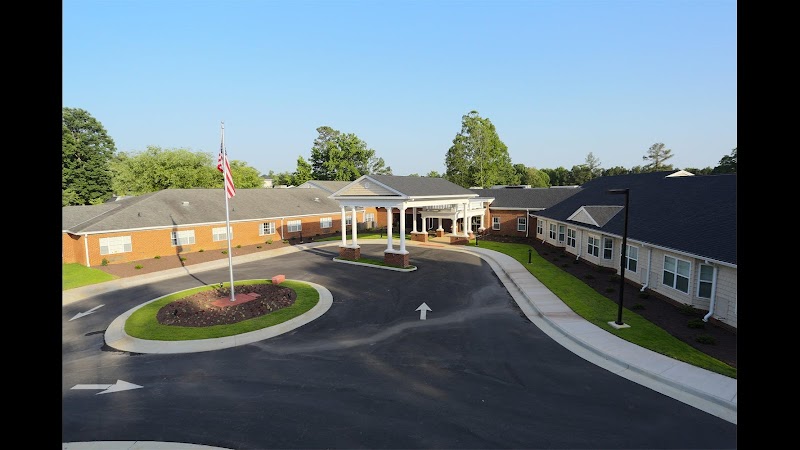
2100 BRANDERMILL PKWY, MIDLOTHIAN, VA 23112 (804) 379-7100
Non profit - Other 60 Beds Independent Data: November 2025
Trust Grade
93/100
#42 of 285 in VA
Last Inspection: March 2023

Over 2 years since last inspection. Current conditions may differ from available data.

Overview

The Haven at Brandermill Woods has received a Trust Grade of A, indicating it is considered excellent and highly recommended for families seeking care. It ranks #42 out of 285 facilities in Virginia, placing it in the top half, and holds the #1 spot among 6 facilities in Chesterfield County. However, it is showing a worsening trend, with issues increasing from 2 in 2021 to 4 in 2023. Staffing is a strong point here, with a 5-star rating and a low turnover rate of 29%, significantly better than the state average of 48%, suggesting that staff members are experienced and familiar with the residents' needs. On the downside, there have been some concerning findings, including improper handwashing by dietary staff, which could risk infection, and failures in food storage that might lead to foodborne illnesses, highlighting areas that need improvement despite the facility's overall strong reputation.

Trust Score
A
93/100
In Virginia
#42/285
Top 14%
Safety Record
Low Risk
No red flags
Inspections
Getting Worse
2 → 4 violations
Staff Stability
✓ Good
29% annual turnover. Excellent stability, 19 points below Virginia's 48% average. Staff who stay learn residents' needs.
Penalties
✓ Good
No fines on record. Clean compliance history, better than most Virginia facilities.
Skilled Nurses
✓ Good
Each resident gets 59 minutes of Registered Nurse (RN) attention daily — more than average for Virginia. RNs are trained to catch health problems early.
Violations
○ Average
7 deficiencies on record. Average for a facility this size. Mostly minor or procedural issues.
★★★★★
5.0
Overall Rating
★★★★★
5.0
Staff Levels
★★★★☆
4.0
Care Quality
★★★★☆
4.0
Inspection Score
Stable
2021: 2 issues
2023: 4 issues

The Good

  • 5-Star Staffing Rating · Excellent nurse staffing levels
  • 4-Star Quality Measures · Strong clinical quality outcomes
  • Low Staff Turnover (29%) · Staff stability means consistent care
  • Full Sprinkler Coverage · Fire safety systems throughout facility
  • No fines on record
  • Staff turnover is low (29%)

    19 points below Virginia average of 48%

Facility shows strength in staffing levels, quality measures, staff retention, fire safety.

The Bad

No Significant Concerns Identified

This facility shows no red flags. Among Virginia's 100 nursing homes, only 1% achieve this.

The Ugly 7 deficiencies on record

Mar 2023 4 deficiencies
CONCERN (D)

Potential for Harm - no one hurt, but risky conditions existed

Deficiency F0658 (Tag F0658)

Could have caused harm · This affected 1 resident

**NOTE- TERMS IN BRACKETS HAVE BEEN EDITED TO PROTECT CONFIDENTIALITY** Based on interview, clinical record review and facility documentation, the facility staff failed to provide nursing services tha...

Read full inspector narrative →
**NOTE- TERMS IN BRACKETS HAVE BEEN EDITED TO PROTECT CONFIDENTIALITY** Based on interview, clinical record review and facility documentation, the facility staff failed to provide nursing services that meet with professional standards of care for 1 Resident (#197) in a survey sample of 22 Residents. The findings included: For Resident #197 the facility staff failed to clarify an ambiguous order for an Opioid (oxycodone) and an Opioid Antagonist (Depade). On 3/28/23 a review of the clinical record revealed the following excerpts from the physician orders: 3/24/23 5:42 PM - Oxycodone [an opioid pain medication] 5 mg [milligrams] Give 1 tablet by oral route as needed for pain. 3/24/23 5:42 PM - Depade 50 mg. [An opioid antagonist. Opioid antagonists block the effects of opioids] Give 1 tablet by oral route once daily. On further review of the clinical record, it was found that Resident #197 had been admitted to the facility from the hospital on 3/24/23. Excerpts from the hospital discharge summary are as follows: Page 1 of 5 Hold Naltrexone [Depade] for now to ensure adequate pain control. Page 2 of 5 Start taking these medicines: Oxycodone 5 mg every 4 hours as needed for pain. Naltrexone (Depade) 50 mg by mouth once daily On 3/28/23 at 11:40 AM, an interview was conducted with the Director of Nursing (DON) who stated she was aware that the Resident was receiving Depade and Oxycodone. When asked what the purpose was for giving opioid and an opioid antagonist, she stated that the Resident was an alcoholic and needed to be on Depade. When asked if she found the orders conflicting, she stated they were. When asked if the orders should have been clarified, the DON stated that the admitting nurse goes over the medications with the physician and gets approval for the discharge medications from the hospital. From the [NAME] Website https://journals.lww.com/nursing/fulltext/2003/01001/advice_on_avoiding_lawsuits.11.aspx Don't carry out an order from a health care provider if you have any doubt about its accuracy or appropriateness. Follow your facility's policy for clarifying an ambiguous order. Document your efforts to clarify the order and note whether it was carried out. On 3/30/23 during the end of day meeting the Administrator was made aware of the concern and no further information was provided.
CONCERN (D)

Potential for Harm - no one hurt, but risky conditions existed

Drug Regimen Review (Tag F0756)

Could have caused harm · This affected 1 resident

**NOTE- TERMS IN BRACKETS HAVE BEEN EDITED TO PROTECT CONFIDENTIALITY** Based on interview, clinical record review and facility documentation the facility staff failed to ensure the pharmacist recogni...

Read full inspector narrative →
**NOTE- TERMS IN BRACKETS HAVE BEEN EDITED TO PROTECT CONFIDENTIALITY** Based on interview, clinical record review and facility documentation the facility staff failed to ensure the pharmacist recognized irregularities during a Drug Regimen Review for 1 Resident (#197) in a survey sample of 22 Residents. The findings included: For Resident #197 the pharmacy failed to recognize the contraindications of giving Depade and Oxycodone. On 3/28/23 a review of the clinical record revealed the following excerpts from the physician orders: 3/24/23 5:42 PM - Oxycodone (an opioid pain medication) 5 mg (milligrams) Give 1 tablet by oral route as needed for pain. 3/24/23 5:42 PM - Depade 50 mg. (an opioid antagonist) Give 1 tablet by oral route once daily. On further review of the clinical record, it was found that Resident #197 had been admitted to the facility from the hospital on 3/24/23. Excerpts from the hospital discharge summary are as follows: Page 1 of 5 Hold Naltrexone [Depade] for now to ensure adequate pain control. Page 2 of 5 Start taking these medicines: Oxycodone 5 mg every 4 hours as needed for pain. Naltrexone (Depade) 50 mg by mouth once daily On 3/28/23 at 11:40 AM an interview was conducted with the DON who stated she was aware that the Resident was receiving Depade and Oxycodone. When asked what the purpose was for giving opioid and an opioid antagonist, she stated that the Resident was an alcoholic and needed to be on Depade. On 3/30/23 at approximately 2:00 PM an interview was conducted with the NP who wanted to address the survey team about the medications. The NP stated that the Resident was on Depade for alcohol dependency and had been taking the medication prior to the admission to the facility. She stated that the hospital did hold the medication while she was in hospital. She stated that the rational for re-starting the medication at the facility was that the Resident could have gone into withdrawals. When asked if this medication order seemed conflicting, she stated that it was not because one medication was for pain the other was for alcohol dependency. Surveyors explained the role of the Depade was to block the effects of Narcotics thus working against the effects of the Oxycodone not to prevent withdrawals. According to the SAMHSA.gov (Substance Abuse and Mental Health Services Administration) website: https://www.samhsa.gov/medications-substance-use-disorders/medications-counseling-related-conditions/naltrexone Naltrexone for Alcohol Use Disorder [[NAME]] When starting naltrexone for [NAME], patients must not be physically dependent on alcohol or other substances. To avoid strong side effects such as nausea and vomiting, practitioners typically wait until after the alcohol detox process before administering naltrexone. Patients should not take naltrexone if they: Currently use or have a physical dependence on opioid-containing medicines or opioid drugs, such as heroin, or currently experiencing opioid withdrawal symptoms. On 3/30/23 during the end of day meeting the Administrator was made aware of the concerns and no further information was provided.
CONCERN (D)

Potential for Harm - no one hurt, but risky conditions existed

Medication Errors (Tag F0758)

Could have caused harm · This affected 1 resident

Based on interview, clinical record review and facility documentation the facility staff failed to ensure Residents were free of unnecessary psychotropic medications for 1 Resident (#16) in a survey s...

Read full inspector narrative →
Based on interview, clinical record review and facility documentation the facility staff failed to ensure Residents were free of unnecessary psychotropic medications for 1 Resident (#16) in a survey sample of 22 Residents The findings included: For Resident #16 the facility staff failed to ensure that as needed (PRN) orders for psychotropic drugs are limited to 14 days. On 3/28/23 during clinical record review it was discovered that Resident #16 had an order for PRN Lorazepam (an anti-anxiety medication). The clinical record revealed the Resident had PRN Lorazepam orders as follows: 1/14/23 8:11 PM - Lorazepam Intensol 2 mg/ml oral concentrate Give 0.5 ml (1mg) by oral route every 4 hours PRN. 'Schedule Every 4 hours PRN for 14 days 1/31/23 3:46 PM - Lorazepam Intensol 2 mg/ml oral concentrate Give 0.5 ml (1mg) by oral route every 4 hours PRN. Schedule - PRN. 2/24/23 8:42 AM - Lorazepam Intensol 2 mg/ml oral concentrate Give 0.5 ml (1mg) by oral route every 4 hours PRN. Schedule PRN Original order date: 1/31/23 Resident #16's order was originally written for 14 days however the subsequent orders were written as just PRN with no end dates. The order written on 1/14/23 was not re-ordered until 1/30/23 (3 days overdue) and the order on 1/31 /23 was not re-ordered until 2/24/23 (10 days overdue) and the current order as of 3/30/23 is (20 days overdue.) The Pharmacy Recommendation stated that per federal guidelines 483.45(e)(4) PRN orders for psychotropic drugs are limited to 14 days. Except as provided in §483.45(e)(5), if the attending physician or prescribing practitioner believes that it is appropriate for the PRN order to be extended beyond 14 days, he or she should document their rationale in the resident's medical record and indicate the duration for the PRN order. The physician signed the pharmacy recommendation dated 1/26/23 and wrote the word Hospice. On 3/28/23 at 11:40 AM, an interview was conducted with the Director of Nursing (DON) who stated she was aware that the Resident was receiving Lorazepam PRN for anxiety. When asked about the prescribing time of PRN anti-anxiety medications she stated she was aware that PRN psychotropic's were limited to 14 days. She stated this was a hospice patient. The DON was informed that hospice does not exclude the physician from proper documentation of diagnosis and rationale for prescribing and expected duration of the treatment. On 3/30/23 at approximately 2:00 PM, an interview was conducted with the Nurse Practitioner (NP) who stated that the reason the medication is prescribed as PRN is because the patient is end of life and on hospice. The patient will be anxious when he or she feels air hunger in the last stages of dying and it needs to be there when the Resident needs it, and we don't know when that will be. The NP was told that the Regulation is not saying they cannot have the medication longer than 14 days it is saying that the appropriate documentation must be in the clinical record to support the orders. On 3/20/23 during the end of day meeting the Administrator was made aware of the concerns and no further information was provided.
CONCERN (E)

Potential for Harm - no one hurt, but risky conditions existed

Food Safety (Tag F0812)

Could have caused harm · This affected multiple residents

Based on observations, staff interviews and review of the U.S. Food Code, the facility failed to ensure food was stored in accordance with professional standards for food safety. These failures had th...

Read full inspector narrative →
Based on observations, staff interviews and review of the U.S. Food Code, the facility failed to ensure food was stored in accordance with professional standards for food safety. These failures had the potential to increase the prevalence and spread of foodborne illnesses and infection for all 44 facility residents. Findings include: During the initial kitchen tour on 03/28/23 at 11:30 AM with the Director of Dining Services (DDS), inspection of one walk-in freezer revealed four packages with no label to indicate what the food item was or how long it had been in the freezer. The DDS was unable to identify two of the four items. There were seven food items in the freezer that were dated 2021 and appeared freezer burned. These items included pot roast, beef puree, corn, meatballs, beet puree, baked bean puree, sloppy joe sauce, and brisket. There were three food items that were dated 2022 and appeared freezer burned. These items included baked beans, beef, and corned beef. The DSS stated that the kitchen normally did not keep frozen food items longer than six months and confirmed that these 14 items should have been discarded. Further inspection of the dry storage area revealed a container of cheese sauce that had been opened and not dated. Inspection of the walk-in meat and eggs refrigerator revealed an opened container of thousand island dressing, a container of salsa, and a package of provolone cheese that were not dated. The DDS confirmed all these items should have been labeled and dated. Further inspection of the three door freezer revealed opened packages of frozen omelets, French toast, hashbrowns, pork riblets, and eggplant patties that were not labeled or dated. None of these food items were securely closed, exposing them to freezer burn. The DSS confirmed all these items should be properly stored and dated. During an interview on 03/30/23 at 8:03 AM, the Dietary Manager revealed that the DDS went through the freezers and discarded the items that had been there longer than six months. Review of the U.S. Food and Drug Administration's 2022 Food Code revealed, . working containers holding FOOD or FOOD ingredients that are removed from their original packages for use in the FOOD ESTABLISHMENT . shall be identified with the common name of the FOOD. Further review revealed, Date marking of ready-to-eat TCS [Time and temperature controlled] food held for more than 24 hours to control the growth [illness causing bacteria] . 'First-In-First-Out' (FIFO) means that the first batch of product prepared and placed in storage should be the first one sold or used. Date marking foods as required by the Food Code facilitates the use of a FIFO procedure in refrigerated, ready-to-eat, TCS foods. The FIFO concept limits the potential for pathogen growth, encourages product rotation, and documents compliance with time/temperature requirements.
Apr 2021 2 deficiencies
CONCERN (D)

Potential for Harm - no one hurt, but risky conditions existed

Deficiency F0805 (Tag F0805)

Could have caused harm · This affected 1 resident

**NOTE- TERMS IN BRACKETS HAVE BEEN EDITED TO PROTECT CONFIDENTIALITY** Based on observation, staff interview, and record review, the facility failed to ensure one (Resident (R) 35) of 15 residents ob...

Read full inspector narrative →
**NOTE- TERMS IN BRACKETS HAVE BEEN EDITED TO PROTECT CONFIDENTIALITY** Based on observation, staff interview, and record review, the facility failed to ensure one (Resident (R) 35) of 15 residents observed eating in the dining room received food in a pureed form to meet her individual needs. This failure had the potential to cause swallowing difficulties, choking, or aspiration (accidental inhalation of food particles into the lungs). Findings include: Review of R35's physician Orders tab in the electronic health record (EHR) revealed an order, which originated on 06/18/20, for Puree Diet with Nectar liquids - no straws! R35's 03/16/21 Change of Condition Minimum Data Set (MDS) assessment, with an assessment reference date (ARD) of 03/16/21, documented she received a mechanically-altered diet. R35's most recent Quarterly Nutritional Assessment, dated 10/09/20, documented, Slow decline in overall status is noted . Current diet, restricted diet and consistency, is provided for comfort and support. Supplemental nutrition is provided. Fair intake noted. Staff assist and encourage intake. Will continue diet as tolerated The assessment documented R35 was to receive a diet of pureed consistency. Review of R35's 04/16/20 Care Plan, located in the EHR Care Plans tab, documented R35 was at risk for malnutrition/dehydration. The Care Plan went on to document, 02/08/21: [R35] requested ham salad sandwich approved by nurse [NAME] and [NAME]. The approaches included: provide a puree diet with nectar liquids - no straws! . record food intake each meal . [and] encourage resident to eat 100% of diet for adequate nutrition and hydration. On 03/30/21 at 12:00 PM in the dining room, R35 was served a pureed sandwich (made of slurried bread and pureed meat, by Nursing Home Waitstaff (NHW) 2. NHW2 told her it was a chicken salad sandwich, and R35 stated, No, I ordered ham salad. Ham. The pureed sandwich was left in front of the R35, and she began to eat small bites. Her tray card was left at the table, and documented she was to receive a pureed diet. At 12:07 PM, NHW2 served R35 a sandwich made of regular consistency deli-sliced ham and regular white bread; it was not pureed. When served, R35 asked NHW2 what kind of bread she had received, stating it did not look like the usual bread and it seemed undercooked to her. NHW2 responded it was white bread and walked away. On 03/30/21 12:10 PM, the NHW2 stated he was unsure why R35 received a regular sandwich as opposed to pureed, but he was told by his manager that if a resident asked specifically for a different consistency, it was their right to receive it. NHW2 stated R35 did not request a different consistency than puree and again stated he was unsure why she was given a regular consistency ham sandwich. On 03/30/21 at 12:11 PM, a staff member alerted NHW2 that the R35 requested a ham salad sandwich and would not eat the regular deli ham sandwich. At 12:14 PM, the resident was served a ham salad sandwich on regular white bread; it was not pureed. In an interview on 03/31/21 at 9:30 AM, the Director of Nursing (DON) stated that if the family or the resident asked for a different consistency than what was ordered by the physician, the facility tried to honor their rights if they thought it was something the resident could manage. She stated R35 had been seen by speech therapy, and it was determined a pureed diet was appropriate, but if she requested a different food consistency, the facility would try to honor it with education on the risks. She stated the pureed food should always be tried first, and different consistencies only provided upon resident or family request. The DON added that any time a different consistency was requested, the facility would educate the resident on the risks of consuming a less restrictive consistency. The DON stated in the case of R35, the resident's responsible party was notified and had approved the provision of regular ham salad sandwiches back in February 2021. On 03/31/21 at 9:50 AM, Speech and Language Pathologist (SLP) 1 stated a pureed consistency was the preferred and safest consistency for R35. She stated R35 should be offered pureed foods at every meal unless she were to request something different. SLP1 stated she would expect the staff to offer her foods in a pureed form first, and only provide a less restrictive consistency if requested. SLP1 stated the ham salad would be more of a ground or pureed texture, where the deli sliced ham was definitely not; it was a regular consistency. The SLP stated she was not involved in the development of the care plan regarding serving regular ham salad sandwiches to R35, as she was not seeing R35 in February 2021. On 04/01/21 at 9:03 AM, the Dietary Manager (DM) stated he was involved in the development of the Care Plan regarding serving a regular ham salad sandwich, which was discussed with the resident and her responsible party. He stated if R35 requested a ham salad sandwich, it should be served in pureed form first with slurried bread and pureed meat. If R35 refused to eat the pureed sandwich, the nursing staff or speech therapist should be notified, the resident should be educated on the risks, and the requested food provided if approved by both the resident and nursing staff or speech therapist. The DM stated all dietary staff were educated on the need to get approval from nursing or speech therapy before serving any food that was not in the appropriate consistency as ordered by the physician. The DM stated R35 should always be served pureed foods first, and only offered a different consistency if she refused to eat the pureed food. The DM stated the sliced deli ham was not at all appropriate for a pureed diet, and the ham salad would be more of a chopped consistency. The DM stated NHW2 should have provided a pureed ham salad sandwich to R35 when she requested a ham salad sandwich. The DM did not know why a regular deli ham sandwich, and then a regular ham salad sandwich, were served to R35 on 03/30/21. The facility's 03/16/20 Therapeutic Diet Orders policy documented, The facility provides all residents with foods in the appropriate form and/or the appropriate nutritive content as prescribed by a physician, and/or assessed by the interdisciplinary team to support the resident's treatment/plan of care, in accordance with his/her goals and preferences per resident rights . Dietary and nursing staff are responsible for providing therapeutic diets in the appropriate form and/or the appropriate nutritive content as prescribed.
CONCERN (E)

Potential for Harm - no one hurt, but risky conditions existed

Food Safety (Tag F0812)

Could have caused harm · This affected multiple residents

Based on observations, interviews, and review of facility policies, the facility failed to ensure proper food handling and hand hygiene was performed in the dining room for 15 residents (R) (R4, R23, ...

Read full inspector narrative →
Based on observations, interviews, and review of facility policies, the facility failed to ensure proper food handling and hand hygiene was performed in the dining room for 15 residents (R) (R4, R23, R30, R11, R16, R3, R18, R14, R35, R37, R192, R13, R17, R28, and R12). This failure has the potential to cause contamination of foods served to residents in the facility. Findings include: Review of the facility's policy titled, Dietary Employee Personal Hygiene, revised date 10/2020, stated the purpose of the policy was to, utilize the following guidelines for employee personal hygiene to prevent contamination of food by foodservice employees. In the section titled, Hands and Fingernails, the policy stated, Employees should never use bare hand contact with any foods, ready-to-eat or otherwise. In addition, the policy stated, Gloves are to be worn as indicated and changed appropriately to reduce the spread of infection. A review of the facility's Hand Hygiene policy, revised on 04/07/20, stated, All staff will perform proper hand hygiene procedures to prevent the spread of infection to other personnel, residents, and visitors. The facility further stated, This applies to all staff working in all locations within the facility. 1. Observations conducted on 03/29/21 at 11:32 AM revealed Nursing Home Waitstaff (NHW)11 was observed preparing drinks for 15 residents (R4, R23, R30, R11, R16, R3, R18, R14, R35, R37, R192, R13, R17, R28, and R12) who were eating in the dining room area of the 200 unit of the facility. NHW11 was observed to wipe her hands on a towel but did not wash her hands, use hand sanitizer, or wear gloves while pouring and serving the drinks to the residents in the dining room. In addition, NHW11 was observed placing her left thumb inside the ice bucket while putting ice in resident cups. NHW11 was further observed removing plastic wrap from pitchers of water and lemonade while serving drinks without performing any hand hygiene or wearing gloves. In addition, NHW11 was observed opening cartons of thickened cranberry juice and thickened lemonade for two residents from paper cartons without performing hand hygiene or wearing gloves. Observations conducted on 03/29/21 at 11:43 AM revealed Dietary Aide (DA)17 was observed in the Unit 200 kitchen dipping beef and barley soup into five soup bowls without wearing gloves or washing hands prior to service after touching the countertops with hands. NHW11 was observed serving the 5 cups of soup to residents in the dining room without performing any hand hygiene or wearing gloves. In addition, the Certified Dietary Manager (CDM) was observed checking the temperatures of food on the tray line without wearing gloves. The CDM was observed wiping the food thermometer with a paper towel and placing the thermometer into a pan of potatoes without wearing gloves. Observations conducted on 03/29/21 at 11:51 AM revealed the Food Service Director (FSD) assisting with food service in the 200-unit kitchen. The FSD was observed dipping tomato soup into a soup bowl without wearing gloves. On 03/31/21 at 10:00 AM, an interview was conducted with the CDM. The CDM stated servers and waitstaff were not required to wear gloves while serving foods in the dining rooms of the facility. However, the CDM confirmed all dietary staff are required to wear gloves in the kitchen areas where food is plated prior to being served. In addition, the CDM stated he expected waitstaff to perform hand hygiene between food service to each resident. On 03/31/21 at 10:30 AM, an interview was conducted with the FSD. The FSD stated waitstaff are not required to wear gloves while serving food or drinks to residents in the dining room. The FSD further stated waitstaff should handle dishware, cups, and any other container with food without placing their hands on top or inside the area where foods or drinks would be placed. An additional interview was conducted with the CDM on 04/01/21 at 9:01 AM. The CDM stated dietary staff are required to wear gloves when staff are plating foods. The CDM stated the FSD and DA17 should have been wearing gloves when plating foods from the tray line in the 200-unit kitchen on 03/29/21. In addition, the CDM stated proper hand hygiene to be performed by dietary staff during food service. The CDM further stated he was wearing gloves when checking the temperature of the food on the tray line. The CDM stated waitstaff should always handle plates, cups, and service ware from the outside and bottom of the dishes and should use tongs to get ice out of ice buckets during drink service. The CDM stated waitstaff should never have hands on top of plates or inside containers of foods or drinks. 2. On 03/30/21 at 11:48 AM in the dining room, Certified Nurse Aide (CNA) 1 assisted R12 to remove her face mask and place it in a paper bag. CNA1 did not wash or sanitize her hands, then moved to R37, picked up her facemask from the table, and placed it in a paper bag. On 03/31/21 at 11:43 AM, CNA1 stated she had received training on the facility's established hand hygiene policy and procedures. She stated she should have washed or sanitized her hands after touching a resident's mask and before touching the next one. On 04/01/21 at 9:32 AM, the Assistant Director of Nursing, who also served as the facility's Infection Preventionist, stated she would expect staff to sanitize their hands after touching a resident's mask to avoid the potential spread of infection. Review of the facility's Hand Hygiene policy, revised 04/07/20, documented, Staff will perform hand hygiene when indicated, using proper technique consistent with accepted standards of practice . Hand hygiene is indicated and will be performed . before and after handling clean or soiled dressings, linens, etc. [and] after handling items potentially contaminated with blood, body fluids, secretions, or excretions. The policy did not specifically address handling of residents' masks.
Aug 2018 1 deficiency
CONCERN (F)

Potential for Harm - no one hurt, but risky conditions existed

Food Safety (Tag F0812)

Could have caused harm · This affected most or all residents

Based on observation, staff interview and facility documentation review the facility staff failed to serve food in accordance with professional standards for food service safety. A. Dietary staff were...

Read full inspector narrative →
Based on observation, staff interview and facility documentation review the facility staff failed to serve food in accordance with professional standards for food service safety. A. Dietary staff were observed to use improper handwashing technique. B. Coffee temperatures were not monitored. The findings included: On 7/31/18 at 11:50 a.m., observation of the lunch meal service began in the HCC kitchen. The tray line was set up beneath a large window that opened into the dining room. Once prepared, the meal trays were passed through the window from the diet staff in the kitchen to the dietary staff serving the trays. Hand sanitizer was affixed to the wall next to the window on the dining room side. The hand sanitizer was used by Diet Staff A after delivering a tray and before entering the kitchen. She did not wash her hands once in the kitchen. She prepared a cup of tea and left the kitchen. At 11:54 a.m., Diet Staff B left the serving line and washed her hands. She washed her hands for approximately 3 seconds and used her bare hands to turn off the faucet. On 7/31/18 at 12:01 p.m., observation of the lunch meal service began in the rehab kitchen. Diet Staff C was serving from the tray line. She washed her hands for approximately 10 seconds and donned a pair of gloves. Diet Staff D entered the kitchen from the back room. She donned a pair of gloves without washing her hands first. While wearing the gloves, Diet Staff D took out a pan, pressed the pump for the oil container to add oil to the pan, touched a door handle, removed two slices of cheese from a pan and removed two slices of bread from the bag. Gloves were not changed prior to touching the ready to eat foods. After the sandwich was made, Diet Staff D washed her hands with good technique. At the same time, Diet Staff C continued to wear the same pair of gloves from the first observation. With her gloved hands, she removed a sandwich bun from the container, opened the bun and put it on a plate. She carried the plate and a spatula to the warming oven, touched the handle to the oven, removed a turkey burger with the spatula, opened the cheese container, removed a piece of cheese for the sandwich and placed the bun on top. She prepared two sandwiches using this process. At 12:05 p.m., Diet Staff E entered the kitchen to wash his hands. He turned the faucet off with his bare hands. At 12:08 p.m., Diet Staff F was observed to use the hand sanitizer affixed to the dining room wall immediately outside the door to the rehab kitchen. She was not observed to wash her hands. Handwashing instructions were hung above the sink in the rehab kitchen. The instructions read: 1. wet hands 2. Soap (20 seconds) 3. Scrub backs of hands, wrists, between fingers, under fingernails 4. Rinse 5. Towel dry 6. Turn off taps with towel. The policy titled Handwashing dated 1/17/12 was provided. The policy read, Dining staff must wash their hands before starting work and after the following activities: clearing tables or bussing dirty dishes, touching clothing or aprons, touching anything else that may contaminate hands, such as dirty equipment, work surfaces or used towels. The procedure read, 3. Vigorously scrub hands and arms for twenty seconds. The policy also read, 5. Rinse thoroughly under running water. Turn off faucet using a single-use paper towel. On 8/1/18 at 4:45 p.m., the Administrator and Director of Nursing (DON) were notified of the issue. They stated that they understood and would address the issue. B. On 7/31/18, the Dietary Manager was asked to provide the food temperature logs. She stated that the foods were taken with a digital thermometer and the temperatures were stored electronically. She was asked to print the last week of food temperatures. On 8/1/18, the temperature log was provided as requested. The temperature log did not include temperature readings for coffee. On 8/1/18 at 8:20 a.m., the Dietary Manager and Diet Staff G were asked to take the temperature of the coffee in both kitchens. The digital thermometer had food items per-programmed into the device. It was explained by Diet Staff G that all she had to do is select the food item for which she was taking a temperature and save the temperature reading. When asked to take the temperature of the coffee, Diet Staff G stated that coffee was not a food choice available in the digital thermometer. Coffee temperatures were take by Diet Staff G as follows: HCC kitchen: 183.6 degrees Fahrenheit Rehab kitchen: 158.5 degrees Fahrenheit On 8/1/18 at 8:40 p.m., an interview was held with the Dietary Manager and the Administrator. The Dietary Manager was asked if she monitored the coffee temperatures. She stated that she did take them every morning, but she did not record the temperatures. When asked who took the temperatures on the days she did not work, the Diet Manager stated that she thought one of the other staff took them. It was verified with the Administrator that there had not been any burn accidents at the facility since the past survey. No further information was provided.
Understanding Severity Codes (click to expand)
Life-Threatening (Immediate Jeopardy)
J - Isolated K - Pattern L - Widespread
Actual Harm
G - Isolated H - Pattern I - Widespread
Potential for Harm
D - Isolated E - Pattern F - Widespread
No Harm (Minor)
A - Isolated B - Pattern C - Widespread

Questions to Ask on Your Visit

  • "Can I speak with families of current residents?"
  • "What's your RN coverage like on weekends and overnight?"

Our Honest Assessment

Strengths
  • • Grade A (93/100). Above average facility, better than most options in Virginia.
  • • No major safety red flags. No abuse findings, life-threatening violations, or SFF status.
  • • No fines on record. Clean compliance history, better than most Virginia facilities.
  • • 29% annual turnover. Excellent stability, 19 points below Virginia's 48% average. Staff who stay learn residents' needs.
Concerns
  • • No significant concerns identified. This facility shows no red flags across CMS ratings, staff turnover, or federal penalties.
Bottom line: Generally positive indicators. Standard due diligence and a personal visit recommended.

About This Facility

What is The Haven At Brandermill Woods's CMS Rating?

CMS assigns THE HAVEN AT BRANDERMILL WOODS an overall rating of 5 out of 5 stars, which is considered much above average nationally. Within Virginia, this rating places the facility higher than 99% of the state's 100 nursing homes. This rating reflects solid performance across the metrics CMS uses to evaluate nursing home quality.

How is The Haven At Brandermill Woods Staffed?

CMS rates THE HAVEN AT BRANDERMILL WOODS's staffing level at 5 out of 5 stars, which is much above average compared to other nursing homes. Staff turnover is 29%, compared to the Virginia average of 46%. This relatively stable workforce can support continuity of care.

What Have Inspectors Found at The Haven At Brandermill Woods?

State health inspectors documented 7 deficiencies at THE HAVEN AT BRANDERMILL WOODS during 2018 to 2023. These included: 7 with potential for harm.
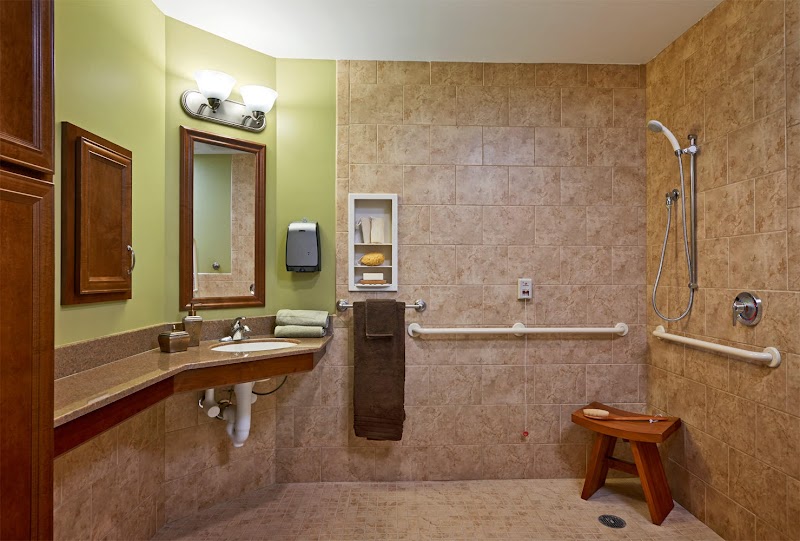
Who Owns and Operates The Haven At Brandermill Woods?

THE HAVEN AT BRANDERMILL WOODS is owned by a non-profit organization. Non-profit facilities reinvest revenue into operations rather than distributing to shareholders. The facility operates independently rather than as part of a larger chain. With 60 certified beds and approximately 48 residents (about 80% occupancy), it is a smaller facility located in MIDLOTHIAN, Virginia.
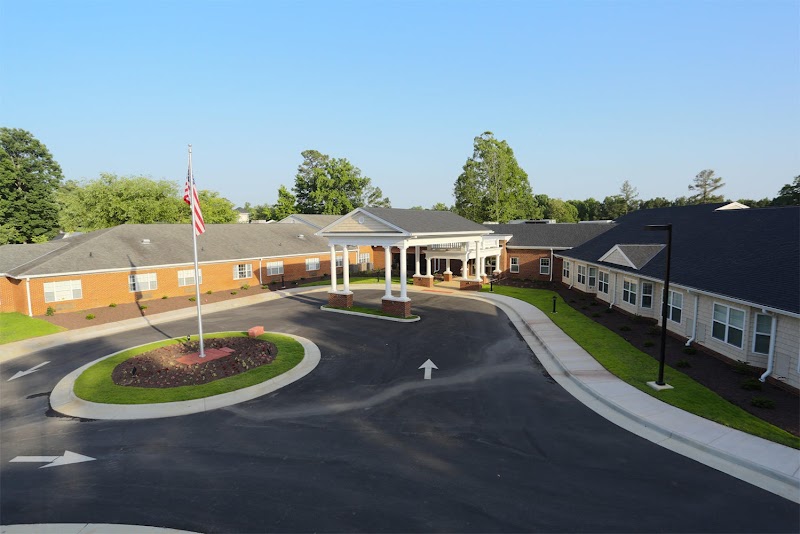
How Does The Haven At Brandermill Woods Compare to Other Virginia Nursing Homes?

Compared to the 100 nursing homes in Virginia, THE HAVEN AT BRANDERMILL WOODS's overall rating (5 stars) is above the state average of 3.0, staff turnover (29%) is significantly lower than the state average of 46%, and health inspection rating (4 stars) is above the national benchmark.

What Should Families Ask When Visiting The Haven At Brandermill Woods?

Based on this facility's data, families visiting should ask: "Can I visit during a mealtime to observe dining assistance and food quality?" "How do you handle medical emergencies, and what is your hospital transfer rate?" "Can I speak with family members of current residents about their experience?"

Is The Haven At Brandermill Woods Safe?

Based on CMS inspection data, THE HAVEN AT BRANDERMILL WOODS has a clean safety record: no substantiated abuse findings (meaning no confirmed cases of resident harm), no Immediate Jeopardy citations (the most serious violation level indicating risk of serious injury or death), and is not on the Special Focus Facility watch list (a federal program monitoring the lowest-performing 1% of nursing homes). The facility has a 5-star overall rating and ranks #1 of 100 nursing homes in Virginia. While no facility is perfect, families should still ask about staff-to-resident ratios and recent inspection results during their visit.

Do Nurses at The Haven At Brandermill Woods Stick Around?

Staff at THE HAVEN AT BRANDERMILL WOODS tend to stick around. With a turnover rate of 29%, the facility is 17 percentage points below the Virginia average of 46%. Low turnover is a positive sign. It means caregivers have time to learn each resident's needs, medications, and personal preferences. Consistent staff also notice subtle changes in a resident's condition more quickly. Registered Nurse turnover is also low at 27%, meaning experienced RNs are available to handle complex medical needs.

Was The Haven At Brandermill Woods Ever Fined?

THE HAVEN AT BRANDERMILL WOODS has no federal fines on record. CMS issues fines when nursing homes fail to meet care standards or don't correct problems found during inspections. The absence of fines suggests the facility has either maintained compliance or corrected any issues before penalties were assessed. This is a positive indicator, though families should still review recent inspection reports for the full picture.

Is The Haven At Brandermill Woods on Any Federal Watch List?

THE HAVEN AT BRANDERMILL WOODS is not on any federal watch list. The most significant is the Special Focus Facility (SFF) program, which identifies the bottom 1% of nursing homes nationally based on persistent, serious quality problems. Not being on this list means the facility has avoided the pattern of deficiencies that triggers enhanced federal oversight. This is a positive indicator, though families should still review the facility's inspection history directly.