THE WOODLANDS HEALTH AND REHAB CENTER
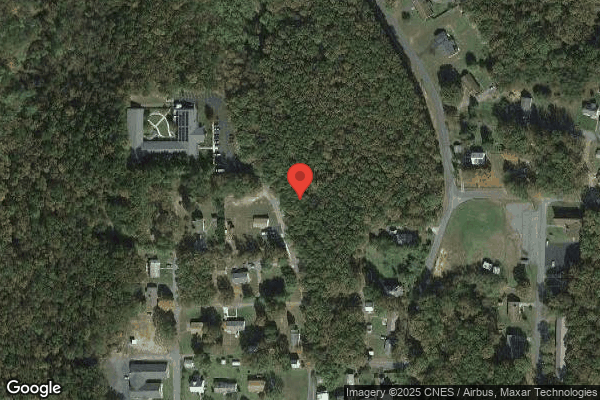
1000 FAIRVIEW HEIGHTS, CLIFTON FORGE, VA 24422 (540) 863-4096
For profit - Partnership 60 Beds COMMONWEALTH CARE OF ROANOKE Data: November 2025
Trust Grade
80/100
#110 of 285 in VA
Last Inspection: April 2023

Over 2 years since last inspection. Current conditions may differ from available data.

Overview

The Woodlands Health and Rehab Center has a Trust Grade of B+, indicating it is above average and recommended for families considering care options. It ranks #110 out of 285 nursing homes in Virginia, placing it in the top half of facilities statewide, and #2 out of 3 in Alleghany County, meaning only one local option is rated higher. Unfortunately, the facility is experiencing a worsening trend, with the number of identified issues increasing from 4 in 2021 to 6 in 2023. Staffing is a relative strength, with a turnover rate of 31%, significantly lower than the Virginia average of 48%, suggesting that staff are familiar with the residents. Notably, the facility has not incurred any fines, which is a positive indicator, but there are concerns regarding specific incidents, such as a failure to follow infection control practices for a new resident and not obtaining required physician orders for a cardiac defibrillator for another resident, highlighting areas that need improvement.

Trust Score
B+
80/100
In Virginia
#110/285
Top 38%
Safety Record
Low Risk
No red flags
Inspections
Getting Worse
4 → 6 violations
Staff Stability
○ Average
31% turnover. Near Virginia's 48% average. Typical for the industry.
Penalties
✓ Good
No fines on record. Clean compliance history, better than most Virginia facilities.
Skilled Nurses
○ Average
Each resident gets 32 minutes of Registered Nurse (RN) attention daily — about average for Virginia. RNs are the most trained staff who monitor for health changes.
Violations
⚠ Watch
12 deficiencies on record. Higher than average. Multiple issues found across inspections.
★★★★☆
4.0
Overall Rating
★★★☆☆
3.0
Staff Levels
★★★★☆
4.0
Care Quality
★★★★☆
4.0
Inspection Score
Stable
2021: 4 issues
2023: 6 issues

The Good

  • 4-Star Quality Measures · Strong clinical quality outcomes
  • Full Sprinkler Coverage · Fire safety systems throughout facility
  • No fines on record
  • Staff turnover below average (31%)

    17 points below Virginia average of 48%

Facility shows strength in quality measures, fire safety.

The Bad

Staff Turnover: 31%

15pts below Virginia avg (46%)

Typical for the industry

Chain: COMMONWEALTH CARE OF ROANOKE

Part of a multi-facility chain

Ask about local staffing decisions and management

The Ugly 12 deficiencies on record

Apr 2023 6 deficiencies
CONCERN (D) 📢 Someone Reported This

A family member, employee, or ombudsman was alarmed enough to file a formal complaint

Potential for Harm - no one hurt, but risky conditions existed

Deficiency F0635 (Tag F0635)

Could have caused harm · This affected 1 resident

**NOTE- TERMS IN BRACKETS HAVE BEEN EDITED TO PROTECT CONFIDENTIALITY** Based on clinical record review, the facility staff failed to obtain physician orders for the care of an implanted cardiac defib...

Read full inspector narrative →
**NOTE- TERMS IN BRACKETS HAVE BEEN EDITED TO PROTECT CONFIDENTIALITY** Based on clinical record review, the facility staff failed to obtain physician orders for the care of an implanted cardiac defibrillator for one of 21 residents, Resident #153. Findings were: Resident #153 was admitted to the facility with the following diagnoses, including but not limited to: Acute respiratory failure with hypoxia cardiomegaly, atherosclerotic heart disease, mitral valve insufficiency, presence of automatic implantable cardiac defibrillator (AICD), heart failure, dysphagia, and hypertensive heart disease. The admission MDS (minimum data set) with an ARD (assessment reference date) of 01/27/2023 assessed Resident #153 as cognitively intact, with a summary score of 13 out of 15. The clinical record was reviewed on 04/12/2023, beginning at approximately 11:00 a.m. Review of the physician orders did not contain orders regarding the care and or monitoring of the implanted cardiac defibrillator. The Nursing Admission/readmission assessment dated [DATE] included the following information in section O. Immediate Needs Plan of Care were the following: Cardiovascular Concerns: Focus: Has impaired cardiovascular status as related to multiple cardiac arrest and placement of AICD while hospitalized .Goal: Patient will experience stable cardiovascular status through the next review. Interventions were: Assess for/report complaints of heart jumping or fluttering, radiating arm and/or jaw pain, new onset of nausea or other potential signs/symptoms of cardiac/health complications. Encourage patient to pace activities to level of comfort. Observe for signs and symptoms of shortness of breath, chest pain, lethargy. Report for further assessment and intervention. Take vital signs as ordered, per protocol, or clinically indicated. Promptly report unusual findings or changes for further assessment. The comprehensive care plan was reviewed, a focus area included .has altered cardiovascular status which impacts function and tolerance to activity r/t arrythmia, s/p AICD placement, s/p NSTEMI with the goal, .free from s/sx of complications of cardiac problems through the review date. Interventions included: Observe/report to MD PRN s/sx of CAD, chest pain or pressure especially with activity, heartburn, nausea and vomiting, shortness of breath, excessive sweating, dependent edema, changes in cap refill, color/warmth of extremities; oxygen as ordered; and vital signs per MD orders and as indicated by s/s. Notify physician of significant deviations/abnormalities. No additional information was received prior to the exit conference on 04/13/2023.
CONCERN (D) 📢 Someone Reported This

A family member, employee, or ombudsman was alarmed enough to file a formal complaint

Potential for Harm - no one hurt, but risky conditions existed

Deficiency F0655 (Tag F0655)

Could have caused harm · This affected 1 resident

**NOTE- TERMS IN BRACKETS HAVE BEEN EDITED TO PROTECT CONFIDENTIALITY** Based on staff interview and clinical record review, the facility staff failed to provide a baseline care plan for one of 21 res...

Read full inspector narrative →
**NOTE- TERMS IN BRACKETS HAVE BEEN EDITED TO PROTECT CONFIDENTIALITY** Based on staff interview and clinical record review, the facility staff failed to provide a baseline care plan for one of 21 residents in the survey sample. Resident #53 was not presented with a completed copy of the baseline care plan. This was a closed record review. The Findings Include: Diagnoses for Resident #53 included; Dementia, anxiety, depression, epilepsy, insomnia, and muscle wasting. The most current MDS (minimum data set) was a quarterly assessment with an ARD (assessment reference date) of 11/19/21. Resident #53 was assessed with a cognitive score of 15 indicating cognitively intact. On 4/12/23 review of Resident #53's clinical record evidenced that a baseline care plan was completed on 8/14/21 after the admission on [DATE]. A form titled Safe Transition Meeting dated 8/16/21 documented a meeting with the facility staff and Resident #53, and indicated that the baseline care plan was reviewed during the meeting. The form was electronically signed by the social worker, however there was not a place for Resident #53 to sign indicating presence during the meeting. On 4/12/23 at 8:50 AM the director of nursing (DON) was asked if residents are provided with a copy of the baseline care plan. The DON verbalized if a resident requests a copy then the facility will provide a copy of the care plan. On 4/12/23 at 9:00 AM the social worker (other staff, OS #5) was also asked if baseline care plan is provided to residents. OS #5 verbalized, if a resident request a copy then one will be provided. OS #5 was then asked if Resident #53 had received a copy of the baseline care plan. OS #5 said that there was a meeting with Resident #53 to discuss the baseline care plan, but was unsure if a copy had been provided to Resident #53 and would look into it. On 4/12/23 at 11:15 AM OS #5 verbalized after reviewing Resident #53's clinical record she was unable to find documentation of a baseline care plan was provided to Resident #53. On 4/12/23 at 4:07 PM the above information was presented to the director of nursing and administrator. No other information was presented prior to exit conference on 4/13/23.
CONCERN (D)

Potential for Harm - no one hurt, but risky conditions existed

Comprehensive Care Plan (Tag F0656)

Could have caused harm · This affected 1 resident

Based on observation, staff interview, and clinical record review, the facility staff failed to develop comprehensive care plans for two of 21 residents. Resident # 153 did not have a care plan in pla...

Read full inspector narrative →
Based on observation, staff interview, and clinical record review, the facility staff failed to develop comprehensive care plans for two of 21 residents. Resident # 153 did not have a care plan in place for nutrition and a physician ordered treatment was not listed on the care plan for pressure ulcers. Resident #119 did not have a care plan for the use of a life vest. Findings were: 1. Resident #153 was admitted to the facility with the following diagnoses, including but not limited to: Acute respiratory failure with hypoxia cardiomegaly, atherosclerotic heart disease, mitral valve insufficiency, presence of automatic implantable cardiac defibrillator (AICD), heart failure, dysphagia, and hypertensive heart disease. The admission MDS (minimum data set) with an ARD (assessment reference date) of 01/27/2023 assessed Resident #153 as cognitive intact with a summary score of 13 out of 15. The clinical record was reviewed on 04/12/2023 beginning at approximately 11:00 a.m. Review of the admission MDS Section V indicated that Resident #153 had triggered for nutrition and should be care planned. The care plan was reviewed and there was not a focused area for nutrition or interventions listed to address his nutritional status. Review of the physician orders showed that Resident #153's diet had been downgraded after a speech therapy evaluation, from regular texture to soft and bite size texture. Also, included were orders for house supplement twice a day and prostat 30 ml twice a day as a supplement. A Nutrition Deficiencies/Risk for Malnutrition form was observed in the clinical record. Per the documentation Resident #153 was S/p (status post) hospitalization for NSTEMI (non ST elevated myocardial infarction - a heart attack), Acute hypoxia, Resp failure, AICD placement, CAD (coronary artery disease), Mitral valve regurgitation, Anemia Myasthenia Gravis Base on the clinical indicators and comorbidities and your medical judgement, please indicate any of the following diagnoses associated with these findings in the medical record that apply: At risk for malnutrition [was the choice checked by the nurse practitioner]. The form was completed at the time of Resident #153's admission. The physician orders also contained : Apply foam overlay to coccyx for preventative care. Daily and PRN (as needed) as becomes soiled or dislodged. The care plan contained a focus area for .at risk for skin breakdown . Interventions listed in the care plan did not include the use of a protective dressing. The DON was interviewed on 04/13/2023 regarding care plans. She stated, MDS does the care plans, but the nurses can add to them or change them as needed. The above findings was discussed during a meeting with the administrator, the DON, the ADON and two corporate nurses on 04/23/2023 at approximately 2:00 p.m. No further information was obtained prior to the exit conference on 04/23/2023. 3. The Findings Include: Resident #19 did not have a care plan for the use and monitoring of a life vest (apparatus that is worn to detect and shock a person if an abnormal heart rhythm is detected). Diagnoses for Resident #19 included; Respiratory failure, pleural effusion, obstructive pulmonary disease, coronary artery disease. The most current MDS (minimum data set) was a 5 day assessment with an ARD (assessment reference date) of 4/1/23. Resident #19 was assessed with a cognitive score of 12out of 15, indicating cognitively intact. On 4/11/23 at 11:08 AM, an interview was conducted with Resident #19's family member. During the conversation, Resident #19 was noted to be wearing a vest. When asked what it was for, Resident #19's family member verbalized that it was a life vest and it was to be worn due to an unstable heart condition. On 4/12/23 review of Resident #19's physician orders indicated that Resident #19 should wear the life vest at all times. Review of the Care plan did not evidence that a care plan had been completed regarding the use or monitoring of the life vest. On 4/12/23 at 3:18 PM, registered nurse (RN #1, MDS coordinator) was interviewed. RN #1 reviewed Resident #19's care plan and verbalized a care plan should have been in place and would look into it. On 4/12/23 at 4:07 PM the above findings were presented to the director of nursing and administrator. No other information was presented prior to exit conference on 4/13/23.
CONCERN (D)

Potential for Harm - no one hurt, but risky conditions existed

Deficiency F0657 (Tag F0657)

Could have caused harm · This affected 1 resident

Based on observation, staff interview, and clinical record review, the facility staff failed to review and revise the comprehensive care plan for one of 21 residents. Resident # 14's care plan was not...

Read full inspector narrative →
Based on observation, staff interview, and clinical record review, the facility staff failed to review and revise the comprehensive care plan for one of 21 residents. Resident # 14's care plan was not updated to include the use of a specialty mattress. Findings were: Resident #14 was admitted to the facility with the following diagnoses, including but not limited to: Vascular dementia, urine retention, hypertension, Parkinson's disease, and cerebrovascular disease. The most recent MDS (minimum data set) was an annual assessment with an ARD (assessment reference date of 01/23/2023. Resident #14 was assessed as having problems with both long and short term memory, as well as daily decision making skills. ON 04/11/2023 at approximately 10:00 a.m., during initial tour of the facility, Resident #14 was observed sitting in a geri chair in his room. Resident #14 was non verbal except for the repetitive sound of la la la la. The sides of the mattress on Resident #14's bed were higher than the rest of the mattress. The clinical record was reviewed on 04/12/2023 at approximately 10:00 a.m. There was no mention of a specialty mattress on his physician orders or his care plan. The DON was interviewed at approximately 11:30 a.m., and asked what type of mattress was on Resident #14's bed. The DON stated she would look. At approximately 11:55 a.m., the DON stated, It is a concave mattress. She was asked why he had the specialty mattress. She stated, He's wiggle worm. She was asked if it should be on the care plan. She stated, Yes, we are adding it now. The above findings were discussed during an end of the day meeting on 04/12/2023 with the DON and the administrator. No further information was obtained prior to the exit conference on 04/13/2023.
CONCERN (D)

Potential for Harm - no one hurt, but risky conditions existed

Deficiency F0658 (Tag F0658)

Could have caused harm · This affected 1 resident

Based on medication pass and pour observation, staff interview, and facility document review, the facility staff failed to follow professional standards of nursing practice during medication pass on t...

Read full inspector narrative →
Based on medication pass and pour observation, staff interview, and facility document review, the facility staff failed to follow professional standards of nursing practice during medication pass on the back hall. Findings were: A medication pass and pour observation was conducted on the back hall of the facility on 04/12/2023 at approximately 8:00 a.m. with LPN (licensed practical nurse) #1. LPN #1 removed two plastic bags from the medication cart and explained that the pharmacy packed the medication for each resident in separate labeled bags. The bags were labeled with the resident name, room number and time of day for the medications to be administered. Listed on each bag were the blister packs of medication that were in the bag and the resident was to receive. LPN #1 removed the bags for Resident #45 and compared the medications listed on the outside of the bag to the electronic MAR (medication administration record). then opened the bags and placed the blister packs on the top of the medication cart. LPN #1 popped each pill from the blister packs into the medication cup. LPN #1 them administered the medications, a total of twelve pills in all to Resident #45. After the medications were administered LPN #1 was asked if she ever compared the medications in the bag to what was written on the outside or to the MAR to ascertain if the medications in the bags were correct. LPN #1 stated, I check the bag to the MAR. When asked how she knew what was in the bag was accurate, LPN #1 stated, I glance at them, I know what my people are supposed to get .nobody ever trained me to take the pills and compare them to the bag or the MAR. The DON and the ADON were interviewed at approximately 9:00 a.m. and were asked if the medications should be compared to the EMAR. They both stated, Yes. The facility policy on Medication Administration contained the following, Verify that the following information on the bag matches the information on the MAR .name, room number, administration date and time .Verify that the following information for each mediation in the bag (1st med check) matches the information on the MAR: med name, med strength, med quantity .if there are no discrepancies between the MAR and the bag, tear open the bag .remove all of the blisters from the bag. Reread each order on the resident's MAR and locate the blister(s) that contains the specified medication to verify the matching for (2nd med check): med name, med strength, med quantity. Proceed through the resident' s MAR, checking each order with the blister and popping the blister into a medication cup . The above finding was discussed during an end of the day meeting on 04/12/2023. No further information was obtained prior to the exit conference on 04/13/2023.
CONCERN (D) 📢 Someone Reported This

A family member, employee, or ombudsman was alarmed enough to file a formal complaint

Potential for Harm - no one hurt, but risky conditions existed

Medical Records (Tag F0842)

Could have caused harm · This affected 1 resident

**NOTE- TERMS IN BRACKETS HAVE BEEN EDITED TO PROTECT CONFIDENTIALITY** Based on closed clinical record review, and staff interview, the facility failed to maintain a complete and accurate clinical re...

Read full inspector narrative →
**NOTE- TERMS IN BRACKETS HAVE BEEN EDITED TO PROTECT CONFIDENTIALITY** Based on closed clinical record review, and staff interview, the facility failed to maintain a complete and accurate clinical record for one of 21 residents in the survey sample (Resident # 54). Facility staff failed to document the resident's bathing for the period [DATE] through [DATE]. The findings were: Resident # 54 was admitted to the facility with diagnoses that included Alzheimer's Disease, anemia, coronary artery disease, hypertension, renal insufficiency, diabetes mellitus, anxiety disorder, Non-Alzheimer's Dementia, benign prostatic hyperplasia, urinary retention, chronic prostatitis, gastroesophageal reflux disease, hypertensive chronic kidney disease, and arteriosclerotic heart disease. According to the most recent Minimum Data Set, a Quarterly review with an Assessment Reference Date of [DATE], Resident # 54 was assessed under Section C (Cognitive Patterns) as being severely cognitively impaired, with a Summary Score of 03 out of 15. Under Section G (Functional Status), the resident was assessed as needing supervision with set-up help only for transfer, walking in the room and unit corridor, locomotion on and off the unit, and eating; as needing limited assistance with one-person physical assist for dressing and personal hygiene; and, as needing extensive assistance with one-person physical assist for bathing. Under Section H (Bladder and Bowel), the resident was assessed as occasionally incontinent of bladder, and frequently incontinent of bowel. Resident # 54, who was a Hospice recipient, expired at the facility on [DATE]. According to documentation in the resident's Electronic Health Record (EHR) and confirmed by the Director of Nursing (DON), Resident # 54's bath days were Tuesday and Friday. Review of bathing records revealed the resident refused bathing on [DATE], [DATE], [DATE], [DATE], and [DATE]. The resident accepted showers on [DATE] and [DATE]. There was no bathing documentation for the period [DATE] through [DATE], which neither indicated whether the resident refused or received bathing. The DON was able to determine Resident # 54 did not receive a bath/shower on [DATE], [DATE], and [DATE], but was not able to find documentation indicating if the resident had refused bathing. A thorough review of Resident # 54's EHR failed to reveal any evidence the resident experienced any skin issues as a result of potentially missed baths/showers. No additional information was provided prior to exit conference.
Jul 2021 4 deficiencies
CONCERN (D)

Potential for Harm - no one hurt, but risky conditions existed

Respiratory Care (Tag F0695)

Could have caused harm · This affected 1 resident

Based on observation, staff interview, and clinical record review, the facility staff failed to administer oxygen per physician order for one of 15 residents in the survey sample: Resident # 29. Resid...

Read full inspector narrative →
Based on observation, staff interview, and clinical record review, the facility staff failed to administer oxygen per physician order for one of 15 residents in the survey sample: Resident # 29. Resident # 29's oxygen was observed being administered above the parameters ordered by the physician. Findings include: Resident # 29 was admitted to the facility 7/11/20 with a readmission date of 9/21/20. Diagnoses for Resident # 29 included, but were not limited to: COPD, respiratory failure, congestive heart failure, and GERD. The most recent MDS (minimum data set) was an annual review dated 6/12/21. Resident # 29 was coded as having moderate impairment in cognition with a score of 06 out of 15. On 7/28/21 at 10:30 a.m. Resident # 29 was observed in bed. The oxygen concentrator beside the bed was observed delivering oxygen to the resident via nasal cannula at 4.5 LPM (liters per minute). The clinical record was reviewed at 10:45 a.m. and was noted to include an order for O2 (oxygen) at 4 LPM via nasal cannula for diagnosis of COPD and chronic respiratory failure. The order was dated 6/17/21. On 7/28/21 at 11:00 a.m. the resident's oxygen gauge was observed to still be set at 4.5 LPM. LPN (licensed practical nurse) # 1 was outside the resident's room and asked if she would verify the reading on the oxygen gauge. LPN # 1 entered the room, looked at the reading and stated it says 4.5 but she's on 3[LPM] and proceeded to turn the oxygen gauge to 3. LPN #1 was asked if she was sure the resident was supposed to be getting 3 LPM, and she stated Yes. On 7/28/21 at 11:35 a.m. LPN # 1 was interviewed about the oxygen for Resident # 29, and informed her the current order was for 4 LPM. She stated Yes, I see that, but the last time I had her she was on 3. I've been working the back hall so I haven't had her in a while . The administrator, DON (director of nursing), and regional nurse consultant were informed of the above findings during a meeting with facility staff at 12:15 p.m. No further information was provided prior to the exit conference.
CONCERN (E)

Potential for Harm - no one hurt, but risky conditions existed

Infection Control (Tag F0880)

Could have caused harm · This affected multiple residents

**NOTE- TERMS IN BRACKETS HAVE BEEN EDITED TO PROTECT CONFIDENTIALITY** Based on observation, staff interview, clinical record review, and facility document review, the facility staff failed to follow...

Read full inspector narrative →
**NOTE- TERMS IN BRACKETS HAVE BEEN EDITED TO PROTECT CONFIDENTIALITY** Based on observation, staff interview, clinical record review, and facility document review, the facility staff failed to follow infection control practices to prevent the potential spread of COVID-19 on one of two units, the west unit. Droplet precautions were not implemented at the time of entry for an unvaccinated new admission, facility staff was not aware of the proper PPE (personal protective equipment) to wear while in contact with a resident on droplet precautions, and one staff member was not aware of where to find proper PPE. Findings were: Initial tour of the facility was conducted on 07/26/2021 beginning at approximately 7:00 p.m. Observed outside of Resident #205's room was a white trifold, cloth covered partition. The partition was not around the door but sitting at an angle. RN (registered nurse) #1 was asked what the partition was for. She stated, I don't know why that is there .the resident in the room is a new admission but she was COVID negative when she left the hospital today. There was no signage around the partition or the open door to the room, nor was there an isolation cart observed in the hallway. RN #1 was asked if the resident in the room was on any type of isolation. She stated, No, she's not on anything .when we have someone who's COVID positive we have a hot unit. We put them in the room at the end of this hallway .they are on one to one, and the staff enters the backdoor down here (pointing to the door at the end of the hallway) .but we don't have anyone now that is COVID positive or on any isolation for it. On 07/27/2021 at approximately 8:10 a.m., Resident #205's room was observed with the trifold partition placed directly in front of the room's open door, a yellow sign on the partition read Droplet Precautions Warm Unit -N95 and Eye Protection (Goggles/Face Shield) .gown and gloves. An additional white sign read: Droplet Precautions See Nurse Before Entry. OS (Other staff) #1 was observed outside the room. She was wearing a blue surgical mask and a face shield. She had just walked from behind the partition. She was asked if she had been inside the resident's room. She stated, Yes, I did her therapy. LPN (Licensed Practical Nurse) #1 was in the hallway at the medication cart. She was asked why Resident #205 was on droplet precautions. She stated, I don't know, let me look .she is a new admission, it looks like she came in yesterday afternoon. She was COVID negative when she was tested at the hospital, but it says on her record that she isn't vaccinated so she had to be in a warm unit with isolation here for 14 days. At approximately 10:00 a.m., OS #3 was observed cleaning resident rooms on the west unit. When he got to the Resident #205's room, he donned a gown and gloves and went around the partition into the room. When he came out of the room he was asked why he was not wearing an N95 mask or a face shield/goggles. He stated, I was told I don't have to because I am fully vaccinated. LPN #1 was in the hallway at the medication cart. She was asked what PPE was required to enter Resident #205's room. She stated, Everything .gown, gloves, N95, face shield or goggles. She was asked if those requirements changed if you were fully vaccinated. She stated, I don't think so, I'm vaccinated and I wear everything .I thought you had to wear everything. LPN #1 stopped another staff member in the hallway and asked, Do we still need to wear an N95 and everything in Resident #205's room, even if we are vaccinated? The staff member responded, I don't know, maybe not. At approximately 10:15 a.m., OS #1 was observed coming out of a resident room on the main hallway. She was stopped and interviewed about the PPE worn while in Resident #205's room (warm unit). She stated, I wore a blue mask, a face shield, gown and gloves. She was asked if she had read the sign that directed anyone entering the room to wear an N95 face mask. She stated, Yes, but I didn't know an N95 was available to me .if you find out that they are let me know. At approximately 10:25 a.m., CNA (certified nursing assistant) #1 was asked what was stored on the isolation cart at the door to Resident #205's room. She pulled back the cover over the front of the cart and stated, Everything is on here, gown, gloves, N95 mask, face shields .if you have glasses you don't have to wear the face shield, but you do wear everything when you go in even if you are vaccinated. At approximately 10:30 a.m., OS #1 was informed that there were N95 face masks on the cart. She asked which ones they were. She was told they were white with yellow straps. She then went to her cubical and obtained a green stripped mask. She stated, This is an N95, these are the ones I like, can I wear this one. She was told that she would need to verify what type of N95 was required with the facility. Resident #205 was admitted to the facility on [DATE]. Her diagnoses included but were not limited to: Venous insufficiency, chronic hypertension, chronic kidney disease, atrial fibrillation, and chronic dysarthria following a cerebral infarction. There was no MDS (minimum data set) information, but per her admission assessment, Resident #205 was oriented to self and able to follow directions. The clinical record was reviewed on 07/27/2021 at approximately 10:30 a.m. An order for droplet isolation was observed. The time the order was written was after the survey team had been onsite on 07/26/2021. The admission assessment was observed. Under the section IMMUNIZATIONS, section ga The question Has the resident had COVID-19 vaccine (one or both?) was marked no. At 10:35 a.m., the DON (director of nursing), also the Infection Preventionist and the administrator were interviewed. The observations for the initial tour on 07/26/2021 and the observations of that morning (07/27/2021) were discussed. The DON was asked if Resident #205 was vaccinated or had already had COVID. She stated, She has not been vaccinated and has not had COVID .she should have been on isolation from the beginning .(name of RN #1) is fairly new here .we haven't had anyone on the warm unit for awhile. The DON was asked about the timing of the order entry. She stated, I had to reenter that because it wasn't entered correctly. She was asked what should have happened with the Resident #205. She stated, Ideally, they are screened at the the hospital and are COVID negative before their admission .when they get here we screen them for symptoms. The admission nurse sets up the isolation, they are in a private room, and the resident is on 14 days of quarantine with droplet precautions .that's gown, gloves, N95, and a face shield or goggles .everyone wears everything regardless of their vaccination status. If the new admission is at least two weeks post full vaccination they can go to a regular room. The DON was asked about the county positivity rate. She stated, We are currently at 12.9% and testing unvaccinated staff twice a week. The information on the sign going into Resident #205's room compared to the Droplet Precaution policy provided was discussed. Per the droplet policy N95 masks were not required. The DON stated, We are using N95's if it's COVID. At approximately 10:50 a.m., the DON stated (names of OS #1 and OS #2) have both been sent home. (Name of OS #1) should have gone in there last to do the therapy assessment, after she had seen everyone else. The DON was asked if a face shield and a surgical mask were an acceptable substitution for an N95. She stated, No, per the CDC, we are wearing N95 masks, face shields or goggles .here is the sign (printed on yellow paper) I am going to put up that spells it out: 'DROPLET PRECAUTIONS Must Wear PPE Per CDC: 1) Gloves 2) Gown 3) N-95 4) Face Shield or Goggles WASH HANDS BEFORE AND AFTER ENTERING ROOM KEEP DOOR CLOSED AND CURTAINS PULLED IF MORE THAN 1 RESIDENT IN ROOM' The facility policy Novel Coronovirus Prevention and Response was reviewed. The following information was observed on page 5: Considerations for admitting or readmitting residents or resident who may have left the facility for 24 hours or longer: a. Residents with confirmed SARS-Co-2 [sic] infection who have not met criteria for discontinuation of Transmission-based Precautions should be placed in the designated COVID-19 care unit. b. All other new admissions or readmissions should be placed in a 14-day quarantine, even if they have a negative test upon admission. i. Exceptions include residents within 3 months of SARS-CoV-2 infection and fully vaccinated residents. ii. If the facility is located within an area with minimal to no community transmission, they might elect to use a risk-based approach for determining quarantining of residents upon admission. The decision should be based on whether the resident had close contact with some one with SARS-CoV-2 infection while outside the facility and if there was a consistent adherence to IPC practices in healthcare settings, during transportation, or in the community prior to admission. No further information was obtained prior to the exit conference on 07/28/2021.
MINOR (B)

Minor Issue - procedural, no safety impact

Safe Environment (Tag F0584)

Minor procedural issue · This affected multiple residents

**NOTE- TERMS IN BRACKETS HAVE BEEN EDITED TO PROTECT CONFIDENTIALITY** Based on observation and staff interview, the facility staff failed to ensure the wall in one of sixteen rooms was in good repai...

Read full inspector narrative →
**NOTE- TERMS IN BRACKETS HAVE BEEN EDITED TO PROTECT CONFIDENTIALITY** Based on observation and staff interview, the facility staff failed to ensure the wall in one of sixteen rooms was in good repair promoting a homelike environment. The wall in room [ROOM NUMBER] had two areas of white dry wall patch beside the resident's bed. The rest of the wall and room were painted yellow. Findings were: On 07/27/2021 at approximately 8:00 a.m., room [ROOM NUMBER] was observed. The bed beside the door was against the wall with the head of the bed facing the doorway. The wall beside the bed was yellow except for two separate areas of dry wall patches that were white. The resident residing in that room was not interviewable and when asked what had happened to his wall, his response was not understandable, as he pointed at the television. On 07/28/2021 at approximately 9:00 a.m., the wall was observed in the same condition. At approximately 1:00 p.m., LPN (Licensed Practical Nurse) #10 was in the hallway. She was asked to observe the wall in room [ROOM NUMBER]. She was asked what needed to be done to fix the wall. She stated, We would report that to maintenance in [name of system]. I haven't reported it but I am guessing that someone did. She was asked how it could be determined if a report had been made. She stated, I can ask [name of maintenance director]. The maintenance director was interviewed at approximately 1:10 p.m. on 07/28/2021. He was asked if was aware of the damage to the wall in room [ROOM NUMBER]. He stated, Yes. He was asked when he became aware. He stated, About two weeks ago .I patched the areas with dry wall and that needs to dry about 24 hours .they put him [the resident] back in the bed before it was dry and he got into it with his fingers and dug in it, so I had to redo it .He's also a 'spitter' so housekeeping had to clean the wall .it's hard to keep it clean .I just haven't gotten back in there yet to finish it. He was asked when the job should have been completed. He stated, About two weeks ago. He was told that the appearance of the wall did not promote a homelike environment in the room. He stated, I am aware. The above information was discussed with the DON (director of nursing) and the administrator during a meeting on 07/28/2021 at approximately 3:00 p.m. The Administrator stated that the wall was being repaired at that time. At approximately 3:45 p.m. the maintenance director was observed in room [ROOM NUMBER], the white patches had been painted as well as the rest of the wall on that side of the room. He stated, This room is slated to be painted to change over to our new color schemes for the rooms. No further information was obtained prior to the exit conference on 07/28/2021.
MINOR (C)

Minor Issue - procedural, no safety impact

Staffing Information (Tag F0732)

Minor procedural issue · This affected most or all residents

Based on observation and staff interview, the facility staff failed to post daily staffing in a prominent area visible to all residents and visitors. The facility staff also failed to post correct inf...

Read full inspector narrative →
Based on observation and staff interview, the facility staff failed to post daily staffing in a prominent area visible to all residents and visitors. The facility staff also failed to post correct information on the daily staffing sheet. Findings include: The initial tour of the facility was conducted 7/26/21 beginning at 7:00 p.m. There were several posters and pictures observed on the walls of the lobby of the facility. The daily nurse staffing was not located. During the survey process, the daily staffing information was not located. On 7/28/21 at 9:00 a.m. the DON (director of nursing) was asked for assistance in locating the information. The posting was on a corkboard in the front hallway tacked to the board. There other papers/flyers also posted on the board, and the staffing sheet was partially obscured by the other postings; the sheet had the hours worked by each discipline, but did not include specific units, or the resident census. The DON was asked if visitors and residents knew where to find the posting and she stated I don't know. The above information was presented to the administrator, DON, and regional nurse consultant during a meeting with facility staff 7/28/21 at 12:15 p.m. On 7/28/21 at approximately 2:30 p.m. the administrator brought a revised copy of the posting to the conference room and stated We broke up the hours to specific units, and added the resident census. No further information was provided prior to the exit conference.
Apr 2019 2 deficiencies
CONCERN (D)

Potential for Harm - no one hurt, but risky conditions existed

Incontinence Care (Tag F0690)

Could have caused harm · This affected 1 resident

**NOTE- TERMS IN BRACKETS HAVE BEEN EDITED TO PROTECT CONFIDENTIALITY** Based on observation, staff interview, facility document review, and clinical record review, facility staff failed to provide ca...

Read full inspector narrative →
**NOTE- TERMS IN BRACKETS HAVE BEEN EDITED TO PROTECT CONFIDENTIALITY** Based on observation, staff interview, facility document review, and clinical record review, facility staff failed to provide care and services for use of an indwelling catheter for one of 17 residents in the survey sample, Resident #203. Facility staff failed to ensure Resident #203 had an acceptable diagnosis for use of an indwelling catheter (Foley) and failed to provide privacy for resident's urinary drainage bag. Findings included: Resident #203 was admitted to the facility on [DATE] with diagnoses including, but not limited to: Chronic Kidney Disease, Congestive Heart Failure, and Atrial Fibrillation. Resident #203 did not have a completed MDS (minimum data set) at the time of the survey. According to clnical record progress notes, Resident #203 was assessed as alert and oriented to person, place and time. During initial tour of the facility on 04/02/2019 at 8:08 a.m., Resident #203 was observed lying in bed with his Foley catheter drainage bag hanging from the side of the bed. No privacy bag was observed. Review of Resident #203's clinical record on 04/02/2019 at 2:00 p.m. included a physician order sheet (POS) dated April 2019. The POS included, .Catheter Care q [every] shift, Order Date: 03/21/2019 .D/C [discontinue] cath on 04-04-2019. Monitor output for 4 hours, notify provider if no output .Order Date: 03/29/2019 . An Indwelling Catheter Assessment dated 03/22/2019 included the following documentation, .Diagnosis 1. Obtain Resident's reason for Catheter if able: Wound to sacrum and excoriation . No documentation was located in the clinical record of any staged pressure ulcer. On 04/03/2019 at 08:21 a.m. the DON (director of nursing) was interviewed regarding Resident #203's Foley catheter. The DON stated, He came from the hospital with it. I try hard to stay on top of the catheters. I guess I missed changing his bag. The Administrator was informed of the above information during a meeting with the survey team on 04/03/2019 at 10:45 a.m. No further information was received by the survey team prior to the exit conference on 04/03/2019.
CONCERN (D)

Potential for Harm - no one hurt, but risky conditions existed

Deficiency F0761 (Tag F0761)

Could have caused harm · This affected 1 resident

Based on observation, staff interview and facility document review, the facility staff failed to ensure Tuberculin PPD (purified protein derivative) solution was dated when opened and stored per pharm...

Read full inspector narrative →
Based on observation, staff interview and facility document review, the facility staff failed to ensure Tuberculin PPD (purified protein derivative) solution was dated when opened and stored per pharmacy recommendation in the refrigerator of the facility's medication room. One multi-dose vial of PPD solution was observed opened and stored in the top of a medication cart on the front hall of the facility. The vial was not labeled with the date that it had been opened. Findings were: On 04/03/2019 at approximately 9:45 a.m., the refrigerator in the facility's medication room was inspected with LPN (licensed practical nurse) # 1. There were no vials of Tuberculin PPD solution observed in the refrigerator. LPN #1 was asked what was used for Tuberculosis testing for newly admitted residents. She stated, We use PPD solution .I used it this morning, it's still in the top of my cart. The opened vial of PPD solution was located on top of the medication cart and observed. The date the vial was opened was not written on the vial. LPN #1 was asked when the vial had been opened. She stated, I don't know. She was asked how long a multi-dose vial of PPD solution could be opened before it would need to be discarded. She stated that she thought the vial was good until the expiration date. She looked at the vial and stated, It expires September 2020. She was asked if the vial would be considered OK to use until that time. She stated, Yes, I think so. LPN #1 was asked how long the vial had been out of the refrigerator. She stated, I got it from [name of another nurse] this morning, I don't know how long it has been out. The vial was not cool to touch. At approximately 10:00 a.m., the DON (director of nursing) was asked for the facility policy on storage of multi-dose vials and their usage. A copy of the facility policy, Medication Storage was presented. Per the facility policy, .Multi-dose vials shall be dated when opened and discarded in accordance with policy . At approximately 10:25 a.m., the DON (director of nursing) also presented was the package insert from the Aplisol (Tuberculin Purified Protein Derivative, Diluted [stabilized Solution]). Per the manufacturer's guidelines, Aplisol vials in use for more than 30 days should be discarded . She also presented the bag the solution arrived in from the pharmacy. The bag was labeled with the name of the solution, STORE IN REFRIGERATOR and PROTECT FROM LIGHT. The DON stated, I know what happened, [Name of LPN #2] had the vial this morning and she gave it to [Name of LPN #1] to give to [Resident name] .[Name of LPN #2] said that she opened it this morning but you caught them before she got it labeled. The DON was asked if the nurses should label the vials as soon as they are opened and should know how long the vial should be used after opening. She stated, Yes. The above information was discussed during an end survey meeting with the DON, the administrator and the nurse consultant. No further information was obtained prior to the exit conference on 04/03/2019.
Understanding Severity Codes (click to expand)
Life-Threatening (Immediate Jeopardy)
J - Isolated K - Pattern L - Widespread
Actual Harm
G - Isolated H - Pattern I - Widespread
Potential for Harm
D - Isolated E - Pattern F - Widespread
No Harm (Minor)
A - Isolated B - Pattern C - Widespread

Questions to Ask on Your Visit

  • "Can I speak with families of current residents?"
  • "What's your RN coverage like on weekends and overnight?"

Our Honest Assessment

Strengths
  • • Grade B+ (80/100). Above average facility, better than most options in Virginia.
  • • No major safety red flags. No abuse findings, life-threatening violations, or SFF status.
  • • No fines on record. Clean compliance history, better than most Virginia facilities.
  • • 31% turnover. Below Virginia's 48% average. Good staff retention means consistent care.
Concerns
  • • 12 deficiencies on record. Higher than average. Multiple issues found across inspections.
Bottom line: Generally positive indicators. Standard due diligence and a personal visit recommended.

About This Facility

What is The Woodlands Health And Rehab Center's CMS Rating?

CMS assigns THE WOODLANDS HEALTH AND REHAB CENTER an overall rating of 4 out of 5 stars, which is considered above average nationally. Within Virginia, this rating places the facility higher than 99% of the state's 100 nursing homes. This rating reflects solid performance across the metrics CMS uses to evaluate nursing home quality.

How is The Woodlands Health And Rehab Center Staffed?

CMS rates THE WOODLANDS HEALTH AND REHAB CENTER's staffing level at 3 out of 5 stars, which is average compared to other nursing homes. Staff turnover is 31%, compared to the Virginia average of 46%. This relatively stable workforce can support continuity of care.

What Have Inspectors Found at The Woodlands Health And Rehab Center?

State health inspectors documented 12 deficiencies at THE WOODLANDS HEALTH AND REHAB CENTER during 2019 to 2023. These included: 10 with potential for harm and 2 minor or isolated issues.

Who Owns and Operates The Woodlands Health And Rehab Center?

THE WOODLANDS HEALTH AND REHAB CENTER is owned by a for-profit company. For-profit facilities operate as businesses with obligations to shareholders or private owners. The facility is operated by COMMONWEALTH CARE OF ROANOKE, a chain that manages multiple nursing homes. With 60 certified beds and approximately 57 residents (about 95% occupancy), it is a smaller facility located in CLIFTON FORGE, Virginia.

How Does The Woodlands Health And Rehab Center Compare to Other Virginia Nursing Homes?

Compared to the 100 nursing homes in Virginia, THE WOODLANDS HEALTH AND REHAB CENTER's overall rating (4 stars) is above the state average of 3.0, staff turnover (31%) is significantly lower than the state average of 46%, and health inspection rating (4 stars) is above the national benchmark.

What Should Families Ask When Visiting The Woodlands Health And Rehab Center?

Based on this facility's data, families visiting should ask: "Can I visit during a mealtime to observe dining assistance and food quality?" "How do you handle medical emergencies, and what is your hospital transfer rate?" "Can I speak with family members of current residents about their experience?"

Is The Woodlands Health And Rehab Center Safe?

Based on CMS inspection data, THE WOODLANDS HEALTH AND REHAB CENTER has a clean safety record: no substantiated abuse findings (meaning no confirmed cases of resident harm), no Immediate Jeopardy citations (the most serious violation level indicating risk of serious injury or death), and is not on the Special Focus Facility watch list (a federal program monitoring the lowest-performing 1% of nursing homes). The facility has a 4-star overall rating and ranks #1 of 100 nursing homes in Virginia. While no facility is perfect, families should still ask about staff-to-resident ratios and recent inspection results during their visit.

Do Nurses at The Woodlands Health And Rehab Center Stick Around?

THE WOODLANDS HEALTH AND REHAB CENTER has a staff turnover rate of 31%, which is about average for Virginia nursing homes (state average: 46%). Moderate turnover is common in nursing homes, but families should still ask about staff tenure and how the facility maintains care continuity when employees leave.

Was The Woodlands Health And Rehab Center Ever Fined?

THE WOODLANDS HEALTH AND REHAB CENTER has no federal fines on record. CMS issues fines when nursing homes fail to meet care standards or don't correct problems found during inspections. The absence of fines suggests the facility has either maintained compliance or corrected any issues before penalties were assessed. This is a positive indicator, though families should still review recent inspection reports for the full picture.

Is The Woodlands Health And Rehab Center on Any Federal Watch List?

THE WOODLANDS HEALTH AND REHAB CENTER is not on any federal watch list. The most significant is the Special Focus Facility (SFF) program, which identifies the bottom 1% of nursing homes nationally based on persistent, serious quality problems. Not being on this list means the facility has avoided the pattern of deficiencies that triggers enhanced federal oversight. This is a positive indicator, though families should still review the facility's inspection history directly.