PINEY FOREST HEALTH AND REHABILITATION CENTER
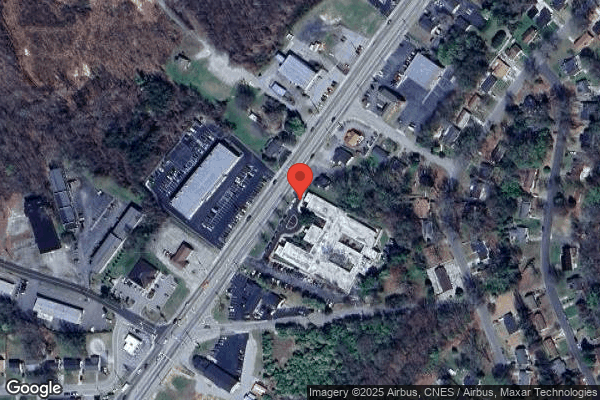

450 PINEY FOREST RD, DANVILLE, VA 24540 (434) 799-1565
For profit - Corporation 120 Beds LIFEWORKS REHAB Data: November 2025
Trust Grade
45/100
#210 of 285 in VA
Last Inspection: January 2025

Within standard 12-15 month inspection cycle. Federal law requires annual inspections.

Overview

Piney Forest Health and Rehabilitation Center has a Trust Grade of D, indicating below average quality with several concerns regarding care. It ranks #210 out of 285 facilities in Virginia, placing it in the bottom half, and #4 out of 4 in Danville City County, meaning there are no better local options available. The facility is worsening, with issues increasing from 1 in 2023 to 6 in 2025. Staffing is a significant concern, rated only 1 out of 5 stars, with a high turnover rate of 60%, which is above the state average. While the facility has not incurred any fines, there have been serious lapses in hygiene and safety; for instance, there were incidents of food not being properly labeled and stored, and failure to follow infection control protocols for residents with gastroenteritis. Overall, families should weigh these strengths and weaknesses carefully when considering this facility for their loved ones.

Trust Score
D
45/100
In Virginia
#210/285
Bottom 27%
Safety Record
Low Risk
No red flags
Inspections
Getting Worse
1 → 6 violations
Staff Stability
⚠ Watch
60% turnover. Above average. Higher turnover means staff may not know residents' routines.
Penalties
✓ Good
No fines on record. Clean compliance history, better than most Virginia facilities.
Skilled Nurses
⚠ Watch
Each resident gets only 25 minutes of Registered Nurse (RN) attention daily — below average for Virginia. Fewer RN minutes means fewer trained eyes watching for problems.
Violations
⚠ Watch
29 deficiencies on record. Higher than average. Multiple issues found across inspections.
★★☆☆☆
2.0
Overall Rating
★☆☆☆☆
1.0
Staff Levels
★★★★☆
4.0
Care Quality
★★★☆☆
3.0
Inspection Score
Stable
2023: 1 issues
2025: 6 issues

The Good

  • 4-Star Quality Measures · Strong clinical quality outcomes
  • Full Sprinkler Coverage · Fire safety systems throughout facility
  • No fines on record

Facility shows strength in quality measures, fire safety.

The Bad

2-Star Overall Rating

Below Virginia average (3.0)

Below average - review inspection findings carefully

Staff Turnover: 60%

14pts above Virginia avg (46%)

Frequent staff changes - ask about care continuity

Chain: LIFEWORKS REHAB

Part of a multi-facility chain

Ask about local staffing decisions and management

Staff turnover is elevated (60%)

12 points above Virginia average of 48%

The Ugly 29 deficiencies on record

Jan 2025 6 deficiencies
CONCERN (D)

Potential for Harm - no one hurt, but risky conditions existed

Notification of Changes (Tag F0580)

Could have caused harm · This affected 1 resident

Based on interviews, clinical record review, and facility document review, the facility staff failed to ensure a resident representative was promptly notified of a change in condition resulting in a t...

Read full inspector narrative →
Based on interviews, clinical record review, and facility document review, the facility staff failed to ensure a resident representative was promptly notified of a change in condition resulting in a transfer to the emergency department for one (1) of 23 sampled residents (Resident #35). The findings include: The facility staff failed to promptly notify Resident #35's resident representative of the need to transfer the resident to the emergency department. Resident #35's Minimum Data Set (MDS) assessment, with an Assessment Reference Date (ARD) of 1/8/25, was signed as completed on 1/13/25. Resident #35 was assessed as able to make self understood and as able to understand others. Resident #35's Brief Interview for Mental Status (BIMS) summary score was documented as a 10 out of 15; this indicated moderate cognitive impairment. On 12/21/24 at 11:06 p.m., Resident #35 was documented as complaining of a burning sensation when urinating and requesting to be sent to the emergency department. Resident #35 was documented as being sent to the emergency department at 11:51 p.m. No documentation was found to indicate Resident #35's resident representative was notified when the resident was sent to the emergency department on 12/21/24. Resident #35's clinical documentation indicated the resident's representative was notified of the transfer to the emergency department on 12/22/24 at 6:40 a.m.; this was after the facility staff had been notified by the emergency department staff that the resident was being discharged back to the facility. The following information was found in a facility policy titled Significant Change in Condition (with an effective date of 1/29/24): Responsible party will be notified of a change in condition. On 1/30/25 at 9:46 a.m., the Administrator provided documentation of an action plan/plan of correction that addressed the failure of facility staff to promptly notify Resident #35's representative of the resident's transfer to the emergency department. This action plan included the following: - A discussion of the findings of a delay in notifying Resident #35's representative of the resident being sent to the emergency department. - Staff education was provided to address this issue with Resident #35 and to address the potential of this issue impacting other residents. The nurse caring for Resident #35 on the evening of 12/21/24 was provided education. Staff education included the topic of responsible party notification and documentation of a resident's change in condition. - The results of this action plan are scheduled to be discussed during the facility's February/March 2025 Quality Assurance meeting. - The education was completed by 1/10/25. The Administrator reported this was the date the corrective action was completed. The survey team met with the facility's Administrator, Director of Nursing, Assistant Administrator, Regional Nurse Consultant, and [NAME] President of Operations on 1/30/25 at 2:28 p.m. During this meeting, the delay in notifying Resident #35's representative of the 12/21/24 transfer to an emergency department was discussed. This is a past non-compliance deficiency.
CONCERN (D)

Potential for Harm - no one hurt, but risky conditions existed

Assessment Accuracy (Tag F0641)

Could have caused harm · This affected 1 resident

**NOTE- TERMS IN BRACKETS HAVE BEEN EDITED TO PROTECT CONFIDENTIALITY** Based on staff interview and clinical record review the facility staff failed to ensure an accurate minimum data set assessment ...

Read full inspector narrative →
**NOTE- TERMS IN BRACKETS HAVE BEEN EDITED TO PROTECT CONFIDENTIALITY** Based on staff interview and clinical record review the facility staff failed to ensure an accurate minimum data set assessment (MDS) for 2 of 23 residents, Resident #68 and Resident #98. The findings included: 1. For Resident #68 the facility staff coded the MDS as the resident receiving an anticoagulant, when the resident was not receiving an anticoagulant. Resident #68's face sheet listed diagnoses which included but not limited to peripheral vascular disease. Resident #68's most recent MDS with an assessment reference date of 01/16/25 assigned the resident a brief interview for mental status score of 9 out of 15 in section C, cognitive patterns. This indicates that that the resident is moderately cognitively impaired. Section N, medications, subsection N0415, High-Risk Drug Classes, coded the resident as receiving an anticoagulant. Resident #68's comprehensive care plan was reviewed and contained a care plan for ANTIPLATELETS: the resident is at risk for bleeding, hemorrhage, excessive bruising and complications due to antiplatelet use secondary to: PVD (peripheral vascular disease). Resident #68's clinical record was reviewed and contained a physician's order summary which read in part, Aspirin EC (enteric coated) Tablet Delayed Release 81 mg (Aspirin). Give 1 tablet by mouth one time a day related to P ERIPHERAL VASCULAR DISEASE, UNSPECIFIED and Clopidogrel Bisulfate Tablet 75 mg. Give 1 tablet by mouth one time a day related to PERIPHERAL VASCULAR DISEASE, UNSPECIFIED. Surveyor could not locate any anticoagulant medication listed on the resident's physician's order summary. Per the Resident Assessment Instrument manual, Do not code antiplatelet medications such as aspirin/extended release, dipyridamole, or clopidogrel as N0415E, Anticoagulant. Surveyor spoke with the regional MDS coordinator on 01/30/25 at 11:20 am regarding Resident #68's MDS assessment. Regional MDS coordinator stated that neither aspirin nor clopidogrel should be coded as an anticoagulant on Resident #68's assessment. The concern of the incorrect coding of Resident #68's MDS was discussed with the administrator, director of nursing, regional nurse consultant, regional MDS coordinator, and administrator in training on 01/30/25 at 2:30 pm. No further information was provided prior to exit. 2. For Resident #93 the facility staff failed to code the resident as receiving an antidepressant medication on the quarterly MDS (minimum data set) assessment dated [DATE]. Resident #93's diagnosis list indicated diagnoses, which included, but not limited to Bipolar Disorder, Type 2 (two) Diabetes Mellitus, Atrial Fibrillation, Cardiogenic Shock, Congestive Heart Failure, Major Depressive Disorder, Parkinson's Disease, and Anxiety Disorder. The most recent minimum data set (MDS) with an assessment reference date (ARD) of 1/16/25 assigned the resident a brief interview for mental status (BIMS) summary score of 6 out of 15 for cognitive abilities, indicating the resident was severely impaired in cognition. A review of Section N (Medications) was not coded for Antidepressant medications and was left blank (unchecked). A review of Resident #93's medical provider orders included an order dated 11/1/24, that read in part, .Mirtazapine Tablet 30 MG (milligrams) Give 1 (one) tablet by mouth at bedtime related to MAJOR DEPRESSIVE DISORDER . A review of the January 2025 MAR (medication administration record) revealed Resident #93 was receiving the medication, Mirtazapine as ordered. On 1/30/25 at 11:48 AM, surveyor interviewed regional director of MDS, and she reviewed the MDS dated [DATE] and the January 2025 MAR for Resident #93 and agreed Section N should have been coded to reflect the resident was receiving the antidepressant medication. This concern was discussed on 1/30/25 at 2:27 PM during the pre-exit meeting with the administrator, regional director of clinical services, vice president of operations, and administrator-in-training. No further information regarding this concern was presented to the survey team prior to the exit conference on 1/30/25.
CONCERN (D)

Potential for Harm - no one hurt, but risky conditions existed

Accident Prevention (Tag F0689)

Could have caused harm · This affected 1 resident

Based on observation, staff interview, clinical record review, and facility document review the facility staff failed to ensure a wander bracelet was in place for 1 of 23 current sampled residents, Re...

Read full inspector narrative →
Based on observation, staff interview, clinical record review, and facility document review the facility staff failed to ensure a wander bracelet was in place for 1 of 23 current sampled residents, Resident #93. The findings included: For Resident #93 the facility staff failed to implement a person-centered intervention to ensure a wander bracelet (a wearable device that helps monitor patients or residents who are at risk of wandering. Wander bracelets are used in healthcare facilities to keep patients safe and can trigger alarms, lock doors, and alert staff) was in place on resident's right ankle to reduce the individual's risk for elopement. Resident #93's diagnosis list indicated diagnoses, which included, but not limited to Bipolar Disorder, Type 2 (two) Diabetes Mellitus, Atrial Fibrillation, Cardiogenic Shock, Congestive Heart Failure, Major Depressive Disorder, Parkinson's Disease, and Anxiety Disorder. The most recent MDS (minimum data set) with an assessment reference date (ARD) of 1/16/25 assigned the resident a brief interview for mental status (BIMS) summary score of 6 out of 15 for cognitive abilities, indicating the resident was severely impaired in cognition. Review of Section P (Restraints and Alarms) section E. Wander/elopement was coded as 2 (used daily), indicating the wander bracelet was used daily on Resident #93. On 1/30/25 at 10:42 AM, surveyor observed Resident #93 sitting in the lobby and asked other staff #2 (OS#2) for assistance in checking placement of a wander bracelet on resident's right ankle. OS#2 pulled down residents right and left socks and agreed no wander bracelet was visible on Resident #93. OS#2 checked resident's purse straps and wrists, and no wander bracelet was visible on the resident or her purse. Other staff #1 (OS#1) was also present in the lobby and stated, We will get her one. A review of the medical providers orders revealed an order dated 1/21/25 that read in part, .Check function of wander bracelet weekly every day shift .for wandering prevention .Check Wander Prevention patient Band every shift-right ankle every day and night shift for wandering . A review of the clinical record revealed an Elopement Risk Tool dated 11/2/2024, that read in part, .E. 2. Has history of elopement/exit seeking .Scoring .10 .High Risk for elopement/exit seeking . A review of the comprehensive person-centered care plan revealed a focus and interventions that read in part, .the resident is at risk for elopement .check function weekly .check placement every shift .replace elopement band as needed .wanderguard-right ankle . On 1/30/25 at 10:57 AM, surveyor spoke with OS#1, and she stated the nurse put a wander bracelet on Resident #93. On 1/30/25 at 11:06 AM, surveyor spoke with licensed practical nurse # 3 (LPN#3) and she stated wander guards are checked each shift, and she had not checked it (Resident #93's wander bracelet) this shift yet. On 1/30/25 at 11:36 AM, surveyor observed Resident #93 in the hallway and the wander bracelet was noted to be present on resident's right ankle. This concern was discussed on 1/30/25 at 2:27 PM during the pre-exit meeting with the administrator, regional director of clinical services, vice president of operations, and administrator-in-training. Surveyor requested and received a facility policy titled, Elopement/Exit-Seeking Behaviors with an effective date of 1/29/24, that read in part, .2. If a patient is determined to be at risk of elopement/exit-seeking, an intervention using a safety/security system (Wander Guard .) .will be assessed for appropriateness . No further information regarding this concern was presented to the survey team prior to the exit conference on 1/30/25.
CONCERN (D)

Potential for Harm - no one hurt, but risky conditions existed

Medical Records (Tag F0842)

Could have caused harm · This affected 1 resident

Based on staff interviews and clinical record review, the facility staff failed to maintain complete and/or accurate clinical records for one (1) of 23 residents (Resident #20). The findings include: ...

Read full inspector narrative →
Based on staff interviews and clinical record review, the facility staff failed to maintain complete and/or accurate clinical records for one (1) of 23 residents (Resident #20). The findings include: The facility staff failed to ensure that Resident #20's Medication Administration Records (MARs) accurately captured the resident's behaviors. Resident #20's Minimum Data Set (MDS) assessment, with an Assessment Reference Date (ARD) of 1/3/25, was signed as completed on 1/8/25. Resident #20 was assessed as able to make self understood and as able to understand others. Resident #20's Brief Interview for Mental Status (BIMS) summary score was documented as six (6) out of 15; this indicated severe cognitive impairment. Resident #20's MARs for October 2024, November 2024, and January 2025 included an area for facility staff to document monitored behaviors. These MARs included places for behavior monitoring to be documented twice a day (once for dayshift and once for nightshift). The instructions were for a Y to be documented if behaviors were observed and N to be documented if no behaviors were observed; if behaviors were observed the findings were to be documented in the progress notes. Resident #20's MARs for October 2024, November 2024, and January 2025 did not have a Y or N documented for the behavior monitoring. A checkmark was documented instead of a Y or N. No instructions were provided to indicate what a checkmark meant. On 1/30/25 at 12:14 p.m., the Regional Nurse Consultant (RNC) reported a checkmark indicated the resident was assessed and found to not have exhibited the behaviors monitored. Review of the aforementioned MARs indicated the facility staff consistently documented checkmarks for behavior monitoring. Resident #20's progress notes included evidence of the following behaviors documented for 10/19/24 at 7:01 a.m.: yelling, refusing medications, and throwing medications on the floor. These behaviors were not captured on the MAR. Resident #20's progress notes included evidence of the following behaviors documented for 10/25/24 at 12:17 p.m.: yelling, screaming, and cussing. These behaviors were not captured on the MAR. Resident #20's provider progress notes included the following documentation of behaviors documented for 10/27/24 at 11:00 p.m.: The patient is seen today again at the request of nursing for evaluation of her behaviors. The patient has again been throwing things at staff, crying, yelling . These behaviors were not captured on the MAR. Resident #20's progress notes included evidence of the resident refusing medications on 11/11/24 at 8:58 a.m. This behavior was not captured on the MAR. The survey team met with the facility's Administrator, Director of Nursing, Assistant Administrator, Regional Nurse Consultant, and [NAME] President of Operations on 1/30/25 at 2:28 p.m. During this meeting, Resident #20's MAR documentation not correctly capturing the resident's behaviors was discussed.
CONCERN (E)

Potential for Harm - no one hurt, but risky conditions existed

Food Safety (Tag F0812)

Could have caused harm · This affected multiple residents

Based on observation, staff interview and facility document review, the facility staff failed to store food in accordance with professional standards for food service safety. The findings included: Th...

Read full inspector narrative →
Based on observation, staff interview and facility document review, the facility staff failed to store food in accordance with professional standards for food service safety. The findings included: The facility staff failed to label and date food items in the facility coolers. On 1/28/25 at 1:28 PM this surveyor and the dining services manager entered the walk-in cooler. This surveyor noted a white storage container on the shelf of the cooler and asked the dining services manager what was in it. The dining services manager pulled the container off the shelf. The bottom of the container had a clear fluid in it. There was a cut cucumber wrapped in plastic wrap, a storage bag with cut up onions, several slices of sandwich cheese wrapped in plastic wrap, a storage bag with what looked like lunchmeat and more lunchmeat wrapped in plastic wrap. Each item was saturated with the clear fluid that was in the bottom of the container. None of the items had labels or dates on them. The dining service manager stated the meat in the storage bag was ham and the the meat in the plastic wrap was turkey. The dining service manager stated that the clear fluid was from the lunchmeat and that the other items should have been stored separately. This surveyor asked if the the items should be labeled and dated, they stated, Yes, each item should be labeled and dated. The ham was just opened in the last day or so. It comes in frozen. They showed this surveyor an unopened package of ham that was thawing. The package had a date of November 21, 2024. They stated that the opened package was from the same box as the unopened package and would have had the same date, but they were unable to state with certainty how long the ham had been opened or how long it had been thawing. They stated, I'll throw it all in the trash. In the reach in/prep cooler, there were nine (9) pitchers of juice. The dining service manager identified 4 as being cranberry juice, 4 as being orange juice and 1 as being apple juice. None of the pitchers were labeled or dated. When asked if the pitchers should be labeled/dated she stated, Yes, each one should have a label with a date on it. We will pour them out. This surveyor asked for and received the policy entitled, Food Storage: Cold with a revision date of October 2019 that read in part, It is the center policy to insure all Time/Temperature Control for Safety (TCS), frozen and refrigerated food items, will be appropriately stored in accordance with guidelines of the FDA Food Code. And under the heading, Action Steps 5. The Dining Services Director/Cook(s) insures that all food items are stored properly in covered containers, labeled and dated and arranged in a manner to prevent cross contamination. On 1/29/25 at 5:00 PM the survey team met with the Administrator, Director of Nursing, Nurse Consultant, and the Administrator in Training. This concern was reviewed with them at that time. No further information was presented to the survey team prior to the exit conference.
CONCERN (E)

Potential for Harm - no one hurt, but risky conditions existed

Infection Control (Tag F0880)

Could have caused harm · This affected multiple residents

Based on observations, interviews, clinical record review, and facility document review, the facility staff failed to: (a) follow infection control guidelines to decrease the potential of and/or risk ...

Read full inspector narrative →
Based on observations, interviews, clinical record review, and facility document review, the facility staff failed to: (a) follow infection control guidelines to decrease the potential of and/or risk for infection transmission for 19 residents experiencing gastroenteritis with nausea, vomiting, and/or diarrhea; (b) utilize the appropriate personal protective equipment (PPE) for one (1) of 23 sampled residents (Resident #107); and (c) implement infection prevention and control procedures/processes for ESBL (extended-spectrum beta-lactamase) urine infection for one (1) of 23 sampled residents (Resident #93). The findings include: 1. The facility staff failed to promptly implement contact isolation for 19 residents identified as having gastroenteritis. (Gastroenteritis is often an infectious process resulting in nausea, vomiting, and/or diarrhea.) On the afternoon of 1/28/25, shortly after entering the facility, the facility staff notified the survey team of having several patients and staff members experiencing nausea, vomiting, and/or diarrhea. On 1/28/24, at approximately 2:30 p.m., it was noted that residents who were reported to have gastroenteritis symptoms were not on contact isolation. On 1/28/25 at 2:30 p.m., the facility's Infection Preventionist (IP) provided the surveyor with a list of 19 residents who were experiencing gastroenteritis symptoms; 10 of the 19 residents were documented on the facility's line-list to have had gastroenteritis symptoms start on 1/27/25. The IP and the surveyor toured the facility to make observations of the rooms where the 19 residents with gastroenteritis symptoms resided; none of these rooms were noted to have contact isolation signs posted to notify staff and visitors of the need to use the necessary personal protective equipment (PPE). The IP showed the surveyor a copy of a Contact Isolation sign that should have been posted for the 19 residents with gastroenteritis symptoms. The following information was found in a facility policy titled Infection Outbreak Standards of Practice (with an effective date of 2/6/2020): Measures are to be taken to limit the further spread of the outbreak . The following information was found in a facility policy titled Standard of Practice in the Norovirus section of the facility's policies (with an effective date of 2/6/2020): - POLICY . To establish standards of practice and education that provides parameters for appropriate clinical management and follow-up of patients and employees known or suspected to have norovirus. - An outbreak is defined as the presence of more diarrheas or vomiting [sic] than would usually be expected in the Center, or on a particular unit, for that time of year. A basic threshold for norovirus might be three or more cases of illness among patients and/or employees within a 72-hour period. - Special contact precautions in addition to standard precautions are indicated when caring for persons with norovirus. Change gowns and gloves between contacts with roommates. The following information was found in a facility policy titled Transmission Based Precaution - General Practice (with an effective date of 12/1/21): - The Center initiates transmission-based precautions (TBPs) to protect other patients, employees and visitors from the spread of a confirmed or suspected infection or contagious disease. The TBPs will be based on the type of pathogens, knowledge of the natural history of certain diseases and studies of epidemiology. The TBP measures will be the least restrictive possible for the patient under the circumstances. - The type of TBPs instituted will be based on studies of pathogens, knowledge of the natural history of certain diseases, and studies of epidemiology. - An appropriate isolation precaution card will be placed on the patient's door. On the afternoon of 1/28/25 at 5:30 p.m., the 19 residents who were reported to have been experiencing nausea, vomiting, and/or diarrhea were noted to have contact isolation signs posted outside their rooms. These signs indicated: (a) hand hygiene was required before entering and before exiting the room, (b) gowns should be worn when entering the room, and (c) gloves should be worn when entering the room. On 1/29/25 at 3:31 p.m., Registered Nurse (RN) #2 was observed to be providing care for Resident #107 without wearing a gown. (On the morning of 10/29/25 at 10:05 a.m., Resident #107 was documented as experiencing nausea and vomiting resulting in the nurse practitioner (NP) ordering medications and intravenous (IV) fluids.) Resident #107's Minimum Data Set (MDS) assessment, with an Assessment Reference Date (ARD) of 1/6/25, was signed as completed on 1/10/25. Resident #107 was assessed as able to make self understood and as able to understand others. Resident #107's Brief Interview for Mental Status (BIMS) summary score was documented as a 13 out of 15; this indicated intact or borderline cognition. On 1/29/25 at 3:34 p.m., the Infection Preventionist (IP) was asked to observe RN #2 providing care for Resident #107. The IP confirmed RN #2 should have been wearing a gown while providing care for the resident. ON 1/29/25 at 3:37 p.m., RN #2 was interviewed about the care she was providing for Resident #107. RN #2 stated she was providing IV fluids. RN #2 reported she should have been wearing a gown. The survey team met with the facility's Administrator, Director of Nursing, Assistant Administrator, Regional Nurse Consultant, and [NAME] President of Operations on 1/30/25 at 2:28 p.m. During this meeting, the failure of the facility staff to correctly implement contact isolation precautions was discussed. 2. For Resident #93 the facility staff failed to maintain an infection prevention and control program designed to provide a safe and sanitary environment to help prevent the transmission of communicable diseases and infection by failing to identify the need for transmission based precautions for the resident due to an active infection of ESBL (extended-spectrum beta-lactamase, which is an enzyme that makes bacteria resistant to many antibiotics. Infections caused by ESBL-producing bacteria can be difficult to treat.) in the resident's urine. Resident #93's diagnosis list indicated diagnoses, which included, but not limited to Bipolar Disorder, Type 2 (two) Diabetes Mellitus, Atrial Fibrillation, Cardiogenic Shock, Congestive Heart Failure, Major Depressive Disorder, Parkinson's Disease, and Anxiety Disorder. The most recent MDS (minimum data set) with an assessment reference date (ARD) of 1/16/25 assigned the resident a brief interview for mental status (BIMS) summary score of 6 out of 15 for cognitive abilities, indicating the resident was severely impaired in cognition. On 1/28/25 at 4:56 PM, surveyor observed a contact isolation sign outside of Resident #93's room, located on the wall beside her door. A review of Resident #93's medical provider orders included an order with a start date of 1/24/25, that read in part, .Ertapenem Sodium Injection Solution .Inject 1 (one) gram intramuscularly one time a day for UTI (urinary tract infection) for 5 (five) days . Review of the medical providers orders also revealed an order with a start date of 1/28/25, that read in part, .Contact Precautions every shift until 01/31/2025 . A review of the clinical record revealed the following: A progress note dated 1/21/2025 read in part, Health Status Note .Note Text : UA C&S (urine analysis & urine culture and sensitivity-a test that examines a urine sample for signs of infection, inflammation, or other abnormalities) urinalysis collected via urine hat (a disposable collection device that fits over the rim of a toilet to collect urine samples). A medical provider progress note dated 1/24/25, read in part, .patient is seen today for evaluation of UTI (urinary tract infection) .urine did return positive for infection .specifically E. coli (escherichia coli, which is a type of bacteria) ESBL . A review of the comprehensive person-centered care plan had a focus and interventions that read in part, .ISOLATION/PRECAUTIONS: the resident required contact isolation/precautions related to urinary tract infection-ESBL Created on: 01/29/2025 . isolation precautions per order . On 1/30/25 at 10:39 AM, surveyor interviewed Infection Preventionist (IP), and she stated she was not aware of Resident #93 being positive for ESBL until Monday, January 27, 2025. IP stated she was working on 1/24/25 but was not aware of the results of the urine analysis. The IP did agree that the nurse's should know to place residents with ESBL infections on contact precautions whether she is available in the building or not. IP agreed Resident #93 should have been placed on contact precautions on 1/24/25. This concern was discussed on 1/30/25 at 2:27 PM during the pre-exit meeting with the administrator, regional director of clinical services, vice president of operations, and administrator-in-training. Surveyor requested and received a facility policy titled, Extended Spectrum Beta-Lactamase with an effective date of 2/6/2020 that read in part, .The Center establishes standards of practice and provides parameters for appropriate clinical management and education of patients known or suspected to have an extended spectrum beta-lactamase (ESBL) producing organism present .5. Transmission a. Direct contact with infective secretions/excretions. b. Via contaminated hands of healthcare providers .6. Transmission Prevention .b. Contact precautions in addition to standard precautions in accordance with physician orders and patient's condition. i. Follow contact precaution instructions .7. Management and Treatment a. Prompt identification and physician notification of the presence of an ESBL organism .d. Place on contact precautions per physician orders . No further information regarding this concern was presented to the survey team prior to the exit conference on 1/30/25.
Jun 2023 1 deficiency
CONCERN (D) 📢 Someone Reported This

A family member, employee, or ombudsman was alarmed enough to file a formal complaint

Potential for Harm - no one hurt, but risky conditions existed

Medical Records (Tag F0842)

Could have caused harm · This affected 1 resident

Based on staff interviews, facility document review, and clinical record review, the facility staff failed to maintain a complete and/or accurate clinical record for one (1) of three (3) sampled resid...

Read full inspector narrative →
Based on staff interviews, facility document review, and clinical record review, the facility staff failed to maintain a complete and/or accurate clinical record for one (1) of three (3) sampled residents (Resident #1). The findings include: Resident #1's clinical records failed to include documentation of the administration of acetaminophen which Licensed Practical Nurse (LPN) #1 stated they gave to the resident on 5/29/23. Resident #1's minimum data set (MDS) assessment, with an assessment reference date (ARD) of 5/19/23, was dated as completed on 5/24/23. Resident #1 was assessed as being able to make self understood and as being able to understand others. Resident #1's Brief Interview for Mental Status (BIMS) summary score was assessed as a 11 out of 15; this indicated moderate cognitive impairment. Resident #1 was assessed as requiring supervision with walking in their room and in the corridor. Resident #1 was assessed as requiring assistance for bed mobility, transfers, and toilet use. Resident #1's clinical documentation included evidence of a fall on 5/29/23 at 12:45 a.m.; the resident was documented as complaining of right hip pain. Resident #1's clinical record included evidence of the Nurse Practitioner (NP) providing orders for acetaminophen 1000 mg every six (6) hours as needed for pain in the note dated 5/29/23 at 12:45 a.m. No evidence was found to indicate the medication was provided to Resident #1. The following information was found in a facility policy/procedure titled Documentation Summary (with an effective date of 11/1/19): - Licensed Nurses and CNAs will document all pertinent nursing assessments, care interventions, and follow up actions in the medical record. - Document all of the facts and pertinent information related to an event, course of treatment, patient condition, response to care, and deviations from standard treatment along with the reason for the deviation. On 6/14/23 at 12:24 p.m., LPN #1 was interviewed via telephone related to Resident #1's aforementioned acetaminophen order. LPN #1 stated they administered one (1) dose of the acetaminophen to Resident #1. LPN #1 acknowledged they did not document that the medication had been administered. LPN #1 reported, after Resident #1's 5/29/23 fall, the resident was comfortable unless the injured leg was manipulated. On 6/16/23 at 9:47 a.m., the surveyor discussed the failure of LPN #1 to document the administration of Resident #1's acetaminophen with the facility's Director of Nursing (DON). No additional information related to this issue was provided to the surveyor.
Apr 2022 16 deficiencies
CONCERN (D)

Potential for Harm - no one hurt, but risky conditions existed

Abuse Prevention Policies (Tag F0607)

Could have caused harm · This affected 1 resident

Based on staff interview, clinical record review, and facility document review, the facility staff failed to implement their policy in regards to an allegation of abuse for 1 of 24 Residents, Resident...

Read full inspector narrative →
Based on staff interview, clinical record review, and facility document review, the facility staff failed to implement their policy in regards to an allegation of abuse for 1 of 24 Residents, Resident #48. The facility staff failed to implement their policy in regards to reporting an alleged incident of abuse regarding Resident #48. The findings included: Section C (cognitive patterns) of Resident #48's significant change in status minimum data set (MDS) assessment with an assessment reference date (ARD) of 02/27/22 included a brief interview for mental status summary score of 5 out of a possible 15 points. Per the MDS manual, a score of 0-7 indicates severe impairment in cognitive skills. Diagnoses included, but were not limited to, Parkinson's disease, vascular dementia, unspecified mood disorder, and dementia with behavioral disturbances. Resident #48's comprehensive care plan included the areas of resistive to care, noncompliance with treatment regimen, verbally aggressive at times, impaired cognitive function, and impaired visual function. 04/15/22, the surveyor was made aware of an allegation regarding Resident #48 being put in their room with the heat on and the door being shut. The alleged perpetrator was identified as Licensed Practical Nurse (LPN) #6. 04/15/22 10:22 a.m., the Administrator, Director of Nursing (DON), and Nurse Consultant were made aware of the allegation. The DON stated they were aware of the allegation an FRI has been completed and it has been investigated. 04/15/22 11:00 a.m., the survey team listened to a voicemail from a staff at the Department of Health Professions (DHP) to the administrator. This voicemail requested information regarding an alleged incident involving Resident #48. DHP had requested information regarding an investigation and facility reported incident (FRI) regarding Resident #48 allegedly being placed in their room with the heat on by a staff member of the facility, being yelled at by a staff person, and having a black eye. 04/15/22 12:47 p.m., phone call with the DHP intake analyst who had left the voicemail for the administrator. This staff stated they could only speak hypothetically. If there were an issue, it would go to the board of nursing. We cannot tell anyone not to do an FRI if I get asked that question I tell them they need to talk to the Office of Licensure and Certification (OLC) about that. If someone says something like do I need to report that I direct them to their corporate office, we only deal with the licensee. The surveyor was given 1 page of an investigation that read, on 03-21-22, the Administrator was made aware of potential abuse regarding Resident #48. The administrator and HR spoke to this resident. The patient stated that no one here has been mean and when asked if they ever had a black eye they replied yes years ago. The administrator and HR personnel signed this document. No other documentation was provided. 04/15/22 1:20 p.m., Administrator stated they had spoken with Resident #48 with their Human Resource manager, talked to staff, talked to the nurse, and what I have written is what has been given to you. The administrator stated they did not complete an FRI after speaking with DHP it was kind of like case closed and I figured I was talking to a state entity. The administrator stated they were going to complete an FRI today and stated that I did not know of the clear separation of DHP and OLC. The administrator stated they felt like I was reporting when I spoke with the DHP staff and they did not think there was any risk to the patient. 04/15/22 2:27 p.m., call from DHP intake analyst who stated my usual verbage is we are not telling you to investigate something I was just calling to see if it had been investigated. I cannot tell anyone to or not to investigate. That is my usual verbage if I call someone it is because DHP has directed me to do so. Facility policy titled, Reporting Requirements/Investigations effective date 01/23/20 read in part, The Administrator will ensure the timely reporting, investigating, and follow up reporting of incidents of alleged/suspected patient abuse, neglect, mistreatment, exploitation, or crime against a patient to the State Agency and any other appropriate authorities. Immediately upon notification of any alleged violations involving abuse, neglect, exploitation, or mistreatment .the Administrator will immediately report to the State Agency, but not later than 2 hours after the allegation is made, if the events that caused the allegation involves abuse or results in serious bodily injury, or not later than 24 hours if the events that caused the allegation do not involve abuse and do not results in serious bodily injury. Notify the Department of Health Office of Licensure and Certification by filing the initial report on the Virginia Department of Health Facility Reported Incident Form .Notify the Adult Protective Services Agency, the local Ombudsman, and the appropriate local law enforcement authorities for any incident of patient abuse, mistreatment, neglect. Notify within 24 hours the Department of Health Professions (DHP) for incidences involving .LPN's . 04/15/22 2:40 p.m., Administrator, DON, and Nurse Consultant were made aware of the issue regarding not following their policy in regards to an allegation of abuse. Prior to the exit conference on 04/15/22 the administrator provided the surveyor with a copy of an FRI completed 04/15/22 regarding resident #48. No further information regarding this issue was provided to the survey team prior to the exit conference on 04/15/22.
CONCERN (D)

Potential for Harm - no one hurt, but risky conditions existed

Report Alleged Abuse (Tag F0609)

Could have caused harm · This affected 1 resident

Based on staff interview, clinical record review, and facility document review, the facility staff failed to report an allegation of abuse to the appropriate state agencies. The administrator failed ...

Read full inspector narrative →
Based on staff interview, clinical record review, and facility document review, the facility staff failed to report an allegation of abuse to the appropriate state agencies. The administrator failed to notify the appropriate state agencies when they were made aware of an allegation of abuse from the Department of Health Professions (DHP) regarding Resident #48. The findings included: Section C (cognitive patterns) of Resident #48's significant change in status minimum data set (MDS) assessment with an assessment reference date (ARD) of 02/27/22 included a brief interview for mental status summary score of 5 out of a possible 15 points. Per the MDS manual, a score of 0-7 indicates severe impairment in cognitive skills. Diagnoses included, but were not limited to, Parkinson's disease, vascular dementia, unspecified mood disorder, and dementia with behavioral disturbances. Resident #48's comprehensive care plan included the areas of resistive to care, noncompliance with treatment regimen, verbally aggressive at times, impaired cognitive function, and impaired visual function. 04/15/22, the surveyor was made aware of an allegation regarding Resident #48 being put in his room with the heat on and the door being shut. The alleged perpetrator was identified as Licensed Practical Nurse (LPN) #6. 04/15/22 10:22 a.m., the Administrator, Director of Nursing (DON), and Nurse Consultant were made aware of the allegation. The DON stated they were aware of the allegation an FRI has been completed and it has been investigated. 04/15/22 11:00 a.m., the survey team listened to a voicemail from a staff at the DHP to the administrator. This voicemail requested information regarding an alleged incident involving Resident #48. DHP had requested information regarding an investigation and facility reported incident (FRI) regarding Resident #48 allegedly being placed in their room with the heat on by a staff member of the facility, being yelled at by a staff person, and having a black eye. 04/15/22 12:47 p.m., phone call with DHP intake analyst who had left the voicemail for the administrator. This staff stated they could only speak hypothetically. If there were an issue, it would go to the board of nursing. We cannot tell anyone not to do an FRI if I get asked that question I tell them they need to talk to the Office of Licensure and Certification (OLC) about that. If someone says something like do I need to report that I direct them to their corporate office, we only deal with the licensee. The surveyor was given 1 page of an investigation that read, on 03-21-22, the Administrator was made aware of potential abuse regarding Resident #48. The administrator and HR spoke to this resident. The patient stated that no one here has been mean and when asked if they ever had a black eye they replied yes years ago. The administrator and HR personnel signed this document. No other documentation was provided. 04/15/22 1:20 p.m., Administrator stated they had spoken with Resident #48 with their Human Resource manager, talked to staff, talked to the nurse, and what I have written is what has been given to you. The administrator stated they did not complete an FRI after speaking with DHP it was kind of like case closed and I figured I was talking to a state entity. The administrator stated they were going to complete an FRI today and stated that I did not know of the clear separation of DHP and OLC. The administrator stated they felt like I was reporting when I spoke with the DHP staff and they did not think there was any risk to the patient. 04/15/22 2:27 p.m., call from DHP intake analyst who stated my usual verbage is we are not telling you to investigate something I was just calling to see if it had been investigated. I cannot tell anyone to or not to investigate. That is my usual verbage if I call someone it is because DHP has directed me to do so. Facility policy titled, Reporting Requirements/Investigations effective date 01/23/20 read in part, The Administrator will ensure the timely reporting, investigating, and follow up reporting of incidents of alleged/suspected patient abuse, neglect, mistreatment, exploitation, or crime against a patient to the State Agency and any other appropriate authorities. Immediately upon notification of any alleged violations involving abuse, neglect, exploitation, or mistreatment .the Administrator will immediately report to the State Agency, but not later than 2 hours after the allegation is made, if the events that caused the allegation involves abuse or results in serious bodily injury, or not later than 24 hours if the events that caused the allegation do not involve abuse and do not results in serious bodily injury. Notify the Department of Health Office of Licensure and Certification by filing the initial report on the Virginia Department of Health Facility Reported Incident Form .Notify the Adult Protective Services Agency, the local Ombudsman, and the appropriate local law enforcement authorities for any incident of patient abuse, mistreatment, neglect. Notify within 24 hours the Department of Health Professions (DHP) for incidences involving .LPN's . 04/15/22 2:40 p.m., Administrator, DON, and Nurse Consultant were made aware of the issue regarding not reporting an allegation of abuse to the appropriate state agencies. Prior to the exit conference on 04/15/22 the administrator provided the surveyor with a copy of an FRI completed 04/15/22 regarding resident #48. No further information regarding this issue was provided to the survey team prior to the exit conference on 04/15/22.
CONCERN (D)

Potential for Harm - no one hurt, but risky conditions existed

Comprehensive Care Plan (Tag F0656)

Could have caused harm · This affected 1 resident

Based on family interview, staff interview, and clinical record review, the facility staff failed to develop a comprehensive care plan and failed to include the residents family in the CP process for ...

Read full inspector narrative →
Based on family interview, staff interview, and clinical record review, the facility staff failed to develop a comprehensive care plan and failed to include the residents family in the CP process for 2 of 24 Residents, Resident #70 and #78. For Resident #70, the facility staff failed to develop a CCP when the resident developed pressure ulcers and failed to include the resident's representative in the care plan process. For Resident #78, the facility staff failed to develop a care plan to address depression. The findings included: 1. Section C (cognitive patterns) of Resident #70's admission minimum data set (MDS) assessment with an assessment reference (ARD) date of 03/13/22 included a brief interview for mental status (BIMS) summary score of 12 out of a possible 15 points. Section M (skin) was coded to indicate the resident did not have any pressure ulcers. Diagnoses included, but were not limited to, seizures, anemia, cerebral infarction, cognitive communication deficit, urinary retention, benign prostatic hyperplasia, and abdominal aortic aneurysm. 04/12/22 2:29 p.m., during a family interview the family expressed a concern that this resident had not had a care plan meeting and they were told the facility did weekly reports but they had never received one. 04/13/22 3:04 p.m. the MDS coordinator reviewed the clinical record and stated they did not see where they had a CP meeting for this resident or where any invitation to the family had been sent to invite them to a CP meeting. The MDS coordinator stated they would send out an invitation and this resident should have had a CP meeting. 04/14/22 1:22 p.m., the MDS coordinator stated the family had been sent an invitation to a CP meeting that will be held on Tuesday. Resident #70's clinical record included the following documentation. Skin Observation Tool dated 03/22/22 Stage 2 Pressure ulcer to sacrum. 03/23/22 Family Nurse Practitioner (FNP) documented .small open area of skin on .sacrum consistent with a stage 2 decubitus. Wound care notes from an outside company dated 03/24/22-initial encounter stage 2 gluteal fold pressure ulcer and stage 2 buttock pressure ulcer. During a review of Resident #70's CCP, the surveyor was unable to locate any documentation to indicate the resident had any current pressure ulcers. There was a focus area indicating the resident was at risk for developing pressure ulcers. 04/13/22 10:14 a.m., the surveyor observed the facility nursing staff complete wound care to the resident's buttock pressure ulcer. The area on the gluteal fold was healed. No problems were identified. 04/13/22 12:47 p.m., the surveyor and MDS coordinator reviewed the residents CCP. The MDS coordinator stated they did not see any documentation in relation to the resident's pressure ulcers on the CCP. 04/13/22 5:30 p.m., during an end of the day meeting with the Administrator, Director of Nursing, and Nurse Consultant the missing information in regards to Resident #70's CP was reviewed. The facility provided the surveyor with a copy of a progress note transcribed by the business office manager on 04/14/22 in regards to a CP meeting and an invitation sent to the family indicating a CP meeting would be held on 04/19/22 between the hours of 11:00 a.m. and 12:00 p.m. No further information regarding this issue was provided to the survey team prior to the exit conference. 2. Resident #78's minimum data set (MDS) assessment, with an assessment reference date (ARD) of 3/16/22, was signed as completed on 3/18/22. Resident #78 was assessed as able to make self understood and as usually able to understand others. Resident #78 Brief Interview for Mental Status (BIMS) summary score was a 13 out of 15; this indicated intact/borderline cognition. Resident #78 was assessed a requiring assistance with bed mobility, dressing, eating, toilet use, and personal hygiene. Resident #78's diagnoses included, but were not limited to: anemia, high blood pressure, kidney disease, and lung disease. Resident #78's clinical record included an order for duloxetine 20mg capsule dated 3/24/22. This order included guidance to give 1 capsule by mouth one time a day for depression. A family nurse practitioner (FNP) note dated 3/30/22 indicated the plan for treating Resident #78's depression was the medication duloxetine. The facility staff failed to develop a care plan addressing Resident #78 being provided a medication for depression. Resident #78's clinical documentation included a comprehensive care plan; the comprehensive care plan did not address depression. The following information was found in a facility policy/procedure titled Care Planning (with an effective date of 11/1/19): - A licensed nurse, in coordination with the interdisciplinary team, develops and implements an individualized care plan for each patient in order to provide effective, person-centered care, and the necessary health-related care and services to attain or maintain the highest practical physical, mental, and psychosocial well-being of the patient. - Computerized care plans will be updated by each discipline on an ongoing basis as changes in the patient occur, and reviewed quarterly with the quarterly assessment. On 4/15/22 at 9:31 a.m., the facility's Corporate Nurse was interviewed about Resident #78's care plan not addressing the resident's depression; the Corporate Nurse acknowledged the care plan did not address the resident's depression. A survey team meeting was conducted with the facility's Administrator, Director of Nursing, and Corporate Nurse on 4/15/22 at 2:45 p.m. The failure of the facility staff to develop a care plan to address Resident #78's medication for depression was discussed. No addition information related to this issue was provided to the survey team.
CONCERN (D)

Potential for Harm - no one hurt, but risky conditions existed

Deficiency F0657 (Tag F0657)

Could have caused harm · This affected 1 resident

Based on staff interview and clinical record review, the facility staff failed to review and revise the residents comprehensive care plans (CCP) for 2 of 24 Residents, Residents #53 and #70. The faci...

Read full inspector narrative →
Based on staff interview and clinical record review, the facility staff failed to review and revise the residents comprehensive care plans (CCP) for 2 of 24 Residents, Residents #53 and #70. The facility staff failed to review and revise Resident #53 CCP when the residents foley catheter was discontinued and failed to review and revise Resident #70's CCP when the residents aspirin was discontinued. The findings included: 1. Section C (cognitive patterns) of Resident #53's admission minimum data set (MDS) assessment with an assessment reference date (ARD) of 03/02/22 included a brief interview for mental status (BIMS) score of 9 out of a possible 15 points. Per the MDS manual a score of 8-12 indicated a resident was moderately impaired in cognitive skills for daily decision-making. Section H (bladder and bowel) had been coded to indicate the resident has a foley catheter. Diagnoses included, but were not limited to, autistic disorder, urinary tract infection, major depressive disorder, and benign prostatic hyperplasia. The CCP included the focus areas-resident has a urinary tract infection (UTI) related to chronic indwelling catheter and is at risk for more UTI's and has chronic indwelling foley catheter. Creation date for both areas was 03/03/22. 04/13/22 8:17 a.m., the surveyor did not observe a foley catheter in place. 04/13/22 9:04 a.m., MDS coordinator reviewed the CCP with the surveyor and stated they had meetings everyday regarding the residents and the staff were supposed to let them know of changes. The clinical record included a progress note documented by Licensed Practical Nurse (LPN) #7 on 03/17/22 Foley catheter removed at 1800. No complications or discomfort .Will continue to monitor voiding for the next 6 hrs (hours). If no voiding in 6 hrs, foley will be reinserted. A physicians order was written to discontinue the foley catheter on 03/17/22. 04/13/22 5:30 p.m., during an end of the day meeting with the Administrator, Director of Nursing, and Nurse Consultant the issue with the foley catheter being on the CCP after it had been discontinued in March was reviewed. No further information regarding this issue was provided to the survey team prior to the exit conference. 2. Section C (cognitive patterns) of Resident #70's admission minimum data set (MDS) assessment with an assessment reference (ARD) date of 03/13/22 included a brief interview for mental status (BIMS) summary score of 12 out of a possible 15 points. Section M (skin) was coded to indicate the resident did not have any pressure ulcers. Diagnoses included, but were not limited to, seizures, anemia, cerebral infarction, cognitive communication deficit, urinary retention, benign prostatic hyperplasia, and abdominal aortic aneurysm. Resident #70's clinical record included information indicating the anticoagulant medication aspirin was put on hold on 03/16/22 and discontinued on 03/21/22. On 03/21/22, the Family Nurse Practitioner transcribed a progress note that stated plavix and aspirin were contraindicated for this resident. Resident #70's CCP included the focus area resident is on anticoagulant therapy aspirin/plavix status post cerebral vascular accident (stroke). Interventions included administer anticoagulant medications as ordered by physician. Created and revision dates were documented as 03/14/22. 04/13/22 2:00 p.m., the MDS coordinator reviewed the CCP with the surveyor and confirmed that aspirin was still on the residents CCP. 04/13/22 5:30 p.m., during an end of the day meeting with the Administrator, Director of Nursing, and Nurse consultant the issue with the anticoagulant medication being on the residents CCP after it had been discontinued was reviewed. No further information regarding this issue was provided to the survey team prior to the exit conference.
CONCERN (D)

Potential for Harm - no one hurt, but risky conditions existed

ADL Care (Tag F0677)

Could have caused harm · This affected 1 resident

Based on observation, resident interview, staff interview, and clinical record review, the facility staff failed to provide activities of daily living care (ADL) for dependent care residents for 3 of ...

Read full inspector narrative →
Based on observation, resident interview, staff interview, and clinical record review, the facility staff failed to provide activities of daily living care (ADL) for dependent care residents for 3 of 24 residents, Residents #8, #53, and #95. Resident's #8 and #95 were observed to have long, jagged fingernails with debris present. Resident #53's fingernails and toenails were observed to be long, jagged, with debris present. The findings included: 1. Section C (cognitive patterns) of Resident #8's significant change in status minimum data set (MDS) assessment with an assessment reference date (ARD) of 01/10/22 included a brief interview for mental status (BIMS) summary score of 10 out of a possible 15 points. Per the MDS manual, a score of 8-12 indicated a resident was moderately impaired in cognitive skills for daily decision-making. Section G (functional status) was coded 3/2 to indicate the resident required extensive assistance of one person for personal hygiene. Diagnoses included, but were not limited to, diabetes and muscle weakness. Resident #8's comprehensive care plan included the focus area ADL self-care performance deficit and resistant to care at times. 04/13/22 8:32 a.m., Resident #8's fingernails observed to be long and jagged with debris present under the nails. The resident stated they probably needed to be cut. Refused to allow the surveyor to see his toenails. 04/13/22 5:30 p.m., during an end of the day meeting with the Administrator, Director of Nursing, and Nurse Consultant the issue with the residents nails was reviewed. 04/15/22 8:18 a.m., certified nursing assistant (CNA) #4 stated they cut resident fingernails and the podiatrist would do the toenails. If we see someone who nails need to be trimmed, we tell the nurse. No further information regarding this issue was provided to the survey team prior to the exit conference. 2. Section C (cognitive patterns) of Resident #53's admission minimum data set (MDS) assessment with an assessment reference date (ARD) of 03/02/22 included a brief interview for mental status (BIMS) score of nine out of a possible 15 points. Per the MDS manual a score of 8-12 indicated a resident was moderately impaired in cognitive skills for daily decision-making. Section G (functional status) was coded 3/2 to indicate the resident required extensive assistance of one person for personal hygiene. Diagnoses included, but were not limited to, autistic disorder and major depressive disorder. The residents comprehensive care plan included the focus area has ADL self-care performance deficit. 04/13/22 8:05 a.m., fingernails observed to be long and jagged. Resident #53 kept pointing to feet and saying sore toe. Checked feet with staff development coordinator (SDC) toenails observed to be long, jagged, thick, and discolored. Resident #53's left great big toenail was observed with a brown substance at bottom of toenail bed. SDC stated they would let the Nurse Practitioner know and add this resident to the podiatry list. 04/13/22 8:14 a.m., unit manager stated the podiatrist was at the facility on March 24 but they did not think this resident had been seen and that the podiatrist generally cuts nails. 04/13/22 8:57 a.m., the Family Nurse Practitioner (FNP) stated the podiatrist will not go in to resident rooms and that the facility had bought instruments last week to cut nails. The FNP also stated that initially this resident was not able to get up. 04/13/22 5:30 p.m., during an end of the day meeting with the Administrator, Director of Nursing (DON), and Nurse Consultant the issue with the residents nails was reviewed. The DON stated the FNP had ordered something for Resident #53's toenails. 04/13/22 the FNP transcribed orders for Resident #53's left great toe to be painted with betadine everyday due to toe fungus and for the medication terbinafine HCL 250 mg one time a day for fungus. 04/15/22 8:18 a.m., certified nursing assistant (CNA) #4 stated they cut resident fingernails and the podiatrist would do the toenails. If we see someone who nails need to be trimmed, we tell the nurse. No further information regarding this issue was provided to the survey team prior to the exit conference. 3. Section C (cognitive patterns) of Resident #95's quarterly minimum data set (MDS) assessment with an assessment reference date (ARD) of 03/22/22 included a brief interview for mental status (BIMS) summary score of 15 out of a possible 15 points. Indicating the resident was cognitively intact. Section G (functional status) was coded 3/2 for personal hygiene indicating the resident required extensive assistance of one person for this task. Diagnoses included, but were not limited to, diabetes, bipolar disorder, muscle weakness, and end stage renal disease. Resident #95's comprehensive care plan included the focus area ADL self-care deficit. 04/13/22 8:33 a.m., observed Resident #95 up in room stated their fingernails needed cutting and that they were told they cut them on shower days. 04/14/22 1:38 p.m., fingernails remain long with debris present under nails. 04/15/22 8:18 a.m., certified nursing assistant (CNA) #4 stated they cut resident fingernails and the podiatrist would do the toenails. If we see someone who nails need to be trimmed, we tell the nurse. 04/15/22 2:40 p.m., during an end of the day meeting with the Administrator, Director of Nursing (DON), and Nurse Consultant the issue with the residents nail care was reviewed. No further information regarding this issue was provided to the survey team prior to the exit conference.
CONCERN (D)

Potential for Harm - no one hurt, but risky conditions existed

Pressure Ulcer Prevention (Tag F0686)

Could have caused harm · This affected 1 resident

Based on staff interview, clinical record review, and facility document review, the facility staff failed to ensure residents with pressure ulcers receive necessary treatment and services to promote h...

Read full inspector narrative →
Based on staff interview, clinical record review, and facility document review, the facility staff failed to ensure residents with pressure ulcers receive necessary treatment and services to promote healing for 1 of 24 residents in the survey sample, Resident #107. For Resident #107, the facility staff failed to provide the correct physician's ordered treatment to a pressure area on the right trochanter on 4/14/22. The findings included: Resident #107's diagnosis list indicated diagnoses, which included, but not limited to Metabolic Encephalopathy, Protein-Calorie Malnutrition, Osteomyelitis, Major Depressive Disorder, Dementia, Adult Failure to Thrive, Functional Quadriplegia, and Essential Hypertension. The most recent significant change minimum data set (MDS) with an assessment reference date (ARD) of 3/28/22 assigned the resident a brief interview for mental status (BIMS) summary score of 7 out of 15 indicating the resident was severely cognitively impaired. Resident #107 was coded as requiring extensive assistance with bed mobility, personal hygiene and being totally dependent on staff for eating, toileting, and bathing. Resident #107 was coded as having two (2) unstageable pressure ulcers due to coverage of wound bed by slough and/or eschar that were present upon admission/entry or reentry. Resident #107's current comprehensive person-centered plan of care included a focus area stating in part The resident has a pressure ulcer to the right hip stage 4 and buttock stage 4. The resident has a risk for worsening pressure ulcers or the development of additional pressure ulcers related to: frequent incontinence, immobility, inability to turn and reposition independently. Resident #107's current physician's orders included an order dated 3/24/22 to clean right trochanter with normal saline, pack with Iodoform and apply Mepilex foam border every night shift for wound. A review of the resident's April 2022 treatment administration record (TAR) revealed the treatment was documented with a 9 on 4/13/22. According to the TAR Chart Codes, a 9 indicated Other/See Progress Notes. Resident's progress note dated 4/14/22 2:16 am read in part cleaned with NS (normal saline) and packed with wet to dry until Iodoform is ordered. Surveyor reviewed the resident's current orders and did not locate an order to substitute Iodoform with a wet to dry dressing. On 4/15/22 at 8:47 am, surveyor spoke with licensed practical nurse (LPN) #3 and asked if Resident #107 had Iodoform available. In the presence of the surveyor, LPN #3 checked the treatment cart and stated no, I don't see it. At 9:05 am, surveyor spoke with the director of nursing (DON) regarding Resident #107's Iodoform not being available and the nurse on 4/14/22 substituting it with a wet to dry dressing without an order. DON stated they had ran out of the Iodoform. DON reviewed the resident's orders and acknowledged there was no order for the wet to dry dressing for the right trochanter pressure area. DON stated the administrator was in route to their sister facility to obtain Iodoform for the resident. At 9:14 am, the administrator returned to the facility with Iodoform for Resident #107. Surveyor requested and received the facility policy entitled General Wound Care/Dressing Changes which read in part A licensed nurse will provide wound care/dressing change(s) as ordered by physician. On 4/15/22 at 2:39 pm, surveyor met with the administrator, DON, and regional nurse and discussed the concern of staff substituting the resident's physician ordered treatment to the right trochanter pressure wound without an order. No further information regarding this concern was presented to the survey team prior to the exit conference on 4/15/22.
CONCERN (D)

Potential for Harm - no one hurt, but risky conditions existed

Drug Regimen Review (Tag F0756)

Could have caused harm · This affected 1 resident

Based on staff interview, clinical record review and facility document review the facility staff failed to act on pharmacist reported irregularities for 4 of 24 residents, Resident #5, Resident #46, #...

Read full inspector narrative →
Based on staff interview, clinical record review and facility document review the facility staff failed to act on pharmacist reported irregularities for 4 of 24 residents, Resident #5, Resident #46, #41, and #86. For Resident #5 the facility staff failed to discontinue the medication, Dexilant per the pharmacist recommendation and family nurse practitioner (FNP) order. Dexilant is a proton pump inhibitor (PPI) used to reduce gastric acid production, and in the treatment of gastric reflux. For Resident #46 the facility staff failed to discontinue the medication, Voltaren (diclofenac sodium) gel per the pharmacist recommendation and the FNP order. Voltaren gel is a nonsteroidal anti-inflammatory medication used to treat osteoarthritis. The findings included: 1. Resident #5's face sheet listed diagnoses which included but not limited to dysphagia, gastroesophageal reflux disease, diabetes mellitus, and depression. Resident #5's most recent quarterly minimum data set (MDS) with an assessment reference date (ARD) of 01/07/22 assigned the resident a brief interview for mental status (BIMS) score of 5 out of 15 in section C, cognitive patterns. This indicates that the resident is severely cognitively impaired. Resident #5's clinical record was reviewed on 04/14/22 and contained a pharmacist drug regimen review form dated 12/31/21 which read in part, See report for any noted irregularities and/or recommendations. The resident's clinical record also contained a Consultant Pharmacist Recommendation to Physician form dated 12/31/21, which read in part This resident has been taking Dexilant 60 mg QD (every day) since 07/14/21 .All PPI therapy requires a documented review for continued use after 12 weeks of routine use. Response: Discontinue PPI therapy. This form was signed by the consultant pharmacist. Under the Physician/Provider Response section of the form, the facility FNP had signed the form on 03/15/22. Resident #5's physician order summary for the month of April 2022 was reviewed and contained an order which read in part, Dexilant Capsule Delayed Release 60 mg (Dexlansoprazole) Give 1 capsule by mouth one time a day related to GASTROESOPHAGEAL REFLUX DISEASE WITHOUT ESOPHAGITIS (K21.9) Resident #5's electronic medication administration record (eMAR) for the month of April 2022 was reviewed and contained an entry, which read in part, Dexilant Capsule Delayed Release 60 mg (Dexlansoprazole) Give 1 capsule by mouth one time a day related to GASTROESOPHAGEAL REFLUX DISEASE WITHOUT ESOPHAGITIS (K21.9). This entry was initialed as being administered as per the order. Surveyor spoke with the facility FNP on 04/14/22 at 11:05 am. Surveyor asked the FNP if the medication should have been discontinued, and FNP stated that it should have been. FNP also stated that the pharmacist sends the recommendation, the FNP then reviews, signs and faxes back to pharmacy. The pharmacy should then change the orders accordingly. FNP stated, It is considered a pharmacy initiated order that I then sign. Surveyor spoke with the facility director of nursing (DON) and regional nurse consultant (RNC) on 04/15/22 at 9:20 am. Surveyor asked the DON if they should have reviewed and signed the pharmacist recommendation form, and the RNC stated, The DON runs the pharmacist report each month, distributes to the unit managers, who then gives it to the provider (FNP/physician) to decide what they want to do. The DON will then review again to ensure it gets done. Surveyor requested and was provided with a facility policy entitled Documentation and Communication of Consultant Pharmacist Recommendations, which read in part The consultant pharmacist works with the facility to establish a system whereby the consultant pharmacist's observations and recommendation regarding residents' medication therapies are communicated to those with authority and /or responsibility to implement the recommendations and are responded to in an appropriate and timely fashion. 2. Comments and recommendations concerning medication therapy are communicated in a timely fashion. The timing of these recommendations should enable a response prior to the next medication regimen review .3. Recommendations are acted upon and documented by the facility staff and/or the prescriber. If the prescriber does not respond to a recommendation directed to him/her within 30 days, the Director of Nursing and/or the consultant pharmacist may contact the Medical Director. If the prescriber that does not respond is also the Medical Director, the Director of Nursing and the Administrator will address the requirements with the Medical Director and/or pursue formal actions if necessary to facilitate compliance. The concern of acting upon the pharmacist recommendations was discussed with the administrative team on 04/15/22 at 11:50 am. Surveyor was provided with updated physician's order discontinuing the medication at this time. No further information was provided. 2. Resident #46's face sheet listed diagnoses which included but not limited to Parkinson's disease, peripheral vascular disease, fibromyalgia, chronic pain and polyosteoarthritis. Resident #46's most recent quarterly minimum data set (MDS) with an assessment reference date (ARD) of 02/25/22 assigned the resident a brief interview for mental status (BIMS) score of 5 out of 15. This indicates that the resident is severely cognitively impaired. Resident #46's clinical record was reviewed on 04/14/22 and contained a pharmacist drug regimen review form dated 01/26/22 which read in part, See report for any noted irregularities and/or recommendations. The resident's clinical record also contained a Consultant Pharmacist Recommendation to Physician form dated 12/31/21, which read in part Resident currently has the following order: Diclofenac Sodium (Voltaren) 1% Gel: apply to knees topically every night shift for pain. This medication is typically dosed in grams to the affected area. Per the manufacturer, upper extremities: Apply 2 grams Q (every) 6 hours-not to exceed 8 grams/day to any single joint. Lower extremities: Apply 4 grams Q 6 hours-not to exceed 16 grams/day to any single joint. Could you please specify the number of grams that should be applied? Thank you! This form was signed by the consultant pharmacist. Under the Physician/Provider Response section of the form, the facility FNP had hand-written d/c (discontinue) med and signed the form on 03/15/22. Resident #46's clinical record contained a physician's order summary for the month of April 2022 which read in part, Voltaren gel 1% (Diclofenac Sodium) Apply to knees topically every night shift for pain Resident #46's electronic medication administration record (eMAR) for the month of April 2022 was reviewed and contained an entry which read in part, Voltaren gel 1% (Diclofenac Sodium) Apply to knees topically every night shift for pain This entry was initialed as being administered per the physician's order. Surveyor spoke with the facility FNP on 04/14/22 at 11:05 am. Surveyor asked the FNP if the medication should have been discontinued, and FNP stated that it should have been. FNP also stated that the pharmacist sends the recommendation, the FNP then reviews, signs and faxes back to pharmacy. The pharmacy should then change the orders accordingly. FNP stated, It is considered a pharmacy initiated order that I then sign. Surveyor spoke with the facility director of nursing (DON) and regional nurse consultant (RNC) on 04/15/22 at 9:20 am. Surveyor asked the DON if they should have reviewed and signed the pharmacist recommendation form, and the RNC stated, The DON runs the pharmacist report each month, distributes to the unit managers, who then gives it to the provider (FNP/physician) to decide what they want to do. The DON will then review again to ensure it gets done. Surveyor requested and was provided with a facility policy entitled Documentation and Communication of Consultant Pharmacist Recommendations, which read in part The consultant pharmacist works with the facility to establish a system whereby the consultant pharmacist's observations and recommendation regarding residents' medication therapies are communicated to those with authority and /or responsibility to implement the recommendations and are responded to in an appropriate and timely fashion. 2. Comments and recommendations concerning medication therapy are communicated in a timely fashion. The timing of these recommendations should enable a response prior to the next medication regimen review .3. Recommendations are acted upon and documented by the facility staff and/or the prescriber. If the prescriber does not respond to a recommendation directed to him/her within 30 days, the Director of Nursing and/or the consultant pharmacist may contact the Medical Director. If the prescriber that does not respond is also the Medical Director, the Director of Nursing and the Administrator will address the requirements with the Medical Director and/or pursue formal actions if necessary to facilitate compliance. The concern of acting upon the pharmacist recommendations was discussed with the administrative team during on 04/15/22 at 11:50 am. Surveyor was provided with updated physician's order discontinuing the medication at this time. No further information was provided. 3. Resident #41's minimum data set (MDS) assessment, with an assessment reference date (ARD) of 2/23/22, was dated as completed on 2/25/22. Resident #41 was assessed as able to make self understood and as able to understand others. Resident #41's Brief Interview for Mental Status (BIMS) summary score was documented as a 15 out of 15; this indicated intact or borderline cognitive impairment. Resident #41 was assessed as requiring assistance with bed mobility, dressing, toilet use, and personal hygiene. Resident #41's diagnoses included, but were not limited to: high blood pressure, kidney disease, diabetes, anxiety, and lung disease. Resident #41's clinical record included two (2) Consultant Pharmacist Medication Regimen Review documents one dated 10/24/21 and one dated 11/30/21. Both of these documents indicated: See report for any noted irregularities and/or recommendations. No recommendations for these dates were found in Resident #41's clinical record. On 4/15/22 at 9:44 a.m., the facility's Corporate Nurse stated no recommendations for the aforementioned dates were sent by the pharmacist. The Corporate Nurse stated an email was sent, on the morning of 4/15/22, to obtain the recommendations for the aforementioned dates. Resident #41's clinical record included a Consultant Pharmacist Recommendation to Physician form dated 9/26/21. This document recommended a dose reduction for alprazolam from 0.5 mg to 0.25 mg at bedtime. The provider did not act on this recommendation until 11/5/21. On 4/15/21 at 9:49 a.m., the Corporate Nurse acknowledged a delay in the provider's response to the aforementioned alprazolam dose reduction recommendation. The Corporate Nurse stated the facility was working on improving the process to get pharmacist recommendations addressed in a timely manner. The following information was found in a facility pharmacy policy/procedure titled Documentation and Communication of Consultant Pharmacist Recommendations (with an effective date of August 2020): - The consultant pharmacist works with the facility to establish a system whereby the consultant pharmacist's observations and recommendations regarding residents' medication therapies are communicated to those with authority and/or responsibility to implement the recommendations and are responded to in an appropriate and timely fashion. - The timing of these recommendations should enable a response prior to the next medication regimen review. The failure of the facility staff to ensure Resident #41's pharmacist recommendation from medication regimen reviews were acted on by the provider in a timely manner was discussed with the facility's Administrator, Director of Nursing, and Corporate Nurse during survey team meeting on 4/15/22 at 2:45 p.m. 4. Resident #81's minimum data set (MDS) assessment, with an assessment reference date (ARD) of 3/16/22, was dated as completed on 3/18/22. Resident #81 was assessed a usually able to make self understood and as usually able to understand others. Resident #81's Brief Interview for Mental Status (BIMS) summary score was documented as a 5 out of 15; this indicated severe cognitive impairment. Resident #81 was assessed as requiring assistance with bed mobility, transfers, dressing, eating, toilet use, and personal hygiene. Resident #81's diagnoses included, but were not limited to: high blood pressure, diabetes, arthritis, and dementia. Resident #81's clinical record included a Consultant Pharmacist Medication Regimen Review document dated 12/31/21. This document indicated: See report for any noted irregularities and/or recommendations. No recommendations for the 12/31/21 review date was found in Resident #81's clinical record. On 4/15/22 at 9:51 a.m., the facility's Corporate Nurse stated no recommendations for the aforementioned date was sent by the pharmacist. The Corporate Nurse stated an email was sent, on the morning of 4/15/22, to obtain the 12/31/21 pharmacist recommendation. The following information was found in a facility pharmacy policy/procedure titled Documentation and Communication of Consultant Pharmacist Recommendations (with an effective date of August 2020): - The consultant pharmacist works with the facility to establish a system whereby the consultant pharmacist's observations and recommendations regarding residents' medication therapies are communicated to those with authority and/or responsibility to implement the recommendations and are responded to in an appropriate and timely fashion. - The timing of these recommendations should enable a response prior to the next medication regimen review. The failure of the facility staff to ensure Resident #81's pharmacist recommendation from the 12/31/21 medication regimen review was appropriately addressed was discussed with the facility's Administrator, Director of Nursing, and Corporate Nurse during survey team meeting on 4/15/22 at 2:45 p.m.
CONCERN (D)

Potential for Harm - no one hurt, but risky conditions existed

Deficiency F0757 (Tag F0757)

Could have caused harm · This affected 1 resident

Based on staff interview and clinical record review the facility staff failed to ensure 2 of 24 residents were free from unnecessary medications, Resident #5 and Resident #46. For Resident #5, the fa...

Read full inspector narrative →
Based on staff interview and clinical record review the facility staff failed to ensure 2 of 24 residents were free from unnecessary medications, Resident #5 and Resident #46. For Resident #5, the facility staff failed to discontinue the medication, Dexilant per the family nurse practitioner's order. Dexilant is a proton pump inhibitor (PPI) used to reduce gastric acid production, and in the treatment of gastric reflux. For Resident #46, the facility staff failed to discontinue the medicaiton, Voltaren gel (diclofenac sodium) per the family nurse practitioner's order. Voltaren gel is a nonsteroidal anti-inflammatory medication used to treat osteoarthritis. The findings included: 1.Resident #5's face sheet listed diagnoses which included but not limited to dysphagia, gastroesophageal reflux disease, diabetes mellitus, and depression. Resident #5's most recent quarterly minimum data set (MDS) with an assessment reference date (ARD) of 01/07/22 assigned the resident a brief interview for mental status (BIMS) score of 5 out of 15 in section C, cognitive patterns. This indicates that the resident is severely cognitively impaired. Resident #5's clinical record contained a Consultant Pharmacist Recommendation to Physician form dated 12/31/21, which read in part This resident has been taking Dexilant 60 mg QD (every day) since 07/14/21 .All PPI therapy requires a documented review for continued use after 12 weeks of routine use. Response: Discontinue PPI therapy. This form was signed by the consultant pharmacist. Under the Physician/Provider Response section of the form, the facility FNP had signed the form on 03/15/22. Resident #5's physician order summary for the month of April 2022 was reviewed and contained an order which read in part, Dexilant Capsule Delayed Release 60 mg (Dexlansoprazole) Give 1 capsule by mouth one time a day related to GASTROESOPHAGEAL REFLUX DISEASE WITHOUT ESOPHAGITIS (K21.9) Resident #5's electronic medication administration record (eMAR) for the month of April 2022 was reviewed and contained an entry, which read in part, Dexilant Capsule Delayed Release 60 mg (Dexlansoprazole) Give 1 capsule by mouth one time a day related to GASTROESOPHAGEAL REFLUX DISEASE WITHOUT ESOPHAGITIS (K21.9). This entry was initialed as being administered as per the order. Surveyor spoke with the facility FNP on 04/14/22 at 11:05 am. Surveyor asked the FNP if the medication should have been discontinued, and FNP stated that it should have been. FNP also stated that the pharmacist sends the recommendation, the FNP then reviews, signs and faxes back to pharmacy. The pharmacy should then change the orders accordingly. FNP stated, It is considered a pharmacy initiated order that I then sign. The concern of the facility staff failing to ensure Resident #5 was free of unnecessary medications was discussed with the administrative team (administrator, director of nursing, regional nurse consultant) on 04/15/22 at 11:50 am. Surveyor was provided with updated physician's order discontinuing the medication at this time. No further information was provided. 2. Resident #46's face sheet listed diagnoses which included but not limited to Parkinson's disease, peripheral vascular disease, fibromyalgia, chronic pain and polyosteoarthritis. Resident #46's most recent quarterly minimum data set (MDS) with an assessment reference date (ARD) of 02/25/22 assigned the resident a brief interview for mental status (BIMS) score of 5 out of 15. This indicates that the resident is severely cognitively impaired. Resident #46's clinical record contained a Consultant Pharmacist Recommendation to Physician form dated 12/31/21, which read in part Resident currently has the following order: Diclofenac Sodium (Voltaren) 1% Gel: apply to knees topically every night shift for pain. This medication is typically dosed in grams to the affected area. Per the manufacturer, upper extremities: Apply 2 grams Q (every) 6 hours-not to exceed 8 grams/day to any single joint. Lower extremities: Apply 4 grams Q 6 hours-not to exceed 16 grams/day to any single joint. Could you please specify the number of grams that should be applied? Thank you! This form was signed by the consultant pharmacist. Under the Physician/Provider Response section of the form, the facility FNP had hand-written d/c (discontinue) med and signed the form on 03/15/22. Resident #46's clinical record contained a physician's order summary for the month of April 2022 which read in part, Voltaren gel 1% (Diclofenac Sodium) Apply to knees topically every night shift for pain Resident #46's electronic medication administration record (eMAR) for the month of April 2022 was reviewed and contained an entry which read in part, Voltaren gel 1% (Diclofenac Sodium) Apply to knees topically every night shift for pain This entry was initialed as being administered per the physician's order. Surveyor spoke with the facility FNP on 04/14/22 at 11:05 am. Surveyor asked the FNP if the medication should have been discontinued, and FNP stated that it should have been. FNP also stated that the pharmacist sends the recommendation, the FNP then reviews, signs and faxes back to pharmacy. The pharmacy should then change the orders accordingly. FNP stated, It is considered a pharmacy initiated order that I then sign. The concern of the facility staff failing to ensure Resident #46 was free of unnecessary medications was discussed with the administrative team (administrator, director of nursing, regional nurse consultant) on 04/15/22 at 11:50 am. Surveyor was provided with updated physician's order discontinuing the medication at this time. No further information was provided.
CONCERN (D)

Potential for Harm - no one hurt, but risky conditions existed

Medication Errors (Tag F0758)

Could have caused harm · This affected 1 resident

Based on staff interviews, clinical record review, and facility document review, the facility staff failed to ensure residents were free of unnecessary psychotropic medications for 1 of 24 residents, ...

Read full inspector narrative →
Based on staff interviews, clinical record review, and facility document review, the facility staff failed to ensure residents were free of unnecessary psychotropic medications for 1 of 24 residents, Resident #78. Resident #78 was ordered and provided a medication, duloxetine, without monitoring for effectiveness or side effects. The findings include: Resident #78's minimum data set (MDS) assessment, with an assessment reference date (ARD) of 3/16/22, was signed as completed on 3/18/22. Resident #78 was assessed as able to make self understood and as usually able to understand others. Resident #78 Brief Interview for Mental Status (BIMS) summary score was documented as a 13 out of 15; this indicated intact/borderline cognition. Resident #78 was assessed a requiring assistance with bed mobility, dressing, eating, toilet use, and personal hygiene. Resident #78's diagnoses included, but were not limited to: anemia, high blood pressure, kidney disease, and lung disease. Resident #78's clinical record included an order for duloxetine 20mg capsule dated 3/24/22. This order included guidance to give 1 capsule by mouth one time a day for depression. A family nurse practitioner (FNP) note dated 3/30/22 indicated the plan for Resident #78's depression was the medication duloxetine. The facility staff failed to develop a care plan addressing Resident #78 being provided a medication for depression. Resident #78's clinical documentation included a comprehensive care plan; this comprehensive care plan did not address depression. Resident #78's clinical record failed to include evidence of monitoring for the effectiveness of the duloxetine. During an interview with the facility's Corporate Nurse on 4/15/22 at 9:31 p.m., the Corporate Nurse confirmed there was no documentation to indicate monitoring of Resident #78 for signs and symptoms of depression; the Corporate Nurse stated there was no documentation of monitoring for side effects of the duloxetine. The following information was found in a facility pharmacy policy/procedure titled General Guidelines for Medication Administration (with a revision date of August 2020): Monitoring of side effects or medication-related problems occurs continually, but particularly after medication administration and especially after the first few doses of a new medication. The following information was found in a facility policy/procedure titled Behavioral Assessment/Behavior Monitor (with an effective date of 11/1/19): Problematic behavior shall be assessed and monitored. Factors influencing behaviors as well as management interventions shall be evaluated and care planned. On 4/14/22 at 4:25 p.m., the failure of the facility staff to monitor the effectiveness of Resident #78's medication, duloxetine, was discussed with the facility's Administrator, Director of Nursing, and Corporate Nurse. No additional information related to this issue was provided to the survey team prior to the conclusion of the survey.
CONCERN (D)

Potential for Harm - no one hurt, but risky conditions existed

Deficiency F0760 (Tag F0760)

Could have caused harm · This affected 1 resident

Based on staff interviews, clinical record reviews, facility document reviews, and in the course of a complaint investigation, the facility staff failed to ensure 1 of 24 residents, Resident #164, was...

Read full inspector narrative →
Based on staff interviews, clinical record reviews, facility document reviews, and in the course of a complaint investigation, the facility staff failed to ensure 1 of 24 residents, Resident #164, was free of significant medication errors. Resident #164 did not receive their insulin per provider orders. The findings include: Resident #164's minimum data set (MDS) assessment, with an assessment reference date (ARD) of 11/9/20, was signed as completed on 11/12/2020. Resident #164 was assessed as able to make self understood and as able to understand others. Resident #164's Brief Interview for Mental Status (BIMS) summary score was documented as a 9 out of 15; this indicated moderate cognitive impairment. Resident #164 was assessed as requiring assistance with bed mobility, transfers, and bathing. Resident #164 was assessed as requiring supervision with dressing, eating, toilet use, and personal hygiene. Resident #164's diagnoses included, but were not limited to: high blood pressure, diabetes, dementia, depression, and vision trouble. Review of Resident #164's provider orders for November 2020 included an order for insulin lispro 5 units subcutaneous injection to be administered before meals and at bed time. This order indicated the insulin should not be administered if the resident's blood sugar was 150 or less. Resident #164's medication administration records (MARs) for November 2020 was reviewed. The following doses of insulin were administered when they should have been held: 11/7/20 at 7:30 a.m.; 11/10/20 at 7:30 a.m.; 11/13/20 at 7:30 a.m.; 11/14/20 at 9:00 p.m.; 11/16/20 at 9:00 p.m.; 11/17/20 at 9:00 p.m.; 11/22/20 at 7:30 a.m.; 11/23/20 at 4:00 p.m.; 11/25/20 at 9:00 p.m.; 11/27/20 at 4:00 p.m.; 11/28/20 at 7:30 a.m.; and 11/28/20 at 9:00 p.m. The following information was found in facility pharmacy policy/procedure titled General Guidelines for Medication Administration (with a revision date of August 2020): - Medications are administered in accordance with written orders of the prescriber. - At a minimum, the 5 Rights - right resident, right drug, right dose, and right time - should be applied to all medication administration . Resident #164 being administered insulin when it was suppose to the held was discussed with the Administrator, Director of Nursing, and Corporate Nurse on 4/15/22 at 2:45 p.m. No additional information related to this issue was provided to the survey team. This is a complaint deficiency.
CONCERN (D)

Potential for Harm - no one hurt, but risky conditions existed

Deficiency F0761 (Tag F0761)

Could have caused harm · This affected 1 resident

Based on observation, staff interview, and facility document review, the facility staff failed to store drugs and biologicals in locked compartments on 1 of 2 facility units, North Wing. On North Wing...

Read full inspector narrative →
Based on observation, staff interview, and facility document review, the facility staff failed to store drugs and biologicals in locked compartments on 1 of 2 facility units, North Wing. On North Wing, the facility staff left two (2) unopened saline flush syringes, a 500 ml IV bag of normal saline, and a blister pack card of Vitamin D2 tablets unattended on top of a medication cart. The findings included: On 4/14/22 at 4:07 pm, surveyor observed an unattended medication cart in the [NAME] Wing hall near the nurse's station. On top of the medication cart were two (2) unopened saline flush syringes, a 500 ml IV bag of normal saline, and a blister pack card of Vitamin D2 tablets. There were no staff within sight of the medication cart and one (1) resident was sitting in a wheelchair near the nurse's station. Surveyor remained beside the medication cart for approximately two (2) minutes until licensed practical nurse (LPN) #1 returned to the cart and stated they had just sat the items there. Surveyor requested and received the facility policy entitled Storage of Medications with the documented effective date of 9-2018. This policy read in part 2. Only licensed nurses, pharmacy personnel, and those lawfully authorized to administer medications (such as medication aides) are permitted to access medications. Medication room, carts, and medication supplies are locked when they are not attended by persons with authorized access. On 4/15/22 at 2:39 pm, survey team met with the administrator, director of nursing, and the regional nurse and discussed the concern of LPN #1 leaving two (2) unopened saline flush syringes, a 500 ml IV bag of normal saline, and a blister pack of Vitamin D2 tablets unattended on top of the medication cart. No further information regarding this concern was presented to the survey team prior to the exit conference on 4/15/22.
CONCERN (D)

Potential for Harm - no one hurt, but risky conditions existed

Medical Records (Tag F0842)

Could have caused harm · This affected 1 resident

Based on resident interview, staff interview, and clinical record review, the facility staff failed to ensure a complete and accurate clinical record for 2 of 24 residents in the survey sample, Reside...

Read full inspector narrative →
Based on resident interview, staff interview, and clinical record review, the facility staff failed to ensure a complete and accurate clinical record for 2 of 24 residents in the survey sample, Residents #89 and #71. For Resident #89, the facility staff failed to accurately enter the correct code status order. The resident had active physician's orders for do not resuscitate (DNR) and full code status. For Resident #71, the facility staff failed to document the resident's current status, physician notification and response on one (1) occasion. The findings included: 1. Resident #89's diagnosis list indicated diagnoses, which included, but not limited to Cerebral Infarction, Aphasia, Rheumatoid Arthritis, Major Depressive Disorder, Type 2 Diabetes Mellitus, Essential Hypertension, and Encephalopathy. The most recent admission minimum data set (MDS) with an assessment reference date (ARD) of 3/18/22 coded the resident as rarely/never understood and being severely impaired in cognitive skills for daily decision making. On 4/13/22, surveyor reviewed Resident #89's current physician's orders and noted the resident had active orders for DNR and Full Code each dated 3/30/22. Surveyor reviewed Resident #89's clinical record and was unable to locate a resident and/or resident representative signed durable do not resuscitate (DDNR) order form. On 4/13/22 at 5:31 pm, surveyor notified the director of nursing (DON) of Resident #89 having active orders for DNR and full code. The next morning at 8:58 am, the DON returned to the surveyor and stated the DNR order was discontinued because the resident did not have a DNR in the clinical record. On 4/14/22 at 9:08 am, surveyor spoke with the social worker (SW) regarding Resident #89's code status. SW reviewed the resident's clinical record and stated they did not see a DNR order form in the record. SW stated they had spoken to the resident's spouse and offered information regarding advanced directives, however, the family had not asked to initiate a DNR. SW stated if a resident decides to initiate a DNR, they notify the SW and then the SW sets up a meeting with the nurse practitioner (NP). On 4/14/22 at 9:17 am, surveyor spoke with the NP who stated Resident #89's code status was DNR when first admitted to the facility but recently while out to the hospital for a surgical procedure the DNR was revoked. NP stated since the resident's readmission, they have been trying to reach the resident's spouse to verify code status but had been unsuccessful. NP stated as of right now, Resident #89 was a full code. On 4/15/22 at 2:39 pm, surveyor met with the administrator, DON, and regional nurse and discussed the concern of Resident #89 having active orders for DNR and full code status. No further information regarding this concern was presented to the survey team prior to the exit conference on 4/15/22. 2. Resident #71's diagnosis list indicated diagnoses, which included, but not limited to Gastroparesis, Gastro-Esophageal Reflux Disease, Essential Hypertension, Osteoarthritis of Knee, Primary Bilateral Open-Angle Glaucoma, Bilateral Ocular Hypertension, and Diaphragmatic Hernia. The most recent quarterly minimum data set (MDS) with an assessment reference date (ARD) of 3/14/22 assigned the resident a brief interview for mental status (BIMS) summary score of 5 out of 15 indicating the resident was severely cognitively impaired. Resident #71 was coded as requiring extensive assistance with personal hygiene and being totally dependent on staff for toileting. The resident was coded as being frequently incontinent of urine. On 4/13/22 at 8:28 am, Resident #71 stated to the surveyor they think they may have a bladder infection. On 4/13/22 at 5:31 pm, surveyor notified the administrator, director of nursing (DON), and regional nurse of the resident's statement. Resident #71 was seen by the nurse practitioner (NP) on 3/30/22, the progress note stated in part The patient is seen today at the request of nursing for evaluation of dysuria. Nursing staff reports that the patient has had some very slimy foul-smelling urine when being changed. The patient denies any complaints today other than some burning with urination. A provider order dated 3/30/22 stated in part collect UA (urinalysis) C&S (culture and sensitivity) one time only for dysuria. A nursing progress note dated 3/30/22 at 1:51 pm stated in part UA C&S for dysuria ordered by NP (name omitted), EC (emergency contact) (name omitted) made aware. Order placed in (name omitted) book and printed. Surveyor reviewed Resident #71's clinical record and was unable to locate results of the UA C&S ordered on 3/30/22. On 4/14/22 at 1:25 pm, surveyor spoke with licensed practical nurse (LPN) #1 regarding the UA C&S results. LPN #1 reviewed the resident's clinical record and acknowledged they also could not find the results. LPN #1 then checked the daily lab tracking documentation and not could locate documentation of the UA C&S ordered on 3/30/22. On 4/14/22 at 1:34 pm, surveyor spoke with Resident #71 and asked if they were having any burning with urination and they stated not today but yesterday it did. On 4/14/22 at 2:40 pm, surveyor spoke with LPN #2 who wrote the nursing progress note above dated 3/30/22 at 1:51 pm. LPN #2 stated they put the order in to populate on the medication administration record (MAR) to be done on the next shift and put it in the lab book. LPN #2 looked on the resident's March 2022 MAR and stated it was clicked off that it was done. On 4/14/22 at 4:11 pm, surveyor again spoke with LPN #1 who stated they now remember the UA order and when they went to the resident on that morning to obtain the urine, the resident had vomited. Resident #71 denied any burning with urination and stated it was their stomach that was the problem. LPN #1 stated they then contacted the NP and the NP said not to worry about the UA since it was (his/her) stomach and they were no longer having symptoms and discontinued the order. LPN #1 stated they clicked off on the MAR that they did the UA in error and also failed to document the conversation with the NP. On 4/14/22 at 4:23 pm, surveyor met with the administrator, DON, and regional nurse and discussed the concern of LPN #1 signing the MAR indicating the UA C&S was obtained when it was not and failing to document the conversation with the NP regarding Resident #71. No further information regarding this concern was presented to the survey team prior to the exit conference on 4/15/22.
CONCERN (D)

Potential for Harm - no one hurt, but risky conditions existed

Infection Control (Tag F0880)

Could have caused harm · This affected 1 resident

Based on observation, staff interview, clinical record review, and facility document review, the facility staff failed to implement infection control programs and processes including actions to decrea...

Read full inspector narrative →
Based on observation, staff interview, clinical record review, and facility document review, the facility staff failed to implement infection control programs and processes including actions to decrease the transmission of COVID-19 and/or other infectious organisms for 1 of 24 residents. The facility staff were observed working directly with Resident #83 with their mask pulled down below their nose and/or chin. The findings included: Section C (cognitive patterns) of Resident #83's admission minimum data set (MDS) assessment with an assessment reference date (ARD) of 03/17/22 included a brief interview for mental status (BIMS) summary score of 11 out of a possible 15 points. Diagnoses included, but were not limited to, kidney failure and diabetes. Under the immunization tab in the electronic health record (EHR) the facility staff had documented consent refused for the COVID-19 vaccine. 04/12/22 1:46 p.m., the staff development coordinator (SDC) stated they had no residents and/or staff with COVID-19 at the present time and surgical mask were being worn by the staff. The exception would be when working with new admits or someone on quarantine for COVID-19 and then an N95 mask, goggles or face shield was required. 04/14/22 4:50 a.m., observed Licensed Practical Nurse (LPN) #2 and Temporary Nursing Assistant (TNA) #1 in Resident #83's room standing directly over Resident #83. One staff member was observed on one side of the bed and the other staff member was observed standing on the other side of the residents bed. LPN #2 and TNA #1 were observed to pull their surgical masks up when the surveyor entered the resident's room. 04/14/22 5:09 a.m., LPN #2 stated they should have had their mask above their nose and covering their nose. 04/14/22 5:43 a.m., TNA #1 stated they had needed to change their mask because they had sneezed in it. The facility staff provided the survey team with a copy of their policy titled, COVID-19 effective date 02/11/22. This policy read in part, .Educate employees .on signs and symptoms of COVID-19 and recommended infection prevention and control practices. Review the appropriate use of Personal Protective Equipment .Review with all employees .the core principles of COVID-19 of infection control .Face cover or mask (covering mouth and nose), when indicated . The facility policy titled, COVID-19 Vaccination Policy effective date 01/25/22 read in part, .The center requires all health care personnel be fully vaccinated against COVID-19 .This mandatory COVID-19 vaccination policy applies to all facility staff, regardless of clinical responsibility or resident contact . A review of the COVID-19 staff vaccination list revealed both of these staff had been vaccinated. 04/14/22 4:25 p.m., during an end of the day meeting with the Administrator, Director of Nursing (DON), and Nurse Consultant, the issue with staff being working directly with Resident #83 with face covering not being worn appropriately was reviewed as well as the resident's vaccine status. 04/15/22, The facility provided the surveyor with a copy of a history and physical regarding Resident #83 that read in part, .I interviewed and examined the patient at 1pm on February 22, 2022 .patient was diagnosed with COVID-19 3 weeks ago .As relates to COVID patient has received both vaccinations as well as a booster . No further information regarding this issue was provided to the survey team prior to the exit conference.
CONCERN (D)

Potential for Harm - no one hurt, but risky conditions existed

Deficiency F0886 (Tag F0886)

Could have caused harm · This affected 1 resident

Based on observation, staff interview, and facility document review, the facility staff failed to maintain an infection control program designed to help prevent the development and transmission of COV...

Read full inspector narrative →
Based on observation, staff interview, and facility document review, the facility staff failed to maintain an infection control program designed to help prevent the development and transmission of COVID-19 and other communicable diseases and infections. The facility staff failed to follow the manufacturer guidelines when obtaining a rapid COVID-19 test for 1 of 1 staff members (SM) #1. The Infection Preventionist (IP) swabbed SM #1's nares for less than 15 seconds and only rotated the swab 3 times. The manufacture instruction read to rotate the swab for 5 times or more for a total of 15 seconds. The findings included: 04/13/22 11:27 a.m., the surveyor observed the IP obtain a COVID-19 sample from SM #1. The IP was observed to insert a nasal swab into SM #1's right nare and rotate the swab 3 times. The IP removed the swab, inserted the swab into SM #1's left nare and rotated the swab 3 times. The IP swabbed both nostrils for less than 10 seconds. The following information was found in the manufacturer's instructions currently being used by the facility in regards to COVID-19 testing instructions.Anterior Nasal (Nares) Swab .Only the swab provided in the kit is to be used for nasal swab collection. To collect a nasal swab sample, carefully insert the entire absorbent tip of the swab (usually ½ to ¾ of an inch (1 to 1.5 cm) into the nostril. Firmly sample the nasal wall by rotating the swab in a circular path against the nasal wall 5 times or more for a total of 15 seconds, then slowly remove from the nostril. Using the same swab, repeat sample collection in the other nostril . After reviewing this information with the surveyor the IP stated they had swabbed both nares 3 times for about 10 seconds and stated she would now always do five times for a total of at least 15 seconds. 04/14/22 4:25 p.m., the Administrator, Director of Nursing, and Nurse Consultant (NC) were made aware of the issue regarding the IP obtaining a COVID-19 sample. The NC stated the IP was instructed to retest the staff and they had no positive cases of COVID-19 from testing. 04/14/22 2:05 p.m., the IP stated she re-swabbed SM #1, she did the swab in both nostrils for 5 times and 15 seconds and this staff was negative for COVID-19. No further information regarding this issue was provided to the survey team prior to the exit conference.
CONCERN (E)

Potential for Harm - no one hurt, but risky conditions existed

Deficiency F0655 (Tag F0655)

Could have caused harm · This affected multiple residents

Based on staff interview, family interview, and facility document review, the facility staff failed to provide the resident and/or their representatives a summary of the baseline care plans (CP). The...

Read full inspector narrative →
Based on staff interview, family interview, and facility document review, the facility staff failed to provide the resident and/or their representatives a summary of the baseline care plans (CP). The facility staff were not providing the resident and/or family's summaries of the resident's baseline care plans. The findings included: 04/12/22 2:29 p.m., during an interview with a family member of Resident #70 the family member expressed a concern to the surveyor that they had not been to a care plan meeting for this resident and that they were told the facility did a weekly report but they had never received one. 04/14/22 1:22 p.m., minimum data set (MDS) nurse stated they did not give baseline CP's to the family and that maybe the nurses on the floor do this. 04/14/22 1:23 p.m., Registered Nurse (RN) #4 stated they did jump start meetings but did not give baseline CP's to the families of the residents. 04/14/22 4:25 p.m., during a meeting with the Administrator, Director of Nursing, and Nurse Consultant (NC), the NC stated the facility was supposed to give the baseline CP's to the families and residents during the jump start meetings but they did not know who did this now. 04/14/22 04/15/22 9:27 a.m., NC stated they did not have any documentation that the baseline CP's were being given to anyone during the jump-start meetings. 04/15/22 10:34 a.m., RN #2 stated they did not give baseline CP's to anyone but were now aware they were supposed to be doing this. 04/15/22 11:53 a.m., the NC provided the surveyor with a copy of their policy titled, Care Planning effective date 11/01/19. This policy read in part, .The Center will provide the patient and representative(s) with a summary of the baseline care plan .The RN MDS Coordinator or designee will be responsible for inviting the patient and the family to the conference .Notes will be kept for each patient's care plan discussed at the conference . No further information regarding the baseline care plans was provided to the survey team prior to the exit conference on 04/15/22.
CONCERN (E)

Potential for Harm - no one hurt, but risky conditions existed

Deficiency F0800 (Tag F0800)

Could have caused harm · This affected multiple residents

Based on observations, interviews, and facility document reviews, the staff failed to ensure residents were provided a nutritious diet that took into consideration resident preferences. The findings i...

Read full inspector narrative →
Based on observations, interviews, and facility document reviews, the staff failed to ensure residents were provided a nutritious diet that took into consideration resident preferences. The findings include: On 4/13/22 at approximately 9:18 a.m., Resident #28 and Resident #69 were observed to be provided their breakfast trays; the facility's Director of Nursing (DON) and Corporate Nurse were present for these observations. According to the menu and the residents' meal slips, both residents were to receive 4 fluid ounces of sausage gravy. Both Resident #28's and Resident #69's breakfast trays contained less than 4 fluid ounces of sausage gravy. Resident #69's sausage gravy appeared not to contain sausage. The DON and the Corporate Nurse were interviewed about the amount of sausage gravy provided to Resident #28 and Resident #69; they were in agreement it was approximately 1/3 of the amount the residents should have been provided. On 4/13/22 at 9:22 a.m., Resident #96's was observed to be provided their breakfast tray; the facility's DON and Corporate Nurse were present for this observation. Resident #96's breakfast plate contained a biscuit with no gravy and a container or grits or oatmeal. When provided their breakfast tray Resident #96 stated, It's a joke. Resident #96's meal slip indicted the resident did not like eggs or sausage. On 4/13/22 at 9:30 a.m., the facility's Dietary Manager was interviewed about Resident #96's aforementioned breakfast tray; the Dietary Manager reported the resident should have been sent bacon due to the resident not liking eggs and sausage. On 4/13/22 at approximately 9:26 a.m., Resident #80 and Resident #46 were observed to be provided their breakfast trays; the facility's Director of Nursing (DON) and Corporate Nurse were present for these observations. Both Resident #28's and Resident #69's breakfast trays contained a biscuit with sausage gravy; the amount of sausage gravy was less than 4 fluid ounces. (Dietary documentation indicted the serving size of the sausage gravy was 4 fluid ounces.) The DON and the Corporate Nurse were interviewed about the amount of sausage gravy provided to Resident #80 and Resident #46; they were in agreement it was approximately 1/2 of the amount of the 4 ounce serving size. Resident #46's breakfast meal slip for 4/13/22 indicated the resident was to receive a Cardiac diet. Resident #46 was observed to be provided a biscuit and sausage gravy as part of their 4/13/22 breakfast although a biscuit and sausage gravy was not listed on the resident's meal slip. On 4/13/22 at 3:00 p.m., CNA (certified nurse aide) #24 was interviewed about Resident #46's breakfast tray. CNA #24 reported they obtained different breakfast food items for the resident on 4/13/22. CNA #24 stated they obtained pureed foods including eggs, sausage, and grits. On 4/13/22 at 3:05 p.m, the facility's Dietary Manager was interviewed about the food items provided as part of Resident #46's breakfast on 4/13/22; the Dietary Manager reported the biscuit and sausage gravy should not have been sent as part of the resident's breakfast tray. On 4/13/22 at approximately 9:30 a.m., Dietary Staff Member (DSM) #24 was interviewed about serving the sausage gravy on the morning of 4/13/22. DSM #24 stated they were not intentionally providing smaller servings of sausage gravy to residents on 4/13/22. DSM #24 reported that they were not limiting the amount of sausage gravy provided to residents. DSM #24 reported the sausage gravy pan still on the steam table contained all the sausage gravy that was left over after the morning meal. DSM #24 showed the surveyor (with the facility's DON and Corporate Nurse present) the 4 ounce serving tool used to plate the gravy. DSM #24 used the 4 ounce serving tool to show that the remaining sausage gravy was just slightly short of a 4 ounce serving. The following information was found in a facility dietary policy titled Therapeutic Diets (dated October 2019): - It is the Center policy to insure that all residents have a diet order, including regular, therapeutic, and texture modified . - Therapeutic diet is defined as a diet ordered by a physician or delegated registered or licensed dietitian as part of the treatment for a disease or clinical condition, to eliminate or decrease specific nutrients in the diet (e.g. sodium), or to increase specific nutrients in the diet (e.g. potassium), or to provide food that a resident is able to eat (e.g. mechanically altered diet). The following information was found in a facility dietary policy titled Menus (dated October 2019): Menus are served as written, unless changed in response to preference, unavailability of an item, or a special meal. The following information was found in a facility dietary policy titled Meal Distribution (dated October 2019): The Dining Service Director will ensure that all meals are assembled in accordance with the individualized diet order, plan of care, and preferences. The aforementioned observations of the small serving size of sausage gravy and incorrect food items on residents' 4/13/22 breakfast trays was discussed with the facility's Administrator, DON, and Corporate Nurse during a survey team meeting on 4/13/22 at 5:30 p.m.
Feb 2019 6 deficiencies
CONCERN (D)

Potential for Harm - no one hurt, but risky conditions existed

Deficiency F0578 (Tag F0578)

Could have caused harm · This affected 1 resident

**NOTE- TERMS IN BRACKETS HAVE BEEN EDITED TO PROTECT CONFIDENTIALITY** Based on staff interview and clinical record review, the facility staff failed to accurately complete a DDNR (durable do not res...

Read full inspector narrative →
**NOTE- TERMS IN BRACKETS HAVE BEEN EDITED TO PROTECT CONFIDENTIALITY** Based on staff interview and clinical record review, the facility staff failed to accurately complete a DDNR (durable do not resuscitate) form for 1 of 31 Residents, Residents #111. The findings included: The facility failed to complete sections 1 and 2 of the Residents DDNR. Per the clinical record review, Resident #111 had been admitted to the facility on [DATE] and readmitted on [DATE]. Diagnoses included, but were not limited to, sepsis, diabetes, hypertension, anemia, and hypothyroidism. The Residents admission MDS (minimum data set) assessment with an ARD (assessment reference date) of [DATE] included a BIMS (brief interview for mental status) summary score of 15 out of a possible 15 points. The Residents EHR (electronic health record) included a DDNR order form from the Virginia Department of Health. This form was dated [DATE] and read in part. Under section 1 I further certify [must check 1 or 2]: 1. The patient is CAPABLE of making an informed decision . 2. The patient is INCAPABLE of making an informed decision . Neither box had been checked. Section 2 read, If you checked 2 above, check A, B, or C below . All three boxes had been left blank. The Residents EHR included a physicians order for a DNR. This order was dated [DATE]. The Resident expired at the facility on [DATE]. The administrative staff were made aware of the issue with the Residents DDNR on [DATE] at 3:31 p.m. No further information regarding the incomplete DDNR was provided to the survey team prior to the exit conference.
CONCERN (D)

Potential for Harm - no one hurt, but risky conditions existed

Deficiency F0804 (Tag F0804)

Could have caused harm · This affected 1 resident

**NOTE- TERMS IN BRACKETS HAVE BEEN EDITED TO PROTECT CONFIDENTIALITY** Based on observation, staff interview, and Resident interview, the facility staff failed to provide palatable and attractive foo...

Read full inspector narrative →
**NOTE- TERMS IN BRACKETS HAVE BEEN EDITED TO PROTECT CONFIDENTIALITY** Based on observation, staff interview, and Resident interview, the facility staff failed to provide palatable and attractive food for 1 of 31 Residents in the survey sample, Resident # 19. The findings included The facility staff failed to serve Resident # 19 sausage that was attractive and palatable. Resident # 19 was an [AGE] year-old-feamale who was originally admitted to the facility on [DATE], with a readmission date of 1/24/18. Diagnoses included but were not limited to, heart failure, peripheral vascular disease, hypertension, and anemia. The clinical record for Resident # 19 was reviewed on 2/6/19 at 9:59 am. The most recent MDS (minimum data set) assessment was a quarterly assessment with an ARD (assessment reference date) of 11/21/18. Section C of the MDS assesses cognitive patterns. In Section C0500, the facility staff documented that Resident # 19 had a BIMS (brief interview for mental status) score of 11 out of 15, which indicated that Resident # 19's cognitive status was moderately impaired. The plan of care for Resident # 19 was reviewed and revised on 2/5/19. The facility staff documented a focus area for Resident # 19 as Nutrition Risk r/t (related to) slow healing venous wounds. There is significant 10% 180 day weight loss related to diuretic use. Diet is Regular with Regular Textures. BMI (body mass index) = 26.1. Interventions included but were not limited to, Provide, serve diet as ordered. Monitor intake and record q (every) meal. Resident # 19 had current orders that were initiated by the physician on 1/24/18. Orders included but were not limited to, Regular diet Level 7 Regular texture, Regular Liquids consistency, for Nutrition. On 2/06/19 at 8:51 am, the surveyor was in the room with Resident # 19 conducting a Resident interview. The surveyor observed that Resident # 19 had French toast, sausage, grits, cranberry juice, and chocolate milk on her tray. The surveyor asked Resident # 19 how she liked the food in the facility. Resident # 19 stated, The food ain't right here. It ain't fit for a dog to eat. The surveyor observed Resident # 19 as she picked up her sausage and broke it. The sausage was hard and crumbly. Resident # 19 stated, I live off of crackers, grits, and juice. On 2/06/19 at 9:07 am, CNA # 1 (certified nursing assistant) came into the room to pick up Resident # 19's tray. The surveyor asked CNA # 1 to look at Resident # 19's sausage. Resident # 19 picked up the sausage again and broke it in the presence of CNA # 1. The surveyor and CNA # 1 observed that Resident # 19's sausage was hard and crumbly. CNA # 1 stated there was another resident whose sausage was like that. CNA # 1 stated that she would let the dietary manager know. On 2/6/19 at 3:30 pm, the administrative team was made aware of the findings as stated above. No further information regarding this issue was provided to the survey team prior to the exit conference on 2/7/19.
CONCERN (D)

Potential for Harm - no one hurt, but risky conditions existed

Medical Records (Tag F0842)

Could have caused harm · This affected 1 resident

**NOTE- TERMS IN BRACKETS HAVE BEEN EDITED TO PROTECT CONFIDENTIALITY** Based on staff interview and clinical record review the facility staff failed to ensure a complete and accurate clinical record ...

Read full inspector narrative →
**NOTE- TERMS IN BRACKETS HAVE BEEN EDITED TO PROTECT CONFIDENTIALITY** Based on staff interview and clinical record review the facility staff failed to ensure a complete and accurate clinical record for 1 of Residents 31, Resident #91. The findings included: For Resident #91 the facility staff failed to ensure a complete and accurate clinical record. Resident #91 was admitted to the facility on [DATE] and readmitted on [DATE]. Diagnoses included but not limited to hyperlipidemia, dementia, anxiety, depression and psychotic disorder. The most recent MDS (minimum data set) with an ARD (assessment reference date) of 01/21/19 coded the Resident as 2 of 15 in section C, cognitive patterns. This is a quarterly MDS. Resident #91's clinical record was reviewed on 02/06/19. It contained a POS (physician's order summary) for the month of February which read in part Xanax 0.25 mg (Alprazolam) Give 0.25 mg by mouth two times a days related to anxiety disorder, unspecified. Resident #91's MAR (medication administration record) for the months of January and February 2019 were reviewed and contained an entry, which read in part Xanax Tablet 0.25.mg by mouth two times a day related to anxiety disorder, unspecified. Order date: 01/01/19. The Resident's clinical record also contained a physician's order dated 01/21/19, which read in part Alprazolam 0.25.tablet (generic for Xanax) take 1 tab via PEG (percutaneous endoscopic gastrostomy tube) twice daily. Surveyor spoke with LPN (licensed practical nurse) #1 on 02/06/19 at approximately 1030 regarding Resident #91. Surveyor asked LPN #1 how Resident receives her medications and LPN #1 stated that all meds are given by PEG. LPN #1 also stated that some orders might read by mouth, Because she used to get her meds by mouth. The concern of the inaccurate record was discussed with the administrative team during a meeting on 02/06/19 at approximately 1500. No further information provided prior to exit.
CONCERN (D)

Potential for Harm - no one hurt, but risky conditions existed

Infection Control (Tag F0880)

Could have caused harm · This affected 1 resident

**NOTE- TERMS IN BRACKETS HAVE BEEN EDITED TO PROTECT CONFIDENTIALITY** 2. The facility nursing staff failed to complete hand hygiene during a medication administration observation on 1 of 2 units (so...

Read full inspector narrative →
**NOTE- TERMS IN BRACKETS HAVE BEEN EDITED TO PROTECT CONFIDENTIALITY** 2. The facility nursing staff failed to complete hand hygiene during a medication administration observation on 1 of 2 units (south wing). On 02/06/19 beginning at approximately 8:17a.m the surveyor observed LPN (licensed practical nurse) #1 preparing medications for administration. During this time surveyor did not observe LPN#1 wash hands or use hand sanitizer prior to preparing medications. After preparing the medications LPN #1 entered unsampled Resident #117's room and administered unsampled Resident #117's medications. LPN #1 exited unsampled Resident #117's room without washing hands or using hand sanitizer. LPN #1 proceeded to set up medications for the next Resident (unsampled Resident #115) without washing hands, using hand sanitizer or donning gloves. After preparing the medications LPN #1 entered unsampled Resident #115's room and administered unsampled Resident #115's medications. LPN #1 exited unsampled Resident #115's room without washing hands or using hand sanitizer. The administrative team was notified of the above issue regarding hand hygiene during an end of day meeting on 02/06/19 at 3:00 p.m. On 02/06/19 at approximately 4:00 p.m. the surveyor interviewed the designated infection control nurse. The infection control nurse verbalized to the surveyor that this was not facility practice and education was being implemented on every shift regarding hand hygiene. The facility policy/procedure titled Hand washing Requirements read in part under the section titled procedure 1.) Hand hygiene can consist of handwashing with soap and water or use of an alcohol based hand rub (ABHR). ABHR should be used instead of soap and water in all clinical situations except when hands are visibly soiled .The section titled A. Hand Hygiene read in part 1. The following is a list of some situations that require hand hygiene: (b.) .before and after direct patient contact (for which hand hygiene is indicated by acceptable professional practice). No further information regarding this issue was provided to the survey team prior to the exit conference on 02/07/19. Based on observation, clinical record review and staff interview it was determined the facility staff failed to follow the facility's infection control policy for 1 of 31 residents (Resident #77) and staff failed to ensure an effective infection control program for 1 of 2 units (south wing). Findings: 1. The facility staff failed to follow the facility's infection control policy for Resident #77. Resident #77's clinical record was reviewed on 2/5/19 at 3:00 PM. Resident #77 was admitted to the facility on [DATE]. His admission diagnoses included hypertension, peripheral vascular disease, diabetes, hemiplegia and anxiety. The latest MDS (minimum data set) dated 1/16/19 coded the resident with slightly diminished cognitive ability. The resident required staff assistance for all the ADLs (activities of daily living) with oversite only to eat. Resident #77's CCP ( comprehensive care plan) did not address infection control. On 1/26/19 Resident #77's physician ordered Macrobid 100 mg to be provided two times a day. This medication was to treat an ESBL ( Extended Spectrum Beta-Lactamase ) infection in the resident's urine. The physician also ordered contact precautions for ESBL and infection control. On 1/26/19 at 2:42 PM the nursing staff documented the receipt of a new order to start the antibiotic, Macrobid, and the implementation of contact precautions. A review of the MARs (medication administration records) indicated the Medication was provided per the physician's orders between 1/26/19 and 2/2/19. On 2/5/19 at 11:56 AM the resident was observed to have a caddy on the side of his door. The caddy contained gloves, gowns and masks. There was no signage observed to indicate the purpose of the PPE (personal protective equipment) contained in the door caddy. CNA I was asked the purpose of the infection control supplies on the door. The CNA said Resident #77 had ESBL in his urine and the staff were using gowns and gloves with both residents while providing care. On 2/6/19 at 3:30 PM the administrator, DON and CCN (corporate consultant nurse) were informed of the lack of signage. The DON said it was their policy to put a sign on the door when infection control precautions were implemented on a resident. The surveyor requested and received a copy of the facility's infection control policy. The policy for TBPs (transmission based precautions--general practice) was effective on 12/26/17. It included the following as one of many steps to implement one the type of TBPs to be used is identified,a sign will be posted according to policy No additional info was received prior to the survey team exit.
CONCERN (E)

Potential for Harm - no one hurt, but risky conditions existed

Deficiency F0625 (Tag F0625)

Could have caused harm · This affected multiple residents

**NOTE- TERMS IN BRACKETS HAVE BEEN EDITED TO PROTECT CONFIDENTIALITY** 2. For Resident #3 the facility staff failed to offer a bed hold when Resident was transferred to hospital. Resident #3 was admi...

Read full inspector narrative →
**NOTE- TERMS IN BRACKETS HAVE BEEN EDITED TO PROTECT CONFIDENTIALITY** 2. For Resident #3 the facility staff failed to offer a bed hold when Resident was transferred to hospital. Resident #3 was admitted to the facility on [DATE] and readmitted on [DATE]. Diagnoses included but not limited to hypertension, peripheral vascular disease, hyperlipidemia, dementia, seizure disorder, depression, asthma, sepsis, atrial fibrillation, dysphagia, and gastroesophageal reflux disorder. The most recent MDS (minimum data set) with an ARD (assessment reference date) of 02/02/19 coded the Resident as 12 of 15 in section C, cognitive status. This is a quarterly MDS. Resident #3'a clinical record was reviewed 02/06/19. It contained a notice of transfer/discharge, which indicated the Resident was transferred to the hospital on [DATE]. The surveyor could not locate information that indicated a bed hold had been offered to the Resident. Surveyor informed the DON (director of nursing) on 02/07/18 at approximately 0745 that information regarding the offering of a bed hold could not be located. The concern of the facility not offering a bed hold was discussed with the administrative team during a meeting on 02/06/19 at approximately 1500. No further information provided prior to exit. 3. For Resident #26 the facility failed to offer a bed hold when Resident was transferred to the hospital. Resident #26 was admitted to the facility on [DATE] and readmitted on [DATE]. Diagnoses included but not limited to anemia, congestive heart failure, hypertension, hepatitis, diabetes mellitus, hyperlipidemia, dementia, depression, and asthma. The most recent MDS (minimum data set) with an ARD (assessment reference date) of 11/30/18 coded the Resident as 15 of 15 in section C, cognitive status. This is a quarterly MDS. Resident #26's clinical record was reviewed on 02/06/19. It contained a notice of transfer/discharge, which indicated the Resident was transferred to the hospital on [DATE]. The surveyor was unable to locate information that indicated a bed hold had been offered to the Resident. Surveyor informed the DON (director of nursing) on 02/07/18 at approximately 0745 that information regarding the offering of a bed hold could not be located. The concern of the facility not offering a bed hold was discussed with the administrative team during a meeting on 02/06/19 at approximately 1500. No further information provided prior to exit. 4. For Resident #91 the facility staff failed to offer a bed hold when Resident was transferred to the hospital. Resident #91 was admitted to the facility on [DATE] and readmitted on [DATE]. Diagnoses included but not limited to hyperlipidemia, dementia, anxiety, depression and psychotic disorder. The most recent MDS (minimum data set) with an ARD (assessment reference date) of 01/21/19 coded the Resident as 2 of 15 in section C, cognitive patterns. This is a quarterly MDS. Resident #91's clinical record was reviewed on 02/06/19. It contained a notice of transfer/discharge, which indicated the Resident was transferred to the hospital on [DATE]. The surveyor was unable to locate information that indicated a bed hold had been offered to the Resident. Surveyor informed the DON (director of nursing) on 02/07/18 at approximately 0745 that information regarding the offering of a bed hold could not be located. The concern of the facility not offering a bed hold was discussed with the administrative team during a meeting on 02/06/19 at approximately 1500. No further information provided prior to exit. 5. For Resident #93 the facility staff failed to offer a bed hold when Resident was transferred to the hospital. Resident #93 was admitted to the facility on [DATE] and readmitted on [DATE]. Diagnoses included but not limited to atrial fibrillation, coronary artery disease, deep venous thrombosis, hypertension, septicemia, urinary tract infection, diabetes mellitus, Alzheimer's disease, seizure disorder, and dysphagia. The most recent MDS (minimum data set) with an ARD (assessment reference date) of 12/01/18 coded the Resident as having both long and short term memory loss with severely impaired cognitive skills for daily decision making. This is an admission MDS. Resident #93's clinical record was reviewed on 02/06/19. It contained a notice of transfer/discharge, which indicated the Resident was transferred to the hospital on [DATE]. The surveyor was unable to locate information that indicated a bed hold had been offered to the Resident. Surveyor informed the DON (director of nursing) on 02/07/18 at approximately 0745 that information regarding the offering of a bed hold could not be located. The concern of the facility not offering a bed hold was discussed with the administrative team during a meeting on 02/06/19 at approximately 1500. No further information provided prior to exit. Based on staff interview, clinical record review, and in the course of a complaint investigation, the facility staff failed to provide a written notice of bed hold to 5 of 31 Residents, Resident's #113, #3, #26, #91, and #93. The findings included: 1. For Resident #113, the facility failed to provide a written notice of bed hold prior to the Residents hospitalization. The clinical record review revealed that Resident #113 had been admitted to the facility on [DATE]. Diagnoses included, but were not limited to, diabetes, acute respiratory failure, dysphagia, benign prostatic hyperplasia, gastro-esophageal reflux disease, and hypertension. Section C (cognitive patterns) of the Residents quarterly MDS (minimum data set) assessment with an ARD (assessment reference date) of 11/08/18 included a BIMS (brief interview for mental status) summary score of 11 out of a possible 15 points. Resident #113 was discharged to a local hospital on [DATE]. During the record review, the surveyor was unable to locate any information indicating the Resident or the Residents responsible party had been offered a written bed hold. On 02/07/19 at 9:43 a.m., admissions person #1 reviewed the regulation with the surveyor. After reading the regulation admissions person #1 stated they did not have anything in writing that they had offered Resident #113 a bed hold. On 02/07/19 at 11:17 a.m., the admissions director verbalized to the surveyor that they had spoken with the Residents granddaughter regarding a bed hold but they did not have anything in writing. The facility policy/procedure titled BED RESERVED POLICY read in part, The Health & Rehabilitation Center charges the prevailing room rate for any bed reservation arrangement whenever a resident in not in the Health & Rehabilitation Center for the day or when reserving a bed for in-house transfer .the resident and/or the responsible representative .must pay to hold the bed if the resident wishes to ensure that he/she can return to the bed he/she has been occupying .To make arrangements the resident and/or responsible representative must (1) promptly complete and sign a formal Voluntary Bed Retention Agreement . The DON (director of nursing) and the nurse consultant were notified of the issue regarding the Residents bed hold on 02/07/19 at 10:47 a.m. No further information regarding this issue was provided to the survey team prior to the exit conference. THIS IS A COMPLAINT DEFICIENCY
CONCERN (F)

Potential for Harm - no one hurt, but risky conditions existed

Deficiency F0925 (Tag F0925)

Could have caused harm · This affected most or all residents

Based on observation and staff interview, the facility staff failed to maintain an effective pest control program. The findings included Roaches were observed on and around the dishwasher in the facil...

Read full inspector narrative →
Based on observation and staff interview, the facility staff failed to maintain an effective pest control program. The findings included Roaches were observed on and around the dishwasher in the facility kitchen. On 2/05/19 at 11:35 am, the surveyor was conducting an initial tour of the facility kitchen. During the initial kitchen tour, the surveyor observed a small live roach crawling on the dishwasher. The surveyor looked underneath of the dishwasher and observed dead roaches on the dishwasher, on the wall behind the dishwasher, on the floor, and on the sanitizer barrels beneath the dishwasher. The surveyor also observed several live roaches crawling on the wall behind the dishwasher, crawling up the tubes that connected the sanitizer to the dishwasher, and on the floor underneath the dishwasher. The dietary services manager was present during the observation. The surveyor asked the dietary services manager if the facility had issues with roaches. The dietary services manager stated that she was not aware of any issues with roaches. On 2/5/19 at 11:49 am, the surveyor and the maintenance director observed the roaches in the areas as stated above. The maintenance director informed the surveyor that the pest control company comes monthly and sprays for roaches. On 2/5/19 at 3:00 pm, the administrative team was made aware of the findings as stated above. No further information regarding this issue was presented to the survey team prior to the exit conference on 2/7/19.
Understanding Severity Codes (click to expand)
Life-Threatening (Immediate Jeopardy)
J - Isolated K - Pattern L - Widespread
Actual Harm
G - Isolated H - Pattern I - Widespread
Potential for Harm
D - Isolated E - Pattern F - Widespread
No Harm (Minor)
A - Isolated B - Pattern C - Widespread

Questions to Ask on Your Visit

  • "Why is there high staff turnover? How do you retain staff?"
  • "Can I speak with families of current residents?"
  • "What's your RN coverage like on weekends and overnight?"

Our Honest Assessment

Strengths
  • • No major safety red flags. No abuse findings, life-threatening violations, or SFF status.
  • • No fines on record. Clean compliance history, better than most Virginia facilities.
Concerns
  • • 29 deficiencies on record. Higher than average. Multiple issues found across inspections.
  • • Grade D (45/100). Below average facility with significant concerns.
  • • 60% turnover. Above average. Higher turnover means staff may not know residents' routines.
Bottom line: Trust Score of 45/100 indicates significant concerns. Thoroughly evaluate alternatives.

About This Facility

What is Piney Forest Center's CMS Rating?

CMS assigns PINEY FOREST HEALTH AND REHABILITATION CENTER an overall rating of 2 out of 5 stars, which is considered below average nationally. Within Virginia, this rating places the facility higher than 0% of the state's 100 nursing homes. A rating at this level reflects concerns identified through health inspections, staffing assessments, or quality measures that families should carefully consider.
How is Piney Forest Center Staffed?

CMS rates PINEY FOREST HEALTH AND REHABILITATION CENTER's staffing level at 1 out of 5 stars, which is much below average compared to other nursing homes. Staff turnover is 60%, which is 14 percentage points above the Virginia average of 46%. High turnover can affect care consistency as new staff learn residents' individual needs.

What Have Inspectors Found at Piney Forest Center?

State health inspectors documented 29 deficiencies at PINEY FOREST HEALTH AND REHABILITATION CENTER during 2019 to 2025. These included: 29 with potential for harm.
Who Owns and Operates Piney Forest Center?

PINEY FOREST HEALTH AND REHABILITATION CENTER is owned by a for-profit company. For-profit facilities operate as businesses with obligations to shareholders or private owners. The facility is operated by LIFEWORKS REHAB, a chain that manages multiple nursing homes. With 120 certified beds and approximately 113 residents (about 94% occupancy), it is a mid-sized facility located in DANVILLE, Virginia.

How Does Piney Forest Center Compare to Other Virginia Nursing Homes?

Compared to the 100 nursing homes in Virginia, PINEY FOREST HEALTH AND REHABILITATION CENTER's overall rating (2 stars) is below the state average of 3.0, staff turnover (60%) is significantly higher than the state average of 46%, and health inspection rating (3 stars) is at the national benchmark.

What Should Families Ask When Visiting Piney Forest Center?

Based on this facility's data, families visiting should ask: "How do you ensure continuity of care given staff turnover, and what is your staff retention strategy?" "Can you walk me through typical staffing levels on day, evening, and night shifts?" "Can I visit during a mealtime to observe dining assistance and food quality?" "How do you handle medical emergencies, and what is your hospital transfer rate?" These questions are particularly relevant given the facility's high staff turnover rate and the below-average staffing rating.

Is Piney Forest Center Safe?

Based on CMS inspection data, PINEY FOREST HEALTH AND REHABILITATION CENTER has a clean safety record: no substantiated abuse findings (meaning no confirmed cases of resident harm), no Immediate Jeopardy citations (the most serious violation level indicating risk of serious injury or death), and is not on the Special Focus Facility watch list (a federal program monitoring the lowest-performing 1% of nursing homes). The facility has a 2-star overall rating and ranks #100 of 100 nursing homes in Virginia. While no facility is perfect, families should still ask about staff-to-resident ratios and recent inspection results during their visit.

Do Nurses at Piney Forest Center Stick Around?

Staff turnover at PINEY FOREST HEALTH AND REHABILITATION CENTER is high. At 60%, the facility is 14 percentage points above the Virginia average of 46%. High turnover means new staff may not know residents' individual needs, medications, or preferences. It can also be disorienting for residents, especially those with dementia who rely on familiar faces. Families should ask: What is causing the turnover? What retention programs are in place? How do you ensure care continuity during staff transitions?

Was Piney Forest Center Ever Fined?

PINEY FOREST HEALTH AND REHABILITATION CENTER has no federal fines on record. CMS issues fines when nursing homes fail to meet care standards or don't correct problems found during inspections. The absence of fines suggests the facility has either maintained compliance or corrected any issues before penalties were assessed. This is a positive indicator, though families should still review recent inspection reports for the full picture.

Is Piney Forest Center on Any Federal Watch List?

PINEY FOREST HEALTH AND REHABILITATION CENTER is not on any federal watch list. The most significant is the Special Focus Facility (SFF) program, which identifies the bottom 1% of nursing homes nationally based on persistent, serious quality problems. Not being on this list means the facility has avoided the pattern of deficiencies that triggers enhanced federal oversight. This is a positive indicator, though families should still review the facility's inspection history directly.