RIVERSIDE HEALTH & REHAB CNTR
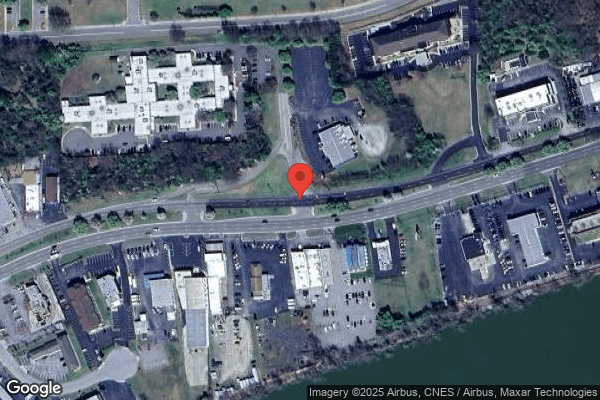

2344 RIVERSIDE DRIVE, DANVILLE, VA 24540 (434) 791-3800
For profit - Corporation 180 Beds LIFEWORKS REHAB Data: November 2025
Trust Grade
70/100
#98 of 285 in VA
Last Inspection: September 2023

Over 2 years since last inspection. Current conditions may differ from available data.

Overview

Riverside Health & Rehab Center in Danville, Virginia, has received a Trust Grade of B, indicating it is a good option for families seeking care, although it is not the top tier. The facility ranks #98 out of 285 in Virginia, placing it in the top half of nursing homes in the state, and is the best option among the four facilities in Danville City County. The trend is stable, with 5 issues identified in both 2021 and 2023, suggesting consistent but manageable challenges. Staffing is a concern, with a rating of 2 out of 5 stars and a turnover rate of 49%, which is average for the state, indicating that staff may not be as familiar with residents as they could be. Importantly, there have been no fines reported, which is a positive sign, and the facility has average RN coverage, meaning residents receive decent nursing supervision. However, specific incidents have raised concerns: one resident did not receive prescribed antibiotic medication for an infection, and there were issues with documentation of COVID-19 testing for residents, which could affect their care. Overall, Riverside Health & Rehab Center has strengths in its rankings and absence of fines, but families should be aware of staffing challenges and some critical care shortcomings.

Trust Score
B
70/100
In Virginia
#98/285
Top 34%
Safety Record
Low Risk
No red flags
Inspections
Holding Steady
5 → 5 violations
Staff Stability
⚠ Watch
49% turnover. Above average. Higher turnover means staff may not know residents' routines.
Penalties
✓ Good
No fines on record. Clean compliance history, better than most Virginia facilities.
Skilled Nurses
⚠ Watch
Each resident gets only 25 minutes of Registered Nurse (RN) attention daily — below average for Virginia. Fewer RN minutes means fewer trained eyes watching for problems.
Violations
⚠ Watch
22 deficiencies on record. Higher than average. Multiple issues found across inspections.
★★★★☆
4.0
Overall Rating
★★☆☆☆
2.0
Staff Levels
★★★☆☆
3.0
Care Quality
★★★★☆
4.0
Inspection Score
Stable
2021: 5 issues
2023: 5 issues

The Good

  • Full Sprinkler Coverage · Fire safety systems throughout facility
  • No fines on record

Facility shows strength in fire safety.

The Bad

Staff Turnover: 49%

Near Virginia avg (46%)

Higher turnover may affect care consistency

Chain: LIFEWORKS REHAB

Part of a multi-facility chain

Ask about local staffing decisions and management

The Ugly 22 deficiencies on record

Sept 2023 5 deficiencies
CONCERN (D)

Potential for Harm - no one hurt, but risky conditions existed

Quality of Care (Tag F0684)

Could have caused harm · This affected 1 resident

Based on observation, resident interview, staff interview, local ombudsman interview, clinical record review, and facility document review, the facility staff failed to provide care and services to me...

Read full inspector narrative →
Based on observation, resident interview, staff interview, local ombudsman interview, clinical record review, and facility document review, the facility staff failed to provide care and services to meet the needs of the residents for 2 of 35 current residents in the survey sample, Resident #112 and #114. The findings included: 1. For Resident #112, the facility staff failed to administer the physician ordered antibiotic medication, Cephalexin to treat cellulitis and failed to address the wound specialist's recommendations for lab testing related to concern for cellulitis. Resident #112's diagnosis list indicated diagnoses, which included, but not limited to Hypocalcemia, Aortic Valve Stenosis, Essential Hypertension, Bilateral Open-Angle Glaucoma, Polyosteoarthritis, and Major Depressive Disorder. The most recent quarterly minimum data set (MDS) with an assessment reference date (ARD) of 6/26/23 assigned the resident a Brief Interview for Mental Status (BIMS) summary score of 9 out of 15 indicating the resident was moderately cognitively impaired. Resident #112's clinical record included a physician's progress note dated 8/14/23 which documented in part .The patient is seen today at the request of nursing staff to evaluate the patient's left lower leg. The patient has skin tear to this leg, which one of the wound nurses is concerned has become infected .There is an area measuring 7 cm by 5 ½ cm, superficial, no drainage, increased erythema extending out from the borders. No induration .Lower leg ulceration: Initially started as the skin tear, but not has developed cellulitis. Most likely Strep Infection. We will order Keflex . An 8/14/23 12:12 PM nursing progress note read in part LT [left] leg skin tear wound worsening, increasing in size and small amount of bloody drainage noted. Peri-wound is warm, red, and has scattered red, flat rash present to peri-wound. Dr. [name omitted] made aware. N.O. [new order] Cephalexin 250 mg Q [every] 8 hours x [times] 10 days for Cellulitis . Cephalexin is the generic name for the antibiotic Keflex. On 9/01/23, surveyor reviewed Resident #112's clinical record and was unable to locate evidence of the order being transcribed to the resident's orders or evidence that the resident received Cephalexin. Surveyor requested to speak with the author of the 8/14/23 12:12 PM nursing note, however, they were no longer employed by the facility. Resident #112 was seen by the wound specialist nurse practitioner (NP) on 8/28/23, the progress note read in part .Wound is closed however concerning for cellulitis. Recommend CBC [complete blood count], CRP [C-reactive protein], ESR [erythrocyte sedimentation rate], and culture . Resident #112 was again seen by the wound specialist NP on 9/04/23, the progress note read in part .Wound is closed however concerning for cellulitis. Recommend CBC, CRP, ESR, and culture . On 9/05/23, surveyor reviewed Resident #112's clinical record and was unable to locate evidence of the lab recommendations being addressed by the attending provider. On 9/05/23 at 3:25 PM, surveyor spoke with the wound specialist NP who stated they typically provided recommendations to the in-house provider, and they entered any orders. NP further stated if the provider was present in the facility, they spoke with them and if not, the facility wound nurse relayed the message/recommendations to the provider. NP stated they saw Resident #112 again on 9/04/23 and did not see the orders for their previous lab recommendations in the clinical record and recommended the orders again. NP stated upon assessment on 9/04/23, the area looked about the same as last week and they were still concerned because the area around the tissue was red. On 9/05/23 at 3:40 PM, the surveyor met with the administrator and director of nursing (DON) and discussed the concern of being unable to locate evidence of the resident receiving Cephalexin for cellulitis or the 8/28/23 wound specialist NP lab recommendations being addressed by the provider. Surveyor attempted to contact the medical director without success on 9/05/23 at 4:42 PM and 9/06/23 at 9:04 AM. Surveyor spoke with the DON on 9/06/23 at 9:06 AM and requested assistance in contacting the medical director, the DON stated they were unavailable today. On 9/06/23 at 9:25 AM, surveyor spoke with the Unit Manager (UM) who stated they spoke with the medical director yesterday and they approved the wound NP's lab recommendations but not the culture as there was no drainage to culture. On 9/06/23 at 10:48 AM, surveyor spoke with the DON who stated they believed the antibiotic was a recommendation from the wound NP and the facility nurse addressed it with the physician but failed to enter the actual order. The DON clarified that the physician initially ordered the antibiotic but when they spoke to the physician yesterday, they wanted to wait for the lab results to return before reordering the antibiotic at that time. On 9/06/23 at 10:55 AM, the surveyor and DON observed the area to Resident #112's left lower leg. The area appeared dry with no drainage present with a dry white center surrounded by multiple dark scabbed-like areas. Redness was present to the surrounding skin tissue. The DON felt the areas of redness and stated there was no increased warmth present when compared to the right lower leg. On 9/06/23 at 12:17 PM, surveyor spoke with licensed practical nurse (LPN) #4 who rounded with the wound specialist NP on 8/28/23 regarding the lab and wound culture recommendations. LPN #4 stated they were new in the position and thought the providers received a copy of the wound NP report and entered the orders themselves. On 9/06/23 at 5:30 PM, the survey team met with the facility management team including the administrator and DON and discussed the concern of Resident #112 not receiving an antibiotic as ordered and staff failing to address the wound NP's recommendations. No further information regarding this concern was presented to the survey team prior to the exit conference on 9/07/23. 2. For Resident #114, the facility staff failed to follow-up with the nephrologist/urologist following an appointment in which the resident returned to the facility without the date of the next scheduled appointment resulting in a missed appointment. Resident #114's diagnosis list indicated diagnoses, which included, but not limited to Chronic Kidney Disease Stage 3B, Type 2 Diabetes Mellitus, Hemiplegia and Hemiparesis following Cerebral Infarction, Chronic Obstructive Pulmonary Disease, Pseudobulbar Affect, and Polyneuropathy. The most recent quarterly minimum data set (MDS) with an assessment reference date (ARD) of 6/13/23 assigned the resident a Brief Interview for Mental Status (BIMS) summary score of 15 out of 15 indicating the resident was cognitively intact. On 8/30/23 at 11:00 AM, surveyor met with the local ombudsman who stated Resident #114 returned from a nephrology/urology appointment with papers and an appointment card attached for a follow-up appointment which was given to a staff member, but the facility never scheduled transport for the appointment and the resident missed the appointment. On 8/30/23 at 4:04 PM, surveyor spoke with Resident #114 who stated they were worried about their kidneys. The resident stated they returned from a nephrology/urology appointment and gave the papers with an appointment card stapled to the front to (name omitted) but transport was not scheduled, and they missed the appointment, and the appointment could not be rescheduled until late September. Resident #114's current physician's orders included an order dated 4/04/23 for a nephrology consult. The resident's clinical record included a nursing progress note dated 5/18/23 5:51 PM which read in part Resident had an outside appt [appointment] at [name omitted] Nephrology .Several recommendations made by [name omitted] Nephrology, stop Amlodipine, consider lowering Lasix, start Losartan 25 mg daily, avoid NSAIDS [nonsteroidal anti-inflammatory drugs], IV contrast, renal panel after one month on Losartan and another renal panel one week before next visit (next visit not on consultation form . An 8/21/23 1:12 PM nursing progress note stated Resident and Family stated Resident has an Apt [appointment] with [name omitted] Urology today. Facility un-aware of apt at this time. Writer called [name omitted] Urology to verify apt. Resident does have an appointment schedule [sic] for today (8/21/23) at 1:45pm. Writer called and Rescheduled [sic] apt for (9/28/23) at 3:15pm D/t [due to] transportation hasn't been scheduled D/t facility not aware of apt. RP [responsible party] [name omitted] aware and apt time and date given to Transportation scheduler for transportation to be setup for apt on 9/28/23 at 3:15pm. On 9/05/23 at 5:07 PM, surveyor requested to speak with the writer of the 5/18/23 5:51 PM nursing note, however, they were off and unavailable. On 9/06/23 at 9:31 AM, surveyor spoke with the Unit Manager (UM) regarding Resident #114's missed nephrology/urology appointment and asked what their expectation was for the nurse present when the resident returned from the consult with no date for the follow-up appointment despite orders for labs one week prior to the next appointment. The UM stated the nurse on 5/18/23 should have called the office and asked about the follow-up appointment or passed it along in report for someone else to find out, UM stated they had no clue why the nurse did not do this. The UM further stated that no one had notified them of the resident returning from the appointment with no follow-up appointment date. Surveyor reviewed Resident #114's clinical record and was unable to locate documentation from the resident's 5/18/23 nephrology/urology appointment. On 9/06/23 at 5:30 PM, the survey team met with the facility management team including the administrator and director of nursing and discussed the concern of staff failing to contact the physician's office to inquire about the date of the follow-up appointment resulting in Resident #114 missing a nephrology/urology appointment. No further information regarding this concern was presented to the survey team prior to the exit conference on 9/07/23.
CONCERN (D)

Potential for Harm - no one hurt, but risky conditions existed

Incontinence Care (Tag F0690)

Could have caused harm · This affected 1 resident

**NOTE- TERMS IN BRACKETS HAVE BEEN EDITED TO PROTECT CONFIDENTIALITY** Based on observation, staff interview, clinical record review, and facility document review, the facility staff failed to ensure...

Read full inspector narrative →
**NOTE- TERMS IN BRACKETS HAVE BEEN EDITED TO PROTECT CONFIDENTIALITY** Based on observation, staff interview, clinical record review, and facility document review, the facility staff failed to ensure medical provider orders were obtained/provided to address the urinary catheter needs of 1 of 35 current residents in the survey sample, Resident #145. The findings included: For Resident #145, the facility staff failed to obtain provider orders for an indwelling urinary catheter present on readmission. Resident #145's diagnosis list indicated diagnoses, which included, but not limited to Hemiplegia and Hemiparesis following Cerebral Infarction, Dementia, Adult Failure to Thrive, and Unstageable Pressure Ulcer of the Right Buttocks. The most recent significant change minimum data set (MDS) with an assessment reference date (ARD) of 8/23/23 coded the resident as rarely/never understood and rarely never understanding others with short-term and long-term memory loss. Resident #145 was coded for the presence of an indwelling catheter. On 8/29/23 at approximately 3:15 PM, surveyor observed Resident #145 with an indwelling urinary catheter in place. Following the observation on 8/29/23, surveyor reviewed Resident #145's clinical record and was unable to locate a provider order for the indwelling urinary catheter or documentation of urinary catheter care. Resident #145's clinical record included an Admission/readmission Nursing Collection Tool dated 8/20/23 documenting the resident was admitted to the facility on [DATE] with an indwelling catheter for prevention of contamination of a wound. On 9/05/23 at 1:05 PM, surveyor spoke with the Unit Manager (UM) who stated while in Resident #145's room, they noticed the resident had a catheter but there was no order. The UM stated at that time they obtained a provider order for the catheter. The UM stated staff did not obtain an order for the catheter when the resident was readmitted from the hospital. Surveyor asked if catheter care was being provided prior to the order being obtained and the UM stated the catheter did not look dirty but there was no order for catheter care. Resident had been at the facility for 11 days without orders for the indwelling catheter and catheter care. On 9/05/23 after speaking with the UM, the surveyor again reviewed Resident #145's clinical record and noted provider orders each dated 8/31/23 for a foley catheter and foley care every shift. Surveyor requested and received the facility policy entitled, Physician's Orders with an effective date of 3/24/20 which read in part . admission orders should include .Foley catheter order if applicable. Size of foley/bulb and care instructions . On 9/05/23 at 5:45 PM, the survey team met with the facility management team including the administrator and Director of Nursing and discussed the concern of facility staff failing to ensure Resident #145 had provider orders in place for an indwelling urinary catheter and orders for the care of the catheter. No further information regarding this concern was presented to the survey team prior to the exit conference on 9/07/23.
CONCERN (D)

Potential for Harm - no one hurt, but risky conditions existed

Deficiency F0744 (Tag F0744)

Could have caused harm · This affected 1 resident

Based on staff interview and clinical record review, facility staff failed to ensure that a resident diagnosed with dementia received the appropriate treatment and services by monitoring targeted beha...

Read full inspector narrative →
Based on staff interview and clinical record review, facility staff failed to ensure that a resident diagnosed with dementia received the appropriate treatment and services by monitoring targeted behaviors associated with the use of an antipsychotic medication for 1 of 21 residents in the survey sample, Resident #75. The findings were: The facility staff failed to monitor behaviors for Resident #75 who had a dementia diagnosis. Resident #75's facesheet listed diagnoses which included but were not limited to hemiplegia and hemiparesis following cerebral infarction affecting right dominant side, dysphagia, epilepsy, stage 4 sacral pressure ulcer, dementia, adult failure to thrive, and bipolar disorder. The resident's minimum data set with an assessment reference date of 07/30/23 coded the resident's brief interview for mental status a 99 which indicated the resident was unable to complete the interview. The resident was coded to have both short and long-term memory problems and severely impaired cognitive skills for daily decision making. A provider order for Behaviors - monitor for the following: (specify) itching, picking at skin, restlessness (agitation), hitting, increase in complaints, biting, kicking, spitting, cussing, racial slurs, elopement, stealing, delusions, hallucinations, psychosis, aggression [sic], refusing care was ordered on 01/12/23. Monitoring for behaviors was not noted on the resident's medication administration review (MAR), treatment administration review (TAR) or elsewhere within Resident #75's clinical record. On 09/06/23 at 1:20 p.m., the director of nursing (DON) acknowledged there was no evidence of behavior monitoring found for Resident #75. The DON reported her expectation was that behaviors monitoring would be evident in the MAR and signed off every shift as ordered. The policy titled, Behavioral Assessment/Behavior Monitor policy number 401 with an effective date of 03/28/23 read in part, Policy: Behaviors will be assessed and monitored. Factors influencing behaviors as well as management interventions will be evaluated and care planned. Procedure: 6. A licensed nurse will document targeted behaviors, side effects, and interventions in the clinical record. On 09/06/23 at 05:26 p.m. during a summary meeting with the assistant administrator, administrator, regional nurse consultant, and DON, the concern regarding there being no evidence of behavior monitoring for Resident #75 was discussed. No further information was provided prior to the exit conference.
CONCERN (D)

Potential for Harm - no one hurt, but risky conditions existed

Drug Regimen Review (Tag F0756)

Could have caused harm · This affected 1 resident

Based on staff interview, clinical record review, and facility document review, the facility staff failed to ensure the attending physician reviewed the pharmacists recommendations for 3 of 35 current...

Read full inspector narrative →
Based on staff interview, clinical record review, and facility document review, the facility staff failed to ensure the attending physician reviewed the pharmacists recommendations for 3 of 35 current sampled residents, Resident #57, 75, and 128. The findings include: For resident #57, the facility staff failed to ensure the physician reviewed the pharmacists recommendations for the months of May 2023 and July 2023. #57's diagnoses included but was not limited to the following; dementia, anxiety, major depressive disorder, post traumatic stress disorder, bipolar disorder and hypertension. The most recent minimum data set (MDS) assessment with an assessment reference date (ARD) of 8/26/23, assigned resident #57 a brief interview for mental status (BIMS) score of 3, indicating severe cognitive impairment. The clinical record for resident #57 was reviewed 9/6/23. There was a Consultant Pharmacist Medication Regimen Review dated 5/31/23 that read in part, See report for any noted irregularities and/or recommendations. The surveyor was unable to locate the report in the clinical record. A Consultant Pharmacist Medication Regimen Review dated July 26, 2023 read in part, See report for any noted irregularities and/or recommendations. The surveyor was unable to locate the report in the clinical record. On 9/6/23 during an end of day meeting with the Director of Nursing (DON), Administrator, and Regional Director of Clinical Services, the surveyor asked for documentation that the physician had seen and addressed the pharmacist reports for May and July. The DON stated that they could print off the reports for the surveyor to review but they had not been addressed by the physician. On 9/7/23 the DON provided two documents entitled, Consultant Pharmacist Recommendation to Physician the first was dated 5/31/23. The document had no physician response or signature. The pharmacist recommendation was for a gradual dose reduction (GDR) of resident #57's antipsychotic medication. The second document was dated 7/26/23 and had no physician response or signature. The recommendation was for a GDR of the same antipsychotic medication. The DON confirmed that the physician had not seen the recommendations. They stated they had been in the position of DON two weeks and was not able to speak to the process that was in place in May and July of this year. The surveyor was provided with a Pharmacy policy entitled, Medication Regimen Review with an effective date of 8/2020. The policy read in part, 6. Resident specific irregularities and/or clinically significant risks resulting from or associated with medication are documented in the resident's active record and reported to the Director of Nursing, Medical Director, and/or prescriber as appropriate and, 7. Recommendations are acted upon and documented by the facility staff and/or the prescriber. The survey team met with the Administrator, DON and Regional Director of Clinical Services 9/7/23 at 1:45 PM and this concern was reviewed with them. No further information was presented to the survey team prior to the exit conference. 3. For Resident #128, the facility staff failed to provide evidence of the 5/23/23 and 7/26/23 medication regimen reviews being reported to and acted upon by the medical provider. Resident #128's diagnosis list indicated diagnoses, which included, but not limited to Rheumatoid Arthritis, Essential Hypertension, Major Depressive Disorder, Atrial Fibrillation, and History of Falling. The most recent minimum data set (MDS) with an assessment reference date (ARD) of 7/17/23 assigned the resident a brief interview for mental status (BIMS) summary score of 14 out of 15 indicating Resident #128 was cognitively intact. Resident #128's clinical record included Consult Pharmacist Medication Regimen Reviews dated 5/23/23 and 7/26/23, each review was checked by the statement See report for any noted irregularities and/or recommendations. Upon review of Resident #128's clinical record on 9/01/23, surveyor was unable to locate the 5/23/23 and 7/26/23 medication regimen review reports completed by the pharmacist. On 9/01/23, surveyor spoke with the director of nursing (DON) and requested the 5/23/23 and 7/26/23 medication regimen review reports for Resident #128. On 9/06/23 at 10:44 AM, the DON provided copies of the 5/22/23 and 7/26/23 medication regimen review reports, the reports had not been addressed or signed by the provider. The DON verified there was no evidence of the medication regimen reviews being reviewed and addressed by the provider. The 5/22/23 Medication Regimen Review report recommended a diagnosis clarification for the use of the medication Amiodarone, a diagnosis for the medication Linzess, and a stop date for the antibiotic medication, Macrobid. The 7/26/23 Medication Regimen Review report read in part Resident currently has an order for: - Metoprolol succinate 25 mg: ½ T [tablet] PO [by mouth] BID [twice a day] for hypertension. Metoprolol is available in two different formulations, tartrate and succinate. Metoprolol tartrate is typically dosed every 12 hours. Metoprolol succinate is typically dosed every 24 hours. Can you please clarify which formulation this resident should be taking . Surveyor requested and received the facility policy entitled, Medication Regimen Review which read in part .Resident-specific irregularities and/or clinically significant risks resulting from or associated with medication are documented in the resident's active record and reported to the Director of Nursing, Medical Director, and/or prescriber as appropriate .Recommendations are acted upon and documented by the facility staff and/or the prescriber . On 9/06/23 at 5:30 PM, the survey team met with the facility management team including the administrator and DON and discussed the concern of Resident #128's medication regimen review reports not being reviewed and addressed by the provider. No further information regarding this concern was presented to the survey team prior to the exit conference on 9/07/23. 2. The facility staff failed to ensure Resident #75's Medication Regimen Reviews (MRRs) were addressed by a medical provider for two of six months reviewed, April and June 2023. Resident #75's facesheet listed diagnoses which included but were not limited to hemiplegia and hemiparesis following cerebral infarction affecting right dominant side, dysphagia, epilepsy, stage 4 sacral pressure ulcer, dementia, adult failure to thrive, and bipolar disorder. The resident's minimum data set with an assessment reference date of 07/30/23 coded the resident's brief interview for mental status a 99 which indicated the resident was unable to complete the interview. The resident was coded to have both short and long-term memory problems and severely impaired cognitive skills for daily decision making. Resident #75's clinical documentation included a pharmacy review for 04/22/23 and 06/30/23 which both read to see the pharmacist's review for recommendations. On 09/06/23, the director of nursing (DON) provided a copy of the pharmacy recommendations for both review dates. The DON acknowledged the documents were not signed by the previous DON or the provider; no one's signature was present. The DON acknowledged the pharmacist's recommendations were not addressed (either accepted or declined) and reported having spoken to the psych nursing practitioner (NP) on 09/06/23 who stated she did not want to accept the gradual dose reduction (GDR) recommendation for either review. The practitioner told the DON the system the practitioner works within prompts its own GDRs therefore, the practitioner does not rely solely on the facility's pharmacy recommendation for GDRs. A pharmacy policy titled, Medication Regimen Review policy number 11.1 with an effective date of 08-2020, was reviewed and read in part, 7. Recommendations are acted upon and documented by the facility staff and/or the prescriber. a. The prescriber accepts and acts upon recommendation or rejects [sic] provides an explanation for disagreeing. On 09/06/23 at 05:26 p.m. during a summary meeting with the assistant administrator, administrator, regional nurse consultant, and DON, the concern regarding there being no evidence a provider reviewed the pharmacist's recommendations was discussed. No further information was provided prior to the exit conference.
CONCERN (D)

Potential for Harm - no one hurt, but risky conditions existed

Deficiency F0757 (Tag F0757)

Could have caused harm · This affected 1 resident

Based on staff interview, clinical record review, and facility document review, the facility staff failed to ensure each resident's drug regimen was free from unnecessary drugs for 1 of 35 current res...

Read full inspector narrative →
Based on staff interview, clinical record review, and facility document review, the facility staff failed to ensure each resident's drug regimen was free from unnecessary drugs for 1 of 35 current residents in the survey sample, Resident #128. The findings included: For Resident #128, the facility staff failed to obtain a stop date for the antibiotic medication, Macrobid which resulted in the medication being administered for greater than four (4) weeks. Resident #128's diagnosis list indicated diagnoses, which included, but not limited to Rheumatoid Arthritis, Essential Hypertension, Major Depressive Disorder, Atrial Fibrillation, and History of Falling. The most recent minimum data set (MDS) with an assessment reference date (ARD) of 7/17/23 assigned the resident a brief interview for mental status (BIMS) summary score of 14 out of 15 indicating Resident #128 was cognitively intact. Resident #128's order history included an order dated 5/22/23 for Macrobid 100 mg by mouth two times a day for cellulitis related urinary tract infection. The Macrobid order did not include a duration or a stop date. Resident #128's clinical record included emergency department instructions dated 5/19/23 which included an order for Macrobid 100 mg by mouth every 12 hours for 7 days to treat a urinary tract infection. Resident #128's clinical record included a Consult Pharmacist Medication Regimen Review dated 5/23/23, the review was checked by the statement See report for any noted irregularities and/or recommendations. Upon review of Resident #128's clinical record on 9/01/23, surveyor was unable to locate the 5/23/23 drug regimen report completed by the pharmacist. On 9/01/23, surveyor spoke with the director of nursing (DON) and requested the 5/23/23 medication regimen review report for Resident #128. On 9/06/23 at 10:44 AM, the DON provided a copy of the 5/23/23 medication regimen review which in part recommended a stop date for Macrobid. The DON verified there was no evidence that the medication regimen review report was reviewed or addressed by the physician. Surveyor asked if the Macrobid was addressed when the pharmacist requested a stop date in May and the DON stated not that they could see from the clinical record. Resident #128 continued to receive the Macrobid until it was discontinued by the nurse practitioner (NP) on 6/22/23. The NP documented within the discontinuation order the reason for discontinuation as was only be [sic] for 5 days per dc [discharge] instructions - tx [treatment] UTI [urinary tract infection]. Surveyor requested and received the facility policy entitled, Medication Regimen Review which read in part .Resident-specific irregularities and/or clinically significant risks resulting from or associated with medication are documented in the resident's active record and reported to the Director of Nursing, Medical Director, and/or prescriber as appropriate .Recommendations are acted upon and documented by the facility staff and/or the prescriber . On 9/06/23 at 5:30 PM, the survey team met with the facility management team including the administrator and DON and discussed the concern of staff failing to obtain a stop date of the administration of Macrobid. No further information regarding this concern was presented to the survey team prior to the exit conference on 9/07/23.
Mar 2021 5 deficiencies
CONCERN (D)

Potential for Harm - no one hurt, but risky conditions existed

Deficiency F0655 (Tag F0655)

Could have caused harm · This affected 1 resident

Based on observations, interviews, and the review of documents, it was determined the facility staff failed to develop a base-line care plan to address indwelling urinary catheter needs at the time of...

Read full inspector narrative →
Based on observations, interviews, and the review of documents, it was determined the facility staff failed to develop a base-line care plan to address indwelling urinary catheter needs at the time of admission for one (1) of 28 sampled residents (Resident #83). The findings include: The facility staff failed to develop a base-line care plan, within 48 hours of the resident's admission, to address Resident #83's indwelling urinary catheter. Resident #83 was admitted to the facility with an indwelling urinary catheter in place. Resident #83's minimum data set (MDS) assessment with an assessment reference date (ARD) of 2/3/21 had the resident assessed as able to make self understood and as able to understand others. Resident #83's Brief Interview for Mental Status (BIMS) summary score was documented as 13 out of 15. Resident #83 was documented as requiring assistance with bed mobility, dressing, toilet use, personal hygiene, and eating. Resident #83 was assessed as having an indwelling urinary catheter. Resident #83's diagnoses included, but were not limited to: cardiac dysrhythmias, heart failure, high blood pressure, hemiplegia/hemiparesis, respiratory failure, and urinary retention. Resident #83's clinical record included an admission Assessment/Screening form that indicated the resident had an indwelling urinary catheter at the time of admission. Resident #83's care plan was reviewed with Licensed Practical Nurse (LPN) #21 on the morning of 3/11/21. LPN #21 confirmed Resident #83's indwelling urinary catheter care plan had not been developed until 10 days after the resident's admission. The facility policy and procedure titled Catheterizations (with an effective date of 11/1/19) did not provide guidance on the development of resident care plans related to the use of indwelling urinary catheters. The failure of facility staff to ensure Resident #83's base-line care plan addressed the resident's indwelling urinary catheter needs was shared with the facility's Administrator, Director of Nursing, and Nursing Consultant during a survey team meeting on 3/11/21 at 4:45 p.m.
CONCERN (D)

Potential for Harm - no one hurt, but risky conditions existed

ADL Care (Tag F0677)

Could have caused harm · This affected 1 resident

Based on observation, Resident interview, staff interview and clinical record review the facility staff failed to provide ADL (activities of daily living) care for dependent residents for 2 of 28 resi...

Read full inspector narrative →
Based on observation, Resident interview, staff interview and clinical record review the facility staff failed to provide ADL (activities of daily living) care for dependent residents for 2 of 28 residents, Resident #49 and Resident #144. The findings included: 1. For Resident #49 the facility staff failed to provide assistance with oral care. Resident #49's face sheet listed diagnoses which included, but not limited to non-displaced fracture to body of scapula, chronic obstructive pulmonary disease, congestive heart failure, hypertension, rheumatoid arthritis, atrial fibrillation and anemia. Resident #49's admission MDS (minimum data set), with an ARD (assessment reference date) of 01/09/21 assigned the resident a BIMS (brief interview for mental status) score of 15 of 15 in section C, cognitive patterns. Section G, functional status, coded the resident as needing extensive assistance of one person physical assist in the area of personal hygiene. Personal hygiene is listed as combing hair, brushing teeth, shaving, applying make-up, and washing/drying face and hands. Resident #49's CCP (comprehensive care plan) was reviewed and contained a care plan for the resident has an ADL self-care performance deficit r/t (related to) activity intolerance, weakness, decreased balance/mobility/ ROM (range of motion) to bilateral upper extremities, pain, occasional incontinence, meds, dx (diagnosis) right scapula fx (fracture), multiple falls, hx (history) shoulder replacements. Interventions for this care plan included Personal hygiene/oral care: Assist with all hygiene needs. Surveyor spoke with Resident #49 on 03/09/21 at approximately 5:20 pm. Resident stated she hasn't had her teeth brushed in two weeks. Also stated that she discussed this with the nurse earlier today, but cannot recall which nurse. Also stated that she is unable to brush her own teeth due to having radial nerve damage in her left arm and right arm being injured from previous fall. Surveyor observed right arm wrapped in bandage and ace wrap, with significant edema. Surveyor spoke with Resident #49 on 03/10/21 at approximately 11:00 AM. Resident stated she had a shower this morning, but still has not had teeth brushed. Surveyor spoke with CNA (certified nurse's assistant) #1 on 03/10/21 at approximately 02:57 PM regarding Resident #49. Surveyor asked CNA #1 if they brush residents' teeth when providing resident care and CNA #1 stated sometimes. Surveyor asked CNA #1 specifically about Resident #49 and CNA #1 stated She can probably brush her own teeth since she has the one good hand. Surveyor asked CNA #1 if they ever asked Resident #49 if she needed help and CNA #1 stated no. Surveyor spoke with CNA #2 on 03/11/21 at approximately 09:40 AM. CNA #2 stated that if residents need help brushing their teeth, they do so, but try to let them do as much as possible for themselves. CNA #2 stated they provide oral care for residents daily. Surveyor asked CNA #2 if they worked with Resident #49 and CNA #2 stated that they did not. Surveyor spoke with UM (unit manager) on 03/11/21 at approximately 09:50 AM regarding residents oral care. UM stated that they would expect the CNA's to provide oral care for each resident they are providing daily grooming for. UM also stated that they had spoken with Resident #49 on 03/10/21 regarding her oral care, and they were trying to track down which CNA's have been working with the resident. On 03/11/21 at approximately 10:30 AM, Resident #49 stated her teeth have still not been brushed. Surveyor spoke with CNA #3 on 03/11/21 at approximately 10:40 AM. CNA #3 stated they have not brushed Resident #49's teeth. Surveyor asked CNA #3 if they had asked Resident #49 if she wanted her teeth brushed and they stated that they had not, and that Resident #49 normally tells you everything she wants done for her. On 03/11/21 at approximately 01:30 PM, Resident #49 stated her teeth have now been brushed. Resident also stated that CNA told her that if she wanted her teeth brushed she should have asked. Resident also stated to surveyor that she thought that was just part of personal hygiene and that she shouldn't have to ask. The concern of not assisting Resident #49 with oral hygiene was discussed with the administrative team (administrator, DON [director of nursing], and RNC [regional nurse consultant]) during a meeting on 03/11/21 at approximately 4:45 pm. No further information was provided prior to exit. 2. For Resident #144 the facility staff failed to provide nail care. Resident #144's face sheet listed diagnoses which included but not limited to diabetes mellitus, dementia, hypertension, glaucoma, chronic obstructive pulmonary disease, anxiety and depression. Resident #144's most recent annual MDS (minimum data set) with an ARD (assessment reference date) of 02/24/21 assigned the resident a BIMS (brief interview for mental status) of 3 out of 15 in section C, cognitive patterns. Section G, functional status coded the resident as needing extensive assistance of one person physical assist in the area of personal hygiene. Personal hygiene is listed as combing hair, brushing teeth, shaving, applying make-up, and washing/drying face and hands. Resident #144's CCP (comprehensive care plan) was reviewed and contained a care plan for the resident has an ADL (activities of daily living) self-care performance deficit r/t (related to) Deconditioning, Gait/balance problems, kyphosis, poor safety awareness, incontinence, combative behaviors, cognitive/vision/communication impairments, meds DX (diagnosis): NSTEMI (non-ST segment elevation myocardial infarction [type of heart attack]), dementia, glaucoma, DM (diabetes mellitus), HTN (hypertension), anemia, depression, anxiety, insomnia, hx (history); CVA (cerebrovascular accident). Interventions for this care plan include personal hygiene/oral care: Provide assist w (with)/oral care, nail care, personal hygiene & grooming needs. Surveyor observed Resident #144 on 0310/21 at approximately 11:08 am. Surveyor noted that residents fingernail were extremely long and ragged in appearance. Surveyor attempted to ask resident about fingernails, but due to cognitive impairment, resident was unable to answer surveyor's questions. Surveyor spoke with UM (unit manager) on 03/11/21 at approximately 9:50 am regarding nail care for residents. UM stated that CNA's (certified nurse's aide) are responsible for maintaining nail care. UM also stated, I'm supposed to do that as well. UM also stated that they check resident nails while making rounds. Surveyor asked UM specifically about Resident #144's nails, and UM stated they had checked Resident #144's nails last week. Surveyor asked UM if they knew that the resident's nails were extremely long, and UM stated, I'll take care of that right now. Surveyor observed Resident #144's nails on 03/11/21 at approximately 10:30 am, 1:30 pm, and 3:55 pm. Resident's nails had not been trimmed and were still long and ragged. The concern of facility staff not providing nail care for Resident #144 was discussed with the administrative team (administrator, DON [director of nursing], and RNC [regional nurse consultant]) during a meeting on 03/11/21 at approximately 4:45 pm. No further information was provided prior to exit.
CONCERN (D)

Potential for Harm - no one hurt, but risky conditions existed

Quality of Care (Tag F0684)

Could have caused harm · This affected 1 resident

2. For Resident #65, facility staff failed to follow physician's orders for blood glucose monitoring. Resident #65's diagnosis list indicated diagnoses, which included, but not limited to Cellulitis o...

Read full inspector narrative →
2. For Resident #65, facility staff failed to follow physician's orders for blood glucose monitoring. Resident #65's diagnosis list indicated diagnoses, which included, but not limited to Cellulitis of Left Lower Limb, Type 2 Diabetes Mellitus with Hyperglycemia, Alzheimer's Disease Unspecified, Peripheral Vascular Disease Unspecified, and Chronic Kidney Disease Stage 3 Unspecified. The quarterly MDS (minimum data set) with an ARD (assessment reference date) of 1/22/21 assigned the resident a BIMS (brief interview for mental status) score of 13 out of 15 in section C, Cognitive Patterns. Resident #65 is also coded as having an active diagnosis of Diabetes Mellitus in section I, Active Diagnoses. A review of Resident #65's clinical record revealed an active physician's order dated 1/19/21 stating, Accuchecks before meals and bedtime before meals and at bedtime related to TYPE 2 DIABETES MELLITUS WITHOUT COMPLICATIONS (E11.9) Notify MD of BG (blood glucose) less than 60 or greater than 400 mg/dl. Surveyor reviewed Resident #65's January 2021 through March 2021 MARs (medication administration records) and TARs (treatment administration records) and was unable to locate blood sugar monitoring results obtained before meals or at bedtime. On 3/10/21 at approximately 7:50 am, surveyor spoke with the DON (director of nursing) and asked where were blood sugar results documented and the DON stated on the TARs. On 3/11/21 at 12:25 pm, surveyor spoke with LPN (licensed practical nurse) #1 and asked how often is Resident #65's blood sugar being checked and LPN #1 stated I check it once. LPN #1 then reviewed Resident #65's physician's orders and stated the order says before meals and at bedtime and the order was entered and put under other, no documentation required. LPN #1 stated they would update the order so it will pop up. On 3/11/21 at 4:55 pm, surveyor notified the administrator, DON, and the Regional Nurse Consultant of Resident #65's blood sugars not being obtained as ordered. No further information regarding this issue was presented to the survey team prior to the exit conference on 3/11/21. Based on interviews and the review of documents, it was determined the facility staff failed to follow medical provider orders for treatment and/or care for two (2) of 28 sampled residents (Resident #65 and Resident #83). The findings include: 1. The facility staff failed to ensure Resident #83's blood glucose levels were monitored according to medical provider orders. Resident #83's minimum data set (MDS) assessment with an assessment reference date (ARD) of 2/3/21 had the resident assessed as able to make self understood and as able to understand others. Resident #83's Brief Interview for Mental Status (BIMS) summary score was documented as 13 out of 15. Resident #83 was documented as requiring assistance with bed mobility, dressing, toilet use, personal hygiene, and eating. Resident #83 was assessed as having an indwelling urinary catheter. Resident #83's diagnoses included, but were not limited to: cardiac dysrhythmias, heart failure, high blood pressure, hemiplegia/hemiparesis, respiratory failure, and urinary retention. Review of Resident #83's clinical record revealed an order dated 1/29/21 for the resident's blood glucose (finger stick blood sugar) to be checked daily before meals and at bedtime. Review of Resident #83's MARs (medication administration records) and TARs (treatment administration records) failed to provide evidence this order had been implemented. On 3/11/21 at 10:18 a.m., Licensed Practical Nurse (LPN) #21 was interviewed about Resident #83's aforementioned finger stick blood sugar order. LPN #21 confirmed the order had been entered into Resident #83's electronic clinical record. LPN #21 reported the order had been enter in a manner that resulted in the order not appearing on the Resident #83's MAR or TAR. No evidence was found by or provided to the survey team to indicate Resident #83's blood sugar had been monitored according the aforementioned medical provider order. The following information was found in a facility policy and procedure titled Monitoring related to blood testing (with an effective date of 11/1/19): Licensed nurses will complete blood glucose monitoring as ordered by the physician or when emergency situations indicate the need . Blood glucose checks will be document on the eMAR (electronic MAR) . The failure of facility staff to ensure Resident #83's blood sugar levels were monitored as ordered by the medical provider was shared with the facility's Administrator, Director of Nursing, and Nursing Consultant during a survey team meeting on 3/11/21 at 4:45 p.m.
CONCERN (D)

Potential for Harm - no one hurt, but risky conditions existed

Incontinence Care (Tag F0690)

Could have caused harm · This affected 1 resident

Based on observations, interviews, and the review of documents, it was determined the facility staff failed to ensure medical provider orders were obtained/provided to address the urinary catheter nee...

Read full inspector narrative →
Based on observations, interviews, and the review of documents, it was determined the facility staff failed to ensure medical provider orders were obtained/provided to address the urinary catheter needs of one (1) of 28 sampled residents (Resident #83). The findings include: Facility staff members failed to ensure Resident #83's clinical record included medical provider orders for an indwelling urinary catheter and medical provider orders for the care of an indwelling urinary catheter. Resident #83's minimum data set (MDS) assessment with an assessment reference date (ARD) of 2/3/21 had the resident assessed as able to make self understood and as able to understand others. Resident #83's Brief Interview for Mental Status (BIMS) summary score was documented as 13 out of 15. Resident #83 was documented as requiring assistance with bed mobility, dressing, toilet use, personal hygiene, and eating. Resident #83 was assessed as having an indwelling urinary catheter. Resident #83's diagnoses included, but were not limited to: cardiac dysrhythmias, heart failure, high blood pressure, hemiplegia/hemiparesis, respiratory failure, and urinary retention. On 3/10/21 at 8:42 a.m., Resident #83 was noted to have an indwelling urinary catheter in use. Review of Resident #83's clinical record failed to reveal a provider order for the indwelling urinary catheter. Review of Resident #83's clinical record failed to reveal evidence of consistent indwelling urinary catheter care. Resident #83 had been at the facility for greater than four (4) weeks without the aforementioned orders. On 3/11/21 at 10:20 a.m., a Registered Nurse (RN) Unit Manager (RN #21) was interviewed about Resident #83's indwelling urinary catheter. RN #21 confirmed that Resident #83 did not have orders for an indwelling urinary catheter and did not have orders for indwelling urinary catheter care. Resident #83's care plan for indwelling urinary catheter for urinary retention included the intervention of Care as ordered and as needed. On 8/11/21 at 10:35 a.m., a Licensed Practical Nurse (LPN) (LPN #21) was observed to call Resident #83's medical provider and obtain orders for an indwelling urinary catheter and orders for indwelling urinary catheter care. The following orders for Resident #83, dated 3/11/21 at 10:52 a.m., were provided to the survey team: - Foley (catheter) (16F/10ml) (A 'foley' is an indwelling urinary catheter.) - Foley care (every) shift - Change Foley (catheter) (as needed) for clinical indications such as infection, obstruction, or when the closed system is compromised. The following information was found in a facility policy and procedure titled Catheterizations (with an effective date of 11/1/19): POLICY: Licensed nurses may perform indwelling, in and out catheterization, removal of urinary catheters and application of External Catheters with physician's orders . PROCEDURE: 1. A licensed nurse will ensure that appropriate medical justification is documented . 3. Licensed nurses will follow manufacturer's guidelines when preparing and maintaining urinary catheter insertion . The following information was found in a facility policy and procedure titled Documentation Summary (with an effective date of 11/1/19): Document all of the facts and pertinent information related to an event, course of treatment, patient condition, response to care, and deviations from standard treatment along with the reason for the deviation. The failure of facility staff to ensure Resident #83 had orders for an indwelling urinary catheter and orders for the care of an indwelling urinary catheter was shared with the facility's Administrator, Director of Nursing, and Nursing Consultant during a survey team meeting on 3/11/21 at 4:45 p.m.
CONCERN (E)

Potential for Harm - no one hurt, but risky conditions existed

Deficiency F0886 (Tag F0886)

Could have caused harm · This affected multiple residents

Based on staff interview, facility document review, and clinical record review, the facility staff failed to consistently document in the resident's clinical records that COVID-19 testing was offered,...

Read full inspector narrative →
Based on staff interview, facility document review, and clinical record review, the facility staff failed to consistently document in the resident's clinical records that COVID-19 testing was offered, completed (as appropriate to the resident's testing status), and the results of each test for 26 residents. The findings included: The facility staff failed to consistently document that COVID-19 testing was offered to the residents of the facility and failed to document the results of each test in the resident's clinical records. During the record reviews, the survey team were unable to locate results of COVID-19 tests for negative residents. On 03/11/2021 at 1:45 p.m., the administrator, (DON) director of nursing, and (RNC) regional nurse consultant were interviewed regarding the missing COVID-19 testing results. The DON stated they printed off the facility census, identified if anyone was positive and that was marked on the census. They did not mark the negative test results on this census and only documented in the clinical record if the resident was positive. The DON stated they charted by exception. The facility provided the survey team with a copy of their policy titled, Documentation Summary with an effective date of 11/01/2019. This policy read in part, Licensed Nurses .will document all pertinent nursing assessments, care interventions .Document all of the facts and pertinent information related to an event, course of treatment, patient condition . No further information regarding the documentation of negative COVID-19 testing results in regards to the residents of the facility was provided to the survey team prior to the exit conference.
Feb 2019 12 deficiencies
CONCERN (D)

Potential for Harm - no one hurt, but risky conditions existed

Deficiency F0578 (Tag F0578)

Could have caused harm · This affected 1 resident

Based on staff interview and clinical record review, the facility staff failed to accurately complete a DDNR (durable do not resuscitate) order form for one of 37 Residents, Residents #142. The findi...

Read full inspector narrative →
Based on staff interview and clinical record review, the facility staff failed to accurately complete a DDNR (durable do not resuscitate) order form for one of 37 Residents, Residents #142. The findings included: The facility staff failed to accurately complete the Residents DDNR. The boxes on this form had been left unchecked. The clinical record review revealed that Resident #142 had been admitted to the facility 10/26/18. Diagnoses included, but were not limited to, dementia, anxiety, diabetes, hypertension, and muscle weakness. Section C of the Residents quarterly MDS (minimum data set) assessment with an ARD (assessment reference date) of 02/02/19 included a BIMS (brief interview for mental status) summary score of 3 out of a possible 15 points. The Residents clinical record included a physicians order indicating the Residents code status was a DNR (do not resuscitate). On 02/19/19 at 3:13 p.m., the unit manager provided the surveyor with a DDNR order form from the Virginia Department of Health that had been signed by the Residents physician and authorized representative. This DDNR read in part. Under section 1 I further certify [must check 1 or 2]: 1. The patient is CAPABLE of making an informed decision . 2. The patient is INCAPABLE of making an informed decision . Neither box had been checked. Section 2 read, If you checked 2 above, check A, B, or C below . All three boxes had been left blank. The administrative staff were notified of the incomplete DDNR order form during a meeting with the survey team on 02/20/19 at 4:34 p.m. and again on 02/21/19 at 1:00 p.m. No further information regarding the DDNR was provided to the survey team prior to the exit conference.
CONCERN (D)

Potential for Harm - no one hurt, but risky conditions existed

Abuse Prevention Policies (Tag F0607)

Could have caused harm · This affected 1 resident

Based on staff interview and facility document review, the facility staff failed to ensure that employee background checks were obtained within a timely manner upon hire to the facility for 2 of 25 ne...

Read full inspector narrative →
Based on staff interview and facility document review, the facility staff failed to ensure that employee background checks were obtained within a timely manner upon hire to the facility for 2 of 25 newly hired employees. The findings included: The facility staff failed to ensure that employee background checks were completed within 30 days of hire for 2 newly hired employees. On 2/20/19 at 1:32 pm, the surveyor reviewed employee records for 25 newly hired employees. During the employee record review, the surveyor observed that Employee # 1 had a hire date of 3/6/18 and criminal background check was completed on 2/19/19. Employee # 2 had a hire date of 2/20/18 and criminal background check was completed on 10/26/18. On 2/20/19 at 2:00 pm, the surveyor spoke with the facility human resources manager. The surveyor asked the facility human resources manager to verify the dates of hire and employee background checks for Employee # 1 and Employee # 2. On 2/20/19 at 2:15 pm, the facility human resources verified that the hire dates and criminal background check dates for Employee # 1 and Employee # 2 were correct as stated as stated above. The surveyor asked the facility human resources manager why the criminal background checks for Employee # 1 and Employee # 2 had not been completed within 30 days. The facility human resources manager informed the surveyor that Employee # 1 and Employee # 2 were hired prior to her being hired at the facility and she could not answer as to why the criminal background checks had not been completed within 30 days. On 2/20/19 at 4:33 pm, the administrative team was made aware of the findings as stated above. No further information regarding this issue was provided to the survey team prior to the exit conference on 2/21/19.
CONCERN (D)

Potential for Harm - no one hurt, but risky conditions existed

Comprehensive Care Plan (Tag F0656)

Could have caused harm · This affected 1 resident

Based on observation, staff interview, clinical record review, and facility document review, the facility staff failed to implement the CCP (comprehensive care plan) for one of 37 Residents, Resident ...

Read full inspector narrative →
Based on observation, staff interview, clinical record review, and facility document review, the facility staff failed to implement the CCP (comprehensive care plan) for one of 37 Residents, Resident #41. The findings included: The resident's CCP stated that the resident's smoking supplies were stored at the nurse's cart when in fact the resident kept them in his room. The clinical record review revealed that Resident #41 had been admitted to the facility 04/13/18. Diagnoses included, but were not limited to, hypertension, diabetes, multiple myeloma, difficulty in walking, and cerebral infarction. Section C (cognitive patterns) of the Residents quarterly MDS (minimum data set) assessment with an ARD (assessment reference date) of 12/07/18 included a BIMS (brief interview for mental status) summary score of 9 out of a possible 15 points. Section G (functional status) was coded to indicate the resident required supervision with set up help only for locomotion on and off the unit. The resident was coded as using a wheelchair for mobility and as not having any impairment in the upper or lower extremities. Section B (hearing/speech/vision) had been coded to indicate the Resident wore glasses. The resident's CCP included the focus area The resident is a smoker. Interventions included, but were not limited to, Instruct resident about the facility policy on smoking: locations, times, safety concerns, the resident can smoke unsupervised, and the resident's smoking supplies are stored at the nurse's cart. The resident's EHR (electronic health record) included a SMOKING-SAFETY SCREEN that had been completed by the staff of the facility. This form read in part, does resident have a cognitive loss? Yes, can Resident light own cigarette? Yes, does resident need facility to store lighter and cigarettes? Yes. Team decision-safe to smoke without supervision. This form was dated 12/04/18. The facility policy/procedure titled Smoking Policy . read in part, .All resident smoking paraphernalia must be kept locked in the appropriate unit's medication room. This is for every resident's safety. Any paraphernalia found on an individual resident will be removed immediately and placed under lock in the appropriate med room . During an interview with the unit manager on 02/19/19 at 4:24 p.m. The unit manager verbalized to the surveyor that the resident kept his cigarettes and lighter in his room. On 02/20/19 at 8:14 a.m., during a medication observation with LPN (licensed practical nurse) #1, Resident #41 was observed asking this nurse for his cigarettes. After this exchange, the surveyor asked LPN #1 how long they had been keeping the Residents cigarettes on the medication cart. LPN #1 replied we just started. The administrative staff were notified of the issues regarding the Residents smoking supplies during a meeting with the survey team on 02/20/19 at 4:34 p.m. and again on 02/21/19 at 1:00 p.m. No further information regarding this issue was provided to the survey team prior to the exit conference.
CONCERN (D)

Potential for Harm - no one hurt, but risky conditions existed

Quality of Care (Tag F0684)

Could have caused harm · This affected 1 resident

**NOTE- TERMS IN BRACKETS HAVE BEEN EDITED TO PROTECT CONFIDENTIALITY** 2. The facility staff failed to assess blood pressures for Resident # 85 prior to the administration of blood pressure medicatio...

Read full inspector narrative →
**NOTE- TERMS IN BRACKETS HAVE BEEN EDITED TO PROTECT CONFIDENTIALITY** 2. The facility staff failed to assess blood pressures for Resident # 85 prior to the administration of blood pressure medications to assure physician orders were followed. Resident # 85 was an [AGE] year-old-female who was originally admitted to the facility on [DATE], with a readmission date of 3/22/18. Diagnoses included but were not limited to, hypertension, dementia, anxiety, and anemia. The clinical record for Resident # 85 was reviewed on 2/20/19 at 10:22 am. The most recent MDS (minimum data set) assessment was a quarterly assessment with an ARD (assessment reference date) of 1/4/19. Section C of the MDS assesses cognitive patterns. In Section C0500, the facility staff documented that Resident # 85 had a BIMS score (brief interview for mental status) of 7 out of 15, which indicated that Resident # 85's cognitive status was severely impaired. The current plan of care for Resident # 85 was reviewed and revised on 2/11/19. The facility staff documented a focus area for Resident # 85 as, The resident has altered cardiovascular status r/t (related to) CHF (congestive heart failure), hypertension, Afib. Interventions included but were not limited to, Vital signs as ordered and prn. Resident # 85 had orders that included but were not limited to, Hold BP (blood pressure) meds if SBP (systolic blood pressure) <120, which was initiated by the physician on 12/27/18. Hydralazine HCI Tablet 25 mg (milligram) give 1 tablet by mouth three times a day for hypertension. The physician initiated this order on 3/22/18. Lopressor Tablet give 100 mg by mouth three times a day related to essential hypertension. The physician initiated this order on 3/22/18. Losartan Potassium Tablet 25 mg give 25 mg by mouth one time a day related to essential hypertension. The physician initiated this order on 5/15/18. On 2/20/19 at 10:41 am, the surveyor reviewed the January 2019 and February 2019 medication administration records for Resident # 85. The surveyor observed that the hydralazine 25 mg was scheduled to be administered at 9:00 am, 2:00 pm, and 9:00 pm. The Lopressor 100 mg was scheduled to be administered at 8:00 am, 2:00 pm, and 8:00 pm. The losartan potassium 25 mg was scheduled to be administered at 9:00 am. The surveyor reviewed the medication administration record for Resident # 85 and did not observed any documentation that the blood pressure of Resident # 85 had been assessed prior to administration to ensure that nursing staff has administered the medications according to the physician ordered parameters to hold if the systolic blood pressure was less than 120. On 2/20/19 at 4:33 pm, the administrative team was made aware of the findings as stated above. On 2/21/19 at 9:27 am, the cooperate consultant informed the surveyor that blood pressures had not been obtained prior to the administration of the hydralazine HCI 25 mg tablet, lopressor 100 mg, and losartan potassium 25 mg to ensure that medications had not been administered if the systolic blood pressure was less than 120 per physician ordered parameters. On 2/21/19 at 1:00 pm, the administrative team was made aware of the findings as stated above. No further information regarding this issue was provided to the survey team prior to the exit conference on 2/21/19. 3. For Resident #19, facility staff failed to administer Tamiflu as ordered. Resident #19 was admitted to the facility on [DATE] with diagnoses including dysphagia, hypertension, transient ischemic attack, hypertension, and depression. On the significant change minimum data set assessment with assessment reference date 11/23/18, the resident scored 5/15 on the Brief Interview for Mental Status and was assessed as without signs of delirium, psychosis, or behaviors affecting self or others. During clinical record review, the surveyor noted a physician's order dated 2/5/19 for Tamiflu capsule 75 mg Give 1 capsule by mouth one time a day for exposure to influenza for 10 administrations. The medication administration record indicated the resident received 6 doses on 2/6 through 2/11/19. There was no indication of an order to discontinue the medication. The record did not include a progress note that documented discontinuing the order or notification of the physician or responsible party of the discontinuation. The administrator and director of clinical services were notified of the omission during a summary meeting on 2/21/19. Based on observation, staff interview and document review it was determined the facility failed to follow physician orders for 3 of 37 resident in the survey sample (#225, #85 and #19.) ~ Resident #225 - failed to obtain physician ordered vital signs. ~ Resident #85 - failed to obtain physician ordered blood pressures. ~ Resident #19 - failed to complete physician ordered Tamiflu administration. Findings 1. Facility staff failed to obtain physician ordered vital signs for Resident #225. The resident's record was reviewed on 2/21/19 at 8:30 AM. Resident #225 was admitted to the facility on [DATE]. Her diagnoses included renal failure, coronary artery disease, congestive heart failure, hypertension, diabetes and pneumonia. The resident was discharged on 1/31/19. Resident #225's MDS (minimum data set) dated 11-7-18 documented the resident with severely impaired cognitive ability. She required staff assistance with all the ADLs (activities of daily living) with the exception of eating. The resident could feed herself with oversite. The resident's CCP (comprehensive care plan) created on 7/31/18 documented the resident with altered respiratory status/difficulty breathing related to congestive heart failure, pulmonary hypertension and pneumonia. The staff interventions included Monitor/document/report abnormal breathing patterns to MD .oxygen settings: O2 @ via nasal cannula as ordered. Resident #225's physician's orders, signed and dated on 8/10/18 included the following: 1. Chest x-ray one time only for congestion (The x-ray results indicated pneumonia.). 2. Monitor vital signs q-shift for one week including O2 sats. The surveyor reviewed the resident's weights and vital summary for 8-10-18 through 8-18-18. The staff had not obtained the vital signs (temperature, blood pressure, respirations, heart rate and O2 sats) three times per shift as ordered during that time frame. On 2/21/19 at 9:30 AM the surveyor spoke with the CN (corporate nurse) and the administrator about the vitals signs that were not obtained. The CN said the nurse receiving the doctor's order had not entered it into the treatment sheets and the vital signs were not obtained as ordered. No additional information was provided prior to the survey team exit.
CONCERN (D)

Potential for Harm - no one hurt, but risky conditions existed

Accident Prevention (Tag F0689)

Could have caused harm · This affected 1 resident

**NOTE- TERMS IN BRACKETS HAVE BEEN EDITED TO PROTECT CONFIDENTIALITY** Based on observation, clinical record review, and staff interview, the facility staff failed to ensure that 1 of 37 Residents in...

Read full inspector narrative →
**NOTE- TERMS IN BRACKETS HAVE BEEN EDITED TO PROTECT CONFIDENTIALITY** Based on observation, clinical record review, and staff interview, the facility staff failed to ensure that 1 of 37 Residents in the survey sample remained free of accident hazards, Resident # 85. The findings included: The facility staff failed to ensure that a door chime that was in place as a fall intervention for Resident # 85 was turned on. Resident # 85 was an [AGE] year-old-female who was originally admitted to the facility on [DATE], with a readmission date of 3/22/18. Diagnoses included but were not limited to, hypertension, dementia, anxiety, and anemia. The clinical record for Resident # 85 was reviewed on 2/20/19 at 10:22 am. The most recent MDS (minimum data set) assessment was a quarterly assessment with an ARD (assessment reference date) of 1/4/19. Section C of the MDS assesses cognitive patterns. In Section C0500, the facility staff documented that Resident # 85 had a BIMS score (brief interview for mental status) of 7 out of 15, which indicated that Resident # 85's cognitive status was severely impaired. The current plan of care for Resident # 85 was reviewed and revised on 2/11/19. The facility staff documented a focus area for Resident # 85 as, The resident is at risk for falls r/t (related to) activity intolerance, decreased balance, cognitive impairment, occasional incontinence, SOB (shortness of breath), uses oxygen, meds, wears glasses. Resident does not call for assistance with transferring or toileting. Educated frequently, remains non compliant, DX (diagnosis) COPD (chronic obstructive pulmonary disorder), Afib (atrial fibrillation), CHF (congestive heart failure), DM (diabetes mellitus), depression, anxiety, gait/balance problems. Resident does not call for assistance with transferring or toileting. Hx (history) Door chime placed on bathroom door, resident will attempt to use other restrooms. On 2/19/19 at 2:21 pm, the surveyor observed Resident # 85 as she exited the bathroom in her wheelchair. The surveyor observed that the door chime on bathroom door in Resident # 85's room did not alarm as Resident # 85 exited the bathroom. On 2/21/19 at 7:36 am, the surveyor opened the bathroom door in Resident # 85's room. The surveyor observed that the door chime did not alarm. On 2/21/19 at 8:13 am, the surveyor and unit manager RN # 1 (registered nurse) went into Resident # 85's room and opened the bathroom door. The door chime on Resident # 85's bathroom door did not alarm. The surveyor observed RN # 1 move a switch on the door chime. RN # 1 then closed Resident # 85's bathroom door and opened it. The door chime alarmed when RN # 1 opened the door. The surveyor asked RN # 1 if the door chime was an effective intervention if it was not turned on. RN # 1 agreed that if the chime was not turned on, it was not effective as an intervention. On 2/21/19 at 1:00 pm, the administrative team was made aware of the findings as stated above. No further information regarding this issue was provided to the survey team prior to the exit conference on 2/21/19.
CONCERN (D)

Potential for Harm - no one hurt, but risky conditions existed

Respiratory Care (Tag F0695)

Could have caused harm · This affected 1 resident

**NOTE- TERMS IN BRACKETS HAVE BEEN EDITED TO PROTECT CONFIDENTIALITY** Based on observation, clinical record review, staff interview, and facility document review, the facility staff failed to ensure...

Read full inspector narrative →
**NOTE- TERMS IN BRACKETS HAVE BEEN EDITED TO PROTECT CONFIDENTIALITY** Based on observation, clinical record review, staff interview, and facility document review, the facility staff failed to ensure that oxygen equipment was stored in a safe manner for 1 of 37 Residents in the survey sample, Resident # 100. The findings included The facility staff failed to ensure that portable oxygen cylinders were stored securely in Resident # 100's room. Resident # 100 was an [AGE] year-old- male who was originally admitted to the facility on [DATE], with a readmission date of 1/5/19. Diagnoses included but were not limited to, malignant neoplasm of prostate, COPD (chronic obstructive pulmonary disease), anxiety, and type 2 diabetes mellitus. The clinical record for Resident # 100 was reviewed on 2/19/19 at 3:44 pm. The most recent MDS (minimum data set) assessment was an admission assessment with an ARD (assessment reference date) of 1/12/19. Section C of the MDS assesses cognitive patterns. In Section C0500, the facility staff documented that Resident # 100 had a BIMS (brief interview for mental status) score of 9 out of 15, which indicated that Resident # 100's cognitive status was moderately impaired. Section O of the MDS assesses special treatments, procedures, and programs. In Section O0100, the facility staff documented that Resident # 100 had received oxygen therapy while a resident of the facility within the last 14 days. The plan of care for Resident # 100 was reviewed and revised on 1/17/19. The facility staff documented a focus area for Resident # 100 as, The resident has altered respiratory status/difficulty r/t (related to) hx (history) of anxiety, COPD. Interventions included but were not limited to, Oxygen as ordered. Resident # 100 had orders that were initiated by the physician on 1/8/19. Orders included but were not limited to, Oxygen therapy-oxygen at 2 liters per minute via nasal cannula as needed for SOB (shortness of breath), and Oxygen therapy-oxygen at 2 liters per minute via nasal cannula at bedtime. On 2/19/19 at 3:03 pm, the surveyor observed 2 unused portable oxygen cylinders were standing upright in a plastic holder in Resident # 100's room. On 2/20/19 at 4:32 pm, 2 surveyors went into Resident # 100's room with unit manager RN # 1 (registered nurse). Both surveyors and RN # 1 observed the 2 oxygen cylinders in Resident # 100's room that were not secured properly. The surveyor asked RN # 1 if she felt that the portable oxygen cylinders were properly secured. RN # 1 stated, Hospice brings them in this way. RN # 1 stated that the family of Resident # 100 was extremely particular and wanted to ensure that the cylinders were in Resident # 100's room and accessible when they needed them. The surveyor asked RN # 1 to show the 2 surveyors where the portable cylinders were stored on the unit. RN # 1 took the 2 surveyors to a room that was near the unit nurse's station. RN # 1 unlocked the door using the number pad to open the door to the oxygen storage room. The surveyors along with RN # 1 observed oxygen cylinders that were stored upright in metal holders. The surveyors also observed that empty and full cylinders were stored separately. RN # 1 agreed that the oxygen cylinders in Resident # 100's room were not stored properly. RN # 1 stated, They will be secured properly. The facility policy on Respiratory/Oxygen Equipment contained documentation that included but was not limited to, .1. Maintain proper storage, internal transportation and use of oxygen cylinders. Oxygen cylinders must be kept secure. a. Do not allow oxygen cylinder to be overturned or sustain a blow that may break off the top. b. Tanks must be in a cart or stand made for the type of tank being used or stored in a rack. 2. Oxygen storage areas must have designated Empty and Full cylinder storage areas. On 2/20/19 at 4:33 pm, the administrative team was made aware of the findings as stated above. No further information regarding this issue was provided to the survey team prior to the exit conference on 2/21/19.
CONCERN (D)

Potential for Harm - no one hurt, but risky conditions existed

Pharmacy Services (Tag F0755)

Could have caused harm · This affected 1 resident

**NOTE- TERMS IN BRACKETS HAVE BEEN EDITED TO PROTECT CONFIDENTIALITY** Based on observation and staff interview, the facility staff failed to dispose of an expired medication on 1 of 3 units (the Sou...

Read full inspector narrative →
**NOTE- TERMS IN BRACKETS HAVE BEEN EDITED TO PROTECT CONFIDENTIALITY** Based on observation and staff interview, the facility staff failed to dispose of an expired medication on 1 of 3 units (the South unit). The findings included: The facility staff failed to dispose of expired medication. The #1 cart on the south hall included expired vitamin D. On [DATE] at 7:30 a.m., the surveyor and LPN (licensed practical nurse) #2 checked the medication cart on the south unit. This cart included 1 bottle of vitamin D with an expiration date of 01/19. After checking the expiration date LPN #2 disposed of the vitamin D in the sharps container. The administrative staff were notified of the above during a meeting with the survey team on [DATE] at 4:34 p.m. and again on [DATE] at 1:00 p.m. No further information regarding this issue was provided to the survey team prior to the exit conference.
CONCERN (D)

Potential for Harm - no one hurt, but risky conditions existed

Drug Regimen Review (Tag F0756)

Could have caused harm · This affected 1 resident

**NOTE- TERMS IN BRACKETS HAVE BEEN EDITED TO PROTECT CONFIDENTIALITY** Based on staff interview and clinical record review the facility staff failed to follow up on pharmacy recommendation for 1 of 3...

Read full inspector narrative →
**NOTE- TERMS IN BRACKETS HAVE BEEN EDITED TO PROTECT CONFIDENTIALITY** Based on staff interview and clinical record review the facility staff failed to follow up on pharmacy recommendation for 1 of 37 Residents, Resident #49. Findings included: For Resident #49, the facility failed to follow up on a pharmacy recommendation dated 01/26/19. Resident #49 was admitted to the facility on [DATE]. Diagnoses included, but not limited to unspecified dementia with behavioral disturbance, hypertension, muscle weakness, and depression. The most recent MDS (minimum data set) with an ARD (assessment reference date) of 12/12/18 coded the Resident 06 of 15 in section C, cognitive patterns. On 02/21/19 at 11:00am the ADON (assistant director of nursing) provided the surveyor with a copy of a pharmacy recommendation dated 01/26/19. Under the section titled Recommendation which read in part: Please discontinue sucralfate. The attending medical doctor that the recommendation was addressed to had checked under the section titled Physician's Response and the selection read in part: I accept the recommendation(s) above, please implement as written. The medical doctor signed and dated the recommendation on 02/05/19. The surveyor reviewed Resident #49's record on 02/21/19. It contained an active physician's order dated 01/23/19 which read in part, Carafate Suspension 1GM/10ML (Sucralfate) . The current medication administration record contained an order for Carafate Suspension 1GM/10ML (Sucralfate) . the medication administration record documentation showed that the Sucralfate was administered to the Resident on 02/21/19 at 9:00am. On 02/21/19 at 11:28am ADON spoke with the surveyor. The ADON stated the order had not been discontinued and would be discontinued now. The administrative staff were notified of the issue regarding the pharmacy recommendation during a meeting with the survey team on 02/21/19 at approximately 12:30pm. No further information regarding this issue was provided to the survey team prior to the exit conference.
CONCERN (D)

Potential for Harm - no one hurt, but risky conditions existed

Medication Errors (Tag F0758)

Could have caused harm · This affected 1 resident

**NOTE- TERMS IN BRACKETS HAVE BEEN EDITED TO PROTECT CONFIDENTIALITY** Based on clinical record review and staff interview, the facility staff failed to ensure that 1 of 37 Residents in the survey sa...

Read full inspector narrative →
**NOTE- TERMS IN BRACKETS HAVE BEEN EDITED TO PROTECT CONFIDENTIALITY** Based on clinical record review and staff interview, the facility staff failed to ensure that 1 of 37 Residents in the survey sample were free of unnecessary psychotropic medications, Resident # 58. For Resident #58, facility staff failed to ensure that the psychotropic medication Haldol was discontinued when ordered. Resident #58 was admitted to the facility on [DATE]. On the On the admission Minimum Data Set assessment with assessment reference date 12/20/18, the resident scored 4/15 on the Brief Interview for Mental Status and was assessed as without signs of delirium, psychosis, and behaviors affecting care. Diagnoses included fractured humerus with orthopedic aftercare, Alzheimer's disease, diabetes mellitus, depression, anxiety, and unspecified psychosis. During clinical record review, the surveyor noted the resident had a PRN (as needed) order dated 12/13/18 for Haldol injectable 2 mg (milligrams) IM (intramuscular) Q6H PRN anxiety. The order was written on admission, discontinued on 12/17, then restarted that day. A pharmacy recommendation dated 12/17/18 recommended discontinuing the PRN. The physician agreed with the recommendation. The physician's admission H&P (assessment) said the psychotropic medications were to continue at the home doses. Haldol injections were not on the home medication list. The surveyor reviewed the finding with corporate clinical consultant, who reported the nurse who re-started the order said that she must have had an order to restart the medication. The surveyor also noted, on same date, a pharmacy recommendation to decrease Zypreza 5 mg HS (hour of sleep) to 2.5 mg at HS for gradual dose reduction, which the physician accepted. The dose was not decreased. The surveyor reported the concern to the administrator and director of clinical services during a summary meeting on 2/21/19.
CONCERN (D)

Potential for Harm - no one hurt, but risky conditions existed

Medical Records (Tag F0842)

Could have caused harm · This affected 1 resident

**NOTE- TERMS IN BRACKETS HAVE BEEN EDITED TO PROTECT CONFIDENTIALITY** Based on staff interview and clinical record review the facility staff failed to sustain an accurate clinical record for 1 of 37...

Read full inspector narrative →
**NOTE- TERMS IN BRACKETS HAVE BEEN EDITED TO PROTECT CONFIDENTIALITY** Based on staff interview and clinical record review the facility staff failed to sustain an accurate clinical record for 1 of 37 Residents, Resident #72. Findings included: For Resident #72, the facility failed to ensure accurate code status on physician's progress notes and medication administration record. The Resident was a DNR (Do Not Resuscitate) and the documentation indicated she was a full code. Per clinical record review Resident #72 was admitted to the facility on [DATE]. Diagnosis included, but were not limited to dysphagia, encephalopathy, Alzheimer's disease, adult failure to thrive, and anemia. Section C (cognitive patterns) of the Residents most recent MDS (Minimum Data Set) assessment with an ARD (assessment reference date) of 12/31/18 coded the Resident as having memory problems with short term and long-term memory. On 02/20/19 at 9:12am the surveyor reviewed Resident 72's clinical record. The Resident's clinical record included a DDNR (durable do not resuscitate) order form dated 01/09/19 from the Virginia Department of Health. The clinical record included a Physician's progress note dated 02/08/19 entitled History and Physical under the section titled Code Status which read in part: Full Scope of Treatment. The medication administration record for February which read in part under the section titled Advance Directive: DNR, DNR (discontinued as of 02/07/19 16:36). Resident #72's physician's orders contained an active order for DNR dated 01/17/19. On 02/20/19 at 2:55pm the surveyor asked the unit manager if Resident #72 was a DNR. The unit manager stated yes. The physician's assistant at facility at this time also voiced that Resident #72 was a DNR. The administrative team was made aware of the above findings on 02/20/19 at 5:00pm at the end of day meeting. No further information regarding this issue was provided to the survey team prior to the exit conference.
CONCERN (D)

Potential for Harm - no one hurt, but risky conditions existed

Smoking Policies (Tag F0926)

Could have caused harm · This affected 1 resident

Based on observation, staff interview, clinical record review, and facility document review, the facility staff failed to follow their policy and procedure regarding the Residents smoking supplies for...

Read full inspector narrative →
Based on observation, staff interview, clinical record review, and facility document review, the facility staff failed to follow their policy and procedure regarding the Residents smoking supplies for one of 37 Residents, Resident #41. The findings included: The facility policy/procedure stated that Residents smoking paraphernalia must be kept locked in the appropriate unit's medication room. Resident #41 kept his smoking supplies in his room. The clinical record review revealed that Resident #41 had been admitted to the facility 04/13/18. Diagnoses included, but were not limited to, hypertension, diabetes, multiple myeloma, difficulty in walking, and cerebral infarction. Section C (cognitive patterns) of the Residents quarterly MDS (minimum data set) assessment with an ARD (assessment reference date) of 12/07/18 included a BIMS (brief interview for mental status) summary score of 9 out of a possible 15 points. Section G (functional status) was coded to indicate the resident required supervision with set up help only for locomotion on and off the unit. The resident was coded as using a wheelchair for mobility and as not having any impairment in the upper or lower extremities. Section B (hearing/speech/vision) had been coded to indicate the resident wore glasses. The resident's CCP included the focus area The resident is a smoker. Interventions included, but were not limited to, Instruct resident about the facility policy on smoking: locations, times, safety concerns, the resident can smoke unsupervised, and the Residents smoking supplies are stored at the nurse's cart. The resident's EHR (electronic health record) included a SMOKING-SAFETY SCREEN that had been completed by the staff of the facility. This form read in part, does resident have a cognitive loss? Yes, can Resident light own cigarette? Yes, does resident need facility to store lighter and cigarettes? Yes. Team decision-safe to smoke without supervision. This form was dated 12/04/18. The facility policy/procedure titled Smoking Policy . read in part, .All resident smoking paraphernalia must be kept locked in the appropriate unit's medication room. This is for every resident's safety. Any paraphernalia found on an individual resident will be removed immediately and placed under lock in the appropriate med room . During an interview with the unit manager on 02/19/19 at 4:24 p.m. The unit manager verbalized to the surveyor that the Resident kept his cigarettes and lighter in his room. On 02/20/19 at 8:14 a.m., during a medication observation with LPN (licensed practical nurse) #1, Resident #41 was observed asking this nurse for his cigarettes. After this exchange, the surveyor asked LPN #1 how long they had been keeping the Residents cigarettes on the medication cart. LPN #1 replied we just started. The administrative staff were notified of the issues regarding the Residents smoking supplies during a meeting with the survey team on 02/20/19 at 4:34 p.m. and again on 02/21/19 at 1:00 p.m. No further information regarding this issue was provided to the survey team prior to the exit conference.
CONCERN (F)

Potential for Harm - no one hurt, but risky conditions existed

Food Safety (Tag F0812)

Could have caused harm · This affected most or all residents

Based on observation and staff interview the facility staff failed to prepare, distribute and serve food in accordance with professional standards for food service safety. Findings: On 2/19/19 at 4:1...

Read full inspector narrative →
Based on observation and staff interview the facility staff failed to prepare, distribute and serve food in accordance with professional standards for food service safety. Findings: On 2/19/19 at 4:15 PM the surveyor observed [NAME] I taking the trayline temperatures on the kitchen. The DM (dietary manager) was assisting by wiping the thermometer hub with an alcohol wipe between dishes. Cook I was observed to take the temperatures in two separate chicken dishes by inserting the hub of the thermometer down into the juices beside the whole pieces of the chicken in the pan. The thermometer hub was not inserted into the deepest portion of the meat to obtain the temperature. The surveyor asked if this was the usual manner to to check the juices in the pan rather than check the actual internal meat temperature. The DM said NO they always checked the inside of the meat and took the thermometer from [NAME] I and inserted it into a chicken thigh. The DM did not have on gloves and she fumbled with the greasy thermometer and her right knuckle slipped onto the surface of the chicken. The surveyor asked why she was not wearing gloves when she attempted to take the temperature ( which was 170 degrees) and the DM denied her finger had slipped into the chicken. On 2/19/19 at 4:55 PM the surveyor was watching the staff serving drinks to the resident in the dining room in preparation for the evening meal. CNA I was using a scoop to remove ice from an ice chest into glasses with her bare hands and dropped the scoop back into the ice chest on top of ice. CNA II followed up, scooping ice into glasses in the same manner with no gloves and dropped the scoop back into the chest on top of the ice. The DM came out of kitchen and told them to always put ice scoop back into holder and not leave it in the ice. On 2/20/19 at 3:00 PM the administrator and ADON were informed of the surveyor's findings. The administrator provided the surveyor with a food policy for taking safe food temperatures. It included: .Cook hot foods to the minimum end-point temperature or higher as indicated on the following table Use a calibrated thermometer to check product temperature in the thickest portion of the meat .Poultry 165 degrees for 15 seconds The surveyor did not receive a policy concerning donning gloves prior to touching prepared foods or the proper storage of ice scoops. No additional information was provided prior to the survey team exit.
Understanding Severity Codes (click to expand)
Life-Threatening (Immediate Jeopardy)
J - Isolated K - Pattern L - Widespread
Actual Harm
G - Isolated H - Pattern I - Widespread
Potential for Harm
D - Isolated E - Pattern F - Widespread
No Harm (Minor)
A - Isolated B - Pattern C - Widespread

Questions to Ask on Your Visit

  • "Can I speak with families of current residents?"
  • "What's your RN coverage like on weekends and overnight?"

Our Honest Assessment

Strengths
  • • No major safety red flags. No abuse findings, life-threatening violations, or SFF status.
  • • No fines on record. Clean compliance history, better than most Virginia facilities.
Concerns
  • • 22 deficiencies on record. Higher than average. Multiple issues found across inspections.
Bottom line: Mixed indicators with Trust Score of 70/100. Visit in person and ask pointed questions.

About This Facility

What is Riverside Health & Rehab Cntr's CMS Rating?

CMS assigns RIVERSIDE HEALTH & REHAB CNTR an overall rating of 4 out of 5 stars, which is considered above average nationally. Within Virginia, this rating places the facility higher than 99% of the state's 100 nursing homes. This rating reflects solid performance across the metrics CMS uses to evaluate nursing home quality.
How is Riverside Health & Rehab Cntr Staffed?

CMS rates RIVERSIDE HEALTH & REHAB CNTR's staffing level at 2 out of 5 stars, which is below average compared to other nursing homes. Staff turnover is 49%, compared to the Virginia average of 46%.

What Have Inspectors Found at Riverside Health & Rehab Cntr?

State health inspectors documented 22 deficiencies at RIVERSIDE HEALTH & REHAB CNTR during 2019 to 2023. These included: 22 with potential for harm.

Who Owns and Operates Riverside Health & Rehab Cntr?

RIVERSIDE HEALTH & REHAB CNTR is owned by a for-profit company. For-profit facilities operate as businesses with obligations to shareholders or private owners. The facility is operated by LIFEWORKS REHAB, a chain that manages multiple nursing homes. With 180 certified beds and approximately 168 residents (about 93% occupancy), it is a mid-sized facility located in DANVILLE, Virginia.

How Does Riverside Health & Rehab Cntr Compare to Other Virginia Nursing Homes?

Compared to the 100 nursing homes in Virginia, RIVERSIDE HEALTH & REHAB CNTR's overall rating (4 stars) is above the state average of 3.0, staff turnover (49%) is near the state average of 46%, and health inspection rating (4 stars) is above the national benchmark.

What Should Families Ask When Visiting Riverside Health & Rehab Cntr?

Based on this facility's data, families visiting should ask: "Can you walk me through typical staffing levels on day, evening, and night shifts?" "Can I visit during a mealtime to observe dining assistance and food quality?" "How do you handle medical emergencies, and what is your hospital transfer rate?" "Can I speak with family members of current residents about their experience?" These questions are particularly relevant given the below-average staffing rating.

Is Riverside Health & Rehab Cntr Safe?

Based on CMS inspection data, RIVERSIDE HEALTH & REHAB CNTR has a clean safety record: no substantiated abuse findings (meaning no confirmed cases of resident harm), no Immediate Jeopardy citations (the most serious violation level indicating risk of serious injury or death), and is not on the Special Focus Facility watch list (a federal program monitoring the lowest-performing 1% of nursing homes). The facility has a 4-star overall rating and ranks #1 of 100 nursing homes in Virginia. While no facility is perfect, families should still ask about staff-to-resident ratios and recent inspection results during their visit.

Do Nurses at Riverside Health & Rehab Cntr Stick Around?

RIVERSIDE HEALTH & REHAB CNTR has a staff turnover rate of 49%, which is about average for Virginia nursing homes (state average: 46%). Moderate turnover is common in nursing homes, but families should still ask about staff tenure and how the facility maintains care continuity when employees leave.

Was Riverside Health & Rehab Cntr Ever Fined?

RIVERSIDE HEALTH & REHAB CNTR has no federal fines on record. CMS issues fines when nursing homes fail to meet care standards or don't correct problems found during inspections. The absence of fines suggests the facility has either maintained compliance or corrected any issues before penalties were assessed. This is a positive indicator, though families should still review recent inspection reports for the full picture.

Is Riverside Health & Rehab Cntr on Any Federal Watch List?

RIVERSIDE HEALTH & REHAB CNTR is not on any federal watch list. The most significant is the Special Focus Facility (SFF) program, which identifies the bottom 1% of nursing homes nationally based on persistent, serious quality problems. Not being on this list means the facility has avoided the pattern of deficiencies that triggers enhanced federal oversight. This is a positive indicator, though families should still review the facility's inspection history directly.