EMPORIA REHABILITATION AND HEALTHCARE CENTER

200 WEAVER AVENUE, EMPORIA, VA 23847 (434) 634-6581
For profit - Limited Liability company 120 Beds YAD HEALTHCARE Data: November 2025
Trust Grade
45/100
#189 of 285 in VA
Last Inspection: November 2022

Over 2 years since last inspection. Current conditions may differ from available data.

Overview

Emporia Rehabilitation and Healthcare Center has a Trust Grade of D, which means it is below average and has some concerns that families should consider. It ranks #189 out of 285 facilities in Virginia, placing it in the bottom half, and #2 out of 2 in Emporia City County, indicating that only one local option is worse. The facility is improving, having reduced its issues from 13 in 2023 to just 1 in 2024. Staffing is a concern here, with a rating of 2 out of 5 stars and a turnover rate of 52%, which is close to the state average but still indicates instability. There have been no fines recorded, which is a positive sign, but the RN coverage is below that of 87% of Virginia facilities, meaning there may be less oversight for resident care. Specific incidents of concern include a serious case where staff failed to identify a resident's pressure wound, leading to harm, and instances where COVID-19 testing was not conducted for newly admitted residents, which could put them at risk. Additionally, the facility did not maintain a sufficient surety bond to protect residents' personal funds, affecting 85 residents. While there are some strengths, such as the absence of fines, families should weigh these serious weaknesses when considering care for their loved ones.

Trust Score
D
45/100
In Virginia
#189/285
Bottom 34%
Safety Record
Moderate
Needs review
Inspections
Getting Better
13 → 1 violations
Staff Stability
⚠ Watch
52% turnover. Above average. Higher turnover means staff may not know residents' routines.
Penalties
✓ Good
No fines on record. Clean compliance history, better than most Virginia facilities.
Skilled Nurses
⚠ Watch
Each resident gets only 18 minutes of Registered Nurse (RN) attention daily — below average for Virginia. Fewer RN minutes means fewer trained eyes watching for problems.
Violations
⚠ Watch
68 deficiencies on record. Higher than average. Multiple issues found across inspections.
★★☆☆☆
2.0
Overall Rating
★★☆☆☆
2.0
Staff Levels
★★☆☆☆
2.0
Care Quality
★★☆☆☆
2.0
Inspection Score
Stable
2023: 13 issues
2024: 1 issues

The Good

  • Full Sprinkler Coverage · Fire safety systems throughout facility
  • No fines on record

Facility shows strength in fire safety.

The Bad

2-Star Overall Rating

Below Virginia average (3.0)

Below average - review inspection findings carefully

Staff Turnover: 52%

Near Virginia avg (46%)

Higher turnover may affect care consistency

Chain: YAD HEALTHCARE

Part of a multi-facility chain

Ask about local staffing decisions and management

The Ugly 68 deficiencies on record

1 actual harm
Jul 2024 1 deficiency
CONCERN (D) 📢 Someone Reported This

A family member, employee, or ombudsman was alarmed enough to file a formal complaint

Potential for Harm - no one hurt, but risky conditions existed

Deficiency F0658 (Tag F0658)

Could have caused harm · This affected 1 resident

**NOTE- TERMS IN BRACKETS HAVE BEEN EDITED TO PROTECT CONFIDENTIALITY** Based on staff interview, Family interview, facility documentation review, and clinical record review, the facility staff failed...

Read full inspector narrative →
**NOTE- TERMS IN BRACKETS HAVE BEEN EDITED TO PROTECT CONFIDENTIALITY** Based on staff interview, Family interview, facility documentation review, and clinical record review, the facility staff failed to maintain the professional standards of nursing practice for one Resident (Residents #1) in a survey sample of 2 Residents. For Resident #1, the facility staff failed to send the Resident to the hospital for 32 hours after a fall with injury, notably chest bruising and obvious pain with facial grimacing upon palpation of the injury by a nurse Practitioner immediately following the injury. The findings included: Resident #1, was admitted to the facility on [DATE]. Diagnoses included; Schizophrenia, Stroke, Alzheimer's Disease, anxiety, depression, and hypertension. Resident #1's most recent MDS (minimum data set) was coded as a quarterly assessment. Resident #1 was coded as having a BIMS (brief interview of mental status) score of severe cognitive impairment. Resident #1 was also coded as requiring extensive dependence on one staff member to perform activities of daily living, such as hygiene, and bathing, the Resident was ambulatory. On 7-2-24 at 12:45 PM, Resident #1 was observed in another Resident's room sitting on the bed with the female Resident in the bed talking to her. A Resident interview was conducted, and the Resident shook her head to indicate yes and no but did not speak. Her answers did not reflect understanding of the questions asked during the interview. A staff member escorted her out of the room and she quietly walked down the hallway unassisted to the nursing station. The Resident's daughter was contacted and an interview was conducted. The daughter was the Resident's responsible party, and no other names were listed as points of contact nor responsible for the Resident. The Resident's clinical record was reviewed and progress notes indicated that on 2-9-24 at 8:30 AM (Friday)Resident #1 suffered a fall in another Resident's room. Resident #1 was found on the floor leaning on her right side with her legs between the metal stand of the bedside table. The note dated 2-9-24 at 11:23 AM goes on to describe that later on this morning the facility (RN) Registered Nurse Practitioner (NP) was in and saw the Resident who found a bruise and pain in the right thoracic (rib area), and stated the Resident would grimace in pain when the bruised area was touched. The NP ordered mobile x-rays to the rib cage. On 2-10-24 Tylenol for pain was administered at 12:46 AM, and no x-ray had been obtained as ordered. At 4:00 PM the x-ray had still not been obtained and the family requested the Resident be sent to the hospital for x-rays of her ribs. On 2-10-24 at 4:15 PM the Resident was sent to the hospital for evaluation and found to have a fractured rib. The Resident returned 2 days later on 2-12-24. Nurses on the nursing unit were asked what would be the appropriate action to take if a Resident fell and had bruising and complaints of pain in the injured area. The responses all were call the doctor and get an order for x-ray, or to send to the hospital. When nurses were asked if an x-ray was ordered how long would they wait to have the Resident sent to the hospital if the x-ray was delayed, they all stated the same day. Professional Guidance for the diagnosis and treatment of traumatic chest injuries is given by The National Institutes of Health (NIH), and is as follows; National Institutes of Health & Medline.gov Traumatic rib fractures are common in the elderly. Upper fractures can be associated with Aortic and tracheal injuries, and lower rib fractures with damage to the intra-abdominal organs including the kidney, spleen, and liver. Chest x-rays should be obtained for all patients. Rib fracture can cause various organ rupture. Proper and timely diagnosis and treatment methods of traumatic rib fractures are important. The nursing facility stated Mosby's and Lippincott as their nursing standard. Both followed the NIH guidelines. Resident #1's care plan was reviewed and revealed a care plan for falls, and safety interventions. On 7-2-24 at 3:00 PM., the DON (director of nursing), ADON (assistant director of nursing) and Administrator were interviewed in the conference room and stated that they had been made aware that diagnostic x-rays had been delayed after the Resident's fall on that weekend and that their expectation was that the Resident be sent to the hospital for evaluation after her injury was noted by the NP that same day. They further stated that education of the staff on that expectation would commence immediately. On 7-2-24 at approximately 4:00 PM., at the end of day debrief, the Administrator and DON were again made aware of the delay in traumatic injury evaluation and treatment for the Resident, and they stated they had no further information to provide.
Oct 2023 11 deficiencies
CONCERN (D) 📢 Someone Reported This

A family member, employee, or ombudsman was alarmed enough to file a formal complaint

Potential for Harm - no one hurt, but risky conditions existed

Notification of Changes (Tag F0580)

Could have caused harm · This affected 1 resident

**NOTE- TERMS IN BRACKETS HAVE BEEN EDITED TO PROTECT CONFIDENTIALITY** Based on staff interview, clinical record review, the facility staff failed to notify the family of a change in condition for on...

Read full inspector narrative →
**NOTE- TERMS IN BRACKETS HAVE BEEN EDITED TO PROTECT CONFIDENTIALITY** Based on staff interview, clinical record review, the facility staff failed to notify the family of a change in condition for one Resident (Resident # 4) in a survey sample of 8 residents. Findings included: For Resident # 4, the facility staff failed to notify the family of changes in condition related to eating. Resident # 4 was admitted to the facility with diagnoses including but not limited to: Dementia, Diabetes Mellitus-type 2, Chronic Kidney Disease Stage 3, Hypertension and history of a stroke in 2017. The admission MDS (Minimum Data Set) assessment tool with an ARD (Assessment Review Date) of 7/22/2023, coded Resident # 4 with a BIMS (Brief Interview for Mental Status) score of 00 out of 15, indicating severe cognitive impairment. It coded Resident # 4 as requiring extensive assistance of one staff person for ADLs (Activities of Daily Living) except for eating which required supervision and set up only. Review of the clinical record was conducted on 10/11/2023 -10/13/2023 and 10/16/2023. Review of the Progress Notes revealed that Resident # 4 was admitted to the facility on [DATE] and discharged to the hospital on 8/28/2023. Review of the Transfer Form dated 8/28/2023 (the day of discharge to the hospital) revealed documentation about Resident # 4's usual status prior to the acute change in condition. Documentation on the Transfer Interact Form denoted that prior to the acute change in condition, Resident # 4's usual mental status/cognitive function was not alert, not ambulatory and dependent in all activities of daily living. From 8/11/2023-8/15/2023, there were 5 times out of 15 meals that 0 was documented, the 1 was documented three times and 2 was documented three times. These numbers indicated that Resident #4 ate zero to less than 50 percent of meals for 8 out of 15 meals and 50%-75% of three meals. From 8/24/2023 breakfast until 8/27/2023 supper meal, 0 was documented nine times out of 12 meals. The initials RR was documented for lunch on 8/25/2023 indicating that Resident # 4 refused lunch. The number 2 was written for the supper meal on 8/25/2023 and 8/26/2023 supper meal. Four meals (breakfast and lunch each day) after 8/25/2023 were documented as 0. There was no documentation of the family being informed that Resident # 4 had not eaten several meals and required more assistance with Activities of Daily Living. On the morning of 8/28/2023, the initials RR was documented indicating the resident refused the breakfast meal. That was the morning Resident # 4 was discharged to the hospital for being unresponsive. During the end of day debriefing on 10/16/2023, the facility's Corporate Nurse Consultant, Assistant Director of Nursing and Unit Manager were informed of the lack of evidence that the family of Resident # 4 were made aware of the changes in condition. They stated the facility staff should notify family members of changes in condition. No further information was received by the facility.
CONCERN (D) 📢 Someone Reported This

A family member, employee, or ombudsman was alarmed enough to file a formal complaint

Potential for Harm - no one hurt, but risky conditions existed

Comprehensive Care Plan (Tag F0656)

Could have caused harm · This affected 1 resident

**NOTE- TERMS IN BRACKETS HAVE BEEN EDITED TO PROTECT CONFIDENTIALITY** two Residents (Resident # 2 and #6) in a survey sample of 8 Residents. Findings included: 1. For Resident # 2, the facility sta...

Read full inspector narrative →
**NOTE- TERMS IN BRACKETS HAVE BEEN EDITED TO PROTECT CONFIDENTIALITY** two Residents (Resident # 2 and #6) in a survey sample of 8 Residents. Findings included: 1. For Resident # 2, the facility staff failed to develop a care plan with measurable objectives in regard to several identified focus areas. Resident # 2 was admitted to the facility on [DATE]. Resident # 2's diagnoses included but were not limited to: Heart failure, Vascular Dementia, and Dysphagia. Review of Resident # 2's care plan revealed goals that were not measurable. Examples included but were not limited to: Focus-Hypertension Interventions to remain in place to minimize the risk of complications related to hypertension through next review. Focus-Hyperthyroidism, Goal: interventions to remain in place to minimize the risk of complications related to hyperthyroidism through next review. Focus-Potential for impaired skin integrity, Goal-Interventions to remain in place to minimize the risk of impaired skin integrity through the next review Focus: Potential risk for further falls, Goal-Interventions to remain in place to minimize the risk of injuries from falls through next review. On 10/16/2023 at 2:20 p.m., an interview was conducted with the Assistant Director of Nursing who stated care plans should be tailored for each resident and have measurable goals and interventions to reach the goals. No further information was provided. 2. For Resident # 6, the facility staff failed to develop a care plan with measurable objectives in regard to activities of daily living deficit and a potential nutritional problem. Resident # 6 was admitted to the facility on [DATE] with diagnoses that included but were not limited to Diabetes Mellitus and Coronary Artery Disease. Review of the clinical record was conducted on 10/12/2023 and 10/13/2023. Review of the care plan revealed a template had been utilized for focus areas and had not been completed with the information specific to Resident # 6. Focus- The resident has an ADL (Activities of Daily Living) self-care performance deficit r/t Impaired balance Goal: The resident will improve current level of function in (SPECIFY ADLs) through the review date. Resident will be able to: (SPECIFY) Date Initiated: 09/06/2023 There was no documentation of the specific information related to Resident # 6. Focus- The resident has nutritional problem or potential nutritional problem (SPECIFY) r/t [related to] Obesity (Specify weight and BMI/IBW) [body mass index/ideal body weight] Date Initiated: 09/06/2023 Goal: The resident will maintain adequate nutritional status as evidenced by maintaining weight within (X)% of (SPECIFY BASELINE), no s/sx (signs/symptoms) of malnutrition, and consuming at least (X)% of at least (SPECIFY) meals daily through review date. Date Initiated: 09/06/2023 On 10/16/2023 at 2:20 p.m., an interview was conducted with the Assistant Director of Nursing who stated care plans should be tailored for each resident and have measurable goals and interventions to reach the goals. No further information was provided.
CONCERN (D) 📢 Someone Reported This

A family member, employee, or ombudsman was alarmed enough to file a formal complaint

Potential for Harm - no one hurt, but risky conditions existed

Deficiency F0657 (Tag F0657)

Could have caused harm · This affected 1 resident

Based on staff interview, facility documentation and clinical record review, the facility staff failed to review and revise the care plans for 3 Residents (Residents # 1, #2, and # 3) of 8 Residents i...

Read full inspector narrative →
Based on staff interview, facility documentation and clinical record review, the facility staff failed to review and revise the care plans for 3 Residents (Residents # 1, #2, and # 3) of 8 Residents in the survey sample. The findings include: 1. For Resident # 1, the facility staff failed to revise the care plan to include a diagnosis of scabies and the use of contact precautions. On 10/11/2023, the facility Administrator and Assistant Director of Nursing were asked to provide a list of residents who had been diagnosed with a scabies infection. The Assistant Director of Nursing stated the infections were discovered during the month of May 2023. The Assistant Director of Nursing stated she was the Infection Preventionist at the facility and was responsible for reporting infections to the Health Department. A copy of the line listing was requested. A copy of the Scabies Outbreak Line List Final was received. Review of the facility's documentation of its line listing of infections reported to the local health department revealed documentation of scabies infections in May 2023. Residents # 1's name was listed on 5/8/2023. The prescribed treatment was documented as Permethrin Cream 5% t/x (treatment) on 5/9/2023. Review of the clinical record for Resident # 1 was conducted on 10/11/2023-10/12/2023. Review of the Nurses Progress Notes revealed documentation of a skin rash on 5/8/2023. The note had the following excerpts: 5/8/2023 15:00 (3 p.m.) Nurses Notes Late Entry: Note Text: Notified that patient has skin rash. _______ (name redacted) NP (nurse practitioner) NP assessed,determined to be probable scabies. New orders given. There was documentation of an order for Permethicin Cream. Further review of the physicians notes revealed Physician Note- 5/9/2023-included the excerpts: Skin: Multiple small pimple-like rash noted allover body, unable to see burrow or tracking, suggested of scabies. + (positive) boils to back Plan: boils to back continue to monitor for acute concerns keflex 500 mg po tid x(milligrams by mouth three times per day for )7 days scabies-continue to monitor for acute concerns-Premethrin cream 5% apply neck down x 8-14 h (hours) then wash off repeat in 2 weeks Review of the care plan revealed no documentation of a scabies infection. There were no notes regarding the need for contact precautions. There were no listed interventions to prevent the spread of infection. On 10/16/2023 at 2:20 p.m., an interview was conducted with the Assistant Director of Nursing who stated the facility staff members knew who had scabies infection and needed contact precautions because signs were placed on the doors of the residents and isolation carts were placed outside the door of the affected residents. When asked if there should have been documentation on the care plan, she stated yes. During the end of day debriefing, the Assistant Director of Nursing, Unit Manager and Corporate Nurse Consultant were informed of the findings. The Corporate Nurse stated there should have been documentation on the care plan to reflect the Scabies infection. No further information was provided. 2. For Resident # 2, the facility staff failed to revise the care plan to include a diagnosis of scabies and the use of contact precautions. On 10/11/2023, the facility Administrator and Assistant Director of Nursing were asked to provide a list of residents who had been diagnosed with a scabies infection. The Assistant Director of Nursing stated the infections were discovered during the month of May 2023. The Assistant Director of Nursing stated she was the Infection Preventionist at the facility and was responsible for reporting infections to the Health Department. A copy of the line listing was requested. A copy of the Scabies Outbreak Line List Final was received. Review of the facility's documentation of its line listing of infections reported to the local health department revealed documentation of scabies infections in May 2023. Resident # 2's name was listed on 5/9/2023. The prescribed treatment was documented as Permethrin Cream 5% t/x (treatment) on 5/9/2023. Review of the clinical record for Resident # 2 was conducted on 10/11/2023-10/12/2023. Review of the Physicians Progress Notes revealed documentation of a skin rash on 5/8/2023. There was documentation of an order for Permethrin Cream. Review of the care plan revealed no documentation of a scabies infection. There were no notes regarding the need for Contact Precautions. There were no listed interventions to prevent the spread of infection. On 10/16/2023 at 2:20 p.m., an interview was conducted with the Assistant Director of Nursing who stated the facility staff members knew who had scabies infection and needed contact precautions because signs were placed on the doors of the residents and Isolation carts were placed outside the door of the affected residents. When asked if there should have been documentation on the care plan, she stated yes. During the end of day debriefing, the Assistant Director of Nursing, Unit Manager and Corporate Nurse Consultant were informed of the findings. The Corporate Nurse stated there should have been documentation on the care plan to reflect the Scabies infection. No further information was provided. 3. For Resident # 3, the facility staff failed to revise the care plan to include a diagnosis of scabies and the use of contact precautions. On 10/11/2023, the facility Administrator and Assistant Director of Nursing were asked to provide a list of residents who had been diagnosed with a scabies infection. The Assistant Director of Nursing stated the infections were discovered during the month of May 2023. The Assistant Director of Nursing stated she was the Infection Preventionist at the facility and was responsible for reporting infections to the Health Department. A copy of the line listing was requested. A copy of the Scabies Outbreak Line List Final was received. Review of the facility's documentation of its line listing of infections reported to the local health department revealed documentation of scabies infections in May 2023. Residents # 3's name was listed on 5/10/2023. The prescribed treatment was documented as Permethrin Cream 5% t/x (treatment) on 5/9/2023. Review of the clinical record was conducted on 10/11/2023-10/12/2023. Review of the Physicians Progress Notes revealed documentation of a skin rash on 5/9/2023. There was documentation of an order for Permethicin Cream. Review of the care plan revealed no documentation of a scabies infection. There were no notes regarding the need for contact precautions. There were no listed interventions to prevent the spread of infection. On 10/16/2023 at 2:20 p.m., an interview was conducted with the Assistant Director of Nursing who stated the facility staff members knew who had scabies infection and needed contact precautions because signs were placed on the doors of the residents and Isolation carts were placed outside the door of the affected residents. When asked if there should have been documentation on the care plan, she stated yes. During the end of day debriefing, the Assistant Director of Nursing, Unit Manager and Corporate Nurse Consultant were informed of the findings. The Corporate Nurse stated there should have been documentation on the care plan to reflect the Scabies infection. No further information was provided.
CONCERN (D) 📢 Someone Reported This

A family member, employee, or ombudsman was alarmed enough to file a formal complaint

Potential for Harm - no one hurt, but risky conditions existed

Deficiency F0658 (Tag F0658)

Could have caused harm · This affected 1 resident

**NOTE- TERMS IN BRACKETS HAVE BEEN EDITED TO PROTECT CONFIDENTIALITY** Based on staff interview, facility documentation review, and clinical record review, the facility staff failed to ensure care an...

Read full inspector narrative →
**NOTE- TERMS IN BRACKETS HAVE BEEN EDITED TO PROTECT CONFIDENTIALITY** Based on staff interview, facility documentation review, and clinical record review, the facility staff failed to ensure care and services met professional standards of quality for one Resident (Resident # 4) in a survey sample of 8 residents. Findings included: For Resident #4, the facility staff failed to assess and monitor for adverse reactions to the administration of several medications including antidepressants, antipsychotic medications, antihypertensives and a diuretic, resulting in dehydration, diminished Activities of Daily living functional abilities, and oversedation. Resident # 4 was admitted to the facility with diagnoses including but not limited to: Dementia, Diabetes Mellitus-type 2, Chronic Kidney Disease Stage 3, Hypertension and history of a stroke in 2017, The admission MDS (Minimum Data Set) assessment tool with an ARD (Assessment Review Date) of 7/22/2023, coded Resident # 4 with a BIMS (Brief Interview for Mental Status) score of 00 out of 15, indicating severe cognitive impairment. It coded Resident # 4 as requiring extensive assistance of one staff person for ADLs (Activities of Daily Living) including toileting, hygiene and transferring and extensive assistance of two staff persons for dressing. Resident # 4 required total assistance of two staff persons for bathing. Resident # 4 was coded as frequently incontinent of bowel and occasionally incontinent of bladder. Resident # 4 required supervision of one staff member for walking in room and in corridor and mobility on and off the unit. There was no pressure wound noted. Review of the clinical record was conducted on 10/11/2023-10/13/2023 and 10/16/2023. A review of the clinical record revealed that Resident # 4 was admitted to the Memory Care unit at the facility on 7/19/2023. Resident # 4 had a diagnosis of dementia and exhibited inappropriate behaviors. Resident # 4 was evaluated in the emergency room on 8/1/2023 for behaviors. Review of the hospital emergency room notes revealed documentation that the facility staff reported feeling intimidated by Resident # 4. The facility staff initially refused to accept Resident # 4 when the emergency room staff called to report the status of discharge back to the facility. The ER staff contacted the facility's Administrator to authorize the return to the facility. Resident # 4 had been prescribed several medications that have black box warnings for the elderly. Resident # 4 became over sedated according to documentation. Resident # 4 experienced a decline in Activities of Daily Living (ADLs) functional abilities. He was no longer able to ambulate, no longer able to feed himself and needed additional assistance for ADLs. Resident # 4 did not consume meals for several days prior to discharge to the hospital on 8/28/2023. There was no documentation of monitoring of consumption of liquids or hydration status. There was no documentation about assessment of skin turgor or of urinary output color and amount. Medications were administered daily as ordered by the physician. Resident # 4 was given scheduled medications despite that the side effect of sedated was documented in progress notes. Review of the Treatment Administration record revealed the documentation of Antipsychotic side effects did not accurately utilize the letters according to the legend to denote side effects. There were check marks documented on each date. The legend was: A= sedation B= Drowsiness C = Dry Mouth D = Constipation E = Blurred Vision F = EPS G = Weight Gain H = Edema I = Postural Hypotension J = Sweating K = Loss of Appetite L = Urinary Retention NA = none Every Shift for Monitoring Antipsychotic Use NA- if no side effects Resident # 4 was a known Type 2 Diabetic. The records revealed Resident # 4 did not eat several meals toward the end of his stay at the facility. There was no documentation that Resident # 4 was monitored for signs and symptoms of hypoglycemia or hyperglycemia or that blood sugars had been checked to determine if the blood sugar was in normal limits. On 8/28/2023 at 9:50 a.m., Resident # 4 was discharged to the hospital for being unresponsive. Prior to discharge, Resident # 4's blood sugar was checked on 8/28/2023 at 9:24 a.m. and documented as 579. Review of the clinical record revealed 8/28/2023 was the only blood sugar documented during the 6 weeks Resident # 4 resided in the facility. Resident # 4 had a diagnosis of Hypertension and was prescribed three antihypertensive medications: Metoprolol Tartrate Tablet, Give 12.5 milligrams by mouth two times a day Amlodipine Besylate, Amlodipine Besylate Oral Tablet 10 MG, Give 10 mg by mouth once a day. Hydralazine HCl, Hydralazine HCl Oral Tablet 10 MG, Give 10 mg by mouth two times a day. Metoprolol- Metoprolol is a beta blocker which increases the Potassium level in the blood. (Also called a Potassium sparing drug.) Side effects of Metoprolol include confusion, dizziness, shortness of breath, slow or irregular heartbeat, sweating and unusual tiredness or weakness. Amlodipine- Side effects of Amlodipine include dizziness or lightheadedness, swelling of ankles or feet, confusion, sweating and unusual tiredness or weakness. Hydralazine- Side effects of Hydralazine include dizziness or lightheadedness. Resident # 4 was prescribed Spironolactone 100 milligrams by mouth one time a day for inappropriate behaviors on 7/20/2023- side effects include high potassium level, kidney injury, decrease in the amount of urine, increased thirst, drowsiness, lightheadedness, nausea, vomiting and diarrhea. Spironolactone is a potassium sparing diuretic. Very high potassium levels can be fatal. Nursing staff should assess and monitor for signs and symptoms of high potassium levels. There was no documentation of the facility staff closely monitoring Resident # 4 for the potential side effects related to the medications ordered and administered as scheduled. There was no documentation of monitoring intake and output when Resident # 4 was sedated and unable to eat or refused a meal. There was no documentation of monitoring of Resident # 4's weight. The initial orders on admission were Weights for 3 days. There was no order to weigh the resident after changes in condition. There was no nursing intervention to weigh the resident. There was no documentation of lab work being obtained to monitor electrolytes. Review of the progress notes revealed Resident # 4 was transported to the hospital emergency room on 8/28/2023 at 9:50 a.m. Review of the hospital records revealed the results of the Comprehensive Metabolic Profile blood work collected on 8/28/2023 at 10:17 a.m. The critical values included: Sodium = 166 (normal 135-145) Blood glucose (sugar) =600 (normal 65-100) Potassium =7.8 (normal 3.5-5.1) Chloride= 126 (normal 97-108) BUN= >225 (normal 6-20) Creatinine 11.8 (normal .7 - 1.3) On 8/28/23 Resident # 4 was transferred from the local hospital's emergency room to a larger hospital into the Intensive Care Unit and admitted with the diagnoses that included but were not limited to: Severe volume depletion Hypernatremia Acute kidney injury related to volume depletion Metabolic acidosis-now normal gap Hyperglycemia on admission which has responded rapidly to volume administration Hyperkalemia which is responded to volume restriction Leukocytosis with sepsis syndrome Thrombocytopenia secondary to sepsis Hypoalbuminemia According to the National Institutes of Health, the term dehydration is used interchangeably with volume depletion. It specifically stated: dehydration- loss of total body water producing hypertonicity. Often used interchangeably with volume depletion www.ncbi.[NAME].nih.gov accessed 10/25/2023 Resident # 4 was admitted to the hospital with diagnosis of dehydration. Resident # 4 had been prescribed several medications with rapid changes in orders related to behaviors exhibited. The standard of practice was that residents would have time to adjust to the new medications prior to changes to adjust the dosages and number of medications. The Consultant Pharmacist wrote recommendations to the physician that cautioned about the order for three antidepressant medications. Review of the Pharmacy Recommendations for July 1. 2023-July 31. 2023 revealed documentation of 3 (three) antidepressants, Sertraline, Paroxidine and Trazodone. Use of 2 or more antidepressants simultaneously may increase the risk of side effects. There were no documented diagnoses to support the orders. The physician discontinued one medication and documented a diagnosis of dementing disorder with behavioral symptoms. There was a handwritten note of reply Sertraline was already discontinued. There was no documentation to support the plan to continue with two remaining medications when the recommendation stated two or more may increase the risk of side effects. On 10/16/2023 at approximately 1:00 PM, an interview with the ADON Assistant Director of Nursing, Corporate Nurse Consultant and the Unit Manager was conducted. They were asked if it was the expectation of the facility that nurses follow physician orders and or clarify any orders they do not understand. They all indicated that it was the facility's expectation of all nurses to administer medications as ordered by the physician, to document the administration of the medication and to monitor for side effects. Review of the Medication Administration Records revealed documentation that psychotropic medications were administered when the resident exhibited signs of being sedated. Documentation revealed that Resident # 4 did not exhibit any behaviors during the times the medications were administered. There was no evidence of monitoring for over sedation or dehydration. According to Lippincott Nursing 2023 - Assessing for dehydration in adults-Nursing-39 (4): p 14, April 2009, excerpts written were: nurses should assess patients for the risk of dehydration, assess skin turgor, carefully measure and record intake and output from all sources, assess mental status, assess capillary refill and measure and record weights daily at the same time each day, wearing the same amount of clothing. Further Guidance stated: Complete a thorough head to toe assessment, assess intake and output, assess vital signs, assess laboratory values, assess skin turgor, assess urine color and concentration, auscultate cardiac sounds, assess cardiac rhythm and assess mental status. Review of the Facility's Medication Administration Policy, entitled Administering Medications, 2001 Med Pass Revised April 2019 stated: Medications are administered in a safe and timely manner and as prescribed. 4. Medications are administered in accordance with the prescriber's orders, including any time frame. 5. Medication administration times are determined by resident need and benefit, not staff convenience. Factors that are considered include a. enhancing optimal therapeutic effect of the medication 8. If a dosage is believed to be inappropriate or excessive for a resident, or a medication has been identified as having potential adverse consequences for the resident or is associated with adverse consequences, the person preparing or administering the medication will contact the prescriber, the resident's attending physician or the facility's medical director to discuss the concerns. There was documentation of a Physician's visit after the 8/2/2023 care plan meeting. Excerpts included: 8/3/2023 Follow up Physician Progress Notes- He was last seen by this provider on 7/26/23 and at that time, Depakote and Trazodone were added to his medication regimen. This is a consultation at the request of staff related to patient's increased physical aggression and a report that he had touched another female resident inappropriately. Police was called due to his destructive behaviors and he was sent to the ER but returned to the facility without any changes in his psychotropic meds. Patient has also been reported to be resistant to care and treatment, thus, it is unknown whether how much of the psychotropics he has taken since his admission. He has a large body structure. Patient is seen in his room today, with guarded affect, fair eye contact. He has a sitter. There is no evidence that he responds to internal stimuli. Based on his symptomatology, no changes will be made to his psychotropics rather ensure that he is compliant in taking them. Under Plan was written Care Plan Recommendations: Discontinue Seroquel PRN dose. Discontinue sertraline - patient already on Paxil. All other psychotropic medications as is. Ensure medication compliance. Psychotropic medication will need additional time to see beneficial effects. Therefore, dose reduction of psychotropic medications is clinically contraindicated at this time. Continue redirection strategies and sitter until patient adjusts to new environment. Monitor for changes in mood or behaviors and notify/page___ (name of healthcare provider redacted). Physicians Progress Note dated 8/14/2023 included reason for visit is being assessed today for skilled services related to physical deconditioning and drowsiness per staff. The plan included the excerpt :Plan: Physical deconditioning slow position changes education and redirection keep shoes tied tight to prevent falls fall precautions keep the bed in the lowest position vital signs per facility protocol Drowsiness D/C (Discontinue) Ativan Review of the Pharmacy Recommendations for July 1. 2023-July 31. 2023 revealed documentation of 3 (three) antidepressants, Sertraline, Paroxidine and Trazodone. Use of 2 or more antidepressants simultaneously may increase the risk of side effects. There was a handwritten note of reply Sertraline was already discontinued. Review of the Interim Medication Review Report dated 8/2/2023 10:19 p.m. revealed the following: Please consider the following Pharmacist recommendations in assessing this Resident's drug regimen. the prescriber and/or nursing staff should respond appropriately. Recommendations marked URGENT should be resolved by midnight the next calendar day, copied to the MDS Coordinator and placed in the Resident chart appropriately. Under Consultant Pharmacist Recommendations to the Physician, the following excerpts were included: Evaluated resident r/t (related to) changes in behavior and sexual aggression. Resident has a medical history of Alzheimer's disease. Resident is receiving Sertraline 50 mg QD, Paroxetene 20 mg QD, Lorazepam 0.5 mg BID, buspirone 5 mg BID, trazodone 50 mg QHS, depakote 250 mg TID, Seroquel 50 mg QD and 75 mg BID, Seroquel 25 mg Q 12h PRN and donepezil 10 mg QD. There does not appear to be a diagnosis listed on the Physicians Order/MAR that indicates the need for this type of drug therapy (dementia related psychosis not approved). Next was a list of Appropriate diagnosis to support antipsychotic use documented. include schizophrenia, schizo-affectove disorder, psychotic mood disorders (including mania and depression with psychotic features Amongst the list of appropriate diagnoses, there was a line drawn in black ink under the listed diagnosis dementing disorder with behavioral symptoms. The recommendations further stated If no benefit noted in 4 weeks to 12 weeks, recommend tapering use of antidepressant and antipsychotic with the goal of discontinuation. I do not recommend the use of benzodiazepines since they may contribute to apathy and increase fall risk. There was no documented initials written in either of the boxes to Agree or Disagree with the recommendations. There was a handwritten reply written in the section underneath the Physician Summary Please indicate the appropriate action was taken on the aforementioned recommendations Spoke to _____[name redacted] (Pharmacist) on 8/9/2023. Sertraline and Seroquel PRN already DCd (discontinued). Diagnosis for Seroquel is Unspecified Dementia, Unspecified Severity with Behavioral Disturbance (F03.91) Do not discontinue Seroquel-patient will most likely increase risk for psychiatric decompensation. It was signed by the Psychiatric Nurse Practitioner. Review of the Nurses Notes revealed documentation several times that Resident # 4 was sleeping. There was documentation on an EMAR (Electronic Medication Administration Record)- Administration Note dated 8/10/2023 at 12:06 p.m. that indicate Resident # 4 was sedated. The choices listed for side effects were: Note Text: Side Effects - Antidepressant: Indicate letter if observed: A= Sedation; B= Drowsiness; C= Dry Mouth; D=Blurred Vision; E= Urinary Retention; F= Tachycardia; G=Muscle Tremor; H= Agitation; I= Headache; J= Skin Rash; K=Photosensitivity; L= Weight Gain; NA= None every shift for Monitoring Antidepressant Use A The letter A was chosen and indicated sedation. Subsequent documentation included notes that Resident # 4 exhibited no behaviors, was resting quietly with the television on and 8/13/2023 : Resident noted to be drowsy this morning. Total assistance needed during feeding. Transfer x2. VS wnl(vital signs within normal limits) will continue with monitoring and POC (plan of care) Review of the Transfer form dated 8/28/2023 (the day of discharge to the hospital) revealed documentation about Resident # 4's usual status prior to the acute change in condition. Documentation on the Transfer Interact Form denoted that prior to the acute change in condition, Resident # 4's usual mental status/cognitive function was not alert, not ambulatory and was dependent in all activities of daily living. On 10/12/2023 at 4:08 p.m., an interview was conducted with the Director of Nursing who stated on admission, medications were sent by the Pharmacy as ordered by the Physician. The Director of Nursing stated the Pharmacist reviews the meds (medications) and sends the report for review of recommendations for the Nurse Practitioner to review. The Director of Nursing stated the Supervising Physician for the Nurse Practitioners comes at least once a week, usually on Wednesdays. The Nurse Practitioners come Monday through Friday. The Director of Nursing stated recommendations by the Pharmacist are usually acted upon by the next day. They either Agree or Disagree with the recommendations. On 10/13/2023 at 1:22 p.m., an interview was conducted with the Physician who comes to the facility once a week. The Physician stated he comes to facility every Wednesday. When asked about Resident # 4, The Physician stated he vaguely remembered him. Stated he thought this is the resident who balled his fists at him when he tried to talk to him. The surveyor requested a follow up interterview with teh Physician when he had access to the resident's record. The Physician agreed to call on Monday, 10/16/2023, which did not occur prior to the survey exit. On 10/13/2023 at 1:55 p.m., an interview was conducted with the ADON (Assistant Director of Nursing) who stated she was in the care planning meeting and remembered that the daughter did not want him to be overly sedated. The ADON stated the family wanted him to be comfortable. When asked if she noticed any signs of Resident # 4 being overly medicated and when she last saw Resident # 4 prior to his discharge, the ADON stated personally could not remember when she last saw him but it was during that last week of his residing there. The ADON stated she only saw him resting when she looked in the room. She stated the Unit Manager was back there and would have more contact with the resident. On 10/16/2023 at approximately 12:30 p.m., an interview was conducted by Surveyor B and Surveyor C with the Unit Manager who stated she remembered Resident # 4. The Unit Manager stated she had conversations with the family members and was aware that the family did not want him to be overly medicated. She stated he often sat on the side of the bed or in his recliner. The Unit Manager stated she noticed that Resident # 4 was a little drowsy and we had them discontinue some of his medication. The Unit Manager stated that on the day Resident # 4 went to the hospital, the nurse asked her to assess the resident. The Unit Manager stated she observed that Resident # 4 would not open his eyes and would not respond to verbal stimuli (questions or jokes about the military to which he normally would respond) or a sternal rub. The Unit Manager stated she knew he needed to be sent to the ER (Emergency Room) because he might be septic. He was sent to the Emergency Room. Review of the Progress Notes revealed that Resident # 4 was admitted to the facility on [DATE]. There was no documentation of any skin issues upon admission. There was no documentation of skin issues on any of the weekly skin assessment sheets. Review of the clinical record revealed no documentation of the implementation of interventions to prevent the risk of developing a pressure ulcer. There was no documentation of turning and repositioning every two hours, or use of an air mattress. The weekly skin checks at the facility documented no skin issues. Interviews were conducted on 10/12/2023 at 11:10 a.m. with the Administrator and the Assistant Director of Nursing. Both were asked if Resident # 4 had a pressure ulcer or wound while at the facility. The Administrator stated she did not know but the Assistant Director of Nursing stated Resident # 4 did not have any pressure ulcers (bed sores). A copy of the Wound Report was requested. Review of the Facility's documentation of Wound Reports for July, August and September 2023 revealed no documentation of Resident # 4 having any type of Pressure wound. Resident # 4's name was not listed on the report for any of the months reviewed. On 10/12/2023 at 2:42 p.m., an interview was conducted with RN (Registered Nurse)- B who stated she was a new employee of 3 weeks at the time of the survey. She was not employed at the facility at the time Resident # 4 resided there. RN-B stated the facility nurses perform weekly skin checks during skin sweeps. RN-B stated the CNAs are really good. They usually come and grab me. They let us know and patients let us know too. They will tell us. Upon admission, we check everyone. RN-B stated the nurse would notify the Nurse Practitioner of any new skin issues, receive any orders and notify the family. On 10/12/2023 at 2:44 p.m., Certified Nursing Assistant B was interviewed about providing care to residents to prevent pressure injuries. CNA-B stated residents should be turned every 2 hours, if sitting in a chair, they should stand every 2 hours, float heels and move pressure off any bony part of the body. During the end of day debriefing on 10/16/2023, the facility's Corporate Nurse Consultant, Assistant Director of Nursing and Unit Manager were informed that the hospital records had been requested and would be reviewed when obtained. They were informed that the family of Resident # 4 stated they were unaware of the changes in condition and unaware of a sacral pressure wound. They stated they were sure there was no sacral pressure wound based on the documentation. No further information was received by the facility. Records from the Hospital emergency room and the larger hospital in another city were requested. None of the records were received prior to exit from the survey. **On 10/23/2023 at 12:50 p.m., the records from the hospital were received. Review of the hospital records from 8/28/2023 revealed Resident # 4 was admitted to the hospital with diagnoses that included severe dehydration and electrolyte imbalances. Further review revealed that resident # 4 had a Stage 2 pressure ulcer on the sacrum that was infected with Pseudomonas Aeruginosa as per the culture results. The facility staff stated Resident # 4 did not have a pressure ulcer on the sacrum. They stated he had no skin issues. However, upon admission to the hospital on 8/28/2023, Resident # 4 had a pressure ulcer on the sacrum that was described as a stage 2 Pressure ulcer. The culture report noted the wound was infected with Pseudomonas Aeruginosa. Resident # 4 had a fever and sepsis according to the hospital admission notes on 8/28/2023. Further review revealed a diagnosis of Sepsis related to to buttock wound infection. Resident # 4's prognosis was listed as guarded and in other documents listed as poor prognosis. Resident # 4 was transferred to the hospital's emergency room with hyperglycemia and altered mental status, then transferred to the Intensive Care Unit. He was described as Obtunded and diagnosed with many serious conditions to include but not limited to: dehydration, had several critical lab values, kidney injury, urinary tract infection, sepsis and an infected sacral pressure wound infected with Pseudomonas Aeruginosa. The hospital notes stated Resident # 4 was found to be in renal failure and hyperkalemic (high potassium). The notes also stated he is severely dehydrated and treated with IV (intravenous fluids). The emergency room Physicians initially ordered dialysis for Resident # 4. However, the nephrologist ordered to delay dialysis until attempts to increase hydration. His prognosis was listed as guarded. Resident # 4 remained in ICU for several days. Resident # 4 had a Percutaneous Endoscopic Gastrostomy tube inserted while in the hospital. He was discharged from the hospital to another nursing home facility on 9/13/2023. The facility staff failed to assess and monitor for side effects of medications, failed to identify a sacral pressure wound (ulcer) and failed to prevent a decline in functional abilities. The staff also failed to assess and monitor for dehydration and electrolyte imbalances. Resident # 4 also had critical lab values.
CONCERN (D) 📢 Someone Reported This

A family member, employee, or ombudsman was alarmed enough to file a formal complaint

Potential for Harm - no one hurt, but risky conditions existed

Deficiency F0676 (Tag F0676)

Could have caused harm · This affected 1 resident

**NOTE- TERMS IN BRACKETS HAVE BEEN EDITED TO PROTECT CONFIDENTIALITY** Based on staff interview, and clinical record review, the facility failed to provide care and services to ensure one Resident (R...

Read full inspector narrative →
**NOTE- TERMS IN BRACKETS HAVE BEEN EDITED TO PROTECT CONFIDENTIALITY** Based on staff interview, and clinical record review, the facility failed to provide care and services to ensure one Resident (Resident # 4) in a survey sample of 8 residents received care and services for Activities of Daily Living. (ADLs). Findings included: For Resident # 4, the facility staff failed to provide care and services for ADLs. Staff failed to document the provision of care for activities of daily living (ADLs) care on numerous dates and times. Resident # 4 was a [AGE] year-old with diagnoses including but not limited to: Dementia, Diabetes Mellitus-type 2, Chronic Kidney Disease Stage 3, Hypertension and history of a stroke in 2017. The admission MDS (Minimum Data Set) assessment tool with an ARD (Assessment Review Date) of 7/22/2023, coded Resident # 4 with a BIMS (Brief Interview for Mental Status) score of 00 out of 15, indicating severe cognitive impairment. It coded Resident # 4 as requiring extensive assistance of one staff person for ADLs (Activities of Daily Living) including toileting, hygiene and transferring and extensive assistance of two staff persons for dressing. Resident # 4 required total assistance of two staff persons for bathing. Resident # 4 was coded as frequently incontinent of bowel and occasionally incontinent of bladder. He required supervision of one staff member for walking in room and in corridor and mobility on and off the unit. Review of the clinical record was conducted on 10/11/2023 -10/13/2023 and 10/16/2023. Review of the Progress Notes revealed that Resident # 4 was admitted to the facility on [DATE] and discharged to the hospital on 8/28/2023. Review of the Transfer form dated 8/28/2023 (on the day of discharge to the hospital) revealed documentation about Resident # 4's usual status prior to the acute change in condition. Documentation on the Transfer Interact Form denoted that prior to the acute change in condition, Resident # 4's usual mental status/cognitive function was not alert, not ambulatory and dependent in all activities of daily living. Review of the ADL documentation report for July 2023 and August 2023 revealed numerous dates that there was no documentation of Activities of daily living care being provided for Resident # 4. The dates included but were not limited to: 7/22/2023-day shift 7/24/2023-evening shift 8/3/2023-night shift 8/5/2023-night shift 8/8/2023-day and night shift 8/10/2023- day and night shift 8/11/2023- night shift There was documentation of urinary continence with occasional episodes of incontinence and bowel continence with occasional episodes of incontinence. There was no bowel continence documentation on the following dates: 8/8-day shift and night shift, 8/10-day shift, 8/11-night shift, 8/18-night shift, 8/24-night shift, 8/27-evening shift. There was no documentation of the reasons for the missing documentation. On 10/12/2023 at 4:33 p.m., an interview was conducted with CNA-B who stated the facility expected residents to be cared for. On 10/12/2023 at 4:45 p.m., an interview was conducted with LPN-B who stated the expectation was for staff members to provide care to the residents to help maintain their abilities. On 10/16/2023 at 2:30 p.m., an interview was conducted with the Assistant Director of Nursing, Unit Manager and Corporate Nurse Consultant. They were asked about the facility's expectation regarding providing care and documentation of that care. They all stated that care should be provided and documented. When asked what blanks in the documentation meant, they stated that in nursing, if it's not documented, it's not done. The Corporate Nurse Consultant stated she could not say if the care was provided or not if it was not documented. She stated the expectation is for all care to be provided and documented in the clinical record. The Unit Manager stated she was very familiar with Resident # 4 and noted that upon admission, he was ambulating with supervision and was occasionally incontinent of urine. The Unit Manager stated that when she returned to work after being off for a few days, Resident # 4 was no longer ambulating with supervision but instead, required extensive to total assistance of staff to ambulate and needed assistance with eating his meals. She also stated Resident # 4 was wearing incontinence briefs. The Unit Manager stated she instructed the staff to make frequent rounds and provide assistance as needed. She also stated it was important for staff to provide the necessary care for residents to maintain their level of abilities to participate in Activities of Daily Living. She stated that the staff should document the care provided and notify the nurses of any changes. On 10/16/2023 during the end of day meeting, the Assistant Director of Nursing, Corporate Nurse Consultant were informed of the findings. No further information was provided.
CONCERN (D) 📢 Someone Reported This

A family member, employee, or ombudsman was alarmed enough to file a formal complaint

Potential for Harm - no one hurt, but risky conditions existed

Pressure Ulcer Prevention (Tag F0686)

Could have caused harm · This affected 1 resident

**NOTE- TERMS IN BRACKETS HAVE BEEN EDITED TO PROTECT CONFIDENTIALITY** Based on staff interview, facility documentation review and clinical record review, the facility staff failed to ensure one Resi...

Read full inspector narrative →
**NOTE- TERMS IN BRACKETS HAVE BEEN EDITED TO PROTECT CONFIDENTIALITY** Based on staff interview, facility documentation review and clinical record review, the facility staff failed to ensure one Resident (Resident # 4) in a survey sample of 8 residents, received care and services to prevent and identify an infected pressure ulcer. Findings included: For Resident # 4, the facility staff failed to prevent and identify a Stage 2 pressure ulcer (1) that was found when emergently discharged to the hospital on 8/28/2023. The pressure ulcer was cultured at the hospital and revealed a Pseudomonas Aeruginosa infection, resulting in harm. Resident # 4 was admitted on [DATE] with diagnoses including but not limited to: Dementia, Diabetes Mellitus-type 2, Chronic Kidney Disease Stage 3, Hypertension and history of a stroke in 2017. The admission MDS (Minimum Data Set) assessment tool with an ARD (Assessment Review Date) of 7/22/2023, coded Resident # 4 with a BIMS (Brief Interview for Mental Status) score of 00 out of 15, indicating severe cognitive impairment. It coded Resident # 4 as requiring extensive assistance of one staff person for ADLs (Activities of Daily Living). There was no pressure wound noted. Review of the clinical record was conducted on 10/11/2023 -10/13/2023 and 10/16/2023. Review of the Progress Notes revealed that Resident # 4 was admitted to the facility on [DATE]. There was no documentation of any skin issues upon admission. Review of the clinical record revealed no documentation of interventions known to prevent the risk of developing a pressure ulcer. There was no documentation of turning and repositioning every two hours, or use of an air mattress. The weekly skin checks at the facility documented no skin issues. Interviews were conducted on 10/12/2023 at 11:10 a.m. with the Administrator and the Assistant Director of Nursing. Both were asked if Resident # 4 had a pressure ulcer or wound while at the facility. The Administrator stated she did not know but the Assistant Director of Nursing stated Resident # 4 did not have any pressure ulcers (bed sores). A copy of the Wound Report was requested. The Assistant Director of Nursing provided a copy of the Wound report on 10/12/2023 at 1:20 p.m. Review of the Facility's documentation of Wound Reports for July, August and September 2023 revealed no documentation of Resident # 4 having any type of pressure wound. Resident # 4's name was not listed on the report for any of the months reviewed. On 10/12/2023 at 2:42 p.m., an interview was conducted with RN (Registered Nurse)- B who stated she was a new employee at the time of the survey. She was not employed at the facility at the time Resident # 4 resided there. RN-B stated the facility nurses perform weekly skin checks during skin sweeps. RN-B stated the CNAs are really good. They usually come and grab me. They let us know and patients let us know too. They will tell us. Upon admission, we check everyone. RN-B stated the nurse would notify the Nurse Practitioner of any new skin issues, receive any orders and notify the family. On 10/12/2023 at 2:44 p.m., Certified Nursing Assistant B was interviewed about providing care to residents to prevent pressure injuries. CNA-B stated residents should be turned every 2 hours, if sitting in a chair, they should stand every 2 hours, float heels and move pressure off any bony part of the body. On 10/16/2023 at approximately 12:30 p.m., an interview was conducted by Surveyor B and Surveyor C with the Unit Manager who stated she remembered Resident # 4. The Unit Manager stated if residents were not getting out of bed, the nurses should do more than weekly skin assessment. She stated she instructed the nursing staff to do skin assessments twice a week on residents who did not get out of bed. The Unit Manager stated she was not informed that Resident # 4 had a pressure wound. She stated that according to the documentation, Resident # 4 did not have a pressure wound (ulcer). During the end of day debriefing on 10/16/2023, the facility's Corporate Nurse Consultant, Assistant Director of Nursing and Unit Manager were informed that the hospital records had been requested and would be reviewed when obtained. They stated they were sure there was no sacral pressure wound based on the documentation. No further information was received by the facility. **On 10/23/2023 at 12:50 p.m., the records from the hospital were received. Review of the hospital records revealed that upon admission to the hospital on 8/28/2023,Resident # 4 had a pressure ulcer on the sacrum that was described as a stage 2 pressure ulcer. The culture report noted the wound was infected with Pseudomonas Aeruginosa. Resident # 4 had a fever and sepsis according to the hospital admission notes on 8/28/2023. Further review revealed a diagnosis of Sepsis related to to buttock wound infection. Resident # 4's prognosis was listed as guarded and in other documents listed as poor prognosis. Reference: (1) Stage 2: Partial thickness loss of dermis presenting as a shallow open ulcer with a red or pink wound bed, without slough or bruising. May also present as an intact or open/ruptured blister. https://www.cms.gov/files/document/pocket-guidepressure-ulcers-and-injuries-stages-and-definitions.pdf
CONCERN (D) 📢 Someone Reported This

A family member, employee, or ombudsman was alarmed enough to file a formal complaint

Potential for Harm - no one hurt, but risky conditions existed

Deficiency F0742 (Tag F0742)

Could have caused harm · This affected 1 resident

**NOTE- TERMS IN BRACKETS HAVE BEEN EDITED TO PROTECT CONFIDENTIALITY** Based on staff interview, clinical record review, and facility documentation, the facility staff failed to provide appropriate t...

Read full inspector narrative →
**NOTE- TERMS IN BRACKETS HAVE BEEN EDITED TO PROTECT CONFIDENTIALITY** Based on staff interview, clinical record review, and facility documentation, the facility staff failed to provide appropriate treatment and services for Residents who display or are diagnosed with mental disorder or psychosocial adjustment difficulty for one Resident (Resident #4) in a survey sample of 8 Residents. The findings included: For Resident #4 the facility staff failed to ensure that the Resident was seen by psychiatric (psych) services in order to provide a continuity of care after being discharged from the hospital where he was receiving psych services. Resident #4 was admitted to the facility on [DATE] with diagnoses that included but were not limited to dementia to Alzheimer's Disease and Vascular Dementia, with psychotic disturbance. He has a history of Agitation and sexual behavior disturbance. His BIMS score of 00/15 indicates severe cognitive impairment. Prior to admission to this facility, he was followed by Psych while a patient at the Veterans Hospital. Excerpts from Resident #4's discharge summary from the (Name of Hospital) are as follows: Key Findings: We consulted psychiatry and adjusted your medications to help alleviate some behavioral symptoms of dementia. You will be discharged to a long-term care center to better help your needs. Discharge summary from the hospital included the following psychotropic medications. Sertraline 100 mg (an anti-depressant) Seroquel (an anti-psychotic) 50 mg by mouth daily at 8:00 AM Seroquel 75 mg by mouth daily at 2:00 PM Seroquel 75 mg by mouth daily at bedtime Seroquel 25 mg by mouth BID (twice daily) PRN (as needed) for agitation. Haloperidol (an anti-psychotic) inj 2 mg BID PRN if unable or unwilling to tolerate by mouth Seroquel. Upon admission to the facility the psychotropic medications were changed as follows: Paroxetine HCL 10 Mg (Also known as Paxil an anti-depressant SSRI -Selective Serotonin Reuptake Inhibitor) Date ordered:7/20/23. Sertraline 100 mg (Also known as Zoloft an anti-depressant SSRI -Selective Serotonin Reuptake Inhibitor) Date ordered 7/19/23. Melatonin 5 mg give 10 mg at bedtime for sleep. Date Ordered 7/20/23. Seroquel 50 mg. one time a day for Vascular dementia with psychotic disturbance Date ordered 7/19/23. Seroquel 75mg by mouth two times a day for dementia Date ordered 7/19/23. Spironolactone 100 mg. by mouth one time per day for inappropriate behavior. Date Ordered 7/20/23. Seroquel 25 mg every 12 hrs. PRN for agitation On 10/16/23 a review of the clinical record revealed that Resident #4 only had one visit from Psych services and that was on 7/26/23. The following is an excerpt from the note. 7/26/23 Recommendations: Depakote Sprinkles 250 mg PO TID - give with each meal related to unspecified dementia unspecified severity with mood disturbance. Trazodone 50 mg 1 tablet p.o. nightly related to depression and insomnia. Discontinue Sertraline - patient already on Paxil. Continue Seroquel, melatonin, Paxil and memantine. Patient benefits from these medications without any adverse effects. Redirection strategies. Supportive care. Offer opportunities for socialization and participation in activities as they adjust to new routine and to avoid social isolation. Monitor for changes in mood or behaviors and notify/page Team Health as needed. Will continue to follow and provide consultation. Follow-up: Will continue to follow in 3-4 weeks to evaluate status and to provide support. Supportive interactions can help reduce the possibility of an exacerbation of symptoms. The following medications were added by the facility Nurse Practitioner (NP) after the psych NP had been consulted. Buspirone HCL [an anti-anxiety] 5 mg 1 tab by mouth twice a day Date ordered 7/29/23. Lorazepam (Ativan) [an anti-anxiety] 0.5 mg twice a day for agitation / anxiety / aggression for 30 days give first dose now. Date ordered 7/31/23. On 10/16/23 during the end of day meeting the Administrator was made aware of the concerns and no further information was provided.
CONCERN (D) 📢 Someone Reported This

A family member, employee, or ombudsman was alarmed enough to file a formal complaint

Potential for Harm - no one hurt, but risky conditions existed

Deficiency F0744 (Tag F0744)

Could have caused harm · This affected 1 resident

**NOTE- TERMS IN BRACKETS HAVE BEEN EDITED TO PROTECT CONFIDENTIALITY** Based on staff interview, clinical record review and facility documentation, the facility staff failed to provide appropriate tr...

Read full inspector narrative →
**NOTE- TERMS IN BRACKETS HAVE BEEN EDITED TO PROTECT CONFIDENTIALITY** Based on staff interview, clinical record review and facility documentation, the facility staff failed to provide appropriate treatment and services for Residents who display or are diagnosed with dementia for one Resident (Resident #4) in a survey sample of 8 Residents. The findings included. For Resident # 4 the facility staff failed to consult with a psychiatrist (psych) adding several psychotropic medications to his medication regimen. Resident #4 was admitted to the facility on [DATE] with diagnoses that included but were not limited to dementia to Alzheimer's Disease and Vascular Dementia, with psychotic disturbance. He has a history of Agitation and sexual behavior disturbance. His BIMS score of 00/15 indicates severe cognitive impairment. Prior to admission to this facility, he was followed by Psych while a patient at the Veterans Hospital. Excerpts from Resident #4's discharge summary from the (Name of Hospital) are as follows: Key Findings: We consulted psychiatry and adjusted your medications to help alleviate some behavioral symptoms of dementia. You will be discharged to a long-term care center to better help your needs. Discharge summary from the hospital included the following psychotropic medications. Sertraline 100 mg (an anti-depressant) Seroquel (an anti-psychotic) 50 mg by mouth daily at 8:00 AM Seroquel 75 mg by mouth daily at 2:00 PM Seroquel 75 mg by mouth daily at bedtime Seroquel 25 mg by mouth BID (twice daily) PRN (as needed) for agitation. Haloperidol (an anti-psychotic) in 2 mg BID PRN if unable or unwilling to tolerate by mouth Seroquel. Upon admission to the facility the psychotropic medications were changed as follows: Paroxetine HCL 10 Mg (Also known as Paxil an anti-depressant SSRI -Selective Serotonin Reuptake Inhibitor) Date ordered:7/20/23. Sertraline 100 mg (Also known as Zoloft an anti-depressant SSRI -Selective Serotonin Reuptake Inhibitor) Date ordered 7/19/23. Melatonin 5 mg give 10 mg at bedtime for sleep. Date Ordered 7/20/23. Seroquel 50 mg. one time a day for Vascular dementia with psychotic disturbance Date ordered 7/19/23. Seroquel 75 mg by mouth two times a day for dementia Date ordered 7/19/23. Spironolactone 100 mg. by mouth one time per day for inappropriate behavior. Date Ordered 7/20/23. Seroquel 25 mg every 12 hrs. PRN for agitation According to the NIH (National Institutes of Health) Library of Medicine: The administration of 2 or more serotonergic drugs or an overdose of 1 agent can cause the serotonin syndrome, a potentially life-threatening disorder characterized by myoclonus, hyperreflexia, sweating, shivering, incoordination, and mental status changes.11 The serotonin syndrome can be distinguished from other SSRI-induced side effects by the clustering of clinical features, their severity, and duration.10 The coadministration of serotonergic drugs (e.g., 2 SSRIs or an SSRI plus an MAOI) should be avoided. After admission the following medications were added: Depakote (Anti-convulsant) sprinkles 250 mg three times per day Date ordered 7/26/23 [NOTE: This Resident does not have a seizure disorder. This drug is being used Off label use for depression or anxiety] Trazodone 50 mg by mouth at bedtime for Vascular dementia with psychotic disturbance Date ordered 7/26/23. Buspirone HCL 5 mg 1 tab by mouth twice a day Date ordered 7/29/23. Lorazepam (Ativan) 0.5 mg twice a day for agitation / anxiety / aggression for 30 days give first dose now. Date ordered 7/31/23. The pharmacy recommendations dated 8/2/23 read as follows: The following medications are best administered with these guidelines (time, with or without food crushing etc.) Evaluated resident r/t [related to] changes in sexual aggression. Resident has a medical history of Alzheimer's disease. Resident is receiving Sertraline 100 mg, Paroxetine 20 mg Lorazepam 0.5 mg BID, Buspirone 5 mg BID Trazodone 50 mg hs [at bedtime] Depakote 250 mg TID (3x daily) Seroquel 50 mg daily and 75 BID [2x daily] Seroquel 25mg PRN and donepezil 10 mg. There does not appear to be a diagnosis listed on the Physician Order that indicates the need for this type of drug therapy (dementia related psychosis is NOT approved). Appropriate diagnosis to support antipsychotic use include schizophrenia, schizo-affective, psychotic mood disorder, acute psychotic episodes, brief reactive disorder, schizophreniform disorder, atypical psychosis, delusional disorder dementing disorder with behavioral symptoms, Tourette's disorder. The response from the medical director was as follows: Spoke to [name redacted] (pharmacist) on 8/9/23 Sertraline and PRN Seroquel DC'd [discontinued] Diagnosis for Seroquel is Unspecified Dementia, unspecified severity with behavior disturbance (F03.91). Do not discontinue Seroquel - patient will most likely increase risk for psychiatric decompensation. On 10/16/23 during the end of day meeting the Administrator was made aware of the concerns and no further information was provided.
CONCERN (D) 📢 Someone Reported This

A family member, employee, or ombudsman was alarmed enough to file a formal complaint

Potential for Harm - no one hurt, but risky conditions existed

Pharmacy Services (Tag F0755)

Could have caused harm · This affected 1 resident

Based on staff interview, facility documentation review, and clinical record review, the facility staff failed to ensure medications were available for administration for two Residents (Residents # 6 ...

Read full inspector narrative →
Based on staff interview, facility documentation review, and clinical record review, the facility staff failed to ensure medications were available for administration for two Residents (Residents # 6 and # 3 ) in a survey sample of 8 residents. Findings included: 1. For Resident # 6, the facility failed to ensure medications were available for administration several times as ordered by the physician. Review of the clinical record was conducted 10/11/2023-10/13/2023. Review of the Progress Notes revealed the following documentation regarding medications being unavailable: Torsemide Oral Tablet 60 MG (milligrams) (Torsemide) Give 1 tablet by mouth one time a day for Edema -Order Date-08/25/2023 1640. The medication was unavailable 9/1/23, 9/5/23 and 9/6/23. Effective Date: 08/30/2023 20:03 Type: EMAR(Electronic Medication Administration Record) - Administration Note Text : Gabapentin Capsule 100 MG (milligrams) Give 1 capsule by mouth three times a day for Neuropathy awaiting medication. Review of the August 2023 and September 2023 Medical Administration Records revealed several medications were documented as not available for administration or on order. Review of Physicians Orders revealed valid orders for the medications not available for administration. On 10/16/2023 at 3:05 p.m., an interview was conducted with the Unit Manager who stated the Pharmacy delivered medications once a day on the night shift. The Unit Manager stated when medications were delivered to the facility, some nurses left the medications sitting at the desk. She stated, The medications did arrive from the pharmacy but have not been scanned in the system. The Unit manager stated if a medication was not available at the time of scheduled administration, the nurses should go to the (name of on-site stat box) to see if the medication was available in that stock. Review of the Stat Box contents revealed the medication, Gabapentin 100 mg tablet quantity of 7 tablets, was on hand. During the end of day debriefing on 10/16/2023, the Corporate Nurse Consultant, Unit Manager and Assistant Director of Nursing were informed of the findings. They stated medications should be available for administration. No further information was provided. 2. For Resident # 3, the facility staff failed to ensure the medications were available for administration on several scheduled dates of administration as ordered by the physician. Review of the clinical record was conducted 10/11/2023-10/13/2023. Review of the Progress Notes revealed the following documentation regarding medications being unavailable: Effective Date: 09/13/2023 09:05 Type: EMAR - Administration Note: Scopolamine Transdermal Patch 72 Hour Apply 1 mg (milligram) transdermally one time a day every 3 day(s) for increase secretions on order Effective Date: 09/07/2023 21:38 Type: EMAR - Administration Note Note Text : Scopolamine Transdermal Patch 72 Hour Apply 1 mg transdermally one time a day every 3 day(s) for increase secretions Patches unavailable; unable to reorder Effective Date: 09/01/2023 16:26 Type: EMAR - Administration Note Note Text : Scopolamine Transdermal Patch 72 Hour Apply 1 mg transdermally one time a day every 3 day(s) for increase secretions Medication on order 10/10/2023-Scopolamine Transdermal Patch 72 Hour Apply 1 mg transdermally one time a day every 3 day(s) for increase secretions on order 10/13/2023- Scopolamine Transdermal Patch 72 Hour Apply 1 mg transdermally one time a day every 3 day(s) for increase secretions on order Risperidone Give 3 milliliters by mouth three times per day-On order Glucerna with each meal three times a day-not available on 9/22/023 and 9/17/2023 Review of the September 2023 and October 2023 Medical Administration Records revealed several medications were documented as not available for administration or on order. Review of Physicians Orders revealed valid orders for the medications not available for administration. On 10/12/2023 at 11:48 a.m., an interview was conducted with LPN (Licensed Practical Nurse) D who stated the staff should notify the Pharmacy when medications are not available for administration, check the (Name of STAT box), notify the MD (Medical Doctor) and make sure the Pharmacy sends the medication STAT. On 10/13/2023 at 11:55 a.m., an interview was conducted with the Administrator who stated the Pharmacy should have medications available for administration as per Physicians Orders. The Administrator was asked to present a copy of the Stat Box medications list to determine if the missing medications were available in that supply. The Administrator stated medications should be given as ordered by the physician. On 10/13/2023 at 2:42 p.m., an interview was conducted with the Assistant Director of Nursing who stated the expectation was for the Pharmacy to make sure medications were available for administration as per physicians orders. The Assistant Director of Nursing also stated the facility staff should check the (Name) of STAT box for medications to see if the missing medication is available in that supply. The Director of Nursing stated the pharmacy should deliver the missing medication on the next run if it was not available in the (Name of STAT box). On 10/16/2023 at 3:05 p.m., an interview was conducted with the Unit Manager who stated the pharmacy delivered medications once a day on the night shift. The Unit Manager stated when medications were delivered to the facility, some nurses left the medications sitting at the desk. She stated the medications did arrive from the pharmacy but have not been scanned in the system. The Unit Manager stated if a medication was not available at the time of scheduled administration, the nurses should go to the (on-site Stat box) to see if the medication was available in that stock. During the end of day debriefing on 10/16/2023, the Corporate Nurse Consultant, Unit Manager and Assistant Director of Nursing were informed of the findings. They stated medications should be available for administration. No further information was provided.
CONCERN (D) 📢 Someone Reported This

A family member, employee, or ombudsman was alarmed enough to file a formal complaint

Potential for Harm - no one hurt, but risky conditions existed

Deficiency F0757 (Tag F0757)

Could have caused harm · This affected 1 resident

**NOTE- TERMS IN BRACKETS HAVE BEEN EDITED TO PROTECT CONFIDENTIALITY** Based on interview, clinical record review and facility documentation, the facility staff failed to ensure that a Resident was f...

Read full inspector narrative →
**NOTE- TERMS IN BRACKETS HAVE BEEN EDITED TO PROTECT CONFIDENTIALITY** Based on interview, clinical record review and facility documentation, the facility staff failed to ensure that a Resident was free from unnecessary medications to include duplicate drug therapy for one Resident (Resident #4) in a survey sample of 8 Residents. The findings included: For Resident #4 the facility staff failed to ensure the Resident was free from duplicate drug therapy to include 2 SSRI's (Selective Serotonin Reuptake Inhibitors), Resident #4 was admitted to the facility on [DATE] with diagnoses that included but were not limited to dementia to Alzheimer's Disease and Vascular Dementia, with psychotic disturbance. He has a history of Agitation and sexual behavior disturbance. His BIMS score of 00/15 indicates severe cognitive impairment. Prior to admission to this facility, he was followed by a psychiatrist (psych) while a patient at the (Name of) Hospital. Excerpts from Resident #4's discharge summary from the hospital are as follows: Key Findings: We consulted psychiatry and adjusted your medications to help alleviate some behavioral symptoms of dementia. You will be discharged to a long-term care center to better help your needs. Discharge summary from the hospital included the following psychotropic medications. Sertraline 100 mg (an anti-depressant) Seroquel (an anti-psychotic) 50 mg by mouth daily at 8:00 AM Seroquel 75 mg by mouth daily at 2:00 PM Seroquel 75 mg by mouth daily at bedtime Seroquel 25 mg by mouth BID (twice daily) PRN (as needed) for agitation. Haloperidol (an anti-psychotic) in 2 mg BID PRN if unable or unwilling to tolerate by mouth Seroquel. Upon admission to the facility the psychotropic medications were changed as follows: Paroxetine HCL 10 Mg (Also known as Paxil an anti-depressant SSRI -Selective Serotonin Reuptake Inhibitor) Date ordered:7/20/23. Sertraline 100 mg (Also known as Zoloft an anti-depressant SSRI -Selective Serotonin Reuptake Inhibitor) Date ordered 7/19/23. Melatonin 5 mg give 10 mg at bedtime for sleep. Date Ordered 7/20/23. Seroquel 50 mg. one time a day for Vascular dementia with psychotic disturbance Date ordered 7/19/23. Seroquel 75mg by mouth two times a day for dementia Date ordered 7/19/23. Spironolactone 100 mg. by mouth one time per day for inappropriate behavior. Date Ordered 7/20/23. Seroquel 25 mg every 12 hrs. PRN for agitation On 7/26/23 Resident #4 was seen by the psychiatric nurse practitioner and excerpts from her notes read: Discontinue Sertraline - patient already on Paxil. Continue Seroquel, melatonin, Paxil and memantine. Patient benefits from these medications without any adverse effects. A review of the clinical record revealed that Resident #4's Sertraline was not discontinued until 8/2/23. According to the NIH (National Institutes of Health) Library of Medicine: The administration of 2 or more serotonergic drugs or an overdose of 1 agent can cause the serotonin syndrome, a potentially life-threatening disorder characterized by myoclonus, hyperreflexia, sweating, shivering, incoordination, and mental status changes.11 The serotonin syndrome can be distinguished from other SSRI-induced side effects by the clustering of clinical features, their severity, and duration.10 The coadministration of serotonergic drugs (e.g., 2 SSRIs or an SSRI plus an MAOI) should be avoided.
CONCERN (D) 📢 Someone Reported This

A family member, employee, or ombudsman was alarmed enough to file a formal complaint

Potential for Harm - no one hurt, but risky conditions existed

Medication Errors (Tag F0758)

Could have caused harm · This affected 1 resident

**NOTE- TERMS IN BRACKETS HAVE BEEN EDITED TO PROTECT CONFIDENTIALITY** Based on interview, clinical record review and facility documentation the facility staff failed to ensure Resident was free from...

Read full inspector narrative →
**NOTE- TERMS IN BRACKETS HAVE BEEN EDITED TO PROTECT CONFIDENTIALITY** Based on interview, clinical record review and facility documentation the facility staff failed to ensure Resident was free from unnecessary psychotropic drug use for one Resident (Resident #4) in a survey sample of 8 Residents. The findings included: For Resident #4 the facility staff failed to prevent duplication of drugs, and failed to ensure PRN (as needed) anti-psychotic medication were limited to 14 days. Resident #4 was admitted to the facility on [DATE] with diagnoses that included but were not limited to dementia to Alzheimer's Disease and Vascular Dementia, with psychotic disturbance. He has a history of Agitation and sexual behavior disturbance. Excerpts from Resident #4's discharge summary from the hospital are as follows: Key Findings: We consulted psychiatry and adjusted your medications to help alleviate some behavioral symptoms of dementia. You will be discharged to a long-term care center to better help your needs. Discharge summary from the hospital included the following psychotropic medications. Sertraline 100 mg (an anti-depressant) Seroquel (an anti-psychotic) 50 mg by mouth daily at 8:00 AM Seroquel 75 mg by mouth daily at 2:00 PM Seroquel 75 mg by mouth daily at bedtime Seroquel 25 mg by mouth BID (twice daily) PRN (as needed) for agitation. Haloperidol (an anti-psychotic) in 2 mg BID PRN if unable or unwilling to tolerate by mouth Seroquel. Upon admission to the facility the psychotropic medications were changed as follows: Paroxetine HCL 10 Mg (Also known as Paxil an anti-depressant SSRI -Selective Serotonin Reuptake Inhibitor) Date ordered:7/20/23. Sertraline 100 mg (Also known as Zoloft an anti-depressant SSRI -Selective Serotonin Reuptake Inhibitor) Date ordered 7/19/23. Melatonin 5 mg give 10 mg at bedtime for sleep. Date Ordered 7/20/23. Seroquel 50 mg. one time a day for Vascular dementia with psychotic disturbance Date ordered 7/19/23. Seroquel 75 mg by mouth two times a day for dementia Date ordered 7/19/23. Spironolactone 100 mg. by mouth one time per day for inappropriate behavior. Date Ordered 7/20/23. Seroquel 25 mg every 12 hrs. PRN for agitation According to the NIH (National Institutes of Health) Library of Medicine: The administration of 2 or more serotonergic drugs or an overdose of 1 agent can cause the serotonin syndrome, a potentially life-threatening disorder characterized by myoclonus, hyperreflexia, sweating, shivering, incoordination, and mental status changes.11 The serotonin syndrome can be distinguished from other SSRI-induced side effects by the clustering of clinical features, their severity, and duration.10 The coadministration of serotonergic drugs (e.g., 2 SSRIs or an SSRI plus an MAOI) should be avoided. On 7/26/23 Resident #4 was seen by the psychiatric nurse practitioner one time during his stay. The following are excerpts from the notes. Recommendations: Depakote Sprinkles 250 mg PO TID - give with each meal related to unspecified dementia unspecified severity with mood disturbance. Trazodone 50 mg 1 tablet p.o. nightly related to depression and insomnia. Discontinue Sertraline - patient already on Paxil. Continue Seroquel, melatonin, Paxil and memantine. Patient benefits from these medications without any adverse effects. Follow-up: Will continue to follow in 3-4 weeks to evaluate status and to provide support. Supportive interactions can help reduce the possibility of an exacerbation of symptoms. A review of the clinical record revealed pharmacy recommendations dated 8/2/23, excerpts are as follows: The following medications are best administered with these guidelines (time, with or without food crushing etc.) Evaluated resident r/t [related to] changes in sexual aggression. Resident has a medical history of Alzheimer's disease. Resident is receiving Sertraline 100 mg, Paroxetine 20 mg Lorazepam 0.5 mg BID, Buspirone 5 mg BID Trazodone 50 mg hs [at bedtime] Depakote 250 mg TID (3x daily) Seroquel 50 mg daily and 75 BID [2x daily] Seroquel 25mg PRN and donepezil 10 mg. There does not appear to be a diagnosis listed on the Physician Order that indicates the need for this type of drug therapy (dementia related psychosis is NOT approved). I do not recommend the use of benzodiazepines since they contribute to apathy and increase fall risk. Appropriate diagnosis to support antipsychotic use include schizophrenia, schizo-affective, psychotic mood disorder, acute psychotic episodes, brief reactive disorder, schizophreniform disorder, atypical psychosis, delusional disorder dementing disorder with behavioral symptoms, Tourette's disorder. The response from the medical director was as follows: Spoke to [name redacted] (pharmacist) on 8/9/23 Sertraline and PRN Seroquel DC'd [discontinued] Diagnosis for Seroquel is Unspecified Dementia, unspecified severity with behavior disturbance (F03.91). Do not discontinue Seroquel - patient will most likely increase risk for psychiatric decompensation. On 10/16/23 at approximately 5:00 PM an interview was conducted with LPN C who was asked if it was expected that physician orders be carried out in a timely fashion, she stated that it was. When asked if a medication was going to be changed and the physician ordered the change how long should it take to get that carried over to the orders, she stated not more than 24 hours if the medication is not STAT. When asked if a medication was to be discontinued how long should that process take, she stated that should just take a few minutes. We put the order in to discontinue the medication and that is it. When asked if it should take a week to get a medication stopped LPN C said, That is far too long, depending on the reason for stopping the medication you could do harm by continuing to give it. A review of the MAR (Medication Administration Record) revealed that Resident #4 had orders to receive PRN Seroquel from time of admission 7/19/23 until 8/2/23 and received both SSRI's (Sertraline and Paxil) until 8/2/23, and the benzodiazepine (Ativan) was stopped on 8/2/23 as well. On 10/16/23 during the end of day meeting the Administrator was made aware of the concerns and no further information was provided.
Mar 2023 2 deficiencies
CONCERN (D)

Potential for Harm - no one hurt, but risky conditions existed

Deficiency F0887 (Tag F0887)

Could have caused harm · This affected 1 resident

Based on staff record review, staff interview and facility documentation review, the facility staff failed to offer and/or provide up to date COVID-19 immunization for 2 staff members, LPN B and Emplo...

Read full inspector narrative →
Based on staff record review, staff interview and facility documentation review, the facility staff failed to offer and/or provide up to date COVID-19 immunization for 2 staff members, LPN B and Employee F, in a survey sample of 4 staff members reviewed for COVID-19 vaccination. The findings include: The facility staff failed to offer and/or provide COVID-19 bivalent booster vaccines for LPN B and Employee F. On 3/31/23, an interview was conducted with the Facility Administrator and the Infection Preventionist (IP), both of whom confirmed the facility policies and procedures follow CDC (Centers for Disease Control and Prevention) guidance and recommendations for staff COVID-19 immunization. The facility COVID vaccination policies were requested and received. On 3/31/23, staff vaccination records for LPN B and Employee F were reviewed and revealed the following: LPN B completed a primary COVID-19 vaccine series on 4/26/21 and a monovalent booster on 2/8/22 but had not received a bivalent booster dose. Employee F completed a primary COVID-19 vaccine series on 2/3/21 and a monovalent booster on 4/7/22 but had not received a bivalent booster dose. On 3/31/23, an interview was conducted with the Facility Administrator and IP. The Administrator stated, We would certainly encourage staff members to stay up to date with immunization and to consider getting [COVID-19] boosters but there is no specific process to review [COVID-19] boosters with them, we do not have informed consent forms or declination forms for staff members related to COVID-19 vaccines. Review of the facility's policy titled, COVID-19 Vaccinations, subheading Policy, read, It is the policy of this facility to ensure that all eligible employees and residents are vaccinated against COVID-19 as per applicable Federal, State, and local guidelines. The CDC (Centers for Disease Control and Prevention) document titled, Interim Clinical Considerations for Use of COVID-19 Vaccines Currently Approved or Authorized in the United States, updated March 16, 2023, page 3, Recommendations for COVID-19 vaccine use, subtitle, Booster vaccination, read, People ages 6 months and older are recommended to receive 1 bivalent mRNA booster dose after completion of any FDA-approved or FDA-authorized primary series or previously received monovalent booster dose(s). The CDC (Centers for Disease Control and Prevention) document titled, Stay Up to Date with COVID-19 Vaccines Including Boosters, updated March 2, 2023, page 2, COVID-19 Boosters, subtitle, Updated Boosters, read, The updated boosters are called 'updated' because they protect against both the original virus that causes COVID-19 and the Omicron variant BA.4 and BA.5 .Updated COVID-19 boosters became available on: September 2, 2022, for people aged 12 years and older .You are up to date with your COVID-19 vaccines when you have completed a COVID-19 vaccine primary series and got the most recent booster dose. The CDC (Centers for Disease Control and Prevention) document titled, Interim Infection Prevention and Control Recommendations for Healthcare Personnel During the Coronavirus Disease 2019 (COVID-19) Pandemic, updated September 23, 2022, page 2, item 1, read, 1. Recommended routine infection prevention and control (IPC) practices during the COVID-19 pandemic .Encourage everyone to remain up to date with all recommended COVID-19 vaccine doses .HCP [Healthcare Personnel], patients, and visitors should be offered resources and counseled about the importance of receiving the COVID-19 vaccine. The CDC (Centers for Disease Control and Prevention) document titled, Strategies to Mitigate Healthcare Personnel Staffing Shortages, updated September 23, 2022, page 2, item 3, read, As part of conventional strategies [to minimize staffing shortages], it is recommended that healthcare facilities: Ensure any COVID-19 vaccine requirements for HCP [Healthcare Personnel] are followed, and where none are applicable, encourage HCP to remain up to date with all recommended COVID-19 vaccine doses. On 3/31/23, the Facility Administrator and Infection Preventionist were notified of the findings. No further information was provided.
CONCERN (E)

Potential for Harm - no one hurt, but risky conditions existed

Deficiency F0886 (Tag F0886)

Could have caused harm · This affected multiple residents

**NOTE- TERMS IN BRACKETS HAVE BEEN EDITED TO PROTECT CONFIDENTIALITY** Based on observation, staff interview, clinical record review, and facility documentation review, the facility staff failed to c...

Read full inspector narrative →
**NOTE- TERMS IN BRACKETS HAVE BEEN EDITED TO PROTECT CONFIDENTIALITY** Based on observation, staff interview, clinical record review, and facility documentation review, the facility staff failed to conduct COVID-19 testing in accordance with CDC (Centers for Disease Control) and CMS (Centers for Medicare & Medicaid Services) guidance/requirements for 4 residents, Residents #9, #10, #11, and #14, out of 4 newly admitted residents reviewed for COVID testing. The findings included: For Residents #9, #10, #11, and #14, the facility staff failed to conduct COVID-19 testing upon their admission to the facility. A. For Resident #9, the facility staff failed to conduct COVID-19 testing upon his re-admission to the facility. On 3/31/23, a clinical record review was conducted and revealed that Resident #9 was transferred to a local hospital on 1/24/23 and was re-admitted to the facility on [DATE]. There was no evidence of COVID-19 testing conducted by facility staff upon his re-admission to the facility. B. For Resident #10, the facility staff failed to conduct COVID-19 testing upon his admission to the facility on 2/5/23. On 3/31/23, a clinical record review was conducted and revealed that Resident #10 was admitted to the facility on [DATE]. There was no evidence of COVID-19 testing conducted by facility staff upon his admission to the facility. C. For Resident #11, the facility staff failed to conduct COVID-19 testing upon his re-admission to the facility. On 3/31/23, a clinical record review was conducted and revealed that Resident #11 was transferred to a local hospital on 1/28/23 and was re-admitted to the facility on [DATE]. There was no evidence of COVID-19 testing conducted by facility staff upon his re-admission to the facility. D. For Resident #14, the facility staff failed to conduct COVID-19 testing upon her re-admission to the facility. On 3/31/23, a clinical record review was conducted and revealed that Resident #14 was transferred to a local hospital on [DATE] and was re-admitted to the facility on [DATE]. There was no evidence of COVID-19 testing conducted by facility staff upon her re-admission to the facility. On 3/31/23, a group interview was conducted with the Facility Administrator and the Infection Preventionist (IP), both of whom confirmed that COVID-19 community transmissibility levels were High during the month of January 2023 until February 15, 2023. The IP stated that the facility's infection control program includes following all recommended CDC guidelines. The IP confirmed that when the community transmissibility levels are high, COVID-19 testing is conducted on residents who are being admitted to the facility or returning to the facility after being gone for 24 hours or longer. The IP stated, testing begins on Day 1 of arrival, then again in 48 hours, Day 3, and again in another 48 hours, which would be Day 5. Review of the facility policy titled, Guidance and Protocol-COVID-19, effective date September 27, 2022, subtitle, Screening Testing, read, Screening testing recommended for new admissions when community transmission levels are high. The CDC document entitled, Interim Infection Prevention and Control Recommendations for Healthcare Personnel During the Coronavirus Disease 2019 (COVID-19) Pandemic, updated September 23, 2022, page 11, subheading, Nursing Homes, item 3 Managing admissions and residents who leave the facility, read, In general, admissions in counties where Community Transmission levels are high should be tested upon admission .Testing is recommended at admission and, if negative, again 48 hours after the first negative test and, if negative, again 48 hours after the second negative test. Review of the CMS (Centers for Medicare & Medicaid Services) Memo Ref: QSO-20-38-NH, revision date 9/23/2022, page 9, revealed, For residents, the facility must document [COVID-19] testing results in the medical record. On 3/31/23, the Facility Administrator and IP were updated on the findings. No further information was provided.
Nov 2022 16 deficiencies
CONCERN (D)

Potential for Harm - no one hurt, but risky conditions existed

Deficiency F0569 (Tag F0569)

Could have caused harm · This affected 1 resident

**NOTE- TERMS IN BRACKETS HAVE BEEN EDITED TO PROTECT CONFIDENTIALITY** Based on staff interview, clinical record review, and facility documentation review, the facility staff failed to convey a resid...

Read full inspector narrative →
**NOTE- TERMS IN BRACKETS HAVE BEEN EDITED TO PROTECT CONFIDENTIALITY** Based on staff interview, clinical record review, and facility documentation review, the facility staff failed to convey a resident's personal funds within 30 days of discharge to one resident, (Resident #303), in a survey sample of 37 Residents. The findings included: For Resident #303, the facility staff did not issue a refund of trust funds within 30 days of the Resident's discharge. On [DATE], a review of the Resident trust account Trial Balance report revealed that Resident #303 had a negative account balance in the amount of -$917.41. Review of the electronic health record revealed that Resident #303 was initially admitted to the facility on [DATE] and discharged to the hospital on [DATE]. Resident #303 expired at the hospital. On [DATE] at 8:56 AM, Surveyor B conducted an interview with the Business Office Manager/Employee M. Employee M was asked about Resident #303's negative account balance. Employee M said, It is money that is due back to his account, they deducted his care cost twice. I've sent them [referring to Corporate] emails to correct it, but it hasn't happened. Surveyor B asked Employee M to provide the business office file for Resident #303. Employee M said, I will have to locate it. The file was not received prior to the conclusion of the survey. Review of the Resident Statement for Resident #303's trust account revealed that at the time of his discharge on [DATE], the trust account balance was $40.00. On [DATE], a personal check was deposited in the amount of $898.58, which brought the account balance to $938.58. On [DATE] at approximately 10 AM, Employee N, the Corporate Business Office Consultant, reviewed the account and indicated that Resident #303 was due a refund in the amount of $938.59, which was the $40 balance at the time of discharge, plus the personal check in the amount of $898.58, plus $0.01 interest. On [DATE] at approximately 1 PM, Employee N was asked about the expected timeframe for closing a Resident's trust account and issuing any refunds due after discharge. Employee N said, Within 30 days. During a survey debriefing on [DATE] at approximately 1:30 PM, the facility Administrator, Director of Nursing, and Corporate Director were informed of these findings for Resident #303. On [DATE] at 4:13 PM, Surveyor B was provided a form that read, Resident Refund Information, which indicated a check in the amount of $1,856.00 had been requested with the Reason for Refund: Resident d/c [discharged ], refund needs to be sent to clear the negative balance in RFMS [Resident Fund Management System]. Surveyor B asked if Resident #303 was due a refund in the amount of $1,856.00. The facility Administrator said she would have Employee N, the Corporate Business Office Consultant come discuss it. On [DATE] at approximately 4:25 PM, Employee N stated, This refund request is to be deposited into the trust account, which will clear the negative balance, and a check for the refund will be issued to the estate division for the Resident. Employee N stated, It won't take long to get all this done. When asked why it has been a year and not taken care of previously, Employee N said, It fell through the crack. A review was conducted of the facility policy titled, Accounting and Records of Resident Funds. This policy didn't address the process or requirements with regards to issuing refunds or closing the trust account. No further information was provided.
CONCERN (D)

Potential for Harm - no one hurt, but risky conditions existed

Notification of Changes (Tag F0580)

Could have caused harm · This affected 1 resident

Based on staff interview, clinical record review, and facility documentation review, the facility staff failed to notify the responsible party for a change in condition for one Resident (Resident #80)...

Read full inspector narrative →
Based on staff interview, clinical record review, and facility documentation review, the facility staff failed to notify the responsible party for a change in condition for one Resident (Resident #80) in a sample size of 37 Residents. The findings included: For Resident #80, the facility staff failed to notify the responsible party when a new wound was discovered on 08/04/2022. On 11/14/2022 and 11/15/2022, Resident #80's clinical record was reviewed. An excerpt of a provider note dated 08/04/2022 at 8:41 A.M. under the header Assessment/Plan documented, Open wound to right sacral area-acute; new rec' [sic] given. The nursing progress notes from 08/04/2022 through 08/10/2022 were reviewed. There was no evidence the responsible party was notified. On 11/16/2022 at approximately 1:45 P.M., the Administrator and Director of Nursing (DON) were notified of findings. When asked about the expectation for responsible party notification of a new sacral wound, the DON stated the responsible party should have been notified. A review of the facility policy, Change in a Resident's Condition or Status, revealed, in part, Our facility shall promptly notify the resident, his or her attending physician, and representative (sponsor) of changes in the resident's medical/mental condition and/or status . No further information was provided prior to exit.
CONCERN (D) 📢 Someone Reported This

A family member, employee, or ombudsman was alarmed enough to file a formal complaint

Potential for Harm - no one hurt, but risky conditions existed

Safe Environment (Tag F0584)

Could have caused harm · This affected 1 resident

Based on observation, Resident interview, staff interview, clinical record review, and facility documentation review, the facility staff failed to provide a homelike environment for one Resident (Resi...

Read full inspector narrative →
Based on observation, Resident interview, staff interview, clinical record review, and facility documentation review, the facility staff failed to provide a homelike environment for one Resident (Resident #11) in a sample size of 37 Residents. The findings included: For Resident #11, the facility staff failed to ensure comfortable water temperatures for personal hygiene and incontinence care. On 11/13/2022 at 1:15 P.M., Resident #11 was interviewed. When asked about any care concerns, Resident #11 indicated that water in the bathroom sink does not get hot. Resident #11 stated that staff knows about it and they use cold cloths with incontinence care. During the course of the interview, this surveyor ran the hot water in the sink for approximately 3 minutes. The water did not heat up and felt cooler than 98.6 degrees Fahrenheit. On Resident #11's quarterly Minimum Data Set with an Assessment Reference Date of 08/17/2022, the Brief Interview for Mental Status was coded as 15 out of 15, indicating the resident was cognitively intact. A review Resident #11's care plan with a revision date of 05/25/2022 revealed, in part: [Resident #11] has an ADL [activities of daily living] self-care performance deficit .Has episodes of incontinence. Provide peri care as needed. On 11/14/2022 at 2:50 P.M., this surveyor and the Maintenance Director entered Resident #11's bathroom. The Maintenance Director turned the hot water on. The Maintenance Director stated that it takes a while for the water to heat up. At approximately 2:54 P.M., the Maintenance Director placed a thermometer under the running water that had been running for approximately 4 minutes. The temperature was 87 degrees Fahrenheit. The Maintenance Director left the water running, left the room, and entered the room bathroom next door. He turned on the hot water in that sink and then returned to Resident #11's bathroom. When asked why this was done, the Maintenance Director stated that running both at the same time will help to increase the water temperature quicker. At 2:55 P.M., the water temperature was 91 degrees Fahrenheit. At 2:56 P.M., the water temperature was 95 degrees Fahrenheit. At 2:57 P.M., the water temperature was 100 degrees Fahrenheit. As the Maintenance Director continued to hold the thermometer under the running water, the temperature rose to 102 degrees Fahrenheit. When asked if this was acceptable to take over 7 minutes for the water temperature to reach only 102 degrees Fahrenheit, the Maintenance Director stated that it usually doesn't take that long. On 11/14/2022 at 4:00 P.M., the administrator and Director of Nursing were notified of findings. A policy for acceptable water temperatures was requested. On 11/15/2022 at 1:13 P.M., Surveyor B interviewed Certified Nursing Assistant (CNA) E. When asked about the water temperatures in Resident rooms, CNA E stated that staff needs to let the water run before it will heat up, and it's been that way for about a month. On 11/15/2022 at approximately 1:15 P.M., Surveyor B interviewed Registered Nurse (RN) B. When asked about the water temperatures in Resident rooms, RN B stated that there were a few days with no hot water, and the aides were having to heat up water in the microwave to provide care. On 11/15/2022, the facility staff provided a policy, Water Temperatures. A review of this policy revealed, in part: Let the hot water run from the faucet for 3-5 minutes .Ensure patient room water temperatures are between 105-115 degrees Fahrenheit. No further information was provided prior to exit.
CONCERN (D)

Potential for Harm - no one hurt, but risky conditions existed

Deficiency F0602 (Tag F0602)

Could have caused harm · This affected 1 resident

**NOTE- TERMS IN BRACKETS HAVE BEEN EDITED TO PROTECT CONFIDENTIALITY** Based on staff interview, clinical record review, and facility documentation review, the facility staff failed to ensure that Re...

Read full inspector narrative →
**NOTE- TERMS IN BRACKETS HAVE BEEN EDITED TO PROTECT CONFIDENTIALITY** Based on staff interview, clinical record review, and facility documentation review, the facility staff failed to ensure that Residents are free from abuse and exploitation for 1 Resident (Resident #303) in a survey sample of 37 Residents. The findings included: For Resident #303, the facility staff misappropriated the Resident's money by deducting funds from the Resident's trust account after the Resident's discharge, leaving the account in a negative balance, and preventing the facility staff from issuing a refund due to the Resident for over a year following the Residents discharge. Review of the electronic health record revealed that Resident #303 was initially admitted to the facility on [DATE] and discharged to the hospital on [DATE]. Resident #303 expired at the hospital. On [DATE], a review of the Resident trust account Trial Balance report revealed that Resident #303 had a negative account balance in the amount of -$917.41. On [DATE] at 8:56 AM, Surveyor B conducted an interview with the Business Office Manager/Employee M. Employee M was asked about Resident #303's negative account balance. Employee M said, It is money that is due back to his account. They deducted his care cost twice. I've sent them [referring to Corporate] emails to correct it, but it hasn't happened. Surveyor B asked Employee M to provide the business office file for Resident #303. Employee M said, I will have to locate it, indicating that it was no longer in her office since the Resident was discharged . The file was not received prior to the conclusion of the survey. Review of the Resident Statement for Resident #303's trust account revealed that at the time of his discharge on [DATE], the trust account balance was $40.00. On [DATE], a personal check was deposited in the amount of $898.58, which brought the account balance to $938.58. On [DATE] at approximately 10 AM, Employee N, the Corporate Business Office Consultant, reviewed the account and stated to Surveyor B that Resident #303 was due a refund in the amount of $938.59. This included the $40 balance at the time of discharge, plus the personal check in the amount of $898.58, plus $0.01 interest. When asked to explain why the deductions were made and paid to the facility after the Resident's discharge, Employee N said, The system is set up to automatically deduct it each month. Employee N then explained that Resident #303's social security income was deposited into the account in [DATE] and [DATE], and that is what was deducted from the Resident's account. Employee N further confirmed that the Resident was discharged in [DATE], and no funds/money was due to the facility in [DATE] or [DATE], when the withdrawals in the amounts of $900 and $956 were made. Following the facility's withdrawal of funds, the Social Security Administration then recovered/withdrew the funds from the account for the checks that had been deposited, after the Resident's death, which left the account with a negative balance. On [DATE] at 1:22 PM, an interview was conducted with Employee Q, the social worker. Employee Q defined misappropriation as, When a person uses the money for purposes that were not intended. When asked if misappropriation occurs when money is withdrawn from a Residents' trust account to pay the facility when money is not owed to the facility, the social worker said, Yes. During a survey debriefing on [DATE] at approximately 1:30 PM, the facility Administrator, Director of Nursing, and Corporate staff were informed of these findings for Resident #303. On [DATE] at 4:13 PM, Surveyor B was provided a form that read, Resident Refund Information, which indicated a check in the amount of $1,856.00, had been requested, with the Reason for Refund: Resident d/c [discharged ], refund needs to be sent to clear the negative balance in RFMS [Resident Fund Management System]. When Surveyor B asked why Resident #303 was due a refund in the amount of $1,856.00, the facility Administrator said she would have Employee N, the Corporate Business Office Consultant come discuss it. On [DATE] at approximately 4:25 PM, Employee N stated, This refund request is to be deposited into the trust account, which will clear the negative balance, and a check for the refund will be issued to the estate division for the Resident. Employee N stated, It won't take long to get all this done. When asked why it has been a year and not taken care of previously, Employee N said, It fell through the crack. A review of the facility policy, Accounting and Records of Resident Funds, revealed, in part: 2. Individual accounting ledgers are maintained in accordance with generally accepted accounting principles. A review of the Office of Justice Programs document, Generally Accepted Accounting Principles (GAAP) Guide Sheet, revealed, in part: Principle of [NAME]: the accounting entries are timely and realistic .Conducting monthly reconciliations will ensure that errors are identified and rectified for the purpose of accurate reporting. These measures are some of the ways recipients can verify that they are providing transparent and consistent financial records, despite the structure of their organization . This information was accessed online at: https://www.ojp.gov/sites/g/files/xyckuh241/files/media/document/GAAP_Guide_Sheet_508.pdf No further information was provided.
CONCERN (D)

Potential for Harm - no one hurt, but risky conditions existed

Safe Transfer (Tag F0626)

Could have caused harm · This affected 1 resident

**NOTE- TERMS IN BRACKETS HAVE BEEN EDITED TO PROTECT CONFIDENTIALITY** Based on staff interview, clinical record review, and facility documentation review, the facility staff failed to permit a resid...

Read full inspector narrative →
**NOTE- TERMS IN BRACKETS HAVE BEEN EDITED TO PROTECT CONFIDENTIALITY** Based on staff interview, clinical record review, and facility documentation review, the facility staff failed to permit a resident to return to the facility for one Resident (Resident #300) in a survey sample of 37 Residents. The findings included: For Resident #300, the facility staff failed to permit the Resident to be readmitted to the facility after being discharged to the hospital on [DATE]. Resident #300's diagnoses included, but were not limited to: Paranoid schizophrenia, major depressive disorder, bipolar disorder, and current episode manic severe with psychotic features. On [DATE], a clinical record review was conducted. This review revealed that Resident #300 was admitted to the facility on [DATE], and discharged on [DATE]. The Resident was then readmitted on [DATE], and discharged on [DATE]. According to the nursing notes, Resident #300 was sent to the hospital on [DATE] for increased lethargy, slurred speech, and decreased oxygen saturation. Review of Resident #300's progress notes revealed entries that indicated Resident #300 was gaining access to staff areas such as laundry, soiled utility room, and the nursing area behind the nursing station. Several entries indicated the Resident entered the room of other Residents and took their belongings. Resident #300 was non-complaint with her diabetic diet, had episodes of yelling out, and on a few occasions, expressed suicidal ideation. A review of multiple psychiatric notes revealed no indication Resident #300 was a danger to herself or others. In late [DATE], Resident #300 was sent to the emergency room without any indication for hospitalization, and returned to the facility without being admitted . On [DATE] at 11:17 AM, an entry was made into the progress notes by the nurse practitioner that read, Pt [patient] placement remains appropriate. A review of the care plan for Resident #300, initiated [DATE], revealed, in part: [Resident #300's name redacted] plans to be Long Term Care .[Resident #300's name redacted] to accept placement in the facility through next review. On [DATE], during the end of day meeting, the facility Administrator was asked to provide any documentation she had with regards to Resident #300 not being readmitted to the facility following the resident's [DATE] discharge to the hospital. On [DATE], the facility Administrator provided the survey team with a discharge notice that had been issued to Resident #300 dated [DATE]. The notice that indicated the Resident would be discharged [DATE]. The reasons for discharge were: The health of other individuals in this facility is endangered, the safety of other individuals in this facility is endangered. Resident #300 [DATE] clinical record was again reviewed. There were no progress notes by facility staff or the physician that specifically indicated the Resident had been determined to be a danger to the health and safety of other Residents. On [DATE], the facility Administrator was asked if this was the only discharge notice issued to Resident #300, and, if so, and why the resident did not discharge on [DATE]. The facility Administrator stated that the Resident was not discharged because a safe discharge could not be made at that time, and the discharge notice was not ever reissued/renewed. On [DATE], the facility Administrator provided evidence that the facility had received a request from a hospital on [DATE], asking the facility consider Resident #300 for readmission. The facility responded, Decline. We are unable to accept this prior resident at [facility name redacted]. She has been denied by our senior leadership team at [company name redacted] for all of our facilities due to dangerous and disruptive behaviors to our staff and residents. Please search for placement at other facilities for LTC [long term care]. Thank you, [name of Regional Director of Business Development redacted] [phone number redacted] Does not meet admission criteria. Review of the facility policy titled, Transfer or Discharge Notice was reviewed. This policy read, 1. A resident, and/or his or her representative (sponsor), will be given a thirty (30)-day advance notice of an impending transfer or discharge from our facility .5. The reasons for the transfer or discharge will be documented in the resident's medical record . On [DATE], during the end of day meeting held with the facility Administrator, Director of Nursing and Corporate staff they were made aware that the discharge notice issued to Resident #300 had expired at the time the hospital was seeking readmission, when the facility declined the Resident. They were also made aware that there was not documentation within the clinical record that indicated she was a danger to herself and others. No further information was provided.
CONCERN (D) 📢 Someone Reported This

A family member, employee, or ombudsman was alarmed enough to file a formal complaint

Potential for Harm - no one hurt, but risky conditions existed

Deficiency F0658 (Tag F0658)

Could have caused harm · This affected 1 resident

**NOTE- TERMS IN BRACKETS HAVE BEEN EDITED TO PROTECT CONFIDENTIALITY** Based on clinical record reviews, staff interviews, and facility documentation review, the facility staff failed to provide care...

Read full inspector narrative →
**NOTE- TERMS IN BRACKETS HAVE BEEN EDITED TO PROTECT CONFIDENTIALITY** Based on clinical record reviews, staff interviews, and facility documentation review, the facility staff failed to provide care and services in accordance with professional standards of practice for 2 Residents (Resident #80, Resident #299) in a sample size of 37 Residents. The findings include: 1. For Resident #80, the facility staff failed to document assessment findings for a pressure ulcer. On 11/14/2022 and 11/15/2022, Resident #80's clinical record was reviewed. An excerpt of a provider note dated 08/04/2022 at 8:41 A.M documented, Open wound to right sacral area-acute; new rec' [sic] given. A weekly nursing skin assessment, Weekly Skin Review, dated 08/04/2022 at 1:10 P.M. documented that Resident #80's skin was intact. The nursing progress notes from 08/04/2022 through 08/10/2022 were reviewed. There was no evidence the newly discovered sacral wound was assessed, described, or measured. On 11/16/2022 at approximately 8:15 A.M., the Wound Nurse Practitioner (Employee P) and the Assistant Director of Nursing (ADON) were interviewed. When asked about the origin of Resident #80's wound, the ADON stated that it was first discovered by an aide on 08/04/2022. The ADON stated that the aide notified the nurse, the nurse notified the facility nurse practitioner, and a wound treatment was initiated on that day. The ADON verified there were no nursing progress notes about it. On 11/16/2022 at approximately 1:45 P.M., the Administrator and Director of Nursing (DON) were notified of findings. When asked about the expectation, the DON stated staff should document the size (measurements), shape, wound bed, surrounding skin, and pain level of the new wound on the skin assessment. According to Taylor's Clinical Nursing Skills, 5th Edition, 2019, published by [NAME], Wounds are assessed for appearance, size, drainage, pain .and the evidence of complications. 2. For Resident #299, the facility staff failed to provide feeding tube site care from 06/08/2022 through 07/01/2022. On 11/14/2022, Resident #299's closed clinical record was reviewed. Resident #299 was admitted to the facility on [DATE] and discharged on 07/01/2022. According to a physician's note dated 06/09/2022 at 4:01 P.M., Resident #299 went to the hospital for a surgical procedure and returned to the facility the same day on 06/08/2022. A review of Resident #299's care plan dated 04/20/2022 revealed, in part: [Resident #299] requires tube feeding related to a diagnosis of dysphagia following a CVA (cerebrovascular accident).,.Provide [feeding tube] site care as ordered. A physician's order dated 04/04/2022 with an end date of 06/07/2022 documented, Monitor PEG [percutaneous endoscopic gastrostomy (feeding) tube] for S/S [signs and symptoms] of infection. There were no orders to monitor the PEG tube site or provide PEG site care from the resident's return to the facility on [DATE] through the resident's discharge on [DATE]. On 11/15/2022 at 1:50 P.M., the administrator and Director of Nursing were notified of findings. On 11/16/2022 at 8:00 A.M., the Director of Nursing verified there were no orders for PEG tube site care or monitoring when Resident #299 returned to the facility from the hospital on [DATE]. The Director of Nursing stated that it was a clerical error that the orders were not re-entered. A review of the facility policy, Gastrostomy/Jejunostomy Site Care, revealed, in part: The purposes of this procedure are to promote cleanliness and to protect the gastrostomy or jejunostomy site from irritation, breakdown and infection .Verify that there is a physician's order for this procedure. According to a [NAME] publication, Clinical Nursing Skills, 2019, Fifth Edition, Chapter 11: Caring for a Gastrostomy Tube .Providing care at the insertion site is a nursing responsibility and is important in the prevention of complications. No further information was provided prior to exit.
CONCERN (D) 📢 Someone Reported This

A family member, employee, or ombudsman was alarmed enough to file a formal complaint

Potential for Harm - no one hurt, but risky conditions existed

Deficiency F0661 (Tag F0661)

Could have caused harm · This affected 1 resident

**NOTE- TERMS IN BRACKETS HAVE BEEN EDITED TO PROTECT CONFIDENTIALITY** Based on staff interview, facility document review, and clinical record review, the facility staff failed to complete a discharg...

Read full inspector narrative →
**NOTE- TERMS IN BRACKETS HAVE BEEN EDITED TO PROTECT CONFIDENTIALITY** Based on staff interview, facility document review, and clinical record review, the facility staff failed to complete a discharge summary to include recapitulation of stay for 1 resident (Resident #99) in the survey sample of 37 residents. The findings included: For Resident #99, the facility staff failed to complete a recapitulation (discharge summary) of care, after discharge from the facility on 8/9/22. Resident #99 was first admitted to the facility on [DATE], and discharged on 8-9-22. Resident #99's clinical record was reviewed and revealed a discharge minimum data set assessment (MDS), with an assessment reference date (ARD) of 8-9-22. Resident #99 was discharged to the hospital on 8-9-22. The Resident's closed record was reviewed on 11-15-22. Neither a discharge summary, nor a recapitulation of stay was included in the clinical record. The Administrator and Director of Nursing (DON) were notified of the missing discharge summary at the end of day meeting on 11-15-22. On 11-16-22 at 10:30 a.m. the Administrator and DON stated that they could not locate a discharge summary in the clinical record for Resident #99. No further information was provided by the facility.
CONCERN (D) 📢 Someone Reported This

A family member, employee, or ombudsman was alarmed enough to file a formal complaint

Potential for Harm - no one hurt, but risky conditions existed

Deficiency F0692 (Tag F0692)

Could have caused harm · This affected 1 resident

**NOTE- TERMS IN BRACKETS HAVE BEEN EDITED TO PROTECT CONFIDENTIALITY** Based on Staff interview, clinical record review, facility document review, and in the course of a complaint investigation, the ...

Read full inspector narrative →
**NOTE- TERMS IN BRACKETS HAVE BEEN EDITED TO PROTECT CONFIDENTIALITY** Based on Staff interview, clinical record review, facility document review, and in the course of a complaint investigation, the facility staff failed to provide adequate nutrition and hydration for one Resident (Resident #99) in a survey sample of 37 residents. The findings included: For Resident #99 the facility staff knew for 2 days that the Resident was not eating nor drinking sufficient fluids. Staff did not intervene, and the Resident was subsequently hospitalized with dehydration, malnutrition, bowel impaction, and severe Hypernatremia (high sodium in the bloodstream). Resident #99 was first admitted to the facility on [DATE], and discharged on 8-9-22. Resident #99's clinical record was reviewed and revealed a discharge minimum data set assessment (MDS) with an assessment reference date (ARD) of 8-9-22. The document coded the Resident with severe cognitive impairment, unable to walk, unable to feed self, and extensive to total dependence on staff for all activities of daily living. Resident #99 was discharged to the hospital on 8-9-22. The Resident's closed record was reviewed on 11-15-22. No discharge summary, nor recapitulation of stay was included in the clinical record. Interdisciplinary nursing and physician Progress notes were reviewed on 11-15-22, and documented the following chronology of events; On 8-6-22 at 2:27 PM, the Resident was confused, and had a change in level of consciousness. On 8-7-22 at 9:18 AM, nurses documented that the Resident would not swallow food or medications, and only accepted a small amount of fluid. The note went on to describe the resident was not alert per his baseline, and took longer to respond to verbal stimuli. The note stated that the Resident's speech was unclear, and there was a hard black crust covering tongue & hard palate. The nurse documented: Communication placed in provider book for review. The doctor was neither called nor notified of the Resident's oral findings, refusal of food, medications, and fluids, or of his change in level of consciousness. On 8-8-22 at 9:21 AM, providers' notes indicated that the nurse practitioner was aware of medication refusal. However, there was no documentation that they are aware of inability to eat or drink, and there was no mention of the black crust on the Resident's tongue and palate. The evaluation document under the Physical exam portion of the note documented: Oropharynx, nasal mucosa, without inflammation. On 8-8-22 at 10:40 AM, routine Complete Blood Count (CBC), and Basic Metabolic Profile (BMP) blood labs were obtained. These lab tests were ordered on 1-31-22 to be completed every 6 months in February, and August. On 8-8-22 at 6:22 PM, a nurses documented Resident did not eat dinner tonight, would not fully wake up to safely feed him. On 8-9-22 at 12:23 AM, the labs were resulted and faxed to the facility with critically high levels of Sodium, Chloride, Blood Urea Nitrogen (BUN), Creatinine, and Osmolality, which are all indicators of dehydration. On 8-9-22 at 9:45 AM, the nurse practitioner documented: Decreased intake . black coating to tongue and hard palate .patient not responding as usual .lab noted with critical values. The note goes on to say that lab test results had critical values for Hypernatremia, high chloride, acute kidney injury with elevated BUN and Creatinine. On 8-9-22 at 10:45 AM, nurses documented order to send out to ER (emergency room). The nurse practitioner was not available for interview, as the facility had hired a new medical team for the facility, and those providers no longer worked there, according to the Administrator and Director of Nursing (DON). Activity of daily living (ADL) records were reviewed and revealed that on 8-5-22, the Resident became completely dependent on staff for feeding, and on 8-6-22 ate nothing for the evening meal. On 8-7-22 the Resident stopped taking any nutrition and fluids, skipping the evening meal, with no further nutrition or hydration consumed after that. The Resident was sent out to the hospital on 8-9-22 at approximately 11:00 AM, having had no nutrition or hydration from 8-7-22 at 2:15 PM (2 days). On 11-16-22 at 10:00 AM, an interview was conducted with the DON. The DON stated the physician was not called when the resident initially refused to eat and drink on 8/7/22. Hospital records were reviewed, and revealed that Resident #99 was admitted to the Intensive care unit (ICU) in the hospital and treated acutely for malnutrition, dehydration, and fecal impaction requiring stool to be decompressed. The Resident was stabilized, and then placed on hospice care at the Veterans Administration hospital. The Resident's most recent care plan with a revision date of 5-23-22 was reviewed and revealed that the Resident had an updated care plan for; oral care, constipation, nutrition, and hydration. The plan was not followed. The Administrator and Director of Nursing (DON) were notified of the failure to intervene for 2 days in the dehydration and malnutrition incident for Resident #99 at the end of day meeting at 4:00 PM on 11-16-22. On 11-17-22 at the end of day meeting at 4:00 PM, the Administrator and DON stated they had no further information to provide. COMPLAINT DEFICIENCY .
CONCERN (D)

Potential for Harm - no one hurt, but risky conditions existed

Deficiency F0883 (Tag F0883)

Could have caused harm · This affected 1 resident

**NOTE- TERMS IN BRACKETS HAVE BEEN EDITED TO PROTECT CONFIDENTIALITY** Based on staff interview, clinical record review, and facility documentation review, the facility staff failed to provide influe...

Read full inspector narrative →
**NOTE- TERMS IN BRACKETS HAVE BEEN EDITED TO PROTECT CONFIDENTIALITY** Based on staff interview, clinical record review, and facility documentation review, the facility staff failed to provide influenza vaccines for 3 residents, Residents #5, #8, and #34, out of 5 residents reviewed for influenza immunization; and facility staff failed to provide a pneumococcal vaccine for 1residents, Resident #8, out of 5 residents reviewed for pneumococcal immunization. The findings include: 1. The facility staff failed to provide influenza immunization for Residents #5, #8, #34, and #77. 1a. Resident #5, who was admitted to the facility on [DATE], had no clinical assessment with regard to current influenza immunization status, no evidence of being offered immunization against influenza, and no documentation of resident refusal or medical contraindication. On 11/14/22, an interview was conducted with the Director of Nursing (DON), who accessed the clinical record for Resident #5 and verified the findings. A review of the facility policy, Vaccination of Residents, dated October 2019 revealed, in part: All residents will be offered vaccines that aid in preventing infectious diseases .All new residents shall be assessed for current vaccination status upon admission. On 11/14/22 during the end of day meeting, the Facility Administrator and DON were made aware of the findings. On 11/15/22, the Facility Administrator provided a Vaccine Consent Form for Resident #5, dated 11/1/22, which contained a check mark next to Influenza Vaccine .phone consent given. On 11/16/22, the facility Medical Director stated it was his expectation that every resident would be assessed, at the time of their admission to the facility, in order to determine their overall vaccination status, particularly for influenza, pneumonia, and COVID-19 immunization. No further information was provided. 1b. Resident #8, who was admitted to the facility on [DATE], had no clinical assessment with regard to current influenza immunization status, no evidence of being offered immunization against influenza, and no documentation of resident refusal or medical contraindication. On 11/14/22, an interview was conducted with the Director of Nursing (DON) who accessed the clinical record for Resident #8 and verified the findings. On 11/14/22 during the end of day meeting, the Facility Administrator and DON were made aware of the findings. No further information was provided. 1c. For Resident #34, who was admitted to the facility on [DATE], there was no documentation of the flu vaccine being offered, refused, contraindicated, or administered for 2021. On 11/14/22, an interview was conducted with the Director of Nursing who accessed the clinical records for Resident #34 and verified the findings. On 11/14/22 during the end of day meeting, the Facility Administrator and DON were made aware of the findings. No further information was provided. 2. The facility staff failed to provide pneumococcal immunizations for Residents #8 and #77. Resident #8, who was admitted to the facility on [DATE], had no clinical assessment with regard to current pneumonia immunization status, no evidence of being offered immunization against pneumonia, and no documentation of resident refusal or medical contraindication. On 11/14/22, an interview was conducted with the Director of Nursing (DON) who accessed the clinical record for Resident #8 and verified the findings. A facility policy was requested and received. A review of the facility policy, Vaccination of Residents, dated October 2019 revealed, in part: All residents will be offered vaccines that aid in preventing infectious diseases .All new residents shall be assessed for current vaccination status upon admission. On 11/14/22 during the end of day meeting, the Facility Administrator and DON were made aware of the findings. On 11/16/22, the facility Medical Director stated it was his expectation that every resident would be assessed, at the time of their admission to the facility, in order to determine their overall vaccination status, particularly for influenza, pneumonia, and COVID-19 immunization. No further information was provided.
CONCERN (D)

Potential for Harm - no one hurt, but risky conditions existed

Deficiency F0887 (Tag F0887)

Could have caused harm · This affected 1 resident

**NOTE- TERMS IN BRACKETS HAVE BEEN EDITED TO PROTECT CONFIDENTIALITY** Based on staff record review, staff interview, and facility documentation review, the facility staff failed to provide COVID-19 ...

Read full inspector narrative →
**NOTE- TERMS IN BRACKETS HAVE BEEN EDITED TO PROTECT CONFIDENTIALITY** Based on staff record review, staff interview, and facility documentation review, the facility staff failed to provide COVID-19 immunization for 1 resident, Resident #77, in a survey sample of 5 residents reviewed for COVID-19 vaccination. The findings include: The facility staff failed to offer and/or provide a second primary COVID-19 vaccine to Resident #77. Resident #77, was admitted to the facility on [DATE]. A review of the clinical record revealed a COVID-19 Vaccination Screening & Encounter Form, which documented the consent and administration of COVID-19 Vaccine Moderna (0.5ml), 1st dose on 9/13/21. Resident #77 had no documentation with regard to an offer to provide a second primary dose of the Moderna COVID-19 vaccine, education, or documentation of resident refusal or medical contraindication. On 11/14/22, an interview was conducted with the Director of Nursing (DON), who verified the findings for Resident #77. The DON stated a second COVID-19 vaccine should have been offered to Resident #77 in order to provide full immunization for COVID-19, and stated, This may have been an oversight. Review of the facility's policy, COVID-19 Vaccinations, revealed, in part: It is the policy of this facility to ensure that all eligible employees and residents are vaccinated against COVID-19 as per applicable Federal, State, and local guidelines. Review of the CDC (Centers for Disease Control and Prevention) document, Interim Infection Prevention and Control Recommendations for Healthcare Personnel During the Coronavirus Disease 2019 (COVID-19) Pandemic, dated September 23, 2022, revealed, in part: 1. Recommended routine infection prevention and control (IPC) practices during the COVID-19 pandemic .Encourage everyone to remain up to date with all recommended COVID-19 vaccine doses .HCP [Healthcare Personnel], patients, and visitors should be offered resources and counseled about the importance of receiving the COVID-19 vaccine. Review of the CDC document, Interim Clinical Considerations for Use of COVID-19 Vaccines Currently Approved or Authorized in the United States, dated October 19, 2022 revealed, in part: Recommendations for COVID-19 vaccine use .Groups recommended for vaccination .COVID-19 vaccination is recommended for everyone ages 6 months and older in the United States for the prevention of COVID-19 .CDC recommends that people stay up to date with COVID-19 vaccination by completing a primary series and receiving the most recent booster dose recommended for them by the CDC .Schedule: ages 12 years and older .Moderna COVID-19 Vaccine .People ages 12 years and older: A 2-dose primary series and 1 bivalent mRNA booster dose (Moderna or Pfizer-BioNTech) is recommended, the primary series doses are separated by 4-8 weeks. On 11/15/22, the Facility Administrator and Director of Nursing were updated. No further information was provided.
CONCERN (E)

Potential for Harm - no one hurt, but risky conditions existed

Deficiency F0570 (Tag F0570)

Could have caused harm · This affected multiple residents

**NOTE- TERMS IN BRACKETS HAVE BEEN EDITED TO PROTECT CONFIDENTIALITY** Based on staff interview and facility record review, the facility staff failed to have a sufficient surety bond to assure the se...

Read full inspector narrative →
**NOTE- TERMS IN BRACKETS HAVE BEEN EDITED TO PROTECT CONFIDENTIALITY** Based on staff interview and facility record review, the facility staff failed to have a sufficient surety bond to assure the security of all personal funds of residents deposited with the facility, affecting 85 of 93 facility Residents who had a patient trust account. The findings included: For 85 Residents, the facility staff failed to maintain a surety bond in a sufficient amount to assure the security of all personal funds deposited with the facility. On [DATE], during an entrance conference conducted with the facility Administrator, the survey team requested a copy of the facility surety bond and current Resident trust fund balance. On [DATE], the surety bond was reviewed and revealed that the coverage amount was for $125,000, but the bond expired/ended on [DATE]. The current Resident trust account balance was reviewed and revealed 85 Residents had open and active accounts with the facility. Of the 85 open accounts, 74 had an active balance, which totaled $126,453.02. On [DATE] at 8:56 AM, Surveyor B conducted an interview with the Business Office Manager/Employee M. Employee M provided Surveyor B with a copy of a surety bond, and upon review, it was identified that the surety bond was coverage for the previous facility owner and the facility under the previous business name. When questioned, Employee M said she wasn't sure if it was effective/transferring for the new owner or not. When Surveyor B informed the facility staff that the bond was not enough coverage to cover the current trust account balance, the Business Office Manager/Employee M said, Oh wow, so if it is in effect it wouldn't cover it. On [DATE] at approximately 9:30 AM, Employee N, the Corporate Business Office Consultant arrived and provided Surveyor B with a surety bond that was current and in effect. This bond had a coverage limit of $125,000. Employee N was informed that the coverage amount was not sufficient to cover the current trust account balance. Review of the facility policy, Surety Bond, revealed, in part, Policy Statement: Our facility has a current surety bond or provides self-insurance to assure the security of all residents' person funds deposited with the facility. Policy Interpretation and Implementation: 1. This facility holds a surety bond to guarantee the protection of residents' funds managed by the facility on behalf of its residents. 2. A surety bond is an agreement between the facility, the insurance company, and the resident or the State acting on behalf of the resident, wherein the facility and the insurance company agree to compensate the resident for any loss of residents' funds that the facility holds, safeguards, manages, and accounts for . On [DATE] at approximately 2 PM, the facility Administrator was made aware that the facility's surety bond at the time of survey was not sufficient to cover the amount of funds deposited with the facility on behalf of Residents. No further information was provided.
CONCERN (E)

Potential for Harm - no one hurt, but risky conditions existed

Abuse Prevention Policies (Tag F0607)

Could have caused harm · This affected multiple residents

Based on staff interview and facility documentation review, the facility staff failed to implement their abuse policy for 14 employees (Staff #3, 8, 11, 12, 16, 19, 21, 22, 24, 25, 32, 33, 34 and 35) ...

Read full inspector narrative →
Based on staff interview and facility documentation review, the facility staff failed to implement their abuse policy for 14 employees (Staff #3, 8, 11, 12, 16, 19, 21, 22, 24, 25, 32, 33, 34 and 35) in a sample of 25 employees reviewed. The findings included: The facility staff failed to implement their abuse policy with regards to the pre-hire screening of 14 employees, including license/certification verifications and/or criminal background checks. On 11/13/22, during the entrance conference conducted with the facility Administrator, a listing of employees hired since the facility's previous licensure survey was conducted in 2019 was requested. On 11/14/22, the list of new hires was reviewed and a sample was selected. The facility Administrator was asked to provide evidence of the 25 sampled staff's sworn statement, criminal background check and professional license verification conducted prior to or at the time of hire. On 11/15/22 at 10:30 AM, the Administrator was asked to explain why criminal background checks (CBCs) are performed for potential employees. The Administrator said, [the CBC] is used to verify and check for any barrier crimes such as any type of abuse and neglect .we get it at the time of hire .we run the checks to keep our residents safe. When asked to explain the purpose of the professional license look-up, the Administrator said, to make sure they have an active license and that there is no disciplinary action by the licensing board that would keep them from working in the nursing home, and that they are licensed to provide proper care to residents. On 11/15/22, a review of the new hire documents revealed the following: 1. For Staff #3, who was an RN (registered nurse) hired 9/26/22, the facility did not verify the license until 11/16/22. Therefore, the facility was neither aware if her RN license was active at the time of hire, nor were they aware if she had any adverse actions/sanctions against her license that may indicate a history of abuse. 2. For Staff #16, an RN who was hired 4/15/21, the facility staff failed to verify her professional RN license until 6/15/21. 3. For Staff #11, an LPN (licensed practical nurse) hired 6/12/19, the facility staff failed to verify that she had a nursing license in good standing until 4/1/20, which was over 6 months after her hire/employment began. 4. For Staff #19 an LPN hired 05/3/21, the facility staff failed to verify that she held a current and unencumbered nursing license until 9/7/21, after she had already been working in the capacity of a nurse and providing direct resident care. 5. For Staff #21, an LPN was hired 8/31/21, the facility staff permitted Staff #21 to work in the capacity of a nurse without having verified that she held a current and active nursing license, and without knowing if she had any adverse actions/reports against her professional license. The facility staff did not perform a license verification until 9/20/21. 6. For Staff #12 an LPN hired 2/12/20, the facility staff failed to conduct a criminal background check until 10/1/2020, and did not verify her professional nursing license until 7/7/2020. Staff #12 was permitted to provide direct Resident care without the facility having knowledge if she was convicted of a barrier crime and if she held a current/unencumbered nursing license to practice. 7. On 8/31/22, Staff #22 was hired as a certified nursing assistant (CNA). The facility staff failed to obtain a criminal background check. 8. For Staff #8, hired 9/28/22 as a CNA (certified nursing assistant), the facility staff failed to verify her CNA certification until 11/14/22, following the survey team requesting her records. 9. For Staff #24, a CNA hired 9/24/22, the facility failed to obtain a criminal background check to ensure Staff #24 had not been charged and convicted of a barrier crime. Additionally, the facility conducted a license verification with the board of nursing on 9/26/22, which revealed there was additional information related to prior adverse actions on her license. The facility staff failed to conduct the steps necessary to see what the adverse actions were and verify if she was eligible for employment. Staff #24 remained an active employee, providing direct Resident care at the time of survey. On 11/16/22, Surveyor B asked Employee M, the business office manager if she had taken the steps necessary to determine what the additional information on her CNA license was, and Employee M said, I did not. 10. For Staff #25, hired 8/31/22 as a CNA, her criminal background check had been pulled on 11/14/2016, and indicated that it was in process. The facility staff failed to obtain the full report to determine what the criminal charges included. At the time of survey, the facility staff requested a criminal background check, which indicated, Transaction is being processed. Employee M confirmed, It indicates they have a criminal history. Employee M confirmed that during the course of Staff #25's employment from 8/31/22-11/11/22, she had worked as a CNA, providing direct Resident care, and the facility was not aware of her criminal background. Additionally, her CNA certification had not been verified until her file was pulled for the survey team on 11/14/22. Staff #25's employment with the facility had terminated on 11/11/22. 11. For Staff #32, hired at the facility on 1/13/22, the facility staff ran his criminal background check on 11/8/21, when he was employed previously at the facility. The facility staff then ran another criminal background check on 11/15/22. 12. For Staff #33, hired at the facility on 1/18/22, the facility was unable to provide any evidence of a criminal background check being conducted until 11/14/22. The request read, Transaction is being processed. The facility Administrator stated that the employee had been removed from the schedule until they received the full report and could review what his criminal charges were, to determine if the employee had a barrier crime that would prevent continued employment. 13. For Staff #34, hired 4/27/22, the facility staff failed to evidence a criminal background check. 14. For Staff #35, hired 8/3/22, the facility failed to submit any personnel records to indicate that any pre-hire screening, to include a criminal background check, was conducted for this employee. Review of the facility policy, Abuse Prevention Program, revealed, in part: As part of the resident abuse prevention, the administration will implement the following protocols: .2. Conduct employee background checks and will not knowingly employ or otherwise engage any individual who has: a. been found guilty of abuse, neglect, exploitation, or mistreatment by a court of law; b. had a finding entered into the State nurse aide registry concerning abuse, neglect, exploitation, mistreatment of residents or misappropriation of their property; or c. a disciplinary action in effect against his or her professional license by a state licensure body as a result of a finding of abuse, neglect, exploitation, mistreatment of residents or misappropriation of resident property The facility staff also provided the survey team with a policy titled, Licensure, Certification, and Registration of Personnel. This policy read,4. Our facility conducts employment background screening checks, reference checks, license verifications and criminal conviction investigation checks in accordance with current federal and state laws. 5. Personnel undergoing a background investigation, if employed, will not be permitted to perform any duties that require a license/certification/registration until such investigation reveals a current unencumbered license/certification/registration .6. Should the background investigation reveal that the employee/applicant does not hold a current unencumbered or valid license/certification/registration, the employee will not be employed (or discharged if employed) and appropriate state and federal officials will be notified of such information . On 11/15/22, Surveyor D shared the above findings with the facility Administrator. On 11/16/22, Surveyor B met with Employee M, the business office manager. Each of the above employee's files were reviewed again. The hire dates for each of the employees was confirmed by Employee M, and the above findings were confirmed, with no additional information provided. On 11/16/22 at approximately 1:30 PM, during a debriefing with the facility Administrator, Director of Nursing and Corporate staff, Surveyor B explained that many of the concerns shared by Surveyor D with regards to the personnel records and screening of new employees remained. No further information was provided.
CONCERN (E)

Potential for Harm - no one hurt, but risky conditions existed

Deficiency F0761 (Tag F0761)

Could have caused harm · This affected multiple residents

Based on observations, staff interviews, and facility documentation review, the facility staff failed to remove expired medications and supplies from the supply that was available for administration t...

Read full inspector narrative →
Based on observations, staff interviews, and facility documentation review, the facility staff failed to remove expired medications and supplies from the supply that was available for administration to residents in 1 of 3 medication carts, and in 2 of 3 medication storage rooms inspected. The findings included: 1. The facility staff failed to remove multiple expired medications from the supply available to residents on 1 medication cart on the East Wing. On 11/14/22 at 09:51 AM, an inspection of the East A medication cart was conducted by Surveyor B, in the presence of LPN F. The cart contained the following medications: a. Sodium Bicarbonate 10 gr (grams) (650 mg [milligrams]) antacid, bottle of 1000 white tablets, which was opened and 1/2 full, which expired October 2022. b. A 1000 count bottle of Acetaminophen Regular strength pain reliever 325 mg, which was open and 1/2 full, expired October 2022. LPN F confirmed the medications were expired and, despite this, were available for administration. When asked why it is important to ensure medications are not expired, LPN F said, We want them to be effective for the patient. LPN F was asked whose responsibility it is to ensure that medications are not expired, she said, It is everybody's responsibility to check for dates. 2. The facility staff failed to appropriately store medical/laboratory supplies in the supply room on the central wing, where expired supplies were available for use. On 11/15/22 at 08:47 AM, the central wing medication room was inspected in the presence of the Director of Nursing (DON). When asked why it is important to ensure items are within date and not expired, the DON said, You don't want to give meds that are expired because they can be contaminated with bacteria. The following items were observed: a. A box of Safety Lancets, (device used to prick the skin) which appeared unopened and was a quantity of 100, expired: 02/2022. b. Three E-swab Collection and transport system for aerobic, anaerobic and fastidious bacteria (swab and collection tube used to collect samples for laboratory testing), which expired 12/31/2021. 3. The facility staff failed to store over the counter (OTC) medications in a manner to ensure that expired medications were not available for administration in the supply room. On 11/15/22 at approximately 9:00 AM, an inspection of the medical supply room was conducted with Employee R, the supply clerk present. In the supply room, Employee R opened a locked file cabinet containing the house stock of OTC medications. The following was observed: a. Triple Antibiotic Ointment, 1 oz. tube. 13 tubes were noted to have expired: 08/22 b. Cranberry Supplement 450 mg, 100 tab bottles. Three bottles were noted which expired 05/22. c. Regular strength Aspirin 325 mg tablets, 100 tab (tablet)bottles. 4 bottles were noted which expired 06/22. d. Original strength heartburn relief: famotidine tablets, 10 mg, 30 tablets in the package, expired: 8/22. e. Nighttime sleep-aide: Diphenhydramine HCL 25 mg, 24 caplets, 1 box expired: 5/2021. f. Major-prep Hemorrhoidal ointment: 2 oz. tube. Two tubes were noted with an expiration date of 3/22. g. Daily Vitamin (Multivitamin/multimineral supplement: 100 tabs per bottle. Two bottles had an expiration date of 2/22, and an additional bottle expired 3/22. h. Acidophilus with Pectin: 100 caps, two bottles expired: 9/22. i. Daily fiber powder: 23.3 oz. (1.4 lbs.) container, expired 10/22. j. Saline Nasal Spray: sodium chloride 0.65% 1.5 oz. container: Eleven bottles expired 08/22. Employee R said she, Checks it [the cabinet] once a month and moves the ones [items/bottles] getting ready to expire to the front [so they will be used first]. When asked when she last checked the cabinet, Employee R said, Friday [11/11/22]. When asked why she wants to make sure items are not expired, Employee R said, because residents can get sick if they take an expired medicine. The Director of Nursing entered the supply room while the inspection was taking place, and was made aware of the items noted that were expired. Review of the facility policy titled, Storage of Medications revealed, in part: 4 . Discontinued, outdated, or deteriorated drugs or biologicals are returned to the dispensing pharmacy or destroyed. On 11/15/22, the facility Administrator, Director of Nursing and Corporate staff were made aware of the expired medications being available for administration. No further information was provided.
CONCERN (E)

Potential for Harm - no one hurt, but risky conditions existed

Food Safety (Tag F0812)

Could have caused harm · This affected multiple residents

Based on observation, staff interview, and facility documentation review, the facility staff failed to follow proper sanitation protocol to prevent a potential outbreak of foodborne illness for 5 out ...

Read full inspector narrative →
Based on observation, staff interview, and facility documentation review, the facility staff failed to follow proper sanitation protocol to prevent a potential outbreak of foodborne illness for 5 out of 12 days in November 2022. The findings included: The facility staff failed to verify acceptable chemical sanitation level in the sanitation sink for all three meals on 11/04/2022, 11/07/2022, and 11/12/2022; and following the dinner meal on 11/05/2022, 11/06/2022, 11/08/2022, 11/10/2022, and 11/11/2022. On 11/13/2022 at 12:25 P.M. this surveyor observed the 3-compartment sink log. All three meals on 11/04/2022, 11/07/2022, and 11/12/2022, and the dinner meals on 11/05/2022, 11/06/2022, 11/08/2022, 11/10/2022, and 11/11/2022 were blank. There was no evidence the chemical sanitation level was checked to ensure adequate sanitation of pans. On 11/13/2022 at 4:00 P.M., the administrator and Director of Nursing were notified of findings. On 11/14/2022 at 9:50 A.M., the dietary manager was interviewed. When asked about the expectation for the sanitation log, the dietary manager stated the pans are washed in the three compartment sink, so the chemical sanitation should be checked after each meal. The dietary manager stated she has already started to in-service her staff about it. This surveyor and the dietary manager observed the 3-compartment sink log and all the blank areas observed on 11/13/2022 were now filled in. When asked about this, the dietary manager pointed to 11/12/2022 to show it documented late entry. When asked about 11/04/2022 and 11/07/2022, the dietary manager stated she didn't know anything about it. The facility staff provided a copy of their policy entitled, Preventing Foodborne Illness. In Section 9, it documented, All food service equipment and utensils will be sanitized according to current guidelines and manufacturers' recommendations. No further information was provided prior to exit.
CONCERN (E)

Potential for Harm - no one hurt, but risky conditions existed

Infection Control (Tag F0880)

Could have caused harm · This affected multiple residents

**NOTE- TERMS IN BRACKETS HAVE BEEN EDITED TO PROTECT CONFIDENTIALITY** 2. On 1 of 3 Resident care units, the East Wing, two facility staff failed to wear a mask, covering the nose and mouth, while in...

Read full inspector narrative →
**NOTE- TERMS IN BRACKETS HAVE BEEN EDITED TO PROTECT CONFIDENTIALITY** 2. On 1 of 3 Resident care units, the East Wing, two facility staff failed to wear a mask, covering the nose and mouth, while in direct contact with Residents, while the facility was in an active COVID outbreak. On 11/13/22 at 11:30 AM, upon the survey team's entry to the facility, a sign on the front door stated the facility was in a COVID outbreak and an N-95 mask (medical respirator) and eye protection were required in patient care areas. The survey team then observed LPN (licensed practical nurse) B standing in the east wing hallway, without any type of mask on. LPN B retrieved medications out of the medication cart and entered Resident room [ROOM NUMBER] or 112, without wearing a mask. On 11/13/22 at approximately 11:33 AM, RN (registered nurse) B walked past LPN B and identified herself as the supervisor on duty. RN B stated the facility was in an active COVID outbreak, and that N95 masks were being worn for source control, and that eye protection was also being worn in resident care areas. When asked why LPN B was not wearing a mask, RN B observed LPN B in the hall and said she should have been wearing a mask. When asked who is responsible for enforcing and ensuring staff are wearing the proper source control, RN B stated that, as supervisor on duty, it was her responsibility. On 11/13/22 at approximately 12:30 PM, the facility Administrator confirmed that the facility was still in a COVID outbreak status, and N95 masks and eye protection were to be worn in all Resident care areas. The administrator was made aware of the above observation. On 11/15/22 at 1:13 PM, Employee G, an activity assistant, in the East Wing day room with 13 Residents. Employee G's mask was pulled down under her chin, not covering her mouth or nose while she was helping arrange Resident seating. In this process, she assisted residents to move to a different spot in the room so that others could get into the room. Two of the 13 Residents were observed to not be wearing a mask. Employee G was asked why she wasn't wearing her mask and she said, It's just a habit, so I can breathe, it gets tight. On 11/15/22 at 1:16 PM, Employee F, the activities director, stated the reason staff are wearing masks is because of our COVID outbreak. When asked if they were currently in a COVID outbreak, Employee F said, Yes, as of now we are in outbreak. When asked who the mask protects, she said All of us. Employee F confirmed that the mask is to be worn so that the nose and mouth are covered. Employee G walked into the room during the conversation. Employee F, who is the immediate supervisor of Employee G, was informed that Employee G was observed in the day room with her mask below her chin. Employee F said, It must have slipped down. Employee G, who had entered the interview area, then said, It won't stay up. Employee F then helped Employee G properly place the mask straps, which Employee G was currently wearing with both the upper and lower straps around her neck. On 11/15/22 at approximately 5 PM, the infection preventionist was asked if staff have to wear source control, and to explain what is to be used and why. The Infection Preventionist (IP)/Employee D said, They are to wear an N-95 because we are in outbreak. When asked who the mask protects, the IP said, Us and the Resident. The IP further explained that a mask is to be worn over the mouth and nose, and the only time it can be removed is while eating or drinking, and if in their office behind closed doors with no resident present. When asked if a staff member is conducting an activity within a group of 13 Residents in the day room, what PPE [personal protective equipment] would need to be worn, he IP said, Goggles and an N95. A review was of the facility policy, Guidance and Protocol COVID-19, dated September 27, 2022, revealed, in part: Source Control: When community transmission levels are high, source control is recommended for everyone in areas where they could encounter patients. Health care personnel (HCP) may choose not to wear source control when in areas restricted from patient access or encounter, and community level of transmission not high. [sic] When community transmission levels are not high, source control is recommended for individuals under the following conditions . As a resident or worker in an area of the facility where there is COVID-19 outbreak . On 11/15/22, during an end of day meeting, the facility Administrator, Director of Nursing, and Corporate staff were made aware of the above findings. No further information was provided. Based on observation, staff interview, and facility documentation review, the facility staff failed to implement effective infection control practices for one out of one building, and in one of three care units. The findings include: 1. The facility staff failed to maintain an effective water management program to prevent the growth of legionella. Legionella was confirmed in 5 of the 20 sources tested in July 2022. Also, the facility staff failed to treat the sources as recommended by the state certified biological water testing center, and check the effectiveness of the treatment they implemented on 08/05/2022. 1. On 11/15/2022 at approximately 3:45 P.M., the water management program was reviewed with the administrator. When asked how their building water systems were assessed for potential legionella pathogens, the administrator stated that testing samples were sent out. When asked about the testing results, the Administrator provided a copy of the testing results dated 08/02/2022. According to the legend of the document, the Most Probable Number (MPN) less than 35 does not need treatment. There were 5 out of 20 sources that reported an MPN greater than 35: #4. East B showerhead = 41.6 #5. East B shower =156.6 #9. (blank) = 448.9 #16. Beauty shop = 188.2 #17. (blank) = greater than 2,273 When asked if the sources were treated, the administrator stated she would have to ask the Maintenance Director about it. On 11/16/2022 at 8:45 A.M., the Maintenance Director was interviewed. When asked about the treatment for the presence of Legionella, the Maintenance Director confirmed he treated the 5 sources on 08/05/2022 (three days after the notification). When asked about the treatment process, the Maintenance Director stated he was directed by the state certified biological water testing center to take the showerheads off and soak them in a 10% bleach solution and Simple Green solution for one hour. The Maintenance Director confirmed he did not retest to evaluate the effectiveness of the treatment. The Maintenance Director provided a copy of his handwritten notes pertaining to the sources tested which included but was not limited to: #9. Central Sink Bathroom. #17. Rm [room] 102 sink. On 11/16/2022 at 9:45 A.M., the Maintenance Director participated in an observation of the East B shower room. The showerheads were connected to a hose approximately 3 feet in length. The showerhead and hose entry into the wall were at approximately the same height, creating a loop in the hose and an opportunity for water to settle in the dependent loop of the hose. When asked how the hose was cleaned, the Maintenance Director stated he used a brush approximately 7 inches long to insert into the hose once the showerhead was removed. The Maintenance Director confirmed he did not clean the entire inner hose. The Maintenance Director then stated after cleaning the hose with the brush, he immediately ran water through the hose for about 15 minutes before putting the showerhead back on. On 11/16/2022 at 10:15 A.M., the Maintenance Director provided a copy of the treatment recommendations. An excerpt of the recommendations included: Then brush inside pipes to remove any biofilm around opening. Let stand 15 minutes then brush again before rinsing. The treatment provided by the Maintenance Director did not include letting the solution stand for 15 minutes. On 11/16/2022 at approximately 11:45 A.M., the administrator and Director of Nursing were notified of findings.
CONCERN (E)

Potential for Harm - no one hurt, but risky conditions existed

Deficiency F0886 (Tag F0886)

Could have caused harm · This affected multiple residents

**NOTE- TERMS IN BRACKETS HAVE BEEN EDITED TO PROTECT CONFIDENTIALITY** Based on observation, staff interview, clinical record review, and facility documentation review, the facility staff failed to c...

Read full inspector narrative →
**NOTE- TERMS IN BRACKETS HAVE BEEN EDITED TO PROTECT CONFIDENTIALITY** Based on observation, staff interview, clinical record review, and facility documentation review, the facility staff failed to conduct COVID-19 testing in accordance with CDC (Centers for Disease Control) and CMS (Centers for Medicare & Medicaid Services) guidance/requirements during a facility wide COVID-19 Outbreak for facility staff and residents; and the facility staff failed to conduct COVID-19 testing for 2 residents, Residents #85 and #93, out of 2 newly admitted residents reviewed for COVID testing. The findings included: 1. The facility staff failed to conduct COVID-19 testing on October 29, 2022 following the identification of a COVID-19 Outbreak on October 27, 2022. On 11/15/22, a group interview was conducted with the Director of Nursing (DON) and the Infection Preventionist (IP). The DON stated the IP reported a resident had tested positive for COVID-19 on 10/26/22, and COVID-19 Outbreak broad-based testing began on 10/27/22 for all staff members and residents. The IP stated that the facility's infection control program includes following all recommended CDC guidelines. Review of the facility's COVID-19 Outbreak testing records revealed a COVID-positive resident identified on 10/26/22, and facility-wide COVID-19 testing of all staff and residents occurring on 10/27/22, 10/31/22, 11/3/22, 11/7/22, 11/10/22, and 11/14/22. There was no COVID-19 testing performed on 10/29/22, 48 hours following the outbreak, which was confirmed by the IP on 11/15/22. Review of the facility policy, Guidance and Protocol-COVID-19, dated September 27, 2022 revealed, in part: Testing Requirements shall be based on parameters and in a manner consistent with current standards of practice for COVID-19. Review of the CDC document, Interim Infection Prevention and Control Recommendations for Healthcare Personnel During the Coronavirus Disease 2019 (COVID-19) Pandemic, dated September 23, 2022 revealed, in part: Nursing Homes .Responding to a newly identified SARS-CoV-2 infection in any HCP [Healthcare Personnel] or resident .Perform testing for all residents and HCP Testing is recommended immediately (but not earlier than 24 hours after the exposure) and, if negative, again 48 hours after the first negative test and, if negative, again 48 hours after the second negative test, this will typically be at day 1 (where day of exposure is day 0), day 3, and day 5. On 11/15/22, the Facility Administrator, DON, and IP were updated on the findings. No further information was provided. 2. For Residents #85 and #93, the facility staff failed to conduct COVID-19 testing upon their admission to the facility. 2a. For Resident #85, the facility staff failed to conduct COVID-19 testing upon his admission to the facility on [DATE], and failed to document the results of a COVID-19 test performed on 10/27/22. Resident #85 was admitted to the facility on [DATE]. However there was no evidence of COVID-19 testing performed by facility staff until 10/27/22. There was no documented result for the COVID-19 test performed on 10/27/22 in his medical record. 2b. For Resident #93, the facility staff failed to conduct COVID-19 testing upon her admission to the facility on [DATE] and failed to document the results of a COVID-19 test performed on 10/27/22. Resident #93 was admitted to the facility on [DATE]. However there was no evidence of COVID-19 testing performed by facility staff until 10/27/22. There was no documented result for the COVID-19 test performed on 10/27/22 in her medical record. On 11/15/22, a group interview was conducted with the Director of Nursing (DON) and the Infection Preventionist (IP), both of whom confirmed that COVID-19 community transmissibility levels have been high, including September and October 2022. The IP stated that the facility's infection control program includes following all recommended CDC guidelines. The IP also stated the facility requires residents to be tested for COVID before admission to the facility. The DON and IP stated only Positive COVID test results are documented in the resident's clinical record, adding, we do not document negative results. Review of the facility policy Guidance and Protocol-COVID-19 dated September 27, 2022 revealed, in part: Screening Testing recommended for new admissions when community transmission levels are high. A review of the CDC document, Interim Infection Prevention and Control Recommendations for Healthcare Personnel During the Coronavirus Disease 2019 (COVID-19) Pandemic, dated 9/23/22 revealed, in part: Nursing Homes .Managing admissions and residents who leave the facility .In general, admissions in counties where Community Transmission levels are high should be tested upon admission .Testing is recommended at admission and, if negative, again 48 hours after the first negative test and, if negative, again 48 hours after the second negative test. Review of the CMS (Centers for Medicare & Medicaid Services) Memo Ref: QSO-20-38-NH, revision date 9/23/2022, page 9, revealed, For residents, the facility must document [COVID-19] testing results in the medical record. On 11/15/22, the Facility Administrator, DON, and IP were updated on the findings. No further information was provided.
Apr 2019 19 deficiencies
CONCERN (D)

Potential for Harm - no one hurt, but risky conditions existed

Deficiency F0582 (Tag F0582)

Could have caused harm · This affected 1 resident

Based on staff interview, facility documentation review, facility staff failed to complete an Advanced Beneficiary Notice (ABN) for one (Residents # 60) of 3 sampled residents. 1. For Resident # 60, t...

Read full inspector narrative →
Based on staff interview, facility documentation review, facility staff failed to complete an Advanced Beneficiary Notice (ABN) for one (Residents # 60) of 3 sampled residents. 1. For Resident # 60, the facility staff did not complete an Advanced Beneficiary Notice (ABN) timely. The findings included: 1. For Resident # 60, the facility staff did not complete an Advanced Beneficiary Notice (ABN) timely. Resident # 60 was chosen from a list of residents discharged in the previous 6 months. On 4/17/2019 at 9:00 AM, the Business Office Manager was asked for a copy of the Advance Beneficiary Notice for Resident # 60. The Business Office Manager presented a form that she stated was the ABN. The reviewed form showed Form CMS-10123 NOMNC (Notice of Medicare Non-Coverage) form was not signed by the resident or the authorized representative. The form had information documented in the additional information section that stated Your record shows the services you need no longer meet Medicare guidelines to be given in a skilled nursing facility (SNF). The guidelines require that you need daily nursing or daily therapy. On March 18th, at 9:00 a.m., 10:27 a.m., 11:05 a.m., 11:37 a.m., and again at 12:47p.m._____(Responsible Party) was called numerous times and could not leave a message because due to her mail box being full. A certified letter was sent. ___(Resident # 60) will be coming off skilled care effective March 19, 2019 and March 20th, 2019 being his first (NF) day. This is the number to call no later than noon on the day before the effective date indicated above. Effective March 20th, 2019 he would be responsible for his Medicaid patient liability. (sic) A copy of the certified letter receipt was reviewed with a date of 3/18/2019. The letter was sent to Colorado and would not have been received prior to the end of Medicare coverage for services on the next day, 3/19/2019. The date of the letter did not allow time for an immediate appeal of no later than noon of the day before the effective date indicated above as listed on the NOMNC form. An interview was conducted with the Business Office Manager on 04/17/19 at 02:10 PM. The Business Office Manager (Employee K) stated that she sent the certified letter because she could not contact the responsible party via the telephone. Employee K stated she normally sent a certified letter a day or two before the benefits end as proof that the family was notified. Employee K stated she thought she was doing the ABN notifications correctly. Employee K was informed that the facility did not allow time for the resident or responsible party to appeal. During the end of day debriefing on 4/17/2019, the Director of Nursing and Administrator in training (Employee C)were informed of the findings. The facility staff did not present any further information regarding the findings.
CONCERN (D)

Potential for Harm - no one hurt, but risky conditions existed

Safe Environment (Tag F0584)

Could have caused harm · This affected 1 resident

**NOTE- TERMS IN BRACKETS HAVE BEEN EDITED TO PROTECT CONFIDENTIALITY** Based on observation, staff interview, and facility documentation review, the facility staff failed to provide a clean environme...

Read full inspector narrative →
**NOTE- TERMS IN BRACKETS HAVE BEEN EDITED TO PROTECT CONFIDENTIALITY** Based on observation, staff interview, and facility documentation review, the facility staff failed to provide a clean environment for one resident (Resident #81) in a sample size of 35 residents. The bathroom in Resident #81's room had mold on the floor, had a strong odor of mold and urine, and the hot water handle on Resident #81's room sink was loose. The findings included: Resident #81, an [AGE] year old male, was admitted to the facility on [DATE]. Diagnoses included but not limited to dementia without behavioral disturbance, hypertension, and dysphasia. Resident #81's most recent Minimum Data Set with an Assessment Reference Date of 03/19/2019 was coded as a quarterly review. Cognitive skills for daily decision-making was coded as severely impaired. Toileting and personal hygiene were coded as total dependence on staff. On 04/16/2019 at approximately 9:55 AM, a survey of Resident #81's room was conducted. Upon opening the bathroom door, there was a strong odor of mold and urine detected. There was urine in the toilet (not flushed). The bathroom had linoleum flooring and no urine spillage on the floor was observed. There was a black mold stain around the base of the toilet on the linoleum and it extended out approximately 10 inches on the right front aspect of the commode. It was also observed the hot water handle for Resident #81's room sink was loose. The mounting hardware was unsecured and the hole and pipe under the handle could be seen. On 04/16/2019 at approximately 10:20 AM, an interview with an employee from the maintenance department, Employee E, was conducted. When asked about the process for identifying maintenance needs, Employee E stated he makes daily rounds. He also stated that when other staff see a problem, they will submit a work order. While standing in front of Resident #81's room, Employee E was asked what projects he currently had for this unit, he did not list any issues associated with Resident #81's room or bathroom. On 04/16/2019 at approximately 11:10 AM, this surveyor and Employee E entered Resident #81's room. When asked about the loose hot water handle, Employee E wiggled the handle and stated it is difficult to maintain because they are rough with it. Upon opening Resident #81's bathroom door, there was a strong odor of mold and urine. When asked about the odors in Resident #81's bathroom, Employee E agreed that it smells in here. Employee E stated that staff is supposed to mop this floor every day. When asked if he was aware of the mold on the floor, he stated, Yes. He also stated, This is a problem because [Resident #81] urinates on the floor. When asked if there were plans for improvement, Employee E stated, I will be replacing the floor and added, But he {Resident #81] will continue to urinate on it (the floor). When asked what has been done so far in making repairs, Employee E stated he was looking at pricing. A copy of work orders and documentation associated with Resident #81's bathroom and sink repairs was requested. On 04/16/2019 at approximately 5:30 PM, Employee E verified there were no work orders or documentation associated with the loose sink handle or the mold on the bathroom floor in Resident #81's room. On 04/17/2019 at approximately 4:45 PM, the DON was notified of findings and offered no further information or documentation.
CONCERN (D)

Potential for Harm - no one hurt, but risky conditions existed

Transfer Notice (Tag F0623)

Could have caused harm · This affected 1 resident

**NOTE- TERMS IN BRACKETS HAVE BEEN EDITED TO PROTECT CONFIDENTIALITY** Based on staff interview, clinical record review, and facility documentation review, the facility staff failed for one resident ...

Read full inspector narrative →
**NOTE- TERMS IN BRACKETS HAVE BEEN EDITED TO PROTECT CONFIDENTIALITY** Based on staff interview, clinical record review, and facility documentation review, the facility staff failed for one resident (Resident #72), in the survey sample of 35 residents, to notify the Ombudsman of a hospital transfer. The facility staff failed to notify the Ombudsman that Resident #72 had been transferred to the hospital. The Findings included: Resident #72 was a [AGE] year old who was admitted to the facility on [DATE]. Resident #72's diagnoses included Type 2 Diabetes Mellitus, Congestive Heart Failure, Rheumatoid Arthritis and Hemiplegia. The Minimum Data Set, which was a Quarterly Assessment with an Assessment Reference Date of 3/22/19 was reviewed. It coded Resident #72 as having a Brief Interview of Mental Status Score of 15, indicating that there was no cognitive impairment. On 4/17/19 a review was conducted of Resident #72's clinical record. The Nurse's note read, 4/5/19. 11:25 (AM). Resident was sent to ER (Emergency Room) on previous day for evaluation of rash spreading on left upper leg. Resident returned AMA (Against Medical Advice) from hospital. Rash has spread from left leg to posterior left upper arm. Resident has no c/o (complaints of) pain, discomfort, and is A-febrile. On 4/17/19 at 1:30 PM, an interview was conducted with the Director of Nursing (DON-Employee B) The DON stated that the Ombudsman had not been notified. The DON was unable to explain why the Ombudsman had not been notified of the transfer. No further information was received.
CONCERN (D)

Potential for Harm - no one hurt, but risky conditions existed

PASARR Coordination (Tag F0644)

Could have caused harm · This affected 1 resident

**NOTE- TERMS IN BRACKETS HAVE BEEN EDITED TO PROTECT CONFIDENTIALITY** Based on staff interview, facility documentation and clinical record review the facility failed to ensure that a Level II PASARR...

Read full inspector narrative →
**NOTE- TERMS IN BRACKETS HAVE BEEN EDITED TO PROTECT CONFIDENTIALITY** Based on staff interview, facility documentation and clinical record review the facility failed to ensure that a Level II PASARR (Pre admission Screening And Resident Review) was performed prior to admission for 1 Resident (# 45) in a survey sample of 35 Residents. For Resident #45, the facility staff failed to obtain a PASARR prior to admission. The findings included; Resident #45 an [AGE] year old man admitted to the facility on [DATE] with diagnosis of but not limited to unspecified psychosis not due to a substance or known physiological condition, altered mental status, Major depressive disorder, Psychotic and behavioral factors associated with disorder classified elsewhere, Parkinsonism, and Osteoarthritis. On 4/17/19 during clinical record review it was noted that Resident #45 had a PASARR Level One that stated: 1. Does the individual meet nursing facility criteria? YES 2. Does the individual have a current serious mental illness (MD)? YES a. Is this major mental disorder diagnosable under DSM IV (e.g. Schizophrenia, mood, paranoid panic or other serious anxiety disorder somatoform disorder, personality disorder, other psychotic disorder that may lead to chronic disability? YES b. Has this disorder resulted in functional limitations in major life activities within the past 3-6 months? YES c. Does the treatment history indicate that the individual has experienced psychiatric treatment more intensive than outpatient care more than once in the past two years or the individual has experienced within the last two years a significant disruption to the normal living situation due to the mental illness? Yes On 4/17/19 at 2:45 PM, during an interview with the DON she stated that Resident #45 didn't need a Level II because he has dementia. Upon closer look into resident diagnosis list, Resident #45 was not diagnosed with Dementia until a year after admission to the facility. At the time of admission the Resident had primary diagnosis of mental illness along with Parkinsonism. On 4/18/19 at 12:15 PM during the end of day meeting the Administrator was made aware of the issues and no further information was provided.
CONCERN (D)

Potential for Harm - no one hurt, but risky conditions existed

Comprehensive Care Plan (Tag F0656)

Could have caused harm · This affected 1 resident

**NOTE- TERMS IN BRACKETS HAVE BEEN EDITED TO PROTECT CONFIDENTIALITY** Based on observations, resident interviews, staff interviews, clinical record review, and facility documentation, the facility s...

Read full inspector narrative →
**NOTE- TERMS IN BRACKETS HAVE BEEN EDITED TO PROTECT CONFIDENTIALITY** Based on observations, resident interviews, staff interviews, clinical record review, and facility documentation, the facility staff failed to develop comprehensive, resident-centered care plan for 2 residents (Resident #14, Resident #81) in a sample size of 35 residents. 1. For Resident #14, the facility staff failed to develop and implement an Activities program. 2. For Resident #81, the facility staff failed to develop a plan of care for a skin wound on his left upper forearm. The findings included: 1. For Resident #14, the facility staff failed to develop and implement an Activities program. Resident #14, a [AGE] year old male, was admitted to the facility on [DATE]. Diagnoses included but not limited to unspecified dementia without behavioral disturbance and gastroesophageal reflux disease. Resident #14's most recent Minimum Data Set with an Assessment Reference Date of 01/15/2019 was coded as a quarterly review. The Brief Interview for Mental Status was coded as 7 out of a possible 15 indicative of severe cognitive impairment. Toileting, dressing, and personal hygiene were coded as total dependence on staff. On 04/16/2019 at approximately 8:40 AM, Resident #14 was observed sleeping in his bed with the head of the bed elevated approximately 45 degrees. Resident #14 was wearing a white, short-sleeved t-shirt and covered with a blanket from the waist down. On 04/16/2019 at approximately 3:15 PM, Resident #14 was observed sleeping in his bed with the head of the bed elevated approximately 45 degrees. Resident #14 was wearing a white, short-sleeved t-shirt and covered with a blanket from the waist down. On 04/16/2019, Resident #14's care plan was reviewed. A problem onset dated 10/19/2018 documented, Potential for feeling of sadness and despair associated with current medical conditions. An intervention for this problem dated 01/16/2019 documented, Resident is up in the w/c (wheelchair) daily, likes to sit in the dayroom watching TV. There was not a specific focus or measurable goals for Activities. On 04/17/2019 at approximately 9:00 AM, Resident #14 was observed sleeping in his bed with the head of the bed elevated approximately 60 degrees. Resident #14 was wearing a white, short-sleeved t-shirt and covered with a blanket from the waist down. On 04/17/2019 at 10:10 AM, an interview with Employee I was conducted. When asked what activities Resident #14 enjoys, Employee I stated [Resident #14] likes to watch westerns on TV. Employee I also stated that Resident #14 will attend group activities such as Bingo and church. When asked how frequently Resident #14 attends group activities, Employee I stated, I don't know, maybe 4 to 5 times a week. When asked for a copy of activity attendance for Resident #14, Employee I stated she does not document resident attendance. When asked how she tracks activity attendance, she stated, I don't know; I just know the residents. When asked if she would expect to see activities addressed on the care plan, she stated, Yes. Employee I looked for activities on Resident #14's care plan and stated, Activities aren't on the care plan but they should be. On 04/17/2019 at 12:35 PM, Employee I provided a copy of an Activities care plan and stated, This was developed today. The problem onset dated 04/17/2019 documented, [Resident #14] participates in activities of his choice. The goal associated with this problem documented, [Resident #14] will participate in at least 3-4 activities a week of his choice. Interventions listed documented, [Resident #14] likes to watch Westerns on TV; [Resident #14] likes to play games like bingo, horse race, etc but needs assistance; [Resident #14]likes to go outside when the weather is nice; [Resident #14] enjoys visits with his family; [Resident #14] likes to listen to music; [Resident #14] needs assistance getting to and from activities. On 04/17/2019 at approximately 4:45 PM, the DON was notified of findings and offered no further information or documentation. 2. For Resident #81, the facility staff failed to develop a plan of care for a skin wound on his left upper forearm. Resident #81, an [AGE] year old male, was admitted to the facility on [DATE]. Diagnoses included but not limited to dementia without behavioral disturbance, hypertension, and dysphasia. Resident #81's most recent Minimum Data Set with an Assessment Reference Date of 03/19/2019 was coded as a quarterly review. Cognitive skills for daily decision-making was coded as severely impaired. Toileting and personal hygiene were coded as total dependence on staff. On 04/16/2019 at 9:55 AM, Resident #81 was observed laying in his bed sleeping with the head of the bed elevated approximately 45 degrees. Resident #81 had a scab on his left upper forearm approximately the size of a quarter. The edges around the scab were reddened. On 04/16/2019 at approximately 5:10 PM, an interview with Resident #81's nurse, LPN A, was conducted. When asked about the skin wound on Resident #81's left forearm, LPN A stated she was not aware of a skin wound on his left forearm. This surveyor and LPN A approached Resident #81 to examine Resident #81's left forearm. LPN A was asked to describe the skin wound and stated it was scabbed, no drainage, red around the edges, not new. At that time, RN A came over and looked at the wound and stated she would look in the chart to find out more about it. After looking through the chart, RN A stated there was no documentation in the chart about it. When asked what the process is when a skin wound is discovered, RN A stated it would be assessed, the MD (doctor) would be notified, the supervisor would be notified, an incident report would be written, the wound care nurse would be notified, and an order for antibiotic ointment would be written. On 04/16/2019, the clinical record was reviewed. There were no physician's orders for treatments of left forearm skin wound. There were no nurse's notes addressing the skin wound. The skin assessments for March 2019 and April 2019 did not address the skin wound to left forearm. The care plan did not address the skin wound to left forearm. On 04/17/2019 at approximately 4:45 PM, the DON was notified of findings and offered no further information or documentation
CONCERN (D)

Potential for Harm - no one hurt, but risky conditions existed

Deficiency F0657 (Tag F0657)

Could have caused harm · This affected 1 resident

**NOTE- TERMS IN BRACKETS HAVE BEEN EDITED TO PROTECT CONFIDENTIALITY** Based on staff interview, facility documentation review and clinical record review the facility staff failed to review and revis...

Read full inspector narrative →
**NOTE- TERMS IN BRACKETS HAVE BEEN EDITED TO PROTECT CONFIDENTIALITY** Based on staff interview, facility documentation review and clinical record review the facility staff failed to review and revise the careplan for three residents (Resident #22, Resident #43, and Resident #81) in a survey sample of 35 residents. 1. For Resident #22, the facility staff failed to review and revise the careplan to include the physician ordered, pureed diet with nectar thick liquids. 2. For Resident #43, the facility staff failed to review and revise the careplan to include the physician ordered palm guards. 3 For Resident #81, the facility staff failed to revise the care plan on the status of an anti-anxiety medication. The findings included: 1. For Resident #22, the facility staff failed to review and revise the careplan to include the physician ordered, pureed diet with nectar thick liquids. Resident #22, was originally admitted to the facility on [DATE], with a most recent readmission on [DATE]. Diagnoses for Resident #22 included but were not limited to: unspecified psychosis, unspecified intellectual disabilities, difficulty in walking, type 2 diabetes, gastro-esophageal reflux disease, hypertension, anxiety, and unspecified convulsions. Resident #22's most recent MDS (minimum data set) (an assessment tool) with an ARD (assessment reference date) of 1/23/19, was coded as a significant change assessment. Resident #22 was coded as having a BIMS (brief interview for mental status) score of 6, which indicated severe cognitive impairment. Resident #22 was coded as being total care, dependent upon one staff member for assistance with transfers, dressing, eating, personal hygiene and bathing. Review of Resident #22's careplan with a handwritten update, dated 2/13/19 read: mech. soft ground meat diet, thin liquids. Review of Resident #22's physician order sheet for the month of April 2019, read: PUREE DIET, NECTAR THICK LIQUIDS, date signed by physician on 4/3/19. Review of Resident #22's speech therapy recertification and updated plan of treatment for certification period of: 3/28/19-4/26/19 revealed the following: Current status 3/28/19 patient continues to improve toward goal attainment as noted by progress to date; diet modification from mechanical soft/ground meats and thin liquids to puree and nectar thick liquids with following results: increased oral transit, poor mastication with decreased coordination of lingual and mandibular muscular strength and endurance; slow bolus formation, control and propulsion with delayed swallow initiation time ~3-15 seconds with delayed laryngeal elevation and increased signs and symptoms of penetration, mostly at end of meal due ?? to fatigue; patient does like to talk and eat with poor attention to task and need to re-direct back to task; not at maximum potential for skilled speech therapy at this time; will continue current goal. An interview was conducted with CNA C on 4/17/19 at 9:16am. CNA C stated that Resident #22 is on thickened liquids. Review of the facility policy titled Using the Care Plan with a revision date of August 2006 read, The care plan shall be used in developing the resident's daily care routines and will be available to staff personnel who have responsibility for providing care or services to the resident. The facility Administrator, DON and ADON were made aware of staff's failure to review and revise the careplan for Resident #22 on 4/17/19 during an end of day meeting. No further information was provided. 2. For Resident #43, the facility staff failed to review and revise the careplan to include the physician ordered palm guards. Resident #43, was originally admitted to the facility on [DATE], with a most recent readmission on [DATE]. Diagnoses for Resident #43 included but were not limited to: age related osteoporosis, glaucoma, dementia, pick's disease and unspecified kidney failure. Resident #43's most recent MDS (minimum data set) (an assessment tool) with an ARD (assessment reference date) of 2/22/19 was coded as a quarterly assessment. Resident #43 was coded as having severe cognitive impairment based on a staff assessment, a BIMS (brief interview for mental status) was not able to be conducted. Resident #43 was coded as being total care, dependent upon one staff member, for assistance with dressing, eating, personal hygiene and bathing. Review of Resident #43's careplan revealed no updates or revisions to include the order for palm guards to both hands. Review of the physician's orders revealed an order written 3/20/19 that read, patient to wear bilateral palm guards q (every) d (day) except skin checks q shift and hygiene. Doff (remove) q h.s. (bed time). Patient to wear as tolerated,. Monitor for s/sx (signs and symptoms) skin breakdown. Review of Physician Orders for the month of April 2019, it read; bilateral palm guards 8 + hours. Review of the facility policy titled Using the Care Plan with a revision date of August 2006 read, The care plan shall be used in developing the resident's daily care routines and will be available to staff personnel who have responsibility for providing care or services to the resident. The facility Administrator, DON, and ADON were made aware of the findings on 4/18/19 of facility staff's failure to review and revise the careplan for Resident #43 to include the physician ordered palm guards. No further information was provided. 3. For Resident #81, the facility staff failed to revise the care plan on the status of an anti-anxiety medication. Resident #81, an [AGE] year old male, was admitted to the facility on [DATE]. Diagnoses included but not limited to dementia without behavioral disturbance, hypertension, anxiety, and dysphasia. Resident #81's most recent Minimum Data Set with an Assessment Reference Date of 03/19/2019 was coded as a quarterly review. Cognitive skills for daily decision-making was coded as severely impaired. Toileting and personal hygiene were coded as total dependence on staff. On 04/16/2019, the care plan was reviewed. A problem onset dated 03/13/2019 documented, [Resident #81] receives Ativan for anxiety prn (as needed). He is at risk for side effects from antianxiety medication use. Risk for falls. Targeted behavior anxiousness. The goal associated with this problem documented, [Resident #81] will have no injury related to medication usage/side effects through next review. An intervention dated 04/08/2019 documented, Meds are given as ordered. The active physician's orders were reviewed. An entry dated 03/25/2019 documented, Alprazolam (Xanax, an anti-anxiety medication) 0.25 mg tablet po (by mouth) QD (every day). Ativan was not listed on active orders. An order for Ativan prn (as needed) was discontinued on 03/01/2018. On 04/17/2019 at 2:10 PM, the DON was asked about the care plan entry for prn Ativan. The DON stated, No one is on Ativan prn. When asked if she would expect the care plan to be revised when there is a change in medications, she stated, Yes. On 04/17/2019 at approximately 4:45 PM, the DON was notified of findings and offered no further information or documentation.
CONCERN (D)

Potential for Harm - no one hurt, but risky conditions existed

Deficiency F0679 (Tag F0679)

Could have caused harm · This affected 1 resident

**NOTE- TERMS IN BRACKETS HAVE BEEN EDITED TO PROTECT CONFIDENTIALITY** Based on observations, staff interviews, clinical record review, and facility documentation, the facility staff failed to plan a...

Read full inspector narrative →
**NOTE- TERMS IN BRACKETS HAVE BEEN EDITED TO PROTECT CONFIDENTIALITY** Based on observations, staff interviews, clinical record review, and facility documentation, the facility staff failed to plan and implement Activities for one resident (Resident #14) out of a sample size of 35 residents. The findings included: Resident #14, a [AGE] year old male, was admitted to the facility on [DATE]. Diagnoses included but not limited to unspecified dementia without behavioral disturbance and gastroesophageal reflux disease. Resident #14's most recent Minimum Data Set with an Assessment Reference Date of 01/15/2019 was coded as a quarterly review. The Brief Interview for Mental Status was coded as 7 out of a possible 15 indicative of severe cognitive impairment. Toileting, dressing, and personal hygiene were coded as total dependence on staff. On 04/16/2019 at approximately 8:40 AM, Resident #14 was observed sleeping in his bed with the head of the bed elevated approximately 45 degrees. Resident #14 was wearing a white, short-sleeved t-shirt and covered with a blanket from the waist down. On 04/16/2019 at approximately 3:15 PM, Resident #14 was observed sleeping in his bed with the head of the bed elevated approximately 45 degrees. Resident #14 was wearing a white, short-sleeved t-shirt and covered with a blanket from the waist down. On 04/16/2019, Resident #14's care plan was reviewed. A problem onset dated 10/19/2018 documented, Potential for feeling of sadness and despair associated with current medical conditions. An intervention for this problem dated 01/16/2019 documented, Resident is up in the w/c (wheelchair) daily, likes to sit in the dayroom watching TV. There was not a specific focus or measurable goals for Activities. On 04/17/2019 at approximately 9:00 AM, Resident #14 was observed sleeping in his bed with the head of the bed elevated approximately 60 degrees. Resident #14 was wearing a white, short-sleeved t-shirt and covered with a blanket from the waist down. On 04/17/2019 at 10:10 AM, an interview with Employee I was conducted. When asked what activities Resident #14 enjoys, Employee I stated [Resident #14] likes to watch westerns on TV. Employee I also stated that Resident #14 will attend group activities such as Bingo and church. When asked how frequently Resident #14 attends group activities, Employee I stated, I don't know, maybe 4 to 5 times a week. When asked for a copy of activity attendance for Resident #14, Employee I stated she does not document resident attendance. When asked how she tracks activity attendance, she stated, I don't know; I just know the residents. When asked if she would expect to see activities addressed on the care plan, she stated, Yes. Employee I looked for activities on Resident #14's care plan and stated, Activities aren't on the care plan but they should be. On 04/17/2019 at 12:35 PM, Employee I provided a copy of an Activities care plan and stated, This was developed today. The problem onset dated 04/17/2019 documented, [Resident #14] participates in activities of his choice. The goal associated with this problem documented, [Resident #14] will participate in at least 3-4 activities a week of his choice. Interventions listed documented, [Resident #14] likes to watch Westerns on TV; [Resident #14] likes to play games like bingo, horse race, etc but needs assistance; [Resident #14]likes to go outside when the weather is nice; [Resident #14] enjoys visits with his family; [Resident #14] likes to listen to music; [Resident #14] needs assistance getting to and from activities. The policy entitled, Participation in Activities was provided by the facility staff. Section 1 documented, Residents are encouraged to attend and participate in activities of their choice. There was no evidence an individualized plan for activities was scheduled or implemented for Resident #14. On 04/17/2019 at approximately 4:45 PM, the DON was notified of findings and offered no further information or documentation.
CONCERN (D)

Potential for Harm - no one hurt, but risky conditions existed

Pressure Ulcer Prevention (Tag F0686)

Could have caused harm · This affected 1 resident

**NOTE- TERMS IN BRACKETS HAVE BEEN EDITED TO PROTECT CONFIDENTIALITY** Based on observation, staff interview, and clinical record review the facility staff failed to provide services to prevent the d...

Read full inspector narrative →
**NOTE- TERMS IN BRACKETS HAVE BEEN EDITED TO PROTECT CONFIDENTIALITY** Based on observation, staff interview, and clinical record review the facility staff failed to provide services to prevent the development of pressure ulcers for one resident (Resident #22) in a survey sample of 35 Residents. For Resident #22, the facility staff failed to provide prevalon boot to left foot, as ordered by the physician, to prevent the development of a pressure ulcer. The findings included: Resident #22, was originally admitted to the facility on [DATE], with a most recent readmission on [DATE]. Diagnoses for Resident #22 included but were not limited to: unspecified psychosis, unspecified intellectual disabilities, difficulty in walking, type 2 diabetes, gastro-esophageal reflux disease, hypertension, anxiety, and unspecified convulsions. Resident #22's most recent MDS (minimum data set) (an assessment tool) with an ARD (assessment reference date) of 1/23/19, was coded as a significant change assessment. Resident #22 was coded as having a BIMS (brief interview for mental status) score of 6, which indicated severe cognitive impairment. Resident #22 was coded as being total care, dependent upon one staff member for assistance with transfers, dressing, eating, personal hygiene and bathing. During observation of Resident #22 on 04/16/19 at 10:05 AM, Resident #22 was observed in the dayroom with a tennis shoe on his right foot and his left foot with only a sock on. Resident #22 was observed on 04/16/19 at 11:32 AM in the dining room being fed by staff. Resident #22 had a tennis shoe on his right foot, and a sock on the left foot. On 4/17/19, staff were getting Resident #22 out of bed. Once out of bed, in the wheel chair, Resident #22 was observed with a prevalon boot to the left foot. An interview was conducted with CNA C, when asked about the boot on the left foot, CNA C stated; (Resident #22) wears that to prevent wounds. Review of Physician Orders for the month of April 2019, it read; prevalon boot to left foot at all times. Remove every shift for skin checks and hygiene and reapply. Resident #22 had a history of skin integrity issues to his left foot as indicated by review of Resident #22's careplan. The careplan had an onset date of 1/30/19, and read, [Resident #22's name] is at risk for impaired skin integrity r/t (related to) aging process. There is a handwritten entry dated 2/28/19 that read; left heel DTI (deep tissue injury) hyperpigmented area which was crossed out and initialed as being resolved but not dated as to when this issue resolved. The facility Administrator, DON, and ADON were made aware of the findings on 4/18/19 of facility staff's failure to provide services as ordered by a physician to prevent the development of pressure ulcers for Resident #22. No further information was provided.
CONCERN (D)

Potential for Harm - no one hurt, but risky conditions existed

Deficiency F0688 (Tag F0688)

Could have caused harm · This affected 1 resident

**NOTE- TERMS IN BRACKETS HAVE BEEN EDITED TO PROTECT CONFIDENTIALITY** Based on observation and clinical record review the facility staff failed to provide services to prevent the decline in ROM (ran...

Read full inspector narrative →
**NOTE- TERMS IN BRACKETS HAVE BEEN EDITED TO PROTECT CONFIDENTIALITY** Based on observation and clinical record review the facility staff failed to provide services to prevent the decline in ROM (range of motion) for one resident (Resident #43) in a survey sample of 35 Residents. For Resident #43, the facility staff failed to provide palm guards, as ordered by the physician, to prevent the decline in ROM. The findings included: Resident #43, was originally admitted to the facility on [DATE], with a most recent readmission on [DATE]. Diagnoses for Resident #43 included but were not limited to: age related osteoporosis, glaucoma, dementia, pick's disease and unspecified kidney failure. Resident #43's most recent MDS (minimum data set) (an assessment tool) with an ARD (assessment reference date) of 2/22/19 was coded as a quarterly assessment. Resident #43 was coded as having severe cognitive impairment based on a staff assessment, a BIMS (brief interview for mental status) was not able to be conducted. Resident #43 was coded as being total care, dependent upon one staff member, for assistance with dressing, eating, personal hygiene and bathing. During observation of Resident #43 on 04/16/19 at 10:04 AM, in the dayroom, Resident #43 was sitting in a geri-chair with no palm guards on. Resident #43 was observed on 04/16/19 at 11:34 AM during the lunch meal without palm guards on. Observation on 04/16/19 at 02:13 PM, Resident #43 was observed without palm guards on. Review of the physician's orders revealed an order written 3/20/19 that read, patient to wear bilateral palm guards q (every) d (day) except skin checks q shift and hygiene. Doff (remove) q h.s. (bed time). Patient to wear as tolerated,. Monitor for s/sx (signs and symptoms) skin breakdown. Review of Physician Orders for the month of April 2019, it read; bilateral palm guards 8 + hours. The facility Administrator, DON, and ADON were made aware of the findings on 4/18/19 of facility staff's failure to provide services as ordered by a physician to prevent a decline in ROM for Resident #43. No further information was provided.
CONCERN (D)

Potential for Harm - no one hurt, but risky conditions existed

Accident Prevention (Tag F0689)

Could have caused harm · This affected 1 resident

**NOTE- TERMS IN BRACKETS HAVE BEEN EDITED TO PROTECT CONFIDENTIALITY** Based on observation, staff interview, and facility documentation review, the facility staff failed to ensure the environment wa...

Read full inspector narrative →
**NOTE- TERMS IN BRACKETS HAVE BEEN EDITED TO PROTECT CONFIDENTIALITY** Based on observation, staff interview, and facility documentation review, the facility staff failed to ensure the environment was free of accident hazards on one of three nursing units. The facility staff failed to lock and secure a housekeeping cart on the 200 hall, which included chemicals and a sharp object. The findings included: During facility rounds on 4/17/19 at 9:23am a housekeeping cart was observed, unattended outside of room [ROOM NUMBER]. Residents, visitors, and staff were observed in the hallway that could access the contents of the housekeeping cart. The cabinet door, where chemicals and sharp objects were stored, was observed to be ajar. When opened, the following contents were observed: 1. Enzym D- a cleaning chemical 2. a roll of trash bags 3. a pair of scissors with a sharp, pointed end 4. a toilet bowl brush 5. a scrapper (rectangle shaped metal (approximately 3 long, 2 wide), with a plastic handle) 6. hand sanitizer On 4/17/19 at 9:25am an interview was conducted with a housekeeper, other staff C, who came out of room [ROOM NUMBER]. Staff member C stated, it should be locked. She then moved items around in the cabinet and found two keys that she then used to attempt to lock the cart, but was not able to lock/secure the cabinet. On 4/17/19 at 1:53pm, an interview was conducted with other employee D, the housekeeping supervisor. When asked what the expectation was about securing hazardous chemicals and items when the cart is unattended, Employee D stated, it should be locked, they are to have the opening turned around toward the wall, they shouldn't have anything where a resident can get a hold of it. Review of maintenance request forms from 1/1/19 through 4/17/19 revealed no work order for the housekeeping cart, to notify maintenance that the cart was not able to be locked. Review of facility policy titled, Storage Areas, Environmental Services stated the following, cleaning supplies shall be stored as instructed on the label of such products. Review of the product label for Enzym D read: WARNING causes serious eye damage. Harmful if swallowed. May cause an allergic skin reaction. May cause respiratory irritation . Do not handle until all safety precautions have been read and understood Avoid breathing dust, fume gas, mist, vapors or spray. Wear protective gloves/protective clothing/eye protection/face protection. Review of the Safety Data Sheet for Enzym D product, read as follows: GHS (Globally Harmonized System) Classification: Respiratory sensitization. Hazard Statement(s): May cause allergy or asthma symptoms or breathing difficulties if inhaled. may cause genetic defects. May cause cancer. Storage: Store locked up. Conditions for safe storage: store in an area that is: cool, dry The facility Director of Nursing, Assistant Director of Nursing and Administrator in Training were informed of the failure of staff to secure and lock the housekeeping cart on 4/17/19 at 4:39pm. The Administrator was not able to be present. The facility Administrator, DON, and ADON were again made aware of the findings on 4/18/19 and advised that the locks had been repaired by maintenance. No further information was provided.
CONCERN (D)

Potential for Harm - no one hurt, but risky conditions existed

Deficiency F0757 (Tag F0757)

Could have caused harm · This affected 1 resident

**NOTE- TERMS IN BRACKETS HAVE BEEN EDITED TO PROTECT CONFIDENTIALITY** Based on staff interview, clinical record review and facility documentation, and hospital discharge record review the facility s...

Read full inspector narrative →
**NOTE- TERMS IN BRACKETS HAVE BEEN EDITED TO PROTECT CONFIDENTIALITY** Based on staff interview, clinical record review and facility documentation, and hospital discharge record review the facility staff failed to ensure Residents free from unnecessary medications for 1 Resident (#77) in a survey sample of 35 Residents. For Resident #77 the facility staff failed to hold or discontinue Colace 100 (Milligrams) mg twice daily [given for constipation] when the Resident had loose stools since readmission from the hospital. The findings included; Resident #77 an [AGE] year old woman was admitted to the facility on [DATE] with diagnoses of but not limited to left and right above knee amputation, Hemiplegia following cerebral infarction (stroke), Contracture multiple sites, Pressure ulcer (unstageable), Diabetes type 2, and chronic Atrial fibrillation and history of pacemaker. Resident #77's most recent (Minimum Data Set) MDS coded as a PPS 60 Day Scheduled Assessment, codes Resident as having a (Brief Interview of Mental Status) BIMS Score of 0. A score of 0 indicates the Resident has severe cognitive impairment. The MDS also scores the Resident as requiring total physical assistance of 2 people with all aspects of care. The Resident was sent to the hospital and admitted from 1/18/19 until 1/30/19 during this hospitalization the Resident was treated for Dehydration, Sepsis (from an infection to her sacral pressure ulcer) as well as Aspiration Pneumonia, she also had a Feeding Tube placement and had gained up to 84 lbs. The Resident returned to facility and resumed previous orders of Colace 100 mg twice a day. NOTE: Colace is given for constipation. On 4/18/19 at 10:00 AM during an interview with the DON about Resident weight loss, the DON stated that the tube feeding was causing diarrhea and that contributed to her weight loss. When asked why the Resident was ordered Colace (stool softener) 100 mg twice a day if she was having loose stools. DON stated well we got it discontinued 3/22/19. When asked if Resident #77 is doing better since the Colace was discontinued she answered yes. According to the manufacturer of Colace: Stop using Colace and call your doctor at once if you have: Pounding heartbeats or fluttering in your chest; a light-headed feeling, like you might pass out; rectal bleeding or Irritation; numbness or a rash around your rectum; Vomiting, diarrhea or stomach cramps; or continued constipation, or no bowel movement. On 4/18/19 at 12:15pm, the DON and Administrator were made aware of the issues with the unnecessary medication and no further information was provided.
CONCERN (D)

Potential for Harm - no one hurt, but risky conditions existed

Deficiency F0790 (Tag F0790)

Could have caused harm · This affected 1 resident

**NOTE- TERMS IN BRACKETS HAVE BEEN EDITED TO PROTECT CONFIDENTIALITY** Based on resident representative interview, staff interview, facility documentation review, and clinical record review, the faci...

Read full inspector narrative →
**NOTE- TERMS IN BRACKETS HAVE BEEN EDITED TO PROTECT CONFIDENTIALITY** Based on resident representative interview, staff interview, facility documentation review, and clinical record review, the facility staff failed to provide dental services for one resident (Resident #53) in a survey sample of 35 residents. The facility staff failed to provide routine dental services for Resident #53. The findings included: Resident # 53 had an original admission on [DATE], with a recent readmission on [DATE]. Resident #53's diagnoses included but were not limited to: Parkinson's, dysphagia, hyperglycemia, hypokalemia, vascular dementia, GERD, and C4 Cervical Spinal Cord Injury. Resident #53's most recent MDS (minimum data set) (an assessment tool) with an ARD (assessment reference date) of 3/6/19, was coded as a quarterly assessment. Resident #53 was coded as being severely cognitively impaired. For activities of daily living (ADL's) to include transfers, dressing, eating, personal hygiene, toileting and bathing, Resident #53 was totally dependent on one staff member for care. On 4/16/19 at 02:41 PM, during a resident representative interview, the resident representative stated, she has decayed teeth, we have talked to them about it but they seem to pay it no mind. They have not sent her to a dentist and I think this may be causing some of her problems. On 4/17/19, an interview was conducted with LPN C. LPN C stated that she was not aware of any dental problems or the dental status of Resident #53. LPN C attempted to observe the dental status of Resident #53, but Resident #53 was not cooperative and would not open her mouth. On 4/16/19 and on 4/17/19 copies of dental visits and evaluations for Resident #53 since admission in 2015, was requested. The Director of Nursing (DON) stated, we have none. Review of the policy titled, Dental Services with a revision date of December 2016, was reviewed and it read, routine and emergency dental services are available to meet the resident's oral health services in accordance with the resident's assessment and plan of care. Routine and 24-hour emergency dental services are provided to our residents through: a. A contract agreement with a licensed dentist that comes to the facility monthly; b. referral to the resident's personal dentist; c. referral to community dentists; or d. referral to other health care organizations that provide dental services. All dental services provided are recorded in the resident's medical record. Review of the facility policy titled Dental Consultant with a revision date of April 2007 was reviewed. It read: A consultant dentist is retained by our facility and is responsible for: a. Providing consultation to physicians and providing other service relative to dental matters; b. providing a dental assessment of each resident within ninety (90) day of admission; c. performing or supervising an annual dental reevaluation for each resident; d. providing staff in-service education; e. assuring that emergency dental services are available; and f. providing necessary information concerning residents to appropriate staff, care planning conferences, and/or committees. The DON, ADON, and Administrator in Training (AIT) were made aware of the staff's failure to provide dental services for Resident #53 on 4/17/19 at 4:39pm. The Administrator was not able to be present. No further information was provided.
CONCERN (D)

Potential for Harm - no one hurt, but risky conditions existed

Deficiency F0808 (Tag F0808)

Could have caused harm · This affected 1 resident

**NOTE- TERMS IN BRACKETS HAVE BEEN EDITED TO PROTECT CONFIDENTIALITY** Based on observation, staff interview, facility documentation review, and clinical record review the facility staff failed to pr...

Read full inspector narrative →
**NOTE- TERMS IN BRACKETS HAVE BEEN EDITED TO PROTECT CONFIDENTIALITY** Based on observation, staff interview, facility documentation review, and clinical record review the facility staff failed to provide a therapeutic diet, as ordered by the physician, for one resident (Resident #22) in a survey sample of 35 Residents. For Resident #22, the facility staff failed to nectar thick liquids as ordered by the physician. The findings included: Resident #22, was originally admitted to the facility on [DATE], with a most recent readmission on [DATE]. Diagnoses for Resident #22 included but were not limited to: unspecified psychosis, unspecified intellectual disabilities, difficulty in walking, type 2 diabetes, gastro-esophageal reflux disease, hypertension, anxiety, and unspecified convulsions. Resident #22's most recent MDS (minimum data set) (an assessment tool) with an ARD (assessment reference date) of 1/23/19, was coded as a significant change assessment. Resident #22 was coded as having a BIMS (brief interview for mental status) score of 6, which indicated severe cognitive impairment. Resident #22 was coded as being total care, dependent upon one staff member for assistance with transfers, dressing, eating, personal hygiene and bathing. On 4/16/19 at 8:16am during facility observation, Resident #22 was observed to be in bed with his breakfast tray at the side of the bed, the breakfast tray contained 4 oz containers of nectar thick liquids. Also, at the bedside was a water pitcher which contained ice water, which was observed to be at a thin consistency. On 4/17/19 at 9:16am, Resident #22 was observed to be in bed and on his over bed table was a 4 oz plastic cup which contained a thin substance that appeared to be juice. Review of Resident #22's physician order sheet for the month of April 2019 read: NECTAR THICK LIQUIDS. Review of Resident #22's speech therapy recertification and updated plan of treatment for certification period of: 3/28/19-4/26/19 revealed the following: Current status 3/28/19 patient continues to improve toward goal attainment as noted by progress to date; diet modification from mechanical soft/ground meats and thin liquids to puree and nectar thick liquids with following results: increased oral transit, poor mastication with decreased coordination of lingual and mandibular muscular strength and endurance; slow bolus formation, control and propulsion with delayed swallow initiation time ~3-15 seconds with delayed laryngeal elevation and increased signs and symptoms of penetration, mostly at end of meal due ?? to fatigue; patient does like to talk and eat with poor attention to task and need to re-direct back to task; not at maximum potential for skilled speech therapy at this time; will continue current goal. An interview was conducted with CNA C on 4/17/19 at 9:16am. CNA C was asked about the cup of thin liquid on the over bed table and when asked what it was, CNA C said it looks like juice, the ladies that brought juices around to the rooms left it. When CNA C was asked if there was a problem with Resident #22 having this juice, CNA C stated no . well, actually he is on thickened liquids. When asked if the juice in the cup was thickened, CNA C stated no, it's regular juice. She then poured it out into the sink. On 4/17/19 an interview was conducted with the Director of Nursing (DON). The DON stated, we don't have water pitchers in the room if they are on thickened liquids. Dietary sends extra liquids on their meal trays. Review of the facility policy titled Therapeutic Diets with a revision date of November 2015 read as follows: Therapeutic diets shall be prescribed by the Attending Physician. Mechanically altered diets as well as diets modified for medical or nutritional needs, will be considered therapeutic diets. Snacks will be compatible with the therapeutic diet. The facility Administrator, DON and ADON were made aware of staff's failure to provide a therapeutic diet for Resident #22 as ordered by the physician on 4/17/19 during an end of day meeting. No further information was provided.
CONCERN (D)

Potential for Harm - no one hurt, but risky conditions existed

Medical Records (Tag F0842)

Could have caused harm · This affected 1 resident

**NOTE- TERMS IN BRACKETS HAVE BEEN EDITED TO PROTECT CONFIDENTIALITY** Based on staff interview and clinical record review, the facility staff failed to maintain an accurate medical record for 2 resi...

Read full inspector narrative →
**NOTE- TERMS IN BRACKETS HAVE BEEN EDITED TO PROTECT CONFIDENTIALITY** Based on staff interview and clinical record review, the facility staff failed to maintain an accurate medical record for 2 residents (Resident #22 and Resident #43) in a survey sample of 35 Residents. 1. For Resident #22 the facility staff failed to conduct a quarterly review of Resident #22, to determine that placement in a secure unit continued to be appropriate for the resident. 2. For Resident #43 the facility staff failed to conduct a quarterly review of Resident #43 to determine that placement in a secure unit continued to be appropriate for the resident. The findings included: 1. For Resident #22 the facility staff failed to conduct a quarterly review to determine that continued placement in a secure unit was appropriate. Resident #22, was originally admitted to the facility on [DATE], with a most recent readmission on [DATE]. Diagnoses for Resident #22 included but were not limited to: unspecified psychosis, unspecified intellectual disabilities, difficulty in walking, type 2 diabetes, gastro-esophageal reflux disease, hypertension, anxiety, and unspecified convulsions. Resident #22's most recent MDS (minimum data set) (an assessment tool) with an ARD (assessment reference date) of 1/23/19, was coded as a significant change assessment. Resident #22 was coded as having a BIMS (brief interview for mental status) score of 6, which indicated severe cognitive impairment. Resident #22 was coded as being total care, dependent upon one staff member for assistance with transfers, dressing, eating, personal hygiene and bathing. Review of Resident #22's clinical chart revealed a document entitled, Secured Unit Quarterly Assessment it read, date placed on secured unit: 7/26/18 Date of review: 1/10/19. On 4/17/19 at 8:55am the Director of Nursing (DON) was asked about a policy for the Secured Unit Quarterly Assessment form and the DON replied, we don't have a policy, we just implemented this form because we felt we had to have something. When asked, when Resident #22 should have been reassessed to determine if continued placement in the secured unit was appropriate, the DON stated, it should have been done the 10th. The facility Administrator, DON, and ADON were made aware of the findings that Resident #22's medical record was incomplete on 4/18/19 during end of day review. No further information was provided. 2. For Resident #43 the facility staff failed to conduct a quarterly review of Resident #43 to determine that placement in a secure unit continued to be appropriate for the resident. Resident #43, was originally admitted to the facility on [DATE], with a most recent readmission on [DATE]. Diagnoses for Resident #43 included but were not limited to: age related osteoporosis, glaucoma, dementia, pick's disease and unspecified kidney failure. Resident #43's most recent MDS (minimum data set) (an assessment tool) with an ARD (assessment reference date) of 2/22/19 was coded as a quarterly assessment. Resident #43 was coded as having severe cognitive impairment based on a staff assessment, a BIMS (brief interview for mental status) was not able to be conducted. Resident #43 was coded as being total care, dependent upon one staff member, for assistance with dressing, eating, personal hygiene and bathing. Review of Resident #43's clinical chart revealed a document entitled, Secured Unit Quarterly Assessment it read, date placed on secured unit: 1/15/19 Date of review: 1/15/19. On 4/17/19 at 8:55am the Director of Nursing (DON) was asked about a policy for the Secured Unit Quarterly Assessment form and the DON replied, we don't have a policy, we just implemented this form because we felt we had to have something. When asked, when Resident #43 should have been reassessed to determine if continued placement in the secured unit was appropriate, the DON stated, it should have been done the 15th. The facility Administrator, DON, and ADON were made aware of the findings that Resident #43's medical record was incomplete on 4/18/19 during end of day review. No further information was provided.
CONCERN (D)

Potential for Harm - no one hurt, but risky conditions existed

Deficiency F0868 (Tag F0868)

Could have caused harm · This affected 1 resident

Based on staff interview, and facility documentation review, the facility staff failed to maintain a Quality Assessment and Assurance (QAA) Committee consisting of the minimum members in two of four q...

Read full inspector narrative →
Based on staff interview, and facility documentation review, the facility staff failed to maintain a Quality Assessment and Assurance (QAA) Committee consisting of the minimum members in two of four quarters from April 2018- March 2019. 1. For the April 24, 2018 Quarterly QAA meeting, the administrator was not in attendance and the Administrator and Director of Nursing did not attend the January 28, 2019 Quarterly QAA meeting. The findings included: 1. For the April 24, 2018 Quarterly QAA meeting, the administrator was not in attendance and the Administrator and Director of Nursing did not attend the January 28, 2019 Quarterly QAA meeting. On 4/19/2019 at 11:10 AM, an interview was conducted with the Director of Nursing and Risk Manager who both stated the facility held quarterly meetings as scheduled as well as monthly meetings to discuss quality assurance. The Director of Nursing stated she and the administrator attended the QAA meetings each quarter as scheduled. On 4/18/19 at 11:15 AM, a review of the facility's Quality Assessment and Assurance (QAA) committee was conducted with the Director of Nursing (DON) and the Risk Management Nurse (Employee D). Employee D stated that the facility's QAA committee Meets on a monthly basis and the Medical Director, Administrator and Director of Nursing are present at the quarterly meetings. When asked who was on the QAA committee, the Director of Nursing included the Administrator, Director of Nursing, Medical Director, social worker, dietary, activities director, therapy and other staff members depending on what topics were being discussed. The QAA sign in sheets and Committee reports were presented and reviewed with the Director of Nursing and Employee D. The review revealed the administrator did not attend the April 24, 2018 Quarterly QAA meeting. Further review revealed the Administrator and Director of Nursing did not attend the January 28, 2019 Quarterly QAA meeting. The Director of Nursing stated she was sure she attended the meetings. A thorough review of the Committee reports on both dates revealed the Director of Nursing and/or Administrator were not in attendance as noted on the sign in sheets. During the end of day debriefing on 4/18/2019, the Director of Nursing and Administrator in training (Employee C) were informed of the findings. The facility staff did not present any further information regarding the findings.
CONCERN (D)

Potential for Harm - no one hurt, but risky conditions existed

Infection Control (Tag F0880)

Could have caused harm · This affected 1 resident

**NOTE- TERMS IN BRACKETS HAVE BEEN EDITED TO PROTECT CONFIDENTIALITY** Based on observation, staff interview, resident interview, facility documentation review, and clinical record review, the facili...

Read full inspector narrative →
**NOTE- TERMS IN BRACKETS HAVE BEEN EDITED TO PROTECT CONFIDENTIALITY** Based on observation, staff interview, resident interview, facility documentation review, and clinical record review, the facility staff failed to ensure infection prevention for 1 Resident (Resident #36) in a survey sample of 35 Residents. For Resident #36, the facility staff failed to ensure a partially full urinal was not present by his plate of food during meal services. The findings included; Resident # 36 a [AGE] year old man admitted to the facility on [DATE] with diagnosis of but not limited to Congestive Heart Failure, Hypertension, Renal Failure, and Schizophrenia. Resident #75's last (Minimum Data Set) MDS (screening tool) coded Resident as having a (Brief Interview of Mental Status) BIMS score of 15 indicating no cognitive impairment. The Resident is also coded as being incontinent and using a urinal at bedside. On 4/16/19 at 8:00 AM during initial tour, Resident #36 was sitting on the side of bed with bed table in front of him eating breakfast. Directly to the right of his plate was a urinal half filled with urine. On 4/16/19 at 12:00 PM, the Resident was noted sitting on the side of the bed eating lunch and once again the urinal was beside his plate. CNA C was asked to come and look at Resident in room and asked her what looked wrong. CNA stated the urinal shouldn't be on the table while he is eating and it needs to be emptied. On 4/17/19 3:00 PM, in an interview with the DON she was asked about the urinal on the bedside table. The DON stated that it where he likes to keep it. When asked what the importance of not having the urinal on the bedside table and she stated it's an infection risk. She stated that it should be care planned. Review of care plan did not mention Resident #36 wanting to keep the urinal on the bedside table. On 4/17/19 at 2:45 PM in an interview with the Resident he stated that he keeps the urinal on the bedside table so they will see it and empty it. During end of day meeting on 4/18/19 at 12:15 PM the Administrator and DON were made aware of the issues and no further information was provided.
CONCERN (D)

Potential for Harm - no one hurt, but risky conditions existed

Room Equipment (Tag F0908)

Could have caused harm · This affected 1 resident

**NOTE- TERMS IN BRACKETS HAVE BEEN EDITED TO PROTECT CONFIDENTIALITY** Based on observation, resident representative interview, and staff interview the facility staff failed to maintain equipment in ...

Read full inspector narrative →
**NOTE- TERMS IN BRACKETS HAVE BEEN EDITED TO PROTECT CONFIDENTIALITY** Based on observation, resident representative interview, and staff interview the facility staff failed to maintain equipment in safe operating condition for one resident (Resident #53) in a survey sample of 35 residents. The facility staff failed to maintain the bed and room in safe repair for Resident #53. The findings included: Resident # 53 had an original admission on [DATE], with a recent readmission on [DATE]. Resident #53's diagnoses included but were not limited to: Parkinson's, dysphagia, hyperglycemia, hypokalemia, vascular dementia, GERD, and C4 Cervical Spinal Cord Injury. Resident #53's most recent MDS (minimum data set) (an assessment tool) with an ARD (assessment reference date) of 3/6/19, was coded as a quarterly assessment. Resident #53 was coded as being severely cognitively impaired. For activities of daily living (ADL's) to include transfers, dressing, eating, personal hygiene, toileting and bathing, Resident #53 was totally dependent on one staff member for care. On 4/16/19 at 02:41 PM, during a resident representative interview, the head board of Resident #53's bed was observed to be broken and leaning against the wall. The resident representative then pointed to the call bell electrical box which was not secured to the wall. The resident representative then stated the light in the bathroom has been out for over a month. On 4/17/19 at 9:18am Employee E, the maintenance director, was taken to the room and shown the head board of the bed. The maintenance director stated, this has not been reported, I see what is wrong, when they moved the bed they knocked it off. When asked about the call bell electrical box, the maintenance director stated I don't know what is going on with them, they have broke the thing here. When Employee E was asked about the bathroom light, he stated she just called me about this, I was headed to get a bulb when you stopped me. The facility Administrator, DON, and ADON were made aware of the findings on 4/18/19 of facility staff's failure to provide Resident #53's bed and room in safe repair. No further information was provided.
CONCERN (E)

Potential for Harm - no one hurt, but risky conditions existed

Quality of Care (Tag F0684)

Could have caused harm · This affected multiple residents

**NOTE- TERMS IN BRACKETS HAVE BEEN EDITED TO PROTECT CONFIDENTIALITY** Based on observation, resident interview, staff interview, facility documentation review, and clinical record review the facilit...

Read full inspector narrative →
**NOTE- TERMS IN BRACKETS HAVE BEEN EDITED TO PROTECT CONFIDENTIALITY** Based on observation, resident interview, staff interview, facility documentation review, and clinical record review the facility staff failed to provide quality of care for three Residents (Resident #53, Resident #81, and Resident #41) in a survey sample of 35 Residents. 1. For Resident #53, the facility staff failed to assess the resident to determine the cause of her distress (i.e. crying), and seek appropriate treatment. The resident was documented as crying for 9 of 16 days. 2. For Resident #81, the facility staff failed to identify, assess, treat and monitor a skin wound on his left upper forearm. 3a. For Resident #41, the facility staff failed to document the administration of multiple medications during April, 2019. 3b. For Resident #41, the facility staff failed to administer five doses of physician-ordered insulin in April, 2019. The findings included: 1. For Resident #53, the facility staff failed to assess the resident to determine the cause of her distress (i.e. crying), and seek appropriate treatment. The resident was documented as crying for 9 of 16 days. Resident # 53 had an original admission to this facility on 10/1/15, with a recent readmission on [DATE]. Resident #53's diagnoses included but were not limited to: Parkinson's, dysphagia, hyperglycemia, hypokalemia, vascular dementia, GERD, and C4 Cervical Spinal Cord Injury. Resident #53's most recent MDS (minimum data set) (an assessment tool) with an ARD (assessment reference date) of 3/6/19, was coded as a quarterly assessment. Resident #53 was coded as being severely cognitively impaired. For activities of daily living (ADL's) to include transfers, dressing, eating, personal hygiene, toileting and bathing, Resident #53 was totally dependent on one staff member for care. Review of Resident #53's CNA (Certified Nursing Assistant) ADL Flow Sheet for April 2019 revealed that from April 1-16, 2019, Resident #53 was recorded as having crying on 9 of the days. Further review revealed that this crying is of new onset and has recently worsened. Review of the CNA ADL Flow Sheet for Jan-March, 2019 reveal only four total days in the three month period with crying as compared to the 9 days from April 1-16. On 4/17/19, an interview was conducted with LPN C. LPN C stated that the resident was started on scheduled Tylenol and it has helped. I think it is behavioral because it is worse when her family visits. On 4/17/19 the DON was asked to provide any and all psychiatric and/or psychology notes where services had been provided. She returned and stated, we don't have any. Review of Resident #53's nursing notes and physician progress notes from Jan. 1, 2019 through April 16, 2019, revealed that no discussion had been made to address or determine the cause of Resident #53's crying and distress. Review of Resident #53's careplan revealed that the facility identified the resident to be at risk moaning due to generalized pain and they were monitoring for symptoms such as moaning and grimacing. There was no mention of crying as a symptom of pain, emotional or psychological distress noted in the careplan. During an end of day meeting on 4/17/19 at 4:39pm, the DON, ADON and AIT were present and made aware of the facility staff's failure to assess, determine the cause and attempt to treat Resident #53's symptoms of distress (i.e. crying). The DON agreed that crying is an indication of distress and they are unaware if her crying is pain, psychological, or something else, there is nothing to show what Resident #53's crying is from. On the morning of 4/18/19 the DON returned and provided a copy of Resident #53's careplan where it is noted she is at risk for moaning due to generalized pain. She also brought copies of Resident #53's Medication Administration Record (MAR) indicating that staff are assessing for signs of pain every shift. However, she failed to provide any documentation that the facility staff had assessed to determine the cause of distress/crying, notified the physician and any services were being provided to relieve the Resident's distress. On 4/18/19 the Administrator, DON and ADON were made aware of the facility staff's failure to assess Resident #53 to determine the cause of her distress and failure to seek treatment for her distress. No further information was provided. 2. For Resident #81, the facility staff failed to identify, assess, treat, and monitor a skin wound on his left upper forearm. Resident #81, an [AGE] year old male, was admitted to the facility on [DATE]. Diagnoses included but not limited to dementia without behavioral disturbance, hypertension, and dysphasia. Resident #81's most recent Minimum Data Set with an Assessment Reference Date of 03/19/2019 was coded as a quarterly review. Cognitive skills for daily decision-making was coded as severely impaired. Toileting and personal hygiene were coded as total dependence on staff. On 04/16/2019 at 9:55 AM, Resident #81 was observed laying in his bed sleeping with the head of the bed elevated approximately 45 degrees. Resident #81 had a scab on his left upper forearm approximately the size of a quarter. The edges around the scab were reddened. On 04/16/2019 at approximately 5:10 PM, an interview with Resident #81's nurse, LPN A, was conducted. When asked about the skin wound on Resident #81's left forearm, LPN A stated she was not aware of a skin wound on his left forearm. This surveyor and LPN A approached Resident #81 to examine Resident #81's left forearm. LPN A was asked to describe the skin wound and stated it was scabbed, no drainage, red around the edges, not new. At that time, RN A came over and looked at the wound and stated she would look in the chart to find out more about it. After looking through the chart, RN A stated there was no documentation in the chart about it. When asked what the process is when a skin wound is discovered, RN A stated it would be assessed, the MD (doctor) would be notified, the supervisor would be notified, an incident report would be written, the wound care nurse would be notified, and an order for antibiotic ointment would be written. A copy of wound care protocol was requested. On 04/16/2019, the clinical record was reviewed. There were no physician's orders for treatments of left forearm skin wound. There were no nurse's notes addressing the skin wound. The skin assessments for March 2019 and April 2019 did not address the skin wound to left forearm. The care plan did not address the skin wound to left forearm. The facility provided a copy of their wound care protocols. It contained protocols for pressure wounds, ulcers, and skin tears. Under the Skin Tear Protocol section 3 entitled, Cleanse wound with skin cleanser, part (b) documented, If partial tissue loss and edges cannot be approximated, apply Vaseline gauze or silicone; change every 3-7 days and prn (as needed). Part (c) documented, If complete tissue loss, apply collagen or hydrocel dressing and cover dressing; change every 3-7 days and prn. On 04/17/2019 at approximately 9:00 AM, the DON verified the facility resource for professional standards was Mosby's. Elsevier's (Mosby's) Concepts for Nursing Practice, Second Edition, page 256, stated The ANA Standards of Professional Practice are to be used as evidence of the standard of care that registered nurses provide their patients. The ANA's (American Nurses Association) Standards of Professional Nursing Practice, Third Edition, page 8, under the section entitled, Tenets Characteristic of Nursing Practice in Part 3, it stated, Nurses use theoretical and evidence-based knowledge of human experiences and responses to collaborate with healthcare consumers to assess, diagnose, identify outcomes, plan, implement, and evaluate care that has been individualized to achieve the best outcomes. On 04/17/2019 at approximately 4:45 PM, the DON was notified of findings and offered no further information or documentation 3a. For Resident #41, the facility staff failed to document the administration of multiple medications during April, 2019. Resident #41 was a [AGE] year old who was admitted to the facility on [DATE]. Resident #41's diagnoses included Type 2 Diabetes Mellitus, Morbid Obesity, and Chronic Pain. The Minimum Data Set, which was a Quarterly Assessment with an Assessment Reference Date of 2/11/19 was reviewed. It coded Resident #41 as having a Brief Interview of Mental Status Score of 15, indicating no impairment in cognition. On 4/16/19 at 2:19 P.M. an observation was conducted of Resident #41. She was sitting in her wheelchair near the nurse's station. Resident #41 was dressed appropriately, and initiated conversations easily with other residents and staff. On 4/6/19 a review was conducted of Resident #41's clinical record. The Medication Administration Record for April, 2019 was reviewed. There was no documentation of administration for the following medications, for which there was a signed physician order dated 4/1/19: 1. Protonix 40 mg PO (by mouth) daily- Epigastric distress - 4/8/19 and 4/14/19 at 6:30 A.M. 2. Lasix 40 MG 1 PO twice daily - 4/6/19 at 9:00 P.M. 3. Neurontin 800 Mg 1 tab by mouth three times a day - 4/6/18 at 4:00 P.M. and 4/14/19 at 12:00 A.M. Resident #41's Care Plan read, Problem onset: 8/20/18. (Resident #41) is at risk for uncontrolled generalized pain. Provide pain meds as ordered. On 4/17/19 a review of facility documentation was conducted, revealing a Charting and Documentation policy revised July, 2017. It read, The following information is to be documented in the resident medical record: b. Medications administered. On 9/17/19 at 9:15 A.M. an interview was conducted with the Director of Nursing (DON Employee B). When asked about the importance of Resident #41 receiving her medications, the DON stated, Regarding Neurontin, she has Neuropathy. It can cause weakness and numbness in lower extremities. She has localized edema. Without Lasix, it can cause her to have some swelling in her leg. She has Reflux. A missed dose of Protonix can cause her to have reflux. On 9/17/19 at approximately 11:30 A.M. the facility Administrator (Employee A) was informed of the findings. No further information was received. 3b. For Resident #41, the facility staff failed to administer five doses of physician-ordered insulin in April, 2019. Resident #41 was a [AGE] year old who was admitted to the facility on [DATE]. Resident #41's diagnoses included Type 2 Diabetes Mellitus, Morbid Obesity, and Chronic Pain. The Minimum Data Set, which was a Quarterly Assessment with an Assessment Reference Date of 2/11/19 was reviewed. It coded Resident #41 as having a Brief Interview of Mental Status Score of 15, indicating no impairment in cognition. On 4/16/19 at 2:19 P.M. an observation was conducted of Resident #41. She was sitting in her wheelchair near the nurse's station. Resident #41 was dressed appropriately, and initiated conversations easily with other residents and staff. On 4/6/19 a review was conducted of Resident #41's clinical record. The Medication Administration Record for April was reviewed. No physician-ordered blood sugars were obtained on the following dates/times: 4/5/19 at 5:00 P.M., 4/6/19 at 4:30 P.M. and 9:00 P.M., 4/8/19 and 4/14/19 at 6:30 A.M. In addition, insulin had not been administered on those dates and times. The nurse's notes for April, 2019 were reviewed. There was no documentation of blood sugars or medication administration of insulin on those dates and times. Resident #41's clinical record contained a Hemoglobin A1c lab test that was conducted on 1/21/19. It read: Out of Range 7.0 High. For someone with known diabetes, a value of less that 7 indicates that their diabetes is well controlled and a value of greater than or equal to 7% indicates suboptimal control. Resident #41's signed physician order read, Novolog 100 Unit/ML vial for blood sugars before meals and at bedtime per 150-200=2 units, 201-250= 4 units, 251-300= 6 units, 301-350=8 units, 351-400=10 units, 401 and above 12 units and notify MD. According to Resident #41's Medication Administration Record for April, 2019, she usually required between 2 and 10 units of insulin. A review was conducted of facility documentation, revealing a Diabetes Clinical Protocol dated 9/2017. It read, The Physician will order desired parameters for monitoring and reporting information related to blood sugar management. The staff will incorporate such parameters into the Medication Administration Record and care plan. Resident #41's Care Plan read, Problem onset: 8/20/18. (Resident #41) likes plenty of snacks such as honey buns and sodas. She is at risk for elevated blood sugars. Monitor blood sugars per MD orders and record. On 9/17/19 at 9:15 A.M. an interview was conducted with the Director of Nursing (DON Employee B). When asked about the importance of diabetic management for Resident #41, the DON stated, Because it needs to be documented, that's how the doctor is going to know if any changes are needed. They can be hypoglycemic. Regarding Novolog, the DON stated, it's insulin, without checking the blood sugars they are not able to manage the diabetes. On 9/17/19 at approximately 11:30 A.M. the facility Administrator (Employee A) was informed of the findings. No further information was received.
CONCERN (E)

Potential for Harm - no one hurt, but risky conditions existed

Food Safety (Tag F0812)

Could have caused harm · This affected multiple residents

Based on observation, staff interview, and facility documentation review, the facility staff failed to store, prepare, and serve food in accordance with professional standards for food service safety....

Read full inspector narrative →
Based on observation, staff interview, and facility documentation review, the facility staff failed to store, prepare, and serve food in accordance with professional standards for food service safety. 1. Facility staff failed to provide a sanitizing solution with appropriate concentration levels to ensure adequate sanitization during manual dishwashing. 2. Facility staff failed to properly label and date food items stored in the walk-in freezer. 3. Facility staff failed to follow appropriate hygiene/sanitary procedures by not wearing a hairnet in the kitchen. The Findings included: 1. Facility staff failed to provide a sanitizing solution with appropriate concentration levels to ensure adequate sanitization during manual dishwashing. On 04/16/2019 at approximately 08:00 AM, a tour of the kitchen took place and a three part sink was observed with the right compartment approximately 2/3 full with clear water which the Dietary Assistant (Other Employee A) described as the sanitizing solution. She stated that the solution was prepared using chlorine bleach just a few minutes earlier in preparation for breakfast clean-up. The sanitizing solution was tested with a testing strip by Other Employee A and resulted at 10 ppm (parts per million, a unit of measure indicating the concentration of a solution). When asked about these results she stated, it should be at least 50, there must not be enough bleach in there. The Dietary Manager (Employee H) arrived and when asked what her expectations were regarding the concentration of the sanitizing solution she stated, between 50-100ppm. She performed another test with a test strip which resulted at 10ppm. She had no further comment. At approximately 11:20 AM, during another inspection of the kitchen, the sanitizer was tested by Employee H and resulted at 50ppm. On 04/17/2019, a copy of the facility policy regarding sanitization was requested and provided by the DON (Director of Nursing, Employee B). The facility policy entitled Sanitization, (undated), had a Policy Statement that read The food service area shall be maintained in a clean and sanitary manner. A subheading, Policy Interpretation and Implementation, line item #4 read, Sanitizing of environmental surfaces must be performed with one of the following solutions: (a.) 50-100 ppm chlorine solution . Line item #9 read, Manual washing and sanitizing will employ a three-step process for washing, rinsing, and sanitizing: (a.) Scrape food particles and wash using hot water and detergent; (b.) Rinse with hot water to remove soap residue; and (c.) Sanitize with hot water or chemical sanitizing solution. Chemical sanitizing solutions may consist of: (1.) Chlorine 50ppm for 10 seconds; . On 04/17/2019, during the end of the day debriefing, the Facility Administrator-in-Training (Employee C) and the DON (Director of Nursing, Employee B) were informed of the findings. No further information was received. 2. Facility staff failed to properly label and date food items stored in the walk-in freezer. On 04/16/2019 at approximately 08:50 AM during a tour of the kitchen with the Dietary Manager (Employee H), unlabeled and undated food items were observed in the walk-in freezer. The food items included: a tray covered with clear cellophane wrap containing 5 individual servings of pie--each piece on a dessert plate without label or date, 1 opened bag of garlic bread without label or date, 2 packages of luncheon meat without label or date, and 2 packages of ground beef without label or date. The Dietary Manager (Employee H) stated, the pie was served yesterday and the garlic bread was from last Saturday dinner. I think the lunch meat is beef bologna because that is usually what we order. The ground beef came out of a box similar to the case that it is sitting next to over there. When asked what her expectations would be regarding labeling and dating, she replied, it should be done. On 04/17/2019, a copy of the facility policy regarding food storage was requested and provided by the DON (Director of Nursing, Employee B). The facility policy entitled Food Receiving and Storage, (undated), had a Policy Statement that read, Foods shall be received and stored in a manner that complies with safe food handling practices. A subheading, Policy Interpretation and Implementation, line item #7 read, All foods stored in the refrigerator or freezer will be covered, labeled, and dated (use by date). On 04/17/2019, during the end of the day debriefing, the Facility Administrator-in-Training (Employee C) and the DON (Director of Nursing, Employee B) were informed of the findings. No further information was received. 3. Facility staff failed to follow appropriate hygiene/sanitary procedures by not wearing a hairnet in the kitchen. On 04/16/2019 at approximately 09:05 AM during a tour of the kitchen with the Dietary Manager (Employee H), the Maintenance Assistant (Other Employee B) was observed by the stove and food prep area without a beard net and hairnet. This observation was pointed out to the Dietary Manager (Employee H) who stated, Yes, I would expect him to put a hairnet on to cover his beard and hair. Dietary Manager (Employee H) offered no immediate correction to the Maintenance Assistant (Other Employee B). On 04/17/2019, a copy of the facility policy regarding the use of hairnets and beard nets was requested and provided by the DON (Director of Nursing, Employee B). The facility policy entitled Preventing Foodborne Illness--Employee Hygiene and Sanitary Practices, dated October 2008, subheading Policy Interpretation and Implementation, line item #12 read, Hair nets or caps and/or beard restraints must be worn to keep hair from contacting exposed food, clean equipment, utensils, and linens. On 04/17/2019, during the end of the day debriefing, the Facility Administrator-in-Training (Employee C) and the DON (Director of Nursing, Employee B) were informed of the findings. No further information was received.
Jan 2018 19 deficiencies 1 Harm
SERIOUS (G)

Actual Harm - a resident was hurt due to facility failures

Pressure Ulcer Prevention (Tag F0686)

A resident was harmed · This affected 1 resident

**NOTE- TERMS IN BRACKETS HAVE BEEN EDITED TO PROTECT CONFIDENTIALITY** Based on observation, resident interview, staff interview, clinical record review and facility documentation review the facility...

Read full inspector narrative →
**NOTE- TERMS IN BRACKETS HAVE BEEN EDITED TO PROTECT CONFIDENTIALITY** Based on observation, resident interview, staff interview, clinical record review and facility documentation review the facility staff failed for 1 resident (Resident #66) of 21 residents in the survey sample to prevent and identify an unable to stage sacral pressure wound resulting in harm. Resident #66's sacral wound was first identified as unable to stage with 100% slough (dead tissue) present in the wound bed. The findings included: Resident #66, a [AGE] year old, was admitted to the facility on [DATE]. Her diagnoses included multiple sclerosis, hypertension, anemia, and contractures. Her most recent Minimum Data Set assessment was a quarterly assessment with an assessment reference date of 12/19/17. She had a Brief Interview of Mental Status score of 15 indicating no cognitive impairment. She required extensive assistance with activities of daily living and was coded to be at risk to develop a pressure wound. On 1/24/18 at 10:30 a.m., an interview was conducted with Resident #66. She was lying in bed. She was observed to have a special air mattress. Resident #66 was asked if she had a current wound. She stated that she did not have a wound currently, but used to have a wound on her backside. She stated that staff do not get her up in the geri chair anymore and she would like to get up. A Risk For Pressure Ulcers assessment was completed on 4/4/17. Resident #66 scored a 15, indicating that she was at high risk for developing a wound. A review of Resident #66's clinical record revealed an abrasion on the left buttock identified on 5/6/17 and an unable to stage sacral wound identified on 5/15/17. Included in the clinical record was a form titled Wound Assessment Report. The form was dated 5/15/17. The wound type was described as Pressure Ulcer and the date the wound was identified was 5/15/17. The Assessment Occasion was documented as New Wound. The wound was staged as Unstageable due to slough/eschar. The wound bed was described as 100% slough and measured 0.5 cm (centimeter) X 0.5 cm x 0. A fax communication form was also included in the record. The form was communication from the wound care nurse to the doctor. The form was dated 5/15/17 and read Weekly Wound Update. New Sacrum 0.5 x 0.5 cm (centimeter) unstageable area (gray in color) Mepilex dsg (dressing) every 3 days + PRN (as needed). The MD (doctor) Response section read noted and included the doctor's signature. On 1/26/18 at 12:13 p.m., an interview was conducted with the wound care nurse and Director of Nursing (DON). The wound care nurse stated that she found the sacral wound on 5/15/17 when she was changing the dressing for the left buttock wound during the 7-3 shift. She could not provide an exact time. She stated that the left buttock dressing was last changed three days earlier on 5/12/17. The Treatment Administration Record (TAR) for May 2017 was provided. It was reviewed with the wound care nurse and the DON that the weekly skin checks had not been completed by a nurse in the month of May 2017. Skin checks were documented on the Nursing Weekly Summary form. Resident #66's record included a Nursing Weekly Summary dated 4/25/17 with no skin issues present and a Nursing Weekly Summary dated 5/30/17 that documented a sacral wound. During the interview, the DON stated that the weekly skin checks had not been completed. At the conclusion of the interview, the wound care nurse and DON were asked to provide information regarding the wound prevention interventions that were in place prior to the identification of the sacral wound and to provide all information they wanted to discuss regarding the wound. On 1/29/17 at 10:15 a.m. the DON provided the Daily Care Check List which was a document signed daily by the Certified Nursing Assistants (CNA). She stated that CNA D was Resident #66's usual CNA. The Daily Care Check List was signed as follows: 5/12/17: 7-3= CNA D, 3-11= blank, 11-7= CNA B 5/13/17: no sheet provided 5/14/17: 7-3= CNA F, 3-11= CNA E, 11-7= CNA E 5/15/17: 7-3= CNA D At this time, the DON stated that the facility completed pressure wound training in January 2017. She provided the training sign in sheets. She stated that all the CNAs that had signed off on the Daily Care Check Lists from 5/12/17 to 5/15/17 had received the training. The sign in sheets were reviewed in the presence of the DON. The signatures of CNA E and CNA F were not on the sign in sheets. The DON stated that CNA E was an agency nurse. The DON was asked to provide any training that CNA E would have received. The Employee In-Service/ Continuing Education Record for CNA E was provided. It was documented that CNA E attended a 30 minute prevention of pressure ulcer training on 3/16/17. No pressure wound training documentation was provided for CNA F. The CNAs also completed the CNA ADL (Activities of Daily Living) Flow Record each day. The activities of bladder function (brief change) and bathing were opportunities for the CNAs to view Resident #66's skin. The record was completed as follows: 1. Bladder Function (total number of voids) 5/12/17: 7-3= 2 voids, 3-11= blank, 11-7= blank 5/13/17: 7-3= 4 voids, 3-11= blank, 11-7= blank 5/14/17: 7-3= 2 voids, 3-11= blank, 11-7= blank 5/15/17: 7-3= 2 voids 2. Bathing (How resident takes full body bath, gets in and out of tub, washes self) 5/12/17: 7-3= total dependence/ 1 person, 3-11= blank, 11-7= blank 5/13/17: 7-3= total dependence/ 1 person, 3-11= blank, 11-7= blank 5/14/17: 7-3= total dependence/ 1 person, 3-11= blank, 11-7= blank 5/15/17: 7-3= total dependence/ 1 person According to the CNA ADL Flow Record for the month of May 2017, there was no documentation that any ADL care was provided for Resident #66 during the 3-11 or 11-7 shift on the days prior to the identification of the sacral wound (5/12/17-5/15/17). On 1/29/18 at 4:25 p.m. the missing documentation on the CNA ADL Flow Record was reviewed with the DON. When asked if documentation on the Flow Record was supposed to be completed, the DON stated yes. On 1/29/18 at 10:15 a.m., the DON and the wound care nurse were asked how long it took in hours for slough to develop in a wound. They did not give a time frame and stated that it depended on the individual's condition. When asked at what stage a wound should be found, the wound care nurse stated stage I. At this time, the wound nurse also reviewed the wound prevention interventions that were in place for Resident #66 prior to the sacral wound identification. The wound care nurse stated that the standard pressure reducing mattress was in place, the same mattress that all residents in the facility used. She stated that Resident #66 was administered a daily multivitamin, she was turned and repositioned and incontinence care was provided. It was reviewed with the DON and wound care nurse that Resident #66 was observed to currently use a specialty air mattress. The wound care nurse stated that the specialty air mattress was a pressure relieving mattress. The wound care nurse was asked why Resident #66 was not been on the specialty air mattress prior to the development of the sacral unable to stage wound, given that she had a history of wounds. The wound care nurse stated that at the time the specialty air mattresses were only being used for residents with wounds at stage 3 and 4. The DON stated that in September 2017, as part of an updated wound protocol, the facility began to use the specialty air mattress for residents who had the potential to develop a wound. According to the physician orders, the specialty air mattress was first ordered for Resident #66 on 12/1/17 after the development of a deep tissue injury to the left buttock on 11/27/17. No information was provided indicating that the specialty air mattress was ordered at the time of the sacral wound identification on 5/15/17. During the interview, the wound care nurse stated that Resident #66 did not want to get out of bed to participate in restorative activities and this contributed to the development of the wound. She was asked to provide documentation of the refusals. The Nursing Restorative Treatment Plan dated 4/24/17 was provided. The duration of treatment was four weeks, six times per day. The problem was positioning out of bed. An approach included Transfer to gerichair via lift- position to maintain upright midline posture. It was documented that Resident #66 refused treatment on 4/29/17, 5/6/17, and 5/13/17. She refused restorative care on three occasions prior to the identification of the sacral wound. As of 1/18/18, the facility had an order for Resident #66 to stay in bed to reduce the risk of pressure wound development. The order read Resident may participate in Restorative Nsg (nursing) Program for position in bed in sidelying posture for pressure relief, pos (position) OOB (out of bed) 1 x weekly x 2 hrs (hours) in geri chair. CNA D was interviewed on 1/29/18 at 10:45 a.m. CNA D was asked at what time in her shift she signed off on the Daily Care Check List. She stated that she usually signed towards the end of the shift. When asked what her signature meant, she stated it meant that she had completed her duties for the resident such as answering call bells and changing the resident. CNA D was asked what she was supposed to do if she found an issue with a resident's skin. She stated that she was supposed to report the issue to the nurse. When asked what types of skin issues she reported, CNA D stated she reported bruises, scratches and breakdown. CNA D was asked if she regularly worked with Resident #66. CNA D stated yes. She stated that at the time Resident #66 developed the wounds, Resident #66 was getting up in the geri chair often and would want to stay up in the chair. CNA D stated that Resident #66 wasn't being changed as frequently because she wanted to stay in the chair rather than be in bed. CNA D stated that Resident #66 is changed more frequently now because she is in bed. The skin integrity care plan dated 4/21/16 was reviewed. The care plan read (resident) is at risk for impaired skin integrity R/T (related to) Aging process and immobility. She is incontinent of bowels and bladder. The plan also read 5/17/17 sacral unstageable area. The approaches included: turn and reposition during rounds, assess the skin weekly, apply protective ointment after each brief change, observe bony prominences for redness, dietary to assess nutritional needs, observe fluid intake, position with pillow as needed. The facility policy Pressure Ulcer/Skin Breakdown- Clinical Protocol was reviewed. The Assessment and Recognition section read 1. The nursing staff and Attending Physician will assess and document an individual's significant risk factors for developing pressure sores; for example, immobility, recent weight loss, and history of pressure ulcer(s). The rest of the policy explained the physician's role in wound management. In addition, the facility provided treatment protocols for wounds stage I-IV. No information was provide regarding unstageable wounds or deep tissue injuries. Guidance on pressure wound staging provided by the National Pressure Ulcer Advisory Panel website located at www.NPUAP.com was accessed on 1/31/18 at 11:19 a.m Unstageable Pressure Injury: Obscured full-thickness skin and tissue loss Full-thickness skin and tissue loss in which the extent of tissue damage within the ulcer cannot be confirmed because it is obscured by slough or eschar. If slough or eschar is removed, a Stage 3 or Stage 4 pressure injury will be revealed. Stable eschar (i.e. dry, adherent, intact without erythema or fluctuance) on the heel or ischemic limb should not be softened or removed. Resident #66's sacrum was observed by the survey team on 1/25/18 at 9:15 a.m. The sacral wound was healed. Resident #66 stated that she did not have any pain. According to the wound care nurse, the sacral wound healed on 6/27/17. In summary, Resident #66's sacral pressure wound was not identified until it was unstageable. Weekly skin checks were not completed, CNAs did not document that they provided care for the resident, and a specialty air loss mattress was not used to aid in wound prevention for a resident who was assessed to be at high risk for wound development. On 1/26/18 and on 1/29/18, concern regarding Resident #66's sacral wound was discussed with the Administrator, DON and wound care nurse. The facility was given multiple opportunities to submit documentation regarding the sacral wound.
CONCERN (D)

Potential for Harm - no one hurt, but risky conditions existed

Deficiency F0554 (Tag F0554)

Could have caused harm · This affected 1 resident

**NOTE- TERMS IN BRACKETS HAVE BEEN EDITED TO PROTECT CONFIDENTIALITY** Based on observation, resident interview, staff interview and clinical record review the facility staff failed for 1 resident (R...

Read full inspector narrative →
**NOTE- TERMS IN BRACKETS HAVE BEEN EDITED TO PROTECT CONFIDENTIALITY** Based on observation, resident interview, staff interview and clinical record review the facility staff failed for 1 resident (Resident #77) of 21 residents in the survey sample to ensure the resident had been assessed to self administer medications. Resident #77's medications were left at the bedside. She took the medications without supervision. The findings included: Resident #77, a [AGE] year old, was admitted to the facility on [DATE]. Her diagnoses included chronic pain, dysphagia, breast cancer, cerebrovscular disease, and anxiety. Her most recent Minimum Data Set assessment was a quarterly assessment with an assessment reference date of 1/3/18. She was coded with a Brief Interview of Mental Status score of 15 indicating no cognitive impairment. She required limited assistance with activities of daily living. On 1/24/18 at 10:20 a.m., Resident #77 was in her room. She was heard coughing repeatedly. Upon entrance to the room, Resident #77 was seated in her wheel chair in front of the overbed table. On top of the table were two medication cups full of pills (approximately 6-8) in applesauce. The resident was attempting to swallow the pills. She stated that the pills were making her cough. She stated that she usually had one cup per pill and that the nurse that gave her the medications today was new. After standing and talking with the resident for a few minutes, this surveyor left the room to find a nurse while a second surveyor stayed with the resident. Licensed Practical Nurse C (LPN C) was in the hallway walking towards the room. LPN C was asked why she left the medications with the resident. She stated that the resident said she had a swallowing problem and wanted the pills in individual cups with applesauce. LPN C stated that she left the room to check with another nurse about how the pills were to be administered. She stated that she told the resident not to take the pills while she was out of the room. The issue was reviewed with the Administrator and Director of Nursing (DON) at the end of day meeting on 1/26/18. When asked if it was allowable for LPN C to leave the pills at the bedside, the DON stated no. When asked if Resident #77 had been assessed to self administer medications, the DON stated no. No further information was provided.
CONCERN (D)

Potential for Harm - no one hurt, but risky conditions existed

Notification of Changes (Tag F0580)

Could have caused harm · This affected 1 resident

**NOTE- TERMS IN BRACKETS HAVE BEEN EDITED TO PROTECT CONFIDENTIALITY** Based on observation, staff interview, facility document review and clinical record review, the facility staff failed to notify ...

Read full inspector narrative →
**NOTE- TERMS IN BRACKETS HAVE BEEN EDITED TO PROTECT CONFIDENTIALITY** Based on observation, staff interview, facility document review and clinical record review, the facility staff failed to notify the responsible party of falls for 1 Resident (Resident #60) in a survey sample of 21 Residents. For Resident #60, the facility staff failed to notify the Responsible party of recurring falls. The findings included: Resident #60, was admitted to the facility on [DATE]. Diagnoses included; stroke, diabetes, drug and alcohol abuse, high blood pressure and high cholesterol. Resident #60's most recent MDS (minimum data set) with an ARD (assessment reference date) of 12-15-17 was coded as a full admission assessment. Resident #60 was coded as having a BIMS (brief interview of mental status) score of 15 out of a possible 15, or cognitively intact. This was an error, as the Resident was not cognitively intact. Resident #60 was also coded as requiring extensive assistance of one staff member to perform activities of daily living, such as bed mobility, transferring, eating, locomotion, and toileting. Resident #60 was coded with one fall since admission, no floor mats used for falls, bed fast or wheel chair bound, at risk for falls, on depression medication, which increased the risk for falls. The Resident was assessed as always continent of bowel and bladder. On 1-24-18 at approximately 11:00 AM, Resident #60 was observed in his bed with his mother at bedside, the bed was in high position. An interview was requested, and was completed with the Responsible party (RP), (mother) in the resident's room. The Resident was encouraged to take part, and only responded with grinding teeth, and groaning. Resident #60's RP stated that the Resident was confused at times, and usually only answered yes and no questions, and would often not answer correctly. When asked if the Resident had been kept safe while in the facility, the RP answered yes, and that the Resident had fallen once on his first week after admission, but that was the only problem. Resident #60's room mate stated that was incorrect, that the Resident had fallen several times, and the room mate was afraid for Resident #60, because if he fell, he could not call for help. The room mate stated that he himself had to call staff during the last fall which had occurred about a week ago, and the staff had removed Resident #60's floor mat, so he had fallen on the hard floor. The RP stated she had not been made aware of the other falls, and was concerned. Review of the resident's clinical record and MAR (medication administration record) revealed an order for Citalopram for depression, taken every day at 8:00 a.m. Review of the nursing baseline care plan, nursing progress notes, the MDS Care Area Assessment (CAA) Summary, and the revisions to that care plan revealed that a floor mat was ordered for Resident #60 on 12-11-17 due to falls on 12-7-17, 12-9-17, and 12-10-17. The order was discontinued on 1-10-18. Will obtain low bed was ordered on 1-15-18, and at the time of survey, the Resident was still in a regular bed, identical to the other beds on the nursing unit. On 1-26-18 all nursing notes were reviewed in the clinical record since Resident #60's admission. The DON was asked to provide copies of all nursing notes, and they were supplied. Only two nursing notes existed at the time of survey, which documented only two of Resident #60's five falls. The documentation stated that these two falls were reported to the responsible party. Further review of nursing progress notes revealed that the Resident had falls on 12-19-17, and 1-12-18, after the 3 falls occurring between the 12-6-17 admission and the 12-11-17 order for the fall mat. The 3 falls occurring between 12-5-17, and 12-11-17 were not coded correctly on the 12-15-17 MDS, as it documented only one fall since admission. The nursing progress notes, and the care area assessment notes in the MDS indicate at least 5 falls since admission, only two of which the RP was documented as being aware of. After the 1-12-18 fall, the fall mat had not been reordered for safety, up until the time of survey on 1-24-18. On 1-25-18 at 9:05 AM, an interview was conducted with the Director of Nursing (DON) regarding the lack of notification of Resident #60's RP about his falls, and she stated that perhaps the RP had just forgotten she had been notified. On 1-26-18 at 1:00 p.m., the DON and Administrator were notified of above findings, and other findings. The DON stated, We have talked to (resident's name) (mother) RP, and she will be set for attendance in the Resident's upcoming care plan meeting. We have also given her a copy of the care plan. No further information was provided by staff.
CONCERN (D)

Potential for Harm - no one hurt, but risky conditions existed

Deficiency F0583 (Tag F0583)

Could have caused harm · This affected 1 resident

**NOTE- TERMS IN BRACKETS HAVE BEEN EDITED TO PROTECT CONFIDENTIALITY** Based on observation, staff interview, and clinical record review, the facility staff failed for 1 resident (Resident #65) of 21...

Read full inspector narrative →
**NOTE- TERMS IN BRACKETS HAVE BEEN EDITED TO PROTECT CONFIDENTIALITY** Based on observation, staff interview, and clinical record review, the facility staff failed for 1 resident (Resident #65) of 21 residents in the survey sample to ensure personal privacy. For Resident #65, the facility staff failed to knock on the door, and or announce themselves prior to entering the bedroom. The Findings included: Resident #65 was a [AGE] year old who was admitted to the facility on [DATE]. Resident #65's diagnoses included Major Depressive Disorder, Seizures, Hemiplegia, and Hypertension. The Minimum Data Set, which was a Annual Assessment with an Assessment Reference Date of 12/19/17, coded Resident #65 as having a Brief Interview of Mental Status Score of 1, indicating severely impaired cognition. On 1/24/18 at 9:00 A.M. an observation was conducted of the medication pass. Licensed Practical Nurse A was observed entering Resident #65's room in order to wash her hands. LPN A entered to the bedroom without knocking or announcing herself to either Resident #65 or his roommate. LPN A quickly washed her hands for about 10 seconds. She then poured and administered Resident #65's medications. An interview was immediately conducted with LPN A. When asked why she didn't knock on the door or announce herself to the residents, she stated, I don't have an explanation. I didn't knock before entering. It is important for respect and privacy. When asked why she only washed her hands for approximately 10 seconds, she stated, I probably should have used the hand sanitizer. I know I didn't wash them long enough. We are supposed to sing the birthday song for 30 seconds. LPN A also stated that she was from an agency, and that it was her first day at the facility. Therefore, she said that she was unfamiliar with the residents. On 1/29/18 at 1:12 P.M. an interview was conducted with the Director of Nursing (DON Administration B). When asked about her expectations regarding hand washing standards, she stated, They are supposed to knock and wait to be asked in if resident is able to do so. It's a privacy and dignity issue. No further information was received.
CONCERN (D)

Potential for Harm - no one hurt, but risky conditions existed

Safe Environment (Tag F0584)

Could have caused harm · This affected 1 resident

**NOTE- TERMS IN BRACKETS HAVE BEEN EDITED TO PROTECT CONFIDENTIALITY** Based on Observation and Staff Interview, the facility staff failed to maintain a safe, clean, comfortable environment for one r...

Read full inspector narrative →
**NOTE- TERMS IN BRACKETS HAVE BEEN EDITED TO PROTECT CONFIDENTIALITY** Based on Observation and Staff Interview, the facility staff failed to maintain a safe, clean, comfortable environment for one resident (Resident #21) in a sample of 21 residents. For Resident #21, the right arm of the wheel chair was torn and taped. The findings included: Resident #21 was admitted on [DATE]. Resident #21's diagnoses included: Hypothyroidism, unspecified dementia without behavioral disturbances, major depressive disorder, Parkinson's Disease, other chronic pain, essential hypertension, chronic atrial fibrillation, Gastro-Esophageal Reflux Disease with esophagitis, Bilateral Primary Osteoarthritis of the knees, difficulty walking, and lack of coordination. Resident #21's most recent Minimum Data Set (MDS) Assessment was a Quarterly Assessment with an ARD (Assessment Reference Date) of 11/09/17. The assessment coded Resident #21 with a BIMS (Brief Interview of Mental Status, an evaluation of cognitive status) score of 8, indicating Moderate Impairment. On 1/24/18, Resident #21 was observed in his room watching television. It was observed that Resident #21's wheelchair had white tape wrapped around the right arm padding of the chair, securing it to the metal frame. On 1/25/18 at 9:20am, a brief interview was conducted with Facility Maintenance Staff, Employees B and C. Employee B stated that wheelchairs are serviced or repaired at the facility, by the facility maintenance staff. Employee B stated that audits of resident equipment are done about every two weeks. Employee B stated that no paper log to track needed and completed repairs was kept. Employee C stated that it had been about 2 weeks since Resident #21's wheelchair had been inspected. At 10:35am on 1/25/18, Employee B was observed repairing the arm of Resident #21's wheelchair. The Admin and DON were notified of the issue at the end of day meeting on 1/26/18.
CONCERN (D)

Potential for Harm - no one hurt, but risky conditions existed

Assessment Accuracy (Tag F0641)

Could have caused harm · This affected 1 resident

**NOTE- TERMS IN BRACKETS HAVE BEEN EDITED TO PROTECT CONFIDENTIALITY** Based on staff interview and clinical record review, the facility staff failed to complete an accurate MDS (minimum data set) RA...

Read full inspector narrative →
**NOTE- TERMS IN BRACKETS HAVE BEEN EDITED TO PROTECT CONFIDENTIALITY** Based on staff interview and clinical record review, the facility staff failed to complete an accurate MDS (minimum data set) RAI (Resident Assessment Instrument) for two Residents (Resident #60 and Resident #66) in a survey sample of 21 Residents. For Resident #60, the facility staff failed to accurately code number of falls since admission (1900A), cognitive status (C0500) in the admission MDS, and Bowel and bladder Continence was also inaccurate from comparison between the care plan, MDS, and the CAA's. The findings included: Resident #60, was admitted to the facility on [DATE]. Diagnoses included; stroke, diabetes, drug and alcohol abuse, high blood pressure and high cholesterol. Resident #60's most recent MDS (minimum data set) with an ARD (assessment reference date) of 12-15-17 was coded as a full admission assessment. Resident #60 was coded as having a BIMS (brief interview of mental status) score of 15 out of a possible 15, or cognitively intact. This was an error, as the Resident was not cognitively intact. Resident #60 was also coded as requiring extensive assistance of one staff member to perform activities of daily living, such as bed mobility, transferring, eating, locomotion, and toileting. Resident #60 was coded with one fall since admission, no floor mats used for falls, bed fast or wheel chair bound, at risk for falls, on depression medication, which increased the risk for falls. The Resident was assessed and coded on the MDS as always continent of bowel and bladder. The baseline care plan stated the Resident was incontinent of bowel and bladder, and required adult briefs. The Resident was wearing incontinent briefs during observations, and the Resident's RP stated the Resident was incontinent. On 1-24-18 at approximately 11:00 AM, Resident #60 was observed in his bed, with his mother at bedside, the bed was in high position. An interview was requested, and was completed with the Responsible party (RP), (mother) in the resident's room. The Resident was encouraged to take part, and only responded with grinding teeth, and groaning. Resident #60's RP stated that the Resident was confused at times, and usually only answered yes and no questions, and would often not answer correctly. Review of the nursing baseline care plan, the MDS Care Area Assessment (CAA) Summary, and the revisions to that care plan revealed that a floor mat was ordered for Resident #60 on 12-11-17 due to falls on 12-7-17, 12-9-17, and 12-10-17. The order was discontinued on 1-10-18. Will obtain low bed was ordered on 1-15-18, and at the time of survey, the Resident was still in a regular bed, identical to the other beds on the nursing unit. Review of nursing progress notes revealed that the Resident also had falls on 12-19-17, and 1-12-18, after the 3 falls occurring between the 12-6-17 admission and the 12-15-17 MDS. These documents indicate at least 5 falls since admission, only one of which the RP was aware of. After the 1-12-18 fall the fall mat had not been reordered for safety, up until the time of survey on 1-24-18. On 1-24-18, LPN (licensed practical nurse) D, the MDS coordinator, was interviewed and stated that the MDS was coded incorrectly for Resident #60, and she was not the individual who completed the assessment. The administrator and DON (director of nursing) were informed of the failure of the staff to accurately code the number of falls since admission, and cognitive sections of the MDS, and the inaccuracy of the resident's continence on 1-26-18 at the end of day meeting. No further information was provided by the facility.
CONCERN (D)

Potential for Harm - no one hurt, but risky conditions existed

Deficiency F0655 (Tag F0655)

Could have caused harm · This affected 1 resident

**NOTE- TERMS IN BRACKETS HAVE BEEN EDITED TO PROTECT CONFIDENTIALITY** Based on family interview, staff interview and clinical record review, the facility staff failed to provide a summary of the car...

Read full inspector narrative →
**NOTE- TERMS IN BRACKETS HAVE BEEN EDITED TO PROTECT CONFIDENTIALITY** Based on family interview, staff interview and clinical record review, the facility staff failed to provide a summary of the care and services for the Resident, to the Resident's Responsible party in a manner that was understandable to that individual. Also, the facility staff did not give updated interventions as they became available, for one Resident (Resident #60) in a survey sample of 21 Residents. For Resident #60, the facility staff failed to provide the Responsible party with a baseline care plan of services, and failed to provide the Responsible party with revisions of care plan interventions as they became available and necessary. The findings included: Resident #60, was admitted to the facility on [DATE]. Diagnoses included; stroke, diabetes, drug and alcohol abuse, high blood pressure and high cholesterol. Resident #60's most recent MDS (minimum data set) with an ARD (assessment reference date) of 12-15-17 was coded as a full admission assessment. Resident #60 was coded as having a BIMS (brief interview of mental status) score of 15 out of a possible 15, or cognitively intact. This was an error, as the Resident was not cognitively intact. Resident #60 was also coded as requiring extensive assistance of one staff member to perform activities of daily living, such as bed mobility, transferring, eating, locomotion, and toileting. Resident #60 was coded with one fall since admission, no floor mats used for falls, bed fast or wheel chair bound, at risk for falls, on depression medication, which increased the risk for falls. The Resident was assessed and coded on the MDS as always continent of bowel and bladder. The baseline care plan stated the Resident was incontinent of bowel and bladder, and required adult briefs. The Resident was wearing incontinent briefs during observations, and the Resident's RP stated the Resident was incontinent. On 1-24-18 at approximately 11:00 AM, Resident #60 was observed in his bed with his mother at bedside, the bed was in high position. An interview was requested, and was completed with the Responsible party (RP), (mother) in the resident's room. The Resident was encouraged to take part, and only responded with grinding teeth, and groaning. Resident #60's RP stated that the Resident was confused at times, and usually only answered yes and no questions, and would often not answer correctly. When asked if the Resident had been kept safe while in the facility, the RP answered yes, and that the Resident had fallen once on his first week after admission, but that was the only problem. Resident #60's room mate stated that was incorrect, that the Resident had fallen several times, and the room mate was afraid for Resident #60, because if he fell, he could not call for help. The room mate stated that he himself had to call staff during the last fall which had occurred about a week ago, and the staff had removed Resident #60's floor mat, so he had fallen on the hard floor. The RP stated she had not been made aware of the other falls, and was concerned. Resident #60's RP was asked if she had been invited to the Resident's care plan meeting, and had been given a copy of the care plan, which should denote falls, and interventions for the concern. She replied she did not know that these meetings should occur, and she had not received a copy of the care plan. She stated her expectation was that the Resident would receive therapy. Review of the nursing baseline care plan and the revisions to that care plan revealed that a floor mat was ordered for Resident #60 due to falls on 12-11-17. The order was discontinued on 1-10-18. Will obtain low bed was ordered on 1-15-18, and at the time of survey, the Resident was still in a regular bed, identical to the other beds on the nursing unit. Review of nursing progress notes revealed that the Resident also had falls on 12-19-17, and 1-12-18, after the 3 falls occurring between the 12-6-17 admission and the 12-11-17 order for the fall mat, and the 12-15-17 MDS. These documents indicate at least 5 falls since admission, only one of which the RP was aware of. After the 1-12-18 fall, the fall mat had not been reordered for safety, up until the time of survey on 1-24-18. On 1-25-18 at 9:05 AM, an interview was conducted with the Director of Nursing (DON) regarding the lack of care planning notification of Resident #60's RP, and she stated that perhaps the RP had not understood what care planning was, and that the RP had been informed of the care the Resident was receiving. On 1-26-18 at 1:00 p.m., the DON and Administrator were notified of above findings, and other findings. The DON stated, We have talked to (resident's name) (mother) RP, and she will be set for attendance in the Resident's upcoming care plan meeting. We have also given her a copy of the care plan. No further information was provided by staff.
CONCERN (D)

Potential for Harm - no one hurt, but risky conditions existed

Comprehensive Care Plan (Tag F0656)

Could have caused harm · This affected 1 resident

**NOTE- TERMS IN BRACKETS HAVE BEEN EDITED TO PROTECT CONFIDENTIALITY** 2. For Resident #21, the comprehensive care plan did not document that the resident suffered from chronic pain. Resident #21 was...

Read full inspector narrative →
**NOTE- TERMS IN BRACKETS HAVE BEEN EDITED TO PROTECT CONFIDENTIALITY** 2. For Resident #21, the comprehensive care plan did not document that the resident suffered from chronic pain. Resident #21 was admitted on [DATE]. Resident #21's diagnoses included: Hypothyroidism, unspecified dementia without behavioral disturbances, major depressive disorder, Parkinson's Disease, other chronic pain, essential hypertension, chronic atrial fibrillation, Gastro-Esophageal Reflux Disease with esophagitis, Bilateral Primary Osteoarthritis of the knees, difficulty walking, and lack of coordination. Resident #21's most recent Minimum Data Set (MDS) Assessment was a Quarterly Assessment with an ARD (Assessment Reference Date) of 11/09/17. The assessment coded Resident #21 with a BIMS (Brief Interview of Mental Status, an evaluation of cognitive status) score of 8, indicating Moderate Impairment. The assessment coded Resident #21 as having chronic pain. On 1/24/18 at 10:05 am, an interview was conducted with Resident #21. Resident #21 stated that he suffered from chronic pain to his legs and knees due to arthritis. Resident #21 stated that this pain was chronic and was what led him to retire from his job. Resident #21's current care plan was kept in a binder at the unit nurse's station. On 1/24/18, a review of Resident #21's Care Plan was conducted. Upon examination, Resident #21's Care Plan had no documentation addressing pain management. The issues with the care plan were reviewed with the Administrator and Director of Nursing (DON) at the end of day meeting on 1/26/18. No further information was provided. Based on Observation, staff interview, facility document review, and clinical record review, the facility failed to develop a comprehensive care plan for two residents (Resident #60 and Resident #21) in a survey sample of 21 residents. 1. For Resident #60, the facility staff signed as having completed the comprehensive care plan, and failed to address all of the care areas triggered in the MDS assessment. 2. For Resident #21, the comprehensive care plan did not document that the resident suffered from chronic pain. The findings included: Resident #60, was admitted to the facility on [DATE]. Diagnoses included; stroke, diabetes, drug and alcohol abuse, high blood pressure and high cholesterol. Resident #60's most recent MDS (minimum data set) with an ARD (assessment reference date) of 12-15-17 was coded as a full admission assessment. Resident #60 was coded as having a BIMS (brief interview of mental status) score of 15 out of a possible 15, or cognitively intact. This was an error, as the Resident was not cognitively intact. Resident #60 was also coded as requiring extensive assistance of one staff member to perform activities of daily living, such as bed mobility, transferring, eating, locomotion, and toileting. Resident #60 was coded with one fall since admission, no floor mats used for falls, bed fast or wheel chair bound, at risk for falls, on depression medication, which increased the risk for falls. The Resident was assessed and coded on the MDS as always continent of bowel and bladder. The baseline care plan stated the Resident was incontinent of bowel and bladder, and required adult briefs. The Resident was wearing incontinent briefs during observations, and the Resident's RP stated the Resident was incontinent. On 1-24-18 at approximately 11:00 AM, Resident #60 was observed in his bed with his mother at bedside, the bed was in high position. An interview was requested, and was completed with the Responsible party (RP), (mother) in the resident's room. The Resident was encouraged to take part, and only responded with grinding teeth, and groaning. Resident #60's RP stated that the Resident was confused at times, and usually only answered yes and no questions, and would often not answer correctly. When asked if the Resident had been kept safe while in the facility, the RP answered yes, and that the Resident had fallen once on his first week after admission, but that was the only problem. Resident #60's room mate stated that was incorrect, that the Resident had fallen several times, and the room mate was afraid for Resident #60, because if he fell, he could not call for help. The room mate stated that he himself had to call staff during the last fall which had occurred about a week ago, and the staff had removed Resident #60's floor mat, so he had fallen on the hard floor. The RP stated she had not been made aware of the other falls, and was concerned. The baseline care plan was completed on 12-7-17 (24 hours after admission), and had a single revision on 12-11-17 (5 days after admission) denoting that the Resident would remain in the facility as a long term care resident. The comprehensive Care plan must be completed within 7 days after the comprehensive MDS assessment is completed, and the Registered Nurse (RN) responsible for that plan signed the attestation of care plan completion on 12-19-17 on the MDS form Z0400, at area V0500, V0200B, and V0200C. That care plan was not a comprehensive care plan as it only included interventions from the baseline care plan done the day after admission, and the revision of accepting the Resident into Long term care. The MDS triggered areas for care planning included the following; Activities, communication, functional rehab potential, incontinence with indwelling catheter, falls, nutrition, pressure ulcer prevention, functional limitation in range of motion, broken or fractured teeth, mechanically altered therapeutic diet and chewing difficulties, eating assistance and proper positioning for eating, psychotropic drug use increasing likelihood of falls, aphasia, antidepressants, unclear speech, voice production, total assistance for ADL's, diabetes, generalized weakness, impaired balance during transitions, immobility, bedfast or wheel chair bound, gait disturbance, and sedation. The baseline care plan which was incomplete, not specific in all areas to the resident, and not measurable, was revised again on 12-22-17 (16 days after admission), and 3 days after the RN signed the care plan as complete, with several new revisions including (1) Activities of Daily Living (ADL) assistance needed, (2) skin integrity, (3) communication, (4) weight loss, and finally (5) falls. On 1-19-18 a final revision was completed which denoted two new interventions, which were; (1) adverse (antidepressant) drug reactions, and (2) added falls interventions. At the time of survey on 1-24-18, the care plan was still not complete as a comprehensive developed and implemented care plan in review of the MDS triggered areas for care planning for Resident #60. On 1-24-18, LPN (licensed practical nurse) D, the MDS coordinator, was interviewed and stated that the MDS was coded incorrectly for Resident #60, and she was not the individual who completed the assessment, or the care plan. The administrator and DON (director of nursing) were informed of the failure of the staff to develop and implement a comprehensive care plan, and to complete it timely, on 1-26-18 at the end of day meeting. At the time of survey all areas had still not been care planned that were triggered on the comprehensive assessment. No further information was provided by the facility.
CONCERN (D)

Potential for Harm - no one hurt, but risky conditions existed

Quality of Care (Tag F0684)

Could have caused harm · This affected 1 resident

**NOTE- TERMS IN BRACKETS HAVE BEEN EDITED TO PROTECT CONFIDENTIALITY** Based on staff interview, facility documentation review and clinical record review, the facility staff failed to provide diabeti...

Read full inspector narrative →
**NOTE- TERMS IN BRACKETS HAVE BEEN EDITED TO PROTECT CONFIDENTIALITY** Based on staff interview, facility documentation review and clinical record review, the facility staff failed to provide diabetic management for one resident (Resident # 83) in a survey sample of 21 residents. For Resident # 83, the facility staff failed to obtain Finger Stick Blood Sugars (FSBS) and administer Insulin as ordered by the physician. Findings included: Resident #83 was a [AGE] year-old female admitted to the facility on [DATE]. Diagnosis included but were not limited to Vascular Dementia with behavioral disturbances, Diabetes and Complete Traumatic Amputation of left lower leg. The most recent Minimum Data Set (MDS) assessment was an admission Assessment with an Assessment Reference Date of 10/19/2018. The MDS coded Resident #83 as having a BIMS (Brief Interview for Mental Status) of 15/15 indicating no cognitive impairment. Resident # 83 was also coded as requiring limited to total assistance of one staff member for Activities of Daily Living (ADLs). The only exception to this was eating, which the Resident was able to accomplish with only tray set up help. Resident # 83 was coded as always incontinent of bowel and bladder. Review of Resident # 83's comprehensive admission care plan developed 10/20/2017, upon the Resident's admission revealed a Diabetic Management care plan which included interventions to Notify physician of unstable blood sugar levels and Administer medications as ordered by the physician, see MARs. Review of the clinical record revealed that Resident # 83's orders had commenced from admission on [DATE]. Review of the Physicians orders revealed the following orders: Humulin 70/30 Give 20 units at supper order date 11/8/17. FBS (Fasting Blood Sugar) and 4 PM BS (Blood Sugar) every day. Call if BS less than 60 or greater than 400. The following are the FSBS results and insulin omitted recorded on the January 2018 MAR (Medication Administration Record) as documented by facility nursing staff: 1/11/18 at 4:30 p.m. - Blood sugar not documented. 1/15/18 at 4:30 p.m. - Blood sugar not documented. 1/16/18 at 6:30 a.m. - Blood sugar not documented. 1/24/18 at 6:30 a.m. - Blood sugar not documented. 1/24/18 at 4:30 p.m. - Blood sugar not documented. 1/25/18 at 6:30 a.m. - Blood sugar not documented. 1/25/18 at 4:30 p.m. - Blood sugar not documented. 1/24/18 at 5:00 p.m. - Humulin 70/30 Give 20 Units at Supper. Not documented. 1/25/18 at 5:00 p.m. - Humulin 70/30 Give 20 Units at Supper. Not documented. Review of the nursing progress notes revealed no documentation of explanations for the omissions of documentation of insulin administration and no explanation as to why the FSBSs were not attempted. Medication Administration and Diabetic Management policies were reviewed, and stated that all FSBS and insulin administration must be Documented in the nursing notes and on the MAR. On 1/26/2018 at approximately 1:20 PM during the end of day debriefing, the Administrator and Director of Nursing (DON) were informed of the missing documentation of administration of medications and blood sugars for Resident #83. The DON stated she had identified problems with documentation of medications as an issue at the facility. The DON stated she had been working with the facility staff on improving the documentation of medications and treatments. The DON stated the facility used several Agency nurses who sometimes had difficulty with the electronic program to document on the MAR. The DON stated the expectation was for nurses to administer medications and treatments as ordered by the physician and to sign the MAR immediately after administering the medications. The DON stated that if it was not documented, it was not done. She could not explain why they were omitted, as no progress notes described the reason for the omissions. On 1/26/2018 at approximately 1:30 PM, the DON stated the facility used Med-Pass for professional nursing guidance. The DON presented a copy of the Medication Administration Policy. Review of the facility policy on Administering Medications from Nursing Services Policy and Procedure Manual for Long-Term Care Revised December 2012 revealed on Page 5, Under Policy Interpretation and Implementation, under the Highlights: Timely Administration: 3. Medications must be administered in accordance with the orders, including any required time frame. On Page 6, 18. If a drug is withheld, refused, or given at a time other than the scheduled time, the individual administering the medication shall initial and circle the MAR space provided for that drug and dose. 19. The individual administering the medication must initial the resident's MAR on the appropriate line after giving each medication and before administering the next ones. On 1/29/218 at 2:10 PM, the Director of Nursing stated she did not find any documentation regarding the omissions on the MAR. Administration was informed of the findings on 1/26/2018, and 1/29/2018 at the end of day debriefing each day, the facility presented no further evidence.
CONCERN (D)

Potential for Harm - no one hurt, but risky conditions existed

Deficiency F0697 (Tag F0697)

Could have caused harm · This affected 1 resident

**NOTE- TERMS IN BRACKETS HAVE BEEN EDITED TO PROTECT CONFIDENTIALITY** Based on resident interview, staff interviews, and clinical record review, the facility staff failed to ensure that pain managem...

Read full inspector narrative →
**NOTE- TERMS IN BRACKETS HAVE BEEN EDITED TO PROTECT CONFIDENTIALITY** Based on resident interview, staff interviews, and clinical record review, the facility staff failed to ensure that pain management was provided to two residents (Resident #21 and Resident #77) in a sample of 21 Residents. 1. For Resident #21, facility Staff failed to offer physician ordered topical cream and other, non-pharmacological, pain control interventions. 2. For Resident #77, the facility staff failed assess pain and failed to administer pain medication when the resident expressed that she was in pain. The Findings Included: 1. For Resident #21, facility Staff failed to offer physician ordered topical cream and other, non-pharmacological, pain control interventions. Resident #21's diagnoses included: Hypothyroidism, unspecified dementia without behavioral disturbances, major depressive disorder, Parkinson's Disease, other chronic pain, essential hypertension, chronic atrial fibrillation, Gastro-Esophageal Reflux Disease with esophagitis, Bilateral Primary Osteoarthritis of the knees, difficulty walking, and lack of coordination. Resident #21's most recent Minimum Data Set (MDS) Assessment was a Quarterly Assessment with an ARD (Assessment Reference Date) of 11/09/17. The assessment coded Resident #21 with a BIMS (Brief Interview of Mental Status, an evaluation of cognitive status) score of 8, indicating Moderate Impairment. The resident stated he had been getting the cream regularly until about 3 months before our survey. The resident didn't specify whether he had specifically asked for the cream to be resumed. LPN C stated that non-pharmacologic interventions such as repositioning were offered, but stated that they were usually not enough, he wants his medication. Pain assessments were only done per shift, which is documented on the MAR. There was no follow-up on specific pain interventions such as reassessment of pain 30 minutes after administration of medication. Staff stated that this was because the medications Resident #21 was receiving were scheduled, and only PRN medications got follow-up assessment. On 1/24/18 at 10:05am, an interview was conducted with Resident #21. Resident #21 stated that he suffered from chronic pain to his legs and knees due to arthritis. Resident #21 stated that this pain was chronic and was what led him to retire from his job. When asked about how well his pain was managed, Resident #21 stated not very well at all. When asked to elaborate, Resident #21 stated that they give me a pain pill, but it doesn't work. Resident #21 went on to state that he had spoken with his attending Physician several times, going back 3 months, explaining that his pain medication was not effective, but that no changes had yet been made. Resident #21 was asked if staff were prompt in bringing him his pain medication when he asked for it. Resident #21 stated that his medications were on a schedule. Resident #21 stated that staff used to bring me a cream for my knees but had not done so in months. When asked what non-pharmacologic treatments (treatments other than medications) if any had been helpful in treating his pain, Resident #21 stated that warm cloths applied to his knees helped. Resident #21 stated that staff did not offer this to him, that he applied his own warm washcloths when he wanted them. On 1/25/18 at 9:29am, a brief interview was conducted with Licensed Practical Nurse (LPN) C. LPN C stated that Resident #21 had scheduled Tylenol (a Non-Steroidal Anti-Inflammatory Drug, or NSAID) available every 6 hours, and scheduled Tramadol (a narcotic pain killer) available every shift but did not have any PRN (used as-needed) pain medications. LPN C stated that non-pharmacologic interventions such as repositioning were offered, but stated that they were usually not enough, he wants his medication. Review of Resident #21's Physician Orders showed Tylenol available every 6 hours and Tramadol available every 6 hours. The Physician Orders dated 3/02/17 also showed Myoflex Cream available to be used 3 times a day as needed for joint pain. Review of the TAR (treatment administration record) showed Myoflex cream was not used at any point between 1/1/18 and 1/26/18. The issues with Resident #21's pain management were reviewed with the Administrator and Director of Nursing (DON) at the end of day meeting on 1/26/18. No further information was provided. 2. For Resident #77, the facility staff failed to assess pain and failed to administer pain medication when the resident expressed that she was in pain. Resident #77, a [AGE] year old, was admitted to the facility on [DATE]. Her diagnoses included chronic pain, dysphagia, breast cancer, cerebrovscular disease, and anxiety. Her most recent Minimum Data Set assessment was a quarterly assessment with an assessment reference date of 1/3/18. She was coded with a Brief Interview of Mental Status score of 15 indicating no cognitive impairment. She required limited assistance with activities of daily living. She was coded to have pain. On 1/24/18 at 2:35 p.m., Registered Nurse A (RN A) and Licensed Practical Nurse C (LPN C) were at the nursing station. Resident #77 self propelled to the nursing station and told the nurses that she was in pain and wanted her pain medication. RN A told the resident that she needed to wait for her medication because it was not due yet. LPN C stated that she thought they were trying to wean the resident off pain medication. RN A told the resident that she had an order for tramadol and an order for Tylenol, but neither medication could be administered yet. Resident #77 continued to ask for the pain medication. LPN C told the resident that she last had her medication at 11:00 a.m. and could not have it again until 3:00 p.m. because it was scheduled to be given every 4 hours. Resident #77 continued to ask for the pain medication. Neither nurse assessed Resident #77's pain level or location of the pain. This surveyor was at the nursing desk reviewing Resident #77's clinical record at the time the interaction took place between Resident #77 and the nurses. According to the physician orders, Resident #77 had two orders for pain medication: 1. Acetaminophen 500 milligram, 1 tablet every 4 hours 2. Tramadol 50 milligram, 1 tablet every 8 hours prn (as needed) for mild to severe pain The orders were reviewed with the nurses. They were asked why Resident #77 was asked to wait for pain medication when she had a prn Tramadol order. LPN C stated that the Tramadol could not be given with the Acetaminophen. LPN C was asked if the Tramadol could not be given with the Acetaminophen, under what situation would she ever give the Tramadol. LPN C then stated she could not give the Tramadol because the computer system would not let her. She stated that it was too close to the time that the Acetaminophen was to be administered. LPN C was asked to show this surveyor the pain medications in the computer. LPN C clicked through a few different computer screens. This surveyor stated that it looked as though the computer system allowed the administration of both pain medications. LPN C stated yes. LPN C administered the scheduled Acetaminophen at 3:00 p.m. Resident #77's care plan was reviewed. The care plan dated 7/18/17 read (resident name) complains of Chronic Pain in her back, neck and generalized pain. The Approaches read Charge nurse will administer pain medications as ordered by physician, Evaluate nature of pain: location, duration, quality, toleration level, response to treatment, relief from medications, adverse reactions, etc., Have resident describe pain on scale of 1-10. The issue regarding the administration of Resident #77's pain medications was reviewed with the Director of Nursing and Administrator at the end of day meeting on 1/26/18.
CONCERN (D)

Potential for Harm - no one hurt, but risky conditions existed

Deficiency F0757 (Tag F0757)

Could have caused harm · This affected 1 resident

**NOTE- TERMS IN BRACKETS HAVE BEEN EDITED TO PROTECT CONFIDENTIALITY** Based on staff interview and clinical record review the facility staff failed for 1 resident (Resident #64) of 21 residents in t...

Read full inspector narrative →
**NOTE- TERMS IN BRACKETS HAVE BEEN EDITED TO PROTECT CONFIDENTIALITY** Based on staff interview and clinical record review the facility staff failed for 1 resident (Resident #64) of 21 residents in the survey sample to ensure the resident was free from unnecessary medications. For Resident #64, Cardizem (blood pressure medication) was administered when it should have been held. The findings included: Resident #64, a [AGE] year old, was admitted to the facility on [DATE]. His diagnoses included diabetes, chronic kidney disease, pressure ulcer, and hypertension. The most recent Minimum Data Set assessment was an annual assessment with an assessment reference date of 12/19/17. He was coded with a Brief Interview of Mental Status score of 15 indicting no cognitive impairment. He required extensive assistance with activities of daily living. Resident #64 had a physician order dated 12/14/17 for Cardizem 1 tab by mouth 3 times a day- check pulse before dosing, hold for pulse less than 60 and notify doctor. The January 2018 Medication Administration Record (MAR) was reviewed. On 1/3/18 at 8:00 p.m., the pulse was documented as 58. The medication was documented as having been administered. The medication should have been held according to the parameters in the order. The issue was reviewed with the DON on 1/29/18 at 3:55 p.m. The DON stated that the administration was an error.
CONCERN (D)

Potential for Harm - no one hurt, but risky conditions existed

Medication Errors (Tag F0758)

Could have caused harm · This affected 1 resident

**NOTE- TERMS IN BRACKETS HAVE BEEN EDITED TO PROTECT CONFIDENTIALITY** 2. For Resident # 15, the facility staff failed to ensure the resident was free from unnecessary medications, Lorazepam. Residen...

Read full inspector narrative →
**NOTE- TERMS IN BRACKETS HAVE BEEN EDITED TO PROTECT CONFIDENTIALITY** 2. For Resident # 15, the facility staff failed to ensure the resident was free from unnecessary medications, Lorazepam. Resident # 15 was a [AGE] year old female admitted to the facility on [DATE] with the diagnoses of, but not limited to, Diabetes, Anxiety disorder, Dementia without behavioral disturbance, Dysphagia and Cerebrovascular Disease. The most recent Minimum Data Set (MDS) was a quarterly assessment with an Assessment Reference Date (ARD) of 12/5/2017. The MDS coded Resident # 15 with a BIMS (Brief Interview for Mental Status) of 00/15 indicating severe cognitive impairment; Resident # 15 required total assistance of one staff person with all activities of daily living. Resident # 15 was also coded as always incontinent of bowel and bladder. Review of the clinical record was conducted on 1/26/2018 and 1/29/2018. Review of the Physicians orders revealed an order that was written on 3/3/2017 for Lorazepam 0.5 milligrams by mouth every 8 hours as needed for agitation. Review of the January 2018 Medication Administration Record revealed the order for Lorazepam 0.5 milligrams by mouth every 8 hours as needed for agitation along with two time codes listed: 4:08 AM and 9:23 PM. Lorazepam was documented as having been administered twice in January 2018 on 1/5/2018 in the 9:23 PM slot and 1/28/2018 at 4:08 AM. Review of the Behavioral Health/ Sleep Disorder Physicians Progress Notes revealed notes written on 8/16/2017. There was no documentation about the as needed (PRN) order for Lorazepam and the indicated duration of the PRN order. On 1/29/2018 at 2:10 PM, an interview was conducted with the Director of Nursing (DON) who stated there should be a rationale for each medication and that the facility recently established new policies and procedures to address the new regulations regarding review of use of Psychotropic medications every 14 days. The DON stated the facility would utilize the Psychiatric Nurse Practitioner to make sure the residents were assessed properly every 14 days or according to the regulations. The DON stated she did not know why the Lorazepam was listed with the two times of 4:08 AM and 9:23 PM because as needed medications are given when needed and the 8 hours would be calculated after the last administration. The DON stated those times listed did not reflect every 8 hours either and that the nurses and pharmacist should have caught the errors on the MAR. On 1/29/2018 during the end of debriefing, the Administrator and Director of Nursing were informed of the findings. No further information was provided. Based on observation, staff interview and clinical record review, the facility staff failed to ensure the resident was free from un-necessary medications for two residents, (Resident #71 and Resident #15) in a survey sample of 21 residents. 1. Resident #71's Ativan PRN (as needed) antianxiety medication was administered without assessing the resident at the end of every 14 day continued use, and renewing the PRN order every 14 days. 2. For Resident #15, the facility staff failed to ensure the resident was free from unnecessary medications. The findings included: 1. Resident #71 was admitted to the facility on [DATE], and readmitted [DATE]. Diagnoses included; Alzheimer's Dementia, left hip fracture with repair and dementia with behavioral disturbance, psychosis, anxiety, osteoporosis, and gastro-esophageal reflux disease. Resident #71's most recent MDS (minimum data set) with an ARD (assessment reference date) of 12-26-17 was coded as a quarterly assessment. Resident #71 was coded as having no BIMS (brief interview of mental status) score, or severe cognitive impairment. Resident #71 was also coded as requiring extensive to total assistance of one to two staff members to perform activities of daily living, such as bed mobility. The Resident exhibited no adverse behaviors. The Resident received routine and PRN antipsychotic medication. On 1-26-18 at 11:25 a.m., Resident #71 was observed in the day room in a wheelchair, with a staff member sitting by her at the table, in preparation for lunch. A seat belt waist restraint was around the resident's lower waist. The restraint was around the back and underside of the wheelchair. No behaviors were observed. Review of the clinical record revealed the resident had a physician's order for Ativan 0.5 mg (milligrams) by mouth every 6 hours as needed for agitation/restlessness. The Resident also had routine daily orders for remeron, mirtazipine, and risperdone antipsychotic medications. Guidance for the administration of antipsychotic drugs is provided at www.nlm.nih.gov: Studies have shown that older adults with dementia (a brain disorder that affects the ability to remember, think clearly, communicate, and perform daily activities and that may cause changes in mood and personality) who take antipsychotics (medications for mental illness) have an increased chance of death during treatment. Review of the care plan dated 1-20-18 revealed the following: (name of resident) . is receiving psychoactive drugs; risk of adverse side effects and increase in behaviors. She has a diagnosis of psychosis, depression, and anxiety. Interventions included: Evaluate medications quarterly and (PRN) as needed and review with representative. Review of physician order sheets revealed that the Resident was ordered to have as needed ativan on 3-1-17. Review of all physician progress notes in the clinical record revealed that neither the doctor, nor the Registered nurse practitioner, had reevaluated the Resident, and reordered the Ativan after each 14 day interval as required by regulation. On 1-26-18, the DON (director of nursing) was questioned about the physician reevaluation for PRN psychotropic drug continued use for Resident #71. She stated, No, the reevals, and reordering have not been done. On 1-26-18 at 2:00 p.m., the DON and Administrator were notified of above findings. No further information was presented by the facility.
CONCERN (D)

Potential for Harm - no one hurt, but risky conditions existed

Food Safety (Tag F0812)

Could have caused harm · This affected 1 resident

Based on observation and staff interview the facility staff failed to store and serve food in accordance with professional standards for food service safety. A fan with dust caked on the back of the f...

Read full inspector narrative →
Based on observation and staff interview the facility staff failed to store and serve food in accordance with professional standards for food service safety. A fan with dust caked on the back of the frame was found blowing air over the area where dishes were washed and racked to dry. The findings included: An initial tour of the Kitchen was conducted on 1/24/18 at 9:06 am. During tour, it was observed that several wall-mounted fans were in use circulating air throughout the kitchen. One fan overlooking the dishwashing and drying area was observed to have thick dust caked on the rear of the housing covering the blades, in the air intake area. Inspection of the ice machine in the kitchen revealed that there was no air gap between the drainage pipe and floor drain. The far end of the drain pipe coming from the rear of the ice machine was resting inside the lip of the floor drain. The issues with the Kitchen were reviewed with the Kitchen Manager on 1/29/18 at approximately 10:50. The manager stated that a work order would be placed to have the fan cleaned. No further information was provided.
CONCERN (D)

Potential for Harm - no one hurt, but risky conditions existed

Medical Records (Tag F0842)

Could have caused harm · This affected 1 resident

**NOTE- TERMS IN BRACKETS HAVE BEEN EDITED TO PROTECT CONFIDENTIALITY** Based on observation, staff interview and clinical record review, the facility staff failed, for two residents (Residents #10, a...

Read full inspector narrative →
**NOTE- TERMS IN BRACKETS HAVE BEEN EDITED TO PROTECT CONFIDENTIALITY** Based on observation, staff interview and clinical record review, the facility staff failed, for two residents (Residents #10, and #60) to maintain a complete and accurate clinical record in the survey sample of 21 residents. 1. No meaningful activity records existed in the clinical record for Resident #10. 2. No meaningful activity records existed in the clinical record for Resident #60. The findings included: 1. Resident #10, was admitted to the facility on [DATE]. Diagnoses included; left tibia fracture with surgical repair infection and revision of implanted device, hypertension, seizures, contractures, and congestive heart failure. Resident #10's most recent MDS (minimum data set) with an ARD (assessment reference date) of 1-17-18 was coded as an admission assessment. Resident #10 was coded as having a BIMS (brief interview of mental status) score of 13 out of a possible 15, or, mild to no cognitive impairment. Resident #10 was also coded as requiring extensive to total assistance of staff to perform activities of daily living, such as bed mobility, transferring, eating, locomotion, and toileting. The care plan was reviewed and revealed no activities interventions for Resident #10. The entire clinical record was reviewed, and no assessment of need, no activity attendance notes, nor meaningful Activities were planned for Resident #60. On 1-25-18, 1-26-18, and 1-29-18, Resident #10 was observed. No meaningful activities were attended by this Resident. On 1-26-18 the Director of Nursing (DON) was interviewed, and stated the former activity director had resigned, and a new employee was responsible for activities. The DON stated this Resident had one quarterly note dated 1-21-19, but could find no activity assessments from a qualified activity professional in the clinical record. It was assumed the 2019 was intended to be 2018, as this was the only January stay for this Resident in the facility. On 1-26-18 the Administrator and DON were made aware of the staff failure to plan and document meaningful activities for Resident #10. No further information was provided by the facility. 2. Resident #60, was admitted to the facility on [DATE]. Diagnoses included; stroke, diabetes, drug and alcohol abuse, high blood pressure and high cholesterol. Resident #60's most recent MDS (minimum data set) with an ARD (assessment reference date) of 12-15-17 was coded as a full admission assessment. Resident #60 was coded as having a BIMS (brief interview of mental status) score of 15 out of a possible 15, or cognitively intact. This was an error, as the Resident was not cognitively intact. Resident #60 was also coded as requiring extensive assistance of one staff member to perform activities of daily living, such as bed mobility, transferring, eating, locomotion, and toileting. Resident #60 was coded with one fall since admission, no floor mats used for falls, bed fast or wheel chair bound, at risk for falls, on depression medication, which increased the risk for falls. The Resident was assessed and coded on the MDS as always continent of bowel and bladder. The care plan was reviewed and revealed no activities interventions for Resident #60. The entire clinical record was reviewed, and no assessment of need, no activity attendance notes, nor meaningful Activities were planned for Resident #60. On 1-24-18, 1-25-18, 1-26-18, and 1-29-18, Resident #60 was observed. No meaningful activities were attended by this Resident. On 1-26-18 the Director of Nursing was interviewed, and stated the former activity director had resigned, and a new employee was responsible for activities. The DON stated this Resident had no activity assessments nor notes from a qualified activity professional in the clinical record. On 1-26-18 the Administrator and DON were made aware of the staff failure to plan and document meaningful activities for Resident #60. No further information was provided by the facility.
CONCERN (D)

Potential for Harm - no one hurt, but risky conditions existed

Infection Control (Tag F0880)

Could have caused harm · This affected 1 resident

**NOTE- TERMS IN BRACKETS HAVE BEEN EDITED TO PROTECT CONFIDENTIALITY** 2. The facility failed to have air gaps on the ice machines in the Kitchen and on Unit 1. An initial tour of the Kitchen was con...

Read full inspector narrative →
**NOTE- TERMS IN BRACKETS HAVE BEEN EDITED TO PROTECT CONFIDENTIALITY** 2. The facility failed to have air gaps on the ice machines in the Kitchen and on Unit 1. An initial tour of the Kitchen was conducted on 1/24/18 at 9:06 am. During tour, it was observed that the ice machine in the kitchen had no air gap between the drainage pipe and floor drain. The far end of the drain pipe coming from the rear of the ice machine was resting inside the lip of the floor drain. An inspection of the ice machines on each unit was conducted on 1/26/18 at approximately 10:30 am. The ice machine on Unit 1 was found to have no air gap between the drainage pipe from the ice machine and the floor drain. The drainage pipe from the ice machine was observed resting flush with the grate covering the floor drain. The Administrator and DON were made aware of the issue at the end of day meeting on 1/26/18. Based on observation, staff interview, and clinical record review, the facility staff failed for 1 resident (Resident #65) of 21 residents in the survey sample to practice appropriate hand washing prior to medication administration. And, the facility staff failed to have air gaps on the ice machines in the kitchen and on Unit 1. 1. For Resident #65, the facility staff failed to knock on the door, and or announce themselves prior to entering the bedroom. 2. The facility failed to have air gaps on the ice machines in the Kitchen and on Unit 1. The Findings included: Resident #65 was a [AGE] year old who was admitted to the facility on [DATE]. Resident #65's diagnoses included Major Depressive Disorder, and Hypertension. The Minimum Data Set, which was a Quarterly Assessment with an Assessment Reference Date of 11/4/17, coded Resident #65 as sometimes being able to understand and be understood by others. On 1/24/18 at 9:00 A.M. an observation was conducted of the medication pass. Licensed Practical Nurse A was observed entering Resident #65's room in order to wash her hands. LPN A entered the bedroom without knocking or announcing herself to either Resident #65 or his roommate. LPN A quickly washed her hands for about 10 seconds. She then poured and administered Resident #65's medications. An interview was immediately conducted with LPN A. When asked why she didn't knock on the door or announce herself to the residents, she stated, I don't have an explanation. I didn't knock before entering. It is important for respect and privacy. When asked why she only washed her hands for approximately 10 seconds, she stated, I probably should have used the hand sanitizer. I know I didn't wash them long enough. We are supposed to sing the birthday song for 30 seconds. LPN A also stated that she was from an agency, and that it was her first day at the facility. On 1/29/18 at 1:12 P.M. an interview was conducted with the Director of Nursing (DON Administration B). When asked about her expectations regarding hand washing, she stated, I expect them to wash hands according to CDC (Centers for Disease Control and Prevention) regulations. On 1/24/18 a review was conducted of facility documentation, revealing the Handwashing/Hand Hygiene policy dated August, 2015. It read, Vigorously lather hands with soap and rub together, creating friction to all surfaces, for a minimum of 20 seconds or longer under a moderate stream of running water, at a comfortable temperature. No further information was received.
CONCERN (E)

Potential for Harm - no one hurt, but risky conditions existed

Deficiency F0658 (Tag F0658)

Could have caused harm · This affected multiple residents

**NOTE- TERMS IN BRACKETS HAVE BEEN EDITED TO PROTECT CONFIDENTIALITY** 5. For Resident # 47, the facility staff failed to document that medications were administered as ordered by the physician. Resi...

Read full inspector narrative →
**NOTE- TERMS IN BRACKETS HAVE BEEN EDITED TO PROTECT CONFIDENTIALITY** 5. For Resident # 47, the facility staff failed to document that medications were administered as ordered by the physician. Resident # 47 was an [AGE] year old female admitted to the facility on [DATE] with the diagnoses of, but not limited to, Seizure Disorder, Major Depressive disorder, Dysphagia , PEG tube (Percutaneous Endoscopic Gastrostomy), GERD (Gastroesophageal Reflux Disease) and Cerebrovascular Disease. The most recent Minimum Data Set (MDS) was a quarterly assessment with an Assessment Reference Date (ARD) of 12/5/2017. The MDS coded Resident # 47 with a BIMS (Brief Interview for Mental Status) of 1/15 indicating severe cognitive impairment; Resident # 47 required limited assistance of one staff person with activities of daily living for dressing, hygiene, bathing and toileting and required minimal assistance of one staff person for transfer, ambulation, and bed mobility;Resident # 47 required total assistance of one staff person for eating and was also coded as always continent of bowel and bladder. On 1/25/2018 at 9:30 AM, review of the clinical record was conducted. Review of the Medication Administration Record (MAR) for December 2017 revealed missing documentation of medications: Keppra 100 milligrams per milliliter oral solution , give 7.5 milliliters (750 milligrams) per PEG tube twice daily for seizures, 12/17/17 at 8 PM, 12/18/17 at 8 PM. 12/19/17 at 8 PM Valproic Acid 250 milligrams per 5 milliliters solution (Depakene) give 10 milliliters (500 milligrams) per PEG tube twice daily for seizures. 12/17/17 at 8 PM, 12/18/17 at 8 PM. 12/19/17 at 8 PM Zantac 10 milliliters (150 milligrams) per PEG tube twice daily for GERD, 12/17/17 at 8 PM, 12/18/17 at 8 PM. 12/19/17 at 8 PM Fiber Source HN one can every 4 hours via Gastrostomy tube for a total of 1440 cubic centimeters/1728 calories per 24 hours 12/17/17 at 4 AM, 12/17/17 at 4 PM. 12/17/17 at 8 PM, 12/18/17 at 4 AM, 12/18/17 at 4 PM. 12/18/17 at 8 PM, 12/19/17 at 4 AM, 12/19/17 at 4 PM. 12/19/17 at 8 PM Ferrous Sulfate 7.5 milliliters (325 milligrams) per PEG tube three times per day for iron supplement, 12/17/17 at 6 PM, 12/18/17 at 6 PM. 12/19/17 at 6 PM Increase Depakote dose to 250 milligrams per 5 milliliters three times a day-Valproic Acid 250 milligrams per 5 milliliters solution 12/25/2017 at 2 PM Review of the Medication Administration Record (MAR) for January 2018 revealed missing documentation of medications: Keppra 100 milligrams per milliliter oral solution , give 7.5 milliliters (750 milligrams) per PEG tube twice daily for seizures, 1/11/18 at 8 PM Increase Depakote dose to 250 milligrams per 5 milliliters three times a day-Valproic Acid 250 milligrams per 5 milliliters solution (Depakene) give 10 milliliters (500 milligrams) per PEG tube three times per day for seizures. 1/11/18 at 8 PM Zantac 10 milliliters (150 milligrams) per PEG tube twice daily for GERD, 1/11/18 at 8 PM Fiber Source HN one can every 4 hours via Gastrostomy tube for a total of 1440 cubic centimeters/1728 calories per 24 hours 1/11/18 at 4 AM, 1/11/18 at 8 PM Ferrous Sulfate 7.5 milliliters (325 milligrams) per PEF tube three times per day for iron supplement, 1/11/18 at 6 PM On 1/25/2018 at 1:45 PM, an interview was conducted with LPN E (Licensed Practical Nurse A) who stated that nurses were expected to administer medications and treatments as ordered by the physician and document on the MAR and TAR at the time of administration. On 1/26/2018 at approximately 1:20 PM during the end of day debriefing, the Administrator and Director of Nursing (DON) were informed of the missing documentation of administration of medications for Resident # 47. The DON stated she had identified problems with documentation of medications as an issue at the facility. The DON stated she had been working with the facility staff on improving the documentation of medications and treatments. The DON stated that since facility used several Agency nurses who sometimes had difficulty with the electronic program to document on the MAR. The DON stated the expectation was for nurses to administer medications and treatments as ordered by the physician and to sign the MAR immediately after administering the medications. On 1/26/2018 at approximately 1:30 PM, the DON stated the facility used Med-Pass for professional nursing guidance. The DON presented a copy of the Medication Administration Policy. Review of the facility policy on Administering Medications from Nursing Services Policy and Procedure Manual for Long-Term Care Revised December 2012 revealed on Page 5, Under Policy Interpretation and Implementation, under the Highlights: Timely Administration: 3. Medications must be administered in accordance with the orders, including any required time frame. On Page 6, 18. If a drug is withheld, refused, or given at a time other than the scheduled time, the individual administering the medication shall initial and circle the MAR space provided for that drug and dose. 19. The individual administering the medication must initial the resident's MAR on the appropriate line after giving each medication and before administering the next ones. Valid Physician's orders were evident for the medications and treatments not documented as having been administered. During the end of day debriefing on 1/29/2018, the DON and Administrator again were informed of the findings. No further information was provided. Based on observation, staff interview, facility documentation review, and clinical record review, the facility staff failed to follow the professional standards of nursing practice for medication and treatment administration for five Residents (Residents' #10, #29, #40, #64, and #47) in the survey sample of 21 Residents. 1. For Resident #10, the facility staff failed to ensure/document that medications and treatments were administered per physician's orders; 2. For Resident #29, the facility staff failed to ensure/document that medications and treatments were administered per physician's orders; 3. For Resident #40, the facility staff failed to ensure/document that medications and treatments were administered per physician's orders; 4. For Resident # 64 the facility failed to document medications as having been administered. 5. For Resident # 47, the facility staff failed to document administration of medications as ordered. The findings included: 1. Resident #10, was admitted to the facility on [DATE]. Diagnoses included; left tibia fracture with surgical repair infection and revision of implanted device, hypertension, seizures, contractures, and congestive heart failure. Resident #10's most recent MDS (minimum data set) with an ARD (assessment reference date) of 1-17-18 was coded as an admission assessment. Resident #10 was coded as having a BIMS (brief interview of mental status) score of 13 out of a possible 15, or, mild to no cognitive impairment. Resident #10 was also coded as requiring extensive to total assistance of staff to perform activities of daily living, such as bed mobility, transferring, eating, locomotion, and toileting. Review of Resident #10's clinical record revealed no evidence the following three medications were administered on the days and times indicated: 1. Aspirin 325 mg (milligram) twice daily at 8:00 a.m., and 8:00 p.m. (heart health, stroke prevention): 1-1-18 (8 a.m.), 1-5-18 (8 a.m.), 1-12-18 (8 a.m.), 1-21-18 (8 a.m.), 1-24-18 (8 a.m.), and 1-26-18 (8 a.m.). 2. Levetiracetam 1000 mg (milligram) twice daily at 8:00 a.m., and 8:00 p.m. (anti-seizure): 1-1-18 (8 a.m.), 1-12-18 (8 a.m.), 1-21-18 (8 a.m.), 1-24-18 (8 a.m.), and 1-26-18 (8 a.m.). 3. Metoprolol tartrate 100 mg (milligram) twice daily at 8:00 a.m., and 8:00 p.m. (blood pressure): 1-1-18 (8 a.m.), 1-21-18 (8 a.m.), 1-24-18 (8 a.m.), and 1-26-18 (8 a.m.). Valid physician's orders were evident for the medications in question. A thorough review of Resident #10's clinical record, including nursing progress notes, revealed no evidence he was away from the facility, nor refused the medication in question. Review of the facility's policy entitled, Medication Administration revealed that all medications are to be given according to the prescriber's order and signed/documented by the administering individual as soon as the medication is given. When interviewed on 1-26-18 at 4:00 p.m., the DON (director of nursing) stated that she had identified the failure of the staff to ensure medications and treatments were documented as being administered. The DON stated her expectation was for staff to administer medications and treatments per physician's orders and to document them as having been administered, immediately following administration. The administrator and DON were informed of the failure of the staff to ensure medications and treatments were administered and documented, on 1-26-18 at 4:00 p.m. No further information was provided by the facility. 2. Resident #29, was admitted to the facility on [DATE]. Diagnoses included; hypertension, vascular dementia, stroke, diabetes, glaucoma, depression, high cholesterol, sleep apnea, gout, and gastro-esophageal reflux disease. Resident #29's most recent MDS (minimum data set) with an ARD (assessment reference date) of 11-20-17 was coded as a quarterly assessment. Resident #29 was coded as having a BIMS (brief interview of mental status) score of 15 out of a possible 15, or, no cognitive impairment. Resident #29 was also coded as requiring extensive to total assistance of staff to perform activities of daily living, such as bed mobility, transferring, eating, locomotion, and toileting. Review of Resident #29's clinical record revealed no evidence the following twelve medications and treatments were administered on the days and times indicated: 1. Metformin 500 mg (milligram) twice daily at 9:00 a.m., and 5:00 p.m. (blood pressure): 1-5-18 (9 a.m.), 2. Trusopt 2% eye drops, one drop in both eyes twice daily at 8:00 a.m., and 8:00 p.m. (Glaucoma): 1-5-18 (8 a.m.). 3. Sertraline HCL 25 mg (milligram) every day at 9:00 a.m. (antidepressant): 1-5-18 (9 a.m.). 4. Allopurinol 300 mg (milligram) every day at 8:00 a.m. (anti-gout agent): 1-5-18 (8 a.m.), and 1-12-18 (8 a.m.). 5. Amlodipine Besylate 5 mg (milligram) every day at 8:00 a.m. (blood pressure): 1-5-18 (8 a.m.), and 1-12-18 (8 a.m.). 6. Aspirin 81 mg (milligram) daily at 8:00 a.m. (heart health): 1-5-18 (8 a.m.). 7. Bumetanide 0.5 mg (milligram) daily at 8:00 a.m. (blood pressure): 1-5-18 (8 a.m.). 8. Ceravite one tab daily at 8:00 a.m., and 8:00 p.m. (supplement): 1-5-18 (8 a.m.). 9. Lisinopril 20 mg (milligram) daily at 8:00 a.m., (blood pressure): 1-5-18 (8 a.m.). 10. Metoprolol succinate ER 50 mg (milligram) daily at 8:00 a.m., (blood pressure): 1-5-18 (8 a.m.). 11. Novolog 100 unit/ml (milliliters) per sliding scale sub cutaneous injection insulin at 6:30 a.m., and 4:30 p.m., (diabetes): 1-1-18 (6:30 a.m.), 1-10-18 (6:30 a.m.), 1-14-18 (6:30 a.m.), 1-19-18 (6:30 a.m.), 1-24-18 (6:30 a.m.). 12. Mycolog cream apply to crease under left breast and crease under abdomen, between thigh and abdomen on left side, every day at 9:00 a.m. (Rash): 1-2-18 (9 a.m.), 1-3-18 (9 a.m.), 1-5-18 (9 a.m.). Valid physician's orders were evident for the medications and treatment in question. A thorough review of Resident #10's clinical record, including nursing progress notes, revealed no evidence she was away from the facility, nor refused the medications and treatment in question. Review of the facility's policy entitled, Medication Administration revealed that all medications are to be given according to the prescriber's order and signed/documented by the administering individual as soon as the medication is given. When interviewed on 1-26-18 at 4:00 p.m., the DON (director of nursing) stated that she had identified the failure of the staff to ensure medications and treatments were documented as being administered. The DON stated her expectation was for staff to administer medications and treatments per physician's orders and to document them as having been administered, immediately following administration. The administrator and DON were informed of the failure of the staff to ensure medications and treatments were administered and documented, on 1-26-18 at 4:00 p.m. No further information was provided by the facility. 3. Resident #40 was admitted to the facility on [DATE]. Diagnoses included; Pneumonia, stroke, dysphagia, dementia, psychosis, gastrostomy. Resident #40's most recent MDS (minimum data set) with an ARD (assessment reference date) of 11-17-17 was coded as a readmission assessment. Resident #40 was coded as having a BIMS (brief interview of mental status) score of 1 out of a possible 15, or, severe cognitive impairment. Resident #40 was also coded as requiring total assistance of staff to perform activities of daily living, such as bed mobility, transferring, eating, locomotion, and toileting. Review of Resident #40's clinical record revealed no evidence the following eleven medications were administered on the days and times indicated: 1. Levetiracetam 750 mg (milligram) twice daily at 8:00 a.m., and 8:00 p.m. (seizures): 1-3-18 (8 a.m.), 1-6-18 (8 p.m.), 1-7-18 (8 p.m.). 2. Mucinex ER 600 mg (milligrams) twice daily at 8:00 a.m., and 8:00 p.m. (pneumonia): 1-3-18 (8 a.m.), 1-6-18 (8 p.m.), 1-7-18 (8 p.m.). 3. Valproic Acid 250 mg (milligram) twice daily at 8:00 a.m., and 8:00 p.m. (seizures): 1-3-18 (8 a.m.), 1-6-18 (8 p.m.), 1-7-18 (8 p.m.). 4. Benztropine MES 1 mg (milligram) every day at 8:00 p.m. (anti-tremor drug): 1-6-18 (8 p.m.), 1-7-18 (8 p.m.). 5. Florastor 250 mg (milligram) 4 times every day at 8:00 a.m., 12:00 noon, 4:00 p.m., and 8:00 p.m. (probiotic supplement): 1-3-18 (8 a.m., 12 noon), 1-6-18 (4 p.m., 8 p.m.), 1-7-18 (4 p.m., 8 p.m.), 1-8-18 (8 p.m.), 1-20-18 (12 noon) 6. Famotidine 20 mg (milligram) daily at 8:00 a.m. (peg tube gastric): 1-3-18 (8 a.m.). 7. Geravim liquid 5 ml (milliliters) daily at 8:00 a.m. (supplement): 1-3-18 (8 a.m.). 8. Quetipine fum 25 mg (milligrams) at 8:00 p.m., (psychosis): 1-6-18 (8 p.m.), and 1-7-18 (8 p.m.). 9. Ferrous sulfate 220 mg (milligram) per 5 ml (milliliters) elixir, give 7.5 ml three times per day at 8:00 a.m., 2:00 p.m., and 8:00 p.m., (anemia): 1-3-18 (8 a.m., 2 p.m.), 1-6-18 (8 p.m.), 1-7-18 (8 p.m.), 1-12-18 (2 p.m.), 1-20-18 (2 p.m.) 10. Ativan 1 mg (milligram) daily at 8:00 p.m., (anxiety). 1-6-18 (8 p.m.), 1-7-18 (8 p.m.). 11. Proctozone HC cream 2.5% per rectum every day at 8:00 p.m., (hemorrhoids). 1-6-18 (8 p.m.), and 1-7-18 (8 p.m.). Valid physician's orders were evident for the medications in question. A thorough review of Resident #40's clinical record, including nursing progress notes, revealed no evidence he was away from the facility, nor refused the medications in question. Review of the facility's policy entitled, Medication Administration revealed that all medications are to be given according to the prescriber's order and signed/documented by the administering individual as soon as the medication is given. When interviewed on 1-26-18 at 4:00 p.m., the DON (director of nursing) stated that she had identified the failure of the staff to ensure medications and treatments were documented as being administered. The DON stated her expectation was for staff to administer medications and treatments per physician's orders and to document them as having been administered, immediately following administration. The administrator and DON were informed of the failure of the staff to ensure medications and treatments were administered and documented, on 1-26-18 at 4:00 p.m. No further information was provided by the facility. 4. For Resident # 64 the facility failed to document medications as having been administered. Resident #64, a [AGE] year old, was admitted to the facility on [DATE]. His diagnoses included diabetes, chronic kidney disease, pressure ulcer, and hypertension. The most recent Minimum Data Set assessment was an annual assessment with an assessment reference date of 12/19/17. He was coded with a Brief Interview of Mental Status score of 15 indicting no cognitive impairment. He required extensive assistance with activities of daily living. Resident #64's January 2018 Medication Administration Record (MAR) was reviewed. On the 3-11 shift, there were multiple instances where the nurse failed to document the administration of medications. Medications were not documented as having been administered on the following occasions: Docusate 9:00 p.m.: 1/4/18, 1/15/18, 1/17/18 and 1/22/18 Acetaminophen 8:00 p.m.: : 1/4/18, 1/15/-1/17/18, 1/22/18 Alfuzosin 8:00 p.m.: 1/4/18, 1/15/, 1/17/18, 1/22/18 Atorvastatin 8:00 p.m. : 1/4/18, 1/15/, 1/17/18, 1/22/18 Gabapentin 8:00 p.m.: 1/4/18, 1/15/, 1/17/18, 1/22/18 Cardizem 8:00 p.m.: 1/4/18, 1/15/, 1/17/18, 1/22/18 Glipizide 6:30 a.m.: 1/1/18, 1/5/18, 1/10/18, 1/14/18, 1/15/18, 1/17/18, 1/19/18 Metformin 6:30 a.m.: 1/1/18, 1/5/18, 1/10/18, 1/14/18, 1/15/18, 1/17/18, 1/19/18 Lantus 6:30 a.m.: 1/1/18, 1/5/18, 1/14/18, 1/15/18, 1/17/18, 1/19/18 Valid physician orders for the above medications were evident in the clinical record. The issue was reviewed with the Administrator and Director of Nursing at the end of day meeting on 1/16/18.
CONCERN (E)

Potential for Harm - no one hurt, but risky conditions existed

Deficiency F0679 (Tag F0679)

Could have caused harm · This affected multiple residents

**NOTE- TERMS IN BRACKETS HAVE BEEN EDITED TO PROTECT CONFIDENTIALITY** Based on observation, resident interview, staff interview, facility documentation review and clinical record review, the facilit...

Read full inspector narrative →
**NOTE- TERMS IN BRACKETS HAVE BEEN EDITED TO PROTECT CONFIDENTIALITY** Based on observation, resident interview, staff interview, facility documentation review and clinical record review, the facility staff failed to provide activities for six residents (Residents # 65, 47, 46, 83, 10 and 60) in a survey sample of 21 residents. 1. For Resident # 65, the facility staff failed to provide Activities to residents during survey 1/24/2018 through 1/26/2018. 2. For Resident # 47, the facility staff failed to provide Activities during 3 days of survey 1/24-1/26/2018. 3. For Resident # 46, the facility staff failed to provide Activities during 3 days of survey 1/24-1/26/2018. 4. For Resident # 83, the facility staff failed to provide Activities during 3 days of survey 1/24-1/26/2018. 5. No meaningful activities were assessed for, nor planned for Resident #10. 6. No meaningful activities were assessed for, nor planned for Resident #60. Findings included: During the first 3 days of survey on January 24, 25 and 26, 2018, there were no Activities observed being conducted in the facility. On all 3 days, between 11 and 15 residents were observed to be sitting in the Day Room on the 300 Unit at various times. There was a television on in the room. Facility nursing assistant staff members were observed to be sitting in the room while residents were in the room. The Certified Nursing Assistants were documenting in binders each time the surveyor checked. Occasionally staff members were observed interacting with the residents and asking if they were ready to go to eat. No group or individual Activities were in progress during the observations. Review of the Activities calendar revealed Activities that were scheduled each day. On 1/25/2018 at 1:40 PM, observed two Certified Nursing Assistants (CNA) walking with residents in the hallway on the 300 unit. Each CNA took the residents to the Day Room where the television was on and other residents were sitting in there. CNA A was observed sitting in the Day Room documenting in a binder. CNA B was observed taking one resident into the Day Room and then taking another resident into her room for ADL care. On 1/25/2018 at 1:55 PM, an interview was conducted with LPN E (Licensed Practical Nurse E) who stated that an Activities calendar was located in each resident's room and staff would take residents to those activities. LPN E stated she had not seen any Activities conducted that day. LPN E presented a copy of the calendar located in the resident's rooms. According to the calendar, at 2:00 PM on 1/25/2018, there was supposed to be an activity called Snowman Bowling. The surveyor went to all of the Day Rooms on all three units and found no Activities being conducted. There were residents sitting in each of the day rooms but no activities were being conducted. On 1/25/2018 at 2:10 PM, an interview was conducted with Certified Nursing Assistant A (CNA A) who stated she had not seen any activities done that day in the facility. CNA A stated the residents on the 300 Unit were not taken to the other Day rooms for activities because none had been conducted. On 1/25/2018 at 2:15 PM, an interview was conducted with CNA B who stated she had not seen any activities being conducted that day. On 1/25/2018 at 3 PM, an interview was conducted with the Director of Nursing and Administrator who stated the Activities Coordinator was not in the facility that week due to a training conference. The Administrator stated the previous Activities Coordinator had left the facility about a month before and the new coordinator was in the process of establishing new programs. The Administrator stated other staff members were assigned to conduct Activities in the absence of the Activities Coordinator. On 1/25/2018 at 3:15 PM, an interview was conducted with LPN D who stated the Activities Coordinator was not in the facility but other staff members were assigned to conduct activities in her absence. LPN D stated residents on Unit 1 were given word puzzles to complete. There were three residents observed sitting in the Day Room on Unit 1 at 2:15 PM. All three had a sheet of paper with Word Puzzles on it. There were five residents sitting in the Day Room on Unit 2. None of the residents were participating in an Activity. There were 14 residents on Unit 3. None of the residents were participating in an Activity. On 1/26/2018 at 1:20 PM, an interview was conducted with the Social Worker who stated she and other staff members were assigned to conduct various activities while the Activities Coordinator was away at the conference during the week of January 22-26, 2018. The Social Worker (Employee D) stated she did conduct Bingo one day and the residents seemed to enjoy it. The Social Worker stated the facility changed the schedule for Resident Council from Wednesday 1/24/2018 to Thursday 1/25/2018 once the surveyors came to the facility because the surveyors needed to meet with the residents. On 1/29/2018 at 11:50 AM, an interview was conducted with the Activities Coordinator (Employee D) who stated she had been employed at the facility for a year and a half as an assistant Activities Coordinator but was new in the role of Cavities Coordinator. She stated she had been at a training conference all of the previous week but had left other staff members in charge to conduct Activities in her absence. Employee D stated normally the facility staff make an announcement to inform the Residents and Staff of upcoming Activities. Employee D stated all Activities are subject to change and that is noted on the calendar. When asked how the staff would know when and where to take residents if the Activities had changed, Employee D stated she guessed they would not know. Employee D stated the announcements are not heard on Unit 3 the 300 hall because they have Dementia. Employee D stated that during her training the previous week, she learned many new activities to try at the facility. Employee D stated she was excited to try to improve the Activities program at the facility to include more activities for those on the 300 Unit. Employee D presented a revised calendar labeled Reminder for Activities for the Week of January 22-26, 2018. Activities scheduled two group Activities for each weekday Monday through Friday. The Administrator and Director of Nursing were informed of the findings during the end of day debriefing on 1/29/2018. No further information was provided. 1. For Resident # 65, the facility staff failed to provide Activities to residents during survey 1/24/2018 through 1/26/2018. Resident # 65 was a [AGE] year-old male admitted to the facility on [DATE] with the diagnoses of, but not limited to, Seizure Disorder, Anxiety, Depression, Psychotic Disorder, Hemiplegia and Cerebrovascular Accident (CVA). The most recent Minimum Data Set (MDS) was an Annual assessment with an Assessment Reference Date (ARD) of 12/19/2017. The MDS coded Resident # 65 with a BIMS (Brief Interview for Mental Status) of 1/15 indicating severe cognitive impairment. Resident # 65 required minimal assistance of one staff person with activities of daily living except required limited assistance of one staff person for hygiene and total assistance of one staff person for bathing; Resident # 65 was also coded as always continent of bowel and bladder. During the initial tour on 1/24/2018 at 9:30 AM, Resident # 65 was observed lying in the bed by the window. The curtain was drawn between the two beds. Resident # 65 spoke to the surveyor and offered no complaints. On 1/25/2018 at approximately 2:30 PM, Resident # 65 was observed sitting in a wheelchair at the nurses' station. Resident # 65 asked the nurse if he could use the phone to call his brother. Resident # 65 talked with someone on the phone. Resident # 65 was overheard stating he was fine but doing the same old stuff. On 1/25/2018 at approximately 4:00 PM, Resident # 65 was observed sitting in the Day Room with other residents. No Activities were being conducted. On 1/26/2018 at 11:00 AM, observed Resident # 65 sitting in hallway. Observations revealed Resident # 65 did not participate in any activities and activities did not occur as scheduled. 2. For Resident # 47, the facility staff failed to provide Activities during 3 days of survey 1/24-1/26/2018. Resident # 47 was an [AGE] year old female admitted to the facility on [DATE] with the diagnoses of, but not limited to, Seizure Disorder, Major Depressive disorder, Dysphagia , PEG tube (Percutaneous Endoscopic Gastrostomy), GERD (Gastroesophageal Reflux Disease) and Cerebrovascular Disease. The most recent Minimum Data Set (MDS) was a quarterly assessment with an Assessment Reference Date (ARD) of 12/5/2017. The MDS coded Resident # 47 with a BIMS (Brief Interview for Mental Status) of 1/15 indicating severe cognitive impairment. Resident # 47 required limited assistance of one staff person with activities of daily living for dressing, hygiene, bathing and toileting. She required minimal assistance of one staff person for transfer, ambulation, and bed mobility; Resident # 47 required total assistance of one staff person for eating and was coded as always continent of bowel and bladder. On 1/24/2018 at 1:30 PM, Resident # 47 was observed sitting in the Day Room with 11 other residents. The television was on. No activities were going on. On 1/24/2018 at 3:25 PM, Resident # 47 was observed sitting in the Day Room with 14 other residents. There were no Activities going on in Day Room on the 300 Unit or in the other Day Rooms. On 01/25/18 at 04:29 PM, Resident # 47 was observed sitting in Day Room with 12 other residents. The TV was on in room. There were no activities being conducted. On 1/26/2018 at 10:55 AM, Resident # 47 was observed sitting in the Day Room with 14 other residents. No activities were being conducted. Review of the Activities Progress Notes revealed three notes written on dates 6/13/17, 9/12/17 and 12/28/17. The note dated 6/13/17 stated Resident # 47 was able to walk to and from activities. She does participate in group activities. She enjoys coloring and Move in Motion. She does have family support. The next two notes dated 9/12/17 and 12/28/17 stated no changes made. Has family support. Resident # 47 was not observed coloring or participating in any other activities during the survey. Observations revealed Activities did not occur as scheduled. 3. For Resident # 46, the facility staff failed to provide Activities during 3 days of survey 1/24-1/26/2018. Resident # 46 was a [AGE] year-old female admitted to the facility on [DATE] with the diagnoses of but not limited to: Anemia, Hypertension, Hyperlipidemia, Arthritis, Dementia and Alzheimer's Disease. The most recent Minimum Data Set (MDS) was a quarterly assessment with an Assessment Reference Date (ARD) of 12/4/2017. The MDS coded Resident # 46 with having severe cognitive impairment; Resident # 46 required total assistance of one staff person with all activities of daily living. Resident # 46 also was coded as always incontinent of bowel and had an indwelling catheter for bladder. On initial tour on 1/24/2018 at 9:30, Resident # 46 was observed to be lying in bed with the television on. On 1/24/2018 at 1:30 PM, Resident # 46 was observed sitting in a wheelchair in the Day Room with 11 other residents. The television was on. No activities were going on. On 1/24/2018 at 3:25 PM, Resident # 46 was observed sitting in a wheelchair in the Day Room with 14 other residents. There were no Activities going on in Day Room on the 300 Unit or in the other Day Rooms. On 1/25/2018 at 10 AM, Resident # 46 was observed sitting in the Day Room with 14 other residents. No activities were being conducted. On 1/25/2018 at 2:10 PM, Resident # 46 was observed sitting in the Day Room with 11 other residents. No activities were being conducted. On 1/26/2018 at 10:55 AM, Resident # 46 was observed sitting in the Day Room with 14 other residents. No activities were being conducted. Review of the clinical record revealed an Activity Evaluation dated 6/12/17 that documented Resident # 46 had interest in Group Activities, cards, games and religious activities. Observations revealed Resident # 46 did not participate in any activities and activities did not occur as scheduled. Review of the care plan revealed no interventions for Activities for Resident #46. 4. For Resident # 83, the facility staff failed to provide Activities during 3 days of survey 1/24-1/26/2018. Resident #83 was a [AGE] year-old female admitted to the facility on [DATE]. Diagnoses included but were not limited to Vascular Dementia with behavioral disturbances, Diabetes and Complete Traumatic Amputation of left lower leg. The most recent Minimum Data Set (MDS) assessment was an admission Assessment with an Assessment Reference Date of 10/19/2017. The MDS coded Resident #83 as having a BIMS (Brief Interview for Mental Status) of 15/15 indicating no cognitive impairment. Resident # 83 also was coded as requiring limited to total assistance of one staff member for Activities of Daily Living (ADLs). The only exception to this was eating, which the Resident was able to accomplish with only tray set up help. Resident # 83 was coded as always incontinent of bowel and bladder. Resident # 83 was observed wheeling herself in the hallway during several observations during 1/24-1/26/2018. She also was observed to be sitting in the Day Room with other residents. The television was on. On 1/26/2018 at 11 AM, an interview was conducted with Resident # 83 who stated there was nothing to do in the facility. Resident # 83 stated she would like to attend some Activities but there were not any going on. Review of the Activities Progress Notes revealed only one Progress note written, dated 1/21/2018 and documented as a quarterly note. The note stated Resident # 83 was alert and oriented to herself and others. Ambulated with wheelchair. Attends group activities, she is social. She has family support. 5. No meaningful activities were assessed for, nor planned for Resident #10. Resident #10, was admitted to the facility on [DATE]. Diagnoses included; left tibia fracture with surgical repair infection and revision of implanted device, hypertension, seizures, contractures, and congestive heart failure. Resident #10's most recent MDS (minimum data set) with an ARD (assessment reference date) of 1-17-18 was coded as an admission assessment. Resident #10 was coded as having a BIMS (brief interview of mental status) score of 13 out of a possible 15, or, mild to no cognitive impairment. Resident #10 was also coded as requiring extensive to total assistance of staff to perform activities of daily living, such as bed mobility, transferring, eating, locomotion, and toileting. The care plan was reviewed and revealed no activity interventions for Resident #10. The entire clinical record was reviewed, and no assessment of need, no activity attendance notes, nor meaningful Activities were planned for Resident #60. On 1-25-18, 1-26-18, and 1-29-18, Resident #10 was observed at various times. No meaningful activities were attended by this Resident. On 1-26-18 the Director of Nursing was interviewed, and stated the former activity director had resigned, and a new employee was responsible for activities. The DON stated this Resident had one quarterly note dated 1-21-19, but could find no activity assessments from a qualified activity professional in the clinical record. It was assumed the 2019 was intended to be 2018, as this was the only January stay for this Resident in the facility. On 1-26-18 the Administrator and DON were made aware of the staff failure to plan and document meaningful activities for Resident #10. No further information was provided by the facility. 6. No meaningful activities were assessed for, nor planned for Resident #60 Resident #60, was admitted to the facility on [DATE]. Diagnoses included; stroke, diabetes, drug and alcohol abuse, high blood pressure and high cholesterol. Resident #60's most recent MDS (minimum data set) with an ARD (assessment reference date) of 12-15-17 was coded as a full admission assessment. Resident #60 was coded as having a BIMS (brief interview of mental status) score of 15 out of a possible 15, or cognitively intact. This was an error, as the Resident was not cognitively intact. Resident #60 was also coded as requiring extensive assistance of one staff member to perform activities of daily living, such as bed mobility, transferring, eating, locomotion, and toileting. Resident #60 was coded with one fall since admission, no floor mats used for falls, bed fast or wheel chair bound, at risk for falls, on depression medication, which increased the risk for falls. The Resident was assessed and coded on the MDS as always continent of bowel and bladder. The care plan was reviewed and revealed no activity interventions for Resident #60. The entire clinical record was reviewed, and no assessment of need, no activity attendance notes, nor meaningful Activities were planned for Resident #60. On 1-24-18, 1-25-18, 1-26-18, and 1-29-18, Resident #60 was observed at various times. No meaningful activities were attended by this Resident. On 1-26-18 the Director of Nursing was interviewed, and stated the former activity director had resigned, and a new employee was responsible for activities. The DON stated this Resident had no activity assessments nor notes from a qualified activity professional in the clinical record. On 1-26-18 the Administrator and DON were made aware of the staff failure to plan and document meaningful activities for Resident #60. No further information was provided by the facility.
CONCERN (E)

Potential for Harm - no one hurt, but risky conditions existed

Pharmacy Services (Tag F0755)

Could have caused harm · This affected multiple residents

**NOTE- TERMS IN BRACKETS HAVE BEEN EDITED TO PROTECT CONFIDENTIALITY** Based on observation, staff interview and clinical record review the facility staff failed for 1 resident (Resident #64) of 21 r...

Read full inspector narrative →
**NOTE- TERMS IN BRACKETS HAVE BEEN EDITED TO PROTECT CONFIDENTIALITY** Based on observation, staff interview and clinical record review the facility staff failed for 1 resident (Resident #64) of 21 residents in the survey sample to ensure pharmacy recommendations were acted upon. For Resident #64, the pharmacist recommended that the facility obtain a digoxin level nine times before the level was obtained. The findings included: Resident #64, a [AGE] year old, was admitted to the facility on [DATE]. His diagnoses included diabetes, chronic kidney disease, pressure ulcer, and hypertension. The most recent Minimum Data Set assessment was an annual assessment with an assessment reference date of 12/19/17. He was coded with a Brief Interview of Mental Status score of 15 indicting no cognitive impairment. He required extensive assistance with activities of daily living. The pharmacist completed the monthly Drug Regimen Review (DRR) form for Resident #64. The forms were filed in the resident record. In addition, the pharmacist provided the Director of Nursing (DON) with a print out of all the recommendations he made each month. The following is a summary of the pharmacist recommendations for Resident #64: 1/31/17- digoxin level due (DON print out) 2/28/17- digoxin level due (DON print out) 3/28/17- digoxin ordered (DRR form) 4/24/17- digoxin level due (DRR form) 5/30/17- digoxin level due (DRR form) 6/29/17- digoxin level due (DRR form) 7/26/17- no digoxin level, written 3 times (DRR form) 8/26/17- digoxin level needed (DRR form) 9/29/17- suggest digoxin level for continuous Digitek use (DRR form) The digoxin level was ordered on 10/25/17. The level was reported on 10/30/17 as Low and signed by the physician. The issue was reviewed with the Director of Nursing on 1/29/18 at 3:50 p.m. She stated that the digoxin level kept falling off of the order sheet. She stated the first time it was drawn in 2017 was in October.
CONCERN (E)

Potential for Harm - no one hurt, but risky conditions existed

Deficiency F0760 (Tag F0760)

Could have caused harm · This affected multiple residents

**NOTE- TERMS IN BRACKETS HAVE BEEN EDITED TO PROTECT CONFIDENTIALITY** 4. For Resident # 83, the facility staff failed to document the administration of Insulin for Diabetic Management and Anti-seizu...

Read full inspector narrative →
**NOTE- TERMS IN BRACKETS HAVE BEEN EDITED TO PROTECT CONFIDENTIALITY** 4. For Resident # 83, the facility staff failed to document the administration of Insulin for Diabetic Management and Anti-seizure medications as ordered by the physician. Resident #83 was a [AGE] year old female admitted to the facility on [DATE]. Diagnosis included but were not limited to: Vascular Dementia with behavioral disturbances, Diabetes and Complete Traumatic Amputation of left lower leg. The most recent Minimum Data Set (MDS) assessment, was an admission Assessment with an Assessment Reference Date of 10/19/2018. The MDS coded Resident #83 as having a BIMS (Brief Interview for Mental Status) of 15/15 indicating no cognitive impairment. Resident # 83 was also coded as requiring limited to total assistance of one staff member for Activities of Daily Living (ADLs). The only exception to this was eating, which the Resident was able to accomplish with only tray set up help. Resident # 83 was coded as always incontinent of bowel and bladder. Review of Resident # 83's comprehensive admission care plan developed 10/20/2017, upon the Resident's admission revealed a Diabetic Management care plan which included interventions to Notify physician of unstable blood sugar levels and Administer medications as ordered by the physician, see MARs. Review of the clinical record revealed that the Resident # 83's orders had commenced from admission on [DATE]. Review of the physician's order sheet, and Medication Administration Record (MAR) revealed the following orders for finger stick blood sugar (FSBS) checks, and Insulin which were not administered. The following are the FSBS results and insulin omitted recorded on the MAR (Medication Administration Record) as documented by facility nursing staff: 1/11/18 at 4:30 p.m.- Blood sugar not documented. 1/15/18 at 4:30 p.m.- Blood sugar not documented. 1/16/18 at 6:30 a.m.- Blood sugar not documented. 1/24/18 at 6:30 a.m.- Blood sugar not documented . 1/24/18 at 4:30 p.m.- Blood sugar not documented. 1/25/18 at 6:30 a.m.- Blood sugar not documented. 1/25/18 at 4:30 p.m.- Blood sugar not documented. 1/24/18 at 5:00 p.m.- Humulin 70/30 Give 20 Units at Supper. Not documented. 1/25/18 at 5:00 p.m.- Humulin 70/30 Give 20 Units at Supper. Not documented. Further review of the MAR revealed missing documentation of the anti-seizure medication Dilantin: 1/24/18 at 8:00 p.m.- Dilantin Extended CAP 100 milligrams by mouth every day. Not documented. 1/25/18 at 8:00 p.m.- Dilantin Extended CAP 100 milligrams by mouth every day. Not documented Review of the nursing progress notes revealed no documentation of explanations for the omissions of documentation of insulin administration and no explanation as to why the FSBSs were not attempted. There was also no explanation about the omission of documentation of administration of Dilantin on those dates. Medication Administration, and Diabetic Management policies were reviewed, and stated that all FSBS and insulin administration must be Documented in the nursing notes and on the MAR. Review of the facility policy on Administering Medications from Nursing Services Policy and Procedure Manual for Long-Term Care Revised December 2012 revealed on Page 5, Under Policy Interpretation and Implementation, under the Highlights: Timely Administration: 3. Medications must be administered in accordance with the orders, including any required time frame. On Page 6, 18. If a drug is withheld, refused, or given at a time other than the scheduled time, the individual administering the medication shall initial and circle the MAR space provided for that drug and dose. 19. The individual administering the medication must initial the resident's MAR on the appropriate line after giving each medication and before administering the next ones. Valid Physician's orders were evident for the medications and treatments not documented as having been administered. An interview was conducted on 1/26/2018 with the Director of Nursing (DON) at approximately 1:00 p.m. The DON stated that if it was not documented, it was not done. She could not explain why they were omitted, as no progress notes described the reason for the omissions. On 1/29/218 at 2:10 PM, the Director of Nursing stated she did not find any documentation regarding the omissions on the MAR. Administration was informed of the findings on 1/26/2018, and 1/29/2018 at the end of day debriefing each day, the facility presented no further evidence. 5. For Resident # 47, the facility staff failed to document the administration of anti-seizure medications as ordered by the physician. Resident # 47 was an [AGE] year old female admitted to the facility originally on 8/20/2016 with the diagnoses of, but not limited to, Seizure Disorder, Major Depressive disorder, Dysphagia , PEG tube (Percutaneous Endoscopic Gastrostomy), GERD (Gastroesophageal Reflux Disease) and Cerebrovascular Disease. The most recent Minimum Data Set (MDS) was a quarterly assessment with an Assessment Reference Date (ARD) of 12/5/2017. The MDS coded Resident # 47 with a BIMS (Brief Interview for Mental Status) of 1/15 indicating severe cognitive impairment; Resident # 47 required limited assistance of one staff person with activities of daily living for dressing, hygiene, bathing and toileting and required minimal assistance of one staff person for transfer, ambulation, and bed mobility; Resident # 47 required total assistance of one staff person for eating and was also coded as always continent of bowel and bladder. On 1/25/2018 at 9:30 AM, review of the clinical record was conducted. Review of the Medication Administration Record (MAR) for December 2017 revealed missing documentation of medications: Keppra 100 milligrams per milliliter oral solution , give 7.5 milliliters (750 milligrams) per PEG tube twice daily for seizures, 12/17/17 at 8 PM, 12/18/17 at 8 PM. 12/19/17 at 8 PM Valproic Acid 250 milligrams per 5 milliliters solution (Depakene) give 10 milliliters (500 milligrams) per PEG tube twice daily for seizures. 12/17/17 at 8 PM, 12/18/17 at 8 PM. 12/19/17 at 8 PM Increase Depakote dose to 250 milligrams per 5 milliliters three times a day-Valproic Acid 250 milligrams per 5 milliliters solution 12/25/2017 at 2 PM Review of the Medication Administration Record (MAR) for January 2018 revealed missing documentation of medications: Keppra 100 milligrams per milliliter oral solution , give 7.5 milliliters (750 milligrams) per PEG tube twice daily for seizures, 1/11/18 at 8 PM Increase Depakote dose to 250 milligrams per 5 milliliters three times a day-Valproic Acid 250 milligrams per 5 milliliters solution (Depakene) give 10 milliliters (500 milligrams) per PEG tube three times per day for seizures. 1/11/18 at 8 PM On 1/25/2018 at 1:45 PM, an interview was conducted with LPN E (Licensed Practical Nurse A) who stated that nurses were expected to administer medications and treatments as ordered by the physician and document on the MAR and TAR at the time of administration. On 1/26/2018 at approximately 1:20 PM during the end of day debriefing, the Administrator and Director of Nursing (DON) were informed of the missing documentation of administration of medications for Resident # 47. The DON stated she had identified problems with documentation of medications as an issue at the facility. The DON stated she had been working with the facility staff on improving the documentation of medications and treatments. The DON stated the since facility used several Agency nurses who sometimes had difficulty with the electronic program to document on the MAR. The DON stated the expectation was for nurses to administer medications and treatments as ordered by the physician and to sign the MAR immediately after administering the medications. On 1/26/2018 at approximately 1:30 PM, the DON stated the facility used Med-Pass for professional nursing guidance. The DON presented a copy of the Medication Administration Policy. Review of the facility policy on Administering Medications from Nursing Services Policy and Procedure Manual for Long-Term Care Revised December 2012 revealed on Page 5, Under Policy Interpretation and Implementation, under the Highlights: Timely Administration: 3. Medications must be administered in accordance with the orders, including any required time frame. On Page 6, 18. If a drug is withheld, refused, or given at a time other than the scheduled time, the individual administering the medication shall initial and circle the MAR space provided for that drug and dose. 19. The individual administering the medication must initial the resident's MAR on the appropriate line after giving each medication and before administering the next ones. Valid Physician's orders were evident for the medications and treatments not documented as having been administered. During the end of day debriefing on 1/29/2018, the DON and Administrator again were informed of the findings. No further information was provided. Based on staff interview, facility documentation review, and clinical record review, the facility staff failed to ensure five Residents were free from significant medication error (Residents #10, 29, 40, 83, and 47) in a survey sample of 21 Residents. 1. For Resident #10, the facility failed to administer anti seizure medication as ordered by a physician. 2. For Resident #29, the facility failed to administer insulin as ordered by a physician. 3. For Resident #40, the facility failed to administer anti seizure medication as ordered by a physician. 4. For Resident # 83, the facility staff failed to document the administration of Insulin for Diabetic Management and Anti-seizure medications. 5. For Resident # 47, the facility staff failed to document the administration of anti-seizure medications as ordered by the physician. The findings included: 1. Resident #10, was admitted to the facility on [DATE]. Diagnoses included; left tibia fracture with surgical repair infection and revision of implanted device, hypertension, seizures, contractures, and congestive heart failure. Resident #10's most recent MDS (minimum data set) with an ARD (assessment reference date) of 1-17-18 was coded as an admission assessment. Resident #10 was coded as having a BIMS (brief interview of mental status) score of 13 out of a possible 15, or, mild to no cognitive impairment. Resident #10 was also coded as requiring extensive to total assistance of staff to perform activities of daily living, such as bed mobility, transferring, eating, locomotion, and toileting. Review of Resident #10's clinical record revealed no evidence the following medication was administered on the days and times indicated: 1. Levetiracetam 1000 mg (milligram) twice daily at 8:00 a.m., and 8:00 p.m. (anti-seizure): 1-1-18 (8 a.m.), 1-12-18 (8 a.m.), 1-21-18 (8 a.m.), 1-24-18 (8 a.m.), and 1-26-18 (8 a.m.). Valid physician's orders were evident for the medications in question. A thorough review of Resident #10's clinical record, including nursing progress notes, revealed no evidence he was away from the facility, nor refused the medication in question. Review of the facility's policy entitled, Medication Administration revealed that all medications are to be given according to the prescriber's order and signed/documented by the administering individual as soon as the medication is given. When interviewed on 1-26-18 at 4:00 p.m., the DON (director of nursing) stated that she had identified the failure of the staff to ensure medications and treatments were documented as being administered. The DON stated her expectation was for staff to administer medications and treatments per physician's orders and to document them as having been administered, immediately following administration. The administrator and DON were informed of the failure of the staff to ensure significant medications were administered and documented, on 1-26-18 at 4:00 p.m. No further information was provided by the facility. 2. Resident #29, was admitted to the facility on [DATE]. Diagnoses included; hypertension, vascular dementia, stroke, diabetes, glaucoma, depression, high cholesterol, sleep apnea, gout, and gastro-esophageal reflux disease. Resident #29's most recent MDS (minimum data set) with an ARD (assessment reference date) of 11-20-17 was coded as a quarterly assessment. Resident #29 was coded as having a BIMS (brief interview of mental status) score of 15 out of a possible 15, or, no cognitive impairment. Resident #29 was also coded as requiring extensive to total assistance of staff to perform activities of daily living, such as bed mobility, transferring, eating, locomotion, and toileting. Review of Resident #29's clinical record revealed no evidence the following insulin order was administered on the days and times indicated: Novolog 100 unit/ml (milliliters) per sliding scale sub cutaneous injection insulin at 6:30 a.m., and 4:30 p.m., (diabetes): 1-1-18 (6:30 a.m.), 1-10-18 (6:30 a.m.), 1-14-18 (6:30 a.m.), 1-19-18 (6:30 a.m.), 1-24-18 (6:30 a.m.). Valid physician's orders were evident for the medications and treatment in question. A thorough review of Resident #29's clinical record, including nursing progress notes, revealed no evidence she was away from the facility, nor refused the medications and treatment in question. Review of the facility's policy entitled, Medication Administration revealed that all medications are to be given according to the prescriber's order and signed/documented by the administering individual as soon as the medication is given. When interviewed on 1-26-18 at 4:00 p.m., the DON (director of nursing) stated that she had identified the failure of the staff to ensure medications and treatments were documented as being administered. The DON stated her expectation was for staff to administer medications and treatments per physician's orders and to document them as having been administered, immediately following administration. The administrator and DON were informed of the failure of the staff to ensure significant medications were administered and documented, on 1-26-18 at 4:00 p.m. No further information was provided by the facility. 3. For Resident #40, the facility failed to administer anti seizure medication as ordered by a physician. Resident #40 was admitted to the facility on [DATE]. Diagnoses included; Pneumonia, stroke, dysphagia, dementia, psychosis, gastrostomy. Resident #40's most recent MDS (minimum data set) with an ARD (assessment reference date) of 11-17-17 was coded as a readmission assessment. Resident #40 was coded as having a BIMS (brief interview of mental status) score of 1 out of a possible 15, or, severe cognitive impairment. Resident #40 was also coded as requiring total assistance of staff to perform activities of daily living, such as bed mobility, transferring, eating, locomotion, and toileting. Review of Resident #40's clinical record revealed no evidence the following two seizure medications were administered on the days and times indicated: 1. Levetiracetam 750 mg (milligram) twice daily at 8:00 a.m., and 8:00 p.m. (seizures): 1-3-18 (8 a.m.), 1-6-18 (8 p.m.), 1-7-18 (8 p.m.). 2. Valproic Acid 250 mg (milligram) twice daily at 8:00 a.m., and 8:00 p.m. (seizures): 1-3-18 (8 a.m.), 1-6-18 (8 p.m.), 1-7-18 (8 p.m.). Valid physician's orders were evident for the medications in question. A thorough review of Resident #40's clinical record, including nursing progress notes, revealed no evidence he was away from the facility, nor refused the medications in question. Review of the facility's policy entitled, Medication Administration revealed that all medications are to be given according to the prescriber's order and signed/documented by the administering individual as soon as the medication is given. When interviewed on 1-26-18 at 4:00 p.m., the DON (director of nursing) stated that she had identified the failure of the staff to ensure medications were documented as being administered. The DON stated her expectation was for staff to administer medications and treatments per physician's orders and to document them as having been administered, immediately following administration. The administrator and DON were informed of the failure of the staff to ensure significant medications were administered and documented, on 1-26-18 at 4:00 p.m. No further information was provided by the facility.
Understanding Severity Codes (click to expand)
Life-Threatening (Immediate Jeopardy)
J - Isolated K - Pattern L - Widespread
Actual Harm
G - Isolated H - Pattern I - Widespread
Potential for Harm
D - Isolated E - Pattern F - Widespread
No Harm (Minor)
A - Isolated B - Pattern C - Widespread

Questions to Ask on Your Visit

  • "Can I speak with families of current residents?"
  • "What's your RN coverage like on weekends and overnight?"

Our Honest Assessment

Strengths
  • • No fines on record. Clean compliance history, better than most Virginia facilities.
Concerns
  • • 68 deficiencies on record, including 1 serious (caused harm) violation. Ask about corrective actions taken.
  • • Grade D (45/100). Below average facility with significant concerns.
Bottom line: Trust Score of 45/100 indicates significant concerns. Thoroughly evaluate alternatives.

About This Facility

What is Emporia Rehabilitation And Healthcare Center's CMS Rating?

CMS assigns EMPORIA REHABILITATION AND HEALTHCARE CENTER an overall rating of 2 out of 5 stars, which is considered below average nationally. Within Virginia, this rating places the facility higher than 0% of the state's 100 nursing homes. A rating at this level reflects concerns identified through health inspections, staffing assessments, or quality measures that families should carefully consider.
How is Emporia Rehabilitation And Healthcare Center Staffed?

CMS rates EMPORIA REHABILITATION AND HEALTHCARE CENTER's staffing level at 2 out of 5 stars, which is below average compared to other nursing homes. Staff turnover is 52%, compared to the Virginia average of 46%.

What Have Inspectors Found at Emporia Rehabilitation And Healthcare Center?

State health inspectors documented 68 deficiencies at EMPORIA REHABILITATION AND HEALTHCARE CENTER during 2018 to 2024. These included: 1 that caused actual resident harm and 67 with potential for harm. Deficiencies causing actual harm indicate documented cases where residents experienced negative health consequences.
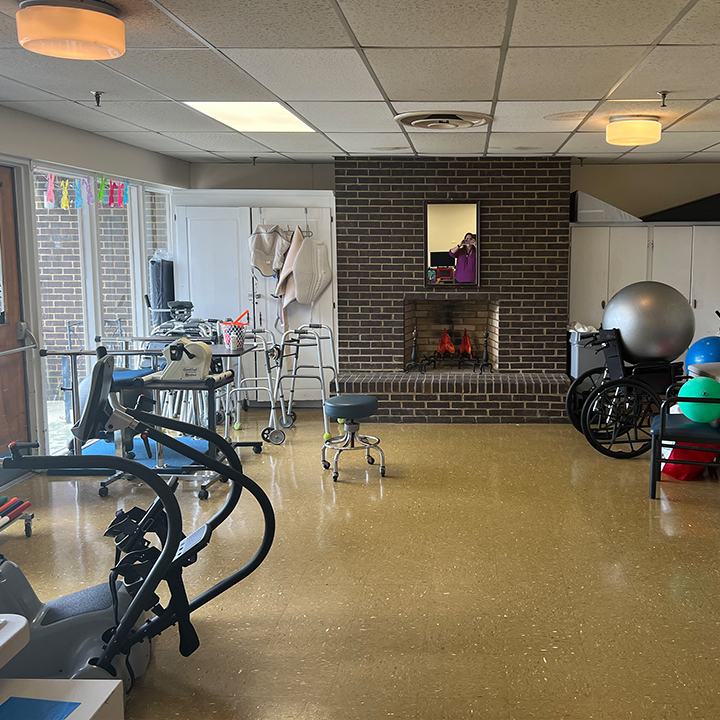
Who Owns and Operates Emporia Rehabilitation And Healthcare Center?

EMPORIA REHABILITATION AND HEALTHCARE CENTER is owned by a for-profit company. For-profit facilities operate as businesses with obligations to shareholders or private owners. The facility is operated by YAD HEALTHCARE, a chain that manages multiple nursing homes. With 120 certified beds and approximately 107 residents (about 89% occupancy), it is a mid-sized facility located in EMPORIA, Virginia.
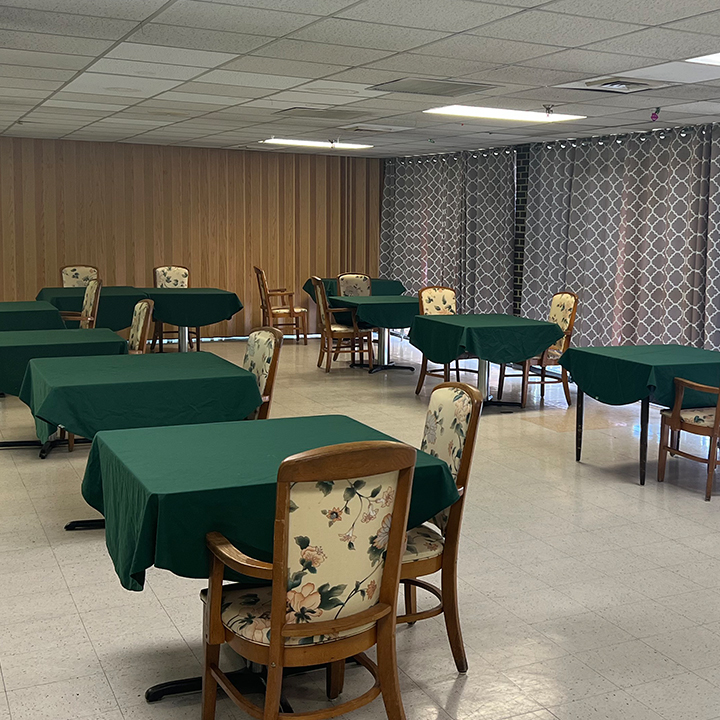
How Does Emporia Rehabilitation And Healthcare Center Compare to Other Virginia Nursing Homes?

Compared to the 100 nursing homes in Virginia, EMPORIA REHABILITATION AND HEALTHCARE CENTER's overall rating (2 stars) is below the state average of 3.0, staff turnover (52%) is near the state average of 46%, and health inspection rating (2 stars) is below the national benchmark.

What Should Families Ask When Visiting Emporia Rehabilitation And Healthcare Center?

Based on this facility's data, families visiting should ask: "Can you walk me through typical staffing levels on day, evening, and night shifts?" "Can I visit during a mealtime to observe dining assistance and food quality?" "How do you handle medical emergencies, and what is your hospital transfer rate?" "Can I speak with family members of current residents about their experience?" These questions are particularly relevant given the below-average staffing rating.

Is Emporia Rehabilitation And Healthcare Center Safe?

Based on CMS inspection data, EMPORIA REHABILITATION AND HEALTHCARE CENTER has a clean safety record: no substantiated abuse findings (meaning no confirmed cases of resident harm), no Immediate Jeopardy citations (the most serious violation level indicating risk of serious injury or death), and is not on the Special Focus Facility watch list (a federal program monitoring the lowest-performing 1% of nursing homes). The facility has a 2-star overall rating and ranks #100 of 100 nursing homes in Virginia. While no facility is perfect, families should still ask about staff-to-resident ratios and recent inspection results during their visit.

Do Nurses at Emporia Rehabilitation And Healthcare Center Stick Around?

EMPORIA REHABILITATION AND HEALTHCARE CENTER has a staff turnover rate of 52%, which is 6 percentage points above the Virginia average of 46%. Moderate turnover is common in nursing homes, but families should still ask about staff tenure and how the facility maintains care continuity when employees leave.

Was Emporia Rehabilitation And Healthcare Center Ever Fined?

EMPORIA REHABILITATION AND HEALTHCARE CENTER has no federal fines on record. CMS issues fines when nursing homes fail to meet care standards or don't correct problems found during inspections. The absence of fines suggests the facility has either maintained compliance or corrected any issues before penalties were assessed. This is a positive indicator, though families should still review recent inspection reports for the full picture.

Is Emporia Rehabilitation And Healthcare Center on Any Federal Watch List?

EMPORIA REHABILITATION AND HEALTHCARE CENTER is not on any federal watch list. The most significant is the Special Focus Facility (SFF) program, which identifies the bottom 1% of nursing homes nationally based on persistent, serious quality problems. Not being on this list means the facility has avoided the pattern of deficiencies that triggers enhanced federal oversight. This is a positive indicator, though families should still review the facility's inspection history directly.