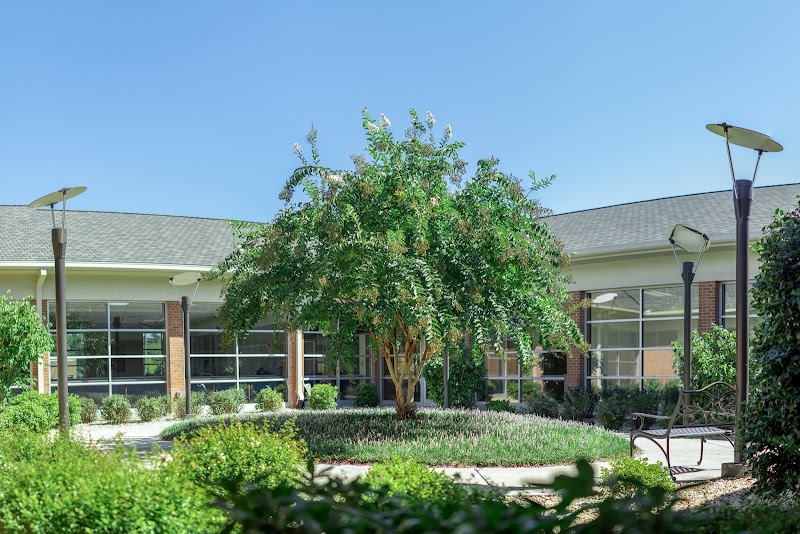
GREENSVILLE HEALTH AND REHABILITATION CENTER

214 WEAVER AVE, EMPORIA, VA 23847 (434) 348-2150
For profit - Corporation 65 Beds Independent Data: November 2025
Trust Grade
50/100
#136 of 285 in VA
Last Inspection: July 2023

Over 2 years since last inspection. Current conditions may differ from available data.

Overview

Greensville Health and Rehabilitation Center has a Trust Grade of C, which means it is average and sits in the middle of the pack among nursing homes. It ranks #136 out of 285 facilities in Virginia, placing it in the top half, and is the best option out of two in Emporia City County. However, the facility is experiencing a worsening trend, with issues increasing from 3 in 2021 to 17 in 2023. Staffing is a concern, rated 2 out of 5 stars, with a turnover rate of 44%, which is below the Virginia average but still indicates inconsistency in care. Notably, there have been serious incidents such as a resident choking on improperly prepared food and another resident not receiving necessary interventions for pressure injuries, highlighting both strengths and weaknesses in care quality.

Trust Score
C
50/100
In Virginia
#136/285
Top 47%
Safety Record
Moderate
Needs review
Inspections
Getting Worse
3 → 17 violations
Staff Stability
○ Average
44% turnover. Near Virginia's 48% average. Typical for the industry.
Penalties
✓ Good
No fines on record. Clean compliance history, better than most Virginia facilities.
Skilled Nurses
○ Average
Each resident gets 32 minutes of Registered Nurse (RN) attention daily — about average for Virginia. RNs are the most trained staff who monitor for health changes.
Violations
⚠ Watch
35 deficiencies on record. Higher than average. Multiple issues found across inspections.
★★★☆☆
3.0
Overall Rating
★★☆☆☆
2.0
Staff Levels
★★☆☆☆
2.0
Care Quality
★★★☆☆
3.0
Inspection Score
Stable
2021: 3 issues
2023: 17 issues

The Good

  • Full Sprinkler Coverage · Fire safety systems throughout facility
  • No fines on record
  • Staff turnover below average (44%)

    4 points below Virginia average of 48%

Facility shows strength in fire safety.

The Bad

3-Star Overall Rating

Near Virginia average (3.0)

Meets federal standards, typical of most facilities

Staff Turnover: 44%

Near Virginia avg (46%)

Typical for the industry

The Ugly 35 deficiencies on record

2 actual harm
Jul 2023 17 deficiencies
CONCERN (D)

Potential for Harm - no one hurt, but risky conditions existed

Deficiency F0554 (Tag F0554)

Could have caused harm · This affected 1 resident

Based on observation, interview, clinical record review and facility documentation the facility staff failed to assess for appropriateness of self-administration of medications for 1 Resident (Residen...

Read full inspector narrative →
Based on observation, interview, clinical record review and facility documentation the facility staff failed to assess for appropriateness of self-administration of medications for 1 Resident (Resident #23) in a survey sample of 44 Residents. The findings included: For Resident #23, the facility allowed the Resident to have physician ordered ointment, at the bedside, without first assessing the Resident's ability to self-medicate. On 7/25/23 at 3:31 PM, Resident #23 was noted to have a medication cup of a clear ointment at the bedside, unsecured. On 7/25/23 at approximately 3:35 PM, Surveyor C had LPN B accompany her to the room of Resident #23. When asked what the cup of ointment was, LPN B said, she didn't know. When asked if it should be at the bedside, LPN B said, No and discarded it in the trash. LPN B then went to the nursing station and looked at Resident #23's physician orders and noted an order for Neosporin ointment that is to be applied twice daily. LPN B said, it must have been left there from the night shift. On 7/25/23, a clinical record review was conducted of Resident #23's chart. This chart revealed no physician order, no assessment of their ability to safely self-administer medications, nor a care plan to indicate the Resident was able to self-administer medications. Also noted in the clinical record, in the admission documents was a document titled, Self-Administration of Medication Consent Form that indicated No, I do not want to exercise my right to self-administer my medications. A physician order dated 7/4/23, was noted that read, Neosporin Original External Ointment (Neomycin Bacitracin Polymyxin), Apply to groin rash topically two times a day for groin rash. On 7/27/23 at 2:40 PM, an interview was conducted with Employee H, who was a Registered Nurse (RN). Employee H develops the nursing care plans for Residents within the facility and when asked about Residents who self-administer medications, Employee H identified that the facility currently has no Residents who self-administer medications. When asked about the storing of medication and leaving medications at the bedside, Employee H indicated that medications are not to be left at the bedside of a Resident. When asked what the associated risks of doing so are, Employee H said, The resident may not take it, another patient could take it and it is a safety hazard. Review of the facility policy titled; Self-Administration of Medications was conducted. This policy read, 1. As part of their overall evaluation, the staff and practitioner will assess each resident's mental and physical abilities to determine whether self-administering medications is clinically appropriate for the resident . 8. Self-administered medications must be stored in a safe and secure place, which is not accessible by other residents . On 7/27/23, during the end of day meeting, the Administrator and Director of Nursing were made aware of the concern and no further information was provided. On 7/28/23 at approximately 9 AM, Surveyor C met with Resident #23. Resident #23 reported that staff gives him the ointment that I put it on myself. Resident #23 went on to say, I signed a paper last night. On 7/28/23 at 10:16 AM, the facility Administrator provided the survey team with a document titled, Self-Administration of Medication Consent Form that Resident #23 signed 7/27/23. The facility Administrator also provided a copy of a BIMS (brief interview for mental status) Evaluation that had been conducted on Resident #23 on 7/23/23, that indicated Resident #23 was cognitively intact. However, there was still no assessment of the Resident's physical ability to determine if self-administering medications was clinically appropriate for the Resident. No further information was provided.
CONCERN (D)

Potential for Harm - no one hurt, but risky conditions existed

Deficiency F0558 (Tag F0558)

Could have caused harm · This affected 1 resident

Based on observation, interview, record review, and facility policy review, the facility failed to have call bells accessible for two of two residents (Resident (R)5, and R19) reviewed for accommodati...

Read full inspector narrative →
Based on observation, interview, record review, and facility policy review, the facility failed to have call bells accessible for two of two residents (Resident (R)5, and R19) reviewed for accommodation of needs out of 44 sampled residents. These failures had the potential to cause a delay in the provision of care for these two residents. Findings include: Review of the facility policy titled, Answering the Call light, revised on 11/22, revealed, Ensure that the call light is accessible to the resident when in bed, from the toilet, from the shower or bathing facility and from the floor. 1. Review of R5's Medical Diagnosis, sheet located in the Med Diag [diagnosis] tab of the electronic medical record (EMR) revealed R5 had diagnoses which included hemiplegia and hemiparesis following cerebral infarction affecting the left non-dominant side, and lack of coordination. Review of R5's quarterly Minimum Data Set (MDS) assessment, with an Assessment Reference Date (ARD) of 06/09/23, located in the MDS tab of the EMR, revealed R5 required extensive assistance with bed mobility, transfers, personal hygiene and total dependence with toilet use, was sometimes understood, and had impaired functional range of motion on one side of her upper extremities. R5 scored three out of 15 on the Brief Interview for Mental Status (BIMS) which indicated severe cognitive impairment. Review of R5's comprehensive Care Plan, dated 06/20/23, and located in the Care Plan tab of the EMR, revealed a Focus which specified R5 was at high risk for falls related to cerebral vascular accident with hemiplegia, limited physical mobility, poor safety awareness, use of antidepressant for appetite stimulant. A care plan intervention included, Be sure the call light is within reach and encourage the resident to use it for assistance as needed. The resident needs prompt response to all requests for assistance. Observation on 07/25/23 at 2:24 PM, 3:50 PM, and 4:45 PM revealed R5 was in bed and her call bell was out of her reach. The resident's call bell was positioned near the top of her bed on the left side. Observation on 07/25/23 at 5:10 PM revealed R5 was eating her evening meal in bed with no staff in the room and her call bell out of her reach. The resident's call bell was positioned near the top of her bed on the left side. Observation on 07/26/23 at 10:08 AM, 12:35 PM, 1:40 PM, and 2:10 PM revealed R5 was seated in a geri-chair in her room and her call bell was out of her reach. R5's call bell was positioned on her bed. During the observation on 07/26/23 at 12:35 PM, R5 was asked if she could reach her call bell that was positioned on her bed. The resident attempted to reach the call bell with her left hand but was unable to reach her call bell. During an interview on 07/26/23 at 2:10 PM, Certified Nursing Assistant (CNA) E confirmed R5's call bell was out of the resident's reach. CNA E stated R5's call bell should be positioned as close to her as possible because the resident used her call bell to request staff assistance. Observation on 07/26/23 at 2:12 PM revealed CNA E handed R5 her call bell and R5 easily activated the call bell upon request. During an interview on 07/27/23 at 4:35 PM the Clinical Service Director (CSD) stated R5 should have her call bell within reach to request staff assistance. 2. Review of R19's Medical Diagnosis, sheet located in the Med Diag tab of the EMR, revealed R19 had diagnoses which included hemiplegia and hemiparesis following other nontraumatic intracranial hemorrhage affecting right dominant side, and lack of coordination. Review of R19's quarterly MDS assessment, with an ARD of 06/24/23, located in the MDS tab of the EMR, revealed R19 required one-person physical assistance with bed mobility, transfers and walking in room, had unclear speech, and impaired functional range of motion on one side of his upper extremities. R19 scored seven out of 15 on the BIMS which indicated severe cognitive impairment. Review of R19's comprehensive Care Plan, dated 07/04/23 and located in the Care Plan tab of the EMR, revealed a Focus which specified R19 was at a high risk for falls related to gait and balance problems secondary to cerebral vascular accident related to hemiplegia. A care plan intervention included, Be sure call light is within reach and encourage the resident to use it for assistance as needed. The resident needs prompt response to all requests for assistance. Observation on 07/25/23 at 4:39 PM, and from 5:09 PM to 6:12 PM, revealed R19 was seated in his wheelchair in his room and his call light was not accessible to him. The resident's call light was observed to be on his bed next to the wall which was out of his reach. Observation on 07/25/23 from 5:23 PM to 6:03 PM revealed R19 was seated in a wheelchair in his room with his evening meal in front of him. The resident's call light was observed to be on his bed next to the wall which was out of R19's reach. During an interview on 07/25/23 at 6:03 PM CNA E confirmed R19's call bell was out of his reach. CNA E stated R19's call bell should be within his reach because he used it to call staff for assistance. Observation on 07/26/23 at 9:00 AM, and 9:15 AM revealed R19 was seated in his wheelchair in his room and his call bell was not within his reach. The resident's call light was observed to be on his bed next to the wall. During an interview on 07/27/23 at 4:35 PM the CSD confirmed R19's call bell should be within his reach.
CONCERN (D)

Potential for Harm - no one hurt, but risky conditions existed

Deficiency F0578 (Tag F0578)

Could have caused harm · This affected 1 resident

**NOTE- TERMS IN BRACKETS HAVE BEEN EDITED TO PROTECT CONFIDENTIALITY** Based on resident interview, staff interview, clinical record review, and facility documentation review, the facility staff fail...

Read full inspector narrative →
**NOTE- TERMS IN BRACKETS HAVE BEEN EDITED TO PROTECT CONFIDENTIALITY** Based on resident interview, staff interview, clinical record review, and facility documentation review, the facility staff failed to offer and/or provide Advance Directive planning for 2 residents, Resident #15 and Resident #44, in a survey sample of 44 residents. The findings included: 1. The facility staff failed to offer and/or provide Resident #15 or their Responsible Party (RP) with Advance Directive planning. On [DATE] at approximately 11:30 AM, an attempt to interview Resident #15 was made, however she declined. An interview was conducted with her Responsible Party (RP). The RP stated, I take an active part in planning my mother's care here at the facility, I do not recall anyone ever asking her whether or not she would want CPR [cardiopulmonary resuscitation], but I can tell you that she does not, she has wanted DNR [do not resuscitate] for many years now. On [DATE] at approximately 12:15 PM, a clinical record review for Resident #15 was performed and revealed active physician's orders dated [DATE] that read, Active, Full Code and the patient's profile banner read, FULL CODE status which indicated that CPR would be initiated in the event of cardiac and/or respiratory arrest. A Social Service History & Initial Assessment note, dated [DATE], indicated that Resident #15 was oriented to person, place, time, and situation, and had a Brief Interview for Mental Status (BIMS) rating of 15, cognitively intact. There was no documentation in the clinical record that the facility staff offered or provided education about Advance Directive planning, to include the assessment of Code Status, Full Code versus Do Not Resuscitate, with Resident #15 or her Responsible Party (RP). On [DATE] at approximately 3:00 PM, an interview was conducted with the Director of Social Services (DSS) who confirmed the findings and stated that she was responsible for Advance Directive planning with residents and their families. She stated that the lack of documentation for Resident #15 must have been an oversight. The DSS was informed that the RP had reported that her mother should be a DNR. A facility policy was requested and received. Review of the facility policy titled, Advance Directives, read, A resident's choice about advance directives will be respected. On [DATE] at approximately 5:00 PM, the DSS reported that she met with Resident #15 and her RP and confirmed Resident #15's wishes to be DNR. A DNR order was initiated with the physician and documented in the clinical record. On [DATE], at the end of day debriefing, the Facility Administrator and Director of Nursing were updated. No further information was provided. 2. Review of the facility policy titled, Advanced Directives, revised on 09/22, revealed, The resident has the right to formulate an advanced directive, including the right to accept or refuse medical or surgical treatment. Advanced directives are honored in accordance with state law and facility policy . The director of nursing services (DNS) or designee notifies the attending physician of advanced directive (or changes in advanced directives) so that appropriate orders can be documented in the resident's medical record and plan of care . The resident's wishes are communicated to the resident's direct care staff and physician by placing the advanced directive documents in a prominent, accessible location in the medical record and discussing the resident's wishes in care plan meetings. Review of Resident (R)44's Medical Diagnosis, sheet located in the Med Diag[nosis] tab of the electronic medical record (EMR), revealed R44 was originally admitted with a diagnosis of end stage kidney disease. Review of R44's Durable Do Not Resuscitate (DNR) Order, dated [DATE], provided by the facility, specified R44 was capable of making an informed decision about providing, withholding, or withdrawing a specific treatment of course of medical treatment. The DNR order was signed by R44 and R44's physician. Review of R44's Base Line Care Plan, dated [DATE], located in the MISC[ellaneous] tab of the EMR, revealed R44's advanced directive was noted as a DNR. The care plan's goal specified; Resident's Advanced Directives wishes and directions will be carried out in accordance with their advanced directives on an ongoing basis through next review period. Review of R44's Hospital Discharge Summary, dated [DATE], provided by the facility, specified the resident was a Full Code. Review of R44's Physician Orders, located in the Orders tab of the EMR, revealed an order for a Full Code dated [DATE]. Review of R44's comprehensive Care Plan, dated [DATE], located in the Care Plan tab of the EMR, revealed a Focus which specified Advanced Directive [R44's name] has following Advanced Directives on record Do Not Resuscitate. The care plan's goal specified, Advance Directives are in effect, and [R44's name] wishes and directions will be carried out in accordance with her advance directives. A care plan intervention indicated, An Advance Directive can be revoked or changed if the resident and/or appointed health care representative changes their mind about the medical care they want delivered. Review of R44's quarterly Minimum Data Set (MDS) assessment, with an Assessment Reference Date (ARD) of [DATE], located in the MDS tab of the EMR, revealed R44 scored 14 out of 15 on the Brief Interview for Mental Status (BIMS) which indicated R44 was cognitively intact. During an interview on [DATE] at 10:42 AM the Social Worker (SW) stated R44's medical record contained conflicting information regarding the resident's code status. The SW stated the R44's EMR had a DNR order dated [DATE] and the resident's care plan specified she was a DNR, but R44 had a current physician's order for a Full Code that was initiated on [DATE]. The SW stated that she would check with R44 regarding this code status discrepancy. During an interview on [DATE] at 10:50 AM the SW stated she spoke with R44, and she wanted to remain a DNR as she had previously specified and as noted in her current care plan. The SW stated on [DATE], the facility's Clinical Service Director (CSD) put an order in for R44 to be a Full Code, but she did not know why an order was written to change the resident's code status because that was not what the resident wanted. During an interview on [DATE] at 11:10 AM, the CSD stated she put in an order on [DATE] to change R44's code status from DNR to Full Code because the resident's [DATE] hospital discharge summary specified the resident was a Full Code. The CSD stated she thought the SW was responsible for checking with the resident when there was a change in a resident's code status to ensure this change was what the resident wanted. During an interview on [DATE] at 11:15 AM the SW stated she did not recall talking with R44 about her code status change from a DNR to a Full Code when she was readmitted to the facility from the hospital on [DATE]. The SW stated if she was aware R44's code status changed from DNR to Full Code she would have discussed this change with R44 and updated the resident's care plan to reflect this change. During an interview on [DATE] at 1:20 PM, R44 stated she had not changed her code status from a DNR to Full Code and she wanted to remain a DNR. During an interview on [DATE] at 2:40 PM, the Administrator stated she was aware of the error on R44's code status not specifying the resident was a DNR. The Administrator stated R44 could clearly make her code status known and her desire to remain a DNR would be honored by the facility.
CONCERN (D)

Potential for Harm - no one hurt, but risky conditions existed

Deficiency F0582 (Tag F0582)

Could have caused harm · This affected 1 resident

Based on staff interview, clinical record review and facility documentation review, the facility staff failed to continue skilled services and bill the Resident as requested on the SNF ABN notice (Ski...

Read full inspector narrative →
Based on staff interview, clinical record review and facility documentation review, the facility staff failed to continue skilled services and bill the Resident as requested on the SNF ABN notice (Skilled Nursing Facility Advance Beneficiary Notice) issued to 2 Residents (Resident #14 and #44) in a survey sample of 3 Residents, reviewed for such notices. The findings included: 1. For Resident #14, the Resident selected on a SNF ABN form that she wanted to continue to receive the services, and the facility staff ended the services, despite the Resident's request. On 7/26/23, during a review of Resident #14's SNF ABN notice, it was noted that the Resident #14's skilled care services were ending on 4/7/23. The facility staff presented the Resident with a SNF ABN notice on 4/4/23, which Resident #14 selected option 2, which read, I want the care listed above, but don't bill Medicare. I understand that I may be billed now because I am responsible for payment of the care. I cannot appeal because Medicare won't be billed. Review of the therapy notes revealed that Resident #14's last day of therapy services was 4/6/23. [NAME] documents were reviewed and confirmed the same. On 07/26/23 at 02:46 PM, Surveyor C met with Employee M, the business office manager. Employee M confirmed that Resident #14's last skilled day was 4/6/23, and no further therapy services were provided after that date. 2. For Resident #44, who selected on a SNF ABN notice that she wanted skilled care to continue and she would pay for it, the facility staff stopped the service anyway. On 7/26/23, during a review of Resident #44's SNF ABN notice, it was noted that the Resident #44's skilled care services were ending on 5/29/23. The facility staff presented the Resident with a SNF ABN notice on 5/25/23, which Resident #44 selected option 2, which read, I want the care listed above, but don't bill Medicare. I understand that I may be billed now because I am responsible for payment of the care. I cannot appeal because Medicare won't be billed. Review of the therapy notes revealed that Resident #44's last day of therapy services was 5/29/23. [NAME] documents were reviewed and confirmed the same. On 07/26/23 at 02:46 PM, Surveyor C met with Employee M, the business office manager. Employee M confirmed that Resident #44's last skilled day was 5/29/23, and no further therapy services were provided after that date. On 07/26/23 at 02:50 PM, Surveyor C met with Employee M, the business office manager. Employee M confirmed she is responsible for issuing ABN notices to Residents. She was asked to explain her understanding of the options on the ABN form. The business office manager gave the following explanation with regards to option 2, if someone is staying here, then option 2 should be the one they should pick, because they are agreeing they are going to pay for the bill and that Medicare will not be billed. Employee M was asked if a Resident selects options 1 or 2 on the SNF ABN form, if this is communicated to anyone and if it changes what services the Resident receives, she said, I don't think so. The facility policy regarding skilled nursing facility advanced beneficiary notice (SNFABN) was requested. The facility staff indicated they did not have a policy for this. On 7/26/23 at 4 PM, the business office manager, Employee M, provided the survey team with documents she had with regards to SNF ABN notices, in lieu of a policy. The documents were reviewed and were blank SNF ABN and NOMNC (notice of Medicare non-coverage) forms, in English and Spanish. In the CMS document, Form Instructions Skilled Nursing Facility Advanced Beneficiary Notice of Non-coverage (SNFABN). This instruction sheet read, .There are 3 options listed on the SNFABN with corresponding check boxes. The beneficiary must check only one option box. If the beneficiary is physically unable to make a selection, the SNF may enter the beneficiary's selection at his/her request and indicate on the notice that this was done for the beneficiary. Otherwise, SNFs are not permitted to select or pre-select an option for the beneficiary as this invalidates the notice . The CMS instructions regarding when a resident selects option 2, read: .When the beneficiary selects Option 2, the care is provided, and the beneficiary pays for it out-of-pocket. The SNF does not submit a claim to Medicare. Since there is no Medicare claim, the beneficiary has no appeal rights. Note: Although Option 2 indicates that Medicare will not be billed, SNFs must still adhere to the Medicare requirements for submitting no pay bills. See Chapter 6 of the Medicare Claims Processing manual for SNF claim submission guidance. Accessed online at: https://www.cms.gov/Medicare/Medicare-General-Information/BNI/FFS-SNF-ABN- On 7/27/23 at 9:29 AM, the facility Administrator was made aware of the above findings. No further information was provided.
CONCERN (D)

Potential for Harm - no one hurt, but risky conditions existed

Deficiency F0657 (Tag F0657)

Could have caused harm · This affected 1 resident

**NOTE- TERMS IN BRACKETS HAVE BEEN EDITED TO PROTECT CONFIDENTIALITY** Based on observation, staff interview, and clinical record review, the facility staff failed to review and revise the care plan ...

Read full inspector narrative →
**NOTE- TERMS IN BRACKETS HAVE BEEN EDITED TO PROTECT CONFIDENTIALITY** Based on observation, staff interview, and clinical record review, the facility staff failed to review and revise the care plan following a significant weight loss affecting one Resident (Resident #4) in a survey sample of 44 Residents. The findings included: For Resident #4, who had a significant weight loss while at the facility, the facility staff failed to review and revise the care plan with interventions to address the weight loss and interventions implemented by the facility. From 7/25/23-7/28/23, various observations were made of Resident #4 during the lunch and supper meals. Resident #4 was interviewed and said she had no appetite. Resident #4 was observed to be unable to feed herself and was totally dependent upon facility staff for assistance. A clinical record review was conducted and revealed that Resident #4 was admitted to the facility on [DATE], and was noted to weigh 108 lbs. Resident #4's weight was taken almost weekly and noted a continuous decline. On 6/19/23, Resident #4 weighed 97.7 lbs. This was a 10% weight loss in a month. On 7/24/23, Resident #4 weighed 91.7 lbs., which is a total of 16-pound weight loss in just two months. Review of the care plan revealed the Resident's care plan for weight loss risk was not developed until 7/11/23. On 7/27/23, the facility Administrator and Clinical Director were presented with concerns regarding Resident #4's weight by the survey team. On 7/28/23, the facility's Clinical Director presented information that explained they had implemented nutritional supplements, to include but not limited to multivitamin, pro-stat [a protein supplement], high calorie cereal, med pass and even a medication to stimulate the appetite. The clinical director also indicated that a family conference was being scheduled to discuss the option of a gastroenterology consult for the consideration of a feeding tube. None of these interventions nor the weight loss were identified in the Resident's care plan. No further information was provided.
CONCERN (D)

Potential for Harm - no one hurt, but risky conditions existed

Deficiency F0658 (Tag F0658)

Could have caused harm · This affected 1 resident

**NOTE- TERMS IN BRACKETS HAVE BEEN EDITED TO PROTECT CONFIDENTIALITY** Based on observation, resident interview, staff interview, clinical record review, and facility documentation review, the facili...

Read full inspector narrative →
**NOTE- TERMS IN BRACKETS HAVE BEEN EDITED TO PROTECT CONFIDENTIALITY** Based on observation, resident interview, staff interview, clinical record review, and facility documentation review, the facility staff failed to provide care and services in accordance with professional standards for 3 residents, Resident #55, Resident #34, and Resident #52, in a sample size of 44 residents. The findings included: 1. For Resident #55, facility staff failed to administer medications as ordered by the physician. On 7/25/23 at approximately 11:30 AM, an interview was conducted with Resident #55. Resident #55 stated, The doctor prescribed my some cream the other day for a rash on my left thigh and I still haven't received it, the rash is still there. On 7/25/23 at approximately 12:15 PM, a clinical record review was performed and revealed a nursing note dated 7/23/23 at 18:54 which documented a telephone order received from the physician for Diprolene .5% cream, apply to rash once daily . and an orders administration note dated 7/24/23 at 08:37 which documented Diprolene External Ointment 0.05% .On order awaiting arrival. There was no documentation of the ointment being administered on Resident #55's medication administration record (MAR) for 7/24/23 and 7/25/23. On 7/25/23 at approximately 12:45 PM, an interview was conducted with the Facility Administrator who was updated on the findings and stated, I will look into this right away. At approximately 3:00 PM, the Facility Administrator stated that the Pharmacy had just delivered Resident #55's ointment and she had instructed LPN C to administer it to Resident #55 right away. On 7/25/23 at approximately 5:30 PM, a follow-up interview was conducted with Resident #55 who stated, No one has given me any cream yet, I don't know what is going on, I really want to have it. The Facility Administrator was updated and brought the tube of ointment to the Conference Room stating, I was reassured that this had been given to Resident #55 a couple of hours ago, I gave it to the nurse as soon as I received it. The tube of ointment was inspected, the cap was removed, and the protective foil under the cap remained intact which indicated that it had not been punctured, which is necessary in order to access the ointment. The Facility Administrator confirmed it did not appear that the ointment had been administered as she was led to believe. A review of Resident #55's MAR revealed that LPN C actually had documented she had administered a dose to Resident #55 at 3:32 PM, 2 hours previously. The Facility Administrator verified that the administration of medication must be documented immediately following the actual administration and stated, The nurse did not follow my expectation, the facility policy, or professional nursing standards, I will be re-educating her immediately, this is unacceptable. A facility policy was requested and received. Review of the facility policy titled, Documentation of Medication Administration, revised April 2007, item 2, read, Administration of medication must be documented immediately after (never before) it is given. According to Lippincott Manual of Nursing Practice, 11th edition, 2019, page 15, Standards of Practice-General Principles, item 1, read, The practice of professional nursing has standards of practice setting minimum levels of acceptable performance for which its practitioners are accountable and Box 2-1, Common Legal Claims for Departure from the Standards of Care, item 8, read, Failure to implement a physician's, advanced practice nurse's, or physician assistant's order properly or in a timely fashion, item 9, Failure to administer medications properly and in a timely fashion or to report and administer omitted doses appropriately, item 19, Failure to make prompt, accurate entries in a patient's medical record and item 21, Failure to adhere to facility policy or procedural guidelines. On 7/25/23 at the end of day de-briefing, the Facility Administrator and Director of Nursing (DON) were updated on the findings. No further information was provided. 2. For Resident #52, the nurse failed to follow the standard of nursing practice as evidenced by the nurse documented the administration of a physician ordered cream, when it had not been administered. On 07/26/23 at 09:35 AM, LPN E was observed during the medication administration. LPN E pulled and prepared the medication for Resident #52. During the preparation of the medications, LPN E noted that there was an order for Zinc Paste, LPN E said, That is the in the room. LPN E was observed to administer the medications to Resident #52, zinc paste was not applied. Upon completion of the Resident taking her pills, LPN E returned to the medication cart. On 7/26/23, during a clinical record review, Surveyor C was reconciling the medication orders to the medications administered. It was noted that LPN E had signed off that zinc paste had been applied when other medications were administered. On 7/26/23, at 12:17 AM, Surveyor C questioned LPN E about signing off the zinc paste. LPN E said, The CNA administered the zinc paste when they bathed [Resident #52's name redacted] and washed her up. On 07/26/23 at 12:24 PM, an interview was conducted with CNA E. CNA E confirmed she was assigned to provide care for Resident #52. When asked about her care provided thus far, CNA E said, I had help this morning and we washed her up. The Resident refused to take her gown off, so I am going back after lunch and try again. When asked if she put any kind of cream on her bottom, CNA E said yes, we put the protective cream on her. CNA E accompanied surveyor C to the Resident's room and showed the surveyor the tube of cream used. It was protective ointment, CNA E said, We used to use a white cream that was thicker we used but the rash cleared up so now we use this [protective cream]. CNA E confirmed the white cream previously used was a barrier cream and at no point has she applied a zinc paste to Resident #52. Review of the facility policy titled, Documentation of Medication Administration, was conducted. This policy read, 1. A nurse or certified medication aide (where applicable) shall document all medications administered to each resident on the Resident's medication administration record (MAR). 2. Administration of medication must be documented immediately after (never before) it is given . On 7/26/23, during an end of day meeting, the facility administrator and Clinical Director were made aware of the above observations during medication administration observations conducted with LPN E. 3. For Resident #34, the nurse failed to follow the nursing standard of practice as evidenced by signing off the wrong medication that was administered. On 7/27/23 at 9:40 AM, LPN D was observed during the administration of medications. LPN D prepared the medications for Resident #34, which included but was not limited to artificial tears, two drops were to be applied to each eye. LPN D administered the medications including the artificial tears to Resident #34 and notified the Resident she would return later to administer additional eye drops but needed to wait a few minutes between the different drops. LPN D then returned to the medication cart and signed off the medications administered. LPN D signed off that Combigan Solution 0.2-0.5% drop was administered to the left eye, which was not yet administered. On 7/27/23 at approximately 11 AM, LPN D returned to Resident #34 to administer Combigan Solution 0.2-0.5% eye drops. LPN D then returned to the medication cart and realized she had signed off the administration of this drop when she had administered the artificial tears at 9:40 AM. LPN D said, I marked the wrong one earlier, it was a mistake. Review of the facility policy titled, Documentation of Medication Administration, was conducted. This policy read, 1. A nurse or certified medication aide (where applicable) shall document all medications administered to each resident on the Resident's medication administration record (MAR). 2. Administration of medication must be documented immediately after (never before) it is given . The facility Administrator identified [NAME] as their nursing standard of practice. According to the Lippincott Manual of Nursing Practice eighth edition, on page 18, box 2-3 identified Common legal claims for departure from Standards of Care. An excerpt from this read, . Failure to administer medications properly and in a timely fashion, or to report and administer omitted doses appropriately . Failure to make prompt, accurate entries in a patient's medical record . On 7/27/23, during the end of day meeting, the facility Administrator and Clinical Director were made aware of the above observation. No further information was provided/received.
CONCERN (D)

Potential for Harm - no one hurt, but risky conditions existed

Quality of Care (Tag F0684)

Could have caused harm · This affected 1 resident

Based on observation, staff interviews and clinical record review, the facility staff failed to ensure quality of care based on professional standards and the person-centered care plan was provided fo...

Read full inspector narrative →
Based on observation, staff interviews and clinical record review, the facility staff failed to ensure quality of care based on professional standards and the person-centered care plan was provided for one Resident (Resident #38) in a survey sample of 44 Residents. The findings included: For Resident #38 the facility staff failed to ensure that the Resident had appropriate seating to maintain her comfort, relieve pressure, prevent her legs from dangling, which would promote swelling/edema in her legs and feet; and be safe in the facility provided wheelchair. On 7/25/23, Resident #38 was observed sitting in a wheelchair at the nursing station. Resident #38 was observed to be sitting on two cushions, which elevated her to the point that her legs were dangling and not touching the floor. Footrests were not on the chair. Observations of Resident #38's room revealed leg rests and foot pedals for the wheelchair in the floor next to the bed. Also noted was a 1/2 tray that would go on the wheelchair but was not in use. On 7/26/23, a clinical record review was conducted. This review revealed that Resident #38 had an active physician order that was written 10/21/21, that read, 1/2 lap tray while up in wheelchair to aid with positioning. Resident #38's therapy notes revealed a history of a left rotator cuff tear. The therapy notes further revealed that Resident #38 had some limitations on her left upper extremity. On the morning of 7/27/23, Resident #38 was observed to be up in her wheelchair and attending a group activity. Resident #38 was observed again sitting on 2 cushions, which elevated her where only the toes of her right foot would touch the floor. Resident #38 was sitting leaning to the right and her right side/hip was pressing against the side of the wheelchair. The half-tray was not in place, nor were the leg pedals and footrests. On 07/27/23 at 10:05 AM, an interview was conducted with CNA C. CNA C was asked why Resident #38 was sitting on 2 cushions. CNA C said, We couldn't find her wheelchair cushion, so I went and got another one, then her family sent her one so now she has two. She sat so low at the table, now this gets her up higher to the table. CNA C was asked about her legs just dangling and feet not touching the floor. CNA C said, I have to check with therapy about them [leg rests and foot pedals]. During the interview CNA C confirmed that Resident #38 has swelling and edema in her legs and feet So I only get her up every other day so she can lay down and rest the other days. CNA C was asked about the tray for the wheelchair. CNA C then accompanied Surveyor C to the room of Resident #38 and was shown the 1/2 tray, CNA C said, Therapy did that to keep her left arm raised to help with the swelling. CNA C then took the 1/2 tray and applied it to the wheelchair. CNA C made no mention of the wheelchair leg rests and foot pedals that were in the room underneath the 1/2 tray. On 07/27/23 at 10:42 AM, an interview was conducted with Employee N, the Occupational Therapist (OT). The OT was asked to generally explain how Residents should be sitting in a wheelchair. The OT said, 90/90/90 [meaning the hips, knees and ankles should all be bent at 90 degrees], the OT then demonstrated this with her feet touching flat on the floor. The OT went on to say, There should be no sacral sitting and feet shouldn't just be dangling. When asked to elaborate on why feet should not be dangling, Employee N said, It is bad for blood flow and increased contractures. Surveyor C asked the therapist, what about wheelchair seat cushions? The occupational therapist stated that, Everyone should have one, to decrease sacral wounds and for stability. The OT was asked if two cushions was appropriate and the OT said, No, I have not ever done that. Employee N was then asked specifically about Resident #38's 1/2 tray table for the wheelchair. The OT said, It is for her sublexed arm, feels uncomfortable with gravity pulling it down, but she doesn't always like to have it. The OT was then asked to accompany Surveyor C to the activity room to observe Resident #38's seating. The OT said, I saw her recently 2-3 weeks ago and didn't see two cushions under her then. I don't have anything good to say to you right now about how she is sitting, I agree with you. I don't know why she is on 2 cushions. The OT confirmed that Resident #38 was leaning to the right side with her side against the side of the wheelchair. The OT stated she would make adjustments and correct her seating. On 07/27/23 at 11 AM, Surveyor C observed Resident #38 sitting in the dining room, she was noted to be sitting straight, one foot resting on a footrest and her legs were crossed. The 1/2 tray was removed. On 7/27/23 at 11:08 AM, a follow-up interview was conducted with Employee N, the Occupational Therapist and Employee O, the assistant therapy director/physical therapy assistant was present. They both explained that one of the wheelchair cushions was removed, positioned her center of her chair, applied footrests, and removed the tray. Employee O, the assistant therapy director said she found out the Resident had a different cushion that allowed her feet to rest on the floor which was more appropriate, and we will be working to get her that type of cushion again. We removed the tray because it wasn't appropriate for that chair. When asked what their concerns were with how Resident #38 was seated, the indicated, It was a concern for pressure, the arm, edema and safety. It wasn't safe. On 7/27/23, during the end of day meeting, the facility Administrator and Clinical Director were made aware of the above findings. No further information was provided.
CONCERN (D)

Potential for Harm - no one hurt, but risky conditions existed

Deficiency F0685 (Tag F0685)

Could have caused harm · This affected 1 resident

Based on observation, resident interview, staff interview, and clinical record review, the facility staff failed to provide/arrange for one Resident (Resident #13) in a survey sample of 44 Residents t...

Read full inspector narrative →
Based on observation, resident interview, staff interview, and clinical record review, the facility staff failed to provide/arrange for one Resident (Resident #13) in a survey sample of 44 Residents to obtain new prescription lenses in her glasses, as ordered. The findings included: On 7/25/23 at 2:40 PM, during initial tour, Resident #13 was visited in her room. Resident #13 was asked about her vision and the Resident said, I need to get my vision checked and reported she is having difficulty seeing. The Resident did not recall last time she saw eye doctor. On 7/26/23, a clinical record review was conducted of Resident #13's chart. This review revealed the following: Resident #13 had a physician order dated 9/15/22, that read, May have consultation for ophthalmology, podiatry, dental and optometry as needed. Resident #13's care plan was reviewed, and her vision or use of glasses was not identified on the care plan. Documentation regarding the offering of an eye exam with regards to the Resident's report of difficulty seeing was not found in the clinical chart. On 7/26/23, the facility Administrator was asked to provide any evidence she had with regards to Resident #13 seeing an eye doctor. The facility Administrator indicated that Employee E, the social worker handles this and was out of the office for the day. On 7/27/23, Surveyor C met with Employee E and was provided documentation which included a progress note dated 9/21/22, which read, SW [social worker] asked [Resident #13's name redacted] . She does say she is blind in 1 eye and vision is blurry in the other and she is willing to go to an eye doctor to see if new glasses will help her vision. SW to try to get her an appointment with [name of provider redacted] as she will have to go by stretcher. Employee E also provided evidence of where Resident #13 was seen by the eye doctor on 1/31/23. The note from the eye doctor read, Vision 20/400 Right eye .New glasses Rx [prescription] given. Optic neuropathy both eyes. Employee E said she had spoken with Resident #13 on this day, 7/27/23, and the Resident reported to her she didn't need new glasses. On 07/27/23 at 02:06 PM, Resident #13 was visited in her room again. Resident #13's family member and responsible party was also at the bedside. When asked about the new prescription given for glasses, the Resident's family member stated, They were going to cost $700 and they didn't proceed because they couldn't afford them. When asked if any alternatives or options to assist with the costs were given, the Resident's family member said no. On 7/27/23, during the end of day meeting, the facility Administrator was made aware of the above findings. No further information was provided.
CONCERN (D)

Potential for Harm - no one hurt, but risky conditions existed

Pressure Ulcer Prevention (Tag F0686)

Could have caused harm · This affected 1 resident

Based on observation, staff interview, clinical record review and facility documentation review, the facility staff failed to implement interventions to prevent the development of pressure ulcers for ...

Read full inspector narrative →
Based on observation, staff interview, clinical record review and facility documentation review, the facility staff failed to implement interventions to prevent the development of pressure ulcers for one Resident (Resident #35) in a survey sample of 44 Residents. The findings included: For Resident #35, who was at risk for the development of a pressure ulcer, the facility staff failed to apply heel protective boots as ordered by the physician. A clinical record review was conducted and revealed that Resident #35 had a physician order dated 5/23/23, that read, place heel protector on right heel every shift for wound. An excerpt from Resident #35's care plan read, The resident has potential for pressure ulcer development r/t [related to] immobility, incontinent of B&B [bowel and bladder]. Interventions for this care plan focus area was, Administer treatments as ordered and monitor for effectiveness, follow facility policies/protocols for the prevention/treatment of skin breakdown . Resident #35's most recent Braden Scale for Predicting Pressure Sore Risk was conducted 5/23/23, and the Resident scored 14, which indicated the Resident was at moderate risk for development of pressure sores. On 7/25/23, 7/26/23, and 7/27/23, numerous observations were made of Resident #35. Each observation revealed, Resident #35 was lying in bed, his heels had no protective boots, and his heels were noted to be resting directly on the mattress. On 07/27/23 at 09:55 AM, Surveyor C requested that LPN D accompany her to the room of Resident #35 to make observations of his feet. LPN D confirmed that Resident #35's heels were resting directly on the bed with nothing in place to relive pressure. LPN D and Surveyor C observed Resident #35's feet and LPN D stated that Resident #35's right heel was boggy and there was a discolored area on the Resident's left heel that LPN D stated, appeared as a scab. Following the above observations, LPN D looked in Resident #35's room and was unable to find any heel protective boots. LPN D then went to the supply closet and again was not able to find any heel protective boots. LPN D then called another staff member, who handles supplies and then about 15 minutes later, approached Surveyor C and showed the surveyor that she had obtained a pair of heel protective boots and was going to apply them to Resident #35's feet. Resident #35's most recent skin observation completed 7/24/23, identified no skin impairments. The facility policy titled; Prevention of Pressure Injuries was reviewed. This policy read, . Prevention: skin care. 1. Keep the skin clean and hydrated . 6. Do not rub or otherwise cause friction on skin that is at risk of pressure injuries. 7. Use facility-approved protective dressings for at risk individuals . In the facility provided Wound Protocols, it read, Pressure Ulcer Prevention Protocol: . 8. Position the resident to minimize pressure over bony prominences and shearing forces over the hells and elbows, base of head, and ears, 9. Use appropriate offloading or pressure-redistribution devices . On 7/27/23, during the end of day meeting, the facility Administrator and Clinical Director were made aware of the above findings. On 7/28/23 at 10:55 AM, the facility Administrator provided Surveyor C with a copy of physician orders that were implemented for Resident #35 in response to the above findings. The orders read, Place heel protector on bilateral heels every shift for wound, skin prep to bilateral heels every shift. No further information was provided.
CONCERN (D)

Potential for Harm - no one hurt, but risky conditions existed

Deficiency F0688 (Tag F0688)

Could have caused harm · This affected 1 resident

Based on observation, interview, record review, and facility policy review, the facility failed to provide splints to address range of motion loss and/or contractures for two of five residents (Reside...

Read full inspector narrative →
Based on observation, interview, record review, and facility policy review, the facility failed to provide splints to address range of motion loss and/or contractures for two of five residents (Resident (R)19, and R5) reviewed for limited range of motion. These failures had the potential to cause worsening contractures for these two residents. Findings include: Review of the facility policy titled Braces, Splints, and Prostheses, dated 04/20/11 revealed, Braces, splints, and prostheses assist a resident with support normal joint alignment and positioning. These devices also prevent or minimize deformities such as contractures. As a result, these devices facilitate mobility and activity of daily living skills. Braces, splints and prostheses may only be removed with orders of M.D. [medical doctor] 1. Review of R19's Medical Diagnosis, sheet located in the Med Diag [diagnosis] tab of the electronic medical record (EMR), revealed R19 had diagnoses which included hemiplegia and hemiparesis following other nontraumatic intracranial hemorrhage affecting right dominant side, and lack of coordination. Review of R19's quarterly Minimum Data Set (MDS) assessment, with an Assessment Reference Date (ARD) of 06/24/23, located in the MDS tab of the EMR, revealed R19 had unclear speech, was usually able to make himself understood, and had impaired functional range of motion on one side of his upper extremities. R19 scored seven out of fifteen on the Brief Interview for Mental Status (BIMS) which indicated severe cognitive impairment. Review of R19's comprehensive Care Plan, dated 07/04/23 and located in the Care Plan tab of the EMR, revealed a Focus which specified R19 had impaired limited physical mobility related to cerebral vascular accident with right hemiplegia. A care plan intervention included, right hand splint for contracture management. Review of R19's July 2023 Physician Orders, located in the Orders tab of the EMR, revealed an order, initiated on 04/12/23, for R19 to wear a right-hand resting splint during daily functional activities and for staff to perform range of motion to his right upper extremity joints prior to putting the splint on in the morning and after taking it off in the evening. Observation on 07/25/23 at 4:39 PM, and from 5:09 PM to 6:12 PM, revealed R19 was seated in his wheelchair with his right hand contracted into a fist. There was no splint in R19's contracted right hand. Observation on 07/26/23 at 9:00 AM, and 9:15 AM revealed R19 was seated in his wheelchair with his right hand contracted into a fist. There was no splint in R19's contracted right hand. During an interview on 07/25/23 at 6:03 PM Certified Nursing Assistant (CNA) E stated R19 did have a splint to wear on his contracted right hand, but she did not know where the splint could be located. During an interview on 07/27/23 at 4:35 PM the Clinical Service Director (CSD) stated R19 should have a splint on his contracted right hand as ordered during the day and as specified on his care plan. 2. Review of R5's Medical Diagnosis, sheet located in the Med Diag tab of the EMR, revealed R5 had diagnoses which included hemiplegia and hemiparesis following other nontraumatic intracranial hemorrhage affecting right dominant side, and lack of coordination. Review of R5's quarterly MDS assessment, with an ARD of 06/09/23, located in the MDS tab of the EMR, revealed R5 had impaired functional range of motion on one side of her upper extremity. R5 scored three out of fifteen on the BIMS which indicated severe cognitive impairment. Review of R5's comprehensive Care Plan, dated 06/20/23 and located in the Care Plan tab of the EMR, revealed a Focus which specified R5 had an Activity of Daily Living (ADL) self-care performance deficit relate to limited mobility, limited range of motion, and stroke. A care plan intervention included, Left hand splint for contracture management. Review of R5's July 2023 Physician Orders, located in the Orders tab of the EMR, revealed an order, initiated on 04/12/23, for R5 to wear a left resting hand splint during daily functional activities as tolerated. Observation on 07/25/23 at 2:24 PM, 3:50 PM, and 4:45 PM revealed R5 was in bed with her left hand contracted into a fist. There was no splint on R5's contracted left hand. Observation on 07/26/23 at 10:08 AM, 12:35 PM, 1:40 PM, and 2:10 PM revealed R5 was seated in a Geri-chair with her left hand contracted into a fist. There was no splint in R5's contracted left hand. During an interview on 07/26/23 at 2:10 PM CNA E stated she did not recall R5 had a splint to wear on her contracted left hand. CNA E stated she provided R5 with passive range of motion during the morning. During an interview on 07/27/23 at 4:35 PM the CSD stated R5 should have a splint on her contracted left hand as ordered and as specified on her care plan.
CONCERN (D)

Potential for Harm - no one hurt, but risky conditions existed

Tube Feeding (Tag F0693)

Could have caused harm · This affected 1 resident

Based on observation, interview, record review, and facility policy review the facility failed to administer enteral feedings as ordered for one of one sampled Resident (R)213 reviewed for enteral fee...

Read full inspector narrative →
Based on observation, interview, record review, and facility policy review the facility failed to administer enteral feedings as ordered for one of one sampled Resident (R)213 reviewed for enteral feedings. This failure had the potential to cause weight loss and/or other nutritional complications for this resident. Findings include: Review of the facility's policy titled, Enteral Nutrition, revised on 11/18, revealed, Adequate nutritional support through enteral nutrition is provided to residents as ordered. Review of R213's Medical Diagnosis, sheet located in the Med Diag [diagnosis] tab of the electronic medical record (EMR), revealed R213 had diagnoses which included dysphagia and severe protein-calorie malnutrition. Review of R213's admission Minimum Data Set (MDS) with an Assessment Reference Date (ARD) of 07/10/23, located in MDS tab of the EMR, specified the resident had a feeding tube and received 51 percent or more of her total calories through the feeding tube. The resident had a Brief Interview for Mental Status (BIMS) score of 0/15, which indicated severe cognitive impairment. Review of R213's Physician Orders, located in the Orders tab of the EMR, revealed an order dated 07/11/23, for the resident to receive Jevity 1.5 at 50 ml/hr (milliliters per hour) via pump for a total of 1800 calories a day. Review of R213's care plan located in the Care Plan tab of the EMR, revealed a Focus area initiated on 07/17/23 that specified, FEEDING TUBE: The resident requires tube feeding, PEG (percutaneous endoscopic gastrostomy) tube r/t (related to) severe protein-calorie malnutrition. A care plan approach specified, The resident is dependent with tube feeding and water flushes. See MD [medical doctor] orders for current feeding orders. Observation on 07/25/23 at 2:20 PM revealed R213 was in bed with a PEG tube in place. A tube feeding pump positioned next to the resident was observed administering Jevity 1.2 at a rate of 50 ml/hr via R213's PEG tube. Observation on 07/26/23 at 2:22 PM revealed R213 was seated in a chair in her room. A tube feeding pump positioned next to the resident was observed administering Jevity 1.2 at a rate of 50 ml/hr via R213's PEG tube. Observation on 07/26/23 at 3:55 PM revealed R213 was seated in a chair in her room. A tube feeding pump positioned next to the resident was observed administering Jevity 1.2 at a rate of 50 mls/hr. The documentation noted on the bottle of Jevity being administered specified the bottle was hung on 07/26/23 at 10:40 AM. During an interview on 07/26/23 at 4:10 PM, a Licensed Practical Nurse (LPN) F, confirmed R213 was fed by a PEG tube. LPN F checked R213's physician orders and stated the resident had a current order to receive Jevity 1.5 at a rate of 50 ml/hr. On 07/26/23 at 4:12 PM LPN F observed the enteral formula being administered to R213 and confirmed the resident was not receiving the correct formula. LPN F confirmed the resident was receiving Jevity 1.2 at a rate of 50 ml/hr via her PEG tube not Jevity 1.5 that was ordered by the resident's physician on 07/11/23. 07/27/23 at 4:35 PM the Clinical Service Director confirmed the nursing staff incorrectly administered Jevity 1.2 instead of Jevity 1.5 to R213 on 07/25/23 and 07/26/23.
CONCERN (D)

Potential for Harm - no one hurt, but risky conditions existed

Pharmacy Services (Tag F0755)

Could have caused harm · This affected 1 resident

2. For Resident #55, Diprolene ointment was ordered by the physician, however was unavailable for administration. On 7/25/23 at approximately 11:30 AM, an interview was conducted with Resident #55. Re...

Read full inspector narrative →
2. For Resident #55, Diprolene ointment was ordered by the physician, however was unavailable for administration. On 7/25/23 at approximately 11:30 AM, an interview was conducted with Resident #55. Resident #55 stated, The doctor prescribed my some cream the other day for a rash on my left thigh and I still haven't received it, the rash is still there. On 7/25/23 at approximately 12:15 PM, a clinical record review was performed and revealed a physician's order which read, Diprolene External Ointment 0.05% (Betamethasone Dipropionate Augmented), apply to left hip and thigh rash topically one time a day for rash until 8/6/23, start date 7/24/23 at 0900. There was no documentation of the ointment being administered on Resident #55's medication administration record (MAR) for 7/24/23 and 7/25/23. A nursing note dated 7/23/23 at 18:54 documental a telephone order received from the physician for Diprolene .5% cream, apply to rash once daily . and an orders administration note dated 7/24/23 at 08:37 which documented Diprolene External Ointment 0.05% .On order awaiting arrival and 7/25/23 at 11:56, Diprolene External Ointment Med on order. There was no documentation that the physician was notified of the unavailability of the ordered medication from the pharmacy. On 7/25/23 at approximately 12:45 PM, an interview was conducted with the Facility Administrator who was updated on the findings and stated, I will look into this right away. At approximately 3:00 PM, the Facility Administrator stated that the Pharmacy had just delivered Resident #55's ointment. A facility policy was requested and received. Review of the facility document titled, What to do if medications cannot be found or are not available?, read, 6. Call the provider for further instructions; Is there an alternate medication available; order to hold medication until medication arrives? 7. Notify the resident/RP of the delay and what action has been ordered by the provider, 8. Document in the medical record . On 7/25/23 at the end of day de-briefing, the Facility Administrator and Director of Nursing (DON) were updated on the findings. No further information was provided. Based on observation, staff interview and facility documentation review, the facility staff failed to implement a system to assure the accurate accounting of controlled medications on 2 of 3 medication carts inspected and failed to ensure medications were available for use for 1 (Resident #55) of 44 sampled residents. The findings included: 1. The facility staff failed to ensure the correct quantity of controlled medications was accurate on 2 medication carts. On 07/26/23 at 09:11 AM, a medication cart on the East wing nursing station. The observation/inspection was conducted in the presence of LPN E. During a controlled medication count, it was noted that Resident #164's Clonazepam 1 mg tablet's corresponding controlled drug count sheet indicated 9 tablets should be present. Observation of the card revealed only 8 tablets. LPN E confirmed the findings. Observation of Resident #15's Lorazepam 0.5 mg revealed 3 tablets present and the controlled medication count sheet indicated 4 tablets should have been present. Resident #15's Tramadol HCL 50 mg tablet medication card was noted to be empty and contained no medication, but the controlled medication count sheet indicated one pill should have been present. LPN E again confirmed the findings and inaccuracies. LPN E then said, I gave those this morning, but they called me to the phone for a doctor's call. Surveyor C asked when controlled medications are to be signed out and LPN E said, I try to sign them out as I give them. On 07/26/23 at 11:34 AM, an inspection was conducted of the East wing medication cart with LPN F. During an audit of the controlled medications, it was noted that Resident #14 was ordered Oxycodone/APAP Tab 10-325 mg. The controlled medication count sheet indicated 22 tablets should have been present and only 21 tablets was noted. LPN G confirmed the findings and stated, The resident had come up to me wanting it [the pill], so she administered it and then got called away and didn't sign it out. LPN G stated that controlled medications should be signed off at the time it is pulled to ensure a correct accounting of the controlled medications. Review of the facility policy titled; Controlled Substances was conducted. Excerpts from this policy read, .8. Controlled substances are reconciled upon receipt, administration, disposition, and at the end of each shift . 10. Upon Administration: a. The nurse administering the medication is responsible for recording: 1. name of the Resident receiving the medication; 2. name, strength, and dose of the medication, 3. time of administration, 4. method of administration, 5. quantity of the medication remaining; and 6. signature of the nurse administering medication . On 7/26/23, during the end of day meeting, the facility Administrator was made aware of the above concerns. No further information was provided.
CONCERN (D)

Potential for Harm - no one hurt, but risky conditions existed

Dental Services (Tag F0791)

Could have caused harm · This affected 1 resident

Based on observation, Resident interview, staff interview, and clinical record review, the facility staff failed to offer routine dental care for one Resident (Resident #13) in a survey sample of 44 R...

Read full inspector narrative →
Based on observation, Resident interview, staff interview, and clinical record review, the facility staff failed to offer routine dental care for one Resident (Resident #13) in a survey sample of 44 Residents. The findings included: On 7/25/23, during initial tour, Resident #13 was visited in her room. Resident #13 was observed to have many teeth that were broken at the gum and were discolored, black in color. When asked, Resident #13 denied pain, but also stated she had not seen a dentist. When asked if this was something she would be interested in, Resident #13 indicated yes. On 7/26/23, a clinical record review was conducted of Resident #13's chart. This review revealed the following: Resident #13 had a physician order dated 9/15/22, that read, May have consultation for ophthalmology, podiatry, dental and optometry as needed. Resident #13 had a care plan that read, [Resident #13's name redacted] has oral/dental health problems r/t [related to] Poor oral hygiene. The associated interventions for this care plan read, . Coordinate arrangements for dental care, transportation as needed/as ordered, [Resident #13's name redacted] requires mouth inspections quarterly and PRN [as needed]. Report changes to the nurse . Further review revealed no evidence of any oral/mouth inspections or dental services being offered. On 7/26/23, the facility Administrator was asked to provide any evidence she had with regards to Resident #13's dental status. The facility Administrator indicated that Employee E, the social worker handles this and was out of the office for the day. On 7/27/23, Surveyor C met with Employee E and was provided documentation which included a progress note written 9/21/22, by Employee E. This note read, SW [social worker] asked [Resident #13's name redacted] about her teeth and she says they do not bother her, and she is not interested in going to the dentist . An Oral Cavity Observation form conducted 9/14/22, was provided, which indicated no dental concerns. Surveyor C asked if she had any evidence that dental services had been revisited with the Resident or any oral observations were conducted since Sept. 2022, and Employee E said no. On 7/27/23, during the end of day meeting, the facility Administrator and Clinical Director were made aware of the above findings. No further information was provided.
CONCERN (E)

Potential for Harm - no one hurt, but risky conditions existed

Deficiency F0571 (Tag F0571)

Could have caused harm · This affected multiple residents

Based on staff interview and facility documentation review, the facility staff charged the Resident and deducted from their patient trust account, funds in excess what was due to the facility for thre...

Read full inspector narrative →
Based on staff interview and facility documentation review, the facility staff charged the Resident and deducted from their patient trust account, funds in excess what was due to the facility for three Residents (Resident #17, #37 and #23), in a survey sample of 6 Residents reviewed with trust accounts. This happened on five occasions. The findings included: 1. For Resident #17, the facility staff withdrew $153 in excess of what was due towards the cost of care on two occasions, March 2023, and May 2023. On 7/27/23, Surveyor C received and reviewed the Resident trust account statement for Resident #17 for the year of 2023. During this review it was noted that on March 3, 2023, $1,129 was deducted/withdrawn from the Resident's trust account for Care Cost Auto WDL [automatic withdrawal]. Review of the patient pay information from the Virginia Medicaid Web portal indicated Resident #17 owed the facility $976 each month. Then on 4/7/23, instead of withdrawing the $976 due for the cost of care, the facility withdrew $823, to offset the overpayment in March. On 5/3/23, another withdrawal for $1129 was made and noted as Care Cost Auto WDL. Again, Resident #17 was indicated by Medicaid to only owe $976. Then on 6/12/23, when the care cost withdrawal was made, only $823 was deducted to offset the prior months over payment. 2. For Resident #37, the facility staff made deductions from the Resident trust fund more than what was due to the facility. On 7/27/23, Surveyor C received and reviewed the Resident trust account statement for Resident #37 for the year of 2023. During this review it was noted that on March 3, 2023, $1,561 was deducted/withdrawn from the Resident's trust account for Care Cost Auto WDL [automatic withdrawal]. Review of the patient pay information from the Virginia Medicaid Web portal indicated Resident #37 owed the facility $1351 each month. Then on 5/3/23, instead of withdrawing the $1,351 due for the cost of care, the facility withdrew $1,141, to offset the overpayment in March. 3. For Resident #23, the facility staff withdrew excess funds from the Resident's trust account/bank account funds in excess of what was due/owed to the facility on 2 occasions. On 7/27/23, Surveyor C received and reviewed the Resident trust account statement for Resident #23 for the year of 2023. During this review it was noted that on March 1, 2023, a deduction in the amount of $90 was deducted/withdrawn from the Resident's trust account for Care Cost Auto WDL [automatic withdrawal]. Then on March 3, 2023, an additional amount of $1,158 was withdrawn and noted as a Care Cost Auto WDL. This totaled $1,248 being withdrawn for the month of March. Review of the patient pay information from the Virginia Medicaid Web portal indicated Resident #23 owed the facility $1,065 each month. Then on 4/7/23, instead of withdrawing the $1,065 due for the cost of care, the facility withdrew $882, to offset the overpayment in March. On 5/1/23, a withdrawal for care cost was made in the amount of $90. On 5/3/23, an additional withdrawal for $1,158 was made, both were noted as Care Cost Auto WDL. Again, Resident #23 was indicated by Medicaid to only owe $1,065. Then on 6/12/23, when the care cost withdrawal was made, only $882 was deducted to offset the prior months over payment. On 7/27/23 at 03:15 PM, an interview was conducted with Employee M, the business office manager (BOM). Employee M confirmed that she determines the amount a Resident owes as a patient pay/liability via the the Medicaid web portal. Employee M confirmed all the above findings. When asked about the above findings, Employee M then stated, It pulled automatically, referring to the wrong amounts being set-up to auto-deduct each month. It was expressed that despite it happening in March 2023, corrections were not made until April. Residents were not credited the over payment within the month that the error occurred. Then in April 2023, the same over payments were made and restitution not made until the following month. The BOM said, I have put a block on it now so it will quit pulling the wrong amount. I must put it in manually. With regards to the corrections not being made until the following month, the business office manager said, For March there would have had a credit, so I applied it [the credit] to the next month. Surveyor C asked if any of the above discrepancies/errors had been discussed with the Resident's identified as being affected. The business office manager said, No. When asked if not refunding overpayments and just waiting until the next month and collect less due to the facility is generally accepted accounting practice, the business office manager said, Well no, it shouldn't be done that way, it was a mistake, and it was fixed. On 7/27/23, during the end of day meeting the facility Administrator was made aware of the above findings. On 7/28/23, the Administrator provided a written statement from Employee M that indicated the Resident trust accounts had been changed on 6/30/23, so that funds will not be automatically withdrawn each month, she will manually enter the amount to be deducted for care costs/patient pay. No further information was provided.
CONCERN (E)

Potential for Harm - no one hurt, but risky conditions existed

Menu Adequacy (Tag F0803)

Could have caused harm · This affected multiple residents

Based on observation, interview, record review, and facility policy review the facility failed to serve the planned menu as approved by the facility's Registered Dietitian (RD) to residents with physi...

Read full inspector narrative →
Based on observation, interview, record review, and facility policy review the facility failed to serve the planned menu as approved by the facility's Registered Dietitian (RD) to residents with physician's orders for regular, mechanical soft, or pureed diets. This failure had the potential to affect 61 residents who were served meals from the facility's kitchen. Findings include: Review of the facility's policy titled, Menus, revised on 10/17, revealed, Menus are developed and prepared to meet resident choices including religious, cultural and ethnic needs while following established national guidelines for nutritional adequacy. Menus for regular and therapeutic diets are written at least two (2) weeks in advance, and are dated and posted in the kitchen at least one (1) week in advance. A group interview meeting was conducted on 07/26/23 at 1:00 PM with five residents whom the facility identified as reliable historians. During the meeting, two of the five residents (R53, and R56), voiced concerns about the kitchen not always serving the facility's planned menu. Observation on 07/26/23 at 4:40 PM revealed unidentified dietary staff were preparing resident evening meal trays from the kitchen's tray line and the only menu posted in the kitchen was for regular diets. Review of the menu revealed staff were not serving the Caesar salad and ice cream sundae that was planned on the menu for regular diets. Staff were serving a tossed salad instead of the Cesar salad and a cup of ice cream instead of the ice cream sundae. Review of the RD approved regular diet for the evening meal of 07/26/23 revealed the following foods were on the menu to be served: pizza, Caesar salad, bread stick, and ice cream sundae. Review of the RD approved mechanical soft diet menu for the evening meal of 07/26/23 revealed the following foods were on the menu to be served; four cheese pasta, capri blend vegetables, a bread stick, and an ice cream sundae. Review of the RD approved pureed diet menu for the evening meal of 07/26/23 revealed the following foods were on the menu to be served; pureed four cheese pasta, pureed carpi blend vegetables, pureed bread stick, and pudding parfait. Observation on 07/26/23 at 4:42 PM revealed unidentified dietary staff served residents on mechanical soft diets the following on their meal trays: chopped chicken nuggets, broccoli, a bread stick, and a cup of ice cream. The dietary staff were observed to serve residents on pureed diets the following on their meal trays: pureed pizza, pureed broccoli, pureed bread stick, and a cup of ice cream. During an interview on 07/26/23 at 4:45 PM, [NAME] (C)1, who prepared and served the evening meal on 7/26/23 confirmed the regular diet menu was not being served as planned. C1 also stated menus for mechanical soft and pureed diet were not available for the kitchen staff to follow; so, for the 07/26/23 evening meal she decided to serve residents on mechanical soft diets chopped chicken nuggets, broccoli, bread stick, and ice cream, and she decided to serve residents on pureed diets pureed pizza, pureed broccoli, pureed bread, and ice cream. C1 stated she documented the menu changes for the regular menu on the Menu Substitution Log, C1 stated changes were made to the facility's regular menu approximately one to two times per week. Review of the kitchen's July 2023, Menu Substitution Log revealed staff documented menu changes were made on 07/05/23, 07/11/23, 07/20/23, 07/25/23, and 07/26/23. During an interview on 07/26/23 at 4:50 PM the Dietary Manager (DM) stated the facility's current resident population had physician's orders to receive diets which included regular, mechanical soft, or pureed. The DM confirmed the regular diet menu was the only menu posted in the kitchen and this menu was not being followed as planned by staff during the evening meal of 07/26/23. The DM explained the menus for mechanical soft and pureed diets were not available in the kitchen for staff to follow, so staff chopped and pureed the foods that were planned on the regular menu to serve to residents on mechanical soft or pureed diets at meals. The DM stated the facility's RD approved the facility's menu which included the menu extensions for mechanical soft and pureed diets, but the RD approved menus for mechanical soft and pureed diets were not available for staff to utilize and it was this way since April 2023 when she started working at the facility as the DM. The DM stated she would locate the consultant RD approved facility menus and left the kitchen area. The DM returned to the kitchen with a copy of the facility's planned menu that was signed and approved by the consultant RD which included menus for mechanical soft and pureed diets. During an interview on 07/26/23 at 4:55 PM the DM also stated staff documented menu changes on the Menu Substitution Log when they made changes to the regular diet menu and the RD reviewed this documentation during her next facility visit. During an interview on 07/26/23 at 5:03 PM the Administrator stated the facility's approved menu for all diet types needed to be available to the kitchen staff, so the menu could be prepared as planned. During an interview on 07/28/23 at 9:15 AM the facility's consultant RD stated she expected the facility's approved menu to be accessible to dietary staff, so the menu could be prepared at each meal as planned for all diet types.
CONCERN (E)

Potential for Harm - no one hurt, but risky conditions existed

Food Safety (Tag F0812)

Could have caused harm · This affected multiple residents

Based on observation, interview, and facility policy review, the facility failed to serve milk from the kitchen's tray line at an internal temperature of 41 degrees Fahrenheit (F.) or below and staff ...

Read full inspector narrative →
Based on observation, interview, and facility policy review, the facility failed to serve milk from the kitchen's tray line at an internal temperature of 41 degrees Fahrenheit (F.) or below and staff failed to wear hair restraints when they served soup to residents from two crock pots in the facility's main dining room for 25 out of 61 residents who consumed meals prepared at the facility. Findings include: Review of the facility's policy titled, Food Safety, with a revised date of 12/13, revealed, . All cold items need to be held at 40 [degrees] F. or lower. To keep food cold during service surround product with draining ice or keep refrigerated and only pull a few out as needed during service. Review of the facility's policy titled, Preventing Foodborne Illness- Employee Hygiene and Sanitary Practices, with a revised date of 11/22, revealed, All employees who handle food, prepare or serve food are trained in the practices of safe food handling and preventing foodborne illness. Employees will demonstrate knowledge and competency in these practices prior to working with food or serving food to residents . Hair nets or caps and/or beard restraints are worn when cooking, preparing or assembling food to keep hair from contacting exposed food, clean equipment, utensils and linens. 1. Observation on 07/26/23 at 4:48 PM of food and beverages being served from the kitchen's evening tray line revealed cartons of milk were being served from a plastic container which did not contain any ice to keep the milk cold. Temperature monitoring of one of these cartons of milk revealed it had an elevated internal temperature of 46.8 degrees F. During an interview on 07/26/23 at 4:50 PM, the Dietary Manager (DM) stated when staff serve cartons of milk from the kitchen tray line, they are expected to keep the milk covered in ice to maintain its internal temperature at 41 degrees F. or below. 2. Observation in the facility's main dining room on 07/25/23 at 11:15 AM revealed there were two opened cock pots of soup on a countertop. Observation on 07/25/23 at 11:18 AM revealed there were 24 residents in the dining room and Employee G, Employee H, Employee K, and Certified Nursing Assistant (CNA) D served soup from the two crock pots to residents in the dining room. Closer observations of Employee G, Employee H, Employee K, and CNA D revealed they were not wearing hair restraints when they removed soup from the crock pots, placed the soup into bowls or cups and served the soup to residents seated in the dining room. Observation in the facility's main dining room on 07/27/23 at 11:18 AM revealed there were two opened cock pots of soup on a countertop. Observation on 07/25/23 from 11:18 AM to 11:27 AM revealed Employee G, Employee N, Employee K, and CNA D served soup from the two crock pots to approximately 24 residents who were in the dining room. Closer observations of Employee G, Employee N, Employee K, and CNA D revealed they were not wearing hair restraints when they removed soup from the crock pots, placed the soup into bowls or cups and served it to residents seated in the dining room. During an interview on 07/27/23 at 12:05 PM Employee G and Employee K stated they had not been instructed to wear hairnets when they served residents soup from the crock pots in the dining room. Employee G also stated that she was aware hairnets were available right inside the kitchen door but had not been instructed to wear a hair restraint when serving soup from the crock pots in the dining room. During an interview on 07/27/23 at 12:15 PM the Dietary Manager (DM) confirmed staff had not been previously instructed to wear hair nets when they served soup to residents from the two opened crock pots in the dining room.
CONCERN (E)

Potential for Harm - no one hurt, but risky conditions existed

Infection Control (Tag F0880)

Could have caused harm · This affected multiple residents

Based on observation, staff interview, and facility documentation review, the facility staff failed to implement infection control practices to prevent the spread of infection on 2 of 2 nursing units,...

Read full inspector narrative →
Based on observation, staff interview, and facility documentation review, the facility staff failed to implement infection control practices to prevent the spread of infection on 2 of 2 nursing units, which had the potential to affect multiple Residents. The findings included: 1. The facility staff failed to adhere to standard precautions and perform hand hygiene/cleanse hands between Residents during medication administration. On 7/26/23 at 8:58 AM until 10:05 AM, continuous observations of medication administration were conducted with LPN E. The following was observed: LPN E retrieved from the medication cart, the medications for Resident #33. LPN E then approached Resident #33, who was sitting in the hallway across from the nursing station, administered the medications, then returned to the medication cart to dispose of the medication cup and water cup. LPN E then proceeded to retrieve the medications from the cart for Resident #40. LPN E prepared the medications at the medication cart, then went to the nourishment room on the other nursing unit to retrieve a liquid medication supplement. LPN E then returned to the medication cart and poured the supplement into a cup. LPN E and Surveyor C went to Resident #40's room, and the nurse administered the medications and supplement to the Resident. LPN E then returned to the nursing station, opened the door to the medication room, poured the remaining liquid supplement in the sink and threw the cup away. LPN E then returned to the medication cart and began pulling the medications for Resident #7. LPN E put two bottles of eye drops into her pocket and had a cup of the pills and a cup of water in each hand, entered the room of Resident #7. LPN E then provided the Resident the cup of medications, which the Resident took a few from the cup at a time and then would drink water and repeat this process until all 9 pills had been taken. LPN E then put on a pair of gloves and administered eye drops to both eyes of Resident #7. LPN E told Resident #7 and Surveyor C she would return to administer the other eye drops later because she needed to wait between the two drops. LPN E then returned to the medication cart, parked in the hallway, removed her gloves, and then proceeded to document on the computer the administration of the pills and the eye drops. LPN E then at 9:35 AM, began retrieving the medications for Resident #52 from the cart. Following the preparation of the medications, LPN E entered Resident #52's room, administered the po (my mouth) medications/pills. LPN E then donned (put on) gloves, checked the Resident's blood sugar, removed the insulin vial from her pocket and realized the syringe wasn't large enough. LPN E then returned to the medication cart parked in the hallway, opened the cart, and using her gloved hand started touching items in the cart looking for the correct insulin syringe. LPN E then went to the nursing station, opened another medication cart, went through the drawer, touching many items with her gloved hands and obtained 3 syringes. LPN E then, still with the gloves on, returned to the prior cart parked in the hallway, placed two of the syringes in the top drawer of the medication cart and then opened one syringe. She used an alcohol swab to cleanse the diaphragm/seal on the top of the insulin vial and then laid the used alcohol prep pad directly onto the surface of the medication cart. LPN E then proceeded to draw up the correct amount of insulin into the syringe. LPN E then picked up the used alcohol prep pad from the top of the medication cart, returned to the Resident's room and uses the same previously used alcohol prep pad to cleanse the back of the left arm of Resident #52, where the insulin was to be administered. LPN E then administered the insulin, exited the room, and returned to the medication cart in the hallway. LPN E was still wearing the same pair of gloves initially put on following the checking of Resident #52's blood sugar. LPN E then picked up her ink pen and wrote down Resident #52's blood sugar reading on a sheet of paper. LPN E then collected and discarded the trash from the top of the medication cart. LPN E then doffed (removed) her gloves, put on a clean pair of gloves opened the medication cart to retrieve a Sani cloth wipe. LPN E then proceeded to wipe all sides of glucometer once and placed the glucometer directly onto the medication cart to air dry. LPN E then removed her gloves and proceeded to use the computer to document the administration of the medications to Resident #52. On 07/26/23 at 09:53 AM, Employee P, the maintenance director approached LPN E at the medication cart and asked if she had the paperwork ready for Resident #44, as he was getting ready to take the Resident to dialysis. LPN E said she did not and then walked to the nursing station, completed a form and then went back to the hallway to retrieve a vital sign machine and obtained Resident #44's vital signs. LPN E then recorded the vital signs on the paper and handed it to Employee P. On 07/26/23 at 09:59 AM, LPN E returned to the medication cart and used hand sanitizer for the first time since the observation began at 8:58 AM. On 07/26/23 at 10:00 AM, LPN E returned to the room of Resident #7 and administered drops to the Resident's right eye. No gloves were put on during this task. LPN E then returned to the medication cart and immediately began retrieving medications from the cart for another Resident. Again, no additional hand hygiene was performed. On 7/26/23, in the late morning, LPN E was approached by Surveyor C. When asked about hand hygiene and a discussion held about the observations during the administration of medications. LPN E apologized and said she should have washed her hands between each Resident. Review of the facility's infection prevention and control policy was conducted. An excerpt from this policy read, . 2. The program is based on accepted national infection prevention and control standards. 3. The infection prevention and control program is a facility-wide effort involving all disciplines and individuals and is an integral part of the quality assurance and performance improvement program . The Centers for Disease Control and Prevention (CDC) gives guidance in their document titled, Hand Hygiene in Healthcare Settings. The document read, Clean Hands Count for Healthcare Providers: Protect yourself and your patients from potentially deadly germs by cleaning your hands. Be sure you clean your hands the right way at the right times .When to perform hand hygiene? Multiple opportunities for hand hygiene may occur during a single care episode. Use an Alcohol-Based Hand Sanitizer: Immediately before touching a patient, before performing an aseptic task (e.g., placing an indwelling device) or handling invasive medical devices, after caring for a person with known or suspected infectious diarrhea, before moving from work on a soiled body site to a clean body site on the same patient . The above referenced CDC document went on to state, .Glove Use: Wear gloves, according to Standard Precautions, when it can be reasonably anticipated that contact with blood or other potentially infectious materials, mucous membranes, non-intact skin, potentially contaminated skin or contaminated equipment could occur. Gloves are not a substitute for hand hygiene. If your task requires gloves, perform hand hygiene prior to donning gloves, before touching the patient or the patient environment. Perform hand hygiene immediately after removing gloves. Change gloves and perform hand hygiene during patient care, if gloves become damaged, gloves become visibly soiled with blood or body fluids following a task, moving from work on a soiled body site to a clean body site on the same patient or if another clinical indication for hand hygiene occurs. Never wear the same pair of gloves in the care of more than one patient. Carefully remove gloves to prevent hand contamination . Accessed online at: https://www.cdc.gov/handhygiene/providers/index.html The Centers for Disease Control and Prevention (CDC) gives guidance in their document titled, CDC's Core Infection Prevention and Control Practices for Safe Healthcare Delivery in All Settings. Excerpts from this document read as follows: .5a. Hand Hygiene: Require healthcare personnel to perform hand hygiene in accordance with Centers for Disease Control and Prevention (CDC) recommendations. Use an alcohol-based hand rub or wash with soap and water for the following clinical indications: Immediately before touching a patient, Before performing an aseptic task (e.g., placing an indwelling device) or handling invasive medical devices, Before moving from work on a soiled body site to a clean body site on the same patient, After touching a patient or the patient's immediate environment, After contact with blood, body fluids or contaminated surfaces, Immediately after glove removal. Ensure that healthcare personnel perform hand hygiene with soap and water when hands are visibly soiled. Ensure that supplies necessary for adherence to hand hygiene are readily accessible in all areas where patient care is being delivered . Accessed online at: https://www.cdc.gov/infectioncontrol/guidelines/core-practices/index.html On 7/26/23, during the end of day meeting, the facility Administrator and Clinical Director were made aware of the above observations and concerns. No additional information was provided. 2. The facility staff failed to practice infection control practices to prevent the spread of infection, as evidenced by the re-use of an alcohol prep pad, during insulin administration involving Resident #52. On 7/26/23 at 9:37 AM, LPN E was observed during the preparation and administration of medications for Resident #52. LPN E administered the po (my mouth) medications/pills. LPN E then donned (put on) gloves, checked the Resident's blood sugar, removed the insulin vial from her pocket and realized the syringe wasn't large enough. LPN E then returns to the medication cart parked in the hallway, opens the cart, and starts using her hands to observe the syringes in the cart, then goes to the nursing station, opens another medication cart, goes through the drawer, touching many items with her gloved hands and obtains 3 syringes. LPN E then, still with the gloves on, returns to the prior cart parked in the hallway, places two of the syringes in the top drawer, then opens one syringe, uses an alcohol swab to cleanse the diaphragms/seal on the top of the insulin vial and then lays the used alcohol prep pad directly onto the surface of the medication cart. LPN E then proceeded to draw the correct amount of insulin into the syringe. LPN E then picked up the used alcohol prep pad from the top of the medication cart, returned to the Resident's room and uses the same previously used alcohol prep pad to cleanse the back of the left arm of Resident #52, where the insulin was to be administered. LPN E then administered the insulin, exited the room, and returns to the medication cart in the hallway. LPN E was still wearing the same pair of gloves initially put on following the checking of Resident #52's blood sugar. LPN E then proceeded to pick up her ink pen and write down Resident #52's blood sugar reading on a sheet of paper. LPN E then collected and discarded the trash from the top of the medication cart. LPN E then doffed (removed) her gloves, put on a clean pair of gloves, opened the medication cart to retrieve a Sani cloth wipe. LPN E then proceeded to wipe all sides of glucometer once and placed the glucometer directly onto the medication cart to air dry. LPN E then removed her gloves and proceeded to use the computer to document the administration of the medications to Resident #52, all without performing any hand hygiene. The Centers for Disease Control and Prevention (CDC) gives guidance in their document titled, CDC's Core Infection Prevention and Control Practices for Safe Healthcare Delivery in All Settings. Excerpts from this document read as follows: .5. Standard Precautions: Use Standard Precautions to care for all patients in all settings. Standard Precautions include: 5a. Hand hygiene, 5b. Environmental cleaning and disinfection, 5c. Injection and medication safety . Standard Precautions are the basic practices that apply to all patient care, regardless of the patient's suspected or confirmed infectious state, and apply to all settings where care is delivered. These practices protect healthcare personnel and prevent healthcare personnel or the environment from transmitting infections to other patients . The above referenced document went on to give the following guidance specific to the administration of injections and medications. It read, .5c. Injection and Medication Safety: Prepare medications in a designated clean medication preparation area that is separated from potential sources of contamination, including sinks or other water sources. Use aseptic technique when preparing and administering medications. Disinfect the access diaphragms of medication vials before inserting a device into the vial. Use needles and syringes for one patient only (this includes manufactured prefilled syringes and cartridge devices such as insulin pens). Enter medication containers with a new needle and a new syringe, even when obtaining additional doses for the same patient . Accessed online at: https://www.cdc.gov/infectioncontrol/guidelines/core-practices/index.html On 7/27/23, during the end of day meeting, the facility Administrator and Clinical Director were made aware of the above observations. No further information was provided. 3. The facility staff failed to handle a soiled incontinence brief in a manner to prevent the spread of infection. On 07/27/23 at 09:55 AM, Surveyor C requested that LPN D accompany her to the room of Resident #35 to make observations of his feet. During this observation, a soiled incontinence brief was noted to be open to air/not in a bag sitting in a chair at the bedside. LPN D confirmed that the brief was soiled. LPN D put on gloves and picked up the soiled incontinence brief, exited the room carrying the brief, still open to air/unbagged through the hall passing about 4 Resident rooms to place the brief in a trash receptacle in the hallway. When asked how the brief should have been handled, she indicated it should not have been sitting in a chair due to infection control concerns and stated, I will take care of it and said she would speak to the CNA. On 07/27/23 at 11:58 AM, an interview was conducted with CNA B. When asked to explain how soiled incontinence briefs are to be handled, CNA B said, We are to put it in a bag and put it in the trash. When asked why it is put in a bag, CNA B said, because it's infection control. On 7/27/23 at 2:30 PM, an interview was conducted with CNA C. When asked how soiled incontinence briefs are to be handled, CNA C said, I remove the soiled brief and put it in a bag, but I had left one. When asked why it was sitting in the chair open to air, CNA C said, I had forgot it and got distracted. When asked why the soiled briefs are to be placed in a bag, CNA C said, To keep the germs from other parts. Review of the facility's infection prevention and control policy was conducted. An excerpt from this policy read, . 2. The program is based on accepted national infection prevention and control standards. 3. The infection prevention and control program is a facility-wide effort involving all disciplines and individuals and is an integral part of the quality assurance and performance improvement program . The Centers for Disease Control and Prevention (CDC) gives guidance in their document titled, Environmental Infection Control Guidelines: Guidelines for Environmental Infection Control in Health-Care Facilities (2003). The document categorizes practices by categories and identified category IC as: Required by state or federal regulation or representing an established association standard. (Note: Abbreviations for governing agencies and regulatory citations are listed, where appropriate. Recommendations from regulations adopted at state levels are also noted. Recommendations from AIA guidelines cite the appropriate sections of the standard). An excerpt from the above referenced CDC document read, .G.III. Routine Handling of Contaminated Laundry: . G.III.B. Bag or otherwise contain contaminated textiles and fabrics at the point of use. (OSHA: 29 CFR 1910.1030 § d.4.iv), G.III.B.1. Do not sort or prerinse contaminated textiles or fabrics in patient-care areas. (OSHA: 29 CFR 1910.1030 §d.4.iv), G.III.B.2. Use leak-resistant containment for textiles and fabrics contaminated with blood or body substances. (OSHA: 29 CFR 1910.1030 § d.4.iv) . This information was accessed online at: https://www.cdc.gov/infectioncontrol/guidelines/environmental/index.html#g On 7/27/23, during the end of day meeting, the facility Administrator and Clinical Director were made aware of the above observation. Both confirmed that soiled briefs are to be placed in a bag and not sat on other surfaces to prevent the spread of infection. No further information was provided.
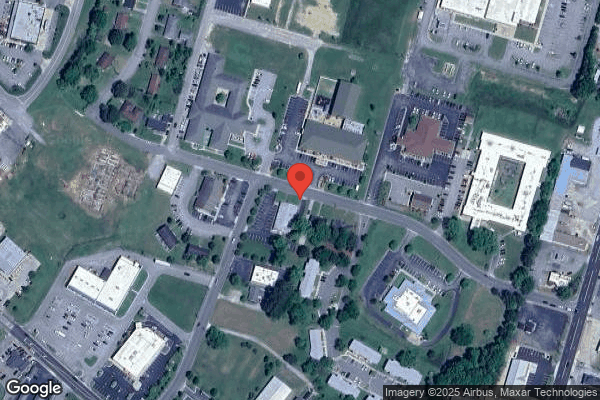
Apr 2021 3 deficiencies
CONCERN (D)

Potential for Harm - no one hurt, but risky conditions existed

Comprehensive Care Plan (Tag F0656)

Could have caused harm · This affected 1 resident

Based on record review, staff interview, and observation, the facility failed to develop and implement a comprehensive care plan for one of 27 sampled residents (Resident (R) 6) reviewed for care plan...

Read full inspector narrative →
Based on record review, staff interview, and observation, the facility failed to develop and implement a comprehensive care plan for one of 27 sampled residents (Resident (R) 6) reviewed for care plans. The facility failed to develop a care plan to address R6's dental status/missing teeth. Findings include: Review of R6's electrical medical record (EMR), under the Profile tab indicated that R6 was admitted with the diagnoses which included unspecified dementia without behavioral disturbance. Review of an annual Minimum Data Set (MDS) assessment with an assessment reference date (ARD) of 09/11/20 in the EMR under the MDS tab, showed a Brief Mental Status assessment score of 3 of 15 and evidenced severe cognitive impairment. The assessment showed R6 had no broken or missing teeth, no broken dentures, and no mouth pain. Review of a quarterly MDS assessment with an ARD of 04/12/21 in the EMR under the MDS tab indicated R6 was not assessed for any dental pain or difficulty chewing. R6 was observed on 04/21/21 at 9:21 AM, sitting in a wheelchair in her room. Attempts to interview R6 at this time were unsuccessful; however, observation of R6 indicated that R6 had missing teeth. Review of care planning in the EMR under the Care Plan tab for R6 indicated there was no care plan developed to address her dental status or dental care. Review of R6's Nursing Notes in the EMR under the Progress Notes tab and documentation in the paper medical record under Consults, as well as the Physician Notes indicated there was no documentation found that would indicate she received any routine, annual or emergency dental service. During an interview with Licensed Practical Nurse (LPN) 5 on 04/21/21 at 5:00 PM she said that R6 had no teeth and did not recall if R6 had seen a dentist. After review of current care plans, LPN 5 confirmed there was no care plan developed to address R6's dental status. Review of the facility's policy Care Planning-Interdisciplinary Team, dated 2001, indicated Our facility's Care Planning Interdisciplinary Team is responsible for the development of an individualized comprehensive care plan for each resident.
CONCERN (D)

Potential for Harm - no one hurt, but risky conditions existed

Deficiency F0700 (Tag F0700)

Could have caused harm · This affected 1 resident

Based on review of facility policy, record review, and staff interviews the facility failed to ensure for one of one resident reviewed for the use of side rails in a sample of 20 residents (Resident (...

Read full inspector narrative →
Based on review of facility policy, record review, and staff interviews the facility failed to ensure for one of one resident reviewed for the use of side rails in a sample of 20 residents (Resident (R)3, that R3 had been assessed for the use of side rails, a physician's order had been obtained for the use of side rails, and a care plan developed with specific interventions for the use of the side rails. The assessment for the use of side rails indicated not needed, no physicians order was obtained and no care plan developed for R3. Findings include: The facility's Bed Safety Policy, undated, read, Our facility shall strive to provide a safe sleeping environment for the resident; and 1. The resident's sleeping environment shall be assessed by the interdisciplinary team, considering the resident's safety, medical conditions, comfort, and freedom of movement, as well as input from the resident and family's regarding previous sleeping habits and bed environment; and 5. If side rails are used, there shall be an interdisciplinary assessment of the resident, consultation with the Attending Physician, and input from the resident and/or legal representative; and 8. Side rails may be used if assessment and consultation with the Attending Physician has determined that they are needed to help manage medical symptom or condition, or to help the resident reposition or move in bed and transfer, and no other reasonable alternatives can be identified. R3 was re-admitted to the facility according to the Face Sheet found in the Electronic Medical Record (EMR) under the Details Tab with diagnoses including history of stroke and psychotic disorder with delusions. Review of R3's Minimum Data Set (MDS), with an Assessment Reference Date (ARD) of 01/21/21 indicated a Brief Interview for Mental Status (BIMS) Assessment could not be done, indicating the resident was severely cognitively impaired. Review of the Functional Status section of the MDS showed the resident required extensive assistance from staff for bed mobility. Review of the Restraint Section of the assessment indicated bed rails were not in use. The resident's Physician's Orders, found in the EMR under the Orders Tab were reviewed and did not include an order for side rails on the resident's bed. R3's Side Rail Screen, found in the resident's Resident Data Set Annual Assessment in the paper record and dated 01/21/21, indicated R3 did not need side rails on her bed, and indicated no side rails were in use for R3. The resident's Care Plan, found in the EMR under the Care Plan Tab and dated 01/27/21 was reviewed and did not include a care plan for the use of side rails. R3 was observed laying in her bed with two ¼ side rails in the raised position at the head of her bed on 04/20/21 at 10:30 AM and 2:00 PM, on 04/21/21 at 3:00 PM, and on 04/22/21 at 3:00 PM and 5:24 PM. During an interview with the Administrator and the Maintenance Director on 04/23/21 at 9:25 AM, the Maintenance Director indicated R3's bed was inspected for the physical safety of the bed and rails annually, was most recently inspected in May of 2020, and had been deemed to be mechanically safe for use at that time. The Administrator stated a Side Rail Assessment had been done for R3 the prior evening (04/22/21) and based on the results of the assessment of the resident herself, the rails had been removed from R3's bed. The Administrator indicated R3's prior most recent Side Rail Assessment (referring to the Side Rail Screen dated 01/21/21) indicated the use of side rails was appropriate for R3 and stated, She (R3) had rails because she was assessed and we felt she needed the rails, but according to last night's review we felt they (the side rails) could be removed. During an interview with the Director of Nursing (DON) on 04/23/21 at 10:08 AM, she stated, (R3's) orders for side rails were not reinstated when she returned to facility from the hospital last fall. Orders for the rails and a Care Plan should have been in place (for use of the side rails). The bed rails were discontinued last night after we assessed her (R3) and the assessment indicated she no longer needs them.
CONCERN (E)

Potential for Harm - no one hurt, but risky conditions existed

Dental Services (Tag F0791)

Could have caused harm · This affected multiple residents

**NOTE- TERMS IN BRACKETS HAVE BEEN EDITED TO PROTECT CONFIDENTIALITY** Based on observation, staff interview, and electronic medical record (EMR) review, the facility failed to provide dental service...

Read full inspector narrative →
**NOTE- TERMS IN BRACKETS HAVE BEEN EDITED TO PROTECT CONFIDENTIALITY** Based on observation, staff interview, and electronic medical record (EMR) review, the facility failed to provide dental services for 4 of 8 residents (Resident (R) 6, R19, R29, R48). Findings include: 1. Review of R6's EMR, under the Profile tab showed that R6 was admitted on [DATE] with diagnoses which included unspecified dementia without behavioral disturbance. Review of an annual Minimum Data Set (MDS) assessment with an assessment reference date (ARD) 09/11/20 in the EMR under the MDS tab, showed a Brief Interview of Mental Status, (BIM) cognitive status of a score of 3 of 15, evidenced that R6 had severe cognitive impairment. The MDS assessment showed R6 had no broken or missing teeth, no broken dentures, and no mouth pain. Review of a quarterly MDS assessment with an ARD of 04/12/21 in the EMR under the MDS tab indicated R6 was not assessed for any dental pain or difficulty chewing. Review of Nursing Notes in the EMR under the Progress Notes tab and documentation in the paper medical record under Consults, as well as the Physician Notes indicated there was no documentation found that would indicate she received any routine, annual or emergency dental service. Review of care planning in the EMR under the Care Plan tab for R6 indicated there was no care plan developed to address her dental status or dental care. During an interview with Licensed Practical Nurse (LPN) 5 on 04/21/21 at 5:00 PM she said that R6 had no teeth. She did not recall if R6 had seen a dentist. R6 was observed on 04/21/21 at 9:21 AM, sitting in a wheelchair in her room. Attempts to interview R6 at this time were unsuccessful, however observation of R6 indicated that R6 had missing teeth. 2. Review of R19's EMR under the Profile tab indicated R19 was admitted to the facility on with diagnoses which included GERD (gastro-esophageal reflux disease.), and dysphagia. Review of an annual MDS with an ARD of 07/09/20 in the EMR under the MDS tab indicated R19 exhibited no dental issues such as missing or broken teeth. Review of R19's paper record indicated she received emergency dental care on 09/17/20 when she was seen by a dentist for removal of a non-restorable tooth and severe periodontitis (a serious gum disease that can damage gums and destroy the jaw bone. Review of an annual MDS with an ARD of 03/03/21 in the EMR under the MDS tab indicated R19 had obvious or likely cavity or broken teeth. Review of R19's current care plans in the EMR under the Care Plan tab indicated a care plan was developed to address R19's obvious of likely cavity or broken teeth. Review of Nursing Notes in the EMR under the Progress Notes tab and documentation in the paper medical record under Consults, as well as the Physician Notes indicated there was no documentation found that would indicate R19 received any routine or annual dental service that had the potential to prevent emergency dental treatment. 3. Review of R29's EMR under the Profile tab showed R29 was admitted to the facility with diagnoses which included dysphagia (difficulty swallowing) and GERD. Review of R29's admission MDS with an ARD of 08/02/19 in the EMR under the MDS tab showed R29 exhibited obvious or likely cavity or broken teeth. Review of R29's recent quarterly MDS with an ARD of 03/19/21 in the EMR under the MDS tab showed R29's dental status was not assessed. Review of care planning for R29 showed a current Care Plan in the EMR under the Care Plan tab which addressed R29's missing teeth. Attempts to assess R29's dental status during an interview on 04/21/21 at 9:32 AM were unsuccessful because R29 refused to open her mouth for the surveyor. During an interview with Licensed Practical Nurse (LPN) 5 on 04/21/21 at 5:00 PM she said that R29 had missing teeth. She did not recall if R29 had seen a dentist. There was no documentation in the EMR or the paper record to indicate that R29 received any routine, annual or emergency dental services. 4. Review of R48's EMR under the Profile tab showed R48 was admitted to the facility with diagnoses which included diabetes and Bipolar disorder. Review of R48's EMR showed an annual MDS with an ARD of 01/12/21 under the MDS tab revealed that R48 was edentulous (without teeth.). During an interview with R48 on 04/20/21 at 3:12 PM, R48 stated I have no teeth and have asked for teeth for a while. R48 denied that she had seen a dentist. Review of care planning for R48 showed a current care plan in the EMR under the Care Plan tab was developed to address R48's dental issues. The care plan indicated R48 refused to wear her dentures because they did not fit correctly. During an interview with the Social Service Director (SSD) on 04/22/21 at 4:32 PM, the SSD said she assisted in setting up dental appointments for the residents. She said she had looked back in all available documentation related to any routine or emergency dental care that these residents might have received and was unable to find any documentation to show that any routine or emergency dental care was received by R6, R19, R29, and R48. During an interview with the Administrator on 04/22/21 at 4:25 PM, the Administrator said the facility has a new contract as of 12/20/20, with a dentist to provide routine services to residents. The Administrator said that prior to the COVID 19 pandemic residents saw the dentist of their choice, but the facility was not providing for any routine dental appointments. She said that during the COVID 19 pandemic the facility did not have a provider to give routine dental care to the residents. Review of the facility's policy revised 12/16 and titled Dental Services indicated . routine and emergency dental services are available to meet the residents needs in accordance with their plan of care .Social Service representatives will assist the resident with making appointments and transportation
Oct 2018 15 deficiencies 2 Harm
SERIOUS (G)

Actual Harm - a resident was hurt due to facility failures

Pressure Ulcer Prevention (Tag F0686)

A resident was harmed · This affected 1 resident

**NOTE- TERMS IN BRACKETS HAVE BEEN EDITED TO PROTECT CONFIDENTIALITY** 2. For Resident #35, the facility failed to provide interventions to prevent pressure injuries. Resident #35 had three deep fing...

Read full inspector narrative →
**NOTE- TERMS IN BRACKETS HAVE BEEN EDITED TO PROTECT CONFIDENTIALITY** 2. For Resident #35, the facility failed to provide interventions to prevent pressure injuries. Resident #35 had three deep fingernail indentations in the right palm of the Resident's hand that had contractures. Resident #35, a [AGE] year old male, was admitted to the facility on [DATE]. Diagnoses include hypertension, dementia, gastroesophageal reflux, dysphagia, contractures, and hypothyroidism. Resident #35 has bilateral above-the-knee amputations and receives tube feedings via gastrostomy tube. Resident # 35's most recent quarterly Minimum Data Set (MDS) had an Assessment Reference Date (ARD) of 09/10/2018. Resident #35 did not have a Brief Interview of Mental Status (BIMS) score recorded but cognitive skills for daily decision-making were coded as severely impaired. Functional status for mobility was coded as total dependence on staff for performance and support. On 10/10/2018 at 1:40 PM, Resident #35 was observed awake in bed in supine position and the head of the bed was elevated approximately 45 degrees. It was noted Resident had closed fists and arms were flexed consistent with contractures. Hand padding was not visualized. On 10/10/2018 at 4:00 PM, Resident #35 was observed in bed. On 10/11/2018 at 8:35 AM, Resident #35 was observed awake in bed in the supine position and the head of the bed was elevated approximately 45 degrees. No hand padding was visualized. On 10/11/2018 at 11:15 AM, Resident #35 was observed in bed. On 10/12/2018 at 8:30 AM, Resident #35 was observed awake in bed in supine position and the head of the bed elevated approximately 45 degrees. On 10/12/2018 10:00 AM, Registered Nurse (RN) B and two surveyors entered the Resident's room. RN B performed a skin assessment. No open areas or rashes were visualized. Both of Resident's arm and hands had contractures with flexed elbows and closed fists. RN stated it was difficult to extend Resident's fingers. Two surveyors observed three deep fingernail imprints on Resident's right palm when RN extended right fingers. No breaks in skin were observed but noted an odor when Resident's fists were opened. On 10/12/2018 at approximately 10:25 AM, an interview with certified nursing assistant (CNA) A was conducted. When asked about hand padding, the CNA stated they tried washcloths but 'they don't stay' stated the washcloths 'come out and get all over the bed.' On 10/12/2018, physician's orders were reviewed. There were no current orders pertaining to assessment or interventions associated with contractures. The care plan was reviewed. Risk for skin breakdown is on the care plan, but measures to prevent pressure injury from contractures was not addressed in the care plan. The nursing weekly summaries were reviewed. Copies of nurse's notes for the months of August, September, and October 2018 were requested of facility staff. The facility provided nine nursing weekly summary documents dated from 08/02/2018 to 09/29/2018. All of the summaries document skin as dry and intact but none of the summaries document skin assessment associated with contractures of arms and hands. On 10/12/2018, the findings were shared with Administrator and the DON. No further documentation was offered. Based on observation, staff interview and clinical record review the facility staff failed to prevent and treat pressure wounds for 2 residents (Resident #1 and #35) of 26 residents in the survey sample resulting in harm for Resident #1. 1. For Resident #1, the facility did not provide an air mattress for four months, did not administer a physician order for Flagyl (antibiotic) for nine days and did not obtain a wound consult until ten days after it was ordered by the physician. This resulted in harm. 2. For Resident #35, the facility failed to provide interventions to prevent pressure injuries. Resident #35 had three deep fingernail indentations in the right palm of the Resident's hand that had contractures. The findings included: 1. For Resident #1, the facility did not provide an air mattress for four months, did not administer a physician order for Flagyl (antibiotic) for nine days and did not obtain a wound consult until ten days after it was ordered by the physician. This resulted in harm. Resident #1 was admitted to the facility on [DATE]. Diagnoses included dementia, dysphagia, depression, protein calorie malnutrition and Alzheimer's disease. The most recent Minimum Data Set assessment was a quarterly assessment with an assessment reference date of 7/9/18. The resident had a Brief Interview of Mental Status score of 3 indicating severe cognitive impairment. She required extensive assistance with activities of daily living. On 10/10/18, Resident #1 was observed lying in bed. When asked if she had a wound, Resident #1 stated no. When asked if she had any pain, Resident #1 stated no. On 10/12/18 at 10:05 a.m. Resident #1's right hip wound was observed by Surveyor #1. The wound was clean and red around the edges, no drainage and measured approximately 2 cm x 5 cm. The right hip wound was originally identified on 4/6/18 as a stage 2 wound to the right hip that was present when she was re-admitted from the hospital to the facility. The wound was documented in the clinical record as follows: 4/6/18: Wound Assessment Record read, Stage 2 right hip wound, 100% excoriation, small amount of serous drainage measuring 14.0 x 7.0 x 0.1 centimeters (cm). The assessment included treatment orders that read, Orders per hospice Nurse to Clean with normal saline, pat dry and apply foam dressing. This order was included on the April 2018 Medication Administration Record (MAR) as Right hip, ankle apply foam drsg daily, excoriation to buttock apply zinc barrier cream PRN (as needed) diaper change. This entry on the MAR does not include the part of the order that read, clean with normal saline. While this entry on the MAR was signed off on daily, it is unclear which of the treatments were performed as it includes multiple treatments for multiple areas on the body. 4/9/18: Hospice nursing note read, Drsgs dated 4/8/18. Reapply RT (right) ankle dressings as it not secure. Discuss care with staff nurse (name). 4/11/18: Facility nursing note read, resident wounds evaluated and treated per hospice nurse week of 4-11-> 4-18-18 prior to staff nurse for evaluation. Hospice nurse (name) discussed POC (plan of care) + reports overall improved, right trochanter (hip) unstageable. 4/12/18: Hospice nursing note read, Wound care performed. The largest wound on the right hip appears to be improving. Appears dry and smaller in size. Other wounds appear to be improving as well. 4/15/18: Physician progress note read, called to see pt (patient) for R trochanter area wound. large eschar- boggy- malodorous. DX (diagnosis) Large decubitus R hip. P (plan)- wound care consult- Flagyl topical. According to the April 2018 MAR, the Flagyl was not started until 4/24/18, nine days after it was ordered by the physician. The wound consult was not completed until 4/25/18, 10 days after it was ordered. 4/15/18: Facility nursing note read, 1420- (doctor name) in N.O. (new order). The new orders address changes to current medications. The note did not include the orders for the Flagyl or the wound consult. 4/16/18: Hospice nursing note read, Wound care performed, 3 sites closed. RT (right) hip has 75% eschar. 4/23/18: Hospice nursing note read, Right hip wound has drainage and odor order obtained for Flagyl 250 mg (milligram) crush to win (sic) site daily. 4/24/18: Hospice nursing note read, Rt hip wound has eschar and drainage with odor, began Flagyl crushed to wound. Other wounds have closed. 4/25/18: Wound Care Physician progress note read, Patient has a wound on their hip. She presents with an unstageable (due to necrosis) of the right hip of at least 1 days duration. There is heavy serous exudate. There is no indication of pain associated with this condition. The wound measured 9 x 5 x not measurable. The wound was described with heavy serous exudate and 100% eschar. Flagyl powder once daily for 30 days was ordered for the treatment. 4/25/18: Wound Assessment Record read, Unstageable due to slough/eschar. Wound bed= 100% eschar. Measurements 9 cm x 5 cm. Drainage= Sanguineous, large. Infection= yes. Symptoms of infection= increased drainage, malodorous or purulent drainage. Pain with wound/ treatment= Yes. Pain Intensity= grimacing. Pain management= effective. According to the April 2018 MAR, Resident #1 had an order for Tylenol liquid 650 milliliters via peg tube every 4 hours as needed for pain. She was administered this medication on two occasions, 4/14/18 and 4/17/18. She did not receive any pain medication on 4/25/18. On 10/12/18 at 10:40 a.m., the Assistant Director of Nursing (ADON) was asked which days of the week the wound care doctor came to the facility. She stated he came every Wednesday. The ADON was asked to verify the dates that the wound care doctor came to the facility in April 2018. She showed the survey team progress notes documenting that the wound care doctor had been at the facility every Wednesday in April, to include Wednesday, 4/18/18. The wound care doctor did not assess Resident #1 on 4/18/18. On 10/12/18 at 12:25 p.m. Resident #1's hip wound was reviewed with the Director of Nursing (DON). It was reviewed that the physician ordered Flagyl and a wound care consult on 4/15/18 and neither intervention was implemented timely. The DON was asked how an order in a physician progress note was implemented. The DON stated that the doctor did not write his own orders, rather the doctor would flag his order in the chart. It was the responsibility of the unit nurse to transcribe the order from the physician's progress note. She stated that there was a delay in treatment for the Flagyl and she would find out why. It was also reviewed with the DON that the wound care doctor had been in the facility on 4/18/18 and did not assess Resident #1. The DON was asked to provide all information related to Resident #1's hip wound to include treatments, assessments and interventions in place to manage skin care. The DON stated that the previous ADON was the facility's wound care nurse. The previous ADON left her position on 4/7/18. The current DON started working at the facility on 4/9/18 in the ADON position. On 5/7/18, the previous DON left her position and the current DON (who had been hired for the ADON position) moved into the DON role. A new ADON was hired on 8/1/18. This change in nurse staffing and loss of the wound care nurse occurred around the same time that Resident #1 was identified with the right hip wound. Resident #1's care plan was reviewed. The skin care plan was dated 3/13/18 and was in place before Resident #1 had gone out to the hospital. It read, (resident) is @ risk for skin breakdown r/t (related to) incontinence & pressure ulcer r/t (related to) decreased mobility. Handwritten on the document was an entry for 4/5/18 that read, (resident) has 5 PU (pressure ulcers) upon admission from hospital- see assessment. The approaches/ interventions read, use moisture for dry skin, report new areas, weekly skin assessment, assist resident to turn, treatment as ordered- see MAR and perineal care. A new approach dated 4/6 was handwritten on the document. This approach read, Follow skin care orders from ____ Hospice- see orders air loss mattress to bed- check function + placement every shift. 4/6/18 physician order read, Hospice to order air mattress. The order was discontinued on 8/23/18. 8/23/18 physician order read, Hospice provided AIR MATTRESS overlay settings at 120 for pressure relief at all times. Check placement and setting each shift. The Hospice Certification and Plan of Care document was reviewed. The hospice nurse signed that verbal plan of care instructions were provided on 4/6/18 and the provider (facility) received the document on 4/10/18. Section 14 DME (durable medical equipment) and Supplies read, Supplies: dietary supplies, feeding bags, feeding machine, gloves. The air mattress is not listed as an item supplied by the hospice company. The air mattress is not discussed in the hospice plan of care. The air mattress was not included on the April 2018 MAR or TAR. As the air mattress was re-ordered on 8/23/18, it appears that this is the first date the air mattress was implemented for Resident #1. The air mattress was included on the October 2018 MAR. The entry read, Hospice provided air mattress overlay settings at 120 for pressure relief at all times Check placement and settings each shift. In summary, Resident #1 was re-admitted to the facility from the hospital with a stage 2 wound to the right hip. The facility did not implement the air mattress ordered on 4/6/18. On 4/11/18, the wound was documented as unstageable. On 4/15/18, the wound was documented by the physician to have an odor indicating that an infection was present. The physician ordered the antibiotic Flagyl and it was not implemented for nine days. The doctor also ordered a wound consult. On 4/16/18, the hospice nurse documented that the wound had 75% eschar. On 4/23/18, the hospice nurse documented that the wound had drainage and odor (indicating infection was present). The antibiotic Flagyl was started on 4/24/18. The wound doctor was at the facility on 4/18/18 and did not assess Resident #1. The wound doctor assessed the resident the following week on 4/25/18, ten days after the consult was ordered. The wound care doctor described the wound as 100% eschar with heavy serous exudate. On 4/25/18, the facility staff described the wound as having an infection with symptoms described as increased drainage and malodorous or purulent drainage. As facility staff did not implement physician ordered interventions, Resident #1's wound progressed from a stage 2 wound to an infected, unstageable wound with 100% eschar.
SERIOUS (G)

Actual Harm - a resident was hurt due to facility failures

Menu Adequacy (Tag F0803)

A resident was harmed · This affected 1 resident

Based on observation, staff interview, facility documentation and clinical record review, the facility failed to, for one resident, Resident #43, in a survey sample of 26 residents, to ensure the resi...

Read full inspector narrative →
Based on observation, staff interview, facility documentation and clinical record review, the facility failed to, for one resident, Resident #43, in a survey sample of 26 residents, to ensure the resident's mechanical soft diet was followed, resulting in harm. Resident #43 was served cantaloupe chunks instead of a fruit crisp that was on the Registered Dietician's approved menu. As a result of eating a cantaloupe chunk, the resident choked and required the Heimlich maneuver and suctioning. The findings included: Resident # 43 was admitted to the facility 3-4-17. Her diagnoses included but were not limited to: Stroke, dementia and hemiplegia. Resident #43's most recent MDS (minimum data set) with an ARD (assessment reference date) of 9-24-18 was coded as a quarterly assessment. Resident #43 was coded as having a BIMS (Brief Interview for Memory Status) Score of 9 out of 15 indicating moderate cognitive impairment. She was coded as needing extensive to total assistance of one staff member to perform her activities of daily living. Resident #43 was coded as requiring extensive assistance for eating. The resident was coded as having a mechanically altered diet. On 10/10/18 at 1:33 PM a review of the clinical record revealed the resident's diet was changed from puree to soft/chopped meats in August, 2018. On 10/10/18 at 1:46 PM a review of the clinical record revealed the IDT (interdisciplinary team) notes dated 10-3-18 at 12:30 PM revealed CNA (certified nursing assistant) reported resident having difficulty swallowing and talking. I asked her could she speak and she could not. Heimlich maneuver given x two. Resident removed from dining room to MDS office and PT (physical therapist) Director assisted with Heimlich - Resident moving air and taken to her room and suctioned by nurse and coughed up chunk of cantaloupe. Review of the nurse's note dated 10-3-18 at 1:40 PM documented: The resident rushed back from dining room- choking- lips blue- suction x 3-4 minutes with Yankauer catheter- large piece of cantaloupe was coughed up by resident- Resident speaking after episode- some coughing, VS 98-104-16 150/80, and a chest X-Ray was done. Review of the incident report for the incident dated 10-3-18 revealed: MDS nurse suctioned and resident spit out a piece of cantaloupe about the size of a quarter. Review of the dietary note for 10-3-18 at 12:30 PM revealed: Heimlich maneuver given x 2 coughed up chunks of cantaloupe. Review of the lunch menu for 10-3-18 revealed the following items were served for a soft diet: ground apple ginger pork, dressing with gravy, baby carrots (cooked), roll, fruit crisp. Review of the Speech Therapy (ST) discharge summary notes revealed: Patient exhibits moderate oropharyngeal dysphagia (dysphagia) . may need to avoid specific food items or require additional time. Review of the care plan dated 7-19-18 revealed the resident requires a mechanical soft diet with the following interventions: * Allow ample time to ingest meal * Encourage to finish at least one item on plate. * Feed as she allows if she refuses to feed herself * Routine and as needed review by RD * Use of divided plate for easier retrieval of food * Encourage fluid intake * Weight monthly and as needed The care plan was revised on 10-3-18 to include the resident was at risk for aspiration with the goal of no further episodes of aspiration/choking. Interventions included: * Restorative (nursing) for dining * Continue mechanical soft diet * Out of bed for all meals * Sit upright 30 minutes after meals On 10/10/18 at 2:18 PM, an interview with RN (registered nurse) A (unit manager) was conducted. She stated that she was at the nurses desk, she (the resident) was in the large dining room and was being rolled to the room and that she got the suction machine, suctioned her, and the catheter pulled out a chunk of cantaloupe about the size of a quarter, Just one piece. On 10/10/18 at 2:30 PM, an interview was conducted with the ST (speech therapist). She stated the resident was doing fine on mechanical chopped meats, had increased her intake, no choking or coughing. She is now in restorative dining. She also stated she can clear with liquids, can spit out if she can't swallow, As long as it is soft cooked gravy with meat. The ST was asked if cantaloupe was appropriate for the soft diet, she stated No, it is huge pieces, should not have been given to her. She approximated the size of the chunks of cantaloupe 1 x 1 inch or so, and that she would do better with canned fruits/vegetables. The ST stated, The cantaloupe is hard. She did state: I have not seen any cantaloupe or hard fruits/vegetables since the episode. On 10/10/18 at 2:46 PM, the dietary manager was interviewed. She stated the resident's diet was regular with ground meat/mechanical which means ground meat. She stated the 10-3-18 lunch for the soft diet was pork/gravy, dressing and gravy, carrots, supposed to be fruit crisp. She stated that the fruit crisp was not served as it was not available and gave fresh fruit as a substitute, stating, It was cantaloupe. She stated that the dietary manger makes the decision for the alternate. She described the fruit crisp would have been baked peaches with an oatmeal crust. When asked about the size of the chunks of the cantaloupe as Cantaloupe like a square, like chunks. She held her fingers apart to approximately one inch by one inch. When asked what measures had taken place to prevent further incidents of choking, the dietary manager stated: We are not serving fresh fruit anymore and unless it is small, as instructed by the DON (director of nursing) . She stated the RD (registered dietician) comes in twice weekly. The dietary manager produced from their diet manual a description of the mechanical soft diet. This included: A mechanical soft is used for individuals who have difficulty chewing regular textured foods . Foods that are difficult to chew are chopped, ground, shredded and/or cooked to facilitate chewing and ease of swallowing. It included for fruits: include a variety with more fruit than juice as appropriate: Canned, cooked, tender, , chopped or shredded, or juice at appropriate thickness. On 10/11/18 at 10:04 AM, the RD came in to talk about the choking incident. The RD was questioned as to how does the dietary manager know what substitutes to employ when food on the menu is not available. The RD stated, Staff has been taught for appropriate substitutes. The RD stated that on the mechanically altered diet the fruit should be fine cut. She went on to state, I will be meeting with dietary staff today, I will review what is in place to avoid this, I don't want this to happen again. She later presented an inservice dated 8-16-18 to include: * Right texture of diets- choking issues * Drain steam table nightly * Be careful wearing gloves while serving * When pureeing items from packages, put in bowl before processor * Residents cup on tray if sent out be responsible for getting back * Keep kitchen open until 8:00 PM In summary, Resident #43 did not receive the ordered diet that had been approved by the RD and instead received cantaloupe of at least the size of a quarter which caused choking- blue lips, inability to speak, requiring emergency treatment of several Heimlich maneuvers (4-5) and suctioning for 3-4 minutes to dislodge the obstruction. On 10-11-18 at 2:53 PM, the facility Administrator and DON were notified of a harm level deficiency. On 10-12-18, Resident #43 was observed up in her wheelchair at the dining room table. A CNA was in close proximity. There was only soft food on the tray, there were no large chunks of any food served. On 10-12-18 at 11:15 AM, the Administrator was questioning harm level deficiency as she believed it was a potential for harm and that melon is allowed on a mechanical diet. We wish they had cut it more.
CONCERN (D)

Potential for Harm - no one hurt, but risky conditions existed

Deficiency F0552 (Tag F0552)

Could have caused harm · This affected 1 resident

**NOTE- TERMS IN BRACKETS HAVE BEEN EDITED TO PROTECT CONFIDENTIALITY** Based on observation, facility staff interview, clinical record review, and facility documentation review, the facility staff fa...

Read full inspector narrative →
**NOTE- TERMS IN BRACKETS HAVE BEEN EDITED TO PROTECT CONFIDENTIALITY** Based on observation, facility staff interview, clinical record review, and facility documentation review, the facility staff failed for Resident #28 of the survey sample of 26 residents, to ensure the right to be informed of treatment risks, and alternatives of psychotropic medications. The facility staff failed to fully inform Resident #28's Responsible Party of the increased risk of death from Seroquel, and possible alternatives. The Findings included: Resident #28 was a [AGE] year old who was admitted to the facility on [DATE]. Resident #28's diagnosis included Dementia with Behavioral Disturbance, Lobar pneumonia, Chronic Kidney Disease, Heart Disease, Type 2 Diabetes Mellitus with hyperglycemia, and Dependence on Renal Dialysis. The Minimum Data Set, an Annual Assessment with an Assessment Reference Date of 6/4/18, coded Resident #28 as not having any behavioral issues. On 10/12/18 a review of Resident #28's clinical record was conducted, revealing a care plan. It read, Problem onset: 6/4/18, receives psychotropic medication due to diagnosis of psychosis. Note: Psychosis is not an official diagnosis. On 1/25/18, Resident #28 was seen by a Nurse Practitioner. The report read, Behavior agitated, oriented to self and place. Speech clear, Denies psychotic symptoms, hallucinations, etc. Disoriented to time and situation, Memory impairment. Denies suicidal and homicidal ideation. Recommendations: Seroquel 25 MG twice daily. On 10/11/18 a review was conducted of facility documentation, revealing a Psychoactive Medication Informed Consent, signed by Resident #28's Responsible Party (Daughter). It read, 1/25/18. A physician has prescribed Seroquel 25 MG 2 times daily. Possible side effects: abnormal movement of facial muscles & tongue, liver failure, muscle pain, depression. The facility failed to inform the Responsible Party of the boxed warning regarding Seroquel. The 2018 Nursing Drug Handbook listed a boxed warning regarding Seroquel. It read, Drug isn't indicated for use in elderly patients with dementia-related psychosis because of increased risk of death from Cardiovascular Disease of infection. On 10/11/18 an interview was conducted with the Director of Nursing (Administration B). When asked about possible alternate medications or interventions, she stated that she was not aware of any. The facility Administrator (Administration A) was present. No further information was received.
CONCERN (D)

Potential for Harm - no one hurt, but risky conditions existed

Deficiency F0645 (Tag F0645)

Could have caused harm · This affected 1 resident

**NOTE- TERMS IN BRACKETS HAVE BEEN EDITED TO PROTECT CONFIDENTIALITY** Based on observation, staff interview and clinical record review the facility staff failed to obtain a Pre-admission Screening a...

Read full inspector narrative →
**NOTE- TERMS IN BRACKETS HAVE BEEN EDITED TO PROTECT CONFIDENTIALITY** Based on observation, staff interview and clinical record review the facility staff failed to obtain a Pre-admission Screening and Resident Review (PASARR) prior to admission for 1 resident (Resident #53) of 26 residents in the survey sample. For Resident #53, the facility did not receive or review the PASARR prior to admission. The findings included: Resident #53, a [AGE] year old, was admitted to the facility on [DATE]. Diagnoses included Vascular dementia with behaviors, delirium, hypertension and hyperlipidemia. The most recent Minimum Data Set assessment was an admission assessment with an assessment reference date of 10/1/18. The resident had a Brief Interview of Mental Status score of 1 indicating severe cognitive impairment. On multiple occasions, Resident #53 was observed seated near the nursing station sleeping in his wheelchair. Resident #53's PASARR was not located in the clinical record. On 10/11/18, facility staff were asked to provide the document. The document was provided the following day. The PASARR included a fax date of 10/10/18. The PASARR read, Date PAS Request Received: 9/26/18. The document was requested two days after Resident #53 was admitted to the facility. On 10/12/18 at 10:30 a.m., the Social Worker was asked if the facility had just obtained the PASARR or if it had been in the facility. She stated that it was faxed. The Social Worker was asked where the fax had come from. She stated that she thought it came from the hospital. On 10/12/18, the Administrator was asked where the PASARR had come from. She stated it came from the hospital. She stated that the residents usually come from the hospital with the PASARR, but this one did not come with Resident #53.
CONCERN (D)

Potential for Harm - no one hurt, but risky conditions existed

Comprehensive Care Plan (Tag F0656)

Could have caused harm · This affected 1 resident

**NOTE- TERMS IN BRACKETS HAVE BEEN EDITED TO PROTECT CONFIDENTIALITY** Based on observation, staff interview and clinical record review, the facility failed, for one resident (Resident #35) in a surv...

Read full inspector narrative →
**NOTE- TERMS IN BRACKETS HAVE BEEN EDITED TO PROTECT CONFIDENTIALITY** Based on observation, staff interview and clinical record review, the facility failed, for one resident (Resident #35) in a survey sample of 26 residents, to complete a comprehensive care plan. 1. For Resident #35, the facility failed to devise a plan for patient-centered activities pertaining to the potential for sensory deprivation and isolation. The findings include: Resident #35, a [AGE] year old male, was admitted to the facility on [DATE]. Diagnoses include hypertension, dementia, gastroesophageal reflux, dysphagia, contractures, and hypothyroidism. Resident #35 has bilateral above-the-knee amputations and receives tube feedings via gastrostomy tube. Resident # 35's most recent quarterly Minimum Data Set (MDS) had an Assessment Reference Date (ARD) of 09/10/2018. Resident #35 did not have a Brief Interview of Mental Status (BIMS) score recorded but cognitive skills for daily decision-making were coded as severely impaired. Hearing ability was coded minimally difficult and vision was coded as severely impaired because eyes do not appear to follow objects. Functional status for mobility was coded as total dependence on staff for performance and support. Activity preferences were not coded. On 10/10/2018 at 1:40 PM, Resident #35 was observed awake in bed, lying on his back and the head of the bed was elevated approximately 45 degrees. On 10/10/2018 at 4:00 PM, the Resident was observed awake in bed, lying on his back and the head of the bed was elevated approximately 45 degrees. On 10/11/2018 at 8:35 AM, the Resident was observed awake in bed, lying on his back and the head of the bed was elevated approximately 45 degrees. On 10/11/2018 at 11:15 AM, the Resident was observed awake in bed, lying on his back and the head of the bed was elevated approximately 45 degrees. On 10/12/2018 at 8:30 AM, the Resident was observed awake in bed, lying on his back and the head of the bed was elevated approximately 45 degrees. On 10/12/2018 10:00 AM, Registered Nurse (RN) B and two surveyors entered the Resident's room. It was a semi-private room and the Resident's bed was positioned near the window. The privacy curtain was partially drawn which blocked the view of the hallway from the Resident's visual field. The Resident did not have a television or a CD player at his bedside. At no time throughout the survey was the Resident observed out of bed or outside of his room. On 10/12/2018 at approximately 10:45 AM, RN C stated that Resident #35 gets up to the geri-chair three times a week. On 10/12/2018 at 2:15 PM, an interview with the Activities Director was conducted. When asked about his activities schedule, the Activities Director stated that the Resident does not respond to much and will read to the Resident at times, talk to him and massage his hands. When asked about interventions initiated for in-room activities, the Activities Director stated that she could provide a CD player for him and stated, I think he likes jazz. On 10/12/2018, physician's orders were reviewed. There were no current orders pertaining to activities. The care plan was reviewed. The following includes some problems that were identified for Resident #35: Resident has dx (diagnosis) of dementia w/cognitive loss; he is unable to answer questions. (Resident) hollers & yells out at intervals, uses foul language - he is unaware of his actions Resident is dependent on staff for all ADLs (Activities of Daily Living). Complete blindness. The potential problems of sensory deprivation and isolation related to dependence on staff were not addressed on the care plan. Interventions to provide patient-centered activities in and out of resident's room were not listed on the care plan. The ADL flow records for September and October 2018 were reviewed. Transfers (how Resident moves between surfaces including to/from bed and chair) were coded as an 8 (meaning the activity did not occur) on all three shifts in the month of September with the exception of 5 days where the flowchart was blank from lack of documentation. All three shifts in the month of October from 10/01/2018 to 10/11/2018 also coded transfers as an 8. On 10/12/2018, the findings were shared with Administrator and she presented facility activity sheets with dates between 07/02/2018 through 08/12/2018 and documented Resident #35 attended two church services, a bible study, and two exercise sessions in that time frame. No further documentation was offered.
CONCERN (D)

Potential for Harm - no one hurt, but risky conditions existed

Deficiency F0657 (Tag F0657)

Could have caused harm · This affected 1 resident

**NOTE- TERMS IN BRACKETS HAVE BEEN EDITED TO PROTECT CONFIDENTIALITY** 2. The facility failed to revise the care plan and provide a bed alarm as ordered for Resident # 6. Resident #6, an [AGE] year o...

Read full inspector narrative →
**NOTE- TERMS IN BRACKETS HAVE BEEN EDITED TO PROTECT CONFIDENTIALITY** 2. The facility failed to revise the care plan and provide a bed alarm as ordered for Resident # 6. Resident #6, an [AGE] year old male was admitted to the facility on [DATE]. Diagnoses include coronary artery disease, heart failure, hypertension, peripheral vascular disease, diabetes, dementia, and depression. Resident # 6's most recent quarterly Minimum Data Set (MDS) had an Assessment Reference Date (ARD) of 07/12/2018. Resident #6 did not have a Brief Interview of Mental Status (BIMS) score recorded but cognitive skills for daily decision-making were coded as severely impaired. Functional status for mobility and transfers was coded as total dependence on staff for performance and support. Surface-to-surface transfers were coded as unsteady and only able to stabilize with human assistance. 10/10/2018 4:00 PM The Resident was observed in bed in supine position and the head of the bed was elevated approximately 15 degrees. There were no mats on the floor by the Resident's bed and a bed alarm was not visualized. 10/11/2018 8:40 AM The Resident was observed in bed and there were no mats on the floor by the Resident's bed and a bed alarm was not visualized. 10/11/2018 9:30 AM The Resident was observed in bed sleeping in the supine position and the head of the bed was elevated to approximately 45 degrees. There were no mats on the floor by the Resident's bed and a bed alarm was not visualized. On 10/11/2018 at approximately 10:30 AM, Admin B, RN B, and two surveyors entered the Resident's room to perform a skin assessment. When Admin B was asked if a bed alarm was on the bed, she inspected the bed, looked under the Resident, felt the sheets under Resident, and stated that there was not a bed alarm on the bed. On 10/11/2019, physician's orders were reviewed. An order written on 09/13/2018 at 4:30 PM states, Bed alarm (pressure) Pad floor on Resident's left side when pad available. An order dated 10/02/2018 stated Bed alarm at all times. Check function every shift. The care plan was reviewed. Resident was identified as at risk for falls and injury secondary to dependence on others for mobility. The care plan was not revised to include bed alarm at all times. Nurse's notes were reviewed. All entries on the nurse's notes from 10/02/2018 through 10/10/2018 did not document that Resident had a bed alarm in place. On 10/12/2018, the Administrator and the DON were notified and they offered no further information. 3. For Resident #13, the facility failed to revise the care plan when the antipsychotic medication was initiated on 09/10/2018. Resident #13, an [AGE] year old female, was admitted to the facility on [DATE]. Diagnoses include hypertension, dementia, depression, mixed anxiety disorders, and psychotic disorder (other than schizophrenia). Resident #13's most recent quarterly Minimum Data Set (MDS) had an Assessment Reference Date (ARD) of 08/02/2018. Resident #13 was coded with a Brief Interview of Mental Status (BIMS) score of 3 out of 15 indicative of severely impaired cognitive skills. Behaviors such as hallucinations and delusions were coded as not occurring. Physical and verbal behaviors toward others were coded as not being exhibited. Functional status for mobility and transfers was coded as total dependence on staff. The physician's orders were reviewed. The Resident has an order for Risperdal 1 mg twice a day for psychosis, anxiety, and delusion paranoid. The order was initiated 09/10/2018. The care plan dated 08/09/2018 was reviewed. There were no targeted behaviors addressed on the care plan. The care plan did not have any non-pharmacological interventions for behaviors of yelling. An entry dated 06/07/2018 states Severe aggitation (sic) + anxiety was crossed out. An entry dated 06/08/2018 stated Dr. [NAME] D/C medication and ordered antipsychotic to help with aggitation (sic) and anxiety. An entry dated 06/24/2018 states, Resident continues to holler + agitate other residents was crossed out and stated Resolved and dated 08/09/2018. On 10/12/2018 at 11:50 AM in an interview with the DON, she stated that facility staff wants to meet quarterly to review information on all residents receiving psychoactive medications. On 10/12/2018, the Administrator and DON were notified of concerns and they offered no further documentation or information. Based on observation and clinical record review the facility staff failed to revise the care plan for 3 residents (Resident #56, #6, and #13) of 26 residents in the survey sample. 1. Resident #56's care plan did not address pain management. 2. The facility failed to revise the care plan and provide a bed alarm as ordered for Resident # 6. 3. For Resident #13, the facility failed to revise the care plan when the antipsychotic medication was initiated on 09/10/2018. The findings included: 1. Resident #56's care plan did not address pain management. Resident #56, a [AGE] year old, was re-admitted to the facility on [DATE]. Diagnoses included hip and rib fracture, osteoarthritis, depression, diabetes, and hypertension. The most recent Minimum Data Set assessment was a quarterly assessment with an assessment reference date of 10/2/18. The resident was coded with a Brief Interview of Mental Status score of 13 indicating no cognitive impairment. She was coded to have frequent pain making it hard to sleep and limiting daily activities. On 9/21/18, Resident #56 fell and broke her hip and ribs. She returned to the facility after a four day hospital stay. On 10/10/18 at 1:15 p.m., an interview was conducted with Resident #56. She stated that she fell trying to transfer herself from the recliner to her bed. She stated that she broke her hip. She expressed that she had some pain and that she can not turn herself while in bed. When asked if the staff give her any medication for pain, Resident #56 stated they give me lots of pills. Resident #56's medication orders were reviewed. The following pain medications were included: 1. (9/25/18) Lidocaine 5% patch apply to rib daily for 14 days. Discontinue 10/10/18. 2. (9/26/18) Oxycodone 5 milligram, take 2.5 milligram by mouth as needed every 6 hours for 5 days for pain. Discontinue 10/1/18. 3. (9/25/18) Tylenol 325 milligram tablet, take 650 milligram by mouth three times a day for 7 days for pelvic pain. Stop 10/2/18. On 10/4/18, the physician assessed Resident #56. The progress note read, Pt (patient) reports still with pain in pelvis but is better. The assessment/ plan section read, Pelvis fx (fracture)- pt (patient) is slowly improving. Cont (continue) present meds for pain control. As of the physician assessment on 10/4/18, the pain medications to treat the pelvic fracture had been discontinued two days prior. The only pain medication Resident #56 was receiving was a lidocaine patch to her broken rib. A lidocaine patch treats the specific area to which it is applied. The lidocaine patch would not provide pain relief to the pelvic area. The October 2018 Medication Administration Record (MAR) was reviewed. Pain assessment was documented on the MAR. On 10/1/18, 8:00 a.m., pain was documented as 6. The as needed pain medication was not administered. On 10/4/18, 12:00 a.m., a pain rating of 8 was documented. No pain medication was administered as there was no ordered medications to give. It does not appear that this pain was addressed by facility staff. While a defined pain scale was not documented on the MAR or in the physician orders, pain is usually measured on a scale from 1-10, with 10 indicating the worst pain ever experienced. No further pain was documented on the MAR. On 10/11/18 at 9:29 a.m., Certified Nursing Assistant A (CNA A) was interviewed. She was assigned to care for Resident #56. When asked if Resident #56 ever complained for pain, CNA A stated that Resident #56 would express being sore after therapy. Resident #56's physician orders included a therapy order dated 9/26/18: PT (physical therapy) to evaluate and treat as indicated/ PT (physical therapy) services 5 times a week for 14 weeks for therapy exercise/ therapy functional mobility/ gait training with pt (patient) and caregiver education. OT (occupational therapy) to evaluate and seen 5 times a week x 12 weeks for therapy education; therapy activities/ wheelchair management. Resident #56's care plan was reviewed. The care plan did not address pain management. On 10/12/18 at the end of day meeting, the Administrator and Director of Nursing were notified of the concerns regarding Resident #56's care plan.
CONCERN (D)

Potential for Harm - no one hurt, but risky conditions existed

Deficiency F0679 (Tag F0679)

Could have caused harm · This affected 1 resident

**NOTE- TERMS IN BRACKETS HAVE BEEN EDITED TO PROTECT CONFIDENTIALITY** Based on observations, staff interviews, record reviews, and facility documentation, the facility failed to assess and provide o...

Read full inspector narrative →
**NOTE- TERMS IN BRACKETS HAVE BEEN EDITED TO PROTECT CONFIDENTIALITY** Based on observations, staff interviews, record reviews, and facility documentation, the facility failed to assess and provide on-going resident-centered activities for one Resident (Resident #35) out of a sample of 26 residents. Resident #35 was observed to be in his room for 3 days without getting out of bed and with no meaningful activities provided. In addition, between 07/02/2018 through 08/12/2018 the resident only attended two church services, a bible study, and two exercise sessions. The findings included: Resident #35, a [AGE] year old male, was admitted to the facility on [DATE]. Diagnoses include hypertension, dementia, gastroesophageal reflux, dysphagia, contractures, and hypothyroidism. Resident #35 has bilateral above-the-knee amputations and receives tube feedings via gastrostomy tube. Resident # 35's most recent quarterly Minimum Data Set (MDS) had an Assessment Reference Date (ARD) of 09/10/2018. Resident #35 did not have a Brief Interview of Mental Status (BIMS) score recorded but cognitive skills for daily decision-making were coded as severely impaired. Hearing ability was coded minimally difficult and vision was coded as severely impaired because eyes do not appear to follow objects. Functional status for mobility was coded as total dependence on staff for performance and support. Activity preferences were not coded. On 10/10/2018 at 1:40 PM, Resident #35 was observed awake in bed in supine position and the head of the bed was elevated approximately 45 degrees. On 10/10/2018 at 4:00 PM, Resident #35 was observed in bed. On 10/11/2018 at 8:35 AM, Resident #35 was observed awake in bed in the supine position and the head of the bed was elevated approximately 45 degrees. On 10/11/2018 at 11:15 AM, Resident #35 was observed in bed. On 10/12/2018 at 8:30 AM, Resident #35 was observed awake in bed in supine position and the head of the bed elevated approximately 45 degrees. At no time throughout the survey was the Resident observed outside of his room. On 10/12/2018 at 2:15 PM, an interview with the Activities Director was conducted. When asked about his activities schedule, the Activities Director stated that the Resident does not respond to much and will read to the Resident at times, talk to him and massage his hands. When asked about interventions initiated for in-room activities, the Activities Director stated that she could provide a CD player for him and stated, I think he likes jazz. The care plan was reviewed. Needs pertaining to activities were not specifically addressed. On 10/12/2018, the findings were shared with Administrator and she presented facility activity sheets with dates between 07/02/2018 through 08/12/2018 and documented Resident #35 attended two church services, a bible study, and two exercise sessions in that time frame. No further documentation was offered.
CONCERN (D)

Potential for Harm - no one hurt, but risky conditions existed

Quality of Care (Tag F0684)

Could have caused harm · This affected 1 resident

Based on observation, staff interview, facility documentation and clinical record review, the facility staff failed to ensure the highest practicable well being for 1 resident (Resident #25) in a surv...

Read full inspector narrative →
Based on observation, staff interview, facility documentation and clinical record review, the facility staff failed to ensure the highest practicable well being for 1 resident (Resident #25) in a survey sample of 26 residents. Resident #25 did not have on her physician ordered TEDS (clot preventing/treatment of edema) stockings during the days of survey. The findings included: Resident # 25 was admitted to the facility 8-14-17. Her diagnoses included but were not limited to: high blood pressure, dementia and arthritis. Resident #25's most recent MDS (minimum data set) with an ARD (assessment reference date) of 8-21-18 was coded as an admission assessment. Resident #25 was coded as having a BIMS (Brief Interview for Memory Status) Score of 2 out of 15 indicating severe cognitive impairment. She was coded as needing extensive to total assistance of one staff member to perform her activities of daily living. On 10/10/18 at 12:58 PM: Resident #25 was observed in the dining room. There were no TED stockings in place. Review of the active physician's order dated 10-26-17 revealed the following order: Apply TED hose in AM and remove in PM. Inspect skin two times a day. Review of Resident #25's care plan dated 8-21-18 revealed the following: Receives Warfarin (blood thinner) due to history of lower extremity DVT (deep vein thrombosis-blood clot) , at risk for additional thrombus (clot) formation. Interventions included: TED hose as ordered, place on in AM, remove at hs (hour of sleep) daily. On 10/12/18 at 10:17 AM, Resident #25 was observed in activities asleep. Lap buddy was off, had on regular socks, no TEDS. On 10/12/18 at 10:21 A, RN (registered nurse) B was questioned about the use of TED stockings. She stated: Yes, she is supposed to have TEDS, I just measured her for them. On 10/12/18 at 4:46 PM, the Administrator and DON (director of nursing) were notified of above findings.
CONCERN (D)

Potential for Harm - no one hurt, but risky conditions existed

Accident Prevention (Tag F0689)

Could have caused harm · This affected 1 resident

**NOTE- TERMS IN BRACKETS HAVE BEEN EDITED TO PROTECT CONFIDENTIALITY** 2. For Resident #6, the facility failed to implement a bed alarm as a fall intervention. Resident #6, an [AGE] year old male was...

Read full inspector narrative →
**NOTE- TERMS IN BRACKETS HAVE BEEN EDITED TO PROTECT CONFIDENTIALITY** 2. For Resident #6, the facility failed to implement a bed alarm as a fall intervention. Resident #6, an [AGE] year old male was admitted to the facility on [DATE]. Diagnoses include coronary artery disease, heart failure, hypertension, peripheral vascular disease, diabetes, dementia, and depression. Resident # 6's most recent quarterly Minimum Data Set (MDS) had an Assessment Reference Date (ARD) of 07/12/2018. Resident #6 did not have a Brief Interview of Mental Status (BIMS) score recorded but cognitive skills for daily decision-making were coded as severely impaired. Functional status for mobility and transfers was coded as total dependence on staff for performance and support. Surface-to-surface transfers were coded as unsteady and only able to stabilize with human assistance. The following observations were made: 10/10/2018 4:00 PM The Resident was observed in bed in supine position and the head of the bed was elevated approximately 15 degrees. There were no mats on the floor by the Resident's bed and a bed alarm was not visualized. 10/11/2018 8:40 AM The Resident was observed in bed and there were no mats on the floor by the Resident's bed and a bed alarm was not visualized. 10/11/2018 9:30 AM The Resident was observed in bed sleeping in the supine position and the head of the bed was elevated to approximately 45 degrees. There were no mats on the floor by the Resident's bed and a bed alarm was not visualized. On 10/11/2018 at approximately 10:30 AM, Admin B, RN B, and two surveyors entered the Resident's room to perform a skin assessment. When Admin B was asked if a bed alarm was on the bed, she inspected the bed, looked under the Resident, felt the sheets under Resident, and stated that there was not a bed alarm on the bed. On 10/11/2019, physician's orders were reviewed. An order written on 09/13/2018 at 4:30 PM states, Bed alarm (pressure) Pad floor on Resident's left side when pad available. An order dated 10/02/2018 stated Bed alarm at all times. Check function every shift. The care plan was reviewed. Resident was identified as at risk for falls and injury secondary to dependence on others for mobility. The care plan was not revised to include bed alarm at all times. Nurse's notes were reviewed. All entries on the nurse's notes from 10/02/2018 through 10/10/2018 did not document that Resident had a bed alarm in place. A nursing note entry timed and dated 09/13/2018 at 2:00 AM states Resident observed on fall per CNA (certified nursing assistant). Laceration noted to right ear. Cleaned with normal saline and gauze applied. Facility staff monitored Resident post-fall and nurse's notes dated 09/13/2018 through 09/15/2018 documented the bed alarm was in place. The Resident Incident Report dated 09/13/2018 was reviewed. The narrative of the incident states, Resident observed on the floor on the Resident's left side of bed. Rolled out of bed. Immediate post-incident action documented, Bed alarm applied to bed, left side of patients (sic) floor will be padded when pad available. On 10/12/2018, the Administrator and the DON were notified and they offered no further information. Based on observation, staff interview and clinical record review the facility staff failed to provide toileting supervision and implement fall interventions for 2 residents (Resident #56, #6) of 26 residents in the survey sample. 1. Resident #56 required total dependence of one staff while toileting. She was observed alone on the toilet in her room. 2. For Resident #6, the facility failed to implement a bed alarm as a fall intervention. The findings included: 1. Resident #56 required total dependence of one staff while toileting. She was observed alone on the toilet in her room. Resident #56, a [AGE] year old, was re-admitted to the facility on [DATE]. Diagnoses included hip and rib fracture, osteoarthritis, depression, diabetes, and hypertension. The most recent Minimum Data Set assessment was a quarterly assessment with an assessment reference date of 10/2/18. The resident was coded with a Brief Interview of Mental Status score of 13 indicating no cognitive impairment. She was coded to require total dependence of one staff person while toileting. It was coded that a urinary and bowel toileting program were being used. On 9/21/18, Resident #56 fell and broke her hip and ribs. She returned to the facility after a four day hospital stay. Some of the falls Resident #56 sustained at the facility involved the resident trying to toilet herself and falling on the way to the bathroom. According to the fall care plan, a new intervention dated 9/30/18 was added to the care plan to address Resident #56's toileting needs. The intervention read, Restorative for bowel and bladder every 2 hours. Therapy to look at wheelchair for comfort/ appropriate use. Continue all fall interventions. A signed telephone order dated 10/1/18 was located in the record. The order read, Schedule Bowel + Bladder Q (every) 2 hours while awake. Restorative to do 7-3. Document on B + B sheet. On 10/11/18 at 9:29 a.m., Resident #56 was observed on the toilet in her room alone. No staff were present in the room. While this surveyor was standing in the hall outside of Resident #56's room, CNA A was observed to exit the room next to Resident #56's room. CNA A assisted the resident who lived in the room to walk down the hall and off the unit. After she was done helping the other resident, CNA A returned to help Resident #56 in the bathroom. On 10/12/18 at 10:12 a.m., Certified Nursing Assistant A (CNA A) was interviewed. She was assigned to care for Resident #56. When asked if Resident #56 was on a toileting program , CNA A stated yes. When asked how often she provided care for Resident #56, CNA A stated every four hours. When asked what type of care was provided, CNA A stated she helped the resident go to the bathroom. When asked where the resident usually went to the bathroom, CNA A stated that the resident went in her room. CNA A stated that there used to be a bedside commode in the resident's room, but Resident #56 preferred to use the regular toilet. CNA A stated that during the time of the interview, Resident #56 was in therapy but the staff tried to keep her in activities or at the nursing station. CNA A was asked how much assistance Resident #56 needed to use the toilet. CNA A stated she used the gait belt to help Resident #56 transfer to the toilet. CNA A stated that she would leave the resident on the toilet and wait in the room. It was reviewed with CNA A that Resident #56 was observed alone in her room on the toilet on 10/11/18 while CNA A was helping the resident in the next room. CNA A stated that she never went further than room [ROOM NUMBER], a room over from Resident #56. At the end of day meeting on 10/12/18, the Administrator and Director of Nursing (DON) were notified of the concern that Resident #56 was left alone on the toilet in her room. It was reviewed that Resident #56 was coded to need total dependence of one staff for toileting needs. When asked if Resident #56 should be left alone on the toilet, the DON stated that it is best practice to stay with the resident while they are on the toilet.
CONCERN (D)

Potential for Harm - no one hurt, but risky conditions existed

Incontinence Care (Tag F0690)

Could have caused harm · This affected 1 resident

**NOTE- TERMS IN BRACKETS HAVE BEEN EDITED TO PROTECT CONFIDENTIALITY** Based on observation, staff interview and clinical record review the facility staff failed to implement a toileting program for ...

Read full inspector narrative →
**NOTE- TERMS IN BRACKETS HAVE BEEN EDITED TO PROTECT CONFIDENTIALITY** Based on observation, staff interview and clinical record review the facility staff failed to implement a toileting program for 1 resident (Resident #56) of 26 residents in the survey sample. Resident #56 was not toileted every 2 hours as ordered. The findings included: Resident #56, a [AGE] year old, was re-admitted to the facility on [DATE]. Diagnoses included hip and rib fracture, osteoarthritis, depression, diabetes, and hypertension. The most recent Minimum Data Set assessment was a quarterly assessment with an assessment reference date of 10/2/18. The resident was coded with a Brief Interview of Mental Status score of 13 indicating no cognitive impairment. She was coded to require total dependence of one staff person while toileting. It was coded that a urinary and bowel toileting program were being used. On 9/21/18, Resident #56 fell and broke her hip and ribs. She returned to the facility after a four day hospital stay. Some of the falls Resident #56 sustained at the facility involved the resident trying to toilet herself and falling on the way to the bathroom. According to the fall care plan, a new intervention dated 9/30/18 was added to the care plan to address Resident #56's toileting needs. The intervention read, Restorative for bowel and bladder every 2 hours. Therapy to look at wheelchair for comfort/ appropriate use. Continue all fall interventions. A signed telephone order dated 10/1/18 was located in the record. The order read, Schedule Bowel + Bladder Q (every) 2 hours while awake. Restorative to do 7-3. Document on B + B sheet. On 10/11/18 at 9:29 a.m., Resident #56 was observed on the toilet in her room alone. No staff were present in the room. While this surveyor was standing in the hall outside of Resident #56's room, CNA A was observed to exit the room next to Resident #56's room. CNA A assisted the resident who lived in the room to walk down the hall and off the unit. After she was done helping the other resident, CNA A returned to help Resident #56 in the bathroom. On 10/12/18 at 10:12 a.m., Certified Nursing Assistant A (CNA A) was interviewed. She was assigned to care for Resident #56. When asked if Resident #56 was on a toileting program , CNA A stated yes. When asked how often she provided care for Resident #56, CNA A stated every four hours. When asked what type of care was provided, CNA A stated she helped the resident go to the bathroom. When asked where the resident usually went to the bathroom, CNA A stated that the resident went in her room. CNA A stated that there used to be a bedside commode in the resident's room, but Resident #56 preferred to use the regular toilet. CNA A stated that during the time of the interview, Resident #56 was in therapy but the staff tried to keep her in activities or at the nursing station. On 10/12/18 at 10:30 a.m., a Restorative Aide was asked if Resident #56 was on a toileting program. The Restorative Aide stated yes. When asked if she toileted Resident #56, the Restorative Aide stated that CNA A toileted the resident during the day. It is noted that the unit CNA (CNA A) was tasked to toilet Resident #56 during the 7-3 shift rather than the restorative staff as indicated in the physician order. The Restorative Aide was asked to provide documentation of the toileting program. She provided a book that included a chart titled Bathroom Times labeled with Resident #56's name. The chart included the days of the month. Each day was broken down into two hour time slots where staff were to initial that toileting occurred. According to the Bathroom Times form, there was no documentation that toileting occurred on the following dates and times: 10/2/18: 8:00 a.m. 10/3/18: 12:00 p.m. thru 10:00 p.m. 10/4/18: 12:00 p.m. and 2:00 p.m. 10/5/18: 6:00 a.m. thru 2:00 p.m. 10/6/18: 6:00 a.m. thru 2:00 p.m. 10/7/18: this date was not included on the form 10/8/18: 6:00 a.m. thru 2:00 p.m. 10/9/18: no toileting documented 10/10/18: 10:00 a.m. thru 2:00 p.m. 10/11/18: 8:00 a.m. thru 2:00 p.m. 10/12/18: no documentation as of 10:30 a.m. when the form was copied. On 10/12/18 after the toileting program documents were copied, CNA A approached this surveyor and stated that she misspoke during her earlier interview. CNA A stated that she toilets Resident #56 every two hours. CNA A stated she did not know why she said she toileted the resident every four hours. She stated that she takes the resident to the bathroom four times per shift not every four hours. At the end of day meeting on 10/12/18, the Administrator and Director of Nursing were notified of the concerns regarding Resident #56's toileting program.
CONCERN (D)

Potential for Harm - no one hurt, but risky conditions existed

Deficiency F0697 (Tag F0697)

Could have caused harm · This affected 1 resident

**NOTE- TERMS IN BRACKETS HAVE BEEN EDITED TO PROTECT CONFIDENTIALITY** Based on observation, staff interview and clinical record review the facility staff failed to provide pain management for 1 resi...

Read full inspector narrative →
**NOTE- TERMS IN BRACKETS HAVE BEEN EDITED TO PROTECT CONFIDENTIALITY** Based on observation, staff interview and clinical record review the facility staff failed to provide pain management for 1 resident (Resident #56) of 26 residents in the survey sample. Resident #56 expressed having pain but did not have pain management in place. The findings included: Resident #56, a [AGE] year old, was re-admitted to the facility on [DATE]. Diagnoses included hip and rib fracture, osteoarthritis, depression, diabetes, and hypertension. The most recent Minimum Data Set assessment was a quarterly assessment with an assessment reference date of 10/2/18. The resident was coded with a Brief Interview of Mental Status score of 13 indicating no cognitive impairment. She was coded to require total dependence of one staff person while toileting. She was coded to have frequent pain making it hard to sleep and limiting daily activities. On 9/21/18, Resident #56 fell and broke her hip and ribs. She returned to the facility after a four day hospital stay. On 10/10/18 at 1:15 p.m., an interview was conducted with Resident #56. She stated that she fell trying to transfer herself from the recliner to her bed. She stated that she broke her hip. She expressed that she had some pain and that she can not turn herself while in bed. When asked if the staff given her any medication for pills, Resident #56 stated they give me lots of pills. Resident #56's medication orders were reviewed. The following pain medications were included: 1. (9/25/18) Lidocaine 5% patch apply to rib daily for 14 days. Discontinue 10/10/18. 2. (9/26/18) Oxycodone 5 milligram, take 2.5 milligram by mouth as needed every 6 hours for 5 days for pain. Discontinue 10/1/18. 3. (9/25/18) Tylenol 325 milligram tablet, take 650 milligram by mouth three times a day for 7 days for pelvic pain. Stop 10/2/18. On 10/4/18, the physician assessed Resident #56. The progress note read, Pt (patient) reports still with pain in pelvis but is better. The assessment/ plan section read, Pelvis fx (fracture)- pt (patient) is slowly improving. Cont (continue) present meds for pain control. As of the physician assessment on 10/4/18, the pain medications to treat the pelvic fracture had been discontinued two days prior. The only pain medication Resident #56 was receiving was a lidocaine patch to her broken rib. A lidocaine patch is used to treat the specific area to which it is applied. The lidocaine patch applied to the rib area would not provide pain relief to the pelvic area. The October 2018 Medication Administration Record (MAR) was reviewed. Pain assessment was documented on the MAR. On 10/1/18, 8:00 a.m., pain was documented as 6. The as needed pain medication was not administered. On 10/4/18, 12:00 a.m., a pain rating of 8 was documented. No pain medication was administered as the as needed pain medication had been discontinued. It does not appear that Resident #56's pain was addressed by facility staff on 10/4/18. While a defined pain scale was not documented on the MAR or in the physician orders, pain is usually measured on a scale from 1-10, with 10 indicating the worst pain ever experienced. No further pain was documented on the MAR. On 10/12/18 at 10:12 a.m., Certified Nursing Assistant A (CNA A) was interviewed. She was assigned to care for Resident #56. When asked if Resident #56 ever complained for pain, CNA A stated that Resident #56 would express being sore after therapy. CNA A stated Resident #56 went to therapy daily. Resident #56's physician orders included a therapy order dated 9/26/18: PT (physical therapy) to evaluate and treat as indicated/ PT (physical therapy) services 5 times a week for 14 weeks for therapy exercise/ therapy functional mobility/ gait training with pt (patient) and caregiver education. OT (occupational therapy) to evaluate and seen 5 times a week x 12 weeks for therapy education; therapy activities/ wheelchair management. Resident #56's care plan was reviewed. The care plan did not address pain management. On 10/12/18 at the end of day meeting, the Administrator and Director of Nursing were notified of the concerns regarding Resident #56's pain management.
CONCERN (D)

Potential for Harm - no one hurt, but risky conditions existed

Drug Regimen Review (Tag F0756)

Could have caused harm · This affected 1 resident

**NOTE- TERMS IN BRACKETS HAVE BEEN EDITED TO PROTECT CONFIDENTIALITY** Based on observation, staff interview facility documentation review, the facility pharmacy failed, for 1 resident (#28) to repor...

Read full inspector narrative →
**NOTE- TERMS IN BRACKETS HAVE BEEN EDITED TO PROTECT CONFIDENTIALITY** Based on observation, staff interview facility documentation review, the facility pharmacy failed, for 1 resident (#28) to report irregularities in monthly reviews. 1. For Resident #28 the facility pharmacy failed to identify a contraindication with Seroquel and Dementia. The Findings included: Resident #28 was a [AGE] year old who was admitted to the facility on [DATE]. Resident #28's diagnosis included Dementia with Behavioral Disturbance, Lobar pneumonia, Chronic Kidney Disease, Heart Disease, Type 2 Diabetes Mellitus with hyperglycemia, and Dependence on Renal Dialysis. The Minimum Data Set, an Annual Assessment with an Assessment Reference Date of 6/4/18, coded Resident #28 as not having any behavioral issues. On 10/12/18 a review of Resident #28's clinical record was conducted, revealing a care plan. It read, Problem onset: 6/4/18, receives psychotropic medication due to diagnosis of psychosis. Psychosis is not an official diagnosis. Resident #28's care plan did not address dementia care and services. On 1/25/18, Resident #28 was seen by a Nurse Practitioner. The report read, Behavior agitated, oriented to self and place. Speech clear, Denies psychotic symptoms, hallucinations, etc. Disoriented to time and situation, Memory impairment. Denies suicidal and homicidal ideation. Recommendations: Seroquel 25 MG twice daily. Resident #28's clinical record contained monthly pharmacy reviews for the past 12 months. None of the pharmacy reviews cited the boxed Warning for Seroquel. The 2018 Nursing Drug Handbook listed a boxed warning regarding Seroquel. It read, Drug isn't indicated for use in elderly patients with dementia-related psychosis because of increased risk of death from Cardiovascular Disease of infection. On 10/11/18 an interview was conducted with the Director of Nursing (Administration B). When asked about possible alternate medications or interventions for dementia care, she stated that she was not aware of any. The facility Administrator (Administration A) was present. They were informed of the findings regarding the pharmacy reviews. No further information was received.
CONCERN (E)

Potential for Harm - no one hurt, but risky conditions existed

Deficiency F0744 (Tag F0744)

Could have caused harm · This affected multiple residents

**NOTE- TERMS IN BRACKETS HAVE BEEN EDITED TO PROTECT CONFIDENTIALITY** 3. For Resident #23, the facility staff failed to assess for behavior triggers (of agitation) and evaluate the effectiveness of ...

Read full inspector narrative →
**NOTE- TERMS IN BRACKETS HAVE BEEN EDITED TO PROTECT CONFIDENTIALITY** 3. For Resident #23, the facility staff failed to assess for behavior triggers (of agitation) and evaluate the effectiveness of non-pharmacologic interventions to minimize unwanted behaviors. Resident #23, an [AGE] year old male was admitted to the facility on [DATE]. Diagnoses included hypertension, gastroesophageal reflux disease, cerebrovascular accident, dementia, depression, and psychotic disorder (other than schizophrenia). Resident #23 most recent quarterly Minimum Data Set (MDS) had an Assessment Reference Date (ARD) of 08/20/2018. Resident #23 was coded with a Brief Interview of Mental Status (BIMS) score of 3 out of 15 indicative of severely impaired cognitive skills. Behaviors such as hallucinations and delusions were coded as not occurring. Physical behaviors such as hitting, pushing, or grabbing was coded as occurring 1 to 3 days in the quarter. Functional status for mobility and transfers was coded as limited assistance and guidance from staff as Resident is highly involved in self-performance. The physician's orders from February 2018 to October 2018 were reviewed. An order initiated on 02/12/2018 and current documented Seroquel 50 mg by mouth daily at bedtime and coded F02.80 Dementia in oth diseases classd elsewhr w/o behavrl disturb (sic). An order initiated on 02/13/2018 and current documented Seroquel 25 mg by mouth daily at 1 PM and coded F02.80 Dementia in oth diseases classd elsewhr w/o behavrl disturb (sic). An order initiated on 02/13/2018 documented Seroquel 25 mg Give one tablet by mouth every morning and coded F02.80 Dementia in oth diseases classd elsewhr w/o behavrl disturb (sic). The Resident was receiving a total of 100 mg of Seroquel daily. The physician's progress notes from February 2018 to October 2018 were reviewed. An entry dated 02/04/2018 documented Pt. resting today. Still anxious at times. A/P (assessment/plan) Dementia - pt overall doing well. Still agitated at times. Is progressing well. An entry dated 03/03/2018 documented Pt alert and happy. Not agitated. A/P Psychosis/Dementia - overall doing well. Still requires meds for agitation. Subsequent progress notes through October 2018 documented Resident behavior ranging from cooperative to very agitated with plans to continue current med regimen. Nurse's noted for the month of February 2018 (when the antipsychotic medications were initiated) were requested from facility staff and they presented copies of nurse's notes ranging from 02/11/2018 through 02/28/2018. An entry dated 02/11/2018 at 5:00 PM documented No reported aggressive behavior or noted at this time. Two entries dated 02/12/2018 (Not timed) documented No aggressive behavior. An entry dated 02/12/2018 (11-7) documented Agitated, cursing at times. An entry dated 02/13/2018 at 4:20 PM documented No aggressive behavior. An entry dated 02/13/2018 (11/7) documented Agitation noted at times. Subsequent daily nurse's notes for the month of February 2018 document Resident exhibits no aggressive behaviors. Nurse's noted for September and October 2018 were requested from facility staff and they presented one page of nurse's notes with entries ranging from 08/04/2018 through 09/03/2018. An entry dated 08/04/2018 (7-3) documented Resident very abusive hitting on staff Will cont to monitor for aggressive behavior. A second entry (7-3) by same provider documented Resident very abusive and hitting at staff refused to stay in chair while trying to clean up bed. The next entry was dated 09/03/2018 at 6:00 AM and documented No abusive behavior noted. An entry dated 09/03/2018 at 1:30 PM documented Notifying MD of Resident trying to go in another pt room on 09/02/18 and became extremely aggitated (sic) and aggressive putting hands around nurses neck. A second entry by same provider at 2:00 PM documented Resident has been very quiet and no aggitation (sic) noted today. Interdisciplinary progress notes ranging from 06/07/2018 through 09/03/2018 were reviewed. The only entry mentioning behaviors was dated 09/03/2018 when Resident was found wandering into another room and documented Resident became aggitated (sic) when nurse attempted to redirect and hit the nurse. (Resident) was assisted back to his room and remained in his room at that time. No further behaviors noted throughout night by 11-7A nurse. The care plan was reviewed. A non-pharmacological intervention for unwanted behaviors lists attempt to redirect (Resident) during times of unwanted behaviors. A revision dated 01/22/2018 lists staff will approach calm and if combative, allow time to calm down and re-approach with 2 CNA's. Assessment of triggers for unwanted behaviors, Resident care preferences (routines, interests, choices) associated with untoward behaviors, and effectiveness of interventions to minimize untoward behaviors are not documented in the care plan or nurse's notes. On 10/12/2018 at 11:50 AM in an interview with the DON, she stated that facility staff wants to meet quarterly to review information on all residents receiving psychoactive medications. On 10/12/2018, the Administrator and DON were notified of concerns and they offered no further documentation or information. 4. For Resident #13, the facility staff failed to assess for triggers for the yelling behavior, develop interventions, and evaluate effectiveness of non-pharmacologic measures related to the behavior of yelling. Resident #13, an [AGE] year old female, was admitted to the facility on [DATE]. Diagnoses include hypertension, dementia, depression, mixed anxiety disorders, and psychotic disorder (other than schizophrenia). Resident #13's most recent quarterly Minimum Data Set (MDS) had an Assessment Reference Date (ARD) of 08/02/2018. Resident #13 was coded with a Brief Interview of Mental Status (BIMS) score of 3 out of 15 indicative of severely impaired cognitive skills. Behaviors such as hallucinations and delusions were coded as not occurring. Physical and verbal behaviors toward others were coded as not being exhibited. Functional status for mobility and transfers was coded as total dependence on staff. The physician's orders were reviewed. The Resident has an order for Risperdal 1 mg twice a day for psychosis, anxiety, and delusion paranoid. The order was initiated 09/10/2018. The care plan dated 08/09/2018 was reviewed. There were no targeted behaviors noted on the care plan. The care plan did not have any non-pharmacological interventions for behaviors of yelling. An entry dated 06/07/2018 states Severe aggitation (sic) + anxiety was crossed out. An entry dated 06/08/2018 stated Dr. [NAME] D/C medication and ordered antipsychotic to help with agitation (sic) and anxiety. An entry dated 06/24/2018 states, Resident continues to holler + agitate other residents was crossed out and stated Resolved and dated 08/09/2018. The nurse's notes from July 2018 to October 2018 were reviewed. An entry dated 07/01/2018 (11-7) documents no hollering observed - quiet. An entry dated 07/01/2018 (3-11) documents resident up in geri-chair - behaving fairly well - . There were no other entries addressing targeted behaviors. The nursing weekly summary documents ranging from 08/02/2018 to 10/04/2018 were reviewed. Entries dated 08/02/2018, 08/23/2018, 09/06/2018, 09/13/2018, and 10/11/2018 documented no agitation noted. There were no other entries addressing targeted behaviors. The Medication Administration Record was reviewed for the month of September 2018. Risperdal was administered twice a day but there was no behavior monitoring documentation. A review of a consultation report dated 06/12/2018 was performed. There were no behaviors documented on the consultation and the diagnosis for the use of an antipsychotic medication is dementia with behavioral disturbance. On 10/12/2018 at 11:50 AM in an interview with the DON, she stated that facility staff wants to meet quarterly to review information on all residents receiving psychoactive medications. On 10/12/2018, the Administrator and DON were notified of concerns and they offered no further documentation or information. Based on observation, staff interview, clinical record review and facility documentation review, the facility staff failed to provide dementia care to 4 Residents (#28, #43, #23, #13) 1. Resident #28 was placed on Seroquel (antipsychotic) 25 mg (milligrams) twice daily for dementia with behavioral disturbance. There is no appropriate diagnosis for use and the medication is associated with increased risk of death in elderly people with dementia. There are no care plan interventions to address behaviors or for the continued use of an antipsychotic. 2. Resident #43 was placed on Seroquel (antipsychotic) 50 mg (milligrams) twice daily for dementia without behavioral disturbance. There is no appropriate diagnosis for use and the medication is associated with increased risk of death in the elderly with dementia. There are no care plan interventions to address behaviors or for the continued use of an antipsychotic. 3. For Resident #23, the facility staff failed to assess for behavior triggers (of agitation) and evaluate the effectiveness of non-pharmacologic interventions to minimize unwanted behaviors. 4. For Resident #13, the facility staff failed to assess for triggers for the yelling behavior, develop interventions, and evaluate effectiveness of non-pharmacologic measures related to the behavior of yelling. The Findings included: 1. Resident #28 was placed on Seroquel (antipsychotic) 25 mg (milligrams) twice daily for dementia with behavioral disturbance. There is no appropriate diagnosis for use and the medication is associated with increased risk of death in elderly people with dementia. There are no care plan interventions to address behaviors or for the continued use of an antipsychotic. Resident #28 was a [AGE] year old who was admitted to the facility on [DATE]. Resident #28's diagnosis included Dementia with Behavioral Disturbance, Lobar pneumonia, Chronic Kidney Disease, Heart Disease, Type 2 Diabetes Mellitus with hyperglycemia, and Dependence on Renal Dialysis. The Minimum Data Set, an Annual Assessment with an Assessment Reference Date of 6/4/18, coded Resident #28 as not having any behavioral issues. On 10/12/18 a review of Resident #28's clinical record was conducted, revealing a care plan. It read, Problem onset: 6/4/18, receives psychotropic medication due to diagnosis of psychosis. Psychosis is not an official diagnosis. Resident #28's care plan did not address dementia care and services. On 1/25/18, Resident #28 was seen by a Nurse Practitioner. The report read, Behavior agitated, oriented to self and place. Speech clear, Denies psychotic symptoms, hallucinations, etc. Disoriented to time and situation, Memory impairment. Denies suicidal and homicidal ideation. Recommendations: Seroquel 25 MG twice daily. On 10/11/18 a review was conducted of facility documentation, revealing a Psychoactive Medication Informed Consent, signed by Resident #28's Responsible Party (Daughter). It read, 1/25/18. A physician has prescribed Seroquel 25 MG 2 times daily. Possible side effects: abnormal movement of facial muscles & tongue, liver failure, muscle pain, depression. The facility failed to inform the Responsible Party of the boxed warning regarding Seroquel. The 2018 Nursing Drug Handbook listed a boxed warning regarding Seroquel. It read, Drug isn't indicated for use in elderly patients with dementia-related psychosis because of increased risk of death from Cardiovascular Disease of infection. On 10/11/18 an interview was conducted with the Director of Nursing (Administration B). When asked about possible alternate medications or interventions for dementia care, she stated that she was not aware of any. The facility Administrator (Administration A) was present. No further information was received. 2. Resident #43 was placed on Seroquel (antipsychotic) 50 mg (milligrams) twice daily for dementia without behavioral disturbance. There is no appropriate diagnosis for use and the medication is associated with increased risk of death in the elderly with dementia. Additionally, there were no care plan interventions to address behaviors or for the continued use of an antipsychotic. Resident # 43 was admitted to the facility 3-4-17. Her diagnoses included but were not limited to: Stroke, dementia and hemiplegia. Resident #43's most recent MDS (minimum data set) with an ARD (assessment reference date) of 9-24-18 was coded as a quarterly assessment. Resident #43 was coded as having a BIMS (Brief Interview for Memory Status) Score of 9 out of 15 indicating moderate cognitive impairment. She was coded as needing extensive to total assistance of one staff member to perform her activities of daily living. Resident #43 was coded as requiring extensive assistance for eating. There were no behaviors documented for the 7 day look back period. On 10-12-18, Resident #43 was observed up in her wheelchair at the dining room table. A CNA was in close proximity. There was only soft food on the tray, there were no large chunks of any food served. On 10/10/18 at 01:39 PM: Review of the clinical record revealed the resident is currently on Seroquel 50 mg twice daily for dementia with behavior disturbance. On 6/21/18, IDT (interdisciplinary team) notes read (in relating to an incident where the resident hit at another resident the day before): No observations of any contact behavior with other residents. No injuries. Up in wheelchair attending activities and in dining room with pleasant attidue (sic). No aggressive behaviors observed. Review of the clinical record revealed on 7-25-18 at 8:30 AM, the resident was fighting at staff and throwing things, keeps saying don't want it, leave me alone behaviors she did quiet down some and medication was given . No more aggressive behaviors noted. Review of the 7-25-18 IDT notes revealed the following: Sitting in dining room and began to throw food and drink at others at table . Psychoactive medication review was done on 7-24-18 and IDT concluded no changes be made in her medication due to continued hitting swatting at people. No contact made with others. There was no documented attempt to discover triggers/factors to the behavior described above (did not want to take medication) except to continue antipsychotic use of medications. Review of the care plan dated 7-19-18 documented the resident has diagnosis of depression, psychosis and has hallucinations of cats in her room- she tries to feed them. No other targeted behaviors were listed. Interventions included: * Evaluate effectiveness and side effects of medication for possible decrease/elimination of psychotropic drugs * Monitor pharmacist drug regime review of identification of potential drug interactions * Monitor interaction of resident with others for appropriateness * Monitor residents mood state * Monitor residents behavior in public/private * Notify MD of changes in mood or behaviors- such as hallucinations. Resident states she feeds cats in her room, she takes food from her trays and places on the floor. * AIMS (test to check for adverse effects of antipsychotic medications) every 6 months * Monitor resident's mental status functioning on ongoing basis The above care plan does not address causative factors and triggers to the behaviors or non pharmacological interventions. There is no plan for dementia care. Review of the pharmacy recommendations revealed a GDR (gradual dose reduction) was requested on 4-17-18 and 10-12-17, which were declined by physician. Review of Nursing Drug Handbook, 2011, pages 984- 986 revealed the following information for Seroquel: Indications for use: treatment for schizophrenia, acute manic episodes with bipolar disorder. There is a boxed warning for elderly patients with dementia related psychosis, drug isn't indicated for use because of increased risk of death. In summary, Resident #43 was prescribed an antipsychotic medication without appropriate diagnosis for use and with an increased risk of death in elderly patients with dementia. There was no GDR of the medication, however, it was continued without adequate documentation of triggered behaviors (except feeding cats) and interventions to address behaviors of residents with dementia. On 10-12-18 at 4:46 PM, the Administrator and DON (director of nursing) were notified of above findings.
CONCERN (E)

Potential for Harm - no one hurt, but risky conditions existed

Medication Errors (Tag F0758)

Could have caused harm · This affected multiple residents

**NOTE- TERMS IN BRACKETS HAVE BEEN EDITED TO PROTECT CONFIDENTIALITY** Based on observation, facility staff interview, clinical record review, and facility documentation review, the facility staff fa...

Read full inspector narrative →
**NOTE- TERMS IN BRACKETS HAVE BEEN EDITED TO PROTECT CONFIDENTIALITY** Based on observation, facility staff interview, clinical record review, and facility documentation review, the facility staff failed for 5 Residents (Resident #23, #13, #28, #53, #43) in a sample of 26 residents to ensure they were free from unnecessary psychotropic medications. 1. For Resident #23, the facility staff failed to ensure he was free from the psychotropic medication Seroquel which is not indicated for residents with the diagnosis of dementia with or without behavioral disturbances. 2. For Resident #13, the facility staff failed to ensure she was free from the psychotropic medication Risperdal which is not indicated for residents with a diagnosis of dementia with behavioral disturbance. 3. For Resident #28, the facility staff failed to ensure that he was free of Seroquel, which according to the Black Box Warning, is not indicated for use in residents with Dementia-related psychosis. 4. Resident #53 was administered Seroquel (antipsychotic medication) without an appropriate supporting diagnosis. 5. Resident #43 did not have an appropriate diagnosis for the use of Seroquel (antipsychotic) and did not address or target behaviors requiring the use. The findings included: 1. For Resident #23, the facility staff failed to ensure he was free from the psychotropic medication Seroquel which is not indicated for residents with the diagnosis of dementia with or without behavioral disturbances. Resident #23, an [AGE] year old male was admitted to the facility on [DATE]. Diagnoses included hypertension, gastroesophageal reflux disease, cerebrovascular accident, dementia, depression, and psychotic disorder (other than schizophrenia). Resident #23 most recent quarterly Minimum Data Set (MDS) had an Assessment Reference Date (ARD) of 08/20/2018. Resident #23 was coded with a Brief Interview of Mental Status (BIMS) score of 3 out of 15 indicative of severely impaired cognitive skills. Behaviors such as hallucinations and delusions were coded as not occurring. Physical behaviors such as hitting, pushing, or grabbing was coded as occurring 1 to 3 days in the quarter. Functional status for mobility and transfers was coded as limited assistance and guidance from staff as Resident is highly involved in self-performance. The PASARR dated 10/23/17 was reviewed which indicated that the Resident did not have a serious mental illness such as schizophrenia or other psychotic disorder. The physician's orders from February 2018 to October 2018 were reviewed. An order initiated on 02/12/2018 and current documented Seroquel 50 mg by mouth daily at bedtime and coded F02.80 Dementia in oth diseases classd elsewhr w/o behavrl disturb (sic). An order initiated on 02/13/2018 and current documented Seroquel 25 mg by mouth daily at 1 PM and coded F02.80 Dementia in oth diseases classd elsewhr w/o behavrl disturb (sic). An order initiated on 02/13/2018 documented Seroquel 25 mg Give one tablet by mouth every morning and coded F02.80 Dementia in oth diseases classd elsewhr w/o behavrl disturb (sic). The Resident was receiving a total of 100 mg of Seroquel daily. The physician's progress notes from February 2018 to October 2018 were reviewed. An entry dated 02/04/2018 documented Pt. resting today. Still anxious at times. A/P (assessment/plan) Dementia - pt overall doing well. Still agitated at times. Is progressing well. An entry dated 03/03/2018 documented Pt alert and happy. Not agitated. A/P Psychosis/Dementia - overall doing well. Still requires meds for agitation. Subsequent progress notes through October 2018 documented Resident behavior ranging from cooperative to very agitated with plans to continue current med regimen. Nurse's noted for the month of February 2018 (when the antipsychotic medications were initiated) were requested from facility staff and they presented copies of nurse's notes ranging from 02/11/2018 through 02/28/2018. An entry dated 02/11/2018 at 5:00 PM documented No reported aggressive behavior or noted at this time. Two entries dated 02/12/2018 (Not timed) documented No aggressive behavior. An entry dated 02/12/2018 (11-7) documented Agitated, cursing at times. An entry dated 02/13/2018 at 4:20 PM documented No aggressive behavior. An entry dated 02/13/2018 (11/7) documented Agitation noted at times. Subsequent daily nurse's notes for the month of February 2018 document Resident exhibits no aggressive behaviors. Nurse's noted for September and October 2018 were requested from facility staff and they presented one page of nurse's notes with entries ranging from 08/04/2018 through 09/03/2018. An entry dated 08/04/2018 (7-3) documented Resident very abusive hitting on staff Will cont to monitor for aggressive behavior. A second entry (7-3) by same provider documented Resident very abusive and hitting at staff refused to stay in chair while trying to clean up bed. The next entry was dated 09/03/2018 at 6:00 AM and documented No abusive behavior noted. An entry dated 09/03/2018 at 1:30 PM documented Notifying MD of Resident trying to go in another pt room on 09/02/18 and became extremely aggitated (sic) and aggressive putting hands around nurses neck. A second entry by same provider at 2:00 PM documented Resident has been very quiet and no aggitation (sic) noted today. Interdisciplinary progress notes ranging from 06/07/2018 through 09/03/2018 were reviewed. The only entry mentioning behaviors was dated 09/03/2018 when Resident was found wandering into another room and documented Resident became aggitated (sic) when nurse attempted to redirect and hit the nurse. (Resident) was assisted back to his room and remained in his room at that time. No further behaviors noted throughout night by 11-7A nurse. The care plan was reviewed. A non-pharmacological intervention for unwanted behaviors lists attempt to redirect (Resident) during times of unwanted behaviors. A revision dated 01/22/2018 lists staff will approach calm and if combative, allow time to calm down and re-approach with 2 CNA's. Triggers for unwanted behaviors, Resident care preferences (routines, interests, choices) associated with behaviors, and effectiveness of interventions to minimize untoward behaviors were not documented in the care plan or nurse's notes. The facility staff was asked to provide psychiatric documentation but none was presented. There was no evidence in the documentation that when the behaviors were exhibited the staff evaluated the Resident for unmet needs or other potential underlying causes. An antipsychotic such as Seroquel is contraindicated in elderly patients with dementia-related psychosis because of increased risk of death from CV disease or infection. (Nursing 2018 Drug Handbook, 2018, p. 1274) On 10/12/2018 at 11:50 AM in an interview with the DON, she stated that facility staff wants to meet quarterly to review information on all residents receiving psychoactive medications. On 10/12/2018, the Administrator and DON were notified of concerns and they offered no further documentation or information. 2. For Resident #13, the facility staff failed to ensure she was free from the psychotropic medication Risperdal which is not indicated for residents with a diagnosis of dementia with behavioral disturbance. Resident #13, an [AGE] year old female, was admitted to the facility on [DATE]. Diagnoses include hypertension, dementia, depression, mixed anxiety disorders, and psychotic disorder (other than schizophrenia). Resident #13's most recent quarterly Minimum Data Set (MDS) had an Assessment Reference Date (ARD) of 08/02/2018. Resident #13 was coded with a Brief Interview of Mental Status (BIMS) score of 3 out of 15 indicative of severely impaired cognitive skills. Behaviors such as hallucinations and delusions were coded as not occurring. Physical and verbal behaviors toward others were coded as not being exhibited. Functional status for mobility and transfers was coded as total dependence on staff. On 10-10-18 at 1:45 PM, the Resident was observed laying in her bed on her right side. The Resident was dressed, groomed, awake, quiet and in no apparent distress. The care plan dated 08/09/2018 was reviewed. There were no targeted behaviors noted on the care plan. The care plan did not have any non-pharmacological interventions for behaviors of yelling. An entry dated 06/07/2018 states Severe aggitation (sic) + anxiety was crossed out. An entry dated 06/08/2018 stated Dr. [NAME] D/C medication and ordered antipsychotic to help with agitation (sic) and anxiety. An entry dated 06/24/2018 states, Resident continues to holler + agitate other residents was crossed out and stated Resolved and dated 08/09/2018. The nurse's notes from July 2018 to October 2018 were reviewed. An entry dated 07/01/2018 (11-7) documents no hollering observed - quiet. An entry dated 07/01/2018 (3-11) documents resident up in geri-chair - behaving fairly well - . There were no other entries addressing targeted behaviors. The nursing weekly summary documents ranging from 08/02/2018 to 10/04/2018 were reviewed. Entries dated 08/02/2018, 08/23/2018, 09/06/2018, 09/13/2018, and 10/11/2018 documented no agitation noted. There were no other entries addressing targeted behaviors. The physician's orders were reviewed. The Resident has an order for Risperdal 1 mg twice a day for psychosis, anxiety, and delusion paranoid. The order was initiated 09/10/2018. The Medication Administration Record was reviewed for the month of September 2018. Risperdal was administered twice a day but there was no behavior monitoring documentation. A review of a consultation report dated 06/12/2018 was performed. There were no behaviors documented on the consultation and the diagnosis for the use of an antipsychotic medication is dementia with behavioral disturbance. An antipsychotic such as Seroquel is contraindicated in elderly patients with dementia-related psychosis because of increased risk of death from CV disease or infection. (Nursing 2018 Drug Handbook, 2018, p. 1274) On 10/12/2018 at 11:50 AM in an interview with the DON, she stated that facility staff wants to meet quarterly to review information on all residents receiving psychoactive medications. On 10/12/2018, the Administrator and DON were notified of concerns and they offered no further documentation or information. 4. Resident #53 was administered Seroquel (antipsychotic medication) without an appropriate supporting diagnosis. Resident #53, a [AGE] year old, was admitted to the facility on [DATE]. Diagnoses included vascular dementia with behaviors, delirium, hypertension and hyperlipidemia. The most recent Minimum Data Set assessment was an admission assessment with an assessment reference date of 10/1/18. The resident has a Brief Interview of Mental Status score of 1 indicating severe cognitive impairment. Resident #53 was observed throughout the survey seated at the nursing station sleeping in his wheel chair. No behaviors were observed. Resident #53 had a physician order dated 9/24/18 for Seroquel 25 milligrams at bedtime for vascular dementia with behavioral disturbance. According to the October 2018 Medication Administration Record (MAR), this medication was administered as ordered. Resident #53's baseline care plan completed 9/24/18 was reviewed. The baseline care plan included pre-printed Problem, Need, Strength, Potential Concern issues. The problem Behavior Problem was marked N/A with no behaviors checked. The problem Resident is using psychotropic drugs was checked. This section included the statement antipsychotic to manage the symptoms for DX (diagnosis) of and BPSD-Behavioral or Psychosocial Symptoms of Dementia was checked. The Approach section included Identify target behavior and Identify trigger/ likes. The targeted behaviors, triggers and likes were not included in the clinical record. On 10/4/18, the physician assessed Resident #53. The progress note read, Pt (patient) is moving better. Is tearful at times. Denies pain. Is eating better. A/P (assessment/plan) Dementia/ CVA (cerebrovascular accident)- pt (patient) still tearful at times, will try antidepressant. 10/5/18 Interdisciplinary Note read, (name), son of (Resident #53) concerned about him crying + anxious in the evenings. He wants his father to receive some medication for this- reported to (doctor) by (name). On 10/5/18, the physician ordered Lexapro (for depression) 10 milligrams 1 tab daily. At the end of day meeting on 10/11/18, it was reviewed with the Director of Nursing (DON) and Administrator that dementia with behaviors was not an approved diagnosis to justify the use of Seroquel in a patient with dementia. It was reviewed that there were no targeted behaviors documented in the clinical record. The facility staff were asked to provide documentation of Resident #53's behaviors and non-pharmacological interventions to be used for Resident #53. On 10/12/18 at the end of day meeting, it was reviewed with the DON and Administrator that no documentation had been provided regarding Resident #53's behaviors or non-pharmacological interventions. The DON stated that Resident #53 has been on the Seroquel before he was admitted to the facility. She stated that the resident was tearful. It was reviewed with the DON that it was concerning that Seroquel was being used to treat the behavior of tearfulness and the physician started an additional antipsychotropic medication to also address the tearfulness. It was reviewed that in addition to Seroquel being contraindicated for use in the elderly with dementia, the Seroquel was also not effective in treating Resident #53's tearful behavior. The below information about Seroquel was accessed on 10/15/18 at 4:52 p.m. at the website https://reference.medscape.com/drug/seroquel-xr-quetiapine-342984 Black Box Warnings: Not approved for dementia-related psychosis; elderly patients with dementia-related psychosis who are treated with antipsychotic drugs are at increased risk of death, as shown in short-term controlled trials; deaths in these trials appeared to be either cardiovascular (eg, heart failure, sudden death) or infectious (eg, pneumonia) in nature. 3. For Resident #28, the facility staff failed to ensure that he was free of Seroquel, which according to the Black Box Warning, is not indicated for use in residents with Dementia-related psychosis. Resident #28 was a [AGE] year old who was admitted to the facility on [DATE]. Resident #28's diagnosis included Dementia with Behavioral Disturbance, Lobar pneumonia, Chronic Kidney Disease, Heart Disease, Type 2 Diabetes Mellitus with hyperglycemia, and Dependence on Renal Dialysis. The Minimum Data Set, an Annual Assessment with an Assessment Reference Date of 6/4/18, coded Resident #28 as not having any behavioral issues. On 10/12/18 a review of Resident #28's clinical record was conducted, revealing a care plan. It read, Problem onset: 6/4/18, receives psychotropic medication due to diagnosis of psychosis. Psychosis is not an official diagnosis. On 1/25/18, Resident #28 was seen by a Nurse Practitioner. The report read, Behavior agitated, oriented to self and place. Speech clear, Denies psychotic symptoms, hallucinations, etc. Disoriented to time and situation, Memory impairment. Denies suicidal and homicidal ideation. Recommendations: Seroquel 25 MG twice daily. On 10/11/18 a review was conducted of facility documentation, revealing a Psychoactive Medication Informed Consent, signed by Resident #28's Responsible Party (Daughter). It read, 1/25/18. A physician has prescribed Seroquel 25 MG 2 times daily. Possible side effects: abnormal movement of facial muscles & tongue, liver failure, muscle pain, depression. The facility failed to inform the Responsible Party of the boxed warning regarding Seroquel. The 2018 Nursing Drug Handbook listed a boxed warning regarding Seroquel. It read, Drug isn't indicated for use in elderly patients with dementia-related psychosis because of increased risk of death from Cardiovascular Disease of infection. On 10/11/18 an interview was conducted with the Director of Nursing (Administration B). When asked about possible alternate medications or interventions, she stated that she was not aware of any. The facility Administrator (Administration A) was present. No further information was received. 5. Resident #43 did not have an appropriate diagnosis for the use of Seroquel (antipsychotic) and did not address or target behaviors requiring the use. Resident # 43 was admitted to the facility 3-4-17. Her diagnoses included but were not limited to: Stroke, dementia and hemiplegia. Resident #43's most recent MDS (minimum data set) with an ARD (assessment reference date) of 9-24-18 was coded as a quarterly assessment. Resident #43 was coded as having a BIMS (Brief Interview for Memory Status) Score of 9 out of 15 indicating moderate cognitive impairment. She was coded as needing extensive to total assistance of one staff member to perform her activities of daily living. Resident #43 was coded as requiring extensive assistance for eating. There were no behaviors documented for the 7 day look back period. On 10-12-18, Resident #43 was observed up in her wheelchair at the dining room table. A CNA was in close proximity. There was only soft food on the tray, there were no large chunks of any food served. On 10/10/18 at 01:39 PM: Review of the clinical record revealed the resident is currently on Seroquel 50 mg twice daily for dementia with behavior disturbance. On 6/21/18, IDT (interdisciplinary team) notes read (in relating to an incident where the resident hit at another resident the day before): No observations of any contact behavior with other residents. No injuries. Up in wheelchair attending activities and in dining room with pleasant attidue (sic). No aggressive behaviors observed. Review of the clinical record revealed on 7-25-18 at 8:30 AM, the resident was fighting at staff and throwing things, keeps saying don't want it, leave me alone behaviors she did quiet down some and medication was given . No more aggressive behaviors noted. Review of the 7-25-18 IDT notes revealed the following: Sitting in dining room and began to throw food and drink at others at table . Psychoactive medication review was done on 7-24-18 and IDT concluded no changes be made in her medication due to continued hitting swatting at people. No contact made with others. There was no documented attempt to discover triggers/factors to the behavior described above (did not want to take medication) except to continue antipsychotic use of medications. Review of the care plan dated 7-19-18 documented the resident has diagnosis of depression, psychosis and has hallucinations of cats in her room- she tries to feed them. No other targeted behaviors were listed. Interventions included: * Evaluate effectiveness and side effects of medication for possible decrease/elimination of psychotropic drugs * Monitor pharmacist drug regime review of identification of potential drug interactions * Monitor interaction of resident with others for appropriateness * Monitor residents mood state * Monitor residents behavior in public/private * Notify MD of changes in mood or behaviors- such as hallucinations. Resident states she feeds cats in her room, she takes food from her trays and places on the floor. * AIMS (test to check for adverse effects of antipsychotic medications) every 6 months * Monitor resident's mental status functioning on ongoing basis The above care plan does not address causative factors and triggers to the behaviors or non pharmacogical interventions. There is no plan for dementia care. Review of the pharmacy recommendations revealed a GDR (gradual dose reduction) was requested on 4-17-18 and 10-12-17, which were declined by physician. Review of Nursing Drug Handbook, 2011, pages 984- 986 revealed the following information for Seroquel: Indications for use: treatment for schizophrenia, acute manic episodes with bipolar disorder. There is a black box warning for elderly patients with dementia related psychosis, drug isn't indicated for use because of increased risk of death. In summary, Resident #43 was prescribed an antipsychotic medication without appropriate diagnosis for use and with an increased risk of death in elderly patients with dementia. There was no GDR of the medication, however, it was continued without adequate documentation of triggered behaviors (except feeding cats) and interventions to address behaviors of residents with dementia. On 10-12-18 at 4:46 PM, the Administrator and DON (director of nursing) were notified of above findings.
CONCERN (E)

Potential for Harm - no one hurt, but risky conditions existed

Antibiotic Stewardship (Tag F0881)

Could have caused harm · This affected multiple residents

Based on staff interview and facility documentation review, the facility staff failed to implement an antibiotic stewardship program. The facility staff failed to monitor antibiotic usage and collect ...

Read full inspector narrative →
Based on staff interview and facility documentation review, the facility staff failed to implement an antibiotic stewardship program. The facility staff failed to monitor antibiotic usage and collect outcome data until June, 2018. The Findings included: On 10/12/18 at 9:33 A.M., a review was conducted of the facility's Infection Control Program. The Assistant Director of Nursing (RN A) stated that she started an antibiotic stewardship when she began working at the facility in June, 2018. The Director Of Nursing (Administration B) agreed. The Director of Nursing stated that the facility did not have any documentation that an antibiotic stewardship program was developed and implemented prior to June 2018. On 10/12/18 a review was conducted of facility documentation, revealing an Antibiotic Stewardship Policy dated December, 2016. It read, Antibiotic usage and outcome data will be collected and documented using a facility-approved antibiotic surveillance tracking form. The data will be used to guide decisions for improvement of individual resident antibiotic prescribing practices and facility-wide antibiotic stewardship. On 10/12/18 at 2:50 P.M., an interview was conducted with the facility Administrator (Administration A). She stated that there was an issue with staff turnover, and the antibiotic stewardship program was not fully implemented. Regarding the former Director of Nursing, the Administrator stated, Unfortunately she didn't implement it at the time. The Administrator further stated that the facility also had a corporate consultant overseeing the process. No further information was received.
Understanding Severity Codes (click to expand)
Life-Threatening (Immediate Jeopardy)
J - Isolated K - Pattern L - Widespread
Actual Harm
G - Isolated H - Pattern I - Widespread
Potential for Harm
D - Isolated E - Pattern F - Widespread
No Harm (Minor)
A - Isolated B - Pattern C - Widespread

Questions to Ask on Your Visit

  • "Can I speak with families of current residents?"
  • "What's your RN coverage like on weekends and overnight?"

Our Honest Assessment

Strengths
  • • No fines on record. Clean compliance history, better than most Virginia facilities.
  • • 44% turnover. Below Virginia's 48% average. Good staff retention means consistent care.
Concerns
  • • 35 deficiencies on record, including 2 serious (caused harm) violations. Ask about corrective actions taken.
  • • Grade C (50/100). Below average facility with significant concerns.
Bottom line: Mixed indicators with Trust Score of 50/100. Visit in person and ask pointed questions.

About This Facility

What is Greensville Center's CMS Rating?

CMS assigns GREENSVILLE HEALTH AND REHABILITATION CENTER an overall rating of 3 out of 5 stars, which is considered average nationally. Within Virginia, this rating places the facility higher than 0% of the state's 100 nursing homes. This mid-range rating indicates the facility meets federal standards but may have areas for improvement.

How is Greensville Center Staffed?

CMS rates GREENSVILLE HEALTH AND REHABILITATION CENTER's staffing level at 2 out of 5 stars, which is below average compared to other nursing homes. Staff turnover is 44%, compared to the Virginia average of 46%. This relatively stable workforce can support continuity of care.

What Have Inspectors Found at Greensville Center?

State health inspectors documented 35 deficiencies at GREENSVILLE HEALTH AND REHABILITATION CENTER during 2018 to 2023. These included: 2 that caused actual resident harm and 33 with potential for harm. Deficiencies causing actual harm indicate documented cases where residents experienced negative health consequences.

Who Owns and Operates Greensville Center?

GREENSVILLE HEALTH AND REHABILITATION CENTER is owned by a for-profit company. For-profit facilities operate as businesses with obligations to shareholders or private owners. The facility operates independently rather than as part of a larger chain. With 65 certified beds and approximately 61 residents (about 94% occupancy), it is a smaller facility located in EMPORIA, Virginia.

How Does Greensville Center Compare to Other Virginia Nursing Homes?

Compared to the 100 nursing homes in Virginia, GREENSVILLE HEALTH AND REHABILITATION CENTER's overall rating (3 stars) is below the state average of 3.0, staff turnover (44%) is near the state average of 46%, and health inspection rating (3 stars) is at the national benchmark.

What Should Families Ask When Visiting Greensville Center?

Based on this facility's data, families visiting should ask: "Can you walk me through typical staffing levels on day, evening, and night shifts?" "Can I visit during a mealtime to observe dining assistance and food quality?" "How do you handle medical emergencies, and what is your hospital transfer rate?" "Can I speak with family members of current residents about their experience?" These questions are particularly relevant given the below-average staffing rating.

Is Greensville Center Safe?

Based on CMS inspection data, GREENSVILLE HEALTH AND REHABILITATION CENTER has a clean safety record: no substantiated abuse findings (meaning no confirmed cases of resident harm), no Immediate Jeopardy citations (the most serious violation level indicating risk of serious injury or death), and is not on the Special Focus Facility watch list (a federal program monitoring the lowest-performing 1% of nursing homes). The facility has a 3-star overall rating and ranks #100 of 100 nursing homes in Virginia. While no facility is perfect, families should still ask about staff-to-resident ratios and recent inspection results during their visit.

Do Nurses at Greensville Center Stick Around?

GREENSVILLE HEALTH AND REHABILITATION CENTER has a staff turnover rate of 44%, which is about average for Virginia nursing homes (state average: 46%). Moderate turnover is common in nursing homes, but families should still ask about staff tenure and how the facility maintains care continuity when employees leave.

Was Greensville Center Ever Fined?

GREENSVILLE HEALTH AND REHABILITATION CENTER has no federal fines on record. CMS issues fines when nursing homes fail to meet care standards or don't correct problems found during inspections. The absence of fines suggests the facility has either maintained compliance or corrected any issues before penalties were assessed. This is a positive indicator, though families should still review recent inspection reports for the full picture.

Is Greensville Center on Any Federal Watch List?

GREENSVILLE HEALTH AND REHABILITATION CENTER is not on any federal watch list. The most significant is the Special Focus Facility (SFF) program, which identifies the bottom 1% of nursing homes nationally based on persistent, serious quality problems. Not being on this list means the facility has avoided the pattern of deficiencies that triggers enhanced federal oversight. This is a positive indicator, though families should still review the facility's inspection history directly.