FAIRFAX REHABILITATION AND NURSING CENTER

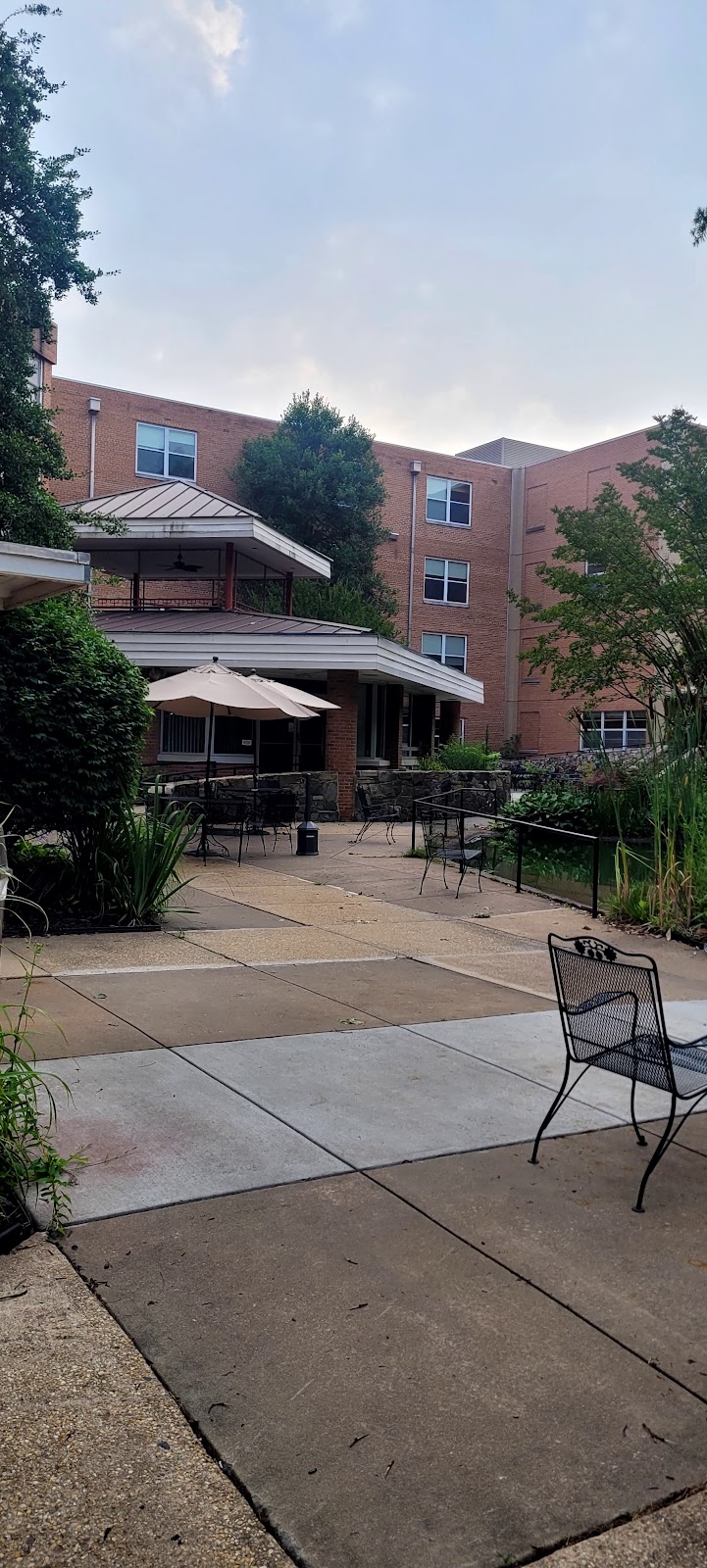
10701 MAIN STREET, FAIRFAX, VA 22030 (703) 273-7705
For profit - Limited Liability company 200 Beds LIFEWORKS REHAB Data: November 2025
Trust Grade
58/100
#131 of 285 in VA
Last Inspection: May 2022

Over 2 years since last inspection. Current conditions may differ from available data.

Overview

Fairfax Rehabilitation and Nursing Center has a Trust Grade of C, which means it is average and sits in the middle of the pack among similar facilities. It ranks #131 of 285 in Virginia, placing it in the top half of nursing homes in the state, and #1 of 2 in Fairfax City County, indicating only one local option is better. The facility is improving, with issues decreasing from 9 in 2024 to 3 in 2025. Staffing is a relative strength, with a rating of 2/5 stars and a turnover rate of 40%, which is below the Virginia average of 48%, suggesting that many staff members stay long-term. However, the facility has $12,039 in fines, which is concerning as it reflects potential compliance problems. Specific incidents noted during inspections include failures in food safety practices, such as not discarding expired food and storing food at unsafe temperatures, as well as a failure to notify medical providers about a resident's urgent need for portable X-rays. Additionally, there were concerns about incomplete documentation regarding a resident's refusal of medication, which raises questions about communication and care continuity. Overall, while there are strengths in staffing and an improving trend, the facility still faces significant challenges that families should consider.

Trust Score
C
58/100
In Virginia
#131/285
Top 45%
Safety Record
Low Risk
No red flags
Inspections
Getting Better
9 → 3 violations
Staff Stability
○ Average
40% turnover. Near Virginia's 48% average. Typical for the industry.
Penalties
✓ Good
$12,039 in fines. Lower than most Virginia facilities. Relatively clean record.
Skilled Nurses
✓ Good
Each resident gets 43 minutes of Registered Nurse (RN) attention daily — more than average for Virginia. RNs are trained to catch health problems early.
Violations
⚠ Watch
54 deficiencies on record. Higher than average. Multiple issues found across inspections.
★★★☆☆
3.0
Overall Rating
★★☆☆☆
2.0
Staff Levels
★★★★★
5.0
Care Quality
★★☆☆☆
2.0
Inspection Score
Stable
2024: 9 issues
2025: 3 issues

The Good

  • 5-Star Quality Measures · Strong clinical quality outcomes
  • Full Sprinkler Coverage · Fire safety systems throughout facility
  • No fines on record
  • Staff turnover below average (40%)

    8 points below Virginia average of 48%

Facility shows strength in quality measures, fire safety.

The Bad

3-Star Overall Rating

Near Virginia average (3.0)

Meets federal standards, typical of most facilities

Staff Turnover: 40%

Near Virginia avg (46%)

Typical for the industry

Federal Fines: $12,039

Below median ($33,413)

Minor penalties assessed

Chain: LIFEWORKS REHAB

Part of a multi-facility chain

Ask about local staffing decisions and management

The Ugly 54 deficiencies on record

Jun 2025 3 deficiencies
CONCERN (D) 📢 Someone Reported This

A family member, employee, or ombudsman was alarmed enough to file a formal complaint

Potential for Harm - no one hurt, but risky conditions existed

Deficiency F0628 (Tag F0628)

Could have caused harm · This affected 1 resident

**NOTE- TERMS IN BRACKETS HAVE BEEN EDITED TO PROTECT CONFIDENTIALITY** Based on staff interview, clinical record review, and facility document review, the facility staff failed to notify the Ombudsma...

Read full inspector narrative →
**NOTE- TERMS IN BRACKETS HAVE BEEN EDITED TO PROTECT CONFIDENTIALITY** Based on staff interview, clinical record review, and facility document review, the facility staff failed to notify the Ombudsman of transfer or discharge for 2 of 41 residents and failed to provide the receiving entity with proper documentation upon transfer for 1 of 41 residents. (Resident #155, #138, and #434) The findings were: 1. For Resident #155, the facility staff failed to notify the ombudsman of the resident's discharge on [DATE]. Resident #155's minimum data set (MDS) assessment with an assessment reference date of 05/19/25 was signed as completed on 05/23/25. Resident #155's brief interview for mental status summary score was documented as a 15 out of 15; this indicated intact cognition. Resident #155's clinical record was reviewed and indicated the resident was discharged home with home health services on 06/07/25. The Discharge Instructions/Post Discharge Plan of Care - V6 document read the resident's discharge status/facility was Home. The summary/discharge arrangements read in part, Resident will discharge on [DATE] due to an insurance cut. Medical equipment arrangements included a hospital bed with home health arrangements made for in-home physical therapy, occupational therapy, registered nurse and home health aide. Discharge instructions were given to the resident. The clinical record included documentation Resident #155 filed an appeal for discharge. Social services assistant (Other Staff #6) was interviewed on 06/26/25 at approximately 10:15 a.m. Other Staff #6 reported and provided written documentation the appeal was denied and Resident #155 discharged home on [DATE] rather than filing a second appeal. On 06/25/25 the director of nursing (DON) was asked for evidence the ombudsman was provided with notification of Resident #155's discharge. The DON responded the facility staff does not notify the ombudsman of planned discharges, only discharges that were against medical advice (AMA) and discharges to a hospital. On 06/26/26 at 4:04 p.m. during a meeting with the director of nursing, administrator, vice president of operations, regional MDS coordinator, and two regional nurse consultants (RNC #1 and #2), the concern with the ombudsman not being notified of Resident #155's discharge was discussed. No further information was provided prior to the exit conference. 3. For resident #434 (R434), the facility staff failed to provide the receiving entity with proper documentation upon transfer to the hospital and failed to provide the resident with bed hold information. On 6/24/2025 this surveyor interviewed R434 at bedside. They stated they were readmitted to the facility on [DATE] after a brief hospitalization. I had pneumonia and sepsis they said. I didn't know I was sick. The ambulance showed up to get me and took out. I guess it was a good thing though. R434's minimum data set (MDS) assessment with an assessment reference date of 3/28/25 was reviewed and assigned the resident a brief interview for mental status score (BIMS) of 12 out of possible 15, indicating the possibility of mild cognitive impairment. A progress note dated 6/14/25 by the on-call physician service read in part, per nurse patient reported chest pain and SOB (shortness of breath) around 720 am EST patient seen with nurse Per nurse patient points to anterior chest as location of chest pain. Per nurse lungs clear on exam and HR (heart rate) 123 with regular rhythm on palpation. Patient states she has been having chest pain for awhile. States the chest pain is constant, point to her left axilla where pain starts and moves to her mid chest. States the pain feels like a pressure. States SOB started last night and worse this morning. Admits to dizziness and nausea. States nausea present earlier and now gone. The document went on to read, Transfer to Emergency Department via 911 RE: chest pain/SOB/dizziness/nausea -Nitroglycerin 0.4mg PO 1tab q5min prn Chest pain x 3 doses, first dose now Disposition : Transfer to Emergency Department .' An einteract SBAR summary for providers dated 6/19/2025 at 7:35 AM read in part, Change in Condition Nursing observations, evaluation, and recommendations are:While on rounds, resident reported to writer I am experiencing chest pain 6/10, on assessment pain is non-radiating, crackles auscultated to base of R lung, respiration is labored at 27/min, heart rate 122bpm, SpO2 88% (baseline). Writer administered O2 2L/M nasal canula for SOB. Writer contacted thirdeye clinician (name omitted). Orders issued to transfer resident to ED via 911, administer Nitroglycerin 0.4mg PO 1 TAB Q5min PRN for chest pain X3 doses, first dose STAT. Primary Care Provider Feedback : Primary Care Provider responded with the following feedback: A. Recommendations: Transfer resident to Emergency Department via 911 for Chest Pain/SOB/dizziness/nausea. Administer Nitroglycerin 0.4 mg PO 1 TAB Q5min PRN for chest pain X3 doses, first dose STAT. This surveyor was unable to locate any documentation of what the facility provided to the hospital upon R434's transfer. On 6/25/2025 at 3:15 PM this surveyor asked the Regional Director of Clinical Services to provide any evidence that the hospital received the proper information and documentation when resident was sent out and for evidence of the resident being given information about the bed hold policy. On 6/26/2025 the Regional Director of Clinical Services stated they could find no evidence for R434 that the hospital was provided with the proper documentation or that the resident received the bed hold information prior to the discharge on [DATE]. The policy entitled, Bed Reserve Process, was provided and read in part, The Admissions Director will ensure the proper documentation is executed for any patient discharge desiring to voluntarily reserve a bed. 06/27/2025 12:28 PM the survey team met with the Administrator, Director of Nursing, Regional Director of Clinical Services and the Regional [NAME] President of Operations. This concern was discussed at that time. No further information was provided prior to the exit conference. 2. For Resident #138 the facility staff failed to notify the office of the local long-term care ombudsman of a transfer/discharge that occurred on 1/26/25. Resident #138's diagnosis list indicated diagnoses that included, but were not limited to, Chronic Obstructive Pulmonary Disease, Dementia, Anxiety Disorder, Traumatic Brain Injury, Other Specified Disorders of Brain, Anxiety Disorder, Epilepsy, Depression, and Weakness. The most recent minimum data set (MDS) with an assessment reference date (ARD) of 6/1/25 assigned the resident a brief interview for mental status (BIMS) summary score of 14 out of 15 for cognitive abilities, indicating the resident was cognitively intact. A review of the clinical record indicated Resident #138 was transferred to the hospital on 1/26/25. Surveyor requested evidence of notification of the transfer/discharge to the local long-term care ombudsman. On 6/26/25 at 12:47 PM, this surveyor was provided with the ombudsman notifications for January 2025 and Resident #138 was not on the list. The vice president of operations and the social worker both agreed the ombudsman was not notified of Resident #138's transfer/discharge. This concern was discussed on 6/26/25 at 6:04 PM at the end of day meeting with the administrator, vice president of operations, director of nursing, regional nurse consultant #1, and regional nurse consultant #2. Surveyor requested and received a facility policy titled, Notice of Transfer/Discharge which read in part, .7. Provide designated copies of the completed .Notice of Transfer/Discharge form to each of those specified on the form, which includes the Ombudsman .9. Once the document has been scanned into .complete a Social Work and Discharge Planning Progress Note confirming the following .b. Date the notice was sent to the Ombudsman and the method by which it was sent . No further information was provided to the survey team prior to exit on 6/27/25.
CONCERN (D) 📢 Someone Reported This

A family member, employee, or ombudsman was alarmed enough to file a formal complaint

Potential for Harm - no one hurt, but risky conditions existed

Deficiency F0836 (Tag F0836)

Could have caused harm · This affected 1 resident

Based on staff interview and facility document review, the facility staff failed to act with accepted professional standards and principles that apply to professionals providing services to the facili...

Read full inspector narrative →
Based on staff interview and facility document review, the facility staff failed to act with accepted professional standards and principles that apply to professionals providing services to the facility. The findings included: The facility administration failed to operate and provide services with accepted professional standards and principles that apply to professionals providing services to the facility as related to an outstanding balance owed to a contracted staffing agency for services rendered from May 19, 2023, through September 29, 2023. On 6/24/25, this surveyor spoke with regional vice president of operations and requested information pertaining to a staffing agency that the facility owed an outstanding balance to over $911,000.00. On 6/25/25 at 9:15 AM regional vice president of operations informed surveyor he located a lawsuit from a staffing agency that is suing the facility. He provided surveyor with a copy of Complaint for Damages served on 6/17/25, a copy of the staffing agency/facility contract, and a copy of the outstanding balance due indicated on an invoice dated 6/9/25. The Staffing Agreement contract dated 11/19/21 read in part, .Whereas, the parties desire by entering into this Agreement to make it possible for [staffing agency name omitted] to provide staffing services of temporary healthcare personnel .to the CLIENT (facility) in consideration of mutually agreed upon rate fee, and; wherein this Agreement sets forth the rights, duties and obligations and expectations of the parties in reference .3.1 .Client understands Agency invests substantial resources in recruitment, screening, training and other administrative expenses in connection with the placement of this assignment .3.9 Remit payment for services upon receipt of invoice .4. [NAME] Procedures .4.1 [Staffing agency name omitted] will submit billing invoices along with copies of the facilities authorized .timecards for payment weekly for services rendered. 4.2 These weekly invoices will be paid by the Client upon receipt and not to exceed (45) days. Invoices not paid within (45) days are considered past-due and will be charged a finance charge of one and half (1.5%) percent per month on the unpaid balance (annual percentage of 18%) or the maximum interest rate allowed by law, whichever is lower .6.1 The provisions of this agreement may be modified only by mutual agreement of the parties. No modification shall be binding unless it is in writing and signed by the party against whom enforcement or modification is sought .7.1 Each party agrees to indemnify and hold the other .harmless from all claims, suits, judgments and demands arising from the indemnifying party's negligent and/or intentional acts and omissions in the performance of the duties prescribed by this Agreement. Each party shall give the other immediate written notice of any claim, suit or demand which may be subject to this provision. This provision shall survive the termination of the Agreement .9.2 If an Event of Default by Client occurs, in addition to the right to terminate this Agreement, [staffing agency name omitted] may seek any other remedy available to it in law or in equity on account of such default. Additionally, any amounts due for Services Provided by [staffing agency name omitted] shall be immediately paid to [staffing agency name omitted] upon notice . A review of the Staffing Service Rates as of November 19, 2021, were are follows: CNA (certified nursing assistant)-approved hourly rate: $35.00 LPN (licensed practical nurse)-approved hourly rate: $56.00 RN (registered nurse)-approved hourly rate: $73.00 The Staffing Services Rate Agreement was signed by the staffing agency and representative of the facility on 11/22/21. Surveyor reviewed the invoice from the staffing agency and the invoice revealed from 5/19/23 through 9/29/23, the past due balances were forwarded each billing cycle. The total due with interest owed reflected on the invoice as $1,108,655.21. The Complaint for Damages with a served date of 6/17/25 read in part, .4. On or about November 19, 2021, Plaintiff (staffing agency) and Defendant (facility) entered into a Staffing Agreement, which provided that the Plaintiff would supply certain skilled workers to provide Defendant with temporary healthcare personnel, in exchange for the Defendant's payment of Plaintiff's invoices .6. The Contract also provided the Defendant would compensate [Plaintiff] for services rendered, whereas payment shall be made in accordance with attached [staffing agency name omitted] Service Rate Schedule .The Contract further provided that the Defendant would remit payment for services upon receipt of invoice .7 .beginning in May 2023, the Defendant came to be in arrears with respect to payment of Plaintiff's invoices. For the period of May 19, 2023, through September 29, 2023, the Defendant failed and refused to pay invoices issued for services provided by the Plaintiff and became indebted to the Plaintiff in the amount of $911,257.26 .8. The terms of the Contract further provide that Plaintiff is entitled to interest on unpaid balances in the amount of one-and one-half percent (1.5%) per month for each month that the unpaid invoice remains past due .9. In spite of demands for payment by the Plaintiff, Defendant has failed to pay the foregoing amount, which remains outstanding . This concern was discussed at the pre-exit meeting on 6/27/25 at 12:28 PM with the administrator, director of nursing, vice president of operations, regional nurse consultant #1, and regional nurse consultant #2. Surveyor requested but did not receive a facility policy for accounts payable. No further information was presented to the survey team prior to exit on 6/27/25.
CONCERN (F) 📢 Someone Reported This

A family member, employee, or ombudsman was alarmed enough to file a formal complaint

Potential for Harm - no one hurt, but risky conditions existed

Food Safety (Tag F0812)

Could have caused harm · This affected most or all residents

Based on observations and staff interviews, the facility staff failed to store food in accordance with professional standards for food service safety in the facility kitchen. The findings included: T...

Read full inspector narrative →
Based on observations and staff interviews, the facility staff failed to store food in accordance with professional standards for food service safety in the facility kitchen. The findings included: The facility staff failed to discard out of date perishable food items, failed to store food preparation pans clean, failed to promptly discard unused food items, failed to utilize beard restraints for male dietary aides, and failed to ensure foods were stored at safe temperatures. On 6/24/25 at 9:39 AM, surveyor entered facility kitchen for an initial tour with dietary manager-other staff #9 (OS#9) and regional dietary manager-other staff #11 (OS#11). Surveyor observed three reach-in refrigerators in the kitchen food prep area. The thermometer on refrigerator #1 was 50 degrees, no food items were present in the refrigerator. Refrigerator #2 had a sign on the door which read, Out of Order and inside was one tray of peaches in individual bowls with no lids, one tray of pudding in individual bowls with lids, and one tray of a small salad containing cucumber slices in souffle cups with no lids. OS#9 informed surveyor the refrigerator had been out of order for the past month. Surveyor inquired if the food in the refrigerator had been in there for a month and OS#9 stated no, that was from dinner last night, staff did not throw it away. During the observation other staff #20 (OS#20) came to the refrigerator and took out the tray of peaches. Surveyor inquired what she was doing with the peaches and OS#20 informed surveyor she was going to put lids on them. Surveyor inquired why she was putting lids on them, and she stated to, serve. OS#9 then stated, No, she is throwing them away. OS#20 then proceeded to throw the bowls of fruit into the large trash can nearby. OS#20 then removed the tray of salads and tray of pudding from the refrigerator and discarded the salads and took the bowls of pudding to the dish washing area. Surveyor observed refrigerator #3 to be at 36 degrees and empty. Surveyor observed an ice cream standing freezer to be at 40 degrees, all of the ice cream was observed to be frozen. Surveyor observed an ice cream floor freezer with two sliding doors on the top of the unit. No thermometer could be located in the freezer. A box of clear strawberry ice cream cups was observed on top of the other boxes of ice creams. All the strawberry ice cream cups were observed to be soft, melted, and separated-with the strawberry syrup on the bottom of the cups and a foamy pink liquid on top within the cups. OS#9 stated it has been extremely hot in the kitchen, and they had no air. Surveyor observed fans throughout the kitchen space. OS#9 threw the case of strawberry ice cream cups away. The temperature logs on top of the freezer documented the freezer at 10 degrees that morning. The walk-in refrigerator was observed, and 3 bags of cilantro were observed in a box on a bottom shelf. The cilantro appeared wilted in each bag and each bag had a BB (best by) date of 6/20/25. OS#9 discarded the cilantro. The walk-in freezer was observed, and a large bag of diced chicken was found to be soft with crystalized ice inside the bag. It was not firm to the touch. OS#9 discarded the chicken. Surveyor observed 1 large food pan and 2 small food pans with visible, crusty, light-brown substances on them, stacked in the clean dish area. OS#11 removed the pans and gave them to a dietary aide to re-wash. Surveyor observed the dry storage area, and a bottle of sparkling cider was located on the 2nd shelf with a BB date of 5/5/24. OS#9 discarded the cider. These concerns were discussed at the end of day meeting on 6/24/25 at 5:48 PM with the administrator, regional vice president of operations, director of nursing, and regional nurse consultant #1. On 6/26/25 at 11:05 AM, surveyor entered the facility kitchen for additional observations and met with OS#9, OS#11, and other staff #13. Surveyor observed four male dietary aides and OS#13 without beard restraints. OS#9 provided all the men with beard restraints and informed surveyor it is her expectation for them to always wear beard restraints. No further information was provided to the survey team prior to exit on 6/27/25.
Dec 2024 1 deficiency
CONCERN (D) 📢 Someone Reported This

A family member, employee, or ombudsman was alarmed enough to file a formal complaint

Potential for Harm - no one hurt, but risky conditions existed

Quality of Care (Tag F0684)

Could have caused harm · This affected 1 resident

Based on staff interview, clinical record review and facility document review, the facility staff failed to administer medications per the physician's orders for one of _ residents in the survey sampl...

Read full inspector narrative →
Based on staff interview, clinical record review and facility document review, the facility staff failed to administer medications per the physician's orders for one of _ residents in the survey sample, resident # 2 (R2). The findings included: For R2 the facility staff failed to administer scheduled Gabapentin, a medication for nerve pain for three days after admission to the center. R2s diagnosis included but were not limited to, diabetes, muscle weakness, hypertension and depression. R2s minimum data set (MDS) assessment with an assessment reference date of 6/20/24 assigned the resident a brief interview for mental status (BIMS) score of 14 out of possible 15 indicating resident was cognitively intact. Further review of the MDS revealed that resident had rated their pain in the last five days as height as an 8 out of 10 on the pain scale. They indicated that their pain was frequent and had interfered with sleep over the last five days. R2s Discharge Summary from the hospital was reviewed. Listed under the heading Discharge Meds the document read in part, Gabapentin (neurtontin) 300 mg cap (capsule) 300 mg oral every 8 hours and Oxycodone (immediate release) 5 mg tab (tablet) every 4 hours as needed for pain scale 4-6. The medication administration record (MAR) for R2 was reviewed. R2 was admitted to the center on 6/13/24. Gabapentin 300 mg every 8 hours was not put on the MAR until 6/14/24 and was scheduled to start at 8:00 AM 6/14/24. The MAR indicated the 8:00 AM dose and the 4:00 PM doses had been administered. For 6/15/24 all three doses were coded as 9, which according to the facility chart codes means, other/see nurses notes. On 6/16/24, the 12:00 AM dose and the 8:00 AM dose were documented with the chart code of 9. The 4:00 PM dose was checked off as given. The Orders-Administration progress notes were reviewed. On 6/15/24 at 12:30 AM a note read, Gabapentin (EPCS) Capsule 300 MG Give 1 capsule by mouth every 8 hours for Pain unable to give, awaiting delivery from pharmacy, (name omitted) NP informed, no new orders given. On 6/15/24 at 4:22 PM a note read, : Gabapentin (EPCS) Capsule 300 MG Give 1 capsule by mouth every 8 hours for Pain med not available. On 6/15/24 at 5:22 PM a note read, Gabapentin (EPCS) Capsule 300 MG Give 1 capsule by mouth every 8 hours for Pain Medication on order. See follow up communication mediprocity. Will administer as soon as delivered. RP (name omitted) made aware. On 6/16/24 at 12:53 AM a note read, Gabapentin (EPCS) Capsule 300 MG Give 1 capsule by mouth every 8 hours for Pain Did notify (name omitted) NP on 6/15/24 at 5:51 am of the need for the above medication script and for Oxycodone 5 mg po every 4 hours prn script, waiting for response from pharmacy if received both scripts or need. On 6/16/24 at 10:47 AM a note read, Gabapentin (EPCS) Capsule 300 MG Give 1 capsule by mouth every 8 hours for Pain unable to give at this time, waiting on delivery, (name omitted) NP informed, Notified pharmacy to verify if script received waiting response. Further review of all the progress notes was completed. The first documented complaint of pain was in a skilled progress note dated 6/15/24 at 4:23 PM that read in part, Pain: yes Non Pharmacological interventions provided: positioning with pillows Pharmacological interventions provided: scheduled medications. The pain scale on the MAR was marked with a 0 indicating no pain for all three shifts. There was no pain medication given according to the MAR. On 6/16/24 at 1:18 AM a note read, Pharmacy messaged back and stated that oxycodone will be in PM delivery today. we do not have a script for gabapentin. Also stated that oxycodone is in backup if needed prior to delivery after request if they can send it ASAP. On 6/16/24 at 3:08 AM a note read, Notified Pharmacy that Third Eye Health (name omitted) APN will be sending over a script to them for Gabapentin 300mg po every 8 hours pain and requested for them to notify us that the script was received and processed. On 6/16/24 at 3:53 AM the note read, Pharmscript confirmed they received script and processed for Gabapentin 300mg po every 8 hours pain (after not receiving it 1st time and requesting from (name omitted) APN from 3rd eye health to resend) - This can be obtained from Omnicel until supply of med comes in). On 12/30/24 at 1:50 PM this surveyor interviewed Licensed Practical Nurse (LPN) # 1. LPN # 1 had documented on 6/14/24 at 8:00 AM and 4:00 that R2 had been given scheduled Gabapentin. LPN # 1 stated when asked that they could not recall what medications they gave. They reviewed the MAR and stated, I signed it off so I must have given it. They did not recall an issue with pain or with obtaining medications. The night shift nurse who documented attempts to get the medication is no longer employed at the center. On 12/30/24 at 1:55 PM this surveyor interviewed the Nurse Practitioner (NP) who recalled R2 but did not recall an issue with getting Gabapentin. On 12/30/24 at 3:20 PM this surveyor interviewed the Director of Nursing (DON). When asked what time frame they would expect prescriptions to be obtained for narcotic medications they stated, We try to get them the same day. When asked if 4 days was a reasonable time frame to wait on a prescription for Gabapentin they stated, No, it shouldn't take that long. This concern was reviewed with the Administrator, DON and Regional Director of Clinical Services during an end of day meeting 12/30/24 at 3:35 PM On 12/31/24 at 9:37 PM this surveyor had a phone call with a pharmacy tech at the facility's contracted pharmacy. They stated that they received a prescription for Gabapentin 300 mg every 8 hours on 6/16/24 for R2. They stated the first card of medication was sent to the facility on the afternoon run 6/16/24 and that two doses for R2 were removed from the omnicell on 6/16/24. No further information was provided to the survey prior to the exit conference.
Oct 2024 3 deficiencies
CONCERN (D) 📢 Someone Reported This

A family member, employee, or ombudsman was alarmed enough to file a formal complaint

Potential for Harm - no one hurt, but risky conditions existed

Quality of Care (Tag F0684)

Could have caused harm · This affected 1 resident

Based on staff interview and clinical record review, the facility staff failed to follow the medical provider orders for 1 of 4 sampled residents (Resident #2). The findings included: For Resident #2...

Read full inspector narrative →
Based on staff interview and clinical record review, the facility staff failed to follow the medical provider orders for 1 of 4 sampled residents (Resident #2). The findings included: For Resident #2, the facility staff failed to administer Amlodipine and Propranolol as ordered on 10/11/24. Amlodipine and Propranolol are used to treat high blood pressure. Resident #2's diagnosis list indicated diagnoses, which included, but not limited to Essential Hypertension, Hemiplegia and Hemiparesis following Cerebral Infarction, and Chronic Myeloid Leukemia. The most recent minimum data set (MDS) with an assessment reference date (ARD) of 10/04/24 assigned the resident a brief interview for mental status (BIMS) summary score of 14 out of 15 indicating the resident was cognitively intact. Resident #2's current comprehensive person-centered care plan included a focus area stating the resident was at risk for cardiac complications secondary to hypertension with an intervention to administer medications as ordered. Resident #2's current provider orders included an order dated 9/30/24 for Amlodipine Besylate 5 mg by mouth one time a day for hypertension and an order dated 9/30/24 for Propranolol HCL 20 mg by mouth three times a day for hypertension. According to Resident #2's clinical record, Amlodipine and Propranolol were not administered on 10/11/24 at 8:00 AM. Nursing progress notes dated 10/11/24 at 8:33 AM and 8:34 AM documented the medications were held due to a blood pressure of 119/61. The provider orders for Amlodipine and Propranolol did not include directions to hold the medications due to blood pressure parameters. Surveyor reviewed Resident #2's clinical record and was unable to locate evidence of physician notification prior to holding the medications. On 10/23/24 at 2:25 PM, surveyor met with the [NAME] President of Operations, Administrator, and Director of Nursing (DON) and discussed the concern regarding staff failing to administer Amlodipine and Propranolol on 10/11/24. On 10/23/24 at 4:05 PM, surveyor spoke with the DON who stated the nurse held the medication based on nursing judgement due to the blood pressure but failed to notify the provider. The DON stated the nurse has been educated. No further information regarding this concern was presented to the surveyor prior to the exit conference on 10/23/24.
CONCERN (D) 📢 Someone Reported This

A family member, employee, or ombudsman was alarmed enough to file a formal complaint

Potential for Harm - no one hurt, but risky conditions existed

Deficiency F0692 (Tag F0692)

Could have caused harm · This affected 1 resident

**NOTE- TERMS IN BRACKETS HAVE BEEN EDITED TO PROTECT CONFIDENTIALITY** Based on staff interview and clinical record review, the facility staff failed to provide enteral feeding as ordered by the medi...

Read full inspector narrative →
**NOTE- TERMS IN BRACKETS HAVE BEEN EDITED TO PROTECT CONFIDENTIALITY** Based on staff interview and clinical record review, the facility staff failed to provide enteral feeding as ordered by the medical provider for 1 of 4 sampled residents (Resident #1). The findings included: For Resident #1, the facility staff failed to provide an ordered bolus tube feeding. Resident #1's diagnosis list indicated diagnoses, which included, but not limited to Acute Kidney Failure with Tubular Necrosis, End Stage Renal Disease, Hemiplegia and Hemiparesis following Cerebral Infarction, and Dysphagia following Cerebral Infarction. The minimum data set (MDS) with an assessment reference date (ARD) of 10/04/24 assigned the resident a Brief Interview for Mental Status (BIMS) summary score of 10 out of 15 indicating the resident was moderately cognitively impaired. Resident #1 was seen by Registered Dietitian (RD) #1 on 9/30/24. The assessment dated [DATE] at 10:09 AM read in part .rt [resident] reports >50 lbs. [pounds] weight loss in the past 6 months. Per transfer records, rt was on enteral nutrition support to encourage optimal nutrition intake . Recs [recommendations] Nepro 1.8 BOLUS 350 mls 5 times daily . A provider order for tube feeding 350 ml bolus 5 times a day was received on 9/30/24 at 11:22 AM; however, this order did not include the name of tube feeding formula. Despite this, the bolus feeding was signed off as being administered on 9/30/24 at noon as scheduled. This order was discontinued on 9/30/24 at 3:02 PM. A new tube feeding order was entered on 9/30/24 at 3:02 PM for Nepro 1.8 350 ml bolus 5 times a day to be administered at midnight, 8 AM, 12 PM, 5 PM, and 9 PM. However, the order was entered to begin the following day on 10/01/24 at 12 PM, leaving Resident #1 with no scheduled tube feeding to be provided for a period of 24 hours. According to Resident #1's September 2024 Medication Administration Record, the resident did not receive a bolus tube feeding on 9/30/24 at 5:00 PM. A nursing progress note dated 9/30/24 at 7:30 PM read in part Resident observed lying in [his/her] bed alert and oriented x 3 person, place and time, with confusion. Resident [adult children] [names omitted] were sitting [sic] the bedside . [adult child] requested [NAME] [sic] feeding for [their parent]. Order should start from 12 am. But [adult child] was expecting start Bolus as soon as possible. Called [on-call provider] .Continue with bolus feeds for tonight . A 9/30/24 8:55 PM on-call provider progress note read in part .newly admitted to the SNF [skilled nursing facility] and has orders for tube feeds. Per nurse, [he/she] is completely NPO [nothing by mouth]. [His/her] tube feed orders are set to start tomorrow. Per nurse, [he/she] is to receive Nepro 1.8 350 ml bolus 5x daily. Family is requesting to start the feeds tonight. [He/she] will need to receive the feeds at 2100 [9 PM] and midnight. Per nurse the 5x daily schedule is as follows: 8 am, 12 p, 5 p, 9 p, and 12 a .[he/she] was previously on overnight feeds .The tube feed orders were adjusted by dietary today .Plan .Continue with bolus feeds for tonight. Primary provider to address tube feed orders tomorrow . On 10/23/24 at 2:24 PM, surveyor met with the [NAME] President of Operations, Administrator, and the Director of Nursing (DON) and discussed the concern of Resident #1 missing the 9/30/24 5:00 PM tube feeding. No further information regarding this concern was presented to the surveyor prior to the exit conference on 10/23/24.
CONCERN (D) 📢 Someone Reported This

A family member, employee, or ombudsman was alarmed enough to file a formal complaint

Potential for Harm - no one hurt, but risky conditions existed

Deficiency F0760 (Tag F0760)

Could have caused harm · This affected 1 resident

**NOTE- TERMS IN BRACKETS HAVE BEEN EDITED TO PROTECT CONFIDENTIALITY** Based on staff interview, clinical record review, and facility document review, the facility staff failed to ensure residents we...

Read full inspector narrative →
**NOTE- TERMS IN BRACKETS HAVE BEEN EDITED TO PROTECT CONFIDENTIALITY** Based on staff interview, clinical record review, and facility document review, the facility staff failed to ensure residents were free of significant medication errors for 1 of 4 sampled residents (Resident #3). The findings included: For Resident #3, the facility staff failed to administer the oral antibiotic Levofloxacin on three (3) separate occasions as ordered by the medical provider. Resident #3's diagnosis list indicated diagnoses, which included, but not limited to Malignant Neoplasm of the Larynx and Dysphagia. The most recent minimum data set (MDS) with an assessment reference date (ARD) of 7/29/24 assigned the resident a brief interview for mental status (BIMS) summary score of 15 out of 15 indicating the resident was cognitively intact. Resident #3 was seen by the physician on 10/08/24, the progress note read in part .The patient with pneumonia in the setting of chronic respiratory failure, status post tracheostomy with a history of cancer of the larynx. Complicated case with multiple comorbidities. At this point, we will complete a seven-day course of Levaquin [Levofloxacin]. Resident #3's comprehensive person-centered care plan included a focus area dated 10/09/24 stating the resident had developed pneumonia with an intervention for medications as ordered. A review of Resident #3's clinical record revealed the Levofloxacin (Levaquin) was not administered on 10/08/24, 10/10/24, and 10/12/24. An 10/08/24 10:37 PM nursing progress note documented the Levofloxacin was not administered due to awaiting meds to come from the pharmacy. An 10/10/24 6:50 PM nursing progress note documented the Levofloxacin was not available for administration. An 10/12/24 8:30 PM nursing progress note documented the Levofloxacin was pending from the pharmacy and the medication had been returned to the pharmacy from the facility. Surveyor requested and received the facility in-house medication supply list which indicated Levofloxacin 250 mg tablets and 500 mg tablets were available for administration. On 10/16/24, surveyor spoke with the pharmacy representative (PR) who provided documentation that a supply of 10 tablets of Levofloxacin 750 mg was delivered to the facility on [DATE] at 10:09 AM but the nurse at the time did not accept delivery of the medication and requested it be returned to the pharmacy. The PR also provided documentation of Levofloxacin being pulled from the in-house supply for Resident #3 on 10/09/24 and 10/11/24. On 10/16/24 at 1:00 PM, surveyor spoke with the Director of Nursing (DON) regarding the missed doses of Levofloxacin on 10/08/24, 10/10/24, and 10/12/24. The DON stated the nurses could have gotten the medication from the Omnicell (in-house supply) and she would have to find out why they did not obtain the medication. On 10/23/24 at 2:25 PM, surveyor met with the [NAME] President of Operations, Administrator, and DON and discussed the concern of staff failing to administer Resident #3's Levofloxacin on three (3) occasions. No further information regarding this concern was presented to the surveyor prior to the exit conference on 10/23/24.
Aug 2024 5 deficiencies
CONCERN (D) 📢 Someone Reported This

A family member, employee, or ombudsman was alarmed enough to file a formal complaint

Potential for Harm - no one hurt, but risky conditions existed

Comprehensive Care Plan (Tag F0656)

Could have caused harm · This affected 1 resident

Based on staff interviews, facility document review, and clinical record review, the facility staff failed to develop and/or implement an activities care plan which addressed the findings of a residen...

Read full inspector narrative →
Based on staff interviews, facility document review, and clinical record review, the facility staff failed to develop and/or implement an activities care plan which addressed the findings of a resident's activity assessment for one (1) of 15 sampled residents (Resident #7). The findings include: The facility staff failed to ensure that Resident #7's care plan addressed the desire to participate in outdoor activities. Resident #7's Minimum Data Set (MDS) assessment, with an Assessment Reference Date (ARD) of 6/1/24, was signed as completed on 6/14/24. Resident #7 was assessed as able to make self understood and as able to understand others. Resident #7's Brief Interview for Mental Status (BIMS) summary score was documented as a 15 out of 15; this indicated intact and/or borderline cognition. Resident #7's activities assessment, dated 9/17/23, indicated the resident reported it was 'very important' for the resident to go outside to get fresh air when the weather is good. The following information was found in a facility policy titled Care Planning (with an effective date of 11/1/19): A licensed nurse, in coordination with the interdisciplinary team, develops and implements an individualized care plan for each patient in order to provide effective, person-centered care, and the necessary health-related care and services to attain or maintain the highest practical physical, mental, and psychosocial well-being of the patient. Review of Resident #7's activity documentation for the months of May 2024, June 2024, and July 2024 failed to identify the resident being provided and/or assisted with outdoor activities. On 8/22/24 at 10:30 a.m., the Director of Recreation reported they did not find evidence of outdoor activities for Resident #7 during the following months: May 2024, June 2024, and July 2024. On 8/22/24 at 11:35, the survey team met with the facility's Director of Nursing (DON) and Regional Director of Clinical Services (Staff Member (SM) #6). During this meeting, the surveyor discussed the failure of facility staff to ensure Resident #7's care plan addressed the resident's desire to be involved in outside activities.
CONCERN (D) 📢 Someone Reported This

A family member, employee, or ombudsman was alarmed enough to file a formal complaint

Potential for Harm - no one hurt, but risky conditions existed

Quality of Care (Tag F0684)

Could have caused harm · This affected 1 resident

Based on staff interview and clinical record review, the facility staff failed to provide medications per the providers orders for 1 of 15 residents, Resident #4. The findings include: For Resident ...

Read full inspector narrative →
Based on staff interview and clinical record review, the facility staff failed to provide medications per the providers orders for 1 of 15 residents, Resident #4. The findings include: For Resident #4, the facility staff failed to provide Zofran per the providers orders. The facility nursing staff failed to transcribe an order for Zofran making the medication unavailable for administration. Resident # 4 diagnoses included, but were not limited to, peripheral vascular disease, diabetes, dependence on renal dialysis, and cellulitis of right lower limb. Section C (cognitive patterns) of Resident #4's admission minimum data set (MDS) assessment with an assessment reference date (ARD) of 11/20/23 included a brief interview for mental status (BIMS) summary score of 13. Per the MDS manual a score of 13=cognitively intact. Resident #4's clinical record included the following progress notes. 01/13/24- .Change in condition .Resident noted vomiting on 1/15/24. States it has been occurring since 1/13/24 .Primary Care Provider responded with the following feedback .Recommendations: Zofran . This note was documented by Licensed Practical Nurse (LPN) #9. Two progress notes documented on 01/16/24 by LPN #3 that read NP (nurse practitioner) notified Zofran ordered. and PRN (as needed) Zofran ordered. This nurse was identified as no longer being employed at the facility. When reviewing the clinical record, the surveyor was unable to find any evidence that this order had been transcribed or that the medication had been offered and/or administered by the nursing staff. On 08/20/24 at 1:47 p.m., the Director of Nursing (DON) was notified that the surveyor was unable to find any evidence indicating the Zofran order had been transcribed or the medication administered. On 08/22/24 at 9:15 a.m., during an interview with LPN #9 via phone regarding the Zofran order this nurse stated they did not remember this resident. If they were given an order from the provider, they would have transcribed the order and administered the medication. On 08/22/24 at 11:35 a.m., during a meeting with the DON and Regional Nurse the issue with Resident #4's Zofran order not being transcribed. No further information regarding this issue was provided to the survey team prior to the exit conference.
CONCERN (D) 📢 Someone Reported This

A family member, employee, or ombudsman was alarmed enough to file a formal complaint

Potential for Harm - no one hurt, but risky conditions existed

Deficiency F0776 (Tag F0776)

Could have caused harm · This affected 1 resident

**NOTE- TERMS IN BRACKETS HAVE BEEN EDITED TO PROTECT CONFIDENTIALITY** Based on staff interview and clinical record review, the facility staff failed to obtain provider ordered X-rays for 1 of 15 Res...

Read full inspector narrative →
**NOTE- TERMS IN BRACKETS HAVE BEEN EDITED TO PROTECT CONFIDENTIALITY** Based on staff interview and clinical record review, the facility staff failed to obtain provider ordered X-rays for 1 of 15 Residents, Resident #5. The findings include: For Resident #5, the facility staff failed to obtain provider ordered X-rays. One of these X-rays was ordered by the provider to be completed STAT (immediate). Resident #5's diagnoses included displaced fracture of base of neck of right femur, multiple sclerosis, type 2 diabetes, dementia, and muscle weakness. Section C (cognitive patterns) of Resident #5's quarterly minimum data set (MDS) assessment with an assessment reference date (ARD) of 10/19/23 included a brief interview for mental status (BIMS) summary score of 0. Per the MDS manual a score of 0=severe impairment. The clinical record included information to indicate this resident had a fall on 12/15/23 and on 12/16/23. On 12/15/23 the nursing staff documented resident was found in .the floor both legs pointing out to the exit door. Resident moves upper extremity and left leg without any difficulty but complaining pain to right hip/thigh .NP (nurse practitioner) notified .New Testing Orders X-ray .Order received: STAT (immediate) x ray to right hip and thigh to R/O (rule out) fracture . On 12/15/23 the nursing staff transcribed 2 orders for a STAT X-ray to right hip and thigh. One order included a time of 11:27 p.m. the second order included a time of 11:55 p.m. On 12/16/23 at 12:01 a.m., the nursing staff documented .STAT x ray to right hip and thigh to R/O fracture was requested .today after half an hour (vendor) called back they stated, 'could not be able to come today'. The Director of Nursing (DON) identified the nurse that transcribed this note as being out of the country at the time of the survey. Resident #5 had a second fall on 12/16/23 at approximately 1:00 a.m. and the facility nursing staff documented they had notified the primary care provider and was given orders for an X-ray of the right wrist. The surveyor was unable to find any evidence that the nursing staff had notified the provider that the vendor was unable to complete the STAT X-ray ordered previously in the progress note. On 12/16/23 the nursing staff transcribed an order for an X-ray to right wrist, and hand. The time on this order was documented as 1:50 a.m. On 08/21/24 at 1:05 p.m., during an interview with the DON the DON stated a stat order was to be completed immediately. On 08/21/24 at 4:45 p.m., during an end of the day meeting with the Administrator, DON, and Regional Nurse the issue X-rays not being obtained per the providers orders was reviewed. Resident #5 was transferred to a local hospital on [DATE]. The clinical record included an Orthopaedic Discharge Summary dated 12/20/23 that included a diagnosis of fracture of neck of right femur and an old healed impacted fracture injury of the right distal radius. No further information regarding this issue was provided to the survey team prior to the exit conference
CONCERN (E) 📢 Someone Reported This

A family member, employee, or ombudsman was alarmed enough to file a formal complaint

Potential for Harm - no one hurt, but risky conditions existed

Notification of Changes (Tag F0580)

Could have caused harm · This affected multiple residents

**NOTE- TERMS IN BRACKETS HAVE BEEN EDITED TO PROTECT CONFIDENTIALITY** 2. For Resident #5, the facility nursing staff failed to notify the provider when they were unable to obtain portable X-rays. On...

Read full inspector narrative →
**NOTE- TERMS IN BRACKETS HAVE BEEN EDITED TO PROTECT CONFIDENTIALITY** 2. For Resident #5, the facility nursing staff failed to notify the provider when they were unable to obtain portable X-rays. One of these X-rays was ordered by the provider to be completed STAT (immediate). Resident #5's diagnoses included displaced fracture of base of neck of right femur, multiple sclerosis, type 2 diabetes, dementia, and muscle weakness. Section C (cognitive patterns) of Resident #5's quarterly minimum data set (MDS) assessment with an assessment reference date (ARD) of 10/19/23 included a brief interview for mental status (BIMS) summary score of 0. Per the MDS manual a score of 0=severe impairment. The clinical record included information to indicate this resident had falls on 12/15/23 and 12/16/23. On 12/15/23 the nursing staff documented resident was found in .the floor both legs pointing out to the exit door. Resident moves upper extremity and left leg without any difficulty but complaining pain to right hip/thigh .NP (nurse practitioner) notified .New Testing Orders X-ray .Order received: STAT (immediate) x ray to right hip and thigh to R/O (rule out) fracture . On 12/15/23 the nursing staff transcribed 2 orders for a STAT X-ray to right hip and thigh. One order included a time of 11:27 p.m. the second order included a time of 11:55 p.m. On 12/16/23 at 12:01 a.m., the nursing staff documented .STAT x ray to right hip and thigh to R/O fracture was requested .today after half an hour (vendor) called back they stated, 'could not be able to come today'. The DON identified the nurse that transcribed this note as being out of the country at the time of the survey. Resident #5 had a second fall on 12/16/23 at approximately 1:00 a.m. and the facility nursing staff documented they had notified the primary care provider and was given orders for an X-ray of the right wrist. The surveyor was unable to find any evidence that the nursing staff had notified the provider that the vendor was unable to complete the STAT X-ray. On 12/16/23 at 1:50 a.m., the nursing staff transcribed an order for an X-ray to right wrist, and hand. On 08/21/24 at 1:05 p.m., during an interview with the Director of Nursing (DON) the DON stated a stat order was to be completed immediately. On 08/21/24 at 4:45 p.m., during an end of the day meeting with the Administrator, DON, and Regional Nurse the issue with the provider not being notified that the X-rays were not obtained was reviewed. On 08/22/24 at 8:15 a.m., the DON stated they were unable to find any evidence that the provider was notified that the X-rays were not obtained. Resident #5 was transferred to a local hospital on [DATE]. The clinical record included an Orthopaedic Discharge Summary dated 12/20/23 that included a diagnosis of fracture of neck of right femur and an old healed impacted fracture injury of the right distal radius. On 08/22/24 at 11:00 a.m., the DON provided the surveyor with a copy of their policy titled, Significant Change of Condition. This policy read in part, .Notify provider and document in the Progress Notes . No further information regarding this issue was provided to the survey team prior to the exit conference 3. For Resident #3 facility staff failed to notify the resident's guardian/responsible party of a room change. The resident's minimum data set assessment with an assessment reference date of 11/13/23 included a brief interview for mental status (BIMS) summary score of 10 out of 15 in Section C (cognitive patterns). A BIMS score of 10 suggests the resident's cognition was moderately impaired (according to Centers for Medicare/Medicaid Services Resident Assessment Instrument Version 3.0 Manual). Resident #3's clinical record was reviewed, and the clinical census tab read that during a nearly four (4) month stay, the resident's room changed twice following admission. No evidence Resident #3's guardian/responsible party (RP) was notified of the room changes were found. The director of nursing (DON) was informed of this notification concern on 08/21/24. On 08/21/24 at 1:10 p.m., the DON reported she was unable to find evidence facility staff notified Resident #3's RP of the room changes. The DON stated her expectation was staff inform resident's RP of all room changes. A policy titled, Room to Room Transfer #1022 was provided by the regional director of clinical services. The policy read, in part, Procedure 2. The Social Services Department will initiate appropriate documents, notify patient(s) and/or responsible parties, and obtain signatures as indicated. During a meeting with the DON and regional director of clinical services on 8/22/24 at 11:35 a.m., the lack of evidence Resident #3's RP was notified of room changes was discussed. No further information was provided prior to the exit conference. Based on staff interviews, facility document review, and clinical record review, the facility staff failed to notify the required individuals related to issues affecting residents' care and/or room assignments for three (3) of 15 sampled residents (Resident #3, Resident #5, and Resident #7). The findings include: 1. The facility staff failed to notify a medical provider of a decrease in Resident #7's urine output. The facility staff failed to ensure a medical provider was promptly notified each time Resident #7 refused their medications. Resident #7's Minimum Data Set (MDS) assessment, with an Assessment Reference Date (ARD) of 6/1/24, was signed as completed on 6/14/24. Resident #7 was assessed as able to make self understood and as able to understand others. Resident #7's Brief Interview for Mental Status (BIMS) summary score was documented as a 15 out of 15; this indicated intact and/or borderline cognition. On 8/21/24 at 2:06 p.m., the surveyor interviewed the Director of Nursing (DON), Assistant DON (ADON), and Nurse Practitioner #2 related to a failure to promptly notify a medical provider of Resident #7's refusal of medications. During this meeting the failure of facility staff to notify a medical provider of Resident #7's decreased urine output was also discussed. (NP #2 participated in this interview via the telephone.) Resident #7's clinical record included an order to notify a nurse practitioner or physician if the resident's urine output was less than 240 ml every eight hours; this was set up to be completed every shift. Staff documentation on Resident #7's treatment administration record (TAR) indicated the facility staff was consistently acknowledging this order. The following urine output information was found documented on Resident #7's TAR forms: (a) for the evening shift starting on 7/17/24 at 3:00 p.m. and ending on 7/17/24 at 11:00 p.m., Resident #7 had a urine output of 50 ml documented and (b) for the night shift starting on 7/17/24 at 11:00 p.m. and ending on 7/18/24 at 7:00 a.m., Resident #7 had a urine output of 25 ml documented. During an interview on 8/21/24 at 2:06 p.m., Nurse Practitioner (NP) #2 confirmed they had not been notified of the aforementioned decreased urine output. No documentation was found to indicate a medical provider had been notified of the decreased urine output for the evening shift of 7/17/24. A nursing progress note dated 7/18/24 at 6:08 a.m., indicated that NP #2 had been notified of Resident #7's decreased urine output; NP #2 denied being notified of the decreased urine output. On the morning of 7/7/24, Resident #7's medications, scheduled for 8:00 a.m. and 9:00 a.m., were documented as being held. This included six (6) different medications. Documentation dated 7/7/24 at 11:22 a.m. stated refused meds with no additional information. No evidence could be found to indicate a medical provider had been made aware of the aforementioned refused medications. During an interview on the afternoon of 8/21/24, the Director of Nursing (DON) and the Assistant Director of Nursing (ADON) confirmed no documentation was found to indicate a medical provider had been notified of the resident refusing the aforementioned medications. On 7/8/24, Resident #7's medications, scheduled for 6:00 a.m., 8:00 a.m., 9:00 a.m., and 12:00 noon, were documented as being refused. The following information was documented in nursing progress notes dated 7/8/24 at 12:51 p.m. and 7/8/24 at 3:17 p.m.: Resident refused to administer all (morning) and afternoon medication attempts x 3, resident stated that I don't need it Writer explained the risk and benefits, resident verbalized understanding, NP notified, family made aware, will continue to educate [sic]. No documentation was found to indicate a medical provider was promptly notified of the resident refusing the 6:00 a.m., 8:00 a.m., and 9:00 a.m. medications. On 7/8/24, Resident #7's medications, scheduled for 9:00 p.m., were documented as being refused; this included four (4) different medications. No documentation of medical provider notification of these refusals was provided to or found by the surveyor. On 7/9/24, Resident #7's medications, scheduled for 9:00 p.m., were documented as being refused; this included four (4) different medications. No documentation of medical provider notification of these refusals was provided to or found by the surveyor. On 7/10/24, Resident #7's medications, scheduled for 8:00 a.m., 9:00 a.m., and 12:00 noon, were documented as being refused. No documentation of medical provider notification of these refusals was provided to or found by the surveyor. On 7/11/24, Resident #7's medications, scheduled for 8:00 a.m., 9:00 a.m., and 12:00 noon, were documented as being refused. No documentation of medical provider notification of these refusals was provided to or found by the surveyor. On 7/12/24, Resident #7's medications, scheduled for 8:00 a.m., 9:00 a.m., 12:00 noon, and 9:00 p.m., were documented as being refused. No documentation of medical provider notification of these refusals was provided to or found by the surveyor. On 7/13/24, at 8:10 p.m. and 9:03 p.m., nursing progress notes indicated that NP #2 was made aware of the resident declining medications. During a telephone interview on the afternoon of 8/21/24, NP #2 reported that they were not on duty at this time and would not have been notified. On 7/14/24, Resident #7 was documented as refusing their medications at the following times: 5:00 p.m. and 9:00 p.m. No evidence of medical provider notification of these refusals was found by or provided to the surveyor. On 7/15/24, Resident #7 was documented as refusing their medications at the following times: 12:00 noon, 5:00 p.m., 8:00 p.m., and 9:00 p.m. No evidence of medical provider notification of these refusals was found by or provided to the surveyor. On 7/17/24, Resident #7 was documented as refusing their medications at the following times: 8:00 a.m., and 9:00 a.m. No evidence of medical provider notification of these refusals was found by or provided to the surveyor. The following information was found in a facility policy titled Refusal of Medication / Treatment / Care (with an effective date of 1/29/24): - A licensed nurse is to document and notify the provider and responsible party when a patient refuses medication(s), treatment(s), and/or care. - Refusal of medication(s) / treatment(s) / care requires notification of the provider and responsible party. - Document refusal in the medical record, including any unusual findings and follow-up interventions, as well as provider and responsible party notification. On 8/22/24 at 11:35, the survey team met with the facility's Director of Nursing (DON) and Regional Director of Clinical Services (Staff Member (SM) #6). During this meeting, the surveyor discussed the failure of facility staff to promptly notify a medical provider of changes in the resident's condition and/or a resident's refusal of medications.
CONCERN (E) 📢 Someone Reported This

A family member, employee, or ombudsman was alarmed enough to file a formal complaint

Potential for Harm - no one hurt, but risky conditions existed

Medical Records (Tag F0842)

Could have caused harm · This affected multiple residents

Based on staff interviews, facility document review, and clinical record review, the facility staff failed to maintain complete and/or accurate clinical records for one (1) of 15 sampled residents (Re...

Read full inspector narrative →
Based on staff interviews, facility document review, and clinical record review, the facility staff failed to maintain complete and/or accurate clinical records for one (1) of 15 sampled residents (Resident #7). The findings include: The facility staff failed to document who was notified of Resident #7's refusal of medications. The facility staff failed to document the response of the medical provider when notified of Resident #7 refusing medications. The facility staff failed to document how the medical provider was notified (e.g., via telephone, face-to-face, secure messaging, etc.). Resident #7's Minimum Data Set (MDS) assessment, with an Assessment Reference Date (ARD) of 6/1/24, was signed as completed on 6/14/24. Resident #7 was assessed as able to make self understood and as able to understand others. Resident #7's Brief Interview for Mental Status (BIMS) summary score was documented as a 15 out of 15; this indicated intact and/or borderline cognition. On 8/21/24 at 2:06 p.m., the surveyor interviewed the Director of Nursing (DON), Assistant DON (ADON), and Nurse Practitioner #2 related to Resident #7's refusal of medications. The DON stated they would expect: (a) the name of the medical provider notified to be documented, (b) how the medical provider was contacted to be documented, and (c) the medical provider's response to the notification to be documented. On 7/8/24, Resident #7's medications, scheduled for 6:00 a.m., 8:00 a.m., 9:00 a.m., and 12:00 noon, were documented as being refused. The following information was documented in nursing progress notes dated 7/8/24 at 12:51 p.m. and 7/8/24 at 3:17 p.m.: Resident refused to administer all (morning) and afternoon medication attempts x 3, resident stated that I don't need it Writer explained the risk and benefits, resident verbalized understanding, NP notified, family made aware, will continue to educate [sic]. These notes did not identify the name of the nurse practitioner (NP) notified. These notes did not document how the medical provider was notified. These notes did not document if the NP provided orders and/or guidance related to the refused medications. On 7/9/24, Resident #7's medications, scheduled for 8:00 a.m., 9:00 a.m., and 12:00 noon, were documented as being refused. Nursing documentation indicated a nurse practitioner (NP) was aware of the refusals. This documentation did not identify the name of the nurse practitioner (NP) notified. This documentation did not document how the medical provider was notified. This documentation did not document if the NP provided orders and/or guidance related to the refused medications. On 7/10/24, Resident #7 was documented as refusing their 6:00 a.m. medications. Nursing documentation indicated NP #2 had been notified but did not document what guidance/instructions/orders had been provided by NP #2. Resident #7's clinical documentation dated 7/13/24, at 6:34 p.m. and 6:35 p.m., indicated NP #2 was made aware of the resident declining medications. This documentation did not detail NP #2's response to the notification. Resident #7's clinical documentation (nursing progress notes) dated 7/13/24, at 8:10 p.m. and 9:03 p.m., indicated that NP #2 was made aware of the resident declining medications. These notes did not document the method used to notify NP #2. These notes did not document NP #2 response to the notification. Resident #7's clinical documentation included a nursing progress note, dated 7/14/24 at 7:57 a.m., which indicated NP #2 had been notified the resident declined their levothyroxine. This note did not document the method used to notify NP #2. This note did not document NP #2's response to the notification. Resident #7's clinical documentation included a nursing progress note dated 7/16/24 at 2:24 p.m. This progress note indicated a MD was notified of the resident refusing medications. This note did not identify if the MD was a Medical Doctor or the Medical Director. This note did not document the name of the MD notified. This note did not document the MD's response to the notification. Resident #7's clinical documentation included a nursing progress note dated 7/16/24 at 10:51 p.m. This progress note indicated a MD was notified of the resident refusing medications. This note did not identify if the MD was a Medical Doctor or the Medical Director. This note did not document the name of the MD notified. This note did not document the MD's response to the notification. Resident #7's clinical documentation included a nursing progress note dated 7/17/24 at 8:07 p.m. This progress note indicated a MD was notified of the resident refusing medications. This note did not identify if the MD was a Medical Doctor or the Medical Director. This note did not document the name of the MD notified. This note did not document the MD's response to the notification. The following information was found in a facility policy titled Refusal of Medication / Treatment / Care (with an effective date of 1/29/24): - A licensed nurse is to document and notify the provider and responsible party when a patient refuses medication(s), treatment(s), and/or care. - Refusal of medication(s) / treatment(s) / care requires notification of the provider and responsible party. - Document refusal in the medical record, including any unusual findings and follow-up interventions, as well as provider and responsible party notification. The following information was found in a facility policy titled Significant Change of Condition (with an effective date of 1/29/24): - A licensed nurse will assess the patient for signs and symptoms of change in condition. - Notify provider and document in Progress Notes. On 8/22/24 at 8:10 a.m., the Director of Nursing (DON) reported that documentation of medical provider notification should include the name of the medical provider notified, what the medical provider was told, and what the medical provider's response was. On 8/22/24 at 11:35, the survey team met with the facility's Director of Nursing (DON) and Regional Director of Clinical Services (Staff Member (SM) #6). During this meeting, the surveyor discussed the failure of facility staff to maintain complete and accurate documentation related to medical provider notifications.
May 2023 9 deficiencies
CONCERN (D) 📢 Someone Reported This

A family member, employee, or ombudsman was alarmed enough to file a formal complaint

Potential for Harm - no one hurt, but risky conditions existed

Deficiency F0657 (Tag F0657)

Could have caused harm · This affected 1 resident

Based on staff interview, clinical record review and facility document review, the facility staff failed to ensure quarterly care plan meetings were held, documented, and included the resident represe...

Read full inspector narrative →
Based on staff interview, clinical record review and facility document review, the facility staff failed to ensure quarterly care plan meetings were held, documented, and included the resident representative for 1 of 28 residents, Resident #7. The findings were: The facility staff failed to ensure quarterly care plan meetings were held and included Resident #7's representative. Resident #7's annual minimum data set with an assessment reference date of 02/22/23 assigned a brief interview for mental status (BIMS) score of 05 out of 15 in Section C (cognitive patterns). The director of social services (DSS) was interviewed on 05/23/23 at 11:04 a.m. The surveyor requested evidence of Resident #7's comprehensive care planning meetings between September 2022 and March 2023. On 05/24/23 at 10:15 a.m., the DSS reported not finding any care plan meeting notes or sign-in sheets between September 2022 and March 2023. The DSS acknowledged the CP meetings were normally held on a quarterly basis and that if, for example, Resident #7's care planning meeting took place in September, the next one would be due in December. The administrator provided two (2) INVA-Care Conference Note - V2 documents which noted a care plan meeting was held in person on 04/14/21 with the resident's responsible party (RP) and another son attending via phone conference. The second document noted a meeting held on 04/11/22 with a son (not the RP) in attendance via telephone. Two discharge planning communication with family notes read that family/son were spoken with and sent an email regarding a care plan meeting for 03/01/23. A Care Plan Signature Page dated 03/01/23 contained Resident #7's RP, another son, and multiple staff's signatures. No evidence of another care plan meeting was provided. On 05/25/23 at approximately 11:50 a.m., the regional director of clinical services reported the family care plan meetings were expected to take place quarterly, as the policy stated. The director provided a policy titled, Care Planning policy number 2602 with an effective date 11/01/19 which read in part, 4. The comprehensive assessment and plan of care will include, at a minimum, input obtained from the attending physician, the nurse, and the nurse assistant who has responsibility for the patient; a member of the food and nutrition services staff, other appropriate staff or professionals as needed or requested by the patient, and to the extent practicable, the participation of the patient and/or representative(s) to participate, a progress note must be entered with explanation into the medical record. And 6. Computerized care plans will be updated by each discipline on an ongoing basis as changes in the patient occur, and reviewed quarterly with the quarterly assessment. During a meeting on 05/25/23 at 4:30 p.m., the administrator, regional director of clinical services, director of social services, wound nurse, director of nursing and director of human resources were informed of the above findings. No further information was provided prior to exit.
CONCERN (D) 📢 Someone Reported This

A family member, employee, or ombudsman was alarmed enough to file a formal complaint

Potential for Harm - no one hurt, but risky conditions existed

Deficiency F0661 (Tag F0661)

Could have caused harm · This affected 1 resident

Based on staff interview, clinical record review, and facility document review, the facility staff failed to complete a post discharge plan of care for 1 of 28 residents, Resident #12. The findings i...

Read full inspector narrative →
Based on staff interview, clinical record review, and facility document review, the facility staff failed to complete a post discharge plan of care for 1 of 28 residents, Resident #12. The findings included: The post discharge plan of care was incomplete. There was no documentation under Nursing or Therapy and it did not include any signature from the resident or the responsible party. Resident #12's diagnoses included, but were not limited to, metabolic encephalopathy (primary), sepsis due to escherichia coli, methicillin susceptible staphylococcus aureus infection, urinary tract infection, Alzheimer's, respiratory syncytial virus, and benign prostatic hyperplasia. Section C (cognitive patterns) of Resident #12's admission Minimum Data Set (MDS) assessment with an assessment reference date of 11/10/22 included a BIMS (brief interview for mental status) summary score of 8 out of a possible 15 points. Per the MDS manual a score of 8=moderately impaired. Section O (special treatments/programs) was coded to indicate Resident #12 received IV medications while a resident at the facility. Resident #12's comprehensive care plan included the focus areas of midline venous catheter, isolation, at risk for elopement, and wanderguard to left ankle. A review of the Discharge Instructions/Post Discharge Plan of Care was completed by the surveyor. The nursing section and therapy portion of the document was not completed. The patient and/or responsible party had not signed or dated the document. 05/24/23 9:45 a.m., the Discharge Planner stated they had started this position in January 2023 and the previous discharge planner no longer worked at the facility. The previous discharge planner had completed the discharge planning section and e signed the document on 12/23/22. Resident #12 was discharged on 12/24/22. The facility staff provided the survey team with a document titled, Social Work and Discharge Planning Role in Extended Long Term Care. Effective date 01/06/20. This document read in part, .Initiate and coordinate completion of Discharge Instructions/Post Discharge Plan of Care. No further information regarding this issue was provided to the survey team prior to the exit conference.
CONCERN (D) 📢 Someone Reported This

A family member, employee, or ombudsman was alarmed enough to file a formal complaint

Potential for Harm - no one hurt, but risky conditions existed

ADL Care (Tag F0677)

Could have caused harm · This affected 1 resident

Based on observation, resident interview, staff interview, and clinical record review, the facility staff failed to provide activity of daily living (ADL) care for a dependent care resident for 1 of 2...

Read full inspector narrative →
Based on observation, resident interview, staff interview, and clinical record review, the facility staff failed to provide activity of daily living (ADL) care for a dependent care resident for 1 of 28 residents, Resident #21. The findings included: Resident #21's fingernails and toenails were observed to be long. Resident #21's diagnoses included, but were not limited to, diabetes, mild cognitive impairment, and muscle weakness. Resident #21's comprehensive care plan included the intervention remind resident to ask for assistance with ADL's (12/29/22). Section C (cognitive patterns) of Resident #21's quarterly minimum data set (MDS) assessment with an assessment reference date (ARD) of 02/15/23 was coded 1/1/1 to indicate Resident #21 had problems with long and short term memory and had modified independence in cognitive skills for daily decision making. Section G (functional status) had been coded 3/2 for personal hygiene indicating Resident #21 required extensive assistance of one person for this task. 05/25/23 8:45 a.m., Resident #21's fingernails were observed to be long. After observing the residents fingernails Licensed Practical Nurse (LPN) #13 stated to Resident #21 they could cause them to cut themselves and offered to trim the residents nails. Resident #21 stated their nails had never been that long. The surveyor and LPN #13 checked Resident #21's toenails and these were also observed to be long and in need of trimming. 05/25/23 4:25 p.m., during a meeting with the Administrator, Director of Nursing, Nurse Consultant, Social Services, and Wound Nurse the issue regarding Resident #21's nail care was reviewed. The facility provided the survey team with a copy of their policy titled, Ancillary Nursing Care and Services. Effective date 11/01/19, this policy read in part, Nursing personnel will provide basic nursing care and services . No further information regarding this issue was provided to the survey team prior to the exit conference.
CONCERN (D) 📢 Someone Reported This

A family member, employee, or ombudsman was alarmed enough to file a formal complaint

Potential for Harm - no one hurt, but risky conditions existed

Quality of Care (Tag F0684)

Could have caused harm · This affected 1 resident

Based on staff interview, clinical record review, and during a medication pass and pour observation, the facility staff failed to ensure the highest practicable well being for 1 of 28 residents, Resid...

Read full inspector narrative →
Based on staff interview, clinical record review, and during a medication pass and pour observation, the facility staff failed to ensure the highest practicable well being for 1 of 28 residents, Resident #25. The findings included: For Resident #25, the facility staff failed to administer the oral medication Pravastatin as ordered by the physician. Pravastatin is a statin medication used to lower cholesterol and triglycerides. Resident #25's diagnosis list indicated diagnoses, which included, but not limited to Cerebral Infarction, Aphasia, Dysphagia, Hemiplegia and Hemiparesis, Hyperlipidemia, and Paroxysmal Atrial Fibrillation. The most recent admission minimum data set (MDS) with an assessment reference date (ARD) of 5/12/23 coded Resident #25 as being moderately impaired in cognitive skills for daily decision making with short-term and long-term memory problems. On 5/25/23 at 8:25 am during a medication pass and pour observation, surveyor observed registered nurse (RN) #8 prepare Resident #25's morning medications. RN #8 stated the resident's medication Pravastatin was not in the medication cart. At 8:48 am, the surveyor accompanied RN #8 to the Omnicell in-house medication supply to check for the availability of the Pravastatin, however, RN #8 stated the medication was not present in the Omnicell. RN #8 then stated they would contact the pharmacy for a STAT delivery and notify the physician and the responsible party. Resident #25's current physician's orders included an order dated 5/10/23 for Pravastatin Sodium 20 mg by mouth one time a day. According to the resident's May 2023 Medication Administration Record (MAR), Pravastatin was signed as being administered from 5/11/23 through 5/24/23. On 5/25/23 at 11:47 am, surveyor contacted the facility's contract pharmacy and spoke with the Director of Quality (DOQ) regarding Resident #25's Pravastatin. The DOQ stated they received a new script for Resident #25's Pravastatin on 5/10/23 and 30 tablets were dispensed on 5/11/23 but a return for the medication was processed. Surveyor again spoke with the DOQ at 12:05 pm who stated all 30 tablets of Pravastatin were returned to the pharmacy, but the return did not indicate the reason. DOQ stated the pharmacy processed the return on 5/22/23 but that did not necessarily mean the tablets were returned that day but sometime prior to 5/22/23. DOQ stated the Pravastatin was ordered again on 5/25/23 at 9:43 am and would be delivered. On 5/25/23 at 12:18 pm, surveyor met with the administrator, director of nursing, and the regional director of clinical services and discussed the concern of Resident #25's Pravastatin being returned to the pharmacy and unavailable in the facility onsite supply, however, staff had signed the MAR indicating the medication had been administered from 5/11/23 through 5/24/23. On 5/25/23 at 12:27 pm, surveyor spoke with licensed practical nurse (LPN) #19 who signed Resident #25's May 2023 MAR on 5/23/23 indicating they administered the resident's Pravastatin and asked where the medication was located at the time of administration. LPN #19 stated the medication would have been in the cart. On 5/25/23 at 12:29 pm, surveyor spoke with RN Unit Manager #1 who stated they did not see Pravastatin on the list of medications available in the Omnicell. On 5/25/23 at 1:53 pm, surveyor spoke with LPN #20 who signed the resident's May MAR on 5/24/23 indicating they administered the Pravastatin. When asked about the Pravastatin, LPN #20 stated whatever they saw they signed and gave it. LPN #20 stated they did not obtain any medication for Resident #25 from the Omnicell on 5/24/23. No further information regarding this concern was presented to the survey team prior to the exit conference on 5/25/23.
CONCERN (D) 📢 Someone Reported This

A family member, employee, or ombudsman was alarmed enough to file a formal complaint

Potential for Harm - no one hurt, but risky conditions existed

Incontinence Care (Tag F0690)

Could have caused harm · This affected 1 resident

Based on staff interviews, facility document review, and clinical record review, the facility staff failed to address urinary incontinence for one (1) of 28 sampled residents (Resident #10). The findi...

Read full inspector narrative →
Based on staff interviews, facility document review, and clinical record review, the facility staff failed to address urinary incontinence for one (1) of 28 sampled residents (Resident #10). The findings include: Resident #10's documented care failed to provide evidence of facility staff members addressing Resident #10's development of incontinence. Resident #10's Resident Evaluation, with an Effective Date of 7/11/22 at 4:18 p.m., had the resident assessed as being continent of bowel and bladder; this assessment also indicated the resident used a urinal. Resident #10's clinical documentation included a progress note, dated 7/11/22 at 10:29 p.m., which stated the resident was continent of bowel and bladder. Resident #10's clinical documentation included a progress note, dated 7/15/22 at 1:33 p.m., which stated the resident was continent of bowel and bladder. Resident #10's activity of daily living (ADL) documentation indicated the resident experienced urinary/bladder incontinence during the 11p.m. to 7a.m. shift on the following dates: 7/12/22, 7/13/22, 7/14/22, 7/15/22, 7/16/22, 7/18/22, and 7/19/22. Resident #10 was documented as experiencing urinary/bladder incontinence during the 7a.m. to 3p.m. shift on 7/13/22. On 5/25/23 at 12:29 p.m., Licensed Practical Nurse (LPN) #18 reviewed Resident #10's clinical documentation. LPN #18 reported Resident #10's admission assessment indicated the resident was continent of bladder and continent of bowel. LPN #18 reviewed Resident #10's orders and plan of care. No orders or plan of care to address preventing incontinence or reducing the episodes of incontinence were found. (Resident #10's plan of care included interventions to: (a) address skin care related to incontinence and (b) assess if incontinence contributed to any falls.) The following information was found in a facility polity titled Ancillary Nursing Care and Services (with an effective date of 11/1/19): - Nursing personnel will provide basic nursing care and services following accepted standards of practice guidelines recognized by state boards of nursing as informed by national nursing organizations and as evidenced by hiring individuals who graduate from an approved nursing school and/or nurse aide curriculum and have successfully passed a licensing and/or certification examination. - Specifics of care will be reflected in the patient's plan of care. Resident #10's minimum data set (MDS) assessment, with an assessment reference date (ARD) of 7/18/22, was dated as being completed on 7/30/22. (This was a Skilled Nursing Facility Prospective Payment System (PPS) assessment.) Resident #10 was assessed as being able to make self understood and as being able to understand others. Resident #10's Brief Interview for Mental Status (BIMS) summary score was documented as a 15 out of 15; this indicated intact and/or borderline cognition. Resident #10 was documented as requiring extensive assistance with bed mobility, transfers, dressing, toilet use, and personal hygiene. For toilet use Resident #10 was documented as requiring the assistance of two or more individuals. The survey team met with the facility's Administrator, DON, and Regional Director of Clinical Services on 5/25/23 at 4:25 p.m. During this meeting, the surveyor discussed the facility's failure to implement care and/or interventions to address Resident #10's episodes of incontinence.
CONCERN (D) 📢 Someone Reported This

A family member, employee, or ombudsman was alarmed enough to file a formal complaint

Potential for Harm - no one hurt, but risky conditions existed

Deficiency F0761 (Tag F0761)

Could have caused harm · This affected 1 resident

Based on observation, staff interview, and facility document review, the facility staff failed to store all drugs and biologicals in a locked and secure manner on 1 of 4 resident care units, 1st Floor...

Read full inspector narrative →
Based on observation, staff interview, and facility document review, the facility staff failed to store all drugs and biologicals in a locked and secure manner on 1 of 4 resident care units, 1st Floor. The findings included: On 5/25/23 at 8:45 am, during a medication pass and pour observation, surveyor accompanied registered nurse (RN) #8 to the 1st Floor Central Supply room to retrieve house stock medications. The Central Supply room was located on the 1st floor behind an unlocked door labeled Maintenance located beside the nurse's desk. Once entering the Maintenance door, the Central Supply room was located on the right with a door divided in half horizontally so the bottom half could remain shut while the top half opened. On observation, the top half of the door was open, and RN #8 reached over the bottom half of the closed door and turn the knob opening the lower half of the door and went inside the room. There were no staff present in the Central Supply room. The area contained multiple bottles of over-the-counter medications and various medical supplies. On 5/25/23 at 9:28 am, surveyor returned to the Central Supply room and again observed the top half of the door open, and the bottom half closed, surveyor reached over the lower door, turned the knob opening the door but did not enter the room. Surveyor observed two maintenance staff members in the hall near the Central Supply room and no one in the Central Supply room. On 5/25/23 at 9:40 am, surveyor spoke with a Central Supply staff member and described observations of Central Supply room door and asked if it should be open and unlocked and they stated they were new and did not know. The director of nursing (DON) was present and stated the door was supposed to be locked. On 5/25/23 at 10:01 am, the maintenance director (MD), regional director of clinical services (RDSC), and two surveyors went to the Central Supply room and observed the top and bottom halves of the door to be closed and locked. The maintenance director stated the nurses have a key to the door and the door stays closed and locked at all times. Surveyor demonstrated the earlier observations of the top half of the door open with the bottom half closed and reached over the door opening it. The maintenance director then stated somebody had left it open. Surveyor requested and received the facility policy entitled Storage of Medications with an effective date of 9/2018 and revision date of 8/2020 which read in part .2. Only licensed nurses, pharmacy personnel and those lawfully authorized to administered medications (such as medication aides) are permitted to access medications. Medication rooms, carts, and medication supplies are locked when they are not attended by persons with authorized access . On 5/25/23 at 4:26 pm, the survey team met with the management team including the administrator, director of nursing, RDCS, director of social services, director of human resources, and the treatment nurse and discussed the concern of the Central Supply room with multiple over the counter medications being observed unlocked and accessible on two separate occasions. No further information regarding this concern was presented to the survey team prior to the exit conference on 5/25/23.
CONCERN (D) 📢 Someone Reported This

A family member, employee, or ombudsman was alarmed enough to file a formal complaint

Potential for Harm - no one hurt, but risky conditions existed

Medical Records (Tag F0842)

Could have caused harm · This affected 1 resident

3. For Resident #25, the facility staff documented the administration of the oral medication Pravastatin on 14 separate occasions, however, the medication was unavailable in the facility. Pravastatin ...

Read full inspector narrative →
3. For Resident #25, the facility staff documented the administration of the oral medication Pravastatin on 14 separate occasions, however, the medication was unavailable in the facility. Pravastatin is a medication used to lower cholesterol and triglycerides. Resident #25's diagnosis list indicated diagnoses, which included, but not limited to Cerebral Infarction, Aphasia, Dysphagia, Hemiplegia and Hemiparesis, Hyperlipidemia, and Paroxysmal Atrial Fibrillation. The most recent admission minimum data set (MDS) with an assessment reference date (ARD) of 5/12/23 coded Resident #25 as being moderately impaired in cognitive skills for daily decision making with short-term and long-term memory problems. On 5/25/23 at 8:25 am during a medication pass and pour observation, surveyor observed registered nurse (RN) #8 prepare Resident #25's morning medications. RN #8 stated the resident's medication Pravastatin was not in the medication cart. At 8:48 am, the surveyor accompanied RN #8 to the Omnicell in-house medication supply to check for the availability of the Pravastatin, however, RN #8 stated the medication was not present in the Omnicell. RN #8 then stated they would contact the pharmacy for a STAT delivery and notify the physician and the responsible party. Resident #25's current physician's orders included an order dated 5/10/23 for Pravastatin Sodium 20 mg by mouth one time a day. According to the resident's May 2023 Medication Administration Record (MAR), Pravastatin was signed off as being administered as ordered from 5/11/23 through 5/24/23. On 5/25/23 at 11:47 am, surveyor contacted the facility's contract pharmacy and spoke with the Director of Quality (DOQ) regarding Resident #25's Pravastatin. The DOQ stated they received a new script for Resident #25's Pravastatin on 5/10/23 and 30 tablets were dispensed on 5/11/23 but a return for the medication was processed. Surveyor again spoke with the DOQ at 12:05 pm who stated all 30 tablets of Pravastatin were returned to the pharmacy, but the return did not indicate the reason. DOQ stated the pharmacy processed the return on 5/22/23 but that did not necessarily mean the tablets were returned that day but sometime prior to 5/22/23. DOQ stated the Pravastatin was ordered again on 5/25/23 at 9:43 am and would be delivered. On 5/25/23 at 12:18 pm, surveyor met with the administrator, director of nursing, and the regional director of clinical services and discussed the concern of Resident #25's Pravastatin being returned to the pharmacy and unavailable in the facility onsite supply, however, staff had signed the MAR indicating the medication had been administered from 5/11/23 through 5/24/23. On 5/25/23 at 12:27 pm, surveyor spoke with licensed practical nurse (LPN) #19 who signed Resident #25's May 2023 MAR on 5/23/23 indicating they administered the resident's Pravastatin and asked where the medication was located at the time of administration. LPN #19 stated the medication would have been in the cart. On 5/25/23 at 12:29 pm, surveyor spoke with RN Unit Manager #1 who stated they did not see Pravastatin on the list of medications available in the Omnicell. On 5/25/23 at 1:53 pm, surveyor spoke with LPN #20 who signed the resident's May MAR on 5/24/23 indicating they administered the Pravastatin. When asked about the Pravastatin, LPN #20 stated whatever they saw they signed and gave it. LPN #20 stated they did not obtain any medication for Resident #25 from the Omnicell on 5/24/23. Surveyor requested and received the facility policy entitled Documentation Summary with the effective date of 11/01/19 which read in part .12. Document all the facts and pertinent information related to an event, course of treatment, patient condition, response to care, and deviations from standard treatment along with the reason for the deviation . No further information regarding this concern was presented to the survey team prior to the exit conference on 5/25/23. 2. For Resident #12, the facility staff failed to document that a midline venous catheter and wanderguard were removed prior to the residents discharge from the facility. This was a closed record review. Resident #12's diagnoses included, but were not limited to, metabolic encephalopathy (primary), sepsis due to escherichia coli, methicillin susceptible staphylococcus aureus infection, urinary tract infection, Alzheimer's, respiratory syncytial virus, and benign prostatic hyperplasia. Section C (cognitive patterns) of Resident #12's admission Minimum Data Set (MDS) assessment with an assessment reference date of 11/10/22 included a BIMS (brief interview for mental status) summary score of 8 out of a possible 15 points. Per the MDS manual a score of 8=moderately impaired. Section O (special treatments/programs) was coded to indicate Resident #12 received IV medications while a resident at the facility. Resident #12's comprehensive care plan included the focus areas of midline venous catheter, isolation, at risk for elopement, and wanderguard to left ankle. Resident #12's clinical record included the following provider orders. 12/17/22-Reinsert midline venous catheter for IV access. 12/20/22-Wanderguard to the left ankle. 12/24/22 2:39 p.m., Licensed Practical Nurse (LPN) #6 documented Resident #12 had been discharged and picked up by transport at 1:00 p.m. The surveyor was unable to find any documentation in the clinical record to indicate the midline venous catheter or wanderguard had been removed prior to the residents discharge. LPN #6 had checked the administration block on the medication administration record (MAR) for 12/24/22 on day shift for the midline catheter to left upper arm. 05/23/23 3:00 p.m., LPN #6 stated they did not remember if this resident had a wanderguard in place and if they had an IV it should have been discontinued prior to discharge. LPN #6 stated someone else would do the paperwork and they just basically took the resident out of the building. 05/25/23 10:43 a.m., Director of Nursing (DON) and Nurse Consultant was asked about the missing documentation regarding the midline venous catheter and wanderguard. These staff stated they had no service concerns regarding the residents IV or wanderguard after discharge and if they had a wanderguard in place they could not have gotten out of the building 05/25/23 10:45 a.m., Nurse Consultant and DON provided the surveyor with a copy of a document titled, Skilled Daily Documentation. This document was dated 12/23/22 23:10 (11:10 p.m.) under number 10a. the facility staff marked No for the question Does the resident have any intravenous access. The surveyor reviewed this document further in the clinical record and it included the following documentation for question number 16 .Continues on ABT (antibiotic) for upper respiratory infection via PICC line to left upper arm .PICC line site clean with no signs of infection noted . The facility staff provided the survey team with a copy of a policy titled, Documentation Summary. This policy read in part, .Document all the facts and pertinent information related to an event, course of treatment . No further information regarding the documentation related to the midline venous catheter or wanderguard was shared with the survey team prior to the exit conference. Based on staff interviews, facility document review, and clinical record review, the facility staff failed to maintain a complete and/or accurate clinical record for three (3) of 28 sampled residents (Resident #10, Resident #12, and Resident #25). The findings include: 1. Resident #10's clinical record failed to include documentation which would provide evidence of the resident being provided a shower while at the facility. Resident #10's minimum data set (MDS) assessment, with an assessment reference date (ARD) of 7/18/22, was dated as being completed on 7/30/22. (This was a Skilled Nursing Facility Prospective Payment System (PPS) assessment.) Resident #10 was assessed as being able to make self understood and as being able to understand others. Resident #10's Brief Interview for Mental Status (BIMS) summary score was documented as a 15 out of 15; this indicated intact and/or borderline cognition. Resident #10 was documented as requiring extensive assistance with bed mobility, transfers, dressing, toilet use, and personal hygiene. For toilet use Resident #10 was documented as requiring the assistance of two or more individuals. Resident #10's activities of daily living (ADL) documentation indicated, between 7/12/22 and 7/20/22, that Resident #10 was provided at least one bath a day. This documentation detailed how much assistance was required for How resident takes full-body bath/shower, sponge bath, and transfers in/out of tub/shower (excludes washing of back and hair). This did not detail if the bathing occurred as a shower, tub, or bed-bath. On 5/25/23 at 12:29 p.m., Licensed Practical Nurse (LPN) #18 reviewed Resident #10's clinical documentation (this included Resident #10's activities of daily living (ADL) documentation). LPN #18 reported no documentation was found stating Resident #10 had received showers; LPN #18 reported that some of the aforementioned bathing documentation could have been for showers. The following information was found in a facility policy titled Documentation Summary (with an effective date of 11/1/19): - Licensed Nurses and CNAs will document all pertinent nursing assessments, care interventions, and follow up actions in the medical record. - Document all the facts and pertinent information related to an event, course of treatment, patient condition, response to care, and deviations from standard treatment along with the reason for the deviation. The survey team met with the facility's Administrator, DON, and Regional Director of Clinical Services on 5/24/23 at 2:20 p.m. and on 5/25/23 at 4:25 p.m. During these meetings, the surveyor discussed the failure of the facility staff to document the type of baths Resident #10 received resulting in no documented evidence of the resident being provided a shower during their stay at the facility.
CONCERN (D) 📢 Someone Reported This

A family member, employee, or ombudsman was alarmed enough to file a formal complaint

Potential for Harm - no one hurt, but risky conditions existed

Infection Control (Tag F0880)

Could have caused harm · This affected 1 resident

2. For resident #24, the facility staff were observed handling medications with bare hands during a medication pass and pour observation. On 5/25/23 at approximately 8:28 AM, surveyor began observing ...

Read full inspector narrative →
2. For resident #24, the facility staff were observed handling medications with bare hands during a medication pass and pour observation. On 5/25/23 at approximately 8:28 AM, surveyor began observing Registered Nurse (RN) #5 on their morning medication pass, preparing resident #24's medications. RN #5 popped each pill out, and into their bare hand before placing the pills in the medicine cup. Prior to entering resident #24's room, surveyor asked RN #5 if they should have touched each pill with their bare hands before placing them in the medicine cup. RN #5 stated, Yes, it's ok. When asked if they knew if there was a policy in place that stated it was ok to touch the medications, they stated, I will take a look and ask my manager about a policy. I think only chemotherapy medications and such requires gloves. I will apply gloves when I enter the room. Surveyor interviewed the unit manager at approximately 9:03 AM. When asked if it was an acceptable practice to pop oral medications out of the card into one's bare hands before placing them in the medicine cup, they stated, No, the nurse should put the card over the cup and pop the pill directly into the cup. Surveyor interviewed the Director of Nursing (DON) on 5/24/23 at 2:41 PM. Surveyor asked if it was an acceptable practice to touch a resident's medications with bare hands during medication pass. They stated No, it's not an acceptable practice. Surveyor asked the DON if there were a policy that spoke to this issue and they stated No, but it is the expectation. On 5/24/23 at approximately 4:45 PM, the surveyor discussed this concern during a meeting with the Administrator, DON, Regional Director of Clinical Services, wound nurse and Director of Social Services. No further information was provided to the survey team prior to exit. 3. For Resident #25, the facility staff failed to perform hand hygiene prior to the administration of an enoxaparin injection. Enoxaparin is an anticoagulant medication used to help prevent the formation of blood clots. Resident #25's diagnosis list indicated diagnoses, which included, but not limited to Cerebral Infarction, Aphasia, Dysphagia, Hemiplegia and Hemiparesis, Hyperlipidemia, and Paroxysmal Atrial Fibrillation. The most recent admission minimum data set (MDS) with an assessment reference date (ARD) of 5/12/23 coded Resident #25 as being moderately impaired in cognitive skills for daily decision making with short-term and long-term memory problems. On 5/25/23 at 8:31 am during a medication pass and pour observation, surveyor observed registered nurse (RN) #8 check Resident #26's oxygen saturation using a finger sensor. RN #8 removed the sensor from Resident #26's finger, returned to the medication cart and applied gloves without performing hand hygiene. RN #8 then obtained the enoxaparin syringe with their gloved hands, proceed into Resident #25's room and administered the injection into the resident's stomach at 8:38 am. On 5/25/23 at 9:10 am, surveyor asked RN #8 when should hand hygiene be completed during a medication pass and RN #8 stated before and after each administration. On 5/25/23 at 1:42 pm, surveyor spoke with the Infection Preventionist (IP) regarding observations from RN #8's medication pass. IP stated that was unacceptable and staff were supposed to wash their hands between residents and if no sink was available, they were to use hand sanitizer. IP further stated they had provided hand washing education last week. IP returned at 1:58 pm with documentation indicating RN #8 had received additional education on hand washing on 5/25/23. Surveyor requested and received the facility policy entitled Handwashing Requirements with an effective date of 2/06/20 which read in part: 1. A. Hand Hygiene 1.A.1.c. Before and after performing any invasive procedure (e.g. fingerstick blood sampling) 1.A.1.k. Upon and after coming in contact with a patient's intact skin. (e.g., when taking a pulse or blood pressure, and lifting a patient) On 5/25/23 at 4:26 pm, the survey team met with the administrator, director of nursing, regional director of clinical services, director of social services, director of human resources, and the treatment nurse and discussed the concern of RN #8 failing to perform hand hygiene prior to administering an injection to Resident #25. No further information regarding this concern was presented to the survey team prior to the exit conference on 5/25/23. Based on observations, staff interviews, facility document review, and clinical record review, the facility staff failed to implement infection control processes and/or procedures to decrease the potential of and/or risk for infection transmission for three (3) of 28 sampled residents (Resident #23, Resident #24, and Resident #25). The findings include: 1. Licensed Practical Nurse (LPN) #10 was observed to touch Resident #23's oral medication, with their bare fingers, prior to administering the medication to the resident. Resident #23's minimum data set (MDS) assessment, with an assessment reference date (ARD) of 4/17/23, was dated as being completed on 4/20/23. Resident #23 was assessed as sometimes being able to make self understood and as sometimes being able to understand others. Resident #23 was documented as having short-term memory problems and long-term memory problems. Resident #23 was documented as requiring extensive assistance with bed mobility, transfers, dressing, toilet use, and personal hygiene. On 5/25/23 at 8:30, LPN #10 touched the two (2) medications, being provided to Resident #23, with their bare fingers. The two (2) medications were: (a) an amantadine 100mg capsule and (b) a prednisone 5mg tablet. LPN #10 crushed the prednisone tablet and removed the contents of the amantadine capsule prior to administering the medications to Resident #10. On the afternoon of 5/25/23, the facility's Director of Nursing (DON) was interviewed about the observation of LPN #10 touching Resident #23's medication with their bare fingers. The DON reported the facility did not have a policy and/or procedure which specifically addresses not touching medications with bare fingers. The DON reported LPN #10 should not have touched Resident #23's medications with their bare fingers. The survey team met with the facility's Administrator, DON, and Regional Director of Clinical Services on 5/25/23 at 4:25 p.m. During this meeting, the surveyor discussed the observation of LPN #10 touching Resident #23's medication, with bare fingers, prior to administering the medication. No additional information, related to this issue, was provided prior to the conclusion of the survey.
CONCERN (E) 📢 Someone Reported This

A family member, employee, or ombudsman was alarmed enough to file a formal complaint

Potential for Harm - no one hurt, but risky conditions existed

Deficiency F0800 (Tag F0800)

Could have caused harm · This affected multiple residents

Based on observations, staff interviews, and facility document review, the facility staff failed to provide a well-balanced diet as evidence by the use of serving utensils which provided smaller porti...

Read full inspector narrative →
Based on observations, staff interviews, and facility document review, the facility staff failed to provide a well-balanced diet as evidence by the use of serving utensils which provided smaller portions than the portion size identified on the facility's menu. The findings include: On 5/23/23, a dietary staff member (Staff Member (SM) #17) was observed using incorrect serving utensils while plating residents' meal trays. On 5/23/23 at 11:52, SM #17 was interviewed with the Dietary Manager present. SM #17 was the individual plating the residents' food on the tray line. SM #17 was unable to explain how the serving utensils were selected to ensure the correct portion size. The Dietary Manager reported the serving size was written on the menu. The Dietary Manager provided the surveyor with a copy of the menu with serving sizes. On 5/23/23 at 11:58, the SM #17 had started plating residents' midday meal. The serving utensils, for the beef brown gravy, the seasoned beets, and the scalloped potatoes, were observed with the Dietary Manager. The Dietary Manager reported the incorrect serving utensils were being used for the beef brown gravy, seasoned beets, and scalloped potatoes. The brown gravy utensil being used was four (4) ounces but should have been two (2) ounces. The scalloped potatoes serving utensil being used was two (2) ounces but should have been four (4) ounces. The seasoned beets serving utensil being used was three (3) ounces but should have been four (4) ounces. The Dietary Manager immediately replaced the incorrect serving utensils with the correct size serving utensils. The following information was found as part of the facility's policy and procedure titled Accuracy and Quality of Tray Line Service (this document was not dated): - All meals will be checked for accuracy by the food and nutrition services staff, and by the service staff prior to serving the meal to the individual. - The menu extensions display food items and amounts for each regular or therapeutic diet. - Each meal will be checked for: . Proper portion sizes . The following information was found as part of the facility's policy and procedure titled Portion Control (this document was not dated): - Individuals will receive the appropriate portions of food as outlined on the menu. Control at the point of service is necessary to assure that accurate portions sizes are served. The survey team met with the facility's Administrator, DON, and Regional Director of Clinical Services on 5/25/23 at 4:25 p.m. During this meeting, the surveyor discussed, for a final time, the observation of SM #17 using the incorrect serving utensil when plating residents' 5/23/23 midday meal trays.
May 2022 19 deficiencies
CONCERN (D)

Potential for Harm - no one hurt, but risky conditions existed

Resident Rights (Tag F0550)

Could have caused harm · This affected 1 resident

2. The facility staff failed to preserve Resident #419's (R419's) dignity by leaving the resident seated in a wheelchair, sleeping and eating in public view, during the day and evening on 5/3/22 and 5...

Read full inspector narrative →
2. The facility staff failed to preserve Resident #419's (R419's) dignity by leaving the resident seated in a wheelchair, sleeping and eating in public view, during the day and evening on 5/3/22 and 5/4/22. On the most recent MDS (minimum data set), an admission assessment with an ARD (assessment reference date) of 3/29/22, R419 was coded as having short term and long term memory problems, and as being severely impaired for making daily decisions. R419 was coded as requiring the extensive assistance of two staff members for transferring and moving around the unit. On the following dates and times, R419 was sitting in a wheelchair outside the dining room, adjacent to the nurse station and the wheelchair was in full public view: 5/3/22 at 2:08 p.m., 4:35 p.m., 6:17 p.m.; 5/4/22 at 7:15 a.m. (head bowed to the front and asleep), 7:51 a.m. (head bowed and asleep); 9:23 a.m. (breakfast tray on overbed table, breakfast uneaten, head bowed and asleep); 9:51 a.m. (head bowed and asleep); 12:02 p.m. (nurse practitioner examining resident); 1:40 p.m.; 2:17 p.m.; 5:15 p.m.; 6:00 p.m. (eating dinner). A review of R419's care plan dated 3/28/22 revealed, in part: The resident is dependent on staff .for meeting emotional, intellectual, physical and social needs r/t (related to) cognitive deficits, physical limitations .The resident will maintain involvement in cognitive stimulation, social activities as desired through review date .The resident's preferred activities are watching game shows and the news on TV, listening to music. On 5/4/22 at 4:34 p.m., CNA (certified nursing assistant) #2 was interviewed. When asked about the practice of positioning a resident in a wheelchair at or near the nurse station, in full public view, for extended periods of time, including eating and sleeping, CNA #2 stated she would not do this. She stated the resident needed to be repositioned frequently to prevent skin breakdown. She stated: I would not want to be slumping over in a wheelchair sleeping, with everybody looking at me. She stated if a resident is going to sleep, the resident should be taken to his/her room. She stated this is not dignified for the resident. On 5/4/22 at 4:43 p.m., LPN (licensed practical nurse) #3 was interviewed. She stated leaving a resident in a wheelchair in full public view is not dignified. She stated: I don't think anyone should just be sitting in a wheelchair all day long, especially out in public. On 5/5/22 at 11:10 a.m., LPN #10 was interviewed. She stated R419 sometimes requests to sit at the nurse station. When asked if R419 asks to sit at the nurse station to sleep, LPN #10 stated the resident does not. LPN #10 stated she did not think R419 was aware of the sleeping for long periods in public view. She stated allowing a resident to sleep in public view does not promote a resident's dignity. On 5/5/22 at 12:38 p.m., ASM (administrative staff member) #1, the administrator, ASM #2, the director of nursing, ASM #3, the regional vice president of operations, ASM #4 the vice president of clinical services, and ASM #6, the assistant administrator, were informed of these concerns. A review of the facility policy, Quality of Life - Dignity, revealed, in part: Each resident shall be cared for in a manner that promotes and enhances quality of life, dignity, respect and individuality .Treated with dignity means the resident will be assisted in maintaining and enhancing his or her self-esteem and self-worth. No further information was provided prior to exit. COMPLAINT DEFICIENCY Based on observation, staff interview, facility document review and in the course of complaint investigation, the facility staff failed to uphold a resident's dignity for two of 55 residents in the survey sample, Residents # 76 and # 419. The findings include: 1. Facility staff failed to respond to Resident # 76's (R76) vocalizations/yelling. (R76) was admitted to the facility with a diagnosis that included by not limited to: slurred speech. On the most recent MDS (minimum data set), a quarterly assessment with an ARD (assessment reference date) of 03/24/2022, the resident scored 3 (three) out of 15 on the BIMS (brief interview for mental status), indicating the resident is severely impaired of cognition for making daily decisions. On 05/03/22 at 1:54 p.m., auditory (hearing) observations from the hallway outside of (R76's) room revealed vocalizations/yelling coming from (R76) appeared to indicate a need for attention or assistance. Visual observation from the hallway outside of (R76's) room revealed CNA (certified nursing assistant) # 16 walking past (R76's) room while they were vocalizing/yelling without going into (R76's) room to respond to (R76). On 05/03/22 at 2:01 p.m., auditory (hearing) observations from the hallway outside of (R76's) room revealed vocalizations/yelling coming from (R76) appeared to indicate a need for attention or assistance. Visual observation from the hallway outside of (R76's) room revealed CNA # 16 and OSM (other staff member) # 17, activities assistant, walking past (R76's) room while they were vocalizing/yelling without going into (R76's) room to respond to (R76). On 05/03/22 at 2:07 PM p.m., auditory (hearing) observations from the hallway outside of (R76's) room revealed vocalizations/yelling coming from (R76) appeared to indicate a need for attention or assistance. Visual observation from the hallway outside of (R76's) room revealed CNA # 16 walking past (R76's) room while they were vocalizing/yelling without going into (R76's) room to respond to (R76). On 05/03/22 at 2:14 p.m., auditory (hearing) observations from the hallway outside of (R76's) room revealed vocalizations/yelling coming from (R76) appeared to indicate a need for attention or assistance. Visual observation from the hallway outside of (R76's) room revealed LPN (licensed practical nurse) # 11 walking past (R76's) room while they were vocalizing/yelling without going into (R76's) room to respond to (R76). On 05/03/22 02:19 p.m., an observation revealed that LPN # 11 entered (R76's) room and asked (R76's) if they wanted to go back to bed, (R76's) vocalized and LPN # 11 assisted them to bed. On 05/04/2022 at approximately 1:40 p.m. an interview was conducted with LPN # 11 regarding the above observations. LPN # 11 stated that they should have checked on (R76) when they were vocalizing/yelling because they could be in need of incontinence care or in need of something else. When asked if it was appropriate for a resident to wait 25 minutes to be responded to LPN # 11 stated that (R76) should not have had to wait that long. When asked why it was important to respond when they hear a resident vocalizing loud enough to be heard from the hallway LPN # 11 stated that the resident's need can be met. When asked if was dignified to walk by (R76's) room when they were vocalizing/yelling out LPN # 11 stated no. On 05/04/2022 at approximately 1:53 p.m. an interview was conducted with CNA # 16 regarding the above observations. CNA # 16 stated that they should have checked on (R76). When asked if was dignified to walk by (R76's) room when they were vocalizing/yelling out CNA # 16 stated no. On 05/04/2022 at approximately 1:53 p.m. an interview was conducted with OSM # 17 regarding the above observations. OSM # 17 stated that they were late assisting residents to activities from the same hallway and should have stopped to check on (R76). When asked why it was important to respond when they hear a resident vocalizing loud enough to be heard from the hallway OSM # 17 stated that the resident may need something, be in pain or could be an emergency. When asked if was dignified to walk by (R76's) room when they were vocalizing/yelling out OSM # 17 stated no. The facility's policy Quality of Life - Dignity documented in part, 1. Residents shall be treated with dignity and respect at all times. 2. Treated with dignity means the resident will be assisted in maintaining and enhancing his or her self-esteem and self-worth. On 05/04/2022 at approximately 5:15 p.m., ASM (administrative staff member) # 1, administrator, ASM # 2, director of nursing and ASM # 3, vice president of operations, ASM# 4, vice president of clinical services and ASM # 6, assistant administrator, were made aware of the findings. No further information was presented prior to exit.
CONCERN (D)

Potential for Harm - no one hurt, but risky conditions existed

Deficiency F0558 (Tag F0558)

Could have caused harm · This affected 1 resident

Based on observation, staff interview and clinical record review, the facility staff failed to provide accommodations of resident needs by ensuring the call bell [a device with a button that can be pu...

Read full inspector narrative →
Based on observation, staff interview and clinical record review, the facility staff failed to provide accommodations of resident needs by ensuring the call bell [a device with a button that can be pushed to alert staff when assistance is needed] was within reach for one of 55 current residents in the survey sample, Resident # 76 (R76). The findings include: The facility staff failed to keep (R76's) call bell within their reach. (R76) was admitted to the facility with a diagnosis that included by not limited to: slurred speech. On the most recent MDS (minimum data set), a quarterly assessment with an ARD (assessment reference date) of 03/24/2022, the resident scored 3 (three) out of 15 on the BIMS (brief interview for mental status), indicating the resident is severely impaired of cognition for making daily decisions. Section G Functional Status coded (R76) as no impairment of upper extremities (shoulder, elbow, wrist, hand). On 05/03/22 at 1:54 p.m., an observation of (R76) in their room revealed they were sitting in wheelchair toward the foot of the bed. Observation of the call bell revealed it was lying in the middle of resident's bed and out of reach of the resident. Further observation of (R76) revealed they were vocalizing/yelling. On 05/03/22 at 2:14 p.m., an observation of (R76) in their room revealed they were sitting in wheelchair toward the foot of the bed. Observation of the call bell revealed it was lying in the middle of resident's bed and out of reach of the resident. Further observation of (R76) revealed they were vocalizing/yelling. The comprehensive care plan for (R76) dated 03/06/2020 documented in part, Focus. Resident is a risk for fall as R/T (related to) Decreased Mobility. Date Initiated: 03/06/2020. Under Interventions/Tasks it documented in part, Call Light within reach Date Initiated: 03/06/2020. On 05/04/22 at approximately 1:50 p.m., an observation of (R76) was conducted with LPN (licensed practical nurse) # 11. (R76) was observed lying in their bed with the call bell next to their right hand. When asked (R76) to press the call bell, (R76) was able to press the button independently and activate the call bell system. When asked if (R76) was able to reach call bell when informed of observation of 5/3/22. LPN # 11 stated no. When asked why it was important to place call bell within reach for (R76) LPN stated so that they could call for help or assistance. On 05/04/2022 at approximately 5:15 p.m., ASM (administrative staff member) # 1, administrator, ASM # 2, director of nursing and ASM # 3, vice president of operations, ASM# 4, vice president of clinical services and ASM # 6, assistant administrator, were made aware of the findings. No further information was presented prior to exit.
CONCERN (D)

Potential for Harm - no one hurt, but risky conditions existed

Notification of Changes (Tag F0580)

Could have caused harm · This affected 1 resident

**NOTE- TERMS IN BRACKETS HAVE BEEN EDITED TO PROTECT CONFIDENTIALITY** Based on resident interview, staff interview, facility document review, and clinical record review, it was determined that the f...

Read full inspector narrative →
**NOTE- TERMS IN BRACKETS HAVE BEEN EDITED TO PROTECT CONFIDENTIALITY** Based on resident interview, staff interview, facility document review, and clinical record review, it was determined that the facility staff failed to notify the provider (physician/nurse practitioner) when medications were not available for administration for one of 55 residents in the survey sample, Resident #52 (R52). The facility staff failed to notify the provider that R52's scheduled medications were not available for administration on 4/14/22, 4/24/22, and 4/26/22. The findings include: On the most recent MDS (minimum data set), an admission assessment with an ARD (assessment reference date) of 3/14/22, R52 was coded as having no cognitive impairment for making daily decisions. R52 was coded as receiving dialysis services and as receiving insulin injections during the look back period. On 5/3/22 at 1:38 p.m., an interview was conducted with R52. R52 stated that during the previous few weeks, they did not receive medications related to diabetes and to dialysis because they were not in the medication cart for the nurse to administer. Review of R52's clinical record revealed the following order with a start date of 3/15/22: Auryxia (2) Tablet 1 GM (gram) 210 mg Fe (Iron) .Give 2 tablets by mouth three times a day for hyperphosphatemia (too much phosphorus in the blood), dialysis pt (patient). A review of R52's MARs revealed the medication was not available for administration on 4/14/22 at 12:00 p.m. and 5:00 p.m. A progress note dated 4/14/22 documented: 4/14/2022 12:11 p.m. Orders - Administration Note Text: Auryxia Tablet 1 GM 210 MG (Fe) .all placed to [name of pharmacy], spoke to [name of pharmacist], stated 'medication will be delivered this evening.' Further review of R52's clinical record revealed the following order with a start date of 3/26/22: Liraglutide (Victoza) (1) Solution Pen Injector .Inject 1.8 mg (milligrams) subcutaneously one time a day for dm2 (diabetes mellitus type 2). A review of R52's MARs (medication administration records) revealed the medication was not available for administration on 4/24/22 and 4/26/22. On 4/25/22 the resident was at dialysis, and was not in the facility at the time the medication was due. A progress note dated 4/24/22 documented: 4/24/2022 6:11 p.m. Orders - Administration Note Text: Liraglutide Solution Pen-injector 18 MG/3ML .pending. A progress note dated 4/26/22 documented: 4/26/2022 9:19 p.m. Orders - Administration Note Text: Liraglutide Solution Pen-injector 18 MG/3ML .Call placed to [name of pharmacy], spoke to [name of pharmacist], stated medicine will be delivered this in the morning. Further review of R52's clinical record revealed the following order with a start date of 4/26/22: Trulicity (3) Solution Pen Injector .Inject 0.5 ml (milliliters) subcutaneously one time a day every Tue (Tuesday) for DM2. A review of R52's MAR and progress notes revealed the medication was not available for administration on 4/26/22. A progress note dated 4/26/2022 at 11:08 a.m. documented: Orders - Administration Note Text: Trulicity Solution Pen-injector 3 MG/0.5ML .Pending, call placed to [name of pharmacy], spoke to [name of pharmacist] stated 'medicine will be delivered this evening.' There was no progress note MAR entry indicating the Trulicity was administered at all on 4/26/22. A review of the clinical record revealed no evidence a provider was notified in any of the above instances when a medication was not available for administration. The review failed to revealed new orders related to medications not being available for administration to R52. A review of R52's care plan dated 3/11/22 revealed, in part: Diabetes medication as ordered by the doctor. A review of the facility's list of medications available at all times from a mechanized dispenser for administration to residents revealed none of the three medications listed above was available on site for administration by nurses to R52. On 5/4/22 at 4:43 p.m., LPN #3 was interviewed. She stated if a medication is not available in the medication cart, she would check the mechanical medication dispenser to see if the medication is available there. She stated if the medication is not there, she would call the pharmacy and ask for an immediate delivery. She stated if the medication was for a diabetic, the physician should be contacted, and new orders requested. She stated: A diabetic needs their medication. Period. She stated she would document the physician notification in the progress notes. On 5/5/22 at 12:38 p.m., ASM (administrative staff member) #1, the administrator, ASM #2, the director of nursing, ASM #3, the regional vice president of operations, ASM #4 the vice president of clinical services, and ASM #6, the assistant administrator, were informed of these concerns. A review of the facility policy, Unavailable Medications, revealed, in part: Medications used by residents in the nursing facility may be unavailable for dispensing from the pharmacy on occasion .The facility must make every effort to ensure that medications are available to meet the needs of each resident .B.Nursing staff shall .Notify the attending physician of the situation and explain the circumstances, expected availability and optional therapy(ies) that are available. No further information was provided prior to exit. REFERENCES (1) Liraglutide injection (Victoza) is used with a diet and exercise program to control blood sugar levels in adults and children [AGE] years of age and older with type 2 diabetes (condition in which the body does not use insulin normally and therefore cannot control the amount of sugar in the blood) when other medications did not control levels well enough. This information was taken from the website https://medlineplus.gov/druginfo/meds/a611003.html. (2) Ferric citrate (Auryxia) is used to control high blood levels of phosphorus in people with chronic kidney disease who are on dialysis (medical treatment to clean the blood when the kidneys are not working properly). This information is taken from the website https://medlineplus.gov/druginfo/meds/a622004.html. (3) Dulaglutide (Trulicity) injection is used with a diet and exercise program to control blood sugar levels in adults with type 2 diabetes (condition in which the body does not use insulin normally and therefore cannot control the amount of sugar in the blood). This information is taken from the website https://medlineplus.gov/druginfo/meds/a614047.html.
CONCERN (D)

Potential for Harm - no one hurt, but risky conditions existed

Deficiency F0583 (Tag F0583)

Could have caused harm · This affected 1 resident

Based on observation, staff interview, and facility document review, it was determined the facility staff failed to preserve a resident's privacy during a physical examination by the nurse practitione...

Read full inspector narrative →
Based on observation, staff interview, and facility document review, it was determined the facility staff failed to preserve a resident's privacy during a physical examination by the nurse practitioner for one of 55 residents in the survey sample, Resident #419 (R419). R419 was seated in a wheelchair in full public view when the nurse practitioner (NP) performed an examination of the resident on 5/4/22. The findings include: On the most recent MDS (minimum data set), an admission assessment with an ARD (assessment reference date) of 3/29/22, R419 was coded as having short term and long term memory problems, and as being severely impaired for making daily decisions. R419 was coded as requiring the extensive assistance of two staff members for transferring and moving around the unit. On 5/4/22 at 12:09 p.m., R419 was sitting in a wheelchair outside the doorway to the dining room, adjacent to the nurses' station, in full public view. ASM (administrative staff member) #7, a nurse practitioner, knelt in front of the resident. ASM #7 placed her hands on R419's ankles, lower legs, and thighs as part of a physical examination. On 5/4/22 at 12:20 p.m., ASM #7 was interviewed. When asked about her encounter with R419, ASM #7 stated: She is one of our patients. I just saw her to check in. When asked if she had performed any type of physical examination, she stated she had. She stated she was checking on R419's lower extremity swelling. When asked if she regularly performs physical assessments of residents in full public view, she stated she usually sees residents in their rooms. She stated: It's just because we know [R419]. [R419] has been more on the sick end. ASM #7 acknowledged that R419's privacy was not being preserved by examining the resident in full public view. She stated: It's the first time I've ever done this. On 5/5/22 at 12:38 p.m., ASM (administrative staff member) #1, the administrator, ASM #2, the director of nursing, ASM #3, the regional vice president of operations, ASM #4 the vice president of clinical services, and ASM #6, the assistant administrator, were informed of these concerns. A review of the facility policy, Quality of Life - Dignity, revealed, in part: Each resident shall be cared for in a manner that promotes and enhances quality of life, dignity, respect and individuality .Staff shall promote, maintain and protect resident privacy, including bodily privacy during assistance with personal care and during treatment procedures. No further information was provided prior to exit.
CONCERN (D)

Potential for Harm - no one hurt, but risky conditions existed

Deficiency F0637 (Tag F0637)

Could have caused harm · This affected 1 resident

Based on clinical record review and staff interview it was determined that the facility staff failed to complete and electronically submit a significant change MDS (minimum data set) assessment for on...

Read full inspector narrative →
Based on clinical record review and staff interview it was determined that the facility staff failed to complete and electronically submit a significant change MDS (minimum data set) assessment for one of 55 residents in the survey sample, Resident #33 (R33). The facility staff failed to complete a significant change MDS assessment after R33 began receiving hemodialysis for chronic kidney disease stage 4 on 4/6/2022. The findings include: On the most recent MDS, an admission assessment with an ARD (assessment reference date) of 2/27/2022, the resident scored 15 out of 15 on the BIMS (brief interview for mental status) assessment, indicating the resident was not cognitively impaired for making daily decisions. Section O did not document R33 receiving dialysis at the time of the assessment. Review of the clinical record revealed a list of R33's MDS assessments. The list revealed an entry tracking record was completed on 2/22/2022 and an admission assessment was completed on 2/27/2022. The list failed to evidence documentation of a significant change assessment completed for R33. The physician orders for R33 documented in part, Dialysis Days/Time: Mon, Tue, Wed, Fri at 10:30 AM every day shift every Mon, Tue, Wed, Fri related to Chronic Kidney Disease, Stage 4 (severe). Order Date: 04/14/2022 . The progress notes for R33 documented in part, 4/6/2022 11:59 (11:59 a.m.) Resident went out for Hemodialysis at 10:30 am at [Name, address, phone, fax number of dialysis center], all medication was given and resident tolerated it well, went with her son but denies [sic] took resident over and will bring her back. The comprehensive care plan for R33 documented in part, Resident needs hemodialysis r/t (related to) ESKD (end stage kidney disease) .Date Initiated: 04/04/2022 . On 5/5/2022 at 2:56 p.m., an interview was conducted with RN (registered nurse) #2, the MDS director. RN #2 stated that significant change MDS assessments were completed on residents for declines in condition that were not self-balancing, severe depression and significant weight losses. RN #2 stated that hemodialysis would not affect the ADL's (activities of daily living) so they would not complete a significant change assessment on the resident. RN #2 stated that they had updated the care plan for R33 starting dialysis. RN #2 stated that they followed the RAI (resident assessment instrument) manual as their policy/procedure in completing the MDS assessments. According to the RAI Manual, Version 1.16, dated October 2018, section 2.6 documented that a significant change assessment is to be completed no later than the 14th calendar day after determination that a significant change in the resident's condition occurred (determination date plus 14 calendar days), making the required date of electronic submission for this assessment on or approximately 4/20/2022. The RAI Manual documented in part, .A significant change is a major decline or improvement in a resident's status that: 1. Will not normally resolve itself without intervention by staff or by implementing standard disease-related clinical interventions, the decline is not considered self-limiting; 2. Impacts more than one area of the resident's health status; and 3. Requires interdisciplinary review and/or revision of the care plan . On 5/5/2022 at 3:53 p.m., ASM (administrative staff member) #1, the administrator, ASM #2, the director of nursing, ASM #3, the vice president of operations, ASM #4, the vice president of clinical services, ASM #6 the assistant administrator and ASM #8, the regional director of MDS were made aware of the findings. No further information was provided prior to exit.
CONCERN (D)

Potential for Harm - no one hurt, but risky conditions existed

Assessment Accuracy (Tag F0641)

Could have caused harm · This affected 1 resident

Based on staff interview, facility document review, and clinical record review, it was determined that the facility failed to accurately complete an MDS (minimum data set) for one of 55 residents in t...

Read full inspector narrative →
Based on staff interview, facility document review, and clinical record review, it was determined that the facility failed to accurately complete an MDS (minimum data set) for one of 55 residents in the survey sample, Resident #419 (R419). The facility staff failed to accurately code R419's interview status on the 3/29/22 MDS. The findings include: On the most recent MDS (minimum data set), an admission assessment with an ARD (assessment reference date) of 3/29/22, R419 was coded as having short term and long term memory problems, and as being severely impaired for making daily decisions in Section C. On the 3/29/22 MDS, in section B, R419 was coded as always being understood by others, and as always understanding others for communication. However, in Section C, question C0100 documented: Should Brief Interview for Mental Status be Conducted - Attempt to conduct interview with all residents, R419 was coded as zero, meaning the resident is rarely/never understood for communication. The Brief Interview for Mental Status interview was not attempted. This section was signed by OSM (other staff member) #16, a social worker. Similarly, in Section D, question D0100 documented: Should Resident Mood Interview be Conducted - Attempt to conduct interview with all residents, R419 was coded as zero, meaning the resident is rarely/never understood for communication. The Resident Mood Interview was not attempted. This section was signed by OSM #16, a social worker. On 5/4/22 at 2:28 p.m., RN (registered nurse) #2 the MDS director, was interviewed. She stated sometimes the admitting nurse assess the new resident's cognition, and sometimes the speech therapist does this. When asked what it means if someone signs off on an assessment, she stated it means that the person completed that certain portion. On 5/4/22 at 2:59 p.m., RN #6, an MDS nurse, was interviewed. She stated an MDS nurse usually completes section B of the MDS (regarding the resident's ability to understand and be understood). She stated sections C and D are usually completed by a social worker. She stated when she assessed R419 for communication, the resident was able to communicate with her, and was able to understand what was being said. On 5/4/22 at 3:10 p.m., OSM #16 was interviewed. When asked about the discrepancy in the MDS answers, she stated: That's what I got when I went in there. She couldn't answer. When asked if she ever returned to a resident who did not appear to be interviewable, she stated she sometimes does, but not always. She stated she does not check for consistency between sections C and D, and section B. She stated she was not aware that the questions regarding communication needed to be consistent throughout the entire MDS. She stated that by not interviewing a resident, she might miss some important aspects of the assessment that may affect the resident's care. On 5/5/22 at 12:38 p.m., ASM (administrative staff member) #1, the administrator, ASM #2, the director of nursing, ASM #3, the regional vice president of operations, ASM #4 the vice president of clinical services, and ASM #6, the assistant administrator, were informed of these concerns. A review of the facility policy, Certifying Accuracy of the Resident Assessment, revealed, in part: All personnel who complete any portion of the Resident Assessment (MDS) must sign and certify the accuracy of that portion of the assessment. No further information was provided prior to exit.
CONCERN (D)

Potential for Harm - no one hurt, but risky conditions existed

Deficiency F0655 (Tag F0655)

Could have caused harm · This affected 1 resident

Based on staff interview, facility document review, clinical record review and in the course of a complaint investigation, the facility staff failed to provide a written summary of the baseline care p...

Read full inspector narrative →
Based on staff interview, facility document review, clinical record review and in the course of a complaint investigation, the facility staff failed to provide a written summary of the baseline care plan for 1 of 55 residents in the survey sample, Resident #369. The facility staff failed to provide a written summary of Resident #369's (R369) baseline care plan to the resident and/or the resident's representative. The findings include: On the most recent MDS (minimum data set), an admission assessment with an ARD (assessment reference date) of 11/20/20, the resident scored 15 out of 15 on the BIMS (brief interview for mental status), indicating the resident was not cognitively impaired for making daily decisions. Resident #369 was discharged from the facility on 12/28/20. A review of R369's clinical record revealed the resident's baseline care plan was initiated on 11/17/20. Further review of R369's clinical record (including progress notes and care conference notes) failed to reveal the resident and/or the resident's representative was provided a written summary of the care plan. On 5/4/22 at 3:31 p.m., an interview was conducted with OSM (other staff member) #4 (social worker). OSM #4 stated the case management or social services departments are responsible for providing a copy of baseline care plans to resident representatives and residents, if they are cognizant. OSM #4 stated this should be evidenced in a note or a care conference note. On 5/5/22 at 12:38 p.m., ASM (administrative staff member) #1 (the administrator) and ASM #2 (the director of nursing) were made aware of the above concern. The facility policy titled, Care Plans- Baseline documented, 4. The resident and their representative will be provided a summary of the baseline care plan that includes but is not limited to: a. The initial goals of the resident; b. A summary of the resident's medications and dietary instructions; c. Any services and treatments to be administered by the facility and personnel acting on behalf of the facility; and d. Any updated information based on the details of the comprehensive care plan, as necessary. No further information was presented prior to exit. COMPLAINT DEFICIENCY
CONCERN (D)

Potential for Harm - no one hurt, but risky conditions existed

Deficiency F0658 (Tag F0658)

Could have caused harm · This affected 1 resident

**NOTE- TERMS IN BRACKETS HAVE BEEN EDITED TO PROTECT CONFIDENTIALITY** Based on resident interview, staff interview, facility document review, and clinical record review, it was determined that the f...

Read full inspector narrative →
**NOTE- TERMS IN BRACKETS HAVE BEEN EDITED TO PROTECT CONFIDENTIALITY** Based on resident interview, staff interview, facility document review, and clinical record review, it was determined that the facility staff failed to correctly transcribe an order according to professional standards of practice for one of 55 residents in the survey sample, Resident #52 (R52). The facility staff failed to accurately transcribe R52's order for Eliquis (1), which was held on 3/28/22. The findings include: On the most recent MDS (minimum data set), an admission assessment with an ARD (assessment reference date) of 3/14/22, R52 was coded as having no cognitive impairment for making daily decisions. R52 was coded as receiving and anticoagulant on all seven days of the look back period. On 5/3/22 at 1:38 p.m., an interview was conducted with R52. R52 stated they had been diagnosed with atrial fibrillation (2) during a recent hospitalization. R52 stated the physician ordered Eliquis for the atrial fibrillation. R52 stated they underwent an outpatient skin graft procedure on 3/29/22. R52 stated the physician wanted the Eliquis held the day of the procedure, then restarted on 3/30/22. R52 stated the facility did not restart the Eliquis until several days later. R52 stated they repeatedly asked for the Eliquis, but the nursing staff stated there was no order. A review of R52's physician's orders revealed the following: Eliquis Tablet 5 MG (milligrams). Give 1 tablet by mouth two times a day .Monitor for bleeding, bruising, and black tarry stools. Start date 3/8/22. End date 3/28/22. A second physician's order for Eliquis was dated 4/5/22: Eliquis Tablet 5 MG. Give 1 tablet by mouth two times a day for A Fib. Monitor for bleeding, bruising, and black tarry stools. Start date 4/5/22. A review of R52's progress notes revealed the following nurse's note: 3/28/22 Note Text: Eliquis Tablet 5 MG. Give 1 tablet by mouth two times a day .Monitor for bleeding, bruising, and black tarry stools. On hold prior to an upcoming procedure on 3/29/22. Further review of R52's clinical record revealed the following provider progress note dated 3/29/22: Patient examined in the hall, returning from skin graft procedure .A fib (atrial fibrillation), stable, cont (continue) .Apixaban. A review of R52's care plan dated 4/28/22 revealed, in part, the following: Resident is on anticoagulant therapy r/t (related to) atrial fibrillation .Administer anticoagulant medications as ordered by physician. On 5/3/2022 at 12:20 p.m., ASM (administrative staff member) #2, the director of nursing stated that the nursing standard of practice was [NAME]. On 5/5/22 at 11:10 a.m., LPN (licensed practical nurse) #3 was interviewed. LPN #3 was the unit manager for R52's unit. LPN #3 stated R52 had independently scheduled the skin graft procedure, and the facility staff did not know about it until 3/28/22. She stated she contacted the NP (nurse practitioner) and obtained an order to hold the Eliquis on 3/28/22 in preparation for the procedure. She stated she did not enter the order correctly into the electronic medical record. She stated the provider gave instructions for the Eliquis to re-start on 3/30/22. She stated: We should have started it right back. She stated she generally does a chart audit for all new orders on the unit, but she did not catch the error. On 5/5/22 at 12:38 p.m., ASM (administrative staff member) #1, the administrator, ASM #2, the director of nursing, ASM #3, the regional vice president of operations, ASM #4 the vice president of clinical services, and ASM #6, the assistant administrator, were informed of these concerns. No further information was provided prior to exit. According to Fundamentals of Nursing- [NAME], [NAME] and [NAME] 2007 page 169, After you receive a written medication order, transcribe it onto a working document approved by your health care facility .read the order carefully, concentrate on copying it correctly, check it when you're finished. Be sure to look for order duplications that could cause your patient to receive a medication in error REFERENCES (1) Apixaban (Eliquis) is used help prevent strokes or blood clots in people who have atrial fibrillation (a condition in which the heart beats irregularly, increasing the chance of clots forming in the body and possibly causing strokes) that is not caused by heart valve disease. Apixaban is also used to prevent deep vein thrombosis (DVT; a blood clot, usually in the leg) and pulmonary embolism (PE; a blood clot in the lung) in people who are having hip replacement or knee replacement surgery. Apixaban is also used to treat DVT and PE and may be continued to prevent DVT and PE from happening again after the initial treatment is completed. Apixaban is in a class of medications called factor Xa inhibitors. It works by blocking the action of a certain natural substance that helps blood clots to form. This information was taken from the website https://medlineplus.gov/druginfo/meds/a613032.html. (2) Atrial fibrillation is one of the most common types of arrhythmias, which are irregular heart rhythms. Atrial fibrillation causes your heart to beat much faster than normal. Also, your heart's upper and lower chambers do not work together as they should. When this happens, the lower chambers do not fill completely or pump enough blood to your lungs and body. This can make you feel tired or dizzy, or you may notice heart palpitations or chest pain. Blood also pools in your heart, which increases your risk of forming clots and can leads to strokes or other complications. Atrial fibrillation can also occur without any signs or symptoms. Untreated fibrillation can lead to serious and even life-threatening complications. This information is taken from the website https://www.nhlbi.nih.gov/health-topics/atrial-fibrillation.
CONCERN (D)

Potential for Harm - no one hurt, but risky conditions existed

Deficiency F0679 (Tag F0679)

Could have caused harm · This affected 1 resident

Based on observation, staff interview, facility document review, and clinical record review, it was determined that the facility staff failed to provide activities per a resident's assessed interest f...

Read full inspector narrative →
Based on observation, staff interview, facility document review, and clinical record review, it was determined that the facility staff failed to provide activities per a resident's assessed interest for one of 55 residents in the survey sample, Resident #419 (R419). The facility staff failed to provide R419 with preferred activities of watching television or listening to music by leaving the resident seated in a wheelchair at the entrance to the dining room, adjacent to the nurses' station, sleeping and eating in public view, during the day and evening on 5/3/22 and 5/4/22. The findings include: On the most recent MDS (minimum data set), an admission assessment with an ARD (assessment reference date) of 3/29/22, R419 was coded as having short term and long term memory problems, and as being severely impaired for making daily decisions. R419 was coded as requiring the extensive assistance of two staff members for transferring and moving around the unit. On the following dates and times, R419 was sitting in a wheelchair outside the dining room, adjacent to the nurse station. The wheelchair was in full public view: 5/3/22 at 2:08 p.m., 4:35 p.m., 6:17 p.m.; 5/4/22 at 7:15 a.m. (head bowed to the front and asleep), 7:51 a.m. (head bowed and asleep); 9:23 a.m. (breakfast tray on overbed table, breakfast uneaten, head bowed and asleep); 9:51 a.m. (head bowed and asleep); 12:02 p.m. (nurse practitioner examining resident); 1:40 p.m.; 2:17 p.m.; 5:15 p.m.; 6:00 p.m. (eating dinner). A review of R419's care plan dated 3/28/22 revealed, in part: The resident is dependent on staff .for meeting emotional, intellectual, physical and social needs r/t (related to) cognitive deficits, physical limitations .The resident will maintain involvement in cognitive stimulation, social activities as desired through review date .The resident's preferred activities are watching game shows and the news on TV, listening to music. On 5/4/22 at 4:34 p.m., CNA (certified nursing assistant) #2 was interviewed. When asked if she is made aware of a resident's preferred activities, she stated she usually is not, especially if a resident is unable to tell her what the resident prefers. On 5/4/22 at 4:43 p.m., LPN (licensed practical nurse) #3 was interviewed. She stated she does not usually reference a resident's preferred activities to determine what a resident might like to do during the day. On 5/4/22 at 5:17 p.m., ASM (administrative staff member) #1, the administrator, ASM #2, the director of nursing, ASM #3, the regional vice president of operations, ASM #4 the vice president of clinical services, and ASM #6, the assistant administrator, were informed of these concerns. On 5/5/22 at 10:16 a.m., OSM (other staff member) #17, an activities assistant, was interviewed. OSM #17 he hands out a daily flyer listing the activities on that unit for the day. He stated he goes around to residents to inform them of group activities. He stated R419 had attended BINGO on 5/3/22, but had refused any group activities on 5/4/22. When asked if he was aware of R419's preferences for individual activities as documented on the care plan, he stated he was not. He stated he does not see the residents' care plans. He stated, however, that he knew R419 enjoyed TV, the news, and music. When asked if TV, the news, or music had been provided to R419 during the times the resident was in the wheelchair outside the dining room, he stated: No. Those things were not done. On 5/5/22 at 10:39 a.m., OSM #18, the activities director, was interviewed. OSM #18 stated when a resident is first admitted , an initial assessment is completed, usually by the activities assistant. She stated if a resident is not able to express their interests in an interview, she interviews the family. She stated she then verbally communicates what the family has said to the activities assistants. She stated the staff determines the resident's interests, their likes, and their dislikes. She stated in R419's case, the family was interviewed because the resident was cognitively able to answer those questions. She stated R419's family stated the resident enjoyed watching game shows and the news on TV, and listening to music. She stated if a resident is unengaged in group activities, or is in their room, we would make sure the TV is on either to their preferred channel or to a music station. When asked if R419's activities care plan had been implemented on 5/3/22 and 5/4/22, she stated it was not. She stated the staff was not offering R419 individual activates according to the resident's preference. A review of the facility policy, Individual Activities and Room Visit Program, revealed, in part: Individual activities will be provided for those residents whose situation or condition prevents participation in other types of activities, and for those residents who do not wish to attend group activities .For those residents whose condition or situation prevents participation in group activities, and for those who do not wish to participate in group activities, the activities program provides individualized activities consistent with the overall goals of an effective activities program. Individualized activities offered are reflective of the resident's activity interests, as identified in the Activity Assessment, progress notes and the resident's Comprehensive Care Plan. No further information was provided prior to exit.
CONCERN (D)

Potential for Harm - no one hurt, but risky conditions existed

Pharmacy Services (Tag F0755)

Could have caused harm · This affected 1 resident

**NOTE- TERMS IN BRACKETS HAVE BEEN EDITED TO PROTECT CONFIDENTIALITY** Based on resident interview, staff interview, facility document review, and clinical record review, it was determined that the f...

Read full inspector narrative →
**NOTE- TERMS IN BRACKETS HAVE BEEN EDITED TO PROTECT CONFIDENTIALITY** Based on resident interview, staff interview, facility document review, and clinical record review, it was determined that the facility staff failed to have medications available for administration to the resident in a timely manner for one of 55 residents in the survey sample, Resident #52 (R52). The facility staff failed to have R52's scheduled medications available for administration on 4/14/22, 4/24/22, and 4/26/22. The findings include: On the most recent MDS (minimum data set), an admission assessment with an ARD (assessment reference date) of 3/14/22, R52 was coded as having no cognitive impairment for making daily decisions. R52 was coded as receiving dialysis services and as receiving insulin injections during the look back period. On 5/3/22 at 1:38 p.m., an interview was conducted with R52. R52 stated that during the previous few weeks, the resident did not receive medications related to diabetes and to dialysis because they were not in the medication cart for the nurse to administer. A review of R52's clinical record revealed the following order with a start date of 3/26/22: Liraglutide (Victoza) (1) Solution Pen Injector .Inject 1.8 mg (milligrams) subcutaneously one time a day for dm2 (diabetes mellitus type 2). A review of R52's MARs (medication administration records) revealed the medication was not available for administration on 4/24/22 and 4/26/22. On 4/25/22 the resident was at dialysis, and was not in the facility at the time the medication was due. A progress note dated 4/24/22 documented: 4/24/2022 6:11 p.m. Orders - Administration Note Text: Liraglutide Solution Pen-injector 18 MG/3ML .pending. A progress note dated 4/26/22 documented: 4/26/2022 9:19 p.m. Orders - Administration Note Text: Liraglutide Solution Pen-injector 18 MG/3ML .Call placed to [name of pharmacy], spoke to [name of pharmacist], stated medicine will be delivered this in the morning. Further review of R52's clinical record revealed the following order with a start date of 3/15/22: Auryxia (2) Tablet 1 GM (gram) 210 mg Fe (Iron) .Give 2 tablets by mouth three times a day for hyperphosphatemia (too much phosphorus in the blood), dialysis pt (patient). A review of R52's MARs revealed the medication was not available for administration on 4/14/22 at 12:00 p.m. and 5:00 p.m. A progress note dated 4/14/22 documented: 4/14/2022 12:11 p.m. Orders - Administration Note Text: Auryxia Tablet 1 GM 210 MG (Fe) .all placed to [name of pharmacy], spoke to [name of pharmacist], stated 'medication will be delivered this evening.' Further review of R52's clinical record revealed the following order with a start date of 4/26/22: Trulicity (3) Solution Pen Injector .Inject 0.5 ml (milliliters) subcutaneously one time a day every Tue (Tuesday) for DM2. A review of R52's MAR and progress notes revealed the medication was not available for administration on 4/26/22. A progress note dated 4/26/2022 at 11:08 a.m. documented: Orders - Administration Note Text: Trulicity Solution Pen-injector 3 MG/0.5ML .Pending, call placed to [name of pharmacy], spoke to [name of pharmacist] stated 'medicine will be delivered this evening.' There was no progress note MAR entry indicating the Trulicity was administered at all on 4/26/22. A review of R52's care plan dated 3/11/22 revealed, in part: Diabetes medication as ordered by the doctor. A review of the facility's list of medications available at all times from a mechanized dispenser for administration to residents revealed none of the three medications listed above was available on site for administration by nurses to R52. On 5/4/22 at 4:43 p.m., LPN (licensed practical nurse) #3 was interviewed. She stated if a medication is not available in the medication cart, she would check the mechanical medication dispenser to see if the medication is available there. She stated if the medication is not there, she would call the pharmacy and ask for an immediate delivery. She stated if the medication was for a diabetic, the physician should be contacted, and new orders requested. She stated: A diabetic needs their medication. Period. She stated she would document the physician notification in the progress notes. Attempts to interview the pharmacists who processed these medication/refill requests were unsuccessful during the survey. On 5/5/22 at 12:38 p.m., ASM (administrative staff member) #1, the administrator, ASM #2, the director of nursing, ASM #3, the regional vice president of operations, ASM #4 the vice president of clinical services, and ASM #6, the assistant administrator, were informed of these concerns. A review of the facility policy, Unavailable Medications, revealed, in part: Medications used by residents in the nursing facility may be unavailable for dispensing from the pharmacy on occasion. This situation may be due to the pharmacy being temporarily out of stock of a particular product, a drug recall, manufacturer's shortage of an ingredient, or the situation may be permanent because the drug is no longer being made. The facility must make every effort to ensure that medications are available to meet the needs of each resident .B.Nursing staff shall .Notify the attending physician of the situation and explain the circumstances, expected availability and optional therapy(ies) that are available. No further information was provided prior to exit. REFERENCES (1) Liraglutide injection (Victoza) is used with a diet and exercise program to control blood sugar levels in adults and children [AGE] years of age and older with type 2 diabetes (condition in which the body does not use insulin normally and therefore cannot control the amount of sugar in the blood) when other medications did not control levels well enough. This information was taken from the website https://medlineplus.gov/druginfo/meds/a611003.html. (2) Ferric citrate (Auryxia) is used to control high blood levels of phosphorus in people with chronic kidney disease who are on dialysis (medical treatment to clean the blood when the kidneys are not working properly). This information is taken from the website https://medlineplus.gov/druginfo/meds/a622004.html. (3) Dulaglutide (Trulicity) injection is used with a diet and exercise program to control blood sugar levels in adults with type 2 diabetes (condition in which the body does not use insulin normally and therefore cannot control the amount of sugar in the blood). This information is taken from the website https://medlineplus.gov/druginfo/meds/a614047.html.
CONCERN (D)

Potential for Harm - no one hurt, but risky conditions existed

Deficiency F0760 (Tag F0760)

Could have caused harm · This affected 1 resident

**NOTE- TERMS IN BRACKETS HAVE BEEN EDITED TO PROTECT CONFIDENTIALITY** Based on resident interview, staff interview, facility document review, and clinical record review, it was determined that the f...

Read full inspector narrative →
**NOTE- TERMS IN BRACKETS HAVE BEEN EDITED TO PROTECT CONFIDENTIALITY** Based on resident interview, staff interview, facility document review, and clinical record review, it was determined that the facility staff failed to ensure one of 55 residents in the survey sample Resident #52 (R52) was free from a significant medication error. The facility staff failed to administer Eliquis (1) as ordered after the hold period related to a procedure ended. The findings include: On the most recent MDS (minimum data set), an admission assessment with an ARD (assessment reference date) of 3/14/22, R52 was coded as having no cognitive impairment for making daily decisions. R52 was coded as receiving and anticoagulant on all seven days of the look back period. On 5/3/22 at 1:38 p.m., an interview was conducted with R52. R52 stated they had been diagnosed with atrial fibrillation (2) during a recent hospitalization. R52 stated the physician ordered Eliquis for the atrial fibrillation. R52 stated they underwent an outpatient skin graft procedure on 3/29/22. R52 stated the physician wanted the Eliquis held the day of the procedure, then restarted on 3/30/22. R52 stated the facility did not restart the Eliquis until several days later. R52 stated they repeatedly asked for the Eliquis, but the nursing staff stated there was no order. A review of R52's physician's orders revealed the following: Eliquis Tablet 5 MG (milligrams). Give 1 tablet by mouth two times a day .Monitor for bleeding, bruising, and black tarry stools. Start date 3/8/22. End date 3/28/22. A second physician's order for Eliquis was dated 4/5/22: Eliquis Tablet 5 MG. Give 1 tablet by mouth two times a day for A Fib. Monitor for bleeding, bruising, and black tarry stools. Start date 4/5/22. A review of R52's progress notes revealed the following nurse's note: 3/28/22 Note Text: Eliquis Tablet 5 MG. Give 1 tablet by mouth two times a day .Monitor for bleeding, bruising, and black tarry stools. On hold prior to an upcoming procedure on 3/29/22. Further review of R52's clinical record revealed the following provider progress note dated 3/29/22: Patient examined in the hall, returning from skin graft procedure .A fib (atrial fibrillation), stable, cont (continue) .Apixaban. A review of R52's care plan dated 4/28/22 revealed, in part, the following: Resident is on anticoagulant therapy r/t (related to) atrial fibrillation .Administer anticoagulant medications as ordered by physician. On 5/3/2022 at 12:20 p.m., ASM (administrative staff member) #2, the director of nursing stated that the nursing standard of practice was [NAME]. On 5/5/22 at 11:10 a.m., LPN (licensed practical nurse) #3 was interviewed. LPN #3 was the unit manager for R52's unit. LPN #3 stated R52 had independently scheduled the skin graft procedure, and the facility staff did not know about it until 3/28/22. She stated she contacted the NP (nurse practitioner) and obtained an order to hold the Eliquis on 3/28/22 in preparation for the procedure. She stated she did not enter the order correctly into the electronic medical record. She stated the provider gave instructions for the Eliquis to re-start on 3/30/22. She stated: We should have started it right back. She stated she generally does a chart audit for all new orders on the unit, but she did not catch the error. On 5/5/22 at 12:38 p.m., ASM (administrative staff member) #1, the administrator, ASM #2, the director of nursing, ASM #3, the regional vice president of operations, ASM #4 the vice president of clinical services, and ASM #6, the assistant administrator, were informed of these concerns. No further information was provided prior to exit. According to Fundamentals of Nursing- [NAME], [NAME] and [NAME] 2007 page 169, After you receive a written medication order, transcribe it onto a working document approved by your health care facility .read the order carefully, concentrate on copying it correctly, check it when you're finished. Be sure to look for order duplications that could cause your patient to receive a medication in error REFERENCES (1) Apixaban (Eliquis) is used help prevent strokes or blood clots in people who have atrial fibrillation (a condition in which the heart beats irregularly, increasing the chance of clots forming in the body and possibly causing strokes) that is not caused by heart valve disease. Apixaban is also used to prevent deep vein thrombosis (DVT; a blood clot, usually in the leg) and pulmonary embolism (PE; a blood clot in the lung) in people who are having hip replacement or knee replacement surgery. Apixaban is also used to treat DVT and PE and may be continued to prevent DVT and PE from happening again after the initial treatment is completed. Apixaban is in a class of medications called factor Xa inhibitors. It works by blocking the action of a certain natural substance that helps blood clots to form. This information was taken from the website https://medlineplus.gov/druginfo/meds/a613032.html. (2) Atrial fibrillation is one of the most common types of arrhythmias, which are irregular heart rhythms. Atrial fibrillation causes your heart to beat much faster than normal. Also, your heart's upper and lower chambers do not work together as they should. When this happens, the lower chambers do not fill completely or pump enough blood to your lungs and body. This can make you feel tired or dizzy, or you may notice heart palpitations or chest pain. Blood also pools in your heart, which increases your risk of forming clots and can leads to strokes or other complications. Atrial fibrillation can also occur without any signs or symptoms. Untreated fibrillation can lead to serious and even life-threatening complications. This information is taken from the website https://www.nhlbi.nih.gov/health-topics/atrial-fibrillation.
CONCERN (D)

Potential for Harm - no one hurt, but risky conditions existed

Menu Adequacy (Tag F0803)

Could have caused harm · This affected 1 resident

Based on observation, resident interview, staff interview, facility document review, and clinical record review, it was determined that the facility staff failed to provide food per the dietician's re...

Read full inspector narrative →
Based on observation, resident interview, staff interview, facility document review, and clinical record review, it was determined that the facility staff failed to provide food per the dietician's recommendation, and failed to serve food that matched the published menu for one of 55 residents in the survey sample, Resident #52 (R52). At lunch on 5/3/22 and 5/4/22, R52 did not receive double portions per the dietician's recommendation; R52's food items did not match the published menu and meal ticket. The findings include: On the most recent MDS (minimum data set), an admission assessment with an ARD (assessment reference date) of 3/14/22, R52 was coded as having no cognitive impairment for making daily decisions. R52 was coded as being on a therapeutic diet, and as receiving dialysis services during the look back period. On 5/3/22 at 1:38 p.m., Resident #52 (R52) was interviewed. R52 had multiple complaints about food served to him. R52 stated the dietary staff consistently failed to provide double portions, as recommended by the dietician. R52 stated the food on the meal tray frequently did not match the published meal ticket. On 5/3/22 at 5:55 p.m., R52's interview was completed. R52's dinner tray was delivered. R52 lifted the cover. The meal tray contained the following food: two small pieces of baked fish, each less than 1/4 inch thick, approximately 3 inches in length, approximately, two inches in width; approximately 1/3 cup of green peas with 4 pieces of small chopped onion, 1 boiled egg, a pack of saltines, fresh fruit salad, and a white roll. The meal ticket documented the tray should contain cranberry juice, but there was none on the tray. The meal ticket documented the tray should contain a wheat roll and double portions. On 5/4/22 at 1:40 p.m., R52 was seated in the wheelchair beside the bed. R52's lunch tray was on the overbed table. R52 lifted the cover. The meal tray contained the following food: one medium chicken leg, approximately 1/3 cup of mixed vegetables, a boiled egg, a four inch square of cornbread, a bowl containing approximately 1/2 cup of lettuce, four slices of cucumbers, and eight pieces of diced tomatoes. The meal ticket stated the tray should contain angel food cake, but there was none on the tray. The resident's meal ticket documented: Tossed Salad - NO tomatoes .Double Portions. A review of R52's clinical record revealed a Nutritional Evaluation dated 3/9/22, following R52's most recent readmission. This evaluation documented, in part: Additional notes from interview .Resident is also a former LTC (long term care) director of food services. Reports that [R52] has not liked the facility's food thus far--referred to dietary department for follow up and assessment of more detailed meal preferences. Further review of the clinical record revealed no evidence of further follow up of R52's more detailed meal preferences. Further review of R52's clinical record revealed the following Nutrition Note, written by OSM (other staff member) #12, the RD (registered dietician), dated 3/30/22: Spoke with resident today with head of social work .RD reminded resident several times of the role of the RD and strategies to address perceived issues with meals .Given that resident reports that [R52] feels that [R52] does not get enough food, RD to request double portions from dietary department. R52's clinical record contained the following order dated 3/30/22: DIET: Liberal Renal (Avoid high K [potassium] foods) diet .Regular texture, Regular Thin Liquid consistency, NCS (no concentrated sweets); DOUBLE PORTIONS. A review of R52's care plan dated 3/1/22 and revised on 3/11/22 revealed, in part: Resident has nutritional problem or potential nutritional problem .Provide, serve diet as ordered. On 5/5/22 at 9:53 a.m., OSM (other staff member) #13, dietary director, was interviewed. OSM #13 stated when a resident is admitted , she or a member of her staff goes to the resident's room and interviews the resident to determine the resident's food preferences. OSM #13 states the resident's preferences are documented on the meal ticket placed on each resident's meal tray at each meal. She stated the RD also interviews the resident about food preferences at the time of admission. When asked who is responsible for making sure the food on a resident's tray matches the meal ticket, OSM #13 stated a staff member calls the ticket to the staff member serving the plates on the kitchen line, and a supervisor double checks the tray for accuracy. OSM #13 stated each tray is checked to make sure double portions are present if that is what is ordered for the resident. She stated if a substitution needs to be made due to any food item being unavailable, she or a member of her staff attempts to speak to each resident about the changes, and the substitution is documented on each resident's meal ticket. OSM #13 stated she has spoken to R52 a couple of times. She stated she had offered the resident to move from a renal diet to a regular diet, but the resident has refused. On 5/5/22 at 10:25 a.m., OSM #12 was interviewed. She stated she tries to go visit a resident within 48 hours of admission. At this time, she interviews residents about strong food preferences, as well as other nutritional concerns. She stated she communicates information about a resident's food preferences by email to OSM #13. She stated she follows up monthly on residents who are on dialysis. She stated R52 has a lot of food preferences, he has very high standards. She stated the resident can be preoccupied with food. She stated she does not have responsibilities for the accuracy of meals served to residents day to day. On 5/5/22 at 12:38 p.m., ASM (administrative staff member) #1, the administrator, ASM #2, the director of nursing, ASM #3, the regional vice president of operations, ASM #4 the vice president of clinical services, and ASM #6, the assistant administrator, were informed of these concerns. A review of the facility policy, Food and Nutrition Services, revealed, in part: Each resident is provided with a nourishing, palatable, well-balanced diet that meets his or her daily nutritional and special dietary needs, taking into consideration the preferences of each resident .The multidisciplinary staff, including nursing staff, the attending physician and the dietitian will assess each resident's nutritional needs, food likes, dislikes and eating habits, as well as physical, functional, and psychosocial factors that affect eating and nutritional intake and utilization .A resident-centered diet and nutrition plan will be based on this assessment. Meals and/or nutritional supplements will be provided within 45 minutes of either resident request or scheduled meal time, and in accordance with the resident's medication requirements .Reasonable efforts will be made to accommodate resident choices and preferences .Food and nutrition services staff will inspect food trays to ensure that the correct meal is provided to each resident, the food appears palatable and attractive, and it is served at a safe and appetizing temperature. No further information was provided prior to exit.
CONCERN (E)

Potential for Harm - no one hurt, but risky conditions existed

Safe Environment (Tag F0584)

Could have caused harm · This affected multiple residents

Based on observation and staff interview, the facility staff failed to provide a clean, homelike dining experience in one of four dining rooms. On 5/3/22, the facility staff provided lunch to resident...

Read full inspector narrative →
Based on observation and staff interview, the facility staff failed to provide a clean, homelike dining experience in one of four dining rooms. On 5/3/22, the facility staff provided lunch to residents in the fourth floor dining room without removing meal trays and trash on meal trays before the residents dined. The findings include: On 5/3/22 at 1:20 p.m., observation of staff serving 14 residents lunch in the fourth floor dining room was conducted. Staff served the meals and did not remove the trays containing the meals before the residents dined. Also, staff was observed removing plastic wrap that covered dessert bowls and plastic lids that covered some of the beverages. Staff placed the plastic wrap and plastic lids on the trays beside the meals and the trash remained on the trays while the residents dined. On 5/4/22 at 1:27 p.m., an interview was conducted with LPN (licensed practical nurse) #1. LPN #1 stated all items on the food trays should be removed from the trays and the tray should be set aside out of the residents' reach. LPN #1 stated trash articles such as plastic wrap and plastic lids should be thrown away as soon as they are removed from food and beverages. LPN #1 stated meal trays and trash left on the trays during a meal is not homelike. On 5/4/22 at 4:30 p.m., an interview was conducted with CNA (certified nursing assistant) #2. CNA #2 stated food items should be placed on place mats on the tables, the food items should be unwrapped, the trays should be stacked somewhere away from the table and the trash should be placed in the trash can as soon as the meal is being served. CNA #2 stated meal trays and trash left on the trays during a meal is not homelike. On 5/4/22 at 5:20 p.m., ASM (administrative staff member) #1 (the administrator) and ASM #2 (the director of nursing) were made aware of the above concern. The facility policy titled, Assistance with Meals failed to document information regarding the above concern. No further information was presented prior to exit.
CONCERN (E)

Potential for Harm - no one hurt, but risky conditions existed

Comprehensive Care Plan (Tag F0656)

Could have caused harm · This affected multiple residents

**NOTE- TERMS IN BRACKETS HAVE BEEN EDITED TO PROTECT CONFIDENTIALITY** Based on observations, resident and staff interviews, and facility document review, it was determined the facility staff failed ...

Read full inspector narrative →
**NOTE- TERMS IN BRACKETS HAVE BEEN EDITED TO PROTECT CONFIDENTIALITY** Based on observations, resident and staff interviews, and facility document review, it was determined the facility staff failed to develop and/or implement the comprehensive care plan for 14 of 55 residents in the survey sample; Residents #98, #144, #50, #132, #85, #9, #97, #18, #76 #419, #52, #82, #147 and #4. The findings include: 1. The facility staff failed to develop the comprehensive care plan for the use of bed rails for Resident #98. Resident #98 was admitted to the facility on [DATE] with diagnosis that included but were not limited to: traumatic subdural hemorrhage, Parkinson's disease, encephalopathy and dementia. The most recent MDS (minimum data set) assessment, a quarterly assessment, with an ARD (assessment reference date) of 2/1/22, coded the resident as scoring a 12 out of 15 on the BIMS (brief interview for mental status) score, indicating the resident was moderately cognitively impaired. A review of the MDS Section G-functional status coded the resident as requiring extensive assistance for bed mobility, transfer, dressing, hygiene and bathing; total dependence for eating. A review of the comprehensive care plan dated 5/3/22 documented in part, FOCUS: ADL (activities of daily living) self-care performance deficit related to physical limitations. INTERVENTIONS: Bilateral 1/4 side rails while in bed to enable mobility. A review of the physician orders dated 1/26/22, which revealed, Bilateral 1/4 side rails while in bed to enable mobility. The care plan was not updated at the time of the physician order nor prior to the survey start date. An interview was conducted on 5/4/22 at 1:35 PM with RN (registered nurse) #3. When asked the purpose of the care plan, RN #3 stated, the purpose of the care plan is to have the goals and interventions in one place for the team to see. When asked if bed rails should be on the care plan, RN #3 stated, yes, the bed rails should be on the care plan. I updated these resident's care plans yesterday. On 5/4/22 at 5:15 PM, ASM (administrative staff member) #1, the administrator, ASM #3, the regional vice president of operations, ASM #4, the vice president of clinical services and ASM #6, the assistant administrator were made aware of the above concerns. The facility's Proper Use of Side Rails policy dated 12/16, which reveals, The use of side rails as an assistive device will be addressed in the resident care plan. The facility's Care Planning-Interdisciplinary Team policy dated 9/13, which reveals, Our facility's care planning/interdisciplinary team is responsible for the development of an individualized comprehensive care plan for each resident. The care plan is based on the resident's comprehensive assessment. No further information was provided prior to exit. 2. The facility staff failed to develop the comprehensive care plan for the use of bed rails for Resident #144. Resident #144 was observed in bed with right side one quarter rails on 5/3/22 on initial resident observation at 1:00 PM, 5/3/22 at 4:45 PM and 5/4/22 at 8:15 AM. Resident #144 was admitted to the facility on [DATE]. Resident #144's diagnoses included but were not limited to: metabolic encephalopathy, diabetes, dementia, retention of urine and urinary tract infection. Resident #144's most recent MDS (minimum data set) assessment, a Medicare 5 day assessment, with an assessment reference date of 4/9/22, coded the resident as scoring a 9 out of 15 on the BIMS (brief interview for mental status) score, indicating the resident was moderately cognitively impaired. MDS Section G- Functional Status: coded the resident as requiring extensive assistance for bed mobility, transfers, walking/locomotion, dressing and personal hygiene/bathing; the resident is independent for eating. A review of Resident #144's comprehensive care plan dated 5/4/22, documented in part, FOCUS- Use of Right side 1/4 rails for enhancement of self-mobility and repositioning while in bed. INTERVENTIONS- Check side rails during safety check. The care plan was not updated at the time of the physician order and nor prior to the survey start date. A review of the physician orders dated 5/3/22, which revealed, Right side 1/4 (one quarter) side rails while in bed to enable mobility. An interview was conducted on 5/3/22 at 4:45 PM with Resident #144. When asked if he used the side rail, Resident #144 stated, yes, I use it to turn over. An interview was conducted on 5/4/22 at 1:45 PM with LPN (licensed practical nurse) #5. When asked the purpose of the care plan, LPN #5 stated, the purpose of the care plan is to provide information about the goals for the resident. Bed rails should be on the care plan. I updated the care plan after the bed rail assessment was done yesterday. The resident had bed rails before yesterday. On 5/4/22 at 5:15 PM, ASM (administrative staff member) #1, the administrator, ASM #3, the regional vice president of operations, ASM #4, the vice president of clinical services and ASM #6, the assistant administrator were made aware of the above concerns. The facility's Proper Use of Side Rails policy dated 12/16, which reveals, The use of side rails as an assistive device will be addressed in the resident care plan. The facility's Care Planning-Interdisciplinary Team policy dated 9/13, which reveals, Our facility's care planning/interdisciplinary team is responsible for the development of an individualized comprehensive care plan for each resident. The care plan is based on the resident's comprehensive assessment. No further information was provided prior to exit. 3. The facility staff failed to develop the comprehensive care plan for the use of bed rails for Resident #50. Resident #50 was observed in bed with right side one quarter rails on 5/3/22 on initial resident observation at 1:30 PM, 5/3/22 at 5:00 PM and 5/4/22 at 8:30 AM. Resident #50 was admitted to the facility on [DATE]. Resident #50's diagnoses included but were not limited to: cervical, sternal and tibial fractures, spinal stenosis and urine retention. Resident #50's most recent MDS (minimum data set) assessment, a Medicare 5 day assessment, with an assessment reference date of 3/16/22, coded the resident as scoring a 15 out of 15 on the BIMS (brief interview for mental status) score, indicating the resident was not cognitively impaired. MDS Section G- Functional Status: coded the resident as requiring extensive assistance for bed mobility, transfers, walking/locomotion, eating, dressing and personal hygiene/bathing. A review of Resident #50's comprehensive care plan dated 5/4/22, documented in part, FOCUS- Resident uses 1/4 rails for enhancement of self-mobility and repositioning. INTERVENTIONS- Check side rails during safety check. The care plan was not updated at the time of the physician order nor prior to the survey start date. A review of the physician orders dated 5/3/22, which revealed, Bilateral 1/4 side rails while in bed to enable mobility. An interview was conducted on 5/3/22 at 1:30 PM with Resident #50. When asked if he used the side rail, Resident #50 stated, yes, they make me feel safe. An interview was conducted on 5/4/22 at 1:35 PM with RN (registered nurse) #3. When asked the purpose of the care plan, RN #3 stated, the purpose of the care plan is to have the goals and interventions in one place for the team to see. When asked if bed rails should be on the care plan, RN #3 stated, yes, the bed rails should be on the care plan. I updated these resident's care plans yesterday. On 5/4/22 at 5:15 PM, ASM (administrative staff member) #1, the administrator, ASM #3, the regional vice president of operations, ASM #4, the vice president of clinical services and ASM #6, the assistant administrator were made aware of the above concerns. The facility's Proper Use of Side Rails policy dated 12/16, which reveals, The use of side rails as an assistive device will be addressed in the resident care plan. The facility's Care Planning-Interdisciplinary Team policy dated 9/13, which reveals, Our facility's care planning/interdisciplinary team is responsible for the development of an individualized comprehensive care plan for each resident. The care plan is based on the resident's comprehensive assessment. No further information was provided prior to exit. 4. The facility staff failed to develop the comprehensive care plan for the use of bed rails for Resident #132. Resident #132 was observed in bed with right side one quarter rails on 5/3/22 on initial resident observation at 1:10 PM, 5/3/22 at 4:30 PM and 5/4/22 at 8:20 AM. Resident #132 was admitted to the facility on [DATE]. Resident #50's diagnoses included but were not limited to: aortic valve insufficiency, sacral fracture post fall, left artificial hip and atherosclerotic cardiovascular disease. Resident #132's most recent MDS (minimum data set) assessment, a Medicare 5 day assessment, with an assessment reference date of 4/20/22, coded the resident as scoring a 14 out of 15 on the BIMS (brief interview for mental status) score, indicating the resident was not cognitively impaired. MDS Section G- Functional Status: coded the resident as requiring extensive assistance for bed mobility, transfers, walking/locomotion, dressing and personal hygiene/bathing; supervision for eating. A review of Resident #132's comprehensive care plan dated 5/4/22, documented in part, FOCUS- Use Bilateral 1/4 rails for enhancement of self-mobility and repositioning while in bed as related to fracture on the sacrum. INTERVENTIONS- Check side rails during safety check. The care plan was not updated at the time of the physician order nor prior to the survey start date A review of the physician orders dated 5/3/22, which revealed, Bilateral 1/4 side rails while in bed to enable mobility. An interview was conducted on 5/3/22 at 1:10 PM with Resident #132. When asked if he used the side rail, Resident #132 stated, yes, they make me feel safe. An interview was conducted on 5/4/22 at 1:45 PM with LPN (licensed practical nurse) #5. When asked the purpose of the care plan, LPN #5 stated, the purpose of the care plan is to provide information about the goals for the resident. Bed rails should be on the care plan. I updated the care plan after the bed rail assessment was done yesterday. The resident had bed rails before yesterday. On 5/4/22 at 5:15 PM, ASM (administrative staff member) #1, the administrator, ASM #3, the regional vice president of operations, ASM #4, the vice president of clinical services and ASM #6, the assistant administrator were made aware of the above concerns. The facility's Proper Use of Side Rails policy dated 12/16, which reveals, The use of side rails as an assistive device will be addressed in the resident care plan. The facility's Care Planning-Interdisciplinary Team policy dated 9/13, which reveals, Our facility's care planning/interdisciplinary team is responsible for the development of an individualized comprehensive care plan for each resident. The care plan is based on the resident's comprehensive assessment. No further information was provided prior to exit. 5. The facility staff failed to develop a comprehensive care plan for Resident #85 (R85) to include the use of bed rails. On the most recent MDS (minimum data set), an admission assessment with an ARD (assessment reference date) of 4/4/2022, the resident scored 15 out of 15 on the BIMS (brief interview for mental status) assessment, indicating the resident is not cognitively impaired for making daily decisions. Section G documented R85 requiring extensive assistance of two or more persons for bed mobility and transfers. On 5/3/2022 at 2:28 p.m., an interview was conducted with R85 in their room. R85 was observed lying in bed with bilateral upper bed rails in place on the bed. R85 stated that they used the rails to grab onto when turning and sitting up in bed. Additional observations of R85 on 5/4/2022 at 8:30 a.m., revealed the findings above. Review of R85's comprehensive care plan on 5/3/2022 failed to evidence documentation of use of bed rails. The physician order's for R85 documented in part, Order Date: 4/12/2022 9:22 (9:22 a.m.) .Bilateral 1/4 side rails while in bed to enable mobility . The bed rail evaluation for R85 documented in part, 3/30/2022 17:57 (5:57 p.m.) .Bed rail(s) is/are recommended at this time . On 5/5/22 at 9:10 a.m., an interview was conducted with RN #3, unit manager. RN #3 stated that nursing built the care plan on admission and it was revised when there were new orders or changes in condition. RN #3 stated that the care plan guided them on how to provide care to the resident. RN #3 stated that the care plan included interventions for particular problems and how to provide the care. RN #3 stated that it was a roadmap of care for the resident. On 5/5/2022 at 11:06 a.m., an interview was conducted with RN #2, MDS director. RN #2 stated that new admissions had a baseline care plan created by the nursing staff. RN #2 stated that after the MDS assessment was completed there were triggers that they used to add focus areas to the care plan. RN #2 stated that they also reviewed the care plan to address any specific areas including psychotropic medications, diuretics and anticoagulants. RN #2 stated that they also included cardiac diagnoses like atrial fibrillation, CVA and CHF. On 5/5/2022 at 12:32 p.m., ASM (administrative staff member) #1, the administrator, ASM #2, the director of nursing, ASM #3, the vice president of operations, ASM #4, the vice president of clinical services and ASM #6 the assistant administrator were made aware of the findings. No further information was provided prior to exit. 6. The facility staff failed to develop a comprehensive care plan for Resident #9 (R9) which included the use of (A) a antidepressant medication and (B) diagnosis of congestive heart failure/TED hose (compression stocking) use. On the most recent MDS (minimum data set), a quarterly assessment with an ARD (assessment reference date) of 4/29/2022, the resident scored 8 out of 15 on the BIMS (brief interview for mental status) assessment, indicating the resident is moderately impaired for making daily decisions. Section I documented R9 having an active diagnosis of heart failure. Section N documented R9 receiving an antidepressant during the assessment period. (A) The physician order's for R9 documented in part, Lexapro Tablet 20 MG (milligram) (Escitalopram Oxalate) Give 0.5 tablet by mouth one time a day related to Major Depressive Disorder, Single episode, unspecified. Order Date: 05/03/2022 . Review of R9's comprehensive care plan on 5/4/2022 failed to evidence documentation of use of an antidepressant. On 5/5/2022 at 11:06 a.m., an interview was conducted with RN (registered nurse) #2, MDS director. RN #2 stated that new admissions had a baseline care plan created by the nursing staff. RN #2 stated that after the MDS assessment was completed there were triggers that they used to add focus areas to the care plan. RN #2 stated that they also reviewed the care plan to address any specific areas including psychotropic medications, diuretics and anticoagulants. RN #2 stated that antidepressants should be addressed on the care plan. RN #2 stated they would review R9's care plan for antidepressants. On 5/5/2022 at 2:56 p.m., RN #2 stated that they had reviewed R9's care plan and antidepressants were not addressed on it. RN #2 stated that antidepressant side effect monitoring was being completed on the eMAR (electronic medication administration record). (B) The admission record for R9 documented an admission diagnosis of heart failure, unspecified. The physician order's for R9 documented in part, Furosemide Tablet 20 MG (milligram), Give 2 tablet by mouth one time a day for CHF (congestive heart failure). Order Date: 04/22/2022 . The physician order's further documented, TED hose: Knee High [NAME] hose 1 application miscellaneous every evening shift for BLE (bilateral lower extremity) edema with fluid retention Remove at HS (bedtime). Order Date: 02/03/2022 . Review of R9's comprehensive care plan on 5/4/2022 failed to evidence documentation for the use of TED hose or diagnosis of CHF. On 5/5/22 at 9:10 a.m., an interview was conducted with RN #3, unit manager. RN #3 stated that nursing built the care plan on admission and it was revised when there were new orders or changes in condition. RN #3 stated that the care plan guided them on how to provide care to the resident. RN #3 stated that the care plan included interventions for particular problems and how to provide the care. RN #3 stated that it was a roadmap of care for the resident. RN #3 stated that R9 was non-compliant with wearing the TED hose and often refused to put them on. RN #3 stated that the TED hose should be an intervention on the care plan under the heart failure care plan. RN #3 stated that residents with heart failure diagnoses were monitored for weight gain, swelling and shortness of breath and these were all addressed on the care plan. RN #3 reviewed R9's care plan and stated that they did not see a care plan for the heart failure diagnosis or TED hose. On 5/5/2022 at 11:06 a.m., an interview was conducted with RN #2, MDS director. RN #2 stated that new admissions had a baseline care plan created by the nursing staff. RN #2 stated that after the MDS assessment was completed there were triggers that they used to add focus areas to the care plan. RN #2 stated that they also included cardiac diagnoses like atrial fibrillation, CVA and CHF. RN #2 stated that they would review R9's care plan for antidepressants. On 5/5/2022 at 2:56 p.m., RN #2 stated that they had reviewed R9's care plan and the heart failure diagnosis or TED hose were not addressed on it. RN #2 stated that they both should be included on the care plan and they were updating it. On 5/5/2022 at 12:32 p.m., ASM (administrative staff member) #1, the administrator, ASM #2, the director of nursing, ASM #3, the vice president of operations, ASM #4, the vice president of clinical services and ASM #6 the assistant administrator were made aware of the findings. No further information was provided prior to exit. 10. The facility staff failed to implement R419's activities care plan for individual activities. On the most recent MDS (minimum data set), an admission assessment with an ARD (assessment reference date) of 3/29/22, R419 was coded as having short term and long term memory problems, and as being severely impaired for making daily decisions. R419 was coded as requiring the extensive assistance of two staff members for transferring and moving around the unit. On the following dates and times, R419 was sitting in a wheelchair outside the dining room, adjacent to the nurse station. The wheelchair was in full public view: 5/3/22 at 2:08 p.m., 4:35 p.m., 6:17 p.m.; 5/4/22 at 7:15 a.m. (head bowed to the front and asleep), 7:51 a.m. (head bowed and asleep); 9:23 a.m. (breakfast tray on overbed table, breakfast uneaten, head bowed and asleep); 9:51 a.m. (head bowed and asleep); 12:02 p.m. (nurse practitioner examining resident); 1:40 p.m.; 2:17 p.m.; 5:15 p.m.; 6:00 p.m. (eating dinner). A review of R419's care plan dated 3/28/22 revealed, in part: The resident is dependent on staff .for meeting emotional, intellectual, physical and social needs r/t (related to) cognitive deficits, physical limitations .The resident will maintain involvement in cognitive stimulation, social activities as desired through review date .The resident's preferred activities are watching game shows and the news on TV, listening to music. On 5/4/22 at 4:34 p.m., CNA (certified nursing assistant) #2 was interviewed. When asked if she is made aware of a resident's preferred activities, she stated she usually is not, especially if a resident is unable to tell her what the resident prefers. On 5/4/22 at 4:43 p.m., LPN (licensed practical nurse) #3 was interviewed. She stated she does not usually reference a resident's preferred activities to determine what a resident might like to do during the day. On 5/4/22 at 5:17 p.m., ASM (administrative staff member) #1, the administrator, ASM #2, the director of nursing, ASM #3, the regional vice president of operations, ASM #4 the vice president of clinical services, and ASM #6, the assistant administrator, were informed of these concerns. On 5/5/22 at 10:16 a.m., OSM (other staff member) #17, an activities assistant, was interviewed. OSM #17 stated he hands out a daily flyer listing the activities on that unit for the day. He stated he goes around to residents to inform them of group activities. He stated R419 had attended BINGO on 5/3/22, but had refused any group activities on 5/4/22. When asked if he was aware of R419's preferences for individual activities as documented on the care plan, he stated he was not. He stated he does not see the residents' care plans. He stated, however, that he knew R419 enjoyed TV, the news, and music. When asked if TV, the news, or music had been provided to R419 during the times the resident was in the wheelchair outside the dining room, he stated: No. Those things were not done. On 5/5/22 at 10:39 a.m., OSM #18, the activities director, was interviewed. OSM #18 stated when a resident is first admitted , an initial assessment is completed, usually by the activities assistant. She stated if a resident is not able to express their interests in an interview, she interviews the family. She stated she then verbally communicates what the family has said to the activities assistants. She stated the staff determines the resident's interests, their likes, and their dislikes. She stated in R419's case, the family was interviewed because the resident was cognitively able to answer those questions. She stated R419's family stated the resident enjoyed watching game shows and the news on TV, and listening to music. She stated if a resident is unengaged in group activities, or is in their room, we would make sure the TV is on either to their preferred channel or to a music station. When asked if R419's activities care plan had been implemented on 5/3/22 and 5/4/22, she stated it was not. She stated the staff was not offering R419 individual activates according to the resident's preference. On 5/5/22 at 2:03 p.m., LPN #11 stated the purpose of a resident's care plan is to instruct the facility staff on how to give the best care for the resident. LPN #11 stated all of his nursing care is based on the care plan. No further information was provided prior to exit. 11.a. The facility staff failed to follow Resident #52's (R52's) care plan for double portions as recommended by the dietician. On the most recent MDS (minimum data set), an admission assessment with an ARD (assessment reference date) of 3/14/22, R52 was coded as having no cognitive impairment for making daily decisions. R 52 was coded as being on a therapeutic diet. On 5/3/22 at 1:38 p.m., Resident #52 (R52) was interviewed. R52 had multiple complaints about food served to him. R52 stated the dietary staff consistently failed to provide double portions, as recommended by the dietician. R52 stated the food on the meal tray frequently did not match the published meal ticket. On 5/3/22 at 5:55 p.m., R52's interview was completed. R52's dinner tray was delivered. R52 lifted the cover. The meal tray contained the following food: two small pieces of baked fish, each less than 1/4 inch thick, approximately 3 inches in length, approximately, two inches in width; approximately 1/3 cup of green peas with 4 pieces of small chopped onion, 1 boiled egg, a pack of saltines, fresh fruit salad, and a white roll. The meal ticket documented the tray should contain cranberry juice, but there was none on the tray. The meal ticket documented the tray should contain a wheat roll and double portions. On 5/4/22 at 1:40 p.m., R52 was seated in the wheelchair beside the bed. R52's lunch tray was on the overbed table. R52 lifted the cover. The meal tray contained the following food: one medium chicken leg, approximately 1/3 cup of mixed vegetables, a boiled egg, a four inch square of cornbread, a bowl containing approximately 1/2 cup of lettuce, four slices of cucumbers, and eight pieces of diced tomatoes. The meal ticket stated the tray should contain angel food cake, but there was none on the tray. The resident's meal ticket documented: Tossed Salad - NO tomatoes .Double Portions. R52's clinical record contained the following order dated 3/30/22: DIET: Liberal Renal (Avoid high K [potassium] foods) diet .Regular texture, Regular Thin Liquid consistency, NCS (no concentrated sweets); DOUBLE PORTIONS. A review of R52's care plan dated 3/1/22 and revised on 3/11/22 revealed, in part: Resident has nutritional problem or potential nutritional problem .Provide, serve diet as ordered. A review of R52's clinical record revealed a Nutritional Evaluation dated 3/9/22, following R52's most recent readmission. This evaluation documented, in part: Additional notes from interview .Resident is also a former LTC (long term care) director of foodservices. Reports that [R52] has not liked the facility's food thus far--referred to dietary department for follow up and assessment of more detailed meal preferences. Further review of the clinical record revealed no evidence of further follow up of R52's more detailed meal preferences. Further review of R52's clinical record revealed the following Nutrition Note, written by OSM (other staff member) #12, the RD (registered dietician), dated 3/30/22: Spoke with resident today with head of social work .RD reminded resident several times of the role of the RD and strategies to address perceived issues with meals .Given that resident reports that [R52] feels that [R52] does not get enough food, RD to request double portions from dietary department. On 5/5/22 at 9:53 a.m., OSM #13, dietary director, was interviewed. OSM #13 stated when a resident is admitted , she or a member of her staff goes to the resident's room and interviews the resident to determine the resident's food preferences. OSM #13 states the resident's preferences are documented on the meal ticket placed on each resident's meal tray at each meal. She stated the RD also interviews the resident about food preferences at the time of admission. When asked who is responsible for making sure the food on a resident's tray matches the meal ticket, OSM #13 stated a staff member calls the ticket to the staff member serving the plates on the kitchen line, and a supervisor double checks the tray for accuracy. OSM #13 stated each tray is checked to make sure double portions are present if that is what is ordered for the resident. She stated if a substitution needs to be made due to any food item being unavailable, she or a member of her staff attempts to speak to each resident about the changes, and the substitution is documented on each resident's meal ticket. OSM #13 stated she has spoken to R52 a couple of times. She stated she had offered the resident to move from a renal diet to a regular diet, but the resident has refused. On 5/5/22 at 10:25 a.m., OSM #12 was interviewed. She stated she tries to go visit a resident within 48 hours of admission. At this time, she interviews residents about strong food preferences, as well as other nutritional concerns. She stated she communicates information about a resident's food preferences by email to OSM #13. She stated she follows up monthly on residents who are on dialysis. She stated R52 has a lot of food preferences, he has very high standards. She stated the resident can be preoccupied with food. She stated she does not have responsibilities for the accuracy of meals served to residents day to day. On 5/5/22 at 12:38 p.m., ASM (administrative staff member) #1, the administrator, ASM #2, the director of nursing, ASM #3, the regional vice president of operations, ASM #4 the vice president of clinical services, and ASM #6, the assistant administrator, were informed of these concerns. On 5/5/22 at 2:03 p.m., LPN #11 stated the purpose of a resident's care plan is to instruct the facility staff on how to give the best care for the resident. LPN #11 stated all of his nursing care is based on the care plan. 11.b. The facility staff failed to follow R52's care plan regarding a fluid restriction. On 5/3/22 at 1:38 p.m., an interview was conducted with R52. R52 stated that they were on a fluid restriction ordered by his physician. R52 also stated that sometimes they were not compliant with the restriction. When asked if staff members consistently asked how much fluids R52 had consumed in a shift, R52 stated: No, almost never. A review of R52's care plan dated 3/1/22 and updated 4/24/22 revealed, in part: Resident is on fluid restrictions .monitor fluid intake per MD orders. A review of R52's physician's orders revealed the following order with a start date of 3/8/22: Fluid Restriction every shift .1500 ml (milliliters) Total Per Day; Nursing 660 ml total (240 ml day shift, 240 ml evening shift, 180 ml night shift); Dietary 840 ml total (360 ml breakfast, 240 ml lunch, 240 ml dinner). A review of R52's MARs (medication administration records), TARs (treatment administration records), and Point of Care records for April and May 2022 revealed no evidence of the exact amount of fluids R52 received on any shift, or for any 24 hour period in total. On 5/4/22 at 4:34 p.m., CNA (certified nursing assistant) #2 was asked how she is informed if a resident is on a fluid restriction. She stated the nurse tells her. When asked if she records the amount of fluid a resident consumes during her shift, she stated she does not. She stated: There is nowhere to record an amount. She stated she tells the nurse if she notices there is anything unusual about a resident's fluid consumption during her shift. On 5/4/22 at 4:42 p.m., LPN (licensed practical nurse) #3 was interviewed. She stated a resident who is on a fluid restriction must have a doctor's order. She stated each resident on a fluid restriction has a block on the MAR (medication administration record) in which the nurse enters the total amount of fluid consumed by a resident during the shift. She stated she was not aware that anyone was calculating a total amount of fluid consumed in a 24 hour period for any resident. She stated the provider (nurse practitioner or physician) needed to be able to see the totals in order to make decisions about a resident's care. When shown R52's MARs for April and May 2022, she stated she did not see any fluid totals for any shifts. She stated the order must not have been entered correctly into the electronic medical record system. She stated usually a fluid restriction order automatically generates a place for the fluid amounts to be recorded on the MAR every shift. On 5/5/22 at 12:38 p.m., ASM (administrative staff member) #1, the administrator, ASM #2, the director of nursing, ASM #3, the regional vice president of operations, ASM #4 the vice president of clinical services, and ASM #6, the assistant administrator, were informed of these concerns. On 5/5/22 at 2:03 p.m., LPN #11 stated the purpose of a resident's care plan is to instruct the facility staff on how to give the best care for the resident. LPN #11 stated all of his nursing care is based on the care plan. A review of the facility policy, Encouraging and Restricting Fluids, revealed, in part: Follow specific instructions concern[TRUNCATED]
CONCERN (E)

Potential for Harm - no one hurt, but risky conditions existed

Quality of Care (Tag F0684)

Could have caused harm · This affected multiple residents

Based on resident interview, staff interview, facility document review, and clinical record review, it was determined that the facility staff failed to monitor a resident's fluid intake while on a flu...

Read full inspector narrative →
Based on resident interview, staff interview, facility document review, and clinical record review, it was determined that the facility staff failed to monitor a resident's fluid intake while on a fluid restriction for one of 55 residents in the survey sample, Resident #52 (R52). The facility staff failed to record in April and May 2022, the amount of fluid consumed each shift by R52, who was on a physician ordered fluid restriction . The findings include: On the most recent MDS (minimum data set), an admission assessment with an ARD (assessment reference date) of 3/14/22, R52 was coded as having no cognitive impairment for making daily decisions. R52 was coded as receiving dialysis services during the look back period. On 5/3/22 at 1:38 p.m., an interview was conducted with R52. R52 stated that the resident was on a fluid restriction ordered by his physician. R52 also stated that sometimes they were not compliant with the restriction. When asked if staff members consistently asked how much fluids R52 had consumed in a shift, R52 stated: No, almost never. A review of R52's physician's orders revealed the following order with a start date of 3/8/22: Fluid Restriction every shift .1500 ml (milliliters) Total Per Day; Nursing 660 ml total (240 ml day shift, 240 ml evening shift, 180 ml night shift); Dietary 840 ml total (360 ml breakfast, 240 ml lunch, 240 ml dinner). A review of R52's MARs (medication administration records), TARs (treatment administration records), and Point of Care records for April and May 2022 revealed no evidence of the exact amount of fluids R52 received on any shift, or for any 24 hour period in total. A review of R52's care plan dated 3/1/22 and updated 4/24/22 revealed, in part: Resident is on fluid restrictions .monitor fluid intake per MD orders. On 5/4/22 at 4:34 p.m., CNA (certified nursing assistant) #2 was asked how she is informed if a resident is on a fluid restriction. She stated the nurse tells her. When asked if she records the amount of fluid a resident consumes during her shift, she stated she does not. She stated: There is nowhere to record an amount. She stated she tells the nurse if she notices there is anything unusual about a resident's fluid consumption during her shift. On 5/4/22 at 4:42 p.m., LPN (licensed practical nurse) #3 was interviewed. She stated a resident who is on a fluid restriction must have a doctor's order. She stated each resident on a fluid restriction has a block on the MAR (medication administration record) in which the nurse enters the total amount of fluid consumed by a resident during the shift. She stated she was not aware that anyone was calculating a total amount of fluid consumed in a 24 hour period for any resident. She stated the provider (nurse practitioner or physician) needed to be able to see the totals in order to make decisions about a resident's care. When shown R52's MARs for April and May 2022, she stated she did not see any fluid totals for any shifts. She stated the order must not have been entered correctly into the electronic medical record system. She stated usually a fluid restriction order automatically generates a place for the fluid amounts to be recorded on the MAR every shift. On 5/5/22 at 12:38 p.m., ASM (administrative staff member) #1, the administrator, ASM #2, the director of nursing, ASM #3, the regional vice president of operations, ASM #4 the vice president of clinical services, and ASM #6, the assistant administrator, were informed of these concerns. A review of the facility policy, Encouraging and Restricting Fluids, revealed, in part: Follow specific instructions concerning fluid intake or restrictions . Be accurate when recording fluid intake .Record fluid intake on the intake side of the intake and output record. Record fluid intake in mls. No further information was provided prior to exit.
CONCERN (E)

Potential for Harm - no one hurt, but risky conditions existed

Deficiency F0698 (Tag F0698)

Could have caused harm · This affected multiple residents

Based on staff interview, facility document review and clinical record review, it was determined that the facility staff failed to provide care and service for a complete dialysis [1] program for one ...

Read full inspector narrative →
Based on staff interview, facility document review and clinical record review, it was determined that the facility staff failed to provide care and service for a complete dialysis [1] program for one of 55 residents in the survey sample, Residents #97 (R97). The facility staff failed to assess R97's dialysis access site for bruit and thrill per physician order. The findings include: (R97) was admitted to the facility with diagnoses included but were not limited to: end stage renal disease [2], dependent on renal dialysis. On the most recent MDS (minimum data set), an annual assessment with an ARD (assessment reference date) of 04/05/2022, the resident scored 2 (two) out of 15 on the BIMS (brief interview for mental status), indicating the resident is moderately impaired of cognition intact for making daily decisions. Section O Special Treatments, Procedures and Programs coded (R97) for Dialysis while a resident. The physician's order sheet for (R97) documented in part, DIALYSIS: Hemodialysis Order set every shift Monitor AV (arterial/venous ) fistula (3) to L (left) arm Monitor bruit and thrill (4). Order Date: 06/11/2021. Start Date: 06/11/2021. and Hemodialysis Diagnosis: ESRD(end stage renal disease) Dialysis Days and Time: M/W/F (Monday/Wednesday/Friday) Pick up time: 0600 (6:00 a.m.). Date: 06/11/2021. Start Date: 06/11/2021. The comprehensive care plan for (R97) with a revision date of 04/08/2022 documented in part, Focus: The resident has hemodialysis r/t (related to) End stage renal disease. Dialysis Days and Time: M/W/F @ 0630 (6:30 a.m.) Pick up time: 0600. Date Initiated: 04/08/2022. Under Interventions/Tasks it documented in part, Access fistula site for positive bruit /thrill as ordered. Date Initiated: 07/13/2021. The facility's progress notes for (R97) dated 05/02/2022 through 05/05/05/2022 revealed documentation of (R97's) bruit and thrill being checked on 05/02/2022 at 3:01 p.m. and on 05/04/2022 at 2:21 p.m. Further review of the progress notes failed to evidence documentation of (R97's) bruit and thrill being checked on 05/02/2022 during the 7:00 a.m. to 3:00 p.m. and 11:00 p.m. to 7:00 a.m. shifts; 05/04/2022 during the 3:00 p.m. to 11:00 p.m. and 11:00 p.m. to 7:00 a.m. shifts; and on 05/03/2022 and 05/05/2022 during the 7:00 a.m. to 3:00 p.m., 3:00 p.m. to 11:00 p.m. and 11:00 p.m. to 7:00 a.m. shifts. The eTAR [electronic treatment record] for (R97) dated May 2022 failed to evidence documentation of (R97's) bruit and thrill being checked on the dates listed above. On 05/04/2022 at approximately 4:00 p.m., an interview was conducted with LPN (licensed practical nurse) # 12. When asked about documenting that (R97's) bruit and thrill was being checked according to the physician's orders LPN # 12 stated that it is checked but they do not document it anywhere. When asked how it could be evidenced that (R97's) bruit and thrill was being checked LPN # 12 stated that if it was not documented they could not say it was done. On 05/04/2022 at approximately 5:15 p.m., ASM (administrative staff member) # 1, administrator, ASM # 2, director of nursing and ASM # 3, vice president of operations, ASM# 4, vice president of clinical services and ASM # 6, assistant administrator, were made aware of the findings. No further information was presented prior to exit. References: (1) Dialysis treats end-stage kidney failure. It removes waste from your blood when your kidneys can no longer do their job. Hemodialysis (and other types of dialysis) does some of the job of the kidneys when they stop working well. This information was obtained from the website: https://medlineplus.gov/ency/patientinstructions/000707.htm. (2) The last stage of chronic kidney disease. This is when your kidneys can no longer support your body's needs. This information was obtained from the website: https://medlineplus.gov/ency/article/000500.htm. (3) An abnormal connection between two body parts, such as an organ or blood vessel and another structure. Fistulas are usually the result of an injury or surgery. This information was obtained from the website: https://medlineplus.gov/ency/article/002365.htm (4) When you slide your fingertips over the site you should feel a gentle vibration, which is called a thrill. Another sign is when listening with a stethoscope a loud swishing noise will be heard called a bruit. If both of these signs are present and normal, the graft is still in good condition. This information was obtained from the website: https://www.vascularhealthclinics.org/institutes-divisions/vascular-surgery-and-medicine/dialysis-access/#:~:text=When%20you%20slide%20your%20fingertips,is%20still%20in%20good%20condition.
CONCERN (E)

Potential for Harm - no one hurt, but risky conditions existed

Deficiency F0700 (Tag F0700)

Could have caused harm · This affected multiple residents

**NOTE- TERMS IN BRACKETS HAVE BEEN EDITED TO PROTECT CONFIDENTIALITY** 2. The facility staff failed to evidence that Resident #144 had the risks / benefits reviewed for use of side rails. Resident #1...

Read full inspector narrative →
**NOTE- TERMS IN BRACKETS HAVE BEEN EDITED TO PROTECT CONFIDENTIALITY** 2. The facility staff failed to evidence that Resident #144 had the risks / benefits reviewed for use of side rails. Resident #144 was observed in bed with right side one quarter bed rails on 5/3/22 on initial resident observation at 1:00 PM, 5/3/22 at 4:45 PM and 5/4/22 at 8:15 AM. Resident #144 was admitted to the facility on [DATE]. Resident #144's diagnoses included but were not limited to: metabolic encephalopathy, diabetes, dementia, retention of urine and urinary tract infection. Resident #144's most recent MDS (minimum data set) assessment, a Medicare 5 day assessment, with an assessment reference date of 4/9/22, coded the resident as scoring a 9 out of 15 on the BIMS (brief interview for mental status) score, indicating the resident was moderately cognitively impaired. MDS Section G- Functional Status: coded the resident as requiring extensive assistance for bed mobility, transfers, walking/locomotion, dressing and personal hygiene/bathing; the resident is independent for eating. A review of Resident #144's comprehensive care plan dated 5/4/22, documents in part, FOCUS- Use of Right side 1/4 rails for enhancement of self-mobility and repositioning while in bed. INTERVENTIONS- Check side rails during safety check A review of the physician orders dated 5/3/22, which revealed, Right side 1/4 (one quarter) side rails while in bed to enable mobility. A request was made on 5/3/22 at approximately 4:41 PM for the bed rail assessment and consent for Resident #144. Bed rail assessments and consent were provided on 5/4/22 at 9:15 AM. A review of the Bed Rail Evaluation for Resident #144 was dated 5/3/22 at 6:38 PM and revealed Bed rail(s) is/are recommended at this time. The care plan and bed rail assessment were not updated at the time of the physician order nor prior to the survey start date An interview was conducted on 5/3/22 at 4:45 PM with Resident #144. When asked if he used the side rail, Resident #144 stated, yes, I use it to turn over. On 5/4/22 at 1:35 PM, an interview was conducted with RN (registered nurse) #3. When asked who assesses the resident and obtains consent for use of bed rails, RN #3 stated, nursing does the initial assessment and obtains consent. Therapy comes after that and does another assessment. An interview was conducted on 5/4/22 at 4:44 PM with LPN (licensed practical nurse) #3. When asked who conducts the bed rail assessment, LPN #3 stated, we do the assessment on admission, to see if the bed rails benefit them or would be a restraint. We provide information and get consent, this is reviewed by the therapy department and they do a second assessment. Therapy has the final say on whether the patient can benefit from bed rails. We also obtain informed consent and educate. We are the first line of defense and we educate and get consent. We make sure the education and consent are done. On 5/4/22 at 5:15 PM, ASM (administrative staff member) #1, the administrator, ASM #3, the regional vice president of operations, ASM #4, the vice president of clinical services and ASM #6, the assistant administrator were made aware of the above concerns The facility's Proper Use of Side Rails policy dated 12/16, which reveals, The risks and benefits of side rails will be considered for each resident. Consent for the side rail use will be obtained from the resident or legal representative, after presenting potential benefits and risks. No further information was provided prior to exit. 3. The facility staff failed to evidence that Resident #50 had the risks / benefits reviewed for the use of side rails. Resident #50 was observed in bed with right side one quarter rails on 5/3/22 on initial resident observation at 1:30 PM, 5/3/22 at 5:00 PM and 5/4/22 at 8:30 AM. Resident #50 was admitted to the facility on [DATE]. Resident #50's diagnoses included but were not limited to: cervical, sternal and tibial fractures, spinal stenosis and urine retention. Resident #50's most recent MDS (minimum data set) assessment, a Medicare 5 day assessment, with an assessment reference date of 3/16/22, coded the resident as scoring a 15 out of 15 on the BIMS (brief interview for mental status) score, indicating the resident was not cognitively impaired. MDS Section G- Functional Status: coded the resident as requiring extensive assistance for bed mobility, transfers, walking/locomotion, eating, dressing and personal hygiene/bathing. A review of Resident #50's comprehensive care plan dated 5/4/22, documents in part, FOCUS- Resident uses 1/4 rails for enhancement of self-mobility and repositioning. INTERVENTIONS- Check side rails during safety check A review of the physician orders dated 5/3/22, which revealed, Bilateral 1/4 side rails while in bed to enable mobility. A request was made on 5/3/22 at approximately 4:41 PM for the bed rail assessment and consent for Resident #50. Bed rail assessments and consent were provided on 5/4/22 at 9:15 AM. The care plan, consent and bed rail assessment were not updated at the time of the physician order nor prior to the survey start date A review of the Bed Rail Evaluation for Resident #50 was dated 5/3/22 at 7:43 PM and revealed Bed rail(s) is/are recommended at this time. An interview was conducted on 5/3/22 at 1:30 PM with Resident #50. When asked if he used the side rail, Resident #50 stated, yes, they make me feel safe. On 5/4/22 at 1:35 PM, an interview was conducted with LPN (licensed practical nurse) #5. When asked who assesses the resident and obtains consent for use of bed rails, LPN #5 stated, nursing does the initial assessment and obtains consent. Then therapy comes after that and does another assessment. An interview was conducted on 5/4/22 at 4:44 PM with LPN (licensed practical nurse) #3. When asks who conducts the bed rail assessment, LPN #3 stated, we do the assessment on admission, to see if the bed rails benefit them or would be a restraint. We provide information and get consent, this is reviewed by the therapy department and they do a second assessment. Therapy has the final say on whether the patient can benefit from bed rails. We also obtain informed consent and educate. We are the first line of defense and we educate and get consent. We make sure the education and consent are done. On 5/4/22 at 5:15 PM, ASM (administrative staff member) #1, the administrator, ASM #3, the regional vice president of operations, ASM #4, the vice president of clinical services and ASM #6, the assistant administrator were made aware of the above concerns The facility's Proper Use of Side Rails policy dated 12/16, which reveals, The risks and benefits of side rails will be considered for each resident. Consent for the side rail use will be obtained from the resident or legal representative, after presenting potential benefits and risks. No further information was provided prior to exit. 4. The facility staff failed to evidence that Resident #132 had the risks / benefits reviewed for the use of side rails. Resident #132 was observed in bed with right side one quarter rails on 5/3/22 on initial resident observation at 1:10 PM, 5/3/22 at 4:30 PM and 5/4/22 at 8:20 AM. Resident #132 was admitted to the facility on [DATE]. Resident #50's diagnoses included but were not limited to: aortic valve insufficiency, sacral fracture post fall, left artificial hip and atherosclerotic cardiovascular disease. Resident #132's most recent MDS (minimum data set) assessment, a Medicare 5 day assessment, with an assessment reference date of 4/20/22, coded the resident as scoring a 14 out of 15 on the BIMS (brief interview for mental status) score, indicating the resident was not cognitively impaired. MDS Section G- Functional Status: coded the resident as requiring extensive assistance for bed mobility, transfers, walking/locomotion, dressing and personal hygiene/bathing; supervision for eating. A review of Resident #132's comprehensive care plan dated 5/4/22, documents in part, FOCUS- Use Bilateral 1/4 rails for enhancement of self-mobility and repositioning while in bed as related to fracture on the sacrum. INTERVENTIONS- Check side rails during safety check A review of the physician orders dated 5/3/22, which revealed, Bilateral 1/4 side rails while in bed to enable mobility. A request was made on 5/3/22 at approximately 4:41 PM for the bed rail assessment and consent for Resident #50. Bed rail assessments and consent were provided on 5/4/22 at 9:15 AM. The care plan, consent, and bed rail assessment were not updated at the time of the physician order nor prior to the survey start date A review of the Bed Rail Evaluation for Resident #132 was dated 5/3/22 at 6:33 PM and revealed Bed rail(s) is/are recommended at this time. An interview was conducted on 5/3/22 at 1:10 PM with Resident #132. When asked if he used the side rail, Resident #132 stated, yes, they make me feel safe. On 5/4/22 at 1:35 PM, an interview was conducted with RN (registered nurse) #3. When asked who assesses the resident and obtains consent for use of bed rails, RN #3 stated, nursing does the initial assessment and obtains consent. Therapy comes after that and does another assessment. An interview was conducted on 5/4/22 at 4:44 PM with LPN (licensed practical nurse) #3. When asks who conducts the bed rail assessment, LPN #3 stated, we do the assessment on admission, to see if the bed rails benefit them or would be a restraint. We provide information and get consent, this is reviewed by the therapy department and they do a second assessment. Therapy has the final say on whether the patient can benefit from bed rails. We also obtain informed consent and educate. We are the first line of defense and we educate and get consent. We make sure the education and consent are done. On 5/4/22 at 5:15 PM, ASM (administrative staff member) #1, the administrator, ASM #3, the regional vice president of operations, ASM #4, the vice president of clinical services and ASM #6, the assistant administrator were made aware of the above concerns The facility's Proper Use of Side Rails policy dated 12/16, which reveals, The risks and benefits of side rails will be considered for each resident. Consent for the side rail use will be obtained from the resident or legal representative, after presenting potential benefits and risks. No further information was provided prior to exit. Based on observation, resident interview, staff interview, facility document review and clinical record review, it was determined that the facility staff failed to implement bed rail requirements for 6 of 55 residents in the survey sample, Residents #368, #144, #50, #132, #4 and #147. The findings include: 1. The facility staff implemented bed rails for Resident #368 (R368) without a recommended need and failed to obtain informed consent for the use of bed rails. On the most recent MDS (minimum data set), an admission assessment with an ARD (assessment reference date) of 4/26/22, the resident scored 14 out of 15 on the BIMS (brief interview for mental status), indicating the resident is not cognitively impaired for making daily decisions. A review of R368's clinical record revealed a bed rail evaluation dated 4/19/22. The evaluation documented, 20. Is the use of bed rail(s) likely to increase the risk of an accident or pose as a barrier for this patient? (i.e. Is it likely that the resident might attempt to climb over, around or between the rails, exit the bed in an unsafe manner or be at risk of getting caught in between the rails or the rails and the mattress etc.) Yes .23. Recommendations: Based on the above evaluation, determination is as follows: b. Bed rails are not indicated or recommended at this time . A review of R368's May 2022 physician's orders failed to reveal an order for bed rails. R368's baseline care plan dated 4/19/22 failed to reveal documentation regarding bed rails. Further review of R368's clinical record failed to reveal documentation that informed consent for the use of bed rails was obtained. On 5/3/22 at 2:20 p.m. and 5/4/22 at 9:38 a.m., R368 was observed lying in bed with bilateral quarter bed rails in the upright position. On 5/4/22 at 3:58 p.m., OSM (other staff member) #3 (the director of rehab) stated she could not find any therapy evaluations or consents for R368's bed rails. On 5/4/22 at 4:43 p.m., an interview was conducted with LPN (licensed practical nurse) #3 (the nurse who completed R368's bed rail evaluation). LPN #3 stated a bed rail assessment is included on a form that is completed upon a resident's admission. LPN #3 stated the nurses assess if bed rails would benefit a resident or deter and restrict a resident. LPN #3 stated informed consent is obtained if bed rails are deemed a benefit for a resident. LPN #3 stated that although the nurses complete a bed rail assessment upon admission, the therapy staff usually completes a secondary assessment. In regards to R368's bed rail assessment, LPN #3 stated that after she completed her assessment and after speaking with R368, LPN #3 believed R368 did not need bed rails and therefore, she did not obtain informed consent. On 5/4/22 at 5:20 p.m., ASM (administrative staff member) #1 (the administrator) and ASM #2 (the director of nursing) were made aware of the above concern. The facility policy titled, Proper Use of Side Rails documented, 3. An assessment will be made to determine the resident's symptoms, risk of entrapment and reason for using side rails .9. Consent for side rail use will be obtained from the resident or legal representative, after presenting potential benefits and risks . No further information was presented prior to exit. 5. Facility staff failed to conduct an assessment and evaluation and obtain a consent for the use of side rails for Resident #4. Resident #4 was admitted to the facility on [DATE]. On the most recent MDS (Minimum Data Set), a quarterly assessment with an ARD (Assessment Reference Date) of 4/30/22, Resident #4 was not able to be interviewed and was coded as being moderately cognitively impaired for making daily decisions on the staff interview. The resident was coded as requiring extensive to total assistance for all areas of activities of daily living. On 5/03/22 at 2:51 PM and 5/4/22 at 1:55 PM, Resident #4 was observed in bed, with bilateral 1/2 side rails up. A review of the clinical record failed to reveal any evidence of an assessment and evaluation, and consent for the use of side rails. On 5/5/22 at 3:33 PM, ASM #6 (Administrative Staff Member) the Assistant Administrator, stated that there was no evidence of an assessment and evaluation and consent for the use of side rails. On 5/04/22 at 2:00 PM, an interview was conducted with LPN #8 (Licensed Practical Nurse). When asked if a resident should have an assessment/evaluation and consent for the use of side rails before implementing them, they stated that it should be completed prior to using side rails. The facility policy, Proper Use of Side Rails was conducted. This policy documented, .An assessment will be made to determine the resident's symptoms, risk of entrapment and reason for using side rails .Consent for side rail use will be obtained from the resident or legal representative, after presenting potential benefits and risks . On 5/5/22 at 12:33 PM, ASM #1 the Administrator, ASM #2 the Director of Nursing, ASM #3 the [NAME] President of Operations, ASM #4 [NAME] President of Clinical Services, and ASM #6 the Assistant Administrator, were made aware of the findings. No further information was provided. 6. Facility staff failed to remove side rails after the most recent assessment and evaluation documented that side rails were not recommended for Resident #147. Resident #147 was admitted to the facility on [DATE]. On the most recent MDS (Minimum Data Set), a significant change assessment with an ARD (Assessment Reference Date) of 3/22/22, Resident #147 scored 8 out of 15 on the BIMS (brief interview for mental status, indicating the resident was cognitively impaired for making daily decisions. The resident was coded as requiring supervision for eating and extensive assistance for all other areas of activities of daily living. On 5/03/22 at 2:59 PM and 5/4/22 at 1:55 PM, observations were made of Resident #147, who was in bed with bilateral side rails up. A review of the clinical record revealed a Bed Rail Evaluation dated 6/11/21 that documented the assessment for the use of side rails and that risk and benefits were explained and consent was provided. This assessment documented that the use of side rails was recommended. However, further review of the clinical record revealed the most recent Bed Rail Evaluation dated 3/11/22 which documented that the use of side rails was not recommended. The resident was observed to be still using them. On 5/04/22 at 2:00 PM, an interview was conducted with LPN #8 (Licensed Practical Nurse). When asked if a side rail assessment revealed that side rails were not recommended, should the resident have them, they stated the side rails should not be used. On 5/4/22 at 5:18 PM, ASM #1 (Administrative Staff Member) the Administrator, ASM #2 the Director of Nursing, ASM #3 the [NAME] President of Operations, ASM #4 [NAME] President of Clinical Services, and ASM #6 the Assistant Administrator, were made aware of the findings. No further information was provided.
CONCERN (E)

Potential for Harm - no one hurt, but risky conditions existed

Deficiency F0804 (Tag F0804)

Could have caused harm · This affected multiple residents

Based on observation, resident interview, staff interview and facility document review, the facility staff failed to provide food at a palatable temperature during dinner service on 05/03/2022 with po...

Read full inspector narrative →
Based on observation, resident interview, staff interview and facility document review, the facility staff failed to provide food at a palatable temperature during dinner service on 05/03/2022 with potential to affect 46 of 46 residents on the fourth floor receiving a meal tray. The findings include: On 5/3/22 at 1:38 p.m., Resident #52 (R52) was interviewed. (R52) had multiple complaints about the temperature of food that is delivered to the room. (R52) stated the meals rarely arrive at the meal times posted on the unit, and that the food is consistently on the cold side. (R52) stated staff are too busy helping feed dependent residents to heat the food to a more palatable temperature. (R52) stated they did not want to bother staff to reheat the food, and that reheated food just is not as appealing. On 05/03/2022 at approximately 4:15 p.m., the holding temperatures of dinner meal, obtained from the service line in the kitchen were: Whole crab cakes - 171 degrees Fahrenheit Chopped crab cakes - 169 degrees Fahrenheit Pureed crab cakes - 181 degrees Fahrenheit Vegetables- 180 degrees Fahrenheit Pureed bread - 174 degrees Fahrenheit Pureed vegetables - 179 degrees Fahrenheit After the holding temperatures were obtained, plates were prepared, covered with a lid, placed in food carts and taken to the floors. On 05/03/2022 at approximately 6:20 p.m., a test tray was plated and sent to the fourth floor in the food cart with resident trays. On 05/03/2022 at 6:44 p.m. (when the final meal was served on the fourth floor), the temperatures of the food on the test tray were obtained by OSM # 13, the dietary manager. The temperatures were: Whole crab cakes - 136 degrees Fahrenheit Chopped crab cakes - 134 degrees Fahrenheit Pureed crab cakes - 120 degrees Fahrenheit Regular consistency vegetables- 125 degrees Fahrenheit Pureed bread - 113 degrees Fahrenheit Pureed vegetables - 121 degrees Fahrenheit The food on the test tray was sampled by two surveyors who determined the whole, chopped and pureed crab cakes, regular consistency and pureed vegetables and the pureed bread were not warm enough to be palatable. OSM # 13 confirmed this and stated these food items could be warmer. The facility policy, Food Quality and Palatability documented in part, It is the center policy that, food is prepared by methods that conserve nutritive value, flavor and appearance. Food is palatable, attractive and served at a safe and appetizing temperature. The facility's policy Food and Nutrition Services documented in part, Policy Statement. Each resident is provided with a nourishing, palatable, well-balanced diet that meets his or her daily nutritional and special dietary needs, taking into consideration the preferences of each resident. On 05/04/2022 at approximately 5:15 p.m., ASM (administrative staff member) # 1, administrator, ASM # 2, director of nursing and ASM # 3, vice president of operations, ASM# 4, vice president of clinical services and ASM # 6, assistant administrator, were made aware of the findings. No further information was presented prior to exit. Complaint deficiency.
CONCERN (E)

Potential for Harm - no one hurt, but risky conditions existed

Garbage Disposal (Tag F0814)

Could have caused harm · This affected multiple residents

Based on observation, staff interview and facility document review, the facility staff failed to maintain five of five dumpsters in a sanitary manner. Two outside dumpsters were observed with their do...

Read full inspector narrative →
Based on observation, staff interview and facility document review, the facility staff failed to maintain five of five dumpsters in a sanitary manner. Two outside dumpsters were observed with their door open and approximately eight pairs of used plastic gloves and numerous pieces of debris, including several pieces of cardboard and trash were found lying on the ground around and behind the facility's dumpsters. The findings include: On 05/03/2022 at approximately 12:20 p.m., an observation of the facility's dumpsters was conducted with OSM (other staff member) # 6, director of maintenance. When asked who was responsible for maintaining the dumpsters and the immediate area around the dumpsters in a clean and sanitary manner OSM # 6 stated that it was the maintenance department. The observation revealed that the facility had five trash dumpsters located toward the rear of the facility. An observation of the dumpsters revealed the sliding side doors on two of the dumpsters were fully open. Observations of the area between and behind the five dumpsters revealed a broken mop handle next to the dumpsters, approximately eight pairs of used plastic gloves, numerous pieces of trash, including several pieces of cardboard behind and in-between dumpsters mixed in and lying on top of decaying leaves and pine needles. When asked who was responsible for ensuring the dumpster were kept closed and the area was kept free of trash and debris OSM # 6 stated that it was the responsibility of the maintenance department. When asked how often the dumpster area was cleaned and checked OSM # 6 stated that is checked every morning. When asked why it was important to keep the dumpsters closed and the area clean and free from debris and trash, OSM # 6 stated that it prevented contamination and prevented animals from from coming around. The facility's policy Food-Related Garbage and Refuse Disposal documented in part, 7. Outside dumpsters provided by garbage pickup services will be kept closed and free of surrounding litter. On 05/04/2022 at approximately 5:15 p.m., ASM (administrative staff member) # 1, administrator, ASM # 2, director of nursing and ASM # 3, vice president of operations, ASM# 4, vice president of clinical services and ASM # 6, assistant administrator, were made aware of the findings. No further information was provided prior to exit.
Oct 2019 3 deficiencies
CONCERN (D)

Potential for Harm - no one hurt, but risky conditions existed

Deficiency F0578 (Tag F0578)

Could have caused harm · This affected 1 resident

Based on clinical record review, and staff interview, the facility staff failed to provide written information to concerning the right to accept or refuse medical or surgical treatment and, at the res...

Read full inspector narrative →
Based on clinical record review, and staff interview, the facility staff failed to provide written information to concerning the right to accept or refuse medical or surgical treatment and, at the resident's option, formulate an advance directive by ensuring an accurate durable do not resuscitate (DDNR) form for two of 42 residents in the survey sample, Resident # 11 and Resident # 35. The findings include 1. The facility staff failed to ensure that the DDNR form for Resident # 11 was filled out correctly. The DDNR form for Resident # 11 reflected that Resident # 11 had an advanced directive when she did not have an advanced directive in place. Diagnoses included but were not limited to, dementia with behavioral disturbance and type 2 diabetes mellitus. On 10/22/19 at 2:39 pm, the surveyor reviewed the DDNR form for Resident # 11. The surveyor observed a handwritten x next to the statement While capable of making an informed decision, the patient has executed a written advanced directive which appoints a Person Authorized to Consent on the Patient's Behalf with authority to direct that life-prolonging procedures be withheld or withdrawn. (Signature of Person Authorized to Consent on the Patient's Behalf is required) The surveyor reviewed the clinical record for Resident # 11 further and did not locate an advanced directive. The surveyor asked the unit secretary to locate an advanced directive for Resident # 11. On 10/24/19 at 3:33 pm, the director of nursing provided the surveyor with a new DDNR form dated 10/24/19. The surveyor observed a handwritten x documented next to, The patient has not executed a written advanced directive (living will or durable power of attorney for health care) (Signature of Person Authorized to Consent on the Patient's Behalf is required). The surveyor asked the director of nursing if the facility had made an error on the DDNR for Resident # 11. The director of nursing stated, Yes, and informed the surveyor that the facility had amended the DDNR form for Resident # 11. On 10/25/19 at 11:00 am, the administrator, director of nursing, and assistant director of nursing were made aware of the findings as stated above. No further information regarding this issue was presented to the survey team prior to the exit conference on 10/25/19. 2. The facility staff failed to ensure an accurate DDNR form for Resident # 35. The DDNR reflected that Resident # 35 had an advanced directive, when in fact Resident # 35 did not have an advanced directive. Diagnoses included but were not limited to, heart failure and dementia with behavioral disturbances. On 10/23/19 at 9:04 am, the surveyor reviewed the DDNR form for Resident # 35. The surveyor observed a handwritten x next to the statement While capable of making an informed decision, the patient has executed a written advanced directive which appoints a Person Authorized to Consent on the Patient's Behalf with authority to direct that life-prolonging procedures be withheld or withdrawn. (Signature of Person Authorized to Consent on the Patient's Behalf is required) The surveyor reviewed the clinical record for Resident # 35 further and did not locate an advanced directive. The surveyor asked the unit secretary to locate an advanced directive for Resident # 35. On 10/24/19 at 9:30 am, the unit secretary informed the surveyor that Resident # 35 did not have an advanced directive, and that the facility had contacted Resident # 35's responsible party to get the DDNR form for Resident # 35 corrected. On 10/25/19 at 11:00 am, the administrator, director of nursing, and assistant director of nursing were made aware of the findings as stated above. No further information regarding this issue was presented to the survey team prior to the exit conference on 10/25/19.
CONCERN (D)

Potential for Harm - no one hurt, but risky conditions existed

Deficiency F0657 (Tag F0657)

Could have caused harm · This affected 1 resident

2. The facility staff failed to review and revise the plan of care for Resident # 360 to reflect communication interventions. Diagnoses included but were not limited to, early onset Alzheimer's diseas...

Read full inspector narrative →
2. The facility staff failed to review and revise the plan of care for Resident # 360 to reflect communication interventions. Diagnoses included but were not limited to, early onset Alzheimer's disease, Lewy body dementia, anxiety, and mood disorder. The clinical record for Resident # 360 was reviewed on 10/22/19 at 11:22 am. The most recent MDS (minimum data set) assessment for Resident # 360 was a quarterly assessment with an ARD (assessment reference date) of 4/4/19. Section B of the MDS assesses hearing, speech, and vision. In Section B0700, the facility staff documented that Resident # 360 rarely or never made herself understood. In Section B0800, the facility staff documented that Resident # 360 rarely or never understood others. On 10/22/19 at 11:55 am ,the surveyor observed a psychiatry/psychologist note in the clinical record for Resident # 360 that was documented on 9/10/19 at 6:14 pm. The note contained documentation that included but was not limited to, .She speaks only Russian, so niece translates. On 10/24/19 at 8:50 am, the surveyor interviewed LPN # 1 (licensed practical nurse). The surveyor asked LPN # 1 if she took care of Resident # 360. LPN # 1 stated that she did take care of Resident # 360. LPN # 1 informed the surveyor that at the time she cared for Resident # 360 she was working as a bath aid. LPN # 1 stated, She was a Russian lady. She used to wander a lot. She would be combative; she would try to hit us. LPN # 1 informed the surveyor that the facility staff started waiting for the sitter to come so that she could translate while Resident # 360 received baths. The surveyor asked LPN # 1 if Resident # 360's behaviors improved once the sitter was there to translate. LPN # 1 stated, Yes. On 10/24/19 at 9:04 am, the surveyor interviewed the facility social worker for Resident # 306. The surveyor asked the social worker if Resident # 360 spoke a different language. The facility social worker stated, Yes, I believe it was Russian. The surveyor asked the social worker how the facility staff communicated with Resident # 360. The social worker informed that the facility staff attempted to use the language line but the interpreter on the language line reported that Resident # 360 was extremely confused. The social worker also informed the surveyor that the facility attempted to use the communication board. Social worker stated, She was so impaired she couldn't use either one. On 10/24/19 at 10:00 am, the surveyor reviewed the plan of care for Resident # 360 with the director of nursing. The surveyor and the director of nursing reviewed the plan of care for Resident # 360. The surveyor and director of nursing reviewed a focus area for Resident # 360 that was documented as, The resident has a communication problem r/t (related to) Alzheimer's, which was initiated on 1/18/19. The surveyor and director of nursing reviewed the interventions for the focus area which were documented as, Ensure/provide a safe environment: Call bell within reach, adequate low glare light, bed in lowest position and wheels locked, avoid isolation. Face resident when communicating with resident. Monitor and minimize miss communication to ensure resident needs are met. Observe body language. Report to nurse changes in: Ability to communicate, Possible factors which cause/make worse/make better any communication problems. The director of nursing agreed that the plan of care for Resident # 360 did not reflect interventions utilized to communicate with Resident # 360. On 10/25/19 at 9:40 am, the surveyor interviewed the activity assistant. The surveyor asked the activity assistant if she worked with Resident # 360. The activity assistant stated, Yes. The surveyor asked the activity assistant if it was easy for her to communicate with Resident # 360. The activity assistant stated, Verbally no, but I would get down on her level and speak softly to her. But when she was not in the mood we just leave her alone. On 10/25/19 at 11:00 am, the administrator, director of nursing, and assistant director of nursing were made aware of the findings as stated above. No further information regarding this issue was presented to the survey team prior to the exit conference on 10/25/19. Based on staff interview and clinical record review the facility staff failed to review and revise the comprehensive care plan for 2 of 42 residents, Resident #87 and Resident #360. The findings included: 1. For Resident #87 the facility staff failed to review and revise the care plan for behaviors. Resident #87's face sheet listed an admission date of 08/20/14 and a readmission date of 05/10/17. The resident's diagnosis list indicated diagnoses, which included but not limited to Parkinson's disease, dementia without behavioral disturbance, depression, atrial fibrillation, hyperlipidemia, anxiety, and hypertension. Resident #87's most recent quarterly MDS (minimum data set) with an ARD (assessment reference date) of 09/12/19 assigned the Resident a BIMS (brief interview for mental status) score of 15 out of 15 in section C, cognitive patterns, indicating the resident is cognitively intact. Section E, behavior, coded the resident as not having any indicators of psychosis, nor any behavioral symptoms. Subsection E0800 coded the resident as not exhibiting any rejection of care. Resident #87's previous quarterly MDS, with an ARD of 07/02/19 coded the resident as having no behaviors in section E. The resident's quarterly MDS, with an ARD of 04/03/19 coded the resident as having no behaviors in section E. Resident #87's significant change MDS, with an ARD of 01/03/19 coded the resident as having no behaviors in section E. Resident #87's quarterly MDS, with an ARD of 10/03/18 coded the resident as having no behaviors in section E. Resident #87's comprehensive care plan was reviewed on 10/23/19. It contained a care plan for Resident has behavioral disturbances as related to purposely crawling from bed, purposefully self transfer to floor from wheelchair. Resident has extensive pattern of reporting 'falls' for attention seeking and 1:1 care/communication, acts of defiance with false reports in attempt to obtain demands that are unrealistic or denied. Refused compliance despite constant reminders to call for help, Refused TLSO (thoracic lumbar sacral orthosis) brace, resident intentionally crawls to floor as mode of mobility despite risk, accusatory gestures on residents believes someone is peeing on him, self-transferring, lying down on bed with legs hanging off, refusing showers, playing in residents feces. This care plan was created on 02/23/18 and revised on 10/10/19. Resident #87's nursing progress notes from 10/2018-10/2019 were reviewed. For the months of October 2018-January 2019, there were no notes related to any behaviors exhibited by the resident. For the month of February 2019, there was one note stating the Resident said someone urinated on him. For the months of March 2019-July 2019, there were no notes related to any behaviors exhibited by the resident. For the month of August 2019, there was one note, dated 08/08/19, which read in part Resident noted in bed with eyes closed, easily arouse to environmental stimuli, alter and oriented x 3, able to make needs known verbally, resident exhibited behavioral issue, by having bowel movement, digging it out, rubbing all over himself, bed side rails, also throwing it out on the floor . For the months of September 2019-October 2019 there are no notes related to any behavioral issues. Surveyor reviewed Resident #87's TARs (treatment administration record) for the months of August-October 2019. The TARs for these months each contained an entry, which read in part Monitor for: Delusions, hallucinations, psychosis, distorted thoughts, paranoia, scratching, picking at skin, restlessness, agitation, hitting, increased complaints, biting, kicking, spitting, pinching, cursing, racial slurs, wandering, attempts at elopement, stealing, resistance to care, disruptive behavior, tearfulness, panic attack, clenching side rails, bed or clothing. DOCUMENT in nurse's note if behavior is observed every shift. On 08/19/19, the TAR was coded as behavior observed, but surveyor could not locate a corresponding nurse's note for this date. No other dates were coded as behaviors exhibited. Surveyor spoke with CNA (certified nurse's aide) #1 on 10/23/19 at approximately 1:45 PM. Surveyor asked CNA #1 if she had ever witnessed Resident #87 exhibiting any behaviors of purposely placing self in floor, crawling on floor, smearing feces, or if Resident ever reported falls. CNA #1 stated she has no recollection of resident ever exhibiting these behaviors. Surveyor spoke with CNA #2 on 10/23/19 at approximately 1:50 PM. Surveyor asked CNA #2 if she had ever witnessed Resident #87 exhibiting any behaviors of purposely placing self in floor, crawling on floor, smearing feces, or if Resident ever reported falls. CNA #2 stated that Resident has fallen out of bed, but stated she had not witnessed resident exhibiting any behaviors. Surveyor spoke with CNA #3 on 10/24/19 at approximately 9:15 AM. CNA # 3 stated that he was told that Resident exhibited behaviors, but has not witnessed any behaviors from resident. Surveyor spoke with RN (registered nurse) #1 on 10/25/19 at approximately 8:00 AM. Surveyor asked RN #1 if he had ever witnessed Resident #87 exhibiting any behaviors and RN #1 stated that he has witnessed resident cursing at staff and using racial slurs. Surveyor asked RN #1 if he had documented these behaviors, and he stated that he had not. Surveyor spoke with the MDS nurse on 10/24/19 regarding Resident #87's care plan for behaviors. Surveyor asked MDS nurse where she got the information to formulate a care plan for behaviors, and MDS nurse stated that she reviewed the nurse's notes, and from the social worker, who completes the behavioral interview for the MDS. Surveyor asked the MDS nurse to review the nurse's notes with her, and after reviewing the notes, MDS nurse stated, The care plan needs to be revised since he is not having any behaviors. The concern of the inaccurate care plan was discussed with the administrative team (administrator, director of nursing, assistant director of nursing) during a meeting on 10/25/19 at approximately 12:20 PM. No further information was provided prior to exit.
CONCERN (D)

Potential for Harm - no one hurt, but risky conditions existed

Quality of Care (Tag F0684)

Could have caused harm · This affected 1 resident

Based on observation, staff interview and clinical record review the facility staff failed to provide care and treatment based on the comprehensive person-centered care plan to meet the needs of the r...

Read full inspector narrative →
Based on observation, staff interview and clinical record review the facility staff failed to provide care and treatment based on the comprehensive person-centered care plan to meet the needs of the resident for 1 of 42 residents, Resident #117. The findings included: For Resident #117 the facility staff failed to follow physician's order for the use of a resting hand splint. Resident #117's face sheet list an admission date of 02/07/16 and a readmission date of 11/16/18. The diagnosis list includes diagnoses of, but not limited to dementia, hemiplegia or hemiparesis, and cognitive communication deficit. The most recent quarterly MDS (minimum data set) with an ARD (assessment reference date) of 09/26/19 assigned the resident a BIMS (brief interview for mental status) score of 9 out of 15 in section C, cognitive patterns. Section G, functional status, coded the resident as having functional limited range of motion on one side of both upper and lower extremities. Resident #117's comprehensive care plan was reviewed and contained a care plan for 'Splint r/t (related to) contracture. Interventions for this care plan include Resident will wear splint/immobilizer per order. Resident #117's physician's order summary for the month of October 2019 was reviewed and contained a physician's order, which read in part DEVICE: Apply resting hand splint to Left hand/forearm. Apply daily and to be worn for 8 hours a day, or as tolerated every shift . Resident #117's TAR (treatment administration record) for the month of October 2019 was reviewed and contained and entry, which read in part DEVICE: Apply resting hand splint to Left hand/forearm. Apply daily and to be worn for 8 hours a day, or as tolerated. Put on in the morning and remove in the evening. This entry is initialed as completed for each day. Surveyor observed Resident #117 on 10/22/19 at approximately 9:50 AM. Resident was resting in bed. The hand splint was observed lying in the windowsill. Surveyor observed Resident #117 on 10/22/19 at approximately 3:05 PM. Resident was resting in bed, the hand splint was observed lying in the windowsill. Surveyor observed Resident #117 on 10/23/19 at approximately 11:35 AM. Resident was seated in ger-chair in dining room. Hand splint was observed lying in chair, beside the resident. Surveyor observed Resident #117 on 10/23/19 at approximately 12:50 PM. Resident was seated in geri-chair in dining room. The splint was observed lying in the chair beside the resident. Surveyor observed Resident #117 on 10/23/19 at approximately 3:20 PM. Resident was resting in bed, hand splint was observed lying in ger-chair. Surveyor spoke with LPN (licensed practical nurse) #1 on 10/24/19 at approximately 8:30 AM regarding Resident #117. Surveyor asked LPN #1 when the resident is to wear the hand splint, and LPN #1 stated resident is to wear the splint at night. Surveyor pointed out to LPN #1 that the order reads to apply the splint in the morning. LPN #1 then stated the splint is applied when Resident #117 is up in the ger-chair, because his day doesn't start until they get him up. Surveyor spoke with the ADON (assistant director of nursing) on 10.24/19 at approximately 8:45 AM regarding Resident #117. Surveyor informed ADON of the multiple observations of resident not wearing the hand splint. ADON stated to surveyor that the resident removes the splint himself at times. Surveyor spoke with CNA (certified nurse's aide) #1 on 10/24/19 at approximately 10:35 AM regarding Resident #117. Surveyor asked CNA #1 if resident was able to remove the hand splint himself, and CNA #1 stated that he could not. Surveyor spoke with the ADON on 10/24/19 at approximately 11:00 AM and informed ADON that CNA #1 had stated the resident was incapable of removing the hand splint. ADON stated that the restorative aides are responsible for putting the splint on the resident, and once it is placed, if resident gestures toward it or looks at it, the restorative aides remove it. Surveyor spoke with restorative aide #1 on 10/25/19 at approximately 10:30 AM regarding Resident #117. Surveyor asked restorative aide #1 if the resident could remove the splint himself or if he ever indicated that he wanted the splint removed. Restorative aide #1 stated that, while Resident #117 had the capability of removing the splint, she had never know him to do so. Restorative aide #1 stated, Once we put it on him, he leaves it alone until we take it back off. Surveyor spoke with restorative aide #2 on 10/25/19 at approximately 10:35 AM regarding Resident #117. Surveyor asked restorative aide #2 if the resident could remove the splint himself and restorative aide #2 stated, He probably can, but never does. The concern of the facility staff failing to follow the physician's order for the use of the hand splint was discussed with the administrative staff (administrator, director of nursing, ADON) during a meeting on 10/25/19 at approximately 12:20 PM. No further information was provided prior to exit.
Jun 2018 11 deficiencies
CONCERN (D)

Potential for Harm - no one hurt, but risky conditions existed

Deficiency F0637 (Tag F0637)

Could have caused harm · This affected 1 resident

**NOTE- TERMS IN BRACKETS HAVE BEEN EDITED TO PROTECT CONFIDENTIALITY** Based on staff interview and clinical record review, it was determined that the facility staff failed to complete a Significant ...

Read full inspector narrative →
**NOTE- TERMS IN BRACKETS HAVE BEEN EDITED TO PROTECT CONFIDENTIALITY** Based on staff interview and clinical record review, it was determined that the facility staff failed to complete a Significant Change Minimum Data Assessment (MDS) after the initiation of Hospice Services for 1 of 34 Residents in the sample survey, Resident #27. The Findings Included: For Resident #27 the facility staff failed to complete a Significant Change MDS assessment after the initiation of Hospice Services on 1/4/18. Resident #27 was an [AGE] year old female who was admitted on [DATE]. Admitting diagnoses included, but were not limited to: Escherichia coli, chronic embolism and thrombosis of the deep veins, dysphagia, hemiplegia and hemiparesis following cerebrovascular disease affecting the right dominate side, insomnia, major depression anemia and legally blind. The most current Minimum Data Set (MDS) assessment located in the clinical record was a Significant Change MDS assessment with an Assessment Reference Date (ARD) of 3/19/18. The facility staff coded that Resident #27 had a Cognitive Summary Score of 0. The facility staff also coded that Resident #27 required extensive assistance (3/3) with Activities of Daily Living (ADL's). In Section P. Special Treatments, the facility staff coded that Resident #27 was receiving Hospice Services. On June 12, 2018 at 1:30 p.m., the surveyor reviewed Resident #27's clinical record. Review of the clinical record produced physician orders. Physician orders included, but were not limited to: HOSPICE: Admit to (name of Hospice Vendor withheld) for senile degeneration of the brain with routine level of care. Call (telephone number for Hospice Vendor withheld) for changes in patient condition or death. LEVEL OF CARE: Hospice. (sic) Further review of the clinical record documented that the Hospice Vendor initiated Hospice Services of 1/4/18. Continued review of the clinical record produced the following MDS's with the associated ARD's. A Quarterly MDS with the ARD of 1/2/18 and a Significant Change MDS with an ARD of 3/19/18. The surveyor did not observe a Significant Change MDS assessment around the date of the initiation of the Hospice Services. On June 12, 2018 at 1:35 p.m., the surveyor asked the Assistant Director of Nursing (ADON) to help the surveyor understand the physician orders on the clinical record. The surveyor and ADON reviewed Resident #27's physician orders. The surveyor pointed out that Resident #27 had a physician order for Hospice Services. The surveyor notified the ADON that Hospice Services started on 1/4/18. The surveyor and ADON reviewed the Hospice Notes. The surveyor then reviewed the MDS's on file in the electronic record. The surveyor notified the ADON that a Significant Change MDS was not completed after the initiation of the Hospice Services. On June 13, 2018 at 3:30 p.m., the survey team met with the Administrator (Adm), Director of nursing (DON) and the ADON. The surveyor notified the Administrative Team (AT) that Resident #27 had a physician order for Hospice Services and that the Hospice services had started on 1/4/18. The surveyor notified the AT that a Significant Change MDS assessment was not done after the initiation of the Hospice Services. No additional information was provided prior to exiting the facility as to why the facility staff failed to complete a Significant Change MDS assessment after the initiation of Hospice Services on 1/4/18.
CONCERN (D)

Potential for Harm - no one hurt, but risky conditions existed

Assessment Accuracy (Tag F0641)

Could have caused harm · This affected 1 resident

**NOTE- TERMS IN BRACKETS HAVE BEEN EDITED TO PROTECT CONFIDENTIALITY** Based on staff interview and clinical record review it was determined that the facility staff failed to ensure a complete and ac...

Read full inspector narrative →
**NOTE- TERMS IN BRACKETS HAVE BEEN EDITED TO PROTECT CONFIDENTIALITY** Based on staff interview and clinical record review it was determined that the facility staff failed to ensure a complete and accurate Minimum Data Set (MDS) assessment for 1 of 34 Residents in the sample survey, Resident #32. The Findings Included: For Resident #32 the facility staff incorrectly coded that Resident #32 had Pneumonia in Section I. Health Conditions. Resident #32 was a [AGE] year old male who was admitted on [DATE]. Admitting diagnoses included, but were not limited to: peripheral vascular disease, diabetes mellitus, anxiety and depression. The most current Minimum Data Set (MDS) assessment located in the clinical record was a Quarterly MDS assessment with an Assessment Reference Date (ARD) of 3/28/18. The facility staff coded that Resident #32 had a Cognitive Summary Score of 14. The facility staff also coded that Resident #32 required extensive assistance (3/2) with Activities of Daily Living (ALD's). In Section I. Health Conditions., the facility staff coded that Resident #32 had had Pneumonia. On June 13, 2018 at 10:00 a.m., the surveyor reviewed Resident #32's clinical record. Review of the clinical record failed to produce any testing or treatment for pneumonia. The surveyor was unable to locate symptoms of pneumonia, a physician's order to obtain a chest X-Ray, the results of a Chest X-Ray, treatment for pneumonia or a physician diagnoses of pneumonia. On June 13, 2018 at 10:52 a.m., the surveyor notified the Assistant Director of Nursing (ADON) that Resident #32's Quarterly MDS with the ARD of 3/28/18 was incorrect. The surveyor notified the ADON that the facility staff had coded that Resident #32 had a diagnosis of Pneumonia. The surveyor notified the ADON that the surveyor was unable to locate any testing, treatment or physician diagnoses for pneumonia. The surveyor reviewed the clinical record with the ADON. The surveyor then reviewed the Quarterly MDS with the ADON. The ADON was unable to locate any documentation that documented that Resident #32 had Pneumonia. On June 13, 2018 at 3:30 p.m., the survey team met with the Administrator (Adm), Director of Nursing (DON) and the ADON. The surveyor notified the Administrative Team (AT) that Resident #32's Quarterly MDS with the ARD of 3/28/18 was incorrect. The surveyor notified the AT that the facility staff had coded that Resident #32 had had Pneumonia. The surveyor notified the AT that the surveyor and ADON were unable to locate any testing, treatment or diagnoses of Pneumonia in the clinical record. No additional information was provided prior to exiting the facility as to why the facility staff failed to complete and accurate MDS assessment for Resident #32.
CONCERN (D)

Potential for Harm - no one hurt, but risky conditions existed

Deficiency F0645 (Tag F0645)

Could have caused harm · This affected 1 resident

**NOTE- TERMS IN BRACKETS HAVE BEEN EDITED TO PROTECT CONFIDENTIALITY** Based on clinical record review and staff interview the facility staff failed to ensure a PASRR (preadmission assessment and Res...

Read full inspector narrative →
**NOTE- TERMS IN BRACKETS HAVE BEEN EDITED TO PROTECT CONFIDENTIALITY** Based on clinical record review and staff interview the facility staff failed to ensure a PASRR (preadmission assessment and Resident review) was completed on 2 of 34 Residents, #66 and #92. The findings included: 1. For Resident #66 the facility staff failed to ensure a PASRR was completed. Resident #66 was admitted to the facility on [DATE]. Diagnoses included but not limited to congestive heart failure, hypertension, neurogenic bladder, dementia, anxiety, depression, Tourette's syndrome, psychotic disorder, asthma, atrial fibrillation and gastroesophageal reflux disease. The most recent MDS (minimum data set) with an ARD (assessment reference date) of 04/11/18 coded the Resident as 15 out of 15 in section C, cognitive patterns. This is a quarterly MDS. Resident #66's clinical record was reviewed on 06/12/18. The surveyor could not locate a PASRR in the clinical record. The administrative team was informed of the missing PASRR on 06/13/18 at approximately 1530. On 06/14/18 at approximately 1045 the HIM (health information management) director provided the surveyor with a copy of a PASRR, which had not been signed or dated. The concern of the incomplete PASRR was discussed with the administrative team during a meeting on 06/14/18 at approximately 1720. No further information was provided prior to exit. 2. For Resident #92 the facility staff failed to obtain a PASRR prior to admission. Resident #92 was admitted to the facility on [DATE]. Diagnoses included but not limited to anxiety, depression and Bipolar disorder. The most recent MDS (minimum data set) with an ARD (assessment reference date) of 05/02/18 coded the Resident as 15 of 15 in section C, cognitive patterns. This is an annual MDS. Resident #92's clinical record was reviewed on 06/12/18. The surveyor could not locate a PASRR in the clinical record. The surveyor spoke with the ADON on 06/12/18 at approximately 1445 regarding the missing PASRR. On 06/12/18 at approximately 1445 the ADON told the surveyor that since Resident #92 had came from an ALF (assisted living facility), she did not need a PASRR. The concern of the missing PASRR was discussed with the administrative team during a meeting on 06/14/18 at approximately 1720. No further information was provided prior to exit.
CONCERN (D)

Potential for Harm - no one hurt, but risky conditions existed

Deficiency F0675 (Tag F0675)

Could have caused harm · This affected 1 resident

**NOTE- TERMS IN BRACKETS HAVE BEEN EDITED TO PROTECT CONFIDENTIALITY** Based on observation, staff interview and clinical record review, it was determined that the facility staff failed to follow phy...

Read full inspector narrative →
**NOTE- TERMS IN BRACKETS HAVE BEEN EDITED TO PROTECT CONFIDENTIALITY** Based on observation, staff interview and clinical record review, it was determined that the facility staff failed to follow physician orders for 1 of 34 Residents in the sample survey, Resident #27. The Findings Included: For Resident #27 the facility staff failed to ensure that physician ordered TED hose were applied. TED hose are compression hose used to treat/prevent thromboembolism (blood clots). Resident #27 was an [AGE] year old female who was admitted on [DATE]. Admitting diagnoses included, but were not limited to: Escherichia coli, chronic embolism and thrombosis of the deep veins, dysphagia, hemiplegia and hemiparesis following cerebrovascular disease affecting the right dominate side, insomnia, major depression anemia and legally blind. The most current Minimum Data Set (MDS) assessment located in the clinical record was a Significant Change MDS assessment with an Assessment Reference Date (ARD) of 3/19/18. The facility staff coded that Resident #27 had a Cognitive Summary Score of 0. The facility staff also coded that Resident #27 required extensive assistance (3/3) with Activities of Daily Living (ADL's). On June 12, 2018 at 11:06 a.m., the surveyor observed Resident #27 in the day room sitting in a reclining geri-chair (RGC). Resident #27's Daughter was sitting in a chair beside her mother. The surveyor interviewed Resident #27's Daughter. Resident #27's Daughter drew the surveyors' attention to Resident #27's legs and stated that Resident #27 had on her bilateral lower leg boots. Resident #27's Daughter reached down and picked up the edge of the sheet that has covering Resident #27's legs and feet. The surveyor observed that Resident #27 had on white cotton socks and blue boots that were used to alleviate pressure on the heels. The surveyor did not observe TED hose on Resident #27's bilateral extremities. On June 12, 2018 at 1:30 p.m., the surveyor reviewed Resident #27's clinical record. Review of the clinical record produced physician orders. Physician orders included, but were not limited to: TED Hose: Knee High [NAME] Hose 1 application miscellaneous every day shift for BLE (bilateral lower extremities) On in Am length is 30 cm and the circumference of calf is 28 cm. (sic) On June 12, 2018 at 1:35 p.m., the surveyor asked the Assistant Director of Nursing (ADON) to help the surveyor understand the physician orders on the clinical record. The surveyor and ADON reviewed Resident #27's physician orders. The surveyor pointed out that Resident #27 had physician orders for TED hose. The surveyor informed the ADON that Resident #27 did not have on the physician ordered TED hose on. The surveyor asked the ADON to accompany the surveyor down to Resident #27's location. The surveyor and ADON went to Resident #27's room and observed Resident #27 sitting in her room and in her RGC. The ADON stepped into Resident #27's room as the surveyor stood in the doorway The surveyor observed a Certified Nursing Assistant (C.N.A.) was standing on the right hand side of Resident #27's RGC and Resident #27's Daughter was standing on the left hand side of the RGC. The ADON asked if Resident #27 had on her TED hose and lifted the sheet that was covering Resident #27's lower extremities. The C.N.A. shook her head side to side, indicating No. The ADON exited the room and the surveyor asked if Resident #27 had on the physician ordered TED hose and the DBHS replied, No. On June 13, 2018 at the survey team met with the Administrator (Adm), Director of Nursing (DON) and ADON. The surveyor notified the Administrative Team (AT) that Resident #27 had a physician order to be applied in the a.m. The surveyor notified the AT that Resident #27 did not have the physician ordered TED hose on on June 12, 2018. No additional information was provided prior to exiting the facility as to why the facility staff failed to apply the physician ordered TED hose to Resident #27.
CONCERN (D)

Potential for Harm - no one hurt, but risky conditions existed

ADL Care (Tag F0677)

Could have caused harm · This affected 1 resident

**NOTE- TERMS IN BRACKETS HAVE BEEN EDITED TO PROTECT CONFIDENTIALITY** Based on observation and staff interview, it was determined that the facility staff failed to ensure that a dependent resident r...

Read full inspector narrative →
**NOTE- TERMS IN BRACKETS HAVE BEEN EDITED TO PROTECT CONFIDENTIALITY** Based on observation and staff interview, it was determined that the facility staff failed to ensure that a dependent resident received necessary care and assistance with nail care for 1 of 34 Residents in the sample survey, Resident #139. The Findings Included: For Resident #139 the facility staff failed to provide necessary care and assistance for nail care. Resident #139 was an [AGE] year old male who was admitted on [DATE]. Admitting diagnoses included, but were not limited to: retention of urine, benign prostatic hyperplasia with lower urinary tract symptoms, unspecified dementia without behaviors and atrial fibrillation. The most current Minimum Data Set (MDS) assessment located in the clinical record was a Quarterly MDS assessment with an Assessment Reference Date (ARD) of 5/4/18. The facility staff coded that Resident #139 had a Cognitive Summary Score of 6. The facility staff coded that Resident #139 required extensive assistance (3/3) with Activities of Daily Living (ADL's). The facility staff also coded that Resident #139 required extensive assistance of one person (3/2) with personal hygiene. On June 12 2018 at 10:37 a.m., the surveyor observed Resident #139 lying in bed. Resident #139 had his hands lying on top of the covers. The surveyor observed that the fingernails on Resident #139's right hand were soiled with a brown debris around the cuticle and under the free edge of the fingernail. On June 13, 2018 at 08:27 a.m., the surveyor observed Resident #139 sitting in a wheelchair in dining room. Resident #139 was waiting for the delivery of his breakfast tray. The surveyor observed Resident #139's hands and noted that the fingernails on both hands had a brown debris under the free edge of the fingernail and along the cuticles. On June 13, 2018 at 8:37 a.m., the surveyor reviewed Resident #139's clinical record. Review of the clinical record produced the Comprehensive Care Plan (CCP). The CCP identified the following problem for Resident #139: The resident has an ADL self-care performance deficit r/t (related to) Dementia. (sic) On June 13, 2018 at 3:30 p.m., the survey team met with the Administrator, Director of Nursing (DON) and Assistant Director of Nursing (ADON). The surveyor notified the Administrative Team (AT) that Resident #139 had dirty fingernails. The surveyor notified the AT that Resident #139 had a brown debris around his cuticles and under the free edges of the fingernails on 6/12/18 and on 6/13/18. No additional information was provided as to why the facility staff failed to provide necessary nail care to a dependent Resident, Resident #139. Resident #139's fingernails had a brown debris around the cuticles and under the free edges of the fingernails.
CONCERN (D)

Potential for Harm - no one hurt, but risky conditions existed

Deficiency F0849 (Tag F0849)

Could have caused harm · This affected 1 resident

**NOTE- TERMS IN BRACKETS HAVE BEEN EDITED TO PROTECT CONFIDENTIALITY** Based on staff interview, clinical record review and facility document review, it was determined that the facility staff failed ...

Read full inspector narrative →
**NOTE- TERMS IN BRACKETS HAVE BEEN EDITED TO PROTECT CONFIDENTIALITY** Based on staff interview, clinical record review and facility document review, it was determined that the facility staff failed to coordinate Hospice Services for 2 of 34 Residents in the sample survey, Resident #27 and #47. The Findings Included: 1. For Resident #27 the facility staff failed to coordinate a Hospice Care Plan between the facility and the Hospice vendor. Resident #27 was an [AGE] year old female who was admitted on [DATE]. Admitting diagnoses included, but were not limited to: Escherichia coli, chronic embolism and thrombosis of the deep veins, dysphagia, hemiplegia and hemiparesis following cerebrovascular disease affecting the right dominate side, insomnia, major depression anemia and legally blind. The most current Minimum Data Set (MDS) assessment located in the clinical record was a Significant Change MDS assessment with an Assessment Reference Date (ARD) of 3/19/18. The facility staff coded that Resident #27 had a Cognitive Summary Score of 0. The facility staff also coded that Resident #27 required extensive assistance (3/3) with Activities of Daily Living (ADL's). In Section P. Special Treatments, the facility staff coded that Resident #27 was receiving Hospice Services. On June 12, 2018 at 1:30 p.m., the surveyor reviewed Resident #27's clinical record. Review of the clinical record produced physician orders. Physician orders included, but were not limited to: HOSPICE: Admit to (name of Hospice Vendor withheld) for senile degeneration of the brain with routine level of care. Call (telephone number for Hospice Vendor withheld) for changes in patient condition or death. LEVEL OF CARE: Hospice. (sic) Further review of the clinical record documented that the Hospice Vendor initiated Hospice Services of 1/4/18. Additional review of the clinical record failed to produce the Hospice Care Plan to coordinate services between the Hospice Agency and the facility staff. On June 12, 2018 at 1:35 p.m., the surveyor asked the Assistant Director of Nursing (ADON) to help the surveyor understand the physician orders on the clinical record. The surveyor and ADON reviewed Resident #27's physician orders. The surveyor pointed out that Resident #27 had a physician order for Hospice Services. The surveyor notified the ADON that Hospice Services care plan for Resident #27 could not be located in the clinical record. The surveyor and ADON reviewed Resident #27's clinical record. The ADON was unable to locate a care plan from the Hospice Vendor to coordinate the services between the Hospice Vendor and the facility. On June 12, 2018 at 2 p.m., the surveyor met with the ADON and Director of Nursing (DON). The ADON and DON stated that Resident #27 was on Hospice at another facility and that Resident #27 was discharged to a local hospital. The ADON and DON stated that when Resident #27 admitted into their facility, Resident #27 was on Medicare for reimbursement. The ADON stated when Medicare was discontinued Resident #27 went on Medicaid Hospice services started again. The DON stated that the Hospice Vendor picked up Resident #27 back up from where they left off at the other facility. The DON stated that the Hospice Vendor never leaves care plan or contract with that is discussed/signed with the family/resident. The DON stated that the Hospice Vendor uses their own computerized system. The surveyor asked the ADON and DON how the facility staff to know what services the Hospice Vendor was providing and who was responsible for certain care areas for Resident #27. On June 12, 2018 at 3:30 p.m., the ADON hand delivered a Hospice care plan for Resident #27 from the Hospice vendor. The ADON stated that she had called the Hospice vendor and told them to bring the care plan to the facility. On June 13, 2018 at 3:30 p.m., the survey team met with the Administrator (Adm), DON and ADON. The surveyor notified the Administrative Team (AT) that Resident #27 had a physician order for Hospice services. The surveyor informed the AT that the Hospice Services stated on 1/4/18. The surveyor informed the AT that the Hospice Vendor had not provided the facility with a copy of the Hospice Vendors care plan for Resident #27. The surveyor notified the AT that the facility failed to coordinate Hospice services with the Hospice Vendor. On June 13, 2018 at 4:25 p.m., the ADON hand delivered a facility policy and procedure titled, Hospice Program. The policy and procedure read in part . 3. When a resident participates in the hospice program, a coordinated plan of care between the facility, hospice agency and resident/family will be developed and shall include directives for managing pain and other uncomfortable symptoms as indicated in the physician's orders. The facilities care plan shall be revised and updated as necessary to reflect the resident's current status. No additional information was provided prior to exiting the facility as to why the facility staff failed to coordinate Hospice Services for Resident #27. 2. Facility staff failed to collaborate with hospice to maintain a hospice care plan for Resident #47. The resident's clinical record was reviewed on 6/12/18 at 10:00 AM. Resident #47 was admitted on [DATE]. Her diagnoses included hypertension, hemiplegia, depression, dysphagia, and renal failure. Resident #47's MDS (minimum data set) dated 4/3/18 coded the resident with significant cognitive impairment. The resident required staff assistance for all the ADLs (activities of daily living). The resident's CCP (comprehensive care plan), reviewed and revised on 3/26/18, documented the resident was admitted to hospice with a routine level of care. The CCP did not outline the resident's care that was to be provided by the hospice staff. Resident #47's physician's orders contained a directive to admit the resident to hospice care. It was signed and dated on 8/23/17. On 6/12/18 03:23 PM the surveyor asked LPN II where the hospice care plan could be located. He told the surveyor it should be in the computer and said the unit supervisor could locate it. LPN I (unit supervisor) said Resident #47 did not have a hospice care plan in the clinical record for use by nursing staff. She left the floor and returned with a copy of the hospice care plan that had been obtained from the hospice service earlier in the day. LPN I said, We're going to scan them to the computer so the floor nurses will have access to them. The surveyor asked how do the floor nurses know what the what the staff hospice does for the resident? LPN I replied, That's a good question. 06/12/18 03:37 PM RN I was asked what care the hospice staff provided. She said they (hospice nurses) will see if the patient is comfortable, check for pain, and make them more comfortable. They provide end-of-life care. They talk with them, evaluate, and do assessments. They check the medicine list and see if they need anything and order medication for pain. Then we give the medicine. They ask the facility nurses if pain medication helped or not. RN I said she didn't know what care was provided by the hospice CNAs. Our CNAs check her every hour to reposition her and do personal hygiene. She is incontinent of bowel and bladder. LPN I said she just got the hospice care plan today and the nurses haven't had the plan available. The surveyor asked LPN I what service hospice provided. She said the hospice staff visit, support, take her outside and talk with the resident. The CNAs came in and helped with ADL care. They may help bath her with our CNAs. Sometimes 1 x wk--sometimes 2 x a week. LPN I also told the surveyor the hospice care plan didn't really define what care was provided by the nursing staff or CNAs. They keep a schedule of visits which are logged into our computer. The hospice nurse charts hospice visits in the computer under assessments. None of the facility staff members could really describe the specific duties ascribed to the hospice staff. The facility had a signed and dated contract for services with the hospice facility. It was signed by the facility and the hospice on 10/26/15. This documented, admission of patients, development and initiation of the Hospice Plan of Care shall be the responsibility of Hospice. The Hospice Plan of Care shall be the sole responsibility of Hospice. The facility policy for the Hospice Program indicated the hospice agency retained overall management responsibility for directing the implementation of the plan of care related to the terminal illness and related conditions, which included: a. A designated Hospice Registered Nurse to coordinate the implementation of the plan of care; b. Provision of all core services (e.g. physician, nursing, medical, social work, and counseling services) that must be routinely provided directly by the hospice employees, and cannot be delegated to the facility as outlined in current hospice regulations ; c. Provision of drugs and medical supplies as needed for palliation and management of the terminal illness and related conditions; d. Identification of the specific services the will be provided by each entity and the information that will be communicated in the plan of care; and e. All communication between the hospice and facility when any changes are indicated or made to the plan of care. On 6/13/18 at 12:30 PM the DON was informed of the surveyor's findings. No additional information came in prior to the survey team exit.
CONCERN (D)

Potential for Harm - no one hurt, but risky conditions existed

Infection Control (Tag F0880)

Could have caused harm · This affected 1 resident

**NOTE- TERMS IN BRACKETS HAVE BEEN EDITED TO PROTECT CONFIDENTIALITY** 2. The facility staff failed to ensure appropriate handwashing during wound care. Resident # 82 is a [AGE] year-old-female who w...

Read full inspector narrative →
**NOTE- TERMS IN BRACKETS HAVE BEEN EDITED TO PROTECT CONFIDENTIALITY** 2. The facility staff failed to ensure appropriate handwashing during wound care. Resident # 82 is a [AGE] year-old-female who was admitted to the facility on [DATE]. Diagnoses included but were not limited to: dementia with behavioral disturbance, pressure ulcer of the sacral region, stage 3, cognitive communication deficit, and major depressive disorder. The clinical record for Resident # 82 was reviewed on 6/12/18 at 11:10 am. The most recent MDS (minimum data set) assessment was a significant change assessment with an ARD date (assessment reference date) of 4/30/18. Section C assesses cognitive patterns. In Section C1000, the facility staff documented that Resident # 82's cognitive status is severely impaired. Section M assesses skin conditions. In Section M0210, the facility staff documented that Resident # 82 had at least one or more unhealed pressure ulcer(s) at Stage 1 or higher. In Section M0300, the facility staff documented that Resident # 82 has 1 Stage 3 pressure ulcer. The plan of care for Resident # 82 was reviewed and revised on 5/14/18. The focus area of Impaired skin integrity, R/T (related to) admitted with current altered skin integrity, disease process (Alzheimer's disease, Dementia with behavioral disturbance, HX (history) if TIA (transient ischemic attack) and CVA (cerebrovascular accident) History of altered skin integrity (scaring top under breast and right buttock) Impaired mobility (general muscle weakness) Braden score of 12 or less fragile skin, incontinence of bowel and bladder 1. Left heel blanchable redness 2. Right heel blanchable redness 3. Sacrum stage 3 Interventions include but are not limited to: Treatment per order and Continue at risk for skin breakdown interventions. The physician signed the physician's orders for Resident # 82 on 6/12/18. Orders include but are not limited to: Treatment for sacrum as needed for wound care. Cleanse wound to sacrum with normal saline, apply skin prep to peri wound, cover with allevyn life 6x6 and every evening shift for wound care Cleanse wound to sacrum with normal saline, apply skin prep to peri wound, cover with allevyn life 6x6 and every shift monitor dressing placement and monitor and assess for s/s (signs and symptoms) of infection. On 6/13/18 at 9:03 am, LPN # 1 (licensed practical nurse) and LPN # 2 washed hands appropriately and donned gloves. LPN # 1 and LPN # 2 explained what they were doing, and repositioned Resident # 82 in bed and assisted her to turn toward her right side. LPN # 1 removed the old dressing from Resident # 82's sacral area did not remove gloves or wash her hands. LPN # 1 then opened sterile gauze and applied saline bullet to moisten the gauze. Next LPN # 1 opened the new allevyn package, initialed, and dated the dressing. Next, LPN # 1 opened the skin prep. LPN # 1 then removed her gloves, discarded the gloves in the trash, and did not wash her hands. LPN # 1 applied clean gloves. The surveyor observed a small dime sized crescent shaped area in mid sacrum. LPN #1 cleaned the area with the moistened saline gauze and dried the area with a dry saline gauze. LPN # 1 applied skin prep to the crescent shaped area on Resident # 82's sacrum and covered the area with the allevyn dressing. Resident # 82 tolerated the procedure well. On 6/13/18 at 2:58 pm, the survey team spoke with director of infection control, LPN # 1, and LPN # 2 about the issues with not removing gloves and washing hands during wound care. LPN # 1 stated that they had been followed by wound care before and was told that they did not have to change gloves. The surveyor recalled the events of the wound care as stated above and asked the director of infection control what the nurses are expected to do. The director of infection control stated, Everything I have known is handwashing, handwashing, handwashing. The surveyor asked the director of infection control if she would expect the nurses to remove gloves and wash hands after changing a soiled dressing and the director of infection control stated yes. According to the facility policy on Handwashing/Hand Hygiene, Policy Interpretation and Implementation contains documentation that includes but is not limited to: 7. Use an alcohol-based hand rub containing at least 62% alcohol; or, alternatively, soap (antimicrobial or non-antimicrobial) and water for following situations: g. Before handling clean or soiled dressings, gauze pads, ect,; k. After handling used dressings, contaminated equipment, ect.; According to the facility policy on Dressings, Dry/Clean, Steps in the Procedure contains documentation that includes but is not limited to: 11. Removing a Soiled Dressing 16) As soon as you have finished removing the soiled dressing and cleansing the wound, remove and discard your gloves. 17) Wash your hands (and scissors, if used) or use alcohol and cleaner before applying a clean (or sterile) dressing or leaving the room. On 6/13/18 at 3:45 pm, the administrative team was made aware of the findings as stated above. No further information was provided to the survey team prior to the exit conference on 6/14/18. Based on observation, staff interview, facility document review and clinical record review, the facility staff failed to follow infection control during the wound care observations of 3 of 34 residents in the survey sample. (Resident #15, #222 and #82) The findings included: Resident #15 was admitted to the facility on [DATE] with the following diagnoses of, but not limited to anemia, atrial fibrillation, coronary artery disease, heart failure, arthritis and dementia. On the admission MDS (Minimum Data Set) with an ARD (Assessment reference Date) of 5/30/18, coded the resident as having a BIMS (Brief Interview for Mental Status) score of 3 out of a possible score of 15. Resident #15 was also coded as requiring extensive assistance of 1 staff member for dressing and personal hygiene and being totally dependent of 1 staff member for bathing. During the wound care observation on 6/13/18 at 8:30 am with LPN (Licensed Practical Nurse) #1, the surveyor observed the following: LPN #1 donned clean gloves and removed the old dressing from the sacral area of the resident. With the same gloves, LPN #1 cleaned the wound with normal saline and wiped down the center of the wound bed. The nurse did not use a circular motion from the inner aspect working in an outward direction when cleaning the wound bed. LPN #1 removed her gloves and applied a pair of clean gloves on but did not wash her hands between changing of the gloves. Santyl was applied to the wound bed and the nurse placed a clean dressing to cover the wound. LPN #1 removed her gloves, discarded them into the trashcan, and washed her hands. The surveyor interviewed the following on 6/13/18 at 2:45 pm in the conference room: Infection Control Nurse, LPN (licensed practical nurse) and LPN #1 and #2. The surveyor notified them of the above observations during wound care. The Infection control nurse stated, We preach wash your hands, wash your hands, and yes they should change their gloves then wash their hands, apply clean gloves and clean the wound. The surveyor requested and received a copy of the policy titled Dressings, Dry/Clean which read in part: Under Section 11 Remove a Soiled Dressing .16. As soon as you have finished removing the soiled dressing and cleansing the wound, remove and discard your gloves . Under Section 13. Cleansing the wound and applying a clean dressing, it read in part as follows: .1). Cleanse the wound .Clean from the least contaminated area to the most contaminated area (usually, from the center outward). 2. Remove and discard your gloves. 3. Wash your hands or use an alcohol-based hand cleaner .17. Wash your hands (and scissors, if used) or use alcohol hand cleaner before applying a clean (or sterile) dressing or leaving the room . No further information was provided to the surveyor prior to the exit conference on 6/14/18. 3. The facility staff failed to follow infection control guidelines during a wound care observation on Resident #222. The clinical record of Resident #222 was reviewed 6/12/18 through 6/14/18. Resident #222 was admitted to the facility 6/8/18 with diagnoses that included but not limited to pneumonitis due to inhalation of food, muscle weakness, dysphagia, severe-protein malnutrition, gastroesophageal reflux disease, major depressive disorder, hypertensive chronic kidney disease, diaphragmatic hernia without obstruction, osteoarthritis, skin tear to right shin and unstageable pressure ulcer left lateral ankle. The admission minimum data set (MDS) assessment had not been completed. The initial care plan for Resident #222 was reviewed. Resident #222 was admitted with current altered skin integrity-sacrum (non-blanchable redness),left heel non-blanchable redness, right heel non-blanchable redness, right medial ankle/foot non blanchable redness, mid back non-blanchable redness, abdominal fold redness, perianal redness, right lower leg skin tear, left lateral ankle (unstageable), left arm/hand multiple bruises, right arm/hand multiple bruises, left lower leg multiple bruises, right lower leg/thigh multiple bruises, and callous right 3rd and 4th toes. Interventions: Consult with wound MD (medical doctor), continue at risk for skin breakdown interventions, treatment per order, and weekly wound team monitoring as needed. The surveyor observed wound care on 6/13/18 at 10:27 a.m. with licensed practical nurse #1 and licensed practical nurse #2. L.P.N. #2 provided the wound care and L.P.N. #1 was the assistant. L.P.N. #2 informed the resident of the wound care. The wound care nurses had set up the over the bed table with the wound care supplies prior to the surveyor entering the room. L.P.N. #1 was positioned to the right side of Resident #222 and had donned gloves already. The surveyor did not observe L.P.N. #1 wash hands prior to glove application. L.P.N. #2 washed hands and put gloves on. L.P.N. #2 removed the old dressing from the left outer ankle and discarded dressing into trash can. L.P.N. #2 cleaned the ankle with normal saline on 4 x 4 gauze x 3 times and then dried. L.P.N. #2 removed the soiled gloves and then reapplied a new pair of gloves. No handwashing or hand hygiene was observed. L.P.N. #2 then applied skin prep to the perimeter of the wound. L.P.N. #2 applied Santyl to inner (center) area with a qtip. Allevyn dressing applied to area. Allevyn had been dated and initialed prior to applying. Blue pad removed. Scissors placed in pocket and gloves removed. Hands washed. Scissors not observed to be cleaned prior to L.P.N. #2 placing them in uniform pocket. The surveyor observed wound care to right shin. Barrier set up. Wound care supplies placed on barrier. Scissors removed from L.P.N. #2's pocket. L.P.N. #2 cut a piece of xeroform gauze and then placed scissors on barrier (scissors not cleaned before use). L.P.N. #2 removed old dressing and discarded. L.P.N. #2 cleaned the right shin area with normal saline and then dried. Removed gloves. L.P.N. #2 donned new gloves. L.P.N. #2 applied skin prep to the area around the skin tear. Xeroform gauze applied to the wound bed and then allevyn gentle dressing-dated and initialed prior to applying. Old gloves off. New gloves on. The surveyor did not observe L.P.N. #2 wash hands after removing gloves and applying new ones. Scissors cleaned with alcohol. Barrier and used supplies removed and discarded. Gloves off. Hands washed. The surveyor requested the facility policy on dressing changes and the facility policy on handwashing from the director of nursing on 6/13/18 at 9:00 a.m. The facility policy titled Dressings, Soiled/Contaminated read in part 11. Removing a Soiled Dressing. 15. Discard the soiled dressing in the plastic bag or trash can, placed at the foot of the bed. 16. As soon as you have finished removing the soiled dressing and cleansing the wound, remove and discard your gloves. 17. Wash your hands (and scissors, if used) or use alcohol hand cleaner before applying a clean (or sterile) dressing or leaving the room. The policy titled Handwashing/Hand Hygiene read in part 7. Use an alcohol based hand rub containing at least 62% alcohol; or alternatively, soap (antimicrobial or non-antimicrobial) and water for the following situations: k. After handling used dressings, contaminated equipment, etc. Three surveyors met with the wound care team (L.P.N. #1 and L.P.N. #2) and the infection control nurse on 6/13/18 2:45 p.m. and discussed the wound care observations. The infection control nurse stated You need to wash your hands, wash your hands, wash your hands. The surveyor interviewed L.P.N. #2 about cleaning scissors. L.P.N. #2 stated she should have cleaned the scissors. The surveyor informed the administrator, the director of nursing and the assistant director of nursing of the above infection control issue during the end of the day meeting on 6/13/18 at 3:30 p.m. No further information was provided prior to the exit conference on 6/14/18.
CONCERN (E)

Potential for Harm - no one hurt, but risky conditions existed

Deficiency F0565 (Tag F0565)

Could have caused harm · This affected multiple residents

Based on resident council group interview, staff interview and resident council group minutes review it was determined the facility staff failed to follow up and communicate a response to resident cou...

Read full inspector narrative →
Based on resident council group interview, staff interview and resident council group minutes review it was determined the facility staff failed to follow up and communicate a response to resident council grievances/concerns during subsequent meetings of the council. The Findings Included: On June 12, 2018, at 12:50 p.m., the surveyor reviewed the Resident Group Council minutes that had been left in the conference room for the surveyor. The surveyor reviewed the Resident Group Council minutes from March 28, 2018, April 25, 2018 and May 30, 2018. The surveyor noted that follow up was not addressed/documented on the subsequent Resident Council Group meeting minutes. The March 28, 2018 Resident Council Meeting Minutes documented that the Residents voiced concerns/grievances about Dietary and Nutrition, Environmental Services and Nursing. No follow up was addressed on the April 25, 2018 Resident Council Meeting Minutes. The April 25, 2018 Resident Council Meeting Minutes documented that the Residents voiced concerns/grievances about Activities, Environmental issues. No follow up was addressed on the May 30, 2018 Resident Council Meeting Minutes. On June 13, 2018 at 2 p.m., the surveyor met with the Resident Council. Six alert and oriented Residents attended the Resident Council meeting. The Residents' stated that when they raised an issue/concern or grievance during the Resident Council Meetings no one ever followed up with them regarding any voiced concern/grievance or issue. One Resident stated that she had voiced an issue with the Dietary Department on three separate occasions. The Resident stated that she thought the hamburgers were dry, hard and too thick to eat. On June 13, 2018 at 3:30 p.m., the survey team met with the Administrator (Adm), Director of Nursing and the Assistant Director of Nursing (ADON). The surveyor notified the Administrative Team (AT) that the facility staff had not followed up with voiced Resident Council Group grievances/concerns. No additional information was provided prior to exiting the facility as to why the facility staff failed to follow up with the Resident Council Group meeting grievances/concerns.
CONCERN (E)

Potential for Harm - no one hurt, but risky conditions existed

Quality of Care (Tag F0684)

Could have caused harm · This affected multiple residents

**NOTE- TERMS IN BRACKETS HAVE BEEN EDITED TO PROTECT CONFIDENTIALITY** Based on staff interview and clinical record review, the facility staff failed to follow professional standards of practice for ...

Read full inspector narrative →
**NOTE- TERMS IN BRACKETS HAVE BEEN EDITED TO PROTECT CONFIDENTIALITY** Based on staff interview and clinical record review, the facility staff failed to follow professional standards of practice for 1 of 34 residents in the survey sample. (Resident #152) The findings included: The facility staff failed to follow professional standards of practice when administering insulin to Resident #152. Resident #152 was readmitted to the facility on [DATE] with the following diagnoses of, but not limited to coronary artery disease, high blood pressure, renal disease, diabetes, dementia and Parkinson's disease. On the significant change, MDS (Minimum Data Set) with an ARD (Assessment Reference Date) of 5/21/18 coded the resident as having a BIMS (Brief Interview for Mental Status) score of 15 out of a possible score of 15. Resident #152 was also coded as requiring extensive assistance of 1 staff member for dressing and personal hygiene and being totally dependent on 1 staff member for bathing. During the Medication and Storage Facility Task, the surveyor noted an insulin injection pen with the manufactory's label, which had the name of the insulin as Levamir. There was a white label on the other side of this insulin pen in which was written in as Novalog and a date of 6/6/18 for the date in which it was opened. The name of Resident #152 was also on the insulin injection pen. This was found by the surveyor on 6/14/18 at 10:25 am on 4 East Unit. The Staff Educator for the facility was with the surveyor at the time of this discovery and was notified of such. The surveyor requested that the staff educator investigate which staff member wrote in on the above documented label that was placed by the facility staff. At 11 am, the surveyor reviewed the clinical record of Resident #152. The surveyor noted the present physician order was the following on the resident's MAR (Medication Administration Record): Humalog KwikPen Solution Pen-Injector 100 UNIT/ML (unit per milliliter) (Insulin Lispro) Inject as per sliding scale: If 0-60 = 0 units call MD 200 - 250 = 2 units 251 - 300 = 4 units 301 - 350 = 6 units 351 - 400 = 8 units 401+ = 10 units Call MD, Subcutaneously before meals and at bedtime . At 1 pm, the surveyor called and spoke to Pharmacist #1 on the phone. The surveyor reported the above observation made on 6/14/18 at 10:25 am and asked Pharmacist #1 what the pharmacy was sending for Resident #152 to the facility to be administrated by the staff. Pharmacist #1 stated, We previously had an order for Novalog insulin to be sent but according to our records this was discontinued on 5/10/18. Then we had an order for Levamir insulin to begin on 5/18/18 and that was discontinued on 5/31/18. The surveyor asked Pharmacist #1 if Levamir insulin could be given to the resident four times a day and he stated, No, not that many times. It is a long acting insulin and only should be given 1 or 2 times daily. You need a short acting insulin to be given four times a day. The surveyor requested the last manifest that contains the date and number of insulin syringes be faxed to the facility for the survey team to review. This request was received by the survey team at 1:30 pm, in which the surveyor noted the following: .Delivery Manifest: _________ (name of the facility) - Fourth Floor 4/18/18 3:29:05 AM . _______ (name of Resident #152) Insulin Novalog FLEXIPEN Quantity 3 Status Delivered . At 1:25 pm, the director of long term care services came into the conference room and stated to the survey team, I heard there was a concern about _______ (name of Resident #152) insulin. I discarded both the Levamir and Humalog insulin in the sharps container as soon as I was told about the insulin concern of which insulin the resident was receiving. We are ordering the correct insulin from the pharmacy now. At 1:30 pm, the director of long term care services returned to the conference room and stated the following to the survey team leader and this surveyor (writer): I need to correct my statement. Reviewed the error and there were no orders for Levamir. That was d/cd (discontinued) 5/31/18 and Humalog was started on 5/31/18 per sliding scale insulin. At 3 pm, the director of nursing (DON), assistant director of nursing (ADON) and staff educator came into the conference room to speak to the surveyor and survey team leader. The staff educator was holding 4 boxes of insulin in which she stated, We spoke to the staff, and they have been giving the resident this insulin. The surveyor noted that these boxes contained insulin in vials and was not the FLEXPEN injector that had been order by the physician. The surveyor asked the staff educator where the FLEXPEN injector was that was ordered. The staff educator stated, They were giving this because this is what they were able to get out of the Omnicell that we have our extra medications in. The surveyor requested the manifest from the pharmacy that has the physician ordered Humalog insulin on it that supports the staff obtaining this insulin on 5/31/18. The surveyor reviewed these findings as documented above to the survey team. The surveyor and survey team cannot distinguish which insulin the resident did receive by the facility staff. At 4:25 pm, LPN (licensed practical nurse) #1 came into the conference room to speak to the survey team. The surveyor asked LPN #1 if she knew who or how the white label on _______ (name of Resident #152's) insulin came to be on the Insulin Pen Injector that had a manufactory's label that stated it was Levamir insulin. LPN #1 stated, _____ (name of resident) had an order for Humalog insulin. I wrote the order and then I called the supervisor and asked her to get this insulin for ______ (name of resident). I put the wrong label on this insulin pen. It should had been for ______ (name of another resident on the unit). The surveyor asked if LPN #1 could remember when she had done this. LPN #1 stated, I believe it had to be last Tuesday then I was off sick for a week. But I know that I gave ______ (name of Resident #152) the right insulin. The administrative team were notified of the above documented findings at approximately 4:45 pm in the conference room. The surveyor requested a copy of the facility's policy on the administration of insulin to a resident. The surveyor received a copy of the facility's policy titled Insulin Administration at approximately 5:25 pm, which read in part, .The type of insulin, dosage requirements, strength, and method of administration must be verified before administration, to ensure that it corresponds with the order on the medication sheet and the physician's order . The surveyor also received another policy titled Administrating Medications which read in part, .Insulin pens will be clearly labeled with the resident's name or other identifying information. Prior to administrating insulin with an insulin pen, the Nurse will verify that the correct pen is used for that resident . No further information was provided to the surveyor prior to the exit conference on 6/14/18.
CONCERN (E)

Potential for Harm - no one hurt, but risky conditions existed

Deficiency F0760 (Tag F0760)

Could have caused harm · This affected multiple residents

**NOTE- TERMS IN BRACKETS HAVE BEEN EDITED TO PROTECT CONFIDENTIALITY** Based on staff interview and clinical record review, the facility staff failed to follow professional standards of practice for ...

Read full inspector narrative →
**NOTE- TERMS IN BRACKETS HAVE BEEN EDITED TO PROTECT CONFIDENTIALITY** Based on staff interview and clinical record review, the facility staff failed to follow professional standards of practice for 1 of 34 residents in the survey sample (Resident #152). The findings included: The facility staff failed to follow professional standards of practice when administering insulin to Resident #152. Resident #152 was readmitted to the facility on [DATE] with the following diagnoses of, but not limited to coronary artery disease, high blood pressure, renal disease, diabetes, dementia and Parkinson's disease. On the significant change, MDS (Minimum Data Set) with an ARD (Assessment Reference Date) of 5/21/18 coded the resident as having a BIMS (Brief Interview for Mental Status) score of 15 out of a possible score of 15. Resident #152 was also coded as requiring extensive assistance of 1 staff member for dressing and personal hygiene and being totally dependent on 1 staff member for bathing During the Medication and Storage Facility Task, the surveyor noted an insulin injection pen with the manufactory's label, which had the name of the insulin as Levamir. There was a white label on the other side of this insulin pen in which was written in as Novalog and a date of 6/6/18 for the date in which it was opened. The name of Resident #152 was also on the insulin injection pen. This was found by the surveyor on 6/14/18 at 10:25 am on 4 East Unit. The Staff Educator for the facility was with the surveyor at the time of this discovery and was notified of such. The surveyor requested that the staff educator investigate which staff member wrote in on the above documented label that was placed by the facility staff. At 11 am, the surveyor reviewed the clinical record of Resident #152. The surveyor noted the present physician order was the following on the resident's MAR (Medication Administration Record): o Humalog KwikPen Solution Pen-Injector 100 UNIT/ML (unit per milliliter) (Insulin Lispro) Inject as per sliding scale: o If 0-60 = 0 units call MD o 200 - 250 = 2 units o 251 - 300 = 4 units o 301 - 350 = 6 units o 351 - 400 = 8 units o 401+ = 10 units Call MD, o Subcutaneously before meals and at bedtime . At 1 pm, the surveyor called and spoke to Pharmacist #1 on the phone. The surveyor reported the above observation made on 6/14/18 at 10:25 am and asked Pharmacist #1 what the pharmacy was sending for Resident #152 to the facility to be administrated by the staff. Pharmacist #1 stated, We previously had an order for Novalog insulin to be sent but according to our records this was discontinued on 5/10/18. Then we had an order for Levamir insulin to begin on 5/18/18 and that was discontinued on 5/31/18. The surveyor asked Pharmacist #1 if Levamir insulin could be given to the resident four times a day and he stated, No, not that many times. It is a long acting insulin and only should be given 1 or 2 times daily. You need a short acting insulin to be given four times a day. The surveyor requested the last manifest that contains the date and number of insulin syringes be faxed to the facility for the survey team to review. This request was received by the survey team at 1:30 pm, in which the surveyor noted the following: .Delivery Manifest: _________ (name of the facility) - Fourth Floor 4/18/18 3:29:05 AM . _______ (name of Resident #152) Insulin Novalog FLEXIPEN Quantity 3 Status Delivered . At 1:25 pm, the director of long term care services came into the conference room and stated to the survey team, I heard there was a concern about _______ (name of Resident #152) insulin. I discarded both the Levamir and Humalog insulin in the sharps container as soon as I was told about the insulin concern of which insulin the resident was receiving. We are ordering the correct insulin from the pharmacy now. At 1:30 pm, the director of long term care services returned to the conference room and stated the following to the survey team leader and this surveyor (writer): I need to correct my statement. Reviewed the error and there were no orders for Levamir. That was d/cd (discontinued) 5/31/18 and Humalog was started on 5/31/18 per sliding scale insulin. At 3 pm, the director of nursing (DON), assistant director of nursing (ADON) and staff educator came into the conference room to speak to the surveyor and survey team leader. The staff educator was holding 4 boxes of insulin in which she stated, We spoke to the staff, and they have been giving the resident this insulin. The surveyor noted that these boxes contained insulin in vials and was not the FLEXPEN injector that had been order by the physician. The surveyor asked the staff educator where the FLEXPEN injector was that was ordered. The staff educator stated, They were giving this because this is what they were able to get out of the Omnicell that we have our extra medications in. The surveyor requested the manifest from the pharmacy that has the physician ordered Humalog insulin on it that supports the staff obtaining this insulin on 5/31/18. The surveyor reviewed these findings as documented above to the survey team. The surveyor and survey team cannot distinguish which insulin the resident did receive by the facility staff. At 4:25 pm, LPN (licensed practical nurse) #1 came into the conference room to speak to the survey team. The surveyor asked LPN #1 if she knew who or how the white label on _______ (name of Resident #152's) insulin came to be on the Insulin Pen Injector that had a manufactory's label that stated it was Levamir insulin. LPN #1 stated, _____ (name of resident) had an order for Humalog insulin. I wrote the order and then I called the supervisor and asked her to get this insulin for ______ (name of resident). I put the wrong label on this insulin pen. It should had been for ______ (name of another resident on the unit). The surveyor asked if LPN #1 could remember when she had done this. LPN #1 stated, I believe it had to be last Tuesday then I was off sick for a week. But I know that I gave ______ (name of Resident #152) the right insulin. The administrative team were notified of the above documented findings at approximately 4:45 pm in the conference room. The surveyor requested a copy of the facility's policy on the administration of insulin to a resident. The surveyor received a copy of the facility's policy titled Insulin Administration at approximately 5:25 pm, which read in part, .The type of insulin, dosage requirements, strength, and method of administration must be verified before administration, to ensure that it corresponds with the order on the medication sheet and the physician's order . The surveyor also received another policy titled Administrating Medications which read in part, .Insulin pens will be clearly labeled with the resident's name or other identifying information. Prior to administrating insulin with an insulin pen, the Nurse will verify that the correct pen is used for that resident . No further information was provided to the surveyor prior to the exit conference on 6/14/18.
CONCERN (E)

Potential for Harm - no one hurt, but risky conditions existed

Deficiency F0761 (Tag F0761)

Could have caused harm · This affected multiple residents

Based on observation, staff interview and facility document review, the facility staff failed to record the open date on medications stored in the medication carts and failed to discard insulin after ...

Read full inspector narrative →
Based on observation, staff interview and facility document review, the facility staff failed to record the open date on medications stored in the medication carts and failed to discard insulin after the expiration dates had occurred in the medication storage areas of the facility (The medication storage areas of the facility included: Main South Medication Cart, 1st Floor Pantry Room, Terrace Red (1 East), 2nd Floor Pantry Room, 2nd South Medication Cart, 4th Floor Pantry Room, 4 East Medication Cart and 4th Floor Nursing Office Refrigerator). The findings included: The facility staff failed to record the open dates of medications and failed to discard insulin and glucometer controls after the expiration dates had occurred in the medication storage areas of the facility. These medication storage areas included: Main South Medication Cart, 1st Floor Pantry Room, Terrace Red (1 East), 2nd Floor Pantry Room, 2nd South Medication Cart, 4th Floor Pantry Room, 4 East Medication Cart and 4th Floor Nursing Office Refrigerator. On 6/14/18, the surveyor observed the following areas of concern when reviewing the storage areas of the facility with the staff educator. The areas of concern were identified as: 1. At 8:20 am, on the Main South medication cart, the surveyor observed the following: Latanoprost Ophthalmic Solution 0.005% was filled by the pharmacy on 6/11/18. The surveyor read the following on the pharmacy label, which read in part, .Refrigerate until opened - Discard after 42 days after opening . The surveyor did not find an open date on the eye drops. Another bottle of Lantanoprost Ophthalmic Solution 0.005% for another resident of the unit was labeled with the following by the pharmacy, which read in part, .Refrigerate until opened - Discard after 42 days after opening . The surveyor did not find an open date on the eye drops. 2. At 8:40 am, on 1st Floor Pantry Room, the surveyor observed the following: High and Low Controls for the blood sugar glucometer were labeled with an opened date of 4/14/18. 3. At 9:15 am, on Terrace Red (1 East), the surveyor observed the following: Humalog Kwik Pen opened date of 5/26/18. This pen had 2 labels with 2 different resident's name on it. The staff educator was with the surveyor and the staff educator threw this insulin pen away and notified the medication nurse on the unit to reorder the correct insulin for the 2 residents that had names on this one insulin pen. The staff educator stated, I'm not sure so I threw those away. Normal and High controls for the blood sugar glucometer did not have a date of when the controls were opened. On the side of the box, it stated, .Discard after 90 days after first opened. 4. At 9:30 am, on the 2nd Floor Pantry room, the surveyor observed the following: Multiple use vial of Lorazepam 2 mg/ml did not have a date on it when opened. Novalog insulin 100 units/ml had a date that was unclear of the date of when the insulin was first opened. The date was __/14/18. The surveyor showed this to the staff educator and she stated, I don't know what the date is supposed to be. 5. At 9:50 am, on the 2nd Floor medication cart, the surveyor observed the following: Diphenhydramine liquid vial had an opened date of 3/28/17 on the side of the box. The medication nurse stated to the surveyor, She's no longer on this and we forgot to take it out of the drawer. 6. At 10:15 am, on the 4th [NAME] Floor, the surveyor observed the following on the medication cart: Albuterol Inhalation individual dose packs were lying on top of the box in the last drawer of the medication cart. Three individual packs were not stored in the foil packets that were provided in the box. 7. At 10:25 am, on the 4th Floor Pantry Room, the surveyor observed the following: Humalin R insulin vial did not have an opened date of when the staff had opened the vial and began using it for administrations to residents that were ordered this insulin. 8. At 10:35 am, on The 4th East medications cart, the surveyor observed the following: Levamir Flexpen insulin had a manufactory's label that stated the insulin was Levamir. On the side of the pen was a white label on it that stated Resident #152's name with it label with the name of an insulin as Novalog. The date of the pen was 6/6/18 as to when this insulin had been opened. 9. At 10:50 am, on the 4th Floor Nursing Office, the surveyor observed the following: Tuberculin Purified Protein multiple use vial had been opened but not dated. The surveyor requested and received the facility's policy titled Storage of Medications which read in part: .1. Drugs and biologicals shall be stored in the packing, containers or other dispensing systems in which they are received. 3. Drug containers that have missing, incomplete, improper, or incorrect labels shall be returned to the pharmacy for proper labeling before storing. 4. The facility shall not use discontinued, outdated, or deteriorated drugs or biologicals. All such drugs shall be returned to the dispensing pharmacy or destroyed . The administrative team was notified of the above documented findings by the surveyor on 6/14/18 at approximately 4:45 pm in the conference room. No further information was provided to the surveyor prior to the exit conference on 6/14/18.
Understanding Severity Codes (click to expand)
Life-Threatening (Immediate Jeopardy)
J - Isolated K - Pattern L - Widespread
Actual Harm
G - Isolated H - Pattern I - Widespread
Potential for Harm
D - Isolated E - Pattern F - Widespread
No Harm (Minor)
A - Isolated B - Pattern C - Widespread

Questions to Ask on Your Visit

  • "Can I speak with families of current residents?"
  • "What's your RN coverage like on weekends and overnight?"

Our Honest Assessment

Strengths
  • • No major safety red flags. No abuse findings, life-threatening violations, or SFF status.
  • • 40% turnover. Below Virginia's 48% average. Good staff retention means consistent care.
Concerns
  • • 54 deficiencies on record. Higher than average. Multiple issues found across inspections.
  • • $12,039 in fines. Above average for Virginia. Some compliance problems on record.
  • • Grade C (58/100). Below average facility with significant concerns.
Bottom line: Mixed indicators with Trust Score of 58/100. Visit in person and ask pointed questions.

About This Facility

What is Fairfax Rehabilitation And Nursing Center's CMS Rating?

CMS assigns FAIRFAX REHABILITATION AND NURSING CENTER an overall rating of 3 out of 5 stars, which is considered average nationally. Within Virginia, this rating places the facility higher than 0% of the state's 100 nursing homes. This mid-range rating indicates the facility meets federal standards but may have areas for improvement.
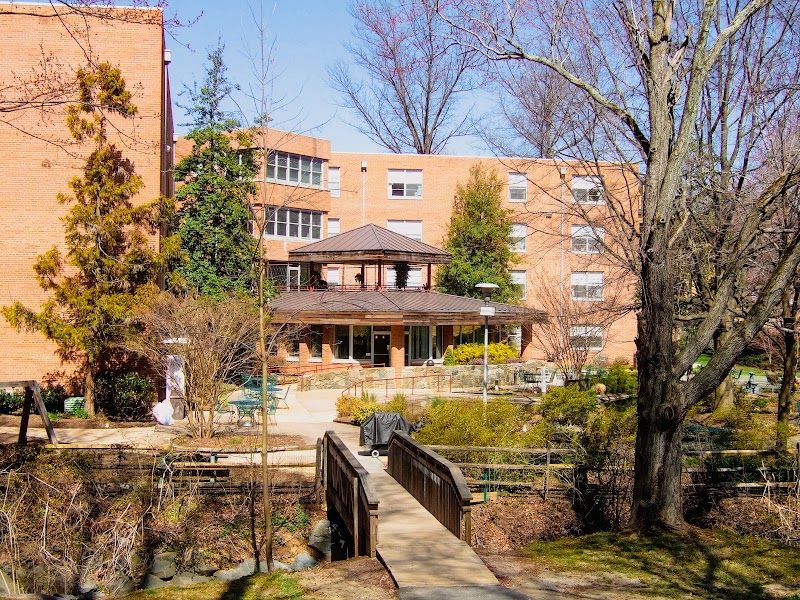
How is Fairfax Rehabilitation And Nursing Center Staffed?

CMS rates FAIRFAX REHABILITATION AND NURSING CENTER's staffing level at 2 out of 5 stars, which is below average compared to other nursing homes. Staff turnover is 40%, compared to the Virginia average of 46%. This relatively stable workforce can support continuity of care.

What Have Inspectors Found at Fairfax Rehabilitation And Nursing Center?

State health inspectors documented 54 deficiencies at FAIRFAX REHABILITATION AND NURSING CENTER during 2018 to 2025. These included: 54 with potential for harm. While no single deficiency reached the most serious levels, the total volume warrants attention from prospective families.
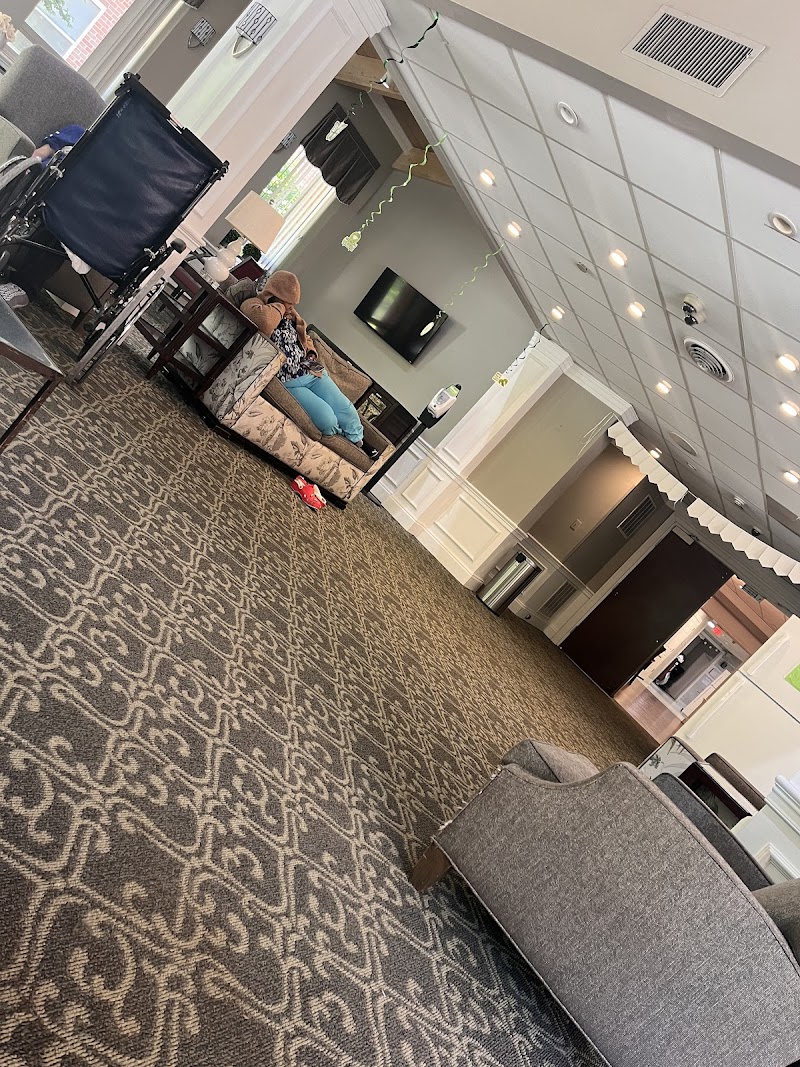
Who Owns and Operates Fairfax Rehabilitation And Nursing Center?

FAIRFAX REHABILITATION AND NURSING CENTER is owned by a for-profit company. For-profit facilities operate as businesses with obligations to shareholders or private owners. The facility is operated by LIFEWORKS REHAB, a chain that manages multiple nursing homes. With 200 certified beds and approximately 182 residents (about 91% occupancy), it is a large facility located in FAIRFAX, Virginia.
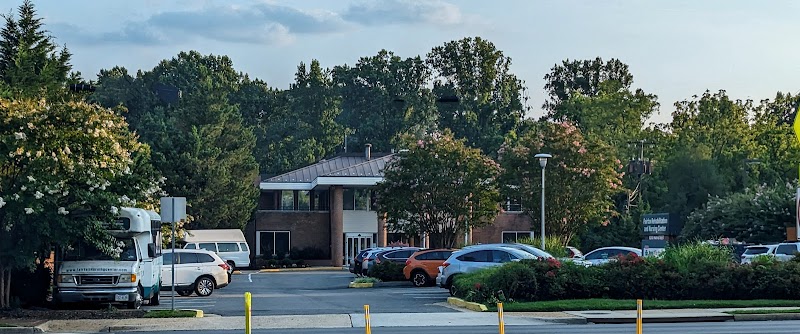
How Does Fairfax Rehabilitation And Nursing Center Compare to Other Virginia Nursing Homes?

Compared to the 100 nursing homes in Virginia, FAIRFAX REHABILITATION AND NURSING CENTER's overall rating (3 stars) is below the state average of 3.0, staff turnover (40%) is near the state average of 46%, and health inspection rating (2 stars) is below the national benchmark.

What Should Families Ask When Visiting Fairfax Rehabilitation And Nursing Center?

Based on this facility's data, families visiting should ask: "Can you walk me through typical staffing levels on day, evening, and night shifts?" "Can I visit during a mealtime to observe dining assistance and food quality?" "How do you handle medical emergencies, and what is your hospital transfer rate?" "Can I speak with family members of current residents about their experience?" These questions are particularly relevant given the below-average staffing rating.

Is Fairfax Rehabilitation And Nursing Center Safe?

Based on CMS inspection data, FAIRFAX REHABILITATION AND NURSING CENTER has a clean safety record: no substantiated abuse findings (meaning no confirmed cases of resident harm), no Immediate Jeopardy citations (the most serious violation level indicating risk of serious injury or death), and is not on the Special Focus Facility watch list (a federal program monitoring the lowest-performing 1% of nursing homes). The facility has a 3-star overall rating and ranks #100 of 100 nursing homes in Virginia. While no facility is perfect, families should still ask about staff-to-resident ratios and recent inspection results during their visit.

Do Nurses at Fairfax Rehabilitation And Nursing Center Stick Around?

FAIRFAX REHABILITATION AND NURSING CENTER has a staff turnover rate of 40%, which is about average for Virginia nursing homes (state average: 46%). Moderate turnover is common in nursing homes, but families should still ask about staff tenure and how the facility maintains care continuity when employees leave.

Was Fairfax Rehabilitation And Nursing Center Ever Fined?

FAIRFAX REHABILITATION AND NURSING CENTER has been fined $12,039 across 1 penalty action. This is below the Virginia average of $33,199. While any fine indicates a compliance issue, fines under $50,000 are relatively common and typically reflect isolated problems that were subsequently corrected. Families should ask what specific issues led to these fines and confirm they've been resolved.

Is Fairfax Rehabilitation And Nursing Center on Any Federal Watch List?

FAIRFAX REHABILITATION AND NURSING CENTER is not on any federal watch list. The most significant is the Special Focus Facility (SFF) program, which identifies the bottom 1% of nursing homes nationally based on persistent, serious quality problems. Not being on this list means the facility has avoided the pattern of deficiencies that triggers enhanced federal oversight. This is a positive indicator, though families should still review the facility's inspection history directly.