RIVERSIDE LIFELONG HEALTH & REHABILITATION SANDERS
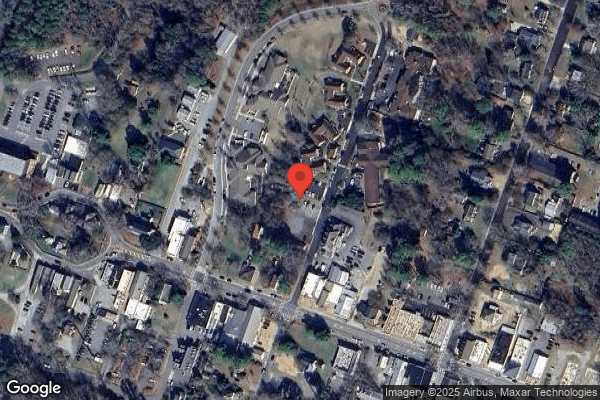
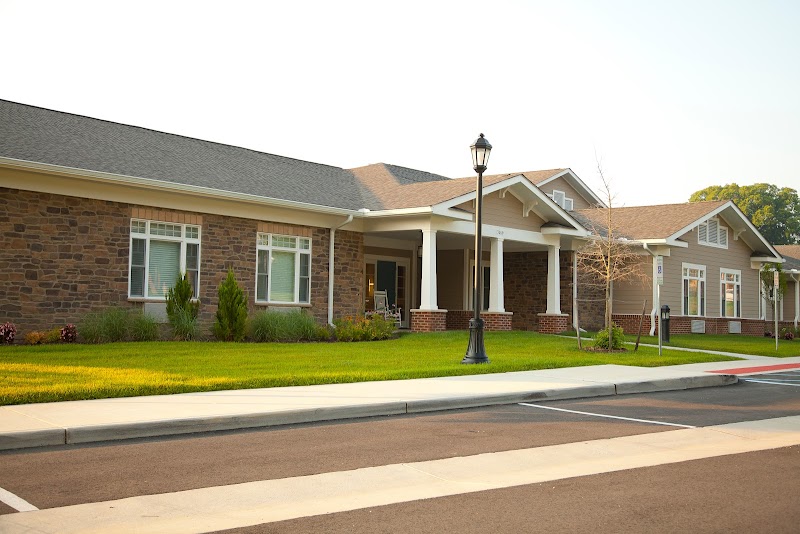
7385 WALKER AVE, GLOUCESTER, VA 23061 (804) 693-2000
Non profit - Corporation 55 Beds RIVERSIDE HEALTH SYSTEM Data: November 2025
Trust Grade
65/100
#101 of 285 in VA
Last Inspection: July 2023

Over 2 years since last inspection. Current conditions may differ from available data.

Overview

Riverside Lifelong Health & Rehabilitation in Gloucester, Virginia has a Trust Grade of C+, indicating they are slightly above average, though not without issues. They rank #101 out of 285 facilities in Virginia, placing them in the top half, but they are the second best option in Gloucester County, with only one other nearby facility. The trend is stable, as they reported three issues in both 2022 and 2023, showing consistency in performance. Staffing is a strength, with a 4 out of 5 star rating and a turnover rate of 39%, which is better than the state average of 48%, suggesting staff are experienced. While they have no fines on record, there are some concerns; for instance, staff failed to protect a resident from abuse resulting in serious harm, and there were issues with food safety and the lack of a qualified activities director, indicating areas needing improvement alongside their strengths.

Trust Score
C+
65/100
In Virginia
#101/285
Top 35%
Safety Record
Moderate
Needs review
Inspections
Holding Steady
3 → 3 violations
Staff Stability
○ Average
39% turnover. Near Virginia's 48% average. Typical for the industry.
Penalties
✓ Good
No fines on record. Clean compliance history, better than most Virginia facilities.
Skilled Nurses
✓ Good
Each resident gets 43 minutes of Registered Nurse (RN) attention daily — more than average for Virginia. RNs are trained to catch health problems early.
Violations
⚠ Watch
23 deficiencies on record. Higher than average. Multiple issues found across inspections.
★★★★☆
4.0
Overall Rating
★★★★☆
4.0
Staff Levels
★★★☆☆
3.0
Care Quality
★★★★☆
4.0
Inspection Score
Stable
2022: 3 issues
2023: 3 issues

The Good

  • 4-Star Staffing Rating · Above-average nurse staffing levels
  • Full Sprinkler Coverage · Fire safety systems throughout facility
  • No fines on record
  • Staff turnover below average (39%)

    9 points below Virginia average of 48%

Facility shows strength in staffing levels, fire safety.

The Bad

Staff Turnover: 39%

Near Virginia avg (46%)

Typical for the industry

Chain: RIVERSIDE HEALTH SYSTEM

Part of a multi-facility chain

Ask about local staffing decisions and management

The Ugly 23 deficiencies on record

1 actual harm
Jul 2023 3 deficiencies
CONCERN (D)

Potential for Harm - no one hurt, but risky conditions existed

Comprehensive Care Plan (Tag F0656)

Could have caused harm · This affected 1 resident

Based on observation, interview, record review, and review of facility policy, the facility failed to develop a comprehensive plan of care directing measurable goals and interventions related to pain ...

Read full inspector narrative →
Based on observation, interview, record review, and review of facility policy, the facility failed to develop a comprehensive plan of care directing measurable goals and interventions related to pain for one (Resident (R) 6) of two sampled residents reviewed for pain in a total sample of 20. This failure placed the resident at risk of unmet care needs and a diminished quality of life. Findings include: Review of the facility policy titled, Comprehensive Care Planning, dated 07/01/23 revealed, .The facility must work with the resident and their representative, if applicable, to understand and meet the resident's preferences, choices, and goals while they are at the facility. The facility must establish, document, and implement the care and services to be provided to each resident to assist in attaining or maintaining his or her highest practicability quality of life. The facility must develop care plans that describe the resident's medical, nursing, physical, mental, and psychosocial needs and preferences and how the facility will assist in meeting these needs and preferences. Care plans must include person-specific, measurable objectives and timeframes in order to evaluate the resident's progress toward their goals . Review of the admission Minimum Data Set (MDS) located in the MDS tab of the EMR with an Assessment Reference Date (ARD) of 02/09/23 revealed, R6 had a Brief Interview of Mental Status (BIMS) score of 15 out of 15 which indicated R6 was cognitively intact for daily decision-making. In addition, she was not administered pain medication, however, had almost constant pain in which she rated her pain level at a five out of 10 but did not limit her day-to-day activity or keep her awake at night. Review of the Care Area Assessment (CAA) revealed that pain was a triggered care area, as determined by the admission MDS and a Pain Care Plan would be developed. Review of the Comprehensive Care Plan, dated 02/14/23, did not show a Pain Care Plan had been developed. During an interview on 07/18/23 at 10:02 AM, R6 stated, I have had pain a long time, it's mostly in my back. I have had bad posture most of my life. They only give me Tylenol, but it doesn't help. During an interview on 07/19/23 at 2:34 PM, the Director of Nursing (DON) was asked if a Pain Care Plan had been developed for R6's complaints of pain. The DON confirmed and verified that a Pain Care Plan had not been developed despite the CAA summary indicating that a Pain Care Plan would be developed.
CONCERN (D)

Potential for Harm - no one hurt, but risky conditions existed

Deficiency F0679 (Tag F0679)

Could have caused harm · This affected 1 resident

Based on observation, interview, record review, and review of the Recreational Therapy Director's job description, the facility failed to consistently provide a program of meaningful activities in acc...

Read full inspector narrative →
Based on observation, interview, record review, and review of the Recreational Therapy Director's job description, the facility failed to consistently provide a program of meaningful activities in accordance with the resident's preferences as identified in the resident assessment for two (Residents (R)39 and R27) of four residents reviewed for activities in a total sample of 20. This failure placed the residents at risk of a diminished quality of life. Findings include: Review of an undated Recreational Therapy Director job description, provided by the Administrator, revealed, .Implements, and evaluates activity programs which provide leisure opportunities that will meet the interests and needs of the resident, adapted to his/her medical limitations .Contributing to and/or directing/delegating the contribution to the comprehensive care plan goals and approaches that are individualized to match the skills, abilities, and interests/preferences of each resident . 1. Review of a significant change Minimum Data Set (MDS) assessment, located in the MDS tab of the EMR with an Assessment Reference Date (ARD) of 06/15/23 revealed R27 had a Brief Interview of Mental Status (BIMS) score of two out of 15 which indicated she was severely impaired in cognition for daily decision-making. In addition, the assessment showed that staff had assessed R27 for her activity preferences, which included: group activities, pets, books, music and going outside. Review of the 06/17/22 Activity Care Plan located in the Care Plan tab of the EMR, revealed R27 was at risk for activity deficit due to her move and new surroundings. Interventions included: will provide a monthly activity calendar; Staff will assist her to activities; Staff will assist with activities when needed; and cue her through the activity (06/17/23) and Staff will encourage outdoor activities when weather allows (07/04/23). Review of the July 2023 Activity Calendar located on the bulletin board across from the household two's dining room, revealed on 07/18/23 the activity would be: 9:30 AM Beauty Parlor, and 2:00 PM Happy Hour. During an observation on 07/18/23 at 10:14 AM, R27 was dressed and alert, however, was only able to answer simple questions. R27 was observed sitting in her wheelchair at the dining table. There was no activity occurring at this time. Further observation revealed the resident did not attend any activities from 07/18/23 to 07/20/23. 2. Review of the quarterly MDS assessment located in the MDS tab of the EMR with an ARD of 06/13/23 revealed R39 had a BIMS score of nine out of 15 which indicated she was moderately impaired in cognition for daily decision-making. During an observation on 07/18/23 at 12:00 PM, R39 was sitting in her wheelchair at the dining table. She was very drowsy and did not awaken to questions. According to R39's Activity Care Plan located in the Care Plan tab of the EMR dated 07/19/23 revealed R39 was at risk for activity deficit due to her poor hearing and cognitive decline. Interventions included: music, family visits, playing cards, bingo, talking with others, and entertainment. Staff were to invite R39 to activities daily and assist as needed. During an interview on 07/19/23 at 9:40 AM, Family Member (FM) 1 was asked about activities. FM 1 stated, I do feel they could do a better job (with activities). Yesterday there was supposed to be Happy Hour, but they did not have it. I stayed and played cards with the ladies until 5:00 PM as there was nothing else for them to do. FM 1 further stated, I do feel the calendar is often wrong and the activities don't happen. Many days, especially Saturday, nothing happens. Review of the Activity Documentation, provided by the facility revealed R39 had one visit documented for the past 30 days. No other activities were listed for R39. During an interview on 07/20/23 at 8:51 AM, the Recreational Therapy Director (RTD) was asked about the activities program. The RTD stated, Since I was made the Director, and I lost my assistant in May, things have been kind of thin. The RTD was asked what happens when you cannot do an activity. She stated, Sometimes, if I have a volunteer and they can't come, then I have to improvise with something else. I do hate it when that happens, but it does happen. The RTD was asked about weekend activities. She stated, I agree there is not much on the weekend. I usually will do a movie and popcorn one evening and I am trying to get volunteers back in the facility to church, but it's been hard. During an interview on 07/20/23 at 11:30 AM, the Director of Nursing (DON) was told about the current findings regarding the lack of activities. The DON confirmed that the activity program had been something that Administration was working on to improve.
CONCERN (F)

Potential for Harm - no one hurt, but risky conditions existed

Food Safety (Tag F0812)

Could have caused harm · This affected most or all residents

Based on observation, staff interview, and facility policy review, the facility staff failed to properly store, label and date food items, and clean the floors within the facility's main kitchen. This...

Read full inspector narrative →
Based on observation, staff interview, and facility policy review, the facility staff failed to properly store, label and date food items, and clean the floors within the facility's main kitchen. This failure had the potential to affect all 51 residents who consumed food prepared from the facility's kitchen. The findings included: 1. Facility staff failed to cover stored food and discard expired milk located in walk-in Refrigerator #4. On 7/18/23 at approximately 10:45 AM, observations during the initial tour of the kitchen revealed 2 clear plastic tubs which held approximately 4 dozen ears of shucked corn on the cob located in walk-in Refrigerator #4. The tubs were labeled and dated, however there was no lid or covering to protect the exposed corn from any potential contaminants. There was also an unopened gallon of milk with an expiration date of 7/16/23 sitting on the shelf with other gallons of milk that were not expired. On 7/18/23 at approximately 11:00 AM, an interview and kitchen tour was conducted with the facility's Dietary Director (DD) who confirmed he was in charge of the kitchen, kitchen staff, and food procurement. The DD observed the tubs of corn and stated, Those tubs should be covered with something, plastic wrap, I will take of this. The DD observed the expired gallon of milk and stated, This milk should not be sitting here available for use, it should have been discarded, it is out of date. The DD removed the expired milk from the shelf. 2. Facility staff failed to label and date food items located in the walk-in freezer. On 7/18/23 at approximately 11:00 AM, an interview and kitchen tour was conducted with the DD. There were several bags of different food items, located within the walk-in freezer, that had been previously opened, however the bags were not labeled or dated. The food items included a partial bag of crinkle-cut french fries, a partial bag of breaded onion rings, and a partial bag of breaded nuggeted food pieces. The DD stated, These bags should be labeled and dated, those nuggets look like chicken nuggets but I cannot be sure of that, I will dispose of these things right now. The DD also stated, Labels are needed to identify food items so that potential food allergens can be identified before serving it to people and dating food lets us know when it may no longer be safe to serve. On 7/19/23 at approximately 10:30 AM, an additional observation was made of the kitchen freezer with the DD and revealed 2 frozen cake items which appeared to be angel food cake, however there was no label and no date. These items were not observed on inspection the previous day. The DD stated, Some items were taken out of their original boxes last night when we were organizing the freezer but I see there is no label or date on the cakes and there should be, this was an oversight. 3. Facility staff failed to ensure the floor behind and around the icemaker, located within the facility kitchen, was free from dirt and debris. On 7/18/23 at approximately 11:00 AM, an interview and kitchen tour was conducted with the DD. Observations of the icemaker located in the kitchen revealed dirt and debris, including an overturned plastic cup, had collected behind the icemaker which stood approximately 10-12 inches away from the kitchen wall. The DD stated, It looks like this area is being missed, it is filthy back there, I be sure that it gets cleaned up. On 7/19/23 at approximately 10:30 AM, an additional observation was made of the kitchen floor behind the icemaker with the DD. The dirt and debris remained the same as the day before. The DD confirmed the observation and had no further statement. On 7/18/23 at approximately 11:15, the Facility Administrator was informed of the initial findings. A facility policy was requested and received. The facility policy titled, Food and Nutrition Services Infection Control, Food Safety, and Sanitation Policy, revised 5/30/23, subtitle, Food Storage, Service, and Holding Temperatures, item G, read, All Time/Temperature Controlled for Safety (TCS) foods prepared on-site or opened must be stored in clean containers or wrappings and labeled (as to content) and dated . On 7/19/23 at approximately 11:00 AM, the Facility Administrator was updated on the additional findings on the second kitchen walk-through. At approximately 11:30, the Facility Administrator reported that the kitchen floor around the icemaker had been swept, mopped, and sanitized which was confirmed by observation at 11:45 AM. No additional information was provided.
Mar 2022 3 deficiencies
CONCERN (D)

Potential for Harm - no one hurt, but risky conditions existed

Deficiency F0574 (Tag F0574)

Could have caused harm · This affected 1 resident

**NOTE- TERMS IN BRACKETS HAVE BEEN EDITED TO PROTECT CONFIDENTIALITY** Based on observation, and staff interview, the facility staff failed to provide required postings, including a list of names, ad...

Read full inspector narrative →
**NOTE- TERMS IN BRACKETS HAVE BEEN EDITED TO PROTECT CONFIDENTIALITY** Based on observation, and staff interview, the facility staff failed to provide required postings, including a list of names, addresses, and telephone numbers for State Agencies and advocacy groups which are accessible and understandable for the resident population for one of three buildings ([NAME] 2). The findings included: During this surveyor's initial tour of the facility on 3-1-22 observations included all resident rooms and common areas of one of three all inclusive neighborhood buildings. No posting which listed the required names, addresses, and telephone numbers for State Agencies and advocacy groups which are accessible and understandable for the resident's could be found. LPN B (Licensed Practical Nurse) was asked where the posting could be found, and she stated it had fallen off of the wall and broken, and it had not as yet been replaced. When asked how long ago that happened, she stated she could not remember, and further stated it was awhile ago. On 3-2-22 the LPN unit Manager was asked about the posting, and she stated they were going to replace it immediately. On 3-3-22 at the time of survey exit, the posting had still not been replaced. The Administration was made aware of the findings and had nothing further to add.
CONCERN (D)

Potential for Harm - no one hurt, but risky conditions existed

Deficiency F0582 (Tag F0582)

Could have caused harm · This affected 1 resident

**NOTE- TERMS IN BRACKETS HAVE BEEN EDITED TO PROTECT CONFIDENTIALITY** Based on staff interview, facility documentation review and clinical record review, the facility staff failed to continue skille...

Read full inspector narrative →
**NOTE- TERMS IN BRACKETS HAVE BEEN EDITED TO PROTECT CONFIDENTIALITY** Based on staff interview, facility documentation review and clinical record review, the facility staff failed to continue skilled care services following the issuance of a SNF ABN (skilled nursing facility advance beneficiary notice), when the Resident's representative selected to continue services and they would pay for them, for one Resident (Resident #15) in a sample of 3 Residents selected for review of ABN notices. The findings included: Resident #15, was admitted to the facility on [DATE], for skilled care services following hospitalization. On 12/15/21, Resident #15's responsible party (RP) was issued an ABN notice to notify them that skilled care services, to include physical therapy (PT) and occupational therapy (OT), would be ending. This notice also informed Resident #15 that as of 12/18/21, the Resident would no longer qualify for skilled care. The RP for Resident #15 selected option 2 on the ABN. This option read, I want the care listed above. I understand that I may be billed now because I am responsible for payment of care. I cannot appeal because Medicare won't be billed. Review of the clinical record revealed that PT and OT services ended, despite the RP for Resident #15 indicating they wanted the Resident to continue to receive services [PT and OT] and agreeing to pay for such services. PT ended 12/17/21, and OT ended 12/17/21. On 3/2/22 at 3:26 PM, an interview was conducted with Employee F, the discharge planner. Employee F said that her supervisor had trained her last month, in February because she had been doing the ABN forms wrong. Employee F said she thought they were indicating they wanted the custodial care and not that they wanted to continue with the skilled services. Employee F went on to say, It makes sense now, I was doing it wrong. On 3/2/22 at 4:41 PM, an interview was conducted with Employee G, the Regional Therapy Director. Employee G was asked about what it meant if someone selected option 2 on an ABN. Employee G said, We would bill them privately for that therapy. If that happens, we do education with the patient and family on why Medicare denied and why we don't see that it is clinically appropriate and discuss restorative nursing and other things that may be more appropriate. Employee G said if this conversation is held, it would be charted. Employee G was given Resident #15's name and asked if she saw any such documentation and if the family changed their mind. Employee G agreed to review the chart and let Surveyor F know if she found such documentation. Employee G didn't follow-up with any additional information before the conclusion of the survey. On 3/3/22, the facility Administrator provided Surveyor F with documents of training they received with regards to ABNs. This information gave the following explanation that read, Option 2: I want to stay and I don't want to appeal. The facility policy titled, - Notification of Non-Coverage: Medicare Part A Skilled Nursing Facility Advanced Beneficiary Notice (SNFABN) was reviewed. This policy read, .The SNF Advanced Beneficiary Notice (SNFABN) will continue to be issued on two occasions: .2. discharge: All residents who are discharged from Medicare Part A without utilizing their 100 day benefit and remain in the building must be issued an SNFABN. This may be issued to the resident or resident representative (RR) and must have a signature with date completed on or before the date of discharge. This includes SNF to hospice . The facility policy regarding the SNFABN, gave no direction to the facility on how to respond in the instance that a Resident selected option 2, other than directing the staff to reference the CMS (Centers for Medicare and Medicaid Services) website. A review of the CMS website was conducted. CMS provided the following guidance: The SNFABN provides information to the beneficiary so that s/he can decide whether or not to get the care that may not be paid for by Medicare and assume financial responsibility. SNFs must use the SNFABN when applicable for SNF Prospective Payment System services (Medicare Part A) . Regarding the options Residents have to choose from, CMS defines option 2 as, .OPTION 2. This option allows the beneficiary to receive the non-covered items and/or services and pay for them out of pocket. No claim will be filed and Medicare will not be billed. Thus, there are no appeal rights associated with this option . Accessed online at: https://www.cms.gov/Medicare/Medicare-General-Information/BNI Additional information from CMS stated, Option 2: You want the items or services that may not be paid for by Medicare, but you don't want your provider or supplier to bill Medicare. You may be asked to pay for the items or services now, but because you ask your provider or supplier to not submit a claim to Medicare, you can't file an appeal. This information was accessed online 3/3/22, at https://www.medicare.gov/claims-appeals/your-medicare-rights/advance-beneficiary-notice-of-noncoverage The Administrator was informed on 3/2/22 and 3/3/22, during end of day meetings of the concern regarding Resident #15. No further information was provided.
CONCERN (D)

Potential for Harm - no one hurt, but risky conditions existed

Infection Control (Tag F0880)

Could have caused harm · This affected 1 resident

Based on Observation, staff interview, clinical record review, and facility document review, the facility staff failed to perform handwashing, and gloving during medication pour and pass observations ...

Read full inspector narrative →
Based on Observation, staff interview, clinical record review, and facility document review, the facility staff failed to perform handwashing, and gloving during medication pour and pass observations to prevent the spread of infection, for two Residents (Resident #31, and #19) in a survey sample of 15 residents observed receiving medications. The findings included: 1) LPN B filled a syringe and administered oral liquid Morphine pain medication without applying gloves. 2) LPN B did not wash her hands for a sufficient amout of time to prevent the spread of infection, 3) turned off the water faucet of the sink with ungloved bare hands which had been turned on with soiled hands. 4) LPN B then handled the now recontaminated oral syringe with bare hands placing it back in the medication cart and continued to prepare medications for the next resident. Resident #31's diagnoses included; second story fall with Paralysis, pain, and stage 4 pressure ulcer. Resident #19's diagnoses included; Osteoarthritis and pain. Resident #31 was observed on 3-1-22 at 11:30 AM. laying on an alternating pressure air bed, resting with eyes closed, and easily aroused. The Resident stated in a soft voice that he was experiencing pain. During observations of Medication pour and pass administration on 3-1-22 at 11:30 a.m., LPN B prepared and administered Morphine oral liquid pain medication to Resident #31 with bare hands. After administration of the medication, Licensed Practical Nurse LPN B went to the sink in the Resident's room and turned on the water faucet with her bare hands holding the contaminated oral syringe. LPN B washed the oral syringe in water only, with her ungloved bare hands in the room sink of Resident #31 for appoximately 3-5 seconds. LPN B dried her hands with a paper towel, threw the paper towel in the trash can by the sink and turned the water handle off, (while holding the syringe the entire time), with her ungloved bare hands. LPN B then returned the syringe to a drawer in the medication cart with her ungloved bare hands. LPN B then proceeded to Resident #19's room and prepared Tylenol medication for Resident #19 with ungloved bare hands and did not further sanitize her hands. On 3-1-22 at 5:00 PM, LPN B, and the LPN (C) Unit Manager, was informed of LPN B's failure to maintain a safe and sanitary environment to prevent the spread of infections such as Covid-19 by not washing hands long enough, nor using soap after handing an oral syringe with bare hands which had been in the mouth of Resident #31, and not using gloves when coming into contact with the mucus membranes of Resident #31, and prior to administering Resident #19's oral medication. The unit Manager LPN C was asked what infection control reference and guidlines were used in the facility, and she responded CDC (Centers for Disease Control). CDC Guidelines instruct the following excerpts; Wear gloves when it can be reasonably anticipated that contact with blood or other potentially infectious materials, mucous membranes, non-intact skin, potentially contaminated skin or contaminated equipment could occur. Hands should be washed with soap and water for at least 20 seconds when visibly soiled, before eating, and after using the restroom. On 3-2-22 at 5:00 PM, the facility administrator and Director of Nursing were informed of the findings at the end of day debrief. At that time it was re-iterated by the Administration that CDC guidelines were the infection control reference used for the facility.
Jul 2019 17 deficiencies 1 Harm
SERIOUS (G)

Actual Harm - a resident was hurt due to facility failures

Free from Abuse/Neglect (Tag F0600)

A resident was harmed · This affected 1 resident

**NOTE- TERMS IN BRACKETS HAVE BEEN EDITED TO PROTECT CONFIDENTIALITY** Based on resident interview, staff interview, clinical record review, and facility documentation review, the facility staff fail...

Read full inspector narrative →
**NOTE- TERMS IN BRACKETS HAVE BEEN EDITED TO PROTECT CONFIDENTIALITY** Based on resident interview, staff interview, clinical record review, and facility documentation review, the facility staff failed to prevent Resident #19 from abusing one resident (Resident #148) in a sample of 21 residents. This is harm. The Findings included: For Resident #148, the facility staff failed to protect him from abuse. Resident #148 was assaulted by Resident #19 resulting in a hip fracture. Resident #148 was a [AGE] year old who was admitted to the facility on [DATE]. Resident #148's diagnoses included Cardiomyopathy and Alzheimer's Disease. The Minimum Data Set, which was a Quarterly Assessment with an Assessment Reference Date of [DATE] was reviewed. Resident #148 had a Brief Interview of Mental Status Score of 00, indicating severe cognitive impairment. On [DATE], a review of Resident #148's clinical record was conducted, revealing nurses notes. According to the notes, Resident #148 was pushed by Resident #19 and he sustained a fall. Resident #148 was sent to the hospital on [DATE] at 6:30 P.M., where he was diagnosed with a left hip fracture. He returned to the facility on [DATE] at 2:00 A.M. with new orders for pain medication. Resident #19 was an [AGE] year old who was admitted to the facility on [DATE]. Resident #19's diagnoses included Major Depressive Disorder, and Generalized Anxiety Disorder. The Minimum Data Set, which was a Quarterly Assessment with an Assessment Reference Date of [DATE] coded Resident # 19 as having a Brief Interview of Mental Status Score of 15, indicating no cognitive impairment. On [DATE] a review was conducted of facility documentation, revealing a Facility Reported Incident follow-up report dated [DATE]. In summary, on [DATE] at approximately 4:00 P.M., Resident #19 went into the dining room and noticed another resident (Resident #148) sitting at the dining table in the location that Resident #19 preferred to sit in. Resident #19 demanded that Resident #148 move away from the table, when Resident #148 stood up from his wheelchair, and used the table to brace himself, Resident #19 pushed on Resident #148's knees, causing him to fall and sustain a hip fracture. Resident #148 was hospitalized , then returned to the facility, where he expired on [DATE]. A Certified Nursing Assistant (CNA K) was present and witnessed the incident. An excerpt from CNA K's written statement dated [DATE] read, I saw [Resident #19] leave his usual spot in the dining room. Quickly after [Resident #148] approached his spot. [Resident #19] returned and was agitated that [Resident #148] was there, he asked him to move but [Resident #148] was hard of hearing. [Resident #19] grabbed onto his knees and pushed backward as [Resident #148] was holding onto the table trying not to be pushed and he fell onto the floor. Before I could get up to interfere [Resident #148] was already on the floor. On [DATE] at 11:30 A.M. an interview was conducted with Resident #19 in the dining room. He denied pushing Resident #148, and stated, That guy didn't belong here. I learned to defend myself when I was young. I know how to fight. On [DATE] a review was conducted to Resident #19's clinical record, revealing his care plan, and nursing notes. Prior to the incident on [DATE], there was no documentation of previous incidents of physical or verbal aggression toward others. On [DATE] at 12:34 P.M., an interview was conducted with the MDS Coordinator (RN B), who was responsible for writing Resident #19's care plan. When asked what types of interventions should have been included in Resident #19's care plan that was created on [DATE], she stated, Psych. consults, counseling by a psychiatric nurse practitioner, or psychiatrist, we should have looked for triggers and the medical team should have done an investigation. No further information was received.
CONCERN (D)

Potential for Harm - no one hurt, but risky conditions existed

Resident Rights (Tag F0550)

Could have caused harm · This affected 1 resident

**NOTE- TERMS IN BRACKETS HAVE BEEN EDITED TO PROTECT CONFIDENTIALITY** Based on observation, staff interview, and clinical record review, the facility staff failed to maintain dignity for one residen...

Read full inspector narrative →
**NOTE- TERMS IN BRACKETS HAVE BEEN EDITED TO PROTECT CONFIDENTIALITY** Based on observation, staff interview, and clinical record review, the facility staff failed to maintain dignity for one resident (Resident #97) in a sample size of 21 residents. The findings included: For Resident #97, a facility staff member was standing over him in the dining room while coaching him to eat his breakfast on 07/10/2019. Resident #97, an [AGE] year old male, was admitted to the facility on [DATE]. Diagnoses included but not limited to cerebral infarction, generalized muscle weakness, dysphagia, and mild cognitive impairment. The Minimum Data Set was in progress. On 07/10/19 at 08:07 AM, Resident #97 was observed sitting in his wheelchair in the dining room receiving assistance to eat breakfast. Employee C, a speech therapist, was standing to the left of Resident #97 and coaching him throughout the mealtime. On 07/10/19 at 08:22 AM, an interview with Employee C was conducted. When asked if it was her routine process to stand next to residents when assisting them through mealtimes, she stated. Sometimes. Employee C stated she didn't know it was a dignity issue to stand over him while giving assistance at mealtime. On 07/10/19 at 10:47 AM, the DON was notified of findings and stated that staff should sit when assisting residents with meals to maintain resident dignity. A policy on assisting residents with meals was requested. On 07/10/19 at 04:14 PM, Employee E from Quality Assurance stated the facility did not have a policy regarding assisting residents with meals. On 07/11/2019 at approximately 4:30 PM, the administrator and DON had no further information or documentation to offer.
CONCERN (D)

Potential for Harm - no one hurt, but risky conditions existed

Deficiency F0554 (Tag F0554)

Could have caused harm · This affected 1 resident

**NOTE- TERMS IN BRACKETS HAVE BEEN EDITED TO PROTECT CONFIDENTIALITY** Based on observation, resident interview, staff interview, facility documentation review, and clinical record review, the facili...

Read full inspector narrative →
**NOTE- TERMS IN BRACKETS HAVE BEEN EDITED TO PROTECT CONFIDENTIALITY** Based on observation, resident interview, staff interview, facility documentation review, and clinical record review, the facility staff failed to ensure safety and clinical appropriateness for self-administration of medication for 1 resident (Resident #297) in a survey sample of 21. The findings included: For Resident #297, the facility staff failed to properly determine the safety and clinical appropriateness for self-administration of an Albuterol inhaler. Resident #297, an [AGE] year old male, was admitted to the facility on [DATE]. On 07/09/19 at approximately 12:35 PM, during the course of an interview, an Albuterol inhaler with a spacer was observed in Resident #297's dresser drawer. Resident #297 stated, my wife brought that up here to me yesterday from home for me to start using and further stated, the nurse saw it out on my bed yesterday when my wife brought it up here and told me just to stick it in my dresser drawer, I only use it if I feel like I need to. On 07/09/19 at approximately 1:05 PM, the Director of Nursing (Employee B) stated, that Resident #297 is not approved for self-administration, we were getting ready to do that, it was brought to my attention this morning and when asked if she expected the inhaler to be stored in the Resident's dresser drawer, she stated, no, it shouldn't be there. LPN B approached the nursing station during this interview and stated that she had assessed Resident #297 for self-administration of his inhaler and she had approved it. On 07/09/19, review of the clinical record revealed an Assessment for Self Administration of Medications form completed by LPN B at 10:46 AM. Documentation of that assessment indicates that Resident #297 correctly verbalizes medication purpose--able with cueing, correctly documents administration of medication--unable, and can demonstrate correct ability to store medications in room--able with cueing. On 07/10/19, review of the facility's policy entitled Resident Care: Self-Administration of Medications (last review date 2/2019), the purpose states, If a resident requests to self-administer medications, it is the responsibility of the interdisciplinary team to determine that it is safe for the resident to self-administer the medications, before the resident may exercise that right The attending physician must approve a recommendation from the interdisciplinary team prior to the resident being permitted to self-administer medications. The physician's order must identify that self-administration of medications is authorized, the physician must specifically identify each medication that is to be self-administered. At approximately 5:20 PM, the DON (Employee B) was interviewed and stated, the IDT [interdisciplinary team] is made up of leadership in different departments and I represent clinical nursing, IDT has not met since he [Resident #297] has been admitted , I am not familiar with the facility policy [regarding self-administration of medication], can you give me an education?.
CONCERN (D)

Potential for Harm - no one hurt, but risky conditions existed

Deficiency F0578 (Tag F0578)

Could have caused harm · This affected 1 resident

**NOTE- TERMS IN BRACKETS HAVE BEEN EDITED TO PROTECT CONFIDENTIALITY** Based on staff interview, facility documentation review and clinical record review the facility staff failed to uphold a Residen...

Read full inspector narrative →
**NOTE- TERMS IN BRACKETS HAVE BEEN EDITED TO PROTECT CONFIDENTIALITY** Based on staff interview, facility documentation review and clinical record review the facility staff failed to uphold a Resident's desire to formulate an Advance directive for one Resident (Resident #27) in a survey sample of 21 Residents. The findings include: For Resident #27 the facility staff failed to notify the physician of the Resident's desire to execute a Do Not Resuscitate (DNR) and indicate in the Resident's record, this wish. Resident #27 was admitted to the facility on [DATE] with a recent readmission date of [DATE]. On [DATE] at 9:43am review of Resident #27's clinical chart revealed a signed DNR (do not resuscitate) signed on [DATE] by both of Resident #27's daughters, who are Medical Power of Attorney. The physician had not signed the form. On [DATE] at 9:43am, it was observed that on the spine of Resident #27's chart there were colored dots, yellow and red. During a staff interview to explain the dots the staff indicated that a purple dot indicates the person is a DNR (which was not present), yellow means a fall risk and red indicates allergies. Review of Resident #27's physician orders for April, May, June and July reveal a Full Code status (meaning CPR would be performed in the event of cardio-pulmonary arrest). On [DATE] 01:10 PM outside of Resident #27's room, the name plate was observed to have a purple dot, indicating Resident #27 has a DNR. On [DATE] at 12:39 an interview was conducted with LPN C regarding Resident #27's CPR/Code status. LPN C stated she is a full code. LPN C looked in the computer at Resident #27's electronic medical record and noted that it read Full Code. LPN C went to Resident #27's room and agreed that the purple dot on her name tag indicated she was a DNR and stated, oh, I don't know who put that there. LPN C went to Resident #27's chart and on the spine there was now a purple dot. LPN C looked in the chart and saw the signed DNR form. LPN C stated, the physician never signed it, so it's not valid. I know she is a full code I guess it is my fault for not looking at the stickers. I am very upset by this. This is a copy. When LPN C was asked if a copy is valid, LPN C stated, no. LPN C was asked if Resident #27 was to go into cardiac arrest would she perform CPR, LPN C was unable to answer. Review of the facility policy titled, Color-Coded Wristbands with an effective date of [DATE] read, To adopt the following risk reduction strategies: color-coded circles on identification cards clarifying the intent. Page 2 of this document under definitions the policy read, purple- Do Not Resuscitate. No further information was provided.
CONCERN (D)

Potential for Harm - no one hurt, but risky conditions existed

Transfer Notice (Tag F0623)

Could have caused harm · This affected 1 resident

**NOTE- TERMS IN BRACKETS HAVE BEEN EDITED TO PROTECT CONFIDENTIALITY** Based on staff interviews and clinical record review, the facility staff failed to notify the Resident and Resident's representa...

Read full inspector narrative →
**NOTE- TERMS IN BRACKETS HAVE BEEN EDITED TO PROTECT CONFIDENTIALITY** Based on staff interviews and clinical record review, the facility staff failed to notify the Resident and Resident's representative of the reason for and location of transfer, and failed to notify the ombudsman for one Resident (Resident #14) in a survey sample of 21 Residents. The findings included: For Resident #14 the facility staff failed to provide written notification of transfer/discharge to the Resident and/or Resident Representative; and failed to notify the ombudsman of the discharge. Resident #14 was admitted to the facility on [DATE] with a readmission date of 4/24/19. On 7/11/19 a review of Resident #14's clinical record revealed that Resident #14 was sent to the hospital on 4/22/19. Review of the entire clinical record revealed no indication that the Resident or Resident Representative had been provided a notice of transfer in writing. There was no indication that the ombudsman being notified of the transfer. On 7/11/19 at 12:34PM an interview was conducted with LPN C. When asked about transferring a resident to the hospital she indicated that the Resident and Resident representative is told of the transfer but no written information is provided to either party other than the bed hold information. When LPN C was asked who notifies the ombudsman of transfers and discharges, LPN C was unaware of who an ombudsman is. On 7/11/19 at 12:55pm an interview was conducted with the Director of Nursing (DON). When asked what is done when a Resident is transferred and/or discharged to the hospital she indicated that only the bed hold information was provided to Resident #14's family. On 7/11/19 at 2:01pm the DON provided a Transfer/Discharge Notice dated 4/22/19, which had been partially filled out, date of discharge was blank. The DON stated, the day [Resident #14] discharged , they didn't do the process. The nurse filled this out but she didn't know what to do with it. The DON also stated, when we send residents to the hospital we do not notify the Ombudsman, we classify this as a leave of absence because we plan for them to come back. We need to be educated on this for our plan of correction. Review of the facility policy titled Nursing Home Discharge/Transfer Policy with a date of origin: 4/8/19 with a revision date of 6/5/19 read on page 2: The resident/representative will be provided with all applicable state and federal notices at the time of discharge to include: discharge notice. A copy of this notice will also be forwarded to the State Ombudsman. No further information was provided.
CONCERN (D)

Potential for Harm - no one hurt, but risky conditions existed

Comprehensive Care Plan (Tag F0656)

Could have caused harm · This affected 1 resident

**NOTE- TERMS IN BRACKETS HAVE BEEN EDITED TO PROTECT CONFIDENTIALITY** Based on resident interview, staff interview, clinical record review, and facility documentation review, the facility staff fail...

Read full inspector narrative →
**NOTE- TERMS IN BRACKETS HAVE BEEN EDITED TO PROTECT CONFIDENTIALITY** Based on resident interview, staff interview, clinical record review, and facility documentation review, the facility staff failed to develop a comprehensive care plan for one Resident (Resident #19) in a sample size of 21 residents. The findings included: For Resident # 19, the facility staff failed to develop a comprehensive Behavioral Care Plan to include mental health and psychosocial services after Resident #19 assaulted another resident, resulting in a hip fracture. Resident #19 was an [AGE] year old who was admitted to the facility on [DATE]. Resident #19's diagnoses included Major Depressive Disorder, and Generalized Anxiety Disorder. The Minimum Data Set, which was a Quarterly Assessment with an Assessment Reference Date of 11/28/18 coded Resident # 19 as having a Brief Interview of Mental Status Score of 15, indicating no cognitive impairment. On 7/9/19 a review was conducted of facility documentation, revealing a Facility Reported Incident follow-up report dated 2/25/19. In summary, on 2/17/19 at approximately 4:00 P.M., Resident #19 went into the dining room and noticed another resident (Resident #148) sitting at the dining table in the location that Resident #19 preferred to sit in. Resident #19 demanded that Resident #148 move away from the table, when Resident #148 stood up from his wheelchair, and used the table to brace himself, Resident #19 pushed on Resident #148's knees, causing him to fall and sustain a hip fracture. On 7/9/19 a review was conducted of Resident #19's clinical record, revealing his care plan initiated 2/27/19. It read, Behavioral symptoms. Physical and verbal symptoms directed at others. The care plan did not contain any mental health and psychosocial interventions. The identified interventions were limited to nursing staff giving him medication, reminding him after the fact that his behavior is inappropriate and removing him from the situation. On 7/9/19 at 11:30 A.M. an interview was conducted with Resident #19 in the dining room. He denied pushing Resident #148, and stated, That guy didn't belong here. I learned to defend myself when I was young. I know how to fight. On 7/11/19 at 12:34 P.M. an interview was conducted with the MDS Coordinator (RN B), who was responsible for writing Resident #19's care plan. When asked what types of interventions should have been included in Resident #19's care plan that was created on 7/2/19, she stated, Psych consults, counseling by a psychiatric nurse practitioner, or psychiatrist, we should have looked for triggers and the medical team should have done an investigation. No further information was received.
CONCERN (D)

Potential for Harm - no one hurt, but risky conditions existed

Deficiency F0657 (Tag F0657)

Could have caused harm · This affected 1 resident

**NOTE- TERMS IN BRACKETS HAVE BEEN EDITED TO PROTECT CONFIDENTIALITY** Based on observation, staff interview, facility documentation review, and clinical record review the facility staff failed to de...

Read full inspector narrative →
**NOTE- TERMS IN BRACKETS HAVE BEEN EDITED TO PROTECT CONFIDENTIALITY** Based on observation, staff interview, facility documentation review, and clinical record review the facility staff failed to develop a careplan to include the respiratory diagnosis and use of respiratory equipment for one Resident (Resident #31) in a survey sample of 21 Residents. The findings included: 1. For Resident #31 the facility staff failed to revise the careplan to include the diagnoses of Chronic Respiratory Failure and use of a Bi-Pap with oxygen. The care plan status was marked completed. Resident #31 was admitted to the facility on [DATE]. Resident #31's diagnoses included but were not limited to: Chronic Respiratory Failure. Observations on 7/9/19 and 7/10/19 revealed the following: On 07/09/19 at 12:39 PM Resident #31's bi-pap was on the bedside table and an oxygen concentrator was at the bedside. On 07/09/19 at 04:33 PM the bi-pap was on the bedside table and an oxygen concentrator was at the bedside. On 07/10/19 at 09:23 AM the bi-pap was on the bedside table and an oxygen concentrator was at the bedside. On 07/10/19 at 01:13 PM the bi-pap was on the bedside table and an oxygen concentrator was at the bedside. Review of Resident #31's physician orders for July 2019 revealed the diagnosis of Chronic Respiratory Failure and contained an order, which had an origination date of 12/15/17, and read: Apply Bi-Pap with 2L O2 at 21:00 every day. Review of Resident #31's careplan revealed a careplan created 2/21/17 which included the diagnoses of asthma and COPD. The careplan did have an intervention that indicated apply bipap as ordered. The entire careplan, including problem statement, goals and interventions related to respiratory was discontinued on 1/15/19 Review of Resident #31's careplan revealed a new careplan developed 1/15/19 which stated, [Resident #31's name] is at risk for ineffective lower airway gas exchange/difficulty in breathing r/t [related to] her dx [diagnosis] of asthma, COPD. The use of oxygen and the BiPAP were not listed on the careplan. On 7/10/19 at 5:28pm the DON (Director of Nursing) was asked if she would expect the use of oxygen or a bi-pap to be care planned, the DON said, yes. No further information was provided.
CONCERN (D)

Potential for Harm - no one hurt, but risky conditions existed

Deficiency F0658 (Tag F0658)

Could have caused harm · This affected 1 resident

**NOTE- TERMS IN BRACKETS HAVE BEEN EDITED TO PROTECT CONFIDENTIALITY** 3. Resident #297 was told by a nurse to keep his Albuterol in his drawer. In addition, LPN B did not enter a complete order. Re...

Read full inspector narrative →
**NOTE- TERMS IN BRACKETS HAVE BEEN EDITED TO PROTECT CONFIDENTIALITY** 3. Resident #297 was told by a nurse to keep his Albuterol in his drawer. In addition, LPN B did not enter a complete order. Resident #297, an [AGE] year old male, was admitted to the facility on [DATE]. On 07/09/19 at approximately 12:35 PM, during the course of an interview, an Albuterol inhaler with a spacer was observed in Resident #297's dresser drawer. Resident #297 stated, my wife brought that up here to me yesterday from home for me to start using and further stated, the nurse saw it out on my bed yesterday when my wife brought it up here and told me just to stick it in my dresser drawer, I only use it if I feel like I need to, I used it once or twice yesterday and once so far today. On 07/09/19 at approximately 1:05 PM, LPN B stated that she would be putting in an order for it [Albuterol] and was aware that the Albuterol inhaler was located in Resident #297's dresser drawer. The clinical record review also revealed a verbal order entered by LPN B at 1:48 PM that read: Write In .Resident may self-administer Inhaler and notify nurse to access when he uses it .Ordering Prescriber: [attending physician name redacted] .Order Date 7/9/2019. There was no physician's order specifically authorizing the medication, Albuterol, including strength, dosage, frequency, route or indication for use. Guidance for nursing standards for the administration of medication is provided by Fundamentals of Nursing, 7th Edition, Mosby's: Professional standards, such as the American Nurses Association's Nursing : Scope and Standards of Nursing Practice (2004) apply to the activity of medication administration. To prevent medication errors, follow the six rights of medications. Many medication errors can be linked, in some way, to an inconsistency in adhering to the six rights of medication administration. The six rights of medication administration include the following: 1. The right medication 2. The right dose 3. The right client 4. The right route 5. The right time 6. The right documentation The documents also described the act of patient self administration of medication, and instruct that medications are never left unattended. 2. For Resident #97, the facility staff failed to complete neuro checks after a fall on 07/06/2019. Resident #97, an [AGE] year old male, was admitted to the facility on [DATE]. Diagnoses included but not limited to cerebral infarction, generalized muscle weakness, dysphagia, and mild cognitive impairment. Resident #97's admission Minimum Data Set was in progress. On 07/10/19 at approximately 09:30 AM, Resident #97's clinical record was reviewed. The baseline care plan dated 07/02/2019 had an entry under the header Safety that selected Risk for Falls. Under the sub-header, Interventions, it documented, call bell in reach at all times, bed in lowest position, personal items in reach. An undated entry below that documented, [Resident #97] has had an actual fall 7/6/19 and he is at risk for future falls secondary to weakness. Our goal is no major injuries from a fall for [Resident #97] by next review. We will provide skilled therapy for strengthening. Perform frequent rounding. Keep his call light within reach and remind him to use call light. A clinical note dated 7/7/2019 at 3:05 p.m. documented, Night nurse reported resident found on the floor bending down on his knees in front of his bed on last night [sic] Spoke to resident about this. Resident said he think [sic] he had a fall by trying to get up out of bed unassisted. Assessment completed on resident [sic] with no findings of bruises or active bleeding observed. Nothing out of the norms. Resident denies having any pain. Resident is able to move all extremities without any difficulty. Right side is weaker than the left from primary dx [diagnosis] of having a stroke. this [sic] weakness is normal. V/s/ [sic] [vital signs] BP [blood pressure] 96/57 temp [temperature] 98.5 pulse-96 - resp/18 [respirations 18] o2 sats 99% r/a [on room air]. BP has been running low notified the physicians [sic] Resident denies h/a [headache] or blurry vision. Notified the RR [resident representative] in reference to this. Notified the provider. Resident is without any complaints. Call bell and personal belongings are within reach. Staff continue to monitor, educate and remind resident to ring the call bell for assistance. He is easily redirected. Resident acknowledge [sic] verbal understanding to this and has been ringing his call bell for assistance. Neuro checks are in place. On 07/11/2019 at approximately 10:30 AM, a copy of the neuro checks and their policy on fall protocols were requested. On 07/11/2019 at 12:55 PM, the DON provided a copy of a flowsheet entitled, Post Fall Assessment. the neuro check documented post-fall. The column for frequency indicated neuro checks were to be done every 30 minutes x 4, then every hour x 4, then every 2 hours x 4, then every 4 hours x 4, then every 8 hours x 6. The neuro checks were completed beginning 07/06/2019 at 9:50 PM through 07/08/2019 at 7:00 PM. The final 8 opportunities (every 4 hours x 2 and every 8 hours x 6) were not completed. When asked about expectations for performing neuro checks as indicated following a fall, the DON stated that they should've been completed. The facility provided a copy of their policy entitled, Falls Prevention and Management. In Section C entitled, Fall Documentation Standards, in part (2), item (c), it was documented, Neuro Assessment for all unwitnessed fall or witnessed falls involving the head. The policy did not address frequency of neuro checks following a fall. According to the Code of Ethics for Nurses with Interpretive Statements by the American Nurses Association (2015), Provision 4 documented, The nurse has authority, accountability, and responsibility for nursing practice; makes decisions; and takes action consistent with the obligation to promote health and to provide optimal care. On 07/11/2019 at approximately 4:30 PM, the administrator and DON had no further information or documentation to offer. Based on observation, staff interview, facility documentation review, and clinical record review, the facility staff failed to follow professional practice standards for medication and treatment administration for three Residents (Residents #16 #97, and #297) in a survey sample of 21 Residents. The staff stated their professional standard for nursing was Mosby. The findings included: 1. For Resident #16, the facility staff failed to ensure medications and treatments were not left at bedside unattended. Resident #16, was initially admitted to the facility on [DATE]. Diagnoses included; Alzheimer's type dementia, dysphagia, fractured humerus, and hand contracture. Resident #16's most recent MDS (minimum data set) with an ARD (assessment reference date) of 5-14-19 was coded as an annual full assessment. Resident #16 was coded as having severe cognitive impairment, and was not able to make her own daily life decisions. The Resident was coded as requiring extensive to total assistance of one to two staff members to perform all activities of daily living. During initial tour of the facility alone on 7-9-19, at 11:15 a.m., it was noted on the overbed table in Resident #16's room, 2 clear 30 milliliter medication cups, each having a different color of medicated cream in them. One was white with a silvery sheen, and the other was a yellow matte color. Resident #16's room was returned to by surveyors 3 times and after the final and third time, at 1:00 p.m., the nurse for that room was sought by surveyors. The Nurse manager was taken to the room and asked what the medication cups contained, and she responded she would have to get the nurse to explain. The surveyor followed the unit manager to find the nurse. LPN C was found in the supply room and the nurse stated that the medicated creams were Nystatin, for under the Resident's breasts, and a house barrier cream for incontinence. She was asked why the creams were left at bedside, and she replied the Resident was at lunch, and so she was waiting for her to finish to apply the medicated ointments. She was asked if it was a facility standard to leave medicated ointments at the bedside, and she replied no. The nurse manager also replied no medications or treatments should be left at bedside. Review of Resident #16's clinical record revealed a physician's order for the following medication/treatment: Nystatin cream ordered 3-30-18 under breast as needed for redness. The house Barrier cream according to the unit manager needs no order and is used for all residents with incontinence to protect their skin from moisture contact. When interviewed, the DON (director of nursing) stated the staff should never leave medication and treatments at the bedside unattended. Guidance for nursing standards for the administration of medication is provided by Fundamentals of Nursing, 7th Edition, Mosby's: Professional standards, such as the American Nurses Association's Nursing : Scope and Standards of Nursing Practice (2004) apply to the activity of medication administration. To prevent medication errors, follow the six rights of medications. Many medication errors can be linked, in some way, to an inconsistency in adhering to the six rights of medication administration. The six rights of medication administration include the following: 1. The right medication 2. The right dose 3. The right client 4. The right route 5. The right time 6. The right documentation The documents also described the act of patient self administration of medication, and instruct that medications are never left unattended. The administrator, DON and corporate consultant were informed on 7-10-19 at 5:00 p.m. of the failure of the staff to ensure medications were not left unattended at bedside for Resident #16.
CONCERN (D)

Potential for Harm - no one hurt, but risky conditions existed

Deficiency F0679 (Tag F0679)

Could have caused harm · This affected 1 resident

**NOTE- TERMS IN BRACKETS HAVE BEEN EDITED TO PROTECT CONFIDENTIALITY** Based on observation, staff interview and clinical record review, the facility staff failed to provide an activity program for t...

Read full inspector narrative →
**NOTE- TERMS IN BRACKETS HAVE BEEN EDITED TO PROTECT CONFIDENTIALITY** Based on observation, staff interview and clinical record review, the facility staff failed to provide an activity program for two Residents (Resident #27, Resident #97) in a survey sample of 21 Residents. The findings included: 1. For Resident #27 the facility staff failed to provide a program to support the Resident's interests. Resident #27 was admitted to the facility 8/28/15. On 7/9/19 at 11:50am Resident #27 was observed in her room, in bed, with no stimulation being provided such as a radio or television on. No supplies for independent activities was observed in the room of Resident #27. On 07/09/19 at 03:18 PM Resident #27 was observed in her room, in bed with no stimulation provided. No supplies for independent activities was observed. On 7/10/19 during multiple observations throughout the day, from 9am-5pm, Resident #27 was observed in her room, in bed looking up at the ceiling. No form of stimulation was provided, such as a radio, television or any supplies for independent activities was observed. On 7/10/19 a request was made to receive copies of activity attendance for Resident #27 for the past year. No documents were provided by the facility staff. On 7/11/19 at 9:15am another request was made to receive copies of Resident #27's activity attendance. Upon exit of the survey team on 7/11/19 at 5pm no documents were received. On 07/11/19 at 09:24 AM an interview was conducted with Employee G, the certified activity director. When the activity director was asked where activity attendance is recorded, the activity director stated, I just came up with a form to start doing that. When asked if attendance has been recorded, the activity director stated, I started here the end of January and there has been no logging of who attends activities since I have been here. On 7/11/19 a request was made to the activities director, employee G, for the activity calendars for the past year. Group activity calendars were provided for March, April, May, June and July 2019. When the activity director was asked for activity calendars/programing prior to March, the activity director stated, I don't have any. Review of Resident #27's careplan revealed, [Resident #27] is at risk for social/diversional activity deficit related to Bipolar Disorder Mood/behavioral disturbance and loss of interest in socialization/diversion. Interventions included: invite to/engage resident in activities of known interest. Past/current interests include, but are not limited to: gardening, painting. Review of the March, April, May, June and July 2019 activity calendar revealed one scheduled gardening activity and one painting activity for the entire 5 month period. A request was made for activity related policies and the activity director and corporate staff stated there were no activity related policies. No further information was provided . 2. For Resident #97, the facility staff failed to assess, develop, and plan an individualized activities program. Resident #97, an [AGE] year old male, was admitted to the facility on [DATE]. Diagnoses included but not limited to cerebral infarction, generalized muscle weakness, dysphagia, and mild cognitive impairment. Resident #97's Minimum Data Set was in progress. On 07/09/2019 at approximately 1:15 PM, Resident #97 was observed in his room, fully dressed, awake, lying on his bed. On 07/10/19 at 08:07 AM, Resident #97 was observed eating his breakfast in the dining room. 07/11/19 at 08:33 AM, Resident #97 was observed self-propelling himself back to his room after breakfast. Resident #97 positioned his wheelchair next to bathroom with his back to his room door. There was a TV in the room but it was off. When asked if he liked to watch TV, Resident #97 stated, Not really but added that sometimes he likes to watch cowboy movies. When asked what other things he liked to do, Resident #97 stated, I don't know. When asked if he liked to paint, Resident #97 shook his head no. When asked if he liked working with tools, Resident #97 nodded and stated he likes building things and putting things together. On 07/11/2019 at approximately 9:20 AM, an interview with Employee G, the Activities Director, was conducted. When asked about Resident #97's activity preferences, Employee G stated that Resident #97 lives in the other building [Facility Unit #1]. She went on to say that she oversees activities for only for [Facility Unit #2]. On 07/11/2019 at approximately 9:35 AM, an interview with Employee K was conducted. When asked about her role, Employee K stated she was a social worker but also planned activities for residents living in [Facility Unit #1]. When asked about activity preferences for Resident #97, Employee K stated that [Resident #97] likes to read. When asked what other activities Resident #97 preferred, Employee K stated she would need to look at her notes. This surveyor and Employee K went to retrieve her notebook. Employee K looked through her notes and stated she didn't have notes about Resident #97 and his activity preferences. When asked about her process for setting up an activities program for each resident, Employee K stated she learns about new admissions in the morning meetings and she will then schedule a time to meet with the resident and/or the family. Employee K stated she attempts to meet with residents as soon as possible. When asked if she met with Resident #97, she stated yes but did not meet with his family. When asked about the documentation for Resident #97's activities assessment and activities plan, Employee K stated there was no assessment documentation, no activity plan, no activity log, and no activity schedule for Resident #97. When asked for Facility Unit #1 Activities Calendar, Employee K stated there was no Activity Calendar for Facility Unit #1. On 07/11/19 at 01:04 PM, Resident #97 was observed in his room sitting in his wheelchair. When asked if he liked to read, Resident #97 stated, Depends on the topic. When asked about what he likes to read, Resident #97 stated, I don't know, I can't think. On 07/11/19 at 01:07 PM, Employee K verified her credentials as social worker and also stated she has not received any training in activities. On 07/11/2019 at 2:50 PM, the DON was notified of findings and asked about her expectations. The DON stated she expects there should be an activities calendar, an activities assessment for each resident, activities plan, activities schedule, and for all of it to be documented in the clinical record. A copy of the Activities Department policy was requested and the DON verified there was no Activities policy. On 07/11/2019 at approximately 4:30 PM, the administrator and DON had no further information or documentation to offer.
CONCERN (D)

Potential for Harm - no one hurt, but risky conditions existed

Accident Prevention (Tag F0689)

Could have caused harm · This affected 1 resident

**NOTE- TERMS IN BRACKETS HAVE BEEN EDITED TO PROTECT CONFIDENTIALITY** Based on observation, resident interview, and staff interview, the facility staff failed to mitigate an accident hazard for 1 (R...

Read full inspector narrative →
**NOTE- TERMS IN BRACKETS HAVE BEEN EDITED TO PROTECT CONFIDENTIALITY** Based on observation, resident interview, and staff interview, the facility staff failed to mitigate an accident hazard for 1 (Resident #297) of 21 sampled residents. The findings include: For Resident #297, the facility staff failed to properly repair the handles on 3 dresser drawers that are located in his room and being accessed by him for storage of personal belongings. Resident #297, an [AGE] year old male was admitted to the facility on [DATE]. On 07/09/19 at approximately 12:35 PM, during initial tour of the facility, Resident #297 shared concerns regarding sharp objects in his dresser drawers and stated, I am afraid my hand may catch on the screw that is sticking out and scratch me, I have asked numerous times for them to come look at it and fix it. Three drawers in his dresser revealed the heads of screws protruding approximately 2 centimeters on the inside of the drawer. Sharp edges existed around the circumference of the screw heads. The screws were holding the outside dresser drawer handles in place. The Maintenance Director (Employee F) was interviewed and confirmed that maintenance had been performed on Resident #297's dresser recently with an open work order waiting for parts to help the drawers slide easier.
CONCERN (D)

Potential for Harm - no one hurt, but risky conditions existed

Incontinence Care (Tag F0690)

Could have caused harm · This affected 1 resident

**NOTE- TERMS IN BRACKETS HAVE BEEN EDITED TO PROTECT CONFIDENTIALITY** Based on observation, staff interview, facility documentation review, and clinical record review, the facility staff failed to p...

Read full inspector narrative →
**NOTE- TERMS IN BRACKETS HAVE BEEN EDITED TO PROTECT CONFIDENTIALITY** Based on observation, staff interview, facility documentation review, and clinical record review, the facility staff failed to provide appropriate treatment and services for 1 resident (Resident #39) with a clinically-justified indwelling urinary catheter in a survey sample of 21 residents. The findings included: For Resident #39, the facility staff failed to secure the tubing of the indwelling urinary catheter in a manner that would reduce the risk for a traumatic dislodgement from the Resident's bladder. Resident #39, a [AGE] year old female, was admitted to the facility on [DATE] with diagnoses including but not limited to stroke and urinary retention. On 7/10/19 at approximately 1:20pm, RN C was observed changing an incontinence brief for Resident #39 who has a clinically-justified indwelling urinary catheter which was unsecured. RN C responded, it [urinary catheter tubing] should be secured to her leg, otherwise it can catch on stuff and be pulled out accidentally, that can cause trauma to her urethra. Review of the facility's policy entitled Resident Care: Urinary Catheterization, under subheading C. Care Practices Related to Catheterization, revealed item 1e: Keeping the catheter anchored to prevent excessive tension on the catheter, which can lead to urethral tears or dislodging the catheter (for female, on anterior thigh .).
CONCERN (D)

Potential for Harm - no one hurt, but risky conditions existed

Deficiency F0692 (Tag F0692)

Could have caused harm · This affected 1 resident

**NOTE- TERMS IN BRACKETS HAVE BEEN EDITED TO PROTECT CONFIDENTIALITY** Based on staff interview, facility documentation review and clinical record review the facility staff failed to ensure one Resid...

Read full inspector narrative →
**NOTE- TERMS IN BRACKETS HAVE BEEN EDITED TO PROTECT CONFIDENTIALITY** Based on staff interview, facility documentation review and clinical record review the facility staff failed to ensure one Resident, Resident #27, was served the correct therapeutic diet in a survey sample of 21 Residents. The findings include: Resident #27 was admitted to the facility on [DATE] with a recent readmission date of 3/13/19. Resident #27 has diagnoses of bipolar disorder, muscle weakness, impaired gait, stiffness of left hand, paresthesia, carpal tunnel syndrome left upper limb, Lewy body dementia, anxiety, multiple sclerosis, mild cognitive impairment, and hypertension. On 7/9/19 at 12:47pm Resident #27 was observed in bed being fed by staff. She had one bowl containing of pureed chicken, one single serving of applesauce and 120cc of juice. On 07/11/19 at 08:55 AM, Resident # 27 received a bowl of eggs, a single serving container of yogurt and 120cc of cranberry juice. Note: The facility does not use meal tickets. The resident diet listing read, puree, nectar liquids, allergic to lemon per resident, needs assistance eating Review of Resident #27's physician orders for April-July of 2019 revealed an order that read, diet: pureed dated 3/14/19. Review of Resident #27's Clinical notes reveals an entry dated 4/2/19 at 11:47 by Employee H, Registered Dietician that read, She has lost 12 lbs in the past week. RN states that supplement consumption is zero, as it thickens inappropriately. Will offer Hormel NTL [nectar thick liquid] shakes TID [three times a day] to help with caloric intake. Review of Resident #27's physician orders for April, May, June and July 2019, under the Treatment heading there was an order with a date of 4/3/19 that read, give 120ml between breakfast and lunch and 120 ml between lunch and dinner, nectar consistency shake. The TAR revealed that staff initialed that the supplement was administered but made no indication regarding if the Resident consumed the supplement and how much was consumed. Review of physician progress notes for April-July 2019 did not indicate Resident #27 received Hormel NTL shakes three times a day as recommended by the registered dietician. Review of Resident #27's careplan states nutritional supplements offed [sic] to help meet dietary needs. Diet as ordered by MD and in conjunction with resident choice- pureed. On 07/11/19 at 09:35 AM an interview was conducted with the Registered Dietician (RD), Employee H. Employee H acknowledged that Resident #27 has had a decline and they offer assistance when she needs it. When the RD was asked what is an appropriate meal serving for a pureed diet, the RD stated, a protein, vegetable and starch. They puree what is on the menu, typically they thin it with broth or gravy and puree the same food that is served to everyone else. When the RD was told what Resident #27 received for lunch on 7/9/19 and breakfast on 7/11/19, the RD stated generally that is not an adequate offering. They give her what she likes and eats, an adequate pureed diet would be all of that on the menu, like a cereal, a drink, some sort of protein. Resident #27's Simple Pleasures, Resident Food Information for preferences, likes and dislikes was reviewed and indicated no items that Resident #27 dislikes other than being allergic to Lemons and Fish. On 7/11/19 at 10:40am an interview was conducted with CNA D, who fed Resident #27 breakfast and CNA D stated she ate all of her pureed eggs. On 7/11/19 at 10:56am an interview was conducted with Employee J, homemaker who served Resident #27's plate for breakfast. Employee J stated that she provided the Resident 2 scoops of eggs. Employee J then measured 2 scoops which equaled 1/2 a cup. CNA D stated she would record Resident #27 as consuming 100% of her meal, despite that she wasn't served a full meal. On 7/11/19 the Dietary Manager was asked to provide verification of dining staff having received education on meal service to include portion size. At the time of the survey team's exit at 5:00pm on 7/11/19 no education on these topics was provided. No further information was provided.
CONCERN (D)

Potential for Harm - no one hurt, but risky conditions existed

Deficiency F0761 (Tag F0761)

Could have caused harm · This affected 1 resident

**NOTE- TERMS IN BRACKETS HAVE BEEN EDITED TO PROTECT CONFIDENTIALITY** 2. For Resident #297, the facility staff failed to safely secure storage of an Albuterol inhaler. Resident #297, an [AGE] year o...

Read full inspector narrative →
**NOTE- TERMS IN BRACKETS HAVE BEEN EDITED TO PROTECT CONFIDENTIALITY** 2. For Resident #297, the facility staff failed to safely secure storage of an Albuterol inhaler. Resident #297, an [AGE] year old male, was admitted to the facility on [DATE]. On 07/09/19 at approximately 12:35 PM, during the course of an interview, an Albuterol inhaler with a spacer was observed in Resident #297's dresser drawer. Resident #297 stated, My wife brought that up here to me yesterday from home for me to start using and further stated, the nurse saw it out on my bed yesterday when my wife brought it up here and told me just to stick it in my dresser drawer, I only use it if I feel like I need to. On 07/09/19 at approximately 1:05 PM, the Director of Nursing (Employee B) was asked if she expected an Albuterol inhaler to be stored in Resident #297's dresser drawer, she stated, No, it shouldn't be there. The DON confirmed that medication should be stored in a secure location to limit access to authorized staff and if the Resident was approved for self-administration of his medication, a lock box should be provided for him to keep the medicine secured in his room. Based on observation, staff interview, and facility documentation review, the facility staff failed to ensure that a multi dose vial of TB (tuberculosis) Test medication was dated after being accessed via needle puncture for 1 of 2 sampled units and failed to safely secure an Albuterol inhaler for 1 of 21 sampled residents. The Findings included: On 7/9/19 at 12 Noon, an observation was conducted of the Rehabilitation Unit's medication storage room. Licensed Practical Nurse G (LPN G) was present. She unlocked the refrigerator, and handed the surveyor a 50% empty bottle of Aplisol 10 Test (TB Test with 10 doses). When asked why the bottle had not been dated when opened, LPN G stated, They should have dated it when it was opened. It looks like two doses are missing. On 7/11/19 at 9:45 A.M. an interview was conducted with the corporate nurse (Employee E). She stated that when the bottle is unopened, it contains 10 doses. On 7/12/19 a review of facility documentation was conducted. The Medication Ordering and Receipt Policy dated 10/15/18 was reviewed. An excerpt read, was once a bulk item is opened, the beyond use date should default to one year or the manufacturer's expiration date on the item, whichever is shorter. No further information was received.
CONCERN (D)

Potential for Harm - no one hurt, but risky conditions existed

Infection Control (Tag F0880)

Could have caused harm · This affected 1 resident

**NOTE- TERMS IN BRACKETS HAVE BEEN EDITED TO PROTECT CONFIDENTIALITY** Based on observation, staff interview, facility documentation review, and clinical record review the facility staff failed to ma...

Read full inspector narrative →
**NOTE- TERMS IN BRACKETS HAVE BEEN EDITED TO PROTECT CONFIDENTIALITY** Based on observation, staff interview, facility documentation review, and clinical record review the facility staff failed to maintain respiratory equipment in a manner to prevent infections for one Resident (Resident #31) in a survey sample of 21 Residents. The findings included: For Resident #31 the facility staff failed to store the Bi-Pap tubing in a manner to prevent the development of infection. Resident #31 was admitted to the facility on [DATE]. Resident #31's diagnoses included but were not limited to: Chronic Respiratory Failure. Observations on 7/9/19 and 7/10/19 revealed the following: On 07/09/19 at 12:39 PM Resident #31's bi-pap tubing was noted in floor behind the oxygen concentrator. On 07/09/19 at 04:33 PM the bi-pap tubing was noted in floor behind the oxygen concentrator. On 07/10/19 at 09:23 AM the bi-pap tubing was noted in floor behind the oxygen concentrator. On 07/10/19 at 01:13 PM the bi-pap tubing was noted in floor behind the oxygen concentrator. Review of Resident #31's physician orders for July 2019 revealed an order, which had an origination date of 12/15/17, and read: Apply Bi-Pap with 2L O2 at 21:00 every day. On 7/10/19 at 5:20pm an interview was conducted with LPN D. When LPN D was asked how they store the tubing and mask she stated, in here and opened the top drawer of the bedside table and the mask was in a bag in the drawer. When LPN D was asked where the tubing is, she said I don't know why it is down there [as she reached to the floor to retrieve it], it's not supposed to be there. On 7/10/19 at 5:28pm the DON (Director of Nursing) was asked how bi-pap's are to be stored, she responded, they are to rinse out the mask every morning, allow it to dry, then put it in a bag. When asked if tubing should be on the floor, the DON stated, nothing should be on the floor. Review of the facility policy titled, Infection Control: Respiratory Therapy with a revision date of 11/08, it read; to provide guidelines to help prevent nosocomial infections associated with respiratory therapy equipment and to prevent transmission of infections to residents. It also read, keep tubing used prn in a plastic bag when not in use. No further information was provided.
CONCERN (E)

Potential for Harm - no one hurt, but risky conditions existed

Deficiency F0680 (Tag F0680)

Could have caused harm · This affected multiple residents

Based on observation, resident interview, staff interview, and clinical record review the facility staff failed to provide a qualified activities director for one of three units. The findings included...

Read full inspector narrative →
Based on observation, resident interview, staff interview, and clinical record review the facility staff failed to provide a qualified activities director for one of three units. The findings included: 1. For Facility Unit #1, the facility staff failed to provide a qualified activities director and develop an activities program. On 07/11/2019 at approximately 9:35 AM, an interview with Employee K was conducted. When asked about her role, Employee K stated she was a social worker but also planned activities for residents living in Facility Unit #1. On 07/11/19 at 01:07 PM, Employee K verified her credentials as social worker and also stated she has not received any training in activities. A copy of the Activities Department policy was requested and the DON verified there was no Activities policy. On 07/11/2019 at approximately 4:30 PM, the administrator and DON had no further information or documentation to offer.
CONCERN (E)

Potential for Harm - no one hurt, but risky conditions existed

Medical Records (Tag F0842)

Could have caused harm · This affected multiple residents

**NOTE- TERMS IN BRACKETS HAVE BEEN EDITED TO PROTECT CONFIDENTIALITY** 4. For Resident #297, the facility staff failed to document the self administration of Albuterol. Resident #297, an [AGE] year o...

Read full inspector narrative →
**NOTE- TERMS IN BRACKETS HAVE BEEN EDITED TO PROTECT CONFIDENTIALITY** 4. For Resident #297, the facility staff failed to document the self administration of Albuterol. Resident #297, an [AGE] year old male, was admitted to the facility on [DATE]. On [DATE] at approximately 12:35 PM, during the course of an interview, an Albuterol inhaler with a spacer was observed in Resident #297's dresser drawer. Resident #297 stated, my wife brought that up here to me yesterday from home for me to start using and further stated, the nurse saw it out on my bed yesterday when my wife brought it up here and told me just to stick it in my dresser drawer, I only use it if I feel like I need to, I used it once or twice yesterday and once so far today. Clinical record review on [DATE] at approximately 3:00 PM. There was no documentation of the 3-4 self-administered doses of Albuterol previously taken by Resident #297 located within the clinical record. 2. For Resident #27 the facility staff failed to maintain an accurate medical record to indicate the CPR/code status. Resident #27 was admitted to the facility on [DATE] with a recent readmission date of [DATE]. Review of Resident #27's careplan revealed an Advance Directive status of Do Not Resuscitate with an effective date of [DATE]. On [DATE] at 9:43am review of Resident #27's clinical chart revealed a signed DNR (do not resuscitate) signed on [DATE] by both of Resident #27's daughters, who are Medical Power of Attorney. The physician had not signed the form. A progress note from the Psychiatric Nurse Practitioner dated [DATE] indicated Resident #27 is now a DNR. However a review of Resident #27's physician orders for April, May, June and July reveal a Full Code status (meaning CPR would be performed in the event of cardio-pulmonary arrest). On [DATE] at 12:39 an interview was conducted with LPN C regarding Resident #27's CPR/Code status. LPN C stated she is a full code. LPN C looked in the computer at Resident #27's electronic medical record and noted that it read Full Code. LPN C went to Resident #27's room and agreed that the purple dot on her name tag indicated she was a DNR and stated, oh, I don't know who put that there. LPN C went to Resident #27's chart and on the spine there was now a purple dot. LPN C looked in the chart and saw the signed DNR form. LPN C stated, the physician never signed it, so it's not valid. I know she is a full code I guess it is my fault for not looking at the stickers. I am very upset by this. This is a copy. When LPN C was asked if a copy is valid, LPN C stated, no. LPN C was asked if Resident #27 was to go into cardiac arrest would she perform CPR, LPN C was unable to answer. Review of the facility policy titled, Color-Coded Wristbands with an effective date of [DATE] read, To adopt the following risk reduction strategies: color-coded circles on identification cards clarifying the intent. Page 2 of this document under definitions the policy read, purple- Do Not Resuscitate. No further information was provided. 3. For Resident #31 the facility failed to maintain an accurate clinical record regarding the use of and refusal of a bi-pap machine. Resident #31 was admitted to the facility on [DATE]. Resident #31's diagnoses included but were not limited to: Chronic Respiratory Failure. Observations on [DATE], [DATE] and [DATE] of Resident #31's private room revealed an oxygen concentrator at bedside and a bi-pap machine, which was on the bedside table. Review of Resident #31's physician orders for June and [DATE] revealed an order, which had an origination date of [DATE], and read: Apply Bi-Pap with 2L O2 at 21:00 every day. Review of Resident #31's Treatment Administration Record (TAR) for [DATE], revealed an entry that read, Apply Bi-pap with 2L O2 (2 liters of oxygen) at 2100 every day. There was only one note, which was dated [DATE] and indicated not administered due to refusal. Review of Resident #31's TAR for [DATE] indicated the bi-pap had been discontinued [DATE] and there was no record of it being applied as ordered by the physician or refused by the Resident for the entire month of July. On [DATE] at 5:20pm an interview was conducted with LPN D. LPN D accompanied the surveyor to Resident #31's room and LPN D was questioned regarding the bi-pap machine located at the bedside. LPN D did indicated yes when asked if they have an order to use it. LPN D stated, she refuses it all the time. When asked if they put it on Resident #31, LPN D stated, yes but she may keep it on 5 minutes and remove the mask. No further information was provided. Based on observation, staff interview, clinical record review, and facility documentation review, the facility staff failed to maintain a complete and accurate clinical record for four residents (Resident #97, Resident #27, Resident #31, Resident #297) in a sample size of 21 residents. The findings included: 1. For Resident #97, there was an active physician's order for Do not Resuscitate but the code status was listed as Full Code on the baseline care plan and on the Patient Summary page in the electronic health record. Resident #97, an [AGE] year old male, was admitted to the facility on [DATE]. Diagnoses included but not limited to cerebral infarction, generalized muscle weakness, dysphagia, and mild cognitive impairment. Resident #97's admission Minimum Data Set was in progress. On [DATE] at approximately 09:30 AM, Resident #97's clinical record was reviewed. A physician's order dated [DATE] documented, Do Not Attempt Resuscitation. Ensure DNR [do not resuscitate] on file. A Durable Do Not Resuscitate Order form dated [DATE] and signed by physician and Resident Representative was in the hard chart. The baseline care plan in the electronic health record listed the code status as Full code. On [DATE] at 4:48 PM, Certified Nursing Assistant A [CNA A] was asked how she determined a resident's code status. CNA A stated she looks on her 'Patient Summary' page in the electronic health record. This surveyor and CNA A observed the Patient Summary page for Resident #97 on the electronic health record and CNA A stated, [Resident #97] is a full code. Licensed Practical Nurse A [LPN A] was asked how the information gets populated to the Patient Summary page and LPN A stated the nurse should update this from the orders. When asked about the importance of having the correct code status on the CNA Patient Summary page, LPN A stated, So everyone can be on same page and know what's going with [Resident #97's] code status. On [DATE] at approximately 5:15 PM, the DON was notified of findings and stated she expects the code status information to match throughout the clinical record. On [DATE] at approximately 4:30 PM, the administrator and DON had no further information or documentation to offer.
CONCERN (E)

Potential for Harm - no one hurt, but risky conditions existed

Deficiency F0868 (Tag F0868)

Could have caused harm · This affected multiple residents

Based on staff interview and facility documentation review, the facility staff failed to have quarterly QAA/QAPI (Quality Assessment and Assurance/ Quality Assurance/Performance Improvement) meetings ...

Read full inspector narrative →
Based on staff interview and facility documentation review, the facility staff failed to have quarterly QAA/QAPI (Quality Assessment and Assurance/ Quality Assurance/Performance Improvement) meetings for 3 of a possible 4 quarters The findings include: On 07/11/19 at 12:06 PM, a review of the facility's QAA/QAPI program was conducted. When asked for the attendance logs of QAPI meetings since the last survey, the administrator presented two attendance records. One document was dated 05/30/2019 and the other was dated 06/26/2019. The administrator verified he did not have attendance logs or meeting minutes as evidence QAA/QAPI meetings were held quarterly. Also, the attendance log dated 05/30/2019 did not have the Medical Director in attendance. The facility provided a copy of their policy entitled, Quality Management Systems. In Section III, Part (a), under the header, Facility on page 5, it was documented, Conduct quarterly facility-specific Quality and Performance Improvement meetings. On 07/11/2019 at approximately 4:30 PM, the administrator and the DON had no further documentation or information to offer.
Understanding Severity Codes (click to expand)
Life-Threatening (Immediate Jeopardy)
J - Isolated K - Pattern L - Widespread
Actual Harm
G - Isolated H - Pattern I - Widespread
Potential for Harm
D - Isolated E - Pattern F - Widespread
No Harm (Minor)
A - Isolated B - Pattern C - Widespread

Questions to Ask on Your Visit

  • "Can I speak with families of current residents?"
  • "What's your RN coverage like on weekends and overnight?"

Our Honest Assessment

Strengths
  • • No fines on record. Clean compliance history, better than most Virginia facilities.
  • • 39% turnover. Below Virginia's 48% average. Good staff retention means consistent care.
Concerns
  • • 23 deficiencies on record, including 1 serious (caused harm) violation. Ask about corrective actions taken.
Bottom line: Mixed indicators with Trust Score of 65/100. Visit in person and ask pointed questions.

About This Facility

What is Riverside Lifelong Health & Rehabilitation Sanders's CMS Rating?

CMS assigns RIVERSIDE LIFELONG HEALTH & REHABILITATION SANDERS an overall rating of 4 out of 5 stars, which is considered above average nationally. Within Virginia, this rating places the facility higher than 99% of the state's 100 nursing homes. This rating reflects solid performance across the metrics CMS uses to evaluate nursing home quality.
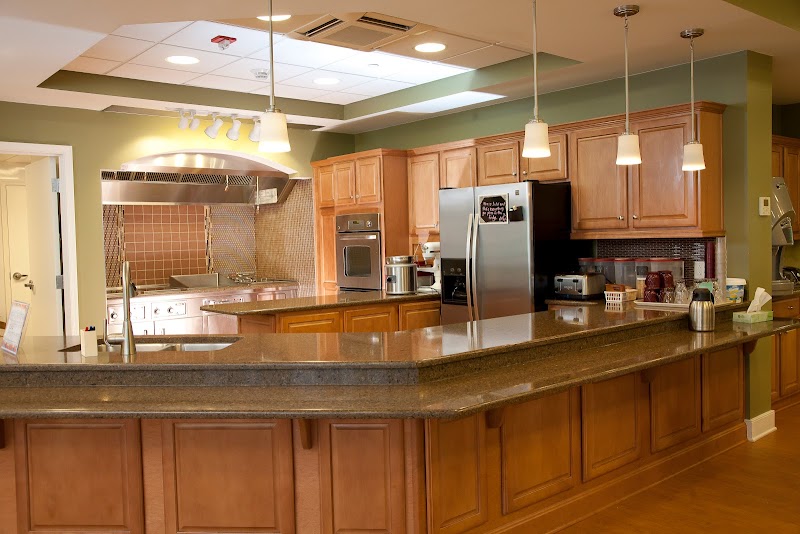
How is Riverside Lifelong Health & Rehabilitation Sanders Staffed?

CMS rates RIVERSIDE LIFELONG HEALTH & REHABILITATION SANDERS's staffing level at 4 out of 5 stars, which is above average compared to other nursing homes. Staff turnover is 39%, compared to the Virginia average of 46%. This relatively stable workforce can support continuity of care. RN turnover specifically is 64%, which is notably high. RNs provide skilled clinical oversight, so turnover in this role can affect medical care quality.

What Have Inspectors Found at Riverside Lifelong Health & Rehabilitation Sanders?

State health inspectors documented 23 deficiencies at RIVERSIDE LIFELONG HEALTH & REHABILITATION SANDERS during 2019 to 2023. These included: 1 that caused actual resident harm and 22 with potential for harm. Deficiencies causing actual harm indicate documented cases where residents experienced negative health consequences.
Who Owns and Operates Riverside Lifelong Health & Rehabilitation Sanders?

RIVERSIDE LIFELONG HEALTH & REHABILITATION SANDERS is owned by a non-profit organization. Non-profit facilities reinvest revenue into operations rather than distributing to shareholders. The facility is operated by RIVERSIDE HEALTH SYSTEM, a chain that manages multiple nursing homes. With 55 certified beds and approximately 49 residents (about 89% occupancy), it is a smaller facility located in GLOUCESTER, Virginia.
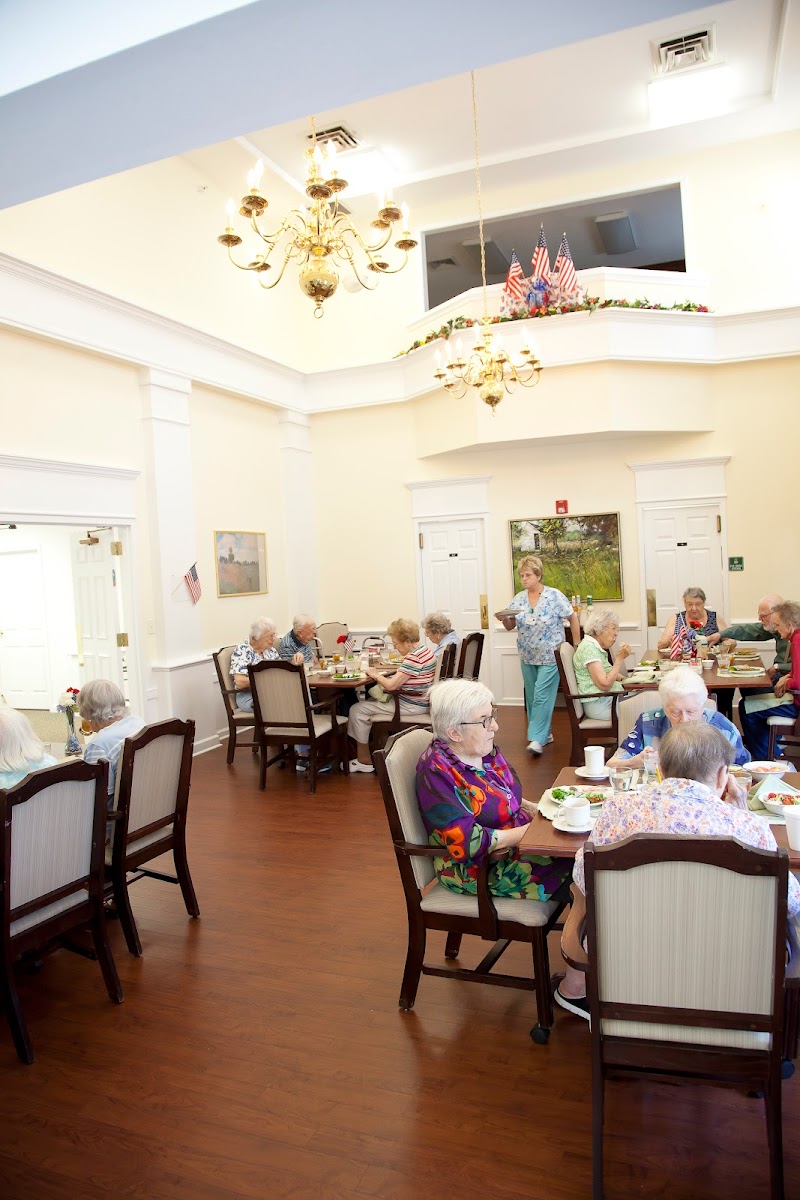
How Does Riverside Lifelong Health & Rehabilitation Sanders Compare to Other Virginia Nursing Homes?

Compared to the 100 nursing homes in Virginia, RIVERSIDE LIFELONG HEALTH & REHABILITATION SANDERS's overall rating (4 stars) is above the state average of 3.0, staff turnover (39%) is near the state average of 46%, and health inspection rating (4 stars) is above the national benchmark.

What Should Families Ask When Visiting Riverside Lifelong Health & Rehabilitation Sanders?

Based on this facility's data, families visiting should ask: "Can I visit during a mealtime to observe dining assistance and food quality?" "How do you handle medical emergencies, and what is your hospital transfer rate?" "Can I speak with family members of current residents about their experience?"

Is Riverside Lifelong Health & Rehabilitation Sanders Safe?

Based on CMS inspection data, RIVERSIDE LIFELONG HEALTH & REHABILITATION SANDERS has a clean safety record: no substantiated abuse findings (meaning no confirmed cases of resident harm), no Immediate Jeopardy citations (the most serious violation level indicating risk of serious injury or death), and is not on the Special Focus Facility watch list (a federal program monitoring the lowest-performing 1% of nursing homes). The facility has a 4-star overall rating and ranks #1 of 100 nursing homes in Virginia. While no facility is perfect, families should still ask about staff-to-resident ratios and recent inspection results during their visit.

Do Nurses at Riverside Lifelong Health & Rehabilitation Sanders Stick Around?

RIVERSIDE LIFELONG HEALTH & REHABILITATION SANDERS has a staff turnover rate of 39%, which is about average for Virginia nursing homes (state average: 46%). Moderate turnover is common in nursing homes, but families should still ask about staff tenure and how the facility maintains care continuity when employees leave.

Was Riverside Lifelong Health & Rehabilitation Sanders Ever Fined?

RIVERSIDE LIFELONG HEALTH & REHABILITATION SANDERS has no federal fines on record. CMS issues fines when nursing homes fail to meet care standards or don't correct problems found during inspections. The absence of fines suggests the facility has either maintained compliance or corrected any issues before penalties were assessed. This is a positive indicator, though families should still review recent inspection reports for the full picture.

Is Riverside Lifelong Health & Rehabilitation Sanders on Any Federal Watch List?

RIVERSIDE LIFELONG HEALTH & REHABILITATION SANDERS is not on any federal watch list. The most significant is the Special Focus Facility (SFF) program, which identifies the bottom 1% of nursing homes nationally based on persistent, serious quality problems. Not being on this list means the facility has avoided the pattern of deficiencies that triggers enhanced federal oversight. This is a positive indicator, though families should still review the facility's inspection history directly.