CHELSEA REHABILITATION AND HEALTHCARE CENTER
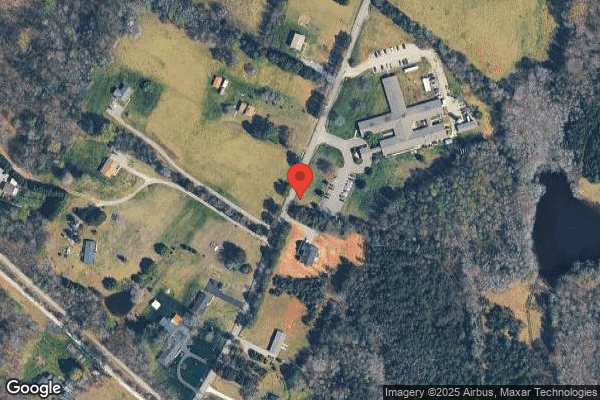

2715 DOGTOWN ROAD, GOOCHLAND, VA 23063 (804) 556-4418
For profit - Limited Liability company 84 Beds MARQUIS HEALTH SERVICES Data: November 2025
Trust Grade
38/100
#129 of 285 in VA
Last Inspection: September 2024

Within standard 12-15 month inspection cycle. Federal law requires annual inspections.

Overview

Chelsea Rehabilitation and Healthcare Center has a Trust Grade of F, indicating significant concerns about the quality of care provided. With a state ranking of #129 out of 285 facilities in Virginia, they fall in the top half, while locally in Goochland County, they are rated #1 out of 3, meaning they have the best option available in the area. However, the facility is worsening, with issues increasing from 1 in 2023 to 13 in 2024. Staffing is a relative strength, rated at 2/5 stars, with a turnover rate of 45%, which is below the state average, but still indicates some instability. The facility has incurred $10,033 in fines, which is concerning as it is higher than 80% of Virginia facilities, suggesting ongoing compliance issues. Specific incidents from inspections reveal serious concerns, such as a resident suffering a fractured wrist due to a failure to protect them from another resident's aggression. Additionally, staff failed to document progress notes timely for a resident, which can lead to lapses in care and monitoring. Moreover, the facility did not revise care plans for multiple residents when medications were discontinued, which is crucial for ensuring appropriate ongoing care. While the quality measures score an excellent 5/5, highlighting some positive aspects of care, the overall picture suggests families should proceed with caution.

Trust Score
F
38/100
In Virginia
#129/285
Top 45%
Safety Record
High Risk
Review needed
Inspections
Getting Worse
1 → 13 violations
Staff Stability
○ Average
45% turnover. Near Virginia's 48% average. Typical for the industry.
Penalties
✓ Good
$10,033 in fines. Lower than most Virginia facilities. Relatively clean record.
Skilled Nurses
○ Average
Each resident gets 31 minutes of Registered Nurse (RN) attention daily — about average for Virginia. RNs are the most trained staff who monitor for health changes.
Violations
⚠ Watch
34 deficiencies on record. Higher than average. Multiple issues found across inspections.
★★★☆☆
3.0
Overall Rating
★★☆☆☆
2.0
Staff Levels
★★★★★
5.0
Care Quality
★★☆☆☆
2.0
Inspection Score
Stable
2023: 1 issues
2024: 13 issues

The Good

  • 5-Star Quality Measures · Strong clinical quality outcomes
  • Full Sprinkler Coverage · Fire safety systems throughout facility
  • No fines on record
  • Staff turnover below average (45%)

    3 points below Virginia average of 48%

Facility shows strength in quality measures, fire safety.

The Bad

3-Star Overall Rating

Near Virginia average (3.0)

Meets federal standards, typical of most facilities

Staff Turnover: 45%

Near Virginia avg (46%)

Typical for the industry

Federal Fines: $10,033

Below median ($33,413)

Minor penalties assessed

Chain: MARQUIS HEALTH SERVICES

Part of a multi-facility chain

Ask about local staffing decisions and management

The Ugly 34 deficiencies on record

1 actual harm
Dec 2024 3 deficiencies
CONCERN (D) 📢 Someone Reported This

A family member, employee, or ombudsman was alarmed enough to file a formal complaint

Potential for Harm - no one hurt, but risky conditions existed

Notification of Changes (Tag F0580)

Could have caused harm · This affected 1 resident

Based on staff interview, facility document review, and clinical record review, the facility staff failed to notify the provider of a resident's change in condition in a timely manner for one of seven...

Read full inspector narrative →
Based on staff interview, facility document review, and clinical record review, the facility staff failed to notify the provider of a resident's change in condition in a timely manner for one of seven residents in the survey sample, Resident #1. The findings include: For Resident #1 (R1), the facility staff failed to notify the physician in a timely manner of neurological status changes after a fall. A review of R1's clinical record revealed the following progress notes: 3/31/24 at 7:50 p.m. Falls/Trauma .Altered level of consciousness .Patient initial evaluation post fall stable VS (vital signs) WNL (within normal limits). Patient c/o (complained of) pain to left side of head in area of hematoma. Neuro (neurological check) #4 pupils unequal, non-reactive. Patient not following commands appropriately, c/o being nauseated. Recommend sending to ER (emergency room). 3/31/24 at 10:15 p.m. Made aware by CNA (certified nursing assistant) at approximately 1950 (7:50 p.m.) that resident was found on the floor. Went to assess resident. Resident was observed laying (sic) on the floor on her left side. Resident noted to have large hematoma to the left forehead. Patient assessed. Vital signs and neuro checks WNL. Patient transferred back to bed by CNA and nurse. Neuro checks initiated. C/o pain only to forehead at location of hematoma. Patient stated that she was taking the 'boys' back to the house. Patient is unsure of where she is and can only state her name and birthday at this time. Of note she does have dementia .At approximately 2020 (8:20 p.m.) while completing the 4th neuro check, patient noted to be moaning and in pain. At this neuro check pupils were not equal. Left was larger than right. Neither pupil reacted to light. At this time .the patient was also noted to be rather drowsy, having a difficult time following directions and complaining of being nauseated. 911 was called and report given to EMS (emergency medical services). Patient was taken to [name of local hospital]. A review of the neuro check record for R1 dated 3/31/24 revealed entries for 7:35 p.m. and 7:50 p.m. indicating R1's pupils were equally reactive, but were sluggish reacting to light. The entry for 8:05 p.m. did not have documentation regarding whether the pupillary reactions were brisk or sluggish. The entries for 8:20 p.m. and 8:35 p.m. indicated R1's level of consciousness had declined from alert to drowsy, and that her pupils were not reactive at all to light. These entries also indicated the resident was no longer able to follow verbal commands. A review of R1's provider's orders revealed she was receiving Eliquis (1) and Aspirin at the time of her fall, both of these medications making her blood thinner and clotting more difficult. On 12/9/24 at 2:58 p.m., ASM (administrative staff member) #2, the director of clinical services, was interviewed. She stated neuro checks should include a resident's vital signs, pupil reactions to light, and level of consciousness. She stated the nurse should assess whether the resident's pupils react briskly or sluggishly or not reactive at all. When asked the next step to be taken if a nurse finds sluggish pupils, she stated: The would call the doctor or the NP (nurse practitioner) right away. She stated sluggish pupils are not typically within normal limits for any resident. ASM #2 was asked to find evidence the nurse who assessed R1 neurologically after the resident's fall (this nurse was not available for interview at the time of the survey) took timely action when the resident's pupils were both sluggish immediately after the fall. On 12/9/24 at 3:36 p.m., LPN (licensed practical nurse) #1 was interviewed. She stated neuro checks include pupils, hand grasps, and mobility per a resident's baseline. She stated if a resident's pupils are sluggish on assessment, she would definitely call the provider, either the attending physician or NP, immediately. After reviewing R1's records, LPN #1 stated she would have called the doctor much sooner. On 12/9/24 at 4:06 p.m., ASM #1, the executive director, ASM #2, and ASM #3, the regional nurse consultant, were notified of these concerns. A review of the facility policy, Neurological Assessment (Routine), revealed, in part: Routine neurological assessment is conducted to evaluate the resident for small changes that may be indicative of neurological injury .Test pupillary reaction to light .Notify the physician of any change in a resident's neurological status. A review of the policy, Change in a Resident's Condition or Status, revealed, in part: Our facility promptly notifies the resident, his or her attending physician and the resident representative of changes in the resident's medical/mental condition and/or status .The nurse will notify the resident's attending physician or physician on call when there has been a .significant change in the resident's physical .condition. No additional information was provided prior to exit. Reference (1) Apixaban (Eliquis) is used help prevent strokes or blood clots in people who have atrial fibrillation (a condition in which the heart beats irregularly, increasing the chance of clots forming in the body and possibly causing strokes) that is not caused by heart valve disease. Apixaban is also used to prevent deep vein thrombosis (DVT; a blood clot, usually in the leg) and pulmonary embolism (PE; a blood clot in the lung) in people who are having hip replacement or knee replacement surgery. Apixaban is also used to treat DVT and PE and may be continued to prevent DVT and PE from happening again after the initial treatment is completed. Apixaban is in a class of medications called factor Xa inhibitors. It works by blocking the action of a certain natural substance that helps blood clots to form. This information was taken from the website https://medlineplus.gov/druginfo/meds/a613032.html.
CONCERN (D) 📢 Someone Reported This

A family member, employee, or ombudsman was alarmed enough to file a formal complaint

Potential for Harm - no one hurt, but risky conditions existed

Deficiency F0655 (Tag F0655)

Could have caused harm · This affected 1 resident

Based on staff interview, facility document review, and clinical record review, the facility staff failed to develop an accurate baseline care plan for one of seven residents in the survey sample, Res...

Read full inspector narrative →
Based on staff interview, facility document review, and clinical record review, the facility staff failed to develop an accurate baseline care plan for one of seven residents in the survey sample, Resident #1. The findings include: For Resident #1 (R1), the facility staff failed to include the risks of taking anticoagulants on the baseline care plan. A review of R1's clinical record revealed the following provider's orders on admission: 3/28/24 Aspirin Oral Tablet Chewable 81 MG (milligrams) (Aspirin) Give 1 tablet by mouth one time a day. 3/28/24 Apixaban (Eliquis) (1) 2.5 mg Give 1 tablet by mouth two times a day. On 12/9/24 at 2:39 p.m., RN (registered nurse) #1 was interviewed. She stated she believed the admission nursing assessment is the beginning of the resident's baseline care plan, but other information to complete the baseline care plan should probably be included. When asked if a resident's taking both Aspirin and Eliquis as blood thinners should be on a resident's baseline care plan, she stated that it should. She stated these two medications increase a resident's potential for bleeding. On 12/9/24 at 3:36 p.m., LPN (licensed practical nurse) #1 was interviewed. She stated the assessments that nurses perform when a resident is admitted to the facility contribute to the baseline care plan. She stated the baseline care plan contains the basic information needed to take care of a resident day to day. She stated anticoagulant use should be included on the baseline care plan. On 12/9/24 at 4:06 p.m., ASM #1, the executive director, ASM #2, and ASM #3, the regional nurse consultant, were notified of these concerns. A review of the policy, Care Plans - Baseline, revealed, in part: A baseline plan of care to meet the resident's immediate health and safety needs is developed for each resident within forty-eight hours of admission .The baseline care plan includes instructions needed to provide effective, person-centered care of the resident that meet professional standards of quality care and must include the minimum healthcare information necessary to properly care for the resident including, but not limited to the following .physician orders. No additional information was provided prior to exit. Reference (1) Apixaban (Eliquis) is used help prevent strokes or blood clots in people who have atrial fibrillation (a condition in which the heart beats irregularly, increasing the chance of clots forming in the body and possibly causing strokes) that is not caused by heart valve disease. Apixaban is also used to prevent deep vein thrombosis (DVT; a blood clot, usually in the leg) and pulmonary embolism (PE; a blood clot in the lung) in people who are having hip replacement or knee replacement surgery. Apixaban is also used to treat DVT and PE and may be continued to prevent DVT and PE from happening again after the initial treatment is completed. Apixaban is in a class of medications called factor Xa inhibitors. It works by blocking the action of a certain natural substance that helps blood clots to form. This information was taken from the website https://medlineplus.gov/druginfo/meds/a613032.html.
CONCERN (D) 📢 Someone Reported This

A family member, employee, or ombudsman was alarmed enough to file a formal complaint

Potential for Harm - no one hurt, but risky conditions existed

Quality of Care (Tag F0684)

Could have caused harm · This affected 1 resident

Based on staff interview, facility document review, and clinical record review, the facility staff failed to respond to a resident's change in condition in a timely manner for one of seven residents i...

Read full inspector narrative →
Based on staff interview, facility document review, and clinical record review, the facility staff failed to respond to a resident's change in condition in a timely manner for one of seven residents in the survey sample, Resident #1. The findings include: For Resident #1 (R1), the facility staff failed to respond to her neurological status changes after a fall. A review of R1's clinical record revealed the following progress notes: 3/31/24 at 7:50 p.m. Falls/Trauma .Altered level of consciousness .Patient initial evaluation post fall stable VS (vital signs) WNL (within normal limits). Patient c/o (complained of) pain to left side of head in area of hematoma. Neuro (neurological check) #4 pupils unequal, non-reactive. Patient not following commands appropriately, c/o being nauseated. Recommend sending to ER (emergency room). 3/31/24 at 10:15 p.m. Made aware by CNA (certified nursing assistant) at approximately 1950 (7:50 p.m.) that resident was found on the floor. Went to assess resident. Resident was observed laying (sic) on the floor on her left side. Resident noted to have large hematoma to the left forehead. Patient assessed. Vital signs and neuro checks WNL. Patient transferred back to bed by CNA and nurse. Neuro checks initiated. C/o pain only to forehead at location of hematoma. Patient stated that she was taking the 'boys' back to the house. Patient is unsure of where she is and can only state her name and birthday at this time. Of note she does have dementia .At approximately 2020 (8:20 p.m.) while completing the 4th neuro check, patient noted to be moaning and in pain. At this neuro check pupils were not equal. Left was larger than right. Neither pupil reacted to light. At this time .the patient was also noted to be rather drowsy, having a difficult time following directions and complaining of being nauseated. 911 was called and report given to EMS (emergency medical services). Patient was taken to [name of local hospital]. A review of the neuro check record for R1 dated 3/31/24 revealed entries for 7:35 p.m. and 7:50 p.m. indicating R1's pupils were equally reactive, but were sluggish reacting to light. The entry for 8:05 p.m. did not have documentation regarding whether the pupillary reactions were brisk or sluggish. The entries for 8:20 p.m. and 8:35 p.m. indicated R1's level of consciousness had declined from alert to drowsy, and that her pupils were not reactive at all to light. These entries also indicated the resident was no longer able to follow verbal commands. A review of R1's provider's orders revealed she was receiving Eliquis (1) and Aspirin at the time of her fall, both of these medications making her blood thinner and clotting more difficult. On 12/9/24 at 2:58 p.m., ASM (administrative staff member) #2, the director of clinical services, was interviewed. She stated neuro checks should include a resident's vital signs, pupil reactions to light, and level of consciousness. She stated the nurse should assess whether the resident's pupils react briskly or sluggishly or not reactive at all. When asked the next step to be taken if a nurse finds sluggish pupils, she stated: The would call the doctor or the NP (nurse practitioner) right away. She stated sluggish pupils are not typically within normal limits for any resident. ASM #2 was asked to find evidence the nurse who assessed R1 neurologically after the resident's fall (this nurse was not available for interview at the time of the survey) took timely action when the resident's pupils were both sluggish immediately after the fall. On 12/9/24 at 3:36 p.m., LPN (licensed practical nurse) #1 was interviewed. She stated neuro checks include pupils, hand grasps, and mobility per a resident's baseline. She stated if a resident's pupils are sluggish on assessment, she would definitely call the provider, either the attending physician or NP, immediately. On 12/9/24 at 4:06 p.m., ASM #1, the executive director, ASM #2, and ASM #3, the regional nurse consultant, were notified of these concerns. A review of the facility policy, Neurological Assessment (Routine), revealed, in part: Routine neurological assessment is conducted to evaluate the resident for small changes that may be indicative of neurological injury .Test pupillary reaction to light .Notify the physician of any change in a resident's neurological status. No additional information was provided prior to exit. Reference (1) Apixaban (Eliquis) is used help prevent strokes or blood clots in people who have atrial fibrillation (a condition in which the heart beats irregularly, increasing the chance of clots forming in the body and possibly causing strokes) that is not caused by heart valve disease. Apixaban is also used to prevent deep vein thrombosis (DVT; a blood clot, usually in the leg) and pulmonary embolism (PE; a blood clot in the lung) in people who are having hip replacement or knee replacement surgery. Apixaban is also used to treat DVT and PE and may be continued to prevent DVT and PE from happening again after the initial treatment is completed. Apixaban is in a class of medications called factor Xa inhibitors. It works by blocking the action of a certain natural substance that helps blood clots to form. This information was taken from the website https://medlineplus.gov/druginfo/meds/a613032.html.
Sept 2024 10 deficiencies 1 Harm
SERIOUS (G)

Actual Harm - a resident was hurt due to facility failures

Free from Abuse/Neglect (Tag F0600)

A resident was harmed · This affected 1 resident

Based on staff interview, facility document review and clinical record review, it was determined the facility staff failed to protect a resident from abuse by another resident, resulting in harm, a fr...

Read full inspector narrative →
Based on staff interview, facility document review and clinical record review, it was determined the facility staff failed to protect a resident from abuse by another resident, resulting in harm, a fractured wrist, for one of 32 residents in the survey sample, Residents #32 and #16. The findings include: The facility synopsis of the event, dated, 3/22/24, documented, Resident to Resident, separated, abut policy initiated. Residents involved: (Resident #32 and Resident #16). The facility synopsis of the event, dated 3/29/24, documented in part, (R32) was in the dining room on the evening of March 22nd around 5:10 p.m. He was watching a program in the dining room, as he often does. When (R16) came into the dining room, he changed the TV channel without first, communicating with (R32). This upset (R32). (R32) stood and aggressively approached (R16), who then pushed (R32); (R32) lost his footing due to the push and fell to the ground attempting to catch himself with his right arm. Resident (R32) sent out for evaluation following complaints of pain in the right wrist and with bruising and swelling. Resident (R32) sent to (Name of hospital) ED (emergency department), returned the same night with diagnoses of right wrist fracture. Findings: Statements resident (R32) and (R16) were reviewed. This was an unwitnessed event that took place in the dining room. Immediately following resident to resident incident, both residents were separated, and room change initiated, before the incident residents were roommates. Skin assessments of (R32) and (R16) were completed, with swelling and bruising noted to (R32) right wrist, there were no new skin impairments for (R16). A pain evaluation was completed for (R32), resulting in him being sent to ER for an X-ray of his wrist, which revealed a fracture to the right wrist. Resident care plans were reviewed (and subsequently updated based on incident), care plan updated to reflect triggers and identification for staff for (R34) aggression. (R34) care plan was also updated to reflect the right wrist fracture. (R16) care plan was updated to reflect the potential for aggression towards other residents. Staff responded appropriately when notified of the incident, able to calm residents and assess the situation. The Nurse Practitioner has noted in resident file, that (R32) behaviors can pose a risk for others when he is unable to get his way, he has unpredictable triggers. Medications reviewed by the Medical Director and adjusted his (R32) Latuda in relation to his schizophrenia. Both residents have low BIM scores and a history of traumatic brain injury which can cause impaired decision making. Screening for potential PTSD completed by Director of Social Services, for (R32) and (R16) following incident, for three days, with no indications of both trauma due to incident. Referral to psych services through (name of company) was also sent for both residents, with (R16) seeing (name of mental health nurse practitioner) on 3/26/24, for an initial evaluation and (R16) had no recollection of the resident-to-resident incident. Resident #32 (R32) The MDS (minimum data set) assessment, closest to the time of the incident, a significant change assessment, with an assessment reference date (ARD) of 3/26/24, the resident scored a 5 out of 15 on the BIMS (brief interview for mental status) score, indicating the resident was severely impaired for making daily decisions. In Section E - Behaviors, the resident was coded as having verbal behavioral symptoms directed towards others one to three days of the look back period. The comprehensive care plan dated, 2/21/2019, documented in part, Focus: (R32) can be resistive to care, refusal of showers, yells at staff/other residents, cursing at staff and can be aggressive to staff/residents. the resident is/has potential to be physically aggressive will posture towards staff when angry or upset, is non-compliant with diet, referring sandwiches. Resident has a fear that if he does not have Lomotil then he will have diarrhea again - demands med with angry posturing and foul language. Can demand any meds with angry posturing and foul language when not ready when he requests. Resident #16 (R16) The MDS assessment, closest to the time of the incident, a quarterly assessment, with an ARD of 3/22/24, the resident scored a 4 out of 15 on the BIMS score, indicating the resident was severely impaired for making daily decisions. In Section E - Behaviors, the resident was not coded as having any behavioral symptoms. The comprehensive care plan dated, 3/22/24, documented in part, Focus: I have behavior problem r/t (related to) TBI (traumatic brain injury), I will resist help with ADLs (activities of daily living) and mobility, I will refuse therapy services, I will push other resident in their wheelchair within the building and outside, I will refuse meds and lab draws, I will push other residents. The witness statements were reviewed. This was an unwitnessed incident. The staff stated there didn't notice anything between the two residents. They stated they were getting along like they normally do. An interview was conducted with RN (registered nurse) #2 on 9/10/24 at approximately 4:00 p.m. When asked what she would do if a resident pushes another resident causing the resident to go down to the floor, RN #2 stated she would immediately separate the residents, assess for injury, notify the administrator and the director of nursing. When asked if this is a reportable incident, RN #2 stated, yes. When asked if this was abuse, RN #2 stated, yes. RN #2 was asked if she had received education on abuse, she stated they have received it after the above incident. An interview was conducted with ASM administrative staff member) #1, the administrator, on 9/11/24 at 9:28 a.m. When asked what happens when a resident strikes another resident, ASM #1 stated they would separate the resident, evaluate each resident, try and figure out if there was a cause behind the incident. Start the abuse policy which entails re-education, will do screening of all residents for abuse. The residents answer five questions the social worker asks. ASM #1 further stated that the residents involved in the incident would receive a PTSD screening. When asked if anything was put in place at the time of the above incident, ASM #1 presented an action plan. The Action Plan dated 3/22/24 documented: Problem Statement: Area of opportunity identified o 3/29/24 due to resident-to-resident abuse. Goal: Resident will have necessary oversight to prevent abuse. Objective: The facility will establish a system to routinely evaluate residents and develop a plan of care to aid in the prevention of abuse and to ensure resident to resident altercations are minimized. Goals/Tasks - Resident involved in resident-to- resident altercations assessed. One resident sustained a fractured right wrist. Monitor resident for no other adverse effects. - Target date - 3/22/24. Statements obtained from residents involved. Target date - 3/24/24. Social Services will meet with the involved resident daily x 3 days to address psycho-social needs. - Target date - 3/27/24. The Medical Director was made aware of the allegations of abuse. Target date - 3/22/24. Department of Health was notified of the allegations of abuse. - Target date - 3/22/24. Current employees will receive education regarding prevention, recognizing, identifying triggers and deescalating abuse. Target date - 3/30/24. Newly hired employees will receive education regarding preventing, recognizing, and reporting abuse prior to assuming any assignment. Target date - 3/30/24. Ensure residents with possible aggression are intellectually and physically stimulated daily through group or 1:1 activities of interest to the resident. Target date - 3/30/24. Educate staff on residents involved updated care plan identifying triggers and de-escalation tactics. Target date - 3/29/24. Dining Room to be closed to residents in not in use for meals or for activities. When residents conjugate in the day room, staff will provide q 15 min checks. Target date - 3/29/24. The QAPI Committee will make recommendations based upon the results of the audits. Upon attaining consistent compliance, the QAPI committee will determine the continuation for the audits. Target date - 3/30/24. The credible evidence for the above action plan was reviewed. Resident and staff interviews were conducted to verify the educations and plan. No further concerns were found in the area of F600. This deficiency is being cited at past non-compliance. PAST NON-COMPLIANCE
CONCERN (D)

Potential for Harm - no one hurt, but risky conditions existed

Resident Rights (Tag F0550)

Could have caused harm · This affected 1 resident

Based on observation, staff interview, facility document review, and clinical record review, the facility staff failed to maintain dignity for two of 32 residents in the survey sample, Residents #72 a...

Read full inspector narrative →
Based on observation, staff interview, facility document review, and clinical record review, the facility staff failed to maintain dignity for two of 32 residents in the survey sample, Residents #72 and #74. The findings include: 1. For Resident #72 (R72), the facility staff failed to provide dignity for the resident's indwelling urinary Foley catheter bag (1). A review of R72's clinical record revealed a physician's order dated 8/26/24 for an indwelling Foley catheter for urinary retention. On 9/9/24 at 7:17 p.m., R72 was observed lying in bed. The resident's indwelling urinary Foley catheter bag was attached to the bed frame. There was no privacy cover on the bag, urine was observed in the bag, and the bag was visible from the hall. On 9/10/24 at 4:09 p.m., an interview was conducted with RN (registered nurse) #2. RN #2 stated there should be a privacy bag on residents' indwelling urinary Foley catheter bags to maintain residents' dignity. On 9/10/24 at 4:39 p.m., ASM (administrative staff member) #1 (the administrator) and ASM #2 (the director of nursing) were made aware of the above concern. The facility policy titled, Catheter Care, Urinary documented, Dignity 1. Use a drainage bag cover when the resident is in common areas. The facility policy titled, Dignity documented, 1. Residents are treated with dignity and respect at all times. Reference: (1) A urinary catheter is a tube placed in the body to drain and collect urine from the bladder. This information was obtained from the website: https://medlineplus.gov/ency/article/003981.htm 2. For Resident #74, the facility staff failed to maintain dignity of the resident while doing a dressing change. Observation was made on 9/10/24 at 12:15 p.m. of LPN (licensed practical nurse) #2, the wound care nurse administering a treatment for Resident #74 on his buttock. The physician order dated, 8/22/24, documented, Right Buttock: Cleanse with wound cleanser, pat dry, apply silver alginate, border gauze, every day shift for wound care. LPN #2 performed the dressing change as ordered. At the end of the dressing change, LPN #2 took her black marker out of her pocket and wrote on the dressing after the dressing, border gauze, had been applied to the resident's buttock. An interview was conducted with LPN #2 on 9/10/24 at 3:53 p.m. The dressing change was discussed with LPN #2. LPN #2 stated immediately that she wrote her date and initials on the dressing while the dressing was on the resident's buttock. She stated she normally writes on the dressing before she begins her treatments but got distracted with the new wound care provider that morning. When asked why we don't write on a dressing while it's on the resident's bottom, LPN #2 stated, it doesn't feel good to them. The facility policy, Dressing - Dry/Clean, documented in part, 10. Label tape or dressing with date, time and initials. Place on clean field. ASM (administrative staff member) #1, the administrator and ASM #2, the director of nursing, were made aware of the above finding on 9/11/24/ at 1:09 p.m. No further information was provided prior to exit.
CONCERN (D)

Potential for Harm - no one hurt, but risky conditions existed

Deficiency F0558 (Tag F0558)

Could have caused harm · This affected 1 resident

Based on observation, resident interview, staff interview, and facility document review, the facility staff failed to accommodate a resident's needs for one of 32 residents in the survey sample, Resid...

Read full inspector narrative →
Based on observation, resident interview, staff interview, and facility document review, the facility staff failed to accommodate a resident's needs for one of 32 residents in the survey sample, Resident #72. The findings include: For Resident #72 (R72), the facility staff failed to maintain the resident's call bell within the resident's reach. On 9/9/24 at 7:11 p.m., an observation of R72 lying in bed was conducted. R72 asked where his call bell was and stated he needed it in case he needed something. R72's call bell was observed lying on the floor beside the resident's roommate's bed and was not within R72's reach. There was no clip on the cord so the call bell could not be attached to the resident's bed sheets. On 9/10/24 at 4:09 p.m., an interview was conducted with RN (registered nurse) #2. RN #2 stated staff should clip call bells to residents' bed sheets and ensure call bells are within residents' reach when they round every hour or two hours. On 9/10/24 at 4:39 p.m., ASM (administrative staff member) #1 (the administrator) and ASM #2 (the director of nursing) were made aware of the above concern. The facility policy titled, Answering the Call Light failed to document information regarding maintaining the call bell within a resident's reach. No further information was presented prior to exit.
CONCERN (D)

Potential for Harm - no one hurt, but risky conditions existed

Transfer Notice (Tag F0623)

Could have caused harm · This affected 1 resident

Based on staff interview, clinical record review and facility document review, it was determined that the facility staff failed to evidence that written notification of a hospital transfer was provide...

Read full inspector narrative →
Based on staff interview, clinical record review and facility document review, it was determined that the facility staff failed to evidence that written notification of a hospital transfer was provided to the resident representative for one of 32 residents in the survey sample; Resident #28. The findings include: For Resident #28, the facility staff failed to evidence written notification of a hospital transfer on 7/14/24 was provided to the resident representative. A review of the clinical record revealed a progress note dated 7/14/24 that documented, writer at bedside w/ (with)resident to give evening medication, resident unarousable to voice and touch, noted labored breathing which is a change of condition from baseline call placed to (name of physician) by (licensed practical nurse), recommendations from MD (medical doctor) to send resident to ED (emergency department) for evaluation, RP (responsible party) (name) notified of coc (change of condition) and transfer to hospital @ (at) 1650 (4:50 PM) , ADON (Assistant Director of Nursing) (name) made aware via telephone. Further review failed to reveal any evidence of a written notice of this hospital transfer being provided to the resident representative. On 9/11/24 at 11:58 AM, evidence of the written notice to the resident representative was requested from ASM #2 (Administrative Staff Member) the Director of Nursing. On 9/11/24 at 12:39 PM, ASM #2 stated they did not have evidence that a written notification was provided to the resident representative. She was only able to provide evidence of what documentation was sent to the hospital, which did not include any document that was identified as a written notice to the resident representative. The facility policy, Transfer or Discharge, Facility-Initiated documented, Notice of Transfer is provided to the resident and representative as soon as practicable before the transfer and to the long-term care (LTC) (long term care) ombudsman when practicable (e.g., in a monthly list of residents that includes all notice content equirements) No further information was provided by the end of the survey.
CONCERN (D)

Potential for Harm - no one hurt, but risky conditions existed

Comprehensive Care Plan (Tag F0656)

Could have caused harm · This affected 1 resident

Based on observation, staff interview, and clinical record review, the facility staff failed to implement a resident's comprehensive care plan for one of 32 residents in the survey sample, Resident #7...

Read full inspector narrative →
Based on observation, staff interview, and clinical record review, the facility staff failed to implement a resident's comprehensive care plan for one of 32 residents in the survey sample, Resident #72. The findings include: For Resident #72 (R72), the facility staff failed to implement the resident's comprehensive care plan for the resident's indwelling urinary catheter (1). R72's comprehensive care plan dated 8/16/24 documented, I have an indwelling urinary catheter r/t (related to) urinary retention .Maintain dignity bag/privacy cover over urinary collection bag when in social settings and when visible to others. On 9/9/24 at 7:17 p.m., R72 was observed lying in bed. The resident's indwelling urinary catheter bag was attached to the bed frame. There was no privacy cover on the bag, urine was observed in the bag, and the bag was visible from the hall. On 9/10/24 at 4:09 p.m., an interview was conducted with RN (registered nurse) #2. RN #2 stated the purpose of the care plan is to provide individualized care for each patient. RN #2 stated nurses have access to residents' care plans to review and ensure the care plans are being implemented. RN #2 stated there should be a privacy bag on indwelling urinary catheter bags to maintain dignity. On 9/10/24 at 4:39 p.m., ASM (administrative staff member) #1 (the administrator) and ASM #2 (the director of nursing) were made aware of the above concern. The facility staff did not provide a policy regarding care plans. Reference: (1) A urinary catheter is a tube placed in the body to drain and collect urine from the bladder. This information was obtained from the website: https://medlineplus.gov/ency/article/003981.htm
CONCERN (D)

Potential for Harm - no one hurt, but risky conditions existed

ADL Care (Tag F0677)

Could have caused harm · This affected 1 resident

Based on observation, resident interview, clinical record review, staff interview and facility document review it was determined that the facility staff failed to provide ADL (activities of daily livi...

Read full inspector narrative →
Based on observation, resident interview, clinical record review, staff interview and facility document review it was determined that the facility staff failed to provide ADL (activities of daily living) care to a dependent resident for one of 32 residents in the survey sample, Resident #2. The findings include: For Resident #2 (R2), the facility staff failed to maintain trimmed fingernails. On the most recent MDS (minimum data set), an annual assessment with an ARD (assessment reference date) of 8/23/24, the resident scored 15 out of 15 on the BIMS (brief interview for mental status) assessment, indicating the resident was cognitively intact for making daily decisions. Section GG documented R2 requiring substantial/maximal assistance for personal hygiene and having impairment on one side in the upper extremities. Section I documented R2 having diagnoses including but not limited to Diabetes Mellitus (1). On 9/9/24 at 7:45 p.m., an interview was conducted with R2 in their room. R2 was observed lying in bed with the left hand observed to be contracted with the fingers closed in towards the palm of their hand. R2 stated that they did not have use of their left arm and hand and limited use of the right hand. Observation of R2's fingernails revealed the free edge of the nail approximately three sixteenths of an inch long. When asked about nail care, R2 stated that their nails grew quickly, and they had to beg the staff to trim their nails. R2 stated that the CNA (certified nursing assistants) were not allowed to trim their nails because they were diabetic and only the RN (registered nurses) were allowed to trim their nails. R2 stated that the RN's were always passing medications and never had the time to trim their nails, so they just had to wait until someone had time. R2 stated that they had asked several nurses to trim their nails and they had not been trimmed yet. Additional observations of R2 on 9/10/24 at 9:00 a.m., revealed R2's fingernails remained untrimmed. The comprehensive care plan for R2 documented in part, I have an ADL Self Care Performance Deficit r/t (related to) weakness and debility. Date Initiated: 08/16/2023, On 9/10/24 at 4:23 p.m., an interview was conducted with RN #2. RN #2 stated that the CNA staff were responsible for trimming fingernails unless the resident was diabetic and then it was the responsibility of the licensed nurse. She stated that the CNA staff should be observing the fingernails with their daily care and reporting to the nurse when the nails needed trimming. On 9/10/24 at 4:31 p.m., RN #2 observed R2's fingernails. RN #2 stated that the fingernails were long and needed to be trimmed. RN #2 asked R2 if they would like to have the nails trimmed and R2 stated that they would. The facility policy, Fingernails/Toenails, Care of dated February 2018, documented in part, Purpose: The purposes of this procedure are to clean the nail bed, to keep nails trimmed, and to prevent infections 1. Nail care includes daily cleaning and regular trimming. 2. Proper nail care can aid in the prevention of skin problems around the nail bed. 3. Unless otherwise permitted, do not trim the nails of diabetic residents or residents with circulatory impairments. 4. Trimmed and smooth nails prevent the resident from accidentally scratching and injuring his or her skin . On 9/10/24 at 4:40 p.m., ASM (administrative staff member) #1, the administrator and ASM #2, the director of nursing were made aware of the concern. No further information was provided prior to exit. Reference: (1) Diabetes is a disease in which your blood glucose, or blood sugar, levels are too high. Glucose comes from the foods you eat. Insulin is a hormone that helps the glucose get into your cells to give them energy. With type 1 diabetes, your body does not make insulin. With type 2 diabetes, the more common type, your body does not make or use insulin well. Without enough insulin, the glucose stays in your blood. You can also have prediabetes. This means that your blood sugar is higher than normal but not high enough to be called diabetes. Having prediabetes puts you at a higher risk of getting type 2 diabetes. Over time, having too much glucose in your blood can cause serious problems. It can damage your eyes, kidneys, and nerves. Diabetes can also cause heart disease, stroke and even the need to remove a limb. This information was obtained from the website: https://medlineplus.gov/diabetes.html
CONCERN (D)

Potential for Harm - no one hurt, but risky conditions existed

Incontinence Care (Tag F0690)

Could have caused harm · This affected 1 resident

Based on observation, staff interview, facility document review, and clinical record review, the facility staff failed to provide care and services for an indwelling urinary catheter for one of 32 res...

Read full inspector narrative →
Based on observation, staff interview, facility document review, and clinical record review, the facility staff failed to provide care and services for an indwelling urinary catheter for one of 32 residents in the survey sample, Resident #72. The findings include: For Resident #72 (R72), the facility staff failed to maintain the resident's indwelling urinary Foley catheter bag (1) in a sanitary manner. A review of R72's clinical record revealed a physician's order dated 8/26/24 for an indwelling Foley catheter for urinary retention. On 9/9/24 at 7:17 p.m., R72 was observed lying in a low bed. The resident's indwelling urinary Foley catheter bag was attached to the bed frame and was lying on the floor. On 9/10/24 at 4:09 p.m., an interview was conducted with RN (registered nurse) #2. RN #2 stated indwelling urinary Foley catheter bags should be kept off the floor for infection control. On 9/10/24 at 4:39 p.m., ASM (administrative staff member) #1 (the administrator) and ASM #2 (the director of nursing) were made aware of the above concern. The facility policy titled, Catheter Care, Urinary documented, Be sure the catheter tubing and drainage bag are kept off the floor. Reference: (1) A urinary catheter is a tube placed in the body to drain and collect urine from the bladder. This information was obtained from the website: https://medlineplus.gov/ency/article/003981.htm
CONCERN (D)

Potential for Harm - no one hurt, but risky conditions existed

Deficiency F0697 (Tag F0697)

Could have caused harm · This affected 1 resident

**NOTE- TERMS IN BRACKETS HAVE BEEN EDITED TO PROTECT CONFIDENTIALITY** Based on staff interview, facility document review and clinical record review, it was determined the facility staff failed to ma...

Read full inspector narrative →
**NOTE- TERMS IN BRACKETS HAVE BEEN EDITED TO PROTECT CONFIDENTIALITY** Based on staff interview, facility document review and clinical record review, it was determined the facility staff failed to maintain a complete pain management program for one of 32 residents in the survey sample, Resident #32. The findings include: For Resident #32, the facility staff failed to clarify the physician order to obtain parameters for two PRN (as needed) pain medications and administered pain medication for a pain scale rating of zero. Resident #32 suffered a fracture of his wrist on 3/22/24. The physician order dated, 3/27/24, documented, Ibuprofen Oral Tablet 200 MG (milligrams); Give 3 tablets by mouth every 6 hours as needed for breakthrough pain. The physician order dated, 4/25/24, documented, Oxycodone HCL (hydrochloride) Tablet 10 MG; Give 1 tablet by mouth every 8 hours as needed for pain. The June 2024 MAR (medication administration record) documented the above orders. The Ibuprofen was administered on the following dates, time and pain scale. (Pain scale is rated 0 - 10; zero indicating no pain and 10 indicating the worse pain the resident has ever been in): 6/2/24 at 2:11 a.m. - pain scale of 6. 6/3/24 at 1:50 a.m. - pain scale of 8. 6/12/24 at 2:46 a.m. - pain scale of 0. 6/18/24 at 4:45 a.m. - pain scale of 6. 6/19/24 at 1:16 a.m. - pain scale of 7. 6/23/24 at 4:42 a.m. - pain scale of 6. 6/26/24 at 2:05 a.m. - pain scale of 6. 6/27/24 at 3:30 a.m. - pain scale of 6. 6/28/24 at 4:05 a.m. - pain scale of 8. The Oxycodone was documented as administered on the following dates, time and pain scale: 6/1/24 at 9:03 a.m. - pain scale of 7, at 10:09 p.m. for pain scale of 8. 6/2/24 at 6:19 a.m. - pain scale of 8. 6/3/24 at 6:09 a.m. - pain scale of 2; 2:00 p.m. - pain scale of 5; 10:00 p.m. - pain scale of 8. 6/4/24 at 6:00 a.m. - pain scale of 8; 2:00 p.m. - pain scale of 3. 6/5/24 at 12:47 a.m. - pain scale of 4; 12:22 p.m. - pain scale of 10; 10:16 p.m. - pain scale of 10. 6/6/24 at 12:47 a.m. - pain scale of 8; 10:02 p.m. - pain scale of 6. 6/7/24 at 6:48 a.m. - pain scale of 4. 6/8/24 at 12:15 a.m. - pain scale of 8; 10:18 a.m. - pain scale of 8. 6/9/24 at 4:30 p.m. - pain scale of 7. 6/10/24 at 5:01 p.m. - pain scale of 9. 6/11/24 at 9:12 a.m. - pain scale of 9; 5:23 p.m. - pain scale of 9. 6/12/24 at 2:45 a.m. - pain scale of 6; 9:25 a.m. - pain scale of 8; 5:26 p.m. - pain scale of 7. 6/13/24 at 6:18 a.m. - pain scale of 0, 4:30 p.m. - pain scale of 8. 6/14/24 at 1:14 p.m. - pain scale of 5; 11:03 p.m. - pain scale of 5. 6/15/24 at 7:31a.m. - pain scale of 4; 3:35 p.m. - pain scale of 5; 11:53 p.m. - pain scale of 10. 6/16/24 at 8:07 a.m. - pain scale of 5; 5:30 p.m. - pain scale of 5. 6/17/24 at 5:15 p.m. - pain scale of 7. 6/18/24 at 6:18 a.m. - pain scale of 0; 2:58 p.m. - pain scale of 7; 9:30 p.m. - pain scale of 7. 6/19/24 at 12:46 p.m. - pain scale of 10. 6/21/24 at 1:06 a.m. - pain scale of 5. 12:00 p.m. - pain scale of 7; 8:13 p.m. - pain scale of 8. 6/22/24 at 4:30 a.m. - pain scale of 6; 9:59 p.m. - pain scale of 8. 6/23/24 at 5:00 a.m. - pain scale of 0; 4:11 p.m. - pain scale of 8. 6/24/24 at 8:34 a.m. - pain scale of 5; 6:38 p.m. - pain scale of 5. 6/25/24 at 3:04 a.m. - pain scale of 5; 10:27 p.m. - pain scale of 4. 6/26/24 at 10:11 p.m. - pain scale of 0. 6/27/24 at 6:40 a.m. - pain scale of 0; 2:41 p.m. - pain scale of 5. 6/29/24 at 2:20 a.m. - pain scale of 9; 10:59 a.m. - pain scale of 5; 7:00 p.m. - pain scale of 7. 6/30/24 at 5:37 a.m. - pain scale of 9; 2:02 p.m. - pain scale of 5; 10:53 p.m. - pain scale of 9. The July 2024 MAR documented the order for Ibuprofen. The Ibuprofen was administered on the following dates, time and pain scale: 7/11/24 at 3:17 a.m. - pain level of 7. 7/13/24 at 4:06 a.m. - pain level of 5. 7/26/24 at 3:25 a.m. - pain level of 8. The July 2024 MAR documented the order for Oxycodone. The Oxycodone was administered on the following dates, times and pain scale: 7/1/24 at 11:30 a.m. - pain scale of 10. 7/3/24 at 10:38 p.m. - pain scale of 0. 7/4/24 at 11:18 a.m. - pain scale of 5; 11:21 p.m. - pain scale of 0. 7/5/24 at 11:16 a.m. - pain scale of 5; 10:03 p.m. - pain scale of 7. 7/8/24 at 10:51 a.m. - pain scale of 5; 9:45 p.m. - pain scale of 5. 7/12/24 at 10:11 p.m. - pain scale of 9. 7/13/24 at 9:52 p.m. - pain scale of 9. 7/14/24 at 12:01 p.m. - pain scale of 5; 11:41 p.m. - pain scale of 5. The physician order dated, 7/24/24, documented, Oxycodone HCL Tablet 10 MG; Give 1 tablet by mouth every 24 hours as needed for pain. The July 2024 MAR documented this order. The Oxycodone was administered on the following dates, time and pain scale: 7/24/24 at 12:36 p.m. - pain scale of 7. 7/25/24 at 7:55 p.m. - pain scale of 7. 7/26/24 at 8:53 a.m. - pain scale of 8. The August 2024 MAR documented the order for Ibuprofen. The Ibuprofen was administered on the following dates, time and pain scale: 8/4/24 at 13:35 a.m. - pain scale of 6. The August 2024 MAR documented the order for Oxycodone. The Oxycodone was administered on the following dates, time and pain scale: 8/1/24 at 5:07 p.m. - pain scale of 5. 8/4/24 at 5:40 p.m. - pain scale of 10. 8/7/24 at 9:06 a.m. - pain scale of 7. 8/8/24 at 4:51 p.m. - pain scale of 5. 8/11/24 at 9:10 a.m. - pain scale of 5. 8/12/24 at 5:04 p.m. - pain scale of 9. 8/13/24 at 5:50 p.m. - pain scale of 6. 8/17/24 at 12:39 p.m. - pain scale of 5. 8/18/24 at 1:30 p.m. - pain scale of 9. 8/25/24 at 1:23 p.m. - pain scale of 9. 8/26/24 at 3:44 p.m. - pain scale of 8. 8/27/24 at 5:17 p.m. - pain scale of 6. 8/31/24 at 6:07 p.m. - pain scale of 8. An interview was conducted with RN (registered nurse) #4 on 9/11/24 at 11:14 a.m. The above orders for Oxycodone and Ibuprofen were reviewed with RN #4. When asked how she would know which medication to give, RN #4 stated it depended on the pain level. RN #4 was asked if the orders documented which medication to give for pain levels, RN #4 stated, that would need to be clarified with the doctor. When asked if a pain mediation should be given for a pain level of zero, RN #4 stated, no. [NAME] interview was conducted with ASM (administrative staff member) #2, the director of nursing, on 9/11/24 at 11:46 a.m. The above orders were reviewed with ASM #2. When asked how the nurse would know what to give, ASM #2 stated the Ibuprofen would be given for a milder pain. ASM #2 explained the resident had a fractured wrist in March 2024 and the emergency room prescribed Oxycodone. She further explained the resident has a history of drug abuse. When asked if the orders tell the nurse which medication to give, ASM #2 stated, no. When asked what should be done with these orders, ASM #2 stated, they should have parameters. The above MARS were reviewed with ASM #2. When asked if a pain medication should be given for a pain level of zero, ASM #2 stated, no, she doesn't think the pain levels are accurate but that is what is documented. The facility policy, Pain Assessment and Management documented in part, 5. The following are considered when establishing the medication regimen: a. Starting with lower doses and titrating upward as necessary; b. Administering medications around the clock rather than PRN. c. Combining long-acting medications with PRNs for breakthrough pain; d. Combining non-narcotic analgesics with narcotic (opioid) analgesics; and e. Reducing or preventing anticipated adverse consequences of medications (e.g., bowel regimen to preventing constipation related to opioid analgesics). 6. The medication regimen is implemented as ordered. Results of the interventions are documented and communicated directly to the provider when appropriate. Ongoing communication between the prescriber and the staff is necessary for the optimal and judicious use of pain medications .Documentation: 1. Document the resident's reported level of pain with adequate detail (i.e., enough information to gauge the status of pain and the effectiveness of interventions for pain) as necessary and in accordance with the pain management program. ASM #1, the administrator, and ASM #2 were made aware of these findings on 9/11/24 at 1:09 p.m. No further information was obtained prior to exit.
CONCERN (D)

Potential for Harm - no one hurt, but risky conditions existed

Drug Regimen Review (Tag F0756)

Could have caused harm · This affected 1 resident

2. For Resident #76, the facility staff failed to obtain the recommendations from the pharmacy within 48 hours of the completion of the pharmacy monthly medication regimen review completed on 8/30/24....

Read full inspector narrative →
2. For Resident #76, the facility staff failed to obtain the recommendations from the pharmacy within 48 hours of the completion of the pharmacy monthly medication regimen review completed on 8/30/24. A review of the clinical record revealed that the pharmacy completed a monthly medication review on 8/30/24. A progress note dated 8/30 24 documented, This individual's medication regimen was reviewed on the date listed here - _____ See report for recommendation(s). _____ Based on information available in the medical record at the time of review, it is my professional judgment that this medication regimen contained no new irregularities as defined in (the regulation set for long term care facilities) at that time. The box for See report for recommendation(s) was marked with an X Further review of the clinical record failed to reveal any evidence of the recommendation report that was referenced as marked by an X in the above note. On 9/11/24 at 11:58 AM, a copy of the pharmacy recommendation was requested from ASM #2 (Administrative Staff Member) the Director of Nursing. On 9/11/24 at 12:19 PM, ASM #2 stated that she has not received the recommendation yet from the pharmacist. ASM #2 was asked what is the time frame that the pharmacy has to provide the recommendations. She stated she would have to check the policy. On 9/11/24 at 12:42 PM in an follow up interview, ASM #2 stated that the pharmacy was to provide the recommendations within 48 hours of the review. The recommendation was not provided from the pharmacy to the facility within 48 hours. As of this survey, it had been 12 days thus far. No further information was provided by the end of the survey. Based on staff interview, facility document review and clinical record review, it was determined the facility staff failed to receive the pharmacy recommendations, after the pharmacist completed the medication regimen review, for two of 32 residents in the survey sample, Residents #37 and #76. The findings include: 1. For Resident #37(R37), the pharmacy failed to provide the facility with the pharmacy recommendations, after the medication regimen review (MRR) was completed on 4/24/24 until 5/30/24. The Pharmacy Consultant note in the clinical record, dated 4/24/24 at 9:22 p.m. documented, See report for recommendations. A request was made on 9/11/24 at 10:55 a.m. for the Pharmacy Recommendation of 4/24/24. On 9/11/24 at 11:27 a.m. ASM (administrative staff member) #2, the director of nursing, presented the, Note to Attending Physician/Prescriber, dated 4/24/24, documented in part, This resident has been taking the antipsychotic, Paliperidone ER (extended release) (used to treat schizophrenia) (1) 3 mg (milligrams) daily, for bipolar disorder. IF CLINICALLY APPROPRIATE, please consider a dose reduction (GDR) (gradual dose reduction), perhaps decreasing the paliperidone ER to 1.5 mg daily. ASM #2 presented the email that the pharmacist sent on 4/25/24 that had no attachments to it. The email dated 5/30/24 at 4:04 p.m. from the pharmacist to ASM #2, documented six attachments. The attachments included the pharmacy review for R37 from 4/24/24. The doctor responded to the above recommendation on 6/5/24. An interview was conducted on 9/11/24 at 12:06 p.m. with ASM #7, the consulting pharmacist. When asked why the facility did not receive their pharmacy recommendations completed on 4/24/24 until 5/30/24, ASM #7 stated it was 100% user error on his part. He did not attach them to the email that he sent to the director of nursing and didn't go back to ensure that they were sent. The facility policy, Medication Regimen Review and Reporting documented in part, 7. The record for the consultant pharmacist's observation and recommendations is made available in an easily retrievable format to nurses, physicians and the care planning team within 48 hours of MRR completion. ASM #1, the administrator and ASM #2, the director of nursing, were made aware of the above findings on 9/11/24 at 1:09 p.m. No further information was provided prior to exit. (1) This information was obtained from the following website: https://medlineplus.gov/druginfo/meds/a615032.html
CONCERN (E) 📢 Someone Reported This

A family member, employee, or ombudsman was alarmed enough to file a formal complaint

Potential for Harm - no one hurt, but risky conditions existed

Deficiency F0658 (Tag F0658)

Could have caused harm · This affected multiple residents

Based on staff interview, facility document review, and clinical record review, the facility staff failed to follow professional standards of care for one of 32 residents in the survey sample, Residen...

Read full inspector narrative →
Based on staff interview, facility document review, and clinical record review, the facility staff failed to follow professional standards of care for one of 32 residents in the survey sample, Resident #19. The findings include: 1.a. For Resident #19 (R19), the facility staff failed to document progress notes in a timely manner A review of R19's clinical record revealed three progress notes related to R19 with an effective date between two to four days prior to when the note was actually written. These notes were: On 8/26/24, LPN (licensed practical nurse) #2 wrote a note about what she observed and assessed on 8/22/24. She documented this as a Late Entry. On 8/26/24, RN (registered nurse) #1 wrote a note about what she observed and assessed on 8/23/24. She documented this as a Late Entry. On 8/26/24 at 1:35 p.m., ASM (administrative staff member) #2, the director of nursing, wrote a note about R19 being sent to the emergency room on 8/24/24. The effective date of this note was 8/24/24 at 9:00 p.m. She documented this as a Late Entry. On 9/10/24 at 9:53 a.m., LPN #2 was interviewed. When asked why she did not enter a note about R19's 8/22/24 fall until 8/26/24. She stated: At the time of the fall I did not put a note in. I don't know why I didn't. She added: Nobody asked me to put the note in. I did a witness statement on [R19's fall], and then realized I had not written the note. She stated she knows she had documented the fall and her assessment findings at the time of the resident's fall. On 9/10/24 at 11:20 a.m., RN #1 was interviewed. When asked why she assessed R19 on 9/23/24 but did not document any of her findings until 9/26/24, she stated she had 13 other residents receiving skilled nursing services who needed detailed charting from her on 9/23/24. She stated she habitually manually writes notes in her own notebook so I can remember, then comes in another day to document her findings in the resident's clinical record. She stated she lets the oncoming nurse know what has happened with the resident during her shift. She added: We have to chart on skilled residents and residents on antibiotics, and it takes time. On 9/10/24 at 12:32 p.m., ASM #2 was interviewed. When asked the facility policy about timely documentation by nursing staff, she stated she did not know if there was a policy dictating a specific amount of time that would be considered as timely. She stated some facility staff get overwhelmed by the end of a shift and have to return to the facility on another day to complete their documentation. She stated she would prefer that nurses finish all documentation before they leave the facility after a shift, but understands things get busy with resident care. She stated: Patient care comes first, as long as the documentation gets done. She stated a nurse's charting will likely be more accurate if it is completed as close as possible in time to when an actual event or assessment occurred. On 9/10/24 at 4:40 p.m., ASM #1, the administrator, ASM #2, and ASM #3, the regional director of operations were informed of these concerns. A review of the facility policy, Charting and Documentation, failed to reveal any information related to timeliness of documentation. No further information was provided prior to exit. High quality documentation is .Accurate, relevant, and consistent .Timely, contemporaneous, and sequential. This information is taken from the American Nurses Association website http://www.nursingworld.org/~4af4f2/globalassets/docs/ana/ethics/principles-of-nursing-documentation.pdf 1.b. For R19, the facility staff failed to perform complete neurological assessments by checking the resident's pupil response. A review of R19's clinical record revealed a Neurological Assessment Flow Sheet with the following dates and times: 8/22/24 at 1:30 p.m., 1:45 p.m., 2:00 p.m., 2:15 p.m., 3:15 p.m., 4:15 p.m., 5:15 p.m., 6:15 p.m., and 10:15 p.m.; and 8/23/24 at 2:15 a.m., 6:15 a.m., 10:15 a.m., 2:15 p.m., 6:15 p.m. and 10:15 p.m. The flow sheet included a column to report the assessment findings of the resident's pupil response. All boxes in this column were blank for the 15 neurological assessments performed by the facility staff following R19's fall on 8/22/24. On 9/10/24 at 10:12 a.m., ASM (administrative staff member) #4, a nurse practitioner, was interviewed. She stated a neurological assessment includes pupils, arm and leg strength, changes in mentation, and the resident's ability to talk. She stated it is important to check for changes in a resident's pupils for consistency and changes. When asked if a thorough neurological assessment has been performed if a nurse has not assessed a resident's pupils, she stated: It would appear not. On 9/10/24 at 11:20 a.m., RN (registered nurse) #1 was interviewed. She stated neurological assessments always included the level of consciousness and the pupil response. She stated an abnormal pupil might signal insufficient brain function, and might require further assessment. On 9/10/24 at 12:12 p.m., LPN (licensed practical nurse) #3, a unit manager, was interviewed. She stated pupils should always be checked because a change in function can signal some possible changes in the brain. On 9/10/24 at 1:21 p.m., ASM #5, the attending physician, was interviewed. He stated a thorough neurological assessment should include pupil response to light. On 9/10/24 at 4:40 p.m., ASM #1, the administrator, ASM #2, and ASM #3, the regional director of operations were informed of these concerns. A review of the facility policy, Indications for Neurological Assessment, failed to reveal any information related to elements of a thorough neurological assessment. No further information was provided prior to exit. Routine neurological exams performed by registered nurses during their daily clinical practice include assessing mental status and level of consciousness, pupillary response, motor strength, sensation, and gait. This information is taken from the National Institutes of Health website https://www.ncbi.nlm.nih.gov/books/NBK593206/.
Sept 2023 1 deficiency
CONCERN (D) 📢 Someone Reported This

A family member, employee, or ombudsman was alarmed enough to file a formal complaint

Potential for Harm - no one hurt, but risky conditions existed

Medical Records (Tag F0842)

Could have caused harm · This affected 1 resident

Based on resident interview, staff interview, facility document review and clinical record review, it was determined the facility staff failed to maintain a complete and accurate clinical record for t...

Read full inspector narrative →
Based on resident interview, staff interview, facility document review and clinical record review, it was determined the facility staff failed to maintain a complete and accurate clinical record for two of four residents in the survey sample, Residents #2 and #3. The findings include: 1. For Resident #2 (R2), the facility staff failed to document the resident's bowel movements. On the most recent MDS (minimum data set) assessment, an admission assessment, with an assessment reference date of 8/16/2023, the resident scored a 14 out of 15 on the BIMS (brief interview for mental status) score, indicating the resident is not cognitively impaired for making daily decisions. In Section G - Functional Status the resident was coded as being dependent upon one staff member for his toileting needs. In Section H - Bowel and Bladder, the resident was coded as being always incontinent of bowel. In the facility computer system, the Dashboard, had documented on 9/26/2023 and 9/27/2023, No BM (bowel movement) X (for) 3 days. The ADL documentation for bowel movements for August 2023 was reviewed and revealed in part, there were blanks on the following days and shifts: 8/17/2023 - 7:00 a.m. to 7:00 p.m. 8/21/2023 - 7:00 a.m. to 7:00 p.m. 8/21/2023 - 7:00 p.m. to 7:00 a.m. - a RR was documented, indicating resident refused. 8/22.2023 - 7:00 a.m. to 7:00 p.m. 8/23/2023 - 7:00 a.m. to 7:00 p.m. and 7:00 p.m. to 7:00 a.m. 8/24/2023 - 7:00 a.m. to 7:00 p.m. 8/25/2023 - 7:00 a.m. to 7:00 p.m. - a RR was documented. A blank was on the 7:00 p.m. to 7:00 a.m. shift. 8/26/2023 - 7:00 p.m. to 7:00 a.m. 8/27/2023 - 7:00 p.m. to 7:00 a.m. 8/28/2023 - 7:00 a.m. to 7:00 p.m. and 7:00 p.m. to 7:00 a.m. 8/29/2023 - 7:00 a.m. to 7:00 p.m. 8/31/2023 - 7:00 a.m. to 7:00 p.m. The ADL documentation for bowel movements forSeptember 2023 documented in part, there were blanks on the following days and shifts: 9/1/2023 - 7:00 p.m. to 7:00 a.m. 9/2/2023 - 7:00 a.m. to 7:00 p.m. 9/3/2023 - 7:00 a.m. to 7:00 p.m. and 7:00 p.m. to 7:00 a.m. 9/4/2023 - 7:00 a.m. to 7:00 p.m. and 7:00 p.m. to 7:00 a.m. 9/5/2023 - 7:00 a.m. to 7:00 p.m. 9/6/2023 and 9/7/2023 - 7:00 p.m. to 7:00 a.m. 9/8/2023 and 9/9/2023 - 7:00 a.m. to 7:00 p.m. 9/10/2023 - 7:00 a.m. to 7:00 p.m. and 7:00 p.m. to 7:00 a.m. 9/11/2023 - 7:00 p.m. to 7:00 a.m. 9/12/2023 - 7:00 a.m. to 7:00 p.m. and 7:00 p.m. to 7:00 a.m. 9/13/2023, 9/14/2023 and 9/15/2023 - 7:00 p.m. to 7:00 a.m. 9/16/2023 and 9/17/2023 - 7:00 a.m. to 7:00 p.m. and 7:00 p.m. to 7:00 a.m. 9/18/2023 - 7:00 a.m. to 7:00 p.m. 9/19/2023 - 7:00 a.m. to 7:00 p.m. and 7:00 p.m. to 7:00 a.m. 9/20/2023 - 7:00 p.m. to 7:00 a.m. 9/21/2023 and 9/22/2023 - 7:00 a.m. to 7:00 p.m. and 7:00 p.m. to 7:00 a.m. 9/23/2023 - 7:00 a.m. to 7:00 p.m. 9/24/2023 - 7:00 a.m. to 7:00 p.m. and 7:00 p.m. to 7:00 a.m. 9/25/2023, 9/26/2023 and 9/27/2023 - 7:00 p.m. to 7:00 a.m. On 9/27/2023 for the 7:00 a.m. to 7:00 p.m. there was a 0 documented, indicating no bowel movement. An interview was conducted with R2 on 9/27/2023 at approximately 2:00 p.m. When asked how often he has a bowel movement, R2 stated he doesn't eat much but he usually goes after lunch. He stated it's something about eating lunch but that's his time of day to have a bowel movement. When asked if he had gone today, R2 stated, yes, but not very much. An interview was conducted with CNA (certified nursing assistant) #1 on 9/27/2023 at 2:39 p.m. When asked where she documents that a resident had a bowel movement during her shift, CNA #1 stated it is documented in PCC (facility computer program). CNA #1 was asked how often should it be documented if a resident had a bowel movement or no bowel movement, CNA #1 stated every shift. An interview was conducted with LPN (licensed practical nurse) #1 on 9/27/2023 at 3:15 p.m. When asked how are BMs documented, LPN #1 stated the CNAs document it in their charting. LPN #1 stated, the nurses get an alert if there is no BM in three days, it's a dashboard alert. When asked what the blanks on the ADL documentation indicated, LPN #1 stated, it wasn't documented on. When asked how often should it be documented on, LPN #1 stated every shift. The facility policy, Activities of Daily Living (ADLs), Supporting, failed to evidence documentation related to bowel movements. ASM (administrative staff member) #1, the administrator, ASM #2, the director of nursing, and ASM #3, the regional director of operations, were made aware of the above concern on 9/28/2023 at 10:41 a.m. No further information was provided prior to exit. 2. For Resident #3 (R3), the facility staff failed to document the resident's bowel movements. On the most recent MDS (minimum data set) assessment, a quarterly assessment, with an assessment reference date of 8/25/2023, the resident scored a 15 out of 15 on the BIMS (brief interview for mental status) score, indicating the resident was not cognitively impaired for making daily decisions. In Section G - Functional Status, the resident was coded as being independent for toileting. In the facility computer system, the Dashboard had documented on 9/26/2023, No BM (bowel movement) X (for) 3 days. The ADL (activities of daily living) documentation for bowel movements for August 2023 was reviewed and revealed in part, there were blanks on the following days and shifts: 8/6/2023 and 8/7/2023 - 7:00 p.m. to 7:00 a.m. 8/10/2023 - 7:00 a.m. to 7:00 p.m. 8/12/2023, 8/14/2023 and 8/16/2023 - 7:00 p.m. to 7:00 a.m. 8/19/2023 and 8/20/2023 - 7:00 p.m. to 7:00 a.m. 8/21/2023 - 7:00 a.m. to 7:00 p.m. 8/23/2023 - 7:00 p.m. to 7:00 a.m. 8/25/2023 and 8/26/2023 - 7:00 a.m. to 7:00 p.m. and 7:00 p.m. to 7:00 a.m. 8/27/2023 - 7:00 a.m. to 7:00 p.m. 8/29/2023 - 7:00 p.m. to 7:00 a.m. The ADL (activities of daily living) documentation for bowel movements for September 2023 documented in part, there were blanks on the following days and shifts: 9/2/2023 - 7:00 a.m. to 7:00 p.m. 9/3/2023 and 9/4/2023 - 7:00 a.m. to 7:00 p.m. and 7:00 p.m. to 7:00 a.m. 9/5/2023 - 7:00 p.m. to 7:00 a.m. 9/6/2023 - 7:00 a.m. to 7:00 p.m. 9/7/2023 and 9/8/2023 - 7:00 a.m. to 7:00 p.m. and 7:00 p.m. to 7:00 a.m. 9/9/2023 - 7:00 a.m. to 7:00 p.m. 9/10/2023 - 7:00 a.m. to 7:00 p.m. and 7:00 p.m. to 7:00 a.m. 9/11/2023 and 9/12/2023 - 7:00 p.m. to 7:00 a.m. 9/13/2023 and 9/14/2023 - 7:00 a.m. to 7:00 p.m. and 7:00 p.m. to 7:00 a.m. 9/15/2023 - 7:00 a.m. to 7:00 p.m. and 7:00 p.m. to 7:00 a.m. 9/16/2023 - 7:00 a.m. to 7:00 p.m., an NA was document for this shift indicating Not applicable. 9/17/2023 through 9/21/2023 - 7:00 p.m. to 7:00 a.m. 9/22/2023 through 9/25/2023 - 7:00 a.m. to 7:00 p.m. and 7:00 p.m. to 7:00 a.m. 9/26/2023 - 7:00 a.m. to 7:00 p.m. and 7:00 p.m. to 7:00 a.m. An interview was conducted with CNA (certified nursing assistant) #1 on 9/27/2023 at 2:39 p.m. When asked where she documents that a resident had a bowel movement during her shift, CNA #1 stated it is documented in PCC (facility computer program). CNA #1 was asked how often you should document a bowel movement or no bowel movement, CNA #1 stated every shift. An interview was conducted with LPN (licensed practical nurse) #1 on 9/27/2023 at 3:15 p.m. When asked how are BMs documented, LPN #1 stated the CNAs document it in their charting. LPN #1 stated, the nurses get an alert if there is no BM in three days, it's a dashboard alert. An interview was conducted with R3 on 9/28/2023 at 10:21 a.m. When asked if she needs assistance with toileting, R3 stated she toilets herself. R3 was asked if the staff ask her if she has had a bowel movement, R3 stated, No, but they did ask me today. ASM (administrative staff member) #1, the administrator, ASM #2, the director of nursing, and ASM #3, the regional director of operations, were made aware of the above concern on 9/28/2023 at 10:41 a.m. No further information was provided prior to exit.
Dec 2022 10 deficiencies
CONCERN (D)

Potential for Harm - no one hurt, but risky conditions existed

Deficiency F0582 (Tag F0582)

Could have caused harm · This affected 1 resident

Based on staff interview and clinical record review, it was determined that the facility staff failed to provide notice of Medicare non-coverage for two of three residents identified during the benefi...

Read full inspector narrative →
Based on staff interview and clinical record review, it was determined that the facility staff failed to provide notice of Medicare non-coverage for two of three residents identified during the beneficiary protection notification resident reviews, Resident #6 and Resident #320. The findings include: 1. For Resident #6 (R6), the facility failed to provide a resident and/or the resident's representative with an ABN (Advance Beneficiary Notice of Non-coverage) waiver of liability when a change in coverage occurred. R6's last covered day of Medicare part A services was 10/20/2022. R6 remained in the facility at the time of the survey. On 12/13/2022 at 8:05 a.m., an interview was conducted with OSM (other staff member) #3, the social services director. OSM #3 stated that they were responsible for providing the ABN notices to residents now. OSM #3 stated that when a resident had Medicare Part A and were discontinued from services with days remaining they provided them the required notices. OSM #3 stated that often residents only used a certain amount of their allotted days and they were required to provide the notices to the residents in order to give them the choice to appeal or continue the services at a cost. OSM #3 stated that residents were given three options to choose from on the notice and the purpose of the notice was to inform the resident that there may be financial liability to them. OSM #3 stated that R6 remained in the facility at the end of service and should have received an ABN notice but they did not have evidence that it was provided. The facility policy Medicare Advanced Beneficiary Notices dated October 2022 documented in part, .The SNFABN (skilled nursing facility advanced beneficiary notice of non-coverage) provides information to beneficiaries in advance of changes so that beneficiaries can decide if they wish to continue receiving the skilled service(s) that may not be paid for by Medicare and assume financial responsibility On 12/13/2022 at 11:11 a.m., ASM (administrative staff member) #1, the executive director and ASM #2, the director of nursing were made aware of the above concern. No further information was presented prior to exit. 2. For Resident #320 (R320), the facility failed to provide a resident and/or the resident's representative with an ABN (Advance Beneficiary Notice of Non-coverage) waiver of liability when a change in coverage occurred. R320's last covered day of Medicare part A services was 8/27/2022. R320 was discharged from the facility on 10/10/2022. On 12/13/2022 at 8:05 a.m., an interview was conducted with OSM (other staff member) #3, the social services director. OSM #3 stated that they were responsible for providing the ABN notices to residents now. OSM #3 stated that when a resident had Medicare Part A and were discontinued from services with days remaining they provided them the required notices. OSM #3 stated that often residents only used a certain amount of their allotted days and they were required to provide the notices to the residents in order to give them the choice to appeal or continue the services at a cost. OSM #3 stated that residents were given three options to choose from on the notice and the purpose of the notice was to inform the resident that there may be financial liability to them. OSM #3 stated that R320 remained in the facility at the end of service and should have received an ABN notice but they did not have evidence that it was provided. On 12/13/2022 at 11:11 a.m., ASM (administrative staff member) #1, the executive director and ASM #2, the director of nursing were made aware of the above concern. No further information was presented prior to exit.
CONCERN (D)

Potential for Harm - no one hurt, but risky conditions existed

Free from Abuse/Neglect (Tag F0600)

Could have caused harm · This affected 1 resident

Based on staff interview, facility document review and clinical record review, it was determined the facility staff failed to prevent verbal abuse for two of 33 residents in the survey sample, Residen...

Read full inspector narrative →
Based on staff interview, facility document review and clinical record review, it was determined the facility staff failed to prevent verbal abuse for two of 33 residents in the survey sample, Residents # 30 (R30) and Resident #119 (R119). The findings include: For R30 and R119, the facility staff failed to prevent verbal abuse towards the residents, by a facility staff member, on 4/8/2022. R30's most recent MDS (minimum data set) assessment, a quarterly assessment, with an ARD (assessment reference date) of 11/16/2022, coded R30 as having both short- and long-term memory difficulties. The resident was coded as being severely impaired for making cognitive daily decisions. R119 no longer resided in the facility. On the most recent MDS assessment, prior to the incident, an admission assessment, with an ARD of 3/23/2022, the resident was coded as scoring a 7 out of 15 on the BIMS (brief interview for mental status) score, indicating the resident was severely cognitively impaired for making daily decisions. The Facility Reported Incident (FRI) dated 4/9/2022, documented in part, Incident Date: 4/8/2022. Residents involved: [name of R30] and [name of R119]. Incident type: allegation of abuse/mistreat. Possible verbal comments directed towards residents. Name of Employee(s) involved and their positions: [Name of LPN (licensed practical nurse) #5]. Employee action initiated or taken: Immediate suspension pending investigation, residents assessed. The final report to the Virginia Department of Health, Office of Licensure and Certification, dated 4/12/12022, documented in part, On April 10, 2022 it was reported to myself (name of former director of nursing) by staff that resident [name of Resident #54] and several staff had observed [LPN #5] being verbally abusive to [R30] and [R119]. RN (registered nurse)[name of RN #2] was acting as Weekend Supervisor, was immediately informed of accusations and instructed to get do skin assessment, get witness statements and ensure wellbeing of residents. [RN #2] interviewed [R30] and [R119] also performing skin assessments with no findings. Neither resident was able to recall above mentioned accusations. Both residents where (sic) in good spirits and had no complaints. [RN #2] interviewed [R54] and [R56]. Both gentleman occupy rooms on the hallway where reported alleged incident occurred, both confirm that [R30] was yelling out as the norm of his documented behaviors when [LPN #5] began yelling Shut the F++K up at him while in the hallway from her medication cart. [R54] and [R56] state that at no time did they witness [LPN #5] being physically abusive toward [R30], however [R54] does state witnessing [LPN #5] aggressively pulling Geri chair [R119] occupied. No other staff member can corroborate this accusation. Staff members were interviewed from that evening, several witnessed [LPN #5]'s verbal behavior, no one witnessed any physical behavior or aggression from [LPN #5]. Staff members and [R54[ report witnessing, [LPN #5] saying to [R119], You need to shut up and get your A++ in bed because I need you to sleep. Staff report [LPN #5] requesting them to lay [R119] in bed as she was tired. [R119] had been up for several hours in geri chair and had reported behaviors of attempting to roll out of the chair and yelling. [LPN #5] was suspended immediately pending this investigation and removed from the staff schedule. [RN #2] performed random skin assessments and interview of residents assigned to [LPN #5] during that schedule with no findings of suspected abuse. Psychosocial assessments where (sic) performed by [RN #2]. Findings: Based on facilities (sic) investigation I find no evidence of physical abuse however based on multiple statements the Allegation of Verbal abuse/mistreat is substantiated. Conclusion: [LPN #5] will be terminated with a status of not eligible for rehire with [name of facility]. Board of Nursing will be notified. The Witness statement dated 4/9/2022, documented, On Friday 4/8/22 around 9pm, I herd (sic) charge nurse [LPN #5] yelling at a resident, telling the resident to shut the F*** up and go to sleep then later that evening I herd (sic) nurse [LPN #5] tell another patient to shut the hell up and go to bed. This was signed by CNA (certified nursing assistant) #6, an agency CNA. The Witness Statement dated 4/9/2022, document, On the night of 4/8/22, Charge nurse [LPN #5] was yelling and screaming in the hallway on 100 hall. Charge nurse [LPN #5] yelled at a resident b/c (because) he was repeating the same thing, she yelled and said Shut the F*** Up and go to sleep to him .Charge nurse [LPN #5] also yelled at another resident and told her you need to shut up and get your ass in bed b/c I no (sic) you need sleep. this was signed by CNA #7, an agency CNA. The Witness Statement dated, 4/8/22, documented, Resident reported while in his bed he overheard nurse cussing at resident from hallway, Shut the f*** up. Happened late evening. This was statement for [R56]. The Witness Statement dated, 4-8-22, documented, Resident stated he observed charge nurse [LPN #5] aggressively pulling another residents broda chair with resident in it saying, You need to get your ass in the bed. At which time she slung the chair he witnessed her tell another resident to Shut the f*** up. This was statement for [R54]. The Witness Statement from LPN #5, dated, 4-9-22, documented in part, I didn't have any interactions with [R30] . [listed names of three staff members] and myself took turns watching [R119] all shift. I did not witness or was involved with any verbal abuse on this shift. The above three employees were unavailable for interview. R54, on the most recent MDS (minimum data set) assessment, an annual assessment, with an ARD of 10/18/2022, scored a 15 out of 15 on the BIMS (brief interview for mental status) score, indicating the resident was not cognitively impaired for making daily decisions. On the MDS assessment, prior to the incident, a quarterly assessment, with an ARD of 3/7/2022, the resident scored a 14 out of 15 on the BIMS score, indicating they were not cognitively impaired for making daily decisions. An interview was conducted with R54 on 12/12/2022 at 3:01 p.m. When asked if they recalled the incident above, R54 stated they only thing that isn't correct on the witness statement is that they didn't observe it. R54 stated they were in the bed and heard both conversations with the curse words in it. R54 stated they didn't know who the nurse was they just heard the words said to a resident. R56, on the most recent MDS assessment, an admission assessment, with an ARD of 11/15/2022, scored a 14 out of 15 on the BIMS score, indicating R56 was not cognitively impaired for making daily decisions. On the MDS assessment, prior to the incident, a quarterly assessment, with an ARD of 2-25-2022, R56 scored a 13 out of 15 on the BIMS score, indicating the resident was not cognitively impaired for making daily decisions. An interview was conducted with R56 on 12/12/2022 at 3:07 p.m. When asked if they recalled the incident above, R56 stated yes and verified their statement. R56 stated they were in room (number) at the time and heard the nurse curse at the two residents. The former director of nursing was not available for interview. An interview was conducted with RN (registered nurse) #2 on 12/13/2022 at 8:51 a.m. When asked her role in the incident above, RN #2 stated she was called by the director of nursing to go into the facility and assess the residents involved. She did assess each resident and there were no noted injuries, neither resident could recall the incident. RN #2 stated she initiated the FRI report and sent it off to the state. When asked if she obtained any witness statements, she stated she interviewed [R54] and [R56]. RN #2 stated the former director of nursing did the rest of the investigation. RN #2 stated the nurse was suspended and was terminated after the incident. The facility policy, Abuse, Neglect, Exploitation and Misappropriation Prevention Program, documented in part, Residents have the right to be free from abuse, neglect, misappropriation of resident property and exploitation. This includes but is not limited to freedom from corporal punishment, involuntary seclusion, verbal, mental, sexual or physical abuse, and physical or chemical restraint not required to treat the resident's symptoms. The resident abuse, neglect and exploitation prevention program consists of a facility-wide commitment and resource allocation to support the following objectives: 1. Protect residents from abuse, neglect, exploitation or misappropriation by anyone including but not necessarily limited to: a. facility staff 2. Develop and implement policies and protocols to prevent and identify: a. abuse or mistreatment of residents. ASM #1, the executive director and ASM #2 were made aware of the above concern on 12/13/2022 at 11:03 a.m. No further information was obtained prior to exit.
CONCERN (D) 📢 Someone Reported This

A family member, employee, or ombudsman was alarmed enough to file a formal complaint

Potential for Harm - no one hurt, but risky conditions existed

Transfer Requirements (Tag F0622)

Could have caused harm · This affected 1 resident

Based on staff interview, facility document review, clinical record review and in the course of a complaint investigation, the facility staff failed to implement a facility-initiated discharge require...

Read full inspector narrative →
Based on staff interview, facility document review, clinical record review and in the course of a complaint investigation, the facility staff failed to implement a facility-initiated discharge requirement for one of 33 residents in the survey sample, Resident #218. The findings include: For Resident #218 (R218), the physician failed to document the basis for the resident's discharge, the specific resident needs that could not be met at the facility, the facility attempts to meet R218's needs, and the services available at the receiving facility to meet R218's needs, when R218 was discharged from the facility on 10/5/21. On the most recent MDS (minimum data set), a quarterly assessment with an ARD (assessment reference date) of 10/5/22, the resident scored 14 out of 15 on the BIMS (brief interview for mental status), indicating the resident was not cognitively impaired for making daily decisions. A review of R218's clinical record revealed a nurse's note dated 10/5/21 that documented R218 was transferred to a local emergency department for shortness of breath, chest pain, nausea and a headache. Another nurse's note dated 10/5/21 documented R218 called the facility and stated the resident was being admitted to a local hospital. A document dated 10/5/21 and titled, Virginia Involuntary Transfer/Discharge Notice documented, To: (R218). From: (Name of former Executive Director) - (name of facility). Re: Discharge Notice- This is to notify you that you, (R218), will be transferred/discharged from our facility to an alternate skilled nursing facility or healthcare setting that can meet your needs no later than the end of 30 days 11/4/2021. At the time of your discharge your transfer will be set up in accordance with industry standards. This plan has been reviewed with our Medical Director and meets with their approval. Should you choose an alternative location services will be set up to that alternate address. You are being discharged because: The facility can no longer meet the resident's medical needs; The health and safety of the resident, other residents or staff is endangered . Resident #218 never returned to the facility. Further review of R218's clinical record failed to reveal any physician documentation regarding the resident's discharge until 12/23/21. A physician's note dated 12/23/21 documented, To Whom It May Concern: (R218) was found guilty of assaulting a staff member attempting to provide care to (the resident). (R218) exhibited behaviors of refusing staff assistance, remaining in same position for long hours causing skin deterioration. Unable to meet (the resident's) needs for ADL's (activities of daily living) causing great concern for UTI's (urinary tract infections), pneumonia and sepsis and proving to be accurate as this was the reason for (the resident's) admission to the hospital. The psychological aspect of anger was being managed by (name of psychology services) until (R218) refused that service as well. On 12/13/22 at 12:49 p.m., an interview was conducted with ASM (administrative staff member) #4 (the physician). ASM #4 stated he usually writes a note when a resident is discharged so the physicians at the receiving facility have information regarding the resident. ASM #4 stated his discharge notes usually contain an admission history and physical, documentation regarding the resident's stay at the facility and documentation regarding the discharge. ASM #4 stated he could not recall why he did not document a note when R218 discharged from the facility. On 12/13/22 at 1:30 p.m., ASM #1 (the executive director) and ASM #2 (the director of nursing) were made aware of the above concern. The facility policy titled, Discharge of Residents failed to document information regarding physician documentation of discharge. No further information was presented prior to exit. Complaint deficiency.
CONCERN (D) 📢 Someone Reported This

A family member, employee, or ombudsman was alarmed enough to file a formal complaint

Potential for Harm - no one hurt, but risky conditions existed

Transfer Notice (Tag F0623)

Could have caused harm · This affected 1 resident

Based on staff interview, facility document review, clinical record review and in the course of a complaint investigation, the facility staff failed to provide a discharge notice containing all requir...

Read full inspector narrative →
Based on staff interview, facility document review, clinical record review and in the course of a complaint investigation, the facility staff failed to provide a discharge notice containing all required contents for one of 33 residents in the survey sample, Resident #218. The findings include: For Resident #218 (R218), the facility staff issued an involuntary discharge notice on 10/5/21. The involuntary discharge notice failed to contain the specific location to which the resident was being discharged . On the most recent MDS (minimum data set), a quarterly assessment with an ARD (assessment reference date) of 10/5/22, the resident scored 14 out of 15 on the BIMS (brief interview for mental status), indicating the resident was not cognitively impaired for making daily decisions. A document dated 10/5/21 and titled, Virginia Involuntary Transfer/Discharge Notice documented, To: (R218). From: (Name of former Executive Director) - (name of facility). Re: Discharge Notice- This is to notify you that you, (R218), will be transferred/discharged from our facility to an alternate skilled nursing facility or healthcare setting that can meet your needs no later than the end of 30 days 11/4/2021. At the time of your discharge your transfer will be set up in accordance with industry standards. This plan has been reviewed with our Medical Director and meets with their approval. Should you choose an alternative location services will be set up to that alternate address. You are being discharged because: The facility can no longer meet the resident's medical needs; The health and safety of the resident, other residents or staff is endangered . The notice failed to document the specific location to which R218 was being discharged . On 12/13/22 at 1:23 p.m., an interview was conducted with ASM (administrative staff member) #1 (the executive director). ASM #1 stated an involuntary discharge notice should document a safe and specific discharge location. On 12/13/22 at 1:30 p.m., ASM #1 and ASM #2 (the director of nursing) were made aware of the above concern. The facility policy titled, Discharge of Residents documented, 6. The date and reason for discharge or transfer, the destination of the resident, if known, shall be recorded in the resident's file. No further information was presented prior to exit.
CONCERN (D)

Potential for Harm - no one hurt, but risky conditions existed

Assessment Accuracy (Tag F0641)

Could have caused harm · This affected 1 resident

Based on staff interview, facility document review and clinical record review, it was determined the facility staff failed to maintain a complete and accurate MDS (minimum data set) assessment, for tw...

Read full inspector narrative →
Based on staff interview, facility document review and clinical record review, it was determined the facility staff failed to maintain a complete and accurate MDS (minimum data set) assessment, for two of 33 residents in the survey sample, Resident #29 (R29) and #30 (R30). The findings include: 1. For R29, the facility staff failed to code Section C - Cognitive patterns accurately on the annual assessment of 11/28/2022 and the quarterly assessment of 8/28/2022. On the most recent MDS assessment, an annual assessment, with an ARD (assessment reference date) of 11/28/2022, R29 was coded in Section B - Hearing, Speech and Vision as understanding others and being understood. In Section C - Cognitive Patterns, the resident interview was not completed. It was coded Should brief interview for mental status be conducted? A No, resident is rarely/never understood. On the quarterly assessment, with an ARD of 8/28/2022, R29 was coded in Section B - Hearing, Speech and Vision as understanding others and being understood. In Section C - Cognitive Patterns, the resident interview was not completed. It was coded Should brief interview for mental status be conducted? A No, resident is rarely/never understood. On 12/12/2022 at 4:36 p.m. an interview was conducted with RN (registered nurse) #1, the MDS coordinator. RN #1 stated the MDS nurse completes Section B and social services completes Section C. When asked should the two sections be consistent and agree, RN #1 stated, My assumption would be yes. When asked when she does Section B, does she go an interview the resident, RN #1 stated, yes. When asked if she knows R29 and if R29 is understood and understands, RN #1 stated, yes. On 12/12/2022 at 4:47 p.m. an interview was conducted with other staff member (OSM) #3, the social worker When asked who codes Section B of the MDS, OSM #3 stated she believed it was the MDS nurse, and that she completes Section C. When asked if R29 can answer the questions, OSM #3 stated they cannot usually answer the questions that would make sense. When asked how she determines if the resident is never or rarely understood, OSM #3 stated R29 can answer some questions; if they can answer some questions, they are then rarely understood. OSM #3 stated, Section B and Section C should be consistent. When asked what reference is used to complete the MDS, OSM #3 stated a manual, RAI (resident assessment instrument) manual. An interview was conducted with administrative staff member (ASM) #2, the director of nursing, on 12/12/2022 at 4:56 p.m. When asked if the resident is interviewed for Section B, ASM #2 stated the nurse completing the assessment, should go talk to the resident; and for Section C, ASM #2 stated the person completing the Section should interview the resident. The above MDS assessments were reviewed with ASM #2. When asked if the MDS assessments were correct, ASM #2 stated, no, they are not correct. ASM #2 stated R29 does crossword puzzles all day, they can answer these questions. RAI Manual 1.17.1 - October 2019 Health-related Quality of Life: -Most residents are able to attempt the Brief Interview for Mental Status (BIMS). -A structured cognitive test is more accurate and reliable than observation alone for observing cognitive performance. Without an attempted structured cognitive interview, a resident might be mislabeled based on his or her appearance or assumed diagnosis. Structured interviews will efficiently provide insight into the resident's current condition that will enhance good care . Interact with the resident using his or her preferred language. Be sure he or she can hear you and/or has access to his or her preferred method for communication. If the resident appears unable to communicate, offer alternatives such as writing, pointing, sign language, or cue cards .Code 0, no: if the interview should not be conducted because the resident is rarely/never understood; cannot respond verbally, in writing, or using another method; or an interpreter is needed but not available. Skip to C0700, Staff Assessment of Mental Status .Attempt to conduct the interview with ALL residents. ASM #1, the executive director and ASM #2 were made aware of the above concern on 12/13/2022 at 11:03 a.m. No further information was obtained prior to exit. 2. For R30, the facility staff failed to code Section C - Cognitive patterns accurately on the quarterly assessment of 11/16/2022 and the quarterly assessment of 8/16/2022. On the most recent MDS assessment, a quarterly assessment, with an ARD (assessment reference date) of 11/16/2022, R29 was coded in Section B - Hearing, Speech and Vision as understanding others and being understood. In Section C - Cognitive Patterns, the resident interview was not completed. It was coded Should brief interview for mental status be conducted? A No, resident is rarely/never understood. On the quarterly assessment, with an ARD of 8/16/2022, R30 was coded in Section B - Hearing, Speech and Vision as understanding others and being understood. In Section C - Cognitive Patterns, the resident interview was not completed. It was coded Should brief interview for mental status be conducted? A No, resident is rarely/never understood. On 12/12/2022 at 4:36 p.m. an interview was conducted with RN (registered nurse) #1, the MDS coordinator. RN #1 stated the MDS nurse completes Section B and social services completes Section C. When asked should the two sections be consistent and agree, RN #1 stated, My assumption would be yes. When asked when she does Section B, does she go an interview the resident, RN #1 stated, yes. When asked if she knows R30, RN #1 stated, yes and that R30 usually is understood and understands. On 12/12/2022 at 4:47 p.m. an interview was conducted with other staff member (OSM) #3, the social worker When asked who codes Section B of the MDS, OSM #3 stated she believed it was the MDS nurse, and that she completes Section C. When asked if R30 can answer the questions, OSM #3 stated they cannot usually answer the questions that would make sense. When asked how she determines if the resident is never or rarely understood, OSM #3 stated R30 can answer some questions; if they can answer some questions, they are then rarely understood. When asked should Section B and Section C coordinate together, OSM #3 stated, they should be consistent. An interview was conducted with administrative staff member (ASM) #2, the director of nursing, on 12/12/2022 at 4:56 p.m. When asked if the resident is interviewed for Section B, ASM #2 stated the nurse completing the assessment, should go talk to the resident. When asked about Section C, ASM #2 stated the person completing the Section should interview the resident. The above MDS assessments were reviewed with ASM #2. When asked if the MDS assessments were correct, ASM #2 stated, no, they are not correct. ASM #2 stated R30 usually can state their needs and answer questions about their care. ASM #1, the executive director and ASM #2 were made aware of the above concern on 12/13/2022 at 11:03 a.m. No further information was obtained prior to exit.
CONCERN (D)

Potential for Harm - no one hurt, but risky conditions existed

Deficiency F0698 (Tag F0698)

Could have caused harm · This affected 1 resident

Based on staff interview, facility document review and clinical record review, the facility staff failed to provide dialysis care and services for one of 33 residents in the survey sample, Resident #1...

Read full inspector narrative →
Based on staff interview, facility document review and clinical record review, the facility staff failed to provide dialysis care and services for one of 33 residents in the survey sample, Resident #1. The findings include: For Resident #1 (R1), the facility staff failed to ensure adequate communication and collaboration for care with the resident's hemodialysis center. On the most recent MDS (minimum data set), a significant change in status assessment with an ARD (assessment reference date) of 11/25/22, the resident's cognitive skills for daily decision making were coded as severely impaired. A review of R1's clinical record revealed a physician's order dated 11/21/22 for hemodialysis every Monday, Wednesday and Friday. R1's comprehensive care plan revised on 11/21/22 failed to document information regarding communication with the dialysis center. A review of R1's dialysis communication book (a book that contained communication forms to be completed by facility staff, sent with the resident to dialysis and returned with documented communication from the dialysis center) revealed multiple communication forms for November 2022 and December 2022. The top section of the form documented, FACILITY TO COMPLETE PRIOR TO DIALYSIS. This section contained areas for the facility staff to document R1's vital signs, medications administered prior to dialysis, pain, any concerns, any changes in condition since the last visit, any physician order changes since the last visit and any new labs since the last visit. Further review of R1's dialysis communication book failed to reveal evidence that communication forms were completed on Monday 11/28/22, Wednesday 11/30/22 and Friday 12/2/22. Also, the section to be completed by the facility staff was not completed on Friday 12/9/22. On 12/13/22 at 8:02 a.m., an interview was conducted with LPN (licensed practical nurse) #2. LPN #2 stated the nurses are supposed to complete the facility section of the dialysis communication form prior to dialysis every day R1 goes to dialysis. LPN #2 stated the purpose of the dialysis communication forms is for communication with dialysis and continuity of care. LPN #2 stated the dialysis communication forms are kept in the dialysis communication book and the book goes back and forth to dialysis with R1. LPN #2 stated she was pretty sure there were times that the dialysis communication book stays at the dialysis center and doesn't return to the facility. LPN #2 stated the people transporting R1 from dialysis are supposed to hand the communication book off to the facility nurse when R1 returns and it is the nurses' responsibility to make sure the book returns. On 12/13/22 at 1:30 p.m., ASM (administrative staff member) #1 (the executive director) and ASM #2 (the director of nursing) were made aware of the above concern. The facility policy titled, Dialysis Communication documented, The facility and dialysis center will establish a communication and reporting mechanism to promote situational awareness between both facilities. Policy Interpretation and Implementation 1. Routine communication of relevant information will be provided by the facility to the dialysis center on treatment days, and more frequently as necessary. 2. The facility will designate persons within the facility who are responsible for the exchange of information between the facility and the dialysis center. 3. The facility and dialysis center will determine a method to exchange written information between the centers on dialysis days. Examples of communication methods may include but are not limited to: forms, binders, books and copies of medical records. No further information was presented prior to exit.
CONCERN (D)

Potential for Harm - no one hurt, but risky conditions existed

Medical Records (Tag F0842)

Could have caused harm · This affected 1 resident

Based on staff interview, facility document review and clinical record review, it was determined the facility staff failed to maintain and complete and accurate clinical record for one of 33 residents...

Read full inspector narrative →
Based on staff interview, facility document review and clinical record review, it was determined the facility staff failed to maintain and complete and accurate clinical record for one of 33 residents in the survey sample, Resident #15 (R15). The findings include: For R15, the facility staff failed to document changes in the discharge planning. On the most recent MDS (minimum data set), a quarterly assessment, with an assessment reference date of 9/10/2022, the resident scored a 13 out of 15 on the BIMS (brief interview for mental status) score, indicating the resident is not cognitively impaired for making daily decisions. The Social Services Progress Note dated, 11/1/2022 at 9:10 a.m. documented, SW (social worker) received a call from (name of another nursing facility) requesting additional info (information) concerning transfer referral. SW provided requested info (information). The Social Services Progress Note dated, 11/10/2022 at 2:35 p.m. documented, Received a call from daughter [name of daughter] asking if we could assist with transporting her mom to [name of other facility]. SW said she knows of very reputable transport services which she can pay privately to have her mom transferred but our facility cannot provide transport and Medicaid will not pay for facility-to-facility transport. Daughter indicated she has a minivan but that she does not think her mom can safely transfer from her WC (wheelchair) to the seat of the minivan. Daughter said she would see what other solution is available and call SW back. Further review of the clinical record failed to evidence any documentation related to the transfer or discontinuation of the transfer for R15. An interview was conducted with OSM (other staff member) #3, the social services director, on 12/13/2022 at 8:19 a.m. The social services notes were reviewed with OSM #3. When asked what the status of R15's transfer to the other facility was, OSM #3 stated the facility wouldn't take R15 as they were no longer on skilled services. When asked where the notes are related to the cancellation of the transfer for R15, OSM #3 stated, I guess I should do an update in the chart. The facility policy, Charting and Documentation documented in part, All services provided to the resident, progress toward the care plan goals, or any changes in the resident's medical, physical, functional or psychosocial condition, shall be documented in the resident's medical record. The medical record should facilitate communication between the interdisciplinary team regarding the resident's condition and response to care. ASM (administrative staff member) #1, the executive director, and ASM #2, the director of nursing, were made aware of the above concern on 12/13/2022 at 11:03 a.m. No further information was obtained prior to exit.
CONCERN (E)

Potential for Harm - no one hurt, but risky conditions existed

Deficiency F0657 (Tag F0657)

Could have caused harm · This affected multiple residents

Based on staff interview, facility document review and clinical record review, it was determined the facility staff failed to review and revise the comprehensive care plans for three of 33 residents i...

Read full inspector narrative →
Based on staff interview, facility document review and clinical record review, it was determined the facility staff failed to review and revise the comprehensive care plans for three of 33 residents in the survey sample, Residents #11 (R11), #29 (R29), #30 (R30). The findings include: 1. For R11, the facility staff failed to review and revised the comprehensive care plan when psychoactive medications were discontinued. On the most recent MDS (minimum data set) assessment, the resident scored a three out of 15 on the BIMS (brief interview for mental status) score, indicating the resident severely cognitively impaired for making daily decisions. In Section N - Medications, the resident was coded as receiving anti-depressants for seven days of the look back period. R11 was not coded as taking any anti-anxiety medications during the look back period. The comprehensive care plan dated, 3/5/2020 and revised on 11/3/2022, documented, Focus: (R11) uses anti-depressant medication r/t (related to) Depression. The Interventions documented, Administer ANTIDEPRESSANT medications a ordered by physician. Observe/document side effects and effectiveness Q-SHIFT (every shift). Observe/document/report PRN (as needed) adverse reactions to ANTIDEPRESSANT therapy. The care plan further documented, dated 3/6/2020 and revised on 11/3/2022, Focus: (R11) uses anti-anxiety medications r/t Anxiety disorder. The Interventions documented, Administer ANTI-ANXIETY mediations as ordered by physician. Observe for side effects and effectiveness Q-SHIFT. Observe/document/report PRN (as needed) adverse reactions to ANTI-ANXIETY therapy. Review of the physician orders reviewed last on, 11/22/2022, failed to evidence documentation of a physician order for an anti-anxiety medication, or an antidepressant medication. An interview was conducted with RN (registered nurse) #1, the MDS coordinator, on 12/13/2022 at 8:33 a.m. When asked who is responsible for updating the care plan, RN #1 stated it depends, she does it a lot of the time. RN #1 stated she did the majority of it but if something happens, then nursing should be doing it. When asked if the care plans are reviewed for accuracy, RN #1 stated she sets up the care plan meeting and read off the care plan, [name of the director of nursing] signs off on them. RN #1 was asked to review the clinical record to determine the last time R11 received an anti-anxiety medication and an anti-depressant medication. On 12/13/2022 at 9:24 a.m. RN #1 stated after she reviewed the clinical record, [R11] had last received a PRN (as needed) anti-anxiety medication on 1/21/2022. RN #1 stated, [R11] had last received an antidepressant, Remeron, on 11/8/2022. When asked if the care plan should have been updated, RN #1 stated, yes. An interview was conducted with ASM (administrative staff member) #2, the director of nursing, on 12/13/2022 at 10:16 a.m. When asked the purpose of the care plan, ASM #2 stated it is to guide us in the care plan of the patient and it should be complete and accurate. When asked in the care plan meetings, how does she sign off on it, ASM #2 stated they are supposed to sit in the meeting with the IDT (interdisciplinary team) and review the care plan, once we all deem it is correct and accurate, we sign off on it. The facility policy, Care Plans, Comprehensive Person-Centered, documented in part, 11. Assessments of resident are ongoing and care plans are revised as information about the resident and the residents' condition change. 12. The interdisciplinary team reviews and updates the care plan: a. when there has been a significant change in the resident's condition .d. at least quarterly, in conjunction with the required quarterly MDS assessment, ASM #1, the executive director, and ASM #2 were made aware of the above concern on 12/13/2022 at 11:03 a.m. No further information was obtained prior to exit. 2. For R29, the facility staff failed to review and revised the comprehensive care plan when psychoactive medications were discontinued. On the most recent MDS assessment, an annual assessment, with an assessment reference date (ARD) of 11/28/2022, the resident was coded as having both short- and long-term memory difficulties. The resident was coded as being severely impaired for making cognitive daily decisions. In Section N - Medications, the resident was coded as not taking any psychoactive medications. The comprehensive care plan dated, 3/26/2022, and revised on 11/3/2022, documented, Focus: (R29) has depression and uses antidepressant medication r/t (related to) depression. The Interventions documented, Administer ANTIDEPRESSANT medications as ordered by physician. Observe/document side effects and effectiveness Q-SHIFT. Observe/document/report PRN adverse reactions to ANTIDEPRESSANT therapy. Review of the physician orders reviewed last on, 11/23/2022, failed to evidence documentation of a physician order for an antidepressant medication. An interview was conducted with RN (registered nurse) #1, the MDS coordinator, on 12/13/2022 at 8:33 a.m. When asked who is responsible for updating the care plan, RN #1 stated it depends, she does it a lot of the time. RN #1 stated she did the majority of it but if something happens, then nursing should be doing it. When asked if the care plans are reviewed for accuracy, RN #1 stated she sets up the care plan meeting and read off the care plan, [name of the director of nursing] signs off on them. RN #1 was asked to review the clinical record to determine the last time R29 received anti-depressant medication. On 12/13/2022 at 9:24 a.m. RN #1 returned and stated after she reviewed the clinical record, the R29 had last received an antidepressant, Remeron, on 8/11/2022. When asked if the care plan should have been updated, RN #1 stated, yes. An interview was conducted with ASM (administrative staff member) #2, the director of nursing, on 12/13/2022 at 10:16 a.m. When asked the purpose of the care plan, ASM #2 stated it is to guide us in the care plan of the patient and it should be complete and accurate. When asked in the care plan meetings, how does she sign off on it, ASM #2 stated they are supposed to sit in the meeting with the IDT (interdisciplinary team) and review the care plan, once we all deem it is correct and accurate, we sign off on it. ASM #1, the executive director, and ASM #2 were made aware of the above concern on 12/13/2022 at 11:03 a.m. No further information was obtained prior to exit. 3. For R30, the facility staff failed to review and revised the comprehensive care plan when psychoactive medications were discontinued. On the most recent MDS assessment, a quarterly assessment, with an ARD of 11/16/2022, the resident was coded as having both short- and long-term memory difficulties. The resident was coded as being severely impaired for making cognitive daily decisions. In Section N - Medications, the resident was not coded as receiving any psychoactive medications. Review of the physician orders, last reviewed on 11/23/2022 failed to evidence documentation of a physician order for an anti-anxiety medication. The comprehensive care plan dated 8/25/2022, and last revised on 10/31/2022, documented, Focus: The resident uses anti-anxiety medications r/t anxiety disorder and treatments. The Interventions documented, Administer ANTI-ANXIETY medications as ordered by physician. Observe for side effects and effectiveness Q-SHIFT. An interview was conducted with RN (registered nurse) #1, the MDS coordinator, on 12/13/2022 at 8:33 a.m. When asked who is responsible for updating the care plan, RN #1 stated it depends, she does it a lot of the time. RN #1 stated she did the majority of it but if something happens, then nursing should be doing it. When asked if the care plans are reviewed for accuracy, RN #1 stated she sets up the care plan meeting and read off the care plan, [name of the director of nursing] signs off on them. RN #1 was asked to review the clinical record to determine the last time R30 received anti-anxiety medication. On 12/13/2022 at 9:24 a.m. RN #1 stated after she reviewed the clinical record, the R30 had last received an anti-anxiety medication, was on 9/4/2022. When asked if the care plan should have been updated, RN #1 stated, yes. An interview was conducted with ASM (administrative staff member) #2, the director of nursing, on 12/13/2022 at 10:16 a.m. When asked the purpose of the care plan, ASM #2 stated it is to guide us in the care plan of the patient and it should be complete and accurate. When asked in the care plan meetings, how does she sign off on it, ASM #2 stated they are supposed to sit in the meeting with the IDT (interdisciplinary team) and review the care plan, once we all deem it is correct and accurate, we sign off on it. ASM #1, the executive director, and ASM #2 were made aware of the above concern on 12/13/2022 at 11:03 a.m. No further information was obtained prior to exit.
CONCERN (E)

Potential for Harm - no one hurt, but risky conditions existed

Deficiency F0839 (Tag F0839)

Could have caused harm · This affected multiple residents

**NOTE- TERMS IN BRACKETS HAVE BEEN EDITED TO PROTECT CONFIDENTIALITY** Based on staff interview, facility document review and employee record review, it was determined that the facility staff failed ...

Read full inspector narrative →
**NOTE- TERMS IN BRACKETS HAVE BEEN EDITED TO PROTECT CONFIDENTIALITY** Based on staff interview, facility document review and employee record review, it was determined that the facility staff failed to evidence maintenance of required certification for four of five CNA (certified nursing assistants), CNA #1, CNA #2, CNA #3 and CNA #4 The findings include: The facility staff failed to provide the evidence of required certification verification prior to expiration, for four CNAs that were employed for greater than on year. During the Sufficient and Competent Staffing facility task review conducted on [DATE] at 9:30 AM the following CNA employee records and certifications were reviewed and revealed the following: 1. CNA #1 with a date of hire of [DATE], had a previous certification that expired [DATE], however updated certification was not verified through the Department of Health Professions (DHP) until [DATE]. 2. CNA #2 with a date of hire of [DATE], had a previous certification that expired [DATE], however updated certification was not verified through DHP until [DATE]. 3. CNA #3 with a date of hire of [DATE], had a previous certification that expired [DATE], however updated certification was not verified through DHP unit [DATE]. 4. CNA #4 with a date of hire of [DATE], had a previous certification that expired [DATE], however updated certification was not verified through DHP until [DATE]. On [DATE] at 10:30 AM, OSM #4, the human resources director stated, Audits are done on the employee files and I have a book by month of when employee certifications expire. I help them with the on-line process for their certification, but I do not always go back in and print the certificate. On [DATE] at 11:30 AM, ASM #1, the executive director and ASM #2, the director of nursing was made aware of the findings. According to the facility's Licensure, Certification, and Registration of Personnel policy with no date, revealed A copy of recertifications (e.g., annual, bi-annual, etc., as applicable) must be presented to the human resources director/designee upon receipt of such recertifications and prior to the expiration of current licensure, certification, and/or registration. A copy of the recertification must be filed in the employee's personnel record. No further information was provided prior to exit.
MINOR (C)

Minor Issue - procedural, no safety impact

Staffing Information (Tag F0732)

Minor procedural issue · This affected most or all residents

Based on staff interview, clinical record review and facility document review, it was determined the facility staff failed to post daily staffing for one of three days reviewed. The findings include: ...

Read full inspector narrative →
Based on staff interview, clinical record review and facility document review, it was determined the facility staff failed to post daily staffing for one of three days reviewed. The findings include: During the Sufficient and Competent Staffing facility task review started on 12/11/22 and ending on 12/13/22, a review of the daily staffing evidenced the following: On 12/11/22 at 12:15 PM the survey team entered the facility for the survey. On the bulletin board in the main lobby there was nurse staff posting with a date of 12/9/22 on posting. The daily staffing was posted correctly the remainder of the survey, 12/12/22 and 12/13/22. On 12/13/22 at 11:00 AM, an interview was conducted with CNA (certified nursing assistant) #1, the staffing coordinator. When asked the process for posting of the daily staffing, CNA #1 stated, on the weekends, the nurse posts the staffing. An interview was conducted on 12/13/22 at 11:15 with ASM (administrative staff member) #2, the director of nursing. When asked about the daily staff posting, ASM #1 stated, the pages were behind the 12/9 posting, they just were not pulled out to see. On 12/13/22 at 11:30 AM, ASM #1, the executive director and ASM #2, the director of nursing was made aware of the findings. According to the facility's Posting Direct Care Daily Staffing Numbers policy with no date, revealed, Our facility will post on a daily basis for each shift nurse staffing data, including the number of nursing personnel responsible for providing direct care to residents. Within two (2) hours of the beginning of each shift, the number of licensed nurses (RNs, LPNs, and LVNs) and the number of unlicensed nursing personnel (CNAs and NAs) directly responsible for resident care is posted in a prominent location (accessible to residents and visitors) and in a clear and readable format. No further information was provided prior to exit.
Aug 2021 10 deficiencies
CONCERN (D)

Potential for Harm - no one hurt, but risky conditions existed

Resident Rights (Tag F0550)

Could have caused harm · This affected 1 resident

**NOTE- TERMS IN BRACKETS HAVE BEEN EDITED TO PROTECT CONFIDENTIALITY** Based on observation, staff interview, and clinical record review, it was determined that the facility staff failed to provide c...

Read full inspector narrative →
**NOTE- TERMS IN BRACKETS HAVE BEEN EDITED TO PROTECT CONFIDENTIALITY** Based on observation, staff interview, and clinical record review, it was determined that the facility staff failed to provide care in a manner to promote dignity for one of 28 residents in the survey sample, Resident #26. During breakfast on 8/17/21, CNA [certified nursing assistant] #2 was observed standing over Resident #26 while she fed the resident breakfast. The findings include: Resident #26 was admitted to the facility on [DATE] with diagnoses including schizophrenia (1), epilepsy (2), and dementia (3). In June 2021, she was diagnosed with nasal cancer that has spread to the brain. On the most recent MDS (minimum data set), a quarterly assessment with an ARD (assessment reference date) of 6/18/21, Resident #26 was coded as rarely/never understood by others for communication. She was coded as being severely impaired for both short term and long term memory. Resident #26 was coded as being completely dependent on staff for eating. On 8/16/21 at 8:06 a.m., observation revealed Resident #26 sitting up in bed. The resident's bed was in the lowest position next to the floor. Further observation revealed CNA (certified nursing assistant) #2 standing to the resident's left, while feeding Resident #26. CNA #2 was bending over in order to reach the resident with the bed in the low position. A review of Resident #26's care plan, dated 11/11/19 and updated 3/2/20, revealed, in part: Resident requires ext-max (extensive to maximum) assist with meals. On 8/16/21 at 12:06 p.m., CNA #1 was interviewed. When asked where she positions herself when she is feeding a resident, CNA #1 stated, I sit in a chair beside them. When asked why she sits beside the resident instead of standing up next to them, she stated she can imagine it does not feel very good to the resident to have someone standing over them while they being fed. She stated the resident might feel rushed with someone standing up to feed them. On 8/16/21 at 12:17 p.m., CNA #2 was interviewed. When asked where she positions herself when she is feeding a resident, CNA #2 stated, I just stand. I have the table in front of me over their bed. When asked if she can think of how a resident might experience a staff member standing over them to feed them, CNA #2 stated, They might feel uncomfortable. When asked if she was treating a resident with dignity when she stood beside the resident to feed them, she stated she was not. CNA #2 stated, Maybe I could sit beside them instead. On 8/16/21 at 4:40 p.m., ASM (administrative staff member) #1, the executive director, ASM #2, the director of clinical services, and RN (registered nurse) #1, the assistant director of clinical services, were informed of these concerns. Policies related to treating residents with dignity were requested. On 8/17/21 at 4:12 p.m., ASM #1 stated the facility does not have one particular policy regarding resident dignity. He stated the facility educates staff on resident rights, with treating residents with dignity being at the center of their care. No further information was provided prior to exit. REFERENCES (1) Schizophrenia is a serious brain illness. People who have it may hear voices that aren't there. They may think other people are trying to hurt them. Sometimes they don't make sense when they talk. The disorder makes it hard for them to keep a job or take care of themselves. This information is taken from the website https://medlineplus.gov/schizophrenia.html (2) The epilepsies are a spectrum of brain disorders ranging from severe, life-threatening and disabling, to ones that are much more benign. In epilepsy, the normal pattern of neuronal activity becomes disturbed, causing strange sensations, emotions, and behavior or sometimes convulsions, muscle spasms, and loss of consciousness. This information is taken from the website https://www.ninds.nih.gov/Disorders/All-Disorders/Epilepsy-Information-Page. (3) Dementia is a gradual and permanent loss of brain function. This occurs with certain diseases. It affects memory, thinking, language, judgment, and behavior. This information is taken from the website https://medlineplus.gov/ency/article/000746.htm.
CONCERN (D)

Potential for Harm - no one hurt, but risky conditions existed

Safe Environment (Tag F0584)

Could have caused harm · This affected 1 resident

**NOTE- TERMS IN BRACKETS HAVE BEEN EDITED TO PROTECT CONFIDENTIALITY** Based on observation, resident interview, staff interview, and clinical record review, it was determined the facility staff fail...

Read full inspector narrative →
**NOTE- TERMS IN BRACKETS HAVE BEEN EDITED TO PROTECT CONFIDENTIALITY** Based on observation, resident interview, staff interview, and clinical record review, it was determined the facility staff failed to provide a clean, comfortable, homelike environment for one of 28 residents in the survey sample, Resident #45. Observations on 8/15/21 and 8/16/21, revealed Resident #45 lying in bed covered with a blanket that had multiple black smudges along the top and side edges. The findings include: Resident #45 was admitted to the facility on [DATE] with diagnoses including COPD (chronic obstructive pulmonary disease) (1) and bipolar disorder (2). On the most recent MDS, a quarterly assessment with an ARD of 7/29/21, Resident #45 was coded as being moderately impaired for making daily decisions, having scored 11 out of 15 on the BIMS. On the following dates and times: 8/15/21 at 3:02 p.m.; 8/16/21 at 8:46 a.m. and 12:16 p.m., Resident #45 was observed lying on his back in bed. At each observation, the blanket covering him had multiple black smudges along the top and side edges. On 8/15/21 at 12:16 p.m., Resident #45 was asked about the black smudges on the blanket. He stated he had not noticed that it was dirty. When asked if the black smudged blanket felt homelike, Resident #45 stated, No, at home, I would have gotten a clean one. On 8/16/21 at 12:17 p.m., CNA [certified nursing assistant] #1 was interviewed. When shown the black smudges on the blanket on Resident #45's bed, CNA #1 stated, Oh no. That should not be like that. She stated that if she had been taking care of Resident #45 that day, she would have checked the blanket when she first got to the facility, and would have switched it out. When asked if the dirty blanket is something she would use at home, she stated it was not. On 8/16/21 at 12:18 p.m., CNA #2 was interviewed. When asked if she had noticed Resident #45's dirty blanket during her shift that day, she stated she had not. She stated she would get the resident a clean blanket. When asked if the dirty blanket is something she would use at home, she stated it was not. On 8/16/21 at 4:40 p.m., ASM (administrative staff member) #1, the executive director, ASM #2, the director of clinical services, and RN (registered nurse) #1, the assistant director of clinical services, were informed of the above concerns. Policies related to providing residents with a clean, comfortable, homelike environment were requested. On 8/17/21 at 4:12 p.m., ASM #1 stated the facility does not have a policy related to a clean, comfortable, homelike environment. No further information was provided prior to exit. REFERENCES (1) COPD, or chronic obstructive pulmonary disease, is a progressive disease that makes it hard to breathe. Progressive means the disease gets worse over time. COPD can cause coughing that produces large amounts of a slimy substance called mucus, wheezing, shortness of breath, chest tightness, and other symptoms. This information is taken from the website https://www.nhlbi.nih.gov/health-topics/copd. (2) Bipolar disorder (formerly called manic-depressive illness or manic depression) is a mental disorder that causes unusual shifts in mood, energy, activity levels, concentration, and the ability to carry out day-to-day tasks. This information is taken from the website https://www.nimh.nih.gov/health/topics/bipolar-disorder/index.shtml.
CONCERN (D)

Potential for Harm - no one hurt, but risky conditions existed

Transfer Requirements (Tag F0622)

Could have caused harm · This affected 1 resident

**NOTE- TERMS IN BRACKETS HAVE BEEN EDITED TO PROTECT CONFIDENTIALITY** Based on staff interview, facility document review, and clinical record review, it was determined that the facility staff failed...

Read full inspector narrative →
**NOTE- TERMS IN BRACKETS HAVE BEEN EDITED TO PROTECT CONFIDENTIALITY** Based on staff interview, facility document review, and clinical record review, it was determined that the facility staff failed to provide all required documentation to the receiving facility upon a hospital transfer for one of 28 residents in the survey sample, Resident #33. The facility staff failed to evidence that the comprehensive care plan goals were provided to the receiving facility upon Resident #33's transfer to the hospital on 6/15/21. The findings include: Resident #33 was admitted to the facility on [DATE] and had the diagnoses of but not limited to cerebral vascular disease, diabetes, morbid obesity, stroke, acute respiratory failure, dysphagia, spinal stenosis, atrial fibrillation, heart failure, high blood pressure, and depression. The quarterly MDS (Minimum Data Set) assessment with an ARD (Assessment Reference Date) of 7/12/21 coded Resident #33 as cognitively intact in ability to make daily life decisions. The resident was coded as requiring total care for transfers, bathing, and toileting; extensive assistance for bed mobility, dressing and hygiene; supervision for eating; and was incontinent of bowel and bladder. A review of the clinical record revealed a nurse's note dated 6/15/21 that documented, This nurse and nurse (name) went to assess resident as CNA (certified nursing assistant) noted resident not acting himself. Upon assessment resident unable to state his name, facial droop present, hand grips equal, and only able to move right leg. Per staff resident last normal around 1000am (10:00 AM). VS (vital signs) stable and BS (blood sugar) 159. 911 (emergency medical services) called for transport. NP (nurse practitioner) (name) aware. RP (responsible party) (name) agrees to send to ER (emergency room) for evaluation. Med [medication] list, face sheet, bed hold policy, and copy of DNR (do not resuscitate) provided to squad. Report called to (hospital) by nurse (name). ED (Executive Director) and ADON (Assistant Director of Nursing) aware of situation. A review of the SNF/NH To Hospital Transfer Form dated 6/15/21 failed to evidence that Resident #33's comprehensive care plan goals were sent to the receiving hospital upon transfer. An undated, Acute Care Transfer Document Checklist completed for Resident #33 was reviewed. This documented contained a list of items that, when applicable, are to be sent to the receiving facility with the resident. Comprehensive care plan goals was not an item on the list that could be checked off. This form was noted to have been developed in 2014 (no specific date) and Updated June 2018. On 8/17/21 at 12:13 PM, an interview was conducted with RN #3 (Registered Nurse). When asked what documents are sent to the hospital when a resident is transferred to the hospital, RN #3 stated, The transfer form, face sheet, order summary, DNR (do not resuscitate), bed hold policy, pertinent labs, etc. When asked if the comprehensive care plan goals are sent, RN #3 stated, We do not send the comprehensive care plan goals. To my knowledge is not something we have ever done. Typically it is written in the notes what is sent. We have an envelope we send with the ambulance but it does not say care plan on it. A review of the facility policy, Transfer/Discharge Notification and Right to Appeal dated 9/23/17 and revised on 3/26/18 documented, Information provided to the receiving provider must include but is not limited to: Comprehensive care plan goals On 8/17/21 at approximately 1:00 PM, ASM #1 (Administrative Staff Member) the Executive Director, was made aware of the findings. No further information was provided by the end of the survey.
CONCERN (D)

Potential for Harm - no one hurt, but risky conditions existed

Transfer Notice (Tag F0623)

Could have caused harm · This affected 1 resident

**NOTE- TERMS IN BRACKETS HAVE BEEN EDITED TO PROTECT CONFIDENTIALITY** Based on staff interview, clinical record review, and facility document review, it was determined that the facility staff failed...

Read full inspector narrative →
**NOTE- TERMS IN BRACKETS HAVE BEEN EDITED TO PROTECT CONFIDENTIALITY** Based on staff interview, clinical record review, and facility document review, it was determined that the facility staff failed to provide written notification of a hospital transfer to the resident and/or resident representative for one of 28 residents in the survey sample, Resident #33. The facility staff failed to evidence that a written notification was provided to the resident or the resident representative upon a hospital transfer on 6/15/21 for Resident #33 The findings include: Resident #33 was admitted to the facility on [DATE] and had the diagnoses of but not limited to cerebral vascular disease, diabetes, morbid obesity, stroke, acute respiratory failure, dysphagia, spinal stenosis, atrial fibrillation, heart failure, high blood pressure, and depression. The quarterly MDS (Minimum Data Set) assessment with an ARD (Assessment Reference Date) of 7/12/21 coded Resident #33 as cognitively intact in ability to make daily life decisions. The resident was coded as requiring total care for transfers, bathing, and toileting; extensive assistance for bed mobility, dressing and hygiene; supervision for eating; and was incontinent of bowel and bladder. A review of the clinical record revealed a nurse's note dated 6/15/21 that documented, This nurse and nurse (name) went to assess resident as CNA (certified nursing assistant) noted resident not acting himself. Upon assessment resident unable to state his name, facial droop present, hand grips equal, and only able to move right leg. Per staff resident last normal around 1000am (10:00 AM). VS (vital signs) stable and BS (blood sugar) 159. 911 (emergency medical services) called for transport. NP (nurse practitioner) (name) aware. RP (responsible party) (name) agrees to send to ER (emergency room) for evaluation. Med [medication] list, face sheet, bed hold policy, and copy of DNR (do not resuscitate) provided to squad. Report called to (hospital) by nurse (name). ED (Executive Director) and ADON (Assistant Director of Nursing) aware of situation. A review of the SNF/NH To Hospital Transfer Form dated 6/15/21 failed to evidence that a written notification of the hospital transfer was provided to Resident #33 and/or his resident representative. On 8/17/21 at approximately 1:00 PM, a survey meeting was held to notify the administrative staff of any survey concerns and/or needs. This meeting was attended by ASM #1 (Administrative Staff Member) the Executive Director, ASM #2 the Director of Clinical Services, and ASM #3, the regional nurse consultant. When they were made aware that evidence of written notification to the resident or resident representative for Resident #33's hospital transfer on 6/15/21was needed, ASM #1 stated, We don't do that. We document in nurses notes who we called and notified. A review of the facility policy, Transfer/Discharge Notification and Right to Appeal dated 9/23/17 and revised on 3/26/18 documented, Notify the resident and resident representative(s) of the transfer or discharge and the reasons for the move in writing (in a language and manner they understand.) No further information was provided by the end of the survey.
CONCERN (D)

Potential for Harm - no one hurt, but risky conditions existed

Comprehensive Care Plan (Tag F0656)

Could have caused harm · This affected 1 resident

**NOTE- TERMS IN BRACKETS HAVE BEEN EDITED TO PROTECT CONFIDENTIALITY** Based on observation, staff interviews, clinical record reviews and facility document review it was determined that the facility...

Read full inspector narrative →
**NOTE- TERMS IN BRACKETS HAVE BEEN EDITED TO PROTECT CONFIDENTIALITY** Based on observation, staff interviews, clinical record reviews and facility document review it was determined that the facility staff failed to implement the comprehensive care plan for fall prevention interventions for two of 28 residents in the survey sample, Resident's #12 and #43. The facility staff failed to implement the comprehensive care plan interventions for Resident #12 and Resident #43 to have fall mats. The findings include: 1. Resident #12 was admitted to the facility with diagnoses that included but were not limited to dementia with behavioral disturbance (1), schizophrenia (2) and COPD (chronic obstructive pulmonary disease) (3). Resident #12's most recent MDS (minimum data set), a quarterly assessment with an ARD (assessment reference date) of 6/6/2021, coded Resident #12 as scoring a 4 (four) on the staff assessment for mental status (BIMS) of a score of 0 - 15, 4- being severely impaired for making daily decisions. Section G coded Resident #12 requiring limited assistance from one staff member for bed mobility, transfers, walking in the room and totally dependent on one staff member for toilet use. Section J coded Resident #12 not having any falls since the prior assessment. On 8/15/2021 at approximately 3:00 p.m., an observation was made of Resident #12 in their room. Resident #12 was observed in bed asleep. No fall mats were observed in place beside Resident #12's bed. On 8/16/2021 at approximately 8:40 a.m., an additional observation was conducted of Resident #12. Resident #12 was observed lying in bed without fall mats on either side of the bed. At this time, an interview was conducted with Resident #12. Resident #12 stated that he had not fallen and had just finished breakfast. When asked about fall mats, Resident #12 did not respond appropriately to the question. An additional observation of Resident #12 on 8/16/2021 at 2:35 p.m. revealed Resident #12 in bed asleep with bilateral fall mats in place on both sides of the bed. The comprehensive care plan for Resident #12 dated 2/26/2021 documented in part, [Resident #12] is at risk for falls r/t (related to) Gait/balance problems, incontinence, psychoactive drug use, hx (history) of falls. Date Initiated: 02/26/2021. Revision on: 04/02/2021. Under Interventions it documented in part, . Fall Mats at bedside. Date Initiated: 07/07/2021 . The physician order's for Resident #12 documented in part, Fall mats at bedside. Order Date: 07/08/2021. The most recent Fall Risk Evaluation for Resident #12 dated 6/3/2021 documented in part, .Category: Low Risk; Score: 50.0 .Low Risk (Score 25-50)= Implement Standard Fall Prevention Interventions. Resident #12's most recent Post Fall Evaluation dated 2/26/2021 documented in part, .Category: High Risk; Score: 75.0 .High Risk (Score >51)= Implement High Risk Fall Prevention Interventions .History of falling (Immediate or previous [within the last 6 months]? Yes . The medical record also documented Post Fall Evaluations completed for Resident #12 on 12/17/2020, 12/26/2020, 2/2/2021 and 2/24/2021. The progress notes for Resident #12 documented in part, 7/5/2021 12:33 (12:33 p.m.) . Resident noncompliant with turning repositioning and positioning devices- he throws them in the floor. Air mattress deemed unsafe previously d/t (due to) behaviors of ending up in the floor . The nurse practitioner progress note for Resident #12 documented in part, 7/31/2021 5:44 p.m.Continue with safety and fall precautions and notify provider for any changes in condition . On 8/16/2021 at approximately 2:37 p.m., an interview was conducted with RN (registered nurse) #3, the unit manager. RN #3 stated that all residents were assessed for falls on admission, after a fall and quarterly. RN #3 stated that fall mats were an interventions put into place to protect the resident from injury in the case of a fall. RN #3 stated that the care plan was an individualized picture of the resident and the care to be provided to the resident. RN #3 stated that the care plan was interdisciplinary and followed by the nursing staff, dietary, social services, therapy and activities. RN #3 stated that all interventions on the care plan should be implemented as documented. RN #3 stated that the care plan was revised as needed and reviewed at least quarterly with removal of anything that did not apply any longer. RN #3 stated that if fall mats were documented as an intervention on the care plan they should be implemented. RN #3 was made aware of the observations of Resident #12 in bed on 8/15/2021 at 3:00 p.m. and 8/16/2021 at 8:40 a.m. without the fall mats in place. RN #3 stated that Resident #12 was supposed to have fall mats down when in bed and was unsure when they had been put down but they should have been down at all times when Resident #12 was in the bed. On 8/17/2021 at approximately 1:15 p.m., a request was made to ASM (administrative staff member) #1, the executive director for the facility policy on implementing the care plan. The facility policy, Plans of Care dated 9/25/2017 documented in part, .Develop and implement an Individualized Person-Centered comprehensive plan of care by the Interdisciplinary Team that includes but is not limited to- the attending physician, a registered nurse with responsibility for the resident, a nurse aide with responsibility for the resident, a member of food and nutrition services staff, and other appropriate staff or professionals in disciplines as determined by the resident's needs or as requested by the resident and,, to the extent practicable, the participation of the resident and the resident's representative(s) within seven (7) days after completion of the comprehensive assessment (MDS) . On 8/16/2021 at approximately 4:40 p.m., ASM #1, the executive director and ASM #2, the director of clinical services were made aware of the findings. No further information was provided prior to exit. References: 1. Dementia: A loss of brain function that occurs with certain diseases. It affects memory, thinking, language, judgment, and behavior. This information was obtained from the website: https://medlineplus.gov/ency/article/000739.htm. 2. Schizophrenia: Schizophrenia is a serious brain illness. People who have it may hear voices that aren't there. They may think other people are trying to hurt them. Sometimes they don't make sense when they talk. The disorder makes it hard for them to keep a job or take care of themselves. This information is taken from the website https://medlineplus.gov/schizophrenia.html 3. Chronic obstructive pulmonary disease (COPD): Disease that makes it difficult to breath that can lead to shortness of breath. This information was obtained from the website: https://www.nlm.nih.gov/medlineplus/copd.html. 2. Resident #43 was admitted to the facility with diagnoses that included but were not limited to cerebral infarction (1), hemiplegia (2) and diabetes (3). Resident #43's most recent MDS (minimum data set), a quarterly assessment with an ARD (assessment reference date) of 7/21/2021, coded Resident #43 as scoring a 5 (five) on the staff assessment for mental status (BIMS) of a score of 0 - 15, 5- being severely impaired for making daily decisions. Section G coded Resident #43 being totally dependent on two or more staff for bed mobility and transfers. Section J coded Resident #43 having two or more falls without injury since the prior assessment. On 8/15/2021 at approximately 3:10 p.m., an observation was made of Resident #43 in their room. Resident #43 was observed in bed. No fall mats were observed in place on either side of Resident #43's bed. At this time, an interview was attempted with Resident #43. Resident #43 did not respond appropriately and requested juice. Additional observations of Resident #43 were made on 8/16/2021 at approximately 8:19 a.m., 9:22 a.m. and 2:35 p.m. Resident #43 was observed in bed without a fall mat on either side of the bed. The comprehensive care plan for Resident #43 dated 6/9/2021 documented in part, . [Resident #43] chooses to stay in bed in a patient gown. [Resident #43] chooses to lay flat in her bed, refuses to turn for pressure relief and/or brief change, yells out and doesn't know why, will place self onto fall mats [Resident #43] yells out/screams during wound care . Date Initiated: 06/09/2021 . The care plan further documented, [Resident #43] is at risk for falls and has had a fall/roll out of bed no injuries r/t (related to) Deconditioning, Incontinence, hx (history) of CVA (cerebrovascular accident), hx of falls. Date Initiated: 07/22/2021. Under Interventions it documented in part, .fall mat to rsd's (residents) right side while she is in bed. Date Initiated: 06/10/2021 . The physician order's for Resident #43 documented in part, Fall mat to rsd's (residents) right side while rsd in bed. Order Date: 06/10/2021. The most recent Fall Risk Evaluation for Resident #43 dated 7/22/2021 documented in part, .Category: High Risk; Score: 60.0 .High Risk (Score >51)= Implement High Risk Fall Prevention Interventions . Resident #43's most recent Post Fall Evaluation dated 7/22/2021 documented in part, . History of falling (Immediate or previous [within the last 6 months]? Yes . The medical record also documented Post Fall Evaluations completed for Resident #43 on 5/6/2021, 5/31/2021, 6/9/2021, 6/17/2021 and 6/27/2021. The progress notes for Resident #43 documented in part, - 6/11/2021 13:58 (1:58 p.m.) Note Text: Rsd (resident) observed by writer attempting to push self over the right side of the bed, while stating, I'm gonna fall. Writer assisted Rsd back to center of the bed and educated her on the risk and benefit of staying in bed and utilizing call bell if in need of positioning assistance . - 6/17/2021 13:30 (1:30 p.m.) Note Text: 1300 (1:00 p.m.): Writer walked in room and observed Rsd rolling self off of bed. Rsd did not hit head. Denies any pain, no injuries noted . - 6/18/2021 14:01 (2:01 p.m.) Note Text: IDT (interdisciplinary team) met to review safety interventions from recent fall. In attendance: [Names of staff members present]. Interventions found to be appropriate and to continue through next review. - 6/29/2021 13:49 (1:49 p.m.) Note Text: Rsd observed by writer attempting to propel self out of bed by turning self to stomach and forcing her left leg over side of bed, attempt unsuccessful . - 7/1/2021 14:11 (2:11 p.m.) Note Text: IDT met to review recent roll out of bed (6/27) in attendance; [Name of staff members present]. Safety interventions reviewed and still appropriate. Safety plan to continue through next review. Rp (responsible party) father aware of ongoing decompensation . - 7/23/2021 15:35 (3:35 p.m.) Late Entry: Note Text: IDT met to review recent [NAME] (roll out of bed) - In attendance; [Names of staff members present]. Interventions for safety reviewed. Intervention placed was assist with getting up she will allow. Interventions found to be appriopate [sic] and to continue through next review. The nurse practitioner progress note for Resident #43 documented in part, 8/12/2021 12:07 p.m.Continue with safety and fall precautions . On 8/16/2021 at approximately 2:37 p.m., an interview was conducted with RN (registered nurse) #3, the unit manager. RN #3 stated that all residents were assessed for falls on admission, after a fall and quarterly. RN #3 stated that fall mats were an interventions put into place to protect the resident from injury in the case of a fall. RN #3 stated that the care plan was an individualized picture of the resident and the care to be provided to the resident. RN #3 stated that the care plan was interdisciplinary and followed by the nursing staff, dietary, social services, therapy and activities. RN #3 stated that all interventions on the care plan should be implemented as documented. RN #3 stated that the care plan was revised as needed and reviewed at least quarterly with removal of anything that did not apply any longer. RN #3 stated that if fall mats were documented as an intervention on the care plan they should be implemented. RN #3 was made aware of the observations of Resident #43 in bed on 8/15/2021 at 3:10 p.m. and 8/16/2021 at 8:19 a.m., 9:22 a.m. and 2:35 p.m. without the fall mats in place. RN #3 observed Resident #43 in bed without a fall mat to the right side of the bed at approximately 2:40 p.m. and stated that they would review the care plan and orders and ensure the fall mat was placed as ordered. On 8/16/2021 at approximately 4:40 p.m., ASM (administrative staff member) #1, the executive director and ASM #2, the director of clinical services were made aware of the findings. No further information was provided prior to exit. References: 1. Cerebrovascular disease, infarction or accident: A stroke. When blood flow to a part of the brain stops. A stroke is sometimes called a brain attack. If blood flow is cut off for longer than a few seconds, the brain cannot get nutrients and oxygen. Brain cells can die, causing lasting damage. This information was obtained from the website: https://medlineplus.gov/ency/article/000726.htm . 2. Hemiplegia: Also called: Hemiplegia, Palsy, Paraplegia, Quadriplegia. Paralysis is the loss of muscle function in part of your body. It happens when something goes wrong with the way messages pass between your brain and muscles. Paralysis can be complete or partial. It can occur on one or both sides of your body. It can also occur in just one area, or it can be widespread. This information was obtained from the website: https://medlineplus.gov/paralysis.html. 3. Diabetes mellitus: A chronic disease in which the body cannot regulate the amount of sugar in the blood. This information was obtained from the website: https://www.nlm.nih.gov/medlineplus/ency/article/001214.htm.
CONCERN (D)

Potential for Harm - no one hurt, but risky conditions existed

Deficiency F0657 (Tag F0657)

Could have caused harm · This affected 1 resident

**NOTE- TERMS IN BRACKETS HAVE BEEN EDITED TO PROTECT CONFIDENTIALITY** 2. The facility failed to update the care plan for Resident #12 after a resident-to-resident incident between him and Resident #...

Read full inspector narrative →
**NOTE- TERMS IN BRACKETS HAVE BEEN EDITED TO PROTECT CONFIDENTIALITY** 2. The facility failed to update the care plan for Resident #12 after a resident-to-resident incident between him and Resident #155 on 3/4/20. Resident #12 was admitted to the facility on [DATE] with diagnoses including COPD (chronic obstructive pulmonary disease) (1), dementia (2) with behaviors, and schizophrenia (3). On the most recent MDS (minimum data set), a quarterly assessment with an ARD (assessment reference date) of 6/6/21, Resident #12 was coded as being severely cognitively impaired for making daily decisions, having scored four out of 15 on the BIMS (brief interview for mental status). He was coded as demonstrating no behaviors during the look back period, and as requiring the limited assistance of one person for walking. Resident #155 was admitted to the facility on [DATE], and was discharged on 2/11/21. He was admitted with diagnoses including history of a stroke and atrial fibrillation (4). On the most recent MDS, a quarterly assessment with an ARD of 1/22/21, he was coded as being moderately impaired for making daily decisions, having scored ten out of 15 on the BIMS. He was coded as demonstrating no behaviors during the look back period, and as being independent for walking. A review of facility FRIs (facility reported incidents) revealed an incident dated 3/4/20 and reported to the SA (state agency) on 3/5/20. A review of the FRI for this incident revealed, in part: On the evening of 3/4/20, [Resident #12] struck [Resident #155] with an upper extremity reacher. The residents were separated and the police were called. Both residents were sent out to the hospital and have returned . [Resident #12] is on 1:1 (one to one) supervision for safety. A review of Resident #12's clinical record revealed 1:1 supervision logs from 3/5/20 through 3/24/20. These logs evidenced the 1:1 supervision was provided for Resident #12. A review of Resident #12's comprehensive care plan, dated 12/28/18 and most recently updated 4/12/21, revealed no evidence that Resident #12's care plan was updated to include the 1:1 supervision from 3/5/20 through 3/24/20. On 8/16/21 at 4:40 p.m., ASM (administrative staff member) #1, the executive director, ASM #2, the director of clinical services, and RN (registered nurse) #1, the assistant director of clinical services, were informed of these concerns. On 8/17/21 at 8:32 a.m., ASM #2 stated there is nothing on either Resident #12's care plan reflecting the incident on 3/4/20. When asked if the care plan should reflect this incident and interventions put in place afterward, she said, Yes they should. On 8/17/21 at 11:14 a.m., RN (registered nurse) #2, the MDS Coordinator, and RN #3, a unit manager were interviewed. When asked the purpose of a care plan, RN #2 stated the care plan shows individualized care that is happening for a resident. When asked why it is important for the care plan to be accurate, she stated: To show the up to date picture. When asked who is responsible for updating the care plan, she stated the interdisciplinary team and anyone who is providing care for the resident can update the care plan. She stated the interdisciplinary team consists of her, ASM #2, RN #1, the unit manager, the social worker, the dietician, and the activities staff. RN #3 stated the care plan creates an individual picture of the care for each resident. She stated whoever initiates an intervention should update the care plan. REFERENCES (1) COPD is a general term for chronic, nonreversible lung disease that is usually a combination of emphysema and chronic bronchitis. Barron's Dictionary of Medical Terms for the Non-Medical Reader, 5th edition, Rothenberg and [NAME], page 124. (2) Dementia is a gradual and permanent loss of brain function. This occurs with certain diseases. It affects memory, thinking, language, judgment, and behavior. This information is taken from the website https://medlineplus.gov/ency/article/000746.htm. (3) Schizophrenia is a serious brain illness. People who have it may hear voices that aren't there. They may think other people are trying to hurt them. Sometimes they don't make sense when they talk. The disorder makes it hard for them to keep a job or take care of themselves. This information is taken from the website https://medlineplus.gov/schizophrenia.html (4) Atrial fibrillation is one of the most common types of arrhythmias, which are irregular heart rhythms. Atrial fibrillation causes your heart to beat much faster than normal. Also, your heart's upper and lower chambers do not work together as they should. When this happens, the lower chambers do not fill completely or pump enough blood to your lungs and body. This can make you feel tired or dizzy, or you may notice heart palpitations or chest pain. Blood also pools in your heart, which increases your risk of forming clots and can leads to strokes or other complications. Atrial fibrillation can also occur without any signs or symptoms. Untreated fibrillation can lead to serious and even life-threatening complications. This information is taken from the website https://www.nhlbi.nih.gov/health-topics/atrial-fibrillation. 3. a. The facility staff failed to update Resident #12's and Resident #45's care plans after a resident-to-resident incident on 4/1/20. Resident #12 was admitted to the facility on [DATE] with diagnoses including COPD (chronic obstructive pulmonary disease) (1), dementia (2) with behaviors, and schizophrenia (3). On the most recent MDS (minimum data set), a quarterly assessment with an ARD (assessment reference date) of 6/6/21, Resident #12 was coded as being severely cognitively impaired for making daily decisions, having scored four out of 15 on the BIMS (brief interview for mental status). He was coded as demonstrating no behaviors during the look back period, and as requiring the limited assistance of one person for walking. Resident #45 was admitted to the facility on [DATE] with diagnoses including COPD and bipolar disorder (6). On the most recent MDS, a quarterly assessment with an ARD of 7/29/21, Resident #45 was coded as being moderately impaired for making daily decisions, having scored 11 out of 15 on the BIMS. He was coded as demonstrating no behaviors during the look back period. He was coded as requiring extensive assistance of one staff member for bed mobility and transfers, and as not walking during the look back period. Further review of facility FRIs revealed an incident dated 4/1/20 and reported to the SA on 4/1/20. A review of the FRI for this incident revealed, in part: On 4/1/20, prior to morning smoke break, [Resident #45] proceeded towards the day room. While waiting in the threshold to enter he observed another resident attempting to leave, so he proceeded to back up into the hallway to make room for the individual to pass. [Resident #45] in his efforts to back up to let the other resident through, backed into [Resident #12]. [Resident #12] responded by hitting [Resident #45] in the back of the head . [Resident #12] continues to be on 1:1 supervision for safety. He had a room change to [new room number] to further distance him from [Resident #45]. A review of Resident #12's clinical record revealed 1:1 supervision logs from 4/1/20 through 4/19/20. These logs evidenced the 1:1 supervision was provided for Resident #12. A review of Resident #12's comprehensive care plan, dated 12/28/18, and most recently updated 4/12/21, revealed no evidence that Resident #12's care plan was updated to include the 1:1 supervision from 4/1/20 through 4/19/20. A review of Resident #45's comprehensive care plan, dated 6/4/19 and most recently updated 12/23/20, revealed no evidence that the care plan was updated to include the incident between him and Resident #12 on 4/1/20. On 8/16/21 at 4:40 p.m., ASM (administrative staff member) #1, the executive director, ASM #2, the director of clinical services, and RN (registered nurse) #1, the assistant director of clinical services, were informed of these concerns. On 8/17/21 at 8:32 a.m., ASM #2 stated there is nothing on either Resident #12's or Resident #45's care plan reflecting the incident on 4/1/20. When asked if the care plan should reflect this incident and interventions put in place afterward, she said, Yes they should. REFERENCES (6) Bipolar disorder (formerly called manic-depressive illness or manic depression) is a mental disorder that causes unusual shifts in mood, energy, activity levels, concentration, and the ability to carry out day-to-day tasks. This information is taken from the website https://www.nimh.nih.gov/health/topics/bipolar-disorder/index.shtml. b. The facility staff failed to update Resident #45's care plan for the use of side rails. On the following dates and times, Resident #45 was observed lying on his back in bed. At each observation, two side rails were observed to be within the resident's reach at the head of his bed: 8/15/21 at 3:02 p.m.; 8/16/21 at 8:46 a.m. and 12:16 p.m.; and 8/17/21 at 8:35 a.m. On 8/17/21 at 8:35 a.m., Resident #45 was asked if he uses the rails for positioning. He stated he does. A review of Resident #45's clinical record revealed a Side Rail Evaluation dated 9/28/20. The evaluation documented Resident #45's having been assessed for safety for the use of side rails, and of his need for the side rails for positioning. Further review of Resident #45's clinical record revealed a Consent for Side Rails dated 3/9/20. The consent was signed verbally by the resident's RR (resident representative). A review of Resident #45's comprehensive care plan, dated 6/4/19 and most recently updated 12/23/20, revealed no evidence of the resident's use of side rails for positioning. On 8/17/21 at 11:14 a.m., RN #1 stated side rails should be on the resident's care plan. No further information was provided prior to exit. Based on observation, resident interview, staff interview, clinical record review, and facility document review, it was determined that the facility staff failed to review and revise the comprehensive care plan for three of 28 residents in the survey sample; Residents #25, #45, and #12. The findings include: 1. The facility staff failed to review and revise the comprehensive care plan for the use of side rails for Resident #25. Resident #25 was admitted to the facility on [DATE] and had the diagnoses of but not limited to paraplegia, morbid obesity, heart failure, depression, chronic pain, insomnia, peripheral vascular disease, contractures, and anxiety. The quarterly MDS (Minimum Data Set) assessment with an ARD (Assessment Reference Date) of 7/2/21 coded the resident as being cognitively intact in ability to make daily life decisions. The resident was coded as requiring total care for bathing, hygiene, and bed mobility; extensive assistance for toileting and dressing; limited assistance for transfers, supervision for eating; and was occasionally incontinent of bowel and bladder. On 8/16/21 at 8:52 AM, an observation was made of Resident #25 in bed, with upper half side rails up bilaterally. On 8/17/21 at 9:28 AM, a second observation was made of Resident #25 in bed, with upper half side rails up bilaterally. At this time an interview was conducted with Resident #25. He stated that he has to have them, that he cannot move in bed without them. He stated that risks and benefits were explained to him. A review of the clinical record failed to reveal evidence that the use of the side rails were on the current active comprehensive care plan. On 8/17/21 at approximately 10:00 AM, ASM #2 (Administrative Staff Member) the Director of Clinical Services, was asked about the side rails not being on the care plan. She stated that they should be, and that she thought that they were. On 8/17/21 at approximately 11:00 AM, in a follow up interview with ASM #2, she stated that after review, the side rails had previously been on the care plan, but that at some unknown point, for some unknown reason, it was removed from the care plan. She stated that should not have happened and that the side rails should still be on the care plan. On 8/17/21 at 11:14 AM, an interview was conducted with RN #2 (Registered Nurse) the MDS nurse. She stated that the purpose of the care plan was to show individualized care we are doing for a resident. When asked why that was important, she stated, to show an up-to-date picture of the resident. When asked who updates the care plan, she stated, We all do - the IDT (interdisciplinary) team. me, the DON (Director of Nursing), ADON (Assistant Director of Nursing), the unit manager, the social worker, the dietician, and activities.] On 8/17/21 at 11:17 AM an interview was conducted with RN #3, the unit manager. When asked what was the purpose of the care plan, she stated, It creates an individual picture of the resident while we provide care. When asked who updates the care plan, she stated, The nurses, MDS, I can do it - anyone who takes care of the resident. At this time, RN #2 stated, The first person who learns about it (a new resident issue or concern) should update it - whoever initiates the intervention should update the care plan. On 8/17/21 at approximately 1:00 PM, a survey meeting was held to notify the administrative staff of any survey concerns and/or needs. This meeting was attended by ASM #1 (Administrative Staff Member) the Executive Director, ASM #2 the Director of Clinical Services, and ASM #3, the regional nurse consultant. They were made aware the concern that the care plan for Resident #25 did not currently reflect the use of side rails that the resident was observed with, and that the resident stated that he has to have them. A review of the facility policy, Plans of Care dated 11/30/14 and revised on 9/25/17 documented, An individualized person-centered plan of care will be established by the interdisciplinary team (IDT) with the resident and/or resident representative(s) to the extent practicable and updated in accordance with state and federal regulatory requirements Review, updated and/or revise the comprehensive plan of care based on changing goals, preferences and needs of the resident and in response to current interventions as needed. The interdisciplinary team shall ensure the plan of care addresses any resident needs No further information was provided by the end of the survey.
CONCERN (D)

Potential for Harm - no one hurt, but risky conditions existed

Accident Prevention (Tag F0689)

Could have caused harm · This affected 1 resident

**NOTE- TERMS IN BRACKETS HAVE BEEN EDITED TO PROTECT CONFIDENTIALITY** Based on observation, staff interviews, clinical record reviews and facility document review it was determined that the facility...

Read full inspector narrative →
**NOTE- TERMS IN BRACKETS HAVE BEEN EDITED TO PROTECT CONFIDENTIALITY** Based on observation, staff interviews, clinical record reviews and facility document review it was determined that the facility staff failed to implement assistive devices to ensure an environment free of accident and hazards for two of 28 residents in the survey sample, Resident's #12 and #43. The facility staff failed to implement the fall safety intervention of falls mats per the comprehensive care plan and physician orders to prevent accidents for Resident #12 and Resident #43. The findings include: 1. Resident #12 was admitted to the facility with diagnoses that included but were not limited to dementia with behavioral disturbance (1), schizophrenia (2) and COPD (chronic obstructive pulmonary disease) (3). Resident #12's most recent MDS (minimum data set), a quarterly assessment with an ARD (assessment reference date) of 6/6/2021, coded Resident #12 as scoring a 4 on the staff assessment for mental status (BIMS) of a score of 0 - 15, 4- being severely impaired for making daily decisions. Section G coded Resident #12 requiring limited assistance from one staff member for bed mobility, transfers, walking in the room and totally dependent on one staff member for toilet use. Section J coded Resident #12 not having any falls since the prior assessment. On 8/15/2021 at approximately 3:00 p.m., an observation was made of Resident #12 in their room. Resident #12 was observed in bed asleep. No fall mats were observed in place beside Resident #12's bed. On 8/16/2021 at approximately 8:40 a.m., an additional observation was conducted of Resident #12. Resident #12 was observed lying in bed without fall mats on either side of the bed. At this time, an interview was conducted with Resident #12. Resident #12 stated that he had not fallen and had just finished breakfast. When asked about fall mats, Resident #12 did not respond appropriately to the question. An additional observation of Resident #12 on 8/16/2021 at 2:35 p.m. revealed Resident #12 in bed asleep with bilateral fall mats in place on both sides of the bed. The physician order's for Resident #12 documented in part, Fall mats at bedside. Order Date: 07/08/2021. The comprehensive care plan for Resident #12 dated 2/26/2021 documented in part, [Resident #12] is at risk for falls r/t (related to) Gait/balance problems, incontinence, psychoactive drug use, hx (history) of falls. Date Initiated: 02/26/2021. Revision on: 04/02/2021. Under Interventions it documented in part, . Fall Mats at bedside. Date Initiated: 07/07/2021 . The most recent Fall Risk Evaluation for Resident #12 dated 6/3/2021 documented in part, .Category: Low Risk; Score: 50.0 .Low Risk (Score 25-50)= Implement Standard Fall Prevention Interventions. Resident #12's most recent Post Fall Evaluation dated 2/26/2021 documented in part, .Category: High Risk; Score: 75.0 .High Risk (Score >51)= Implement High Risk Fall Prevention Interventions .History of falling (Immediate or previous [within the last 6 months]? Yes . The medical record also documented Post Fall Evaluations completed for Resident #12 on 12/17/2020, 12/26/2020, 2/2/2021 and 2/24/2021. The progress notes for Resident #12 documented in part, 7/5/2021 12:33 (12:33 p.m.) . Resident noncompliant with turning repositioning and positioning devices- he throws them in the floor. Air mattress deemed unsafe previously d/t (due to) behaviors of ending up in the floor . The nurse practitioner progress note for Resident #12 documented in part, 7/31/2021 5:44 p.m.Continue with safety and fall precautions and notify provider for any changes in condition . On 8/16/2021 at approximately 2:37 p.m., an interview was conducted with RN (registered nurse) #3, the unit manager. RN #3 stated that all residents were assessed for falls on admission, after a fall and quarterly. RN #3 stated that fall mats were an interventions put into place to protect the resident from injury in the case of a fall. RN #3 was made aware of the observations of Resident #12 in bed on 8/15/2021 at 3:00 p.m. and 8/16/2021 at 8:40 a.m. without the fall mats in place. RN #3 stated that Resident #12 was supposed to have fall mats down when in bed and was unsure when they had been put down but they should have been down at all times when Resident #12 was in the bed. On 8/17/2021 at approximately 1:15 p.m., a request was made to ASM (administrative staff member) #1, the executive director for the facility policy on falls. The facility policy, Fall Management dated 11/30/2014 documented in part, .Purpose: Is to identify residents at risk for falls and establish/modify interventions to decrease the risk of a future fall(s) and minimize the potential for a resulting injury . On 8/16/2021 at approximately 4:40 p.m., ASM #1, the executive director and ASM #2, the director of clinical services were made aware of the findings. No further information was provided prior to exit. References: 1. Dementia: A loss of brain function that occurs with certain diseases. It affects memory, thinking, language, judgment, and behavior. This information was obtained from the website: https://medlineplus.gov/ency/article/000739.htm. 2. Schizophrenia: Schizophrenia is a serious brain illness. People who have it may hear voices that aren't there. They may think other people are trying to hurt them. Sometimes they don't make sense when they talk. The disorder makes it hard for them to keep a job or take care of themselves. This information is taken from the website https://medlineplus.gov/schizophrenia.html 3. Chronic obstructive pulmonary disease (COPD): Disease that makes it difficult to breath that can lead to shortness of breath. This information was obtained from the website: https://www.nlm.nih.gov/medlineplus/copd.html. 2. Resident #43 was admitted to the facility with diagnoses that included but were not limited to cerebral infarction (1), hemiplegia (2) and diabetes (3). Resident #43's most recent MDS (minimum data set), a quarterly assessment with an ARD (assessment reference date) of 7/21/2021, coded Resident #43 as scoring a 5 on the staff assessment for mental status (BIMS) of a score of 0 - 15, 5- being severely impaired for making daily decisions. Section G coded Resident #43 being totally dependent on two or more staff for bed mobility and transfers. Section J coded Resident #43 having two or more falls without injury since the prior assessment. On 8/15/2021 at approximately 3:10 p.m., an observation was made of Resident #43 in their room. Resident #43 was observed in bed. No fall mats were observed in place on either side of Resident #43's bed. At this time, an interview was attempted with Resident #43. Resident #43 did not respond appropriately and requested juice. Additional observations of Resident #43 were made on 8/16/2021 at approximately 8:19 a.m., 9:22 a.m. and 2:35 p.m. Resident #43 was observed in bed without a fall mat on either side of the bed. The physician order's for Resident #43 documented in part, Fall mat to rsd's (residents) right side while rsd in bed. Order Date: 06/10/2021. The comprehensive care plan for Resident #43 dated 6/9/2021 documented in part, . [Resident #43] chooses to stay in bed in a patient gown. [Resident #43] chooses to lay flat in her bed, refuses to turn for pressure relief and/or brief change, yells out and doesn't know why, will place self onto fall mats [Resident #43] yells out/screams during wound care . Date Initiated: 06/09/2021 . The care plan further documented, [Resident #43] is at risk for falls and has had a fall/roll out of bed no injuries r/t (related to) Deconditioning, Incontinence, hx (history) of CVA (cerebrovascular accident), hx of falls. Date Initiated: 07/22/2021. Under Interventions it documented in part, .fall mat to rsd's (residents) right side while she is in bed. Date Initiated: 06/10/2021 . The most recent Fall Risk Evaluation for Resident #43 dated 7/22/2021 documented in part, .Category: High Risk; Score: 60.0 .High Risk (Score >51)= Implement High Risk Fall Prevention Interventions . Resident #43's most recent Post Fall Evaluation dated 7/22/2021 documented in part, . History of falling (Immediate or previous [within the last 6 months]? Yes . The medical record also documented Post Fall Evaluations completed for Resident #43 on 5/6/2021, 5/31/2021, 6/9/2021, 6/17/2021 and 6/27/2021. The progress notes for Resident #43 documented in part, - 6/11/2021 13:58 (1:58 p.m.) Note Text: Rsd (resident) observed by writer attempting to push self over the right side of the bed, while stating, I'm gonna fall. Writer assisted Rsd back to center of the bed and educated her on the risk and benefit of staying in bed and utilizing call bell if in need of positioning assistance . - 6/17/2021 13:30 (1:30 p.m.) Note Text: 1300 (1:00 p.m.): Writer walked in room and observed Rsd rolling self off of bed. Rsd did not hit head. Denies any pain, no injuries noted . - 6/18/2021 14:01 (2:01 p.m.) Note Text: IDT (interdisciplinary team) met to review safety interventions from recent fall. In attendance: [Names of staff members present]. Interventions found to be appropriate and to continue through next review. - 6/29/2021 13:49 (1:49 p.m.) Note Text: Rsd observed by writer attempting to propel self out of bed by turning self to stomach and forcing her left leg over side of bed, attempt unsuccessful . - 7/1/2021 14:11 (2:11 p.m.) Note Text: IDT met to review recent roll out of bed (6/27) in attendance; [Name of staff members present]. Safety interventions reviewed and still appropriate. Safety plan to continue through next review. Rp (responsible party) father aware of ongoing decompensation . - 7/23/2021 15:35 (3:35 p.m.) Late Entry: Note Text: IDT met to review recent [NAME] (roll out of bed) - In attendance; [Names of staff members present]. Interventions for safety reviewed. Intervention placed was assist with getting up she will allow. Interventions found to be appriopate [sic] and to continue through next review. The nurse practitioner progress note for Resident #43 documented in part, 8/12/2021 12:07 p.m.Continue with safety and fall precautions . On 8/16/2021 at approximately 2:37 p.m., an interview was conducted with RN (registered nurse) #3, the unit manager. RN #3 stated that all residents were assessed for falls on admission, after a fall and quarterly. RN #3 stated that fall mats were an interventions put into place to protect the resident from injury in the case of a fall. RN #3 was made aware of the observations of Resident #43 in bed on 8/15/2021 at 3:10 p.m. and 8/16/2021 at 8:19 a.m., 9:22 a.m. and 2:35 p.m. without the fall mat in place to the right side of the bed. RN #3 observed Resident #43 in bed at 2:40 p.m. without a fall mat to the right side of the bed and stated that they would confirm the orders and care plan for Resident #43 and ensure that the fall mat was put into place. On 8/16/2021 at approximately 4:40 p.m., ASM (administrative staff member) #1, the executive director and ASM #2, the director of clinical services were made aware of the findings. No further information was provided prior to exit. References: 1. Cerebrovascular disease, infarction or accident: A stroke. When blood flow to a part of the brain stops. A stroke is sometimes called a brain attack. If blood flow is cut off for longer than a few seconds, the brain cannot get nutrients and oxygen. Brain cells can die, causing lasting damage. This information was obtained from the website: https://medlineplus.gov/ency/article/000726.htm. 2. Hemiplegia: Also called: Hemiplegia, Palsy, Paraplegia, Quadriplegia. Paralysis is the loss of muscle function in part of your body. It happens when something goes wrong with the way messages pass between your brain and muscles. Paralysis can be complete or partial. It can occur on one or both sides of your body. It can also occur in just one area, or it can be widespread. This information was obtained from the website: https://medlineplus.gov/paralysis.html. 3. Diabetes mellitus: A chronic disease in which the body cannot regulate the amount of sugar in the blood. This information was obtained from the website: https://www.nlm.nih.gov/medlineplus/ency/article/001214.htm.
CONCERN (D)

Potential for Harm - no one hurt, but risky conditions existed

Deficiency F0909 (Tag F0909)

Could have caused harm · This affected 1 resident

**NOTE- TERMS IN BRACKETS HAVE BEEN EDITED TO PROTECT CONFIDENTIALITY** Based on observation, resident interview, facility document review, and clinical record review, it was determined the facility f...

Read full inspector narrative →
**NOTE- TERMS IN BRACKETS HAVE BEEN EDITED TO PROTECT CONFIDENTIALITY** Based on observation, resident interview, facility document review, and clinical record review, it was determined the facility failed to evidence safety inspection for side rails for one of 28 residents in the survey sample, Resident #45. The facility staff failed to evidence an inspection of Resident #45's bed for safety for the use of side rails. The findings include: Resident #45 was admitted to the facility on [DATE] with diagnoses including COPD (1) and bipolar disorder (2). On the most recent MDS, a quarterly assessment with an ARD of 7/29/21, Resident #45 was coded as being moderately impaired for making daily decisions, having scored 11 out of 15 on the BIMS. He was coded as demonstrating no behaviors during the look back period. He was coded as requiring extensive assistance of one staff member for bed mobility and transfers, and as not walking during the look back period. On the following dates and times: 8/15/21 at 3:02 p.m.; 8/16/21 at 8:46 a.m. and 12:16 p.m.; and 8/17/21 at 8:35 a.m., Resident #45 was observed lying on his back in bed. At each observation, two side rails were observed to be within the resident's reach at the head of his bed. On 8/17/21 at 8:35 a.m., Resident #45 was asked if he uses the rails for positioning. He stated he does. A review of Resident #45's clinical record revealed a Side Rail Evaluation dated 9/28/20. The evaluation documented Resident #45's had been assessed for safety for the use of side rails, and of his need for the side rails for positioning. Further review of Resident #45's clinical record revealed a Consent for Side Rails dated 3/9/20. The consent was signed verbally by the resident's RR (resident representative). A review of Resident #45's comprehensive care plan, dated 6/4/19 and most recently updated 12/23/20, revealed no evidence of the resident's use of side rails for positioning. A review of facility bed/side rail inspections for June, July, and August 2021 failed to reveal evidence that Resident #45's bed/side rails had been inspected for safety. On 8/17/21 at 11:56 a.m., ASM (administrative staff member) #1, the executive director, and OSM (other staff member) #1, the director of maintenance, were informed of these concerns. OSM #1 stated he performs a weekly inspection of all beds with side rails in the facility due to concerns about the safety of side rails. He stated Resident #45's bed does not allow for the side rails to removed, or to be lowered any additional amount. He stated that, at the current height, the side rails are technically not in use. He stated he did not consider Resident #45 as having usable side rails on the bed. However, he stated the height was conducive for Resident #45 to use the side rails for positioning. He stated: We don't have a lower rail for him. He stated he performs a weekly side rail safety inspection for all residents who have side rails included in the care plan. A review of the facility policy Side Rail/Bed/Rail failed to reveal information related to side rail safety inspection protocols. No further information was provided prior to exit. REFENCES (1) COPD, or chronic obstructive pulmonary disease, is a progressive disease that makes it hard to breathe. Progressive means the disease gets worse over time. COPD can cause coughing that produces large amounts of a slimy substance called mucus, wheezing, shortness of breath, chest tightness, and other symptoms. This information is taken from the website https://www.nhlbi.nih.gov/health-topics/copd. (2) Bipolar disorder (formerly called manic-depressive illness or manic depression) is a mental disorder that causes unusual shifts in mood, energy, activity levels, concentration, and the ability to carry out day-to-day tasks. This information is taken from the website https://www.nimh.nih.gov/health/topics/bipolar-disorder/index.shtml.
MINOR (C)

Minor Issue - procedural, no safety impact

Deficiency F0727 (Tag F0727)

Minor procedural issue · This affected most or all residents

Based on observation, staff interview, and facility document review, it was determined that the facility staff failed to ensure 8 consecutive hours of RN (Registered Nurse) coverage on 7/31/21 and 8/1...

Read full inspector narrative →
Based on observation, staff interview, and facility document review, it was determined that the facility staff failed to ensure 8 consecutive hours of RN (Registered Nurse) coverage on 7/31/21 and 8/1/21. The findings include: A review of the as-worked schedule and daily staff posting for the last 30 days (7/15/21 to 8/15/21) was conducted. The following was identified: • On Sunday, 7/25/21 the daily posting documented 1 RN (Registered Nurse) for 8 hours of RN coverage. The as-worked schedule did not have any RN's identified as being on shift. • On Saturday, 7/31/21, the daily posting documented 1 RN for 8 hours of RN coverage. The as-worked schedule did not have any RN's identified as being on shift. • On Sunday 8/1/21, the daily posting documented 1 RN for 8 hours of coverage. The as-worked schedule did not have any RN's identified as being on the shift. In addition, it was noted that the daily posting for 8/1/21 did not document any census data for each shift as required. • On Sunday 8/8/21, the daily posting documented 1 RN for 8 hours of coverage. The as-worked schedule did not have any RN's identified as being on the shift. On 8/16/21 at 2:20PM in an interview with ASM #2 (Administrative Staff Member) the Director of Clinical Services, she was notified that the daily staff posting vs the as-worked schedules did not accurately reflect each other on the above dates, regarding whether or not there was an RN on duty. On 8/16/21 at approximately 2:30 PM, ASM #2 provided time clock evidence that an RN was on duty on 7/25/21 and 8/8/21. However, she stated that on 8/1/21 and 7/31/21 there was no RN coverage. She stated that there was an RN doing coverage on the weekends and that he switched his status and was no longer full time and is now only part time. ASM #2 stated that, As of now I do not have any other RN's on the payroll. On 8/16/21 at 2:50 PM, ASM #1, the Executive Director, was made aware of the findings. On 8/17/21 at approximately 1:00 PM, a policy was requested regarding RN coverage. In an email dated 8/17/21 at 4:12 PM, ASM #1 documented that there was not a policy for this. No further information was provided by the end of the survey.
MINOR (C)

Minor Issue - procedural, no safety impact

Staffing Information (Tag F0732)

Minor procedural issue · This affected most or all residents

Based on observation, staff interview, and facility document review, it was determined that the facility staff failed to post the nurse staffing posting prior to each shift on 8/14/21 and 8/15/21; and...

Read full inspector narrative →
Based on observation, staff interview, and facility document review, it was determined that the facility staff failed to post the nurse staffing posting prior to each shift on 8/14/21 and 8/15/21; and failed to post daily staffing that was complete and accurate on 7/31/21 and 8/1/21. The findings include: On 8/15/21 (Sunday) upon entry to the facility at 1:30 PM, the staff posting board was observed. The staff posting was dated 8/13/21. Posting for the weekend, Saturday 8/14/21 and Sunday 8/15/21, had not been posted. On 8/16/21 at 11:30 AM in an interview with ASM #2 (Administrative Staff Member), the Director of Clinical Services, she stated that the posting is completed for the weekend and placed in staffing book for weekend charge nurse to post and that they should be posting it each day. She stated that the posting is done daily, not each shift. When asked if it is updated prior to each shift regarding any changes related to census and call outs, she stated that the changes are made to the schedule but may not get transferred to the staff posting that is posted. On 8/16/21 at 11:50 AM in a follow up interview, ASM #2 stated that there was not a facility policy on the staff posting; that the requirement is clearly documented on the bottom of the staff posting form. A review of the staff posting form documented, Post beginning of each shift in a prominent place that is readily accessible to residents and visitors. Daily posting of this information is required for nursing homes participating in Medicare and Medicaid On 8/16/21 at 2:20PM in a follow up interview with ASM #2, she was notified that the daily staff posting vs the as-worked schedules did not accurately reflect each other as follows: • On Sunday, 7/25/21 the daily posting documented 1 RN (Registered Nurse) for 8 hours of RN coverage. The as-worked schedule did not have any RN's identified as being on shift. • On Saturday, 7/31/21, the daily posting documented 1 RN for 8 hours of RN coverage. The as-worked schedule did not have any RN's identified as being on shift. • On Sunday 8/1/21, the daily posting documented 1 RN for 8 hours of coverage. The as-worked schedule did not have any RN's identified as being on the shift. In addition, it was noted that the daily posting for 8/1/21 did not document any census data for each shift as required. • On Sunday 8/8/21, the daily posting documented 1 RN for 8 hours of coverage. The as-worked schedule did not have any RN's identified as being on the shift. On 8/16/21 at approximately 2:30 PM, ASM #2 provided time clock evidence that an RN was on duty on 7/25/21 and 8/8/21. She stated that on 8/1/21 and 7/31/21 there was no RN coverage. She stated that there was an RN doing coverage on the weekends and that he switched his status and was no longer full time and is now only part time. ASM #2 stated that, As of now I do not have any other RN's on the payroll. This evidenced that the staff posting for 7/31/21 and 8/1/21, that documented there was RN coverage in the facility, did not accurately reflect to the residents and visitors that there in fact was not an RN on duty on those dates; and what the census was on 8/1/21. On 8/16/21 at 2:50 PM, ASM #1 (Administrative Staff Member) the Executive Director, was made aware of the findings. No further information was provided by the end of the survey.
Understanding Severity Codes (click to expand)
Life-Threatening (Immediate Jeopardy)
J - Isolated K - Pattern L - Widespread
Actual Harm
G - Isolated H - Pattern I - Widespread
Potential for Harm
D - Isolated E - Pattern F - Widespread
No Harm (Minor)
A - Isolated B - Pattern C - Widespread

Questions to Ask on Your Visit

  • "What safeguards are in place to prevent abuse and neglect?"
  • "Can I speak with families of current residents?"
  • "What's your RN coverage like on weekends and overnight?"

Our Honest Assessment

Strengths
  • • 45% turnover. Below Virginia's 48% average. Good staff retention means consistent care.
Concerns
  • • Multiple safety concerns identified: Federal abuse finding, 1 harm violation(s). Review inspection reports carefully.
  • • 34 deficiencies on record, including 1 serious (caused harm) violation. Ask about corrective actions taken.
  • • $10,033 in fines. Above average for Virginia. Some compliance problems on record.
  • • Grade F (38/100). Below average facility with significant concerns.
Bottom line: This facility has a substantiated abuse finding. Extreme caution advised. Explore alternatives.

About This Facility

What is Chelsea Rehabilitation And Healthcare Center's CMS Rating?

CMS assigns CHELSEA REHABILITATION AND HEALTHCARE CENTER an overall rating of 3 out of 5 stars, which is considered average nationally. Within Virginia, this rating places the facility higher than 0% of the state's 100 nursing homes. This mid-range rating indicates the facility meets federal standards but may have areas for improvement.
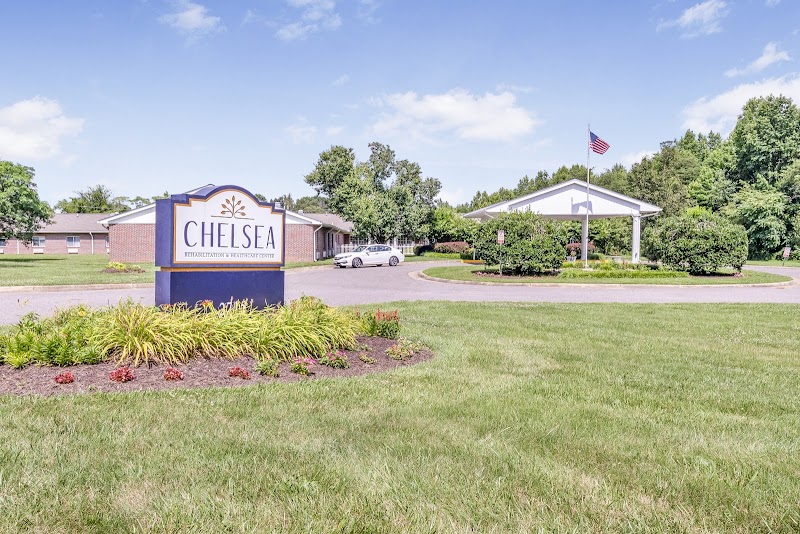
How is Chelsea Rehabilitation And Healthcare Center Staffed?

CMS rates CHELSEA REHABILITATION AND HEALTHCARE CENTER's staffing level at 2 out of 5 stars, which is below average compared to other nursing homes. Staff turnover is 45%, compared to the Virginia average of 46%. This relatively stable workforce can support continuity of care.

What Have Inspectors Found at Chelsea Rehabilitation And Healthcare Center?

State health inspectors documented 34 deficiencies at CHELSEA REHABILITATION AND HEALTHCARE CENTER during 2021 to 2024. These included: 1 that caused actual resident harm, 30 with potential for harm, and 3 minor or isolated issues. Deficiencies causing actual harm indicate documented cases where residents experienced negative health consequences.
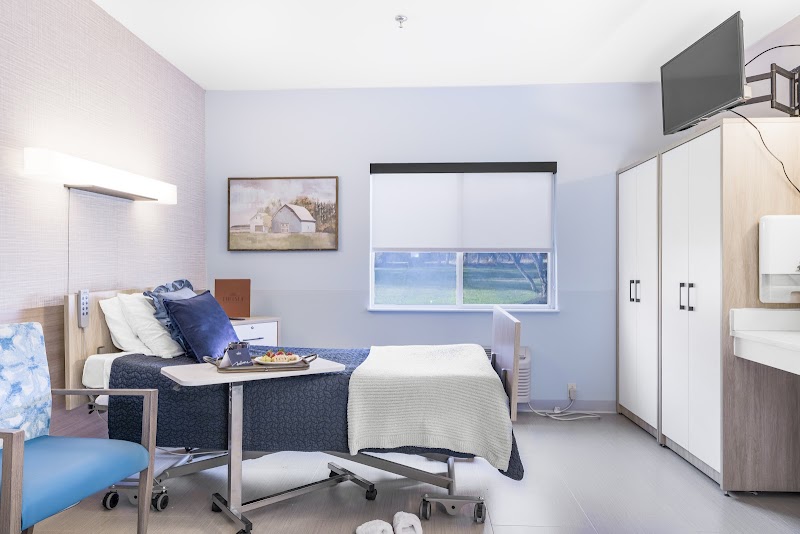
Who Owns and Operates Chelsea Rehabilitation And Healthcare Center?

CHELSEA REHABILITATION AND HEALTHCARE CENTER is owned by a for-profit company. For-profit facilities operate as businesses with obligations to shareholders or private owners. The facility is operated by MARQUIS HEALTH SERVICES, a chain that manages multiple nursing homes. With 84 certified beds and approximately 78 residents (about 93% occupancy), it is a smaller facility located in GOOCHLAND, Virginia.
How Does Chelsea Rehabilitation And Healthcare Center Compare to Other Virginia Nursing Homes?

Compared to the 100 nursing homes in Virginia, CHELSEA REHABILITATION AND HEALTHCARE CENTER's overall rating (3 stars) is below the state average of 3.0, staff turnover (45%) is near the state average of 46%, and health inspection rating (2 stars) is below the national benchmark.

What Should Families Ask When Visiting Chelsea Rehabilitation And Healthcare Center?

Based on this facility's data, families visiting should ask: "What safeguards and monitoring systems are in place to protect residents from abuse or neglect?" "Can you walk me through typical staffing levels on day, evening, and night shifts?" "Can I visit during a mealtime to observe dining assistance and food quality?" "How do you handle medical emergencies, and what is your hospital transfer rate?" These questions are particularly relevant given the substantiated abuse finding on record and the below-average staffing rating.

Is Chelsea Rehabilitation And Healthcare Center Safe?

Based on CMS inspection data, CHELSEA REHABILITATION AND HEALTHCARE CENTER has documented safety concerns. The facility has 1 substantiated abuse finding (meaning confirmed case of resident harm by staff or other residents). The facility has a 3-star overall rating and ranks #100 of 100 nursing homes in Virginia. Families considering this facility should ask detailed questions about what corrective actions have been taken since these incidents.

Do Nurses at Chelsea Rehabilitation And Healthcare Center Stick Around?

CHELSEA REHABILITATION AND HEALTHCARE CENTER has a staff turnover rate of 45%, which is about average for Virginia nursing homes (state average: 46%). Moderate turnover is common in nursing homes, but families should still ask about staff tenure and how the facility maintains care continuity when employees leave.

Was Chelsea Rehabilitation And Healthcare Center Ever Fined?

CHELSEA REHABILITATION AND HEALTHCARE CENTER has been fined $10,033 across 1 penalty action. This is below the Virginia average of $33,179. While any fine indicates a compliance issue, fines under $50,000 are relatively common and typically reflect isolated problems that were subsequently corrected. Families should ask what specific issues led to these fines and confirm they've been resolved.

Is Chelsea Rehabilitation And Healthcare Center on Any Federal Watch List?

CHELSEA REHABILITATION AND HEALTHCARE CENTER is not on any federal watch list. The most significant is the Special Focus Facility (SFF) program, which identifies the bottom 1% of nursing homes nationally based on persistent, serious quality problems. Not being on this list means the facility has avoided the pattern of deficiencies that triggers enhanced federal oversight. This is a positive indicator, though families should still review the facility's inspection history directly.