CANTERBURY REHABILITATION AND HEALTHCARE CENTER

1776 CAMBRIDGE DRIVE, RICHMOND, VA 23238 (804) 740-6174
For profit - Corporation 183 Beds MARQUIS HEALTH SERVICES Data: November 2025 1 Immediate Jeopardy citation
Trust Grade
33/100
#180 of 285 in VA
Last Inspection: July 2024

Within standard 12-15 month inspection cycle. Federal law requires annual inspections.

Overview

Canterbury Rehabilitation and Healthcare Center currently holds a Trust Grade of F, indicating significant concerns about the quality of care provided. Ranking #180 out of 285 facilities in Virginia places them in the bottom half, and they are last among the three nursing homes in Goochland County. While the facility has shown improvement in its trend, reducing issues from 28 in 2024 to 7 in 2025, it still faces serious challenges, including $31,532 in fines, which is higher than 84% of Virginia facilities, suggesting ongoing compliance problems. Staffing is a weakness with a poor rating of 1 out of 5 stars and a turnover rate of 49%, which is average for the state but indicates instability among staff. Specific incidents include failure to monitor residents with tracheostomies adequately, leading to a resident's death, and a lack of assistance for residents with activities of daily living, which raises concerns about basic care and safety.

Trust Score
F
33/100
In Virginia
#180/285
Bottom 37%
Safety Record
High Risk
Review needed
Inspections
Getting Better
28 → 7 violations
Staff Stability
⚠ Watch
49% turnover. Above average. Higher turnover means staff may not know residents' routines.
Penalties
✓ Good
$31,532 in fines. Lower than most Virginia facilities. Relatively clean record.
Skilled Nurses
○ Average
Each resident gets 34 minutes of Registered Nurse (RN) attention daily — about average for Virginia. RNs are the most trained staff who monitor for health changes.
Violations
⚠ Watch
102 deficiencies on record. Higher than average. Multiple issues found across inspections.
★★☆☆☆
2.0
Overall Rating
★☆☆☆☆
1.0
Staff Levels
★★★★★
5.0
Care Quality
★☆☆☆☆
1.0
Inspection Score
Stable
2024: 28 issues
2025: 7 issues

The Good

  • 5-Star Quality Measures · Strong clinical quality outcomes
  • Full Sprinkler Coverage · Fire safety systems throughout facility
  • No fines on record

Facility shows strength in quality measures, fire safety.

The Bad

2-Star Overall Rating

Below Virginia average (3.0)

Below average - review inspection findings carefully

Staff Turnover: 49%

Near Virginia avg (46%)

Higher turnover may affect care consistency

Federal Fines: $31,532

Below median ($33,413)

Moderate penalties - review what triggered them

Chain: MARQUIS HEALTH SERVICES

Part of a multi-facility chain

Ask about local staffing decisions and management

The Ugly 102 deficiencies on record

1 life-threatening
Feb 2025 1 deficiency
CONCERN (E) 📢 Someone Reported This

A family member, employee, or ombudsman was alarmed enough to file a formal complaint

Potential for Harm - no one hurt, but risky conditions existed

ADL Care (Tag F0677)

Could have caused harm · This affected multiple residents

**NOTE- TERMS IN BRACKETS HAVE BEEN EDITED TO PROTECT CONFIDENTIALITY** Based on staff interview, facility document review and clinical record review, it was determined that the facility staff failed ...

Read full inspector narrative →
**NOTE- TERMS IN BRACKETS HAVE BEEN EDITED TO PROTECT CONFIDENTIALITY** Based on staff interview, facility document review and clinical record review, it was determined that the facility staff failed to provide ADL (activities of daily living) care for dependent residents for four of six residents, R2, R3, R4 and R5. The findings include: 1. The facility staff failed to provide ADL (activities of daily living) specifically turning and positioning for a dependent resident, R2. R2 was admitted to the facility on [DATE] with diagnosis that included but were not limited to POA (present on admission) pressure wound sacral area, left and right heel, osteoarthritis, Adult FTT (failure to thrive) and osteomyelitis. The most recent MDS (minimum data set) assessment, an admission 5-day assessment, with an ARD (assessment reference date) of 2/3/25, coded the resident as scoring a 07 out of 15 on the BIMS (brief interview for mental status) score, indicating the resident was severely cognitively impaired. A review of the MDS Section GG-functional abilities and goals coded the resident as being dependent for bed mobility/transfers/bathing/dressing/toileting and eating. A review of the comprehensive care plan dated 1/28/25 revealed, FOCUS: I have skin breakdown and/or potential for skin breakdown: Sacrum, L heel and R heel. INTERVENTIONS: Notify nurse immediately of any skin changes: redness, blisters, bruises, discoloration, etc. noted during care. I need reminding/assistance to turn/reposition at least every 2 hours, more often as needed or requested. A review of R2's ADL (activities of daily living) documentation, Bed Mobility - Turn and Positioning was missing on the following dates and shifts: evening shift: 1/31, 2/8, 2/9 and night shift: 1/28, 2/1. On 2/12/25 at 11:40 AM an interview was conducted with CNA (certified nursing assistant) #1. When asked the frequency of turning and repositioning residents, CNA #1 stated, Every two hours and we document it on the ADL (activities of daily living) form. On 2/13/25 at 7:15 AM an interview was conducted with CNA #2. When asked the frequency of turning and repositioning residents, CNA #2 stated,We turn them every two hours unless they refuse. When asked where this is documented, CNA #2 stated, It is documented on our form in PCC (point click care). On 2/13/25 at 10:30 AM, ASM (administrative staff member) #1, the administrator, ASM #2, the DON (director of nursing) ASM #3, the regional director of operations and ASM #4, the regional nurse consultant was made aware of the findings. No further information was provided prior to exit. 2. The facility staff failed to provide ADL (activities of daily living) specifically turning and positioning for a dependent resident, R3. R3 was admitted to the facility on [DATE] with diagnosis that included but were not limited to DM (diabetes mellitus), Respiratory failure and encephalopathy. The most recent MDS (minimum data set) assessment, an admission 5-day assessment, with an ARD (assessment reference date) of 2/2/25, coded the resident as scoring a 14 out of 15 on the BIMS (brief interview for mental status) score, indicating the resident was not cognitively impaired. A review of the MDS Section GG-functional abilities and goals coded the resident as being dependent for bed mobility/transfers/bathing/dressing/toileting and eating. A review of the comprehensive care plan dated 1/28/25 revealed, FOCUS: I have an ADL Self Care Performance Deficit related to Encephalopathy, DM, Chronic respiratory failure with hypoxia, MI, Heart failure, Tracheostomy, Ischemic Cardiomyopathy, and Back pain. INTERVENTIONS: BED MOBILITY: I am dependent on 2 staff and a sheet for turning and repositioning. A review of R3's ADL (activities of daily living) documentation, Bed Mobility - Turn and Positioning was missing on the following dates and shifts: evening shift: 2/9 and night shift: 1/28, 2/1, 2/9 and 2/10. On 2/12/25 at 11:40 AM an interview was conducted with CNA (certified nursing assistant) #1. When asked the frequency of turning and repositioning residents, CNA #1 stated, Every two hours and we document it on the ADL (activities of daily living) form. On 2/13/25 at 7:15 AM an interview was conducted with CNA #2. When asked the frequency of turning and repositioning residents, CNA #2 stated, We turn them every two hours unless they refuse. When asked where this is documented, CNA #2 stated, It is documented on our form in PCC (point click care). On 2/13/25 at 10:30 AM, ASM (administrative staff member) #1, the administrator, ASM #2, the DON (director of nursing) ASM #3, the regional director of operations and ASM #4, the regional nurse consultant was made aware of the findings. No further information was provided prior to exit. 3. The facility staff failed to provide ADL (activities of daily living) specifically turning and positioning for a dependent resident, R4. R4 was admitted to the facility on [DATE] with diagnosis that included but were not limited to POA (present on admission) pressure wound sacral area, DM (diabetes mellitus) ESRD (end stage renal disease) and fracture of femur. The most recent MDS (minimum data set) assessment, an admission 5-day assessment, with an ARD (assessment reference date) of 2/8/25, coded the resident as scoring a 15 out of 15 on the BIMS (brief interview for mental status) score, indicating the resident was not cognitively impaired. A review of the MDS Section GG-functional abilities and goals coded the resident as being dependent for bed mobility/transfers/bathing/dressing/toileting and eating. A review of the comprehensive care plan dated 2/3/25 revealed, FOCUS: I have an ADL Self Care Performance Deficit related to fall at home with left femur fracture, ESRD on hemodialysis. INTERVENTIONS: Notify nurse immediately of any skin changes: redness, blisters, bruises, discoloration, etc. noted during care. I need reminding/assistance to turn/reposition at least every 2 hours, more often as needed or requested. A review of R4's ADL (activities of daily living) documentation, Bed Mobility - Turn and Positioning was missing on the following dates and shifts: evening shift: 2/8, 2/9 and night shift: 2/2 and 2/10. On 2/12/25 at 11:40 AM an interview was conducted with CNA (certified nursing assistant) #1. When asked the frequency of turning and repositioning residents, CNA #1 stated,Every two hours and we document it on the ADL (activities of daily living) form. On 2/13/25 at 7:15 AM an interview was conducted with CNA #2. When asked the frequency of turning and repositioning residents, CNA #2 stated, We turn them every two hours unless they refuse. When asked where this is documented, CNA #2 stated,It is documented on our form in PCC (point click care). On 2/13/25 at 10:30 AM, ASM (administrative staff member) #1, the administrator, ASM #2, the DON (director of nursing) ASM #3, the regional director of operations and ASM #4, the regional nurse consultant was made aware of the findings. No further information was provided prior to exit. 4. The facility staff failed to provide ADL (activities of daily living) specifically turning and positioning for a dependent resident, R5. R5 was admitted to the facility on [DATE] with diagnosis that included but were not limited to wedge compression fracture, pressure wound and multiple sclerosis. The most recent MDS (minimum data set) assessment, an admission 5-day assessment, with an ARD (assessment reference date) of 1/29/25, coded the resident as scoring a 13 out of 15 on the BIMS (brief interview for mental status) score, indicating the resident was not cognitively impaired. A review of the MDS Section GG-functional abilities and goals coded the resident as being dependent for bed mobility/transfers/bathing/dressing/toileting and eating. A review of the comprehensive care plan dated 1/23/25 revealed, FOCUS: I have an ADL Self Care Performance Deficit related to Activity Intolerance, Deconditioned status post hospitalization, Disease Process and Fatigue. INTERVENTIONS: BED MOBILITY: I require the assist of 1 staff and a sheet for turning and repositioning. A review of R5's ADL (activities of daily living) documentation, Bed Mobility - Turn and Positioning was missing on the following dates and shifts: day shift: 2/10, evening shift: 2/8 and night shift: 2/1 and 2/9. On 2/12/25 at 11:40 AM an interview was conducted with CNA (certified nursing assistant) #1. When asked the frequency of turning and repositioning residents, CNA #1 stated, Every two hours and we document it on the ADL (activities of daily living) form. On 2/13/25 at 7:15 AM an interview was conducted with CNA #2. When asked the frequency of turning and repositioning residents, CNA #2 stated, We turn them every two hours unless they refuse. When asked where this is documented, CNA #2 stated, It is documented on our form in PCC (point click care). On 2/13/25 at 10:30 AM, ASM (administrative staff member) #1, the administrator, ASM #2, the DON (director of nursing) ASM #3, the regional director of operations and ASM #4, the regional nurse consultant was made aware of the findings. No further information was provided prior to exit.
Jan 2025 6 deficiencies
CONCERN (D) 📢 Someone Reported This

A family member, employee, or ombudsman was alarmed enough to file a formal complaint

Potential for Harm - no one hurt, but risky conditions existed

Notification of Changes (Tag F0580)

Could have caused harm · This affected 1 resident

Based on staff interview, facility document review and clinical record review, it was determined the facility staff failed to notify the physician and/or responsible party when medications were not ad...

Read full inspector narrative →
Based on staff interview, facility document review and clinical record review, it was determined the facility staff failed to notify the physician and/or responsible party when medications were not administered for one of 11 residents in the survey sample, Resident #4. The findings include: For Resident #4,(R4), the facility staff failed to notify the physician when medications were not administered per the physician orders. The nurse's note dated, 1/4/25 at 2:00 a.m. documented, Patient is readmitted . R4's physician orders dated 1/4/25, documented, Sucralfate Oral Tablet; Give 2 gram via PEG - tube two times a day for ulcer. Vancomycin HCL (hydrochloride) 250 MG (milligrams); Give 125 mg via PEG-tube two times a day for infection. The above physicians' orders for R4 were documented on the January 2025 MAR (medication administration record), that indicates both medications and doses scheduled for 9:00 a.m. and 5:00 p.m., A 22 was documented. A 22 indicates, Drug/Treatment Not Administered. The nurse's note dated 1/4/25 at 12:34 p.m. documented, Ordered from pharmacy. The nurse's note dated 1/4/25 at 12:55 p.m. documented, medication ordered from pharmacy. Review of the contents of their emergency medication back up system, documented in part, Inventory on Hand: Vancomycin 125 mg cap (capsule). Sucralfate 1 GM (gram) tablet. An interview was conducted with LPN (licensed practical nurse) #1 on 1/22/25 at 11:32 a.m. LPN #1 stated, If a nurse cannot find the medication on the medication cart, the facility has a backup pharmacy system. If it's in there, then you get it from there and if not available, you call the doctor and follow their instructions. When asked if they document anything in the clinical record that it couldn't be given, LPN #1 stated, Yes, the nurse should document a progress note of why it wasn't given, calling the doctor, and you have to call the responsible party also. The facility policy, Unavailable Medications, documented in part, 2. In the event that a medication ordered for a resident is noted to be unavailable near or at the time it is to be dispensed, nursing staff shall: a. Contact the pharmacy regarding the unavailable medication. b. Attempt to obtain the medication from the facility's automated medication dispensing system or emergency kit. c. Notify the physician of the unavailable medication, explain the circumstances, report the date of expected availability, and provide the alternative medication(s) recommended by pharmacy. i. Obtain a new order and discontinue prior order, or ii. Obtain a hold order for the unavailable medication. ASM (administrative staff member) #1, the administrator, ASM #1, the administrator, ASM #2, the director of nursing, ASM #3, the vice president of operations, ASM #4, the regional director of operations, ASM #5, the vice president of clinical services and ASM #6, the regional nurse consultant, were made aware of the above findings on 1/23/25 at 1:08 p.m. No further information was provided prior to exit. References: (1) Vancomycin is used to treat colitis (inflammation of the intestine caused by certain bacteria) that may occur after antibiotic treatment. Vancomycin is in a class of medications called glycopeptide antibiotics. It works by killing bacteria in the intestines. This information was obtained from the following website: https://medlineplus.gov/druginfo/meds/a604038.html. (2) Sucralfate is used to treat and prevent the return of duodenal ulcers (ulcers located in first part of the small intestine). This information was obtained from the following website: https://medlineplus.gov/druginfo/meds/a681049.html.
CONCERN (D) 📢 Someone Reported This

A family member, employee, or ombudsman was alarmed enough to file a formal complaint

Potential for Harm - no one hurt, but risky conditions existed

Free from Abuse/Neglect (Tag F0600)

Could have caused harm · This affected 1 resident

Based on staff interview, facility document review, and clinical record review, it was determined the facility staff failed to protect one of 11 residents from sexual abuse, Resident #1. The findings...

Read full inspector narrative →
Based on staff interview, facility document review, and clinical record review, it was determined the facility staff failed to protect one of 11 residents from sexual abuse, Resident #1. The findings include: a. For Resident #1(R1), the facility staff failed to protect her from sexual abuse from Resident #8. On the most recent MDS (minimum data set) assessment, a quarterly assessment, with an assessment reference date of 12/6/24, R1 scored a zero out of 15 on the BIMS (brief interview for mental status) score, indicating R1 was severely impaired for making daily decisions. In Section GG - Functional Status, the resident was coded as being able to walk independently at least 150 feet. R1 progress note dated, 1/10/25 at 7:45 p.m. documented, While standing in the common area passing medications, writer overheard CNA (certified nursing assistant) (CNA #2) holler down the hall and call for CNA (CNA #1) to come here. (CNA #2) stated to (CNA #1), 'You will be my witness, I caught (name of R8) eating (name of R1)'s vagina.' Writer immediately stopped passing medications and proceeded down the corridor to find out what was happening. Upon arrival into (R8's) room, (R1) was noted to be undressed from the waist down with her brief off and a towel wrapped around her groin area. (R8) was observed coming out of the bathroom. Resident (R1) was immediately removed from (R8)'s room. Unit manager was immediately notified of the situation. RP (responsible party), MD (medical doctor) and Hospice made aware of the event. Police report was made. Patient sent to the ER (emergency room) for possible sexual assault. The psychiatric nurse practitioner note dated, 1/13/25 at 3:41 a.m. (LATE ENTRY) documented in part, Chief Complaint Comments: Behavioral mood disorder, Sexual Encounter with another Patient .Interval History: Patient seen today for behavioral mood disorder, Sexual Encounter with another patient and medication management follow up. Per staff report, (R8) was observed by one of the CNA's eating (R1)'s vagina. Nurse reported (R1) was in the Male patient's room, she was noted to be undressed from the waist down with her brief off and a towel wrapped around her groin area, while male patient was observed coming out from the bathroom. both patients were immediately separated, and (R1) was removed from the male patient room. During interaction with patient, she was unable to explain or recognized that any of the above sexual behaviors due to cognitive impairment. No active anxiety or depress mood observed or reported. The comprehensive care plan dated, 9/30/24, documented in part, Focus: I have a behavior problem r/t (related to) agitation - resident has a history of seeking out male attention. Interventions: Administer medications as ordered. Monitor/document for side effects and effectiveness. Anticipate and meet resident's needs. Assist the resident to develop more appropriate methods of coping and interacting. Encourage resident to express feelings appropriately. Focus: I have a psychosocial well-being problem r/t anxiety, depression. Resident to resident relationship. Interventions: 1/10/25 -When conflict arises, remove me to a calm safe environment and allow me to vent/share feelings. b. Resident #8 (R8) - On the most recent MDS assessment, a quarterly assessment, with an assessment reference date of 10/28/24, R8 scored a 7 out of 15 on the BIMS score, indicating the resident was severely impaired for making daily decisions. In Section GG - Functional Status, R8, was coded as being able to walk independently at least 150 feet. He was also coded as requiring set up assistance to being independent for his activities of daily living. A BIMS score completed on 1/22/25, the resident scored a 10 out of 15, indicating the resident was moderately impaired for making daily decisions. The nurse's note dated, 1/10/25 at 7:51 p.m. documented, While standing in the common area passing medications, writer overheard CNA (certified nursing assistant) (CNA #2) holler down the hall and call for CNA (CNA #1) to come here. (CNA #2) stated to (CNA #1), 'You will be my witness, I caught (name of R8) eating (name of R1)'s vagina.' Writer immediately stopped passing medications and proceeded down the corridor ot find out what was happening. Upon arrival into (R8's) room, (R1) was noted to be undressed from the waist down with her brief off and a towel wrapped around her groin area. (R8) was observed coming out of the bathroom. Resident (R1) was immediately removed from (R8)'s room. Unit manager was immediately notified of the situation. RP (responsible party), MD (medical doctor) and Hospice made aware of the event. Police report was made. Patient sent to the ER (emergency room) for possible sexual assault. The comprehensive care plan dated, Focus: I have a behavioral problem related to sexual ideation. Interventions: 1:1 (one to one) supervision. Administer medications as ordered. Monitor/document for side effects and effectiveness. Anticipate and meet resident's needs. Intervene as necessary to protect the rights and safety of others. Approach/speak in a calm manner, divert attention. Remove from situation and take to alternative location as needed. The psychiatric nurse practitioner note dated, 1/13/25 at 7:44 a.m. LATE ENTRY, documented in part, Patient seen today for depression mood disorder, psychosis, sexual encounter with a patient, mood disorder and medication follow up. Staff reports of patient observed having sexual behavior with a female patient in his room. Per staff report, (R8) was observed by one of the CNA's eating a female patient vagina. Nurse reported, saw female patient in (R8)'s room, she was noted to be undressed from the waist down with her brief off and a towel wrapped around her groin area, while (R8) was observed coming out from the bathroom. Both patients were immediately separated, and female patient was removed from the male patient room. Patient was placed on 1:1 staff supervision. During interaction with patient bedside, patient cooperative, alert to self, current pretendent, DOB (date of birth ), and current location. Patient denies above sexual behaviors. No active anxiety or depressed mood observed or reported. No change in patient sleep and appetite patterns. The facility synopsis of the event, dated, 1/10/25, documented, Both residents were found in a bedroom and (R1) was noted to be naked. No injuries noted to either resident. Investigation has been initiated. The synopsis dated 1/17/25, documented, This is the final FRI (facility reported incident) regarding a resident-to-resident sexual allegation between (name of R8) and (name of R1). (R8) is a 75 -year-old male with a medical history not limited to: Dementia, Anxiety, and COPD (chronic obstructive pulmonary disease) and a BIMS of 0. (R1) ear-old hospice resident with a medical history of but not limited to: Dementia, Cerebrovascular Disease and Psychosis. (R1) has a BIMS of 0. After reviewing staff statements, medical records, medical assessments and documentation, (R1) was seen walking in the hallway 10 minutes before she was seen sitting on (R8)'s bed with her brief off and (R8) in the same room fully clothed. The complete skin assessment of (R1) did not show any skin altercations/impairments. (R1) was sent to hospital with no further deviations in skin or any other recommendations. Responsible parties for both residents and authorities were informed of this incident. Neither resident has any recollection of the incident. Social services, the medical director, and psychiatry continue to follow both residents. Care plans have been revised and will be updated as needed. Both residents remain at baseline, continue to tolerate meals, activities and medications well with no psychosocial disturbances. A request was made for the Virginia State Police Sex Offenders screening completed on R8's admission to the facility. On 1/22/25 at 8:39 a.m. a copy of a screening completed 1/21/25 was presented. The resident did not have any offenses on the report. When asked where is the Sex Offender screening report completed upon admission, OSM (other staff member) #1, the director of admissions, stated there is no evidence one was run at the time of admission but the other employee that did this at that time stated she had done it. An interview was conducted with CNA #1 on 1/22/25 at 3:15 p.m. CNA #1 stated she heard (name of CNA #2) at the doorway of (R8)'s room calling for help. She went there and (R1) was sitting on the side of the bed. She was naked from the waist down. Pants, brief and shoes were on the floor. (R8) was just walking towards us, he went into the bathroom, He was fully clothed. She wrapped a towel around (R1) and walked her out of the room to another female resident room. Then the nurse came in to examine (R1). CNA #1 stated That R8 is independent for his care, he does his own bathing, brushes his own teeth, even shaves himself and makes his own bed. He knows the staff names and some of the resident's names. R8 stays to himself, only comes out of his rooms for meals. When asked if she's heard R8 say anything sexual in nature to a resident, CNA #1 stated that, he's told her that He's a good-looking guy and all the girls like him. She has never seen him say anything to a resident or acted sexually towards any other resident. Witness statement of CNA #2 dated 1/10/25 doceumented. I walked in (R8)'s room to prep for care and heard (R8) on the B side, he had the curtain pulled. I heard (R1) stuttering, so I pulled the curtain back and seen her laying on her back with no pants or brief or shoes on (they were at R8's) feet. She was trying to sit up and (R8) was holding her legs around his neck with his face in her vagina and his head going in a back-and-forth motion. I yelled for (CNA #1) and a nurse and he (R8) got up and ran into the bathroom locking the door. When the nurse got to the room, he came out and still had cream on his upper lip. There was a dirty towel in the trash as well and when we took (R1) out the room, he washed his face and drank mouthwash. An interview was conducted with CNA #2 on 1/22/25 at 3:59 p.m. She reviewed her statement and stated that is what happened that day. CNA #2 stated R8 stated he didn't do anything. She further stated she had heard R8 telling another resident that just left the facility that it's easy to get away with things when they think you are crazy. CNA #2 stated that R1 is sometimes difficult to do incontinence care on as she will state, 'No, No, No' when you try to take her clothes off. An interview was conducted with LPN (licensed practical nurse) #3 on 1/22/25 at 4:28 p.m. LPN #3 stated that her note above speaks for itself and is accurate of the details of that evening. LPN #3 stated she doesn't see (R8) as demented. He is oriented times four (person, place, time and situation). He shaves himself; he was a barber. He stated to her at the time, what are you talking about, you can't prove anything. Observations were made of R1 and R8 throughout the survey. R1 was noted to be in the day room of the Grove unit. She was interacting with staff, eating her meals or napping in her chair. R8 was observed on the first floor, being on a 1:1 supervision with a CNA by his side. ASM (administrative staff member) #1, the administrator, ASM #1, the administrator, ASM #2, the director of nursing, ASM #3, the vice president of operations, ASM #4, the regional director of operations, ASM #5, the vice president of clinical services and ASM #6, the regional nurse consultant, were made aware of the above findings on 1/23/25 at 1:08 p.m. The facility presented a Plan of Correction, dated 1/13/25. Problems: Females and Males with BIMS indicating cognitive impairment engaging in sexual behavior from oral, fondling/touching, disrobing of clothing, entering the room of another resident room without knowledge of the staff. Immediate Response: The residents were immediately separated, skin and pain assessment completed. No evidence of female resident's redness, trauma, bleeding/discharge. Trauma informed screens conducted. Psych services to follow. MD/RP review. How to Identify other resident that might be impacted: All residents have the potential to be affected. An audit by the DON (director of nursing) or designee to identify residents that wander in other rooms and shows signs of sexual behaviors will be monitored when out of room and redirect from other rooms with care plan updated, MD/RP and Medical Director aware of sexual and/or wandering behaviors specific to type of incidents with residents' interventions. What measures were put in place to prevent reoccurrence: Education by the DCS (director of clinical services) or designee on the process and procedure for residents who wander in other resident room and/or exhibiting sexual behaviors to protect the resident prevent entering other resident's room with risk for sexual behaviors. Monitoring of the identified residents when out of room and redirect from other rooms, activities to prevent/distract from sexual behaviors, TV, radio on non-sexual content, redirector sexual conversations, during socialization, dining activity, when possible pair with same gender to prevent the identified male and/or female residents from touching or sexual behavior, purposeful rounding to verify resident have not wandered in other room, no sexual behaviors, immediately separate, report to nurse, Administrator and DON are aware. Date of Compliance: 1/20/25. All of the credible evidence was reviewed. The facility was found to be in compliance. No further information was provided prior to exit.
CONCERN (D) 📢 Someone Reported This

A family member, employee, or ombudsman was alarmed enough to file a formal complaint

Potential for Harm - no one hurt, but risky conditions existed

Medical Records (Tag F0842)

Could have caused harm · This affected 1 resident

Based on staff interview, facility document review and clinical record review, it was determined the facility staff failed to maintain a complete and accurate clinical record for one of 11 residents i...

Read full inspector narrative →
Based on staff interview, facility document review and clinical record review, it was determined the facility staff failed to maintain a complete and accurate clinical record for one of 11 residents in the survey sample, Resident #4. The findings include: For Resident #4, the facility staff failed to document the notification of the nurse practitioner of when a medication was held. The physician order dated, 1/9/25, documented, Metoprolol Tartrate Tablet (1) 25 MG (milligrams); Give 1 tablet via PEG-tube two times a day related to essential hypertension. The January 2025 MAR documented the above order. On 1/21/25 at the scheduled 5:00 p.m. dose a 5 was documented. A 5 indicates, Hold. The nurse's notes dated 1/21/25 at 8:13 p.m. documented, Patient received Midodrine (2). BP (blood pressure) 115/67. HR (heart rate) 97. There was no notification to the doctor or responsible party as to why the medication was held. There were no documented parameters for this mediation order. On 1/22/25 at 11:32 a.m., An interview was conducted with LPN (licensed practical nurse) #1. LPN #1 stated That if a nurse cannot find the medication on the medication cart, the facility has a backup pharmacy system. If it's in there, then you get it from there. If not available, you call the doctor and follow their instructions. When asked if they document anything in the clinical record that it couldn't be given, LPN #1 stated, Yes, 'The nurse should document a progress note of why it wasn't given, calling the doctor and you have to call the responsible party also. On 1/23/25 at 11:22, An interview was conducted with ASM (administrative staff member) #8, the nurse practitioner, a.m. ASM #8 stated that the nurse did text her on 1/21/25 to tell her she had held the Metoprolol. The facility policy, Charting and Documentation, documented in part, 7. Documentation of procedures and treatments will include care-specific details, including .f. notification of family, physician or other staff, if indicated. On 1/23/25 at 1:08 p.m., ASM #1, the administrator, ASM #1, the administrator, ASM #2, the director of nursing, ASM #3, the vice president of operations, ASM #4, the regional director of operations, ASM #5, the vice president of clinical services and ASM #6, the regional nurse consultant, were made aware of the above findings. No further information was provided prior to exit. References: (1) Metoprolol is used alone or in combination with other medications to treat high blood pressure. It also is used to treat chronic (long-term) angina (chest pain). Metoprolol is also used to improve survival after a heart attack. Metoprolol also is used in combination with other medications to treat heart failure. This information was obtained from the following website: https://medlineplus.gov/druginfo/meds/a682864.html. (2) Midodrine is used to treat orthostatic hypotension (sudden fall in blood pressure that occurs when a person assumes a standing position). This information was obtained from the following website: https://medlineplus.gov/druginfo/meds/a616030.html.
CONCERN (E) 📢 Someone Reported This

A family member, employee, or ombudsman was alarmed enough to file a formal complaint

Potential for Harm - no one hurt, but risky conditions existed

Comprehensive Care Plan (Tag F0656)

Could have caused harm · This affected multiple residents

**NOTE- TERMS IN BRACKETS HAVE BEEN EDITED TO PROTECT CONFIDENTIALITY** Based on staff interview, facility document review, and clinical record review, it was determined the facility staff failed to i...

Read full inspector narrative →
**NOTE- TERMS IN BRACKETS HAVE BEEN EDITED TO PROTECT CONFIDENTIALITY** Based on staff interview, facility document review, and clinical record review, it was determined the facility staff failed to implement the comprehensive care plan for three of 11 residents in the survey sample, Residents #7, #4, and #3. The findings include: 1. For Resident #7, the facility staff failed to implement the comprehensive care plan to give treatments as ordered. The comprehensive care plan dated, 12/26/24, documented in part, Focus: I have impaired skin integrity. The Interventions documented in part, Administer treatments as ordered and monitor for effectiveness. The physician order dated, 12/27/24, documented, [NAME] Prep (3) L (left) heel DTI every shift. [NAME] Prep R (right) heel DTI every shift. The January 2025 TAR (treatment administration record) documented the above orders. For both the left and right heel, there were blanks on the TAR on the following dates for the evening shift: 1/3/25, 1/7/25, 1/8/25, 1/9/25, 1/10/25, 1/12/25, 1/13/25, 1/14/25, 1/15/25, 1/16/25. The physician order dated, 1/16/25, documented, Betadine L heel DTI every shift. Betadine R heel DTI every shift. The January 2025 TAR documented the above order. For both the left and right heel, there were blanks on the TAR on the following dates for the evening shift: 1/17/25 and 1/20/25. An interview was conducted with LPN (licensed practical nurse) #1, on 1/22/25 at 11:32 a.m. LPN #1 stated the purpose of the care plan is to know how to care for the resident and it should be followed. The facility policy, Care Plans, Comprehensive Person-Centered, documented in part, A comprehensive, person-centered care plan that includes measurable objectives and timetables to meet the resident's physical, psychosocial and functional needs is developed and implemented for each resident. ASM (administrative staff member) #1, the administrator, ASM #1, the administrator, ASM #2, the director of nursing, ASM #3, the vice president of operations, ASM #4, the regional director of operations, ASM #5, the vice president of clinical services and ASM #6, the regional nurse consultant, were made aware of the above findings on 1/22/25 at 4:41 p.m. No further information was provided prior to exit. References: (1) A pressure injury is localized damage to the skin and underlying soft tissue usually over a bony prominence or related to a medical or other device. The injury can present as intact skin or an open ulcer and may be painful. The injury occurs as a result of intense and/or prolonged pressure or pressure in combination with shear. The tolerance of soft tissue for pressure and shear may also be affected by microclimate, nutrition, perfusion, co-morbidities and condition of the soft tissue. This information was obtained from the following website: http://www.npuap.org/resources/educational-and-clinical-resources/npuap-pressure-injury-stages/ (2) Deep Tissue Pressure Injury: Persistent non-blanchable deep red, maroon or purple discoloration Intact or non-intact skin with localized area of persistent non-blanchable deep red, maroon, purple discoloration or epidermal separation revealing a dark wound bed or blood-filled blister. Pain and temperature change often precede skin color changes. Discoloration may appear differently in darkly pigmented skin. This injury results from intense and/or prolonged pressure and shear forces at the bone-muscle interface. This information was obtained from the following website: http://www.npuap.org/resources/educational-and-clinical-resources/npuap-pressure-injury-stages/. (3) [NAME](e) Prep pads - Fast-drying skin protectant is vapor permeable and delivers protection from friction and incontinence. This information was obtained from the following website: https://www.medline.com/product/SurePrep-Skin-Protectant-Wipe/Z05-PF00058?question=sure%20prep%20pads& (4) Betadine is an antiseptic solution used to disinfect open wounds or cuts and to prepare the skin for surgery. It is used on the skin to treat or prevent skin infection in minor cuts, scrapes, or burns. Betadine kills viruses, bacteria, and fungi on the skin by damaging important proteins that the germs need to survive. Betadine is also useful to heal second and third-degree burns. This information was obtained from the following website: https://www.drugs.com/mtm/betadine.html. 2. For Resident #4, the facility staff failed to implement the comprehensive care plan for administering medications per the physician orders. The comprehensive care plan dated, 1/9/25, documented in part, Focus: I have altered cardiovascular status. The care plan further documented, Interventions: Give all cardiac meds (medications) as ordered. The comprehensive care plan dated, 1/9/25, documented, Focus: I am on seizure medication r/t (related to) POLYNEUROPATHY. Interventions: Give medications as ordered. The comprehensive care plan dated, 1/9/25, documented in part, Focus: I am on pain medication therapy. Interventions: Administer medications as ordered and monitor for effectiveness. The physician order dated, 1/9/25, documented, Midodrine HCL (hydrochloride) Tablet 10 MG (milligrams); Give 1 table via PEG-tube three times a day related to hypotension (low blood pressure); HOLD FOR SBP (systolic blood pressure) GREATER THAN 130. The January 2025 MAR (medication administration record) documented the above order. On 1/13/25 at 1:00 p.m. the blood pressure was documented as 167/90. On 1/13/25 at 5:00 p.m. the blood pressure was documented as 145/78. On 1/16/25 at 5:00 p.m., the blood pressure was documented as 133/86. On all three occasions, the medication was administered even though the blood pressure was outside the physician prescribed parameters. Review of the nurse's notes failed to evidence any documentation related to giving the medication even though the blood pressure was outside the prescribed parameters. The physician order dated, 1/9/25, documented, Gabapentin Oral Solution; Give 5 ml (milliliters) via PEG-tube three times a day related to polyneuropathy due to other toxic agents. The January 2025 MAR documented the above order. On 1/18/25 at 5:00 p.m. and 1/19/25 at 9:00 a.m., a 5 was documented. A 5 documents, Hold. The nurse's note dated, 1/18/25 at 8:58 p.m. documented, Medication on order. MD (medical doctor) notified. The nurse's note dated 1/19/25 at 11:53 a.m. failed to evidence documentation of why the medication was not given. Review of the narcotic count sheet for the Gabapentin, revealed documented 450 ml of the medication was delivered on 1/10/25. If the nurse gave 5 ml as ordered, there should be 90 doses of the medication in the medication cart. There were 350 ml available on 1/18/25 to be administered. The physician order dated, 1/14/25, documented, Oxycodone HCL Oral Tablet 10 MG; Give 10 mg via PEG-tube three times a day for Chronic pain. The January 2025 MAR documented the above order. On 1/14/25 at 5:00 p.m. and 1/15/25 at 9:00 a.m. a 22 was documented. A 22 indicates, Drug/Treatment Not Administered. The nurse's note dated, 1/14/25 at 6:58 p.m. documented Pharmacy state they didn't get script, though writer faxed several hours ago. Refaxed. The Narcotic Sheet for Oxycodone 5 mg tablet documented on 1/14/25, there were 74 tablets available for administration. An interview was conducted with LPN (licensed practical nurse) #1, on 1/22/25 at 11:32 a.m. LPN #1 stated the purpose of the care plan is to know how to care for the resident and it should be followed. ASM (administrative staff member) #1, the administrator, ASM #1, the administrator, ASM #2, the director of nursing, ASM #3, the vice president of operations, ASM #4, the regional director of operations, ASM #5, the vice president of clinical services and ASM #6, the regional nurse consultant, were made aware of the above findings on 1/22/25 at 4:41 p.m. No further information was provided prior to exit. References: (1) Midodrine is used to treat orthostatic hypotension (sudden fall in blood pressure that occurs when a person assumes a standing position). This information was obtained from the following website: https://medlineplus.gov/druginfo/meds/a616030.html. (2) Gabapentin capsules, tablets, and oral solution are used along with other medications to help control certain types of seizures in people who have epilepsy. Gabapentin capsules, tablets, and oral solution are also used to relieve the pain of postherpetic neuralgia. This information was obtained from the following website: https://medlineplus.gov/druginfo/meds/a694007.html. (3) Oxycodone immediate-release tablets, capsules, and oral solution are used to relieve severe, acute pain (pain that begins suddenly, has a specific cause, and is expected to go away when the cause of the pain is healed) in people who are expected to need an opioid pain medication and who cannot be treated with other pain medications. This information was obtained from the following website: https://medlineplus.gov/druginfo/meds/a682132.html. 3. For Resident #3, the facility staff failed to implement the comprehensive care plan for administering medications and treatments as ordered. The comprehensive care plan dated, 10/22/24, documented in part, Focus: The resident has a pressure ulcer or has the potential for pressure ulcer development r/t disease process, history of pressure ulcers, immobility, admitted with sacral wound stage 4. Interventions: Administer treatments as ordered. The comprehensive care plan dated, 10/22/24, documented in part, Focus: I have Gastro-esophageal reflux disease (GERD) related to hyperacidity. The care plan documented in part, Interventions: Give medications as ordered. The comprehensive care plan dated, 11/19/25, documented in part, Focus: I am on antibiotic therapy r/t (related to) osteomyelitis. The care plan documented in part, Interventions: Administer medications as ordered. The physician orders dated 1/5/25, documented, Cleanse left distal upper back every day shift; cleanse left distal upper back with NS (normal saline) apply Silvasorb (1), cover with bordered gauze change daily. Left upper back every day shift; cleanse area to left upper back with NS, apply Silvasorb secure with foam bordered gauze change daily. Sacral Wound: clean with Dakin's solution (2), apply Santyl (3) and Dakin's moist gauze, cover with superabsorbent dressing and bordered foam every day shift. The January 2025 TAR (treatment administration record) documented the above orders. There were blanks in the day shift for 1/20/25. The nurse's note dated, 1/4/25 at 2:00 a.m. documented, Patient is readmitted . The physician orders dated 1/4/25, documented, Sucralfate Oral Tablet (5); Give 2 gram via PEG - tube two times a day for ulcer. Vancomycin HCL (hydrochloride) (4) 250 MG (milligrams); Give 125 mg via PEG-tube two times a day for infection. The January 2025 MAR (medication administration record) documented the above orders. For both medications for both doses scheduled for 9:00 a.m. and 5:00 p.m., a 22 was documented. A 22 indicates, Drug/Treatment Not Administered. The nurse's note dated 1/4/25 at 12:34 p.m. documented, Ordered from pharmacy. The nurse's note dated 1/4/25 at 12:55 p.m. documented, medication ordered from pharmacy. Review of the contents of their emergency medication back up system, documented in part, Inventory on Hand: Vancomycin 125 mg cap (capsule). Sucralfate 1 GM (gram) tablet. An interview was conducted with LPN (licensed practical nurse) #1, on 1/22/25 at 11:32 a.m. LPN #1 stated the purpose of the care plan is to know how to care for the resident and it should be followed. ASM (administrative staff member) #1, the administrator, ASM #1, the administrator, ASM #2, the director of nursing, ASM #3, the vice president of operations, ASM #4, the regional director of operations, ASM #5, the vice president of clinical services and ASM #6, the regional nurse consultant, were made aware of the above findings on 1/23/25 at 1:08 p.m. References: (1) Silvasorb is a silver-based product that is used to treat minor cuts, scrapes, burns, skin irritation, ulcers, and wounds. It may cause allergic reactions, skin infections, or overdose symptoms. This information was obtained from the following website: https://www.drugs.com/cdi/silvasorb.html (2) Dakins Full Strength Solution is used to treat or prevent infections caused by cuts or abrasions, skin ulcers, pressure ulcers, diabetic foot ulcers, or surgery. This information was obtained from the following website: https://www.drugs.com/mtm/dakins-full-strength-solution.html. (3) Santyl (for the skin) is used to treat severe burns or skin ulcers in adults. Santyl helps remove dead skin tissue and aid in wound healing. This information was obtained from the following website: https://www.drugs.com/mtm/santyl.html. (4) Vancomycin is used to treat colitis (inflammation of the intestine caused by certain bacteria) that may occur after antibiotic treatment. Vancomycin is in a class of medications called glycopeptide antibiotics. It works by killing bacteria in the intestines. This information was obtained from the following website: https://medlineplus.gov/druginfo/meds/a604038.html. (5) Sucralfate is used to treat and prevent the return of duodenal ulcers (ulcers located in first part of the small intestine). This information was obtained from the following website: https://medlineplus.gov/druginfo/meds/a681049.html.
CONCERN (E) 📢 Someone Reported This

A family member, employee, or ombudsman was alarmed enough to file a formal complaint

Potential for Harm - no one hurt, but risky conditions existed

Quality of Care (Tag F0684)

Could have caused harm · This affected multiple residents

Based on staff interview, facility document review and clinical record review, it was determined the facility staff failed to administer medications and/or treatments per the physician order for two o...

Read full inspector narrative →
Based on staff interview, facility document review and clinical record review, it was determined the facility staff failed to administer medications and/or treatments per the physician order for two of 11 residents in the survey sample, Residents #3 and #4. The findings include: 1.a. For Resident #3(R3), the facility staff failed to administer physician ordered treatments to an abdominal surgical wound, a right great toe callus, and right lateral foot callus. The physician orders dated, 1/8/25, documented, Cleanse abdominal surgical wound with wound wash; apply skin prep (1) daily one time a day for wound care. Apply skin prep to right great toe q (every) shift, every shift for wound care. Apply skin prep to the right lateral foot every shift for wound care. The TAR (treatment administration record) documented the above orders. On 1/20/25 for the day shift, there was no documentation that the treatement was adminstered. On 1/22/25 at 11:32 a.m., an interview was conducted with LPN (licensed practical nurse) #1, When asked how do nurses' evidence that they've completed a physician prescribed treatment, LPN #1 stated The nurse signs it off on the TAR. The facility policy, Wound Treatment, documented in part, Documentation: The following information should be recorded in the resident 's medical record: 1. The date and time the wound care was given. 2. The type of wound care given. On 1/23/25 at 1:08 p.m. #1, the administrator, ASM #1, the administrator, ASM #2, the director of nursing, ASM #3, the vice president of operations, ASM #4, the regional director of operations, ASM #5, the vice president of clinical services and ASM #6, the regional nurse consultant, were made aware of the above findings. No further information was provided prior to exit. References: (1) Skin Prep Protective Barriers are liquid silicone-based products to create a film layer to shield delicate and vulnerable skin. This information was obtained from the following website: ttps://www.vitalitymedical.com/skin-prep-protective-barriers-films.html. 1.b. For Resident #3 (R3), the facility staff failed to administer Vancomycin (1) and Sucralfate (2) per the physician orders. The nurse's note dated, 1/4/25 at 2:00 a.m. documented, Patient is readmitted . The physician orders dated 1/4/25, documented, Sucralfate Oral Tablet; Give 2 gram via PEG - tube two times a day for ulcer. Vancomycin HCL (hydrochloride) 250 MG (milligrams); Give 125 mg via PEG-tube two times a day for infection. The January 2025 MAR (medication administration record) documented the above orders. For both medications for both doses scheduled for 9:00 a.m. and 5:00 p.m., a 22 was documented. A 22 indicates, Drug/Treatment Not Administered. The nurse's note dated 1/4/25 at 12:34 p.m. documented, Ordered from pharmacy. The nurse's note dated 1/4/25 at 12:55 p.m. documented, medication ordered from pharmacy. Review of the contents of their emergency medication back up system, documented in part, Inventory on Hand: Vancomycin 125 mg cap (capsule). Sucralfate 1 GM (gram) tablet. The comprehensive care plan dated, 10/22/24, documented in part, Focus: I have Gastro-esophageal reflux disease (GERD) related to hyperacidity. The care plan documented in part, Interventions: Give medications as ordered. The comprehensive care plan dated, 11/19/25, documented in part, Focus: I am on antibiotic therapy r/t (related to) osteomyelitis. The care plan documented in part, Interventions: Administer medications as ordered. An interview was conducted with LPN (licensed practical nurse) #1 on 1/22/25 at 11:32 a.m. LPN #1 stated that if a nurse cannot find the medication on the medication cart, the facility has a backup pharmacy system. If it's in there, then you get it from there. If not available, you call the doctor and follow their instructions. When asked if they document anything in the clinical record that it couldn't be given, LPN #1 stated, yes, the nurse should document a progress note of why it wasn't given, calling the doctor and you have to call the responsible party also. The facility policy, Unavailable Medications, documented in part, 2. In the event that a medication ordered for a resident is noted to be unavailable near or at the time it is to be dispensed, nursing staff shall: a. Contact the pharmacy regarding the unavailable medication. b. Attempt to obtain the medication from the facility ' s automated medication dispensing system or emergency kit. c. Notify the physician of the unavailable medication, explain the circumstances, report the date of expected availability, and provide the alternative medication(s) recommended by pharmacy. i. Obtain a new order and discontinue prior order, or ii. Obtain a hold order for the unavailable medication. ASM (administrative staff member) #1, the administrator, ASM #1, the administrator, ASM #2, the director of nursing, ASM #3, the vice president of operations, ASM #4, the regional director of operations, ASM #5, the vice president of clinical services and ASM #6, the regional nurse consultant, were made aware of the above findings on 1/23/25 at 1:08 p.m. No further information was provided prior to exit. References: (1) Vancomycin is used to treat colitis (inflammation of the intestine caused by certain bacteria) that may occur after antibiotic treatment. Vancomycin is in a class of medications called glycopeptide antibiotics. It works by killing bacteria in the intestines. This information was obtained from the following website: https://medlineplus.gov/druginfo/meds/a604038.html. (2) Sucralfate is used to treat and prevent the return of duodenal ulcers (ulcers located in first part of the small intestine). This information was obtained from the following website: https://medlineplus.gov/druginfo/meds/a681049.html. 2.a. For Resident #4 (R4), the facility staff failed to administer medications Midodrine (1) per the physician orders. The physician order dated, 1/9/25, documented, Midodrine HCL (hydrochloride) Tablet 10 MG (milligrams); Give 1 table via PEG-tube three times a day related to hypotension (low blood pressure); HOLD FOR SBP (systolic blood pressure) GREATER THAN 130. The January 2025 MAR (medication administration record) documented the above order. On 1/13/25 at 1:00 p.m. the blood pressure was documented as 167/90. On 1/13/25 at 5:00 p.m. the blood pressure was documented as 145/78. On 1/16/25 at 5:00 p.m., the blood pressure was documented as 133/86. On all three occasions, the medication was administered even though the blood pressure was outside the physician prescribed parameters. Review of the nurse's notes failed to evidence any documentation related to giving the medication even though the blood pressure was outside the prescribed parameters. The comprehensive care plan dated, 1/9/25, documented in part, Focus: I have altered cardiovascular status. The care plan further documented, Interventions: Give all cardiac meds (medications) as ordered. An interview was conducted with RN (registered nurse) #1, on 1/23/25 at 10:38 a.m. RN #1 stated if a medication has parameters in which to give the medication, you take the vital signs, example, blood pressure. If the reading is within the parameters, then you administer the medication. The facility policy, Administering Medications documented in part, 4. Medications are administered in accordance with prescriber orders, including any required time frame. 2.b. For R4, the facility staff failed to administer Gabapentin (2) per the physician order. The physician order dated, 1/9/25, documented, Gabapentin Oral Solution; Give 5 ml (milliliters) via PEG-tube three times a day related to polyneuropathy due to other toxic agents. The January 2025 MAR documented the above order. On 1/18/25 at 5:00 p.m. and 1/19/25 at 9:00 a.m., a 5 was documented. A 5 documents, Hold. The nurse's note dated, 1/18/25 at 8:58 p.m. documented, Medication on order. MD (medical doctor) notified. The nurse's note dated 1/19/25 at 11:53 a.m. failed to evidence documentation of why the medication was not given. Review of the narcotic count sheet for the Gabapentin, revealed documented 450 ml of the medication was delivered on 1/10/25. If the nurse gave 5 ml as ordered, there should be 90 doses of the medication in the medication cart. There were 350 ml available on 1/18/25 to be administered. The comprehensive care plan dated, 1/9/25, documented, Focus: I am on seizure medication r/t (related to) POLYNEUROPATHY. Interventions: Give medications as ordered. An interview was conducted with LPN (licensed practical nurse) #1 on 1/22/25 at 11:32 a.m. LPN #1 stated that if a nurse cannot find the medication on the medication cart, the facility has a backup pharmacy system. If it's in there, then you get it from there. If not available, you call the doctor and follow their instructions. When asked if they document anything in the clinical record that it couldn't be given, LPN #1 stated, yes, the nurse should document a progress note of why it wasn't given, calling the doctor and you have to call the responsible party also. 2.c. For R4, the facility staff failed to administered Oxycodone (3) per the physician order. The physician order dated, 1/14/25, documented, Oxycodone HCL Oral Tablet 10 MG; Give 10 mg via PEG-tube three times a day for Chronic pain. The January 2025 MAR documented the above order. On 1/14/25 at 5:00 p.m. and 1/15/25 at 9:00 a.m. a 22 was documented. A 22 indicates, Drug/Treatment Not Administered. The nurse's note dated, 1/14/25 at 6:58 p.m. documented Pharmacy state they didn't get script, though writer faxed several hours ago. Refaxed. The Narcotic Sheet for Oxycodone 5 mg tablet documented on 1/14/25, there were 74 tablets available for administration. The comprehensive care plan dated, 1/9/25, documented in part, Focus: I am on pain medication therapy. Interventions: Administer medications as ordered and monitor for effectiveness. An interview was conducted with RN #1 on 1/23/25 at 10:38 a.m. RN #1 stated that if there are 5 mg tablets of Oxycodone in the narcotic drawer, then the nurse administers two tablets until the 10 mg dose arrives. ASM (administrative staff member) #1, the administrator, ASM #1, the administrator, ASM #2, the director of nursing, ASM #3, the vice president of operations, ASM #4, the regional director of operations, ASM #5, the vice president of clinical services and ASM #6, the regional nurse consultant, were made aware of the above findings on 1/22/25 at 4:41 p.m. No further information was provided prior to exit. References: (1) Midodrine is used to treat orthostatic hypotension (sudden fall in blood pressure that occurs when a person assumes a standing position). This information was obtained from the following website: https://medlineplus.gov/druginfo/meds/a616030.html. (2) Gabapentin capsules, tablets, and oral solution are used along with other medications to help control certain types of seizures in people who have epilepsy. Gabapentin capsules, tablets, and oral solution are also used to relieve the pain of postherpetic neuralgia. This information was obtained from the following website: https://medlineplus.gov/druginfo/meds/a694007.html. (3) Oxycodone immediate-release tablets, capsules, and oral solution are used to relieve severe, acute pain (pain that begins suddenly, has a specific cause, and is expected to go away when the cause of the pain is healed) in people who are expected to need an opioid pain medication and who cannot be treated with other pain medications. This information was obtained from the following website: https://medlineplus.gov/druginfo/meds/a682132.html.
CONCERN (E) 📢 Someone Reported This

A family member, employee, or ombudsman was alarmed enough to file a formal complaint

Potential for Harm - no one hurt, but risky conditions existed

Pressure Ulcer Prevention (Tag F0686)

Could have caused harm · This affected multiple residents

**NOTE- TERMS IN BRACKETS HAVE BEEN EDITED TO PROTECT CONFIDENTIALITY** Based on observation, staff interview, facility document review, and clinical record review, it was determined the facility staf...

Read full inspector narrative →
**NOTE- TERMS IN BRACKETS HAVE BEEN EDITED TO PROTECT CONFIDENTIALITY** Based on observation, staff interview, facility document review, and clinical record review, it was determined the facility staff failed to provide care and services for the treatment of pressure injuries (1) for three of 11 residents in the survey sample, Residents #7, #9, and #3. The findings include: 1. For Resident #7 (R7), the facility staff failed to apply physician prescribed Betadine and [NAME] Prep to treat DTI (deep tissue injury) (2) on both heels. The physician order dated, 12/27/24, documented, [NAME] Prep (3) L (left) heel DTI every shift. [NAME] Prep R (right) heel DTI every shift. The January 2025 TAR (treatment administration record) documented the above orders. For both the left and right heel, there was no documentation on the TAR for the following dates for the evening shift: 1/3/25, 1/7/25, 1/8/25, 1/9/25, 1/10/25, 1/12/25, 1/13/25, 1/14/25, 1/15/25, 1/16/25. The physician order dated, 1/16/25, documented, Betadine L heel DTI every shift. Betadine R heel DTI every shift. The January 2025 TAR documented the above order. For both the left and right heel, there was no documentation on the TAR for the following dates for the evening shift: 1/17/25 and 1/20/25. The comprehensive care plan dated, 12/26/24, documented in part, Focus: I have impaired skin integrity. The Interventions documented in part, Administer treatments as ordered and monitor for effectiveness. An interview was conducted ASM (administrative staff member) #7, the wound care nurse practitioner, on 1/22/25 at 10:34 a.m. ASM #7 stated That if a resident doesn't get their treatments as ordered it can generally have a negative effect on the healing process. She could not say if the missed treatments negatively affected R7's healing of his wounds. On 1/22/25 at 11:32 a.m., An interview was conducted with LPN (licensed practical nurse) #1. When asked how nurse evidence that they've completed a physician prescribed treatment, LPN #1 stated The nurse signs it off on the TAR. The facility policy, Wound Treatment, documented in part, Documentation: The following information should be recorded in the resident ' s medical record: 1. The date and time the wound care was given. 2. The type of wound care given. On 1/22/25 at 4:41 p.m., ASM #1, the administrator, ASM #1, the administrator, ASM #2, the director of nursing, ASM #3, the vice president of operations, ASM #4, the regional director of operations, ASM #5, the vice president of clinical services and ASM #6, the regional nurse consultant, were made aware of the above findings. No further information was provided prior to exit. References (1) A pressure injury is localized damage to the skin and underlying soft tissue usually over a bony prominence or related to a medical or other device. The injury can present as intact skin or an open ulcer and may be painful. The injury occurs as a result of intense and/or prolonged pressure or pressure in combination with shear. The tolerance of soft tissue for pressure and shear may also be affected by microclimate, nutrition, perfusion, co-morbidities and condition of the soft tissue. This information was obtained from the following website: http://www.npuap.org/resources/educational-and-clinical-resources/npuap-pressure-injury-stages/ (2) Deep Tissue Pressure Injury: Persistent non-blanchable deep red, maroon or purple discoloration Intact or non-intact skin with localized area of persistent non-blanchable deep red, maroon, purple discoloration or epidermal separation revealing a dark wound bed or blood-filled blister. Pain and temperature change often precede skin color changes. Discoloration may appear differently in darkly pigmented skin. This injury results from intense and/or prolonged pressure and shear forces at the bone-muscle interface. This information was obtained from the following website: http://www.npuap.org/resources/educational-and-clinical-resources/npuap-pressure-injury-stages/. (3) [NAME](e) Prep pads - Fast-drying skin protectant is vapor permeable and delivers protection from friction and incontinence. This information was obtained from the following website: https://www.medline.com/product/SurePrep-Skin-Protectant-Wipe/Z05-PF00058?question=sure%20prep%20pads& (4) Betadine is an antiseptic solution used to disinfect open wounds or cuts and to prepare the skin for surgery. It is used on the skin to treat or prevent skin infection in minor cuts, scrapes, or burns. Betadine kills viruses, bacteria, and fungi on the skin by damaging important proteins that the germs need to survive. Betadine is also useful to heal second and third-degree burns. This information was obtained from the following website: https://www.drugs.com/mtm/betadine.html. 2. For Resident #9 (R9) the facility staff failed to change gloves during the wound care observation. The physician order dated, 1/14/25, documented, Right buttock MASD (moisture assocated dermatitis) wound, cleanse with soap and water, apply Calcium Alginate Ag and cover with border gauze every day shift for wound. On 1/22/25 at 10:56 a.m., An observation was made of LPN #2 performing the wound care treatment for R9. LPN #2 entered the room with a gown, face mask and gloves on. She proceeded to reposition the resident in bed, assisting them to turn. Used the bed remote to raise the various parts of the bed and height of bed. Moved the resident's catheter bag to the other side of the bed. She then removed the resident's brief and proceeded to remove the resident's dressing. LPN #2 took a washcloth to the sink and applied warm water and soap. Returned to the bedside and proceeded to clean the wound. She then changed her gloves prior to applying the prescribed treatment. On 1/22/25 at 11:14 p.m., An interview was conducted with LPN #2 When asked if she should have changed her gloves after removing the dressing and before cleaning the dressing with soap and water, LPN #2 stated, Yes. The facility policy, Wound Treatment, documented in part, Position resident to provide access to affected area. Place disposable cloth next to resident (under the wound) to serve as a barrier to protect the bed linen and other body sites, as needed. 8. Perform hand hygiene and put on clean gloves. 9. Remove soiled dressing and discard into designated container. 10. Remove gloves and perform hand hygiene. 11. Put on clean gloves. On 1/22/25 at 4:41 p.m., ASM #1, the administrator, ASM #1, the administrator, ASM #2, the director of nursing, ASM #3, the vice president of operations, ASM #4, the regional director of operations, ASM #5, the vice president of clinical services and ASM #6, the regional nurse consultant, were made aware of the above findings. No further information was provided prior to exit. 3. For Resident #3 (R30), the facility staff failed to evidence the administration of treatments for pressure injuries. The physician orders dated 1/5/25, documented, Cleanse left distal upper back every day shift; cleanse left distal upper back with NS (normal saline) apply Silvasorb (1), cover with bordered gauze change daily. Left upper back every day shift; cleanse area to left upper back with NS, apply Silvasorb secure with foam bordered gauze change daily. Sacral Wound: clean with Dakin's solution (2), apply Santyl (3) and Dakin's moist gauze, cover with superabsorbent dressing and bordered foam every day shift. The January 2025 TAR (treatment administration record) documented the above orders. There was no documentation for the day shift for 1/20/25. The comprehensive care plan dated, 10/22/24, documented in part, Focus: The resident has a pressure ulcer or has the potential for pressure ulcer development r/t disease process, history of pressure ulcers, immobility, admitted with sacral wound stage 4. Interventions: Administer treatments as ordered. An interview was conducted with LPN (licensed practical nurse) #1 on 1/22/25 at 11:32 a.m. When asked how nurse evidence that they've completed a physician prescribed treatment, LPN #1 stated the nurse signs it off on the TAR. ASM #1, the administrator, ASM #1, the administrator, ASM #2, the director of nursing, ASM #3, the vice president of operations, ASM #4, the regional director of operations, ASM #5, the vice president of clinical services and ASM #6, the regional nurse consultant, were made aware of the above findings on 1/23/25 at 1:08 p.m. No further information was provided prior to exit. References: (1) Silvasorb is a silver-based product that is used to treat minor cuts, scrapes, burns, skin irritation, ulcers, and wounds. It may cause allergic reactions, skin infections, or overdose symptoms. This information was obtained from the following website: https://www.drugs.com/cdi/silvasorb.html (2) Dakins Full Strength Solution is used to treat or prevent infections caused by cuts or abrasions, skin ulcers, pressure ulcers, diabetic foot ulcers, or surgery. This information was obtained from the following website: https://www.drugs.com/mtm/dakins-full-strength-solution.html. (3) Santyl (for the skin) is used to treat severe burns or skin ulcers in adults. Santyl helps remove dead skin tissue and aid in wound healing. This information was obtained from the following website: https://www.drugs.com/mtm/santyl.html.
Aug 2024 4 deficiencies 1 IJ
CRITICAL (J) 📢 Someone Reported This

A family member, employee, or ombudsman was alarmed enough to file a formal complaint

Immediate Jeopardy (IJ) - the most serious Medicare violation

Accident Prevention (Tag F0689)

Someone could have died · This affected 1 resident

**NOTE- TERMS IN BRACKETS HAVE BEEN EDITED TO PROTECT CONFIDENTIALITY** The facility staff failed to provide a safe environment by monitoring trach residents for two of eight residents, Residents #3 a...

Read full inspector narrative →
**NOTE- TERMS IN BRACKETS HAVE BEEN EDITED TO PROTECT CONFIDENTIALITY** The facility staff failed to provide a safe environment by monitoring trach residents for two of eight residents, Residents #3 and #1. The findings include: During the abbreviated complaint survey [DATE], night shift staff were identified for interview for Resident #1. On [DATE] at 6:30 AM, surveyor arrived to interview night shift RTs (respiratory therapist) and RNs (registered nurse). During the first interview, surveyor was informed of Resident #3's death with similar conditions as to those in Resident #1's which necessitated a transfer to the hospital. 1. A review of the facility's Multiple Incident QA Reports for Resident #3 revealed incident reports of [DATE] at 1030-:05 PM with 'behavior symptom exhibited' being documented as trach pulled out by resident, was able to be reinserted without problem. A review of the as worked staffing sheets provided by the facility, reveals one RT scheduled for 7PM-7AM shift on 7/28-7/29, 7/30-7/31 and 8/1-8/2. Resident #3 was admitted to the facility on [DATE] with diagnosis that included but were not limited to respiratory failure, trach, ESRD (end stage renal disease), hemodialysis and diabetes mellitus (DM). The most recent MDS (minimum data set) assessment, an admission assessment, with an ARD (assessment reference date) of [DATE], coded the resident as scoring a 10 out of 15 on the BIMS (brief interview for mental status) score, indicating the resident was moderately cognitively impaired. A review of the MDS Section GG-functional abilities and goals coded the resident as being dependent for bathing/transfer/dressing/toileting and eating. A review of the comprehensive care plan dated [DATE] revealed, FOCUS: Resident has tracheostomy related to disease process. INTERVENTIONS: EMERGENCY EQUIPMENT AT BEDSIDE: Spare trach tube, ambu (artificial manual breathing unit) bag, water soluble lubricant, 10 ml syringe. Ensure that trach ties are secured at all times. Provide tracheostomy care as ordered. Respiratory therapy as ordered. Administer humidified oxygen as prescribed. Monitor for mental status changes: restlessness, agitation, confusion, altered LOC (level of consciousness), lethargy. If observed, report to physician and document findings & interventions. A review of the physician orders dated [DATE] revealed, Change Disposable Inner Cannula BID/once a shift or as needed Inner Cannula Type: disposable Inner Cannula Size: #6 every day and night shift. A review of Resident #3's RAR (respiratory administration record) for July-[DATE] revealed the following missing documentation: Change Disposable Inner Cannula BID: eve shift 7/24. A review of the progress note dated [DATE] at 10:05 PM revealed, At approximately 22:05 nurse had called RT was called to the pt room and stated her trach was out. RT arrived to pt room found her gray blue and unresponsive. Check for pulse. Pt had faint pulse. Trach reinserted Crash cart arrived. Grabbed tank placed pt on 25 liters Resistance while bagging. Pt inner cannula was removed and was fully occluded. Replaced inner cannula. suctioned 2 x. Pt placed on 10 liters, O2 sats 96 HR 109. Bilateral breath sounds. Will continue to monitor. A review of the progress note dated [DATE] at 12:42 AM revealed, At approximately 00:42 RT called to pt. room due to pt. unresponsive, pale color. o2 sats 88 HR 122 on room air. RT removed inner cannula, and pt. inner cannula was occluded on the end. Replaced pt. trach. Lavage and suctioned pt. 2x large amount of thick brown blood tinge secretions. Pt became more responsive and alert, grabbing and hitting RT while securing trach ties. Pt placed on 5 liters, O2 sats 98, HR 114 RR 18. Bilateral Lung sounds. Trach patent and secure. Will continue to monitor closely. Educated patient that she needs to allow RT or nursing to suctioning and provide humidity to prevent secretions from drying and occluding her airway. A review of the progress note dated [DATE] at 3:32 AM revealed, At approximately 0300 Nurse called RT to pt room because she had decannulated herself and was unresponsive. The second RT, I and 2 other nurses arrived with crash cart at the same time. Check for pulse, no pulse pt no breathing. CPR initiated while reinserting a new trach. Continued CPR. During CPR 2 shocks were advised and initiated. AED failed to deliver both shocks. Continued CPR until EMS arrived and took over and continued with ACLS. A review of the nursing progress note dated [DATE] at 4:05 AM revealed, This writer doing rounds observed that patient was not responsive. On assessment, it was noted that resident had pulled the trach out. The writer immediately alerted respiratory and CPR was initiated this was at 300 am. Resident was last checked on at 215am when she was watching TV. 911 was called and it arrived at 310 am and continued with CPR until 345 AM when resident was pronounced. MD was notified. Attempted to reach all responsible parties but no response left message for [NAME] and [NAME] to call back ADON was notified. An interview was conducted on [DATE] at 6:40 AM with OSM (other staff member) #3, respiratory therapy. When asked about Resident #3, OSM #3 stated, she pulled her whole trach out, this was the 4th night, 2nd nights ago, she pulled it out and I was called to room and she was unresponsive. She would not let anybody do any of her care, she would allow two of us to do it. This morning, she was unresponsive to pain / stimuli, was not breathing, grey in color and her O2 saturation was 70%. An interview was conducted on [DATE] at 7:04 AM with OSM #4, respiratory therapy. When asked about Resident #3, OSM #4 stated, was not assigned to her last night. I responded to the code. An interview was conducted on [DATE] at 7:46 AM with RN (registered nurse) #3. When asked to discuss Resident #3, RN #3 stated, at 2:15 AM, she was watching TV. I did not bother her. I repositioned her, close to 3:00 AM, she is not responding. I see the trach is hanging, run to RT. There were no alarms. She did not have an alarm on, they have alarms for some of the patients but I do not know the criteria. She did not have one. EMS was called and we continued with CPR. EMS arrived around 3:10 AM and did IVs meds and worked on her and did not pronounce her till 3:45 AM. She had pulled out her trach. I called the medical director and tried 3 family members. An interview was conducted on [DATE] at 8:24 AM with ASM (administrative staff member) #3, the medical director. When asked about Resident #3, ASM #3 stated, she has been stable. Her behavior included pulling out her trachea as she had done in the hospital. One of the other residents, her behavior was pulling out trach, and she had sitter for 1 week and has calmed down. They called me about Resident #3's earlier code and her condition, I checked on her 7/31, she was stable and calm. We did not change anything after the 7/31 episode as she was stable and calm. An interview was conducted on [DATE] at 10:15 AM with OSM #1, the director of RT. When asked about Resident #3. OSM #1 stated, she was a stable trach patient who do not necessarily need continuous pulse oximetry. When asked what if they pull out their trach several times, would the standard of care be to implement a monitoring of pulse ox for their safety, OSM #1 stated, that will have to be referred to the Administrator. When asked as the Director of Respiratory Therapy, would it be the standard of practice and care to monitor these residents, OSM #1 stated, yes, it would be the standard of practice. An interview was conducted on [DATE] at 8:30 AM with ASM #9, the RRT director of specialty services. When asked the RT staffing with the number of trach and vent patients, ASM #9 stated, two RT on days and two RT on nights. An interview was conducted on [DATE] at 3:16 PM with OSM #6, the staffing coordinator. When asked the number of RTs for each shift, OSM #6 stated, they do 12-hour shift, so 7 AM-7 PM is 2 and 7 PM to 7 AM is 1. When asked about staffing based on patient needs. OSM #6 stated, I do not know how many vents, there are, so for 30 residents the staffing is 1 nurse and 1 RT, I do not have the vent/trach data. I do not know if there is a shortage of RT staff until the next day when I come in. I was asked today to see if there are any agency staff for RT. On [DATE] at 1:15 PM, ASM #1, the administrator, ASM #2, the ADON (assistant director of nursing), ASM #5, the regional nurse consultant and ASM #7, the regional nurse consultant were notified of Immediate Jeopardy (IJ)., On [DATE] at 6:15 PM the Immediacy Plan was Accepted. The Plan documented: The RN (registered nurse) and/or RT (respiratory therapist) completed an audit of all residents with tracheostomy (trach) and/or ventilator to validate the trach is in place, the ventilator is functioning at the ordered settings, interventions for resident monitoring and/or supervision are in place based on the resident risk review and that residents re at their respiratory baseline. Variances from the resident's baseline will be communicated to the resident's physician for further review and recommendations as needed. The IDT (interdisciplinary team) completed a review of residents with a trach and/or ventilator for a history of pulling trach tubes out or behaviors that would place the resident at risk for decannulation to validate that the resident care plan outlines interventions for supervision and/or continuous pulse oximetry monitoring, and/or one to one intervention to minimize risk of decannulation. Variances will be addressed. The facility implemented rounding every 15 minutes on trach and/or vent residents until resident risk assessment have been completed and the resident's care plan was updated to reflect the resident's individualized interventions. RT and licensed nursing staff were re-educated on the need to immediately notify the RT director, DON (director of nursing) and Administrator regarding concerns related to need for residents who require increased supervision, and validating that interventions are in place based on resident behavior, history and risk review. Concerns or variances will be brought to the attention of the Administrator immediately. Education of 90% of RT staff who are working will be completed on [DATE], staff who are not working will be educated upon arrival prior to any resident contact. Licensed nursing staff were re-educated on notifications to clinical provider, the RT director and DON along with care plan revisions implemented to minimize risk of resident removing trach or decannulation. Education of 90% of licensed staff who are working will be completed on [DATE], staff who are not working will be educated upon arrival prior to any resident contact. An Ad-hoc Quality Assurance Performance Improvement Committee meeting was held on [DATE] to review the IJ template concern and facility removal plan. System change has been initiated to include the IDT review of new admissions with a trach and/or vent to evaluate resident risks, implement individualized interventions and provide supervision/monitoring based on resident needs and minimize the risk of resident removing the trach tube/decannulating. The Pulmonologist and facility Medical Director were made aware on [DATE] by the facility administrator of the current IJ concern and the facility removal plan with feedback and recommendations provided by the practitioner. The facility will stop all trach/vent admissions through the weekend [DATE] 5:00 PM till [DATE]. Monday [DATE] An interview was conducted on [DATE] at 8:30 AM with OSM #7. When asked to explain the risk assessment for residents with trachs/vents, OSM #7 stated, we review if they have a history of decannulation in the hospital and monitor them for any pulling on the trach or vent behavior. We escalate that concern immediately to put additional safeguards in place such as 1:1 or continuous pulse oximetry. On [DATE] at 9:00 AM, ASM #8, the VP (vice president) of quality care and ASM #9, the RRT director of specialty services, provided information regarding interventions being put in place for residents who decannulate themselves. ASM #9 stated, we are working on increased supervision, monitoring, hand mitts, put someone in the room to monitor them, decision making and assessments done when resident pulls out trach occurs. ASM #8 stated, as soon as the incident happens, the facility must do an RCA (root cause analysis) and put interventions in place. Then the outside group (corporate) provides further analysis and work on interventions. Facility would look for trends and implement measures and then work with corporate to assist with interventions and improvements. This is part of quality process improvement (QAPI). When asked what they thought had happened, ASM #8 stated, the nursing staff delegated care and responsibility of the trach residents to RT. When asked what the 'trach nurse' job description and responsibilities are, ASM #8 stated, will have to check on that, I do not know. When asked what a 'stable' trach patient was, ASM #9 stated, will have to check on that have come back to you. On [DATE] at approximately 9:30 AM, ASM #8 stated, there is no job description or specific responsibilities for the 'trach nurse'. They are to be identified as such on the staffing sheet. ASM #9 stated, stable trach patient is to speak with pulmonologist, resident would be on pulse oximeter (pulse ox) for 24-72 hours. They would be in the green zone. If FIO2 40 % or less, or increase PEEP 5-8, actively being treated for infection that would not be stable and would be in the yellow zone, if they get worse then go to the hospital. On [DATE] at 10:00 AM ASM #1 was asked if the facility event synopsis had been reported to our office, ASM #1, stated she would check. On [DATE] at 11:12 AM ASM #1 stated, we have not submitted a facility event synopsis for Resident #3. On [DATE] at approximately 12:00 PM, ASM #8 and ASM #9 brought in additional information for the IJ response. ASM #8 and #9 stated, we created these education sheets for RT and a licensed nurse 'Tracheostomy Safety education. There is also a Checklist Education for One-to-One Education for staff who will be sitting with residents with trachs/vents. We started the education this morning and will be on-going till all of staff is completed. On [DATE] at approximately 12:52 PM, ASM #9 and ASM #14, the VP of plant operations stated, the other two monitors for the wing to the left and the wing straight ahead will be mounted in maximum 2 weeks. This will provide both a visual and audio notification of residents with trachs on those wings. After multiple resubmissions, the facility presented the following IJ removal plan which was accepted on [DATE] at 1:00 PM. Plan for Removal The RN (registered nurse) and/or RT (respiratory therapist) completed an audit of all residents with tracheostomy (trach) and/or ventilator to validate the trach is in place, the ventilator is functioning at the ordered settings, interventions for resident monitoring and/or supervision are in place based on the resident risk review and that residents re at their respiratory baseline. Variances from the resident's baseline will be communicated to the resident's physician for further review and recommendations as needed. Date completed [DATE]. The IDT (interdisciplinary team) completed a review of residents with a trach and/or ventilator for a history of pulling trach tubes out or behaviors that would place the resident at risk for decannulation to validate that the resident care plan outlines interventions for supervision and/or continuous pulse oximetry monitoring, and/or one to one intervention to minimize risk of decannulation. Variances will be addressed, outlined in each individual resident assessment. Date completed [DATE]. The facility implemented rounding every 15 minutes on trach and/or vent residents until resident risk assessment have been completed and the resident's care plan was updated to reflect the resident's individualized interventions. Date completed [DATE]. RT were re-educated on the need to immediately notify the RT director, DON (director of nursing) and Administrator regarding concerns related to need for residents who require increased supervision, and validating that interventions are in place based on resident behavior, history and risk review. When a resident has self-decannulated a facility rapid response will be conducted. RT will assess and determine if secretions are a problem, suction as needed and replace trach if able and if emergency services are activated. The MD (physician) and Responsible Party will be made aware. Non-medical interventions to include but not limited to frequent rounding by nursing/RT, medication management, diversional activities, psych as needed, hand mitts and sitter. Residents that refuse continuous pulse ox monitoring will be placed on 1:1 monitoring. Concerns or variances will be brought to the attention of the Administrator immediately. Education of 90% of RT staff who are working will be completed on [DATE], staff who are not working will be educated upon arrival prior to any resident contact. 90% completed [DATE]. Licensed Nursing Staff were re-educated on the need to immediately notify the RT director, DON (director of nursing) and Administrator regarding concerns related to need for residents who require increased supervision, and validating that interventions are in place based on resident behavior, history and risk review. Concerns or variances will be brought to the attention of the Administrator immediately. Education of 90% of licensed nursing staff who are working will be completed on [DATE], staff who are not working will be educated upon arrival prior to any resident contact. 90% completed [DATE]. Licensed nursing staff were re-educated on notifications to clinical provider, the RT and DON along with care plan revisions implemented to minimize risk of resident removing trach or decannulation. Education of 90% of licensed staff who are working will be completed on [DATE], staff who are not working will be educated upon arrival prior to any resident contact. 90% completed [DATE]. An Ad-hoc Quality Assurance Performance Improvement Committee meeting was held on [DATE] to review the IJ template concern and facility removal plan. Completed [DATE]. System change has been initiated to include the IDT review of new admissions, to include interventions based on the resident assessment. Interventions to consider trach ties, trach stabilizer, continuous pulse ox, clinical/pain management assessment to rule out underlying disease process, one to one, 15-minute checks, etc. Interventions will be outlined on the residents' risk assessment and care plan. Completed on [DATE]. The Pulmonologist and facility Medical Director were made aware on [DATE] by the facility administrator of the current IJ concern and the facility removal plan with feedback and recommendations provided by the practitioner. Completed [DATE]. Removal Plan was completed [DATE] at 11:30 PM. Ongoing compliance will be monitored by: 1.Audit of five trach and/or vent residents will be completed for care/safety concerns to include care plan interventions in place for adequate supervision, history of decannulation, use of continuous pulse ox monitoring or 1:1 as indicated daily for seven days, three times a week for two weeks, weekly for two weeks, biweekly for two weeks, then monthly for two months. 2.The Interdisciplinary Team will review incidents of decannulation Monday through Friday for 3 months during the clinical meeting to confirm that residents that were previously identified at risk for decannulation received adequate supervision to include but not limited to increased monitoring meds as ordered, continuous pulse oximetry and or 1:1 and that new occurrence had the appropriate care plan updates to minimize recurrence. Variances will immediately be addressed. The administrator/designee is responsible for oversight of this process. 3.The administrator will submit the findings from the audits to the Quality Assurance Performance Improvement committee meetings monthly for further review and additional recommendations as needed. Further audit frequency will be determined based on audit findings. The administrator/designee is responsible for the execution of this plan and the management/monitoring for ongoing compliance. On [DATE] at 12:55 PM, the survey team, through observations, interviews, and documentation review, verified the removal plan had been fully implemented by the facility. On [DATE] at 1:00 PM, ASM #8, the VP of Quality and ASM #9, the RRT/Director of Specialty Services, were informed the removal plan had been verified and the IJ has been abated. The F689 tag was lowered to S/S (G) after the IJ was removed. No further information was provided prior to exit. 2. A review of the facility's Multiple Incident QA Reports for Resident #1 revealed incident reports of [DATE] at 12:00 AM, [DATE] 1:50 AM and [DATE] 9:00 PM with 'behavior symptom exhibited' being documented as trach out or resident decannulated himself. A review of the as worked staffing sheets provided by the facility, reveals one RT scheduled for [DATE] 7PM-7AM shift. Resident #1 was admitted to the facility on [DATE] with diagnosis that included but were not limited to respiratory failure, trach, CVA (cerebrovascular accident), hemiplegia/hemiparesis and diabetes mellitus (DM). The most recent MDS (minimum data set) assessment, an admission assessment, with an ARD (assessment reference date) of [DATE], coded the resident as scoring a 00 out of 15 on the BIMS (brief interview for mental status) score, indicating the resident was severely cognitively impaired. A review of the MDS Section GG-functional abilities and goals coded the resident as being dependent for bathing/transfer/dressing/toileting and eating. A review of the comprehensive care plan dated [DATE] revealed, FOCUS: Resident has tracheostomy related to acute respiratory failure, sob when lying flat at times. INTERVENTIONS: EMERGENCY EQUIPMENT AT BEDSIDE: Spare trach tube, ambu (artificial manual breathing unit) bag, water soluble lubricant, 10 ml syringe. Ensure that trach ties are secured at all times. Provide tracheostomy care as ordered. Respiratory therapy as ordered. Administer humidified oxygen as prescribed. Monitor for mental status changes: restlessness, agitation, confusion, altered LOC (level of consciousness), lethargy. If observed, report to physician and document findings & interventions. A review of the physician orders dated [DATE] revealed, Change Disposable Inner Cannula BID/once a shift or as needed Inner Cannula Type: disposable Inner Cannula Size: #6 every day and night shift. Humidified Air via Trach Collar with Oxygen 5L 28% every shift. Trach Care every shift, and as needed. Trach Present: Make: Shiley Model: flex Size: 6 Type: uncuffed every shift. A review of Resident #1's RAR (respiratory administration record) for May-[DATE] revealed the following missing documentation: Change Disposable Inner Cannula BID: day shift 5/28, 5/30 and night shift 5/29. Humidified Air via Trach: day shift 5/30, evening shift 5/29, 6/3 and night shift 5/29. Trach Care every shift: day shift 5/30, evening shift 5/29, 5/30, 6/3 and night shift 5/29 and 5/30. Trach Present uncuffed every shift: day shift 5/30, evening shift 5/29, 6/3 and night shift 5/29. A review of the progress note dated [DATE] at 4:42 AM revealed, RT (respiratory therapist) called to pt room by CNA. Patient had decannulated himself. Trach was reinserted without any resistance. replaced gauze. large amount of bloody. secretions. o2 sats dropped to 75%. Increased pt FIo2 to 10l 98%. o2 sats went to 98-100% HR 91. Bilateral lung sounds. Nurse notified. After an hour titrated patient fio2 back to 8 liters 35%. Will continue to monitor. A review of the progress note dated [DATE] at 5:45 AM revealed, Pulse ox alarm went off. RT attended and found patient decannulated. Patient was very agitated and desaturated to low 70's. Trach inserted back without any difficult. SpO2 up to 97%. Patient remains agitated and aggressive. RN notified. A review of the progress note dated [DATE] at 12:35 AM revealed, Patient (Pt) pulse ox alarming. Patient O2 77%, Patient disconnected himself from the oximeter, and tired pulling on trach. reconnected patient, replaced soiled trach ties and Velcro strap. suctioned 3x large amount of yellow thin secretions. increased pt fio2 to 10 liters 60%. o2 sat 92-93 HR 100. Trach secured with Velcro strap for extra security. will continue to monitor. A review of the progress note dated [DATE] at 1:50 AM revealed, Pt continuous pulse ox alarming. went into pt room pt had decannulated himself, o2 sats 79. Reinserted trach without resistance. Resecured trach with Velcro strap. suctioned 2x trach patent and secure. pt o2 sats remained low 80s, bagged pt on 1-0% o2 for 5mins. o2 sats went up to 100%. pt left on 10l 98% aerosol t-piece. nurse notified. will continue to monitor every 2 hours. A review of the progress note dated [DATE] at 9:47 PM revealed, RT called to room due to pt desaturation. RT noted pt was in cardiac arrest. Compressions started immediately by RT. RN took over compressions for RT to replace Trach. When ambulance arrived, RT able to change trach to cuffed. Heart rhythm returned. Pt transported to hospital. A review of the progress note dated [DATE] at 10:18 PM revealed, At app 2100, patient found to be without heartbeat or respiration. Patient observed app 15 min prior for med administration and neb treatment. CPR started immediately and AED applied. Noted that trach was out. 911 called. Heartbeat returned and use of ambu bag for respiration continue. Patient to be taken to ER. Medic unsure which ER he will be taken to. NP (nurse practitioner) called and voice mail left regarding event. RP (son) and informed of event. Opportunity provided for question. An interview was conducted on [DATE] at 6:40 AM with OSM (other staff member) #3, respiratory therapy. When asked about Resident #1, OSM #3 stated, he decannulated himself, pulled out his trach a few times. I believe it was on continuous pulse oximetry, however, if you are the only RT on for the shift and on another wing providing care, you do not know that the alarm is going off if they have low oxygen saturations or have pulled out their trach. I have been told there is no set patient to RT ratio. An interview was conducted on [DATE] at 7:04 AM with OSM #4, respiratory therapy. When asked about Resident #1, OSM #4 stated, yes, I remember him, he could be an aggressive patient, pulling out whole trach for the two nights prior. I was the only RT on and I was raising flags that I was the only one here. We had trouble with cables, the pulse oximeter communicating with the central monitoring system and with the internet. I gave a list of the issues to the director of respiratory therapy. When asked issues to providing standard of practice, OSM #4 stated, when we have only 1 RT, you cannot hear the alarms and render care timely. An interview was conducted on [DATE] at 7:31 AM with RN (registered nurse) #2. When asked about Resident #1, RN #1 stated, RT does the trach care, nursing used to do it before RT came on board. A lot of residents pull out their trach. We do not usually do sitters or provide extra staff for pulling out their trach, we do that for fall risk patients and provide a sitter. For the trach patients we partner with RT that we are going to round more often. I do not remember about the alarm system whether it was functioning or not. We did a code and got his heartbeat back; I do not remember if he was arousable after the code. We sent him to the hospital with EMTs. An interview was conducted on [DATE] at 10:15 AM with OSM #1, the director of RT. When asked about trach patients. OSM #1 stated, there are stable trach patients who do not necessarily need continuous pulse oximetry. If they have continuous pulse oximetry it rings outside their room, and at the central station at the nurse's station. When asked what if they pull out their trach several times, would the standard of care be to implement a monitoring of pulse ox for their safety, OSM #1 stated that would have to be referred to the Administrator. When asked as the Director of Respiratory Therapy, would it be the standard of practice and care to monitor these residents, OSM #1 stated, yes, it would be the standard of practice. An interview was conducted on [DATE] at 10:26 AM with RN #1, the nurse practitioner. When asked about Resident #1, RN #1 stated, he was agitated for a few days and we did interventions each time. On [DATE] increase Deprexa, [DATE] again he was back to baseline once trach back in. He was being treated for pneumonia and that night [DATE] he went into cardiac arrest around 2100. Not sure about the trach on him at that time. I believe they should have a sitter if they are pulling out their trach. An interview was conducted on [DATE] at 8:30 AM with ASM #9, the RRT director of specialty services. When asked the RT staffing with the number of trach and vent patients, ASM #9 stated, two RT on days and two RT on nights. An interview was conducted on [DATE] at 3:16 PM with OSM #6, the staffing coordinator. When asked the number of RTs for each shift, OSM #6 stated, they do 12-hour shift, so 7 AM-7 PM is 2 and 7 PM to 7 AM is 1. When asked about staffing based on patient needs. OSM #6 stated, I do not know how many vents, there were, so 1 nurse and 1 RT, I do not have the vent/trach data. I do not know how many vents, there were, so 1 nurse and 1 RT, I do not have the vent/trach data. I do not know if there is a shortage of RT staff until the next day when I come in. I was asked today to see if there are any agency staff for RT. On [DATE] at 1:34 PM, ASM (administrative staff member) #1, the administrator, ASM #2, the ADON, ASM #5, the regional nurse consultant, ASM #8, the VP (vice president) of quality care, ASM #9, the RRT director of specialty services, ASM #10, the regional director clinical services/risk management, ASM #11, the regional VP of operations and ASM #12, the regional director of case management were informed of the findings. No further information was provided prior to exit.
CONCERN (D) 📢 Someone Reported This

A family member, employee, or ombudsman was alarmed enough to file a formal complaint

Potential for Harm - no one hurt, but risky conditions existed

Report Alleged Abuse (Tag F0609)

Could have caused harm · This affected 1 resident

**NOTE- TERMS IN BRACKETS HAVE BEEN EDITED TO PROTECT CONFIDENTIALITY** Based on observation, staff interview, facility document review, and clinical record review, it was determined the facility staf...

Read full inspector narrative →
**NOTE- TERMS IN BRACKETS HAVE BEEN EDITED TO PROTECT CONFIDENTIALITY** Based on observation, staff interview, facility document review, and clinical record review, it was determined the facility staff failed to report an allegation of neglect and death in a timely manner for Resident #3. The findings include: The facility failed to report an allegation of neglect and death a timely manner for Resident #3. An abbreviated complaint survey began on [DATE], staff working night shift were identified and surveyor arrived on [DATE] at 6:30 AM to interview the staff. During the interview conducted on [DATE] at 6:40 AM with OSM (other staff member) #3, respiratory therapy, she informed me of Resident #3's death during the night. No facility event synopsis was submitted on [DATE]. On [DATE] at approximately 10:00 AM requested if the event had been reported to our office? ASM (administrative staff member) #1 stated she would check. On [DATE] at 1:30 PM, the facility provided evidence of the facility event synopsis for Resident #3's unanticipated death faxed to office on [DATE] at 11:53 AM. A review of the facility's Multiple Incident QA Reports for Resident #3 revealed incident reports of [DATE] at 1030-:05 PM with 'behavior symptom exhibited' being documented as trach pulled out by resident, was able to be reinserted without problem. A review of the as worked staffing sheets provided by the facility, reveals one RT scheduled for 7PM-7AM shift on 7/28-7/29, 7/30-7/31 and 8/1-8/2. Resident #3 was admitted to the facility on [DATE] with diagnosis that included but were not limited to respiratory failure, trach, ESRD (end stage renal disease), hemodialysis and diabetes mellitus (DM). The most recent MDS (minimum data set) assessment, an admission assessment, with an ARD (assessment reference date) of [DATE], coded the resident as scoring a 10 out of 15 on the BIMS (brief interview for mental status) score, indicating the resident was moderately cognitively impaired. A review of the MDS Section GG-functional abilities and goals coded the resident as being dependent for bathing/transfer/dressing/toileting and eating. A review of the comprehensive care plan dated [DATE] revealed, FOCUS: Resident has tracheostomy related to disease process. INTERVENTIONS: EMERGENCY EQUIPMENT AT BEDSIDE: Spare trach tube, ambu (artificial manual breathing unit) bag, water soluble lubricant, 10 ml syringe. Ensure that trach ties are secured at all times. Provide tracheostomy care as ordered. Respiratory therapy as ordered. Administer humidified oxygen as prescribed. Monitor for mental status changes: restlessness, agitation, confusion, altered LOC (level of consciousness), lethargy. If observed, report to physician and document findings & interventions. A review of the progress note dated [DATE] at 12:42 AM revealed, At approximately 00:42 RT called to pt. room due to pt. unresponsive, pale color. o2 sats 88 HR 122 on room air. RT removed inner cannula, and pt. inner cannula was occluded on the end. Replaced pt. trach. Lavage and suctioned pt. 2x large amount of thick brown blood tinge secretions. Pt became more responsive and alert, grabbing and hitting RT while securing trach ties. Pt placed on 5 liters, O2 sats 98, HR 114 RR 18. Bilateral Lung sounds. Trach patent and secure. Will continue to monitor closely. Educated patient that she needs to allow RT or nursing to suctioning and provide humidity to prevent secretions from drying and occluding her airway. A review of the progress note dated [DATE] at 3:32 AM revealed, At approximately 0300 Nurse called RT to pt room because she had decannulated herself and was unresponsive. The second RT, I and 2 other nurses arrived with crash cart at the same time. Check for pulse, no pulse pt no breathing. CPR initiated while reinserting a new trach. Continued CPR. During CPR 2 shocks were advised and initiated. AED failed to deliver both shocks. Continued CPR until EMS arrived and took over and continued with ACLS. A review of the nursing progress note dated [DATE] at 4:05 AM revealed, This writer doing rounds observed that patient was not responsive. On assessment, it was noted that resident had pulled the trach out. The writer immediately alerted respiratory and CPR was initiated this was at 300 am. Resident was last checked on at 215am when she was watching TV. 911 was called and it arrived at 310 am and continued with CPR until 345 AM when resident was pronounced. MD was notified. Attempted to reach all responsible parties but no response left message for [NAME] and [NAME] to call back ADON was notified. An interview was conducted on [DATE] at 6:40 AM with OSM (other staff member) #3, respiratory therapy. When asked about Resident #3, OSM #3 stated, she pulled her whole trach out, this was the 4th night, 2nd nights ago, she pulled it out and I was called to room and she was unresponsive. She would not let anybody do any of her care, she would allow two of us to do it. This morning, she was unresponsive to pain / stimuli, was not breathing, grey in color and her O2 saturation was 70%. An interview was conducted on [DATE] at 7:46 AM with RN (registered nurse) #3. When asked to discuss Resident #3, RN #3 stated, at 2:15 AM, she was watching TV. I did not bother her. I repositioned her, close to 3:00 AM, she is not responding. I see the trach is hanging, run to RT. There were no alarms. She did not have an alarm on, they have alarms for some of the patients but I do not know the criteria. She did not have one. EMS was called and we continued with CPR. EMS arrived around 3:10 AM and did IVs meds and worked on her and did not pronounce her till 3:45 AM. She had pulled out her trach. I called the medical director and tried 3 family members. An interview was conducted on [DATE] at 8:24 AM with ASM (administrative staff member) #3, the medical director. When asked about Resident #3, ASM #3 stated, she has been stable. Her behavior and would pull out her trach, they have been doing that. One of the residents, her behavior was pulling out trach, and she had sitter for 1 week and has calmed down. They called me about Resident #3's earlier code and her condition, I checked on her 7/31, she was stable and calm. We did not change anything after the 7/31 episode as she was stable and calm. An interview was conducted on [DATE] at 10:15 AM with OSM #1, the director of RT. When asked about Resident #3. OSM #1 stated, she was a stable trach patient who do not necessarily need continuous pulse oximetry. When asked what if they pull out their trach several times, would the standard of care be to implement a monitoring of pulse ox for their safety, OSM #1 stated, that will have to referred to the Administrator. When asked as the Director of Respiratory Therapy, would it be the standard of practice and care to monitor these residents, OSM #1 stated, yes, it would be the standard of practice. An interview was conducted on [DATE] at 8:30 AM with ASM #9, the RRT director of specialty services. When asked the RT staffing with the number of trach and vent patients, ASM #9 stated, two RT on days and two RT on nights. An interview was conducted on [DATE] at 3:16 PM with OSM #6, the staffing coordinator. When asked the number of RTs for each shift, OSM #6 stated, they do 12-hour shift, so 7 AM-7 PM is 2 and 7 PM to 7 AM is 1. When asked about staffing based on patient needs. OSM #6 stated, I do not know how many vents, there were, so 1 nurse and 1 RT, I do not have the vent/trach data. I do not know how many vents, there were, so 1 nurse and 1 RT, I do not have the vent/trach data. I do not know if there is a shortage of RT staff until the next day when I come in. I was asked today to see if there are any agency staff for RT. On [DATE] at 1:34 PM, ASM (administrative staff member) #1, the administrator, ASM #2, the ADON, ASM #5, the regional nurse consultant, ASM #8, the VP (vice president) of quality care, ASM #9, the RRT director of specialty services, ASM #10, the regional director clinical services/risk management, ASM #11, the regional VP of operations and ASM #12, the regional director of case management were informed of the findings. No further information was provided prior to exit.
CONCERN (D) 📢 Someone Reported This

A family member, employee, or ombudsman was alarmed enough to file a formal complaint

Potential for Harm - no one hurt, but risky conditions existed

QAPI Program (Tag F0867)

Could have caused harm · This affected 1 resident

**NOTE- TERMS IN BRACKETS HAVE BEEN EDITED TO PROTECT CONFIDENTIALITY** The facility staff failed to take actions aimed at performance improvement (including adverse resident events) and, after implem...

Read full inspector narrative →
**NOTE- TERMS IN BRACKETS HAVE BEEN EDITED TO PROTECT CONFIDENTIALITY** The facility staff failed to take actions aimed at performance improvement (including adverse resident events) and, after implementing those actions, measure its success, and track performance to ensure that improvements are realized and sustained for Resident #1. The findings include: During a complaint survey 8/1/24-8/6/24 regarding Resident #1, the facility was asked to provide information regarding Resident #1's care issues resulting in transfer to the hospital on 6/7/24. On 8/1/24, Surveyor was provided with the facility's Four Point Action Plan dated 6/10/24. Objective: Management of residents with a tracheostomy to reduce the occurrence of self-decannulation. Problem/Concern: Residents with tracheostomies self-decannulate. Action Steps: #1: The DON/designee conducted an audit of the resident's medications and made changes per physician orders 6/4/24. The Resident was transferred to the hospital. The MD was made aware of findings 6/7/24. #2: DON/designee and RT will conduct an audit/assessment of all residents with tracheostomies to include: medication, skin integrity, trach equipment and activity level of engagement. #3: The RT, DON, clinical nurses were educated on the process of managing a resident who self decannulates. The DON/Designee will re-educate licensed nursing staff on the rapid response call related to residents who self-decannulate. #4: The DON/designee/RT will audit progress notes for incidences of self-decannulation 5 days a week for one week, 3 times a week for 2 weeks and weekly for 2 weeks. All findings will be reviewed in monthly QAPI to review and revision as needed. #2: Audits were provided post 6/7/24 event on 6/4, 6/5, 6/13, 6/14, 6/17, 6/18, 6/19, 6/20, 6/24, 6/25, 6/26 and 6/27. #3: Inservice education dated 6/19/23, 6/20/23, 6/21/23 for proper trach care, 5/30/24 for decannulation & high-risk residents & what to do and trach care / suctioning with inline catheter and 6/10/24 for decannulation & high-risk residents & what to do and trach care / suctioning with inline catheter. The 6/10/24 education was only education provided post the Resident #1 6/7/24 event. #4: A review of the June QAPI meeting minutes revealed, no evidence of audits and in the RT report: 1 successful decannulation. On 8/2/24 at 4:15 PM ASM (administrative staff member) #2, the ADON (assistant director of nursing) and ASM #5 the regional nurse consultant brought in audits from the Four Point Action Plan. When asked about the rest of the information, ASM #2 and ASM #5 stated they would provide shortly. On 8/5/24 at 8:00 AM, ASM #1, the administrator was asked for any further information related to the Four Point Action Plan and reporting to QAPI. ASM #1 stated, will check on it. The information is reported a month behind. I asked for the July QAPI report, ASM #1 stated, that is what I gave you. ASM #1 was informed that the QAPI was labeled 'June 2024' and the QAPI roster provided was dated June 2024. ASM #1 stated, that is how I have always done it, dated the meeting and the roster based on the information in the meeting, not the actual meeting date/month. On 8/5/24 at 9:00 AM, ASM #8, the VP (vice president) of quality care and ASM #9, the RRT director of specialty services, provided information regarding interventions being put in place for residents who decannulate themselves. ASM #9 stated, we are working on increased supervision, monitoring, hand mitts, put someone in the room to monitor them, decision making and assessments done when resident pulls out trach occurs. ASM #8 stated, as soon as the incident happens, the facility must do an RCA (root cause analysis) and put interventions in place. Then the outside group (corporate) provides further analysis and work on interventions. Facility would look for trends and implement measures and then work with corporate to assist with interventions and improvements. This is part of quality process improvement (QAPI). On 8/5/24 at 10:00 AM, ASM #1 provided a sheet of paper from the March QAPI meeting, which revealed, RT report: 1 trach self-decannulated. Resident stable still at facility and stated there is no more information. On 8/5/24, surveyor was provided with Resident #1's Multiple Incident QA Reports which revealed incident reports of 6/4/24 at 12:00 AM, 6/7/24 1:50 AM and 6/7/24 9:00 PM with 'behavior symptom exhibited' being documented as trach out or resident decannulated himself. Resident #1 was admitted to the facility on [DATE] with diagnosis that included but were not limited to respiratory failure, trach, CVA (cerebrovascular accident), hemiplegia/hemiparesis and diabetes mellitus (DM). The most recent MDS (minimum data set) assessment, an admission assessment, with an ARD (assessment reference date) of 5/31/24, coded the resident as scoring a 00 out of 15 on the BIMS (brief interview for mental status) score, indicating the resident was severely cognitively impaired. A review of the MDS Section GG-functional abilities and goals coded the resident as being dependent for bathing/transfer/dressing/toileting and eating. A review of the comprehensive care plan dated 5/25/24 revealed, FOCUS: Resident has tracheostomy related to acute respiratory failure, sob when lying flat at times. INTERVENTIONS: EMERGENCY EQUIPMENT AT BEDSIDE: Spare trach tube, ambu (artificial manual breathing unit) bag, water soluble lubricant, 10 ml syringe. Ensure that trach ties are secured at all times. Provide tracheostomy care as ordered. Respiratory therapy as ordered. Administer humidified oxygen as prescribed. Monitor for mental status changes: restlessness, agitation, confusion, altered LOC (level of consciousness), lethargy. If observed, report to physician and document findings & interventions. On 8/6/24 at 1:34 PM, ASM (administrative staff member) #1, the administrator, ASM #2, the ADON, ASM #5, the regional nurse consultant, ASM #8, the VP (vice president) of quality care, ASM #9, the RRT director of specialty services, ASM #10, the regional director clinical services/risk management, ASM #11, the regional VP of operations and ASM #12, the regional director of case management were informed of the findings. No further information was provided prior to exit.
CONCERN (E) 📢 Someone Reported This

A family member, employee, or ombudsman was alarmed enough to file a formal complaint

Potential for Harm - no one hurt, but risky conditions existed

Deficiency F0836 (Tag F0836)

Could have caused harm · This affected multiple residents

**NOTE- TERMS IN BRACKETS HAVE BEEN EDITED TO PROTECT CONFIDENTIALITY** Based on staff interview, facility document review and clinical record review, it was determined the facility staff failed to co...

Read full inspector narrative →
**NOTE- TERMS IN BRACKETS HAVE BEEN EDITED TO PROTECT CONFIDENTIALITY** Based on staff interview, facility document review and clinical record review, it was determined the facility staff failed to comply with the accepted professional standards and principles that apply to professionals providing services for two of 8 residents, Resident #1 and Resident #3. The findings include: 1.The facility failed to provide evidence that they performed respiratory care services according to professional standards for Resident #1. A review of the facility's Multiple Incident QA Reports for Resident #1 revealed incident reports of [DATE] at 12:00 AM, [DATE] 1:50 AM and [DATE] 9:00 PM with 'behavior symptom exhibited' being documented as trach out or resident decannulated himself. A review of the as worked staffing sheets provided by the facility, reveals one RT scheduled for [DATE] 7PM-7AM shift. Resident #1 was admitted to the facility on [DATE] with diagnosis that included but were not limited to respiratory failure, trach, CVA (cerebrovascular accident), hemiplegia/hemiparesis and diabetes mellitus (DM). The most recent MDS (minimum data set) assessment, an admission assessment, with an ARD (assessment reference date) of [DATE], coded the resident as scoring a 00 out of 15 on the BIMS (brief interview for mental status) score, indicating the resident was severely cognitively impaired. A review of the MDS Section GG-functional abilities and goals coded the resident as being dependent for bathing/transfer/dressing/toileting and eating. A review of the comprehensive care plan dated [DATE] revealed, FOCUS: Resident has tracheostomy related to acute respiratory failure, sob when lying flat at times. INTERVENTIONS: EMERGENCY EQUIPMENT AT BEDSIDE: Spare trach tube, ambu (artificial manual breathing unit) bag, water soluble lubricant, 10 ml syringe. Ensure that trach ties are secured at all times. Provide tracheostomy care as ordered. Respiratory therapy as ordered. Administer humidified oxygen as prescribed. Monitor for mental status changes: restlessness, agitation, confusion, altered LOC (level of consciousness), lethargy. If observed, report to physician and document findings & interventions. A review of the physician orders dated [DATE] revealed, Change Disposable Inner Cannula BID/once a shift or as needed Inner Cannula Type: disposable Inner Cannula Size: #6 every day and night shift. Humidified Air via Trach Collar with Oxygen 5L 28% every shift. Trach Care every shift, and as needed. Trach Present: Make: Shiley Model: flex Size: 6 Type: uncuffed every shift. A review of Resident #1's RAR (respiratory administration record) for May-[DATE] revealed the following missing documentation: Change Disposable Inner Cannula BID: day shift 5/28, 5/30 and night shift 5/29. Humidified Air via Trach: day shift 5/30, evening shift 5/29, 6/3 and night shift 5/29. Trach Care every shift: day shift 5/30, evening shift 5/29, 5/30, 6/3 and night shift 5/29 and 5/30. Trach Present uncuffed every shift: day shift 5/30, evening shift 5/29, 6/3 and night shift 5/29. A review of the progress note dated [DATE] at 4:42 AM revealed, RT (respiratory therapist) called to pt room by CNA. Patient had decannulated himself. Trach was reinserted without any resistance. replaced gauze. large amount of bloody. secretions. o2 sats dropped to 75%. Increased pt FIo2 to 10l 98%. o2 sats went to 98-100% HR 91. Bilateral lung sounds. Nurse notified. After an hour titrated patient fio2 back to 8 liters 35%. Will continue to monitor. A review of the progress note dated [DATE] at 5:45 AM revealed, Pulse ox alarm went off. RT attended and found patient decannulated. Patient was very agitated and desaturated to low 70's. Trach inserted back without any difficult. SpO2 up to 97%. Patient remains agitated and aggressive. RN notified. A review of the progress note dated [DATE] at 12:35 AM revealed, Patient (Pt) pulse ox alarming. Patient O2 77%, Patient disconnected himself from the oximeter, and tired pulling on trach. reconnected patient, replaced soiled trach ties and Velcro strap. suctioned 3x large amount of yellow thin secretions. increased pt fio2 to 10 liters 60%. o2 sat 92-93 HR 100. Trach secured with Velcro strap for extra security. will continue to monitor. A review of the progress note dated [DATE] at 1:50 AM revealed, Pt continuous pulse ox alarming. went into pt room pt had decannulated himself, o2 sats 79. Reinserted trach without resistance. Resecured trach with Velcro strap. suctioned 2x trach patent and secure. pt o2 sats remained low 80s, bagged pt on 1-0% o2 for 5mins. o2 sats went up to 100%. pt left on 10l 98% aerosol t-piece. nurse notified. will continue to monitor every 2 hours. A review of the progress note dated [DATE] at 9:47 PM revealed, RT called to room due to pt desaturation. RT noted pt was in cardiac arrest. Compressions started immediately by RT. RN took over compressions for RT to replace Trach. When ambulance arrived, RT able to change trach to cuffed. Heart rhythm returned. Pt transported to hospital. A review of the progress note dated [DATE] at 10:18 PM revealed, At app 2100, patient found to be without heartbeat or respiration. Patient observed app 15 min prior for med administration and neb treatment. CPR started immediately and AED applied. Noted that trach was out. 911 called. Heartbeat returned and use of ambu bag for respiration continue. Patient to be taken to ER. Medic unsure which ER he will be taken to. NP (nurse practitioner) called and voice mail left regarding event. RP (son) and informed of event. Opportunity provided for question. An interview was conducted on [DATE] at 6:40 AM with OSM (other staff member) #3, respiratory therapy. When asked about Resident #1, OSM #3 stated, he decannulated himself, pulled out his trach a few times. I believe it was on continuous pulse oximetry, however, if you are the only RT on for the shift and on another wing providing care, you do not know that the alarm is going off if they have low oxygen saturations or have pulled out their trach. I have been told there is no set patient to RT ratio. An interview was conducted on [DATE] at 7:04 AM with OSM #4, respiratory therapy. When asked about Resident #1, OSM #4 stated, yes, I remember him, he could be an aggressive patient, pulling out whole trach for the two nights prior. I was the only RT on and I was raising flags that I was the only one here. We had trouble with cables, the pulse oximeter communicating with the central monitoring system and with the internet. I gave a list of the issues to the director of respiratory therapy. When asked issues to providing standard of practice, OSM #4 stated, when we have only 1 RT, you cannot hear the alarms and render care timely. An interview was conducted on [DATE] at 7:31 AM with RN (registered nurse) #2. When asked about Resident #1, RN #1 stated, RT does the trach care, nursing used to do it before RT came on board. A lot of residents pull out their trach. We do not usually do sitters or provide extra staff for pulling out their trach, we do that for fall risk patients and provide a sitter. For the trach patients we partner with RT that we are going to round more often. I do not remember about the alarm system whether it was functioning or not. We did a code and got his heartbeat back; I do not remember if he was arousable after the code. We sent him to the hospital with EMTs. An interview was conducted on [DATE] at 10:15 AM with OSM #1, the director of RT. When asked about trach patients. OSM #1 stated, there are stable trach patients who do not necessarily need continuous pulse oximetry. If they have continuous pulse oximetry it rings outside their room, and at the central station at the nurse's station. When asked what if they pull out their trach several times, would the standard of care be to implement a monitoring of pulse ox for their safety, OSM #1 stated that would have to be referred to the Administrator. When asked as the Director of Respiratory Therapy, would it be the standard of practice and care to monitor these residents, OSM #1 stated, yes, it would be the standard of practice. An interview was conducted on [DATE] at 10:26 AM with RN #1, the nurse practitioner. When asked about Resident #1, RN #1 stated, he was agitated for a few days and we did interventions each time. On [DATE] increase Deprexa, [DATE] again he was back to baseline once trach back in. He was being treated for pneumonia and that night [DATE] he went into cardiac arrest around 2100. Not sure about the trach on him at that time. I believe they should have a sitter if they are pulling out their trach. An interview was conducted on [DATE] at 8:30 AM with ASM #9, the RRT director of specialty services. When asked the RT staffing with the number of trach and vent patients, ASM #9 stated, two RT on days and two RT on nights. An interview was conducted on [DATE] at 3:16 PM with OSM #6, the staffing coordinator. When asked the number of RTs for each shift, OSM #6 stated, they do 12-hour shift, so 7 AM-7 PM is 2 and 7 PM to 7 AM is 1. When asked about staffing based on patient needs. OSM #6 stated, I do not know how many vents, there were, so 1 nurse and 1 RT, I do not have the vent/trach data. I do not know how many vents, there were, so 1 nurse and 1 RT, I do not have the vent/trach data. I do not know if there is a shortage of RT staff until the next day when I come in. I was asked today to see if there are any agency staff for RT. On [DATE] at 1:34 PM, ASM (administrative staff member) #1, the administrator, ASM #2, the ADON, ASM #5, the regional nurse consultant, ASM #8, the VP (vice president) of quality care, ASM #9, the RRT director of specialty services, ASM #10, the regional director clinical services/risk management, ASM #11, the regional VP of operations and ASM #12, the regional director of case management were informed of the findings. No further information was provided prior to exit. 2.The facility failed to provide evidence that they performed respiratory care services according to professional standards for Resident #3. A review of the facility's Multiple Incident QA Reports for Resident #3 revealed incident reports of [DATE] at 1030-:05 PM with 'behavior symptom exhibited' being documented as trach pulled out by resident, was able to be reinserted without problem. A review of the as worked staffing sheets provided by the facility, reveals one RT scheduled for 7PM-7AM shift on 7/28-7/29, 7/30-7/31 and 8/1-8/2. Resident #3 was admitted to the facility on [DATE] with diagnosis that included but were not limited to respiratory failure, trach, ESRD (end stage renal disease), hemodialysis and diabetes mellitus (DM). The most recent MDS (minimum data set) assessment, an admission assessment, with an ARD (assessment reference date) of [DATE], coded the resident as scoring a 10 out of 15 on the BIMS (brief interview for mental status) score, indicating the resident was moderately cognitively impaired. A review of the MDS Section GG-functional abilities and goals coded the resident as being dependent for bathing/transfer/dressing/toileting and eating. A review of the comprehensive care plan dated [DATE] revealed, FOCUS: Resident has tracheostomy related to disease process. INTERVENTIONS: EMERGENCY EQUIPMENT AT BEDSIDE: Spare trach tube, ambu (artificial manual breathing unit) bag, water soluble lubricant, 10 ml syringe. Ensure that trach ties are secured at all times. Provide tracheostomy care as ordered. Respiratory therapy as ordered. Administer humidified oxygen as prescribed. Monitor for mental status changes: restlessness, agitation, confusion, altered LOC (level of consciousness), lethargy. If observed, report to physician and document findings & interventions. A review of the physician orders dated [DATE] revealed, Change Disposable Inner Cannula BID/once a shift or as needed Inner Cannula Type: disposable Inner Cannula Size: #6 every day and night shift. A review of Resident #3's RAR (respiratory administration record) for July-[DATE] revealed the following missing documentation: Change Disposable Inner Cannula BID: eve shift 7/24. A review of the progress note dated [DATE] at 10:05 PM revealed, At approximately 22:05 nurse had called RT was called to the pt room and stated her trach was out. RT arrived to pt room found her gray blue and unresponsive. Check for pulse. Pt had faint pulse. Trach reinserted Crash cart arrived. Grabbed tank placed pt on 25 liters Resistance while bagging. Pt inner cannula was removed and was fully occluded. Replaced inner cannula. suctioned 2 x. Pt placed on 10 liters, O2 sats 96 HR 109. Bilateral breath sounds. Will continue to monitor. A review of the progress note dated [DATE] at 12:42 AM revealed, At approximately 00:42 RT called to pt. room due to pt. unresponsive, pale color. o2 sats 88 HR 122 on room air. RT removed inner cannula, and pt. inner cannula was occluded on the end. Replaced pt. trach. Lavage and suctioned pt. 2x large amount of thick brown blood tinge secretions. Pt became more responsive and alert, grabbing and hitting RT while securing trach ties. Pt placed on 5 liters, O2 sats 98, HR 114 RR 18. Bilateral Lung sounds. Trach patent and secure. Will continue to monitor closely. Educated patient that she needs to allow RT or nursing to suctioning and provide humidity to prevent secretions from drying and occluding her airway. A review of the progress note dated [DATE] at 3:32 AM revealed, At approximately 0300 Nurse called RT to pt room because she had decannulated herself and was unresponsive. The second RT, I and 2 other nurses arrived with crash cart at the same time. Check for pulse, no pulse pt no breathing. CPR initiated while reinserting a new trach. Continued CPR. During CPR 2 shocks were advised and initiated. AED failed to deliver both shocks. Continued CPR until EMS arrived and took over and continued with ACLS. A review of the nursing progress note dated [DATE] at 4:05 AM revealed, This writer doing rounds observed that patient was not responsive. On assessment, it was noted that resident had pulled the trach out. The writer immediately alerted respiratory and CPR was initiated this was at 300 am. Resident was last checked on at 215am when she was watching TV. 911 was called and it arrived at 310 am and continued with CPR until 345 AM when resident was pronounced. MD was notified. Attempted to reach all responsible parties but no response left message for [NAME] and [NAME] to call back ADON was notified. An interview was conducted on [DATE] at 6:40 AM with OSM (other staff member) #3, respiratory therapy. When asked about Resident #3, OSM #3 stated, she pulled her whole trach out, this was the 4th night, 2nd nights ago, she pulled it out and I was called to room and she was unresponsive. She would not let anybody do any of her care, she would allow two of us to do it. This morning, she was unresponsive to pain / stimuli, was not breathing, grey in color and her O2 saturation was 70%. An interview was conducted on [DATE] at 7:04 AM with OSM #4, respiratory therapy. When asked about Resident #3, OSM #4 stated, was not assigned to her last night. I responded to the code. An interview was conducted on [DATE] at 7:46 AM with RN (registered nurse) #3. When asked to discuss Resident #3, RN #3 stated, at 2:15 AM, she was watching TV. I did not bother her. I repositioned her, close to 3:00 AM, she is not responding. I see the trach is hanging, run to RT. There were no alarms. She did not have an alarm on, they have alarms for some of the patients but I do not know the criteria. She did not have one. EMS was called and we continued with CPR. EMS arrived around 3:10 AM and did IVs meds and worked on her and did not pronounce her till 3:45 AM. She had pulled out her trach. I called the medical director and tried 3 family members. An interview was conducted on [DATE] at 8:24 AM with ASM (administrative staff member) #3, the medical director. When asked about Resident #3, ASM #3 stated, she has been stable. Her behavior and would pull out her trach, they have been doing that. One of the residents, her behavior was pulling out trach, and she had sitter for 1 week and has calmed down. They called me about Resident #3's earlier code and her condition, I checked on her 7/31, she was stable and calm. We did not change anything after the 7/31 episode as she was stable and calm. An interview was conducted on [DATE] at 10:15 AM with OSM #1, the director of RT. When asked about Resident #3. OSM #1 stated, she was a stable trach patient who do not necessarily need continuous pulse oximetry. When asked what if they pull out their trach several times, would the standard of care be to implement a monitoring of pulse ox for their safety, OSM #1 stated, that will have to referred to the Administrator. When asked as the Director of Respiratory Therapy, would it be the standard of practice and care to monitor these residents, OSM #1 stated, yes, it would be the standard of practice. An interview was conducted on [DATE] at 8:30 AM with ASM #9, the RRT director of specialty services. When asked the RT staffing with the number of trach and vent patients, ASM #9 stated, two RT on days and two RT on nights. An interview was conducted on [DATE] at 3:16 PM with OSM #6, the staffing coordinator. When asked the number of RTs for each shift, OSM #6 stated, they do 12-hour shift, so 7 AM-7 PM is 2 and 7 PM to 7 AM is 1. When asked about staffing based on patient needs. OSM #6 stated, I do not know how many vents, there were, so 1 nurse and 1 RT, I do not have the vent/trach data. I do not know how many vents, there were, so 1 nurse and 1 RT, I do not have the vent/trach data. I do not know if there is a shortage of RT staff until the next day when I come in. I was asked today to see if there are any agency staff for RT. On [DATE] at 1:34 PM, ASM (administrative staff member) #1, the administrator, ASM #2, the ADON, ASM #5, the regional nurse consultant, ASM #8, the VP (vice president) of quality care, ASM #9, the RRT director of specialty services, ASM #10, the regional director clinical services/risk management, ASM #11, the regional VP of operations and ASM #12, the regional director of case management were informed of the findings. No further information was provided prior to exit.
Jul 2024 15 deficiencies
CONCERN (D)

Potential for Harm - no one hurt, but risky conditions existed

Resident Rights (Tag F0550)

Could have caused harm · This affected 1 resident

Based on observation, staff interview, and clinical record review, the facility staff failed to provide dignity for one of 56 residents in the survey sample, Resident #282. The findings include: For R...

Read full inspector narrative →
Based on observation, staff interview, and clinical record review, the facility staff failed to provide dignity for one of 56 residents in the survey sample, Resident #282. The findings include: For Resident #282 (R282), the facility staff failed to administer medications via PEG (percutaneous endoscopic gastrostomy) tube (1) in a dignified manner. A review of R282's clinical record revealed the resident was admitted to the facility with a PEG tube and a physician's order dated 7/16/24 for nothing by mouth. On 7/23/24 at 8:43 a.m., R282 was observed lying in bed while LPN (licensed practical nurse) #1 raised R282's gown, exposed the resident's abdomen, and administered medications via PEG tube. During this medication administration, R282's room door was left open, and the privacy curtain was not pulled. R282 was visible from the hall. On 7/24/24 at 4:15 p.m., ASM (administrative staff member) #1 (the administrator), and ASM #2 (the director of nursing) were made aware of the above concern. On 7/25/24 at 9:45 a.m., an interview was conducted with LPN #4. LPN #4 stated nurses should pull the privacy curtain and shut the room door to provide privacy and dignity when administering medications via a resident's PEG tube. The facility policy titled, Administering Medications failed to document information regarding dignity. Reference: (1) A PEG tube is a feeding tube that is inserted directly into the stomach. This information was obtained from the website: https://medlineplus.gov/ency/article/002937.htm.
CONCERN (D)

Potential for Harm - no one hurt, but risky conditions existed

Deficiency F0583 (Tag F0583)

Could have caused harm · This affected 1 resident

Based on observation, staff interview, facility document review, and clinical record review, the facility staff failed to maintain confidentiality for three of 56 residents in the survey sample, Resid...

Read full inspector narrative →
Based on observation, staff interview, facility document review, and clinical record review, the facility staff failed to maintain confidentiality for three of 56 residents in the survey sample, Residents #21, #162, and #44. The findings include: For Residents #21 (R21), #162 (R162), and #44 (R44), LPN (licensed practical nurse) #2 left a sheet of paper with confidential information on top of the medication cart in the hall while the nurse walked to the medication room. A review of R21's clinical record revealed a diagnosis of legal blindness and a physician's order dated 7/9/24 for dialysis every Monday, Wednesday, and Friday. A review of R162's clinical record revealed a physician's order dated 6/25/24 for dialysis every Monday, Wednesday, and Friday. A review of R44's clinical record revealed a physician's order dated 6/14/24 for dialysis every Monday, Wednesday, and Friday. On 7/23/24 at 8:51 a.m., LPN (licensed practical nurse) #2 was observed preparing medications at the medication cart in the hall. On 7/23/24 at 9:00 a.m., LPN #2 walked away from the medication cart to a medication room and the cart was out of her line of sight. While away from the medication cart, LPN #2 left a sheet of paper that contained residents' pictures and names on top of the medication cart. The words blind and dialysis were handwritten beside R21's picture and name. The word dialysis was handwritten beside R162's picture and name. The word dialysis was handwritten beside R44's picture and name. While LPN #2 was away from the medication cart, a resident and staff were observed walking past the cart. On 7/23/24 at 9:40 a.m., an interview was conducted with LPN #2. LPN #2 stated she didn't know the residents well so the sheet of paper on top of the medication cart was a cheat sheet that she wrote notes on. On 7/24/24 at 12:38 p.m., another interview was conducted with LPN #2. LPN #2 stated she should not have left her cheat sheet on top of the medication cart where it could be viewed by others because the paper contained personal information. On 7/24/24 at 4:15 p.m., ASM (administrative staff member) #1 (the administrator), and ASM #2 (the director of nursing) were made aware of the above concern. The facility policy titled, Confidentiality of Information and Personal Privacy documented, 1. The facility will safeguard the personal privacy and confidentiality of all resident personal and medical records. No further information was presented prior to exit.
CONCERN (D) 📢 Someone Reported This

A family member, employee, or ombudsman was alarmed enough to file a formal complaint

Potential for Harm - no one hurt, but risky conditions existed

Safe Environment (Tag F0584)

Could have caused harm · This affected 1 resident

Based on observation, staff interview, clinical record review, and facility document review, it was determined that the facility staff failed to maintain a clean and homelike environment for two of 56...

Read full inspector narrative →
Based on observation, staff interview, clinical record review, and facility document review, it was determined that the facility staff failed to maintain a clean and homelike environment for two of 56 residents in the survey sample, Resident #86 and Resident #4. The findings include: 1. For Resident #86 (R86), the facility staff failed to change a blanket with a large brown stain from 7/22/24 at 2:04 p.m. through 7/23/24 at 9:30 a.m. On the most recent MDS (minimum data set), an annual assessment with an ARD (assessment reference date) of 4/26/24, the resident scored 4 out of 15 on the BIMS (brief interview for mental status), indicating the resident was severely impaired for making daily decisions. The assessment documented no behaviors or rejection of care. On 7/22/24 at 2:04 p.m., an observation was made of R86 in their room. R86 was observed lying in bed covered with a white blanket that was observed to have a brown stain approximately 12 inches long and four inches wide on the lower center of the blanket. A strong urine smell was present. R86 was not able to be interviewed due to their cognitive status but was pleasantly confused and friendly, stating that she was sick but could not elaborate what was wrong. Two napkins and a straw were observed on the floor beside R86's bed. On 7/22/24 at 2:06 p.m., a staff member was observed entering the residents room. On 7/22/24 at 3:00 p.m., R86 was observed lying in bed. The urine smell was not present at this time and the floor was cleaned, however the brown stain on the blanket was visible. R86 remained pleasantly confused. On 7/22/24 at 4:31 p.m., an additional observation was made of R86. R86 was observed in bed asleep. The brown stain remained on the blanket. On 7/23/24 at 9:30 a.m., R86 was observed sitting on the side of the bed eating breakfast with a blanket wrapped around them. The brown stain was observed in the same area on the blanket and was approximately 12 inches long and four inches wide. The comprehensive care plan for R86 documented in part, I am resistive to care related to Dementia. I have history of hitting self, combativeness, refuse medication, refuse care, and refuse skin checks at times. Date Initiated: 01/11/2023. The care plan documented under Interventions/Tasks in part, .If resident resists with ADLs (activities of daily living), reassure resident, leave and return 5-10 minutes later. Date Initiated: 04/03/2023 . On 7/24/24 at 11:00 a.m., an interview was conducted with CNA (certified nursing assistant) #4. CNA #4 stated that they worked on the dementia unit regularly and many of the residents had behaviors and refused care at times. CNA #4 stated that the bed linens were changed on shower days which were twice a week and anytime they were soiled. CNA #4 stated that on the unit the linens normally became soiled more often than the shower days so they were changed often. CNA #4 stated that if the linens were soiled they should be changed right away and if the resident refused they normally would leave the room and return a few minutes later to try again until the resident allowed them to change them. CNA #4 stated that if the resident continued to refuse the linen change they would notify the nurse so they could try. On 7/24/24 at 11:12 a.m., an interview was conducted with LPN (licensed practical nurse) #5. LPN #5 stated that linens were changed when they were soiled as soon as they were observed and they should be kept clean. LPN #5 stated that the only time there should be a delay in changing dirty linens would be during meals if the resident was eating and did not want them changed. The facility policy titled, Homelike Environment dated February 2021 documented in part, .Residents are provided with a safe, clean, comfortable and homelike environment and encouraged to use their personal belongings to the extent possible .The facility staff and management maximizes, to the extent possible, the characteristics of the facility that reflect a personalized, homelike setting. These characteristics include: a. clean, sanitary and orderly environment . e. clean bed and bath linens that are in good condition . On 7/24/24 at approximately 4:30 p.m., ASM (administrative staff member) #1, the administrator, ASM #2, the director of nursing, ASM #4, the regional director of operations and ASM #5, the regional nurse consultant were made aware of the above concern. No further information was presented prior to exit. 2. For Resident #4, the facility staff failed to maintain the bed in a clean and homelike manner, food debris was noted on the side rails. Observation was made of R4's room on 7/22/24 at 1:12 p.m. A brown substance was noted on the grab bars on both sides of the bed. More on the resident's left side than the right side. A second observation was made of the bed on 7/23/24 at 2:13 p.m. The same brown substance was noted on the grab bars on both sides of the bed. Observation was made of the grab bars on 7/24/24 at 2:29 p.m. with LPN (licensed practical nurse) #4, the unit manager. When shown the grab bars, LPN #4 couldn't tell what the brown substances was, he stated, it appears to be food as the bars are plastic. When asked if that was homelike, LPN #4 stated, no. He went and got a staff member from housekeeping. On 7/23/24 at 2:52 p.m. OSM (other staff member) #3, the director of environmental services, was shown the grab bars. When asked if that is rust or what, OSM #3 stated she didn't know what it was and proceeded to take the grab bar off the bed and handed it to another environmental services staff member. ASM #1, the administrator, ASM #2, the director of nursing, ASM #4, the regional director of operations, and ASM #5, the regional nurse consultant, were made aware of the above concerns on 7/24/24 at 4:00 p.m. No further information was provided prior to exit.
CONCERN (D)

Potential for Harm - no one hurt, but risky conditions existed

Transfer Notice (Tag F0623)

Could have caused harm · This affected 1 resident

Based on clinical record review, staff interview, and facility document review, it was determined that the facility staff failed to evidence ombudsman notification of a facility initiated transfer for...

Read full inspector narrative →
Based on clinical record review, staff interview, and facility document review, it was determined that the facility staff failed to evidence ombudsman notification of a facility initiated transfer for one of 56 residents in the survey sample, Resident #30. The findings include: For Resident #30 (R30), the facility staff failed to evidence ombudsman notification of a facility initiated transfer on 4/6/24. A review of R30's clinical record revealed the following progress note: 4/6/2024 07:39 (7:39 a.m.) Note Text: CNA (certified nursing assistant) notified writer that resident was choking on a peanut butter sandwich. Writer assessed resident and performed the Heimlich maneuver. Small amount of sandwich came out of resident's mouth. Resident noted still unable to breathe. All available staff including respiratory therapist was notified of emergency situation and came up to assist with patient care. EMS (emergency medical services) was called and patient was sent to [Name of hospital] for evaluation. [Name of physician] and RP (responsible party) [Name of RP] was notified of patient situation. Further review of the clinical record failed to evidence that written notification of transfer was provided to the long-term care ombudsman for the transfer on 4/6/24. On 7/24/24 at approximately 9:00 a.m., a request was made to ASM (administrative staff member) #1, the administrator, for evidence of ombudsman notification for R30's transfer on 4/6/24. On 7/24/24 at 11:12 a.m., an interview was conducted with LPN (licensed practical nurse) #5. LPN #5 stated that when they sent a resident to the hospital they sent clinical information but they did not send anything to the ombudsman. On 7/24/24 at 3:38 p.m., ASM #1 stated that they did not have an ombudsman notification to provide for R30's transfer on 4/6/24. On 7/25/24 at 9:05 a.m., an interview was conducted with OSM (other staff member) #1, care navigator. OSM #1 stated that they were responsible for ombudsman notification of discharges and transfers at the facility. She stated that each month she pulled a report and faxed it to the ombudsman and kept the list with the fax confirmation in their office. She stated that she was unable to find evidence that notification was sent for R30's hospital transfer on 4/6/24. The facility policy Transfer or Discharge, Facility-Initiated dated October 2022, documented in part, .Notice of Transfer or Discharge (Emergent or Therapeutic Leave) .Notice of Transfer is provided to the resident and resident representative as soon as practicable before the transfer and to the long-term care (LTC) ombudsman when practicable (e.g., in a monthly list of residents that includes all notice content requirements) . On 7/25/24 at approximately 12:08 p.m., ASM #1, the administrator, ASM #2, the director of nursing, ASM #4, the regional director of operations and ASM #5, the regional nurse consultant were made aware of the above concern. No further information was provided prior to exit.
CONCERN (D) 📢 Someone Reported This

A family member, employee, or ombudsman was alarmed enough to file a formal complaint

Potential for Harm - no one hurt, but risky conditions existed

ADL Care (Tag F0677)

Could have caused harm · This affected 1 resident

**NOTE- TERMS IN BRACKETS HAVE BEEN EDITED TO PROTECT CONFIDENTIALITY** Based on observation, staff interview and clinical record review, the facility staff failed to provide ADL (activities of daily ...

Read full inspector narrative →
**NOTE- TERMS IN BRACKETS HAVE BEEN EDITED TO PROTECT CONFIDENTIALITY** Based on observation, staff interview and clinical record review, the facility staff failed to provide ADL (activities of daily living) care for dependent residents for two of 56 residents in the survey sample, Resident #10 and #433. The findings include: 1. For Resident #10 (R10), the facility staff failed to answer call lights in a timely manner for a dependent resident. On the most recent MDS (minimum data set). a quarterly assessment with an ARD (assessment reference date) of 6/18/24, R10 was admitted the facility 2/2/2. R10 was coded as being moderately impaired for making daily decisions, having scored 12 out 15 on the BIMS (brief interview for mental status). The resident was coded as being frequently incontinent and dependent for toilet hygiene. On 7/23/24 at 11:49 a.m., an observation was made of room [ROOM NUMBER] with a call light on. At 12:05 p.m., there were two staff at the nurse's station. At 12:15 p.m., three staff members were at the nurse's station. At 12:22 p.m., a staff member was seen going into the room and the call light switched off. On 7/23/24 at 12:30 p.m., an interview was conducted with R10. He stated that he switched the call light on earlier for help with incontinence care and that he just got taken care of. On 7/24/24 at 12:38 p.m., an interview was conducted with LPN (licensed practical nurse) #2. LPN #2 stated call bells should be answered as soon as staff sees them because everybody is supposed to answer call bells. LPN #2 stated it was not acceptable for call bells to ring for over a half hour. On 7/24/24 at 3:45 p.m., an interview was conducted with CNA (certified nursing assistant) #3. CNA#3 stated then when a call light is on the expectation is to go in there, ask what is needed and address the issue. CNA#3 stated that it should take no more than 10-15 minutes to respond. CNA#3 also stated, it is important to answer in a timely manner so residents can get their needs met. On 7/25/24 at 12:08 p.m., ASM (administrative staff member) #1, the administrator, ASM#2, the director of nursing, ASM #4, the regional director of operations and ASM#5, the regional nurse consultant, were informed of these concerns. A review of the facility policy, Answering the Call Light, revealed in part: The purpose of this procedure is to ensure timely responses to the resident's requests and needs .Answer the resident call system as soon as possible No further information was provided prior to exit. 2. The facility staff failed to provide evidence of incontinence care for Resident #433. Resident #433 was admitted to the facility on [DATE] with diagnosis that included but were not limited to acute and chronic respiratory failure with hypoxia, DM (diabetes mellitus) and malignant neoplasm of the central nervous system. The most recent MDS (minimum data set) assessment, an admission assessment, with an ARD (assessment reference date) of 2/4/24, coded the resident as scoring a 00 out of 15 on the BIMS (brief interview for mental status) score, indicating the resident was severely cognitively impaired. A review of the MDS Section GG-functional abilities and goals coded the resident as being dependent for bed mobility/transferring/toileting/bathing/dressing and eating. A review of the comprehensive care plan dated 1/30/24 revealed, FOCUS: Resident has an ADL self-care performance deficit related to severely impaired mobility. INTERVENTIONS: I am dependent on staff for bathing. I am dependent on staff for grooming/personal hygiene. I am dependent on staff for toileting. A review of the ADL (activities of daily living) documents from February 2024 reveals the missing documentation for bladder/bowel incontinence care, dressing and personal hygiene: February 2024-day shift: 2/3 and 2/11, evening shift: 2/4 and 2/11; night shift 2/3, 2/4, 2/5 and 2/13. On 7/24/24 at approximately 10:00 AM, an interview was conducted with CNA (certified nursing assistant) #1. When asked about providing incontinence care, CNA #1 stated, we try to do rounds every two hours. When asked where bladder/bowel incontinence care, dressing and personal hygiene is documented, CNA #1 stated, it is on the ADL form. When asked how bladder/bowel incontinence care, dressing and personal hygiene care can be evidenced if there is no documentation, CNA #1 stated, it would just be documented on the form, if it was not documented, I guess it was not done. On 7/25/24 at 12:05 PM, ASM (administrative staff member) #1, the administrator, ASM #2, director of nursing, ASM #3, the regional director of operations and ASM #4, the regional nurse consultant was made aware of the above concerns. No further information was provided prior to exit.
CONCERN (D) 📢 Someone Reported This

A family member, employee, or ombudsman was alarmed enough to file a formal complaint

Potential for Harm - no one hurt, but risky conditions existed

Deficiency F0691 (Tag F0691)

Could have caused harm · This affected 1 resident

Based on staff interview, facility document review, and clinical record review, the facility staff failed to provide colostomy care and services for one of 56 residents in the survey sample, Resident ...

Read full inspector narrative →
Based on staff interview, facility document review, and clinical record review, the facility staff failed to provide colostomy care and services for one of 56 residents in the survey sample, Resident #479. The findings include: For Resident #479 (R479), the facility staff failed to provide physician ordered colostomy care on multiple dates in February 2024. A review of R479's clinical record revealed the following physician's orders: 1/26/24-Empty colostomy bag as needed and every shift. 1/26/24-Remove colostomy appliance/bag, provide skin care and reapply colostomy appliance/bag as needed and one time a day every three days. R479's February 2024 TAR (treatment administration record) documented the same physician's orders. Further review of R479's February TAR failed to reveal the resident's colostomy bag was emptied during the day shift on 2/1/24 and during the day shift on 2/9/24 (as evidenced by blank spaces on the TAR). The TAR also failed to reveal R479's colostomy appliance/bag was removed, skin care was provided, and the appliance/bag was reapplied from 2/12/24 until 2/17/24 (six days). Nurses' notes also failed to reveal documentation that the treatments were completed on those dates. On 7/24/24 at 12:38 p.m., an interview was conducted with LPN (licensed practical nurse) #2. LPN #2 stated nurses evidence that treatments such as colostomy care have been done by signing the treatments off on the TAR. On 7/24/24 at 4:15 p.m., ASM (administrative staff member) #1 (the administrator), and ASM #2 (the director of nursing) were made aware of the above concern. The facility policy titled, Colostomy/Ileostomy Care documented instructions for how to provide care and documented, 19. Document the procedure in resident's documentation form. No further information was presented prior to exit.
CONCERN (D) 📢 Someone Reported This

A family member, employee, or ombudsman was alarmed enough to file a formal complaint

Potential for Harm - no one hurt, but risky conditions existed

Deficiency F0698 (Tag F0698)

Could have caused harm · This affected 1 resident

**NOTE- TERMS IN BRACKETS HAVE BEEN EDITED TO PROTECT CONFIDENTIALITY** Based on resident and staff interview, resident interview, clinical record review and facility document review, it was determine...

Read full inspector narrative →
**NOTE- TERMS IN BRACKETS HAVE BEEN EDITED TO PROTECT CONFIDENTIALITY** Based on resident and staff interview, resident interview, clinical record review and facility document review, it was determined the facility staff failed to provide dialysis care and services for two of 56 residents in the survey sample, Resident #46 and #128. The findings include: 1.Resident #46 was admitted to the facility on [DATE] with diagnosis that included but were not limited to ESRD (end stage renal disease), hemodialysis, Rheumatoid arthritis and COPD. The most recent MDS (minimum data set) assessment, a Medicare 5-day change assessment, with an ARD (assessment reference date) of 7/6/24, coded the resident as scoring a 15 out of 15 on the BIMS (brief interview for mental status) score, indicating the resident was not cognitively impaired. A review of the MDS Section GG-functional abilities and goals coded the resident as being dependent for mobility/transfers/dressing/toileting/bathing and set up for eating. A review of the comprehensive care plan dated 7/3/24 revealed, FOCUS: Resident has hemodialysis related to renal failure. Has left arm fistula and Perma Cath to right side. INTERVENTIONS: Resident receives dialysis on Monday, Wednesday and Fridays. Check and change dressing on access as ordered and per policy. Monitor dialysis access site for signs and symptoms of infection. Report abnormal findings to physician or designee. A review of the physician orders dated 7/2/24 revealed, Dialysis: Check Peripheral Access, AV Fistula left arm for bleeding, drainage, signs of infection, and the presence of bruit and thrill. Document abnormal findings in the nurses notes and report to physician every shift. A review of the July 2024 TAR (treatment administration record) revealed no documentation of Check Peripheral Access, AV Fistula left arm for bleeding, drainage, signs of infection, and the presence of bruit and thrill. Document abnormal findings in the nurses notes and report to physician every shift on day shift 7/4 and evening shift 7/10. A review of the dialysis communication sheets for Resident #46 revealed no evidence of communication sheets for 7/3 and 7/10. An interview with RN (registered nurse) #1 was conducted on 7/23/24 at 10:45 AM. When asked the care for a dialysis resident, RN #1 stated, we obtain orders, assess and monitor for signs of bleeding, if they have a fistula-monitor for bruit and thrill. We also send communication sheets to dialysis each appointment with vital signs/labs/medications and any pertinent changes. When asked where this was documented, RN #1 stated, in the TAR. On 7/25/24 at 12:05 PM, ASM (administrative staff member) #1, the administrator, ASM #2, director of nursing, ASM #3, the regional director of operations and ASM #4, the regional nurse consultant was made aware of the above concerns. A review of the facility's ESRD, Care of the Resident with policy reveals, Residents with end-stage renal disease (ESRD) will be cared for according to currently recognized standards of care. The type of assessment data that is to be gathered about the resident's condition on a daily or per shift basis. How information will be exchanged between the facilities. No further information was provided prior to exit. 2. Resident #128 was admitted to the facility on [DATE] with diagnosis that included but were not limited to DM (diabetes mellitus), acute/chronic respiratory failure, trach, ESRD (end stage renal disease) and hemodialysis. The most recent MDS (minimum data set) assessment, an admission assessment, with an ARD (assessment reference date) of 6/6/24, coded the resident as scoring a 15 out of 15 on the BIMS (brief interview for mental status) score, indicating the resident was not cognitively impaired. A review of the MDS Section GG-functional abilities and goals coded the resident as being dependent for mobility/transfers/dressing/toileting/bathing and set-up for eating. A review of the comprehensive care plan dated 5/31/24 revealed, FOCUS: Resident has hemodialysis related to ESRD, has right chest permcath. INTERVENTIONS: Resident receives dialysis on Monday, Wednesday and Fridays. A review of the physician orders dated 6/2/24 revealed, Dialysis: Emergency Care of Dialysis Site, Apply Pressure if bleeding, Notify Physician as needed for bleeding. A review of the June 2024 TAR revealed no documentation of bleeding checks on 6/4 evening shift and 6/7-day shift. A review of the dialysis communication sheets for Resident #128 revealed no evidence of communication sheets for 7/3 and 7/5. An interview with RN (registered nurse) #1 was conducted on 7/23/24 at 10:45 AM. When asked the care for a dialysis resident, RN #1 stated, we obtain orders, assess and monitor for signs of bleeding, if they have a fistula-monitor for bruit and thrill. We also send communication sheets to dialysis each appointment with vital signs/labs/medications and any pertinent changes. When asked where this was documented, RN #1 stated, in the TAR. On 7/25/24 at 12:05 PM, ASM (administrative staff member) #1, the administrator, ASM #2, director of nursing, ASM #3, the regional director of operations and ASM #4, the regional nurse consultant was made aware of the above concerns. No further information was provided prior to exit.
CONCERN (D)

Potential for Harm - no one hurt, but risky conditions existed

Deficiency F0761 (Tag F0761)

Could have caused harm · This affected 1 resident

Based on observation, staff interview, and facility document review, the facility staff failed to store medications in a locked compartment for one of seven medications carts, a cart on the Tuckahoe u...

Read full inspector narrative →
Based on observation, staff interview, and facility document review, the facility staff failed to store medications in a locked compartment for one of seven medications carts, a cart on the Tuckahoe unit. The findings include: For one medication cart on the Tuckahoe unit, LPN (licensed practical nurse) #1 failed to lock the cart while she was in a resident room and in a medication room. On 7/23/24 at 8:17 a.m., LPN #1 left the medication cart in the hall unlocked while obtaining a resident's blood pressure in a resident room. The medication cart was not in LPN #1's line of sight. On 7/23/24 at 8:34 a.m., LPN #1 left the medication cart unlocked while she exited the hall and went into a medication room. The medication cart was not in LPN #1's line of sight. On 7/23/24 at 8:40 a.m., LPN #1 left the medication cart unlocked while administering medications to a resident in a resident room. The medication cart was not in LPN #1's line of sight. On 7/24/24 at 12:38 p.m., an interview was conducted with LPN #2. LPN #2 stated nurses should lock their medication cart when they leave the cart so no one can access the cart and take medications. On 7/24/24 at 4:15 p.m., ASM (administrative staff member) #1 (the administrator), and ASM #2 (the director of nursing) were made aware of the above concern. The facility policy titled, Administering Medications documented, 19. During administration of medications, the medication cart is kept closed and locked when out of sight of the medication nurse of aide. No further information was presented prior to exit.
CONCERN (D) 📢 Someone Reported This

A family member, employee, or ombudsman was alarmed enough to file a formal complaint

Potential for Harm - no one hurt, but risky conditions existed

Safe Environment (Tag F0921)

Could have caused harm · This affected 1 resident

Based on observation, staff interview, and facility document review, it was determined the facility staff failed to maintain a heating/air conditioning unit in a resident room in a safe condition, Res...

Read full inspector narrative →
Based on observation, staff interview, and facility document review, it was determined the facility staff failed to maintain a heating/air conditioning unit in a resident room in a safe condition, Resident #4. The findings include: For Resident #4(R4), the facility staff failed to maintain a heating/air conditioning unit in a safe manner. Observation was made of R4's room on 7/22/24 at 1:12 p.m. The heating/air conditioning unit was observed. The grill on the upper surface of the unit had one missing slat, leaving a space of approximately two inches open. There were four other slats that were broken but still attached. There were sharp edges where the slats were missing and where they were broken. Observation was made of R4's room with OSM (other staff member) #2, the director of maintenance, on 7/23/24 at 2:43 p.m. The above findings were found again. When asked if the unit was a safety hazard, OSM #2 stated, yes, that needs to be replaced. The facility policy, Maintenance Services documented in part, Maintenance service shall be provided to all areas of the building, grounds, and equipment. 1. The maintenance department is responsible for maintaining the buildings, grounds, and equipment in a safe and operable manner at all times. 2. Functions of the maintenance personnel include but are not limited to: a. maintaining the building in compliance with current federal, state, and local laws, regulations, and guidelines. b. maintaining the building in good repair and free from hazards .d. maintaining the heat/cooling system, plumbing fixtures, wiring, etc., in good working order. ASM (administrative staff member) #1, the administrator, ASM #2, the director of nursing, ASM #4, the regional director of operations, and ASM #5, the regional nurse consultant, were made aware of the above concern on 7/24/24 at approximately 4:00 p.m. No further information was provided prior to exit.
CONCERN (E) 📢 Someone Reported This

A family member, employee, or ombudsman was alarmed enough to file a formal complaint

Potential for Harm - no one hurt, but risky conditions existed

Comprehensive Care Plan (Tag F0656)

Could have caused harm · This affected multiple residents

**NOTE- TERMS IN BRACKETS HAVE BEEN EDITED TO PROTECT CONFIDENTIALITY** Based on observations, staff /resident interviews facility document review and clinical record review, it was determined the fac...

Read full inspector narrative →
**NOTE- TERMS IN BRACKETS HAVE BEEN EDITED TO PROTECT CONFIDENTIALITY** Based on observations, staff /resident interviews facility document review and clinical record review, it was determined the facility staff failed to develop/implement the care plan for four of 56 residents in the survey sample, R429, F128, F479, F84 The findings include: 1. The facility staff failed to implement the comprehensive care plan for a urinary catheter for Resident #429. Resident #4295 was admitted to the facility on [DATE] with diagnosis that included but were not limited to respiratory failure, trach and non-traumatic intracerebral hemorrhage. The most recent MDS (minimum data set) assessment, an admission assessment, with an ARD (assessment reference date) of 2/20/24, coded the resident as scoring a 12 out of 15 on the BIMS (brief interview for mental status) score, indicating the resident was moderately cognitively impaired. A review of the MDS Section GG-functional abilities and goals coded the resident as being dependent for bathing/transfer/dressing/toileting and eating. A review of the comprehensive care plan dated 5/6/18 revealed, FOCUS: Resident has an indwelling urinary catheter obstructive uropathy. INTERVENTIONS: Monitor/record/report as needed signs/symptoms UTI: pain, burning, blood-tinged urine, cloudiness, no output, deepening of urine color, increased pulse, increased temp, urinary frequency and foul-smelling urine. A review of the physician orders dated 2/8/24 revealed, Urinary Catheter Care: Clean area around catheter with soap and water every shift. Urinary Catheter: Maintain #16/10 foley catheter to straight drain, diagnosis of neurogenic bladder, document urinary output every shift. A review of the February 2024 TAR (treatment administration record) revealed missing documentation for Urinary Catheter: Maintain #16/10 foley catheter to straight drain, diagnosis of neurogenic bladder, document urinary output every shift: on day shift 2/24 and 2/25, night shift 2/11 and 2/29. A review of the March 2024 TAR revealed missing documentation for Urinary Catheter: Maintain #16/10 foley catheter to straight drain, diagnosis of neurogenic bladder, document urinary output every shift: on day shift- 3/1, 3/2m 3/4m 3.8 and night shift March 4th and 3/10. An interview with LPN (licensed practical nurse) #2 was conducted on 7/24/24 at 11:15 AM. When asked the purpose of the care plan, LPN #2 stated, to identify the care needs for the individual resident. When asked if the interventions for the urinary catheter were not evidenced, was the care plan implemented, LPN #2 stated, no, it was not. On 7/25/24 at 12:05 PM, ASM (administrative staff member) #1, the administrator, ASM #2, director of nursing, ASM #3, the regional director of operations and ASM #4, the regional nurse consultant was made aware of the above concerns. A review of the facility's Care Plan policy, which revealed, A comprehensive, person-centered care plan that includes measurable objectives and timetables to meet the resident's physical, psychosocial and functional needs is developed and implemented for each resident. No further information was provided prior to exit. 2. The facility staff failed to implement the comprehensive care plan for dialysis care for Resident #128. Resident #128 was admitted to the facility on [DATE] with diagnosis that included but were not limited to DM (diabetes mellitus), acute/chronic respiratory failure, trach, ESRD (end stage renal disease) and hemodialysis. The most recent MDS (minimum data set) assessment, an admission assessment, with an ARD (assessment reference date) of 6/6/24, coded the resident as scoring a 15 out of 15 on the BIMS (brief interview for mental status) score, indicating the resident was not cognitively impaired. A review of the MDS Section GG-functional abilities and goals coded the resident as being dependent for mobility/transfers/dressing/toileting/bathing and set-up for eating. A review of the comprehensive care plan dated 5/31/24 revealed, FOCUS: Resident has hemodialysis related to ESRD, has right chest permcath. INTERVENTIONS: Resident receives dialysis on Monday, Wednesday and Fridays. A review of the physician orders dated 6/2/24 revealed, Dialysis: Emergency Care of Dialysis Site, Apply Pressure if bleeding, Notify Physician as needed for bleeding. A review of the June 2024 TAR revealed no documentation of bleeding checks on 6/4 evening shift and 6/7-day shift. A review of the dialysis communication sheets for Resident #128 revealed no evidence of communication sheets for 7/3 and 7/5. An interview with LPN (licensed practical nurse) #2 was conducted on 7/24/24 at 11:15 AM. When asked the purpose of the care plan, LPN #2 stated, to identify the care needs for the individual resident. When asked if the interventions for the urinary catheter were not evidenced, was the care plan implemented, LPN #2 stated, no, it was not. On 7/25/24 at 12:05 PM, ASM (administrative staff member) #1, the administrator, ASM #2, director of nursing, ASM #3, the regional director of operations and ASM #4, the regional nurse consultant was made aware of the above concerns. No further information was provided prior to exit. 3. For Resident #479 (R479), the facility staff failed to implement the resident's comprehensive care plan for urinary catheter care. A review of R479's clinical record revealed a physician's order dated 1/26/24 for urinary catheter care: clean the area around the catheter with soap and water every shift. R479's comprehensive care plan dated 1/30/24 documented, I have an indwelling urinary catheter r/t (related to) neurogenic bladder, stage 4 pressure ulcer. Provide urinary catheter care every shift and as needed. R479's February 2024 TAR (treatment administration record) documented the same physician's order. Further review of R479's February TAR failed to reveal urinary catheter care was provided during the day shift on 2/1/24, during the day shift on 2/9/24, and during the day shift on 2/14/24 (as evidenced by blank spaces on the TAR). Nurses' notes also failed to reveal documentation that the treatments were completed on those dates. On 7/24/24 at 12:38 p.m., an interview was conducted with LPN (licensed practical nurse) #2. LPN #2 stated the purpose of the care plan is to, follow the plan of the person. It's individualized to the person's care. Nurses have access to implement it. LPN #2 stated nurses evidence that treatments such as urinary catheter care have been done by signing the treatments off on the TAR. On 7/24/24 at 4:15 p.m., ASM (administrative staff member) #1 (the administrator), and ASM #2 (the director of nursing) were made aware of the above concern. No further information was presented prior to exit. 4. For Resident #84, the facility staff failed to implement the comprehensive care plan for respiratory therapy care for a resident with a tracheostomy. The comprehensive care plan dated, 1/24/24, documented in part, Focus: I have a tracheostomy r/t respiratory failure, sob (shortness of breath) when lying flat at times. The Interventions documented in part, Respiratory therapy as ordered. The February 2024 RAR documented, Trach care every shift, and as needed. Every shift. On 2/12/24, there was a blank for the day shift. The February 2024 RAR documented, Verify Ambu bag and back-up trach present at bedside Q (every) shift. On 2/12/24, there was a blank for the day shift. The April 2024 RAR documented, Oral Care every shift and as needed two times a day. On 4/27/24 and 4/29/24, there was a blank for the 11:00 a.m. block. On 4/26/24 through 4/29/24, there was a blank for the 6:00 p.m. time. The April 2024 RAR documented, Trach Present: Make: Shiley, Model: flex, Size: #6, Type: Uncuffed. two times a day. There were blanks for the 10:00 a.m. time on 4/1/24, 4/5/24, 4/6/24, 4/7/24, 4/8/24, 4/25/24, and 4/29/24. There were blanks for the 6:00 p.m. time on 4/1/24, 4/3/24, 4/5/24, 4/6/24, 4/7/24, 4/8/24, 4/9/24, 4/11/24, 4/12/24, 4/13/24, 4/14/24, 4/20/24, 4/21/24, 4/22/24, 4/23/24, 4/26/24, 4/27/24, 4/28/24 and 4/29/24. The April 2024 RAR documented, Humidified Air via Trach Collar with Oxygen at 2 liters per minute bleed in every shift. There were blanks on the RAR for the day and evening shift on 4/1/24, 4/5/24, 4/6/24, 4/7/24, and 4/8/24. There were blanks for the evening and night shift on 4/1/24, 4/6/24, 4/8/24, 4/12/24, 4/14/24 and 4/17/24. The May 2024 RAR documented, Change Disposable Inner Cannular once daily on Day Shift. Inner Cannula Type: Shiley, Inner Cannula Size: 6, every day shift. On 5/10/24 and 5/14/24, there were blanks for the day shift. The May 2024 RAR documented, Oral Care every shift and as needed, two times a day. On 5/4/24, 5/5/24, 5/6/24, 5/9/24, 5/10/24, 5/14/24, 5/27/24, and 5/30/24, there were blanks for the 11:00 a.m. time scheduled. For the 6:00 p.m. time, there were blanks on 5/1/24, 5/3/24, 5/6/24, 5/7/24, 5/8/24, 5/11/24, 5/12/24, 5/13/24, and 5/27/24. The May 2024 RAR documented, Speaking Valve trials as tolerated every day and evening shift. Remove speaking valve if resident is sleeping, copious or thick secretions are pr, sent, breathing becomes difficult, and for all medicated aerosol treatments. It was scheduled for day and evening shift. On 5/27/24 and 5/30/24 for day shift, there were blanks. On 5/23/24, 5/27/24 and 5/29/24, there were blanks on the evening shift. The May 2024 RAR documented, Trach Present: Make: Shiley, Model: flex, Size #6, Type: Uncuffed, two times a day. This was scheduled for 10:00 a.m. and 6:00 p.m. There were blanks for 10:00 a.m. on 5/6/24, 5/9/24, 5/10/24, 5/14/24, 5/27/24 and 5/30/24. There were blanks for 6:00 p.m. on 5/1/24, 5/3/24, 5/6/24, 5/7/24, 5/8/24, 5/11/24, 5/12/24, 5/13/24, and 5/27/24. The May 2024 RAR documented, Humidified Air via Trach Collar with Oxygen at 10 liters per minute bleed in, every shift. It was scheduled for days, evenings and night shifts. There were blanks on 5/27/24 for days and evening shifts. The May 2024 RAR documented, Verify ambu bag and back-up Trach present at bedside Q (every) shift. It was scheduled for days, evening and night shifts. There were blanks for the night shift on 5/11/24 and 5/12/24. There were blanks for day shift on 5/14/24 and 5/27/24. The June 2024 RAR documented, Change Disposable Inner Cannula once daily on day shift. On 6/1/24, 6/19/24 and 6/30/24, a 5 was documented indicating Hold. The June 2024 RAR documented, Humidified [NAME] via Trach Collar with Oxygen at 10 liters per minute bleed in, every shift. It was scheduled for day, evening, and night shifts. On 6/3/24, there was a blank for the evening and night shift. The June 2024 RAR documented, Oral Care every shift and as needed. It was scheduled for day, evening and night shifts. On 6/20/24, nothing was documented for the entire day. The June 2024 RAR documented, Verify Ambu Bag and back-up Trach present at bedside Q shift. This was scheduled for the day, evening, and night shifts. On 6/1/24, the evening and night shift was blank. The June 2024 RAR documented, Trach Care every 6 hours and as needed, every 6 hours. This was scheduled for 12:00 a.m., 6:00 a.m. 12:00 p.m. and 6:00 p.m. There were blanks for 12:00 a.m. on 6/4/24. There were blanks for 6:00 a.m. on 6/4/24, and 6/7/24. There were blanks for 6:00 p.m. on 6/5/24 and 6/11/24. The July 2024 RAR documented, Change Trach ties on Monday and Thursday and as needed when soiled. It was scheduled for day shift. On 7/6/24, a 5 was documented, indicating Hold. The July 2024 RAR documented, Change Disposable Inner Cannula BID (twice a day). It was scheduled for 9:00 a.m. and 9:00 p.m. There was a blank for both times on 6/20/24. The July 2024 RAR documented, Oral care every shift and as needed two times a day. It was scheduled for 11:00 a.m. and 6:00 p.m. On 7/3/24 at 11:00 a.m. there was nothing documented. The July 2024 RAR documented, Trach Care every 6 hours and as needed, every 6 hours. This was scheduled for 12:00 a.m., 6:00 a.m. 12:00 p.m. and 6:00 p.m. There was nothing documented for 6:00 a.m. on 7/6/24, 7/18/24 and 7/21/24. There was nothing documented for 12:00 p.m. on 7/3/24 and 7/11/24. An interview was conducted with OSM (other staff member) #16, the respiratory therapist, on 7/25/24 at 9:00 a.m. When asked where the respiratory therapist evidence the care they have provided, OSM #16 stated it's on the Respiratory Administration Record. If it is not documented there, the evidence is not met. When asked why a therapist would document a 5, OSM #16 stated she didn't know why there would be a '5' to hold trach care or the changing of the trach ties. She stated if there is no documentation for respiratory care, then it was not done. An interview was conducted with LPN (licensed practical nurse) #4 on 7/24/24 at 1:25 p.m. When asked the purpose of the care plan, LPN #4 stated it's so they know the plan of care, so they know how to take care of the patient. LPN #4 was asked if it should be followed, LPN #4 stated, yes. ASM (administrative staff member) #1, the administrator, ASM #2, the director of nursing, ASM #4, the regional director of operations, and ASM #5, the regional nurse consultant, were made aware of the above concern on 7/25/24 at 12:00 p.m. No further information was provided prior to exit.
CONCERN (E) 📢 Someone Reported This

A family member, employee, or ombudsman was alarmed enough to file a formal complaint

Potential for Harm - no one hurt, but risky conditions existed

Quality of Care (Tag F0684)

Could have caused harm · This affected multiple residents

2. For Resident #479 (R479), the facility staff failed to provide physician ordered treatments for the resident's surgical wounds on multiple dates in February 2024. A review of R479's clinical record...

Read full inspector narrative →
2. For Resident #479 (R479), the facility staff failed to provide physician ordered treatments for the resident's surgical wounds on multiple dates in February 2024. A review of R479's clinical record revealed the resident was admitted to the facility with a left hip (thigh) surgical wound, a left foot surgical wound, and a right foot surgical wound. Further review of R479's clinical record revealed the following physician's orders: 1/30/24-LEFT THIGH DONOR SITE: clean with wound cleanser, apply rylon, conformant, abd (abdominal) pads with medipore tape-change every other day. This order was discontinued on 2/8/24. 2/8/24-LEFT THIGH DONOR SITE: clean with wound cleanser, [apply] mepilex ag (dressing), and kerlix every day shift. 1/30/24-BILATERAL LOWER EXTREMITY: cleanse with wound cleaner, [apply] conformant, exsalt, kerlix and ace wrap every day shift. This order was discontinued on 2/8/24. 2/8/24-BILATERAL FEET AND ANKLES (GRAFT SITES): clean with ns (normal saline), apply mepilex ag and kerlix daily every day shift. R479's February 2024 TAR (treatment administration record) documented the same physician's orders. Further review of R479's February TAR failed to reveal treatment for the left thigh donor site was completed on 2/1/24, 2/3/24, 2/9/24, and 2/14/24, failed to reveal treatment was completed for the bilateral lower extremity on 2/1/24, and 2/3/24, and failed to reveal treatment was completed for the bilateral feet and ankle graft sites on 2/9/24, and 2/14/24 (as evidenced by blank spaces on the TAR). Nurses' notes also failed to reveal documentation that the treatments were completed on those dates. On 7/24/24 at 12:38 p.m., an interview was conducted with LPN (licensed practical nurse) #2. LPN #2 stated nurses evidence that treatments such as wound care have been done by signing the treatments off on the TAR. On 7/24/24 at 4:15 p.m., ASM (administrative staff member) #1 (the administrator), and ASM #2 (the director of nursing) were made aware of the above concern. The facility policy titled, Wound Treatment documented, 14. Apply treatment as ordered. No further information was presented prior to exit. Based on staff interview, facility document review and clinical record review, it was determined the facility staff failed to maintain the resident's highest level of well-being for two of 56 residents in the survey sample, Resident #229 and #479. The findings include: 1. For Resident #229, the facility staff failed to obtain daily weights per the physician order. On the most recent MDS (minimum data set) assessment, a Medicare five-day assessment, with an assessment reference date of 6/5/24, the resident scored a five out of 15 on the BIMS (brief interview for mental status) score, indicating the resident was severely cognitively impaired for making daily decisions. The physician order dated, 5/15/24, documented, Daily weights, notify MD (medical doctor) of weight gain greater than 2 pounds in one day or 3-5 pounds in a week. The May 2024 MAR (medication administration record) documented the above order. On 5/25,24, 5/27/24 and 5/29/24, there were blanks where the weight was to be documented. The June 2024 MAR documented the above order. On 6/5/24, 6/6/24, 6/8/24, 6/9/24, and 6/28/24, there were blanks where the weight was to be documented. On 6/19/24, 6/20/24, and 6/21/24, a 22 was documented. A 22 indicated Drug/Treatment not administered. On 6/29/24. a NA was documented. The July MAR documented the above order. On 7/3/24, 7/5/24, 7/6/24, 7/7/24, 7/15/24, 7/16/24, 7/17/24, 7/18/24, 7/19/24 and 7/21/24, there were blanks were the weight was to be documented. On 7/13/24, an X was documented. The comprehensive care plan dated, 5/29/24, documented in part, Focus: I have a potential nutritional problem r/t (related to) obesity, therapeutic diet, diuretic therapy, dx (diagnosis) of acute kidney injury, dialysis, HTN (high blood pressure), muscle wasting, BPH (benign prostatic hypertrophy), kidney cancer & ectomy (acquired absence of kidney), anemia, old MI (myocardial infarction), CHF (congestive heart failure) and T2DM (type two diabetes mellitus). The Interventions documented in part, Obtain weights at ordered intervals. An interview was conducted with LPN (licensed practical nurse) #4, the unit manager, on 7/24/24 at 1:25 p.m. When asked where the physician ordered daily weights were documented, LPN #4 stated it should be on the MAR or TAR (treatment administration record). What does a blank on the MAR indicate, LPN #4 stated that it wasn't done. Why would a nurse document a 22 on the MAR, LPN #4 stated that the weights should have been done. What does NA mean, LPN #4 stated, not applicable. Why wound it say an X, LPN #4 stated, it means not done. ASM (administrative staff member) #1, the administrator, ASM #2, the director of nursing, ASM #4, the regional director of operations, and ASM #5, the clinical nurse consultant, were made aware of the above concern om 7/24/24 at 4:00 p.m. No further information was provided prior to exit.
CONCERN (E) 📢 Someone Reported This

A family member, employee, or ombudsman was alarmed enough to file a formal complaint

Potential for Harm - no one hurt, but risky conditions existed

Incontinence Care (Tag F0690)

Could have caused harm · This affected multiple residents

**NOTE- TERMS IN BRACKETS HAVE BEEN EDITED TO PROTECT CONFIDENTIALITY** 2. The facility staff failed to implement the comprehensive care plan for a urinary catheter for Resident #429. Resident #4295 w...

Read full inspector narrative →
**NOTE- TERMS IN BRACKETS HAVE BEEN EDITED TO PROTECT CONFIDENTIALITY** 2. The facility staff failed to implement the comprehensive care plan for a urinary catheter for Resident #429. Resident #4295 was admitted to the facility on [DATE] with diagnosis that included but were not limited to respiratory failure, trach and non-traumatic intracerebral hemorrhage. The most recent MDS (minimum data set) assessment, an admission assessment, with an ARD (assessment reference date) of 2/20/24, coded the resident as scoring a 12 out of 15 on the BIMS (brief interview for mental status) score, indicating the resident was moderately cognitively impaired. A review of the MDS Section GG-functional abilities and goals coded the resident as being dependent for bathing/transfer/dressing/toileting and eating. A review of the comprehensive care plan dated 5/6/18 revealed, FOCUS: Resident has an indwelling urinary catheter obstructive uropathy. INTERVENTIONS: Monitor/record/report as needed signs/symptoms UTI: pain, burning, blood-tinged urine, cloudiness, no output, deepening of urine color, increased pulse, increased temp, urinary frequency and foul-smelling urine. A review of the physician orders dated 2/8/24 revealed, Urinary Catheter Care: Clean area around catheter with soap and water every shift. Urinary Catheter: Maintain #16/10 foley catheter to straight drain, diagnosis of neurogenic bladder, document urinary output every shift. A review of the February 2024 TAR (treatment administration record) revealed missing documentation for Urinary Catheter: Maintain #16/10 foley catheter to straight drain, diagnosis of neurogenic bladder, document urinary output every shift: on day shift 2/24 and 2/25, night shift 2/11 and 2/29. A review of the March 2024 TAR revealed missing documentation for Urinary Catheter: Maintain #16/10 foley catheter to straight drain, diagnosis of neurogenic bladder, document urinary output every shift: on day shift- 3/1, 3/2m 3/4m 3.8 and night shift March 4th and 3/10. An interview with LPN (licensed practical nurse) #2 was conducted on 7/24/24 at 11:15 AM. When asked where evidence of catheter care would be documented, LPN #2 stated on the TAR. When asked if there was no evidence, was the care provided, LPN #2 stated, no, it was not. On 7/25/24 at 12:05 PM, ASM (administrative staff member) #1, the administrator, ASM #2, director of nursing, ASM #3, the regional director of operations and ASM #4, the regional nurse consultant was made aware of the above concerns. No further information was provided prior to exit. Based on observation, staff interview, clinical record review, and facility document review, it was determined the facility staff failed to provide care and services for a catheter for three of 56 residents in the survey sample, Residents #129, #429 and #479. The findings include: 1. For Resident #129 (R129), the facility staff failed to maintain the urinary catheter (1) drainage bag in a sanitary manner. Resident #129's most recent MDS (minimum data set), a quarterly assessment with an ARD (assessment reference date) of 7/4/2024 the resident scored eight out of 15 on the BIMS (brief interview for mental status) assessment, indicating the resident was moderately impaired for making daily decisions. Section H documented R129 having an indwelling urinary catheter. On 7/22/24 at 1:47 p.m. an observation was made of R129 lying in bed in their room. A urinary catheter collection bag was observed attached to the bed frame on the left side of R129's bed. The bottom of the bag was observed to be touching the floor surface. Additional observations of R129's catheter bag touching the floor surface were made on 7/22/24 at 2:57 p.m. and 7/23/24 at 9:27 a.m. The comprehensive care plan for Resident #129 documented in part, I have an indwelling urinary catheter r/t (related to) Obstructive Uropathy (2). Date Initiated: 04/24/2023. The physician orders for R129 documented in part, 5/14/2024 Urinary Catheter: Maintain #16/10 foley catheter to straight drain, dx (diagnosis) of obstructive uropathy, document urinary output qs (every shift) every shift. On 7/24/24 at 11:00 a.m., an interview was conducted with CNA (certified nursing assistant) #4. CNA #4 stated that catheter bags were placed on the side of the bed and kept lower than the waist so that the urine could stream into the bag and not back-flow. CNA #4 stated that the catheter bag should not be touching the floor to keep it clean and they kept the bed at a level to keep the bag off of the floor. On 7/24/24 at 11:12 a.m., an interview was conducted with LPN (licensed practical nurse) #5. LPN #5 stated that the catheter bag had to be kept in a position lower than the bladder to drain the urine and was placed on the side of the bed where it did not touch the floor. LPN #5 stated that the catheter bag could not touch the ground because it would pick up germs. LPN #5 observed R129's catheter bag touching the floor in the room and stated that it should not be on the floor. According to Lippincott Manual of Nursing Practice, Eighth Edition 2006, chapter 21, Renal and Urinary Disorders, page 757, Maintaining a Closed Urinary Drainage System: Many UTI's (urinary tract infections) are due to extrinsically acquired organisms transmitted by cross-contamination. 2. c. Keep the drainage bag off the floor to prevent bacterial contamination. On 7/24/24 at approximately 4:30 p.m., ASM (administrative staff member) #1, the administrator, ASM #2, the director of nursing, ASM #4, the regional director of operations and ASM #5, the regional nurse consultant were made aware of the above concern. No further information was provided prior to exit. Reference: (1) urinary catheter A urinary catheter (brand name Foley) is a tube placed in the body to drain and collect urine from the bladder. This information is taken from the website https://medlineplus.gov/ency/article/003981.htm. (2) obstructive uropathy Obstructive uropathy is a condition in which the flow of urine is blocked. This causes the urine to back up and injure one or both kidneys. This information was obtained from the website: https://medlineplus.gov/ency/article/000507.htm 3. For Resident #479 (R479), the facility staff failed to provide physician ordered urinary catheter care on multiple dates in February 2024. A review of R479's clinical record revealed a physician's order dated 1/26/24 for urinary catheter care: clean the area around the catheter with soap and water every shift. R479's February 2024 TAR (treatment administration record) documented the same physician's order. Further review of R479's February TAR failed to reveal urinary catheter care was provided during the day shift on 2/1/24, during the day shift on 2/9/24, and during the day shift on 2/14/24 (as evidenced by blank spaces on the TAR). Nurses' notes also failed to reveal documentation that the treatments were completed on those dates. On 7/24/24 at 12:38 p.m., an interview was conducted with LPN (licensed practical nurse) #2. LPN #2 stated nurses evidence that treatments such as urinary catheter care have been done by signing the treatments off on the TAR. On 7/24/24 at 4:15 p.m., ASM (administrative staff member) #1 (the administrator), and ASM #2 (the director of nursing) were made aware of the above concern. No further information was presented prior to exit.
CONCERN (E) 📢 Someone Reported This

A family member, employee, or ombudsman was alarmed enough to file a formal complaint

Potential for Harm - no one hurt, but risky conditions existed

Respiratory Care (Tag F0695)

Could have caused harm · This affected multiple residents

**NOTE- TERMS IN BRACKETS HAVE BEEN EDITED TO PROTECT CONFIDENTIALITY** Based on observations, staff /resident interviews facility document review and clinical record review, it was determined the fac...

Read full inspector narrative →
**NOTE- TERMS IN BRACKETS HAVE BEEN EDITED TO PROTECT CONFIDENTIALITY** Based on observations, staff /resident interviews facility document review and clinical record review, it was determined the facility staff failed to provide respiratory care services for 3 of 56 residents, Resident #128, #165 and #84. The findings include: 1. The facility staff failed to provide respiratory therapy per physician orders for Resident #128. Resident #128 was admitted to the facility on [DATE] with diagnosis that included but were not limited to DM (diabetes mellitus), acute/chronic respiratory failure, trach, ESRD (end stage renal disease) and hemodialysis. The most recent MDS (minimum data set) assessment, an admission assessment, with an ARD (assessment reference date) of 6/6/24, coded the resident as scoring a 15 out of 15 on the BIMS (brief interview for mental status) score, indicating the resident was not cognitively impaired. A review of the MDS Section GG-functional abilities and goals coded the resident as being dependent for mobility/transfers/dressing/toileting/bathing and set-up for eating. A review of the comprehensive care plan dated 5/31/24 revealed, FOCUS: Resident has hemodialysis related to ESRD, has right chest permcath. INTERVENTIONS: Resident receives dialysis on Monday, Wednesday and Fridays. A review of the physician orders dated 6/1/24 revealed, Ventilator Settings: Mode: A/C/PC Respiratory Rate: 18 Pressure Control: 22 FiO2: .21 Peep: +5 Pressure Support: +5 Titrate Oxygen to maintain O2 Saturation greater than or equal to 93% at bedtime. change Disposable Inner Cannula BID Inner Cannula Type: Shiley Inner Cannula Size:6 as needed AND every day and night shift. Trach Care every 6hrs, and as needed. as needed AND every 6 hours. A review of the June RAR (respiratory administration record) revealed no evidence of documentation for: Ventilator settings on night shift 6/3, 6/4, 6/8 and 6/9; Changing disposable inner cannula on 6/8 and trach care on day shift: 6/3, 6/4, 6/8; evening shift 6/3, 6/5, 6/7, 6/8, 6/9 and 6/11; night shift: 6/3 and 6/4. An interview was conducted on 7/23/24 at 11:00 AM with OSM (other staff member) #4, the director of respiratory services. When asked where respiratory care is documented, OSM #4 stated, it is documented on the RAR. When asked if there is no evidence of care being documented, was the care provided, OSM #4 stated, no, there was not evidence of it being provided. On 7/25/24 at 12:05 PM, ASM (administrative staff member) #1, the administrator, ASM #2, director of nursing, ASM #3, the regional director of operations and ASM #4, the regional nurse consultant was made aware of the above concerns. A review of the facility's Trach Care policy revealed, Tracheostomy care is performed by the qualified nurse or respiratory therapist every shift and as needed. Remove inner cannula, discard and insert a new one during trach care. No further information was provided prior to exit. 2. For Resident #165, the facility staff failed to evidence the administration of respiratory services for a resident with a tracheostomy and being on a ventilator. The physician orders dated, 7/1/24, documented, Change nebulizer tubing and delivery device weekly on [Monday]. Change as needed for spoiling and damage. Every day shift every Mon (Monday) *Please date tubing. * The Respiratory Administration Record (RAR) for July 2024, documented the above order. A 5 was documented on 7/8/24. A 5 indicated, Hold. The physician order dated, 6/15/24, documented, Change trach (tracheostomy) ties every Monday and Thursday or when visibly soiled, every day shift Mon (Monday), Thur (Thursday). The RAR for July 2024 documented the above order. A 5 was documented on 7/8/24. The physician order dated, 6/15/24, documented, Change Disposable Inner Cannula once each shift. Inner Cannula Type 8IC85. Inner Cannula Size: 8. every day and night shift. The RAR for July 2024 documented the above order. A 5 was documented on 7/8/24. A blank was on the day shift for 7/3/24. The physician order dated, 6/11/24, documented, Trach Care every 6 hours each shift, every 6 hours. The RAR for July 2024 documented the above order. There were blanks on the RAR on 7/3/24 and 7/11/24 at 12:00 p.m., and 7/9/24, 7/18/24 and 7/21/24 at 6:00 a.m. The physician order dated, 7/2/24, documented, Ventilator Settings: Mode: PC/AC. Respiratory Rate: 15. Tidal Volume: NA (not applicable). Pressure Control: +24. FiO2: 50%. Peep: +8. Titrate Oxygen to maintain O2 (oxygen) saturation greater than or equal to 93%, every 4 hours. The RAR for July 2024 documented the above order. There were blank on the RAR for 7/3/24 at 8:00 a.m. and 12:00 p.m. and on 7/9/24 at 4:00 a.m. The comprehensive care plan dated, 6/11/24, documented in part, Focus: I have altered respiratory status r/t (related to) Dependence on Supplemental Oxygen, Hypoxia, Respiratory Failure, pulmonary edema, Shortness of breath when lying flat. The Interventions documented in part, Administer respiratory treatments and inhalants as ordered. Monitor effectiveness. An interview was conducted with OSM (other staff member) #16, the respiratory therapist, on 7/25/24 at 9:00 a.m. When asked where the respiratory therapist evidence the care they have provided, OSM #16 stated it's on the Respiratory Administration Record. If it is not documented there, the evidence is not met. When asked why a therapist would document a 5, OSM #16 stated she didn't know why there would be a '5' to hold trach care or the changing of the trach ties. She stated if there is no documentation for respiratory care, then it was not done. ASM (administrative staff member) #1, the administrator, ASM #2, the director of nursing, ASM #4, the regional director of operations, and ASM #5, the regional nurse consultant, were made aware of the above findings on 7/25/24 at 12:00 p.m. No further information was provided prior to exit. 3. For Resident #84, the facility staff failed to evidence the administration of respiratory services for a resident with a tracheostomy. The February 2024 RAR documented, Trach care every shift, and as needed. Every shift. On 2/12/24, there was a blank for the day shift. The February 2024 RAR documented, Verify Ambu bag and back-up trach present at bedside Q (every) shift. On 2/12/24, there was a blank for the day shift. The April 2024 RAR documented, Oral Care every shift and as needed two times a day. On 4/27/24 and 4/29/24, there was a blank for the 11:00 a.m. block. On 4/26/24 through 4/29/24, there was a blank for the 6:00 p.m. time. The April 2024 RAR documented, Trach Present: Make: Shiley, Model: flex, Size: #6, Type: Uncuffed. two times a day. There were blanks for the 10:00 a.m. time on 4/1/24, 4/5/24, 4/6/24, 4/7/24, 4/8/24, 4/25/24, and 4/29/24. There were blanks for the 6:00 p.m. time on 4/1/24, 4/3/24, 4/5/24, 4/6/24, 4/7/24, 4/8/24, 4/9/24, 4/11/24, 4/12/24, 4/13/24, 4/14/24, 4/20/24, 4/21/24, 4/22/24, 4/23/24, 4/26/24, 4/27/24, 4/28/24 and 4/29/24. The April 2024 RAR documented, Humidified Air via Trach Collar with Oxygen at 2 liters per minute bleed in every shift. There were blanks on the RAR for the day and evening shift on 4/1/24, 4/5/24, 4/6/24, 4/7/24, and 4/8/24. There were blanks for the evening and night shift on 4/1/24, 4/6/24, 4/8/24, 4/12/24, 4/14/24 and 4/17/24. The May 2024 RAR documented, Change Disposable Inner Cannular once daily on Day Shift. Inner Cannula Type: Shiley, Inner Cannula Size: 6, every day shift. On 5/10/24 and 5/14/24, there were blanks for the day shift. The May 2024 RAR documented, Oral Care every shift and as needed, two times a day. On 5/4/24, 5/5/24, 5/6/24, 5/9/24, 5/10/24, 5/14/24, 5/27/24, and 5/30/24, there were blanks for the 11:00 a.m. time scheduled. For the 6:00 p.m. time, there were blanks on 5/1/24, 5/3/24, 5/6/24, 5/7/24, 5/8/24, 5/11/24, 5/12/24, 5/13/24, and 5/27/24. The May 2024 RAR documented, Speaking Valve trials as tolerated every day and evening shift. Remove speaking valve if resident is sleeping, copious or thick secretions are pr, sent, breathing becomes difficult, and for all medicated aerosol treatments. It was scheduled for day and evening shift. On 5/27/24 and 5/30/24 for day shift, there were blanks. On 5/23/24, 5/27/24 and 5/29/24, there were blanks on the evening shift. The May 2024 RAR documented, Trach Present: Make: Shiley, Model: flex, Size #6, Type: Uncuffed, two times a day. This was scheduled for 10:00 a.m. and 6:00 p.m. There were blanks for 10:00 a.m. on 5/6/24, 5/9/24, 5/10/24, 5/14/24, 5/27/24 and 5/30/24. There were blanks for 6:00 p.m. on 5/1/24, 5/3/24, 5/6/24, 5/7/24, 5/8/24, 5/11/24, 5/12/24, 5/13/24, and 5/27/24. The May 2024 RAR documented, Humidified Air via Trach Collar with Oxygen at 10 liters per minute bleed in, every shift. It was scheduled for days, evenings and night shifts. There were blanks on 5/27/24 for days and evening shifts. The May 2024 RAR documented, Verify ambu bag and back-up Trach present at bedside Q (every) shift. It was scheduled for days, evening and night shifts. There were blanks for the night shift on 5/11/24 and 5/12/24. There were blanks for day shift on 5/14/24 and 5/27/24. The June 2024 RAR documented, Change Disposable Inner Cannula once daily on day shift. On 6/1/24, 6/19/24 and 6/30/24, a 5 was documented indicating Hold. The June 2024 RAR documented, Humidified [NAME] via Trach Collar with Oxygen at 10 liters per minute bleed in, every shift. It was scheduled for day, evening, and night shifts. On 6/3/24, there was a blank for the evening and night shift. The June 2024 RAR documented, Oral Care every shift and as needed. It was scheduled for day, evening and night shifts. On 6/20/24, nothing was documented for the entire day. The June 2024 RAR documented, Verify Ambu Bag and back-up Trach present at bedside Q shift. This was scheduled for the day, evening, and night shifts. On 6/1/24, the evening and night shift was blank. The June 2024 RAR documented, Trach Care every 6 hours and as needed, every 6 hours. This was scheduled for 12:00 a.m., 6:00 a.m. 12:00 p.m. and 6:00 p.m. There were blanks for 12:00 a.m. on 6/4/24. There were blanks for 6:00 a.m. on 6/4/24, and 6/7/24. There were blanks for 6:00 p.m. on 6/5/24 and 6/11/24. The July 2024 RAR documented, Change Trach ties on Monday and Thursday and as needed when soiled. It was scheduled for day shift. On 7/6/24, a 5 was documented, indicating Hold. The July 2024 RAR documented, Change Disposable Inner Cannula BID (twice a day). It was scheduled for 9:00 a.m. and 9:00 p.m. There was a blank for both times on 6/20/24. The July 2024 RAR documented, Oral care every shift and as needed two times a day. It was scheduled for 11:00 a.m. and 6:00 p.m. On 7/3/24 at 11:00 a.m. there was nothing documented. The July 2024 RAR documented, Trach Care every 6 hours and as needed, every 6 hours. This was scheduled for 12:00 a.m., 6:00 a.m. 12:00 p.m. and 6:00 p.m. There was nothing documented for 6:00 a.m. on 7/6/24, 7/18/24 and 7/21/24. There was nothing documented for 12:00 p.m. on 7/3/24 and 7/11/24. The comprehensive care plan dated, 1/24/24, documented in part, Focus: I have a tracheostomy r/t respiratory failure, sob (shortness of breath) when lying flat at times. The Interventions documented in part, Respiratory therapy as ordered. An interview was conducted with OSM #16, the respiratory therapist, on 7/25/24 at 9:00 a.m. When asked where the respiratory therapist evidence the care they have provided, OSM #16 stated it's on the Respiratory Administration Record. If it is not documented there, the evidence is not met. When asked why a therapist would document a 5, OSM #16 stated she didn't know why there would be a '5' to hold trach care or the changing of the trach ties. She stated if there is no documentation for respiratory care, then it was not done. ASM #1, the administrator, ASM #2, the director of nursing, ASM #4, the regional director of operations, and ASM #5, the regional nurse consultant, were made aware of the above findings on 7/25/24 at 12:00 p.m. No further information was provided prior to exit.
CONCERN (E)

Potential for Harm - no one hurt, but risky conditions existed

Food Safety (Tag F0812)

Could have caused harm · This affected multiple residents

Based on observations, staff interview, and facility document review, it was determined that the facility staff failed to maintain food preparation utensils in good repair and/or in a sanitary manner ...

Read full inspector narrative →
Based on observations, staff interview, and facility document review, it was determined that the facility staff failed to maintain food preparation utensils in good repair and/or in a sanitary manner in one of one kitchen in the facility. The findings include: On 7/22/24 at 11:27 a.m., an observation was conducted of the kitchen in the facility with OSM (other staff member) #12, dietary manager. Observation of the kitchen revealed a metal shelving unit with a basin of serving utensil and food preparation utensils. OSM #12 stated that the utensils on the shelving unit were all cleaned and available for use. Further observation revealed a metal serving spoon with visible debris inside the spoon area, a metal slotted spoon with visible debris inside the spoon area, an ice cream scoop with visible debris inside the scoop, a plastic spatula with approximately one-quarter of the end of the plastic tip broken off and a brush which was yellow with charred blacked ends and oily. The bristles of the brush were observed to be stiffened and immobile. OSM #12 stated that the utensils should be clean with no visible debris inside of them and proceeded to place them in the sink to be washed. OSM #12 stated that the brush was old and should not be used anymore and proceeded to throw it in the trash and stated that the spatula was damaged and it needed to be discarded also. OSM #12 stated that the items on the shelving unit should be clean, dried and ready for use. The facility policy Sanitation dated November 2022, documented in part, . All utensils, counters, shelves and equipment are kept clean, maintained in good repair and are free from breaks, corrosions, open seams, cracks and chipped areas that may affect their use or proper cleaning. Seals, hinges and fasteners are kept in good repair . On 7/24/24 at approximately 4:30 p.m., ASM (administrative staff member) #1, the administrator, ASM #2, the director of nursing, ASM #4, the regional director of operations and ASM #5, the regional nurse consultant were made aware of the above concern. No further information was provided prior to exit.
CONCERN (E)

Potential for Harm - no one hurt, but risky conditions existed

Medical Records (Tag F0842)

Could have caused harm · This affected multiple residents

**NOTE- TERMS IN BRACKETS HAVE BEEN EDITED TO PROTECT CONFIDENTIALITY** 2. For Resident #95 (R95), the facility staff failed to maintain an accurate medical record documenting advanced directives. The...

Read full inspector narrative →
**NOTE- TERMS IN BRACKETS HAVE BEEN EDITED TO PROTECT CONFIDENTIALITY** 2. For Resident #95 (R95), the facility staff failed to maintain an accurate medical record documenting advanced directives. The physician orders for R95 documented in part, Full Code. Order Date: 04/23/2024. R95's clinical record revealed scanned documents including an Advance Medical Directive signed 6/10/21 with an upload date of 4/24/2024. A social services assessment dated [DATE] for R95 documented in part, .Resident has No Advanced Directives .Do Not Resuscitate (DNR). Advanced Directives have been reviewed: Yes . The IDT (interdisciplinary care plan meeting review) for R95 dated 5/9/24 documented in part, .Advance Directives were reviewed and updated according to the residents and or families/caregiver's request or wishes . The comprehensive care plan for R95 documented in part, I do not have an advanced care directive related to: I do not want to create an advance directive. Date Initiated: 05/09/2024. On 7/24/24 at 2:44 p.m., an interview was conducted with OSM (other staff member) #13, the director of social services. OSM #13 stated that advanced directives were reviewed on admission during the 48 hour care plan meeting with the resident and/or the family. She stated that if the resident had an advanced directive they requested the resident or family get them a copy of it to place in the medical record and they also discussed the code status during the meeting to determine whether the resident wished to be a DNR or full code. She stated that this information was placed in the medical record and they communicated the information to the nursing staff. OSM #13 stated that they would reviewed R95's social services assessment dated [DATE] and the documentation in the record and follow up. On 7/24/24 at 3:48 p.m., an interview was conducted with OSM #14, social services associate. OSM #14 stated that they normally had the advanced directive and DNR document in hand when they documented the status on the social services assessment and was not sure why it said that R95 was a DNR and did not have an advanced directive. OSM #14 stated that they may have clicked the wrong box and that the medical record was not accurate with that information. On 7/24/24 at approximately 4:30 p.m., ASM (administrative staff member) #1, the administrator, ASM #2, the director of nursing, ASM #4, the regional director of operations and ASM #5, the regional nurse consultant were made aware of the above concern. No further information was provided prior to exit. 3. For Resident #92 (R92), the facility staff failed to maintain a complete and accurate medical record that documented ongoing efforts to arrange dental services. The progress notes for R92 documented in part, - 6/11/2024 14:53 (2:53 p.m.) Nurse Practitioner Note. Note Text: Toothache LLQ (left lower quadrant). Has crown on tooth that hurts. Sensitive to sensation, hot and cold .Patient needs to be evaluated by dentist for possible Root Canal therapy or extraction. Will order Percocet for pain for now until patient can be evaluated by dentist . - 6/17/2024 15:39 (3:39 p.m.) Nurse Practitioner Note. Note Text: Still having Toothache LLQ. Has crown on tooth that hurts. Sensitive to sensation, hot and cold .Patient needs to be evaluated by dentist for possible Root Canal therapy or extraction. Continue Percocet for pain for now until patient can be evaluated by dentist . The physician orders for R92 documented in part, Monitor for any difficulty eating due to broke tooth every shift. Order Date: 02/26/2024. The comprehensive care plan for R92 documented in part, I have oral/dental health problems r/t (related to) Broken natural teeth. Date Initiated: 03/01/2024. The clinical record for R92 failed to evidence facility efforts to arrange the dental consult for the toothache. On 7/24/24 at 11:12 a.m., an interview was conducted with LPN (licensed practical nurse) #5. LPN #5 stated that they had a dentist who came to the facility to clean the residents teeth. LPN #5 stated that when the physician or nurse practitioner ordered a dental consult they set up the appointment and notified the resident and family of the date and time. LPN #5 stated that they documented the appointment information in the medical record to have a record of the appointment date, time and where they were going. On 7/24/24 at approximately 9:00 a.m., a request was made to ASM (administrative staff member) #1, the administrator, for evidence of the dental consult requested by the nurse practitioner on 6/11/2024. On 7/24/24 at 3:38 p.m., ASM #1 provided a hand written order form titled Attending Physician Request for Services/Consultation for R92 dated 6/18/24 which documented a physician request for a dental consult due to poor oral hygiene and mouth pain. ASM #1 also provided a list of residents scheduled for the visiting facility dentist upcoming 8/6/24 appointment date with R92 on the list. This information was not documented in R92's clinical record. On 7/24/24 at 4:07 p.m., ASM #2, the director of nursing stated that R92's family had refused to allow the resident to be sent out to a dentist for the evaluation and had only agreed to let the visiting facility dentist examine R92. At this time, ASM #2 was asked to provide documentation to support this information. On 7/25/24 at approximately 8:30 a.m., ASM #2 provided a hand written Resident Risk List which documented in part, 6-18-24 [Name of R92] RP (responsible party) refused for resident to go out to dental appointment. The note was initialed by RN (registered nurse) #2. On 7/25/24 at 9:38 a.m., an interview was conducted with RN #2, unit manager. She stated that the Resident Risk List was a working sheet that she used to keep up with what she needed to follow up on. RN #2 stated that R92 had complained of dental pain and she had called R92's family about an outside dental consult on 6/18/24 but they had refused for the resident to go out of the facility. She stated that they did not give a reason why they refused. She stated that the family had agreed to allow the visiting facility dentist to examine R92 but they were not sure what services they provided. She stated that she was not aware that R92 was listed as their own responsible party and they always called the family because R92 was not able to make any decisions on their own. She stated that she had not documented the families refusal of the outside consult or the physician notification in the medical record because she was still working on getting the resident seen in the facility. The facility policy Charting and Documentation dated July 2017 documented in part, .The medical record should facilitate communication between the interdisciplinary team regarding the resident's condition and response to care . On 7/25/24 at approximately 12:08 p.m., ASM #1, the administrator, ASM #2, the director of nursing, ASM #4, the regional director of operations and ASM #5, the regional nurse consultant were made aware of the above concern. No further information was provided prior to exit. Based on staff interview, facility document review and clinical record review, it was determined the facility staff failed to maintain a complete and accurate clinical record for three of 56 residents in the survey sample, Residents #229, #95 and #92. The findings include: 1. For Resident #229, the facility continued to document changing of a urinary drainage bag on shower days when the Foley catheter was discontinued on 7/1/24. The nurse's note dated, 7/1/24 at 2:40 p.m., documented in part, Resident was out of facility for Urologist appointment and report Foley was taken out and voiding trial was completed at Urologist office per paperwork. The July 2024 TAR (treatment administration record) documented, Change urinary drainage bag every week on shower day Monday, one time a day every Mon (Monday) for cleanliness infection control. The treatment was documented as having been completed on 7/8/24, 7/15/24 and 7/22/24. An interview was conducted with LPN (licensed practical nurse) #4, the unit manager, on 7/24/24 at 1:25 p.m. When asked if R229 had a foley catheter, LPN #4 stated, not now. The above TAR was reviewed with LPN #4. When asked if the documentation is correct, LPN #4 stated, it was definitely not correct. The facility policy, Charting and Documentation documented in part, Documentation in a medical record will be objective (not opinionated or speculative), complete and accurate. ASM #1, the administrator, ASM #2, the director of nursing, ASM #4, the regional director of operations, and ASM #5, the regional nurse consultant, were made aware of the above concerns on 7/24/24 at 4:00 p.m. No further information was provided prior to exit.
Mar 2024 6 deficiencies
CONCERN (D) 📢 Someone Reported This

A family member, employee, or ombudsman was alarmed enough to file a formal complaint

Potential for Harm - no one hurt, but risky conditions existed

Deficiency F0657 (Tag F0657)

Could have caused harm · This affected 1 resident

**NOTE- TERMS IN BRACKETS HAVE BEEN EDITED TO PROTECT CONFIDENTIALITY** Based on clinical record review, staff interview and facility document reviews it was determined that the facility staff failed ...

Read full inspector narrative →
**NOTE- TERMS IN BRACKETS HAVE BEEN EDITED TO PROTECT CONFIDENTIALITY** Based on clinical record review, staff interview and facility document reviews it was determined that the facility staff failed to revise the comprehensive care plan with person-centered interventions for one of 17 residents in the survey sample, Residents #4. The findings include: 1. For Resident #4 (R4), the facility staff failed to revise the trauma informed care plan to include person-centered care related to PTSD (post traumatic stress disorder) (1) triggers. On the most recent MDS (minimum data set), an admission assessment with an ARD (assessment reference date) of 10/30/2023, the resident was assessed as having a diagnosis of PTSD. The comprehensive care plan for R4 documented in part, I have a history of PTSD (post-traumatic stress disorder) r/t (related to) Date Initiated: 10/29/2023. Under Interventions it documented in part, Avoid situations that may cause flashbacks. Ask me about my triggers and incorporate them into my plan of care. Date Initiated: 10/29/2023. The care plan failed to evidence any personalized triggers assessed for PTSD. The trauma screening for R4 dated 10/27/23 documented in part, . History of trauma? Yes. Post traumatic stress disorder? Yes . Have you ever been in a situation that was extremely frightening. Yes. 4. Have you witnessed any extremely frightening situations? Yes. 5. Do you have a close relationship with someone who experienced any extremely frightening situations? Yes. 6. Have you recently felt any of the following due to any of the situations just asked about? a. Decreased social interaction or withdrawn? Yes . Trauma Screening Summary: Pt (patient) diagnosed with PTSD - [NAME] vet . The trauma screening failed to evidence an assessment for PTSD triggers. The social service evaluation for R4 dated 10/29/23 documented in part, . Trauma from Stab and Gunshot wound . The evaluation failed to evidence an assessment for PTSD triggers. The progress notes for R4 documented in part, - 11/8/2023 01:27 (1:27 p.m.) .The patient has a history of COPD (chronic obstructive pulmonary disease) and uses a CPAP (continuous positive airway pressure) machine at home, but the seal is currently not functioning properly. He reports experiencing dreams, some of which may be related to his PTSD. These dreams bother him intermittently, and he is open to trying medication to help with this issue. He denies any substance use and quit smoking in 1977. Plan is to start Prazosin 1mg (milligram) at bedtime to help with PTSD-related dreams . - 12/5/2023 01:43 (1:43 p.m.) Note Text : Refusal of CPAP during sleeping hours, became verbally abusive to writer and threatened to hit writer when assisting with device. Writer educated on negative and positive outcomes, along with inappropriate behavior. Writer returned mask to plastic hold bag and left resident alone to calm down. Writer left note inside physician communication book. - 12/5/2023 05:16 (5:16 a.m.) Nurse Practitioner note .The patient has a history of COPD and uses a CPAP machine at home, but the seal is currently not functioning properly. He reports experiencing dreams, some of which may be related to his PTSD. These dreams bother him intermittently, and he is open to trying medication to help with this issue . On 3/4/2024 at 8:40 a.m., an interview was conducted with RN (registered nurse) #1. RN #1 stated that the purpose of the care plan was to show the plan of care for the resident. RN #1 stated that the resident's care plan should be personalized because everyone was different. She stated that the care plan was created by the MDS staff and the nurses were able to review and revise the care plan for any changes needed. She stated that a resident with a diagnoses of PTSD should be assessed for specific triggers or specific details of their preferences and they should be addressed on their care plan so the staff would know how to approach them and take care of them. On 3/4/2024 at 9:10 a.m., an interview was conducted with LPN (licensed practical nurse) #3. LPN #3 stated that when they cared for a resident with PTSD they reviewed the progress notes and care plan and talked to the family and resident to determine any triggers or specific care needs. LPN #3 stated that personalized triggers or care needs related to PTSD should be on the care plan. On 3/5/2024 at 10:40 a.m., an interview was conducted with OSM (other staff member) #3, social worker. OSM #3 stated that they conducted assessments on admission and quarterly for all residents and discussed any PTSD or traumatic events. She stated that when they identified a resident with a positive screening they reviewed the diagnoses, discussed them in the weekly risk meetings, morning clinicals and quarterly meetings. She stated that they notified psychiatry to see them to make it an IDT (interdisciplinary team) effort. She stated they discussed triggers with the resident during the assessment and if identified they would discuss the resident as a team, have psychiatry services see them and follow the resident. She stated that she did not remember working with R4 or discussing PTSD with them. She stated that when a resident displayed new behaviors they discussed them as an IDT team. She stated that the care plan was a shared duty between the MDS staff or the social worker. She stated that the care plan should be resident centered. When asked about R4's care plan, she stated that she was not sure and they could only put what the resident gave them. At this time, a request was made to evidence an assessment for any specific PTSD triggers for R4. On 3/5/2024 at 11:03 a.m., an interview was conducted with LPN #7. LPN #7 stated that the purpose of the care plan was to show what was going on with the resident and it should be implemented because it was the care that the resident needed. LPN #7 stated that they reviewed the residents care plan to determine any triggers for PTSD. LPN #7 stated that they remembered R4 applying and taking off their CPAP themselves and did not remember staff doing it for them. On 3/5/2024 at 12:54 p.m., an interview was conducted with ASM (administrative staff member) #6, psychiatric nurse practitioner. ASM #6 stated that they followed R4 when they were in the facility. He stated that residents with PTSD do not really have triggers but more symptoms. He stated that when he saw R4 he reviewed the history and the resident identified having nightmares and flashbacks so he had prescribed a medication at night to help these. On 3/5/2024 at 12:56 p.m., OSM #3, social worker stated that they had reviewed R4's assessment and care plan. OSM #3 stated that r/t on the care plan was a typo. She stated that she had completed the initial PTSD assessment on R4 and she had asked if they had any triggers and the resident had said no. She stated that if the resident had mentioned triggers they would have been put on the care plan to make all staff aware. When asked if the trigger assessment was documented, OSM #3 stated that they would look further in the record. On 3/5/2024 at 4:00 p.m., an interview was conducted with CNA (certified nursing assistant) #3. CNA #3 stated that different residents had different trauma and they were not sure how they would know about any specific resident triggers unless the nurse told them. On 3/6/2024 at 9:05 a.m., an interview was conducted with LPN #8, who stated that they worked with R4. LPN #8 stated that R4 was normally calm and cooperative. She stated that she had documented the progress note on 12/5/2023 regarding refusal of the CPAP mask and the combativeness. She stated that this was abnormal behavior for R4 so that was why she documented it and up until that point the staff had been applying R4's CPAP mask at night without any problems but that night he had become combative and refused the mask. She stated that she had gone into R4's room and attempted to apply the CPAP mask when his eyes were closed. She stated that she was not sure if R4 was in a deep sleep and she thought that it had startled him. She stated that when he became combative and refused the mask she had backed off and left the mask off. She stated that R4 did not mention the incident afterwards and they had changed the CPAP order for the resident to apply it himself. She stated that R4 had a history of PTSD and no one had ever mentioned any specific triggers for his PTSD. She stated that she was not aware of nightmares or any flashbacks. The facility policy Care Plans, Comprehensive Person-Centered dated March 2022 documented in part, A comprehensive, person-centered care plan that includes measurable objectives and timetables to meet the resident's physical, psychosocial and functional needs is developed and implemented for each resident . 8. Services provided for or arranged by the facility and outlined in the comprehensive care plan are: a. provided by qualified persons; b. culturally competent; and c. trauma-informed. 9. Care plan interventions are chosen only after data gathering, proper sequencing of events, careful consideration of the relationship between the resident's problem areas and their causes, and relevant clinical decision making. 10. When possible, interventions address the underlying source(s) of the problem area(s), not just symptoms or triggers. 11. Assessments of residents are ongoing and care plans are revised as information about the residents and the residents' conditions change . On 3/6/2024 at 9:48 a.m., ASM (administrative staff member) #1, the administrator, ASM #2, the director of nursing and ASM #5, the regional director were made aware of the findings. No further information was provided prior to exit. Reference: (1) post-traumatic stress disorder (PTSD) A disorder that develops in some people who have experienced a shocking, scary, or dangerous event. This information was obtained from the website: http://www.nimh.nih.gov/health/topics/post-traumatic-stress-disorder-ptsd/index.shtml.
CONCERN (D) 📢 Someone Reported This

A family member, employee, or ombudsman was alarmed enough to file a formal complaint

Potential for Harm - no one hurt, but risky conditions existed

Pressure Ulcer Prevention (Tag F0686)

Could have caused harm · This affected 1 resident

Based on staff interview, clinical record review, and facility document review, it was determined that the facility staff failed to provide treatment to a pressure injury to promote healing, for one o...

Read full inspector narrative →
Based on staff interview, clinical record review, and facility document review, it was determined that the facility staff failed to provide treatment to a pressure injury to promote healing, for one of 17 residents in the survey sample, Resident #6. The findings include: For Resident #6 (R6), the facility staff failed to provide pressure injury treatment as ordered for dates in February 2024. On the most recent MDS (minimum data set), a significant change assessment with an ARD (assessment reference date) of 1/21/2024, the resident was assessed as scoring 12 out of 15 on the BIMS (brief interview for mental status) assessment, indicating the resident was moderately impaired for making daily decisions. The assessment documented R6 having one unstageable pressure injury that was not present on admission. The physician orders for R6 documented in part, - Left Lateral Ankle: clean with n/s (normal saline) then apply Manuka HD Alginate, collagen particles, silver alginate and Bordered Foam one time a day . - Right Lateral Foot: clean with wound cleanser, manuka hd alginate, apply betadine to periwound, collagen particles to granulation tissue in wound bed cover with bordered foam every day shift . Review of the eTAR (electronic treatment administration record) for R6 dated 2/1/2024-2/29/2024 failed to evidence treatment to the pressure injuries on the right lateral foot and left ankle on 2/9/2024 and 2/26/2024. The comprehensive care plan for R6 documented in part, The resident has pressure ulcer and the potential for pressure ulcer development r/t (related to) immobility, morbidly obese, bowel incontinence. #1 stage 3 pressure ulcer on Left Lateral Ankle, #2 stage 3 pressure ulcer right lateral foot. Date Initiated: 09/12/2023. Under Interventions: it documented in part, Administer treatments as ordered and monitor for effectiveness. Date Initiated: 09/12/2023 . On 3/5/2024 at 11:03 a.m., an interview was conducted with LPN (licensed practical nurse) #7. LPN #7 stated that staff evidence wound care was completed by signing if off on the eTAR. LPN #7 stated that the facility wound nurse did the pressure injury treatments when they were working and the nurse assigned to the resident did the treatments when they were not at the facility. On 3/5/2024 at 12:48 p.m., an interview was conducted with RN #3, wound nurse. RN #3 stated that the wound nurse practitioner came in weekly to see established residents with pressure injuries and the wound nurse did the treatments during the week. She stated that on the weekends or if they were not working the floor nurse did the treatments. She stated that they evidenced that the treatment was done by documenting it on the eTAR. On 3/5/2024 at 4:18 p.m., ASM (administrative staff member) #1, the administrator and ASM #2, the director of nursing were made aware of the findings. No further information was provided prior to exit.
CONCERN (E) 📢 Someone Reported This

A family member, employee, or ombudsman was alarmed enough to file a formal complaint

Potential for Harm - no one hurt, but risky conditions existed

Comprehensive Care Plan (Tag F0656)

Could have caused harm · This affected multiple residents

3. For Resident #3, the facility staff failed to implement the comprehensive care plan for incontinence care. The most recent MDS (minimum data set) assessment, a Medicare 5-day assessment, with an AR...

Read full inspector narrative →
3. For Resident #3, the facility staff failed to implement the comprehensive care plan for incontinence care. The most recent MDS (minimum data set) assessment, a Medicare 5-day assessment, with an ARD (assessment reference date) of 1/8/24, coded Section GG-functional abilities and goals as the resident requiring moderate assist for dressing; and dependent for personal hygiene and bathing. A review of the comprehensive care plan dated 12/12/23 revealed, FOCUS: I have urinary incontinence related to dementia, bph (benign prostatic hypertrophy). INTERVENTIONS: Provide incontinence care and apply moisture barrier as needed. Check resident approximately every 2 hours and provide incontinence care as needed. A review of Resident #3's ADL (activities of daily living) for December 2023 revealed missing documentation of bladder incontinence care: day shift 12/24, 12/30, and 12/31; evening shift 12/24 and 12/31 and night shift 12/16. A review of Resident #3's, ADL for January 2024 revealed missing documentation of bladder incontinence care: day shift: 1/3, 1/5, 1/6, 1/13, 1/20, and 1/28; evening shift 1/13 and 1/20; and night shift 1/8 and 1/15. A review of Resident #3's, ADL for February 2024 revealed missing documentation of bladder incontinence care: day shift: 2/3, 2/4, 2/5, 2/6, 2/8, 2/10, 2/11, 2/15, 2/17, and 2/18; evening shift 2/1, 2/6, 2/11, 2/17, and 2/28; and night shift 2/11 and 2/18. An interview was conducted on 3/4/24 at 2:30 PM with CNA (certified nursing assistant) #1. When asked the process for incontinence care, CNA #1 stated, they round every two hours to provide incontinence care and document it in PCC (electronic record). When asked if the care plan included providing incontinence care every 2 hours and as needed, and if there was no evidence of that, was the care plan being followed, CNA #1 stated, no, it is not being followed. An interview was conducted on 3/5/24 at 12:00 PM with LPN (licensed practical nurse) #2. When asked the purpose of the care plan, LPN #2 stated, the purpose is to provide the goals and actions needed to help the resident be the best they can be. When asked if there are interventions/actions listed on the care plan, should they be followed, LPN #2 stated, yes, of course. When asked if the interventions/actions are not implemented is the care plan being followed, LPN #2 stated, no, it is not being followed. On 3/6/24 at 10:00 AM, ASM (administrative staff member) #1, the administrator, ASM #2, the director of nursing and ASM #5, the regional director of operations, were made aware of the findings. No further information was provided prior to exit. Based on staff interview, clinical record review, and facility document review, it was determined that the facility staff failed to implement the comprehensive care plan for three of 17 residents in the survey sample, Residents #4, #6 and #3. The findings include: 1. For Resident #4 (R4), the facility staff failed to implement the comprehensive care plan to provide assistance with toileting. On the most recent MDS (minimum data set), an admission assessment with an ARD (assessment reference date) of 10/30/2023, the resident was assessed as requiring partial to moderate assistance with toileting, being frequently incontinent of bowel and bladder, and not being on a toileting program. The comprehensive care plan for R4 documented in part, I have bowel incontinence r/t (related to) impaired mobility. Date Initiated: 10/24/2023 . Under Interventions it documented in part, Provide incontinence care and apply moisture barrier as needed. Date Initiated: 10/24/2023 . The care plan further documented, I have urinary incontinence r/t BPH (benign prostatic hypertrophy). Date Initiated: 10/25/2023 . Under Interventions it documented in part, Provide incontinence care and apply moisture barrier as needed. Date Initiated: 10/25/2023 . Review of the ADL (activities of daily living) documentation for R4 dated 10/1/23-10/31/23 failed to evidence incontinence care provided on evening shift on 10/31/23 and on night shift on 10/29/23. Review of the ADL documentation for R4 dated 11/1/23-11/30/23 failed to evidence incontinence care provided on evening shift on 11/3/23, 11/4/23, 11/5/23, 11/8/23 and 11/9/23, and on night shift on 11/2/23, 11/3/23 and 11/9/23. Review of the ADL documentation for R4 dated 12/1/23-12/31/23 failed to evidence incontinence care provided on evening shift on 12/11/23, 12/20/23 and 12/21/23. On 3/4/2024 at 8:40 a.m., an interview was conducted with RN (registered nurse) #1, who stated that the purpose of the care plan was to show the plan of care for the resident. RN #1 stated that the care plan should be implemented to care for the patient. On 3/5/2024 at 11:03 a.m., an interview was conducted with LPN (licensed practical nurse) #7, who stated that the purpose of the care plan was to show what was going on with the resident and it should be implemented because it was the care that the resident needed. On 3/5/2024 at 2:07 p.m., an interview was conducted with CNA (certified nursing assistant) #4, who stated that incontinence care was provided every two hours or more if possible and documented in the ADL documentation. CNA #4 stated that the documentation evidenced the care was provided. The facility policy Care Plans, Comprehensive Person-Centered dated March 2022 documented in part, A comprehensive, person-centered care plan that includes measurable objectives and timetables to meet the resident's physical, psychosocial and functional needs is developed and implemented for each resident . On 3/6/2024 at 9:48 a.m., ASM (administrative staff member) #1, the administrator, ASM #2, the director of nursing and ASM #5, the regional director were made aware of the findings. No further information was provided prior to exit. 2. For Resident #6 (R6), the facility staff failed to implement the comprehensive care plan to provide pressure injury treatment as ordered. On the most recent MDS (minimum data set), a significant change assessment with an ARD (assessment reference date) of 1/21/2024, the resident was assessed as having one unstageable pressure injury that was not present on admission. The comprehensive care plan for R6 documented in part, The resident has pressure ulcer and the potential for pressure ulcer development r/t (related to) immobility, morbidly obese, bowel incontinence. #1 stage 3 pressure ulcer on Left Lateral Ankle, #2 stage 3 pressure ulcer right lateral foot. Date Initiated: 09/12/2023. Under Interventions: it documented in part, Administer treatments as ordered and monitor for effectiveness. Date Initiated: 09/12/2023 . The physician orders for R6 documented in part, - Left Lateral Ankle: clean with n/s (normal saline) then apply Manuka HD Alginate, collagen particles, silver alginate and Bordered Foam one time a day . - Right Lateral Foot: clean with wound cleanser, manuka hd alginate, apply betadine to periwound, collagen particles to granulation tissue in wound bed cover with bordered foam every day shift . Review of the eTAR (electronic treatment administration record) for R6 dated 2/1/2024-2/29/2024 failed to evidence treatment to the pressure injuries on the right lateral foot and left ankle on 2/9/2024 and 2/26/2024. On 3/4/2024 at 8:40 a.m., an interview was conducted with RN (registered nurse) #1, who stated that the purpose of the care plan was to show the plan of care for the resident. RN #1 stated that the care plan should be implemented to care for the patient. On 3/5/2024 at 11:03 a.m., an interview was conducted with LPN (licensed practical nurse) #7, who stated that the purpose of the care plan was to show what was going on with the resident and it should be implemented because it was the care that the resident needed. LPN #7 stated that staff evidence wound care was completed by signing if off on the eTAR. LPN #7 stated that the facility wound nurse did the pressure injury treatments when they were working and the nurse assigned to the resident did the treatments when they were not at the facility. On 3/5/2024 at 12:48 p.m., an interview was conducted with RN #3, wound nurse, who stated that the wound nurse practitioner came in weekly to see established residents with pressure injuries and the wound nurse did the treatments during the week. She stated that on the weekends or if they were not working the floor nurse did the treatments. She stated that they evidenced that the treatment was done by documenting it on the eTAR. On 3/5/2024 at 4:18 p.m., ASM (administrative staff member) #1, the administrator and ASM #2, the director of nursing were made aware of the findings. No further information was provided prior to exit.
CONCERN (E) 📢 Someone Reported This

A family member, employee, or ombudsman was alarmed enough to file a formal complaint

Potential for Harm - no one hurt, but risky conditions existed

ADL Care (Tag F0677)

Could have caused harm · This affected multiple residents

Based on observations, staff /resident interviews facility document review and clinical record review, it was determined the facility staff failed to provide evidence of ADL (activities of daily livin...

Read full inspector narrative →
Based on observations, staff /resident interviews facility document review and clinical record review, it was determined the facility staff failed to provide evidence of ADL (activities of daily living) care for two of 17 residents in the survey sample, Residents #3 and #4. The findings include: 1. For Resident #3, the facility staff failed to provide evidence of ADL care, specifically incontinence care. The most recent MDS (minimum data set) assessment, a Medicare 5-day assessment, with an ARD (assessment reference date) of 1/8/24, coded Section GG-functional abilities and goals as the resident requiring moderate assist for dressing; and dependent for personal hygiene and bathing. A review of the comprehensive care plan dated 12/12/23 revealed, FOCUS: I have urinary incontinence related to dementia, bph (benign prostatic hypertrophy). INTERVENTIONS: Provide incontinence care and apply moisture barrier as needed. Check resident approximately every 2 hours and provide incontinence care as needed. A review of Resident #3's ADL (activities of daily living) for December 2023 revealed missing documentation of bladder incontinence care: day shift 12/24, 12/30, and 12/31; evening shift 12/24 and 12/31 and night shift 12/16. A review of Resident #3's, ADL for January 2024 revealed missing documentation of bladder incontinence care: day shift: 1/3, 1/5, 1/6, 1/13, 1/20, and 1/28; evening shift 1/13 and 1/20; and night shift 1/8 and 1/15. A review of Resident #3's, ADL for February 2024 revealed missing documentation of bladder incontinence care: day shift: 2/3, 2/4, 2/5, 2/6, 2/8, 2/10, 2/11, 2/15, 2/17, and 2/18; evening shift 2/1, 2/6, 2/11, 2/17, and 2/28; and night shift 2/11 and 2/18. An interview was conducted on 3/4/24 at 2:30 PM with CNA (certified nursing assistant) #1. When asked the process for incontinence care, CNA #1 stated, they round every two hours to provide incontinence care and document it in PCC (electronic record). An interview was conducted on 3/5/24 at 12:00 PM with LPN (licensed practical nurse) #2. When asked the purpose of the care plan, LPN #2 stated, the purpose is to provide the goals and actions needed to help the resident be the best they can be. When asked if there are interventions/actions listed on the care plan, should they be followed, LPN #2 stated, yes, of course. When asked if the interventions/actions are not implemented is the care plan being followed, LPN #2 stated, no, it is not being followed. An interview was conducted on 3/5/24 at 12:30 PM with CNA #2. When asked the process for incontinence care, CNA #2 stated, they start out the shift rounding on the residents and then round every two hours to provide incontinence care. When asked where there would be evidence of incontinence care, CNA #2 stated they document it in the computer under bladder incontinence. On 3/6/24 at 10:00 AM, ASM (administrative staff member) #1, the administrator, ASM #2, the director of nursing and ASM #5, the regional director of operations, were made aware of the findings. No further information was provided prior to exit. 2. For Resident #4 (R4), the facility staff failed to provide incontinence care during evening and night shifts. On the most recent MDS (minimum data set), an admission assessment with an ARD (assessment reference date) of 10/30/2023, the resident was assessed as requiring partial to moderate assistance with toileting and being frequently incontinent of bowel and bladder and not being on a toileting program. Review of the ADL (activities of daily living) documentation for R4 dated 10/1/23-10/31/23 failed to evidence incontinence care provided on evening shift on 10/31/23 and night shift on 10/29/23. Review of the ADL documentation for R4 dated 11/1/23-11/30/23 failed to evidence incontinence care provided on evening shift on 11/3/23, 11/4/23, 11/5/23, 11/8/23 and 11/9/23, on night shift on 11/2/23, 11/3/23 and 11/9/23. Review of the ADL documentation for R4 dated 12/1/23-12/31/23 failed to evidence incontinence care provided on evening shift on 12/11/23, 12/20/23 and 12/21/23. The comprehensive care plan for R4 documented in part, I have bowel incontinence r/t (related to) impaired mobility. Date Initiated: 10/24/2023 . Under Interventions it documented in part, Provide incontinence care and apply moisture barrier as needed. Date Initiated: 10/24/2023 . The care plan further documented, I have urinary incontinence r/t BPH (benign prostatic hypertrophy). Date Initiated: 10/25/2023 . Under Interventions it documented in part, Provide incontinence care and apply moisture barrier as needed. Date Initiated: 10/25/2023 . On 3/5/2024 at 2:07 p.m., an interview was conducted with CNA (certified nursing assistant) #4. CNA #4 stated that they did not remember R4. She stated that incontinence care was provided every two hours or more if possible and documented in the ADL documentation. She stated that the documentation evidenced the care was provided. On 3/6/2024 at 9:48 a.m., ASM (administrative staff member) #1, the administrator, ASM #2, the director of nursing and ASM #5, the regional director were made aware of the findings. No further information was provided prior to exit.
CONCERN (E) 📢 Someone Reported This

A family member, employee, or ombudsman was alarmed enough to file a formal complaint

Potential for Harm - no one hurt, but risky conditions existed

Deficiency F0840 (Tag F0840)

Could have caused harm · This affected multiple residents

Based on staff interview and facility document review, it was determined the facility staff failed to utilize outside resources to obtain COVID vaccines. The findings include: The facility failed to ...

Read full inspector narrative →
Based on staff interview and facility document review, it was determined the facility staff failed to utilize outside resources to obtain COVID vaccines. The findings include: The facility failed to utilize outside resources to obtain COVID (coronavirus disease) vaccines from October 2023-March 6, 2024. A request was made on 3/4/24 at approximately 10:30 AM for evidence of COVID vaccinations and COVID policies. An interview was conducted on 3/5/24 at 11:30 AM with RN (registered nurse) #2, the regional Infection Preventionist (IP). When asked to describe the resident COVID immunization process, RN #2 stated, when a new admission comes in, we look PCC (point click care) connect, which allows us to look at shared immunizations among local health care facilities, nursing homes/hospital and dialysis centers. This information is imported into the immunization tab of the resident's medical record. Then we look at the Virginia immunization system for Influenza, Pneumonia and COVID. If we cannot find that the resident has been vaccinated then we hold clinics quarterly. The quarterly clinic time is because there has been so much IP turnover. We are having a clinic next week and should have been getting consents in preparation in order to purchase vaccines needed. We purchase vaccines because residents come and go. We try to align with vaccinations with our pharmacy. The pharmacy did not have the new COVID vaccine in stock until early to mid-December 2023. The facility IP was able to reach out to get 5 vials. When asked if other avenues had been attempted to obtain the vaccine, RN #2 stated, no, we have a contract with this pharmacy and someone above me would have to approve it. When asked to provide escalation of lack of vaccine up the chain of command, RN #2 stated, there may be some emails. I will check. An interview was conducted on 3/5/24 at 12:45 PM with LPN #4. When asked her role in infection preventions, LPN #4 stated, as the primary backup for the IP out goal was to have weekly vaccination clinics. The COVID vaccine was backordered. When asked if other pharmacies or the local health department had been contacted, LPN #4 stated, they may have been by the IP. A review of the facility's pharmacy Clinical Advisory from September 2022 revealed, 9/11/23: FDA (Food and Drug Administration) granted approvals and emergency use authorizations to updated Moderna and Pfizer COVID-19 vaccines 9/12/23 Effective immediately, bivalent Moderna and Pfizer COVID-19 vaccines are no longer authorized in the US. An interview was conducted on 3/5/24 at 2:25 PM with ASM (administrative staff member) #1, the administrator. When asked about obtaining the COVID vaccine if there are issues, ASM #1 stated, The concern would go to the DON (director of nursing) then the pharmacy consultant and then I would get involved. Our pharmacy sent out a notification that went out that the vaccine was not available, doses were minimal and not to use the bivalent COVID vaccine. ASM #1 stated, I would then notify the Regional Director of Operations and pharmacy. I would not be able to go outside of the pharmacy contract. I cannot speak to what happened. I know we had an IP at the time and that they tried to reorder. I was not aware right away that there was a gap in vaccinations. ASM #1 stated, I just know they ordered them. I do not have any record of the former DON asking me to get involved. (Name redacted) has been ADON for quite a while and became DON in December 2023. An interview was conducted on 3/5/24 at 3:20 PM with ASM #5, the regional director of operations, who stated, We have contracts with pharmacy and with local pharmacies, distributors to get vaccines. There was a limited amount that was available for the corporation. As an afterthought we did not document enough of trying to get the vaccine. On 3/6/24 at 8:42 AM, a request in writing was made for: -evidence of all requests from the facility to their pharmacy for COVID vaccines from 9/11/23-3/6/24. -evidence of COVID vaccines received by the facility. -evidence of any communication with other entities including local pharmacies, local health department and other facilities etc. regarding obtaining COVID vaccines. -evidence of communication up the chain of command to obtain COVID vaccine 9/11/23-3/6/24. On 3/6/24 at 10:43 AM, ASM #1, the administrator stated, In regard to the vaccines, we checked emails, we also have a separate corporate pharmacy, but we cannot find any information regarding escalation up the chain of command or obtaining vaccines for other resources. I see what you mean regarding vaccine being given between June and September. On 3/6/24 at 10:00 AM, ASM (administrative staff member) #1, the administrator, ASM #2, the director of nursing and ASM #5, the regional director of operations, were made aware of the findings. A review of the facility's Pharmacy Services Agreement, the pharmacy shall provide to client and deliver to the customer prescription and non-prescription drugs, biologicals and intravenous solutions, supplies and equipment and services as set forth in this agreement, in accordance with the orders of the Resident's licensed prescribers. There is no facility policy regarding outside resources/vendors. A review of the QAPI (quality assurance performance improvement) plan initiated on 2/12/24 with target date of 4/15/24 completion did not identify inability to obtain vaccines as a task. No further information was provided prior to exit.
CONCERN (E) 📢 Someone Reported This

A family member, employee, or ombudsman was alarmed enough to file a formal complaint

Potential for Harm - no one hurt, but risky conditions existed

Deficiency F0887 (Tag F0887)

Could have caused harm · This affected multiple residents

**NOTE- TERMS IN BRACKETS HAVE BEEN EDITED TO PROTECT CONFIDENTIALITY** Based on staff interview, clinical record review, and facility document review, it was determined the facility staff failed to p...

Read full inspector narrative →
**NOTE- TERMS IN BRACKETS HAVE BEEN EDITED TO PROTECT CONFIDENTIALITY** Based on staff interview, clinical record review, and facility document review, it was determined the facility staff failed to provide the COVID-19 (coronavirus disease) vaccine for five of 17 residents in the survey sample, Residents #6, #8, #13, #16 and #17. The findings include: 1. For Resident #6, the facility staff failed to provide COVID-19 vaccine. A request was made on 3/4/24 at approximately 10:30 AM for evidence of COVID vaccinations and COVID policies. A review of Resident #6's COVID-19 immunization record revealed, consent for the COVID-19 vaccine was obtained 3/4/24, however no COVID-19 vaccine was administered since admission on [DATE]. A review of the comprehensive care plan dated 9/12/23 revealed, FOCUS: I am at risk for infection due to potential/actual exposure to COVID-19. INTERVENTIONS: Resident teaching should include the importance of Covid immunization completion. I will be screened for changes in vital signs and respiratory symptoms. Notify physician of changes in resident vital signs or respiratory symptoms. An interview on 3/5/24 at 11:30 AM with RN (registered nurse) #2, the regional Infection Preventionist (IP). When asked to describe the resident COVID immunization process, RN #2 stated, When a new admission comes in if we cannot find that the resident has been vaccinated then we hold clinics quarterly. The quarterly clinic time is because there has been so much IP turnover. We are having a clinic next week and should have been getting consents in preparation in order to purchase vaccines needed. The pharmacy did not have the new COVID vaccine in stock until early to mid-December 2023. On 3/6/24 at 10:00 AM, ASM (administrative staff member) #1, the administrator, ASM #2, the director of nursing and ASM #5, the regional director of operations, were made aware of the findings. A review of the facility's COVID-19-Vaccination of Residents policy revealed, Each resident is offered the COVID-19 vaccine unless the immunization is medically contraindicated or the resident has already been immunized. The COVID-19 vaccine may be offered and provided directly by the LTC (long term care) facility or indirectly, such as through arrangement with a pharmacy partner, local health department or other appropriate health entity. No further information was provided prior to exit. 2. For Resident #8, the facility staff failed to provide COVID-19 vaccine. A request was made on 3/4/24 at approximately 10:30 AM for evidence of COVID vaccinations and COVID policies. A review of the facility's COVID immunization record revealed, Resident #8 was admitted on [DATE] and consent for the COVID-19 vaccine was obtained 2/28/24, however no COVID-19 vaccine was administered since admission on [DATE]. A review of the comprehensive care plan dated 1/2/24 revealed, FOCUS: I am at risk for infection due to potential/actual exposure to COVID-19. INTERVENTIONS: Resident teaching should include the importance of Covid immunization completion. I will be screened for changes in vital signs and respiratory symptoms. Notify physician of changes in resident vital signs or respiratory symptoms. An interview on 3/5/24 at 11:30 AM with RN (registered nurse) #2, the regional Infection Preventionist (IP). When asked to describe the resident COVID immunization process, RN #2 stated, When a new admission comes in if we cannot find that the resident has been vaccinated then we hold clinics quarterly. The quarterly clinic time is because there has been so much IP turnover. We are having a clinic next week and should have been getting consents in preparation in order to purchase vaccines needed. The pharmacy did not have the new COVID vaccine in stock until early to mid-December 2023. On 3/6/24 at 10:00 AM, ASM (administrative staff member) #1, the administrator, ASM #2, the director of nursing and ASM #5, the regional director of operations, were made aware of the findings. No further information was provided prior to exit. 3. For Resident #13, the facility staff failed to provide COVID-19 vaccine timely. A request was made on 3/4/24 at approximately 10:30 AM for evidence of COVID vaccinations and COVID policies. A review of the facility's COVID-19 immunization record revealed, Resident #13 was admitted on [DATE] and consent for COVID-19 vaccine was obtained and vaccine was administered on 1/18/24. There was no COVID vaccine administered from 6/7/23 through 1/18/24 although the COVID-19 bivalent vaccine was available 9/12/23. A review of the comprehensive care plan dated 6/8/23 revealed, FOCUS: I am at risk for infection due to potential/actual exposure to COVID-19. INTERVENTIONS: Resident teaching should include the importance of Covid immunization completion. I will be screened for changes in vital signs and respiratory symptoms. Notify physician of changes in resident vital signs or respiratory symptoms. An interview on 3/5/24 at 11:30 AM with RN (registered nurse) #2, the regional Infection Preventionist (IP). When asked to describe the resident COVID immunization process, RN #2 stated, When a new admission comes in if we cannot find that the resident has been vaccinated then we hold clinics quarterly. The quarterly clinic time is because there has been so much IP turnover. We are having a clinic next week and should have been getting consents in preparation in order to purchase vaccines needed. The pharmacy did not have the new COVID vaccine in stock until early to mid-December 2023. On 3/6/24 at 10:00 AM, ASM (administrative staff member) #1, the administrator, ASM #2, the director of nursing and ASM #5, the regional director of operations, were made aware of the findings. No further information was provided prior to exit. 4. For Resident #16, the facility staff failed to provide the most up-to-date COVID-19 vaccine. A request was made on 3/4/24 at approximately 10:30 AM for evidence of COVID vaccinations and COVID policies. A review of the facility's COVID-19 immunization record revealed, Resident #16 was admitted on [DATE] and consent for the COVID-19 vaccine was obtained and the vaccine administered was on 6/14/23. There was a COVID-19 vaccine consent obtained on 2/18/24, however no updated COVID-19 vaccine had been administered. A review of the comprehensive care plan dated 8/30/23 revealed, FOCUS: I am at risk for infection due to potential/actual exposure to COVID-19. INTERVENTIONS: Resident teaching should include the importance of Covid immunization completion. I will be screened for changes in vital signs and respiratory symptoms. Notify physician of changes in resident vital signs or respiratory symptoms. An interview on 3/5/24 at 11:30 AM with RN (registered nurse) #2, the regional Infection Preventionist (IP). When asked to describe the resident COVID immunization process, RN #2 stated, When a new admission comes in if we cannot find that the resident has been vaccinated then we hold clinics quarterly. The quarterly clinic time is because there has been so much IP turnover. We are having a clinic next week and should have been getting consents in preparation in order to purchase vaccines needed. The pharmacy did not have the new COVID vaccine in stock until early to mid-December 2023. On 3/6/24 at 10:00 AM, ASM (administrative staff member) #1, the administrator, ASM #2, the director of nursing and ASM #5, the regional director of operations, were made aware of the findings. No further information was provided prior to exit. 5. For Resident #17, the facility staff failed to provide the most up-to-date COVID-19 vaccine. A request was made on 3/4/24 at approximately 10:30 AM for evidence of COVID vaccinations and COVID policies. A review of the facility's COVID-19 immunization record revealed, Resident #17 was admitted on [DATE] and consent for COVID-19 vaccine was obtained and the vaccine was administered on 9/7/23. No updated COVID vaccine has been administered. A review of the comprehensive care plan dated 8/27/23 revealed, FOCUS: I am at risk for infection due to potential/actual exposure to COVID-19. INTERVENTIONS: Resident teaching should include the importance of Covid immunization completion. I will be screened for changes in vital signs and respiratory symptoms. Notify physician of changes in resident vital signs or respiratory symptoms. An interview on 3/5/24 at 11:30 AM with RN (registered nurse) #2, the regional Infection Preventionist (IP). When asked to describe the resident COVID immunization process, RN #2 stated, When a new admission comes in if we cannot find that the resident has been vaccinated then we hold clinics quarterly. The quarterly clinic time is because there has been so much IP turnover. We are having a clinic next week and should have been getting consents in preparation in order to purchase vaccines needed. The pharmacy did not have the new COVID vaccine in stock until early to mid-December 2023. On 3/6/24 at 10:00 AM, ASM (administrative staff member) #1, the administrator, ASM #2, the director of nursing and ASM #5, the regional director of operations, were made aware of the findings. No further information was provided prior to exit.
Jan 2024 3 deficiencies
CONCERN (D) 📢 Someone Reported This

A family member, employee, or ombudsman was alarmed enough to file a formal complaint

Potential for Harm - no one hurt, but risky conditions existed

Deficiency F0559 (Tag F0559)

Could have caused harm · This affected 1 resident

Based on staff interview, facility document review, and clinical record review, the facility staff failed to provide a resident's representative with written notification of a room change for one of 1...

Read full inspector narrative →
Based on staff interview, facility document review, and clinical record review, the facility staff failed to provide a resident's representative with written notification of a room change for one of 11 residents in the survey sample, Resident #1. The findings include: For Resident #1 (R1), the facility staff failed to provide the resident's representative with written notification of a room change when the resident was transferred to a different room on 11/12/23. A review of R1's clinical record revealed the resident was transferred to a different room on 11/12/23, however there was no documented reason for the room change. Further review of R1's clinical record failed to reveal evidence the resident's representative was provided written notice of the room change, including the reason for the change. A note dated 11/12/23 and signed by the former director of nursing only documented, Reached out to family (name) returning call. Did not answer, left voicemail message. On 1/4/24 at 9:16 a.m., an interview was conducted with OSM (other staff member) #5. OSM #5 stated that most of the time, the social services department notifies families of room changes but sometimes the admissions coordinator or nursing staff does this. OSM #5 stated she calls families before the room change, tells them the room the resident will be moving to, tells them the reason for the room change, and documents this information in the resident's clinical record. OSM #5 stated she does not provide any written notification. In regard to R1's room change on 11/12/23, OSM #5 stated she did not know why R1 was moved. OSM #5 stated she was off that day, but the former director of nursing called her on that day, stated she was moving R1, and stated she would reach out to the family. The former director of nursing was not available for interview. On 1/4/24 at 1:34 p.m., ASM (administrative staff member) #1 (the administrator) and ASM #2 (the director of nursing) were made aware of the above concern. The facility policy titled, Room Change/Roommate Assignment documented, 4. Prior to changing a room or roommate assignment all parties involved in the change/assignment (e.g., residents and their representatives) are given advance written notice of such change.
CONCERN (D) 📢 Someone Reported This

A family member, employee, or ombudsman was alarmed enough to file a formal complaint

Potential for Harm - no one hurt, but risky conditions existed

Safe Environment (Tag F0584)

Could have caused harm · This affected 1 resident

Based on observations, resident interview, staff interview, and facility document review, the facility staff failed to provide a clean and homelike environment for one of 11 residents in the survey sa...

Read full inspector narrative →
Based on observations, resident interview, staff interview, and facility document review, the facility staff failed to provide a clean and homelike environment for one of 11 residents in the survey sample, Resident #9. The findings include: For Resident #9 (R9), the facility staff failed to provide a clean bathroom for the resident. On the following dates and times, R9's bathroom floor was observed visibly soiled with a 5 cm (centimeter) smear of brown matter: 1/3/24 at 2:00 p.m. and 4:10 p.m.; and 1/4/24 at 9:05 a.m. On 1/4/24 at 10:38 a.m., LPN (licensed practical nurse) #3 was interviewed. She stated that there is rounding every two hours for incontinence care. She also stated that it is everybody's responsibility to make sure bathrooms are clean. On 1/4/24 at 11:00 a.m., OSM (other staff member) #2, the housekeeping director was interviewed. She stated that housekeeping tries to do six detail cleanings each day, but the staff members clean all the rooms every day. She says it is up to all staff to ensure that the bathroom is clean and homelike. On 1/4/24 at 11:18 a.m., LPN #1, the unit manager was interviewed. LPN #1 stated that for incontinence care the residents are checked and changed every two hours or as needed. They stated that the bathrooms should be checked every day, and if it is visibly dirty, it is up to the nursing staff to clean it; housekeeping would later disinfect. On 1/4/24 at 11:45 a.m., CNA (certified nursing assistant) #1 was interviewed. She stated that they must check the bathrooms daily. She stated that she or any other can or nurses can clean if they see debris in the bathroom, and then housekeeping would disinfect the area. On 1/4/24 at 1:23 p.m., ASM (administrative staff member) #1, the administrator, and ASM #2, director of nursing, were informed of these concerns. A review of the facility policy, Homelike Environment, revealed, in part: Residents are provided with safe, clean, comfortable and homelike environment, and encouraged to use their personal belongings to the extent possible .These characteristics include .clean, sanitary, and orderly environment. No further information was given prior to exit.
CONCERN (D) 📢 Someone Reported This

A family member, employee, or ombudsman was alarmed enough to file a formal complaint

Potential for Harm - no one hurt, but risky conditions existed

Safe Environment (Tag F0921)

Could have caused harm · This affected 1 resident

Based on observation, staff interview and facility document review, the facility staff failed to maintain a comfortable environment for one of 11 residents in the survey sample, Resident #11. The find...

Read full inspector narrative →
Based on observation, staff interview and facility document review, the facility staff failed to maintain a comfortable environment for one of 11 residents in the survey sample, Resident #11. The findings include: For Resident #11 (R11), the facility staff failed to maintain the resident's wheelchair in good repair. The right armrest was missing. On 1/3/24 at 1:52 p.m. and 1/3/24 at 4:11 p.m., R11 was observed in a wheelchair in the hall. The right armrest was missing, and the resident's arm was resting on the frame. On 1/4/24 at 8:29 a.m., the right armrest on R11's wheelchair remained missing. On 1/4/24 at 9:44 a.m., an interview was conducted with OSM (other staff member) #1 (the director of maintenance). OSM #1 stated staff is supposed to notify the maintenance department of broken wheelchairs via a computer work order system, but a lot times, the staff stops the maintenance staff in the hall and tells them. OSM #1 stated he said something about R11's missing wheelchair armrest a while back and someone told him the armrest was missing because the resident has a table that slides onto the wheelchair. OSM #1 stated to check with the rehab department. On 1/4/24 at 10:14 a.m., an interview was conducted with OSM (other staff member) #7 (the director of rehabilitation). OSM #7 stated she was in the process of completing a facility audit of wheelchairs that need to be repaired and ensuring the wheelchairs are repaired. OSM #7 stated R11's wheelchair should have a right armrest. OSM #7 stated the replacement armrest was in the facility but had not yet been placed on R11's wheelchair. OSM #7 stated that OSM #1 was told R11's wheelchair did not have a right armrest because the resident has a table that slides onto the wheelchair, but this information was not correct. On 1/4/24 at 1:34 p.m., ASM (administrative staff member) #1 (the administrator) and ASM #2 (the director of nursing) were made aware of the above concern. The facility policy titled, Assistive Devices and Equipment documented, 6.c. Device condition- devices and equipment are maintained on schedule and according to manufacturer's instructions. Defective or worn devices are discarded or repaired.
Aug 2023 35 deficiencies
CONCERN (D) 📢 Someone Reported This

A family member, employee, or ombudsman was alarmed enough to file a formal complaint

Potential for Harm - no one hurt, but risky conditions existed

Safe Environment (Tag F0584)

Could have caused harm · This affected 1 resident

**NOTE- TERMS IN BRACKETS HAVE BEEN EDITED TO PROTECT CONFIDENTIALITY** Based on observations, staff interview, clinical record review and facility document review, it was determined the facility staf...

Read full inspector narrative →
**NOTE- TERMS IN BRACKETS HAVE BEEN EDITED TO PROTECT CONFIDENTIALITY** Based on observations, staff interview, clinical record review and facility document review, it was determined the facility staff failed to provide a safe and homelike environment for one of 57 residents, Resident #129 and in one of six bathrooms on the Westham Unit. The findings include: 1. The facility staff failed to maintain a clean and homelike environment for Resident #129. During the initial resident screening on 8/7/23 at 2:59 PM, the resident's room revealed a wall mounted hand sanitizer dispenser partially torn off the wall above and to the left of the resident's sink, a section of damaged dry wall containing a hole approximately six inches below and to the left of the resident's sink, missing flooring in the doorway between the resident room and bathroom, approximately 12 inches of cove base torn off the wall with additional tearing of the dry wall between the head of the residents beds and an approximate 12 inch piece of cove base falling off the wall to the left side the HVAC unit at the far side of the room. Resident #129 was admitted to the facility on [DATE] with diagnoses that included but are not limited to: dementia and metabolic encephalopathy. Resident #129's most recent MDS (minimum data set) assessment, a Medicare 5-day assessment, with an assessment reference date of 7/4/23, coded the resident as scoring 04 out of 15 on the BIMS (brief interview for mental status) score, indicating the resident was severely cognitively impaired. MDS Section G- Functional Status: coded the resident with walking and locomotion requiring limited assistance. A review of the comprehensive care plan dated 6/20/23, revealed, FOCUS: Resident is at risk for falls. INTERVENTIONS: Create a safe environment; floors clear of clutter, clean up spills, adequate lighting. Resident has poor/ impaired vision. Make sure that room has adequate lighting. On 8/8/23 at 3:30 PM, an interview was conducted with CNA (certified nursing assistant) #2. When shown Resident #129's room with broken dry wall, peeled wallpaper and no tiles in doorway between resident room/ bathroom and asked if this was a clean, homelike environment, CNA #2 stated, no, this is not clean or homelike. On 8/9/23 at 10:15 AM, an interview was conducted with OSM (other staff member) #3, the maintenance director. When shown Resident #129's room with broken dry wall, peeled wallpaper and no tiles in doorway between resident room/bathroom and asked if this was a safe, sanitary environment, OSM #3 stated, no, it is not. When asked if this is a homelike environment for the resident, OSM #3 stated, no it is not homelike. On 8/14/23 at 4:00 PM, ASM (administrative staff member) #1, the administrator, ASM #4, the regional risk consultant, ASM #7, the director of nursing and ASM #8, the regional consultant was made aware of the findings. According to the facility's Homelike Environment policy, Residents are provided with a safe, clean, comfortable and homelike environment and encouraged to use their personal belongings to the extent possible. The facility staff and management maximize, to the extent possible, the characteristics of the facility that reflect a personalized, homelike setting. These characteristics include clean, sanitary and orderly environment and pleasant, neutral scents. No further information was provided prior to exit. 2. The facility staff failed to provide a clean bathroom in the bathroom between rooms [ROOM NUMBERS] on the Westham unit. On 8/7/23 at 12:50 p.m., observation was made of the bathroom between rooms [ROOM NUMBERS]. The toilet was full to the brim with dark brown liquid and feces. On 8/7/23 at 4:15 p.m., the top of the toilet seat in this bathroom was smeared with brown feces covering approximately sixty percent of the seat. On 8/8/23 at 7:58 a.m., underneath the toilet seat in this bathroom, the toilet rim had brown feces smeared on it. The toilet bowl had a large amount of dark brown flecks that had settled to the bottom of the bowl. On 8/8/23 at 10:30 a.m., LPN (licensed practical nurse) #6, the unit manager, and OSM #15, the district manager of environmental services, observed the bathroom and were interviewed. OSM #15 stated it looked like the toilet had plumbing issues that had caused it to overflow. He stated: Debris comes up and overflows and leaves more debris. It needs cleaning. LPN #6 stated every staff member who is in and out of the room should be checking the condition of the bathroom, especially one that is shared by four residents. He added: I am sure the aides are going in there frequently. When asked if the bathroom was in homelike condition for resident used, both LPN #6 and OSM #15 stated it was not. On 8/14/23 at 4:01 p.m., ASM (administrative staff member) #1, the administrator, ASM #4, the regional risk consultant, ASM #8, the regional consultant, and ASM #7, the director of nursing, were informed of these concerns. No further information was provided prior to exit.
CONCERN (D)

Potential for Harm - no one hurt, but risky conditions existed

Assessment Accuracy (Tag F0641)

Could have caused harm · This affected 1 resident

Based on observation, staff interview and clinical record review, the facility staff failed to maintain an accurate MDS (minimum data set) assessment for one of 57 residents in the survey sample, Resi...

Read full inspector narrative →
Based on observation, staff interview and clinical record review, the facility staff failed to maintain an accurate MDS (minimum data set) assessment for one of 57 residents in the survey sample, Resident #86. The findings include: For Resident #86 (R86), the facility staff failed to accurately code the resident as having an external urinary catheter on the quarterly MDS with an ARD (assessment reference date) of 7/17/23. On 8/7/23 at 12:37 p.m., 8/8/23 at 7:27 a.m., 8/9/23 at 4:18 p.m., and 8/10/23 at 7:50 a.m., R86 was observed lying in bed with an external urinary catheter draining to a collection canister. A review of R86's clinical record failed to reveal a physician's order for an external urinary catheter. A review of section H100- bladder and bowel appliances of R86's quarterly MDS with an ARD of 7/17/23, revealed the resident was coded as having an indwelling urinary catheter and not coded as having an external urinary catheter. A review of section H100-bladder and bowel appliances of the modified quarterly MDS with an ARD of 7/17/23 revealed the resident was not coded as having any urinary catheter. On 8/10/23 at 1:57 p.m., an interview was conducted with RN (registered nurse) #3 (the MDS coordinator). RN #3 stated R86's external urinary catheter should be coded as an external catheter on the MDS assessment. RN #3 stated she references the CMS (Centers for Medicare and Medicaid Services) RAI (Resident Assessment Instrument) manual when completing MDS assessments. On 8/11/23 at 8:14 a.m., an interview was conducted with LPN (licensed practical nurse) #6. LPN #6 stated R86 has had the external urinary catheter for at least a few months. The CMS RAI manual defined an external urinary catheter as a receptacle pouch that fits around the labia majora for females and connected to a drainage bag. On 8/11/23 at 9:57 a.m., ASM (administrative staff member) #1 (the administrator) and ASM #4 (the regional risk consultant) were made aware of the above concern.
CONCERN (D)

Potential for Harm - no one hurt, but risky conditions existed

Deficiency F0655 (Tag F0655)

Could have caused harm · This affected 1 resident

**NOTE- TERMS IN BRACKETS HAVE BEEN EDITED TO PROTECT CONFIDENTIALITY** Based on staff interview, clinical record review, and facility document review, it was determined that the facility staff failed...

Read full inspector narrative →
**NOTE- TERMS IN BRACKETS HAVE BEEN EDITED TO PROTECT CONFIDENTIALITY** Based on staff interview, clinical record review, and facility document review, it was determined that the facility staff failed to develop and/or implement the baseline care plan for one of 57 residents in the survey sample, Resident #160. The findings include: 1. For Resident #160 (R160), the facility staff failed to A) implement the care plan to provide non-pharmacological interventions prior to administration of as needed pain medications, B) implement the care plan to monitor for adverse effects of anticoagulant use and C) develop a care plan for diabetes and the use of insulin. R160 was admitted to the facility on [DATE] with diagnoses that included but were not limited to Type 2 Diabetes Mellitus, major depressive disorder and pain, unspecified. On the admission assessment for R160 dated 7/27/2023 the resident was assessed as being alert and oriented to person, place and time. The assessment documented R160 being cognitively able to report pain, having pain less than weekly with preferred pain relief measures of narcotic pain relievers. The progress notes for R160 documented in part, - 8/2/2023 9:37 a.m. Initial Navigation Guide Meeting . Notified that in approx 2 weeks a comprehensive care plan will be held. The baseline care plan for R160 documented in part, - I have pain and/or potential for pain r/t (related to) being a dialysis patient. Date Initiated: 07/27/2023. Under Interventions it documented in part, .Encourage me to try non-pharmacological interventions for pain relief as applicable e.g. positioning, relaxation therapy, bathing, heat and cold application, muscle stimulation, ultrasound. Date Initiated: 07/27/2023 . - I am on anticoagulant therapy. Date Initiated: 07/28/2023. Under Interventions it documented in part, . Monitor/record/report PRN [as needed] s/sx [signs/symptoms] of anticoagulant complications: blood tinged or frank blood in urine, black tarry stools, dark or bright red blood in stools, bruising, sudden severe headaches, nausea, vomiting, muscle joint pain, lethargy, blurred vision, SOB [shortness of breath], loss of appetite, sudden changes in mental status, significant or sudden changes in vital signs. Date Initiated: 07/28/2023 . Report to nurse PRN signs/symptoms of side effects including: bruising, bleeding, blood in urine, blood in stool, black tarry stools, nausea, vomiting, blurred vision, pain, shortness of breath, sudden changes in mental status, weakness, lethargy. Date Initiated: 07/28/2023. The care plan failed to evidence documentation of diabetes or the use of insulin. The physician orders for R160 documented in part, - Hydrocodone-Acetaminophen Oral Tablet 10-325 MG (milligram) (Hydrocodone-Acetaminophen) Give 1 tablet by mouth every 4 hours as needed for Pain related to Pain, Unspecified (). Order Date: 07/27/2023. - Percocet Oral Tablet 5-325 MG (Oxycodone w/Acetaminophen) Give 1 tablet by mouth every 6 hours as needed for pain. Order Date: 07/28/2023. - Apixaban Oral Tablet 5 MG (Apixaban) Give 1 tablet by mouth two times a day for atrial fib (fibrillation). Order Date: 07/27/2023. - Humalog KwikPen Subcutaneous Solution Peninjector 100 UNIT/ML (unit per milliliter) (Insulin Lispro) Inject as per sliding scale: if 151 - 199 = 2 UNITS; 200 - 249 = 4 UNITS; 250 - 299 = 6 UNITS; 300 - 349 = 8 UNITS; 350 - 399 = 10 UNITS; 400+ CALL MD (medical doctor) for further instructions, subcutaneously before meals and at bedtime related to Type 2 Diabetes Mellitus with Diabetic Chronic Kidney Disease (E11.22). The eMAR (electronic medication administration record) for R160 dated 7/1/2023-7/31/2023 documented the Hydrocodone-Acetaminophen administered on 7/29/2023 at 1:36 a.m. for a pain level of 8, at 5:24 p.m. for a pain level of 7, at 9:24 p.m. for a pain level of 7, on 7/30/2023 at 3:27 a.m. for a pain level of 8, at 9:45 a.m. for a pain level of 8, at 4:58 p.m. for a pain level of 7 and on 7/31/2023 at 9:41 a.m. for a pain level of 9. The eMAR further documented the Percocet administered on 7/30/2023 at 9:09 p.m. for a pain level of 6 and on 7/31/2023 at 5:17 p.m. for a pain level of 0. The eMAR documented Apixaban administered to R160 each day as ordered beginning on 7/27/2023 at 5:00 p.m. The eMAR documented the Humalog sliding scale insulin administered as required for blood sugar reading each day beginning on 7/27/2023 at 4:00 p.m. The eMAR failed to evidence documentation of non-pharmacologic interventions attempted prior to administration of the as needed pain medication. The eMAR failed to evidence documentation of monitoring for anticoagulant adverse effects. The eMAR for R160 dated 8/1/2023-8/31/2023 documented the Hydrocodone-Acetaminophen administered on 8/1/2023 at 11:37 a.m. for a pain level of 3, on 8/4/2023 at 7:07 p.m. for a pain level of 4, on 8/5/2023 at 5:20 a.m. for a pain level of 6, at 5:42 p.m. for a pain level of 7, on 8/6/2023 at 11:43 a.m. for a pain level 0, at 5:48 a.m. for a pain level 7 and 8/8/2023 at 11:36 a.m. for a pain level of 3. The eMAR further documented the Percocet administered on 8/1/2023 at 4:36 p.m. for a pain level of 4, on 8/2/2023 at 9:15 a.m. for a pain level of 8, at 4:48 p.m. for a pain level of 4, on 8/3/2023 at 8:00 a.m. for a pain level of 5, at 2:30 p.m. for a pain level of 5, on 8/5/2023 at 11:00 a.m. for a pain level of 5, on 8/7/2023 at 11:00 a.m. for a pain level of 5, and on 8/8/2023 at 7:07 p.m. for a pain level of 5. The eMAR failed to evidence documentation of non-pharmacologic interventions attempted prior to administration of the as needed pain medication. The eMAR documented Apixaban administered to R160 as ordered at 9:00 a.m. and 5:00 p.m. The eMAR documented the Humalog sliding scale insulin administered as required for blood sugar reading each day beginning on 8/1/2023 at 6:30 a.m., 11:00 a.m., 4:00 p.m. and 9:00 p.m. The eMAR failed to evidence documentation of non-pharmacologic interventions attempted prior to administration of the as needed pain medication. The eMAR failed to evidence documentation of monitoring for anticoagulant adverse effects. The progress notes including medication administration notes failed to evidence documentation of non-pharmacologic interventions attempted prior to administration of the as needed pain medication for the dates listed above with the exception of 7/30/2023 at 9:09 p.m. where repositioning was attempted prior to administration. The progress notes failed to evidence monitoring for anticoagulant adverse effects. On 8/8/2023 at 3:50 p.m., an interview was conducted with LPN (licensed practical nurse) #7. LPN #7 stated that the purpose of the care plan was to let the staff know about each resident and the particulars of the resident. She stated that the care plan should be implemented and they should be able to go to the care plan when they need to know what to do for that resident if not familiar with their care. She stated that anticoagulant monitoring was done every shift and was not sure where it was documented. LPN #7 reviewed R160's eMAR and stated that she was taking an anticoagulant but she did not see where there was documentation of monitoring for adverse effects on there. She stated that normally there was an area on the eMAR to document the monitoring. She stated that R160 was alert and oriented to person, place and time and requested pain medication when they needed it. LPN #7 stated that they attempted non-pharmacological interventions like repositioning prior to the medications. She stated that they did this to see if the non-pharmacological interventions would help and to avoid the resident having to get pain medications. She stated that these were attempted each time prior to administration of the medication and should be documented in the medication administration notes. On 8/9/2023 at 12:47 p.m., an interview was conducted with LPN #6, unit manager. LPN #6 stated that the staff monitored residents on anticoagulants for bleeding and it was documented on the eMAR with the medication. He stated that R160 was on the medication for atrial fibrillation and not ordered for monitoring of bleeding although they were still monitoring them for it. On 8/9/2023 at 1:20 p.m., a follow up interview was conducted with LPN #6, unit manager. LPN #6 stated that the baseline care plan was triggered on the admission assessment and then the nurses went in and added to the care plan as needed. He reviewed R160's care plan and stated that there should be a care plan related to diabetes and insulin use however it would not be considered a baseline care plan and would be added by the MDS (minimum data set) staff because they add anything based on the resident diagnoses. On 8/9/2023 at 1:28 p.m., an interview was conducted with RN (registered nurse) #3, MDS director. RN #3 stated that MDS staff conducted the baseline care plan meeting initially and then the comprehensive care plan seven days after the MDS assessment was completed. RN #3 stated that they added care plans that triggered in the assessment CAA's (care area assessment). She stated that on admission the nurse would create the baseline care plan based on the admission assessment, the physician orders and the resident's diagnoses. She stated that the nurses on the floor would add the care plan related to diabetes and insulin use. The facility policy Care plans, comprehensive Person-Centered dated October 2022 documented in part, A comprehensive, person-centered care plan that includes measurable objectives and timetables to meet the resident's physical, psychosocial and functional needs is developed and implemented for each resident . On 8/9/2023 at 5:40 p.m., ASM #1, the administrator, ASM #4, the risk consultant and ASM #6, the clinical care consultant were made aware of the concern. No further information was provided prior to exit.
CONCERN (D)

Potential for Harm - no one hurt, but risky conditions existed

Deficiency F0658 (Tag F0658)

Could have caused harm · This affected 1 resident

2. For Resident #11 (R11), the facility staff failed to verify the dosage of Lokelma (Sodium Zirconium Cyclosilicate) (1) prior to the administration on 8/8/2023. On 8/8/2023 at 8:35 a.m., an observat...

Read full inspector narrative →
2. For Resident #11 (R11), the facility staff failed to verify the dosage of Lokelma (Sodium Zirconium Cyclosilicate) (1) prior to the administration on 8/8/2023. On 8/8/2023 at 8:35 a.m., an observation was made of RN (registered nurse) #2 administering medications at the facility. RN #2 was observed preparing medications for R11. RN #2 prepared scheduled medications to administer to R11 including a single dosing packed labeled Lokelma 10 gm (gram) which she was observed dissolving the entire packet contents into a cup of water and administering to the resident. Review of the physician orders for R11 documented in part, Sodium Zirconium Cyclosilicate Oral Packet 5 GM (Sodium Zirconium Cyclosilicate) Give 1 packet by mouth one time a day for hyperkalemia. Order Date: 05/01/2023. The eMAR (electronic medication administration record) for R11 dated 8/1/2023-8/31/2023 documented in part, Sodium Zirconium Cyclosilicate Oral Packet 5 GM (Sodium Zirconium Cyclosilicate) Give 1 packet by mouth one time a day for hyperkalemia -Start Date- 05/02/2023 0900 (9:00 a.m.). The eMAR documented RN #2 administered the medication scheduled for 9:00 a.m. on 8/8/2023. On 8/8/2023 at 10:55 a.m., an interview was conducted with RN #2. RN #2 stated that prior to medication administration they checked to make sure they had the correct person, correct medication, correct dosage, correct time, correct route and correct documentation. RN #2 reviewed the physician order for the 5 GM of Sodium Zirconium Cyclosilicate Oral Packet and the 10 GM packets of the medications on the medication cart and stated that they should have checked the dosage closer because the resident was supposed to get 5 GM and they had received 10 GM. The facility policy Administering Medications revised April 2019, documented in part, .The individual administering the medication checks the label THREE (3) times to verify the right resident, right medication, right dosage, right time and right method (route) of administration before giving the medication . On 8/8/2023 at approximately 5:00 p.m., ASM (administrative staff member) #1, the administrator, ASM #4, the regional risk consultant and ASM #5, the regional director of case management were made aware of the findings. No further information was presented prior to exit. Reference: (1) Sodium zirconium cyclosilicate is used to treat hyperkalemia (high levels of potassium in the blood). Sodium zirconium cyclosilicate is not used for emergency treatment of life-threatening hyperkalemia because it takes some time to work. Sodium zirconium cyclosilicate is in a class of medications called potassium removing agents. It works by removing excess potassium from the body. This information was obtained from the website: https://medlineplus.gov/druginfo/meds/a618035.html Based on observation, staff interview, facility document review and clinical record review, it was determined the facility staff failed to follow professional standards of practice for medication administration for two of 57 residents in the survey sample, Residents # 90 and #11. The findings include: 1. For Resident #90, the facility staff failed to administer insulin per the physician orders and failed to document what insulin was administered. The physician orders dated, 3/24/2023 documented, Novolin R (regular) Flex Pen Solution Pen Injector 100 UNIT/ML (milliliters) (Insulin Regular Human) inject as per sliding scale: if 0 - 150 = 0; 151 - 199 = 1; 200 - 249 = 2; 251 - 299 = 3; 300 - 349 = 4; 350 - 399 = 5; 400 - 450 = 6; > (greater than) 450 give 8 units and inform attending, subcutaneously at bedtime for dm (diabetes) bedtime ssi (sliding scale insulin). The physician orders dated 3/24/2023 documented, Novolin R (regular) Flex Pen Solution Pen Injector 100 UNIT/ML (milliliters) (Insulin Regular Human) inject as per sliding scale: if 0 - 150 = 0 units; 151 - 199 = 2 units; 200 - 249 = 4 units; 250 - 299 = 6 units; 300 - 349 = 8 units; 350 - 399 = 10 units; 400+ CALL MD (medical doctor) FOR ORDERS; subcutaneously before meals for diabetes. The August MAR (medication administration record) documented the above two orders. On 8/8/2023 at 2100 (9:00 p.m.) it was documented the blood sugar was 509. An 11 was documented in the box where the amount of the insulin administered was to be documented. The August MAR documented the above two orders. On the following dates at 1600 (4:00 p.m.) the following was documented: 8/2/2023 - BS (blood sugar) was documented as 430. An 11 was documented in the box where the amount of the insulin administered was to be documented. 8/3/2023 - BS - was documented as 445. An 11 was documented in the box where the amount of the insulin administered was to be documented. 8/7/2023 - BS - was documented as 425. An 11 was documented in the box where the amount of the insulin administered was to be documented. 8/8/2023 - BS - was documented as 478. A 3 was documented in the box where the amount of the insulin administered was to be documented. The chart codes on the MAR documented the following: 11 = Vitals Outside of Parameters. 3 = Absent from facility. Review of the nurse's notes failed to evidence any documentation related to the resident's blood sugars, insulin or contact made with the doctor, per the physician orders. The comprehensive care plan dated, 3/4/2023, documented in part, Focus: I have Diabetes Mellitus. The review of the interventions failed to evidence any documentation related to the administration of insulin. An interview was conducted with LPN (licensed practical nurse) #9, the nurse that documented the above information, on 8/9/2023 at 3:09 p.m. The documentation was reviewed with LPN #9, and when asked what the 11 stood for, LPN #9 stated that the blood sugar was out of the parameters. LPN #9 was asked if she gave the resident insulin on 8/2/2023, LPN #9 stated she had given the resident 10 units. When asked if she called the physician, LPN #9 stated she had not contacted the physician. LPN #9 was asked if she administered insulin to the resident on 8/7/2023 at 4:00 p.m., LPN #9 stated she gave the resident 10 units that day. When asked if she called the doctor, she stated, no. LPN #9 was asked if the resident was out of the facility on 8/8/2023 at 4:00 p.m., LPN #9 stated, no, she must have clicked the wrong button. LPN #9 was asked how much insulin she gave the resident, LPN #9 stated, eight units and no, she didn't call the doctor. When asked if she was following the physician orders, LPN #9 stated no. LPN #9 was asked if she was allowed to give medications without a physician order, LPN #9 stated, no. The facility policy, Insulin Administration documented in part, Steps in the procedure (Insulin Injections via Syringe): 2. Check blood glucose per physician order or facility protocol .8. Check the order for the amount of insulin .12. Double check the order for the amount of insulin 15. Re-check that the amount of insulin drawn into the syringe matches the amount of insulin ordered .Documentation: 2. The dose and concentration of the insulin injection. The facility policy, Mediation and Treatment Orders documented in part, 1. Medications shall be administered only upon the written order of a person duly licensed and authorized to prescribe such medications in this state. ASM (administrative staff member) #1, the administrator, ASM #4, the regional risk consultant, and ASM #6, the clinical care consultant, were made aware of the above finding on 8/9/2023 at 5:30 p.m. No further information was provided prior to exit.
CONCERN (D)

Potential for Harm - no one hurt, but risky conditions existed

Deficiency F0679 (Tag F0679)

Could have caused harm · This affected 1 resident

Based on observation, staff interview, facility document review, and clinical record review, the facility staff failed to meet the assessed activities needs of one of 57 residents in the survey sample...

Read full inspector narrative →
Based on observation, staff interview, facility document review, and clinical record review, the facility staff failed to meet the assessed activities needs of one of 57 residents in the survey sample, Resident #5. The findings include: For Resident #5 (R5), the facility staff failed to provide evidence of providing individual activities to the resident. On the most recent MDS (minimum data set), a quarterly assessment with an ARD (assessment reference date) of 7/22/23, R5 was coded as being moderately cognitively impaired for making daily decisions. She was coded as having impairment in range of motion for both left and right upper extremities. On the most recent annual MDS with an ARD of 3/9/23, R5 was coded as having expressed the following activities as very important: listening to music she likes, going outside when weather permits, and participating in religious services. On the following dates and times, R5 was observed in her bed, with no music playing: 8/7/23 at 12:24 p.m. and 4:14 p.m.; 8/8/23 at 7:55 a.m. and 10:20 a.m.; and 8/9/23 at 4:13 p.m. A review of R5's care plan dated 1/2/23 revealed, in part: I am dependent on staff for activities, cognitive stimulation, social interaction r/t (related to) I require assistance with activities/participation .I need 1 to 1 bedside/in-room visits and activities if unable to attend events. On 8/10/23 at 12:34 p.m., OSM (other staff member) #13, the life enrichment director, was interviewed. He stated he had only recently taken over this position. When asked to provide evidence the facility was following R5's care plan for activities for 1:1 visits, he stated: Once or twice a week, we go by and offer them something besides watching tv. He stated he spends much of his time on a different resident unit. He stated: Once we get staff as it needs to be, we can round more often. He stated R5 can read and write, and he hopes they can offer her reading and writing materials. He added: I think she will be a great candidate for our music therapy program. He stated he could not say the facility staff has been providing any 1:1 activities like cards or games for R5. On 8/14/23 at 4:01 p.m., ASM (administrative staff member) #1, the administrator, ASM #4, the regional risk consultant, ASM #8, the regional consultant, and ASM #7, the director of nursing, were informed of these concerns. A review of the facility policy, Activity Evaluation, revealed, in part: In order to promote the physical, mental and psychosocial well-being of residents, an activity evaluation is conducted and maintained for each resident .The resident's lifelong interests, spirituality, life roles, goals, strengths, needs, and activity pursuit patterns and preferences are included in the evaluation .The activity evaluation is used to develop an individual activities care plan .that will allow the resident to participate in activities of his/her choice and interest. No further information was provided prior to exit.
CONCERN (D)

Potential for Harm - no one hurt, but risky conditions existed

Quality of Care (Tag F0684)

Could have caused harm · This affected 1 resident

**NOTE- TERMS IN BRACKETS HAVE BEEN EDITED TO PROTECT CONFIDENTIALITY** Based on staff interview, facility document review and clinical record review, the facility staff failed to provide care and ser...

Read full inspector narrative →
**NOTE- TERMS IN BRACKETS HAVE BEEN EDITED TO PROTECT CONFIDENTIALITY** Based on staff interview, facility document review and clinical record review, the facility staff failed to provide care and services to maintain the highest level of well-being for one of 57 residents in the survey sample, Residents #360. The findings include: For Resident #360 (R360), the resident was admitted to the facility on [DATE] with a diabetic ulcer and a surgical wound. The facility staff failed to initiate treatment for the diabetic ulcer until 8/2/23 and failed to initiate treatment for the surgical wound until 8/3/23. R360 was admitted to the facility on [DATE]. A review of R360's clinical record revealed a wound progress report dated 8/2/23 that documented the resident presented with a diabetic neuropathic ulcer on the right plantar heel on 7/31/23. Further review of R360's clinical record revealed treatment was not initiated until 8/2/23. A physician's order dated 8/2/23 documented to cleanse the right plantar heel with soap and water, pat dry and apply skin prep every shift. A wound progress report dated 8/2/23 documented R360 presented with a surgical wound on the left lower leg on 7/31/23. Further review of R360's clinical record revealed treatment was not initiated until 8/3/23. A physician's order dated 8/3/23 documented to cleanse the left lower leg with soap and water, pat dry and apply rolled gauze, and an ace wrap every day shift. On 8/10/23 at 2:57 p.m., an interview was conducted with RN (registered nurse) #1. RN #1 stated that when residents are admitted , the nurses complete a head-to-toe skin assessment and if a wound is present, the nurses should contact the physician and ask for an order for a wet to dry dressing until the wound care nurse practitioner can evaluate the wound. RN #1 stated treatment should be initiated on the day of admission. On 8/11/23 at 9:57 a.m., ASM (administrative staff member) #1 (the administrator) and ASM #4 (the regional risk consultant) were made aware of the above concern.
CONCERN (D)

Potential for Harm - no one hurt, but risky conditions existed

Deficiency F0688 (Tag F0688)

Could have caused harm · This affected 1 resident

Based on observation, staff interview, facility document review, and clinical record review, the facility staff failed to provide treatment for contractures (1) for two of 57 residents in the survey s...

Read full inspector narrative →
Based on observation, staff interview, facility document review, and clinical record review, the facility staff failed to provide treatment for contractures (1) for two of 57 residents in the survey sample, Residents #5 and #48. The findings include: 1. For Resident #5 (R5), the facility staff failed to provide a left hand palm guard for the resident's contacted left hand. On the most recent MDS (minimum data set), a quarterly assessment with an ARD (assessment reference date) of 7/22/23, R5 was coded as being moderately cognitively impaired for making daily decisions. She was coded as having impairment in range of motion for both left and right upper extremities. A review of R5's care plan dated 12/8/22 revealed, in part: I require assistive/adaptive device .resident to wear Left palm protector at all times, as tolerated with removal for hand hygiene and skin checks. On the following dates and times, R5 was observed in her bed, with no palm guard/protector in her left hand: 8/7/23 at 12:24 p.m. and 4:14 p.m.; 8/8/23 at 7:55 a.m. and 10:20 a.m. On 8/9/23 at 4:13 p.m., R5 was observed in bed. She had a rolled washcloth in her left hand. At all observations, R5 had contractures in the fingers of her left hand. On 8/14/23 at 9:16 a.m., CNA (certified nursing assistant) #11 was interviewed. She stated R5 should have splints on her hands because of contractures. She stated: We don't have splints so we roll up a washcloth. She stated she did not ever remember R5 having real splints. On 8/14/23 at 11:25 a.m., OSM #12, the director of rehab and an occupational therapist, was interviewed. She stated her staff does periodic OT screenings on all long term care residents. She stated: These are only screenings, only what we can see on a quick observation. She stated if the therapist observes a concern of if staff interviews identify a concern, then a full OT evaluation would be performed. She stated R5 was last screened, evaluated, and treated from 1/8/23 through 7/21/23. She stated R5 was not evaluated or treated for hand contractures. She stated the most recent evaluation for the use of her hands had been on 6/16/22, and the resident was documented as being independent for feeding. She added: That's our only baseline. She provided an 8/14/22 OT (occupational therapy) evaluation for R5. This evaluation included, in part: Left palm guard. She stated: A rolled up wash cloth is not sufficient. On 8/14/23 at 1:20 p.m., OSM #12 was interviewed. She stated: [R5] definitely needs a palm guard as soon as possible. On 8/14/23 at 4:01 p.m., ASM (administrative staff member) #1, the administrator, ASM #4, the regional risk consultant, ASM #8, the regional consultant, and ASM #7, the director of nursing, were informed of these concerns. A review of the facility policy, Functional Impairment, revealed, in part: As part of the physical examination, the physician will include items that relate to function as well as potential to benefit from rehabilitative services. A review of the facility policy, Resident Mobility and Range of Motion, revealed, in part: Residents with limited range of motion will receive treatment and services to increase and/or prevent a further decrease in ROM (range of motion) .The care plan will include specific interventions, exercises and therapies to maintain, prevent avoidable decline, and /or improve motility and range of motion .Interventions may include .the provision of necessary equipment. No further information was provided prior to exit. NOTES (1) A contracture develops when the normally stretchy (elastic) tissues are replaced by nonstretchy (inelastic) fiber-like tissue. This tissue makes it hard to stretch the area and prevents normal movement. This information is taken from the website https://medlineplus.gov/ency/article/003185.htm. 2. For Resident #48 (R48), the facility staff failed to provide services for the resident's left and right hand contractures. On the most recent MDS (minimum data set), an annual assessment with an ARD (assessment reference date) of 6/9/23, R48 was coded as being cognitively intact for making daily decisions, having scored 13 out of 15 on the BIMS (brief interview for mental status). He was coded as being impaired for range of motion in both left and right upper extremities. R48 was admitted to the facility with a diagnosis of intellectual disability/autism. On the following dates and times, R48 was observed in his room. In each observation, both R48's left and right hand were contracted, and there was no evidence of a device to treat the contracture in either hand: 8/7/23 at 3:38 p.m., 8/8/23 at 7:29 a.m. and 10:22 a.m.; and 8/9/23 at 3:45 p.m. A review of R48's care plan dated 4/20/23 revealed no information related to the resident's hand contractures. On 8/14/23 at 9:16 a.m., CNA (certified nursing assistant) #11 was interviewed. She stated she was not aware of any devices available for R48's hands. She stated: His hands have always been that way. On 8/14/23 at 11:25 a.m., OSM #12, the director of rehab and an occupational therapist, was interviewed. She stated her staff does periodic OT (occupational therapy) screenings on all long term care residents. She stated: These are only screenings, only what we can see on a quick observation. She stated if the therapist observes a concern of if staff interviews identify a concern, then a full OT evaluation would be performed. She stated she was not aware that R48 had contractures in his hand, but would go and look. On 8/14/23 at 1:20 p.m., OSM #12 was interviewed. She stated R48 was able to open and close his hands in a limited way, and that he can use his hands for gross motor skill tasks. She stated he can grasp and hold his phone, but, because of his contractures, he cannot perform fine motor skill tasks like punching the buttons on his phone. She stated: Overall he is functional, but he needs assistance. I wouldn't put a splint on him all the time, but he would probably benefit from a resting hand splint at night to help prevent further contracture. On 8/14/23 at 4:01 p.m., ASM (administrative staff member) #1, the administrator, ASM #4, the regional risk consultant, ASM #8, the regional consultant, and ASM #7, the director of nursing, were informed of these concerns. No further information was provided prior to exit.
CONCERN (D)

Potential for Harm - no one hurt, but risky conditions existed

Tube Feeding (Tag F0693)

Could have caused harm · This affected 1 resident

**NOTE- TERMS IN BRACKETS HAVE BEEN EDITED TO PROTECT CONFIDENTIALITY** Based on observations, staff interview, resident interview, clinical record review and facility document review, it was determin...

Read full inspector narrative →
**NOTE- TERMS IN BRACKETS HAVE BEEN EDITED TO PROTECT CONFIDENTIALITY** Based on observations, staff interview, resident interview, clinical record review and facility document review, it was determined the facility staff failed to provide tube feeding per physician orders, for one of 16 residents; Resident #144. The findings include: For Resident #144, the facility staff failed to follow physician orders for tube feeding. On 8/7/23 at 2:30 PM, Resident #144 was observed with Glucerna 1.5 calorie, 700 ml (milliliters) still hanging at the bedside and not infusing. The feeding was labeled with a start date of 8/6/23 6:00 AM. The Glucerna container held 1500 milliliters. Resident #144 was admitted to the facility on [DATE] with diagnoses that include but are not limited to: dysphagia. Resident #144's most recent MDS (minimum data set) assessment, a quarterly annual assessment, with an assessment reference date of 7/4/23, coded the resident as scoring 03 out of 15 on the BIMS (brief interview for mental status) score, indicating the resident was severely cognitively impaired. MDS Section G- Functional Status: coded the resident as total dependence with eating. A review of MDS Section K-Swallowing and Nutritional Status: coded the resident as signs and symptoms of possible swallowing disorder as: PEG (percutaneous endoscopic gastrostomy) tube: yes. A review of the comprehensive care plan dated 4/27/23 and revised 6/11/23, revealed, FOCUS: .Resident has a nutritional problem related to NPO (nothing by mouth) and dependence on enteral infusion, diagnosis of encephalopathy, CKD, dysphagia, respiratory failure, altered mental status, DM, anemia, and PEG (percutaneous endoscopic gastrostomy) in place. Resident requires require enteral tube feeding related to dysphagia .INTERVENTIONS: .Provide enteral nutrition as ordered. Provide flushes of free water as ordered for hydration and tube patency. Administer tube feeding as ordered . A review of the physician's order dated 6/1/23, revealed, Enteral: Glucerna 1.5 Calorie liquid via feeding tube every shift, feeding pump set at 75 ml/hr (milliliters per hour) for 20 hours, total volume 1500 ml. Provides 2250 kcal, 124 protein, 1139 ml free water. UP AT 1300 (1:00 PM), DOWN AT 0900 (9:00 AM), or until total volume infused. AND two times a day begin and end each infusion period with flush of 200 mL free water for hydration and tube patency AND every 3 hours flush PEG tube with 200 mL free water for hydration and tube patency. An interview was conducted on 8/7/23 at 3:30 PM, with RN (registered nurse) #1. When shown the hanging enteral feeding for Resident #144, RN #1 stated, it was left hanging, it should have been taken down. When asked about the date, RN #1 stated, it is the wrong date and time. They will be hanging the new feeding soon. When asked if enteral orders were followed, RN #1 stated, no, it should have been hanging. On 8/14/23 at 4:00 PM, ASM (administrative staff member) #1, the administrator, ASM #4, the regional risk consultant, ASM #7, the director of nursing and ASM #8, the regional consultant was made aware of the findings. According to the facility's Enteral Nutrition policy, The nursing staff and provider monitor the resident for signs and symptoms of inadequate nutrition, altered hydration, hypo- or hyperglycemia, and altered electrolytes. The nursing staff and provider also monitor the resident for worsening of conditions that place the resident at risk for the above. Enteral feedings are scheduled to try to optimize resident independence whenever possible (e.g., at night or during hours that do not interfere with the resident's ability to participate in facility activities). The nurse confirms that orders for enteral nutrition are complete. Complete orders include: a. the enteral nutrition product; b. delivery site (tip placement); c. the specific enteral access device (nasogastric, gastric, jejunostomy tube, etc.); d. administration method (continuous, bolus, intermittent); e. volume and rate of administration; f. the volume/rate goals and recommendations for advancement toward these; and g. instructions for flushing (solution, volume, frequency, timing and 24-hour volume). No further information was provided prior to exit. Reference: (1) Tube feeding is a way to provide nutrition when you cannot eat or drink safely by mouth. This can happen if you are unconscious or have trouble swallowing. Besides nutrition, tube feeding can provide fluids and medicines. It can also be used to remove stomach contents. The types of tubes used include the nasogastric tube (NG tube), the gastrostomy tube (G-tube or PEG-tube), and the jejunostomy tube (J-tube or PEJ-tube). The NG tube is inserted through the nose and is used for a short time. The G-tube and J-tube are inserted through a small incision in the skin on the abdomen and are for longer-term use. https://medlineplus.gov/ency/imagepages/19965.htm
CONCERN (D)

Potential for Harm - no one hurt, but risky conditions existed

Deficiency F0700 (Tag F0700)

Could have caused harm · This affected 1 resident

Based on observation, staff interview, facility document review and clinical record review, the facility staff failed to implement bed rail requirements for three of 57 residents in the survey sample,...

Read full inspector narrative →
Based on observation, staff interview, facility document review and clinical record review, the facility staff failed to implement bed rail requirements for three of 57 residents in the survey sample, Residents #359, #95 and #358. The findings include: 1. For Resident #359 (R359), the facility staff implemented bed rails without a documented recommended clinical need, failed to review the risks and benefits of bed rails, and failed to obtain informed consent for the use of bed rails. On 8/7/23 at 12:17 p.m. and 8/8/23 at 11:38 a.m., R359 was observed lying in bed with a left grab bar (bed rail) in the upright position. A review of R359's clinical record failed to reveal a physician's order for bed rails, failed to reveal evidence that the risks and benefits of bed rails were explained to the resident (or resident representative), and failed to reveal evidence that informed consent for the use of bed rails was obtained. The bed rail evaluation section of an admission/readmission evaluation packet form dated 8/4/23 documented, 1. Is the resident ambulatory? No. 3. Does the resident use the bed rail to assist with bed mobility? No. 4. Does the resident use the bed rail to assist with transfers? No. Recommendations and Care Planning: c. Bed Rail is not indicated at this time . On 8/10/23 at 3:36 p.m., an interview was conducted with LPN (licensed practical nurse) #1, regarding the use of bed rails. LPN #1 stated residents must be educated about the risks and benefits and a consent form has to be filled out. LPN #1 stated the facility frowns on bed rails because someone could get caught in them, but they can be helpful if someone uses them for turning. LPN #1 stated if an evaluation documents bed rails are not indicated then they should not be on the bed. On 8/14/23 at 4:06 p.m., ASM (administrative staff member) #1 (the administrator), ASM #4 (the regional risk consultant) and ASM #7 (the director of nursing) were made aware of the above concern. The facility policy titled, Bed Safety and Bed Rails documented, 3. The use of bed rails or side rails (including temporarily raising the side rails for episodic use during care) is prohibited unless the criteria for use of bed rails have been met, including attempts to use alternatives, interdisciplinary evaluation, resident assessment, and informed consent. 2. For Resident #95 (R95), the facility staff implemented bed rails without a current, documented, recommended clinical need. On 8/7/23 at 4:09 p.m., and 8/8/23 at 7:34 a.m., R95 was observed lying in bed with bilateral grab bars in the upright position. A review of R95's clinical record revealed a physician's order dated 10/6/20 for two grab bars to aide in positioning and mobility. The bed rail evaluation section of an admission/readmission evaluation packet form dated 6/24/23 documented, 1. Is the resident ambulatory? No. 3. Does the resident use the bed rail to assist with bed mobility? No. 4. Does the resident use the bed rail to assist with transfers? No. Recommendations and Care Planning: c. Bed Rail is not indicated at this time . On 8/10/23 at 3:36 p.m., an interview was conducted with LPN (licensed practical nurse) #1, regarding the use of bed rails. LPN #1 stated the facility frowns on bed rails because someone could get caught in them, but they can be helpful if someone uses them for turning. LPN #1 stated if an evaluation documents bed rails are not indicated then they should not be on the bed. On 8/14/23 at 4:06 p.m., ASM (administrative staff member) #1 (the administrator), ASM #4 (the regional risk consultant) and ASM #7 (the director of nursing) were made aware of the above concern. On 8/15/23 at 1:24 p.m., an interview was conducted with LPN#14. LPN #14 stated that if a resident has an older physician's order for bed rails, but then has a nursing assessment that documents bed rails are not indicated then the order should probably be discontinued, and the continuation of bed rails should be addressed. 3. For Resident #358 (R358), the facility staff failed to obtain a therapy evaluation to determine there was a clinical need for bed rails. On 8/7/23 at 12:21 p.m. and 8/8/23 at 7:30 a.m., R358 was observed lying in bed with bilateral grab bars (bed rails) in the upright position. A review of R358's clinical record failed to reveal a physician's order for bed rails. The bed rail evaluation section of an admission/readmission evaluation packet form dated 8/5/23 documented, 1. Is the resident ambulatory? No. 3. Does the resident use the bed rail to assist with bed mobility? No. 4. Does the resident use the bed rail to assist with transfers? No. Recommendations and Care Planning: Further Therapy Evaluation is recommended . A review of a physical therapy evaluation dated 8/7/23 and an occupational therapy evaluation dated 8/7/23 failed to document any information regarding bed rails. On 8/10/23 at 3:36 p.m., an interview was conducted with LPN (licensed practical nurse) #1, regarding the use of bed rails. LPN #1 stated the facility frowns on bed rails because someone could get caught in them, but they can be helpful if someone uses them for turning. LPN #1 stated that if a nursing assessment documents further therapy evaluation is recommended then therapy should be involved. On 8/14/23 at 3:20 p.m., an interview was conducted with OSM (other staff member) #12 (the director of rehab). OSM #12 stated she does not review the nursing admission/readmission evaluation packet forms so if the nursing staff feels that a therapy evaluation for the use of bed rails is needed, then she should be told during the daily clinical meeting. OSM #12 stated she was not made aware that nursing staff recommended a therapy evaluation for R358's bed rails. On 8/14/23 at 4:06 p.m., ASM (administrative staff member) #1 (the administrator), ASM #4 (the regional risk consultant) and ASM #7 (the director of nursing) were made aware of the above concern.
CONCERN (D)

Potential for Harm - no one hurt, but risky conditions existed

Deficiency F0742 (Tag F0742)

Could have caused harm · This affected 1 resident

Based on staff interview, facility document review, and clinical record review, the facility staff failed to provide services related to trauma-informed care for one of 57 residents in the survey samp...

Read full inspector narrative →
Based on staff interview, facility document review, and clinical record review, the facility staff failed to provide services related to trauma-informed care for one of 57 residents in the survey sample, Resident #37. The findings include: For Resident #37 (R37), who had a diagnosis of PTSD (post-traumatic stress disorder) (1), the facility staff failed to follow up on a recommendation for counseling services. On the most recent MDS (minimum data set). an annual assessment with an ARD (assessment reference date) of 5/21/23, R37 was coded as being moderately impaired for making daily decisions, having scored 11 out of 15 on the BIMS (brief interview for mental status). He was scored a zero on the mood severity evaluation, indicating he had no symptoms of mood dysfunction during the look back period. He was coded as having demonstrated no behaviors during the look back period. R37 was admitted to the facility with diagnoses including depression, chronic PTSD, and visual hallucinations. A review of R37's clinical record revealed a progress note from a licensed clinical social worker who was no longer employed at the facility, OSM (other staff member) #17. The note was dated 7/19/22. A review of the note revealed, in part: The patient was doing well today .He did state that he had some depression from his familial issues, but otherwise has been in a good mood .The psychotherapist and patient discussed focusing on positive thinking, especially when it concerns family. They resolved that the patient will be mindful when talking to family .The psychotherapist will monitor over the following weeks, continuing to build rapport .Treatment Plan Progress/Goals .This psychotherapist will work with the patient on establishing coping mechanisms to feel less depressed .This psychotherapist will work to engage patient in combating emotional distress and adjusting to the unit well. This psychotherapist will encourage use of mindfulness to reduce anxiety through deep breathing exercises .Prescribed Frequency: Weekly. Further review of R37's clinical record revealed no evidence that R37 had received any counseling services since he was seen on 7/19/22. A review of R37's care plan dated 11/27/22 revealed no information related to trauma informed services for R37. On 8/11/23 at 8:31 a.m., OSM #5, the director of social services, was interviewed. She stated her role in trauma informed care is limited to completing the assessments that are required for the MDSs. She stated: We ask the questions about the resident's mood and if they have experienced any trauma. She stated she does not have a role in developing a care plan for trauma informed care, and was not sure who is responsible for that. She stated she was aware that R37 has a diagnosis of PTSD, but did not think the resident was receiving counseling at this time. She stated she was not sure how R37 and OSM #17 were connected. She stated no staff had raised concerns about R37's mood or behavior recently, and she had not observed any concerns. She stated she did not see any follow up to OSM #17's recommendation, and that she was not aware of the recommendation. On 8/15/23 at 10:16 a.m., ASM (administrative staff member) #7, the director of nursing, was interviewed. She stated OSM #17 had been with the facility for a while, but no longer was employed by the facility. She stated none of the facility staff was aware of the recommendation for further counseling on OSM #17's progress note. OSM #17 uploaded progress notes directly into the facility's electronic medical record, and that poses a problem. This one got lost. She stated trauma informed care should definitely be included in a resident's care plan, and residents with a history of PTSD should be seen at least annually by psychological services. On 8/14/23 at 4:01 p.m., ASM (administrative staff member) #1, the administrator, ASM #4, the regional risk consultant, ASM #8, the regional consultant, and ASM #7, the director of nursing, were informed of these concerns. A review of the facility policy, Trauma Informed and Culturally Competent Care .Purpose .to address the needs of trauma survivors by minimizing triggers and/or re-traumatization .perform universal screening of residents .incorporate the following principles .safety .trust and transparency .peer support .collaboration .empowerment, voice and choice. No further information was provided prior to exit. NOTES (1) Post-traumatic stress disorder (PTSD) is a disorder that develops in some people who have experienced a shocking, scary, or dangerous event .Those who continue to experience problems may be diagnosed with PTSD. People who have PTSD may feel stressed or frightened, even when they are not in danger. This information is taken from the website https://www.nimh.nih.gov/health/topics/post-traumatic-stress-disorder-ptsd.
CONCERN (D)

Potential for Harm - no one hurt, but risky conditions existed

Deficiency F0745 (Tag F0745)

Could have caused harm · This affected 1 resident

Based on staff interview, facility document review, and clinical record review, the facility staff failed to provide medically related social services for one of 57 residents in the survey sample, Res...

Read full inspector narrative →
Based on staff interview, facility document review, and clinical record review, the facility staff failed to provide medically related social services for one of 57 residents in the survey sample, Resident #37. The findings include: For Resident #37 (R37), who had a diagnosis of PTSD (post-traumatic stress disorder) (1), the facility social worker failed to follow up on a recommendation for counseling services. On the most recent MDS (minimum data set). an annual assessment with an ARD (assessment reference date) of 5/21/23, R37 was coded as being moderately impaired for making daily decisions, having scored 11 out of 15 on the BIMS (brief interview for mental status). He was scored a zero on the mood severity evaluation, indicating he had no symptoms of mood dysfunction during the look back period. He was coded as having demonstrated no behaviors during the look back period. R37 was admitted to the facility with diagnoses including depression, chronic PTSD, and visual hallucinations. A review of R37's clinical record revealed a progress note from a licensed clinical social worker who was no longer employed at the facility, OSM (other staff member) #17. The note was dated 7/19/22. A review of the note revealed, in part: The patient was doing well today .He did state that he had some depression from his familial issues, but otherwise has been in a good mood .The psychotherapist and patient discussed focusing on positive thinking, especially when it concerns family. They resolved that the patient will be mindful when talking to family .The psychotherapist will monitor over the following weeks, continuing to build rapport .Treatment Plan Progress/Goals .This psychotherapist will work with the patient on establishing coping mechanisms to feel less depressed .This psychotherapist will work to engage patient in combating emotional distress and adjusting to the unit well. This psychotherapist will encourage use of mindfulness to reduce anxiety through deep breathing exercises .Prescribed Frequency: Weekly. Further review of R37's clinical record revealed no evidence that R37 had received any counseling services since he was seen on 7/19/22. A review of R37's care plan dated 11/27/22 revealed no information related to trauma informed services for R37. On 8/11/23 at 8:31 a.m., OSM #5, the director of social services, was interviewed. She stated her role in trauma informed care is limited to completing the assessments that are required for the MDSs. She stated: We ask the questions about the resident's mood and if they have experienced any trauma. She stated she does not have a role in developing a care plan for trauma informed care, and was not sure who is responsible for that. She stated she was aware that R37 has a diagnosis of PTSD, but did not think the resident was receiving counseling at this time. She stated she was not sure how R37 and OSM #17 were connected. She stated no staff had raised concerns about R37's mood or behavior recently, and she had not observed any concerns. She stated she did not see any follow up to OSM #17's recommendation, and that she was not aware of the recommendation. On 8/14/23 at 4:01 p.m., ASM (administrative staff member) #1, the administrator, ASM #4, the regional risk consultant, ASM #8, the regional consultant, and ASM #7, the director of nursing, were informed of these concerns. On 8/15/23 at 10:16 a.m., ASM (administrative staff member) #7, the director of nursing, was interviewed. She stated OSM #17 had been with the facility for a while, but no longer is employed by the facility. She stated none of the facility staff was aware of the recommendation for further counseling on OSM #17's progress note. OSM #17 uploaded progress notes directly into the facility's electronic medical record, and that poses a problem. This one got lost. She stated trauma informed care should definitely be included in a resident's care plan, and residents with a history of PTSD should be seen at least annually by psychological services. She stated trauma informed care is a team effort, and the social worker is responsible for making sure residents are receiving the services as recommended by members of the team. A review of the facility's job description for the social services director revealed, in part: Develop and implement policies and procedures for the identification of medically related social and emotional needs of the resident .Refer resident/families to appropriate social service agencies when the Center does not provide the services or needs of the resident in a private setting .Develop a written plan of care for each resident that identifies social problems/needs No further information was provided prior to exit. NOTES (1) Post-traumatic stress disorder (PTSD) is a disorder that develops in some people who have experienced a shocking, scary, or dangerous event .Those who continue to experience problems may be diagnosed with PTSD. People who have PTSD may feel stressed or frightened, even when they are not in danger. This information is taken from the website https://www.nimh.nih.gov/health/topics/post-traumatic-stress-disorder-ptsd.
CONCERN (D)

Potential for Harm - no one hurt, but risky conditions existed

Drug Regimen Review (Tag F0756)

Could have caused harm · This affected 1 resident

Based on staff interview, facility document review and clinical record review, it was determined the facility staff failed to take action on a recommendation from the pharmacist for one of 57 resident...

Read full inspector narrative →
Based on staff interview, facility document review and clinical record review, it was determined the facility staff failed to take action on a recommendation from the pharmacist for one of 57 residents in the survey sample, Resident #90. The findings include: For Resident #90, the facility staff failed to have the physician/nurse practitioner, respond timely to a pharmacy recommendation made on 5/25/2023. The Medication Regimen Review dated, 5/25/2023, documented, This resident continues to utilize sliding scale insulin to manager glucose control. CMS [Centers for Medicare & Medicaid Services] guidelines state that continued or long-term need for sliding scale insulin for non-emergency coverage may indicate inadequate blood sugar control. Also, high rates of finger sticks and insulin injections may add to patient discomfort and nursing time expenditures without significant long-term benefit in patient outcomes. Please consider modifications to this resident's medication therapy to minimize or eliminate the use of Sliding Scale Insulin Therapy. Review of the physician orders for sliding scale insulin were dated 3/24/2023. Further review of the clinical record failed to evidence any documentation/response related to the pharmacy recommendation dated 5/25/2023. An interview was conducted, via phone, on 8/9/2023 at 5:37 p.m. with ASM (administrative staff member) #7, the director of nursing. When asked the process for responding to the monthly pharmacy recommendations, ASM #7 stated the pharmacist sends her the report. She prints it out and sends it to each floor for the doctor or nurse practitioner to review and say, yes or no, to the recommendations. ASM #7 stated the doctor/nurse practitioner has 30 days to act on them. Once the nurse takes of any orders from the recommendation, the forms are scanned into the clinical record. On 8/10/2023 at approximately 10:00 a.m. the facility provided a copy of the 5/25/2023 pharmacy recommendation with the nurse practitioner's review dated 8/10/2023. The nurse practitioner disagreed and documented On long term SSI (sliding scale insulin), A1C (hemoglobin A1C) (1) 6.8, will continue to reassess. The facility policy, Medication Regimen Review (MRR) and Reporting documented in part, 6. Resident - specific MRR recommendations and findings are documented and acted upon by the nursing care center and/or physician. 7. A record of the consultant pharmacist's observations and recommendations is made available in an easily retrievable format to nurses, physicians and the care planning team within 48 hours of MRR completion. 8. The nursing care center follow up on the recommendations to verify that appropriate action had been taken. Recommendations shall be acted upon within 30 days. ASM (administrative staff member) #1, the administrator, ASM # 4, the regional risk consultant, and ASM #5, the regional director of case management, were made aware of the above findings on 8/8/2023 at 4:59 p.m. No further information was provided prior to exit. (1) Hemoglobin A1C measures your average blood glucose, or blood sugar, level over the past 3 months. This information was obtained from the following website: https://medlineplus.gov/a1c.html
CONCERN (D)

Potential for Harm - no one hurt, but risky conditions existed

Medication Errors (Tag F0758)

Could have caused harm · This affected 1 resident

Based on clinical record review, staff interview and facility document review it was determined that the facility staff failed to evidence monitoring of antipsychotic medication for one of 57 resident...

Read full inspector narrative →
Based on clinical record review, staff interview and facility document review it was determined that the facility staff failed to evidence monitoring of antipsychotic medication for one of 57 residents in the survey sample, Resident #160. The findings include: For Resident #160 (R160), the facility staff failed to monitor behaviors and adverse effects of the antipsychotic medication Quetiapine Fumarate (1). R160 was admitted to the facility with diagnoses that included but were not limited to major depressive disorder and pain, unspecified. On the admission assessment for R160 dated 7/27/2023 the resident was assessed as being alert and oriented to person, place and time. The resident was assessed as having a psychiatric or cognitive condition, taking an antidepressant, and having a pertinent diagnosis of Dementia, OBS (organic brain syndrome), Alzheimer's, Delusions, Hallucinations, Anxiety disorder, Depression, Manic Depression or Schizophrenia. The physician orders for R160 documented in part, - Quetiapine Fumarate Tablet 50 MG (milligram) Give 1 tablet by mouth two times a day for Bipolar Disorder. Order Date: 08/03/2023. The eMAR (electronic medication administration record) for R160 dated 8/1/2023-8/31/2023 documented the Quetiapine 50 mg administered each day as ordered beginning at 9:00 p.m. on 8/3/2023. The eMAR failed to evidence monitoring for behaviors or adverse effects of the anti-psychotic medication. The progress notes documented in part, - 8/3/2023 15:43 (3:43 p.m.) Psychosocial note. Note Text : Psychiatric New Evaluation. Chief Complaint: Patient seen to evaluate mental status and adjust medication. History of Present Illness. Initial evaluation requested for a new admission to assess for anxiety and episodes of crying . She stated she has a history of past psychiatric hospitalization for bipolar depression. She also mentioned that she had both auditory and visual hallucinations while she was admitted in the hospital recently . We agreed to add Seroquel [Quetiapine] 50mg BID [twice a day] for bipolar depression . Primary Diagnosis: Bipolar Disorder 'Depressed' Moderate - F31.32. Treatment Plan / Recommendations. Plan: Supportive care, Reviewed SE and Risk/Benefits analysis, Supportive therapy provided. Antipsychotic Medication: After careful consideration ' the benefits of anti-psychotic medications in this patient outweigh the potential risks of tardive dyskinesia ' hyperglycemia and stroke. They help in modifying the behavior such that normal care is possible while the patient is in the nursing facility. The baseline care plan for R160 documented in part, I use anti-depressant medication r/t [related to] depression. Date Initiated: 07/27/2023. On 8/8/2023 at 3:50 p.m., an interview was conducted with LPN (licensed practical nurse) #7. LPN #7 stated that there were specific behaviors they monitored residents taking antipsychotic medications for that were documented on the eMAR every shift. She stated that anything out of the ordinary was reported to the physician. She reviewed R160's eMAR and stated that she did not see anything monitoring behaviors or adverse effects of the antipsychotic medication. On 8/9/2023 at 12:47 p.m., an interview was conducted with LPN #6, unit manager. LPN #6 stated that staff documented behavior monitoring under the behavior tracking section on the eMAR every shift. On 8/8/2023 at 3:50 p.m., an interview was conducted with LPN #5. LPN #5 stated that they monitored residents taking antipsychotic medications for behaviors and vital signs. She stated that they monitored for behavior changes and documented them in the medical record. She stated that they monitored for adverse effects from antipsychotic medications every shift and some staff documented in their medication administration notes that no adverse effects were observed but she was not sure if it was documented routinely. The facility policy Antipsychotic Medication Use revised July 2022, documented in part, .17. The staff will observe, document, and report to the attending physician information regarding the effectiveness of any interventions, including antipsychotic medications. 18. Nursing staff shall monitor for and report any of the following side effects and adverse consequences of antipsychotic medications to the attending physician: a. General/anticholinergic: constipation, blurred vision, dry mouth, urinary retention, sedation; b. Cardiovascular: orthostatic hypotension, arrhythmias; c. Metabolic: increase in total cholesterol/triglycerides, unstable or poorly controlled blood sugar, weight gain; or d. Neurologic: akathisia, dystonia, extrapyramidal effects, akinesia; or tardive dyskinesia, stroke or TIA . On 8/9/2023 at 5:40 p.m., ASM (administrative staff member) #1, the administrator, ASM #4, the risk consultant and ASM #6, the clinical care consultant were made aware of the concern. No further information was provided prior to exit. Reference: (1) Quetiapine tablets and extended-release (long-acting) tablets are used to treat the symptoms of schizophrenia (a mental illness that causes disturbed or unusual thinking, loss of interest in life, and strong or inappropriate emotions). Quetiapine tablets and extended-release tablets are also used alone or with other medications to treat episodes of mania (frenzied, abnormally excited or irritated mood) or depression in patients with bipolar disorder (manic depressive disorder; a disease that causes episodes of depression, episodes of mania, and other abnormal moods). In addition, quetiapine tablets and extended-release tablets are used with other medications to prevent episodes of mania or depression in patients with bipolar disorder. Quetiapine extended-release tablets are also used along with other medications to treat depression. Quetiapine tablets may be used as part of a treatment program to treat bipolar disorder and schizophrenia in children and teenagers. Quetiapine is in a class of medications called atypical antipsychotics. It works by changing the activity of certain natural substances in the brain. This information was obtained from the website: https://medlineplus.gov/druginfo/meds/a698019.html
CONCERN (D)

Potential for Harm - no one hurt, but risky conditions existed

Deficiency F0761 (Tag F0761)

Could have caused harm · This affected 1 resident

**NOTE- TERMS IN BRACKETS HAVE BEEN EDITED TO PROTECT CONFIDENTIALITY** Based on observation, staff interview, and facility document review, the facility staff failed to ensure medications were stored...

Read full inspector narrative →
**NOTE- TERMS IN BRACKETS HAVE BEEN EDITED TO PROTECT CONFIDENTIALITY** Based on observation, staff interview, and facility document review, the facility staff failed to ensure medications were stored properly on one of four medication carts on the Tuckahoe unit. The findings include: Observation was made on 8/8/2023 at 12:23 p.m. of the Tuckahoe unit. RN (registered nurse) #2 had left her medication cart which was outside of room [ROOM NUMBER] and entered the room on the opposite side of the hallway. Her medication cart was not within her sight. On top of the medication cart was a plastic medication cup which contained a bright orange substance with a white plastic spoon sticking out of it. When RN #2 returned to her medication cart, she was asked what was in the plastic cup that was orange, RN #2 stated it was a resident's medication that she's been trying to get into her all morning. RN #2 stated the orange color is coming from the multivitamin that was mixed in it. When asked if medications are to be left on the top of a medication cart when she is not at her cart, RN #2 stated she had forgotten to lock it up. RN #2 was asked if medications can be left on the medication cart unattended, RN #2 replied, no. The Administering Medications policy revised April 2019 documented in part, .19. During administration of medications, the medication cart is kept closed and locked when out of sight of medication nurse or aide. It may be kept in the doorway of the resident's room, with open drawers facing inward and all other sides closed. No medications are kept on top of the cart. The cart must be clearly visible to the personnel administering medications, and all outward sides must be inaccessible to residents or others passing by . ASM (administrative staff member) #1, the administrator, ASM # 4, the regional risk consultant, and ASM #5, the regional director of case management, were made aware of the above findings on 8/8/2023 at 4:59 p.m. No further information was provided prior to exit.
CONCERN (D)

Potential for Harm - no one hurt, but risky conditions existed

Deficiency F0773 (Tag F0773)

Could have caused harm · This affected 1 resident

Based on staff interview and clinical record review, the facility staff failed to provide laboratory services in a timely manner for one of 57 residents in the survey sample, Resident #360. The findi...

Read full inspector narrative →
Based on staff interview and clinical record review, the facility staff failed to provide laboratory services in a timely manner for one of 57 residents in the survey sample, Resident #360. The findings include: For Resident #360 (R360), the facility staff failed to obtain STAT (immediate) BMP (basic metabolic panel) (1) and CBC (complete blood count) (2) laboratory tests, per a physician's order, on 8/3/23. A review of R360's clinical record revealed a nurse practitioner's note dated 8/3/23 at 8:47 a.m. that documented, Assessment and Plan: 1. Nausea and vomiting without abdominal pain or diarrhea. Regular bowel movements. No chills or fever. Vital signs are stable, abdominal exam is benign. Ordered Zofran (medication used to treat nausea and vomiting) 4 milligrams POQ (by mouth every) 6 hours PRN (as needed) nausea vomiting x3d (times three days), ordered stat BMP to assess for dehydration given patients report of decreased fluid intake, we can do IV (intravenous) fluids if necessary, ordered clear liquid diet times 24 hours. Discussed with nurse. Further review of R360's clinical record revealed a physician's order dated 8/3/23 for a STAT BMP and CBC for nausea and vomiting. A nurse's note dated 8/3/23 documented, Lab out to draw stat CBC and BMP, but unable to obtain specimen, stated 'He's a hard stick', Lab notified, will send someone else to attempt to draw ordered labs today. Another nurse's note dated 8/3/23 documented, Lab called back to facility stated they do not have anyone to come back out today to attempt the blood draw, lab to be drawn in AM with routine lab orders. A review of the BMP and CBC lab results revealed the lab specimens were collected on 8/4/23 at 2:00 p.m. On 8/10/23 at 10:51 a.m., an interview was conducted with LPN (licensed practical nurse) #11. LPN #11 stated phlebotomists from an outside company come to the facility to obtain labs. LPN #11 stated she believed someone comes from the company daily every day except for Sundays. LPN #11 stated nurses at the facility do not routinely draw blood but she guessed they could if someone who knew how to do it was available and present in the facility. LPN #11 stated that on 8/3/23, stat labs were ordered for R360 so she called the outside company, someone came out, said she couldn't obtain the labs and asked LPN #11 to call the company and let them know. LPN #11 stated she called the company then they called back to someone else at the facility and said no one could come out that day. On 8/11/23 at 8:23 a.m., an interview was conducted with LPN #1. LPN #1 stated STAT labs should be obtained within an hour of being ordered. On 8/11/23 at 9:57 a.m., ASM (administrative staff member) #1 (the administrator) and ASM #4 (the regional risk consultant) were made aware of the above concern. References: (1) A basic metabolic panel (BMP) is a test that measures eight different substances in your blood. It provides important information about your body's chemical balance and metabolism. Metabolism is the process of how the body uses food and energy. A BMP includes tests for the following: Glucose, a type of sugar and your body's main source of energy. Calcium, one of the body's most important minerals. Calcium is essential for proper functioning of your nerves, muscles, and heart. Sodium, potassium, carbon dioxide, and chloride. These are electrolytes, electrically charged minerals that help control the amount of fluids and the balance of acids and bases in your body. BUN (blood urea nitrogen) and creatinine, waste products removed from your blood by your kidneys. This information was obtained from the website: https://medlineplus.gov/lab-tests/basic-metabolic-panel-bmp/ (2) Your blood contains red blood cells (RBC), white blood cells (WBC), and platelets. Blood count tests (CBC) measure the number and types of cells in your blood. This information was obtained from the website: https://medlineplus.gov/bloodcounttests.html
CONCERN (D)

Potential for Harm - no one hurt, but risky conditions existed

Deficiency F0804 (Tag F0804)

Could have caused harm · This affected 1 resident

**NOTE- TERMS IN BRACKETS HAVE BEEN EDITED TO PROTECT CONFIDENTIALITY** Based on observation, resident interview, staff interview, clinical record review, and facility document review, it was determin...

Read full inspector narrative →
**NOTE- TERMS IN BRACKETS HAVE BEEN EDITED TO PROTECT CONFIDENTIALITY** Based on observation, resident interview, staff interview, clinical record review, and facility document review, it was determined that the facility staff failed to provide food at a palatable temperature. The findings include: The facility staff failed to provide food at a palatable temperature during lunch on 8/8/2023. On Resident #48's (R48) most recent MDS (minimum data set), an annual assessment with an ARD (assessment reference date) of 6/9/2023, the resident scored 13 out of 15 on the BIMS (brief interview for mental status) assessment, indicating the resident was cognitively intact. On 8/07/2023 at 3:38 p.m., R48 was interviewed. When asked about the food he was served, he stated, It is cold and inedible. On Resident #160's (R160) admission assessment dated [DATE], the resident was assessed as being alert and oriented to person, place and time. On 8/8/2023 at 10:14 a.m., R160 was sitting up in her bed eating breakfast. She stated the food was terrible. When asked if the food she was served was warm, she stated, No, it's usually kind of cold. Review of the resident council minutes dated 6/29/2023 documented concerns for cold food served on the units. The resident council minutes dated 7/19/2023 documented concerns regarding undercooked meats and vegetables. On 8/8/2023 at 11:00 a.m., the holding temperatures of lunch were obtained from the service line in the kitchen and were as follows: Pureed ham- 176 degrees Fahrenheit Pureed sweet potatoes- 149 degrees Fahrenheit Pureed peas- 163 degrees Fahrenheit Mechanical soft ham- 138 degrees Fahrenheit Regular sweet potatoes- 155 degrees Fahrenheit Regular peas- 177 degrees Fahrenheit Regular ham- 165 degrees Fahrenheit After the holding temperatures were obtained, resident meals were plated, covered with a lid, placed in food carts and taken to the units. On 8/8/2023 at 12:49 p.m., a test tray was plated and sent to the west hallway of the Tuckahoe unit with the resident trays. On 8/8/2023 at 1:04 p.m., when the final meal was served on the west hallway of the Tuckahoe unit, the temperatures of the food on the test tray were obtained by OSM (other staff member) #2, the dietary manager. The temperatures were: Pureed ham- 94.5 degrees Fahrenheit Pureed sweet potatoes- 119.5 degrees Fahrenheit Pureed peas- 117.1 degrees Fahrenheit Mechanical soft ham- 123.3 degrees Fahrenheit Regular sweet potatoes- 133.8 degrees Fahrenheit Regular peas- 121.6 degrees Fahrenheit Regular ham- 127.9 degrees Fahrenheit The food on the test tray was sampled by two surveyors who determined the pureed ham and pureed peas were not warm enough to be an appetizing temperature. OSM #7, the district manager confirmed this and stated these food items could be warmer. The facility policy, Food and Nutrition Services dated October 2017, documented in part, Policy Statement. Each resident is provided with a nourishing, palatable, well-balanced diet that meets his or her daily nutritional and special dietary needs, taking into consideration the preferences of each resident . On 8/8/2023 at approximately 5:00 p.m., ASM (administrative staff member) #1, the administrator, ASM #4, the risk consultant and ASM #5, the regional director of case management were made aware of the concern. No further information was presented prior to exit.
CONCERN (D)

Potential for Harm - no one hurt, but risky conditions existed

Food Safety (Tag F0812)

Could have caused harm · This affected 1 resident

Based on observations, staff interview, and facility document review, it was determined that the facility staff failed to store food in a sanitary manner in one of one kitchen, in one of three nourish...

Read full inspector narrative →
Based on observations, staff interview, and facility document review, it was determined that the facility staff failed to store food in a sanitary manner in one of one kitchen, in one of three nourishment rooms in the facility and during meal service. The findings include: 1. On 8/7/2023 at 11:20 a.m., an observation was conducted of the kitchen with OSM (other staff member) #2, dietary manager. Observation of the dry goods storage area revealed a two pound bag of brown sugar approximately three-quarters full closed by plastic wrap. The package was observed to not have an opened date. OSM #2 stated that the staff should date the product when opened so that they knew when it needed to be discarded. She stated that she was going to discard it because she was unable to identify when the bag had been opened. Further observation of the dry goods storage area revealed an 18 quart plastic storage bin with approximately four quarts of a ground course yellow substance that OSM #2 identified as cornmeal. The plastic storage bin was observed to not be labeled or dated. OSM #2 stated that the bin contained cornmeal and it should have been labeled and dated when the cornmeal was poured into the bin for storage and a use by date. Observation of the kitchen area revealed two portable fans in use. One fan was observed sitting on top of a rolling cart facing a four shelf metal rack containing clean serving utensils including serving scoops, knives and steam table containers. The metal cage on the fan was observed with visible dust all around the edges. When asked about the fans, OSM #2 stated that they had been having issues with the air conditioning in the kitchen and maintenance had been working on it but it had been very hot in the kitchen so they had been using the fans to keep cooler. She stated that the fans should be blowing up towards the ceiling and not blowing towards the clean utensils. OSM #2 viewed the visible dust on the metal cage of the fan and stated that she was not sure who was responsible for cleaning of the fans but the fan should not have dust on it. She stated that the dietary staff did not clean the fans. Further observation of the kitchen area revealed a large dry goods storage bin labeled sugar, dated 7/8, use by 9/8. Inside of the bin, a single paper cup was observed inside of the bin on top of the sugar. When asked about the cup, OSM #2 stated that the cup should not be in the bin and nothing should be inside the bin touching the product. On 8/7/2023 at 2:45 p.m., an observation of the nourishment room on the facility Grove unit was conducted with LPN (licensed practical nurse) #8. A stand up refrigerator/freezer for resident food items was observed to contain a white paper bag with a receipt dated 7/29 on it, there was no resident name observed on the receipt or bag. Further review by LPN #8 revealed a container with food contents that were not labeled, dated or identified with a resident name. A fast food box with no identifying resident name or date was observed in the refrigerator. At this time an interview was conducted with LPN #8. LPN #8 stated that the night shift staff checked the refrigerator each night for temperatures and expired/unlabeled/undated items and should discard anything that was past three days. She stated that the refrigerator was for resident use only and the items in the refrigerator should have been dated and labeled with the residents name and room number because they could not identify who they belonged to or when they came in. On 8/8/2023 at 3:45 p.m., an interview was conducted with ASM (administrative staff member) #3, the vice president of operations. ASM #3 stated that fans would be avoided in the kitchen normally and they were not sure of the process for cleaning of the fans but thought that dietary staff would put a request in for maintenance to have them cleaned. ASM #3 stated that they would not want the fans blowing directly on the dishware in the kitchen. The facility policy Foods Brought by Family/Visitors undated, documented in part, .Perishable foods are stored in re-sealable containers with tightly fitting lids in a refrigerator. Containers are labeled with the resident's name, the item and the use by date. The nursing staff will discard perishable foods on or before the use by date . The facility policy Safety Guidelines dated September 2021, failed to evidence guidance for maintaining dust free fans or use of fans in the kitchen area. The facility policy Food Storage: Dry Goods revised 9/2017, documented in part, Policy Statement. All dry goods will be appropriately stored will be appropriately stored [sic] in accordance with the FDA (food and drug administration) Food Code . Storage areas will be neat, arranged for easy identification, and date marked as appropriate . On 8/8/2023 at approximately 5:00 p.m., ASM #1, the administrator, ASM #4, the regional risk consultant and ASM #5, the regional director of case management were made aware of the findings. No further information was provided prior to exit. 2. The facility staff served individual cake squares on plates with no covers at lunch on 8/7/23. On 8/7/23 at 11:57 a.m., lunch tray distribution was observed on the middle hallway on the Westham unit. Five of the eight trays contained individual pieces of devil's food cake on small saucers. Each of the five pieces of cake was uncovered. On 8/7/23 at 12:02 p.m., LPN (licensed practical nurse) #6, the unit manager, was assisting in passing out the lunch trays containing the uncovered cake. When asked about this, LPN #6 stated: Yes, they actually should be covered. I didn't think of it until you brought it up. LPN #6 stated the cake pieces should have been covered to prevent them from coming into contact with any type of germs. On 8/14/23 at 9:09 a.m., OSM (other staff member) #2, the dietary manager, and OSM #7, the district manager for dietary, were interviewed. Both OSM #2 and OSM #7 stated the individual cake servings should have been wrapped in plastic or have some type of lid. OSM #7 said: It's a sanitation issue. On 8/14/23 at 4:01 p.m., ASM (administrative staff member) #1, the administrator, ASM #4, the regional risk consultant, ASM #8, the regional consultant, and ASM #7, the director of nursing, were informed of these concerns. No further information was provided prior to exit.
CONCERN (D)

Potential for Harm - no one hurt, but risky conditions existed

Infection Control (Tag F0880)

Could have caused harm · This affected 1 resident

Based on observation, staff interview and facility document review, it was determined the facility staff failed to maintain effective infection control practices in one of two dining rooms. The findi...

Read full inspector narrative →
Based on observation, staff interview and facility document review, it was determined the facility staff failed to maintain effective infection control practices in one of two dining rooms. The findings include: Observation was made of the staff serving the residents in the Tuckahoe dining room on 8/7/2023 at 11:32 a.m. OSM (other staff member) #10, the activity assistant, was helping getting resident's orders for their lunch and passing out drinks to the residents. OSM #10 had gloves on. OSM #10 was observed using hand sanitizer with the gloves on between serving residents. OSM #10 continued to pass plates to residents. At 11:53 a.m. OSM #10 was observed using hand sanitizer with his gloves on, again. He never changed gloves. An interview was conducted with OSM #10 on 8/7/2023 at 12:00 p.m. When asked why he used hand sanitizer with his gloves on, OSM #10 stated, To make sure my hands are disinfected well. An interview was conducted with RN (registered nurse) #4, the infection preventionist, on 8/8/2023 at 1:49 p.m. When asked if a staff member should use hand sanitizer on the gloves when you have gloves on, RN #4 stated, No, I don't teach that either. RN #4 was asked what the staff should who are serving food to the residents in the dining room have on, should they be wearing gloves, RN #4 stated, no. When asked if the staff is going from resident to resident, what hand hygiene practice should they follow, RN #4 stated if they are going table to table, resident to resident, then they should be using hand sanitizer every third resident and then wash their hands. The facility policy, Preventing Foodborne Illness - Employee Hygiene and Sanitary Practices, documented in part, 13. Gloves are not required when distributing foods to residents at the dining tables or when assisting residents to eat, unless touching ready-to-eat food. ASM (administrative staff member) #1, the administrator, ASM # 4, the regional risk consultant, and ASM #5, the regional director of case management, were made aware of the above findings on 8/8/2023 at 4:59 p.m. No further information was provided prior to exit.
CONCERN (D)

Potential for Harm - no one hurt, but risky conditions existed

Safe Environment (Tag F0921)

Could have caused harm · This affected 1 resident

**NOTE- TERMS IN BRACKETS HAVE BEEN EDITED TO PROTECT CONFIDENTIALITY** Based on observations, staff interview, facility document review and clinical record review, it was determined that the facility...

Read full inspector narrative →
**NOTE- TERMS IN BRACKETS HAVE BEEN EDITED TO PROTECT CONFIDENTIALITY** Based on observations, staff interview, facility document review and clinical record review, it was determined that the facility staff failed to provide a safe and functional environment for one of 12 resident rooms (for Resident #129). The findings include: The facility staff failed to provide a safe and functional environment for one of 12 resident rooms, for Resident #129. During the initial resident screening on 8/7/23 at 2:59 PM, resident room [ROOM NUMBER] revealed a wall mounted hand sanitizer dispenser partially torn off the wall above and to the left of the resident's sink, a section of damaged dry wall containing a hole approximately six inches below and to the left of the resident's sink, missing flooring in the doorway between the resident room and bathroom, approximately 12 inches of cove base torn off the wall with additional tearing of the dry wall between the head of the residents beds and an approximate 12 inch piece of cove base falling off the wall to the left side the heating/air conditioning unit at the far side of the room. On 8/8/23 at 3:30 PM, an interview was conducted with CNA (certified nursing assistant) #2. When shown Resident #129's room with the broken dry wall, peeled wallpaper and no tiles in doorway between resident room/ bathroom, and asked if this was a safe, sanitary environment, CNA #2 stated, no, this is not sanitary. When asked if this is a safe environment, CNA #2 stated, no it is not. On 8/9/23 at 10:15 AM, an interview was conducted with OSM (other staff member) #3, the maintenance director. When shown Resident #129's room with broken dry wall, peeled wallpaper and no tiles in doorway between resident room/bathroom and asked if this was a safe, sanitary environment, OSM #3 stated, no, it is not. On 8/14/23 at 4:00 PM, ASM (administrative staff member) #1, the administrator, ASM #4, the regional risk consultant, ASM #7, the director of nursing and ASM #8, the regional consultant was made aware of the findings. According to the facility's Construction and Renovation-Role of the Administrator or Designee policy, Purpose: To reduce resident and employee exposure to potentially infectious agents released into the environment due to construction, renovation, remediation, repair and demolition or related activities. The administrator or designee(s) will establish and maintain surveillance for airborne and waterborne environmental disease (e.g., aspergillosis, Legionnaire's disease) as appropriate throughout the project to protect immunocompromised patients. The administrator or designee(s) will monitor construction and renovation projects until completion to ensure adherence to current CDC/HICPAC (center disease control/healthcare infection control practices advisory committee) guidelines and state or local requirements. No further information was provided prior to exit.
CONCERN (E)

Potential for Harm - no one hurt, but risky conditions existed

Resident Rights (Tag F0550)

Could have caused harm · This affected multiple residents

Based on observation, resident interview, staff interview, facility document review, and clinical record review, the facility staff failed to maintain resident dignity for four of 57 residents in the ...

Read full inspector narrative →
Based on observation, resident interview, staff interview, facility document review, and clinical record review, the facility staff failed to maintain resident dignity for four of 57 residents in the survey sample, Residents #74, #48, #5, and #86. The findings include: 1. For Resident #74 (R74), the facility staff failed to provide incontinence care in a dignified manner. On the most recent MDS (minimum data set), an annual assessment with an ARD (assessment reference date of 6/23/23), R74 was coded as having no cognitive impairment for making daily decisions, having scored 15 out of 15 on the BIMS (brief interview for mental status). R74 was coded as requiring the extensive assistance of two staff members for toileting, and coded as being always incontinent of both bowel and bladder. On 8/7/23 at 3:38 p.m., the surveyor entered R74's room. CNA (certified nursing assistant) #10 opened the door from the bathroom (shared with the two residents in the adjacent room), and stated: I'm going to do this resident [pointing to a resident standing with her in the bathroom], then do him [pointing to Resident #48, R74's roommate], and them him [pointing to R74]. CNA #10 then closed the bathroom door. R74 was lying in his bed with the television on. He stated: I have been waiting for an hour to get changed. He stated he was aware of needing to have his incontinence brief changed around 3:00 p.m., and he rang the bell. Another CNA whom he could not identify by name came in a little after 3, (3:00 p.m.), cut his call light off, and told him it was change of shift, and that someone else would have to come in and change him later. He stated: No one has still come back in. I really need to be changed. He stated: It certainly does not feel very good to be a grown man and need my pants changed. On 8/7/23 at 3:45 p.m., seven staff members were observed standing at the desk for R74's unit. Two of the seven were tapping and scrolling on their cell phones. On 8/7/23 at 4:12 p.m., CNA #10 began preparing R74 to have his incontinence brief changed. A review of R74's care plan dated 6/25/23 revealed, in part: I have urinary incontinence r/t (related to) physical limitations .provide incontinence care and apply moisture barrier as needed .check resident approximately every 2 hours and provide incontinence care as needed. On 8/9/23 at 4:11 p.m., CNA #10 was interviewed. When asked about the observations on 8/7/23, and how she handled three residents who simultaneously needed incontinence brief changes, she stated: I knew the suite mate would be quick in the bathroom, so I did him first. Then I did [Resident 48]. Then I did [R74]. When asked if having to wait over an hour for incontinence care leads to resident dignity, she stated: No, it certainly does not. On 8/10/23 at 3:26 p.m., CNA # 5 was interviewed. When asked if having to wait over an hour for incontinence care leads to resident dignity, she stated it does not. On 8/14/23 at 11:59 a.m., LPN (licensed practical nurse) # 7 was interviewed. She stated the maximum wait time for a resident who needs a brief change is five to ten minutes, at the most. She stated she would help a CNA with incontinence care if she were asked, and if she were not in the middle of administering medications to residents. When asked if having to wait over an hour for incontinence care leads to resident dignity, she stated it does not. On 8/14/23 at 2:20 p.m., LPN #10, a unit manager was interviewed. She stated if she were aware of three residents who needed incontinence care at the same time, she stated: I would get to the most dire one first. The second and third one would have to wait. She added: If possible, I would ask somebody to help me, if anyone was available. She stated the time of shift change does not alter the facility's responsibility to meet resident needs. She stated: If it was me, I would not want to wait any more than 10 minutes to be changed. When asked if having to wait over an hour for incontinence care leads to resident dignity, she stated it does not. On 8/14/23 at 4:01 p.m., ASM (administrative staff member) #1, the administrator, ASM #4, the regional risk consultant, ASM #8, the regional consultant, and ASM #7, the director of nursing, were informed of these concerns. A review of the facility policy, Dignity, revealed, in part: Each resident shall be cared for in a manner that promotes and enhances his or her sense of well-being, level of satisfaction with life, and feelings of self-worth and self-esteem .Residents are treated with dignity and respect at all times .The facility culture supports dignity and respect for residents by honoring resident goals, choices, preferences, values and beliefs .Demeaning practices and standards of care that compromise dignity are prohibited. Staff are expected to promote dignity and assist residents, for example .promptly responding to a resident's request for toileting assistance. No further information was provided prior to exit. 2. For Resident #48 (R48), the facility staff failed provide a dignified view of the resident, and failed to provide incontinence care in a dignified manner. On the most recent MDS (minimum data set), an annual assessment with an ARD (assessment reference date) of 6/9/23, R48 was coded as being cognitively intact for making daily decisions, having scored 13 out of 15 on the BIMS (brief interview for mental status). R48 was coded as requiring the extensive assistance of two staff members for toileting, as being frequently incontinent of bladder and always incontinent of bowel. R48 was admitted to the facility with a diagnosis of intellectual disability/autism. On 8/7/23 at 3:38 p.m., the surveyor entered R48's room. CNA (certified nursing assistant) #10 opened the door from the bathroom (shared with the two residents in the adjacent room), and stated: I'm going to do this resident [pointing to a resident standing with her in the bathroom], then do him [pointing to R48]. CNA #10 then closed the bathroom door. R48 was sitting in his wheelchair, and the wheelchair was fully facing the door to the hallway. R48 was wearing only a shirt and incontinence briefs. There was a strong odor of feces surrounding R48. When asked how long he had been waiting to be changed, R48 stated: It burns down there [pointing to his incontinence brief]. On 8/7/23 at 3:45 p.m., seven staff members were observed standing at the desk for R48's unit. Two of the seven were tapping and scrolling on their cell phones. On 8/7/23 at 4:00 p.m., CNA #10 began preparing R48 to have his incontinence brief changed. A review of R48's care plan dated 6/12/23 revealed, in part: I have urinary incontinence r/t (related to) physical limitations .Provide incontinence care .as needed .Check resident approximately every 2 hours and provide incontinence care as needed .I have bowel incontinence r/t (related to) physical incontinence .Provide incontinence care .as needed. On 8/9/23 at 4:11 p.m., CNA #10 was interviewed. When asked about the observations on 8/7/23, and how she handled three residents who simultaneously needed incontinence brief changes, she stated: I knew the suite mate would be quick in the bathroom, so I did him first. Then I did [R48]. She stated she was aware that R48 had been incontinent of bowel when and needed to be changed. She stated: They had just changed him, and he messed his pants again. I needed to do somebody else first. She stated: We usually have three CNAs for the whole unit. That day, we had five. I'm not sure why. She stated she does not usually ask for help from other CNAs because it's just not there. She stated she does not usually think to ask a nurse for help because they are usually busy passing meds (medications). When asked if sitting with no pants in clear view of passersby, and having to wait over 22 minutes for incontinence care after being incontinent of bowel leads to resident dignity, she stated: No, doesn't. On 8/10/23 at 3:26 p.m., CNA # 5 was interviewed. When asked if sitting with no pants in clear view of passersby, and having to wait over 22 minutes for incontinence care after being incontinent of bowel leads to resident dignity, she stated it does not. On 8/14/23 at 11:59 a.m., LPN (licensed practical nurse) # 7 was interviewed. She stated the maximum wait time for a resident who needs a brief change is five to ten minutes, at the most. She stated she would help a CNA with incontinence care if she were asked, and if she were not in the middle of administering medications to residents. When asked if sitting with no pants in clear view of passersby, and having to wait over 22 minutes for incontinence care after being incontinent of bowel leads to resident dignity, she stated it does not. On 8/14/23 at 2:20 p.m., LPN #10, a unit manager was interviewed. She stated if she were aware of three residents who needed incontinence care at the same time, she stated: I would get to the most dire one first. The second and third one would have to wait. She added: If possible, I would ask somebody to help me, if anyone was available. She stated the time of shift change does not alter the facility's responsibility to meet resident needs. She stated: If it was me, I would not want to wait any more than 10 minutes to be changed. When asked if sitting with no pants in clear view of passersby, and having to wait over 22 minutes for incontinence care after being incontinent of bowel leads to resident dignity, she stated it does not. On 8/14/23 at 4:01 p.m., ASM (administrative staff member) #1, the administrator, ASM #4, the regional risk consultant, ASM #8, the regional consultant, and ASM #7, the director of nursing, were informed of these concerns. No further information was provided prior to exit. 3. For Resident #5 (R5), the facility staff failed to provide the resident with dignity while she was eating. On the most recent MDS (minimum data set), a quarterly assessment with an ARD (assessment reference date) of 7/22/23, R5 was coded as being moderately cognitively impaired for making daily decisions. R5 was coded as requiring the extensive assistance of two staff members for transfers from bed to chair, and as requiring the supervision of one person (physical assistance) for eating. On 8/7/23 at 12:14 p.m., R5 was sitting in bed with the head of the bed elevated and attempting to feed herself food from her lunch tray, which was on the overbed table. The overbed table was positioned across R5's bed. R5 was positioned so that her nose was at the level of the plate on the lunch tray. R5's plate contained chopped meat and vegetables. She was attempting to feed herself using only her fingers. Some of the food was going into the resident's mouth; however, most of the food was landing on the resident's face, clothing, bed linens, and floor. On 8/8/23 at 7:55 a.m., LPN (licensed practical nurse) #6, a unit manager, delivered R5's breakfast tray, and positioned the overbed table across R5's bed. R5 was in approximately the same position as she had been on 8/7/23 at the lunch observation. LPN #6 made no attempt to reposition the resident. LPN #6 set up the breakfast tray, including putting sugar on the oatmeal, jelly on the toast, and opening the milk. at 7:59 a.m., R5 attempted unsuccessfully to use her fork to feed herself eggs. She put the fork down, and began attempting to eat the eggs with her fingers. Some of the eggs went into her mouth; most of the eggs landed on her clothing, bed linens, and the floor. A review of R5's care plan dated 12/15 20 revealed, in part: Feeds herself after tray set up. On 8/14/23 at 9:16 a.m., CNA (certified nursing assistant) #11 was interviewed. She stated: When I take care of [R5], I usually feed her. I work with her as part of the restorative program. She stated R5 is not able to feed herself. She stated a resident's dignity is not maintained when a resident gets food all over her clothing and bed linens while she is eating. On 8/14/23 at 11:25 a.m., OSM #12, the director of rehab and an occupational therapist, was interviewed. She stated R5 was last screened, evaluated, and treated from 1/8/23 through 7/21/23. She stated R5 was not evaluated or treated for eating/self-feeding. She stated the most recent eating/self-feeding evaluation had been on 6/16/22, and the resident was documented as being independent for feeding. She added: That's our only baseline. She stated independent means that the resident is able to manipulate the utensils, bring hand to mouth with no physical assistance, and eat. She stated: If the resident is missing the mouth, it warrants an evaluation. She stated: If she is overshooting, we can evaluate for a possible adaptive eating device. She added: That is not a dignified way for her to eat. On 8/14/23 at 4:01 p.m., ASM (administrative staff member) #1, the administrator, ASM #4, the regional risk consultant, ASM #8, the regional consultant, and ASM #7, the director of nursing, were informed of these concerns. No further information was provided prior to exit. 4. For Resident #86 (R86), the facility staff failed to store the resident's external urinary catheter collection canister in a dignified manner. On multiple dates, the resident's external urinary catheter canister was observed on the resident's nightstand and contained urine. On the most recent MDS (minimum data set), a quarterly assessment with an ARD (assessment reference date) of 7/17/23, the resident scored 15 out of 15 on the BIMS (brief interview for mental status), indicating the resident was cognitively intact for making daily decisions. On 8/7/23 at 12:37 p.m., R86 was observed sitting upright in bed eating lunch. The resident's external urinary catheter collection canister was observed beside the bed, on the nightstand, and was approximately three fourths full of urine. On 8/8/23 at 7:27 a.m., R86 was observed lying in bed. The resident's external urinary catheter canister was observed beside the bed, on the nightstand, and was approximately one tenth full of urine. At this time, an interview was conducted with R86. R86 stated the canister of urine on the nightstand made the resident feel a little undignified and the resident would feel better if the canister was covered or in a more private location. On 8/8/23 at 4:18 p.m., R86 was observed lying in bed. The resident's external urinary catheter canister was observed beside the bed, on the nightstand, and was approximately one third full of urine. On 8/10/23 at 7:50 a.m., R86 was observed lying in bed. The resident's external urinary catheter canister was observed beside the bed, on the nightstand, and was approximately one half full. On 8/10/23 at 2:19 p.m., an interview was conducted with LPN (licensed practical nurse) #7 (a nurse who cares for R86). LPN #7 stated R86's external urinary catheter canister has not been covered. On 8/11/23 at 9:57 a.m., ASM (administrative staff member) #1 (the administrator) and ASM #4 (the regional risk consultant) were made aware of the above concern.
CONCERN (E) 📢 Someone Reported This

A family member, employee, or ombudsman was alarmed enough to file a formal complaint

Potential for Harm - no one hurt, but risky conditions existed

Notification of Changes (Tag F0580)

Could have caused harm · This affected multiple residents

3. For Resident #86 (R86), the facility staff failed to notify the physician when the medication levothyroxine sodium (1) was not available for administration on 8/5/23 and 8/6/23. A review of R86's c...

Read full inspector narrative →
3. For Resident #86 (R86), the facility staff failed to notify the physician when the medication levothyroxine sodium (1) was not available for administration on 8/5/23 and 8/6/23. A review of R86's clinical record revealed a physician's order dated 4/1/23 for levothyroxine sodium 175 mcg (micrograms)- one tablet once a day for hypothyroidism. A review of R86's August 2023 MAR (medication administration record) revealed the physician's order for levothyroxine sodium. On 8/5/23 and 8/6/23, the MAR documented the code, 5=Hold. Nurses' notes dated 8/5/23 and 8/6/23 documented, Med on order. Further review of nurses' notes and the August 2023 MAR failed to reveal documentation that levothyroxine sodium was administered to R86 on 8/5/23 and 8/6/23, and failed to reveal documentation that R86's physician was notified. On 8/11/23 at 8:23 a.m., an interview was conducted with LPN (licensed practical nurse) #1. LPN #1 stated that if a medication is not available for administration, then she goes to the facility backup medication supply and if the medication is not there then she calls the doctor. LPN #1 stated it is important to call the doctor because, You don't want them [the residents] to miss a scheduled dosage. You want them [the physicians] to know so they can make a change. A review of the facility backup medication supply list revealed levothyroxine sodium was not stocked in the supply. On 8/11/23 at 9:57 a.m., ASM (administrative staff member) #1 (the administrator) and ASM #4 (the regional risk consultant) were made aware of the above concern. The facility policy titled, Unavailable Medication documented, 2. In the event that a medication ordered for a resident is noted to be unavailable near or at the time it is to be dispensed, nursing staff shall: c. Notify the physician of the unavailable medication . Reference: (1) Levothyroxine is used to treat hypothyroidism (condition where the thyroid gland does not produce enough thyroid hormone). This information was obtained from the website: https://medlineplus.gov/druginfo/meds/a682461.html. 4. For Resident #115 (R115), the facility staff failed to notify the physician when the medications lisinopril (1), allopurinol (2) and diltiazem (3) were not available for administration on 7/9/23. A review of R115's clinical record revealed the following physician's orders: 4/1/23-lisinopril 40 mg (milligrams) once a day for high blood pressure 4/1/23-allopurinol 300 mg once a day for gout 4/4/23-diltiazem 30 mg (milligrams) every eight hours for high blood pressure A review of R115's MAR (medication administration record) for July 2023 revealed the physician orders for lisinopril, allopurinol and diltiazem. On 7/9/23 for the morning doses, the MAR documented the code, 5=Hold. Nurses' notes dated 7/9/23 documented the medications were on order. Further review of nurses' notes and the July 2023 MAR failed to reveal documentation that the morning doses of lisinopril, allopurinol and diltiazem were administered to R115 on 7/9/23 and failed to reveal documentation that R115's physician was notified. On 8/11/23 at 8:23 a.m., an interview was conducted with LPN (licensed practical nurse) #1. LPN #1 stated that if a medication is not available for administration, then she goes to the facility backup medication supply and if the medication is not there then she calls the doctor. LPN #1 stated it is important to call the doctor because, You don't want them [the residents] to miss a scheduled dosage. You want them [the physicians] to know so they can make a change. A review of the facility backup medication supply list revealed lisinopril, allopurinol and diltiazem were not stocked in the supply. On 8/11/23 at 9:57 a.m., ASM (administrative staff member) #1 (the administrator) and ASM #4 (the regional risk consultant) were made aware of the above concern. References: (1) Lisinopril is used to treat high blood pressure. This information was obtained from the website: https://medlineplus.gov/druginfo/meds/a692051.html. (2) Allopurinol is used to treat gout. This information was obtained from the website: https://medlineplus.gov/druginfo/meds/a682673.html. (3) Diltiazem is used to treat high blood pressure. This information was obtained from the website: https://medlineplus.gov/druginfo/meds/a684027.html. 5. For Resident #360 (R360), the facility staff failed to notify the physician that STAT labs ordered on 8/3/23 were not able to be obtained until 8/4/23. A review of R360's clinical record revealed a nurse practitioner's note dated 8/3/23 at 8:47 a.m. that documented, Assessment and Plan: 1. Nausea and vomiting without abdominal pain or diarrhea. Regular bowel movements. No chills or fever. Vital signs are stable, abdominal exam is benign. Ordered Zofran (medication used to treat nausea and vomiting) 4 milligrams POQ (by mouth every) 6 hours PRN (as needed) nausea vomiting x3d (times three days), ordered stat BMP (basic metabolic panel) (1) to assess for dehydration given patients report of decreased fluid intake, we can do IV (intravenous) fluids if necessary, ordered clear liquid diet times 24 hours. Discussed with nurse. Further review of R360's clinical record revealed a physician's order dated 8/3/23 for a STAT BMP and CBC (complete blood count) (2) for nausea and vomiting. A nurse's note dated 8/3/23 documented, Lab out to draw stat CBC and BMP, but unable to obtain specimen, stated 'He's a hard stick', Lab notified, will send someone else to attempt to draw ordered labs today. Another nurse's note dated 8/3/23 documented, Lab called back to facility stated they do not have anyone to come back out today to attempt the blood draw, lab to be drawn in AM with routine lab orders. A review of the BMP and CBC lab results revealed the labs were collected on 8/4/23 at 2:00 p.m. Further review of R360's clinical record failed to reveal documentation that R360's physician was notified on 8/3/23 and made aware that the STAT labs would not be obtained until 8/4/23. On 8/10/23 at 10:51 a.m., an interview was conducted with LPN (licensed practical nurse) #11. LPN #11 stated phlebotomists from an outside company come to the facility to obtain labs. LPN #11 stated she believed someone comes from the company daily every day except for Sundays. LPN #11 stated nurses at the facility do not routinely draw blood but she guessed they could if someone who knew how to do it was available and present in the facility. LPN #11 stated that on 8/3/23, stat labs were ordered for R360 so she called the outside company, someone came out, said she couldn't obtain the labs, and asked LPN #11 to call the company and let them know. LPN #11 stated she called the company, then they called back to someone else at the facility and said no one could come out that day. LPN #11 could not recall that the physician or nurse practitioner was notified on 8/3/23 and made aware the STAT labs could not be obtained until 8/4/23. On 8/11/23 at 8:23 a.m., an interview was conducted with LPN #1. LPN #1 stated STAT labs should be obtained within an hour of being ordered and if the labs cannot be obtained then nurses should call the physician because the orders are not being done in a timely fashion, and that can make a difference in the resident's care and condition. On 8/11/23 at 9:57 a.m., ASM (administrative staff member) #1 (the administrator) and ASM #4 (the regional risk consultant) were made aware of the above concern. The facility policy titled, Change in a Resident's Condition or Status documented, 1. The nurse will notify the resident's attending physician or physician on call when there has been a(an) e. need to alter the resident's medical treatment significantly . References: (1) A basic metabolic panel (BMP) is a test that measures eight different substances in your blood. It provides important information about your body's chemical balance and metabolism. Metabolism is the process of how the body uses food and energy. A BMP includes tests for the following: Glucose, a type of sugar and your body's main source of energy. Calcium, one of the body's most important minerals. Calcium is essential for proper functioning of your nerves, muscles, and heart. Sodium, potassium, carbon dioxide, and chloride. These are electrolytes, electrically charged minerals that help control the amount of fluids and the balance of acids and bases in your body. BUN (blood urea nitrogen) and creatinine, waste products removed from your blood by your kidneys. This information was obtained from the website: https://medlineplus.gov/lab-tests/basic-metabolic-panel-bmp/. (2) Your blood contains red blood cells (RBC), white blood cells (WBC), and platelets. Blood count tests (CBC) measure the number and types of cells in your blood. This information was obtained from the website: https://medlineplus.gov/bloodcounttests.html. 6. For Resident #95 (R95), the facility staff failed to notify the physician when the medication Xtampza (1) was not available for administration 6/1/23 through 6/4/23. A review of R95's clinical record revealed a physician's order dated 6/24/22 for Xtampza 18 mg (milligrams) twice a day for pain. A review of R95's MAR (medication administration record) for June 2023 revealed the physician's order for Xtampza. For the evening dose on 6/1/23, both doses on 6/2/23 through 6/4/23 and the evening dose on 6/5/23, the MAR documented the code, 5=Hold. A nurse's note dated 6/1/23 documented the nurse would administer the medication upon arrival from the pharmacy. A nurse's note dated 6/2/23 documented the medication was on order. Nurses' notes dated 6/3/23 and 6/4/23 documented the nurse would administer the medication upon arrival from the pharmacy. Further review of nurses' notes and the June 2023 MAR failed to reveal documentation that the doses of Xtampza were administered to R95 6/1/23 through 6/5/23 and failed to reveal documentation that R95's physician was notified 6/1/23 through 6/4/23. On 8/11/23 at 8:23 a.m., an interview was conducted with LPN (licensed practical nurse) #1. LPN #1 stated that if a medication is not available for administration, then she goes to the facility backup medication supply and if the medication is not there then she calls the doctor. LPN #1 stated it is important to call the doctor because, You don't want them [the residents] to miss a scheduled dosage. You want them [the physicians] to know so they can make a change. A review of the facility backup medication supply list revealed Xtampza not stocked in the supply. On 8/14/23 at 4:06 p.m., ASM (administrative staff member) #1 (the administrator), ASM #4 (the regional risk consultant) and ASM #7 (the director of nursing) were made aware of the above concern. Reference: (1) Xtampza is used to treat pain. This information was obtained from the website: https://medlineplus.gov/druginfo/meds/a682132.html. 7. For Resident #358, the facility staff failed to notify the physician when the medication oxycodone (1) was not available for administration on 6/24/23. A review of R358's clinical record revealed a physician's order dated 3/21/23 for oxycodone oral solution five mg (milligrams)/ five ml (milliliters)- five ml once a day for pain. A review of R358's MAR (medication administration record) for June 2023 revealed the physician's order for oxycodone oral solution. On 6/24/23, the MAR documented the code, 5=Hold. A nurse's note dated 6/24/23 documented, medication on order, waiting for arrival. Further review of nurses' notes and the June 2023 MAR failed to reveal documentation that the oxycodone was administered to R358 on 6/24/23 and failed to revealed documentation that R358's physician was notified. On 8/11/23 at 8:23 a.m., an interview was conducted with LPN (licensed practical nurse) #1. LPN #1 stated that if a medication is not available for administration, then she goes to the facility backup medication supply and if the medication is not there then she calls the doctor. LPN #1 stated it is important to call the doctor because, You don't want them [the residents] to miss a scheduled dosage. You want them [the physicians] to know so they can make a change. A review of the facility backup medication supply list revealed oxycodone oral solution was not stocked in the supply. On 8/14/23 at 4:06 p.m., ASM (administrative staff member) #1 (the administrator), ASM #4 (the regional risk consultant) and ASM #7 (the director of nursing) were made aware of the above concern. Reference: (1) Oxycodone is used to treat pain. This information was obtained from the website: https://medlineplus.gov/druginfo/meds/a682132.html. 2. For Resident #63 (R63), the facility staff failed to notify the physician that an antibiotic, Ceftriaxone Sodium (1), was not available for administration according to the physician's orders R63 was admitted with diagnoses that included but were not limited to UTI (urinary tract infection). The physicians order sheet dated August 2023 documented in part, Ceftriaxone Sodium Solution Reconstituted 1(one) GM (gram). Use 1 gram intravenously every 24 hours for UTI for 5 Days. Order Date: 08/04/2023. Start Date: 0-8/04/2023. The eMAR (electronic medication administration record) for R63 dated August 2023 documented the medication listed above. Review of the eMAR failed to evidence the administration of Ceftriaxone Sodium on 08/05/2023 and 08/06/2023; the number 22 was documented on 08/05/2023 and 08/06/2023. Under the eMAR Chart Codes it documented, 22=Drug / Treatment Not Administered. The facility's nurse's progress notes documented in part, 8/05/2023 nurse's progress note documented, Ceftriaxone Sodium Solution Reconstituted 1 GM. Use 1 gram intravenously every 24 hours for UTI for 5 Days. unavailable. on next delivery per pharmacy. 8/06/2023 nurse's progress note documented, Ceftriaxone Sodium Solution Reconstituted 1 GM. Use 1 gram intravenously every 24 hours for UTI for 5 Days. unavailable. on next delivery per pharmacy. Further review of the nurse's progress notes failed to evidence notification to the physician that the medication was unavailable and not administered for the dates listed above. On 08/14/2023 at approximately 11:40 a.m., an interview was conducted with LPN (licensed practical nurse) #6, unit manager. When asked to describe the procedure when a physician ordered medication is not available for administration LPN #6 stated that the nurse administering the medication would call the pharmacy, the physician and the resident's family or responsible party as soon as the nurse knows that the medication is not available. When asked if and where it should be documented that the physician was notified he stated that the nurse would be responsible for documenting in the nursing progress notes. After reviewing the nursing progress notes and eMAR for the dates stated above LPN #6 was asked if R63's physician was notified that the antibiotic was not available for administration. He stated there was no documentation notifying the physician. On 08/14/2023 at approximately 9:50 a.m., ASM (administrative staff member) #1, administrator and ASM #4, regional risk consultant, were made aware of the above findings. No further information was provided prior to exit. References: (1) used to treat bacterial infections in many different parts of the body. This information was obtained from the website: Ceftriaxone (Injection Route) Description and Brand Names - Mayo Clinic. Based on staff interview, facility document review, and clinical record review, it was determined the facility staff failed to physician notification for seven of 57 residents in the survey sample, Residents #90, #63, #86, #115, #360, #95 and #358. The findings include: 1. For Resident #90, the facility staff failed to notify the physician, per the physician order, of elevated blood sugar levels. The physician orders dated 3/24/2023 included, Novolin R (regular) Flex Pen Solution Pen Injector 100 UNIT/ML (milliliters) (Insulin Regular Human) inject as per sliding scale: if 0 - 150 = 0; 151 - 199 = 1; 200 - 249 = 2; 251 - 299 = 3; 300 - 349 = 4; 350 - 399 = 5; 400 - 450 = 6; > (greater than) 450 give 8 units and inform attending, subcutaneously at bedtime for dm (diabetes) bedtime ssi (sliding scale insulin). The physician orders dated 3/24/2023 included, Novolin R (regular) Flex Pen Solution Pen Injector 100 UNIT/ML (milliliters) (Insulin Regular Human) inject as per sliding scale: if 0 - 150 = 0 units; 151 - 199 = 2 units; 200 - 249 = 4 units; 250 - 299 = 6 units; 300 - 349 = 8 units; 350 - 399 = 10 units; 400+ CALL MD (medical doctor) FOR ORDERS; subcutaneously before meals for diabetes. The August MAR (medication administration record) documented the above two orders. On 8/8/2023 at 2100 (9:00 p.m.) it was documented the blood sugar was 509. An 11 was documented in the box where the amount of the insulin administered was to be documented. The August MAR documented the above two orders. On the following dates at 1600 (4:00 p.m.) the following was documented: 8/2/2023 - BS (blood sugar) was documented as 430. An 11 was documented in the box where the amount of the insulin administered was to be documented. 8/3/2023 - BS - was documented as 445. An 11 was documented in the box where the amount of the insulin administered was to be documented. 8/7/2023 - BS - was documented as 425. An 11 was documented in the box where the amount of the insulin administered was to be documented. 8/8/2023 - BS - was documented as 478. A 3 was documented in the box where the amount of the insulin administered was to be documented. The chart codes on the MAR documented the following: 11 = Vitals Outside of Parameters. 3 = Absent from facility. Review of the nurse's notes failed to evidence any documentation related to the resident's blood sugars, insulin or contact made with the doctor, per the physician orders. The comprehensive care plan dated, 3/4/2023, documented in part, Focus: I have Diabetes Mellitus. The review of the interventions failed to evidence any documentation related to the administration of insulin. An interview was conducted with LPN (licensed practical nurse) #9, the nurse that documented the above information, on 8/9/2023 at 3:09 p.m. The documentation above was reviewed with LPN #9. When asked what the 11 stood for, LPN #9 stated that the blood sugar was out of the parameters. LPN #9 was asked if she gave the resident insulin on 8/2/2023, LPN #9 stated she had given the resident 10 units. When asked if she called the physician, LPN #9 stated she had not contacted the physician. LPN #9 was asked if she administered insulin to the resident on 8/7/2023 at 4:00 p.m., LPN #9 stated she gave the resident 10 units that day. When asked if she called the doctor, she stated, no. LPN #9 was asked if the resident was out of the facility on 8/8/2023 at 4:00 p.m., LPN #9 stated, no, she must have clicked the wrong button. LPN #9 was asked how much insulin she gave the resident, LPN #9 stated, eight units and no, she didn't call the doctor. When asked if she was following the physician orders, LPN #9 stated no. LPN #9 was asked if she was allowed to give medications without a physician order, LPN #9 stated, no. The facility policy, Change in Resident's Condition or Status, documented in part, Policy Statement: Our facility promptly notified the resident, his or her attending physician, and the resident representative of changes in the resident's medical/mental condition and/or status. Policy Interpretation and Implementation: 1. The nurse will notify the resident's attending physician or physician on call when there has been a(an) .e. Need to alter the resident's medical treatments significantly .i. Specific instruction to notify the physician of changes in the resident's condition. ASM (administrative staff member) #1, the administrator, ASM #4, the regional risk consultant, and ASM #6, the clinical care consultant, were made aware of the above finding on 8/9/2023 at 5:30 p.m. No further information was provided prior to exit.
CONCERN (E)

Potential for Harm - no one hurt, but risky conditions existed

Transfer Requirements (Tag F0622)

Could have caused harm · This affected multiple residents

2. For Resident #508, the facility staff failed to send the comprehensive care plan with the resident upon transfer to the hospital on 3/27/23. There was no evidence of required clinical documents se...

Read full inspector narrative →
2. For Resident #508, the facility staff failed to send the comprehensive care plan with the resident upon transfer to the hospital on 3/27/23. There was no evidence of required clinical documents sent with the resident to the hospital on 3/27/23. A review of the nursing note dated 3/27/23 at 3:38 AM, revealed, .At 2:40am Resident complained of chest pain .Ordered Resident to be sent to E.R. [emergency room]. RP [responsible party] aware. Resident sent to hospital. Transported via 911 at 3:30 am. An interview was conducted on 8/9/23 at 12:33 PM, with LPN (licensed practical nurse) #4. When asked what documents are sent with the resident upon transfer to the hospital, LPN (licensed practical nurse) #4 stated she sends the medication administration record, transfer sheet, DNR (do not resuscitate) form, bed hold policy, list of MD (physician) orders and a copy of her last nurse's note. LPN # 4 was asked if she sends the care plan with the resident, LPN # 4 stated, she does not usually send the care plan. When asked where she documents what documents are sent with the resident, LPN # 4 stated she documents in the nurse's note or on the SBAR (situation, background, assessment and response) forms. On 8/15/23 at 5:00 PM, ASM (administrative staff member) #1, the administrator, ASM #4, the regional risk consultant, ASM #5, the regional director of case management, ASM #6, the clinical care consultant, ASM #7, the director of nursing and ASM #8, the regional consultant was made aware of the findings. A review of the facility's Transfer-Discharge policy, revealed, Information Conveyed to Receiving Provider: Should a resident be transferred or discharged for any reason, the following information is communicated to the receiving facility or provider: a. The basis for the transfer or discharge; (1) If the resident is being transferred or discharged because his or her needs cannot be met at the facility, documentation will include: a) the specific resident needs that cannot be met; b) this facility's attempt to meet those needs; and c) the receiving facility's service(s) that are available to meet those needs; b. Contact information of the practitioner responsible for the care of the resident; c. Resident representative information including contact information; d. Advance directive information; e. All special instructions or precautions for ongoing care, as appropriate such as: (1) treatments and devices (oxygen, implants, IVs, tubes/catheters); (2) transmission-based precautions such as contact, droplet, or airborne; (3) special risks such as risk for falls, elopement, bleeding, or pressure injury; and/or (4) aspiration precautions; f. Comprehensive care plan goals; and g. All other information necessary to meet the resident's needs, including but not limited to: (1) resident status, including baseline and current mental, behavioral, and functional status, (2) recent vital signs; (3) diagnoses and allergies; (4) medications (including when last received); (5) most recent relevant labs, other diagnostic tests, and recent immunizations; (6) a copy of the resident's discharge summary; and (7) any other documentation, as applicable, to ensure a safe and effective transition of care. No further information was provided prior to exit. 3. For Resident #3, the facility staff failed to send the comprehensive care plan with the resident upon transfer to the hospital on 7/21/23. There was no evidence of required clinical documents sent with the resident to the hospital on 7/21/23. A review of the physician progress note dated 7/21/23 at 7:36 PM, revealed, .patient was seen staring and not responding and suspected to be postictal. She returned to the room to check blood sugar and pt was noted to have 2 tonic-clonic seizures. She was transferred to the ED [emergency room] for seizures. An interview was conducted on 8/9/23 at 12:33 PM, with LPN (licensed practical nurse) #4. When asked what documents are sent with the resident upon transfer to the hospital, LPN (licensed practical nurse) #4 stated she sends the medication administration record, transfer sheet, DNR (do not resuscitate) form, bed hold policy, list of MD (physician) orders and a copy of her last nurse's note. LPN # 4 was asked if she sends the care plan with the resident, LPN # 4 stated, she does not usually send the care plan. When asked where she documents what documents are sent with the resident, LPN # 4 stated she documents in the nurse's note or on the SBAR (situation, background, assessment and response) forms. On 8/14/23 at 4:00 PM, ASM (administrative staff member) #1, the administrator, ASM #4, the regional risk consultant, ASM #7, the director of nursing and ASM #8, the regional consultant was made aware of the findings. No further information was provided prior to exit. 4. For Resident #106, the facility staff failed to send the comprehensive care plan with the resident upon transfer to the hospital on 6/29/23. There was no evidence of required clinical documents sent with the resident to the hospital on 6/29/23. A review of the nursing progress note dated 6/29/23 at 9:43 PM, revealed, Resident was sent to ED (emergency department) by daughter. 911 was called by daughter because resident was having crying spells, and complained of pain in her back, legs and sacrum. Ambulance arrived in unit at 4:00 PM. Transported resident via stretcher. An interview was conducted on 8/9/23 at 12:33 PM, with LPN (licensed practical nurse) #4. When asked what documents are sent with the resident upon transfer to the hospital, LPN (licensed practical nurse) #4 stated she sends the medication administration record, transfer sheet, DNR (do not resuscitate) form, bed hold policy, list of MD (physician) orders and a copy of her last nurse's note. LPN # 4 was asked if she sends the care plan with the resident, LPN # 4 stated, she does not usually send the care plan. When asked where she documents what documents are sent with the resident, LPN # 4 stated she documents in the nurse's note or on the SBAR (situation, background, assessment and response) forms. On 8/14/23 at 4:00 PM, ASM (administrative staff member) #1, the administrator, ASM #4, the regional risk consultant, ASM #7, the director of nursing and ASM #8, the regional consultant was made aware of the findings. No further information was provided prior to exit. Based on staff interview, facility document review and clinical record review, it was determined the facility staff failed to provide, to the receiving facility, the required documents for four of 57 residents in the survey sample, Resident #155, #508, #3 and #106. The findings include: 1. For Resident #155, the facility staff failed to send the comprehensive care plan with the resident upon transfer to the hospital on 5/14/2023. The nurse's note dated 5/14/2023 at 7:26 a.m. documented, At 0530 (5:30 a.m.) patient was noted unresponsive to verbal stimuli and sternum rub .EMS [emergency medical services] was called and transported out of facility via stretcher. Hospital location unknown at time of departure . The Acute Care Transfer Document Checklist dated 5/14/2023, failed to evidence any notation related to the care plan being sent to the hospital with the resident. An interview was conducted with LPN (licensed practical nurse) #4 on 8/9/2023 at 12:33 a.m. When asked what documents are sent with the resident upon transfer to the hospital, LPN #4 stated she sends the medication administration record, transfer sheet, DNR form, bed hold policy, list of doctor orders and a copy of her last nurse's note. LPN # 4 was asked if she sends the care plan with the resident, LPN # 4 stated, she does not usually send the care plan. When asked where she documents what documents are sent with the resident, LPN # 4 stated she documents in the nurse's note or on the SBAR (situation, background, assessment, and response) forms. The facility policy, Transfer or Discharge, Facility-Initiated, documented in part, Information Conveyed to Receiving Provider . 1. Should a resident be transferred or discharged for any reason, the following information is communicated to the receiving facility or provider: a. The basis for the transfer or discharge. (1) If the resident is being transferred or discharged because his or her needs cannot be met at the facility, documentation will include: a) the specific resident needs that cannot be met. b) this facility's attempt to meet those needs; and c) the receiving facility's service(s) that are available to meet those needs. b. Contact information of the practitioner responsible for the care of the resident. c. Resident representative information including contact information. d. Advance directive information. e. All special instructions or precautions for ongoing care, as appropriate such as: (1) treatments and devices (oxygen, implants, IVs, tubes/catheters); (2) transmission-based precautions such as contact, droplet, or airborne. (3) special risks such as risk for falls, elopement, bleeding, or pressure injury; and/or (4) aspiration precautions. f. Comprehensive care plan goals; and g. All other information necessary to meet the resident's needs, including but not limited to: (1) resident status, including baseline and current mental, behavioral, and functional status, (2) recent vital signs. (3) diagnoses and allergies. (4) medications (including when last received); (5) most recent relevant labs, other diagnostic tests, and recent immunizations. (6) a copy of the resident's discharge summary; and (7) any other documentation, as applicable, to ensure a safe and effective transition of care. ASM (administrative staff member) #1, the administrator, ASM #4, the regional risk consultant, and ASM #6, the clinical care consultant, were made aware of the above finding on 8/9/2023 at 5:30 p.m. No further information was provided prior to exit.
CONCERN (E) 📢 Someone Reported This

A family member, employee, or ombudsman was alarmed enough to file a formal complaint

Potential for Harm - no one hurt, but risky conditions existed

Comprehensive Care Plan (Tag F0656)

Could have caused harm · This affected multiple residents

**NOTE- TERMS IN BRACKETS HAVE BEEN EDITED TO PROTECT CONFIDENTIALITY** 2. For Resident #144, the facility staff failed to implement the comprehensive care plan for fall mats as ordered, podiatry cons...

Read full inspector narrative →
**NOTE- TERMS IN BRACKETS HAVE BEEN EDITED TO PROTECT CONFIDENTIALITY** 2. For Resident #144, the facility staff failed to implement the comprehensive care plan for fall mats as ordered, podiatry consults as ordered, and urinary catheter care. 2. a. Observations of Resident #144 on the following dates and times revealed no floor mats on either side of the bed: on 8/7/23 at 11:40 AM, 8/7/23 at 2:45 PM, 8/8/23 at 7:45 AM, 8/8/23 at 11:30 AM, and 8/10/23 9:15 AM. A review of the comprehensive care plan dated 4/27/23 and revised 6/11/23, revealed, FOCUS: Resident is at risk for falls related to confusion, deconditioning/ weakness, history of falls, poor safety awareness. Resident has an ADL (activities of daily living) Self Care Performance Deficit related to Cognitive Impairment, Impaired Balance, Impaired Mobility .INTERVENTIONS: Bilateral fall mats . An interview was conducted on 8/9/23 at 2:20 PM, with RN (registered nurse) #1. When asked about the fall mats for Resident #144, RN #1 observed there were no fall mats and stated he used to have fall mats, and believed they took them to give to another resident who was more active. When asked if fall mats were not in place, was the care plan being implemented, RN #1 stated, no, it is not being implemented. On 8/14/23 at 4:00 PM, ASM (administrative staff member) #1, the administrator, ASM #4, the regional risk consultant, ASM #7, the director of nursing and ASM #8, the regional consultant was made aware of the findings. According to the facility's Comprehensive Care Plan policy, The comprehensive, person-centered care plan: a. includes measurable objectives and timeframes; b. describes the services that are to be furnished to attain or maintain the resident's highest practicable physical, mental, and psychosocial well-being, including: (1) services that would otherwise be provided for the above, but are not provided due to the resident exercising his or her rights, including the right to refuse treatment; (2) any specialized services to be provided as a result of PASARR recommendations; and (3) which professional services are responsible for each element of care; c. includes the resident's stated goals upon admission and desired outcomes; d. builds on the resident's strengths; and e. reflects currently recognized standards of practice for problem areas and conditions. No further information was provided prior to exit. 2. b. For Resident #144, the facility staff failed to implement the comprehensive care plan for podiatry consults as ordered. Observation on 8/8/23 at 11:23 AM, of Resident #144's toenails, revealed the following: right foot - all toenails needed a trim being 1/4 - 1/2 second toe is pressing into the underneath of his big toe. Left foot - all nails needed a trim. A review of the physician order, dated 4/24/23, revealed, Podiatry Consult and Treatment. A review of the comprehensive care plan dated 4/27/23 and revised 6/11/23, revealed, FOCUS: Resident is at risk for falls related to confusion, deconditioning/ weakness, history of falls, poor safety awareness. Resident has an ADL (activities of daily living) Self Care Performance Deficit related to Cognitive Impairment, Impaired Balance, Impaired Mobility .Resident has Diabetes Mellitus. INTERVENTIONS: Bilateral fall mats .Podiatry consults for Diabetic Foot Care. Proper foot care daily. Avoid tight, pinching shoes. Report any redness, blistering, open areas to physician or designee promptly. A review of the podiatry appointments for Resident #144, revealed, no appointment for April or May 2023. A review of the podiatry note for 6/26/23, revealed, Toenails trim/care. There was no evidence of toenail care provided in July 2023. An interview was conducted on 8/8/12 at 12:30 PM, with LPN (licensed practical nurse) #2, when asked who provides nail care for the residents, LPN #2 stated, if the resident is diabetic or has thick toenails, podiatry cuts the toenails. On 8/8/23 at 3:30 PM, an interview was conducted with CNA (certified nursing assistant) #2. When asked who provides toenail care, CNA #2 stated, We look at them when they are getting bathed. If they are a diabetic or have thick toenails, we let the nurse know to put them on the podiatry list. If they are not diabetic or thick, we can trim them. An interview was conducted on 8/10/23 at 9:41 AM, with OSM (other staff member) #5, the director of social services. When asked about podiatry appointments, OSM #5 stated, if there are too many residents, they roll them over to the next visit and those residents are the priority. Podiatry did not come in July, so they are coming 8/16/23 and there is a second date they are coming in August. An interview was conducted on 8/9/23 at 2:20 PM, with RN (registered nurse) #1. When asked about the podiatry care for Resident #144, RN #1 stated, there was podiatry visit in June. When asked if podiatry consults for diabetic foot care was not consistently in place, was the care plan being implemented, RN #1 stated, no, it is not being implemented. On 8/14/23 at 4:00 PM, ASM (administrative staff member) #1, the administrator, ASM #4, the regional risk consultant, ASM #7, the director of nursing and ASM #8, the regional consultant was made aware of the findings. No further information was provided prior to exit. 2. c. For Resident #144, the facility staff failed to implement the comprehensive care plan for urinary catheter care. A review of the physician order dated 6/27/23, revealed, Foley Output every shift for Foley Cath related to obstructive and reflux uropathy. A review of the comprehensive care plan dated 4/27/23 and revised 6/11/23, revealed, FOCUS: .Resident has an indwelling urinary catheter related to Obstructive Uropathy. Resident has Diabetes Mellitus. INTERVENTIONS: . Provide urinary catheter care every shift and as needed . A review of the July and August 2023 TAR (treatment administration record) revealed urine output documented each shift, however there was no evidence of urinary catheter care documented for Resident #144 for July and August 2023. An interview was conducted on 8/9/23 at 2:25 PM, with RN (registered nurse) #1. When asked where urinary catheter care is documented, RN #1 state, it is on the TAR. When asked if there is no documentation of urinary catheter care for Resident #144, was the care plan implemented, RN #1 stated, no, it is not being implemented. An interview was conducted on 8/14/23 at 10:20 AM, with LPN (licensed practical nurse) #13. When asked were urinary catheter care is documented, LPN #13 stated, it is documented on the TAR. When asked if there is no documentation of urinary catheter care, was the care plan implemented, LPN #13 stated, no, it is not being implemented. On 8/14/23 at 4:00 PM, ASM (administrative staff member) #1, the administrator, ASM #4, the regional risk consultant, ASM #7, the director of nursing and ASM #8, the regional consultant was made aware of the findings. No further information was provided prior to exit. 3. For Resident #106, the facility staff failed to implement the comprehensive care plan for monitoring pulse oximetry as ordered. Resident #106 was admitted to the facility on [DATE] with diagnoses that include but are not limited to: COPD (chronic obstructive pulmonary disease), OSA (obstructive sleep apnea), and CHF (congestive heart failure). A review of the comprehensive care plan dated 7/2/23, revealed, FOCUS: Resident requires supplemental oxygen. INTERVENTIONS: Change tubing as per facility protocol. 02 per MD order. Monitor vital signs, including pulse oximeter [oxygen saturation level], as ordered and clinically indicated. Monitor and document breath sounds, breathing patterns, and dyspnea with exertion or while lying flat. Report abnormal findings to physician or designee. A review of the physician orders dated 7/1/23, revealed, Oxygen at 2-4 liters/minute via nasal cannula to attain SPO2 (peripheral capillary oxygen saturation) above 88% every 24 hours as needed for Shortness of Breath maintain SPO2 sat above 88%. A review of Resident #106's oxygen saturation summary revealed oxygen saturation were documented at least every 24 hours from 7/1/23 to 7/17/23. There was no oxygen saturation levels documented from 7/18/23 -8/10/23 under vital signs tab, TAR (treatment administration record) or progress notes. On 8/9/23 at 2:15 PM, an interview was conducted with RN (registered nurse) #1. When asked the purpose of the care plan, RN #1 stated, it is to define the care for the patient. When asked if oxygen saturation/pulse oximeter as ordered are not evidenced in Resident #106's medical record, is the care plan being implemented, RN #1 stated, no, it is not implemented. On 8/14/23 at 4:00 PM, ASM (administrative staff member) #1, the administrator, ASM #4, the regional risk consultant, ASM #7, the director of nursing and ASM #8, the regional consultant was made aware of the findings. No further information was provided prior to exit. 6. For Resident #74 (R74), the facility staff failed to follow the resident's care plan for incontinence care. On the most recent MDS (minimum data set), an annual assessment with an ARD (assessment reference date of 6/23/23), R74 was coded as having no cognitive impairment for making daily decisions, having scored 15 out of 15 on the BIMS (brief interview for mental status). R74 was coded as requiring the extensive assistance of two staff members for toileting, and was coded as being always incontinent of both bowel and bladder. On 8/7/23 at 3:38 p.m., the surveyor entered R74's room. CNA (certified nursing assistant) #10 opened the door from the bathroom (shared with the two residents in the adjacent room), and stated: I'm going to do this resident [pointing to a resident standing with her in the bathroom], then do him [pointing to Resident #48, R74's roommate], and them him [pointing to R74]. CNA #10 then closed the bathroom door. R74 was lying in his bed with the television on. He stated: I have been waiting for an hour to get changed. He stated he was aware of needing to have his incontinence brief changed around 3:00 p.m., and he rang the bell. Another CNA whom he could not identify by name came in a little after 3, (3:00 p.m.), cut his call light off, and told him it was change of shift, and that someone else would have to come in and change him later. He stated: No one has still come back in. I really need to be changed. He stated: It certainly does not feel very good to be a grown man and need my pants changed. On 8/7/23 at 3:45 p.m., seven staff members were observed standing at the desk for R74's unit. Two of the seven were tapping and scrolling on their cell phones. On 8/7/23 at 4:12 p.m., CNA #10 began preparing R74 to have his incontinence brief changed. A review of R74's care plan dated 6/25/23 revealed, in part: I have urinary incontinence r/t (related to) physical limitations .provide incontinence care and apply moisture barrier as needed .check resident approximately every 2 hours and provide incontinence care as needed. On 8/10/23 at 1:57 p.m., an interview was conducted with RN (registered nurse) #3. RN #3 stated a resident's care plan should be reflective of the resident so it should be informative and a good picture of the resident to let staff know what's going on, what's needed, what the resident is at risk for, and what is current. RN #3 stated, We always want to make sure we are doing the best for the resident. It's always an ongoing process for the IDT (interdisciplinary team). RN #3 stated care plans should be implemented because the goal is to have what's best for the resident. On 8/14/23 at 11:59 a.m., LPN (licensed practical nurse) #7 was interviewed and stated a care plan tells us about the resident's needs for care. She stated it should include any treatment and services that are specific to a resident. She stated everyone is responsible for implementing the care plan, and that floor nurses and management staff are able to update care plans in real time. On 8/14/23 at 4:01 p.m., ASM (administrative staff member) #1, the administrator, ASM #4, the regional risk consultant, ASM #8, the regional consultant, and ASM #7, the director of nursing, were informed of these concerns. No further information was provided prior to exit. 7. For Resident #48 (R48), the facility staff failed to follow the care plan for incontinence care, and failed to develop a care plan for the resident's hand contractures. 7. a. On the most recent MDS (minimum data set), an annual assessment with an ARD (assessment reference date) of 6/9/23, R48 was coded as being cognitively intact for making daily decisions, having scored 13 out of 15 on the BIMS (brief interview for mental status). He was coded as requiring the extensive assistance of two staff members for toileting, as being frequently incontinent of bladder and always incontinent of bowel. On 8/7/23 at 3:38 p.m., the surveyor entered R48's room. CNA (certified nursing assistant) #10 opened the door from the bathroom [shared with the two residents in the adjacent room], and stated: I'm going to do this resident [pointing to a resident standing with her in the bathroom], then do him [pointing to R48]. CNA #10 then closed the bathroom door. R48 was sitting in his wheelchair, and the wheelchair was fully facing the door to the hallway. R48 was wearing only a shirt and incontinence briefs. There was a strong odor of feces surrounding R48. When asked how long he had been waiting to be changed, R48 stated: It burns down there [pointing to his incontinence brief]. On 8/7/23 at 3:45 p.m., seven staff members were observed standing at the desk for R48's unit. Two of the seven were tapping and scrolling on their cell phones. On 8/7/23 at 4:00 p.m., CNA #10 began preparing R48 to have his incontinence brief changed. A review of R48's care plan dated 6/12/23 revealed, in part: I have urinary incontinence r/t (related to) physical limitations .Provide incontinence care .as needed .Check resident approximately every 2 hours and provide incontinence care as needed .I have bowel incontinence r/t (related to) physical incontinence .Provide incontinence care .as needed. 7. b. On the most recent MDS, an annual assessment with an ARD of 6/9/23, R48 was coded as being impaired for range of motion in both left and right upper extremities. On the following dates and times, R48 was observed in his room. In each observation, both R48's left and right hand were contracted, and there was no evidence of a device to treat the contracture in either hand: 8/7/23 at 3:38 p.m., 8/8/23 at 7:29 a.m. and 10:22 a.m.; and 8/9/23 at 3:45 p.m. A review of R48's care plan dated 4/20/23 revealed no information related to the resident's hand contractures. On 8/10/23 at 1:57 p.m., an interview was conducted with RN (registered nurse) #3. RN #3 stated a resident's care plan should be reflective of the resident so it should be informative and a good picture of the resident to let staff know what's going on, what's needed, what the resident is at risk for, and what is current. RN #3 stated, We always want to make sure we are doing the best for the resident. It's always an ongoing process for the IDT (interdisciplinary team). RN #3 stated care plans should be implemented because the goal is to have what's best for the resident. On 8/14/23 at 11:59 a.m., LPN (licensed practical nurse) #7 was interviewed. She stated a care plan tells us about the resident's needs for care. She stated it should include any treatment and services that are specific to a resident. She stated everyone is responsible for implementing the care plan, and that floor nurses and management staff are able to update care plans in real time. On 8/14/23 at 4:01 p.m., ASM (administrative staff member) #1, the administrator, ASM #4, the regional risk consultant, ASM #8, the regional consultant, and ASM #7, the director of nursing, were informed of these concerns. No further information was provided prior to exit. 8. For Resident #37 (R37), the facility staff failed to develop a care plan for trauma informed care. On the most recent MDS (minimum data set). an annual assessment with an ARD (assessment reference date) of 5/21/23, R37 was coded as being moderately impaired for making daily decisions, having scored 11 out of 15 on the BIMS (brief interview for mental status). He was scored a zero on the mood severity evaluation, indicating he had no symptoms of mood dysfunction during the look back period. He was coded as having demonstrated no behaviors during the look back period. R37 was admitted to the facility with diagnoses including depression, chronic PTSD (post-traumatic stress disorder) (1), and visual hallucinations. A review of R37's clinical record revealed a progress note from a licensed clinical social worker who was no longer employed at the facility, OSM (other staff member) #17. The note was dated 7/19/22. A review of the note revealed, in part: The patient was doing well today .He did state that he had some depression from his familial issues, but otherwise has been in a good mood .The psychotherapist and patient discussed focusing on positive thinking, especially when it concerns family. They resolved that the patient will be mindful when talking to family .The psychotherapist will monitor over the following weeks, continuing to build rapport .Treatment Plan Progress/Goals .This psychotherapist will work with the patient on establishing coping mechanisms to feel less depressed .This psychotherapist will work to engage patient in combating emotional distress and adjusting to the unit well. This psychotherapist will encourage use of mindfulness to reduce anxiety through deep breathing exercises .Prescribed Frequency: Weekly. Further review of R37's clinical record revealed no evidence that R37 had received any counseling services since he was seen on 7/19/22. A review of R37's care plan dated 11/27/22 revealed no information related to trauma informed services for R37. On 8/10/23 at 1:57 p.m., an interview was conducted with RN (registered nurse) #3. RN #3 stated a resident's care plan should be reflective of the resident so it should be informative and a good picture of the resident to let staff know what's going on, what's needed, what the resident is at risk for, and what is current. RN #3 stated, We always want to make sure we are doing the best for the resident. It's always an ongoing process for the IDT (interdisciplinary team). RN #3 stated care plans should be implemented because the goal is to have what's best for the resident. On 8/11/23 at 8:31 a.m., OSM #5, the director of social services, was interviewed. She stated her role in trauma informed care is limited to completing the assessments that are required for the MDSs. She stated: We ask the questions about the resident's mood and if they have experienced any trauma. She stated she does not have a role in developing a care plan for trauma informed care, and was not sure who was responsible for that. On 8/14/23 at 11:59 a.m., LPN (licensed practical nurse) #7 was interviewed. She stated a care plan tells us about the resident's needs for care. She stated it should include any treatment and services that are specific to a resident. She stated everyone is responsible for implementing the care plan, and that floor nurses and management staff are able to update care plans in real time. On 8/14/23 at 4:01 p.m., ASM (administrative staff member) #1, the administrator, ASM #4, the regional risk consultant, ASM #8, the regional consultant, and ASM #7, the director of nursing, were informed of these concerns. No further information was provided prior to exit. Reference: (1) Post-traumatic stress disorder (PTSD) is a disorder that develops in some people who have experienced a shocking, scary, or dangerous event .Those who continue to experience problems may be diagnosed with PTSD. People who have PTSD may feel stressed or frightened, even when they are not in danger. This information is taken from the website https://www.nimh.nih.gov/health/topics/post-traumatic-stress-disorder-ptsd. 9. For Resident #43 (R43), the facility staff failed to follow the care plan for pressure injury prevention. On the most recent MDS (minimum data set), a quarterly assessment with an ARD (assessment reference date) of 5/2/23, R43 was coded as being at risk of developing pressure injuries, and as currently having a pressure injury. On the following dates and times, R43 was observed sitting up in her bed with both heels in direct contact with pillows which had been placed underneath her feet: 8/7/23 at 12:35 p.m. and 4:16 p.m.; 8/8/23 at 10:39 a.m.; 8/9/23 at 11:01 a.m. and 4:20 p.m. There was no evidence of heel suspension boots for R43. On 8/9/23 at 4:20 p.m., CNA (certified nursing assistant) #6 was observed standing at R43's bedside. When asked if R43's heels were currently being floated (elevated so they were not in contact with any surface), she stated: No, her heels aren't floated. When asked why it is important to float this resident's heels, she stated the heels should be floated to prevent skin breakdown. When asked if she was aware of a heel lift device for the resident, she stated: No. We just float them. She stated she usually rolls a pillow or uses a wedge to prevent the resident's heels from coming into direct contact with the bed or a pillow. A review of R43's clinical record revealed the following order written 10/21/22: Bilateral heel lift suspensions when in bed every shift. A review of R 43's care plan dated 10/21/22 revealed, in part: Administer treatments as ordered .Heel lift boots to bilateral heels. On 8/10/23 at 1:57 p.m., an interview was conducted with RN (registered nurse) #3. RN #3 stated a resident's care plan should be reflective of the resident so it should be informative and a good picture of the resident to let staff know what's going on, what's needed, what the resident is at risk for, and what is current. RN #3 stated, We always want to make sure we are doing the best for the resident. It's always an ongoing process for the IDT (interdisciplinary team). RN #3 stated care plans should be implemented because the goal is to have what's best for the resident. On 8/14/23 at 11:59 a.m., LPN (licensed practical nurse) #7 was interviewed. She stated a care plan tells us about the resident's needs for care. She stated it should include any treatment and services that are specific to a resident. She stated everyone is responsible for implementing the care plan, and that floor nurses and management staff are able to update care plans in real time. On 8/14/23 at 4:01 p.m., ASM (administrative staff member) #1, the administrator, ASM #4, the regional risk consultant, ASM #8, the regional consultant, and ASM #7, the director of nursing, were informed of these concerns. No further information was provided prior to exit. 10. For Resident #409 (R409), the facility staff failed to follow the care plan for pressure injury treatment and prevention. On the most recent MDS (minimum data set), an admission assessment with an ARD (assessment reference date) of 1/13/23, R409 was coded as being in a persistent vegetative state. He was coded as having two unstageable pressure injuries. Resident #409 was discharged from the facility on 1/13/23. A review of R409's admission nursing assessment dated [DATE] revealed the resident had one pressure injury on admission, a sacral wound measuring 5 cm (centimeters) by 6 cm, with a depth of 0.3 cm. A review of R409's baseline care plan dated 1/6/23 revealed, in part: The resident has a pressure ulcer and is at risk for further development r/t (related to) immobility, bowel incontinence, admitted with an unstageable pressure ulcer on his sacrum .Administer treatments as ordered and monitor for effectiveness. Further review of R409's clinical record failed to reveal treatment orders for this sacral wound until 1/9/23. On 8/10/23 at 1:57 p.m., an interview was conducted with RN (registered nurse) #3. RN #3 stated a resident's care plan should be reflective of the resident so it should be informative and a good picture of the resident to let staff know what's going on, what's needed, what the resident is at risk for, and what is current. RN #3 stated, We always want to make sure we are doing the best for the resident. It's always an ongoing process for the IDT (interdisciplinary team). RN #3 stated care plans should be implemented because the goal is to have what's best for the resident. On 8/14/23 at 11:59 a.m., LPN (licensed practical nurse) #7 was interviewed. She stated a care plan tells us about the resident's needs for care. She stated it should include any treatment and services that are specific to a resident. She stated everyone is responsible for implementing the care plan, and that floor nurses and management staff are able to update care plans in real time. On 8/14/23 at 4:01 p.m., ASM (administrative staff member) #1, the administrator, ASM #4, the regional risk consultant, ASM #8, the regional consultant, and ASM #7, the director of nursing, were informed of these concerns. No further information was provided prior to exit. 11. For Resident #118 (R118), the facility staff failed to follow the care plan for pressure injury prevention. On the most recent MDS (minimum data set), a significant change assessment with an ARD (assessment reference date) of 6/9/23, R118 was coded as requiring the extensive assistance of two staff members for bed mobility (turning/repositioning). He was coded as being at risk for developing a pressure injury, and having one unstageable pressure injury. A review of R118's care plan dated 4/7/22 revealed, in part: I have potential for pressure ulcer development .I need to turn/reposition at least every 2 hours, more often as needed .apply barrier cream after each incontinence care. Further review of the clinical record revealed no evidence that R118 was turned and repositioned or had barrier cream applied on day shift on the following dates in June 2023: 6/1 through 6/16, 6/19 through 6/21, 6/23, 6/26 through 6/30; and in July 2023, 7/2 through 7/7, 7/7 through 7/11, 7/13, 7/14, 7/16 through 7/21, 7/24, 7/25, 7/27. and 7/28. The review revealed no progress notes related to the resident's refusal of care. On 8/10/23 at 1:57 p.m., an interview was conducted with RN (registered nurse) #3. RN #3 stated a resident's care plan should be reflective of the resident so it should be informative and a good picture of the resident to let staff know what's going on, what's needed, what the resident is at risk for, and what is current. RN #3 stated, We always want to make sure we are doing the best for the resident. It's always an ongoing process for the IDT (interdisciplinary team). RN #3 stated care plans should be implemented because the goal is to have what's best for the resident. On 8/14/23 at 11:59 a.m., LPN (licensed practical nurse) #7 was interviewed. She stated a care plan tells us about the resident's needs for care. She stated it should include any treatment and services that are specific to a resident. She stated everyone is responsible for implementing the care plan, and that floor nurses and management staff are able to update care plans in real time. On 8/14/23 at 4:01 p.m., ASM (administrative staff member) #1, the administrator, ASM #4, the regional risk consultant, ASM #8, the regional consultant, and ASM #7, the director of nursing, were informed of these concerns. No further information was provided prior to exit. 12. For Resident #5 (R5), the facility staff failed to follow the care plan for activities and palm guards. 12. a. On the most recent MDS (minimum data set), a quarterly assessment with an ARD (assessment reference date) of 7/22/23, R5 was coded as being moderately cognitively impaired for making daily decisions, and was coded as having impairment in range of motion for both left and right upper extremities. On the following dates and times, R5 was observed in her bed, with no palm guard in her left hand: 8/7/23 at 12:24 p.m. and 4:14 p.m.; 8/8/23 at 7:55 a.m. and 10:20 a.m. On 8/9/23 at 4:13 p.m., R5 was observed in bed. She had a rolled washcloth in her left hand. At all observations, R5 had contractures in the fingers of her left hand. A review of R5's care plan dated 12/8/22 revealed, in part: I require assistive/adaptive device .resident to wear Left palm protector at all times, as tolerated with removal for hand hygiene and skin checks. 12. b. On the most recent annual MDS with an ARD of 3/9/23, R5 was coded as having expressed the following activities as very important: listening to music she likes, going outside when weather permits, and participating in religious services. On the following dates and times, R5 was observed in her bed, with no music playing: 8/7/23 at 12:24 p.m. and 4:14 p.m.; 8/8/23 at 7:55 a.m. and 10:20 a.m.; and 8/9/23 at 4:13 p.m. A review of R5's care plan dated 1/2/23 revealed, in part: I am dependent on staff for activities, cognitive stimulation, social interaction r/t (related to) I require assistance with activities/participation .I need 1 to 1 bedside/in-room visits and activities if unable to attend events. On 8/10/23 at 1:57 p.m., an interview was conducted with RN (registered nurse) #3. RN #3 stated a resident's care plan should be reflective of the resident so it should be informative and a good picture of the resident to let staff know what's going on, what's needed, what the resident is at risk for, and what is current. RN #3 stated, We always want to make sure we are doing the best for the resident. It's always an ongoing process for the IDT (interdisciplinary team). RN #3 stated care plans should be implemented because the goal is to have what's best for the resident. On 8/14/23 at 11:59 a.m., LPN (licensed practical nurse) #7 was interviewed. She stated a care plan tells us about the resident's needs for care. She stated it should include any treatment and services that are specific to a resident. She stated everyone is responsible for implementing the care plan, and that floor nurses and management staff are able to update care plans in real time. On 8/14/23 at 4:01 p.m., ASM (administrative staff member) #1, the administrator, ASM #4, the regional risk consultant, ASM #8, the regional consultant, and ASM #7, the director of nursing, were informed of these concerns. No further information was provided prior to exit. 13. For Resident #54 (R54), the facility staff failed to follow the care plan for oxygen administration. On the most recent MDS (minimum data set), an admission assessment with an ARD (assessment reference date) of 5/30/23, the resident was coded as receiving oxygen in the facility. On the following dates and times, R54 was observed in bed receiving oxygen through a nasal cannula via a concentrator at a rate of three liters per minute (3 lpm): 8/7/23 at 12:10 p.m. and 4:18 p.m. 8/8/23 at 10:38 a.m., and 8/9/23 at 11:14 a.m. and 12:27 a.m. A review of R54's orders revealed the following order dated 5/23/23: O2 (oxygen) at 2 lpm for O2 sat (saturation) <90% (less than 90%). A review of R54's August 2023 MAR (medication administration record) failed to reveal evidence that the resident's oxygen saturation was less than 90% without the supplemental oxygen therapy. A review of R54's care plan dated 5/31/23 revealed, in part: I have altered respirator status .Administer oxygen as ordered. On 8/10/23 at
CONCERN (E)

Potential for Harm - no one hurt, but risky conditions existed

Deficiency F0657 (Tag F0657)

Could have caused harm · This affected multiple residents

4. For Resident #510, the facility failed to revise the comprehensive care plan to include the use of a wound vac (1). Resident #510 was observed in with wound vac in place on 8/7/23 at 12:00 PM. A r...

Read full inspector narrative →
4. For Resident #510, the facility failed to revise the comprehensive care plan to include the use of a wound vac (1). Resident #510 was observed in with wound vac in place on 8/7/23 at 12:00 PM. A review of the comprehensive care plan dated 12/30/22 and revised 8/1/23, revealed, FOCUS: Resident has a pressure ulcer or has the potential for pressure ulcer development related to immobility. INTERVENTIONS: Administer treatments as ordered and monitor for effectiveness. Offload my heels when in bed as tolerated using: (pillows). Monitor wound dressing during care to ensure it is intact and adhering. Report loose dressing to nurse. Resident need reminding/assistance to turn/reposition at least every 2 hours, more often as needed or requested. Keep resident's skin clean and moisturized as needed. Do not massage over bony prominences and use mild cleansers for peri-care and bathing. A review of the physician orders dated 8/2/23, revealed, SACRUM- Cleanse with 0.25% Dakin's solution. Apply black foam vac dressing to wound vac dressing to wound vac at 123mm Hg (millimeters of mercury) of suction. If VAC lose suction may apply Dakin's wet to dry dressing daily. One time a day every Tuesday, Thursday and Saturday. On 8/9/23 at 2:15 PM, an interview was conducted with RN (registered nurse) #1. When asked the purpose of the care plan, RN #1 stated, it is to define the care for the patient. When asked if the wound vac should be included in the care plan, RN #1 stated, yes, it should. On 8/10/23 at 1:57 p.m., an interview was conducted with RN #3. RN #3 stated a resident's care plan should be reflective of the resident so it should be informative and a good picture of the resident to let staff know what's going on, what's needed, what the resident is at risk for, and what is current. RN #3 stated, we always want to make sure we are doing the best for the resident. It's always an ongoing process for the IDT (interdisciplinary team). RN #3 stated care plans should be implemented because the goal is to have what's best for the resident. On 8/14/23 at 4:00 PM, ASM (administrative staff member) #1, the administrator, ASM #4, the regional risk consultant, ASM #7, the director of nursing and ASM #8, the regional consultant was made aware of the findings. A review of the facility's Comprehensive Care Plan policy, reveals, The interdisciplinary team reviews and updates the care plan: a. when there has been a significant change in the resident's condition; b. when the desired outcome is not met; c. when the resident has been readmitted to the facility from a hospital stay; and d. at least quarterly, in conjunction with the required quarterly MDS assessment. No further information was provided prior to exit. Reference: (1) Vacuum-assisted closure (VAC) is an alternative method of wound management, which uses the negative pressure to prepare the wound for spontaneous healing or by lesser reconstructive options. Method of VAC application includes thorough debridement, adequate haemostasis and application of sterile foams dressing. A fenestrated tube is embedded in the foam and wound is sealed with adhesive tape to make it air tight. The fenestrate tube is connected to a vacuum pump with fluid collection container. The machine delivers continuous or intermittent suction, ranging from 50 to 125 mmHg. https://www.ncbi.nlm.nih.gov/pmc/articles/PMC6739293/ Based on observation, staff interview, facility document review and clinical record review, the facility staff failed to review and revise the comprehensive care plan for four of 57 residents in the survey sample, Residents #95, #86, #358 and #510. The findings include: 1. For Resident #95 (R95), the facility staff failed to review and revise the resident's comprehensive care plan for bed rails. A review of R95's clinical record revealed a physician's order dated 10/6/20 for two grab bars (bed rails) to aide in positioning and mobility. R95's comprehensive care dated 10/22/20 failed to reveal documentation regarding bed rails. On 8/7/23 at 4:09 p.m., and 8/8/23 at 7:34 a.m., R95 was observed lying in bed with bilateral grab bars in the upright position. On 8/14/23 at 2:38 p.m., an interview was conducted with LPN (licensed practical nurse) #1. LPN #1 stated the purpose of the care plan is, To give the care the patient needs; to personalize their care. LPN #1 stated the unit managers and nurses are responsible for updating care plans for anything that pertains to nursing. LPN #1 stated care plans should be reviewed and revised to include bed rails, Because they [the residents] have to have consent for bed rails. On 8/14/23 at 4:06 p.m., ASM (administrative staff member) #1 (the administrator), ASM #4 (the regional risk consultant) and ASM #7 (the director of nursing) were made aware of the above concern. The facility policy titled, Care Plans, Comprehensive Person-Centered documented, 11. Assessments of residents are ongoing and care plans are revised as information about the residents and the residents' conditions change. 2. For Resident #86 (R86), the facility staff failed to review and revise the resident's comprehensive care plan for the use of an external urinary catheter. On 8/7/23 at 12:37 p.m., 8/8/23 at 7:27 a.m., 8/9/23 at 4:18 p.m., and 8/10/23 at 7:50 a.m. R86 was observed lying in bed with an external urinary catheter. A review of R86's comprehensive care plan dated 11/6/22 failed to reveal any documentation regarding an external urinary catheter. On 8/10/23 at 1:57 p.m., an interview was conducted with RN (registered nurse) #3. RN #3 stated a resident's care plan should be reflective of the resident so it should be informative and a good picture of the resident to let staff know what's going on, what's needed, what the resident is at risk for, and what is current. RN #3 stated, We always want to make sure we are doing the best for the resident. It's always an ongoing process for the IDT [interdisciplinary team]. RN #3 stated care plans should be reviewed and revised of the use of external urinary catheters. On 8/15/23 at 5:06 p.m., ASM (administrative staff member) #1 (the administrator), ASM #4 (the regional risk consultant) and ASM #7 (the director of nursing) were made aware of the above concern. 3. For Resident #358 (R358), the facility staff failed to review and revise the resident's comprehensive care plan when the resident developed pressure injuries on 2/21/23, 3/28/23 and 4/26/23. A review of R358's clinical record revealed skin checks and wound reports that documented the resident developed pressure injuries on 2/21/23, 3/28/23 and 4/26/23. A review of R358's comprehensive care plan dated 1/2/23 failed to reveal the care plan was reviewed and revised for the pressure injuries that developed on 2/21/23, 3/28/23 and 4/26/23. On 8/14/23 at 2:38 p.m., an interview was conducted with LPN (licensed practical nurse) #1. LPN #1 stated the purpose of the care plan is, To give the care the patient needs; to personalize their care. LPN #1 stated the unit managers and nurses are responsible for updating care plans for anything that pertains to nursing. LPN #1 stated care plans should be reviewed and revised when a pressure injury is identified. On 8/14/23 at 4:06 p.m., ASM (administrative staff member) #1 (the administrator), ASM #4 (the regional risk consultant) and ASM #7 (the director of nursing) were made aware of the above concern.
CONCERN (E) 📢 Someone Reported This

A family member, employee, or ombudsman was alarmed enough to file a formal complaint

Potential for Harm - no one hurt, but risky conditions existed

ADL Care (Tag F0677)

Could have caused harm · This affected multiple residents

Based on observation, resident interview, family interview, staff interview, facility document review, and clinical record review, the facility staff failed to provide ADL (activities of daily living)...

Read full inspector narrative →
Based on observation, resident interview, family interview, staff interview, facility document review, and clinical record review, the facility staff failed to provide ADL (activities of daily living) care for seven of 57 residents in the survey sample, Residents #74, #48, #5, #118, #361, #358, and #127. The findings include: 1. For Resident #74 (R74), the facility staff failed to provide incontinence care in a timely manner on 8/7/23. On the most recent MDS (minimum data set), an annual assessment with an ARD (assessment reference date of 6/23/23), R74 was coded as having no cognitive impairment for making daily decisions, having scored 15 out of 15 on the BIMS (brief interview for mental status). He was coded as requiring the extensive assistance of two staff members for toileting. He was coded as being always incontinent of both bowel and bladder. On 8/7/23 at 3:38 p.m., the surveyor entered R74's room. CNA (certified nursing assistant) #10 opened the door from the bathroom (shared with the two residents in the adjacent room), and stated: I'm going to do this resident [pointing to a resident standing with her in the bathroom], then do him [pointing to Resident #48, R74's roommate], and them him [pointing to R74]. CNA #10 then closed the bathroom door. R74 was lying in his bed with the television on. He stated: I have been waiting for an hour to get changed. He stated he was aware of needing to have his incontinence brief changed around 3:00 p.m., and he rang the bell. Another CNA whom he could not identify by name came in a little after 3, (3:00 p.m.), cut his call light off, and told him it was change of shift, and that someone else would have to come in and change him later. He stated: No one has still come back in. I really need to be changed. He stated: It certainly does not feel very good to be a grown man and need my pants changed. On 8/7/23 at 3:45 p.m., seven staff members were observed standing at the desk for R74's unit. Two of the seven were tapping and scrolling on their cell phones. On 8/7/23 at 4:12 p.m., CNA #10 began preparing R74 to have his incontinence brief changed. A review of R74's care plan dated 6/25/23 revealed, in part: I have urinary incontinence r/t (related to) physical limitations .provide incontinence care and apply moisture barrier as needed .check resident approximately every 2 hours and provide incontinence care as needed. On 8/9/23 at 4:11 p.m., CNA #10 was interviewed. When asked about the observations on 8/7/23, and how she handled three residents who simultaneously needed incontinence brief changes, she stated: I knew the suite mate would be quick in the bathroom, so I did him first. Then I did [Resident 48]. Then I did [R74]. She stated she was aware that another CNA had been R74's room and cut his call light off before she arrived for duty. She stated: We usually have three CNAs for the whole unit. That day, we had five. I'm not sure why. She stated she does not usually ask for help from other CNAs because it's just not there. She stated she does not usually think to ask a nurse for help because they are usually busy passing meds [medications]. On 8/10/23 at 3:26 p.m., CNA # 5 was interviewed. She stated: We have teamwork. If too many residents need something at the same time, I will ask for help. On 8/14/23 at 11:59 a.m., LPN (licensed practical nurse) # 7 was interviewed. She stated the maximum wait time for a resident who needs a brief change is five to ten minutes, at the most. She stated she would help a CNA with incontinence care if she were asked, and if she were not in the middle of administering medications to residents. On 8/14/23 at 2:20 p.m., LPN #10, a unit manager was interviewed. She stated if she were aware of three residents who needed incontinence care at the same time, she stated: I would get to the most dire one first. The second and third one would have to wait. She added: If possible, I would ask somebody to help me, if anyone was available. She stated the time of shift change does not alter the facility's responsibility to meet resident needs. She stated: If it was me, I would not want to wait any more than 10 minutes to be changed. On 8/14/23 at 4:01 p.m., ASM (administrative staff member) #1, the administrator, ASM #4, the regional risk consultant, ASM #8, the regional consultant, and ASM #7, the director of nursing, were informed of these concerns. A review of the facility policy, Activities of Daily Living (ADLs), Supporting, revealed, in part: Residents who are unable to carry out activities of daily living independently will receive the services necessary to maintain good nutrition, grooming, and personal and oral hygiene .Appropriate care and services will be provided for residents who are unable to carry out ADLs independently .in accordance with the plan of care, including appropriate support and assistance with .hygiene (bathing, dressing, grooming, and oral care), .mobility (transfer and ambulation, including walking) .dining .and communication. No further information was provided prior to exit. 2. For Resident #48 (R48), the facility staff failed to provide incontinence care in a timely manner on 8/7/23. On the most recent MDS (minimum data set), an annual assessment with an ARD (assessment reference date) of 6/9/23, R48 was coded as being cognitively intact for making daily decisions, having scored 13 out of 15 on the BIMS (brief interview for mental status). He was coded as requiring the extensive assistance of two staff members for toileting, as being frequently incontinent of bladder and always incontinent of bowel. R48 was admitted to the facility with a diagnosis of intellectual disability/autism. On 8/7/23 at 3:38 p.m., the surveyor entered R48's room. CNA (certified nursing assistant) #10 opened the door from the bathroom (shared with the two residents in the adjacent room), and stated: I'm going to do this resident [pointing to a resident standing with her in the bathroom], then do him [pointing to R48]. CNA #10 then closed the bathroom door. R48 was sitting in his wheelchair, and the wheelchair was fully facing the door to the hallway. R48 was wearing only a shirt and incontinence briefs. There was a strong odor of feces surrounding R48. When asked how long he had been waiting to be changed, R48 stated: It burns down there [pointing to his incontinence brief]. On 8/7/23 at 3:45 p.m., seven staff members were observed standing at the desk for R48's unit. Two of the seven were tapping and scrolling on their cell phones. On 8/7/23 at 4:00 p.m., CNA #10 began preparing R48 to have his incontinence brief changed. A review of R48's care plan dated 6/12/23 revealed, in part: I have urinary incontinence r/t (related to) physical limitations .Provide incontinence care .as needed .Check resident approximately every 2 hours and provide incontinence care as needed .I have bowel incontinence r/t (related to) physical incontinence .Provide incontinence care .as needed. On 8/9/23 at 4:11 p.m., CNA #10 was interviewed. When asked about the observations on 8/7/23, and how she handled three residents who simultaneously needed incontinence brief changes, she stated: I knew the suite mate would be quick in the bathroom, so I did him first. Then I did [R48]. She stated she was aware that R48 had been incontinent of bowel when and needed to be changed. She stated: They had just changed him, and he messed his pants again. I needed to do somebody else first. She stated: We usually have three CNAs for the whole unit. That day, we had five. I'm not sure why. She stated she does not usually ask for help from other CNAs because it's just not there. She stated she does not usually think to ask a nurse for help because they are usually busy passing meds [medications]. On 8/10/23 at 3:26 p.m., CNA # 5 was interviewed. She stated: We have teamwork. If too many residents need something at the same time, I will ask for help. On 8/14/23 at 11:59 a.m., LPN (licensed practical nurse) # 7 was interviewed. She stated the maximum wait time for a resident who needs a brief change is five to ten minutes, at the most. She stated she would help a CNA with incontinence care if she were asked, and if she were not in the middle of administering medications to residents. On 8/14/23 at 2:20 p.m., LPN #10, a unit manager was interviewed. She stated if she were aware of three residents who needed incontinence care at the same time, she stated: I would get to the most dire one first. The second and third one would have to wait. She added: If possible, I would ask somebody to help me, if anyone was available. She stated the time of shift change does not alter the facility's responsibility to meet resident needs. She stated: If it was me, I would not want to wait any more than 10 minutes to be changed. On 8/14/23 at 4:01 p.m., ASM (administrative staff member) #1, the administrator, ASM #4, the regional risk consultant, ASM #8, the regional consultant, and ASM #7, the director of nursing, were informed of these concerns. No further information was provided prior to exit. 3. For Resident #5 (R5), the facility staff failed to assess for and provide appropriate services for eating; and failed to get her out of bed on 8/7/23, 8/8/23, and 8/9/23. On the most recent MDS (minimum data set), a quarterly assessment with an ARD (assessment reference date) of 7/22/23, R5 was coded as being moderately cognitively impaired for making daily decisions. She was coded as requiring the extensive assistance of two staff members for transfers from bed to chair, and as requiring the supervision of one person (physical assistance) for eating. 3. a. On 8/7/23 at 12:14 p.m., R5 was sitting in bed with the head of the bed elevated. R5 was attempting to feed herself food from her lunch tray, which was on the overbed table. The overbed table was positioned across R5's bed. R5 was positioned so that her nose was at the level of the plate on the lunch tray. R5's plate contained chopped meat and vegetables. She was attempting to feed herself using only her fingers. Some of the food was going into the resident's mouth; however, most of the food was landing on the resident's face, clothing, bed linens, and floor. On 8/8/23 at 7:55 a.m., LPN (licensed practical nurse) #6, a unit manager, delivered R5's breakfast tray, and positioned the overbed table across R5's bed. R5 was in approximately the same position as she had been on 8/7/23 at the lunch observation. LPN #6 made no attempt to reposition the resident. LPN #6 set up the breakfast tray, including putting sugar on the oatmeal, jelly on the toast, and opening the milk. at 7:598 a.m., R5 attempted unsuccessfully to use her fork to feed herself eggs. She put the fork down, and began attempting to eat the eggs with her fingers. Some of the eggs went into her mouth; most of the eggs landed on her clothing, bed linens, and the floor. A review of R5's care plan dated 12/15 20 revealed, in part: Feeds herself after tray set up. A review of R5's weights revealed no evidence of significant weight loss in the past six months. On 8/14/23 at 9:16 a.m., CNA (certified nursing assistant) #11 was interviewed. She stated: When I take care of [R5], I usually feed her. I work with her as part of the restorative program. She stated R5 is not able to feed herself. On 8/14/23 at 10:38 a.m., OSM (other staff member) #14, an occupational therapy assistant, was interviewed. She stated she has observed R5 eating before. She stated: She asked for an oatmeal cream pie. I got one for her and opened it for her. She tried to bring it to her mouth, but a lot of it feel on her gown. She stated: I notice food all over her. I don't know how she's able to feed herself a complete meal. She stated OT (occupational therapy) addresses concerns if there is the ability to carry over the skills that we teach. Sometimes there is a learned helplessness. She stated she did not believe R5 has the ability to carry over the skills that OT teaches. She stated the resident might benefit from adaptive eating equipment. On 8/14/23 at 11:25 a.m., OSM #12, the director of rehab, an occupational therapist, was interviewed. She stated her staff does periodic OT screenings on all long term care residents. She stated: These are only screenings, only what we can see on a quick observation. She stated if the therapist observes a concern of if staff interviews identify a concern, then a full OT evaluation would be performed. She stated R5 was last screened, evaluated, and treated from 1/8/23 through 7/21/23. She stated R5 was not evaluated or treated for eating/self-feeding. She stated the most recent eating/self-feeding evaluation had been on 6/16/22, and the resident was documented as being independent for feeding. She added: That's our only baseline. She stated independent means that the resident is able to manipulate the utensils, bring hand to mouth with no physical assistance, and eat. She stated: If the resident is missing the mouth, it warrants an evaluation. She stated: If she is overshooting, we can evaluate for a possible adaptive eating device. She added: That is not a dignified way for her to eat. On 8/14/23 at 1:20 p.m., OSM #12 was interviewed. She stated she had observed R5's efforts to feed herself. We definitely need to work on her positioning. She has tremors as well. We can try adaptive equipment. At the end of the day, it is a hand to mouth issue. She is going to need physical assistance hand to mouth. On 8/14/23 at 4:01 p.m., ASM (administrative staff member) #1, the administrator, ASM #4, the regional risk consultant, ASM #8, the regional consultant, and ASM #7, the director of nursing, were informed of these concerns. No further information was provided prior to exit. 3. b. On the following dates and times, R5 was observed either lying or sitting up in bed: 8/7/23 at 12:24 p.m. and 4:14 p.m.; 8/8/23 at 7:55 a.m. and 10:20 a.m.; 8/9/23 at 10:20 a.m. and 4:13 p.m. At each observation, a wheelchair was observed at the foot of the resident's bed. Attempts were made to interview the resident about getting out of bed into a wheelchair, but she did not answer the question in a coherent manner. A review of R5's clinical record revealed no evidence that she had refused attempts to get her out of bed. A review of R5's care plan dated 10/16/20 revealed, in part: I have an ADL self care performance deficit r/t (related to) limited mobility .I require 2 person assist with transfers using mechanical lift. On 8/10/23 at 2:19 p.m., LPN (licensed practical nurse) #7 was interviewed. She stated that residents should be gotten out of bed every day, if possible. She stated this task is delegated to the CNA (certified nursing assistant). She stated if a resident refuses, the CNA should tell the nurse, and the nurse should document this in the clinical record. On 8/14/23 at 9:16 a.m., CNA #11 was interviewed. She stated: [R5] can't get out of bed by herself. She is a total assist times two. She added: There is no reason she is not getting up. She stated when she takes care of her, she makes sure the resident gets out of bed. She stated sometimes the resident refuses, and if that is the case, she reports it to the nurse. On 8/14/23 at 10:38 a.m., OSM (other staff member) #14, was interviewed. She stated R5 required a mechanical lift for transferring, but she did not know of any reason R5 could not get out of bed unless she refused. On 8/14/23 at 4:01 p.m., ASM (administrative staff member) #1, the administrator, ASM #4, the regional risk consultant, ASM #8, the regional consultant, and ASM #7, the director of nursing, were informed of these concerns. No further information was provided prior to exit. 4. For Resident #118 (R118), the facility staff failed to provide evidence that baths or showers were provided on multiple dates in June and July 2023. On the most recent MDS (minimum data set), a significant change assessment with an ARD (assessment reference date) of 6/9/23, R118 was coded as being severely cognitively impaired for making daily decisions, having scored two out of 15 on the BIMS (brief interview for mental status). He was coded as being completely dependent on the assistance of two staff members for bathing. A review of R118's point of care reports for June and July 2023 revealed blanks (no documentation) for day shift bathing (morning care) on the following dates: 6/1 through 6/16, 6/19 through 6/21, 6/23, 6/26 through 6/30; 7/2 through 7/7, 7/7 through 7/11, 7/13, 7/14, 7/16 through 7/21, 7/24, 7/25, 7/27. and 7/28. The review also revealed blanks for R5's scheduled bath/shower on the following dates: 6/2, 6/6, 6/9, 6/13, 6/16, 6/20, 6/23, 6/27, 7/4, 7/7, 7/11, 7/14, 7/18/ 7/21, 7/25, and 7/28. A review of R118's care plan dated 4/7/22 failed to reveal any information related to being dependent on staff for bathing/showering. On 8/10/23 at 3:26 p.m., CNA (certified nursing assistant) #5 was interviewed. When ask how she provides evidence that she has given a resident morning care or a bath/shower, she stated: I chart in the ADLs [electronic medical record portion to which CNAs have access]. She stated this is true for all aspects of ADL care, including bathing. On 8/14/23 at 2:20 p.m., LPN (licensed practical nurse) #10, a unit manager, was interviewed. When asked how a CNA evidences care they have provided, she stated: They sign it off on [electronic medical record] kiosk. On 8/14/23 at 4:01 p.m., ASM (administrative staff member) #1, the administrator, ASM #4, the regional risk consultant, ASM #8, the regional consultant, and ASM #7, the director of nursing, were informed of these concerns. No further information was provided prior to exit. 5. For Resident #361 (R361), the facility staff failed to provide mouth care, and turning and positioning on multiple shifts in January 2023. On the most recent MDS (minimum data set), an admission assessment with an ARD (assessment reference date) of 1/31/23, R361 scored 0 out of 15 on the BIMS (brief interview for mental status), indicating the resident was severely cognitively impaired for making daily decisions. Section G coded the resident as being totally dependent on one staff with personal hygiene, including mouth care, and as being totally dependent on two or more staff with bed mobility. A review of R361's ADL (activities of daily living) records and nurse's notes for January 2023 failed to reveal evidence that staff provided personal hygiene, including mouth care, and turning and positioning on 1/26/23 during the evening shift, 1/27/23 during the day shift, 1/30/23 during the day shift and 1/31/23 during the evening shift. On 8/10/23 at 3:25 p.m., an interview was conducted with CNA (certified nursing assistant) #5 who was a CNA who worked evening shift. CNA #5 stated residents who need assistance should be turned and positioned every two hours, and mouth care should be provided every night before bedtime. CNA #5 stated that when staff turns and positions residents and provides mouth care, they should document this in the ADL records. On 8/14/23 at 2:11 p.m., an interview was conducted with CNA #9. CNA #9 stated residents should be turned and positioned every two hours, and mouth care should be provided during each shift every day. CNA #9 stated this care is evidenced in the point of care computer system (ADL records). On 8/14/23 at 4:06 p.m., ASM (administrative staff member) #1 (the administrator), ASM #4 (the regional risk consultant) and ASM #7 (the director of nursing) were made aware of the above concern. 6. For Resident #358 (R358), the facility staff failed to provide turning and positioning on multiple shifts in June 2023. On the most recent MDS (minimum data set), a quarterly assessment with an ARD (assessment reference date) of 7/10/23, R358 scored 0 out of 15 on the BIMS (brief interview for mental status), indicating the resident was severely cognitively impaired for making daily decisions. Section G coded the resident as being totally dependent on one staff with personal hygiene, including mouth care, and bed mobility. On 8/7/23 at 12:24 p.m., an interview was conducted with R358's family member. The family member voiced concern that the resident was not being turned and positioned. A review of R358's ADL (activities of daily living) records and nurse's notes for June 2023 failed to reveal evidence that staff provided turning and positioning on 6/3/23 during the evening shift, 6/12/23 during the day shift, 6/17/23 during the evening shift, and 6/18/23 during the day shift. On 8/10/23 at 3:25 p.m., an interview was conducted with CNA (certified nursing assistant) #5. CNA #5 stated residents who need assistance should be turned and positioned every two hours, and when staff turns and positions residents, they should document this in the ADL records. On 8/14/23 at 2:11 p.m., an interview was conducted with CNA #9. CNA #9 stated residents should be turned and positioned every two hours and this care is evidenced in the point of care computer system (ADL records). On 8/14/23 at 4:06 p.m., ASM (administrative staff member) #1 (the administrator), ASM #4 (the regional risk consultant) and ASM #7 (the director of nursing) were made aware of the above concern. 7. For Resident #127 (R127), the facility staff failed to provide showers/baths and oral care. R127 was admitted with diagnoses that included but were not limited to Alzheimer's disease (1). On the most recent MDS (minimum data set), a quarterly assessment with an ARD (assessment reference date) of 06/30/2023, the resident scored zero out of 15 on the BIMS (brief interview for mental status), indicating the resident was severely impaired of cognition for making daily decisions. Section G Functional Status coded R127 as requiring extensive assistance of one staff member for personal hygiene. The facility's bathing POC (point of care) sheet for R127 dated February 2023 revealed blanks (no documentation) during the day shift on (7:00 a.m. to 3:00 p.m.) on 02/14/2023, 02/15/2023, 02/16/2023 and on 02/23/2023. The facility's bathing POC sheet for R127 dated March 2023 revealed a blank during the day shift on (7:00 a.m. to 3:00 p.m.) on 03/10/2023 and documented N/A (not applicable) during the day shift on 03/10/2023, 03/11/2023, 03/19/2023 and on 03/26/2023. The facility's Personal hygiene including mouth/denture care POC (point of care) sheet for R127 dated January 2023 revealed blanks during the day shift on (7:00 a.m. to 3:00 p.m.) on 01/07/2023, 01/08/2023, 01/21/2023 and on 01/22/2023 and documented N/A (not applicable) during the day shift on 01/11/2023. The facility's Personal hygiene including mouth/denture care POC (point of care) sheet for R127 dated February 2023 revealed blanks during the day shift on (7:00 a.m. to 3:00 p.m.) on 02/14/2023, 02/15/2023, 02/16/2023 and on 02/23/2023 and documented N/A (not applicable) during the day shift on 02/01/2023, 02/02/2023, 02/03/2023, 02/04/2023, 02/05/2023, 02/06/2023, 02/07/2023, 02/08/2023, 02/09/2023, 02/10/2023, 02/11/2023, 02/12/2023 and on 02/13/2023. Further review of the eMAR documented N/A (not applicable) during the evening shift on 02/14/2023, 02/15/2023, 02/19/2023, 02/20/2023 and on 02/27/2023. The comprehensive care plan for R127 dated 06/17/2022 documented in part, Focus. I have and ADL (activities of daily living) Self Care Performance Deficit. Date Initiated: 06/17/2022. Under Interventions it documented in part, Provide me with short, simple instructions to promote independent bathing such as: Hold your washcloth in your hand. Put soap on your washcloth. Wash your face, etc. date Initiated: 06/22/2022. The comprehensive care plan for R127 dated 03/24/2023 documented in part, Focus. I have oral/dental health problems r/t (related to) Missing natural teeth. Date Initiated: 03/24/2023. Under Interventions it documented in part, Provide mouth care (i.e.: brush teeth, denture care, gum care) as per ADL personal hygiene. Date Initiated: 03/24/2023. On 8/10/23 at 3:25 p.m., an interview was conducted with CNA (certified nursing assistant) #5, a CNA who worked evening shift. CNA #5 stated residents who need assistance should be provided mouth care every night before bedtime. CNA #5 stated that when staff provides mouth care, they should document this in the ADL records. On 8/14/23 at 2:11 p.m., an interview was conducted with CNA #9. CNA #9 stated residents should be provided mouth care during each shift every day. CNA #9 stated this care is evidenced in the point of care computer system (ADL records). On 08/15/2023 at approximately 2:26 p.m., an interview was conducted with LPN (licensed practical nurse) #1. After reviewing the POCs for R127's bathing and oral care for the dates listed above, LPN #1 stated that R127 did not receive bathing or oral care for the dates that were blank and coded as N/A. On 08/14/2023 at approximately 5:00 a.m., ASM (administrative staff member) #1, administrator, ASM #4, regional risk consultant, ASM #5, regional director of case management, ASM #6, clinical consultant, ASM #7, director of nursing, and ASM #8, regional consultant, were made aware of the above findings. No further information was provided prior to exit. References: (1) A brain disorder that seriously affects a person's ability to carry out daily activities) This information was obtained from the website: https://www.nlm.nih.gov/medlineplus/alzheimersdisease.html.
CONCERN (E) 📢 Someone Reported This

A family member, employee, or ombudsman was alarmed enough to file a formal complaint

Potential for Harm - no one hurt, but risky conditions existed

Pressure Ulcer Prevention (Tag F0686)

Could have caused harm · This affected multiple residents

**NOTE- TERMS IN BRACKETS HAVE BEEN EDITED TO PROTECT CONFIDENTIALITY** 5. For Resident #510, the facility failed to provide pressure injury care in a sanitary manner. On 8/08/23 at 12:41 PM, pressure...

Read full inspector narrative →
**NOTE- TERMS IN BRACKETS HAVE BEEN EDITED TO PROTECT CONFIDENTIALITY** 5. For Resident #510, the facility failed to provide pressure injury care in a sanitary manner. On 8/08/23 at 12:41 PM, pressure injury care for Resident #510 was observed including heel care to right and left heel DTI, and sacral Stage 4 care. The top dressing was dated 8/5/23. The wound vac was removed and then replaced after wound care. The NP (nurse practitioner) wound care specialist, debrided some yellow tissue, wound was otherwise red with granulation. LPN (licensed practical nurse) #2, the wound care nurse, was observed completing sacral wound care: she removed bandage scissors from her right scrub top pocket and used them to cut the foam that would go inside of the sacral wound, without cleaning them. She applied the wound vac, obtained a seal. Dressing not dated and applied. Then put bandage scissors back into her scrub top pocket without cleaning them. When outside of the resident room at 12:30 PM, asked LPN #2, the wound care nurse, when the scissors would be cleaned, she stated, now, they will be. When asked if the scissors should have been cleaned prior to use, she stated, yes, they should have been cleaned prior to using. When asked about dating the dressing, LPN #2 stated, how would I date it? You cannot write on the resident's skin. When asked if she could date the dressing prior to applying it, LPN #2 stated, yes, that could be tried. On 8/10/23 at 7:45 AM, pressure injury care for Resident #510's sacral wound was observed. The dressing that was in place was not dated. The wound care nurse was observed completing sacral wound care: she removed bandage scissors from her right scrub top pocket and used them to cut the foam that would go inside of the sacral wound, without cleaning them. She applied the wound vac, obtained a seal. Dressing was dated and applied. Surveyor was washing hands at the resident's sink when LPN #2 tossed her bandage scissors into the sink. LPN #2 stated, The little antibacterial wipes, I do not have any of them today to clean my scissors. When asked if she had followed the infection prevention measures for wound care regarding cleaning of the bandage scissors, LPN #3 stated, no, they were not cleaned prior to using them. A review of physician orders dated 8/2/23, revealed, SACRUM- Cleanse with 0.25% Dakin's solution. Apply black foam vac dressing to wound vac dressing to wound vac at 123mm Hg (millimeters of mercury) of suction. If VAC lose suction may apply Dakin's wet to dry dressing daily. One time a day every Tuesday, Thursday, Saturday. On 8/8/23 at 12:41 PM and 8/10/23 at 7:45 AM, LPN #2, the wound care nurse was observed not following the standard of care related to pressure injury care, by cleaning instruments prior to using them and dating dressing. On 8/14/23 at 4:00 PM, ASM (administrative staff member) #1, the administrator, ASM #4, the regional risk consultant, ASM #7, the director of nursing and ASM #8, the regional consultant was made aware of the findings. No further information was provided prior to exit. Based on observation, staff interview, clinical record review, and facility document review, it was determined that the facility staff failed to provide care and services to promote healing and treat a pressure injury for five of 57 residents in the survey sample, Residents #43, #118, #409, #360, and #510. The findings include: 1. For Resident #43 (R43), the facility failed to float her heels while she was in bed. On the most recent MDS (minimum data set), a quarterly assessment with an ARD (assessment reference date) of 5/2/23, R43 was coded as being at risk of developing pressure injuries, and as currently having a pressure injury. On the following dates and times, R43 was observed sitting up in her bed with both heels in direct contact with pillows which had been placed underneath her feet: 8/7/23 at 12:35 p.m. and 4:16 p.m.; 8/8/23 at 10:39 a.m.; 8/9/23 at 11:01 a.m. and 4:20 p.m. There was no evidence of heel suspension boots for R43. On 8/9/23 at 4:20 p.m., CNA (certified nursing assistant) #6 was observed standing at R43's bedside. When asked if R43's heels were currently being floated (elevated so they were not in contact with any surface), she stated: No, her heels aren't floated. When asked why it is important to float this resident's heels, she stated the heels should be floated to prevent skin breakdown. When asked if she was aware of a heel lift device for the resident, she stated: No. We just float them. She stated she usually roils a pillow or uses a wedge to prevent the resident's heels from coming into direct contact with the bed or a pillow. A review of R43's clinical record revealed the following order written 10/21/22: Bilateral heel lift suspensions when in bed every shift. A review of R 43's care plan dated 10/21/22 revealed, in part: Administer treatments as ordered .Heel lift boots to bilateral heels. On 8/14/23 at 11:59 a.m., LPN (licensed practical nurse) #7 stated: [R43]'s heels should be floated. End of sentence. She stated the resident currently has a pressure injury on her sacrum, and has previously had sink breakdown on her heels. On 8/14/23 at 4:01 p.m., ASM (administrative staff member) #1, the administrator, ASM #4, the regional risk consultant, ASM #8, the regional consultant, and ASM #7, the director of nursing, were informed of these concerns. No further information was provided prior to exit. 2. For Resident #118 (R118), the facility failed to evidence the application of barrier cream and turning/repositioning the resident on multiple dates in June and July 2023. On the most recent MDS (minimum data set), a significant change assessment with an ARD (assessment reference date) of 6/9/23, R118 was coded as requiring the extensive assistance of two staff members for bed mobility (turning/repositioning). He was coded as being at risk for developing a pressure injury, and as currently have one unstageable pressure injury. A review of R118's clinical record revealed the following wound care note dated 5/10/23: Date of Onset 5/10/23 .Facility Acquired .Pressure Injury .R (right) hip. Further review of the clinical record revealed that at the time of the survey, R118 was still receiving treatment for this unstageable pressure injury. Further review of the clinical record revealed no evidence that R118 was turned and repositioned or had barrier cream applied on day shift on the following dates: 6/1 through 6/16, 6/19 through 6/21, 6/23, 6/26 through 6/30; 7/2 through 7/7, 7/7 through 7/11, 7/13, 7/14, 7/16 through 7/21, 7/24, 7/25, 7/27. and 7/28. The review revealed no progress notes related to the resident's refusal of care. A review of R118's care plan dated 4/7/22 revealed, in part: I have potential for pressure ulcer development .I need to turn/reposition at least every 2 hours, more often as needed .apply barrier cream after each incontinence care. On 8/10/23 at 2:19 p.m., LPN (licensed practical nurse) #7 was interviewed. She stated: The nurse is ultimately responsible for turning and repositioning of a resident. This is delegated to the CNAs (certified nursing assistants. She stated residents should be turned/repositioned every two hours. She stated the CNAs document the care they give on the electronic medical record. She stated she writes a progress note if a CNA tells her that a resident has refused care. On 8/10/23 at 3:26 p.m., CNA #5 was interviewed. She stated she turns residents every two hours, and signs off on what she has done in the electronic medical record. She stated if a resident refuses, she lets the nurse know, and the nurse also documents the refusal in a progress note. She stated the same is true for applying barrier cream when a resident is changed after incontinence. On 8/14/23 at 4:01 p.m., ASM (administrative staff member) #1, the administrator, ASM #4, the regional risk consultant, ASM #8, the regional consultant, and ASM #7, the director of nursing, were informed of these concerns. No further information was provided prior to exit. 3. For Resident #409 (R409), who was admitted with a sacral pressure injury on 1/6/23, the facility failed to implement treatment for this pressure injury until 1/9/23. On the most recent MDS (minimum data set), an admission assessment with an ARD (assessment reference date) of 1/13/23, R409 was coded as being in a persistent vegetative state. He was coded as having two unstageable pressure injuries. Resident #409 was discharged from the facility on 1/13/23. A review of R409's admission nursing assessment dated [DATE] revealed the resident had one pressure injury on admission, a sacral wound measuring 5 cm x 6 cm (centimeters) , with a depth of 0.3 cm. Further review of R409's clinical record failed to reveal treatment orders for this sacral wound until 1/9/23. A review of R409's baseline care plan dated 1/6/23 revealed, in part: The resident has a pressure ulcer and is at risk for further development r/t (related to) immobility, bowel incontinence, admitted with an unstageable pressure ulcer on his sacrum .Administer treatments as ordered and monitor for effectiveness. A review of R409's point of care records for January 2023 revealed that both the turning and repositioning and the application of the barrier cream were signed off for every shift, indicated these interventions had been implemented. No CNAs (certified nursing assistant) who cared for R409 during his stay at the facility were available for interview during the survey. On 8/10/23 at 2:58 p.m., RN (registered nurse) #1 was interviewed. She stated that newly admitted residents should all be assessed head to toe by the admitting nurse. She stated if a resident is identified with a pressure injury, she checks the resident's record from the discharging facility to see if an order was in place there. If there is already an order, she initiates that treatment, with the approval of the facility's attending physician. She stated if there is no order for treatment prior to the resident's arrival at the facility, she calls the admitting physician at the facility, and gets an order. She states ordinarily, this is an order for a wet to dry dressing until the wound specialist can assess the wound and write different orders. She stated the pressure injury should have a treatment initiated as soon as possible to prevent worsening. On 8/14/23 at 2:20 p.m., LPN (licensed practical nurse) #10, a unit manager, was interviewed. This LPN had completed R409's admission nursing assessment referenced above. She stated: Yes, he had a pressure spot on his sacrum. And I admit it. I didn't put the order in for treatment. She stated the facility's protocol is to initiate a basic treatment for pressure injuries, based on the admitting physician's orders, until the resident can be seen by the wound specialist. On 8/14/23 at 4:01 p.m., ASM (administrative staff member) #1, the administrator, ASM #4, the regional risk consultant, ASM #8, the regional consultant, and ASM #7, the director of nursing, were informed of these concerns. No further information was provided prior to exit. 4. For Resident #360 (R360), the resident was admitted to the facility on [DATE] with pressure injuries. The facility staff failed to initiate treatment for the pressure injuries until 8/2/23 and 8/3/23. R360 was admitted to the facility on [DATE]. A review of R360's clinical record revealed a wound progress report dated 8/2/23 that documented the resident presented with a stage two pressure injury (1) on the right heel on 7/31/23. Further review of R360's clinical record revealed treatment was not initiated until 8/2/23. A physician's order dated 8/2/23 documented to cleanse the right heel with normal saline and apply a hydrocolloid dressing once a day. A wound progress report dated 8/2/23 documented R360 presented with a stage four pressure injury (1) on the sacrum on 7/31/23. Further review of R360's clinical record revealed treatment was not initiated until 8/3/23. A physician's order dated 8/3/23 documented to cleanse the sacral wound with normal saline, apply green foam to the wound bed, cover with plastic drape and attach to a wound vac at a setting of 125 mm/Hg (millimeters of mercury), and to change every day shift on Tuesday, Thursday and Saturday. On 8/10/23 at 2:57 p.m., an interview was conducted with RN (registered nurse) #1. RN #1 stated that when residents are admitted , the nurses complete a head-to-toe skin assessment and if a pressure injury is present, the nurses should contact the physician and ask for an order for a wet to dry dressing until the wound care nurse practitioner can evaluate the pressure injury. RN #1 stated treatment should be initiated on the day of admission. On 8/11/23 at 9:57 a.m., ASM (administrative staff member) #1 (the administrator) and ASM #4 (the regional risk consultant) were made aware of the above concern. Reference: (1) A pressure injury is localized damage to the skin and underlying soft tissue usually over a bony prominence or related to a medical or other device. The injury can present as intact skin or an open ulcer and may be painful. Stage 2 Pressure Injury: Partial-thickness skin loss with exposed dermis Partial-thickness loss of skin with exposed dermis. The wound bed is viable, pink or red, moist, and may also present as an intact or ruptured serum-filled blister. Stage 4 Pressure Injury: Full-thickness skin and tissue loss Full-thickness skin and tissue loss with exposed or directly palpable fascia, muscle, tendon, ligament, cartilage or bone in the ulcer . This information was obtained from the website: https://cdn.ymaws.com/npiap.com/resource/resmgr/online_store/npiap_pressure_injury_stages.pdf.
CONCERN (E)

Potential for Harm - no one hurt, but risky conditions existed

Deficiency F0687 (Tag F0687)

Could have caused harm · This affected multiple residents

**NOTE- TERMS IN BRACKETS HAVE BEEN EDITED TO PROTECT CONFIDENTIALITY** 3. For Resident #144, the facility failed to provide toenail care. Observation on 8/8/23 at 11:23 AM, of Resident #144's toenail...

Read full inspector narrative →
**NOTE- TERMS IN BRACKETS HAVE BEEN EDITED TO PROTECT CONFIDENTIALITY** 3. For Resident #144, the facility failed to provide toenail care. Observation on 8/8/23 at 11:23 AM, of Resident #144's toenails, revealed the following: right foot - all toenails needed to be trimmed being they were 1/4 - 1/2 inches long, the second toenail was pressing into the underneath of his big toe, and on the left foot all toenails needed to be trimmed. Resident #144 was admitted to the facility on [DATE] with diagnoses that include but are not limited to: DM (diabetes mellitus). Resident #144's most recent MDS (minimum data set) assessment, a quarterly annual assessment, with an assessment reference date of 7/4/23, coded the resident as scoring 03 out of 15 on the BIMS (brief interview for mental status) score, indicating the resident was severely cognitively impaired. MDS Section G- Functional Status: coded the resident as total dependence with dressing, eating, hygiene and bathing. Resident #144 was unable to communicate regarding nail care. A review of the podiatry appointments for Resident #144 revealed, no appointment for April and May 2023. A review of the podiatry note for 6/26/23, revealed, Toenails trim/care. There was no evidence of toenail care provided July 2023. An interview was conducted on 8/8/12 at 12:30 PM, with LPN (licensed practical nurse) #2, when asked who provides nail care for the residents, LPN #2 stated, if the resident is diabetic or has thick toenails, podiatry cuts the toenails. On 8/8/23 at 3:30 PM, an interview was conducted with CNA (certified nursing assistant) #2. When asked who provides toenail care, CNA #2 stated, We look at them when they are getting bathed. If they are a diabetic or have thick toenails, we let the nurse know to put them on the podiatry list. If they are not diabetic or thick, we can trim them. An interview was conducted on 8/10/23 at 9:41 AM, with OSM (other staff member) #5, the director of social services. When asked about podiatry appointments, OSM #5 stated, if there are too many residents, they roll them over to the next visit and those residents are the priority. Podiatry did not come in July, so they are coming 8/16/23 and there is a second date they are coming in August. On 8/10/23 at 2:19 p.m., LPN (licensed practical nurse) #7 was interviewed. She stated basic toenail care includes washing the foot with soap and water, including washing between the toes. It also involves applying lotion to dry feet. She stated the CNA(certified nursing assistant) is primarily responsible for the cleanliness of residents' feet. She states she has not provided nail care to any residents. The CNAs are for trimming the nails of residents who are not diabetic. She stated CNAs are not allowed to provide nail care to diabetics. She stated the unit managers maintain a list of residents who need diabetic nail care. An interview was conducted on 8/15/23 at 3:26 PM, with CNA #5. When asked to describe foot care, CNA #5 stated, we check everyone's feet. We do not want dry feet, so we put lotion on them. Massage heels, toes and in between the toes. We make sure they are nice and clean. We do this every day. We cut the fingernails and all the toenails unless they are diabetic. On 8/14/23 at 4:00 PM, ASM (administrative staff member) #1, the administrator, ASM #4, the regional risk consultant, ASM #7, the director of nursing and ASM #8, the regional consultant was made aware of the findings. No further information was provided prior to exit. Based on observation, staff interview, facility document review, and clinical record review, the facility staff failed to provide foot care for five of 57 residents in the survey sample, Residents #48, #34, #144, #63, and #121. The findings include: 1. For Resident #48 (R48), the facility staff failed to ensure the resident's toenails were cleaned and trimmed. On the most recent MDS (minimum data set), an annual assessment with an ARD (assessment reference date) of 6/9/23, R48 was coded as requiring the extensive assistance of staff for ADLs (activities of daily living), including bathing and personal hygiene. R48 was admitted to the facility with diagnoses of intellectual disability/autism and diabetes. On 8/7/23 at 3:38 p.m., R48 was observed sitting up in his wheelchair, and had no socks on his feet. All of R48's toenails extended beyond the length of the toes. Some of the nails had brownish yellow material underneath them. On 8/8/23 at 10:22 a.m., R48's toenails were observed. All nails were beyond the length of the toes, and the left great toenail was between 1/2 and 3/4 inches beyond the end of the toe. A review of the facility documentation for podiatry appointments revealed R48 had not been seen by the facility podiatrist within the past four weeks, and did not have a current appointment with the podiatrist. A review of R48's care plan dated 4/20/23 revealed, in part: I have an ADL Self Care Performance deficit .I require 1 staff assist with bathing . On 8/10/23 at 2:19 p.m., LPN (licensed practical nurse) #7 was interviewed. She stated basic toenail care includes washing the foot with soap and water, including washing between the toes. It also involves applying lotion to dry feet. She stated the CNA(certified nursing assistant) is primarily responsible for the cleanliness of residents' feet. She states she has not provided nail care to any residents. The CNAs are for trimming the nails of residents who are not diabetic. She stated CNAs are not allowed to provide nail care to diabetics. She stated the unit managers maintain a list of residents who need diabetic nail care. On 8/10/23 at 3:26 p.m., CNA #5 was interviewed. She stated every resident should have good foot care. She stated this includes checking the feet for concerns, massaging heels, toes, and between the toes with lotion. She stated feet should be bathed every day as part of morning and evening care. She stated: We cut fingernails and toenails if the resident is not diabetic. On 8/14/23 at 4:01 p.m., ASM (administrative staff member) #1, the administrator, ASM #4, the regional risk consultant, ASM #8, the regional consultant, and ASM #7, the director of nursing, were informed of these concerns. A review of the facility policy, Foot Care, revealed, in part: Residents receive appropriate care and treatment in order to maintain mobility and foot health .Overall foot care includes the care and treatment of medical conditions to prevent foot complications .Residents are assisted in making appointments with and transportation to and from specialists .Trained staff may provide routine foot care (e.g. [for example] toenail clipping within professional standards of practice for residents without complicating disease processes .Residents with foot disorders or medical conditions associated with foot complications are referred to qualified professionals. No further information was provided prior to exit. 4. For Resident #63 (R63), the facility staff failed to provide podiatry care for toenail trimming. R63 was admitted with diagnoses that included but were not limited to diabetes mellitus without complication (1). On the most recent MDS (minimum data set), a quarterly assessment with an ARD (assessment reference date) of 05/21/2023, the resident scored 15 out of 15 on the BIMS (brief interview for mental status), indicating the resident was cognitively intact for making daily decisions. On 08/08/2023 at approximately 8:30 p.m. an observation of R63's toenails were conducted with ASM (administrative staff member) #2, nurse practitioner wound specialist. When asked to describe the condition of R63's toenails she stated that there were to long, needed to be trimmed and should be seen by a podiatrist. Review of R63's EHR (electronic health record) revealed a consult note from (Name of Podiatry Group) dated May 12, 2022. The note documented, Patient was scheduled to be treated today, but was not treated. Reason: Patient refused: veteran hosp [hospital] will not pay for treatment. Further review of R63's EHR failed to evidence further attempts to provide services to trim R63's toenails. On 8/10/23 at 2:19 p.m., LPN (licensed practical nurse) #7 was interviewed. She stated basic toenail care includes washing the foot with soap and water, including washing between the toes. It also involves applying lotion to dry feet. She stated the CNA(certified nursing assistant) is primarily responsible for the cleanliness of residents' feet. She states she has not provided nail care to any residents. The CNAs are for trimming the nails of residents who are not diabetic. She stated CNAs are not allowed to provide nail care to diabetics. She stated the unit managers maintain a list of residents who need diabetic nail care. On 08/10/23 at approximately 3:26 p.m., an interview was conducted with CNA #5. When asked to describe foot care for residents she stated that the CNAs check the resident's feet and apply lotion to keep the feet from drying, making sure they are nice and clean. When asked how often the resident's toenails are checked she stated it is done everyday and cut the toenails if the resident is not diabetic. On 08/15/2023 at approximately 10:24 a.m., OSM (other staff member) # 5, director of social services, provide a form entitled Request for Services / Consultation for (Name of Podiatry Group) for R63. The form documented in part, Podiatry. Other (please specify): toenail trimming & (and) care dated 06/26/2023. When asked if R63 received Podiatry care and toenail trimming in June 2023 she stated no. On 08/14/2023 at approximately 9:50 a.m., ASM (administrative staff member) #1, administrator and ASM #4, regional risk consultant, were made aware of the above findings. No further information was provided prior to exit. References: (1) A chronic disease in which the body cannot regulate the amount of sugar in the blood. This information was obtained from the website: https://www.nlm.nih.gov/medlineplus/ency/article/001214.htm. 5. For Resident #121 (R121), the facility staff failed to trim the toenails. On the most recent MDS (minimum data set), a quarterly assessment with an ARD (assessment reference date) of 05/18/2023, the resident scored 8 (eight) out of 15 on the BIMS (brief interview for mental status), indicating the resident was moderately impaired of cognition for making daily decisions. On 8/9/2023 at approximately 10:45 a.m. an observation of R121's toenails were conducted with LPN (licensed practical nurse) #1. She stated number three and four toe (1) on the left foot were approximately a quarter inch too long and needed to be trimmed. Upon observation of R121's left foot LPN #1 stated number two, three and four toe (1) on the right foot were approximately a quarter inch too long and needed to be trimmed. On 8/9/2023 at approximately 10:50 a.m. an interview was conducted with CNA (certified nursing assistant) #4. When asked about providing toenail care for the residents she stated that it was part of ADLs (activities of daily living). When asked if she trimmed R121's toenails as part of his ADL care that morning she stated R121 did not ask, and she did not initiate to offer to trim his toenails. On 08/14/2023 at approximately 9:50 a.m., ASM (administrative staff member) #1, administrator and ASM #4, regional risk consultant, were made aware of the above findings. No further information was provided prior to exit. References: (1) The toes are, from medial to lateral: The first toe, also known as the hallux (big toe or great toe), the innermost toe; The second toe, or long toe; The third toe, or middle toe; The fourth toe, or ring toe; The fifth toe, or little toe, pinky toe, or baby toe), the outermost toe. This information was obtained from the website: Digits of foot; Toes - e-Anatomy - IMAIOS. 2. For Resident #34, the facility staff failed to provide foot care/podiatry services. Resident #34 had diagnoses that included need for assistance with personal care. Resident #34 did not have a diagnosis of diabetes. On 8/08/23 at 11:55 AM, an observation was made of Resident #34's feet. The left foot big toenail was 1/2 to 3/4 inch long. On the right foot, all toenails needed to be trimmed. The great toenail was 1/2 to 3/4 inch long. A review of the clinical record revealed a physician's order dated 2/14/23 for Podiatry consult and treatment as needed. A review of the clinical record failed to reveal any evidence of when the toenails were last trimmed. On 8/9/23 at 3:05 PM and on 8/14/23 at 5:00 PM, a request for evidence of all incidents of podiatry care/toenail care for Resident #34 since admission [DATE]) was requested. A list was provided of residents who received podiatry care in June 2023. Resident #34 was not on the list. No evidence was provided that Resident #34 had ever received any toenail care/podiatry services. A review of the comprehensive care plan revealed one dated 11/1/22 for I have an ADL (activities of daily living) Self Care Performance Deficit r/t (related to) Disease Process, External Devices/Medical Equipment. This care plan included an intervention dated 11/2/22 for PERSONAL HYGIENE: I am dependent on staff for grooming/personal hygiene. On 8/10/23 at 2:19 PM, an interview was conducted with LPN #7 (Licensed Practical Nurse). She stated that basic foot care included washing with soap and water, greasing / lotion. She stated that CNAs (Certified Nursing Assistant) will let her know any skin issues. She stated that bathing included in between the toes. She stated that CNAs were primarily responsible. She stated that she hasn't done the nail care, that the CNAs are supposed to be doing it on shower days if the resident is not diabetic. She stated that CNAs not allowed to diabetic foot care because the residents are more prone to wounds. She stated the unit managers has a list for podiatry care and that she asks for the resident to be placed on the list and the unit manager is responsible for making sure those residents get seen. On 8/10/23 at 3:26 PM, an interview was conducted with CNA #5. She stated that for foot care, the CNAs check everyone's feet. She stated that you don't want dry feet, and that CNAs' put lotion on them and massage it on the heels, toes, and between the toes. She stated CNAs need to make sure they are nice and clean every day. She stated that if they are not clean, she bathes them. She stated the staff cut the fingernails and that the CNAs cut toenails if the resident is not diabetic, and that she asks the nurse if she can cut the toenails. On 8/15/23 at 9:24 AM, an interview was conducted with LPN #1 (Licensed Practical Nurse). She stated that nail care is part of grooming, and if the resident is not diabetic, staff should attempt to trim the nails. She stated that if the nails are too thick, that they might be able to try and file them. She stated that they should have a podiatry consult and be seen by podiatry before they get too long. On 8/14/23 at 4:00 PM at an end-of-day meeting, ASM #1 (Administrative Staff Member) the Administrator, ASM #4 the Regional Risk Consultant, ASM #7 the Director of Nursing and ASM #8 the Regional Consultant, were made aware of the findings. No further information was provided by the end of the survey.
CONCERN (E) 📢 Someone Reported This

A family member, employee, or ombudsman was alarmed enough to file a formal complaint

Potential for Harm - no one hurt, but risky conditions existed

Accident Prevention (Tag F0689)

Could have caused harm · This affected multiple residents

**NOTE- TERMS IN BRACKETS HAVE BEEN EDITED TO PROTECT CONFIDENTIALITY** Based on observations, staff interview, clinical record review and facility document review, it was determined the facility staf...

Read full inspector narrative →
**NOTE- TERMS IN BRACKETS HAVE BEEN EDITED TO PROTECT CONFIDENTIALITY** Based on observations, staff interview, clinical record review and facility document review, it was determined the facility staff failed to keep residents free of accidents and hazards for one of 57 residents, Resident #144, and one of three wings on Grove Unit, the west wing. The findings include: 1. For Resident #144, the facility staff failed to ensure fall mats were in use to prevent injury from falls. Observations of Resident #144 revealed: on 08/07/23 at 11:40 AM, no floor mats on either side of bed; 8/10/23 at 2:45 PM, no floor mats on either side of bed; 8/08/23 at 7:45 AM, no floor mats on either side of bed; on 8/8/23 at 11:30 AM, no floor mats on either side of bed; and 8/10/23 9:15 AM, no floor mats on either side of bed. Resident #144's most recent MDS (minimum data set) assessment, a quarterly annual assessment, with an assessment reference date of 7/4/23, coded the resident as scoring 03 out of 15 on the BIMS (brief interview for mental status) score, indicating the resident was severely cognitively impaired. A review of the comprehensive care plan dated 4/27/23 and revised 6/11/23, revealed, FOCUS: Resident is at risk for falls related to confusion, deconditioning/ weakness, history of falls, poor safety awareness .INTERVENTIONS: Bilateral fall mats. A review of the physician order dated 4/27/23, revealed, Floor mats to both sides of bed every shift. An interview was conducted on 8/7/23 at 2:00 PM with CNA (certified nursing assistant) #2, when asked if Resident #144 had bilateral fall mats, CNA #2 stated, they are not there now. He used to have them. An interview was conducted on 8/9/23 at 2:20 PM, with RN (registered nurse) #1. When asked about the bilateral floor mats for Resident #144, RN #1 stated, He used to have fall mats. I believe they took them to give to another resident who was more active. An interview was conducted on 8/14/23 at 2:15 PM, with LPN (licensed practical nurse) #1. When asked about the bilateral floor mats for Resident #144, LPN #1 stated, he had bilateral fall mats and when his room was changed, they must not have gone with him. A review of Resident #144's census sheet reveals Resident #144 was transferred to the current room on 6/11/23. On 8/14/23 at 4:00 PM, ASM (administrative staff member) #1, the administrator, ASM #4, the regional risk consultant, ASM #7, the director of nursing and ASM #8, the regional consultant was made aware of the findings. No further information was provided prior to exit. 2. The facility staff failed to ensure chemicals used for renovations on the Grove Unit were used in a well ventilated area which resulted in the evacuation of residents on the west wing. On 8/10/23 at approximately 9:30 AM, the surveyor rounded on west wing of Grove Unit, located on the second floor. The double doors from the central lobby area on Grove Unit were closed. There were no chemical odors in the central lobby. Upon entering the west wing on Grove through the double doors, a strong chemical odor that burned surveyor's nose was immediately noticed, and the chemical odor grew stronger as surveyor progressed down the hallway. A female resident was sitting in a wheelchair approximately one third way down the hall on the left side. A male resident was walking up the hall from the far end of the hall. Female resident and male resident were asked if they were okay, with no answer from the female resident and the male resident stating, he wanted to find his bed. LPN (licensed practical nurse) #1, the unit manager, had entered through the closed double doors onto the west wing. LPN #1 stated, what is that smell. Surveyor walked to far end of hall with LPN #1 who was coughing as we walked down the hall. room [ROOM NUMBER] had a plastic zippered curtain over the doorway and there were two workers inside. When asked what was causing the chemical odor smell, there was no reply. This was asked a second time without a reply. Zippered curtain was opened and male construction worker was asked a third time what was causing the chemical odor smell, the female construction worker was sanding in the closet area. There was no reply. LPN #1 at that point went up the hall to move the female resident in the wheelchair out to the lobby. Surveyor began opening doors to count residents on unit. Thirteen residents were currently on the west wing, and a total of 20 residents were assigned on the west wing. room [ROOM NUMBER] (room next to room [ROOM NUMBER] under construction) had strong chemical odor, which caused burning sensation in surveyor's nostrils. No residents were in room [ROOM NUMBER] at the time. The majority of resident room doors were closed. CNA (certified nursing assistant) #7 was in room [ROOM NUMBER] providing morning care, and when the door was opened there was no chemical odor in the room. The construction supervisor and OSM (other staff member) #3, the maintenance director, arrived and was asked about the source of the chemical odor. The construction supervisor asked the male construction worker in room [ROOM NUMBER] to give him the can of Bondo. Surveyor informed the construction supervisor that the workers had not replied to the questions regarding the source of the odor; he replied that the workers did not understand English. The construction supervisor was asked for the MSDS (material safety data sheets) for Bondo. At approximately, 9:55 AM, LPN #1 brought staff back in through double doors and began moving residents off the unit into the central lobby area. ASM (administrative staff member) #1, the administrator, ASM #3, the vice president of operations and ASM #4, the regional risk consultant, arrived approximately 9:57 AM and the double doors to the west wing were opened to evacuate the residents to the lobby area. All residents were moved out of the west wing by 10:15 AM. OSM #3, the maintenance director, unscrewed the windows on the west wing, opened the fire door next to room [ROOM NUMBER] and opened the fire door on the first floor to the outside. Exhaust fan was placed in the hall to pull air though the west wing. ASM #3, the vice president of operations, stated that Bondo is used in construction in building for metal doors. At 10:35 AM, residents were in the lobby or dining room area off of the west wing. ASM #3 stated, we are going to check on this in an hour. When asked what criteria would be used to open the west wing, ASM #3 stated, we are not going to open up then, just check on it. The chemical odor continued in room [ROOM NUMBER]. On 8/10/23 11:35 AM, CNA #12 was observed sitting in front of closed double doors to the west wing. CNA #12 stated, no residents have been allowed back. Observation revealed no residents in the hallway or rooms on the hallway. There was no chemical odor smell in common area around nurse station, other hallways or dining room. The medical provider had been contacted and was in process of performing physical assessments on Grove west wing residents. The medical practitioner conferring with CNAs about each resident's ability to express needs. No residents were identified by the medical provider as having adverse effects from the BONDO. On 8/11/23, 8/14/23 and 8/15/23 no construction work was observed being done in room [ROOM NUMBER], there was no chemical odor in west wing of Grove Unit. On 8/14/23 at 4:00 PM, ASM (administrative staff member) #1, the administrator, ASM #4, the regional risk consultant, ASM #7, the director of nursing and ASM #8, the regional consultant was made aware of the findings. According to the facility's Construction and Renovation-Role of the Administrator or Designee policy, Purpose: To reduce resident and employee exposure to potentially infectious agents released into the environment due to construction, renovation, remediation, repair and demolition or related activities. The administrator or designee(s) will establish and maintain surveillance for airborne and waterborne environmental disease (e.g., aspergillosis, Legionnaire's disease) as appropriate throughout the project to protect immunocompromised patients. The administrator or designee(s) will monitor construction and renovation projects until completion to ensure adherence to current CDC/HICPAC (center disease control/healthcare infection control practices advisory committee) guidelines and state or local requirements. A review of the Bondo can and the MSDS for BONDO dated 3/24/23, revealed, Recommended use: automotive, body repair. Use with adequate ventilation. Hazard identification: Inhalation-respiratory tract irritation: signs/symptoms may include cough, sneezing, nasal discharge, headache, hoarseness and nose/throat pain. No further information was provided prior to exit.
CONCERN (E)

Potential for Harm - no one hurt, but risky conditions existed

Incontinence Care (Tag F0690)

Could have caused harm · This affected multiple residents

Based on observation, resident and staff interview, clinical record review and facility document review, it was determined the facility staff failed to provide care and services for urinary catheter c...

Read full inspector narrative →
Based on observation, resident and staff interview, clinical record review and facility document review, it was determined the facility staff failed to provide care and services for urinary catheter care for two of 15 residents with urinary catheters; Resident #144 and #86. The findings include: 1. For Resident #144, the facility staff failed to ensure care for an indwelling urinary catheter was provided. Observations of Resident #144 during the survey revealed the resident with a Foley (1) catheter and privacy covering on bag. Urinary catheter care was not observed. A review of the physician order dated 6/27/23, revealed, Foley Output every shift for Foley Cath related to obstructive and reflux uropathy. A review of the July and August 2023 TAR (treatment administration record) revealed urine output documented each shift. There was no evidence of urinary catheter care documented for Resident #144 for July and August 2023. An interview was conducted on 8/9/23 at 2:25 PM, with RN (registered nurse) #1. When asked if a physician's order is required for urinary catheter care, RN #1 stated, no, that is not required. When asked where urinary catheter care is documented, RN #1 stated, it is on the TAR. When asked if there is no documentation of urinary catheter care for Resident #144, was the care plan implemented, RN #1 stated, no, it is not being implemented. An interview was conducted on 8/14/23 at 10:20 AM, with LPN (licensed practical nurse) #13. When asked where urinary catheter care is documented, LPN #13 stated, it is documented on the TAR. When asked if there is no documentation of urinary catheter care, was the care plan implemented, LPN #13 stated, no, it is not being implemented. On 8/14/23 at 4:00 PM, ASM (administrative staff member) #1, the administrator, ASM #4, the regional risk consultant, ASM #7, the director of nursing and ASM #8, the regional consultant was made aware of the findings. No policy regarding urinary catheter care was provided. No further information was provided prior to exit. Reference: (1) A Foley catheter is a common type of indwelling catheter. It has soft, plastic or rubber tube that is inserted into the bladder to drain the urine. https://medlineplus.gov/ency/article/003981.htm 2. For Resident #86 (R86), the facility staff failed to obtain physician's orders and provide care per manufacturer's instructions for the resident's external urinary catheter. On the most recent MDS (minimum data set), a quarterly assessment with an ARD (assessment reference date) of 7/17/23, the resident scored 15 out of 15 on the BIMS (brief interview for mental status), indicating the resident was cognitively intact for making daily decisions. A review of R86's clinical record failed to reveal any physician's orders for R86's external urinary catheter. Further review of R86's clinical record failed to reveal any instructions for care of the external urinary catheter. On 8/7/23 at 12:37 p.m., R86 was observed sitting upright in bed eating lunch. The resident's external urinary catheter canister was observed beside the bed, on the nightstand, and was approximately three fourths full of urine. On 8/8/23 at 7:27 a.m., R86 was observed lying in bed. The resident's external urinary catheter canister was observed beside the bed, on the nightstand, and was approximately one tenth full of urine. On 8/9/23 at 4:18 p.m., R86 was observed lying in bed. The resident's external urinary catheter canister was observed beside the bed, on the nightstand, and was approximately one third full of urine. At that time, an interview was conducted with R86. R86 stated her daughter bought the catheter system because the facility staff were not changing the resident in a timely manner. R86 stated she did not personally care for the catheter but provided the supplies for care. R86 stated since she has resided on the current hall, some of the staff do not clean the catheter system like they should but she tells them to rinse the wick, tubing and canister once a day and change the wick once a day, or more if she has a bowel movement. On 8/10/23 at 7:50 a.m., R86 was observed lying in bed. The resident's external urinary catheter canister was observed beside the bed, on the nightstand, and was approximately one half full. On 8/10/23 at 4:07 p.m., an interview was conducted with CNA (certified nursing assistant) #6 (a CNA who cared for R86). CNA #6 stated the external urinary catheter was new to her. CNA #6 stated she replaces the wick and washes the tubing and canister per R86's request and if the resident has a bowel movement. On 8/11/23 at 8:14 a.m., an interview was conducted with LPN (licensed practical nurse) #6. LPN #6 stated R86 has had the external urinary catheter for at least a few months, is the first resident at the facility to have that external urinary catheter, and it's been a learning experience. LPN #6 stated he looked up the device and knew that staff had to empty it and clean it out, but he did not obtain any physician's orders because it was a device the resident brought from home. LPN #6 stated staff knows how to care for the device because R86 tells them and it's important to empty it and make sure the tubing is clean for infection control because there is a risk for urinary tract infections. (Note- on 6/6/23, R86 was treated with antibiotic therapy for a urinary tract infection). The external urinary catheter manufacturer's instructions documented the following, The PureWick System (Trademark) is an innovative option to managing urinary incontinence. It includes the PureWick (Trademark) Female External Catheter and the PureWick (Trademark) Urine Collection System. The System works outside the body to draw urine away, helping keep skin dry. The PureWick (Trademark) Urine Collection System 2000cc (mL) canister should be emptied before volume reaches 1800cc (mL), or as needed. Is the PureWick (Trademark) Female External Catheter reusable? No. The wick should be replaced at least every 8 to 12 hours or sooner if soiled with feces or blood. Skin should be assessed to see if it's been compromised, and perineal care should be performed prior to placement of a new wick. The canister and tubing should be replaced every 60 days, or sooner if you see signs of degradation. This information was obtained from the website: https://www.purewickathome.com/faq.html. On 8/11/23 at 9:57 a.m., ASM (administrative staff member) #1 (the administrator) and ASM #4 (the regional risk consultant) were made aware of the above concern. The facility policy titled, PureWick Female External Catheter Documented, 2. The female external catheter should be changed when soiled with feces or blood and at least once a shift, no more than every 12 hours. 3. Urine collection canister and tubing should be replaced once a week or as needed if the tubing and canister are visibly soiled or damaged.
CONCERN (E)

Potential for Harm - no one hurt, but risky conditions existed

Respiratory Care (Tag F0695)

Could have caused harm · This affected multiple residents

**NOTE- TERMS IN BRACKETS HAVE BEEN EDITED TO PROTECT CONFIDENTIALITY** 3. For Resident #106, the facility staff failed to provide respiratory therapy as ordered. Resident #106 was observed to be rece...

Read full inspector narrative →
**NOTE- TERMS IN BRACKETS HAVE BEEN EDITED TO PROTECT CONFIDENTIALITY** 3. For Resident #106, the facility staff failed to provide respiratory therapy as ordered. Resident #106 was observed to be receiving oxygen via nasal cannula at two liters per minute without consistent documented oxygen saturation levels via pulse oximetry (1). Resident #106 was admitted to the facility on [DATE] with diagnoses that include but are not limited to: ASCVD (atherosclerotic cardiovascular disease), COPD (chronic obstructive pulmonary disease), OSA (obstructive sleep apnea), and CHF (congestive heart failure). Resident #106's most recent MDS (minimum data set) assessment, a significant change assessment, with an assessment reference date of 7/12/23, coded the resident as scoring 04 out of 15 on the BIMS (brief interview for mental status) score, indicating the resident was severely cognitively impaired. A review of MDS Section O-Special Procedures: coded the resident as oxygen-yes. A review of the comprehensive care plan dated 7/2/23, revealed, FOCUS: Resident requires supplemental oxygen. INTERVENTIONS: Change tubing as per facility protocol. 02 per MD order. Monitor vital signs, including pulse oximeter, as ordered and clinically indicated . A review of the physician orders dated 7/1/23, revealed, Oxygen at 2-4 liters/minute via nasal cannula to attain SPO2 [oxygen saturation] above 88% every 24 hours as needed for Shortness of Breath maintain SPO2 sat above 88%. A review of Resident #106's oxygen saturation summary, revealed oxygen saturations were obtained at least every 24 hours from 7/1/23 to 7/17/23, however there were oxygen saturation levels documented from 7/18/23 through 8/10/23 under the vital signs tab, TAR (treatment administration record) or progress notes. An interview was conducted on 8/14/23 at 10:20 AM with LPN (licensed practical nurse) #13. When asked if there was no documentation of SPO2 levels to determine oxygen administration levels of 2-4 liters, was the oxygen therapy services being provided per orders, LPN #13 stated, no, it is not. On 8/14/23 at 2:15 PM, an interview was conducted with RN (registered nurse) #1. When asked where SPO2 levels would be documented, RN #1 stated on the MAR-TAR (medication administration record-treatment administration record). When asked if oxygen saturation/pulse oximeter as ordered are not evidenced in Resident #106's medical record, is oxygen therapy services being provided as ordered, RN #1 stated, no, it is not being done as ordered. On 8/14/23 at 4:00 PM, ASM (administrative staff member) #1, the administrator, ASM #4, the regional risk consultant, ASM #7, the director of nursing and ASM #8, the regional consultant was made aware of the findings. According to the facility's Oxygen Administration policy, Assessment: Before administering oxygen, and while the resident is receiving oxygen therapy, assess for the following: 1. Signs or symptoms of cyanosis (i.e., blue tone to the skin and mucous membranes); 2. Signs or symptoms of hypoxia (i.e., rapid breathing, rapid pulse rate, restlessness, confusion); 3. Signs or symptoms of oxygen toxicity (i.e., tracheal irritation, difficulty breathing, or slow, shallow rate of breathing); 4. Vital signs; 5. Lung sounds; 6. Arterial blood gases and oxygen saturation, if applicable; and 7. Other laboratory results (hemoglobin, hematocrit, and complete blood count), if applicable. Documentation: After completing the oxygen setup or adjustment, the following information should be recorded in the resident's medical record: 1. The date and time that the procedure was performed. 2. The name and title of the individual who performed the procedure. 3. The rate of oxygen flow, route, and rationale. No further information was provided prior to exit. (1) A pulse oximeter can also measure blood oxygen saturation levels through a small clip that ' s usually placed on your finger or toe. An oximeter reading only indicates what percentage of your blood is saturated with oxygen, known as the SpO2 level, as well as your heart rate. It ' s a quick and harmless way to check if someone ' s blood oxygen level is too low. https://my.clevelandclinic.org/health/diagnostics/22447-blood-oxygen-level 4. For Resident #54 (R54), the facility staff failed to administer oxygen at the rate ordered by the physician. On the most recent MDS (minimum data set), an admission assessment with an ARD (assessment reference date) of 5/30/23, the resident was coded as receiving oxygen in the facility. On the following dates and times, R54 was observed in bed receiving oxygen through a nasal cannula via a concentrator at a rate of three liters per minute (3 lpm): 8/7/23 at 12:10 p.m. and 4:18 p.m.' 8/8/23 at 10:38 a.m.; and 8/9/23 at 11:14 a.m. and 12:27 a.m. A review of R54's orders revealed the following order dated 5/23/23: O2 (oxygen) at 2 lpm for O2 sat [saturation] <90% (less than 90%). A review of R54's August 2023 MAR (medication administration record) failed to reveal evidence that the resident's oxygen saturation was less than 90% without the supplemental oxygen therapy. A review of R54's care plan dated 5/31/23 revealed, in part: I have altered respirator status .Administer oxygen as ordered. On 8/9/23 at 12:27 p.m., LPN (licensed practical nurse) #3 observed the rate of oxygen administration on the concentrator for R54. She stated: It's set on three liters. On 8/9/23 at 4:11 p.m., CNA (certified nursing assistant) #10 was asked if she was aware of R54 adjusting his own oxygen rate. She stated she was not. She stated she was not sure the resident was mobile enough to be able to get to the concentrator and change the rate. On 8/10/23 at 2:19 p.m., LPN (licensed practical nurse) #7 was interviewed, she stated if a resident had orders for oxygen to be administered at two liters per minute, the center of the ball on the concentrator should be on the two liter line. She stated the physician orders the rate. She stated if the oxygen is flowing at any other rate other than the one ordered by the physician, the nurse is practicing outside of her scope of practice. On 8/14/23 at 4:01 p.m., ASM (administrative staff member) #1, the administrator, ASM #4, the regional risk consultant, ASM #8, the regional consultant, and ASM #7, the director of nursing, were informed of these concerns. No further information was provided prior to exit. Based on observation, resident interview, staff interview, facility document review and clinical record review, the facility staff failed to provide respiratory care and services consistent with professional standards for four of 57 residents in the survey sample, Residents #360, #358, #106 and #54. The findings include: 1. For Resident #360 (R360), the facility staff failed to obtain a physician's order for the use of an incentive spirometer and failed to store the incentive spirometer in a sanitary manner. R360 was admitted to the facility on [DATE]. R360's admission minimum data set (MDS) assessment was in progress. An admission assessment dated [DATE] documented R360 was alert and oriented to person, place, time and situation. Further review of R360's clinical record failed to reveal a physician's order for an incentive spirometer. On 8/7/23 at 12:11 p.m., 8/7/23 at 3:54 p.m., and 8/8/23 at 9:53 a.m., R360 was observed lying in bed. An incentive spirometer was observed on the heating/air conditioning unit and the mouthpiece was in contact with the unit. On 8/8/23 at 9:53 a.m., an interview was conducted with R360. R360 stated they use the incentive spirometer a couple of times a day and has never been offered something to cover the device. On 8/10/23 at 2:19 p.m., an interview was conducted with LPN (licensed practical nurse) #7. LPN #7 stated a resident should have a physician's order for an incentive spirometer to make sure it is used in a timely fashion, and an incentive spirometer should be covered for infection control purposes. On 8/11/23 at 9:57 a.m., ASM (administrative staff member) #1 (the administrator) and ASM #4 (the regional risk consultant) were made aware of the above concern. 2. For Resident #358 (R358), the facility staff failed to administer oxygen at the physician prescribed rate of two liters per minute. A review of R358's clinical record revealed a physician' order dated 8/7/23 for oxygen at two liters per minute via nasal cannula every shift. On 8/7/23 at 12:21 p.m. and 7:35 a.m., R358 was observed lying in bed receiving oxygen via nasal cannula at one and a half liters per minute, as evidenced by the middle of the ball in the oxygen concentrator flowmeter positioned on the one-and-a-half-liter line. On 8/10/23 at 2:19 p.m., an interview was conducted with LPN (licensed practical nurse) #7. LPN #7 stated nurses should know the prescribed oxygen rate by looking at the order in the computer. LPN #7 stated it's important for the rate to be correct because if the rate is over or under, the nurse is, Kinda practicing out of the scheduled orders. LPN #7 stated that when the physician's order is for two liters per minute, then it's best to be at eye level of the flowmeter in the oxygen concentrator, and the ball in the flowmeter should be center on the two-liter line. On 8/14/23 at 4:06 p.m., ASM (administrative staff member) #1 (the administrator), ASM #4 (the regional risk consultant) and ASM #7 (the director of nursing) were made aware of the above concern. The oxygen concentrator manufacturer's instructions documented, 5. Adjust the flow to the prescribed setting by turning the knob on the top of the flow meter until the ball is centered on the line marking the specific flow rate. The facility policy titled, Oxygen Administration documented, 1. Verify that there is a physician's order for this procedure. Review the physician's orders or facility protocol for oxygen administration.
CONCERN (E)

Potential for Harm - no one hurt, but risky conditions existed

Deficiency F0697 (Tag F0697)

Could have caused harm · This affected multiple residents

Based on staff interview, clinical record review and facility document review, it was determined that the facility staff failed to implement a complete pain management program for two of 57 residents ...

Read full inspector narrative →
Based on staff interview, clinical record review and facility document review, it was determined that the facility staff failed to implement a complete pain management program for two of 57 residents in the survey sample, Residents #63 and #133. The findings include: 1. For Resident #63 (R63), the facility staff failed to attempt non-pharmacological interventions prior to the administration of a prn (as needed) pain medications, Acetaminophen (1) and failed to document the location of the pain. On the most recent MDS (minimum data set), a quarterly assessment with an ARD (assessment reference date) of 05/21/2023, the resident scored 15 out of 15 on the BIMS (brief interview for mental status), indicating the resident was cognitively intact for making daily decisions. The physician order for R63 documented in part, Acetaminophen Tablet. Give 325 mg (milligrams) by mouth every 6 (six) hours as needed for pain not to exceed 3000mg per day. Order Date: 05/06/2022. The eMAR (electronic medication administration record) for R63 dated July 2023 documented the physician's orders as stated above. The eMAR revealed that R63 received 325 mgs of Acetaminophen with no evidence of non-pharmacological interventions being attempted nor documentation of the location of R63's pain on 07/03/2023, 07/06/2023, 07/08/2023, 07/13/2023, 07/17/2023, 07/18/2023, 07/19/2023, 07/22/2023, 07/24/2023 and on 07/25/2023. The eMAR (electronic medication administration record) for R63 dated August 2023 documented the physician's orders as stated above. The eMAR revealed that R63 received 325 mgs of Acetaminophen with no evidence of non-pharmacological interventions being attempted nor documentation of the location of R63's pain on 08/01/2023 and 08/04/2023. The nursing progress notes for R63 for the dates list above failed to evidence documentation of non-pharmacological interventions prior to the administration of Acetaminophen and the location of R63's pain. Review R63's comprehensive care plan dated 01/21/2023 failed to evidence documentation to address R63's pain and pain interventions. On 08/10/2023 at approximately 2:15 p.m., an interview was conducted with LPN (licensed practical nurse) #16. When asked to describe the procedure for administering as needed (prn) pain medications LPN #16 stated they would assess the resident's pain level on a scale of zero to ten with ten being their worse pain and ask the resident where the pain was, try to alleviate the pain without the medication and if that was not successful then administer the pain medication. When asked about documenting the non-pharmacological interventions attempted and the location of the resident's pain, she stated that it would be documented on the MAR and in the progress notes. After reviewing R63's eMAR and nursing progress notes for the dates listed above LPN # 16 stated that a full pain assessment was not completed, and non-pharmacological interventions were not attempted. On 08/14/2023 at approximately 9:50 a.m., ASM (administrative staff member) #1, administrator and ASM #4, regional risk consultant, were made aware of the above findings. No further information was provided prior to exit. References: (1) Used to relieve mild to moderate pain from headaches, muscle aches, menstrual periods, colds and sore throats, toothaches, backaches, and reactions to vaccinations (shots), and to reduce fever. This information was obtained from the website: https: https://medlineplus.gov/druginfo/meds/a681004.html. 2. For Resident #133, the facility staff failed to implement a complete pain management program to include pain location and/or pain characteristics, and/or attempts at non-pharmacological interventions. A review of the clinical record revealed a physician's order dated 8/1/23 for Oxycodone (1) 5 mg (milligrams) one capsule every six hours as needed for moderate to severe pain. A review of the August 2023 MAR (Medication Administration Record) revealed the Oxycodone was administered as follows: 8/1/23 at 8:19 PM 8/2/23 at 1:22 AM and 12:59 PM 8/3/23 at 5:29 AM 8/4/23 at 2:32 AM and 12:10 PM 8/5/23 at 12:00 AM and 9:00 PM 8/7/23 at 4:09 AM and 12:10 PM 8/8/23 at 10:41 PM 8/10/23 at 9:01 PM 8/11/23 at 2:03 AM 8/13/23 at 3:29 AM 8/14/23 at 4:35 AM Further review of the clinical record failed to reveal evidence of pain location and/or pain characteristics, and/or attempts at non-pharmacological interventions. A review of the clinical record revealed the comprehensive care plan which included one dated 7/6/23 for I have pain and/or potential for pain. This care plan included the intervention dated 5/1/23 for Encourage me to try non-pharmacological interventions for pain relief as applicable e.g. positioning, relaxation therapy, bathing, heat and cold application, muscle stimulation, ultrasound. On 8/14/23 at 12:18 PM, LPN #10 (Licensed Practical Nurse) was interviewed. She stated that given this resident's condition, the only non-pharmacological interventions that could really be offered is a change in position, which she stated the resident did not like to do. She stated that the resident did not like to get up for anything else. She stated that pain location and characteristics and non-pharmacological interventions should be documented. On 8/14/23 at 4:00 PM at an end-of-day meeting, ASM #1 (Administrative Staff Member) the Administrator, ASM #4 the Regional Risk Consultant, ASM #7 the Director of Nursing and ASM #8 the Regional Consultant, were made aware of the findings. No further information was provided by the end of the survey. References: (1) Oxycodone is used to treat moderate to severe pain. Information obtained from https://medlineplus.gov/druginfo/meds/a682132.html
CONCERN (E)

Potential for Harm - no one hurt, but risky conditions existed

Deficiency F0698 (Tag F0698)

Could have caused harm · This affected multiple residents

Based on staff interview and clinical record review, it was determined that facility staff failed to ensure ongoing communication and collaboration with the dialysis facility regarding dialysis care a...

Read full inspector narrative →
Based on staff interview and clinical record review, it was determined that facility staff failed to ensure ongoing communication and collaboration with the dialysis facility regarding dialysis care and services, for one of seven residents receiving dialysis services; Resident #149. The findings include: For Resident #149, the facility staff failed to utilize and maintain consistent communication with the dialysis center by way of the dialysis communication book in June, July, and August of 2023 A review of the clinical record revealed a physician's order dated 6/16/23 for dialysis on Tuesdays, Thursdays and Saturdays. A review of the dialysis communication book was conducted. The following dates for which the resident was scheduled for dialysis were not represented in the communication book to evidence that any communication occurred between the facility and the dialysis center: June 17, 20, 24, 27, and 29 of 2023. July 6, 8, 11, 15, 18, 22, 25, 27, and 29 of 2023. August 1, 3, 5, and 10 of 2023. On 8/15/23 at 9:24 AM, an interview was conducted with LPN #1 (Licensed Practical Nurse). She stated that there should be communication documented every time they send a resident to dialysis, and bring the book back after dialysis and that the dialysis center should be documenting on every visit. She stated that the type of information that should be documented in the communication book included pre and post dialysis weight, blood pressure, medications given, etc. She stated that there should be something documented for every visit. A review of a Dialysis Communication Log revealed the following information contained on the form to be filled in by the facility and the dialysis center: Vital signs, weight - including pre and post dialysis weight, labs drawn, dietician comments, shunt site care, medications administered, tolerance of dialysis treatment, time of last food intake, additional comments, resident name, date. A policy for dialysis was requested. The policy provided, Hemodialysis Catheters - Access and Care Of did not address the requirement for communication with, to and from, the facility and dialysis center at each dialysis treatment / visit. On 8/14/23 at 4:00 PM at an end-of-day meeting, ASM #1 (Administrative Staff Member) the Administrator, ASM #4 the Regional Risk Consultant, ASM #7 the Director of Nursing and ASM #8 the Regional Consultant, were made aware of the findings. No further information was provided by the end of the survey.
CONCERN (E)

Potential for Harm - no one hurt, but risky conditions existed

Pharmacy Services (Tag F0755)

Could have caused harm · This affected multiple residents

**NOTE- TERMS IN BRACKETS HAVE BEEN EDITED TO PROTECT CONFIDENTIALITY** Based on resident interview, staff interview, facility document review and clinical record review, the facility staff failed to ...

Read full inspector narrative →
**NOTE- TERMS IN BRACKETS HAVE BEEN EDITED TO PROTECT CONFIDENTIALITY** Based on resident interview, staff interview, facility document review and clinical record review, the facility staff failed to provide pharmacy services for five of 57 residents in the survey sample, Residents #86, #115, #360, #95 and #358. The findings include: 1. For Resident #86 (R86), the facility staff failed to ensure the physician ordered medication levothyroxine sodium (1), was available and administered on 8/5/23 and 8/6/23. A review of 86's clinical record revealed a physician's order dated 4/1/23 for levothyroxine sodium 175 mcg (micrograms)- one tablet once a day for hypothyroidism. A review of R86's August 2023 MAR (medication administration record) revealed the same physician's order for levothyroxine sodium. On 8/5/23 and 8/6/23, the MAR documented the code, 5=Hold. Nurses' notes dated 8/5/23 and 8/6/23 documented, Med on order. Further review of nurses' notes and the August 2023 MAR failed to reveal documentation that levothyroxine sodium was administered to R86 on 8/5/23 and 8/6/23. A review of the facility backup medication supply list revealed levothyroxine sodium was not stocked in the supply. On 8/10/23 at 2:19 p.m., an interview was conducted with LPN (licensed practical nurse) #7. LPN #7 stated non-narcotic medications should be ordered from the pharmacy when there are ten pills remaining. LPN #7 stated if a medication is not available for administration, then she checks the backup medication supply, and if the medication is not available there, she notifies the pharmacy and doctor. On 8/11/23 at 9:57 a.m., ASM (administrative staff member) #1 (the administrator) and ASM #4 (the regional risk consultant) were made aware of the above concern. The facility policy titled, Medication and Treatment Orders documented, 11. Drugs and biologicals that are required to be refilled must be reordered from the issuing pharmacy not less than three (3) days prior to the last dosage being administered to ensure that refills are readily available. Reference: (1) Levothyroxine is used to treat hypothyroidism (condition where the thyroid gland does not produce enough thyroid hormone). This information was obtained from the website: https://medlineplus.gov/druginfo/meds/a682461.html. 2. For Resident #115 (R115), the facility staff failed to ensure the physician ordered medications lisinopril (1), allopurinol (2) and diltiazem (3) were available and administered on 7/9/23. A review of R115's clinical record revealed the following physician's orders: 4/1/23-lisinopril 40 mg (milligrams) once a day for high blood pressure 4/1/23-allopurinol 300 mg once a day for gout 4/4/23-diltiazem 30 mg (milligrams) every eight hours for high blood pressure A review of R115's MAR (medication administration record) for July 2023 revealed the same physician's orders for lisinopril, allopurinol and diltiazem. On 7/9/23 for the morning doses, the MAR documented the code, 5=Hold. Nurses' notes dated 7/9/23 documented the medications were on order. Further review of nurses' notes and the July 2023 MAR failed to reveal documentation that the morning doses of lisinopril, allopurinol and diltiazem were administered to R115 on 7/9/23. A review of the facility backup medication supply list revealed lisinopril, allopurinol, and diltiazem were not stocked in the supply. On 8/10/23 at 2:19 p.m., an interview was conducted with LPN (licensed practical nurse) #7. LPN #7 stated non-narcotic medications should be ordered from the pharmacy when there are ten pills remaining. LPN #7 stated if a medication is not available for administration, then she checks the backup medication supply, and if the medication is not available there, she notifies the pharmacy and doctor. On 8/11/23 at 9:57 a.m., ASM (administrative staff member) #1 (the administrator) and ASM #4 (the regional risk consultant) were made aware of the above concern. References: (1) Lisinopril is used to treat high blood pressure. This information was obtained from the website: https://medlineplus.gov/druginfo/meds/a692051.html. (2) Allopurinol is used to treat gout. This information was obtained from the website: https://medlineplus.gov/druginfo/meds/a682673.html. (3) Diltiazem is used to treat high blood pressure. This information was obtained from the website: https://medlineplus.gov/druginfo/meds/a684027.html. 3. For Resident #360 (R360), the facility staff failed to ensure the as needed pain medication Percocet (1) was available for administration. R360 was admitted to the facility on [DATE]. R360's admission minimum data set assessment was in progress. An admission assessment dated [DATE] documented R360 was alert and oriented to person, place, time and situation. A review of R360's clinical record revealed a physician's order dated 7/31/23 for Percocet 5-325 mg (milligrams)- one tablet every four hours as needed for pain. On 8/10/23 at 9:50 a.m., an interview was conducted with R360. The resident voiced concern that he ran out of his prescribed pain medication on 8/9/23. R360 further stated he did not receive his prescribed pain medication from about 2:00 p.m. on 8/9/23 until 6:00 a.m. on 8/10/23 but the nurse gave him Tylenol. A review of narcotic reconciliation sheets revealed R360 received the last dose of Percocet on 8/9/23 at 9:45 a.m. and did not receive another dose until 8/10/23 at 6:00 a.m. On 8/10/23 at 10:35 a.m., an interview was conducted with LPN (licensed practical nurse) #11. LPN #11 stated R360 typically asks for Percocet every four hours. LPN #11 stated that on 8/9/23, she gave R360 the last dose of Percocet in the morning, so she had to obtain a new prescription and fax it to the pharmacy. LPN #11 stated Percocet is not in the facility backup medication supply and the pharmacy is not close. A review of the facility backup medication supply list revealed Percocet was not stocked in the supply. On 8/10/23 at 2:19 p.m., an interview was conducted with LPN (licensed practical nurse) #7. LPN #7 stated a new prescription for controlled medications should be obtained, and the medication should be ordered from the pharmacy when there are seven or eight pills remaining. LPN #7 stated if a medication is not available for administration, then she checks the backup medication supply, and if the medication is not available there, she notifies the pharmacy and doctor. On 8/11/23 at 9:57 a.m., ASM (administrative staff member) #1 (the administrator) and ASM #4 (the regional risk consultant) were made aware of the above concern. Reference: (1) Percocet is used to treat pain. This information was obtained from the website: https://medlineplus.gov/druginfo/meds/a682132.html. 4. For Resident #95 (R95), the facility staff failed to ensure the physician ordered medication Xtampza (1) was available and administered on 6/1/23 through 6/5/23. A review of R95's clinical record revealed a physician's order dated 6/24/22 for Xtampza 18 mg (milligrams) twice a day for pain. A review of R95's MAR (medication administration record) for June 2023 revealed the same physician's order for Xtampza. For the evening dose on 6/1/23, both doses on 6/2/23 through 6/4/23, and the evening dose on 6/5/23, the MAR documented the code, 5=Hold. A nurse's note dated 6/1/23 documented the nurse would administer the medication upon arrival from the pharmacy. A nurse's note dated 6/2/23 documented the medication was on order. Nurses' notes dated 6/3/23 and 6/4/23 documented the nurse would administer the medication upon arrival from the pharmacy. A review of the facility backup medication supply list revealed Xtampza was not stocked in the supply. On 8/10/23 at 2:19 p.m., an interview was conducted with LPN (licensed practical nurse) #7. LPN #7 stated a new prescription for controlled medications should be obtained, and the medication should be ordered from the pharmacy when there are seven or eight pills remaining. LPN #7 stated if a medication is not available for administration, then she checks the backup medication supply, and if the medication is not available there, she notifies the pharmacy and doctor. On 8/14/23 at 4:06 p.m., ASM (administrative staff member) #1 (the administrator), ASM #4 (the regional risk consultant) and ASM #7 (the director of nursing) were made aware of the above concern. Reference: (1) Xtampza is used to treat pain. This information was obtained from the website: https://medlineplus.gov/druginfo/meds/a682132.html. 5. For Resident #358 (R358), the facility staff failed to ensure the physician ordered medication oxycodone (1) was available and administered on 6/24/23. A review of R358's clinical record revealed a physician's order dated 3/21/23 for oxycodone oral solution five mg (milligrams)/ five ml (milliliters)- five ml once a day for pain. A review of R358's MAR (medication administration record) for June 2023 revealed the same physician's order for oxycodone oral solution. On 6/24/23, the MAR documented the code, 5=Hold. A nurse's note dated 6/24/23 documented, medication on order, waiting for arrival. A review of the facility backup medication supply list revealed oxycodone oral solution was not stocked in the supply. On 8/10/23 at 2:19 p.m., an interview was conducted with LPN (licensed practical nurse) #7. LPN #7 stated a new prescription for controlled medications should be obtained and the medication should be ordered from the pharmacy when there are seven or eight doses remaining. LPN #7 stated if a medication is not available for administration, then she checks the backup medication supply and if the medication is not available there, she notifies the pharmacy and doctor. On 8/14/23 at 4:06 p.m., ASM (administrative staff member) #1 (the administrator), ASM #4 (the regional risk consultant) and ASM #7 (the director of nursing) were made aware of the above concern. Reference: (1) Oxycodone is used to treat pain. This information was obtained from the website: https://medlineplus.gov/druginfo/meds/a682132.html.
CONCERN (E)

Potential for Harm - no one hurt, but risky conditions existed

Deficiency F0757 (Tag F0757)

Could have caused harm · This affected multiple residents

2. For Resident #11 (R11), the facility staff failed to verify the dosage of Lokelma (Sodium Zirconium Cyclosilicate) (1) prior to the administration on 8/8/2023 resulting in them receiving 10 grams r...

Read full inspector narrative →
2. For Resident #11 (R11), the facility staff failed to verify the dosage of Lokelma (Sodium Zirconium Cyclosilicate) (1) prior to the administration on 8/8/2023 resulting in them receiving 10 grams rather than the 5 grams that was ordered by the physician. On 8/8/2023 at 8:35 a.m., an observation was made of RN (registered nurse) #2 administering medications at the facility. RN #2 was observed preparing medications for R11. RN #2 prepared scheduled medications to administer to R11 including a single dosing pack labeled Lokelma 10 gm (gram) which she was observed dissolving the entire packet contents into a cup of water and administered to the resident. Review of the physician orders for R11 documented in part, Sodium Zirconium Cyclosilicate Oral Packet 5 GM (Sodium Zirconium Cyclosilicate) Give 1 packet by mouth one time a day for hyperkalemia. Order Date: 05/01/2023. The eMAR (electronic medication administration record) for R11 dated 8/1/2023-8/31/2023 documented in part, Sodium Zirconium Cyclosilicate Oral Packet 5 GM (Sodium Zirconium Cyclosilicate) Give 1 packet by mouth one time a day for hyperkalemia -Start Date- 05/02/2023 0900 (9:00 a.m.). The eMAR documented RN #2 administering the medication scheduled for 9:00 a.m. on 8/8/2023. On 8/8/2023 at 10:55 a.m., an interview was conducted with RN #2. RN #2 stated that prior to medication administration they checked to make sure they had the correct person, correct medication, correct dosage, correct time, correct route and correct documentation. RN #2 reviewed the physician order for the 5 GM of Sodium Zirconium Cyclosilicate Oral Packet and the 10 GM packets of the medications on the medication cart and stated that they should have checked the dosage closer because the resident was supposed to get 5 GM and they had received 10 GM. The facility policy Administering Medications revised April 2019, documented in part, .The individual administering the medication checks the label THREE (3) times to verify the right resident, right medication, right dosage, right time and right method (route) of administration before giving the medication . On 8/8/2023 at approximately 5:00 p.m., ASM (administrative staff member) #1, the administrator, ASM #4, the regional risk consultant and ASM #5, the regional director of case management were made aware of the findings. No further information was presented prior to exit. Reference: (1) Sodium zirconium cyclosilicate is used to treat hyperkalemia (high levels of potassium in the blood). Sodium zirconium cyclosilicate is not used for emergency treatment of life-threatening hyperkalemia because it takes some time to work. Sodium zirconium cyclosilicate is in a class of medications called potassium removing agents. It works by removing excess potassium from the body. This information was obtained from the website: https://medlineplus.gov/druginfo/meds/a618035.html 3. For Resident #160 (R160), the facility staff failed to A) implement non-pharmacological interventions prior to administration of as needed pain medications and B) evidence monitoring for anticoagulant adverse effects. On the admission assessment for R160 dated 7/27/2023 the resident was assessed as being alert and oriented to person, place and time. The assessment documented R160 being cognitively able to report pain, having pain less than weekly with preferred pain relief measures of narcotic pain relievers. The physician orders for R160 documented in part, - Hydrocodone-Acetaminophen Oral Tablet 10-325 MG (milligram) (Hydrocodone-Acetaminophen) Give 1 tablet by mouth every 4 hours as needed for Pain related to Pain, Unspecified (). Order Date: 07/27/2023. - Percocet Oral Tablet 5-325 MG (Oxycodone w/Acetaminophen) Give 1 tablet by mouth every 6 hours as needed for pain. Order Date: 07/28/2023. - Apixaban Oral Tablet 5 MG (Apixaban) Give 1 tablet by mouth two times a day for atrial fib (fibrillation). Order Date: 07/27/2023. The eMAR (electronic medication administration record) for R160 dated 7/1/2023-7/31/2023 documented the Hydrocodone-Acetaminophen was administered on 7/29/2023: at 1:36 a.m. for a pain level of 8, at 5:24 p.m. for a pain level of 7, at 9:24 p.m. for a pain level of 7, on 7/30/2023: at 3:27 a.m. for a pain level of 8, at 9:45 a.m. for a pain level of 8, at 4:58 p.m. for a pain level of 7 and on 7/31/2023: at 9:41 a.m. for a pain level of 9. The eMAR further documented the Percocet administered on 7/30/2023 at 9:09 p.m. for a pain level of 6 and on 7/31/2023 at 5:17 p.m. for a pain level of 0. The eMAR failed to evidence documentation of non-pharmacologic interventions attempted prior to administration of the as needed pain medication. The eMAR documented Apixaban administered to R160 each day as ordered beginning on 7/27/2023 at 5:00 p.m. The eMAR failed to evidence documentation of monitoring for anticoagulant adverse effects. The eMAR for R160 dated 8/1/2023-8/31/2023 documented the Hydrocodone-Acetaminophen administered on 8/1/2023 at 11:37 a.m. for a pain level of 3, on 8/4/2023 at 7:07 p.m. for a pain level of 4, on 8/5/2023: at 5:20 a.m. for a pain level of 6, at 5:42 p.m. for a pain level of 7, on 8/6/2023 at 11:43 a.m. for a pain level 0, at 5:48 a.m. for a pain level 7 and 8/8/2023 at 11:36 a.m. for a pain level of 3. The eMAR further documented the Percocet administered on 8/1/2023 at 4:36 p.m. for a pain level of 4, on 8/2/2023: at 9:15 a.m. for a pain level of 8, at 4:48 p.m. for a pain level of 4, on 8/3/2023: at 8:00 a.m. for a pain level of 5, at 2:30 p.m. for a pain level of 5, on 8/5/2023 at 11:00 a.m. for a pain level of 5, on 8/7/2023 at 11:00 a.m. for a pain level of 5, and on 8/8/2023 at 7:07 p.m. for a pain level of 5. The eMAR failed to evidence documentation of non-pharmacologic interventions attempted prior to administration of the as needed pain medication. The eMAR documented Apixaban was administered to R160 as ordered at 9:00 a.m. and 5:00 p.m. The eMAR failed to evidence documentation of monitoring for anticoagulant adverse effects. The progress notes including medication administration notes failed to evidence documentation of non-pharmacologic interventions attempted prior to administration of the as needed pain medication for the dates listed above with the exception of 7/30/2023 at 9:09 p.m. where repositioning was attempted prior to administration. The progress notes failed to evidence monitoring for anticoagulant adverse effects. The baseline care plan for R160 documented in part; - I have pain and/or potential for pain r/t (related to) being a dialysis patient. Date Initiated: 07/27/2023. Under Interventions it documented in part, .Encourage me to try non-pharmacological interventions for pain relief as applicable e.g. positioning, relaxation therapy, bathing, heat and cold application, muscle stimulation, ultrasound. Date Initiated: 07/27/2023 . - I am on anticoagulant therapy. Date Initiated: 07/28/2023. Under Interventions it documented in part, . Monitor/record/report PRN (as needed) s/sx (signs/symptoms) of anticoagulant complications: blood tinged or frank blood in urine, black tarry stools, dark or bright red blood in stools, bruising, sudden severe headaches, nausea, vomiting, muscle joint pain, lethargy, blurred vision, SOB (shortness of breath), loss of appetite, sudden changes in mental status, significant or sudden changes in vital signs. Date Initiated: 07/28/2023 . Report to nurse PRN signs/symptoms of side effects including: bruising, bleeding, blood in urine, blood in stool, black tarry stools, nausea, vomiting, blurred vision, pain, shortness of breath, sudden changes in mental status, weakness, lethargy. Date Initiated: 07/28/2023. On 8/8/2023 at 3:50 p.m., an interview was conducted with LPN (licensed practical nurse) #7. LPN #7 stated that R160 was alert and oriented to person, place and time and requested pain medication when they needed it. LPN #7 stated that they attempted non-pharmacological interventions like repositioning prior to the medications. She stated that they did this to see if the non-pharmacological interventions would help and to avoid the resident having to get pain medications. She stated that these were attempted each time prior to administration of the medication and should be documented in the medication administration notes. She stated that anticoagulant monitoring was done every shift and was not sure where it was documented. LPN #7 reviewed R160's eMAR and stated that she was taking an anticoagulant but she did not see where there was documentation of monitoring for adverse effects on there. She stated that normally there was an area on the eMAR to document the monitoring. On 8/9/2023 at 12:47 p.m., an interview was conducted with LPN #6, unit manager. LPN #6 stated that the staff monitored residents on anticoagulants for bleeding and it was documented on the eMAR with the medication. He stated that R160 was on the medication for atrial fibrillation and not ordered for monitoring of bleeding although they were still monitoring them for it. The facility policy Administering Medications failed to evidence guidance on non-pharmacological interventions prior to as needed pain medication administration. The facility policy Anticoagulation- Clinical Protocol revised November 2018 documented in part, . 5. The staff and physician will monitor for possible complications in individuals who are being anticoagulated, and will manage related problems. a. If an individual on anticoagulation therapy shows signs of excessive bruising, hematuria, hemoptysis, or other evidence of bleeding, the nurse will discuss the situation with the physician before giving the next scheduled dose of anticoagulant. b. The physician will order measures to address any complications, including holding or discontinuing the anticoagulant as indicated . On 8/9/2023 at 5:17 p.m., ASM (administrative staff member) #1, the administrator stated that they did not have any evidence of non-pharmacologic interventions prior to administration of the as needed pain medications in July and August of 2023 for R160 to provide. On 8/9/2023 at 5:40 p.m., ASM #1, the administrator, ASM #4, the risk consultant and ASM #6, the clinical care consultant were made aware of the concern. No further information was provided prior to exit. 4. For Resident #149, the facility staff failed to ensure daily monitoring for the use of an antimanic medication, Lithium Carbonate. A review of the clinical record revealed an order dated 6/16/23 for Lithium Carbonate 150 mg (milligrams) twice daily for schizoaffective disorder bipolar type. Further review of the clinical record revealed an order dated 6/30/23 for Lithium Orotate 5 mg tabs and to administer 20 mg in the morning and 30 mg in the evening for bipolar disorder. Further review of the clinical record failed to reveal monitoring for the use of Lithium side effects and toxicity. A review of the comprehensive care plan failed to reveal any evidence that the use, side effects, and monitoring for toxicity of Lithium was care planned. On 8/14/23 at 12:18 PM, LPN #10 (Licensed Practical Nurse) was interviewed. She stated that there should be monitoring for the side effects and toxicity of Lithium. On 8/15/23 at 9:24 AM, an interview was conducted with LPN #1. She stated that there should be monitoring for the side effects and toxicity of Lithium. On 8/14/23 at 4:00 PM at an end-of-day meeting, ASM #1 (Administrative Staff Member) the Administrator, ASM #4 the Regional Risk Consultant, ASM #7 the Director of Nursing and ASM #8 the Regional Consultant, were made aware of the findings. No further information was provided by the end of the survey. References: (1) Lithium is used treat mania in people with bipolar disorder and for schizophrenia. Information obtained from https://medlineplus.gov/druginfo/meds/a681039.html 5. For Resident #133, the facility staff failed to monitor for the use of an anticoagulant medication. A review of the clinical record revealed an order dated 7/7/23 for Apixaban (1) 5 mg (milligrams) twice daily for the prevention of blood clots. Further review of the clinical record failed to reveal consistent monitoring for the use and side effects of an anticoagulant medication. On 8/14/23 at 12:18 PM, LPN #10 (Licensed Practical Nurse) was interviewed. She stated that the weekly skin checks would qualify as monitoring for signs of bruising related to the use of anticoagulant medication. A review of the clinical record revealed that a weekly skin check was completed on 6/22/23 and then not again until 8/10/23. There were no weekly skin checks between these two dates to indicate monitoring for the use of an anticoagulant medication from 6/2/23 to 8/10/23. A review of the comprehensive care plan revealed one dated 5/9/23 for Monitor/record/report PRN (as needed) s/sx (signs and symptoms) of anticoagulant complications: blood tinged or frank blood in urine, black tarry stools, dark or bright red blood in stools, bruising, sudden severe headaches, nausea, vomiting, muscle joint pain, lethargy, blurred vision, SOB (shortness of breath), loss of appetite, sudden changes in mental status, significant or sudden changes in vital signs. On 8/14/23 at 4:00 PM at an end-of-day meeting, ASM #1 (Administrative Staff Member) the Administrator, ASM #4 the Regional Risk Consultant, ASM #7 the Director of Nursing and ASM #8 the Regional Consultant, were made aware of the findings. No further information was provided by the end of the survey. References: (1) Apixaban is used to prevent blood clots. Information obtained from https://medlineplus.gov/druginfo/meds/a613032.html Based on observation, staff interview, facility document review, and clinical record review, it was determined the facility staff failed to ensure five of 57 residents in the survey sample were free of unnecessary medications, Resident #90, #11, #160, #149 and #133. The findings include: 1. For Resident #90 (R90), the facility staff failed to monitor the resident for side effects (bleeding) from the anticoagulant medications, Eliquis (1). Resident #90 had diagnoses that included but were not limited to: atrial fibrillation, history of a stroke, diabetes and status post left below the knee amputation. The physician order dated, 3/3/2023, documented, Apixaban Oral tablet 5 mg (milligram); Give 1 tablet by mouth two times a day for blood thinner. The July and August 2023 MAR (medication administration record) documented the above order. The medication was documented as having been administered per the physician order. There was no documentation of monitoring of side effects for the use of an anticoagulant. The July and August 2023 TAR (treatment administration record) failed to evidence documentation of monitoring of side effects for the use of an anticoagulant. The comprehensive care plan dated, 3/13/2023, documented in part, Focus: I am on anticoagulant therapy. The Interventions documented in part, Monitor/record/report PRN (as needed) s/sx (signs and symptoms) of anticoagulant complications: blood tinges or frank blood in urine, black tarry stools, dark or bright red blood in stools, bruising, sudden severe headaches, nausea, vomiting, muscle joint pain, lethargy, blurred vision, SOB (shortness of breath), loss of appetite, sudden changes in mental status, significant or sudden changes in vital signs. Report to nurse PRN signs/symptoms of side effects including bruising, bleeding, blood in urine, blood in stool, black tarry stools, nausea, vomiting, blurred vision, pain, shortness of breath, sudden changes in mental status, weakness, lethargy. An interview was conducted with LPN (licensed practical nurse) #9 on 8/8/2023 at 3:09 p.m. When asked if the nurses should be monitoring anything for a resident receiving anticoagulants, LPN #9 stated, yes, for bleeding and bruising. LPN #9 was asked where it is documented that she monitored the resident, LPN #9 stated, there is a place on the TAR or progress notes for that. LPN #9 looked at R90's TAR and MAR and stated it was not there for this resident and it is on some of her other residents. When asked if she documents in the nurse's notes every shift she works that she monitored the resident for side effects of the use of anticoagulants, LPN #9 stated, no. The facility policy, Anticoagulation Management documented in part, 1. As part of the initial assessment, the physician and staff will identify individuals who are currently anticoagulated; for example, those with a recent history of deep vein thrombosis (DVT), or heart valve replacement, atrial fibrillation or those who have had recent joint replacement surgery. a. Assess for any signs or symptoms related to adverse drug reactions due to the medication alone or in combination with other medications .5. The staff and physician will monitor for possible complications in individuals who are being anticoagulated and will manage related problems. a. If an individual on anticoagulation therapy shows signs of excessive bruising, hematuria, hemoptysis, or other evidence of bleeding, the nurse will discuss the situation with the physician before giving the next scheduled dose of anticoagulant. b. The physician will order measures to address any complications, including holding or discontinuing the anticoagulant as indicated. c. In individuals receiving anticoagulation who are bleeding or who have a markedly elevated PT/INR, it may suffice to stop the anticoagulant and recheck the PT/INR if the individual is stable, there is no more than minor bleeding, and the INR is not more than 9. Once Vitamin K is given to try to reverse the effects of warfarin, it can hamper subsequent resumption of anticoagulation for a week or more. ASM (administrative staff member) #1, the administrator, ASM #4, the regional risk consultant, and ASM #6, the clinical care consultant, were made aware of the above finding on 8/9/2023 at 5:30 p.m. No further information was provided prior to exit. (1) Eliquis (Apixaban) Apixaban is used help prevent strokes or blood clots in people who have atrial fibrillation (a condition in which the heart beats irregularly, increasing the chance of clots forming in the body and possibly causing strokes) that is not caused by heart valve disease. Apixaban is also used to prevent deep vein thrombosis (DVT; a blood clot, usually in the leg) and pulmonary embolism (PE; a blood clot in the lung) in people who are having hip replacement or knee replacement surgery. Apixaban is also used to treat DVT and PE and may be continued to prevent DVT and PE from happening again after the initial treatment is completed. Apixaban is in a class of medications called factor Xa inhibitors. It works by blocking the action of a certain natural substance that helps blood clots to form. This information was obtained from the following website: https://medlineplus.gov/druginfo/meds/a613032.html
CONCERN (E) 📢 Someone Reported This

A family member, employee, or ombudsman was alarmed enough to file a formal complaint

Potential for Harm - no one hurt, but risky conditions existed

Medical Records (Tag F0842)

Could have caused harm · This affected multiple residents

**NOTE- TERMS IN BRACKETS HAVE BEEN EDITED TO PROTECT CONFIDENTIALITY** 3. For Resident #144, the facility staff failed to evidence complete and accurate documentation for bilateral fall mats. Observa...

Read full inspector narrative →
**NOTE- TERMS IN BRACKETS HAVE BEEN EDITED TO PROTECT CONFIDENTIALITY** 3. For Resident #144, the facility staff failed to evidence complete and accurate documentation for bilateral fall mats. Observations of Resident #144 on 08/07/23 at 11:40 AM, no floor mats on either side of bed, 8/10/23 at 2:45 PM, no floor mats on either side of bed, 8/08/23 at 7:45 AM, no floor mats on either side of bed, on 8/8/23 at 11:30 AM, no floor mats on either side of bed and 8/10/23 9:15 AM, no floor mats on either side of bed. A review of the physician order dated 4/27/23, revealed, Floor mats to both sides of bed every shift. A review of the August 2023 TAR (treatment administration record) revealed, Floor mats to both sides of bed every shift and documented as fall mats present 8/7/23 day shift through 8/10/23 day shift- total of 10 shifts. An interview was conducted on 8/9/23 at 2:20 PM, with RN (registered nurse) #1. When asked about the bilateral floor mats for Resident #144, RN #1 stated, he used to have fall mats. I believe they took them to give to another resident who was more active. When asked about the documentation on the TAR (treatment administration record) which revealed, floor mats to both sides of bed every shift and documented that they were present, what did that indicate, RN #1 stated, it was an error in documentation. When asked if there are errors in documentation is the medical record, complete and accurate, RN #1 stated, no, it is not. On 8/14/23 at 4:00 PM, ASM (administrative staff member) #1, the administrator, ASM #4, the regional risk consultant, ASM #7, the director of nursing and ASM #8, the regional consultant was made aware of the findings. No further information was provided prior to exit. Based on resident interview, staff interview, facility document review and clinical record review, the facility staff failed to maintain an accurate clinical record for four of 57 residents in the survey sample, Residents #86, #361, #144 and #63. The findings include: 1. For Resident #86 (R86), the facility staff failed to accurately document the resident's ADLs (activities of daily living). On 8/8/23 and 8/9/23, the facility staff documented R86 was assisted with transferring but the resident was not out of bed. On the most recent MDS (minimum data set), a quarterly assessment with an ARD (assessment reference date) of 7/17/23, the resident scored 15 out of 15 on the BIMS (brief interview for mental status), indicating the resident was cognitively intact for making daily decisions. On 8/8/23 at 7:27 a.m., 8/8/23 at 10:43 a.m., 8/8/23 at 3:42 p.m., 8/9/23 4:12 p.m., 8/10/23 at 7:51 a.m. and 8/10/23 at 2:02 p.m., R86 was observed lying in bed. On 8/10/23 at 2:02 p.m., an interview was conducted with R86. R86 stated the they had not been out of bed all week. A review of R86's ADL records for August 2023 revealed documentation that the resident was totally dependent with physical assistance of two or more staff with transferring during the evening shift on 8/8/23 and 8/9/23, and during the day shift on 8/8/23 and 8/10/23. On 8/10/23 at 4:07 p.m., an interview was conducted with CNA (certified nursing assistant) #6 (a CNA who documented assisting R86 with transferring on 8/8/23 and 8/9/23). CNA #6 stated R86 rarely gets out of bed. CNA #6 stated she mistakenly documented she assisted R86 with transferring and stated she should have documented the code NA [not applicable]. On 8/11/23 at 9:57 a.m., ASM (administrative staff member) #1 (the administrator) and ASM #4 (the regional risk consultant) were made aware of the above concern. The facility policy titled, Charting and Documentation documented, All services provided to the resident, progress toward the care plan goals, or any changes in the resident's medical, physical, functional or psychosocial condition, shall be documented in the resident's medical record. The medical record should facilitate communication between the interdisciplinary team regarding the resident's condition and response to care. 2. For Resident #361 (R361), the facility staff failed to accurately document the location of an ischial pressure injury. A skin assessment dated [DATE] documented a pressure injury on the right ischium, but the pressure injury was located on the left ischium. A review of R361's skin assessment dated [DATE] documented multiple pressure injuries including a pressure injury on the right ischium. Review of wound care nurse practitioner assessments dated 1/31/23 and weekly wound progress reports dated 2/1/23 revealed documentation for a pressure injury on the left ischium but no documentation regarding a pressure injury on the right ischium. On 8/14/23 at 1:56 p.m., am interview was conducted with LPN (licensed practical nurse) #10. LPN #10 stated she completed R361's skin assessment on 1/26/23. LPN #10 stated she mistakenly documented a pressure injury on R361's right ischium but the wound was on the left ischium. On 8/14/23 at 4:06 p.m., ASM (administrative staff member) #1 (the administrator), ASM #4 (the regional risk consultant) and ASM #7 (the director of nursing) were made aware of the above concern. 4. For Resident #63, the facility staff failed to document in the clinical record, the resident's refusal to use offloading boots. Review of R63's electronic health record documented a podiatry consult dated 02/24/2022. Under recommendations it documented in part, .Spoke to nurse about making sure his feet are not resting on the end of the bed and I told her to have pcp (primary care physician) order offloading boots and wound care dressing . Review of the physician's orders for R63 dated February 2022 through January 2023 failed to evidence an order for offloading boots. Review of R63's progress notes dated 02/24/2022 through 01/31/2023 failed to evidence R63 was provided with and/or refused the use of offloading boots. Review of the R63's comprehensive care plan dated of 10/15/2020 failed to evidence the use of offloading boots. On 08/08/2023 at approximately 2:57 p.m., ASM (administrative staff member) #4, regional risk consultant, stated R63 did not have a physician's order for offloading boots. On 08/10/2023 at approximately 1:00 p.m., RN (registered nurse) #3, MDS director, was asked if R63's comprehensive care plan addressed the use and/or refusal for the use of offloading boots. At approximately 1:30 p.m., RN #3 informed the surveyor that there was no evidence R63's comprehensive care plan addressed the use and/or refusal for the use of offloading boots. On 08/16/2023 at approximately 9:18 a.m., ASM #1, administrator, informed the surveyor that there was documentation of R63 refusing the use of offloading boots. On 08/16/2023 at approximately 9.30 a.m., an interview was conducted with ASM #7, director of nursing. She provided the surveyor with a document entitled Clinical Stand Down dated 03/02/2022. Under the heading Resident it documented in part, (Name of R63) - ® HLSB. When asked about the document she stated it was part of her risk management documents. When asked to interpret ® HLSB she stated it stood for Refused Heel Lift Suppression Boots and it was her notation that R63 refused to wear the offloading boots. When asked if the Clinical Stand Down document was part of R63's clinical record she stated no. No further information was provided prior to exit.
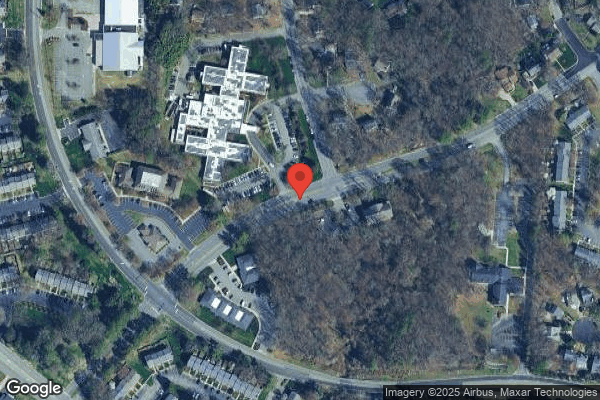
Jun 2023 5 deficiencies
CONCERN (D) 📢 Someone Reported This

A family member, employee, or ombudsman was alarmed enough to file a formal complaint

Potential for Harm - no one hurt, but risky conditions existed

Resident Rights (Tag F0550)

Could have caused harm · This affected 1 resident

Based on observation, staff interview, clinical record review, and facility document review, it was determined that the facility staff failed to uphold the resident's privacy and dignity during ADL (a...

Read full inspector narrative →
Based on observation, staff interview, clinical record review, and facility document review, it was determined that the facility staff failed to uphold the resident's privacy and dignity during ADL (activities of daily living) care for one of 11 residents in the survey sample, Resident #10. The findings include: For Resident #10 (R10), the facility staff failed to provide privacy while shaving him. R10 was admitted to the facility with diagnoses that included but were not limited to: Parkinson's disease (1). On the most recent MDS (minimum data set), a quarterly assessment with an ARD (assessment reference date) of 06/07/2023, the resident scored 3 (three) out of 15 on the BIMS (brief interview for mental status), indicating the resident was severely impaired of cognition for making daily decisions. Section G Functional Status coded R10 as requiring extensive assistance of one person for personal hygiene. On 06/21/2023 at approximately 3:30 p.m., R10 was observed sitting in a wheelchair at the sink next to the door to the room, and CNA #3 standing next to R10 shaving his face. Further observation revealed R10's room door was open and a female resident sitting in a wheelchair in the hallway outside of R10's room was watching CNA #3 shave R10. Further investigation into R10's assigned room was not the same resident room he was being shaved in. On 06/22/2023 at approximately 1:06 p.m., a telephone interview was conducted with CNA #3. When informed of the observation from the previous day, CNA #3 stated she recalled shaving R10. When asked if shaving was considered personal care or personal hygiene CNA #3 stated yes, and stated that she should have closed (R10's) door for privacy and that it did not provide privacy. When asked why R10 was shaved in another resident's room, CNA #3 stated that the water pressure was stronger in that room and it rinsed off the razor better. The facility's policy Resident Rights documented in part, Federal and state law guarantees certain basic rights to all residents of this facility. These rights include the resident's right to: a. a dignified existence. B. be treated with respect, kindness, and dignity. The facility's policy Dignity documented in part, Each resident shall be cared for in a manner that promotes and enhances his or her sense of well-being, level of satisfaction with life, and feeling of self-worth and self-esteem. 1. Residents are treated with dignity and respect at all times. On 06/22/23 at approximately 1:50 p.m., ASM (administrative staff member) #1, administrator and ASM #2, director of nursing, were made aware of the above findings. No further information was provided prior to exit. References: (1) A type of movement disorder. This information was obtained from the website: https://www.nlm.nih.gov/medlineplus/parkinsonsdisease.html. 2. For Resident #11 (R11), the facility staff failed provide privacy while shaving him. R11 was admitted to the facility with diagnoses that included but were not limited to: stroke. On the most recent MDS (minimum data set), a quarterly assessment with an ARD (assessment reference date) of 03/22/2023, the resident scored 2 (two) out of 15 on the BIMS (brief interview for mental status), indicating the resident was severely impaired of cognition for making daily decisions. Section G Functional Status coded R11 as requiring extensive assistance of one person for personal hygiene. On 06/21/2023 at approximately 4:00 p.m., R11 was observed sitting in a wheelchair at the sink next to the door to the room and CNA #3 standing next to (R11) shaving his face. Further observation revealed R11's room door was open and a female resident was sitting in a wheelchair in the hallway outside of R11's room watching CNA #3 shave R11. On 06/22/2023 at approximately 1:06 p.m., a telephone interview was conducted with CNA #3. When informed of the observation from the previous day, CNA #3 stated she recalled shaving (R11). When asked if shaving was considered personal care or personal hygiene CNA #3 stated yes, and stated that she should have closed (R11's) door for privacy and that it did not provide privacy. On 06/22/23 at approximately 1:50 p.m., ASM (administrative staff member) #1, administrator and ASM #2, director of nursing, were made aware of the above findings. No further information was provided prior to exit.

CONCERN (D) 📢 Someone Reported This

A family member, employee, or ombudsman was alarmed enough to file a formal complaint

Potential for Harm - no one hurt, but risky conditions existed

Notification of Changes (Tag F0580)

Could have caused harm · This affected 1 resident

Based on staff interview, facility document review, and clinical record review, the facility staff failed to notify the physician of a need to alter treatment for one of 11 residents in the survey sam...

Read full inspector narrative →
Based on staff interview, facility document review, and clinical record review, the facility staff failed to notify the physician of a need to alter treatment for one of 11 residents in the survey sample, Resident #4. The findings include: For Resident #4 (R4), the facility staff failed to notify the physician that the resident's ordered weekly weights were not obtained. A review of R4's clinical record revealed a physician's order dated 5/25/23 for weekly weights every Monday for four weeks. Further review of R4's clinical record failed to reveal any weights after 5/25/23. R4's May 2023 and June 2023 MARs (medication administration records) documented the code, 5=Hold on 5/29/23, 6/5/23 and 6/12/23. R4 was discharged on 6/13/23. A review of R4's clinical record revealed a physician's order dated 5/25/23 for weekly weights every Monday for four weeks. R4's baseline care plan dated 6/1/23 documented, I have a nutritional problem r/t (related to) NPO (nothing by mouth) requiring enteral infusion to meet nutrition & hydration needs, altered skin integrity, dx (diagnosis) of stroke, respiratory failure, malnutrition, dementia, HTN (hypertension), anemia, tracheostomy, and PEG (percutaneous endoscopic gastrostomy [feeding tube]) in place. Obtain weights at ordered intervals . On 6/22/23 at 9:41 a.m., an interview was conducted with LPN (licensed practical nurse) #1. LPN #1 stated R4 was really sick and required a Hoyer lift so the nurse who documented the weights were held probably didn't feel comfortable with obtaining the weights. LPN #1 stated that the doctor should be called during a circumstance such as this and it is up to the doctor to decide how to proceed. On 6/22/23 at 9:44 a.m., a telephone interview was conducted with RN (registered nurse) #1, who was the nurse who documented, 5=Hold on the MARs. RN #1 stated R4's respiratory status was compromised, and the resident was so fragile that she felt that putting the resident on a Hoyer mechanical lift scale was too compromising for the resident's health. RN #1 stated she was sure she discussed this with a physician or nurse practitioner, but she could not recall who she talked to. Further review of R4's clinical record, which included nurses' notes and physician/nurse practitioner notes, failed to reveal documentation that RN #1 made a physician or nurse practitioner aware that weights were not obtained for R4. On 6/22/23 at 12:13 p.m., an interview was conducted with ASM (administrative staff member) #5 (a nurse practitioner). ASM #5 stated no nurse had spoken with her regarding R4's weights. On 6/22/23 at 12:54 p.m., a telephone interview was conducted with ASM #6 (another nurse practitioner). ASM #6 could not recall R4 or any discussions regarding the resident. On 6/22/23 at 1:54 p.m., ASM #1 (the administrator) and ASM #2 (the director of nursing) were made aware of the above concern. On 6/22/23 at 2:45 p.m., an interview was conducted with ASM #4 (R4's physician, and the medical director). ASM #4 stated he believed that RN #1 made a nurse practitioner or physician aware that R4's weights were not obtained if RN #1 said she did this, but he could not recall RN #1 discussing this with him. The facility policy titled, Change in a Resident's Condition or Status documented, 1. The nurse will notify the resident's attending physician or physician on call when there has been a (an): e. need to alter the resident's medical treatment significantly .
CONCERN (D) 📢 Someone Reported This

A family member, employee, or ombudsman was alarmed enough to file a formal complaint

Potential for Harm - no one hurt, but risky conditions existed

Deficiency F0655 (Tag F0655)

Could have caused harm · This affected 1 resident

Based on staff interview and clinical record review, the facility staff failed to implement the baseline care plan for one of 11 residents in the survey sample, Resident #4. The findings include: For ...

Read full inspector narrative →
Based on staff interview and clinical record review, the facility staff failed to implement the baseline care plan for one of 11 residents in the survey sample, Resident #4. The findings include: For Resident #4 (R4), the facility staff failed to implement the resident's baseline care plan for obtaining weights. A review of R4's clinical record revealed a physician's order dated 5/25/23 for weekly weights every Monday for four weeks. R4's baseline care plan dated 6/1/23 documented, I have a nutritional problem r/t (related to) NPO (nothing by mouth) requiring enteral infusion to meet nutrition & hydration needs, altered skin integrity, dx (diagnosis) of stroke, respiratory failure, malnutrition, dementia, HTN (hypertension), anemia, tracheostomy, and PEG (percutaneous endoscopic gastrostomy [feeding tube]) in place. Obtain weights at ordered intervals . Further review of R4's clinical record failed to reveal any weights after 5/25/23. R4's May 2023 and June 2023 MARs (medication administration records) documented the code, 5=Hold on 5/29/23, 6/5/23 and 6/12/23. R4 was discharged on 6/13/23. On 6/22/23 at 8:48 a.m., an interview was conducted with LPN (licensed practical nurse) #1. LPN #1 stated the purpose of the care plan is, To dictate their [residents'] care, follow their plan. It's an overall picture of their care and how things are supposed to go. LPN #1 stated the staff updates residents' care plans every day as things happen, and care plans are available for nurses' review. On 6/22/23 at 9:44 a.m., a telephone interview was conducted with RN (registered nurse) #1 who was the nurse who documented, 5=Hold on the MARs. RN #1 stated R4's respiratory status was compromised, and the resident was so fragile that she felt that putting the resident on a Hoyer mechanical lift scale was too compromising for the resident's health. On 6/22/23 at 12:13 p.m., an interview was conducted with ASM (administrative staff member) #5 (a nurse practitioner). ASM #5 stated the facility did not have a bed scale so a Hoyer lift would have to be used to obtain R4's weight. ASM #5 stated R4 was in a vegetative state and had a tracheostomy so obtaining a weight would have been difficult but she didn't see why the resident could not tolerate it. ASM #5 stated obtaining R4's weight may have caused increased stress on R4, while moving the resident and making sure the resident's tracheostomy collar stayed in place, but it wouldn't have caused too much distress. ASM #5 stated it is important to obtain weights to monitor a resident with malnutrition. On 6/22/23 at 1:54 p.m., ASM #1 (the administrator) and ASM #2 (the director of nursing) were made aware of the above concern. The facility policy titled, Care Planning-Interdisciplinary Team failed to document specific information regarding care plan implementation.
CONCERN (D) 📢 Someone Reported This

A family member, employee, or ombudsman was alarmed enough to file a formal complaint

Potential for Harm - no one hurt, but risky conditions existed

Deficiency F0658 (Tag F0658)

Could have caused harm · This affected 1 resident

**NOTE- TERMS IN BRACKETS HAVE BEEN EDITED TO PROTECT CONFIDENTIALITY** Based on staff interview, facility document review and clinical record review, the facility staff failed to follow professional ...

Read full inspector narrative →
**NOTE- TERMS IN BRACKETS HAVE BEEN EDITED TO PROTECT CONFIDENTIALITY** Based on staff interview, facility document review and clinical record review, the facility staff failed to follow professional standards of practice for one of 11 residents in the survey sample, Resident #4. The findings include: For Resident #4 (R4), the facility staff failed to obtain physician ordered weekly weights. R4 was admitted to the facility on [DATE] with a diagnosis of malnutrition. R4's weight on 5/24/23 was 149.8 pounds. A review of R4's clinical record revealed a physician's order dated 5/25/23 for weekly weights every Monday for four weeks. Further review of R4's clinical record failed to reveal any weights after this date. R4's May 2023 and June 2023 MARs (medication administration records) documented the code, 5=Hold on 5/29/23, 6/5/23 and 6/12/23. R4 was discharged on 6/13/23. On 6/22/23 at 9:44 a.m., a telephone interview was conducted with RN (registered nurse) #1 who was the nurse who documented, 5=Hold on the MARs. RN #1 stated R4's respiratory status was compromised, and the resident was so fragile that she felt that putting the resident on a Hoyer mechanical lift scale was too compromising for the resident's health. On 6/22/23 at 12:13 p.m., an interview was conducted with ASM (administrative staff member) #5 (a nurse practitioner). ASM #5 stated the facility did not have a bed scale so a Hoyer lift would have to be used to obtain R4's weight. ASM #5 stated R4 was in a vegetative state and had a tracheostomy so obtaining a weight would have been difficult but she didn't see why the resident could not tolerate it. ASM #5 stated obtaining R4's weight may have caused increased stress on R4, while moving the resident and making sure the resident's tracheostomy collar stayed in place, but it wouldn't have caused too much distress. ASM #5 stated it is important to obtain weights to monitor a resident with malnutrition. On 6/22/23 at 1:54 p.m., ASM #1 (the administrator) and ASM #2 (the director of nursing) were made aware of the above concern. The facility policy titled, Weight Assessment and Intervention documented, Resident weights are monitored for undesirable or unintended weight loss or gain. 1. Residents are weighed upon admission and at intervals established by the interdisciplinary team and/or as ordered by the physician .
CONCERN (D) 📢 Someone Reported This

A family member, employee, or ombudsman was alarmed enough to file a formal complaint

Potential for Harm - no one hurt, but risky conditions existed

ADL Care (Tag F0677)

Could have caused harm · This affected 1 resident

Based on clinical record review, staff interview and facility document review it was determined that the facility staff failed to provide ADL (activities of daily living) care for one of 11 residents ...

Read full inspector narrative →
Based on clinical record review, staff interview and facility document review it was determined that the facility staff failed to provide ADL (activities of daily living) care for one of 11 residents in the survey sample, Resident #3. The findings include: For Resident #3 (R3), the facility staff failed to provide incontinence care. R3 was admitted to the facility with diagnoses that included but were not limited to: hemiplegia (1). On the most recent MDS (minimum data set), an admission assessment with an ARD (assessment reference date) of 09/27/2022, the resident scored 3 (three) out of 15 on the BIMS (brief interview for mental status), indicating the resident was severely impaired of cognition for making daily decisions. Section G Functional Status coded R3 as being totally dependent for toileting and requiring Two + (plus) person physical asst (assistance). Section H0300 Urinary Incontinence coded R3 as Always incontinent. The facility's ADL (activities of daily living) tracking sheet for R3 dated September 2022 revealed blanks (no documentation) on 09/26/2022 for the day shift (7:00 a.m. - 3:00 p.m.) and on the night shift (11:00 p.m. - 7:00 a.m.) and on 06/27/2022 on the evening shift (3:00 p.m. - 11:00 p.m.). On 06/22/2023 at approximately 1:50 p.m., an interview was conducted with ASM (administrative staff member) #2, director of nursing. When asked how staff evidenced incontinence care was provided for a resident, ASM #2 stated that it is documented on the ADL tracking sheets. ASM #2 was asked to provide evidence that incontinence care was provided to R3 for the dates and shifts listed above. On 06/22/2023 at approximately 4:00 p.m., a review of the documentation provided by the facility failed to evidence that incontinence care was proved to R3 on the dates and shifts listed above. The facility's policy Activities of Daily Living (ADLs), Supporting documented in part, Policy Statement .Residents who are unable to carry out activities of daily living independently will receive the services necessary to maintain good nutrition, grooming, and personal and oral hygiene. Under Policy and Implementation it documented in part, 3. The resident's ability to participate in ADLs and the support provided during ADL care and resident-specific tasks will be documented each shift by Certified Nursing Assistants in the medical record. On 06/22/23 at approximately 1:50 p.m., ASM (administrative staff member) #1, administrator and ASM #2, director of nursing, were made aware of the above findings. No further information was provided prior to exit. References: (1) The loss of muscle function in part of your body. This information was obtained from the website: https://medlineplus.gov/paralysis.html.
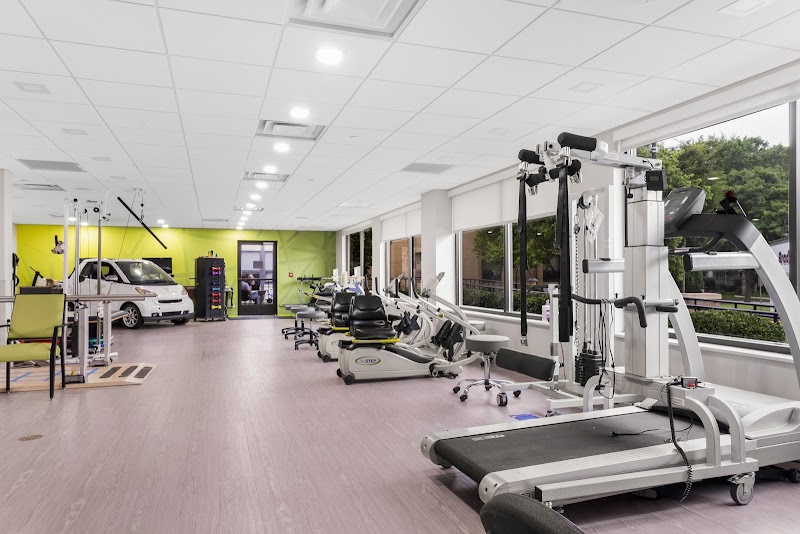
Feb 2023 5 deficiencies
CONCERN (D) 📢 Someone Reported This

A family member, employee, or ombudsman was alarmed enough to file a formal complaint

Potential for Harm - no one hurt, but risky conditions existed

Deficiency F0676 (Tag F0676)

Could have caused harm · This affected 1 resident

**NOTE- TERMS IN BRACKETS HAVE BEEN EDITED TO PROTECT CONFIDENTIALITY** Based on staff interview, clinical record review and facility document review, it was determined the facility staff failed to pr...

Read full inspector narrative →
**NOTE- TERMS IN BRACKETS HAVE BEEN EDITED TO PROTECT CONFIDENTIALITY** Based on staff interview, clinical record review and facility document review, it was determined the facility staff failed to provide evidence of providing ADL (activities of daily living) care for one of 11 residents, Resident #2. The findings include: The facility staff failed to provide evidence of bathing and personal hygiene care for Resident #2. Resident #2 was admitted to the facility on [DATE] with diagnoses that included but were not limited to: atrial fibrillation, hypertension, surgical wound-laminectomy of thoracic 11-lumbar 3 after falls at home. The most recent MDS (minimum data set) assessment, a five-day Medicare assessment, with an ARD (assessment reference date) of 4/30/22, coded the resident as scoring a 15 out of 15 on the BIMS (brief interview for mental status) score, indicating the resident was not cognitively impaired. A review of the MDS Section G-functional status coded the resident as requiring extensive assistance for bed mobility, transfer, dressing, bathing and hygiene; supervision in eating. Locomotion and walking require limited assistance. A review of the comprehensive care plan dated 4/28/22, revealed, FOCUS: The resident has pain related to osteoporosis, repeated falls with Lumbar-1 burst fracture. I have an ADL (activities of daily living) self-care performance deficit related to activity intolerance, limited mobility, musculoskeletal impairment. INTERVENTIONS: Administer analgesia as per orders. Encourage resident participation while providing appropriate ADL care. A review of the April 2022 ADL document included missing documentation of bathing for day shift (7:00 AM-3:00 PM) for one of three shifts on 4/2/229 and night shift (11:00 PM-7:00 AM) for one of three shifts 4/27/22. A review of the April ADL document included missing documentation of personal hygiene for day shift (7:00 AM-3:00 PM) for one of three shifts 4/29/22 and night shift (11:00 PM-7:00 AM) for of three shifts 4/27/22. A review of the shower/bath being provided as scheduled was documented on 4/29/22 as no. An interview was conducted on 2/21/23 at 12:30 PM with CNA (certified nursing assistant) #1, when asked what the process is for providing personal hygiene care, CNA #1 stated, we give them toothbrush and paste, help them with oral care, and assist with combing hair and washing their face and hands. When asked about bathing, CNA #1 stated, we schedule them for showers twice a week and give them bed baths if that is their preference. When asked what is included in a bed bath, CNA #1 stated, we start at their face and work our way down to their feet, we change their clothes and linens. An interview was conducted on 2/22/23 at 11:15 AM with CNA #3, when asked what blanks or holes in the documentation means, CNA #3 stated, it means that it was not documented, not that it was not done. On 2/22/23 at approximately 5:00 PM, ASM (administrative staff member) #1, the administrator, ASM #2, the director of nursing and ASM #3, the assistant administrator was made aware of the finding. A review of the facility's Bathing and Showering policy dated 1/22, revealed, Provision and refusals of showers/tub baths will be documented in the medical record by the certified nursing assistant and/or licensed nurse. Residents who are unable to be provided a shower or tub bath due to a medical condition or other relevant concern will be provided a bed bath. A review of the facility's Teeth Brushing policy dated 1/22, revealed, The following information should be recorded in the residents' medical record: the date and time the resident's teeth were brushed, include am or pm on the ADL record. No further information was provided prior to exit.
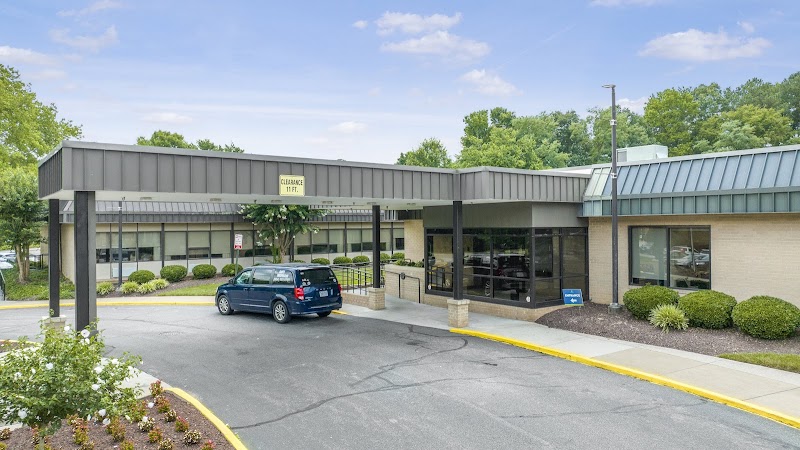
CONCERN (D) 📢 Someone Reported This

A family member, employee, or ombudsman was alarmed enough to file a formal complaint

Potential for Harm - no one hurt, but risky conditions existed

Quality of Care (Tag F0684)

Could have caused harm · This affected 1 resident

**NOTE- TERMS IN BRACKETS HAVE BEEN EDITED TO PROTECT CONFIDENTIALITY** Based on staff interview, resident interview, clinical record review and facility document review, it was determined that the fa...

Read full inspector narrative →
**NOTE- TERMS IN BRACKETS HAVE BEEN EDITED TO PROTECT CONFIDENTIALITY** Based on staff interview, resident interview, clinical record review and facility document review, it was determined that the facility staff failed to follow professional standards of practice for medication administration two of 11 residents in the survey sample; Resident #9. The findings include: 1. For Resident #9, facility staff failed to administer a medication that was available to be administered. Resident #9 was admitted to the facility on [DATE] for a dislocated shoulder after a fall at home. On 2/21/23 at 12:00 PM during an observation of Resident #9 and their room, a family member alleged that the resident was not getting their medication as ordered. A review of the physician's orders revealed one dated 2/15/23 for Potassium Chloride (1) ER (extended release) Tablet Extended Release 10 MEQ (milliequivalents) Give 1 tablet by mouth one time a day. The medication was scheduled to begin on 2/16/23 at 9:00 AM. A review of the clinical record revealed the February 2023 eMAR (electronic Medication Administration Record). The resident was noted to be on potassium and that it was not signed out as being administered on 2/16/23 at 9:00 AM. The code documented was 22 which correlated with the reason Drug / Treatment not administered. There was no documentation that evidenced why it was not given. A review of the facility's list for the backup stock of medication in the Pyxis (2) documented that the medication, at this same dose and extended release formulation was available to be administered. On 2/22/23 at 2:40 PM an interview was conducted with LPN #1 (Licensed Practical Nurse). LPN #1 stated that it should have been given as it was available in the backup supply. On 2/23/22 at 9:24 AM, ASM #1 (Administrative Staff Member) the Administrator, ASM #2 the Director of Nursing and ASM #3 the Assistant Administrator, were made aware of the findings. No further information was provided by the end of the survey. The facility policy, Administering Medications, documented, .Medications are administered in accordance with prescriber orders, including any required time frame . References: (1) Potassium - Potassium is a mineral that your body needs to work properly. It is a type of electrolyte. It helps your nerves to function and muscles to contract. It helps your heartbeat stay regular. It also helps move nutrients into cells and waste products out of cells. A diet rich in potassium helps to offset some of sodium's harmful effects on blood pressure. Information obtained from https://medlineplus.gov/potassium.html (2) Pyxis - BD Pyxis (Trademark) connected medication and supply management solutions help increase inventory visibility and address your medication error challenges to ensure medications and supplies are available when and where they are needed across care settings. Information obtained from https://www.bd.com/en-us/products-and-solutions/products/product-brands/pyxis 2. Resident #3, Atorvastatin, a medication used to lower cholesterol (1) was not administered as ordered. Resident #3 was admitted to the facility on [DATE] with diagnosis that included but were not limited to: end stage renal disease, Sjogren's syndrome. The most recent MDS (minimum data set) assessment, a discharge return not anticipated assessment, with an ARD (assessment reference date) of 6/16/22, coded the resident as scoring a 15 out of 15 on the BIMS (brief interview for mental status) score, indicating the resident was not cognitively impaired. A review of the comprehensive care plan dated 5/25/22, revealed, FOCUS: The resident has coronary artery disease related to atherosclerosis, hypercholesterolemia, hypertension . INTERVENTIONS: Give meds for hypertension and document response to medication and any side effects. Monitor blood pressure. Notify physician of any abnormal readings . A review of the physician's orders dated 5/23/22 revealed, Atorvastatin Calcium Tablet 40 milligram. Give 1 tablet by mouth at bedtime related to hypertension. A review of Resident #3's MAR (medication administration record) for June 2022 revealed, Atorvastatin was not administered in the evenings of 6/8, 6/10, and 6/16/22. A review of Resident #3's blood pressures on 6/9/22 =161/61, 6/11/22=157/98 and 6/17/22=170/56. On 2/23/23 at 9:00 AM, the charge nurse from that unit, LPN (licensed practical nurse) #6 who remembered the resident, stated, this resident would be brought back from dialysis by a friend or family member and would stop for supper and miss the evening medication. When asked if the resident was out overnight or slept at the facility, LPN #6 stated, she slept at the facility. When asked why medications were not administered when the resident was back at bedtime and slept at the facility, LPN #6 stated, they were not here when the medications were distributed, we did not go back. (1) Atorvastatin is used together with a proper diet to lower cholesterol and triglyceride (fats) levels in the blood. This medicine may help prevent medical problems (eg, chest pain, heart attack, or stroke) that are caused by fats clogging the blood vessels. It may also be used to prevent certain types of heart and blood vessel problems in patients with risk factors for heart problems. https://www.mayoclinic.org/drugs-supplements/atorvastatin-oral-route/description/drg-20067003
CONCERN (D) 📢 Someone Reported This

A family member, employee, or ombudsman was alarmed enough to file a formal complaint

Potential for Harm - no one hurt, but risky conditions existed

Deficiency F0710 (Tag F0710)

Could have caused harm · This affected 1 resident

**NOTE- TERMS IN BRACKETS HAVE BEEN EDITED TO PROTECT CONFIDENTIALITY** Based on staff interview, clinical record review, and facility document review, it was determined that the facility staff failed...

Read full inspector narrative →
**NOTE- TERMS IN BRACKETS HAVE BEEN EDITED TO PROTECT CONFIDENTIALITY** Based on staff interview, clinical record review, and facility document review, it was determined that the facility staff failed to provide physician supervision to ensure that required medications were ordered upon admission for one of 11 residents in the survey sample; Resident #4. This was cited as past non-compliance. The findings include: The facility staff failed to initiate the medication Mycophenolate (1) upon admission, and for the first 15 days of the resident's stay. Two different physicians and two different nurse practitioners reviewed Resident #4's medications multiple times and all failed to identify that this medication was not ordered for 15 days. A review of the facility policy, Physician Services, documented, The medical care of each resident is supervised by a licensed physician .Once a resident is admitted , orders for the resident's care and needs can be provided by a physician, physician assistant (PA), nurse practitioner (NP) or clinical nurse specialist (CNS) .Supervising the medical care of residents includes (but is not limited to) .prescribing medications and therapy . A review of the facility policy, Physician Visits, documented, .The attending physician must perform relevant tasks at the time of each visit, including a review of the resident's total program of care and appropriate documentation . Resident #4 was admitted to the facility on [DATE]. Resident #4 had a history of a kidney transplant in 2020. A review of the clinical record revealed the following as documented by and identified as: ASM #4 (Administrative Staff Member), a Nurse Practitioner ASM #5, a Physician ASM #6, a Nurse Practitioner ASM #7, a Physician A physician's progress note dated 8/12/22 documented, Not seen due to being at (hospital) appt (appointment.) This note was written by ASM #5. A nurse practitioner note dated 8/15/22 documented that the resident was a kidney transplant resident but did not address the kidney anti-rejection medications, The note did document, Medications: reviewed. This note was written by ASM #4. A physician's progress note dated 8/15/22 did not document anything about the resident being a kidney transplant resident but did document, Medications: reviewed. This note was written by ASM #5. A nurse practitioner note dated 8/16/22 documented that the resident was a kidney transplant resident but did not address the anti-rejection medication. The note did document, Medications: reviewed. This note was written by ASM #4. A nurse practitioner note dated 8/17/22 documented that the resident was a kidney transplant resident but did not address the anti-rejection medication. The note did document, Medications: reviewed. This note was written by ASM #4. A nurse practitioner note dated 8/18/22 documented that the resident was a kidney transplant resident but did not address the anti-rejection medication. The note did document, Medications: reviewed. This note was written by ASM #4. A nurse practitioner note dated 8/20/22 documented that the resident was a kidney transplant resident but did not address the anti-rejection medication. The note did document, Medications: reviewed. This note was written by ASM #6. A nurse practitioner note dated 8/21/22 documented that the resident was a kidney transplant resident but did not address the anti-rejection medication. The note did document, Medications: reviewed. This note was written by ASM #6. A nurse practitioner note dated 8/22/22 documented that the resident was a kidney transplant resident but did not address the anti-rejection medication. The note did document, Medications: reviewed. This note was written by ASM #4. A nurse practitioner note dated 8/23/22 documented that the resident was a kidney transplant resident but did not address the anti-rejection medication. The note did document, Medications: reviewed. This note was written by ASM #4. A nurse practitioner note dated 8/24/22 documented that the resident was a kidney transplant resident but did not address the anti-rejection medication. The note did document, Medications: reviewed. This note was written by ASM #4. A physician's progress note dated 8/25/22 documented that the resident was a kidney transplant resident but did not address the anti-rejection medication. The note did document, Medications: reviewed. This note was written by ASM #7. Then on 8/26/22, ASM #7 addressed the anti-rejection medication, documenting .s/p (status post) kidney transplant in 2020 on double IS (immunosuppressant) regimen including prednisone (2) 5 mg (milligrams) daily and Mycophenolate Na (sodium) ER (extended release) 720 mg bid (twice daily) (entered in [electronic health record system] ) A physician's order dated 8/27/22 documented, Mycophenolate Sodium Tablet Delayed Release 360 MG Give 2 tablet by mouth two times a day for post kidney transplant. A nurse's note dated 8/29/22 documented, (Family member) notified of mycophenolate sodium being added to medication regimen on 8/26 per (name of physician). discussed all lab values with (family member) and also made aware of further labs being done this morning. A physician's order dated 8/30/22 documented, Stat Renal US (ultra sound) plz (please) comment on the transplanted kidney. A physician's order dated 8/30/22 documented, spot urine creatine spot urine protein stat. A physician's order dated 8/30/22 documented, Mycophenolate Sodium Tablet Delayed Release 360 MG Give 2 tablet by mouth two times a day for post kidney transplant. This order reduced the dose of the previous order from two tablets to one tablet at each administration time. A physician's note dated 8/30/22 documented, .8/30 : Renal US results reviewed : 1. The left native kidney is seen as a small hypertrophic hilum with cortical loss and probable dilated calyces. 2. The right native kidney is not seen. 3. The transplant kidney measures 10.3 x 4.7 x 5.2 cm (centimeters) and shows good perfusion with no hydronephrosis or cortical thinning. 4. No PVR (post-voiding residual) in bladder 1-s/p (status post) kidney transplant on double IS (immunosupressant) regimen including prednisone 5 mg daily and Mycophenolate Na (sodium) ER (extended release) 720 mg bid (twice daily) I have discussed with (hospital) Transplant nephrologist .(last seen at (hospital) in 10/2021 and told me about doses of (resident's) meds). (Resident) does f/u (follow up) with (hospital) Tx (treatment) nephrologist (name of doctor). I spoke with (name of doctor) and she confirmed that (resident) take iv (intravenous) Belatocept (3) injection monthly at the (hospital) (last received 8/12 and next due on 9/09, already scheduled and transportation arranged). -takes Myfortic 760 mg bid per (hospital) but both (name of two doctors) agreed to reduce back (was on 360 mg bid at (hospital) and dose was reduced due to recurrent infection) Myfortic dose 360 mg bid. -will c/w (continue with) prednisone 5 mg daily. (Resident's) BL (baseline) Cr (creatinine) ranges between 1.0-1.3 (as per records from (name of two hospitals) and checking labs in the facility over the last 2 week Cr is 1.0-1.3, still at (resident's) baseline. has only 0.2 g/g insignificant proteinuria. UA (urinalysis) c/w UTI (urinary tract infection) will put on levofloxacin (4) 500 mg daily for 7 days. will order Renal US (ultrasound) to look for obstruction and bladder PVR (post voiding residual). I have spoken with the (family member) in detail and explained all my discussions with the [name of two hospitals] physicians and plan. I have discussed with DON (Director of Nursing) and the unit manager. On 2/22/23 at 4:03 PM an interview was conducted with LPN #6. She stated that when it was discovered that the medication had not been ordered, that the physician contacted the resident's renal doctors at (two different hospitals). She stated that the facility physician that identified the error was also a renal specialist but that he had been out of the country at the time the resident was admitted and for the first couple of weeks the resident was in the facility (approximately 15 days from admission 8/11/22 to the date the physician identified the error on 8/25/22). She stated that after doing labs and testing to check for the resident's renal function to see if there was any outcome from the missed medication that needed to be addressed, it was determined that there was nothing the facility needed to do outside of restarting the medication. She stated that the kidney was functioning well. When asked how it was missed in the first place, she stated that the nurse entering the admission orders overlooked the medication. She stated that it was on the hospital discharge summary but it got overlooked. She stated that the physicians overlooked it, the nurse practitioners overlooked it, the pharmacy overlooked it, the facility staff overlooked it. She stated that this incident was a really big incident and caused the facility to implement new systems to ensure it does not happen again. She stated that before, the unit managers (of which she was one) should have been going behind the staff after a new admission to double check, but that Now we do. She stated that now, what the facility does is bring all new admission charts into the morning meeting, the Director of Nursing pulls up on the monitor for everyone to see, the resident's orders, someone is looking at the orders in the system, someone else is reading the orders from the chart (hospital discharge papers), and everyone in the meeting is verifying that everything matches what is on the monitor, so that this does not happen again. On 2/22/23 at 4:53 PM at the end of day meeting, ASM #1 the Administrator and ASM #2 the Director of Nursing notified of concerns with antirejection med not given. They stated they have an entire plan of correction (POC) for that and that incident lead to changes in processes. On 2/23/22 at 9:06 AM an interview was conducted with ASM #2. She stated that the facility did a plan of correction on this issue. She stated that the facility did an audit to make sure no other residents had this issue occur. She stated that new systems were put in place and the entire interdisciplinary team was educated. She stated that the admissions nurse does the first check. She stated that We added a whole extra level of checks on review. We always looked at the new admissions in the morning but not to the extent we do now. We check the orders and care plan and review the discharge summary. We added a resource nurse to each unit. We do a complete review in morning meetings for new admissions. We have a check off list we complete. During morning meetings, someone reviews the orders, someone reviews the discharge summary, we put it up on screen so everyone is seeing it. Someone reviews the whole packet to ensure orders are all addressed. There have not been any issues since then. The plan of correction was provided (below). On 2/23/22 at 10:39 AM an interview was conducted with ASM #4, the nurse practitioner (who wrote the notes dated 8/15/22, 8/16/22, 8/17/22, 8/18/22, 8/22/22, 8/23/22 and 8/24/22). She stated, My best recollection was we didn't receive a discharge summary until after a week after [the resident] arrived. The medication list that was sent, from what I recall, I looked at it and the nurse had checked off all the meds, meaning they were entered into (the electronic health record system). The med was checked off that it was entered. At the time, the nurse enters the meds on the orders, following that during clinical meeting there should be a recheck by the unit manager and DON (Director of Nursing) that the meds are entered correctly. And then (the physician) completed the admission. I believe the discharge summary - I was never notified it was uploaded but I believe it was about a week later, but it went through those checks that it was entered. I did not personally go through the medication to see that it was entered into (the electronic health record system). Even when (the primary physician) came back and the patient was handed over to him I am not sure he even noticed on the first visit. Then he went looking into (the electronic health record system) and it was not entered. His kidney function remained stable. An ultra sound was ordered and was good. The checks that were in place - we even looked back to make sure that it was checked off on the list - indicated to us it had been entered and we didn't look in (the electronic health record system) under the orders to check again that it was actually entered. When asked if that is something they do now, she stated, YES! I stress the importance of getting (hospital) discharge meds for residents. Many times we get the inpatient med list which may drastically change upon discharge. A review of the hospital discharge summary mentioned above, was dated 8/11/22 and revealed a medication list that documented, Continue these medications which have not changed. This list included the medication mycophenolate 360 mg (milligrams) take 720 mg (two tabs) by mouth two times daily. This, as well as all the other medications, contained a hand-written check mark next to it which was to indicate the medication had been entered into the electronic health record system's medication orders upon admission. A review of the plan of correction that was presented by ASM #1 (the Administrator) and ASM #2, documented the following: Problem Statement: Facility noted to have areas of opportunity related to missed medication on admission process. Goal: Process will be implemented to improve medication review / reconciliation on admission - to ensure accuracy of medication review and transition from hospital / community. Goal/Tasks: Medication variance report completed on missed medication with admission process. Personnel Responsible: Unit Manager / Director of nursing. Target date: 8/27/22. Notes: Medication Risk Report completed on medication omission on admission. Goal/Tasks: admission Nurse to do the first check on admission orders. Personnel Responsible: Charge Nurse. Target Date: 8/27/22 and ongoing. Notes: Ongoing. Goal/Tasks: admission review will be accomplished daily in Clinical Morning Meeting M-F (Monday through Friday) and W/E (weekend) admissions reviewed on Monday for all medications and treatments. Utilizing Hospital d/c (discharge) summary and review of documents sent for potential orders sent by independent practitioners. Personnel Responsible: IDT (interdisciplinary team) Team Members / Unit Mangers / Director of Nursing. Target Date: 8/27/22 and ongoing. Notes: Completed daily and ongoing. Goal/Tasks: Any variances with Discharge documents will be clarified with the Physician. Personnel Responsible: Unit Manager. Target Date: 8/27/22 and ongoing. Goal/Tasks: Risk Reporter will be completed for any medication found to be omitted/missed with admission process review. Personnel Responsible: Unit Manager / Director of Nursing. Target Date: Ongoing. Goal/Tasks: Variances will be presented to the QAPI (quality assurance performance improvement) committee for review and recommendation. Personnel Responsible: Director of Nursing. Target Date: 8/27/22 and Ongoing. Notes: 9/23/22 - No variances noted this quarter - Review of admissions with clinical continues. 10/21/22 - Clinical review of admissions continues with no variances noted. Will continue with current plan. 11/30/22 - Morning clinical review with IDT team on all new admission / verification of medications via discharge summary. No variances noted. New Charge Nurse review on utilizing ad/c (discharge) summary with admission and notification to hospital if not sent at time of discharge with resident. 12/28/22 - Clinical morning review of admission daily - IDT team to complete with support nurses if UM (unit manager) or DON not present. No variances were noted over the last month. 1/27/23 - Ongoing QAPI for medication reconciliation at time of admission with utilization of discharge summary / process has worked well over the past 6 months will continue to utilize practice of second check post admission during clinical morning meeting. Past non-compliance. References: (1) mycophenolate - is used with other medications to help prevent transplant organ rejection. Information obtained from https://medlineplus.gov/druginfo/meds/a601081.html (2) prednisone - reduces redness and swelling and changes the way the immune system works. Information obtained from https://medlineplus.gov/druginfo/meds/a601102.html (3) belatacept - used in conjunction with other medications to prevent rejection of kidney transplants. Information obtained from https://medlineplus.gov/druginfo/meds/a612011.html (4) levofloxacin - is an antibiotic Information obtained from https://medlineplus.gov/druginfo/meds/a697040.html
CONCERN (D) 📢 Someone Reported This

A family member, employee, or ombudsman was alarmed enough to file a formal complaint

Potential for Harm - no one hurt, but risky conditions existed

Pharmacy Services (Tag F0755)

Could have caused harm · This affected 1 resident

**NOTE- TERMS IN BRACKETS HAVE BEEN EDITED TO PROTECT CONFIDENTIALITY** Based on staff interview, facility document review and clinical record review, it was determined that the facility staff failed ...

Read full inspector narrative →
**NOTE- TERMS IN BRACKETS HAVE BEEN EDITED TO PROTECT CONFIDENTIALITY** Based on staff interview, facility document review and clinical record review, it was determined that the facility staff failed to ensure medications were available for administration for one of 11 residents, Resident #3. The findings include: The facility staff failed to ensure Atorvastatin and Acular eye drops were available for administration for Resident #3. Resident #3 was admitted to the facility on [DATE] with diagnosis that included but were not limited to: respiratory failure, diabetes, end stage renal disease, Sjogren's syndrome and asthma. The most recent MDS (minimum data set) assessment, a discharge return not anticipated assessment, with an ARD (assessment reference date) of 6/16/22, coded the resident as scoring a 15 out of 15 on the BIMS (brief interview for mental status) score, indicating the resident was not cognitively impaired. A review of the comprehensive care plan dated 5/25/22, revealed, FOCUS: The resident has coronary artery disease related to atherosclerosis, hypercholesterolemia, hypertension . INTERVENTIONS: Give meds for hypertension and document response to medication and any side effects. Monitor blood pressure. Notify physician of any abnormal readings . A review of the physician's orders dated 5/23/22 revealed, Atorvastatin Calcium Tablet 40 milligram. Give 1 tablet by mouth at bedtime related to hypertension. Acular Solution 0.5 % (Ketorolac Tromethamine) Instill 1 drop in both eyes two times a day related to glaucoma. A review of the nursing notes dated 5/23/22, at 5:13 PM, revealed, Physician orders entered. On 2/21/23 at 10:36 AM, ASM (administrative staff member) #2, the director of nursing, provided the emergency drug box list for Westham and Grove units that have a breakaway key entrance to box. On the Tuckahoe unit, there is an automated dispensing machine accessed by individual key number entry. A review of Resident #3's MAR (medication administration record) for May 2022 revealed the following: Atorvastatin and Acular were not administered on 5/23/22, the day of admission due to the eye drops not being in the emergency medication cabinet and the Atorvastatin was ordered for 40 milligram and only 10 milligram tablet was available in the emergency medication cabinet. On 2/22/23 at 12:00 PM, and interview was conducted with LPN (licensed practical nurse) #2. When asked the process for obtaining medications for new admissions, LPN #2 stated, once we receive the physician orders, we check to see if we have the medication in the emergency drug box or the automated dispensing machine. If the medication is not there, we order it from pharmacy. When asked when pharmacy delivers the medication, LPN #2 stated, if the resident comes in the evening, we may not get the medications till the next day. We try to have the residents admitted as early as possible in the day to make sure everything is in place.
CONCERN (E) 📢 Someone Reported This

A family member, employee, or ombudsman was alarmed enough to file a formal complaint

Potential for Harm - no one hurt, but risky conditions existed

Medical Records (Tag F0842)

Could have caused harm · This affected multiple residents

**NOTE- TERMS IN BRACKETS HAVE BEEN EDITED TO PROTECT CONFIDENTIALITY** Based on staff interview, clinical record review and facility document review, it was determined the facility staff failed to pr...

Read full inspector narrative →
**NOTE- TERMS IN BRACKETS HAVE BEEN EDITED TO PROTECT CONFIDENTIALITY** Based on staff interview, clinical record review and facility document review, it was determined the facility staff failed to provide complete and accurate documentation for three of 11 residents, Residents #1, #3 and #5. The findings include: 1. For Resident #1, the facility staff failed to evidence complete and accurate documentation for urine output. Resident #1 was admitted to the facility on [DATE] with diagnoses that included but were not limited to: neurogenic bladder. The most recent MDS (minimum data set) assessment, a significant change assessment, with an ARD (assessment reference date) of 7/19/22, coded the resident as being in a persistent vegetative state scoring a 00 out of 15 on the BIMS (brief interview for mental status) score, indicating the resident was severely cognitively impaired. A review of the MDS Section G-functional status coded the resident as being totally dependent for bed mobility, transfer, dressing, eating, bathing and hygiene. A review of the comprehensive care plan dated 5/20/22, revised 6/17/22 and 7/13/22, which revealed, FOCUS: The resident readmitted from hospital on 6/17 with MASD (moisture associated skin damage) in groin and lower back. Fungal infection noted to back and buttocks. Resident have [sic] indwelling foley catheter: INTERVENTIONS: Administer treatments as ordered and monitor for effectiveness. Apply barrier cream after each incontinence care. Check tubing for kinks during care and repositioning and each shift. Urinary Catheter Care: Clean area around catheter with soap and water every shift for care. A review of the physician orders dated 6/17/22, revealed, Urinary Catheter: Maintain indwelling foley catheter with 16 French 30 milliliter balloon for dysfunction bladder and change as needed for obstruction every shift for catheter care. Document urinary output every shift. A review of Resident #1's TAR (treatment administration record) for July 2022, revealed no urine output was documented for day shift on 7/3, 7/4, 7/17, 7/24, 7/25; no urine output documented for evening shift on 7/4, 7/25 and 7/26 and none documented on night shift on 7/3, 7/22 and 7/25. There was no urine output documented from 7:00 AM on 7/25/22 to 7:00 AM on 7/26/22 and no urine output documented after 3:00 PM on 7/26/22 until Resident #1 was transferred to the hospital at 11:49 PM on 7/26/22. A review of Resident #1's ADL (activities of daily living) document for 7/26/22, revealed urine incontinence on evening shift. An interview was conducted on 2/23/23 at 8:40 AM with LPN (licensed practical nurse) #6. LPN #6 stated, the Foley was not obstructed as he had 1050 milliliters of urine out at 3:00 PM on 7/26 and had some urine incontinence on evening shift. When asked what the blanks/holes in the urine output documentation meant, LPN #6 stated, it means it was not documented. When asked if that was a complete and accurate medical record, LPN #6 stated, not with the blanks, no. On 2/23/23 at approximately 9:00 AM, ASM (administrative staff member) #1, the administrator, ASM #2, the director of nursing and ASM #3, the assistant administrator was made aware of the findings. A review of the facility's Charting and Documentation policy, dated 1/22, revealed, The following information is to be documented in the resident medical record: objective observations, medications administered, treatments or services performed, changes in the residents' conditions, events, incidents or accidents involving the resident and progress toward or changes in the care plan goals and objectives. Documentation in the medical record will be objective, complete and accurate. Entries may be recorded in the resident's clinical record by licensed personnel. Certified nursing assistants may make entries in the resident's medical record related to resident care tasks and activities of daily living. No further information was provided prior to exit. 2. For Resident #3, the facility staff failed to evidence complete and accurate documentation for incontinence care. Resident #3 was admitted to the facility on [DATE] with diagnosis that included but were not limited to: end stage renal disease, and Sjogren's syndrome. The most recent MDS (minimum data set) assessment, a discharge return not anticipated assessment, with an ARD (assessment reference date) of 6/16/22, coded the resident as scoring a 15 out of 15 on the BIMS (brief interview for mental status) score, indicating the resident was not cognitively impaired. A review of the MDS Section G-functional status coded the resident as requiring supervision for bed mobility, transfer, dressing, bathing and hygiene; independence in eating. Locomotion and walking require limited assistance. A review of the comprehensive care plan dated 5/25/22, revealed, FOCUS: The resident has coronary artery disease related to atherosclerosis, hypercholesterolemia, hypertension. Resident has bladder incontinence related to activity intolerance, impaired mobility, physical limitations. Resident has renal failure related to end stage disease. INTERVENTIONS: Give meds for hypertension and document response to medication and any side effects. Monitor blood pressure. Notify physician of any abnormal readings. Apply moisture barrier to perianal and perineal area as indicated. Assist with perineal care as needed. Monitor for signs/symptoms of hypovolemia or hypervolemia. Monitor for signs/symptoms of infection, urinary tract infection. A review of Resident #3's ADL (activities of daily living) record, revealed that incontinence care was not documented in May 2022 for three of eight-day shifts: 5/26, 5/27 and 5/28; three of eight evening shifts: 5/24, 5/28, 5/29 and for two of eight-night shifts: 5/23 and 5/30. A review of Resident #3's ADL record, revealed that incontinence care was not documented in June 2022 for seven of 16-day shifts: 6/2, 6/7, 6/9, 6/11, 6/12, 6/13 and 6/15; five of 16 evening shifts: 6/7, 6/9, 6/11, 6/12, 6/14 and for two of 16-night shifts: 6/12 and 6/13. An interview was conducted on 2/22/23 at 8:40 AM with CNA (certified nursing assistant) #1, when asked the frequency of incontinence care, CNA #1 stated, We round every two hours and if the resident needs incontinence care more frequently they call us. An interview was conducted on 2/22/23 at 11:15 AM with CNA #4. When asked the frequency of incontinence care, CNA #4 stated, There are every two-hour rounds and more frequently if the resident needs it. On 2/23/23 at approximately 9:00 AM, ASM (administrative staff member) #1, the administrator, ASM #2, the director of nursing and ASM #3, the assistant administrator was made aware of the findings. A review of the facility's Charting and Documentation policy, dated 1/22, revealed, The following information is to be documented in the resident medical record: objective observations, medications administered, treatments or services performed, changes in the residents' conditions, events, incidents or accidents involving the resident and progress toward or changes in the care plan goals and objectives. Documentation in the medical record will be objective, complete and accurate. Entries may be recorded in the resident's clinical record by licensed personnel. Certified nursing assistants may make entries in the resident's medical record related to resident care tasks and activities of daily living. No further information was provided prior to exit.3. For Resident #4, the facility staff failed to document an assessment of a wound that prompted new orders for wound care for a healed surgical site on 9/15/22. A review of the clinical record revealed the following: Resident #4 was admitted to the facility on [DATE] status post surgical below the knee amputation of the right leg. A nurse's note dated 8/30/22 documented, Right upper medial leg, right medial leg, right lower medial leg, and right lateral leg wounds healed. Resident went to surgical appointment on 8/29. Surgeon removed all staples. BKA (below knee amputation) site secure with steri-strips. A physician's note 9/6/22 documented, .c/o pain at the wound sites. wound looks clean and no drainage or redness A physician's note dated 9/9/22 documented, .wound looks clean and no drainage or redness A nurse practitioner note dated 9/11/22 documented, .Right BKA with steri strips and has a small open area with slough tissue but no significant drainage, erythema or dehiscence A physician's order dated 9/15/22, which was entered into the electronic health record system by the facility's in-house wound nurse, RN #2 (Registered Nurse) at the time, documented, Right BKA site: wound cleanser, silver alginate, border gauze. QD (daily) or PRN (as-needed) if soiled or removed. There were no wound assessments documented by RN #2 that precipitated the need for this order. A nurse's note dated 9/16/22 documented, resident and [family member] notified of new orders, also given update of condition of surgical site on stump, given report of all upcoming appointments . The resident was seen by the wound nurse practitioner on 9/19/22. That note documented, Length: 1.82 cm. Width: 3.50 cm Depth (cm) 0.10 .% granulation 10.00. % slough/eschar 90.00 . Etiology Surgical Wound Dehiscence. Margin Detail Attached edges. Drain Amount Moderate. Drain Description Sanguinous. Odor No Odor. Periwound Intact . On 2/23/22 at 8:25 AM an interview was conducted with LPN #6 (Licensed Practical Nurse). She stated that RN #2 should have written a note on the 9/15/22 about the change in wound condition prompting the new orders. When asked if the record was complete and accurate without this documentation, she stated that it was not. On 2/23/22 at 9:24 AM, ASM #1 (Administrative Staff Member) the Administrator, ASM #2 the Director of Nursing and ASM #3 the Assistant Administrator, were made aware of the findings. ASM #2 stated that she thought she might have more information on this. On 2/23/22 at approximately 11:30 AM, ASM #2 stated that the orders that were written were consistent with a wound dehiscence and that the information about this wound was relayed to her on 9/15/22 as she stated she noted it on her wound tracking to be sent to corporate, but that RN #2 did not document it in the clinical record. No further information was provided by the end of the survey. A review of the facility policy, Guidelines for Charting and Documentation, documented, .The purpose of charting and documentation is to provide: 1. A complete account of the resident's care, treatment, response to the care, signs, symptoms, etc., and the progress of the resident's care .
Jan 2022 22 deficiencies
CONCERN (D)

Potential for Harm - no one hurt, but risky conditions existed

Resident Rights (Tag F0550)

Could have caused harm · This affected 1 resident

**NOTE- TERMS IN BRACKETS HAVE BEEN EDITED TO PROTECT CONFIDENTIALITY** Based on observation, resident interview, staff interview and clinical record review, it was determined that the facility staff ...

Read full inspector narrative →
**NOTE- TERMS IN BRACKETS HAVE BEEN EDITED TO PROTECT CONFIDENTIALITY** Based on observation, resident interview, staff interview and clinical record review, it was determined that the facility staff failed to provide dignity for two of 62 residents in the survey sample, Residents #327 and #171. 1. The facility staff failed to maintain Resident #327's urinary catheter in a dignified manner. Urine in the catheter bag was observed from the hall while Resident #327 was lying in bed. 2. CNA (certified nursing assistant) #2 failed to close the door to Resident #171's room and bathroom while toileting and providing Resident #171 personal care. Resident #171 was observed exposed to the open doorways unclothed from the wait up. The findings include: 1. Resident #327 was admitted to the facility on [DATE]. Resident #327's diagnoses included but were not limited to multiple sclerosis, paralysis and high blood pressure. Resident #327's admission minimum data set assessment with an assessment reference date of 1/5/22, coded the resident as being cognitively intact. Review of Resident #327's clinical record revealed a physician's order dated 12/30/21 for a urinary catheter. On 1/11/22 at 1:49 p.m., Resident #327 was observed lying in bed. The resident's urinary catheter bag was observed attached to the bed frame and was located on the side of the bed that was facing the door. The catheter bag was not covered and urine in the catheter bag was visible from the hall. At this time, another resident was observed in the hall outside of the room door. On 1/12/22 at 9:54 a.m., Resident #327 was observed lying in bed. The resident's urinary catheter bag was observed attached to the bed frame and was located on the side of the bed that was facing the door. The catheter bag was not covered and urine in the catheter bag was visible from the hall. At this time, Resident #327 was asked how she felt about this. The resident stated, I don't feel good if people can see it. Resident #327's comprehensive care plan dated 12/31/21 failed to document information regarding dignity for the resident's urinary catheter bag. On 1/12/22 at 2:09 p.m., an interview was conducted with RN (registered nurse) #3. RN #3 stated urinary catheter bags should have a cover over them. RN #3 stated, You don't want to expose to the world the patient has a Foley (urinary catheter). It's personalized. They should have dignity at all times as much as possible. On 1/12/22 at 5:15 p.m., ASM (administrative staff member) #1 (the administrator) and ASM #2 (the director of nursing) were made aware of the above concern. The facility policy titled, Catheter Care, Urinary failed to document information regarding dignity and urinary catheter bags. No further information was presented prior to exit. 2. Resident #171 was admitted to the facility on [DATE], with the diagnoses of but not limited to dementia, diabetes, high blood pressure, and depression. The most recent MDS (Minimum Data Set) was a quarterly assessment with an ARD (Assessment Reference Date) of 1/6/22. Resident #171 was coded as being severely cognitively impaired in ability to make daily life decisions. The resident was coded as requiring total care for bathing, hygiene, and toileting; extensive assistance for transfers, bed mobility and dressing; supervision for eating; and was coded as incontinent of bowel and bladder. On 1/12/22 at 9:13 AM, CNA #2 was observed assisting Resident #171 to the bathroom. CNA #2 left the bathroom door and the door to the room open. Resident #171's wheelchair was placed in the doorway of the bathroom. After assisting the resident in the bathroom, CNA #2 assisted Resident #171 into the wheelchair. Observation revealed Resident #171 was undressed from the waist up, and was exposed to the open doorway of the room. At this time, CNA #2 was then observed putting a shirt on Resident #171. On 1/12/22 at 9:42 AM an interview was conducted with CNA #2. When asked about providing privacy during care, she stated that curtains and doors should be closed. When asked if the door to the room for Resident #171 was closed when she was providing her assistance to the bathroom and then dressing her, CNA #2 stated no. When asked if the resident's dignity was maintained, she stated that it was not. On 1/13/22 at 1:10 PM ASM #1 (Administrative Staff Member, the Administrator) stated they do not have a policy on the provision of privacy and dignity during care. On 1/12/22 at approximately 5:30 PM at the end of day meeting, ASM #1 and ASM #2 (Administrative Staff Members) the Administrator and Director of Nursing, respectively, were made aware of the findings. No further information was provided by the end of the survey.
CONCERN (D)

Potential for Harm - no one hurt, but risky conditions existed

Safe Environment (Tag F0584)

Could have caused harm · This affected 1 resident

Based on observation, staff interview and clinical record review, it was determined that the facility staff failed to maintain a clean and homelike environment for one of 62 residents in the survey sa...

Read full inspector narrative →
Based on observation, staff interview and clinical record review, it was determined that the facility staff failed to maintain a clean and homelike environment for one of 62 residents in the survey sample, Resident #426. The facility staff failed to clean a spill off of the floor in Resident #426's room in a timely manner. The findings include: Resident #426 was admitted to the facility with diagnoses that included but were not limited to anoxic brain damage (1) and congestive heart failure (2). Resident #426's most recent MDS (minimum data set), a quarterly assessment with an ARD (assessment reference date) of 10/21/2021, coded the resident as being severely impaired for making daily decisions. Section G coded Resident #426 as requiring total assistance of two or more staff with bed mobility and total assistance of one staff member for personal hygiene, toileting, dressing and eating. On 1/11/2022 at approximately 12:30 p.m., an observation was made of Resident #426 in their room. Resident #426 was observed lying in bed receiving a tube feeding attached to a feeding pump. Resident #426 was alert with their eyes open and non-verbal. The area located beside Resident #426's bed near the window was observed to contain an area of dried tan-colored material located on the floor underneath the stainless steel tube feeding pump pole. The area was observed to be approximately six by six inches, was dry and stuck to the floor. Additional observations conducted on 1/11/2022 at 2:45 p.m., 4:30 p.m. and 1/12/2022 at 8:30 a.m. and 1:45 p.m., revealed the same findings as described above. On 1/12/2022, at 2:00 p.m. an interview was conducted with LPN (licensed practical nurse) #6. LPN #6 stated that housekeeping cleaned up large spills but any smaller spills were cleaned up by the nursing staff at the time of the incident. LPN #6 observed the areas of dried, tan colored substance on the floor and stated that nursing should have cleaned up the area when it happened. LPN #6 stated that the substance appeared to be tube feeding that had spilled on the floor and dried up. LPN #6 stated that it should not have been there and the floor was not clean and did not appear homelike. LPN #6 stated that they would take care it at that time. On 1/12/2022 at approximately 5:00 p.m., a request was made to ASM (administrative staff member) #1, the administrator for the facility policy regarding maintaining a clean, comfortable, homelike environment. On 1/13/2022 at 1:10 p.m., ASM #1 stated that the facility did not have a policy regarding a clean, comfortable, homelike environment. On 1/12/2022 at approximately 5:00 p.m., ASM (administrative staff member) #1, the administrator and ASM #2, the director of nursing were made aware of the above concern. No further information was presented prior to exit. References: 1. Anoxic brain damage Not enough oxygen getting to the brain. This information was obtained from the website: https://www.nlm.nih.gov/medlineplus/ency/article/001435.htm 2. Congestive heart failure A condition in which the heart can't pump enough blood to meet the body's needs. Heart failure does not mean that your heart has stopped or is about to stop working. It means that your heart is not able to pump blood the way it should. It can affect one or both sides of the heart. This information was obtained from the website: https://medlineplus.gov/heartfailure.html
CONCERN (D)

Potential for Harm - no one hurt, but risky conditions existed

Deficiency F0625 (Tag F0625)

Could have caused harm · This affected 1 resident

**NOTE- TERMS IN BRACKETS HAVE BEEN EDITED TO PROTECT CONFIDENTIALITY** Based on staff interview, clinical record review and facility document review, it was determined the facility staff failed to ev...

Read full inspector narrative →
**NOTE- TERMS IN BRACKETS HAVE BEEN EDITED TO PROTECT CONFIDENTIALITY** Based on staff interview, clinical record review and facility document review, it was determined the facility staff failed to evidence a bed hold notice was provided upon transfer for three of 62 residents in the survey sample, Resident #13, Resident #15 and Resident #177. The facility staff failed to provide a bed hold notice to Resident #13 upon transfer and admission to the hospital on [DATE], and failed to provide a bed hold notice to the resident or resident responsible party (RP), at the time of Resident #15's transfer to the hospital on [DATE], and at the time of Resident #177's transfer to the hospital on [DATE]. The findings include: 1. Resident #13 was admitted to the facility on [DATE] with diagnoses that included but were not limited to: chronic obstructive pulmonary disease [COPD] (chronic non-reversible lung disease) (1), diabetes mellitus (inability of insulin to function normally in the body) (2) and chronic kidney disease (decreased function of the kidneys frequently as a complication of diabetes) (3). Resident #13's most recent MDS (minimum data set) assessment, a quarterly assessment, with an assessment reference date of 12/17/21, coded the resident as scoring 15 out of 15 on the BIMS (brief interview for mental status) score, indicating the resident was cognitively intact. MDS Section G- Functional Status, coded the resident as requiring extensive assistance in bed mobility, transfers, dressing, bathing, toileting and personal hygiene; supervision in eating. A review of the nursing progress note dated 10/27/21 at 8:00, documented in part, Resident has been admitted to the hospital for treatment of foot ulcer. On 1/11/22 at 5:00 PM, a request was made for the bed hold notice for Resident #13. An interview was conducted on 1/12/22 at 3:48 PM with OSM (other staff member) #7, the admissions director. When asked who provides the bed hold notice, OSM #7 stated, Admissions provides the bed hold notice. We do not have a bed hold for this resident. An interview was conducted on 1/13/22 at 8:15 AM with ASM #2, the director of nursing, who stated, We do not do anything with written RP (responsible party) notification or bed hold. On 1/12/22 at 5:15 PM, ASM (administrative staff member) #1, the administrator and ASM #2, the director of nursing were made aware of the above concerns. According to the facility's policy on bed hold, which documents in part, Notice of Bed-Hold policy at time of transfer. At the time of transfer a resident to a hospital, a nursing facility shall provide a written notice to the resident, or when applicable, the residents representative, which specifies the duration of the bed hold policy. No further information was provided prior to exit. References: (1) Barron's Dictionary of Medical Terms for the Non-Medical Reader, 5th edition, Rothenberg and [NAME], page 120. (2) Barron's Dictionary of Medical Terms for the Non-Medical Reader, 5th edition, Rothenberg and [NAME], page 160. (3) Barron's Dictionary of Medical Terms for the Non-Medical Reader, 5th edition, Rothenberg and [NAME], page 119. 2. Resident #15 was admitted to the facility on [DATE] with diagnoses that included but were not limited to: chronic obstructive pulmonary disease [COPD] (chronic non-reversible lung disease) (1), asthma (recurrent episodes of difficulty in breathing) (2) and osteoarthritis (degenerative changes in the joints) (3). Resident #15's most recent MDS (minimum data set) assessment, a quarterly assessment, with an assessment reference date of 10/12/21, coded the resident as scoring 15 out of 15 on the BIMS (brief interview for mental status) score, indicating the resident was cognitively intact. MDS Section G- Functional Status, coded the resident as requiring extensive assistance in bed mobility, transfers, dressing, toileting and personal hygiene; supervision in eating/total dependence in bathing. A review of the (interventions to reduce acute care transfers) Transfer Form V5 dated 11/27/21, documented in part, Transfer to hospital. A review of the nursing progress note dated 11/27/21 at 4:43 PM, documented in part, Patient noted incoherent, checked vitals, several attempts to get off bed, combative, called 911, sent patient to the hospital. Called family member and notified of patient's status and reason for sending the resident out. On 1/11/22 at 5:00 PM, a request was made for the bed hold notice for Resident #15. An interview was conducted on 1/12/22 at 3:48 PM with OSM (other staff member) #7, the admissions director. When asked who provides the bed hold notice, OSM #7 stated, Admissions provides the bed hold notice. We do not have a bed hold for this resident. An interview was conducted on 1/13/22 at 8:15 AM with ASM #2, the director of nursing, who stated, We do not do anything with written RP notification or bed hold. On 1/13/22 at 2:15 PM, ASM (administrative staff member) #1, the administrator and ASM #2, the director of nursing were made aware of the above concerns. No further information was provided prior to exit. References: (1) Barron's Dictionary of Medical Terms for the Non-Medical Reader, 5th edition, Rothenberg and [NAME], page 120. (2) Barron's Dictionary of Medical Terms for the Non-Medical Reader, 5th edition, Rothenberg and [NAME], page 50. (3) Barron's Dictionary of Medical Terms for the Non-Medical Reader, 5th edition, Rothenberg and [NAME], page 420. 3. Resident #177 was admitted to the facility on [DATE] with diagnoses that included but were not limited to: cerebrovascular accident (hemorrhage or blockage of the blood vessels of the brain leads to a lack of oxygen) (1), diabetes mellitus (inability of insulin to function normally in the body) (2) and congestive heart failure (circulatory congestion and retention of salt and water by the kidneys) (3). Resident #177's most recent MDS (minimum data set) assessment, an annual assessment, with an assessment reference date of 9/26/21, coded the resident as scoring 10 out of 15 on the BIMS (brief interview for mental status) score, indicating the resident was moderately cognitively impaired. MDS Section G- Functional Status, coded the resident as requiring extensive assistance in bed mobility, transfers, dressing, toileting and personal hygiene; supervision in eating/total dependence in bathing. A review of the nursing progress note dated 10/19/21 at 11:17 AM, documented in part, Resident noted to have scrotal edema, increased edema in lower extremities. no [Sic.] shortness of breath or other respiratory distress noted. up in wheelchair per normal self. daughter in facility and insisting resident be sent to hospital, does not want him seen here by one of our physicians. Resident is alert and oriented per normal self. No [Sic.] complaint of pain voiced. A review of the nursing progress noted dated 10/19/21 at 12:06 PM, documented in part, Resident transferred to hospital via stretcher non-emergent. On 1/12/22 at 5:00 PM, a request was made for the bed hold notice for Resident #177. An interview was conducted on 1/12/22 at 3:48 PM with OSM (other staff member) #7, the admissions director. When asked who provides the bed hold notice, OSM #7 stated, Admissions provides the bed hold notice. We do not have a bed hold for this resident. An interview was conducted on 1/13/22 at 8:15 AM with ASM #2, the director of nursing, who stated, We do not do anything with written RP notification or bed hold. On 1/13/22 at 2:15 PM, ASM (administrative staff member) #1, the administrator and ASM #2, the director of nursing were made aware of the above concerns. No further information was provided prior to exit. References: (1) Barron's Dictionary of Medical Terms for the Non-Medical Reader, 5th edition, Rothenberg and [NAME], page 111. (2) Barron's Dictionary of Medical Terms for the Non-Medical Reader, 5th edition, Rothenberg and [NAME], page 160. (3) Barron's Dictionary of Medical Terms for the Non-Medical Reader, 5th edition, Rothenberg and [NAME], page 133.
CONCERN (D)

Potential for Harm - no one hurt, but risky conditions existed

Assessment Accuracy (Tag F0641)

Could have caused harm · This affected 1 resident

Based on staff interview and clinical record review it was determined that the facility staff failed to correctly code MDS (minimum data set) resident assessments for two of 62 residents in the survey...

Read full inspector narrative →
Based on staff interview and clinical record review it was determined that the facility staff failed to correctly code MDS (minimum data set) resident assessments for two of 62 residents in the survey sample, Resident #94 and #89. 1. The facility staff failed to code the quarterly MDS (minimum data set) for Resident #94 with the ARD (assessment reference date) of 12/3/2021 for falls sustained since the previous quarterly assessment on 9/14/2021. 2. The facility staff failed to code the quarterly MDS (minimum data set) for Resident #89 with the ARD (assessment reference date) of 11/27/2021 for restraint usage. The findings include: 1. Resident #94 was admitted to the facility with diagnoses that included but were not limited to dementia (1) and schizoaffective disorder (2). Resident #94's most recent MDS, a quarterly assessment with an ARD of 12/3/2021, coded Resident #94 as scoring a three (3) on the brief interview for mental status (BIMS) of a score of 0 - 15, 3 - being severely impaired for making daily decisions. Section J documented no falls since the prior assessment. The progress notes for Resident #94 documented in part the following: - 10/29/2021 15:43 (3:43 p.m.) Resident had a witnessed fall. RP (responsible party) [Name of responsible party] notified via voicemail and MD (medical doctor) aware. No injuries noted v/s (vital signs) 98.0 (temperature), 63 (pulse), 18 (respirations), 111/61 (blood pressure), 95% RA (oxygen saturation) (room air). Resident resting in wheelchair with neck collar intact. - 11/10/2021 14:18 (2:18 p.m.) Resident had a witnessed fall with no injuries. RP [Name of responsible party) notified, via cellphone. Awaiting return phone call. 97.8 (temperature), 69 (pulse), 18 (respirations), 104/79 (blood pressure). The comprehensive care plan for Resident #94 dated 5/17/2021 documented in part, I am at risk for falls r/t (related to) Dementia, poor safety judgment due to the same, poor neck control, incontinence, use of psychoactive medications and recent mobility decline. Observed on floor 7/11/21, Witnessed fall on 10/29/2021, Witnessed fall on 11/10/2021, Unwitnessed fall on 12/9/2021. Date Initiated: 05/17/2021. On 01/13/2022 at 8:51 a.m., an interview was conducted OSM (other staff member) #4, the regional director of case management. OSM #4 stated that they reviewed the progress notes and the risk portal system to search for any falls during the assessment time frame when completing the MDS. OSM #4 stated that any falls that occurred between 9/14/2021 and 12/3/2021 would be documented on the quarterly MDS with the ARD of 12/3/2021. OSM #4 stated that they would review Resident #94's MDS to see if any falls should have been coded. On 1/13/2022 at 9:07 a.m., OSM #4 stated that they had reviewed the clinical record, progress notes and risk portal system and the falls on 10/29/2021 and 11/10/2021 were documented and should have been coded on the MDS with the ARD of 12/3/2021. OSM #4 stated that they had missed documenting them and they would correct this. At that time, OSM #4 stated that they did not have a policy specific to completion of the MDS and followed the RAI manual. According to the RAI Manual, Version 1.16, dated October 2018, Chapter 1, Section 1.3 Completion of the RAI documented in part, The RAI process has multiple regulatory requirements. Federal regulations at 42 CFR 483.20 (b)(1)(xviii), (g), and (h) require that 1. the assessment accurately reflects the resident's status . Chapter 1, Section 1.4 Problem Identification Using the RAI documented in part, In essence, with an accurate RAI completed periodically, caregivers have a genuine and consistent recorded look at the resident and can attend to that resident's needs with realistic goals in hand . On 1/12/2022 at approximately 5:00 p.m., ASM (administrative staff member) #1, the administrator and ASM #2, the director of nursing were made aware of the findings. No further information was provided prior to exit. References: 1. Dementia: A loss of brain function that occurs with certain diseases. It affects memory, thinking, language, judgment, and behavior. This information was obtained from the website: https://medlineplus.gov/ency/article/000739.htm. 2. Schizoaffective disorder: Schizoaffective disorder is a mental condition that causes both a loss of contact with reality (psychosis) and mood problems (depression or mania). This information is taken from the website https://medlineplus.gov/ency/article/000930.htm. 2. Resident #89 was admitted to the facility with diagnoses that included but were not limited to dementia (1) and Alzheimer's disease (2). Resident #89's most recent MDS, a quarterly assessment with an ARD of 11/27/2021, coded Resident #89 as scoring a 12 on the brief interview for mental status (BIMS) of a score of 0 - 15, 12 - being moderately impaired for making daily decisions. Section P documented other physical restraints being used less than daily for Resident #89. The clinical record for Resident #89 failed to evidence documentation of or for the use of restraints. On 1/12/2022 at approximately 2:00 p.m., an interview was conducted with LPN (licensed practical nurse) #6. LPN #6 stated that they were not aware of Resident #89 ever requiring the use of restraints when working with them. On 1/12/2022 at 1:00 p.m., an interview was conducted with RN (registered nurse) #1, the MDS director and OSM (other staff member) #4, the regional director of case management. RN #1 stated that they reviewed the clinical record, made observations and spoke with the nursing staff when completing the MDS assessment. RN #1 stated that they were new to the facility and were not familiar with Resident #89. RN #1 and OSM #4 stated that they would review the MDS with the ARD of 11/27/2021 and determine if restraints were used during the assessment period. On 1/12/2022 at 2:26 p.m., OSM #4 stated that they had reviewed the MDS for Resident #89 with the ARD of 11/27/2021 and the clinical record and it was a human error by clicking the box by mistake. OSM #4 stated that there were no restraints used for Resident #89. OSM #4 stated that they would modify the MDS to correct the mistake. On 1/12/2022 at approximately 5:00 p.m., ASM (administrative staff member) #1, the administrator and ASM #2, the director of nursing were made aware of the findings. No further information was provided prior to exit. References: 1. Dementia: A loss of brain function that occurs with certain diseases. It affects memory, thinking, language, judgment, and behavior. This information was obtained from the website: https://medlineplus.gov/ency/article/000739.htm. 2. Alzheimer's disease: Alzheimer's disease is an irreversible, progressive brain disorder that slowly destroys memory and thinking skills and, eventually, the ability to carry out the simplest tasks. It is the most common cause of dementia in older adults. This information is taken from the website https://www.nia.nih.gov/health/alzheimers/basics.
CONCERN (D)

Potential for Harm - no one hurt, but risky conditions existed

Deficiency F0655 (Tag F0655)

Could have caused harm · This affected 1 resident

**NOTE- TERMS IN BRACKETS HAVE BEEN EDITED TO PROTECT CONFIDENTIALITY** Based on observation, staff interview, facility document review and clinical record review, it was determined that the facility ...

Read full inspector narrative →
**NOTE- TERMS IN BRACKETS HAVE BEEN EDITED TO PROTECT CONFIDENTIALITY** Based on observation, staff interview, facility document review and clinical record review, it was determined that the facility staff failed to develop a complete baseline care plan for two of 62 residents in the survey sample, Residents #326 and #328. The facility staff failed to develop a complete baseline care plan to address colostomy care for Resident #326 and failed to develop a baseline care plan to address and include Resident #328's oxygen use. The findings include: 1. Resident #326 was admitted to the facility on [DATE]. Resident #326's diagnoses included but were not limited to chronic kidney disease, history of breast cancer and an underactive thyroid. Resident #326's admission minimum data set assessment was not completed. An admission nursing evaluation dated 1/4/22 documented Resident #326 was alert and oriented to person, place and time. Review of Resident #326's clinical record revealed physician's orders dated 1/10/22 and 1/11/22 for the resident's colostomy care. Resident #326's baseline care plan dated 1/5/22 only included a section for nutrition. The care plan did not include any other information regarding the resident's colostomy or other care that was needed. On 1/12/22 at 12:56 p.m., an interview was conducted with RN (registered nurse) #1 (the minimum data set coordinator), ASM (administrative staff member) #1 (the administrator) and OSM #4 (the regional director of case management). RN #1 stated the care plan is a holistic approach in caring for the resident, taking in all disciplines and identifying an approach in caring for the patient. RN #1 stated the facility staff try to establish a baseline care plan within 48 hours of admission and the baseline care plan should include basic need items including activities of daily living, skin, pain, nutritional status and significant medication or care areas. On 1/12/22 at 2:09 p.m., an interview was conducted with RN #3. RN #3 stated the purpose of the care plan is that it is individualized to meet the needs of the patient. RN #3 stated a resident's baseline care plan is created on admission and should include all basic care plans such as pain, falls and skin. RN #3 stated a baseline care plan should include colostomy care because the resident is at risk for skin breakdown and electrolyte dysfunction. On 1/12/22 at 2:28 p.m., OSM (other staff member) #4 stated it is the facility staff's best practice that they would include colostomy care on a resident's baseline care plan. On 1/12/22 at 5:15 p.m., ASM #1 and ASM #2 (the director of nursing) were made aware of the above concern. The facility policy titled, Care Plans- Baseline documented, 1. To assure that the resident's immediate care needs are met and maintained, a baseline care plan will be developed within forty-eight (48) hours of the resident's admission. 2. The interdisciplinary team will review the healthcare practitioner's orders (e.g., dietary needs, medications, routine treatments, etc.) and implement a baseline care plan to meet the resident's immediate care needs including, but not limited to the following: a. Initial goals based on admission orders; b. Physician orders; c. Dietary orders; d. Therapy services; e. Social services; and f. PASARR recommendation, if applicable. No further information was presented prior to exit. Reference: (1) Colostomy is a surgical procedure that brings one end of the large intestine out through an opening (stoma) made in the abdominal wall. Stools moving through the intestine drain through the stoma into a bag attached to the abdomen. This information was obtained from the website: https://medlineplus.gov/ency/article/002942.htm 2. Resident #328 was admitted to the facility on [DATE]. Resident #328's diagnoses included but were not limited to diabetes, acute kidney failure and pneumonia secondary COVID-19. Resident #328's admission minimum data set assessment was not completed. An admission nursing evaluation dated 1/5/22 documented Resident #328 was alert and oriented to person and place. On 1/12/22 at 8:13 a.m. Resident #328 was observed lying in bed receiving oxygen at two and a half liters per minute via nasal cannula. Review of Resident #328's January 2022 physician's orders failed to reveal a physician order for oxygen. Resident #328's baseline care plan dated 1/6/22 failed to reveal documentation regarding oxygen. On 1/12/22 at 12:56 p.m., an interview was conducted with RN (registered nurse) #1 (the minimum data set coordinator), ASM (administrative staff member) #1 (the administrator) and OSM #4 (the regional director of case management). RN #1 stated the care plan is a holistic approach in caring for the resident, taking in all disciplines and identifying an approach in caring for the patient. RN #1 stated the facility staff try to establish a baseline care plan within 48 hours of admission and the baseline care plan should include basic need items including activities of daily living, skin, pain, nutritional status and significant medication or care areas. On 1/12/22 at 2:09 p.m., an interview was conducted with RN #3. RN #3 stated the purpose of the care plan is that it is individualized to meet the needs of the patient. RN #3 stated a resident's baseline care plan is created on admission and should include all basic care plans such as pain, falls and skin. RN #3 stated oxygen use should absolutely be included on a baseline care plan because oxygen use is part of safety and breathing. On 1/12/22 at 2:28 p.m., OSM #4 stated it is the facility staff's best practice that they would include oxygen use on a resident's baseline care plan. On 1/12/22 at 5:15 p.m., ASM #1 and ASM #2 (the director of nursing) were made aware of the above concern. No further information was presented prior to exit.
CONCERN (D)

Potential for Harm - no one hurt, but risky conditions existed

Comprehensive Care Plan (Tag F0656)

Could have caused harm · This affected 1 resident

**NOTE- TERMS IN BRACKETS HAVE BEEN EDITED TO PROTECT CONFIDENTIALITY** Based on staff interview, facility document review and clinical record review, it was determined the facility staff failed to de...

Read full inspector narrative →
**NOTE- TERMS IN BRACKETS HAVE BEEN EDITED TO PROTECT CONFIDENTIALITY** Based on staff interview, facility document review and clinical record review, it was determined the facility staff failed to develop/implement the comprehensive care plan for three of 62 residents in the survey sample, Resident #131, Resident #426 and Resident #117. The facility staff failed to implement Resident #131's comprehensive care plan for a left hand splint, failed to implement Resident #426's comprehensive care plan for preferred activities and failed to implement Resident #117's comprehensive care plan for the administration of oxygen. The findings include: 1. Resident #131 was admitted to the facility on [DATE] with diagnoses that included but were not limited to: cerebral infarction [CVA] (hemorrhage or blockage of blood vessels of the brain leading to a lack of oxygen) (1) hemiplegia (paralysis affecting one side of the body) (2) and atherosclerotic cardiovascular disease (plaque consisting of lipids and cholesterol building up in arterial walls) (3). Resident #131's most recent MDS (minimum data set) assessment, a quarterly assessment, with an assessment reference date of 12/18/21, coded the resident as scoring 15 out of 15 on the BIMS (brief interview for mental status) score, indicating the resident was cognitively intact. MDS Section G- Functional Status, coded the resident as requiring extensive assistance in bed mobility, transfers, dressing, toileting and personal hygiene; independent in eating and total dependence in bathing. During the initial facility tour on 1/11/22 at 12:30 PM, Resident #131 was observed sitting on the side of the bed with his left arm in his lap and hand curled up. At this time when interviewed, Resident #131 stated, I have a splint but it is in the top drawer. When asked who helps him put the splint on, Resident #131 stated, I cannot do it myself, and the staff usually does not put it on. I used to be in therapy but not anymore. On 1/12/22 at 9:30 AM, observed Resident #131 without splint on hand, as he was sitting on the side of the bed. A review of Resident #131's comprehensive care plan dated 9/21/20, documented in part, FOCUS-I have limited physical mobility related to left hemiplegia status/post CVA. INTERVENTIONS-Grab bars when in bed to aide in positioning and mobility. One-person physical assist for bathing and showers, one person assist with toileting. I require set up help for eating. Neutral left hand splint to be worn as ordered. A review of the physician orders, dated 8/31/21, documented in part, Neutral resting splint for left hand and wrist. An interview was conducted on 1/11/22 at 12:45 PM, with OSM (other staff member) #14, the physical therapist. When asked who was responsible to assist Resident #131 with placing his splint, OSM #14 stated, He used to be in therapy, and we would work with him. The nurses put it on now. An interview was conducted on 1/12/22 at 9:10 AM with CNA (certified nursing assistant) #1. When asked who was responsible to assist Resident #131 with placing his splint, CNA #1 stated, He usually doesn't wake up in the mornings. So I do not put the splint on till about noon. Sometimes therapy puts the splint on. An interview was conducted on 1/12/22 at 12:56 PM with RN (registered nurse) #1, the MDS director and OSM (other staff member) #4, the regional director of care management. When asked her start date, RN #1 stated, I started 1/10/22. When asked the purpose of the care plan, RN #1 stated, The purpose of the care plan is to provide a holistic approach in caring for the resident and to inform all disciplines. It includes head to toe and psychosocial care for them in all aspects. When asked if splints included as an intervention on the comprehensive care plan should be applied, OSM #4 stated yes, of course, splints should be applied. On 1/12/22 at 5:15 PM, ASM (administrative staff member) #1, the administrator and ASM #2, the director of nursing were made aware of the above findings. A review of the facility's Comprehensive, person-centered care plan policy, version 1.3, documented in part, A comprehensive, person-centered care plan that includes measurable objectives and timetables to meet the resident's physical, psychosocial and functional needs is developed and implemented for each resident. The comprehensive, person-centered care plan will: include measurable objectives and timeframes; describe the services that are to be furnished to attain or maintain the resident's highest practicable physical, mental, and psychosocial well-being. Aid in preventing or reducing decline in the resident's functional status and/or functional levels No further information was provided prior to exit. References: (1) Barron's Dictionary of Medical Terms for the Non-Medical Reader, 5th edition, Rothenberg and [NAME], page 111. (2) Barron's Dictionary of Medical Terms for the Non-Medical Reader, 5th edition, Rothenberg and [NAME], page 264. (3) Barron's Dictionary of Medical Terms for the Non-Medical Reader, 5th edition, Rothenberg and [NAME], page 52. 2. Resident #426 was admitted to the facility with diagnoses that included but were not limited to anoxic brain damage (1) and congestive heart failure (2). Resident #426's most recent MDS (minimum data set), a quarterly assessment with an ARD (assessment reference date) of 10/21/2021, coded the resident as being severely impaired for making daily decisions. Section G coded Resident #426 as requiring total assistance of two or more staff with bed mobility and total assistance of one staff member for personal hygiene, toileting, dressing and eating. On 1/11/2022 at approximately 12:30 p.m., an observation was made of Resident #426 in their room. Resident #426 was observed lying in bed receiving a tube feeding attached to a feeding pump. Resident #426 was alert with their eyes open and non-verbal. A television was located on top of the dresser at the foot of Resident #426's bed. A note on the television documented preferred television channels, the television was observed to be off. Additional observations conducted on 1/11/2022 at 2:45 p.m., 4:30 p.m. and 1/12/2022 at 8:30 a.m. and 1:45 p.m., revealed the findings as described above. On 1/11/2022 at approximately 2:15 p.m., an interview was conducted with Resident #426's responsible party. Resident #426's responsible party voiced concerns regarding the facility staff not following their requests to turn the television on the sports channels for Resident #426. Resident #426's responsible party stated that he enjoyed listening to anything related to sports because of his previous career and it was one of the only things that he really showed a response to. The comprehensive care plan for Resident #426 dated 12/01/2020 documented in part, [Resident #426] requires assistance to structures [sic] his leisure time r/t (related to) his physical and cognitive deficits. Date Initiated: 12/01/2020. Under Interventions it documented in part, Assist resident with TV. Date Initiated: 12/01/2020. I enjoy music R&B and oldies, I also enjoy church and socials. I enjoy watching TV and sports. Date Initiated: 12/01/2020 . The care plan further documented I am dependent on staff for activities, cognitive stimulation, social interaction r/t cognitive deficits, physical limitations. Date Initiated: 12/14/2020. Under Interventions it documented in part, My preferred cavities are music, sensory stimulation, and watching TV. Date Initiated: 12/14/2020. The Activities-Quarterly/Annual Participation Review dated 4/22/2021 documented in part, .[Resident #426] watches sports and ESPN broadcast, the recreation team facilitates facetime calls for [Resident #426] and his family weekly . On 1/12/2022 at 9:39 a.m., an interview was conducted with OSM (other staff member) #10, activities. OSM #10 stated that they worked on Resident #426's unit. OSM #10 stated that they personalized activities for the residents based on their preferences and personal choices. OSM #10 stated that they relied on the care plan using the resident's personal experiences to provide activities. On 1/12/2022 at 1:45 p.m., an interview was conducted with CNA (certified nursing assistant) #8. CNA #8 stated that Resident #426 was non-verbal and stayed in the bed most days. CNA #8 stated that Resident #426 required total care from staff for all activities of daily living and did not attend activities outside of the room. CNA #8 stated that Resident #426 liked sports and enjoyed listening to football and sports on the television. On 1/12/2022 at 2:00 p.m., an interview was conducted with LPN (licensed practical nurse) #6. LPN #6 stated that Resident #426 did not participate in activities and stayed in their room in bed most days. LPN #6 stated that Resident #426 was nonverbal and followed objects with his eyes. LPN #6 stated that Resident #426 used to watch sports on television prior to it breaking. LPN #6 stated that the television had been broken since November of 2021 and they were not sure if the family was aware that it was broken or if maintenance was aware of this. LPN #6 stated whoever discovered the television was broken should have reported it to the family and maintenance for repairs. On 1/12/2022 at approximately 2:15 p.m., a request was made to OSM #6, maintenance director for any work order requests for repairs to Resident #426's television. On 1/12/2022 at 2:49 p.m., an interview was conducted with OSM #10, activities. OSM #10 stated that Resident #426 was mostly bed ridden and non-responsive. OSM #10 stated that they had scheduled weekly virtual calls scheduled with Resident #426's responsible party. OSM #10 stated that Resident #426 previously worked as a football coach and enjoyed watching sports channels on the television. OSM #10 stated that they were not aware that Resident #426's television was not working or they would have provided an alternate activity for him, possibly a streaming device or radio to listen to sports. OSM #10 stated that the activities department had radios, speakers and ipads available for resident use. OSM #10 stated that if they had been aware the television was not working they would have had maintenance check it. On 1/12/2022 at approximately 3:30 p.m., OSM #5, the regional director of plant operations stated that they did not have any work order requests for Resident #426's television. On 1/12/2022 at approximately 5:00 p.m., ASM (administrative staff member) #1, the administrator stated that maintenance had checked Resident #426's television and that it was not broken but had to have the channel settings adjusting. ASM #1 stated that the television was working at that time. On 1/12/2022 at approximately 5:00 p.m., ASM #1, the administrator and ASM #2, the director of nursing were made aware of the above concern. No further information was presented prior to exit. References: 1. Anoxic brain damage: Not enough oxygen getting to the brain. This information was obtained from the website: https://www.nlm.nih.gov/medlineplus/ency/article/001435.htm 2. Congestive heart failure: A condition in which the heart can't pump enough blood to meet the body's needs. Heart failure does not mean that your heart has stopped or is about to stop working. It means that your heart is not able to pump blood the way it should. It can affect one or both sides of the heart. This information was obtained from the website: https://medlineplus.gov/heartfailure.html 3. Resident #117 was admitted to the facility on [DATE]. Resident #117's diagnoses included but were not limited to heart failure, respiratory failure and acute kidney failure. Resident #117's admission minimum data set with an assessment reference date of 12/10/21, coded the resident as being cognitively intact. Section O coded Resident #117 as having received oxygen. Review of Resident #117's clinical record revealed a physician's order dated 12/8/21 for oxygen at two liters per minute continuously via nasal cannula. Resident #117's comprehensive care plan dated 12/15/21 documented, I have altered respiratory status/Difficulty Breathing. Provide oxygen as ordered. On 1/11/22 at 1:29 p.m. and 1/12/22 at 8:21 a.m., Resident #117 was observed lying in bed and was not receiving oxygen. On 1/12/22 at 2:09 p.m., an interview was conducted with RN (registered nurse) #3. RN #3 stated the purpose of the care plan is that it is individualized to meet the needs of the patient. RN #3 stated nurses implement the care plan by reviewing the care plan in the computer system and aides implement the care plan by reviewing a [NAME]. On 1/12/22 at 2:43 p.m. an interview was conducted with RN #2. RN #2 stated Resident #117's tracheostomy was recently removed and the resident uses oxygen sometimes. When asked what a physician's order for continuous oxygen meant, RN #2 stated, They should have oxygen all the time. On 1/12/22 at 5:15 p.m., ASM (administrative staff member) #1 (the administrator) and ASM #2 (the director of nursing) were made aware of the above concern. No further information was presented prior to exit.
CONCERN (D)

Potential for Harm - no one hurt, but risky conditions existed

Deficiency F0657 (Tag F0657)

Could have caused harm · This affected 1 resident

**NOTE- TERMS IN BRACKETS HAVE BEEN EDITED TO PROTECT CONFIDENTIALITY** Based on clinical record review, staff interview, resident family interview and facility document review, it was determined that...

Read full inspector narrative →
**NOTE- TERMS IN BRACKETS HAVE BEEN EDITED TO PROTECT CONFIDENTIALITY** Based on clinical record review, staff interview, resident family interview and facility document review, it was determined that facility staff failed to review or revise the comprehensive care plan for two of 62 residents in the survey sample, Resident #426 and Resident # 148. The facility staff failed to include the resident representative in reviewing and revising the comprehensive care plan for Resident #426 and failed to review and revise Resident #148's comprehensive care plan for the use of bed rails. The findings include: 1. The facility staff failed to include the resident representative in reviewing and revising the comprehensive care plan for Resident #426. Resident #426 was admitted to the facility with diagnoses that included but were not limited to anoxic brain damage (1) and congestive heart failure (2). Resident #426's most recent MDS (minimum data set), a quarterly assessment with an ARD (assessment reference date) of 10/21/2021, coded the resident as being severely impaired for making daily decisions. Section G coded Resident #426 as requiring total assistance of two or more staff with bed mobility and total assistance of one staff member for personal hygiene, toileting, dressing and eating. On 1/11/2022 at approximately 12:30 p.m., an observation was made of Resident #426 in their room. Resident #426 was observed lying in bed receiving a tube feeding attached to a feeding pump. Resident #426 was alert with their eyes open and non-verbal. On 1/11/2022 at approximately 2:15 p.m., an interview was conducted with Resident #426's responsible party. Resident #426's responsible party voiced concerns regarding the facility staff not informing them of the care plan meetings. Resident #426's responsible party stated that they advocated for Resident #426 because they were non-verbal and could not speak for themselves and had weekly facetime calls scheduled with the resident. Resident #426's responsible party stated that they previously received invitations to attend the care plan meetings and was willing to attend by facetime but never knew when they were to occur because no one let them know. Resident #426's responsible party stated that they had voiced this concern to the social worker previously but had never heard any updates. Review of Resident #426's clinical record failed to evidence documentation of an interdisciplinary care plan meeting to review/revise the care plan or notification of the responsible party of a care plan meeting. On 1/11/2022 at approximately 4:30 p.m., a request was made to ASM (administrative staff member) #1, the administrator for evidence of an interdisciplinary care plan meeting and invitation to the responsible party. On 1/12/2022 at approximately 9:30 a.m., ASM #2, the director of nursing provided a progress note dated 9/17/2020 which documented, SW (social worker) held an open discussion with this resident's wife regarding scheduling a Care Plan. SW on this day was receptive to the SW and relayed her availability is better on Fridays. SW has established a Care plan for Friday September 25th at 2pm. ASM #2 also provided a care plan meeting review note dated 9/25/2020 which documented family attendance. On 1/12/2022 at 1:00 p.m., an interview was conducted with RN (registered nurse) #1, MDS director and OSM (other staff member) #4, the regional director of case management. RN #1 stated that they were new to the facility but thought that the care plan meetings were arranged by the social worker. RN #1 stated that the care plan was a holistic approach used to care for the total resident and covered all disciplines. On 1/13/2022 at 9:30 a.m., an interview was conducted with OSM #3, the director of social services. OSM #3 stated that they were new to the facility and were working on a process to improve care planning. OSM #3 stated that they had started doing care navigation meetings as a team in the resident's room and calling the responsible party to include them. OSM #3 stated that they began the process after starting at the facility in early December of 2021. OSM #3 stated that they had a roster of care plan meetings that were behind schedule and were working to get them back on the quarterly schedule. OSM #3 stated that Resident #426 was a long term care resident and the pandemic and staffing issues had delayed the meetings being set up. OSM #3 reviewed Resident #426's clinical record and stated that there was no documentation of a care plan meeting held in 2021. On 1/13/2022 at approximately 10:30 a.m., ASM #1 and OSM #3 provided the QAPI (quality assurance and performance improvement) meeting dated 12/22/2021 which documented in part, .Data: Care Plans not completed . Analysis (Root Cause Analysis): Meetings not scheduled due to staffing issues. Families unable to attend due to COVID (3). Residents not attending due to COVID .Plan: Social Services will schedule, create letters and mail to residents and their families. Staff and family members will be notified in a timely manner. Required staff will include, the facility will follow CDC (centers for disease control) guidelines to ensure safety for participants during the meetings . When asked the date of compliance for the QAPI plan, ASM #1 stated that it was 1/10/2022. At this time, a second request was made for evidence of the scheduled care plan meeting and letter mailed to Resident #426's responsible party as documented in the QAPI plan. OSM #3 stated that they had started the process with the short term residents and had not finished the long-term residents at that time. On 1/12/2022 at approximately 5:00 p.m., a request was made to ASM #1, the administrator for the facility policy regarding reviewing and/or revising the care plan. The facility policy, Care Plans, Comprehensive Person-Centered documented in part, .The interdisciplinary team (IDT), in conjunction with the resident and his/her family or legal representatives, develops and implements a comprehensive, person-centered care plan for each resident .The care planning process will: a. facilitate resident and/or representative involvement; b. include an assessment of the resident's strengths and needs; and c. incorporate the resident's personal and cultural preferences in developing the goals of care . The policy further documented, 14. The interdisciplinary team must review and update the care plan: .at least quarterly, in conjunction with the required quarterly MDS assessment . On 1/13/2022 at approximately 12:15 p.m., ASM #1, the administrator and ASM #2, the director of nursing were made aware of the above concern. No further information was presented prior to exit. References: 1. Anoxic brain damage: Not enough oxygen getting to the brain. This information was obtained from the website: https://www.nlm.nih.gov/medlineplus/ency/article/001435.htm 2. Congestive heart failure: A condition in which the heart can't pump enough blood to meet the body's needs. Heart failure does not mean that your heart has stopped or is about to stop working. It means that your heart is not able to pump blood the way it should. It can affect one or both sides of the heart. This information was obtained from the website: https://medlineplus.gov/heartfailure.html 3. COVID-19: COVID-19 is caused by a coronavirus called SARS-CoV-2. Coronaviruses are a large family of viruses that are common in people and may different species of animals, including camels, cattle, cats, and bats. Rarely, animal coronaviruses can infect people and then spread between people. This occurred with MERS-CoV and SARS-CoV, and now with the virus that causes COVID-19. The SARS-CoV-2 virus is a betacoronavirus, like MERS-CoV and SARS-CoV. All three of these viruses have their origins in bats. The sequences from U.S. patients are similar to the one that China initially posted, suggesting a likely single, recent emergence of this virus from an animal reservoir. However, the exact source of this virus is unknown. This information was obtained from the website: https://www.cdc.gov/coronavirus/2019-ncov/faq.html#How-COVID-19-Spreads 2. The facility staff failed to review and revise Resident #148's comprehensive care plan for the use of bed rails. Resident #148 was admitted to the facility on [DATE]. Resident #148's diagnoses included but were not limited to diabetes, chronic kidney disease and COVID-19. Resident #148's quarterly minimum data set assessment with an assessment reference date of 12/20/21, coded the resident's cognition as severely impaired. On 1/11/22 at 2:16 p.m., Resident #148 was observed lying in bed with bilateral grab bar bed rails in the upright position. Resident #148's comprehensive care plan dated 9/22/20 failed to reveal documentation regarding bed rails. Review of Resident #148's clinical record on 1/11/22 failed to reveal a physician's order for bed rails. On 1/12/22 at 12:56 p.m., an interview was conducted with RN (registered nurse) #1 (the minimum data set coordinator), ASM (administrative staff member) #1 (the administrator) and OSM #4 (the regional director of case management). RN #1 stated the care plan is a holistic approach in caring for the resident, taking in all disciplines and identifying an approach in caring for the patient. On 1/12/22 at 2:09 p.m., an interview was conducted with RN #3. RN #3 stated the purpose of the care plan is that it is individualized to meet the needs of the patient. RN #3 stated the use of bed rails should be included on a resident's comprehensive care plan. On 1/12/22 at 2:28 p.m., OSM #4 stated the use of bed rails should be included on a resident's comprehensive care plan. On 1/12/22 at 5:15 p.m., ASM #1 and ASM #2 (the director of nursing) were made aware of the above concern. No further information was presented prior to exit.
CONCERN (D)

Potential for Harm - no one hurt, but risky conditions existed

Deficiency F0679 (Tag F0679)

Could have caused harm · This affected 1 resident

Based on observations, clinical record review, family interview, staff interviews and facility document review it was determined that the facility staff failed to provide preferred activities to meet ...

Read full inspector narrative →
Based on observations, clinical record review, family interview, staff interviews and facility document review it was determined that the facility staff failed to provide preferred activities to meet the needs of one of 62 residents in the survey sample, Resident #426. The findings include: Resident #426 was admitted to the facility with diagnoses that included but were not limited to anoxic brain damage (1) and congestive heart failure (2). Resident #426's most recent MDS (minimum data set), a quarterly assessment with an ARD (assessment reference date) of 10/21/2021, coded the resident as being severely impaired for making daily decisions. Section G coded Resident #426 as requiring total assistance of two or more staff with bed mobility and total assistance of one staff member for personal hygiene, toileting, dressing and eating. On 1/11/2022 at approximately 12:30 p.m., an observation was made of Resident #426 in their room. Resident #426 was observed lying in bed receiving a tube feeding attached to a feeding pump. Resident #426 was alert with their eyes open and non-verbal. A television was located on top of the dresser at the foot of Resident #426's bed. A note on the television documented preferred television channels, the television was observed to be off. The privacy curtain was observed to be pulled halfway between Resident #426 and their roommate. Additional observations conducted on 1/11/2022 at 2:45 p.m., 4:30 p.m. and 1/12/2022 at 8:30 a.m. and 1:45 p.m., revealed the findings as described above. On 1/11/2022 at approximately 2:15 p.m., an interview was conducted with Resident #426's responsible party. Resident #426's responsible party voiced concerns regarding the facility staff not following their requests to turn the television on the sports channels for Resident #426. Resident #426's responsible party stated that he enjoyed listening to anything related to sports because of his previous career and it was one of the only things that he really showed a response to. The comprehensive care plan for Resident #426 dated 12/01/2020 documented in part, [Resident #426] requires assistance to structures [sic] his leisure time r/t (related to) his physical and cognitive deficits. Date Initiated: 12/01/2020. Under Interventions it documented in part, Assist resident with TV. Date Initiated: 12/01/2020. I enjoy music R&B and oldies, I also enjoy church and socials. I enjoy watching TV and sports. Date Initiated: 12/01/2020 . The care plan further documented I am dependent on staff for activities, cognitive stimulation, social interaction r/t cognitive deficits, physical limitations. Date Initiated: 12/14/2020. Under Interventions it documented in part, My preferred cavities are music, sensory stimulation, and watching TV. Date Initiated: 12/14/2020. The Activities-Quarterly/Annual Participation Review dated 4/22/2021 documented in part, .[Resident #426] watches sports and ESPN broadcast, the recreation team facilitates facetime calls for [Resident #426] and his family weekly . On 1/12/2022 at 9:39 a.m., an interview was conducted with OSM (other staff member) #10, activities. OSM #10 stated that they worked on Resident #426's unit. OSM #10 stated that they personalized activities for the residents based on their preferences and personal choices. OSM #10 stated that they relied on the care plan using the resident's personal experiences to provide activities. On 1/12/2022 at 1:45 p.m., an interview was conducted with CNA (certified nursing assistant) #8. CNA #8 stated that Resident #426 was non-verbal and stayed in the bed most days. CNA #8 stated that Resident #426 required total care from staff for all activities of daily living and did not attend activities outside of the room. CNA #8 stated that Resident #426 liked sports and enjoyed listening to football and sports on the television. On 1/12/2022 at 2:00 p.m., an interview was conducted with LPN (licensed practical nurse) #6. LPN #6 stated that Resident #426 did not participate in activities and stayed in their room in bed most days. LPN #6 stated that Resident #426 was nonverbal and followed objects with his eyes. LPN #6 stated that Resident #426 used to watch sports on television prior to it breaking. LPN #6 stated that the television had been broken since November of 2021 and they were not sure if the family was aware that it was broken or if maintenance was aware of this. LPN #6 stated whoever discovered the television was broken should have reported it to the family and maintenance for repairs. On 1/12/2022 at approximately 2:15 p.m., a request was made to OSM #6, maintenance director for any work order requests for repairs to Resident #426's television. On 1/12/2022 at 2:49 p.m., an interview was conducted with OSM #10, activities. OSM #10 stated that Resident #426 was mostly bed ridden and non-responsive. OSM #10 stated that they had scheduled weekly virtual calls scheduled with Resident #426's responsible party. OSM #10 stated that Resident #426 previously worked as a football coach and enjoyed watching sports channels on the television. OSM #10 stated that they were not aware that Resident #426's television was not working or they would have provided an alternate activity for him, possibly a streaming device or radio to listen to sports. OSM #10 stated that the activities department had radios, speakers and ipads available for resident use. OSM #10 stated that if they had been aware the television was not working they would have had maintenance check it. On 1/12/2022 at approximately 3:30 p.m., OSM #5, the regional director of plant operations stated that they did not have any work order requests for Resident #426's television. On 1/12/2022 at approximately 5:00 p.m., ASM (administrative staff member) #1, the administrator stated that maintenance had checked Resident #426's television and that it was not broken but had to have the channel settings adjusted. ASM #1 stated that the television was working at that time. On 1/12/2022 at approximately 5:00 p.m., a request was made to ASM #1, the administrator for the facility policy regarding providing activities to residents. The facility policy, Activity Programs documented in part, Activity programs are designed to meet the interests of and support the physical, mental and psychosocial well-being of each resident .Activities are not necessarily limited to formal activities being provided only by activities staff. Other facility staff, volunteers, visitors, residents and family members may also provide the activities .Individualized and group activities are provided that: reflect the schedules, choices and rights of the residents . On 1/12/2022 at approximately 5:00 p.m., ASM #1, the administrator and ASM #2, the director of nursing were made aware of the above concern. No further information was presented prior to exit. References: 1. Anoxic brain damage: Not enough oxygen getting to the brain. This information was obtained from the website: https://www.nlm.nih.gov/medlineplus/ency/article/001435.htm 2. Congestive heart failure: A condition in which the heart can't pump enough blood to meet the body's needs. Heart failure does not mean that your heart has stopped or is about to stop working. It means that your heart is not able to pump blood the way it should. It can affect one or both sides of the heart. This information was obtained from the website: https://medlineplus.gov/heartfailure.html
CONCERN (D)

Potential for Harm - no one hurt, but risky conditions existed

Quality of Care (Tag F0684)

Could have caused harm · This affected 1 resident

**NOTE- TERMS IN BRACKETS HAVE BEEN EDITED TO PROTECT CONFIDENTIALITY** Based on observation, staff interview, clinical record review, and facility document review, it was determined that the facility...

Read full inspector narrative →
**NOTE- TERMS IN BRACKETS HAVE BEEN EDITED TO PROTECT CONFIDENTIALITY** Based on observation, staff interview, clinical record review, and facility document review, it was determined that the facility staff failed to administer medication per physician's order and comprehensive plan of care for one of 6 residents in the Medication Administration task, Resident #14. The facility staff administered a Lidocaine patch 5% to Resident #14 instead of Lidocaine cream 4% to neck, shoulder topically four times a day for pain as ordered by the physician, the incorrect type (patch vs cream) and dose 5% vs 4% and location knee vs neck/shoulder of this medication. The findings include: Resident #14 was admitted on [DATE] and had the diagnoses of but not limited to dementia, traumatic brain injury, depression, chronic migraine, overactive bladder, high blood pressure, and dysphagia. The most recent MDS (Minimum Data Set) was a quarterly assessment with an ARD (Assessment Reference Date) of 10/12/21. The resident was coded as being severely cognitively impaired in ability to make daily life decisions. The resident was coded as requiring total care for bathing; extensive assistance for hygiene; limited assistance for transfers, bed mobility, dressing, and toileting; independent for eating; and was occasionally to frequently incontinent of bowel and bladder. On 1/12/22 at 8:25 AM, LPN #3 (Licensed Practical Nurse) was observed to preparing and administering the following medications for Resident #14: (1) Tramadol 50 mg (milligrams) 1 tab (2) Oxybutynin 5 mg 1 tab (3) Topiramate 50 mg 1 tab (4) Ezetimibe 10 mg 1 tab (5) Zoloft 50 mg 1 tab (6) Omeprazole 20 mg 1 tab (7) Lidocaine 5% patch applied to knee. The pharmacy label on the box for the Lidocaine patch was observed to have another resident's name on it. LPN #3 verbally gave Resident #14 options of where to put the patch, asking her if she wanted the patch on her knee or on her back and the resident chose to have it put on her knee. A review of the clinical record revealed a nurse's note dated 1/12/22 at 2:14 PM written by LPN #3 that documented, resident asked nurse to remove lidocaine patch on her knee. On 1/12/22 at 4:37 PM, during reconciliation of the above medication administration with Resident #14's physician's orders, it was noted that there was no order for a Lidocaine patch 5% to either a knee or back for Resident #14. The review of Resident #14's physician's orders revealed one dated 6/28/21 for Lidocaine Cream 4 % Apply to neck, shoulder topically four times a day for pain. This was not what was observed being administered. LPN #3 administered the incorrect type (patch vs cream) and dose (5% vs 4%) and location (knee vs neck/shoulder) of this medication. On 1/13/22 at 7:45 AM, an interview was conducted with LPN #4, the unit manager. He stated that LPN #3 was not on the schedule for this date and that LPN #3 was a PRN (as needed) nurse, not a regular facility nurse. When informed that Resident #14 was administered a Lidocaine patch on 1/12/22, LPN #4 immediately stated, She isn't on a patch. When informed of the above observation, LPN #4 stated that the rights of medication administration were not followed and that the medication was not administered as ordered. When asked if the comprehensive care plan documenting, Administer analgesia as per orders was followed, LPN #4 stated it was not. A review of the facility policy Administering Medications documented, 4. Medications are administered in accordance with prescriber orders, including any required time frame 10. The individual administering the medication checks the label THREE (3) times to verify the right resident, right medication, right dosage, right time and right method (route) of administration before giving the medication 25. Medications ordered for a particular resident may not be administered to another resident, unless permitted by state law and facility policy, and approved by the director of nursing services. On 1/12/22 at approximately 5:30 PM at the end of day meeting, ASM #1 and ASM #2 (Administrative Staff Members) the Administrator and Director of Nursing, respectively, were made aware of the findings. No further information was provided by the end of the survey. References: (1) Tramadol is used to relieve moderate to severe pain. Information obtained from https://medlineplus.gov/druginfo/meds/a695011.html (2) Oxybutynin is used to treat overactive bladder. Information obtained from https://medlineplus.gov/druginfo/meds/a682141.html (3) Topiramate is used to treat seizures. Information obtained from https://medlineplus.gov/druginfo/meds/a697012.html (4) Ezetimibe is used to treat high cholesterol. Information obtained from https://medlineplus.gov/druginfo/meds/a603015.html (5) Zoloft is used to treat depression Information obtained from https://medlineplus.gov/druginfo/meds/a697048.html (6) Omeprazole is used to treat gastroesophageal reflux. Information obtained from https://medlineplus.gov/druginfo/meds/a693050.html (7) Lidocaine 5% patch is used to treat certain types of pain. Information obtained from https://medlineplus.gov/druginfo/meds/a603026.html
CONCERN (D)

Potential for Harm - no one hurt, but risky conditions existed

Deficiency F0688 (Tag F0688)

Could have caused harm · This affected 1 resident

**NOTE- TERMS IN BRACKETS HAVE BEEN EDITED TO PROTECT CONFIDENTIALITY** Based on observation, staff interview and facility document review it was determined that the facility staff failed to provide t...

Read full inspector narrative →
**NOTE- TERMS IN BRACKETS HAVE BEEN EDITED TO PROTECT CONFIDENTIALITY** Based on observation, staff interview and facility document review it was determined that the facility staff failed to provide treatment and services to maintain or improve mobility for one of 62 residents in the survey sample, Resident #131. Resident #131 was observed on separate occasions on 1/11/21 and 1/12/21 without the physician ordered neutral resting splint for the resident's left hand and wrist in place. The findings include: The facility staff failed to implement the splint for Resident #131. Resident #131 was admitted to the facility on [DATE] with diagnoses that included but were not limited to: cerebral infarction [CVA] (hemorrhage or blockage of blood vessels of the brain leading to a lack of oxygen) (1) hemiplegia (paralysis affecting one side of the body) (2) and atherosclerotic cardiovascular disease (plaque consisting of lipids and cholesterol building up in arterial walls) (3). Resident #131's most recent MDS (minimum data set) assessment, a quarterly assessment, with an assessment reference date of 12/18/21, coded the resident as scoring 15 out of 15 on the BIMS (brief interview for mental status) score, indicating the resident was cognitively intact. MDS Section G- Functional Status, coded the resident as requiring extensive assistance in bed mobility, transfers, dressing, toileting and personal hygiene; independent in eating and total dependence in bathing. During the initial facility tour on 1/11/22 at 12:30 PM, Resident #131 was observed sitting on the side of the bed with his left arm in his lap and hand curled up. At this time when interviewed, Resident #131 stated, I have a splint but it is in the top drawer. When asked who helps him put the splint on, Resident #131 stated, I cannot do it myself, and the staff usually does not put it on. I used to be in therapy but not anymore. On 1/12/22 at 9:30 AM, observed Resident #131 without splint on hand, as he was sitting on the side of the bed. Resident #131's comprehensive care plan dated 9/21/20, documented in part, FOCUS-I have limited physical mobility related to left hemiplegia status/post CVA. INTERVENTIONS-Grab bars when in bed to aide in positioning and mobility. One-person physical assist for bathing and showers, one person assist with toileting. I require set up help for eating. Neutral left hand splint to be worn as ordered. A review of the physician orders, dated 8/31/21, documented in part, Neutral resting splint for left hand and wrist. An interview was conducted on 1/11/22 at 12:45 PM, with OSM (other staff member) #14, the physical therapist. When asked who was responsible to assist Resident #131 with placing his splint, OSM #14 stated, He used to be in therapy, and we would work with him. The nurses put it on now. An interview was conducted on 1/12/22 at 9:10 AM with CNA (certified nursing assistant) #1. When asked who was responsible to assist Resident #131 with placing his splint, CNA #1 stated, He usually doesn't wake up in the mornings. So I do not put the splint on till about noon. Sometimes therapy puts the splint on. An interview was conducted on 1/12/22 at 9:40 AM with OSM #1, the director of rehab services. When asked about the splint for Resident #131, OSM #1 stated, I just re-evaluated him and he will qualify for more therapy, so I have put him back on the caseload. I also looked at his splint and I am going to order another type of splint for him. On 1/12/222/1/21 at 5:00 PM, ASM #1, the administrator and ASM #2, the director of nursing informed of the findings. A request was made for policy regarding splints application. On 1/13/22 at 1:10 PM, ASM #1, the administrator, stated, We do not have that policy. No further information was provided prior to exit. References: (1) Barron's Dictionary of Medical Terms for the Non-Medical Reader, 5th edition, Rothenberg and [NAME], page 111. (2) Barron's Dictionary of Medical Terms for the Non-Medical Reader, 5th edition, Rothenberg and [NAME], page 264. (3) Barron's Dictionary of Medical Terms for the Non-Medical Reader, 5th edition, Rothenberg and [NAME], page 52. .
CONCERN (D)

Potential for Harm - no one hurt, but risky conditions existed

Deficiency F0700 (Tag F0700)

Could have caused harm · This affected 1 resident

**NOTE- TERMS IN BRACKETS HAVE BEEN EDITED TO PROTECT CONFIDENTIALITY** Based on observation, resident interview, staff interview and clinical record review, it was determined that the facility staff ...

Read full inspector narrative →
**NOTE- TERMS IN BRACKETS HAVE BEEN EDITED TO PROTECT CONFIDENTIALITY** Based on observation, resident interview, staff interview and clinical record review, it was determined that the facility staff failed to implement bed rail requirements for two of 62 residents in the survey sample, Residents #326 and #148. The facility staff implemented bed rails for Resident #326 without a documented clinical need and failed to obtain informed consent for the use of bed rails and the facility staff implemented bed rails for Resident #148 without a documented clinical need. The findings include: 1. Resident #326 was admitted to the facility on [DATE]. Resident #326's diagnoses included but were not limited to chronic kidney disease, history of breast cancer and an underactive thyroid. Resident #326's admission minimum data set assessment was not completed. An admission nursing evaluation dated 1/4/22 documented Resident #326 was alert and oriented to person, place and time. On 1/11/22 at 1:55 p.m., Resident #326 was observed lying in bed with bilateral grab bar bed rails in the upright position. A safety/assistive device evaluation dated 1/4/22 documented in part, 3. Does the resident use the side rail or grab bars to achieve independent bed mobility? No .5. Does the resident use a side rail or grab bar to get out of bed independently? No .9. Does the resident request that the side rails be raised? No. 10. Does the resident request a grab bar for mobility? No. B. Recommendations- 11. Safety/Assistive Device Needs (a check beside) None. Review of Resident #326's January 2022 physician's orders failed to reveal an order for bed rails. Resident #326's baseline care plan dated 1/5/22 failed to reveal documentation regarding bed rails. Further review of Resident #326's clinical record failed to reveal documentation that informed consent for the use of bed rails was obtained. On 1/12/22 at 2:09 p.m., an interview was conducted with RN (registered nurse) #3. RN #3 was asked to describe what should be done in regards to a resident with bed rails on their bed. RN #3 stated a restraint device evaluation should be completed and the evaluation contains numerous questions that determine if the bed rails are considered a restraint. RN #3 stated that if an assessment documents bed rails are not needed and the resident is not using the bed rails for assistance then bed rails should not be used. On 1/12/22 at 3:19 p.m., Resident #326 was lying in bed and the grab bar bed rails were removed. An interview was conducted with Resident #326. The resident stated no facility staff had talked to her about the bed rails and did not request consent for the use of the bed rails. On 1/12/22 at 5:15 p.m., ASM (administrative staff member) #1 (the administrator) and ASM #2 (the director of nursing) were made aware of the above concern. On 1/13/22 at 1:10 p.m., ASM #1 stated the facility did not have a policy regarding bed rails. No further information was presented prior to exit. 2. Resident #148 was admitted to the facility on [DATE]. Resident #148's diagnoses included but were not limited to diabetes, chronic kidney disease and COVID-19. Resident #148's quarterly minimum data set assessment with an assessment reference date of 12/20/21, coded the resident's cognition as severely impaired. On 1/11/22 at 2:16 p.m., Resident #148 was observed lying in bed with bilateral grab bar bed rails in the upright position. Resident #148's comprehensive care plan dated 9/22/20 failed to reveal documentation regarding bed rails. A safety/assistive device evaluation dated 11/3/21 documented in part, 3. Does the resident use the side rail or grab bars to achieve independent bed mobility? No .5. Does the resident use a side rail or grab bar to get out of bed independently? No .9. Does the resident request that the side rails be raised? No. 10. Does the resident request a grab bar for mobility? No. B. Recommendations- 11. Safety/Assistive Device Needs (a check beside) None. Review of Resident #148's clinical record on 1/11/22 failed to reveal a physician's order for bed rails. On 1/12/22 at 2:09 p.m., an interview was conducted with RN (registered nurse) #3. RN #3 was asked to describe what should be done in regards to a resident with bed rails on their bed. RN #3 stated a restraint device evaluation should be completed and the evaluation contains numerous questions that determine if the bed rails are considered a restraint. RN #3 stated that if an assessment documents bed rails are not needed and the resident is not using the bed rails for assistance then bed rails should not be used. On 1/12/22 at 5:15 p.m., ASM (administrative staff member) #1 (the administrator) and ASM #2 (the director of nursing) were made aware of the above concern. No further information was presented prior to exit.
CONCERN (D)

Potential for Harm - no one hurt, but risky conditions existed

Deficiency F0761 (Tag F0761)

Could have caused harm · This affected 1 resident

**NOTE- TERMS IN BRACKETS HAVE BEEN EDITED TO PROTECT CONFIDENTIALITY** Based on observation, staff interview, clinical record review, and facility document review, it was determined that the facility...

Read full inspector narrative →
**NOTE- TERMS IN BRACKETS HAVE BEEN EDITED TO PROTECT CONFIDENTIALITY** Based on observation, staff interview, clinical record review, and facility document review, it was determined that the facility staff failed to store medications in a safe and secure manner on one of three nursing units, the Grove unit. The facility staff failed to secure medications and lock the medication cart and left unsecured medications on top of the cart while the cart was out of the line of sight when administering medications to residents on the Grove unit. The findings include: Resident #164 was admitted on [DATE] and had the diagnoses of but not limited to stroke, dysphagia, aphasia, dementia, diabetes, viral hepatitis, high blood pressure and gastrostomy. The most recent MDS (Minimum Data Set) was an annual assessment with an ARD (Assessment Reference Date) of 12/24/21. The resident was coded as severely cognitively impaired in ability to make daily life decisions. The resident was coded as requiring extensive assistance for eating and toileting; total care for all other areas of activities of daily living; and was incontinent of bowel and bladder. Resident #23 was admitted on [DATE] and had the diagnosis of but not limited to dysphagia, stroke, dementia, chronic obstructive pulmonary disease, bilateral above knee amputations, depression, aphasia, and high blood pressure. The most recent MDS (Minimum Data Set) was a quarterly assessment with an ARD (Assessment Reference Date) of 10/21/21. The resident was coded as being severely cognitively impaired in ability to make daily life decisions. The resident was coded as requiring extensive assistance for dressing; total care for all other areas of activities of daily living; and was incontinent of bowel and bladder. On 1/12/22 at 8:25 AM, LPN #3 (Licensed Practical Nurse) was observed during the Medication Administration task on the Grove unit for Resident #164. LPN #3 prepared and administered the following medications: (1) Aspirin 81 mg (milligrams) 1 tab. (2) Metoprolol 12.5 mg (1/2 of 25 mg tab). (3) Senna syrup 176 mg / 5 ml (milliliters); give 10 ml. On 1/12/22 at 8:48 AM, LPN #3 went into the room for Resident #164 to administer these medications via PEG tube. The resident was in the B (window) bed. LPN #3 pulled the curtain around the bed of Resident #164 to provide privacy when administering the above medications via PEG tube. LPN #3 had left the pill card of Metoprolol on top of the medication cart which was now unsupervised and out of line of sight while she was behind the curtain at the window bed. Two CNA's (Certified Nursing Assistant) that were in the hallway passing breakfast trays passed by the unattended medication cart 3 times. The A bed resident (door side) bed of Resident #164's room was up in her wheelchair approximately 6 feet from the unsupervised medication cart. LPN #4, passed the medication cart four times and even provided water to the A bed resident in Resident #164's room. He was noted to glance at the top of the medication cart. On 1/12/22 at 8:57 AM, LPN #3 returned to the medication cart. The Metoprolol was unsupervised and out of LPN #3's line of sight for approximately 9 minutes. LPN #3 then proceeded to prepare and administer the following medications to Resident #23: (4) Norvasc 10 mg (milligrams) 1 tab. (1) Aspirin 81 mg 1 tab. (5) Baclofen 5 mg 1 tab. (6) Hydralazine 25 mg 1 tab. (7) Ondansetron 4 mg 1 tab. (8) Pantoprazole 40 mg powder. (9) Prednisone 2.5 mg 1 tab. (10) Potassium chloride 20 meq (milliequivalents) per 15 ml (milliliters), poured 15 ml. (11) Keppra 100 mg/ml, give 5 ml for 500 mg. On 1/12/22 at 9:06 AM, after pulling Resident #23's medications, then putting away the Metoprolol from Resident #164, at 9:13 AM, LPN #3 then went into the room for Resident #23 to administer the above medications. Resident #23 was in the B (window) bed. LPN #3 pulled the curtain around the bed of Resident #23 to provide privacy when administering the above medications via PEG tube. LPN #3 had left the medication cart unlocked and the pill cards or bottles on top of cart. The medication cards and or bottles for Aspirin, Hydralazine, Prednisone, Norvasc, Ondansetron, and Baclofen were on top of the medication cart which was now unsupervised and out of line of sight of LPN #3 while she was behind the curtain at the window bed. A CNA that was attending to the A (door side) bed resident passed by the cart going in and out of the room to get supplies to tend to the A bed resident. A housekeeper that was in the hallway also passed by the medication cart. On 1/12/22 at 9:25 AM, the CNA took the A bed resident out of the room in her wheelchair, and moved the medication cart out of the way. The cart was still unlocked with the pill cards and bottles still on top, unsupervised and out of the line of sight of LPN #3. On 1/12/22 at 9:27 AM, LPN #3 returned to the cart. The medications were unsupervised and out of the line of sight of LPN #3 for approximately 14 minutes. She put all of the pills away except for the bottle of aspirin. She then emptied the trash can on the cart, then locked the cart with the Aspirin still on top. LPN #3 then moved the cart to the end of the hall to the nurse's station, which was in an open community area where several residents were seated in wheelchairs and at tables. She then went to the other end of the nurse's station to put away items in her personal bag. LPN #3 had her back to the cart which still had the bottle of unsecured aspirin on top. On 1/12/22 at 9:31 AM LPN #3 returned to the medication cart, plugged in the computer that was on top of the cart, and then put the aspirin away in cart. The aspirin was left on top of the cart for an additional 4 minutes after the other medications were put away. On 1/12/22 at 9:34 AM, an interview was conducted with LPN #3. When asked how the medication cart should be maintained when the nurse is not present at the cart, LPN #3 stated that it should be locked and minimize the computer screen. When asked if there was anything else, LPN #3 stated, I can't think of anything else. When asked about leaving the medications unsupervised, LPN #3 stated that they should not be left on top of the cart. On 1/12/22 at 9:45 AM an interview was conducted with LPN #4, who had been by the cart when it was in front of Resident #164's room with the Metoprolol on top. He stated that he did not notice the medication on top of the cart because his view was blocked by the computer. He stated that if he had, he would have secured the medication in the cart. LPN #4 stated that the cart not in line of sight of LPN #3 and that the medications should not have been left on top while unsupervised. A review of the facility policy, Administering Medications documented, 19. During administration of medications, the medication cart is kept closed and locked when out of sight of the medication nurse or aide. It may be kept in the doorway of the resident's room, with open drawers facing inward and all other sides closed. No medications are kept on top of the cart. The cart must be clearly visible to the personnel administering medications, and all outward sides must be inaccessible to residents or others passing by. On 1/12/22 at approximately 5:30 PM at the end of day meeting, ASM #1 and ASM #2 (Administrative Staff Members) the Administrator and Director of Nursing, respectively, were made aware of the findings. No further information was provided by the end of the survey. References: (1) Aspirin is used to relieve some types of pain and prevent heart attacks and strokes. Information obtained from https://medlineplus.gov/druginfo/meds/a682878.html (2) Metoprolol is used to treat high blood pressure. Information obtained from https://medlineplus.gov/druginfo/meds/a682864.html (3) Senna is used to treat constipation. Information obtained from https://medlineplus.gov/druginfo/natural/652.html (4) Norvasc is used to treat high blood pressure. Information obtained from https://medlineplus.gov/druginfo/meds/a692044.html (5) Baclofen is a muscle relaxant. Information obtained from https://medlineplus.gov/druginfo/meds/a682530.html (6) Hydralazine is used to treat high blood pressure. Information obtained from https://medlineplus.gov/druginfo/meds/a682246.html (7) Ondansetron is used to prevent nausea and vomiting. Information obtained from https://medlineplus.gov/druginfo/meds/a606022.html (8) Pantoprazole is used to treat gastroesophageal reflux Information obtained from https://medlineplus.gov/druginfo/meds/a601246.html (9) Prednisone reduces swelling and inflammation caused by many conditions. Information obtained from https://medlineplus.gov/druginfo/meds/a601102.html (10) Potassium chloride treats low potassium levels which can affect how the heart works. Information obtained from https://medlineplus.gov/druginfo/meds/a601102.html (11) Keppra is used to prevent seizures. Information obtained from https://medlineplus.gov/druginfo/meds/a699059.html
CONCERN (D)

Potential for Harm - no one hurt, but risky conditions existed

Food Safety (Tag F0812)

Could have caused harm · This affected 1 resident

Based on observation, staff interview, and facility document review it was determined facility staff failed to maintain kitchen equipment in a sanitary manner and in accordance with professional stand...

Read full inspector narrative →
Based on observation, staff interview, and facility document review it was determined facility staff failed to maintain kitchen equipment in a sanitary manner and in accordance with professional standards for food service safety. The findings include: The facility failed to fully clean the deli slicer that was available for use in the facility kitchen. On 1/11/2022 at approximately 11:00 a.m., an observation of the facility's kitchen was conducted with OSM (other staff member) #11, the dietary manager. Observation of the kitchen revealed a deli slicer located on a stainless steel table in the kitchen. The deli slicer was observed to be covered with a clear plastic bag. When asked about the deli slicer, OSM #11 stated that it was used the day before and was cleaned and available for use. Upon inspection of the deli slicer, visible food debris was observed to be on the surface of the deli slicer and a grease-like film was observed on the deli slicer blade surface. OSM #11 observed the deli slicer and the blade and stated that it was not cleaned properly and would have to be taken apart and cleaned again. OSM #11 stated that the staff should take the deli slicer apart after each use, clean the entire surface and the blade and ensure that all debris was removed prior to putting it back together and covering it. On 1/12/2022 at approximately 5:00 p.m., a request was made to ASM (administrative staff member) #1, the administrator for the facility policy on maintaining the deli slicer. The facility policy, Sanitation documented in part, .All equipment, food contact surfaces and utensils shall be washed to remove or completely loosen soils by using the manual or mechanical means necessary and sanitized using hot water and/or chemical sanitizing solutions . The policy further documented, .For fixed equipment or utensils that do not fit in the dishwashing machine, washing shall consist of the following steps: a. Equipment will be disassembled as necessary to allow access of the detergent/solution to all parts; b. Removable components will be scraped to remove food particle accumulation and washed according to manual or dishwashing procedures . According to the FDA (food and drug administration) Food Code 2017, it documented in part, 4-601.11 Equipment, Food-Contact Surfaces, Nonfood-Contact Surfaces, and Utensils. (A) Equipment food-contact surfaces and utensils shall be clean to sight and touch. Pf (B) The food-contact surfaces of cooking equipment and pans shall be kept free of encrusted grease deposits and other soil accumulations. (C) Nonfood-contact surfaces of equipment shall be kept free of an accumulation of dust, dirt, food residue, and other debris. This information was obtained from the website: https://www.fda.gov/food/fda-food-code/food-code-2017 On 1/12/2022 at approximately 5:00 p.m., ASM (administrative staff member) #1, the administrator and ASM #2, the director of nursing were made aware of the findings. No further information was provided prior to exit.
CONCERN (D)

Potential for Harm - no one hurt, but risky conditions existed

Infection Control (Tag F0880)

Could have caused harm · This affected 1 resident

**NOTE- TERMS IN BRACKETS HAVE BEEN EDITED TO PROTECT CONFIDENTIALITY** Based on observation, staff interview, clinical record review and facility document review, it was determined that the facility ...

Read full inspector narrative →
**NOTE- TERMS IN BRACKETS HAVE BEEN EDITED TO PROTECT CONFIDENTIALITY** Based on observation, staff interview, clinical record review and facility document review, it was determined that the facility staff failed to follow infection control practices for the administration of medication for one of 6 residents in the Medication Administration task; Resident #23. The findings include: Resident #23 was admitted on [DATE] and had the diagnosis of but not limited to dysphagia, stroke, dementia, chronic obstructive pulmonary disease, bilateral above knee amputations, depression, aphasia, and high blood pressure. The most recent MDS (Minimum Data Set) was a quarterly assessment with an ARD (Assessment Reference Date) of 10/21/21. The resident was coded as being severely cognitively impaired in ability to make daily life decisions. On 1/12/22 at 8:59 AM, LPN #3 (Licensed Practical Nurse) was observed during the Medication Administration task for Resident #23. She was observed sanitizing her hands and putting clean gloves on. Then she proceeded to touch the medication cart on the top and sides of it, the computer that was on the cart, the keys to the medication cart, the drawer to the medication cart after she unlocked it, the medication packages and bottles for all the medications listed below, that she then prepared, all medication below with this pair of gloves on: (1) Norvasc 10 mg (milligrams) 1 tab. (2) Aspirin 81 mg 1 tab. (3) Baclofen 5 mg 1 tab. (4) Hydralazine 25 mg 1 tab. (5) Ondansetron 4 mg 1 tab. (6) Pantoprazole 40 mg powder. (7) Prednisone 2.5 mg 1 tab. (8) Potassium chloride 20 meq (milliequivalents) per 15 ml (milliliters), poured 15 ml. (9) Keppra 100 mg/ml, give 5 ml for 500 mg. LPN #3 was observed poping all the medications that were in pill form (#1-5 and #7) onto her gloved hand and then placed each one in individual cups. On 1/12/22 at 9:34 AM in an interview with LPN #3, when asked about popping the pills into her (gloved) hand from the pill cards or bottles, she stated that she had gloves on. When asked if the gloves were contaminated after touching all the above listed items, LPN #3 stated that she changed them after each resident. A review of the facility policy, Administering Medications documented, 24. Staff follows established facility infection control procedures (e.g., handwashing, antiseptic technique, gloves, isolation precautions, etc.) for the administration of medications, as applicable. According to [NAME] and Perry's, Fundamentals of Nursing, 6th edition, page 847, For safe administration, the nurse uses aseptic technique when handling and giving medications. Skill 1: Administering Oral Medications: 6. Prepare the required medications: b. Multidose containers: When removing tablets or capsules . pour the necessary number into the bottle cap and then place the tablets or capsules in a medication cup. Do not touch tablets or capsules with hands. Rationale: Pouring capsules or tablets into your hand is unsanitary. 12. Transport medications to patient bedside carefully . 14. Perform hand hygiene and put on PPE [personal protective equipment] if indicated. Rationale: Hand hygiene and PPE prevent the spread of microorganisms. PPE is required based on transmission based precautions. 20. Administer the medications. [NAME] Photo Atlas of Medication Administration, Sixth Edition, [NAME] B [NAME], EdD, MSN RN, Wolters Kluwe, 2019, pages 2, 3, 4 and 6. The CDC (center for Diseas Control) documents the following regarding hand hygeine in part: Hand Hygiene Guidance The Core Infection Prevention and Control Practices for Safe Care Delivery in All Healthcare Settings recommendations of the Healthcare Infection Control Practices Advisory Committee (HICPAC) include the following strong recommendations for hand hygiene in healthcare settings.Healthcare personnel should use an alcohol-based hand rub or wash with soap and water for the following clinical indications: Immediately before touching a patient Before performing an aseptic task Gloves are not a substitute for hand hygiene. This information was obtained from the website: https://www.cdc.gov/handhygiene/providers/guideline.html On 1/12/22 at approximately 5:30 PM at the end of day meeting, ASM #1 and ASM #2 (Administrative Staff Members) the Administrator and Director of Nursing, respectively, were made aware of the findings. No further information was provided by the end of the survey. References: (1) Norvasc is used to treat high blood pressure. Information obtained from https://medlineplus.gov/druginfo/meds/a692044.html (2) Aspirin is used to relieve some types of pain and prevent heart attacks and strokes. Information obtained from https://medlineplus.gov/druginfo/meds/a682878.html (3) Baclofen is a muscle relaxant. Information obtained from https://medlineplus.gov/druginfo/meds/a682530.html (4) Hydralazine is used to treat high blood pressure. Information obtained from https://medlineplus.gov/druginfo/meds/a682246.html (5) Ondansetron is used to prevent nausea and vomiting. Information obtained from https://medlineplus.gov/druginfo/meds/a606022.html (6) Pantoprazole is used to treat gastroesophageal reflux Information obtained from https://medlineplus.gov/druginfo/meds/a601246.html (7) Prednisone reduces swelling and inflammation caused by many conditions. Information obtained from https://medlineplus.gov/druginfo/meds/a601102.html (8) Potassium chloride treats low potassium levels which can affect how the heart works. Information obtained from https://medlineplus.gov/druginfo/meds/a601102.html (9) Keppra is used to prevent seizures. Information obtained from https://medlineplus.gov/druginfo/meds/a699059.html
CONCERN (D)

Potential for Harm - no one hurt, but risky conditions existed

Deficiency F0947 (Tag F0947)

Could have caused harm · This affected 1 resident

Based on staff interview and facility document review, it was determined that the facility staff failed to evidence mandatory CNA (certified nursing assistant) annual education in dementia training an...

Read full inspector narrative →
Based on staff interview and facility document review, it was determined that the facility staff failed to evidence mandatory CNA (certified nursing assistant) annual education in dementia training and abuse prevention training for three of five CNA records reviewed, CNA #4, CNA #5, and CNA #6. The findings include: During the sufficient and competent staffing facility task, CNA (certified nursing assistant) education for dementia and abuse prevention were not evidenced in the previous twelve months. Per CMS it is not waiving the requirements for 42CFR483.35[c], which requires facilities to ensure that nurse aides are able to demonstrate competency in skills and techniques necessary to care for residents' needs, as identified through resident assessments, and described in the plan of care. CNA #4's employee record documented they were hired as a CNA with the facility on 10/1/20. CNA #4's education records failed to evidence either in-service training or on line training in dementia and abuse prevention. CNA #5's employee record documented they were hired as a CNA with the facility on 4/9/19. CNA #5's education records failed to evidence either in-service training or on line training in dementia and abuse prevention. CNA #6's employee record documented they were hired as a CNA with the facility on 2/12/19. CNA #6's education record evidenced abuse prevention training but no dementia education. On 1/12/22 at 4:45 PM, ASM (administrative staff member) #1, the administrator was informed of the employee files were not evidencing education. ASM #1 stated, Oh, we'll get it to you. An interview was conducted on 1/13/22 at 11:33 AM with RN (registered nurse) #4, the staff development coordinator. When asked about the education for CNA #4, CNA #5 and CNA #6, RN #4 stated, CNA #4 does not have any education completed, CNA #5 did not have any completed, CNA #6 does not have any record in on line training, and she may have some in person. I will check. I started a QAPI (quality process improvement) project on 1/3/22 it is not completed yet. My plan is to audit, provide education to unit managers and monitor. On 1/13/22 at 3:45 PM, in person education for CNA #6 was evidenced for abuse prevention training. No further information was provided prior to exit.
CONCERN (E)

Potential for Harm - no one hurt, but risky conditions existed

Deficiency F0561 (Tag F0561)

Could have caused harm · This affected multiple residents

Based on resident interview, staff interview, facility document review, and clinical record review it was determined that the facility staff failed to honor the preference for showers twice a week for...

Read full inspector narrative →
Based on resident interview, staff interview, facility document review, and clinical record review it was determined that the facility staff failed to honor the preference for showers twice a week for one of 62 residents in the survey sample, Resident # 162. The facility staff failed to honor Resident #162 preference for a shower on multiple dates in September 2021, October 2021 and November 2021. The findings include: Resident #162 was admitted to the facility with diagnoses that included but were not limited to: hemiplegia [1], muscle weakness and high blood pressure Resident # 162's most recent MDS (minimum data set), a quarterly assessment with an ARD (assessment reference date) of 12/29/2021, coded Resident # 162 as scoring a 15 on the brief interview for mental status (BIMS) of a score of 0 - 15, 15 - being cognitively intact for making daily decisions. Resident # 162 was coded as requiring extensive assistance of two staff members for activities of daily living and being totally dependent of one staff member for bathing. On 01/112022 at approximately 1:56 p.m., an interview was conducted with Resident # 162. When asked if staff assist with showers, Resident # 162 stated that they are scheduled for showers on Wednesdays and Saturdays. Resident #162 stated, I am supposed to get them twice a week but I'm not getting them. She stated it was her preference to take showers twice a week but stated that staff were not getting it done. She stated staff did give her sponge baths. When asked how not getting showers as scheduled made her feel Resident # 162 stated that they didn't feel clean. The comprehensive care plan for Resident # 162 dated 07/08/2021 documented in part, Focus. I have an ADL [activities of daily living ] Self Care Performance Deficit. Date Initiated: 07/08/2021. Under Interventions it documented in part, BATHING: total of one. Date Initiated: 07/08/2021. The facility's Kardex for Resident # 162 dated 01/22/2022 documented in part, Personal Hygiene. I require total assistance with personal hygiene care. Under BATHING it documented, BATHING: total care. A review of Resident # 162's shower sheets dated September 1, 2021 through December 31, 2021 revealed that Resident # 162 did receive a shower on 09/04/2021, 09/08/2021, 09/15/2021, 09/22/2021, 10/27/2021, 11/10/2021 and on 11/27/2021. On 01/12/2022 at approximately 11:01 a.m. an interview was conducted with LPN [licensed practical nurse] # 5, unit manager. When asked to describe the procedure for resident showers LPN # 5 stated, Residents get a bed bath every day and we use a dry shampoo for their hair. When asked about Resident # 162's shower schedule and receiving showers LPN # 5 stated, [Resident # 162] was scheduled for showers every Wednesday and Saturday on the 3:00 p.m. to 11:00 p.m. shift. When asked about Resident # 162 receiving showers as scheduled LPN # 5 stated that there were times when Resident # 162 refused a shower. When asked if they were aware of any concerns expressed by Resident # 162's family LPN # 5 stated, Yes, because they missed one shower day and it was given the following day. When asked if they recalled the date LPN # 5 stated no. On 01/12/2022 at approximately 2:44 p.m. an interview was conducted with CNA [certified nursing assistant] # 1. When asked about Resident # 162 receiving showers, CNA # 1 stated that they did not regularly assist with Resident # 162's showers because they didn't always work the 3:00 p.m. to 11:00 p.m. shift. When asked about Resident # 162 not receiving a shower CNA # 1 stated, One day we couldn't give [Resident # 162] a shower on her shower day because another staff member had called out and we were short staffed and [Resident # 162] requires two staff for transfers. I told her we would give her a shower the following day and we did. He wasn't happy about it but said it was okay. On 01/13/2022 at approximately 8:15 a.m. an interview was conducted with LPN [licensed practical nurse] # 5, unit manager. After reviewing Resident # 162's shower sheets dated September 2021 through December 2021, LPN # 5 was asked why Resident # 162 did not receive showers on the dates listed above. LPN # 5 stated, I can't answer why. On 01/13/2022 at approximately 11:22 a.m. an interview was conducted with CNA [certified nursing assistant] # 3. When asked to describe the procedure for resident showers CNA # 3 stated, Residents get a bed bath every day. When asked why a resident would not receive a shower on their scheduled shower day CNA # 3 stated, We can't always give showers because we don't have enough staff. On 01/13/2022 at approximately 12:30 p.m. an interview was conducted with ASM [administrative staff member] # 2, director of nursing. After review of the bathing sheets for Resident # 162 dated September 2021 through December 2021, ASM # 2 was inform that Resident # 162 did not receive a shower or tub bath on the dates listed above. When asked if it was the resident's right to receive showers or tub baths twice a week ASM # 2 stated yes. On 01/13/2022 at approximately 2:15 p.m., ASM (administrative staff member) #1, administrator and ASM # 2, director of nursing were made aware of the findings. No further information was provided prior to exit. Complaint deficiency Reference: [1] Also called: Hemiplegia, Palsy, Paraplegia, Quadriplegia. Paralysis is the loss of muscle function in part of your body. It happens when something goes wrong with the way messages pass between your brain and muscles. Paralysis can be complete or partial. It can occur on one or both sides of your body. It can also occur in just one area, or it can be widespread This information was obtained from the website: https://medlineplus.gov/paralysis.html.
CONCERN (E)

Potential for Harm - no one hurt, but risky conditions existed

Transfer Notice (Tag F0623)

Could have caused harm · This affected multiple residents

**NOTE- TERMS IN BRACKETS HAVE BEEN EDITED TO PROTECT CONFIDENTIALITY** 3. The facility staff failed to provide written notification of transfer to the Resident/RP (responsible party) for Resident #13...

Read full inspector narrative →
**NOTE- TERMS IN BRACKETS HAVE BEEN EDITED TO PROTECT CONFIDENTIALITY** 3. The facility staff failed to provide written notification of transfer to the Resident/RP (responsible party) for Resident #13. Resident #13 was admitted to the facility on [DATE] with diagnoses that included but were not limited to: chronic obstructive pulmonary disease [COPD] (chronic non-reversible lung disease) (1), diabetes mellitus (inability of insulin to function normally in the body) (2) and chronic kidney disease (decreased function of the kidneys frequently as a complication of diabetes) (3). Resident #13's most recent MDS (minimum data set) assessment, a quarterly assessment, with an assessment reference date of 12/17/21, coded the resident as scoring 15 out of 15 on the BIMS (brief interview for mental status) score, indicating the resident was cognitively intact. MDS Section G- Functional Status, coded the resident as requiring extensive assistance in bed mobility, transfers, dressing, bathing, toileting and personal hygiene; supervision in eating. A review of the nursing progress note dated 10/27/21 at 8:00, documented in part, Resident has been admitted to the hospital for treatment of foot ulcer. On 1/11/22 at 5:00 PM, a request was made for written RP notification for Resident #13. An interview was conducted on 1/12/22 at 3:20 PM with OSM (other staff member) #3, the social services director. When asked who provides the written RP notification, OSM #3 stated, We have not been doing the written notification to the RP due to not having consistent social services staff. We were calling the RP and documenting that in the progress note. An interview was conducted on 1/13/22 at 8:15 AM with ASM #2, the director of nursing, who stated, We do not do anything with written RP notification or bed hold. On 1/12/22 at 5:15 PM, ASM (administrative staff member) #1, the administrator and ASM #2, the director of nursing were made aware of the above concerns. On 1/13/22 at 1:10 PM, ASM #1, the administrator, stated, We do not have any policy regarding transfer requirements. No further information was provided prior to exit. References: (1) Barron's Dictionary of Medical Terms for the Non-Medical Reader, 5th edition, Rothenberg and [NAME], page 120. (2) Barron's Dictionary of Medical Terms for the Non-Medical Reader, 5th edition, Rothenberg and [NAME], page 160. (3) Barron's Dictionary of Medical Terms for the Non-Medical Reader, 5th edition, Rothenberg and [NAME], page 119. 4. The facility staff failed to provide written notification of transfer to the Resident/RP (responsible party) for Resident #15. Resident #15 was admitted to the facility on [DATE] with diagnoses that included but were not limited to: chronic obstructive pulmonary disease [COPD] (chronic non-reversible lung disease) (1), asthma (recurrent episodes of difficulty in breathing) (2) and osteoarthritis (degenerative changes in the joints) (3). Resident #15's most recent MDS (minimum data set) assessment, a quarterly assessment, with an assessment reference date of 10/12/21, coded the resident as scoring 15 out of 15 on the BIMS (brief interview for mental status) score, indicating the resident was cognitively intact. MDS Section G- Functional Status, coded the resident as requiring extensive assistance in bed mobility, transfers, dressing, toileting and personal hygiene; supervision in eating/total dependence in bathing. A review of the (interventions to reduce acute care transfers) Transfer Form V5 dated 11/27/21, documented in part, Transfer to hospital. A review of the nursing progress note dated 11/27/21 at 4:43 PM, documented in part, Patient noted incoherent, checked vitals, several attempts to get off bed, combative, called 911, sent patient to the hospital. Called family member and notified of patient's status and reason for sending the resident out. On 1/11/22 at 5:00 PM, a request was made for written RP notification for Resident #15. An interview was conducted on 1/12/22 at 3:20 PM with OSM (other staff member) #3, the social services director. When asked who provides the written RP notification, OSM #3 stated, We have not been doing the written notification to the RP due to not having consistent social services staff. We were calling the RP and documenting that in the progress note. An interview was conducted on 1/13/22 at 8:15 AM with ASM #2, the director of nursing, who stated, We do not do anything with written RP notification or bed hold. On 1/13/22 at 2:15 PM, ASM (administrative staff member) #1, the administrator and ASM #2, the director of nursing were made aware of the above concerns. No further information was provided prior to exit. References: (1) Barron's Dictionary of Medical Terms for the Non-Medical Reader, 5th edition, Rothenberg and [NAME], page 120. (2) Barron's Dictionary of Medical Terms for the Non-Medical Reader, 5th edition, Rothenberg and [NAME], page 50. (3) Barron's Dictionary of Medical Terms for the Non-Medical Reader, 5th edition, Rothenberg and [NAME], page 420. 5. The facility staff failed to provide written notification of transfer to the Resident/RP (responsible party) for Resident #177. Resident #177 was admitted to the facility on [DATE] with diagnoses that included but were not limited to: cerebrovascular accident (hemorrhage or blockage of the blood vessels of the brain leads to a lack of oxygen) (1), diabetes mellitus (inability of insulin to function normally in the body) (2) and congestive heart failure (circulatory congestion and retention of salt and water by the kidneys) (3). Resident #177's most recent MDS (minimum data set) assessment, an annual assessment, with an assessment reference date of 9/26/21, coded the resident as scoring 10 out of 15 on the BIMS (brief interview for mental status) score, indicating the resident was moderately cognitively impaired. MDS Section G- Functional Status, coded the resident as requiring extensive assistance in bed mobility, transfers, dressing, toileting and personal hygiene; supervision in eating/total dependence in bathing. A review of the nursing progress note dated 10/19/21 at 11:17 AM, documented in part, Resident noted to have scrotal edema, increased edema in lower extremities. No [Sic.] shortness of breath or other respiratory distress noted. up in wheelchair per normal self. daughter in facility and insisting resident be sent to hospital, does not want him seen here by one of our physicians. Resident is alert and oriented per normal self. No [Sic.] complaint of pain voiced. A review of the nursing progress noted dated 10/19/21 at 12:06 PM, documented in part, Resident transferred to hospital via stretcher non-emergent. On 1/12/22 at 5:00 PM, a request was made for written RP notification for Resident #177. An interview was conducted on 1/12/22 at 3:20 PM with OSM (other staff member) #3, the social services director. When asked who provides the written RP notification, OSM #3 stated, We have not been doing the written notification to the RP due to not having consistent social services staff. We were calling the RP and documenting that in the progress note. An interview was conducted on 1/13/22 at 8:15 AM with ASM #2, the director of nursing, who stated, We do not do anything with written RP notification or bed hold. On 1/13/22 at 2:15 PM, ASM (administrative staff member) #1, the administrator and ASM #2, the director of nursing were made aware of the above concerns. No further information was provided prior to exit. References: (1) Barron's Dictionary of Medical Terms for the Non-Medical Reader, 5th edition, Rothenberg and [NAME], page 111. (2) Barron's Dictionary of Medical Terms for the Non-Medical Reader, 5th edition, Rothenberg and [NAME], page 160. (3) Barron's Dictionary of Medical Terms for the Non-Medical Reader, 5th edition, Rothenberg and [NAME], page 133. Based on staff interview, clinical record review and facility document review, it was determined that the facility staff failed to evidence a written notification was provided to the Resident Representative and/or Ombudsman for a hospital transfer for five of 62 residents in the survey sample; Residents #97, #149, #15, #13, and #177. The findings include: 1. The facility staff failed to evidence that a written notification was provided to the Resident Representative for Resident #97's hospital transfer on 11/17/21. Resident #97 was admitted to the facility on [DATE] and had the diagnoses of but not limited to fall with fractures of the tibia and ribs, dysphagia, depression, insomnia and dementia. The most recent MDS (Minimum Data Set) was an admission assessment with an ARD (Assessment Reference Date) of 11/29/21. The resident was coded as being severely cognitively impaired in ability to make daily life decisions. The resident was coded as requiring total care for bathing; extensive assistance for bed mobility, dressing, toileting, and hygiene; limited assistance for transfers; supervision for eating; and was incontinent of bowel and bladder. A review of the clinical record revealed a nurse's note dated 11/17/21 at 4:37 PM that documented, Received order to send resident to ER (emergency room) due to elevated WBC (white blood cells) and Redness to incision site. Writer attempted to reach Surgeon office. Message left. Seen by NP (nurse practitioner) resident will be sent out. A review of the SNF/NF to Hospital Transfer Form dated 11/17/21 and the nurses notes in the clinical record failed to reveal any evidence that a written notification of the hospital transfer was provided to the resident representative. On 1/12/22 at 2:59 PM, an interview was conducted with OSM #3 (Other Staff Member) the Social Services Director. She stated that she has been at the facility since 12/8/21 but has not been sending written notifications to the resident representative at this or any facility she has ever been at. On 1/12/22 at 3:19 PM OSM #3 followed up after checking with other staff regarding notifications that were sent before she started. OSM #3 stated that the facility had not been doing written notifications to the Resident Representatives. On 1/13/22 at 1:10 PM ASM #1 (Administrative Staff Member, the Administrator) stated they did not have a policy on hospital transfer requirements. On 1/12/22 at approximately 5:30 PM at the end of day meeting, ASM #1 and ASM #2 (Administrative Staff Members) the Administrator and Director of Nursing, respectively, were made aware of the findings. No further information was provided by the end of the survey. 2. The facility staff failed to evidence that written notification was provided to the Ombudsman and Resident #149's resident representative for the Resident #149's hospital transfer on 12/9/21. Resident #149 was admitted on [DATE] and had the diagnoses of but not limited to stroke, chronic obstructive pulmonary disease, depression, obsessive compulsive disorder, pressure injury, left femur necrosis, high blood pressure, and alcohol abuse. The most recent MDS (Minimum Data Set) was a significant change assessment with an ARD (Assessment Reference Date) of 12/21/21. The resident was coded as being moderately impaired in ability to make daily life decisions. The resident was coded as requiring total care for bathing; extensive care for transfers, bed mobility, dressing, hygiene and toileting; supervision for eating; and was coded as incontinent of bowel and bladder. A nurse's note dated 12/9/21 at 12:30 PM documented, Nurse reported small amount of blood in stool last night. Unwitnessed fall out of bed a short time ago, very large hematoma to right forehead and top of head. Neurocheck [neurological check] normal but due to size will send to ED (emergency department) for evaluation, to rule out subdural hematoma, and for rectal bleeding A nurse's note dated 12/9//21 at 1:44 PM documented, Resident being sent to (name of emergency room) ER for eval (evaluation). RR (resident representative) made aware. A review of the SNF/NF [skilled nursing facility/nursing facility] to Hospital Transfer Form dated 12/9/21 and the nurses notes in the clinical record failed to reveal any evidence that a written notification of the hospital transfer was provided to the resident representative and Ombudsman. On 1/12/22 at 2:59 PM, an interview was conducted with OSM #3 (Other Staff Member) the Social Services Director. She stated that she has been at the facility since 12/8/21 but has not been sending written notifications to the resident representative at this or any facility she has ever been at. OSM #3 stated that normally the discharge list is printed and emailed to the Ombudsman. On 1/12/22 at 3:19 PM OSM #3 followed up after checking with other staff regarding notifications that were sent before she started. She stated that the facility had not been doing written notifications to the Resident Representatives. A list of resident discharges dated 9/1/21 through 1/12/22 was provided that was faxed to the Ombudsman on 1/11/12. Resident #149's transfer on 12/9/21 was not listed. OSM #3 stated that it was because he was not discharged . The facility was not tracking and reporting to the Ombudsman hospital transfers that went to the emergency room and back to the facility without a hospital admission or facility discharge. On 1/13/22 at 1:10 PM ASM #1 (Administrative Staff Member, the Administrator) stated they did not have a policy on hospital transfer requirements. On 1/12/22 at approximately 5:30 PM at the end of day meeting, ASM #1 and ASM #2 (Administrative Staff Members) the Administrator and Director of Nursing, respectively, were made aware of the findings. No further information was provided by the end of the survey.
CONCERN (E)

Potential for Harm - no one hurt, but risky conditions existed

Deficiency F0645 (Tag F0645)

Could have caused harm · This affected multiple residents

**NOTE- TERMS IN BRACKETS HAVE BEEN EDITED TO PROTECT CONFIDENTIALITY** 4. The facility staff failed to complete a PASRR (preadmission screening and resident review) in a timely manner for Resident #1...

Read full inspector narrative →
**NOTE- TERMS IN BRACKETS HAVE BEEN EDITED TO PROTECT CONFIDENTIALITY** 4. The facility staff failed to complete a PASRR (preadmission screening and resident review) in a timely manner for Resident #146 who was admitted to the facility on [DATE]. Resident #146's PASRR was not completed until 1/12/2022. Resident #146 was admitted to the facility on [DATE] with diagnoses that included but were not limited to: non-traumatic intracerebral hemorrhage (bleeding within the brain) (1), diabetes mellitus (inability of insulin to function normally in the body) (2) and chronic kidney disease (decreased function of the kidneys frequently as a complication of diabetes) (3). Resident #146's most recent MDS (minimum data set) assessment, a quarterly assessment, with an assessment reference date of 12/17/21, coded the resident as scoring 15 out of 15 on the BIMS (brief interview for mental status) score, indicating the resident was cognitively intact. MDS Section G- Functional Status, coded the resident as requiring extensive assistance in bed mobility, transfers, dressing, bathing, toileting and personal hygiene; supervision in eating. A review of Resident #146's clinical record failed to reveal evidence of completion of a PASRR either prior to or on admission on [DATE]. A PASRR for Resident #146 dated 1/12/22 was provided on 1/12/22 at 11:00 AM. An interview was conducted on 1/12/22 at 1:15 PM, with OSM (other staff member) #3, the social services director. When asked about the PASRR for Resident #146 being completed on 1/12/22, OSM #3 stated, No I could not find the PASRR's, so I did them today. Prior to COVID (coronavirus), they were done before admission, then after COVID, they could be done after the resident was in the building. We will go ahead and complete them and if needed refer to a level II. Normally they would be completed within 24-48 hours of admission. An interview was conducted on 1/12/22 at 1:20 PM, with ASM (administrative staff member) #1, the administrator, who stated, There are CMS guideline to do this. There is a waiver for PASRR's for a particular period of time. According to a CMS waiver CMS is waiving 42CFR 483.20(k), allowing nursing homes to admit new residents who have not received Level 1 or Level 2 Preadmission Screening. Level 1 assessments may be performed post-admission. On or before the 30th day of admission, new patients admitted to nursing homes with a mental illness (MI) or intellectual disability (ID) should be referred promptly by the nursing home to State PASARR program for Level 2 Resident Review. On 1/12/22 at 5:15 PM, ASM (administrative staff member) #1, the administrator and ASM #2, the director of nursing were made aware of the above concerns. On 1/13/22 at 1:10 PM, ASM #1 stated, We do not have a policy for PASRR. No further information was provided prior to exit. References: (1) Barron's Dictionary of Medical Terms for the Non-Medical Reader, 5th edition, Rothenberg and [NAME], page 304. (2) Barron's Dictionary of Medical Terms for the Non-Medical Reader, 5th edition, Rothenberg and [NAME], page 160. (3) Barron's Dictionary of Medical Terms for the Non-Medical Reader, 5th edition, Rothenberg and [NAME], page 119. 5. The facility staff failed to complete a PASRR (preadmission screening and resident review) in a timely manner for Resident #22 who was admitted to the facility on [DATE]. Resident #22's PASRR was not completed until 1/12/2022. Resident #22 was admitted to the facility on [DATE] with diagnoses that included but were not limited to: cerebrovascular accident (hemorrhage of blockage of the vessels of the brain leading to a lack of oxygen) (1), diabetes mellitus (inability of insulin to function normally in the body) (2) and post-traumatic stress disorder (mood disorder occurring after a traumatic event) (3). Resident #22's most recent MDS (minimum data set) assessment, a quarterly assessment, with an assessment reference date of 10/20/21, coded the resident as scoring 03 out of 15 on the BIMS (brief interview for mental status) score, indicating the resident was severely cognitively impaired. A review of Resident #22's clinical record failed to reveal evidence of completion of a PASRR either prior to or on admission on [DATE]. A PASRR for Resident #22 dated 1/12/22 was provided on 1/12/22 at 11:00 AM. An interview was conducted on 1/12/22 at 1:15 PM, with OSM (other staff member) #3, the social services director. When asked about the PASRR for Resident #22 being completed on 1/12/22, OSM #3 stated, No I could not find the PASRR's, so I did them today. Prior to COVID (coronavirus), they done before admission, then after COVID, they could be done after the resident was in the building. We will go ahead and complete them and if needed refer to a level II. Normally they would be completed within 24-48 hours of admission. An interview was conducted on 1/12/22 at 1:20 PM, with ASM (administrative staff member) #1, the administrator, who stated, There are CMS guideline to do this. There is a waiver for PASRR's for a particular period of time. According to a CMS waiver CMS is waiving 42CFR 483.20(k), allowing nursing homes to admit new residents who have not received Level 1 or Level 2 Preadmission Screening. Level 1 assessments may be performed post-admission. On or before the 30th day of admission, new patients admitted to nursing homes with a mental illness (MI) or intellectual disability (ID) should be referred promptly by the nursing home to State PASARR program for Level 2 Resident Review. On 1/12/22 at 5:15 PM, ASM (administrative staff member) #1, the administrator and ASM #2, the director of nursing were made aware of the above concerns. On 1/13/22 at 1:10 PM, ASM #1 stated, We do not have a policy for PASRR. No further information was provided prior to exit. References: (1) Barron's Dictionary of Medical Terms for the Non-Medical Reader, 5th edition, Rothenberg and [NAME], page 111. (2) Barron's Dictionary of Medical Terms for the Non-Medical Reader, 5th edition, Rothenberg and [NAME], page 160. (3) Barron's Dictionary of Medical Terms for the Non-Medical Reader, 5th edition, Rothenberg and [NAME], page 467 Based on staff interview and clinical record review it was determined that the facility staff failed to evidence completion of a level 1 PASRR (preadmission screening and resident review) for six of 62 residents in the survey sample, Residents #103, #32, #94, #146, #22 and #56. The findings include: 1. The facility staff failed to complete a PASRR in a timely manner for Resident #103 who was admitted to the facility on [DATE] with a readmission on [DATE]. Resident #103's PASRR was not completed until 1/12/2022. Resident #103 was admitted to the facility with diagnoses that included but were not limited to cerebral infarction (1) and post-traumatic stress disorder (2). Resident #103's most recent MDS (minimum data set), a quarterly assessment with an ARD (assessment reference date) of 12/9/2021, coded Resident #103 as scoring a 7 on the brief interview for mental status (BIMS) of a score of 0 - 15, 7 - being severely impaired for making daily decisions. Review of Resident #103's clinical record failed to evidence a level 1 PASRR. On 1/11/2022 at approximately 4:30 p.m., a request was made to ASM (administrative staff member) #1, the administrator for the Level 1 PASRR for Resident #103. On 1/12/2022 at approximately 9:30 a.m., ASM #2, the director of nursing provided a Level 1 PASRR for Resident #103 with a completion date of 1/12/2022. On 1/12/2022 at 1:15 p.m., an interview was conducted with OSM (other staff member) #3, the director of social services and ASM #1, the administrator. OSM #3 stated that they were new to the facility and were unable to find the Level 1 PASRR for Resident #103. OSM #3 stated that they had completed a new PASRR on 1/12/2022 for Resident #103 that morning. OSM #3 stated that prior to the COVID-19 (3) pandemic the PASRR was completed prior to admission, however there were waivers in place that allowed them to admit residents without the assessment. OSM #3 stated that they were supposed to complete the PASRR after admission in a timely manner but was not sure of the exact timeframe allowed. OSM #3 stated that when they realized Resident #103 did not have one [PASRR] they completed it then. ASM #1 stated that they made all attempts to get the PASRR prior to admission and if the resident were admitted without it they completed it within 24-48 hours. ASM #1 stated that the waivers had caused confusion for staff regarding completion of them [PASRR]. ASM #1 stated that they had a QAPI (quality assurance and performance improvement) plan on completing the PASRR. At this time a request was made for the improvement plan that was put into place. On 1/13/2022 at approximately 10:30 a.m., ASM #1 and OSM #3 provided the QAPI (quality assurance and performance improvement) meeting dated 12/22/2021 which documented in part, QAPI Action Plan. Issue/Concern: PASSR [sic]/Preadmission Screening and Resident Review. Goals/Objective/Expected Outcome: Complete all PASSR's [sic] upon admission of residents admission .Audit the charts to ensure that all PASSR's [sic] are completed if needed including level 2 PASSR's [sic] .Projected Completed Date: 1/10/2022 . When asked the date of compliance for the QAPI plan, ASM #1 stated that it was 1/10/2022. On 1/13/2022 at approximately 9:30 a.m., a request was made to ASM #1, the administrator for the facility policy regarding completion of the PASRR. On 1/13/2022 at 1:10 p.m., ASM #1 stated that the facility did not have a policy regarding completion of the PASRR. According to the CMS document, COVID-19 Emergency Declaration Waivers updated 11/29/2021, documented in part on page 16, Waive Pre-admission Screening and Annual Resident Review (PASARR). CMS (Centers for Medicare and Medicaid Services) is waiving 42CFR 483.20(k), allowing nursing homes to admit new residents who have not received Level 1 or Level 2 Preadmission Screening. Level 1 assessments may be performed post-admission. On or before the 30th day of admission, new patients admitted to nursing homes with a mental illness (MI) or intellectual disability (ID) should be referred promptly by the nursing home to State PASARR program for Level 2 Resident Review . This information was obtained from the website: https://www.cms.gov/files/document/covid-19-emergency-declaration-waivers.pdf On 1/13/2022 at 12:15 p.m., ASM #1, the administrator and ASM #2, the director of nursing were made aware of the findings. No further information was provided prior to exit. References: 1. Cerebrovascular disease, infarction or accident: A stroke. When blood flow to a part of the brain stops. A stroke is sometimes called a brain attack. If blood flow is cut off for longer than a few seconds, the brain cannot get nutrients and oxygen. Brain cells can die, causing lasting damage. This information was obtained from the website: https://medlineplus.gov/ency/article/000726.htm. 2. Post-traumatic stress disorder (PTSD): A disorder that develops in some people who have experienced a shocking, scary, or dangerous event. This information was obtained from the website: http://www.nimh.nih.gov/health/topics/post-traumatic-stress-disorder-ptsd/index.shtml. 3. COVID-19: COVID-19 is caused by a coronavirus called SARS-CoV-2. Coronaviruses are a large family of viruses that are common in people and may different species of animals, including camels, cattle, cats, and bats. Rarely, animal coronaviruses can infect people and then spread between people. This occurred with MERS-CoV and SARS-CoV, and now with the virus that causes COVID-19. The SARS-CoV-2 virus is a betacoronavirus, like MERS-CoV and SARS-CoV. All three of these viruses have their origins in bats. The sequences from U.S. patients are similar to the one that China initially posted, suggesting a likely single, recent emergence of this virus from an animal reservoir. However, the exact source of this virus is unknown. This information was obtained from the website: https://www.cdc.gov/coronavirus/2019-ncov/faq.html#How-COVID-19-Spreads. 2. The facility staff failed to complete a PASRR for Resident #32 who was admitted to the facility on [DATE]. Resident #32 was admitted to the facility with diagnoses that included but were not limited to Parkinson's disease (1) and schizophrenia (2). Resident #32's most recent MDS (minimum data set), a quarterly assessment with an ARD (assessment reference date) of 10/30/2021, coded Resident #32 as scoring a 14 on the brief interview for mental status (BIMS) of a score of 0 - 15, 14 - being cognitively intact for making daily decisions. Review of Resident #32's clinical record failed to evidence a level 1 PASRR. On 1/11/2022 at approximately 4:30 p.m., a request was made to ASM (administrative staff member) #1, the administrator for the Level 1 PASRR for Resident #32. On 1/12/2022 at 1:15 p.m., an interview was conducted with OSM (other staff member) #3, the director of social services and ASM #1, the administrator. OSM #3 stated that prior to the COVID-19 (3) pandemic the PASRR was completed prior to admission, however there were waivers in place that allowed them to admit residents without the assessment. OSM #3 stated that they were supposed to complete the PASRR after admission in a timely manner but was not sure of the exact timeframe allowed. OSM #3 stated that when they realize they did not have one [PASRR] they completed it then. ASM #1 stated that they made all attempts to get the PASRR prior to admission and if the resident were admitted without it they completed it within 24-48 hours. ASM #1 stated that the waivers had caused confusion for staff regarding completion of them [PASRR]. ASM #1 stated that they had a QAPI (quality assurance and performance improvement) plan on completing the PASRR. At this time a request was made for the improvement plan that was put into place. On 1/13/2022 at approximately 10:30 a.m., ASM #1 and OSM #3 provided the QAPI (quality assurance and performance improvement) meeting dated 12/22/2021 which documented in part, QAPI Action Plan. Issue/Concern: PASSR [sic]/Preadmission Screening and Resident Review. Goals/Objective/Expected Outcome: Complete all PASSR's [sic] upon admission of residents admission .Audit the charts to ensure that all PASSR's [sic] are completed if needed including level 2 PASSR's [sic] .Projected Completed Date: 1/10/2022 . When asked the date of compliance for the QAPI plan, ASM #1 stated that it was 1/10/2022. On 1/13/2022 at 12:15 p.m., ASM #2, the director of nursing stated that the facility did not have a PASRR for Resident #32. On 1/13/2022 at 12:15 p.m., ASM #1, the administrator and ASM #2, the director of nursing were made aware of the findings. No further information was provided prior to exit. References: 1. Parkinson's disease: A type of movement disorder. This information was obtained from the website: https://www.nlm.nih.gov/medlineplus/parkinsonsdisease.html. 2. Schizophrenia: Schizophrenia is a serious brain illness. People who have it may hear voices that aren't there. They may think other people are trying to hurt them. Sometimes they don't make sense when they talk. The disorder makes it hard for them to keep a job or take care of themselves. This information is taken from the website https://medlineplus.gov/schizophrenia.html 3. COVID-19: COVID-19 is caused by a coronavirus called SARS-CoV-2. This information was obtained from the website: https://www.cdc.gov/coronavirus/2019-ncov/faq.html#How-COVID-19-Spreads. 3. The facility staff failed to complete a PASRR in a timely manner for Resident #94 who was admitted to the facility on [DATE] with a readmission on [DATE]. Resident #94's PASRR was not completed until 1/12/2022. Resident #94 was admitted to the facility with diagnoses that included but were not limited to schizophrenia (1) and dementia (2). Resident #94's most recent MDS (minimum data set), a quarterly assessment with an ARD (assessment reference date) of 12/3/2021, coded Resident #94 as scoring a 3 on the brief interview for mental status (BIMS) of a score of 0 - 15, 3 - being severely impaired for making daily decisions. Review of Resident #94's clinical record failed to evidence a level 1 PASRR. On 1/11/2022 at approximately 4:30 p.m., a request was made to ASM (administrative staff member) #1, the administrator for the Level 1 PASRR for Resident #94. On 1/12/2022 at approximately 9:30 a.m., ASM #2, the director of nursing provided a Level 1 PASRR for Resident #94 with a completion date of 1/12/2022. On 1/12/2022 at 1:15 p.m., an interview was conducted with OSM (other staff member) #3, the director of social services and ASM #1, the administrator. OSM #3 stated that they were new to the facility and were unable to find the Level 1 PASRR for Resident #94. OSM #3 stated that they had completed a new PASRR on 1/12/2022 for Resident #94 that morning. OSM #3 stated that prior to the COVID-19 (3) pandemic the PASRR was completed prior to admission, however there were waivers in place that allowed them to admit residents without the assessment. OSM #3 stated that they were supposed to complete the PASRR after admission in a timely manner but was not sure of the exact timeframe allowed. OSM #3 stated that when they realize Resident #94 did not have one [PASRR] they completed it then. ASM #1 stated that they made all attempts to get the PASRR prior to admission and if the resident were admitted without it they completed it within 24-48 hours. ASM #1 stated that the waivers had caused confusion for staff regarding completion of them [PASRR]. ASM #1 stated that they had a QAPI (quality assurance and performance improvement) plan on completing the PASRR. At this time a request was made for the improvement plan that was put into place. On 1/13/2022 at approximately 10:30 a.m., ASM #1 and OSM #3 provided the QAPI (quality assurance and performance improvement) meeting dated 12/22/2021 which documented in part, QAPI Action Plan. Issue/Concern: PASSR [sic]/Preadmission Screening and Resident Review. Goals/Objective/Expected Outcome: Complete all PASSR's [sic] upon admission of residents admission .Audit the charts to ensure that all PASSR's [sic] are completed if needed including level 2 PASSR's [sic] .Projected Completed Date: 1/10/2022 . When asked the date of compliance for completion of the QAPI plan, ASM #1 stated that it was 1/10/2022. On 1/13/2022 at 12:15 p.m., ASM #1, the administrator and ASM #2, the director of nursing were made aware of the findings above. No further information was provided prior to exit. References: 1. Schizophrenia: Schizophrenia is a serious brain illness. People who have it may hear voices that aren't there. They may think other people are trying to hurt them. Sometimes they don't make sense when they talk. The disorder makes it hard for them to keep a job or take care of themselves. This information is taken from the website https://medlineplus.gov/schizophrenia.html 2. Dementia: A loss of brain function that occurs with certain diseases. It affects memory, thinking, language, judgment, and behavior. This information was obtained from the website: https://medlineplus.gov/ency/article/000739.htm. 3. COVID-19: COVID-19 is caused by a coronavirus called SARS-CoV-2. This information was obtained from the website: https://www.cdc.gov/coronavirus/2019-ncov/faq.html#How-COVID-19-Spreads. 6. The facility staff failed to complete a level I PASRR (preadmission screening and resident review) for Resident #56. Resident #56 was admitted to the facility on [DATE]. Resident #56's diagnoses included but were not limited to diabetes, high blood pressure and schizophrenia. Resident #56's admission minimum data set assessment with an assessment reference date of 11/11/21 coded the resident's cognition as moderately impaired. Review of Resident #56's clinical record failed to reveal a level I PASRR was completed prior to or after admission to the facility. On 1/12/22 at 1:16 p.m., an interview was conducted with OSM (other staff member) #3 (the social services director) and ASM (administrative staff member) #1 (the administrator). OSM #3 stated she completed Resident #56's PASRR on this day (1/12/2022) because she could not find that one had been completed. OSM #3 stated that prior to COVID, PASRRs were supposed to be done prior to admission but after COVID, Medicaid and the Department of Health said PASRRs could be done after admission. ASM #1 stated PASRRs should be done within 24 to 48 hours of admission. OSM #3 stated there had been a waiver in place but she was not sure if that had changed. On 1/12/22 at 5:15 p.m., ASM #1 and ASM #2 (the director of nursing) were made aware of the above concern. No further information was presented prior to exit.
CONCERN (E)

Potential for Harm - no one hurt, but risky conditions existed

Respiratory Care (Tag F0695)

Could have caused harm · This affected multiple residents

**NOTE- TERMS IN BRACKETS HAVE BEEN EDITED TO PROTECT CONFIDENTIALITY** Based on observation, staff interview and facility document review it was determined that the facility staff failed to provide r...

Read full inspector narrative →
**NOTE- TERMS IN BRACKETS HAVE BEEN EDITED TO PROTECT CONFIDENTIALITY** Based on observation, staff interview and facility document review it was determined that the facility staff failed to provide respiratory services consistent with the comprehensive person-centered plan of care for four of 62 residents in the survey sample, Resident #15, Resident #73, Resident #117 and Resident #328. The facility staff failed to administer oxygen to Resident #15 at the flow rate ordered by the physician, failed store Resident # 73's nebulizer mask in a sanitary manner when it was not in use, failed to administer oxygen to Resident #117 per physician's orders, and failed to obtain a physician's order for the administration of oxygen to Resident #328. The findings include: 1. Resident #15 was admitted to the facility on [DATE] with diagnoses that included but were not limited to: chronic obstructive pulmonary disease [COPD] (chronic non-reversible lung disease) (1), asthma (recurrent episodes of difficulty in breathing) (2) and osteoarthritis (degenerative changes in the joints) (3). Resident #15's most recent MDS (minimum data set) assessment, a quarterly assessment, with an assessment reference date of 10/12/21, coded the resident as scoring 15 out of 15 on the BIMS (brief interview for mental status) score, indicating the resident was cognitively intact. MDS Section G- Functional Status, coded the resident as requiring extensive assistance in bed mobility, transfers, dressing, toileting and personal hygiene; supervision in eating/total dependence in bathing. A review of Resident #15's comprehensive care plan dated 10/4/20, documents in part, FOCUS-I have Shortness of Breath related to COPD, respiratory failure and sleep apnea. INTERVENTIONS-Administer oxygen as ordered via the nasal cannula. A review of the physician orders dated 12/3/21, documented in part, 02 [oxygen] at 4 liters/minute via nasal cannula continuously to maintain 02 saturations above 90% every shift. During initial resident observation on 1/11/22 at 12:15 PM, observation of Resident #15 revealed the residents O2 (oxygen) setting was at 5.0 liters per minute. On 1/12/22 at 2:12 PM, Resident #15's oxygen setting on the oxygen concentrator was observed at 5.0 liters per minute. An interview was conducted on 1/12/22 at 2:20 PM with LPN (licensed practical nurse) #2. When asked what flow rate Resident #15's oxygen was set at, LPN #2 stated, The oxygen level is reading 5. LPN #2 stated, The line should be in the middle of the ball and it is set on 5. When asked who checks the oxygen setting, LPN #2 stated, We are to check the oxygen setting every shift. On 1/12/22 at 5:00 PM, ASM (administrative staff member) #1, the administrator and ASM #2, the director of nursing were made aware of the above concerns. On 1/13/22 at 1:10 PM, ASM #1, the administrator stated, We do not have a policy for oxygen therapy and storage. The NIDEK-NUVO oxygen concentrator user manual, documents in part, Turn the flow adjustment know to the required value. The know may have already been locked in the medically prescribed position. View the flowmeter in the horizontal plan for the accurate settings. No further information was provided prior to exit. References: (1) Barron's Dictionary of Medical Terms for the Non-Medical Reader, 5th edition, Rothenberg and [NAME], page 120. (2) Barron's Dictionary of Medical Terms for the Non-Medical Reader, 5th edition, Rothenberg and [NAME], page 50. (3) Barron's Dictionary of Medical Terms for the Non-Medical Reader, 5th edition, Rothenberg and [NAME], page 420. 3. Resident #117 was admitted to the facility on [DATE]. Resident #117's diagnoses included but were not limited to heart failure, respiratory failure and acute kidney failure. Resident #117's admission minimum data set with an assessment reference date of 12/10/21, coded the resident as being cognitively intact. Section O coded Resident #117 as having received oxygen. Review of Resident #117's clinical record revealed a physician's order dated 12/8/21 for oxygen at two liters per minute continuously via nasal cannula. Resident #117's comprehensive care plan dated 12/15/21 documented, I have altered respiratory status/Difficulty Breathing. Provide oxygen as ordered. On 1/11/22 at 1:29 p.m. and 1/12/22 at 8:21 a.m., Resident #117 was observed lying in bed and was not receiving oxygen. On 1/12/22 at 2:43 p.m. an interview was conducted with RN (registered nurse) #2. RN #2 stated Resident #117's tracheostomy was recently removed and the resident uses oxygen sometimes. When asked what a physician's order for continuous oxygen meant, RN #2 stated, They should have oxygen all the time. On 1/12/22 at 5:15 p.m., ASM (administrative staff member) #1 (the administrator) and ASM #2 (the director of nursing) were made aware of the above concern. No further information was presented prior to exit. 4. Resident #328 was admitted to the facility on [DATE]. Resident #328's diagnoses included but were not limited to diabetes, acute kidney failure and pneumonia secondary COVID-19. Resident #328's admission minimum data set assessment was not completed. An admission nursing evaluation dated 1/5/22 documented Resident #328 was alert and oriented to person and place. On 1/12/22 at 8:13 a.m. Resident #328 was observed lying in bed receiving oxygen at two and a half liters per minute via nasal cannula. Review of Resident #328's January 2022 physician's orders failed to reveal a physician order for oxygen. Resident #328's baseline care plan dated 1/6/22 failed to reveal documentation regarding oxygen. On 1/12/22 at 2:40 p.m., an interview was conducted with RN (registered nurse) #2. RN #2 stated there should be a physician's order for a resident's oxygen use. RN #2 stated Resident #328 transferred from the facility COVID unit two days prior and was transferred with oxygen. On 1/12/22 at 5:15 p.m., ASM (administrative staff member) #1 (the administrator) and ASM #2 (the director of nursing) were made aware of the above concern. No further information was presented prior to exit. 2. Resident # 73 was admitted to the facility with diagnosis that included but was not limited to: respiratory failure [1]. Resident #73's most recent MDS (minimum data set), a significant change assessment with an ARD (assessment reference date) of 11/14/2021, coded Resident # 73 as scoring a 0 [zero] on the brief interview for mental status (BIMS) of a score of 0 - 15, 0 [zero] - being severely impaired of cognition for making daily decisions. On 01/11/2022 at approximately 1:45 p.m., 01/12/2022 at approximately 9:45 a.m., and 01/12/2022 at approximately 12:45 p.m., observations of Resident # 73's room revealed a nebulizer mask lying on Resident # 73's bedside table uncovered. The POS [physician's order sheet] for Resident # 73 documented in part, Albuterol Solution 0.5 - 2.5 (3) MG/3ML [milligram/milliliter] inhale orally every 6 [six] hours as needed for SOB [shortness of breath] or wheezing via [by] nebulizer. Order Date: 10/25/2021. Start Date: 10/26/2021. The comprehensive care plan for Resident # 73 dated 10/26/2021 documented in part, Focus: I have altered respiratory status/Difficulty Breathing r/t [related/to] respiratory failure/ pneumonia s/p [status/post] recent hospital readmit. Date Initiated: 10/26/2021. Under Interventions it documented in part, Administer medication/puffers as ordered. Monitor for effectiveness and side effects. Date Initiated: 10/26/2021. On 01/12/2022 at approximately 1:15 p.m. an interview was conducted with LPN [licensed practical nurse] # 7 regarding the procedure staff follows for storing a nebulizer mask when it was not in use. LPN # 7 stated, It should be placed in a plastic bag to keep it clean and free of germs. When LPN # 7 was asked to observe Resident # 73's nebulizer mask, LPN # 7 stated, I believe you. On 01/12/2022 at approximately 4:10 p.m., ASM [administrative staff member] # 1, executive director, ASM # 2, director of clinical services, ASM # 3, regional vice president of operations, ASM # 4, regional director of clinical services, were made aware of the above findings. No further information was provided prior to exit. References: [1] When not enough oxygen passes from your lungs into your blood. This information was obtained from the website: https://www.nlm.nih.gov/medlineplus/respiratoryfailure.html.
CONCERN (E)

Potential for Harm - no one hurt, but risky conditions existed

Deficiency F0725 (Tag F0725)

Could have caused harm · This affected multiple residents

Based on resident interview, staff interview and clinical record review, it was determined that the facility staff failed to provide sufficient staffing to meet the needs for one of 62 residents in th...

Read full inspector narrative →
Based on resident interview, staff interview and clinical record review, it was determined that the facility staff failed to provide sufficient staffing to meet the needs for one of 62 residents in the survey sample, Resident # 162. The facility staff failed to provide Resident # 162 who is coded as dependant on one staff member for bathing, with a shower two times a week, Wednesdays and Saturdays, due to insufficient CNA (certified nursing assistant) staffing. The findings include: Resident #162 was admitted to the facility with diagnoses that included but were not limited to: hemiplegia [1], muscle weakness and high blood pressure Resident # 162's most recent MDS (minimum data set), a quarterly assessment with an ARD (assessment reference date) of 12/29/2021, coded Resident # 162 as scoring a 15 on the brief interview for mental status (BIMS) of a score of 0 - 15, 15 - being cognitively intact for making daily decisions. Resident # 162 was coded as requiring extensive assistance of two staff members for activities of daily living and being totally dependent of one staff member for bathing. On 01/112022 at approximately 1:56 p.m., an interview was conducted with Resident # 162. When asked if staff assist with showers, Resident # 162 stated that they are scheduled for showers on Wednesdays and Saturdays. Resident #162 stated, I am supposed to get them twice a week but I'm not getting them. She stated it was her preference to take showers twice a week. Resident #162 stated that staff were not getting it done. She stated staff did give her sponge baths. When asked how not getting showers as scheduled made her feel Resident # 162 stated that she didn't feel clean. The comprehensive care plan for Resident # 162 dated 07/08/2021 documented in part, Focus. I have an ADL [activities of daily living] Self Care Performance Deficit. Date Initiated: 07/08/2021. Under Interventions it documented in part, BATHING: total of one. Date Initiated: 07/08/2021. The facility's Kardex for Resident # 162 dated 01/22/2022 documented in part, Personal Hygiene. I require total assistance with personal hygiene care. Under BATHING it documented, BATHING: total care. On 01/12/2022 at approximately 11:01 a.m. an interview was conducted with LPN [licensed practical nurse] # 5, unit manager. When asked to describe the procedure for resident showers LPN # 5 stated, Residents get a bed bath every day and we use a dry shampoo for their hair. When asked about Resident # 162's shower schedule and receiving showers LPN # 5 stated, [Resident # 162] was scheduled for showers every Wednesday and Saturday on the 3:00 p.m. to 11:00 p.m. shift. Review of the facility staffing schedule for 09/15/2021 and the facility census revealed three CNAs were scheduled for Resident # 162's unit; on 09/22/2021 the facility census revealed three CNAs were scheduled for Resident # 162's unit, on 09/27/2021 the facility census revealed two CNAs were scheduled for Resident # 162's unit and on 10/10/2021 the facility census revealed three CNAs were scheduled for Resident # 162's unit. On 01/13/2022 at approximately 12:50 p.m. an interview was conducted with OSM [other staff member] # 9, staffing coordinator. When asked to describe the minimal and full staffing requirements CNAs [certified nursing assistants] in order to provide adequate and consistent resident care OSM # 9 stated, The minimal is four CNAs on the 7:00 a.m. to 3:00 p.m. shift; four CNAs on the 3:00 p.m. to 11:00 p.m. and three CNAs on the 11:00 p.m. to 7:00 a.m. shift. Full staffing is six CNAs on the 7:00 a.m. to 3:00 p.m. shift; six CNAs on the 3:00 p.m. to 11:00 p.m. and four CNAs on the 11:00 p.m. to 7:00 a.m. shift. On 01/13/2022 at approximately 8:15 a.m. a second interview was conducted with LPN [licensed practical nurse] # 5, unit manager. After reviewing Resident # 162's shower sheets dated September 2021 through December 2021, LPN # 5 was asked why Resident # 162 did not receive showers on the dates listed above. LPN # 5 stated, I can't answer why. On 01/13/2022 at approximately 11:22 a.m. an interview was conducted with CNA [certified nursing assistant] # 3. When asked to describe the procedure for resident showers CNA # 3 stated, Residents get a bed bath every day. When asked why a resident would not receive a shower on their scheduled shower day CNA # 3 stated, We can't always give showers because we don't have enough staff. On 01/13/2022 at approximately 12:30 p.m. an interview was conducted with ASM [administrative staff member] # 2, director of nursing. After review of the bathing sheets for Resident # 162 dated September 2021 through December 2021, ASM # 2 was inform that Resident # 162 did not receive a shower or tub bath on the dates listed above. When asked if it was the resident's right to receive showers or tub baths twice a week ASM # 2 stated yes. When asked if a shortage of staff was a reason for Resident # 162 not to receive showers or tub baths twice a week as scheduled ASM # 2 stated no. On 01/13/2022 at approximately 2:15 p.m., ASM (administrative staff member) #1, administrator and ASM # 2, director of nursing were made aware of the findings. No further information was provided prior to exit. Complaint deficiency Reference: [1] Also called: Hemiplegia, Palsy, Paraplegia, Quadriplegia. Paralysis is the loss of muscle function in part of your body. It happens when something goes wrong with the way messages pass between your brain and muscles. Paralysis can be complete or partial. It can occur on one or both sides of your body. It can also occur in just one area, or it can be widespread This information was obtained from the website: https://medlineplus.gov/paralysis.html.
CONCERN (E)

Potential for Harm - no one hurt, but risky conditions existed

Deficiency F0804 (Tag F0804)

Could have caused harm · This affected multiple residents

Based on observation, resident interview and staff interview, it was determined that the facility staff failed to provide food at a palatable temperature during the lunch meal service on the Tuckahoe ...

Read full inspector narrative →
Based on observation, resident interview and staff interview, it was determined that the facility staff failed to provide food at a palatable temperature during the lunch meal service on the Tuckahoe unit. The facility staff failed to provide food at a palatable temperature during lunch service on 1/12/2022. A test tray sampled on the Tuckahoe unit found the food was not warm or palatable. The findings include: During the dates of the survey, group gatherings were limited due to an active COVID-19 (1) outbreak. A group interview was not conducted, however private interviews were conducted. Review of the resident council meeting minutes for 9/23/2021, 10/20/2021 and 12/16/2021 was conducted. The minutes dated 12/16/2021 documented complaints regarding the temperature of the food being cold when served at the facility. Resident #105 was admitted to the facility with diagnoses that included diabetes (2) and liver disease. Resident #105's most recent MDS (minimum data set), a quarterly assessment with an ARD (assessment reference date) of 12/9/2021, coded Resident #105 as being cognitively intact. On 1/11/2022 at 12:51 p.m., Resident #105 was interviewed. When asked about the quality of the food, Resident #105 stated: It's terrible. Some days, I wouldn't even give it to my dog. Resident #15 was admitted to the facility with diagnoses that included but were not limited to major depressive disorder (3) and chronic obstructive pulmonary disease (4). Resident #15's most recent MDS (minimum data set), a quarterly assessment with an ARD (assessment reference date) of 10/12/2021, coded Resident #15 as being cognitively intact. On 1/11/2022 at approximately 2:15 p.m., an interview was conducted with Resident #15. Resident #15 complained about the temperature and quality of the food being served. Resident #13 was admitted to the facility with diagnoses that included but were not limited to chronic obstructive pulmonary disease and diabetes. Resident #13's most recent MDS, a quarterly assessment with an ARD of 10/10/2021, coded Resident #13 as being cognitively intact. On 1/12/2022 at approximately 10:45 a.m., an interview was conducted with Resident #13. Resident #13 complained about the temperature and quality of the food served at the facility. On 1/12/2022 at 12:20 p.m., a test tray was plated and sent to the Tuckahoe unit. On 1/12/2022 at 12:40 p.m., (when the final meal was served on the Tuckahoe unit), the temperatures of the food on the test tray were obtained by OSM (other staff member) #12, the assistant dietary manager. The temperatures were: Chicken and dumplings- 116 degrees Fahrenheit Pureed chicken and dumplings- 108 degrees Fahrenheit Mechanical soft chicken and dumplings- 112 degrees Fahrenheit Mashed potatoes- 122 degrees Fahrenheit The food on the test tray was sampled by a surveyor who determined the chicken and dumplings were not warm enough to be palatable. A second surveyor confirmed this and stated these food items were not warm enough to be palatable. On 1/12/2022 at 2:35 p.m., an interview was conducted with OSM #12, the assistant dietary manager, OSM #11, the dietary manager and OSM #13, the district manager. OSM #11 stated that to provide warm palatable food to residents they checked temperatures of all foods prior to starting the tray line, and used plate warmers and chargers to hold the temperature. OSM #13 stated that they had decreased the amount of trays on the carts and staggered the delivery times to help staff in passing them out efficiently. OSM #11 stated that they had received complaints from residents regarding the food in the past and had resolved some of the complaints. OSM #13 stated that they performed tray audits twice a week and the goal was for the temperature of the food to be at least 135 degrees Fahrenheit when it was served. OSM #13 stated that any temperature below 135 degrees Fahrenheit would trigger them to investigate why it was low. On 1/12/2022 at approximately 5:00 p.m., a request was made to ASM (administrative staff member) #1, the administrator for the facility policy on serving palatable food to residents. On 1/13/2022 at 1:10 p.m., ASM #1 stated that the facility did not have a policy on palatable food. On 1/12/2022 at approximately 5:00 p.m., ASM #1, the administrator and ASM #2, the director of nursing were made aware of the above concern. No further information was presented prior to exit. References: 1. COVID-19 COVID-19 is caused by a coronavirus called SARS-CoV-2. Coronaviruses are a large family of viruses that are common in people and may different species of animals, including camels, cattle, cats, and bats. Rarely, animal coronaviruses can infect people and then spread between people. This occurred with MERS-CoV and SARS-CoV, and now with the virus that causes COVID-19. The SARS-CoV-2 virus is a betacoronavirus, like MERS-CoV and SARS-CoV. All three of these viruses have their origins in bats. The sequences from U.S. patients are similar to the one that China initially posted, suggesting a likely single, recent emergence of this virus from an animal reservoir. However, the exact source of this virus is unknown. This information was obtained from the website: https://www.cdc.gov/coronavirus/2019-ncov/faq.html#How-COVID-19-Spreads 2. Diabetes mellitus A chronic disease in which the body cannot regulate the amount of sugar in the blood. This information was obtained from the website: https://www.nlm.nih.gov/medlineplus/ency/article/001214.htm. 3. Major depressive disorder Major depression is a mood disorder. It occurs when feelings of sadness, loss, anger, or frustration get in the way of your life over a long period of time. It also changes how your body works. This information was obtained from the website: https://medlineplus.gov/ency/article/000945.htm. 4. Chronic obstructive pulmonary disease (COPD) Disease that makes it difficult to breath that can lead to shortness of breath. This information was obtained from the website: https://www.nlm.nih.gov/medlineplus/copd.html.
CONCERN (F)

Potential for Harm - no one hurt, but risky conditions existed

Deficiency F0909 (Tag F0909)

Could have caused harm · This affected most or all residents

**NOTE- TERMS IN BRACKETS HAVE BEEN EDITED TO PROTECT CONFIDENTIALITY** 5. Resident #146 was admitted to the facility on [DATE] with diagnoses that included but were not limited to: non-traumatic intr...

Read full inspector narrative →
**NOTE- TERMS IN BRACKETS HAVE BEEN EDITED TO PROTECT CONFIDENTIALITY** 5. Resident #146 was admitted to the facility on [DATE] with diagnoses that included but were not limited to: non-traumatic intracerebral hemorrhage (bleeding within the brain) (1), diabetes mellitus (inability of insulin to function normally in the body) (2) and chronic kidney disease (decreased function of the kidneys frequently as a complication of diabetes) (3). Resident #146's most recent MDS (minimum data set) assessment, a quarterly assessment, with an assessment reference date of 12/17/21, coded the resident as scoring 15 out of 15 on the BIMS (brief interview for mental status) score, indicating the resident was cognitively intact. MDS Section G- Functional Status, coded the resident as requiring extensive assistance in bed mobility, transfers, dressing, bathing, toileting and personal hygiene; supervision in eating. Observation of Resident #146 resting in bed on 1/12/22 at 2:30 PM with bilateral upper handrails raised on bed. A list was provided to ASM (administrative staff member) #1, the administrator, on 1/12/22 at 5:00 PM. The list consisted of a request for evidence of the documentation of the annual bed safety inspection. Resident #146 was included on this list. There was no evidence of requested documentation for Resident #146. An interview was conducted on 1/12/22 at 2:05 PM with OSM (other staff member) #5, the regional director of plant operations. When asked about the bed inspections, OSM #5 stated, I don't have any bed inspections since August 2020, none for 2021 and none for 2022. Walk through of the rails and do the rail inspection. We do a yearly inspection, but it is out of date, it has not been done since 8/20. Includes the frame, mattress, load to ground railing, for which an outside vendor comes into the facility. When asked to review the manufacturer's guidelines for Resident #146's bed, OSM #5 stated, They are all the same bed. On 1/13/22 at 2:15 PM, ASM (administrative staff member) #1, the administrator and ASM #2, the director of nursing were made aware of the above concerns. No further information was provided prior to exit. References: (1) Barron's Dictionary of Medical Terms for the Non-Medical Reader, 5th edition, Rothenberg and [NAME], page 304. (2) Barron's Dictionary of Medical Terms for the Non-Medical Reader, 5th edition, Rothenberg and [NAME], page 160. (3) Barron's Dictionary of Medical Terms for the Non-Medical Reader, 5th edition, Rothenberg and [NAME], page 119. 6. Resident #131 was admitted to the facility on [DATE] with diagnoses that included but were not limited to: cerebral infarction (hemorrhage or blockage of blood vessels of the brain leading to a lack of oxygen) (1) hemiplegia (paralysis affecting one side of the body) (2) and atherosclerotic cardiovascular disease (plaque consisting of lipids and cholesterol building up in arterial walls) (3). Resident #131's most recent MDS (minimum data set) assessment, a quarterly assessment, with an assessment reference date of 12/18/21, coded the resident as scoring 15 out of 15 on the BIMS (brief interview for mental status) score, indicating the resident was cognitively intact. MDS Section G- Functional Status, coded the resident as requiring extensive assistance in bed mobility, transfers, dressing, toileting and personal hygiene; independent in eating and total dependence in bathing. Observation of Resident #131 resting in bed on 1/11/22 at 11:30 AM with bilateral upper handrails raised on bed. A list was provided to ASM (administrative staff member) #1, the administrator, on 1/12/22 at 5:00 PM. The list consisted of a request for evidence of the documentation of the annual bed safety inspection. Resident #131 was included on this list. There was no evidence of requested documentation for Resident #131. An interview was conducted on 1/12/22 at 2:05 PM with OSM (other staff member) #5, the regional director of plant operations. When asked about the bed inspections, OSM #5 stated, I don't have any bed inspections since August 2020, none for 2021 and none for 2022. Walk through of the rails and do the rail inspection. We do a yearly inspection, but it is out of date, it has not been done since 8/20. Includes the frame, mattress, load to ground railing, for which an outside vendor comes into the facility. When asked to review the manufacturer's guidelines for Resident #146's bed, OSM #5 stated, They are all the same bed. On 1/13/22 at 2:15 PM, ASM (administrative staff member) #1, the administrator and ASM #2, the director of nursing were made aware of the above concerns. No further information was provided prior to exit. References: (1) Barron's Dictionary of Medical Terms for the Non-Medical Reader, 5th edition, Rothenberg and [NAME], page 111. (2) Barron's Dictionary of Medical Terms for the Non-Medical Reader, 5th edition, Rothenberg and [NAME], page 264. (3) Barron's Dictionary of Medical Terms for the Non-Medical Reader, 5th edition, Rothenberg and [NAME], page 52. 7. Resident #22 was admitted to the facility on [DATE] with diagnoses that included but were not limited to: cerebrovascular accident (hemorrhage of blockage of the vessels of the brain leading to a lack of oxygen) (1), diabetes mellitus (inability of insulin to function normally in the body) (2) and post-traumatic stress disorder (mood disorder occurring after a traumatic event) (3). Resident #22's most recent MDS (minimum data set) assessment, a quarterly assessment, with an assessment reference date of 10/20/21, coded the resident as scoring 03 out of 15 on the BIMS (brief interview for mental status) score, indicating the resident was severely cognitively impaired. MDS Section G- Functional Status, coded the resident as requiring extensive assistance in bed mobility, transfers, dressing, toileting and personal hygiene; supervision in eating / total dependence in bathing. Observation of Resident #22 resting in bed on 1/11/22 at 11:40 AM with bilateral upper handrails raised on bed. A list was provided to ASM (administrative staff member) #1, the administrator, on 1/12/22 at 5:00 PM. The list consisted of a request for evidence of the documentation of the annual bed safety inspection. Resident #22 was included on this list. There was no evidence of requested documentation for Resident #22. An interview was conducted on 1/12/22 at 2:05 PM with OSM (other staff member) #5, the regional director of plant operations. When asked about the bed inspections, OSM #5 stated, I don't have any bed inspections since August 2020, none for 2021 and none for 2022. Walk through of the rails and do the rail inspection. We do a yearly inspection, but it is out of date, it has not been done since 8/20. Includes the frame, mattress, load to ground railing, for which an outside vendor comes into the facility. When asked to review the manufacturer's guidelines for Resident #22's bed, OSM #5 stated, They are all the same bed. On 1/13/22 at 2:15 PM, ASM (administrative staff member) #1, the administrator and ASM #2, the director of nursing were made aware of the above concerns. No further information was provided prior to exit. References: (1) Barron's Dictionary of Medical Terms for the Non-Medical Reader, 5th edition, Rothenberg and [NAME], page 111. (2) Barron's Dictionary of Medical Terms for the Non-Medical Reader, 5th edition, Rothenberg and [NAME], page 160. (3) Barron's Dictionary of Medical Terms for the Non-Medical Reader, 5th edition, Rothenberg and [NAME], page 467. 8. Resident #13 was admitted to the facility on [DATE] with diagnoses that included but were not limited to: chronic obstructive pulmonary disease [COPD] (chronic non-reversible lung disease) (1), diabetes mellitus (inability of insulin to function normally in the body) (2) and chronic kidney disease (decreased function of the kidneys frequently as a complication of diabetes) (3). Resident #13's most recent MDS (minimum data set) assessment, a quarterly assessment, with an assessment reference date of 12/17/21, coded the resident as scoring 15 out of 15 on the BIMS (brief interview for mental status) score, indicating the resident was cognitively intact. MDS Section G- Functional Status, coded the resident as requiring extensive assistance in bed mobility, transfers, dressing, bathing, toileting and personal hygiene; supervision in eating. Observation of Resident #13 resting in bed on 1/11/22 at 11:45 AM with bilateral upper handrails raised on bed. A list was provided to ASM (administrative staff member) #1, the administrator, on 1/12/22 at 5:00 PM. The list consisted of a request for evidence of the documentation of the annual bed safety inspection. Resident #13 was included on this list. There was no evidence of requested documentation for Resident #13. An interview was conducted on 1/12/22 at 2:05 PM with OSM (other staff member) #5, the regional director of plant operations. When asked about the bed inspections, OSM #5 stated, I don't have any bed inspections since August 2020, none for 2021 and none for 2022. Walk through of the rails and do the rail inspection. We do a yearly inspection, but it is out of date, it has not been done since 8/20. Includes the frame, mattress, load to ground railing, for which an outside vendor comes into the facility. When asked to review the manufacturer's guidelines for Resident #13's bed, OSM #5 stated, They are all the same bed. On 1/13/22 at 2:15 PM, ASM (administrative staff member) #1, the administrator and ASM #2, the director of nursing were made aware of the above concerns. No further information was provided prior to exit. References: (1) Barron's Dictionary of Medical Terms for the Non-Medical Reader, 5th edition, Rothenberg and [NAME], page 120. (2) Barron's Dictionary of Medical Terms for the Non-Medical Reader, 5th edition, Rothenberg and [NAME], page 160. (3) Barron's Dictionary of Medical Terms for the Non-Medical Reader, 5th edition, Rothenberg and [NAME], page 119. 9. Resident #15 was admitted to the facility on [DATE] with diagnoses that included but were not limited to: chronic obstructive pulmonary disease [COPD] (chronic non-reversible lung disease) (1), asthma (recurrent episodes of difficulty in breathing) (2) and osteoarthritis (degenerative changes in the joints) (3). Resident #15's most recent MDS (minimum data set) assessment, a quarterly assessment, with an assessment reference date of 10/12/21, coded the resident as scoring 15 out of 15 on the BIMS (brief interview for mental status) score, indicating the resident was cognitively intact. MDS Section G- Functional Status, coded the resident as requiring extensive assistance in bed mobility, transfers, dressing, toileting and personal hygiene; supervision in eating/total dependence in bathing. Observation of Resident #15 resting in bed on 1/12/22 at 2:40 PM with bilateral upper handrails raised on bed. A list was provided to ASM (administrative staff member) #1, the administrator, on 1/12/22 at 5:00 PM. The list consisted of a request for evidence of the documentation of the annual bed safety inspection. Resident #15 was included on this list. There was no evidence of requested documentation for Resident #15. An interview was conducted on 1/12/22 at 2:05 PM with OSM (other staff member) #5, the regional director of plant operations. When asked about the bed inspections, OSM #5 stated, I don't have any bed inspections since August 2020, none for 2021 and none for 2022. Walk through of the rails and do the rail inspection. We do a yearly inspection, but it is out of date, it has not been done since 8/20. Includes the frame, mattress, load to ground railing, for which an outside vendor comes into the facility. When asked to review the manufacturer's guidelines for Resident #15's bed, OSM #5 stated, They are all the same bed. On 1/13/22 at 2:15 PM, ASM (administrative staff member) #1, the administrator and ASM #2, the director of nursing were made aware of the above concerns. No further information was provided prior to exit. References: (1) Barron's Dictionary of Medical Terms for the Non-Medical Reader, 5th edition, Rothenberg and [NAME], page 120. (2) Barron's Dictionary of Medical Terms for the Non-Medical Reader, 5th edition, Rothenberg and [NAME], page 50. (3) Barron's Dictionary of Medical Terms for the Non-Medical Reader, 5th edition, Rothenberg and [NAME], page 420. 10. Resident #168 was admitted to the facility on [DATE] with diagnoses that included but were not limited to: intracerebral hemorrhage (bleeding within the brain) (1), hemiplegia (paralysis affecting one side of the body) (2) and cerebrovascular disease (buildup of plaque consisting of cholesterol and lipids in the cerebral vessels) (3). Resident #168's most recent MDS (minimum data set) assessment, a quarterly assessment, with an assessment reference date of 12/17/21, coded the resident as scoring 15 out of 15 on the BIMS (brief interview for mental status) score, indicating the resident was cognitively intact. MDS Section G- Functional Status, coded the resident as requiring extensive assistance in bed mobility, transfers, dressing, bathing, toileting and personal hygiene; supervision in eating. Observation of Resident #168 resting in bed on 1/11/22 at 12:00 PM with bilateral upper handrails raised on bed. A list was provided to ASM (administrative staff member) #1, the administrator, on 1/12/22 at 5:00 PM. The list consisted of a request for evidence of the documentation of the annual bed safety inspection. Resident #168 was included on this list. There was no evidence of requested documentation for Resident #168. An interview was conducted on 1/12/22 at 2:05 PM with OSM (other staff member) #5, the regional director of plant operations. When asked about the bed inspections, OSM #5 stated, I don't have any bed inspections since August 2020, none for 2021 and none for 2022. Walk through of the rails and do the rail inspection. We do a yearly inspection, but it is out of date, it has not been done since 8/20. Includes the frame, mattress, load to ground railing, for which an outside vendor comes into the facility. When asked to review the manufacturer's guidelines for Resident #168's bed, OSM #5 stated, They are all the same bed. On 1/13/22 at 2:15 PM, ASM (administrative staff member) #1, the administrator and ASM #2, the director of nursing were made aware of the above concerns. No further information was provided prior to exit. References: (1) Barron's Dictionary of Medical Terms for the Non-Medical Reader, 5th edition, Rothenberg and [NAME], page 304. (2) Barron's Dictionary of Medical Terms for the Non-Medical Reader, 5th edition, Rothenberg and [NAME], page 264. (3) Barron's Dictionary of Medical Terms for the Non-Medical Reader, 5th edition, Rothenberg and [NAME], page 111. Based on observation, resident interview, staff interview, facility document review, and clinical record review, it was determined that the facility staff failed to perform regular bed inspections per the manufacturers'' instructions for 10 of 62 residents in the survey sample, Residents #105, #138, #326, #148, #146, #131, #22, #13, #15, and #168. The facility staff failed to perform regular bed inspections per the manufacturer's instructions for 2021 for Residents #105, #138, #326, #148, #146, #131, #22, #13, #15, and #168 beds. The failure to conduct regular inspections to identify possible entrapment hazards as part of the routine maintenance program had the potential to affect all 177 residents using beds in the facility. The findings include: 1. Resident #105 was admitted to the facility on [DATE], and most recently readmitted on [DATE], with diagnoses including diabetes and liver disease. On the most recent MDS (minimum data set), a quarterly assessment with an ARD (assessment reference date) of 12/9/21, he was coded as having no cognitive impairment for making daily decisions, having scored 15 out of 15 on the BIMS (brief interview for mental status). He was coded as requiring the extensive assistance of staff for bed mobility. On 1/11/22 at 12:51 p.m. and 1/12/22 at 9:32 a.m., Resident #105 was observed sitting up in bed. Bilateral side rails were engaged. Resident #105 stated he regularly uses the side rails for turning and positioning. A review of Resident #105's comprehensive care plan dated 9/14/20 revealed, in part: Instruct pt. to use bed assist rails and pull with UEs (upper extremities) during ADLs (activities of daily living) to assist w/ (with) rolling. On 1/12/22 at 12:40 p.m., OSM (other staff member) #5, the regional director of plant operations, and OSM #6, maintenance director, were interviewed. When asked to provide information regarding regular maintenance inspection of beds utilizing any type of side rails, OSM #5 stated that not all facility beds have rails. He stated the majority of residents do not utilize bed rails. He stated historically, the maintenance staff does an initial inspection of the bed when rails are initially applied. However, he stated he does not retain evidence of these initial inspection. He stated ordinarily the facility makes certain a load to ground test on each bed is performed once a year. He stated the facility employs an outside vendor to perform the annual bed inspections. He stated this test includes bed frames and mattresses. However, he knows this test was not performed on any bed in the facility during 2021. He did not provide a reason for the lack of inspections. When asked to provide a policy regarding bed inspections, he stated the facility does not have a policy specific to bed inspections, but the facility follows the general maintenance policy to maintain equipment per the manufacturers' instructions. He stated all beds for residents identified with this concern are manufactured by [name of bed manufacturer]. On 1/12/22 at 5:00 p.m., ASM (administrative staff member) #1, the administrator, and ASM #2, the director of nursing, were informed of these concerns. On 1/13/22 at 1:24 p.m., ASM #1 confirmed understanding of the number of residents included in this concern. A review of the facility policy, Maintenance Service, revealed, in part: Maintenance service shall be provided to all areas of the building, grounds, and equipment .Maintenance personnel shall follow the manufacturer's recommended maintenance schedule. A review of the bed manufacturer's instructions revealed, in part: Visually inspect the bed and accessories for broken welds or cracks and check for loose hardware on a monthly basis. No further information was provided prior to exit. 2. Resident #138 was admitted to the facility on [DATE], and most recently admitted on [DATE], with diagnoses including diabetes, a history of a stroke, and peripheral vascular disease. On the most recent MDS (minimum data set), a significant change assessment with an ARD (assessment reference date) 12/14/21, the resident was coded as having no cognitive impairment for making daily decisions, having scored 15 out of 15 on the BIMS (brief interview for mental status). He was coded as requiring the extensive assistance of two staff members for bed mobility. On 1/11/22 at 12:45 p.m., Resident #138 was observed lying in his bed. He was not interviewable at the time of the observation. A review of Resident #138's comprehensive care plan dated 7/30/20 revealed, in part: Grab bars to aide in bed mobility/positioning. On 1/12/22 at 12:40 p.m., OSM (other staff member) #5, the regional director of plant operations, and OSM #6, maintenance director, were interviewed. When asked to provide information regarding regular maintenance inspection of beds utilizing any type of side rails, OSM #5 stated that not all facility beds have rails. He stated the majority of residents do not utilize bed rails. He stated historically, the maintenance staff does an initial inspection of the bed when rails are initially applied. However, he stated he does not retain evidence of these initial inspection. He stated ordinarily the facility makes certain a load to ground test on each bed is performed once a year. He stated the facility employs an outside vendor to perform the annual bed inspections. He stated this test includes bed frames and mattresses. However, he knows this test was not performed on any bed in the facility during 2021. He did not provide a reason for the lack of inspections. When asked to provide a policy regarding bed inspections, he stated the facility does not have a policy specific to bed inspections, but the facility follows the general maintenance policy to maintain equipment per the manufacturers' instructions. He stated all beds for residents identified with this concern are manufactured by [name of bed manufacturer]. On 1/12/22 at 5:00 p.m., ASM (administrative staff member) #1, the administrator, and ASM #2, the director of nursing, were informed of these concerns. On 1/13/22 at 1:24 p.m., ASM #1 confirmed understanding of the number of residents included in this concern. No further information was provided prior to exit. 3. Resident #326 was admitted to the facility on [DATE]. Resident #326's diagnoses included but were not limited to chronic kidney disease, history of breast cancer and an underactive thyroid. Resident #326's admission minimum data set assessment was not completed. An admission nursing evaluation dated 1/4/22 documented Resident #326 was alert and oriented to person, place and time. On 1/11/22 at 1:55 p.m., Resident #326 was observed lying in bed. On 1/12/22 at 12:40 p.m., OSM (other staff member) #5, the regional director of plant operations, and OSM #6, maintenance director, were interviewed. When asked to provide information regarding regular maintenance inspection of beds utilizing any type of side rails, OSM #5 stated that not all facility beds have rails. He stated the majority of residents do not utilize bed rails. He stated historically, the maintenance staff does an initial inspection of the bed when rails are initially applied. However, he stated he does not retain evidence of these initial inspections. He stated ordinarily the facility makes certain a load to ground test on each bed is performed once a year. He stated the facility employs an outside vendor to perform the annual bed inspections. He stated this test includes bed frames and mattresses. However, he knows this test was not performed on any bed in the facility during 2021. He did not provide a reason for the lack of inspections. When asked to provide a policy regarding bed inspections, he stated the facility does not have a policy specific to bed inspections, but the facility follows the general maintenance policy to maintain equipment per the manufacturers' instructions. He stated all beds for residents identified with this concern are manufactured by [name of bed manufacturer]. On 1/12/22 at 5:00 p.m., ASM (administrative staff member) #1, the administrator, and ASM #2, the director of nursing, were informed of these concerns. On 1/13/22 at 1:24 p.m., ASM #1 confirmed understanding of the number of residents included in this concern. No further information was presented prior to exit. 4. Resident #148 was admitted to the facility on [DATE]. Resident #148's diagnoses included but were not limited to diabetes, chronic kidney disease and COVID-19. Resident #148's quarterly minimum data set assessment with an assessment reference date of 12/20/21, coded the resident's cognition as severely impaired. On 1/11/22 at 2:16 p.m., Resident #148 was observed lying in bed. On 1/12/22 at 12:40 p.m., OSM (other staff member) #5, the regional director of plant operations, and OSM #6, maintenance director, were interviewed. When asked to provide information regarding regular maintenance inspection of beds utilizing any type of side rails, OSM #5 stated that not all facility beds have rails. He stated the majority of residents do not utilize bed rails. He stated historically, the maintenance staff does an initial inspection of the bed when rails are initially applied. However, he stated he does not retain evidence of these initial inspections. He stated ordinarily the facility makes certain a load to ground test on each bed is performed once a year. He stated the facility employs an outside vendor to perform the annual bed inspections. He stated this test includes bed frames and mattresses. However, he knows this test was not performed on any bed in the facility during 2021. He did not provide a reason for the lack of inspections. When asked to provide a policy regarding bed inspections, he stated the facility does not have a policy specific to bed inspections, but the facility follows the general maintenance policy to maintain equipment per the manufacturers' instructions. He stated all beds for residents identified with this concern are manufactured by [name of bed manufacturer]. On 1/12/22 at 5:00 p.m., ASM (administrative staff member) #1, the administrator, and ASM #2, the director of nursing, were informed of these concerns. On 1/13/22 at 1:24 p.m., ASM #1 confirmed understanding of the number of residents included in this concern. No further information was presented prior to exit.
Understanding Severity Codes (click to expand)
Life-Threatening (Immediate Jeopardy)
J - Isolated K - Pattern L - Widespread
Actual Harm
G - Isolated H - Pattern I - Widespread
Potential for Harm
D - Isolated E - Pattern F - Widespread
No Harm (Minor)
A - Isolated B - Pattern C - Widespread

Questions to Ask on Your Visit

  • "What changes have you made since the serious inspection findings?"
  • "Can I speak with families of current residents?"
  • "What's your RN coverage like on weekends and overnight?"

Our Honest Assessment

Strengths
  • • Licensed and certified facility. Meets minimum state requirements.
Concerns
  • • Multiple safety concerns identified: 1 life-threatening violation(s), $31,532 in fines. Review inspection reports carefully.
  • • 102 deficiencies on record, including 1 critical (life-threatening) violation. These warrant careful review before choosing this facility.
  • • $31,532 in fines. Higher than 94% of Virginia facilities, suggesting repeated compliance issues.
  • • Grade F (33/100). Below average facility with significant concerns.
Bottom line: Trust Score of 33/100 indicates significant concerns. Thoroughly evaluate alternatives.

About This Facility

What is Canterbury Rehabilitation And Healthcare Center's CMS Rating?

CMS assigns CANTERBURY REHABILITATION AND HEALTHCARE CENTER an overall rating of 2 out of 5 stars, which is considered below average nationally. Within Virginia, this rating places the facility higher than 0% of the state's 100 nursing homes. A rating at this level reflects concerns identified through health inspections, staffing assessments, or quality measures that families should carefully consider.

How is Canterbury Rehabilitation And Healthcare Center Staffed?

CMS rates CANTERBURY REHABILITATION AND HEALTHCARE CENTER's staffing level at 1 out of 5 stars, which is much below average compared to other nursing homes. Staff turnover is 49%, compared to the Virginia average of 46%. RN turnover specifically is 59%, which is notably high. RNs provide skilled clinical oversight, so turnover in this role can affect medical care quality.

What Have Inspectors Found at Canterbury Rehabilitation And Healthcare Center?

State health inspectors documented 102 deficiencies at CANTERBURY REHABILITATION AND HEALTHCARE CENTER during 2022 to 2025. These included: 1 Immediate Jeopardy (the most serious level, indicating potential for serious harm or death) and 101 with potential for harm. Immediate Jeopardy findings are rare and represent the most serious regulatory concerns. They require immediate corrective action.

Who Owns and Operates Canterbury Rehabilitation And Healthcare Center?

CANTERBURY REHABILITATION AND HEALTHCARE CENTER is owned by a for-profit company. For-profit facilities operate as businesses with obligations to shareholders or private owners. The facility is operated by MARQUIS HEALTH SERVICES, a chain that manages multiple nursing homes. With 183 certified beds and approximately 177 residents (about 97% occupancy), it is a mid-sized facility located in RICHMOND, Virginia.

How Does Canterbury Rehabilitation And Healthcare Center Compare to Other Virginia Nursing Homes?

Compared to the 100 nursing homes in Virginia, CANTERBURY REHABILITATION AND HEALTHCARE CENTER's overall rating (2 stars) is below the state average of 3.0, staff turnover (49%) is near the state average of 46%, and health inspection rating (1 stars) is much below the national benchmark.

What Should Families Ask When Visiting Canterbury Rehabilitation And Healthcare Center?

Based on this facility's data, families visiting should ask: "What changes have been made since the serious inspection findings, and how are you preventing similar issues?" "Can you walk me through typical staffing levels on day, evening, and night shifts?" "Can I visit during a mealtime to observe dining assistance and food quality?" "How do you handle medical emergencies, and what is your hospital transfer rate?" These questions are particularly relevant given the facility's Immediate Jeopardy citations and the below-average staffing rating.

Is Canterbury Rehabilitation And Healthcare Center Safe?

Based on CMS inspection data, CANTERBURY REHABILITATION AND HEALTHCARE CENTER has documented safety concerns. Inspectors have issued 1 Immediate Jeopardy citation (the most serious violation level indicating risk of serious injury or death). The facility has a 2-star overall rating and ranks #100 of 100 nursing homes in Virginia. Families considering this facility should ask detailed questions about what corrective actions have been taken since these incidents.

Do Nurses at Canterbury Rehabilitation And Healthcare Center Stick Around?

CANTERBURY REHABILITATION AND HEALTHCARE CENTER has a staff turnover rate of 49%, which is about average for Virginia nursing homes (state average: 46%). Moderate turnover is common in nursing homes, but families should still ask about staff tenure and how the facility maintains care continuity when employees leave.

Was Canterbury Rehabilitation And Healthcare Center Ever Fined?

CANTERBURY REHABILITATION AND HEALTHCARE CENTER has been fined $31,532 across 1 penalty action. This is below the Virginia average of $33,394. While any fine indicates a compliance issue, fines under $50,000 are relatively common and typically reflect isolated problems that were subsequently corrected. Families should ask what specific issues led to these fines and confirm they've been resolved.

Is Canterbury Rehabilitation And Healthcare Center on Any Federal Watch List?

CANTERBURY REHABILITATION AND HEALTHCARE CENTER is not on any federal watch list. The most significant is the Special Focus Facility (SFF) program, which identifies the bottom 1% of nursing homes nationally based on persistent, serious quality problems. Not being on this list means the facility has avoided the pattern of deficiencies that triggers enhanced federal oversight. This is a positive indicator, though families should still review the facility's inspection history directly.