COLISEUM NURSING AND REHABILITATION CENTER
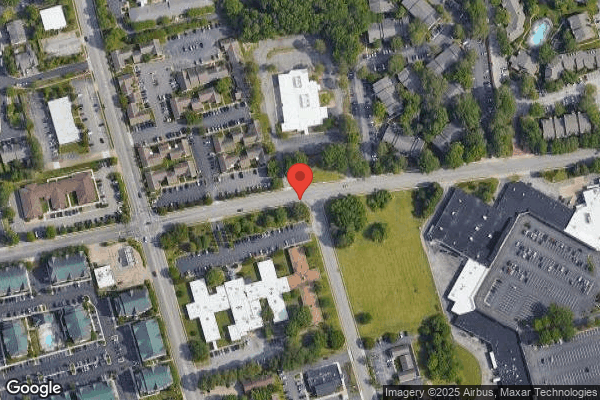
305 MARCELLA ROAD, HAMPTON, VA 23666 (757) 827-8953
For profit - Corporation 180 Beds VIRGINIA HEALTH SERVICES Data: November 2025
Trust Grade
70/100
#67 of 285 in VA
Last Inspection: October 2021

Over 2 years since last inspection. Current conditions may differ from available data.

Overview

Coliseum Nursing and Rehabilitation Center in Hampton, Virginia has a Trust Grade of B, indicating it's a good choice among nursing homes, but not the best. It ranks #67 out of 285 facilities in the state, placing it in the top half, and is the best option among four facilities in Hampton City County. The facility is improving, decreasing its reported issues from 11 in 2021 to 4 in 2024. However, staffing is a weakness with a rating of 2 out of 5 stars and a turnover rate of 41%, which is below the state average but still concerning. Notably, there have been specific incidents, such as failing to obtain emergency dental services for a resident with a painful broken tooth and inadequate pest control leading to dead bugs in the dining area, which could impact residents' comfort and health.

Trust Score
B
70/100
In Virginia
#67/285
Top 23%
Safety Record
Low Risk
No red flags
Inspections
Getting Better
11 → 4 violations
Staff Stability
○ Average
41% turnover. Near Virginia's 48% average. Typical for the industry.
Penalties
✓ Good
No fines on record. Clean compliance history, better than most Virginia facilities.
Skilled Nurses
⚠ Watch
Each resident gets only 22 minutes of Registered Nurse (RN) attention daily — below average for Virginia. Fewer RN minutes means fewer trained eyes watching for problems.
Violations
⚠ Watch
38 deficiencies on record. Higher than average. Multiple issues found across inspections.
★★★★☆
4.0
Overall Rating
★★☆☆☆
2.0
Staff Levels
★★★★★
5.0
Care Quality
★★★☆☆
3.0
Inspection Score
Stable
2021: 11 issues
2024: 4 issues

The Good

  • 5-Star Quality Measures · Strong clinical quality outcomes
  • Full Sprinkler Coverage · Fire safety systems throughout facility
  • No fines on record
  • Staff turnover below average (41%)

    7 points below Virginia average of 48%

Facility shows strength in quality measures, fire safety.

The Bad

Staff Turnover: 41%

Near Virginia avg (46%)

Typical for the industry

Chain: VIRGINIA HEALTH SERVICES

Part of a multi-facility chain

Ask about local staffing decisions and management

The Ugly 38 deficiencies on record

May 2024 4 deficiencies
CONCERN (D) 📢 Someone Reported This

A family member, employee, or ombudsman was alarmed enough to file a formal complaint

Potential for Harm - no one hurt, but risky conditions existed

Safe Environment (Tag F0584)

Could have caused harm · This affected 1 resident

**NOTE- TERMS IN BRACKETS HAVE BEEN EDITED TO PROTECT CONFIDENTIALITY** Based on observation, resident interviews and staff interviews the facility staff failed to maintain a clean, comfortable, homel...

Read full inspector narrative →
**NOTE- TERMS IN BRACKETS HAVE BEEN EDITED TO PROTECT CONFIDENTIALITY** Based on observation, resident interviews and staff interviews the facility staff failed to maintain a clean, comfortable, homelike environment for 2 of 7 residents (Resident #1 and Resident #2), in the survey sample. The findings included: 1. Resident #1 was originally admitted to the facility 5/25/24 after an acute care hospital stay. The admission diagnoses included; cardiogenic shock, chronic congestive heart failure, pulmonary hypertension, muscle weakness, and chronic obstructive pulmonary disease. The admission Minimum Data Set (MDS) assessment with an assessment reference date (ARD) of 5/30/24 coded the resident as completing the Brief Interview for Mental Status (BIMS) and scoring 13 out of a possible 15. This indicated Resident #1's cognitive abilities for daily decision making were intact. On 5/29/24 during an observation tour for room [ROOM NUMBER], it was observed that the air conditioning unit was not functioning. On 5/29/24 at 3:05 PM an interview was conducted with Resident #1. Resident #1 stated that the air conditioning unit has not been working since his admission date of 5/25/24. Resident #1 also stated, I'm dying in here. I have been asking them to fix the air conditioning since I came here, and they are not doing anything to fix it. On 5/29/24 at 6:50 PM an interview was conducted with the Administrator and the Director of Nursing (DON). The Administrator stated that she is not aware of any air conditioning issues and does not know anything about air conditioning concerns for room [ROOM NUMBER], however she will report this to the Maintenance Director. On 5/30/24 at 11:00 AM an interview was conducted with the [NAME] President of Plant Operations and the Administrator. The Administrator stated that a portable air conditioning unit has been put in room [ROOM NUMBER]. Also, the [NAME] President of Plant Operations stated that the plan is for the Corporate Maintenance Team to begin installing PTAC units in all the rooms that are having air conditioning issues. He further stated that four employees from the Corporate Maintenace Team is currently on site working on the air conditioning issues. 2. Resident #2 was originally admitted to the facility 3/15/24. The current diagnoses included; quadriplegia, intraspinal abscess and granuloma, cervical disc disorder with myelopathy, anxiety disorder, and essential hypertension. The admission Minimum Data Set (MDS) assessment with an assessment reference date (ARD) of 3/22/24 coded the resident as completing the Brief Interview for Mental Status (BIMS) and scoring 15 out of a possible 15. This indicated Resident #2's cognitive abilities for daily decision making were intact. On 5/29/24 at 4:10 PM during an observation tour for room # 413, it was observed that the ceiling tile was full of water and had a dirty/black stain. On 5/30/24 at 1:15 PM an interview was conducted with Resident #2. Resident #2 stated that the roof has been leaking for a couple months and the ceiling tile is full of water. Resident #2 also stated that he has been asking for the tile to be replaced and for the roof to be fixed however he is unable to get a response from the facilities management team. An interview was conducted on 5/30/24 at 5:15 PM with the Director of Maintenance and Administrator. The Director of Maintenance stated that the roof is leaking and that is why the ceiling tile is wet and dirty. The Director of Maintenance also stated that the ceiling tile was replaced around 3:00 PM this afternoon and the facility is working with a roofing company to get the roof leak issue fixed. On 5/30/24 at approximately 8:30 p.m., a final interview was conducted with the Administrator, Director of Nursing, Assistant Administrator, Regional Nursing Corporate Consultant, Resident Navigator, and Corporate Assistant Director of Nursing. An opportunity was offered to the facility's staff to present additional information. They had no further comments and voiced no concerns regarding the above information.
CONCERN (D) 📢 Someone Reported This

A family member, employee, or ombudsman was alarmed enough to file a formal complaint

Potential for Harm - no one hurt, but risky conditions existed

Incontinence Care (Tag F0690)

Could have caused harm · This affected 1 resident

**NOTE- TERMS IN BRACKETS HAVE BEEN EDITED TO PROTECT CONFIDENTIALITY** Based on resident interview, staff interview, and clinical record review the facility staff failed to provide toileting hygiene/...

Read full inspector narrative →
**NOTE- TERMS IN BRACKETS HAVE BEEN EDITED TO PROTECT CONFIDENTIALITY** Based on resident interview, staff interview, and clinical record review the facility staff failed to provide toileting hygiene/toileting assistance for 2 of 7 residents (Resident #6 and 5), in the survey sample. The findings included: 1. The facility's staff failed to provide toileting hygiene to Resident #6 when requested on 5/29/24 before and during the supper meal. Resident #6 was originally admitted to the facility 4/1/2017 and readmitted [DATE] after an acute care hospital stay. The current diagnoses included dementia, high blood pressure and diabetes. The quarterly Minimum Data Set (MDS) assessment with an assessment reference date (ARD) of 3/5/24 coded the resident as completing the Brief Interview for Mental Status (BIMS) and scoring 11 out of a possible 15. This indicated Resident #6's cognitive abilities for daily decision making were moderately impaired. In section GG (Functional Abilities and Goals) the resident was coded as dependent for toileting hygiene. On 5/29/24 at 5:23 PM Resident #6 stated she was wet, so she pressed the call bell. Certified Nursing Assistant (CNA) #1 answered the call bell and turned the call bell off while telling the resident that her aide would change her after dinner. At approximately 5:29 PM CNA #1 returned to Resident #6's room with the supper tray. At approximately 6:05 PM Resident #6 turned the call bell on again and it was turned off again by CNA #1 as she removed the resident's tray from the room. At 6:12 PM Resident #6 stated she had pressed her call bell to be changed and she wasn't changed and now she had to dokie too. On 5/29/24 at 6:30 PM an interview was conducted with CNA #1. CNA #1 stated she turned the resident's call light off, because she assessed her brief by viewing the color of the line on the incontinence product and the coloring indicator did not confirm the resident was wet enough to change. CNA #1 further stated the resident does not know if she is wet or not and sometimes, she requests to toilet but she doesn't get toileted because she requires transfers using a lift. CNA #1 also stated she reported to the assigned CNA of the resident's desire to be changed but she had not changed her because it was time for her to go on a break. On 5/29/24 at at 6:36 PM the resident stated that she was still waiting to receive toileting hygiene. On 5/30/24 at approximately 7:00 p.m., a final interview was conducted with the Administrative staff. The Director of Nursing stated that for every meal a CNA is designated as responsible for toileting residents who requests assistance during a meal and that was also true on 5/29/24 during the supper meal. The facility's staff had no further comments and voiced no concerns regarding the above information. 2. The facility's staff failed to provide toileting assistance to Resident #5 when requested on 5/30/24 during the breakfast meal. Resident #6 was originally admitted to the facility 5/1/24 and she had not discharged from the facility. The current diagnoses included atrial fibrillation and renal insufficiency. The quarterly Minimum Data Set (MDS) assessment with an assessment reference date (ARD) of 5/8/24 coded the resident as completing the Brief Interview for Mental Status (BIMS) and scoring 13 out of a possible 15. This indicated Resident #6's cognitive abilities for daily decision making were intact. In section GG (Functional Abilities and Goals) the resident was coded as maximal assistance for toileting hygiene. On 5/30/24 at 12:32 PM an interview was conducted with Resident #5. Resident #5 stated she sat on the side of her bed that morning at approximately 6:45 AM and rung her call bell for assistance to toilet because she needed to have a bowel movement. Resident #5 further stated it took the staff over an hour before the call bell was answered and the staff stated she would have to wait until after breakfast to toilet. Resident #5 stated her breakfast was served to her while she was waiting to be toileted even after she told the nurse again that she needed to toilet. The resident stated she had to consume her breakfast while needing to have a bowel movement. Two Certified Nursing Assistant (CNA) were assigned to the unit Resident #5 resided on. An interview was conducted with CNA #2 on 5/30/24 at approximately 6:30 PM. CNA #2 stated she did not turn the resident's call bell off during breakfast and she did not tell the resident that she could not toilet during mealtime. CNA #2 stated she was assigned to the toileting task during meals but she was not informed of the resident's request by whomever provided the information to the resident. On 5/30/24 at approximately 7:00 p.m., a final interview was conducted with the Administrative staff. The Director of Nursing stated that for every meal a CNA is designated as responsible for toileting residents who requests assistance during a meal and that was also true on 5/30/24 during the breakfast meal. The facility's staff had no further comments and voiced no concerns regarding the above information.
CONCERN (D) 📢 Someone Reported This

A family member, employee, or ombudsman was alarmed enough to file a formal complaint

Potential for Harm - no one hurt, but risky conditions existed

Deficiency F0840 (Tag F0840)

Could have caused harm · This affected 1 resident

Based on resident interview and staff interviews the facility staff failed to have an agreement with a dentist to provide emergency dental services for 1 of 7 residents (Resident #7), in the survey sa...

Read full inspector narrative →
Based on resident interview and staff interviews the facility staff failed to have an agreement with a dentist to provide emergency dental services for 1 of 7 residents (Resident #7), in the survey sample. The findings included: On 5/29/24 at 4:20 PM Resident #7 stated she had a broken tooth, and the pain was so severe it was causing pain in her eyes. Resident #7 stated the tooth broke off on Thursday 5/23/24 or Friday 5/24/24 and she reported it to a nurse on Saturday 5/25/24. The resident stated she was told that a dental appointment had been scheduled but she was not provided details. On 5/30/24 at 11:21 AM and interview was conducted with SW #1. SW #1 stated the resident required stretcher transport and an escort to the dentist office and there was no local dentist to accommodate any residents who required stretcher transport. SW #1 also stated the Medical Assistant (MA) attempted to make an appointment for Resident #7 on 5/29/24 at a dental school's clinic in another city but the MA was informed that a call would need to be made to the dental school's clinic on 6/1/24, which was a Saturday, a day the MA did not work and because the niece would be required to accompany the resident therefore the MA deferred the task of scheduling the appointment to the resident's niece. On 5/30/24 at 7:00 PM a final meeting was held with the administrative staff. The Administrator stated they no longer had a contract with (name of a practice they previously had a contract with) therefore they would have to research a practice to accept the resident. The Administrator stated at approximately 7:20 PM that the Quality Corporate representative provided them with the name of a dental practice to call to schedule services for Resident #7.
CONCERN (E) 📢 Someone Reported This

A family member, employee, or ombudsman was alarmed enough to file a formal complaint

Potential for Harm - no one hurt, but risky conditions existed

Dental Services (Tag F0791)

Could have caused harm · This affected multiple residents

**NOTE- TERMS IN BRACKETS HAVE BEEN EDITED TO PROTECT CONFIDENTIALITY** Based on the resident's interview, observations, family interview, staff interviews, and clinical record review, the facility's ...

Read full inspector narrative →
**NOTE- TERMS IN BRACKETS HAVE BEEN EDITED TO PROTECT CONFIDENTIALITY** Based on the resident's interview, observations, family interview, staff interviews, and clinical record review, the facility's staff failed to obtain emergency dental services for one resident (Resident 7), in the survey sample. The findings included: Resident #7 was not provided dental services who presented with a broken and severely painful left upper tooth for which the facility's staff could not provided documentation of extenuating circumstances that resulted in the delay of treatment by a dentist. Resident #7 was originally admitted to the facility 1/11/23 and readmitted [DATE] after an acute care hospital stay. The current diagnoses included diabetes, high blood pressure and heart failure. The quarterly Minimum Data Set (MDS) assessment with an assessment reference date (ARD) of 3/4/24 coded the resident as completing the Brief Interview for Mental Status (BIMS) and scoring 11 out of a possible 15. This indicated Resident #7's cognitive abilities for daily decision making were moderately impaired. In section GG (Functional Abilities and Goals) the resident was coded at GG0130 (Self-Care) as requiring supervision with oral hygiene. On 5/29/24 at 4:20 PM Resident #7 stated she had a broken tooth, and the pain was so severe it was causing pain in her eyes. Resident #7 stated the tooth broke off on Thursday 5/23/24 or Friday 5/24/24 and she reported it to a nurse on Saturday 5/25/24. The resident further stated she requested Anbesol which was provided and the Anbesol helped some, but she had only received it once that she could recall. Resident #7 also stated she had received other medications the nurses told her were pain medications for the tooth pain, but the pain did not stop therefore she knew she needed to be evaluated by a dentist. After the Surveyor exited the resident's room Licensed Practical Nurse (LPN) #1, was observed in the hallway. LPN #1 stated he had administered Tylenol to the resident, and he had spoken with Social Worker (SW) #1 who had scheduled a dental appointment for Resident #1, but he did not know specifics about the appointment. Upon viewing the residents oral cavity on 5/29/24 at approximately 4:24 PM many carious teeth were observed and the resident was with very poor hygienic care. Viewing of the left upper and posterior mouth the broken tooth which was causing the pain was viewed. On 5/30/24 at 11:07 AM stated she continued to experience significant oral pain described as a 10 out of 10 from the broken tooth. The resident also stated she had not been informed when the dentist would assess the broken and painful tooth, all she knew was there was an appointment scheduled. Resident #7 stated she only consumed the eggs for breakfast because the broken tooth was so painful she could not eat the biscuit and sausage gravy. The resident stated she needed help to get to the dentist. On 5/30/24 at 11:21 AM and interview was conducted with SW #1. SW #1 stated the resident required stretcher transport and an escort to the dentist office and there was no local dentist to accommodate any residents who required stretcher transport. SW #1 also stated the Medical Assistant (MA) attempted to make an appointment for Resident #7 on 5/29/24 at a dental school's clinic in another city but the MA was informed that a call would need to be made to the dental school's clinic on 6/1/24, which was a Saturday, a day the MA did not work and because the niece would be required to accompany the resident therefore the MA deferred the task of scheduling the appointment to the resident's niece. On 5/30/24 at 11:51 AM - An interview was conducted with the Family Member (FM) #2 who stated the MA notified her on 5/29/24 that she would need to follow up with the dental school's clinic on Saturday 6/1/24 to schedule an appointment for Resident #7's painful, broken tooth. FM #2 stated the MA stated when she called dental school's clinic, she was informed all appointments must be made on the first day of the month. The MA provided the niece with the resident's Medicare and Medicaid numbers and the phone number to the dental school's clinic to call on 6/1/24 to schedule an appointment. FM #2 stated she did not volunteer to schedule an appointment for Resident #7, she felt she had to because the MA made it her responsibility and she did not know processes for individuals in a nursing home. FM #1 stated her preference was for the facility's staff to schedule the appointment and assist with obtaining an escort. An interview was conducted with the general practice Nurse Practitioner (NP) on 5/30/24 at approximately 6:07 PM. The NP stated oral jel and Oxycodone 5 mg for three days had been ordered on 5/25/24. The NP stated the Oxycodone order was extended and Amoxicillin 500 mg every 12 hours for seven days, was ordered to alleviate the oral pain because of the broken and painful tooth. The NP stated she also ordered labs to assess for an infectious process and felt she had done what a dentist would have done on behalf of the resident. A review of the Medication Administration Record (MAR) revealed the resident was administered Oxycodone once on 5/25/24, 5/26/24, 5/27/24, 5/29/24 and 5/30/24. On 5/30/24 at 7:00 PM a final meeting was held with the administrative staff. The Administrator stated they no longer had a contract with (name of a practice they previously had a contract with) therefore they would have to research a practice to accept the resident. At approximately 7:28 PM the facility's staff provided a scheduled dental appointment for Resident #7 for Friday 5/31/2024 at 10:00 AM. After presentation of the scheduled appointment the facility's staff had no further comments and voiced no concerns regarding the above information.
Oct 2021 11 deficiencies
CONCERN (D)

Potential for Harm - no one hurt, but risky conditions existed

Resident Rights (Tag F0550)

Could have caused harm · This affected 1 resident

**NOTE- TERMS IN BRACKETS HAVE BEEN EDITED TO PROTECT CONFIDENTIALITY** Based on observation, record review, interview, and facility policy review, the facility failed to ensure residents were treated...

Read full inspector narrative →
**NOTE- TERMS IN BRACKETS HAVE BEEN EDITED TO PROTECT CONFIDENTIALITY** Based on observation, record review, interview, and facility policy review, the facility failed to ensure residents were treated with respect and dignity for three of 28 residents reviewed for respect and dignity (Resident (R) 36, R77, and R119). Findings include: 1. During dining observation on 10/26/21 at 12:27 PM, R77 was sitting at the table in the dining room and Certified Nursing Assistant (CNA) 2 walked over to the resident and fed her two spoonfuls of food, while standing at the table next to R77. During an interview on 10/26/21 at 12:34 PM, CNA2 confirmed she assisted R77 with eating while standing beside the resident. 2. Observations on 10/26/21 at 9:34 AM, 10/27/21 at 8:31 AM, and 10/27/21 at 2:14 PM revealed R119 lying in bed supine (on his back) with his urinary catheter bag hanging from the left side of his bed uncovered and exposed to the view of his roommate and others that may enter his room. During an observation on 10/27/21 at 8:31 AM, Nursing Assistant (NA)2 was standing to the right of R119, feeding the resident breakfast at this time. During an interview on 10/27/21 at 8:31 AM, NA2 revealed she was R119's regular NA and she always left the urinary catheter bag uncovered and did not know if there was a cover for the urinary catheter bag. Additionally, NA2 stated she always stands when feeding R119. Review of R119's Face Sheet located in the Electronic Medical Record (EMR) under the Resident Info tab, revealed an admission date of 05/11/21 with diagnoses including neuromuscular dysfunction of the bladder and quadriplegia. Review of R119's Minimum Data Set (MDS) located in the EMR under the MDS tab with an Assessment Reference Date (ARD) of 08/16/21 revealed the presence of an indwelling urinary catheter. During an interview on 10/27/21 at 2:14 PM, Licensed Practical Nurse (LPN) 3 stated the urinary catheter bag should be always covered for infection control and dignity purposes. During an interview on 10/28/21 at 3:26 PM, the Director of Nursing (DON) stated, The catheter bags that we use has a cover over them so there is no extra bag that we put it in. The DON further stated if a resident comes to the facility with a catheter bag without a cover, she expects the catheter bag to be change to the type of catheter bag that is used at the facility in order to provide a level of dignity. The DON further confirmed R119 did not have a catheter bag with a cover. Review of the facility's policy titled, 10 Helpful Meal Pass Guidelines for CNA Staff reviewed and approved 06/23/10, indicated, While providing resident assistance with feeding, CNA staff should be in a seated position next to the resident. Review of the facility's policy titled, Catheter Care, Indwelling reviewed and approved 07/06/12, indicated, Maintain catheter tubing above level of drainage and prevent tension. The drainage bag should be kept off the floor and below bladder, covered with a drainage bag cover. 3. Review of R36's Face Sheet found in R36's Electronic Medical Record (EMR) under the Admission tab revealed the resident was admitted to the facility on [DATE] and had diagnoses of muscle weakness (generalized), sepsis, and unspecified age-related cataract. Review of R36's Quarterly MDS with an ARD of 08/25/21, found in R36's EMR under the MDS tab revealed the resident had a Brief Interview for Mental Status (BIMS) score of six out of 15, which indicated the resident was severely impaired in cognition. The MDS indicated R36 had no limitations in range of motion (ROM) to the upper and lower extremities on both sides and was totally dependent on staff for eating. Review of R36's comprehensive Care Plan, effective 01/29/21, found in R36's EMR under the Care Plan tab indicated, the resident had the potential for health and safety concerns related to ADL (activities of daily living) needs and mobility status. The care plan also indicated the intervention to provide feeding and setup assistance when the resident was unable to perform independently. Observation of R36 in the resident's room, on 10/26/21 at 12:39 PM, revealed Nurse Aide (NA) 1 took the lunch tray off the meal cart in the hallway, placed it on the bedside table, removed the lids off the food then lowered the bed. Continued observation revealed NA1 stated the resident's name a couple of times then fed her a couple of bites of pureed food with a spoon while standing on the left side of the bed. Further observation revealed NA1 exited R36's room then went to the nurse's station. Interview on 10/26/21 at 1:15 PM with NA1 confirmed she was standing while feeding R36 a couple bites of food and that she was trying to get R36 ready to feed herself because some days she had to feed R36. NA1 stated that if she fed her the entire meal then she would sit next to her as she fed her. Interview on 10/28/21 at 9:03 AM with LPN10 revealed that when feeding a resident, the staff should be sitting down next to the resident because the resident could choke, and it could be a dignity issue. Interview on 10/29/21 at 4:13 PM with Social Worker (SW) 2 revealed that she had not received any complaints from residents on how they are fed but she wouldn't want the staff to stand over her for she considered it a dignity issue.
CONCERN (D)

Potential for Harm - no one hurt, but risky conditions existed

ADL Care (Tag F0677)

Could have caused harm · This affected 1 resident

**NOTE- TERMS IN BRACKETS HAVE BEEN EDITED TO PROTECT CONFIDENTIALITY** Based on observations, interview, record review, and policy review, the facility failed to provide documented evidence assistanc...

Read full inspector narrative →
**NOTE- TERMS IN BRACKETS HAVE BEEN EDITED TO PROTECT CONFIDENTIALITY** Based on observations, interview, record review, and policy review, the facility failed to provide documented evidence assistance with activities of daily living (ADLs) was given to three of four residents reviewed for ADLs (Residents (R)20, R32, and R95) out of a total sample of 28 residents. Specifically, there was no documented evidence residents received showers/tub baths in accordance with the bath schedule and their needs. All three residents resided on the [NAME] unit. Findings include: Review of the paper Tub or Shower Bath policy dated 03/01/15 revealed Residents should receive a tub or shower bath at least twice weekly. The purpose was To provide cleanliness and comfort to the resident. To assist the resident in bathing. To prevent body odors. To stimulate circulation and provide a mild form of exercise. To observe the resident's skin condition. To alleviate skin conditions. 1. Review of the Face Sheet undated, in the electronic medical record (EMR) under the admission tab, revealed R20 was admitted to the facility on [DATE]. Diagnoses included intellectual disability, epilepsy, aphasia (loss of ability to understand or express speech), and seizure disorder. Review of the Annual Minimum Data Set (MDS), with an Assessment Reference Date (ARD) of 08/03/21, in the electronic medical record (EMR) under the MDS tab, revealed the resident had no speech during the assessment period, she was rarely understood, rarely understood others, and was highly impaired in vision. A Brief Interview for Mental Status (BIMS) test was not completed. R20 had both short term and long-term memory problems and was severely impaired in decision making. R20 was dependent on one to two persons for ADLs including hygiene and baths. Review of the Care Plan dated 08/13/20, in the EMR under the care plan tab revealed R20 was totally dependent on staff for bathing. The goal was for the resident to be bathed/showered by staff. Interventions included Tub or Shower two times weekly. Review of the Care Plan dated 08/13/21, in the EMR under the care plan tab revealed the resident required total care with ADLs. One of the interventions was to, Keep hair clean and tidy. Review of the paper undated shower schedule, in the ADL book, revealed R20 was scheduled for showers twice a week. Review of the paper ADL Verification Worksheet for showers, from 08/30/21 - 10/28/21 and printed by the facility, revealed R20 was documented to have received one shower/tub bath during this two-month period, provided on 09/15/21. One refusal was documented on 10/13/21. Observations on 10/26/21 9:05 AM and 11:30 AM and on 10/27/21 at 8:39 AM, revealed R20's hair was greasy. During each observation, she was lying in bed. During an interview on 10/27/21 at 9:46 AM, family member (F)20 stated R20's hair was greasy at times and R20's hair did not get washed often enough. During an interview on 10/27/21 at 4:38 PM, Licensed Practical Nurse (LPN)7 stated residents should receive two shower/baths per week. He stated Certified Nurse Aides (CNAs) documented the provision of showers/baths in the computer. He verified not all residents received showers/baths as scheduled twice a week. He stated, when he worked, he went and asked residents who were scheduled for showers if they wanted their scheduled shower. He stated he made sure the specific residents who stated they wanted their showers, received them. During an interview on 10/28/21 at 10:25 AM, CNA3 stated residents were scheduled for showers according to their room number and were supposed to receive two showers per week. CNA3 stated if there were not enough CNAs on the [NAME] Unit, she was not able to get showers completed. She stated, At times I do not give baths/showers that are scheduled. During an interview on 10/29/21 at 7:58 AM, the Director of Nursing (DON) and Assistant Director of Nursing (ADON) were interviewed together. They explained the coding on the computerized shower/tub bath records and stated Yes meant a shower/tub bath was given. The ADON stated families had expressed some concerns related to the provision of showers/tub baths. They stated if a shower/tub bath could not be provided, a bed bath was given instead. During an interview on 10/29/21 at 2:29 PM, the Administrator stated she was not sure if R20 refused showers. The Administrator stated she expected staff to document a refusal if a resident refused their scheduled shower. The Administrator stated residents should receive two showers weekly. The Administrator reviewed the paper ADL Verification Worksheet for showers from 08/30/21 - 10/28/21 and verified one Yes response was documented on the report indicating one shower was provided. 2. Review of the Face Sheet undated, in the EMR under the admission tab, revealed R32 was admitted to the facility on [DATE]; diagnoses included dementia with behavioral disturbance, anxiety disorder, overactive bladder and history of urinary tract infections. Review of the MDS with an ARD of 05/19/21, in the EMR under the assessment tab, revealed R32 was unable to complete the BIMS test. R32 was impaired in long- and short-term memory and had moderately impaired decision making. Although R32 exhibited some behaviors, R32 was not identified as rejecting care. R32 required physical help from one staff for bathing. Review of the Care Plan dated 05/24/21, in the EMR under the care plan tab, revealed the potential problem of health and safety concerns related to ADL needs and mobility status. Interventions included in pertinent part assisting the resident with bathing as needed. Review of the paper undated shower schedule, in the ADL book, revealed R32 was scheduled for showers twice a week. Review of the paper ADL Verification Worksheet for showers, from 08/30/21 - 10/28/21 revealed it was documented R32 received six showers in this two-month period (on 09/02/21, 09/16/21, 09/29/21, 10/04/21, 10/14/21, and on 10/18/21). During an observation on 10/27/21 at 8:28 AM, R32's hair was greasy and hanging straight down next to her face; she was sitting in her wheelchair in her room. On 10/28/21 at 9:33 AM, R32's hair was hanging straight down and was greasy looking; she was up in her wheelchair in her room. On 10/28/21 at 12:15 PM R32 was wheeling herself into the hallway; her hair was greasy. During an interview on 10/28/21 at 1:29 PM, family member (F)32 recalled an incident and stated R32 was incontinent of urine and when he took her to see an ophthalmologist. F32 stated upon arriving to the appointment, he discovered R32 reeked of urine. F32 stated, It looks like she has not been bathed at times. F32 stated R32's hair was oily, and the family brought this up to administrative staff. F32 stated he had purchased waterless shampoo and had washed R32's hair when he visited because her hair was that oily and soiled. During an interview on 10/29/21 at 2:29 PM, the Administrator stated she attended a care plan meeting with F32. The Administrator stated F32 expressed concerns with R32 being wet from urine when he took R32 to an appointment. The Administrator stated she was not aware of concerns about the resident not receiving showers or her hair not getting washed. The Administrator reviewed the paper ADL Verification Worksheet for showers from 08/30/21 - 10/28/21 and verified six Yes responses were documented on the report indicating six showers were provided in the past two months. 3. Review of the Face Sheet undated, in the EMR under the admission tab, revealed R95 was admitted to the facility on [DATE]. Diagnoses included in pertinent part muscle weakness, difficulty walking, atherosclerotic heart disease, chronic obstructive pulmonary disease and schizophrenia. Review of the Significant Change MDS with an ARD of 10/02/21, in the EMR under the MDS tab, revealed it was very important to R95 to choose between a tub bath, shower, bed bath or sponge bath. The resident was moderately impaired (moderate impairment equals a score of 8 - 12) in cognition with a BIMS of 10 out of a total of 15. R95 exhibited no behavior; he required extensive assistance of one person for dressing and bathing. Review of the Care Plan dated 10/10/19, in the EMR under the care plan tab, revealed R95 had the potential for health and safety concerns related to ADL needs and mobility status. Interventions in pertinent part included to assist R95 with bathing as needed. Review of the paper undated shower schedule, in the ADL book, revealed R 95 was scheduled for showers twice a week. Review of the paper ADL Verification Worksheet for showers, from 08/28/21 - 10/28/21, revealed during this two-month period it was documented R95 received showers six times (on 9/10/21, 9/14/21, 9/17/21, 9/28/21, 10/5/21, 10/12/21). During an interview with the resident on 10/26/21 at 12:02 PM, R95 stated he received a shower about once every two weeks. R95's hair was observed to be hanging down and was greasy during the interview. The resident's hair remained the same throughout the survey with additional observations on 10/28/21 at 9:35 AM when he was wheeling himself down the hall in his wheelchair. R95 was participating in an activity in the dining room on 10/28/21 at 4:18 PM and during the group interview on 10/27/21 at 10:37 AM. Based on the paper ADL Verification Worksheet for showers, from 08/28/21 - 10/28/21, as of 10/28/21, R95's last shower was documented 16 days earlier on 10/12/21. During an interview on 10/29/21 at 2:29 PM, the Administrator reviewed the paper ADL Verification Worksheet for showers from 08/28/21 - 10/28/21 and verified six Yes responses were documented on the report indicating six showers were provided in the past two months.
CONCERN (D)

Potential for Harm - no one hurt, but risky conditions existed

Deficiency F0688 (Tag F0688)

Could have caused harm · This affected 1 resident

**NOTE- TERMS IN BRACKETS HAVE BEEN EDITED TO PROTECT CONFIDENTIALITY** Based on interview, record review, and review of facility policy, the facility failed to provide services to ensure two (Residen...

Read full inspector narrative →
**NOTE- TERMS IN BRACKETS HAVE BEEN EDITED TO PROTECT CONFIDENTIALITY** Based on interview, record review, and review of facility policy, the facility failed to provide services to ensure two (Residents (R)63 and R4) of four residents reviewed for limited of Motion (ROM) and mobility, maintained or improved function unless reduced ROM/mobility was unavoidable based on the resident's clinical condition. Findings include: 1. Review of the Face Sheet in the Electronic Health Record (EMR) for R4 revealed an admission date of 07/02/19 with a current diagnosis of arthritis. Review of the Minimum Data Set (MDS) with an Assessment Reference Date (ARD) of 07/19/21 revealed a Brief Interview of Mental Status (BIMS) score of 14 indicating intact cognition. The MDS indicated R4 had functional limitation in ROM to her upper extremities to include her shoulder, elbow, wrist, and hand with impairment of both sides. Review of the Comprehensive Care Plan, located in the EMR under the Care Plan tab revealed R4 had the potential for health and safety concerns related to activities of daily living (ADLs) needs. Interventions were noted to daily clean and dry R4 left and right hand and apply left and right palm protectors daily after AM ADLs care and apply left and right palm protectors at PM after ADLs. Observations of R4 on 10/26/21 at 11:33 AM revealed she was in bed and her hands were observed to be contracted with her fingers clenched tightly to the middle of her hands. She was not able to spread her fingers out upon request. There were no splint devices or palm protectors observed in the right or left hand. Observation on 10/27/21 at 8:44 AM and 3:18 PM and again on 10/28/21 at 9:48 AM while R4 was in bed revealed her hands were contracted with her fingers clenched tightly to the middle of her hands. She was not able to spread her fingers out upon request. There were no splint devices or palm protectors noted in her right or left hand. Interview with Certified Nurse Aide (CNA)1 on 10/28/21 at 2:03 PM during an observation of R4 verified R4 did not have splints devices or palm protectors to her left or right hand in place. She verified the resident should always have cloth protectors in both hands except when she is eating. Interview with Licensed Practical Nurse (LPN)7 on 10/28/21 at 2:07 PM verified splints or palm protectors were not in place in R4 left or right hand and indicated they should have been placed in her hands after lunch. Interview with CNA4 on 10/28/21 at 2:15 PM the CNA verified R4 did not have splints or palm protectors in her left or right hand and stated palm protectors should have been placed in both her hands after she fed herself lunch. CNA4 obtained two palm protectors from R4's nightstand and applied them to her left and right hand. This information was shared with Registered Nurse (RN) Corporate and the Director of Nursing (DON) on 10/28/21 at 4:18 PM and no additional information was provided regarding the lack of palm protectors that were care planned to be in in R4' left and right hands during the observations on 10/26, 10/27 and 10/28/21. 2. Review of the Face Sheet located in the EMR revealed R63 was admitted to the facility on [DATE] with a diagnosis of peripheral vascular disease, diabetes and right below the knee amputation. During an interview with R63 on 10/26/21 at 9:50 AM he stated he would like to continue to receive the therapy he was receiving after he returned to the facility from having a right below the knee amputation. He stated he stopped receiving therapy a few weeks ago and was not sure why. Review of the most recent MDS with an ARD of 09/10/21 revealed a BIMS score of 15 which indicated intact cognition. The MDS revealed R63 received Occupational Therapy for four days out of the last seven days for 180 minutes and received Physical Therapy for four days out of the last seven days for 147 min. The MDS revealed R63 required extensive assistance of two staff for bed mobility and transfers from the bed to the wheelchair. Review of the Person-centered Comprehensive Care Plan in the EMR under the Care Plan tab related to ADLS for R63 revealed he had the potential for health and safety concerns related to ADLs needs and mobility status. Interventions include for staff to provide transfer assistance when transferring to and from different surfaces and to use a sit to stand lift attended by at least one staff. The care plan included to provide assistance with dressing and or managing clothing during dressing. The care plan was silent to any current therapy or restorative programs R63 was participating in. Review of the Clinical Notes located in the EMR under the Notes tab revealed R63 received a Medicare Non-Coverage letter on 09/21/21 indicating his last covered day of skilled care would be on 09/23/21. R63 signed the letter and requested an appeal of the decision and on 09/22/21 a notice was received indicating R63 had won the appeal and would continue with skilled services. On 09/28/21 the clinical notes revealed R63 received a Medicare Non-Coverage letter on 09/28/21 indicating his last covered day of skilled care would be on 09/30/21 and R63 appealed the decision. The appeal to continue services was denied and the clinical notes revealed R63 was being prepared to be discharged to home with his son. Interview with Occupational Therapist (OT) on 10/28/21 at 2:39 PM revealed when a resident is discharged from therapy and remaining in the facility, they will often be placed on a functional maintenance restorative program in which they would receive specific exercises to prevent physical decline. She stated R63 was scheduled to go home on [DATE] when his therapy services were cut. OT stated at the time R63 was discharged from therapy services he was performing a scoot pivot transfer. She stated his last day of therapy services was noted to be 10/07/21. She stated if insurance denied services, they would at least place a resident on a functional maintenance restorative program, but he was scheduled to go home, and she was not aware if once the decision was made for R63 to remain in the facility for a longer period of time if the MDS staff had identified the need for him to be placed on a functional maintenance restorative program. Interview with MDS Coordinator 1 and MDS Coordinator 2 on 10/28/21 at 2:59 PM revealed R63's therapy services were discontinued on 10/07/21 and Social Worker (SW) 1 and 2 had worked with the family for discharged plans. MDS Coordinator 1 indicated the discharge plans for R63 changed and the family decided he would be staying at the facility until he got stronger. Interview with SW2 on 10/28/21 at 3:15 PM revealed when R63 was readmitted to the facility on [DATE] he was placed on therapy and then was denied therapy services and therapy services ceased on 10/07/21 and the resident had not received any services since 10/07/21. She indicated once therapy services were discontinued it would be the therapy staff that would recommend a resident for the functional maintenance restorative program but verified R63 was not currently receiving those services. Interview with Registered Nurse (RN) Cooperate on 10/28/21 at 3:43 PM regarding the lack of follow through on recommending R63 for a functional maintenance restorative program once his therapy was discontinued. She stated it sounds like he got lost in the confusion regarding being discharged to home verses remaining in the facility. She confirmed R63 should have been referred to receive functional maintenance restorative services. She stated the facility staff should have been having weekly meetings where they talked about therapy needs and planned discharges if R63 was waiting to go home he should have been picked up for the functional maintenance restorative program until he was discharged . A follow up interview with OT on 10/28/21 4:09 PM revealed the therapy department had conducted a therapy screening on R63 and they would be starting him with the functional maintenance restorative program. She stated he would be receiving strengthening and ROM services. She verified based on the screening conducted R63 had not experienced any declines since he was discharged from therapy services. She stated R63 would begin to receive maintenance restorative therapy services on 10/29/21. Further review of the updated care plan dated 10/28/21 on 10/29/21 at 9:08 AM provide by the OT revealed effective 10/28/21 R63 was receiving active ROM to include upper extremity and lower extremity strengthening and wheelchair propulsion using bilateral upper extremities and left lower extremity to propel his wheelchair. The care plan was updated to include the restorative nursing program to include measurable goals and objectives to ensure R63 maintains the ability to propel his wheelchair and develop no new contractures. Review of the facility policy titled, Nursing Rehabilitation/Restorative Care Program, dated 05/21/21, revealed all residents should receive, as part of their plan of care, services and interventions which promote or assist the resident to attain his or her maximum functional ability.
CONCERN (D)

Potential for Harm - no one hurt, but risky conditions existed

Deficiency F0692 (Tag F0692)

Could have caused harm · This affected 1 resident

**NOTE- TERMS IN BRACKETS HAVE BEEN EDITED TO PROTECT CONFIDENTIALITY** Based on observation, record review, interview, and review of facility policy, the facility failed to ensure one (Resident (R) 8...

Read full inspector narrative →
**NOTE- TERMS IN BRACKETS HAVE BEEN EDITED TO PROTECT CONFIDENTIALITY** Based on observation, record review, interview, and review of facility policy, the facility failed to ensure one (Resident (R) 83) of four residents reviewed for nutrition maintained to the extent possible, acceptable parameters of nutritional status and did not experience a significant weight loss. Findings include: Review R83's Face Sheet located in the Electronic Medical Record (EMR) revealed he was admitted to the facility on [DATE] with a diagnosis of glaucoma, blindness of the right eye, low vision in left eye and Vitamin D deficiency. Review of the admission Minimum Data Set (MDS) in the EMR under the MDS tab with an assessment reference date (ARD) of 03/09/21 revealed R83 was able to understand and to be understood and his vision was noted to be highly impaired. R83's Brief Interview for Mental Status (BIMS) score was 15 indicating intact cognition. The MDS indicated R83 required supervision, oversite and cueing for meals by staff. Review of the current Nutrition Person Centered Comprehensive Care Plan located in the EMR under the Care Plan tab revealed R83 had a potential for weight changes related to the use of antidepressant medication. The nutrition goal documented R83 would not experience a significant unplanned weight change thru next review. Interventions were noted for staff to honor the resident's food choices, provide assistance as needed with eating, provide diet as ordered, report if resident does not consume most of the meal, and weigh R83 routinely. Review of the weights for R83 located in the EMR under the Weights and Vitals tab revealed the following weights: 06/09/21 weight was 171.08 07/06/21 weight was 171.00 08/06/21 weight was 173.00 09/29/21 weight was 153.00 10/06/21 weight was 148.06 10/28/21 weight was 152.04 Review of the Nutritional Assessment dated 06/24/21 located in the EMR located under the Assessment Tab revealed R83 was 73 inches tall and weighed 171.80 pounds and his oral nutrition intake was 75-100%. R83 required tray set up due to his vision being highly impaired. The overall summary on the nutritional assessment revealed R83 received a regular no added salt diet with finger foods. R83 was documented to be legally blind. Supplements include a multi vitamin, vitamin D3, vitamin 12, vitamin c, and a liquid protein drink. The assessment revealed R83 weights will continue to be monitored and follow up as needed as he was at risk for malnutrition. A recommendation was made to add an additional nutritional supplement once a day and to monitor his weight weekly. There was no evidence the recommendation for weekly weights was implemented. Review of a Nutritional Assessment dated 09/21/21 located in the EMR under the Assessment Tab revealed R83 weighed 173.2 pounds based off the last documented weight from 08/06/21. There were no recorded weights for R83 since 08/06/21 despite the recommendations of the dietician on 08/06/21 to obtain his weights weekly for four weeks. R83 nutritional intake had decreased to 25-50 % oral intake. There was documentation in the clinical notes that R83 would refuse oral intake, refuse weights, and refuse assistance from the staff at mealtime. A clinical note on 08/18/21 documented R83 would allow staff to assist him with his meals at breakfast but did not want any assistance at lunch or supper. The dietary assessment reveled based on R83's current weight record he was in the 94% of his ideal body weight with a body mass index of 22.8 which was defined as normal. Weights were to continue to be monitored and a recommendation to increase his nutritional supplement to three times a day due to his poor intake. Review of the medication administration record (MAR) for September and October 2021 revealed R83 received and consumed the nutritional supplement. Review of a Nutritional Assessment dated 10/13/21 located in the EMR under the Assessment Tab revealed R83 weighed 148 pounds. This was a significant weight loss since his previous weight of 173 despite the addition of the increased nutritional supplement. The Registered Dietician (RD) observed R83 eat his lunch on 10/06/21 and was noted to have poor oral intake but would not converse with the RD. The RD noted R83 was previously on Remeron, a medication used to stimulate appetite, but this medication was discontinued by the Nurse Practitioner (NP) on 09/23/21 per the family request. The RD indicated she was not aware of the medication being discontinued on 09/23/21 until she conducted her nutritional assessment on 10/13/21. The nutritional assessment revealed based on the current weight records R83 was at 81% of his ideal body weight and his BMI was 19.6. The RD recommended to continue weekly weights and increased R83's liquid protein to 30 milliliters (ml) two times a day and discontinued his no added salt diet. Observation of R83 on 10/26/21 at 1:12 PM revealed he had five individual bowls of food in front of him with one bowl noted be stacked on top of another bowl. R83 was asking for his milk and was moving his hands around the tray trying to find his milk. There was no milk on the tray and staff was notified of his request for milk. R83 indicated it was difficult for him to see his food and sometimes needs the staff to assist him with his meals. He stated he does not always want assistance with his meals, but he is legally blind and is not able to see all the items on his tray. R83 indicated they put his food in bowls to make it easier for him to find his food. He would prefer the staff just give him a couple of bowls at a time and tell him where they are on his tray, and he would be able to feed himself better. He stated if he is not able to find items on his tray, he turns on his call light for assistance. Observation of R83 on 10/27/21 at 1:08 PM revealed the staff were setting the resident up for his lunch and provided him with direction of where his food items were on his tray. Observation on 10/28/21 at 12:59 PM revealed CNA4 was observed feeding R83 his lunch. Interview with CNA4 after the observation revealed he feeds R83 at times depending on what is served. He stated the resident loves soup and when he receives soup for his meal, he helps the resident eat as R83 can hardly see and it is difficult for him to feed himself soup. CNA 4 stated R83 will often refuse assistance and will also refuse his meals and they offer supplements and increased fluids if he does not eat. Interview with the RD on 10/28/21 at 11:02 AM regarding R83's weight loss revealed she was aware of his current weight loss. She stated she had conducted a nutritional assessment for R83 on 10/13/21 after being notified of a recent weight loss. She indicated she monitors residents for weight loss by tracking their weights on a spread sheet and by accessing weights in the EMR. The RD indicated the staff are also required to advise her when residents experience a weight loss of greater than five pounds. She indicated they will let her know by an email which comes from the nurse, or the staff let her know about resident weight loss when she is in the building. She confirmed she had conducted a nutritional assessment for R83 on 09/21/21 and she utilized the last documented weight from the EMR which was a weight from 08/06/21 as that was the most recent weight she had to reference. She indicated R83's weight loss was not identified until his weight was obtained on 09/29/21 at which time he weighed 153 pounds. She indicated she was not notified of R83's 09/29/21 weight of 153 pounds until the nurse notified her on the 10/11/21. She stated she should have been notified on 09/29/21 of R83's decrease in weight as it was a weight loss of greater than five pounds. The RD indicated once she was made aware of R83's significant weight loss on 10/11/21 she conducted another nutritional assessment on 10/13/21 and increased the resident's protein supplement. Since she had just increased his nutritional supplement on 09/29/21 she did not increase the supplements again at that time. She indicated she also recommended to monitor R83's weight weekly for four weeks but verified during this interview there was no documentation of the resident's weight from last week. She indicated if she had been made aware of R83's weight loss when she conducted her nutritional assessment on 09/21/21 she would have recommended the nutritional interventions to promote weight gain earlier. A request was made by this surveyor on 10/28/21 for a weight to be obtained for R83 and the weight was noted to be 152.40 pounds which was an increase of 3.8 pounds since 10/06/21. Interview with Licensed Practical Nurse (LPN)5 on 10/28/21 at 12:30 PM revealed she was aware R83 had experienced a significant weight loss over the past couple of months. She verified the weight obtained on 09/29/21 for R83 of 153 pounds was an accurate weight. She stated she requested the staff reweigh R83 when the weight of 153 pounds was obtained as it indicated a significant weight loss. She stated she observed the reweigh to verify and confirmed the weight of 153 pounds was accurate. She confirmed the RD should have been notified on 09/29/21 when the significant weight loss was identified. She verified she did not send the RD a notification of R83's weight loss until 10/11/21. She was unable to indicate why there was a failure to notify the RD timely of R83's weight loss. LPN5 also verified R83 should be weighed every week per the RD recommendations to monitor for additional weight loss. LPN5 shared that R83 will often refuse to have staff assist him with his meals as he wants to be independent. Review of the facility policy titled, Nutritional Management, dated 01/18/13 revealed each resident should be weighed at least monthly and if a resident exhibits an unplanned weight gain/loss of 5% in 30 days or 10% in 180 days the physician and family should be notified immediately.
CONCERN (D)

Potential for Harm - no one hurt, but risky conditions existed

Deficiency F0697 (Tag F0697)

Could have caused harm · This affected 1 resident

**NOTE- TERMS IN BRACKETS HAVE BEEN EDITED TO PROTECT CONFIDENTIALITY** Based on observation, interview, record review, and review of the facility's policy, the facility failed to ensure a resident re...

Read full inspector narrative →
**NOTE- TERMS IN BRACKETS HAVE BEEN EDITED TO PROTECT CONFIDENTIALITY** Based on observation, interview, record review, and review of the facility's policy, the facility failed to ensure a resident received timely pain medication for one of 28 sampled residents (Resident (R) 62). Findings include: Review of the facility's policy titled, Pain Management, revised 06/15/12, revealed pain should be assessed and documented at regular intervals to ensure residents receive optimal pain management. Assessments should include the onset, location, frequency, quality, and intensity of pain with the resident self-report as primary indicator of pain. Pain assessments should be ongoing, and if interventions are not effective, the treatment plan and plan of care should be revised accordingly. Pain should be coded at the most severe level when the assessment does not determine the exact frequency or intensity of pain. Review of R62's Face Sheet found in R62's Electronic Medical Record (EMR) under the Admission tab revealed the resident was admitted to the facility on [DATE] and had diagnoses of unspecified fracture upper end of left humerus, repeated falls, and muscle weakness (generalized). Review of R62's Quarterly Minimum Data Set (MDS), with an Assessment Reference Date (ARD) of 09/09/21, found in R62's EMR under the MDS tab revealed the resident had a Brief Interview for Mental Status (BIMS) score of eight out of 15, which indicated the resident was moderately impaired in cognition. Review of a Nursing Progress Note, dated 05/31/21 at 6:42 PM, found in R62's EMR under the Notes tab revealed, R62 was found on the floor in her room and the R62 stated she lost her footing and fell to her buttocks. R62 has complaint of pain to her right hip. NP [nurse practitioner] aware. RP [responsible party] aware. Call placed to on call NP. New orders received. Vital signs taken at this time . Resident resting in bed. Will continue to monitor. Review of the Incident/Accident Report dated 05/31/21, provided by the facility, revealed an unwitnessed fall in the resident's room at 6:35 PM. Assessment to right hip. Impact from the fall was pain rated on numeric pain intensity scale as a seven. Action Taken: MD [medical doctor] notified, RP notified Resident teaching change in resident monitoring medication change. Review of a Nursing Progress Note, dated 05/31/21 at 11:20 PM, found in R62's EMR under the Notes tab revealed, This writer has attempted to reach out to the on-call NP several times. Review of a Nursing Progress Note, dated 06/01/21 at 8:47 AM, found in R62's EMR under the Notes tab revealed, One time order given by NP for one Norco (narcotic pain medication) 3-325 milligrams (mg) due to pain in her leg that she complained about. Prescription sent to pharmacy by NP. Med given at 10:10 PM. Review of a Nursing Progress Note, dated 06/01/21 at 10:03 AM, found in R62's EMR under the Notes tab revealed, Received report of fx [fracture] neck of right femur w/ [with] moderate deformity w/o [without] dislocation. NP paged. 4:00 AM received return call from NP and informed of fx to neck of right femur and said to send to ED [emergency department] .4:30 AM resident received Tylenol 650 mg and Ativan 0.5 mg po [by mouth] for pain and anxiety. Observation and interview with R62 on 10/28/21 at 11:19 AM revealed R62 could not remember falling in the facility. Her fall preventions were in place. Interview on 10/28/21 at 3:54 PM with the Director of Nursing (DON) and Assistant Director of Nursing (ADON) revealed the nurse should assess the resident after a fall occurred and if the resident complained of pain, they should administer pain medication if ordered. The DON stated if pain medication is not ordered for the resident, then the nurse should obtain an order for pain medication immediately from the on-call NP. The DON also stated if the nurse couldn't reach the NP, then the nurse should have contacted the management staff to assist in obtaining pain medication because pain should be managed for the residents. Interview on 10/29/21 at 11:07 AM with the NP revealed the only call received regarding R62 was from Licensed Practical Nurse (LPN) 2 on 05/31/21 at 8:21 PM for a STAT [immediate] order for pain medication for severe upper right leg pain and an x-ray to the pelvis due to a fall. The NP stated LPN2 should have called immediately after R62 was assessed and complained of pain because you don't leave anyone feeling uncomfortable, you take care of the residents. Interview on 10/29/21 at 3:06 PM with LPN2 revealed she assessed R62 after the fall on 05/31/21 and the resident complained of pain to her right hip. LPN2 stated R62 rated the pain a seven which is moderate to severe pain but R62 wasn't grimacing, crying or yelling. LPN2 also stated she administered R62's scheduled pain medication [Tylenol] at 9:00 PM but she couldn't remember why she didn't administer R62 any pain medication after the fall. LPN2 further stated she called the on-call NP at 6:40 PM then called several times afterwards for pain medication and an x-ray as documented in her progress notes.
CONCERN (D)

Potential for Harm - no one hurt, but risky conditions existed

Deficiency F0700 (Tag F0700)

Could have caused harm · This affected 1 resident

**NOTE- TERMS IN BRACKETS HAVE BEEN EDITED TO PROTECT CONFIDENTIALITY** Based on observation, interview, record review, and policy review, the facility failed to attempt use of alternatives prior to i...

Read full inspector narrative →
**NOTE- TERMS IN BRACKETS HAVE BEEN EDITED TO PROTECT CONFIDENTIALITY** Based on observation, interview, record review, and policy review, the facility failed to attempt use of alternatives prior to installing bed rails, failed to obtain informed consent, and failed to ensure bed rails were maintained to ensure safety for one of one sampled resident (Resident (R)20) reviewed for bed rails out of a total sample of 28 residents. Findings include: Review of the Face Sheet undated, in the electronic medical record (EMR) under the admission tab, revealed R20 was admitted to the facility on [DATE]. Diagnoses included intellectual disability, epilepsy, aphasia (loss of ability to understand or express speech), and seizure disorder. R20 received all nutrition via a gastrostomy feeding tube. Review of the Annual Minimum Data Set (MDS), dated [DATE], in the EMR under the MDS tab, revealed the resident had no speech during the assessment period, she was rarely understood, and rarely understood others, and was highly impaired in vision. A Brief Interview for Mental Status test was not completed. R20 had both short term and long-term memory problems and was severely impaired in decision making. R20 was dependent on one to two persons for activities of daily living (ADLs) including bed mobility, transfers, dressing, toilet use and hygiene. No restraints were coded as being in use. Review of the Bed Rail/Entrapment Risk Evaluation dated 08/02/21, in the EMR under the assessment tab, revealed the only indication for bed rail use was the promotion of the resident's sense of safety and security; however, the resident was severely cognitively impaired and was not able to speak or communicate to indicate the bed rails enhanced her sense of safety. Under risks for bed rail use, the resident was identified as not being able to recognize safety hazards of bed rail use. In addition, the form failed to document the resident's seizure disorder which was an identified risk factor for bed rail use. The question regarding the resident having no uncontrolled body movements or seizures was checked true indicating R20 did not have uncontrolled body movements or seizures. The form indicated if there were any false answers, which would have included the resident's inability to recognize safety hazards and uncontrolled body movements/seizures, this presented a risk of injury from bed rails. Review of the Care Plan dated 08/13/20, in the EMR under the care plan tab, revealed R20 was dependent on staff for the provision of ADLs. One of the interventions directed use of two half bed rails for bed mobility due to ADL care. However, R20 was not physically capable of using bed rails for bed mobility; she was totally dependent on staff for ADLs. The EMR was reviewed, and no documentation of less restrictive interventions attempted prior to bed rail use or evidence of consent obtained by the responsible party for bed rail use was found. Observations during the survey revealed two half bed rails were in place in the mid-section of the resident's bed. The rails were metal with several horizontal bars; the rails were not padded. Bed rails were observed as follows: -On 10/27/21 at 8:39 AM and at 8:52 AM, R20 was lying in bed on her back with both half rails in the up position. There was a gap of approximately 3 - 4 inches on the left side between the mattress and the bed rail and the mattress was flush against the bed rail on the right side. -On 10/28/21 at 12:08 PM, R20 was lying in bed with both rails in the up position. R20 was awake but unable to respond/speak when greeted. There was a gap on the left side between the mattress and the bed rail and the mattress was flush against the bed rail on the right side. The gap was measured and was three inches wide between the mattress and the rail on the left side, confirmed by the Director of Nursing (DON) who was present. The DON indicated adjustment was needed and stated she would get maintenance staff. -On 10/28/21 at 12:26 PM the Maintenance Director and the surveyor entered R20's room. R20 was lying in bed with the rails up. The Maintenance Director verified the presence of the three-inch gap on the left side and some play in the left rail (wiggled back and forth). The Maintenance Director stated he was not sure how much of a gap was allowable between the rail and the mattress, but he would check. During an interview on 10/28/21 at 10:22 AM, Certified Nursing Assistant (CNA)3 stated R20 was bed-bound and required total care from staff. CNA3 stated R20 did not move independently and could not do anything for herself. CNA3 stated R20 did not use bed rails for positioning. During a joint interview on 10/29/21 at 08:21 AM, the DON and Assistant Director of Nursing (ADON) revealed nursing staff completed bed rail assessments quarterly. They indicated most of the time bed rails were not used but at times families and residents requested bed rails. They stated less restrictive interventions were attempted prior to bed rail use; however, they did not verbalize what interventions were attempted for R20 prior to bed rail use. They reviewed the bed rail assessment and verified there was no place on the assessment to document less restrictive interventions that were attempted prior to bed rail use. When asked about obtaining consent for bed rails, they stated they were not sure if there was a consent form in use. The DON and ADON were asked to provide information about less restrictive interventions and for consent. No information regarding less restrictive interventions or consent form were provided. During an interview on 10/29/21 at 11:51 AM, the Maintenance Director stated he had been employed at the facility for a week. The Maintenance Director stated residents' beds should be assessed when they were admitted or if changes were made to the bed or mattress and stated there should be no more than a 4 ¾ inch gap between the bed mattress and bed rail. The Maintenance Director found an assessment of the resident's bed in dated 04/15/18 showing the bed had been evaluated and found to be acceptable at that time. During an interview on 10/29/21 at 12:29 PM, the Administrator stated she had reviewed the record but had been unable thus far to find documentation of the bed rail consent form. The Administrator stated bed rails were a risk for R20 related to her seizure disorder and she had discussed this with the resident's family. The Administrator stated R20's family wanted bed rails to be used for R20. During an interview on 10/29/21 at 4:30 PM, the MDS Coordinator stated she made an error on the bed rail assessment completed on 08/03/21, indicating R20's seizure order should have been identified as a risk factor. The MDS Coordinator also verified R20 did not have the ability to recognize safety hazards associated with bed rail use. The MDS Coordinator stated the bed rails were used to promote the resident's safety during repositioning and acted as a barrier, making it safer for staff when moving the resident in bed. The MDS Coordinator stated R20 was totally dependent on staff for ADLs and could not use the rails for repositioning. The MDS Coordinator stated she had looked for the consent form and was not able to find it. The MDS Coordinator stated R20's bed rails were supposed to be padded due to her seizure disorder and indicated, prior to her most recent room change, the bed rails had been padded. Review of the Hospital Bed Safety Assessment Policy undated revealed beds including bed frames, mattresses, and attached accessories were assessed for entrapment risks to promote the safety and well being of residents. The assessment would utilize a multi-faceted approach that included the hospital bed system, clinical assessment of the resident and the resident's individual needs. The assessment included a risk versus benefit analysis to ensure that steps taken to mitigate the risk of entrapment and to ensure bed rails did not create different, unintended risks or reduce the clinical benefits to residents using a hospital bed system.
CONCERN (D)

Potential for Harm - no one hurt, but risky conditions existed

Deficiency F0744 (Tag F0744)

Could have caused harm · This affected 1 resident

**NOTE- TERMS IN BRACKETS HAVE BEEN EDITED TO PROTECT CONFIDENTIALITY** Based on record review, interview and review of facility policy, the facility failed to develop person-centered comprehensive c...

Read full inspector narrative →
**NOTE- TERMS IN BRACKETS HAVE BEEN EDITED TO PROTECT CONFIDENTIALITY** Based on record review, interview and review of facility policy, the facility failed to develop person-centered comprehensive care plans to meet resident preferences and goals, and address the resident's medical, physical, mental, and psychosocial needs for dementia for two (Residents (R)31 and R55) of two residents reviewed with a diagnosis of dementia. Findings include: 1.Review of R31's Face Sheet located in the Electronic Medical Record (EMR) located under the Resident Info tab revealed R31 was admitted to the facility on [DATE] with a diagnosis of dementia. Review of R31's Minimum Data Set' (MDS) located in the EMR under the MDS tab with an assessment reference date of 08/16/21 revealed a diagnosis of dementia. Review of the Comprehensive Care Plan in the EMR located under Care Plan tab revealed there was no evidence of a person-centered comprehensive care plan to address the residents' preferences and goals, and address the resident's medical, physical, mental, and psychosocial needs for dementia. Observation of 10/28/21 at 3:08 PM of Licensed Practical Nurse (LPN)5 was observed redirecting R31 in a calm manner when the resident was observed to be confused about an appointment that had been rescheduled that day. R31 came to the desk several times and was redirected by LPN5 who provided an alternate activity for him in his room to help redirect him. Interview with LPN5 on 10/28/21 at 3:18 PM revealed R31 becomes confused and requires redirection and reassurance. Review of the current care plan with LPN5 revealed she was unable to find a comprehensive care plan for dementia care that had measurable goals and interventions for R31. Interview with the MDS Coordinator 1 on 10/29/21 at 11:21 AM revealed R31 had a short-term memory care plan but he did not have a person-centered comprehensive care plan addressing the residents' goals and objectives related to his dementia diagnosis. She stated the MDS documented the diagnosis of dementia, but it did not trigger the Care Area Assessment (CAA) which would drive the care plan to be generated. 2.Review of R55's Face Sheet located in the Electronic Medical Record (EMR) under the Resident Info tab, revealed an admission date of 08/27/21 and included diagnoses of vascular dementia with behavioral disturbance. Review of R55's Minimum Data Set (MDS) located in the EMR under the MDS tab with an Assessment Reference Date (ARD) of 09/02/21 revealed a diagnosis of dementia. Review of R55's EMR revealed no evidence the resident had a comprehensive care plan developed for the diagnosis of dementia. During an interview on 10/28/21 at 09:44 AM, MDS Coordinator2 confirmed she did not develop a comprehensive care plan that addressed R55's dementia. During an interview on 10/28/21 at 02:30 PM, MDS Coordinator1 revealed the CAA are what drives the care plan. She stated, even though we notated dementia on the MDS, it did not trigger as a CAA. The best practice would have been to add it as another identified concern. During an interview on 10/28/21 at 3:32 PM, the Director of Nursing (DON) stated when completing the care plan for a resident and the CAAs have triggered, the team goes over the triggered areas and review in order to see if anything additional needs to be added. The DON stated it appeared not having a dementia care plan for R55 was an oversight and her expectation is for the dementia care plan to be added. Review of the facility's policy titled, Person-Centered Baseline and Comprehensive Care Plan reviewed and approved 05/17/18 indicated Comprehensive Care plans: address the CAA Summary problems and/or potential problems with appropriate supportive documentation.
CONCERN (D)

Potential for Harm - no one hurt, but risky conditions existed

Deficiency F0761 (Tag F0761)

Could have caused harm · This affected 1 resident

Based on observation, interview, and review of facility policy, the facility failed to ensure metal boxes containing Schedule IV (controlled substances) medication located in the refrigerators in one ...

Read full inspector narrative →
Based on observation, interview, and review of facility policy, the facility failed to ensure metal boxes containing Schedule IV (controlled substances) medication located in the refrigerators in one of three medication rooms were secured in permanently affixed compartments. Findings include: The facility was identified to have three medications rooms. One medication room on each unit to include 100 Unit, 300 Unit and 400 Unit. Observation of the 100 Unit medication room on 10/29/21 at 8:25 AM with Licensed Practical Nurse (LPN)5 revealed the medication room door was locked and the refrigerator within the medication room was locked. There was an unlocked metal box in the refrigerator containing two unopened vials of Ativan 2 milligram (mg), an anti-anxiety Schedule IV medication. The box was able to be removed from the refrigerator as it was not permanently affixed. There was a chain attached to the inside of the refrigerator, but the chain was not attached to the metal box containing the Scheduled IV medications. LPN5 indicated the chain had been broken for a long time and she was aware the chain should be attached to the metal box, but it had never been repaired. Interview with the Corporate RN on 10/29/21 at 12:51 PM revealed the metal boxes containing Schedule II-V medications in the refrigerators should have been locked and permanently affixed to the fridge. Review of the facility policy titled, Storage and Expiration Dating of Medications Biologicals Syringes and Needles, dated 06/01/11 revealed the facility should store Schedule II-V Controlled Substances and other medications deemed by the facility to be at risk for abuse or diversion in a separate compartment within the locked medication carts and should have a different key to access the device. The facility should ensure that all controlled substances are stored in a manner that maintains their integrity and security.
CONCERN (E)

Potential for Harm - no one hurt, but risky conditions existed

Safe Environment (Tag F0584)

Could have caused harm · This affected multiple residents

**NOTE- TERMS IN BRACKETS HAVE BEEN EDITED TO PROTECT CONFIDENTIALITY** Based on observation, interview, review of maintenance records, and review of facility policy, the facility failed to ensure mai...

Read full inspector narrative →
**NOTE- TERMS IN BRACKETS HAVE BEEN EDITED TO PROTECT CONFIDENTIALITY** Based on observation, interview, review of maintenance records, and review of facility policy, the facility failed to ensure maintenance services to maintain clean and orderly environment for residents' rooms on three of three units in the facility. Findings include: The following observations were made during an environmental tour with the Maintenance Director (MD) on 10/29/21 that began at 10:11 AM and concluded at 11:00 AM: 1. In Room (RM) 109 the bathroom door was observed to have a large amount of white substance along the bottom on the inside of the door. The MD identified the substance as being material used to fill holes and was unaware aware of why there was no further repair such as painting the door. 2. In RM [ROOM NUMBER] the heating/air conditioning unit was attached only on the top corner and was hanging crooked off the wall. The base cove molding was observed to be coming away from wall and there was crumbling plaster underneath the heating/air conditioning unit. 3. In RM [ROOM NUMBER] the wall under the bathroom sink had large chunks of plaster falling off the wall with pieces of the plaster laying on the floor under the sink. In this same room there was peeling paint and plaster around the air conditioner under the window by B bed. 4. In RM [ROOM NUMBER] the heating air-conditioned under the window by B bed was not firmly attached to the wall. 5. In RM [ROOM NUMBER] and RM [ROOM NUMBER] the resident call light box was dislodged from the wall. The box and wires were noted to be hanging out of the wall. The MD stated he has snapped a couple of these call light boxes back in place in other resident rooms, but they continue to become dislodged when the staff or the residents pull on the call light cord. 6. In RM [ROOM NUMBER] the seal around the air-conditioner on the wall under the window by B bed was broken. The heating/air-conditioner was dislodged and not firmly attached to the wall. 7. In RM [ROOM NUMBER] the nightstand located beside the first bed by the door was observed with the top surface of the nightstand peeling off. The side of the second and third drawers were also noted with large pieces of peeling surfaces hanging off of them. The MD verified the above findings and confirmed these areas needed repair. He indicated there are maintenance binders on each unit where the staff are required to post any maintenance needs. Review of the binders on the 100 Hall, 300 Hall and 400 Hall binders revealed they were silent to the areas identified during the tour. The MD indicated he had only been employed at the facility for one week and is aware there are maintenance concerns that need to be addressed in the facility, he will be setting up a plan to conduct routine room observations to ensure concerns are identified and repairs done as needed but that has not been done yet. During an interview with the Administrator on 10/29/21 at 3:33 PM she indicated the facility has been without maintenance staff since April 2021. She indicated if they had major issues while they were without a MD, they were required to call cooperate maintenance to fix what was needed. The Administrator indicated the new MD was hired one week ago and will working to set up a system to ensure all maintenance concerns are identified and corrected. The Administrator confirmed the identified concerns noted from the tour with the MD will need to be addressed. Review of the facility's policy titled, Quality-of-Life indicated the facility would provide maintenance services necessary to maintain a sanitary, orderly, and comfortable interior environment.
CONCERN (E)

Potential for Harm - no one hurt, but risky conditions existed

Medication Errors (Tag F0758)

Could have caused harm · This affected multiple residents

**NOTE- TERMS IN BRACKETS HAVE BEEN EDITED TO PROTECT CONFIDENTIALITY** Based on interview, record review and facility policy review, the facility failed to ensure the resident, his or her family, and...

Read full inspector narrative →
**NOTE- TERMS IN BRACKETS HAVE BEEN EDITED TO PROTECT CONFIDENTIALITY** Based on interview, record review and facility policy review, the facility failed to ensure the resident, his or her family, and/or the resident representative was provided information related to the benefits and risks to the residents for psychotropic medications (any drug that affects brain activities associated with mental processes and behavior) for five of five residents reviewed for unnecessary medications (Resident (R) 17, 31, 55, 86, and 97). Findings include: 1. Review of R17's Face Sheet located in the Electronic Medical Record (EMR) under the Resident Info tab, revealed an admission date of 04/02/21 and included diagnoses of dementia with behavioral disturbance and anxiety disorder. Review of R17's Minimum Data Set (MDS) located in the EMR under the MDS tab with an Assessment Reference Date (ARD) of 10/25/21 revealed a diagnosis of dementia and Brief Interview for Mental Status (BIMS) score of 05/15, indicating the resident was severely cognitively impaired. Review of R17's October 2021 Physician Order Sheet, located in the EMR under the Orders tab, revealed the resident was prescribed the following medication: Buspirone (anti-anxiety medication). 2. Review of R55's Face Sheet located in the EMR under the Resident Info tab, revealed an admission date of 08/27/21 and included diagnoses of vascular dementia with behavioral disturbance, major depressive disorder, anxiety disorder, and unspecified psychosis not due to a substance or known physiological condition. Review of R55's MDS located in the EMR under the MDS tab with an ARD of 09/02/21 revealed a diagnosis of dementia and BIMS score of 13 out of 15, indicating the resident was cognitively intact. Review of R55's October 2021 Physician Order Sheet, located in the EMR under the Orders tab, revealed the resident was prescribed the following medications: Quetiapine (anti-psychotic) and Sertraline (anit-depressant). Review of R17's and R55's medical record revealed no evidence the resident's responsible party had been notified of the potential risks and benefits of receiving the prescribed medication, nor had the responsible party been given the opportunity to consent or refuse the drugs' use. 3. Review of R31's Face Sheet located in the EMR under the Resident Info tab, revealed an admission date of 02/25/21 and included diagnoses of dementia and depression. Review of R31's MDS located in the EMR under the MDS tab with an ARD of 08/16/21 and revealed a diagnosis of dementia and anxiety. The MDS documented a BIMS score 15 indicating the resident was cognitively intact. The MDS also indicated R31 was receiving antidepressant and antipsychotic medications seven days a week. Review of R31's October 2021 Physician Order Sheet, located in the EMR under the Orders tab, revealed current orders for Trazadone 100 milligrams (mg) an antidepressant medication one time a day (QD), Sertraline 100 mg, an antidepressant medication one tablet QD and Abilify 2 mg an antipsychotic medication two tablets QD. Review of R31's Clinical Notes located in the EMR under the Notes tab revealed no documentation to indicate the resident or his resident's responsible party had been notified of the potential risks and benefits of receiving the prescribed medication, nor had the resident or responsible party been given the opportunity to consent or refuse the drugs' use. 4. Review of R86's Face Sheet located in the EMR under the Resident Info tab, revealed an admission date of 08/01/19 and included diagnoses of dementia and depression. Review of R86's MDS located in the EMR under the MDS tab with an ARD of 09/17/21 revealed a diagnosis of depression and anxiety. The MDS documented a BIMS score of 15 indicating the resident was cognitively intact. The MDS also indicated R86 was receiving antidepressant and anti-anxiety medications seven days a week. Review of R86's October 2021 Physician Order Sheet, located in the EMR under the Orders tab, revealed current orders for Trazodone 50 mg, a psychotropic medication, one tablet at hours of sleep Escitalopram 10 mg, an antidepressant medication, one tablet QD. Review of R86's Clinical Notes located in the EMR under the Notes tab revealed no documentation to indicate the resident or the resident's responsible party had been notified of the potential risks and benefits of receiving the prescribed medication, nor had the resident or responsible party been given the opportunity to consent or refuse the drugs' use. 5. Review of R97's Face Sheet found in R97's EMR under the Admission tab revealed the resident was admitted to the facility on [DATE] and had diagnoses of major depressive disorder and post-traumatic stress disorder (PTSD). Review of R97's Quarterly MDS, with an ARD of 10/06/21, found in R97's EMR under the MDS tab revealed the resident had a BIMS score of three out of 15, which indicated the resident was severely impaired in cognition. The MDS also indicated that R97 received an antidepressant and anti-anxiety medication seven days of the look back period. Review of R97's Physician's Order found in R97's EMR under the Orders tab, dated 06/10/21, revealed an order for Sertraline (an antidepressant) 50 milligrams (mg) oral daily. Continued review of R97's Physician's Order, dated 05/04/21, revealed an order for Buspirone (an anti-anxiety medication) 15 mg ½ tablet oral three times a day (TID). There was no documented evidence that R97's family and/or Responsible Party (RP) was provided the relative benefits and risks of the antidepressant or the anti-anxiety medication to R97. During an interview on 10/28/21 at 10:41 AM with the Director of Nursing (DON) she shared with the survey team that the facility did not obtain consents from the resident or the residents' representative for psychotropic medications. She indicated information regarding the risk verses the benefits of these medications would be in the Clinical Notes in the EMR. Review of the facility's policy titled, Behavior Management reviewed and approved 07/10/16 indicated The resident and family/representatives should be informed about the use of individualized approaches, the proposed course of treatments, potential risk and benefits of a psychopharmalogical medication (e.g. FDA black box warnings), expected duration of use of the medication, plans to evaluate the effects of the treatment, and pertinent alternatives. The discussion should be documented in the resident's record.
CONCERN (F)

Potential for Harm - no one hurt, but risky conditions existed

Deficiency F0925 (Tag F0925)

Could have caused harm · This affected most or all residents

**NOTE- TERMS IN BRACKETS HAVE BEEN EDITED TO PROTECT CONFIDENTIALITY** Based on observation, record review, staff interview, resident interview, interview with the facility's Pest Control Company sta...

Read full inspector narrative →
**NOTE- TERMS IN BRACKETS HAVE BEEN EDITED TO PROTECT CONFIDENTIALITY** Based on observation, record review, staff interview, resident interview, interview with the facility's Pest Control Company staff, and facility policy review, the facility failed to maintain an effective pest control program to ensure the facility was free of pests. This affected three of three units, common areas, and the dining rooms in the facility, and had the potential to affect all 126 residents residing in the facility. Findings include: Observation in the dining room on 10/26/21 at 8:58 AM revealed four small white boxes on the floor in each corner of the room. The boxes were observed to have more than 10 dead bugs in each one of them. Some of the bugs were one and a half inches in length and were noted to be sticking out the end of the boxes. These four boxes were in the same room where the door was observed to be propped open with a rock. Interview with the Pest Control Company staff on 10/26/21 at 2:50 PM while he was in the building revealed he sprays for bugs in the building every two weeks. He indicated the bugs he sprays for in the building are roaches and verified he sees them on all units and common areas in the building. This surveyor shared the observations of the dining room door being propped open allowing for an open four-inch gap in the opening of the door. Pest Control Company staff verified this would allow for bugs to enter the facility on a consistent basis and no matter how often he sprays it would not be effective if doors are consistently left open. During an interview with Resident (R)112 on 10/26/21 at 3:40 PM revealed he has live cockroaches in his room and indicated he sees a lot of them on the 400 Unit where he used to reside. Observation on 10/27/21 at 8:52 AM in the main dining room the door to the outside courtyard was observed to be propped open with a rock. This left a four-inch crack between the door and the door frame which was open to the outside. Three staff were observed to be seated on the patio area where the door was propped open. Interview with Licensed Practical Nurse (LPN)1 during this observation revealed the staff go out onto the enclosed patio area to take a break and they must prop the door open to enable them to get back into the facility. She indicated if the door closes, they are not able to open it from the outside due to the keypad to open the door no longer functions. Interview with Licensed Practical Nurse (LPN)5 on 10/27/21 at 8:59 AM verified the staff take their breaks in the enclosed courtyard and they must prop the door open, so they are able to reenter the building. During an interview on 10/28/21 at 9:17 AM with LPN7 she verified the existence of four boxes in the dining room with dead bugs. She verified the staff leave the door propped open with a rock when they take their break in the courtyard and confirmed by propping the door open it allows for a gap where insects and bugs can access the building. Interview with the Certified Dietary Manager (CDM) on 10/28/21 at 10:54 AM revealed they used to have a bigger problem with bugs in the building but stated it was getting better. She verified the staff take their breaks on the courtyard off the dining room and leave the door propped open. Observation on 10/28/21 at 4:39 PM revealed a live bug was observed crawling on the floor near the Director of Nursing's (DON's) office door. This observation was verified by the MD. During an interview with the Housekeeper on 10/29/21 at 7:40 AM he verified an observation of a large black bug on the floor in the dining room next to the popcorn machine. He said he sees bugs throughout the facility and indicated the bugs come out more at night. He verified he frequently sees bugs on all units in the building. A large brown live bug was observed on 10/29/21 at 9:12 AM on the 100 Unit by room [ROOM NUMBER]. Interview with R63 on 10/29/21 at 9:13 AM revealed he has bugs in his room all the time. He indicated he reports them to the staff, but he continues to see them in his room. Review of the pest control logbook for the 100 Unit revealed bugs were noted in room [ROOM NUMBER] in the resident's bed. Review of the pest control logbook for the 300 Unit for September 2021 and October 2021 revealed bugs, also noted as roaches and ants were noted on the unit and in resident rooms on 09/04/21, 09/05/21, 09/08/21, 09/16/2, 10/01/21, 10/12/21, 10/17/21, 10/20/21, 10/27/21 and 10/28/21. These entries were confirmed with the MD on 10/28/21 at 11:00 AM. Review of the pest control logbook for the 400 Unit for September 2021 and October 2021 revealed bugs, also noted as roaches were noted on the unit and in resident rooms. An entry on 09/8/21 indicated roaches were coming out of the electrical box and on 09/28/21 an entry was noted indicating roaches were all over on the 400 Unit. During an environmental tour with the MD on 10/29/21 at 10:11 AM he verified the four white boxes in the dining room with dead bugs in them. He indicated he also sees dead and live roaches in the dining room, kitchen, resident units, and resident rooms. He observed the door in the dining room to the courtyard propped open with a rock and verified the door should not be propped open as it would allow for bugs to enter the facility. Review of the facility policy titled Pest Control Program, dated 12/32/20 revealed if pests or pest evidence are identified the facility should begin the containment and mitigation process to include containing and eradicating the pest issue.
Dec 2018 9 deficiencies
CONCERN (D)

Potential for Harm - no one hurt, but risky conditions existed

Assessment Accuracy (Tag F0641)

Could have caused harm · This affected 1 resident

**NOTE- TERMS IN BRACKETS HAVE BEEN EDITED TO PROTECT CONFIDENTIALITY** Based on staff interview and clinical record review the facility staff failed for 1 resident (Resident #65) of 46 residents in t...

Read full inspector narrative →
**NOTE- TERMS IN BRACKETS HAVE BEEN EDITED TO PROTECT CONFIDENTIALITY** Based on staff interview and clinical record review the facility staff failed for 1 resident (Resident #65) of 46 residents in the survey sample to ensure an accurate annual resident assessment. The facility staff failed to ensure that the Annual Minimum Data Set (MDS-an assessment tool), was accurately coded to reflect Resident #65 Bladder and Bowel incontinence. The findings included: Resident #65 was admitted to the facility on [DATE]. Diagnoses included, but were not limited to, Diabetes Mellitus, Other sequelae of other Cerebrovascular Disease, and Anxiety Disorder. Resident #65's most recent MDS was an annual assessment with an Assessment Reference Date (ARD) of 10/12/18. The MDS coded Resident #65 with short-term memory problems, long-term memory problems, and with severely impaired cognitive skills for daily decision making. In addition, the Minimum Data Set coded Resident #65 requiring total dependence, on staff, for Activities of Daily Living care. The clinical record for Resident #65 was reviewed on 12/05/18 at 11:28 AM and revealed: The Annual MDS with Assessment Reference Date (ARD) of 01/05/18, Section H 0300 and 0400, coded Resident #65 as Always Incontinent. (Section H of the MDS assesses Bladder and Bowel Continence.) The Quarterly assessment with an ARD of 02/09/18, Section H 0300 and 0400, was coded as Always Incontinent. The Quarterly assessment with an ARD of 04/18/18, Section H 0300 and 0400, was coded as Always Incontinent. The Quarterly assessment with an ARD of 07/12/18, Section H 0300 and 0400, was coded as Always Incontinent. The Annual MDS with an ARD of 10/12/18, Section H 0300 and 0400, was coded as Always Continent. On 12/05/18 at 1:20 PM an interview was conducted with Registered Nurse (RN #2) about Section H 0300 and 0400 on the assessments. It was discussed that the previous 4 MDS' were coded as Always Incontinent however, the most recent was coded as Always Continent. RN #2 said that the Annual MDS of 10/12/18 should have been coded as Always Incontinent. RN #2 stated she would make correction. The current plan of care for Resident #65 created on 01/18/18, included a problem area as (Name of resident) is always incontinent. The Director of Nursing was informed of the findings on 12/06/18 at 5:50 PM. The facility did not present any further information about the findings.
CONCERN (D)

Potential for Harm - no one hurt, but risky conditions existed

ADL Care (Tag F0677)

Could have caused harm · This affected 1 resident

**NOTE- TERMS IN BRACKETS HAVE BEEN EDITED TO PROTECT CONFIDENTIALITY** Based on staff interview and clinical record review the facility staff failed to provide personal care to include showers for on...

Read full inspector narrative →
**NOTE- TERMS IN BRACKETS HAVE BEEN EDITED TO PROTECT CONFIDENTIALITY** Based on staff interview and clinical record review the facility staff failed to provide personal care to include showers for one resident in the survey sample (Resident #387) who was unable to independently carry out activities of daily living (ADL's). The facility staff failed to ensure Resident #387 was offered and received a scheduled twice-weekly shower to maintain good personal hygiene. The findings included: Resident #387 was admitted to the facility on [DATE]. Diagnosis for Resident #387 included but not limited to *Multiple Sclerosis (MS). Resident #387's Minimum Data Set (an assessment protocol) with an Assessment Reference date (ARD) of 05/17/18 coded Resident #387 with a 15 out of a possible score of 15 on the Brief Interview for Mental Status (BIMS) indicating no cognitive impairment. In addition, the MDS coded Resident #387 requiring total dependence of one with bathing, extensive assistance of two and toilet use, extensive assistance of one with transfer, dressing, eating and personal hygiene. Resident #387's comprehensive care plan effective on 05/21/18 documented Resident #387 was totally dependent on staff. The goal: the resident will be bathed/showered by the staff over the next 90 days. The intervention/approach to manage goal include bathe daily-tub or shower two times weekly. The surveyor requested Resident #387's shower days. On the same day at approximately 5:15 p.m., the Assistant Administrator provided the following information written on a single piece of paper. Resident #387 was scheduled for showers twice weekly on Wednesday and Saturdays on the 3 PM-11 PM shift. Review of Resident 387's ADL Verification Worksheet for showers/bathing revealed the following: Showers were not given on the following days: May 2018 (5/12, 5/16, 5/19, 5/23, 5/26 and 5/30/18), the resident refused a shower on 05/21/18 and a shower was given 05/22/18. An interview was conducted with the Director of Clinical Operations on 12/06/18 at approximately 4:10 p.m., who stated, We do not always document a resident's refusal like we are suppose too. The surveyor asked, What is your expectation for Certified Nursing Assistant (CNA's) giving residents their scheduled showers she replied, The expectations for the CNA's are to give showers twice a week. She proceeded to say if the resident refuses their shower then the staff is to document the refusal and what alternatives was offered. The facility administration was informed of the finding during a briefing on 12/06/18 at approximately 5:50 p.m. The facility did not present any further information about the findings. The facility's policy titled Tub or Shower (Revised 03/23/15). Policy: Residents should receive a tub or shower bath at least twice weekly. Purpose: -To provide cleanliness and comfort to the resident. -To assist the resident in bathing. -To prevent body odors. -To stimulate circulation and provide a mild form of exercise -To observe the resident's skin condition -To alleviate skin conditions *MS is a nervous system disease that affects your brain and spinal cord. It damages the myelin sheath, the material that surrounds and protects your nerve cells. This damage slows down or blocks messages between your brain and your body, leading to the symptoms of MS (https://medlineplus.gov/ency/article/007365.htm). Complaint deficiency
CONCERN (D)

Potential for Harm - no one hurt, but risky conditions existed

Deficiency F0687 (Tag F0687)

Could have caused harm · This affected 1 resident

**NOTE- TERMS IN BRACKETS HAVE BEEN EDITED TO PROTECT CONFIDENTIALITY** Based on observation, staff interview and clinical record review the facility failed for 1 resident (Resident #65) of 46 residen...

Read full inspector narrative →
**NOTE- TERMS IN BRACKETS HAVE BEEN EDITED TO PROTECT CONFIDENTIALITY** Based on observation, staff interview and clinical record review the facility failed for 1 resident (Resident #65) of 46 residents in the survey sample to provide foot care and/or ensure that Podiatry services were provided. For Resident #65, who was a Diabetic, the facility staff failed to ensure toenail care was provided. Podiatry services had not been provided since 7/31/17. The findings included: Resident #65 was admitted to the facility on [DATE]. Diagnoses included, but were not limited to, Diabetes Mellitus, Other sequelae of other Cerebrovascular Disease, Anxiety Disorder. Resident #65's most recent Minimum Data Set (MDS-an assessment tool) with an Assessment Reference Date (ARD) of 10/12/18. The MDS coded Resident #65 with short-term memory problems, long-term memory problems, and with severely impaired cognitive skills for daily decision making. In addition, the Minimum Data Set coded Resident #65 as requiring total dependence, on staff, for Activities of Daily Living (ADL) care. On 12/04/18 at 12:24 PM during tour, Resident #65 was observed lying in bed, the covers were pulled up which exposed the resident's feet. Resident #65's toenails on both feet were approximately a half inch past the tip of toe and thick. On 12/05/18 at 9:56 AM observed Resident #65's toenails which were unchanged. On 12/05/18 at 10:15 AM an interview was conducted with the Assistant Director of Nursing (ADON) at the bedside of Resident #65. The ADON was asked if she thought the resident needed Podiatry services and she replied yes. Observed the resident toenails while at bedside and toenails remained unchanged. Both feet were also dry and scaly. On 12/05/18 at approximately 10:30 AM Resident #65's clinical record was reviewed and included a podiatry note dated 7/31/17. The Podiatrist's documented assessment included elongated, dystrophic, discolored of all left and right toenails. It was documented debridement limited today due to patient constantly moving. Review of the care plan created on 01/18/18, included a problem area documented as: (Name of resident) has no or limited potential for change in ADL performance and requires extensive or total assistance with ADL's. Diagnoses of CVA, impaired cognition. Intervention-Provide assistance with nail care as needed; keep nails clean and trimmed. The care plan also included a problem area documented as (Name of resident) has diabetes. Intervention-Podiatry care as ordered. On 12/06/18 at approximately 12:15 PM, an interview was conducted with the Director of nursing (DON). The DON stated, I have seen Resident #65's toenails in passing and yes they needed to be cut. The DON stated, I expect for the staff to do whatever it takes to make sure the residents nails are filed or trimmed. She proceeded to say, If the resident is a diabetic then they should be put on the podiatry list to be seen. The Director of Nursing was informed of the findings on 12/06/18 at approximately 5:50 PM. The facility did not present any further information about the findings.
CONCERN (D)

Potential for Harm - no one hurt, but risky conditions existed

Deficiency F0761 (Tag F0761)

Could have caused harm · This affected 1 resident

Based on observation, staff interview, and facility documentation review, the facility staff failed to ensure an opened refrigerated medication included the opened date in one of two medication rooms....

Read full inspector narrative →
Based on observation, staff interview, and facility documentation review, the facility staff failed to ensure an opened refrigerated medication included the opened date in one of two medication rooms. The facility staff failed to date a multidose vial of influenza vaccine when opened. The findings include: On 12/06/18 the facility's medication storage review of 3 medication carts and 2 medication rooms was conducted. On 12/6/18 at approximately 12:12 PM, the medication refrigerator was inspected with Licensed Practical Nurse (LPN) #4. Stored inside the medication refrigerator was an opened multidose vial of *Influenza Vaccine with a manufacturer's expiration date of 05/20/2019. The date the multidose vial of influenza vaccine was opened was not written on the vial or the medication storage box. On 12/06/18 at approximately 3:20 PM, Licensed Practical Nurse # 3 was interviewed. She stated that if she observed a multidose vial of medication in the refrigerator not labeled with the opened date she would discard the medication. On 12/06/18 at approximately, 3:30 PM. Licensed Practical Nurse # 2 was interviewed. She stated that if she observed a multidose vial of medication in the refrigerator not labeled with the opened date she would place the unlabeled medication in a bag and send to the pharmacy. The facility's policy titled Storage and Expiration, Dating of Medications, Biologicals, Syringes, and Needles. Date Approved: June 01, 2011. (Courtesy of Virginia Pharmaceutical Services Policy and Procedure Manual) included: Policy: Medications, biologicals, syringes, and needles are stored under proper conditions as directed by state and federal regulations and manufacturer guidelines to ensure their stability, quality, safety, and security. Procedure: Once any medication or biological package is opened, the facility should follow manufacturer/supplier guidelines with respect to expiration dates for opened medications. Facility staff record the date opened on the medication container when the medication has a shortened expiration date once opened. Facility should destroy any medications or biologicals with soiled, illegible, worn, makeshift, incomplete, damaged, or missing labels, and reorder new product. Manufacture Guidelines: Not included. The Director Of Nursing was informed of the finding during a briefing on 12/06/18 at approximately 5:46 PM. She stated that meds without dates on them already opened should be discarded. No further information was provided by the facility staff. *FLUCELVAX QUADRIVALENT (Influenza Vaccine) is an inactivated vaccine for intramuscular injections, indicated for active immunization for the prevention of influenza disease caused by influenza virus subtypes A and type B contained in the vaccine. (1)X is a subunit influenza vaccine. A 5 mL multi-dose vial containing 10 doses (each dose is 0.5 mL). (Manufacture's package insert and label information).
CONCERN (E)

Potential for Harm - no one hurt, but risky conditions existed

Transfer Requirements (Tag F0622)

Could have caused harm · This affected multiple residents

**NOTE- TERMS IN BRACKETS HAVE BEEN EDITED TO PROTECT CONFIDENTIALITY** 2. Resident #73 was originally admitted to the facility on [DATE]. Diagnoses for Resident #73 included, but not limited to, Gast...

Read full inspector narrative →
**NOTE- TERMS IN BRACKETS HAVE BEEN EDITED TO PROTECT CONFIDENTIALITY** 2. Resident #73 was originally admitted to the facility on [DATE]. Diagnoses for Resident #73 included, but not limited to, Gastrointestinal Hemorrhage and Anemia. The current Minimum Data Set (MDS) with an Assessment Reference Date (ARD) of 10/1/18 coded the Resident #73 with an 11 out of possible 15 score for Brief Interview for Mental Status (BIMS) indicating the resident was cognitively intact. The clinical note dated 8/20/18 at 02:13 P.M. revealed the following: NP (Nurse Practitioner) on site new order received to send resident to the ER non emergent d/t (due to) abnormal labs EMS (Emergency Medical Service) transport was called aware (phone number) resident representative called message left to call facility back vitals 97.0, 69, 18, 127/60, 97%RA (room air). The clinical note dated 8/20/18 at 08:38 P.M. revealed the following: Resident was sent out to ER (Emergency Room) by nurse approximately 3:44 P.M. Nurse followed up on resident for updated status. Rep from (Name of ER) cannot provide a definite answer at the time; resident is still at the ER, no room assigned. The clinical note date 10/08/18 at 12:55 P.M. revealed the following: New order received to send resident out to emergency room non-emergent d/t abnormal lab. Medical transport called transportation made resident representative (name) called aware. O2 (oxygen) sat (saturation) reading 80% prn oxygen applied as ordered o2 sat increase to 97% no complaints voiced. An interview was conducted with the facility Administrator on 12/6/18 at approximately 10:00 A.M. who stated, I am unable to provide documentation that transfer care plan and bed hold were sent out with the resident at discharge. The facility policy titled Resident Transfer/Discharge reviewed 3/9/12 was reviewed and is documented in part, as follows: E. Transfer to Hospital The Resident Transfer Form should be completed and copies of the following should be sent: All current orders History and Physical and/or progress notes Advanced Directives Other pertinent information (bed hold information) A copy of the completed form should be kept in the resident's medical record. The facility Administrator and Senior [NAME] President were informed of the findings during the pre-exit meeting on 12/6/18 at approximately 5:50 P.M. The facility did not have any further questions or present any further information at that time. Based on clinical record review, staff interviews and facility document review, the facility staff failed to convey the summary and goals of the comprehensive plan of care upon transfer/discharge for 2 of 46 Residents in the survey sample, Resident #74 and #73. 1. The facility staff failed to include in the transfer summary the resident's comprehensive care plan goals at the time of discharge/emergency department, or as soon as possible to the actual time of transfer for Resident #74 on 12/31/17, 1/10/18, 1/29/18, 2/11/18, 2/26/18, 9/5/18 and 11/11/18. 2. The facility staff failed to ensure Resident #73's comprehensive care plan goals were included in the hospital transfer documentation when the resident was transferred to the hospital on 8/20/18 and 10/8/18. The findings include: 1. Resident #74 was originally to the nursing facility on 1/28/15 with a diagnoses that included Type 2 diabetes mellitus, high blood pressure, end stage renal disease (ESRD) on dialysis. The most recent Minimum Data Set (MDS) assessment was a quarterly dated 10/25/18 and coded the resident on the Brief Interview for Mental Status (BIMS) with a score of 15 out of a possible score of 15 which indicated the resident was intact in the cognitive skills for daily decision making. The nurse's notes dated 12/31/17 at 9:08 p.m., indicated Resident #74 was transported to the local hospital Emergency Department (ED) due to extreme pain. The resident returned to the nursing facility on 1/1/18 at 6:00 a.m. No documentation was included in the transfer summary that indicated the facility staff conveyed to the receiving providers the resident's comprehensive care plan goals at the time of discharge or as soon as possible to the actual time of transfer. The nurse's notes dated 1/10/18 at 10:05 a.m., indicated Resident #74 was sent to the local hospital ED and admitted to the hospital due to complications of right foot cellulitis. The resident was readmitted to the nursing facility on 1/14/18 at 9:56 p.m. No documentation was included in the transfer summary that indicated the facility staff conveyed to the receiving providers the resident's comprehensive care plan goals at the time of discharge or as soon as possible to the actual time of transfer. The nurse's note dated 1/29/18 indicated Resident #74 was admitted to the local hospital for Arterial Venous (AV) fistula shunt revision and re-admitted to the nursing facility on 2/3/18. No documentation was included in the transfer summary that indicated the facility staff conveyed to the receiving providers the resident's comprehensive care plan goals at the time of discharge or as soon as possible to the actual time of transfer. The nurse's notes dated 2/11/18 at 9:49 p.m., the resident was transferred via 911 to the local hospital and admitted with complaints of severe pain. The resident was re-admitted to the nursing facility on 2/13/18. No documentation was included in the transfer summary that indicated the facility staff conveyed to the receiving providers the resident's comprehensive care plan goals at the time of discharge or as soon as possible to the actual time of transfer. The nurse's notes dated 2/26/18 at 7:26 p.m., indicated Resident #74 was transferred and admitted to the local hospital due to complaints of chest pain. The resident was re-admitted to the nursing facility on 3/23/18. No documentation was included in the transfer summary that indicated the facility staff conveyed to the receiving providers the resident's comprehensive care plan goals at the time of discharge or as soon as possible to the actual time of transfer. The nurse's noted dated 9/5/18 at 8:30 p.m., indicated Resident #74 was sent to the ER via 911 and was admitted to the hospital due to edema and pain in her right arm. The resident was re-admitted to the nursing facility on 9/18/18. No documentation was included in the transfer summary that indicated the facility staff conveyed to the receiving providers the resident's comprehensive care plan goals at the time of discharge or as soon as possible to the actual time of transfer. The nurse's notes dated 11/11/18 at 5:10 p.m., indicated Resident #74 was sent to the ED via 911 due to edema in all four extremities (arms and legs). The resident returned to the nursing facility on 11/12/18. No documentation was included in the transfer summary that indicated the facility staff conveyed to the receiving providers the resident's comprehensive care plan goals at the time of discharge or as soon as possible to the actual time of transfer. On 12/5/18 at 10:45 a.m., Licensed Practical Nurse (LPN) #7, Unit Manager, stated she sent out transfer summaries when the residents left out of the building to the hospital, but was not able to voice or demonstrate care plan summaries were sent upon discharge. On 12/5/18 at 11:00 a.m., LPN #6, Charge Nurse, stated she sent out transfer summaries, but was not sure what a care plan summary entailed or that one was sent out. She stated, Show me what you are talking about. On 12/6/18 at 9:50 a.m., the Administrator stated she was not able to provide documentation that care plan summaries were sent out with the resident at discharge. On 12/6/18 at 5:50 p.m., a final debriefing was held with the Administrator, two Assistant Administrators, the [NAME] President, Director of Clinical Operations and Assistant Director of Clinical Operations. No further information was provided prior to survey exit.
CONCERN (E)

Potential for Harm - no one hurt, but risky conditions existed

Transfer Notice (Tag F0623)

Could have caused harm · This affected multiple residents

**NOTE- TERMS IN BRACKETS HAVE BEEN EDITED TO PROTECT CONFIDENTIALITY** 2. Resident #73 was originally admitted to the facility on [DATE]. Diagnoses for Resident #73 included, but were not limited to,...

Read full inspector narrative →
**NOTE- TERMS IN BRACKETS HAVE BEEN EDITED TO PROTECT CONFIDENTIALITY** 2. Resident #73 was originally admitted to the facility on [DATE]. Diagnoses for Resident #73 included, but were not limited to, Gastrointestinal Hemorrhage and Anemia. The current Minimum Data Set (MDS) with an Assessment Reference Date (ARD) of 10/1/18 coded the Resident #73 with 11 out of possible 15 score for Brief Interview for Mental Status (BIMS) indicating the resident was cognitively intact. The clinical note dated 8/20/18 at 02:13 P.M. revealed the following: NP (Nurse Practitioner) on site new order received to send resident to the ER non emergent d/t (due to) abnormal labs EMS (Emergency Medical Service) transport was called aware (phone number) resident representative called message left to call facility back vitals 97.0, 69, 18, 127/60, 97%RA (room air). The clinical note dated 8/20/18 at 08:38 P.M. revealed the following: Resident was sent out to ER (Emergency Room) by nurse approximately 3:44 P.M. Nurse followed up on resident for updated status. Rep from (Name of ER) cannot provide a definite answer at the time; resident is still at the ER, no room assigned. The clinical note date 10/08/18 at 12:55 P.M. revealed the following: New order received to send resident out to emergency room non-emergent d/t abnormal lab. Medical transport called transportation made resident representative (name) called aware. O2 (oxygen) sat (saturation) reading 80% prn oxygen applied as ordered o2 sat increase to 97% no complaints voiced. An Office of the State Long-Term Care Ombudsman Notice of Transfer and Discharge Report was obtained for dates 8/1/18-8/31/18. Resident #73 was not included on the notification to the Ombudsman. An Office of the State Long-Term Care Ombudsman Notice of Transfer and Discharge Report was obtained for dates 10/1/18-10/31/18. Resident #73 was not included on the notification to the Ombudsman. An interview was conducted with the facility Administrator on 12/6/18 at approximately 12:45 P.M. who stated, I don't know why that residents name didn't appear in the notification report and I do not have any other documentation that Ombudsman was notified of resident transfer on those dates. The facility policy titled Virginia Health Services Admission, Transfer, and Discharge Rights Policy reviewed 1/25/17 was reviewed and is documented in part, as follows: F203 Notice before transfer. Before a resident is transferred or discharged , the facility will notify the resident, and if known, the resident representative of the transfer or discharge and the reasons for the move in writing and in a language and manner they understand. This notice shall be in writing and shall include the reason for transfer. The facility must send a copy of the notice to the representative of the Office of the State Long-Term Care Ombudsman. The facility Administrator and Senior [NAME] President were informed of the findings during the pre-exit meeting on 12/6/18 at approximately 5:50 P.M. The facility did not have any further questions or present any further information at that time. Based on clinical record review, staff interviews, and facility document review the facility staff failed to notify the office of the State Long-Term Care Ombudsman in writing of applicable discharges for 2 of 46 residents in the survey sample (Resident #74 and #73). 1. The facility staff failed to notify the Office of the State Long-Term Care Ombudsman of Resident #74's discharges to the hospital/emergency room on [DATE], 1/10/18, 1/29/18, 2/11/18, 2/26/18, 9/5/18 and 11/11/18 . 2. The facility staff failed to notify the Office of the State Long-Term Care Ombudsman of Resident #73's transfer to the hospital on 8/20/18 and 10/8/18. The finding include: 1. Resident #74 was originally admitted to the nursing facility on 1/28/15 with diagnoses that included Type 2 diabetes mellitus, high blood pressure, end stage renal disease (ESRD) on dialysis. The most recent Minimum Data Set (MDS) assessment was a quarterly dated 10/25/18 and coded the resident on the Brief Interview for Mental Status (BIMS) with a score of 15 out of a possible score of 15 which indicated the resident was intact in the cognitive skills for daily decision making. The nurse's notes dated 12/31/17 at 9:08 p.m., indicated Resident #74 was transported to the local hospital Emergency Department (ED) due to extreme pain. The resident returned to the nursing facility on 1/1/18 at 6:00 a.m. Upon review of the transmission report titled Notice of the State Long-Term Care Ombudsman Notice of Transfer and Discharge Report, this ED transfer to the local hospital was not listed on the December 2017 report. The nurse's notes dated 1/10/18 at 10:05 a.m., indicated Resident #74 was sent to the local hospital ED and admitted to the hospital due to complications of right foot cellulitis. The resident was readmitted to the nursing facility on 1/14/18 at 9:56 p.m. Upon review of the transmission report titled Notice of the State Long-Term Care Ombudsman Notice of Transfer and Discharge Report, this hospital admission was not listed on the January 2018 report. The nurse's note dated 1/29/18 indicated Resident #74 was admitted to the local hospital for Arterial Venous (AV) fistula shunt revision and re-admitted to the nursing facility on 2/3/18. Upon review of the transmission report titled Notice of the State Long-Term Care Ombudsman Notice of Transfer and Discharge Report, this ED transfer to the local hospital was not listed on the January 2018 report. The nurse's notes dated 2/11/18 at 9:49 p.m., the resident was transferred via 911 to the local hospital and admitted with complaints of severe pain. The resident was re-admitted to the nursing facility on 2/13/18. Upon review of the transmission report titled Notice of the State Long-Term Care Ombudsman Notice of Transfer and Discharge Report, this ED transfer to the local hospital was not listed on the February 2018 report. The nurse's notes dated 2/26/18 at 7:26 p.m., indicated Resident #74 was transferred and admitted to the local hospital due to complaints of chest pain. The resident was re-admitted to the nursing facility on 3/23/18. Upon review of the transmission report titled Notice of the State Long-Term Care Ombudsman Notice of Transfer and Discharge Report, this ED transfer to the local hospital was not listed on the February 2018 report. The nurse's noted dated 9/5/18 at 8:30 p.m., indicated Resident #74 was sent to the ER via 911 and was admitted to the hospital due to edema and pain in her right arm. The resident was re-admitted to the nursing facility on 9/18/18. Upon review of the transmission report titled Notice of the State Long-Term Care Ombudsman Notice of Transfer and Discharge Report, this ED transfer to the local hospital was not listed on the September 2018 report. The nurse's notes dated 11/11/18 at 5:10 p.m., indicated Resident #74 was sent to the ED via 911 due to edema in all four extremities (arms and legs). The resident returned to the nursing facility on 11/12/18. Upon review of the transmission report titled Notice of the State Long-Term Care Ombudsman Notice of Transfer and Discharge Report, this ED transfer to the local hospital was not listed on the November 2018 report. On 12/6/18 10:45 a.m., during an interview with the Administrator, she stated their computer system, considers discharges as transfers therefore; the system didn't recognize the discharged residents as discharged . The results of the system glitch resulted in the state Long-term care Ombudsman's not being notified of resident's who were discharged to the hospital. On 12/6/18 at 5:50 p.m., a final debriefing was held with the Administrator, two Assistant Administrators, the [NAME] President, Director of Clinical Operations and Assistant Director of Clinical Operations. No further information was provided prior to survey exit.
CONCERN (E)

Potential for Harm - no one hurt, but risky conditions existed

Deficiency F0625 (Tag F0625)

Could have caused harm · This affected multiple residents

**NOTE- TERMS IN BRACKETS HAVE BEEN EDITED TO PROTECT CONFIDENTIALITY** 2. Resident #73 was originally admitted to the facility on [DATE]. Diagnosis for Resident #73 included but not limited to Gastro...

Read full inspector narrative →
**NOTE- TERMS IN BRACKETS HAVE BEEN EDITED TO PROTECT CONFIDENTIALITY** 2. Resident #73 was originally admitted to the facility on [DATE]. Diagnosis for Resident #73 included but not limited to Gastrointestinal Hemorrhage and Anemia. The current Minimum Data Set (MDS) with an Assessment Reference Date (ARD) of 10/1/18 coded the Resident #73 with 11 out of possible 15 score for Brief Interview for Mental Status (BIMS) indicating the resident was cognitively intact. The clinical note dated 8/20/18 at 02:13 P.M. revealed the following: NP (Nurse Practitioner) on site new order received to send resident to the ER non emergent d/t (due to) abnormal labs EMS (Emergency Medical Service) transport was called aware (phone number) resident representative called message left to call facility back vitals 97.0, 69, 18, 127/60, 97%RA (room air). The clinical note date 10/08/18 at 12:55 P.M. revealed the following: New order received to send resident out to emergency room non-emergent d/t abnormal lab. Medical transport called transportation made resident representative (name) called aware. O2 (oxygen) sat (saturation) reading 80% prn oxygen applied as ordered o2 sat increase to 97% no complaints voiced. There was no documentation that Resident #73 or the resident representative was provided with a written notice of the bed hold policy prior to transfer to the hospital on 8/20/18 and 10/8/18. An interview was conducted with the facility Administrator on 12/6/18 at approximately 10:00 A.M. who stated, I am unable to provide documentation that transfer care plan and bed hold were sent out with the resident at discharge. The facility policy titled Virginia Health Services Admission, Transfer, and Discharge Rights Policy reviewed 1/25/17 was reviewed and is documented in part, as follows: F205 Notice of bed-hold policy and return. If a resident required transfer to an acute hospital, the facility will offer the resident the opportunity of electing to have the bed held. Upon admission, the facility will notify the resident or resident's representative of the bed-hold option. If the bed-hold option is exercised, the resident or the resident's representative is liable to pay reasonable charges, not to exceed the resident's daily room rate, for the bed-hold period. The facility Administrator and Senior [NAME] President were informed of the findings during the pre-exit meeting on 12/6/18 at approximately 5:50 P.M. The facility did not have any further questions or present any further information at that time. Based on clinical record review, staff interviews, resident interviews and facility documentation, the facility staff failed to issue a written notice of the bed hold policy upon transfer to the local hospital for 2 of 46 residents (R #74 and #73) in the survey sample. 1. The facility staff failed to ensure Resident #74 was issued a written notice of the bed hold policy upon transfer to the local hospital/emergency department (ED) on 12/31/17, 1/10/18, 1/29/18, 2/11/18, 2/26/18, 9/5/18 and 11/11/18 . 2. The facility staff failed to provide Resident #73 or the resident representative with a written notice of the bed hold policy prior to transfer to the hospital on 8/20/18 and 10/8/18. The findings include: 1. Resident #74 was originally to the nursing facility on 1/28/15 with diagnoses that included Type 2 diabetes mellitus, high blood pressure, end stage renal disease (ESRD) on dialysis. The most recent Minimum Data Set (MDS) assessment was a quarterly dated 10/25/18 and coded the resident on the Brief Interview for Mental Status (BIMS) with a score of 15 out of a possible score of 15 which indicated the resident was intact in the cognitive skills for daily decision making. The nurse's notes dated 12/31/17 at 9:08 p.m., indicated Resident #74 was transported to the local hospital Emergency Department (ED) due to extreme pain. The resident returned to the nursing facility on 1/1/18 at 6:00 a.m. There was no documentation in the clinical record that indicated a bedhold notice was issued to the Resident at the time of this transfer. The nurse's notes dated 1/10/18 at 10:05 a.m., indicated Resident #74 was sent to the local hospital ED and admitted to the hospital due to complications of right foot cellulitis. The resident was readmitted to the nursing facility on 1/14/18 at 9:56 p.m. There was no documentation in the clinical record that indicated a bedhold notice was issued to the Resident at the time of this transfer. The nurse's note dated 1/29/18 indicated Resident #74 was admitted to the local hospital for Arterial Venous (AV) fistula shunt revision and re-admitted to the nursing facility on 2/3/18. There was no documentation in the clinical record that indicated a bedhold notice was issued to the Resident at the time of this transfer. The nurse's notes dated 2/11/18 at 9:49 p.m., the resident was transferred via 911 to the local hospital and admitted with complaints of severe pain. The resident was re-admitted to the nursing facility on 2/13/18. There was no documentation in the clinical record that indicated a bedhold notice was issued to the Resident at the time of this transfer. The nurse's notes dated 2/26/18 at 7:26 p.m., indicated Resident #74 was transferred and admitted to the local hospital due to complaints of chest pain. The resident was re-admitted to the nursing facility on 3/23/18. There was no documentation in the clinical record that indicated a bedhold notice was issued to the Resident at the time of this transfer. The nurse's noted dated 9/5/18 at 8:30 p.m., indicated Resident #74 was sent to the ER via 911 and was admitted to the hospital due to edema and pain in her right arm. The resident was re-admitted to the nursing facility on 9/18/18. There was no documentation in the clinical record that indicated a bedhold notice was issued to the Resident at the time of this transfer. The nurse's notes dated 11/11/18 at 5:10 p.m., indicated Resident #74 was sent to the ED via 911 due to edema in all four extremities (arms and legs). The resident returned to the nursing facility on 11/12/18. There was no documentation in the clinical record that indicated a bedhold notice was issued to the Resident at the time of this transfer. On 12/6/18 at 9:00 a.m., an interview was conducted with Resident #74. When asked if she had received notice of the facility's bedhold policy upon discharge/transfer to the hospital she stated, I don't know what that is, I am not told anything about that when I go out, unless I was out of it at the time I left. On 12/6/18 at 9:50 a.m., the Administrator stated she was not able to provide documentation that the bedhold notices were sent out with the resident at discharge. On 12/6/18 at 5:50 p.m., a final debriefing was held with the Administrator, two Assistant Administrators, the [NAME] President, Director of Clinical Operations and Assistant Director of Clinical Operations. No further information was provided prior to survey exit.
CONCERN (E)

Potential for Harm - no one hurt, but risky conditions existed

Deficiency F0760 (Tag F0760)

Could have caused harm · This affected multiple residents

**NOTE- TERMS IN BRACKETS HAVE BEEN EDITED TO PROTECT CONFIDENTIALITY** Based on clinical record review, staff interview and facility documentation the facility staff failed to administer a significan...

Read full inspector narrative →
**NOTE- TERMS IN BRACKETS HAVE BEEN EDITED TO PROTECT CONFIDENTIALITY** Based on clinical record review, staff interview and facility documentation the facility staff failed to administer a significant medication (*Dimethyl Fumarate) as ordered for 1 out of 46 residents (Resident #387) in the survey sample. The facility staff failed to administer forty doses of the *Multiple Sclerosis (MS) medication Dimethyl Fumarate as ordered by the physician. The findings included: Resident #387 was admitted to the facility on [DATE] and discharged home on [DATE]. Diagnoses for Resident #387 included, but not limited to, Multiple Sclerosis. Resident #387's Minimum Data Set (an assessment protocol) with an Assessment Reference date (ARD) of 05/17/18 coded Resident #387 with a 15 out of a possible score of 15 on the Brief Interview for Mental Status (BIMS) indicating no cognitive impairment. Resident #387's comprehensive care plan effective on 05/21/18 documented Resident #387 with the potential for impaired quality of life related to new environment and change in health status. The goal: the resident's mood and behaviors will be monitored and managed. The intervention/approach to manage goal include to administer medications as ordered. Review of Resident #387's progress note dated 05/03/18 for medical clearance for respite stay at (name) nursing facility included the following medication: Dimethyl Fumarate TECFIDERA (dimethyl fumarate) What is TECFIDERA? TECFIDERA is a prescription medicine used to treat people with relapsing forms of multiple sclerosis (MS). www.tecfidera.com. The physician order read: 05/03/18-Dimethyl Fumarate 240 mg-take 1 capsule by mouth twice a day for MS. Review of Resident #387's May 2018 Medication Administration Record (MAR) revealed the medication Dimethyl Fumarate was not transcribed. Resident #387 missed 40 doses of the medication Dimethyl Fumarate from 5/10-5/30/18 to treat his MS while residing at the nursing facility during his respite stay. An interview was conducted with the Director of Nursing (DON) on 12/06/18 at approximately 11:54 a.m., who stated, I was aware that Resident #387 never received his medication to treat to MS. The DON stated, It was a transcription error; it dropped off; the nurse never took the medication off. The surveyor asked, When did you realize Resident #387 never received his MS medication doing his respite stay from 05/10-05/30/18, she replied, After his discharge. The DON presented a Medication Error Report dated 06/01/18 for Resident #387. The report contained the following information: -Date error discovered-06/01/18. -Dates error occurred-05/10/18-05/30/18. -Medication administration error-Medication not given. -Documentation error-Error in transcribing order. -Description of Medication Error-Medication not transcribed as ordered: Dimethyl Fumarate 240 mg. -Outcome of Resident (signs/symptoms, transferred to hospital, no negative outcomes, etc)-Resident discharged before the error was noted. The Administrator and Director of Nursing were informed of the finding during a debriefing on 12/06/18 at approximately 5:50 p.m. The facility did not present any further information about the finding. The facility's policy titled Medication Reconciliation (Revised 02/24/2012). -Policy: All residents admitted to and/or transferred from the facility will have their medications (prescription, over-the-counter, herbal remedies, dietary supplement and vitamins) reconciled to ensure accuracy of medications, to identity any discrepancies of new medications ordered and to identify any medications requiring an adjustment to prevent the risk of transition-related adverse drug events. *MS is a nervous system disease that affects your brain and spinal cord. It damages the myelin sheath, the material that surrounds and protects your nerve cells. This damage slows down or blocks messages between your brain and your body, leading to the symptoms of MS (https://medlineplus.gov/ency/article/007365.htm). Complaint deficiency.
CONCERN (E)

Potential for Harm - no one hurt, but risky conditions existed

Deficiency F0925 (Tag F0925)

Could have caused harm · This affected multiple residents

Based on observations, record review and staff interview, the facility staff failed to maintain an effective pest control program. The findings included: During the kitchen tour on 12/04/2018 at 11:37...

Read full inspector narrative →
Based on observations, record review and staff interview, the facility staff failed to maintain an effective pest control program. The findings included: During the kitchen tour on 12/04/2018 at 11:37 A.M., roaches were observed in the kitchen area. Roaches and water bugs were observed in the kitchen area under the three-compartment sink area. The area was observed with water and food particles on the floor. A live roach was observed alongside the walk-in refrigerator next to the dry cooking pan racks. Dead roaches were observed in six overhead light covers. On 12/06/18 at 11:00 A.M., one dead roach was observed in the dry storage area under the food with bread and napkins. Dry corn flakes and cereal were observed on the floor. During a review of the Pest Control Log on 12/04/18 at 2: 33 P.M. the Pest Control Service Inspection Report noted date of service 11/14/18 in at 11:51 AM and time out 11/14/18 at 12:29 PM. The report indicated: applied Alpine Cockroach Gel-Area-Kitchen-target German Roaches. A Pest Control Long dated 11/28/18 Service Inspection Report indicated: date of service-11/28/18 time in 3:31 PM, Time out 11/28/18-5:00 PM. The report indicated: applied Advtion roach gel-target- American Roaches, German Roaches. Areas applied: Kitchen, storage areas. During an interview on 12/04/18 at 2: 37 PM with the Regional Dietary Service Manager she stated, the Pest Control company has been coming out to the facility every two weeks to spray and get the pest under control. A Pest Control Policy Indicated: An effective pest control program is maintained so the facility is free of pests and rodents. The facility staff failed to maintain an effective pest control program.
May 2017 14 deficiencies
CONCERN (D)

Potential for Harm - no one hurt, but risky conditions existed

Deficiency F0164 (Tag F0164)

Could have caused harm · This affected 1 resident

**NOTE- TERMS IN BRACKETS HAVE BEEN EDITED TO PROTECT CONFIDENTIALITY** Based on observation, staff interview, clinical record review and facility document review, the facility staff failed to provide...

Read full inspector narrative →
**NOTE- TERMS IN BRACKETS HAVE BEEN EDITED TO PROTECT CONFIDENTIALITY** Based on observation, staff interview, clinical record review and facility document review, the facility staff failed to provide privacy during a pressure wound dressing change for 1 of 27 residents in the survey sample, Resident #5. LPN #5 failed to close the door prior to providing treatment and dressing change to Resident #5's left heel. The findings included: Resident #5 was admitted to the facility on [DATE]. Diagnoses for Resident #5 included but not limited to diabetes mellitus and stroke. The most recent Minimum Data Set with an assessment reference date of 5/4/17, coded Resident #5 with a score of 12 out of possible 15 on the Brief Interview for Mental Status (BIMS), indicating cognitive abilities for daily decision making are intact. Resident #5 was coded as having a pressure ulcer. On 5/17/17 at 10:45 am, observed LPN #5 during a wound dressing change on Resident #5's pressure ulcer on his left heel. Resident #5 was in bed at the time and CNA #7 assisted LPN #5 during the procedure. Prior to treatment, LPN #5 pulled the privacy curtain to prevent exposure of Resident #5 during the procedure. The curtain track was straight and short and not designed to extend around the bed, covering only about 1/3 of the entire length of the bed; this was not enough to cover the entire length of Resident #5's body while in bed. She failed to close the door to provide added privacy. The procedure performed for Resident #5's left heel could be viewed by people walking in the hallway. On 5/17/17 at 11:15 am, after the procedure, LPN #5 was requested to stand at the door with privacy curtain pulled as she had done earlier. She was asked if she could see Resident #5's lower legs and feet from the door where she was standing. She stated, Yes, I should have shut the door. I thought the curtain was enough. CNA #7 was also requested to stand at the door and was asked if she could see Resident #5's lower legs and feet and she stated, Yes, I can see his feet. On 5/18/17 at 11:00 am, an interviewed was conducted with LPN #3 (Charge Nurse). To maintain privacy during wound dressing change, she stated that the door must be closed and curtain pulled. On 5/18/17 at 12:55 pm, the Director of Nursing was interviewed and stated that during wound dressing procedures, nurses are to always provide privacy; curtain closed fully and door closed. The clinical record was reviewed and Resident #5 had a pressure ulcer on his left heel. The physician ordered stated, (Brand name) Gel (GRAM) Topical One Time Daily to Left Heel. Cleanse with normal saline, pat dry, apply (brand name) gel to wound bed, cover with dry dressing. The facility policy and procedure titled Dressing Change (Clean) stated, in part, as follows, .Procedure: .Maintain privacy . The facility policy and procedure titled, Resident Rights During Nursing Care stated in part, Policy: To ensure resident rights and dignity are maintained during medication pass, treatments, and Assisted of Living (ADL) Care. Procedure: .Ensure the resident privacy. Note: This may be done during drawing the window drape, pulling the cubicle curtain and/or close the door. The Director of Nursing and the Director of Clinical Operations were made aware of these findings on 5/18/17 at 5:45 pm, no further information was provided.
CONCERN (D)

Potential for Harm - no one hurt, but risky conditions existed

Deficiency F0166 (Tag F0166)

Could have caused harm · This affected 1 resident

Based on staff interviews, clinical record review and during a complaint investigation the facility staff failed to make prompt efforts to resolve a grievance for 1 of 27 residents in the survey sampl...

Read full inspector narrative →
Based on staff interviews, clinical record review and during a complaint investigation the facility staff failed to make prompt efforts to resolve a grievance for 1 of 27 residents in the survey sample, Resident #23. The findings included: Resident #23 was admitted to the facility for skilled rehab services on 1/10/17 with diagnosis to include a fractured left upper arm. The admission MDS (Minimum Data Set) with an assessment reference date of 1/17/17 coded the resident as scoring a 15 out of a possible 15 on the Brief Interview for Mental Status, indicating the resident's cognition was intact. The resident required extensive assistance of two staff for bed mobility, transfers, extensive assistance of one staff for dressing, toileting, bathing and personal hygiene. The comprehensive person-centered care plan dated 1/26/17 identified the resident required limited assistance with all ADL's (Activities of Daily Living). The goal was that the resident will set realistic goals that can be achieved in small measurable steps, daily thru next review. Interventions to achieve the goal included to allow the resident to complete as much of the task/ ADL as possible. Assist as needed. Provide encouragement/supervision, allow adequate time to complete tasks. Schedule task in the morning when resident feels best. The same care plan also identified the resident rejected or resists care such as taking medications/ injections, ADL assistance or eating. The goal was that the resident will have no negative outcomes related to resisting care thru the next review. Interventions to achieve the goal included to identify times/approaches/staff that result in least resistance, communicate to all care givers. When care is refused, remind resident of potential risk. Coax but DO NOT FORCE compliance. Talk to resident/ family to about reason for refusal of care and potential risks. The complainant alleged that during a care plan meeting the resident smelled like urine and body odor. She stated the CNAs (Certified Nurse Aides) are not attending to the residents needs and not helping him get a shower or bath. On 5/18/17 at 1:30 pm, the Administrator was interviewed. She was asked if she had any formal grievances for the resident. She provided one grievance about missing clothing items that were stored after the resident was admitted to the hospital. The items were found and returned to the resident upon readmission. She stated she did not have any other grievances that she could recall, stating, I've looked at all my grievances. On 5/18/17 at 1:45 pm, the Social Worker was interviewed. She stated that during a care plan meeting the resident expressed a care concern that he was not getting the help he needed for ADL's. She stated she believed she had filled out a formal grievance in the form of a CQI (Continuous Quality Improvement). The Social Worker was able to provide a copy of an email addressed to the Administrator, the Director of Nursing, the Assistant Director of Nursing and the Skilled Care Coordinator informing them of the CQI, this email was dated 2/3/17. The Social Worker stated she provided the resident with a toothbrush following the meeting. She was not aware if the other concerns had been resolved. When asked if she noted the resident had a body odor during the meeting she stated, No. A copy of the CQI dated 1/26/17 referred to the Nursing and Administration Departments was provided for review on 5/18/17 at 2:35 pm. The Social Worker stated she would search for the follow up. The CQI read, in part: Resident Care Issues: Briefly describe the concern: Resident states that he needs assistance getting ready and no one helps him. Also complained about an Aide having attitude and the bed not being made. Resident also complained of not being able to get anyone to get him a toothbrush. Under Initial Action Taken: Notified Nursing. Resident was given a toothbrush on 1/27/17. The three Follow Up Action sections were blank. The Issue resolved date was blank. The Assistant Director of Nursing was interviewed on 5/18/17 at 3:00 pm. She stated she did not recall receiving this CQI. She stated if she would have received it she would have addressed it. She also stated the Skilled Care Coordinator did not recall receiving the CQI. A second interview was conducted with the Administrator and the current Grievance Officer on 5/18/17 at 4:00 pm. inside the Administrator's office. The above findings was shared. The Administrator indicated the allegation of the Aide having attitude as reported by the resident could have lead to abuse (verbal/mistreatment), but was not investigated. When asked if it was fair to say that there was no follow up/ final resolution to this grievance, the Administrator stated, Correct. COMPLAINT DEFICIENCY
CONCERN (D)

Potential for Harm - no one hurt, but risky conditions existed

Deficiency F0246 (Tag F0246)

Could have caused harm · This affected 1 resident

**NOTE- TERMS IN BRACKETS HAVE BEEN EDITED TO PROTECT CONFIDENTIALITY** Based on observation, resident interview, staff interview, facility documentation review, clinical record review, and in the cou...

Read full inspector narrative →
**NOTE- TERMS IN BRACKETS HAVE BEEN EDITED TO PROTECT CONFIDENTIALITY** Based on observation, resident interview, staff interview, facility documentation review, clinical record review, and in the course of a complaint investigation, the facility staff failed to ensure 2 of 27 residents, (Resident #3 and #22), received reasonable accommodation of needs. 1. Specifically, Resident #3's call bell was not in reach on two occasions: on 5/16/17 at approximately 12:30 p.m. during the initial tour and again on 5/16/17 at approximately 5:15 p.m. Also, during the initial tour observations another surveyor noted that a resident on another unit did not have her call bell within reach. 2. The facility staff failed to accommodate Resident #22 with a bedside commode or over the toilet raised seat to aid in elimination. The findings included: 1. Resident #3 was admitted to the facility on [DATE]. Diagnoses for Resident #3 included but are not limited to hemiplegia, atrial fibrillation, diabetes, and major depressive disorder. Resident #3's Minimum Data Set (an assessment protocol) with an Assessment Reference Date of 3/22/17 coded Resident #3 with moderate cognitive impairment. In addition, the Minimum Data Set coded Resident #3 requiring extensive assistance and total dependence on staff for Activities of Daily Living care. On 5/16/17 at approximately 12:30 p.m. during the initial tour Resident #3 was observed sitting in the wheel chair next to her bed with her left side closest to the bed. The call bell was positioned on the bed well out of reach to the left side (Resident #3 had left sided weakness due to a history of strokes). On 5/16/17 at approximately 5:15 p.m. Resident #3 was observed. Resident #3 was in bed resting. The call bell was observed on the floor on the left side of the bed, out of reach. Also, during the initial tour observations on 6/16/17 another surveyor noted that a resident on another unit did not have her call bell within reach. On 5/17/17, Resident #3's clinical record was reviewed. Resident #3's current Care Plan Report dated 5/17/17 was reviewed. The Care Plan Report documented that Resident #3 had a self care deficit in regards to hemiparsis (one side weakness, Resident #3 had left side weakness) -requiring extensive assistance with bathing, hygiene, and dressing. The Care Plan Report also documented that Resident #3 had a history of falls related to impaired mobility and anxiety disorder and one of the interventions documented, Keep call bell and personal items within reach. In an interview with Resident #3 on 5/16/17 at 5:20 p.m. she stated, That [call bell] falls off the bed all the time if it's not clipped on. A group interview was conducted on 5/17/17 at 10:30 a.m. with five alert and oriented residents. During this group interview another surveyor noted that two residents stated that call bells were not always in reach. Both residents were placed in the sample and interviewed. Both residents confirmed that at times they can not reach their call bells and need staff to assist them. At the time of the interviews call bells were within reach. On 5/18/17 at approximately 10:50 a.m. CNA #3 (Certified Nursing Assistant) #3 was interviewed. CNA #3 works with Resident #3 on a regular basis. CNA #3 stated, I've noticed her [Resident #3's] call bell out of reach .usually when I come in the morning it's dangling down and I will pick it up. CNA #3 also explained that Resident #3 will ask for the call bell because it has fallen on the floor. CNA #3 stated, Yes, I've noticed it [the call bell] on the floor so I will clip it [the call bell] on [the bed] and place it under her [Resident #3's] arm. On 5/18/17 at 11:25 a.m. the DON (Director of Nursing) was interviewed. Regarding facility expectation and call bells the DON stated, Call bells should be answered as soon as possible .call bells should always be within reach. An in-service was conducted on 12/16-12/21/16 by the DON and Administrator. The facility documentation of the education was submitted by Administration along with a staff sign-in sheet of all attendees. The education documentation included but was not limited to call bells and room checks. Under the title, Call Bells the education documentation read, All residents call bells should be within reach at all times, they [call bells] should be clipped to the bed or the resident, and call bells should not be wrapped around the bed rails or clipped to the dividing curtain. Under the title, Room Checks the education documentation read, Any person that enters a room should check the room for the follow [ing]: call bell within reach . The facility policy entitled Call Bell with a revision date of 01/07/13 was presented by Corporate Staff #1 on 5/18/17. The purpose for the policy was documented, To alert staff when assistance is needed. The procedure outlined in the policy included but was not limited to: Facility personnel should be aware of call bells at all times, call bells should be answered promptly for all residents .and call bells should be placed within reach before leaving the residents' room. The facility administration was informed of the findings during a briefing on 5/18/17 at approximately 4:00 p.m. regarding the complaint. Another short debriefing with Administrative staff was given on 5/18/17 at 5:00 p.m. The facility did not present any further information about the findings. 2. The facility staff failed to accommodate Resident #22 with a bedside commode or over the toilet raised seat to aid in elimination. Resident #22 was admitted to the rehabilitation facility on 12/24/16 after discharge from an acute care facility for a right total knee replacement secondary to osteoarthritis of the right knee and degenerative joint disease. The discharge Minimum Data Set (MDS) assessment with an ARD of 12/24/16 coded the resident without short or long term memory problems but with modified independence in decision making skills. The resident was coded to require staff assistance with eating, total care with locomotion and continent of bowels and bladder. No other activities of daily living occurred while the resident was in the facility. Review of the clinical notes revealed a nurses' note dated 12/24/16 at 9:49 p.m., which read Resident left with daughter against medical advice. (name of physician) in facility aware and talked with family. Administration aware. An interview was conducted with the Director of Maintenance (DOM) on 5/18/17 at approximately 11:50 a.m. The DOM stated the room had been renovated and facility wide new sinks were put in, also the room in question had new flooring and the wallpaper had been removed. The DOM further stated 31 rooms on the unit had been painted December 2016. The DOM looked at the commode in the bathroom and stated it was not supposed to be in the room, after further observations he reported it was the only commode like it (shorter than a standard commode) on the rehabilitation unit. He stated it would be removed as soon as they could locate another commode to replace it with. An interview was conducted with the Unit manager (UM) on 5/18/17 at approximately 12:05 p.m. The UM stated the certified nursing assistant and the charge nurse during this time frame were no longer employed by the facility; therefore, they were not available for interviews. The UM stated when a resident is admitted to the facility the charge nurse reviews the discharge summary for information regarding the resident's baseline to determine functional status. An interview was conducted with Resident #22's daughter by telephone on 5/18/17 at approximately 1:40 p.m. The daughter stated there were no additional concerns but elaborated on the documented complaint which included an allegation that the resident arrived at the rehabilitation facility on Saturday 12/24/16 at approximately 12:45 p.m., and at approximately 4:55 p.m., Resident #22 informed the facility's staff of the need to toilet and the staff's response was they could not transfer the resident from the bed to the commode until the resident had been assessed by a physical therapist on Monday. The daughter stated the options presented to the resident were to use a bedpan or wet on herself and they would clean her up afterwards. The daughter stated the options were unacceptable and if the staff provided a bedside commode she would transfer the resident herself. Review of the Discharge summary dated [DATE], from the acute care hospital revealed a recommendation which read further equipment recommendations for discharge: bedside commode and rolling walker. Under critical behavior, the summary read; oriented x 4, appropriate decision making, appropriate safety awareness, follows commands. The summary also stated the resident required contact guard assistance with sit to stand and stand to sit activities, balance when sitting was intact when standing intact with support of a rolling walker. An interview was was conducted with the Administrator on 5/18/17 at approximately 2:10 p.m. The Administrator stated she could not say the staff didn't accommodate the resident's needs. The administrator was unable to state if a bedside commode was acquired for the resident's use or if the resident was expected to use a bedpan or urinate on herself neither was an investigation of the residents leave against medical advice shared with the surveyor. An interview was conducted with the Director of Rehabilitation on 5/18/17. The Director of Rehabilitation stated they were notified the resident would be admitted on [DATE] but, they responded that no rehab staff would be in the facility until Monday 12/26/16. The Director of Rehabilitation viewed the commode in the room Resident #22 was admitted to and stated the commode in the room was shorter than a standard commode but felt based on the transferring facility notes it was appropriate for the resident. The transferring facility notes in the Discharge summary dated [DATE] recommended a bedside commode. An interview was conducted with the admitting physician also on 5/18/17 at approximately 3:10 p.m. The physician stated he spoke with the resident and the daughter on 12/24/16 and offered to transfer the resident to a sister facility which could meet their expectations but there was a problem coordinating this because of insurance authorizations. The physician stated the resident's daughter expressed concerns with the room which included peeling wallpaper, a loose sink, and feeling the room was not up to par. He stated the staff attempted to locate a bedside commode but was unsuccessful in obtaining it prior to the daughter leaving with the resident. The above information was shared with the facility staff on 5/18/17 at approximately 4:00 p.m. No additional information was provided. COMPLAINT DEFICIENCY
CONCERN (D)

Potential for Harm - no one hurt, but risky conditions existed

Deficiency F0278 (Tag F0278)

Could have caused harm · This affected 1 resident

**NOTE- TERMS IN BRACKETS HAVE BEEN EDITED TO PROTECT CONFIDENTIALITY** Based on observations, staff interviews, clinical record review, and facility document review the facility staff failed to ensur...

Read full inspector narrative →
**NOTE- TERMS IN BRACKETS HAVE BEEN EDITED TO PROTECT CONFIDENTIALITY** Based on observations, staff interviews, clinical record review, and facility document review the facility staff failed to ensure MDS (Minimum Data Set) Assessments for 2 of 27 residents in the survey sample were accurate, Resident #4 and Resident #20. 1. The facility staff failed to ensure the Annual MDS with an Assessment Reference Date (ARD) of 4/8/17 under Section K Swallowing/Nutritional Status K0300 Weight Loss was accurately coded to include weight loss for Resident #4. 2. The facility staff failed to ensure the Quarterly MDS with an Assessment Reference Date (ARD) of 4/17/17 under Section O Special Treatments, Procedures, and Programs 00100 Other was accurately coded to include Dialysis for Resident #20. The findings included: 1. Resident #4 was a [AGE] year old admitted to the facility on [DATE] with diagnoses to include (1) Anxiety Disorder, (2) Bipolar Disorder and (3) Depression. The most recent MDS assessment was an Annual MDS with an assessment reference date (ARD) of 4/8/17. The Brief Interview for Mental Status (BIMS) was a 15 out of a possible 15 which indicated Resident #4 was cognitively intact and capable of daily decision making. Under Section K Swallowing/Nutritional Status K0300 Weight Loss (Loss of 5% or more in the last month or loss of 10% or more in last 6 months) Resident #4 was coded as No or unknown. Resident #4's Current Comprehensive Care Plan was reviewed and documented in part, as follows: Problems: Weight loss; 5% or more in last 30 days or 10% or more in last 180 days. STATUS: Active (Current). Goals: Weight will remain stable with no further significant weight loss through the next 90 days. STATUS: Active (Current). Resident #4's Dining Services Periodic Assessments completed on 2/21/17 and 4/5/17 by the Dietitian were reviewed and are documented in part, as follows: 2/21/17: Type of review: weight loss VII. Problem: Weight Loss At Risk for unintended weight loss/Dehydration/Fluid Restriction. Describe Other Problems: Weight loss of 6.1 % x 30 days, 9.5 % x 90 days, 11.6 % x 180 days. Goal: Maintain Weight (Name of Resident #4) receives a regular, LCS (low concentrated sweets) NAS (no added salt) diet. PO (by mouth) intake is good, 75-100% at meals. Noted significant weight loss x 30, 90, and 180 days. 4/5/17: Type of review: Annual VII. Problem: Weight Loss At Risk for unintended weight loss/Dehydration/Fluid Restriction. Describe Other Problems: Weight loss of 12.0% since September. Goal: Maintain Weight Name of Resident #4) receives a regular, LCS (low concentrated sweets) NAS (no added salt) diet. PO (by mouth) intake is good, 75-100% at meals. Noted significant weight loss since September. On 5/18/17 at 3:00 p.m. an interview was conducted with the MDS Coordinator, the Dining Services Manager, Registered Dietician, and the Cooperate Dietician regarding Resident #4's identified significant weight loss and failure to capture the findings on the resident's current Annual MDS. The MDS Coordinator was asked by the surveyor who was responsible for coding Section K of the MDS. The MDS Coordinator stated, The Dietary Manager is responsible for Section K. The Dining Services Manager was asked, Where do you find the information to complete Section K? The Dining Services Manager stated, I go to the assessment that (Name of Registered Dietician) does to check to see what she wrote. I usually see the word significant weight loss that triggers me to put it on the MDS under Section K. The Dining Services Manager reviewed the Registered Dietician's Assessment notes from 2/21/17 and 4/5/17. The Dining Services Manager stated, I looked at weight loss at risk for, it didn't say significant, If I had turned the page I would have seen the 10% weight loss entry. I missed it, I should have gone on further and read that. I just missed it, no other reason. The surveyor asked, Is a 10% weight loss in 6 months a significant change and should it have been coded on the MDS? The Corporate Dietician stated, Yes, it is a significant weight loss and it should have been coded. The facility policy titled RESIDENT ASSESSMENT INSTRUMENT revised 8/22/11 is documented in part, as follows: Policy: The Resident Assessment Instrument (RAI) will be used to perform comprehensive resident assessments. Refer to The Long Term Care Resident Assessment Instrument User's Manual for Version 3.0 for further details, specific instructions and updates. The Long Term Care Resident Assessment Instrument User's Manual Version 3.0 provided by the facility is documented in part, as follows: K0300: Weight Loss Steps for Assessment: This item compares the resident's weight in the current observation period with his or her weight at two snapshots in time: *At a point closest to 30-days preceding the current weight. *At a point closest to 180-days preceding the current weight. Coding Instructions: *Code 0, no or unknown: if the resident has not experienced weight loss of 5% or more in the past 30 days or 10% or more in the last 180 days or if information about prior weight is not available. *Code 2, yes, not on physician-prescribed weight-loss regimen: if the resident has experienced a weight loss of 5% or more in the past 30 days or 10% or more in the last 180 days, and the weight loss was not planned and prescribed by a physician. The MDS Coordinator modified/coded Resident #4's MDS with the ARD date of 4/8/17 on 5/18/17 under Section K (K0300) Weight Loss (Loss of 5% or more in the last month or loss of 10% or more in last 6 months) to a 2 (Yes, not on physician-prescribed weight-loss regimen). On 5/18/17 at approximately 6:00 p.m. a pre-exit debriefing was held with the Administrator and the Director of Nursing where the above information was shared. The surveyor asked the Administrator what would she have expected of her staff regarding the MDS coding of Resident #4's significant weight loss. The Administrator stated, I would have expected the weight loss to have been caught by the dietician and brought forward. Prior to exit no further information was shared. (1) Anxiety Disorder: a disorder in which anxiety is the most prominent feature. The symptoms range from mild, chronic tenseness, with feelings of timidity, fatigue, apprehension, and indecisiveness, to more intense states of restlessness and irritability that may lead to aggressive acts, persistent helplessness, or withdrawal. (2) Bipolar Disorder: a major mental disorder characterized by episodes of mania, depression, or mixed mood. (3) Depression: an abnormal emotional state characterized by exaggerated feelings of sadness, melancholy, dejection, worthlessness, emptiness, and hopelessness that are inappropriate and out of proportion to reality. The above definitions are derived from Mosby's Dictionary of Medicine, Nursing, and Health Professions 8th Edition. 2. The facility staff failed to ensure the Quarterly MDS with an Assessment Reference Date (ARD) of 4/17/17 under Section O Special Treatments, Procedures, and Programs 00100 Other was accurately coded to include Dialysis for Resident #20. Resident #20 was a [AGE] year old originally admitted to the facility on [DATE] and recently readmitted on [DATE] with diagnoses to include (1) End Stage Renal Disease and (2) Dependent on Renal Dialysis. The most recent MDS assessment was an Quarterly MDS with an assessment reference date (ARD) of 4/17/17. The Brief Interview for Mental Status (BIMS) was a 14 out of a possible 15 which indicated Resident #20 was cognitively intact and capable of daily decision making. Under Section O Special Treatments, Procedures, and Programs 00100 Other, Dialysis was not coded for Resident #20. Resident #20's Current Comprehensive Care Plan last updated 4/26/17 was reviewed and documented in part, as follows: Problems: (Name) Resident #20 has End Stage Renal Disease and receives hemodialysis x weekly. Receives dialysis at Riverside Center for Renal Medicine on M (Monday), W (Wednesday), F (Friday). Pick up time 5:15 a.m. Status: Active (Current) Effective: 12/10/15-Present Goals: (Name of Resident #20) will continue to participate in hemodialysis without preventable complications and/or crisis through next review. Status: Active (Current) Effective: 12/10/15-Present Resident #20's Hospital Discharge summary dated [DATE] was reviewed and is documented in part, as follows: discharge date : [DATE] SECONDARY DIAGNOSES AND COMPLICATIONS: 2. End-stage renal disease on hemodialysis. Resident #20's facility readmission Note dated 4/5/17 was reviewed and is documented in part, as follows: 4/5/17 readmission from hospital Full scope of treatment/Full code S (subjective): [AGE] year old African American male long term resident being seen for readmission. This patient has a past medical history of hypertension, diabetes mellitus type 2 with neuropathy, end-stage renal disease on hemodialysis for the past 4 years. A/P(assessment/plan): Continue dialysis as scheduled. On 5/18/17 at 12:00 noon an interview was conducted with the MDS Coordinator regarding Section O of Resident #20's Quarterly MDS dated [DATE]. The MDS Coordinator was asked by the surveyor to review the above stated MDS under Section O and was asked if there was any missing information for this resident. The MDS Coordinator stated, I think I forgot his dialysis, I forgot it. I can modify that, I will do it now. The surveyor asked, How do you think it was missed? The MDS Coordinator stated, Sometimes I have so much. He just got back from the hospital with so many medications. I just forgot it I guess. The MDS Coordinator modified/coded Resident #20's MDS with the ARD date of 4/17/17 on 5/18/17 under Section 0 Special Treatments, Procedures, and Programs 00100 Other, to include Dialysis. The facility policy titled RESIDENT ASSESSMENT INSTRUMENT revised 8/22/11 is documented in part, as follows: Policy: The Resident Assessment Instrument (RAI) will be used to perform comprehensive resident assessments. Refer to The Long Term Care Resident Assessment Instrument User's Manual for Version 3.0 for further details, specific instructions and updates. The Long Term Care Resident Assessment Instrument User's Manual Version 3.0 provided by the facility is documented in part, as follows: SECTION O: SPECIAL TREATMENTS, PROCEDURES, AND PROGRAMS Intent: The intent of the items in this section is to identify any special treatments, procedures, and programs that the resident received during the specified time periods. Steps for Assessment: 1. Review the resident's medical record to determine whether or not the resident received or performed any of the treatments, procedures, or programs within the last 14 days. Coding Instructions for Column 1: Check all treatments, procedures, and programs received or performed by the resident prior to admission/entry or reentry to the facility and within the 14 day look-back period. Coding Instructions for Column 2: Check all treatments, procedures, and programs received or performed by the resident after admission/entry or reentry to the facility and within the 14 day look-back period. *Dialysis: Code peritoneal or renal dialysis which occurs at the nursing home or at another facility. On 5/18/17 at approximately 6:00 p.m. a pre-exit debriefing was held with the Administrator and the Director of Nursing where the above information was shared. The surveyor asked the Administrator what would she have expected of her staff regarding the MDS coding of Resident #20's dialysis. The Administrator stated, I would have expected him to be coded for dialysis. He has been a long term resident. They should have also compared his previous assessments. Prior to exit no further information was shared. (1) End Stage Renal Disease: a disease condition that is essentially terminal because of irreversible damage to vital tissue or organs. Kidney or renal end stage disease is defined as a point at which the kidney is so badly damaged or scarred that dialysis or transplantation is required for patient survival. (2) Dependent on Renal Dialysis (Hemodialysis): a procedure in which impurities or wastes are removed from the blood, used in treating patients with renal failure and carious toxic conditions. The patient's blood is shunted from the body through a machine for diffusion and ultrafiltration and then returned to the patient's circulation. The above definitions are derived from Mosby's Dictionary of Medicine, Nursing, and Health Professions 8th Edition.
CONCERN (D)

Potential for Harm - no one hurt, but risky conditions existed

Deficiency F0309 (Tag F0309)

Could have caused harm · This affected 1 resident

**NOTE- TERMS IN BRACKETS HAVE BEEN EDITED TO PROTECT CONFIDENTIALITY** Based on clinical record review, staff interview and facility documentation the facility staff failed to ensure labs were obtain...

Read full inspector narrative →
**NOTE- TERMS IN BRACKETS HAVE BEEN EDITED TO PROTECT CONFIDENTIALITY** Based on clinical record review, staff interview and facility documentation the facility staff failed to ensure labs were obtained as ordered for 1 out of 27 residents (Resident #2) in the survey sample. The facility staff failed to ensure labs were obtained as ordered for the following labs: CBC (1), BMP (2) and Phenytoin (3) level for the month of April 2017. The findings included: Resident was originally admitted to the facility on [DATE]. Diagnosis for Resident #2 included but not limited to Cerebrovascular Disease (4), Hypertension (5) and Epilepsy (6). Resident #2's Minimum Data Set (MDS) with an Assessment Reference Date of 02/07/17 coded the Brief Interview for Mental Status (BIMS) score an 11 out of a possible 15 indicating moderate cognitive impairment. Resident is extensive assistance of 2 with transfers, bowel and bladder, extensive assistance of 1 with dressing and eating and total dependent with hygiene and bathing. The clinical record revealed a physician order for Complete Blood Count (CBC), Basic Metabolic Panel (BMP) and Phenytoin level every 4 months starting 05/25/13. The labs were last drawn on 12/22/16 and due to be drawn again in April 2017. During medical record review, the surveyor was unable to locate the following lab results on Resident #2's chart: Basic Metabolic Panel (BMP), Complete Blood Count (CBC) and Phenytoin for April 2017. An interview was conducted with the DON on 05/17/17 at approximately 4:30 p.m., who stated, We missed drawing Resident #2's labs for April 2017. The surveyor asked what is the process and procedure for drawing upcoming labs, she replied, The MD gives the order; it's activated into the computer and placed in the lab book on the unit. The night shift nurse will print off the lab slip and give the lab slip to the lab tech from our local external lab to be drawn; I don't know how Resident #2's labs were missed. That's something I need to follow up with. The facility's Administrator, DON (Director of Nursing) and cooperate nurse was informed of the findings during a briefing on 05/18/17 at approximately 5:45 p.m. The facility did not present any further information about the findings. The facility's policy: Lab Specimens (Reviewed & Approved by QARC: (04/14/09, 12/26/12). Policy: Lab specimens are obtained for diagnostic purposes according to physician's order and laboratory protocol. (1) Complete blood count (CBC) may be used to help diagnose the cause of a high or low white blood cell (WBC) count, as determined with a CBC. It may also be used to help diagnose and/or monitor other diseases and conditions that affect one or more different types of WBCs. (2) Basic metabolic panel (BMP) is used to check the status of a person's kidneys and their electrolyte and acid/base balance, as well as their blood glucose level - all of which are related to a person's metabolism. (3) Phenytoin test is used to measure and monitor the amount of phenytoin in the blood and to determine whether drug concentrations are in the therapeutic range. (4) Cerebrovascular Disease is a medical emergency. Strokes happen when blood flow to your brain stops. Within minutes, brain cells begin to die https://medlineplus.gov/ency/article/007365.htm). (5) Hypertension is when your blood pressure, the force of your blood pushing against the walls of your blood vessels, is consistently too high (https://medlineplus.gov/ency/article/007365.htm). (6) Epilepsy is a group of neurologic disorders characterized by recurrent, episodes of convulsive seizures, sensory disturbances, abnormal behaviors, loss of consciousness, or all of these (Mosby's Dictionary of Medicine, Nursing & Health Professions, 7th Edition).
CONCERN (D)

Potential for Harm - no one hurt, but risky conditions existed

Deficiency F0315 (Tag F0315)

Could have caused harm · This affected 1 resident

**NOTE- TERMS IN BRACKETS HAVE BEEN EDITED TO PROTECT CONFIDENTIALITY** Based on observation, staff interview, clinical record review and facility document review, the facility staff failed to secure ...

Read full inspector narrative →
**NOTE- TERMS IN BRACKETS HAVE BEEN EDITED TO PROTECT CONFIDENTIALITY** Based on observation, staff interview, clinical record review and facility document review, the facility staff failed to secure an indwelling urinary catheter (1) to prevent complications for 1 of 27 residents in the survey sample, Resident #15. The findings included: Resident #15 was admitted to the facility on [DATE] and was readmitted on [DATE]. Diagnoses for Resident #15 included but not limited to, hypertension, functional urinary incontinence, dysphagia (2) and gastrostomy tube (3). The most recent Minimum Data Set with an assessment reference date of 2/20/17, coded Resident #15 with a score of zero (0) out of possible 15 on the Brief Interview for Mental Status (BIMS), indicating severe cognitive impairment. Resident #15 was severely impaired in the skills needed for daily decision making. She was coded as not able to walk and dependent on staff for activities of daily living. Resident #15 was coded as having an indwelling urinary catheter. During the medication pass observation on 5/17/17 at 9:20 am, it was found that Resident #15's indwelling urinary catheter was not secured to the resident's thigh. On 5/18/17 at 9:30 am, another observation was conducted on Resident #15 and found the indwelling urinary catheter was again not secured. At the time, CNA #6 was providing care to Resident #15. When asked why the resident's urinary catheter was not secured, she stated, She had worn a white device before that sticks on the resident's thigh to secure the urinary catheter but it kept getting pulled off and didn't stay; her thighs rubbed together when placed on the right side and it would peel off. She demonstrated how it occurred and based on observation, the securing device could be placed on another part of the thigh where the thighs don't rub together. On 5/18/17 at 9:35 am, LPN #3 (Charge Nurse) was interviewed and she stated they secure the indwelling urinary catheter by using a device that sticks to the thigh and showed the product that they used. When asked what could be a possible outcome if the urinary catheter was not secured and she replied, Skin breakdown, it could stretch the urethra (4), and it could be pulled out. She also stated that she would expect nurses to stabilize the urinary catheter so it's not pulling. On 5/18/17 at 11:05 am, LPN #4 (Supervisor) was interviewed and was asked regarding the facility procedure for stabilizing the urinary catheter and she stated that they use a device with a (brand name) tape and stick it on the thigh. She stated that she would expect the nurses to apply the device and the CNAs to report if dislodged. On 5/18/17 at 12:55 pm, the Director of Nursing was interviewed and was asked the same question as above. She stated, We have a (brand name) device that we use and it helps prevent the resident's urinary catheter from pulling and for comfort as well. She added that she expected nurses to use the device for securing the urinary catheter. On 5/18/17 at 10:20 am, the facility provided a copy of the facility policy and procedure titled, Catheter Care, Indwelling with a revision date of 7/3/12. It read, in part, as follows: Policy: A physician's order is required for catheter care. Catheter care should be provided twice a day and as needed or as ordered by the physician. Purpose: To prevent infection and irritation and to promote comfort for the resident; Procedure: .Secure the drainage tube to the thigh to prevent tension to the bladder. The Comprehensive Resident Centered Plan of Care effective 11/201/4 to present, read, in part, as follows: Problems: Urinary Catheter, (name of Resident #15) requires use of indwelling catheter related to sacral pressure area/wound healing; Interventions: .Secure catheter tubing to resident's leg in effort to minimize trauma from pulling as needed. The Director of Nursing and the Director of Clinical Operations were made aware of these findings on 5/18/17 at 5:45 pm, no further information was provided. Definitions: (1) Urinary catheter - Urinary catheterization involves placing a thin, flexible tube-called a catheter-into the bladder to drain urine. (Source: https://www.niddk.nih.gov/health-information/urologic-diseases/urinary-diversion) (2) Dysphagia - people with dysphagia have difficulty swallowing and may even experience pain while swallowing. Some people may be completely unable to swallow or may have trouble safely swallowing liquids, foods, or saliva. (Source: ://www.nidcd.nih.gov/health/dysphagia#1) (3) A gastrostomy feeding tube insertion is the placement of a feeding tube through the skin and the stomach wall. It goes directly into the stomach. (Source: https://medlineplus.gov/ency/article/002937.htm) (4) Urethra - The tube that carries urine from the bladder to the outside of your body. (Source: https://www.niddk.nih.gov/health-information/urologic-diseases/bladder-infection-uti-in-adults/definition-facts)
CONCERN (D)

Potential for Harm - no one hurt, but risky conditions existed

Deficiency F0328 (Tag F0328)

Could have caused harm · This affected 1 resident

**NOTE- TERMS IN BRACKETS HAVE BEEN EDITED TO PROTECT CONFIDENTIALITY** Based on observations, staff interview, clinical record review and facility document review, the facility staff failed to ensure...

Read full inspector narrative →
**NOTE- TERMS IN BRACKETS HAVE BEEN EDITED TO PROTECT CONFIDENTIALITY** Based on observations, staff interview, clinical record review and facility document review, the facility staff failed to ensure specialty care was provided consistent with professional standards of care for 2 of 27 residents (Resident #15 and #14) in the survey sample. 1. The facility staff failed to check placement of a gastrostomy feeding tube (1) prior to medication administration to prevent complications for Resident #15. 2. The facility staff failed to ensure Resident #14 received podiatry care for overgrown and thick toe nails. The findings included: 1. Resident #15 was admitted to the facility on [DATE] and was readmitted on [DATE]. Diagnoses for Resident #15 included but not limited to, hypertension, functional urinary incontinence, dysphagia (2), and gastrostomy tube. The most recent Minimum Data Set with an assessment reference date of 2/20/17, coded Resident #15 with a score of zero (0) out of possible 15 on the Brief Interview for Mental Status (BIMS), indicating severe cognitive impairment. Resident #15 was severely impaired in the skills needed for daily decision making. She was coded as not able to walk and dependent on staff for activities of daily living. Resident #15 was coded as having a feeding tube. During a medication pass observation on 5/17/17 at 8:55 am, LPN #5 failed to check placement of the gastrostomy tube prior to medication administration. LPN #5 prepared the medications and prior to administration, she pulled the feeding syringe plunger to check for residual. There was no residual observed in the feeding syringe. She then proceeded to administer the medications via the gastrostomy tube. The physician order dated 5/21/14 stated, Check enteral (gastrostomy) tube placement prior to any administrations via tube. On 5/17/17 at 2:15 pm, an interview was conducted with LPN #5 and was asked how she verified placement of the gastrostomy tube and she stated, Pull back the residual before you start med pass. When asked what other methods she had used to check placement, she stated, Listening with a stethoscope (3). The facility policy and procedure titled Feeding Tube, Medication Administration read, in part, as follows: Policy: A physician's order is required to administer medication via a feeding tube, order to include medication, dose, route and frequency; Purpose: To ensure proper administration of medication through a feeding tube utilizing proper technique; Procedure: .Verify tube placement . On 5/17/17 at 2:10 pm, the Director of Nursing was interviewed and clarified the facility procedure for verifying gastrostomy tube placement and she stated, Check placement by air and listen with a stethoscope. She expected the nurses to check placement of the gastrostomy tube by this method. On 5/17/17 at 2:45 pm, LPN #3 (Charge Nurse) was interviewed and was asked how to verify gastrostomy tube placement and she stated to check it by putting the stethoscope on the upper left quadrant of the abdomen and listen while introducing air into the gastrostomy tube. The Comprehensive Resident Centered Plan of Care with an effective date of 11/20/14 through present read, in part, as follows: Problems: (name of resident) has potential in nutrition/hydration requiring tube feeding due to dysphagia.; Goals: .(name of resident) will experience no complications from tube feeding, including but not limited to aspiration, significant weight loss or gain through next review; Interventions: .Check placement of tube and residual prior to initiation of each feeding. The Director of Nursing and the Director of Clinical Operations were made aware of these findings on 5/18/17 at 5:45 pm, no further information was provided. Definitions: (1) A gastrostomy feeding tube insertion is the placement of a feeding tube through the skin and the stomach wall. It goes directly into the stomach. (Source: https://medlineplus.gov/ency/article/002937.htm) (2) Dysphagia - people with dysphagia have difficulty swallowing and may even experience pain while swallowing. Some people may be completely unable to swallow or may have trouble safely swallowing liquids, foods, or saliva. (Source: ://www.nidcd.nih.gov/health/dysphagia#1) (3) Stethoscope - an instrument used in auscultation to convey sounds in the chest or other parts of the body to the ear of the examiner. (Source: http://www.dictionary.com/browse/stethoscope). 2. The facility staff failed to ensure Resident #14 received podiatry care for overgrown and thick toe nails. Resident #14 was originally admitted to the facility 1/14/16 and readmitted [DATE] after admission to an acute care facility. The current diagnoses included cancer, anemia, heart failure, a-fib, hypertension, hyperlipidemia, low back pain, a vitamin deficiency and diabetes. The quarterly Minimum Data Set (MDS) assessment with an assessment reference date (ARD) of 4/3/17 coded the resident as completing the Brief Interview for Mental Status (BIMS) and scoring 15 out of a possible 15. This indicated Resident #14's cognitive abilities for daily decision making were intact. The 4/3/17 MDS assessment coded the resident with no mood or behavior problems, requiring; supervision after set-up with eating, personal hygiene, bathing, dressing and toilet use. Bed mobility did not occur and the resident required 2 or more me to assist with transfers once or twice. On 5/16/17 at approximately 4:45 p.m., an interview was conducted with Resident #14 in his room. The resident's feet were uncovered at the foot of the bed and the resident was observed with long, hard and discolored toenails which protruded beyond the toes of both feet. The surveyor asked the resident did he like his toenails long? The resident replied; he told the nurse a week ago he needed his toe nails trimmed. At the end of the interview, the resident asked the surveyor to help him to get someone to trim toe nails. An interview was conducted with the Unit Manager (UM) on 5/18/17 at approximately 2:00 p.m. The UM reviewed the clinical record for information on the resident's last podiatry visit, No podiatry progress notes were on the record. This indicated the resident had not been seen by the podiatrist in the facility. The UM was asked was that related to payment source, she reviewed the payer source and stated no it did not. The UM explained the process to receive podiatry services required staff recognition the resident had a need, adding the resident's name to the ongoing list and the podiatrist would see the resident at the next visit. Review of the ongoing podiatry list did not reveal Resident #14's name. The current Care plan dated 1/19/17 read; (resident's name) has diabetes. The goal read; (resident's name) blood sugar will remain at level that does not require treatment outside of ordered parameters through the next review. An intervention included; podiatry care as ordered, Report any signs of redness, change in temperature or complaints of burning or sensation of feet. Another interview was conducted with the UM on 5/18/17 at approximately 3:50 p.m. The UM stated the resident's name had been added to podiatry list and he will receive services on the next podiatrist visit. Mayo Clinic recommends if and individual is diabetic to check the feet daily for signs of ingrown toenails. To help prevent an ingrown toenail; trim your toenails straight across . (http://www.mayoclinic.org/diseases-conditions/ingrown-toenails/basics/prevention/con-20019655) Mayo Clinic also stated to prevent thick nails to wash your hands and feet regularly and keep your nails short and dry and relatively minor injury to your feet - including a nail fungal infection - can lead to a more serious complication. (http://www.mayoclinic.org/diseases-conditions/nail-fungus/basics/complications/con-20019319). On 5/18/17 at approximately 4:00 p.m.; the above findings were shared with the Director of Nursing. The Director of Nursing stated the facility had no policy on podiatry services or toenail care/services.
CONCERN (D)

Potential for Harm - no one hurt, but risky conditions existed

Deficiency F0441 (Tag F0441)

Could have caused harm · This affected 1 resident

**NOTE- TERMS IN BRACKETS HAVE BEEN EDITED TO PROTECT CONFIDENTIALITY** Based on observation, staff interview, clinical record review and facility document review, the facility staff failed to practic...

Read full inspector narrative →
**NOTE- TERMS IN BRACKETS HAVE BEEN EDITED TO PROTECT CONFIDENTIALITY** Based on observation, staff interview, clinical record review and facility document review, the facility staff failed to practice good hand washing technique to prevent the spread of germs that cause infections for 1 of 27 residents in the survey sample, Resident #15. LPN #8 failed to wash her hands properly after touching a soiled towel used for tube feeding and medication administration for Resident #15 and after placing the soiled towel in the soiled linen containers. The findings included: Resident #15 was admitted to the facility on [DATE] and was readmitted on [DATE]. Diagnoses for Resident #15 included but not limited to, hypertension, functional urinary incontinence, dysphagia (1), and gastrostomy tube (2). The most recent Minimum Data Set with an assessment reference date of 2/20/17, coded Resident #15 with a score of zero (0) out of possible 15 on the Brief Interview for Mental Status (BIMS), indicating severe cognitive impairment. Resident #15 was severely impaired in the skills needed for daily decision making. She was coded as not able to walk and dependent on staff for activities of daily living. Resident #15 was coded as having an indwelling urinary catheter. On 5/17/17 at 8:55 am, LPN #8 was observed administering medications to Resident #15 via the gastrostomy tube. A towel had been placed on the resident's abdomen to protect the resident's clothing. After administering all the medications, she removed the soiled towel from the resident that was soaked with gastrostomy fluids and feeding formula and placed it on the edge of the trash can. She removed her soiled gloves and proceeded to wash her hands with soap and water for 6 seconds. She put on a clean glove to her right hand and carried the soiled towel to the soiled utility room to place it in the soiled linen containers. She then washed her hands with soap and water for 11 seconds and turned off the faucet with her clean left hand, not with paper towels. LPN #8 proceeded to prepare the medications for the next resident. On 5/17/17 at 9:30 am, LPN #8 was interviewed and was asked how long should she wash her hands and she stated, It should be 20 seconds; count once I start scrubbing, She stated that she had learned to sing Happy Birthday while washing her hands or count to 20 seconds. She had a handwashing training about 2 months ago. She was asked about the possible outcome for not washing hands properly and she stated that it could transmit germs like if she had a cold and not wash her hands, a lot of patients could be infected. On 5/17/17 at 9:40 am, the Director of Nursing was interviewed and she stated that staff should wash their hands for 30 second to one minute. If staff are non-compliant with proper hand washing technique, she stated that they have to go back and educate the staff making sure that they do it thoroughly, rubbing their fingers together and going through the entire process. She stated that staff were provided hand washing training sometime within the year. If staff are not properly washing their hands, she stated. The outcomes could be infections and cross contamination among the residents. The facility provided a copy of the policy and procedure titled Infection Control Handwashing with revision dates of 2/10/16, 3/3/09, and 10/21/11. The policy read, in part, as follows: Policy: Personnel are to wash hands frequently to help prevent the spread of microorganisms; Procedure: .Lather all surfaces of wrists, hands, and fingers producing friction for 15-20 seconds .After lathering for 15-20 seconds, rinse all surfaces of the wrist, hands and fingers under running water keeping the hands lower than the elbows and the fingers pointed downward .Use another clean paper towel to turn off the water faucet . LPN #5 had attended a training program titled Infection Control - Handwashing provided by the facility on 5/1/17. The Director of Nursing and the Director of Clinical Operations were made aware of these findings on 5/18/17 at 5:45 pm, no further information was provided. Definitions: (1) Dysphagia - people with dysphagia have difficulty swallowing and may even experience pain while swallowing. Some people may be completely unable to swallow or may have trouble safely swallowing liquids, foods, or saliva. (Source: ://www.nidcd.nih.gov/health/dysphagia#1) (2) A gastrostomy feeding tube insertion is the placement of a feeding tube through the skin and the stomach wall. It goes directly into the stomach. (Source: https://medlineplus.gov/ency/article/002937.htm)
CONCERN (D)

Potential for Harm - no one hurt, but risky conditions existed

Deficiency F0505 (Tag F0505)

Could have caused harm · This affected 1 resident

**NOTE- TERMS IN BRACKETS HAVE BEEN EDITED TO PROTECT CONFIDENTIALITY** Based on clinical record review, staff interview and facility documentation, the facility failed to notify physician of labs res...

Read full inspector narrative →
**NOTE- TERMS IN BRACKETS HAVE BEEN EDITED TO PROTECT CONFIDENTIALITY** Based on clinical record review, staff interview and facility documentation, the facility failed to notify physician of labs results obtained on 12/22/16 for 1 out of 27 residents (Resident #2) in the survey sample. The facility staff failed to notify the physician of lab results drawn on 12/22/16 for Comprehensive Metabolic Panel (CMP (1)), Lipid Profile Complete (2), Phenytoin (3), Vitamin D 25-Hydroxy (4) and Hemoglobin A1C (5). The findings included: Resident was originally admitted to the facility on [DATE]. Diagnosis for Resident #2 included but not limited to Epilepsy (6), Type II Diabetes Mellitus (7), Vitamin D Deficiency (8) and Hyperlipidemia (9). Resident #2's Minimum Data Set (MDS) with an Assessment Reference Date of 02/07/17 coded the Brief Interview for Mental Status (BIMS) score an 11 out of a possible 15 indicating moderate cognitive impairment. Resident is extensive assistance of 2 with transfers, bowel and bladder, extensive assistance of 1 with dressing and eating and total dependent with hygiene and bathing. During medical record review, the surveyor was unable to locate the following lab results in Resident #2's clinical record: Comprehensive Metabolic Panel (CMP), Lipid Profile Complete, Phenytoin, Vitamin D 25-Hydroxy and Hemoglobin A1C for December 2016. An interview was conducted with the Director of Nursing (DON) on 05/17/17 at approximately 3:00 p.m When she was informed the labs results for December 2016 were not in Resident #2's medical recorded, she replied, I will check on that for you. On the same day, the DON handed the surveyor lab results for 12/22/16 to include; CMP, Lipid Profile Complete, Phenytoin, Vitamin D-25 Hydroxyl and Hemoglobin A1C. The DON was asked, Was the physician notified of labs results from 12/22/16, she replied No, he couldn't have; I just printed them off the computer. The facility's Administrator, DON and cooperate nurse was informed of the findings during a briefing on 05/17/17 at approximately 5:45 p.m. The facility did not present any further information about the findings. (1) CMP is a group of tests that measures different chemicals in the blood. These tests are usually done on the fluid (plasma) part of blood. The tests provide information about your body's chemical balance and metabolism. They can give doctors information about your muscles (including the heart), bones, and organs, such as the kidneys and liver (https://medlineplus.gov/ency/article/007365.htm). (2) Lipid Profile Complete is a blood test to check the cholesterol level (https://medlineplus.gov/ency/article/007365.htm). (3) Phenytoin test is used to measure and monitor the amount of phenytoin in the blood and to determine whether drug concentrations are in the therapeutic range (https://medlineplus.gov/ency/article/007365.htm). (4) Vitamin D is to determine if you have a vitamin D deficiency; if you are receiving vitamin D supplementation, to determine if it is adequate (https://medlineplus.gov/ency/article/007365.htm). (5) Hemoglobin A1C is a blood test for type 2 diabetes and prediabetes. It measures your average blood glucose, or blood sugar, level over the past 3 months (https://medlineplus.gov/ency/article/007365.htm). (6) Epilepsy is a group of neurologic disorders characterized by recurrent, episodes of convulsive seizures, sensory disturbances, abnormal behaviors, loss of consciousness, or all of these (Mosby's Dictionary of Medicine, Nursing & Health Professions, 7th Edition). (7) Type II Diabetes Mellitus is a lifelong (chronic) disease in which there is a high level of sugar (glucose) in the blood (https://medlineplus.gov/ency/article/007365.htm). (8) Vitamin D helps your body absorb calcium. Calcium is one of the main building blocks of bone. A lack of vitamin D can lead to bone diseases such as osteoporosis. Vitamin D also has a role in your nerve, muscle, and immune systems (http://medlineplus/druginfo/meds/a682053.html). (9) Hyperlipidemia is high cholesterol. Cholesterol is a waxy, fat-like substance that occurs naturally in all parts of the body (https://medlineplus.gov/ency/article/007365.htm).
CONCERN (D)

Potential for Harm - no one hurt, but risky conditions existed

Deficiency F0507 (Tag F0507)

Could have caused harm · This affected 1 resident

**NOTE- TERMS IN BRACKETS HAVE BEEN EDITED TO PROTECT CONFIDENTIALITY** Based on clinical record review, staff interview and facility documentation, the facility staff failed to ensure the lab results...

Read full inspector narrative →
**NOTE- TERMS IN BRACKETS HAVE BEEN EDITED TO PROTECT CONFIDENTIALITY** Based on clinical record review, staff interview and facility documentation, the facility staff failed to ensure the lab results were filed in the clinical record for 1 out of 27 residents (Resident #2) in the survey sample. The facility staff failed to ensure lab results for Comprehensive Metabolic Panel (CMP (1)), Lipid Profile Complete (2), Phenytoin (3), Vitamin D 25-Hydroxy (4) and Hemoglobin A1C (5) from 12/22/16 were filed in Resident #2's medical record. The findings included: Resident was originally admitted to the facility on [DATE]. Diagnosis for Resident #2 included but not limited to Epilepsy (6), Type II Diabetes Mellitus (7), Vitamin D Deficiency (8) and Hyperlipidemia (9). Resident #2's Minimum Data Set (MDS) with an Assessment Reference Date of 02/07/17 coded the Brief Interview for Mental Status (BIMS) score an 11 out of a possible 15 indicating moderate cognitive impairment. Resident is extensive assistance of 2 with transfers, bowel and bladder, extensive assistance of 1 with dressing and eating and total dependent with hygiene and bathing. During medical record review, the surveyor was unable to locate the following lab results on Resident #2's chart: Comprehensive Metabolic Panel (CMP), Lipid Profile Complete, Phenytoin, Vitamin D 25-Hydroxy and Hemoglobin A1C for 12/22/16. An interview was conducted with the Director of Nursing (DON) on 05/17/17 at approximately 3:00 p.m.; she was informed the labs results for December 2016 were not in Resident #2's medical recorded, she replied, I will check on that for you. On the same day, the DON handed the surveyor lab results for 12/22/16 to include; CMP, Lipid Profile Complete, Phenytoin, Vitamin D-25 Hydroxyl and Hemoglobin A1C. The DON was asked, Where should the lab results for 12/2016 been filed, she replied, On the residents' chart. The facility's Administrator, DON and cooperate nurse was informed of the findings during a briefing on 05/17/17 at approximately 5:45 p.m. The facility did not present any further information about the findings. The facility's policy: Lab Specimens (Revised & Approved by QARC: 12/26/12) Policy: Lab specimens are obtained for diagnostic purposes according to physician's order and laboratory protocol. (1) CMP is a group of tests that measures different chemicals in the blood. These tests are usually done on the fluid (plasma) part of blood. The tests provide information about your body's chemical balance and metabolism. They can give doctors information about your muscles (including the heart), bones, and organs, such as the kidneys and liver (https://medlineplus.gov/ency/article/007365.htm). (2) Lipid Profile Complete is a blood test to check the cholesterol level (https://medlineplus.gov/ency/article/007365.htm). (3) Phenytoin test is used to measure and monitor the amount of phenytoin in the blood and to determine whether drug concentrations are in the therapeutic range (https://medlineplus.gov/ency/article/007365.htm). (4) Vitamin D is to determine if you have a vitamin D deficiency; if you are receiving vitamin D supplementation, to determine if it is adequate (https://medlineplus.gov/ency/article/007365.htm). (5) Hemoglobin A1C is a blood test for type 2 diabetes and prediabetes. It measures your average blood glucose, or blood sugar, level over the past 3 months (https://medlineplus.gov/ency/article/007365.htm). (6) Epilepsy is a group of neurologic disorders characterized by recurrent, episodes of convulsive seizures, sensory disturbances, abnormal behaviors, loss of consciousness, or all of these (Mosby's Dictionary of Medicine, Nursing & Health Professions, 7th Edition). (7) Type II Diabetes Mellitus is a lifelong (chronic) disease in which there is a high level of sugar (glucose) in the blood (https://medlineplus.gov/ency/article/007365.htm). (8) Vitamin D helps your body absorb calcium. Calcium is one of the main building blocks of bone. A lack of vitamin D can lead to bone diseases such as osteoporosis. Vitamin D also has a role in your nerve, muscle, and immune systems (http://medlineplus/druginfo/meds/a682053.html). (9) Hyperlipidemia is high cholesterol. Cholesterol is a waxy, fat-like substance that occurs naturally in all parts of the body (https://medlineplus.gov/ency/article/007365.htm).
CONCERN (D)

Potential for Harm - no one hurt, but risky conditions existed

Deficiency F0514 (Tag F0514)

Could have caused harm · This affected 1 resident

**NOTE- TERMS IN BRACKETS HAVE BEEN EDITED TO PROTECT CONFIDENTIALITY** Based on clinical record review, staff interview and facility documentation, the facility staff failed to ensure the clinical re...

Read full inspector narrative →
**NOTE- TERMS IN BRACKETS HAVE BEEN EDITED TO PROTECT CONFIDENTIALITY** Based on clinical record review, staff interview and facility documentation, the facility staff failed to ensure the clinical records were complete and accurate for 1 out of 27 residents (Resident #2) in the survey sample. The facility staff failed to ensure the Medication Administration Record (MAR) were complete and accurate for April and May 2017. The findings included: Resident was originally admitted to the facility on [DATE]. Diagnosis for Resident #2 included but not limited to Epilepsy (1), Type II Diabetes Mellitus (2) and Gastro-esophageal reflux disease (GERD (3)). Resident #2's Minimum Data Set (MDS) with an Assessment Reference Date of 02/07/17 coded the Brief Interview for Mental Status (BIMS) score an 11 out of a possible 15 indicating moderate cognitive impairment. Under section J (Health Conditions) was coded: received scheduled pain medication regimen. Resident #2 was coded with a diagnosis of diabetes with daily injections of insulin. Some of the interventions on the care plan is to obtain labs as ordered. The review of April 2017 MAR were not initialed and documented as administered on the following days for Tylenol (4) 500 mg Extra Strength: 04/02 at 1:00 p.m. and 04/21 at 6 a.m., Phenytoin (5) 25 mg on 04/02 at 2 p.m. and Famotidine (6) 20 mg on 04/07 at a.m. and 4/21 at 6 a.m. Review of the nurses notes did not indicate the reason why Resident #2's medications were not administered. The review of May 2017 MAR were not initialed and documented as administered on the following days for Tylenol 500 mg Extra Strength: 5/11 at 9 p.m. and 5/15 at 5:00 a.m., Phenytoin Sodium Extended 100 mg capsule on 5/8 at 6 a.m., 5/15 at 6 a.m. and 2 p.m.; Famotidine 20 mg tablet on: 5/8 at 6 a.m. and 5/15 a.m. and Lantus 9 units on 5/11 evening med pass. Review of the nurses notes did not indicate the reason why Resident #2's medications were not administered. An interview was conducted with the Director of Nursing (DON) on 05/171/7 at approximately 5:00 p.m., the surveyor asked, What does the equal sign indicate on the MAR instead of the nurses initials, she replied, I'm not really sure but I will get back with you. On the same day at 5:35 p.m., the DON stated, The equal sign means it is a scheduled medication and the medication should have been administered, the surveyor asked if the nurses had administered Resident #2's medications on the days where the equal sign is marked, and she replied I can't say for sure they didn't give the medication on those specific days. The facility's Administrator, DON and cooperate nurse was informed of the findings during a briefing on 05/18/17 at approximately 5:45 p.m. The facility did not present any further information about the findings. The facilities policy: Medication Administration Guidelines (Revised 07/10/2013) Medications are administered as prescribed, in accordance with good nursing principles and practices and only by persons legally authorized to do so. Personnel authorized to administer medications do so only after they are familiarized themselves with the medication. Medication Administration: 1) Medications are prepared, administered, and recorded only by the licensed nursing, medical, pharmacy, or other personnel authorized by state laws and regulations to administer medication. Medications are administered in accordance with written orders of attending physicians, manufacture's specifications, and professional standards of practice. 2) The resident's MAR/TAR is initialed by the person administering a medication, in the space provided under the date, and on the line for that specific medication dose administration. (1) Epilepsy is a group of neurologic disorders characterized by recurrent, episodes of convulsive seizures, sensory disturbances, abnormal behaviors, loss of consciousness, or all of these (Mosby's Dictionary of Medicine, Nursing & Health Professions, 7th Edition). (2) Type II Diabetes Mellitus is a lifelong (chronic) disease in which there is a high level of sugar (glucose) in the blood (https://medlineplus.gov/ency/article/007365.htm). (3) GERD is a condition in which backward flow of acid from the stomach causes heartburn and injury of the esophagus (https://medlineplus.gov/ency/article/007365.htm). (4) Acetaminophen is in a class of medications called analgesics (pain relievers) and antipyretics (fever reducers). It works by changing the way the body senses pain and by cooling the body (https://medlineplus.gov/ency/article/007365.htm). (5) Phenytoin is in a class of medications called anticonvulsants. It works by decreasing abnormal electrical activity in the brain (https://medlineplus.gov/ency/article/007365.htm). (6) Famotidine is used to treat ulcers (sores on the lining of the stomach or small intestine); gastroesophageal reflux disease (GERD) (https://medlineplus.gov/ency/article/007365.htm). (7) Lantus is used to treat type 1 diabetes (condition in which the body does not produce insulin and therefore cannot control the amount of sugar in the blood). It is also used to treat people with type 2 diabetes (condition in which the body does not use insulin normally and, therefore, cannot control the amount of sugar in the blood) who need insulin to control their diabetes) (https://medlineplus.gov/ency/article/007365.htm).
CONCERN (E)

Potential for Harm - no one hurt, but risky conditions existed

Deficiency F0252 (Tag F0252)

Could have caused harm · This affected multiple residents

**NOTE- TERMS IN BRACKETS HAVE BEEN EDITED TO PROTECT CONFIDENTIALITY** Based on general observations, complaint investigation, staff and resident interviews and facility documentation, the facility s...

Read full inspector narrative →
**NOTE- TERMS IN BRACKETS HAVE BEEN EDITED TO PROTECT CONFIDENTIALITY** Based on general observations, complaint investigation, staff and resident interviews and facility documentation, the facility staff failed to ensure furnishings were safe and clean to create homelike environment in the Family/Recreation Room. The findings included: During general observations, on 5/18/17 at approximately 2:30 p.m., Resident #27 asked two surveyors to examined the condition of the 7 sitting chairs. All the arms of the chairs were obviously discolored, worn and stains were observed on most chair cushions. The resident also showed the surveyors that the table, in the center of the room where they played board games, rocked back and forth. He directed the surveyors' attention toward the counters where all the trim was loose and if gently pulled came loose and exposed nails. The Assistant Administrator (AA) was shown the aforementioned resident concerns. She stated she was not aware of the resident concerns in the Family/Recreation room regarding, but that the trim on the counters would be repaired and missing bolt to tighten the table leg would also be addressed immediately. When the AA was informed of the resident that brought the issues in the Family/Recreation Room to the surveyors, she said he was fully capable of communicating his concerns, but was slow with his speech due to stroke. Resident #27 was admitted to the facility 3/15/12 with diagnoses that included, but not limited to history of stroke and difficulty walking. The resident's Minimum Data Set (MDS) assessment dated [DATE] coded the resident with unclear speech (aphasic) which made it impossible to complete the Brief Interview for Mental Status (BIMS). The resident had no problems with short and long term memory. The care plan dated 8/29/14 to current identified the resident was at risk for compromised quality of Life. Some of the interventions to provide support for the resident included keeping the resident's environment free of potential hazards. The facility's policy titled 'Preventative Maintenance' (undated) indicated An effective preventative maintenance program involved all personnel to ensure the safety and comfort of residents, visitors .all resident furniture should be checked for safety and operability. COMPLAINT DEFICIENCY
CONCERN (E)

Potential for Harm - no one hurt, but risky conditions existed

Deficiency F0253 (Tag F0253)

Could have caused harm · This affected multiple residents

**NOTE- TERMS IN BRACKETS HAVE BEEN EDITED TO PROTECT CONFIDENTIALITY** Based on general observations, complaint investigation, staff interviews and facility documentation, the facility staff failed t...

Read full inspector narrative →
**NOTE- TERMS IN BRACKETS HAVE BEEN EDITED TO PROTECT CONFIDENTIALITY** Based on general observations, complaint investigation, staff interviews and facility documentation, the facility staff failed to ensure housekeeping and maintenance services were provided to maintain a sanitary and comfortable interior on two of three units ([NAME] and [NAME] Unit). The findings include: During general observations, on 5/18/17 at 11:45 a.m. escorted by the Assistant Administrator (AA), the following environmental conditions were identified on the [NAME] Unit: room [ROOM NUMBER]-Window ledge and track exhibited dark material that appeared to be dirt, dust, and dead ant carcasses. The toilet seat was loose and shifted side to side. The laminate on A bed's overbed table was coming off, exposing sharp edges. A Bed's bottom metal frame portion of the overbed table possessed large surface areas of rust. B Bed's bottom metal frame portion of the overbed table exhibited heavy accumulations of food deposits. room [ROOM NUMBER]-The strip in front of the sink was loose, held in place with nails that could easily be exposed if the strip would fall off. The underside of window valance possessed heavy accumulations of dust and cobwebs. The side of the sink ledge was split with an exposed sharp edge. The arms of the a facility chair were loose. It was said the resident may or may not sit in the chair, as well as visitors. A rip (approximately 12-18 inches) was observed on the wall near the bathroom surrounded by old areas of moisture and mold. It was said pipes ran behind the wall in this area and it was probably a previous repair to the wall that has broken through. The AA said a panel could be positioned on the wall to remedy subsequent rips. room [ROOM NUMBER]-A milky type substance was observed on the back of the recliner chair, as previously observed on 5/16/17 and 5/17/17 with Resident #21 sitting in the recliner. On 5/18/17 at 3:00 p.m., a Certified Nursing Assistant (CNA) was proceeding to Resident #21's room to place him in this recliner chair. The CNA did not recognize the recliner was soiled until brought to his attention by two surveyors. room [ROOM NUMBER]-Window ledge and track exhibited dark material that appeared to be dirt dust, dead ant carcasses. The underside of window valance possessed heavy accumulations of dust and cobwebs. room [ROOM NUMBER]-Window ledge and track exhibited dark material that appeared to be dirt dust, and dead ant carcasses. The underside of window valance possessed heavy accumulations of dust and cobwebs. room [ROOM NUMBER]-Window ledge and track exhibited dark material that appeared to be dirt dust, and dead ant carcasses. The underside of window valance possessed heavy accumulations of dust and cobwebs. The laminate edges were coming the overbed table. room [ROOM NUMBER]-Window ledge and track exhibited dark material that appeared to be dirt dust, dead ant carcasses. The underside of window valance possessed heavy accumulations of dust and cobwebs. room [ROOM NUMBER]-Window ledge and track exhibited dark material that appeared to be dirt dust, dead ant carcasses. The underside of window valance possessed heavy accumulations of dust and cobwebs. room [ROOM NUMBER]-Window ledge and track exhibited dark material that appeared to be dirt dust, dead ant carcasses. The underside of window valance possessed heavy accumulations of dust and cobwebs. B Bed's bottom metal frame portion of the overbed table exhibited heavy accumulations of food deposits. room [ROOM NUMBER]- Window ledge and track exhibited dark material that appeared to be dirt dust, dead ant carcasses. The underside of window valance possessed heavy accumulations of dust and cobwebs. The third dresser drawer was broken and laid out on the floor. room [ROOM NUMBER]-Window ledge and track exhibited dark material that appeared to be dirt dust, dead ant carcasses. The underside of window valance possessed heavy accumulations of dust and cobwebs. A graduated urine collection container was sitting on the floor in the bathroom, stained with urine and a small dark substance in the container that appeared to be stool. room [ROOM NUMBER]-Window ledge and track exhibited dark material that appeared to be dirt dust, dead ant carcasses. The underside of window valance possessed heavy accumulations of dust and cobwebs. Portions of the window's vertical blinds were stained with a brown substance. room [ROOM NUMBER]-Window ledge and track exhibited dark material that appeared to be dirt dust, dead ant carcasses. The underside of window valance possessed heavy accumulations of dust and cobwebs. room [ROOM NUMBER]-Window ledge and track exhibited dark material that appeared to be dirt dust, dead ant carcasses. The underside of window valance possessed heavy accumulations of dust and cobwebs. B Bed's bottom metal frame portion of the overbed table exhibited heavy accumulations of food deposits which was consistently observed throughout the survey on 5/16/17 at 3:30 p.m., 5/17/17 at 12:00 p.m., 4:00 p.m. and 6:00 p.m. room [ROOM NUMBER]-Window ledge and track exhibited dark material that appeared to be dirt dust, dead ant carcasses. The underside of window valance possessed heavy accumulations of dust and cobwebs. Nine knobs were missing from both wardrobe closets and dresser drawers. The A bed had 5 of the 9 knobs on her side and had the capability to independently access the wardrobe and drawers. The A Bed's bottom metal frame portion of the overbed table possessed large surface areas of rust. The resident in B bed was eating her lunch meal and most of all of the laminate edges were either missing or had some exposed jagged strips. The AA pulled off the remaining jagged strips and stated the table needed to be replaced. room [ROOM NUMBER]-Window ledge and track exhibited dark material that appeared to be dirt dust, dead ant carcasses. The underside of window valance possessed heavy accumulations of dust and cobwebs. The commode was observed splattered with stool on and in the toilet bowl, on the inside of the toilet seat during this observation and earlier at 9:10 a.m. room [ROOM NUMBER]-Window ledge and track exhibited dark material that appeared to be dirt dust, dead ant carcasses. The underside of window valance possessed heavy accumulations of dust and cobwebs. Stool was observed on the top surface of the toilet seat during this observation and at approximately 2:45 p.m. room [ROOM NUMBER]-Window ledge and track exhibited dark material that appeared to be dirt dust, dead ant carcasses. The underside of window valance possessed heavy accumulations of dust and cobwebs. Stool was observed on the top surface of the toilet seat. The toilet seat remained soiled as observed at approximately 2:45 p.m. room [ROOM NUMBER]-Window ledge and track exhibited dark material that appeared to be dirt dust, dead ant carcasses. The underside of window valance possessed heavy accumulations of dust and cobwebs. Bed A's dresser second drawer was broken. room [ROOM NUMBER]-Window ledge and track exhibited dark material that appeared to be dirt dust, dead ant carcasses. The underside of window valance possessed heavy accumulations of dust and cobwebs. room [ROOM NUMBER]-Window ledge and track exhibited dark material that appeared to be dirt dust, dead ant carcasses. The underside of window valance possessed heavy accumulations of dust and cobwebs. A piece of Dycem (non-slip material) was observed wrapped around the grab bar on the bathroom wall, secured on each end with white duck tape. The Dycem was obviously dirty, stained with a dark substance. The AA pulled off the Dycem and tape and stated she was not sure who put it on the the grab bar and it was not sanitary. The toilet seat was observed stained around the sides and in the bowl with stool and urine. The condition of the toilet seat remained soiled at approximately 2:45 p.m. room [ROOM NUMBER]-Window ledge and track exhibited dark material that appeared to be dirt dust, dead ant carcasses. The underside of window valance possessed heavy accumulations of dust and cobwebs. The ledge around the sink exhibited dark unidentified substance. Caulking was missing from around most of the sinks. During the above observations at around 1:00 p.m., the Assistant Administrator stated, I have been charged with the responsible for the physical plant/building. I have a lot to do to change the culture of this building. I did not know the windows and valances looked like this. They should vacuum out the window seals with the shop vacuum. It would be best to get rid of them and keep the vertical blinds. Each unit has a maintenance log book to enter any needed repairs. The Housekeeping Supervisor who was also responsible on 5/18/17 for housekeeping services on the [NAME] unit was interviewed midway the observation to say she had already cleaned most of the resident rooms to include taking the duster high in the corners to clean out any cobwebs and dust, as well as the window ledges and seals. She stated she wiped down bedside tables to include the metal bars portions and the sinks and ledge around the sink. The Housekeeper also stated she had already cleaned the sink and around the sink, as well as the bathroom. Most of issues in the resident's rooms were identified after the housekeeper had cleaned and exited the rooms. The housekeeper stated she expected the nursing staff to let her know if any rooms required extra attention. During general observations, on 5/18/17 at approximately 1:15 p.m. escorted by the Assistant Administrator (AA), the following environmental conditions were identified on the [NAME] Unit: room [ROOM NUMBER]-The underside of window valance possessed accumulations of dust and cobwebs. Some of the laminate on the sink was missing. room [ROOM NUMBER]-The underside of window valance possessed accumulations of dust and cobwebs. room [ROOM NUMBER]-Three sections of the vertical blinds were missing. room [ROOM NUMBER]-The left side of the window valance was not secure, hanging by one screw. One vertical blind section was missing. room [ROOM NUMBER]-The underside of window valance possessed accumulations of dust and cobwebs. room [ROOM NUMBER]-The underside of window valance possessed accumulations of dust and cobwebs. room [ROOM NUMBER]-The sink ledge exhibited accumulated dark material. The AA stated she expected the housekeeping staff to clean the ledge around the sink, as well as the sink. room [ROOM NUMBER]-The underside of window valance possessed accumulations of dust and cobwebs. The sink ledge exhibited accumulated dark material. room [ROOM NUMBER]-The underside of window valance possessed accumulations of dust and cobwebs. The sink ledge exhibited accumulated dark material. Portions of the baseboard were torn, coming away from the wall. room [ROOM NUMBER]-The underside of window valance possessed accumulations of dust and cobwebs. A 4 inch hole was identified in the wall near the bathroom door. room [ROOM NUMBER]-The overbed table support bars/legs exhibited smeared food. room [ROOM NUMBER]-The right side of the window valance was loose, missing a screw. room [ROOM NUMBER]-The resident's electric wheelchair cushion was stained and underneath possessed large amounts of old food and crumbs. The AA pulled up the cushion and stated although it was the resident's personal wheelchair, the cushion and underneath portion should be cleaned on a regular basis. The two bedside table support bars/legs were rusty. The bathroom seat was loose, rocking from side to side. room [ROOM NUMBER]-Two bedpans were on the floor in the bathroom, as well as stuffed animals on the floor in the corner of the bathroom. The Certified Nursing Assistant (CNA) stated she was not sure which bedpan belonged to the individual resident. room [ROOM NUMBER]-Trash and debris was observed under the bed. room [ROOM NUMBER]-A portion of the laminate on the front of the sink was chipped off. room [ROOM NUMBER]-Stool was observed on the toilet seat. Caulking was missing from around most of the sinks. On 5/18/17 at 2:00 p.m., the housekeeper on the [NAME] Unit stated when there were four housekeepers in the building, she concentrated on the resident's rooms because the housekeeping supervisor would assume cleaning offices and nursing station. She stated she swept and mopped floors, cleaned window ledges, mirrors, sinks and around sinks, window seals, blinds and high portions of the windows under the valance. She stated she had completed most of her cleaning tasks for the day. The AA recognized all of the window tracks on the [NAME] unit were clean as opposed to the those that were dirty on the [NAME] unit. She said there were maintenance log books on each unit where the nursing staff can enter work orders. The Assistant Administrator presented the housekeeper's job description/competencies dated 2/1/12 and 4/17/12 that detailed duties and responsibilities of housekeeping department: The housekeeper maintains the cleanliness of the facility under the supervision of the Administrator/designee. Keeps all resident areas clean and sanitary, dusts furniture and equipment, polishes metalwork, empties receptacles as needed. Keeps tile floors clean and free of debris, dusts furniture, windows are clean, vents are clean, total room clean procedure, cleans bathroom and contents (commodes/sinks) . The facility's policy and procedure titled Preventative Maintenance undated indicated The physical plant, including grounds and equipment are maintained in a safe and operable condition. The Maintenance Department is responsible to the Administrator/designee for maintaining the physical plant, grounds, equipment and equipment systems. Inspections are completed through combined efforts of the Administrator/designee through daily rounds, the Director of Risk Management through quarterly inspections, facility maintenance personnel and the (company name) maintenance personnel through maintenance logs and maintenance requests. All (company name) personnel are responsible for reporting any potential maintenance concerns. Walls should be checked for cleanliness and needed repairs, all resident furniture should be checked for safety and operability. Curtain rods over windows and cubicle curtain tracks should be checked for proper functioning.Commodes, sinks, tiles caulking should be checked for cleanliness and operability. Wheelchairs/geri-chairs (recliners) brakes and overall condition should be checked. Bedside commode and shower chairs should be checked during daily use for stability and caster operation by nursing personnel . The Pest control contract indicated the company routinely serviced the facility bi-weekly and treated the interior areas cracks and crevices around the windows for ants. The Pest Control logs indicated the staff identified ants and spiders on both [NAME] and [NAME] units, but more pronounced on the [NAME] unit. COMPLAINT DEFICIENCY
CONCERN (E)

Potential for Harm - no one hurt, but risky conditions existed

Deficiency F0460 (Tag F0460)

Could have caused harm · This affected multiple residents

**NOTE- TERMS IN BRACKETS HAVE BEEN EDITED TO PROTECT CONFIDENTIALITY** Based on observation and staff interview, the facility staff failed to ensure that semi-private rooms on the [NAME] unit had cei...

Read full inspector narrative →
**NOTE- TERMS IN BRACKETS HAVE BEEN EDITED TO PROTECT CONFIDENTIALITY** Based on observation and staff interview, the facility staff failed to ensure that semi-private rooms on the [NAME] unit had ceiling suspended privacy curtains which allowed residents to completely withdraw from public viewing while occupying their bed. The findings include: During general observations rounds on 5/18/17 at approximately 12:05 p.m., the privacy curtains (the middle curtain which separates roommates) in rooms 301 through 308 and 322 through 331 were observed not be wide enough to promote total privacy for the residents. When the Director of Maintenance drew the middle curtain towards the head of the bed, the resident's lower body was viewable and when the privacy curtain was drawn towards the foot of the bed, one resident could see the other roommate's face. It was also observed there were multiple unused privacy curtain hooks on the privacy curtain track. The Director of Maintenance stated the above was an easy fix, a wider privacy curtain needed to be installed. On 5/18/17 at approximately 4:00 p.m., the Administrator and Director of nursing and were made aware of the above findings.
Understanding Severity Codes (click to expand)
Life-Threatening (Immediate Jeopardy)
J - Isolated K - Pattern L - Widespread
Actual Harm
G - Isolated H - Pattern I - Widespread
Potential for Harm
D - Isolated E - Pattern F - Widespread
No Harm (Minor)
A - Isolated B - Pattern C - Widespread

Questions to Ask on Your Visit

  • "Can I speak with families of current residents?"
  • "What's your RN coverage like on weekends and overnight?"

Our Honest Assessment

Strengths
  • • No major safety red flags. No abuse findings, life-threatening violations, or SFF status.
  • • No fines on record. Clean compliance history, better than most Virginia facilities.
  • • 41% turnover. Below Virginia's 48% average. Good staff retention means consistent care.
Concerns
  • • 38 deficiencies on record. Higher than average. Multiple issues found across inspections.
Bottom line: Mixed indicators with Trust Score of 70/100. Visit in person and ask pointed questions.

About This Facility

What is Coliseum's CMS Rating?

CMS assigns COLISEUM NURSING AND REHABILITATION CENTER an overall rating of 4 out of 5 stars, which is considered above average nationally. Within Virginia, this rating places the facility higher than 99% of the state's 100 nursing homes. This rating reflects solid performance across the metrics CMS uses to evaluate nursing home quality.
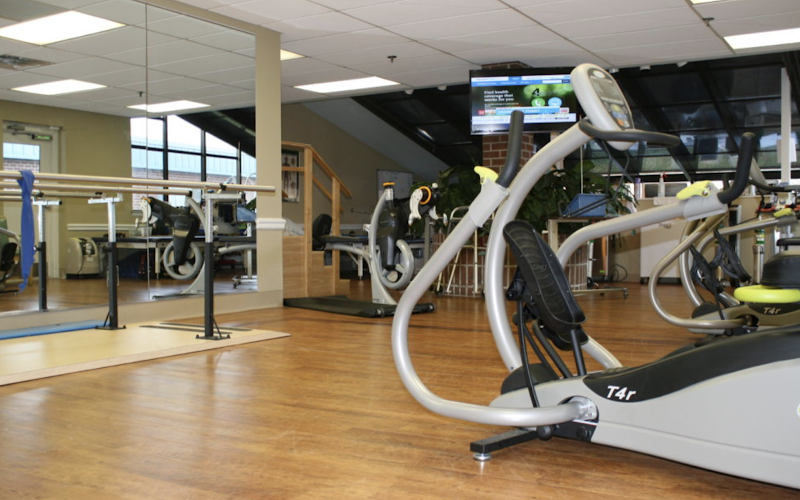
How is Coliseum Staffed?

CMS rates COLISEUM NURSING AND REHABILITATION CENTER's staffing level at 2 out of 5 stars, which is below average compared to other nursing homes. Staff turnover is 41%, compared to the Virginia average of 46%. This relatively stable workforce can support continuity of care.

What Have Inspectors Found at Coliseum?

State health inspectors documented 38 deficiencies at COLISEUM NURSING AND REHABILITATION CENTER during 2017 to 2024. These included: 38 with potential for harm.

Who Owns and Operates Coliseum?

COLISEUM NURSING AND REHABILITATION CENTER is owned by a for-profit company. For-profit facilities operate as businesses with obligations to shareholders or private owners. The facility is operated by VIRGINIA HEALTH SERVICES, a chain that manages multiple nursing homes. With 180 certified beds and approximately 140 residents (about 78% occupancy), it is a mid-sized facility located in HAMPTON, Virginia.
How Does Coliseum Compare to Other Virginia Nursing Homes?

Compared to the 100 nursing homes in Virginia, COLISEUM NURSING AND REHABILITATION CENTER's overall rating (4 stars) is above the state average of 3.0, staff turnover (41%) is near the state average of 46%, and health inspection rating (3 stars) is at the national benchmark.

What Should Families Ask When Visiting Coliseum?

Based on this facility's data, families visiting should ask: "Can you walk me through typical staffing levels on day, evening, and night shifts?" "Can I visit during a mealtime to observe dining assistance and food quality?" "How do you handle medical emergencies, and what is your hospital transfer rate?" "Can I speak with family members of current residents about their experience?" These questions are particularly relevant given the below-average staffing rating.

Is Coliseum Safe?

Based on CMS inspection data, COLISEUM NURSING AND REHABILITATION CENTER has a clean safety record: no substantiated abuse findings (meaning no confirmed cases of resident harm), no Immediate Jeopardy citations (the most serious violation level indicating risk of serious injury or death), and is not on the Special Focus Facility watch list (a federal program monitoring the lowest-performing 1% of nursing homes). The facility has a 4-star overall rating and ranks #1 of 100 nursing homes in Virginia. While no facility is perfect, families should still ask about staff-to-resident ratios and recent inspection results during their visit.

Do Nurses at Coliseum Stick Around?

COLISEUM NURSING AND REHABILITATION CENTER has a staff turnover rate of 41%, which is about average for Virginia nursing homes (state average: 46%). Moderate turnover is common in nursing homes, but families should still ask about staff tenure and how the facility maintains care continuity when employees leave.

Was Coliseum Ever Fined?

COLISEUM NURSING AND REHABILITATION CENTER has no federal fines on record. CMS issues fines when nursing homes fail to meet care standards or don't correct problems found during inspections. The absence of fines suggests the facility has either maintained compliance or corrected any issues before penalties were assessed. This is a positive indicator, though families should still review recent inspection reports for the full picture.

Is Coliseum on Any Federal Watch List?

COLISEUM NURSING AND REHABILITATION CENTER is not on any federal watch list. The most significant is the Special Focus Facility (SFF) program, which identifies the bottom 1% of nursing homes nationally based on persistent, serious quality problems. Not being on this list means the facility has avoided the pattern of deficiencies that triggers enhanced federal oversight. This is a positive indicator, though families should still review the facility's inspection history directly.