WATERVIEW HEALTH & REHAB CENTER
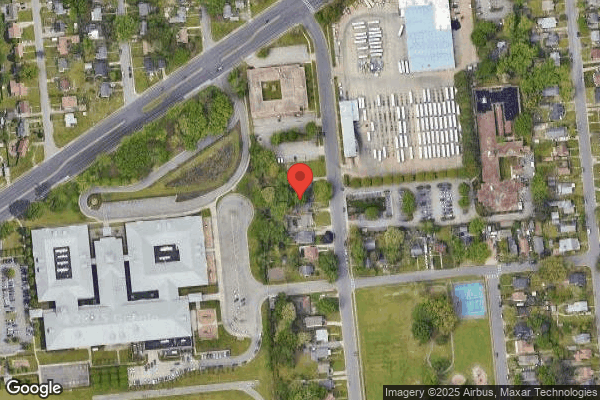
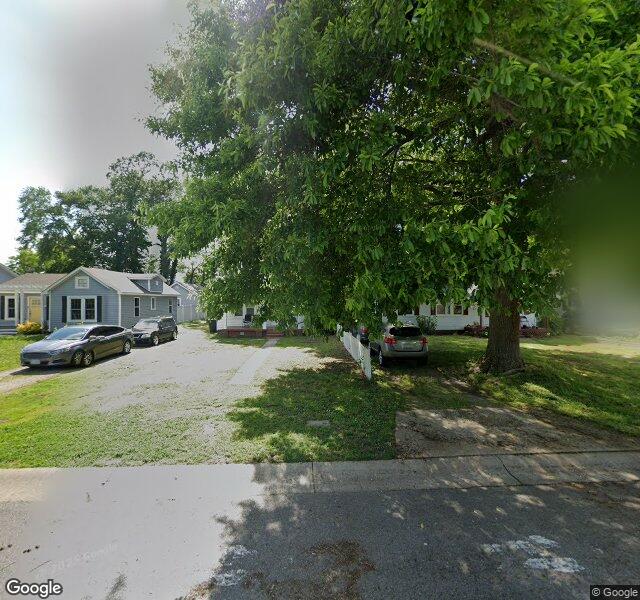
414 ALGONQUIN RD, HAMPTON, VA 23661 (757) 722-9881
For profit - Limited Liability company 130 Beds Independent Data: November 2025
Trust Grade
28/100
#280 of 285 in VA
Last Inspection: August 2023

Over 2 years since last inspection. Current conditions may differ from available data.

Overview

Waterview Health & Rehab Center has received a Trust Grade of F, indicating poor quality and significant concerns in care. It ranks #280 out of 285 facilities in Virginia, placing it in the bottom half, and #4 out of 4 in Hampton City County, meaning there are no better local options. The facility is worsening, with issues increasing from 13 in 2021 to 29 in 2023. Staffing is rated below average with a 2/5 star rating and a turnover rate of 57%, which is higher than the state average of 48%. Additionally, the facility has $14,888 in fines, which is concerning as it exceeds the fines of 79% of Virginia facilities, suggesting ongoing compliance issues. There are some strengths, such as the facility having good quality measures rated at 4/5 stars, and average RN coverage, which is important for catching potential problems. However, specific incidents have raised alarms, including a resident developing an advanced pressure ulcer due to inadequate care and staff failing to address multiple grievances from residents about laundry issues, food quality, and cleanliness. These findings highlight both the serious and ongoing concerns within the facility that families should carefully consider.

Trust Score
F
28/100
In Virginia
#280/285
Bottom 2%
Safety Record
Moderate
Needs review
Inspections
Getting Worse
13 → 29 violations
Staff Stability
⚠ Watch
57% turnover. Above average. Higher turnover means staff may not know residents' routines.
Penalties
○ Average
$14,888 in fines. Higher than 58% of Virginia facilities. Some compliance issues.
Skilled Nurses
⚠ Watch
Each resident gets only 27 minutes of Registered Nurse (RN) attention daily — below average for Virginia. Fewer RN minutes means fewer trained eyes watching for problems.
Violations
⚠ Watch
54 deficiencies on record. Higher than average. Multiple issues found across inspections.
★☆☆☆☆
1.0
Overall Rating
★★☆☆☆
2.0
Staff Levels
★★★★☆
4.0
Care Quality
★☆☆☆☆
1.0
Inspection Score
Stable
2021: 13 issues
2023: 29 issues

The Good

  • 4-Star Quality Measures · Strong clinical quality outcomes
  • Full Sprinkler Coverage · Fire safety systems throughout facility
  • No fines on record

Facility shows strength in quality measures, fire safety.

The Bad

1-Star Overall Rating

Below Virginia average (3.0)

Significant quality concerns identified by CMS

Staff Turnover: 57%

11pts above Virginia avg (46%)

Frequent staff changes - ask about care continuity

Federal Fines: $14,888

Below median ($33,413)

Minor penalties assessed

Staff turnover is elevated (57%)

9 points above Virginia average of 48%

The Ugly 54 deficiencies on record

1 actual harm
Aug 2023 29 deficiencies 1 Harm
SERIOUS (G) 📢 Someone Reported This

A family member, employee, or ombudsman was alarmed enough to file a formal complaint

Actual Harm - a resident was hurt due to facility failures

Pressure Ulcer Prevention (Tag F0686)

A resident was harmed · This affected 1 resident

**NOTE- TERMS IN BRACKETS HAVE BEEN EDITED TO PROTECT CONFIDENTIALITY** Based on staff interview, clinical record review, and facility documentation review, the facility staff failed to provide care a...

Read full inspector narrative →
**NOTE- TERMS IN BRACKETS HAVE BEEN EDITED TO PROTECT CONFIDENTIALITY** Based on staff interview, clinical record review, and facility documentation review, the facility staff failed to provide care and services to prevent the development of a pressure ulcer at an advanced stage for one Resident (Resident #413) in a survey sample of 64 Residents, resulting in harm for Resident #413. The facility self-identified this deficient practice before the survey, resulting in past non-compliance being achieved on 7/26/23. The findings included: For Resident #413, the facility staff failed to identify a pressure ulcer until it was at an advanced stage and then failed to initiate an appropriate treatment, this constituted harm. On 8/22/23-8/23/23, a closed record review was conducted of Resident #413's chart. On 5/21/23, a licensed nurse completed a skin only evaluation with no measurements of the area and noted a MASD on the sacrum with the following nursing progress note, also dated 5/21/23 that read, Skin note: assessed resident sacrum a few days prior, and no areas were open. Resident did have a reddened area to the bottom initiated zinc and dressing to the buttock. Was notified by cna area that was not seen before is open. Moisture-associated Skin Damage (MASD) is a general term for inflammation or skin erosion caused by prolonged exposure to a source of moisture such as urine, stool, sweat, wound drainage, saliva, or mucus ( https://www.woundsource.com/patientcondition/moisture-associated-skin-damage-masd). On 5/22/23 a Weekly Skin Observation form was completed that noted open area observed on sacrum. The intervention noted, rotate resident and keeping resident dry, applied dressing and cleaned wound. There were no measurements, or any other further details documented. On 5/23/23, a weekly Wound Assessment was completed. This was the first detailed note to include measurements and details of the wound. The wound assessment dated [DATE] indicated Resident #413 was noted to have an unstageable sacral pressure ulcer to her right buttocks with 95% slough, that measured 8x7x0 centimeters (cm), and the wound bed was noted to have devitalized tissue. A second wound was noted on the left buttocks that was noted to be a stage III, with 70% slough that measured 2x2x.01cm. Treatment orders were obtained and initiated that day, which consisted of Cleanse Lt [left] and Rt [right] Buttock with 1/4 strength Dakin's solution (sodium hypochlorite known as bleach). Apply Santyl (topical debridement agent) nickel thick directly to wound bed. Apply calcium alginate and cover w/ border foam gauze dressing, one time a day. An unstageable wound is a full-thickness pressure injury in which the base is obscured by slough and/or eschar. A Stage III is a Full-thickness tissue loss. Subcutaneous fat may be visible, but bone, tendon, or muscle is not exposed. Slough may be present but does not obscure the depth of tissue loss. This may include undermining and tunneling https://www.cms.gov/files/document/pocket-guidepressure-ulcers-and-injuries-stages-and-definitions.pdf). On the evening of 8/23/23, prior to the survey team sharing the concern noted above, the facility's Director of Nursing (DON) presented the survey team with a binder that contained information where they had self-identified the deficient practice with Resident #413 and implemented a plan of correction. The survey team requested a copy. Review of the facility's submitted documentation with regards to the self-identification of the deficient practice, the facility conducted staff interviews. During an interview conducted on 8/24/23, the DON and the treatment nurse stated that they expected treatment orders to be implemented when the area is identified, and if the treatment nurse is present at the time of the identification, she would assess the wound and implement treatment orders. It was said that if identification is after she has left for the day, it is expected that the nurse identifying the wound to implement a treatment, and the wound nurse would assess it and determine if the treatment is appropriate the following day. Through this process, it was noted that Resident #413 had a red area on her buttocks identified on 5/19/23. Treatment orders were not obtained at that time and the family was not made aware. On 5/21/23, the area was identified by a CNA to be bleeding, the nurse was made aware and implemented zinc and a dressing, which the facility determined would not have been an appropriate treatment. The DON continued to say that when the wound nurse saw the area on 5/23/23 and with the amount of slough that was present she felt the area was not MASD as initially assessed and the appropriate treatment would have been to cleanse with Dakin's solution and apply Santyl, not zinc and a dry dressing. On 5/26/23, the facility conducted a skin sweep on the unit and conducted head-to-toe skin evaluations on each Resident, to identify if anyone else had been affected by the deficient practice. The facility then reviewed the treatment orders for all pressure ulcers. All the nursing staff were re-educated on wound prevention and change in condition. The facility then conducted weekly skin observations for 8 weeks to monitor compliance. The facility indicated their date of compliance was 7/26/23. The survey team reviewed all the credible evidence submitted and had no further concerns identified during the survey concerning the prevention, identification, or treatment of pressure ulcers. The facility achieved compliance for this deficient practice on 7/26/23.
CONCERN (D) 📢 Someone Reported This

A family member, employee, or ombudsman was alarmed enough to file a formal complaint

Potential for Harm - no one hurt, but risky conditions existed

Deficiency F0552 (Tag F0552)

Could have caused harm · This affected 1 resident

**NOTE- TERMS IN BRACKETS HAVE BEEN EDITED TO PROTECT CONFIDENTIALITY** Based on staff interviews, facility document review, and clinical record review, the facility staff failed to afford a Resident ...

Read full inspector narrative →
**NOTE- TERMS IN BRACKETS HAVE BEEN EDITED TO PROTECT CONFIDENTIALITY** Based on staff interviews, facility document review, and clinical record review, the facility staff failed to afford a Resident the ability to make decisions in concerning their care for 1 of 64 residents (Resident #87), in the survey sample. The findings included: The facility staff failed to transfer Resident #87 to an acute care setting even after a significant change had been observed. Resident #87's Responsible Representative (RR) called non-emergent transportation who transported the resident to the local hospital on [DATE]. Resident #87 was transferred to another acute care setting on 02/03/23. Resident #87 was readmitted to the nursing facility on 02/08/23. Resident #87 was originally admitted to the nursing facility on 01/24/23. Diagnosis for Resident #87 include but are not limited to rectal prolapse, Atrial Fibrillation (A-Fib), and lymphedema. Resident #87 Minimum Data Set (MDS - an assessment protocol), a quarterly with an Assessment Reference Date (ARD) of 06/26/23 coded Resident #87's Brief Interview for Mental Status (BIMS) score of 15 out of a possible score of 15 indicating no cognitive impairment. The MDS coded Resident #87 total dependent of two with bathing, extensive assistance of two with bed mobility, extensive assistance of one with transfer, dressing, toilet use and personal hygiene and supervision with eating for Activities of Daily Living (ADL) care. On 08/24/23 at 11:00 a.m., an interview was conducted with Resident #87's representative. She stated she received a call from (a family friend) on 02/02/23, who informed her that Resident #87 was not responding. She said Resident #87 was unable to open her eyes, lift her head off the pillow, eat, or acknowledged that she was in the room. She stated she contacted Resident #87's nurse, License Practical Nurse (LPN) - L., requesting for Resident #87 to be transferred to the hospital for evaluation. She stated the LPN said Resident #87's vital signs were within normal limits and did not appear to be in distress. She stated there was no reason to notify the physician or send the resident to the hospital. She said the nurse told her she could call 911 but she was not going to. The RR stated she called non-emergent transportation who arrived at the facility (time uncertain) and transferred Resident #87 to the local emergency room (ER). She stated Resident #87 was transferred to another hospital on [DATE] where she stayed for an extra 5 days. An interview was conducted with Visitor #2 on 08/24/23 at 4:49 p.m. She stated she came to visit Resident #87 on 02/02/23 around 5:00 p.m. She stated Resident #87 was not herself. She was not able to lift her head off the bed, speak or eat her dinner. She stated she had to put her ear to the resident's mouth when she spoke but was unable to understand what she was saying. She stated Resident #87's words were mumbled. She stated she spoke with Certified Nursing Assistant (CNA)-C who agreed Resident #87 had a change in condition. She stated she spoke with License Practical Nurse LPN-L who stated she saw no reason to send Resident #87 to the hospital because her vital signs were okay. The complainant stated she contacted Resident #87's representative (RR) and informed of the changes she witnessed in Resident #87. She stated RR called transportation to have Resident #87 taken to the hospital. She stated, Emergency Medical Transport (EMT) arrived at the facility, who asked Resident #87 if she wanted to go to the hospital, she replied, Yes. She stated Resident #87 was transferred to (name of hospital) and admitted . On 08/24/23 at 2:51 p.m., an interview was conducted with Certified Nursing Assistant (CNA) -C. She stated on 02/02/23, Resident #87 was not her normal self. She stated Resident #87 usually feeds herself but, on that day, she was very confused and unable to feed herself. She said Resident #87 was not aware her food was in front of her. When Resident #87 spoke, her words were mumbled. Resident #87 had a visitor who was very concerned of the changes seen in Resident #87. She stated she obtained vital signs and gave them to LPN-L. She stated there was an obvious decline in Resident #87. A phone interview was conducted with LPN-L on 08/24/23 at 11:24 a.m. She stated she remembered Resident #87 as a patient but really did not recall what occurred on 02/02/23 (3-11 shift). The surveyor read the nurses note to the LPN that she wrote on 02/02/23 at 9:29 p.m. She stated based on the nurses note, the resident's vital signs were stable so there was no reason to send Resident #87 to the hospital. She stated she did receive a phone call from Resident #87 RR requesting for Resident #87 to be transferred to the hospital. She stated she informed the RR that Resident #87 was not in distress, her vitals were stable and saw no reason to send the resident to the hospital. She stated she informed the RR that she would not be calling 911 but she could not stop her from calling 911. She stated the resident's representative called non-emergent transportation who arrived at the facility who transferred Resident #87 to the local hospital and admitted . A review of Resident #87's clinical record revealed a nurses' note written on 02/02/23, by LPN-L. The note documented the following: on 02/02/23, Resident #87's visitor informed LPN-L that Resident #87 was non-responsive and in distress. A head-to-assessment was completed, and the resident was without signs/symptoms (s/s) of distress. Resident #87 did however, verbalized she felt under the weather and Tramadol (pain medication) was administered. The resident's vital signs were (BP) 124/64, (P) 82, (R) 17, (T) 98.9 and oxygen saturation at 98% on room air. A COVID-19 test was performed with negative results. A phone call was received from Resident #87's RR who requested for Resident #87 to be transferred to the ER for evaluation. It was documented that the resident and the resident's visitor were both educated it was not necessary to send Resident #87 to ER for evaluation due to the results of the assessment. The note revealed LPN-L stated she would not call 911 but informed the RR she could call, which she did. Resident #87 was transferred to hospital and admitted . Resident #87 was transferred to the hospital on [DATE], then transferred to another acute care facility on 02/03/23. The hospital record from 02/02/23 was requested but not received. However, a review of the second hospital record from 02/03/23-02/08/23 revealed the following: Resident #87 had complained of having nausea/vomiting and dizziness prior to being transferred to the first hospital on [DATE]. Resident underwent a perineal proctectomy and levatorplasty for a rectal prolapse on 01/09/23. She had been having liquid stool draining without continence since admitted to the nursing facility on 01/24/23. At the ER she had a low-grade fever (not documented), white blood count (12k) normal range (4,500-11,000), hypochloremia - low chloride (83) normal range (less than 95), hyponatremia - low sodium (128) normal range (135-145) and hypokalemia - low potassium (2.5) normal range (3.5-5.0). During the hospital stay, Resident #87 received intravenous (IV) antibiotic (Zosyn), IV dextrose 5% and sodium chloride 0.9% with KCL (potassium) 20 mEq/L. There was a concern for perirectal abscess and rectovaginal fistula but the findings were not transferred from the ER and was not accessible. The Zosyn (IV abx) was used for possible perirectal abscess. An interview was conducted with Director of Nursing (DON) on 08/25/23 at 5:00 p.m. She stated when Resident #87's visitor voiced concerns to the nurse that she observed a deterioration in Resident #87, the nurse should have completed an assessment, notified the physician right away with the findings. She stated if the resident's representative requested for Resident #87 to be transferred to the hospital via 911, the nurse should have called 911. The DON stated, The family should never be told they can call 911 in order to have their loved one transferred to the hospital. A final meeting was held with the Administrator, Director of Nursing and Corporate on 08/25/23 at 6:00 p.m., who were informed of the above findings. An opportunity was offered to the facility's staff to present additional information, but no further information was provided.
CONCERN (D)

Potential for Harm - no one hurt, but risky conditions existed

Deficiency F0561 (Tag F0561)

Could have caused harm · This affected 1 resident

Based on interview, clinical record review and facility documentation the facility staff failed to promote and facilitate resident self-determination through support of Resident's choice, for 1 Reside...

Read full inspector narrative →
Based on interview, clinical record review and facility documentation the facility staff failed to promote and facilitate resident self-determination through support of Resident's choice, for 1 Resident in a survey sample of 64 Residents. The findings included: For Resident #98 the facility staff failed to schedule the appointments that the Resident had ordered by his physician. On 8/23/23 at approximately 9:58am, an interview was conducted with Resident #98. Resident #98 stated he needs psych services but has not had them since arrival at facility. He stated that his physician had written an order for him to be seen by a back specialist he had been to in the past when he had back issue. He stated the facility was supposed to be making an appointment with the specialist and he has not received a date and time of appointment yet either. A review of the clinical record revealed that the physician wrote the following orders that read: 7/31/23 - Refer to [facility name redacted] clinic for neuropathy and back pain. 8/10/23 - Refer to [psych services name redacted] On the afternoon of 8/24/23 an interview was conducted with LPN C, and she was asked what the process is when a physician writes an order for psych services. She stated that they have an appointment book the nurses make the appointments and put them on the calendar or in the book. When asked if Resident #98 had any scheduled appointments, LPN C stated that he did not. When asked if Resident #98 had an order for a consult with the back specialist written on 7/31/23, LPN C stated that he did. When asked if Resident #98 had an order to see psych services written on 8/10/23, LPN C stated that he did. When asked if there was any reason the orders were not carried out, LPN C stated that she did not know. On 8/25/23 during the end of day meeting, the Administrator was made aware of the concerns and no further information was provided.
CONCERN (D)

Potential for Harm - no one hurt, but risky conditions existed

Deficiency F0578 (Tag F0578)

Could have caused harm · This affected 1 resident

**NOTE- TERMS IN BRACKETS HAVE BEEN EDITED TO PROTECT CONFIDENTIALITY** Based on staff interviews, clinical record review and facility documentation review, the facility staff failed to ensure 1 of 64...

Read full inspector narrative →
**NOTE- TERMS IN BRACKETS HAVE BEEN EDITED TO PROTECT CONFIDENTIALITY** Based on staff interviews, clinical record review and facility documentation review, the facility staff failed to ensure 1 of 64 residents (Resident #87) had an accurate medical record for an advanced directive. The finding included: Resident #87 Minimum Data Set (MDS - an assessment protocol), a quarterly with an Assessment Reference Date (ARD) of [DATE] coded Resident #87's Brief Interview for Mental Status (BIMS) score of 15 out of a possible score of 15 indicating no cognitive impairment. Resident #87's person-centered comprehensive care plan revised on [DATE] documented the resident is a Full Code. The goal set for the resident by the staff was that the resident's code status will be honored through the next review date of [DATE]. The interventions/approaches the staff would use to accomplish this goal is for the resident's code status to be reviewed and updated as needed. A review of Resident #87's Physician Order Sheet (POS) for [DATE] revealed the following order: Cardiopulmonary resuscitation (CPR) starting on [DATE]. On [DATE] at 11:00 a.m., a phone interview was conducted with Resident #87's Responsible Representative (RR.) She stated Resident #87's should be a do-not-resuscitate (DNR) but the facility still has Resident #87 as a full code. An interview was conducted with the Social Worker (SW) on [DATE] at 1:37 p.m. She stated Resident #87 is a DNR and her code status should have been switched from being a full code to DNR in PointClickCare (PCC.) On the same day at 2:14 p.m., an interview was conducted with the Director of Social Services. She provided a copy of a DNR form that was signed and dated by Resident #87 on [DATE]. She said Resident #87 is a DNR and not a full code. She stated the DNR form was in a soft file in her office. She stated once the DNR form was signed by Resident #87 on [DATE], the document should had been scanned in the resident's record and the DNR form given to nursing to adjust her order in PCC. The Director of Nursing (DON) was interviewed on [DATE] at 4:47 p.m. She stated as soon as the DNR form was signed by Resident #87, her code status should have been changed immediately in PCC from being a full code to DNR. A final meeting was held with the Administrator, Director of Nursing and Corporate on [DATE] at 6:00 p.m., who were informed of the above findings. An opportunity was offered to the facility's staff to present additional information, but no further information was provided. The facility's policy titled Advance Directives noted to be without a created or revision date. It is the facility policy that Advance directives will be respected in accordance with state law and facility policy. Specific procedures/guidance. 7. Information about whether or not the resident has executed an advance directive shall be displayed prominently in the medical record. 15. In accordance with current OBRA definitions and guidelines governing advance directives, our facility has defined advanced directives as preference regarding treatment options and include, but are not limited to: E. Do Not Resuscitate indicates that, in case of respiratory or cardiac failure, the resident, legal guardian health care proxy, or representative (sponsor) has directed that no cardiopulmonary resuscitation (CPR) or other life-sustaining treatments or methods are to be used.
CONCERN (D) 📢 Someone Reported This

A family member, employee, or ombudsman was alarmed enough to file a formal complaint

Potential for Harm - no one hurt, but risky conditions existed

Safe Environment (Tag F0584)

Could have caused harm · This affected 1 resident

Based on observation, Resident interview, staff interview and facility documentation review, the facility staff failed to maintain a homelike environment for one Resident (Resident #32) in a survey sa...

Read full inspector narrative →
Based on observation, Resident interview, staff interview and facility documentation review, the facility staff failed to maintain a homelike environment for one Resident (Resident #32) in a survey sample of 64 Residents. The finding included: For Resident #32, the facility staff failed to provide a homelike environment as evidenced by multiple ceiling tiles in his room were discolored and one in the bathroom was off the track, and appeared as though it may fall. On 8/22/23, in the late morning, during a Resident interview, Resident #32 told the surveyor to look at the ceiling tiles. He pointed out how multiple tiles were stained and said they had been like that for several weeks. Resident #32 said, I've told them for 3 weeks, but it goes in one ear and out the other. The resident then asked the surveyor to look in the bathroom. A ceiling tile in the bathroom was noted to be off the track and appeared as though it could fall. Resident #32 said, It's going to fall, I've told them, they do nothing. On 8/22/23, before going to lunch, Surveyor C shared the above findings with the facility Administrator. On 8/22/23 at 4PM, an observation was made of Resident #32's room with no changed noted, the ceiling tiles had not been changed. On 8/23/23, observations were made throughout the day, with the last observation being at 5 PM, and the ceiling tiles had not been replaced. On 8/23/23, during the end of day meeting, the facility Administrator was again made aware of the above findings. On 8/24/23 at 8:47 AM, Resident #32 was visited in his room and reported they replaced them at 6:30 this morning. No further information was provided.
CONCERN (D)

Potential for Harm - no one hurt, but risky conditions existed

Assessment Accuracy (Tag F0641)

Could have caused harm · This affected 1 resident

**NOTE- TERMS IN BRACKETS HAVE BEEN EDITED TO PROTECT CONFIDENTIALITY** 2. For Resident #98 the facility failed to accurately assess Resident #98 in the MDS (Minimum Data Set) with an ARD (assessment ...

Read full inspector narrative →
**NOTE- TERMS IN BRACKETS HAVE BEEN EDITED TO PROTECT CONFIDENTIALITY** 2. For Resident #98 the facility failed to accurately assess Resident #98 in the MDS (Minimum Data Set) with an ARD (assessment reference date of 8/2/23. On 8/23/98 at approximately 9:58 AM Resident #98 was observed sitting in his wheelchair watching the TV. Resident #98 was asked about his mobility, and he stated I cannot feel my legs other than the spasms I get from my back to my legs and then from the legs down with the neuropathy pain too. When asked if he could safely transfer on and off the toilet he stated, I manage ok, some days I need more. When asked if he could walk unassisted, he stated that he could not. The Resident stated that anything involving the legs down he needed assistance with. When asked does he get the assistance he needs when he requests it, he stated that he needs help with shower because if he bends over to wash his feet, he will fall out of the shower chair. A review of the MDS dated [DATE] Section G-0110 ADL (Activities of Daily Living) Assistance: B. Transfer- Resident 98 was coded as 0 (0 is Independent) and 0 (No set up or physical help from staff. C. Walk in Room - Resident 98 was coded as 0 (0 is Independent) and 0 (No set up or physical help from staff D. Walk in corridor- Resident 98 was coded as 0 (0 is Independent) and 0 (No set up or Physical help from staff E. Locomotion on unit - Resident 98 was coded as 0 (0 is Independent) and 0 (No set up or physical help from staff [this is correct as resident can self-propel on and off unit] F. Locomotion on unit -Resident 98 was coded as 0 (0 is Independent) and 0 (No set up or physical help from staff [this is correct as resident can self-propel on and off unit] G. Dressing - Resident 98 was coded as 0 (0 is Independent) and 0 (No set up or physical help from staff H. Eating - Resident 98 was coded as 0 (0 is Independent) and 0 (No set up or physical help from staff) I Toilet use Resident 98 was coded as 0 (0 is Independent) and 0 (No set up or physical help from staff) J Personal Hygiene - Resident 98 was coded as 0 (0 is Independent) and 0 (No set up or physical help from staff) Section G 0120 - Bathing Resident 98 was coded as 0 (0 is Independent) and 0 (No set up or physical help from staff) G0300 - Balance During Transfers and Walking A. Moving from seated to standing position - Resident #98 was coded as 0. Steady at all times. B. Walking with assistive device - Resident #98 was coded as 0. Steady at all times. C. Turning around and facing the opposite direction while standing - Resident #98 was coded as 0. Steady at all times. D. Moving on and off the toilet - Resident #98 was coded as 0. Steady at all times. E. Surface to surface transfer (between the bed and chair or wheelchair) Resident #98 was coded as 0. Steady at all times. G0400 Functional Limitations in Range of Motion A. Upper extremities Resident #98 was coded as 0 No impairment. B. Lower extremities Resident #98 was coded as 0. Steady at all times. G0600- mobility devices A. [NAME] or crutch - NO B. [NAME] - NO C. Wheelchair - Yes. On 8/23/23 at approximately 12:30 PM an interview was conducted with CNA H who was asked if Resident #98 requires assistance with ADL care CNA H stated that Resident #98 does need assistance with dressing and getting on and off the toilet as well as showering and Hygiene. CNA H stated that, Resident #98 does as much as possible on their own and we help when he calls for us. On 8/24/23 an interview was conducted with RN B who was shown the MDS G section and asked if that accurately reflects the condition of Resident #98 and she stated that it did not. When asked if this assessment would be considered inaccurate, RN B stated that it would. On 8/25/23 during the end of day meeting the Administrator was made aware of the concerns and no further information was provided. Based on staff interviews, record review, and review of the Resident Assessment Instrument (RAI) Manual, the facility failed to provide an accurate resident assessment two residents (Resident (R) 92 and 98) out of a total sample of 64 residents. Findings include: Review of R92's quarterly Minimum Data Set (MDS) with an Assessment Reference Date (ARD) 04/06/23 located in the EMR under the MDS tab showed he was coded as independent with bed mobility, transfer, eating, and toileting. Review of R92's quarterly MDS, with an ARD of 05/09/23 showed he was coded as requiring the extensive assistance of one person for bed mobility, transfer, and toileting; and he required supervision and oversight, and meal set up by staff. His Brief Mental Status Interview (BIMS) revealed a score of eight out of 15 indicating he was cognitively impaired. During an observation on 08/22/23 at 12:15 PM, R92 was observed sitting in a chair, rising without assistant devices, ambulating independently, closing the room door to enable him to open the bathroom door to discuss the floor. In an interview on 08/24/23 at 2:34 PM, the MDS Coordinator (MDSC) stated she had reviewed everything and confirmed R92 did not require extensive assistance as indicated on the quarterly MDS with an ARD of 05/09/23 and the MDS was incorrect. The MDSC clarified, the Certified Nursing Assistant's (CNA's) documentation was incorrect, and it was not caught prior to 05/09/23 MDS submission. During an interview on 08/24/23 at 6:27 PM, the Director of Nursing (DON) stated the facility did not have a policy regarding MDS accuracy, they use the (RAI) Manual. At 6:31 PM, the DON stated the MDSC should review the documentation and observations; and do their own assessment. The DON stated an expectation the MDS is coded accurately. Review of the October 2019 RAI Manual showed on page G-1: Section G: Functional Status Intent: Items in this section assess the need for assistance with activities of daily living (ADLs), altered gait and balance, and decreased range of motion. In addition, on admission, resident and staff opinions regarding functional rehabilitation potential are noted. On Page G-3: Steps for Assessment 1. Review the documentation in the medical record for the 7-day look-back period. 2. Talk with direct care staff from each shift that has cared for the resident to learn what the resident does for himself during each episode of each ADL activity definition as well as the type and level of staff assistance provided. Remind staff that the focus is on the 7-day lookback period only. 3. When reviewing records, interviewing staff, and observing the resident, be specific in evaluating each component as listed in the ADL activity definition. For example, when evaluating Bed Mobility, observe what the resident is able to do without assistance, and then determine the level of assistance the resident requires from staff for moving to and from a lying position, for turning the resident from side to side, and/or for positioning the resident in bed. To clarify your own understanding and observations about a resident's performance of an ADL activity (bed mobility, locomotion, transfer, etc.), ask probing questions, beginning with the general and proceeding to the more specific.
CONCERN (D)

Potential for Harm - no one hurt, but risky conditions existed

PASARR Coordination (Tag F0644)

Could have caused harm · This affected 1 resident

Based on facility staff interviews, clinical record review and facility documentation review, the facility staff failed to incorporate the recommendations from a level II PASARR (preadmission screenin...

Read full inspector narrative →
Based on facility staff interviews, clinical record review and facility documentation review, the facility staff failed to incorporate the recommendations from a level II PASARR (preadmission screening and resident review) into the Resident's assessment and care planning for one Resident (Resident #10) in a survey sample of 64 Residents. The findings included: For Resident #10, who had a level II PASARR, the facility staff were unaware until requested by the survey team, that the Resident had a level II screening and failed to incorporate the recommendations into the Resident's assessment and care planning. On 8/22/23-8/23/23, a clinical record review was conducted of Resident #10's electronic health record. Surveyor C was unable to find a PASARR. The care plan did not address a PASARR or any recommendations. On 8/24/23, the facility Administration was asked to provide the PASARR for Resident #10. On 08/24/23 at 02:19 PM, the Director of Nursing (DON) provided Surveyor C with a copy of the Level I PASARR for Resident #10. The level 1 PASARR indicated a level II was needed. On the afternoon of 8/24/23, an interview was conducted with Employee D, the Social Services Director (SSD). The SSD said, In going through I was able to find her level 1, I realized they checked yes she needed a level II. I found out a level 2 was done in 2018 by the hospital, but since I was here, I didn't know she had a level II [PASARR]. I called [the company that conducts level II PASARR's] and they were never notified where she went so it hasn't been updated. The SSD further confirmed that the Level II PASARR was in a soft file in the office and not part of the clinical chart and therefore, Resident #10's assessment and care plan had not incorporated the recommendations within the level II. Review of the facility policy titled, Virginia Long-Term Services and Supports (LTSS) Screening, Preadmission Screening and Resident Review (PASRR) Policy was conducted. Excerpts from this policy read as follows: .LTSS. 1. Pursuant to 32.1-330 of the Code of Virginia, individuals shall be screened prior to admission to a NF [nursing facility] if they are already Medicaid members or are financially eligible by way of application as verified by the ePAS system . 2. The LTSS Screening is reviewed ensure that applicable NF admission criteria have been met, documented, and submitted unless the individual meets any of the special circumstances set out in 12VAC30-60-302 E [sic] .PASRR 6. The facility will act upon all recommendations resulting from PASSR evaluations. The resident-centered, interdisciplinary care plan for a resident who has had a Level II evaluation will be developed . On 8/24/23, during an end of day meeting, the facility Administrator was made aware of the above findings. No further information was provided.
CONCERN (D)

Potential for Harm - no one hurt, but risky conditions existed

Deficiency F0645 (Tag F0645)

Could have caused harm · This affected 1 resident

Based on record review, interview and facility policy review, the facility failed to ensure one of seven residents (Resident (R) 91) reviewed for Preadmission Screening and Resident Review (PASARR) ha...

Read full inspector narrative →
Based on record review, interview and facility policy review, the facility failed to ensure one of seven residents (Resident (R) 91) reviewed for Preadmission Screening and Resident Review (PASARR) had a Level One PASARR completed prior to admission. This failure had the potential for R91 to not receive services necessary for mental health and psychosocial well-being. Findings include: Review of R91's hard (paper) chart and EMR record (tabs labeled Assessments, Progress Notes, and Misc [Miscellaneous]) showed no PASARR screening documentation. On 08/23/23 at 5:30 PM, the Director of Nursing (DON) was asked to provide R91's PASARR documentation. During an interview on 08/24/23 at 1:24 PM, the DON stated R91 did not have a PASARR. When asked to clarify if that was a PASARR level I or level II, the DON responded, There is no PASARR period. In an interview on 08/24/23 at 2:00 PM, the Social Services Director (SSD) also confirmed R91 did not have a PASARR. In a follow-up interview on 08/24/23 at 3:15 PM, the DON was asked if it was her expectation that all residents have a PASARR prior to admission and responded, That's my understanding. During an interview on 08/25/23 at 8:18 AM, the Administrator confirmed an expectation that all residents need a [PASARR] screening before admission. Review of the undated facility policy titled Virginia Long-Term Services and Supports (LTSS) Screening, Preadmission Screening and Resident Review (PASRR) Policy, read in pertinent part, Policy: The organization observes preadmission screening requirements to ensure that: 1) Prior to an individual's admission, The Social Worker, Admissions Coordinator, or designee will review the completed screening forms via e-PAS and obtain a copy for placement in the electronic medical record i) Nursing Facilities shall not accept paper screening forms as proof that admission criteria have been met and documented 2) Because the Virginia PASRR screening is coupled with the LTSS Screening for Virginia's Medicaid program, the screening team responsible for conducting the PASRR screening prior to admission is determined by who is required to complete the LTSS Screening a) Prior to admission (hospital- inpatient, community- residing in community/assisted living) i) Already Medicaid members ii) Financially eligible by way of application as verified by the ePAS system b) Nursing Facility i) Medicare ii) Private Pay .
CONCERN (D) 📢 Someone Reported This

A family member, employee, or ombudsman was alarmed enough to file a formal complaint

Potential for Harm - no one hurt, but risky conditions existed

Deficiency F0658 (Tag F0658)

Could have caused harm · This affected 1 resident

Based on observation, staff interview and record review, the facility staff failed to follow physician orders for the application of ace wraps to the bilateral lower extremities. The findings include...

Read full inspector narrative →
Based on observation, staff interview and record review, the facility staff failed to follow physician orders for the application of ace wraps to the bilateral lower extremities. The findings include Resident #87 was originally admitted to the nursing facility on 01/24/23. Diagnosis for Resident #87 included but not limited to lymphedema. Resident #87 Minimum Data Set (MDS - an assessment protocol), a quarterly with an Assessment Reference Date (ARD) of 06/26/23 coded Resident #87's Brief Interview for Mental Status (BIMS) score of 15 out of a possible score of 15 indicating no cognitive impairment. The MDS coded Resident #87 total dependent of two with bathing, extensive assistance of two with bed mobility, extensive assistance of one with transfer, dressing, toilet use and personal hygiene and supervision with eating for Activities of Daily Living (ADL) care. Resident #87's person-centered care plan with a revision date of 05/11/23 documented resident with impaired circulation related to lymphedema. The goal set for the resident by the staff was that the resident will be free from signs/symptoms of complications of poor circulation through the next review period dated 09/20/23. The interventions/approaches the staff would use to accomplish this goal is to keep legs elevated when resting. A review of Resident #87's Treatment Administration Record (TAR) for August 2023 revealed an order to apply ace wraps to bilateral lower extremities every other day as tolerated for edema starting on 07/22/23. The ace wraps are to be applied in the morning and remove at bedtime (night). During the initial tour on 08/22/23 at 2:37 p.m., Resident #87 was observed lying in bed. She stated she had a diagnosis of Lymphedema and the nurse's had not wrapped her legs for several days. She stated she hope her legs were without any open areas or blisters. The resident removed the covers from her lower extremities. Both lower extremities noted to be without ace wraps with edema present, but without any open areas or blisters. On 08/23/23 at 10:40 a.m., Resident #87 observed without ace wraps to her bilateral lower extremities. On the same day at 4:14 p.m., Resident #87 stated the nurse never applied the ace wraps to her lower extremities. The resident denied pain to her extremities. The resident removed the covers from her lower extremities and the ace wraps were not present. A review of Resident #87's TAR revealed the ace wraps were to be applied on 08/23/23 at 8:00 a.m., and to be removed at bedtime. On 08/24/23 at 2:45 p.m., an interview was conducted with License Practical Nurse, LPN-K. She stated she was assigned to Resident #87 on 08/23/23 (7-3 shift). She stated she did not apply Resident #87's ace wraps to her bilateral lower extremities. She stated she went to the room to apply the resident's ace wraps to her lower extremities, but she was not in the room, and she forgot to go back. An interview was conducted with the Director of Nursing (DON) on 08/25/23 at 4:50 p.m. She stated the nurses are to apply Resident #87's ace wraps as ordered by the physician. A final meeting was held with the Administrator, Director of Nursing and Corporate on 08/25/23 at 6:00 p.m., who were informed of the above findings. An opportunity was offered to the facility's staff to present additional information, but no further information was provided.
CONCERN (D) 📢 Someone Reported This

A family member, employee, or ombudsman was alarmed enough to file a formal complaint

Potential for Harm - no one hurt, but risky conditions existed

Accident Prevention (Tag F0689)

Could have caused harm · This affected 1 resident

Based on Resident interview, facility staff interview, clinical record review and facility documentation review, the facility staff failed to ensure that Residents were free from accident hazards, aff...

Read full inspector narrative →
Based on Resident interview, facility staff interview, clinical record review and facility documentation review, the facility staff failed to ensure that Residents were free from accident hazards, affecting one Resident (Resident #29) in a survey sample of 64 Residents. The findings included: For Resident #29, who went to an off-site dialysis clinic three days per week, the Resident was unable to gain entry to the facility for extended periods of time upon her return, resulting in her being left to sit outside, alone and at times in the dark. On 08/23/23 at 10:39 AM, during an interview with Resident #29, the Resident verbalized that frequently she waits 30 minutes or more when she arrives back at the facility at night because the facility staff won't answer the phone or doorbell. Resident #29 reported it is usually around 8:30-9 PM or later when she returns from dialysis, three days a week. The Resident said, she uses her cell phone and will call the facility before they ever arrive back at the facility, but facility staff do not answer the phone. Then, once she arrives, she and/or the transportation driver will ring the doorbell multiple times and wait over 30 minutes for facility staff to respond to let her into the facility. The Resident also confirmed that there are times when the transport driver is unable to wait with her, leaving her unattended and unmonitored to wait to get into the facility. During the above interview, Resident #29 said she has asked for a badge that would open the doors, but she was told it was a safety and security concern and they could not issue her a badge. On 8/23/23, observations revealed a sign on the front door of the facility that indicated the doors were locked at 8 PM and to gain entry the doorbell had to be used. On the evening of 8/23/23, Surveyors B and C returned to the facility at 8 PM, to observe what happened when Resident #29 returned from dialysis. The facility administration was still at the facility and was noted to be responding to the doorbell when visitors would press it to gain entry. However, Resident #29 did not return during the observations. During the observation, it was noted that a raccoon was at the front door around 8:40 PM, which startled 2 employees who were leaving the facility. The 2 employees exited the facility and ran to the parking lot, Surveyors B and C talked with them and they confirmed it was a raccoon. On 8/24/23, during the morning, Resident #29 was interviewed. Resident #29 reported she did not return on 8/23/23, until 9:45 PM. On 8/24/23, the receptionist, Employee N, was interviewed. The receptionist confirmed that the front doors are locked at 8 PM, nightly and to gain access a person would have to ring the doorbell. On 8/24/23 at 1:30 PM, during an interview with the Administrator and Director of Nursing, they were asked how someone gains entry into the facility in the evenings. Both said, After hours they have to press the door bell and wait for staff to answer. On 8/24/23 at approximately 2 PM, Surveyor B conducted an interview with an emergency medical staff (EMS) who worked for the rescue squad. During this interview, the EMS personnel stated they had responded to a call one evening and were unable to gain access to the facility. The EMS said, The dispatcher was calling the facility, but no one would answer the phone and they were ringing the doorbell with no response, for well over 15 minutes. The EMS went on to say that once entry was made, facility staff were observed at the nursing station not responding to the phone that was ringing and the call bell was engaged for the Resident they were responding to and staff were not responding to the call light. On 8/24/23, during an end of day meeting, the facility Administrator was made aware of the above concern with Resident #29 having to wait outside for extended periods of time. On 8/25/23, Surveyors C observed the facility Administrator ringing the doorbell, it was noted that the doorbell could be heard at the nursing station on the first floor. During this process, the unit manager, LPN C stated, If the nurse is down the hall passing medications it may take them a while to get to it [to respond to the person requesting entry]. On 8/25/23, in the afternoon, Employee M, the Regional Facility Maintenance Director, reported to the survey team that they had made badges- like employee's wear, that will be provided to dialysis Residents so they can gain entry into the facility upon their return. When asked why this had not been considered previously, Employee M stated that he didn't think the facility staff were aware that this was an option, and they could make badges of this nature. No further information was provided.
CONCERN (D) 📢 Someone Reported This

A family member, employee, or ombudsman was alarmed enough to file a formal complaint

Potential for Harm - no one hurt, but risky conditions existed

Deficiency F0698 (Tag F0698)

Could have caused harm · This affected 1 resident

Based on observation, interview, record review, and facility documentation review, the facility staff failed to A) coordinate services to ensure she arrived at dialysis timely and B) provide meals and...

Read full inspector narrative →
Based on observation, interview, record review, and facility documentation review, the facility staff failed to A) coordinate services to ensure she arrived at dialysis timely and B) provide meals and snacks for one (Resident #29) in a survey sample of 64 Residents. Findings include: For Resident #29, who received dialysis treatments at an outside dialysis center, the facility staff failed to A) coordinate transportation so that she would be at dialysis on-time to receive her full session and B) failed to send a meal and snacks with the Resident to accommodate her while she was out of the facility. On 08/23/23 at 10:39 AM, an interview was conducted with Resident #29. Resident #29 reported that she goes to dialysis three days per week on Monday, Wednesday, and Fridays. Resident #20 said she is scheduled to leave the facility at 3 PM and doesn't return until usually 8:30-9 PM, at night. The Resident said they do not send any food or snacks with her; they just save the evening meal tray for when she returns. The Resident went on to say that she is late often, and her treatments have to be cut short, as a result. On 8/23/23 at 3 PM, Resident #29 was seen in the front lobby, awaiting transport to dialysis. There was no facility provided snacks, meal, or any type of items being sent from the facility for her since she would be absent for the evening meal. On 8/23/23 at 4 PM, Resident #29 was observed to be out front of the facility, still waiting for transport to pick her up. The unit manager, LPN C was with the Resident confirmed this is a chronic problem and they have filed complaints. LPN C also confirmed that the scheduled pick-up time was 3 PM. When asked who handles the complaints, LPN C said the social worker did, but that she had personally called before to report concerns with how the driver talked to the Resident. On 08/23/23 at 04:09 PM, an interview was conducted with the social worker, Employee D. Employee D was asked about transportation and who handles that, she said, nursing handles the transportation, we assist as needed if they ask, but for the day to day they handle it. When asked how concerns regarding transport are handled, Employee D said, If there are issues with transport, nursing will handle. Nursing has handled filing complaints if they don't get here on time or don't show. During the above interview, the social worker was asked if she was aware of the transportation issues with regards to Resident #29's dialysis appointments. The social worker said, I was personally not aware. I have no record of any complaints being filed. Thank you for making me aware that timeliness is an issue. Review of the clinical record for Resident #29 revealed a care plan focus area that read, The resident needs dialysis (HD) [hemo dialysis] r/t [related to] renal failure. Interventions for this care plan focus area included, but were not limited to, Resident to be transported to dialysis via wheelchair medical transport three days a week. Facility to assist with arranging transport as needed . There was no mention about sending snacks or meals with the Resident on the care plan. The care plan did also identify Resident #29 as being at nutritional risk and has had an unplanned/unexpected weight loss. The progress notes revealed one entry with regards to a complaint being made with the transportation company. The entry was dated 06/27/2023 at 12:08 PM, and read, Resident returned from appointment today that the driver was unprofessional with her. Resident's insurance contacted and a complaint was filed. Complaint ID 52739891. There were no other entries with regards to complaints being filed about the delay in getting to dialysis. On the afternoon of 8/23/23, Surveyor C called and spoke with staff at the dialysis center where Resident #29 attends. The dialysis employee confirmed that Resident #29 would be permitted to eat and have snacks and/or a meal in their lobby while she waits for her transport after her treatment session. On 8/23/23 at approximately 4:20 PM, the facility Administrator was made aware of the above findings. The administrator was asked to provide any evidence they had with regards to complaints being filed with regards to the transportation being late. On 8/23/23 at 4:30 PM, the facility Administrator and dietary manager (DM) came to talk with Surveyor C. The DM stated they [the kitchen staff] At one point we were sending a bagged lunch but when we started sending sandwiches on her lunch tray, I assumed that was for dialysis. I told her we would get back on it. We were sending 2 sandwiches on lunch tray to have to take with her. On 8/24/23, Resident #29 was interviewed. The Resident stated that she didn't return from dialysis on 8/23/23, until 9:45 PM. Therefore she went from lunch that day until after her return with no nourishment. Review of the facility policy titled, End Stage Renal Disease - Care of Resident was conducted. Excerpts from this policy stated, .3. Agreements between this facility and the contracted ESRD facility will include all aspects of how the resident's care will be managed including but not limited to: . e. nutritional and fluid management . 4. The nursing facility will assist the resident requiring hemodialysis with arrangement for safe transportation to and from the hemodialysis center . No further information was provided.
CONCERN (D)

Potential for Harm - no one hurt, but risky conditions existed

Deficiency F0730 (Tag F0730)

Could have caused harm · This affected 1 resident

Based on staff interview and facility documentation review, the facility staff failed to perform annual performance reviews for 2 (CNA's) Certified Nursing Assistants (CNA B, and CNA C) to provide reg...

Read full inspector narrative →
Based on staff interview and facility documentation review, the facility staff failed to perform annual performance reviews for 2 (CNA's) Certified Nursing Assistants (CNA B, and CNA C) to provide regular education based upon the review outcome. The findings included: On 8-24-23 at 5:00 p.m., the Administrator was notified that the annual reviews for CNA (B), and CNA (C) had not been completed for the employees as per regulation. On 8-25-23 at 3:00 p.m., the Human Resources Director stated no reviews could be found for the employees. At approximately 5:00 p.m. the Administrator stated they had no further information to provide. No further information was provided by the facility staff.
CONCERN (D)

Potential for Harm - no one hurt, but risky conditions existed

Deficiency F0742 (Tag F0742)

Could have caused harm · This affected 1 resident

Based on observation, interview, clinical record review and facility documentation the facility staff failed to ensure a resident who diagnosed with mental disorder or a history of trauma and/or post-...

Read full inspector narrative →
Based on observation, interview, clinical record review and facility documentation the facility staff failed to ensure a resident who diagnosed with mental disorder or a history of trauma and/or post-traumatic stress disorder, receives appropriate treatment for 1 Resident (#98) in a survey sample of 64 Residents. The findings included: For Resident #98, the facility staff failed to assess and provide mental health services for a Resident who was admitted with a diagnosis of PTSD (Post Traumatic Stress Disorder). On 8/23/23 at approximately 9:58 an interview was conducted with Resident #98 who stated that he feels that some staff and Residents in the facility are intimidated by his appearance and shy away from him. He stated that he felt that there was only 1 or 2 staff members he could trust. On 8/23/23 at approximately 9:58 an interview was conducted with Resident #98 who discussed his diagnosis of PTSD (Post Traumatic Stress Disorder). Resident #98 stated that he had been institutionalized for many years and he does not relate well to the staff and Residents. When asked if he had any psychiatric diagnoses, he stated that he had PTSD and ADHD (attention deficit hyperactivity disorder) When asked if he was seeing any therapist or psychiatric services, he stated that he was not. When asked if the facility was aware of the diagnoses, he stated that they were aware because it was in his clinical record when he was admitted . He stated he needs psych services but has not had them since arrival at facility. A review of the clinical record revealed that Resident #98 was admitted with a diagnoses that include PTSD and ADHD. The clinical record also revealed that the facility physician wrote an order on 8/10/23 Psych services. On 8/23/23 at approximately 2:00 PM an interview was conducted with the Director of Social Services who was asked if she was familiar with Resident #98, and she indicated that she was. When asked if a Resident has a diagnosis of PTSD should he or she receive services, she indicated that if the Resident wishes to he or she can. When asked if a Resident has a psychiatric diagnosis such as PTSD should he or she be expected to reach out and ask for services or should they be offered to him or her. She stated that if the facility knows about the diagnosis, then they should inquire if the Resident would like those services. On the afternoon of 8/24/23 an interview was conducted with the DON who was asked what the expectation is if a Resident is admitted with a diagnosis of PTSD. The DON stated that they have therapists that come to the facility to see patients and they have psychiatrists as well if medications need to be prescribed. When asked if Resident #98 receives those services she stated she was not sure. On 8/25/23 during the end of day meeting the Administrator was made aware of the concerns and no further information was provided.
CONCERN (D)

Potential for Harm - no one hurt, but risky conditions existed

Deficiency F0760 (Tag F0760)

Could have caused harm · This affected 1 resident

2. For Resident #85, the facility staff failed to discontinue an order for gabapentin when a new order was obtained with a dose change, which resulted in the Resident having a significant medication e...

Read full inspector narrative →
2. For Resident #85, the facility staff failed to discontinue an order for gabapentin when a new order was obtained with a dose change, which resulted in the Resident having a significant medication error, extra/unintended doses of gabapentin were given. On 08/24/23, a clinical record review was conducted. This review revealed a duplicate therapy/order for Gabapentin that was administered concurrently for 8 days in August 2023. The medication administration record (MAR) revealed on order for Gabapentin Capsule 300 mg, 1 capsule to be given three times a day for pain. There was another order for Gabapentin 100 mg, that read, give 300 mg by mouth every 8 hours for neuropathy. Both were recorded as being administered 8/11/23-8/18/23. On 08/24/23 at 10:53 AM, an inspection of the medication cart was conducted with LPN E. It was noted that Resident #85 had the 300 mg capsules of Gabapentin, a total of 45 capsules were present and available in the medication cart. The 100 mg capsules were also present, with a total of 71 capsules in the medication cart. LPN E and LPN C, the unit manager accessed Resident #85's orders. LPN C explained that the order for the 300 mg of Gabapentin started July 3, 2023. LPN C said the pharmacy was out of the 300 mg capsules, so an order was obtained for the 100 mg capsules and 3 were to be given, which totaled the 300 mg, but the 100 mg has been discontinued, they told me they didn't come in until Sunday and were supposed to be here Friday. LPN C was made aware that it appears the Resident received both doses on multiple occasions and LPN C said, It does appear that way. On 8/24/23 at 11:15 AM, LPN C retrieved the controlled medication count sheets, where the gabapentin is signed out each time it is administered. These documents were reviewed and revealed that on 8/12/23, Resident #85 received 3 capsules of the 100 mg of Gabapentin at 5:13 AM, and then at 8 AM, 5 PM and 9 PM, she was given 1 capsule of the 300 mg. On 8/13/23, Resident #85 received 3 capsules of the 100 mg at 6 AM, then at 8 AM 1 capsule of the 300 mg was given, and 3 additional doses were given. This same thing happened again on 8/16/23. LPN C, the unit manager confirmed there were a few days of duplicate treatment. On 8/24/23 at 11:17 AM, an interview was conducted with LPN D. LPN D explained the risks of getting too much gabapentin as, signs of lethargy, I have seen some people experience hallucinations, and dry mouth. On the afternoon of 8/24/23, an interview was conducted with the nurse practitioner (NP)/ Employee C. The NP said that the 100 mg was ordered when the pharmacy was not able to fill the 300 mg capsules and there was no intention of the Resident receiving duplicate therapy. The facility policy titled, General Guidelines for Medication Administration was requested and received. An excerpt from this policy read, .7. Always employ the MAR during medication administration. Prior to the administration of any medication, the medication and dosage schedule on the resident's MAR are compared with the medication label . When a medication order is changed and the remainder of the current supply can still be used, the container should be flagged right away and the order change communicated to the provider pharmacy so that the next supply of the medication is labeled with the current directions, when applicable . On the afternoon of 8/24/23, the facility Administrator and Director of Nursing were made aware of the above findings. No further information was provided. Based on staff interview, clinical record review and facility document review, the facility staff failed to ensure 2 of 64 residents (#34 and #85) in the survey sample were free of significant medication errors. The findings included: 1. For Resident # 34 the facility staff failed to discontinue the order for Metoprolol 50 mg (blood pressure medication) daily, when the order was increased to 100 mg every day, thus Resident #34 was given 150 mg of Metoprolol instead of 100 mg on two occasions. On 8/24/23 a review of the clinical record revealed that Resident #34 had the following orders for Metoprolol: Metoprolol 50 mg. Give 1 Tablet two times per day for HTN [Hypertension]. HOLD for SBP [Systolic Blood Pressure] of 100 or pulse below 60. On 8/22/23 at 2:48 PM the following orders were put in the system: 8/22/2023 2:48 PM-Note Text: Resident received new orders for increase metoprolol to 100mg BID, give metoprolol 50mg one time r/t elevated blood pressure, start Lasix 20mg daily for edema. On 8/23/23 at approximately 10:00 AM a review of the clinical record revealed the following order transcribed to the MAR: 8/22/23 Metoprolol Oral Tablet 25 mg. Give 50 mg by mouth one time only for HTN for 1 day. A review of the MAR (Medication Administration Record) Resident #34 was given the following doses of Metoprolol: 8/22/23 50 mg given at 8:00 AM 8/22/23 50 mg given at 2:48 PM 8/22/23 50 mg given at 9:00 PM 8/22/23 100 mg given at 9:00 PM 8/23/23 50 mg given at 8:00 AM 8/23/23 100 mg given at 8:00 AM On 8/23/23 at approximately 8:45 AM an interview was conducted with LPN C (Unit Manager) who was asked about Resident #34's new orders. She was asked if she was aware of the change in orders and she stated that she was. When asked what the orders where she stated they are increasing his Metoprolol due to increased blood pressure. When asked what the process is when you receive new orders, she stated that the nurse would put it in the system. When asked if the order is for an increase to a current medication how would that affect the process, she stated the nurse would have to discontinue the old order put in the new order for the new amount. When asked to pull up Resident #34's MAR and see if that process was carried out, she looked at the MAR and stated, no it was not. When asked if this would constitute a medication error, she answered yes. When asked what the process is to follow for a medication error, she stated we first notify the physician and see what he wants us to do. Then we notify the RP and Resident, and we notify the pharmacy, then we document and carry out whatever the physician wants us to do. When asked what the danger is of getting too much Metoprolol, she stated that since Resident #34 is on Diltiazem 180 mg (anti-hypertensive) as well as Clonidine (anti-hypertensive medication), the Resident could bottom out. When asked what bottoming out meant she stated that he could have a sudden drop in his blood pressure and metoprolol can slow your heart rate and can cause fainting or dizziness and more serious cardiac issues. A review of the progress notes revealed the following : 8/22/2023 2:44 PM Nurses Note Text: Resident received new orders for increase metoprolol to 100mg BID, give metoprolol 50mg one time r/t elevated blood pressure, start Lasix 20mg daily for edema. 8/23/2023 1:36 PM Nurses Note Text: Resident received an increased dose of metoprolol in error. Orders corrected. Resident assessed. VS WNL 100/72 80 16 97.4 98.0. RR/NP notified. New orders received to monitor BP x 2. On 8/25/23 during the end of day meeting the Administrator was made aware of the concerns and no further information was given.
CONCERN (D) 📢 Someone Reported This

A family member, employee, or ombudsman was alarmed enough to file a formal complaint

Potential for Harm - no one hurt, but risky conditions existed

Deficiency F0807 (Tag F0807)

Could have caused harm · This affected 1 resident

Based on observation, Resident interview, staff interview and facility documentation review, the facility staff failed to provide beverages in accordance with Resident's preferences for one Resident (...

Read full inspector narrative →
Based on observation, Resident interview, staff interview and facility documentation review, the facility staff failed to provide beverages in accordance with Resident's preferences for one Resident (Resident #85) in a survey sample of 64 Residents. The findings included: For Resident #85, the facility staff failed to provide coffee with meals as per her preference. On 8/23/23 at approximately 12:45 PM, during an interview with Resident #85, the Resident said, I really miss my coffee, I don't like juice. I want milk, especially with breakfast. Resident #85's lunch tray was in the room and observations revealed that there was a cup of juice on the tray, no coffee or milk was noted. Review of the meal/tray ticket on the lunch tray indicated Resident #85 was to have Whole Milk- 8 oz and Hot Coffee or Hot Tea- 6 oz. On 8/23/23, a clinical record review of Resident #85's chart was conducted. This review revealed a care plan that Resident #85 is at nutritional risk due to diagnose of cardiovascular disease [sic]/HTN [hypertension] and diabetes . Interventions for this care plan focus area included, Honor resident's preferences or requests within diet order . On 8/23/23 at 4:30 PM, the facility Administrator and dietary manager (DM) came to talk with Surveyor C. The DM was asked if coffee is available for Residents. The DM said, We send coffee down in the morning and we can send more, if they [nursing staff] ask. On 08/24/23 at 12:40 PM, Resident #85 was observed in her room with her lunch tray. It was noted that she had a cup of juice and no milk or coffee. Resident #85 said, I miss having my coffee. On 8/24/23 at 12:47 PM, an interview was conducted with CNA J. CNA J said, all of the Residents get juice with meals, but the kitchen puts coffee in the day room in the morning, we [the CNA's who distribute the trays] can get coffee but the Residents have to ask. CNA J went on to say, I know one Resident that wants coffee with all of her meals. When asked who that was, CNA J identified Resident #85 by name. CNA J further confirmed that the meal/tray ticket identifies what items the Residents are supposed to get with meals. On 8/25/23 at 5:30 PM, Resident #85's evening meal tray was observed and there was no coffee, only a cup of juice. When asked, Resident #85 said, I got one earlier [referring to a cup of coffee], but I would like 2. On 8/25/23, during an end of day meeting, the facility Administrator and Director of Nursing were made aware of the above findings. No further information was provided.
CONCERN (D)

Potential for Harm - no one hurt, but risky conditions existed

Infection Control (Tag F0880)

Could have caused harm · This affected 1 resident

Based on observation, interview, and record review, the facility failed to ensure all staff followed neutropenic precautions for one of one resident (Resident (R)163) by not donning personal protectiv...

Read full inspector narrative →
Based on observation, interview, and record review, the facility failed to ensure all staff followed neutropenic precautions for one of one resident (Resident (R)163) by not donning personal protective equipment (PPE) prior to entering the R163's room. This failure had the potential of exposing R163 to an infectious disease. Findings include: Review of R163's Electronic Medical Record (EMR) under the Face Sheet tab indicated R163 was admitted to the facility with the diagnoses myelodysplastic syndrome, acute and chronic respiratory failure, sever sepsis, heart disease, spinal stenosis, and acute embolism and thrombosis of deep veins of lower extremities. During an observation on 08/24/23 at 10:00 AM, R163 was located in a private room on the first floor of the facility. There were two signs placed on R163's door stating, STOP Neutropenic Precautions (In addition to standard precautions) Visitors, Staff, and Physicians Mask for all room entry if recovering from a respiratory illness. Visitors ask nursing for mask instructions. When you enter and each time you leave the room you must either: Use waterless foam or wash hands. There were masks, gloves, and gowns located immediately outside of R163's room in the hallway. During an observation on 08/24/23 at 12:40 PM, Maintenance, E, knocked on R163's door and went into R163's room to retrieve a television. When asked if Maintenance E had noticed the two neutropenic precaution signs posted on R163's door and he stated, No. Maintenance Staff E explained he did not notice the signs because he was in a hurry due to R163 wanting his television fixed. Maintenance E stated he should have donned a gown, gloves and a mask prior to entering R163's room. Review of R163's EMR under the Orders tab indicated an order 08/23/23 neutropenic isolation precautions every shift active. During an interview on 08/25/23 at 2:20 PM, with the Director of Nursing (DON), the DON said she had been informed of the break in infection control with Staff E not washing his hands or wearing a mask upon entering R163's room. Review of the facility's undated policy titled, Infection Control Program, stated, Policy: The facility has an infection control program and committee that addresses the surveillance, prevention and control of disease and infection, that is consistent with the guidelines from the CDC .
CONCERN (D)

Potential for Harm - no one hurt, but risky conditions existed

Deficiency F0883 (Tag F0883)

Could have caused harm · This affected 1 resident

**NOTE- TERMS IN BRACKETS HAVE BEEN EDITED TO PROTECT CONFIDENTIALITY** Based on medical record review and interview the facility failed to ensure all residents received or were offered an influenza a...

Read full inspector narrative →
**NOTE- TERMS IN BRACKETS HAVE BEEN EDITED TO PROTECT CONFIDENTIALITY** Based on medical record review and interview the facility failed to ensure all residents received or were offered an influenza and pneumococcal vaccinations for two (Resident (R) 80 and R97) out of five sampled residents. Findings include: 1. Review of R80's Face Sheet located under the Profile tab of the electronic medical record (EMR) revealed R80 was admitted to the facility on [DATE]. Review of R80's Annual Minimum Data Set (MDS) with an Assessment Reference Date (ARD) date of 06/16/23 , located under the Resident Assessment Instrument(RAI) tab indicated R80 was independent with bed mobility, toileting, dressing, and transfers. The MDS showed Brief Interview for Mental Status (BIMS) score of three out of 15 indicating R80 was severely cognitively impaired. Review of R80's EMR under the Vaccination tab indicated R80 had not received or been offered a pneumococcal vaccination since his admission to the facility. 2. Review of R97's Face Sheet located under the Profile tab of the electronic medical record (EMR) revealed R97 was admitted to the facility on [DATE]. Review of R97's quarterly MDS with an ARD date of 08/08/23, located under the RAI tab indicated R97 was supervision of one staff member with transfers, toileting, and dressing; supervision of one staff member with bed mobility. The MDS showed a BIMS score of 12 out of 15 indicating R97 as cognitively intact. Review of R97's EMR under the Vaccination tab indicated R97 had not received or been offered an influenza vaccination during 2022. During an interview on 08/25/23 at 12:30 PM with the Director of Nursing (DON) confirmed that R80 did not receive a pneumococcal vaccination and R97 did not receive an influenza vaccination. The DON did not know why the vaccinations were not given or offered. Review of the facility's undated policy, Vaccination of Residents stated, Policy: All residents will be offered vaccines that aid in preventing infectious diseases unless the vaccine is medically contraindicated, or the resident has already been vaccinated . Review of the facility's undated policy, Pneumococcal Vaccine stated, .Policy: Resident will be offered pneumococcal vaccines to aid in preventing pneumonia/pneumococcal infections .Specific Procedures/Guidance 1. Prior to or upon admission, residents will be assessed for eligibility to receive the pneumococcal vaccine series and when indicated, will be offered the vaccine series within thirty (30) days of admission to the facility unless medically contraindicated or the resident has already been vaccinated. 2. Residents of the long-term care facility will be offered the pneumococcal vaccination upon initial admission to the nursing home in accordance with the guidelines set forth by the Center for Disease Control and/or ACIP .21. The infection preventionist will oversee and monitor the influenza vaccination for residents . Review of the facility's undated policy, Influenza Vaccination stated, .Policy: All residents .who have no medical contraindications to the vaccine will be offered the influenza vaccine annually to encourage and promote the benefits associated with vaccinations against influenza .Specific Procedures/Guidance 1. Residents .of the long term care facility will be offered the influenza vaccination upon initial admission to the nursing home in accordance with the guidelines set forth by the Center for Disease Control and/or ACIP .9. The infection preventionist will oversee and monitor the influenza vaccination for resident .
CONCERN (D)

Potential for Harm - no one hurt, but risky conditions existed

Room Equipment (Tag F0908)

Could have caused harm · This affected 1 resident

Based on observation, Resident interview and facility staff interviews, the facility staff failed to maintain equipment in a safe operating condition for one Resident (Resident #82 ) in a survey sampl...

Read full inspector narrative →
Based on observation, Resident interview and facility staff interviews, the facility staff failed to maintain equipment in a safe operating condition for one Resident (Resident #82 ) in a survey sample of 64 Residents. The findings included: For Resident #82 the facility staff failed to maintain his wheelchair, it had no arm rests and then several days later wash clothes were wrapped on the frame and taped to provide a barrier from the wheelchair frame and the Resident's arm. On 08/22/23 at 02:49 PM, during an interview with Resident #82, the Resident reported that he needed a new wheelchair because what he has been provided is not comfortable. Observations of the wheel chair revealed the chair had no arm rests and it was just bare metal for the Resident to rests his arms on. On 8/25/23, observations were made of Resident #82's wheelchair at the bedside. It was observed that washcloths had been put over the metal where arm rests would go and were taped with a medical tape. The Resident reported facility staff had done this but the Resident was not able to identify who had done this. On 8/25/23 at 2:15 PM, an interview was conducted with Employee Q, the rehab manager. Employee Q said maintenance does the routine maintenance of wheelchairs. If they are on caseload we can do minor things like adjust the brakes, but the nurse should put it into the system [referring to the maintenance work order system] for maintenance. Employee Q was asked about Resident #82's wheelchair. Employee Q said a lady from his insurance company came last week and said they would provide him with a chair if we picked him up on caseload and approve the chair. Employee Q was unaware that wash clothes were being used in place of arm rests. Employee Q went on to say they had a box full of spare/replacement arm rests available. When asked about the lack of arm rests, Employee Q said, It could cause skin issues. On 8/25/23 at 2:48 PM, Employee M, a maintenance employee accompanied Surveyor C to the room of Resident #82. Employee M saw the lack of arm rests and wash clothes that had been taped in place and said, That's no good, therapy does minor wheelchair repairs. Employee M confirmed that they had a case of arm rests and could replace them immediately. Employee M removed the chair from the room. On 8/25/23 at approximately 3:30-4 PM, Employee M approached Surveyor C and provided a copy of the maintenance work orders for the room Resident #82 resided in and stated that a maintenance work order had never been entered into the system for any work/repairs to be done to Resident #82's wheelchair. On the afternoon of 8/25/23, the facility Administrator was made aware of the above findings. No further information was provided.
CONCERN (D) 📢 Someone Reported This

A family member, employee, or ombudsman was alarmed enough to file a formal complaint

Potential for Harm - no one hurt, but risky conditions existed

Deficiency F0919 (Tag F0919)

Could have caused harm · This affected 1 resident

Based on interview, observation, record review, and facility policy review, the facility failed to ensure two of a sample of 64 residents (Resident (R) 27 and R81) were provided with a functional call...

Read full inspector narrative →
Based on interview, observation, record review, and facility policy review, the facility failed to ensure two of a sample of 64 residents (Resident (R) 27 and R81) were provided with a functional call light for use when assistance could be needed. This failure had the potential to adversely affect the timeliness of care or response time in case of an urgent or emergent need. Findings include: 1. Review of R27's Order Summary Report from the electronic medical record (EMR) Orders tab showed diagnoses that included blindness, hemiplegia and hemiparesis (paralysis) following a cerebral infarction (stroke). Observation of R27's call light on 08/23/23 at 3:10 PM, showed after being pushed, no light appeared on the wall unit or above the door. During an observation of R27's call light on 08/23/23 at 3:22 PM with Licensed Practical Nurse (LPN) H she confirmed R27 had no call light function at all, but that he could call out. LPN H continued to explain that R27 did not usually use the call light but usually waits until he hears someone in the room and then ask for what he needs. 2. Review of R81's admission Record from the facility EMR Profile tab showed diagnoses that included Parkinson's disease, abnormalities of gait and mobility. During an observation and interview on 08/22/23 at 12:30 PM with R81, the resident demonstrated that while the light on the wall unit went on, nothing lit up above the door. R81 then entered the bathroom and pulled the call light, again he pointed out it worked at the wall but not above the door. R81 stated he had advised the nurses and [name of maintenance employee]. On 08/23/23 at 3:20 PM R81's call light was checked and found it was non-functional above the door. At 3:24 PM, LPN H confirmed R81's call light lit up on the wall but not above the door. During an interview on 08/25/23 at 8:45 AM the Administrator stated We just got a new system and I heard there was an issue with it. Maintenance showed a way to reset it in the event the call light is not operable, we have bells. My expectation is that everyone should have a call light and if they do not, they should have a bell. A recheck of the call lights on 08/25/23 at 4:35 PM showed R27's call light was now functional. However, observation revealed R81 pressed his call button, and it lit up on the wall unit, but nothing displayed over the door. On 08/25/23 at 4:40 PM, the Unit Manager (Registered Nurse (RN) B) went to R81's room, tested the call light, confirmed it was not working, and stated she would call maintenance immediately. On 08/25/23 at 5:05 PM, observation and interview with the Administrator with RN B confirmed to the Administrator R81's call light did not work at 4:40 PM. The call light was pressed in R81's room and the light came on at the wall unit, but nothing above the door. The Administrator tested the bathroom call light, and nothing lit up above the door. The Administrator stated he was up there with maintenance earlier and the call light was working. Review of the undated facility policy titled Answering the Call Light showed: Policy: The facility will maintain a functional call light system . General Guidelines - .7. Report all defective call lights to the licensed nurse and the maintenance promptly.
CONCERN (E) 📢 Someone Reported This

A family member, employee, or ombudsman was alarmed enough to file a formal complaint

Potential for Harm - no one hurt, but risky conditions existed

Deficiency F0565 (Tag F0565)

Could have caused harm · This affected multiple residents

Based on Resident interview, staff interview, facility documentation review, the facility staff failed to respond to Resident Council grievances These grievance included A) laundry not being returned ...

Read full inspector narrative →
Based on Resident interview, staff interview, facility documentation review, the facility staff failed to respond to Resident Council grievances These grievance included A) laundry not being returned timely B) items being lost, C) food not being good, D) lack of showers, E) cleanliness of the facility, and F) lack of cleaning in their rooms. The findings included: The Resident Council President gave permission on 8/22/23 for surveyors to review the Resident Council minutes prior to a meeting with the Council, planned for 8/23/23. Resident Council minutes were reviewed. The minutes revealed ongoing concerns and complaints regarding laundry not being returned timely and items being lost, food not being good, lack of showers, and cleanliness of the facility and lack of cleaning in their rooms. These concerns persisted over the course of the year, and during the survey. On 8/23/23 at 2:00 P.M., a surveyor met with 13 members of the Resident Council. The Council stated that a lot of people no longer attend the council meetings because it is a waste of time, and nothing is going to be done. The Residents verbalized that the same issues and complaints remain with no resolution. This is borne out by the repetition of the same grievances across multiple months of council minutes that were reviewed by surveyors. Throughout the survey, conducted from 8/22/23 through 8/25/23, other residents expressed the same concerns about the same issues. During the survey, Resident #26 called a surveyor to his room and said he had to purchase a broom to clean his room himself, because they don't clean. Resident #26 had swept his side of the room and there was a significant pile of dirt and debris noted. Throughout the survey, multiple Residents were observed to have bags of soiled clothing in their rooms. Resident #32 was asked about the multiple bags, and he stated, They are my clothes, you hate to send them down because you never get them back. Observations on all 4 days of the survey revealed that the dining room was not being used for meals, only activities. Interviews with facility staff revealed that the dining room has been closed for over a year. Throughout the survey an abundance of Residents had concerns with regards to the meals not being good. On 8/25/23, the facility Administrator was made aware of the concern that Resident Council expresses the same concerns for months with no resolution. No additional information was received.
CONCERN (E)

Potential for Harm - no one hurt, but risky conditions existed

Deficiency F0576 (Tag F0576)

Could have caused harm · This affected multiple residents

Based on Resident interview and staff interview the facility staff failed to uphold Resident Rights regarding the right to receive mail and receive mail unopened affecting 14 Residents (Resident #7, #...

Read full inspector narrative →
Based on Resident interview and staff interview the facility staff failed to uphold Resident Rights regarding the right to receive mail and receive mail unopened affecting 14 Residents (Resident #7, #13, #23, #41, #44, #47, #53, #58, #61, #67, #82, #84, #92, and Resident #98) in a survey sample of 64 Residents. The findings included: 1. During a Resident Council meeting, 13 Residents (Resident #7, #13, #23, #41, #44, #47, #53, #58, #61, #67, #84, #92, and Resident #98), stated they do not receive mail on the weekends. On 8/23/23 at 2PM, a Resident Council meeting was held with 13 Residents. During the meeting all the Residents stated they did not receive any mail on Saturdays, only Monday through Friday. On 8/25/23 at 1:23 PM, an interview was conducted with Employee N, the receptionist. Employee N was asked about the distribution and delivery of mail on weekends. Employee N said, The receptionists that work the weekends do not do the mail, they sit it on a desk back there [pointing to the Administrative offices]. On 8/25/23 at approximately 1:40 PM, an interview was conducted with Employee F, the activities director. Employee F said she gets the mail out of her mailbox and writes down the Resident's names who receive mail and delivers it. When asked about weekends, Employee F said, I'm not here on weekends, I just do it Monday through Friday. On 8/25/23, the facility Administrator was asked to provide any facility policies with regards to the distribution of mail and reported they had no such policy. He was made aware of the above findings. No further information was provided. 2. For Resident #82, the facility staff opened his personal mail and packages prior to the Resident receiving it. On 08/22/23 at 03:06 PM, during an interview with Resident #82, he verbalized he was not happy that the facility opens his packages and mail before he receives them. On 8/25/23 at 1:23 PM, an interview was conducted with Employee N, the receptionist. Employee N was asked about Resident #82's receipt of packages. Employee N reported that Resident #82 receives a lot of packages, I let the activities director give him his. On 8/25/23 at approximately 1:40 PM, an interview was conducted with Employee F, the activities director. Employee F was asked about Resident #82's mail and packages. Employee F said, I deliver his mail and some packages I open because in the past he ordered a lot of sharp objects he couldn't have. When asked what time of items he received, Employee F said, like knives and medicines, I gave it to the nurse, and we put it in a box so his brother can pick it up. Employee F confirmed that Resident #82 had mentioned it to me once before, when asked if she was aware that Resident #82 did not want his mail opened prior to him receiving it. On 8/25/23 at approximately 2 PM, an interview was conducted with the facility Administrator. The Administrator stated he was not aware of Resident #82's packages being opened or the history of him ordering items that he wasn't permitted to have. No further information was provided.
CONCERN (E) 📢 Someone Reported This

A family member, employee, or ombudsman was alarmed enough to file a formal complaint

Potential for Harm - no one hurt, but risky conditions existed

Deficiency F0602 (Tag F0602)

Could have caused harm · This affected multiple residents

Based on interview, clinical record, and facility documentation the facility staff failed to ensure residents are free from neglect and misappropriation of property for 21 Residents (#'s 42, 92, 23, 6...

Read full inspector narrative →
Based on interview, clinical record, and facility documentation the facility staff failed to ensure residents are free from neglect and misappropriation of property for 21 Residents (#'s 42, 92, 23, 6, 363, 87, 52, 9, 38, 14, 97, 64, 7, 67, 78, 69, 56, 31, 364, 72, 88, 82 and 78), in a survey sample of 62 Residents. The findings included: For Resident #'s 42, 92, 23, 6, 363, 87, 52, 9, 38, 14, 97, 64, 7, 67, 78, 69, 56, 31, 364, 72, 88, 82 and 78, the facility staff failed to ensure the appropriate handling of medications to prevent misappropriation of Residents property. On 8/24/23 at 9:00 AM an interview was conducted with the DON (Director of Nursing) who stated that on 6/7/23, LPN N did not administer medications as she should have and there were controlled substances not accounted for. The proper authorities were notified, the OLC (Office of Licensure and Certification), DHP (Dept. of Health Professions), the Ombudsman, the Police, the pharmacy, physicians, and the Responsible Parties were all notified. LPN N refused to give a statement to the facility, however, she did speak with the police officers. The DON stated that LPN N said that she was resigning effective immediately. The DON stated that after the first incident of diversion of medication on 6/7/23, a second incident occurred on July 25th when the missing controlled substances involved 2 Residents (#'s 78 & 82) in that instance the Medication Cards for both Residents were taken. An investigation was conducted however, they were unable to determine when the cards were taken. There was a common nurse that worked with both Residents, and she was an agency nurse. The DON requested she not return to the facility. The facility self-identified the problem and put together a QAPI plan for both incidents they submitted for consideration for PNC (Past Non-Compliance). They are as follows: QAPI Plan of action for Misappropriation of Medication 6/7/23 1. All identified residents assessed to determine if any ill effects of medication/Tx omissions. 2. Reviewed administration record of MAR/TAR on individual nurses' assignment to identify affected residents. 3.Facility staff re-educated on abuse policy/misappropriation, Licensed nurses educated on shift-to-shift narc count, signs and symptoms of impairment, reporting suspicions of impairment, reporting controlled med discrepancies, misappropriation and abuse policy review, documentation of medications/Tx on MAR/TAR validating med/to documentation during shift change with off going nurse. 4.DON or designee will review 6 nurse shift assignments weekly to validate medications and Tx administer (sic) per order X 6 weeks. DON or designee will visually inspect controlled accountability records to controlled supply in med cart weekly to validate accountability X 6 weeks. 5. DOC (Date of Compliance) 8/1/23 QAPI Plan of action for Misappropriation of Medication 7/25/23 1. All identified residents assessed to determine if any ill effects of medication/Tx omissions. 2. Reviewed administration record of MAR/TAR on individual nurses' assignment to identify affected residents. 3.Review documentation of medications / TX's on the MAR's / TAR's, new log education, documenting of controls received and completed, new books on unit for controlled delivery manifest and completed control accountability records and misappropriation. 4. Facility SW will interview 3 residents per week to validate no concerns with medication administration for 6 weeks. DON /Designee will audit controlled accountability records to controlled supply in med cart weekly to validate accountability X 6 Weeks. The results of Audits will be reviewed in QAPI to determine if there is a need for further monitoring. 5. DOC (Date of Compliance) 8/15/23 While on the survey the survey team reviewed the Past Non-Compliance QAPI plan and the education provided, as well as the proof of in-service and training sheets. The new pharmacy count sheet was reviewed with the DON and the counting of controlled substances was observed utilizing the new pharmacy drug reconciliation forms. The staff correctly counted and used the pharmacy sheet for tracking the acquiring of medication from pharmacy, as well as the dispensing and completion of medication (when a Resident has completed the course of medication and the order is completed or when the medication is re-ordered, and the medication card is empty). On 8/25/23 the Administrator was made aware, and no further documentation was provided.
CONCERN (E)

Potential for Harm - no one hurt, but risky conditions existed

Deficiency F0657 (Tag F0657)

Could have caused harm · This affected multiple residents

Based on observation, Resident Interview, Facility staff interview and record review, the facility staff failed to revise 1 of 64 sampled residents care plan. The findings include: For Resident #87, t...

Read full inspector narrative →
Based on observation, Resident Interview, Facility staff interview and record review, the facility staff failed to revise 1 of 64 sampled residents care plan. The findings include: For Resident #87, the person-centered care plan failed to include the use of ace wrap dressings. Resident #87 Minimum Data Set (MDS - an assessment protocol), a quarterly with an Assessment Reference Date (ARD) of 06/26/23 coded Resident #87's Brief Interview for Mental Status (BIMS) score of 15 out of a possible score of 15 indicating no cognitive impairment. The MDS coded Resident #87 total dependent of two with bathing, extensive assistance of two with bed mobility, extensive assistance of one with transfer, dressing, toilet use and personal hygiene and supervision with eating for Activities of Daily Living (ADL) care. Resident #87's person-centered care plan with a revision date of 05/11/23 documented resident with impaired circulation related to lymphedema. The goal set for the resident by the staff was that the resident will be free from signs/symptoms of complications of poor circulation through the next review period dated 09/20/23. The interventions/approaches the staff would use to accomplish this goal is to keep legs elevated when resting. A review of Resident #87's Treatment Administration Record (TAR) for August 2023 revealed an order to apply ace wraps to bilateral lower extremities every other day as tolerated for edema starting on 07/22/23. The ace wraps are to be applied in the morning and remove at bedtime (night). During the initial tour on 08/22/23 at 2:37 p.m., Resident #87 was observed lying in bed. She stated she had a diagnosis of lymphedema (swelling in the arms or legs) and the nurse's had not wrapped her legs for several days. She stated she hope her legs are without any open areas or blisters. The resident removed the covers from her lower extremities. Both lower extremities had edema and were noted to be without ace wraps. An interview was conducted with the Director of Nursing (DON) on 08/25/23 at 4:50 p.m. She stated according to the physicians order, the ace wraps are used for edema. She stated MDS usually updates the care plans but any of the nursing staff can also update resident care plan. She stated Resident #87 has a diagnosis of lymphedema and the care plan should have included ace wraps, provide labs as ordered, and monitor for skin impairment. A final meeting was held with the Administrator, Director of Nursing and Corporate on 08/25/23 at 6:00 p.m., who were informed of the above findings. An opportunity was offered to the facility's staff to present additional information, but no further information was provided.
CONCERN (E) 📢 Someone Reported This

A family member, employee, or ombudsman was alarmed enough to file a formal complaint

Potential for Harm - no one hurt, but risky conditions existed

ADL Care (Tag F0677)

Could have caused harm · This affected multiple residents

Based on observation, Resident interview, staff interview, clinical record review, and facility documentation review, the facility staff failed to provide assistance with activities of daily living (A...

Read full inspector narrative →
Based on observation, Resident interview, staff interview, clinical record review, and facility documentation review, the facility staff failed to provide assistance with activities of daily living (ADL) for Residents who were dependent upon facility staff for such care, affecting 3 Residents (Resident #10, #29, and #87) in a survey sample of 64 Residents. The findings included: 1. For Resident #10, the facility staff failed to provide needed assistance so that the Resident could be out of bed into her wheelchair, which resulted in her being served lunch in the bed and she did not eat the meal. On 8/24/23 at approximately 10 AM, Resident #10 was visited in her room by Surveyor C. Resident #10 stated that she was waiting to get up. On 08/24/23 at 11:20 AM, CNA M was observed in Resident #10's room. Resident #10 was dressed, and CNA M said she was getting her up. On 08/24/23 at 12:37 PM, Surveyor C observed that Resident #10's call light was on. The unit manager, LPN C was observed to respond to the call light and the Resident was heard to say, I want to get up. LPN C told the Resident meal trays were up [on the unit] and she would have to wait until after lunch. On 08/24/23 at 12:54 PM, Resident #10 was again asking to get up. An interview was conducted with CNA M who said, She [Resident #10] wants to get up but the lift wasn't working, by the time I found the one that was working, the meal trays were out on the floor. I'm going to get her up after lunch. On 8/24/23 at 1:40 PM, Resident #10 was observed to still be in bed with her meal tray in front of her and it was noted the Resident had not eaten. When asked, Resident #10 said, she was unable to eat, while the roommate is in the room defecating. It was noted that there was a strong odor of feces within the room. On 08/24/23 at 01:46 PM, an interview was conducted with LPN D. LPN D confirmed that they only have 1 mechanical lift on the unit, and they have about 11 or 12 Residents who require the lift for transfers. When asked if something was wrong with the lift, LPN D said, it stopped functioning properly. We tagged it out [took it out of service] and put it out back. LPN D then confirmed that there was only 1 functioning lift throughout the entire building, which would have to be shared between all 3 nursing units and across 2 levels. During the above conversation with LPN D, LPN C, the unit manager walked up. LPN C said she was unaware that it wasn't working. When LPN C was told Resident #10 wanted to get up and as a result had to eat in her room and had not eaten her lunch, LPN C said, I was in there at breakfast, and she told me when she wanted to get up. I then answered her call light and she said she wanted to get up but that was right when the trays were out, I told her after lunch they could get her up. Once she comes out, I can get her something else from the kitchen, they will make her something. LPN C was asked to explain what the meal trays being out had to do with a Resident being able to get out. LPN C explained that when the meal trays are on the unit, all the staff work on distributing meal trays, so they can get the trays out faster. On 8/24/23 at 2:20 PM, Several CNAs were observed at Resident #10's room with a lift but reported to Surveyor C that Resident #10 said, she had taken her shoes off and everything and said she isn't getting up now. Review of Resident #10's clinical record was conducted. The care plan identified a focus area that read, The resident has an ADL self-care performance deficit r/t [related to] hemiplegia. Interventions for this identified area, included but were not limited to, Eating: The resident at times has fluctuations in eating provide supervision and when needed physical assistance . Resident requires physical assistance with ADLS. Staff to provide physical assistance as needed . [Resident #10's name redacted] requires a full hoyer lift by 2 staff to move between surfaces as requested and as necessary . The facility policy titled, Activities of Daily Living (ADLs) was received and reviewed. Excerpts from this policy read, .4. Appropriate care and services will be provided for residents who are unable to carry out ADLS independently, with the consent of the resident and in accordance with the plan of care, including appropriate support and assistance with: a. Hygiene (bathing, dressing, grooming, and oral care) . b. Mobility (transfer and ambulation, including walking) . On 8/24/23, during an end of day meeting, the facility Administrator was made aware of the above findings. No further information was provided. 2. For Resident #29, the facility staff failed to provide assistance with showers/bathing so that the Resident would receive showers twice weekly. On 08/23/23 at 10:37 AM, during a Resident interview, Resident #29 verbalized frustration that she is only getting showers once a week. On 8/23/24-8/24/23, a clinical record review was conducted. This review revealed that according to the ADL sheet, Resident #29 had not received a shower from 7/25/23-8/24/23, only partial baths and bed baths were provided. The facility policy titled, Activities of Daily Living (ADLs) was received and reviewed. Excerpts from this policy read, .4. Appropriate care and services will be provided for residents who are unable to carry out ADLS independently, with the consent of the resident and in accordance with the plan of care, including appropriate support and assistance with: a. Hygiene (bathing, dressing, grooming, and oral care) . b. Mobility (transfer and ambulation, including walking) . On 8/25/23, the facility Administrator and Director of Nursing (DON) were made aware of the above findings. Following the end of day meeting, the DON provided Surveyor C with a report that indicated Resident #29 received showers on 8/16, 8/19, 8/20 and 8/25. However, according to the ADL sheet, a shower was noted but it was coded as 8/8, according to the legend the code 8/8 indicated Activity itself did not occur or family and/or non-facility staff provided care 100% of the time for that activity. No further information was provided. 3. The facility staff failed to ensure Resident #87 received the necessary services to maintain good grooming and personal hygiene to include the removal of facial hair. Resident #87 Minimum Data Set (MDS - an assessment protocol), a quarterly with an Assessment Reference Date (ARD) of 06/26/23 coded Resident #87's Brief Interview for Mental Status (BIMS) score of 15 out of a possible score of 15 indicating no cognitive impairment. The MDS coded Resident #87 total dependent of two with bathing, extensive assistance of two with bed mobility, extensive assistance of one with transfer, dressing, toilet use and personal hygiene and supervision with eating for Activities of Daily Living (ADL) care. Resident #87's person-centered care plan with a revision date of 07/25/23 documented resident may have fluctuations in ADL's. The goal set for the resident by the staff was that the resident will maintain current level of function. The interventions/approaches the staff would use to accomplish this goal is that the resident requires physical assistance. During the initial tour on 08/22/23 at 2:34 p.m., Resident #87 was observed lying in bed with facial chin hair, approximately 1/4 inches long, gray, and black in color. The resident stated the facial chin hair is embarrassing and would remove it herself if someone would just give her a razor. She stated she had asked numerous times to be shaved but her request was never acted upon. The resident stated she would like to be shaved today if possible. On the same day at 3:45 p.m., Resident #87 was assessed by the Unit Manager (UM) with the surveyor present. Resident #87 informed the UM she had asked staff on several occasions to be shaved but the staff never shaved her. The UM stated Resident #87 need to be shaved and would make sure Resident #87 would be shaved right away. The UM stated all nursing staff are responsible for ensuring residents (male or females are shaved). She stated residents are to be shaved on their shower days and as needed. On 08/23/23 at 9:55 a.m., Resident #87 was observed lying in bed without facial hair to her chin. She stated she feels so much better while rubbing her chin. The Director of Nursing (DON) was interviewed on 08/25/23 at 4:45 p.m. She stated, first the staff must determine if Resident #87 wished to keep her facial hair or have her facial hair removed. She stated once her wish was determined, her wish must bed honored. A final meeting was held with the Administrator, Director of Nursing and Corporate on 08/25/23 at 6:00 p.m., who were informed of the above findings. An opportunity was offered to the facility's staff to present additional information, but no further information was provided. The facility's policy titled Activities of Daily Living (ADLs) noted to be without a created or revision date. It is the facility policy that residents will be provided with care, treatments, and services as appropriate to maintain or improve their ability to carry out activities of daily living (ADLs). Residents who are unable to carry out activities of daily living independently will receive the services necessary to maintain good nutrition, grooming and personal hygiene, and oral hygiene. Specific procedures/guidance. 3. Each resident shall be given proper daily personal attention and care, including skin, nail, hair, and oral hygiene, in addition to any specific care ordered by the attending physician.
CONCERN (E)

Potential for Harm - no one hurt, but risky conditions existed

Deficiency F0757 (Tag F0757)

Could have caused harm · This affected multiple residents

**NOTE- TERMS IN BRACKETS HAVE BEEN EDITED TO PROTECT CONFIDENTIALITY** 2. For Resident #413, the facility staff ordered and administered an antibiotic that was unnecessary, because the infection bein...

Read full inspector narrative →
**NOTE- TERMS IN BRACKETS HAVE BEEN EDITED TO PROTECT CONFIDENTIALITY** 2. For Resident #413, the facility staff ordered and administered an antibiotic that was unnecessary, because the infection being treated was resistive to the antibiotic ordered. On 8/23/23-8/24/23, a closed clinical record review was conducted of Resident #413's medical chart. This review revealed the following: A urinalysis sample was obtained on 3/21/23, and the results were reported to the facility that evening which was indicative of a urinary tract infection. There were no notes proceeding this to indicate the Resident's symptoms. A progress note entered by the nurse practitioner on 3/22/23 at 7:14 PM, that read, .Patient seen today for UTI [urinary tract infection]. Per nursing staff, her yelling out has decreased. Patient is non-verbal but did not appear to be in distress. New order for Levaquin 500mg daily x 7 days, will continue to monitor. There were no notes proceeding this to indicate the Resident's symptoms. Review of the Medication Administration record (MAR) revealed Resident #413 received the Levaquin on 3/22/23 and 3/23/23. On 3/24/23, the order for Levaquin (antibiotic) was discontinued and a new order for Cipro Oral Tablet 500 MG (Ciprofloxacin HCl) Give 1 tablet by mouth two times a day for uti for 3 Days was entered. Resident #413 received the Cipro for one dose on 3/24/23, 2 doses on 3/25/23 and 3/26/23, and one dose on 3/27/23. Review of the Urine culture and sensitivity report that was received by the facility on 3/23/23 at 8:14 AM, revealed that the infection was resistive to Levofloxacin, also known as Levaquin and Ciprofloxacin, also known as Cipro. On 08/24/23 at 04:58 PM, an interview was conducted with Employee C, the nurse practitioner (NP) and ordering provider of the antibiotics noted above with regards to Resident #413. When asked about the order for Levaquin being changed to an alternate antibiotic that the infection was still resistive to, the NP said, It must have been a mistake, I wouldn't have had a reason to order an antibiotic it was resistive to, it didn't hurt her but didn't do any good. When asked about the unnecessary use of antibiotics and if that was upholding antibiotic stewardship, the NP said, absolutely not. We don't want people taking unnecessary antibiotics. Review of the facility's Antibiotic Stewardship Program was conducted. This policy defined antibiotic stewardship as refers to a set of commitments and actions designed to optimize the treatment of infections while reducing the adverse events associated with antibiotic. This can be accomplished through improving antibiotic prescribing, administration, and management practices thus reducing inappropriate use to ensure the residents receive the right antibiotic for the right indication, dose, and duration . On 8/24/23, during an end of day meeting, the facility Administrator and Director of Nursing were made aware of the above findings. No further information was provided. Based on resident and staff interviews, clinical record review and facility's documentation, the facility staff failed to ensure 2 of 64 residents (Resident #107 and #413) in the survey sample were free from the use of unnecessary medications. The findings included: 1. The facility staff failed to ensure Resident #107's antibiotic was discontinued on 07/26/23 as directed on the hospital Discharge summary dated [DATE]. Resident #107 received an extra 47 doses of the antibiotic (Cefadroxil). Resident #107 was admitted to the nursing facility on 07/18/23. Diagnosis for Resident #107 included but not limited to periprosthetic fracture around internal left hip and left ankle joint. The Minimum Data Set (MDS - an assessment protocol) an admission assessment with an Assessment Reference Date (ARD) of 07/22/23 coded Resident #107 with a 12 out of a possible score of 15 on the Brief Interview for Mental Status (BIMS), indicating moderate cognitive impairment. The MDS coded Resident #107 total dependence of one with bathing, extensive assistance of two with bed mobility, extensive assistance of one with dressing, limited assistance of one with transfer, toilet use and personal hygiene and supervision with one assist with eating for Activities of Daily Living (ADL) care. Resident #107's person-centered care plan created on 07/19/23 and revised on 07/27/23 identified the resident on antibiotic therapy related to post-op surgery. The goal set for the resident by the staff was that the resident will be free of any discomfort or adverse side effects of antibiotic therapy. Some of the interventions/approaches the staff would use to accomplish this goal is to administer antibiotic medications as ordered by the physician, monitor/document side effects of effectiveness every shift. An interview was conducted with Resident #107 on 08/22/23 at 12:11 p.m. He stated he is currently getting antibiotic on a routine basis but not sure how long he is scheduled to receive the antibiotic. A review of Resident #107's hospital Discharge summary dated [DATE] revealed an order for Cefadroxil (antibiotic) 500 mg capsule - take 2 capsules daily for 7 days. The Physician Order Summary (POS) for August 2023 revealed an order starting on 07/19/23 for Cefadroxil 500 mg capsule - give one capsule twice a day for post-op prophylactic. The order also included clarification of a stop date by pharmacy. A review of Resident #107's Medication Administration Record (MAR) for July and August 2023 indicated Resident #107 received an extra 47 doses of the antibiotic Cefadroxil 500 mg. On 08/24/23 at 5:00 p.m., an interview was conducted with the Nurse Practitioner (NP.) She stated she was not aware Resident #107 was still on antibiotic therapy until she was informed by the DON on 08/23/23. She stated Resident #107's antibiotic should have been discontinued according to the resident's hospital discharge summary. An interview was conducted with the Director of Nursing (DON) on 08/25/23 at 5:00 p.m. After she reviewed Resident #107's hospital discharge orders, POS and MARs for July and August 2023, she stated Resident #107's antibiotic should have been discontinued after receiving the antibiotic for 7 days based on the resident's hospital discharge summary. A final meeting was held with the Administrator, Director of Nursing and Corporate on 08/25/23 at 6:00 p.m., who were informed of the above findings. An opportunity was offered to the facility's staff to present additional information, but no further information was provided.
CONCERN (E) 📢 Someone Reported This

A family member, employee, or ombudsman was alarmed enough to file a formal complaint

Potential for Harm - no one hurt, but risky conditions existed

Deficiency F0804 (Tag F0804)

Could have caused harm · This affected multiple residents

Based on observation, interview, record review, and policy review, the facility failed to ensure palatable food was served to six (of 104 residents Resident (R) 61, R36, R69, R35, R7, R87). Specifical...

Read full inspector narrative →
Based on observation, interview, record review, and policy review, the facility failed to ensure palatable food was served to six (of 104 residents Resident (R) 61, R36, R69, R35, R7, R87). Specifically, the food did not look appetizing and lacked flavor, the variety of menu offerings was limited, and an established recipe was not being followed correctly. This failure contributed to residents' ongoing reluctance to consume their meals, an overall dissatisfaction with their dining experience and the deviation from established recipes left residents' health and well-being at risk. Findings include: Review of the undated paper Food and nutrition services policy revealed, Each resident is provided with a nourishing, palatable, well-balanced diet that meets his or her daily nutritional and special dietary needs, taking into consideration the preferences of each resident . Food and nutrition services staff will inspect food trays to ensure that the correct meal is provided to each resident, the food appears palatable and attractive, and it is served at a safe and appetizing temperature .lf an incorrect meal is provided to a resident, or a meal does not appear palatable, nursing staff will report it to the Food Service Manager so that a new food tray can be issued. 1. Interviews with residents during the survey process revealed the following complaints about food palatability: a. On 08/22/23 at 11:48 AM, R61 stated that the food is not good, they've gotten warmers for plates, but the food comes cold. She can't get corned beef hash or sausage links or omelets. They only serve bacon and sausage patties. Review of the quarterly Minimum Data Set (MDS) with an Assessment Reference Date (ARD) of 07/24/23 in the Electronic Medical Record (EMR) under the MDS tab indicated R61 had a Brief Interview for Mental Status (BIMS) score of 15 out of 15, indicating the resident was cognitively intact. b. On 08/22/23 at 12:25 PM, R36 stated The food is disgusting, there's never anything different. The quality is lacking. Review of the annual MDS with an ARD of 06/19/23 in the EMR under the MDS tab revealed a BIMS score of 13/15, indicating the resident was cognitively intact. c. On 08/22/23 at 12:32 PM R69 stated that the food is terrible, there's either too much seasoning or not enough. She further stated that she never eats breakfast because she does not like it. Review of the quarterly MDS with an ARD of 06/28/23 in the EMR under the MDS tab revealed was unimpaired in cognition with a BIMS score of 15 out of 15. d. On 08/22/23 at 2:21 PM R35 stated, The food is too salty, there are too many starches on the plate, there is too much sugar, and the chicken is dry as a bone. Review of the quarterly MDS with an ARD of 05/09/23 in the EMR under the MDS tab revealed was unimpaired in cognition with a BIMS score of 15 out of 15. 2. The paper Resident Council Minutes revealed the following comments from anonymous residents and some staff who attended the meetings: 08/03/22 - The food is not good, and it is always cold. The residents would also like a different cereal. 09/02/22 - An ongoing concern was food choices. The residents requested that they bring back the buffet because they were tired of the same stuff being served. The residents inquired about switching to a new food vendor. 06/07/23 - Residents complained about 1) not having hot coffee and 2) not being able to have coffee at any time of the day, not just breakfast. 3) food was being wasted because residents were not eating the current food choices, their choices needed to be revised. 4) They needed new hot plates because food was cold when received. 06/28/23 - Residents had general complaints about the food. 07/05/23 - Residents formed a food committee. 08/02/23 - Residents complained that were 1) no longer getting sodas and 2) now were getting less variety of snacks. 3. Observations revealed concerns with meal palatability, attractiveness/appearance of food, and accuracy of recipes: a. On 08/24/23 at 1:08 PM a test tray was done with the Food Service Director (FSD) (Employee H) and the Regional FSD (Employee L): Temperatures were taken on the Skilled nursing North unit. The FSD took the following temperatures of the test tray food items: turkey - 146 degrees Fahrenheit (F), noodles 153 degrees F, carrots - 144 degrees F and dinner roll - 125 degrees F. The FSD stated that the carrots were frozen, steamed and then placed on steamed table, the noodles were made onsite and then placed in the steam table, and the turkey came raw and was cooked down and then sliced and placed on the steam table. Prior to tasting, the FSD took a package of salt and pepper and sprinkled it all over the plate. The carrots were found to be mushy and bland and overall lacking in discernible carrot flavor, the noodles were overcooked and bland and had a waterlogged texture, the turkey tasted extremely salty, more like a processed meat product (as opposed to a fresh turkey). The meal also came with a pink powdered drink mix which the FSD indicated was like a [NAME] Light meaning that it was sugar free. All the residents in the facility were now being offered this drink in place of soda, as they [sodas] were deemed empty calories by the FSD. The FSD stated it was possible that the wrong type of turkey had been sent by his vendor. When the FSD was asked about the meal he stated, It's not bad. The regional FSD (Employee L) declined to try the test tray citing a turkey allergy. b. On 08/24/23 at 5:48 PM a second test tray was conducted with survey team. A takeout box was brought to the conference room once the last resident meal had been delivered. The menu revealed that the dinner was a soft beef taco, chopped cilantro, Spanish rice, and buttered kernel corn. The taco meat appeared to be a broken-up hamburger (as opposed to browned ground meat) and was extremely bland. The recipe called for onion, chili powder, garlic powder, ground oregano and cayenne none of which was evident to the palate. The Spanish rice appeared as a clumpy mass and tasted overcooked, bland, and waterlogged and the texture fell apart in the mouth. The corn (which was from a can) was also overcooked, bland and waterlogged and the texture was devoid of the usual crispness of corn. c. Interviews with residents were conducted after the first test tray: On 08/24/23 at 1:52 PM R7 stated that the noodles had no flavor, and the turkey was salty. On 08/24/23 at 1:54 PM R87 stated that the turkey was too salty, the carrots tasted off and that she didn't eat the noodles because they don't have any flavor. 08/24/23 at 1:57 PM R61 stated she ordered a chef's salad instead of the meal. 4. During an interview with Registered Nurse (RN) B on 08/23/23 at 11:34 AM she stated that sodas were taken away because of cost but also management said that they were empty calories, it happened around two weeks ago. They do give out snacks to the residents: i.e. chips, crackers, peanut butter sandwich crackers. She stated that snacks are given out mid-morning when they pass the ice, around 11:00 AM. The residents are not allowed to go into the pantry on their own to get snacks. When it was pointed out that the residents were seen sitting in the dining room currently with no obvious snacks or snack wrappers, she stated that the aides were busy with resident care currently. She then started asking the residents in the dining room if they wanted snacks. During a follow up tour of the kitchen and interview with the FSD on 08/24/23 at 11:38 AM he stated that Initially there was a five-week menu, and they [the residents] went down to four weeks. They are in the process of making changes, the main dining room is scheduled to open this coming Monday. The buffet had a soft opening about a month ago but there hasn't been another buffet since and the Regional FSD stated that We do order sodas but once that level is gone, that's it. The amount we order is two sodas per person per day. He stated that a 24 can case of soda is $11.00. During an interview with the Administrator on 08/25/23 at 7:58 AM he stated that he has tried the food a few times and stated, it wasn't bad. He agreed that the soda was not good for the residents. He was surprised to hear that the residents were not told about the sodas ahead of time. He stated that he was sorry that we [the facility] dropped the ball on the food quality and offering. During a follow up visit to the kitchen on 08/25/23 at 9:48 AM the FSD confirmed that the turkey used for the turkey a la king was not the frozen, raw turkey breast with skin that the recipe called for but rather a pressed turkey was used instead. The FSD stated that he was trying different things in order to accommodate the residents and that he did in fact order a different item than what the recipe stated. Upon further investigation of the drink mix, it was revealed that it was not sugar free but per serving contained 120 calories and 31 grams (g) of carbohydrate (30g added sugars.) The FSD pointed to the box where it stated that he thought it was crystal light because the box stated that it was powdered crystals. During an interview with the Registered Dietitian (RD) on 08/25/23 at 1:31 PM it was revealed that the dietary department was on a strict food budget which only allowed the Food Service Director to make certain foods, etc. It's only what can fit into the budget. They [the residents] may not like the menu sometimes. The paucity of sodas was the FSD's domain, and she was not able to speak to that.
CONCERN (E) 📢 Someone Reported This

A family member, employee, or ombudsman was alarmed enough to file a formal complaint

Potential for Harm - no one hurt, but risky conditions existed

Deficiency F0806 (Tag F0806)

Could have caused harm · This affected multiple residents

**NOTE- TERMS IN BRACKETS HAVE BEEN EDITED TO PROTECT CONFIDENTIALITY** Based on observations, resident interviews, record review and facility policy review the facility failed to follow the prescribe...

Read full inspector narrative →
**NOTE- TERMS IN BRACKETS HAVE BEEN EDITED TO PROTECT CONFIDENTIALITY** Based on observations, resident interviews, record review and facility policy review the facility failed to follow the prescribed diet and honor food preferences for two (Residents (R) 69 and 35) of two residents sampled for food preferences, out of a survey sample of 35 residents. Specifically, R69 was not aware of alternate food options and had not had her food preferences updated since admission and R35 was receiving food that did not meet her taste and nutrition preferences. The failure to accommodate the residents' dietary choices and preferences violates their right to person centered care, potentially resulting in a diminished quality of life and potential negative health consequences. Findings include: Review of the facility's undated policy titled, Resident's Right to Make Personal Dietary, Food and Meal Choices, revealed, The facility recognizes the resident's/resident representative's right to make personal dietary, food, and meal choices. The facility also promotes, with reasonable accommodation, the choice of alternate foods, and flexible mealtimes .The resident and/or resident representative will be involved in choices about food and dining such as food selection to help them maintain a sense of dignity, control, and autonomy. 1. Review of the R69's admission Minimum Data Set (MDS) with an Assessment Reference Date (ARD) of 05/07/23, located in the EMR under the MDS tab, revealed R69 had a Brief Interview for Mental Status (BIMS] score of 15 out of 15 which indicated the resident was cognitively intact. Her preferences for customary routines revealed that it was very important for the resident to have snacks available between meals. Review of R69's Physician Orders, dated 05/22/23, located in the EMR under the Physician Orders tab revealed that the resident was on a No Added Salt diet, Regular texture, Regular/Thin consistency, cut meat per resident request. Review of R69's Nutrition Care Plan, dated 03/29/23, located in the EMR under the Care Plan tab, indicated R69 Is at nutritional risk due to cardiovascular disease and cancer. Receives a therapeutic diet which is appropriate (NAS). Interventions included: Honor resident's preferences and requests within diet order. Honor resident's right to refuse food or fluids, Offer alternative meals or substitutions if poor po[by mouth] is observed Review of R69's Dietary Profile, dated 05/17/23, located in the EMR under the Assessments tab, indicated R69 had no food preferences, allergies, intolerances, or dislikes. Review of R69's [NAME] (a dietary profile card used in the kitchen on the tray line) revealed the resident had no likes or dislikes and no snacks requested. On 08/22/23 at 12:32 PM, R69 stated that the food was terrible and she stated that she never eats breakfast because she does not like it. On 08/23/23 at 9:04 AM, R69 was observed without her breakfast tray. She stated she sent it back. The breakfast meal that day was Sausage gravy, parsley sprig, biscuit and oatmeal She stated she was not offered any alternatives and generally does not eat breakfast. She recounted her dinner the previous evening which was described as burnt sausage, greens and carrots that she doesn't eat. She stated that she only eats corn and green beans as vegetables but always gets vegetables that she doesn't like. On 08/24/23 at 8:45 AM, R69 was observed without her breakfast tray, she stated she sent it back. The breakfast meal that day was, Scrambled egg, slivered green onions, wheat toast and oatmeal. She added that she is never offered any snacks and must procure her own. On 08/24/23 at 11:52 AM during an interview with the Food Service Director (FSD) it was revealed that the resident did not have any preferences noted on her [NAME]. It was completely blank. He stated that he would follow up with R69. During a follow up interview on 08/25/23 at 12:50 PM, R69 she thought when she first came someone did ask her preferences, but she stated she never saw a dietitian. She reiterated that she only liked corn and green beans, she liked ground beef, spaghetti, and hamburgers. She didn't like breakfast food as the food arrived cold in the morning. She stated she ordered takeout food the night before though if she had known that fish nuggets were an alternate menu option she would have chosen them. She stated that nobody comes to ask her what she might want to eat and she was not able to go and look at the list of alternates, she also wasn't allowed to fill out a menu. She stated that broccoli is always soggy, she doesn't get salt but she gets pepper, she is not given enough butter, she only gets one packet. She never gets any soda. She can get someone to go get a Pepsi out of the vending machine and it is $2.00. She stated that the sodas that they used to get were one little perk that they took away, it was still nice to have them. She liked having the Shasta, it was a little perk to make the meal a little bit better. She only ever saw snacks a few times when she first got here. At 1:13 PM R69's lunch tray arrived. The peaches do not look fresh, I only received one sugar packet, one package of butter, there's squash on my tray but I don't like squash and I also don't eat the sweet potato fries. During a follow up interview with the FSD on 08/25/23 at 9:48 AM he stated that he had not yet visited R69 to discuss her food preferences. On 08/25/23 at 1:48 PM during an interview with the Registered Dietitian (RD) it was revealed that R69 told her that she wants her meat cut up and indicated that she doesn't like peas or okra. The RD stated that when she meets with the residents she talks to them about the alternate menu, though this is not documented anywhere. She stated that all she has to do is request a menu and someone would print one out and get one to her. 2. Review of R35's quarterly MDS with an ARD of 05/09/23 located in the EMR under the MDS tab revealed R35 was unimpaired in cognition with a BIMS score of 15/15. Her preferences for customary routines revealed that it was very important for the resident to have snacks available between meals. Review of R35's Physician Orders located in the EMR under the Physician Orders tab revealed that the resident was on a No Added Salt diet, Mechanical Soft texture, Regular/Thin consistency on 05/26/22. R35 also had an order for fortified foods to be served at all meals for added protein and calories for weight loss prevention. Review of R35's Nutrition Care Plan, initiated date 05/25/21 and located in the EMR under the Care Plan tab, indicated R35 is at nutritional risk due to cardiovascular disease. Receives a mechanically altered, therapeutic diet due to cardiovascular disease (NAS) and is mechanical soft due to dentures/chewing concerns. Diet is also therapeutic due to receiving Ensure and fortified foods added to promote weight gain plan. Is at risk for weight loss due to hx. of weight loss. Goals: Ms. [NAME] will maintain adequate nutritional status as evidenced by maintaining weight without significant loss with no s/sx of malnutrition through the next assessment review date. Interventions included: Honor dietary preferences and requests within diet order, offer meal alternative or substitutions if poor intake is observed. Review of R35's Dietary Profile dated 08/21/22, located in the EMR under the Assessments tab, indicated R35 had no food preferences, allergies, or intolerances. Dislikes were noted as no gravy, butter, syrup, oatmeal, sugar, salt and pepper R35's comments revealed She doesn't really care for the food because it is salty. Review of R35's [NAME] revealed that the resident liked orange juice and one boiled egg with meal, and no oatmeal, for lunch and dinner the [NAME] indicated No gravy, no sugar, no salt and no pepper. On 08/22/23 at 2:21 PM, R35 stated that her food was too salty, there were too many starches on the plate and too much sugar and the chicken was dry as a bone. On 08/23/23 at 9:00 AM, R35 sent her biscuit and meat back stating that it was too salty, she only had the milk, juice, and an egg. On 08/23/23 at 2:38 PM, R35 was seen after lunch. She reported that she received corn, but she didn't eat it, the hamburger steak had too much sauce on it, the rice pilaf was overcooked, so she only had a tablespoon, and the sherbet was too sweet. During a follow up interview with the FSD on 08/25/23 at 10:20 AM he stated that the [NAME] system generally works to ensure residents get their food preferences but if they don't read the card while the tray line is going it is possible for errors to occur. During an interview on 08/25/23 at 1:51 PM with the RD she stated that R35 on a No Added Salt (NAS) diet and receives fortified foods like soup, oatmeal with powder and additional food items. She stated that she was very underweight when she came to the facility. She lost weight when she first came and then she lost some weight, but recently her weight has increased. When this writer brought it to her attention that one of the resident's issues was that there were too many carbohydrates on her tray, she stated she would take a look.
CONCERN (E) 📢 Someone Reported This

A family member, employee, or ombudsman was alarmed enough to file a formal complaint

Potential for Harm - no one hurt, but risky conditions existed

Deficiency F0809 (Tag F0809)

Could have caused harm · This affected multiple residents

Based on Resident interviews, staff interviews, and facility documentation review, the facility staff failed to provide snacks to Residents affecting multiple Residents on 3 of 3 nursing units. The f...

Read full inspector narrative →
Based on Resident interviews, staff interviews, and facility documentation review, the facility staff failed to provide snacks to Residents affecting multiple Residents on 3 of 3 nursing units. The findings included: The facility staff stopped providing snacks between meals and at bedtime which affected multiple Residents residing on each of the nursing units. On 8/22/23 and 8/23/23, during Resident interviews conducted by the entire survey team, on both nursing units, multiple Residents verbalized concern and frustration that their snack and drinks were taken away. Multiple Residents stated they were told They were a luxury. On 8/23/23 at 2 PM, a Resident Council meeting was held with 13 Residents in attendance (Resident #7, #13, #23, #41, #44, #47, #53, #58, #61, #67, #84, #92, and Resident #98). The Residents unanimously verbalized concern that the snacks and drinks were taken away and they don't receive any between meal or at bedtime snacks. The group collectively gave permission for the minutes from prior Resident council meetings to be reviewed. On 8/23/23, Surveyor C observed the pantry on the first floor and observed there were no drinks, snacks, or any type of substance items for staff to be able to distribute to Residents who requested a snack. Review of the Resident Council meeting minutes revealed the following: During the August 2, 2023, meeting, it was noted that the report from dietary included . there will be no more soda and less variety of snacks. On 8/24/23, an interview was conducted with a staff member who requested to remain anonymous. The employee was asked about the availability of snacks. The employee said that there are no snacks. They said, we make sandwiches and bring items from home to give our Residents. On 8/24/23, during an end of day meeting, the facility Administrator was made aware of the above findings.
CONCERN (E)

Potential for Harm - no one hurt, but risky conditions existed

Antibiotic Stewardship (Tag F0881)

Could have caused harm · This affected multiple residents

**NOTE- TERMS IN BRACKETS HAVE BEEN EDITED TO PROTECT CONFIDENTIALITY** 3. For Resident #413, the facility staff failed to follow their antibiotic stewardship program by ensuring the Resident did not ...

Read full inspector narrative →
**NOTE- TERMS IN BRACKETS HAVE BEEN EDITED TO PROTECT CONFIDENTIALITY** 3. For Resident #413, the facility staff failed to follow their antibiotic stewardship program by ensuring the Resident did not receive antibiotics that were inappropriate. On 8/23/23-8/24/23, a closed clinical record review was conducted of Resident #413's medical chart. This review revealed the following: A urinalysis sample was obtained on 3/21/23, and the results were reported to the facility that evening which was indicative of a urinary tract infection. There were no notes proceeding this to indicate the Resident's symptoms. A progress note entered by the nurse practitioner on 3/22/23 at 7:14 PM, that read, .Patient seen today for UTI [urinary tract infection]. Per nursing staff, her yelling out has decreased. Patient is non-verbal but did not appear to be in distress. New order for Levaquin 500mg daily x 7 days, will continue to monitor. There were no notes proceeding this to indicate the Resident's symptoms. Review of the Medication Administration record (MAR) revealed Resident #413 received the Levaquin on 3/22/23 and 3/23/23. On 3/24/23, the order for Levaquin (antibiotic) was discontinued and a new order for Cipro Oral Tablet 500 MG (Ciprofloxacin HCl) Give 1 tablet by mouth two times a day for uti for 3 Days was entered. Resident #413 received the Cipro for one dose on 3/24/23, 2 doses on 3/25/23 and 3/26/23, and one dose on 3/27/23. Review of the Urine culture and sensitivity report that was received by the facility on 3/23/23 at 8:14 AM, revealed that the infection was resistive to Levofloxacin, also known as Levaquin and Ciprofloxacin, also known as Cipro. On 08/24/23 at 04:58 PM, an interview was conducted with Employee C, the nurse practitioner (NP) and ordering provider of the antibiotics noted above with regards to Resident #413. When asked about the order for Levaquin being changed to an alternate antibiotic that the infection was still resistive to, the NP said, It must have been a mistake, I wouldn't have had a reason to order an antibiotic it was resistive to, it didn't hurt her but didn't do any good. When asked about the unnecessary use of antibiotics and if that was upholding antibiotic stewardship, the NP said, absolutely not. We don't want people taking unnecessary antibiotics. Review of the facility's Antibiotic Stewardship Program was conducted. This policy defined antibiotic stewardship as refers to a set of commitments and actions designed to optimize the treatment of infections while reducing the adverse events associated with antibiotic. This can be accomplished through improving antibiotic prescribing, administration, and management practices thus reducing inappropriate use to ensure the residents receive the right antibiotic for the right indication, dose, and duration . On 8/24/23, during an end of day meeting, the facility Administrator and Director of Nursing were made aware of the above findings. No further information was provided. 2. The facility staff failed to ensure Resident #107 received the antibiotic (Cefadroxil) for the length of time as ordered by the physician. Resident #107 was admitted to the nursing facility on 07/18/23. Diagnosis for Resident #107 included but not limited to periprosthetic fracture around internal left hip and left ankle joint. A review of Resident #107's hospital Discharge summary dated [DATE] revealed an order for Cefadroxil (antibiotic) 500 mg capsule - take 2 capsules daily for 7 days. The Physician Order Summary (POS) for August 2023 revealed an order starting on 07/19/23 for Cefadroxil 500 mg capsule - give one capsule twice a day for post-op prophylactic. The order also included clarification of a stop date by pharmacy. The antibiotic Cefadroxil was first administered to Resident #107 on 07/19/23 and was administered until 08/22/23. A review of Resident #107's Medication Administration Record (MAR) for July and August 2023 indicated Resident #107 received an extra 47 doses of the antibiotic Cefadroxil 500 mg. An interview was conducted with the Director of Nursing (DON) on 08/05/23. She stated the Antibiotic Stewardship Program is monitored by the Assistant Director of Nursing (ADON) who is also the Infection Preventions (IP). She stated the IP is currently not available at this time. She stated when the nurse transcribed the order indicating the antibiotic was being used prophylactic, the ADON/IP did not have a reason to review the hospital discharge summary. On the antibiotic order, the pharmacy also requested to clarify the stop date. She stated in order for the nurse to see the pharmacy request for the a stop date, they would have to click the + sign in the order but again, since the order read prophylactic, no one expanded the order. A final meeting was held with the Administrator, Director of Nursing and Corporate on 08/25/23 at 6:00 p.m., who were informed of the above findings. An opportunity was offered to the facility's staff to present additional information, but no further information was provided. Based on interview and record review, it was determined the facility failed to implement a comprehensive antibiotic stewardship program. This failure had the possibility of negatively impacting all residents in the facility. In addition, the facility staff failed to follow their antibiotic stewardship program by ensuring the Resident did not receive antibiotics that were inappropriate for 2 (residents 107 and 413) of 64 sampled residents. Findings include: During an interview on 08/25/23 at 2:20 PM with the Director of Nursing (DON), the DON stated the Infection Control Preventionist (ICP) was on vacation this week. The DON said she had not reviewed the ICP's infection control binder prior to today. The DON stated they do have a monthly care meeting (Clinical Operations Meeting) where they review tracking and trending, where infections are located within the building and what has been done in relation to those infections. The DON was unable to provide any maps tracking the location/types of infections in the facility. The DON stated, recently, the majority of the infections in the facility had been urinary tract infections. The DON was unable to locate a line listing for every month during 2023. The DON stated a review of all infections are held at the monthly clinical operations review. The DON said the Medical Director was at the facility every Wednesday and the ICP would review any infection/antibiotic concerns with the Medical Director at that time. Review of the Clinical Operations Reports from January 2023 through June 2023 indicated a review of the type and number of infections occurring in the facility, but no review of the antibiotic prescribed/used to treat the infections. Review of the facility's undated policy, Antibiotic Stewardship Program, stated, Policy: This organization is committed to providing sufficient resources to establish and maintain systems and processes fa facility wide system to monitor the use of antibiotics through an interdisciplinary Antibiotic Stewardship Program. Improving the use of antibiotics in the nursing facility to protect residents and reduce the threat of antibiotic resistance is a priority. The goals for the program include: Ensuring that residents who require an antibiotic, are prescribed the appropriate antibiotic, reducing the risk of adverse events, including the development of antibiotic-resistant organisms, from unnecessary antibiotic utilizations, and adverse outcomes monthly and feedback will be provided to the QAPI committee regarding antibiotic stewardship practices .Specific Procedures/Guidance: 1. The facility will establish and maintain an interdisciplinary Antibiotic Stewardship Program that will at a minimum include participation by the medical director, prescribing physicians/non-physician practitioners, consulting pharmacist, administrator, nursing leadership and infection control preventionist. 2. The Antibiotic Stewardship team will meet monthly to review antimicrobial regimens .4. A standard of criteria for defining various infections, (i.e. McGeer's Criteria) will be adopted and utilized for classifying infections .5.When symptoms of infection are identified, the clinical team .will complete an evaluation of the resident and communicate findings to the resident's physician for orders related to diagnostic testing and/or treatment .6. The initial tracking/surveillance tool will be initiated by the infection control preventionist .and will be completed for each resident .7. Infection and antibiotic therapy usage will be maintained for each unit .monthly 12. A summary of the monthly tracking, analysis and actions taken will be communicated to the QAPI Committee for additional oversight .13. At least on an annual basis, the facility will obtain and review an antibiotic algorithm .
Sept 2021 13 deficiencies
CONCERN (D)

Potential for Harm - no one hurt, but risky conditions existed

Deficiency F0567 (Tag F0567)

Could have caused harm · This affected 1 resident

**NOTE- TERMS IN BRACKETS HAVE BEEN EDITED TO PROTECT CONFIDENTIALITY** Based on resident interview, staff interview, facility document review and clinical record review, it was determined that the fa...

Read full inspector narrative →
**NOTE- TERMS IN BRACKETS HAVE BEEN EDITED TO PROTECT CONFIDENTIALITY** Based on resident interview, staff interview, facility document review and clinical record review, it was determined that the facility staff failed to ensure access to resident funds for one of 49 sampled residents; Resident #49. The findings included: On 8/31/21 at approximately 4:30 p.m., an interview was conducted with Resident #18 (another sampled resident). Resident #18 stated that other residents had come to her crying because they did not have access to their resident fund account. Resident #18 stated that their 30 dollars that they are supposed to receive every month was not available or able to be accessed. Resident #18 stated that even though she did not have a resident fund account, she brought this concern to the attention of the facility administrator. Resident #18 stated that she was told by the facility administrator that the facility had used the residents' monies to pay for overhead things such as a printer and ink etc. Resident #18 stated that she heard that the facility's corporate card had not come in during that time to pay for overhead items. When asked how long ago all this occurred, Resident #18 stated when the new company had took over (February of 2021). When asked what residents had come to her upset about not accessing their account, Resident #18 would not mention specific residents. On 9/2/21 at 8:18 a.m., an interview was conducted with Other Staff Member (OSM) #4, the Business Office Manager. When asked if there was a time when residents did not have access to their resident funds, OSM #4 stated that residents always had access to their accounts, however she was only allowed to distribute a limited amount of money when facility had switched companies. OSM #4 stated that the facility had switched companies February 1, 2021 and for approximately two weeks she only had 500 dollars in her lock box to be distributed among residents who requested money out of their accounts. OSM #4 stated that sometimes she could not give them the full amount requested. OSM #4 stated that there was a delay in the transition of accounts. OSM #4 stated that once the new account was in place, she gave the residents the rest of their money that was requested. OSM #4 stated that she was never out of money because she would put a limit on the amount that could be pulled from each resident. OSM #4 stated that some residents were able to get their full amount requested. When asked about petty cash, OSM #4 stated that she was not given extra cash to cover her until the accounts were in place. OSM #4 stated with the old company she always had approximately $900 dollars available. OSM #4 stated now she always has 1400 available. OSM #4 stated that 2/24/21 was the approximate time that resident were able to obtain their full amount of money. OSM #4 denied administration ever taking money from residents for overhead costs such as printer and ink. OSM #4 stated that that was not legal. OSM #4 could not recall a specific resident who could not access their funds during the two week period if the transition of accounts. Review of the facility grievances revealed that a current sampled resident, Resident #49 had filed a grievance on 2/24/21 with the facility social worker related to not being able to access her resident fund account. Resident #49 was admitted to the facility on [DATE] and readmitted on [DATE] with diagnoses that included but were not limited to cancer, anemia, heart failure, high blood pressure, and anxiety disorder. Resident #49's most recent Minimum Data Set Assessment (MDS) was a quarterly assessment with an Assessment Reference Date (ARD) of 7/22/21. Resident #49 was coded as being intact in cognitive function scoring 15 out of possible 15 on the Brief Interview for Mental Status Exam. Review of the facility grievance dated 2/24/21 documented the following: 2/24/21 .To: Business office .Concerns: Delay in receiving money from patient fund account. Requested for three days. - Social worker has informed (Name of Business Office Manager) of concern .Response: (Name of Business Office Manager) met with (Name of Resident #49) to provide money requested and to explain delay of funds due to transition of accounts from (Name of previous company) to (Name of current company). The following note from Resident #49 also documented in part: 2/24/21 Request 1. Friday. I'm Coming. 2. Monday. I'm Coming. 3. Tuesday I'm Coming. 4. Left message Wednesday. Why is it so hard to get money . On 9/2/21 at approximately 8:30 a.m., further interview was conducted with OSM #4. OSM #4 read the grievance filed by Resident #49 but could not recall when her requests for money was first made. OSM #4 stated that the time period was during the transition. OSM #4 stated, I don't recall this. OSM #4 was asked to provide any requests or receipts of when Resident #49 was able to access her money. Review of Resident #49's receipt from the Business Office Manager revealed that she was able to pull out $50.00 on 2/24/21 after her grievance was filed with the facility social worker. Review of Resident #49's bank statement for February 2021 through current revealed no evidence that the facility was taking her social security money. On 9/2/21 at 9:00 a.m., an interview was conducted with OSM #1, the facility social worker. OSM #1 stated that she received a grievance from Resident #49 that she could not get access to her money for three days. OSM #1 stated that the first time she was aware of the issue was on 2/24/21. OSM #1 stated that she followed up with the Business Office Manager immediately and was able to resolve the issue. On 9/2/21 several attempts were made to interview Resident #49. She was out of her room almost the entire day and outside with a group of other residents. She could not be reached for an interview. On 9/2/21 at 6:30 p.m., Administrative Staff Member (ASM) #1, the Administrator, ASM #2, the acting Director of Nursing (DON), ASM #3 the Assistant Director of Nursing (ADON) and ASM #4 the Regional Director of Compliance were made aware of the above concerns. Facility policy titled, Deposit of Resident Funds documents in part, the following: Resident personal funds that are held and managed by the facility will be safeguarded .Should the resident permit the facility to hold, safeguard and manage his or her personal funds, the facility will: Provide the resident acess to funds of 50 dollars or less within twenty-four hours, and access to funds in excess of fifty dollars within three banking days .Funds not on deposit in the resident's account are deposited into the resident petty cash fund managed by the facility on behalf of the residents .
CONCERN (D)

Potential for Harm - no one hurt, but risky conditions existed

Transfer Requirements (Tag F0622)

Could have caused harm · This affected 1 resident

**NOTE- TERMS IN BRACKETS HAVE BEEN EDITED TO PROTECT CONFIDENTIALITY** Based on staff interview, facility document review, and clinical record review, it was determined that the facility staff failed...

Read full inspector narrative →
**NOTE- TERMS IN BRACKETS HAVE BEEN EDITED TO PROTECT CONFIDENTIALITY** Based on staff interview, facility document review, and clinical record review, it was determined that the facility staff failed to ensure that the care plan or care plan goals were sent with two of 49 sampled residents at the time of an acute care transfer for Resident #62 and #18. The findings included: 1. Resident #62 was admitted to the facility on [DATE] with diagnoses that included but were not limited to stroke, atrial fibrillation, heart failure, diabetes mellitus, and renal insufficiency. Resident #62's most recent Minimum Data Set (MDS) assessment was an admission assessment with an assessment reference date (ARD) of 7/14/21. Resident #62 was coded as being moderately impaired in cognitive function scoring 12 out of possible 15 on the Brief Interview For Mental Status (BIMS) exam. Review of Resident #62's clinical record revealed that she had been sent out to the hospital on 8/2/21. The following nursing note was documented on 8/2/21: When resident returned from dialysis resident (sic) appeared to have AMS (Altered Mental Status), slight droop to R (right) side of face and c/o (complaints) pain. Resident was very confused. Provider was notified and came to assess pt. (patient). Provider then gave orders to send Resident to ER (Emergency Room) for possible CVA (Cerebrovascular Accident) (Stroke). Resident was sent to (Name of Hospital). There was no evidence in Resident #62's clinical record that the care plan or care plan goals were sent with Resident #62 at the time of transfer. Further review of Resident #62's clinical record revealed that she arrived back to the facility on 8/7/21 with a diagnosis of a stroke. On 9/2/21 at 10:07 a.m., an interview was conducted with Licensed Practical Nurse (LPN) #3, the unit manager. When asked if a resident is sent out the to the hospital for an acute care transfer, what information was sent with each resident, LPN #3 stated that any pertinent information was sent with the resident such as abnormal laboratory tests, a face sheet, the last three days of nursing notes, the bed hold paper form, and the transfer e-Interact form. When asked if the care plan or care plan goals were sent with each resident at the time of transfer, LPN #3 stated, Generally not. Never done that. On 9/2/21 at 6:30 p.m., Administrative Staff Member (ASM) #1, the Administrator, ASM #2, the acting Director of Nursing (DON), ASM #3 the Assistant Director of Nursing (ADON) and ASM #4 the Regional Director of Compliance were made aware of the above concerns. Facility policy titled, Transfer Form documents in part, the following: This facility provides a completed and accurate Transfer Form to a resident transferred or discharged from our facility .The transfer form will be completed by Nursing Service and will include: Comprehensive care plan goals . 2. Resident #18 was admitted to the facility on [DATE] and readmitted on [DATE] with diagnoses that included but not limited to anemia, coronary artery disease, diabetes mellitus, Chronic Obstructive Pulmonary Disease (COPD) and hyperlipemia. Resident #18's most recent Minimum Data Set (MDS) Assessment was a quarterly assessment with an Assessment Reference Date (ARD) of 6/25/21. Resident #18 was coded as being intact in cognitive function scoring 15 out of possible 15 on the Brief Interview for Mental Status Exam (BIMS). Review of Resident #18's clinical record revealed that she was sent to the hospital on 6/18/21. The following was documented in a nursing note dated 6/18/21: @ (at) 0035 (12:35 a.m.), resident called this nurse and she c/o (complained) of weakness, severe H/A (headache), Nauseated, No appetite to eat, acting like not on her usual self with some body jerking, stayed in bed all day yesterday, Pulse Ox (oxygen) fluctuating between 88-90% with O2 (oxygen) infusing via NC (nasal cannula) @ 2L/min (liters/min). V/S (vital signs) 97.3-79-18-106/63. BS (blood sugar) 103. Patient's afraid that she may have a CO2 (carbon) dioxide poisoning per her hx (history) experience. Code Status Full Code. @ 0045 (12:45 a.m.), On call, Provider (Name of provider) was notified and ordered to send this patient to ER (Emergency Room) for eval (evaluation) and tx (treatment). 911 called and arrived at 0115 (1:15 a.m.). Resident left via 911 to (Name of hospital) for eval and treatment @ 0124 (1:24 a.m.) . There was no evidence in Resident #18's clinical record that the care plan or care plan goals were sent with Resident #18 at the time of transfer. Further review of Resident #18's clinical record revealed that she arrived back to the facility on 6/19/21 with diagnoses of pneumonia with exacerbation of COPD. On 9/2/21 at 10:07 a.m., an interview was conducted with Licensed Practical Nurse (LPN) #3, the unit manager. When asked if a resident is sent out the to the hospital for an acute care transfer, what information was sent with each resident, LPN #3 stated that any pertinent information was sent with the resident such as abnormal laboratory tests, a face sheet, the last three days of nursing notes, the bed hold paper form, and the transfer e-Interact form. When asked if the care plan or care plan goals were sent with each resident at the time of transfer, LPN #3 stated, Generally not. Never done that. On 9/2/21 at 6:30 p.m., Administrative Staff Member (ASM) #1, the Administrator, ASM #2, the acting Director of Nursing (DON), ASM #3 the Assistant Director of Nursing (ADON) and ASM #4 the Regional Director of Compliance were made aware of the above concerns. No further information was presented prior to exit.
CONCERN (D)

Potential for Harm - no one hurt, but risky conditions existed

Deficiency F0645 (Tag F0645)

Could have caused harm · This affected 1 resident

Based on observations, clinical record review, staff interviews and facility document review the facility staff failed to ensure that a Level I Preadmission Screening and Resident Review (PASRR) was c...

Read full inspector narrative →
Based on observations, clinical record review, staff interviews and facility document review the facility staff failed to ensure that a Level I Preadmission Screening and Resident Review (PASRR) was conducted prior to admission or within 30 days of admission to the nursing facility for 1 of 44 residents in the survey sample, Resident #23 with diagnoses of mental disorders. The finding included: Resident #23 was admitted to the nursing facility on 5/10/13 with diagnoses that included Bipolar Disorder, Anxiety Disorder, and Major Depressive Disorder. Resident #23's most recent Minimum Data Set (MDS) was an annual assessment with an Assessment Reference Date (ARD) of 6/30/21. The Brief Interview for Mental Status (BIMS) was coded as a 14 out of a possible 15, indicating Resident #23 was cognitively intact and capable of daily decision making. Under Section A1500 Preadmission Screening and Resident Review (PASARR): Is the resident currently considered by the state level II PASRR process to have mental illness and/or intellectual disability or a related condition? Resident #23 was coded: No. Upon review of the electronic medical record (EMR) a PASARR for Resident #23 could not be located. On 9/2/21 at 8:50 A.M. an interview was conducted with the Social Worker regarding Resident #23's PASARR and if she was able to locate it. The Social Worker stated, No, I wasn't able to locate it. I looked in the hard chart as well. On 9/2/21 at 10:00 A.M. the Social Worker provided the surveyor with a PASARR that was completed on 9/2/21 indicating a Level II PASARR was not required. On 9/2/21 at 1:05 P.M. an interview was conducted with Director of Nursing regarding Resident #23s PASARR and when should a PASARR screening be conducted. The Director of Nursing stated, We are unable to locate {Name) Resident #23's PASARR. The resident should have had one completed before admission or one completed within 30 days of admission. The facility policy titled Behavioral Assessment, Intervention and Monitoring revised March 2019 was reviewed and is documented in part, as follows: Policy Statement: 1. The facility will provide and residents will receive behavioral health services as needed to attain or maintain the highest practicable physical, mental and psychosocial well-being in accordance with the comprehensive assessment and plan of care. 4. Behavioral health services will be provided by qualified staff who have the competencies and skills necessary to provide appropriate services to the residents. Assessment: 1. As part of the initial assessment, the nursing staff and attending physician will identify individuals with a history of impaired cognition, altered behavior, substance use disorder, or mental disorder. a. All residents will receive a Level I PASARR screen prior to admission. b. If the level I screen indicates that the individual may meet the criteria for a mental disorder, intellectual disability or related condition he or she will be referred to the state PASARR representative for the Level II (evaluation and determination) screening process. On 9/2/21 at 6:10 P.M. a pre-exit debriefing was conducted with the Administrator, the Director of Nursing, the Assistant Director of Nursing and the Regional Director of Compliance where the above information was shared. No further information was provided prior to exit.
CONCERN (D)

Potential for Harm - no one hurt, but risky conditions existed

Deficiency F0657 (Tag F0657)

Could have caused harm · This affected 1 resident

**NOTE- TERMS IN BRACKETS HAVE BEEN EDITED TO PROTECT CONFIDENTIALITY** Based on observation, staff interview, facility document review and clinical record review, it was determined that facility staf...

Read full inspector narrative →
**NOTE- TERMS IN BRACKETS HAVE BEEN EDITED TO PROTECT CONFIDENTIALITY** Based on observation, staff interview, facility document review and clinical record review, it was determined that facility staff failed to ensure an accurate oxygen therapy care plan for one of 49 sampled residents; Resident #1. The findings included: Resident #1 was admitted to the facility on [DATE] with diagnoses that included but were not limited to chronic respiratory failure with hypoxia (1), alcoholic cirrhosis of the liver with out ascites, anemia, chronic diastolic heart failure, and generalized edema. Resident #1's most recent Minimum Data Set (MDS) assessment was an admission assessment with an Assessment Reference Date (ARD) of 8/24/21. Resident #1 was coded as being intact in cognitive function scoring 15 out of possible 15 on the Brief Interview for Mental Status (BIMS) exam. Resident #1 was coded in Section O (Special Treatments, Procedures and Programs) as receiving oxygen therapy. Review of Resident #1's clinical record revealed the following oxygen orders: 1) Oxygen at 3 lpm (liters per minute) via nasal cannula. Check oxygen setting every shift for accuracy. Review of Resident #1's oxygen care plan dated 8/18/21 documented the following: (Name of Resident #1) has oxygen therapy r/t (related to) Respiratory failure, Chronic Obstructive Pulmonary Disease (COPD), and asthma .Oxygen settings: 02 via (nasal cannula) @ (at) (4) L (liters) (cont.) (continuous). Review of a note from the Nurse Practitioner dated 8/31/21 documented in part, the following: .Continue 2 L (liters) nasal cannula. On 8/31/21 at 3:18 p.m., an observation was made of Resident #1. Resident #1 was on 2 liters of oxygen via nasal cannula. On 9/1/21 at 8:17 a.m., an observation was made of Resident #1. Resident #1 remained on 2 liters of oxygen via nasal cannula. On 9/2/21 at 10:07 a.m., an interview was conducted with Licensed Practical Nurse (LPN) #3, the unit manager. When asked how many liters of oxygen Resident #1 was supposed to be on, LPN #3 stated, 2 liters. When asked why Resident #1's orders documented 3 liters and her care plan documented 4 liters, LPN #3 stated that she wasn't sure; that 4 liters definitely was not appropriate for Resident #1 as she had COPD. LPN #3 then stated that 3 liters was even too high for Resident #1 due to her COPD diagnosis. When asked if Resident #1's care plan was accurate, LPN #3 stated that it was not accurate. When asked the purpose of the care plan, LPN #3 stated that the purpose of the care plan was to serve as a guideline of care for each resident based on diagnoses. On 9/2/21 at 11:24 a.m., further interview was conducted with LPN #3. LPN #3 confirmed that Resident #1 was to receive 2 liters of oxygen. LPN #3 presented this writer an admission report sheet dated 8/13/21 documenting that Resident #1 was to receive 2 liters of oxygen via nasal cannula. LPN #3 also stated that the 4 liters on Resident #1's care plan was an error, that she had found out that a dietary aide had completed the oxygen care plan for Resident #1. When asked why a dietary aide was completing an oxygen care plan, LPN #3 stated that she was not sure. When asked if a dietary aide should be completing oxygen therapy care plans on any resident, LPN #3 stated no. A policy could not be provided regarding the above concern. (1) Hypoxia- Exists when there is a reduced amount of oxygen in the tissues of the body. This information was obtained from The National Institutes of Health. https://search.nih.gov/search?utf8=%E2%9C%93&affiliate=nih&query=hypoxia.
CONCERN (D)

Potential for Harm - no one hurt, but risky conditions existed

Deficiency F0658 (Tag F0658)

Could have caused harm · This affected 1 resident

2. The facility staff failed to obtain physician ordered weights for Resident #9. Resident #9 was originally admitted to the facility 02/11/20 and never discharged from the facility. The current diag...

Read full inspector narrative →
2. The facility staff failed to obtain physician ordered weights for Resident #9. Resident #9 was originally admitted to the facility 02/11/20 and never discharged from the facility. The current diagnoses included; Alzheimer's disease with Late Onset and Congestive Heart Failure. The quarterly Minimum Data Set (MDS) assessment with an assessment reference date (ARD) of 06/09/21 coded the resident as completing the Brief Interview for Mental Status (BIMS) and scoring 4 out of a possible 15. This indicated Resident #9 cognitive abilities for daily decision making were severely impaired. In section G(Physical functioning) the resident was coded as requiring extensive assistance of two persons with bed mobility. Requiring limited assistance of two persons with transfers. Requiring limited assistance of one person with dressing, eating, toilet use, personal hygiene and bathing. The Care plan dated 3/30/21 reads: Resident has a potential for weight change related to her diagnosis of CHF (Congestive Heart Failure) with diuretic mediation use. Goal: Resident will not experience a significant unplanned weight change over the next review period. Interventions: Report if resident has presence of or change in edema. A review of the POS (Physicians Order Summary) date started 07/06/21 read that Resident #9 should receive daily weights upon rising. A review of Resident #9's weights show that multiple daily weights were missed in the clinical record for the months of July and August 2021 on the following dates: July 2021-07/10, 07/15, 07/16, 07/17, 07/24 and 07/31. August 2021- 08/04, 08/05, 08/06, 08/07, 08/13, 08/14, 08/15, 08/21, 08/22, 08/26, 08/28, 08/29 and 08/30. On 9/02/21 at approximately 6:55 PM., an interview was conducted with CNA (Certified Nursing Assistant) #4. She stated, Resident #9 requires a Hoyer lift which means 2 staff members need to assist. To be honest, we don't always have two staff members available to help. On 09/02/21 at approximately 6:15 PM., the above findings were shared with the Administrator, the Director of Nursing and the Acting Director of Nursing. An opportunity was offered to the facility's staff to present additional information but no additional information was provided. Based on observations, resident interviews, staff interviews, and clinical record reviews, the facility's staff failed to ensure care and services were provided to meet professional standards of quality for 2 residents (Resident #30 and Resident #1) in the survey sample. The facility staff failed to obtain a physician's order prior to use of a seat belt for Resident #30, and to obtain daily weights as ordered by the physician for Resident #1. The findings included: 1. Resident #30 was originally admitted to the facility 7/1/21 and has not been discharged from the facility since this admission. The current diagnoses included; cerebral palsy with spastic hemiplegia and bilateral impairment of the upper and lower extremities. The admission Minimum Data Set (MDS) assessment with an assessment reference date (ARD) of 7/12/21 coded the resident as completing the Brief Interview for Mental Status (BIMS) and scoring 15 out of a possible 15. This indicated Resident #30's cognitive abilities for daily decision making were intact. In section G (Physical functioning) the resident was coded as requiring total care of two or more people with bed mobility, transfers, and toileting, total care of one person with dressing and bathing, extensive assistance of two or more people with personal hygiene extensive assistance of one person with eating, and supervision of two or more people with on unit locomotion. On 8/31/21 at approximately 3:05 p.m., Resident #30 was observed seated in a wheel chair and wearing a seat belt as he read. Section P0100H was coded for other restraint. On 9/1/21 at approximately 11:45 a.m., an interview was conducted with Resident #30. The resident stated he wears the seat belt when he is in the wheel chair because he experiences spasms related to the cerebral palsy. The resident further stated he would be afraid of falling from the wheel chair when the spasms occur if he didn't have the seat belt. Review of Resident #30's care plan dated 7/12/21, revealed a problem which read; The resident uses physical restraints (seatbelt to wheelchair) per his request. The goal read; The resident will remain free of complications related to restraint use, including contractures, skin breakdown, altered mental status, isolation or withdrawal through review date, 10/12/21. The interventions included; Staff to release seatbelt every two hours for a minimum of 15 minutes. Review of the August and September 2021 physician order summary revealed no order for use of a seat belt. On 9/1/21 at approximately 12:05 p.m., an interview was conducted with Certified Nursing Assistant (CNA) #7. CNA #7 stated whenever Resident #30 is in the wheel chair the seat belt is buckled and if we forget he reminds us. On 9/2/21 at approximately at approximately 3:25 p.m., The Assistant Director of Nursing (ADON) was asked if she could identify where in the clinical record the order for the seat belt was located. Upon the ADON's return at approximately 4:30 p.m., she stated there was no order for the seat belt but it has been obtained and the new order was presented. On 9/2/21 at approximately 6:30 p.m., the above findings were shared with the Administrator, Interim Director of Nursing, The Assistant Director of Nursing and Regional Director of Compliance. An opportunity was offered to the facility's staff to present additional information but no additional information was provided.
CONCERN (D)

Potential for Harm - no one hurt, but risky conditions existed

Respiratory Care (Tag F0695)

Could have caused harm · This affected 1 resident

**NOTE- TERMS IN BRACKETS HAVE BEEN EDITED TO PROTECT CONFIDENTIALITY** Based on observation, staff interview, facility document review and clinical record review, it was determined that facility staf...

Read full inspector narrative →
**NOTE- TERMS IN BRACKETS HAVE BEEN EDITED TO PROTECT CONFIDENTIALITY** Based on observation, staff interview, facility document review and clinical record review, it was determined that facility staff failed to clarify orders for the use of oxygen AND failed to follow oxygen orders for one of 49 residents in the survey sample, Resident #1. The findings included: Resident #1 was admitted to the facility on [DATE] with diagnoses that included but were not limited to chronic respiratory failure with hypoxia (1), alcoholic cirrhosis of the liver with out ascites, anemia, chronic diastolic heart failure, and generalized edema. Resident #1's most recent Minimum Data Set (MDS) assessment was an admission assessment with an Assessment Reference Date (ARD) of 8/24/21. Resident #1 was coded as being intact in cognitive function scoring 15 out of possible 15 on the Brief Interview for Mental Status (BIMS) exam. Resident #1 was coded in Section O (Special Treatments, Procedures and Programs) as receiving oxygen therapy. Review of Resident #1's clinical record revealed the following oxygen orders: 1) Oxygen at 3 lpm (liters per minute) via nasal cannula. Check oxygen setting every shift for accuracy. 2) Change and label oxygen tubing; humidifier bottle, and masks weekly every night shift every Sat (Saturday) for infection control. Review of Resident #1's oxygen care plan dated 8/18/21 documented the following: (Name of Resident #1) has oxygen therapy r/t (related to) Respiratory failure, Chronic Obstructive Pulmonary Disease (COPD), and asthma .Oxygen settings: 02 via (nasal cannula) @ (at) (4) L (liters) (cont.) (continuous). Review of a note from the Nurse Practitioner dated 8/31/21 documented in part, the following: .Continue 2 L (liters) nasal cannula. On 8/31/21 at 3:18 p.m., an observation was made of Resident #1. Resident #1 was on 2 liters of oxygen via nasal cannula. Resident #1's oxygen tubing and humidifier bottle was labeled 8/22 (changed over a week ago). On 9/1/21 at 8:17 a.m., an observation was made of Resident #1. Resident #1 remained on 2 liters of oxygen via nasal cannula. Resident #1's oxygen tubing and humidifier bottle was labeled 8/22 (changed over a week ago). On 9/2/21 at 10:07 a.m., an interview was conducted with Licensed Practical Nurse (LPN) #3, the unit manager. When asked how often oxygen tubing and the humidifier bottle was to be changed, LPN #3 stated, Weekly. When asked the purpose for changing oxygen tubing and the humidifier bottle on a weekly basis, LPN #3 stated, For Infection Control. Bacteria breeds in warm, moist environments. When asked the last time Resident #1's oxygen tubing and humidifier bottle was changed, LPN #3 stated it would be the date that is documented on the tubing and bottle. When asked if 8/22 was over a week ago, LPN #3 stated that it was, that the bottle and tubing should have been changed over the past weekend. When asked how many liters of oxygen Resident #1 was supposed to be on, LPN #3 stated, 2 liters. When asked why Resident #1's orders documented 3 liters and her care plan documented 4 liters, LPN #3 stated that she wasn't sure; that 4 liters definitely was not appropriate for Resident #1 as she had COPD. LPN #3 then stated that 3 liters was even too high for Resident #1 due to her COPD diagnosis. When asked if it was possible that a nurse could bump up Resident #1's oxygen to 3 liters being that there was an order for 3 liters, LPN #3 stated that it was possible. When asked if it was important for Resident #1's oxygen orders to be clarified, LPN #3 stated that it was. On 9/2/21 at 11:24 a.m., further interview was conducted with LPN #3. LPN #3 confirmed that Resident #1 was to receive 2 liters of oxygen. LPN #3 presented this writer an admission report sheet dated 8/13/21 documenting that Resident #1 was to receive 2 liters of oxygen via nasal cannula. LPN #3 also stated that the 4 liters on Resident #1's care plan was an error, that she had found out that a dietary aide had completed the oxygen care plan for Resident #1. When asked why a dietary aide was completing an oxygen care plan, LPN #3 stated that she was not sure. When asked if a dietary aide should be completing oxygen therapy care plans on any resident, LPN #3 stated no. On 9/2/21 at 12:00 p.m., a third observation was made of Resident #1. Her oxygen tubing and humidifier bottle still read 8/22. On 9/2/21 at 6:30 p.m., Administrative Staff Member (ASM) #1, the Administrator, ASM #2, the acting Director of Nursing (DON), ASM #3 the Assistant Director of Nursing (ADON) and ASM #4 the Regional Director of Compliance were made aware of the above concerns. Facility policy titled, Oxygen Administration documents in part, the following: The purpose of this procedure is to provide safe oxygen administration .Verify that there is a physician's order for this procedure. Review the physician's orders or facility protocol for oxygen administration. Review the resident's care plan to assess for any special needs of the resident . (1) Hypoxia- Exists when there is a reduced amount of oxygen in the tissues of the body. This information was obtained from The National Institutes of Health. https://search.nih.gov/search?utf8=%E2%9C%93&affiliate=nih&query=hypoxia.
CONCERN (D)

Potential for Harm - no one hurt, but risky conditions existed

Deficiency F0698 (Tag F0698)

Could have caused harm · This affected 1 resident

**NOTE- TERMS IN BRACKETS HAVE BEEN EDITED TO PROTECT CONFIDENTIALITY** Based on staff interview, facility document review and clinical record review, it was determined that the facility staff failed ...

Read full inspector narrative →
**NOTE- TERMS IN BRACKETS HAVE BEEN EDITED TO PROTECT CONFIDENTIALITY** Based on staff interview, facility document review and clinical record review, it was determined that the facility staff failed to coordinate care with the dialysis center for one of 49 sampled residents; Resident #62. The findings included: Resident #62 was admitted to the facility on [DATE] with diagnoses that included but were not limited to stroke, atrial fibrillation, heart failure, diabetes mellitus, and renal insufficiency requiring hemodialysis (1). Resident #62's most recent Minimum Data Set (MDS) assessment was an admission assessment with an assessment reference date (ARD) of 7/14/21. Resident #62 was coded as being moderately impaired in cognitive function scoring 12 out of possible 15 on the Brief Interview For Mental Status (BIMS) exam. Review of Resident #62's August 2021 Physician Order Summary (POS) documented the following order: Dialysis - M,W,F .chair time 6 a.m. Review of Resident #62's care plan dated 7/27/21 documented in part, the following: (Name of Resident #62) needs hemodialysis r/t (related to) renal failure. (Name of Resident #62) will have no s/sx (signs/symptoms) of complications from dialysis through next review date .Resident receives dialysis Mon, Wed, Friday at (Name of Company) . Review of Resident #62's Dialysis communication book revealed that on two occasions only: 8/16/21 and 8/30/21 staff had filled out the Pre-Dialysis Facility Assessment on her Dialysis Information Sheet recording Resident #62's vital signs pre dialysis and the appearance of her right Central Venous Line (CVL). The Dialysis Assessment section (to be completed by the nurses at the dialysis center) was left blank. The Post dialysis Assessment-upon return to the facility (to be completed by the nursing facility nurses) was also left blank. Resident #62 was also missing Dialysis Information Sheets for the following dates that she had been to dialysis: 8/20/21, 8/23/21, 8/28/21, 8/30/21 and 9/1/21. Dialysis pre-assessments from facility staff could not be found for Resident #62 on 8/20/21, 8/23/21, 8/28/21, and 9/1/21 in her clinical record. Further review of Resident #62's clinical record revealed that facility staff were monitoring Resident #62's vital signs and access site post dialysis- upon return the facility but were not recording that information on the Dialysis Information Sheets. The facility could not provide any assessments of Resident #62's vitals signs and weights while at Dialysis for the above dates. On 9/2/21 at 12:15 p.m., an interview was conducted with Licensed Practical Nurse (LPN) #3, the unit manager. When asked the process for communicating vital signs, weights, assessments for residents receiving dialysis with the dialysis provider, LPN #3 stated that each resident is sent to dialysis with a Dialysis Communication Book. LPN #3 stated that first, facility nurses should be filling out a pre-dialysis assessment including vital signs and an assessment of the access site. LPN #3 stated that the nurses at the dialysis center are also requested to fill out pre-dialysis and post dialysis assessments; including weights. LPN #3 stated that upon return to the nursing facility, the facility nurses are also required to fill out a post dialysis assessment. When asked the process if the resident is sent back to the nursing facility with nothing documenting from the dialysis center on the Dialysis Information Sheet, LPN #3 stated, They never do. LPN #3 stated, We do our part. LPN #3 then stated that sometimes the Dialysis Communication Book is also not sent back with the resident to the nursing facility. When asked what she expected her nurses to do to obtain that information, LPN #3 stated, I mean they could call. When asked if nurses should be calling the dialysis center to obtain the resident's assessments from dialysis, LPN #3 stated that they should be. When asked why it was important to know the status of each dialysis resident while at dialysis, LPN #3 stated that it was important because dialysis residents were very fragile and that dialysis not only flushes out toxins but vital nutrients in the resident's body. LPN #3 was also made aware that pre-dialysis assessments for Resident #62 could not be found in her clinical record for the above dates prior to dialysis. On 9/2/21 at approximately 2:00 p.m., further interview was conducted with LPN #3. LPN #3 stated that she was just made aware that the 11 p.m. to 7 a.m. shift nurse was not sending the Dialysis Communication Book with the resident to Dialysis. LPN #3 stated that she needed to investigate further to determine why that was not occurring. On 9/2/21 at 6:30 p.m., Administrative Staff Member (ASM) #1, the Administrator, ASM #2, the acting Director of Nursing (DON), ASM #3 the Assistant Director of Nursing (ADON) and ASM #4 the Regional Director of Compliance were made aware of the above concerns. A policy could not be provided regarding the above concerns. No further information was presented prior to exit.
CONCERN (D)

Potential for Harm - no one hurt, but risky conditions existed

Deficiency F0726 (Tag F0726)

Could have caused harm · This affected 1 resident

Based on resident interview, staff interview, and facility document review it was determined that the facility staff failed to ensure nurses were competent in calibrating their recently acquired Blood...

Read full inspector narrative →
Based on resident interview, staff interview, and facility document review it was determined that the facility staff failed to ensure nurses were competent in calibrating their recently acquired Blood Glucose Monitoring System (1) (glucose meter) per policy and manufacturers recommendations. The findings included: On 8/31/21 at approximately 4:30 p.m., an interview was conducted with Resident #18, a current sampled resident. Resident #18 had stated that the glucometer machines were cheap and not accurate. Resident #18 stated that approximately one month ago, a nurse was taking her blood sugar reading (2) when it read at a level of 200 (milligrams per deciliter (mg/dL). Resident #18 stated that she did not eat that much that day and her blood sugar never ran that high. Resident #18 asked the nurse to go get a different glucometer (glucose meter). Resident #18 stated that her second reading with the new glucometer read at a level of 97 mg/dL. Resident #18 could not recall the day or the nurse who had obtained her blood sugar levels. Resident #18 stated that she asked the nurse how often the glucometers were calibrated and the nurse told her once on the 11 p.m. to 7 a.m. shift. Resident #18 stated that she believed this was not happening. Resident #18's most recent Minimum Data Set (MDS) Assessment was a quarterly assessment with an Assessment Reference Date (ARD) of 6/25/21. Resident #18 was coded as being intact in cognitive function scoring 15 out of possible 15 on the Brief Interview for Mental Status Exam (BIMS). On 9/2/21 at 2:54 p.m., an interview was conducted with Licensed Practical Nurse #6, an 11 p.m. to 7 a.m. shift nurse that happened to be in the facility at the time. LPN #6 was a nurse of the 100 hall unit. When asked if she could show this writer her logs of each time the glucometer controls were checked on the 11-7 shift; LPN #6 stated that the nurses haven't been calibrating or checking the controls. When asked why this was not being done, LPN #6 stated that they didn't have the solution to check the controls on the glucometer. LPN #6 stated that when the facility changed companies back in February, the old company took all their glucometers that were able to be updated or calibrated electronically on the 11-7 shift. LPN #6 stated that the facility Administrator had to run out to the local drug store to buy the (Brand Name) glucometers. LPN #6 stated that she never recalled solution being available to run controls on the glucometers. LPN #6 also denied ever asking if they could obtain solution or if they as nurses should be calibrating the machine. When clarified that the current glucometers have not been calibrated or checked since February 1st, 2021; then the company changed over, LPN #6 confirmed that was the case. LPN #6 could not provide any logs for both medication carts and machines on the 100 hall unit. On 9/2/21 at approximately 3:00 p.m., several surveyors checked the glucometer control logs for the 200 hall and the North unit. Staff could not show evidence that the controls were being checked on the 11-7 shifts for the glucometers on these units. On 9/2/21 at 3:29 p.m., an interview was conducted with Other Staff Member (OSM) #3, the Assistant Director of Nursing. OSM #3 stated that the glucometer control checks should be done nightly by the 11-7 shift nurses. OSM #3 stated that it was not being done and that she could not provide any evidence that these checks were being done. When asked why the glucometer control checks were not being completed, OSM #3 stated that before the company change over, the facility had docking stations for the glucometers that would do automatic updates to the glucometers. OSM #3 stated that when the company changed over, the old company came in and took all the old glucometers and that the facility administrator went out and bought six glucometers (brand name) brand from the local drug store. OSM #3 stated that this occurred on 2/1/21. OSM #3 stated that when you buy glucometers from the local drug store, they usually come with solution. OSM #3 stated that she would expect to see some control checks. OSM #3 then stated that she could not find the original boxes that the glucometers came in to see if the solution was in there. When asked during the above interview if any education was done with the nurses regarding the use of the (brand name) glucometers, OSM #3 stated that she would think so but that she was not sure; that she had a nurse educator at that time who is no longer employed. OSM #3 stated that she would try to find any education that was done with the nurses. When asked the consequences if the glucometers controls are not checked every day, OSM #3 stated, If we don't calibrate, we are not getting an accurate reading of blood sugar. OSM #3 then stated nurses may not be giving the right amount of insulin if the blood sugar readings were inaccurate. When asked if central supply personnel was available, OSM #3 stated that she was on vacation but that she would try to get in touch with her. On 9/2/21 at 4:00 p.m., OSM #3 was able to present to this writer that solution to check the glucometer controls was available in the building and in the central supply closet. OSM #3 stated that she could not find any evidence that the nurses were ever educated when the glucometers had changed to the (Brand name). On 9/2/21 at 4:15 p.m., blood sugar spot checks of two sampled residents (Resident #90 and #10). Resident #90 was conducted with Licensed Practical Nurse #4 on the 100 hall unit. Resident #90 and Resident #10 was checked on the 200 hall unit. A blood sugar check was first conducted with the glucometer un-calibrated and then taken again calibrated. There were no concerns or major discrepancies between the two readings. On 9/2/21 at 6:30 p.m., Administrative Staff Member (ASM) #1, the Administrator, ASM #2, the acting Director of Nursing (DON), ASM #3 the Assistant Director of Nursing (ADON) and ASM #4 the Regional Director of Compliance were made aware of the above concerns. Review of the (Brand Name) Manufacturers Instructions documented in part, the following: .Use Control Solution Before testing with the meter for the first time. When you open a new bottle of test strips. When you suspect the meter or test strips may not be functioning properly. Each time the batteries are changed .When set to On, the reminder will prompt you to do a control solution test every 24 hours. Facility policy titled, Obtaining a Fingerstick Glucose Level documents in part, the following: Ensure that the equipment and devices are working properly by performing any calibrations or checks as instructed by the manufacturer or this facility. (1) The (Brand name) (Glucose Meter) is intended for the quantitative measurement of glucose in fresh capillary whole blood from the fingertip. Testing is done outside the body. It is indicated for use by healthcare professionals in a clinical setting, or at home by persons with diabetes, as an aid to monitor the effectiveness of diabetes control. This information was obtained from the Manufacture's instructions. (2) Blood Sugar - Blood sugar, or glucose, is the main sugar found in your blood. It comes from the food you eat, and is your body's main source of energy. Your blood carries glucose to all of your body's cells to use for energy .Diabetes is a disease in which your blood sugar levels are too high .If you do have diabetes, it is very important to keep your blood sugar numbers in your target range .The American Diabetes Association (ADA) generally recommends the following target blood sugar levels: Between 80 and 130 milligrams per deciliter (mg/dL) or 4.4 to 7.2 millimoles per liter (mmol/L) before meals Less than 180 mg/dL (10.0 mmol/L) two hours after meals. This information was obtained from The National Institutes of Health. https://www.mayoclinic.org/diseases-conditions/diabetes/in-depth/blood-sugar/ART-20046628?p=1.
CONCERN (D)

Potential for Harm - no one hurt, but risky conditions existed

Pharmacy Services (Tag F0755)

Could have caused harm · This affected 1 resident

**NOTE- TERMS IN BRACKETS HAVE BEEN EDITED TO PROTECT CONFIDENTIALITY** Based on observations, record review and staff interviews, the facility staff failed to procure medications (hydrocortisone crea...

Read full inspector narrative →
**NOTE- TERMS IN BRACKETS HAVE BEEN EDITED TO PROTECT CONFIDENTIALITY** Based on observations, record review and staff interviews, the facility staff failed to procure medications (hydrocortisone cream and scheduled topical pain relief medication) timely for one resident (Resident #23) in a survey sample of 49 residents. The findings included: Resident #23 was admitted to the facility on [DATE] and never discharged from the facility. Diagnosis for Resident #23 included but not limited to; Major Depressive Disorder and Anxiety Disorder. The current Minimum Data Set (MDS), an Annual assessment with an Assessment Reference Date (ARD) of 06/30/21 coded the resident as completing the Brief Interview for Mental Status (BIMS) and scoring 14 out of a possible 15 indicating resident is cognitively intact. In section G (Physical functioning) the resident was coded as requiring extensive assistance of two persons with bed mobility. Requiring extensive assistance of one person with dressing, toilet use and personal hygiene. Requiring limited assistance of one person with eating. Requiring total dependence of one person with bathing. Requiring total dependence of two persons with transfers. The Care Plan reads: Resident #23 has chronic pain r/t (relating/to) neuropathy. Goals: The resident will verbalize adequate relief of pain or ability to cope with incompletely relieved pain through the review date of 9/02/21. The resident will not have discomfort related to side effects of analgesia through the review date of 9/02/21. Interventions: The resident's pain is alleviated/relieved by: ordered medications and repositioning. A review of Resident #23's physician order summary reads: Bengay Ultra Strength Cream 4-10-30%. Apply to affected areas topically two times a day for pain. (Sites: Left Ankle, Left Knee and Lower Back). Order Date: 01/25/2019. Start Date: 02/01/21. Hydrocortisone Cream 1% apply to Bilateral Lower Legs topically one time a day for Eczematic Dermatitis after A.M. care. Order Date: 08/29/18. Start Date: 02/02/21. A review of the MAR (Medication Administration Record) reveal that Resident #23 did not receive the following scheduled medications on 09/02/21 at 9:00 AM: Bengay Ultra Strength Cream 4-10-30% and Hydrocortisone Cream 1%. On 09/02/21 at approximately 9:30 AM during the medication observation pass LPN (Licensed Practical Nurse) #7 stated that she was going to check the treatment cart to see if Resident#23 had more Bengay and Hydrocortisone Cream because she could not find the medication in her medication cart. Upon inspection of the treatment cart LPN #7 stated, Resident #23 has between 8:00 AM and 10:00 AM to get his creams. I'm ordering it now. It's not available. LPN #7 also informed Resident #23 that she would have to order more Bengay and Hydrocortisone creams for his legs. He nodded his head in agreement. On 9/02/21 at approximately 9:55 AM an interview was conducted with the unit manager (LPN #4) concerning Resident #23's medications. She stated, The nurses should be re-ordering the creams before they run out of it. On 09/02/21 at approximately 5:56 PM an interview was conducted with Resident #23 concerning his medications. He stated, They didn't get it yet. A review of progress notes reveal the Bengay Ultra Strength Cream 4-10-30% and the Hydrocortisone Cream 1% was ordered on 09/02/21 at 10:05 AM. Medication on order, provider notified and hold order was received. On 09/02/21 at approximately 6:15 PM., the above findings were shared with the Administrator, the Director of Nursing and the Acting Director of Nursing. An opportunity was offered to the facility's staff to present additional information but no additional information was provided.
CONCERN (D)

Potential for Harm - no one hurt, but risky conditions existed

Deficiency F0760 (Tag F0760)

Could have caused harm · This affected 1 resident

Based on observations during medication pour and pass, staff interviews, and clinical record review, the facility's staff failed to ensure a resident didn't experience a significant medication error (...

Read full inspector narrative →
Based on observations during medication pour and pass, staff interviews, and clinical record review, the facility's staff failed to ensure a resident didn't experience a significant medication error (blood sugar orders were duplicated and insulin was administered outside of parameters, too close to the next possible dose) for 1 of 44 residents (Resident #10), in the survey sample. The findings included: Resident #10 was originally admitted to the facility 10/13/16 and had never been discharged from the facility. The current diagnoses included; dementia and diabetes. The annual Minimum Data Set (MDS) assessment with an assessment reference date (ARD) of 6/9/21 coded the resident as not having the ability to complete the Brief Interview for Mental Status (BIMS). The staff interview was coded for long and short term memory problems as well as moderately impaired for daily decision making. In section G (Physical functioning) the resident was coded as requiring extensive assistance of one person with bathing, limited assistance of one person with dressing, supervision of one person with on unit locomotion, supervision after set-up with bed mobility, transfers, walking, off-unit locomotion, eating, and personal hygiene. Review of Resident #10's the clinical record revealed the following orders; 6/15/2021 Humalog Solution (Insulin Lispro) Inject as per sliding scale: if 151 - 200 = 2 units (u); 201 - 250 = 4u; 251 - 300 = 6u; 301 - 350 = 8u; 351 - 400 = 10u greater then 400 call provider, subcutaneously before meals and at bedtime for blood sugar 10/29/19 Metformin 500MG TAB: Give 1 tablet by mouth one time a day related to Other specified diabetes mellitus *WITH BREAKFAST IN THE MORNING* 9/4/2019 Glipizide 5MG TAB; 0.5 mg by mouth in the morning related to diabetes mellitus (HALF TABLET = 2.5 MG) 2/26/21 Blood sugar check, finger-stick blood sugar (FSBS) notify provider for FSBS less than 70 milligrams per deciliter (mg/dl) or greater 400 mg/dl one time a day related to TYPE 2 DIABETES On 9/2/21 at approximately 10:00 a.m., Licensed Practical Nurse (LPN) #5 was observed administering medications to Resident #10. They administered medication included; Magnesium Oxide 400MG Tablet one tablet by mouth, Acetaminophen 325MG Tablet one tablet by mouth, Metformin 500MG Tab 1 tablet by mouth, Preservision Areds two Capsules by mouth, Amlodipine 5MG Tablet one tablet by mouth, Glipizide 5MG Tablet one 0.5 tablet by mouth, Blood sugar reading obtained at 10:00 a.m. The reading was 255 mg/dl. This was ordered for a 7:30 a.m., Six units of Humalog Solution Insulin (Lispro) was given for sliding scale coverage of the blood sugar of 255 mg/dl. An interview was conducted with LPN #5 on 9/2/21 at appoximately 10:10 a.m. LPN #5 stated blood sugars are to be obtained at 6:30 a.m., but the nurse didn't give her the results of Resident #10's blood sugar during report and the results were not recorded on the Medication Administration Record (MAR) therefore; she obtained it at 10:00 a.m. LPN #5 stated medication and treatments can be administered one hour before the scheduled time or one hour after the scheduled time. The above was approximately one hour after the resident had consumed breakfast and one hour before the next scheduled blood sugar was to be obtained. Further review of Resident #10's MAR and Treatment Administration Record (TAR) for 9/2/21, revealed the resident had two orders for obtaining blood sugar reading one at 6:30 a.m., daily on the TAR and one at 7:30 a.m., daily on the MAR and the off-going nurse had obtained a blood sugar reading at 6:30 a.m., and documented it on the TAR. The 6:30 a.m., blood sugar reading was 121 mg/dl. Also on 9/02/21 at 11:43 a.m., LPN #5 obtained Resident #10's 11:30 a.m., blood sugar reading which was 285 mg/dl and administered another six units of Lispro. On 9/2/21 at approximately 6:30 p.m., the above findings were shared with the Administrator, Interim Director of Nursing, The Assistant Director of Nursing and Regional Director of Compliance. The Assistant Director of Nursing stated medications and treatments should be administered one hour before or one hour after the scheduled and if this doesn't occur the physician/physician designee should be notified for further orders.
CONCERN (E)

Potential for Harm - no one hurt, but risky conditions existed

ADL Care (Tag F0677)

Could have caused harm · This affected multiple residents

**NOTE- TERMS IN BRACKETS HAVE BEEN EDITED TO PROTECT CONFIDENTIALITY** 2. Resident #40 was admitted to the facility on [DATE] and have never been discharged from the facility. The current diagnoses i...

Read full inspector narrative →
**NOTE- TERMS IN BRACKETS HAVE BEEN EDITED TO PROTECT CONFIDENTIALITY** 2. Resident #40 was admitted to the facility on [DATE] and have never been discharged from the facility. The current diagnoses included; Cerebrovascular Disease and Chronic Kidney Disease Stage 3. The current Minimum Data Set (MDS), an Admissions assessment with an Assessment Reference Date (ARD) of 07/16/21 coded the resident as completing the Brief Interview for Mental Status (BIMS) and scoring 5 out of a possible 15. This indicated Resident #40 cognitive abilities for daily decision making were severely impaired. In section G(Physical functioning) the resident was coded as requiring extensive assistance of two people with bed mobility, transfers and toilet use. Requires extensive assistance of one person with dressing, eating and personal hygiene. Total dependence of one person with bathing. The care plan dated on 07/28/21 reads: The resident is: independent/dependent on staff for meeting emotional, intellectual, physical, and social needs. Interventions: The resident needs assistance. During the initial tour on 08/31/21 at approximately 2:45 PM Resident #40 was observed resting quietly in bed. A review of the shower assignment schedule for Resident #40 reveals: For the month of August 2021, Resident #40 only received bed baths. No showers were given on her scheduled shower days. On 9/02/21 at approximately 6:55 PM an interview was conducted with CNA (Certified Nursing Assistant) #4 concerning resident showers. She stated, To be honest, We don't always have the staff available to help. 3. Resident #72 was originally admitted to the facility 07/12/19 and re-admitted on [DATE] from an acute care facility. The current diagnoses included; Difficulty in Walking and Muscle weakness. The quarterly, Minimum Data Set (MDS) assessment with an assessment reference date (ARD) of 08/11/2021 coded the resident as completing the Brief Interview for Mental Status (BIMS) and scoring 15 out of a possible 15. This indicated Resident #72 cognitive abilities for daily decision making were intact. In section G(Physical functioning) the resident was coded as requiring extensive assistance of two persons with bed mobility. Requires extensive assistance of one person with dressing. Requiring total dependence of one person with toilet use, personal hygiene and bathing. The care plan reads: Resident #72 has a self-care performance deficit. Goal: Resident #72 will maintain her current level of function through the review date. On 09/01/21 at approximately 2:09 PM during the initial tour Resident #72 was observed sitting in her wheel chair in her room. She stated, I get a bath and shower but don't know when. The surveyor reassured her that she would check the shower assignment book and get back with her. A review of the shower assignment document reveal that Resident #72 receives showers on Tuesday and Friday evenings. The ADL documentation for the month of August (2021) show that no showers were given. On 9/02/21 at approximately 6:55 PM an interview was conducted with CNA (Certified Nursing Assistant) #4 concerning resident showers. She stated, To be honest, We don't always have the staff available to help. 4. Resident #86 was admitted to the facility on [DATE] and readmitted on [DATE]. Diagnosis for Resident #86 included but not limited to Muscle Weakness and Schizoaffective Disorder. The current Minimum Data Set (MDS), a Quarterly assessment with an Assessment Reference Date (ARD) of 03/10/21 coded the resident as completing the Brief Interview for Mental Status (BIMS) and scoring 14 out of 15. This indicated Resident #86 cognitive abilities for daily decision making were intact. In section G(Physical functioning) the resident was coded as requiring extensive assistance of two persons with bed mobility, transfers and dressing. Requires extensive assistance of one person for toilet use, personal hygiene and bathing. Requires supervision with eating, set-up help only. The care plan reads: Resident #86 has an ADL (Activities of Daily Living) self- care performance deficit r/t (relating/ to) fatigue, impaired balance, limited mobility. Resident #86 will maintain current level of function through the next review date. Intervention: Bathing/Showering avoid scrubbing and pat dry sensitive skin. A review of the shower assignment document reveal that Resident #86 receives showers on Wednesdays and Saturdays, Day Shift. The ADL documentation for the month of August (2021) show that no showers were given. On 08/31/21 at approximately 2:25 PM during the initial tour Resident #86 stated, I've had 4 showers since July last year. My shower days are on wednesday and Saturdays. I would rather be in the shower to get my hair washed and conditioned. a Nurse Practitioner was doing my hair until COVID-19 hit. On 09/02/21 at approximately 4:45 PM an interview was conducted with Resident #86 concerning showers. She states that she doesn't get showers because the staff tells her they are short staffed. On 09/02/21 at approximately 2:00 PM an interview was conducted with CNA (Certified Nursing Assistant) #2 concerning Resident #86 receiving showers. She stated, Resident #86 receives showers on Wednesday and Saturdays and on dialysis days she will get a shower in the evening. If they refuse anything we always let the nurse no about it. She does refuse showers sometimes. 5. Resident #191 was admitted to the facility on [DATE] and readmitted on [DATE]. Diagnosis for Resident #191 included but not limited to Adult Failure to Thrive and Anxiety Disorder. The current Minimum Data Set (MDS), a Quarterly assessment with an Assessment Reference Date (ARD) of 03/17/21 coded the resident as completing the Brief Interview for Mental Status (BIMS) and scoring 99 out of a possible 15. This indicated Resident #191 cognitive abilities for daily decision making were severely impaired. In section G(Physical functioning) the resident was coded as being totally dependent of one person with bed mobility, dressing, eating, personal hygiene, toilet use and bathing. The care plan dated 03/23/21 reads: Resident #191 requires assistance with ADLs. Goal: Resident will be clean and dressed appropriately. Interventions: Assist Resident #191 in ADLs as needed. On 09/02/21 at approximately 9:10 AM an interview was conducted with LPN (Licensed Practical Nurse) #4 concerning Resident #191. She stated, According to the shower assignment sheet Resident #191 should have received showers on Saturday and Wednesday. This assignment sheet has since changed. On 09/02/21 at approximately 9:55 AM an interview was conducted with LPN #4 concerning showers. She stated, She received very good bed baths. On 09/02/21 at approximately 3:00 PM a phone call was received from LPN #2 concerning Resident #191. She stated, We gave her the best care we could give her. She did not want showers. The girls gave her a bed bath at night. A review of the shower assignment document read that Resident #191 receives showers on Wednesdays and Saturdays. The ADL documentation for the month of April (2021) show that no showers were given. On 09/02/21 at approximately 6:15 PM., the above findings were shared with the Administrator, the Director of Nursing and the Acting Director of Nursing. An opportunity was offered to the facility's staff to present additional information but no additional information was provided. Complaint Deficiency Based on resident interview, staff interview, clinical record review and facility document review, it was determined that the facility staff failed to ensure five of 49 sampled residents; Resident #62, #40, #72, #86, and 1 closed record resident; Resident #191, who were unable to carry out Activities of Daily Living (ADLs) received showers. The findings included: 1. Resident #62 was admitted to the facility on [DATE] with diagnoses that included but were not limited to stroke, atrial fibrillation, heart failure, diabetes mellitus, and renal insufficiency. Resident #62's most recent Minimum Data Set (MDS) assessment was an admission assessment with an assessment reference date (ARD) of 7/14/21. Resident #62 was coded as being moderately impaired in cognitive function scoring 12 out of possible 15 on the Brief Interview For Mental Status (BIMS) exam. Resident #62 was coded as requiring total dependence on two plus persons with transfers and bathing. On 8/31/21 at 2:03 p.m., an interview was conducted with Resident #62. When asked if she had received showers while at the nursing facility, Resident #62 stated that she had been at the facility for approximately 5 weeks and had yet to receive a shower. Resident #62 stated that she only received bed baths and was not sure why she hasn't been offered a shower. Resident #62 stated that it may have been due to two reasons; she was extensive assistance with bathing or that staff did not want her to get her right central line dressing (used for dialysis) wet. When asked if the facility shower rooms had shower chairs, Resident #62 stated that she was not sure. Resident #62 stated that she would love a shower to feel the water the on her back and to wash her hair. Resident #62 stated that she did not get her hair washed with bed baths. Resident #62 stated that she was not aware that she could request showers. Review of the facility's shower schedule revealed that Resident #62 was to receive showers on Wednesdays and Saturdays day shift; with Wednesday also being Resident #62's dialysis day with a chair time of 6 a.m. Review of Resident #62's care plan dated 7/22/21 documented the following for Activities of Daily Living (ADL) care: (Name of Resident #62) has an ADL self-care performance deficit r/t (related to) CVA (Cerebrovascular Accident) (Stroke)/Hemiplegia (one sided weakness/paralysis), Impaired respiratory status, Impaired balance, Limited Mobility, Pain .(Name of Resident #62) requires extensive assistance and is sometimes dependent on staff for bathing/showering .Provide sponge bath when a full bath or shower cannot be tolerated. There was no evidence that Resident #62 was non-complaint or frequently refused showers on her care plan. Review of Resident #62's August 2021 ADL tracker for bathing failed to evidence that a shower was provided for the month of August. There was no evidence that Resident #62 had refused showers. On 9/1/21 at 9:38 a.m., observation was made of the shower room on the North Unit. There were approximately two shower chairs located in the shower room. On 9/2/21 at 10:07 a.m., an interview was conducted with Licensed Practical Nurse (LPN) #3, the Unit manager. When asked if Resident #62 was able to receive a shower, LPN #3 stated that she was able to go to the shower room. When asked why there was no evidence on her ADL tracker that she had ever received a shower for the month of August, LPN #3 stated that the resident frequently refused showers due to dialysis and feeling tired after dialysis. When asked if it made sense to change her shower schedule so that she could recieve her showers, LPN #3 stated, Yes. LPN #3 stated that in point in August Resident #62 also had Shingles and was on precautions but that had ended on the 5th or 6th. LPN #3 stated that Resident #62 also refused showers due to residual pain from her shingles.When asked if all shower refusals should be documented, LPN #3 stated that it should. LPN #3 stated that there was an area on the ADL tracker to document refusals. When asked if shower refusals should be care planned if they are frequent, LPN #3 stated that it should be on the care plan. LPN #3 was made aware that there was no evidence of shower refusals in Resident #3's clinical record. When asked if hair can be washed while given a bed bath, LPN #3 stated that the facility utilized no rinse caps that released a cleansing solution to the hair and that the staff should be using those if a resident requests their hair to be washed. On 9/2/21 at 11:42 a.m., further interview was conducted with LPN #3. LPN #3 that she also did not see anything regarding Resident #62 refusing showers. On 9/2/21 at 11:51 a.m., an interview was conducted with Certified Nursing Assistant (CNA) #5, a CNA who frequently works with Resident #62. When asked how often showers were offered to residents, CNA #5 stated generally twice weekly. When asked the process if a resident refuses a shower, CNA #5 stated that she will document refusals on the assignment sheets. When asked if Resident #62 received showers, CNA #5 stated, She hasn't been taking them. When asked why Resident #62 has not been taking her showers, CNA #5 stated, She has been refusing them. When asked if refusals should also be documented on the ADL tracker in the computer system, CNA #5 stated that she only documented on the assignment or the shower sheets. When asked why Resident #5 had been refusing her showers, CNA #5 stated that sometimes Resident #62's showers were also on her dialysis days and that the resident was given bed baths prior to dialysis on the 11 p.m. to 7 a.m. shift and then she felt too weak and tired to take a shower after dialysis. When asked if anyone had thought to change Resident #62's shower schedule around to ensure she recevied showers on non-diaylsis days, CNA #5 stated that there were no changes to her shower schedule. CNA #5 stated that the resident never voiced ever really wanting a shower. CNA #5 denied using shower caps to wash Resident #62's hair. On 9/2/21 Resident #62's shower skin sheets and shower assignment sheets could not be presented prior to exit. On 9/2/21 at 6:30 p.m., Administrative Staff Member (ASM) #1, the Administrator, ASM #2, the acting Director of Nursing (DON), ASM #3 the Assistant Director of Nursing (ADON) and ASM #4 the Regional Director of Compliance were made aware of the above concerns.
CONCERN (E)

Potential for Harm - no one hurt, but risky conditions existed

Deficiency F0679 (Tag F0679)

Could have caused harm · This affected multiple residents

**NOTE- TERMS IN BRACKETS HAVE BEEN EDITED TO PROTECT CONFIDENTIALITY** Based on observations, clinical record review, staff interviews and facility document review the facility staff failed to ensure...

Read full inspector narrative →
**NOTE- TERMS IN BRACKETS HAVE BEEN EDITED TO PROTECT CONFIDENTIALITY** Based on observations, clinical record review, staff interviews and facility document review the facility staff failed to ensure that 1 of 44 residents (Resident #32) in the survey sample was provided ongoing resident centered activity services based on the resident's activity preferences from May through August of 2021. The findings included: Resident #32 was admitted to the facility on [DATE] with diagnoses to include but not limited to Dementia, Major Depressive Disorder and Anxiety Disorder. Resident #32's most recent comprehensive Minimum Data Set (MDS) was an annual assessment with an Assessment Reference Date (ARD) of 4/21/21. The Brief Interview for Mental Status (BIMS) was coded as a 15 out of a possible 15 indicating Resident #32 was cognitively intact and capable of daily decision making. Under Section F Preferences for Customary Routine and Activities, F0500 Interview for Activity Preferences Resident #32 was coded as follows: While you are in the facility .B. how important is it to you to listen to music you like? Coded 2 (somewhat important); C. how important is it to you to be around animals such as pets? Coded 1 (very important); D. how important is it to you to keep up with the news? Coded 1 (very important); F. how important is it to you to do your favorite activities? Coded 2 (somewhat important); H. how important is it to you to participate in religious services and practices? Code 1 (very important). Resident #32's comprehensive Care Plan last revised 7/15/21 was reviewed and is documented in part, as follows: Problems: Name (Resident #32) is at risk for social activity deficit related to loss in physical functioning as exhibited by decreased ability to participate in usual activities, declines to get out of bed, reluctant to participate. Status: Active Effective 12/20/2016-Present. Goal: Name (Resident #32) will interact with staff, volunteer or other residents by verbalizing 1-2 words and changing expressions during 2 visits a week X 90 days. Date Initiated: 12/20/2016. Interventions: -Ask questions promoting positive responses. Date Initiated: 12/20/2016. -Have volunteer from catholic church visit. Date Initiated: 12/20/2016. -Provide visits by friends, staff or other residents for social contact, offer reading, prayers, talking. Date Initiated: 12/20/2016. -When available use volunteers for additional activity support. Date Initiated: 12/20/2016. Disciplines: Activity Therapist. On 8/31/21 at 1:46 P.M. Resident #32 was observed in her room lying in bed. The window blinds were closed and there was no television on or music playing. I introduced myself to the resident and made her aware we were doing the annual survey for the facility. Resident #32 was asked what types of activities she enjoyed doing or have recently participated in. Resident #32 offered no return verbal response to any questions asked but did make eye contact. On 9/1/21 at 11:00 A.M. Resident #32 was observed lying in bed in her room. The window blinds were closed and the room lights were off. No television was on. The bedside table was inspected and revealed no radio, tape recorder or other form of music producing equipment. Resident #32 was again asked what types of activities she enjoyed doing or have recently participated in. Resident #32 offered no return verbal response to any questions asked but did make eye contact. On 9/1/21 at 5:00 P.M. Resident #32 was observed lying in bed in her room. Resident #32 was asked if she had participated in any activities today. Resident #32 offered no verbal response, however continued to make eye contact. The window blinds were still closed and there were no room lights on. The television was not on and there was no music playing. During the survey no staff members were observed providing or engaging Resident #32 in activities based on documented preferences. On 9/1/21 the Activities Director was asked for the Activity Documentation Records for activities completed with Resident #32 from May through August 2021. The Activity Documentation Records for Resident #32 from May through August 2021 were reviewed. The Activity Documentation Records indicated that in May, July and August 2021 no activities were provided to Resident #32. In June 2021 Resident #32 was provided activities on the 14th and the 28th to include a room visit. On 9/2/21 at 11:04 A.M. an interview was conducted with the Activities Director regarding Resident #32's Activity Documentation Records, activity preferences and goals referenced in the comprehensive care plan. The Activities Director was asked what were Resident #32's activity preferences. The Activities Director stated, I just took over as the Activity Director, I was the assistant. I have not done an activities preference interview with her yet. The Activity Director was asked what activities were provided to Resident #32 from May through August 2021. The Activities Director stated, In May there were no visits. In June I did a room visit on the 14th, I read her a bible script and on the 24th I went in to detangle her hair. In July and August I did not do any activities with her. Resident #32's current activity care plan to include goals and interventions was reviewed with the Activities Director. The Activities Director stated, I was not aware of her care plan interventions for activities. I do plan activities if I am aware. Going forward, I will see her once a week and do a bible study, gospel songs, or just sit and talk to her. On 9/2/21 at 1:10 P.M. an interview was conducted with the Director of Nursing where the above information was shared. The Director of Nursing stated, She (Resident #32) is not mobile and does not leave her room. The Activities Director should have been doing room visits with the resident at least once a week or more and providing activities based on the resident's preferences. The facility policy titled Activity Programs revised June 2018 was reviewed and is documented in part, as follows: Policy Statement: Activity programs are designed to meet the interests of and support the physical, mental and psychosocial well-being of each resident. Policy Interpretation and Implementation: 2. Activities offered are based on the comprehensive resident-centered assessment and the preferences of each resident. On 9/2/21 at 6:10 P.M. a pre-exit debriefing was conducted with the Administrator, the Director of Nursing, the Assistant Director of Nursing and the Regional Director of Compliance where the above information was shared. No further information was provided prior to exit.
CONCERN (E)

Potential for Harm - no one hurt, but risky conditions existed

Medical Records (Tag F0842)

Could have caused harm · This affected multiple residents

**NOTE- TERMS IN BRACKETS HAVE BEEN EDITED TO PROTECT CONFIDENTIALITY** Based on resident interview, staff interview, facility document review, clinical record review and in the course of a complaint ...

Read full inspector narrative →
**NOTE- TERMS IN BRACKETS HAVE BEEN EDITED TO PROTECT CONFIDENTIALITY** Based on resident interview, staff interview, facility document review, clinical record review and in the course of a complaint investigation, it was determined that the facility staff failed to maintain a complete and accurate clinical record for four of 49 sampled residents, Resident #18, #1, #391 and #90. The findings included: 1. For Resident #18, facility staff failed to obtain all after visit summaries from her outside pain management provider and file them in her clinical record. Resident #18 was admitted to the facility on [DATE] and readmitted on [DATE] with diagnoses that included but not limited to anemia, coronary artery disease, diabetes mellitus, Chronic Obstructive Pulmonary Disease (COPD) and hyperlipemia. Resident #18's most recent Minimum Data Set (MDS) Assessment was a quarterly assessment with an Assessment Reference Date (ARD) of 6/25/21. Resident #18 was coded as being intact in cognitive function scoring 15 out of possible 15 on the Brief Interview for Mental Status Exam (BIMS). On 8/31/21 at approximately 4:30 p.m., an interview was conducted with Resident #18. Resident #18 had stated that she wanted the facility physician and/or nurse practitioner (NP) to adjust her Percocet (1) from 5 to 10 mg (milligrams) for back pain. Resident #18 stated she had a painful burning sensation to her back. Resident #18 stated that the physician recently only wanted to allow her an additional Fentanyl patch (2) but that she did not feel comfortable receiving fetanyl. Resident #18 stated that the NP would tell her to follow up with her pain management provider and that her pain management provider would tell her to follow up with the facility physician and/or NP. Resident #18 felt that no one was communicating with one another to address her concern. Resident #18 stated that she will be starting botox injections through her pain management provider but that she had injections to her back in the past (not botox) and that those didn't cover the pain for too long. Review of Resident #18's clinical record revealed that she was on the following pain medications: Baclofen (3) 10 MG (milligrams) TAB Give 1 tablet orally every 8 hours as needed for Back pain/muscle spasm. Ordered 2/1/21. Bengay Ultra Strength Cream (4) 4-10-30 % Apply to BILATERAL CALVES topically at bedtime for PAIN AND Apply to BILATERAL CALVES topically as needed for PAIN TWO TIMES DAILY. Ordered 2/1/21. Oxycodone-APAP (Percocet) 5-325 mg tablet - Give 1 tablet orally every 4 hours as needed for Pain 6-10 related to Pain, unspecified. Ordered 3/19/21. Acetaminophen Tablet (5) 650 MG Give 1 tablet by mouth every 6 hours as needed for General Discomfort or fever. Ordered 4/13/21. Lidoderm Patch 5 % (Lidocaine) (6) Apply to Back topically every morning and at bedtime for pain (Apply 2 patches in AM-Remove 2 patches at HS (night). Ordered 5/19/21. Further review of Resident #18's clinical record revealed that she had allergies to Tramadol (7), and Gabapentin (8). Review of Resident #18's August 2021 MAR (Medication Administration Record) revealed that Resident #18 received her as needed (PRN) percocet frequently, but rarely received her other PRN medications for pain. Review of Resident #18's clinical record revealed that the last time the NP had addressed Resident #18's pain was on 8/18/21. The following note was documented in part: The patient is seen today by the request of patient for pain managemrnt. The patient states her neurpatic (sic) pain has not improved. The patient has increased neuropathy (sic) secondary to diabetes and tumors on her cervical spine that need surgery. The patient is followed by Oncology, and Neurology; has plan for botox injections for pain. Pain currently rated 10/10 on 0-10 pain scale. According to patient, she needs additional therapy, but has been denied multiple times secondary to severe respiratory compromise .Polyneuropathy: FU (follow up) w (with)/pain management and neuropathy. Further review of Resident #18's clinical record revealed that she had gone out to pain management on 3/30/21 and 6/15/21. There was no evidence of any after visit summaries from pain management on her clinical record. Several requests were made by this surveyor for the pain management notes on 9/1/21 at 2:35 p.m. and 9/2/21 at approximately 8 a.m. On 9/2/21 at 2:23 p.m., an interview was conducted with Licensed Practical Nurse (LPN) #4, the unit manager. When asked if she ever found Resident #18's pain management notes, LPN #4 stated that she had put a fax request in that morning to obtain them from pain management. LPN #4 stated that Resident #18 made her own appointments with pain management. When asked if the after visit summaries should be obtained from the resident and/or office, LPN #4 confirmed that her nursing staff should be getting the after visit summaries in order to coordinate care. On 9/2/21 at 2:30 p.m., an interview was attempted with the Nurse Practitioner. She could not be reached for an interview. The facility staff could not present notes from Resident #18's pain management provider until 9/2/21 (last day of survey) at approximately 4 p.m. The following was documented on the Facsimile Cover Sheet to the pain management provider: 9/2/21 7:23 a.m .State Surveyors are requesting pain management notes .Please send as soon as possible. On 9/2/21 at 6:30 p.m., Administrative Staff Member (ASM) #1, the Administrator, ASM #2, the acting Director of Nursing (DON), ASM #3 the Assistant Director of Nursing (ADON) and ASM #4 the Regional Director of Compliance were made aware of the above concerns. A facility policy could not provided regarding the above concerns. (1) Percocet - A strong prescription pain medicine that contains an opioid (narcotic) that is used to manage pain, severe enough to require an opioid analgesic and for which alternative treatments are inadequate and when other pain treatments such as non-opioid pain medicines do not treat your pain well enough or you cannot tolerate them. This information was obtained from The National Institutes of Health: https://dailymed.nlm.nih.gov/dailymed/medguide.cfm?setid=4dd36cf5-8f73-404a-8b1d-3bd53bd90c25. (2) Fetanyl Patch-Fentanyl transdermal system is indicated for management of persistent, moderate to severe chronic pain that: requires continuous, around-the-clock opioid administration for an extended period of time, and cannot be managed by other means such as non-steroidal analgesics, opioid combination products, or immediate-release opioids. This information is obtained from The National Institutes of Health. https://dailymed.nlm.nih.gov/dailymed/drugInfo.cfm?setid=b7fe401c-7ddc-4391-9cff-3608da03e86b. (3) Baclofen- is a muscle relaxant and antispastic. This information was obtained from The National Institutes of Health. https://dailymed.nlm.nih.gov/dailymed/drugInfo.cfm?setid=346af8fe-3816-49de-bfd3-5a7425e728f9. (4) Bengay Ultra Strength- temporarily relieves the minor aches and pains of muscles and joints associated with: simple backache, arthritis, strains, bruises, sprains. This information was obtained from The National Institutes of Health. https://dailymed.nlm.nih.gov/dailymed/fda/fdaDrugXsl.cfm?setid=0a41ec65-bd0b-4fc6-807d-74f353341cc7. (5) Acetaminophen is a widely used nonprescription analgesic and antipyretic medication for mild-to-moderate pain and fever. This information was obtained from The National Institutes of Health. https://www.ncbi.nlm.nih.gov/books/NBK548162/. (6) Lidoderm Patch (lidocaine patch 5%) is comprised of an adhesive material containing 5% lidocaine. Lidocaine is indicated for relief of pain associated with post-herpetic neuralgia. This information was obtained from The National Institutes of Health. https://dailymed.nlm.nih.gov/dailymed/drugInfo.cfm?setid=f1c40164-4626-4290-9012-c00e33420a33. (7) Tramadol- is an opioid analgesic used for the therapy of mild-to-moderate pain. This information was obtained from The National Institutes of Health. https://pubchem.ncbi.nlm.nih.gov/compound/33741. (9) Gabapentin is commonly used to treat neuropathic pain (pain due to nerve damage. This information was obtained from The National Institutes of Health. https://pubmed.ncbi.nlm.nih.gov/28597471/. 2. For Resident #1, the facility staff failed to document daily weights as ordered by the physician. Resident #1 was admitted to the facility on [DATE] with diagnoses that included but were not limited to chronic respiratory failure with hypoxia (1), alcoholic cirrhosis of the liver with out ascites, anemia, chronic diastolic heart failure, and generalized edema. Resident #1's most recent Minimum Data Set (MDS) assessment was an admission assessment with an Assessment Reference Date (ARD) of 8/24/21. Resident #1 was coded as being intact in cognitive function scoring 15 out of possible 15 on the Brief Interview for Mental Status (BIMS) exam. Review of Resident #1's August 2021 Physician Order Summary (POS) revealed the following order: Daily Weight. This order was initiated on 8/14/21. This order was discontinued during survey on 9/1/21. Review of Resident #1's weight summary log on the electronic medical record revealed missing daily weights for the following dates: 8/16/21, 8/17/21, 8/19/21, 8/20/21, 8/22/21, 8/24/21, 8/27/21, 8/28/21, and 9/1/21. Review of Resident #1's nursing notes failed to evidence any documentation of daily weights or refusals of daily weights. Resident #1's care plan dated 8/18/21 documented in part, the following: (Name of Resident #1) has altered cardiovascular status r/t(related to) CHF (congestive heart failure, Hypertension) .Monitor/document/report PRN (as needed) .edema and changes in weight. On 9/2/21 at 11:44 a.m., an interview was conducted with Certified Nursing Assistant #6, the restorative aide. When asked if Resident #1 was a daily weight, CNA #6 stated that Resident #1 was a daily weight until yesterday 9/1/21. When asked why Resident #1 was a daily weight, CNA #6 stated that Resident #1 had congestive heart failure. CNA #6 stated that she obtained Resident #1's weight every morning at 8 a.m., or around the time same time every day for a more accurate reading. CNA #6 stated that she would document daily weights in either PCC (Point Click Care) or give the weights to the unit manager who would then document daily weights in PCC. CNA #6 stated that most of the time she would document the weights on the assignment sheets for the unit manager. CNA #6 denied Resident #1 having frequent refusals obtaining her weights. CNA #6 stated that the Resident #1 may have refused a weight on one occasion. CNA #6 was asked to provide all the assignment sheets for the above missing weights. On 9/2/21 at 11:55 a.m., an interview was conducted with Resident #1. Resident #1 confirmed that staff would obtain her daily weights around the same time every morning. Resident #1 stated that she did not get one that day but that her order for the weights had changed. Prior to exit, the missing daily weights for above dates could not be provided. On 9/2/21 at 6:30 p.m., Administrative Staff Member (ASM) #1, the Administrator, ASM #2, the acting Director of Nursing (DON), ASM #3 the Assistant Director of Nursing (ADON) and ASM #4 the Regional Director of Compliance were made aware of the above concerns. Facility policy titled, Weight Assessment and Intervention documents in part, the following: .Weights will be recorded in each unit's weight record chart or notebook and in the individual's medical record . (1) Hypoxia- Exists when there is a reduced amount of oxygen in the tissues of the body. This information was obtained from The National Institutes of Health. https://search.nih.gov/search?utf8=%E2%9C%93&affiliate=nih&query=hypoxia. 3. For Resident #391, the facility staff could not provide access to his medical records prior to 2/1/21, when the facility had changed ownership. Resident #391 was admitted to the facility on [DATE] and discharged on 11/9/19. Resident #391's most recent Minimum Data Set assessment (MDS) was a discharge assessment with an Assessment Reference Date (ARD) of 11/9/21. Resident #391 was coded as being severely impaired in cognitive function scoring 05 out of possible 15 on the Brief Interview For Mental Status (BIMS) exam. A complaint against the nursing facility regarding resident safety and falls during a therapy session for Resident #391 was submitted to the state agency on 5/1/20. This complaint could not be investigated as the facility did not have access to his medical records prior to 2/1/21 (date of when facility changed ownership). On 9/1/21 at 7:46 a.m., an interview was conducted with Administrative Staff Member #3, the Assistant Director of Nursing (ADON). ASM #3 stated that she could not obtain any information from the previous company for Resident #391 and that the resident was also discharged before the company had changed ownership. On 9/1/21 at 8:30 a.m., an interview was conducted with Resident #391's represenative (RP). She could not provide any additional information on the complaint that was submitted on 5/1/20. The RP had submitted the complaint but stated that she had thought that it was already investigated. There was no evidence that this complaint had been previously investigated by surveyors. On 9/1/21 at approximately 1:00 P.M., the Administrator provided a letter to the surveyor that is documented in part, as follows: In regards to the patients Name (Resident #391) , I have attempted to access the Name (previous owner) EHR (electronic health record) through the portal that was provided to me by Name (previous owner) during the transition of ownership. After multiple attempts to access the EHR using the log-in information provided, I was unable to access the system. The log-in screen consistently reads, Invalid Credentials, Access Denied. My ADON (Assistant Director of Nursing), also made multiple attempts to gain access to the Name (previous owner) EHR and was also denied An agreement between Name (previous owner) and Name (current owner) allowed read only access to all policies, procedures and documents until 8/01/21. The Regional [NAME] President of Operations, has attempted to work with Name (previous owner) on this and other related concerns with much difficulty. Neither I, nor any of the nursing staff at Name (current owner) have access to the Name (previous owner) medical records system. We are completely blocked from all of Name (previous owner) EHR systems to include running any reports, reading clinical records or accessing any previous or current patient's statements, investigations or data of any kind. Due to lack of access, I am unable to provide the requested information pertinent to Name (Resident #391's)complaint or the allegations therein. On 9/2/21 at 6:30 p.m., Administrative Staff Member (ASM) #1, the Administrator, ASM #2, the acting Director of Nursing (DON), ASM #3 the Assistant Director of Nursing (ADON) and ASM #4 the Regional Director of Compliance were made aware of the above concerns. 4. The facility staff failed to ensure that a complete and accessible medical record was maintained for Resident #90 prior to 2/1/21. Resident #90 was originally admitted to the nursing facility on 6/6/2014 and readmitted on [DATE] with diagnoses to include but not limited to Left Femur Fracture and Cerebral Palsy. Resident #90's most recent Minimum Data Set (MDS) was a quarterly with an Assessment Reference Date (ARD) of 8/20/21. The Brief Interview for Mental Status (BIMS) was coded a 9 out of a possible 15, indicating Resident #90 was moderately cognitively impaired. Under Section G Functional Status: G0110 Activities of Daily Living Assistance B. Transfer, Resident #90 was coded 4.3 (total dependence with 2 person physical assist.). The surveyor was unable to locate Resident #90's clinical record prior to 2/1/21 in the facilities electronic medical record software Point Click Care (PCC). On 9/1/21 at 9:15 P.M. an interview was conducted with the Administrator and the Director of Nursing regarding Resident #90's clinical record prior to 2/1/21. The Administrator stated, Name (current owner) took ownership of the facility on 2/1/21 from Name (previous owner) and the previous electronic health record software was not point click care so the resident records did not cross over. We did have an agreement with Name(previous owner) that we would have read only access to all documents until 8/1/21. I have attempted numerous times to access the Name (previous owner) electronic health record through the portal that was provided to me during the transition of ownership and each time my access was denied. The Director of Nursing stated, I do not have access to Name (previous owner's) medical records, therefore I am unable to provide the requested information pertinent to Name (Resident #90's) complaint. On 9/1/21 at approximately 1:00 P.M., the Administrator provided a letter to the surveyor that is documented in part, as follows: In regards to the patients Name (Resident #90) , I have attempted to access the Name (previous owner) EHR (electronic health record) through the portal that was provided to me by Name (previous owner) during the transition of ownership. After multiple attempts to access the EHR using the log-in information provided, I was unable to access the system. The log-in screen consistently reads, Invalid Credentials, Access Denied. My ADON (Assistant Director of Nursing), also made multiple attempts to gain access to the Name (previous owner) EHR and was also denied An agreement between Name (previous owner) and Name (current owner) allowed read only access to all policies, procedures and documents until 8/01/21. The Regional [NAME] President of Operations, has attempted to work with Name (previous owner) on this and other related concerns with much difficulty. Neither I, nor any of the nursing staff at Name (current owner) have access to the Name (previous owner) medical records system. We are completely blocked from all of Name (previous owner) EHR systems to include running any reports, reading clinical records or accessing any previous or current patient's statements, investigations or data of any kind. Due to lack of access, I am unable to provide the requested information pertinent to Name (Resident #90's)complaint or the allegations therein. On 9/2/21 at 6:10 P.M. a pre-exit debriefing was conducted with the Administrator, the Director of Nursing, the Assistant Director of Nursing and the Regional Director of Compliance where the above information was shared. No further information was provided prior to exit.
Mar 2019 12 deficiencies
CONCERN (D)

Potential for Harm - no one hurt, but risky conditions existed

Abuse Prevention Policies (Tag F0607)

Could have caused harm · This affected 1 resident

**NOTE- TERMS IN BRACKETS HAVE BEEN EDITED TO PROTECT CONFIDENTIALITY** Based on observation, resident interview, staff interview, and facility document review, it was determined that facility staff f...

Read full inspector narrative →
**NOTE- TERMS IN BRACKETS HAVE BEEN EDITED TO PROTECT CONFIDENTIALITY** Based on observation, resident interview, staff interview, and facility document review, it was determined that facility staff failed to implement abuse policies and report an allegation of abuse to the appropriate state agencies for one of 38 residents in the survey sample, Resident #75. For Resident #75, facility staff failed to implement abuse policies and report an allegation of verbal abuse reported to the administrator on 3/20/19 to the appropriate state agencies. The findings include: Resident #75 was admitted to the facility on [DATE] with diagnoses that included, but were not limited to, dementia without behavioral disturbance, depressive disorder, diabetes mellitus, seizures, and muscle weakness. Resident #75's most recent MDS (minimum data set) assessment was an annual assessment with an ARD (assessment reference date) of 9/11/18. Resident #75 was coded as being moderately impaired in cognitive function scoring 10 out of possible 15 on the BIMS (Brief Interview for Mental Status) exam. Resident #75 was coded in section G (Functional Status) as needing supervision with one staff member for meals. On 3/20/19 at 12:30 p.m., observation of the dining room was conducted. A CNA (certified nursing assistant) was observed assisting Resident #75 with her lunch. This writer was a few feet away from the resident. This CNA then left the dining room for approximately ten minutes to assist another resident. At approximately 12:40 p.m. this CNA entered the dining room and walked over to Resident #75. The CNA stated in an abrasive tone: Mrs. (Name of Resident) you are falling asleep. You need to sit up. Sit up! Here, I'll help you. The CNA began to help Resident #75 to sit up in her chair and stated, Aw, Mrs (Name of resident), don't cry. Resident #75's back was facing this writer. This writer did not see the resident cry but overhead the above statement. On 3/20/19 at approximately 1:00 p.m., an attempt was made to interview Resident #75. Resident #75 was up in the day room doing an activity with facility staff. On 3/20/19 at 1:38 p.m., this incident was reported to ASM (administrative staff member) #1, the administrator. It was reported that the CNA used an abrasive tone with the resident and that the resident must have started crying because of what the CNA had stated. ASM #1 stated that he would look into the events. On 3/21/19 at 9:56 a.m., an interview was conducted with Resident #75. Resident #75 could not recall any verbal abuse from staff. Resident #75 stated that she did not fear anyone at the facility. When asked if she could recall falling asleep at lunch, Resident #75 stated, I did? On 3/21/19 at approximately 5:00 p.m., the investigation was requested by administrative staff to be seen in the morning. On 3/22/19 at 8:48 a.m., ASM #1 presented the investigation. ASM #1 stated that he conducted interviews with the staff, a resident in the dining area at the time of alleged events and Resident #75. ASM #1 stated that based on these interviews, it was determined that the CNA was not loud or rude. ASM #1 stated that Resident #75 denied that anyone was abusive to her. ASM #1 stated that Resident #75 stated that if anyone was abusive, that she wouldn't pay them any attention. ASM #1 stated that he interviewed the gentleman (another resident) in the dining room and the resident stated that the CNA was trying to encourage Resident #75 to eat and that Resident #75 did not seem to be upset or tearful. This resident stated that maybe the CNA was a little loud but not abusive. ASM #1 stated that he went over customer service with the CNA and stated that administration did not feel it was abuse. When asked if they had reported this allegation to the appropriate state agencies, ASM #1 stated, The way you presented it to me was that she wasn't rude. You said abrasive.When asked what abrasive meant to him, ASM #1 stated that this surveyor did not present the above allegation like it was an allegation of verbal abuse. ASM #1 repeated that this surveyor did not use the word harsh or rude, that this surveyor said abrasive. ASM #1 stated, I don't know what else you wanted me to do. ASM #1 also stated that this writer witnessed the resident cry when the resident did not cry. It was clarified that this writer did not see the resident cry, but overheard the CNA state, Aw, (Name of Resident) don't cry. On 3/22/19 at 10:53 a.m., an interview was conducted with ASM #2, the DON (Director of Nursing). When asked the process if a resident, family member or staff member reported an allegation of physical abuse to her, ASM #2 stated that she would remove the resident from the situation and start an investigation immediately and talk to the patient it concerns first. ASM #2 stated that she would conduct interviews immediately so that the staff/patient can recall the events. ASM #2 stated that if the patient denies any abuse, she would put the incident on a grievance report. ASM #2 stated she may send a FRI (facility reported incident) if she cannot conduct her investigation in time to determine if abuse occurred. ASM #2 stated if she has talked to everyone within the window to report abuse, and abuse wasn't founded, she would put the event on a grievance form. ASM #2 stated that if she witnessed abuse, she would remove the resident from the situation and report the incident to APS (adult protective services), the OLC (office of licensure and certification) and the police within 2 hours. Review of facility's investigation revealed that they had completed a thorough investigation on the above incident. A facility reported incident (FRI) was not completed and sent to the appropriate state agencies regarding the above allegation. On 3/22/19 at approximately 3:45 p.m., ASM (administrative staff member) #1, the administrator, ASM #2, the DON (Director of Nursing), ASM #3, the ADON (assistant director of nursing) and ASM #4, the chief compliance officer were made aware of the above concerns. On 3/22/19 at approximately 5:00 p.m., ASM #2, the DON presented a FRI that they had faxed to the appropriate state agencies on 3/22/19, after the concern was brought to their attention. Facility policy titled, Abuse Prevention and Management, documents in part, the following: The organization will maintain systems to ensure that all alleged violations involving abuse, neglect, exploitation or mistreatment, including injuries of unknown source and misappropriation of resident property, are reported immediately, but not later than 2 hours after the allegation is made, if the events that cause the allegation involve abuse or result in serious bodily injury, or not later than 24 hours if the events that cause the allegation do not involve abuse and do not result in serious bodily injury, to the administrator of the facility, or his or her designee, and to other officials (including to the State Survey Agency and adult protective services where state law provides jurisdiction in long term care facilities) in accordance with State law through established procedures.
CONCERN (D)

Potential for Harm - no one hurt, but risky conditions existed

Report Alleged Abuse (Tag F0609)

Could have caused harm · This affected 1 resident

**NOTE- TERMS IN BRACKETS HAVE BEEN EDITED TO PROTECT CONFIDENTIALITY** Based on observation, resident interview, staff interview, and facility document review, it was determined that facility staff f...

Read full inspector narrative →
**NOTE- TERMS IN BRACKETS HAVE BEEN EDITED TO PROTECT CONFIDENTIALITY** Based on observation, resident interview, staff interview, and facility document review, it was determined that facility staff failed to report an allegation of abuse to the appropriate state agencies for one of 38 residents in the survey sample, Resident #75. For Resident #75, facility staff failed to report an allegation of verbal abuse reported to the administrator on 3/20/19 to the appropriate state agencies. The findings include: Resident #75 was admitted to the facility on [DATE] with diagnoses that included but were not limited to dementia without behavioral disturbance, depressive disorder, diabetes mellitus, seizures, and muscle weakness. Resident #75's most recent MDS (minimum data set) assessment was an annual assessment with an ARD (assessment reference date) of 9/11/18. Resident #75 was coded as being moderately impaired in cognitive function scoring 10 out of possible 15 on the BIMS (Brief Interview for Mental Status) exam. Resident #75 was coded in section G (Functional Status) as needing supervision with one staff member for meals. On 3/20/19 at 12:30 p.m., observation of the dining room was conducted. A CNA (certified nursing assistant) was observed assisting Resident #75 with her lunch. This writer was a few feet away from the resident. This CNA then left the dining room for approximately ten minutes to assist another resident. At approximately 12:40 p.m. this CNA entered the dining room and walked over to Resident #75. The CNA stated in an abrasive tone: Mrs. (Name of Resident) you are falling asleep. You need to sit up. Sit up! Here, I'll help you. The CNA began to help Resident #75 to sit up in her chair and stated, Aw, Mrs (Name of resident), don't cry. Resident #75's back was facing this writer. This writer did not see the resident cry but overhead the above statement. On 3/20/19 at approximately 1:00 p.m., an attempt was made to interview Resident #75. Resident #75 was up in the day room doing an activity with facility staff. On 3/20/19 at 1:38 p.m., this incident was reported to ASM (administrative staff member) #1, the administrator. It was reported that the CNA used an abrasive tone with the resident and that the resident must have started crying because of what the CNA had stated. ASM #1 stated that he would look into the events. On 3/21/19 at 9:56 a.m., an interview was conducted with Resident #75. Resident #75 could not recall any verbal abuse from staff. Resident #75 stated that she did not fear anyone at the facility. When asked if she could recall falling asleep at lunch, Resident #75 stated, I did? On 3/21/19 at approximately 5:00 p.m., the investigation was requested by administrative staff to be seen in the morning. On 3/22/19 at 8:48 a.m., ASM #1 presented the investigation. ASM #1 stated that he conducted interviews with the staff, a resident in the dining area at the time of alleged events and Resident #75. ASM #1 stated that based on these interviews, it was determined that the CNA was not loud or rude. ASM #1 stated that Resident #75 denied that anyone was abusive to her. ASM #1 stated that Resident #75 stated that if anyone was abusive, that she wouldn't pay them any attention. ASM #1 stated that he interviewed the gentleman (another resident) in the dining room and the resident stated that the CNA was trying to encourage Resident #75 to eat and that Resident #75 did not seem to be upset or tearful. This resident stated that maybe the CNA was a little loud but not abusive. ASM #1 stated that he went over customer service with the CNA and stated that administration did not feel it was abuse. When asked if they had reported this allegation to the appropriate state agencies, ASM #1 stated, The way you presented it to me was that she wasn't rude. You said abrasive. When asked what abrasive meant to him, ASM #1 stated that this surveyor did not present the above allegation like it was an allegation of verbal abuse. ASM #1 repeated that this surveyor did not use the word harsh or rude, that this surveyor said abrasive. ASM #1 stated, I don't know what else you wanted me to do. ASM #1 also stated that this writer witnessed the resident cry when the resident did not cry. It was clarified that this writer did not see the resident cry, but overheard the CNA state, Aw, (Name of Resident) don't cry. On 3/22/19 at 10:53 a.m., an interview was conducted with ASM #2, the DON (Director of Nursing). When asked the process if a resident, family member or staff member reported an allegation of physical abuse to her, ASM #2 stated that she would remove the resident from the situation and start an investigation immediately and talk to the patient it concerns first. ASM #2 stated that she would conduct interviews immediately so that the staff/patient can recall the events. ASM #2 stated that if the patient denies any abuse, she would put the incident on a grievance report. ASM #2 stated she may send a FRI (facility reported incident) if she cannot conduct her investigation in time to determine if abuse occurred. ASM #2 stated if she has talked to everyone within the window to report abuse, and abuse wasn't founded, she would put the event on a grievance form. ASM #2 stated that if she witnessed abuse, she would remove the resident from the situation and report the incident to APS (adult protective services), the OLC (office of licensure and certification) and the police within 2 hours. Review of facility's investigation revealed that they had completed a thorough investigation on the above incident. A facility reported incident (FRI) was not completed and sent to the appropriate state agencies regarding the above allegation. On 3/22/19 at approximately 3:45 p.m., ASM (administrative staff member) #1, the administrator, ASM #2, the DON (Director of Nursing), ASM #3, the ADON (assistant director of nursing) and ASM #4, the chief compliance officer were made aware of the above concerns. On 3/22/19 at approximately 5:00 p.m., ASM #2, the DON presented a FRI that they had faxed to the appropriate state agencies on 3/22/19, after the concern was brought to their attention. Facility policy titled, Abuse Prevention and Management, documents in part, the following: The organization will maintain systems to ensure that all alleged violations involving abuse, neglect, exploitation or mistreatment, including injuries of unknown source and misappropriation of resident property, are reported immediately, but not later than 2 hours after the allegation is made, if the events that cause the allegation involve abuse or result in serious bodily injury, or not later than 24 hours if the events that cause the allegation do not involve abuse and do not result in serious bodily injury, to the administrator of the facility, or his or her designee, and to other officials (including to the State Survey Agency and adult protective services where state law provides jurisdiction in long term care facilities) in accordance with State law through established procedures.
CONCERN (D)

Potential for Harm - no one hurt, but risky conditions existed

Transfer Requirements (Tag F0622)

Could have caused harm · This affected 1 resident

**NOTE- TERMS IN BRACKETS HAVE BEEN EDITED TO PROTECT CONFIDENTIALITY** Based on staff interview, facility document review, and clinical record review, it was determined that facility staff failed to ...

Read full inspector narrative →
**NOTE- TERMS IN BRACKETS HAVE BEEN EDITED TO PROTECT CONFIDENTIALITY** Based on staff interview, facility document review, and clinical record review, it was determined that facility staff failed to evidence that all the required information was provided to the receiving provider for a facility-initiated transfer for 3 of 38 residents in the survey sample; Resident #82, #60, and #28. 1. For Resident #82, facility staff failed to send care plan goals at the time of a facility-initiated transfer to the hospital on 2/26/19. 2. The facility staff failed to ensure that Resident #60's Plan of Care Summary Goals were sent upon discharge to the hospital on [DATE], 2/6/18, and 3/2/19. 3. The facility staff failed to convey Resident #28's Individual Plan of Care summary upon discharge to the local acute care hospital on [DATE] The findings include: 1. Resident #82 was admitted to the facility on [DATE] and readmitted on [DATE] with diagnoses that included, but were not limited to, anemia, high blood pressure, alcoholic cirrhosis, and oral (mouth) cancer. Resident #82's most recent MDS (minimum data set) assessment was a quarterly assessment with an ARD (assessment reference date) of 3/5/19. Resident #82 was coded as being cognitively intact in the ability to make daily decisions scoring 15 out of possible 15 on the BIMS (Brief Interview for Mental Status) exam. Review of Resident #82's clinical record revealed that she had been transferred to the hospital on 2/26/19. The following note was documented: Dr. (Name of physician) gave orders for resident to be sent out to the emergency room for evaluation and treatment due to elevated blood pressure and temperature, and tongue swelling. Transportation services was called to schedule a non-emergent transport to (Name of ED (Emergency department) .Resident is her own RP (responsible party) and she gave consent to be sent out for further evaluation. The next note dated 2/26/19 documented in part, the following: .Face-sheet along with SBAR (situation, background, assessment, resident evaluation) and medication list was given to transportation services personnel. Review of the SBAR form dated 2/26/19 failed to evidence that care plan goals were sent with the resident at the time of the facility-initiated transfer. There was no evidence in the clinical record that a hospital/transfer discharge form was completed for Resident #82. On 2/21/19 at approximately 2:40 p.m., an interview was conducted with LPN (licensed practical nurse) #9 regarding documents that are sent with residents when they are discharged to the hospital. LPN #9 stated, We send the hospital transfer interact form, copy of the bed hold, the Transfer/Discharge Notice and we call report to the receiving facility. LPN #9 was asked if they send any information about the resident's care plan when they are discharged . LPN #9 stated, No we don't send the care plan. On 3/22/19 at 9:50 a.m., an interview was conducted with the Staff Development Coordinator (OSM (other staff member) #1), regarding what documents the nurses are instructed to send to the hospital when a resident is discharged to the hospital. The Staff Development Coordinator stated, The nurses send the medication administration record, the treatment administration record, a copy of the bed hold, face sheet, immediate discharge/transfer sheet, and a list of medications. The Staff Development Coordinator was asked if the resident's care plan goals were sent with the above documents she just mentioned. The Staff Development Coordinator stated, No, we send all the other stuff but not the care plan when the resident is discharged to the hospital. On 3/22/19 1:33 p.m., an interview was conducted with the Director of Nursing (ASM (administrative staff member) #2) regarding care plan goals being sent with residents when discharged to the hospital and what she would have expected. The Director of Nursing stated, I expected if there is an area on the hospital transfer form for the care plan to be included for it to be inserted by the nurses when the resident discharges. On 3/22/19 at approximately 3:45 p.m., ASM (administrative staff member) #1, the administrator, ASM #2, the DON (Director of Nursing), ASM #3, the ADON (assistant director of nursing) and ASM #4, the chief compliance officer were made aware of the above concerns. Facility policy titled, Discharge/Transfer of Resident, did not address sending care plan goals for a facility initiated transfer to the hospital. No further information was presented prior to exit. 2. Resident #60 was a [AGE] year old originally admitted on [DATE] and readmitted on [DATE], 2/12/19 and 3/12/19 with diagnoses to include but not limited to *Cerebral Palsy, *Diabetes Mellitus, and *Hypertension. The most recent Minimum Data Set (MDS) assessment was a Quarterly with an Assessment Reference Date (ARD) pf 2/19/19. Resident #60's Brief Interview for Mental Status (BIMS) was a 13 out of a possible 15 which indicated the resident is cognitively intact and capable of daily decision making. Resident #60's MDS submit history was also reviewed and is documented in part, as follows: 1. Unplanned Hospital Discharge Return Anticipated Assessment with ARD of 12/15/18. 2. Facility Entry Assessment with ARD of 12/31/18. 3. Unplanned Hospital Discharge Return Anticipated Assessment with ARD of 2/6/19. 4. Facility Entry Assessment with ARD of 2/12/19. 5. Unplanned Hospital Discharge Return Anticipated Assessment with ARD of 3/2/19. 6. Facility Entry Assessment with ARD of 3/12/19. Resident #60's Comprehensive Care Plan was reviewed and included the following facility identified problems which included goals and interventions for the resident: Extensive assist for activities of daily living, Full Code, anticoagulant use, alteration in cardiac output, risk of constipation, history of falls, urinary incontinence, risk for urinary tract infection, potential for pain, risk for impaired skin integrity, impaired vision, depression, nutritional risk mechanically altered diet, and potential for infection. Resident #60's Nursing Home to Hospital Transfer Forms were reviewed and are documented in part, as follows: Date of Transfer: 12/15/18 Reason for Transfer: Abnormalities of Breathing Primary Goals of Care at Time of Transfer: (fill in box) Empty Date of Transfer: 2/6/19 Reason for Transfer: Change in Mental Status Primary Goals of Care at Time of Transfer: (fill in box) Empty There was no Nursing Home to Hospital Transfer Form for Resident #60's 3/2/19 discharge to the hospital. There was a note dated 3/2/19 at 3:26 PM with the which is documented in part, as follows: Dr. (Doctor) is the on call physician for Name (facility). She is sending a [AGE] year old female to the ED (emergency department) for evaluation of hypotension and arm pain. Possible mild changes in mental status. On 3/21/19 at 2:30 PM an interview was conducted with the Assistant Director of Nursing regarding the area on the Nursing Home to Hospital Transfer form titled Primary Goals of Care at Time of Transfer as to if the area had been completed on Resident #60's three hospital discharges and if not should it had had been completed. The Assistant Director of Nursing stated, No I don't see where it was done on the discharges. We should be sending that information so the other facility knows the plan of care for the resident. On 2/21/19 at approximately 2:40 PM an interview was conducted with LPN (Licensed Practical Nurse) #9 regarding documents that are sent with residents when they are discharged to the hospital. LPN #9 stated, We send the hospital transfer interact form, copy of the bed hold, the Transfer/Discharge Notice and we call report to the receiving facility. LPN #9 was asked if they send any information about the resident's care plan when they are discharged . LPN #9 stated, No, we don't send the care plan. On 3/22/19 at 9:50 AM an interview was conducted with the Staff Development Coordinator regarding what documents the nurses are instructed to send to the hospital when a resident is discharged to the hospital. The Staff Development Coordinator stated, We have a LOA (leave of absence) Process. The nurses send the medication administration record, the treatment administration record, a copy of the bed hold, face sheet, immediate discharge/transfer sheet, and a list of medications. The Staff Development Coordinator was asked if the resident's care plan goals were sent with the above documents she just mentioned. The Staff Development Coordinator stated, No, we send all the other stuff but not the care plan when the resident is discharged to the hospital. On 3/22/19 at 9:52 AM an interview was conducted with LPN #1 and was asked asked if nurses fill out the care plan goals section of the hospital interact form. LPN #1 stated, The nurses completed that section only if their care plan goals pertained to the reason why they were transferring out. On 03/22/19 01:33 PM an interview was conducted with the Director of Nursing regarding care plan goals being sent with residents when discharged to the hospital and what she would have expected. The Director of Nursing stated, I expected if there is an area on the hospital transfer form for the care plan to be included for it to be inserted by the nurses when the resident discharges. On 3/22/19 at 3:45 PM a pre-exit conference was held with the Administrator, The Director of Nursing, The Assistant Director Of Nursing and the Compliance Officer were the above information was shared. The Compliance Officer stated that the facility has no policy for sending care plans upon resident hospital discharges but they have a process which is to send the Nursing Home to Hospital Transfer Form and to fill in the Primary Goals of Care at Time of Transfer section. No further information was provided prior to exit. 3. Resident #28 was originally admitted to the facility 7/29/16, and was readmitted to the facility 12/28/18, after an acute care hospital stay. The current diagnoses included; diabetes, chronic kidney disease and malnourishment. The quarterly Minimum Data Set (MDS) assessment with an assessment reference date (ARD) of 1/15/19, coded the resident as completing the Brief Interview for Mental Status (BIMS) and scoring 15 out of 15. This indicated Resident #28's daily decision making abilities were intact. In section G (Physical functioning) the resident was coded as requiring extensive assistance of one person with bed mobility, transfers, dressing, toileting, personal hygiene and bathing and limited assistance of one with eating. Review of the discharge MDS assessment dated [DATE], revealed Resident #28 was discharged -return anticipated. Review of the clinical record revealed a nurse's note dated 12/19/18, at 11:55 a.m., which stated Resident #28 was transferred to the local acute care hospital for stent replacements. No documentation was included which stated the facility staff conveyed to the receiving providers the resident's summary of the comprehensive care plan goals at the time of discharge or as soon as possible to the actual time of transfer. On 3/21/19 at approximately 2:30 p.m., the Clinical Consultant stated at the time of Resident 28's hospital transfer the facility staff was not aware of the requirement to provide a copy of the resident's care plan summary to the receiving provider. On 3/22/18, at approximately 4:00 p.m. the above findings were shared with the Administrator, the Director of Nursing and the Corporate consultant. An opportunity was given for the facility to provide additional information but no further information was provided.
CONCERN (D)

Potential for Harm - no one hurt, but risky conditions existed

Deficiency F0625 (Tag F0625)

Could have caused harm · This affected 1 resident

**NOTE- TERMS IN BRACKETS HAVE BEEN EDITED TO PROTECT CONFIDENTIALITY** Based on clinical record review, staff interviews, and facility document review the facility staff failed to issue bed-hold noti...

Read full inspector narrative →
**NOTE- TERMS IN BRACKETS HAVE BEEN EDITED TO PROTECT CONFIDENTIALITY** Based on clinical record review, staff interviews, and facility document review the facility staff failed to issue bed-hold notices and policy at the time of discharge for 1 of 38 residents (Resident #28) in the survey sample. The facility's staff failed to provide written information to the resident or resident representative which specifies the duration of the bed-hold policy upon transfer to the local acute care hospital on [DATE] for Resident #28. The findings included: Resident #28 was originally admitted to the facility 7/29/16, and was readmitted to the facility 12/28/18, after an acute care hospital stay. The current diagnoses included; diabetes, chronic kidney disease and malnourishment. The quarterly Minimum Data Set (MDS) assessment with an assessment reference date (ARD) of 1/15/19, coded the resident as completing the Brief Interview for Mental Status (BIMS) and scoring 15 out of 15. This indicated Resident #28's daily decision making abilities were intact. In section G (Physical functioning) the resident was coded as requiring extensive assistance of one person with bed mobility, transfers, dressing, toileting, personal hygiene and bathing and limited assistance of one with eating. Review of the discharge MDS assessment dated [DATE], revealed Resident #28 was discharged -return anticipated. Review of the clinical record revealed a nurse's note dated 12/19/18, at 11:55 a.m., which stated Resident #28 was transferred to the local acute care hospital for stent replacements. On 3/21/19 at approximately 2:30 p.m., the Clinical Consultant stated at the time of Resident #28's hospital transfer the facility staff was not aware of the requirement to provide written information to the resident or resident representative of the facility's bed-hold policy therefore, notification was not provided. On 3/22/18, at approximately 4:00 p.m. the above findings were shared with the Administrator, the Director of Nursing and the Corporate consultant. An opportunity was given for the facility to provide additional information but they did not.
CONCERN (D)

Potential for Harm - no one hurt, but risky conditions existed

Assessment Accuracy (Tag F0641)

Could have caused harm · This affected 1 resident

**NOTE- TERMS IN BRACKETS HAVE BEEN EDITED TO PROTECT CONFIDENTIALITY** Based on clinical record review, staff interview and review of the facility's policy, the facility staff failed to accurately co...

Read full inspector narrative →
**NOTE- TERMS IN BRACKETS HAVE BEEN EDITED TO PROTECT CONFIDENTIALITY** Based on clinical record review, staff interview and review of the facility's policy, the facility staff failed to accurately code the Minimum Data Set (MDS) assessment for 1 of 38 residents (Residents #21), in the survey sample. The facility staff failed to accurately code Resident #21's quarterly Minimum Data Set (MDS) assessment dated [DATE], at section N0350 (Insulin Injections). The findings included; Resident #21 was originally admitted to the facility 2/1/11 and was readmitted to the facility 10/4/18, after an acute care hospital stay. The current diagnoses included; diabetes. The quarterly Minimum Data Set (MDS) assessment with an assessment reference date (ARD) of 1/8/19, coded the resident as completing the Brief Interview for Mental Status (BIMS) and scoring 1 out of 15. This indicated Resident #21's daily decision making abilities were severely impaired. In section G (Physical functioning) the resident was coded as requiring total care two people with transfers, personal hygiene, bathing, dressing and toileting total care of one person with eating, extensive assistance of two people with bed mobility. In section N0350 (Insulin Injections), the resident was zero; indicating the number of days the resident received insulin injections over the seven day period 1/2/19-1/8/19. Review of the Medication Administration Record revealed from 1/2/19-1/8/19, the resident received Lantus insulin and Kwik-pen subcutaneous injections daily. An interview was conducted with the MDS Coordinator 3/21/19, at approximately 3:50 p.m. The MDS Coordinator stated the 1/8/19 MDS assessment was not coded correctly at section N0350 and a modification would be made. At approximately 4:00 p.m., the MDS Coordinator presented a copy of the modified MDS assessment. It coded N0350 as seven. On 3/22/19, at approximately 4:00 p.m., the above findings were shared with the Administrator, Director of Nursing and a corporate consultant. The facility's policy/procedure titled Resident Assessment Instrument Process with a revision date of 10/14 stated the facility will follow the most current CMS RAI Version 3.0 manual.
CONCERN (D)

Potential for Harm - no one hurt, but risky conditions existed

Deficiency F0657 (Tag F0657)

Could have caused harm · This affected 1 resident

**NOTE- TERMS IN BRACKETS HAVE BEEN EDITED TO PROTECT CONFIDENTIALITY** Based on staff interview, facility document review, and clinical record review, it was determined that facility staff failed to ...

Read full inspector narrative →
**NOTE- TERMS IN BRACKETS HAVE BEEN EDITED TO PROTECT CONFIDENTIALITY** Based on staff interview, facility document review, and clinical record review, it was determined that facility staff failed to review and revise the care plan for one of 38 residents in the survey sample, Resident #98. For Resident #98, facility staff failed to revise the care plan when his code status changed to DNR (Do Not Resuscitate) and was ordered for comfort care measures. The findings include: Resident #98 was admitted to the facility on [DATE] with diagnoses that included, but were not limited to, muscle weakness, hypoxic ischemic encephalopathy (1), fractured femur and pelvis post motor vehicle accident, and psychosis. Resident #98's most recent comprehensive MDS (minimum data set) assessment was a quarterly assessment with an ARD (assessment reference date) of 7/10/18. Resident #98 was coded as being severely impaired in cognitive function scoring 00 out of possible 15 on the BIMS (Brief Interview for Mental Status) exam. Resident #98 passed away in the facility on 12/22/18. Review of Resident #98's clinical record revealed that his code status had changed from Full Code to DNR on 11/28/18. Further review of Resident #98's most recent physician order summary, revealed that Resident #98 was put on comfort care measures on 11/28/18. Review of Resident #98's most recent comprehensive care plan dated 12/13/16 and revised 11/6/18 failed to evidence a DNR and comfort measures care plan. The following was documented on Resident #98's care plan: RESIDENT IS A FULL CODE STATUS: Active (Current). On 3/22/19 at 1:28 p.m., an interview was conducted with LPN (licensed practical nurse) #1. When asked the purpose of the care plan, LPN #1 stated that the purpose of the care plan was to plan out the care for each resident. LPN #1 stated that the care plan allowed nursing to measure progress of their goals. When asked if the care plan should be accurate, LPN #1 stated, Absolutely. When asked when the care plan was revised, LPN #1 stated that the care plan was revised with status changes such as new orders. When asked if the care plan was updated if the resident becomes a DNR or is placed on comfort measures, LPN #1 stated that it was. When asked the type of interventions she would expect to see for a resident on comfort measures, LPN #1 stated she would expect to see interventions for pain (medications) and non-pharmacological interventions such cool cloths. When asked who was responsible for updating care plans, LPN #1 stated that she would have to ask. LPN #1 then stopped ASM (administrative staff member) #2, the DON (Director of Nursing) and asked who was responsible for updating care plans. ASM #2 stated that the unit managers were responsible for updating care plans. When asked if LPN #1 could find where Resident #98's care plan was updated after he his code status had changed and he was put on comfort measures, LPN #1 looked through his care plan and stated, I see Full Code right here. You are correct. I do not see it. On 3/22/19 at approximately 3:45 p.m., ASM (administrative staff member) #1, the administrator, ASM #2, the DON (Director of Nursing), ASM #3, the ADON (assistant director of nursing) and ASM #4, the chief compliance officer were made aware of the above concerns. A policy on care plans was requested. A policy was not presented to this surveyor. No further information was presented prior to exit. (1) Hypoxic ischemic encephalopathy is a severe consequence of cerebral ischemia (lack of blood flow to the brain) due to cardiac arrest or other causes (e.g. hanging, strangulation, poisoning with carbon monoxide or near-drowning). Cardiac diseases are the main cause of cardiac arrests and subsequent brain damage. This information was obtained from The National Institutes of Health. https://search.nih.gov/search?utf8=%E2%9C%93&affiliate=nih&query=cerebral+ischemia+.
CONCERN (D)

Potential for Harm - no one hurt, but risky conditions existed

Deficiency F0687 (Tag F0687)

Could have caused harm · This affected 1 resident

Based on observations, resident interview, clinical record review, and staff interviews, the facility staff failed to ensure residents received necessary foot care to maintain good foot health, for 1 ...

Read full inspector narrative →
Based on observations, resident interview, clinical record review, and staff interviews, the facility staff failed to ensure residents received necessary foot care to maintain good foot health, for 1 of 38 residents (Residents #76), in the survey sample. The facility staff failed to ensure Resident #76's toe nails were not overgrown, thick and discolored. The findings included: Resident #76 was originally admitted to the facility 11/30/18 and has never been discharged from the facility. The current diagnoses included; stroke, hemiparesis venous insufficiency and diabetes. The quarterly Minimum Data Set (MDS) assessment with an assessment reference date (ARD) of 2/26/19, coded the resident as completing the Brief Interview for Mental Status (BIMS) and scoring 15 out of 15. This indicated Resident #76's daily decision making abilities were intact. In section G (Physical functioning) the resident was coded as requiring total care of one person with bathing, extensive assistance of two people with bed mobility and transfers, extensive assistance of one person with personal hygiene, toileting, and dressing. The current care plan dated 12/13/18, had a problem which read; requires assistance with activities of daily living (ADL), related to osteoarthritis, gout, Parkinson's, and paraplegia. The goal read: Resident will be clean and dressed appropriately for the facility's activities. The interventions included bathing: assist resident in ADL's as needed. Resident #76 finger nails were observed to be long, broken and jagged therefore, an interview was conducted with him on 3/20/19 at approximately 12:35 p.m. Resident #76 stated his toenails were in worst shape than his finger nails and he had repetitively asked the nurses to cut them. Review of the resident's clinical record didn't reveal a podiatry visit therefore, Licensed Practical Nurse (LPN) #7 was asked to assist with observation of Resident #76's toe nails. Observation of his toe nails revealed all were long, thick and discolored. The resident voiced they were also uncomfortable and needed to be cut. Resident #76 was observed sitting in the day room, wearing sneakers; he stated they cut everyone's toe nails in here last night and now I can wear shoes. On 3/22/19, at approximately 4:00 p.m., the above findings were shared with the Administrator, Director of Nursing and a corporate consultant. The Director of Nursing stated licensed nurses are permitted to cut most resident's toe nails and those who need their toe nails cut is determined by observations during daily care and weekly skin assessment. The facility provided a skills document from Point of Care titled, published 7/2018; Nails and Foot Care. It read: do not cut the nails of a patient who has diabetes mellitus, impaired peripheral circulation, or an increased risk of bleeding. Refer the resident to a podiatrist or other appropriate health care professional.
CONCERN (D)

Potential for Harm - no one hurt, but risky conditions existed

Garbage Disposal (Tag F0814)

Could have caused harm · This affected 1 resident

Based on observation and staff interview it was determined that facility staff failed to dispose garbage and refuse properly for one of three facility dumpsters, the third facility dumpster. Facility...

Read full inspector narrative →
Based on observation and staff interview it was determined that facility staff failed to dispose garbage and refuse properly for one of three facility dumpsters, the third facility dumpster. Facility staff failed to ensure one of three facility dumpsters was free from surrounding debris. The findings include: On 3/22/19 at 11:15 a.m., an observation of the facility dumpster area, located outside the building behind the kitchen, was conducted with OSM (other staff member) #4, the Dietary Manager. Three used gloves were observed on the ground in close proximity to the third facility dumpster. OSM #4 was then asked which department was responsible for ensuring the dumpster area was clean. OSM #4 stated that it was a shared responsibility between dietary and the environmental department. When asked how long the gloves were on the ground, OSM #4 stated that he was not sure but that he did not want his staff picking up the gloves with their bare hands. OSM #4 stated that the environmental department had a device they used to clean up debris (gloves) around the dumpsters. When asked how often the dumpsters were checked for surrounding debris, OSM #4 stated that maintenance will come around once a day around 12:30 to 1:00 p.m. OSM #4 stated that he will also clean the area if he has extra time. On 3/22/19 at 11:14 a.m., an interview was conducted with OSM (other staff member) #6, the Maintenance Director. When asked who was responsible for maintaining the facility dumpster, OSM #6 also stated that it was a shared responsibility between maintenance and dietary. When asked how often dumpsters were checked for surrounding debris, OSM #6 stated Daily. OSM #6 stated that staff should also be picking up garbage when they see it on the ground. On 3/22/19 at approximately 3:45 p.m., ASM (administrative staff member) #1, the administrator, ASM #2, the DON (Director of Nursing), ASM #3, the ADON (assistant director of nursing) and ASM #4, the chief compliance officer were made aware of the above concerns. A policy could not be provided on maintaining the dumpster in a sanitary manner. No further information was presented prior to exit.
CONCERN (D)

Potential for Harm - no one hurt, but risky conditions existed

Infection Control (Tag F0880)

Could have caused harm · This affected 1 resident

**NOTE- TERMS IN BRACKETS HAVE BEEN EDITED TO PROTECT CONFIDENTIALITY** Based on observations, staff interviews and clinical record review the facility staff failed to ensure infection control measure...

Read full inspector narrative →
**NOTE- TERMS IN BRACKETS HAVE BEEN EDITED TO PROTECT CONFIDENTIALITY** Based on observations, staff interviews and clinical record review the facility staff failed to ensure infection control measures were utilized to prevent the spread of infections, illnesses and diseases for 1 of 38 residents in the survey sample, Resident #51. Licensed Practical Nurse (LPN) #6 failed to don (to put on) gloves and gown (PPE/Personal Protective Equipment) before entering a contact precaution room and failed to perform proper hand hygiene after completing wound care on Resident #51. The findings included: Resident #51 was originally admitted to the facility on [DATE], discharged from the facility to an acute hospital on [DATE] and returned to the facility on [DATE]. The current diagnoses included; cancer, hypertension, thyroid disorder, seizure disorder, depression and (VRE) Vancomycin Resistant Enterococcus. The Quarterly Review Minimum Data Set (MDS) assessment with an assessment reference date (ARD) of 02/12/19 coded Resident # 51's cognitive abilities for daily decision making as moderately impaired. On 03/21/19 at approximately 12:38 PM LPN #6 (Licensed Practical Nurse) was observed entering an isolation precaution room without wearing PPE (Personal Protective Equipment) to retrieve Resident #51's bedside table. LPN #6 retrieved the bedside table and rolled the bedside table between the doorway of Resident #51's room. After placing the bedside table between the doorway, LPN #6 applied hand sanitizer, donned gloves and sanitized the bedside table. Once the table was completely dry she removed her gloves, sanitized her hands and placed on PPE (consisting of putting on gloves and gown). LPN #6 then began to drape the bedside table adding necessary supplies in preparation for wound care. After wound care was completed LPN #6 discarded items on table, removed her PPE and proceeded to wash her hands in the following order: Applied soap, ran hands under the water and rubbed her hands together. Because she ran her hands under the water after and not before applying the soap, a lather did not form. On 03/22/19 at approximately 10:00 AM the Staff Development Coordinator was informed of the above observation. She stated that there should never be a time when a staff member enters an isolation room that they shouldn't wear PPE. On 03/22/19 received the following policies from Staff Development Coordinator (Other Staff #1). PROCEDURE TITLED - Contact Precaution Procedure, Last Date of Review-12/26/17. PURPOSE: Contact Isolation is used to prevent transmission of epidemiologically important organisms from an infected or colonized patient through direct (touching the patient) or indirect (touching surfaces or objects in the patient's environment) contact -i.e., multi-drug resistant organisms (MRSA, VRE, Acinetobacter, ESBL, or C. difficile). PERFORMED BY: All employees and or visitors when indicated. PROCEDURE: 1. Place contact Precaution sign inside the first drawer of isolation cart for staff to review instructions before entering the room. 2. Gloves and Hand Hygiene: A. Wear gloves and gown when entering the room. B. During the course of providing care, change gloves after having contact with infective material that may contain high concentrations of microorganisms (fecal material and wound drainage). C. Remove gloves, and gowns before leaving the resident's room and wash hands immediately and or use a waterless antiseptic agent. POLICY TITLED - Handwashing Policy, Last review Date-06/01/18. POLICY STATEMENT: It is the policy of this facility that handwashing be regarded as the single most important means of preventing the spread of infections. Hands should be washed: Before and after each procedure, before and after physical contact with each resident and after removing gloves, gowns or masks. On 03/22/19 at approximately, 3:09 PM the administrator and Director of Nursing were made aware of the above concerns.
CONCERN (E)

Potential for Harm - no one hurt, but risky conditions existed

Deficiency F0567 (Tag F0567)

Could have caused harm · This affected multiple residents

Based on general observations, staff, resident and group interview, the facility staff failed to ensure the resident who have authorized the facility to manage their personal funds have ready and reas...

Read full inspector narrative →
Based on general observations, staff, resident and group interview, the facility staff failed to ensure the resident who have authorized the facility to manage their personal funds have ready and reasonable access to those funds. The findings include: On 3/21/19 at 11:30 a.m. a group interview was conducted with seven residents that represented the facility's units. When the standard group question was asked if they had access to their money seven days a week, it was a consensus of the group that responded they had access and knew they could get money Monday through Friday from 10:00 am to 2:00 p.m., but not on the weekends. The group stated they knew by word of mouth that 10:00 a.m. to 2:00 p.m. Monday through Friday were the only banking hours. The posting of the banking hours for the residents was located in the front lobby on a table sitting up in a 8 x 10 Plexiglas frame that read Banking Hours Monday through Friday 10:00 a.m.-2:00 p.m. Saturday and Sunday request by 10:00 a.m. Resident #86 stated, I am barely up and finished breakfast before I can request money by 10:00 a.m. and on Sunday I am gone for church at that time. I get money during the week for the weekend. Resident #3 stated, Where is that posting, I never go to the lobby. I never saw it, but does it say who to ask on the weekends? Resident #47 stated he was not aware of the banking hours on the weekends and thought there were no weekend banking hours. Resident #61, the resident council president stated, We just want to get our money when we want it. For some of us by 10:00 a.m. may not work on the weekends. I would like to know if there are different people we ask on the weekend? When taken to the table in the lobby, the resident had some difficulty locating the sign among the many brochures and other informational materials on the table. The sign had to be pointed out to her. There were no postings of banking hours on either of the three nursing units. On 3/22/19 at 11:00 a.m., the front lobby Receptionist #7 stated, when called, she and another person was able to provide banking on the weekends. She stated not all receptionists could provide banking services for residents on the weekends. She was not able to explain how the residents knew who to ask on the weekends. On 3/22/19 at 11:30 a.m., interviews were conducted with the Director of Nursing (DON), Assistant Director of Nursing (ADON), Corporate Clinical Nurse (CCN) #1, and CCN #2. The resident confusion about whether or not banking hours were provided on the weekends was brought to their attention. They reaffirmed the same information provided to this surveyor by Receptionist #7. On 3/22/19 at 2:30 p.m., the Chief Compliance Officer (CCO) stated she could not find anywhere in the federal regulation that stated there had to be a posting of banking hours, only that the funds had to be assessable. It was brought to her attention that one of the routine questions of the group interview posed to the residents asked the question about access to funds on the weekend, to which they responded they thought there were no weekend banking hours or who to ask on the weekend. They were not aware of any postings that would inform them of this information. They were under the impression to date that their funds were not available on the weekend regardless of whether they did not bring this issue to anyone's attention before the question was asked in group meeting or that there may not be adequate posting in conspicuous areas that assisted the residents with the necessary information to access their funds. On 3/22/19 at 3:00 p.m., postings were observed being placed in conspicuous places on each nursing unit in very large bold print that read, BANKING HOURS MONDAY-FRIDAY 10:00 AM-2 PM SATURDAY & SUNDAY 8:00 AM-10:00 AM PLEASE SEE RECEPTIONIST. This posting had been changed to reflect larger bold font, change in hours for the weekend and who to ask for banking services to include the weekend. On 3/22/19 at 3:15 p.m., the ADON stated they may even modify the weekend hours to be more accessible once they talk to the residents. On 3/22/19 at 4:00 p.m., a debriefing was conducted with the Administrator, the DON, ADON, CCO, CC1 and CC2. No further information was provided prior to survey exit. The facility's policy and procedures titled Resident Trust Fund Accounting dated as last revised 12/20/18 indicated The resident must have access to their funds daily, at least two hours during normal business office hours and for some reasonable time on Saturday and Sunday.
MINOR (C)

Minor Issue - procedural, no safety impact

Deficiency F0575 (Tag F0575)

Minor procedural issue · This affected most or all residents

Based on observations, resident, group and staff interviews the facility staff failed to have ensured that the names, addresses and telephones numbers of all State resident advocacy groups and the Sta...

Read full inspector narrative →
Based on observations, resident, group and staff interviews the facility staff failed to have ensured that the names, addresses and telephones numbers of all State resident advocacy groups and the State survey agency were legible and posted in a conspicuous place and position accessible to the facility residents. Upon the State survey and certification agency's team entrance into the facility and during the orientation tour the posting of information on the advocacy groups and State survey agency was noted to be illegible in small print and in a position on the wall and hallway inaccessible to the residents. The findings included: The State survey team entered the facility on 03/20/19 at approximately 11:00 AM. The front lobby was inspected for posting of information concerning advocacy groups and the State survey agency; it was located on a a bulletin board in a high position in very small illegible print. During an interview with 7 residents, identified as interviewable by the facility staff and representing the 'Resident Council', there were no residents out of 7 residents in the group meeting on 03/21/19 at 11:30 a.m. that acknowledged they knew the voluntary Ombudsman, that they were aware of how to contact the Ombudsman and/or the State survey agency, or were able to indicate where the advocacy group and State survey agency names, addressees and telephone numbers were posted. Resident #3, #59 and #86 represented all three units of the facility. After the group meeting these residents were taken to the lobby, at which time no one could locate the posting and when shown, they could not read the small print, nor was the posting at a level accessible to them in order to read the poster content. Each of these residents were also taken to the information bulletin board on each of their units. They were not able to locate the State Agency information because the print was either too small and illegible, or the postings were too high to access reading in a wheelchair position. On 3/22/19 at 11:20 a.m., the aforementioned issue was brought the the attention of Corporate Consultant (CC) #1 and CC#2, as well as the Assistant Director of Nursing (ADON). They were shown the postings at this time. The Director of Maintenance joined and stated most of the posters and postings were at a high level and he would adjust them to be 37 inches from the floor which would adapt to wheelchair height. The CC #1 and CC #2 as well as the ADON said they would make sure the print/font were enlarged, legible and at a height on the bulletin boards accessible to the residents. On 3/22/19 at 4:00 p.m., a debriefing was conducted with the Administrator, the Director of Nursing (DON), ADON, the Chief Compliance Officer (CCO), CC1 and CC2. No further information was provided prior to survey exit.
MINOR (C)

Minor Issue - procedural, no safety impact

Deficiency F0577 (Tag F0577)

Minor procedural issue · This affected most or all residents

Based on observations, resident, group and staff interviews it was determined that the facility staff failed to post a notice that indicated where the survey results were located for their examination...

Read full inspector narrative →
Based on observations, resident, group and staff interviews it was determined that the facility staff failed to post a notice that indicated where the survey results were located for their examination without having to ask someone. The facility staff failed to ensure survey results were easily available to the resident without having to ask. The findings include: On 3/20/09 at 11:00 AM, three binders was observed in separate metal holders high up on the wall by the receptionist desk. The posting above these binders read State Survey Results .Please see receptionist for assistance or call (a phone number and extension). During an interview with residents, identified as interviewable by the facility staff and representing the 'Resident Council', there were no residents out of 7 residents in the group meeting on 03/21/19 at 11:30 a.m. that acknowledged they knew where the survey results were available for their review. Resident #3, #59 and #86 represented all three units of the facility. After the group meeting these resident were taken to the lobby, at which time they located the binders and stated there was no way they could get them out of the metal holders, nor could they reach them due the height of the holders. They all stated they would have to ask someone to take them down and take them somewhere to read it, in an office or a table in the dining room. On 3/22/19 at 11:20 a.m., the aforementioned issue was brought the the attention of Corporate Consultant (CC) #1 and CC#2, as well as the Assistant Director of Nursing (ADON). They were shown the binders and told what the resident's said about having to ask to have them removed from the holders and taken somewhere to read the survey findings. The Director of Maintenance joined and measured that the 2.5 inches () wide by 11.5 by 10 diameter binders were 46.5 high from the floor and too high for the residents to reach, as well as to large and awkward to handle them. The receptionist stated it would be a good idea to take them off the wall and place them down on a table with a sign that did not require he to access any of them for residents. The CC #1 and CC #2 as well as the ADON said they would find a suitable place for the binders that did not require receptionist assistance and would change the signage. On 3/22/19 at 4:00 p.m., a debriefing was conducted with the Administrator, the Director of Nursing (DON), ADON, the Chief Compliance Officer (CCO), CC1 and CC2. No further information was provided prior to survey exit.
Understanding Severity Codes (click to expand)
Life-Threatening (Immediate Jeopardy)
J - Isolated K - Pattern L - Widespread
Actual Harm
G - Isolated H - Pattern I - Widespread
Potential for Harm
D - Isolated E - Pattern F - Widespread
No Harm (Minor)
A - Isolated B - Pattern C - Widespread

Questions to Ask on Your Visit

  • "Why is there high staff turnover? How do you retain staff?"
  • "Can I speak with families of current residents?"
  • "What's your RN coverage like on weekends and overnight?"

Our Honest Assessment

Strengths
  • • Licensed and certified facility. Meets minimum state requirements.
Concerns
  • • 54 deficiencies on record, including 1 serious (caused harm) violation. Ask about corrective actions taken.
  • • $14,888 in fines. Above average for Virginia. Some compliance problems on record.
  • • Grade F (28/100). Below average facility with significant concerns.
  • • 57% turnover. Above average. Higher turnover means staff may not know residents' routines.
Bottom line: Trust Score of 28/100 indicates significant concerns. Thoroughly evaluate alternatives.

About This Facility

What is Waterview Health & Rehab Center's CMS Rating?

CMS assigns WATERVIEW HEALTH & REHAB CENTER an overall rating of 1 out of 5 stars, which is considered much below average nationally. Within Virginia, this rating places the facility higher than 0% of the state's 100 nursing homes. A rating at this level reflects concerns identified through health inspections, staffing assessments, or quality measures that families should carefully consider.

How is Waterview Health & Rehab Center Staffed?

CMS rates WATERVIEW HEALTH & REHAB CENTER's staffing level at 2 out of 5 stars, which is below average compared to other nursing homes. Staff turnover is 57%, which is 11 percentage points above the Virginia average of 46%. High turnover can affect care consistency as new staff learn residents' individual needs.

What Have Inspectors Found at Waterview Health & Rehab Center?

State health inspectors documented 54 deficiencies at WATERVIEW HEALTH & REHAB CENTER during 2019 to 2023. These included: 1 that caused actual resident harm, 51 with potential for harm, and 2 minor or isolated issues. Deficiencies causing actual harm indicate documented cases where residents experienced negative health consequences.

Who Owns and Operates Waterview Health & Rehab Center?

WATERVIEW HEALTH & REHAB CENTER is owned by a for-profit company. For-profit facilities operate as businesses with obligations to shareholders or private owners. The facility operates independently rather than as part of a larger chain. With 130 certified beds and approximately 118 residents (about 91% occupancy), it is a mid-sized facility located in HAMPTON, Virginia.

How Does Waterview Health & Rehab Center Compare to Other Virginia Nursing Homes?

Compared to the 100 nursing homes in Virginia, WATERVIEW HEALTH & REHAB CENTER's overall rating (1 stars) is below the state average of 3.0, staff turnover (57%) is significantly higher than the state average of 46%, and health inspection rating (1 stars) is much below the national benchmark.

What Should Families Ask When Visiting Waterview Health & Rehab Center?

Based on this facility's data, families visiting should ask: "How do you ensure continuity of care given staff turnover, and what is your staff retention strategy?" "Can you walk me through typical staffing levels on day, evening, and night shifts?" "Can I visit during a mealtime to observe dining assistance and food quality?" "How do you handle medical emergencies, and what is your hospital transfer rate?" These questions are particularly relevant given the facility's high staff turnover rate and the below-average staffing rating.

Is Waterview Health & Rehab Center Safe?

Based on CMS inspection data, WATERVIEW HEALTH & REHAB CENTER has a clean safety record: no substantiated abuse findings (meaning no confirmed cases of resident harm), no Immediate Jeopardy citations (the most serious violation level indicating risk of serious injury or death), and is not on the Special Focus Facility watch list (a federal program monitoring the lowest-performing 1% of nursing homes). The facility has a 1-star overall rating and ranks #100 of 100 nursing homes in Virginia. While no facility is perfect, families should still ask about staff-to-resident ratios and recent inspection results during their visit.

Do Nurses at Waterview Health & Rehab Center Stick Around?

Staff turnover at WATERVIEW HEALTH & REHAB CENTER is high. At 57%, the facility is 11 percentage points above the Virginia average of 46%. High turnover means new staff may not know residents' individual needs, medications, or preferences. It can also be disorienting for residents, especially those with dementia who rely on familiar faces. Families should ask: What is causing the turnover? What retention programs are in place? How do you ensure care continuity during staff transitions?

Was Waterview Health & Rehab Center Ever Fined?

WATERVIEW HEALTH & REHAB CENTER has been fined $14,888 across 1 penalty action. This is below the Virginia average of $33,228. While any fine indicates a compliance issue, fines under $50,000 are relatively common and typically reflect isolated problems that were subsequently corrected. Families should ask what specific issues led to these fines and confirm they've been resolved.

Is Waterview Health & Rehab Center on Any Federal Watch List?

WATERVIEW HEALTH & REHAB CENTER is not on any federal watch list. The most significant is the Special Focus Facility (SFF) program, which identifies the bottom 1% of nursing homes nationally based on persistent, serious quality problems. Not being on this list means the facility has avoided the pattern of deficiencies that triggers enhanced federal oversight. This is a positive indicator, though families should still review the facility's inspection history directly.