SUNNYSIDE PRESBYTERIAN RETIREMENT COMMUNITY
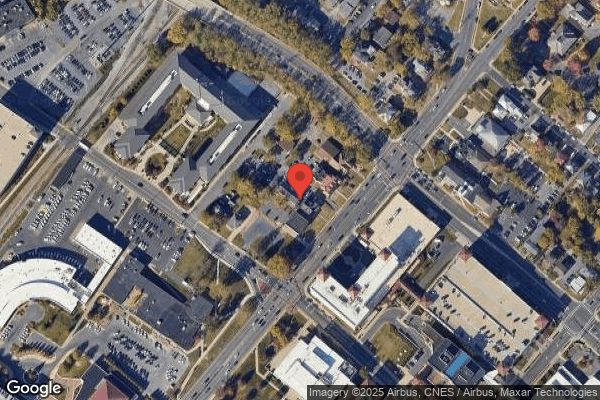
3935 SUNNYSIDE DRIVE, SUITE A, HARRISONBURG, VA 22801 (540) 568-8200
Non profit - Corporation 84 Beds Independent Data: November 2025
Trust Grade
90/100
#37 of 285 in VA
Last Inspection: February 2023

Over 2 years since last inspection. Current conditions may differ from available data.

Overview

Sunnyside Presbyterian Retirement Community in Harrisonburg, Virginia, has received a Trust Grade of A, indicating it is highly recommended and considered excellent compared to other facilities. It ranks #37 out of 285 in the state, placing it in the top half, and is the best option out of three facilities in Harrisonburg City County. The facility's trend is stable, with two issues reported in both 2021 and 2023, and a staffing rating of 4 out of 5 stars suggests a solid workforce, although staff turnover is at 45%, which is below the state average. Notably, there were no fines on record, which is a positive sign, and while RN coverage is average, it's still beneficial for resident care. However, there are some concerns, including incidents where residents were given unnecessary psychotropic medications without proper review and an employee was found to be working with an expired license. Additionally, a required screening was not completed for one resident, indicating areas that need improvement. Overall, while there are strengths in staffing and performance, families should be aware of these specific concerns when considering this facility.

Trust Score
A
90/100
In Virginia
#37/285
Top 12%
Safety Record
Low Risk
No red flags
Inspections
Holding Steady
2 → 2 violations
Staff Stability
⚠ Watch
45% turnover. Above average. Higher turnover means staff may not know residents' routines.
Penalties
✓ Good
No fines on record. Clean compliance history, better than most Virginia facilities.
Skilled Nurses
○ Average
Each resident gets 32 minutes of Registered Nurse (RN) attention daily — about average for Virginia. RNs are the most trained staff who monitor for health changes.
Violations
○ Average
9 deficiencies on record. Average for a facility this size. Mostly minor or procedural issues.
★★★★★
5.0
Overall Rating
★★★★☆
4.0
Staff Levels
★★★★☆
4.0
Care Quality
★★★★★
5.0
Inspection Score
Stable
2021: 2 issues
2023: 2 issues

The Good

  • 4-Star Staffing Rating · Above-average nurse staffing levels
  • 4-Star Quality Measures · Strong clinical quality outcomes
  • Full Sprinkler Coverage · Fire safety systems throughout facility
  • No fines on record

Facility shows strength in staffing levels, quality measures, fire safety.

The Bad

Staff Turnover: 45%

Near Virginia avg (46%)

Higher turnover may affect care consistency

The Ugly 9 deficiencies on record

Feb 2023 2 deficiencies
CONCERN (D)

Potential for Harm - no one hurt, but risky conditions existed

Abuse Prevention Policies (Tag F0607)

Could have caused harm · This affected 1 resident

**NOTE- TERMS IN BRACKETS HAVE BEEN EDITED TO PROTECT CONFIDENTIALITY** Based on staff interview, employee record review, and facility document review, the facility staff failed to ensure that profess...

Read full inspector narrative →
**NOTE- TERMS IN BRACKETS HAVE BEEN EDITED TO PROTECT CONFIDENTIALITY** Based on staff interview, employee record review, and facility document review, the facility staff failed to ensure that professional licenses were current for one of 25 employee files reviewed. CNA (certified nursing assistant) #1's license expired in [DATE]. Findings were: As part of the survey process, a list of new hires was requested. Twenty-five employee files were randomly chosen for review. On [DATE] at approximately 1:00 p.m., the Senior Human Resources Business Partner (Other staff #1) brought the selected files for review. Other staff (OS) #1 stated, Here are the files you requested. I'm just going to tell you one of the staff that you picked has an expired license. When asked if the expired license had been verified through the state website, OS #1 stated, Yes. Asked if the employee was working, OS #1 stated, She was, but we took her off the schedule. She renewed it today, but we won't allow her to work until we can verify that it is current. When asked if the CNA had been actively on the schedule from the end of December, OS #1 stated, Yes. A review of the employee files found that CNA #1's license/certification expired on [DATE]. The facility abuse policy was reviewed and contained the following: State licensure and certification agencies, and applicable registries, will be contacted, prior to employ to validate current licensure or certification requirements and to determine if the employee is in good standing with registry. An additional policy: Professional Licenses and Certification contained the following: .[Facility name] require a certification or a license to perform the work .to assure proper licensing and certification, [Name of facility] verified the certification or license of individuals at hiring and periodically during employment as necessary Employees are responsible for maintaining current and active license and certifications. Currency of licenses and certifications is a condition of continued employment .failure to do so shall result in immediate unpaid suspension from job duties . OS #1 was interviewed on [DATE] at approximately 1:00 p.m. When asked what the process was to ensure all licenses and certifications were current, OS31 stated, We've had a lot of transition in this department .I took this over about a week ago .what is suppose to happen is I run a report and it goes to the departments to make sure they are renewed. The above information was discussed during an end of day meeting with the administrator and the DON (director of nursing) on [DATE] at approximately 5:15 p.m. No further information was obtained prior to the exit conference on [DATE].
CONCERN (D)

Potential for Harm - no one hurt, but risky conditions existed

Deficiency F0645 (Tag F0645)

Could have caused harm · This affected 1 resident

**NOTE- TERMS IN BRACKETS HAVE BEEN EDITED TO PROTECT CONFIDENTIALITY** Based on staff interview, clinical record review, and facility document review, the facility staff failed to ensure that a Level...

Read full inspector narrative →
**NOTE- TERMS IN BRACKETS HAVE BEEN EDITED TO PROTECT CONFIDENTIALITY** Based on staff interview, clinical record review, and facility document review, the facility staff failed to ensure that a Level I PASRR (preadmission screening and resident review) was completed for one of 18 residents (Resident #49). Findings include: Resident #49 did not have a PASRR completed upon admission. Diagnoses for Resident #49 included; Dementia, anxiety, abnormal posture, major depression, and osteoarthritis. The most current MDS (minimum data set) was an annual assessment with an ARD (assessment reference date) of 11/29/22. Resident #49 was assessed with short and long-term memory problems with moderately impaired cognition. During the LTCSP [long term care survey process] on 2/7/23, the review for Resident #49 triggered for No PASRR level II with a diagnosis. Review of Section A1510. titled Preadmission Screening and Resident Review (PASRR). of the current MDS was blank. On 2/8/23, Resident #49's clinical records were reviewed. Resident #49 had an active diagnosis of major depression and was receiving medication for the diagnoses. Resident #49's clinical record also did not evidence documentation that a level 1 PASRR had been completed. On 02/08/23 10:06 AM, the social worker (other staff, OS #2) was asked to review Resident #49's medical record for the PASRR. OS #2 reviewed the medical record and verbalized that Resident #49 was living in the assisted living part of the campus and was sent to the hospital. OS #2 stated that after being discharged from the hospital, Resident #49 was admitted to the facility on [DATE]. OS #2 added that during the time of admission to the hospital, the hospital was not completing PASRR's due to COVID. On 2/08/23 at 11:19 AM, OS #2 said that she had followed up with another social worker and was unable to provide documentation that the PASRR had been completed. 02/08/23 04:51 PM, the above finding was presented to the director of nursing and administrator. Review of the facility's policy titled Preadmission Screening and Resident Review Process read in part Medicaid screening teams will conduct Level 1 screening for those individuals who are Medicaid members . No other information was provided prior to exit conference on 2/9/23.
May 2021 2 deficiencies
CONCERN (D)

Potential for Harm - no one hurt, but risky conditions existed

Deficiency F0657 (Tag F0657)

Could have caused harm · This affected 1 resident

**NOTE- TERMS IN BRACKETS HAVE BEEN EDITED TO PROTECT CONFIDENTIALITY** Based on observation, resident interview, staff interview and clinical record review, the facility staff failed to revise the co...

Read full inspector narrative →
**NOTE- TERMS IN BRACKETS HAVE BEEN EDITED TO PROTECT CONFIDENTIALITY** Based on observation, resident interview, staff interview and clinical record review, the facility staff failed to revise the comprehensive care plan for one of twenty residents in the survey sample. Resident #65's care plan was not updated regarding care of extensive bruising a fall. The findings include: Resident #65 was admitted to the facility on [DATE] with diagnoses that included generalized weakness, dementia, chronic respiratory failure, atrial fibrillation, chronic kidney disease, hypothyroidism, heart failure, insomnia, depression and anxiety. The minimum data set (MDS) dated [DATE] assessed Resident #65 with moderately impaired cognitive skills. On 5/19/21 at 8:38 a.m., Resident #65 was observed in bed. The resident had black/dark purple bruising extending from the right elbow area along the underside of her right forearm down to her wrist. There was a white gauze dressing on the right elbow. Resident #65 was interviewed about the dark bruising. Resident #65 stated she attempted to walk without assistance and fell about a week ago. Resident #65 pulled back the covers and displayed her right knee that had bruising around the circumference of the joint that extended from above to below the knee area. The bruising was black/dark purple in color. Resident #65 stated she took a blood thinning medication and obtained the bruising in the days following the fall. The resident stated the right elbow, arm and knee still had swelling and were sore/painful when she moved. Resident #65's clinical record documented the resident's most recent fall was on 5/11/21 at 6:30 p.m. after getting up without requesting assistance. The record documented the resident had five previous falls during April 2021. Resident #65's plan of care (print date 5/19/21) included no problems, goals and/or interventions regarding the resident's bruising. There was no mention of the fall of 5/11/21 or the black/purple bruising on her right arm and leg. The care plan documented the resident had potential for falls with injury due to history of frequent falls, weakness, psychotropic medications and poor safety awareness. The care plan listed the resident was at risk of bleeding/bruising due to prescribed anticoagulant use. On 5/19/21 at 2:36 p.m., the licensed practical nurse unit manager (LPN #1) was interviewed about a plan of care regarding the bruising. LPN #1 reviewed the care plan and stated the plan was last updated on 5/7/21 to keep writing material within reach of the resident. LPN #1 stated the bruising had not been added to the plan. This finding was reviewed with the administrator and director of nursing during a meeting on 5/19/21 at 4:20 p.m.
CONCERN (E)

Potential for Harm - no one hurt, but risky conditions existed

Medication Errors (Tag F0758)

Could have caused harm · This affected multiple residents

**NOTE- TERMS IN BRACKETS HAVE BEEN EDITED TO PROTECT CONFIDENTIALITY** Based on clinical record review, staff interview and facility document review, the facility staff failed to ensure two of 20 res...

Read full inspector narrative →
**NOTE- TERMS IN BRACKETS HAVE BEEN EDITED TO PROTECT CONFIDENTIALITY** Based on clinical record review, staff interview and facility document review, the facility staff failed to ensure two of 20 residents in the survey sample were free from unnecessary psychotropic medications, Resident # 30 and #65. Resident #30 had physician orders for as needed (PRN) Lorazepam that extended for more than 14 days without a stop date. Resident #65 had physician orders for as needed (PRN) Buspirone that extended for more than 14 days without a stop date. The findings include: Resident #30 was originally admitted to the facility on [DATE] and readmitted on [DATE] with diagnoses that included vascular dementia, hospice encounter, anxiety, depression, neuromuscular dysfunction bladder, and right arm/humerus fracture. The most recent minimum data set (MDS) dated [DATE] was a significant change and assessed Resident #30 as severely impaired for daily decision making with a score of 5 out of 15. On 05/19/2021, Resident #30's clinical record was reviewed. Observed on the physician's order sheet was the following: Lorazepam 2mg/ml (milligrams/milliliters) oral concentrate (0.5mg) CONCENTRATE, ORAL. Q4 (every 4) hours PRN (as needed) for anxiety/restlessness. Order date: 3/11/2021 . There was no documented stop date for the PRN (as needed) Lorazepam order. A review of the medication administration records (MARs) for the months of March 2021 through May 2021 did not document Resident #30 received any doses of the PRN Lorazepam. A review of the Consultant Pharmacist's Medication reviews did not document any recommendations regarding the PRN Lorazepam. On 05/20/2021 at 8:50 a.m., the unit manager (LPN #1) where Resident #30 resided was interviewed regarding the PRN Lorazepam order. LPN #1 stated she thought the order had been written when the resident was admitted to hospice. LPN #1 was asked if Resident #30 displayed behaviors and symptoms that would require the PRN Lorazepam. LPN #1 stated, no, [Resident #30] generally doesn't complain or display behaviors at all, she is a sweet lady. On 05/19/2021 at 9:30 a.m. the administrator and DON (director of nursing) were informed of the above findings during a meeting.2. Resident #65 was admitted to the facility on [DATE] with diagnoses that included generalized weakness, dementia, chronic respiratory failure, atrial fibrillation, chronic kidney disease, hypothyroidism, heart failure, insomnia, depression and anxiety. The minimum data set (MDS) dated [DATE] assessed Resident #65 with moderately impaired cognitive skills. Resident #65's clinical record documented a physician's order dated 1/27/21 for the medication buspirone 5 milligrams (mg) to be administered as needed (prn) for anxiety. This current order had been in place since 1/27/21 and had no 14-day limit or end date associated with the order. A psychiatric progress note dated 4/27/21 documented concerning Resident #65's buspirone use, Continue buspirone 5 mg prn for now if helpful. If staff do not feel this is helpful for her anxiety/agitation, could consider replacing it with gabapentin 100 mg. There was no documented stop date or end date for the prn buspirone. Resident #65's medication administration record documented the buspirone was administered to Resident #65 five times during April 2021 and five times from 5/1/21 through 5/19/21. On 5/19/21 at 2:50 p.m., the licensed practical nurse unit manager (LPN #1) was interviewed about Resident #65's buspirone order. LPN #1 stated she knew the resident was seen recently by psychiatry but she was not sure about why there was no end date or limit on the prn buspirone order. On 5/19/21 at 4:10 p.m., the director of nursing (DON) was interviewed about Resident #65's prn buspirone order. The DON stated she thought there was a misconception that if the resident was assessed as still needing the medication, no end date was required. The Nursing 2017 Drug Handbook on page 256 describes buspirone as an anxiolytic used for the treatment of anxiety disorders. (1) This finding was reviewed with the administrator and director of nursing during a meeting on 5/19/21 at 4:20 p.m. (1) [NAME], [NAME], [NAME] and [NAME]. Nursing 2017 Drug Handbook. Philadelphia: Wolters Kluwer, 2017.
Apr 2019 5 deficiencies
CONCERN (D)

Potential for Harm - no one hurt, but risky conditions existed

Resident Rights (Tag F0550)

Could have caused harm · This affected 1 resident

**NOTE- TERMS IN BRACKETS HAVE BEEN EDITED TO PROTECT CONFIDENTIALITY** Based on observation, staff interview and facility document review, the facility staff failed to ensure a dignified dining exper...

Read full inspector narrative →
**NOTE- TERMS IN BRACKETS HAVE BEEN EDITED TO PROTECT CONFIDENTIALITY** Based on observation, staff interview and facility document review, the facility staff failed to ensure a dignified dining experience during lunch in the dining room on the second floor. Staff were observed feeding and assisting more than one resident at the same time. A dietary aide was heard making comments regarding how a resident was eating a sandwich. The findings include: Resident # 61, was admitted to the facility on [DATE]. Diagnoses included unspecified dementia without behavioral disturbance, nutritional deficiency, hypertension, muscle weakness, osteoarthritis, and palliative care (hospice). The most recent minimum data set (MDS) dated [DATE], was a quarterly assessment and assessed Resident #61 as being severely cognitively impaired for daily decision making. Under Section G (Functional Status), at item G0110 (H), Eating, the resident was assessed as requiring total assistance with one person physical assistance for eating. Resident #61's care plan was reviewed and documented the resident required meal set up and assistance with eating. Resident #61's orders were reviewed and documented a pureed diet. A dining observation was conducted during lunch on 04/23/19 in the second floor dining room at 12:05 p.m. Residents were observed seated at various tables around the dining room. CNA #2 (certified nursing assistant) was observed seated between two residents at table number one in the dining room. There was a total of four residents at table number one. CNA #2 was observed feeding and assisting two residents at the same time. She alternated between the two residents giving Resident #61 a few bits of food and/or drink and then cutting up the other resident's food, leaving the table to get additional beverages and silverware for other residents at the table. During the meal observation, Resident #61 would close her eyes and CNA #2 was observed as saying hey, hey [Resident 61s name] several times during the meal observation which would prompt Resident #61 to open her eyes and continue eating. CNA #2 did not converse with Resident #61, however Resident #61 would smile while CNA #2 was talking with the other residents at the table. This continued for approximately 25 minutes. Other staff members were observed walking around in the dining room, assisting various residents with lunch and by bringing additional food and drinks to the various tables. On 04/23/19 at approximately 12:35 p.m., CNA #2 was interviewed regarding the lunch observation and which residents needed assistance for meals. CNA #2 stated Resident #61 required feeding assistance with all meals. She stated the other resident she was seated beside liked to chat and talk during meals and only required cueing and encouragement during meals. A resident who was seated at table number one and was observed eating a sandwich for her lunch. The resident was eating the sandwich slowly with her hands. A dietary aide who was passing out meal trays was overheard saying it's just ridiculous, I don't know why they give people like that a sandwich to eat. These administrator and the assistant DON (director of nursing) were notified of the above findings during a meeting on 04/23/19 at approximately 5:00 p.m. The administrator stated recently she had conversations with staff and implemented finger foods and sandwiches as preferences for resident's food choices and this comment was inappropriate. No further information and/or documentation was presented prior to the exit conference on 04/25/19 at 10:00 a.m.
CONCERN (D)

Potential for Harm - no one hurt, but risky conditions existed

Deficiency F0554 (Tag F0554)

Could have caused harm · This affected 1 resident

**NOTE- TERMS IN BRACKETS HAVE BEEN EDITED TO PROTECT CONFIDENTIALITY** Based on observation, staff interview and clinical record review, the facility staff failed to assess one of 20 residents prior ...

Read full inspector narrative →
**NOTE- TERMS IN BRACKETS HAVE BEEN EDITED TO PROTECT CONFIDENTIALITY** Based on observation, staff interview and clinical record review, the facility staff failed to assess one of 20 residents prior to self-administration of medications. Resident #47 was observed self-administering the medication albuterol sulfate with use of a nebulizer. There was no prior assessment or review by the interdisciplinary team to determine Resident #47's ability to self-administer the medication. The findings include: Resident #47 was admitted to the facility on [DATE] with diagnoses that included asthma, bronchitis, high blood pressure, dementia, atrial fibrillation and depression. The minimum data set (MDS) dated [DATE] assessed Resident #47 with severely impaired cognitive skills. On 4/24/19 at 2:00 p.m., Resident #47 was observed in his room unattended with a nebulizer mask on his face and the nebulizer machine operating. There was no nurse in the room or in the hallway outside the resident's room. Resident #47's clinical record documented a physician's order dated 2/5/19 for albuterol sulfate 2.5 milligrams/3 milliliters (0.083%) solution, one vial via nebulizer three times per day for treatment of asthma. The clinical record documented no physician's order regarding self-administration of medications. The resident's plan of care (revised 4/2/19) included no problems, goals and/or interventions regarding self-administration of medications. On 4/24/19 at 2:07 p.m., the licensed practical nurse (LPN #1) caring for Resident #47 was interviewed about the resident observed unsupervised with the nebulizer. LPN #1 stated the Resident #47 was getting the ordered medication albuterol sulfate with the nebulizer. LPN #1 stated she usually placed the mask on the resident, started the machine and then went back and took the mask off when the medication was done. LPN #1 stated it usually took about 15 minutes for the administration of the medication. LPN #1 stated she was not aware of any assessment for the resident to self-administer the medication. LPN #1 stated she did not think Resident #47 took the mask off during the nebulizer treatment but could see where that might be an issue due to his dementia. On 4/24/19 at 2:12 p.m., the registered nurse unit manager (RN #1) was interviewed about any assessment for Resident #47 to self-administer medications. RN #1 stated she did not have an assessment regarding Resident #47's ability to self-administer medications. On 4/24/19 at 2:15 p.m., the director of nursing (DON) was interviewed about Resident #47's self-administration of the albuterol sulfate. The DON stated Resident #47 did not have a physician's order or assessment regarding self-administration of medications. The DON stated the interdisciplinary team was supposed assess and determine if residents were appropriate to self-administer medications. These findings were reviewed with the administrator and DON during a meeting on 4/24/19 at 5:30 p.m.
CONCERN (D)

Potential for Harm - no one hurt, but risky conditions existed

Deficiency F0657 (Tag F0657)

Could have caused harm · This affected 1 resident

**NOTE- TERMS IN BRACKETS HAVE BEEN EDITED TO PROTECT CONFIDENTIALITY** Based on resident interview, staff interview, and clinical record review, facility staff failed to review and revise a CCP (comp...

Read full inspector narrative →
**NOTE- TERMS IN BRACKETS HAVE BEEN EDITED TO PROTECT CONFIDENTIALITY** Based on resident interview, staff interview, and clinical record review, facility staff failed to review and revise a CCP (comprehensive care plan) for one of 20 residents in the survey sample, Resident #222. Facility staff failed to review and revise the CCP for Resident #222 regarding his dietary status. Findings included: Resident #222 was admitted to the facility on [DATE] with diagnoses including, but not limited to: Nutrition Deficiency, Pain, Transient Ischemic Attacks, Anxiety, and Hypertension. The most current MDS (minimum data set) was an initial assessment with an ARD (assessment reference date) of 4/11/19. Resident #222 was assessed with a score of 13 indicating cognitively intact. Resident #222 was interviewed on 04/23/2019 at 3:30 p.m. During this interview Resident #222 showed his teeth and stated, Seems like every time I eat something I lose a tooth. They have put me on a pureed diet and I don't care for it. I do have trouble chewing, but I don't want pureed food. When asked if he had any swallowing problems, he stated, No, I don't think so. I would like to have a soft diet if possible. The clinical record for Resident #222 was reviewed on 04/24/19 at 10:00 a.m. The original diet order dated 04/04/19 was for a Mechanical Soft diet. A physician order dated 04/06/19 changed Resident #222's diet to Pureed. Resident #222 stated, I don't know why they changed my diet to pureed. I didn't ask them to. A dietitian note dated 04/05/19 included, .Diet=Mech soft. No food allergies. Feeds self. Missing several teeth, tolerates soft foods .PLAN: obtained diet preferences .GOAL: meal intake as desired by resident without chewing or swallowing issues, continue feeding self . A second dietitian note dated 04/12/19 included, .Diet changed from Mech soft to Puree (4/6/19) due to chewing difficulties. Missing several teeth .Feeds self. No swallowing issues noted or reported .GOAL: meal intake as desired by resident without chewing or swallowing issues to maximize comfort, continue feeding self . Subsequent review of the CCP included, .Provide a mechanically altered diet (grind meat) .Incorporate food/[NAME] [beverages] prefs [preferences] into meals .Respect [Name] right to choose the amt [amount]/type of food to consume . The Administrator and DON (director of nursing) were informed of the above during a meeting with the survey team on 04/24/19 at approximately 5:00 p.m. The Administrator was interviewed on 04/25/19 at 9:30 a.m. regarding who updates care plans. The Administrator stated, MDS and the Unit Managers update care plans. [Name] (MDS) brings her computer to morning meeting and tries to update them during the meeting. No further information was received by the survey team prior to the exit conference on 04/25/19.
CONCERN (D)

Potential for Harm - no one hurt, but risky conditions existed

Quality of Care (Tag F0684)

Could have caused harm · This affected 1 resident

**NOTE- TERMS IN BRACKETS HAVE BEEN EDITED TO PROTECT CONFIDENTIALITY** Based on observation, staff interview, and clinical record review, the facility staff failed to follow physician's orders for on...

Read full inspector narrative →
**NOTE- TERMS IN BRACKETS HAVE BEEN EDITED TO PROTECT CONFIDENTIALITY** Based on observation, staff interview, and clinical record review, the facility staff failed to follow physician's orders for one of 20, Resident #172 Resident #172 did not have physician ordered TED (compression) hose in place. The Findings Include: Resident #172 was admitted to the facility on [DATE]. Diagnoses for Resident #172 included: Congestive heart failure, acute kidney failure, and respiratory failure. The most current MDS (minimum data set) was an initial assessment with an ARD (assessment reference date) of 4/19/19. Resident #172 was assessed with a score of 12 indicating cognitively intact. On 04/23/19 at 3:28 PM, Resident #172 was interviewed. During the interview Resident #172's legs were observed showing signs of edema. Resident #172 was asked about edema in her (Resident #172) legs. Resident #172 verbalized that staff had came in the room a couple of days ago and took measurements for TED hose. Resident #172 verbalized that her legs had been weeping but had gotten better because the doctor had increased the dosage of Lasix. On 4/23/19 Resident #172's medical chart was reviewed. An order dated 4/19/19 read TED hose on in AM, off in PM. Resident #172's treatment administration record (TAR) was also reviewed but did not evidence that the order had been transcribed onto the TAR. On 4/24/19 at 9:40 AM, Resident #172 was observed in a recliner without TED hose in place. On 04/24/19 at 9:47 AM, certified nursing assistant (CNA) #1, assigned to Resident #172, was interviewed regarding Resident #172's TED hose. CNA #1 verbalized that she (CNA #1) was new to the floor and was unaware that Resident #172 had an order for TED hose. This surveyor and CNA #1 walked down to Resident #172's room and observed Resident #172 without TED hose. On 04/24/19 at 9:52 AM, licensed practical nurse (LPN) #1, assigned to Resident #172, was interviewed regarding Resident #172's TED hose. LPN #1 verbalized that she was aware that Resident #172 had an order but was not aware that Resident #172 did not have TED hose in place. 04/24/19 05:05 PM during an end of day meeting with administrator and DON the above information was presented. No other information was presented prior to exit conference on 4/25/19.
CONCERN (D)

Potential for Harm - no one hurt, but risky conditions existed

Deficiency F0700 (Tag F0700)

Could have caused harm · This affected 1 resident

**NOTE- TERMS IN BRACKETS HAVE BEEN EDITED TO PROTECT CONFIDENTIALITY** Based on observation, resident interview, staff interview and clinical record review, the facility staff failed, for one of 20 r...

Read full inspector narrative →
**NOTE- TERMS IN BRACKETS HAVE BEEN EDITED TO PROTECT CONFIDENTIALITY** Based on observation, resident interview, staff interview and clinical record review, the facility staff failed, for one of 20 residents in the survey, to assess for entrapment risks and obtain informed consent regarding bed rail use. Resident #23, with cognitive impairment and multiple unwitnessed falls, had bed rails in use without a prior assessment for safety, informed consent from the resident or family representative and without prior attempts of appropriate alternatives. The findings include: Resident #23 was admitted to the facility 10/30/18 with diagnoses that included dementia, coronary artery disease, high blood pressure and arthritis. The minimum data set (MDS) dated [DATE] assessed Resident #23 with severely impaired cognitive skills. On 4/24/19 at 7:40 a.m., Resident #23 was observed in bed. There were quarter length bed rails in the up position on both sides, near the head of his bed. Resident #23's clinical record documented a physician's order dated 10/30/18 stating, Resident requests bilateral grab bar to each side of bed as an enabler to assist with turning, positioning, transfers and with stabilization while sitting on side of bed. Resident #23's clinical record documented no bed rail assessment for entrapment risks. There was no informed consent from the resident or his family representative regarding use of the bed rails. The resident's plan of care (revised 2/19/19) listed the resident had potential for injury due to repeated falls, decline in functional mobility and impaired cognitive status. The care plan listed bilateral grab bars among interventions for injury prevention but included no problems, goals and/or interventions regarding use of the rails or of any attempted alternatives. The clinical record documented the resident had experienced eight falls since his admission on [DATE]. All of the falls involved the resident getting out of bed or chair without requesting staff assistance. On 4/24/19 at 10:26 a.m., Resident #23 was interviewed about his bed rails. Resident #23 stated he thought the bed rails were decorative and were there to hold the bed controller. On 4/24/19 at 2:45 p.m., the licensed practical nurse unit manager (LPN #2) was interviewed about an assessment and informed consent regarding Resident #23's use of bed rails. LPN #2 stated the side rail assessment and consents were part of the admission packet and were supposed to be completed at the time of admission. LPN #2 stated she would look for Resident #23's assessment and consents. On 4/24/19 at 3:27 p.m., the director of nursing (DON) was interviewed about Resident #23's bed rail use and any assessments regarding safety, consents or attempted alternatives to the rails. The DON stated assessments were done at the time of admission. The DON stated the resident signed the consent if oriented or the family representative consented if the resident was unable to sign. The DON stated side rails were not to be in place unless deemed safe for the resident. On 4/24/19 at 4:18 p.m., LPN #2 stated she looked and did not find an assessment or informed consent for Resident #23's bed rail use. LPN #2 stated the resident had bed rails in place since his admission on [DATE]. LPN #2 stated the assessment and consent were missed during the admission process. There was no mention of any attempted alternatives prior to installation of Resident #23's bed rails. This finding was reviewed with the administrator and director of nursing during a meeting on 4/24/19 at 5:30 p.m.
Understanding Severity Codes (click to expand)
Life-Threatening (Immediate Jeopardy)
J - Isolated K - Pattern L - Widespread
Actual Harm
G - Isolated H - Pattern I - Widespread
Potential for Harm
D - Isolated E - Pattern F - Widespread
No Harm (Minor)
A - Isolated B - Pattern C - Widespread

Questions to Ask on Your Visit

  • "Can I speak with families of current residents?"
  • "What's your RN coverage like on weekends and overnight?"

Our Honest Assessment

Strengths
  • • Grade A (90/100). Above average facility, better than most options in Virginia.
  • • No major safety red flags. No abuse findings, life-threatening violations, or SFF status.
  • • No fines on record. Clean compliance history, better than most Virginia facilities.
Concerns
  • • No significant concerns identified. This facility shows no red flags across CMS ratings, staff turnover, or federal penalties.
Bottom line: Generally positive indicators. Standard due diligence and a personal visit recommended.

About This Facility

What is Sunnyside Presbyterian Retirement Community's CMS Rating?

CMS assigns SUNNYSIDE PRESBYTERIAN RETIREMENT COMMUNITY an overall rating of 5 out of 5 stars, which is considered much above average nationally. Within Virginia, this rating places the facility higher than 99% of the state's 100 nursing homes. This rating reflects solid performance across the metrics CMS uses to evaluate nursing home quality.

How is Sunnyside Presbyterian Retirement Community Staffed?

CMS rates SUNNYSIDE PRESBYTERIAN RETIREMENT COMMUNITY's staffing level at 4 out of 5 stars, which is above average compared to other nursing homes. Staff turnover is 45%, compared to the Virginia average of 46%. This relatively stable workforce can support continuity of care.

What Have Inspectors Found at Sunnyside Presbyterian Retirement Community?

State health inspectors documented 9 deficiencies at SUNNYSIDE PRESBYTERIAN RETIREMENT COMMUNITY during 2019 to 2023. These included: 9 with potential for harm.

Who Owns and Operates Sunnyside Presbyterian Retirement Community?

SUNNYSIDE PRESBYTERIAN RETIREMENT COMMUNITY is owned by a non-profit organization. Non-profit facilities reinvest revenue into operations rather than distributing to shareholders. The facility operates independently rather than as part of a larger chain. With 84 certified beds and approximately 67 residents (about 80% occupancy), it is a smaller facility located in HARRISONBURG, Virginia.

How Does Sunnyside Presbyterian Retirement Community Compare to Other Virginia Nursing Homes?

Compared to the 100 nursing homes in Virginia, SUNNYSIDE PRESBYTERIAN RETIREMENT COMMUNITY's overall rating (5 stars) is above the state average of 3.0, staff turnover (45%) is near the state average of 46%, and health inspection rating (5 stars) is much above the national benchmark.

What Should Families Ask When Visiting Sunnyside Presbyterian Retirement Community?

Based on this facility's data, families visiting should ask: "Can I visit during a mealtime to observe dining assistance and food quality?" "How do you handle medical emergencies, and what is your hospital transfer rate?" "Can I speak with family members of current residents about their experience?"

Is Sunnyside Presbyterian Retirement Community Safe?

Based on CMS inspection data, SUNNYSIDE PRESBYTERIAN RETIREMENT COMMUNITY has a clean safety record: no substantiated abuse findings (meaning no confirmed cases of resident harm), no Immediate Jeopardy citations (the most serious violation level indicating risk of serious injury or death), and is not on the Special Focus Facility watch list (a federal program monitoring the lowest-performing 1% of nursing homes). The facility has a 5-star overall rating and ranks #1 of 100 nursing homes in Virginia. While no facility is perfect, families should still ask about staff-to-resident ratios and recent inspection results during their visit.

Do Nurses at Sunnyside Presbyterian Retirement Community Stick Around?

SUNNYSIDE PRESBYTERIAN RETIREMENT COMMUNITY has a staff turnover rate of 45%, which is about average for Virginia nursing homes (state average: 46%). Moderate turnover is common in nursing homes, but families should still ask about staff tenure and how the facility maintains care continuity when employees leave.

Was Sunnyside Presbyterian Retirement Community Ever Fined?

SUNNYSIDE PRESBYTERIAN RETIREMENT COMMUNITY has no federal fines on record. CMS issues fines when nursing homes fail to meet care standards or don't correct problems found during inspections. The absence of fines suggests the facility has either maintained compliance or corrected any issues before penalties were assessed. This is a positive indicator, though families should still review recent inspection reports for the full picture.

Is Sunnyside Presbyterian Retirement Community on Any Federal Watch List?

SUNNYSIDE PRESBYTERIAN RETIREMENT COMMUNITY is not on any federal watch list. The most significant is the Special Focus Facility (SFF) program, which identifies the bottom 1% of nursing homes nationally based on persistent, serious quality problems. Not being on this list means the facility has avoided the pattern of deficiencies that triggers enhanced federal oversight. This is a positive indicator, though families should still review the facility's inspection history directly.