VMRC, COMPLETE LIVING CARE
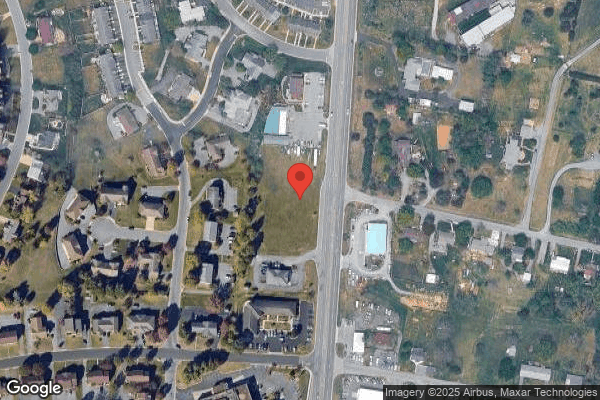
1475 VIRGINIA AVENUE, HARRISONBURG, VA 22802 (540) 564-3500
Non profit - Corporation 120 Beds Independent Data: November 2025
Trust Grade
80/100
#113 of 285 in VA
Last Inspection: March 2023

Over 2 years since last inspection. Current conditions may differ from available data.

Overview

VMRC, Complete Living Care in Harrisonburg, Virginia, has a Trust Grade of B+, indicating it is above average and recommended for care. It ranks #113 out of 285 nursing facilities in Virginia, placing it in the top half, and is the best option among two facilities in Rockingham County. However, the facility is experiencing a worsening trend, with issues increasing from 1 in 2021 to 5 in 2023. Staffing is a strength, with a turnover rate of 0%, indicating staff stability, but RN coverage is only average. While there have been no fines, which is positive, recent inspections revealed some concerning incidents, including failure to accommodate residents' food preferences and not maintaining proper food temperature logs, which could affect resident health. The facility also has not implemented necessary water management programs to prevent Legionella, which poses a potential health risk. Overall, VMRC shows strengths in staffing and a lack of fines, but families should be aware of the recent issues highlighted in inspections.

Trust Score
B+
80/100
In Virginia
#113/285
Top 39%
Safety Record
Low Risk
No red flags
Inspections
Getting Worse
1 → 5 violations
Staff Stability
○ Average
Turnover data not reported for this facility.
Penalties
✓ Good
No fines on record. Clean compliance history, better than most Virginia facilities.
Skilled Nurses
○ Average
Each resident gets 38 minutes of Registered Nurse (RN) attention daily — about average for Virginia. RNs are the most trained staff who monitor for health changes.
Violations
⚠ Watch
11 deficiencies on record. Higher than average. Multiple issues found across inspections.
★★★★☆
4.0
Overall Rating
★★★☆☆
3.0
Staff Levels
★★★★☆
4.0
Care Quality
★★★★☆
4.0
Inspection Score
Stable
2021: 1 issues
2023: 5 issues

The Good

  • 4-Star Quality Measures · Strong clinical quality outcomes
  • Full Sprinkler Coverage · Fire safety systems throughout facility
  • No fines on record

Facility shows strength in quality measures, fire safety.

The Bad

No Significant Concerns Identified

This facility shows no red flags. Among Virginia's 100 nursing homes, only 0% achieve this.

The Ugly 11 deficiencies on record

Mar 2023 5 deficiencies
CONCERN (D)

Potential for Harm - no one hurt, but risky conditions existed

Deficiency F0658 (Tag F0658)

Could have caused harm · This affected 1 resident

Based on staff interview, facility document review, and clinical record review, the facility staff failed to follow professional standards of practice for one of thirteen residents in the survey sampl...

Read full inspector narrative →
Based on staff interview, facility document review, and clinical record review, the facility staff failed to follow professional standards of practice for one of thirteen residents in the survey sample. The Findings include: The facility nursing staff failed to enter a verbal physician's order into the electronic clinical record regarding Foley catheter placement for one of 21 residents, Resident #9. Diagnoses for Resident #9 included; Urine retention, inguinal hernia, depression, and congestive heart failure. The most current MDS (minimum data set) was an admission assessment with an ARD (assessment reference date) of 2/3/23, Resident #9 was assessed with a cognitive score of 13 indicating cognitively intact. On 3/13/23 12:13 PM during an interview, Resident #9 was asked about his catheter. Resident #9 verbalized that he thought that the staff had placed the catheter because he was having trouble urinating and he possible had a urinary tract infection. Resident #9 went on to say the nurses are taking care of it and was not having any trouble with the catheter. On 3/13/23 Resident #9's clinical record did not indicate any orders for a Foley catheter to be placed or any orders for the care of a Foley catheter. On 3/14/23 at 1:50 PM license practical nurse (LPN #6) was interviewed regarding Resident #9's catheter orders. LPN #6 reviewed the clinical record and was able to find orders for Resident #9's catheter along with care orders for the catheter and according to the orders the catheter was placed on 3/11/23. Further review of the catheter orders documented that the orders were not created until 3/14/23. Nursing progress notes were then reviewed and revealed a progress note dated 3/11/23 that read in part: Patient only able to void a small amount 2 times this shift, urine noted to bed dark tea colored with small blood clots present. Abdomen noted to be slightly firm and tender upon palpation, bladder scan showed 417 milliliters, patient cathed with Foley, patient had 650 ml out, Foley left in place due to having retention greater than 400 ml [ .]. On 3/14/23 at 2:23 PM LPN #7 (the nurse that wrote the progress note) was interviewed. After reviewing her progress note, LPN #7 said she had talked with the physician at the time of the concern and had gotten a telephone order for placement of the catheter but failed to enter the physician order into the clinical record. On 3/14/23 at 4:08 PM LPN #7 (unit manager) was interviewed regarding catheter orders. LPN #7 said she (LPN #7) had created the orders earlier today and entered a start date of 3/11/23 after realizing there were no catheter orders for Resident #9. During the interview, LPN #7 also said that any nurse can put telephone orders in and orders should have been placed for the catheter and the care of the catheter when it was first ordered as this would alert other nursing staff to the catheter and catheter care instructions. A policy titled Telephone/Verbal Orders read in part: 1. When a new order is received from the provider [ .] nursing staff will enter a verbal order into the orders on the electronic medical record. 4. Telephone/verbal orders will be transcribed/transferred onto the electronic medication administration record. 5. The resident's medical record will reflect progress notes that describe the condition and communication that occurred between the nursing staff and the provider. On 3/14/23 at 4:34 PM the above information was presented to the administrator and director of nursing. No other information was provided prior to exit conference on 3/15/23.
CONCERN (D)

Potential for Harm - no one hurt, but risky conditions existed

Infection Control (Tag F0880)

Could have caused harm · This affected 1 resident

**NOTE- TERMS IN BRACKETS HAVE BEEN EDITED TO PROTECT CONFIDENTIALITY** Based on a medication pass and pour observation, staff interview and facility document review, the facility staff failed to ensu...

Read full inspector narrative →
**NOTE- TERMS IN BRACKETS HAVE BEEN EDITED TO PROTECT CONFIDENTIALITY** Based on a medication pass and pour observation, staff interview and facility document review, the facility staff failed to ensure infection control practices were followed for the administration of medications. Findings include: On 03/13/23 at approximately 3:58 PM, LPN (Licensed Practical Nurse) #1 prepared medications for Resident #43. LPN #1 donned (applied) gloves and prepared a glucometer to check the resident's blood glucose level. Once completed, LPN #1 discarded the glucometer strip, wiped off the glucometer, put it away and began to prepare medications for Resident #43. LPN #1 did not remove the gloves used to check the resident's blood glucose level after that task was completed. LPN #1 proceeded to dispense two Tylenol tablets into a plastic dispensing cup, then dispensed one Renvela, when attempting to dispense a second Renvela, the pill dropped to the floor. LPN #1 reached down with a gloved hand and picked the pill up and tossed it in the trash and resumed, by dispensing two more Renvela tablets (a total of three) into the cup. LPN #1 then took the medications and administered them to the resident. LPN #1 exited the room, returning to the medication cart, removed the gloves into the trash can and moved the cart down the hall and then sanitized her hands. At approximately 4:00 PM, LPN #1 was asked if she realized what she had done with the gloves (not removing) and dropping the pill on the floor and not removing the gloves and not handwashing and/or sanitizing her hands during that process and continuing to pull medications for administration for Resident #43. LPN #1 stated that she did realize what she had done after she had already done it. On 03/14/23 at approximately 3:00 PM, LPN #2 (also known as the Care Guide for [NAME] House) was interviewed and made aware of the above information and asked for a policy regarding infection control, hand washing and glove use during medication administration. A policy was presented titled, Infection Control During Medication/Treatment Administration .general infection control with the preparation and administration of medications .follow standard precautions (unless otherwise noted) and perform hand hygiene before, during and after medication/treatment administration .staff should not touch the medication .if a medication .is dropped, facility staff should discard it .discard used medication supplies .perform hand hygiene as indicated . A policy titled, Hand Hygiene documented, .wash your hands .before and after treating a cut or wound .touching garbage .before handling medications .regular handwashing, particularly before and after certain activities, is one of the best ways .to prevent the spread of germs .if soap and water are not available, use alcohol-based hand sanitizer . On 03/14/23 at approximately 4:30 PM, the administrator and DON (director of nursing) were made aware of the above findings in a meeting with the survey team. No further information and/or documentation was presented prior to the exit conference on 03/15/23 at 11:30 AM.
CONCERN (E)

Potential for Harm - no one hurt, but risky conditions existed

Deficiency F0806 (Tag F0806)

Could have caused harm · This affected multiple residents

**NOTE- TERMS IN BRACKETS HAVE BEEN EDITED TO PROTECT CONFIDENTIALITY** Based on observation, staff interview, resident interview, and facility document review, the facility staff failed to accommodat...

Read full inspector narrative →
**NOTE- TERMS IN BRACKETS HAVE BEEN EDITED TO PROTECT CONFIDENTIALITY** Based on observation, staff interview, resident interview, and facility document review, the facility staff failed to accommodate food preferences, food intolerance's and/or allergies for two of 21 residents in the survey sample, Resident #71 and Resident #72. Findings include: 1. The facility failed to ensure Resident #71's food preferences were honored. Resident #71's diagnoses included, but were not limited to: diabetes mellitus, thrombocytopenia, chronic atrial fibrillation, gastric reflux and iron deficiency. The resident's most recent MDS (minimum data set) was a quarterly assessment dated [DATE]. The resident was assessed as a 14 cognitively, which indicated the resident was intact for daily decision making skills. The resident was also assessed as requiring supervision with at least one person assist for most ADL's (activities of daily living) and supervision with set up only for eating/meal consumption. On 03/13/23 at approximately 12:00 PM, Resident #71 was observed sitting at the dining room table. The resident had a piece of boneless fried chicken, some macaroni and cheese, collard greens and a piece of apple pie. When the resident was asked how he liked the lunch, the resident stated that he did not like chicken and didn't eat chicken. The resident was asked if the staff were aware or knew that he didn't like chicken and the resident stated, yes. The resident was asked why he was given chicken, the resident stated he didn't know and then stated that it was ok and that he would eat what he wanted and wouldn't eat what he didn't like or didn't want. On 03/13/23 at 12:13 PM, CNA #1 was asked, why Resident #71 was served chicken when the resident stated that he didn't like chicken. The CNA stated that they ([NAME] house) didn't have a menu for this week yet and stated that they didn't know what they were having until they got it from the kitchen today. The CNA was asked again if she knew the resident didn't like chicken, the CNA responded yes. The CNA was asked again why the resident was served chicken if she knew he didn't like chicken. The CNA stated that she just found out when the food was served that he didn't like chicken. The CNA then went over to Resident #71 and asked him if wanted something else besides the chicken and the resident stated that he did not. On 03/13/23 at 2:53 PM, The resident was interviewed and asked about his food preferences. The resident stated that he tends to be picky and he just doesn't like chicken. The resident was asked if staff had asked him for his food pretences upon admission [DATE]). The resident stated that he didn't remember if they had. The resident stated that he likes hotdogs, hamburgers and raw vegetables, and further stated that he doesn't like cooked vegetables. The resident stated, I don't think you can get a hamburger around here. On 03/14/23 at approximately 10:00 AM, the administrator and DON (director of nursing) were asked where are residents food preference information and were asked for assistance in locating that information. On 03/14/23 at approximately 11:00 AM, the administrator presented a blank dining preference interview sheet and stated that each resident should have one of these forms and they are filed in a notebook in each house. On 03/14/23 at 1:51 PM, LPN (Licensed Practical Nurse) #2 (also known as the Care Guide for [NAME] House) was interviewed regarding the residents dining preference interview information. The LPN looked and found the sheets in a notebook (all were blank) and stated that they didn't have one filled out for Resident #71. The LPN stated that the forms were sent to her via email and she printed them off and put them in the book. The LPN was asked where was the completed form for Resident #71. The LPN stated that she got the sheets today and did not have one for Resident #71. The LPN stated that OS #1 (other staff), also known as the food service guide sent the email with the forms and stated that she (OS#1) will document in the resident's record the likes and dislikes and the forms are also completed and put in the notebook. No information was given why Resident #71 did not have a food preference sheet. A policy on food preferences was requested at this time. A policy titled, Dietary Preferences documented, .procedures related to obtaining food and beverage preferences for residents at the time of admission and periodically thereafter .when a new admission enters .preferences will be obtained at least by the completion of the initial comprehensive assessment's care plan meeting .reviewed during quarterly care plan meetings and updated when indicated .preferences are maintained in an accessible location for direct care staff . On 03/14/23 at approximately 5:00 PM, the administrator and DON were made aware of the above information. The DON stated that she would make sure that Resident #71 was made aware of the 'always available menu' that has hamburgers and other food items available everyday. No further information and/or documentation was presented prior to the exit conference on 03/15/23 at 11:30 AM. 2.) The facility failed to follow accommodate food allergy restrictions for Resident #72. Findings include A review of Resident # 72's (R72) Face Sheet, revealed R72 had diagnoses that included major depressive disorder, diarrhea, and essential hypertension. A review of R72's Minimum Data Set (MDS), with an Assessment Reference Date (ARD) of 12/6/22, indicated R72 had a Brief Interview for Mental Status (BIMS) score of 14 out of 15, which indicated R72 was cognitively intact. Review of R72's Care Plan, dated 3/3/23, indicated .Patient will be free from adverse reactions and/or complications related to allergy thru [sic] next review . The allergies listed included onions. During an observation on 3/13/23 at 12:40 PM, R72 was observed in her bedroom with her noon meal. R72 had not eaten the collard greens served with the meal. Onions were observed in the collard greens. R72 stated she liked the meal but could not eat the collard greens because they contain onions. R72 stated that she was allergic to onions and would break out in hives if they were consumed. On 3/13/23 at 12:45 PM, Certified Nursing Assistant (CNA) 4, who had served food during the meal service, stated she was aware that R72 had allergies to onions, but was not aware the collard greens contained onions. During an interview on 3/14/23 at 10:20am, the Dietary Services Manager (DSM) verified that the collard greens were mixed with onions during preparation. The DSM also stated that the food items on the menu that day are served to the cottages in bulk. The Food Service Guide (FSG) 1 stated that the facility had a computer program that matched food allergies with foods and ingredients served but it was not operational. A review of the noon meal menu dated 3/13/23, which was provided by the DSM, revealed that buttermilk fried chicken breast, macaroni and cheese, pot liquor collard greens, park house rolls, apple pie, and beverages were on the menu. A review of Recipe ID 820600, dated 3/2/23, which was provided by the DSM, revealed that onions were used in the preparation of the pot liquor collard greens. During this interview, the DSM verified that Recipe ID 820600 was the recipe used in the preparation of the pot liquor collard greens served on 3/13/23. During an interview on March 14th 2023 at 4:45 PM, the above findings were presented to the administrator and director of nursing, who stated that it was the expectation that food allergies would be accounted for during meal services. During an interview with Facility Dietician on 3/15/23 at 9:20, the Dietitian stated the current process was that food was provided in bulk and all resident allergies were listed on the refrigerator in note form in each building. The Dietitian stated that a computer was available for CNA's in each cottage to review the electronic medical record for the allergies of each resident. The Dietitian stated that if there was a food served that a resident was allergic to, the CNA was required to serve a substitute of nutritive value to the resident in question. The Dietitian stated that the main kitchen was responsible for ensuring foods were prepared in a manner that addressed food allergies. No further information and/or documentation was presented prior to the exit conference on 03/15/23 at 11:30 AM.
CONCERN (E)

Potential for Harm - no one hurt, but risky conditions existed

Food Safety (Tag F0812)

Could have caused harm · This affected multiple residents

**NOTE- TERMS IN BRACKETS HAVE BEEN EDITED TO PROTECT CONFIDENTIALITY** 2. The facility staff failed to ensure food temperatures were obtained prior to serving food and failed to maintain food tempera...

Read full inspector narrative →
**NOTE- TERMS IN BRACKETS HAVE BEEN EDITED TO PROTECT CONFIDENTIALITY** 2. The facility staff failed to ensure food temperatures were obtained prior to serving food and failed to maintain food temperature logs for the [NAME] House. Findings include: On 3/13/23 at approximately 12:30 p.m. a meal observation was conducted in [NAME] House. The staff did not obtain food temperatures prior to plating food and serving to the residents. On 3/13/23 at 3:00 p.m. LPN (licensed practical nurse) # 3 was asked to see the food temperature logs. The logs only documented breakfast and lunch temperatures from 3/1/23 through 3/7/23. There were no dinner temperatures recorded, and no breakfast, lunch or dinner temperatures recorded from 3/8/23 to 3/13/23. LPN # 3 was asked about the temperatures recorded, why there were no dinner temperatures, the lack of temperatures recorded for the dinner meal from 3/1/23 through 3/13/23, and no temperatures recorded 3/8/23 through 3/13/23. LPN # 3 stated, We used to to have a food service coordinator, but that person is gone, and the CNA's are responsible for getting the food cart from the main kitchen, putting the food in the preheated ovens, and then plating the food .I don't know what else to tell you, or how to fix it, and it seems like that's just one more thing for them to do .I've never had any complaint of cold food .it is literally taken out of the oven and served. The facility policy titled Meal Service Policy under Procedure directed Food temperatures will be obtained and monitored periodically throughout the meal service to ensure proper hot or cold holding temperatures are maintained. Temperatures will be logged as indicated. The administrator and DON were informed of the above findings during an end of the day meeting 3/14/23 at approximately 4:35 p.m. No further information was provided prior to the exit conference. 3. The facility staff failed to ensure food temperatures were obtained prior to serving food and failed to maintain food temperature logs for the [NAME] and [NAME] Houses Findings include: Review of the facility's policy titled meal Service Policy, revised 12/11/13, indicated Food temperatures will be obtained and monitored periodically throughout the meal service to ensure proper hot or cold temperatures are maintained. Temperatures will be logged as indicated . During an observation on 3/13/23 at 11:40 am, bulk food containers containing fried breaded chicken breasts, collard greens, macaroni and cheese, and rolls were observed on the kitchen island in [NAME] House. Certified Nurse Aide (CNA) 5 stated that the food had arrived from the main kitchen approximately five minutes earlier. During an observation on 3/13/23 at 11:40 am, CNA 4 and CNA 5 were observed serving food to the [NAME] House residents from the bulk containers. Food temperatures were not taken during the meal service. During an interview on 3/13/23 at 11:54 am, CNA 4 confirmed that the temperatures of the food had not been taken when it arrived from the kitchen or prior to beginning the food service. When questioned further, CNA 4 stated that the temperatures should be taken and documented on the food temperature logs kept at each house kitchen. Review of the food temperature logs, located in the [NAME] House kitchen, revealed no food temperature logs for 1/1/23 through 2/4/23. Incomplete logs were noted for meals on 2/5/23, 2/7/23, 2/18/23, and 2/20/23. There were no food temperature logs for 2/21/23 through 3/13/23. Review of the food temperature logs from [NAME] House, located in the cottage's kitchen and dated 1/12/23 through 3/12/23, reveled no food temperature had been recorded since 1/1/23. During an interview on 3/13/23 at 12:10 pm, CNA 6 stated that she did not know why the food temperatures had not been completed since 1/1/23 at [NAME] House. During an interview on 3/14/23 at 10:20 am, the Dietary Services Manager (DSM) stated that the only temperatures taken on bulk foods in the main kitchen were holding temperatures, which are taken approximately one hour before the food left the main kitchen for delivery to the cottages. The DSM provided a Food Safety Checklist, dated 3/13/23, which recorded the holding temperatures of the foods served for the noon meal on 3/13/23. The Checklist documented that the temperatures of the food from the stove on 3/13/23 at 10:30 am were as follows: fried chicken breast -165 degrees Fahrenheit (F); collard greens - 176 degrees F; and macaroni and cheese - 172 degrees F. During an interview on 3/13/23 at 9:20 am, the facility Dietician stated that the temperatures of the bulk foods should be taken moments prior to the food leaving the main kitchen for delivery to the cottages, prior to meal service, and periodically throughout the meal service. During an interview on 3/14/23 at 4:45 pm, the above findings were discussed with the Administrator and DON, who stated that it was the expectation that the food temperatures be taken prior to and during the service of the meal to residents, as indicated in the facility policy. No further information and/or documentation was provided prior to the exit conference. Based on observation, staff interview and facility document review the facility staff failed to ensure food temperatures were obtained prior to serving food and failed to maintain food temperature logs in 4 of six houses ([NAME], [NAME], [NAME], [NAME]). Findings include: 1. The facility staff failed to ensure food temperatures were obtained prior to serving food and failed to maintain food temperature logs for the [NAME] House. On 03/13/23 at 12:13 PM in the [NAME] House, CNA # 1 (certified nursing assistant) was observed plating and serving food to the residents. CNA #1 was asked if she had checked the food temperatures for the food being served. CNA #1 stated that they (staff) had not checked the temps for lunch, but stated, I can do it now. CNA #1 was made aware that the food temperatures should be obtained prior to serving the food. CNA #1 stated, We did temps for breakfast, but not for lunch. CNA #1 was asked for the food temperature logs. CNA #1 presented a book for the [NAME] House. The food temps were reviewed and revealed that on 03/12/23 there were no temps recorded for dinner. The food temp log for 03/11/23 had temps for lunch and dinner, but not breakfast. CNA #1 stated that she didn't know why temps were not checked on those days, at those times. CNA #1 stated that the main kitchen will temp the food and that they ([NAME] House staff) are supposed to temp foods prior to serving. On 03/13/23 at 12:43 PM, LPN (Licensed Practical Nurse) #2 (also known as the Care Guide for [NAME] House) was made aware of the above information. LPN #2 stated that temps should be taken for each meal prior to plating and servicing the food. A policy was requested at this time on obtaining food temps. On 03/14/23 at 9:55 AM, the DON (director of nursing) presented a policy titled, Meal Service Policy. The policy documented, .comply with state and federal regulations concerning the holding and servicing temperature of foods .food safety requires temperatures are maintained at a controlled temperature from the time the food leaves the kitchen, during transportation and distribution .food temperatures will be obtained and monitored .temperatures will be logged as indicated . When asked if staff should be checking food temperatures before each meal, the DON stated, Yes Ma'am. On 03/14/23 at approximately 4:45 PM, the administrator and DON were again made aware of the above information in a meeting with the survey team. No further information and/or documentation was presented prior to the exit conference on 03/15/23 at 11:30 AM.
MINOR (C)

Minor Issue - procedural, no safety impact

Staffing Information (Tag F0732)

Minor procedural issue · This affected most or all residents

**NOTE- TERMS IN BRACKETS HAVE BEEN EDITED TO PROTECT CONFIDENTIALITY** Based on observations and staff interview, the facility failed to post nurse staffing information for all nursing areas. There w...

Read full inspector narrative →
**NOTE- TERMS IN BRACKETS HAVE BEEN EDITED TO PROTECT CONFIDENTIALITY** Based on observations and staff interview, the facility failed to post nurse staffing information for all nursing areas. There was no nurse staffing posted for the six residential houses on the facility campus. The findings were During a meeting at 4:30 p.m. on 3/14/2023, that included the Administrator, Director of Nursing, and the survey team, the Administrator was asked where nurse staffing was posted. The Administrator said the staffing was posted in the lobby of the Oak Lea building. The Oak Lea building houses the administrative offices as well as the Transitional Care Unit. At approximately 10:00 a.m. on 3/15/2023, the nurse staffing was observed posted in the Oak Lea lobby. The posting included staffing for the Oak Lea Transitional Care Unit as well as six residential houses; the [NAME], [NAME], [NAME], [NAME], Warsack, and [NAME]. At approximately 10:15 a.m. on 3/15/2023, a tour of the six residential houses was conducted. At each house, the staff was asked if nurse staffing was posted for that particular house. In each of the six houses, staff responded that nurse staffing was not posted, but that it was posted in the Oak Lea lobby. At approximately 10:30 a.m., during a meeting prior to the Exit Conference, that included the Administrator, Director of Nursing, and the survey team, the failure to post nurse staffing in each of the six residential houses was discussed. It was pointed out that the posting is to be accessible to both residents and visitors. Residents of the six residential houses, some of whom were not mobile, would need to go to the Oak Lea lobby to view the nurse staffing. Visitors to any of the six residential houses are able to access the houses without passing through the Oak Lea lobby. Therefore, they would not be able to view the nurse staff posting. There was no further discussion prior to the Exit Conference.
Jul 2021 1 deficiency
CONCERN (D)

Potential for Harm - no one hurt, but risky conditions existed

Quality of Care (Tag F0684)

Could have caused harm · This affected 1 resident

**NOTE- TERMS IN BRACKETS HAVE BEEN EDITED TO PROTECT CONFIDENTIALITY** Based on staff interview and clinical record review, the facility staff failed to follow physician orders for 2 of 22 residents ...

Read full inspector narrative →
**NOTE- TERMS IN BRACKETS HAVE BEEN EDITED TO PROTECT CONFIDENTIALITY** Based on staff interview and clinical record review, the facility staff failed to follow physician orders for 2 of 22 residents in the survey sample, Resident #37 and Resident #287. Fluid intake for Resident #37 and Resident #287 was not monitored and documented as ordered by the physician. The findings include: 1. Resident #37 was originally admitted to the facility on [DATE] and readmitted on [DATE] with diagnoses including lumbar fracture, altered mental status, right pubic fracture, hypo-osmolality, hyponatremia, hypertension, a-fib, congestive heart failure and colostomy. The admission Observation Assessment completed on 07/11/21 assessed Resident #37 as alert, and attentive. Oriented to person, place and time. Having an intact memory (past and present), with clear and organized thinking . On 07/21/21 Resident #37's clinical record was reviewed. Observed on the physician's order report was the following: .Order Type: POC (plan of care) -Task. Start Date: 07/11/2021. End Date: Open Ended. 1200ml (milliliters)/day fluid restriction 600-500-100. Three Times a Day: 06:00 - 14:00, 14:00 - 22:00, 22:00 - 06:00 . Observed on the care plans was the following: .Problem Start Date: 07/11/2021. Resident is at risk for alterations in fluid balance r/t (related to) diuretic and fluid restriction . A review of Resident #37's vitals report including fluid intake was reviewed for the period of 07/11/21 (readmission) through 07/21/21. For the 10 day period (7/10/21 through 7/21/21), the vitals report did not document fluid intake for 1 day (7/20/21) within a 24-hour period and only partial documentation for 9 days within the period reviewed. On 07/21/21 at 1:40 p.m., the unit manager (LPN #1) where Resident #37 resided was interviewed regarding the documentation of the fluid intake for residents with fluid restriction. LPN #1 stated the certified nursing assistants (CNA) were responsible for documenting the fluid the intake and if the information was not in the electronic record it may have been on the CNA's documentation sheet and not entered into the record yet. LPN #1 stated she would follow up with the information. On 07/21/21 at 1:53 p.m., LPN #1 returned and stated, the intakes are not there. LPN #1 was asked if the intakes were monitored and recorded at all. LPN #1 stated, I don't want to speculate, it must have been a staff oversight. These findings were discussed during a meeting on 07/21/21 at 3:00 p.m. with the administrator and director of nursing (DON). 2. Resident #287 was admitted to the facility on [DATE] with diagnoses that included: C-diff, anemia, type 2 diabetes, stage 4 chronic kidney disease, heart failure, edema and chronic obstructive pulmonary disease (COPD). The admission Observation assessment dated [DATE] assessed Resident #287 as, . alert and oriented to person, place, and time. Having an intact memory (past and present), with clear and organized thinking . On 07/21/21 Resident #287's clinical record was reviewed. Observed on the physician's order report was the following: . General POC (plan of care) - Task. Start date: 07/16/21. End Date: Open Ended. Fluid Restriction 1500 daily. 800ml/600ml/100ml (milliliters). Every shift: 1st, 2nd, 3rd . Observed on the care plans was the following: .Problem Start Date: 07/16/2021. Resident is at risk for alterations in fluid balance r/t diuretics and fluid restriction . Approach: Document fluid intake A review Resident #287's vitals report including fluid intake was reviewed for the period of 07/16/21 through 07/21/21. Observed on Resident #287's report was no fluid intake documentation. On 07/21/21 at 2:22 p.m., the unit manager (LPN #1) where Resident #287 resident was interviewed regarding the fluid intakes not documented within the clinical record. LPN #1 stated she would check and follow-up. On 07/21/21 at 2:30 p.m., a copy of Resident #287's fluid intake was requested from the administrator. The administrator returned at 2:40 p.m. and stated there was no fluid intake documentation for Resident #287. These findings were discussed during a meeting on 07/21/21 at 3:00 p.m. with the administrator and director of nursing (DON). The DON was interviewed regarding Resident #287's clinical record missing the fluid intake documentation. The DON stated upon investigation it was discovered during the admission that the order was not included as a task on the CNAs task list which resulted in the CNAs not monitoring and documenting the resident's fluid intake. No other information was received by the survey team prior to exit on 07/21/21 at 4:45 p.m.
Nov 2018 5 deficiencies
CONCERN (D)

Potential for Harm - no one hurt, but risky conditions existed

Deficiency F0578 (Tag F0578)

Could have caused harm · This affected 1 resident

**NOTE- TERMS IN BRACKETS HAVE BEEN EDITED TO PROTECT CONFIDENTIALITY** Based on staff interview, facility document review and clinical record review, the facility staff failed to honor the right to r...

Read full inspector narrative →
**NOTE- TERMS IN BRACKETS HAVE BEEN EDITED TO PROTECT CONFIDENTIALITY** Based on staff interview, facility document review and clinical record review, the facility staff failed to honor the right to refuse medications for one of 25 residents in the survey sample. A nurse forced Resident #56 to take medications against her wishes by holding down her arms, pinching her nose closed until her mouth opened and pushing her lips against her teeth. The findings include: Resident #56 was admitted to the facility on [DATE] with diagnoses that included Alzheimer's dementia, seizure disorder, anxiety, depression and high blood pressure. The minimum data set (MDS) dated [DATE] assessed Resident #56 with short and long-term memory problems and severely impaired cognitive skills. A facility reported incident form dated 7/12/18 documented certified nurses' aides (CNAs) reported they observed registered nurse (RN) #1 being rough and forceful with Resident #56 when giving oral medications on 7/12/18. This report documented, . [CNA #3] reported to [administrator] on July 12, 2018, that she witnessed [RN #1] holding [Resident #56's] hands down. [CNA #3] reported that [RN#1] pushed the plastic spoon into [Resident #56's] mouth with medicine on it. [RN #1] then held [Resident #56's] lip into her teeth and pulled down to get her to open her mouth, wanting her to take a drink. [Resident #56] told her to get away but [RN #1] didn't stop. [RN #1] then squeezed [Resident #56's] nose to get her to open her mouth. The reporting staff intervened and attempted to assist [RN #1] to administer the drink to [Resident #56] The facility's investigation of this incident dated 7/17/18 documented that four CNAs witnessed RN #1 force Resident #56 to take oral medications on 7/12/18 using physical force/restraint and against the resident's wishes. Written statements from the CNAs that witnessed the incident of 7/12/18 documented RN #1 held down Resident #56's arms, shoved the spoon with medicine into the resident's mouth, pushed the resident's lips on the side in attempt to open her mouth and then held the resident's nose shut until she opened her mouth to breath. Statements documented RN #1 refused to stop holding down the resident's arm after CNA #3 intervened and told RN #1 to stop. Written witness statements of RN #1 administering medication to Resident #56 dated 7/12/18 were as follows. CNA #1 - .Noticed nurse [RN #1] pressing down on residents arms. At first I thought she was moving her arms down out of the way to give medicine but she was forcing her arms down. She then forced the medicine in her mouth. Resident stated no and said to stop leave me alone go away!. Nurse then was trying to force residents mouth open to give water .then immediately pinched her nose to get her to open up to push straw in. She held it till resident gasped + she put straw in. That is when [CNA #3] said 'you can not do that.' Nurse said 'She needs to take her medicine.' CNA # 3 said well you can't do that give me the water let me try. Nurse then was still pressing on her arm saying she has to take it. Then the phone rang that is when she finally gave [CNA 3] the water . (Sic) CNA #2 - .When I looked over the nurse [RN #1] was holding residents arms down and the resident was saying 'stop' 'stop' 'Get away' .she [RN #1] shoved the spoon of medicine and chocolate pudding into her mouth, held her arms more Forcefully pushed her lip in on side to try to Force her to swallow and get water in .[Resident #56] was jerking her head away, She then held [Resident #56's] nose shut and that forced her to open her mouth to breathe for the nurse to get the straw in .[CNA #3] said '[RN#1] no don't do that give me the water and let me try.' [RN #1] then said 'it's better than her spitting her medicine out.' Finally the nurse phone rang and she gave the water to [CNA #3] . (Sic) CNA #3 - I was in the kitchen and heard [Resident #56] say get away get away .I witnessed [RN #1] squeezing and holding [Resident #56's] hands down. She shoved the plastic spoon into [Resident #56's] mouth with medicine on it. [RN #1] then pushed [Resident #56's] lip into her teeth to get her to open her mouth again to get a drink. [Resident #56] kept telling her to get away but she wouldn't stop. [RN #1] then held [Resident #56's ] nose shut to get her to open her mouth .I told [RN #1] don't do that and she still kept pushing on [Resident #56's] arms. I went to [RN #1] and said here let me give it to her and she wouldn't give me the cup of water after I asked for it several times. She finally gave me the cup because the phone rang. CNA #4 - [Resident #56] was sitting beside the dining room table, near the counter when [RN #1] approached her. She started trying to give [Resident #56] the medicine and [Resident #56] was trying to refuse. I saw [RN #1] pull [Resident #56's] arms down to restrain her, [Resident #56] was trying to bite her to get [RN #1] to let go. She the [then] proceeded to plug [Resident #56's] nose and shove the medicine in her mouth. [Resident #56] was trying to spit the medicine out and get [RN #1] to let go. Then [RN #1] put her finger between her lips and pushed her lip down on her teeth to make her open her mouth to dump water in. That's when [CNA #3] stepped in and told [RN #3] to stop . [CNA #3] tried to help [Resident #56] sip her water, and I heard [Resident #56] say 'I told her to leave me alone'. (Sic) The facility's investigation dated 7/17/18 documented Resident #56 was assessed by the nursing supervisor on 7/12/18 and that there was no evidence of any injury or indication of abuse. A social worker note in the investigation folder dated 7/12/18 documented the resident was distracted and wanted to go to bed at the time of the assessment. This social worker note stated, She [Resident #56] voiced no concerns or anything that would cause me to think that she is troubled by the experience that she had. On 11/28/18 at 9:22 a.m., CNA #4 that witnessed the incident of 7/12/18 was interviewed. CNA #4 stated she was the food coordinator that day and she saw RN #1 battling to give medications to Resident #56. CNA #4 stated Resident #56 does not always want her medications. CNA #4 stated RN #1 held the resident's nose shut and when the resident opened her mouth to gasp for breath, RN #1 shoved the medicines into her mouth. CNA #4 stated RN #1 pinched the resident's lips against her teeth trying to get her to open and drink water. CNA #4 stated CNA #3 came over and told RN #1 to stop. CNA #4 stated Resident #56 pulled her shirt up over her mouth to avoid the medication. CNA #4 stated she then reported the incident to the administrator. CNA #4 stated she had seen other nurses give medications to Resident #56 and they sweet talk her or leave her alone and try at another time. On 11/28/18 at 3:47 p.m., the administrator and DON were interviewed about RN #1 physically forcing Resident #56 to take medications on 7/12/18. The DON stated they physically assessed the resident following the incident and did not find any evidence of physical abuse but they were concerned the resident's rights had been violated. The DON stated after reading the statements she determined that RN #1's intent was to get her to take the medications. The DON stated RN #1 should not have made her take the medication. The administrator stated after talking with RN #1, she felt RN #1's intention was not bad. On 11/29/18 at 7:08 a.m., CNA #3 was interviewed about Resident #56 with RN #1 on 7/12/18. CNA #3 stated she was in the dining area and heard Resident #56 say, No. Stop it. CNA #3 stated RN#1 was shoving the spoon of medicine in Resident #56's face. CNA #3 stated RN #1 was pulling the resident's arms down and digging her fingertips into the resident's forearm. CNA #3 stated RN #1 held the resident's nose shut until the resident opened her mouth to breath and then shoved the medicine into her mouth. CNA #3 stated Resident #56 was swatting at RN #1, turned her head away and spit out the pudding/medicines everywhere. CNA #3 stated she told RN #1 to stop several times and she did not stop until the telephone rang and she left to answer the phone. CNA #1 stated residents were afraid of RN #1. CNA #3 stated she had seen RN #1 force other residents to take medications but not this bad or with this amount of physical force. CNA #3 stated, This was to me major abuse, when she held her [Resident #56] nose closed and was pinching her arms. CNA #3 stated she tried to calm the resident and then reported the incident to the supervisor and administrator. Resident #56's plan of care (revised 10/24/18) documented the resident had a history of refusing care, physical aggression and non-compliance with taking medications. Interventions to minimize refusals and aggression included, .Be gentle and patient .Light and simple humor may be a distraction for her .Compliment for cooperative behavior .Explain what you are doing at all times .If possible, leave and return later to finish care .Talk while providing care .Offer simple choices for her to maintain some control .Use calm non-threatening tones when talking . The facility's policy titled Resident Abuse and Neglect (revised 6/6/18) documented, .Every [facility] resident has the right to be free from abuse, corporal punishment, involuntary seclusion, and suspected crime. Residents must not be subjected to abuse by anyone, including but not limited to, facility staff, other residents, consultants, volunteers, and staff of other agencies serving the resident, family members, legal guardians, friends, or other individuals .It is the policy of [facility] to provide care in a manner that is professional, compassionate, and respectful of the residents' rights .Willful, as used in the definition of abuse, means the individual must have acted deliberately, not that the individual must have intended to inflict injury or harm .This organization recognizes and respects that each resident has the right to be free from abuse, neglect, misappropriation of resident's property, and exploitation .This includes, but is not limited freedom from corporal punishment, involuntary seclusion and any physical or chemical restraint not required to treat the resident's medical symptom . These findings were reviewed with the administrator and director of nursing during a meeting on 11/28/18 at 5:00 p.m.
CONCERN (D)

Potential for Harm - no one hurt, but risky conditions existed

Free from Abuse/Neglect (Tag F0600)

Could have caused harm · This affected 1 resident

**NOTE- TERMS IN BRACKETS HAVE BEEN EDITED TO PROTECT CONFIDENTIALITY** Based on staff interview, facility document review and clinical record review, the facility staff failed to ensure one of 25 res...

Read full inspector narrative →
**NOTE- TERMS IN BRACKETS HAVE BEEN EDITED TO PROTECT CONFIDENTIALITY** Based on staff interview, facility document review and clinical record review, the facility staff failed to ensure one of 25 residents was free from physical abuse that included restraint. A nurse forced Resident #56 to take medications by holding down her arms, pinching her nose closed until her mouth opened and pushing her lips against her teeth in an attempt to get her to swallow and/or take medications. The findings include: Resident #56 was admitted to the facility on [DATE] with diagnoses that included Alzheimer's dementia, seizure disorder, anxiety, depression and high blood pressure. The minimum data set (MDS) dated [DATE] assessed Resident #56 with short and long-term memory problems and severely impaired cognitive skills. A facility reported incident form dated 7/12/18 documented certified nurses' aides (CNAs) reported they observed registered nurse (RN) #1 being rough and forceful with Resident #56 when giving oral medications on 7/12/18. This report documented, . [CNA #3] reported to [administrator] on July 12, 2018, that she witnessed [RN #1] holding [Resident #56's] hands down. [CNA #3] reported that [RN#1] pushed the plastic spoon into [Resident #56's] mouth with medicine on it. [RN #1] then held [Resident #56's] lip into her teeth and pulled down to get her to open her mouth, wanting her to take a drink. [Resident #56] told her to get away but [RN #1] didn't stop. [RN #1] then squeezed [Resident #56's] nose to get her to open her mouth. The reporting staff intervened and attempted to assist [RN #1] to administer the drink to [Resident #56] The facility's investigation of this incident dated 7/17/18 documented that four CNAs witnessed RN #1 force Resident #56 to take oral medications on 7/12/18 using physical force/restraint and against the resident's wishes. Written statements from the CNAs that witnessed the incident of 7/12/18 documented RN #1 held down Resident #56's arms, shoved the spoon with medicine into the resident's mouth, pushed the resident's lips on the side in attempt to open her mouth and then held the resident's nose shut until she opened her mouth to breath. Statements documented RN #1 refused to stop holding down the resident's arm after CNA #3 intervened and told RN #1 to stop. Written witness statements of RN #1 administering medication to Resident #56 dated 7/12/18 were as follows. CNA #1 - .Noticed nurse [RN #1] pressing down on residents arms. At first I thought she was moving her arms down out of the way to give medicine but she was forcing her arms down. She then forced the medicine in her mouth. Resident stated no and said to stop leave me alone go away!. Nurse then was trying to force residents mouth open to give water .then immediately pinched her nose to get her to open up to push straw in. She held it till resident gasped + she put straw in. That is when [CNA #3] said 'you can not do that.' Nurse said 'She needs to take her medicine.' CNA # 3 said well you can't do that give me the water let me try. Nurse then was still pressing on her arm saying she has to take it. Then the phone rang that is when she finally gave [CNA 3] the water . (Sic) CNA #2 - .When I looked over the nurse [RN #1] was holding residents arms down and the resident was saying 'stop' 'stop' 'Get away' .she [RN #1] shoved the spoon of medicine and chocolate pudding into her mouth, held her arms more Forcefully pushed her lip in on side to try to Force her to swallow and get water in .[Resident #56] was jerking her head away, She then held [Resident #56's] nose shut and that forced her to open her mouth to breathe for the nurse to get the straw in .[CNA #3] said '[RN#1] no don't do that give me the water and let me try.' [RN #1] then said 'it's better than her spitting her medicine out.' Finally the nurse phone rang and she gave the water to [CNA #3] . (Sic) CNA #3 - I was in the kitchen and heard [Resident #56] say get away get away .I witnessed [RN #1] squeezing and holding [Resident #56's] hands down. She shoved the plastic spoon into [Resident #56's] mouth with medicine on it. [RN #1] then pushed [Resident #56's] lip into her teeth to get her to open her mouth again to get a drink. [Resident #56] kept telling her to get away but she wouldn't stop. [RN #1] then held [Resident #56's ] nose shut to get her to open her mouth .I told [RN #1] don't do that and she still kept pushing on [Resident #56's] arms. I went to [RN #1] and said here let me give it to her and she wouldn't give me the cup of water after I asked for it several times. She finally gave me the cup because the phone rang. CNA #4 - [Resident #56] was sitting beside the dining room table, near the counter when [RN #1] approached her. She started trying to give [Resident #56] the medicine and [Resident #56] was trying to refuse. I saw [RN #1] pull [Resident #56's] arms down to restrain her, [Resident #56] was trying to bite her to get [RN #1] to let go. She the [then] proceeded to plug [Resident #56's] nose and shove the medicine in her mouth. [Resident #56] was trying to spit the medicine out and get [RN #1] to let go. Then [RN #1] put her finger between her lips and pushed her lip down on her teeth to make her open her mouth to dump water in. That's when [CNA #3] stepped in and told [RN #3] to stop . [CNA #3] tried to help [Resident #56] sip her water, and I heard [Resident #56] say 'I told her to leave me alone'. (Sic) The facility's investigation dated 7/17/18 documented Resident #56 was assessed by the nursing supervisor on 7/12/18 and that there was no evidence of any injury or indication of abuse. A social worker note in the investigation folder dated 7/12/18 documented the resident was distracted and wanted to go to bed at the time of the assessment. This social worker note stated, She [Resident #56] voiced no concerns or anything that would cause me to think that she is troubled by the experience that she had. On 11/28/18 at 9:22 a.m., CNA #4 that witnessed the incident of 7/12/18 was interviewed. CNA #4 stated she was the food coordinator that day and she saw RN #1 battling to give medications to Resident #56. CNA #4 stated Resident #56 does not always want her medications. CNA #4 stated RN #1 held the resident's nose shut and when the resident opened her mouth to gasp for breath, RN #1 shoved the medicines into her mouth. CNA #4 stated RN #1 pinched the resident's lips against her teeth trying to get her to open and drink water. CNA #4 stated CNA #3 came over and told RN #1 to stop. CNA #4 stated Resident #56 pulled her shirt up over her mouth to avoid the medication. CNA #4 stated she then reported the incident to the administrator. CNA #4 stated she had seen other nurses give medications to Resident #56 and they sweet talk her or leave her alone and try at another time. On 11/28/18 at 3:47 p.m., the administrator and DON were interviewed about RN #1 physically forcing Resident #56 to take medications on 7/12/18. The DON stated they physically assessed the resident following the incident and did not find any evidence of physical abuse but they were concerned the resident's rights had been violated. The DON stated after reading the statements she determined that RN #1's intent was to get her to take the medications. The DON stated RN #1 should not have made her take the medication. The administrator stated after talking with RN #1, she felt RN #1's intention was not bad. On 11/29/18 at 7:08 a.m., CNA #3 was interviewed about Resident #56 with RN #1 on 7/12/18. CNA #3 stated she was in the dining area and heard Resident #56 say, No. Stop it. CNA #3 stated RN#1 was shoving the spoon of medicine in Resident #56's face. CNA #3 stated RN #1 was pulling the resident's arms down and digging her fingertips into the resident's forearm. CNA #3 stated RN #1 held the resident's nose shut until the resident opened her mouth to breath and then shoved the medicine into her mouth. CNA #3 stated Resident #56 was swatting at RN #1, turned her head away and spit out the pudding/medicines everywhere. CNA #3 stated she told RN #1 to stop several times and she did not stop until the telephone rang and she left to answer the phone. CNA #1 stated residents were afraid of RN #1. CNA #3 stated she had seen RN #1 force other residents to take medications but not this bad or with this amount of physical force. CNA #3 stated, This was to me major abuse, when she held her [Resident #56] nose closed and was pinching her arms. CNA #3 stated she tried to calm the resident and then reported the incident to the supervisor and administrator. Resident #56's plan of care (revised 10/24/18) documented the resident had a history of refusing care, physical aggression and non-compliance with taking medications. Interventions to minimize refusals and aggression included, .Be gentle and patient .Light and simple humor may be a distraction for her .Compliment for cooperative behavior .Explain what you are doing at all times .If possible, leave and return later to finish care .Talk while providing care .Offer simple choices for her to maintain some control .Use calm non-threatening tones when talking . The facility's policy titled Resident Abuse and Neglect (revised 6/6/18) documented, .Every [facility] resident has the right to be free from abuse, corporal punishment, involuntary seclusion, and suspected crime. Residents must not be subjected to abuse by anyone, including but not limited to, facility staff, other residents, consultants, volunteers, and staff of other agencies serving the resident, family members, legal guardians, friends, or other individuals .It is the policy of [facility] to provide care in a manner that is professional, compassionate, and respectful of the residents' rights .Willful, as used in the definition of abuse, means the individual must have acted deliberately, not that the individual must have intended to inflict injury or harm .This organization recognizes and respects that each resident has the right to be free from abuse, neglect, misappropriation of resident's property, and exploitation .This includes, but is not limited freedom from corporal punishment, involuntary seclusion and any physical or chemical restraint not required to treat the resident's medical symptom . These findings were reviewed with the administrator and director of nursing during a meeting on 11/28/18 at 5:00 p.m.
CONCERN (D)

Potential for Harm - no one hurt, but risky conditions existed

Quality of Care (Tag F0684)

Could have caused harm · This affected 1 resident

**NOTE- TERMS IN BRACKETS HAVE BEEN EDITED TO PROTECT CONFIDENTIALITY** Based on medication pass and pour observation, staff interview and clinical record review, facility staff failed to administer a...

Read full inspector narrative →
**NOTE- TERMS IN BRACKETS HAVE BEEN EDITED TO PROTECT CONFIDENTIALITY** Based on medication pass and pour observation, staff interview and clinical record review, facility staff failed to administer a medication per manufacturer guidelines for one of 25 residents in the survey sample, Resident #52. Facility staff failed to administer Levothyroxine per manufacturer guidelines, (on an empty stomach) for Resident #52. Findings included: Resident #52 was originally admitted to the facility on [DATE] and readmitted on [DATE] with diagnoses including, but not limited to: Anal Cancer, Macular Degeneration, Depression, Parkinson's Disease, and Hypothyroidism. The most recent MDS (minimum data set) was a significant change assessment with an ARD (assessment reference date) of 10/12/2018. Resident #52 was assessed as impaired in her short and long term memory and moderately impaired in her daily decision making skills. Resident #52 was observed eating breakfast with fellow residents on 11/28/18 at approximately 8:15 a.m. During the medication pass and pour observation conducted 11/28/2018 at 8:36 a.m., Resident #52 was administered Levothyroxine 75 mcg by mouth, by LPN #1 (licensed practical nurse). LPN #1 was interviewed regarding the administration time of this medication. LPN #1 stated, It is actually scheduled for 8:00 a.m. I believe you should give one half hour before breakfast. Levothyroxine was reviewed in a nursing drug handbook with LPN #1. The nursing drug handbook included the following administration indication for Levothyroxine, .Give drug at same time each day on an empty stomach, preferably 1/2 to 1 hour before breakfast . (1) LPN #1 stated, I need to change the time for this medication. Subsequent review of the POS (physician order sheet) dated 11/01/18 through 11/30/18 for Resident #52 included: .Order Date: 12/26/2017, Start Date: 12/27/2017, Levothyroxine Sodium .tablet 75mcg [micrograms]: Administer 1 Tablet By Mouth Per Day . The Administrator and DON (director of nursing) were informed of the above observation during an end of the day meeting with the survey team on 11/28/18. No further information was received by the survey team prior to the exit conference on 11/29/18. (1) Woods DNP, RN, [NAME] Dabrow. 39th Edition Nursing 2019 Drug Handbook. Philadelphia: Wolters Kluwer, 2019.
CONCERN (E)

Potential for Harm - no one hurt, but risky conditions existed

Food Safety (Tag F0812)

Could have caused harm · This affected multiple residents

**NOTE- TERMS IN BRACKETS HAVE BEEN EDITED TO PROTECT CONFIDENTIALITY** Based on observation, staff interview and facility document review, the facility staff failed to store, prepare and serve food i...

Read full inspector narrative →
**NOTE- TERMS IN BRACKETS HAVE BEEN EDITED TO PROTECT CONFIDENTIALITY** Based on observation, staff interview and facility document review, the facility staff failed to store, prepare and serve food in a sanitary manner in the main kitchen. [NAME] slaw, which temped at 53 degrees and was made with mayonnaise was served for the lunchtime meal in one of eight houses on the facility campus. Findings were: Initial tour of the facility was conducted on 11/27/2018 beginning at approximately 11:45 a.m. Upon arrival in one of the individual houses on campus, OS (other staff) #5 was observed in the kitchen, preparing to serve lunch. The menu for the day was stuffed pepper casserole, cole slaw and dessert. Lunchtime temperatures were obtained by OS #5. The temperature of the cole slaw was 53 degrees. OS #5 was observed plating the cole slaw and serving it to the the residents residing in the home. OS #5 was questioned about the cole slaw. She was asked if the cole slaw dressing was mayonnaise based. She stated Yes, I fixed it last evening (Monday 11/26/2018) and it has been in the refrigerator all night. She stated the refrigerator temperature was 40 that morning and she had just checked it again and it was 42 degrees. OS #5 was asked about the parameters for serving cold foods. OS #5 stated, They should be 40 degrees. She was asked about the cole slaw temperature. She stated, 53 degrees I wouldn't serve it much higher than that .to be honest the foods don't usually temp at 40, they are usually higher .I just serve them anyway because I know they have been in the refrigerator .sometimes I need to adjust the temperature on the fridge if the temperatures aren't reading right. OS #5 was asked if maintenance had looked at the refrigerator regarding temperatures. She stated, No. On 11/28/18 at approximately 3:45 p.m., OS #5 was interviewed about the food temperature of the cole slaw the previous day. She stated, I did a lot of tossing over that last night, I talked to my supervisor about it this morning .He told me to calibrate my thermometer. OS #5 was asked if she had calibrated it. She stated, Not yet. OS #5 was asked how often thermometers were calibrated. She stated, We have this log. She opened a notebook and said, Here it is. She presented a form titled Thermometer Calibration Log-One Form Per Month. OS #5 was asked what the log was for. She stated, This thermometer. She was asked when the log was filled out. She stated, When we calibrate it. Instructions listed on the thermometer on the log were: Check calibration of thermometers daily and when accidentally dropped. Thermometers must be accurate to at least +/- 2 [symbol for degrees] F [Fahrenheit] from 32 [symbol for degrees] F (or +/- 5 [symbol for degrees] C [Celsius] from 0 [symbol for degrees] C). Procedure: Fill Container with 50 % crushed ice and 50 % water (Use 60 %/40 % ratio for cubed ice and water); Place thermometer stern into ice water solution (sensor must be completely submerged); Read thermometer after 2 minutes; If thermometer does not read 32 [symbol for degrees] F (+/- 2 (symbol for degrees) or 0 [symbol for degrees] C (+/- 0.5 [symbol for degrees] C), adjust it accordingly; Complete appropriate columns below. Columns listed included the date, number of thermometers checked, number of thermometers correct; number of thermometers adjusted, comments, and employee initials. OS #5's initials were written on the log for 11/26/2018, 11/27/2018, and 11/28/2018. OS #5 was asked if the initials on the log were hers and was that her handwriting. She confirmed that the initials were hers and that it was her handwriting. She was asked if she had calibrated the thermometer earlier in the day. She stated, No. She was asked when the last time was that she calibrated it. She stated, Probably last week sometime. The top of the log was reviewed and OS #5 was asked if the calibration was suppose to be done daily and were her initials in the blanks as having completed the calibration. She stated, Yes. OS #5 was asked if she had done the calibration as she had previously stated she had not. She stated, No, I didn't do it. OS #5 was asked why her initials were on the log. She did not answer. OS #5 was asked to calibrate the thermometer at that time. She obtained two cups. She filled one with ice and water and the other with warm water. She placed the thermometer in the ice water cup first. The water temped at 32.5 degrees. She then placed the thermometer in the cup of warm water and the water temped at 73 degrees. She removed the thermometer from the warm water and put it back into the ice water, which temped at 32.3 degrees. She was asked why she used the warm water with the ice water. She stated, That's what they said to do in 'Food Safe'. OS #5 was asked if she had taken the 'Food Safe' class. She stated, Yes. OS #5 was asked what 'Food Safe had said about the serving temperature of cold foods. She stated, 40 degrees. On 11/28/2018 at 4:30 p.m., OS #4, the lead guide over food and safety in the houses was interviewed. The above information was explained to him. He stated, That should not have happened .I look at that thermometer log every day as part of my rounds .her initials on there tell me that she did what she was suppose to do .that's apparently not accurate. He was asked if there was a policy regarding at what temperatures food should be served. He stated, We follow the 'serve safe' guidelines .all of our food coordinators and the [name used a the facility for certified nursing assistants] go through the 'serve safe' training because they all work with and serve the food .the guidelines are very clear. Cold foods should be at 40 degrees or less .she [OS #5] talked to me today about what happened .I went over there and temped the refrigerators with a laser thermometer a little bit ago and the temperatures were correct in both the pantry and kitchen refrigerators .when the cole slaw didn't temp at 40 or below, it should have been tossed and not served .she should have made another side .that's the expectation. The above information was reviewed with the administrator and the DON (director of nursing) during an end of the day meeting on 11/28/2018 at approximately 5:00 p.m. No further information was obtained prior to the exit conference on 11/29/2018.
CONCERN (F)

Potential for Harm - no one hurt, but risky conditions existed

Infection Control (Tag F0880)

Could have caused harm · This affected most or all residents

Based on staff interview and facility document review, the facility staff failed to implement a program for prevention of Legionella and other waterborne pathogens and failed to ensure infection contr...

Read full inspector narrative →
Based on staff interview and facility document review, the facility staff failed to implement a program for prevention of Legionella and other waterborne pathogens and failed to ensure infection control policies were reviewed annually. The facility failed to perform a risk assessment to identify where Legionella and other waterborne pathogens could grow and/or spread; failed to implement a water management program based upon industry standards and/or the CDC (centers for disease control) toolkit and; failed to perform and document specified testing for prevention of Legionella. In addition, the facility had performed no annual review of infection control policies. The findings include: 1. On 11/28/18 at 1:15 p.m., the maintenance director was interviewed about evidence of a water management program to prevent the growth and spread of Legionella and other waterborne pathogens. The maintenance director stated the facility had not set up a program yet to check for Legionella. The maintenance director stated they performed standard testing and maintenance on the boilers and water towers but had not implemented any testing regarding Legionella. The maintenance director stated, We have more questions than answers. The maintenance director stated the current water management vendor did not know what was required regarding Legionella. The maintenance director stated he had not reviewed or utilized the CDC toolkit regarding Legionella prevention. The maintenance director stated they were working with a new water management vendor but had not set up or implemented any protocols or testing regarding Legionella. The facility's policy titled Water Management Program (dated 11/28/18) documented, The purpose of this policy is to monitor and test water to prevent Legionnaire's Disease .This water management program will utilize the services of a third party company to monitor, test, and treat the heating, ventilation, and air conditioning (HVAC) water systems and domestic water systems. The procedures listed in the policy included, water treatment chemicals, maintenance and repair of water treatment equipment, water analysis with record keeping, identification of areas where Legionella could grow/spread, control measures and monitoring for compliance. There was no evidence any interventions were implemented in the facility for the prevention of Legionella or other waterborne pathogens. 2. On 11/29/18 at 8:08 a.m., the director of nursing (DON) was interviewed regarding annual review of the facility's infection control policies. The DON stated the policies were maintained on a computer database. Accompanied by the DON, the policies were reviewed on the computer. The policies listed had no indication of an annual review. The DON printed a copy of the policy titled Multi Drug Resistant Organism (MDRO) Management. This policy was originated on 3/1/12 and was most recently reviewed and/or revised on 8/15/16. This and other policies had no indication of an annual review by the medical director or any facility committee. The DON stated at this time there was no system set up to review the policies annually. The DON stated policies were updated as needed. These findings were reviewed with the administrator and director of nursing during a meeting on 11/28/18 at 5:00 p.m.
Understanding Severity Codes (click to expand)
Life-Threatening (Immediate Jeopardy)
J - Isolated K - Pattern L - Widespread
Actual Harm
G - Isolated H - Pattern I - Widespread
Potential for Harm
D - Isolated E - Pattern F - Widespread
No Harm (Minor)
A - Isolated B - Pattern C - Widespread

Questions to Ask on Your Visit

  • "Can I speak with families of current residents?"
  • "What's your RN coverage like on weekends and overnight?"

Our Honest Assessment

Strengths
  • • Grade B+ (80/100). Above average facility, better than most options in Virginia.
  • • No major safety red flags. No abuse findings, life-threatening violations, or SFF status.
  • • No fines on record. Clean compliance history, better than most Virginia facilities.
Concerns
  • • 11 deficiencies on record. Higher than average. Multiple issues found across inspections.
Bottom line: Generally positive indicators. Standard due diligence and a personal visit recommended.

About This Facility

What is Vmrc, Complete Living Care's CMS Rating?

CMS assigns VMRC, COMPLETE LIVING CARE an overall rating of 4 out of 5 stars, which is considered above average nationally. Within Virginia, this rating places the facility higher than 99% of the state's 100 nursing homes. This rating reflects solid performance across the metrics CMS uses to evaluate nursing home quality.

How is Vmrc, Complete Living Care Staffed?

CMS rates VMRC, COMPLETE LIVING CARE's staffing level at 3 out of 5 stars, which is average compared to other nursing homes.

What Have Inspectors Found at Vmrc, Complete Living Care?

State health inspectors documented 11 deficiencies at VMRC, COMPLETE LIVING CARE during 2018 to 2023. These included: 10 with potential for harm and 1 minor or isolated issues.

Who Owns and Operates Vmrc, Complete Living Care?

VMRC, COMPLETE LIVING CARE is owned by a non-profit organization. Non-profit facilities reinvest revenue into operations rather than distributing to shareholders. The facility operates independently rather than as part of a larger chain. With 120 certified beds and approximately 110 residents (about 92% occupancy), it is a mid-sized facility located in HARRISONBURG, Virginia.

How Does Vmrc, Complete Living Care Compare to Other Virginia Nursing Homes?

Compared to the 100 nursing homes in Virginia, VMRC, COMPLETE LIVING CARE's overall rating (4 stars) is above the state average of 3.0 and health inspection rating (4 stars) is above the national benchmark.

What Should Families Ask When Visiting Vmrc, Complete Living Care?

Based on this facility's data, families visiting should ask: "Can I visit during a mealtime to observe dining assistance and food quality?" "How do you handle medical emergencies, and what is your hospital transfer rate?" "Can I speak with family members of current residents about their experience?"

Is Vmrc, Complete Living Care Safe?

Based on CMS inspection data, VMRC, COMPLETE LIVING CARE has a clean safety record: no substantiated abuse findings (meaning no confirmed cases of resident harm), no Immediate Jeopardy citations (the most serious violation level indicating risk of serious injury or death), and is not on the Special Focus Facility watch list (a federal program monitoring the lowest-performing 1% of nursing homes). The facility has a 4-star overall rating and ranks #1 of 100 nursing homes in Virginia. While no facility is perfect, families should still ask about staff-to-resident ratios and recent inspection results during their visit.

Do Nurses at Vmrc, Complete Living Care Stick Around?

VMRC, COMPLETE LIVING CARE has not reported staff turnover data to CMS. Staff turnover matters because consistent caregivers learn residents' individual needs, medications, and preferences. When staff frequently change, this institutional knowledge is lost. Families should ask the facility directly about their staff retention rates and average employee tenure.

Was Vmrc, Complete Living Care Ever Fined?

VMRC, COMPLETE LIVING CARE has no federal fines on record. CMS issues fines when nursing homes fail to meet care standards or don't correct problems found during inspections. The absence of fines suggests the facility has either maintained compliance or corrected any issues before penalties were assessed. This is a positive indicator, though families should still review recent inspection reports for the full picture.

Is Vmrc, Complete Living Care on Any Federal Watch List?

VMRC, COMPLETE LIVING CARE is not on any federal watch list. The most significant is the Special Focus Facility (SFF) program, which identifies the bottom 1% of nursing homes nationally based on persistent, serious quality problems. Not being on this list means the facility has avoided the pattern of deficiencies that triggers enhanced federal oversight. This is a positive indicator, though families should still review the facility's inspection history directly.