RAPPAHANNOCK WESTMINSTER CANTERBURY

132 LANCASTER DRIVE, IRVINGTON, VA 22480 (804) 438-4000
Non profit - Corporation 42 Beds Independent Data: November 2025 1 Immediate Jeopardy citation
Trust Grade
68/100
#96 of 285 in VA
Last Inspection: August 2023

Over 2 years since last inspection. Current conditions may differ from available data.

Overview

Rappahannock Westminster Canterbury has a Trust Grade of C+, which means it is considered decent and slightly above average for nursing homes. In Virginia, it ranks #96 out of 285 facilities, placing it in the top half, but it is #2 out of 2 in Lancaster County, indicating limited local options. The facility is experiencing a worsening trend, with reported issues increasing from 3 in 2022 to 10 in 2023. Staffing is a strength, as it boasts a 5/5 star rating and a low turnover rate of 24%, well below the state average. However, there have been serious concerns, including a critical incident where staff failed to provide CPR for a resident in need, and issues with food safety, such as the presence of pests in the kitchen and a bug found in food preparation areas, which could pose a risk to residents' health.

Trust Score
C+
68/100
In Virginia
#96/285
Top 33%
Safety Record
High Risk
Review needed
Inspections
Getting Worse
3 → 10 violations
Staff Stability
✓ Good
24% annual turnover. Excellent stability, 24 points below Virginia's 48% average. Staff who stay learn residents' needs.
Penalties
✓ Good
No fines on record. Clean compliance history, better than most Virginia facilities.
Skilled Nurses
✓ Good
Each resident gets 79 minutes of Registered Nurse (RN) attention daily — more than 97% of Virginia nursing homes. RNs are the most trained staff who catch health problems before they become serious.
Violations
⚠ Watch
14 deficiencies on record. Higher than average. Multiple issues found across inspections.
★★★★☆
4.0
Overall Rating
★★★★★
5.0
Staff Levels
★★☆☆☆
2.0
Care Quality
★★★☆☆
3.0
Inspection Score
Stable
2022: 3 issues
2023: 10 issues

The Good

  • 5-Star Staffing Rating · Excellent nurse staffing levels
  • Low Staff Turnover (24%) · Staff stability means consistent care
  • Full Sprinkler Coverage · Fire safety systems throughout facility
  • No fines on record
  • Staff turnover is low (24%)

    24 points below Virginia average of 48%

Facility shows strength in staffing levels, staff retention, fire safety.

The Bad

No Significant Concerns Identified

This facility shows no red flags. Among Virginia's 100 nursing homes, only 1% achieve this.

The Ugly 14 deficiencies on record

1 life-threatening
Aug 2023 10 deficiencies
CONCERN (D)

Potential for Harm - no one hurt, but risky conditions existed

Notification of Changes (Tag F0580)

Could have caused harm · This affected 1 resident

Based on observation, interview, clinical record review and facility documentation the facility staff failed to immediately inform the Resident's physician, and Resident representative of change in co...

Read full inspector narrative →
Based on observation, interview, clinical record review and facility documentation the facility staff failed to immediately inform the Resident's physician, and Resident representative of change in condition for 1 Residents (#14) in a survey sample of 19 Residents. The findings included: For Resident #14, who had a decline in condition, the facility staff failed to notify the physician of the Resident's inability to accept administered medications on several occasions. On 8/8/23-8/9/23, a record review was conducted. This review revealed: A progress note dated 08/04/2023 at 11:17 PM, read, Resident received in bed this evening. Has been resting, refused HS meds and fluids offered, nurse attempted to moisten mouth and resident closed and pursed lips. Did not open eyes however did begin to moan in song like manner which is a normal behavior for her indicating desire to be left alone. Skin warm pink and dry. No outward sign or evidence of discomfort. VS 97.1- 84- 18-137/86-96%. Offered Ensure as well which she also refused. On 08/04/2023 at 11:50 PM, a nurse wrote, Resident received in bed this evening. Has been resting, refused HS [bedtime] meds and fluids offered, nurse attempted to moisten mouth and resident closed and pursed lips. Did not open eyes however did begin to moan in song like manner which is a normal behavior for her indicating desire to be left alone. Skin warm pink and dry. No outward sign or evidence of discomfort. VS 97.1- 84- 18-137/86-96%. Has refused all offers of po fluids. Will offer again through out the night [sic]. On 08/08/2023 at 11:18 AM, a progress note was entered into Resident #14's record that read, Resident noted to be lethargic in bed this morning. Has not rec'd medications as of this time due to high level of lethargy and sleepiness. Aide was able to give some orange juice to resident, but she remains mostly asleep at this time. Will continue to monitor. On 08/08/2023 at 01:18 PM, an addendum note read, Addendum Note Resident noted to be lethargic in bed this morning. Has not rec'd medications as of this time due to high level of lethargy and sleepiness. Aide was able to give some orange juice to resident, but she remains mostly asleep at this time. Will continue to monitor. Resident continues lethargic with eyes closed and does not respond to verbal prompts. Medications held at this time. Will continue to monitor. Lastly, on 08/08/2023 at 08:15 PM, a nurse entered the following entry into the clinical record, Resident resting quietly in bed with eyes closed. Not responsive to verbal and only mildly to tactile touch. T-97.3 R- 33 P-82 BP-80/44 and o2 sats 90%. Cannot administer medications safely as she does not respond. She appears without distress. Daughter [name redacted] just called and given an update on her change and will continue to monitor resident for comfort. There was no indication within the chart of the physician or medical provider being made aware of the Resident's decrease in responsiveness and inability to take medications. On 8/9/23, the facility's Director of Nursing (DON) was made aware of the above findings. The DON stated she would expect the doctor to be notified each time a Resident is unable to take medications and when changes are noted. Review of the facility policy titled, Physician and Responsible Party Notification with a revision date of 2/2/15, read, Policy: Staff will know what to report to physician/responsible party and when and how to report observations and changes by fax or phone. Physician and Responsible Party notification of POA and physician will be documented in resident's chart . On 8/9/23 and again on 8/10/23, the facility Administrator and Director of Nursing were made aware of the above concerns during end of day meetings. No further information was provided.
CONCERN (D)

Potential for Harm - no one hurt, but risky conditions existed

Deficiency F0582 (Tag F0582)

Could have caused harm · This affected 1 resident

Based on staff interview, clinical record review and facility documentation review, the facility failed to ensure that a Medicare Advanced Beneficiary Notice (ABN) was completed and issued to 2 Reside...

Read full inspector narrative →
Based on staff interview, clinical record review and facility documentation review, the facility failed to ensure that a Medicare Advanced Beneficiary Notice (ABN) was completed and issued to 2 Residents (#81, and #82) in a survey sample of 3 ABN Residents. The findings included; For Resident #81, and #82, the facility failed to ensure an effective date of insurance coverage loss was documented on the ABN prior to the loss of coverage. On 8-9-23 during the course of the survey, the Administrator was asked for ABN records for three skilled nursing discharged individuals. The documents were received and revealed that two of the three documents had not been correctly completed. Resident's #81, and #82 received the Advanced Beneficiary notices and signed them without the required area being filled out for Effective date coverage of your current services will end being documented on the notices. This indicated both Residents would be unaware of insurance coverage loss date, and thus have no ability to enact their right to appeal. On 8-9-23 at 5:00 p.m., during the end of day debrief, the Administrator was asked why no date appeared in the 2 Resident documents denoting when the Resident's insurance would lapse, and she stated We will look into that. On 8-10-23 at 3:00 p.m., during the end of day debrief the Administrator was again made aware of the incomplete ABN documents for (names of Residents) Resident's #81, and #82. She stated she had nothing further to provide.
CONCERN (D)

Potential for Harm - no one hurt, but risky conditions existed

Assessment Accuracy (Tag F0641)

Could have caused harm · This affected 1 resident

Based on staff interview, facility documentation review, and clinical record review the facility staff failed to complete an assessment that accurately reflects the Resident's status for one Resident ...

Read full inspector narrative →
Based on staff interview, facility documentation review, and clinical record review the facility staff failed to complete an assessment that accurately reflects the Resident's status for one Resident (Resident #30) in a survey sample of 19 Residents. The findings included: For Resident #30 the facility staff failed to accurately record on the MDS (Minimum Data Set) (an assessment) where the Resident #30 was admitted from and that a discharge plan was in process. On 8/9/23, a closed clinical record review was conducted of Resident #30's chart. This review revealed that Resident #30 had a discharge minimum data set (MDS) assessment, which was completed 7/27/23. This assessment indicated in section A0310. G., that Resident #30 was an unplanned discharge. Section A1800, was coded that Resident #30 had been admitted from an acute care hospital. Review of the Nursing admission Comprehensive Assessment for Resident #30 was reviewed. This document read, .Entered From: 01. Community (private home/apt, board/care, assisted living, group home) . The nursing notes didn't indicate any details about where the Resident was discharged to. On 8/9/23, during an end of day meeting, the Director of Nursing (DON) was asked to provide a staff member to the survey team that was present during Resident #30's stay at the facility, because the clinical chart didn't give a lot of details about where he was discharged to. The DON stated she could answer the questions. The DON said that Resident #30 was an urgent admission to the facility from their independent living for IV fluids. The plan was always for him to discharge back to his apartment once the fluids were complete. During the above interview with the Director of Nursing, the coding of the MDS was discussed. The DON confirmed that the coding was not correct. On 8/10/23 at 5:20 PM, an interview was conducted with LPN B, who was the MDS coordinator. LPN B stated that MDS's are coded according to the RAI (Resident Assessment Instrument) Manual. Review of the Long-Term Care Facility Resident Assessment Instrument 3.0 User's Manual, Version 1.17.1, updated October 2019, was conducted. The manual read on page 1-7, .The RAI process has multiple regulatory requirements. Federal regulations at 42 CFR 483.20 (b)(1)(xviii), (g), and (h) require that: (1) the assessment accurately reflects the resident's status . On 8/10/23, during an end of day meeting, the facility Administrator and Director of Nursing were made aware of the above findings. No further information was provided.
CONCERN (D)

Potential for Harm - no one hurt, but risky conditions existed

Deficiency F0658 (Tag F0658)

Could have caused harm · This affected 1 resident

Based on staff interview and clinical record review, the facility staff failed to follow professional standards of nursing for 1 resident (Resident #3) in a sample of 19 residents. The findings includ...

Read full inspector narrative →
Based on staff interview and clinical record review, the facility staff failed to follow professional standards of nursing for 1 resident (Resident #3) in a sample of 19 residents. The findings include: For Resident #3 the facility staff failed to clarify an order for a PRN laxative. On 8/8/23, during clinical record review, it was noted that Resident #3 had orders that included the following PRN laxative. NATURAL LAXATIVE (30cc) Oral as Needed Starting 08/07/2015 Order Date: 8/7/2015 - CONSTIPATION NOS Notes: For complaint of constipation. On 8/9/23 at 1:00 pm, an interview was conducted with RN D who was asked how many times she could give the Natural Laxative she stated she did not know, as the order did not specify. On 8/10/23 at 3:00 PM, an interview was conducted with the DON who was asked if the facility has standing orders and she indicated that they did. When asked if the nurses knew the protocol for using the standing orders, she stated that they did. When asked if the Natural Laxative order was clear as to how many doses could be administered and she stated that it was not. Per Lippincott Nursing Website [https://www.nursingcenter.com/static?pageid=1101732] Make sure that the ordered medication is appropriate for the patient. Question any unclear or seemingly inappropriate order. If you can't read an order, don't guess; clarify it with the prescriber. When you question an unclear or potentially inappropriate order, document the inquiry. Include the date and time, the prescriber's name, and the prescriber's response. On 8/10/23 during the end of day meeting the Administrator was made aware of the concerns and no further information was provided.
CONCERN (D)

Potential for Harm - no one hurt, but risky conditions existed

Deficiency F0661 (Tag F0661)

Could have caused harm · This affected 1 resident

Based on staff interview and clinical record review, the facility staff and physician failed to complete a discharge summary to include recapitulation of stay for 1 resident (Resident #30) in the surv...

Read full inspector narrative →
Based on staff interview and clinical record review, the facility staff and physician failed to complete a discharge summary to include recapitulation of stay for 1 resident (Resident #30) in the survey sample of 19 residents. The findings included: For Resident #30, the facility staff failed to complete a recapitulation of stay and discharge summary upon the Resident's discharge from the facility. Resident #30 was discharged from the facility on 07/17/23. The Resident's closed record was reviewed on 8/9/23. No discharge summary, nor recapitulation of stay was included in the closed record. On 8/9/23, the survey team requested for the facility to provide the discharge summary and recapitulation of stay for Resident #30. The director of nursing notified the survey team she had no such records available to provide the survey team. The Administrator and Director of Nursing (DON) were notified of the missing discharge summary at the end of day meeting on 8/10/23. No further information was provided by the facility.
CONCERN (D)

Potential for Harm - no one hurt, but risky conditions existed

Quality of Care (Tag F0684)

Could have caused harm · This affected 1 resident

Based on observation, interview, clinical record review and facility documentation facility staff failed to provide treatment and services, consistent with professional standards of practice, to promo...

Read full inspector narrative →
Based on observation, interview, clinical record review and facility documentation facility staff failed to provide treatment and services, consistent with professional standards of practice, to promote wound healing, prevent infection for 1 Resident (#19) in a survey sample of 19 Residents. The findings include: For Resident #19 the facility staff failed to provide adequate monitoring and treatment to prevent infection from developing in venous stasis wound. On 8/8/23, during clinical record review, it was found that Resident #19 had a document entitled Wound Assessment, excerpts are as follows: Date wound Identified - 3/2/23 Type of Wound - Vascular - Facility Acquired. Right Anterior Foot. Closed dark purple red in color. 2.1 cm x 0.8 cm The wound was documented weekly and by 7/13/23 the wound was 2.2 cm x 1 cm and opened at the base. The wound was not documented again until 7/27/23 (14 days later) when it was measured at 5.0 cm x 5.0 cm. Described as Vascular other description of wound color, drainage or progress was given. The next measurement was during survey on 8/10/23 (14 days later) it was documented as 8.5 cm x 1.0 cm. No other descriptions were given. On 8/10/23 a review of the clinical record revealed the following note: Late entry from 7/26/234 1:45 PM [MD name redacted] in to assess resident noted redness and swelling to right proximal. Wound with serous drainage and yellow slough noted to the center of wound. Dr. [MD name redacted] gave N.O. for Santyl to wound to right proximal foot X 7 days, Levaquin 500mg x 7 days, C&S to right proximal foot and send to [hospital name redacted]. Labs sent as ordered. [Resident #19 spouse name redacted] resident's wife made aware of all N. O.'s. 7/29/23 3:03 PM- Call rec'd from [hospital name redacted] lab with critical value for wound culture. Light Pseudomonas aeruginosa MD immediately texted with result. MD responded. Requested Sensitivity information. Sensitivity results requested from Lab, received, sent to MD. The sensitivity report showed the antibiotic Resident #19 was prescribed was effective against the Pseudomonas aeruginosa bacteria therefore no change was needed in treatment. On 8/9/23 at approximately 2 PM, an interview was conducted with Registered Nurse C (RN C) who was asked how wounds were documented. RN C stated that when wounds are discovered, the wound assessment sheet would be initiated by the nurse and the Director of Nursing (DON), MD, and Responsible Party (RP) would be made aware, and treatments would be initiated per physician order. When asked how frequently the assessments were done on existing wounds RN C stated weekly. When asked what types of description would be typically included, RN C stated that the presence or absence of slough, drainage, odor, and redness were what was usually documented. When asked what the presence of those could indicate, RN C stated they could indicate worsening of wound or infection in the wound. On 8/10/23 at approximately 1:00 PM an interview was conducted with the DON who was asked the procedure when a wound is discovered. The DON stated the wound assessment is filled out and the MD, RP and DON are notified. When asked if it is expected that the assessment be filled out completely, the DON stated it was. When asked if the wound assessment included measurements as well as descriptions of wound, the DON stated that it was. On 8/10/23 during the end of day meeting the Administrator was made aware of the concerns and no further information was provided.
CONCERN (D)

Potential for Harm - no one hurt, but risky conditions existed

Pharmacy Services (Tag F0755)

Could have caused harm · This affected 1 resident

Based on staff interview and clinical record review, the facility staff failed to accurately account for controlled medication for 1 resident (Resident #7) in a survey sample of 19 residents. The find...

Read full inspector narrative →
Based on staff interview and clinical record review, the facility staff failed to accurately account for controlled medication for 1 resident (Resident #7) in a survey sample of 19 residents. The findings included: For Resident # 7 the facility staff failed to accurately account for controlled medication. On 8/9/23 at approximately 9:00 AM during med pass it was observed that Resident #7's controlled count sheet for morphine was not accurate. The controlled sheet reflected 24.75 ml (milliliters) of liquid morphine and the bottle contained 30 ml. A review of the controlled sheet revealed that on 7/25/23 at 10:34 AM, the initial dose was given from the bottle. There was no nurse's signature; only date, time, amount given, and the quantity left in the bottle were filled in. Upon closer inspection the controlled sheet was found to have a mathematical error that only accounted for an overage of 1 m. On 7/26/23 at 9:45 PM the nurse signed out 0.25 ml and that left 29.25 in the bottle. On 7/27/23 at 9:58 PM the nurse gave 0.25 ml and instead of writing that there was 29 ml left in the bottle she put 28 ml. It appears to be the only mathematical error and it appears that others just deducted their next dose and did not look at the bottle to reconcile the sheet and the bottle. On 8/9/23 at approximately 9:10 AM an interview was conducted with RN F who was asked about the discrepancy in the bottle and the sheet. RN F stated the pharmacy must have overfilled the bottle. When asked if the controlled count sheet was accurate when it reflected that there was 24.75 ml in the bottle, she stated the sheet was inaccurate. When asked if the nurses are supposed to look at the bottle to reconcile it with the sheet, she stated that they should. When asked if there is a discrepancy in controlled count what are you supposed to do, she stated we are supposed to tell the DON. When asked if this had been reported to the DON, she stated that she did not know. On 8/9/23 at approximately 10 AM, the DON was interviewed and asked about the discrepancy in controlled count, and she stated that the nurses claim the pharmacy overfills the bottle. The facility allowed surveyors to observe opening a new bottle of morphine from the stat box and it was filled just above the 30-cc mark. When asked how the controlled sheets are recorded, she stated that the nurses fill out the sheet when the medication comes in. When asked what information is put in by the nurses she stated the Rx number, Resident name, Physician name, Name of medication, and directions for use. and the quantity received. When asked if the controlled sheet should read 30 ml if the pharmacy overfilled the bottle, she stated that it should accurately reflect the amount received by the pharmacy and the amounts given by nurses. When asked if the expectation is that nurses look at the bottle and reconcile it with the sheet, she stated it was. On 8/11/23 during the end of day meeting the Administrator was made aware of the concerns and no further information was provided.
CONCERN (D)

Potential for Harm - no one hurt, but risky conditions existed

Medication Errors (Tag F0758)

Could have caused harm · This affected 1 resident

Based on interview, clinical record review and facility documentation the facility staff failed to ensure Residents were free from unnecessary psychotropic's for 1 Resident (#3) in a survey sample of ...

Read full inspector narrative →
Based on interview, clinical record review and facility documentation the facility staff failed to ensure Residents were free from unnecessary psychotropic's for 1 Resident (#3) in a survey sample of 19 Residents. The findings included: For Resident #3, the facility staff failed to ensure the As Needed (PRN) Ativan was only ordered for 14 days without proper documentation. On 8/8/23 a review of the clinical record revealed that Resident #7 had orders for PRN Ativan (an anti-anxiety medication) the order read as follows: Lorazepam 2 mg (milligrams)/mL(milliliter) oral concentrate (.25 ml) PRN Every 4 Hours for 60 Days. Order Date: 7/25/2023- ICD-10: F41.9 - ANXIETY DISORDER, UNSPECIFIED Notes: For agitation, psychotic disturbance, anxiety, and/or mood disturbance. On 8/9/23 at approximately 10 AM, an interview was conducted with the Director of Nursing (DON) who was asked how long a PRN order for Psychotropic medication should be, the DON stated it should be only for 14 days then reevaluated. The DON stated that Resident #3 got an order from hospice for 14 days then Resident #3 got the order from the physician. When asked for the documentation in the resident's medical record for the rational and indication of the duration for the PRN order, the DON only could provide the original order from hospice for the Ativan. On 8/11/23 during the end of day meeting the Administrator was made aware of the concerns and no further information was provided.
CONCERN (E)

Potential for Harm - no one hurt, but risky conditions existed

Food Safety (Tag F0812)

Could have caused harm · This affected multiple residents

Based on observation, staff interview, and facility documentation review, the facility staff failed to store, prepare, and distribute food in accordance with professional standards for food service sa...

Read full inspector narrative →
Based on observation, staff interview, and facility documentation review, the facility staff failed to store, prepare, and distribute food in accordance with professional standards for food service safety in 1 of 2 kitchens/food preparation/service areas inspected. The findings included: 1. The facility staff failed to store food in a manner consistent with professional standards for food service safety with regard to, labeling and protection from contaminates. On 8/8/23 at 12:45 PM, observations were made in the facility's main kitchen. The facility's dietary manager was present and accompanied Surveyor C. In the storage bin for the dry goods, a foreign object was observed in the seafood breading. The item was scooped out using a scoop and the dietary manager sifted the dry seafood breading into a bowl. Once the object was reached, the dietary manager put on a pair of gloves and was able to remove the breading from the object. The dietary manager and Surveyor C both confirmed that it was a brown bug with wings that was approximately 1/2 inch long. The dietary manager instructed the kitchen staff to discard the entire bin's contents where the bug was found. In the dry storage room several items were noted to be opened and having been used, without an open date being noted. The items were: a 1 qt container of liquid Kitchen Bouquet Browning and Seasoning Sauce, a 12.84 fluid oz container of Roland Original Glaze with Balsamic Vinegar of Medena, and a 25 fluid oz container of Mae Ploy Sweet Chili Sauce. The dietary manager (Employee J) and the chef (Employee F) were present and confirmed the observations. The chef said, It is important to date items when opened so you know how long it has been on the shelf and open. Some things have a shelf life we have to go by. The dietary manager acknowledged all the above noted observations and stated that it was of concern to her as well. The facility policy for food storage was requested. The facility provided a policy titled, Storage of Food and Non-Food Supplies. An excerpt from this policy read, .Dry food storage- Dry storage may be in a room or area designated for the storage of dry goods .Controlling temperature, humidity, rodent and insect infestation helps prevent deterioration or contamination of the food . The policy did not address the labeling of items once opened. According to SERV Safe Fourth Edition manual page 7-3 read, When food is stored improperly and not used in a timely manner, quality and safety suffer. Poor storage practices can cause food to spoil quickly with potentially serious results. General Storage Guidelines: Label food. All potentially hazardous, ready-to-eat food prepared onsite that has been held for longer than twenty-four hours must be properly labeled. The label must include the name of the food and the date by which it should be sold, consumed, or discarded. Page 7-4 stated, Discard food that has passed the manufacturer's expiration date. According to the 2017 Food Code published by the U.S. Public Health Service, FDA U.S. Food & Drug Administration chapter 3, section 3-305.11 Food Storage .D. A date marking system that meets the criteria . (2) Marking the date or day of preparation, with a procedure to discard the food on or before the last date or day by which the food must be consumed on the premises, sold, or discarded . Section 3-501.17 Ready-to-eat, Time/temperature control for safety food, date marking read, (A) .refrigerated, ready-to-eat, time/temperature control for safety food prepared and held in a food establishment for more than 24 hours shall be clearly marked to indicate the date or day by which the food shall be consumed on the premises . On 8/8/23 and on 8/10/23, during end of day meetings the facility Administrator was made aware of the findings. No further information was provided. 2. The facility staff failed to remove dented cans to prevent the use of the contents, the integrity of the items and determination if the food had been contaminated could not be determined. On 8/8/23 at 12:45 PM, observations were made in the facility's main kitchen. The facility's dietary manager was present and accompanied Surveyor C. In the dry storage area, a rack of canned goods was noted. The dietary manager identified a separate area within the storage room where dented cans are to be placed so that they could notify the vendor and obtain a credit. The items on the rack were available for use. Surveyor C observed a can of apple sauce that had a significant dent on the seam. There was also a dented can of milk chocolate pudding, both items had been received by the facility in June 2023. The dietary manager confirmed that both cans should have been removed from use. The dietary manager was asked why dented cans are a problem and cannot be used. The dietary manager said, It is our policy, and you don't know if it has lost the seal or gotten something in it. The facility policy regarding the storage of food was reviewed. This policy read, .d. Any damaged container, leaking container, or can with rim or seam dents will be rejected at delivery or separated from inventory for return to the vendor for credit . On 8/10/23, during an end of day meeting the facility Administrator was made aware of the findings. No further information was provided.
CONCERN (E)

Potential for Harm - no one hurt, but risky conditions existed

Deficiency F0925 (Tag F0925)

Could have caused harm · This affected multiple residents

Based on observation, staff interviews, and facility documentation review, the facility staff failed to maintain an effective pest control program ensure the facility is free of pests in the main kitc...

Read full inspector narrative →
Based on observation, staff interviews, and facility documentation review, the facility staff failed to maintain an effective pest control program ensure the facility is free of pests in the main kitchen, which has the ability to affect multiple Residents within the facility. The findings included: On 8/8/23 at 12:45 PM, a preliminary inspection was conducted in the main kitchen. Observations were made with the dietary manager present. The following observations were noted: Throughout the entire kitchen an abundance of flies was noted in all food preparation areas. Flies were noted to be on the food prep tables, in the dry storage room and in the dish machine area. In the bin where the seafood breaded was stored, something was noted to be in the breaded. The dietary manager scooped the item out of the bin and sifted it into a bowl to make closer observations. It was noted that a small bug, approximately 3/4 of an inch long, tan in color with wings was noted. The dietary manager instructed the kitchen staff to discard the entire contents of the bin, as it was contaminated. On 8/10/23 at 10:40 AM, Surveyor C made additional observations in the kitchen and observed again an abundance of flies. The kitchen supervisor/Employee G observed the flies as well and commented, I don't know what we are going to do about them, we swat at them all day, they are in the office too. Flies were observed on the clean dishes and throughout the entire kitchen/food storage and food preparation areas. On 8/10/23 at approximately 10:50 AM, observations were conducted of Employee H, a dietary aide using the dish machine. While making observations there were several flies observed on clean dishes. Employee H confirmed that the dishes were clean and would have to be rewashed. When asked about the flies, Employee H said, No matter how many exterminators we get to come in, they are still on everything. I don't know what they are going to do about that. On 8/10/23, the facility staff provided the survey team with pest control records for the year 2023. Review of these documents revealed ongoing and routine pest control visits. The invoices gave no details of the findings observed from the pest control company. On 8/10/23, during an end of day meeting, the facility Administrator and Director of Nursing were made aware of the above findings. Review of the facility policy titled, Health Services Infection Control, Pest Control read, On-going measures are taken to eradicate and contain common household pests. All possible measures are taken, within reason, to maintain as pest-free a facility as possible. All measures, including the use of toxic chemicals, are evaluated for safety . No further information was provided.
Jan 2022 3 deficiencies 1 IJ
CRITICAL (J)

Immediate Jeopardy (IJ) - the most serious Medicare violation

Deficiency F0678 (Tag F0678)

Someone could have died · This affected 1 resident

**NOTE- TERMS IN BRACKETS HAVE BEEN EDITED TO PROTECT CONFIDENTIALITY** Based on staff interview, facility documentation and clinical record review, the facility staff failed to provide consistent bas...

Read full inspector narrative →
**NOTE- TERMS IN BRACKETS HAVE BEEN EDITED TO PROTECT CONFIDENTIALITY** Based on staff interview, facility documentation and clinical record review, the facility staff failed to provide consistent basic life support, including CPR for 1 Resident (Resident #35) in a survey sample of 27 Residents. This resulted in Immediate Jeopardy at Level 4 isolated on [DATE]. After reviewing the facility documentation, Immediate Jeopardy was determined to be removed at past non-compliance on [DATE]. The findings included: 1. For Resident #35, the facility staff failed to continue cardiopulmonary resuscitation (CPR) on [DATE]. Also, the facility staff failed to activate Emergency Medical Services (EMS) when CPR was initiated. Resident #35 was a full code. Resident # 35 was admitted to the facility on [DATE] and expired on [DATE]. Resident # 35's diagnoses included but were not limited to: Parkinson's disease, Orthostatic hypotension and Peripheral Vertigo. Resident # 35's most recent MDS (Minimum Data Set) assessment with an Assessment Review Date of [DATE] was coded as an admission Assessment and coded Resident # 35 as having a BIMS (Brief Interview of Mental Status) score of 2 indicating severe cognitive impairment. Resident # 35 was coded as requiring extensive assistance of one staff person for all aspects of ADL (activities of daily living) care except for bathing which was coded as requiring total assistance of one staff person. Resident # 35 had a Full Code status. On [DATE] at 10:40 a.m., a review of the closed electronic clinical record for Resident # 35 was conducted and revealed Resident # 35 expired in the facility on [DATE]. Review of the Nursing Progress Notes revealed the following entries (in order of writing): Progress Note Clinical Notes [DATE] 11:30 (EST) [DATE] 1:14 (EST) [written by LPN-B name redacted] Late entry. Resident medicated with Tylenol 650 mg for complaint of generalized discomfort all over. Mobile image here for X-ray. Resident alert and oriented to name. Awaiting X-ray results. Nursing Progress Note Clinical Notes [DATE] 3:33 (EST) [DATE] 3:36 (EST) [Written by RN-D name redacted] [name of Doctor of Nursing Practice redacted] in with Residents wife for final view. [name redacted] funeral home called to pick up remains. [name of Funeral Home redacted] arrived and took remains into their care. Nursing Progress Note Death Clinical Notes [DATE] 1:19 (EST) [DATE] 1:26 (EST) [Written by RN-D name redacted] Resident is without Apical pulse, BP, or respirations. Pupil non responsive. At first resident still making some gasping attempts then stopped at 0040. Large amounts of black emesis was expelled from his mouth and nose and PDP [private duty person] described it as projectile. large puddle also on floor. Resident was wet with perspiration. DNP notified at 0045 and Wife at 0114. Nursing Progress Note Clinical Notes [DATE] 0:30 (EST) [DATE] 9:22 (EST) [Written by LPN-B name redacted] Late Entry. Called to room resident covered in dark emesis and unresponsive. Compression given and resident remained on responsive and mouth continued to fill with emesis with each compression. Resident turned to side a more produced. [Sic] Charge RN in and no apical pulse. DNP aware. Nursing Progress Note Clinical Notes [DATE] 19:14 (EST) [DATE] 19:15 (EST) [written by RN-F name redacted] BP-85/55, apical pulse 76, Metoprolol held per orders, MD and RP aware Resident lying in bed this evening with spouse at bedside Resident's abdomen round firm bladder scanned Review of the Physicians Orders revealed an order written by the Nurse Practitioner on [DATE] for FULL Code. Review of the care plan revealed the following entries: ADVANCED DIRECTIVES: Please review my Advanced Directives with me, my representative, and/or my family STATUS: Active (Current) [name redacted] Advanced Directives will be reviewed STATUS: Active (Current) GOAL DATE: [DATE] I desire to remain a Full Code. STATUS: Active (Current) All Disciplines Please review my Advanced Directive/Living Will if I am unable to make decisions for myself and enforce my wishes & desires. RESPIRATORY: Resident had a change in condition. Noted audible gurgling, increased respirations 24/min at times, then slows down when eyes closed, skin warm to touch - temp 97.8 non contact. Dr. [name redacted] notified with new orders. Possible aspiration as he had been coughing during lunch. On [DATE] @ 24:30ish [Sic] resident unresponsive with large amount of dark emesis on him, the floor, etc. CPR started without success. Emesis con't [Sic] to produce during each compression. Pronounced deceased at 24:40. STATUS: Active (Current) Thorough review of the Nurses Progress Notes revealed evidence that CPR was started with compressions but no evidence of CPR being continued In addition, there was no evidence of Emergency Medical Services being called . Review of the Nurse Practitioner's Discharge Final Progress Note reads the following. [DATE] [Resident # 35's name redacted] Discharge Notified at 1242am that resident had passed. Large amount of dark emesis and rapid death. Breathless, pulseless. Suspect this represents stress ulcer with GI (gastrointestinal) hemorrhage. Patient had complex course with underlying advanced Parkinson's disease, at time of admission had UTI, developed neurogenic bladder with indwelling catheter. Recent clinical change + CXR [Chest x ray] bibasilar pneumonia suspected aspiration with MODS as noted in Dr. [name redacted] notes. Negative urine culture. On [DATE] at 10:50 a.m., an interview was conducted with the Administrator who stated Resident # 35 expired in the facility. The Administrator stated the facility staff did not continue to perform CPR for Resident # 35 and Emergency Medical Services was not called to the facility to assist with the emergency. The Administrator stated the Licensed Practical Nurse (LPN-B) initiated CPR and Registered Nurse (RN-D) called the physician to notify of the resident's death in the facility. The Administrator stated the incident was very upsetting to all involved. The facility staff should have called EMS and continued to perform CPR until EMS arrived. On [DATE] at 11:15 a.m., an interview was conducted with the Director of Nursing who stated her expectation was for the CPR (Cardiopulmonary Resuscitation) policy to be followed by the staff, activated EMS (Emergency Medical Services and continue CPR until EMS arrives. The Director of Nursing stated the incident with Resident # 35 involved two nurses LPN-B (Licensed Practical Nurse-B) and RN-D (Registered Nurse-D) working night shift that night. One of the nurses (LPN-B) usually was assigned to day shift. It was reported that the private duty person working with Resident # 35 came to the nurses stated the resident was vomiting. The nurses, LPN-B (Licensed Practical Nurse-B) and RN-D (Registered Nurse-D), observed excessive vomiting, no pulse and breathless. The nurse (RN-D) called the Nurse Practitioner who was on the phone with them when CPR was determined to be futile and CPR was stopped. The Director of Nursing stated that was where it seemed to be a misunderstanding. The Nurse Practitioner thought the staff was just telling her the resident had expired. The Director of Nursing stated that the Nurse Practitioner did not give an official order to stop CPR. The Director of Nursing stated through the facility's investigation it was determined that the Nurse Practitioner was under the impression that Resident # 35 was already deceased when the call was placed and the call was for notification but not for orders to be obtained. On [DATE] at approximately 2:45 PM, a meeting was held with the Administrator, Director of Nursing and the Corporate Chief Operations Officer. They were made aware of the concerns with staff not following standard CPR/BLS (Basic Life Support) procedures for Resident # 35 and that it constituted Immediate Jeopardy. They were asked to provide any and all documentation regarding the facility's response to this incident. The Administrator stated when she was informed of Resident # 35's death, she immediately asked if EMS had been called. The Administrator stated she and the Director of Nursing came to the facility immediately to address the issue, educated the staff on the CPR Policy and instituted a new policy entitled Medical Emergency Response on [DATE]. The Administrator stated the facility staff should have followed the CPR policy, called 911 to access the Emergency Medical Services and that CPR should have continued until the EMS arrived to take over. The Administrator stated she submitted a FRI (Facility Reported Incident) to the State Agency. The Administrator stated nothing like this incident had ever happened before and they realized the importance of correcting the problem. The Administrator stated both nurses involved in this incident were suspended pending investigation. Both nurses were referred to the Department of Health Professions for review. The Administrator stated LPN-B had been employed over 25 years and Registered Nurse-D for 15 years. Both employees were suspended. Immediate Jeopardy was called on [DATE] at 2:45 PM. Documentation was received and reviewed. The facility's removal plan included: Under Corrective Action Following Event: On [DATE], the CPR (Cardiopulmonary Resuscitation) policy was reviewed, the Emergency Medical Response policy was adapted and both policies in serviced with staff and placed on all shifts to review and acknowledge. [DATE] Both directly involved staff members placed on administrative leave pending investigation. 11/22-23/21 Investigation of incident performed; staff statements collected Review of the facility's documentation revealed: Nurses scheduled to work from [DATE] through [DATE] were educated on the facility's CPR policy, the Medical Emergency Response Policy Date implemented [DATE] (to include calling 911, notifying the physician, and performing continuous CPR until care is transferred) prior to the start of their next scheduled shift. There was education provided to staff on Communication Book Information Sheet on [DATE] and [DATE]. Both inservices were repeated for staff scheduled to work on their next scheduled shift. Review of the Facility documentation revealed the following policy: Policy name: Medical Emergency Response, date implemented: [DATE] Policy: It is the policy of this facility to respond to medical emergencies for residents, staff and visitors. Policy Explanation and Compliance Guidelines: 1. The employee who first witnesses or is first on the site of a medical emergency, that are trained, will initiate immediate action, including CPR as appropriate, basic first aid and summon for assistance. 2. CPR will continue unless: a. There is a DNR order in place b. There are obvious signs of clinical death (rigor mortis, dependent lividity, decapitation, transection or decomposition. c. Initiating CPR could cause injury or peril to the rescuer 3. A nurse will a. Assess the situation and determine the severity of the emergency. b. Stay with the resident. c. Designate a staff member to announce a Code Blue if necessary, call 911 as needed, notify the physician. 4. A Code Blue will be announced over the intercom system, if necessary. 5. All available staff will respond to the emergency accordingly. 6. The RN supervisor or Charge Nurse of the unit will take the Emergency Cart to the code site, ensure accurate documentation of the event and delegate any other duties or tasks needed. 7. This will continue until emergency personnel arrive and resident is transported to the emergency room by the EMS 8. If the resident experiences cardiac arrest, the facility must provide basic lice support, including CPR prior to the arrival of emergency medical services and : a. In accordance with the resident's advance directives, or b. In absence of advance directives or a Do Not Resuscitate order, and c. If the resident does not show obvious signs of clinical death. 9. The RN supervisor or designee will ensure emergency medications and equipment are inventoried and restocked. 10. The facility will ensure that CPR certified staff are available at all times. 11. Current certified staff must maintain CPR-Certification for Healthcare Providers through a CPR provider whose training includes hands-on skills practice and in-person assessment and demonstration of skills. Online certification is not acceptable. The survey team verified the removal plan by doing the following: Staff at the facility were interviewed for training on the Emergency Response policy and CPR Policy and Mock Codes. Nurses who were not at the facility were called and interviewed. The survey team reviewed copies of the Emergency Policy received by nurses and Certified Nursing Assistants. The survey team reviewed copies of CPR Cards for nursing staff. The survey team confirmed that staff had been educated about CPR, knew to call 911 so that EMS could respond and that CPR would continue uninterrupted until EMS took over after arriving on-site. The survey team reviewed the staff education/training on the CPR Policy and Emergency Response Policy. The survey team reviewed charts of current Residents to ensure the code status was correctly identified in the charts. Review of the facility staff listing revealed that all Nurses had current CPR certification. Therefore, trained staff would be available to provide CPR until EMS arrived in the event of a Resident with a Full Code Status being found unresponsive. The Immediate Jeopardy was determined to be Past Non-compliance and removed on [DATE] at 5:00 PM. On [DATE] at approximately 5:30 PM, the facility Administrator was asked if she had any further information regarding the incident for Resident # 35. The Administrator reported she had no further records or information to provide. The Administrator, Director of Nursing, MDS Coordinator and Chief Operations Officer were informed of the findings that the facility failed to provide CPR to the Resident with a FULL Code order and Advance directive. The facility failed to ensure the staff was familiar with the facility's policies regarding basic life support and CPR and staff failed to confirm Resident # 35's code status in an emergency resulting in Immediate Jeopardy. On [DATE] at 6:45 PM, the facility Administrator, the Director of Nursing and Chief Operation Officer were made aware that Immediate Jeopardy was being cited at Past Non-compliance. No further information was provided.
CONCERN (D)

Potential for Harm - no one hurt, but risky conditions existed

Accident Prevention (Tag F0689)

Could have caused harm · This affected 1 resident

Based on observation, resident interview, staff interviews and clinical record review, the facility staff failed to ensure the environment was free of accident hazards by allowing Resident access to m...

Read full inspector narrative →
Based on observation, resident interview, staff interviews and clinical record review, the facility staff failed to ensure the environment was free of accident hazards by allowing Resident access to medication/treatment and sharps for 1 Resident (Resident #6) in a survey sample of 27 Residents. The findings included: A clinical record review for Resident #6 was conducted. This review revealed that Resident #6 had the following diagnosis: Alzheimer's disease with late onset, visual hallucinations and auditory hallucinations. Resident #6's most recent MDS (minimum data set) (an assessment tool) with an ARD (assessment reference date) of 10/7/21, was coded as an annual assessment. On this assessment Resident #6 was coded as having had a BIMS (brief interview for mental status) score of 6, which indicated severe cognitive impairment. Resident #6 was also coded on this assessment as having had hallucinations and delusions. Resident #6 required extensive assistance of one staff person for personal hygiene. Resident #6's clinical record revealed no physician orders for self-administration of medications. On 01/11/22 at 04:24 PM, observations of Resident #6's room were conducted. Surveyor C noted a razor in bathroom on the sink which did not have a cap on it. On 01/11/22 at 04:41 PM, an interview was conducted with Resident #6. During this interview it was noted that Resident #6 was confused and had trouble answering questions. On 01/12/22 at 12:36 PM, observations were again made in Resident #6's room. This observation revealed the razor was still in bathroom and a medicine cup was also on the bathroom sink and contained what appeared to be a white cream within. On 01/12/22 at 12:37 PM, an interview was conducted with LPN C. LPN C accompanied Surveyor C into Resident #6's room and was asked to identify the medicine cup with the white cream. LPN C said, I don't know what it is, but it shouldn't be there. LPN C then went to the nursing station to discard of the cup of cream and looked into Resident #6's electronic health record. LPN C said, she gets remedy twice a day, I went in this morning and put it on her, I can only assume that is what it is. LPN C confirmed that Resident #6 is not able to self-administer medications and they do have Residents who wander into other Resident's rooms at times. LPN C further confirmed that Resident #6's safety awareness varies. LPN C stated she had not noticed the razor but razors are considered sharps and should be disposed of in the sharps container and I wouldn't leave it in the room. LPN C said the risks are someone could cut themselves. On 01/12/22 at 12:46 PM, RN C, the Supervisor, was in Resident #6's room. RN C observed the razor in the bathroom and she removed it and said It should be disposed in the sharps container. On 1/13/33 at 9:29 AM, Surveyor C was provided a tube of the Remedy Cream. This cream revealed the following warnings on the product tube: For external use only. When using this product do not get into eyes. Keep out of reach of children. If swallowed get medical help or contact Poison Control Center right away. On 1/13/21 at approximately 11:50 AM, an interview was conducted with RN A. RN A said razors are supposed to be discarded in the sharps container because there is a danger of them [Residents] hurting themselves. It is for everybody's safety. On 1/13/21 at 11:57 AM, an interview was conducted with CNA B. CNA B said she was assigned to care for Resident #6. CNA B confirmed that she had never shaved Resident #6. She said she disposes of razors in the sharps containers so no one gets cut or injured. CNA B said, Someone could wander in and get hurt if it is left out. CNA B confirmed that they do currently have residents who wander into other resident's rooms. The facility policy regarding the disposal of sharps was reviewed. This policy didn't address the disposal of razors. The facility policy regarding the Administration of medications was reviewed. This policy read, .9. Administering medication to resident: .G. Do not leave medication on a table in bedroom or on table in dining room . The Administrator and Director of Nursing were made aware of the safety hazards on 1/12/22 at 3:30 PM, during the end of day meeting. The Director of Nursing confirmed that razors left in Resident's rooms pose a potential safety hazard. No further information was provided.
CONCERN (E)

Potential for Harm - no one hurt, but risky conditions existed

Food Safety (Tag F0812)

Could have caused harm · This affected multiple residents

Based on observation, staff interview and facility documentation review, the facility staff failed to store food in a manner to identify the food item and the date opened or to be used by, in 2 of 4 f...

Read full inspector narrative →
Based on observation, staff interview and facility documentation review, the facility staff failed to store food in a manner to identify the food item and the date opened or to be used by, in 2 of 4 food storage areas inspected. The findings included: On 1/11/22 at 2:59 PM, observations were made in the facility kitchen. Surveyor C was accompanied by Employee F, the dietary manager. In the walk-in freezer, two bags of mixed vegetables and a bag of green peas were open to air, not secured in a manner to protect from environmental contaminates, and had no date. A bag of green beans were observed to be wrapped in saran wrap and had no date. Observations of the walk-in freezer labeled as #4 contained an item in a zip lock bag that Surveyor C was not able to identify. It had no labeling and no date. Employee F, the dietary manager identified the item as, Muffin mix dough. Employee F confirmed all of the observations as they were being made and stated .I expect every item opened to be labeled and dated, properly wrapped and sealed after each use. The potential risks of not doing this is, if they [Residents] are allergic, it could cause allergic reaction, reaction to outdated products and the quality of the product isn't good. Review of the facility policy titled, Storage of Food and Non-Food Supplies, was conducted. This policy read, .2. d. Opened containers of food will be stored in tightly closed non-corrosive containers or in sealed plastic bags. No exposed food will be stored in the storeroom, refrigerators or freezer. Open and use-by-dates will be placed on these items 4. l. All food items in refrigerators are properly dated, labeled, and placed in containers with tight fitting lids, or are wrapped . Items are dated with received date and use-by-date per manufacturer's guidelines or expiration date. m. Once opened, frozen food is dated, labeled, and wrapped. Moisture-proof, right fitting materials are used to prevent freezer burn and use-by-dated per manufacturer's expiration date or guidelines. The CFR [Federal code] read, 3-305.11 Food Storage .D. A date marking system that meets the criteria .(2) Marking the date or day of preparation, with a procedure to discard the food on or before the last date or day by which the food must be consumed on the premises, sold, or discarded . On 1/11/22 and on 1/12/21, during end of day meetings, the facility Administrator was made aware of the findings. No further information was provided.
Apr 2019 1 deficiency
CONCERN (D)

Potential for Harm - no one hurt, but risky conditions existed

Accident Prevention (Tag F0689)

Could have caused harm · This affected 1 resident

**NOTE- TERMS IN BRACKETS HAVE BEEN EDITED TO PROTECT CONFIDENTIALITY** Based on staff interview, facility documentation and clinical record review the facility staff failed to ensure freedom from acc...

Read full inspector narrative →
**NOTE- TERMS IN BRACKETS HAVE BEEN EDITED TO PROTECT CONFIDENTIALITY** Based on staff interview, facility documentation and clinical record review the facility staff failed to ensure freedom from accident hazard for 1 Resident in a survey sample of 18 Residents. For Resident # 91 the facility failed to ensure foot rests were in place on wheelchair while transporting Resident in wheelchair. The findings include: Resident #91 a [AGE] year old woman was admitted to the facility on [DATE] with diagnoses of but not limited to Dementia, osteoporosis, Atrial Fibrillation, Chronic Kidney Disease, HTN, and generalized weakness. According to last (Minimum Data Set) MDS (screening tool) with an (Assessment Reference Date) ARD date of [DATE], Resident #91 was coded as having a (Brief Interview of Mental Status) BIMS score of 3 indicating severe cognitive impairment. She was also coded as requiring extensive assistance of 2 person physical assistance with all aspects of (Activities of Daily Living) ADL care to include transfers and bed mobility. The Resident used a wheelchair for locomotion in facility however was unable to propel self needed staff assistance to push wheelchair. The investigation was conducted as a result of a (Facility Reported Incident) FRI sent to the Office of Licensure and Certification on [DATE]. The report was in the category of injury of unknown origin. The FRI stated Resident #91 was found with bruising and swelling to the proximal tibia and fibula (lower leg). The investigation was conducted as closed record as Resident expired in facility on [DATE]. According to the FRI the Resident was fine until she was brought down to activities on [DATE] when a staff member noticed she was hurting when she repositioned her in the chair. According to the care plan the Resident she would often say ouch or complain of pain when ADL care was being performed. According to the FRI the staff noticed bruising to the Residents foot and left ankle. This was then reported to the Nurse and DON and she was subsequently sent to the ER for X-Rays when they realized she had extensive bruising up her left leg. On [DATE] the Administrator provided the facility investigation which included statements from staff. The injury of unknown origin was submitted as bruising discoloration and swelling to lower leg. According to written statement, dated [DATE], in the investigation file RN B (no longer employed at facility) states: Staff nurse on the Blue [NAME] [unit] came to this nurse about 10:00 AM stating that [employee name redacted] in activities had brought to her attention that [Resident #91] was complaining of pain and expressing discomfort by calling out. Staff nurse and I asked Resident multiple times where she hurt, but the Resident's dementia prevents her from being able to be specific and expressive. Took Resident to supervisor's office to check her feet, because when the foot was moved she expressed pain. Dermasavers [skin sleeves] prevented seeing up to the knee, but at that time did not see bruising about the ankle. This nurse took Resident to lunch at noon and the Resident did drag left foot, and at one point had it behind the right foot, had to stop and place her foot in a better position, but Resident did not express anything but discomfort, not outright pain at the time. She quite often expressed dislikes and discomfort when moving her from her bed to W/C [wheelchair] and also when ambulating in her W/C. Staff laid Resident in her bed after lunch and noted more bruising at the top of Dermasaver, so she removed the Dermasaver and noted the swelling just below the left knee and extensive bruising. [Name of NP Redacted] was called and Administrator was in the building and she was informed. DON called and statements taken. [NP name Redacted] in to evaluate and new orders for X-rays and scheduled Tylenol. According to the nurses notes dated [DATE] at 6:21 PM the RP [responsible party] wanted the Resident evaluated at the Hospital and the Resident was taken to the emergency room at 5:45 PM According to X ray results dated [DATE] at 6:28 PM: FINDINGS: 4 views of the left knee demonstrate a non-displaced transverse fracture involving the proximal Tibial metaphysis. No other acute fracture or dislocation is seen. There is osteopenia. Osteoarthritis is present in the knee and there is anterior soft tissue swelling. IMPRESSION: Non-displaced transverse fracture of the proximal Tibial metaphysis with overlying tissue swelling. Signed [DATE] 7:28 PM [MD name redacted] Upon care plan review it was noted that the family was advised that the Resident should have the Hoyer Lift used when moving between bed and chair. According to the care plan the family stated they felt she should use a turn and pivot with the assistance of 2 staff to avoid the anxiety of using the lift. They felt she would be afraid or anxious about using the lift. They wrote a statement that they expected some bumps or bruises from using 2 staff vs using the lift would like to Avoid this as long as possible. On [DATE] an interview with the DON was conducted. The DON was asked about the incident involving Resident #91 if she remembered the resident and the incident to which she answered, yes. She was asked regarding the statement by Nurse B who admitted that the Resident dragged her left foot while being transported in the wheelchair at lunchtime that day, did that mean she had no foot rest on her wheelchair, she responded, yes. She went on to explain that Resident #91 was a small framed woman and she would sit in the wheelchair and hold her feet up as the staff propelled her in the wheelchair. The DON stated again that the Resident did not like to have the foot rest on the chair and would hold up her feet. When asked if this was the normal procedure for using a wheelchair. She stated no, ideally we would like the foot rests to be on. Review of care plan did not mention the use of the wheelchair without foot rests. The DON was asked if there were any reason she could think of why there should be foot rests on the wheelchair and she stated yes for safety. On [DATE] the Administrator was notified of the issue with not using the wheelchair foot rests and no further information was provided.
Understanding Severity Codes (click to expand)
Life-Threatening (Immediate Jeopardy)
J - Isolated K - Pattern L - Widespread
Actual Harm
G - Isolated H - Pattern I - Widespread
Potential for Harm
D - Isolated E - Pattern F - Widespread
No Harm (Minor)
A - Isolated B - Pattern C - Widespread

Questions to Ask on Your Visit

  • "What changes have you made since the serious inspection findings?"
  • "Can I speak with families of current residents?"
  • "What's your RN coverage like on weekends and overnight?"

Our Honest Assessment

Strengths
  • • No fines on record. Clean compliance history, better than most Virginia facilities.
  • • 24% annual turnover. Excellent stability, 24 points below Virginia's 48% average. Staff who stay learn residents' needs.
Concerns
  • • Multiple safety concerns identified: 1 life-threatening violation(s). Review inspection reports carefully.
  • • 14 deficiencies on record, including 1 critical (life-threatening) violation. These warrant careful review before choosing this facility.
Bottom line: Mixed indicators with Trust Score of 68/100. Visit in person and ask pointed questions.

About This Facility

What is Rappahannock Westminster Canterbury's CMS Rating?

CMS assigns RAPPAHANNOCK WESTMINSTER CANTERBURY an overall rating of 4 out of 5 stars, which is considered above average nationally. Within Virginia, this rating places the facility higher than 99% of the state's 100 nursing homes. This rating reflects solid performance across the metrics CMS uses to evaluate nursing home quality.

How is Rappahannock Westminster Canterbury Staffed?

CMS rates RAPPAHANNOCK WESTMINSTER CANTERBURY's staffing level at 5 out of 5 stars, which is much above average compared to other nursing homes. Staff turnover is 24%, compared to the Virginia average of 46%. This relatively stable workforce can support continuity of care.

What Have Inspectors Found at Rappahannock Westminster Canterbury?

State health inspectors documented 14 deficiencies at RAPPAHANNOCK WESTMINSTER CANTERBURY during 2019 to 2023. These included: 1 Immediate Jeopardy (the most serious level, indicating potential for serious harm or death) and 13 with potential for harm. Immediate Jeopardy findings are rare and represent the most serious regulatory concerns. They require immediate corrective action.
Who Owns and Operates Rappahannock Westminster Canterbury?

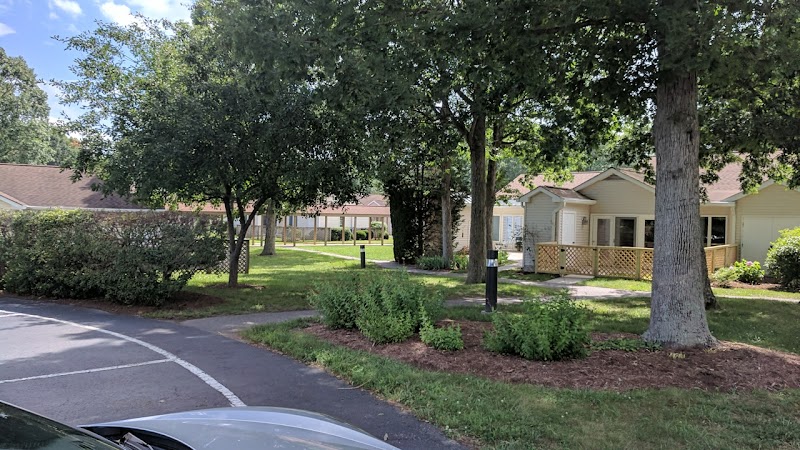
RAPPAHANNOCK WESTMINSTER CANTERBURY is owned by a non-profit organization. Non-profit facilities reinvest revenue into operations rather than distributing to shareholders. The facility operates independently rather than as part of a larger chain. With 42 certified beds and approximately 33 residents (about 79% occupancy), it is a smaller facility located in IRVINGTON, Virginia.

How Does Rappahannock Westminster Canterbury Compare to Other Virginia Nursing Homes?

Compared to the 100 nursing homes in Virginia, RAPPAHANNOCK WESTMINSTER CANTERBURY's overall rating (4 stars) is above the state average of 3.0, staff turnover (24%) is significantly lower than the state average of 46%, and health inspection rating (3 stars) is at the national benchmark.

What Should Families Ask When Visiting Rappahannock Westminster Canterbury?

Based on this facility's data, families visiting should ask: "What changes have been made since the serious inspection findings, and how are you preventing similar issues?" "Can I visit during a mealtime to observe dining assistance and food quality?" "How do you handle medical emergencies, and what is your hospital transfer rate?" "Can I speak with family members of current residents about their experience?" These questions are particularly relevant given the facility's Immediate Jeopardy citations.

Is Rappahannock Westminster Canterbury Safe?

Based on CMS inspection data, RAPPAHANNOCK WESTMINSTER CANTERBURY has documented safety concerns. Inspectors have issued 1 Immediate Jeopardy citation (the most serious violation level indicating risk of serious injury or death). The facility has a 4-star overall rating and ranks #1 of 100 nursing homes in Virginia. Families considering this facility should ask detailed questions about what corrective actions have been taken since these incidents.

Do Nurses at Rappahannock Westminster Canterbury Stick Around?

Staff at RAPPAHANNOCK WESTMINSTER CANTERBURY tend to stick around. With a turnover rate of 24%, the facility is 21 percentage points below the Virginia average of 46%. Low turnover is a positive sign. It means caregivers have time to learn each resident's needs, medications, and personal preferences. Consistent staff also notice subtle changes in a resident's condition more quickly.

Was Rappahannock Westminster Canterbury Ever Fined?

RAPPAHANNOCK WESTMINSTER CANTERBURY has no federal fines on record. CMS issues fines when nursing homes fail to meet care standards or don't correct problems found during inspections. The absence of fines suggests the facility has either maintained compliance or corrected any issues before penalties were assessed. This is a positive indicator, though families should still review recent inspection reports for the full picture.

Is Rappahannock Westminster Canterbury on Any Federal Watch List?

RAPPAHANNOCK WESTMINSTER CANTERBURY is not on any federal watch list. The most significant is the Special Focus Facility (SFF) program, which identifies the bottom 1% of nursing homes nationally based on persistent, serious quality problems. Not being on this list means the facility has avoided the pattern of deficiencies that triggers enhanced federal oversight. This is a positive indicator, though families should still review the facility's inspection history directly.