HERITAGE HALL-LEESBURG
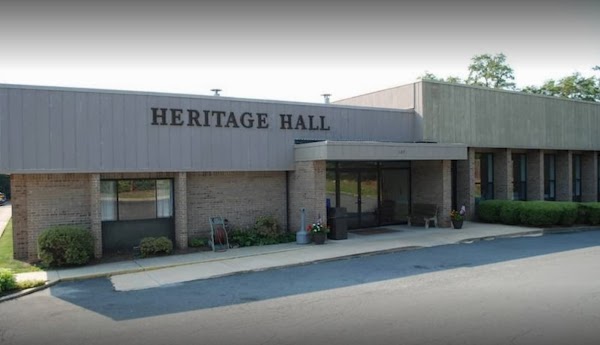
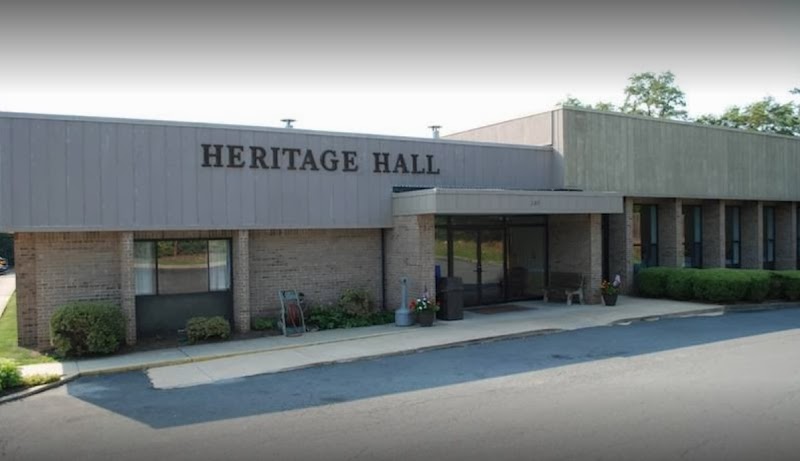
122 MORVEN PARK ROAD NW, LEESBURG, VA 20176 (703) 777-8700
For profit - Limited Liability company 164 Beds HERITAGE HALL Data: November 2025
Trust Grade
90/100
#18 of 285 in VA
Last Inspection: January 2025

Within standard 12-15 month inspection cycle. Federal law requires annual inspections.

Overview

Heritage Hall-Leesburg has received an impressive Trust Grade of A, indicating that it is considered excellent and highly recommended for families seeking care. It ranks #18 out of 285 facilities in Virginia, placing it in the top half of the state, and is the best option among 5 facilities in Loudoun County. The facility's trend is improving, with the number of issues noted decreasing from 5 in 2022 to 4 in 2025. Staffing is a relative strength, as it has a 3 out of 5 star rating and a turnover rate of 32%, which is lower than the state average of 48%. Notably, there have been no fines, suggesting strong compliance with regulations. However, there are some concerns to consider. The facility has been cited for issues such as failing to administer pain medication as needed for one resident and not keeping call bells within reach for some residents, which could hinder their ability to request assistance. Additionally, a review found food storage practices lacking, with opened food items not being properly sealed, which raises sanitation concerns. While there are strengths in staffing and overall care quality, families should weigh these weaknesses when making their decision.

Trust Score
A
90/100
In Virginia
#18/285
Top 6%
Safety Record
Low Risk
No red flags
Inspections
Getting Better
5 → 4 violations
Staff Stability
○ Average
32% turnover. Near Virginia's 48% average. Typical for the industry.
Penalties
✓ Good
No fines on record. Clean compliance history, better than most Virginia facilities.
Skilled Nurses
✓ Good
Each resident gets 47 minutes of Registered Nurse (RN) attention daily — more than average for Virginia. RNs are trained to catch health problems early.
Violations
⚠ Watch
11 deficiencies on record. Higher than average. Multiple issues found across inspections.
★★★★★
5.0
Overall Rating
★★★☆☆
3.0
Staff Levels
★★★★★
5.0
Care Quality
★★★★☆
4.0
Inspection Score
Stable
2022: 5 issues
2025: 4 issues

The Good

  • 5-Star Quality Measures · Strong clinical quality outcomes
  • Full Sprinkler Coverage · Fire safety systems throughout facility
  • No fines on record
  • Staff turnover below average (32%)

    16 points below Virginia average of 48%

Facility shows strength in quality measures, fire safety.

The Bad

Staff Turnover: 32%

14pts below Virginia avg (46%)

Typical for the industry

Chain: HERITAGE HALL

Part of a multi-facility chain

Ask about local staffing decisions and management

The Ugly 11 deficiencies on record

Jan 2025 4 deficiencies
CONCERN (D)

Potential for Harm - no one hurt, but risky conditions existed

Deficiency F0558 (Tag F0558)

Could have caused harm · This affected 1 resident

**NOTE- TERMS IN BRACKETS HAVE BEEN EDITED TO PROTECT CONFIDENTIALITY** Based on observation, resident interview, staff interview and clinical record review, the facility staff failed to provide accom...

Read full inspector narrative →
**NOTE- TERMS IN BRACKETS HAVE BEEN EDITED TO PROTECT CONFIDENTIALITY** Based on observation, resident interview, staff interview and clinical record review, the facility staff failed to provide accommodations of resident needs by ensuring the call bell (a device with a button that can be pushed to alert staff when assistance is needed) was within reach for two of 44 residents in the survey sample, Residents #19, (R19) and R67. The findings include: 1. For R19, the facility staff failed to keep the call bell within reach. R19 was admitted to the facility with a diagnosis that included by not limited to difficulty breathing. On the most recent comprehensive MDS (minimum data set), a quarterly assessment with an ARD (assessment reference date) of 12/07/2024, R19 scored 12 out of 15 on the BIMS (brief interview for mental status), indicating R19 was moderately impaired of cognition for making daily decisions. On 01/27/25 at approximately 7:44 p.m. an observation revealed R19 lying in bed. When asked to locate the call bell R19 was unable to find it and stated she did not know where the call bell was located. Observation of the bed revealed the call bell hanging from the underside of the bed. After being informed of the location of the call bell, R19 was asked if she could reach the call bell. R19 stated no. On 01/29/2025 at approximately 9:03 a.m. an interview was conducted with [NAME] CNA (certified nursing assistant) #1 regarding the placement of a resident's call bell. She stated that the call bell is placed within the resident's reach, clipped to the resident's blanket in front of the resident. CNA #1 further stated the resident's call bell placement should be checked each time staff go into the resident's room. The facility's policy Answering the Call Light it documented in part, General Guidelines. 5. Ensure that the call light is accessible to the resident when in bed, from the toilet, from the shower or bathing facility and from the floor. On 01/29/2025 at approximately 12:20 p.m., ASM (administrative staff member) # 1, administrator and ASM # 2, assistant administrator and ASM #3, director of nursing, were made aware of the above findings. No further information was presented prior to exit. 2. For R67, the facility staff failed to keep the call bell within reach. R67 was admitted to the facility with a diagnosis that included by not limited to muscle weakness. On the most recent comprehensive MDS (minimum data set), a quarterly assessment with an ARD (assessment reference date) of 01/06/2025, R67 scored 2 (two) out of 15 on the BIMS (brief interview for mental status), indicating R67 was severely impaired of cognition for making daily decisions. On 01/28/25 at approximately 8:46 a.m., an observation revealed R67 slouched in bed, leaning to the right side, the head of the bed raised. Observation of call bell revealed it was clipped to top left corner of the mattress at the head of the bed. On 01/28/25 at approximately 8:52 a.m., an observation of R67, the call bell and interview were conducted with CNA (certified nursing assistant) #1. When asked if R67 could reach the call bell, CNA #1 stated the call bell was not withing R67's reach. On 01/29/2025 at approximately 9:03 a.m. an interview was conducted with CNA (certified nursing assistant) #1 regarding the placement of a resident's call bell. She stated , The call bell is placed within the resident's reach, clipped to the resident's blanket in front of the resident. CNA #1 further stated, The resident's call bell placement should be checked each time staff go into the resident's room. On 01/29/2025 at approximately 12:20 p.m., ASM (administrative staff member) # 1, administrator and ASM # 2, assistant administrator and ASM #3, director of nursing, were made aware of the above findings. No further information was presented prior to exit.
CONCERN (D)

Potential for Harm - no one hurt, but risky conditions existed

Respiratory Care (Tag F0695)

Could have caused harm · This affected 1 resident

Based on observation, resident interview, staff interview, clinical record review, and facility document review, the facility staff failed to provide respiratory care and services for one of 44 reside...

Read full inspector narrative →
Based on observation, resident interview, staff interview, clinical record review, and facility document review, the facility staff failed to provide respiratory care and services for one of 44 residents in the survey sample, Resident #32 (R32). The findings include: For R32, facility staff failed to store the incentive spirometer (1) in a sanitary manner. R32 was admitted to the facility with a diagnosis that included by not limited to generalized muscle weakness. On the most recent comprehensive MDS (minimum data set), a quarterly assessment with an ARD (assessment reference date) of 12/23/2024, R32 scored 15 out of 15 on the BIMS (brief interview for mental status), indicating R32 was cognitively intact for making daily decisions. On 01/28/25 at approximately 8:18 a.m., an observed revealed R32 lying in bed. Observation of an incentive spirometer laying on top of the bedside table inside a plastic bag. Further observation revealed the mouthpiece of the incentive spirometer hanging outside of the bag resting on the bedside table. On 01/28/25 at approximately 11:20 a.m., an observed revealed R32 lying in bed. Observation of an incentive spirometer laying on top of the bedside table inside a plastic bag. Further observation revealed the mouthpiece of the incentive spirometer hanging outside of the bag resting on the bedside table. The physician's order for R32 documented in part, Encourage resident to use incentive spirometer q (every) shift as tolerated. For respiratory therapy. Order date: 10/15/2024. On 01/28/2025 at approximately 11:25 a.m., an interview was conducted with R32 regarding the use of the incentive spirometer. R32 stated that He used the spirometer. On 01/29/2025 at approximately 12:25 p.m., an interview was conducted with LPN (licensed practical nurse) #3 regarding the storage of a resident's incentive spirometer when not in use. She stated, The spirometer including the mouthpiece should be kept in a plastic bag to keep it from being contaminated. On 01/29/2025 at approximately 12:20 p.m., ASM (administrative staff member) # 1, administrator and ASM # 2, assistant administrator and ASM #3, director of nursing, were made aware of the above findings. No further information was presented prior to exit. References: (1) A device used to help you keep your lungs healthy after surgery or when you have a lung illness, such as pneumonia. Using the incentive spirometer teaches you how to take slow deep breaths. Deep breathing keeps your lungs well-inflated and healthy while you heal and helps prevent lung problems, like pneumonia. This information was obtained from the website: https://medlineplus.gov/ency/patientinstructions/000451.htm.
CONCERN (D)

Potential for Harm - no one hurt, but risky conditions existed

Unnecessary Medications (Tag F0759)

Could have caused harm · This affected 1 resident

Based on observation, staff interview, facility document review and clinical record review, the facility staff failed to ensure a medication error rate less than five percent for one of three resident...

Read full inspector narrative →
Based on observation, staff interview, facility document review and clinical record review, the facility staff failed to ensure a medication error rate less than five percent for one of three residents observed during the medication administration observation, Resident #23. During the medication administration observation, two errors out of 29 opportunities occurred, resulting in a 6.9 percent medication error rate. The findings include: For Resident #23 (R23), LPN (licensed practical nurse) #1 failed to administer gabapentin and Breo Ellipta per physician's orders. A review of R23's clinical record revealed a physician's order dated 1/29/24 for gabapentin 100 mg (milligrams)- one capsule by mouth in the morning for pain and a physician's order dated 5/2/24 for Breo Ellipta 100/25 mcg (micrograms)- one inhalation in the morning for chronic obstructive pulmonary disease (lung disease), rinse mouth with water post use. On 1/28/25 at 7:38 a.m., an observation of LPN #1 preparing and administering medications to R23 was conducted. LPN #1 administered two capsules (instead of the physician prescribed one capsule) of gabapentin 100 mg to the resident. Also, LPN #1 failed to offer/assist R23 with rinsing her mouth with water after the Breo Ellipta was administered. On 1/28/25 at 1:28 p.m., an interview was conducted with LPN #1. LPN #1 reviewed R23's physician's orders. LPN #1 stated, I administered two capsules of gabapentin to R23, and I should have only administered one capsule. LPN #1 further stated, I should have assisted R23 with rinsing her mouth after the Breo Ellipta administration. On 1/28/25 at 4:15 p.m., ASM (administrative staff member) #1 (the administrator), ASM #2 (the assistant administrator), and ASM #3 (the director of nursing) were made aware of the above concerns. The facility policy titled, Medication Administration documented, 3. Prior to administration, review and confirm medication orders for each individual resident on the Medication Administration Record. No further information was presented prior to exit.
CONCERN (E)

Potential for Harm - no one hurt, but risky conditions existed

Deficiency F0757 (Tag F0757)

Could have caused harm · This affected multiple residents

Based on staff interview, clinical record review, and facility document review, staff interview, the facility staff failed to maintain a resident free of unnecessary medications for one of 44 resident...

Read full inspector narrative →
Based on staff interview, clinical record review, and facility document review, staff interview, the facility staff failed to maintain a resident free of unnecessary medications for one of 44 residents in the survey sample, Resident #97 (R97). The findings include: For (R97), facility staff failed to administer a prn (as needed) the pain medication Oxycodone (1) within the physician ordered pain level parameters. (R97) was admitted to the facility with a diagnosis that included but was not limited to back pain. On the most recent MDS (minimum data set), a quarterly assessment with an ARD (assessment reference date) of 01/22/2025, R97 scored 15 out of 15 on the BIMS (brief interview for mental status), indicating (R15) was cognitively intact for making daily decisions. The physician's order for R97 documented in part, oxycodone (pain medication) HCl (hydrochloride) Oral Tablet 5 (five) MG Milligrams). Give 1 (one) tablet by mouth every 6 (six) hours as needed for pain as needed for pain rate >6/10 (greater than six out of ten). Order Date: 11/26/2024. The eMAR (electronic medication administration record) for R97 dated December 2024 documented the physician order as stated above. Further review of the eMAR revealed that R97 received five milligrams of Oxycodone on 12/05/2024 with pain level of five, 12/09/2024 with pain level of five, 12/20/2024 with pain level of five, 12/21/2024 with pain level of five, and on 12/31/2024 with pain level of three. The eMAR (electronic medication administration record) for R97 dated January 2025 documented the physician order as stated above. Further review of the eMAR revealed that R97 received five milligrams of Oxycodone on 01/03/2025 with pain level of three and on 01/23/2025 with pain level of five. On 01/29/2025 at approximately 9:25 a.m., an interview was conducted with LPN (licensed practical nurse) #2. After reviewing the physician's order for oxycodone and the eMARS dated above for R97, LPN #2 was asked about the administration of pain medication on the dates listed above. LPN #2 stated, The physician's order was not followed for the administration of oxycodone. The facility's policy Medication Administration. General Guidelines documented in part, Medication Administration: 1. Medications are administered in accordance with written orders of the prescriber. If a dose seems excessive considering the resident's age and condition, or a medication order seems to be unrelated to the resident's current diagnosis or condition, the nurse calls the provider pharmacy for clarification prior to the administration of the medication. If necessary, the nurse contacts the prescriber for clarification. This interaction with the pharmacy and the resulting order clarification are documented in the nursing notes and elsewhere in the medical record as appropriate. On 01/29/2025 at approximately 12:20 p.m., ASM (administrative staff member) # 1, administrator and ASM # 2, assistant administrator and ASM #3, director of nursing, were made aware of the above findings. No further information was presented prior to exit. References: (1) Oxycodone is used to relieve moderate to severe pain. This information was obtained from the website: https://medlineplus.gov/druginfo/meds/a682132.html.
Sept 2022 5 deficiencies
CONCERN (D)

Potential for Harm - no one hurt, but risky conditions existed

Deficiency F0578 (Tag F0578)

Could have caused harm · This affected 1 resident

Based on clinical record review, staff interview and facility document review, it was determined that the facility staff failed to conduct a review of the advance directive for one of 40 residents in ...

Read full inspector narrative →
Based on clinical record review, staff interview and facility document review, it was determined that the facility staff failed to conduct a review of the advance directive for one of 40 residents in the survey sample, Resident # 44 (R44). The findings include: For (R44) the facility staff failed to evidence documentation of a discussion regarding advance directives for Resident # 44. On the most recent MDS (minimum data set), a quarterly assessment with an ARD (assessment reference date) of 07/12/2022, the resident scored 15 out of 15 on the BIMS (brief interview for mental status), indicating the resident was cognitively intact for making daily decisions. Review of the facility's Advance Directive Acknowledgement for (R44) dated 08/24/2020 revealed that (R44) executed an advance directive and provided the facility with a copy of the advance directive. The facility's social service note for (R44) dated 02/05/2022 documented in part, Resident will remain a DNR code status. Further review of the social service note failed to evidence discussion of an advance directive. The POS (physician's order sheet) for (R44) dated September 2022 documented in part, Do Not Resuscitate (DNR). Order Date: 12/06/20. The social service note for (R44) dated 07/18/2022 documented in part, Resident remains a DNR per her choice. Further review of the note failed to evidence that (R44's) advance directive was discussed or reviewed. On 09/21/22 at approximately 12:29 p.m., an interview was conducted with OSM (other staff member) #2, director of Social Services. After reviewing their notes for (R44) dated 07/18/2022 and the facility's policy for advance directives, OSM #2 was asked about the review of (R44's) advance directive. OSM #2 stated that it was discussed, however did not have documentation of it. OSM # 2 further stated that if it was not documented then they could not say it was done. The facility's policy Advance Directives documented in part, 18. The Interdisciplinary Team will review annually with the resident his or her advance directive to ensure that such directives are still the wishes of the resident . On 09/21/2022 at approximately 2:17 p.m., ASM (administrative staff member) # 1, administrator, and ASM # 2, director of nursing, ASM # 3, regional VP of operations, ASM # 4, administer in training and ASM # 5, regional nurse consultant, were made aware of the above findings. No further information was provided prior to exit
CONCERN (D)

Potential for Harm - no one hurt, but risky conditions existed

MDS Data Transmission (Tag F0640)

Could have caused harm · This affected 1 resident

**NOTE- TERMS IN BRACKETS HAVE BEEN EDITED TO PROTECT CONFIDENTIALITY** Based on staff interview, clinical record review, and facility document review, it was determined the facility staff failed to a...

Read full inspector narrative →
**NOTE- TERMS IN BRACKETS HAVE BEEN EDITED TO PROTECT CONFIDENTIALITY** Based on staff interview, clinical record review, and facility document review, it was determined the facility staff failed to accurately code an MDS (Minimum Data Set) assessment for two of 40 residents, Resident #2 and Resident #433. The facility staff failed to code an MDS (minimum data set) discharge assessment for Resident #2 and Resident #433. The findings include: 1. Resident #2 was admitted to the facility on [DATE] and discharged home on 4/27/22. The most recent MDS (minimum data set) assessment, a 5 day Medicare assessment, with an ARD (assessment reference date) of 4/27/22, coded the resident as scoring a 10 out of 15 on the BIMS (brief interview for mental status) score, indicating the resident was moderately cognitively impaired. Further review of Resident #2's MDS dated [DATE], the last MDS done for this resident revealed Section A0310 Type of Assessment: F: Entry/Discharge Reporting: revealed coding of 99 (none of the above). MDS Section A2000 discharge date : revealed no discharge date entered. A review of the nursing progress note dated 4/27/22, revealed, Resident discharge home with family. An interview was conducted on 9/21/22 at 1:25 PM with RN (registered nurse) #2, the MDS coordinator. When asked to review Resident #2's MDS dated [DATE] Section A2000, RN #2 stated, yes, there should have been a discharge date entered there. When asked what standard is followed for MDS completion, RN #2 stated, we follow the RAI (resident assessment instrument). On 9/21/22 at 2:15 PM, ASM (administrative staff member) #1, the administrator, ASM #2, the director of nursing, ASM #3, the regional vice president of operations and ASM #4, the administrator in training. A review of the RAI included: Assessment Types and Definitions: In order to understand the requirements for conducting assessments of nursing home residents, it is first important to understand some of the concepts and definitions associated with MDS assessments. Concepts and definitions for assessments are only introduced in this section. Discharge Assessment refers to an assessment required on resident discharge from the facility, or when a resident's Medicare Part A stay ends, but the resident remains in the facility . No further information was provided prior to exit. 2. Resident #433 was admitted to the facility on [DATE] and discharged on 5/16/22. The most recent MDS (minimum data set) assessment, a 5 day Medicare assessment, with an ARD (assessment reference date) of 5/16/22, coded the resident as scoring a 15 out of 15 on the BIMS (brief interview for mental status) score, indicating the resident was not cognitively impaired. Further review of Resident #433's MDS dated [DATE], the last MDS done for this resident revealed Section A0310 Type of Assessment: F: Entry/Discharge Reporting: revealed coding of 99 (none of the above). MDS Section A2000 discharge date : revealed no discharge date entered. A review of the nursing progress note dated 5/16/22, revealed, Resident discharge to assisted living facility. An interview was conducted on 9/21/22 at 1:25 PM with RN (registered nurse) #2, the MDS coordinator. When asked to review Resident #433's MDS dated [DATE] Section A2000, RN #2 stated, yes, the resident came off of skilled services on 5/16/22 and transferred to an ALF (assisted living facility) and there should there have been a discharge assessment completed return not anticipated, there should have been a discharge date entered there. When asked what standard is followed for MDS completion, RN #2 stated, we follow the RAI (resident assessment instrument). On 9/21/22 at 2:15 PM, ASM (administrative staff member) #1, the administrator, ASM #2, the director of nursing, ASM #3, the regional vice president of operations and ASM #4, the administrator in training. A review of the RAI included: Assessment Types and Definitions: In order to understand the requirements for conducting assessments of nursing home residents, it is first important to understand some of the concepts and definitions associated with MDS assessments. Concepts and definitions for assessments are only introduced in this section. Discharge Assessment refers to an assessment required on resident discharge from the facility, or when a resident's Medicare Part A stay ends, but the resident remains in the facility . No further information was provided prior to exit.
CONCERN (D)

Potential for Harm - no one hurt, but risky conditions existed

Comprehensive Care Plan (Tag F0656)

Could have caused harm · This affected 1 resident

**NOTE- TERMS IN BRACKETS HAVE BEEN EDITED TO PROTECT CONFIDENTIALITY** Based on observation, staff interview, clinical record review, and facility document review, it was determined that the facility...

Read full inspector narrative →
**NOTE- TERMS IN BRACKETS HAVE BEEN EDITED TO PROTECT CONFIDENTIALITY** Based on observation, staff interview, clinical record review, and facility document review, it was determined that the facility staff failed to follow the comprehensive care plan for one of 40 residents in the survey sample; Resident #6. The findings include: For Resident #6, the facility staff failed to implement the comprehensive care plan for administering oxygen at the ordered rate. Resident #6 was admitted to the facility on [DATE]. On the most recent MDS (Minimum Data Set), a quarterly assessment dated [DATE], the resident was coded as being cognitively intact in ability to make daily decisions. The resident was coded as being on oxygen therapy. On 9/20/22 at 12:30 PM and 9/21/22 at 8:05 AM, Resident #6 was observed in bed, wearing the nasal cannula for the oxygen. The oxygen concentrator was set for 2.5 liters per minute. A review of the comprehensive care plan revealed one dated 3/5/20 for At risk for respiratory/cardiac complications This care plan included an intervention dated 12/12/21 for O2 per order. A review of the clinical record revealed a physician's order dated 12/21/21 for O2 (oxygen) on 2L (two liters) via NC (nasal cannula) cont (continuous). On 9/21/22 at 8:10 AM an interview was conducted with LPN #3 (Licensed Practical Nurse). She stated that the resident's oxygen rate should be at 2 liters. She observed the oxygen concentrator and verified it was set at 2.5 liters. She adjusted the rate. When asked if the care plan for administering oxygen at the physician ordered rate was being followed, she stated that it was not. The facility policy Care Plans, Comprehensive Person-Centered was reviewed. This policy documented, A comprehensive, person-centered care plan that includes measurable objectives and timetables to meet the resident's physical, psychosocial and functional needs is developed and implemented for each resident. On 9/21/22 at 1:05 PM, ASM #1 (Administrative Staff Member) was made aware of the findings. No further information was provided by the end of the survey.
CONCERN (D)

Potential for Harm - no one hurt, but risky conditions existed

Respiratory Care (Tag F0695)

Could have caused harm · This affected 1 resident

**NOTE- TERMS IN BRACKETS HAVE BEEN EDITED TO PROTECT CONFIDENTIALITY** Based on observation, staff interview, clinical record review, and facility document review, it was determined that the facility...

Read full inspector narrative →
**NOTE- TERMS IN BRACKETS HAVE BEEN EDITED TO PROTECT CONFIDENTIALITY** Based on observation, staff interview, clinical record review, and facility document review, it was determined that the facility staff failed to administer oxygen at the physician ordered rate for 1 of 40 residents in the survey sample; Resident #6. The findings include: For Resident #6, the facility staff failed to administer oxygen at the physician ordered rate. Resident #6 was admitted to the facility on [DATE]. On the most recent MDS (Minimum Data Set), a quarterly assessment dated [DATE], the resident was coded as being cognitively intact in ability to make daily decisions. The resident was coded as being on oxygen therapy. A review of the clinical record revealed a physician's order dated 12/21/21 for O2 (oxygen) on 2L (two liters) via NC (nasal cannula) cont (continuous). On 9/20/22 at 12:30 PM and 9/21/22 at 8:05 AM, Resident #6 was observed in bed, wearing the nasal cannula for the oxygen. The oxygen concentrator was set for 2.5 liters per minute. On 9/21/22 at 8:10 AM an interview was conducted with LPN #3 (Licensed Practical Nurse). She stated that the resident's oxygen rate should be at 2 liters. She observed the oxygen concentrator and verified it was set at 2.5 liters. She adjusted the rate. When asked how is the rate read, she stated that the ball is set at the line for the ordered rate, with the line crossing through the center of the ball. When asked if physician's orders for oxygen being followed, she stated it was not. A review of the comprehensive care plan revealed one dated 3/5/20 for At risk for respiratory/cardiac complications This care plan included an intervention dated 12/12/21 for O2 per order. The facility policy Oxygen Administration was reviewed. This policy documented, 1. Verify that there is a physician's order for this procedure. Review the physician's orders of facility protocol for oxygen administration. On 9/21/22 at 1:05 PM, ASM #1 (Administrative Staff Member) was made aware of the findings. No further information was provided by the end of the survey.
CONCERN (E)

Potential for Harm - no one hurt, but risky conditions existed

Food Safety (Tag F0812)

Could have caused harm · This affected multiple residents

Based on observation, staff interview, and facility document review, it was determined that the facility staff failed to store food in a sanitary manner in 1 of 1 facility kitchens. The findings inclu...

Read full inspector narrative →
Based on observation, staff interview, and facility document review, it was determined that the facility staff failed to store food in a sanitary manner in 1 of 1 facility kitchens. The findings include: On 9/20/22 at 12:15 PM, a tour of the facility kitchen was conducted with OSM #1 (Other Staff Member) the Dietary Manager. In the walk-in freezer, a box of dinner rolls was noted to have been opened, and the bag inside with the dinner rolls was left open to air, exposing the rolls to the freezer environment. When asked if the box should be left open, OSM #1 stated that it should be closed and sealed. He removed the box and discarded it. The facility policy, Cost Containment - Food Storage: General was reviewed. This policy documented, 6. All foods that have been opened and partially used shall be dated and sealed before returning to a storage area. On 9/21/22 at 1:05 PM, ASM #1 (Administrative Staff Member) was made aware of the findings. No further information was provided by the end of the survey.
May 2021 2 deficiencies
CONCERN (D)

Potential for Harm - no one hurt, but risky conditions existed

Safe Environment (Tag F0584)

Could have caused harm · This affected 1 resident

Based on resident interview, observation, staff interview and facility document review, it was determined that the facility staff failed to maintain a clean and homelike environment for one of four sh...

Read full inspector narrative →
Based on resident interview, observation, staff interview and facility document review, it was determined that the facility staff failed to maintain a clean and homelike environment for one of four shower rooms observed in the facility, (Unit two shower room). The facility staff failed to maintain the shower room on Unit two in a sanitary manner. The findings include: On 5/4/2021 at approximately 4:40 p.m., an interview was conducted with Resident #108. Resident #108 stated that the care they received at the facility was excellent and the staff were wonderful however there was always visible mold in the shower room when they took a shower. Resident #108 stated that they were a former housekeeper and noticed things like that. Resident #108 was admitted to the facility with diagnoses that included but were not limited to heart failure (1) and diabetes (2). Resident #108's most recent MDS (minimum data set), a quarterly assessment with an ARD (assessment reference date) of 4/19/21, coded the resident as scoring a 15 on the staff assessment for mental status (BIMS) of a score of 0 - 15, 15- being cognitively intact for making daily decisions. On 5/5/2021 at approximately 9:30 a.m., an observation was made of the shower unit on Unit two. Observation revealed a black substance along the border near the floor between the tile flooring and the shower wall. Observation revealed the black substance came off when scraped with a finger. The black substance on the border was observed isolated to the interior of the shower stall walls only. On 5/5/2021 at approximately 9:35 a.m., an interview was conducted with OSM (other staff member) #2, the director of environmental services. OSM #2 observed the black substance along the border of the shower stall on Unit two and touched the film with their finger to determine that it scraped off. OSM #2 stated that stated that housekeeping staff cleaned the shower room walls each day with a peroxide cleaner. OSM #2 stated that housekeeping staff performed a deep cleaning of the shower rooms weekly where they clean the tiles with bleach and scrub them with a brush. OSM #2 stated that they had looked at the shower room the past week and it did not look like it currently did. OSM #2 stated that staff did not have a set schedule of when to do the deep clean so they were not sure when this was last done. OSM #2 stated that the black film along the shower floor border may have been a little more than a week's worth of buildup. OSM #2 stated that they had discussed that the possible cause of the black film in the area may have been caused by the caulking coming up. OSM #2 stated that they had not discussed a plan to fix the problem and they planned to put in a maintenance request to have them look at the area. OSM #2 stated that the area Needed a good scrubbing, and that they would have a staff member take care of it. OSM #2 stated that the presence of the black film around the shower border did not promote a homelike environment for residents. The facility policy, Support Area documented in part, .Support Areas: Pantries, Shower rooms, soiled and clean linen, storage, central bathing, public bathrooms, offices, employee breakroom, locker rooms, and any other rooms that residents do not have access to without supervision. These are rooms that are used to support the staff and building . The policy further documented, .Restroom/bathing areas: Clean and disinfect using disinfectant and ORANGE cleaning rags. Change rag as needed to ensure saturation. No double dipping .Wipe shower or tub/shower .Clean tile for mold and dirt . On 5/5/2021 at approximately 2:15 p.m., ASM (administrative staff member) #1, the administrator was made aware of the above concern. No further information was presented prior to exit. References: 1. Heart failure: A condition in which the heart is no longer able to pump oxygen-rich blood to the rest of the body efficiently. This causes symptoms to occur throughout the body. This information was obtained from the website: https://medlineplus.gov/ency/article/000158.htm. 2. Diabetes mellitus: A chronic disease in which the body cannot regulate the amount of sugar in the blood. This information was obtained from the website: https://www.nlm.nih.gov/medlineplus/ency/article/001214.htm.
CONCERN (D)

Potential for Harm - no one hurt, but risky conditions existed

Food Safety (Tag F0812)

Could have caused harm · This affected 1 resident

Based on observation, staff interview, and facility document review it was determined facility staff failed to discard food items past their use-by date in one of three pantry/nourishment rooms observ...

Read full inspector narrative →
Based on observation, staff interview, and facility document review it was determined facility staff failed to discard food items past their use-by date in one of three pantry/nourishment rooms observed, (Unit one pantry room). The facility staff failed to discard four bottles of Ensure (nutritional supplement drink) that were past their use-by date and available for resident use in the Unit one pantry/nourishment room in the facility. The findings include: On 5/4/2021 at approximately 9:45 a.m., an observation was made of the refrigerator located in the pantry/nourishment room on Unit one at the facility. Observations revealed two Ensure French Vanilla flavored 11 fl. oz. (fluid ounce) bottles labeled with a resident name and room number. The two bottles were observed with a manufacturer's use-by date of 1JAN2021 (1/1/2021). Additional observations revealed another Ensure French Vanilla flavored 11 fl. oz. bottle labeled with a resident name and room number with a manufacturer use-by date of 1OCT2020 (10/1/2020). Further observation of the Unit one refrigerator revealed one Ensure Mixed Berry 11 fl. oz. bottle labeled with a resident name and room number with a manufacturer use-by date of 1FEB2021 (2/1/2021). The bottles were observed located in the refrigerator drawer available for use. On 5/4/2021 at approximately 9:55 a.m., an interview was conducted with OSM (other staff member) #1, the dietary manager. OSM #1 stated that the dietary staff maintained the stock of the snacks and drinks that were available for use in the pantry/nourishment rooms in the facility. OSM #1 stated that dietary staff monitor the use-by dates on everything in the rooms daily. OSM #1 stated that the four bottles of Ensure labeled with the resident's name and room number were expired and should not have been available for use. OSM #1 stated that the bottles should have been thrown away. OSM #1 stated that their staff may have thought that they did not need to check those items because they had a resident name on them. OSM #1 stated that they would remove the items and re-educate the staff that they were responsible for all items in the pantry/nourishment rooms. The facility policy Covering, Labeling, Dating Food, dated March 2.2015, Updated 12.1.2018 documented in part, .Pantry Refrigerators Storage: 1. Follow manufacturer expiration dates or use by dates when provided to determine when a food should be discarded .4. All nutritional supplements are to be checked daily for expiration dates. All products with expired dates are to be discarded . On 5/5/2021 at approximately 2:15 p.m., ASM (administrative staff member) #1, the administrator was made aware of the findings. No further information was provided prior to exit.
Understanding Severity Codes (click to expand)
Life-Threatening (Immediate Jeopardy)
J - Isolated K - Pattern L - Widespread
Actual Harm
G - Isolated H - Pattern I - Widespread
Potential for Harm
D - Isolated E - Pattern F - Widespread
No Harm (Minor)
A - Isolated B - Pattern C - Widespread

Questions to Ask on Your Visit

  • "Can I speak with families of current residents?"
  • "What's your RN coverage like on weekends and overnight?"

Our Honest Assessment

Strengths
  • • Grade A (90/100). Above average facility, better than most options in Virginia.
  • • No major safety red flags. No abuse findings, life-threatening violations, or SFF status.
  • • No fines on record. Clean compliance history, better than most Virginia facilities.
  • • 32% turnover. Below Virginia's 48% average. Good staff retention means consistent care.
Concerns
  • • 11 deficiencies on record. Higher than average. Multiple issues found across inspections.
Bottom line: Generally positive indicators. Standard due diligence and a personal visit recommended.

About This Facility

What is Heritage Hall-Leesburg's CMS Rating?

CMS assigns HERITAGE HALL-LEESBURG an overall rating of 5 out of 5 stars, which is considered much above average nationally. Within Virginia, this rating places the facility higher than 99% of the state's 100 nursing homes. This rating reflects solid performance across the metrics CMS uses to evaluate nursing home quality.
How is Heritage Hall-Leesburg Staffed?

CMS rates HERITAGE HALL-LEESBURG's staffing level at 3 out of 5 stars, which is average compared to other nursing homes. Staff turnover is 32%, compared to the Virginia average of 46%. This relatively stable workforce can support continuity of care.

What Have Inspectors Found at Heritage Hall-Leesburg?

State health inspectors documented 11 deficiencies at HERITAGE HALL-LEESBURG during 2021 to 2025. These included: 11 with potential for harm.
Who Owns and Operates Heritage Hall-Leesburg?

HERITAGE HALL-LEESBURG is owned by a for-profit company. For-profit facilities operate as businesses with obligations to shareholders or private owners. The facility is operated by HERITAGE HALL, a chain that manages multiple nursing homes. With 164 certified beds and approximately 148 residents (about 90% occupancy), it is a mid-sized facility located in LEESBURG, Virginia.
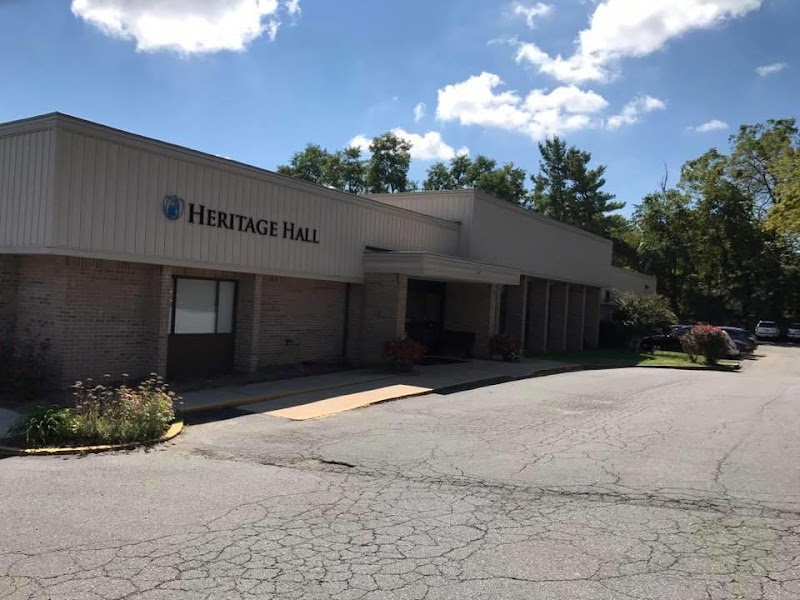
How Does Heritage Hall-Leesburg Compare to Other Virginia Nursing Homes?

Compared to the 100 nursing homes in Virginia, HERITAGE HALL-LEESBURG's overall rating (5 stars) is above the state average of 3.0, staff turnover (32%) is significantly lower than the state average of 46%, and health inspection rating (4 stars) is above the national benchmark.

What Should Families Ask When Visiting Heritage Hall-Leesburg?

Based on this facility's data, families visiting should ask: "Can I visit during a mealtime to observe dining assistance and food quality?" "How do you handle medical emergencies, and what is your hospital transfer rate?" "Can I speak with family members of current residents about their experience?"

Is Heritage Hall-Leesburg Safe?

Based on CMS inspection data, HERITAGE HALL-LEESBURG has a clean safety record: no substantiated abuse findings (meaning no confirmed cases of resident harm), no Immediate Jeopardy citations (the most serious violation level indicating risk of serious injury or death), and is not on the Special Focus Facility watch list (a federal program monitoring the lowest-performing 1% of nursing homes). The facility has a 5-star overall rating and ranks #1 of 100 nursing homes in Virginia. While no facility is perfect, families should still ask about staff-to-resident ratios and recent inspection results during their visit.

Do Nurses at Heritage Hall-Leesburg Stick Around?

HERITAGE HALL-LEESBURG has a staff turnover rate of 32%, which is about average for Virginia nursing homes (state average: 46%). Moderate turnover is common in nursing homes, but families should still ask about staff tenure and how the facility maintains care continuity when employees leave.

Was Heritage Hall-Leesburg Ever Fined?

HERITAGE HALL-LEESBURG has no federal fines on record. CMS issues fines when nursing homes fail to meet care standards or don't correct problems found during inspections. The absence of fines suggests the facility has either maintained compliance or corrected any issues before penalties were assessed. This is a positive indicator, though families should still review recent inspection reports for the full picture.

Is Heritage Hall-Leesburg on Any Federal Watch List?

HERITAGE HALL-LEESBURG is not on any federal watch list. The most significant is the Special Focus Facility (SFF) program, which identifies the bottom 1% of nursing homes nationally based on persistent, serious quality problems. Not being on this list means the facility has avoided the pattern of deficiencies that triggers enhanced federal oversight. This is a positive indicator, though families should still review the facility's inspection history directly.