ARLEIGH BURKE PAVILION
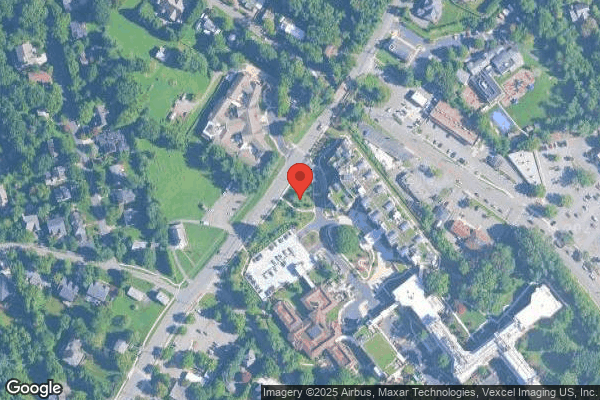
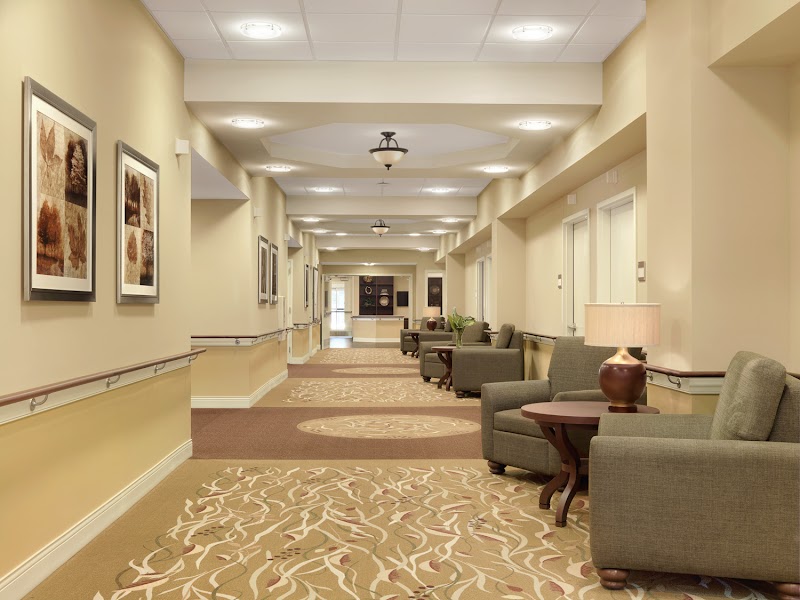
1739 KIRBY ROAD, MC LEAN, VA 22101 (703) 506-6900
Non profit - Corporation 49 Beds Independent Data: November 2025
Trust Grade
90/100
#2 of 285 in VA
Last Inspection: January 2025

Within standard 12-15 month inspection cycle. Federal law requires annual inspections.

Overview

Arleigh Burke Pavilion in McLean, Virginia has a Trust Grade of A, indicating it is considered excellent and highly recommended. It ranks #2 out of 285 facilities in Virginia, placing it in the top tier of nursing homes in the state, and is also #1 of 12 in Fairfax County, meaning it is the best option available locally. However, the facility is experiencing a worsening trend, with issues increasing from 2 in 2022 to 8 in 2025. Staffing is a strength, with a 5-star rating and only 23% turnover, which is well below the state average of 48%, suggesting that staff members are familiar with the residents and their needs. On the downside, there have been concerns about food safety practices in the kitchen and instances of medication being administered outside of prescribed parameters, which could potentially harm residents. Additionally, there was a failure to provide written notification for a resident's discharge to the hospital, indicating lapses in communication. Overall, while there are notable strengths, families should consider these weaknesses carefully.

Trust Score
A
90/100
In Virginia
#2/285
Top 1%
Safety Record
Low Risk
No red flags
Inspections
Getting Worse
2 → 8 violations
Staff Stability
✓ Good
23% annual turnover. Excellent stability, 25 points below Virginia's 48% average. Staff who stay learn residents' needs.
Penalties
✓ Good
No fines on record. Clean compliance history, better than most Virginia facilities.
Skilled Nurses
✓ Good
Each resident gets 59 minutes of Registered Nurse (RN) attention daily — more than average for Virginia. RNs are trained to catch health problems early.
Violations
⚠ Watch
13 deficiencies on record. Higher than average. Multiple issues found across inspections.
★★★★★
5.0
Overall Rating
★★★★★
5.0
Staff Levels
★★★★☆
4.0
Care Quality
★★★★☆
4.0
Inspection Score
Stable
2022: 2 issues
2025: 8 issues

The Good

  • 5-Star Staffing Rating · Excellent nurse staffing levels
  • 4-Star Quality Measures · Strong clinical quality outcomes
  • Low Staff Turnover (23%) · Staff stability means consistent care
  • Full Sprinkler Coverage · Fire safety systems throughout facility
  • No fines on record
  • Staff turnover is low (23%)

    25 points below Virginia average of 48%

Facility shows strength in staffing levels, quality measures, staff retention, fire safety.

The Bad

No Significant Concerns Identified

This facility shows no red flags. Among Virginia's 100 nursing homes, only 1% achieve this.

The Ugly 13 deficiencies on record

Jan 2025 8 deficiencies
CONCERN (D)

Potential for Harm - no one hurt, but risky conditions existed

Transfer Notice (Tag F0623)

Could have caused harm · This affected 1 resident

**NOTE- TERMS IN BRACKETS HAVE BEEN EDITED TO PROTECT CONFIDENTIALITY** Based on staff interview, facility document review, and clinical record review, the facility staff failed to provide evidence of...

Read full inspector narrative →
**NOTE- TERMS IN BRACKETS HAVE BEEN EDITED TO PROTECT CONFIDENTIALITY** Based on staff interview, facility document review, and clinical record review, the facility staff failed to provide evidence of written notification of a discharge for one of 25 residents in the survey sample, Resident # 15. The findings include: For Resident #15 (R15), the facility staff did not provide the resident written notification of the reasons for his discharge when he was transferred to the hospital on 1/5/25. A review of R15's clinical record revealed he was transferred to the hospital on 1/5/25 due to declining physical status. Further review of R15's record failed to reveal evidence of written notification to the resident of the reasons for the discharge on [DATE]. On 1/15/25 at 10:20 a.m., OSM (other staff member) #1, the social services manager, was interviewed. He stated when a resident is discharged to the hospital in an emergency situation, the nurses are responsible for notifying the resident in writing about the reasons for the discharge. On 1/15/25 at 11:01 a.m., LPN (licensed practical nurse) #2 was interviewed. She stated nurses never provide written notification to a resident about a discharge to the hospital. On 1/15/25 at 1:05 p.m., ASM (administrative staff member) #1, the administrator, ASM #2, the director of nursing, ASM #4, the senior director of clinical services, and ASM #5, the chief operating officer, were informed of these concerns. No additional information was provided prior to exit.
CONCERN (D)

Potential for Harm - no one hurt, but risky conditions existed

Deficiency F0625 (Tag F0625)

Could have caused harm · This affected 1 resident

**NOTE- TERMS IN BRACKETS HAVE BEEN EDITED TO PROTECT CONFIDENTIALITY** Based on staff interview, facility document review, and clinical record review, the facility staff failed to provide evidence th...

Read full inspector narrative →
**NOTE- TERMS IN BRACKETS HAVE BEEN EDITED TO PROTECT CONFIDENTIALITY** Based on staff interview, facility document review, and clinical record review, the facility staff failed to provide evidence that a bed hold notice was issued at discharge for one of 25 residents in the survey sample, Resident # 15. The findings include: For Resident #15 (R15), the facility staff did not provide the resident a bed hold notice when he was transferred to the hospital on 1/5/25. A review of R15's clinical record revealed he was transferred to the hospital on 1/5/25 due to declining physical status. Further review of R15's record failed to reveal evidence of a bed hold notification issued to the resident at discharge on [DATE]. On 1/15/25 at 9:13 a.m., ASM (administrative staff member) #1, the administrator, stated the facility staff had just identified that they had not been issuing a bed hold notice when the resident is discharged , and that the improvement plan for this deficient practice has not been completed. On 1/15/25 at 1:05 p.m., ASM #1, ASM #2, the director of nursing, ASM #4, the senior director of clinical services, and ASM #5, the chief operating officer, were informed of these concerns. No additional information was provided prior to exit.
CONCERN (D)

Potential for Harm - no one hurt, but risky conditions existed

Deficiency F0655 (Tag F0655)

Could have caused harm · This affected 1 resident

**NOTE- TERMS IN BRACKETS HAVE BEEN EDITED TO PROTECT CONFIDENTIALITY** Based on staff interview, facility document review, and clinical record review, the facility staff failed to provide residents (...

Read full inspector narrative →
**NOTE- TERMS IN BRACKETS HAVE BEEN EDITED TO PROTECT CONFIDENTIALITY** Based on staff interview, facility document review, and clinical record review, the facility staff failed to provide residents (or resident representatives) a summary of the baseline care plan for two of 25 residents in the survey sample, Residents #36, and #35. The findings include: 1. For Resident #36 (R36), the facility staff failed to provide the resident (or representative) a summary of the baseline care plan. R36 was admitted to the facility on [DATE]. A review of R36's clinical record (including the baseline care plan dated 12/9/24 and progress notes for December 2024 and January 2025) failed to reveal the facility staff provided R36 or the resident's representative a summary of the baseline care plan. On 1/15/25 at 10:44 a.m., an interview was conducted with LPN (licensed practical nurse) #2. LPN #2 stated the nurses develop residents' baseline care plans but do not provide a summary of the care plans to the residents or their representatives. On 1/15/25 at 1:18 p.m., ASM (administrative staff member) #1 (the administrator) and ASM #2 (the director of nursing) were made aware of the above concern. The facility policy titled, Comprehensive Person-Centered Care Planning documented, The facility will provide the resident/resident representative with a written summary of the baseline care plan no later than completion of the comprehensive person-centered care plan that includes at a minimum: i) Initial goals of the resident ii) A summary of current medications and dietary instructions iii) Services and treatments to be provided or arranged by the facility and personnel acting on behalf of the facility; and iv) Any updated information based on details of the admission comprehensive assessment. No further information was presented prior to exit. 2. For Resident #35 (R35), the facility staff failed to provide the resident (or representative) a summary of the baseline care plan. R35 was admitted to the facility on [DATE]. A review of R35's clinical record (including the baseline care plan dated 12/19/24 and progress notes for December 2024 and January 2025) failed to reveal the facility staff provided R35 or the resident's representative a summary of the baseline care plan. On 1/15/25 at 10:44 a.m., an interview was conducted with LPN (licensed practical nurse) #2. LPN #2 stated the nurses develop residents' baseline care plans but do not provide a summary of the care plans to the residents or their representatives. On 1/15/25 at 1:18 p.m., ASM (administrative staff member) #1 (the administrator) and ASM #2 (the director of nursing) were made aware of the above concern. No further information was presented prior to exit.
CONCERN (D)

Potential for Harm - no one hurt, but risky conditions existed

Comprehensive Care Plan (Tag F0656)

Could have caused harm · This affected 1 resident

Based on observation, staff interview, facility document review, and clinical record review, the facility staff failed to implement the comprehensive care plan for two of 25 residents in the survey sa...

Read full inspector narrative →
Based on observation, staff interview, facility document review, and clinical record review, the facility staff failed to implement the comprehensive care plan for two of 25 residents in the survey sample, Residents #42 and #18. The findings include: 1. For Resident #42 (R42), the facility staff failed to follow the resident's care plan for body alignment. On the most recent MDS (minimum data set), an admission assessment with an ARD (assessment reference date) of 9/19/24, R42 was coded as being impaired on one side for both arm and leg range of motion. She was coded as being completely dependent on staff for rolling in bed, moving from a sitting position to lying down, sitting to stand, and chair to bed transfers. On the following dates and times, R42 was observed positioned either in bed or the wheelchair with her neck severely leaning to the right side: 1/13/24 at 7:20 p.m., 1/14/25 at 9:19 a.m., 10:17 a.m., 11:20 a.m., and 12:46 p.m. At the 1/14/25 12:46 p.m. observation, the resident was sitting up in the wheelchair with her head severely leaning to her right side; at this time, a visitor was attempting to feed the resident lunch. A review of R42's most recent physical therapy note dated 11/27/24 revealed, in part: Pt (patient) and caregiver training: Instructed patient in positioning/pressure relieving techniques, positioning to the L (left) side to prevent R (right) ear skin irritation. RNP (restorative nursing program) for active assisted LE (lower extremity) exercises in order to facilitate improved functional abilities and preserve current level of function .Pt will benefit from RNP to maintain LE mobility. A review of R42's care plan dated 9/15/24 revealed, in part: Maintain proper body alignment. On 1/15/25 at 11:01 a.m., LPN (licensed practical nurse) #2 was interviewed. She stated the purpose of the care plan is to know how to care for residents. She added: The care plan helps staff care well for the residents. She stated the care plan includes the residents' goals for their care. She stated the entire staff is responsible for implementing the care plan interventions. She stated R42's care plan was not being implemented when the resident was observed multiple times with her head severely leaning to the right side. On 1/15/25 at 1:05 p.m., ASM (administrative staff member) #1, the administrator, ASM #2, the director of nursing, ASM #4, the senior director of clinical services, and ASM #5, the chief operating officer, were informed of these concerns. A review of the facility policy, Comprehensive Person-Centered Care Planning, revealed, in part: The facility will develop and implement a comprehensive person-centered care plan for each residents that includes measurable objectives and timeframes to meet a resident's medical, nursing, and mental and psychosocial needs .The resident will receive the services and/or items included in the plan of care. No additional information was provided prior to exit. 2. For Resident #18 (R18), the facility staff failed to follow the care plan to administer medications per physician's order. A review of R18's clinical record revealed the following order written 8/22/24: Amlodipine 5 mg (milligram) tablet 1 tablet by mouth every day. Hold for blood pressure less than 110/60. A review of R18's MARs (medication administration records) revealed Amlodipine was administered on the following days with the corresponding blood pressures: 11/4/24 - 120/57 11/11/24 - 115/53 11/16/24 - 118/56 12/10/24 - 119/57 12/11/24 - 126/59 12/15/24 - 129/59 12/17/24 - 129/59 1/5/25 - 128/59 1/13/25 - 121/53 1/14/25 - 117/59 A review of R18's care plan dated 11/18/24 revealed, in part: Resident will have no complications for cardiovascular disease and will not require outside medical intervention .Provide medication and treatment per physician's orders. On 1/15/25 at 11:01 a.m., LPN (licensed practical nurse) #2 was interviewed. She stated the purpose of the care plan is to know how to care for residents. She added: The care plan helps staff care well for the residents. She stated the care plan includes the residents' goals for their care. She stated the entire staff is responsible for implementing the care plan interventions. She stated R18's care plan was not being implemented when the resident received blood pressure medications outside physician-ordered parameters. On 1/15/25 at 1:05 p.m., ASM (administrative staff member) #1, the administrator, ASM #2, the director of nursing, ASM #4, the senior director of clinical services, and ASM #5, the chief operating officer, were informed of these concerns. No additional information was provided prior to exit. Reference (1) Amlodipine (Norvasc) is used alone or in combination with other medications to treat high blood pressure in adults and children 6 years and older. It is also used to treat certain types of angina (chest pain) and coronary artery disease (narrowing of the blood vessels that supply blood to the heart). Amlodipine is in a class of medications called calcium channel blockers. It lowers blood pressure by relaxing the blood vessels so the heart does not have to pump as hard. It controls chest pain by increasing the supply of blood to the heart. This information is taken from the website https://medlineplus.gov/druginfo/meds/a692044.html.
CONCERN (D)

Potential for Harm - no one hurt, but risky conditions existed

Quality of Care (Tag F0684)

Could have caused harm · This affected 1 resident

Based on observation, staff interview, facility document review, and clinical record review, the facility staff failed to position the resident in optimal body alignment for one of 25 residents in the...

Read full inspector narrative →
Based on observation, staff interview, facility document review, and clinical record review, the facility staff failed to position the resident in optimal body alignment for one of 25 residents in the survey sample, Resident #42. The findings include: For Resident #42 (R42), the facility staff failed to position the resident with her neck upright in multiple observations on 1/13/25 and 1/14/24. On the most recent MDS (minimum data set), an admission assessment with an ARD (assessment reference date) of 9/19/24, R42 was coded as being impaired on one side for both arm and leg range of motion. She was coded as being completely dependent on staff for rolling in bed, moving from a sitting position to lying down, sitting to stand, and chair to bed transfers. On the following dates and times, R42 was observed positioned either in bed or the wheelchair with her neck severely leaning to the right side: 1/13/24 at 7:20 p.m., 1/14/25 at 9:19 a.m., 10:17 a.m., 11:20 a.m., and 12:46 p.m. At the 1/14/25 12:46 p.m. observation, the resident was sitting up in the wheelchair with her head severely leaning to her right side; at this time, a visitor was attempting to feed the resident lunch. A review of R42's most recent physical therapy note dated 11/27/24 revealed, in part: Pt (patient) and caregiver training: Instructed patient in positioning/pressure relieving techniques, positioning to the L (left) side to prevent R (right) ear skin irritaion. RNP (restorative nursing program) for active assisted LE (lower extremity) exercises in order to facilitate improved functional abilities and preserve current level of function .Pt will benefit from RNP to maintain LE mobility. A review of R42's care plan dated 9/15/24 revealed, in part: Maintain proper body alignment. On 1/15/25 at 11:01 a.m., LPN (licensed practical nurse) #2 was interviewed. She stated she is familiar with R42 and is aware of the resident's tendency to lean severely to the right. She stated the staff usually uses a neck pillow to help the resident maintain proper body alignment. She stated there is no order for the neck pillow, but the nursing staff know how to use it for the resident. On 1/15/25 at 12:19 p.m., OSM (other staff member) #3, a physical therapist, was interviewed. She stated R42 did not have good internal body support for positioning any part of her body. She stated R42 has a strong lean to the right, and continually turns her neck to the right. She stated therapy staff attempted to help the resident's positioning, and instructed the staff to position the resident toward her left side. She stated she was not certain if the facility staff wrote any kind of order for positioning to the left side, but she verbally told nursing it needed to be done. OSM #3 stated pillows should be used to help prevent R42's right neck lean in order to prevent additional neck stiffness, muscle tightness, and contractures. On 1/15/25 at 1:05 p.m., ASM (administrative staff member) #1, the administrator, ASM #2, the director of nursing, ASM #4, the senior director of clinical services, and ASM #5, the chief operating officer, were informed of these concerns. A policy related to resident positioning was requested. On 1/15/25 at 2:05 p.m., ASM #4 stated the resident's neck pillow had been placed on hold in order to avoid a pressure injury to R42's right ear. She provided a note from the wound physician to support this. After being informed that R42 did not have any support for her neck leaning to the right during the surveyor's observations, ASM #4 stated she was not aware of any additional interventions that the staff had attempted in the absence of the neck pillow. On 1/15/25 at 3:06 p.m., an email from ASM #1 containing policies requested by the survey team did not reveal a policy related to resident positioning. No additional information was provided prior to exit.
CONCERN (D)

Potential for Harm - no one hurt, but risky conditions existed

Deficiency F0688 (Tag F0688)

Could have caused harm · This affected 1 resident

Based on observation, staff interview, facility document review, and clinical record review, the facility staff failed to provide services to maintain or improve ADL (activities of daily living) funct...

Read full inspector narrative →
Based on observation, staff interview, facility document review, and clinical record review, the facility staff failed to provide services to maintain or improve ADL (activities of daily living) function for one of 25 residents in the survey sample, Resident #42. The findings include: For Resident #42 (R42), the facility staff failed to provide evidence that they were offering the resident restorative nursing/maintenance services recommended by therapy staff. On the most recent MDS (minimum data set), an admission assessment with an ARD (assessment reference date) of 9/19/24, R42 was coded as being impaired on one side for both arm and leg range of motion. She was coded as being completely dependent on staff for rolling in bed, moving from a sitting position to lying down, sitting to stand, and chair to bed transfers. On the following dates and times, R42 was observed positioned either in bed or the wheelchair with her neck severely leaning to the right side: 1/13/24 at 7:20 p.m., 1/14/25 at 9:19 a.m., 10:17 a.m., 11:20 a.m., and 12:46 p.m. At the 1/14/25 12:46 p.m. observation, the resident was sitting up in the wheelchair with her head severely leaning to her right side; at this time, a visitor was attempting to feed the resident lunch. A review of R42's most recent physical therapy note dated 11/27/24 revealed, in part: Pt (patient) and caregiver training: Instructed patient in positioning/pressure relieving techniques, positioning to the L (left) side to prevent R (right) ear skin irritation. RNP (restorative nursing program) for active assisted LE (lower extremity) exercises in order to facilitate improved functional abilities and preserve current level of function .Pt will benefit from RNP to maintain LE mobility. A review of the facility Restorative Form for R42 dated 11/18/24 revealed, in part: Goals of restorative program: Maintain UB (upper body) strength and mobility. Recommended Treatment: 2 X (times) 10 within pain free range BUE (bilateral upper extremities) .shoulder flexion .free weight bicep curl .forearm supination/pronation .wrist flexion/extension .finger flexion/extension .Goals of restorative program: To maintain LE (lower extremity ROM (range of motion) and strength. Recommended Treatment: Active - assisted B/L (bilateral) hip-knee flexion, hip abduction .10 reps X 2 sets in supine .5 X per week. On 1/15/25 at 9:13 a.m., ASM (administrative staff member) #1, the administrator, was interviewed. She stated there is one facility aide who is responsible for restorative care. She stated she could not locate any evidence that restorative/maintenance care had been provided to R42. On 1/15/25 at 1:05 p.m., ASM #1, ASM #2, the director of nursing, ASM #4, the senior director of clinical services, and ASM #5, the chief operating officer, were informed of these concerns. A policy related to resident positioning was requested. On 1/15/25 at 2:05 p.m., ASM #4 stated the facility does not have a true restorative program, but does have one CNA (certified nursing assistant) who is responsible for providing the kind of ADL maintenance care as recommended by therapy. She stated the CNA responsible for this was not available for interview and not working during the remainder of the survey. She added that the facility staff needs education regarding the ADL maintenance services process. A review of the facility policy, Restorative Nursing Services, revealed, in part: Residents will receive restorative nursing care as needed to help promote optimal safety and independence .Residents may be started on a restorative nursing program upon admission, during the course of the stay, or when discharged from rehabilitative care. No additional information was provided prior to exit.
CONCERN (D)

Potential for Harm - no one hurt, but risky conditions existed

Respiratory Care (Tag F0695)

Could have caused harm · This affected 1 resident

Based on observation, resident interview, staff interview, and clinical record review, the facility staff failed to provide respiratory care and services in a sanitary manner for one of 25 residents i...

Read full inspector narrative →
Based on observation, resident interview, staff interview, and clinical record review, the facility staff failed to provide respiratory care and services in a sanitary manner for one of 25 residents in the survey sample, Resident #141. The findings include: For Resident #141 (R141), the facility staff failed to store the resident's incentive spirometer in a sanitary manner. A review of R141's clinical record revealed a physician's order dated 1/1/25 for an incentive spirometer every shift. On the most recent MDS (minimum data set), an admission assessment with an ARD (assessment reference date) of 1/4/25, the resident scored 15 out of 15 on the BIMS (brief interview for mental status), indicating the resident was cognitively intact for making daily decisions. On 1/13/25 at 7:12 p.m., an uncovered incentive spirometer with the mouthpiece exposed to air was observed sitting on R141's bed. On 1/14/25 at 9:13 a.m., an uncovered incentive spirometer with the mouthpiece exposed to air and resting on a lamp base was observed sitting on R141's nightstand. On 1/15/25 at 8:24 a.m., an interview was conducted with R141. The resident stated he uses the incentive spirometer and has not been offered a bag or covering for it. On 1/15/25 at 10:44 a.m., an interview was conducted with LPN (licensed practical nurse) #2. LPN #2 stated incentive spirometers should be stored in Ziplock bags. On 1/15/25 at 1:18 p.m., ASM (administrative staff member) #1 (the administrator) and ASM #2 (the director of nursing) were made aware of the above concern. The facility staff did not provide a policy regarding incentive spirometers. No further information was presented prior to exit.
CONCERN (E) 📢 Someone Reported This

A family member, employee, or ombudsman was alarmed enough to file a formal complaint

Potential for Harm - no one hurt, but risky conditions existed

Deficiency F0757 (Tag F0757)

Could have caused harm · This affected multiple residents

**NOTE- TERMS IN BRACKETS HAVE BEEN EDITED TO PROTECT CONFIDENTIALITY** 5. For Resident #18 (R18), the facility staff administered Amlodipine (1) outside of physician-ordered parameters multiple times...

Read full inspector narrative →
**NOTE- TERMS IN BRACKETS HAVE BEEN EDITED TO PROTECT CONFIDENTIALITY** 5. For Resident #18 (R18), the facility staff administered Amlodipine (1) outside of physician-ordered parameters multiple times in November and December 2024; and in January 2025. A review of R18's clinical record revealed the following order written 8/22/24: Amlodipine 5 mg (milligram) tablet 1 tablet by mouth every day. Hold for blood pressure less than 110/60. A review of R18's MARs (medication administration records) revealed Amlodipine was administered on the following days with the corresponding blood pressures: 11/4/24 - 120/57 11/11/24 - 115/53 11/16/24 - 118/56 12/10/24 - 119/57 12/11/24 - 126/59 12/15/24 - 129/59 12/17/24 - 129/59 1/5/25 - 128/59 1/13/25 - 121/53 1/14/25 - 117/59 A review of R18's care plan dated 11/18/24 revealed, in part: Resident will have no complications for cardiovascular disease and will not require outside medical intervention .Provide medication and treatment per physician's orders. On 1/15/25 at 11:01 a.m., LPN (licensed practical nurse) #2 was interviewed. She stated if a resident has an order for a medication with blood pressure parameters, she stated the order should be reviewed, and the resident's blood pressure should be checked. She stated if the blood pressure readings are outside the parameters, the nurse should not give the medication, and document the reason in the clinical record. On 1/15/25 at 1:05 p.m., ASM (administrative staff member) #1, the administrator, ASM #2, the director of nursing, ASM #4, the senior director of clinical services, and ASM #5, the chief operating officer, were informed of these concerns. A review of the facility policy, General Dose Preparation and Medication Administration, revealed, in part: Prior to administration of medication .facility staff should .verify each time a medication is administered that it is the correct medication, at the correct dose .confirm that the MAR (medication administration record) reflects the most recent medication order .if necessary, obtain vital signs. No additional information was provided prior to exit. Reference (1) Amlodipine (Norvasc) is used alone or in combination with other medications to treat high blood pressure in adults and children 6 years and older. It is also used to treat certain types of angina (chest pain) and coronary artery disease (narrowing of the blood vessels that supply blood to the heart). Amlodipine is in a class of medications called calcium channel blockers. It lowers blood pressure by relaxing the blood vessels so the heart does not have to pump as hard. It controls chest pain by increasing the supply of blood to the heart. This information is taken from the website https://medlineplus.gov/druginfo/meds/a692044.html. Based on staff interview, clinical record review and facility document review, it was determined the facility staff failed to ensure residents were free of unnecessary medications for five of 25 residents in the survey sample, R3, R6, R11, R22 and R18. The findings include: 1.The facility staff failed to ensure R3 was free of unnecessary medications by monitoring anticoagulant as ordered. R3 was admitted to the facility on [DATE] with diagnosis that included but were not limited to afib (atrial fibrillation). The most recent MDS (minimum data set) assessment, a quarterly assessment, with an ARD (assessment reference date) of 1/3/25, coded the resident as scoring a 13 out of 15 on the BIMS (brief interview for mental status) score, indicating the resident was not cognitively impaired. A review of the MDS Section GG-functional abilities and goals coded the resident as requiring maximal assistance for mobility/transfers and bathing. Section N: anticoagulant- is taking, checked. A review of the comprehensive care plan dated 3/20/25 revealed, PROBLEM: At risk for bleeding secondary to use of anticoagulant medication-Eliquis. APPROACH: Ongoing monitoring for adverse effects such as unusual bruising, bloody or black tarry stools, red or dark brown urine, abdominal pain or swelling. Notify physician immediately if resident shows any of the above signs. A review of the physician's order dated 12/26/22 revealed, Eliquis 2.5 mg po twice daily. A review of the MAR (medication administration record) did not reveal evidence of anticoagulation monitoring. An interview was conducted on 1/15/25 at 9:00 AM with ASM (administrative staff member) #4, the Senior Director Clinical Services. When asked where to find the evidence of anticoagulation monitoring, ASM #4 stated, it should be on the care plan, we monitor it on the care plan. When asked where you would see evidence of anticoagulation monitoring by nursing staff, ASM #4 stated, in 30 years, I have not had that monitored, but we are looking into it starting it on the MAR. An interview was conducted on 1/15/25 at 10:30 AM with LPN (licensed practical nurse) #1. When asked what interventions if any are implemented for a resident on anticoagulants, LPN #1 stated, we monitor them for any bruising, bleeding or skin tears. When asked where the monitoring would be documented, LPN #1 stated, if we find something we document it in the progress notes. When asked if there is documentation that monitoring was completed, LPN #1 stated, the only documentation is when there is an issue. On 1/15/25 at 1:30 PM, ASM (administrative staff member) #1, the administrator, ASM #2, the director of nursing and ASM #3, the senior director clinical services were made aware of the above concerns. A review of the facility's Anticoagulation Protocol policy revealed, The nurse shall assess and document/report the following: Current anticoagulation therapy, including drug and current dosage. The staff and physician will monitor for possible complications in individuals who are being anticoagulated and will manage related problems. No further information was provided prior to exit. 2.The facility staff failed to ensure R6 was free of unnecessary medications by monitoring anticoagulant as ordered. R6 was admitted to the facility on [DATE] with diagnosis that included but were not limited to afib (atrial fibrillation), coronary artery disease and diabetes mellitus. The most recent MDS (minimum data set) assessment, a significant change assessment, with an ARD (assessment reference date) of 12/17/24, coded the resident as scoring a 03 out of 15 on the BIMS (brief interview for mental status) score, indicating the resident was severely cognitively impaired. A review of the MDS Section GG-functional abilities and goals coded the resident as being dependent for mobility/transfers and bathing. Section N: anticoagulant- is taking, checked. A review of the comprehensive care plan dated 9/20/24 revealed, PROBLEM: At risk for bleeding secondary to use of anticoagulant medication-Eliquis. APPROACH: Ongoing monitoring for adverse effects such as unusual bruising, bloody or black tarry stools, red or dark brown urine, abdominal pain or swelling. Notify physician immediately if resident shows any of the above signs. A review of the physician's order dated 9/18/24 revealed, Eliquis 2.5 mg po twice daily. A review of the MAR (medication administration record) did not reveal evidence of anticoagulation monitoring. An interview was conducted on 1/15/25 at 9:00 AM with ASM (administrative staff member) #4, the Senior Director Clinical Services. When asked where to find the evidence of anticoagulation monitoring, ASM #4 stated, it should be on the care plan, we monitor it on the care plan. When asked where you would see evidence of anticoagulation monitoring by nursing staff, ASM #4 stated, in 30 years, I have not had that monitored, but we are looking into it starting it on the MAR. An interview was conducted on 1/15/25 at 10:30 AM with LPN (licensed practical nurse) #1. When asked what interventions if any are implemented for a resident on anticoagulants, LPN #1 stated, we monitor them for any bruising, bleeding or skin tears. When asked where the monitoring would be documented, LPN #1 stated, if we find something we document it in the progress notes. When asked if there is documentation that monitoring was completed, LPN #1 stated, the only documentation is when there is an issue. On 1/15/25 at 1:30 PM, ASM (administrative staff member) #1, the administrator, ASM #2, the director of nursing and ASM #3, the senior director clinical services were made aware of the above concerns. No further information was provided prior to exit. 3.The facility staff failed to ensure R11 was free of unnecessary medications by monitoring anticoagulant as ordered. R11 was admitted to the facility on [DATE] with diagnosis that included but were not limited to DVT (deep vein thrombosis), coronary artery disease and hypertension. The most recent MDS (minimum data set) assessment, a quarterly assessment, with an ARD (assessment reference date) of 8/28/24, coded the resident as scoring a 15 out of 15 on the BIMS (brief interview for mental status) score, indicating the resident was not cognitively impaired. A review of the MDS Section GG-functional abilities and goals coded the resident as being dependent for mobility/transfers and bathing. Section N: anticoagulant- is taking, checked. A review of the comprehensive care plan dated 8/28/24 revealed, PROBLEM: At risk for bleeding secondary to use of anticoagulant medication-Eliquis. APPROACH: Ongoing monitoring for adverse effects such as unusual bruising, bloody or black tarry stools, red or dark brown urine, abdominal pain or swelling. Notify physician immediately if resident shows any of the above signs. A review of the physician's order dated 11/8/24 revealed, Eliquis 5 mg po twice daily. A review of the MAR (medication administration record) did not reveal evidence of anticoagulation monitoring. An interview was conducted on 1/15/25 at 9:00 AM with ASM (administrative staff member) #4, the Senior Director Clinical Services. When asked where to find the evidence of anticoagulation monitoring, ASM #4 stated, it should be on the care plan, we monitor it on the care plan. When asked where you would see evidence of anticoagulation monitoring by nursing staff, ASM #4 stated, in 30 years, I have not had that monitored, but we are looking into it starting it on the MAR. An interview was conducted on 1/15/25 at 10:30 AM with LPN (licensed practical nurse) #1. When asked what interventions if any are implemented for a resident on anticoagulants, LPN #1 stated, we monitor them for any bruising, bleeding or skin tears. When asked where the monitoring would be documented, LPN #1 stated, if we find something we document it in the progress notes. When asked if there is documentation that monitoring was completed, LPN #1 stated, the only documentation is when there is an issue. On 1/15/25 at 1:30 PM, ASM (administrative staff member) #1, the administrator, ASM #2, the director of nursing and ASM #3, the senior director clinical services were made aware of the above concerns. No further information was provided prior to exit. 4.The facility staff failed to ensure R22 was free of unnecessary medications by monitoring anticoagulant as ordered. R22 was admitted to the facility on [DATE] with diagnosis that included but were not limited to afib (atrial fibrillation) and coronary artery disease. The most recent MDS (minimum data set) assessment, an admission assessment, with an ARD (assessment reference date) of 10/4/24, coded the resident as scoring a 13 out of 15 on the BIMS (brief interview for mental status) score, indicating the resident was not cognitively impaired. A review of the MDS Section GG-functional abilities and goals coded the resident as requiring moderate assistance for mobility/transfers and bathing. Section N: anticoagulant- is taking, checked. A review of the comprehensive care plan dated 10/10/24 revealed, PROBLEM: At risk for bleeding secondary to use of anticoagulant medication-Eliquis. APPROACH: Ongoing monitoring for adverse effects such as unusual bruising, bloody or black tarry stools, red or dark brown urine, abdominal pain or swelling. Notify physician immediately if resident shows any of the above signs. A review of the physician's order dated 9/30/24 revealed, Eliquis 5 mg po twice daily. A review of the MAR (medication administration record) did not reveal evidence of anticoagulation monitoring. An interview was conducted on 1/15/25 at 9:00 AM with ASM (administrative staff member) #4, the Senior Director Clinical Services. When asked where to find the evidence of anticoagulation monitoring, ASM #4 stated, it should be on the care plan, we monitor it on the care plan. When asked where you would see evidence of anticoagulation monitoring by nursing staff, ASM #4 stated, in 30 years, I have not had that monitored, but we are looking into it starting it on the MAR. An interview was conducted on 1/15/25 at 10:30 AM with LPN (licensed practical nurse) #1. When asked what interventions if any are implemented for a resident on anticoagulants, LPN #1 stated, we monitor them for any bruising, bleeding or skin tears. When asked where the monitoring would be documented, LPN #1 stated, if we find something we document it in the progress notes. When asked if there is documentation that monitoring was completed, LPN #1 stated, the only documentation is when there is an issue. On 1/15/25 at 1:30 PM, ASM (administrative staff member) #1, the administrator, ASM #2, the director of nursing and ASM #3, the senior director clinical services were made aware of the above concerns. No further information was provided prior to exit.
Aug 2022 2 deficiencies
CONCERN (D)

Potential for Harm - no one hurt, but risky conditions existed

Transfer Notice (Tag F0623)

Could have caused harm · This affected 1 resident

**NOTE- TERMS IN BRACKETS HAVE BEEN EDITED TO PROTECT CONFIDENTIALITY** Based on staff interview, facility document review and clinical record review, it was determined that the facility staff failed ...

Read full inspector narrative →
**NOTE- TERMS IN BRACKETS HAVE BEEN EDITED TO PROTECT CONFIDENTIALITY** Based on staff interview, facility document review and clinical record review, it was determined that the facility staff failed to evidence that the required written notification of a transfer was sent to the resident's responsible party and the Ombudsman for a hospital transfer for one of 23 residents in the survey sample; Resident #16. The findings include: For Resident #16, the facility staff failed to evidence that the required written notification was provided to the resident's responsible party and the Ombudsman when the resident was transferred to the hospital on 6/23/22. Resident #16 was admitted to the facility on [DATE] and most recently readmitted on [DATE]. On the most recent MDS (Minimum Data Set), a significant change assessment with an ARD (Assessment Reference Date) of 7/25/22, the resident was coded as being cognitively impaired in ability to make daily life decisions. The resident was coded as requiring extensive assistance for eating and total care for all other areas of activities of daily living. A review of the clinical record revealed a nurse's note dated 6/23/22 that documented, Around 10:45 (PM) assigned aid notified writer about something happening to resident left affected eye; Upon arrival at scene, what writer saw was resident with severe eye injury, eye ball popped out of socket, blood smear all over left face and right fingers; it seems like resident might have caused the trauma to self by scratching or poking fingers into eye. 911 activated, resident sent to (hospital) for assessment and evaluation; MD (medical doctor) notified, RP (responsible party) made aware. Review of the clinical record revealed a physician's progress note dated 6/29/22 that documented, admission to the hospital 6/23/2022 Date of admission to the rehab-6/29/2022 was admitted on the 23rd with excess bleedings and discharge from the left eye while he was getting treatment with IV (intravenous) antibiotics and followed by oral antibiotics at the facility. Patient during the hospitalization was given IV Ancef and vancomycin (antibiotics) also received ophthalmology consult for the orbital cellulitis and the corneal defect of the left eye, advised to continue topical antibiotics and left eye shield since patient is a risky candidate for any surgical intervention A review of the Transfer Form dated 6/23/22 did not include any documentation that written notification was provided to the resident's responsible party or the Ombudsman. Further review failed to reveal any evidence that written notification was provided to the resident's responsible party and the Ombudsman after a hospital transfer on 6/23/22. On 8/10/22 at 3:25 PM, the facility was asked for evidence of what written notifications were sent. On 8/10.22 at 5:03 PM, ASM #1 (Administrative Staff Member) the Director of Nursing (acting administrator) stated that there was no documentation of the written notices. She stated that social services would be the one to talk to about that. At this time, the social services manager - OSM #1 (Other Staff Member) was brought into the room. He stated that he does not provide written notification to the resident's responsible party for hospital transfers and that the Ombudsman is only provided written notification of discharges that went home or to another long term care facility, but not to the hospital. The facility policy, Transfer/Discharge Emergency was reviewed. This policy documented, 4. Should it become necessary to make an emergency transfer or discharge to a hospital or other related institution, our facility will implement the following procedures: a. Notify the resident's Attending Physician; b. Notify the receiving facility that the transfer is being made; c. Prepare the resident for transfer; d. Prepare a transfer form to send with the resident; e. Notify the representative (sponsor) or other family member; f. Assist in obtaining transportation; and g. Others as appropriate or as necessary . The policy did not specify the notification to the resident's responsible party had to include a written notification. The policy did not address notifying the Ombudsman as required, and in writing. No further information was provided by the end of the survey.
CONCERN (D)

Potential for Harm - no one hurt, but risky conditions existed

Deficiency F0840 (Tag F0840)

Could have caused harm · This affected 1 resident

Based on resident interview, staff interview, clinical record review, and facility document review, it was determined facility staff failed to evidence a current dialysis contract between the facility...

Read full inspector narrative →
Based on resident interview, staff interview, clinical record review, and facility document review, it was determined facility staff failed to evidence a current dialysis contract between the facility and the outpatient dialysis center providing services for one of 23 residents in the survey sample, Resident #33. The findings include: On the most recent MDS (minimum data set), a five day admission assessment with an ARD (assessment reference date) of 7/9/2022, Resident #33 (R33) scored 15 out of 15 on the BIMS (brief interview for mental status), indicating the resident was cognitively intact for making daily decisions. Section O documented R33 received dialysis while a resident. On 8/9/2022 at 2:04 p.m., an interview was conducted with R33 in their room. R33 stated that they were recently admitted to the facility after a hospitalization, for rehabilitation. R33 stated that they had been receiving dialysis services for about seven years from an outside center and went on Mondays, Wednesdays and Fridays. The comprehensive care plan for R33 dated 7/2/2022 documented in part, Hemodialysis r/t (related to) ESRD (end stage renal disease). Under Approach it documented in part, Hemodialysis MWF (Monday, Wednesday, Friday) at [Name and phone number of outside dialysis center]. Leaves the facility at 10am . On 8/9/2022 at approximately 11:55 a.m., during entrance conference, a request was made to ASM (administrative staff member) #1, the director of nursing and acting administrator, to review the dialysis contracts held by the facility. On 8/10/2022 at approximately 5:00 p.m., a second request to review the dialysis contract between the facility and [Name of outside dialysis center] where R33 received treatment. On 8/11/2022 at 8:09 a.m., an interview was conducted with ASM #1, the acting administrator. ASM #1 stated that they had been trying to contact [Name of outside dialysis center] where R33 received treatments and had not been able to get in touch with them. ASM #1 stated that they knew that they were supposed to have a contract with the dialysis center but they did not have one to provide at this time. The facility policy End-Stage Renal Disease, Care of a Resident with ESRD documented in part, .Agreements between this facility and the contracted ESRD facility include all aspects of how the resident's care will be managed, including: a. How the care plan will be developed and implemented; b. How information will be exchanged between the facilities . On 8/11/2022 at approximately 8:11 a.m., ASM #1 was made aware of the concern. No further information was provided prior to exit.
Jul 2021 3 deficiencies
CONCERN (D)

Potential for Harm - no one hurt, but risky conditions existed

Deficiency F0583 (Tag F0583)

Could have caused harm · This affected 1 resident

**NOTE- TERMS IN BRACKETS HAVE BEEN EDITED TO PROTECT CONFIDENTIALITY** Based on observation, staff interview, and facility document review it was determined facility staff failed to provide privacy w...

Read full inspector narrative →
**NOTE- TERMS IN BRACKETS HAVE BEEN EDITED TO PROTECT CONFIDENTIALITY** Based on observation, staff interview, and facility document review it was determined facility staff failed to provide privacy while providing care for two of 23 residents in the survey sample, Resident #19 and Resident #35. LPN (licensed practical nurse) #1 failed to provide privacy for Resident #19 and Resident #35 when obtaining the residents blood pressure readings. LPN #1 obtained the residents blood pressures while they were seated in the dining room with other residents. The findings include: Resident #19 was admitted to the facility with diagnoses that included but were not limited to dementia (1) and cognitive communication deficit (2). Resident #19's most recent MDS (minimum data set), an admission assessment with an ARD (assessment reference date) of 4/28/2021, coded Resident #19 as scoring a 6 on the staff assessment for mental status (BIMS) of a score of 0 - 15, 6- being severely impaired for making daily decisions. Resident #35 was admitted to the facility with diagnoses that included but were not limited to cerebral infarction (3) and dementia. Resident #35's most recent MDS (minimum data set), an admission assessment with an ARD (assessment reference date) of 5/21/2021, coded Resident #35 as scoring a 8 on the staff assessment for mental status (BIMS) of a score of 0 - 15, 8- being moderately impaired for making daily decisions. On 7/07/2021 at approximately 8:10 a.m., an observation was made of the dining area located in the facility. Four residents were observed seated at tables waiting for breakfast to be served. At approximately 8:12 a.m., LPN (licensed practical nurse) #1 was observed rolling a vital sign monitor into the dining area. LPN #1 approached Resident #19 at the dining table and explained that they were going to check their blood pressure. LPN #1 was observed placing the reusable blood pressure cuff on Resident #19's arm and recorded the blood pressure reading on paper. At approximately 8:21 a.m., LPN #1 rolled the vital sign monitor over to Resident #35's table. LPN #1 placed the blood pressure cuff on Resident #35's arm and recorded the blood pressure reading on paper. On 7/07/2021 at approximately 9:15 a.m., an interview was conducted with LPN #1. LPN #1 stated that Residents #19 and 35 had morning blood pressure medications ordered which required them to have their blood pressure checked prior to getting the medication. LPN #1 stated that normally they take vital signs in the resident rooms to provide privacy. LPN #1 stated that privacy was provided during care for residents by knocking on doors, pulling privacy curtains and providing care in the resident rooms. LPN #1 stated that obtaining vital signs in the dining room could be considered a privacy issue for the residents. The facility's Resident Rights documented in part, 1. Federal and state laws guarantee certain basic rights to all residents of this facility. These rights include the residents's right to: .t. privacy and confidentiality; On 7/07/2021 at approximately 4:20 p.m., ASM (administrative staff member) #1, the administrator and ASM #2, the director of nursing were made aware of the findings. No further information was provided prior to exit. Reference: 1. Dementia A loss of brain function that occurs with certain diseases. It affects memory, thinking, language, judgment, and behavior. This information was obtained from the website: https://medlineplus.gov/ency/article/000739.htm. 2. Cognitive-communication deficit Acquired cognitive-communication deficits may occur after a stroke, tumor, brain injury, progressive degenerative brain disorder, or other neurological damage. These deficits result in difficulty with thinking and how someone uses language. This information is taken from the website https://sphsc.[NAME].edu/cognitive-communication-deficits. 3. Cerebrovascular disease, infarction or accident A stroke. When blood flow to a part of the brain stops. A stroke is sometimes called a brain attack. If blood flow is cut off for longer than a few seconds, the brain cannot get nutrients and oxygen. Brain cells can die, causing lasting damage. This information was obtained from the website: https://medlineplus.gov/ency/article/000726.htm .
CONCERN (D)

Potential for Harm - no one hurt, but risky conditions existed

Infection Control (Tag F0880)

Could have caused harm · This affected 1 resident

**NOTE- TERMS IN BRACKETS HAVE BEEN EDITED TO PROTECT CONFIDENTIALITY** Based on observation, staff interview and facility document review, it was determined facility staff failed to maintain infectio...

Read full inspector narrative →
**NOTE- TERMS IN BRACKETS HAVE BEEN EDITED TO PROTECT CONFIDENTIALITY** Based on observation, staff interview and facility document review, it was determined facility staff failed to maintain infection control practices while providing care to four of 23 residents in the survey sample, Residents #19, #32, #35 and #11. The facility staff failed to wash and or use hand sanitizer before and after each resident contact when obtaining blood pressure readings for Residents #19, #32, #35 and #11, and failed to disinfect the reusable blood pressure cuff prior to and after obtaining each residents blood pressure reading. The findings include: Resident #19 was admitted to the facility with diagnoses that included but were not limited to dementia (1) and cognitive communication deficit (2). Resident #19's most recent MDS (minimum data set), an admission assessment with an ARD (assessment reference date) of 4/28/2021, coded Resident #19 as scoring a 6 on the staff assessment for mental status (BIMS) of a score of 0 - 15, 6- being severely impaired for making daily decisions. Resident #32 was admitted to the facility with diagnoses that included but were not limited to diabetes (3) and atrial fibrillation (4). Resident #32's most recent MDS (minimum data set), a quarterly assessment with an ARD (assessment reference date) of 5/24/2021, coded Resident #32 as scoring an 11 on the staff assessment for mental status (BIMS) of a score of 0 - 15, 11- being moderately impaired for making daily decisions. Resident #35 was admitted to the facility with diagnoses that included but were not limited to cerebral infarction (5) and dementia. Resident #35's most recent MDS (minimum data set), an admission assessment with an ARD (assessment reference date) of 5/21/2021, coded Resident #35 as scoring a 8 on the staff assessment for mental status (BIMS) of a score of 0 - 15, 8- being moderately impaired for making daily decisions. Resident #11 was admitted to the facility with diagnoses that included but were not limited to glaucoma (6) and major depressive disorder (7). Resident #11's most recent MDS (minimum data set), a quarterly assessment with an ARD (assessment reference date) of 4/20/2021, coded Resident #11 as scoring an 11 on the staff assessment for mental status (BIMS) of a score of 0 - 15, 11- being moderately impaired for making daily decisions. On 7/07/2021 at approximately 8:10 a.m., observation of the dining area located in the facility, revealed four residents in wheelchairs seated individually at tables waiting for breakfast to be served. At approximately 8:12 a.m., LPN (licensed practical nurse) #1 rolled a vital sign monitor into the dining area and approached Resident #19, seated at the dining table. Observation revealed LPN #1 explained to Resident #19 that she was going to check their blood pressure. LPN #1 was observed placing the reusable blood pressure cuff on Resident #19's arm, obtaining the residents blood pressure reading and recording the reading on paper. LPN #1 removed the blood pressure cuff from Resident #19's arm and rolled the vital sign monitor over to Resident #32's table. LPN #1 failed to disinfect the blood pressure cuff, wash their hands or use hand sanitizer prior to moving to Resident #32. Observation revealed at approximately 8:14 a.m., LPN #1 placed the reusable blood pressure cuff on Resident #32's arm, obtained the residents blood pressure reading and recorded the reading on paper. LPN #1 removed the blood pressure cuff from Resident #32's arm, leaving the vital sign monitor in the dining room near Resident #32's table. LPN #1 failed to disinfect the blood pressure cuff after use on Resident #32. LPN #1 returned to the dining area at 8:21 a.m. and rolled the vital sign monitor over to Resident #35's table. LPN #1 placed the blood pressure cuff on Resident #35's arm, obtained the residents blood pressure reading and recorded the reading on paper. LPN #1 removed the blood pressure cuff from Resident #35's arm and rolled the vital sign monitor over to Resident #11's table. LPN #1 failed to disinfect the blood pressure cuff after use, and failed to wash their hands or use hand sanitizer between care and prior to care of residents. Further observation revealed at 8:24 a.m., LPN #1 placed the blood pressure cuff on Resident #11's arm, obtained the residents blood pressure reading and recorded the reading on paper. On 7/07/2021 at approximately 9:15 a.m., an interview was conducted with LPN #1. LPN #1 stated that Residents #19, 32, 35 and 11 all had morning blood pressure medications ordered which required them to have their blood pressure checked prior to getting the medication. LPN #1 stated that normally they take vital signs in the resident rooms to provide privacy. LPN #1 stated that they were not sure of the cleaning process for the blood pressure cuff. LPN #1 stated that they were supposed to use hand sanitizer or wash their hands between each resident. LPN #1 stated that they had provided sanitizing wipes for the residents at the tables to use but they had not used anything on their hands because the hand sanitizer was on the medication cart across the hallway. LPN #1 stated that they would check with their supervisor on the procedure for disinfecting the blood pressure cuff between residents. On 7/07/2021 at approximately 3:52 p.m., an interview was conducted with LPN #2. LPN #2 stated that they cleaned the blood pressure cuff after each use with disinfectant wipes. LPN #2 stated that they let the cuff sit 5 to 10 minutes to dry before they used it on the next resident. LPN #2 stated that hands were washed or hand sanitizer used between each resident encounter. LPN #2 stated that these procedures were for infection control purposes. The facility policy Infection Prevention and Control; Hand Hygiene dated 10/2017 documented in part, .When to Wash Hands; including but not limited to: .Before and after each resident contact. After touching a resident or handling his or her belongings . The facility policy Cleaning and Disinfection of Resident-Care Items and Equipment, undated, documented in part, Resident-care equipment, including reusable items and durable medical equipment will be cleaned and disinfected according to current CDC (Centers for Disease Control) recommendations for disinfection and the OSHA (Occupational Safety and Health Administration) Bloodborne Pathogens Standard .c. Non-critical items are those that come in contact with intact skin but not mucous membranes. (1) Non-critical resident-care items include bedpans, blood pressure cuffs, crutches and computers.(2) Most non-critical reusable items can be decontaminated where they are used (as opposed to being transported to a central processing location) . The Virginia Department of Health Frequently Asked Questions about Environmental Cleaning and Disinfection documents: Medical equipment that is shared between patients (e.g., blood pressure cuffs) should be disinfected between patients. This information was obtained from the website: http://www.vdh.virginia.gov/epidemiology/surveillance/hai/documents/pdf/EnvCleaningFactSheet%20-%20General.pdf The Centers for Disease Control and Prevention's Guideline for Disinfection and Sterilization in Healthcare Facilities, 2008 documents the following: . 3. Indications for Sterilization, High-Level Disinfection, and Low-Level Disinfection c. Perform low-level disinfection for noncritical patient-care surfaces (e.g., bedrails, over-the-bed table) and equipment (e.g., blood pressure cuff) that touch intact skin. 4. Selection and Use of Low-Level Disinfectants for Noncritical Patient-Care Devices c. Ensure that, at a minimum, noncritical patient-care devices are disinfected when visibly soiled and on a regular basis (such as after use on each patient or once daily or once weekly) . This information was obtained from the website: http://www.cdc.gov/hicpac/pdf/guidelines/Disinfection_Nov_2008.pdf. On 7/07/2021 at approximately 4:20 p.m., ASM (administrative staff member) #1, the administrator and ASM #2, the director of nursing were made aware of the findings. No further information was provided prior to exit. Reference: 1. Dementia A loss of brain function that occurs with certain diseases. It affects memory, thinking, language, judgment, and behavior. This information was obtained from the website: https://medlineplus.gov/ency/article/000739.htm. 2. Cognitive-communication deficit Acquired cognitive-communication deficits may occur after a stroke, tumor, brain injury, progressive degenerative brain disorder, or other neurological damage. These deficits result in difficulty with thinking and how someone uses language. This information is taken from the website https://sphsc.[NAME].edu/cognitive-communication-deficits. 3. Diabetes mellitus A chronic disease in which the body cannot regulate the amount of sugar in the blood. This information was obtained from the website: https://www.nlm.nih.gov/medlineplus/ency/article/001214.htm. 4. Atrial fibrillation A problem with the speed or rhythm of the heartbeat. This information was obtained from the website: <https://www.nlm.nih.gov/medlineplus/atrialfibrillation.html>. 5. Cerebrovascular disease, infarction or accident A stroke. When blood flow to a part of the brain stops. A stroke is sometimes called a brain attack. If blood flow is cut off for longer than a few seconds, the brain cannot get nutrients and oxygen. Brain cells can die, causing lasting damage. This information was obtained from the website: https://medlineplus.gov/ency/article/000726.htm . 6. Glaucoma A group of diseases that can damage the eye's optic nerve. This information was obtained from the website: https://www.nlm.nih.gov/medlineplus/glaucoma.html. 7. Major depressive disorder Major depression is a mood disorder. It occurs when feelings of sadness, loss, anger, or frustration get in the way of your life over a long period of time. It also changes how your body works. This information was obtained from the website: https://medlineplus.gov/ency/article/000945.htm.
CONCERN (F)

Potential for Harm - no one hurt, but risky conditions existed

Food Safety (Tag F0812)

Could have caused harm · This affected most or all residents

Based on observation, staff interview, and facility document review, it was determined the facility staff failed to store and prepare foods in a sanitary manner in the main kitchen. In the refrigerat...

Read full inspector narrative →
Based on observation, staff interview, and facility document review, it was determined the facility staff failed to store and prepare foods in a sanitary manner in the main kitchen. In the refrigerator a bag of chocolate chips was open to the air and did not evidence any labeling indicated when the bag was opened; in the freezer a bag of spinach tortellini and a bag of stuffed pasta shells were opened and failed to evidence a date when the bags were opened. In addition observation dishwashing machine revealed temperature never rose above 160 degrees for five runs of dishes through the machine. The findings include: Observation of the kitchen was conducted on 7/7/2021 at 6:35 p.m. accompanied by OSM (other staff member) #3, the director of dining services. Observation was of the refrigerator revealed a bag of chocolate chips with plastic wrap open sitting under the bag and not covering the bag. There was no date indicating when the bag of chocolate chips were opened. A 5 lb (pound) container of garlic cloves was noted to have one third of the container left, did not have a label or was dated when the container was opened. Observation was of the freezer revealed a bag of spinach tortellini was sitting on the shelf. The bag was closed and there was approximately half a bag left. There was no evidence of a date when the bag of spinach tortellini was opened. A closed bag of stuffed pasta shells with approximately a half bag left was on the shelf. There was no evidence of a date when the bag of stuffed pasta shells opened. A quarter pan of barbeque was in the freezer. The label documented it was made on 5/20/21 and documented a date to be discarded or used by of 6/20/21. When asked if food in the refrigerator and freezer needed to be dated when opened, OSM #3 stated anything that if open from the original container should be labeled. Observation of the dishwashing machine was conducted at approximately 7:00 p.m. The rinse cycle temperature was observed for five runs of dishes through the machine. The temperature never rose above 160 degrees. Then the electronic digital reading box above the dish machine, where the readings of the temperature for wash and rinse cycle are located, started flashing red, Low rinse temperature repeatedly. OSM #4, the dietary aide continued to wash dishes. When asked what she should do when she sees the red flashing message, OSM #4 stated she didn't know. When asked if she had taken her temperature for her shift of doing the dishes after dinner, OSM #4 stated, I haven't done it yet. The temperature logs for the dish machine were observed. There were no recordings for 7/6/2021 at all. When asked how often the dish machine temperature should be checked, OSM #3 stated it should be checked with every meal. A copy of that log was requested. No copy of the log was received by the time the survey team exited for the evening on 7/6/2021. No copy of the log were presented prior to exit. The temperature logs for the past three months were reviewed. The April 2021 Dish machine Temperature Record was complete with one date with a temperature out of range. On 4/26/2021 for the dinner meal, it was documented, Low - 100. The May 2021 Dish machine Temperature Record was complete but had several dates of documentation of low temperatures. On 5/4/2021, the rinse temperature was documented, 110 low. For 5/6/2021, 5/9/2021, 5/11/2021, 5/12/2021. 5/14/2021 through 5/16/2021, the dinner dish machine temperature was documented as 100. Review of the June 2021 Dish machine Temperature Record did not evidence any documented temperatures under 180 degrees. On 07/07/21 03:30 p.m. ASM (administrative staff member) #1, the administrator, and OSM # 3, the director of dining services were made aware of the above concerns. A copy of the policy for labeling and dating food in the refrigerator and freezer was requested as well as the copy of the policy and procedure for taking the temperatures of the dish machine. The facility policy, Cleaning and Sanitizing Food Contact Surfaces documented in part, A high temperature dish machine must have a minimum final rinse temperature of 180 degrees. The policy, Purpose of the Food Product Shelf Life Guidelines. documented in part, There is a 'quality' tool, not for labeling requirements. Please refer to document 1.2.5 - Food Safety Labeling & Dating Guide for further guidance on date marking foods prepared and/or displayed in the operation. No further information was provided prior to exit.
Understanding Severity Codes (click to expand)
Life-Threatening (Immediate Jeopardy)
J - Isolated K - Pattern L - Widespread
Actual Harm
G - Isolated H - Pattern I - Widespread
Potential for Harm
D - Isolated E - Pattern F - Widespread
No Harm (Minor)
A - Isolated B - Pattern C - Widespread

Questions to Ask on Your Visit

  • "Can I speak with families of current residents?"
  • "What's your RN coverage like on weekends and overnight?"

Our Honest Assessment

Strengths
  • • Grade A (90/100). Above average facility, better than most options in Virginia.
  • • No major safety red flags. No abuse findings, life-threatening violations, or SFF status.
  • • No fines on record. Clean compliance history, better than most Virginia facilities.
  • • 23% annual turnover. Excellent stability, 25 points below Virginia's 48% average. Staff who stay learn residents' needs.
Concerns
  • • 13 deficiencies on record. Higher than average. Multiple issues found across inspections.
Bottom line: Generally positive indicators. Standard due diligence and a personal visit recommended.

About This Facility

What is Arleigh Burke Pavilion's CMS Rating?

CMS assigns ARLEIGH BURKE PAVILION an overall rating of 5 out of 5 stars, which is considered much above average nationally. Within Virginia, this rating places the facility higher than 99% of the state's 100 nursing homes. This rating reflects solid performance across the metrics CMS uses to evaluate nursing home quality.

How is Arleigh Burke Pavilion Staffed?

CMS rates ARLEIGH BURKE PAVILION's staffing level at 5 out of 5 stars, which is much above average compared to other nursing homes. Staff turnover is 23%, compared to the Virginia average of 46%. This relatively stable workforce can support continuity of care.

What Have Inspectors Found at Arleigh Burke Pavilion?

State health inspectors documented 13 deficiencies at ARLEIGH BURKE PAVILION during 2021 to 2025. These included: 13 with potential for harm.
Who Owns and Operates Arleigh Burke Pavilion?

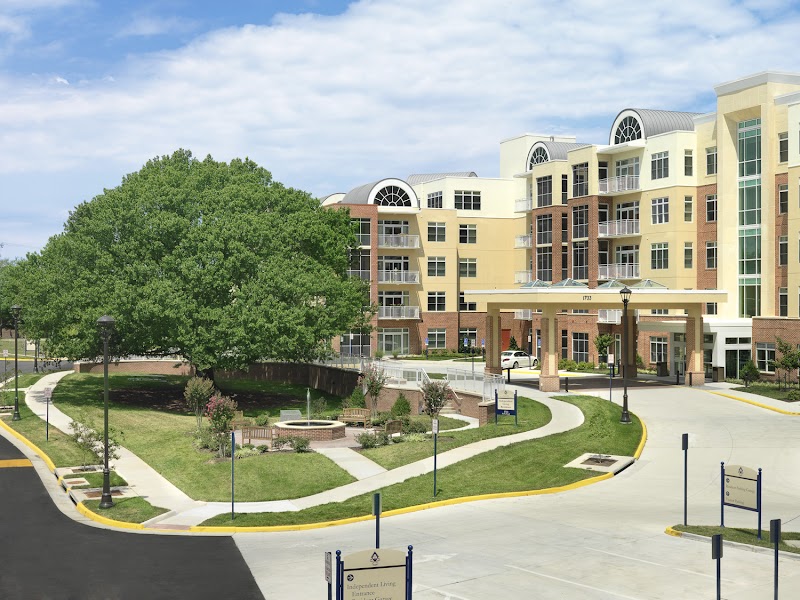
ARLEIGH BURKE PAVILION is owned by a non-profit organization. Non-profit facilities reinvest revenue into operations rather than distributing to shareholders. The facility operates independently rather than as part of a larger chain. With 49 certified beds and approximately 41 residents (about 84% occupancy), it is a smaller facility located in MC LEAN, Virginia.

How Does Arleigh Burke Pavilion Compare to Other Virginia Nursing Homes?

Compared to the 100 nursing homes in Virginia, ARLEIGH BURKE PAVILION's overall rating (5 stars) is above the state average of 3.0, staff turnover (23%) is significantly lower than the state average of 46%, and health inspection rating (4 stars) is above the national benchmark.

What Should Families Ask When Visiting Arleigh Burke Pavilion?

Based on this facility's data, families visiting should ask: "Can I visit during a mealtime to observe dining assistance and food quality?" "How do you handle medical emergencies, and what is your hospital transfer rate?" "Can I speak with family members of current residents about their experience?"

Is Arleigh Burke Pavilion Safe?

Based on CMS inspection data, ARLEIGH BURKE PAVILION has a clean safety record: no substantiated abuse findings (meaning no confirmed cases of resident harm), no Immediate Jeopardy citations (the most serious violation level indicating risk of serious injury or death), and is not on the Special Focus Facility watch list (a federal program monitoring the lowest-performing 1% of nursing homes). The facility has a 5-star overall rating and ranks #1 of 100 nursing homes in Virginia. While no facility is perfect, families should still ask about staff-to-resident ratios and recent inspection results during their visit.

Do Nurses at Arleigh Burke Pavilion Stick Around?

Staff at ARLEIGH BURKE PAVILION tend to stick around. With a turnover rate of 23%, the facility is 23 percentage points below the Virginia average of 46%. Low turnover is a positive sign. It means caregivers have time to learn each resident's needs, medications, and personal preferences. Consistent staff also notice subtle changes in a resident's condition more quickly.

Was Arleigh Burke Pavilion Ever Fined?

ARLEIGH BURKE PAVILION has no federal fines on record. CMS issues fines when nursing homes fail to meet care standards or don't correct problems found during inspections. The absence of fines suggests the facility has either maintained compliance or corrected any issues before penalties were assessed. This is a positive indicator, though families should still review recent inspection reports for the full picture.

Is Arleigh Burke Pavilion on Any Federal Watch List?

ARLEIGH BURKE PAVILION is not on any federal watch list. The most significant is the Special Focus Facility (SFF) program, which identifies the bottom 1% of nursing homes nationally based on persistent, serious quality problems. Not being on this list means the facility has avoided the pattern of deficiencies that triggers enhanced federal oversight. This is a positive indicator, though families should still review the facility's inspection history directly.