AUTUMN CARE OF MECHANICSVILLE
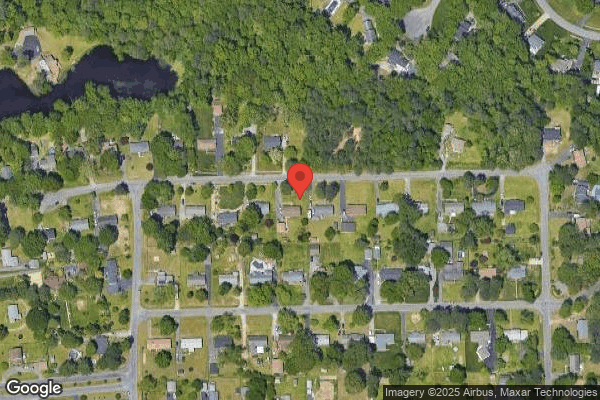
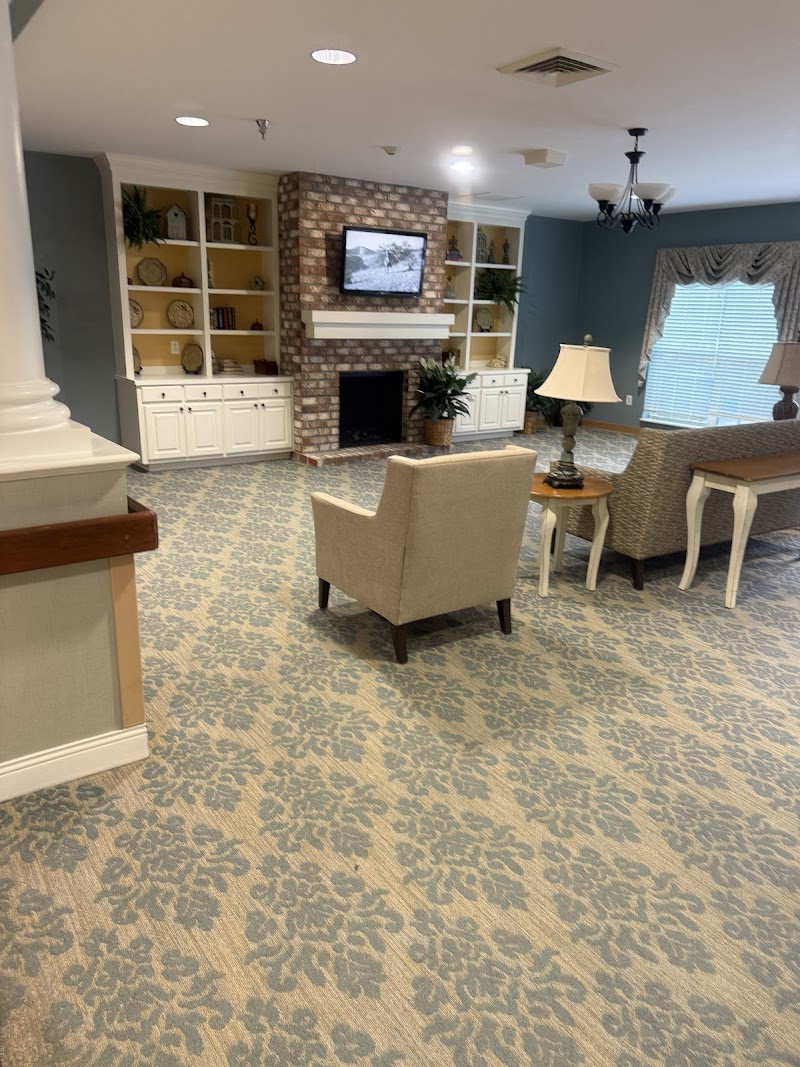
7600 AUTUMN PARKWAY, MECHANICSVILLE, VA 23116 (804) 730-0009
For profit - Corporation 169 Beds SABER HEALTHCARE GROUP Data: November 2025
Trust Grade
48/100
#175 of 285 in VA
Last Inspection: February 2025

Within standard 12-15 month inspection cycle. Federal law requires annual inspections.

Overview

Autumn Care of Mechanicsville has a Trust Grade of D, which means it is below average and raises some concerns about the quality of care provided. The facility ranks #175 out of 285 in Virginia, placing it in the bottom half of nursing homes in the state, but it is #2 out of 4 in Hanover County, indicating only one local option is better. Unfortunately, the facility's trend is worsening, with issues increasing from 11 in 2022 to 17 in 2025. Staffing is a relative strength, with a rating of 3 out of 5 and a turnover rate of 33%, which is below the Virginia average of 48%. However, the facility has faced $10,358 in fines, which is average but could indicate some compliance issues. Specific incidents noted during inspections reveal concerning practices, such as staff failing to keep dumpsters sanitary, leading to potential hygiene risks. Additionally, there were failures to follow physician orders for monitoring daily weights for residents with serious health conditions, which could jeopardize their well-being. While the facility has good RN coverage, the combination of these weaknesses and the rising number of deficiencies suggests families should thoroughly consider their options before choosing this nursing home.

Trust Score
D
48/100
In Virginia
#175/285
Bottom 39%
Safety Record
Low Risk
No red flags
Inspections
Getting Worse
11 → 17 violations
Staff Stability
○ Average
33% turnover. Near Virginia's 48% average. Typical for the industry.
Penalties
⚠ Watch
$10,358 in fines. Higher than 90% of Virginia facilities. Major compliance failures.
Skilled Nurses
○ Average
Each resident gets 33 minutes of Registered Nurse (RN) attention daily — about average for Virginia. RNs are the most trained staff who monitor for health changes.
Violations
⚠ Watch
33 deficiencies on record. Higher than average. Multiple issues found across inspections.
★★☆☆☆
2.0
Overall Rating
★★★☆☆
3.0
Staff Levels
★★★★☆
4.0
Care Quality
★★☆☆☆
2.0
Inspection Score
Stable
2022: 11 issues
2025: 17 issues

The Good

  • 4-Star Quality Measures · Strong clinical quality outcomes
  • Full Sprinkler Coverage · Fire safety systems throughout facility
  • No fines on record
  • Staff turnover below average (33%)

    15 points below Virginia average of 48%

Facility shows strength in quality measures, fire safety.

The Bad

2-Star Overall Rating

Below Virginia average (3.0)

Below average - review inspection findings carefully

Staff Turnover: 33%

13pts below Virginia avg (46%)

Typical for the industry

Federal Fines: $10,358

Below median ($33,413)

Minor penalties assessed

Chain: SABER HEALTHCARE GROUP

Part of a multi-facility chain

Ask about local staffing decisions and management

The Ugly 33 deficiencies on record

Feb 2025 17 deficiencies
CONCERN (D)

Potential for Harm - no one hurt, but risky conditions existed

Resident Rights (Tag F0550)

Could have caused harm · This affected 1 resident

Based on observation, staff interview, and facility document review, the facility staff failed to provide dignity for one of 35 residents in the survey sample, Resident #79. The findings include: For ...

Read full inspector narrative →
Based on observation, staff interview, and facility document review, the facility staff failed to provide dignity for one of 35 residents in the survey sample, Resident #79. The findings include: For Resident #79 (R79), the facility staff failed to provide a dignified dining experience. A CNA (certified nursing assistant) stood over R79 while feeding the resident. On 2/25/25 at 12:50 p.m. R79 was observed sitting up in bed. CNA #3 was observed standing over R79 while feeding the resident. On 2/25/25 at 3:37 p.m., an interview was conducted with CNA #2. CNA #2 stated the, CNAs should sit in a chair when feeding residents CNA #2 stated standing up while feeding residents does not provide a dignified experience because residents are more comfortable when staff sits down. On 2/25/25 at 4:21 p.m., ASM (administrative staff member) #1 (the administrator) and ASM #2 (the director of nursing) were made aware of the above concern. The facility document titled, Resident Rights Inservice documented, The Nursing Home Reform Act established the following rights for nursing home residents: The right to be treated with dignity . No further information was presented prior to exit.
CONCERN (D)

Potential for Harm - no one hurt, but risky conditions existed

Deficiency F0559 (Tag F0559)

Could have caused harm · This affected 1 resident

Based on resident interview, staff interview, facility document review, and clinical record review, the facility staff failed to provide written notice of a room change for one of 35 residents in the ...

Read full inspector narrative →
Based on resident interview, staff interview, facility document review, and clinical record review, the facility staff failed to provide written notice of a room change for one of 35 residents in the survey sample, Resident #100. The findings include: For Resident #100 (R100), the facility staff failed to provide written notification to the resident of a room change on 9/5/24 and 1/30/25. On 2/24/25 at 1:52 p.m., R100 was interviewed. She stated she had recently moved to her current room and was still in the process of adjusting to it. She stated she does not like this room as much as she liked her previous room. A review of R100's clinical record revealed she was transferred to different room on 9/5/24 and 1/30/25. Further review of the resident's clinical record revealed no evidence that she was provided written notice prior to the room change. On 2/26/25 at 10:56 a.m., OSM (other staff member) #9, the social services assistant, was interviewed. She stated, When a resident is going to change rooms, she is responsible for notifying everyone, including the resident and/or resident representative. She added: Our policy doesn't require a written notice for a room change. On 2/26/25 at 2:43 p.m., ASM (administrative staff member) #1, the administrator, and ASM #2, the assistant director of nursing, were informed of these concerns. A review of the facility policy, Room and Roommate Change Policy, revealed, in part: The facility will notify the resident/resident representative prior to a room or roommate change including the reason for the change .The facility will document that notification was completed with reason for change. No additional information was provided prior to exit.
CONCERN (D)

Potential for Harm - no one hurt, but risky conditions existed

Deficiency F0560 (Tag F0560)

Could have caused harm · This affected 1 resident

Based on resident interview, staff interview, facility document review, and clinical record review, the facility staff failed to provide the reason for a room change for one of 35 residents in the sur...

Read full inspector narrative →
Based on resident interview, staff interview, facility document review, and clinical record review, the facility staff failed to provide the reason for a room change for one of 35 residents in the survey sample, Resident #100. The findings include: For Resident #100 (R100), the facility staff failed to provide the reason for a room change on 1/30/25. On 2/24/25 at 1:52 p.m., R100 was interviewed. She stated she had recently moved to her current room and was still in the process of adjusting to it. She stated she does not like this room as much as she liked her previous room. A review of R100's clinical record revealed she was transferred to different room on 1/30/25. Further review of the resident's clinical record revealed no evidence of why the resident was transferred within the facility, or that the resident was made aware of the reason. On 2/26/25 at 10:56 a.m., OSM (other staff member) #9, the social services assistant, was interviewed. She stated, When a resident is going to change rooms, she is responsible for notifying everyone, including the resident and/or resident representative She stated the resident was having conflict with her roommate, and that is why she was moved to a new room in January 2025. She stated this was not documented anywhere. On 2/26/25 at 2:43 p.m., ASM (administrative staff member) #1, the administrator, and ASM #2, the assistant director of nursing, were informed of these concerns. A review of the facility policy, Room and Roommate Change Policy, revealed, in part: The facility will notify the resident/resident representative prior to a room or roommate change including the reason for the change .The facility will document that notification was completed with reason for change. No additional information was provided prior to exit.
CONCERN (D) 📢 Someone Reported This

A family member, employee, or ombudsman was alarmed enough to file a formal complaint

Potential for Harm - no one hurt, but risky conditions existed

Notification of Changes (Tag F0580)

Could have caused harm · This affected 1 resident

Based on clinical record review, staff interview and facility document review, it was determined that the facility staff failed to provide notification to the physician of a residents refusal of treat...

Read full inspector narrative →
Based on clinical record review, staff interview and facility document review, it was determined that the facility staff failed to provide notification to the physician of a residents refusal of treatment for one of 35 residents in the survey sample, Resident #359. The findings include: For Resident #359 (R359), the facility staff failed to evidence notification of the physician of R359's refusal of lab testing on 11/6/24 and 11/7/24. On the most recent MDS (minimum data set), an admission assessment with an ARD (assessment reference date) of 10/29/24, the resident scored three on the BIMS (brief interview for mental status) assessment, indicating the resident was severely impaired for making daily decisions. The physician orders for R359 documented in part, - BMP (basic metabolic profile) and CBC (complete blood count); Special Instructions: BMP and CBC Once- One Time 23:00 (11:00 pm)- 07:00 (7:00am). Start Date: 11/06/2024. End Date: 11/06/2024. - BMP and CBC; Special Instructions: BMP and CBC Once- One Time 23:00 - 07:00. Start Date: 11/07/2024. End Date: 11/07/2024. The progress notes for R359 documented in part, 11/05/2024 14:51 (2:51 p.m.) New orders for Pyridium 100 mg (milligram) po (by mouth) BID (twice a day) for 3 days, Keflex 500 mg po every 8 hours for 5 days, and labs for BMP and CBC 11/6/24. RP (responsible party) [Name of RP] aware. The progress notes for R359 failed to evidence the BMP and CBC obtained, results of the BMP or CBC, documentation of refusal of the lab testing or notification of the physician of refusal of the lab testing ordered on 11/6/24 and 11/7/24. On 2/26/25 at 11:52 a.m., a request was made to ASM (administrative staff member) #1, the administrator for the results of the BMP and CBC ordered above. On 2/26/25 at 1:02 p.m., ASM #1 provided laboratory patient log sheets dated 11/6/24 and 11/7/24 which documented R359 refusing the lab testing on both dates. The log sheets failed to evidence notification of the physician of the refusal. On 2/26/25 at 1:04 p.m., an interview was conducted with RN (registered nurse) #3 who stated that when there was an order for a lab test the nurse entered the order into the electronic medical record and into the laboratory system. She stated that the night shift staff printed out the lab orders for that night and gave them to the lab technician who came in six nights a week to draw labs. She stated that when a resident refused to have labs drawn the technician notified the nurse who let the physician, and the responsible party know and documented it in the progress notes. RN #3 stated that this was done because the physician had ordered the lab tests for a reason and needed to know that it had not been obtained. On 2/26/25 at approximately 2:45 p.m., ASM #1, the administrator, ASM #2, the director of nursing and ASM #3, the vice president of operations were made aware of the findings. No further information was provided prior to exit.
CONCERN (D)

Potential for Harm - no one hurt, but risky conditions existed

Assessment Accuracy (Tag F0641)

Could have caused harm · This affected 1 resident

Based on observation, staff interview, and clinical record review, the facility staff failed to maintain an accurate MDS (minimum data set) assessment for one of 35 residents in the survey sample, Res...

Read full inspector narrative →
Based on observation, staff interview, and clinical record review, the facility staff failed to maintain an accurate MDS (minimum data set) assessment for one of 35 residents in the survey sample, Resident #35. The findings include: For Resident #35 (R35), the facility staff inaccurately coded the resident as having a restraint on the resident's quarterly MDS assessment with an ARD (assessment reference date) of 1/16/25. A review of R35's quarterly MDS assessment with an ARD of 1/16/25 revealed section P, Restraints and Alarms that coded the resident as using a chair that prevents rising less than daily. A review of R35's clinical record failed to reveal documentation regarding the use of a restraint/chair that prevents rising. Observations of R35 during the survey failed to reveal the use of a restraint/chair that prevents rising. On 2/25/25 at 9:13 a.m., RN (registered nurse) #3 (the MDS coordinator) was made aware of the above concern. On 2/25/25 at 9:24 a.m., an interview was conducted with RN #3. RN #3 stated,The coding of the use of a restraint on R35's MDS assessment was a data entry error, and she just corrected the assessment . RN #3 stated she references the CMS (Centers for Medicare and Medicaid Services) RAI (Resident Assessment Instrument) manual when coding MDS assessments. On 2/25/25 at 4:21 p.m., ASM (administrative staff member) #1 (the administrator) and ASM #2 (the director of nursing) were made aware of the above concern. The CMS RAI manual documented, After determining whether or not an item listed in (P0100) is a physical restraint and was used during the 7-day look-back period, code the frequency of use: · Code 0, not used: if the item was not used during the 7-day look-back period or it was used but did not meet the definition. No further information was provided prior to exit.
CONCERN (D)

Potential for Harm - no one hurt, but risky conditions existed

Comprehensive Care Plan (Tag F0656)

Could have caused harm · This affected 1 resident

Based on observation, resident interview, staff interview, facility document review, and clinical record review, the facility staff failed to implement the comprehensive care plan for three of 35 resi...

Read full inspector narrative →
Based on observation, resident interview, staff interview, facility document review, and clinical record review, the facility staff failed to implement the comprehensive care plan for three of 35 residents in the survey sample, Residents #120, #2, and #61. The findings include: 1. For Resident #120 (R120), the facility staff failed to implement the resident's comprehensive care plan for obtaining weights. R120's comprehensive care plan dated 10/22/24 documented, Resident requires Enteral tube feeding and is at risk for dehydration, aspiration .Monitor weight per orders. A physician's order dated 1/29/25 documented, Obtain weight daily. Further review of R120's clinical record failed to reveal the resident's weight was obtained on 2/5/25, 2/14/25, 2/16/25, 2/17/25, 2/18/25, 2/19/25, and 2/22/25. On 2/25/25 at 3:46 p.m., an interview was conducted with RN (registered nurse) #2. RN #2 stated the purpose of the care plan is to follow doctors' orders and nursing staff implement residents' care plans by looking at the care plans. On 2/26/25 at 10:14 a.m., an interview was conducted with LPN (licensed practical nurse) #3. LPN #3 stated R120's daily weights were not obtained because of time management with CNAs (certified nursing assistants) and staff were trying to figure out whether to use a Hoyer lift or a chair to obtain the resident's weights. On 2/26/25 at 2:48 p.m., ASM (administrative staff member) #1 (the administrator) and ASM #2 (the director of nursing) were made aware of the above concern. The facility policy titled, Comprehensive Care Plan Policy documented, Z) All direct care staff must always know, understand, and follow their Resident's Care Plan. No further information was presented prior to exit. 2. For Resident #2 (R2), the facility staff failed to implement the resident's comprehensive care plan for oxygen use. A review of R2's clinical record revealed a physician's order dated 2/20/25 for continuous oxygen via nasal cannula at a rate of four liters per minute for respiratory failure. R2's comprehensive care plan edited on 2/20/25 documented, At risk for altered cardiac/resp (respiratory) status .O2 (Oxygen) and neb (nebulizer) tx (treatment) as ordered. On 2/24/25 at 1:40 p.m. and 2/25/25 at 8:29 a.m., R2 was observed receiving oxygen via nasal cannula at a rate between two and a half and three liters per minute, as evidenced by the middle of the ball in the oxygen concentrator flowmeter positioned between the two and a half and three-liter lines. On 2/25/25 at 3:46 p.m., an interview was conducted with RN (registered nurse) #2. RN #2 stated the purpose of the care plan is to follow doctors' orders and nursing staff implement residents' care plans by looking at the care plans. RN #2 stated nurses administer oxygen per the doctors' orders and the middle of the ball in the oxygen concentrator flowmeter should run through the four-liter line if the physician's order is for four liters. On 2/25/25 at 4:21 p.m., ASM (administrative staff member) #1 (the administrator) and ASM #2 (the director of nursing) were made aware of the above concern. No further information was presented prior to exit. 3. For Resident #61 (R61), the facility staff failed to implement the comprehensive care plan to administer oxygen as ordered. On the most recent MDS (minimum data set), a quarterly assessment with an ARD (assessment reference date) of 1/22/25, the resident scored 15 out of 15 on the BIMS (brief interview for mental status) assessment, indicating the resident was cognitively intact for making daily decisions. Section O documented R61 receiving oxygen at the facility. On 2/25/25 at 8:22 a.m., an observation was made of R61 in their room. R61 was observed in bed wearing an oxygen cannula attached to an oxygen concentrator. The oxygen was observed to be set at a rate of 3.5 lpm (liters per minute). At that time an interview was conducted with R61 who stated that they wore oxygen all the time and used 3 lpm. R61 stated that the nurses set the oxygen rate, and they had a portable unit that they took with them when they left the building for appointments. An additional observation of the oxygen set at 3.5 lpm was made on 2/25/25 at 2:10 p.m. The comprehensive care plan for R61 documented in part, Problem Start Date: 06/10/2024. Category: Respiratory. Resident requires oxygen therapy. R/T COPD (chronic obstructive pulmonary disease) with shortness of breath. Resident requests longer oxygen tubing so that she can walk to the bathroom, however this allows the tubing to drag on the floor of her room sometimes. Edited: 02/13/2025 . Under Approach it documented in part, Approach Start Date: 06/10/2024, Approach End Date: 07/31/2025, Administer oxygen as ordered. Edited: 02/13/2025 . The physician orders for R61 documented in part, Oxygen: Administer oxygen (O2) via nasal cannula (NC) continuously at: 4 l/min (liters per minute) r/t (related to) respiratory failure. Add humidification if >4 L/min or for comfort, if needed. Special instructions: Check concentrator to ensure functioning and appropriate setting. Check SPO2 (oxygen saturation). Check humidifier if applicable. Every shift Day shift 07:00-15:00, Evening shift 15:00-23:00, Night shift 23:00-07:00. Start Date: 02/13/2025. On 2/25/25 at 2:10 p.m., an interview was conducted with LPN (licensed practical nurse) #4. LPN #4 stated that the purpose of the care plan was to know how to work with the resident and how to care for them. She stated that the care plan should be implemented to care for them. She stated that oxygen was checked at least every shift. She stated that the oxygen rate was set at eye level with the flowmeter ball centered on the number line where it ordered. LPN #4 observed R61's oxygen concentrator and stated, That it was set on 3.5 l/min (liters per minute) and not at the prescribed rate of 4 l/min. She spoke with R61 who stated that they thought they were only on 3 l/min and stated that she would clarify the rate with the nurse practitioner. On 2/25/25 at 4:12 p.m., ASM (administrative staff member) #1, the administrator, ASM #2, the director of nursing and ASM #3, the vice president of operations were made aware of the concern. No further information was provided prior to exit.
CONCERN (D)

Potential for Harm - no one hurt, but risky conditions existed

Deficiency F0657 (Tag F0657)

Could have caused harm · This affected 1 resident

**NOTE- TERMS IN BRACKETS HAVE BEEN EDITED TO PROTECT CONFIDENTIALITY** Based on observation, resident interview, staff interview, facility document review, and clinical record review, the facility st...

Read full inspector narrative →
**NOTE- TERMS IN BRACKETS HAVE BEEN EDITED TO PROTECT CONFIDENTIALITY** Based on observation, resident interview, staff interview, facility document review, and clinical record review, the facility staff failed to review and revise the comprehensive care plan for two of 35 residents in the survey sample, Residents #79, and #75. The findings include: 1.a. For Resident #79 (R79), the facility staff failed to review and revise the resident's comprehensive care plan for adaptive eating equipment. On the most recent MDS (minimum data set), a quarterly assessment with an ARD (assessment reference date) of 12/10/24, the resident scored 14 out of 15 on the BIMS (brief interview for mental status), indicating the resident was cognitively intact for making daily decisions. A review of R79's clinical record revealed a physician's order dated 9/10/24 that documented, Provide 2 handled cup with lid + straw and red foam to knife and fork for all meals as tolerated. R79's comprehensive care plan edited on 2/13/25 failed to revealed documentation regarding a two handled cup with a lid and straw, or red foam to knives and forks. On 2/25/25 at 9:00 a.m., R79 was observed sitting up in bed. A cup containing coffee was observed on the resident's overbed table. The cup had one handle and no lid. Spilled coffee was observed on the overbed table. R79's right hand was observed tremoring. The resident stated she used to feed herself but now staff feed her because of her tremors. R79 stated she cannot pick up the cup, so she uses a straw. R79 stated she used to have a special cup, but it went missing and she used to have red foam handles for utensils but does not have them anymore. On 2/25/25 at 12:50 p.m., R79 was observed sitting up in bed while a CNA (certified nursing assistant) was feeding her. The cup on R79's meal tray contained no handles, and no red foam handles for R79's utensils were observed on the meal tray. R79's meal tray ticket documented, 2 handle cup wit [sic] lid; red foam build [sic] up utensils. On 2/25/25 at 2:56 p.m., an interview was conducted with OSM (other staff member) #3 (an occupational therapist who had previously treated R79). OSM #3 stated that due to an ulnar drift (a hand dysfunction where the fingers bend towards the outer arm bone), R79 has difficulty grasping objects. OSM #3 stated a two handled cup and red foam utensil handles are supposed to aid R79 with grasping objects more easily. On 2/25/25 at 3:38 p.m., an interview was conducted with CNA #1. CNA #1 stated R79 can feed herself finger foods but must be fed other foods because her hands shake. CNA #1 stated she was not aware of R79 requiring any adaptive eating equipment such as a special cup or red foam utensil handles, and she has not seen any adaptive eating equipment for R79 since she began employment in June 2024. On 2/25/25 at 3:46 p.m., an interview was conducted with RN (registered nurse) #2. RN #2 stated the purpose of the care plan is to follow doctors' orders and nursing staff implement residents' care plans by looking at the care plans. RN #2 stated residents' care plans should be reviewed and revised for the use of special eating equipment for the continuation of patient care. On 2/25/25 at 4:21 p.m., ASM (administrative staff member) #1 (the administrator) and ASM #2 (the director of nursing) were made aware of the above concern. The facility policy titled, Comprehensive Care Plan Policy documented, F) The Comprehensive Care Plan is reviewed and updated at least every 90 days by the interdisciplinary team. No further information was presented prior to exit. 1.b. For Resident #79 (R79), the facility staff failed to review and revise the comprehensive care plan for the resident's weight loss in October 2024. A review of R79's clinical record revealed the resident weighed 130.4 lbs. (pounds) on 9/10/24 and 120 lbs. on 10/7/24 (a 7.98% weight loss in 30 days). A note signed by the registered dietician on 10/16/24 documented, Resident presents w/ a -7.98% loss x 1 months, significant and undesired .Previously OT (Occupational Therapy) started her on modified cup w/ cover and straw as well as fork and knife to aid with eating. Neuro (Neurology) appointment to find out if she might have Myasthenia gravis (A neuromuscular disorder that leads to weakness of skeletal muscles). Requesting to have resident as weekly weights x 4 weeks to keep close monitoring to wt (weight) . R79's comprehensive care plan initiated on 6/4/24 and edited on 2/13/25 failed to reveal documentation regarding the resident's significant weight loss in October 2024. On 2/25/25 at 3:46 p.m., an interview was conducted with RN (registered nurse) #2. RN #2 stated the purpose of the care plan is to follow doctors' orders and nursing staff implement residents' care plans by looking at the care plans. RN #2 stated residents' care plans should be reviewed and revised regarding weight loss for the continuation of patient care. On 2/25/25 at 4:21 p.m., ASM (administrative staff member) #1 (the administrator) and ASM #2 (the director of nursing) were made aware of the above concern. No further information was presented prior to exit. 2. For Resident #75 (R75), the facility staff failed to review and revise the resident's care plan to include an orthotic device and assistive devices for eating. On the following dates and times, R75 was observed. At each of these observations, the resident had a visible contracture of her right hand: 2/24/25 at 2:20 p.m., 2/25/24 at 9:05 a.m. and 1:18 p.m. At each of these observations, the resident was feeding herself with her fingers, with no evidence of adaptive eating equipment on her tray. At the 2/24/25 observation at 2:20 p.m., the resident was seated in the facility common area. In the resident's room, a carrot orthotic device was visible on the resident's bedside table. On 2/25/25 at 1:18 p.m., R75 stated she had been seen by the occupational therapy staff, and they had given her a carrot to hold to help the contracture. She stated she did not know where the carrot orthotic device was, and that the staff do not usually offer it to her. She stated she did not mind using it if it would help her right-hand contracture and skin integrity. She also said the occupational therapist had given her adaptive eating devices for her fork and spoon, but she had lost them, and had not been using them. A review of R75's occupational therapy Discharge summary dated [DATE] revealed, in part: Recommendations .foam built up on utensils for self-feeding .R (right) hand carrot orthosis daily as tolerated. A review of R75's orders revealed the following order, dated 2/18/25: Pt (patient) to wear R (right) hand carrot orthosis daily, as tolerated, to prevent skin breakdown and prevent further contractures. Orthosis can be removed for hygiene and self-feeding. A review of R75's orders revealed the following order, dated 2/23/25: Lightweight spoon and fork when eating. A review of R75's comprehensive care plan, most recently updated on 2/4/25, revealed no information related to the resident's need for a right-hand orthotic device or adaptive eating equipment. On 2/25/25 at 2:53 p.m., OSM (other staff member) #3, an occupational therapist, was interviewed. She stated occupational therapy had recently treated and discharged R75 with a recommendation for a carrot orthosis to go in the resident's right hand. She stated, The resident had been provided the orthotic device, and the resident is able to independently pick it up and drop it as tolerated She also stated, The resident needs adaptive eating utensils, and these had been provided to the staff for the resident's use. On 2/25/25 at 3:46 p.m., RN (registered nurse) #2 was interviewed. RN #2 stated, The purpose of the care plan is to follow doctors' orders and nursing staff implement residents' care plans by looking at the care plans RN #2 stated residents' care plans should be reviewed and revised for the use of special eating equipment for the continuation of patient care. On 2/25/25 at 4:10 p.m., ASM (administrative staff member) #1, the administrator, and ASM #2, the assistant director of nursing, were informed of these concerns. No additional information was provided prior to exit.
CONCERN (D)

Potential for Harm - no one hurt, but risky conditions existed

Deficiency F0658 (Tag F0658)

Could have caused harm · This affected 1 resident

**NOTE- TERMS IN BRACKETS HAVE BEEN EDITED TO PROTECT CONFIDENTIALITY** Based on observation, resident interview, clinical record review, staff interview and facility document review, it was determine...

Read full inspector narrative →
**NOTE- TERMS IN BRACKETS HAVE BEEN EDITED TO PROTECT CONFIDENTIALITY** Based on observation, resident interview, clinical record review, staff interview and facility document review, it was determined the facility staff failed to clarify a physician order for one of 35 residents in the survey sample, Resident #16. The findings include: For Resident #16 (R16), the facility staff failed to clarify a physician order regarding tracheostomy (1) change every two months. On the most recent MDS (minimum data set) assessment, an annual assessment, with an assessment reference date of 12/28/2024, the resident scored a 14 out of 15 on the BIMS (brief interview for mental status) score, indicating the resident was cognitively intact for making daily decisions. The assessment documented R16 receiving tracheostomy care at the facility. On 2/24/25 at 2:53 p.m., an observation was made of R16 in their room. At that time an interview was conducted with R16 who stated that they had a tracheostomy. R16 was observed with a bandana around their neck and proceeded to remove it to show a tracheostomy tube in place. R16 stated that they had the tracheostomy in place for many years and performed the tracheostomy care themselves. R16 stated that they had been taught how to care for the tracheostomy by the hospital prior to coming to the facility and the staff supplied them with all the supplies needed. R16 stated that the nursing staff offered to do the tracheostomy care for her, but she preferred to do it herself. The physician orders for R16 documented in part, TRACH: Shiley Uncuffed Non disposable 4 mm (millimeter); change Q2mo (every two months) & PRN (as needed). Every shift on the 27th of every 2nd Month. Day shift. Start Date: 10/01/2024 . The eMAR (electronic medication administration record) for R16 dated 12/1/24-12/31/24 documented the tracheostomy tube changed on 12/27/24. The eMAR was signed off by LPN (licensed practical nurse) #4. The progress notes failed to evidence documentation regarding the tracheostomy tube change procedure. On 2/25/25 at 2:10 p.m., an interview was conducted with LPN #4 who stated, That R16 liked to do most of the tracheostomy care themselves. She stated, That the nurses assisted R16 with the tracheostomy care by changing the ties holding the tracheostomy in place and the gauze around the stoma. When asked about the tracheostomy tube change ordered every two months, LPN #4 stated, That she was not sure who did the change and thought that the RN (registered nurse) did it. LPN #4 reviewed the eMAR for R16 with the documented tracheostomy tube change on 12/27/24 and stated that she had not changed the tracheostomy and was not sure what they were supposed to change . She stated that she needed to clarify the order with the nurse practitioner because R16 went to the ENT (ear, nose and throat) physician to follow up on the tracheostomy. The facility policy Physician/Provider Orders failed to evidence guidance on clarifying physician orders. In Fundamentals of Nursing 6th edition, 2005; [NAME] A. [NAME] and [NAME] Perry; Mosby, Inc; Page 419. The physician is responsible for directing medical treatment. Nurses are obligated to follow physician's orders unless they believe the orders are in error or would harm clients. Therefore, all orders must be assessed if one is found to be erroneous or harmful further clarification from the physician is necessary . On 2/25/25 at 4:12 p.m., ASM (administrative staff member) #1, administrator, ASM #2, director of nursing and ASM #3, vice president of operations were made aware of the concern. No further information was provided prior to exit. Reference: (1) Tracheostomy A surgical procedure to create an opening through the neck into the trachea (windpipe). A tube is most often placed through this opening to provide an airway and to remove secretions from the lungs. This tube is called a tracheostomy tube or trach tube. This information was obtained from the website: https://medlineplus.gov/ency/article/002955.htm.
CONCERN (D)

Potential for Harm - no one hurt, but risky conditions existed

Deficiency F0687 (Tag F0687)

Could have caused harm · This affected 1 resident

**NOTE- TERMS IN BRACKETS HAVE BEEN EDITED TO PROTECT CONFIDENTIALITY** Based on observations, resident interview, staff interview, facility document review and clinical record review, it was determin...

Read full inspector narrative →
**NOTE- TERMS IN BRACKETS HAVE BEEN EDITED TO PROTECT CONFIDENTIALITY** Based on observations, resident interview, staff interview, facility document review and clinical record review, it was determined that the facility staff failed to provide foot care for one of 35 residents in the sample R20. The findings include: The facility failed to evidence provision of foot care for R20. R20 was observed in bed on 2/24/25 at 2:30 PM with thick toenails on both large toes and toenails approximately one-half inch in length. R20 was admitted to the facility on [DATE] with diagnosis that included but were not limited to CHF (congestive heart failure), prosthetic heart valve, DM (diabetes mellitus) and osteoarthritis. The most recent MDS (minimum data set) assessment, a quarterly assessment, with an ARD (assessment reference date) of 115/25, coded the resident as scoring a 05 out of 15 on the BIMS (brief interview for mental status) score, indicating the resident was severely cognitively impaired. A review of the MDS Section GG-functional abilities and goals coded the resident as requiring maximum assist for bed mobility/transferring/toileting and set up for eating. A review of the comprehensive care plan dated 7/9/24 revealed, PROBLEM: ADLs Functional Status/ Rehabilitation Potential Needs assistance with ADL's (activities of daily living) related to CHF, CKD3, DM, CAD, Dementia, Anemia, history of SBO, Arthritis and impaired mobility. APPROACH: Bilateral 1/4 side rails to bed, for turning and repositioning as tolerated Q shift. A review of the physician's order dated 7/15/24 revealed, Podiatry consult as needed. An interview was conducted on 2/24/25 at 2:30 PM with R20. When asked about toenail care, R20 stated, they do not cut them here, my son has to take me out to get it done. In response to request for evidence of podiatry visits, on 2/25/25 received a podiatry visit note date 11-2-22, and a note son taking her outside center to get nails clipped with no evidence in progress notes or scanned in documents of these appointments. On 2/26/25 10:00 AM An interview was conducted with LPN (licensed practical nurse) #2, when asked about toenail care, LPN #2 stated, The residents' nails are assessed by the nursing assistants on their shower days, and we are informed if the nails need trimmed . We put the resident's name on the podiatry list. If the resident has DM or thick nails, the nurses are not allowed to cut their toenails. On 2/26/25 at 2:40 PM, ASM (administrative staff member) #1, the administrator, ASM #2, the director of nursing, ASM #3, the regional director of clinical services was made aware of the findings. ASM #2 stated, the podiatrist comes next week, we will put him on the list. A review of the facility's ADL (activity of daily living) policy, revealed, Provision of ADL care will be documented each shift by staff providing the care. This shall include, but not be limited to, documentation of food intake, toileting, ambulation, bathing, dressing and transferring. No further information was provided prior to exit.
CONCERN (D)

Potential for Harm - no one hurt, but risky conditions existed

Deficiency F0688 (Tag F0688)

Could have caused harm · This affected 1 resident

**NOTE- TERMS IN BRACKETS HAVE BEEN EDITED TO PROTECT CONFIDENTIALITY** Based on observation, resident interview, staff interview, facility document review, and clinical record review, the facility st...

Read full inspector narrative →
**NOTE- TERMS IN BRACKETS HAVE BEEN EDITED TO PROTECT CONFIDENTIALITY** Based on observation, resident interview, staff interview, facility document review, and clinical record review, the facility staff failed to implement interventions to prevent worsening of a contracture of 35 residents in the survey sample, Resident #75 (R75). The findings include: For Resident #75 (R75), the facility staff failed to provide an orthotic device to the resident's right hand. On the following dates and times, R75 was observed. At each of these observations, the resident had a visible contracture of her right hand: 2/24/25 at 2:20 p.m., 2/25/24 at 9:05 a.m. and 1:18 p.m. At the 2/24/25 observation at 2:20 p.m., the resident was seated in the facility common area. In the resident's room, a carrot orthotic device was visible on the resident's bedside table. On 2/25/25 at 1:18 p.m., R75 stated she had been seen by the occupational therapy staff, and they had given her a carrot to hold to help the contracture. She stated she did not know where the carrot orthotic device was, and that the staff do not usually offer it to her. She stated she did not mind using it if it would help her right-hand contracture and skin integrity. A review of R75's orders revealed the following order, dated 2/18/25: Pt (patient) to wear R (right) hand carrot orthosis daily, as tolerated, to prevent skin breakdown and prevent further contractures. Orthosis can be removed for hygiene and self-feeding. A review of R75's occupational therapy Discharge summary dated [DATE] revealed, in part: Recommendations .R (right) hand carrot orthosis daily as tolerated. A review of R75's comprehensive care plan, most recently updated on 2/4/25, revealed no information related to the resident's need for a right-hand orthotic device. On 2/25/25 at 2:53 p.m., OSM (other staff member) #3, an occupational therapist, was interviewed. She stated occupational therapy had recently treated and discharged R75 with a recommendation for a carrot orthosis to go in the resident's right hand. She stated the resident had been provided the orthotic device, and the resident is able to independently pick it up and drop it as tolerated. On 2/25/25 at 3:32 p.m., CNA #2 was interviewed. She stated, She is very familiar with R7 and is regularly assigned to care for her She stated R 75's right hand is contracted, and therapy had given her a carrot device to hold in her hand. She stated this device keeps her contracture from getting worse, and the staff always makes sure she has it to hold. A review of the facility policy, Issuing Adaptive Equipment, revealed, in part: The primary therapist and/or assistant will issue and instruct the patient in adaptive equipment based on patient's need .written instructions will be provided to family members/primary caregivers to increase carry over .The primary therapist will disseminate the type of equipment and its function to other disciplines during team conferences as necessary to increase carry over with proper use. On 2/25/25 at 4:10 p.m., ASM (administrative staff member) #1, the administrator, and ASM #2, the assistant director of nursing, were informed of these concerns. No additional information was provided prior to exit.
CONCERN (D)

Potential for Harm - no one hurt, but risky conditions existed

Respiratory Care (Tag F0695)

Could have caused harm · This affected 1 resident

2. For Resident #2 (R2), the facility staff failed to administer oxygen at the physician prescribed rate of four liters per minute. A review of R2's clinical record revealed a physician's order dated ...

Read full inspector narrative →
2. For Resident #2 (R2), the facility staff failed to administer oxygen at the physician prescribed rate of four liters per minute. A review of R2's clinical record revealed a physician's order dated 2/20/25 for continuous oxygen via nasal cannula at a rate of four liters per minute for respiratory failure. On 2/24/25 at 1:40 p.m. and 2/25/25 at 8:29 a.m., R2 was observed receiving oxygen via nasal cannula at a rate between two and a half and three liters per minute, as evidenced by the middle of the ball in the oxygen concentrator flowmeter positioned between the two and a half and three-liter lines. On 2/25/25 at 3:46 p.m., an interview was conducted with RN (registered nurse) #2. RN #2 stated, Nurses administer oxygen per the doctors' orders and the middle of the ball in the oxygen concentrator flowmeter should run through the four-liter line if the physician's order is for four liters. On 2/25/25 at 4:21 p.m., ASM (administrative staff member) #1 (the administrator) and ASM #2 (the director of nursing) were made aware of the above concern. No further information was presented prior to exit. Based on observation, resident interview, clinical record review, staff interview and facility document review it was determined that the facility staff failed to provide respiratory care and services consistent with professional standards of practice for two of 35 residents, Resident #61 and Resident #2. The findings include: 1. For Resident #61 (R61), the facility staff failed to administer oxygen at the prescribed rate. On the most recent MDS (minimum data set), a quarterly assessment with an ARD (assessment reference date) of 1/22/25, the resident scored 15 out of 15 on the BIMS (brief interview for mental status) assessment, indicating the resident was cognitively intact for making daily decisions. Section O documented R61 receiving oxygen at the facility. On 2/25/25 at 8:22 a.m., an observation was made of R61 in their room. R61 was observed in bed wearing an oxygen cannula attached to an oxygen concentrator. The oxygen was observed to be set at a rate of 3.5 l/min (liters per minute). At that time an interview was conducted with R61 who stated that they wore oxygen all the time and used 3 l/min . R61 stated that the nurses set the oxygen rate, and they had a portable unit that they took with them when they left the building for appointments. An additional observation of the oxygen set at 3.5 lpm was made on 2/25/25 at 2:10 p.m. The physician orders for R61 documented in part, Oxygen: Administer oxygen (O2) via nasal cannula (NC) continuously at: 4 l/min (liters per minute) r/t (related to) respiratory failure. Add humidification if >4 L/min or for comfort, if needed. Special instructions: Check concentrator to ensure functioning and appropriate setting. Check SPO2 (oxygen saturation). Check humidifier if applicable. Every shift Day shift 07:00-15:00, Evening shift 15:00-23:00, Night shift 23:00-07:00. Start Date: 02/13/2025. The comprehensive care plan for R61 documented in part, Problem Start Date: 06/10/2024. Category: Respiratory. Resident requires oxygen therapy. R/T COPD (chronic obstructive pulmonary disease) with shortness of breath. Resident requests longer oxygen tubing so that she can walk to the bathroom, however this allows the tubing to drag on the floor of her room sometimes. Edited: 02/13/2025 . On 2/25/25 at 2:10 p.m., an interview was conducted with LPN (licensed practical nurse) #4. LPN #4 stated that, Oxygen was checked at least every shift. She stated that, The oxygen rate was set at eye level with the flowmeter ball centered on the number line where it ordered. LPN #4 observed R61's oxygen concentrator and stated that it was set on 3.5 l/min and not at the prescribed rate of 4 lpm. She spoke with R61 who stated, That they thought they were only on 3 l/min and stated that . she would clarify the rate with the nurse practitioner. The facility policy, Oxygen Administration (all routes) Policy with a revision date of 7/30/2024 documented in part, .Set flow rate as prescribed or to obtain desired SpO2 . The facility provided manufacturers user's manual for R61's oxygen concentrator documented in part, .Adjust the flow to the prescribed setting by turning the knob on the top of the flow meter until the ball is centered on the line marking the specific flow rate . On 2/25/25 at 4:12 p.m., ASM (administrative staff member) #1, the administrator, ASM #2, the director of nursing and ASM #3, the vice president of operations were made aware of the concern. No further information was provided prior to exit.
CONCERN (D) 📢 Someone Reported This

A family member, employee, or ombudsman was alarmed enough to file a formal complaint

Potential for Harm - no one hurt, but risky conditions existed

Deficiency F0810 (Tag F0810)

Could have caused harm · This affected 1 resident

**NOTE- TERMS IN BRACKETS HAVE BEEN EDITED TO PROTECT CONFIDENTIALITY** 2. For Resident #79 (R79), the facility staff failed to provide physician prescribed adaptive eating equipment. On the most rece...

Read full inspector narrative →
**NOTE- TERMS IN BRACKETS HAVE BEEN EDITED TO PROTECT CONFIDENTIALITY** 2. For Resident #79 (R79), the facility staff failed to provide physician prescribed adaptive eating equipment. On the most recent MDS (minimum data set), a quarterly assessment with an ARD (assessment reference date) of 12/10/24, the resident scored 14 out of 15 on the BIMS (brief interview for mental status), indicating the resident was cognitively intact for making daily decisions. A review of R79's clinical record revealed a physician's order dated 9/10/24 that documented, Provide 2 handled cup with lid + straw and red foam to knife and fork for all meals as tolerated. On 2/25/25 at 9:00 a.m., R79 was observed sitting up in bed. A cup containing coffee was observed on the resident's overbed table. The cup had one handle and no lid. Spilled coffee was observed on the overbed table. R79's right hand was observed tremoring. The resident stated, I used to feed herself but now staff feed her because of her tremors. R79 stated, She cannot pick up the cup, so she uses a straw R79 stated she used to have a special cup, but it went missing, and she used to have red foam handles for utensils but does not have them anymore. On 2/25/25 at 12:50 p.m., R79 was observed sitting up in bed while a CNA (certified nursing assistant) was feeding her. The cup on R79's meal tray contained no handles and no red foam handles for R79's utensils were observed on the meal tray. R79's lunch meal tray ticket dated 2/25/25 documented, 2 handle cup wit [sic] lid; red foam build [sic] up utensils. On 2/25/25 at 2:56 p.m., an interview was conducted with OSM (other staff member) #3 (an occupational therapist who had previously treated R79). OSM #3 stated,That due to an ulnar drift (a hand dysfunction where the fingers bend towards the outer arm bone), R79 has difficulty grasping objects. OSM #3 stated, A two handled cup and red foam utensil handles are supposed to aid R79 with grasping objects more easily. On 2/25/25 at 3:38 p.m., an interview was conducted with CNA #1. CNA #1 stated, R79 can feed herself finger foods but must be fed other foods because her hands shake. CNA #1 stated, She was not aware of R79 requiring any adaptive eating equipment such as a special cup or red foam utensil handles, and she has not seen any adaptive eating equipment for R79 since she began employment in June 2024. On 2/25/25 at 4:21 p.m., ASM (administrative staff member) #1 (the administrator) and ASM #2 (the director of nursing) were made aware of the above concern. No further information was presented prior to exit. Based on observation, resident interview, staff interview, facility document review, and clinical record review, the facility staff failed to provide assistive devices for eating for one of 35 residents in the survey sample, Resident #75 (R75). The findings include: For Resident #75 (R75), the facility staff failed to provide built up eating utensils for the resident to use during meals. On the following dates and times, R75 was observed eating a meal. At each of these observations, the resident was attempting to use regular utensils to feed herself. At all observations, she abandoned using the utensils, and used her fingers to feed herself: 2/24/25 at 2:20 p.m., 2/25/24 at 9:05 a.m. and 1:18 p.m. On 2/25/25 at 1:18 p.m., R75 stated she had been seen by the occupational therapy staff, and they had given her eating utensils that were built up on the ends so she could more easily manipulate them. She stated she had lost the utensils, and it was her fault that she didn't have any adaptive utensils to use. She stated the staff had not attempted to give her additional adaptive eating equipment. A review of R75's tray meal ticket for the lunch meal on 2/25/25 at 1:18 p.m. revealed, in part: Lightweight spoon and fork when eating. A review of R75's occupational therapy Discharge summary dated [DATE] revealed, in part: Recommendations .foam built up on utensils for self-feeding. A review of R75's orders revealed the following order, dated 2/23/25: Lightweight spoon and fork when eating. A review of R75's comprehensive care plan, most recently updated on 2/4/25, revealed no information related to the resident's need for adaptive eating equipment. On 2/25/25 at 2:53 p.m., OSM (other staff member) #3, an occupational therapist, was interviewed. She stated occupational therapy had recently treated and discharged R75 with a recommendation for red, tubular foam build ups on her eating utensils. She stated: She had three of them. They were in her room. The CNAs (certified nursing assistants) are responsible for putting them on her eating utensils. On 2/25/25 at 3:32 p.m., CNA #2 was interviewed. She stated she is very familiar with R7 and is regularly assigned to care for her. She stated: [R75] is not supposed to have any specialized equipment for eating. A review of the facility policy, Adaptive (Assistive) Eating Devices, revealed, in part: Adaptive .eating devices are provided per physicians' order or as needed/requested .Individuals will be referred to the therapy department as needed for evaluation of noted eating difficulty(s) .Adaptive .devices will be provided per order .The dietary department is responsible for ensuring that adaptive devices are cleaned and sanitized after each use and the device is provided for each meal or snack as appropriate. On 2/25/25 at 4:10 p.m., ASM (administrative staff member) #1, the administrator, and ASM #2, the assistant director of nursing, were informed of these concerns. No additional information was provided prior to exit.
CONCERN (E)

Potential for Harm - no one hurt, but risky conditions existed

Quality of Care (Tag F0684)

Could have caused harm · This affected multiple residents

Based on clinical record review staff interview, the facility staff failed to maintain the resident's highest level of well-being for 1 (one) of 35 residents in the survey sample, Resident #31 (R31). ...

Read full inspector narrative →
Based on clinical record review staff interview, the facility staff failed to maintain the resident's highest level of well-being for 1 (one) of 35 residents in the survey sample, Resident #31 (R31). The findings include: For R31, the facility staff failed to follow the physician's order for daily weights. R31 was admitted to the facility with a diagnosis that included but was not limited to CHF (congestive heart failure) (1). On the most recent MDS (minimum data set), an admission assessment with an ARD (assessment reference date) of 01/12/2025, R31 scored 0 (zero) out of 15 on the BIMS (brief interview for mental status), indicating R31 was severely impaired of cognition for making daily decisions. The physician's order for R31 documented in part, Daily weight for CHF Monitoring. Frequency: Once A Day. Repeat: Every Day. Notify MD/NP if Resident has greater than 2.5 lbs. (pounds) weight gain in 3 (three) days or greater than 5 (five) lbs. in a week. Start Date: 1/29/25. The eMAR (electronic medication administration record) for R31 dated February 2025 documented the physician's order as stated above. Further review of the EMAR for 02/07/2025, 02/10/2025, 02/17/2025, 02/22/2025 and 02/24/2025 documented O. Under Information Key it documented in part, O=Oth (Other). Review of the EHR (electronic health record) for R31 revealed a section entitled Vital Signs. Under Vital Signs the subcategory Weights failed to evidence documentation of R31's weights on 02/07/2025, 02/10/2025, 02/17/2025, 02/22/2025 and 02/24/2025. The progress notes for R31 dated 02/01/2025 through 02/25/2025 failed to evidence documentation of R31's weights on 02/07/2025, 02/10/2025, 02/17/2025, 02/22/2025 and 02/24/2025. On 02/26/2025 at approximately 1:03 p.m., an interview was conducted with RN (registered nurse) #4. When asked how it is evidenced that R31's weights were obtained RN #4 stated, The weights are documented in the Matrix (electronic health record) under Vital Signs. When asked about the coding of Other on R31's eMAR for the dates listed above, RN #4 stated,There should be an explanation. After reviewing R31's eMAR, nursing notes and vital sign section of the EHR, she could not say why R31's weights were missing on the above dates. When asked why R31's weight was being obtained daily, she stated, It was due to the diagnosis of CHF (congestive heart failure) to determine if R31 was retaining fluids. RN #4 stated, If R31 was retaining fluids it would put additional pressure on R31's heart . She further stated that if there not a weight(s), it could not be determined if R31 was retaining fluids. On 02/26/2025 at approximately 2:15 p.m., ASM #1, administrator, ASM #2, director of nursing, ASM #3, regional vice president of operations, were made aware of the above findings. No further information was provided prior to exit. References: (1) A condition in which the heart can't pump enough blood to meet the body's needs. This information was obtained from the website: https://medlineplus.gov/heartfailure.html.
CONCERN (E)

Potential for Harm - no one hurt, but risky conditions existed

Deficiency F0692 (Tag F0692)

Could have caused harm · This affected multiple residents

Based on staff interview, facility document review, and clinical record review, the facility staff failed to monitor a significant weight loss for one of 35 residents in the survey sample, Resident #1...

Read full inspector narrative →
Based on staff interview, facility document review, and clinical record review, the facility staff failed to monitor a significant weight loss for one of 35 residents in the survey sample, Resident #120. The findings include: For Resident #120 (R120), the facility staff failed to obtain physician ordered daily weights after the resident experienced a significant weight loss. A review of R120's clinical record revealed the resident's weight was 159 lbs. (pounds) on 1/2/25 and 142 lbs. on 2/1/25 (a 10.69% weight loss in 30 days). A note signed by the RD (registered dietician) on 1/29/25 documented, Tube Feeding reviewed as weekly follow up. #CBW (Current Body Weight): 137 Lbs. BMI (Body Mass Index): 22.86 WNL (Within Normal Limits) but low for age. -14% loss less than a month, significant and concerning. RD requests reweigh for accuracy. Diet: Reg, Puree. Formula: Isosource 1.5 Cal. RD was notified by nurse on floor resident isn't eating well, formula was increased from twice daily to TID (Three Times Daily) for nutrition. If loss is true, frequency of feed will be increased to 4 times daily to combat weight loss .Resident will continue as a feeder; staff assist her with meals .Will be on daily weight to follow up with weight trend closely . A physician's order dated 1/29/25 documented, Obtain weight daily. Further review of R120's clinical record failed to reveal the resident's weight was obtained on 2/5/25, 2/14/25, 2/16/25, 2/17/25, 2/18/25, 2/19/25, and 2/22/25. On 2/26/25 at 10:14 a.m., an interview was conducted with LPN (licensed practical nurse) #3. LPN #3 stated, R120's daily weights were not obtained because of time management with CNAs (certified nursing assistants) and staff were trying to figure out whether to use a Hoyer lift or a chair to obtain the resident's weights. On 2/26/25 at 11:15 a.m., an interview was conducted with OSM (other staff member) #7 (the RD). OSM #7 stated, It was important for staff to obtain R120's daily weights because she wants to make sure the resident is not excessively losing weight and getting the nutrition needed. OSM #7 stated daily weights provide a more accurate reading for monitoring R120. On 2/25/25 at 4:21 p.m., ASM (administrative staff member) #1 (the administrator) and ASM #2 (the director of nursing) were made aware of the above concern. The facility policy titled, Resident Weight Policy documented, Weights will be obtained routinely in order to monitor nutritional health over time. Each resident's weight will be determined upon admission/readmission to the facility, weekly for the first four weeks after admission/readmission, and monthly or more often if risk is identified, or as ordered. No further information was presented prior to exit.
CONCERN (E)

Potential for Harm - no one hurt, but risky conditions existed

Food Safety (Tag F0812)

Could have caused harm · This affected multiple residents

Based on observation, staff interview, and facility document review, facility staff failed to store food in a sanitary manner in one of one facility kitchens and failed to maintain holding temperature...

Read full inspector narrative →
Based on observation, staff interview, and facility document review, facility staff failed to store food in a sanitary manner in one of one facility kitchens and failed to maintain holding temperatures during lunch in one of two dining rooms observed. The findings include: 1. On 02/24/2025 at approximately 11:15 a.m., an observation of the facility's walk-in refrigerator in the facility kitchen was conducted with OSM (other staff member) #4, assistant dietary manager. An observation revealed an open three-pound package of sliced ham with approximate one pound remaining and an open bag of shredded cheddar cheese sitting on the middle shelf in the back of the walk-in refrigerator. Further observations of the packages of ham and cheese failed to evidence an open date. 2. On 02/24/2025 at approximately 11:25 a.m., an observation of the facility's walk-in freezer in the facility kitchen was conducted with OSM (other staff member) #4. An observation revealed two, 2.2 (two point two) pound bags of frozen breaded shrimp laying in an open box on the middle shelf on the left side of the freezer. Further observations revealed one bag containing approximately one pound of frozen breaded shrimp was open to the environment and the second bag of shrimp was resealed without an open date. 3. On 02/24/2025 at approximately 12:15 p.m., holding temperature were observed being obtained by OSM #5, kitchen aide, at the steam table on the facility's Winter unit. The temperature of the baked beans was at 160 degrees (°) Fahrenheit (F), mash potatoes at 140°F, baked chicken at 160°F, BBQ pork at 120°F, pureed BBQ port at 100°F, pureed vegetables at 100°F, mixed vegetables at 100°F and hamburger at 100°F. Further observation revealed when OSM #5 finished obtaining the temperatures, he immediately began plating the resident's food. On 02/24/2025 at approximately 1:40 p.m., an interview was conducted with OSM #5 and OSM #6, dietary manager, regarding holding temperatures for resident's food. OSM #5 stated the holding temperature should by 65°F. OSM #6 stated holding temperatures for resident's food should be at a minimum of 135°F. She further stated if the holding temperatures are less than 135°F, the food is removed from the steam table, taken back to the kitchen and reheated to 165°F. She further stated the temperature of 165°F needed to be maintained for 15 seconds before being sent out to be served. When asked if the foods listed above below 135°F were sent back to the kitchen, OSM #5 stated no and OSM #6 stated that no food was sent back to the kitchen to be reheated. On 02/26/2025 at approximately 9:10 a.m., an interview was conducted with OSM #6 regarding the storage of opened food items. She stated the food should be wrapped or sealed to protect the food from contamination and dated when it was opened. The facility's policy Freezer and Refrigerator Policy documented in part, 7. All refrigerated and frozen foods must be appropriately dated to ensure proper rotation by expiration dates. Received dates (dates of delivery) will be marked on cases and on individual items removed from cases for storage. Use-by dates will be completed with expiration dates on all prepared food in refrigerators. Expiration dates on unopened food will be observed and use-by dates indicated once food is opened. On 02/25/2025 at approximately 4:10 p.m., ASM #1, administrator, ASM #2, director of nursing, ASM #3, regional vice president of operations, were made aware of the above findings. No further information was provided prior to exit.
CONCERN (E)

Potential for Harm - no one hurt, but risky conditions existed

Deficiency F0909 (Tag F0909)

Could have caused harm · This affected multiple residents

**NOTE- TERMS IN BRACKETS HAVE BEEN EDITED TO PROTECT CONFIDENTIALITY** 4. For R31, facility staff failed to conduct a bed and bed rail safety inspection. R31 was admitted to the facility with diagnos...

Read full inspector narrative →
**NOTE- TERMS IN BRACKETS HAVE BEEN EDITED TO PROTECT CONFIDENTIALITY** 4. For R31, facility staff failed to conduct a bed and bed rail safety inspection. R31 was admitted to the facility with diagnosis that included but was not limited to: muscle weakness. On the most recent MDS (minimum data set), an admission assessment with an ARD (assessment reference date) of 01/12/2025, R31 scored 0 (zero) out of 15 on the BIMS (brief interview for mental status), indicating R31 was severely impaired of cognition for making daily decisions. On 02/25/25 at approximately 8:36 a.m., an observation revealed R31 in bed with right side quarter bedrail raised. On 02/25/25 at approximately 1:45 p.m., an observation revealed R31 in bed with right side quarter bedrail raised. Review of the facility's Bed and Bed Rail Safety Inspection sheets dated 02/01/2025 through 02/24/2025 failed to evidence documentation of R31's bed inspection. On 2/24/25 at 2:00 p.m., OSM (other staff member) #2, maintenance, was observed completing bed inspections on the 200s hall. When asked about the bed inspections, OSM #2 stated, they are done every year and check the bed for safety, to make sure there are no entrapment issues and bed safety. OSM #1 further stated he from another facility helping out. On 2/25/25 at approximately 1:30 p.m., an interview was conducted with OSM #1. When asked about the bed inspections, OSM #1 stated, he was working on the 2025 inspections, had some of them, but was not finished with them. On 02/26/2025 at approximately 2:15 p.m., ASM #1, administrator, ASM #2, director of nursing, ASM #3, regional vice president of operations, were made aware of the above findings. No further information was provided prior to exit. Based on observations, resident / staff interviews, clinical record review and facility document review, it was determined the facility staff failed to evidence bed inspections for four of 35 residents in the survey sample, R20, R59, R409 and R31. The findings include: 1.The facility staff failed to perform bed rail inspections for the use of positioning / assist bars for R20. The facility's bed inspections were reviewed since last survey, they were completed 1/2023 and 2/12/2024. R20 was observed in bed on 2/24/25 at 2:30 PM and 2/25/25 at 8:14 AM in bed with 1/2 rails bilaterally. R20 was admitted to the facility on [DATE] with diagnosis that included but were not limited to CHF (congestive heart failure), prosthetic heart valve, DM (diabetes mellitus) and osteoarthritis. The most recent MDS (minimum data set) assessment, a quarterly assessment, with an ARD (assessment reference date) of 115/25, coded the resident as scoring a 05 out of 15 on the BIMS (brief interview for mental status) score, indicating the resident was severely cognitively impaired. A review of the MDS Section GG-functional abilities and goals coded the resident as requiring maximum assist for bed mobility/transferring/toileting and set up for eating. A review of the comprehensive care plan dated 7/9/24 revealed, PROBLEM: ADLs Functional Status/ Rehabilitation Potential Needs assistance with ADL's (activities of daily living) related to CHF, CKD3, DM, CAD, Dementia, Anemia, history of SBO, Arthritis and impaired mobility. APPROACH: Bilateral 1/4 side rails to bed, for turning and repositioning as tolerated Q shift. On 2/24/25 at 2:00 PM, OSM (other staff member) #2, maintenance, was observed completing bed inspections on the 200s hall. When asked about the bed inspections, OSM #2 stated, they are done every year. We check the bed for safety, to make sure there are no entrapment issues and bed safety. I am from another building helping them out. An interview was conducted on 2/24/25 at 2:30 PM with R20. When asked about the bed rails, R20 stated, they help me sit up and move. On 2/25/25 at approximately 1:30 PM, an interview was conducted with OSM #1. When asked about the bed inspections, OSM #1 stated, we are working on the 2025 inspections. Here are some of them, we are not finished with them. On 2/26/25 10:00 AM An interview was conducted with LPN (licensed practical nurse) #2, when asked side rails, LPN #2 stated, there is a quarterly assessment that needs to be done for the enablers or side rails. We get their consent for the enablers and side rails. When asked if it should be on the care plan, LPN #2 stated, well most of them are enablers so it really depends on the resident. When asked the difference between a side rail and an enabler, LPN #2 stated, it is the length of the rail. On 2/26/25 at 2:40 PM, ASM (administrative staff member) #1, the administrator, ASM #2, the director of nursing, ASM #3, the regional director of clinical services was made aware of the findings. A review of the facility's Bed Identification and Safety Inspection policy, revealed, Inspections will be completed annually and as needed when bed/mattress configuration changes. The inspection Checklist will be kept current by environmental services/maintenance. No further information was provided prior to exit. 2. The facility staff failed to perform bed rail inspections for the use of positioning / assist bars for R59. The facility's bed inspections were reviewed since last survey, they were completed 1/2023 and 2/12/2024. R59 was observed in bed on 2/25/25 at 8:39 AM and 2/26/25 at 8:20 AM in bed with 1/2 rails bilaterally. R59 was admitted to the facility on [DATE] with diagnosis that included but were not limited to CVA (cerebrovascular accident) with hemiplegia and hemiparesis, dementia and DM (diabetes mellitus). The most recent MDS (minimum data set) assessment, a quarterly assessment, with an ARD (assessment reference date) of 115/25, coded the resident as scoring a 07 out of 15 on the BIMS (brief interview for mental status) score, indicating the resident was severely cognitively impaired. A review of the MDS Section GG-functional abilities and goals coded the resident as requiring maximum assist for bed mobility/transferring/toileting and set up for eating. A review of the comprehensive care plan dated 3/15/24 revealed, PROBLEM: ADLs Functional Status/ Rehabilitation Potential Needs assistance with ADL's (activities of daily living) related to CVA, DM, hemiparesis/hemiplegia and impaired mobility. APPROACH: Bilateral 1/2 side rails to bed, for turning and repositioning as tolerated Q shift. On 2/24/25 at 2:00 PM, OSM (other staff member) #2, maintenance, was observed completing bed inspections on the 200s hall. When asked about the bed inspections, OSM #2 stated, they are done every year. We check the bed for safety, to make sure there are no entrapment issues and bed safety. I am from another building helping them out. On 2/25/25 at approximately 1:30 PM, an interview was conducted with OSM #1. When asked about the bed inspections, OSM #1 stated, we are working on the 2025 inspections. Here are some of them, we are not finished with them. On 2/26/25 10:00 AM An interview was conducted with LPN (licensed practical nurse) #2, when asked side rails, LPN #2 stated, there is a quarterly assessment that needs to be done for the enablers or side rails. We get their consent for the enablers and side rails. When asked if it should be on the care plan, LPN #2 stated, well most of them are enablers so it really depends on the resident. When asked the difference between a side rail and an enabler, LPN #2 stated, it is the length of the rail. On 2/26/25 at 2:40 PM, ASM (administrative staff member) #1, the administrator, ASM #2, the director of nursing, ASM #3, the regional director of clinical services was made aware of the findings. A review of the facility's Bed Identification and Safety Inspection policy, revealed, Inspections will be completed annually and as needed when bed/mattress configuration changes. The inspection Checklist will be kept current by environmental services/maintenance. No further information was provided prior to exit. 3. The facility staff failed to perform bed rail inspections for the use of positioning / assist bars for R409. The facility's bed inspections were reviewed since last survey, they were completed 1/2023 and 2/12/2024. R409 was observed in bed on 2/24/25 at 2:09 PM and 2/25/25 at 11:52 AM in bed with 1/2 rails bilaterally. R409 was admitted to the facility on [DATE] with diagnosis that included but were not limited to cellulitis, Afib (atrial fibrillation), embolism and MRSA (methicillin resistant staph aureus). The most recent MDS (minimum data set) assessment, an admission assessment has not been completed. A review of the baseline care plan dated 2/19/24 revealed, PROBLEM: ADLs Functional Status/ Rehabilitation Potential Needs assistance with ADL's (activities of daily living) related to cellulitis and impaired mobility. APPROACH: Bilateral 1/2 side rails to bed, for turning and repositioning as tolerated Q shift. On 2/24/25 at 2:00 PM, OSM (other staff member) #2, maintenance, was observed completing bed inspections on the 200s hall. When asked about the bed inspections, OSM #2 stated, they are done every year. We check the bed for safety, to make sure there are no entrapment issues and bed safety. I am from another building helping them out. An interview was conducted on 2/25/25 at 11:52 AM with R409. When asked about the bed rails, R409 stated, they are used at times to help me turn. On 2/25/25 at approximately 1:30 PM, an interview was conducted with OSM #1. When asked about the bed inspections, OSM #1 stated, we are working on the 2025 inspections. Here are some of them, we are not finished with them. On 2/26/25 10:00 AM An interview was conducted with LPN (licensed practical nurse) #2, when asked side rails, LPN #2 stated, there is a quarterly assessment that needs to be done for the enablers or side rails. We get their consent for the enablers and side rails. When asked if it should be on the care plan, LPN #2 stated, well most of them are enablers so it really depends on the resident. When asked the difference between a side rail and an enabler, LPN #2 stated, it is the length of the rail. On 2/26/25 at 2:40 PM, ASM (administrative staff member) #1, the administrator, ASM #2, the director of nursing, ASM #3, the regional director of clinical services was made aware of the findings. No further information was provided prior to exit.
CONCERN (F)

Potential for Harm - no one hurt, but risky conditions existed

Garbage Disposal (Tag F0814)

Could have caused harm · This affected most or all residents

Based on observation and staff interview, the facility staff failed to maintain one of two dumpsters in a sanitary manner. Facility staff failed to close one of two lids on the top of a facility's dum...

Read full inspector narrative →
Based on observation and staff interview, the facility staff failed to maintain one of two dumpsters in a sanitary manner. Facility staff failed to close one of two lids on the top of a facility's dumpster. The findings include: On 02/24/2025 at approximately 11:35 a.m., an observation of the facility's two dumpsters located behind the facility was conducted with OSM (other staff member) #4, assistant dietary manager. The observation revealed the left lid of the dumpster on the right side (when facing the dumpsters) was resting on a bag(s) of trash in an open position. Further observations revealed the trach bag(s) were exposed. When asked how often the dumpsters were emptied OSM #4 stated they were emptied six days a week. When asked about the open lid on the dumpster she stated the trash should have been pushed down into the dumpster and the lid should have been closed. OSM #4 further stated the dietary department and the facility's maintenance department shared the responsibility of maintaining the dumpsters by alternating the responsibility monthly. On 02/25/2025 at approximately 11:45 a.m., an interview was conducted with OSM #1, director of environmental services regarding maintaining the facility's dumpsters. OSM #1 stated the dietary department, and the maintenance department shared the responsibility of maintaining the dumpsters by alternating the responsibility monthly. When asked how often the dumpsters were emptied OSM #4 stated they were emptied six days a week. When informed of the observation stated above, OSM #4 stated the trach should have been pushed down or removed to a secondary location so the lid would close. When asked why it was important to close the lids on the dumpsters, she stated to keep pests from getting into the trash. On 02/25/2025 at approximately 4:10 p.m., ASM #1, administrator, ASM #2, director of nursing, ASM #3, regional vice president of operations, were made aware of the above findings. No further information was provided prior to exit.
Dec 2022 11 deficiencies
CONCERN (D)

Potential for Harm - no one hurt, but risky conditions existed

Deficiency F0554 (Tag F0554)

Could have caused harm · This affected 1 resident

Based on observation, resident interview, staff interview, facility document review and clinical record review, it was determined that the facility staff failed to assess one of 51 residents in the su...

Read full inspector narrative →
Based on observation, resident interview, staff interview, facility document review and clinical record review, it was determined that the facility staff failed to assess one of 51 residents in the survey sample for self-administration of medication, Resident #48. The findings include: For Resident #48 (R48), the facility staff failed to assess for self-administration of medication. A bottle of docusate sodium (1) was observed unsecured at the bedside in R48's room. On the most recent MDS (minimum data set), a five-day admission assessment with an ARD (assessment reference date) of 10/13/2022, the resident scored 14 out of 15 on the BIMS (brief interview for mental status), indicating the resident was cognitively intact for making daily decisions. On 11/29/2022 at 2:46 p.m., an observation of R48's room was conducted with R48 present. A bottle of docusate sodium softgels were observed sitting on top of the nightstand to the left of R48's bed. On 11/30/2022 at 9:36 a.m., an interview was conducted with R48 in their room. The bottle of docusate sodium was on top of the nightstand to the left of R48's bed. When asked about the medication, R48 stated that a family member had brought them in for them a while ago and they took one as needed for constipation. R48 stated that the nurses were aware that they took the medication when needed and did not mind. The bottle located on top of R48's nightstand read, Docusate Sodium 100 mg (milligram). The bottle was approximately one-quarter full. On 11/30/2022 at 11:48 a.m., an observation was made of wound care performed by LPN (licensed practical nurse) #5 to R48 in their room. The bottle of docusate sodium softgels remained on top of the nightstand during the wound care observation. The physician orders for R48 failed to evidence an order for docusate sodium or self-administration of medications. Review of R48's clinical record failed to evidence an assessment for self-administration of medications. On 11/30/2022 at 1:55 p.m., an interview was conducted with LPN #5. LPN #5 stated that residents were allowed to self administer medications if they were assessed to be able to do this. LPN #5 stated that if the resident expressed a wish to self administer their medications they would complete an assessment in the electronic medical record to determine if the resident was capable and obtain a physician order. LPN #5 stated that residents who self-administered their medication would be documented in the electronic medical record. LPN #5 stated that the medication would also be secured in the residents room because they had other residents that may wander into the room. LPN #5 stated that they assessed the resident prior to them administering the medication to ensure they were capable and did not overdose themselves. LPN #5 stated that they were aware that R48 had docusate sodium in their room that a family member had brought in previously and they thought it had been removed by staff. The facility policy, Self-Administration of Medication with a revision date of 2/9/2021 documented in part, Residents who have the desire to, and who have been assessed to be capable and safe to, may self-administer medications. Procedure: 1. Verify physician's order in the resident's chart for self-administration of specific medications under consideration. 2. Complete the [Facility] Resident's Ability to Safely Self-Administer Medications Assessment with the resident . On 12/1/2022 at 1:15 p.m., ASM (administrative staff member) #1, the administrator, ASM #2, the director of nursing and ASM #3, the regional director of clinical services were made aware of the above concern. No further information was presented prior to exit. (1) docusate sodium Purpose: Stool Softener. Uses: For relief of occasional constipation. This product generally produces a bowel movement within 12 to 72 hours. Helps to prevent dry, hard stools. This information was obtained from the website: https://www.drugs.com/pro/docusate-sodium.html
CONCERN (D)

Potential for Harm - no one hurt, but risky conditions existed

Assessment Accuracy (Tag F0641)

Could have caused harm · This affected 1 resident

**NOTE- TERMS IN BRACKETS HAVE BEEN EDITED TO PROTECT CONFIDENTIALITY** 3. The facility staff failed to accurately code the annual MDS dated [DATE] in Section L Oral/Dental Status for Resident #106. O...

Read full inspector narrative →
**NOTE- TERMS IN BRACKETS HAVE BEEN EDITED TO PROTECT CONFIDENTIALITY** 3. The facility staff failed to accurately code the annual MDS dated [DATE] in Section L Oral/Dental Status for Resident #106. On the 10/15/22 quarterly MDS (Minimum Data Set), Resident #106 was coded as being cognitively intact in ability to make daily life decisions. Resident #106 was coded as requiring extensive assistance for bathing; and supervision only for all other areas of activities of daily living. On 11/29/22 at approximately 1:00 PM, an interview was conducted with Resident #106. During this interview, Resident #106 expressed having some dental issues, and revealed their teeth to the surveyor. The resident had extremely poor dental condition, with teeth missing, broken, significant carries, and teeth worn down. A review of the 7/15/22 annual MDS, which included a section for Oral/Dental Status, had the following options to be marked: A. Broken or loosely fitting full or partial denture (chipped, cracked, uncleanable, or loose). B. No natural teeth or tooth fragment(s) (edentulous). C. Abnormal mouth tissue (ulcers, masses, oral lesions, including under denture or partial if one is worn). D. Obvious or likely cavity or broken natural teeth. E. Inflamed or bleeding gums or loose natural teeth. F. Mouth or facial pain, discomfort or difficulty with chewing. G. Unable to examine. Z. None of the above were present. The box for Z. None of the above were present was marked. A review of the clinical record revealed a nurse practitioner / medical doctor note dated 8/9/21 (almost a year prior to the 7/15/22 MDS) that documented, .Teeth and gum pain Chipped multiple teeth noted with caries causing gum line pain .Gingivitis and dental caries . On 12/01/22 at 9:48 AM, an interview was conducted with RN #4 (Registered Nurse), the MDS nurse. Regarding the completion of July MDS regarding resident's dental condition, she stated that MDS does look at the teeth. She stated that she will look into why it was documented the resident had no dental issues. On 12/1/22 at 12:13 PM, in follow up with RN #4, she stated that she did not see any evidence of tooth problems. When asked how does MDS staff ascertain if a resident is having dental problems, she stated, that MDS staff should observe the resident or ask the nursing staff if anything is going on. She stated that the MDS is not coded correctly. When asked what process does MDS staff follow to complete an MDS, she stated that she uses the RAI (Resident Assessment Instrument) manual to complete the MDS. On 12/1/22 at 12:16 PM, an interview was conducted with ASM #2 (Administrative Staff Member), the Director of Nursing, who also was formerly an MDS nurse. She stated that when interviewing the resident, MDS should look at a resident's mouth themselves. She stated that the MDS was not coded accurately. She stated that if they (MDS) had done an oral assessment it would have been coded that the resident had issues. She stated that about a year and a half ago the nurse practitioner talked to [Resident] about seeing a dentist and we did an oral assessment and [Resident] did not want to see anyone. [Resident] said [Resident] teeth were sore at times but they did not bother [Resident]. [Resident] had missing and broken teeth then, with cavities. A review of the RAI manual, Version 1.17.1, dated October 2019, page L-1 documented, Poor oral health has a negative impact on: - quality of life - overall health - nutritional status Assessment can identify periodontal disease that can contribute to or cause systemic diseases and conditions, such as aspiration, malnutrition, pneumonia, endocarditis, and poor control of diabetes Steps for assessment .4. Conduct exam of the resident's lips and oral cavity with dentures or partials removed, if applicable. Use a light source that is adequate to visualize the back of the mouth. Visually observe and feel all oral surfaces including lips, gums, tongue, palate, mouth floor, and cheek lining. Check for abnormal mouth tissue, abnormal teeth, or inflamed or bleeding gums. The assessor should use his or her gloved fingers to adequately feel for masses or loose teeth Coding Instructions: -Check L0200A, broken or loosely fitting full or partial denture: if the denture or partial is chipped, cracked, uncleanable, or loose. A denture is coded as loose if the resident complains that it is loose, the denture visibly moves when the resident opens his or her mouth, or the denture moves when the resident tries to talk. -Check L0200B, no natural teeth or tooth fragment(s) (edentulous): if the resident is edentulous/lacks all natural teeth or parts of teeth. -Check L0200C, abnormal mouth tissue (ulcers, masses, oral lesions): select if any ulcer, mass, or oral lesion is noted on any oral surface. -Check L0200D, obvious or likely cavity or broken natural teeth: if any cavity or broken tooth is seen. -Check L0200E, inflamed or bleeding gums or loose natural teeth: if gums appear irritated, red, swollen, or bleeding. Teeth are coded as loose if they readily move when light pressure is applied with a fingertip. -Check L0200F, mouth or facial pain or discomfort with chewing: if the resident reports any pain in the mouth or face, or discomfort with chewing. -Check L0200G, unable to examine: if the resident's mouth cannot be examined. -Check L0200Z, none of the above: if none of conditions A through F is present. On 12/1/22 at 1:15 PM, ASM #1, ASM #2 (the Director of Nursing) and ASM #3 (Regional Director of Clinical Services) were made aware of the findings. No further information was provided by the end of the survey. Based on observation, resident interview, staff interview, facility document review and clinical record review, it was determined the facility staff failed to complete and accurate MDS (minimum data set) assessment for three of 51 residents in the survey sample, Residents #115, #132 and #106. The findings include: 1. For Resident #115 (R115), the facility staff failed to complete Sections B - Hearing, Speech and Vision, Section C - Cognition, and Section D - Mood on the Quarterly assessment dated [DATE]. On the most recent MDS assessment, a quarterly assessment, with an assessment reference date (ARD) of 9/27/2022, the resident was coded in Section B - Hearing, Speech and Vision, as being understood and understanding when spoken to. Sections C and D had dashes in all the boxes indicating it was not completed. On the quarterly MDS assessment, with an ARD of 9/7/2022, the resident was coded in Section B as being understood and understanding when spoken to. Section C had dashes in all the boxes. In Section C0600, Should the staff assessment for mental status be conducted, a yes was coded. In Section C0600, the resident was coded as having no difficulty with short- or long-term memory. The resident was coded as having modified independence in making daily cognitive decisions. An interview was conducted 11/30/2022 at 2:11 p.m. with RN (registered nurse) #4, the MDS nurse. The above MDS assessments were reviewed with RN #4. When asked why the dashed sections were not done, RN #4 stated, I'm sure it should have been done. Maybe we missed doing it before the ARD. When asked when she signs off on the MDS does she check to ensure it is complete, RN #4 stated, I guess I should be. An interview was conducted with ASM (administrative staff member) #2, the director of nursing, on 11/30/2022 at 3:04 p.m. The above MDS assessments were reviewed with ASM #2 and when asked if the two MDS assessment were coded correctly, ASM #2 stated, no, the need to be corrected. An interview was conducted with RN #4 on 12/1/2022 at 12:13 p.m. RN #4 was asked what reference they use to complete the MDS assessments, RN #4 stated the RAI (resident assessment instrument) manual. The RAI manual, Version 1.17.1, documented in part, Steps for Assessment 1. Interact with the resident using his or her preferred language. Be sure he or she can hear you and/or has access to his or her preferred method for communication. If the resident appears unable to communicate, offer alternatives such as writing, pointing, sign language, or cue cards. 2. Determine if the resident is rarely/never understood verbally, in writing, or using another method. If rarely/never understood, skip to C0700-C1000, Staff Assessment of Mental Status .If the resident interview was not conducted within the look-back period (preferably the day before or the day of) the ARD, item C0100 must be coded 1, Yes, and the standard no information code (a dash -) entered in the resident interview items. Do not complete the Staff Assessment for Mental Status items (C0700-C1000) if the resident interview should have been conducted, but was not done. ASM #1, the administrator, ASM #2, and ASM #3, the regional director of clinical services, were made aware of the above findings on 12/1/2022 at 1:15 p.m. No further information was obtained prior to exit. #2, For Resident # 132 (R132) the facility staff failed to code Section B - Hearing, Speech and Vision, and Section C - Cognitive Patterns, accurately. On the most recent MDS assessment, a quarterly assessment, with an ARD of 11/5/2022, the resident was coded in Section B - Hearing, Speech and Vision as usually understood and usually understands. In Section C - Cognitive Patterns, it was coded the resident was rarely/never understood, so the resident interview was not completed. The staff interview was completed and the resident was coded as having both short and long term memory difficulties and was coded as being severely impaired for making cognitively daily decisions. The MDS assessment, a quarterly assessment, with an ARD of 8/5/2022, coded the resident in Section B as usually understood and usually understands. In Section C - Cognitive Patterns, it was coded the resident was rarely/never understood, so the resident interview was not completed. The staff interview was completed, and the resident was coded as having both short- and long-term memory difficulties and was coded as being severely impaired for making cognitively daily decisions. An interview was conducted with RN #4 on 11/30/2022 2:23 p.m. When asked if she completed either of the two MDS assessments above, RN #4 stated she had done the 11/5/2022 one. When asked if before she signs the MDS, is she to check to ensure the assessment is complete and accurate, RN #4 stated, I guess. I'm new doing MDS. When asked what training she had had, RN #4 stated she had training for corporate and went and shadowed a MDS nurse at another facility. When asked if Section B and Section C should be accurate, RN #4 stated, yes. When asked if the two of the assessments were correct, RN #4 stated, no. An interview was conducted with ASM (administrative staff member) #2, the director of nursing, on 11/30/2022 at 3:04 p.m. The above MDS assessments were reviewed with ASM #2. When asked if these two MDS assessment were coded correctly, ASM #2 stated, no, they need to be corrected. ASM #2 stated R132 is not understood and can't understand others. ASM #1, the administrator, ASM #2, and ASM #3, the regional director of clinical services, were made aware of the above findings on 12/1/2022 at 1:15 p.m. No further information was obtained prior to exit.
CONCERN (D)

Potential for Harm - no one hurt, but risky conditions existed

Comprehensive Care Plan (Tag F0656)

Could have caused harm · This affected 1 resident

Based on observations, staff interview, clinical record review, it was determined that the facility staff failed to implement the comprehensive care plan for one of 51 residents in the survey sample, ...

Read full inspector narrative →
Based on observations, staff interview, clinical record review, it was determined that the facility staff failed to implement the comprehensive care plan for one of 51 residents in the survey sample, Resident #113 (R113). The findings include: For (R113), the facility staff failed to implement the comprehensive care plan for the placement of two fall mats next to (R113's) bed. (R113) was admitted to the facility with a diagnosis that included but was not limited to: muscle weakness and a history of falling. On the most recent MDS (minimum data set), a significant change assessment with an ARD (assessment reference date) of 09/26/2022, the (R113) was coded as having both short- and long-term memory difficulties and was coded as being severely cognitively impaired for making daily decisions. On 11/29/22 at approximately 3:13 p.m., (R113) was observed lying in bed with one fall mat on floor next to the left side of (R113's) bed. On 12/01/22 at approximately 7:10 a.m., (R113) was observed lying in bed with one fall mat on floor next to the left side of (R113's) bed. The physician's order for (R113) documented, Fall mats every shift for safety to bilateral (two) sides of bed when resident in bed. Order Date: 05/24/2022. The comprehensive care plan for (R113) with dated 03/03/2022 documented in part, Resident is at risk for falls characterized by history of falls, injury and / or multiple risk factors related to weakness, right hip fracture repair, dementia. Revision on: 05/24/2022. Under Interventions it documented in part, Implement preventative fall interventions / devices. Date Initiated: 03/03/2022. On 12/01/22 at approximately 7:45 a.m., an interview was conducted with LPN (licensed practical nurse) #3. When asked about (R113's) fall mats LPN #3 stated that (R113) could have one or two fall mats placed next to their bed. When asked to describe the purpose of a resident's care plan LPN #3 stated that it dictated the care of a resident. After informed of the above observation and the documentation in (R113's) comprehensive care plan regarding the implementation of preventative fall interventions, specifically the fall mats, LPN #3 was asked if the care plan was being implemented. LPN #3 stated no. The facility's policy Comprehensive Care Planning Policy documented in part, Z) All direct care staff must always know, understand, and follow their Resident's Care Plan . On 12/01/2022 at approximately 1:15 p.m., ASM (administrative staff member) #1, administrator, ASM #2, director of nursing and ASM #3, regional director of clinical services, were made aware of the above findings. No further information was provided prior to exit
CONCERN (D)

Potential for Harm - no one hurt, but risky conditions existed

Accident Prevention (Tag F0689)

Could have caused harm · This affected 1 resident

Based on observations, staff interview, clinical record review, it was determined that the facility staff failed to implement interventions to reduce the risk of fall related injury, for one of 51 res...

Read full inspector narrative →
Based on observations, staff interview, clinical record review, it was determined that the facility staff failed to implement interventions to reduce the risk of fall related injury, for one of 51 residents in the survey sample, Resident # 113 (R113). The findings include: For (R113), the facility staff failed to place fall mats on the right and left side of bed while (R113) was lying in bed. (R113) was admitted to the facility with a diagnosis that included but was not limited to: muscle weakness and a history of falling. On the most recent MDS (minimum data set), a significant change assessment with an ARD (assessment reference date) of 09/26/2022, the (R113) was coded as having both short and long term memory difficulties and was coded as being severely cognitively impaired for making daily decisions. On 11/29/22 at approximately 3:13 p.m., an observation of (R113) revealed they were lying in bed and one fall mat on floor next to the bed on (R113's) left side. On 12/01/22 at approximately 7:10 a.m., an observation of (R113) revealed they were lying in bed and one fall mat on floor next to the bed on (R113's) left side. The physician's order for (R113) documented, Fall mats every shift for safety to bilateral (two) sides of bed when resident in bed. Order Date: 05/24/2022. The comprehensive care plan for (R113) with dated 03/03/2022 documented in part, Resident is at risk for falls characterized by history of falls, injury and / or multiple risk factors related to weakness, right hip fracture repair, dementia. Revision on: 05/24/2022. Under Interventions it documented in part, Implement preventative fall interventions / devices. Date Initiated: 03/03/2022. On 12/01/22 at approximately 7:45 a.m., an interview was conducted with LPN (licensed practical nurse) #3. When asked about (R113's) fall mats LPN #3 stated that (R113) could have one or two fall mats placed next to their bed. When informed of the observations and the physician's order as stated above LPN #3 stated that they were under the impression that the physician's order had been adjusted to allow for one or two fall mats. LPN #3 further stated that since the order had not been adjusted, (113) should have had two fall mats down next to their bed. On 12/01/2022 at approximately 1:15 p.m., ASM (administrative staff member) #1, administrator, ASM #2, director of nursing and ASM #3, regional director of clinical services, were made aware of the above findings. No further information was provided prior to exit
CONCERN (D)

Potential for Harm - no one hurt, but risky conditions existed

Incontinence Care (Tag F0690)

Could have caused harm · This affected 1 resident

Based on observation, staff interview, clinical record review, and facility document review, it was determined that facility staff failed to provide care and services for an indwelling urinary cathete...

Read full inspector narrative →
Based on observation, staff interview, clinical record review, and facility document review, it was determined that facility staff failed to provide care and services for an indwelling urinary catheter, for one of 51 residents in the survey sample, Residents #24 (R24). The findings include: For (R24), the facility staff failed to keep the indwelling urinary catheter (1) tubing off the floor. (R24) was admitted to the facility with diagnoses that included but were not limited to: benign prostatic hyperplasia (2). On the most recent MDS (minimum data set), a quarterly assessment with an ARD (assessment reference date) of 09/13/2022, (R24) scored 15 out of 15 on the BIMS (brief interview for mental status), indicating (R24) was cognitively intact for making daily decisions. Sect H Bladder and Bowel code (R24) as having an indwelling catheter. On 11/29/22 at approximately 1:26 p.m., an observation of (R24) revealed they were sitting in their wheelchair in their room with the catheter tubing under the wheelchair; a portion of the catheter tubing was resting on the floor. On 11/29/22 at approximately 2:26 p.m., an observation of (R24) revealed they were sitting in their wheelchair in their room with the catheter tubing under the wheelchair; a portion of the catheter tubing was resting on the floor. On 11/30/22 at approximately 9:05 a.m., an observation of (R24) revealed they were sitting in their wheelchair in their room with the catheter tubing under the wheelchair; a portion of the catheter tubing was resting on the floor. On 11/30/22 at approximately 2:16 p.m., an observation of (R24) revealed they were sitting in their wheelchair in their room with the catheter tubing under the wheelchair; a portion of the catheter tubing was resting on the floor. The physician's order for (R24) documented, Foley Cath (catheter) size 16Ff (French) with a 10ml (milliliter) balloon. Start Date: 07/18/2021. The comprehensive care plan for (R24) dated 07/19/2021 documented in part, Focus. Alteration in elimination r/t (related to) foley catheter d/t (due to) Obstruction Uropathy 16FR 10 cc. Revision date: 11/09/2022. Under Interventions it documented, Foley catheter care per orders/routine. Date Initiated: 07/19/2021. On 11/30/2022 at approximately 2:25 p.m., an interview and observation of (R24's) catheter tubing was conducted with RN (registered nurse) #2. After observing the position of the catheter tubing RN #2 stated that it was resting on the floor. When asked how the catheter tubing should be positioned RN #2 stated that the tubing should not have been resting on the floor because it was a safety issue and could get caught on something, and it was an infection control concern because the floor was dirty. On 12/01/2022 at approximately 1:15 p.m., ASM (administrative staff member) #1, administrator, ASM #2, director of nursing and ASM #3, regional director of clinical services, were made aware of the above findings. No further information was provided prior to exit. References: (1) An indwelling urinary catheter is a thin, hollow tube inserted through the urethra into the urinary bladder to collect and drain urine. Once inserted, a balloon is inflated which keeps the catheter in place. This information was obtained from the website: https://www.cdc.gov/hai/prevent/cauti/indwelling/overview.html (2) An enlarged prostate. This information was obtained from the website: https://www.nlm.nih.gov/medlineplus/enlargedprostatebph.html.
CONCERN (D)

Potential for Harm - no one hurt, but risky conditions existed

Respiratory Care (Tag F0695)

Could have caused harm · This affected 1 resident

Based on observation, staff interview, clinical record review, and facility document review, it was determined that facility staff failed to provide respiratory care and services consistent with profe...

Read full inspector narrative →
Based on observation, staff interview, clinical record review, and facility document review, it was determined that facility staff failed to provide respiratory care and services consistent with professional standards of practice, for one of 51 residents in the survey sample, Residents #24 (R24). The findings include: For (R24), the facility staff failed to store a CPAP (continuous positive airway pressure) (1) mask in a sanitary manner. (R24) was admitted to the facility with diagnoses that included but were not limited to: chronic obstructive pulmonary disease (COPD) (2). On the most recent comprehensive MDS (minimum data set), an annual assessment with an ARD (assessment reference date) of 06/13/2022, (R24) scored 15 out of 15 on the BIMS (brief interview for mental status), indicating (R24) was cognitively intact for making daily decisions. Section O Special Treatments, Procedures and Programs coded (R24) for CPAP while a resident. On 11/29/22 at approximately 1:26 p.m., an observation of (R24's) CPAP mask revealed it was placed on top of their bedside table and uncovered. On 11/29/22 at approximately 2:26 p.m., an observation of (R24's) CPAP mask revealed it was placed on top of their bedside table and uncovered. On 11/30/22 at approximately 9:03 a.m., an observation of (R24's) CPAP mask revealed it was lying on the floor behind the bedside table uncovered. On 11/30/22 at approximately 2:16 p.m., an observation of (R24's) CPAP mask revealed it was lying on the floor behind the bedside table uncovered. The physician's order for (R24) documented, CPAP at bedtime for COPD and remove per schedule. Start Date: 01/03/2022. The comprehensive care plan for (R24) dated 07/09/2021 documented in part, Focus. At risk for sleep apnea, copd, .Revision date: 06/28/2022. Under Interventions it documented, C-PAP as ordered. Date Initiated: 07/12/2021. On 11/30/2022 at approximately 2:25 p.m., an interview and observation of (R24's) CPAP mask was conducted with RN (registered nurse) #2. After observing (R24's) C-PAP mask lying on the floor behind the bedside table uncovered RN #2 stated that the mask should be placed on top of (R24's) bedside table and placed in a plastic bag to keep it clean. The facility's policy BiPAP/CPAP Policy documented in part, Cleaning: Mask: wash mask with soap and water or (sic) CPAP masks after each use, let air dry. Once dry store mask in plastic bag to keep it clean . On 12/01/2022 at approximately 1:15 p.m., ASM (administrative staff member) #1, administrator, ASM #2, director of nursing and ASM #3, regional director of clinical services, were made aware of the above findings. No further information was provided prior to exit. References: (1) Positive airway pressure (PAP) treatment uses a machine to pump air under pressure into the airway of the lungs. This helps keep the windpipe open during sleep. The forced air delivered by CPAP (continuous positive airway pressure) prevents episodes of airway collapse that block the breathing in people with obstructive sleep apnea and other breathing problems. This information was obtained from the website: https://medlineplus.gov/ency/article/001916.htm. (2) Disease that makes it difficult to breath that can lead to shortness of breath. This information was obtained from the website: https://www.nlm.nih.gov/medlineplus/copd.html.
CONCERN (D)

Potential for Harm - no one hurt, but risky conditions existed

Deficiency F0730 (Tag F0730)

Could have caused harm · This affected 1 resident

Based on staff interview, clinical record review and facility document review, it was determined the facility staff failed to conduct performance evaluations for two of five CNA's (certified nursing a...

Read full inspector narrative →
Based on staff interview, clinical record review and facility document review, it was determined the facility staff failed to conduct performance evaluations for two of five CNA's (certified nursing assistants) reviewed. The findings include: During the Sufficient and Competent Staffing facility task review on 11/30/22 at 2:30 PM there was no evidence of performance evaluations for two of five CNA's (certified nursing assistants) reviewed. On 11/30/22 at approximately 11:00 AM, ASM (administrative staff member) #1, the administrator, was provided with the list of five CNA's highlighted with request for evidence of performance reviews. At 2:00 PM, ASM #1, the administrator, provided the employee files requested which revealed the following: 1. CNA #2 with a date of hire of 9/25/17, revealed the last performance evaluation dated 10/23/21. There were no performance evaluation within the last 12 months. 2. CNA #3 with a date of hire of 3/1/16, revealed the last performance evaluation dated 8/15/21. There were no performance evaluation within the last 12 months. On 11/30/22 at 3:00 PM, ASM #1, the administrator and former director of nursing stated, the performance evaluations are to be completed within the twelve-month time period. On 12/1/22 at approximately 1:45 PM, ASM (administrative staff member) #1, the administrator, ASM #2, the director of nursing and ASM #3, the regional director of clinical services was made aware of the findings. A review of the Facility Assessment dated 1/3/22, revealed, The facility assessment will help to determine staffing levels and competencies. The facility assessment will include and evaluation of the overall number of facility staff needed to ensure sufficient number of qualified staff are available to meet each resident's needs. Facility will use a competency-based approach to determine the knowledge and skill among staff. There was no facility policy regarding performance evaluations. No further information was provided prior to exit.
CONCERN (E)

Potential for Harm - no one hurt, but risky conditions existed

Transfer Notice (Tag F0623)

Could have caused harm · This affected multiple residents

**NOTE- TERMS IN BRACKETS HAVE BEEN EDITED TO PROTECT CONFIDENTIALITY** 4. The facility staff failed to evidence provision of written RP (responsible party) and/or ombudsman notification at the time o...

Read full inspector narrative →
**NOTE- TERMS IN BRACKETS HAVE BEEN EDITED TO PROTECT CONFIDENTIALITY** 4. The facility staff failed to evidence provision of written RP (responsible party) and/or ombudsman notification at the time of hospital transfer for Resident #163. Resident #163 was transferred to the hospital on 7/4/22. The most recent MDS (minimum data set) assessment, a 5-day Medicare assessment, with an ARD (assessment reference date) of 9/20/22, coded the resident as scoring a 07 out of 15 on the BIMS (brief interview for mental status) score, indicating the resident was severely cognitively impaired. There was no evidence of written RP or ombudsman notification for Resident #163 when sent to the hospital on 7/4/22. A review of the nursing progress note written 7/4/22 at 2:45 PM, revealed, Nurse had just walked down hall 25 minutes prior and witnessed patient sleeping in bed. while nurse charting heard man yell out and found patient on the floor to door side of the bed. Patient very agitated and yelling at staff not to help him. Patient was laying on left side. Patient yelling at staff not to touch him, to get on out of here nurse was able to get patient to explain some parts of incident in between patient yelling at staff to leave him alone and that he was not going to answer any questions that we were not asking .Once in wheelchair nurse attempted to ask about details of fall and patient began to yell at nurse that she does not need to ask anything .patient stood up and lunged punching towards nurse. No contact made. informed patient that if harm comes to staff, police will have to be called. patient state 'then call them and my sister'. Patient state self-back in wheelchair and told staff to 'get the hell out of here'. Sister called and notified of details known of fall, patient refusal of help & assessments. notified sister of patient's attempt to punch nurse. Sister asked if she needed to come to building, informed her that patient is calming self while sitting in wheelchair. Patient had left side bed rail down and refused to answer about bed rail preference. A review of the nursing progress note written 7/4/22 at 4:14 PM, revealed, Resident and sister understand reason for transfer. Resident transferred to hospital via stretcher with emergency medical transport. Resident sent with face sheet, SBAR (situation/background/assessment/recommendation), bed hold policy, copy of MAR/TAR (medication administration record/treatment administration record), care plan, advance directives, and transfer form. A request for written RP or ombudsman notification for the resident was made on 11/30/22 at 4:00 PM. On 12/1/22 at 7:30 AM, ASM #1 stated they do not have the ombudsman notice for this resident; and at 10:55 AM, ASM #1 stated they do not have the written RP (responsible party) or ombudsman notification. An interview was conducted on 12/1/22 at 11:24 AM, with OSM (other staff member) #4. When asked what notification is provided when the resident is sent to the hospital, OSM #4 stated, I have not been sending them out for transfers to the ED who are only there for a few hours but have been sending them out if admitted to the hospital. I was just trying to use common sense instead of confusing the RP by sending the bed hold and notification of transfer to them certified, they would have to go to the post office to pick it up and them did not understand, when the resident was back in the facility. I called my corporate person and she said there is not a time frame on how long they are out of the building (i.e., ED visits) before you are required to send these. On 12/1/22 at approximately 1:45 PM, ASM (administrative staff member) #1, the administrator, ASM #2, the director of nursing and ASM #3, the regional director of clinical services was made aware of the findings. A review of the facilities Resident Transfer/Discharge Letter policy, dated 9/2017, revealed the following: Social Service or designee will assure the original discharge/transfer letter is given to resident or guardian/sponsor, if applicable. Copies will be sent to Department of Health, Ombudsman Office and filed in the business file and/or scanned into PCC (point click care) documents tab with administrator/designee signature, with the certified receipt if applicable. For emergency transfers, one list can be sent to the Ombudsman at the end of the month. No further information was provided prior to exit. Based on staff interview, facility document review, and clinical record review, it was determined that the facility staff failed to provide the resident representative and/or the State LTC Ombudsman with written notification of hospital transfers for four of 51 in the survey sample; Residents #68, #147, #61, and #163, The findings include: 1. The facility staff failed to provide the resident representative and the ombudsman with written notice of a hospital transfer when the resident was sent to the hospital on 8/18/22 for Resident #68. On the 10/14/22 quarterly MDS (Minimum Data Set), Resident #68 was coded as being severely cognitively impaired in ability to make daily life decisions. A review of the clinical record revealed a nurse's note dated 8/18/22, that documented, CNA (Certified Nursing Assistant) .found pt (patient) on floor and called nurse. nurse observe pt laying on left hip on floor next to bed, pt was wearing gripper socks. left hip has protrusion and blanchable redness. pt state [they] was trying to get to the hall, pt deny hit head. pt complain of left hip pain. yells it hurts .[Name of responsible party/family member] called and request since this is new pain to send [them] to ER (emergency room) to eval. Further review of the clinical record revealed a nurse's note dated 8/18/22 that documented, [Name of responsible party/family member] understands reason for transfer. Resident transferred to [name of hospital] via stretcher with [county] EMS (emergency medical services). Resident sent with face sheet, [name of progress note], bed hold policy, copy of mar/tar (medication/treatment administration records), and advance directive and transfer form. There was no documentation or evidence that a written notice of the hospital transfer was provided to the resident's responsible party or to the ombudsman. On 12/1/22 at 9:35 AM, a list given to ASM #1 (Administrative Staff Member) the Administrator, requesting evidence of written notice of the hospital transfer being provided to the resident's responsible party and to the ombudsman; at 10:55 AM, ASM #1 stated that the facility did not have them. On 12/1/22 at 11:24 AM, an interview was conducted with OSM #4 (Other Staff Member) the Director of Social Services. When asked about the written notices to the resident's responsible party and to the ombudsman, she stated, I have not been sending them out for transfers to the ED (emergency department) who are only there for a few hours, but have been sending them out if they are admitted to the hospital. I was just trying to use common sense instead of confusing the RP (responsible party) by sending the bed hold and notification of transfer to them certified, they would have to go to the post office to pick it up and they did not understand, when the resident was back in the facility. I called my corporate person and she said there is not a time frame on how long they are out of the building (i.e. ED visits) before you are required to send these. The facility policy, Resident discharge/transfer letter was reviewed. This policy documented, The facility will complete discharge letters appropriately and according to all federal, state, and local regulations D. Discharge notices must have the following components: 1. The reason for discharge/transfer to include the appropriate verbiage .2. The effective date of transfer/discharge; 3. The location to which the resident is transferred/discharged .4. A statement that the resident has the right to appeal .5. The name, address and telephone number of the local and State long term care ombudsman; 6. The mailing address and telephone number of the agency responsible for the protection and advocacy of developmentally disabled individuals .7. The mailing address and telephone number of the agency responsible for the protection and advocacy of mentally ill individuals .E. Social Services or designee will assure the original discharge/transfer letter is given to resident or guardian/sponsor if applicable. Copies will be sent to ombudsman office . On 12/1/22 at 1:15 PM, ASM #1, ASM #2 (the Director of Nursing) and ASM #3 (Regional Director of Clinical Services) were made aware of the findings. No further information was provided by the end of the survey. 2. The facility staff failed to provide the resident representative and the ombudsman with written notice of a hospital transfer when the resident was sent to the hospital on 9/23/22 for Resident #147. On the 11/3/22 quarterly MDS (Minimum Data Set), Resident #147 was coded as being severely cognitively impaired in ability to make daily life decisions. Review of the clinical record revealed a nurse practitioner / medical doctor note dated 9/23/22 that documented, .The patient is seen today due to pocketing of food and continued worsening of left-sided weakness involving the left lower extremity. The patient is alert to self. Nursing staff reports no behaviors and the patient is more sleepy . Further review revealed another nurse's note dated 9/23/22 that documented, Resident has been informed and understands reason for transfer. Resident transferred out to [name of hospital] via stretcher with EMT (emergency medical technician) at 1015 (AM). Resident sent with face sheet, [name of progress note], bed hold policy, copy of MAR/Tar (medication/treatment administration record), care plan, advance directives and transfer form. RP (responsible party) and MD (medical doctor) aware. There was no documentation or evidence that a written notice of the hospital transfer was provided to the resident's responsible party or to the ombudsman. On 12/1/22 at 9:35 AM, a list was given to ASM #1 (Administrative Staff Member) the Administrator, requesting evidence of written notice of the hospital transfer being provided to the resident's responsible party and to the ombudsman; at 10:55 AM, ASM #1 stated that the facility did not have them. On 12/1/22 at 11:24 AM, an interview was conducted with OSM #4 (Other Staff Member) the Director of Social Services. When asked about the written notices to the resident's responsible party and to the ombudsman, she stated, I have not been sending them out for transfers to the ED (emergency department) who are only there for a few hours, but have been sending them out if they are admitted to the hospital. I was just trying to use common sense instead of confusing the RP (responsible party) by sending the bed hold and notification of transfer to them certified, they would have to go to the post office to pick it up and they did not understand, when the resident was back in the facility. I called my corporate person and she said there is not a time frame on how long they are out of the building (i.e. ED visits) before you are required to send these. The facility policy, Resident discharge/transfer letter was reviewed. This policy documented, The facility will complete discharge letters appropriately and according to all federal, state, and local regulations D. Discharge notices must have the following components: 1. The reason for discharge/transfer to include the appropriate verbiage .2. The effective date of transfer/discharge; 3. The location to which the resident is transferred/discharged .4. A statement that the resident has the right to appeal .5. The name, address and telephone number of the local and State long term care ombudsman; 6. The mailing address and telephone number of the agency responsible for the protection and advocacy of developmentally disabled individuals .7. The mailing address and telephone number of the agency responsible for the protection and advocacy of mentally ill individuals .E. Social Services or designee will assure the original discharge/transfer letter is given to resident or guardian/sponsor if applicable. Copies will be sent to ombudsman office . On 12/1/22 at 1:15 PM, ASM #1, ASM #2 (the Director of Nursing) and ASM #3 (Regional Director of Clinical Services) were made aware of the findings. No further information was provided by the end of the survey. 3. The facility staff failed to provide the resident representative and the ombudsman with written notice of a hospital transfer when the resident was sent to the hospital on 9/10/22 for Resident #61. On the 10/7/22 quarterly MDS (Minimum Data Set), Resident #61 was coded as being cognitively moderately impaired in ability to make daily life decisions. A review of the clinical record revealed a nurse's note dated 9/10/22 that documented, Resident laying on floor on left side. Writer assessed resident. Resident was bleeding from the left side of [Resident's] face. Resident C/O (complained of) pain on the left side of face Writer X2 (two times) assisted resident to wheelchair than [sic] to bed Resident RP (responsible party) [name of RP] arrived to facility and was notified. NP (nurse practitioner) wanted to send resident out but RP [name] refused [RP] stated [RP] wanted to wait until Monday when [RP] could be with [Resident]. Writer made [RP] aware that [Resident] needs a head CT, [RP] still refused. PRN (as needed) acetaminophen given. Later RP stated [RP] spoke with family and they decided to send [Resident] out now. Writer call 911 , x2 EMT (emergency medical technician) transferred resident via stretcher to [name of hospital] hospital. A second nurse's note dated 9/10/22 documented, Resident understands reason for transfer. Resident transferred to [name of hospital] via stretcher with EMT. Resident sent with face sheet, [name of progress note], bed hold policy, copy of MAR/TAR (medication/treatment administration record), care plan, advance directive, and transfer form. There was no documentation or evidence that a written notice of the hospital transfer was provided to the resident's responsible party or to the ombudsman. On 12/1/22 at 9:35 AM, a list given to ASM #1 (Administrative Staff Member) the Administrator, requesting evidence of written notice of the hospital transfer being provided to the resident's responsible party and to the ombudsman; at 10:55 AM, ASM #1 stated that the facility did not have them. On 12/1/22 at 11:24 AM, an interview was conducted with OSM #4 (Other Staff Member) the Director of Social Services. When asked about the written notices to the resident's responsible party and to the ombudsman, she stated, I have not been sending them out for transfers to the ED (emergency department) who are only there for a few hours, but have been sending them out if they are admitted to the hospital. I was just trying to use common sense instead of confusing the RP (responsible party) by sending the bed hold and notification of transfer to them certified, they would have to go to the post office to pick it up and they did not understand, when the resident was back in the facility. I called my corporate person and she said there is not a time frame on how long they are out of the building (i.e. ED visits) before you are required to send these. The facility policy, Resident discharge/transfer letter was reviewed. This policy documented, The facility will complete discharge letters appropriately and according to all federal, state, and local regulations D. Discharge notices must have the following components: 1. The reason for discharge/transfer to include the appropriate verbiage .2. The effective date of transfer/discharge; 3. The location to which the resident is transferred/discharged .4. A statement that the resident has the right to appeal .5. The name, address and telephone number of the local and State long term care ombudsman; 6. The mailing address and telephone number of the agency responsible for the protection and advocacy of developmentally disabled individuals .7. The mailing address and telephone number of the agency responsible for the protection and advocacy of mentally ill individuals .E. Social Services or designee will assure the original discharge/transfer letter is given to resident or guardian/sponsor if applicable. Copies will be sent to ombudsman office . On 12/1/22 at 1:15 PM, ASM #1, ASM #2 (the Director of Nursing) and ASM #3 (Regional Director of Clinical Services) were made aware of the findings. No further information was provided by the end of the survey.
CONCERN (E)

Potential for Harm - no one hurt, but risky conditions existed

Food Safety (Tag F0812)

Could have caused harm · This affected multiple residents

Based on observation, staff interview, and facility document review it was determined facility staff failed to prepare food in the facility kitchen in a sanitary manner in one of one facility kitchens...

Read full inspector narrative →
Based on observation, staff interview, and facility document review it was determined facility staff failed to prepare food in the facility kitchen in a sanitary manner in one of one facility kitchens. The findings include: On 11/30/2022 at approximately 9:50 a.m., an observation of the facility's dish room revealed OSM (other staff member) #8, dietary staff member, removing clean, wet cups, bowls and plate covers that had just come out of the automatic dishwasher and drying them with a towel and stacking them on drying racks. On 11/30/2022 at approximately 1:45 p.m. an interview was conducted with OSM #6, dietary manager. When asked about hand drying the plate covers OSM # 6 stated that it was their understanding that it was okay to hand dry the dishes as long as staff were wearing gloves. After reviewing the facility's policy Dish Machine Use Policy OSM # 6 stated that they were not aware that the dishes were not to be dried with a towel and needed to air dry. The facility's policy Dish Machine Use Policy documented in part, 11. Allow the dishes to air dry on the dish racks or open shelving. Do not dry with towels. During the unloading process, visually inspect dishes for cleanliness and dryness, and put away if clean. On 12/01/2022 at approximately 1:15 p.m., ASM (administrative staff member) #1, administrator, ASM #2, director of nursing and ASM #3, regional director of clinical services, were made aware of the above findings. No further information was provided prior to exit.
CONCERN (E)

Potential for Harm - no one hurt, but risky conditions existed

Garbage Disposal (Tag F0814)

Could have caused harm · This affected multiple residents

Based on observation, staff interview and facility document review, the facility staff failed to maintain one of three dumpsters in a sanitary manner. The dumpster used for cardboard, was observed wit...

Read full inspector narrative →
Based on observation, staff interview and facility document review, the facility staff failed to maintain one of three dumpsters in a sanitary manner. The dumpster used for cardboard, was observed with debris, including several pieces of cardboard, plastic bags, used face masks and trash lying on the ground on the right and back side of the dumpster. The findings include: On 11/29/2022 at approximately 11:40 a.m., an observation of the facility's dumpsters was conducted with OSM (other staff member) #1, director of maintenance and OSM #2, maintenance helper. The observation revealed that the facility had one dumpster specifically for cardboard surrounded by a wooden fence. Observation of the area around the dumpster revealed several pieces of cardboard, plastic bags, used face masks and trash were found lying on the ground on the right and back side of the dumpster. When asked who was responsible for maintaining the immediate area around the dumpsters in a clean and sanitary manner and how often it was checked and cleaned OSM #1 stated that it was the maintenance department that was responsible for the dumpster area and OSM #2 stated that the dumpster area was checked and cleaned every morning. OSM # 1 further stated that the area described above was unacceptable. On 12/01/2022 at approximately 1:15 p.m., ASM (administrative staff member) #1, administrator, ASM #2, director of nursing and ASM #3, regional director of clinical services, were made aware of the above findings. No further information was provided prior to exit.
CONCERN (E)

Potential for Harm - no one hurt, but risky conditions existed

Deficiency F0885 (Tag F0885)

Could have caused harm · This affected multiple residents

Based on resident interview, clinical record review, staff interview, and facility document review it was determined the facility staff failed to evidence notification of facility COVID-19 activity to...

Read full inspector narrative →
Based on resident interview, clinical record review, staff interview, and facility document review it was determined the facility staff failed to evidence notification of facility COVID-19 activity to residents and/or their responsible party (RP) and families for five of five residents reviewed, Residents #24, #68, #85, #132 and #48. The findings include: The facility staff failed to evidence notification by 5:00 p.m. the next calendar day following a single confirmed infection of COVID-19 (1) to sampled residents (Residents #24, #68, #85, #132 and #48) and/or their responsible party and families. On 11/29/2022 at 10:40 a.m., during entrance meeting with RN (registered nurse) #3, the infection preventionist and ASM (administrative staff member) #1, the administrator, RN #3 stated that residents/RP's and families were notified of new cases of COVID-19 in the facility by staff members after a case was identified and a progress note was entered into each residents medical record regarding the update regarding the facility status. On 11/29/2022 at approximately 1:00 p.m., ASM #1 provided a survey readiness book which included a typed document that read, The mechanism to inform residents and their representatives of confirmed or suspected COVID-19 cases is verbal communication in person for residents and via telephone. This is then documented in the progress not [sic] section in the resident's record in PCC (point click care) (electronic medical record). On 11/30/2022 at approximately 8:00 a.m., ASM #1 provided COVID-19 tracking calendars for October 2022 and November 2022 which documented newly identified COVID-19 cases in the facility on 10/10/2022, 10/17/2022, 10/25/2022, 10/27/2022, 10/28/22, 10/29/2022, 10/30/2022, 10/31/2022, 11/1/2022, 11/2/2022, 11/3/2022, 11/4/2022, 11/6/2022, 11/8/2022, 11/13/2022, and 11/20/2022. On 11/30/2022 at approximately 11:30 a.m., ASM #1 provided a list of staff and residents with suspected or confirmed COVID-19 over the past four weeks. The list documented COVID-19 cases on 10/29/2022, 10/30/2022, 10/31/2022, 11/1/2022, 11/2/2022, 11/3/2022, 11/4/2022, 11/6/2022, 11/8/2022, 11/13/2022 and 11/20/2022. A sample of five residents were chosen for review for resident/responsible party/family notification. 1. On the most recent MDS (minimum data set), a quarterly assessment with an ARD (assessment reference date) of 9/13/2022, Resident #24 (R24) scored 15 out of 15 on the BIMS (brief interview for mental status), indicating the resident was cognitively intact for making daily decisions. On 11/29/2022 at 2:27 p.m., an interview was conducted with R24. R24 did not express any concerns regarding notification of COVID-19 activity in the facility from staff. Review of R24's progress notes dated 10/1/2022-11/30/2022 failed to evidence notification of the resident/responsible party/family of confirmed COVID-19 activity in the facility by 5:00 p.m. the next calendar day following confirmed cases on 10/10/2022, 10/17/2022, 10/25/2022, 10/27/2022, 10/28/22, 10/29/2022, 10/30/2022, 10/31/2022, 11/1/2022, 11/2/2022, 11/3/2022, 11/4/2022, 11/6/2022, 11/8/2022, 11/13/2022, and 11/20/2022. 2. On the most recent MDS (minimum data set), a quarterly assessment with an ARD (assessment reference date) of 10/14/2022, Resident #68 (R68) was assessed as being severely impaired for making daily decisions. Review of R68's progress notes dated 10/1/2022-12/1/2022 failed to evidence notification of the resident/responsible party/family of confirmed COVID-19 activity in the facility by 5:00 p.m. the next calendar day following confirmed cases on 10/10/2022, 10/17/2022, 10/25/2022, 10/27/2022, 10/28/22, 10/29/2022, 10/30/2022, 10/31/2022, 11/1/2022, 11/2/2022, 11/3/2022, 11/4/2022, 11/6/2022, 11/8/2022, 11/13/2022, and 11/20/2022. 3. On the most recent MDS (minimum data set), an admission assessment with an ARD (assessment reference date) of 10/4/2022, Resident #85 (R85) scored 5 out of 15 on the BIMS (brief interview for mental status), indicating the resident was severely impaired for making daily decisions. Review of R85's progress notes dated 10/1/2022-12/1/2022 failed to evidence notification of the resident/responsible party/family of confirmed COVID-19 activity in the facility by 5:00 p.m. the next calendar day following confirmed cases on 10/10/2022, 10/17/2022, 10/25/2022, 10/27/2022, 10/28/22, 10/29/2022, 10/30/2022, 10/31/2022, 11/1/2022, 11/2/2022, 11/3/2022, 11/4/2022, 11/6/2022, 11/8/2022, 11/13/2022, and 11/20/2022. On 11/29/2022 at 4:13 p.m., an interview was conducted with R85's responsible party. R85's responsible party stated that the facility contacted them when there was a change in R85's condition or treatment often. 4. On the most recent MDS (minimum data set), a quarterly assessment with an ARD (assessment reference date) of 11/5/2022, Resident #132 (R132) was assessed as being severely impaired for making daily decisions. Review of R132's progress notes dated 10/1/2022-11/30/2022 failed to evidence notification of the resident/responsible party/family of confirmed COVID-19 activity in the facility by 5:00 p.m. the next calendar day following confirmed cases on 10/10/2022, 10/17/2022, 10/25/2022, 10/27/2022, 10/28/22, 10/29/2022, 10/30/2022, 10/31/2022, 11/1/2022, 11/2/2022, 11/3/2022, 11/4/2022, 11/6/2022, 11/8/2022, 11/13/2022, and 11/20/2022. 5. On the most recent MDS (minimum data set), a five-day admission assessment with an ARD (assessment reference date) of 10/13/2022, Resident #48 (R48) scored 14 out of 15 on the BIMS (brief interview for mental status), indicating the resident was cognitively intact for making daily decisions. On 11/30/2022 at 9:36 a.m., an interview was conducted with R48 in their room. R48 stated that they were not aware of any COVID-19 in the facility at the current time but had not asked anyone and did not leave their room that much. Review of R48's progress notes dated 10/13/2022-12/1/2022 failed to evidence notification of the resident/responsible party/family of confirmed COVID-19 activity in the facility by 5:00 p.m. the next calendar day following confirmed cases on 10/17/2022, 10/25/2022, 10/27/2022, 10/28/22, 10/29/2022, 10/30/2022, 10/31/2022, 11/1/2022, 11/2/2022, 11/3/2022, 11/4/2022, 11/6/2022, 11/8/2022, 11/13/2022, and 11/20/2022. On 12/1/2022 at 8:54 a.m., an interview was conducted with RN #3, infection preventionist. RN #3 stated that when they identified a positive COVID-19 case in the facility they notified all residents and responsible parties. RN #3 stated that residents were notified in person by the nursing staff and the responsible parties were notified by telephone of the COVID activity in the building. RN #3 stated that the staff had assigned residents that they were responsible for notification of the residents and responsible parties. RN #3 stated that the staff were to document a progress note in the medical record to evidence the notification was done. RN #3 reviewed R85's progress notes and stated that they did not see any documentation of notification of the resident or the responsible party. RN #3 stated that they would check the other requested residents for the documentation. On 12/1/2022 at approximately 10:00 a.m., a request was made to ASM #1, the administrator, for evidence of notification of the resident/responsible party/family of confirmed COVID-19 activity in the facility for Residents #24, #68, #85, #132 and #48. On 12/1/2022 at approximately 12:10 p.m., ASM #1 stated that they were still working on the request for the requested residents. The facility policy Resident/Family/Responsible Party/DOH (department of health) COVID19 Notification Requirements dated 7/1/20 documented in part, First Probable or Positive Case: 1. Call each responsible party and inform each resident using Script #1 provided within 12 hours. 2. Send Letter Family Letter for Confirmed or Probable COVID19 to each responsible party ASAP. 3. Inform DOH .Subsequent Probable or Positive Case: 1. Call each responsible party and inform each resident using Script #2 by 5 pm the next day. 2. Send Letter Family Letter for SUBSEQUENT Confirmed or Probable COVID19 to each responsible party ASAP. 3. Inform DOH . The policy failed to evidence requirements for documentation to evidence notification. On 12/1/2022 at 1:15 p.m., ASM #1, the administrator, ASM #2, the director of nursing and ASM #3, the regional director of clinical services were made aware of the above concern. On 12/1/2022 at 2:25 p.m., ASM #2 provided four progress notes for additional residents written by RN #3, in infection preventionist regarding notification of the responsible party of COVID-19 activity in the building for 11/4/2022 and 11/18/2022 and stated that they were what they were able to find. ASM #2 stated that the process was for the staff to notify the residents and call the responsible parties when they have a case within the required timeframe. No further information was presented prior to exit. Reference: (1) COVID-19 COVID-19 is caused by a coronavirus called SARS-CoV-2. Coronaviruses are a large family of viruses that are common in people and may different species of animals, including camels, cattle, cats, and bats. Rarely, animal coronaviruses can infect people and then spread between people. This occurred with MERS-CoV and SARS-CoV, and now with the virus that causes COVID-19. The SARS-CoV-2 virus is a betacoronavirus, like MERS-CoV and SARS-CoV. All three of these viruses have their origins in bats. The sequences from U.S. patients are similar to the one that China initially posted, suggesting a likely single, recent emergence of this virus from an animal reservoir. However, the exact source of this virus is unknown. This information was obtained from the website: https://www.cdc.gov/coronavirus/2019-ncov/faq.html#How-COVID-19-Spreads
Jun 2021 5 deficiencies
CONCERN (D)

Potential for Harm - no one hurt, but risky conditions existed

Respiratory Care (Tag F0695)

Could have caused harm · This affected 1 resident

**NOTE- TERMS IN BRACKETS HAVE BEEN EDITED TO PROTECT CONFIDENTIALITY** 3. Resident # 61 was admitted to the facility with diagnoses that include but not limited to: asthma, shortness of breath and ch...

Read full inspector narrative →
**NOTE- TERMS IN BRACKETS HAVE BEEN EDITED TO PROTECT CONFIDENTIALITY** 3. Resident # 61 was admitted to the facility with diagnoses that include but not limited to: asthma, shortness of breath and chronic obstructive pulmonary disease [1]. Resident # 61's most recent MDS (minimum data set), a quarterly assessment with an ARD (assessment reference date) of 04/23/2021, coded Resident # 61 as scoring a 13 on the brief interview for mental status (BIMS) of a score of 0 - 15, 13 - being cognitively intact for making daily decisions. Section O Special Treatments, Procedures and Programs coded Resident # 13 for Oxygen Therapy while a resident. On 06/08/21 at 11:40 a.m., an observation of Resident # 61's room revealed an oxygen concentrator running, and Resident # 61 lying in bed watching television. Observation of the nasal cannula connected to the oxygen concentrator revealed it was lying on the floor on Resident # 61's left side. On 06/08/21 at 12:26 p.m., an observation of Resident # 61's room revealed an oxygen concentrator running. Resident # 61 was lying in bed watching television. Observation of the nasal cannula connected to the oxygen concentrator revealed it was lying on the floor on Resident # 61's left side. On 06/08/21 at 12:58 p.m., an observation of Resident # 61's room revealed CNA [certified nursing assistant] # 2 entered Resident # 61 room with a lunch tray, set it on the over the bed table and opened containers for Resident # 61 to eat. CNA # 2 was observed standing on Resident # 61's left side of the bed. Further observation revealed an oxygen concentrator running and a nasal cannula connected to the concentrator lying on the floor on Resident # 61's left side. On 06/08/21 at 2:19 p.m., CNA # 3 was observed leaving Resident # 61's room. Observation of Resident # 61's room revealed an oxygen concentrator running, and Resident # 61 lying in bed watching television. Observation of the nasal cannula connected to the oxygen concentrator revealed it was lying on the floor on Resident # 61's left side. The physician's order dated 03/24/2021 for Resident # 61 documented, Oxygen 2l/m [two liters per minute] via [by] nc [nasal cannula] [1] every shift for chronic respiratory failure. The comprehensive care plan for Resident # 61 with a revision date of 03/16/2021 documented in part, Focus. At risk for altered cardiac/resp [respiratory] status r/t [related to] htn [high blood pressure], hyperlipidemia [high cholesterol], Asthma, gerd [gastroesophageal reflux disease], copd, hypokalemia, respiratory failure Wheezing/SOB [shortness of breath] lying flat, on exertion and at rest. Under Interventions it documented in part, O2 [oxygen] as ordered. Date Initiated: 05/25/2020. On 06/08/21 at 11:42 a.m., an interview was conducted with Resident # 61 regarding their oxygen use. When asked how often they were to receive oxygen, Resident # 61 stated, All the time. On 06/09/2021 at approximately 1:15 p.m., an interview was conducted with CNA # 2 regarding the position of Resident # 61's nasal cannula. When asked how the nasal cannula should be maintained for a resident's oxygen CNA # 2 stated, It should be in a bag when not in use. If they need to have oxygen it should be on them. When informed of the above observations of Resident # 61's nasal cannula, CNA # 2 stated, that they were not aware that Resident # 61 did not have their oxygen on. On 06/09/2021 at approximately 1:15 p.m., an interview was conducted with CNA # 3 regarding the position of Resident # 61's nasal cannula. When asked how the nasal cannula should be maintained for a resident's oxygen, CNA # 3 stated, When not using it, it should be in a plastic bag, if they don't have it on and they are supposed to, I would go to nurse and let them know. When asked what they would do if they found the nasal cannula on the floor CNA # 3 stated, I would pick it up and put it in a bag and tell the nurse. When informed of the above observations of Resident # 61's nasal cannula, CNA # 3 stated, I don't recall the nasal cannula on the floor. On 06/09/21 at 11:47 a.m., an interview was conducted with RN [registered nurse] # 3, unit manager. When asked how the nasal cannula should be maintained for a resident's oxygen, RN # 3 stated, If not use it should be inside the protective bag. RN #3 was asked to describe the procedure a CNA is required to follow if they find a resident is not wearing the nasal cannula when they should be receiving oxygen continuously. RN # 3 stated, They report it to the nurse. When informed of the above observation RN # 3 was asked if they were Resident # 61's nurse on 06/08/2021 and if CNA # 2 or CNA # 3 reported that Resident # 61 was not wearing the nasal cannula therefore not receiving oxygen. RN # 3 stated that they were Resident # 61's nurse on 06/08/2021 and that they were not notified by CNA # 2 or CNA # 3 of Resident # 61 not receiving oxygen. After reviewing the physician's order for Resident # 61's oxygen, RN # 3 stated that Resident 361 should have been receiving it [oxygen] continuously. On 06/09/2021 at approximately 4:00 P.m., ASM [administrative staff member] # 1, administrator, ASM # 2, director of nursing, were made aware of the above findings. No further information was provided prior to exit. References: [1] Disease that makes it difficult to breath that can lead to shortness of breath. This information was obtained from the website: https://www.nlm.nih.gov/medlineplus/copd.html. Based on observation, staff interview, clinical record review, and facility document review, it was determined that the facility staff failed to provide respiratory care and services consistent with professional standards of practice, and the comprehensive person-centered care plan for three of 52 residents in the survey sample, (Residents #86, #12 and #61). The facility staff failed to administer oxygen at the physician ordered rate to Resident #86 and Resident #12, and failed to maintain Resident #12's oxygen concentrator in a sanitary manner. The Facility staff failed to provide Resident # 61's oxygen continuously according to the physician's orders and keep the nasal cannula off the floor. The findings include: 1. Resident #86 was admitted to the facility on [DATE] with the diagnoses of but not limited to neuropathic bladder, diabetes, depression, high blood pressure, and quadriplegia. The most recent MDS (Minimum Data Set) assessment a quarterly assessment with an ARD (Assessment Reference Date) of 5/6/21, coded Resident #86 as moderately impaired in ability to make daily life decisions. Resident #86 was coded as requiring total care for all areas of activities of daily living. A review of the clinical record revealed a physician's order dated 6/2/21 for OXYGEN @ (at) 2 LPM (liters per minute) VIA NASAL CANNULA. Observations were made of Resident #86's oxygen concentrator as follows: • On 6/8/21 at 12:12 PM, revealed Resident #86's oxygen concentrator set at 2.5 liters per minute as evidenced by the ball in the flow meter sitting half way between the 2.0 liter and 3.0 liter marks, with the line for 2.5 liters crossing through the center of the ball. • On 6/9/21 at 8:15 AM and 2:37 PM additional observations were made. During each observation the oxygen rate on Resident #86's oxygen concentrator flow meter was 2.75 liters as evidenced by the flow meter ball sitting between the 2.5 liter and 3.0 liter marks. On 6/9/21 at approximately 3:00 PM, an interview was conducted with RN #2 (Registered Nurse). RN #2 stated the (Resident #86's) oxygen should be set at 2 liters per minute. At this time RN #2 checked Resident #86's oxygen concentrator flow meter and stated that it was not set at the right rate, as the ball was between the 2.5 and 3 liter marks. On 6/10/21 at 8:31 AM in an interview with ASM #2 (Administrative Staff Member, the Director of Nursing), she stated that staff should squat down and observe the flowmeter straight-on at eye level. A review of the comprehensive care plan for Resident #86 revealed one dated 1/28/21 for Due to COVID-19 outbreak, the resident is at risk for infection r/t (related to) potential virus exposure and resident's current health status. Interventions included one dated 1/28/21 for Oxygen as ordered A review of the facility policy, Oxygen Administration documented, Licensed clinicians with demonstrated competence will administer oxygen via the specified route as ordered by the provider Procedure: 1. Verify provider order On 6/9/21 at approximately 4:00 PM, ASM #1 and #2 (Administrative Staff Members - the Administrator and Director of Nursing, respectively) were made aware of the findings. No further information was provided by the end of the survey. 2. Resident #12 was admitted to the facility on [DATE] with the diagnoses of but not limited to depression, hypothyroidism, dementia, psychosis, high blood pressure, acute respiratory failure, senile degeneration of the brain and palliative care. The most recent MDS (Minimum Data Set), assessment, a quarterly assessment with an ARD (Assessment Reference Date) of 3/10/21, coded Resident #12 as severely impaired in ability to make daily life decisions. The resident was coded as requiring total care for bathing, transfers, and toileting; extensive assistance for dressing and hygiene; and supervision for eating. A review of the clinical record revealed a physician's order dated 3/23/21 for OXYGEN @ (at) 2LPM (two liters per minute) VIA NASAL CANNULA every shift for SOB (shortness of breath) related to resp failure. Observations were made of Resident #12's oxygen concentrator as follows: • On 6/8/21 at 12:07 PM, the resident's oxygen concentrator was observed with particles resembling dust and crumbs sitting on a ledge below the flow meter. In addition, the filter on the back of the concentrator was observed partially covered in a white substance appearing to be an accumulation of dust. • On 6/9/21 at 8:15 AM the oxygen concentrator and filter remained unchanged and appeared dirty. Further observation revealed the oxygen rate on the concentrator's flow meter was set at the incorrect rate of 1 liter per minute as evidenced by the ball on the flow meter positioned so that the 1 liter mark on the flow meter passed through the center of the ball. • On 6/9/21 at 2:16 PM, the concentrator was again observed. There was no change regarding the dirty concentrator and filter, and the oxygen flow rate. However, this time, the resident did not have the cannula on. It was in the bed next to the resident. A visitor of the resident stated that she did not have the oxygen on at the moment. On 6/9/21 at approximately 3:00 PM an interview was conducted with RN #2 (Registered Nurse). RN #2 stated Resident #12's oxygen should be set at 2 liters per minute. At this time RN #2 checked the resident and oxygen concentrator. Observation revealed RN #2 first located and replaced the nasal cannula on the resident. She then checked the oxygen concentrator and stated that it was not set at the right rate, as the ball was positioned on the 1 liter mark. Observation revealed as RN #2 was adjusting the concentrator to set it on the correct flow rate, the flow meter demonstrated a delayed response to the adjusted setting and was slow to indicate if it was on the correct rate. RN #2 stated that this concentrator may have an issue that needs to be addressed by the company that services them. When asked about cleaning the concentrator and cleaning/changing the filter, RN #2 stated that the staff should clean the concentrator but that the company that services the concentrators clean/changes the filters. She stated that staff does not do anything with the filters. On 6/9/21 at 3:37 PM in a follow up interview with RN #2, she stated that Resident #12's oxygen concentrator was supplied and maintained by her Hospice nurse, and that they (the Hospice company) were being notified of the concern for the dirty filter and possible faulty flow meter. A review of the comprehensive care plan revealed one dated 12/2/20 for At risk for altered cardiac/resp (respiratory) status r/t (related to) htn (hypertension - high blood pressure), gerd (gastroesophageal reflux disease), hypothyroidism, sob (shortness of breath) related to resp failure. The interventions included one dated 12/2/20 for 02 (oxygen) as ordered. A review of the facility policy, Oxygen Administration documented, Licensed clinicians with demonstrated competence will administer oxygen via the specified route as ordered by the provider Procedure: 1. Verify provider order Cleaning Clean concentrator external filters weekly A review of the oxygen concentrator manual from hospice documented on page 24 for Cleaning the Cabinet Filter documented, 1. Remove the filter and clean as needed. NOTE: Environmental conditions that may require more frequent cleaning of the filters include but are not limited to: high dust, air pollutants, etc. A review of the oxygen concentrator manual from hospice did not include any direction on how to properly read the flowmeter. On 6/10/21 at 8:31 AM in an interview with ASM #2 (Administrative Staff Member, the Director of Nursing), she stated that staff should squat down and observe the flowmeter straight-on at eye level. Regarding cleaning, ASM #2 stated that the facility staff should wipe down and clean a concentrator that is visibly soiled, but that regarding the filters, the facility has the concentrators maintained and nursing does not do anything with the filter. ASM #2 stated that the hospice staff maintains the concentrator provided for hospice residents and that Resident #12's concentrator was provided by hospice. On 6/9/21 at approximately 4:00 PM, ASM #1 and #2 (Administrative Staff Members - the Administrator and Director of Nursing, respectively) were made aware of the findings. No further information was provided by the end of the survey.
CONCERN (D)

Potential for Harm - no one hurt, but risky conditions existed

Deficiency F0697 (Tag F0697)

Could have caused harm · This affected 1 resident

**NOTE- TERMS IN BRACKETS HAVE BEEN EDITED TO PROTECT CONFIDENTIALITY** Based on staff interview, facility document review and clinical record review, it was determined that the facility staff failed ...

Read full inspector narrative →
**NOTE- TERMS IN BRACKETS HAVE BEEN EDITED TO PROTECT CONFIDENTIALITY** Based on staff interview, facility document review and clinical record review, it was determined that the facility staff failed to implement a complete pain management program for one of 52 residents in the survey sample, Resident #107. The facility staff failed to administer the correct dosage of prn (as needed) oxycodone (1) per physician's order, based on Resident #107's pain rating on 5/14/21. The findings include: Resident #107 was admitted to the facility on [DATE]. Resident #107's diagnoses included but were not limited to heart disease, high blood pressure and a history of a hip fracture. Resident #107's significant change in status minimum data set assessment with an assessment reference date of 5/17/21, coded the resident's cognition as severely impaired. Review of Resident #107's clinical record revealed the following physician's orders: -5/10/21- oxycodone 5 mg (milligrams) - Give 0.5 tablet by mouth every 6 hours as needed for pain for 7 days. Give for pain 1-5. -5/10/21- oxycodone 5 mg - Give 1 tablet by mouth every 6 hours as needed for pain for 7 days. Give for pain scale 6-10. Resident #107's comprehensive care plan revised on 5/11/21 documented, At risk for pain r/t (related to) DJD (degenerative joint disease) . right hip incision. Interventions: meds (medications) as ordered . Review of Resident #107's May 2021 eMAR (electronic medication administration record) revealed Resident #107 was administered 0.5 tablet, instead of one tablet as ordered on 5/14/21 for a pain rating of seven. The nurse who administered the as needed oxycodone to Resident #107 on 5/14/21 was not available for interview during the survey. On 6/9/21 at 1:53 p.m., an interview was conducted with LPN (licensed practical nurse) #1. LPN #1 was shown Resident #107's as needed oxycodone physician's orders and shown Resident #107's May 2021 eMAR that documented the resident was administered 0.5 mg of oxycodone for a pain rating of seven on 5/14/21. LPN #1 stated, He should have gotten a whole tablet. LPN #1 was asked why it was important to follow Resident #7's as needed oxycodone physician's orders. LPN #1 stated, LPNs are not allowed to assess so we have to follow physician's orders. It really takes the guess work out of what you should give. On 6/9/21 at 4:10 p.m., ASM (administrative staff member) #1 (the administrator) and ASM #2 (the director of nursing were made aware of the above concern. The facility policy titled, Pain Management and Pain Protocol failed to document specific information regarding pain medication administration. No further information was presented prior to exit. Reference: (1) Oxycodone is used to treat pain. This information was obtained from the website: https://medlineplus.gov/druginfo/meds/a682132.html
CONCERN (D)

Potential for Harm - no one hurt, but risky conditions existed

Deficiency F0757 (Tag F0757)

Could have caused harm · This affected 1 resident

**NOTE- TERMS IN BRACKETS HAVE BEEN EDITED TO PROTECT CONFIDENTIALITY** Based on staff interview, facility document review and clinical record review, it was determined that the facility staff failed ...

Read full inspector narrative →
**NOTE- TERMS IN BRACKETS HAVE BEEN EDITED TO PROTECT CONFIDENTIALITY** Based on staff interview, facility document review and clinical record review, it was determined that the facility staff failed to ensure one of 52 residents in the survey sample, (Resident #107), was free from unnecessary medication. The facility staff failed to attempt non-pharmacological interventions prior to administering prn (as needed) oxycodone to Resident #107 on 5/12/21. The findings include: Resident #107 was admitted to the facility on [DATE]. Resident #107's diagnoses included but were not limited to heart disease, high blood pressure and a history of a hip fracture. Resident #107's significant change in status minimum data set assessment with an assessment reference date of 5/17/21, coded the resident's cognition as severely impaired. Review of Resident #107's clinical record revealed a physician's order dated 5/10/21 for oxycodone 5 mg (milligrams) - Give 0.5 tablet by mouth every 6 hours as needed for pain for 7 days. Give for pain 1-5. Resident #107's comprehensive care plan revised on 5/11/21 documented, At risk r/t (related to) DJD (degenerative joint disease) .right hip incision. Interventions: Provide distractions prn such as television, or activities, interaction with others, reading material as able . Review of Resident #107's May 2021 eMAR (electronic medication administration record) revealed the resident was administered 0.5 mg of oxycodone on 5/12/21 for a pain rating of three. Further review of Resident #107's clinical record, including the May 2021 eMAR and nurses' notes dated 5/12/21, failed to reveal Resident #107 was offered non-pharmacological interventions prior to the administration of prn oxycodone on 5/12/21. On 6/9/21 at 1:40 p.m., an interview was conducted with LPN (licensed practical nurse) #2, the nurse who administered prn oxycodone to Resident #107 on 5/12/21. LPN #2 was asked what should be done prior to administering prn pain medication. LPN #2 stated nurses should ask the resident his or her pain level, ask the resident why they need the pain medication and document. LPN #2 stated she did not recall attempting/offering non-pharmacological interventions to Resident #107 prior to administering prn oxycodone on 5/12/21. On 6/9/21 at 1:53 p.m., an interview was conducted with LPN #2. LPN #2 stated a non-pharmacological intervention should be attempted prior to administering prn pain medication because nurses have to attempt to maintain residents' comfort without always pushing a pill in their face. On 6/9/21 at 4:10 p.m., ASM (administrative staff member) #1 (the administrator) and ASM #2 (the director of nursing were made aware of the above concern. The facility policy titled, Pain Management and Pain Protocol documented, 3. Non-pharmacological interventions will be attempted prior to the administration of PRN pain medications. No further information was presented prior to exit. Reference: (1) Oxycodone is used to treat pain. This information was obtained from the website: https://medlineplus.gov/druginfo/meds/a682132.html
CONCERN (D)

Potential for Harm - no one hurt, but risky conditions existed

Medical Records (Tag F0842)

Could have caused harm · This affected 1 resident

**NOTE- TERMS IN BRACKETS HAVE BEEN EDITED TO PROTECT CONFIDENTIALITY** Based on observation, staff interview, facility document review, clinical record review, and during the course of a complaint in...

Read full inspector narrative →
**NOTE- TERMS IN BRACKETS HAVE BEEN EDITED TO PROTECT CONFIDENTIALITY** Based on observation, staff interview, facility document review, clinical record review, and during the course of a complaint investigation, it was determined the facility staff failed to provide a complete and accurate medical record for two of 52 residents in the survey sample, (Resident #479 and Resident #40). The facility staff failed to provide a complete and accurate medical record of progress notes for Resident #479's Foley catheter being pulled out, reinserted and scratches on the residents fingers while the resident was admitted to the facility for respite care 2/17/21 through 2/22/21, and staff failed to maintain a complete and accurate clinical record documenting activities of daily living tasks completed for Resident #40. The findings include: 1. Resident #479was admitted to the facility on [DATE]. Resident #479's diagnoses included but were not limited to: congestive heart failure (abnormal condition characterized by circulatory congestion and retention of salt and water by the kidneys) (1), chronic obstructive pulmonary disease (chronic, non-reversible lung disease) (2) and anxiety disorder (acute episode of intense anxiety and feelings of panic) (3). Resident #479's most recent MDS (minimum data set) assessment, a discharge return not anticipated assessment, with an assessment reference date of 2/22/21, coded the resident as scoring 15 out of 15 on the BIMS (brief interview for mental status) score, indicating the resident was cognitively intact. MDS Section G- Functional Status: coded the resident as extensive assistance with bed mobility, transfers, personal hygiene and bathing; dressing and walking / locomotion limited assistance and supervision for eating. A review of MDS Section H- bowel and bladder coded the resident as frequently incontinent for bowel and indwelling catheter for bladder. A review of MDS Section N-medications coded the resident as zero days (in the previous seven look back days) as receiving antianxiety medications or opioids. A review of Resident #479's comprehensive care plan dated 2/17/21, documented in part, FOCUS-The resident has a terminal prognosis. INTERVENTIONS-Observe/assess resident for signs of pain, administer pain medications as ordered and notify physician of any changes. Review of a FRI (facility reported incident) dated 2/25/21, evidenced documentation in witness statements of the events. On 2/20/21 at 7:30 AM, CNA (certified nursing assistant) #7, documented in part the following, I went into the bathroom to answer the bathroom emergency bell. Resident reported that he was bleeding from his penis. Resident sitting on toilet with small amount of blood on the floor and in the toilet. Foley catheter and bag was connected to the bed. Resident stated, 'I walked myself to the bathroom.' Resident unable to give further details. LPN (licensed practical nurse) #6, documented in part, Catheter was re-inserted, without incident. Urine was slightly blood tinged upon re-insertion, but cleared up later in the shift. A review of the facility incident form dated 2/22/21 at 8:00 AM, written by LPN #6, documented in part, Resident was noted to have fresh blood on two fingers. I cleaned fingers with normal saline, patted them dry with sterile gauze, applied skin prep so bandage would stay, and covered them with telfas. New dressings were dated and initialed by writer. Resident was asked what happened to his fingers and he stated 'he started to pick/scratch his knuckle areas'. Physician made aware and approved treatment. Review of the nursing progress notes failed to evidence documentation of Resident 479's Foley being pulled out / re-inserted and documentation of scratches on fingers. Attempts were made to interview CNA #7, who was unavailable and LPN #6, who no longer works at the facility. An interview was conducted on 6/9/21 at 9:36 AM with LPN #8. When asked what events should be documented in the medical record, LPN #8 stated, We should document any events with the resident where interventions are needed, or if there is a change in condition. An interview was conducted on 6/9/21 at 11:34 AM with ASM (administrative staff member) #2, the director of nursing. When asked if the statements by staff regarding Resident #479's Foley being pulled out and re-inserted and blood on the residents fingers should be documented in the medical record in addition to the FRI, ASM #2 stated, Yes. ASM #1, the administrator and ASM #2, the director of nursing were made aware of the above concern on 6/9/21 at 3:45 PM. On entrance to the building 6/8/21, ASM #2 stated, The nursing standard of practice is [NAME]. I will send you the notations. According to Lippincott Nursing Procedures, Documentation is the process of preparing a complete record of a patient's care and is a vital tool for communication among health care team members. Document information as soon as possible to ensure the accuracy of the information and to reflect ongoing care. Delayed documentation increases the potential for omissions, errors and inaccuracy due to memory lapse. (4) No further information was provided prior to exit. Complaint Deficiency. References: (1) Barron's Dictionary of Medical Terms for the Non-Medical Reader, 7th edition, Rothenberg and [NAME], page 133. (2) Barron's Dictionary of Medical Terms for the Non-Medical Reader, 7th edition, Rothenberg and [NAME], page 120. (3) Barron's Dictionary of Medical Terms for the Non-Medical Reader, 7th edition, Rothenberg and [NAME], page 42. (4) Lippincott Nursing Procedure, 6th edition, Wolters Kluwer, pages 230. 2. Resident #40 was admitted to the facility with diagnoses that included but were not limited to heart failure (1) and chronic obstructive pulmonary disease (2). Resident #40's most recent MDS (minimum data set), an annual assessment with an ARD (Assessment Reference Date) of 4/8/21 coded Resident #40 as being cognitively intact for making daily decisions, having scored 13 out of 15 on the BIMS (Brief Interview for Mental Status). Section G coded Resident #40 as requiring extensive assistance of one person for bed mobility, transfers, dressing, toileting and personal hygiene. It further coded Resident #40 being totally dependent on staff for bathing. On 6/8/2021 at approximately 11:30 a.m., an interview was conducted with Resident #40 in their room. Resident #40 was observed lying in bed dressed in a hospital gown. Resident #40 stated that he had requested to get out of bed and was waiting for the CNA (certified nursing assistant) to come back to assist him out of bed. Resident #40 stated that the CNA had been in earlier and cleaned him up but did not have time to get him up at that point so was coming back later. On 6/8/2021 at approximately 2:00 p.m. and 3:45 p.m., Resident #40 was observed in bed wearing the hospital gown. Resident #40 stated that the CNA had come back in to change him but had not gotten him out of bed yet. On 6/9/2021 at approximately 8:30 a.m., Resident #40 was observed in bed wearing the hospital gown. Resident #40 stated that staff had not assisted him out of bed on 6/8/2021. Resident #40 stated that he was getting ready to go to the shower and get up for the morning. On 6/9/2021 at approximately 10:00 a.m., Resident #40 was observed dressed and out of bed in a wheelchair. The Documentation Survey Report dated April 2021 failed to evidence documentation for the following activities of daily living tasks on the following dates: - ADL- Dressing. On 4/6/21, 4/11/21, 4/14/21, 4/15/21, 4/16/21 and 4/30/21. - ADL- Mouth Care. Days on 4/2/21, 4/6/21, 4/8/21, 4/11/21, 4/14/21, 4/15/21, 4/16/21, 4/17/21, 4/19/21, 4/20/21, 4/22/21 and 4/30/21. Evenings on 4/1/21, 4/3/21, 4/6/21, 4/11/21, 4/12/21, 4/14/21, 4/15/21, 4/16/21, 4/18/21, 4/24/21 and 4/27/21. - ADL- Personal Hygiene. Days on 4/1/21, 4/2/21, 4/6/21, 4/8/21, 4/11/21, 4/14/21, 4/15/21, 4/16/21, 4/17/21, 4/19/21, 4/20/21, 4/22/21 and 4/30/21. Evenings on 4/1/21, 4/3/21, 4/6/21, 4/11/21, 4/12/21, 4/15/21, 4/16/21, 4/18/21, 4/24/21, 4/27/21, 4/29/21 and 4/30/21. On nights on 4/4/21, 4/7/21, 4/13/21, 4/14/21, 4/15/21, 4/16/21, 4/19/21, 4/20/21, 4/21/21 and 4/29/21. The Documentation Survey Report dated May 2021 failed to evidence documentation for the following activities of daily living tasks on the following dates: - ADL- Mouth Care. Days on 5/3/21, 5/4/21, 5/8/21, 5/9/21, 5/11/21, 5/13/21, 5/14/21, 5/15/21, 5/19/21, 5/22/21, 5/23/21, 5/28/21, 5/29/21 and 5/31/21. Evenings on 5/1/21 and 5/21/21. - ADL- Personal Hygiene. Days on 5/3/21, 5/4/21, 5/8/21, 5/9/21, 5/11/21, 5/13/21, 5/14/21, 5/15/21, 5/19/21, 5/22/21, 5/23/21, 5/28/21, 5/29/21 and 5/31/21. Evenings on 5/1/21 and 5/21/21. Nights on 5/1/21, 5/6/21, 5/8/21, 5/10/21, 5/17/21, 5/19/21, 5/20/21, 5/21/21, 5/22/21, 5/25/21, 5/27/21, 5/28/21, 5/29/21 and 5/31/21. The Documentation Survey Report dated June 2021 failed to evidence documentation for the following activities of daily living tasks on the following dates: - ADL- Dressing. On 6/7/21. - ADL- Mouth Care. Days on 6/1/21, 6/5/21, 6/6/21 and 6/7/21. Evenings on 6/2/21, 6/3/21 and 6/7/21. - ADL- Personal Hygiene. Days on 6/1/21, 6/5/21, 6/6/21 and 6/7/21. Evenings on 6/2/21, 6/3/21 and 6/7/21. Nights on 6/3/21, 6/4/21, 6/5/21 and 6/7/21. The comprehensive care plan dated 5/18/2021 for Resident #40 documented in part, Needs assistance with ADL's (activities of daily living) muscle weakness. History of at times refuses TML (patient lift equipment) for transfer. Date Initiated: 08/12/2019. Revision on: 11/20/2020. On 6/9/2021 at approximately 12:45 p.m., an interview was conducted with LPN (licensed practical nurse) #1, the unit manager. LPN #1 stated that on 6/8/2021 Resident #40 had requested to get out of bed during the lunch service and they were unable to get him up at that time because they were serving the other residents. LPN #1 stated that they had personally spoken to Resident #40 after lunch to offer him to get out of bed and he had refused. LPN #1 stated that normally Resident #40 was up each day and ate meals in the dining room but he had refused to get up prior to lunch that day. LPN #1 stated that the CNAs documented their care in the computer in the tasks including refusals of care. When asked what the blank areas on the task summary meant, LPN #1 stated that the CNA probably did not get a chance to document the care provided. On 6/09/2021 at approximately 1:20 p.m., an interview was conducted with CNA (certified nursing assistant) #6. CNA #6 stated that residents were bathed every day and received showers twice a week at a minimum. CNA #6 stated that all residents were offered the opportunity to get out of bed each day. CNA #6 stated that Resident #40 required two staff members present during transfers for safety and at times this delayed him getting up with them having to find a CNA who was available to assist them. CNA #6 stated that on 6/8/2021 Resident #40 had refused to get out of bed in the morning during their rounds and then requested to get out of bed when the lunch service was beginning. CNA #6 stated that Resident #40 had not wanted to get out of bed after the lunch service was over and they had respected his choice. CNA #6 stated that all ADL's were completed each day on residents and evidenced by signing off in the computer on the tasks. When asked what the blank spaces on the task summary meant, CNA #6 stated that they meant the CNA had forgotten to document the care provided. On 6/9/2021 at approximately 4:00 p.m., a request was made to ASM (administrative staff member) #2, the director of nursing for the facility policy on documentation in the medical record. On 6/10/2021 at 7:15 a.m., ASM #2 provided the document, [NAME]'s Nursing Procedures Sixth Edition pages 230 and 232. It documented in part, .Documentation is the process of preparing a complete record of a patient's care and is a vital tool for communication among health care team members. Accurate, detailed charting shows the extent and quality of the care that nurses provide, the outcomes of that care, and treatment and education that the patient still needs. Thorough, accurate documentation decreases the potential for miscommunication and errors . It further documented, .Document information as soon as possible to ensure the accuracy of the information and to reflect ongoing care . and .If information listed on a form doesn't apply to your patient, write N/A (not applicable) rather than leaving the space blank . On 6/9/2021 at approximately 10:05 a.m., ASM (administrative staff member) #1, the administrator and ASM #2, the director of nursing were made aware of the findings. No further information was provided prior to exit. Reference: 1. Heart failure A condition in which the heart can't pump enough blood to meet the body's needs. Heart failure does not mean that your heart has stopped or is about to stop working. It means that your heart is not able to pump blood the way it should. It can affect one or both sides of the heart. This information was obtained from the website: https://medlineplus.gov/heartfailure.html 2. Chronic obstructive pulmonary disease (COPD) Disease that makes it difficult to breath that can lead to shortness of breath. This information was obtained from the website: https://www.nlm.nih.gov/medlineplus/copd.html.
CONCERN (E)

Potential for Harm - no one hurt, but risky conditions existed

Comprehensive Care Plan (Tag F0656)

Could have caused harm · This affected multiple residents

**NOTE- TERMS IN BRACKETS HAVE BEEN EDITED TO PROTECT CONFIDENTIALITY** Based on observation, staff interview, facility document review and clinical record review, it was determined that the facility ...

Read full inspector narrative →
**NOTE- TERMS IN BRACKETS HAVE BEEN EDITED TO PROTECT CONFIDENTIALITY** Based on observation, staff interview, facility document review and clinical record review, it was determined that the facility staff failed to implement the comprehensive care plan for four of 52 residents in the survey sample, Residents #107, #86, #12 and #61. The findings include: 1.a. The facility staff failed to implement Resident #107's comprehensive care plan for pain medication administration. Resident #107 was admitted to the facility on [DATE]. Resident #107's diagnoses included but were not limited to heart disease, high blood pressure and a history of a hip fracture. Resident #107's significant change in status minimum data set assessment with an assessment reference date of 5/17/21, coded the resident's cognition as severely impaired. Review of Resident #107's clinical record revealed the following physician's orders: -5/10/21- oxycodone 5 mg (milligrams) - Give 0.5 tablet by mouth every 6 hours as needed for pain for 7 days. Give for pain 1-5. -5/10/21- oxycodone 5 mg - Give 1 tablet by mouth every 6 hours as needed for pain for 7 days. Give for pain scale 6-10. Resident #107's comprehensive care plan revised on 5/11/21 documented, At risk for pain r/t (related to) DJD (degenerative joint disease) right hip incision. Interventions: meds (medications) as ordered . Review of Resident #107's May 2021 eMAR (electronic medication administration record) revealed Resident #107 was administered 0.5 tablet (instead of one tablet) on 5/14/21 for a pain rating of seven. The nurse who administered prn [as needed] oxycodone to Resident #107 on 5/14/21 was not available for interview during the survey. On 6/9/21 at 1:40 p.m., an interview was conducted with LPN (licensed practical nurse) #2. LPN #2 stated the purpose of a care plan is to let the nursing staff know what is going on with the resident. LPN #2 stated the nursing staff has a book containing residents' care plans that can be reviewed at the nurses' station. On 6/9/21 at 1:53 p.m., an interview was conducted with LPN #1. LPN #1 was shown Resident #107's as needed oxycodone physician's orders and shown Resident #107's May 2021 eMAR that documented the resident was administered 0.5 mg of oxycodone for a pain rating of seven on 5/14/21. LPN #1 stated, He should have gotten a whole tablet. LPN #1 was asked why it was important to follow Resident #7's as needed oxycodone physician's orders. LPN #1 stated, LPNs are not allowed to assess so we have to follow physician's orders. It really takes the guess work out of what you should give. On 6/9/21 at 4:10 p.m., ASM (administrative staff member) #1 (the administrator) and ASM #2 (the director of nursing were made aware of the above concern. The facility policy titled, Comprehensive Care Planning documented, D) All staff must be familiar with each resident's Care Plan and all approaches must be implemented. No further information was presented prior to exit. Reference: (1) Oxycodone is used to treat pain. This information was obtained from the website: https://medlineplus.gov/druginfo/meds/a682132.html 1.b. The facility staff failed to implement Resident #107's comprehensive care plan for non-pharmacological interventions related to pain. Review of Resident #107's clinical record revealed a physician's order dated 5/10/21 for oxycodone 5 mg (milligrams) - Give 0.5 tablet by mouth every 6 hours as needed for pain for 7 days. Give for pain 1-5. Resident #107's comprehensive care plan revised on 5/11/21 documented, At risk r/t (related to) DJD (degenerative joint disease) . right hip incision. Interventions: Provide distractions prn such as television, or activities, interaction with others, reading material as able . Review of Resident #107's May 2021 eMAR (electronic medication administration record) revealed the resident was administered 0.5 mg of oxycodone on 5/12/21 for a pain rating of three. Further review of Resident #107's clinical record (including the May 2021 eMAR and nurses' notes dated 5/12/21) failed to reveal staff attempted/ offered non-pharmacological interventions prior to the administration of prn oxycodone to Resident #107 on 5/12/21. On 6/9/21 at 1:40 p.m., an interview was conducted with LPN (licensed practical nurse) #2 (the nurse who administered prn oxycodone to Resident #107 on 5/12/21). LPN #2 stated the purpose of a care plan is to let the nursing staff know what is going on the resident. LPN #2 stated the nursing staff has a book containing residents' care plans that can be reviewed at the nurses' station. LPN #2 was asked what should be done prior to administering as needed pain medication. LPN #2 stated nurses should ask the resident his or her pain level, ask the resident why they need the pain medication and document. LPN #2 stated she did not recall offering non-pharmacological interventions to Resident #107 prior to administering prn oxycodone on 5/12/21. On 6/9/21 at 1:53 p.m., an interview was conducted with LPN #2. LPN #2 stated a non-pharmacological intervention should be attempted prior to administering prn pain medication because nurses have to attempt to maintain residents' comfort without always pushing a pill in their face. On 6/9/21 at 4:10 p.m., ASM (administrative staff member) #1 (the administrator) and ASM #2 (the director of nursing were made aware of the above concern. No further information was presented prior to exit. Reference: (1) Oxycodone is used to treat pain. This information was obtained from the website: https://medlineplus.gov/druginfo/meds/a682132.html 4. The facility staff failed to implement Resident # 61's comprehensive care plan for physician ordered oxygen. Resident # 61 was admitted to the facility with diagnoses that include but not limited to: asthma, shortness of breath and chronic obstructive pulmonary disease [1]. Resident # 61's most recent MDS (minimum data set), a quarterly assessment with an ARD (assessment reference date) of 04/23/2021, coded Resident # 61 as scoring a 13 on the brief interview for mental status (BIMS) of a score of 0 - 15, 13 - being cognitively intact for making daily decisions. Section O Special Treatments, Procedures and Programs coded Resident # 13 for Oxygen Therapy while a resident. On the following dates and time 06/08/21 at 11:40 a.m., 06/08/21 at 12:26 p.m., observations of Resident #61's room revealed an oxygen concentrator running, ands Resident # 61 lying in bed watching television. Observation of the nasal cannula connected to the oxygen concentrator revealed it was lying on the floor on Resident # 61's left side. On 06/08/21 at 12:58 p.m., an observation of Resident # 61's room revealed CNA [certified nursing assistant] # 2 entered Resident # 61 room with a lunch tray, set it on the over the bed table and opened containers for Resident # 61 to eat. CNA # 2 was observed standing on Resident # 61's left side of the bed. Further observation revealed an oxygen concentrator running and the nasal cannula connected to the oxygen concentrator lying on the floor on Resident # 61's left side. On 06/08/21 at 2:19 p.m., CNA # 3 was observed leaving Resident # 61's room. Observation of Resident # 61's room revealed an oxygen concentrator running, and Resident # 61 lying in bed watching television. Observation of the nasal cannula connected to the oxygen concentrator revealed it was lying on the floor on Resident # 61's left side. The physician's order dated 03/24/2021 for Resident # 61 documented, Oxygen 2l/m [two liters per minute] via [by] nc [nasal cannula] [1] every shift for chronic respiratory failure. The comprehensive care plan for Resident # 61 with a revision date of 03/16/2021 documented in part, Focus. At risk for altered cardiac/resp [respiratory] status r/t [related to] htn [high blood pressure], hyperlipidemia [high cholesterol], Asthma, gerd [gastroesophageal reflux disease], copd, hypokalemia, respiratory failure Wheezing/SOB [shortness of breath] lying flat, on exertion and at rest. Under Interventions it documented in part, O2 [oxygen] as ordered. Date Initiated: 05/25/2020. On 06/08/21 at 11:42 a.m., an interview was conducted with Resident # 61 regarding their oxygen use. When asked how often they were to receive oxygen, Resident # 61 stated, All the time. On 06/09/2021 at approximately 1:15 p.m., an interview was conducted with CNA # 2 regarding the position of Resident # 61's nasal cannula. When asked how the nasal cannula should be maintained for a resident's oxygen, CNA # 2 stated, It should be in a bag when not in use. If they need to have oxygen it should be on them. When informed of the above observations of Resident # 61's nasal cannula, CNA # 2 stated, that they were no aware that Resident # 61 did not have their oxygen on. On 06/09/2021 at approximately 1:15 p.m., an interview was conducted with CNA # 3 regarding the position of Resident # 61's nasal cannula. When asked how the nasal cannula should be maintained for a resident's oxygen, CNA # 3 stated, When not using it, it should be in a plastic bag, if they don't have it on and they are supposed to, I would go to nurse and let them know. When asked what they would do if they found the nasal cannula on the floor, CNA # 3 stated, I would pick it up and put it in a bag and tell the nurse. When informed of the above observations of Resident # 61's nasal cannula, CNA # 3 stated, I don't recall the nasal cannula on the floor. On 06/09/21 at 11:47 a.m., an interview was conducted with RN [registered nurse] # 3, unit manager. When asked how the nasal cannula should be maintained for a resident's oxygen, RN # 3 stated, If not use it should be inside the protective bag. When asked to describe the procedure a CNA is required to follow if they find a resident is wearing the nasal cannula when they should be receiving oxygen continuously, RN # 3 stated, They report it to the nurse. RN # 3 was informed of the above observations and asked if they were Resident # 61's nurse on 06/08/2021 and if CNA # 2 or CNA # 3 reported that Resident # 61 was wearing the nasal cannula therefore not receiving oxygen. RN # 3 stated that they were Resident # 61's nurse on 06/08/2021 and that they were not notified by CNA # 2 or CNA # 3 of Resident # 61 not receiving oxygen. When asked to describe the purpose of a resident's comprehensive care plan, RN # 3 stated, It directs the care for the resident for their health and well-being. After reviewing Resident # 61's comprehensive care plan for oxygen, RN # 3 was asked if Resident #61'a comprehensive care plan was implemented. RN # 3 stated, Not in this instance. On 06/09/2021 at approximately 4:00 P.m., ASM [administrative staff member] # 1, administrator, ASM # 2, director of nursing, were made aware of the above findings. No further information was provided prior to exit. References: [1] Disease that makes it difficult to breath that can lead to shortness of breath. This information was obtained from the website: https://www.nlm.nih.gov/medlineplus/copd.html. 2. The facility staff failed to implement Resident #86's comprehensive care plan for the administration of oxygen as ordered. Resident #86 was admitted to the facility on [DATE] with the diagnoses of but not limited to neuropathic bladder, diabetes, depression, high blood pressure, and quadriplegia. The most recent MDS (Minimum Data Set) assessment a quarterly assessment with an ARD (Assessment Reference Date) of 5/6/21, coded Resident #86 as moderately impaired in ability to make daily life decisions. Resident #86 was coded as requiring total care for all areas of activities of daily living. A review of the comprehensive care plan for Resident #86 revealed one dated 1/28/21 for Due to COVID-19 outbreak, the resident is at risk for infection r/t (related to) potential virus exposure and resident's current health status. Interventions included one dated 1/28/21 for Oxygen as ordered A review of the clinical record revealed a physician's order dated 6/2/21 for OXYGEN @ (at) 2 LPM (liters per minute) VIA NASAL CANNULA. On 6/8/21 at 12:12 PM observation of Resident #86 revealed the resident with oxygen on via a nasal cannula connected to an oxygen concentrator. Observation of the residents oxygen concentrator revealed the flow meter was set at 2.5 liters per minute as evidenced by the ball in the flow meter sitting half way between the 2.0 liter and 3.0 liter marks, with the line for 2.5 liters crossing through the center of the ball. On 6/9/21 at 8:15 AM and 2:37 PM additional observations of Resident #86 and the resident's oxygen concentrator flow rate were made. During each observation the oxygen rate on the oxygen flow meter was at 2.75 liters as evidenced by the flow meter ball sitting between the 2.5 liter and 3.0 liter marks. On 6/9/21 at approximately 3:00 PM in an interview with RN #2 (Registered Nurse), she stated the oxygen should be set at 2 liters per minute. At this time she checked Resident # 86's oxygen concentrator and stated that it was not set at the right rate, as the ball was between the 2.5 and 3 liter marks. When asked if the care plan was implemented if the interventions documented to administer oxygen as ordered and the oxygen was set at the incorrect rate, RN #2 stated, No. A review of the facility policy, Comprehensive Care Planning documented, Z). All direct care staff must always know, understand and follow their resident's care plan. If unable to implement any part of the plan, notify your charge nurse or MDS Coordinator, so that this can be documented or the Care Plan changed if necessary. On 6/9/21 at approximately 4:00 PM, ASM #1 and #2 (Administrative Staff Members - the Administrator and Director of Nursing, respectively) were made aware of the findings. No further information was provided by the end of the survey. 3. The facility staff failed to implement Resident #12's comprehensive care plan for the administration of oxygen as ordered. Resident #12 was admitted to the facility on [DATE] with the diagnoses of but not limited to depression, hypothyroidism, dementia, psychosis, high blood pressure, acute respiratory failure, senile degeneration of the brain and palliative care. The most recent MDS (Minimum Data Set) assessment, a quarterly assessment with an ARD (Assessment Reference Date) of 3/10/21, coded Resident #12 as severely impaired in ability to make daily life decisions. The resident was coded as requiring total care for bathing, transfers, and toileting; extensive assistance for dressing and hygiene; and supervision for eating. A review of the comprehensive care plan revealed one dated 12/2/20 for At risk for altered cardiac/resp (respiratory) status r/t (related to) htn (hypertension - high blood pressure), gerd (gastroesophageal reflux disease), hypothyroidism, sob (shortness of breath) related to resp failure. The interventions included one dated 12/2/20 for 02 (oxygen) as ordered. A review of the clinical record revealed a physician's order dated 3/23/21 for OXYGEN @ (at) 2LPM (two liters per minute) VIA NASAL CANNULA every shift for SOB (shortness of breath) related to resp failure. Observations were made of Resident #12's oxygen concentrator as follows: On 6/9/21 at 8:15 AM the oxygen concentrator was observed and was noted to be set at the incorrect rate of 1 liter per minute as evidenced by the ball on the flow meter positioned so that the 1 liter mark on the flow meter passed through the center of the ball. On 6/9/21 at 2:16 PM, the concentrator was again observed. The flow meter was noted to still be set at the 1 liter mark. However, this time, the resident did not have the cannula on. It was in the bed next to the resident. A visitor of the resident stated that she did not have the oxygen on at the moment. On 6/9/21 at approximately 3:00 PM in an interview with RN #2 (Registered Nurse), she stated the oxygen should be set at 2 liters per minute. At this time RN #2 checked the oxygen concentrator and stated that it was not set at the right rate, as the ball was positioned on the 1 liter mark. Observation revealed as RN #2 was adjusting the concentrator to set it on the correct rate, the flow meter demonstrated a delayed response to responding to the adjusted setting and was slow to indicate if it was on the correct rate. RN #2 stated that this concentrator may have an issue that need to be addressed by the company that services them. On 6/9/21 at 3:37 PM in a follow up interview with RN #2, she stated that Resident #12's oxygen concentrator is supplied and maintained by her Hospice nurse, and that they (the Hospice company) were being notified of the concern for the possible faulty flow meter. When asked if the care plan was implemented if the interventions documented to administer oxygen as ordered and the oxygen was set at the incorrect rate, RN #2 stated, No. A review of the facility policy, Comprehensive Care Planning documented, Z). All direct care staff must always know, understand and follow their resident's care plan. If unable to implement any part of the plan, notify your charge nurse or MDS Coordinator, so that this can be documented or the Care Plan changed if necessary. On 6/9/21 at approximately 4:00 PM, ASM #1 and #2 (Administrative Staff Members - the Administrator and Director of Nursing, respectively) were made aware of the findings. No further information was provided by the end of the survey.
Understanding Severity Codes (click to expand)
Life-Threatening (Immediate Jeopardy)
J - Isolated K - Pattern L - Widespread
Actual Harm
G - Isolated H - Pattern I - Widespread
Potential for Harm
D - Isolated E - Pattern F - Widespread
No Harm (Minor)
A - Isolated B - Pattern C - Widespread

Questions to Ask on Your Visit

  • "Can I speak with families of current residents?"
  • "What's your RN coverage like on weekends and overnight?"

Our Honest Assessment

Strengths
  • • No major safety red flags. No abuse findings, life-threatening violations, or SFF status.
  • • 33% turnover. Below Virginia's 48% average. Good staff retention means consistent care.
Concerns
  • • 33 deficiencies on record. Higher than average. Multiple issues found across inspections.
  • • $10,358 in fines. Above average for Virginia. Some compliance problems on record.
  • • Grade D (48/100). Below average facility with significant concerns.
Bottom line: Trust Score of 48/100 indicates significant concerns. Thoroughly evaluate alternatives.

About This Facility

What is Autumn Care Of Mechanicsville's CMS Rating?

CMS assigns AUTUMN CARE OF MECHANICSVILLE an overall rating of 2 out of 5 stars, which is considered below average nationally. Within Virginia, this rating places the facility higher than 0% of the state's 100 nursing homes. A rating at this level reflects concerns identified through health inspections, staffing assessments, or quality measures that families should carefully consider.
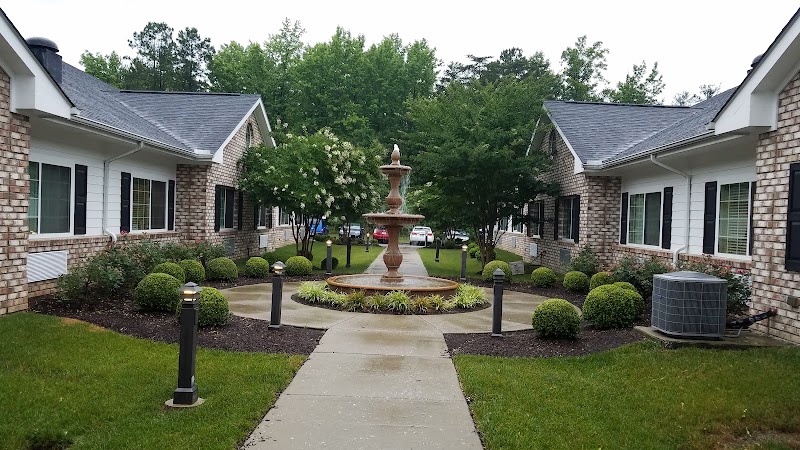
How is Autumn Care Of Mechanicsville Staffed?

CMS rates AUTUMN CARE OF MECHANICSVILLE's staffing level at 3 out of 5 stars, which is average compared to other nursing homes. Staff turnover is 33%, compared to the Virginia average of 46%. This relatively stable workforce can support continuity of care.

What Have Inspectors Found at Autumn Care Of Mechanicsville?

State health inspectors documented 33 deficiencies at AUTUMN CARE OF MECHANICSVILLE during 2021 to 2025. These included: 33 with potential for harm.

Who Owns and Operates Autumn Care Of Mechanicsville?

AUTUMN CARE OF MECHANICSVILLE is owned by a for-profit company. For-profit facilities operate as businesses with obligations to shareholders or private owners. The facility is operated by SABER HEALTHCARE GROUP, a chain that manages multiple nursing homes. With 169 certified beds and approximately 158 residents (about 93% occupancy), it is a mid-sized facility located in MECHANICSVILLE, Virginia.
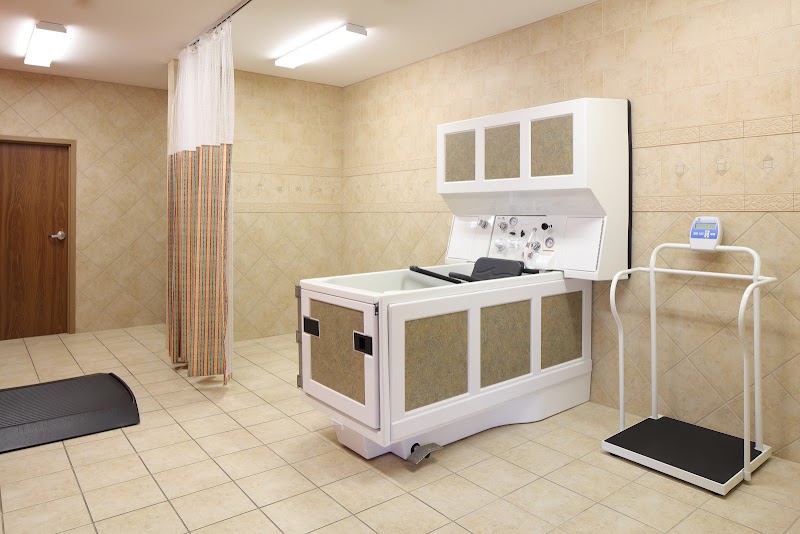
How Does Autumn Care Of Mechanicsville Compare to Other Virginia Nursing Homes?

Compared to the 100 nursing homes in Virginia, AUTUMN CARE OF MECHANICSVILLE's overall rating (2 stars) is below the state average of 3.0, staff turnover (33%) is significantly lower than the state average of 46%, and health inspection rating (2 stars) is below the national benchmark.

What Should Families Ask When Visiting Autumn Care Of Mechanicsville?

Based on this facility's data, families visiting should ask: "Can I visit during a mealtime to observe dining assistance and food quality?" "How do you handle medical emergencies, and what is your hospital transfer rate?" "Can I speak with family members of current residents about their experience?"

Is Autumn Care Of Mechanicsville Safe?

Based on CMS inspection data, AUTUMN CARE OF MECHANICSVILLE has a clean safety record: no substantiated abuse findings (meaning no confirmed cases of resident harm), no Immediate Jeopardy citations (the most serious violation level indicating risk of serious injury or death), and is not on the Special Focus Facility watch list (a federal program monitoring the lowest-performing 1% of nursing homes). The facility has a 2-star overall rating and ranks #100 of 100 nursing homes in Virginia. While no facility is perfect, families should still ask about staff-to-resident ratios and recent inspection results during their visit.

Do Nurses at Autumn Care Of Mechanicsville Stick Around?

AUTUMN CARE OF MECHANICSVILLE has a staff turnover rate of 33%, which is about average for Virginia nursing homes (state average: 46%). Moderate turnover is common in nursing homes, but families should still ask about staff tenure and how the facility maintains care continuity when employees leave.

Was Autumn Care Of Mechanicsville Ever Fined?

AUTUMN CARE OF MECHANICSVILLE has been fined $10,358 across 1 penalty action. This is below the Virginia average of $33,182. While any fine indicates a compliance issue, fines under $50,000 are relatively common and typically reflect isolated problems that were subsequently corrected. Families should ask what specific issues led to these fines and confirm they've been resolved.

Is Autumn Care Of Mechanicsville on Any Federal Watch List?

AUTUMN CARE OF MECHANICSVILLE is not on any federal watch list. The most significant is the Special Focus Facility (SFF) program, which identifies the bottom 1% of nursing homes nationally based on persistent, serious quality problems. Not being on this list means the facility has avoided the pattern of deficiencies that triggers enhanced federal oversight. This is a positive indicator, though families should still review the facility's inspection history directly.