NEWPORT NEWS NURSING & REHAB
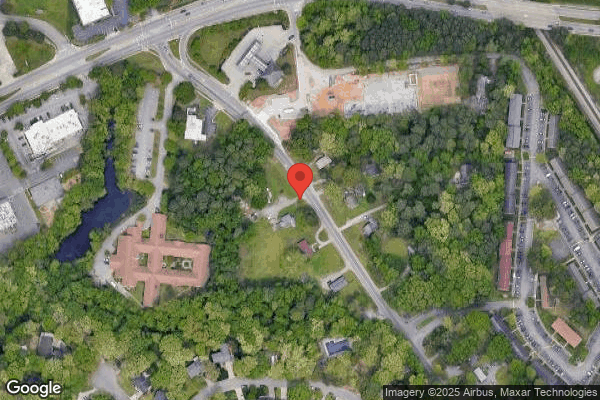
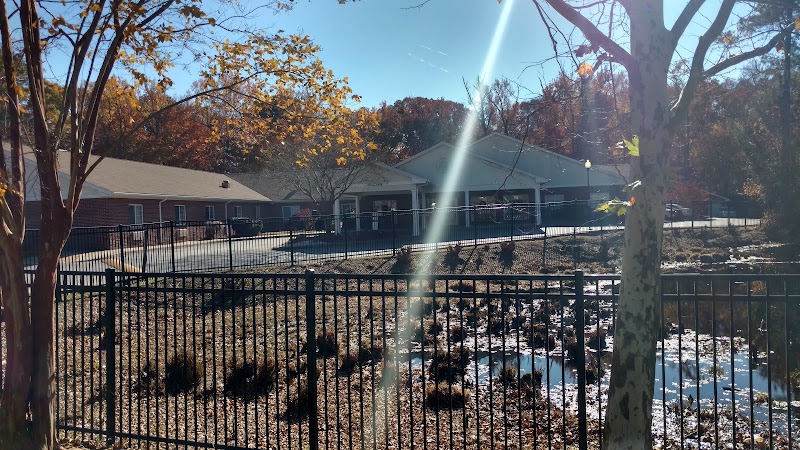
12997 NETTLES DRIVE, NEWPORT NEWS, VA 23602 (757) 249-8880
For profit - Corporation 102 Beds CONSULATE HEALTH CARE/INDEPENDENCE LIVING CENTERS/NSPIRE HEALTHCARE/RAYDIANT HEALTH CARE Data: November 2025
Trust Grade
25/100
#206 of 285 in VA
Last Inspection: September 2022

Over 2 years since last inspection. Current conditions may differ from available data.

Overview

Newport News Nursing & Rehab has received an F trust grade, indicating significant concerns about the quality of care provided, which places it in the bottom tier of facilities. It ranks #206 out of 285 in Virginia and #4 out of 6 in Newport News City County, meaning only two local options are worse. The facility is reportedly improving, with issues decreasing from 25 in 2022 to just 3 in 2024, but it still has substantial weaknesses, including a concerning staffing turnover rate of 66%, much higher than the state average. While there are no fines on record, which is a positive sign, the facility has been cited for serious incidents, such as failing to prevent pressure ulcers and not providing necessary pain management for residents, leading to significant discomfort. Additionally, the facility has less RN coverage than 76% of state facilities, which raises concerns about the adequacy of medical oversight.

Trust Score
F
25/100
In Virginia
#206/285
Bottom 28%
Safety Record
High Risk
Review needed
Inspections
Getting Better
25 → 3 violations
Staff Stability
⚠ Watch
66% turnover. Above average. Higher turnover means staff may not know residents' routines.
Penalties
✓ Good
No fines on record. Clean compliance history, better than most Virginia facilities.
Skilled Nurses
⚠ Watch
Each resident gets only 21 minutes of Registered Nurse (RN) attention daily — below average for Virginia. Fewer RN minutes means fewer trained eyes watching for problems.
Violations
⚠ Watch
56 deficiencies on record. Higher than average. Multiple issues found across inspections.
★★☆☆☆
2.0
Overall Rating
★☆☆☆☆
1.0
Staff Levels
★★★★★
5.0
Care Quality
★☆☆☆☆
1.0
Inspection Score
Stable
2022: 25 issues
2024: 3 issues

The Good

  • 5-Star Quality Measures · Strong clinical quality outcomes
  • Full Sprinkler Coverage · Fire safety systems throughout facility
  • No fines on record

Facility shows strength in quality measures, fire safety.

The Bad

2-Star Overall Rating

Below Virginia average (3.0)

Below average - review inspection findings carefully

Staff Turnover: 66%

20pts above Virginia avg (46%)

Frequent staff changes - ask about care continuity

Chain: CONSULATE HEALTH CARE/INDEPENDENCE

Part of a multi-facility chain

Ask about local staffing decisions and management

Staff turnover is elevated (66%)

18 points above Virginia average of 48%

The Ugly 56 deficiencies on record

4 actual harm
Nov 2024 3 deficiencies
CONCERN (D) 📢 Someone Reported This

A family member, employee, or ombudsman was alarmed enough to file a formal complaint

Potential for Harm - no one hurt, but risky conditions existed

Deficiency F0658 (Tag F0658)

Could have caused harm · This affected 1 resident

**NOTE- TERMS IN BRACKETS HAVE BEEN EDITED TO PROTECT CONFIDENTIALITY** Based on staff interview, clinical record review, and review of facility documents, the facility staff failed to administer a me...

Read full inspector narrative →
**NOTE- TERMS IN BRACKETS HAVE BEEN EDITED TO PROTECT CONFIDENTIALITY** Based on staff interview, clinical record review, and review of facility documents, the facility staff failed to administer a medication per physician order for one of nine residents, (Resident #8) in the survey sample. The findings included: Resident #8 was admitted to the facility on [DATE] after an acute care hospital stay. The diagnoses included syncope, seizure disorder, diabetes mellitus (DM), alcohol dependence, and human immunodeficiency virus disease (HIV). The admission Minimum Data Set (MDS) assessment with an assessment reference date (ARD) of 12/31/23, coded the resident as completing the Brief Interview for Mental Status (BIMS) and scoring 15 out of a possible 15. This indicated Resident #8 cognitive abilities for daily decision making were intact. In section I(active diagnosis) the resident was coded for seizure disorder. An interview was conducted with Licensed Practical Nurse (LPN) #1, on 11/6/24 at approximately 1:04 PM. LPN #1 stated that she was not able to give Resident #8 his Keppra (levetiracetam) on 12/26/23 because it was not available, and they were waiting on it to come from the pharmacy. An interview was conducted with the Director of Nursing (DON) on 11/6/24 at approximately 2:30 PM, who provided a list of medications that were available in the Omnicell on the days Resident #8 missed doses and acknowledged, the form of medication that was needed for the resident was not available. Review of Resident #8's order summary dated 12/24/23 included an order for levetiracetam 7.5 milliliters (ml) twice daily to treat seizures. Review of Resident #8's medication administration record (MAR) for December 2023 reflects the resident not receiving scheduled levetiracetam on 12/25/23 at 5:00 PM and 12/26/23 at 9:00 AM. For unadministered doses, nursing staff documented a number nine that meant to see progress notes. Review of the progress note for 12/25/23, indicated the nurse was waiting on pharmacy and could not pull medication from the Omnicell. Review of the progress note from 12/26/23, indicated the nurse called pharmacy and was told the levetiracetam would be sent out on the first run that day. Review of the medications available in the Omnicell on 12/25/23 and 12/26/23, was levetiracetam 500 mg tablets. No liquid levetiracetam was available in the Omnicell. The facility's policy titled Administering Medications, with a revision date of 4/2019, indicated medications were to be administered in accordance with prescriber orders. On 11/7/24 at approximately 3:15 PM, the above findings were shared with the RVPO, Administrator, Administration Support, Administrator in Training, Director of Nursing, and Corporate Nurse Consultant. An opportunity was offered to the facility's staff to present additional information, but no additional information was provided.
CONCERN (D) 📢 Someone Reported This

A family member, employee, or ombudsman was alarmed enough to file a formal complaint

Potential for Harm - no one hurt, but risky conditions existed

Accident Prevention (Tag F0689)

Could have caused harm · This affected 1 resident

Based on resident interview, staff interview, clinical record review, and review of facility documents, the facility staff failed to protect a resident from leaving the premises or a safe area without...

Read full inspector narrative →
Based on resident interview, staff interview, clinical record review, and review of facility documents, the facility staff failed to protect a resident from leaving the premises or a safe area without the facility's knowledge and supervision for 1 of 9 residents (Resident #4) in the survey sample. The findings included: Resident #4 was originally admitted to the facility 5/4/23. The resident's diagnoses included unspecified dementia, cognitive communication deficit, anxiety disorder, peripheral vascular disease, and type 2 diabetes mellitus. The quarterly Minimum Data Set (MDS) assessment with an assessment reference date (ARD) of 8/11/24 coded the resident as completing the Brief Interview for Mental Status (BIMS) and scoring (-) out of a possible 15. An interview was conducted on 11/7/24 at 3:47 PM with the MDS Coordinator. The MDS Coordinator stated that the (-) means the Brief Interview for Mental Status (BIMS) was not completed. The MDS Coordinator also stated that this was due to the Social Services Department not completing the interview. The MDS Coordinator also voiced that Resident #4's cognitive abilities for decision making are impaired and the resident has cognitive deficits. On 11/4/24 at 1:30 PM an interview was conducted with Resident #4. Resident #4 stated that he believes he cut his wander guard off and left the facility to walk to his apartment. Resident #4 also stated that he really cannot remember much and does not know why he is here. On 11/6/24 at 4:30PM an interview was conducted with the Director of Nursing (DON). The DON stated that on 10/5/24 during the 10:00 PM rounds, the nurse working discovered Resident #4 was not in his room. The DON also stated that the staff initiated the elopement process and called the local authorities. The DON voiced that the Assistant Director of Nursing (ADON) called Resident #4's cell phone number at 11:26 PM on 10/5/24 and the resident informed her that he was at the Advance Auto store. Local authorities were notified and Resident #4 was brought back to the facility. On 11/7/24 at 2:10 PM an interview was conducted with the Regional [NAME] President of Operations (RVPO). The RVPO stated that Resident #4 eloped due to the resident cutting off the wander guard and the staff not supervising the resident to prevent the elopement. A review of Resident #4's nurses note dated 10/6/24 at 3:14 AM read that Resident #4 left the facility without notifying staff and signing out LOA. The nurses note also read that Resident #4 stated that he was at Advance Auto and left because he was told he had to leave. Resident #4 returned back to facility at 11:38 PM. On 11/7/24 at 3:00 PM an interview was conducted with the Nurse Practitioner (NP). The NP stated that Resident #4's cognitive level changes daily. The NP also stated that Resident #4 has a significant psychiatric mental health history. The NP further stated that Resident #4 does not have judgement regarding safety awareness. A review of Resident #4's nurses note dated 12/10/23 at 4:51 PM read: please be advised the (Psychiatric) Psy NP request the wander guard stay on based on the resident at times becomes confused and at risk to elope. A review of Resident #4's Psychiatric mental health progress note dated 8/1/24 at 4:03 PM read: Recommended wander guard due to patients poor insight, judgement and psychiatric history. He is noted with poor safety awareness as well. On 11/7/24 at approximately 4:12 PM, a final interview was conducted with the Administrator, two Assistant Administrators, Director of Nursing and Regional Director of Clinical Services. They had no further comments and voiced no concerns regarding the above information. The Facility's Missing Patient/Resident document with a revision date of 8/1/20 read: An elopement occurs when a patient/resident leaves the premises or a safe area without authorization and/or any necessary supervision to do so, placing the patient/resident at risk for harm or injury.
CONCERN (D) 📢 Someone Reported This

A family member, employee, or ombudsman was alarmed enough to file a formal complaint

Potential for Harm - no one hurt, but risky conditions existed

Deficiency F0868 (Tag F0868)

Could have caused harm · This affected 1 resident

Based on facility record review, the facility staffed failed to have an Administrator present for a quarterly quality assurance performance improvement (QAPI) meeting. The findings included: The facil...

Read full inspector narrative →
Based on facility record review, the facility staffed failed to have an Administrator present for a quarterly quality assurance performance improvement (QAPI) meeting. The findings included: The facility's attendance sheet for the quarterly QAPI meeting dated 9/24/2024, was missing evidence of an Administrator being present. An interview was conducted with the Regional [NAME] President of Operations (RVPO) on 11/7/2024 at approximately 11:20 AM. The RVPO said that he had been functioning as the facility's Administrator since the previous administrator left a few weeks ago. The RVPO shared a copy of the facility's quarterly QAPI meeting sign in sheet for 9/24/24. After it was noted that there was no Administrator's signature, the RVOP was asked if he was sure this was a quarterly meeting and he responded, yes. The facility's policy titled Quality Assurance Performance Improvement Program effective on 11/30/2014, revised on 10/24/22, list the Executive Director (Administrator) as one of the four members who must be present on the QAPI committee. On 11/7/24 at approximately 3:15 PM, the above findings were shared with the RVPO, Administrator, Administration Support, Administrator in Training, Director of Nursing, and Corporate Nurse Consultant. An opportunity was offered to the facility's staff to present additional information, but no additional information was provided.
Sept 2022 25 deficiencies 2 Harm
SERIOUS (G)

Actual Harm - a resident was hurt due to facility failures

Pressure Ulcer Prevention (Tag F0686)

A resident was harmed · This affected 1 resident

Based on observations, staff interviews, and clinical record review, the facility staff failed to develop and institute measures to prevent pressure ulcer development for an individual known to develo...

Read full inspector narrative →
Based on observations, staff interviews, and clinical record review, the facility staff failed to develop and institute measures to prevent pressure ulcer development for an individual known to develop pressure ulcers to the left foot/ankle for 1 of 4 residents with pressure ulcers (Resident #26), in the survey. A. The facility staff failed to promote healing of deep tissue pressure ulcer to the left lateral plantar foot and to conduct a complete assessment, reassess and document the status of the pressure ulcer once the wound bed was exposed which resulted in deterioration as evidenced by eschar and drainage at various times, which constituted harm. B. The facility staff failed to promote healing of deep tissue pressure ulcer by not obtaining a treatment for the left great toe pressure ulcer and to conduct a complete assessment, reassess and document the status of the left great toe once the wound bed was exposed, which constituted harm. The findings included: Resident #26 was originally admitted to the facility 11/18/2014 and the resident had never been discharged from the facility. The current diagnoses included; dementia, a-fib, and high blood pressure. The annual Minimum Data Set (MDS) assessment with an assessment reference date (ARD) of 6/20/22 coded the resident as completing the Brief Interview for Mental Status (BIMS) and scoring 0 out of a possible 15. This indicated Resident #26's cognitive abilities for daily decision making were severely impaired. In section G (Physical functioning) the resident was coded as requiring total physical assistance of one person with toileting, extensive physical assistance of two plus persons with bed mobility and transfers, extensive physical assistance of one person with dressing and bathing, supervision with physical assistance of one person with eating and activity didn't occur with walking, locomotion, personal hygiene. A review of the facility's matrix revealed Resident #26 had facility acquired pressure ulcers and during the initial tour on 8/28/22 at approximately 5:15 p.m., Resident #26 was observed in his room with Kling wrap to the left lower extremity. The right foot as observed with an increased amount of edema (swelling), and black and blue discoloization. The resident was unable to state what had occurred to either extremity. Historical documentation from the resident's record revealed the resident had experienced repeated pressure ulcers and skin impairment to the left lower extremity including the left proximal foot 6/8/22, a DTI of the left pinky toe 6/2/22, the left outer ankle pressure ulcer 5/18/22, 4/26/2022 left ankle wound infection, 4/5/22 Skin tear to left ankle. On 8/30/22 at approximately 12:35 p.m., the resident was observed in bed reclined on a standard mattress with non-skid shoes to bilateral feet. He was lying on his left side and the left foot was positioned so the left 5the digit and ankle were making contact with the bed and the left great toe was up. On 8/31/22 at approximately 1:10 p.m., Resident #26 was observed in bed again lying on his left side with his left foot, the 5th digit and ankle down against the mattress and the great toe up. No positioning/ offloading devices such as wedges, or pillows heel floats were in use. On 8/31/22 at approximately 11:08 a.m., an interview was conducted with Certified Nursing Assistant (CNA) #1. CNA #1 stated Resident #26 was a long term resident and he is normally cooperative with care, often restless, and attempts to reposition himself. She stated the resident was currently with right foot bruising and swelling and had a bandage on his left foot. CNA #1 stated she had never used positioning devices with the resident. On 8/31/22 at approximately 11:17 a.m., an interview was conducted with Certified Nursing Assistant (CNA) #2. CNA #2 stated he normally gets the resident out of bed in the morning and his gown is usually off and the resident is only a brief and socks. CNA #2 stated the resident is usually lying on his side to face the window (his left side) and there are no positioning devices. CNA #2 also stated the resident had stopped walking when he returned to the unit in June and because of open areas to his foot he doesn't wear his brown dress shoes any longer. He also stated when the resident experiences discomfort related to his contracture he will become resistant. The following active pressure ulcer orders were on the current August 2022 physician order summary and were signed off on the MAR as provided by the licensed nursing staff: 7/8/22- Iodosorb Gel 0.9 % (Cadexomer Iodine) Apply to the bottom of the left foot wound topically, one time a day every Monday, Thursday, and Saturday for the left ankle wound. 8/12/22- Left plantar foot and left ankle wound. Cleanse with normal saline. Pat dry, apply Iodosorb to the wound bed, cover the wound with bordered gauze one time a day every Monday, Wednesday, Friday to the left plantar wound. A. left lateral plantar foot: At the time of the Pressure Ulcer Wound Round on 6/15/22 no weekly skin assessments had been completed since 4/20/22 and there were no nurse's notes or other documentation in the resident's record concerning the resident's left lateral plantar's foot deep tissue injury. It appeared the resident's left lateral plantar's foot pressure ulcer was identified when another pressure ulcer to the left foot was being assessed during wound rounds and left lateral plantar's foot pressure ulcer was first assessed during wound rounds with the wound care physician during Pressure Ulcer Wound Rounds on 6/15/22. The left lateral plantar's foot wound was identified as an unstageable deep tissue injury with intact skin, measuring 1.1 centimeters (cm) by 2.0 centimeters by 0 centimeters. The assessment further revealed the wound bed was without drainage or odor, the wound edges were firm and without redness, and the periwound skin area was intact. The treatment was to cleanse the wound with normal saline, pat dry, apply skin prep and off load, one time a day. The left lateral plantar's foot pressure ulcer was reassessed 6/22/22 during the Pressure Ulcer Wound Rounds. It remained classified as an unstageable deep tissue injury, measuring 1.0 cm by 2.0 centimeters by 0 centimeters. The assessment further revealed the wound bed was without drainage or odor, the wound edges were firm and without redness, and the periwound skin area was intact. The treatment was changed to cleanse with normal saline, pat dry and apply betadine wipes and offload one time a day. The left lateral plantar's foot pressure ulcer was reassessed 6/29/22 during the Pressure Ulcer Wound Rounds. It remained classified as an unstageable deep tissue injury, measuring 1.0 cm by 2.0 centimeters by 0 centimeters and the wound bed was identified with black eschar, no drainage or odor, the wound edges were firm, without redness, and the periwound was intact. The treatment remained the same. The wound was now with nonviable tissue, eschar. The left lateral plantar's foot pressure ulcer was reassessed 7/6/22 during the Pressure Ulcer Wound Rounds. It remained classified as an unstageable deep tissue injury, measuring 0.5 cm by 0.9 centimeters by 0 centimeters with a pink wound bed and without redness, drainage or odor. The periwound was intact. A treatment was to start 7/822 to cleanse with normal saline. Pat dry and apply Iodosorb and cover the wound with a dressing one time a day every Monday, Wednesday, and Friday. The wound bed was pink making it observable and the pressure ulcer should have been staged. The left lateral plantar's foot pressure ulcer was reassessed 7/13/22 during the Pressure Ulcer Wound Rounds. It remained classified as an unstageable deep tissue injury, measuring 0.5 cm by 0.8 centimeters by 0.1 centimeters and the wound bed was without drainage or odor but the wound bed's tissue type and color were not documented, the wound edges were firm and without edges and the periwound was intact. The treatment remained the same. The left lateral plantar's foot pressure ulcer was reassessed 7/20/22 during the Pressure Ulcer Wound Rounds. It remained classified as an unstageable deep tissue injury, measuring 0.5 cm by 1.5 centimeters by 0.1 centimeters. The wound bed tissue type and color were not documented but a small amount of clear serous drainage was documented, the wound edges remained firm and without redness and the periwound was intact. The treatment remained the same. The wound showed deterioration in the width and was now draining. The left lateral plantar's foot pressure ulcer was reassessed 7/27/22 during the Pressure Ulcer Wound Rounds. It remained classified as an unstageable deep tissue injury, measuring 0.5 cm by 1.0 centimeters by 0.1 centimeters. The wound bed tissue type and color were not documented but the wound was with a small amount of clear serous drainage, the wound edges remained firm and without redness and the periwound was intact. The treatment was changed to cleanse with normal saline, pat dry, apply silver alginate to wound and cover with a silicone foam dressing one time a day every Monday, Wednesday, Friday. The left lateral plantar's foot pressure ulcer was reassessed 8/3/22 during the Pressure Ulcer Wound Rounds. It remained classified as an unstageable deep tissue injury, measuring 0.5 cm by 1.0 centimeters by 0.1 centimeters. The wound bed tissue type and color were not documented but the wound continued with a small amount of clear serous drainage, the wound edges remained firm and without redness and the periwound was intact. The treatment was changed to cleanse with normal saline, pat dry, apply Iodosorb to the wound bed, and cover the wound with bordered gauze one time a day every Monday, Wednesday, and Friday. The left lateral plantar's foot pressure ulcer was reassessed 8/10/22 during the Pressure Ulcer Wound Rounds. It remained classified as an unstageable deep tissue injury, measuring 1.0 cm by 2.0 centimeters by 0.1 centimeters. The wound bed tissue type and color were not documented, it was without drainage or odor, the wound edges were firm and without redness and the periwound was intact. An order was given to start on 8/12/22 read; cleanse with normal saline, pat dry, apply Iodosorb to the wound bed, and cover the wound with bordered gauze one time a day every Monday, Wednesday, and Friday. This wasn't a change in the wound order. The left lateral plantar's foot pressure ulcer was reassessed 8/17/22 during the Pressure Ulcer Wound Rounds. It remained classified as an unstageable deep tissue injury, measuring 0.5 cm by 1.5 centimeters by 0.1 centimeters. The wound bed tissue type and color were not documented, it was without drainage or odor, the periwound was intact, the edges were firm and without redness. The treatment remained the same. The left lateral plantar's foot pressure ulcer was reassessed 8/24/22 during the Pressure Ulcer Wound Rounds. It remained classified as an unstageable deep tissue injury, measuring 0.1 cm by 0.1 centimeters by 0.1 centimeters. The wound bed tissue type and color were not documented, it was without drainage or odor, the periwound was intact, the edges were firm and without redness. The treatment remained the same. On 8/30/22 at approximately 12:40 p.m., a wound care observation was conducted with Licensed Practical Nurse (LPN) #5. LPN #5 removed a dressing from Resident #26's left lateral plantar's foot pressure ulcer. The left lateral plantar's foot pressure ulcer pressure ulcer was opened, measuring approximately 0.4 cm by 0.4 cm by 0.2 cm and presented with a pale pink wound bed with no drainage, and no odor. The wound was surrounded by new skin from a previously opened area. LPN #5 cleaned the left lateral plantar's foot pressure ulcer with normal saline, applied Iodosorb Gel and a border dressing. The left lateral plantar's foot pressure ulcer was reassessed by the NP on 8/31/22 at approximately 1:10 p.m., and determined to be opened and without the wound bed was observable to be staged. The NP assessment wasn't made available to the survey team prior to the conclusion of the survey. B. Left great toe: A review of the Pressure Ulcer Wound Rounds documentation revealed Resident #26 was assessed on 8/10/22 with an unstageable deep tissue injury of the left great toe, which measured 0.3 cm by 0.5 cm by 0.1 cm. The wound bed tissue type and color were not documented, it was without drainage or odor, the wound edges were firm and without redness and the periwound was intact. The 8/10/22 NP progress note stated the left lateral great toe was with granulation tissue. A pressure ulcer with granulation tissue should be staged. The Pressure Ulcer Wound Rounds documentation for 8/17/22 revealed the resident was with an unstageable deep tissue injury of the left great toe pressure ulcer increased in size measuring 0.5 cm by 0.5 cm by 0.1 cm. The wound bed tissue type and color were not documented, it was with a small amount of clear serous drainage but no odor, the wound edges were firm and without redness and the periwound was intact. The NP's 8/24/22 progress note stated the resident had a pressure ulcer of the left lateral great toe with granulation tissue but without slough, eschar and signs of infection. The progress note further read the wound treatment was Iodosorb. There was no Pressure Ulcer Wound Rounds documentation for 8/24/22. This wound was documented as resolved on 8/24/22 by the Assistant Director of Nursing. A review of the August 2022 Physician's Order Summary (POS) failed to offer evidence there was a treatment order for the left great toe pressure ulcer. On 8/30/22 at approximately 12:40 p.m., a wound care observation was conducted with Licensed Practical Nurse (LPN) #5. LPN #5 removed a dressing from Resident #26's left lateral great toe. The left lateral great toe pressure ulcer had an open area approximately 0.2 cm by 0.2 cm by 0.1 cm, with a pink wound bed and presented with light yellow drainage. Immediately around the left lateral great toe pressure ulcer was fragile new skin and distally there was blanchable red skin. LPN #5 cleaned the left lateral great toe pressure ulcer with normal saline, applied Iodosorb Gel and a border dressing. The left lateral great toe pressure ulcer was reassessed by the NP on 8/31/22 and determined to be opened with drainage. The NP's assessment wasn't made available to the survey team and a wound care order for treatment of the left great toe were not written after the assessment to be carried out by the licensed nursing staff prior to conclusion of the survey. On 8/31/22 at approximately 11:23 a.m., an interview was conducted with the treating NP and the Wound Care Registered Nurse (RN). The NP stated she didn't change her documentation from deep tissue injury with intact skin because she was under the impression that once a pressure ulcer was classified it had to remain whatever it was identified as until it healed, not that if the wound bed became observable the staging should be changed. The NP also stated she was unaware there had been no treatment orders in place for the resident's left great toe and she thought the resident's left great toe was healed. Upon the NP's reassessment of the resident's left great toe on 8/31/22 at approximately 1:10 p.m., it was identified as opened and with drainage. The NP further stated she was aware the resident favored lying on his left side and the resident's pressure ulcer development was always to the left lower foot and ankle but she hadn't thought to develop a plan to protect the left foot in order to prevent additional pressures ulcers. The NP stated she had ordered nutritional support (Prostat and Juven) to aid in healing of the resident's pressure ulcers. The current care plan had a problem dated 4/22/22 which read; (name of the resident) has a potential for skin impairment related to smoking dry/fragile skin and use of psychotropic medication. The goal read; (name of the resident) potential for impaired skin integrity will be minimized through the review date. The interventions included; float heels as tolerated while in bed. Weekly treatment documentation to include measurement of each area of skin breakdown's width, length, depth, type of tissue and exudate and any other notable changes or observations. The current care plan had a problem dated 7/19/22 which read; resident has a deep tissue injury of the left pinky toe. The goal read; the resident's DTI will be healed by the review date. The interventions included; Treatment as ordered and monitor for effectiveness of treatment. Weekly treatment documentation to include measurement of each area of skin breakdown's width, length, depth, type of tissue and exudate and any other notable changes or observations. Wound consult as ordered. Braden scale completed 6/2/22 revealed Resident #26 had a low risk for pressure ulcer development. It revealed the resident responds to verbal commands, but cannot always communicate discomfort or the need to be turned. OR has some sensory impairment which limits ability to feel pain or discomfort in 1 or 2 extremities. Skin is occasionally moist, requiring an extra linen change approximately once a day. Ability to walk severely limited or non-existent. Cannot bear own weight and/or must be assisted into chair or wheelchair. Eats over half of most meals. Eats a total of 4 servings of protein (meat, dairy products per day. Occasionally will refuse a meal, but will usually take a supplement when offered. Moves in bed and in chair independently and has sufficient muscle strength to lift up. On 9/1/22 at approximately 4:00 p.m., the above findings were shared with the Administrator, Director of Nursing and the Corporate Consultant. An opportunity was offered to the facility's staff to present additional information but no information was provided and no concerns were voiced. M0300: Current Number of Unhealed Pressure Ulcers/Injuries at Step 2: Identify Unstageable Pressure Ulcers 1. Visualization of the wound bed is necessary for accurate staging. 2. If, after careful cleansing of the pressure ulcer/injury, a pressure ulcer's/injury's anatomical tissues remain obscured such that the extent of soft tissue damage cannot be observed or palpated, the pressure ulcer/injury is considered unstageable. 3. Pressure ulcers that have eschar (tan, black, or brown) or slough (yellow, tan, gray, green or brown) tissue present such that the anatomic depth of soft tissue damage cannot be visualized or palpated in the wound bed, should be classified as unstageable, as illustrated at http://www.npuap.org/wp-content/uploads/2012/03/NPUAP-Unstage2.jpg. 4. If the wound bed is only partially covered by eschar or slough, and the anatomical depth of tissue damage can be visualized or palpated, numerically stage the ulcer, and do not code this as unstageable. 5. A pressure injury with intact skin that is a deep tissue injury (DTI) should not be coded as a Stage 1 pressure injury. It should be coded as unstageable. (CMS's RAI Version 3.0 Manual, Chapter 3 page M-8) COMPLAINT DEFICENCY
SERIOUS (G)

Actual Harm - a resident was hurt due to facility failures

Deficiency F0697 (Tag F0697)

A resident was harmed · This affected 1 resident

Based on a resident interview, staff interviews, clinical record review, and review of facility documents, the facility staff failed to provide scheduled around the clock Morphine Sulfate for greater ...

Read full inspector narrative →
Based on a resident interview, staff interviews, clinical record review, and review of facility documents, the facility staff failed to provide scheduled around the clock Morphine Sulfate for greater than 24 hours, resulting in constant chest pain with periods of a hammering chest pain which made breathing difficult and increased anxiousness for 1 of 38 residents (Resident #14), in the survey sample. The findings included: Resident #14 was originally admitted to the facility 4/4/22 for rehabilitation and the resident had never been discharged from the facility. The current diagnoses included; scarring related to coronary artery disease with previous bypass surgery, chronic pain syndrome secondary to chronic obstructive pulmonary disease, Long COVID-19, and obstructive sleep apnea, requiring (continuous positive airway pressure) CPAP. The quarterly Minimum Data Set (MDS) assessment with an assessment reference date (ARD) of 6/7/22 coded the resident as completing the Brief Interview for Mental Status (BIMS) and scoring 15 out of a possible 15. This indicated Resident #14's cognitive abilities for daily decision making were intact. In section G (Physical functioning) the resident was coded as requiring limited physical assistance of one person with transfers and toileting, supervision physical assistance of one person of one person with bed mobility and walking in the room, supervision with set-up help only with walking off the unit, locomotion, personal hygiene and bathing. During an interview with Resident #14 on 8/31/22 at approximately 1:30, p.m., the resident stated he thought he would have to go to the hospital overnight because of severe chest pain rating 7 out of 10 after receiving the scheduled Lyrica. He stated he experienced periods of constant chest pain, then there was periods of a hammering chest pain which made breathing difficult and increased anxiousness. The resident stated he didn't think to apply his CPAP when his breathing was compromised because he felt a transfer to the hospital was the only answer. The resident voiced these symptoms, in the past, had required transfer to the hospital to manage the pain until it was controlled. The resident stated he had been without the scheduled Morphine Sulfate since receiving the last dose on 8/29/22 at approximately 9:00 p.m., until 6:00 a.m., that morning, 8/31/22. Resident #14 stated the nurses said the Morphine Sulfate hadn't been delivered from the pharmacy. Resident #14 stated the same thing happened approximately 2 months ago but it didn't take as long for the medication to arrive to the facility. The resident stated the nurses don't understand when he has been without the Morphine Sulfate, when he does receive it doesn't control the pain again for at least a day or two. An interview was conducted with Registered Nurse (RN) #2, on 9/1/22 at approximately 11:15 a.m. RN #2 stated on 8/31/22 when she accepted the assignment which included Resident #14 she wasn't informed the Morphine Sulfate wasn't available to the administered and hadn't been available since 8/29/22 at 9:00 p.m. RN #2 stated at approximately 1:00 p.m., when she began passing the 2:00 p.m., medications that she was unable to locate the ordered Morphine Sulfate for Resident #14 but, she saw Norco in the narcotic box for the resident therefore she explained her finding to the Nurse Practitioner (NP) and the NP gave her a onetime order for Norco. RN #2 stated there was no order on the current Physician's Order Summary for Norco yet she didn't realize it was a discontinued medication and should not have stored with the active medications. RN #2 additionally stated she made no other attempts to obtain the Morphine Sulfate and she didn't discuss not having the Morphine Sulfate available to administer with anyone after speaking with the NP, including the pharmacy staff. On 9/1/22 at approximately 2:40 p.m., an interview was conducted with the Director of Nursing (DON), regarding the Morphine Sulfate for Resident #14. The DON stated she wasn't aware there was a concern regarding the Morphine Sulfate until the surveyor asked for documents referencing the drug. The DON stated obtaining a onetime dose of Norco wasn't a substitute for not having the scheduled medication and it wasn't likely to control the Resident's pain. The DON stated she had no further information to present regarding the unavailable Morphine Sulfate. A review of the Physician Assistant - Certified (PA-C) progress note dated 8/15/22 stated the resident's pain didn't improve with use of the Norco therefore a rotation of Morphine Sulfate and an increase in Lyrica were instituted to achieve effective pain control. The August 2022 Physician's order summary revealed an order dated 7/6/22 for Morphine Sulfate Tablet 15 mg; Give 0.5 tablet by mouth every 8 hours for chest wall pain. A review of the medication administration record (MAR) revealed the resident receive the a 10:00 p.m., scheduled dose of Morphine Sulfate on 8/29/22 but on 8/30/22 the Morphine Sulfate wasn't administered at 6: 00 a.m., and 2:00 p.m., the documentation was coded 9, Other/See Nurse Notes, and scheduled dose of Morphine Sulfate wasn't administered at 10:00 p.m., the documentation was coded 11, Held Per Parameters. There were no information referencing parameters for this medication. A review of the nurse's progress note revealed no supporting documentation for the above codes (9, 11) and no assessments indicating the resident's status without administration of the scheduled doses of Morphine Sulfate. A review of the current care plan dated 8/2/22 had a problem which read; (name of the resident) has complaints of chest and neuropathic pain. The goal read; (name of the resident) will have well-controlled pain through review date, 9/11/2022. The interventions included; administer medication/treatment as ordered. Monitor/document side effects and effectiveness. Monitor vital signs during reported chest pain episode (at least q 5 min). On 9/1/22 at approximately 4:00 p.m., the above findings were shared with the Administrator, Director of Nursing and the Corporate Consultant. An opportunity was offered to the facility's staff to present additional information but no information was provided and no concerns were voiced. Morphine sulfate is a strong analgesia used to relieve severe, acute pain or moderate to severe, chronic pain. (pubchem.ncbi.nlm.nih.gov/compound/16051935) Lyrica capsules, oral solution (liquid),and extended-release (long-acting) tablets are used to relieve neuropathic pain (pain from damaged nerves) that can occur in your arms, hands, fingers, legs,feet, or toes if you have diabetes and postherpetic neuralgia (PHN; theburning, stabbing pain or aches that may last for months or years after anattack of shingles) (https://medlineplus.gov/druginfo/meds/a605045.html)
CONCERN (D)

Potential for Harm - no one hurt, but risky conditions existed

Notification of Changes (Tag F0580)

Could have caused harm · This affected 1 resident

**NOTE- TERMS IN BRACKETS HAVE BEEN EDITED TO PROTECT CONFIDENTIALITY** Based on staff interviews, clinical record review and facility document review, the facility staff failed to notify the physicia...

Read full inspector narrative →
**NOTE- TERMS IN BRACKETS HAVE BEEN EDITED TO PROTECT CONFIDENTIALITY** Based on staff interviews, clinical record review and facility document review, the facility staff failed to notify the physician of two (2) missed doses of a scheduled medication Coreg (Carvedilol) 6.25 milligrams (mg) per physician's orders for 1 out of 38 residents (Resident #24) in the survey sample. The findings included: Resident #24 was admitted to the facility on [DATE]. Diagnoses included but are not limited to Congestive Heart Failure (CHF) and Coronary artery disease (CAD). Resident #24's Minimum Data Set (MDS - an assessment protocol) a quarterly assessment with an Assessment Reference Date of 06/16/22 coded Resident #24's Brief Interview for Mental Status (BIMS) scored a 13 out of a possible score of 15 indicating no cognitive impairment. The MDS coded Resident #24 requiring limited assistance of one with bed mobility, transfer, dressing, transfer, personal hygiene and bathing and supervision with limited assistance of one with eating for Activities of Daily Living (ADL) care. The care plan with a revision date of 02/03/21 identified Resident #24 has altered cardiovascular status related but not limited to Congestive Heart Failure (CHF) and Hypertension. The goal set for the resident by the staff was that the resident will be free from complications of cardiac problems. Resident #24 had a physician order dated 02/02/21, for Coreg tablet 6.25 mg. The order read to give one (1) tablet by mouth two times a day related to coronary artery disease. The medication was scheduled to be administered at 9:00 a.m., and 5:00 p.m. On 08/26/22 at approximately 4:20 p.m., a medication administration observation was made with Licensed Practical Nurse (LPN) #1. The LPN was unable to locate Resident #24's Coreg 6.25 mg inside the medication cart. The LPN stated she would order the missing medication from the pharmacy. The medication was not administered to Resident #24. On 08/29/22 at 04:22 PM, a medication observation was conducted with LPN #1. LPN #1 was unable to locate the medication Coreg 6.25 mg to administer to Resident #24 as written on the medication administration record (MAR) therefore, the medication wasn't administered. LPN #1 stated she could see the medication was ordered but it wasn't available on the medication cart and she would look further into the rationale later. A review of Resident #24's clinical record did not reveal the physician was informed the resident was not administered his Coreg 6.25 mg on 08/28/22 and 08/29/22 at 5:00 p.m. On 08/30/22 at approximately 5:16 p.m., a phone call was placed to License Practical Nurse (LPN) #1. The LPN was assigned to administer Resident #24 his Coreg 6.25 mg on 08/28/22 and 08/29/22 at 5:00 p.m. A message was left, the LPN never returned the call. The Administrator, Director of Nursing (DON) and Regional Director of Clinical Services was informed of the finding during a briefing on 08/31/22 at approximately 3:57 p.m. The DON stated the nurse should have notified the physician that Resident #24 did not receive his scheduled Coreg 6.25 mg on the two days mentioned above. The facility's policy titled Notification of Change in Condition - revised on 12/16/20. Policy: The center to promptly notify the Patient/Resident, the attending physician, and the Resident Representative when there is a change in the status or condition. Definitions: -Congestive Heart Failure occurs when the heart muscle doesn't pump blood as well as it should. When this happens, blood often backs up and fluid can build up in the lungs, causing shortness of breath. Certain heart conditions, such as narrowed arteries in the heart (coronary artery disease) or high blood pressure, gradually leave the heart too weak or stiff to fill and pump blood properly (https://www.mayoclinic.org/diseases-conditions/heart-failure/symptoms). -Coronary artery disease is a common heart condition. The major blood vessels that supply the heart (coronary arteries) struggle to send enough blood, oxygen and nutrients to the heart muscle. Cholesterol deposits (plaques) in the heart arteries and inflammation are usually the cause of coronary artery disease. Signs and symptoms of coronary artery disease occur when the heart doesn't get enough oxygen-rich blood (https://www.mayoclinic.org/diseases-conditions/coronary-artery-disease/symptoms-causes). -Coreg is used to treat heart failure (condition in which the heart cannot pump enough blood to all parts of the body) and high blood pressure. It also is used to treat people who have had a heart attack. Carvedilol is often used in combination with other medications. Carvedilol is in a class of medications called beta-blockers. It works by relaxing blood vessels and slowing heart rate to improve blood flow and decrease blood pressure (https://medlineplus.gov/ency/article/007365.htm).
CONCERN (D)

Potential for Harm - no one hurt, but risky conditions existed

Report Alleged Abuse (Tag F0609)

Could have caused harm · This affected 1 resident

Based on observation, clinical record review, and staff interviews, the facility staff failed to report to the Office of Licensure and Certification an injury of unknown origin which resulted in an ed...

Read full inspector narrative →
Based on observation, clinical record review, and staff interviews, the facility staff failed to report to the Office of Licensure and Certification an injury of unknown origin which resulted in an edematous, black and blue right foot for 1 of 38 residents (Resident #26), in the survey sample. The findings included: Resident #26 was originally admitted to the facility 11/18/2014 and the resident had never been discharged from the facility. The current diagnoses included; dementia, a-fib, and high blood pressure. The annual Minimum Data Set (MDS) assessment with an assessment reference date (ARD) of 6/20/22 coded the resident as completing the Brief Interview for Mental Status (BIMS) and scoring 0 out of a possible 15. This indicated Resident #26's cognitive abilities for daily decision making were severely impaired. In section G (Physical functioning) the resident was coded as requiring total physical assistance of one person with toileting, extensive physical assistance of two plus persons with bed mobility and transfers, extensive physical assistance of one person with dressing and bathing, supervision with physical assistance of one person with eating and activity didn't occur with walking, locomotion, personal hygiene. Resident #26 was observed in his room during the initial tour on 8/28/22 at approximately 5:15 p.m., with a very edematous, black and blue right foot. The resident was unable to state what had occurred to his right foot. A nurse's notes dated 8/23/22 at 6:30 p.m., stated the resident's entire right foot was observed to be bruised and Resident #26 denied pain and discomfort the resident's responsible party was made aware. A review of the Nurse Practitioner (NP) 8/24/22 progress note revealed the NP diagnosed the resident with traumatic ecchymosis of the right foot and an x-ray of the right foot and ankle was ordered. An interview was conducted with the Director of Nursing (DON) on 8/30/22 at approximately 4:09 p.m., regarding the cause and an investigation documentation regarding Resident #26's edematous and bruised right foot. The DON stated she would get back to the surveyor regarding documentation related to the resident's right foot. On 8/31/22 at approximately 11:00 a.m., the DON stated she had spoken with the Administrator, NP and Registered Nurse (RN) #2. The NP and RN #2 didn't notify the Administrator about the resident's edematous and bruised right foot because they stated they weren't aware it was considered an injury of unknown origin which required the facility to self-report to authorities within prescribed timeframes and complete a thorough investigation. On 8/31/22 at approximately 11:08 a.m., an interview was conducted with Certified Nursing Assistant (CNA) #1. CNA #1 stated Resident #26 was a long term resident and he is normally cooperative with care, often restless, and attempts to reposition himself. She stated the resident was currently with right foot bruising and edema and had a bandage on his left foot. CNA #1 stated she wasn't aware of what caused the problems to either of the resident's feet. On 8/31/22 at approximately 11:23 a.m., an interview was conducted with the NP. The NP stated she did do something regarding Resident #26's edematous and bruised right foot, she assessed the foot and ordered x-rays. On 8/31/22 at approximately 1:20 p.m., the Administrator provided a copy of the Facility Reported Incident (FRI) that was sent to the Office of Licensure and Certification on 8/31/22 regarding Resident #26's edematous and bruised right foot. The Administrator stated the two staff members had been educated and he was confident such an event would be reported for investigation going forward. On 9/1/22 at approximately 4:00 p.m., the above findings were shared with the Administrator, Director of Nursing and the Corporate Consultant. An opportunity was offered to the facility's staff to present additional information. They stated there was no additional information to report and no concerns were voiced.
CONCERN (D)

Potential for Harm - no one hurt, but risky conditions existed

Deficiency F0655 (Tag F0655)

Could have caused harm · This affected 1 resident

**NOTE- TERMS IN BRACKETS HAVE BEEN EDITED TO PROTECT CONFIDENTIALITY** Based on medical record review, staff interviews and facility document review the facility staff failed to ensure a Baseline Car...

Read full inspector narrative →
**NOTE- TERMS IN BRACKETS HAVE BEEN EDITED TO PROTECT CONFIDENTIALITY** Based on medical record review, staff interviews and facility document review the facility staff failed to ensure a Baseline Care Plan was developed within 48 hours upon admission for 1 of 38 residents in the survey sample, Resident #91. The facility staff failed to ensure a Baseline Care Plan was developed within 48 hours for Resident #91 who was admitted on [DATE]. The findings included: Resident #91 was admitted to the facility on [DATE] with diagnoses to include but not limited to Subarachnoid Hemorrhage, Mild Cognitive Impairment and History of Falling. Resident #91's most recent Minimum Data Set was a 5 day with an Assessment Reference Date of 8/18/22. Resident #91's Brief Interview for Mental Status was coded as a 12 out of a possible 15 indicating the resident was cognitively intact and capable of daily decision making. On 08/29/22 at 1:52 p.m. during an initial tour interview Resident #91 was asked if the facility had reviewed his baseline care plan. Resident #91 stated that he did not remember getting baseline care plan on admission. Resident #91's electronic medical record and hard chart medical record were reviewed for the completed Baseline Care Plan, however, it was not identified in either record. There was a blank baseline care plan document in Resident #91's hard chart medical record. On 8/29/22 2:06 p.m. the Director of Nursing (DON) was asked who was responsible for completing the Baseline Care Plans within 48 hours of admission. The DON stated that the admission nurse was responsible for doing the baseline care plan on admission. On 8/30/22 at 5:17 p.m. an interview was conducted with Licensed Practical Nurse (LPN) #3 regarding Resident #91's Baseline Care Plan. LPN #3 stated that she had been working at the facility for over a year and that she had never been told that the admitting nurse was responsible for doing the baseline care plan. On 8/31/22 at 11:10 a.m. an interview was conducted with the DON where the above information was shared. The DON stated that the baseline care plan should be started upon admission, completed within 48 hours and then reviewed with the resident at the journey home meeting. The facility policy titled Plans of Care last revised 9/25/17 was reviewed and is documented as follows: .Policy: An individualized person-centered plan of care will be established by the interdisciplinary team with the resident and/or resident representative(s) to the extent practicable and updated in accordance with state and federal requirements. Procedure: .Develop and implement an Individualized Person-Centered baseline plan of care within 48 hours of admission that includes, but not limited to, goals based on the admission orders, physician orders, dietary orders, therapy services, social services, and any other areas needed to provide effective care of the resident that meets professional standards of care to ensure that the resident's needs are met appropriately until the Comprehensive plan of care is completed. On 8/31/22 at 4:00 p.m. a pre-exit debriefing was held with the Administrator, Director of Nursing and the Regional Director of Clinical Services where the above information was shared. Prior to exit no further information was shared.
CONCERN (D)

Potential for Harm - no one hurt, but risky conditions existed

Comprehensive Care Plan (Tag F0656)

Could have caused harm · This affected 1 resident

**NOTE- TERMS IN BRACKETS HAVE BEEN EDITED TO PROTECT CONFIDENTIALITY** Based on staff interview, clinical record review and facility documentation, the facility staff failed to develop a person-cente...

Read full inspector narrative →
**NOTE- TERMS IN BRACKETS HAVE BEEN EDITED TO PROTECT CONFIDENTIALITY** Based on staff interview, clinical record review and facility documentation, the facility staff failed to develop a person-centered comprehensive care plan for 1 of 38 residents (Resident #36) in the survey sample. The findings included: Resident #36 was admitted to the facility on [DATE]. Diagnoses included but are not limited to Leiomyoma (cancer) of the uterus, End Stage Renal Dialysis (requiring dialysis), Cerebral Infarction and Atrial Fibrillation (A-FIB). The most recent Minimum Data Set (MDS) was an admission assessment with an Assessment Reference Date (ARD) of 07/04/22 coded the resident on the Brief Interview for Mental Status (BIMS) 15 out of a possible score of 15 indicating no cognitive impairment. Resident #36 was coded total dependence of two with bathing and dressing, extensive assistance of two with bed mobility, transfer, toilet use and personal hygiene and supervision with limited assistance of one with eating for Activities of Daily Living (ADL) care. Review of Resident #36's care plan on 07/29/22 revealed only three areas were care planned: at risk for COVID-19 (nursing), actual impairment to skin integrity related to right buttock wound (nursing) and is dependent on staff for meeting emotional, intellectual, physical, and social needs r/t Physical Limitations. She is capable of some independent leisure activities. She prefers to spend her time in her room watching TV and socializing on her personal cell phone (Community Life Aide). On 08/29/22 at approximately 10:08 a.m., an interview was conducted with the MDS Coordinator. She reviewed Resident #36's care plan and stated, a comprehensive care plan was never developed for Resident #36. She said a comprehensive care plan should have been completed no later than 07/21/22 but somehow it was missed. She proceeded to say that the care plan is used to inform the staff of the resident's current problems and to help minimize risk of complications related to the problems identified. The Administrator, Director of Nursing (DON) and Regional Director of Clinical Services was informed of the finding during a briefing on 08/31/22 at approximately 3:57 p.m. The facility did not present any further information about the findings. The facility's policy titled Plan of Care - revised on 09/25/17. Policy: An individualized person-centered plan of care will be established by the interdisciplinary (IDT) with the resident and/or resident representative(s) to the extent practicable and updated in accordance with state and federal regulatory requirements. -Procedure: Develop a comprehensive plan of care for each resident that includes measurable objective and timetables to meet the resident's medical, nursing, mental and psychosocial needs that are identified in the comprehensive assessment.
CONCERN (D)

Potential for Harm - no one hurt, but risky conditions existed

Deficiency F0657 (Tag F0657)

Could have caused harm · This affected 1 resident

**NOTE- TERMS IN BRACKETS HAVE BEEN EDITED TO PROTECT CONFIDENTIALITY** Based on resident interview, staff interviews, clinical record review and facility documentation review the facility staff faile...

Read full inspector narrative →
**NOTE- TERMS IN BRACKETS HAVE BEEN EDITED TO PROTECT CONFIDENTIALITY** Based on resident interview, staff interviews, clinical record review and facility documentation review the facility staff failed to invite 2 of 38 (Resident #60 and #40) residents in the survey sample to their person-centered care plan meeting. The findings included: 1.Resident #60 was originally admitted to the facility on [DATE] and readmitted [DATE] after an acute care hospital stay. The current diagnoses included: Type 2 Diabetes Mellitus without complications and chronic obstructive pulmonary disease with acute exacerbation. The quarterly, Minimum Data Set (MDS) assessment with an assessment reference date (ARD) of 07/28/2022 coded the resident as completing the Brief Interview for Mental Status (BIMS) and scoring 00 out of a possible 15. This indicated Resident #60 cognitive abilities for daily decision making were severely impaired. In sectionG(Physical functioning) the resident was coded as requiring limited assistance of one person with bed mobility, supervision set-up help only with dressing, independent with eating set-up only, extensive assistance of one person with toilet use and personal hygiene. Social Service Progress Note in the clinical read that a Care Plan meeting was held on 2/24/22 at approximately 11:55 AM. The writer attempted to reach out to Resident #60's guardian and left voice message. There was no evidence that Resident #60 attended the Care Plan Meeting. A review of Resident #60's clinical record reveal that no other Multidisciplinary Care Plan meetings were held since the meeting on 2/24/22. On 8/30/2022 at approximately 12:48 PM Resident #60 was asked if he had attended Care Plan Meetings. He said that no one had informed him about any meetings. On 08/31/22 at approximately 10:31 AM an interview was conducted with OSM (Other Staff Member/Social Services Worker) #3 concerning Care Plan Meetings. He said that several messages were left in the past for Resident #60's guardian to return his call but was unable to reach him. On 08/31/22 at approximately 11:30 AM a telephone interview was conducted with OSM #2 (Resident's legal guardian). He said the last meeting that he attended was over the telephone in May 2022. We don't get notifications when the Care Plan meetings are being held. Usually I'll inquire and they do the meeting. On 08/31/2022 at approximately 4:30 PM., the above findings were shared with the Administrator, Director of Nursing and Corporate Consultant. The DON (Director of Nursing) stated, He should have gotten an invite.An opportunity was offered to the facility's staff to present additional information but no additional information was provided.2. The facility staff failed to invite Resident #40 to participate in her person-centered care plan meeting. Resident #40 was admitted to the facility on [DATE]. Diagnoses for Resident #40 included but not limited to Adult failure to thrive and major depression. The current Minimum Data Set (MDS), a quarterly assessment with an Assessment Reference Date (ARD) of 07/07/22 coded the resident with a 14 out of a possible score of 15 on the Brief Interview for Mental Status (BIMS) indicating no cognitive impairment. On 08/29/22 at approximately 11:03 a.m., an interview was conducted with Resident #40. She stated she has not been invited to attend a care plan meeting for a while now. She also stated a care plan invitation letter was never delivered. An interview was conducted with the MDS Coordinator on 08/30/22 at approximately 10:08 a.m. She stated she provides the SW with the care plan date but the SW will invite the resident to participate in their care plan meeting. On 08/30/22 at approximately 10:17 a.m., an interview was conducted with the SW. The SW reviewed the care plan invitation binder located in his office but was not able to locate an invitation letter or the signature page that the resident attended or declined to attend her care plan meeting. On the same day at 3:25 p.m., the SW stated he was not able to locate any documentation that Resident #40 actually had a care plan meeting for the month of July 2022. He stated the resident should have had a care plan meeting on 07/21/22 but unfortunately, there was no evidence that Resident #40 had a care plan meeting. The Administrator, Director of Nursing (DON) and Regional Director of Clinical Services was informed of the finding during a briefing on 08/31/22 at approximately 3:57 p.m. The facility did not present any further information about the findings. The facility's policy titled Care Plan Invitation revised on 09/25/17. Policy: The resident and/or the resident representative shall be invited to attend each of the Interdisciplinary Care Plan Conference for the specific resident. Procedure: 1. Deliver a Care Planning invitation to the resident 7-14 days prior to the date of the conference and place a copy of the invitation in the medical record. 4. Have all attendees to the Care Planning Conference, including resident and resident representative sign the Care Plan Conference Record to verify their attendance.
CONCERN (D)

Potential for Harm - no one hurt, but risky conditions existed

Respiratory Care (Tag F0695)

Could have caused harm · This affected 1 resident

**NOTE- TERMS IN BRACKETS HAVE BEEN EDITED TO PROTECT CONFIDENTIALITY** 2. The facility staff failed to ensure Resident #33's oxygen concentrator filter was clean and free of debris. Resident #33 was...

Read full inspector narrative →
**NOTE- TERMS IN BRACKETS HAVE BEEN EDITED TO PROTECT CONFIDENTIALITY** 2. The facility staff failed to ensure Resident #33's oxygen concentrator filter was clean and free of debris. Resident #33 was admitted to the facility on [DATE] with diagnoses to include but not limited to Chronic Respiratory Failure and Dementia. Resident #33's most recent Minimum Data Set was a quarterly with an Assessment Reference Date of 7/1/22. Resident #33's Brief Interview for Mental Status was coded as an 8 out of a possible 15, indicating the resident was moderately cognitively impaired but capable of some daily decision making. Under Section O Special Treatments, Procedures and Programs, Resident #33 was coded as receiving oxygen. Resident #33's Physician Orders were reviewed and indicated the resident was on Oxygen (O2) - Continuous at 2L (liters) via NC(nasal Cannula) dated 5/26/22. During the survey the following observations were made of Resident #33's oxygen concentrator filter: On 08/28/22 at 4:13 p.m., Resident's O2 concentrator filter on the back of the concentrator was coated with a large amount of thick gray dust and debris. On 08/29/22 at 10:14 a.m., Resident's O2 concentrator filter continues to be coated with large amount of thick gray dust and debris. On 08/30/22 at 1:15 p.m., Resident's O2 concentrator filter continues to be coated with large amount of thick gray dust and debris. On 08/31/22 at 9:00 a.m. Charge Nurse Licensed Practical Nurse (LPN) #4 and this surveyor went to Resident #33's room to inspected the 02 concentrator filter. LPN #4 was asked who is responsible in the facility for cleaning the filters. LPN #4 stated, I think they have someone that comes in and cleans the filters. The nurses don't do it, but it does look dirty. I will have to ask who cleans them. On 8/31/22 at 11:15 a.m. an interview was conducted with the Director of Nursing regarding Resident #33's dirty O2 concentrator filter. The Director of Nursing stated, It is clean now. The nurses are responsible for checking and cleaning the filters every Monday. The facility policy titled Departmental (Respiratory Therapy)-Prevention of Infection last revised 11/2011 was reviewed and is documented as follows: .Purpose: The purpose pf this procedure is to guide prevention of infection associated with respiratory therapy tasks and equipment, including ventilators, among residents and staff. .Infection Control Considerations Related to Oxygen Administration: 9. Wash filters from oxygen concentrators every seven days with soap and water. Rinse and squeeze dry. On 8/31/22 at 4:00 p.m. a pre-exit debriefing was held with the Administrator, Director of Nursing and the Regional Director of Clinical Services where the above information was shared. Prior to survey exit no further information was shared. Based on resident interview, staff interview, and clinical record review, the facility staff failed to assure 1 of 38 residents (Resident #14) was assisted to properly apply and seal the (continuous positive airway pressure (CPAP), and to ensure 1 of 38 residents (Resident #33)'s oxygen concentrator filter was clean and free of debris. The findings included: Resident #14 was originally admitted to the facility 4/4/22 for rehabilitation and the resident had never been discharged from the facility. The current diagnoses included; scarring related to coronary artery disease with previous bypass surgery, chronic pain syndrome secondary to chronic obstructive pulmonary disease, Long COVID-19, and obstructive sleep apnea, requiring CPAP. The quarterly Minimum Data Set (MDS) assessment with an assessment reference date (ARD) of 6/7/22 coded the resident as completing the Brief Interview for Mental Status (BIMS) and scoring 15 out of a possible 15. This indicated Resident #14's cognitive abilities for daily decision making were intact. In section G (Physical functioning) the resident was coded as requiring limited physical assistance of one person with transfers and toileting, supervision physical assistance of one person of one person with bed mobility and walking in the room, supervision with set-up help only with walking off the unit, locomotion, personal hygiene and bathing. On 8/29/22 at approximately 1:30 p.m., Resident #14 stated he applies his CPAP mask nightly but when he awakes during the night it is around his eyes and sometimes he attempts to reposition it or simply takes it off. He further stated he thought he was securely applying it but he couldn't be because the same thing happens each night. Resident #14 also stated the nurses have never assisted him to apply the mask or spoken to him about the importance of obtaining a good seal. A review of the Physician Order Summary revealed the resident had an order dated 4/18/22 which read Apply CPAP at bedtime. This order was signed off each night on the medication administration record by a nurse. On 8/31/22 at approximately 2:20 p.m., an interview was conducted with Licensed Practical Nurse (LPN) #4. LPN #4 stated the resident applies and removes his own CPAP mask because she had observed him wearing it and the resident had not said anything to her about it not securely sealing and staying in place throughout the night. On 9/1/22 at approximately 4:00 p.m., the above findings were shared with the Administrator, Director of Nursing and the Corporate Consultant. An opportunity was offered to the facility's staff to present additional information but no information was provided and no concerns were voiced.
CONCERN (D)

Potential for Harm - no one hurt, but risky conditions existed

Deficiency F0698 (Tag F0698)

Could have caused harm · This affected 1 resident

**NOTE- TERMS IN BRACKETS HAVE BEEN EDITED TO PROTECT CONFIDENTIALITY** Based on observation, resident record review, staff interviews and facility document review the facility staff failed to ensure ...

Read full inspector narrative →
**NOTE- TERMS IN BRACKETS HAVE BEEN EDITED TO PROTECT CONFIDENTIALITY** Based on observation, resident record review, staff interviews and facility document review the facility staff failed to ensure dialysis services to include ongoing communication with the dialysis center was in place for 1 of 38 residents in the survey sample, Resident #21. The facility staff failed to ensure dialysis services to include ongoing communication with the dialysis center was in place on Resident #21's dialysis days. The findings included: Resident #21 was admitted to the facility on [DATE] with the diagnoses to include but not limited to End Stage Renal Disease and Dependence on Dialysis. Resident #21 attends dialysis on Mondays, Wednesdays and Fridays. The most recent Minimum Data Set (MDS) was a Quarterly with an Assessment Reference Date (ARD) of 6/17/22. Resident #21's Brief Interview for Mental Status (BIMS) was a 12 out of a possible 15 which indicates the resident is cognitively intact and capable of daily decision making. Under Section O Special Treatments, Procedures, and Programs Resident #21 was coded for Dialysis while a resident. Resident #21's most recent comprehensive care plan dated 7/16/22 was reviewed and indicated that the resident receives dialysis/hemodialysis related to renal failure on Mondays, Wednesdays and Fridays. On 8/30/22 at 10:20 a.m. Resident #21's Dialysis Communication Book was reviewed. Resident #21's Dialysis Communication Book revealed that for the months of May, June, and July 2022 there were 9 missing dialysis communication sheets. On 8/31/22 at 8:45 a.m. Licensed Practical Nurse (LPN) #4 was asked about the missing dialysis communication sheets for Resident #21. LPN #4 stated, I'm not sure where the missing ones are, sometime the dialysis doesn't send them back. The night shift prepares the sheets for the following dialysis day and they are sent each time he goes to dialysis. On 8/31/22 at 11:10 a.m. an interview was conducted with the Director of Nursing regarding her expectations for communication with the dialysis center in regards to residents receiving dialysis. The Director of Nursing stated, I expect that each time a resident goes out to dialysis their dialysis communication book with a communication sheet be send with them and returned after the treatment. The facility policy titled Coordination of Hemodialysis Services last revised 7/2/19 was reviewed and is documented as follows: .Policy: Residents requiring an outside ESRD (End Stage Renal Disease) facility will have services coordinated by the facility. There will be communication between the facility and the ESRD facility regarding the resident . .Procedure: 1. The Dialysis Communication form will be initiated by the facility for any resident going to an ERSD center for hemodialysis . On 8/31/22 at 4:00 p.m. a pre-exit debriefing was held with the Administrator, Director of Nursing and the Regional Director of Clinical Services where the above information was shared. Prior to exit no further information was shared.
CONCERN (D)

Potential for Harm - no one hurt, but risky conditions existed

Staffing Information (Tag F0732)

Could have caused harm · This affected 1 resident

Based on observations, staff interviews, and facility document review the facility staff failed to ensure that the Nursing Staffing Information was posted daily potentially affecting all residents. Th...

Read full inspector narrative →
Based on observations, staff interviews, and facility document review the facility staff failed to ensure that the Nursing Staffing Information was posted daily potentially affecting all residents. The findings included: On 8/28/22 upon entrance the posted Daily Staffing Information document was observed in the front lobby and was dated 8/26/22. On 8/28/22 at 3:48 p.m. an interview was conducted with the Weekend Receptionist regarding the posted Daily Staffing Information dated 8/26/22. The Weekend Receptionist stated that she is the person responsible for updating and posting the Daily Staffing Information, however no one had left her any to post for 8/27/22 or 8/28/22. The Weekend Receptionist informed the supervisor that there been a recent change in the staff scheduler and that was the reason the staffing sheets were not available for 8/27/22 and 8/28/22. The Facility was unable to provide a policy for posting of the Daily Staffing Information when requested. On 8/31/22 at 11:17 a.m. an interview was conducted with the Director of Nursing regarding the missing Daily Staffing Information for 8/28/22. The Director of Nursing stated, I expect the Daily Staffing Information to be post daily and to be accurate. On 8/31/22 at 4:00 p.m. a pre-exit debriefing was held with the Administrator, Director of Nursing and the Regional Director of Clinical Services where the above information was shared. Prior to exit no further information was shared.
CONCERN (D)

Potential for Harm - no one hurt, but risky conditions existed

Unnecessary Medications (Tag F0759)

Could have caused harm · This affected 1 resident

**NOTE- TERMS IN BRACKETS HAVE BEEN EDITED TO PROTECT CONFIDENTIALITY** Based on observation of medication pass and pour, staff interviews, clinical record review, and facility documentation, the faci...

Read full inspector narrative →
**NOTE- TERMS IN BRACKETS HAVE BEEN EDITED TO PROTECT CONFIDENTIALITY** Based on observation of medication pass and pour, staff interviews, clinical record review, and facility documentation, the facility staff failed to ensure they were free of medication error rate of 5 percent (%) or greater. During the medication observation, there were twenty-five (25) opportunities for error, two (2) medication errors were observed which resulted in a medication error rate of 8%. The resident involved in the medication error rate was Resident #24. The findings included: Resident #24 was admitted to the facility on [DATE]. Diagnoses included but are not limited to Congestive Heart Failure (CHF) and Coronary artery disease (CAD). Resident #24's Minimum Data Set (MDS - an assessment protocol) a quarterly assessment with an Assessment Reference Date of 06/16/22 coded Resident #24's Brief Interview for Mental Status (BIMS) scored a 13 out of a possible score of 15 indicating no cognitive impairment. On 08/26/22 at approximately 4:20 p.m., a medication pass and pour observation was conducted with Licensed Practical Nurse (LPN) #1. The LPN was unable to locate Resident #24's Coreg (Carvedilol) 6.25 milligrams (mg) inside the medication cart. The LPN stated she will order the missing medication from pharmacy. The medication was not administered to Resident #24. On 08/29/22 at 04:22 PM, a Medication pass and pour observation was conducted with LPN #1. LPN #1 was unable to locate the medication Coreg 6.25 mg to administer to Resident #24 as written on the medication administration record (MAR) therefore, the medication wasn't administered. LPN #1 stated she could see the medication was ordered but it wasn't available on the medication cart and she would look further into the rationale later. LPN #1 didn't state there were other options to obtain the medication. Resident #24 had a physician order dated 02/02/21, for Coreg tablet 6.25 mg. The order read to give one (1) tablet by mouth two times a day related to coronary artery disease. The medication was scheduled to be administered at 9:00 a.m., and 5:00 p.m. On 08/30/22 at approximately 11:28 a.m., Registered Nurse (RN) #2 checked the medication inventory list from the facility's Omnicell drug dispensing machine. The following medications were located in the Omnicell machine: Coreg 3.125 mg (6 tablets) and Coreg 6.25 mg (8 tablets). The RN stated all nurses' have access to the Omnicell machine. She stated the nurse(s) should have pulled the Coreg 6.25 mg from the Omnicell machine and administered the medication as ordered per physician. On 08/30/22 at approximately 5:16 p.m., a phone call was placed to License Practical Nurse (LPN) #1. The LPN was assigned to administer Resident #24 his Coreg 6.25 mg on 08/28/22 and 08/29/22 at 5:00 p.m. A message was left, the LPN never returned the call. The Administrator, Director of Nursing (DON) and Regional Director of Clinical Services was informed of the finding during a briefing on 08/31/22 at approximately 3:57 p.m. The DON stated the nurse's should have pulled the Coreg 6.25 mg from the Omnicell machine and administered the medication as ordered by the physician. The facility's policy titled Administering Medication revised on 04/19. Policy statement: Medications are administered in a safe and timely manner, and as prescribed. Policy Interpretation and Implementation 2. The Director of Nursing Services supervises and directs all personnel who administer medications and/or have related functions. 4. Medications are administered in accordance with prescriber orders, including any required time frame. 6. Medications errors are documented, reported, and reviewed by the QAPI committee to inform process changes and or the need for additional training. Definitions: -Congestive Heart Failure occurs when the heart muscle doesn't pump blood as well as it should. When this happens, blood often backs up and fluid can build up in the lungs, causing shortness of breath. Certain heart conditions, such as narrowed arteries in the heart (coronary artery disease) or high blood pressure, gradually leave the heart too weak or stiff to fill and pump blood properly (https://www.mayoclinic.org/diseases-conditions/heart-failure/symptoms). -Coronary artery disease is a common heart condition. The major blood vessels that supply the heart (coronary arteries) struggle to send enough blood, oxygen and nutrients to the heart muscle. Cholesterol deposits (plaques) in the heart arteries and inflammation are usually the cause of coronary artery disease. Signs and symptoms of coronary artery disease occur when the heart doesn't get enough oxygen-rich blood (https://www.mayoclinic.org/diseases-conditions/coronary-artery-disease/symptoms-causes).
CONCERN (D)

Potential for Harm - no one hurt, but risky conditions existed

Deficiency F0760 (Tag F0760)

Could have caused harm · This affected 1 resident

**NOTE- TERMS IN BRACKETS HAVE BEEN EDITED TO PROTECT CONFIDENTIALITY** Based on staff interviews, clinical record review and facility documentation, the facility staff failed to administer two (2) do...

Read full inspector narrative →
**NOTE- TERMS IN BRACKETS HAVE BEEN EDITED TO PROTECT CONFIDENTIALITY** Based on staff interviews, clinical record review and facility documentation, the facility staff failed to administer two (2) doses of a significant medication Coreg (Carvedilol) 6.25 milligrams (mg) as ordered by the physician for 1 out of 38 residents (Resident #24) in the survey sample. The findings included: Resident #24 was admitted to the facility on [DATE]. Diagnoses included but are not limited to Congestive Heart Failure (CHF) and Coronary artery disease (CAD). Resident #24's Minimum Data Set (MDS - an assessment protocol) a quarterly assessment with an Assessment Reference Date of 06/16/22 coded Resident #24's Brief Interview for Mental Status (BIMS) scored a 13 out of a possible score of 15 indicating no cognitive impairment. The care plan with a revision date of 02/03/21 identified Resident #24 has altered cardiovascular status related but not limited to CHF and high blood pressure. The goal set for the resident by the staff was that the resident will be free from complications of cardiac problems. Resident #24 had a physician order dated 02/02/21, for Coreg tablet 6.25 mg. The order read to give one (1) tablet by mouth two times a day related to coronary artery disease. The medication was scheduled to be administered at 9:00 a.m., and 5:00 p.m. On 08/26/22 at approximately 4:20 p.m., a medication administration observation was made with Licensed Practical Nurse (LPN) #1. The LPN was unable to locate Resident #24's Coreg 6.25 mg inside the medication cart to administer the medication as ordered by the physician. The LPN stated she will order the missing medication from pharmacy. The medication was not administered to Resident #24. On 08/29/22 at 04:22 p.m., a medication administration observation was made with Licensed Practical Nurse (LPN) #1. LPN #1 was unable to locate the medication Coreg 6.25 mg to administer to Resident #24 as written on the medication administration record (MAR) therefore, the medication wasn't administered. LPN #1 stated she could see the medication was ordered but it wasn't available on the medication cart and she would look further into the rationale later. LPN #1 didn't state there were other options to obtain the medication. On 08/30/22 at approximately 5:16 p.m., a phone call was placed to License Practical Nurse (LPN) #1. The LPN was assigned to administer Resident #24 his Coreg 6.25 mg on 08/28/22 and 08/29/22 at 5:00 p.m. A message was left, the LPN never returned the call. The Administrator, Director of Nursing (DON) and Regional Director of Clinical Services was informed of the finding during a briefing on 08/31/22 at approximately 3:57 p.m. The DON was not able to provide evidence that the medication Coreg 6.25 mg was pulled from the Omnicell machine on the days two days mentioned above. She stated the nurse should have pulled the Coreg 6.25 mg from the Omnicell machine and administered the medication as ordered by the physician. The facility's policy titled Administering Medication revised on 04/19. Policy statement: Medications are administered in a safe and timely manner, and as prescribed. Policy Interpretation and Implementation 2. The Director of Nursing Services supervises and directs all personnel who administer medications and/or have related functions. 4. Medications are administered in accordance with prescriber orders, including any required time frame. 6. Medications errors are documented, reported, and reviewed by the QAPI committee to inform process changes and or the need for additional training. Definitions: -Congestive Heart Failure occurs when the heart muscle doesn't pump blood as well as it should. When this happens, blood often backs up and fluid can build up in the lungs, causing shortness of breath. Certain heart conditions, such as narrowed arteries in the heart (coronary artery disease) or high blood pressure, gradually leave the heart too weak or stiff to fill and pump blood properly (https://www.mayoclinic.org/diseases-conditions/heart-failure/symptoms). -Coronary artery disease is a common heart condition. The major blood vessels that supply the heart (coronary arteries) struggle to send enough blood, oxygen and nutrients to the heart muscle. Cholesterol deposits (plaques) in the heart arteries and inflammation are usually the cause of coronary artery disease. Signs and symptoms of coronary artery disease occur when the heart doesn't get enough oxygen-rich blood (https://www.mayoclinic.org/diseases-conditions/coronary-artery-disease/symptoms-causes). -Coreg is used to treat heart failure (condition in which the heart cannot pump enough blood to all parts of the body) and high blood pressure. It also is used to treat people who have had a heart attack. Carvedilol is often used in combination with other medications. Carvedilol is in a class of medications called beta-blockers. It works by relaxing blood vessels and slowing heart rate to improve blood flow and decrease blood pressure (https://medlineplus.gov/ency/article/007365.htm).
CONCERN (D)

Potential for Harm - no one hurt, but risky conditions existed

Antibiotic Stewardship (Tag F0881)

Could have caused harm · This affected 1 resident

**NOTE- TERMS IN BRACKETS HAVE BEEN EDITED TO PROTECT CONFIDENTIALITY** Based on observation, staff interview, clinical record review, and review of facility documents, the facility's staff failed to ...

Read full inspector narrative →
**NOTE- TERMS IN BRACKETS HAVE BEEN EDITED TO PROTECT CONFIDENTIALITY** Based on observation, staff interview, clinical record review, and review of facility documents, the facility's staff failed to have a consistent ongoing Infection prevention and control program to include antibiotic use protocols and a system to monitor antibiotic use. The findings included: A review the Antibiotic Stewardship education book was conducted on 8/30/22 at approximately 11:20 AM., Months were reviewed from January 2022-July 2022. The following areas were missing or incomplete: March: Missing [NAME] criteria. June: Incomplete [NAME] criteria, no line listing. July: No [NAME] criteria. On 8/30/22 at approximately 11:20 AM an interview was conducted with RN (Registered Nurse) #3 concerning the Antibiotic Stewardship Program. She said the [NAME] Criteria told you what the infection is and whether it met the criteria for surveillance, and it showed trends in antibiotics. Moving forward, I will finish the [NAME] criteria and line listings every month. In March 2009, members of the Society for Healthcare Epidemiology of America ([NAME]) Long-Term Care Special Interest Group (LTCSIG) agreed that the surveillance definitions of infections in LTCFs should be updated in light of (1) a substantial increase in the body of evidence-based literature about infections in the elderly in LTCF settings, (2) the availability of improved diagnostics for infection surveillance, (3) the changing populations of patients who are cared for in nonhospital settings, and (4) the updated acute care hospital surveillance definitions of the CDC's National Healthcare Safety Network (NHSN). The process of updating the McGeer Criteria included an evidence-based structured review of the literature in addition to consensus opinions from industry leaders including infectious diseases physicians and epidemiologists, infection preventionists, geriatricians, and public health officials. https://www.jstor.org/stable/10.1086/667743#metadata_info_tab_contents On 08/31/2022 at approximately 4:30 PM., the above findings were shared with the Administrator, Director of Nursing and Corporate Consultant. An opportunity was offered to the facility's staff to present additional information but no additional information was provided. 2. The facility staff failed to ensure a process was in placed for the review of laboratory reports to determine if the antibiotic prescribed needs to be adjusted for Resident #36. Resident #36 was admitted to the facility on [DATE] with a current diagnoses of Urinary Tract Infection (UTI). The most recent Minimum Data Set (MDS) was an admission assessment with an Assessment Reference Date (ARD) of 07/04/22 coded the resident on the Brief Interview for Mental Status (BIMS) 15 out of a possible score of 15 indicating no cognitive impairment. Resident #36 was coded total dependence of two with bathing and dressing, extensive assistance of two with bed mobility, transfer, toilet use and personal hygiene and supervision with limited assistance of one with eating for Activities of Daily Living (ADL) care. A review of Resident #36's Medication Administration Record (MAR) for August 2022 revealed an order to start Macrobid (Nitrofurantoin) 100 mg by mouth twice a day x 5 days for UTI starting on 08/26/22. Further review of the MAR revealed the antibiotic was first administered on 08/26/22 at 5:00 p.m., and given through 08/31/22 at 9:00 a.m., indicating nine (9) doses were administered. A review of Resident #36's Urine Analysis (U&A) and Culture and Sensitivity (C&S) dated 08/27/22 revealed organism #1 greater than 100,000 (Citrobacter Fredudii) and organism #2 greater than 100,000 (Proteus Mirabilis). Further review of the C&S report revealed the antibiotic (Macrobid) ordered on 08/26/22 to treat Resident #36's UTI was resistant to organism #2. The Director of Nursing (DON) was interviewed on 08/31/22 at approximately 11:18 a.m. She stated she did not realize the antibiotic (Macrobid) ordered on 08/26/22 to treat Resident #36's UTI was resistant to the organism growing until the morning of 8/31/22. She stated when the final lab report (C&S) was faxed to the facility on [DATE], the nurse should have reviewed the report and notified the on-call provider for a change in antibiotic treatment. A review of Resident #36's nurse's note dated 08/31/22 at 5:19 p.m., revealed the antibiotic (Macrobid) was discontinued and a new antibiotic was started for Keflex 500 mg four times a day x 10 days for UTI. The Administrator, Director of Nursing (DON) and Regional Director of Clinical Services was informed of the finding during a briefing on 08/31/22 at approximately 3:57 p.m. The facility did not present any further information about the findings. The facility's policy titled Antibiotic Stewardship revised on 12/2016. Policy statement: Antibiotics will be prescribed and administered to residents under the guidance of a facility's Antibiotic Stewardship Program. Policy Interpretation and Implementation 1. The purpose of our Antibiotic Stewardship Program is to monitor the use of antibiotic in our residents. 11. When a culture and sensitivity (C&S) is ordered lab results and the current clinical situation will be communicated to the prescriber as soon as available to determine if antibiotic therapy should be started, continued, modified, or discontinued. Definitions: 1. Urinary Tract Infection (UTI) is an infection involving any part of the urinary system, including urethra, bladder, ureters, and kidney (http://www.cdc.gov/HAI/ca_uti/uti.html). 2. Urine Analysis (UA) is a test to find germs (such as bacteria) in the urine that can cause an infection. Urine in the bladder. This means it does not contain any bacteria or other organisms (such as fungi) but bacteria can enter the urethra and cause a UTI (http://www.webmd.com/a-to-z-guides/urine-culture). 3. Culture and Sensitivity (C&S) is sample of urine is added to a substance that promotes the growth of germs. If no germs grow, the culture is negative. If germs grow, the culture is positive. The type of germ may be identified using a microscope or chemical tests. Sometimes other tests are done to find the right medicine for treating the infection. This is called sensitivity testing (http://www.webmd.com/a-to-z-guides/urine-culture). 4. Macrobid is used to treat urinary tract infections. Nitrofurantoin is in a class of medications called antibiotics. It works by killing bacteria that cause infection (https://medlineplus.gov/druginfo/meds). 5. Keflex is used to treat certain infections caused by bacteria such as pneumonia and other respiratory tract infections; and infections of the bone, skin, ears, genital and urinary tract (https://medlineplus.gov/druginfo/meds).
CONCERN (D)

Potential for Harm - no one hurt, but risky conditions existed

Deficiency F0882 (Tag F0882)

Could have caused harm · This affected 1 resident

Based on observation, staff interview, and review of facility documents, the facility's staff failed to have an Infection Preventionist to work on a part-time basis and failed to complete specialized ...

Read full inspector narrative →
Based on observation, staff interview, and review of facility documents, the facility's staff failed to have an Infection Preventionist to work on a part-time basis and failed to complete specialized training in infection prevention and control. The findings included: On 8/29/22 at approximately 10:45 AM., an interview was conducted with RN #3 (Infection Preventionist/IP). She stated, I only work here prn/as needed. I only do the Antibiotic Stewardship portion. On 8/30/22 at approximately 12:05 PM an interview was conducted with the IP concerning her Infection Preventionist Certification. She stated that she completed her certification a few years ago but is not able to retrieve her certificate at this time. On 08/31/22 at approximately 4:30 PM., the above findings were shared with the Administrator, Director of Nursing and Corporate Consultant. An opportunity was offered to the facility's staff to present additional information but no additional information was provided.
CONCERN (D)

Potential for Harm - no one hurt, but risky conditions existed

Deficiency F0883 (Tag F0883)

Could have caused harm · This affected 1 resident

**NOTE- TERMS IN BRACKETS HAVE BEEN EDITED TO PROTECT CONFIDENTIALITY** Based on staff interview, and clinical record review, the facility staff failed to provide documentation in the resident's clini...

Read full inspector narrative →
**NOTE- TERMS IN BRACKETS HAVE BEEN EDITED TO PROTECT CONFIDENTIALITY** Based on staff interview, and clinical record review, the facility staff failed to provide documentation in the resident's clinical record of the influenza vaccine administration and or the pneumococcal vaccine or the refusal/declinations of vaccines for 2 of 38 residents (Resident #21 and Resident #74), in the survey sample. The findings included: 1.Resident #21 was originally admitted to the facility 08/13/2018 and readmitted on [DATE]. The current diagnoses included; DEPENDENCE ON RENAL DIALYSIS and TYPE 2 DIABETES MELLITUS WITH DIABETIC CHRONIC KIDNEY DISEASE. The quarterly Minimum Data Set (MDS) assessment with an assessment reference date (ARD) of 06/17/2022 coded the resident as completing the Brief Interview for Mental Status (BIMS) and scoring 12 out of a possible 15. This indicated Resident #21's cognitive abilities for daily decision making were moderately impaired. A review of Resident #21's clinical record revealed that he was offered the Influenza vaccine but declined on 10/23/2019. No recent declinations were found. A review of Resident #21's clinical record also revealed that he was offered the pneumococcal vaccine but declined on 11/11/2014. No recent declinations were found. 2. For Resident #74 the facility staff failed to update his immunization consents and or declinations. Resident #74 was originally admitted to the facility 05/28/2013 and readmitted on was discharged home 8/17/21. The current diagnoses included; CEREBRAL PALSY, UNSPECIFIED and TYPE 2 DIABETES MELLITUS WITHOUT. The quarterly Minimum Data Set (MDS) assessment with an assessment reference date (ARD) of 08/05/2022 coded the resident as completing the Brief Interview for Mental Status (BIMS) and scoring 9 out of a possible 15. This indicated Resident #74's cognitive abilities for daily decision making were moderately impaired. A review of Resident #74's clinical record revealed that he was offered the Influenza vaccine but already received the vaccine during the current season outside of the facility on 10/09/18. Telephone consent was last dated on 4/19/19. No recent declinations were found. A review of Resident #74's clinical record revealed that he was offered the pneumococcal vaccine but declined on 4/19/19. No recent declinations were found. On 08/31/2022 at approximately 4:30 PM., the above findings were shared with the Administrator, Director of Nursing and Corporate Consultant. The DON (Director of Nursing) was asked how often the facility should update consent forms or declinations for immunizations. She stated, We update them yearly.
CONCERN (D)

Potential for Harm - no one hurt, but risky conditions existed

Deficiency F0885 (Tag F0885)

Could have caused harm · This affected 1 resident

**NOTE- TERMS IN BRACKETS HAVE BEEN EDITED TO PROTECT CONFIDENTIALITY** Based on observation, resident interview, staff interview, clinical record review, and review of facility documents, the facilit...

Read full inspector narrative →
**NOTE- TERMS IN BRACKETS HAVE BEEN EDITED TO PROTECT CONFIDENTIALITY** Based on observation, resident interview, staff interview, clinical record review, and review of facility documents, the facility's staff failed to inform three Residents of a COVID-19 Positive case on 8/24/22 and failed to inform 1 Resident of his COVID-19 test results. (Resident #11, Resident #60 Resident #76), in the survey sample. The findings included: 1. For Resident #11 the facility staff failed to notify her of a COVID-19 positive notification on 8/24/22. Resident #11 was originally admitted to the facility on [DATE]. The resident has never been discharged from the facility. The current diagnoses included; FIBROMYALGIA and MUSCLE WEAKNESS (GENERALIZED). The annual Minimum Data Set (MDS) assessment with an assessment reference date (ARD) of 06/02/2022 coded the resident as completing the Brief Interview for Mental Status (BIMS) and scoring 15 out of a possible 15. This indicated Resident #11 cognitive abilities for daily decision making were intact. In sectionG(Physical functioning) the resident was coded as requiring supervision one person assist with bed mobility, eating and dressing, supervision set-up help with transfers, toilet use, personal hygiene and bathing. On 08/31/22 at approximately 2:28 PM., an interview was conducted with Resident #11 concerning the above issues. She stated that she wasn't notified of a positive COVID19 case on 8/24/22. A review of Resident #11's clinical record show no COVID-19 notification was given from 8/24/22 to 9/01/22. 2. For Resident #60 the facility staff failed to notify him or his legal guardian of a COVID-19 positive case on 8/24/22. Resident #60 was originally admitted to the facility on [DATE] and readmitted [DATE] after an acute care hospital stay. The current diagnoses included; TYPE 2 DIABETES MELLITUS WITHOUT COMPLICATIONS and CHRONIC OBSTRUCTIVE PULMONARY DISEASE WITH (ACUTE) EXACERBATION. The quarterly, Minimum Data Set (MDS) assessment with an assessment reference date (ARD) of 07/28/2022 coded the resident as completing the Brief Interview for Mental Status (BIMS) and scoring 00 out of a possible 15. This indicated Resident #60 cognitive abilities for daily decision making were severely impaired. In sectionG(Physical functioning) the resident was coded as requiring limited assistance of one person with bed mobility, supervision set-up help only with dressing, independent with eating set-up only, extensive assistance of one person with toilet use and personal hygiene. On 08/30/22 at 12:50 an interview was conducted with Resident #60 concerning COVID19 notifications. He was asked if the staff had informed him of a COVID19 positive case the previous week (8/24/22). He stated, No. A review of Resident #60's clinical record from 8/24/22 to 9/01/22 was conducted and revealed that he nor his legal guardian were notified of a COVID19 positive case on 8/24/22. 08/31/22 11:30 AM a telephone interview was conducted with OSM (Other Staff Member/legal guardian) #2 concerning the above issue. He said that he does not receive notifications from the facility unless he inquires. 3. For Resident #76 the facility staff failed to notify him of a COVID-19 positive case on 8/24/22 and failed to inform him of his test results on 8/30/22. Resident #76 was originally admitted to the facility 08/02/2022. The resident has never been discharged from the facility. The current diagnoses included; ACUTE ON CHRONIC SYSTOLIC (CONGESTIVE) HEART FAILURE and UNSPECIFIED LACK OF COORDINATION. The annual Minimum Data Set (MDS) assessment with an assessment reference date (ARD) of 08/09/2022 coded the resident as completing the Brief Interview for Mental Status (BIMS) and scoring 15 out of a possible 15. This indicated Resident #76 cognitive abilities for daily decision making were intact. In sectionG(Physical functioning) the resident was coded as requiring supervision set-up help only with bed mobility, transfers, eating and personal hygiene, limited assistance of one person with dressing, supervision of one person physical assistance with toilet use and total dependence with bathing. On 8/31/22 at approximately 2:12 PM., an interview was conducted with Resident #76 concerning the above issue. He said that he was tested for COVID19 on yesterday (8/30/22) but was not informed of the results. He stated, I assume, I'm negative, He was also asked if he was informed of a staff member testing positive for COVID-19 on 8/24/22. He said, no. A review of Resident #76's clinical record dated 8/24/22 through 9/01/22 reveal there was no communication given to him regarding a staff testing positive for COVID-19 or that he had been informed of his COVID-19 results on 8/30/22. On 08/31/22 at approximately 10:31 AM an interview was conducted with OSM (Other Staff Member/Social Services Worker) #3 concerning the COVID-19 testing. He said that he and the administrative team were responsible for informing the residents of the positive COVID-19 cases in the building. He also stated that he and another staff member were responsible for putting the note in PCC (Point Click Care) but he didn't have time to input the notes. On 09/1/22 at approximately 10:30 AM., a brief interview was conducted with OSM #3 concerning the above issue. He said that moving forward he would document the notifications in PCC. On 08/31/2022 at approximately 4:30 PM., the above findings were shared with the Administrator, Director of Nursing and Corporate Consultant. An opportunity was offered to the facility's staff to present additional information but no additional information was provided.
CONCERN (D)

Potential for Harm - no one hurt, but risky conditions existed

Deficiency F0925 (Tag F0925)

Could have caused harm · This affected 1 resident

**NOTE- TERMS IN BRACKETS HAVE BEEN EDITED TO PROTECT CONFIDENTIALITY** Based on observation, resident interview, staff interview, and review of facility documents, the facility staff failed to manage...

Read full inspector narrative →
**NOTE- TERMS IN BRACKETS HAVE BEEN EDITED TO PROTECT CONFIDENTIALITY** Based on observation, resident interview, staff interview, and review of facility documents, the facility staff failed to manage an effective pest control program for 1 of 38 residents (Resident #11), in the survey sample. The findings included: Resident #11 was originally admitted to the facility 11/15/2018. The resident has never been discharged from the facility. The current diagnoses included; FIBROMYALGIA and MUSCLE WEAKNESS (GENERALIZED). The annual Minimum Data Set (MDS) assessment with an assessment reference date (ARD) of 06/02/2022 coded the resident as completing the Brief Interview for Mental Status (BIMS) and scoring 15 out of a possible 15. This indicated Resident #11 cognitive abilities for daily decision making were intact. In sectionG(Physical functioning) the resident was coded as requiring supervision one person assist with bed mobility, eating and dressing, supervision set-up help with transfers, toilet use, personal hygiene and bathing. On 08/30/22 at approximately 1:00 PM., during an interview with Resident #11 an observation was made in her bathroom; multiple roaches of all sizes were observed crawling on the bathroom floor and on the bathroom door. Resident #11 stated that she has informed the staff about having roaches in her bathroom. On 08/31/22 at approximately 9:26 AM an interview was conducted with OSM (Other Staff Member) #6 concerning Resident #11's room. He said that Residents will usually go to the nurses concerning roaches. The resident stated, They started seeing roaches earlier this year. On 08/31/22 at approximately 4:18 PM., staff and resident interviews were conducted throughout the facility and room observations were made. Staff and residents denied seeing rodents in the facility. They stated no pests were seen throughout the facility except for in Resident #11's room. A review of the pest control book for the Meadowland unit revealed the last pest sighting was on 3/10/2020. On 8/30/22 at approximately 6:00 PM., an interview was conducted with OSM #6 concerning pest control. He said they were last serviced on 8/15/22 and found roaches, ants and spiders doing the service. The service they received in May 2022 was for outside treatment only. He said that he personally sprayed Resident #11's room [ROOM NUMBER]/29/22 around 7:00 PM but didn't see any roaches and that he also sprayed Resident #11's room again on 8/30/22 and saw no pests. He also said that due to COVID-19 starting in 2020, service to the facility had stopped. On 08/31/2022 at approximately 4:30 PM., the above findings were shared with the Administrator, Director of Nursing and Corporate Consultant. An opportunity was offered to the facility's staff to present additional information but no additional information was provided.
CONCERN (E)

Potential for Harm - no one hurt, but risky conditions existed

ADL Care (Tag F0677)

Could have caused harm · This affected multiple residents

**NOTE- TERMS IN BRACKETS HAVE BEEN EDITED TO PROTECT CONFIDENTIALITY** Based on resident interview, staff interviews and clinical record review the facility staff failed to provide personal care to i...

Read full inspector narrative →
**NOTE- TERMS IN BRACKETS HAVE BEEN EDITED TO PROTECT CONFIDENTIALITY** Based on resident interview, staff interviews and clinical record review the facility staff failed to provide personal care to include showers for 2 of 38 residents (Resident #41 and #15) in the survey sample who was unable to independently carry out activities of daily living (ADL's). The findings included: 1. The facility staff failed to ensure Resident #41 received showers on a routine basis. Resident #41 was admitted to the facility on [DATE]. Diagnoses for Resident #41 included but not limited to obesity and Chronic Obstructive Pulmonary Disease (COPD). Resident #41's Minimum Data Set (MDS-an assessment protocol) a quarterly assessment with an Assessment Reference Date of 07/07/22 coded the resident with a 15 out of a possible score of 15 on the Brief Interview for Mental Status (BIMS), indicating no cognitive impairment. The MDS coded Resident #41 total dependent of one with bathing, extensive assistance of two with transfer, extensive assistance of one with toilet use, limited assistance of one with bed mobility and dressing, supervision with limited assistance of one with personal hygiene and supervision with eating for Activities of Daily Living (ADL) care. The MDS coded Resident #41 always incontinent of bowel and frequently incontinent of bladder. The comprehensive care plan with a revision date of 07/16/22 documented Resident #41 with ADL self-care performance deficit related to activity intolerance, fatigue, limited mobility and incontinence. The goal set for the resident by the staff is maintain current level of function in ADL care. Some of the interventions to manage goal is the resident requires extensive to total assist by one (1) staff with bathing/showering and provide sponge bath when a full bath or shower cannot be tolerated. An interview was conducted with Resident #41 on 08/29/22 at approximately 12:35 p.m. The resident stated she cannot recall the last time a shower was given. She proceeded to say showers are not given due to a shortage of Certified Nursing Assistant (CNA's). A review of Resident #41's shower schedule revealed showers to be given every Monday and Thursday (3-11) shift. A review of Resident 41's ADL Documentation Survey Report for July 2022 revealed showers were not provided on the following shower days: 07/11, 07/18, 07/21 and 07/25/22. A review of Resident 41's ADL Documentation Survey Report for August 2022 revealed showers were not provided on the following shower days: 08/03, 08/08, 08/11, 08/15, 08/18, 08/22, 08/25 and 08/29/22. An interview was conducted with CNA #3 on 08/30/22 at approximately 5:06 p.m. The CNA was assigned to provide a shower to Resident #41 on 07/11/22. The CNA stated the resident did not get her shower because there was a shortage of CNA's on that day. A phone interview was conducted with CNA #4 on 08/30/22 at approximately 5:08 p.m. The CNA was assigned to provide a shower to Resident #41 on 07/21/22. The CNA said she did not provide a shower to the resident on the day in question. She said it was unfortunate that when there is not enough CNAs or a shift is split with another CNA, showers are not provided. A phone call was placed to CNA #5 on 08/3022 at approximately 6:00 p.m. The CNA was assigned to give a shower to Resident #41 on 08/08/22 and 08/15/22. A message was left, the CNA never returned the call. The Administrator, Director of Nursing (DON) and Regional Director of Clinical Services was informed of the finding during a briefing on 08/31/22 at approximately 3:57 p.m. The Administrator stated staffing on the 3-11 shift is being pieced together by pulling staff from 7-3 and 11-7 to help fill in the gaps. He (administrator) stated the issues with showers not being provided on the 3-11 shift is most definitely due to short staffing of CNA's on the 3-11 shift. 2. The facility staff failed to ensure Resident #15 who was unable to carry out activities of daily living was offered and received showers to maintain good personal hygiene. Resident #15 was admitted to the facility on [DATE] with diagnoses to include but not limited to Left Hemiparesis, Left Below the Knee Amputation and Morbid Obesity. Resident #15's most recent Minimum Data Set (MDS) was a quarterly assessment with an Assessment Reference Date (ARD) of 6/10/22. The Brief Interview for Mental Status (BIMS) was coded as a 15 out of a possible 15 for Resident #15, indicating she was cognitively intact and capable of daily decision making. Under Section G Functional Status Resident #15 was coded as being total dependent with one-person physical assist for bathing. Resident #15's facility shower schedule was reviewed and indicated her shower days to be Mondays and Thursdays on the 3-11 shift. Resident #15's Comprehensive Care Plan last revised 6/22/22 was reviewed. The Comprehensive Care Plan indicated the resident was at risk for ADL Self Care performance deficit related to left sided hemiparesis, weakness, left above the knee amputation, non-ambulatory and left hand contractures. Facility interventions put in place for Resident #15 included that the staff would provide one person assistance with bathing/showering as necessary. Resident #15's Bathing Documentation Survey Report for August 2022 was reviewed. The documentation indicated that the resident had only received bed baths by facility staff for the month of august. There was no documentation to show the resident was offered or given a shower in the month of august. On 8/28/22 at 4:10 p.m. Resident #15 was interviewed. Resident #15 stated that she had not been getting her showers because of short staffing and she really would like one. Resident #15 did state she was getting bed baths just not her showers. On 8/28/22 at 4:20 p.m. an interview was conducted with Certified Nursing Assistant (CNA) #6 regarding Resident #15's showers. CNA #6 stated, Showers are not getting done on 3-11 because of us being short staffed. We have been working short and we having been trying to do all we can for the residents. On 8/28/22 at 5:00 p.m. an interview was conducted with CNA #7 regarding Resident #15's showers. CNA #7 stated, I normally work 3-11 and showers are not getting done because of us being short staffed. On 8/31/22 at 2:40 p.m. an interview was conducted with CNA #8 regarding Resident #15's showers. CNA #8 stated, I work over to help 3-11 because we are short staffed. By the time you make rounds, help with meals, and get the residents in bed there is no time for showers. Most of the time you don't have the second person to help you get her up to take her to the shower. On 8/31/22 at 11:20 a.m. an interview was conducted with the Director of Nursing regarding Resident #15 not getting her showers. The Director of Nursing stated that she expects residents to be showered twice a week or more if they want. The Director of Nursing stated, Honestly, her showers probably were not done due to staffing. The facility policy titled Bathing/Showering last revised 9/1/17 was reviewed and is documented as follows: .Policy: assistance with showering and bathing will be provided at least twice a week and as needed to cleanse and refresh the resident. The resident shall be asked on admission to establish a frequency schedule for bathing. This schedule will take precedence over the twice a week and as needed cleansing. The resident's frequency and preferences for bathing will be reviewed at least quarterly during the care conference . On 8/31/22 at 4:00 p.m. a pre-exit debriefing was held with the Administrator, Director of Nursing and the Regional Director of Clinical Services where the above information was shared. Prior to exit no further information was shared. COMPLAINT DEFICIENCY
CONCERN (E)

Potential for Harm - no one hurt, but risky conditions existed

Deficiency F0725 (Tag F0725)

Could have caused harm · This affected multiple residents

Based on staff interviews the facility staff failed to have on duty sufficient nursing staff to provide nursing services to include showers during the 3:00 p.m.-11:00 p.m. shift. The findings included...

Read full inspector narrative →
Based on staff interviews the facility staff failed to have on duty sufficient nursing staff to provide nursing services to include showers during the 3:00 p.m.-11:00 p.m. shift. The findings included: On 8/28/22 at 4:20 p.m. an interview was conducted with Certified Nursing Assistant (CNA) #6 regarding Resident showers. CNA #6 stated, Showers are not getting done on 3-11 because of us being short staffed. We have been working short and we having been trying to do all we can for the residents. On 8/28/22 at 5:00 p.m. an interview was conducted with CNA #7 regarding Resident showers. CNA #7 stated, I normally work 3-11 and showers are not getting done because of us being short staffed. On 8/31/22 at 2:40 p.m. an interview was conducted with CNA #8 regarding Resident showers. CNA #8 stated, I work over to help 3-11 because we are short staffed. By the time you make rounds, help with meals, and get the residents in bed there is no time for showers. An interview was conducted with Certified Nursing Assistant (CNA) #3 on 08/30/22 at approximately 5:06 p.m. The CNA stated when the facility is short staffed with CNA's, showers are not provided to the residents. A phone interview was conducted with CNA #4 on 08/30/22 at approximately 5:08 p.m. The CNA said she can only provide the necessary care and services to the residents' when we are under staff with CNA's. She said unfortunately, when we do not have enough CNA's or a shift is split with another CNA, showers are not provided. On 8/31/22 at 4:00 p.m. a pre-exit debriefing was held with the Administrator, Director of Nursing and the Regional Director of Clinical Services where the above information was shared. The team was asked if there are any staffing struggles in the facility and if so what was the facility doing. The Administrator stated, We have used agency staffing in the past but stopped in January of 2022. We stopped agency due to the staff not showing up, complaints we were receiving and the absurd cost to the facility. We recently added unit managers to the floor due to a lack of oversight. During this time we had to let go quite a bit of our 3-11 CNA staff and it left us depleted. We have been piecing together the 3-11 shift by pulling staff from 7-3 and 11-7 to help fill in the gaps and offering a very robust bonus program. Currently I think there is 8 open CNA positions on the 3-11 shift. The staff are used to working short but we do want to get more staff in the building. The issue with showers not being provided on the 3-11 shift is most definitely due to short staffing on 3-11. Prior to exit no further information was shared.
CONCERN (E)

Potential for Harm - no one hurt, but risky conditions existed

Medication Errors (Tag F0758)

Could have caused harm · This affected multiple residents

Based on clinical record review, staff interview, and review of the facility's policy the facility staff failed to ensure a resident didn't receive an unnecessary psychotropic medication for 1 of 38 r...

Read full inspector narrative →
Based on clinical record review, staff interview, and review of the facility's policy the facility staff failed to ensure a resident didn't receive an unnecessary psychotropic medication for 1 of 38 residents (Resident #26), in the survey sample. The facility's staff failed to ensure Resident #26 did not receive as needed Xanax for greater than 14 days without the physician and/or prescribing practitioner evaluating the resident for the appropriateness of continuous as needed use. The findings included: Resident #26 was originally admitted to the facility 11/18/2014 and the resident had never been discharged from the facility. The current diagnoses included; dementia, a-fib, and high blood pressure. The annual Minimum Data Set (MDS) assessment with an assessment reference date (ARD) of 6/20/22 coded the resident as completing the Brief Interview for Mental Status (BIMS) and scoring 0 out of a possible 15. This indicated Resident #26's cognitive abilities for daily decision making were severely impaired. In section G (Physical functioning) the resident was coded as requiring total physical assistance of one person with toileting, extensive physical assistance of two plus persons with bed mobility and transfers, extensive physical assistance of one person with dressing and bathing, supervision with physical assistance of one person with eating and activity didn't occur with walking, locomotion, personal hygiene. Xanax (Alprazolam) is one of the most widely prescribed benzodiazepines for the treatment of generalized anxiety disorder and panic disorder. Its clinical use has been a point of contention as most addiction specialists consider it to be highly addictive, given its unique psychodynamic properties which limit its clinical usefulness, whereas many primary care physicians continue to prescribe it for longer periods than recommended. (https://www.ncbi.nlm.nih.gov/pmc/articles/PMC5846112/) A physician's order dated 5/31/22 read; Xanax (Alprazolam) Tablet 0.25 milligrams (mg); Give 1 tablet by mouth every 12 hours as needed for anxiety. The 5/31/22, physician's order for Xanax had no stop use date or documentation the attending physician or prescribing practitioner evaluated the resident for the appropriateness of the medication after the initial 14 days of use. The active care plan didn't address use of as needed Xanax. The medication administration record (MAR) revealed the medication Xanax was administered twice after the 14th day, 6/16/22, and 6/20/22. A review of the most recent Pharmacy consult report dated 8/22/22 didn't address the as needed use of the medication Xanax. On 9/1/22 at approximately 4:00 p.m., the above findings were shared with the Administrator, Director of Nursing and the Corporate Consultant. An opportunity was offered to the facility's staff to present additional information they stated there was no additional information to report and no concerns were voiced.
CONCERN (E)

Potential for Harm - no one hurt, but risky conditions existed

Deficiency F0761 (Tag F0761)

Could have caused harm · This affected multiple residents

Based on observation and staff interviews, the facility staff failed to ensure insulin pens were labeled in accordance with currently accepted professional principles in 3 out of 5 medication carts. ...

Read full inspector narrative →
Based on observation and staff interviews, the facility staff failed to ensure insulin pens were labeled in accordance with currently accepted professional principles in 3 out of 5 medication carts. The findings included: On 08/31/22 at approximately 11:28 a.m., the medication cart on Meadowland Unit (cart 2) was inspected with Registered Nurse (RN) #2. Stored inside the medication cart was four (4) Lantus (insulin) pens open but without a date when open. A pharmacy sticker was observed on all the insulin pens to discard 28 days after opening. On 08/31/22 at approximately 11:34 a.m., the medication cart on Rosewood Unit (cart 1) was inspected with RN #2. Stored inside the medication cart was a Lantus (insulin) pen with an open date of 06/24/22. A pharmacy sticker was observed on the insulin pen to discard 28 days after opening. The RN stated the insulin pen should have been removed from the medication cart 28 days after being open on 06/24/22. Further inspection of the medication cart revealed an open Lantus pen but without an open date. The RN stated once the insulin pens were removed from the medication refrigerator and placed inside the medication cart, the insulin must provide an opened date. She stated, there is no way of knowing when the insulin pens were opened. She stated all the insulin pens will be removed from medication carts. The Administrator, Director of Nursing (DON) and Regional Director of Clinical Services was informed of the finding during a briefing on 08/31/22 at approximately 3:57 p.m. The DON stated once the Lantus insulin pen is removed from the refrigerator and open for use, the insulin pen is to be dated and discarded after 28 days. The facility's policy titled Administering Medications revised 04/19. Policy statement: Medications are administered in a safe and timely manner, and as prescribed. Policy Interpretation and Implementation: 2. The Director of Nursing Services supervises and directs all personnel who administer medications and/or have related functions. 12. The expiration /beyond use date on the medication label is checked prior to administering. When opening a multi-dose container, the date open is recorded on the container. Definitions Lantus (insulin glargine) is a man-made form of a hormone that is produced in the body. Insulin is a hormone that works by lowering levels of glucose (sugar) in the blood. Insulin glargine is long-acting insulin that starts to work several hours after injection and keeps working evenly for 24 hours. Storing opened (in use) Lantus: Store the injection pen at room temperature (do not refrigerate) and use within 28 days (www.drugs.com/lantus.html).
CONCERN (E)

Potential for Harm - no one hurt, but risky conditions existed

Room Equipment (Tag F0908)

Could have caused harm · This affected multiple residents

Based on observations and staff interview, the facility staff failed to maintain all mechanical equipment in safe operating condition. The findings included: During the kitchen observation at 3:28 P.M...

Read full inspector narrative →
Based on observations and staff interview, the facility staff failed to maintain all mechanical equipment in safe operating condition. The findings included: During the kitchen observation at 3:28 P.M. on 8/28/22, the facility staff failed to ensure the following mechanical equipment in the kitchen was in safe operating condition: One of the steam table sections was not operating properly and was out of use. A Project Agreement proposal dated April 25, 2022 indicated: Walk in freezer has two defective defrost heaters. Inoperative defrost termination switch. Defective evaporator coil freezer. The freezer was observed to have ice on the walk in freezer floor as well as spillage out into the kitchen floor due to the above problems identified with the walk in freezer. The temperatures were within normal range. An inoperable kitchen equipment list provided by the dietary manager dated 08/10/22 indicated: Tray line bracket inoperable. Meat slicer inoperable. Two door stand-up refrigerator inoperable. During an interview on 08/28/22 at 3:40 P.M.,the dietary manager stated, she gave the Administrator a list of needed repairs. During an interview on 8/30/22 at 11:15 a.m., the Administrator stated the dietary manager made him aware of the needed repairs and is trying to get the needed repairs and equipment replacement items in his capital improvement budget.
CONCERN (F)

Potential for Harm - no one hurt, but risky conditions existed

Menu Adequacy (Tag F0803)

Could have caused harm · This affected most or all residents

Based on observations, facility documentation, staff and resident interviews, the facility staff failed to ensure menus were followed. The findings included: During the dinner meal observation on 08/2...

Read full inspector narrative →
Based on observations, facility documentation, staff and resident interviews, the facility staff failed to ensure menus were followed. The findings included: During the dinner meal observation on 08/28/22 at 3:28 PM ( kitchen tour) the dinner - meal included: spaghetti and meat sauce, squash, dinner rolls, and chocolate pudding with whip topping for deserts. Alternate menu included- vegetable soup, deep fried fish which was served during the lunch menu as (lemon pepper fish fillet), and mashed potatoes. Beverages included ice tea, and milk. The week -4 master menu indicated: Dinner- chicken tenders, creamy gravy, french fries, tossed salad with dressing, biscuit, vanilla ice cream, milk and tea of choice. Alternate menu included: hamburger steak with grilled onions, brown gravy, buttered noodles and whole kernel corn. During the lunch meal observation at 11:18 a.m. on 8/30/22 the meal consisted of chicken thighs, noodles, green beans, loaf of bread slices (2) chocolate pudding for desert. The alternate menu included meat loaf which was served during the Monday's lunch menu, mash potatoes and carrots. The week -4 master menu indicated: Lunch- marinated chicken thigh, parmesan noodles, sauteed green beans, dinner rolls, chocolate pudding, tea of choice. Alternate- meatballs with gravy, mashed potatoes, sugar snap peas. During an interview at 11:32 a.m. on 8/30/22 the Dietary Manager stated, she was aware of the issues of food availability and not following the menus. The Dietary Manager stated, I have put in a Performance improvement plan starting in September. 9/1/22-The Performance Improvement Project (PIP) Guide Indicated: Start - September - Key area for Improvement- Staff Education on Meal Accuracy and Production. Goal: Educate the staff on the importance of tray accuracy and serving sizes. Educate about how to find proper substitutes if item is out, and providing a well rounded meal if making a menu change. Making sure meal production is overall correct from start to finish. What is the root causes(s) for the problem? 1. Resident complaints about inaccurate tray items. 2. Over or under production of food items. Menu Policy revised 9/2017 indicated: Menus will be planned in advance to meet the nutritional needs of the residents/patients in accordance with established national guidelines. Menus will be developed to meet the criteria through the use of an approved menu planning guide. Procedures: 1. Menu cycles will be developed and tailored to the needs and requirements of the facility. 6. Menus will be served as written, unless a substitution is provided in response to preference, unavailability of an item, or a special meal.
CONCERN (F)

Potential for Harm - no one hurt, but risky conditions existed

Food Safety (Tag F0812)

Could have caused harm · This affected most or all residents

Based on observations, and staff interview the facility staff failed to store and serve food under sanitary conditions. The findings included: During the kitchen observations at 3:28 P.M. on 08/28/22 ...

Read full inspector narrative →
Based on observations, and staff interview the facility staff failed to store and serve food under sanitary conditions. The findings included: During the kitchen observations at 3:28 P.M. on 08/28/22 the ice machine was observed to be leaking water. Towels with brown stains were observed under the ice machine. An open package of Lance cheese crackers was observed on the counter under the micro wave oven. A hole was observed in the drain line of the three compartment sink. A large plastic pan measuring approximately 14 inches wide by 22 inches long was observed catching drained waste water. Ice build-up was observed on the kitchen floor leading from the walk-in freezer. Ice build-up was observed on the freezer door seals. Ice build-up was observed on the floor inside the freezer. The freezer door was observed to have a bend in the middle of the door seal. The base board at the hand washing sink was observed to have a four inch by six inch long hole with exposed plaster coming off. The wall at the two compartment sink was observed to have an estimated four feet long by four inch wide wall covering coming off. During an interview at 3:52 P.M. on 08/28/22 the Dietary Manager stated, I have been employed for about three weeks. I gave the Administrator a list of items that needed to be repaired and replaced.
MINOR (C)

Minor Issue - procedural, no safety impact

Grievances (Tag F0585)

Minor procedural issue · This affected most or all residents

Based on observations, policy and procedures review, complaint investigation, group, staff and resident, interviews, it was determined that the facility staff failed to ensure all residents in the fac...

Read full inspector narrative →
Based on observations, policy and procedures review, complaint investigation, group, staff and resident, interviews, it was determined that the facility staff failed to ensure all residents in the facility had the right to file a grievance anonymously. The findings include: During observations on 08/28/22 at 5:15 P.M. on the Rosewood, Meadowland and Pinebrook unit bulletin boards and nursing stations, there was no posting on how to file a grievance. Observations in the facility lobby area as well at the social workers office did not reveal a posting on how to file a grievance. There was no information included on how to file an anonymous grievance. Further observations did not reveal a place that residents or visitors could deposit a grievance without giving it to the staff. During a group interview of cognitively intact residents as identified by the Activities Director (AD) on 08/29/22 at 10:00 a.m., Residents #43, #71, #66, #10, #47 and #84, they all stated that they did not know how to file a grievance anonymously. During an interview on 08/30/22 at 10:17 a.m., with the Social Service Director, he stated, grievance forms are kept in his office, residents and visitors can ask for a form and complete the form and turn it in to him. The Social Service Director was asked if there was a process in place that allowed for the resident or visitors to file an anonymous grievance. The Social Service Director stated there was not a posting or a drop box that informs a visitor or resident on how to file a grievance without asking a staff member for the form. During an interview on 08/30/22 at 1:47 p.m., the Administrator stated the Social Service Director is the facility grievance Official. The Administrator stated grievance forms are kept at each nursing station and behind the nursing station desk and visitors or residents can ask staff for a grievance form. The Administrator was asked if a resident or a visitor could file an anonymous grievance. The Administrator stated the resident or visitor would have to request a grievance form and return the form to the staff. A review of the facility's policy titled, Resident's Rights and Responsibilities dated 01/07 Grievances, did not include a procedure for a resident to file an anonymous grievance. COMPLAINT DEFICIENCY
Jan 2020 16 deficiencies 1 Harm
SERIOUS (G)

Actual Harm - a resident was hurt due to facility failures

Quality of Care (Tag F0684)

A resident was harmed · This affected 1 resident

**NOTE- TERMS IN BRACKETS HAVE BEEN EDITED TO PROTECT CONFIDENTIALITY** Based on clinical record review, staff interviews, facility document review and during the course of a complaint investigation t...

Read full inspector narrative →
**NOTE- TERMS IN BRACKETS HAVE BEEN EDITED TO PROTECT CONFIDENTIALITY** Based on clinical record review, staff interviews, facility document review and during the course of a complaint investigation the facility staff failed to provide ongoing assessments, monitoring and identification of a change in condition after an unwitnessed fall for 1 of 43 residents in the survey sample, Resident #350. Subsequently, six hours later the Resident Representative visited the resident, identified a change in condition and requested the staff call the physician. The resident was sent to the emergency room and found to have an acute encephalopathic (brain) change as a result of new onset seizure in addition to an acute/subacute infarct right cerebellar hemisphere (stroke), resulting in harm. The findings include: Resident #350 was admitted to the facility on [DATE] with diagnoses to include cerebrovascular disease, type II diabetes, unspecified abnormalities of gait, mobility, and muscle weakness. Approximately 48 hours later the resident was sent to the emergency room (ER) on 4/6/19 and admitted . The facility Admission/readmission Data Collection document dated 4/4/19 assessed the resident as arriving to the facility at 5:30 p.m., oriented to person, usually makes self understood, understands, pleasant and content, no obvious behaviors, required one person assist with bed mobility, transfers, ambulation with use of a walker. Section N3. Fall Risk identified the resident did not have a history of falls in the last 30 to 90 days. The resident was oriented to the bathroom, activities, roommate, mealtimes, call light/bell and staff. The nurse documented, Very pleasant lady with no complaints for skilled nurdsing {sic}. The Physical Therapy Initial Evaluation conducted on 4/5/19 documented the resident presented with decreased overall endurance and cadence as well as CGA (contact guard assist) for all mobility. The resident had a history of stroke with moderate to severe cognition deficits on evaluation and demonstrated good rehab potential as evidenced by active participation with plan of treatment, motivated to return to prior level of function and supportive family/ caregivers. The resident was identified as having one fall in the last year and ambulated at home utilizing a single point cane. The skilled nursing note dated 4/5/19 entered at 1:07 p.m., documented the resident was aware of self and surroundings with episodes of confusion, able to make needs known, and needs assistance with activities of daily living. The complainant alleged in the complaint form received at the Office of Licensure and Certification, that on 4/6/19 upon arrival to the resident's beside at approximately 2:00 p.m., she immediately identified that there was something wrong with the resident. She described the resident as didn't respond to me, shaking her head from side to side and mumbling. The complainant went to the nurses station to ask the nurse what happened. She indicated the nurse came to the room and told her she had found the resident in the bathroom earlier that morning at approximately 8:00 a.m. The complainant asked why was she not notified of the fall, the nurses response was that they normally don't call family members that early, the complainant stated it was now 2:00 p.m. why had she not been called by now. The complainant also asked if the physician had been notified and the nurse stated no because she thought that was the resident's normal state. The complainant told the nurse that she needed to call the physician immediately. The nurse then called the physician and obtained an order to send the resident to the ER for evaluation. Further investigation evidenced the identified nurse as Licensed Practical Nurse (LPN) #6. LPN #6 failed to provide ongoing assessments and monitoring for an acute change in condition for Resident # 350 following the unwitnessed fall in the bathroom from approximately 8:30 a.m. through 2:30 p.m., a total of six hours. There were no assessments, monitoring or neurological evaluations conducted per the facility's policies and procedures; also the incident was not documented until four days later on 4/10/19. The two late entries dated 4/10/19 from LPN #6 were as follows: at 10:54 a.m., resident was found sitting up on the floor in the bathroom with both legs in one pajama pant leg. Also noted to have pull-up half way pulled up. No apparent injuries noted. Able to move all extremities as before. Transferred back to bed with 2 person assist and made comfortable. Noted to be sluggish but responsive to writer. VS-127/73-74-96.9-20-94% RA (room air). Resting quietly in bed at this time. Call bed in reach. The second entry at 11:13 p.m., read as follows: Daughter was in to visit around 2:30 PM and stated that this is not her (the resident) normal self and wanted to know if anything happened to her. Daughter was made aware of resident being found on floor in bathroom. Laying in bed sluggish and now unable to respond or answer questions. VS-126/71-85-97.1 AX (axillary)-98% on room air-18. On-call made aware and new order received to send to ER. LPN #6 was no longer employed at the facility. A voicemail request for an interview was made on 1/27/20 however, prior to exit LPN #6 had not returned the phone call. A review of LPN#6's employee record evidenced an Employee Corrective Action Form dated 4/9/19, date of infraction was 4/6/19. LPN #6 received a written warning for failure to perform fall procedure, failure to notify MD, and failure to assess patient and identify change in condition. LPN #6 declined to sign the form. Re-education was provided on 4/17/19 for fall protocol, neuro checks, notification of MD and Resident Representative (RR) immediately after a fall, any resident change in condition is to be documented and Resident Representative and MD to be notified. LPN#6's employee file and the staffing as worked schedule evidenced date of hire was 3/9/19, facility classroom orientation on 3/27/19, 3/29/19, and 4/1/19. The first work shift on the unit was 4/6/19. There was no orientation staff identified as assigned with LPN #6 on 4/6/19, there was no RN supervisor scheduled until the 3 p.m.-11 p.m. shift. The hospital records evidenced the following documentation, diagnostics and findings: On 4/6/19 at 4:57 p.m.-Presented in the ED (Emergency Department) with altered mental state. Patient was found in the bathroom floor with change in mental status. There was no witnessed fall. On presentation in the ED CT of the head was done (4/6/19 at 7:13 p.m.) with no acute intracranial abnormality. Chest x-ray done shows evidenced of early CHF (congestive heart failure) .Patient was given Lasix IV (a diuretic). Will admit patient for altered mental status work up to rule out stroke. Physical exam-appears lethargic. 4/7/19 at 12:02 a.m.-MRI results-1. Abnormal study 2. Acute/subacute infarct (obstruction of the blood supply/stroke) right cerebellar hemisphere. 4/9/19-Neurology Consult-MRI of brain demonstrated several new areas of ischemia (blood flow is restricted) including right cerebellum. Also EEG (electroencephalogram-a test that detects electrical activity in the brain) with sharp waves arising from the left parietal area. Consistent with cortical irritability and decreased threshold for seizures. She has not been on AED therapy (Anti-epileptic drug) .They report that the day prior she had been conversational. Was able to get herself ready and was walking with a walker. The Details of Hospital Stay-Hospital Course- .There was concern for seizures, therefore EEG was obtained which was suggestive of seizures, showing sharp waves emanating from the right tempoparietal region consistent with cortical irritability. Therefore, neurology started Keppra (anti-epileptic drug) 500 milligram bid (twice a day). Primary Discharge Diagnosis- Principal Problem 1. Metabolic encephalopathy due to probable seizures 3. Acute right cerebellar CVA (stroke). The Nurse Practitioner who gave the order to send the resident to the ER was interviewed on 1/28/20 at 1:15 p.m. She stated when a resident falls they can present without injuries. The main reasons neuro checks are conducted after falls it to catch altered mental status changes/ injuries and assist with determining whether a resident needs to be sent to the ER for emergency interventions. She stated, The neuro checks definitely should have been done. The above findings was shared with the Administrator on 1/28/20 at approximately 2:30 p.m. No additional information was provided prior to exit. The facility Policies and Procedures subject: Fall Management revised date 7/29/19 read in part, as follows: Purpose-Is to identify residents at risk for falls and establish/ modify interventions to decrease the risk of a future fall and minimize the potential for a resulting injury. C. Post Fall Strategies: 2. Initiate Neurological checks as per policy or directed by physician order 3. Notify the Physician and resident representative The facility Policies and Procedures subject: Neurological Evaluation revised 8/22/17 read in part, as follows: Perform neurological checks as follows unless otherwise ordered by the physician: Every 15 minutes for 1 hour. Every hour for the next 4 hours. Every 4 hours for the next 19 hours. Document neurological checks, vital signs and observations on the appropriate form. Place in medical record. Notify physician of any changes in condition. The neurological assessment includes; level of consciousness-alert, drowsy, stuporous, coma, pupil response, hand grasps, extremities and pain response. Complaint deficiency.
CONCERN (D)

Potential for Harm - no one hurt, but risky conditions existed

Deficiency F0578 (Tag F0578)

Could have caused harm · This affected 1 resident

**NOTE- TERMS IN BRACKETS HAVE BEEN EDITED TO PROTECT CONFIDENTIALITY** Based on clinical record review and staff interview the facility failed to ensure 3 of 43 residents in the survey sample on admi...

Read full inspector narrative →
**NOTE- TERMS IN BRACKETS HAVE BEEN EDITED TO PROTECT CONFIDENTIALITY** Based on clinical record review and staff interview the facility failed to ensure 3 of 43 residents in the survey sample on admission had an advance directive or determined the residents wish to formulate an advance directive, Residents #61, #78 and #348. The findings included: 1. Resident #61 was admitted to the facility on [DATE] with diagnoses to include but not limited to end stage renal disease requiring hemodialysis three times a week. The admission MDS (Minimum Data Set) with an assessment reference date of 1/8/20 coded the resident with a score of 15 out of a possible 15 on the Brief Interview for Mental Status indicating the resident's cognition was intact. A review of the Advance Directives Discussion Document dated 1/2/20 was not completed. The section that allows for the resident to indicate whether they possess any of the following: Advance Directive, Health Care Agent, Conservator of Person, Living Will, or Durable Power of Attorney was blank. There was no documentation in the clinical record that determined whether the resident wished to formulate an Advance Directive. The above findings was shared with the Director of Nursing on 1/27/20. She stated that upon admission the nurse is responsible for completing the Advance Directives Discussion Document with the resident. She stated the document was incomplete and stated that there was an opportunity for education. 2. Resident #78 was admitted to the facility on [DATE] and a readmission on [DATE] with diagnoses to include but not limited to diabetes type I. The admission MDS with an assessment reference date of 11/20/19 coded the resident as scoring a 14 out of a possible 15 on the Brief Interview for Mental Status indicating the resident's cognition was intact. A review of the clinical record failed to evidence an Advance Directives Discussion Document or Advance Directive. There was no documentation in the clinical record that determined whether the resident wished to formulate an Advance Directive. The above findings was shared with the Director of Nursing on 1/27/20. She reviewed the clinical record for an Advance Directives Discussion Document or Advance Directive and stated, I don't see one, it's not here. 3. Resident # 348 was admitted to the facility on [DATE] with diagnoses to include but not limited to sepsis due to methicillin resistant staphylococcus aureus. The admission MDS with an assessment reference date of 1/16/20 coded the resident as scoring a 15 out of a possible 15 on the Brief Interview for Mental Status indicating the resident's cognition was intact. A review of the Advance Directives Discussion Document dated 1/11/20 was not completed. The section that allows for the resident to indicate whether they possess any of the following: Advance Directive, Health Care Agent, Conservator of Person, Living Will, or Durable Power of Attorney was blank. There was no documentation in the clinical record that determined whether the resident wished to formulate an Advance Directive. The above findings was shared with the Director of Nursing on 1/27/20. She stated that upon admission the nurse is responsible for completing the Advance Directives Discussion Document with the resident. She stated the document was incomplete and stated that there was an opportunity for education. The facility Policies and Procedures titled Advance Directives with a revision date of 11/14/18 read in part: Policy: The center will abide by state and federal laws regarding advance directives. The center will honor all properly executed advance directives that have been provided by the resident and/ or resident representative. Process: 1. Upon admission, Social Service Director or Business Development Coordinator/ designee will: b) Determine whether the resident has an advance directive and, if not, determine whether the resident wishes to establish an advance directive.
CONCERN (D)

Potential for Harm - no one hurt, but risky conditions existed

Notification of Changes (Tag F0580)

Could have caused harm · This affected 1 resident

**NOTE- TERMS IN BRACKETS HAVE BEEN EDITED TO PROTECT CONFIDENTIALITY** Based on clinical record review, staff interviews, facility document review and during the course of a complaint investigation, ...

Read full inspector narrative →
**NOTE- TERMS IN BRACKETS HAVE BEEN EDITED TO PROTECT CONFIDENTIALITY** Based on clinical record review, staff interviews, facility document review and during the course of a complaint investigation, the facility staff failed to notify the physician and Resident Representative after an unwitnessed fall for 1 of 43 residents in the survey sample, Resident #350. The findings include: Resident #350 was admitted to the facility on [DATE] with diagnoses to include cerebrovascular disease, diabetes, unspecified abnormalities of gait, mobility, and muscle weakness. Approximately 48 hours later the resident was sent to the emergency room (ER) on 4/6/19 and admitted . The facility Admission/readmission Data Collection document dated 4/4/19 assessed the resident as arriving to the facility at 5:30 p.m., oriented to person, usually makes self understood, understands, pleasant and content, no obvious behaviors, required one person assist with bed mobility, transfers, ambulation with use of a walker. Section N3. Fall Risk identified the resident did not have a history of falls in the last 30 to 90 days. The resident was oriented to the bathroom, activities, roommate, mealtimes, call light/bell and staff. The nurse documented, Very pleasant lady with no complaints for skilled nurdsing {sic}. The complainant alleged that on 4/6/19 upon arrival to the resident's beside at approximately 2:00 p.m., she immediately identified that there was something wrong with the resident. She described the resident as didn't respond to me, shaking her head from side to side and mumbling. The complainant went to the nurses station to ask the nurse what happened. She indicated the nurse came to the room and told her she had found the resident in the bathroom earlier that morning at approximately 8:00 a.m. The complainant asked why was she not notified of the fall, the nurses response was that they normally don't call family members that early, the complainant stated it was now 2:00 p.m. why had she not been called by now. The complainant also asked if the physician had been notified and the nurse stated no because she thought that was the resident's normal state. The complainant told the nurse that she needed to call the physician immediately. The nurse then called the physician and obtained an order to send the resident to the ER for evaluation. LPN #6 was no longer employed at the facility. A voicemail request for an interview was made on 1/27/20, however prior to exit LPN #6 had not returned the phone call. A review of LPN#6's employee record evidenced an Employee Corrective Action Form dated 4/9/19, date of infraction was 4/6/19. LPN #6 received a written warning for failure to perform fall procedure, failure to notify MD, and failure to assess patient and identify change in condition. LPN #6 declined to sign the form. Re-education was provided on 4/17/19 for fall protocol, neuro checks, notification of MD and Resident Representative (RR) immediately after a fall, any resident change in condition is to be documented and Resident Representative and MD to be notified. The Details of Hospital Stay-Hospital Course- .There was concern for seizures, therefore EEG was obtained which was suggestive of seizures, showing sharp waves emanating from the right tempoparietal region consistent with cortical irritability. Therefore, neurology started Keppra (Anti-epileptic drug) 500 milligram bid (twice a day). Primary Discharge Diagnosis- Principal Problem 1. Metabolic encephalopathy due to probable seizures 3. Acute right cerebellar CVA (stroke). The above findings was shared with the Administrator on 1/28/20 at approximately 2:30 p.m. No additional information was provided prior to exit. The facility Policies and Procedures subject: Fall Management revised date 7/29/19 read in part, as follows: Purpose-Is to identify residents at risk for falls and establish/ modify interventions to decrease the risk of a future fall and minimize the potential for a resulting injury. C. Post Fall Strategies: 3. Notify the Physician and resident representative Complaint deficiency.
CONCERN (D)

Potential for Harm - no one hurt, but risky conditions existed

Deficiency F0582 (Tag F0582)

Could have caused harm · This affected 1 resident

**NOTE- TERMS IN BRACKETS HAVE BEEN EDITED TO PROTECT CONFIDENTIALITY** Based on staff interview, facility document review and clinical record review, it was determined that facility staff failed to e...

Read full inspector narrative →
**NOTE- TERMS IN BRACKETS HAVE BEEN EDITED TO PROTECT CONFIDENTIALITY** Based on staff interview, facility document review and clinical record review, it was determined that facility staff failed to evidence that an Advanced Beneficiary Notice was issued to one of 43 residents in the survey sample, Resident #92. The findings included: Resident #92 was admitted to the facility on [DATE] with diagnoses that included but were not limited to, diabetes mellitus type one. Resident #92's most recent MDS (minimum data set) assessment was an admission MDS assessment with an ARD (assessment reference date) of 6/12/19. Resident #92 was coded as being intact in cognitive function scoring 15 out of possible 15 on the BIMS (Brief Interview for Mental Status) exam. Review of Resident #92's census report revealed that she became long term care under Medicaid Pending on 6/25/19. Review of Resident #92's clinical record revealed a note from social services dated 6/25/19 that documented the following: SW (social work) spoke with daughter regarding skilled nursing services ending on 6/24/19. In addition, SW educated daughter on her mother transitioning to long term care status. There was no evidence that an Advanced Beneficiary Notice (SNF ABN) was issued to Resident #92 and/or her RP (representative) prior to skilled services being discontinued (cut). On 1/28/19 at 9:26 a.m., an interview was conducted with OSM (Other staff member) #3 , the former social worker. When asked when Resident #92 was cut from skilled services, OSM #3 stated that he could not remember and he no longer worked for the facility. OSM #3 stated that the facility staff should be able to locate the ABNs that he issued to Resident #92 and her daughter. OSM #3 stated that he used to keep a binder full of cut letters. When asked when an ABN should be issued, OSM #3 stated that the ABN should be issued at least 48 hours from being cut from skilled services. OSM #3 stated that the 48 hours notice gave the representative the right to appeal. OSM #3 stated that he thought he wrote a note documenting when he had presented the ABN to Resident #92's daughter. When asked why his note was documented the day she was cut from skilled services, OSM #3 stated that he must have documented late. OSM #3 stated that he should have documented a note sooner. On 1/28/19 at 10:05 a.m., ASM (administrative staff member) #1, the Administrator stated that she could not find the ABN for Resident #92. No further information was presented prior to exit. Facility policy titled SNF (Skilled Nursing Facility) Advanced Beneficiary Notification (ABN) and Notice of Medicare Non-Coverage, documents in part, the following: SNFs must provide the Notice of Medicare Provider Non-Coverage and the SNF ABN to Medicare beneficiaries no later than two days (48 hours) before the effective date of the end of the coverage that their Medicare coverage will be ending. If the beneficiary does not agree that coverage should end, the beneficiary may request an expedited review of the termination decision by the Quality Improvement Organization (QIO) in the State. The provider then must furnish the Detailed Explanation of Non-Coverage (Detailed Notice) to the beneficiary explaining why services are no longer covered.
CONCERN (D)

Potential for Harm - no one hurt, but risky conditions existed

Transfer Notice (Tag F0623)

Could have caused harm · This affected 1 resident

**NOTE- TERMS IN BRACKETS HAVE BEEN EDITED TO PROTECT CONFIDENTIALITY** Based on medical record review, staff interviews and facility document review the facility failed to notify the State Long-Term ...

Read full inspector narrative →
**NOTE- TERMS IN BRACKETS HAVE BEEN EDITED TO PROTECT CONFIDENTIALITY** Based on medical record review, staff interviews and facility document review the facility failed to notify the State Long-Term Care Ombudsman of a facility discharge for 1 of 43 residents in the survey sample, Resident #94. The findings included: Resident #94 was admitted tot he facility on 11/05/19 with diagnoses to include but not limited to, Acute Kidney Failure and Vascular Dementia. The most recent Minimum Data Set (MDS) was a Discharge Assessment-return not anticipated with an Assessment Reference Date (ARD) of 11/25/19. Under Section A0310 G. Type of discharge Resident #94 was coded as 1 (Planned). Under Section A2000 discharge date Resident #94 was coded as 11-25-2019. Under Section A2100 Discharge Status Resident #94 was coded 01 (Community). Resident #94's Discharge Plan and Instructions document dated 11/25/19 was reviewed and is documented in part, as follows: Summary of discharge: g. Date and time of discharge: [DATE] 12:00. h. Your Discharge Destination: 4. Other h1. Describe Other: Home with home health services. On 1/28/20 at 10:30 A.M. an interview was conducted with the Admissions Director regarding discharge notifications being submitted to the Ombudsman. The Admissions Director stated, I only send notices to the Ombudsman for residents who are discharged to the hospital. I think the Social Worker was sending them about the the residents discharged home. On 1/28/20 at 10:40 A.M. an interview was conducted with the State Ombudsman regarding notifications of residents that had been discharged home from the facility. The Ombudsman stated, I am getting notified when a resident goes to the hospital, but I don't recall seeing then on residents who go home. On 1/28/20 at 10:45 A.M. the Administrator stated, We don't have any documentation to show that the notices wee sent to the Ombudsman for the residents who were discharged home. The facility policy titled Transfer/Discharge Notification and Right to Appeal revised 3/26/2018 was reviewed and is documented in part, as follows: POLICY: Transfer and discharges of residents, initiated by the center will be conducted according to Federal and/or State regulatory requirements. Timing of the Notice: Notices to the Ombudsman can be sent when practicable, such as a list on a monthly basis. On 1/29/20 at 4:43 P.M. a pre-exit debriefing was held with the Administrator, the Director of Nursing, the [NAME] President of Operations and the Clinical Corporate Nurse where the above information was shared. Prior to exit no further information was provided.
CONCERN (D)

Potential for Harm - no one hurt, but risky conditions existed

Deficiency F0657 (Tag F0657)

Could have caused harm · This affected 1 resident

**NOTE- TERMS IN BRACKETS HAVE BEEN EDITED TO PROTECT CONFIDENTIALITY** Based on Resident and staff interviews, and review of the clinical record, the facility failed to provide advanced notice of the...

Read full inspector narrative →
**NOTE- TERMS IN BRACKETS HAVE BEEN EDITED TO PROTECT CONFIDENTIALITY** Based on Resident and staff interviews, and review of the clinical record, the facility failed to provide advanced notice of the Care Plan Conference for 2 residents, Resident #75 and Resident #77, out of 43 residents in the survey sample; and failed to revise the care plan for one resident, Resident #61, out of 43 sampled residents. The findings included: 1. Resident #75 was admitted to the facility on [DATE] with admitting diagnoses including, but not limited to, type 2 diabetes mellitus without complications, dementia in other diseases classified elsewhere with behavioral disturbance, cognitive communication deficit, and psychotic disorder with delusions due to known physiological condition. Resident #75's most recent MDS (Minimum Data Set) was an Annual Assessment with an ARD (Assessment Review Date) of 11/13/2019. Resident #75 was coded as severely impaired in cognitive functioning, scoring a 7 out of 15 on the BIMS (Brief Interview for Mental Status) exam. Resident #75's Person-Centered Care Plan dated 1/02/2019 incorporated as a Focus: (Resident #75) has impaired cognitive function/dementia or impaired thought processes due to Dx (diagnosis of): Dementia and Psychosis. Goal: (Resident #75) will be able to communicate basic needs on a daily basis through the review date. Interventions: Administer medications as ordered. Monitor/document for side effects and effectiveness. Allow (Resident #75) and Guardian from (Representative Agency) time to express feelings, concerns, and fears as needed. On 1/26/2020 at approximately 4:00 p.m., Resident #75 was asked about participation in Care Plan meetings. Resident #75 responded, What is that? I don't know what that is. On 1/28/2020 at approximately 11:12 a.m., the facility Administrator was asked for copies of Care Plan meeting invitations for Resident #75. The facility Administrator responded, We don't have Care Plan invitations for Resident #75 from the last year. The Facility Policies and Procedures regarding Care Plan Invitations state: The resident and/or the resident representative shall be invited to attend each of the interdisciplinary Care Planning Conferences for the specified resident. Procedure: Deliver a Care Planning Invitation to the resident 7-14 days prior to the date of the conference. Place a copy of the invitation in the medical record. If resident has capacity, ask if they wish to have the resident representative at the care conference. Per resident choice or determination of capacity, mail Care Planning Invitation to the resident representative 7-14 days prior to the date of the conference. Place a copy of the invitation in the medical record. Request that the resident and/or resident representative contact the facility designee to confirm or reschedule the date/time for the resident's conference. Have all attendees to the Care Planning Conference, including resident and resident representative sign the Care Plan Conference Record to verify their attendance. These findings were reviewed with the Facility Administrator during a meeting on 01/28/2020 at approximately 4:30 p.m. 2. For Resident #77, the facility staff failed to ensure the resident was invited to her care plan meetings. Resident #77 was admitted to the facility on [DATE]. Diagnosis included but were not limited to, Type 2 Diabetes Mellitus and Essential Hypertension. Resident #77's Quarterly Minimum Data Set (MDS an assessment protocol) with an Assessment Reference Date of 11/13/2019 coded Resident #77 with a BIMS (Brief Interview for Mental Status) score of 15 indicating no cognitive impairment. On 01/27/2020 at 9:03 a.m., an interview was conducted with Resident #77, when asked if she attended care plan meetings, Resident #77 stated, No. When asked if she had been invited, asked by anyone to attend a care plan meeting to discuss her care, Resident #77 stated, No, I've never been invited to a care plan meeting. On 01/27/2020 documentation was requested to evidence that Resident #77 was invited to care plan meetings. Social Service's Progress Note dated 05/10/2019 was reviewed and documented in part, as follows: Letter was taken to resident to see if they wanted to attend the care plan meeting and invite RP (Responsible Party) received signature from resident. An interview was conducted with Registered Nurse (RN) #3, MDS Coordinator, on 01/28/2020 at 9:30 a.m., when asked who sends out invitations to care plan meetings, RN #3 stated, Social Services has a calendar and they send out invitations to care plan meetings. On 01/28/2020 requested documentation evidencing that Resident #77 was provided an invitation to attend care plan meetings since May 2019. On 01/28/2020 at approximately 4:00 p.m., an interview was conducted with Divisional ED (Executive Director), when asked if the facility could provided documentation evidencing Resident #77 was invited to care plan meetings since May 2019, Divisional ED stated, There are no invitation notes to care plan. The Administrator and Director of Nursing were informed of the finding at the pre-exit meeting on 01/09/2020 at approximately 4:45 p.m. The facility did not present any further information about the findings. The facility policy titled - Care Plan Invitation Revision Date: 09/25/2017 Policy: The resident and/or the resident representative shall be invited to attend each of the interdisciplinary Care Planning Conferences for the specified resident. 3. The facility staff failed to revise the Comprehensive Care Plan for Resident #61 to include dialysis three times a week scheduled on Mondays, Wednesdays and Fridays. Resident # 61 was admitted to the facility on [DATE] with diagnoses to include but not limited to end stage renal disease requiring hemodialysis three times a week. The admission MDS (Minimum Data Set) with an assessment reference date of 1/8/20 coded the resident scored a 15 out of a possible 15 on the Brief Interview for Mental Status indicating the residents cognition was intact. Review of the Comprehensive Care Plan failed to evidence a revision of the comprehensive person-centered plan of care for the resident's hemodialysis treatments three times a week. On 1/27/20 at 10:00 a.m., Resident #61 was at the dialysis center receiving treatment. On 1/27/20 at 5:15 p.m., the Director of Nursing was asked if comprehensive care plan should have been revised to include a dialysis care plan, she stated, Yes, there should have been a care plan for dialysis .the MDS staff should have ensured it was done. The above findings was shared with the Administrator on 1/28/20 at approximately 2:30 p.m. No additional information was provided prior to exit. The facility's Policies and Procedures titled Plans of Care with a revision date of 90/25/17 read, in part: Policy- An individualized person-centered plan of care will be established by the interdisciplinary team (IDT) with the resident and/ or resident representative(s) to the extent practicable and updated in accordance with state and federal regulatory requirements. Procedure 4. Review, update and/ or revise the comprehensive plan of care based on changing goals, preferences and needs of the resident and in response to current interventions after the completion of each OBRA MDS assessment (except discharge assessment), and as needed.
CONCERN (D)

Potential for Harm - no one hurt, but risky conditions existed

Deficiency F0658 (Tag F0658)

Could have caused harm · This affected 1 resident

**NOTE- TERMS IN BRACKETS HAVE BEEN EDITED TO PROTECT CONFIDENTIALITY** Based on staff interview, facility documentation review and clinical record review the facility staff failed to meet professiona...

Read full inspector narrative →
**NOTE- TERMS IN BRACKETS HAVE BEEN EDITED TO PROTECT CONFIDENTIALITY** Based on staff interview, facility documentation review and clinical record review the facility staff failed to meet professional standards of practice for transcribing physician orders for 1 of 43 residents in the survey sample, Resident #192. The findings included: Resident #192 was admitted to the facility on [DATE]. Diagnoses included but were not limited to, Malignant Neoplasm of Larynx, unspecified and Dysphagia following other Cerebrovascular Disease. Resident #192's admission Minimum Data Set (MDS an assessment protocol) with an Assessment Reference Date of 01/15/2020 coded Resident #192 with a BIMS (Brief Interview for Mental Status) score of 12 indicating moderate cognitive impairment. On 01/27/2020 at approximately 3:30 p.m., review of Resident #192's clinical record revealed the following: Order Summary Report dated with Active Orders As Of: 01/27/2020 revealed an order for Respiratory: Suction as needed with an order date of 01/09/2020; and an order for Trach care as needed with an order date of 01/09/2020. Review of Resident 192's Medication Administration Record (MAR) for period of 01/01/2020 through 01/31/2020 and Treatment Administration Record (TAR) for period of 01/01/2020 through 01/31/2020 did not evidence an order for Respiratory: Suction as needed or an order for Trach care as needed. On 01/27/2020 at 4:45 p.m., an interview was conducted with Registered Nurse (RN) #1, ADON (Assistant Director of Nursing). Resident #192's Order Summary Report was reviewed with RN #1 and when asked if the orders for Respiratory: Suction as needed and Trach care as needed should be on the MAR or TAR, RN #1 stated, The orders should be on the TAR. When asked if the orders were on the TAR, RN #1 stated, No, they aren't there. RN #1 stated, When the nurse enters the physician order into PCC (Point Click Care) the nurse needs to select where the order is going, either the MAR or the TAR. The nurse did not select when the order was put into PCC. The Administrator and Director of Nursing were informed of the finding on 01/28/2020 at approximately 4:45 p.m. at the pre-exit meeting. The facility staff did not present any further information about the finding. The facility policy titled - Physician Orders Revision Date: 08/22/2017 included: Procedure: admission ORDERS: Information received from the referring facility or agency to be reviewed and transcribed to the admission physician order form or electronic equivalent. The attending physician reviews and confirms the orders. ROUTINE ORDERS: The order is transcribed to all appropriate areas (MAR, TAR, etc.) or electronic equivalent.
CONCERN (D)

Potential for Harm - no one hurt, but risky conditions existed

Incontinence Care (Tag F0690)

Could have caused harm · This affected 1 resident

**NOTE- TERMS IN BRACKETS HAVE BEEN EDITED TO PROTECT CONFIDENTIALITY** Based on observations, medical record review, staff interviews and facility document review the facility failed to ensure a verb...

Read full inspector narrative →
**NOTE- TERMS IN BRACKETS HAVE BEEN EDITED TO PROTECT CONFIDENTIALITY** Based on observations, medical record review, staff interviews and facility document review the facility failed to ensure a verbal telephone order for the discontinuation of an indwelling Foley catheter was written and transcribed at the time of the order on 1/26/20, for 1 of 43 resident's in the survey sample, Resident #21. The findings included: Resident #21 was admitted to the facility on [DATE] with diagnoses to include but not limited to, Malignant Neoplasm of Parotid Gland and Benign Prostatic Hyperplasia. Resident #21's most recent comprehensive Minimum Data Set (MDS) was a Significant Change with an Assessment Reference (ARD) of 1/6/2020. The Brief Interview for Mental (BIMS) was a 14 out of a possible 15 which indicates that Resident #21 was cognitively intact and capable of daily decision making. Under Section H Bladder and Bowel Resident #21 was coded as having an indwelling (urinary) catheter. On 1/26/20 at 1:30 P.M. Resident #21 was observed in bed with no visible indwelling catheter. On 1/27/20 at 12:15 P.M. Resident #21 was once again observed in bed lying on the left side with no visible indwelling catheter. LPN (Licensed Practical Nurse) #6 was asked about Resident #21's indwelling catheter. LPN #6 stated, He is hospice and he had a catheter I will check on it. On 1/28/20 at 11:00 A.M. Resident #21 was again observed in bed with no visible Foley catheter. Resident #21's Physician Orders were reviewed and are documented in part, as follows: 11/27/19: Foley Catheter 16 French 10 milliliters. Catheter care every shift and as needed. 1/27/20 16:15 (4:15) P.M. Discontinue foley. 1/28/20 14:25 (2:25) P.M. leave foley out, please monitor for bladder distention and pain. Resident #21's Nursing Progress Notes were reviewed and are documented in part, as follows: 1/28/20 14:04 (2:04) P.M. Note written by the Director of Nursing: Late Entry: On 1/26/2020, this writer was notified by nurse on unit that the foley had become dislodged. Hospice and NP (Nurse Practitioner) were notified and the recommendation from both was not to reinsert the foley and to observe resident for any signs of urinary distention. On 1/28/20 at approximately 2:00 P.M. an interview was conducted with the Nurse Practitioner (NP) regarding Resident #21's indwelling catheter. The NP stated, I got a call on Sunday around 4:00 P.M. that the Foley had come out and I gave an order to leave the Foley out and to see how he did and if there was no urine or any bladder distention to put it back in. On 1/28/20 at 2:15 P.M. an interview was conducted with the Director of Nursing and she was asked what would have been her expectations for new resident orders. The Director of Nursing stated, I would expect any orders that the NP gives to be put in and followed and for the residents to be monitored and to chart if there is any distention or discomfort with the resident.: The facility policy titled Physician Orders last revised 8/22/17 was reviewed and is documented in part, as follows: Routine Orders: A nurse may accept a telephone order from the Physician, Physician Assistant or Nurse Practitioner. The order shall be repeated back to the Physician, Physician Assistant or Nurse Practitioner for his/her verbal confirmation. The order is transcribed to all appropriate areas (MAR (medication administration record), TAR (treatment administration record) , etc) or electronic equivalent. The nurse shall sign off the orders upon completion or verification of transcription. On 1/29/20 at 4:43 P.M. a pre-exit debriefing was held with the Administrator, the Director of Nursing, the [NAME] President of Operations and the Clinical Corporate Nurse where the above information was shared. Prior to exit no further information was provided.
CONCERN (D)

Potential for Harm - no one hurt, but risky conditions existed

Deficiency F0694 (Tag F0694)

Could have caused harm · This affected 1 resident

**NOTE- TERMS IN BRACKETS HAVE BEEN EDITED TO PROTECT CONFIDENTIALITY** Based on observation, staff interview, clinical record review and facility document review the facility staff failed to ensure 1...

Read full inspector narrative →
**NOTE- TERMS IN BRACKETS HAVE BEEN EDITED TO PROTECT CONFIDENTIALITY** Based on observation, staff interview, clinical record review and facility document review the facility staff failed to ensure 1 of 43 residents in the survey sample received the appropriate care and services for the management of a PICC line, Resident #348. A PICC line is a peripherally inserted central catheter, a form of intravenous access that can be used for a prolonged period of time (e.g., for extended antibiotic therapy). The findings include: Resident #348 was admitted to the facility on [DATE] with diagnoses to include but not limited to, sepsis due to methicillin resistant staphylococcus aureus. The admission MDS with an assessment reference date of 1/16/20 coded the resident as scoring a 15 out of a possible 15 on the Brief Interview for Mental Status indicating the residents cognition was intact. Section O. Special Treatments, Procedures, and Programs indicated the resident was receiving IV medications. The physician orders dated 1/10/20 were for PICC dressing change every Monday evening shift and to discontinue PICC at the end of antibiotic therapy, and Meropenem (an antibiotic) 2 grams IV every 8 hours until 2/3/20. On 1/26/20 during the initial tour the resident was observed in bed. A PICC line was noted to the resident's right arm. The dressing was dated 1/18/20 and loose on the right lower edge. The January 2020 Treatment Administration Record (TAR) was reviewed. The TAR indicated by documentation of the nurses initials that the PICC dressing was changed on Monday 1/20/20, however the PICC dressing was dated as last changed on 1/18/20. On 1/27/20 at 2:45 p.m., the Licensed Practical Nurse (LPN# 1) was observed preparing and administering the Meropenem 2 gram IV dose. She observed the PICC dressing was dated 1/18/ 20 and stated, It should have been changed on the 25th (1/25/20), the standard is to change the PICC dressing once a week. She then stated, I'm going to change it and I will let my ADON (Assistant Director of Nursing) know about it. The above finding was shared with the Administrator on 1/28/20 at approximately 2:30 p.m. No additional information was provided prior to exit. The facility policy and procedure titled 4.10 Midline Catheter Dressing Change, revised 7/1/12 read in part: Guidance 1. Sterile dressing change using transparent dressings is performed: 1.2 At least weekly 1.3 If the integrity of the dressing has been compromised (wet, loose or soiled)
CONCERN (D)

Potential for Harm - no one hurt, but risky conditions existed

Garbage Disposal (Tag F0814)

Could have caused harm · This affected 1 resident

Based on observation and staff interview, the facility staff failed to ensure that the garbage disposal area was free from debris and refuse. The findings included: During an initial inspection of the...

Read full inspector narrative →
Based on observation and staff interview, the facility staff failed to ensure that the garbage disposal area was free from debris and refuse. The findings included: During an initial inspection of the facility's disposal dumpsters occurring on 01/26/2020 at approximately 12:30 p.m., debris to include paper and plastic soda bottles were discovered around the garbage disposal dumpsters. During an interview on 01/26/2020 at approximately 12:30 p.m. with the Dietary Manager, the Dietary Manager stated We are supposed to check the area daily. During an interview on 01/28/2020 at approximately 1:53 p.m. the Dietary Manager stated, Normally we check dumpsters everyday. I will meet with my cooks to direct them to keep dumpster area clean. Facility provided policy dated 08/2017 regarding Dispose of Garbage and Refuse: All garbage and refuse will be collected and disposed of in a safe and efficient manner. Procedures: 1. The Dining Services Director coordinates with the Director of Maintenance to ensure that the area surrounding the exterior dumpster area is maintained in a manner free of rubbish or other debris. These findings were reviewed with the facility Administrator during a meeting on 01/28/2020 at approximately 4:30 p.m. No further information was provided by facility staff.
CONCERN (D)

Potential for Harm - no one hurt, but risky conditions existed

Medical Records (Tag F0842)

Could have caused harm · This affected 1 resident

**NOTE- TERMS IN BRACKETS HAVE BEEN EDITED TO PROTECT CONFIDENTIALITY** 3. Resident #192 was admitted to the facility on [DATE]. Diagnoses included but were not limited to, Malignant Neoplasm of Laryn...

Read full inspector narrative →
**NOTE- TERMS IN BRACKETS HAVE BEEN EDITED TO PROTECT CONFIDENTIALITY** 3. Resident #192 was admitted to the facility on [DATE]. Diagnoses included but were not limited to, Malignant Neoplasm of Larynx, unspecified and Dysphagia following other Cerebrovascular Disease. Resident #192's admission Minimum Data Set (MDS an assessment protocol) with an Assessment Reference Date of 01/15/2020 coded Resident #192 with a BIMS (Brief Interview for Mental Status) score of 12 indicating moderate cognitive impairment. In addition, the Minimum Data Set coded Resident #192 as requiring supervision with setup help only for bed mobility, dressing, eating and personal hygiene and supervision with assistance of 1 for transfer and toilet use and total dependence of 1 for bathing. On 01/26/2020 at approximately 1:30 p.m., during initial tour of facility, Resident #192 was observed lying in bed. Resident was observed to have a tracheostomy stoma. (A tracheostomy is a surgically created hole (stoma) in your windpipe (trachea) that provides an alternative airway for breathing. mayoclinic.org). On 01/27/2020 at approximately 3:30 p.m., review of Resident #192's Order Summary Report dated with active orders as of : 01/27/2020 revealed the following orders dated 1/9/2020: Keep extra trach tube at bedside and Tracheostomy - Assess skin around stoma site and under ties during trach care. An interview was conducted with Registered Nurse (RN) #1, the ADON (Assistant Director of Nursing), on 01/27/2020 at 4:45 p.m. When asked if Resident #192 has a trach tube, RN #1 stated, No, the resident does not have a trach tube, he only has a stoma. Reviewed order Keep extra trach tube at bedside with RN #1, and when asked if it was an accurate order, RN #1 stated, No, the order should not have been entered into PCC (Point Click Care). When asked if Resident #192 has ties around his tracheostomy, RN #1 stated, No. When asked if the order Tracheostomy - Assess skin around stoma site and under ties during trach care was an accurate order, RN #1 stated, No, the order should reflect what the resident has which is a trach button, not ties. RN #1 stated, I expect the nurses to put orders in accurately and actually reflect the resident and the orders need to reflect what is being done. The facility policy titled - Clinical / Medical Records Revision Date: 08/25/2017 included: Policy: Clinical Records are maintained in accordance with professional practice standards to provide complete and accurate information on each resident for continuity of care. The Administrator and Director of Nursing were informed of the findings on 01/28/2020 at approximately 4:45 p.m. at the pre-exit meeting. The facility did not present any further information about the finding. Based on staff interview, facility document review, and clinical record review, it was determined that facility staff failed to maintain a complete and accurate clinical record for three of 43 residents in the survey sample, Resident #92, #348, and #192. The findings included: 1. Resident #92 was admitted to the facility on [DATE] with diagnoses that included but were not limited to, diabetes mellitus type one. Resident #92's most recent MDS (minimum data set) assessment was an admission MDS assessment with an ARD (assessment reference date) of 6/12/19. Resident #92 was coded as being intact in cognitive function scoring 15 out of possible 15 on the BIMS (Brief Interview for Mental Status) exam. Resident #92 was coded as requiring limited assistance with one staff member with bed mobility, dressing, toileting, and personal hygiene; total dependence on staff with bathing; and supervision only with all other ADLS (activities of daily living). Review of Resident #92's June POS (physician order summary) revealed the following admission orders dated 6/5/19 for insulin: 1. Novolin R (1) Solution 100 unit/ml inject as per sliding scale if 200-249 = 2 units 250 - 299 = 4 units 300 -349 = 6 units; 350-399 = 8 units under 60 and above 400 call MD (medical doctor). 2. Insulin NPH-insulin (2) 70/30 Inject 10 units under the skin 2 (two) times a day before meals. Review of Resident #92's June 2019 MAR revealed that on 6/6/19 at 1600 (4:00 p.m.) Resident #92's blood sugar was documented at 496. The following code was documented: Insulin not required. A nursing note dated 6/6/19 documented the following: 16:30 (4:30 p.m.) The patient's BS (blood sugar) read HI on the glucometer, and she was given Hum. (Humulin R (regular)) coverage for greater than 400 per protocol and then I advised I would check her blood sugar in one hour. At 5:30 p.m. her BS again read HI and coverage was given (for a second time) and her routine dose of insulin 10 units. Shortly after she ate dinner and again her BS was tested and registered 496. (Name of NP) was made aware of the patient's status and her family came in and asked about her BS and decided they wanted to take her to the hospital. (NP) made aware of family request and patient was taken to the hospital by family. Review of the Emergency Department Visit Summary revealed that Resident #92 was seen for hyperglycemia with a blood sugar reading of 413 at 8:51 p.m. There were no new orders on the after visit summary. Review of a 6/7/19 note revealed that Resident #92 returned back to the facility at 12:15 a.m. from the ER with no new orders. On 1/26/20 at 11:36 a.m., an interview was conducted with Licensed Practical Nurse (LPN) #1, the nurse who worked on 6/6/19 with Resident #92. When asked how many units of insulin Resident #92 received on 6/6/19 when her sugar read HI, LPN #1 stated that it must have been 10 units per standard scale of insulin protocol. LPN #1 then stated that she notified the Nurse Practitioner per physician's order and was instructed to give 10 units of Novolin. LPN #1 stated that she rechecked Resident #92's blood sugar an hour later and her level was still high. LPN #1 stated that she notified the NP for the second time and was told to administer 10 units of Novolin for a second time as well as her 10 units of scheduled NPH insulin. LPN #1 stated that Resident #92's blood sugar read 496 right after dinner. LPN #1 stated that Resident #92's daughter had decided to take the resident to the hospital. LPN #1 stated that she documented the latest blood sugar of 496 on the MAR. LPN #1 stated that she did not administer any further insulin after the reading of 496. When asked if it should be documented how many units of insulin is given to a resident in the Resident's clinical record, LPN #1 stated that she should have documented in the clinical record the amount of insulin administered and should have documented who gave her the orders. LPN #1 stated, I can assure you I called the NP because she (Resident #92) was a brittle diabetic. LPN #1 also confirmed that she did not write an order for the one extra dose of SSI (sliding scale insulin). On 1/27/20 at 12:15 p.m., an interview was conducted with ASM (administrative staff member) #3, the Nurse Practitioner. When asked about the incident on 6/6/19, ASM #3 stated that she was not able to remember if she was notified regarding the insulin that was given to Resident #92 prior her being sent to the hospital. ASM #3 stated that she would expect the nurses to notify her of an elevated blood sugar so she could give an order for insulin based on the reading. ASM #3 read the above nursing note and stated that she could not determine how much insulin was given. ASM #3 stated that typically for a type one diabetic she would not give an order to give SSI a second time because they typically are so brittle. ASM #3 stated that she would expect the nursing staff to notify her prior to administering a second dose of SSI. ASM #3 stated that the nurse may have received the order from the on-call physician or Resident #92's physician. On 1/27/20 at 12:30 p.m., further interview was conducted with LPN #1. LPN #1 stated again that everything she did that day on 6/6/19 was verified with the NP prior to administering the two doses of SSI to Resident #92. On 1/27/20 at 3:55 p.m., an interview was conducted with ASM #4, the Physician. ASM #4 stated that he could not recall the above allegation. ASM #4 stated that he could not remember that far back. On 1/28/19 at 4:35 p.m., ASM (administrative staff member) #1, the Administrator, ASM #2, the DON (Director of Nursing) and ASM #2, the Divisional Executive Director were made aware of the above concern. (1) Novolin R (regular)/Humulin R (regular)- Both brand names for same type of insulin; fast acting insulin used to improve glycemic control in patients with diabetes. This information was obtained from The National Institutes of Health. https://dailymed.nlm.nih.gov/dailymed/drugInfo.cfm?setid=11f9e71d-249d-4de5-be02-a6eb8bf373cd. (2) NPH insulin- An intermediate-acting insulin used in the treatment of diabetes mellitus. The National Institutes of Health. https://www.cancer.gov/publications/dictionaries/cancer-drug/def/insulin-nph. 2. The facility staff failed to ensure the Treatment Administration Record (TAR) was accurate for Resident #348's PICC dressing change date. A PICC line is a peripherally inserted central catheter, a form of intravenous access that can be used for a prolonged period of time (e.g., for extended antibiotic therapy). Resident #348 was admitted to the facility on [DATE] with diagnoses to include but not limited to sepsis due to methicillin resistant staphylococcus aureus. The admission MDS with an assessment reference date of 1/16/20 coded the resident as scoring a 15 out of a possible 15 on the Brief Interview for Mental Status indicating the residents cognition was intact. Section O. Special Treatments, Procedures, and Programs indicated the resident was receiving IV medications. The physician orders dated 1/10/20 were for PICC dressing change every Monday evening shift and to discontinue PICC at the end of antibiotic therapy and Meropenem (an antibiotic) 2 grams IV every 8 hours until 2/3/20. On 1/26/20 during the initial tour the resident was observed in bed. A PICC line was noted to the resident's right arm. The dressing was dated as changed on 1/18/20; the dressing was loose on the right lower edge. The January 2020 Treatment Administration Record (TAR) was reviewed. The TAR indicated by documentation of the nurses initials that the PICC dressing was changed on Monday 1/20/20, however, the PICC dressing was dated as last changed on 1/18/20. The above finding was shared with the Administrator on 1/28/20 at approximately 2:30 p.m. No additional information was provided prior to exit.
CONCERN (D)

Potential for Harm - no one hurt, but risky conditions existed

Infection Control (Tag F0880)

Could have caused harm · This affected 1 resident

**NOTE- TERMS IN BRACKETS HAVE BEEN EDITED TO PROTECT CONFIDENTIALITY** Based on observations, staff interview, clinical record review and facility documentation review the facility staff failed to en...

Read full inspector narrative →
**NOTE- TERMS IN BRACKETS HAVE BEEN EDITED TO PROTECT CONFIDENTIALITY** Based on observations, staff interview, clinical record review and facility documentation review the facility staff failed to ensure infection control practices were followed during wound care for 1 of 43 residents in the survey sample, Resident #57. The findings included: Resident #57 was admitted to the facility on [DATE]. Diagnoses included but were not limited to, Pressure Ulcer of Sacral Region, Stage 4, Chronic Kidney Disease and Heart Failure unspecified. Resident #57's Minimum Data Set (MDS assessment protocol) with as Assessment Reference Date of 12/19/2019 coded Resident #57 with short-term memory problems, long-term memory problems and with severely impaired cognitive skills for daily decision making. In addition, the Minimum Data Set coded Resident #57 as requiring extensive assistance of 1 for toilet use, extensive assistance of 2 for bed mobility, dressing and personal hygiene and total dependence of 1 for eating. On 01/28/2020 at 10:17 a.m., Registered Nurse (RN) #2 provided wound care to Resident #57's sacral pressure ulcer. After setting up to perform the wound care appropriately, the following was observed: RN #2 removed the old dressing and packing from Resident #57's sacral wound and disposed of dressing in a plastic bag, removed her dirty gloves, and applied hand sanitizer. RN #2 applied clean gloves, cleaned the sacral wound with gauze 4x4 and Normal Saline, disposed of dirty 4x4 gauze, cleaned skin around sacral wound with 4x4 gauze and Normal Saline, removed dirty gloves, and applied hand sanitizer. RN #2 applied clean gloves, and as she was drying around the residents wound with a gauze 4x4 the resident began to expel feces (bowel movement). RN #2 continued drying the resident's skin and then used the gauze 4x4 to clean the feces from the residents buttocks and then disposed of the soiled 4x4. RN #2 picked up a clean package of Calcium Alginate and opened the package. RN #2 did not remove per dirty gloves and perform hygiene after wiping feces from the residents buttocks. RN #2 placed the opened package of Calcium Alginate back down on the barrier drape. RN #2 removed her dirty gloves, applied hand sanitizer, went out to the treatment cart outside of the room and obtained the scissors laying on top of the cart and placed them on the barrier. RN #2 washed her hands with soap and water, applied clean gloves, removed the Calcium Alginate from the package and cut it with the scissors. RN #2 then placed the Calcium Alginate in the sacral wound, opened package of 4x4 gauze dressing and dipped the 4x4 gauze in Normal Saline and folded it up and placed it over the Calcium Alginate. RN #2 placed a dry 4x4 gauze dressing over packing in wound and applied dated tape to borders of dressing. RN #2 disposed of left over supplies and barrier drape in plastic trash bag and removed her dirty gloves. RN #2 washed her hands with soap and water, removed scissors and hand sanitizer from room and placed them on top of the treatment cart. RN #2 pushed the treatment cart up next to the Medication Cart and obtained alcohol swabs from the med cart and proceeded to clean the blades of the scissors. RN #2 did not clean the handles of the scissors. RN #2 took the bottle of hand sanitizer from the top of the treatment cart without cleaning it and placed it on the medication cart. A copy of facility Policy and Procedure titled Dressing Change was received on 01/28/2019 at approximately 11:45 a.m. and included: The facility policy titled - Dressing Change Policy: A clean dressing will be applied by a nurse to a wound as ordered to promote healing. Sterile dressing will be used only if specifically ordered. On 01/28/2020 at 12:05 p.m., conducted an interview with RN #2 and discussed observations during wound care. When asked if she should have performed hand hygiene after she wiped the feces from Resident #57's buttocks, RN #2 stated, Yes I should have removed my gloves, used hand sanitizer and applied clean gloves. When asked if she should have cleaned the scissors and bottle of hand sanitizer before coming out of the residents room, RN #2 stated, Yes. When asked why you should clean the scissors and hand sanitizer before coming out of the room, RN #2 stated, To prevent spread of infection from dirty to clean. When asked if she cleaned the handles of the scissors, RN #2 stated, No. When asked if she should have cleaned the handles in addition to the blades of the scissors, RN #2 stated, Yes I should have. I had my hands on it. When asked if her dirty gloves were also touching the handle of the scissors, RN #2 stated, Yes. On 01/28/2020 at approximately 4:00 p.m., the wound care observations were reviewed with the Director of Nursing. The Administrator and Director of Nursing was informed of the finding on 01/28/2020 at approximately 4:45 p.m. at the pre-exit meeting. The facility did not present any further information about the findings.
CONCERN (E)

Potential for Harm - no one hurt, but risky conditions existed

Deficiency F0655 (Tag F0655)

Could have caused harm · This affected multiple residents

**NOTE- TERMS IN BRACKETS HAVE BEEN EDITED TO PROTECT CONFIDENTIALITY** Based on clinical record review and staff interview the facility failed to develop/complete a baseline care plan within 48 hours...

Read full inspector narrative →
**NOTE- TERMS IN BRACKETS HAVE BEEN EDITED TO PROTECT CONFIDENTIALITY** Based on clinical record review and staff interview the facility failed to develop/complete a baseline care plan within 48 hours of a resident's admission for 4 of 43 residents in the survey sample, Residents # 61, #78, #348 and #351. The findings include: 1. Resident #61 was admitted to the facility on [DATE] with diagnoses to include but not limited to, end stage renal disease requiring hemodialysis three times a week. The admission MDS (Minimum Data Set) with an assessment reference date of 1/8/20 coded the resident a 15 out of a possible 15 on the Brief Interview for Mental Status indicating the residents cognition was intact. Review of the clinical record evidenced a Baseline Care Plan and Summary dated 1/2/20. The document was not completed as the Orders and Services failed to include dialysis services. The section for nurse and resident signatures and dates of those participating in the initial baseline care plan development were blank. On 1/27/20 at 5:15 p.m., the Director of Nursing was asked to review the baseline care plan. She reviewed the document and stated, It wasn't completed, it should have been signed and completed within 48 hours. The above findings was shared with the Administrator on 1/28/20 at approximately 2:30 p.m. No additional information was provided prior to exit. 2. Resident #78 was admitted to the facility on [DATE] and with a readmission on [DATE] with diagnoses to include but not limited to, diabetes type I. The admission MDS with an assessment reference date of 11/20/19 coded the resident as scoring a 14 out of a possible 15 on the Brief Interview for Mental Status indicating the residents cognition was intact. Review of the clinical record failed to evidence a 48 hour baseline care plan. On 1/27/20 at 5:15 p.m., the Director of Nursing was asked about the care plan. She reviewed the record and stated, It should be in here. She then stated she remembered seeing one for the resident and asked for an opportunity to go to the unit and look for it. The above findings was shared with the Administrator on 1/28/20 at approximately 2:30 p.m. No additional information was provided prior to exit. 3. Resident # 348 was admitted to the facility on [DATE] with diagnoses to include but not limited to, sepsis due to methicillin resistant staphylococcus aureus. The admission MDS with an assessment reference date of 1/16/20 coded the resident as scoring a 15 out of a possible 15 on the Brief Interview for Mental Status indicating the residents cognition was intact. A Baseline Care Plan and Summary dated 1/10/20 was found in the record but was not filled out. On 1/27/20 at 5:15 p.m., the Director of Nursing was asked to review the baseline care plan. She reviewed the document and stated, It wasn't completed. 4. Resident #351 was admitted to the facility on [DATE] with diagnoses to include but not limited to, stroke. The admission MDS (Minimum Data Set) had not been completed prior to survey. Clinical record review failed to evidence a 48 hour baseline care plan for Resident #351. On 1/28/19 a request to review the 48 hour baseline care plan was made. The Corporate Nurse stated there was no 48 hour baseline care plan found for Resident #351. The above findings was shared with the Administrator on 1/28/20 at approximately 2:30 p.m. No additional information was provided prior to exit.
CONCERN (E)

Potential for Harm - no one hurt, but risky conditions existed

Food Safety (Tag F0812)

Could have caused harm · This affected multiple residents

Based on observations, facility documentation review, and staff interviews, the facility kitchen staff failed to ensure that food was stored, labeled, and served under sanitary conditions. The finding...

Read full inspector narrative →
Based on observations, facility documentation review, and staff interviews, the facility kitchen staff failed to ensure that food was stored, labeled, and served under sanitary conditions. The findings included: During an initial inspection of the facility kitchen occurring on 01/26/2020 at approximately 11:21 a.m., the following was observed: 1. Partially covered Salisbury steak in the refrigerator. 2. No dates for 2 rolls of raw hamburger stored in the refrigerator. 3. No use by dates for milk stored and purposed for fluid restriction diets. 4. No use by dates for thickener stored in the refrigerator. 5. Undated, dried noodles in the storage room. During an interview on 01/26/2020 at approximately 12:00 p.m. with the Dietary Manager yielded, We just hired another cook, he has not been here that long. He should have known better. During an interview on 01/28/2020 at approximately 1:53 p.m. with the Dietary Manager, the Dietary Manager stated, Once staff open items, they are supposed to label and date items. I agree with you regarding the items discovered unlabeled and not covered. Facility provided policy dated 09/2017 regarding Food Storage: Dry Goods included the following: All dry goods will be appropriately stored will be appropriately stored in accordance with the FDS Food Code. Procedures: 6. Storage areas will be neat, arranged for easy identification, and date marked as appropriate. Facility provided policy dated 04/2018 regarding Food Storage: Cold Foods stated the following: All Time/Temperature Control for Safety (TCS) foods, frozen and refrigerated, will be appropriately stored in accordance with guidelines of the FDA Food Code. Procedures: 5. All foods will be stored, wrapped, or in covered containers, labeled and dated, and arranged in a manner to prevent cross contamination. These findings were reviewed with the Administrator during a meeting on 01/28/2020 at approximately 4:30 p.m. No further information was provided by facility staff.
CONCERN (F)

Potential for Harm - no one hurt, but risky conditions existed

Deficiency F0727 (Tag F0727)

Could have caused harm · This affected most or all residents

Based on review of Facility documentation, the facility failed to provide the services of a registered nurse for at least 8 consecutive hours a day, 7 days a week. The findings included: A review of ...

Read full inspector narrative →
Based on review of Facility documentation, the facility failed to provide the services of a registered nurse for at least 8 consecutive hours a day, 7 days a week. The findings included: A review of the facility as-worked staffing documentation revealed that on the date of 08/16/2019, there was no coverage provided by a RN (Registered Nurse) within a 24-hour time-frame. An interview with the Director of Nursing (DON) on 01/27/2020 at approximately 6:30 p.m. when asked about RN coverage for 8/16/2019 the DON responded, I agree that there was no RN coverage documented for 8/16/2019. These findings were reviewed with the facility Administrator during a meeting on 01/28/2020 at approximately 4:30 p.m. No further information was provided prior to exit.
MINOR (C)

Minor Issue - procedural, no safety impact

Staffing Information (Tag F0732)

Minor procedural issue · This affected most or all residents

Based on observation and facility posting information, the facility staff failed to provide the current staffing information to residents and visitors. Findings included: Upon entrance of the facilit...

Read full inspector narrative →
Based on observation and facility posting information, the facility staff failed to provide the current staffing information to residents and visitors. Findings included: Upon entrance of the facility on 01/26/2020 at approximately 11:05 a.m., the posted staff information was observed to not be current to date, listing staffing information for 01/24/2020. During an interview with Licensed Practical Nurse (LPN) #1, on 01/26/2020 at approximately 11:37 a.m. regarding the posted staffing information, LPN #1 stated, she called the facility Administrator and said Please go make sure that (as-worked scheduled) is changed. LPN #1 stated that 25th, 26th and 27th were behind the 24th as worked schedule. LPN #1 stated that all she had to do was flip the 26th in front, and that she usually has a liaison on weekends that will change out the schedule. She also stated, I only work a few hours on weekends and then I leave. When asked who was responsible for doing the As-Worked scheduled, LPN #1 stated, 'I couldn't tell you. I am just a floor nurse. These findings were reviewed with the Facility Administrator during a meeting on 01/28/2020 at approximately 4:30 p.m. No further information was provided by facility staff.
Jan 2019 12 deficiencies 1 Harm
SERIOUS (G)

Actual Harm - a resident was hurt due to facility failures

Incontinence Care (Tag F0690)

A resident was harmed · This affected 1 resident

**NOTE- TERMS IN BRACKETS HAVE BEEN EDITED TO PROTECT CONFIDENTIALITY** Based on a complaint investigation, clinical record review, staff and family interview, and facility documentation, the facility...

Read full inspector narrative →
**NOTE- TERMS IN BRACKETS HAVE BEEN EDITED TO PROTECT CONFIDENTIALITY** Based on a complaint investigation, clinical record review, staff and family interview, and facility documentation, the facility staff failed to ensure 1 of 43 residents (Resident #287) with an indwelling urinary catheter received care and services to include prompt recognition of signs and symptoms of a urinary tract infection and sepsis. The facility staff failed to demonstrate ongoing assessment and monitoring, as well as implement UTI/Sepsis protocols for Resident #287 who presented as symptomatic for UTI and Sepsis. The resident was diagnosed in the local hospital with severe urosepsis and AKI (acute kidney injury/acute kidney failure) resulting in harm. The finding include: Resident #287 was originally admitted to the nursing facility on [DATE] with a principle diagnosis of multiple sclerosis with quadriplegia. Other significant diagnoses included diabetes, depression, neuromuscular dysfunction of the bladder with an onset date of [DATE] and an indwelling urinary catheter, morbid obesity and high blood pressure. Resident #287's most recent hospital stay was on [DATE] through [DATE] for complaints of chest pain and readmitted to the nursing facility with diagnoses of chronic atrial fibrillation. The resident was discharged to the local hospital on [DATE] and did not return to the nursing facility. Resident #287's Minimum Data Set (MDS) in effect prior to the [DATE] discharge from the facility was a quarterly dated [DATE]. The resident was coded a 15 out of a possible score of 15 on the Brief Interview for Mental Status (BIMS) which indicated she was cognitively intact in the skills needed for daily decision making. The resident had the ability to fully understand the staff and was understood. The resident was not coded to reject care that included lab work, taking medications or Activities of Daily Living (ADL) assistance. Resident #287 was assessed to require total dependence on two staff for bed mobility, transfers, toilet use, dressing and bathing. She was coded to need total assistance from one staff for eating, locomotion on and off the facility and personal hygiene. A wheelchair was coded as her main mobility device. The resident was assessed to have an indwelling urinary catheter and was frequently incontinent of bowel. The care plan dated as last revised on [DATE], included Resident #287 had a focus area related to altered bladder elimination and the goals set by the staff was that the resident would not develop symptoms of UTI, and that the resident's risk for septicemia would be minimized/prevented via prompt recognition and treatment of symptoms of UTI, and the resident would not experience complications related to catheter use. The care plan did not indicate a diagnosis of UTI in 2017 prior to discharge [DATE]. Some of the interventions the staff would employ to accomplish these goals included monitor and report to MD (medical doctor) PRN (as needed) for signs and symptoms of UTI that included supra-pubic pain, cloudy urine, altered mental status, abnormal vital signs and behavioral changes. Obtain and monitor labs and diagnostic work as ordered by the physician, report results to MD and follow up as indicated. The nurse's notes dated [DATE] at 6:53 a.m. was written by the 11/7 Licensed Practical Nurse (LPN) #9 (schedule shift at 11 p.m. on [DATE] through 7:00 a.m. on [DATE]) indicated the following: Resident c/o (complaint of) vaginal burning, peri care and catheter care administered. Shower given on 11/7 shift. Effective. Continuing to monitor. The same LPN #9 entered the follow-up nurse's note on [DATE] at 7:12 a.m.: Resident has been displaying behaviors during shift. Hollering out. Resident c/o pain, medications administered, ineffective. Resident continues to holler disturbing roommate and causing agitation. Continuing to monitor. LPN #9 was not available for interview, no longer employed by the nursing facility. The facility initiated an investigation on [DATE] into the Resident Representative's (RR) concerns about delay in care 6/1-2/17 and LPN #9 wrote a statement. The statement indicated when she reported to work for the 11/7 shift ([DATE] at 11:00 p.m. through [DATE] at 7:00 a.m.) the resident was yelling out some. She wrote she and the CNA gave the resident a shower because of her complaints of vaginal burning, performed peri care, administered pain medication between 5:00 a.m. and 6:00 a.m. and reported off to LPN # 10 ([DATE]-[DATE] shift). LPN #10 who took over as the assigned licensed nurse responsible for Resident #287's care on [DATE] for the 7/3 shift was not available for interview, no longer employed by the nursing facility. LPN #10's written statement was not included in the investigation file provided to this surveyor. The Certified Nursing Assistants (CNA's) that were assigned to the resident on [DATE] and [DATE] for all three shifts were not available for interview, no longer employed by the nursing facility. The [DATE]-[DATE] shift CNA indicated in a written statement that she was told by the 11/7 shift CNA that the resident had some screaming during the night. She wrote she got the resident up in the chair for breakfast and she only ate 25 % of he breakfast, ate only a few bites for lunch and ask to go lay down, she was tired and wanted to rest. There were no nurse's notes that demonstrated further assessments and monitoring took place on either the 7/3 shift on [DATE] or the 3/11 shift prior to the SBAR (Situation/Background/Assessment/Recommendation report on [DATE] at 6:12 p.m. The SBAR report indicated the following vital signs: Blood pressure (BP)= 110/60 (marginally low); pulse=120 (tachycardia); respiratory rate=20 and temperature=98.2 F (Fahrenheit) obtained axillary (underarm), oxygen saturation=90% on room air (95-100=normal range). The narrative nursing note portion of the SBAR included the following: Sister in to visit resident (5:46 p.m. on [DATE]) and noted change in her. Resident awake with altered mental status. Resident was assessed and had a heart rate of 120 and O2 sat (Oxygen saturation) of 90% on room air and she was put on O2 @ 5L (liters)/minute via n/c (nasal cannula) & (and) SATs increased to 95%. BS (blood sugar)-113. She will be transferred to (local hospital's name) E.R. (emergency room), 911 called and report called to transfer center. It was annotated on the SBAR that the aforementioned assessment was reported to the physician. The resident had a current operational DNR (do not resuscitate order). LPN #2 signed off as the the licensed nurse who completed the SBAR report, as well as the nurse who was assigned responsible to provide care for Resident #287 on [DATE] for the 3/11 shift. On [DATE] at 3:45 p.m., an interview was conducted with LPN #2. She stated she could not remember if she was given a report on Resident #287 when she started the 3/11 shift on [DATE]. She stated the resident was pleasant and she did not recognize any physical problems. She stated she could not remember if she got out of bed for dinner on [DATE] as usual. She stated the Administrator and Director of Nursing (DON) told her the RR indicated in a letter that a minister had come in during the 3/11 shift and said he told someone about Resident #287's decrease in responsiveness and ask if she assessed the resident due to the minister's concern. She further stated she did go into the room at that time and asked the resident is she was okay, as she was looking out the window at the birds. When asked why she did not take the opportunity to make an assessment of the resident and document it in the nurse's note's she said, I maybe should have. On [DATE], LPN #2 wrote a statement for the Administrator and DON that on [DATE] (no time) the resident was in bed and that the priest who visited stayed in the room no more than 2 minutes and came to her saying the resident was not making much sense. She wrote in her statement that she checked on the resident and asked it she was okay and that the resident said yeha, 20 minutes later she was being sent to the E.R. This information was not shared with the Administrator or the DON prior to the start of the investigation on [DATE]. During the interview with this writer, LPN #2 stated she could not remember whether the resident was up for dinner, but wrote in her statement the resident was in bed at the time she checked on her, which would have been between 5:00 and 6:00 p.m. LPN #2 also wrote that on the previous day ([DATE] during the 3/11 shift) the resident's urine was dark and cloudy with sediment, but that it had always been that way since she had the catheter. LPN #2 further stated during the above interview that although she signed the SBAR, she was not the person who performed the assessment on [DATE] at 6:12 p.m., other nurses were present and she recorded their findings. She said the RR came to the nurse's station [DATE] to ask that someone come to assess Resident #287 because she was not very responsive. She stated she knew the signs and symptoms of a urinary tract infection to include restlessness, behavioral changes, color and sediment of the urine, as well as a possible elevated temperature. She stated she was not sure of signs and symptoms of sepsis, but did attend the recent skills fair on [DATE] but was sure that was not one of the topics. This surveyor verified the skills fair [DATE] did not include signs and symptoms of UTI/sepsis. Recent mandatory inservices were conducted on [DATE] and [DATE] as a requirement for a partnership merger with an organization that assist with strategies to decrease in unnecessary resident readmissions to hospitals. One of the required training's included Understanding Sepsis. Out of 60 nursing staff, four RN's attended, two of the RNs were the DON and the Assistant Director of Nursing (ADON), 7 LPNs and 16 CNAs. LPN #2 did not complete the mandatory inservice on Understanding Sepsis. On [DATE] at approximately 9:30 a.m., an interview was conducted with the Administrator and the Director of Nursing (DON). They stated on [DATE] the RR showed up in the building and wanted to meet with the both of them and that she was tearful and expressed that the resident died the previous day. They stated they started an investigation on [DATE] after the Resident Representative (RR) delivered a letter under their door on [DATE] alleging neglect in care for Resident #287. The letter which indicated that the RR was told by the visiting minister that checked in on [DATE] around 2:56 p.m. that he went to the resident's room to find her moaning and staring in space. The letter indicated the minister approached the nurse's station to let them know of her condition and even mentioned it to the activities director. The activities director wrote a statement [DATE] that indicated on [DATE] at 3:45 p.m., a church volunteer told her he informed a nurse that the resident was not well and she thanked him for making the staff aware. The activities director was no longer employed by the facility and was not available for interview. The letter indicated no one checked on Resident #287 or if they had they would have taken immediate action based on her level of consciousness. The letter also indicated that when the RR arrived [DATE] at 5:15 p.m., she found the resident in bed and not in the dining room as per her usual routine for dinner. The RR indicated in the letter she found the resident in the same condition as the minister and unable to communicate to her what happened, thus she approached the nurse's station to report her condition at which time the the Administrator, DON and a few nurse's went to the resident's room to assess her. The letter indicated the resident was sent to the E.R. admitted to the hospital's ICU and diagnosed with a bad urinary tract infection. The letter indicated the RR visited the resident in ICU the following day and told her she would be back, but the resident died 1.5 hours later. She alleged gross neglect by the facility. The facility concluded their investigation on [DATE] conducted by the Administrator and DON that consisted of interviews with staff, review of facilities policy and procedures and review of medical record. They found the allegation to be unsubstantiated based on their investigation. During the aforementioned interview, the DON was asked what was the expectation of the nursing staff in review of the nurse's notes and the documented change in condition during the 11/7 shift (6/1-2/17). The DON first stated, Maybe there was no need to document anything because she was a long-term care resident and we only document by exception. They washed her up and she felt better. Upon taking a closer look, she agreed there were no documented assessments that would reflect monitoring of a possible UTI after it was noted the resident complained of burning and pain which was a potential symptom. The signs of UTI would have come from nursing actions, which would have been the results of their assessment and monitoring (e.g., vital signs, behaviors, appearance of urine) which was not evident in the clinical record (e.g., nursing notes, vital sign records). The DON agreed that there was no follow-up after pain medication administered in the early morning hours of the 11/7 shift was documented in the nurse's notes as ineffective, as well as further follow-up on hollering and behaviors exhibited during the shift. Additionally, there were no nurse's notes on the 7/3 shift, where in the above CNA's statement she wrote the resident did not eat much, felt bad and requested to go to bed. In addition, the resident did not get up for dinner as usual which exhibited potential decline in physical status and a change in her normal activities. The DON then stated she expected to see vital signs obtained and recorded, level of consciousness documented, further record of the color of the urine, expounding on her behaviors they earlier documented on the 11/7 shift, as well as a call to consult with the physician or nurse practitioner to report the findings and accept guidance for any orders. The DON could not explain lack of a documented assessment from LPN #2 during the 3/11 shift, especially if she checked on the resident after she stated the minister said the resident was not making sense. She could not explain why there was not evidence of any assessment or monitoring until the RR approached the nursing staff to insist someone address Resident #287's change in condition around dinner time on [DATE]. When this surveyor asked to review the 24 hour reports, the DON stated she would look for them. She and the Administrator returned on [DATE] at 10:30 a.m. with the 24 hour report dated [DATE] for 11/7 and 7/3 shift which was blank, and the 3/11 block indicated the resident was sent to the (local hospital name) E.R. at 6:20 p.m. with altered mental status/tachycardia and admitted to the ICU. During the above interview, the Medication Administration Record (MAR) was reviewed to reveal when pain medication was recorded in the nurse's notes as administered on 11/7 shift [DATE], the only pain medication would have been acetaminophen, which was not signed off on the MAR as given during the night shift or early morning hours. The DON stated, She probably gave it and forgot to sign it off on the MAR. The DON stated, I tell nurses, train nurses, but still have problems. We will have to do more. The Administrator and DON presented policies that were in effect during Resident #287's stay that outlined clear guidelines for nursing assessment and monitoring and documentation of such for UTI and sepsis. A time line had been presented to this surveyor completed by the regional nurse regarding the resident's output, which was not in question but whether appropriate assessments, monitoring for signs and symptoms of UTI/Sepsis recognized by the nursing staff with notification to the physician/nurse practitioner. The time line revealed there was no assessment or monitoring throughout the 11/7 shift or on the subsequent two shifts to include vital signs or a call to the physician based on the residents expressed symptoms of burning and unrelieved pain. The time line noted that the sister (RR) was in to visit and noted a change in the resident, after which the staff performed an assessment, exhibited in aforementioned SBAR dated [DATE] at 6:12 p.m. and sent her out 911. The most recent laboratory results were sent out with the resident that were obtained [DATE], a Complete Blood Count (CBC) and Basic Metabolic Panel (BMP) that checked electrolytes, BUN and creatinine (renal function status) none of which warranted treatment. The Administrator and DON stated there were no other labs in 2017 to include a U/A or C&S. On [DATE] at 10:45 a.m., an interview was conducted with the current Nurse Practitioner (NP). She stated she was not the NP during Resident #287's stay, but the attending physician was the same and she was currently in practice with him and felt she could give her professional take on the Resident #287's case by review of the clinical record. She also stated she would be covering for the attending over the next two days. From review of the nurse's notes she stated the nursing staff missed many opportunities to make good assessments and call the physician for further guidance. She stated she actually saw no assessments and monitoring even on the 11/7 shift with the lack of vital signs, visualization of urine, mental and behavioral status. She stated there appeared that nothing was done on the 7/3 and 3/11 shift until the RR informed them something was wrong. Upon review of the SBAR, the NP stated the resident had signs and symptoms of sepsis to include a temperature that was recorded obtained via axilla at 98.2 which was not reliable and 1.5 to 2.0 points would be added for an accurate temperature reading. She stated the resident had just finished antibiotic therapy on [DATE] for a skin infection which often can yield antibiotic resistant infections, like Methicillin Resistant Staphylococcus Aureus (MRSA) or Extended Spectrum Beta-Lactamases (ESBL-in urine) so close assessment and monitoring especially in light of what was already noted was vital with a call to physician or NP to let them know what was going on like the burning, behaviors and ineffective pain management from the medication. The signs and symptoms of Sepsis was brewing and the nursing staff did nothing from what I can see here. To avoid sepsis, the nursing staff have to assess for the signs and symptoms, which it looked like the resident probably had them that required prompt treatment to prevent a septic situation. The NP stated with sepsis the resident's BUN and creatinine would have been elevated upon arrival to the ER with potential Acute Kidney Injury (AKI) with systems failure. During the above interview, the NP stated if there had been a call to the physician during the 11/7 shift on 6/1-[DATE] there could have been a dip stick urine ordered STAT that would have shown nitrates and white blood cells. She stated she knows the facility had the reagent strips for the test in the nursing facility accessible to the nurses. Based on those results that are immediate, an antibiotic could have been ordered. She further stated a STAT Urine Analysis (UA) would have come back in a couple of hours at the first of any concern from the nurses that would have shown white blood cells, red blood cells, bacteria which would have also been highly suggestive of a UTI. She stated, the culture and sensitivity report within 3 days would have shown more specificity and possible need to change antibiotic choice based on sensitivity report. She said she would have also ordered a STAT Complete blood count and renal profile to assess renal function or organ failure from systemic infection. She stated if a call had been made to the attending or NP early on, an order could have also been given to the nurses to just send the resident out for evaluation in the E.R. Review of the hospital records indicated the following: Resident arrival [DATE] at 6:35 p.m., vital signs-BP=99/54 (hypotension); pulse=112 (tachycardic); respiratory rate=22 (tachypnea) and temperature=99.7. Oral mucosa dry. Patient was not able to give information about condition. Labs drawn to reveal blood urea nitrogen (BUN), an indicator of renal function, of 60 (9-26=normal range); Creatinine, also an indicator of renal function, of 2.1 (0.4-1.0=normal range); venous lactic acid, an indicator of a severe infection such as sepsis and septic shock, of 6.36 (.50-2.20=normal). The U/A revealed large amounts of blood (negative is normal), positive nitrates (negative is normal); 40 WBC (0-5=normal); RBC TNTC (Too numerous to count) with 0-5=normal; and 15 ketones (negative=normal). The final results of the culture and sensitivity report came back on [DATE] that indicated an antibiotic resistant organism in the urine of ESBL greater than 100,000 and proteus mirabilis greater that 100,000. The resident was diagnosed with severe acute sepsis and septic shock with evidence of end organ damage to include acute kidney injury (AKI)/acute kidney failure with the focus of infection likely UTI. The resident was started on Intravenous Fluids (IV) for hydration and kidney perfusion, as well as antibiotics. Resident #287 was diagnosed with severe urosepsis and septic shock with acute renal failure, also referred to as AKI (acute kidney injury). She expired on [DATE] at 10:00 p.m. and the cause of death was recorded due to severe urosepsis. On [DATE] at 12:15 p.m., a telephone interview was conducted with the RR. She stated on [DATE] at around 5:15 p.m. she went to the dining room to feed the resident per her normal routine, but did not see the resident. She stated the resident loved to eat and was always up for meals to include the dinner meal. She stated she went to the resident's room to find her listless and unable to communicate as usual, after which she immediately went to the nurse's station to inform the nurse. She said several nurses converged in the room and started to make assessments. She said she made a suggestion that the resident be sent out to the hospital and that the nursing staff agreed with her and took action. She stated she went to the hospital visited the resident and she was not very responsive to her. She stated the resident died the following day from sepsis. The RR said she visited the nursing facility on [DATE] to share some of her concerns. When she left the meeting, she stated she met a staff person in the parking lot who said she was sorry about her loss and told her a minister had been in and saw the resident in the same state, notified the nursing staff and nothing was done, no one went down to assess the resident. She said she went in to retrieve the name of minister from the visitor's log and made a phone call to him once she returned home. According to the RR, the minister recounted exactly what was told to her by the staff person in the parking lot (no longer employed by the facility). The RR stated she gathered her thoughts about what she observed and what the minister observed and felt there was delay and neglect in the care of the resident. She stated she came back to the facility on [DATE] with a letter and a request to address the Administrator and the DON. She said they told her You have already spoken to us about the matter and there is nothing more to talk about. She stated she was more upset about that inference that she could not talk to them than anything, so she slipped the letter under the door and heard no further word from them. This surveyor reviewed the visitor's log that verified a minister from the church and same name she indicated visited residents on [DATE] from 2:35 to 4:25 p.m. On [DATE] at 2:13 p.m., another surveyor completed the infection control review with the DON and the ADON. This surveyor stated the DON and ADON told her regardless of whether a resident had a indwelling urinary catheter or not, they expected assessment and monitoring to take place for resident's that exhibited signs and symptoms of UTI to ensure prompt treatment and to avoid sepsis. They told the surveyor the physician should be called, and a urine dip stick could be ordered by the physician for immediate results and or a U/A and C&S. They indicated during the interview changes in condition that warranted immediate attention related to potential sepsis included elevated temperature, low BP, confusion, behavioral changes and pain, abnormal O2 saturation, increased respiratory rate, and a results of a glucose finger stick if diabetic, as well as a call to the physician. They showed the surveyor an algorithm (dated 2014) the facility used to recognize UTI/sepsis that indicated the same, in addition to evaluation of the ordered labs by the physician and decision to treat in the facility with Oral, IV or subcutaneous fluids if needed for hydration, as well as antibiotics, close monitoring with further evaluation in the E.R. The facility's policy and procedures titled Infections-Clinical Protocol dated revised [DATE] indicated that infection may be suspected based on clinical signs and symptoms and/or temperature. The policy indicated for anyone suspected of having an infection (abrupt change in function, appetite, mental status, etc.), nursing staff will obtain a complete set of vital signs (temperature, heart rate, blood pressure, and respiratory rate) and will identify and document specific details of symptoms and physical findings. Nursing will notify the physician or provider of all pertinent details about the residents condition. The nursing staff will continue this form of monitoring and assessment. The nursing staff and physician or provider will identify possible complications of infection such as sepsis and delirium. Based on the preceding information, the decision would be made by the physician or provider whether additional testing (CBC, U/A to check for WBC, pus and nitrate level) is indicated and whether other active conditions related to infection also need treatment. COMPLAINT DEFICIENCY
CONCERN (D)

Potential for Harm - no one hurt, but risky conditions existed

Deficiency F0557 (Tag F0557)

Could have caused harm · This affected 1 resident

**NOTE- TERMS IN BRACKETS HAVE BEEN EDITED TO PROTECT CONFIDENTIALITY** Based on resident and family interviews, and staff interviews, the facility staff failed to allow a resident to retain and/or us...

Read full inspector narrative →
**NOTE- TERMS IN BRACKETS HAVE BEEN EDITED TO PROTECT CONFIDENTIALITY** Based on resident and family interviews, and staff interviews, the facility staff failed to allow a resident to retain and/or use personal possessions as desired for 1 of 43 residents (Resident #24), in the survey sample. The facility staff failed to allow Resident #24 to utilize a motorized wheel chair gifted to her and/or make a decision about disposition of the motorized wheel chair. The findings included: Resident #24 was originally admitted to the facility [DATE] and readmitted [DATE] after a stay in an acute care facility. The current diagnoses included; a brain aneurysm and high blood pressure. The significant change Minimum Data Set (MDS) assessment with an assessment reference date (ARD) of [DATE] coded the resident as completing the Brief Interview for Mental Status (BIMS) and scoring 12 out of a possible 15. That indicated Resident #24's cognitive abilities for daily decision making were moderately impaired. In section G (Physical functioning) the resident was coded as requiring total care of 1 person with bathing, extensive assistance of 1 person with toileting, supervision of 1 person with bed mobility, transfers, locomotion, dressing, eating, and personal hygiene. An interview was conducted with Resident #24 on [DATE] at approximately 11:55 a.m. Resident #24 stated she was gifted a motorized wheel chair from a deceased resident's family member but; the facility's staff would not tell her where the wheel chair was or make it available for her use. She also stated the facility staff told her daughter it would be available for her to pick up. An interview with Resident #24's daughter was conducted on [DATE] at approximately 12:05 p.m. She stated her mother had been gifted a wheel chair from a fellow resident's family after his death. Resident #24's daughter also stated the facility staff didn't meet with her mother or herself to determine what was the most appropriate use of the motorized wheel chair. She stated she told the facility staff she would pick the wheel chair up but didn't on the date she stated because her friends truck was not operational on the specified date. The resident's daughter stated at no time did the facility staff ever give her a date the chair had to be removed from the facility prior to the facility taking some actions. The resident's daughter also stated she neither her mother authorized the facility to donate the gifted motorized wheel chair. A interview was conducted with the Social Worker on [DATE], at approximately 4:35 p.m., regarding the motorized wheel chair gifted to Resident #24. The Social Worker stated she thought the wheel chair had been donated after the Interdisciplinary Team determined it was inappropriate for Resident #24 but she would be able to provide additional information later. On [DATE] at 11:00 a.m., the Social Worker provided a written statement which read On Monday [DATE], (name of the deceased resident) passed away. He had been using an electric wheel chair to ambulate throughout the facility. On [DATE], his daughter wanted to donate her father's wheel chair to Resident#24. The Interdisciplinary Team including therapy, discussed the idea of Resident #24 using an electric wheel chair while here at the facility. It was determined that the wheel chair was in poor condition and Resident #24 would not be appropriate for the electric wheel chair as she self propels herself in a manual wheel chair. This is beneficial for Resident #24 in order to keep her strength. She also ambulates at times with a front wheel walker. Resident #24's daughter planned on picking up the electric wheel chair on [DATE], but then changed the date to [DATE] because that was when she could borrow a truck from a friend. Resident #24's daughter was not able to borrow the truck as it was in need of repair. The electric wheel chair was never picked up and the facility does not have the storage space. The electric wheel chair was eventually donated. The Social Worker stated the statement was written on [DATE], because no documentation from the Interdisciplinary Team's decision was available. The Social Worker also stated neither Resident #24 nor her daughter was present for the Interdisciplinary Team's meeting determining the resident was not appropriate for use of a motorized wheelchair. An interview was conducted on [DATE], at approximately 3:45 p.m., with the Rehabilitation Director. The Rehabilitation Director stated they had no documentation from the Interdisciplinary Team's meeting determining Resident #24 was not appropriate for use of a motorized wheel chair. An interview was also conducted on [DATE] at approximately 5:15 p.m., with the individual who gifted the chair to Resident #24. She stated the motorized wheel chair was purchased new and her father had utilized it 2 1/2 years. She further stated it was her father's wish for Resident #24 to have the wheel chair and it was in good condition safe, not in need of repairs. The individual who gifted the wheel chair to Resident #24 stated she had spoken with the facility staff and expressed if the Resident #24 couldn't have the wheel chair she was going to carry it with her. The facility's policy provided was only for personal property loss of theft. It didn't address the resident's right to maintain personal possessions. On [DATE], at approximately 5:30 p.m., the above findings were shared with the Administrator, Director of Nursing and Corporate Consultant. The Administrator stated the facility doesn't have space to store personal possessions indefinitely and the decision made by the Interdisciplinary team was in the resident's best interest.
CONCERN (D)

Potential for Harm - no one hurt, but risky conditions existed

Safe Environment (Tag F0584)

Could have caused harm · This affected 1 resident

**NOTE- TERMS IN BRACKETS HAVE BEEN EDITED TO PROTECT CONFIDENTIALITY** 2. Resident #79 was admitted to the facility on [DATE]. Diagnoses included but were not limited to, Chronic Obstructive Pulmonar...

Read full inspector narrative →
**NOTE- TERMS IN BRACKETS HAVE BEEN EDITED TO PROTECT CONFIDENTIALITY** 2. Resident #79 was admitted to the facility on [DATE]. Diagnoses included but were not limited to, Chronic Obstructive Pulmonary Disease, Type 2 Diabetes Mellitus. Resident #79's most recent MDS was a Quarterly Minimum Data Set (an assessment protocol) with an Assessment Reference Date of 12/21/2018 was coded with a BIMS (Brief Interview for Mental Status) score of 14 which indicated the resident's cognition was intact. The Minimum Data Set coded Resident #79 as requiring supervision with assistance of 1 with transfers, walking in room and corridor, and locomotion on and off unit. Under Section G 0600 Mobility Devices on the assessment, Resident #79 was coded for walker and wheelchair (electric). During the interview process on 01/15/2019 at 10:30 a.m., Resident #79's base of wheelchair under the seat was observed to be very dusty, the foot plates were heavily soiled with dirt and hair was in the wheels. At approximately 2:00 p.m., observed Resident #79's wheelchair and it remained soiled and with hair in the wheels. On 01/16/2019 at approximately 10:00 a.m., observed Resident #79's wheelchair; it remained soiled and with hair in the wheels. On 01/16/2019 at 1:48 p.m., an interview was conducted with the Assistant Director of Nursing (ADON). The ADON was asked, When are the wheelchairs cleaned? The ADON stated, Wheelchairs are cleaned on nights. The ADON was asked to walk down to Resident #79's room to look at her wheelchair. The ADON was asked, What do you see? The ADON responded by saying, Looks like dirt. The ADON also said that the resident doesn't go outside. The ADON stated that the managers give the cleaning schedule to the Certified Nursing Assistant's (CNA's) and the managers oversee. The ADON was asked, What are your expectations for cleaning wheelchairs? The ADON stated, The wheelchairs should be cleaned from the wheels to the top. Does not look like it's been cleaned. On 01/16/2019 at approximately 2:15 p.m., an interview was conducted with Resident #79 and she stated, The staff just wiped my wheelchair off. Per observation, continued to note dirt on the wheelchair foot plates. Resident #79 said that she was going to clean the foot pedals herself, that night, with a toothbrush. Resident #79 was asked, When was the last time the staff cleaned your wheelchair? Resident #79 responded, About 6 months ago; had to ask them to do it. On 01/16/2019 at 3:40 p.m., an interview was conducted with the ADON. The ADON provided staff documentation, dated 12/04/2018 and 12/18/2018, for the cleaning of Resident #79's wheelchair. The ADON also stated that this was the last documentation stating when Resident #79's wheelchair was last cleaned. The ADON stated that Registered Nurse (RN #1) was the nurse on duty on 12/04/2018 and 12/18/2018 when the wheelchairs were cleaned. On 01/17/2019 at 12:35 a.m., an interview was conducted over the phone with RN #1. RN #1 was asked, How often are the wheelchairs cleaned? RN #1 stated, The wheelchairs are cleaned weekly according to a schedule. Each night a certain number of wheelchairs are cleaned according to the room number. The staff go by the shower schedule since the staff don't give showers at night. RN #1 was asked, Do the staff document after cleaning a wheelchair? RN #1 said yes. RN #1 was asked, Who oversees to ensure wheelchairs are cleaned? RN #1 responded, The nurses on the units oversee. On 01/17/2019 at 11:15 a.m., Resident #79's wheelchair was observed to be cleaned, free of dirt and hair. On 01/17/2019 at 11:35 a.m., an interview was conducted with the ADON. The ADON was asked if she had any other documentation stating that Resident #79's wheelchair was cleaned after 12/18/2018. The ADON stated, No. On 01/17/2019 at approximately 4:45 p.m. at pre-exit meeting the Administrator and the Director of Nursing was informed of the findings. The Director of Nursing was asked, What are your expectations of cleaning resident wheelchairs? The Director of Nursing stated, Wheelchairs should be cleaned twice a week along with the shower schedule and as needed. The facility did not present any further information. Based on observations, staff interviews and facility documentation the facility staff failed to ensure resident equipment, to include the standup weight scale, five hoyer lifts, two sit to stand lifts and the wheelchair for Resident #79, was maintained in a sanitary manner. 1. The facility staff failed to ensure that the standup weight scale, five hoyer lifts, and two sit to stand lifts were maintained in a sanitary manner for the residents. 2. The facility failed to ensure that Resident #79's wheelchair was clean. The findings included: 1. On 01/14/19 1:08 PM the following observation was made. The standup weigh scale in hallway between Rosewood and Meadowland halls was noted to be dirty with copious amounts of dust and debris on the scale. Also, 5 hoyer lifts and 2 sit to stand scales in the shower room were observed to also be dirty with copious amounts of dust and debris noted on the scales. On 01/15/19 2:45 PM the following observation was made. The standup weigh scale in hallway between Rosewood and Meadowland halls was still noted to be dirty with copious amounts of dust and debris observed on the scale. Also the 5 hoyer lifts and 2 sit to stand scales in the shower room continued to be dirty with copious amounts of dust and debris noted on them. On 01/16/19 12:08 PM the following observation was made. The standup weigh scale in hallway between Rosewood and Meadowland halls continued to have copious amounts of dust and debris observed on it. Also, the 5 hoyer lifts and 2 sit to stand scales in the shower room were observed still having copious amounts of dust and debris noted on them. On 1/16/18 12:15 PM an interview was conducted with the Director of Housekeeping. The Director of Housekeeping was asked if he saw anything wrong with the stand up scale. The Director of Housekeeping stated, It's very dusty and dirty but housekeeping doesn't clean any of the scales because its not in our contract. I think they are cleaned by nursing the CNA's (Certified Nursing Assistants). The Administrator was asked to come to the area where all the scales were located. On 1/16/18 at 12:20 PM the Administrator was asked what she thought of the scales. The Administrator stated, They are very dusty and dirty. I will have to check our contract I thought housekeeping was supposed to clean the standup scale and the CNA's are supposed to clean the hoyer lifts and the sit to stand scales on the 11-7 shift when they clean the wheelchairs. The facility policy titled Hospitality Services effective date 11/30/14 was reviewed and documented in part, as follows: Policy: Standards for routine cleaning of all interior spaces will be followed, including, but not limited to patient rooms, patient and public baths, tub and shower rooms, closets, utility rooms, offices, diet kitchens, storage spaces, TV and sitting rooms. Procedure: The Hospitality Services Supervisor will: Ensure the cleanliness of all interior areas indicated above. On 1/17/19 at 4:33 PM a pre-exit de-briefing was conducted with the Administrator, Director of Nursing and the Regional Director of Clinical Services where the above information was shared. Prior to exit no further information was provided.
CONCERN (D)

Potential for Harm - no one hurt, but risky conditions existed

Transfer Requirements (Tag F0622)

Could have caused harm · This affected 1 resident

**NOTE- TERMS IN BRACKETS HAVE BEEN EDITED TO PROTECT CONFIDENTIALITY** Based on staff interviews, clinical record review and facility documentation review the facility staff failed, for 1 of 48 resid...

Read full inspector narrative →
**NOTE- TERMS IN BRACKETS HAVE BEEN EDITED TO PROTECT CONFIDENTIALITY** Based on staff interviews, clinical record review and facility documentation review the facility staff failed, for 1 of 48 residents in the survey sample, to send a copy of the Resident's Care Plan (Resident #78) after being transferred to the hospital on [DATE]. The facility staff failed to send Resident #78's care plan when discharged and admitted to the hospital on [DATE]. The findings included: Resident #78 was originally admitted on [DATE] with a readmission date of 10/26/18. Diagnosis for Resident #78 included but not limited to *Lewy Body Dementia and *Muscle Weakness and Atrophy (muscle wasting). The current Minimum Data Set (MDS), a quarterly assessment with an Assessment Reference Date (ARD) of 12/21/18 coded the resident with a 05 out of a possible score of 15 on the Brief Interview for Mental Status (BIMS) which indicates severe cognitive impairment. The Discharge MDS assessment was dated for 10/24/18-return anticipated. On 10/24/18, according to the facility's documentation created by the Director of Nursing (DON) at approximately 09:52 a.m. Resident #78 got up alone to go to the bathroom without calling for assistance. Resident #78 loss his balance and fell hitting the back of his head. The facility's documentation also stated the following, Resident needed to go to bathroom, had on shoes/hit the back of his head, neuro assessment done, vital signs taken, change in condition later sent to the emergency room (ER) and admitted . Resident returned to the facility on [DATE]. An interview was conducted with the Administrator and DON on 01/15/19 at approximately 9:55 a.m. The Administrator stated, The nurses usually print and send the resident's care plan with them when they are discharged out to the hospital but it was not done on this particularly resident. The facility administration was informed of the findings during a briefing on 01/17/19 at approximately 5:30 p.m. The facility did not present any further information about the findings. The facility's policy titled Transfer/Discharge Notification & Right to Appeal (Revision date: 03/26/18). Policy: Transfer and discharges of residents, initiated by the center (facility initiated) will be conducted according to Federal and/or State regulatory requirements. Procedure to read in part: -Documentation: Information provided to the receiving provider must include but is not limited to: -Special care instructions or precautions for ongoing care as indicated. -Comprehensive care plan goals. -All other necessary information, including copies of the resident's discharge summary and other documentation, as applicable to ensure safe and effective transition of care. *Lewy body dementia causes a progressive decline in mental abilities. People with Lewy body dementia may experience visual hallucinations and changes in alertness and attention (www.mayoclinic.org). *Muscle Weakness is reduced strength in one or more muscles (https://medlineplus.gov/ency/article/007365.htm).
CONCERN (D)

Potential for Harm - no one hurt, but risky conditions existed

Safe Transfer (Tag F0626)

Could have caused harm · This affected 1 resident

**NOTE- TERMS IN BRACKETS HAVE BEEN EDITED TO PROTECT CONFIDENTIALITY** Based on a closed clinical record review, staff and Resident Representative interview, facility documentation review, and in the...

Read full inspector narrative →
**NOTE- TERMS IN BRACKETS HAVE BEEN EDITED TO PROTECT CONFIDENTIALITY** Based on a closed clinical record review, staff and Resident Representative interview, facility documentation review, and in the course of a complaint investigation, the facility staff failed to allow 1 of 43 residents (Resident # 85) to return to the facility once medically cleared after hospitalization. The findings include: Resident #85 was originally admitted to the facility 06/21/16 and readmitted [DATE]. The resident was discharged from the facility on 07/01/17. Resident # 85 diagnoses included catheter associated urinary tract infection, sepsis, hematuria, and hypertension. The Significant Change Minimum Data Set (MDS) assessment with an assessment reference date (ARD) of 07/30/16 coded the resident as not having the ability of completing the Brief Interview for Mental Status (BIMS). The staff interview was coded for long and short term memory problems as well as moderately impaired for daily decision making. In section G (Physical functioning) the resident was coded as requiring extensive assistance of 1 person with transfers, bed mobility, transfers, locomotion, dressing, eating, toileting, personal hygiene and bathing A telephone interview was conducted with Resident #85's daughter (daughter #1) at approximately 1:50 PM. She was notified that the survey team was onsite. She stated she was pleased the complaint was being looked in to and asked if her brother and sister be called as well for further input. There were no additional concerns but the Resident's daughter elaborated on the concern. The Resident's daughter (# 1) stated that they took her mom out of the facility to attend a family event. The resident had an indwelling catheter. The Resident's daughter ( #1) stated that shortly after her mother was picked up from the facility the family noticed the resident was bleeding. The resident was transported to the hospital ER for evaluation. The daughter stated the facility refused to accept resident # 85 back into the nursing facility. A telephone interview was conducted with the son (Responsible Party/POA) of Resident #85 on 01/15/19 at 8:45 PM. His chief concern was that the hospital informed him that the nursing facility wasn't going to accept the resident back into the nursing facility. He said that someone in the nursing facility stated that it was best to find another facility for placement. A telephone interview was also conducted with Resident # 85's other daughter (daughter# 2) on 01/16/2019 at 12:10 PM. She stated that she was informed by the social worker at (Hospital Name) that they did not accept resident back in the nursing facility (NF) because of the daughter's (sister of daughter # 2) behavior. Daughter # 2 stated that she spoke to a staff member (name unknown) at the nursing facility and they informed her of the above. She said that no further contact was made with the facility. She stated that she was informed that they could pick up Resident's belongings in the hallway of the lobby. The nursing facility progress notes were reviewed and included the following documentation: On 06/28/17 at 10:30 AM, a meeting was held with the son (RP/Responsible Party/POA-Power of Attorney) and daughter related to concerns of the family and behaviors noted with the family on visits to see the resident. The following concerns were made from the Interdisciplinary Team (IDT): Concerns were made about daughter # 1 coming in taking pictures of resident's buttocks, repositioning the resident then complaints that her knee is swollen. Daughter wanting resident taken to the emergency room when the facility MD/Nurse Practitioner is present when there's no emergency situation. In closing, the son of the resident stated that he was sorry for the way his sister has been acting and that he will take another step to prevent her from visiting because it's not healthy or productive for his mother or for him related to the things that she is doing. The staff also discussed that both daughters of the resident stop bringing in foods that are difficult for the resident to chew and swallow. On 06/29/17 at 15:30 (3:30 PM) a 16 French 10 cc Foley catheter was inserted, resident tolerated procedure and that the responsible party (resident's son) was made aware of the insertion. On 06/29/17 at 15:40 (3:40 PM), per family and intervention related to excoriation to buttocks, per family request and MD order, a 16 French 10 cc Foley catheter was inserted. The progress note read that the excoriation is resolving. The Foley catheter will remain in place until excoriation resolves. On 07/01/17 resident left the facility with her daughter to attend an outing at 15:01 (3:01 PM). Resident was alert and verbally responsive with no new changes observed at this time. Tolerated all medications. Denies pain/discomfort. No new changes to skin integrity noted at this time, Foley catheter care provided, intact draining amber color urine. A review of progress notes dated on 07/01/17 at 17:30 (5:30 PM) included that nursing staff spoke to RP (Responsible Party) to inform him that resident was admitted to the hospital. The RP stated that he was aware of his sister taking the resident to the emergency room A review of progress notes dated on 07/01/17 at 18:00 (6:00 PM) noted by the Director of Nursing, included that the facility was notified that resident was admitted to (Hospital Name). A review of progress notes states that resident was taking to the emergency room for hematuria (blood in urine) in her catheter. The son was called and notified by the nurse at 18:20 (6:20 PM). The son was also called on 07/02/17 to see what the diagnoses was and he reported that his sister never told him. The hospital released no information on 07/01/17 and 07/02/17. The emergency room hospital notes were obtained and reviewed. The notes revealed the following: on 07/01/17 at 8:14 PM patient to the ER (Emergency Room) with blood in urine. Patient is non-verbal. Patient's family noticed blood in patient's Foley catheter. Per family Foley catheter placed two days ago. Patient's daughter states that patient was crying out in pain. On 07/02/17, states patient's genitourinary system shows patient is positive for hematuria. A review of Hospital progress notes revealed the following: History and Physical notes dated on 07/02/17 at 3:34 AM included that Resident #85 was observed to be confused and altered at family reunion as well as family noticed blood in the Foley catheter. Patient's diagnosis was Catheter Associated Urinary Tract Infection. As evidenced by pyuria, leucocyte esterase and bacteria on urinalysis. She was given Levaquin in the Emergency Room. They will continue antibiotics with Zosyn to cover pseudomonas. To follow up on urine culture. The patient was also diagnosed with having Toxic metabolic Encephalopathy; secondary to sepsis. On 07/05/17 at 9:47 AM the note read: the patient does have a history of renal calculi, her current urinary tract infection maybe associated with the recent placement of a Foley catheter. Information documented on 07/06/17 at 11:35 AM revealed that two nursing facilities declined admissions due to no available LTC (Long Term Care) beds per the hospital Utilization Review Manager. A continual review of medical records state on 07/11/17 at 12:43 PM that the patient has been accepted for LTC bed at a nursing facility. Family was informed family at bedside. Son is now back from out of town and reports he may want to go visit the facility first. The hospital documentation on 07/12/17 at 11:45 AM read that the Utilization Manager spoke to the family by phone and they are in agreement with resident being transferred to another nursing facility. The facility was contacted to see if they could still accommodate. Documentation read that Case Manager will notify MD once confirmed. A review of progress notes dated on 07/12/17 at 12:02 PM stated that a nursing facility was able to accommodate patient for Long Term Care on 07/13/17. MD was paged to confirm. Medical record dated on 07/12/17 at 3:15 PM, revealed that patient was accepted to a Skilled Nursing Facility: Disposition to nursing facility tomorrow. Further documentation revealed that resident was discharged from the hospital on [DATE] and did not return to the nursing facility. A note was received from the Admissions Coordinator from the nursing facility on 01/16/19 which read that she had tried to reach the resident's POA. A message was left on his voicemail asking him if he wanted the facility to do a bed hold for his family member while she was hospitalized . The note was signed and dated on 07/05/17 at 11:06 AM. The admissions coordinator was asked if there was a bed hold in place or was the ombudsman notified, she stated no, because there was no system in place at the time. On 01/16/19 at approximately 10:15 AM an interview was conducted with the facility Social Worker concerning family grievances filed concerning this matter. She stated that there were no records of grievances on file. On 01/16/19 an interview was conducted with the facility Administrator concerning resident # 85. She presented a memo of records dated on 07/11/17 stating that the residents son came to the facility requesting his mother's medical records. He also stated that his mother was transferred to another facility. On 1/17/19 at approximately 11 AM an interview was conducted with LPN (Licensed Practical Nurse) # 6 concerning the resident and her family. She stated that family was very nice and attentive to resident. Not aware of any other events. On 1/17/19 at approximately 11:10 AM an interview was conducted with CNA (Certified Nursing Assistant) # 5 concerning resident #85 and her family. She stated that she had a very good rapport with the resident's family and that the Resident's daughter mentioned she wanted to move her back home. On 1/16/19 at 2:55 PM a phone call was received from the Inpatient Director Of Care Coordination, from the hospital where Resident #85 was admitted to on 07/01/17. She stated that she received a phone call from Resident's daughter (#1) to provide us with any important information. The Care Coordinator said that the computer response system from the nursing facility declined the patient's admission on [DATE] 1:53 PM. A phone call was received from the Inpatient Director of Care from the hospital on [DATE] at 3:37 PM concerning Resident # 85 declined readmission to the nursing facility. The Inpatient Director of Care said that the hospitals internal discharge planning information system read that the nursing home Administrator declined admission. She also stated that a recent status was changed to decline due to non-compliance per the hospital computer system. On 1/17/19 the daily census was received from the nursing facility Admissions Coordinator. The following dates and beds available were documented: 07/06/17, had 7 open rooms available; on 7/7/17, had 7 open rooms available; on 7/8/17, had 9 open rooms available; on 07/09/17, had 9 open rooms available; on 7/10/17 had 9 open rooms available; on 07/11/17, had 9 open rooms available. On 1/17/19 an interview was conducted with the Admissions Coordinator at the nursing facility concerning how the facility receives alerts when a resident is ready to return from the hospital. She stated that the hospital computer discharge system will send alerts, giving all information through their computer system. Then they will review clinical and insurance information to see if they meet the needs of the facility. They will send internal and external messages between the coordinator and case manager/care liaison. Care liaison is in the system that work on weekends. She stated, Once the information is received that someone is ready to return back to the facility and When a patient returns to baseline the resident will return to the facility. The Admission's Coordinator stated that somebody else received the referral before she received it. The facility's policy titled/date- Bed Hold effective 03/01/2015, revised on 11/01/17 was reviewed and included: POLICY: Resident or Resident Representative will be notified on admission, and at the time of transfer (to the hospital or therapeutic leave) of bed hold policies, according to Federal and /or State requirements. PROCEDURE: #2 States at the time of transfer to the hospital of therapeutic leave, the center will provide a copy of notification of bed hold. #3 The resident or resident representative to sign the bed hold authorization, of possible, or if not available, telephone authorization may be used and documented in the clinical record or on a bed hold authorization form. #4. A resident, whose hospitalization or therapeutic leave exceeds the bed-hold period under the State plan, returns to the center to their previous room if available or immediately upon the first availability of a bed in a semi-private room if the resident (A) Requires the services provided by the center; and (B) Is eligible for Medicare skilled nursing center services or Medicaid nursing center services. An interview was conducted with the Administrator on 01/17/19 at approximately 3:30 PM. She stated they did not have a bed available in the facility. She stated she never denied the resident from returning to the facility. The Director of Nursing was not available for comment. During the debriefing on 1/17/19 at 3:55 PM , no further information was offered by the Administrator. Complaint deficiency.
CONCERN (D)

Potential for Harm - no one hurt, but risky conditions existed

Assessment Accuracy (Tag F0641)

Could have caused harm · This affected 1 resident

Based on clinical record review, staff interviews and facility documentation, the facility staff failed to ensure that 2 of 43 residents (Resident #86B and 48) in the survey sample received a complete...

Read full inspector narrative →
Based on clinical record review, staff interviews and facility documentation, the facility staff failed to ensure that 2 of 43 residents (Resident #86B and 48) in the survey sample received a complete and accurate assessment Minimum Data Set (MDS). 1. The facility staff failed to ensure the discharge MDS for Resident #86B was accurately coded for discharge to home. 2. The facility staff failed to ensure the admission MDS for Resident #48 was accurately coded for hospice services. The findings included; 1. Resident #86 B was originally admitted to the facility 10/05/2018 and was discharged from the facility on 10/19/2018, therefore a closed record review was conducted. The diagnoses included Acute Diastolic Congestive Heart Failure, Muscle Weakness, History Of Falls, Difficulty Walking, Type II Diabetes Mellitus, Alcohol Dependence, Hypertension. Resident # 86 B had a quarterly MDS assessment completed with an ARD (Assessment Reference Date) of 10/19/18. MDS coded the resident completing the Brief Interview for Mental Status with a score of 15 which indicated intact cognition. The 10/05/18 admission MDS at section A Identification Information was coded as follows: Section A2100 was coded as Resident having a discharge status as Acute Hospital instead as being discharged to the community. On 01/16/19 at approximately 2:30 PM, the DON, (Director Of Nursing) was asked to review the MDS section A concerning Resident #86B's discharge. She stated that she was the one who signed off on the MDS, and that she would get back with me later. On 01/16/19 at approximately 3:00 PM, the Administrator was asked to provide copies of Resident #86B's discharge summary and progress notes. The discharge summary note dated on 10/18/18 at 10:07 AM was electronically signed by the nurse practitioner, included patient to follow up with (PCP) Primary Care Physician in 1 week following discharge. Patient to go home with home health on discharge. The Social Services progress note dated on 10/17/18 at 10:49 AM included: states discharge home on Friday 10/19/18, He does not need any (DME) Durable Medical Equipment upon discharge and that the resident declined Home Health at first, but then stated if it was needed that he will take it. The Social Services progress note dated 10/17/18 at 17:17, included: His daughters will be picking him up on Friday 10/19/18 at 9 AM to transport him home. On 01/16/19 at approximately 2:30 PM, the Director of Nursing (DON) was asked to provide the facility's policy on MDS assessments. On 01/16/17 at approximately 2:45 PM the above findings were shared with the Administrator. No additional information was provided. On 01/17/19 at 5:30 PM a pre-exit interview was conducted. The Facility Administrator, Director Of Nursing, Assistant Director Of Nursing and the Regional Director Of Clinical Services were present. No additional information was provided by the facility staff concerning Resident # 86. The facility's policy titled MDS, with a revision date of 9/25/17 read; the center conducts initial and periodic standardized, comprehensive and reproducible assessments no less than every 3 months for each resident . Procedure #3 read; each person completing a section or portion of a section of the MDS signs the attestation statement indicating its accuracy. 2. Resident #48 was originally admitted to the facility 12/4/18 and has never been discharged from the facility. The current diagnoses included; chronic kidney disease, high blood pressure and an anxiety disorder. The admission Minimum Data Set (MDS) assessment with an assessment reference date (ARD) of 12/12/18 coded the resident as completing the Brief Interview for Mental Status (BIMS) and scoring 0 out of 15 which indicated the resident was with severely impaired daily decision making abilities. In section O0100k2of the 12/12/18, MDS assessment; the resident was not coded for hospice care while a resident. A physician's order dated 12/5/18 revealed an order for (Name) Hospice services for a diagnosis of end stage kidney disease. The active care plan dated 1/13/19 had a problem reading; discharge plans (name of the resident) is here for long term care/hospice. The goal read; The resident will express satisfaction in nursing home placement as evidenced by positive verbalization/verbal expressions by 3/1/19. The interventions included; Allow time to express feelings, concerns and fears as needed. Medications as ordered. An interview was conducted with the MDS Coordinator on 1/16/19 at approximately 1:30 p.m.; the MDS Coordinator stated the 12/12/18, MDS assessment was not coded for hospice care but; it should have been coded for hospice care. At approximately 4:35 p.m., the MDS Coordinator stated a modification was made to the 12/12/18, MDS assessment and presented a copy of the modified assessment. The facility's policy titled MDS, with a revision date of 9/25/17 read; the center conducts initial and periodic standardized, comprehensive and reproducible assessments no less than every 3 months for each resident . Procedure #3 read; each person completing a section or portion of a section of the MDS signs the attestation statement indicating its accuracy. On 1/17/19, at approximately 5:30 p.m., the above findings were shared with the Administrator, Director of Nursing and Corporate Consultant. The Administrator stated she was aware of the inaccurately coded MDS assessments.
CONCERN (D)

Potential for Harm - no one hurt, but risky conditions existed

Deficiency F0660 (Tag F0660)

Could have caused harm · This affected 1 resident

**NOTE- TERMS IN BRACKETS HAVE BEEN EDITED TO PROTECT CONFIDENTIALITY** Based on record review, a complaint investigation and staff interviews, the facility staff failed to provide one (Resident #285)...

Read full inspector narrative →
**NOTE- TERMS IN BRACKETS HAVE BEEN EDITED TO PROTECT CONFIDENTIALITY** Based on record review, a complaint investigation and staff interviews, the facility staff failed to provide one (Resident #285) of 43 residents in the survey sample, with adequate discharge planning. The facility staff failed to ensure the discharge destination met the resident's needs for health and safety and preference. The findings included: Resident #285 was admitted to the facility on [DATE] with diagnoses which included chronic embolism and thrombosis of unspecified deep [NAME] of lower extremity, bilateral impingement syndrome of right shoulder, muscle weakness, spinal stenosis, cervical region, peripheral vascular disease, anxiety disorder, hypertension, angina, major depression disorder recurrent, xerosis cutis, cellulitis of right lower limb. A Quarterly Minimum Data Set (MDS) dated [DATE] assessed this resident as able to make himself understood and able to understand others. This resident was assessed as having adequate hearing and speech. In the area of Brief Interview for Mental Status (BIMS) the resident was as assessed at a (15)-intact cognition. The resident was assessed in the area of Activities of Daily Living (ADL'S) as requiring limited assist with bed mobility, dressing, and eating. The resident was assessed as not able to walk and required extensive assistance with toileting and personal hygiene. In the area of swallowing and Nutritional Status the resident was assessed as being 84 inches in height and weighing 418 pounds. In the area of Discharge Planning Resident #285 was assessed as not having active discharge planning. In the area of Return to Community this resident was assessed as not wanting to talk about the possibility of leaving the facility and returning to live and receive services in the community. A Care Plan revised on 11/27/18 included: Focus-The resident has the potential for altered psychosocial well being. Major Depressive Disorder recurrent and Anxiety Disorder. Due to him being unable to return to the community due to his need for nursing home level of care. 8/21/18 reported verbal allegation of abuse between roommate and staff member. 11/22/18 Resident made a complaint. Goal-The resident will verbalize emotions appropriately through the review date. Resident #285 will verbalize decreased episodes of anxiety, depression through the review date. Interventions-DON (Director of Nursing) attempted to talk to the resident but he will not talk. Complaint investigated (Date initiated 11/26/18). New med per the Nurse Practitioner as ordered (Date initiated (11/26/18). A Discharge Care Plan dated 12/03/18 included: Resident #285 wishes to transfer to another facility when a bed is available. He wishes to be closer to his son/family. Goal-Resident will be transferred to another facility when a bed is available per his wishes (date initiated 02/21/18). Fax clinical's to other facilities in order for them to consider transfer (date initiated 12/03/18). Set up stretcher transportation when his transfer is finalized (Date initiated 12/03/18). A Social Service Progress Note dated 12/03/18 at 14:02 P.M. (2:02 P.M.) indicated: D/C (discharge) Note- Resident #285 will be transferring to a new facility. He has been requesting a transfer to a facility that was closer to family in order for his son to visit more. A bed became available today. Stretcher transportation will be set up for his transfer. A Nurse Practitioner Progress note dated 12/03/18 at 14:08 P.M. (2:08 P.M.) indicated: This is a [AGE] year old male with an extensive history of blood clots. Within the past year patient was admitted and treated for cellulitis. Sent (sic) to an inpatient rehab facility until surgery for cervical stenosis could be arranged. He later obtained Surgery which was fusion of the cervical spine. He later was diagnosed with multiple DVT requiring a filter to be placed in the event of clot mobility. During his stay patient complained of leg swelling, a venous Doppler was ordered which was + (positive) for DVT however patient was known to have these clots on admission. We have gone back in forth with ted hose due to patients leg size, patient needs to be measured and special stocking ordered. He also inquired about gastric bypass during his stay but due to transportation complications patients appointment was rescheduled. Over all patient is pleasant with myself and was a delightful patient. A Nursing note dated 12/03/18 at 21:30 (9:30 P.M.) included: Transportation arrived to transfer patient. The (sic) was a substantial delay secondary to an unwitnessed conversation between the transport team and the patient. Eventually a supervisor arrived and patient was assisted onto stretcher by 6. On the way out the team stopped to pick up the patients discharge paperwork. Staff asked the patient to sign his discharge instructions and the patient stated, I am not signing _____ you all screwed me over now I am going to screw you over, now get out of my face. Transferred to another facility two hours a way in company of transport team. During an interview on 1/16/19 at 2:15 P.M. with the Director of Social Services she stated, Resident #285 had been attempting to relocate to a facility closer to his son who lives about 4 hours from the facility. The Social Service Director stated a bed became available at a sister facility which would place the resident about two hours from his family vs the four hours current distance. The Social Service Director was asked if any any information regarding the new facility had been presented to the resident for his approval? The Social Service Director stated, No. He had been asking for a transfer and a bed became open at the sister facility. During an interview on 1/17/19 at 2:20 P.M. with the Administrator she was asked if Resident #285 had been presented with information regarding the new facility prior to transfer. The Administrator stated, staff had been working with him on finding a facility closer to his son. The Administrator was asked why the Nurse Practitioner had written discharge orders only hours prior to Resident #285 discharge she stated, the bed only became open today. When asked if Resident #285 had any special needs. The Administrator stated, he required a bariatric bed because of his weight. The facility he was being transferred to did not have a bariatic bed available when Resident #285 arrived at the new facility. The Administrator was asked why was there not a bariatric bed available for Resident #285 when he arrived. The administrator stated, it was an oversight. The Administrator was asked what happened to Resident #285 during this wait. She stated, the facility was able to locate a bariatric bed after several hours. The facility staff failed to develop and implement an effective discharge plan, include the resident in the discharge process and ensure the discharge needs of the resident were identified. Compliant Deficiency.
CONCERN (D)

Potential for Harm - no one hurt, but risky conditions existed

Deficiency F0661 (Tag F0661)

Could have caused harm · This affected 1 resident

**NOTE- TERMS IN BRACKETS HAVE BEEN EDITED TO PROTECT CONFIDENTIALITY** Based on record review, a complaint investigation and staff interviews, the facility staff failed to provide one (Resident #285)...

Read full inspector narrative →
**NOTE- TERMS IN BRACKETS HAVE BEEN EDITED TO PROTECT CONFIDENTIALITY** Based on record review, a complaint investigation and staff interviews, the facility staff failed to provide one (Resident #285) of 43 residents in the survey sample, with a recapitulation of the resident's stay. The facility staff failed to ensure discharge planning to include a summary of care to care for the resident after discharge. The findings included: Resident #285 was admitted to the facility on [DATE] with diagnoses which included chronic embolism and thrombosis of unspecified deep [NAME] of lower extremity, bilateral impingement syndrome of right shoulder, muscle weakness, spinal stenosis, cervical region, peripheral vascular disease, anxiety disorder, hypertension, angina, major depression disorder recurrent, xerosis cutis, cellulitis of right lower limb. A Quarterly Minimum Data Set (MDS) dated [DATE] assessed this resident as able to make himself understood and able to understand others. The resident was assessed as having adequate hearing and speech. In the area of Brief Interview for Mental Status (BIMS) the resident was as assessed at a (15)-intact cognition. The resident was assessed in the area of Activities of Daily Living (ADL'S) as requiring limited assist with bed mobility, dressing, and eating. The resident was assessed as not able to walk and required extensive assistance with toileting and personal hygiene. In the area of swallowing and Nutritional Status this resident was assessed as being 84 inches in height and weighing 418 pounds. In the area of Discharge Planning Resident #285 was assessed as not having active discharge planning. In the area of Return to Community the resident was assessed as not wanting to talk about the possibility of leaving the facility and returning to live and receive services in the community. A Care Plan revised on 11/27/18 included: Focus-The resident has the potential for altered psychosocial well being. Major Depressive Disorder recurrent and Anxiety Disorder. Due to him being unable to return to the community due to his need for nursing home level of care. 8/21/18 reported verbal allegation of abuse between roommate and staff member. 11/22/18 Resident made a complaint. Goal-The resident will verbalize emotions appropriately through the review date. Resident #285 will verbalize decreased episodes of anxiety, depression through the review date. Interventions-DON (Director of Nursing) attempted to talk to the resident but he will not talk. Complaint investigated (Date initiated 11/26/18). New med per the Nurse Practitioner as ordered (Date initiated (11/26/18). A Discharge Care Plan dated 12/03/18 indicated: Resident #285 wishes to transfer to another facility when a bed is available. He wishes to be closer to his son/family. Goal-Resident will be transferred to another facility when a bed is available per his wishes (date initiated 02/21/18). Fax clinical's to other facilities in order for them to consider transfer (date initiated 12/03/18). Set up stretcher transportation when his transfer is finalized (Date initiated 12/03/18). A Social Service Progress Note dated 12/03/18 at 14:02 P.M. (2:02 P.M.) included: D/C (discharge) Note- Resident #285 will be transferring to a new facility. He has been requesting a transfer to a facility that was closer to family in order for his son to visit more. A bed became available today. Stretcher transportation will be set up for his transfer. A Nurse Practitioner Progress note dated 12/03/18 at 14:08 P.M. (2:08 P.M.) indicated: This is a [AGE] year old male with an extensive history of blood clots. Within the past year patient was admitted and treated for cellulitis. Sent (sic) to an inpatient rehab facility until surgery for cervical stenosis could be arranged. He later obtained Surgery which was fusion of the cervical spine. He later was diagnosed with multiple DVT requiring a filter to be placed in the event of clot mobility. During his stay patient complained of leg swelling, a venous Doppler was ordered which was + (positive) for DVT however patient was known to have these clots on admission. We have gone back in forth with ted hose due to patients leg size, patient needs to be measured and special stocking ordered. He also inquired about gastric bypass during his stay but due to transportation complications patients appointment was rescheduled. Over all patient is pleasant with myself and was a delightful patient. A Nursing note dated 12/03/18 at 21:30 (9:30 P.M.) indicated: Transportation arrived to transfer patient. The (sic) was a substantial delay secondary to an unwitnessed conversation between the transport team and the patient. Eventually a supervisor arrived and patient was assisted onto stretcher by 6. On the way out the team stopped to pick up the patients discharge paperwork. Staff asked the patient to sign his discharge instructions and the patient stated, I am not signing _____ you all screwed me over now I am going to screw you over, now get out of my face. Transferred to another facility two hours a way in company of transport team. During an interview on 1/16/19 at 2:15 P.M. with the Director of Social Services she stated, Resident #285 had been attempting to relocate to a facility closer to his son who lives about 4 hours from the facility. The Social Service Director stated a bed became available at a sister facility which would place the resident about two hours from his family vs the four hours current distance. The Social Service Director was asked if any any information regarding the new facility had been presented to the resident for his approval? The Social Service Director stated, No, he had been asking for a transfer and a bed became open at the sister facility. During an interview on 1/17/19 at 2:20 P.M. with the Administrator she was asked if Resident #285 had been presented with information regarding the new facility prior to transfer. The Administrator stated, staff had been working with him on finding a facility closer to his son. The Administrator was asked why the Nurse Practitioner had written discharge orders only hours prior to Resident #285 discharge she stated, the bed only became open today. When asked if Resident #285 had any special needs. The administrator stated, he required a bariatric bed because of his weight. The facility he was being transferred to did not have a bariatric bed available when Resident #285 arrived at the new facility. The administrator was asked why the bariatric bed not been available upon Resident #285 arrival. The administrator stated, it was an oversight. The administrator was asked what happened to Resident #285 during this wait. She stated, the facility was able to locate a bariatric bed after several hours. He remained on the stretcher until a bed was provided. Resident #285 was noted to weigh 415 pounds and was 84 inches tall. The was no evidence that a discharge summary was provided to the receiving facility. The facility staff failed to provide necessary information and a discharge summary of his stay. Compliant Deficiency
CONCERN (D)

Potential for Harm - no one hurt, but risky conditions existed

Quality of Care (Tag F0684)

Could have caused harm · This affected 1 resident

**NOTE- TERMS IN BRACKETS HAVE BEEN EDITED TO PROTECT CONFIDENTIALITY** Based on resident interview, staff interview, facility documentation and clinical recorded review, the facility staff failed to ...

Read full inspector narrative →
**NOTE- TERMS IN BRACKETS HAVE BEEN EDITED TO PROTECT CONFIDENTIALITY** Based on resident interview, staff interview, facility documentation and clinical recorded review, the facility staff failed to follow physician orders for 2 out 43 Residents in the survey sample (Residents #86A and #62). 1. The facility staff failed to follow physician orders for the prescribe administration times for the following medications: *Midodrine 5 mg, *Insulin Glargine, *Guaifenesin ER, *Proventil HFA and *Novolog insulin for Resident #86A. 2. The facility staff failed to obtain a neurological consult prior to identification by the survey team for Resident #62. The findings included: 1. Resident #86A was originally admitted to the facility on [DATE] and readmitted on [DATE]. Diagnoses for Resident #86A included, but not limited to, *End Stage Renal Disease (ESRD), *Hypertension (HTN), *Type 2 Diabetes Mellitus and *Coronary Artery Disease. Resident #86A's Minimum Data Set (MDS) with an Assessment Reference Date of 09/14/18 coded the Brief Interview for Mental Status (BIMS) score an 15 out of a possible 15 indicating the resident was cognitively intact with no problems in decision-making. Review of Resident's #86A's Physician orders and Medication Administration Record for September 2018 included the following medication orders: 1) Midodrine HCL tablet 5 mg - give 1 tablet by mouth two times a day at 8:00 a.m. and 5:00 p.m., for HTN. 2) Insulin Glargine - inject 36 unit subcutaneously one time a day at 9:00 a.m., for Diabetes. 3) Guaifenesin ER - give 1 tablet every 12 hours at 9:00 a.m., and 9:00 p.m., for respiratory distress. 4) Amiodarone 200 mg - give 1 tablet mouth daily at 9:00 a.m., for Coronary Artery Disease. 5) Novolog-inject 5 units subcutaneously three times a day with meals at 8:00 a.m., 12:00 p.m., and 5:00 p.m., for diabetes. 6) Proventil HFA inhaler - 2 puffs inhale orally every 6 hours at 12:00 a.m., 6:00 a.m., 12:00 p.m. and 6:00 p.m., for shortness of breath. Review of Resident #86A's Medication Administration Audit Record for September 2018 revealed the following medication administration times: 1). Midodrine 5 mg was document as administered at the following time for the 8 a.m. dose: on 9/08 @ 4:47 p.m. 2). Insulin Glargine was documented as administered at the following times for the 9 a.m. dose: on 9/08 @ 4:54 p.m. 3). Guaifenesin ER was documented as administered at the following time for the 9 a.m. dose: 9/08 @ 4:52 p.m. 4). Amiodarone 200 mg was documented as administered at the following time for the 9 a.m. dose: on 9/08 @ 4:53 p.m. 5). Novolog was documented as administered at the following time for the 12 p.m. dose: on 9/08 @ 4:56 p.m. 6). Proventil HFA inhaler was documented as administered at the following time for the 12 p.m. dose: on 9/08 @ 4:57 p.m. An interview was conducted with License Practical Nurse (LPN) #5 on 01/17/18 approximately 5:15 p.m. The Medication Administration Audit Report for Resident #86A was reviewed with the LPN in the presence of the Director of Nursing (DON) and another surveyor. After the LPN reviewed the Medication Administration Audit Report she stated, There is no reasonable explanations as why I administered Resident #86A's medication late on 09/08/18. The surveyor asked, When do you administer scheduled medications she replied, One hour before and one hour after the medication is scheduled to be administered. An interview was conducted with the DON on 01/17/18 at approximately 5:30 p.m. The DON stated, I expect for the medications to be administered as ordered. Scheduled medication can be given 1 hr before or 1 hour after a scheduled medication is due. The DON proceeded to say, If the medication could not be administered as prescribed then the physician should be notified and documented in the nurses notes. The facility administration was informed of the finding during a briefing on 01/17/19 at approximately 5:30 p.m. The facility did not present any further information about the findings. Definitions: 1). Midodrine is used to treat orthostatic hypotension (sudden fall in blood pressure that occurs when a person assumes a standing position) (https://medlineplus.gov/coronaryarterydisease.html). 2). Insulin Glargine is used to treat type 1 diabetes (condition in which the body does not produce insulin and therefore cannot control the amount of sugar in the blood) (https://medlineplus.gov/coronaryarterydisease.html). 3). Guaifenesin ER is used to temporarily relieve sinus congestion and pressure. It works by causing narrowing of the blood vessels in the nasal passages (https://medlineplus.gov/coronaryarterydisease.html). 4). Proventil HFA is used to prevent and treat difficulty breathing, wheezing, shortness of breath, coughing, and chest tightness caused by lung diseases such as asthma and chronic obstructive pulmonary disease (COPD; a group of diseases that affect the lungs and airways) (https://medlineplus.gov/coronaryarterydisease.html). 5). Novolog insulin is used to treat type 1 diabetes (condition in which the body does not produce insulin and therefore cannot control the amount of sugar in the blood) (https://medlineplus.gov/coronaryarterydisease.html). 6). ESRD is the last stage of chronic kidney disease. When your kidneys fail, it means they have stopped working well enough for you to survive without dialysis or a kidney transplant (www.kidneyfund.org/kidney-disease/kidney-failure). 7). Hypertension is when your blood pressure, the force of your blood pushing against the walls of your blood vessels, is consistently too high (<https://medlineplus.gov/ency/article/007365.htm>). 8). Diabetes Mellitus Type II is a lifelong (chronic) disease in which there is a high level of sugar (glucose) in the blood (<https://medlineplus.gov/ency/article/007365.htm>). 9). Coronary Artery Disease is the most common type of heart disease. CAD happens when the arteries that supply blood to heart muscle become hardened and narrowed. It is the leading cause of death in the United States in both men and women (https://medlineplus.gov/coronaryarterydisease.html). Compliant deficiency. 2. Resident #62 was originally admitted to the facility 5/28/13 and readmitted [DATE] after an acute hospital stay. The current diagnoses included; a seizure disorder. The quarterly Minimum Data Set (MDS) assessment with an assessment reference date (ARD) of 12/14/18 coded the resident as completing the Brief Interview for Mental Status (BIMS) and scoring 10 out of a possible 15. Which indicated Resident #62's cognitive abilities for daily decision making were moderately impaired. In section G (Physical functioning) the resident was coded as requiring total care of 2 people with transfers,total care of 1 person eating and bathing, extensive assistance of 2 people with bed mobility, extensive assistance of 1 person with personal hygiene, dressing, toileting, and locomotion. A physician's order for an anticonvulsive medication was dated 1/14/19, it read; Dilantin suspension 125 milligrams/5 milliliters. Give 400 milligrams via peg at bedtime related to epileptic syndromes with complex partial seizures. Turn off the tube feeding for 1 hour before medicine and 1 hour after. A physician's order was dated 12/10/18, for Valproate Sodium solution 250 milligrams/5 milligrams. More physician's orders for anticonvulsives were dated 12/7/18, for Keppra solution 100 milligrams/milliliter. Give 750 milligrams via peg every 12 hours for seizures. Give 20 milliliters via peg every 8 hours for seizures, 1,000 milligrams 3 times per day, and Zionism capsules 100 milligrams; Give 2 capsules via peg at bedtime for seizures, and Zonisamide capsules 50 milligrams; Give 1 capsule via peg at bedtime with 200 milligram capsules. The current care plan with a revision date of 1/13/19, read; (name of resident) has a potential for injury as evidenced by seizures, quadriplegia, fall risk, and decreased vision. 12/28/18 had a seizure, 1/13/19 had a seizure. The goal read, (name of resident) potential for injury will be minimized through next review, 3/29/19. The interventions included, nurse monitored seizures. Laboratory results were as follows: 8/28/18, Dilantin level 30.3 (critically high), 9/10/18 Dilantin level 19.3 (normal level). 1/13/19, Dilantin level 3.0 (very low). 1/13/19, Valproic level 7.0 (very low). A normal Valproic level is 50.0 - 100.0. A normal Dilantin level is 10.0 - 20.0. A physician's order was given on 12/31/18, for the facility's staff to obtain a neurology consult for Resident #62 because of his frequent seizure activity and subtherapeutic blood levels of the anticonvulsives ordered. A physician's progress note dated 12/31/18 read; patient had another seizure this morning, we recently started him on a medication for his schizophrenia which will take time to start working but his seizures are becoming more frequent. Reviewed his lab work, showing he is on a good amount of seizure support. He is on Keppra, Dilantin 300 milligrams every day, Valporic sodium 1,000 milligrams every 8 hours (3,000 milligrams every day), and Zonisamide and we will also be starting him on Aptiom due to the amount of medication he is on. I believe patient will need to see a neurologist for medication management. A physician's progress note dated 1/14/19 read; patient had a few seizures over the weekend but specifically he had one this morning that lasted about 3 minutes. Patient's Dilantin level continues to be low despite being maxed out on his medication. We will be changing the tablet to a liquid and holding tube feedings during administration to help with better absorption, secondarily patient has increased seizure activity when there is an infection. We will be obtaining another culture from his suprapubic catheter and starting him on bowel regimen medication to help with a bowel routine. An interview was conducted with the Nurse Practitioner on 1/16/19 at approximately 4:15 p.m., the Nurse Practitioner stated she had been monitoring Resident #62's status closely since his return from the hospital in December 2018, because while he was hospitalized his anticonvulsive levels had been high and held but since his return to the facility they had been low and she had maxed out medications she could administer therefore; she added orders to hold the tube feedings when administering the anticonvulsive medications. She also stated the resident had been on an antibiotic upon return from the hospital which reduced the levels of the Valporic Acid. On 1/17/19, at approximately 11:00 a.m., an interview was conducted with Registered Nurse (RN) #1. RN #1 stated she spoke with the nurse who took the order off and the nurse stated she didn't contact the neurologist practice to obtain an appointment for Resident #62. RN #1 stated she would work on making the appointment and at approximately 4:00 p.m., RN #1 presented an appointment for Resident #62's consult with the neurologist on 2/1/19. On 1/17/19, at approximately 5:30 p.m., the above findings were shared with the Administrator, Director of Nursing and Corporate Consultant. The Director of Nursing and Administrator stated they recognized on 1/16/19, the appointment hadn't been made, and it would likely have been noticed 1/14/19, if the survey team had not arrived prior to their meeting.
CONCERN (D)

Potential for Harm - no one hurt, but risky conditions existed

Deficiency F0804 (Tag F0804)

Could have caused harm · This affected 1 resident

Based on general observation and staff interview, the facility staff failed to serve food that is palatable and at safe temperatures. The findings included: The follow up tour of the kitchen was compl...

Read full inspector narrative →
Based on general observation and staff interview, the facility staff failed to serve food that is palatable and at safe temperatures. The findings included: The follow up tour of the kitchen was completed with the Dietary Manager on 01/15/19 at approximately 11:45 a.m. Initial steam table temperatures were obtained on 01/15/19 at 11:45 a.m. and recorded as follows: Noodles 173F (Fahrenheit), Meatballs 192F, Ground Beef 211F, [NAME] 185F, Puree Vegetable 203F, Puree Noodles 202F, Puree Bread 188F, and Puree Meat 192F. A Test Tray was prepared after all other resident lunch trays had been prepared and placed on respective unit carts. The test tray contained Meatballs, Puree Noodles, Rice, Tossed Salad, and Butterscotch Pudding. The test tray left the kitchen on 01/15/19 at approximately 12:38 p.m. and reached Meadowland unit at 12:39 p.m. The cart containing the test tray was moved further down unit hallway at 12:41 p.m. and last resident tray was pulled off of cart at 12:52 p.m. Dietary Manager arrived at tray cart for re-temperatures on 01/15/19 at 12:53 p.m. Test tray temperatures recorded as follows: Meatballs 139F (53 degree drop), Puree Noodles 115F (87 degree drop), and [NAME] 116F (69 degree drop). Upon observation and manual manipulation with a spoon, Butterscotch Pudding was noted to be frozen solid. An interview with the Dietary Manager on 01/15/19 at 1:00 p.m. stated, This tray did not pass for temps. That meat should be at least 145F. And there is no way the resident could easily eat that frozen pudding. The Administrator was informed of the finding on 01/17/19 at 5:50 p.m. during a pre-exit conference meeting. The facility did not present any further information about the findings. The facility's policy and procedure titled Food: Quality and Palatability effective 5/2014 and revised 9/2017 was reviewed and included: Policy Statement: Food will be prepared by methods that conserve nutritive value, flavor and appearance. Food will be palatable, attractive and served at a safe and appetizing temperature. Food and liquids are prepared and served in a manner, form, and texture to meet resident's needs.
CONCERN (E)

Potential for Harm - no one hurt, but risky conditions existed

Food Safety (Tag F0812)

Could have caused harm · This affected multiple residents

Based on general observation and staff interview, the facility staff failed to store and label food in accordance with food safety guidelines. The findings included: The initial tour of the kitchen wa...

Read full inspector narrative →
Based on general observation and staff interview, the facility staff failed to store and label food in accordance with food safety guidelines. The findings included: The initial tour of the kitchen was completed with the Dietary Manager on 01/14/19 at approximately 3:00 p.m. In the dry walk in pantry there was a clear plastic storage container with lid containing frosted flaked cereal. The lid to container was noted to be cracked and lifted at cracked area exposing dry cereal to room air. The clear plastic storage container was also noted to not be labeled or dated. An interview with the Dietary Manager on 01/14/19 at approximately 3:00 p.m. stated, That food in there (referring to clear plastic storage container) could get stale, or roaches or other animals could get in there. We should have thrown that away. The Administrator was informed of the finding on 01/17/19 at 5:50 p.m. during a pre-exit conference meeting. The facility did not present any further information about the findings. The facility's policy and procedure titled Food Storage: Dry Goods effective 5/2014 and revised 9/2017. Policy: All dry goods will be appropriately stored in accordance with the FDA Food Code. Procedures 1. All items will be stored on shelves at least 6 inches above the floor. 2. Foods stored on moveable racks or dollies may be stored at less than 6 inches from the floor. 3. Items will not be stored within 18 inches of a sprinkler unit. 4. The Dining Services Director or designee regularly inspects the dry storage are to ensure it is well lit, will ventilated and not subject to sewage or wastewater back flow or contamination by condensation, leakage, rodents or vermin. 5. All packaged and canned food items will be kept clean, dry, and properly sealed. 6. Storage areas will be neat, arranged for easy identification, and date marked as appropriate.
MINOR (C)

Minor Issue - procedural, no safety impact

Infection Control (Tag F0880)

Minor procedural issue · This affected most or all residents

Based on staff interviews and review of the facility's Infection Prevention and Control Program (IPCP) the facility staff failed to ensure the policy and procedures were reviewed at least annually. T...

Read full inspector narrative →
Based on staff interviews and review of the facility's Infection Prevention and Control Program (IPCP) the facility staff failed to ensure the policy and procedures were reviewed at least annually. The facility staff failed to review and revise the Infection Control Performance Improvement (IPCP) policy annually. The findings included: On 01/17/19 at 2:13 p.m., the facility's infection control program was reviewed with the Director of Nursing (DON) and the Assistant Director of Nursing (ADON). The Director of Nursing printed off the IPCP. The IPCP had a revision date of 09/01/17. The surveyor asked, Who is responsible for ensuring the IPCP was reviewed and updated on an annual basis. The DON stated, The ADON is responsible for bringing the IPCP policy to the Quality Assurance and Performance Improvement (QAPI) meeting annually for review. The facility administration was informed of the finding during a briefing on 01/17/19 at approximately 5:30 p.m. The surveyor asked who is responsible for updating the IPCP on an annual basis. The Regional Director of Clinical Services stated, Corporate is responsible for making sure policies and procedures are updated annually.
Understanding Severity Codes (click to expand)
Life-Threatening (Immediate Jeopardy)
J - Isolated K - Pattern L - Widespread
Actual Harm
G - Isolated H - Pattern I - Widespread
Potential for Harm
D - Isolated E - Pattern F - Widespread
No Harm (Minor)
A - Isolated B - Pattern C - Widespread

Questions to Ask on Your Visit

  • "Why is there high staff turnover? How do you retain staff?"
  • "Can I speak with families of current residents?"
  • "What's your RN coverage like on weekends and overnight?"

Our Honest Assessment

Strengths
  • • No fines on record. Clean compliance history, better than most Virginia facilities.
Concerns
  • • Multiple safety concerns identified: 4 harm violation(s). Review inspection reports carefully.
  • • 56 deficiencies on record, including 4 serious (caused harm) violations. Ask about corrective actions taken.
  • • Grade F (25/100). Below average facility with significant concerns.
  • • 66% turnover. Above average. Higher turnover means staff may not know residents' routines.
Bottom line: Trust Score of 25/100 indicates significant concerns. Thoroughly evaluate alternatives.

About This Facility

What is Newport News Nursing & Rehab's CMS Rating?

CMS assigns NEWPORT NEWS NURSING & REHAB an overall rating of 2 out of 5 stars, which is considered below average nationally. Within Virginia, this rating places the facility higher than 0% of the state's 100 nursing homes. A rating at this level reflects concerns identified through health inspections, staffing assessments, or quality measures that families should carefully consider.
How is Newport News Nursing & Rehab Staffed?

CMS rates NEWPORT NEWS NURSING & REHAB's staffing level at 1 out of 5 stars, which is much below average compared to other nursing homes. Staff turnover is 66%, which is 20 percentage points above the Virginia average of 46%. High turnover can affect care consistency as new staff learn residents' individual needs. RN turnover specifically is 67%, which is notably high. RNs provide skilled clinical oversight, so turnover in this role can affect medical care quality.

What Have Inspectors Found at Newport News Nursing & Rehab?

State health inspectors documented 56 deficiencies at NEWPORT NEWS NURSING & REHAB during 2019 to 2024. These included: 4 that caused actual resident harm, 49 with potential for harm, and 3 minor or isolated issues. Deficiencies causing actual harm indicate documented cases where residents experienced negative health consequences.

Who Owns and Operates Newport News Nursing & Rehab?

NEWPORT NEWS NURSING & REHAB is owned by a for-profit company. For-profit facilities operate as businesses with obligations to shareholders or private owners. The facility is operated by CONSULATE HEALTH CARE/INDEPENDENCE LIVING CENTERS/NSPIRE HEALTHCARE/RAYDIANT HEALTH CARE, a chain that manages multiple nursing homes. With 102 certified beds and approximately 93 residents (about 91% occupancy), it is a mid-sized facility located in NEWPORT NEWS, Virginia.
How Does Newport News Nursing & Rehab Compare to Other Virginia Nursing Homes?

Compared to the 100 nursing homes in Virginia, NEWPORT NEWS NURSING & REHAB's overall rating (2 stars) is below the state average of 3.0, staff turnover (66%) is significantly higher than the state average of 46%, and health inspection rating (1 stars) is much below the national benchmark.

What Should Families Ask When Visiting Newport News Nursing & Rehab?

Based on this facility's data, families visiting should ask: "How do you ensure continuity of care given staff turnover, and what is your staff retention strategy?" "Can you walk me through typical staffing levels on day, evening, and night shifts?" "Can I visit during a mealtime to observe dining assistance and food quality?" "How do you handle medical emergencies, and what is your hospital transfer rate?" These questions are particularly relevant given the facility's high staff turnover rate and the below-average staffing rating.

Is Newport News Nursing & Rehab Safe?

Based on CMS inspection data, NEWPORT NEWS NURSING & REHAB has a clean safety record: no substantiated abuse findings (meaning no confirmed cases of resident harm), no Immediate Jeopardy citations (the most serious violation level indicating risk of serious injury or death), and is not on the Special Focus Facility watch list (a federal program monitoring the lowest-performing 1% of nursing homes). The facility has a 2-star overall rating and ranks #100 of 100 nursing homes in Virginia. While no facility is perfect, families should still ask about staff-to-resident ratios and recent inspection results during their visit.

Do Nurses at Newport News Nursing & Rehab Stick Around?

Staff turnover at NEWPORT NEWS NURSING & REHAB is high. At 66%, the facility is 20 percentage points above the Virginia average of 46%. Registered Nurse turnover is particularly concerning at 67%. RNs handle complex medical decisions and coordinate care — frequent RN changes can directly impact care quality. High turnover means new staff may not know residents' individual needs, medications, or preferences. It can also be disorienting for residents, especially those with dementia who rely on familiar faces. Families should ask: What is causing the turnover? What retention programs are in place? How do you ensure care continuity during staff transitions?

Was Newport News Nursing & Rehab Ever Fined?

NEWPORT NEWS NURSING & REHAB has no federal fines on record. CMS issues fines when nursing homes fail to meet care standards or don't correct problems found during inspections. The absence of fines suggests the facility has either maintained compliance or corrected any issues before penalties were assessed. This is a positive indicator, though families should still review recent inspection reports for the full picture.

Is Newport News Nursing & Rehab on Any Federal Watch List?

NEWPORT NEWS NURSING & REHAB is not on any federal watch list. The most significant is the Special Focus Facility (SFF) program, which identifies the bottom 1% of nursing homes nationally based on persistent, serious quality problems. Not being on this list means the facility has avoided the pattern of deficiencies that triggers enhanced federal oversight. This is a positive indicator, though families should still review the facility's inspection history directly.